ATTACK SHARK F1 AIR Targets Competitive FPS
ATTACK SHARK F1 AIR weighs just 39g and combines a PAW3955MAX sensor, 8K wireless polling, and sub-0.168ms click latency for competitive gaming.



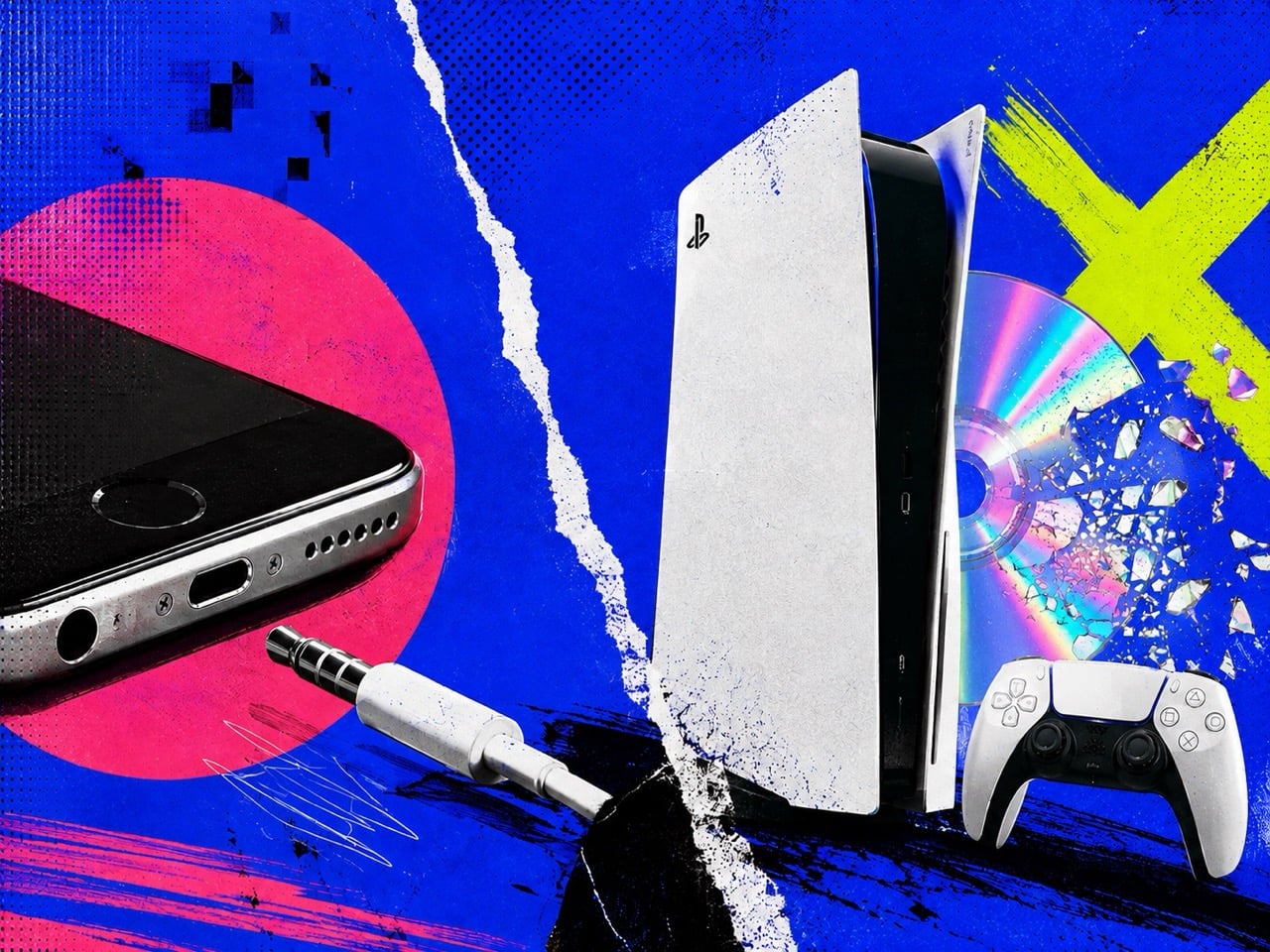
I got a serious case of déjà vu when Sony announced it was ending physical disc production in 2028. Reading their blog post about “shifting consumer preferences” and this being a “natural direction” felt a little too familiar, like I had seen this exact movie before. It was the same carefully polished language a company uses when it’s about to take away a feature you like, while insisting the decision is actually for your own good. You get the sense they are celebrating a future you never really asked for.
It took a minute to place the feeling, but then it hit me: the headphone jack. The script is identical, just with different actors. Apple told us removing a universal port was an act of “courage” that would push technology forward. Now, Sony is telling us that removing our ability to own, resell, or lend games is just an adaptation to “consumer trends.” In both cases, a simple, reliable, and open standard was sacrificed for a proprietary, walled-off ecosystem that benefits the company far more than the customer.

When Apple took the stage in 2016, they presented the removal of the headphone jack as a noble sacrifice for the sake of innovation. They needed more space, they said, for a better camera system, a bigger battery, and improved water resistance. While those claims had a kernel of truth, they cleverly obscured the much larger, more profitable truth. The real story, the one that made Apple billions of dollars, was the creation of a new, captive market. Suddenly, every headphone manufacturer had to pay Apple a licensing fee to use the Lightning port, or you, the customer, had to buy an adapter. Better yet, you could just buy their new, wonderfully convenient AirPods.
Sony is playing from the same sheet music, just in a different key. The company points to the very real trend of digital game sales outpacing physical ones as its justification. It’s true, more people are downloading games. But the business logic behind this move is far more calculated than simply following a trend. By eliminating discs, Sony wipes out the costs of manufacturing, packaging, and shipping games globally. More importantly, it lands a fatal blow on the used game market. Without discs, there is no GameStop, no eBay, no lending a copy to your cousin. Every single dollar spent on a new game must pass through the PlayStation Store, where Sony takes a cut, controls the price, and has absolute authority.

I’ve always believed that good product design builds a relationship of trust with the user. You buy a thing, and you expect it to serve your needs, not just the manufacturer’s. The PlayStation’s disc drive was a perfect example of that trust. It was a feature that gave you, the player, autonomy. It let you buy games from any retailer, hunt for deals, borrow from a friend, or sell a game when you were finished to fund your next purchase. It was a gateway to a world outside of Sony’s direct control, and that freedom was a core part of the product’s design. It was a humble component that respected your intelligence and your wallet.
This is what makes Sony’s decision feel like such a step backward. Removing the disc drive is a design choice that actively distrusts the user by removing their options. It funnels a global community of millions into a single, unmissable path that leads directly back to Sony’s pockets. The console transforms from a tool you own into a terminal for a service you rent. Apple did the exact same thing. The 3.5mm headphone jack was an open door, a universal standard that worked with everything from cheap earbuds to high-end studio monitors. The Lightning port and the proprietary chip in AirPods are guarded gates. Sony is simply building its own gate, and the price of admission is your freedom of choice.
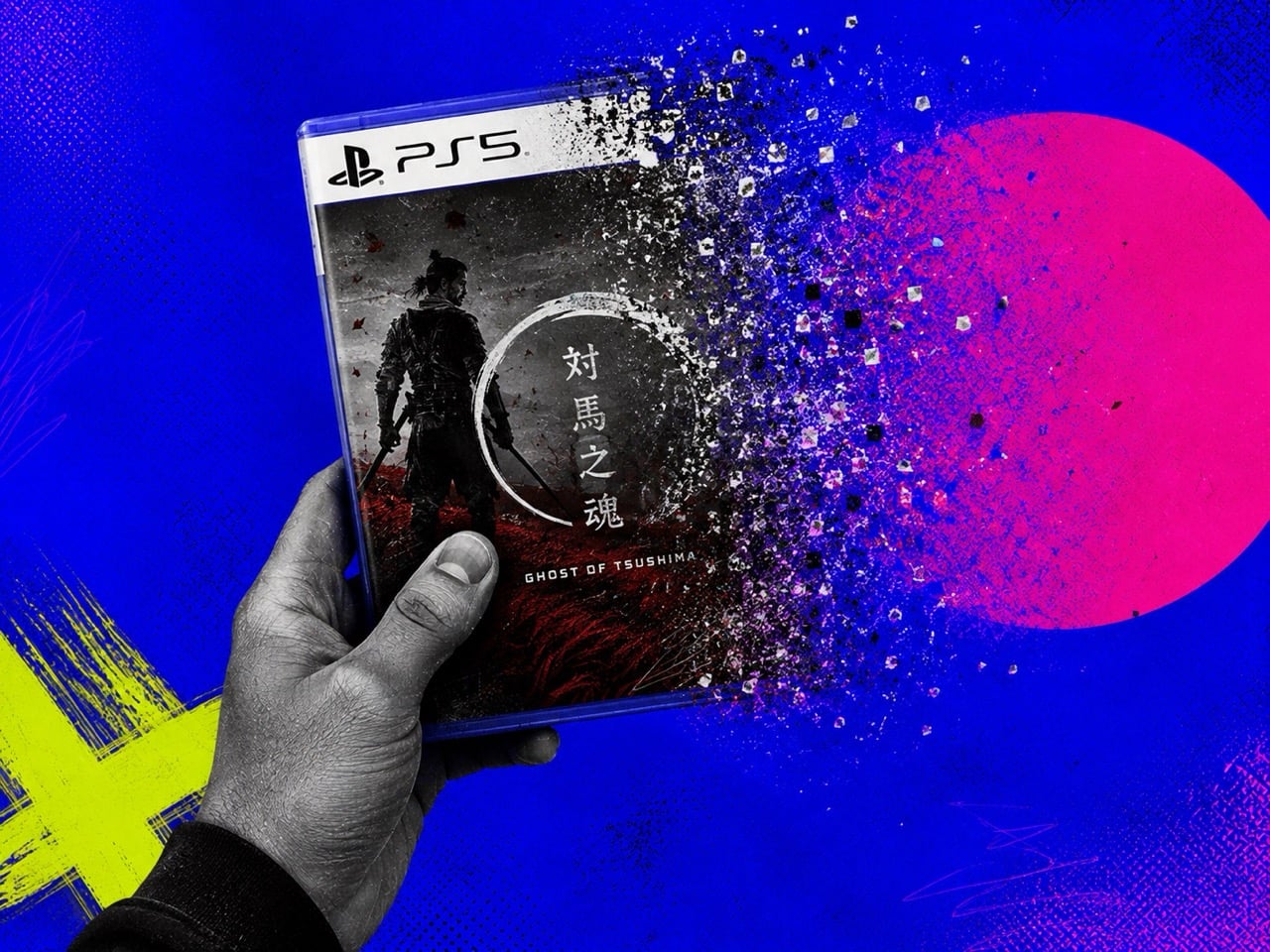
The most significant consequence of this all-digital future is the redefinition of ownership itself. When you buy a game on a disc, you own a physical object. You have a legal right, under the “first-sale doctrine,” to do what you want with that object. You can sell it, lend it, or use it as a very expensive coaster. A company can’t reach into your home and take it back. A digital license, which is what you buy from the PlayStation Store, offers none of those protections. You are paying for permission to access data, and that permission can be revoked at any time, for any reason.
If that sounds like a paranoid exaggeration, just look at Sony’s own actions. A few weeks before this grand announcement about the future of gaming, the company began notifying users in Europe that it would be permanently deleting hundreds of purchased movies and TV shows from their digital libraries because a licensing deal had expired. Acclaimed films like Terminator 2 and Apocalypse Now, which people had paid for, were simply vanishing from their accounts. There were no refunds. This isn’t a hypothetical fear; it’s a demonstrated business practice. The all-digital, streamlined future Sony is so excited about is one where your game collection is not a collection at all. It’s a temporary service that exists entirely at their convenience.
The post Sony Is Killing PlayStation Game Discs Exactly How Apple Killed the Headphone Jack first appeared on Yanko Design.

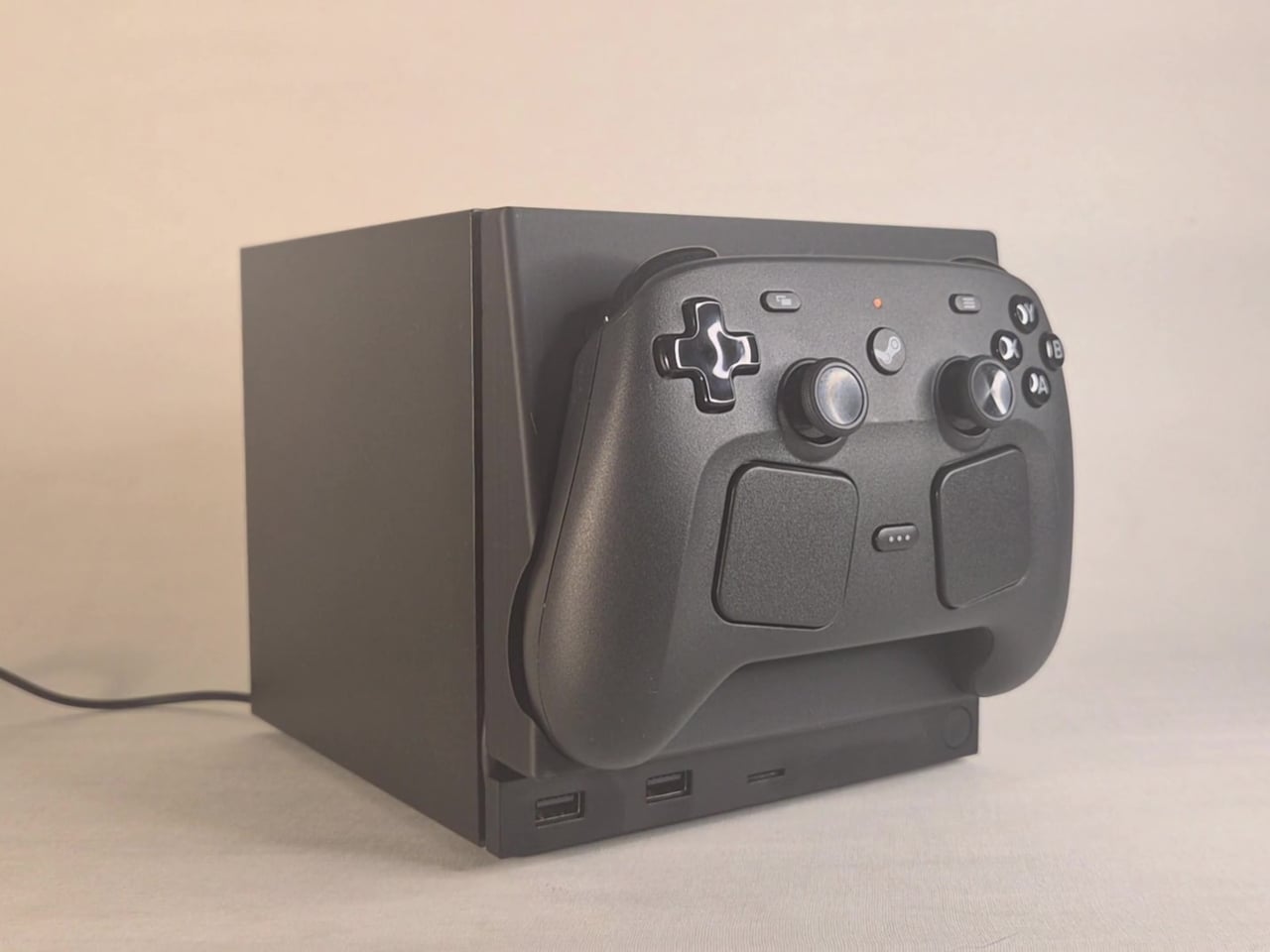
The Steam Machine has swappable faceplates, which is a genuinely good idea that Valve doesn’t appear to have fully exploited. The concept is essentially that the front panel of the console is a blank cosmetic slate, open to third parties and hobbyists to design around. So far, most of what’s been proposed has leaned on that word: cosmetic. Different textures, different graphics, different visual personalities for what is otherwise a matte black gaming cube.
This faceplate mod takes a different approach by asking what the panel could actually do. The result is a replacement front cover that integrates a charging cradle for the Steam Controller directly into the face of the console, turning what would normally be dead real estate into a functional docking station. Set the controller down, it charges. Pick it up, it’s ready. No separate charging puck dangling off to the side.
Designer: NefariousnessWhole25
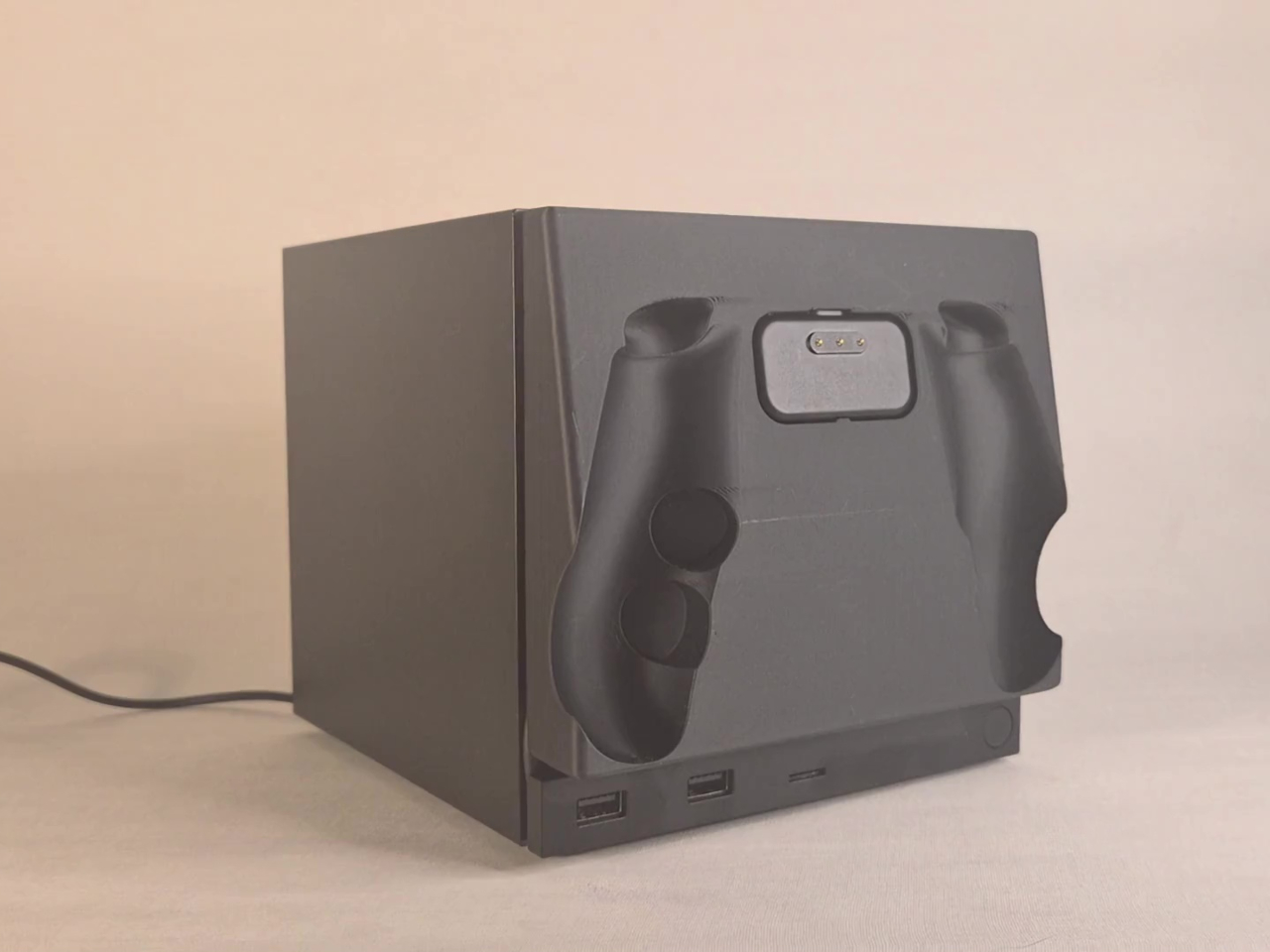
The charging mechanism uses the Steam Controller’s own wireless puck seated inside the faceplate cradle, with a USB cable routed discreetly around the inside edge of the panel and into one of the Steam Machine’s existing USB ports. It’s a routing solution rather than a rewiring one, which keeps the electrical side simple and reversible. The puck sits in the cradle, the controller sits on the puck, and the whole arrangement slots onto the front of the machine like any other faceplate.
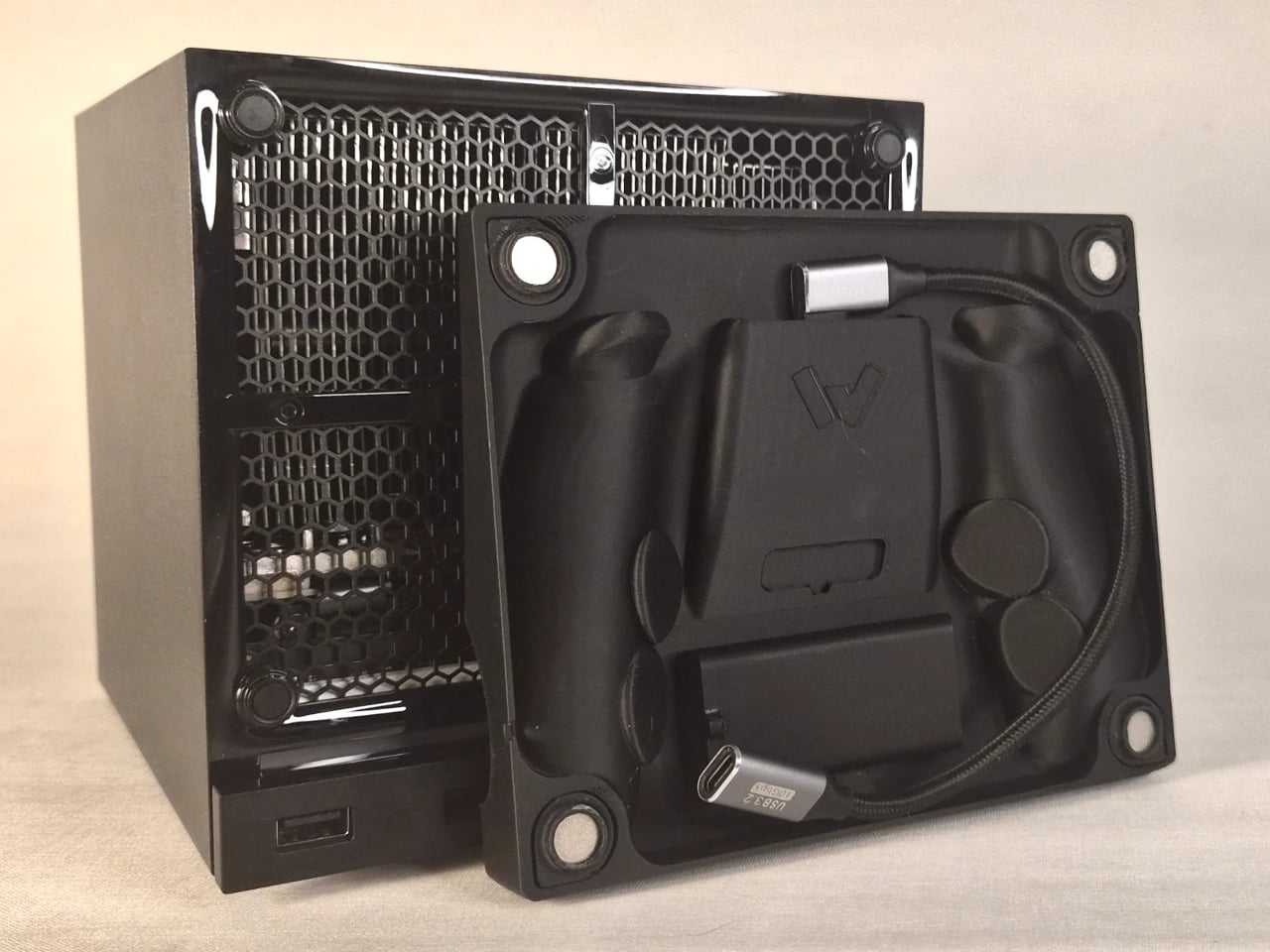
What makes it more than a wall mount with ambition is the kickstand built into the rear of the panel. It folds out from the back of the faceplate, propping the cradle up at an angle, turning the entire assembly into a standalone desk dock that works independently from the Steam Machine. Take the faceplate off the console and prop it up on a table, and it functions as a charging stand on its own terms.
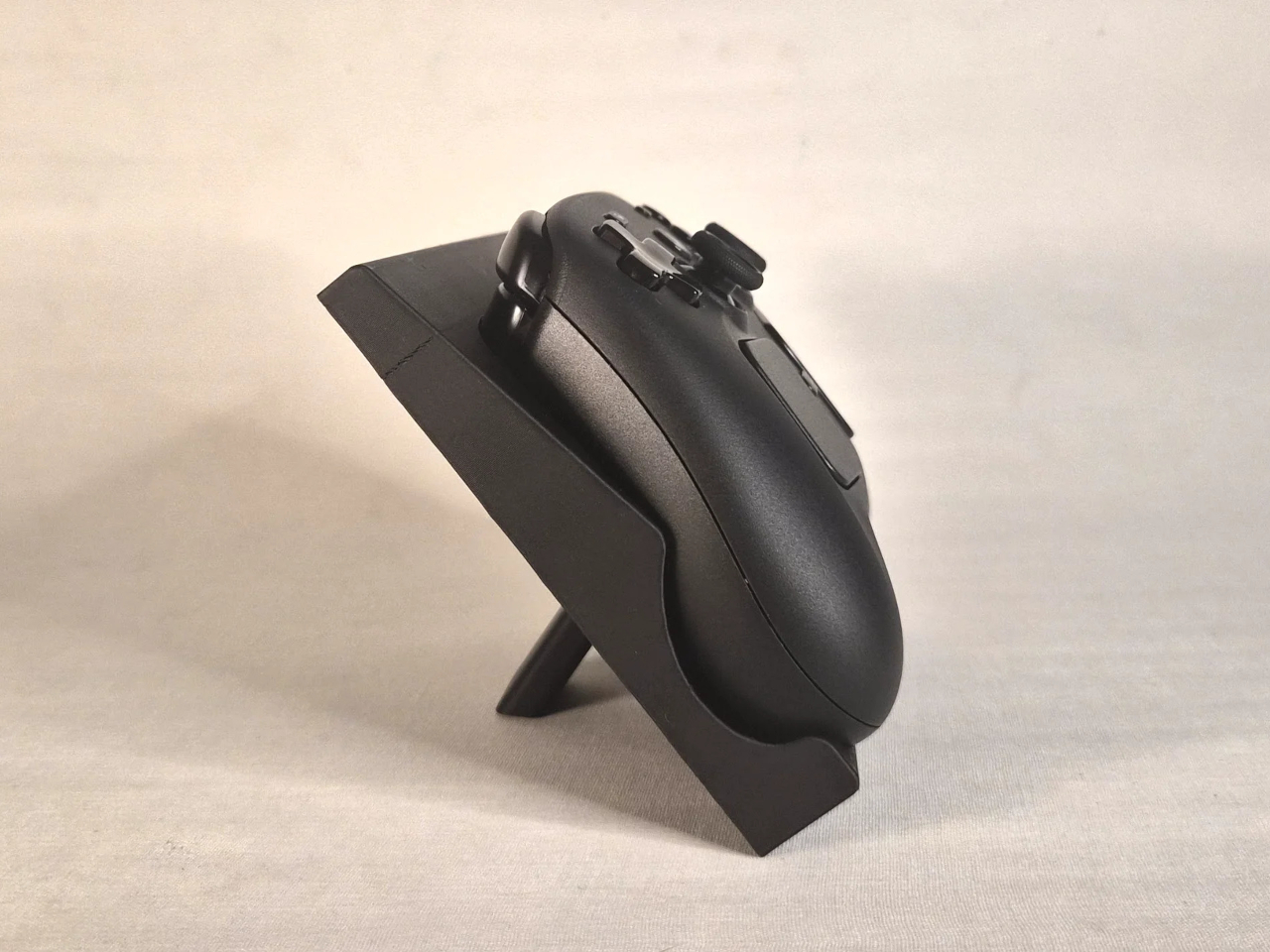
The inspiration came partly from Valve’s own demonstration of an e-ink faceplate, which showed that the panel slot was capable of doing more than holding a decorative cover in place. That demonstration didn’t ship as a product, but it established the idea that the faceplate system had functional potential beyond aesthetics. This mod picks up that thread and takes it somewhere more immediately useful for anyone who has both pieces of Valve’s current hardware sitting on the same desk.
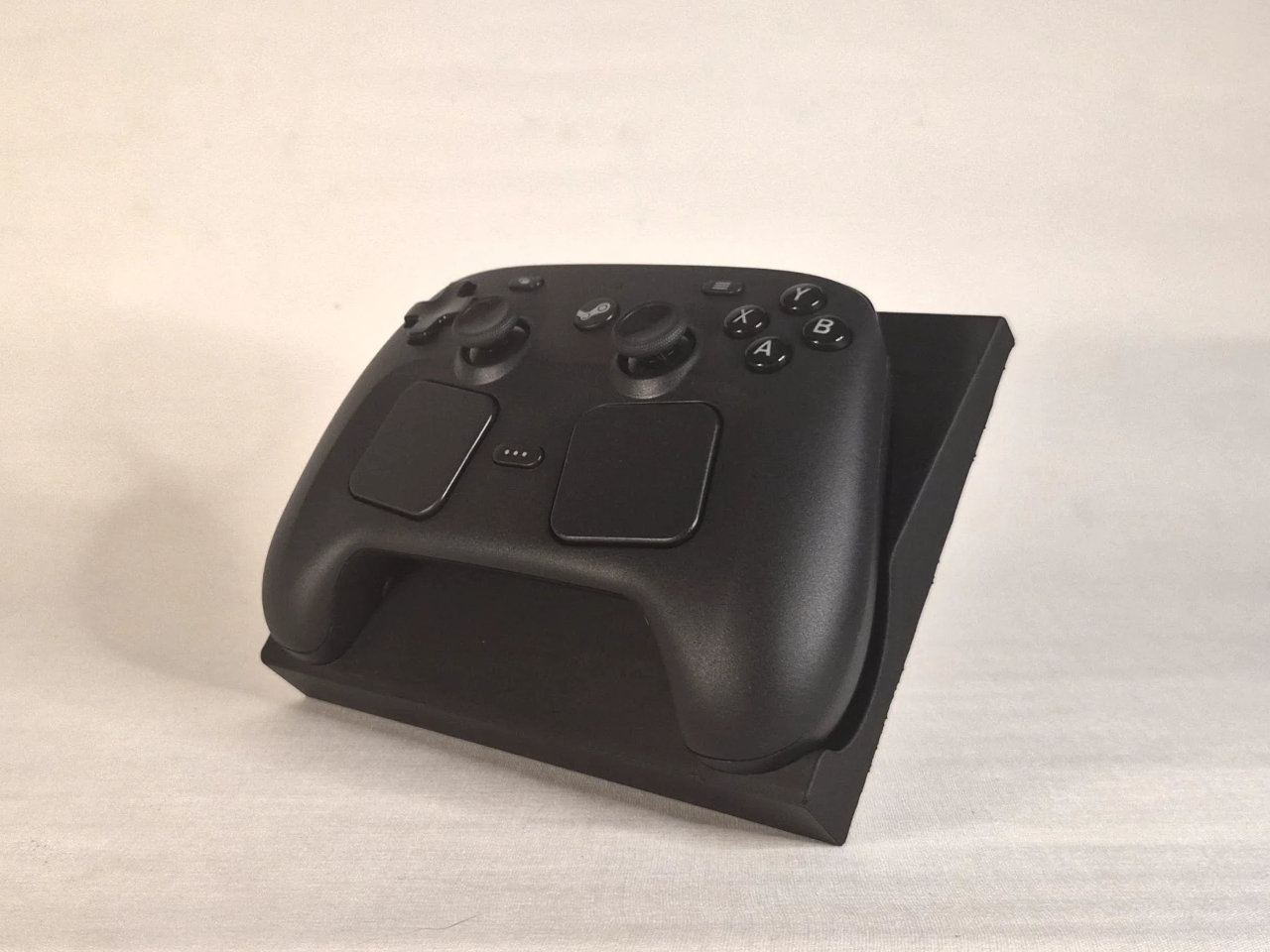
Design files haven’t been released yet, and there are no confirmed plans to sell finished units. The prototype is out, it works, and it raises a question worth asking about Valve’s approach to the faceplate ecosystem: if a single modder can turn the front panel into a functioning charging dock over a weekend, what would a dedicated accessory program actually look like at scale?
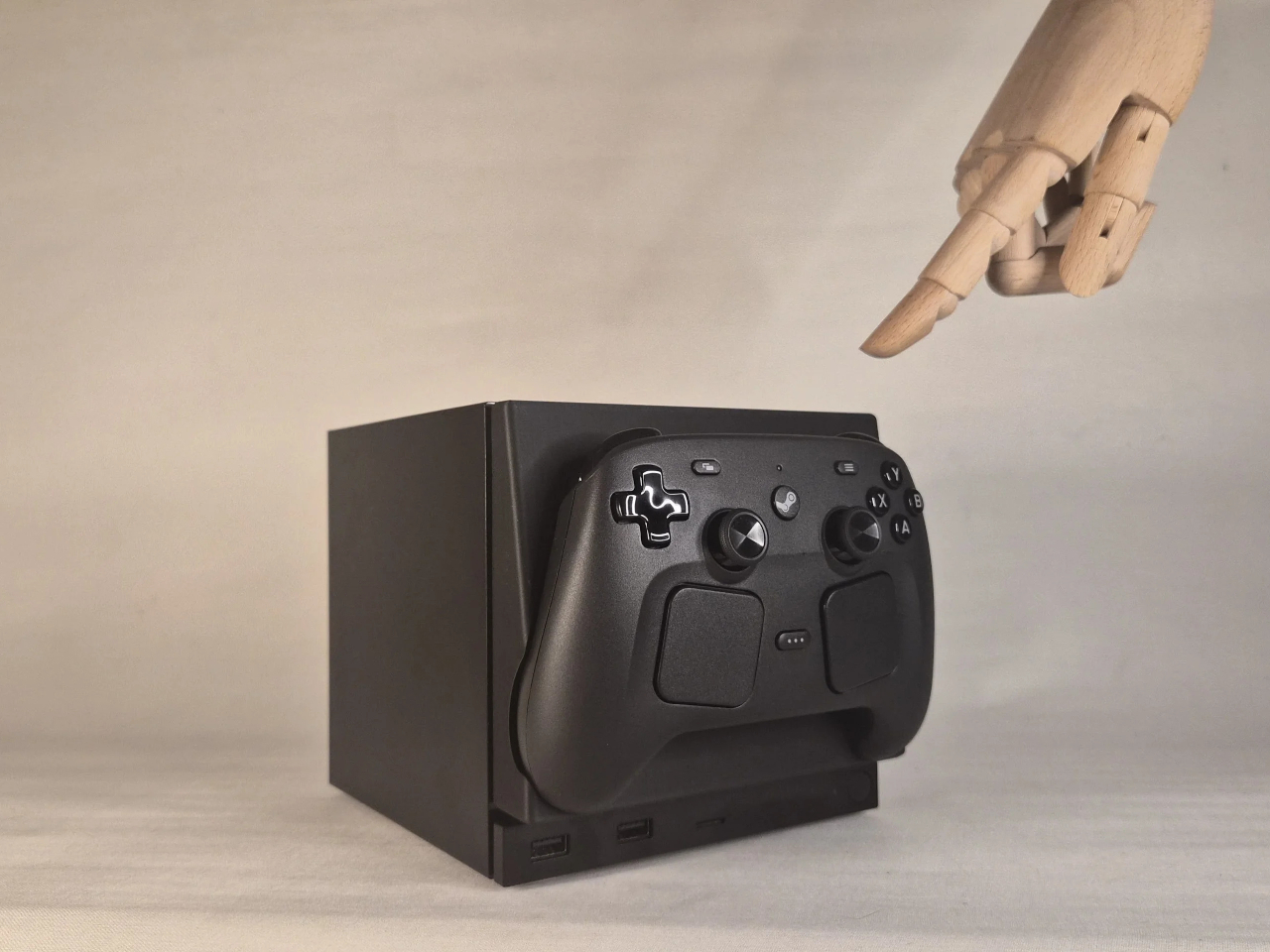
The post This Mod Made a Steam Machine Faceplate Charge Your Steam Controller first appeared on Yanko Design.