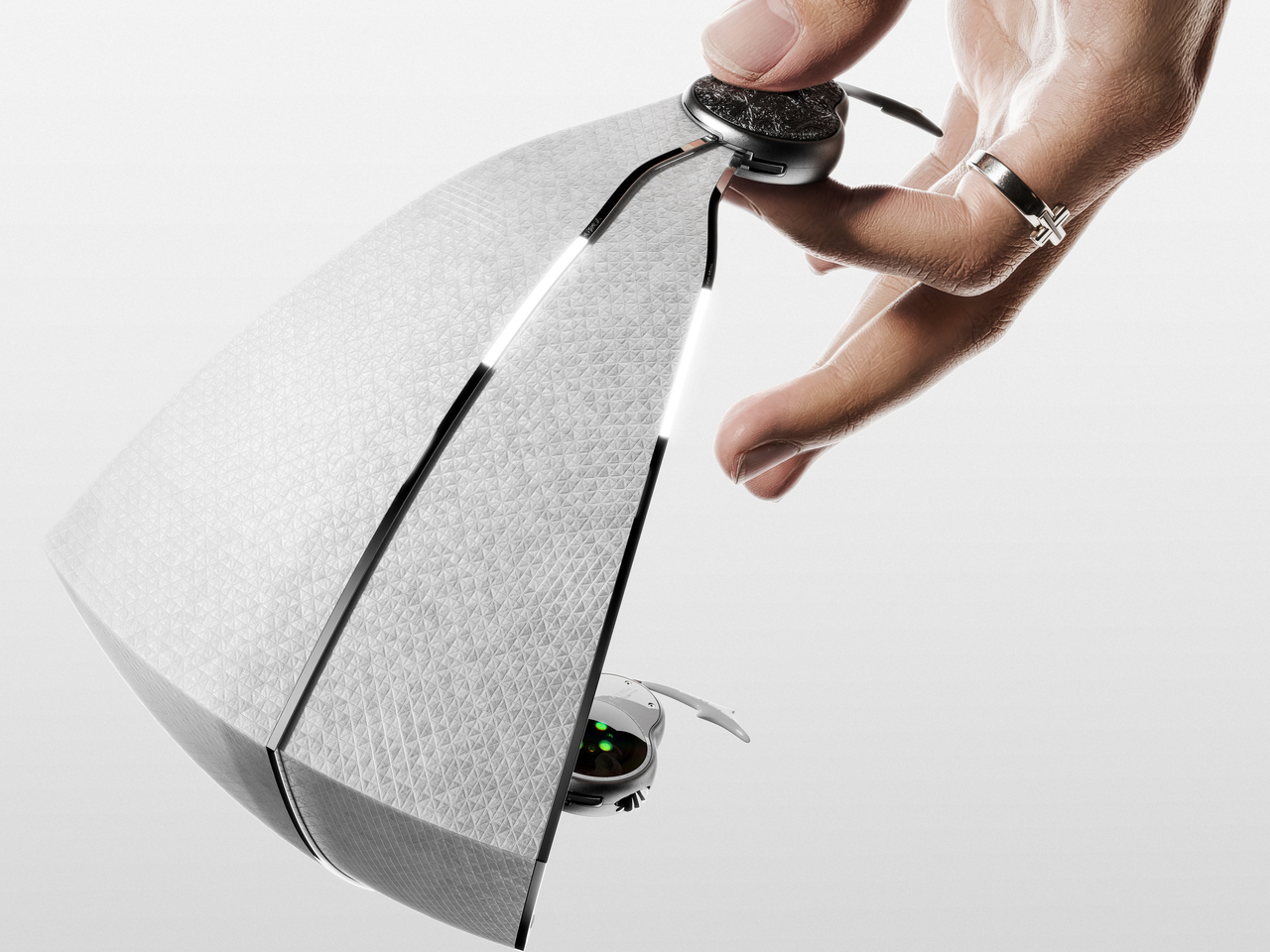
This 9mm Wireless Charger Just Made Power Banks Obsolete

You know that moment when your phone hits 10% and you’re nowhere near an outlet? We’ve all been there, frantically searching for a charging cable while our phone gasps its last breath. Power banks were supposed to solve this problem, but let’s be honest, carrying around a chunky brick in your bag never felt like the solution we actually wanted.

Enter ALMA, the wireless charger from Addition that’s basically saying “sorry, traditional power banks, your time is up.” This isn’t just another tech accessory trying to make its way into your everyday carry. It’s a genuinely thoughtful rethink of what portable power should look and feel like in 2025.

Designer: Addition

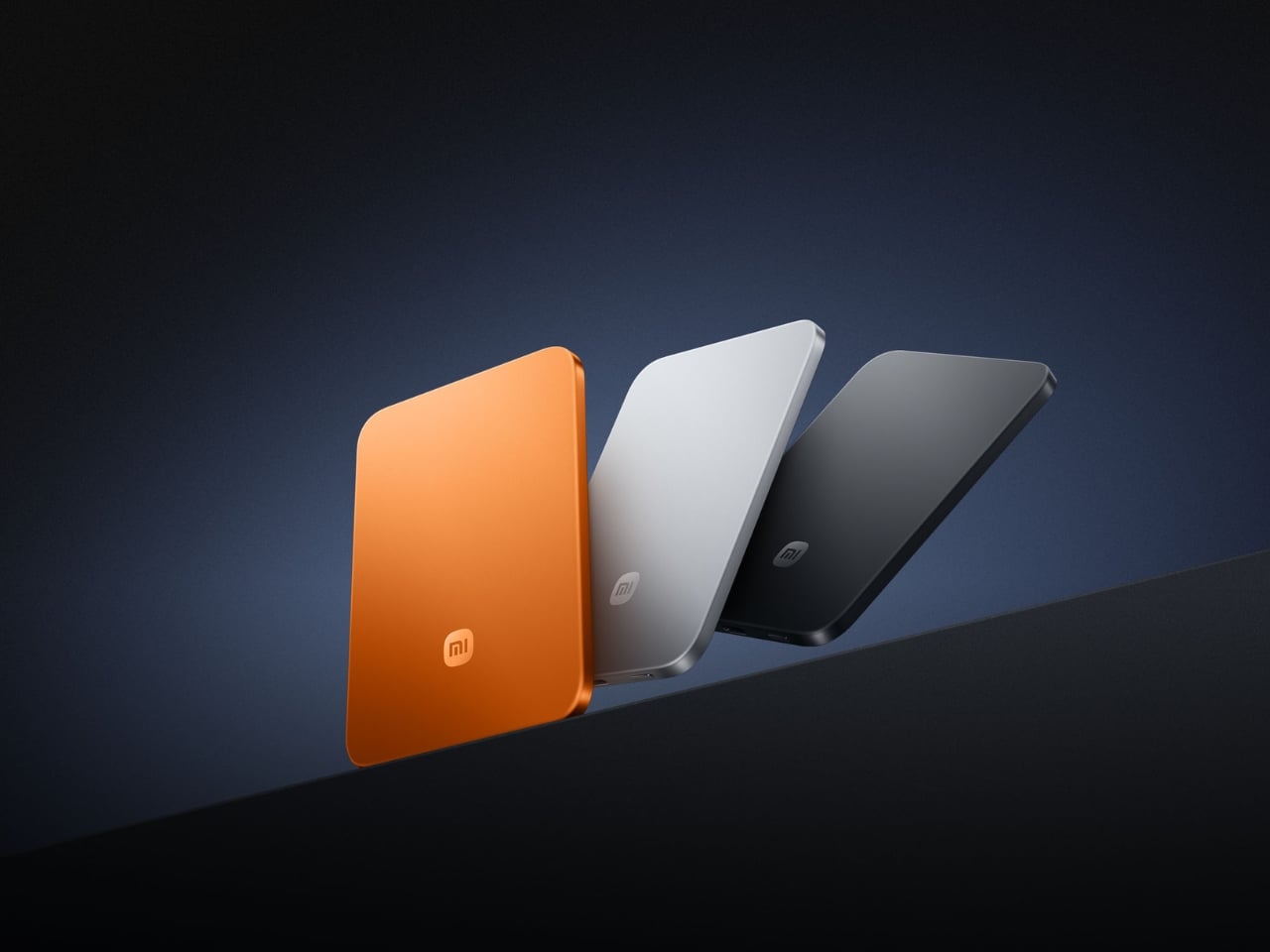
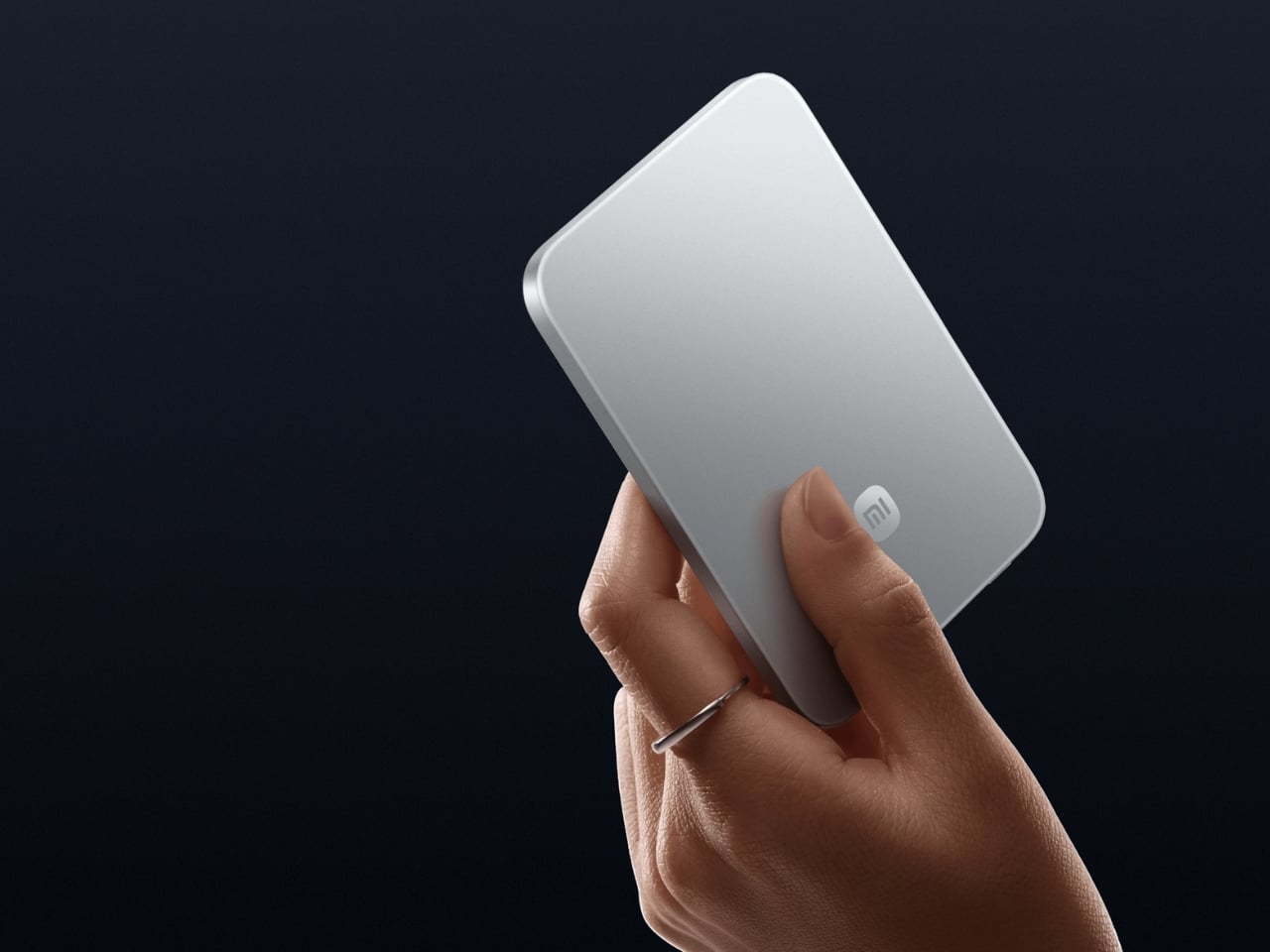
Here’s what makes ALMA different. First, it’s shaped like a slim oval that measures just 9mm thick. That means it actually slips into your jacket pocket or clutch without creating an awkward bulge. Compare that to the standard rectangular power bank that feels like you’re lugging around a paperweight, and you start to see why this matters.

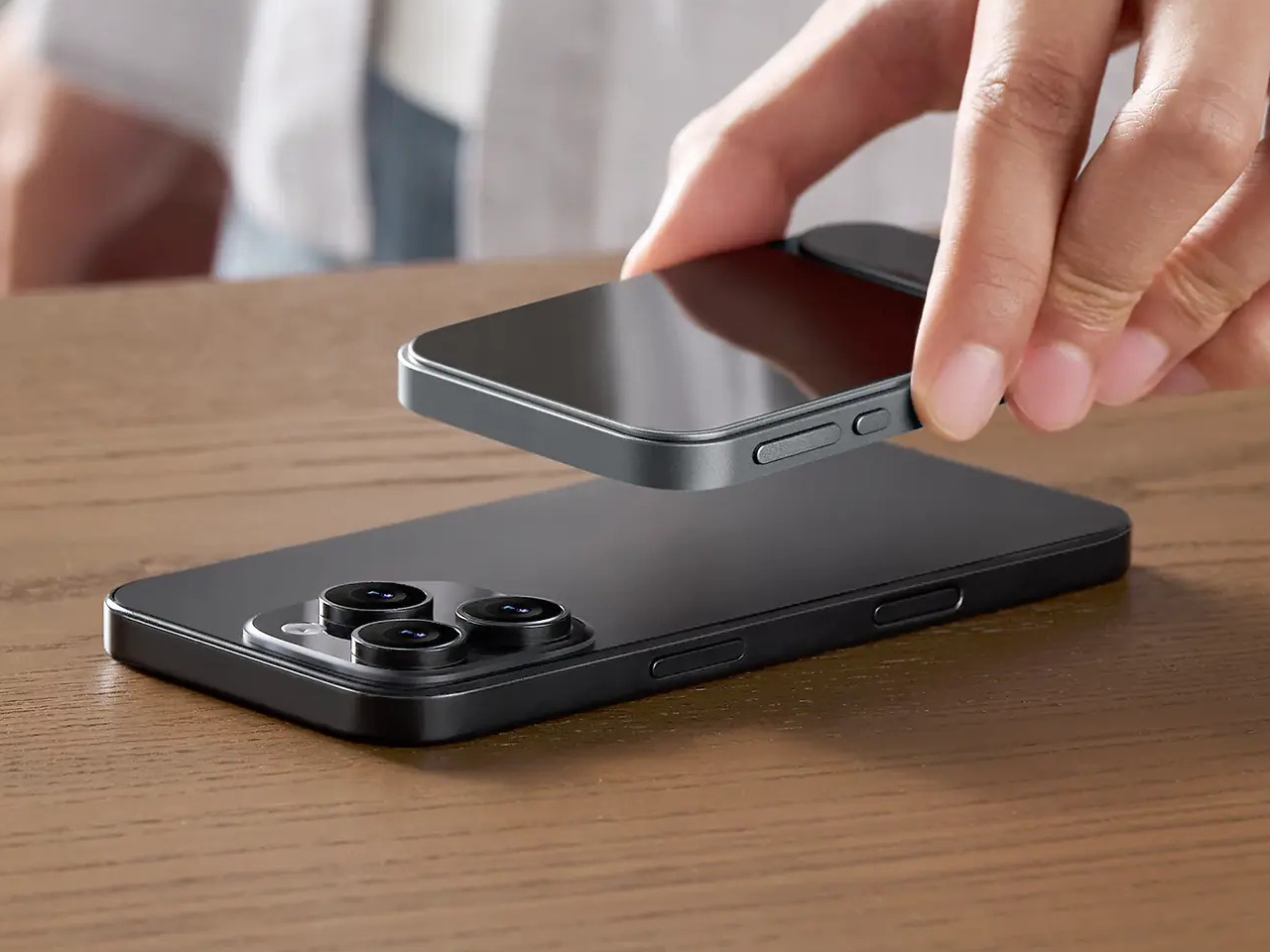
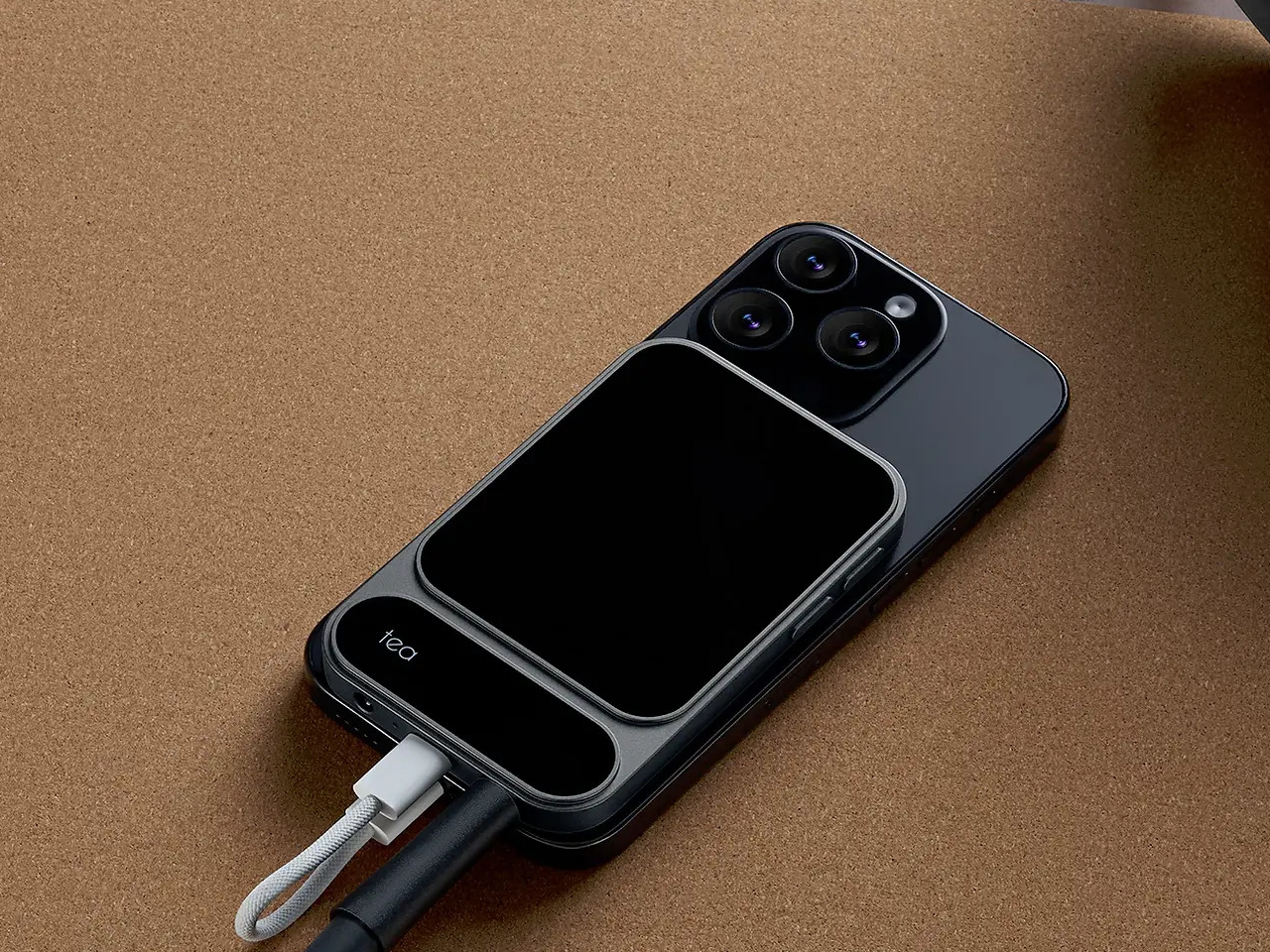
But the real magic is in how it works. ALMA charges wirelessly and gets charged wirelessly too. Think about that for a second. No more hunting for the right cable, no more tangled cords at the bottom of your bag. You just place ALMA on the back of your phone when you need juice, and when ALMA needs recharging, you drop it on any Qi-compatible charging pad. The whole experience is designed around eliminating friction, which is exactly what good design should do.

The aluminum body gives it a quality feel that separates it from the usual plastic gadgets cluttering our lives. Addition offers 17 different designs across three finishes (black, champagne, rose gold, and silver), so you can pick something that actually matches your aesthetic rather than settling for boring black box number 47. What’s really clever is the packaging. The keepsake box ALMA comes in isn’t just pretty, it doubles as a charging pad. So you’re not buying another single-purpose accessory that ends up in a drawer. The box earns its keep on your nightstand or desk as a functional part of the ecosystem.

Robert Louey, Addition’s chief design officer, said they wanted everyday tech to feel like seven-star hospitality. That might sound a bit dramatic, but when you consider how much of our interaction with technology feels clunky and frustrating, aiming for that level of seamlessness makes sense. The oval shape isn’t just for looks. It’s designed to rest naturally in your palm, creating that satisfying tactile experience that Apple perfected with their products.

Under that sleek exterior, ALMA packs some serious innovation. It uses a custom round lithium-ion battery (the first of its kind for this application) and custom internal components to achieve that impossibly thin profile. LED indicators show you the charge status at a glance: one light means 1% to 33%, two lights mean 34% to 66%, and so on up to four lights at 96% to 100%. Simple, intuitive, no guesswork.

ALMA works with any Qi-enabled device, so whether you’re team iPhone, Samsung Galaxy, Google Pixel, or even rocking wireless AirPods, you’re covered. That universality matters in a world where we’re constantly switching devices or sharing chargers with friends who have different phones. At $85 for one or $170 for a set of two, ALMA isn’t exactly impulse-purchase territory. But here’s the thing: when you factor in what you’re actually getting, a beautifully designed object that solves a daily annoyance, eliminates cable clutter, and happens to be customizable, the price starts making more sense. This is clearly positioning itself as the luxury option in a sea of generic alternatives.

Addition is a female-founded company launched by Laura Schwab, who has decades of experience with luxury brands like Jaguar Land Rover and Aston Martin Lagonda. That pedigree shows in the attention to detail and the understanding that design isn’t just about how something looks, it’s about how it makes you feel when you use it.

A lot of tech accessories now are afterthoughts, designed purely for function with zero consideration for aesthetics. But ALMA represents something refreshing. It’s technology that doesn’t apologize for wanting to be beautiful. It’s portable power that doesn’t make you feel like you’re carrying around emergency equipment. It’s the wireless charger that finally delivers on the promise of being truly wireless.

The post This 9mm Wireless Charger Just Made Power Banks Obsolete first appeared on Yanko Design.

This Designer Just Built the Sleep Device Insomniacs Always Wanted

We’ve all been there. It’s 2:47 AM, and you’re staring at your ceiling, mentally calculating how many hours of sleep you’ll get if you fall asleep right now. Spoiler alert: that math never helps. Designer JeJun Park clearly understands this universal struggle, because Re:M tackles the insomnia problem from a completely fresh angle.

At first glance, Re:M looks like it wandered out of a minimalist’s dream. It’s got that soft baby blue finish that feels calming just to look at, and an oval speaker face that tilts upward like it’s ready to have a conversation with you. But here’s where it gets interesting. This isn’t just another white noise machine or smart alarm clock trying to do everything at once. It’s what Park calls a “sleep care object,” which is honestly a much better way to think about it.

Designer: JeJun Park

Create your own Aesthetic Render: Download KeyShot Studio Right Now!

The most brilliant design choice? Those numbers you obsessively check at 3 AM? Gone. Instead of a traditional clock face with digits taunting you about lost sleep, Re:M shows time through just a simple dot for the hour and a line for minutes. It sounds almost too minimal, but that’s exactly the point. When you’re not fixating on the exact time, you stop doing that awful mental math about your dwindling sleep window. You just… let go. The clock becomes ambient, flowing, present but not demanding your attention.

The whole device is built around this philosophy of removing anxiety triggers. Those aluminum dome speakers aren’t just there to look pretty (though they definitely do). They pump out everything from white noise to nature sounds, creating an audio cocoon that blocks out the neighbor’s dog or street traffic. You know that feeling when you’re camping and the gentle sounds of a stream or rustling leaves just knock you out? That’s what Re:M is going for, minus the mosquitoes and uncomfortable sleeping bag.

What really sets this apart from other sleep gadgets is how thoughtfully Park has considered every interaction. Notice there’s basically one button on the entire device? That’s because all the fiddly controls live in the companion app. You’re not fumbling with multiple buttons in the dark or accidentally blasting sound at full volume. The power button is tucked discreetly out of sight, and that side dial handles volume adjustments with precision that touchscreens could never match. It connects via Bluetooth, so you can fine-tune everything from your phone during the day, then just tap the device to turn it on at night.

Even the wake-up experience got a redesign. Instead of a jarring alarm, Re:M gradually increases both nature sounds and a gentle brightening light. It’s like having a sunrise on your nightstand, coaxing you awake instead of startling you into consciousness. Anyone who’s ever been jolted awake by a blaring alarm knows how that sets the tone for your entire day. The practical touches are there too. USB-C charging means you can power it with the same cable as your phone or laptop, and a small LED dot tells you the charging status without being intrusive. The device stands on a stable base with subtle grip pads, so it’s not going anywhere if you reach for it groggily at night.

What I really appreciate about Re:M is that it doesn’t try to be everything to everyone. It’s not tracking your REM cycles, syncing with seventeen other devices, or promising to revolutionize your entire life. It’s simply designed to help you fall asleep more easily and wake up more gently. That singular focus feels almost revolutionary when every product seems to wants to be your all-in-one solution. Park has created something that addresses a real problem (we’re all sleeping terribly) with thoughtful design rather than more technology. Re:M proves that sometimes the best solution isn’t adding features, but carefully removing the things that stress us out. And honestly? In our overstimulated, always-on world, that might be the most innovative thing of all.

The post This Designer Just Built the Sleep Device Insomniacs Always Wanted first appeared on Yanko Design.

DIY $15 Raspberry Pi Device Blocks Every Ad on Your Phone, TV, and Laptop Automatically

Cory Doctorow coined the term “enshittification” to describe how internet platforms inevitably decay, prioritizing advertisers and shareholders over users who made them successful in the first place. What begins as a useful service gradually transforms into an advertising delivery system wrapped around minimal functionality. Websites that once loaded instantly now take seconds to render as they auction off your attention to the highest bidder. Social media feeds become algorithmic nightmares designed to maximize engagement with sponsored content rather than connections with actual people. This isn’t accidental degradation but a deliberate business model that treats users as products to be packaged and sold.

Fighting back against enshittification requires taking control of your own infrastructure rather than hoping platforms will respect your time and privacy. The Raspberry Pi Zero 2W running Pi-hole software represents a practical form of digital self-defense that costs less than $30 and works continuously in the background. This tiny computer sits on your home network and blocks advertising domains before they reach your devices, creating a cleaner internet experience across phones, tablets, computers, and smart TVs simultaneously. Adding Tailscale extends this protection beyond your home, ensuring that your browsing remains uncluttered whether you’re traveling or working remotely. The setup takes an evening and requires no programming expertise, just a willingness to reclaim your digital experience from platforms that have forgotten who they’re supposed to serve.

Designer: Enrique Neyra

You’d expect an ad-blocker to be substantial on either the hardware or the software front, but this build proves just how small, easy, and cheap everything is. The Raspberry Pi Zero 2W running this entire thing measures 65mm by 30mm, smaller than most people’s wallets, drawing about 2 watts when it’s actually working. You could run this thing 24/7 for a year and spend less on electricity than a single trip to Starbucks. The whole shopping list is stupidly cheap too: the Pi itself runs $15, throw in an 8 dollar micro SD card and whatever USB cable you’ve got rattling around in a drawer. Thirty bucks max, and suddenly you’ve got hardware that can filter ads for every single device in your house.

The Pi runs headless, meaning no monitor, no keyboard, just sitting there quietly doing DNS work in the background. You flash Raspberry Pi OS Light onto the SD card using their imaging tool, which strips out all the desktop environment bloat since you’ll never actually see a screen. During setup you punch in your WiFi credentials, enable SSH so you can talk to it remotely, and give it a hostname. Three minutes later the OS is ready and you’re plugging the card into the Pi. Boot it up, SSH in from your laptop, and you’re looking at a command prompt on a computer the size of a pack of gum.

Pi-hole (an open-source software that blocks ads across the entire network) installs with one command. Literally paste it into the terminal and the script handles everything, walking you through prompts about which DNS provider you want upstream and whether you want query logging enabled. You absolutely want the web admin interface because that’s where you’ll watch the magic happen in real time. The trickier bit is the static IP assignment, which sounds intimidating but really just means logging into your router and clicking a button that says “reserve this IP for this device.” Most modern routers make this dead simple. ISPs like Spectrum have apps where you just scroll through connected devices, find your Pi, and hit reserve. Done.

Once the Pi has its permanent address, you point your router’s DNS settings at it instead of whatever your ISP provides by default. Every device on your network now funnels DNS requests through Pi-hole before connecting to anything. Pi-hole maintains these massive blocklists of known advertising and tracking domains, thousands of entries that get updated regularly. Your phone tries to load an ad from doubleclick.net? Blocked. Facebook wants to ping its analytics server? Blocked. The actual content you’re trying to see loads normally while all the parasitic garbage just vanishes. The Pi-hole dashboard shows you this happening in real time, queries flying in and getting either allowed or blocked based on the lists.

The really clever part is Tailscale, which turns your home setup into something you can use anywhere. Tailscale creates this encrypted mesh network between all your devices using WireGuard under the hood, and it’s shockingly easy to configure. Install it on the Pi with another single command, authenticate through their web console by clicking a link, and boom, your Pi appears in the Tailscale admin panel. Then you tell Tailscale to use your Pi’s IP as the DNS server for everything connected to your account. Now your laptop routes through your home Pi-hole whether you’re at a coffee shop in Brooklyn or an airport in Singapore. The VPN overhead adds maybe 10 milliseconds, completely imperceptible during actual browsing.

What you get is immediate and obvious. News sites that normally assault you with autoplaying video ads and popup overlays suddenly render clean. Mobile apps stop shoving interstitials between every interaction. Your smart TV’s interface becomes less cluttered with sponsored content tiles. Pi-hole typically blocks 20 to 30 percent of all DNS queries, which translates directly into faster page loads because your devices skip downloading megabytes of ad scripts and tracking pixels. Battery life improves on phones and laptops since they’re not constantly rendering and refreshing ad content in the background. The internet feels faster because it actually is faster when you’re not waiting for seventeen different ad networks to respond.

Now, the limitations. DNS blocking works great until it doesn’t, and the main place it fails is when ads come from the same domain as the content you want. YouTube is the classic example because Google serves ads from youtube.com subdomains that the platform needs for actual video playback. Block those domains and you break the whole site. Some news organizations have gotten smarter about this too, serving ads from their own CDNs to sidestep DNS filters. You’re looking at maybe 95 percent effectiveness across the broader web, which is substantial but leaves gaps. For the stubborn stuff you still need browser extensions (or use the Brave browser that even blocks YouTube ads) or just simply accept some ads will slip through. If you’ve reached this far, the latter clearly sounds like it isn’t an option.

The other consideration is dependency. If your home internet goes down and you’re traveling somewhere relying on Tailscale to route back through your Pi-hole, you lose DNS resolution entirely. You can mitigate this by configuring a secondary DNS server like Google’s 8.8.8.8 as a fallback, though that partially defeats the privacy angle. Some people solve this by running Pi-hole in the cloud on something like Google Cloud’s free tier, which gives you better uptime but requires more sophisticated networking to avoid creating an open DNS resolver that attackers can hijack for DDoS amplification. That’s a whole different level of complexity that I’m frankly not equipped to even explain.

The upside, even with this regular build, is massive. For thirty bucks and an evening of tinkering, you get network-wide ad blocking that follows you everywhere and works on every device you own without individual configuration. That’s precisely the practical digital self-defense Doctorow addresses about when he describes taking back control from platforms designed to extract value rather than provide it. The web becomes usable again, and I know that shouldn’t sound like a massive deal… but honestly, after seeing ads in Google, Gmail, Instagram, YouTube, Uber, heck, even ChatGPT, it kinda does feel game-changing.

The post DIY $15 Raspberry Pi Device Blocks Every Ad on Your Phone, TV, and Laptop Automatically first appeared on Yanko Design.
IKEA’s $10 Donut Charger is the Quirkiest Tech Accessory You Need

IKEA has always understood that good design is about more than just aesthetics; it’s about making everyday life just a little bit smarter and a whole lot more delightful. From the iconic, ubiquitous flat-pack furniture phenomenon that has furnished college dorms and first apartments worldwide, to their surprisingly savvy and rapidly expanding smart home gear, the Swedish powerhouse consistently sneaks into our lives with functional, well-priced objects. They have a unique talent for translating high-level function into accessible, everyday items, democratizing design in a way few other companies can match.

But their latest accessory, the VÄSTMÄRKE wireless charger, feels like they stopped designing furniture for a minute and started making tech that belongs on a designer’s desk or maybe even a breakfast tray. And truth be told, I’m all for this kind of quirky but also highly functional kind of device, especially for someone who always needs to charge one gadget or another and appreciates a bit of personality in their tech landscape.

Designer: IKEA

Forget the sleek metal pucks and boring black slabs that define the typical wireless charger landscape. The VÄSTMÄRKE arrives in a striking, happy red color which is a shade that manages to be both playful and aggressive. It is wrapped in soft, tactile silicone, and is shaped unmistakably like a bright, circular donut. Yes, a donut. This accessory is a masterclass in playful industrial design, immediately standing out in a crowded market where everything is trying desperately to be minimal and invisible, striving for that elusive “zero design” aesthetic. The VÄSTMÄRKE loudly rebels against that. At around ten dollars, it’s an absolute steal and an impulsive buy designed to bring a little pop culture fun and necessary color into your daily tech routine. It’s an instant dopamine hit for your desk.

But don’t let the adorable, pastry-like exterior fool you into thinking this is merely a cute paperweight that’s all style and no substance. Underneath that cheerful, friendly silicone exterior is a genuinely modern piece of charging tech that proves IKEA is serious about functionality. The VÄSTMÄRKE supports the new Qi2 standard, which is the current industry gold standard for magnetic wireless charging. This means it offers fast 15-watt charging speeds which is on par with high-end, premium alternatives, and, crucially for modern phone users, it includes precise magnetic alignment. This makes it instantly compatible with systems like Apple’s MagSafe or Google’s emerging PixelSnap standard, ensuring your phone snaps perfectly into place every single time. That magnetic click maximizes charging efficiency and eliminates the frustrating hunt for the sweet spot, a common annoyance with older, non-magnetic wireless pads.

Where the VÄSTMÄRKE truly shines, however, is in its secret identity, offering two hidden functions that transform it from a simple charger into a genuine utility tool, a Swiss Army knife of power. The whole device is built around a clever fold-out core. You can flip the top half up and invert the ring, effectively turning the charger into an impromptu, stable, PopSocket-style grip for your phone. Imagine charging on the go, then seamlessly using the attached charger, which is still magnetically clamped to your device, to secure your grip while scrolling through social media, watching a video, or taking a complicated selfie. It’s a brilliant crossover of charging and ergonomic convenience that no one specifically asked for, but everyone who uses it will immediately wonder how they lived without it.

The second genius trick tackles the bane of all tech lovers: the cable tangle. That circular cutout, which doubles as the grip, is also a clever storage solution. The VÄSTMÄRKE includes an integrated USB-C cord, which is another nod to modernity and universal compatibility. When you’re done charging or ready to travel, you can simply wrap the cable neatly and snugly around the center gap and snap the silicone top back down. The cord disappears completely into the design, keeping your bag or pocket blissfully knot-free and preventing the charger itself from becoming a tangle magnet. It’s a supremely thoughtful nod to portability, making this the ideal budget travel companion for anyone constantly on the move.

The VÄSTMÄRKE is the perfect embodiment of IKEA’s approach to the smart home and personal tech. It’s cheap, utterly practical, uses high-level Qi2 technology typically reserved for more expensive gear, and comes wrapped in a delightful design that is guaranteed to spark conversation and smiles. It’s a testament to the idea that functional tech doesn’t have to be visually dull or take itself too seriously. Sometimes, the best design is the one that looks like it belongs on the menu rather than on the motherboard. If you’re looking for a dash of color, a clever set of features, and next-gen magnetic charging without emptying your wallet, this little red donut is an unexpected, delightful, and highly functional winner.

The post IKEA’s $10 Donut Charger is the Quirkiest Tech Accessory You Need first appeared on Yanko Design.
Yale Engineers Created a 3D-Printed Carbon-Fiber Cello That That Never Cracks or Warps

Traditional wooden cellos and violins are exquisite but fragile. They crack in dry weather, warp in humidity, and require constant environmental monitoring. A professional instrument can cost tens of thousands of dollars, yet one bad flight or unexpected temperature change can cause irreversible damage. This vulnerability has long kept quality instruments out of reach for traveling musicians, students in varied climates, and performers who need reliability above all else.

Forte3D’s answer combines 3D printing technology with carbon fiber construction. The team, led by Yale student Elijah Lee and co-founder Alfred Goodrich, created instruments with flat carbon fiber panels and 3D printed polymer components that maintain their shape regardless of environmental conditions. The sound quality matches traditional instruments because the team used computer-aided design to control every structural element and dial in the acoustics precisely. These instruments also include adjustable string heights and smooth tuning mechanisms, making them accessible for players at different skill levels.

Designer: Forte3D

The project originated from a practical challenge. Lee’s orchestra director asked if he could use his early 3D printing skills to design a cello that was strong, low cost, and easy for more people to use. Rather than simply replicating traditional designs in new materials, Lee and Goodrich rethought the entire structure. They tested different thicknesses and configurations using computer-aided design tools, discovering they could shape the sound in more controlled ways than traditional luthiers. This digital precision allowed them to dial in the acoustics by controlling every part of the structure.

The final design breaks from tradition in significant ways. The top and back panels are made from carbon fiber and shaped as flat and concave surfaces rather than carved forms. The ribs and neck come from 3D printed polymer material. However, certain classical elements remain unchanged because they work perfectly as they are. The sound post, fingerboard, and bridge are still made using traditional methods and materials, creating a hybrid that respects acoustic principles while embracing modern durability.

Carbon fiber’s core advantage is its stability. Unlike wood, which expands and contracts with atmospheric changes, carbon fiber maintains its dimensions regardless of humidity or temperature. This means musicians can bring their instruments to outdoor performances, different climates, or even extreme environments without worrying about structural damage. The material also eliminates the need for specialized maintenance products. A simple cloth and common household cleaners are sufficient to keep these instruments in excellent condition.

Forte3D also addressed playing comfort, which directly affects technique and long-term health. When strings sit too high or too low, musicians experience hand pain and their personal technique becomes harder to execute. The team built in an adjustable string height system that lets each player move the strings up or down using a small tool that comes with the instrument. The cello also includes smoothly moving tuning pegs and tools for stopping wolf tones, which are unwanted resonances that plague certain notes on string instruments. A printed guide ensures the bridge sits in the correct position, and all these design elements work together to support both playing comfort and sound production.

The violin version carries the same philosophy. Players can adjust string height to match their needs, and the body features a hole at the back to support sound flow. Like the cello, it ships with strings and tuning pegs designed for easier tuning. Both instruments handle weather changes and physical bumps that would damage wooden counterparts. For the Forte3D team, these instruments are not about making a style statement. They focus on what musicians actually need, which means less worry about damage, easier carrying, simpler care, and lower cost. The result is an instrument that honors centuries of acoustic development while finally freeing musicians from the constraints that wood has always imposed.

The post Yale Engineers Created a 3D-Printed Carbon-Fiber Cello That That Never Cracks or Warps first appeared on Yanko Design.

Bang & Olufsen’s $150K Speakers Shift Color As You Walk By

There’s something almost surreal about watching Bang & Olufsen celebrate its 100th birthday. While most brands would throw a retrospective exhibition or release a commemorative coffee table book, the Danish audio company has decided to do something far more ambitious. They’re taking their most advanced loudspeaker and reimagining it as high art.

Enter the Beolab 90 Phantom and Mirage Editions, two wildly different expressions of the same technological marvel. These aren’t just new color options thrown onto an existing product. They’re part of a five-edition Atelier series, each limited to just ten pairs worldwide, where Bang & Olufsen’s designers and craftspeople have pushed materials and finishes to places they’ve never been before.

Designer: Bang & Olufsen

Let’s start with the Phantom Edition, which feels like something out of a science fiction film. The classic fabric covers that typically wrap the Beolab 90 have been stripped away and replaced with custom-designed black metal mesh. It’s a bold move. The coated stainless steel creates this hologram-like effect, letting you peek through at the powerful drivers underneath. There’s something mesmerizing about seeing the technology usually hidden behind elegant fabric, now revealed like the inner workings of a watch through a sapphire caseback.

The aluminum skeleton features pearl-blasted surfaces and unified structural beams, with precision-machined trim details that speak to the hundreds of hours invested in each pair. It’s technical, it’s architectural, and honestly, it looks like it could double as a prop in a high-budget space station scene. But that’s precisely the point. The Phantom Edition isn’t trying to blend into your living room. It’s demanding attention.

Then there’s the Mirage Edition, which takes an entirely different approach. Imagine a speaker that appears to shift and transform as you move around it. The surface flows from vivid blue to rich magenta through a bespoke gradient anodization applied entirely by hand at Bang & Olufsen’s Factory 5. It’s the kind of finish that makes you want to circle the speaker just to watch the colors dance and morph.

This isn’t airbrushing or a printed vinyl wrap. The gradient effect is achieved through meticulous anodization of the aluminum components, a process that requires incredible precision and skill. The result positions the Mirage Edition as what Bang & Olufsen calls “a visualisation of sound itself”. It’s poetic, sure, but also surprisingly accurate. Sound is movement, frequency, vibration. Why shouldn’t a speaker designed to reproduce it perfectly also capture that sense of constant transformation?

Both editions maintain the same acoustic platform as the original Beolab 90, which launched back in 2015 and remains the brand’s most advanced loudspeaker. We’re talking about 18 drivers and beam-forming technology that can literally shape sound to suit your room’s acoustics. These Anniversary Editions keep all of that sonic prowess intact. The innovation here is purely about design and craft refinement.

That’s what makes these releases so fascinating. Bang & Olufsen isn’t trying to improve the performance or add new features. They’re exploring what happens when you treat a speaker as a canvas for material experimentation and artistic expression. It’s a luxury approach, certainly, but it also raises interesting questions about how we value design objects in our homes.

These speakers join the previously released Titan Edition, another ultra-limited variant featuring raw cast aluminum. Together, they represent a century of design philosophy distilled into physical form. Whether you lean toward the architectural drama of the Phantom, the fluid artistry of the Mirage, or the industrial purity of the Titan probably says something about your design sensibilities.

At a time when so much consumer tech prioritizes invisibility (think hidden speakers, frameless TVs, voice assistants tucked into fabric cylinders), Bang & Olufsen is moving in the opposite direction. These Atelier Editions celebrate presence, craftsmanship, and the idea that exceptional objects deserve to be seen, not just heard.

The post Bang & Olufsen’s $150K Speakers Shift Color As You Walk By first appeared on Yanko Design.

Top 7 Unique Audio Gifts That Beat Generic Tech

Generic wireless earbuds arrive in identical white plastic shells with forgettable names and indistinguishable sound profiles. Smart speakers reduce albums to voice commands and invisible algorithms. Mass-produced audio gear does the job, but it does nothing for the soul. The following collection rejects that sameness entirely. These seven designs treat sound as something worth seeing, touching, and displaying. They transform listening from background noise into intentional ritual, proving that audio equipment can spark conversation, elevate spaces, and reconnect us with the physical pleasure of music.

Each piece here champions visibility over invisibility. Whether through kinetic wooden tiles that dance with your vinyl, transparent frames that showcase spinning CDs, or cassette-shaped speakers that resurrect mixtape culture, these gifts refuse to disappear into pockets and smart home ecosystems. They’re designed for people who curate rather than consume, who value craftsmanship over convenience, and who believe technology should enhance spaces rather than colonize them. For anyone exhausted by tech that looks and feels like everything else, these selections offer genuine alternatives.

1. Orbit Kinetic Turntable

Lillian Brown’s Orbit Kinetic Turntable makes music visible. Thirty-nine handcrafted wooden tiles surround the record platter in concentric circles, flipping and rotating as your album plays. Every bassline triggers motion. Every cymbal crash shifts the pattern. What started as Brown’s senior thesis at the Savannah College of Art and Design became a sculptural performance piece that translates sound waves into physical movement. The tiles respond to frequency and amplitude, creating hypnotic displays unique to whatever you’re spinning.

This isn’t gear that fades into the background. Friends will gather around this turntable to watch music unfold, seeing frequencies become choreographed motion. The wood construction fits contemporary interiors while bridging generations—showing younger listeners that sound once demanded full attention. Brown created something between a turntable and a kinetic sculpture, resurrecting the ritual of intentional listening. It proves music’s physical dimension extends beyond grooves pressed into wax. For collectors ready to showcase vinyl as living art, this is it.

What we like

  • The handcrafted wooden tiles create mesmerizing visual patterns synchronized to your music’s actual frequency and amplitude.
  • The kinetic sculpture element transforms passive listening into an active sensory experience worth gathering around.

What we dislike

  • Availability remains uncertain as the design may still be in concept or a limited production phase.
  • The complex mechanical system likely requires more maintenance than standard plug-and-play turntables.

2. Portable CD Cover Player

The Portable CD Cover Player brings album artwork back from digital exile. A transparent pocket displays your CD jacket prominently while the disc spins behind it. Built-in dual stereo speakers mean no external equipment, while the rechargeable battery lets you mount it anywhere—kitchen walls, bedroom shelves, wherever. It’s for people who kept their CD collections when everyone said physical media was dead. Who remembers studying liner notes and album photography instead of scrolling past thumbnail images?

You can rotate it between rooms or bring it to gatherings where tangible music matters. The minimalist design keeps focus on your collection rather than technology. Streaming services show cover art optimized for phone screens. This player presents it at the proper scale where typography and photography get the prominence the artists intended. It suits anyone rebuilding relationships with albums they once owned, anyone tired of faceless playlists. Physical formats offer something algorithms can’t replicate—the complete artistic statement combining sound, image, and object.

Click Here to Buy Now: $199.00

What we like

  • The transparent jacket pocket prominently displays album artwork at the proper scale, where design details become visible.
  • Wall-mounting capability combined with built-in speakers and a rechargeable battery provides genuine placement flexibility without wire management struggles.

What we dislike

  • The price point may feel substantial for those with extensive CD libraries expecting to use the player daily across their entire collection.
  • Built-in speaker sound quality likely cannot match dedicated external audio systems preferred by serious audiophiles.

3. ClearFrame CD Player

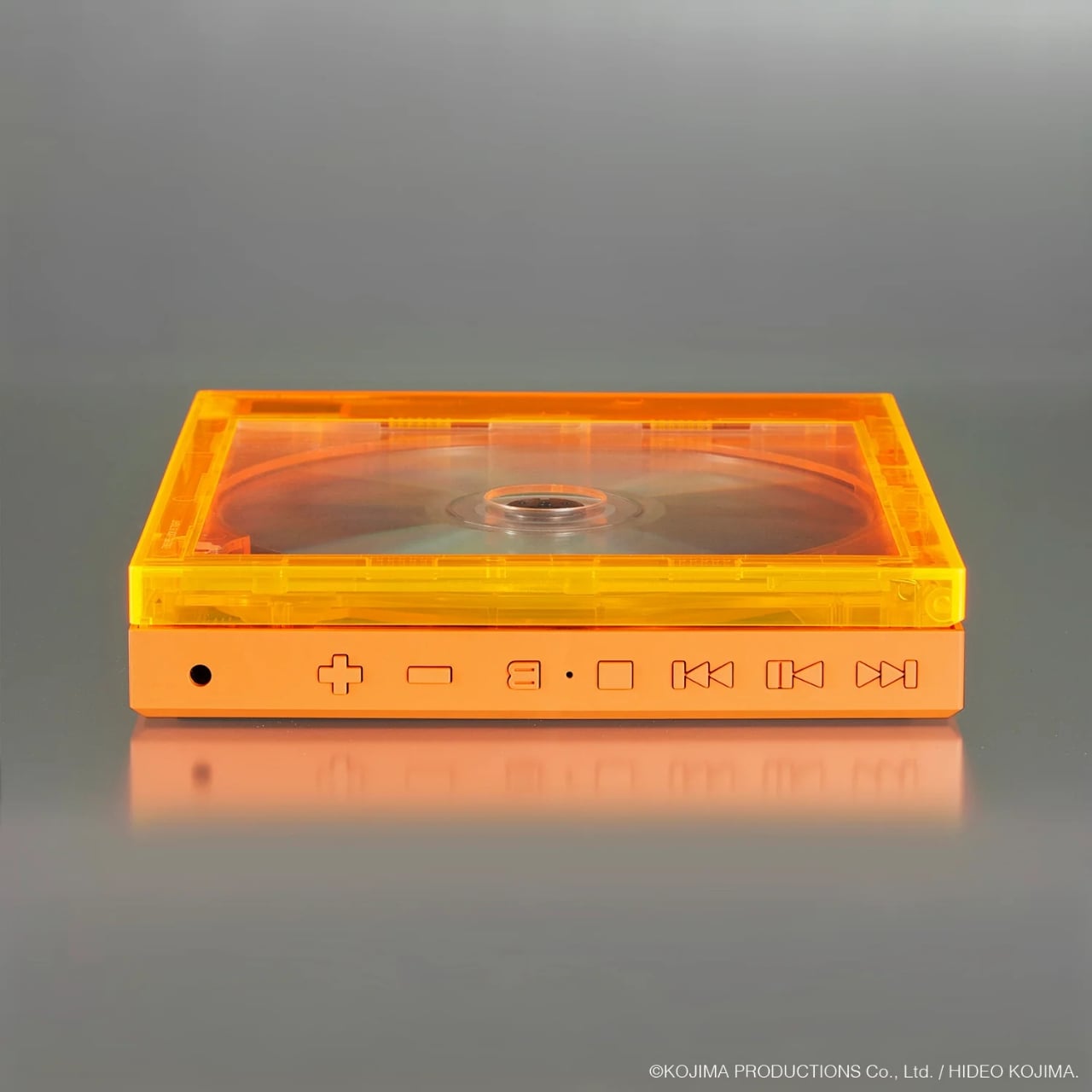
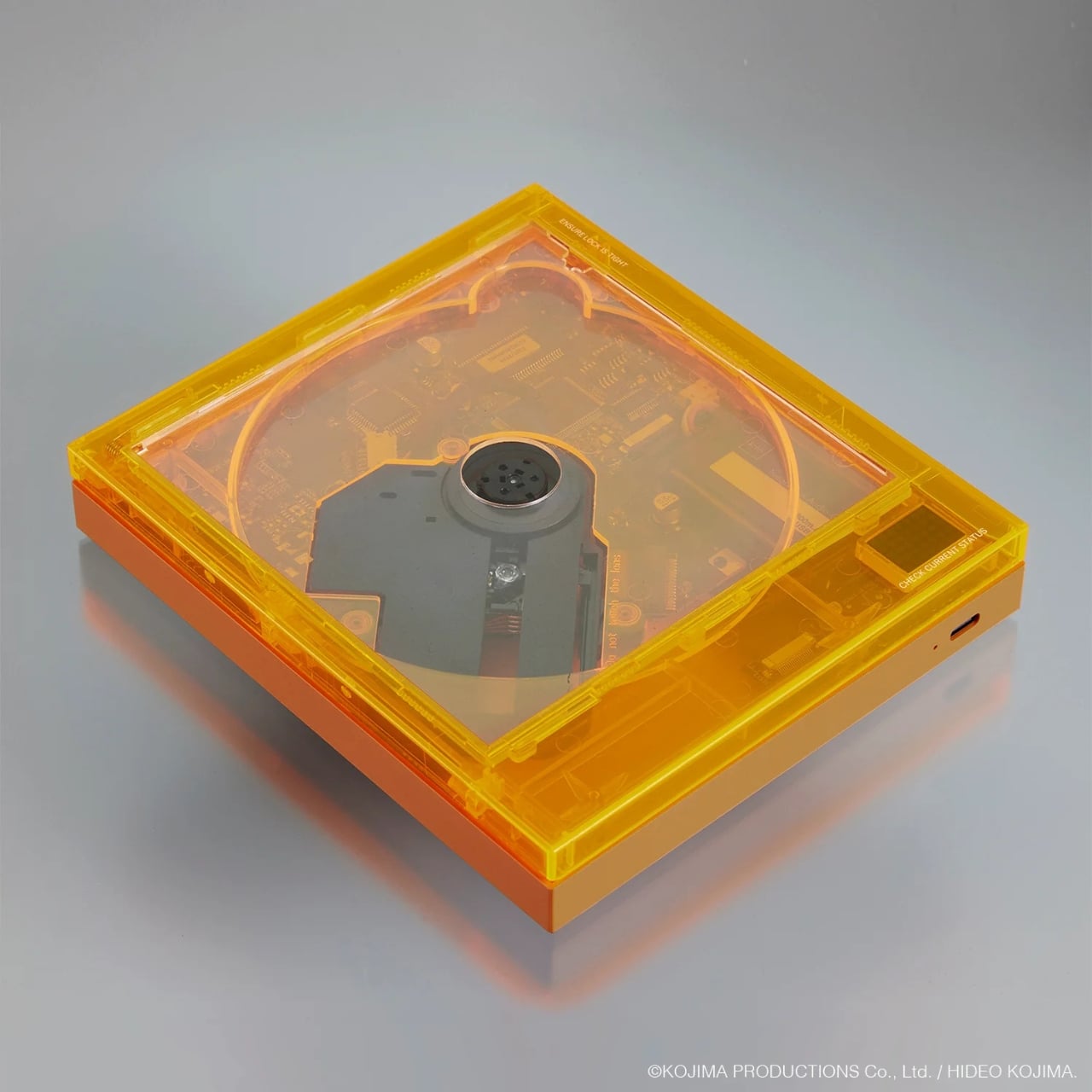
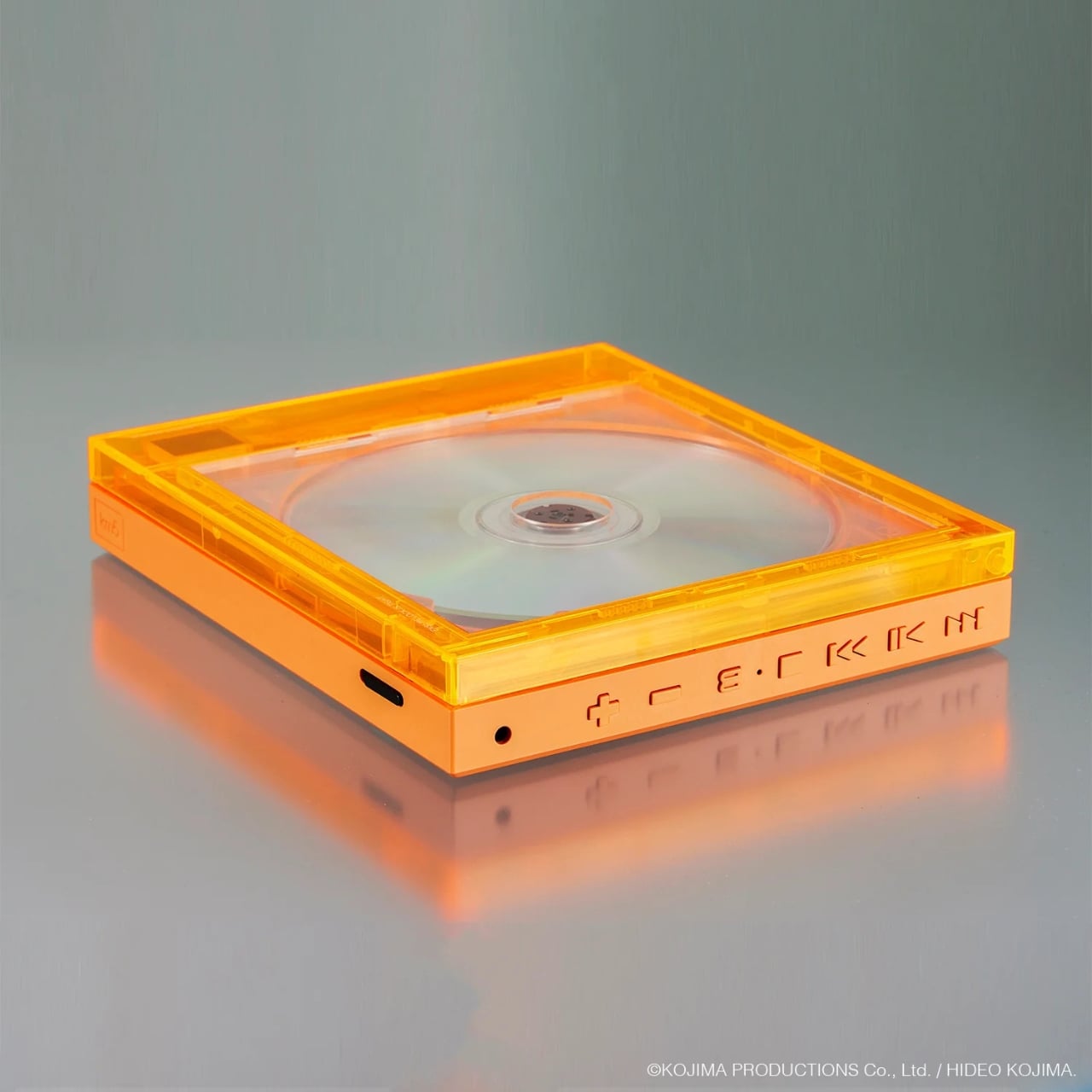
ClearFrame strips away every opaque surface to expose what’s usually hidden. Crystal-clear polycarbonate reveals spinning discs, visible circuitry, and mechanical processes typically concealed behind plastic shells. Black circuit boards become part of the aesthetic rather than hidden components. The design philosophy is simple—technology shouldn’t hide its engineering. Bluetooth connectivity, seven to eight hours of battery, and multiple outputs balance vintage format with modern convenience. Position it on desks, mount it to walls, or prop it on shelves where it catches light.

The transparency transforms electronics into a conversation-starting sculpture for minimalist spaces. Three playback modes paired with one-touch controls make operation intuitive despite visual complexity. Built-in shock protection handles standard CDs, mini discs, and MP3 formats. It works for people who view possessions as curated statements, who want technology that enhances spaces rather than clutters them. The visible mechanics remind you that playback involves real physical processes. Each session feels more intentional than streaming’s invisible delivery. For anyone reconnecting with albums they meant to revisit, this frames them beautifully.

Click Here to Buy Now: $199.00

What we like

  • The fully transparent acrylic construction showcases internal components and spinning discs, turning consumer electronics into a visible kinetic sculpture.
  • Multiple placement options, including optional wall mounting and a desk stand, offer versatile display configurations for varied interior aesthetics.

What we dislike

  • The exposed circuitry and transparent surfaces collect dust and fingerprints more readily than enclosed traditional players.
  • Maintaining the pristine, transparent aesthetic requires frequent cleaning to prevent smudges from diminishing the visual impact.

4. Side A Cassette Speaker

Side A Cassette Speaker looks exactly like a mixtape from 1985. Transparent shell, Side A label, authentic dimensions—then you realize it’s hiding Bluetooth 5.3, microSD playback, and six-hour battery life beneath that analog disguise. At just 80 grams with its clear case, it slips into pockets for music anywhere while delivering warm sound tuned to echo tape-era audio. The included case doubles as a display stand, transforming portable audio into shelf decoration that broadcasts your retro credentials.

This design resurrects the emotional weight mixtapes once carried. Modern playlists offer infinite choice but lack the physical presence and intentional curation that cassettes demanded. Creating a tape meant selecting every track with purpose. Giving someone a mixtape meant something. The microSD support enables offline listening without Wi-Fi dependency, while Bluetooth bridges analog aesthetics with contemporary devices. It suits people who appreciate character in their audio gear, who value objects that tell stories beyond specifications, who find joy in designs that refuse sameness.

Click Here to Buy Now: $45.00

What we like

  • The faithful cassette styling with transparent shell and authentic labeling creates immediate nostalgic recognition while hiding modern Bluetooth technology.
  • The included clear case transforms into a hands-free display stand, elevating portable audio into shelf-worthy decoration.

What we dislike

  • The compact size inherently limits sound quality and volume compared to larger dedicated speakers.
  • The nostalgic aesthetic may not resonate with younger recipients who lack personal memories of cassette culture.

5. Battery-Free Amplifying iSpeakers

Battery-Free Amplifying iSpeakers need nothing. No electricity, no batteries, no charging cables. Crafted from aerospace-grade Duralumin metal using golden ratio proportions, this passive amplifier channels your smartphone’s sound through acoustic chambers that fill rooms. Slot your phone into the metal frame and watch vibration-resistant construction transform tinny device speakers into genuine audio using pure physics. The minimalist metal sculpture enhances desk aesthetics while remaining portable enough to carry anywhere outlets don’t exist.

This philosophy rejects planned obsolescence entirely. Nothing to charge, sync, or update. The Duralumin construction offers durability like vinyl records once provided—objects built for decades, not seasons. Optional Bloom and Jet mods allow sound direction control. It suits minimalists exhausted by tech demanding constant feeding, environmentalists seeking sustainable alternatives to disposable Bluetooth speakers, and anyone appreciating elegant solutions. The visible craftsmanship makes a statement about valuing quality over connectivity. While Bluetooth speakers race toward feature bloat, these iSpeakers prove the best technology is sometimes no technology—just intelligent design exploiting acoustic principles.

Click Here to Buy Now: $179.00

What we like

  • The completely battery-free passive amplification eliminates charging anxiety and planned obsolescence inherent in electronic speakers.
  • Aerospace-grade Duralumin construction designed using golden ratio principles provides both acoustic performance and lasting sculptural desk presence.

What we dislike

  • Acoustic amplification cannot match the volume and sound quality of powered Bluetooth speakers in larger spaces.
  • Compatibility depends on phone size and case thickness, potentially limiting use with certain devices or protective cases.

6. RetroWave 7-in-1 Radio

Behind its retro Japanese-inspired design and tactile tuning dial, the RetroWave packs seven functions into one compact unit. Speaker, MP3 player, FM/AM/SW radio, LED flashlight, clock, power bank, and SOS alarm—all wrapped in nostalgic packaging that works on kitchen shelves or emergency kits. Stream Bluetooth during normal times. Hand-crank or solar charge when power fails. The 2000mAh battery delivers up to twenty hours of radio time or six hours of emergency lighting while also charging your phone during blackouts.

This isn’t nostalgic cosplay. The RetroWave addresses genuine preparedness needs while remaining functional daily. Some mornings, it plays jazz stations during coffee, dial glowing softly on countertops. Other days, it’s charging phones during outages, flashlight guiding hallways, and  SOS alarm signaling for help. AM/FM/SW radio provides access when internet infrastructure fails, while USB and microSD enable offline music. It suits design lovers wanting gear that looks as good as it performs, preparedness people building resilient systems, and travelers heading off-grid. Multi-functionality means fewer devices cluttering spaces. Equally suited to counters and disaster caches.

Click Here to Buy Now: $89.00

What we like

  • The seven-in-one functionality consolidates speaker, radio, flashlight, power bank, and emergency features into one versatile unit.
  • Hand-crank and solar charging provide genuine off-grid power independence when electrical infrastructure fails, or outdoor adventures demand self-sufficiency.

What we dislike

  • The retro aesthetic and multi-function design add bulk compared to specialized single-purpose devices.
  • Audio quality from the built-in speaker likely trails dedicated Bluetooth speakers focused solely on sound performance.

7. StillFrame Headphones

StillFrame Headphones sit somewhere between earbuds and over-ear cans, offering a middle ground between intimacy and openness. Transparent construction exposes internal circuitry and 40mm drivers that shape wide, open soundstages. At just 103 grams, they feel nearly weightless across 24-hour battery life, carrying you from morning routines through late-night sessions. Adaptive noise cancelling silences distractions when needed. Transparency mode maintains environmental awareness when circumstances demand it. Bluetooth provides wireless freedom, while a USB-C cable enables high-resolution wired playback for latency-sensitive work.

The design deliberately references the ClearFrame CD Player, creating visual dialogue between devices sharing a transparent philosophy. These suit people seeking the middle ground, listeners wanting presence without pressure. Exposed components make technology visible rather than hidden, turning electronics into statement pieces broadcasting your design sensibility. Dual mics with noise-cancelling maintain voice clarity during calls. The 40mm drivers deliver melodic textures and spatial detail that cheap earbuds compress into flat sound. For anyone exhausted by identical white plastic buds, anyone building intentional audio ecosystems prioritizing lasting design over disposable convenience, these fit.

Click Here to Buy Now: $245.00

What we like

  • The transparent construction and exposed circuitry create a distinctive visual identity that references classic CD-era design language.
  • The lightweight 103-gram build, combined with 24-hour battery life,  provides all-day comfort without constant recharging interruptions.

What we dislike

  • The transparent materials and exposed components may show dust and require more frequent cleaning than opaque enclosed designs.
  • The on-ear positioning sacrifices some noise isolation compared to over-ear designs for listeners seeking complete acoustic separation.

Sound Worth Seeing

Generic tech hides itself, disappearing into pockets and blending into walls until nothing distinguishes one device from another. These seven designs take the opposite approach, making audio equipment worth displaying, worth discussing, and worth choosing deliberately. They prove that sound can be visual, that nostalgia can coexist with modern functionality, and that rejecting disposable uniformity doesn’t require sacrificing convenience. From kinetic turntables that dance with your vinyl to transparent players that frame your CDs as art, each piece here elevates listening from background activity into an intentional ritual that engages multiple senses.

The common thread isn’t retro fetishism but honest design that respects both materials and listeners. Whether through battery-free acoustic amplification, emergency-ready multi-function radios, or transparent headphones that expose their engineering, these gifts champion lasting value over planned obsolescence. They suit anyone exhausted by identical tech, anyone rebuilding physical music collections, anyone who believes possessions should spark joy rather than fade into forgettable functionality. For music lovers, design enthusiasts, and anyone shopping for people who seem to have everything, these unique audio pieces offer something genuinely different from what everyone else is giving.

The post Top 7 Unique Audio Gifts That Beat Generic Tech first appeared on Yanko Design.
5 Best Christmas Tech Gifts That Double as Home Art

On a quiet December morning, as the tree lights flicker softly against the windows, the modern home reveals a new kind of Christmas magic. Gone are the days when gifts were plastic gadgets destined for drawers, as today’s most thoughtful presents are pieces of functional art alongside objects that enrich a space as beautifully as they perform.

This season, every device unwrapped should offer both purpose and presence, crafted from honest materials and shaped with sculptural intent. In homes seeking harmony and calm, giftable tech becomes part of the architecture itself, blending intelligence, aesthetics, and festive warmth in one seamless gesture.

1. Sculptural Wireless Charger

The wireless charger is no longer a bland tech necessity; it is now a statement of material honesty and form. Modern high-design chargers replace plastic with honed marble, polished brass, or carved timber, transforming a simple gadget into a refined object on your nightstand.

When choosing one, look for weight and presence. Solid stone or metal chargers feel grounded and intentional, blending seamlessly with luxury interiors. These pieces double as abstract mini-sculptures even when not in use. With a clean magnetic connection and discreet cable, they maintain visual calm, which is a key element of elevated, Gen Z approved luxury living.

Wireless chargers continue to grow in popularity, yet most designs still share a common limitation: they become functionally irrelevant the moment you remove your phone. Many models may look stylish on a desk or bedside table, but they serve no purpose beyond decoration when not in use. This concept addresses that gap by giving the charger a secondary function, allowing it to offer value even when no device is being powered. It builds on the evolution of magnetic charging, which has introduced more flexibility in angles and positioning while still leaving the charging surface unused whenever the phone is absent.

The Dino Charger introduces a clever solution by integrating a small circular display into the charging area. When the phone is removed, this smartwatch-like screen becomes visible, showing essential information such as time, weather, or battery status. Though concealed during charging, it transforms the accessory into a compact, multifunctional device that enhances usability without occupying extra space.

2. Digital Dynamic Photo Frames

Digital photo frames have evolved into dynamic wall art, shifting from simple screens to pieces capable of rivaling gallery-grade framed work. They bring a customizable, ever-changing aesthetic into the home, allowing interiors to feel curated, alive, and intentionally composed. Their presence supports a refined visual rhythm rather than interrupting it.

Choose frames with matte, anti-glare glass and high-resolution displays for true material credibility. The ROI lies in their ability to refresh a room instantly with digital art or personal archives. Smart models use concealed mounts and a single paintable cable, preserving the purity of the wall plane.

Many personal memories now sit unseen within digital albums and long camera rolls, rarely revisited despite their significance. Traditional digital photo frames attempted to reintroduce these moments into everyday life, yet their fixed borders and constrained formats often created a sense of distance rather than connection. PixyBeam offers a refined alternative by transforming walls and ceilings into immersive visual canvases. Through projection, it integrates photographs and short clips directly into the home environment, allowing meaningful moments to become part of daily living rather than confined to a screen.

Designed with a minimalist, rounded profile and soft white finish, PixyBeam blends seamlessly into any interior. The device delivers vivid 1080p projections up to 200 inches, supported by autofocus, keystone correction, and a rotating lens for effortless ceiling or wall display. With a simple setup, app-based gallery organisation, and features such as dynamic templates and Guest Share, PixyBeam turns personal spaces into expressive, evolving galleries that celebrate life’s most important stories.

3. Ambient Illumination Tech

Ambient illumination technology has become a poetic light source, offering mood-shaping capability without relying on bulky fixtures. From refined smart lamps to atmospheric projectors, these devices let homeowners sculpt the emotional tone of a room while subtly supporting thermal and visual comfort. They behave as architectural companions rather than decorative add-ons.

These objects operate as instruments of layered light. Prioritise designs that create indirect, coloured, or animated washes to shape an ‘ephemeral glow.’ Their true utility lies in sensory modulation with smart lamps that adjust colour temperature throughout the day, enhancing biophilic well-being, proving their purpose far beyond ornamentation.

Luminous Re-weave, created by designers Ling Sha and Yucheng Tang, reinterprets discarded textiles by transforming them into refined lighting elements. Old T-shirts, worn denim, and even plastic bags are hand-woven onto metal frames fitted with 3D-printed covers, producing lamps that merge craftsmanship with contemporary fabrication. The modules feature soft, textile-wrapped exteriors that diffuse light into a warm, inviting glow, giving the pieces a sculptural presence suitable for both residential and gallery settings. Each cylindrical unit functions independently or can be stacked to create customised lighting compositions without the need for tools.

A defining aspect of the system is its interchangeable textile skins, allowing users to update colours and textures as preferences evolve. This adaptability not only extends product lifespan but also reinforces the project’s sustainability ethos by repurposing materials that would otherwise enter waste streams.

4. Designer Wi-Fi Nodes

Designer Wi-Fi nodes and mesh systems have become essential architectural elements, no longer the forgotten hardware of a connected home. Instead of hiding them away, today’s high-end models are crafted to be seen in smooth matte ceramics, brushed aluminum, and minimal geometric forms that read more like curated objects than utilitarian electronics. They contribute intentionally to the visual rhythm of a room.

Choosing a system designed for display offers both aesthetic and functional ROI. By keeping nodes visible, performance remains uncompromised, eliminating the need for cupboards that weaken signal strength. The result is a clean, unobstructed interior paired with seamless, whole-home connectivity.

Spending extended periods at home has made many people more aware of the limitations of their living spaces and the design shortcomings of everyday electronics. Wi-Fi routers, for instance, often appear bulky, aggressive, or purely utilitarian, encouraging users to hide them in corners- an action that can unintentionally weaken signal performance. This concept proposes a more thoughtful approach by turning the router into a functional decorative object, allowing it to remain visible while also providing a clear indication of signal strength.

The Blooming Out router features a fan-inspired mechanism composed of 29 segments that expand when the Wi-Fi signal is strong and retract when it weakens, creating a visual representation of connectivity. Three adjustable antennas positioned slightly off-centre enhance signal distribution while contributing to a sculptural, peacock-like silhouette. By merging aesthetics with technical efficiency, the design aims to transform the router from a device often concealed into an elegant object that complements modern interiors without compromising performance.

5. Charging Mat that Doubles as Display Surfaces

Wireless charging mats have evolved into thoughtful dual-purpose gifts that eliminate cable clutter while delivering convenient power to multiple devices. Modern designs feature premium materials like bamboo, leather, or minimalist metal finishes that elevate them from utilitarian gadgets to sophisticated accessories. This versatility makes them ideal for gift-givers seeking something genuinely useful without sacrificing aesthetic appeal, perfect for colleagues, tech-savvy friends, or anyone upgrading their workspace.

As home decor gifts, wireless charging mats have become statement pieces available in various aesthetics – from Scandinavian minimalism to industrial chic. Sleek marble patterns, warm wood tones, or geometric shapes transform these tech essentials into decorative accents for nightstands or entryway surfaces. For housewarming occasions or holidays, a beautifully designed wireless charger demonstrates thoughtfulness by addressing both practical needs and aesthetic sensibilities, making it perfect for design-conscious recipients.

The LEGO Brick, a conceptual design by İbrahim Can Erdinçmer, reimagines wireless charging by merging technology with playful creativity. This innovative fan-made creation features a wireless charging mat topped with a signature LEGO-studded platform that serves dual purposes: charging your smartphone, smartwatch, or earbuds while providing a modular canvas for endless customization. The platform can accommodate dedicated accessories like Bluetooth speakers, minimalist lamps, and battery indicators – all powered wirelessly through embedded coils beneath the surface – or become a miniature playground for building LEGO dioramas, architectural structures, or scenes from your favorite movies. By sitting at the intersection of tech functionality and creative expression, the LEGO Brick appeals to both tech enthusiasts who love modular, customizable setups and LEGO fans who appreciate the brand’s promise of limitless building possibilities.

Beyond its technical capabilities, the LEGO Brick transforms the mundane act of charging devices into an opportunity for stress relief and creative expression in the workspace. The concept demonstrates how adding whimsy and interactivity to everyday tech accessories can enhance both productivity and mental well-being – offering users a fidget-friendly outlet during intense work sessions or ideation moments. While entirely conceptual, this design illustrates LEGO’s untapped potential in the smart-home and gadget industry, suggesting that strategic collaborations could position the iconic toy brand as a major player in creating tech products that don’t just function efficiently, but also spark joy and unleash creativity in our daily lives.

In today’s refined homes, the best Christmas tech gifts transcend utility to become sculptural extensions of the space itself. These beautifully crafted objects, thoughtful in material, form, and light, seamlessly blend function with art, creating an environment where design harmony, emotional warmth, and quiet intelligence coexist effortlessly.

The post 5 Best Christmas Tech Gifts That Double as Home Art first appeared on Yanko Design.

This $3,500 Guitar Changes Colors via Bluetooth, No Repainting Needed

Guitarists obsess over finishes. Sunburst fades, metallic flakes, relic’d nitro that looks like it survived three decades of dive bars, all of it matters until you realize that once you pick a color, you are stuck unless you repaint. Stage rigs and LED walls morph through palettes every night while the guitar stays frozen, a static object carried by musicians who constantly reinvent their sound and visual identity.

Cream Guitars’ DaVinci wraps its entire body in an E Ink Prism 3 panel, turning the surface into a programmable skin that changes colors and patterns over Bluetooth. Instead of a single paint job, the guitar becomes a dynamic canvas. It is the first commercially available product to use Prism 3, which is usually reserved for architectural surfaces and product experiments, not instruments you plug into an amp and carry on tour.

Designer: Cream Guitars

Prism 3 is color changing ePaper, closer to a Kindle page than an LED screen. It does not emit light, just holds pigment using low power electrophoretic particles. DaVinci’s front divides into sixty four segments, each assigned one of seven colors, white, black, yellow, orange, blue, red, or green. That segmentation lets you build stripes, blocks, and faux pickguards, changing the visual structure without touching a spray can.

A guitarist could match the guitar to different projects without owning three instruments. One night, geometric patterns echo album art. Another, a minimalist scheme feels right. The ePaper only draws power when changing, so once set, it sits visible under stage lights without glowing like LEDs or draining the battery between songs or overnight in a case, ready to change again whenever the visual identity shifts.

Under the display sits a Voltage body with roasted maple neck, rosewood fretboard, extra jumbo frets, and Graphtech locking tuners. Fishman Fluence pickups offer three voices, single coil, traditional humbucker, and high output humbucker. The tech wraps around a serious guitar, not a prop with thin pickups that sound disappointing once the visual novelty wears off after the first show or when you need to track a real session.

Traditional refinishing is messy and permanent. Sand, spray, cure, repeat if you change your mind. DaVinci’s ePaper skin reprograms endlessly, with Prism 3’s low power profile positioning it as a more sustainable alternative to LED bodies or constantly changing finishes. The guitar becomes a long term canvas rather than a disposable fashion statement that needs repainting or ends up retired because the color fell out of style after one album cycle.

DaVinci hints at instruments as programmable surfaces that evolve with the player. It feels like a crossover between luthier craft and interface design, where the object in your hands can match your projected identity without needing backup guitars. Whether or not you want one at three thousand five hundred dollars, it is easy to imagine keyboards, drum shells, and amps following the same path, turning stage gear into surfaces that shift as often as setlists do.

The post This $3,500 Guitar Changes Colors via Bluetooth, No Repainting Needed first appeared on Yanko Design.

This $3,500 Guitar Changes Colors via Bluetooth, No Repainting Needed

Guitarists obsess over finishes. Sunburst fades, metallic flakes, relic’d nitro that looks like it survived three decades of dive bars, all of it matters until you realize that once you pick a color, you are stuck unless you repaint. Stage rigs and LED walls morph through palettes every night while the guitar stays frozen, a static object carried by musicians who constantly reinvent their sound and visual identity.

Cream Guitars’ DaVinci wraps its entire body in an E Ink Prism 3 panel, turning the surface into a programmable skin that changes colors and patterns over Bluetooth. Instead of a single paint job, the guitar becomes a dynamic canvas. It is the first commercially available product to use Prism 3, which is usually reserved for architectural surfaces and product experiments, not instruments you plug into an amp and carry on tour.

Designer: Cream Guitars

Prism 3 is color changing ePaper, closer to a Kindle page than an LED screen. It does not emit light, just holds pigment using low power electrophoretic particles. DaVinci’s front divides into sixty four segments, each assigned one of seven colors, white, black, yellow, orange, blue, red, or green. That segmentation lets you build stripes, blocks, and faux pickguards, changing the visual structure without touching a spray can.
A guitarist could match the guitar to different projects without owning three instruments. One night, geometric patterns echo album art. Another, a minimalist scheme feels right. The ePaper only draws power when changing, so once set, it sits visible under stage lights without glowing like LEDs or draining the battery between songs or overnight in a case, ready to change again whenever the visual identity shifts.

Under the display sits a Voltage body with roasted maple neck, rosewood fretboard, extra jumbo frets, and Graphtech locking tuners. Fishman Fluence pickups offer three voices, single coil, traditional humbucker, and high output humbucker. The tech wraps around a serious guitar, not a prop with thin pickups that sound disappointing once the visual novelty wears off after the first show or when you need to track a real session.

Traditional refinishing is messy and permanent. Sand, spray, cure, repeat if you change your mind. DaVinci’s ePaper skin reprograms endlessly, with Prism 3’s low power profile positioning it as a more sustainable alternative to LED bodies or constantly changing finishes. The guitar becomes a long term canvas rather than a disposable fashion statement that needs repainting or ends up retired because the color fell out of style after one album cycle.

DaVinci hints at instruments as programmable surfaces that evolve with the player. It feels like a crossover between luthier craft and interface design, where the object in your hands can match your projected identity without needing backup guitars. Whether or not you want one at three thousand five hundred dollars, it is easy to imagine keyboards, drum shells, and amps following the same path, turning stage gear into surfaces that shift as often as setlists do.

The post This $3,500 Guitar Changes Colors via Bluetooth, No Repainting Needed first appeared on Yanko Design.