3D printed recycled wood could kickstart another design industry revolution

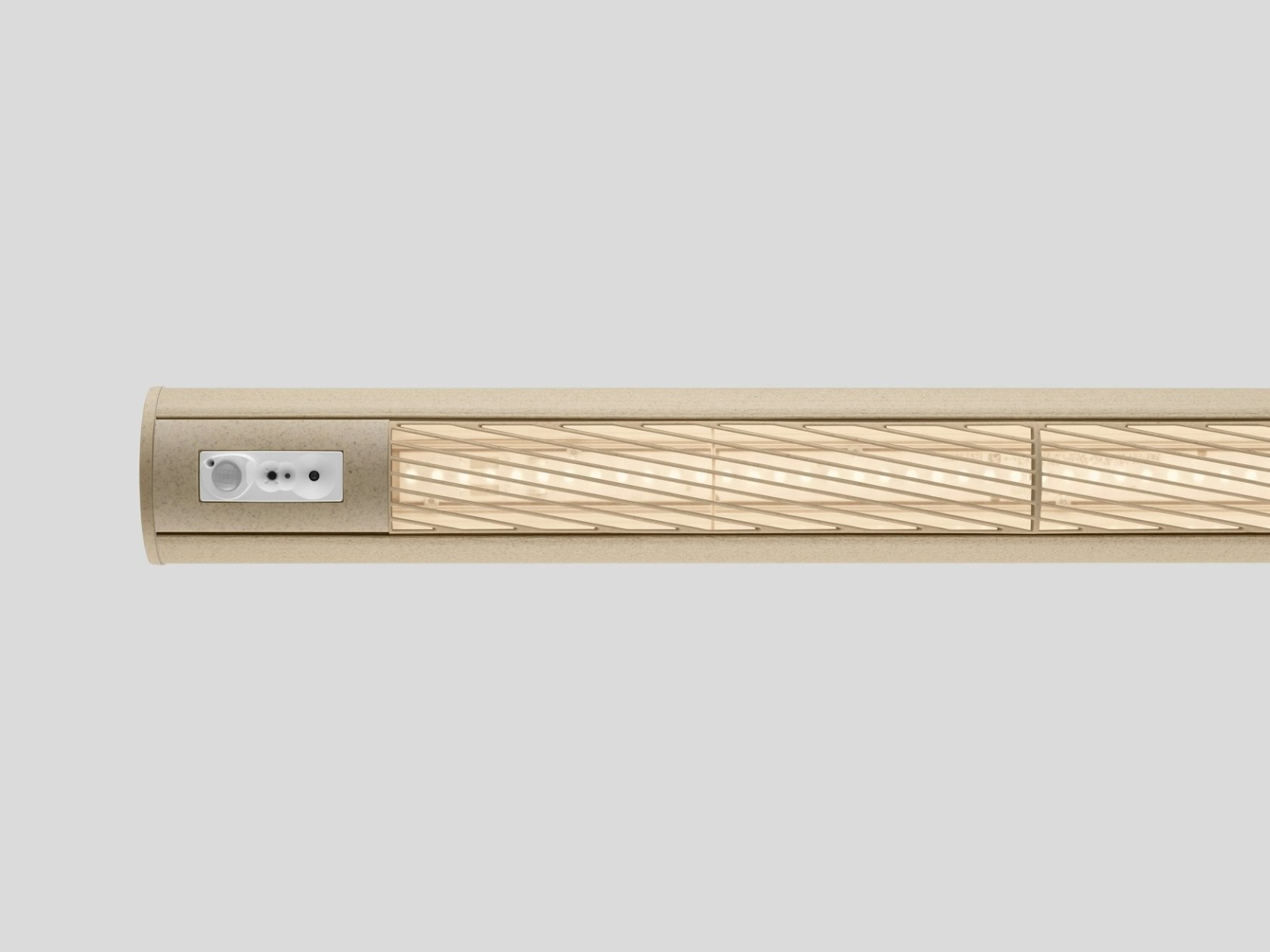
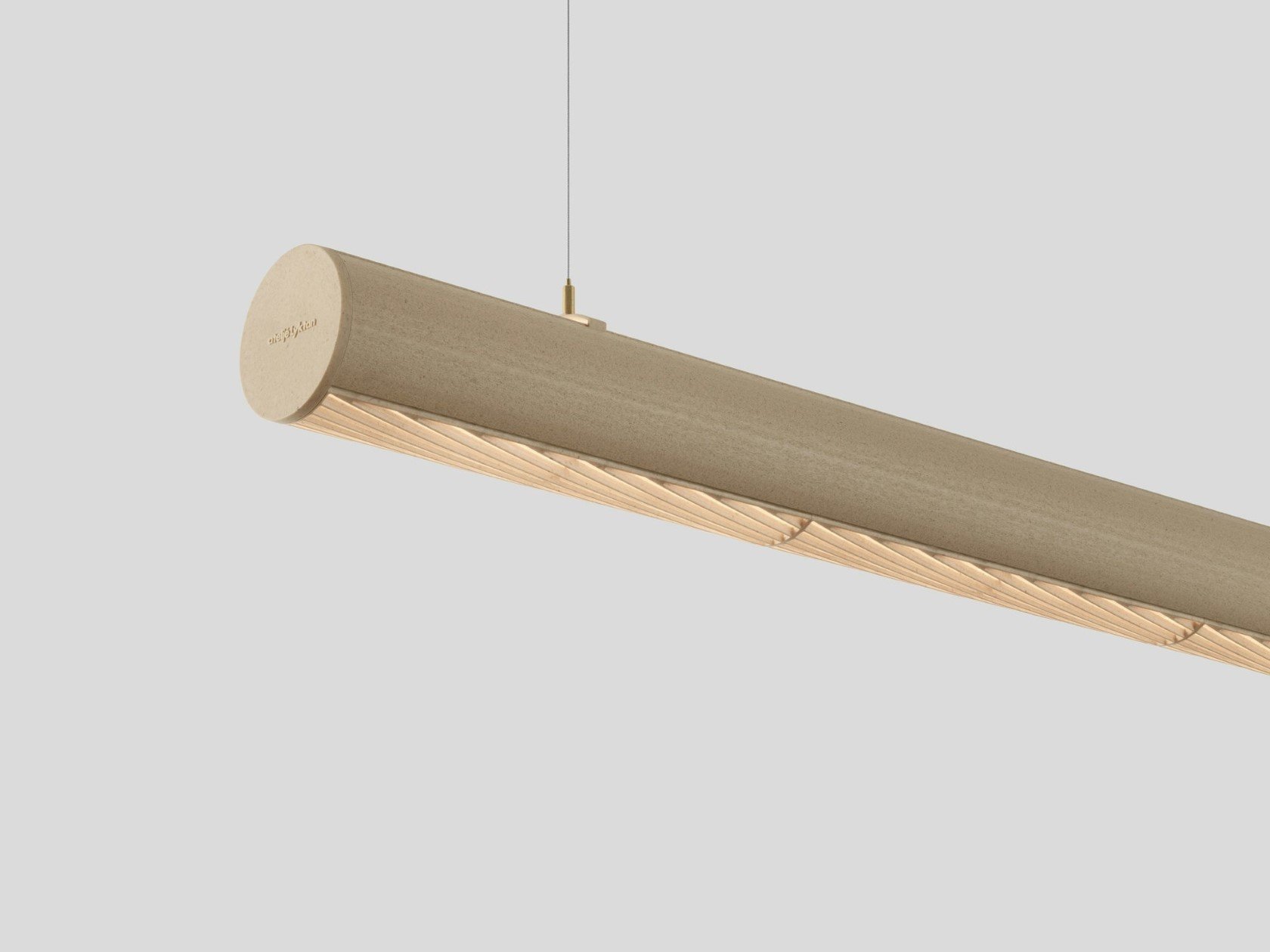
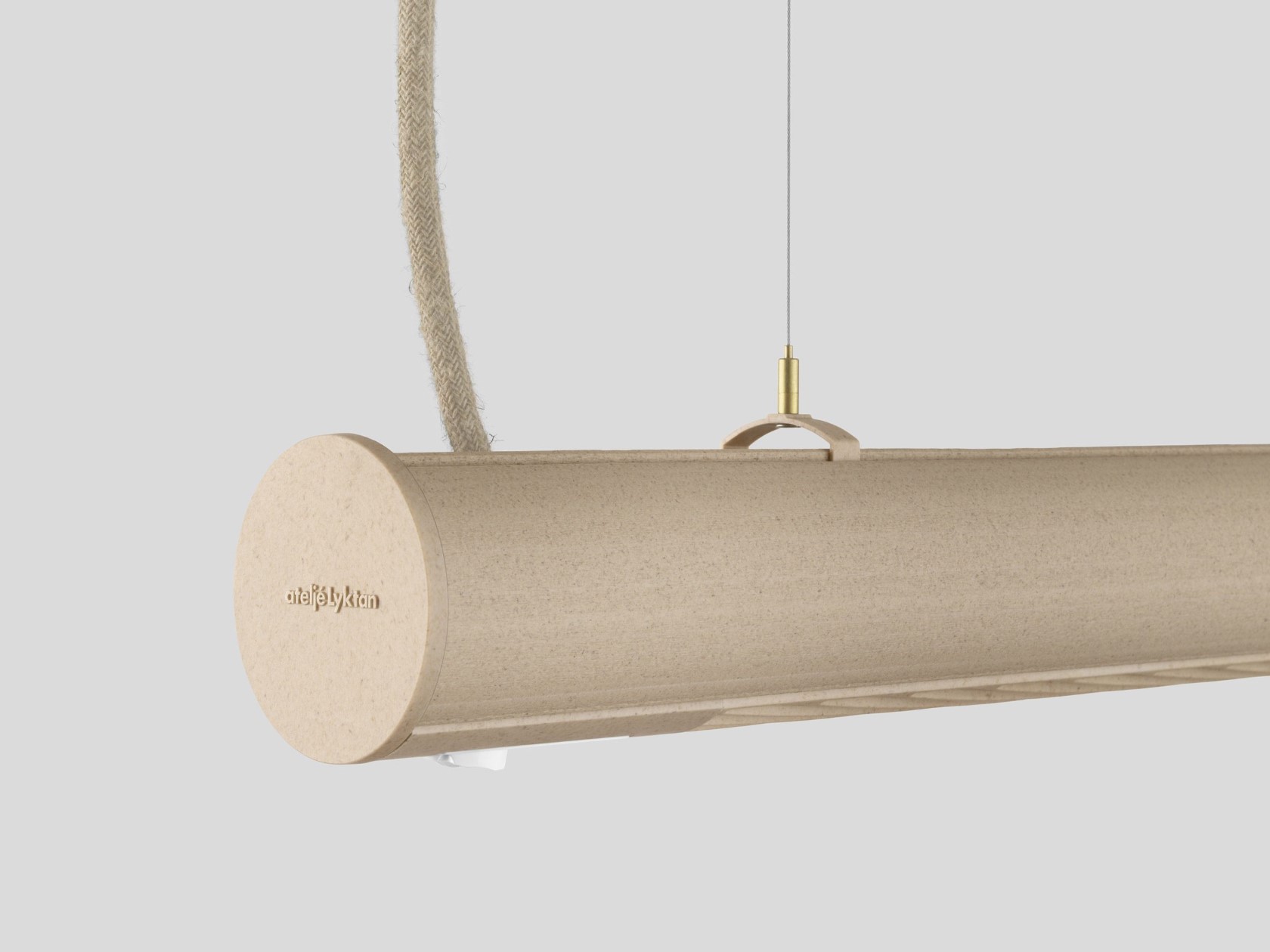
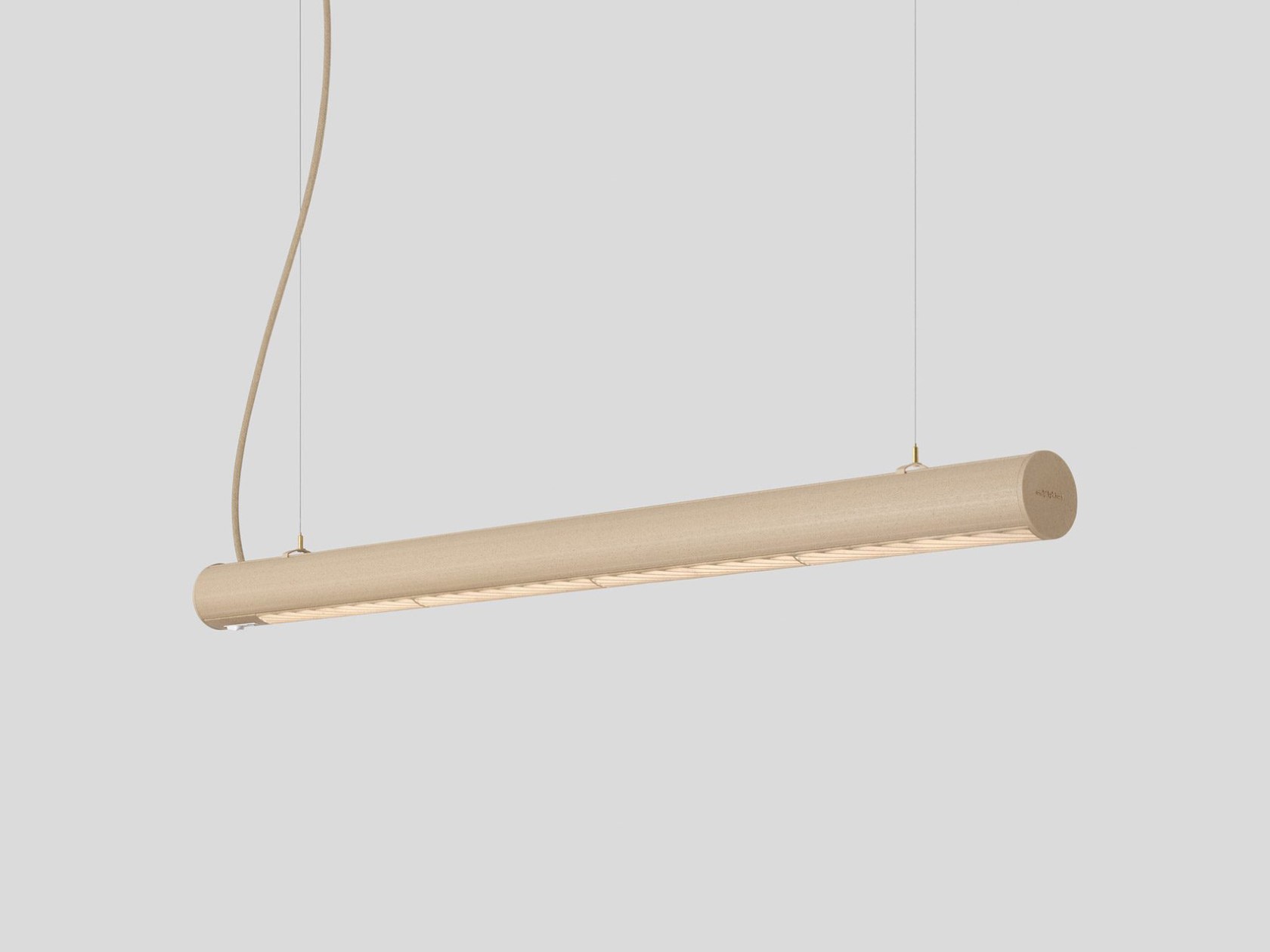
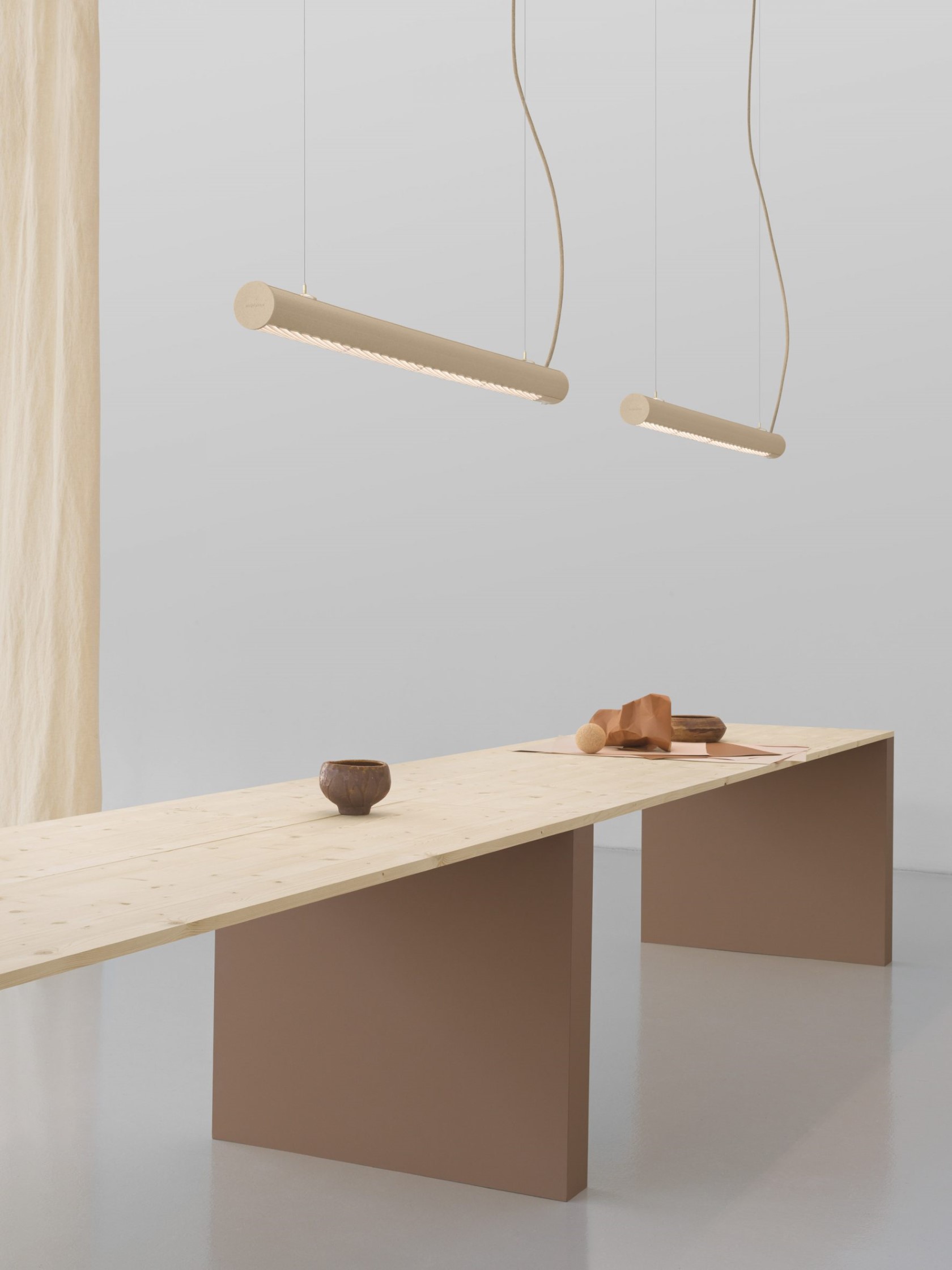
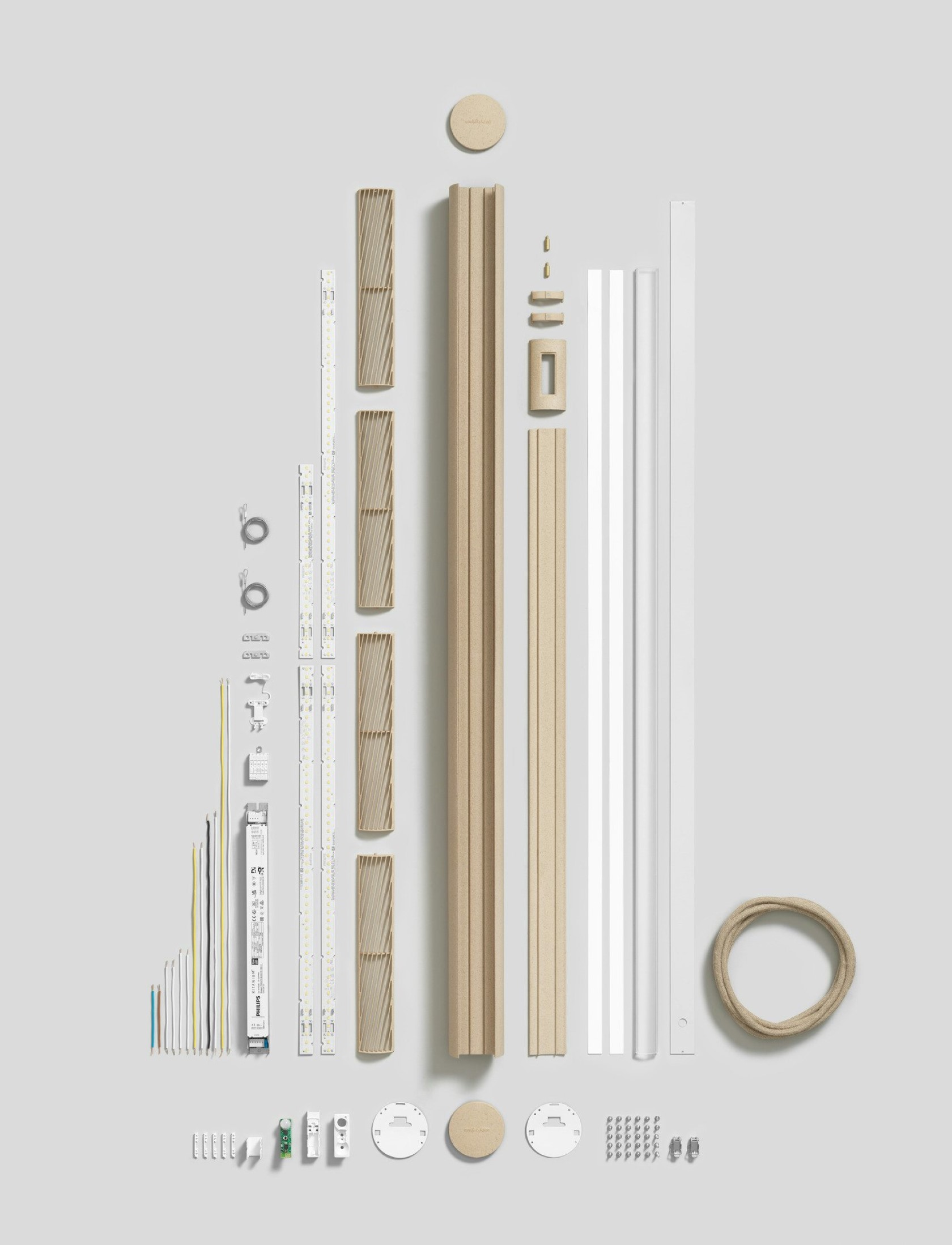
3D printing blasted the doors of creativity wide open by allowing almost anyone and everyone to create complex designs on demand. That market started with different kinds of plastic but soon supported other materials as well, including metal and even chocolate. The popularity of this style of design and production, however, also meant a surge in material waste, especially different kinds of non-recyclable plastics. There is a greater need for more sustainable alternatives, one that can perhaps even support a fully circular lifecycle. There is perhaps no better material that meets those requirements than wood, which is why this new 3D printed wooden partition screens and window coverings could very well represent the breakthrough that the design industry needs.

Designer: Aectual

Designers have a soft spot for natural, sustainable materials and wood is perhaps one of if not the most favored one. It is easily sourced, though not quickly replenished, has unique aesthetics and textures, and can decompose safely. That said, it’s not easy to form wood into complex shapes and structures, even if you carve out the design, and the material isn’t exactly easily reusable even after being recycled. This new 3D printed wood addresses all those shortcomings, offering an almost perfect material for bringing intricate, sustainable designs to life.

This sustainable new material is itself made from wood waste blended with some natural ingredients such as lignin and cellulose. It is then reinforced using vegetable fibers like flax or hemp to give it the same durability you’d expect from wood. The result is a composition that doesn’t just look like wood but also feels like the real thing. In fact, it even smells like real wood, a trait that’s hard to reproduce on other synthetic wood alternatives.

Aectual’s material, however, does something even better than wood. After a 3D printed wooden product reaches the end of its life, it can be shredded and then reprinted into some other or the same form. This creates a truly circular lifecycle where the material is reborn again and again as long as it retains its integrity and stability. And when it can no longer be reused, it still degrades and decomposes safely just like ordinary wood.

Of course, it’s a 3D printed material, so it’s almost trivial to create structures and shapes that would be extremely difficult if not impossible with regular wood. You can have intricate repeating patterns that join together with no visible seams, or alternating shapes that are made as a whole rather than composed piece by piece. It might be too early to claim a complete victory, as the process of creating this 3D printed wooden material might still be too involved and too costly, but it’s definitely a great start in producing a viable alternative to designers’ most-loved material.

The post 3D printed recycled wood could kickstart another design industry revolution first appeared on Yanko Design.
Modular cork stool concept offers sustainable seating by turning into a bench

Sitting is an important part of our daily lives, so it’s not unusual to see different kinds of seating furniture around places where people stay or pass through. Unfortunately, it’s hard to predict when you’d need a single chair or a multi-person bench, so spaces tend to either put multiple chairs together or have a few benches and force people to sit together. That strategy does work, at least until the situation changes and you need to change seats, which often means buying new seats and discarding the old ones. This minimalist stool concept tries to offer a more sustainable solution that helps reduce waste by turning two stools into a single bench and back again, depending on the need.

Designers: Erika Avery, Stu Cole

The requirements for a stool, chair, or bench are pretty simple. At the very least, it needs to be stable enough to support the weight of a human person sitting on it without toppling over or collapsing. Comfort is, of course, ideal, but some designs seem to forego that in exchange for other capabilities. It’s arguable that the “unknown” stool concept is one of these designs, though its modular nature leaves that open to interpretation and implementation.

The core element of this concept is the sturdy column made of cork, a sustainable and easily acquired material. It’s a single cylinder that makes up the center of the stool, but its secret lies in a smaller circle that connects to a removable seat with a hole in its center. It’s a simple system that requires no screws, extra parts, or complex mechanisms, which means maintenance, repair, and replacement will be just as simple as well.

That seat can, in theory, be anything, though the simple shapes of a square and a circle immediately come to mind. However, that doesn’t limit it to a single symmetrical shape either, since you can have a long rectangular seat with holes on each end, forming a bench when set on top of two cork columns. In fact, the design of the actual furniture is determined by the shape of that removable seat, and it can be as simple or as complex as needed.

The concept doesn’t exactly define what the seat has to be made of, so it can use wood, metal, plastic, or any other material. It can be bare or it can have some cushioning or upholstery to add a bit of comfort. More importantly, the seats can be changed, repaired, or replaced without throwing away the cork core, or vice versa. It’s a simple yet effective design that limits the waste of fixed chairs and stools while leaving the door open for combinations that deliver what’s needed at any given time.

The post Modular cork stool concept offers sustainable seating by turning into a bench first appeared on Yanko Design.

This Natural Air Purifier uses Algae to remove harmful chemicals from the air we breathe

They say that algae, not trees, help produce a majority of the breathable air around us. Covering large parts of land and sea, this wonder-organism does a remarkable job of purifying the air and enriching it with oxygen… so imagine being able to harness nature’s purifier and have it in your home. Unveiled at Milan Design Week, the AIReactor by EcoLogicStudio is a sleek, three-foot-tall structure with a recycled birch plywood frame. At its heart lies a glass photobioreactor containing a vibrant green liquid teeming with microalgae cultures.

Designer: EcoLogicStudio

Through photosynthesis, algae naturally convert carbon dioxide and pollutants into clean oxygen. The AIReactor continuously pumps air into the bioreactor, mimicking natural water currents for optimal algae growth. As the algae perform their photosynthetic magic, they filter out harmful pollutants, leaving behind cleaner air.

“In addition to capturing pollutants, the microalgae cultivated in AIReactor can be harvested and utilized to produce biopolymers for 3D printing products,” said the studio. “After harvesting, the algae biomass can be dried and then undergo further processing to produce biopolymers, which are natural polymers derived from renewable plant-based sources.”

The biomass generated by the algae after it has filtered the air becomes a valuable resource. EcoLogicStudio harvests this biomass and uses it to create biopolymers, natural polymers derived from renewable sources. The studio recently unveiled the PhotoSynthetica collection, comprising the AIReactor, along with a stool and a ring made from the biopolymers generated during the air filtration process. Building on their 2018 research project, the PhotoSynthetica collection incorporates biomass, a waste material harvested from microalgae, into a series of everyday objects. This innovative approach expands upon the project’s initial exploration, which saw the creation of a large-scale tree sculpture.

The PhotoSynthetica collection is on display from 15 to 21 April as part of Isola Design Festival 2024 during Milan Design Week.

The post This Natural Air Purifier uses Algae to remove harmful chemicals from the air we breathe first appeared on Yanko Design.

Bibi Bazz collection uses upcycled trainers for eco-friendly, fashionable bags

I personally know some people who go through sneakers and trainers like they go through toilet paper. Okay that maybe an exaggeration but there are a lot of collectors and wearers out there who do spend a lot on this kind of footwear and dispose of their old ones in a not so sustainable manner. So when we see designers and brands that recycle or upcycle these things as part of sustainable fashion, we pay attention and if we can afford it, we support them. If you also like owning limited edition pieces, then this new collection may be something you’d like to add to your closet.

Designer: Bibi Bazz

Bibi Bazz is a brand that focuses on upcycling and their Genesis Collection brings handcrafted bags made from damaged or deadstock trainers. This is just the first drop in their collection and is made up of limited edition shoulder bags and crossbody styles that can make you look like an eco-friendly rockstar. Aside from the different colors and textures, these bags also come with denim shoulder straps for a chic look. They also have interior pouches if you need to secure some small items.

The Fresh Start Trainer cross body bag uses deadstock Puma trainers in white and black colors. The Emerge Trainer Bag is a shoulder bag using a blue base with pink details and a denim strap as well. If you want something with bolder colors, the Rebirth Trainer is a crossbody bag with blue and neon orange hues with white accents. Meanwhile, the Revive Trainer is a crossbody bag with a red base and black patterns. If you’re more adventurous in your color palette, you can get the Renewal Trainer bag with its mix of neon lime, black, and green colors or the Pioneer Trainer Bag with its neon orange, pink, and yellow hues.

The bags from the Genesis Collection has a price range of £70-100. They’re in fact the first items available for the launch of Bibi Bazz’ online store. Even though the model on their website is a woman, the bags “transcend gender” and are meant to not only be eco-friendly but also inclusive. Since there are only limited items available, you might want to buy your upcycled trainer bags now.

The post Bibi Bazz collection uses upcycled trainers for eco-friendly, fashionable bags first appeared on Yanko Design.
These Pendant Lighting Designs Are Made From A Leather Alternative Derived From Plants

Something that designers have been focusing on when it comes to the arena of lighting is sustainability in their use of materials and different techniques. Pretty lighting designs that illuminate well can be found generously, but ones with a splash of sustainability aren’t always easy to come by. And even if you do find an eco-friendly one, they aren’t always the most visually pleasing ones on the market and can mess up your interior decor style. But this is where Spanish designer Ceci Ferrero has come to the rescue with his Couro collection, created for the handmade decor brand Let’s Pause.

Designer: Ceci Ferroro for Let’s Pause

Now what makes Ferroro’s Couro collection special? Well, these distinctive pendant lamps are made using a leather alternative derived from plants! The lighting range for Let’s Pause is crafted from couro – a leather-like material made from the dry waste leaves of American palm trees. The material has a unique translucent appearance which softly diffuses light, creating a wonderful and ethereal-looking effect.

The collection includes the Couro 8 Leafs lamp shade, where the leaves’ shapes are preserved, and artfully draped into a mesmerizing artichoke-esque arrangement, or in the words of Let’s Pause in an “elegant skirt of spikes”. According to the decor brand, the pendants will look stunning over a dining table or even at the entrance to a hotel, making it a perfect fit for personal and commercial spaces. The lighting designs can be hung in groups of varying heights or individually.

“The texture of the leaves, with their compact fibers, evokes aged leather and provides a unique tactile element,” said Let’s Pause. The shades are offered supported by a brown frame crafted from aluminum and paired with a black plug, and a 2.5 meter-long matte black cotton electric cord. The Couro collection has a natural look to it with a touch of wilderness that adds some personality to the pieces. They perfectly complement various interior decor styles, adding a spark of style and whimsical elegance to different spaces, whether it is your own living room or the reception area of your office.

The post These Pendant Lighting Designs Are Made From A Leather Alternative Derived From Plants first appeared on Yanko Design.

Solar-powered sundial wall clock concept offers a unique way to tell the time

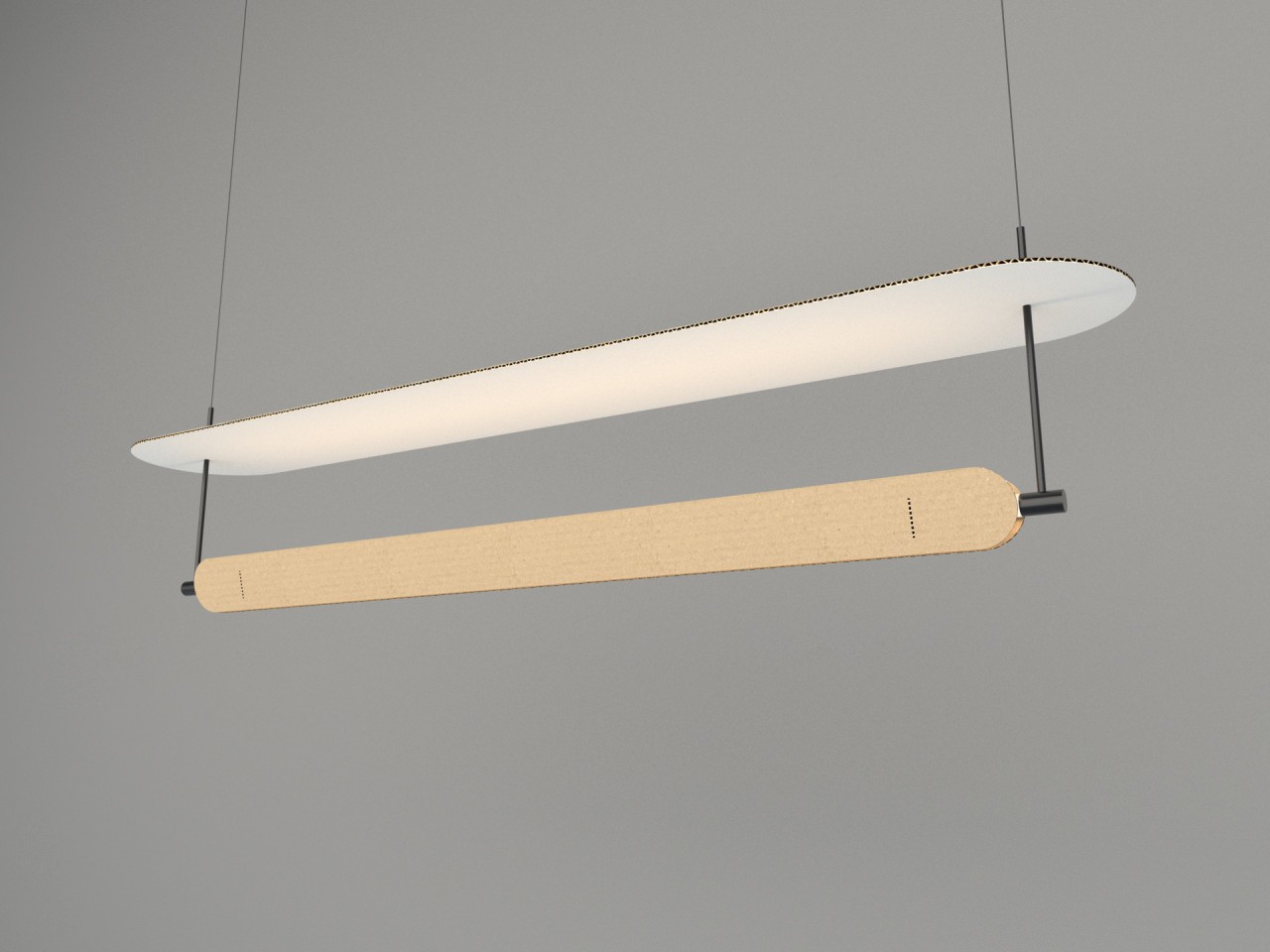
Today’s clocks and watches seem to be split between mechanical analog and electronic digital designs, but there are more than two ways to tell the time. Of course, some of these methods are regarded to be inaccurate, error-prone, and at the mercy of the elements, but there’s a certain charm and magical feeling to the way our ancient ancestors tried to discern the time of day. The sundial is one of the oldest time-keeping tools, one that works on the presumption that the sun travels the same path every day of the year, which isn’t exactly the case. Still, it’s not an entirely incorrect method and it can easily be fixed with modern technology, like this sustainable wall clock concept that is powered by the sun in more ways than one.

Designer: Begüm Kılınç

A sundial works by simply observing the shadow that a stick or a tall thin object casts on a flat surface, a shadow that moves around and grows or shrinks as the sun makes its way through the sky. The sun doesn’t travel the exact same path all year round, however, and this method definitely doesn’t work at night. Modern technology, however, has a way to shine a light 24/7, and this wall clock uses that to recreate the almost mystical appearance of a sundial while utilizing energy from the very sun that inspired it.

Name after the Egyptian god of the sun, the Ra wall clock utilizes an LED ring light to simulate the sun. But rather than shining from all directions, the light is focused on a single point to recreate the effect of a short stick casting a very long shadow. As time moves, so does the light move around the periphery of the circle, thus mimicking a sundial but with more consistency and accuracy. Plus, it works at night as it does during the day.

While this would have been enough to create a modern sundial clock, the concept takes the association even further by also following how the sundial of old needed only the sun to function. Rather than relying on batteries, Ra uses solar power to make sure the clock is running 24/7 without the need to charge it or change batteries. The transparent solar panel that makes up the wall clock’s front cover actually harnesses any light around it, so the clock doesn’t need to actually be exposed to the sun and can be used indoors or under low-light environments.

This design helps give the sundial wall clock a sustainable potential, even if it does minimally use some electronics as well as LED lighting. Unlike analog clocks, there are now complex mechanisms that are difficult to repair, and unlike digital clocks, there are no screens or displays to show the time. It uses a very simple method that traces its roots back to ancient times, but one that still has benefits to the people of today.

The post Solar-powered sundial wall clock concept offers a unique way to tell the time first appeared on Yanko Design.

Ergonomic wooden laptop stand is portable, sustainable

One of the things I have to do to not worsen my carpal tunnel syndrome and other things that can lead to repetitive strain injuries is to elevate my Macbook screen. I spend sometimes more than eight hours in front of the screen so I need to have more ergonomic tools to help manage my posture and not cause eye and muscle strain. Sometimes though these things can also be inconvenient, both to my workflow and my wallet.

Designer: Mickey Linskens

WOULDSTAND is a wooden laptop side that is ergonomic, sustainable, and they’re hoping eventually, affordable for ordinary employees (more on that later). The main purpose of this is to elevate your laptop screen to lessen the strain on your wrist and arms when using your device for a prolonged period of time. You can use it for laptops, tablets, and even books if you’re reviewing for exams or you’re just reading a lot on a table. It is designed to make sure that your screen is at arm’s length and the top edge is slightly below eye level.

The stand is made from renewable materials like FSC eucalyptus and Starplex plywood. It actually looks like a puzzle piece and can be easily assembled and there are also adjustable elements since different people would use it for different purposes. It’s also light enough despite the wooden material so you can carry it around without straining yourself as well. You can also use it even if you’re not at a table, like placing it on your lap or whatever stable surface you’re working from.

Since it’s locally produced and uses renewable materials, it’s also not as affordable as some in the market that are more mass produced. So the plan is to market it to companies by making the stand easily brandable. This way companies can buy it, have their logos included in the stand and then give it to their employees or to their customers. However, they’ll still sell it direct to customers for those who can spare € 30,00 to protect their muscles.

The post Ergonomic wooden laptop stand is portable, sustainable first appeared on Yanko Design.

Ergonomic wooden laptop stand is portable, sustainable

One of the things I have to do to not worsen my carpal tunnel syndrome and other things that can lead to repetitive strain injuries is to elevate my Macbook screen. I spend sometimes more than eight hours in front of the screen so I need to have more ergonomic tools to help manage my posture and not cause eye and muscle strain. Sometimes though these things can also be inconvenient, both to my workflow and my wallet.

Designer: Mickey Linskens

WOULDSTAND is a wooden laptop side that is ergonomic, sustainable, and they’re hoping eventually, affordable for ordinary employees (more on that later). The main purpose of this is to elevate your laptop screen to lessen the strain on your wrist and arms when using your device for a prolonged period of time. You can use it for laptops, tablets, and even books if you’re reviewing for exams or you’re just reading a lot on a table. It is designed to make sure that your screen is at arm’s length and the top edge is slightly below eye level.

The stand is made from renewable materials like FSC eucalyptus and Starplex plywood. It actually looks like a puzzle piece and can be easily assembled and there are also adjustable elements since different people would use it for different purposes. It’s also light enough despite the wooden material so you can carry it around without straining yourself as well. You can also use it even if you’re not at a table, like placing it on your lap or whatever stable surface you’re working from.

Since it’s locally produced and uses renewable materials, it’s also not as affordable as some in the market that are more mass produced. So the plan is to market it to companies by making the stand easily brandable. This way companies can buy it, have their logos included in the stand and then give it to their employees or to their customers. However, they’ll still sell it direct to customers for those who can spare € 30,00 to protect their muscles.

The post Ergonomic wooden laptop stand is portable, sustainable first appeared on Yanko Design.

What is Permaculture? Exploring the Basics of Permaculture Gardening

Permaculture gardening is deeply rooted in the principles of sustainability and aims to harmonize the growth of plants with the local environment. In 1978, Australian ecologist David Holmgren and environmental psychology professor Bill Mollison coined “permaculture” from “permanent agriculture,” later expanding its meaning to include “permanent culture.” Permaculture gardening primarily emphasizes the gradual enhancement of soil quality with nutrients, aiming to continually revitalize the earth while nurturing plant health. Its core ethics include prioritizing care for the Earth, for people, and ensuring equitable sharing, returning any surplus.

Designer: Robert Hutchison Architecture and Javier Sanchez Arquitectos

What is the primary goal of Permaculture?

Permaculture advocates aligning with nature, emphasizing mindful actions to avoid widespread negative impacts. It stresses preserving and restoring natural systems and settlements, highlighting their irreplaceable value. The goal is to achieve objectives with minimal environmental disruption.

What is Permaculture farming?

Image courtesy of: viktelminova

Permaculture farming means growing crops in a way that takes care of itself and the environment. It learns from nature and creates farming systems where different crops help each other grow. This way of farming is diverse, strong, and lasts a long time, just like nature does.

What are the benefits of creating a Permaculture Garden?

The benefits of creating a Permaculture Garden includes:

Protects Natural Resources

Image courtesy of: Sangiao_photography

We can optimize natural resources by harvesting wild medicinal plants, growing anti-pollutant plants for indoor air quality, and strategically planting trees for summer shade. It’s essential to minimize waste and promote material reuse.

Avoid Tilling the Soil

In permaculture, it’s preferred to avoid tilling vegetable garden soil. Instead, natural insect processes, aided by mulch, are encouraged, as tillers or cultivators can harm underground insect populations.

Promotes Biodiversity

Image courtesy of: YuriArcursPeopleimages

Unlike conventional agriculture, permaculture embraces nature, drawing inspiration from its diversity and working in harmony with it to derive benefits.

Connects Humans with Nature

Permaculture links humans with nature, fostering harmony by working in tandem with natural processes. This approach to gardening can deeply affect our spiritual well-being.

Low Maintenance

Image courtesy of: YuriArcursPeopleimages

Permaculture gardening offers low-maintenance benefits, making it ideal for those with limited time or less gardening experience.

Avoids Use of Pesticides

Image courtesy of: valeriygoncharukphoto

Permaculture avoids all pesticides and insecticides, organic or not, to protect biodiversity, relying on natural self-regulation and abstaining from herbicides and chemical fertilizers. Gardeners may accept some crop loss to pests rather than resorting to chemicals.

Saves Space

Producing ample yields in a confined space reduces the need for more area, allowing for extra activities. An essential element of permaculture gardening is maximizing space efficiency. Permaculture gardens vary in size, but in limited spaces, employing strategies to uphold permaculture principles is key. For instance, consider cultivating plants vertically using trellises or similar structures.

Supports Local Wildlife

Image courtesy of: cannonapril

Permaculture’s ethics and practices naturally draw wildlife to outdoor spaces. Follow permaculture guidelines to turn your backyard into a flourishing haven for birds, pollinating insects, and other creatures. Tips include avoiding pesticides, using vegetation to attract specific animals, hanging bird feeders, keeping dead logs and leaf litter, and planting trees and shrubs for wildlife shelter.

However, there are a few downsides to permaculture gardening. It can initially be more expensive to implement its practices. Although, the upfront costs are usually justified by long-term benefits. Some may find the initial workload overwhelming, despite its eventual rewards. Moreover, there may be concerns about potential odors from composting, managing a garden that utilizes all resources, and dealing with pests and bacteria without pesticides.

How to design a Permaculture Garden?

Use these tips to create your own Permaculture Garden:

Know your Surroundings

Get to know your environment by familiarizing yourself with the native flora, fauna, and predators in your area, while also noting the sunny and shady spots in your garden. Identify any unique features that could be advantageous for your permaculture garden.

Choose Your Plants Wisely

Select plants suited to your local conditions, researching which species thrive annually and perennially. Utilize companion planting to attract beneficial insects, deter pests, and enrich soil naturally. Opt for butterfly-attracting flowers, pest-repelling herbs for fruit trees, and nitrogen-fixing green manure crops to gradually enhance soil fertility. Opt for edible crops like fruits, veggies, herbs, seeds, and fruit trees, as they provide sustenance with minimal resource use.

Design the Garden

Once you’re familiar with your surroundings and the existing plant life, you can better design your garden. Consider light, water sources, and landscape when situating plants. Utilize plant stacking for efficient space use, with ground cover herbs, shrubs, and trees organized accordingly.

Create Garden Beds

Image courtesy of: fokkebok

Build raised beds, ideal for permaculture gardening as they preserve soil nutrients without tilling, placed six to 12 inches above ground. Alternatively, use sheet mulching, and layering compostable materials over grass to build soil without disturbing tillage.

Plant the Permaculture Garden

Plant your permaculture garden, prioritizing taller plants to offer shade for sun-sensitive ones. Group together plants with similar water and sunlight requirements for optimal growth.

Add Mulch

Image courtesy of: larisikstefania

Use organic mulch on topsoil instead of chemical weed killers in line with permaculture principles. Apply it after planting to suppress weeds and retain soil moisture. Options include leaves, newspaper, straw, wood chips, shredded bark, and grass clippings.

Add Compost

Image courtesy of: medialensking

Add compost without disturbing the soil, favoring natural options over chemical fertilizers. Utilize materials like manure, kitchen scraps, earthworm castings, and worm tea to enrich the soil with organic matter and beneficial microbes.

Efficient Water Irrigation System

Image courtesy of: aowsakornprapat

Use a sustainable watering system, minimizing water consumption for optimal garden health. Choose a low-waste drip irrigation method to directly hydrate soil and collect rain runoff from roof gutters for recycling into your watering system.

What is the difference between Permaculture and Organic Farming?

Organic Farming

Image courtesy of: monkeybusiness

Organic farming, initiated in the 1940s, is denoted by the term “organic,” indicating products grown or raised without synthetic fertilizers, pesticides, antibiotics, and growth regulators, spurred by J. I. Rodale.

Permaculture Farming

In the 1970s, Bill Mollison and David Holmgren introduced permaculture design, an agricultural system mirroring nature and addressing human needs like food, shelter, and energy consumption.

Here is how Permaculture differs from Organic Farming

• The primary difference between organic farming and permaculture is their approach to sustainable practices. Permaculture centers on preserving natural resources and conserving the planet, ensuring current needs are met without compromising those of future generations.
• Permaculture prioritizes energy conservation by locally growing and selling food, minimizing carbon footprints, while organic-labeled produce is often transported globally.
• In organic farming, the focus is on eliminating chemical residue from the food supply while protecting pollinators, while in permaculture, it’s environmental protection, ultimately benefiting humans.
• Permaculture farming promotes zero waste through recycling and reusable packaging, while organic food often uses disposable containers, contributing to landfill waste.
• Permaculture emphasizes integrated design, where each element serves multiple functions, contrasting with organic farming’s focus on a limited range of commodities. For example, chickens in permaculture not only provide eggs but also help control pests, fertilize the soil, and contribute to soil aeration.

In conclusion, permaculture yields numerous benefits: waste reduction, efficient resource utilization, and pollution prevention. It fosters ethical land management, enhancing both homeowners’ lives and ecosystems. Moreover, permaculture paves the way for sustainable systems that safeguard habitats for humans, animals, and plants, ensuring a healthy planet for the future.

The post What is Permaculture? Exploring the Basics of Permaculture Gardening first appeared on Yanko Design.
This Solar-powered Cargo EV Offers 80% of the Cybertruck’s Storage Space for 8% of the price

Sure, there’s no realm in which the Bako B1 should ever be compared to a pickup truck – but when it comes to storage, efficiency, and just being an all-round great cargo transportation vehicle, the numbers really begin adding up. With a €4000 price tag, the B1 models itself on an electric trike, with three wheels that make it resemble the Asian tuktuk or rickshaw. However, what’s notably different about the B1’s design is its solar panel top, which powers the vehicle’s electric drivetrain, giving you an overall operating expense of $0.50 per 60 miles (100 kilometers) and a top range of 93 miles (150 kilometers) on a full charge. That makes the Bako B1 an incredibly energy-efficient vehicle for transporting cargo, which you obviously don’t need me to tell you results in lowered logistical costs and overall prices all around!
Designer: Bako

The trike’s relatively boxy form has its own justification – designed not as a human-transporting vehicle but rather a cargo-transporting one, the relatively rectangular form factor helps store items inside more efficiently. The 2433-liter rear compartment is just slightly shy of the Cybertruck’s 2,831-liter storage space in the back (when used with the tonneau cover), making it perfect for transporting all sorts of goods in a last-mile setting.

The Bako B1 sports a 3000W electric motor on the inside, capable of hauling a 300-kilogram payload (not including the driver, obviously) at a max speed of 45 km/h. An inner LiFePO4 battery gives the B1 a max range of 93 miles or 150 kilometers, and charges in as little as 3 hours with fast-charging, or 6 hours under regular charging circumstances.

Even for a cargo delivery vehicle modeled on the format of a tuktuk or rickshaw, the Bako B1 doesn’t really cut corners on driver comfort or experience. The driver cabin is small but spacious, with the option of including a GPS, an entertainment system, and even an air conditioner. You’ve even got the option of installing a rear camera to give the driver full blind-spot visibility while parking or reversing.

The Bako B1 isn’t just eco-friendly and economical; it’s also practical. With a substantial cargo capacity exceeding 2,400 liters and the ability to carry up to 350 kilograms, the B1 is well-suited for hauling goods around busy urban environments. Bako Motors recognizes the potential of this design and is already committed to expanding its product line. Their next offering will be a four-wheeled electric vehicle specifically designed to tackle the challenges of last-mile delivery.

The post This Solar-powered Cargo EV Offers 80% of the Cybertruck’s Storage Space for 8% of the price first appeared on Yanko Design.