We’ve thankfully become more aware of the quality of our waters, especially with the increase of pollution or drastic changes in the chemical composition of rivers, lakes, and seas. We now have sophisticated equipment and software to monitor such properties, but it might come as a surprise that Mother Nature has her own way of detecting abnormalities in water. Clams, known as nature’s filter feeders, immediately react to sudden changes in water quality, sometimes even faster than scientific equipment.
Taking inspiration from one of nature’s wonder workers, this art installation turns water quality from an incorporeal idea into a tangible representation. Rather than just clamming up, these kinetic sculptures create an eerie melody, as if giving voice to the pain and woes of the water. It creates a surreal yet beautiful manifestation of water quality in a way that you can see and hear beyond just figures and graphs.
Clams aren’t able to filter out toxins (which they turn into pearls), so they would immediately shut close when they detect pollution in the water. Their reaction is sometimes faster than sensors and computers that still have to analyze the data from water samples, though, of course, they won’t be as accurate or specific. This interesting behavior, however, became the inspiration for this kinetic sculpture that, rather than just detecting water quality, translates the data into something just as interesting.
“Clams” is a collection of, well, translucent clam-like objects that have speakers inside. The clams are connected to a sensor that tests the quality of the water in the only way that humans can. Changes in the water quality are translated into sounds that shift over time, creating the semblance of eerie music. The vibrations from the speaker also cause the clamshell to go up and down, making it look like the clams are singing.
The shells themselves are made from recycled waste plastic, adding to the sustainability message of the sculptures. Although the shape of these man-made clams is quite simple, the otherworldly soundscape it produces is quite unique and memorable. It also creates an interesting bridge between media art, data sonification, and environmental awareness, translating intangible concepts and figures into something humans can better appreciate and understand.
Although video games today have become a multi-billion dollar industry, there are analog games that have existed for centuries and continue to be a beloved pastime and sport today. Chess, for example, is still going strong across peoples of all ages, but it isn’t just players who find the game to be a treasure trove of inspiration.
The variety of chess set designs shows how the game is so open to interpretation, much more than most video games, resulting in products ranging from artistic to technological. This rather unusual take on the classic strategy game takes chess in a slightly different direction, presenting a game you can literally wear and take with you anywhere, ready to set up a match at a moment’s notice.
Designer: Louis Le Joly Senoville
We’ve seen many interpretations of the classic chess set design, from minimalist to brutalist to self-playing technological marvels. Most of these sets are designed to be installed in one location, while portable chess sets are sometimes too small because they’re meant to fit inside bags. They still take up space, of course, so that means giving up room that’s meant for your other, equally important stuff.
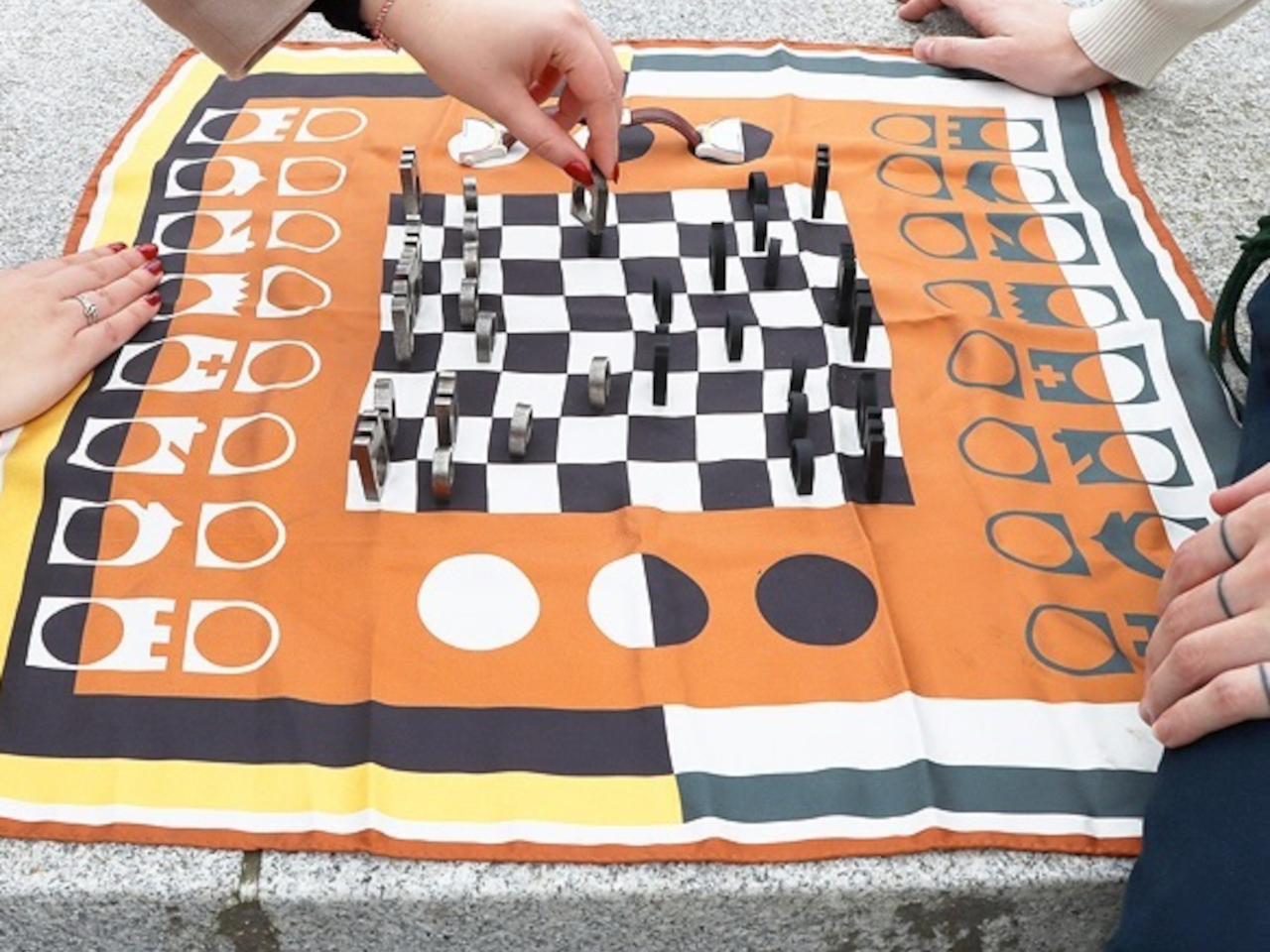
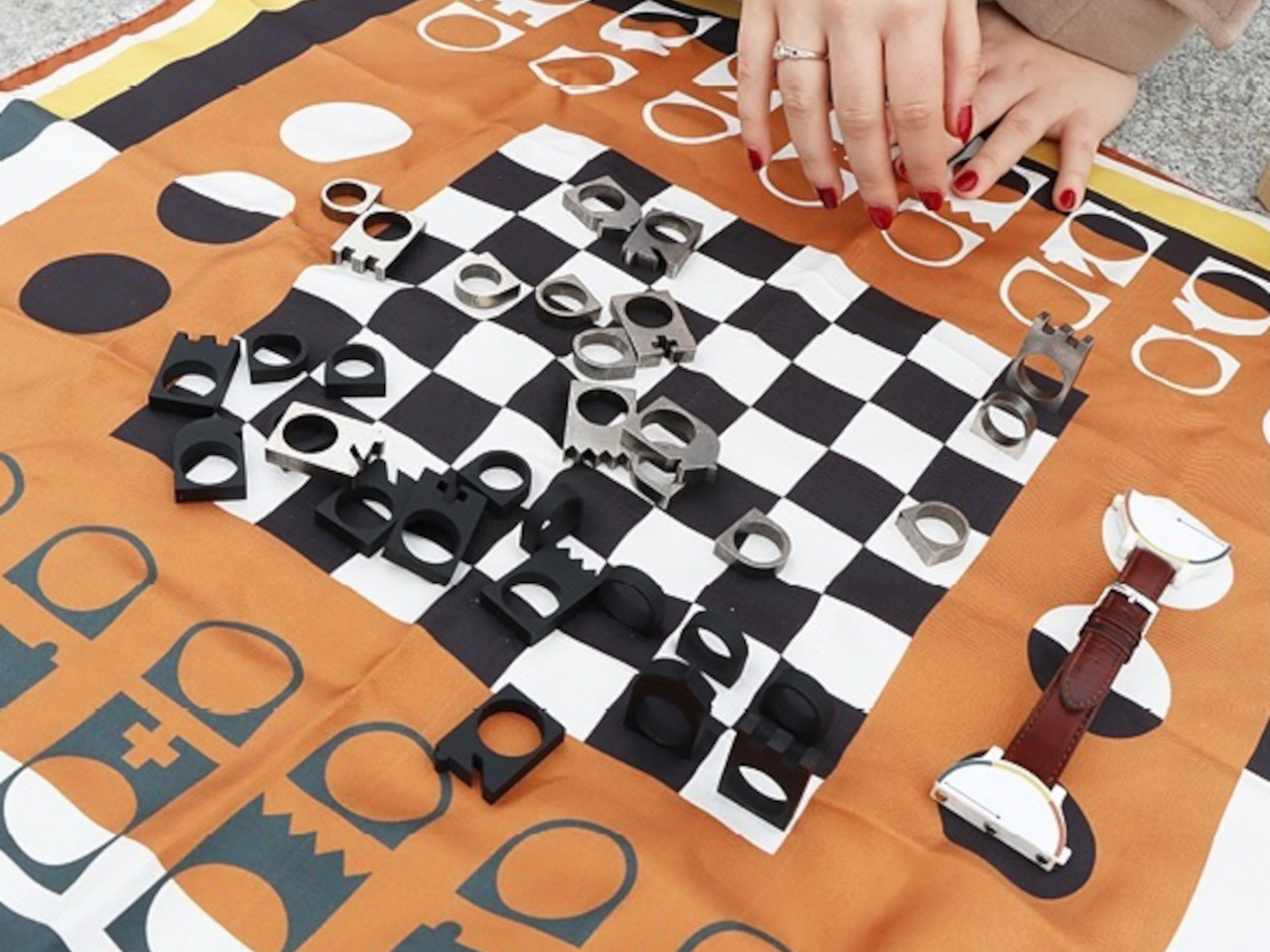
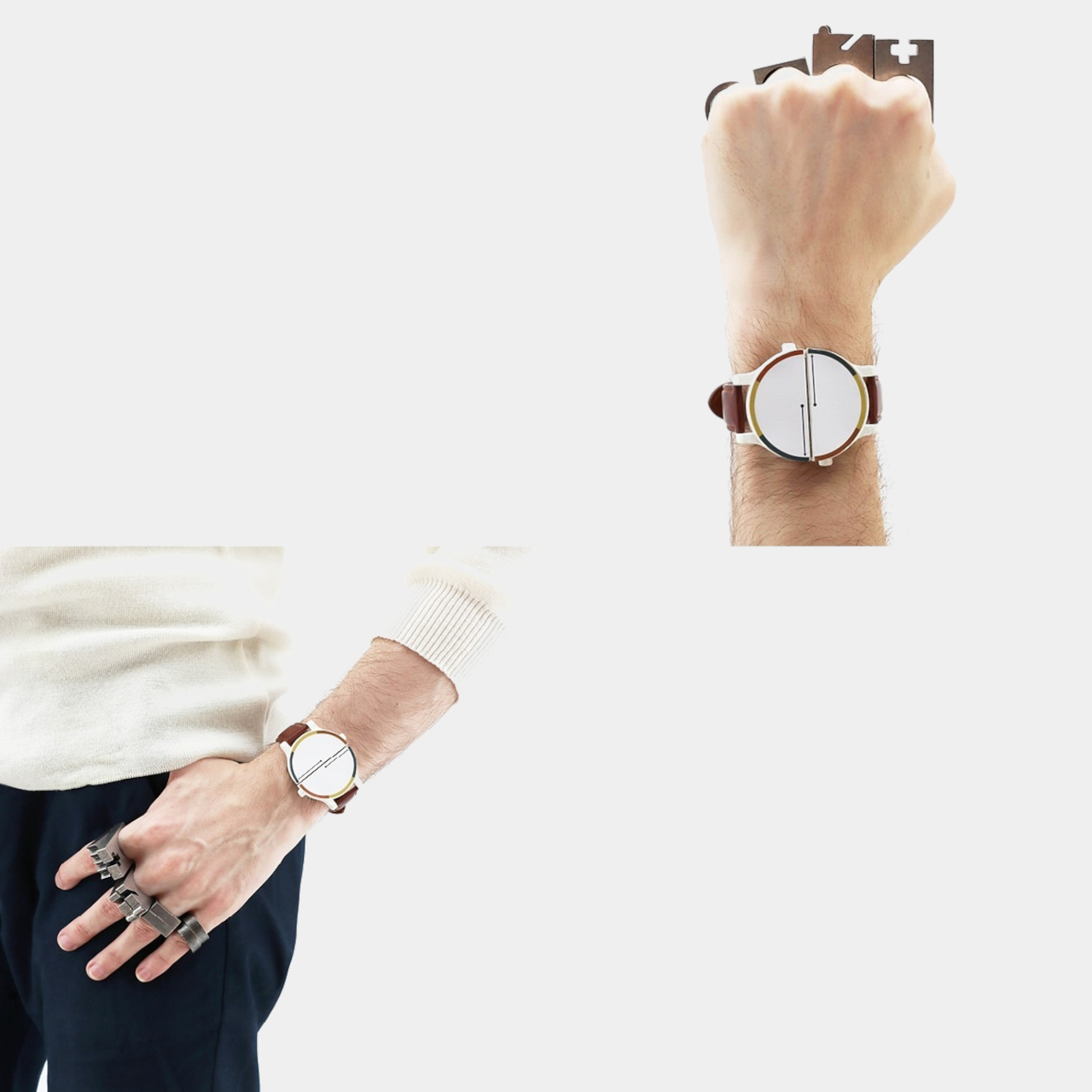
Ha Mat, which is short of “eched ha mat,” (“checkmate” in Breton) solves this problem by turning the chess set into something completely inconspicuous when not in use. In this case, the chess board becomes a scarf, the pieces become rings, and the timer becomes a watch. It’s literally a chess set you can wear as a fashion piece, allowing you to play anywhere there’s a flat plane to place everything on.
Of course, Ha Mat needs to actually look fashionable to qualify as a fashion statement, and it definitely fits the bill. The “board” takes inspiration from silk maps and military training scarves on antiquity, and the color scheme even tries to pay homage to luxurious hues used on chess boards in the past, particularly leather and wood. The watch that’s part of the set is quite peculiar because it can split in half and act as a timer for both sides.
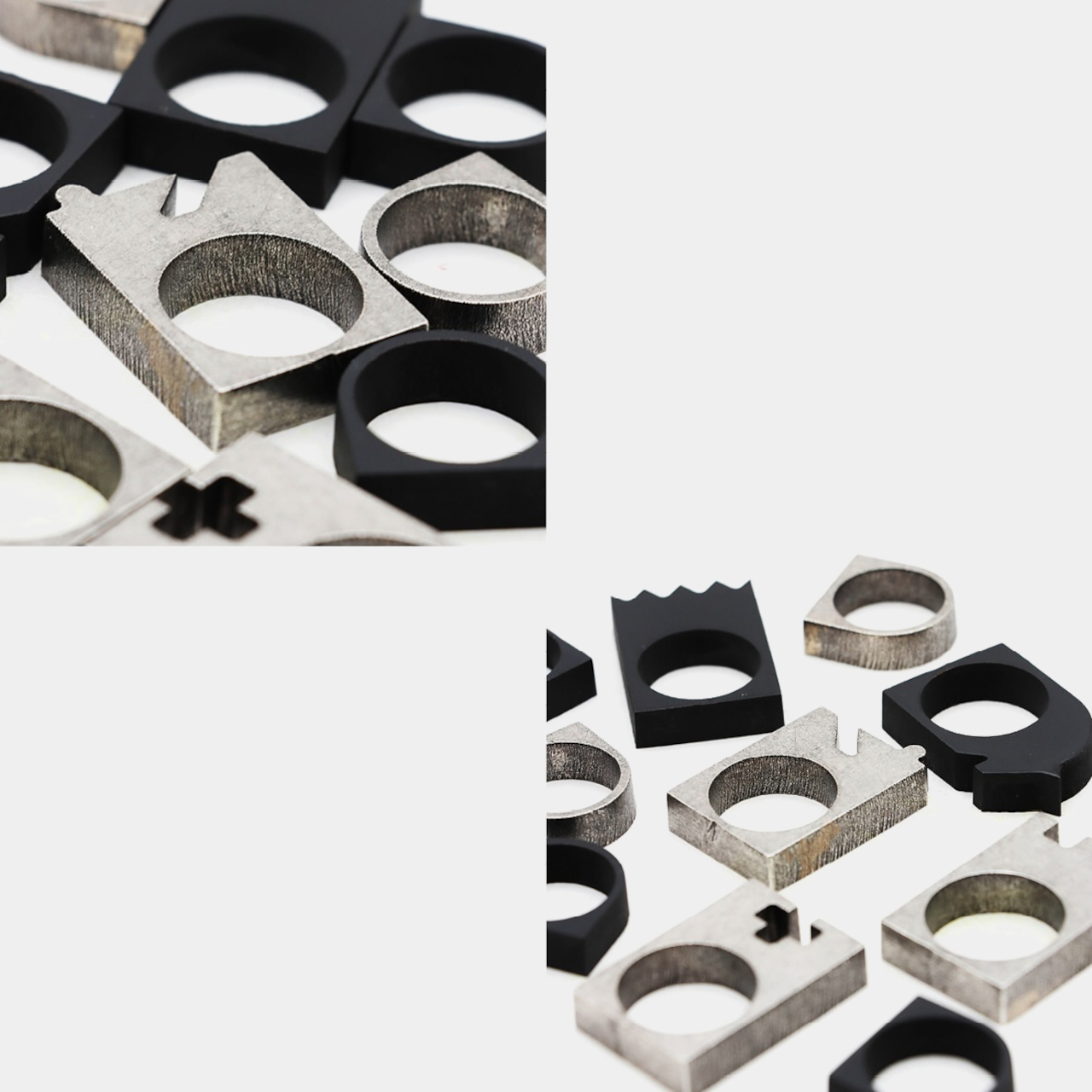
The most interesting designs, however, are the chess pieces themselves. They have flat bottoms so they can stand on the “board,” but they have holes in the middle to wear as rings on your fingers. The pieces have tops that are more symbolic and iconic to identify their position on the board, simplifying their identity in order to fit the need to have flat pieces.
Of the 32 chess pieces, you can wear 16 on eight of your fingers if you pair similar pieces together. These would make you look like you’re wearing knuckle dusters, so they might not exactly be safe to wear in public. Still, the concept is quite intriguing, as it transforms one type of product into a completely different kind, without losing either one’s identity. In fact, it elevates the chess set from a game to something that’s an integral part of your life.
Today remote work and work from home are the norm, and in such scenarios creating a desk setup that inspires productivity and makes you feel creative is of the utmost importance. Irrespective if you’re working from an organized home office, or huddling up in a cozy corner of your living room, having the right tools and accessories can make a huge difference. We have curated a collection of five innovative and handy desk products that can transform your workspace into the ultimate work-from-home dream setup.
Creating your ideal work-from-home desk setup is all about choosing the right products that not only serve functional purposes but also inspire and motivate you. Whether it’s the floating magic of the Levitating Pen, the ergonomic efficiency of the OrigamiSwift Folding Mouse, the organizational clarity of the FocusPoint Card Holder, the tranquil artistry of the Sail Away Tranquility Mobile, or the thoughtful networking tool that is the Memento Business Card Log, each of these products offers unique benefits to enhance your workspace and elevate your work-from-home experience.
1. OrigamiSwift Mouse
Say hello to the OrigamiSwift Mouse – a foldable Bluetooth mouse inspired by the art of origami. This unique device merges the portability of a compact mouse with the precision and functionality of a full-sized tool. It is intended for modern movers – a digital nomad who works on the go, or a professional who finds themself on the move a lot.
This flexible and lightweight mouse, adapts to your needs, converting any surface into your workspace. Simply fold it, and it begins to function as a full-sized mouse. It also features sleek and crisp aesthetics, which make it an invaluable addition to your workdesk. A slim profile makes it a good option for remote workers since they can place it anywhere they please.
The mouse’s foldable design allows it to slide seamlessly into your bag or packet, making it a great travel companion. Even though it is compact, it converts into a full-sized mouse with an ergonomic grip in no time. It provides precise control and is pretty easy to use as well. Its ultra-lightweight body is another bonus, making it truly a versatile mouse.
What we like
Portable form that folds flat for easy storage and transport.
Quickly transforms from flat to full-sized in under 0.5 seconds.
What we dislike
It may not work optimally and comfortably on all surfaces.
Folding and unfolding the mouse can be a hassle for some users.
2. FocusPoint Card Holder
Convert your workspace with the FocusPoint Card Holder, which is designed to keep your priorities clear and accessible. This sleek and minimal holder keeps your to-do list and important reminders organized and in sight. It ensures your focus stays on what matters the most.
It features an integrated tray for essentials like a ring or paper clip. It merges elegance and functionality into one compact and nifty accessory. Studies have shown that physically visible tasks often enhance productivity and help individuals stay goal-oriented and on top of their goals. So, if you can see your tasks mentioned in front of you, you’re more likely to handle them.
The FocusPoint Card Holder provides a simple yet effective solution for ensuring you are focused, and your desk is organized. It is made from durable zinc alloy, adding a contemporary and polished aesthetic to your desk. This keeps your tasks in your eyeline, making sure they are always accessible. It also features an integrated tray which maintains a clutter-free workspace, and high-quality To-Do List cards, which offer a sense of accomplishment that digital tools can never offer.
What we like
Keeps tasks and reminders in clear view, enhancing productivity.
Made from robust zinc alloy for longevity.
What we dislike
Requires some desk space, which might be limited to small setups.
3. Memento Business Card Log
Called the Memento Business Card Log, this little book brings back the beauty and value of handwritten notes and thoughtful reflection. It will help you preserve the memory of every important interaction, ensuring nothing fades away to memory. It not only stores up to 120 business cards but features a space to note down details about the people you meet.
Today, the world tends to move too quickly, and these handwritten notes will help you reconnect with moments and people from the past. Whether it’s a conversation, an important date, a characteristic, or a significant meeting, this card log will help you hold on to the details that truly matter.
The Memento Business Card Log is a stylish and functional organizer that adds a new and vibrant touch to the art of networking. It features a unique binding system that allows for seamless organization, and efficient reordering of pages. It is equipped with a two-point slit system that keeps all the business cards secure and in place. The design of the log is minimal and elegant, providing a warm yet tactile feel, and converting an ordinary organizer into a cherished and valuable keepsake.
What we like
It can store business cards, shop cards, and even small Instax photos.
Features blank canvases to note down your reflections on the person, event, or day.
What we dislike
It can only accommodate one specific size of card or photos.
4. Sail Away Tranquility Mobile
Called the Sail Away, this beautifully balanced desktop mobile is designed to convert your workspace into a calming and serene oasis. It is inspired by the gentle rhythm of the sea and features three interlocking triangles. The triangles have been created from lightweight aluminum, polished steel, and warm walnut wood.
This minimal design forms a seamless and harmonious balance, much like a ship sailing calmly through peaceful waters. It is created by the award-winning DRILL Design, and it is designed to bring a touch of tranquil art to any room, converting everyday moments into a lovely voyage.
Sail Away is the perfect culmination of Japanese craftsmanship and precision. Each component has been handcrafted and individually adjusted to achieve that perfect equilibrium. This piece showcases DRILL DESIGN’s commitment to quality and innovation. It features a soothing motion and sophisticated design, making it the perfect addition to your desk, providing a break from other boring accessories and tools.
What we like
Adds a touch of elegance and tranquility to any workspace.
Handcrafted with precision for perfect balance.
What we dislike
May require careful handling due to its delicate design.
5. Levitating Pen
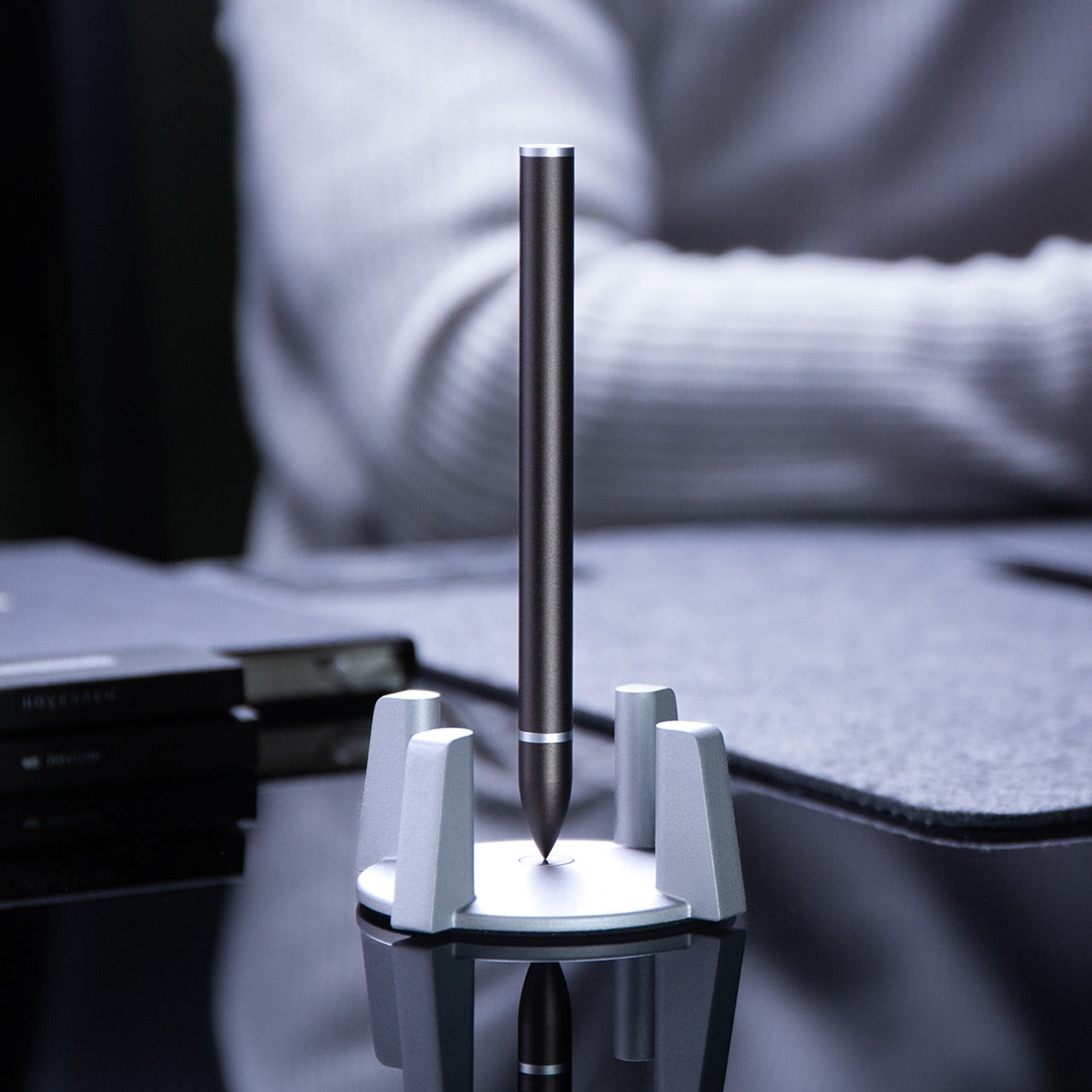
Named the Levitating Pen, this one-of-a-kind writing tool merges art, design, and precision engineering. It is inspired by cutting-edge technology and serves as a gravity-defying pen that stands tall vertically. It is perfectly balanced without batteries or electronics. It features an innovative pedestal that forms a magnetic field, keeping the pen floating in place.
The Levitating Pen serves as a functional tool and an eye-catching centerpiece on any desk. It features a sleek and futuristic design, which converts the simple act of writing into a captivating and mesmerizing experience. You begin to enjoy writing, and it adds a therapeutic element to it.
It is made with exacting standards. The pen is built using high-precision CNC machining, ensuring that less than 0.1mm margin is left for error. It showcases a meticulous attention to detail, allowing the pen to float perfectly, and spin with fluid grace. It is manufactured in the same facility as Apple products, hence boasting premium craftsmanship and sleek aesthetics. It offers a smooth and reliable writing experience, providing high performance for artists, engineers, and professionals alike.
What we like
The pen’s levitating feature is not only visually striking but also a conversation starter.
Made with precision CNC machining and a Swiss-made ballpoint cartridge for smooth writing.
What we dislike
It is visually impressive but only serves as a pen, which may not justify the investment for everyone.
Up until recently, your insurance against a break-in was a Beware Of Dog sign hanging outside your house. We’ve come a long way since then, and it just makes sense to have a camera monitoring your doorstep. Whether it’s porch pirates, thieves, vandals, annoying neighbors, or their rebellious pets, having an eye on your front house helps keep you and your home safe. Pair this with a smart lock and you’ve got impenetrable two-factor home security. That’s just step 1. Step 2 is a little more daunting – choosing the right camera and lock – something that should feel a lot easier if you read on.
If you’re wondering how the Anona Aurora Security Camera stacks up in a crowded market of options like Nest, eufy, and Ring, you’re in for a thorough breakdown. Built with a clear focus on usability and independence, the Anona Aurora promises 4K resolution, long-lasting battery power, always-on recording, and smart AI detection—all features that make it not just another camera but a security asset for your home. Its standout design features and technical perks position it as a strong competitor, especially for those tired of subscription fees and complicated installations.
Designers: Gianni Wang (Aurora Security Camera) & Ella Zhang (Holo Smart Lock)
Anona Aurora Security Camera – 4K Always-Recording, AI-Detection, Zero Fees
Perhaps the biggest driving force behind choosing the right camera is over its video quality. While most cameras on the market max out at 1080p or require higher price points for 2K options, the Anona Aurora stands out with its 4K HDR resolution, offering a clear, detailed view of your surroundings. Unlike standard 1080p cameras common with brands like Wyze and some eufy models, the Anona Aurora delivers eight megapixels, meaning you’ll capture critical details like license plates and distant movements with up to 8x zoom. This clarity proves essential when you need detailed footage that’s sharp and vivid, giving you confidence in knowing your surveillance captures the full picture.
The Anona Aurora also excels in low-light conditions with color night vision, a rarity in its $120 price range. Most cameras rely on monochrome or low-resolution night vision, but the Anona Aurora uses a starlight sensor, an F1.2 aperture, and a 10-LED spotlight to keep color and detail intact in the dark. It doesn’t just “see” at night; it maintains accuracy in varying light levels, making it practical for keeping tabs on wider areas like backyards or driveways, especially after dusk. With this combination, you’ll find it offers superior performance to options from Ring or Nest, which often require additional lighting to achieve similar results.
The camera’s more-than-substantial 10,000mAh battery is among the most robust in the category, delivering up to 180 days (6 months) of power on a single charge, outshining popular cameras like the Google Nest Cam that notably lasts an average of 1.5 to 3 months. Paired with Anona’s 4.8W solar panel, the Anona Aurora effectively becomes a self-sustaining security unit. The solar panel harnesses renewable energy, reducing dependency on power outlets and making it particularly useful for those seeking low-maintenance, long-term installation options.
Using on-device AI, the Anona Aurora can distinguish between people, pets, vehicles, and packages—without monthly subscription fees or cloud dependency, a notable edge over cameras from other brands, where advanced detection features usually come with paid plans. The AI’s precision is impressive, notifying users with alerts tailored to actual events and eliminating false alarms. This technology is local to the device, meaning you’re not reliant on cloud services, which is both cost-effective and faster in delivering real-time updates.
For data storage, Anona skips the subscription model entirely by building 32GB of eMMC storage directly into the camera. This local storage holds around four months of footage, allowing users to review recent events over blazing-fast Wi-Fi 6 without paying for cloud access. This also enhances privacy, as footage stays local to the device, giving users complete control over their data.
Additional features like two-way audio, a 10 LED spotlight, and siren give your camera a strategic edge over that Beware Of Dog sign. The two-way audio makes it simple to communicate directly with visitors or delivery personnel, while the siren and spotlight offer an active deterrent against potential intruders. Voice compatibility with Alexa and Google Assistant also elevates convenience, letting users check footage or control features with voice commands alone.
Why It’s Noteworthy
The Anona Aurora Security Camera offers advanced security features without breaking the bank. The Anona Aurora Camera, priced at $119.99, brings 4K resolution, on-device AI detection, and long-lasting power with optional solar support—features that often come with a much steeper price tag. A $30 upgrade gets you the solar panel with your Anona Aurora camera too.
Add Anona’s Holo Smart Lock to the mix and you’ve got yourself a tag-team two-factor system protecting your home. Designed to integrate seamlessly with your existing door setup, the Anona Holo Lock offers multiple access methods, including fingerprint recognition, smartphone control, and even voice activation via Google Assistant or Alexa. Unlike traditional locks, which rely solely on key access, the Anona Holo enables you to manage entry with a tap on your phone or a quick scan of your fingerprint in milliseconds. It’s 2024, fingerprint scanning was great for smartphones – let’s bring it to our homes too. You still have key access, if you’re a traditionalist.
Beyond biometrics, the Anona Holo offers remote control through the Anona app, which allows you to lock or unlock your door from anywhere. Particularly useful for granting temporary access to guests, service providers, or family members, this feature also lets you monitor and manage access logs in real-time (even without the smart camera). It’s a practical, user-friendly solution for those who frequently need flexible access management without being physically present.
The lock also comes with Matter support, allowing you to use your existing smart home system to control your smart lock without relying on hubs and complicated hardware/software to have devices communicate with each other. Further bolstered by features like auto-lock, door status detection, an (optional) anti-peeping keypad, and enterprise-grade encryption, the lock integrates into your life without adding a hassle or vulnerabilities to your schedule.
Installing the deadbolt lock is simple and rapid, requiring 3 steps that take all of 3 minutes to assemble. The lock runs on 4 AA batteries that offer between 6-8 months of use, and although locks don’t need to brave strong weather and water, the Anona Holo boasts IP65 dust and water resistance.
Why It’s Noteworthy
The Anona Holo Lock, available at $129.99, combines robust encryption, Matter compatibility, and weatherproof durability, offering secure and seamless access control. Aside from using your key, you’ve got biometric unlocking, anti-peep passkeys when paired with a keypad, and even the ability to provide temporary access codes to guests. The Anona Holo has an auto-lock feature, lets you check lock status over your phone, and even monitor access logs, allowing you to enhance home protection without recurring subscription costs… In fact, replace that Beware Of Dog with a Beware Of Tech sign!
Picture this: a warm evening on your balcony, a quiet moment of focus at your dining table, or an impromptu outdoor gathering with friends. What do these scenarios have in common? The need for the best portable lamp that effortlessly moves with you, adapts to your mood, and creates the perfect atmosphere. Meet the “Ichi” Portable Lamp, a masterpiece born from the collaboration between Fujita Kinzoku and TENT Design. With its sophisticated design and practical features, Ichi transforms any setting, bringing warmth and refined lighting that enhances every moment.
Traditional lighting solutions, such as large floor lamps and static table fixtures, restrict mobility and add clutter to our spaces. While candles create a warm glow, they fall short on convenience, and portable flashlights lack both style and elegance. Many so-called portable lamps come with proprietary chargers and short battery lives, tethering you to outlets and leaving you searching for adapters. The Ichi Portable Lamp redefines portable lighting with a sleek, thoughtful design that balances beauty and practical functionality.
Why is this the Best Portable Lamp
Intuitive Lighting Control: The Ichi Portable Lamp offers intuitive lighting control with a simple push on its umbrella-like top, letting you easily cycle through four brightness settings. Whether you need bright light for focused tasks or a soft glow to wind down, it adapts seamlessly to your needs.
Hassle-Free Power: Powered by four standard AA batteries, Ichi provides reliable, hassle-free power without the limitations of proprietary chargers. Its modular design disassembles into three parts, packing down to a slim 20mm thickness, making it a perfect travel companion.
Radiant, High-Quality Light: Beyond practicality, Ichi’s warm, high-color-rendering (CRI 95) LED light creates a radiant, soft glow, enhancing the appeal of food and casting a flattering light on skin.
Craftsmanship: Made with Pride, Built to Last
Every element of Ichi reflects meticulous craftsmanship, from its textured, matte-powder-coated finish to its expertly crafted iron frame. Proudly made in Osaka, it represents a seamless blend of tradition and modern innovation. The microcontroller-driven circuitry, developed in-house at Fujita Metal Manufacturing, ensures long-lasting performance and precision engineering. Owning the Ichi Portable Lamp is an investment in a beautifully designed piece that enhances your surroundings and stands the test of time.
Who is this Lamp For?
Ichi is designed for those seeking adaptable, aesthetically pleasing light to elevate their daily life. Whether you’re a creative who thrives on ambient lighting, a traveler who needs reliable illumination, or someone who values timeless design and thoughtful craftsmanship, this lamp brings light and style wherever you go. Its sturdy iron build, intuitive operation, and refined aesthetic transform any space with grace and purpose.
Final Thoughts
The Ichi Portable Lamp blends thoughtful design with practical features, transforming any space into a warm, inviting environment. Say farewell to cluttered, cumbersome lighting solutions and embrace elegant, adaptable illumination that complements your lifestyle. More than just a lamp, Ichi is a statement piece designed to bring light, beauty, and functionality to every corner of your world.
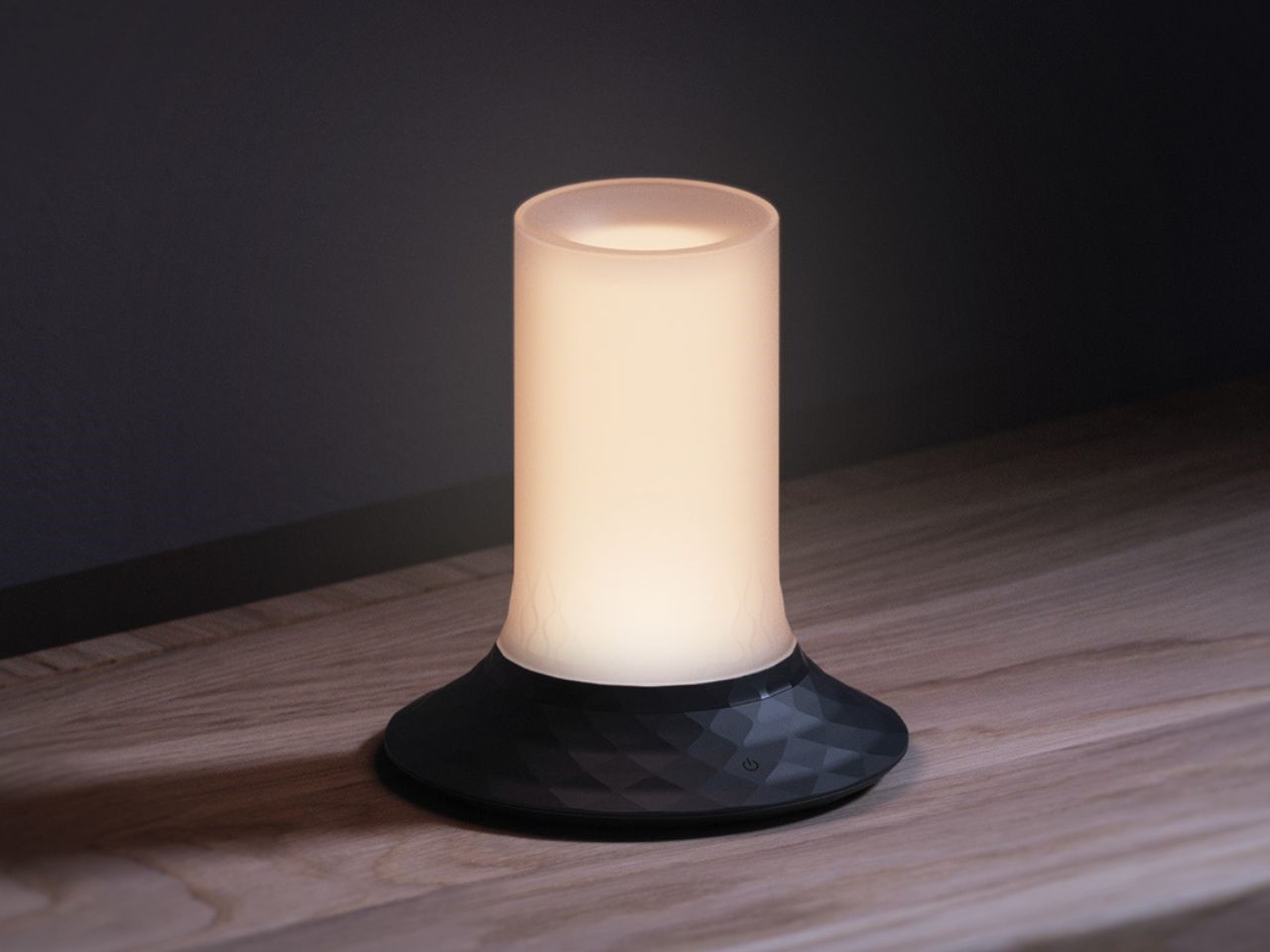
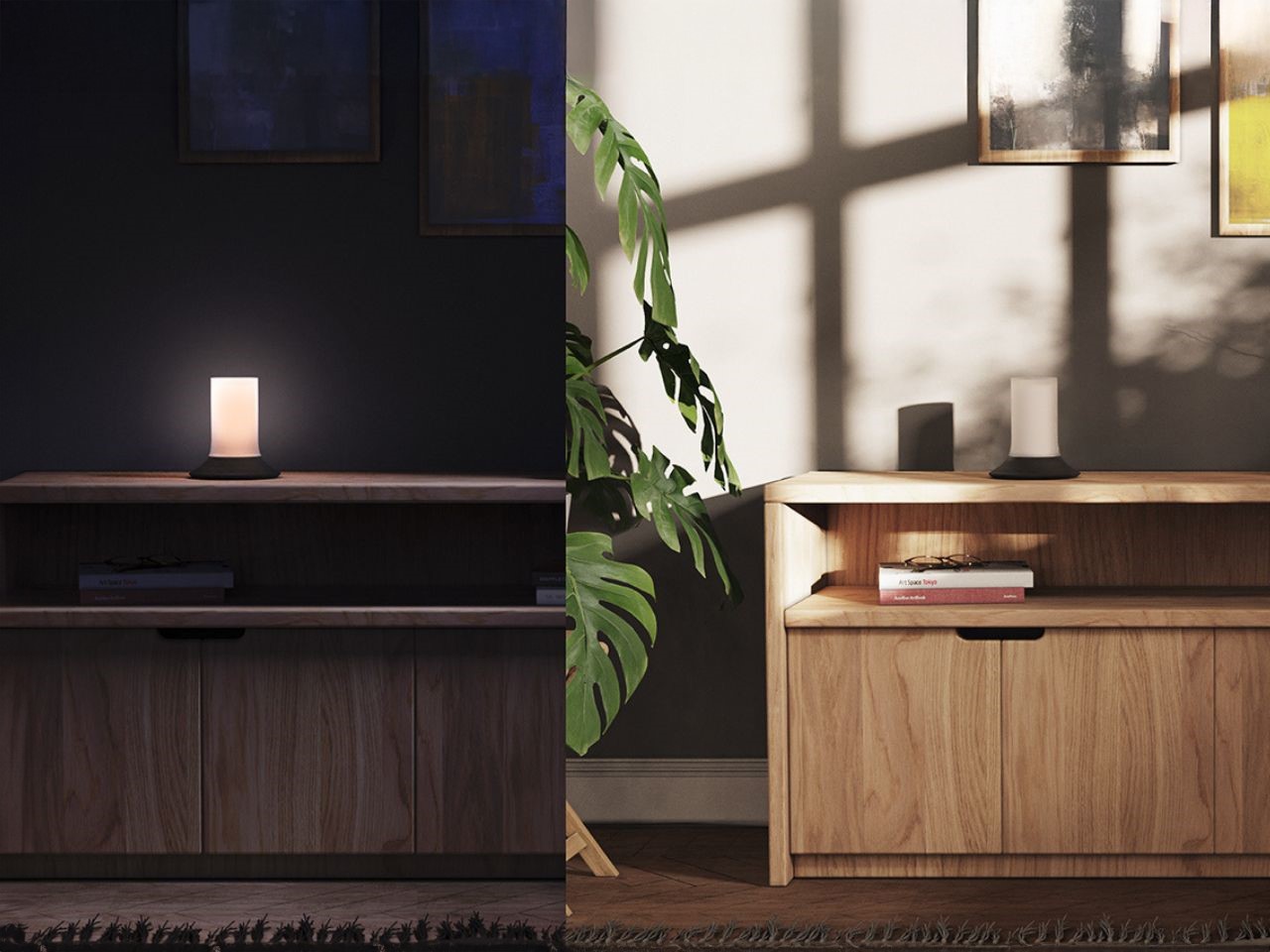
The Magma Ambiance Lamp is a tribute to nature’s raw power, taking inspiration from the magnificent Puu Õõ volcanic cone. With its dynamic yet minimalist design, the lamp encapsulates the essence of an active volcano, allowing users to bring that natural wonder into their homes.
The Magma Lamp draws from the striking image of an erupting volcano, with clean, conical lines that reflect the natural geometry of volcanic cones. Its design focuses on simplicity and fluidity, mimicking the flow of molten lava. The lamp’s adjustable lighting settings further enhance this concept, offering an experience akin to the glow of magma, pulsing and radiating from the center outward.
The design process began with a deep dive into geometric exploration, specifically focusing on conical shapes that evoke the majesty of volcanic formations. The goal was to capture a balance between form and function, ensuring that the lamp’s structure would not only serve its lighting purpose but also stand as an artistic piece in any home. Texture and pattern proposals were equally crucial, with radial patterns expanding from the lamp’s core, visually mirroring lava flowing from a volcanic eruption.
The concept of radial patterns became central to the Magma design. By repeating the pattern outward from the center, the lamp visually simulates the flow of molten rock down a volcanic slope, creating a sense of movement and energy.
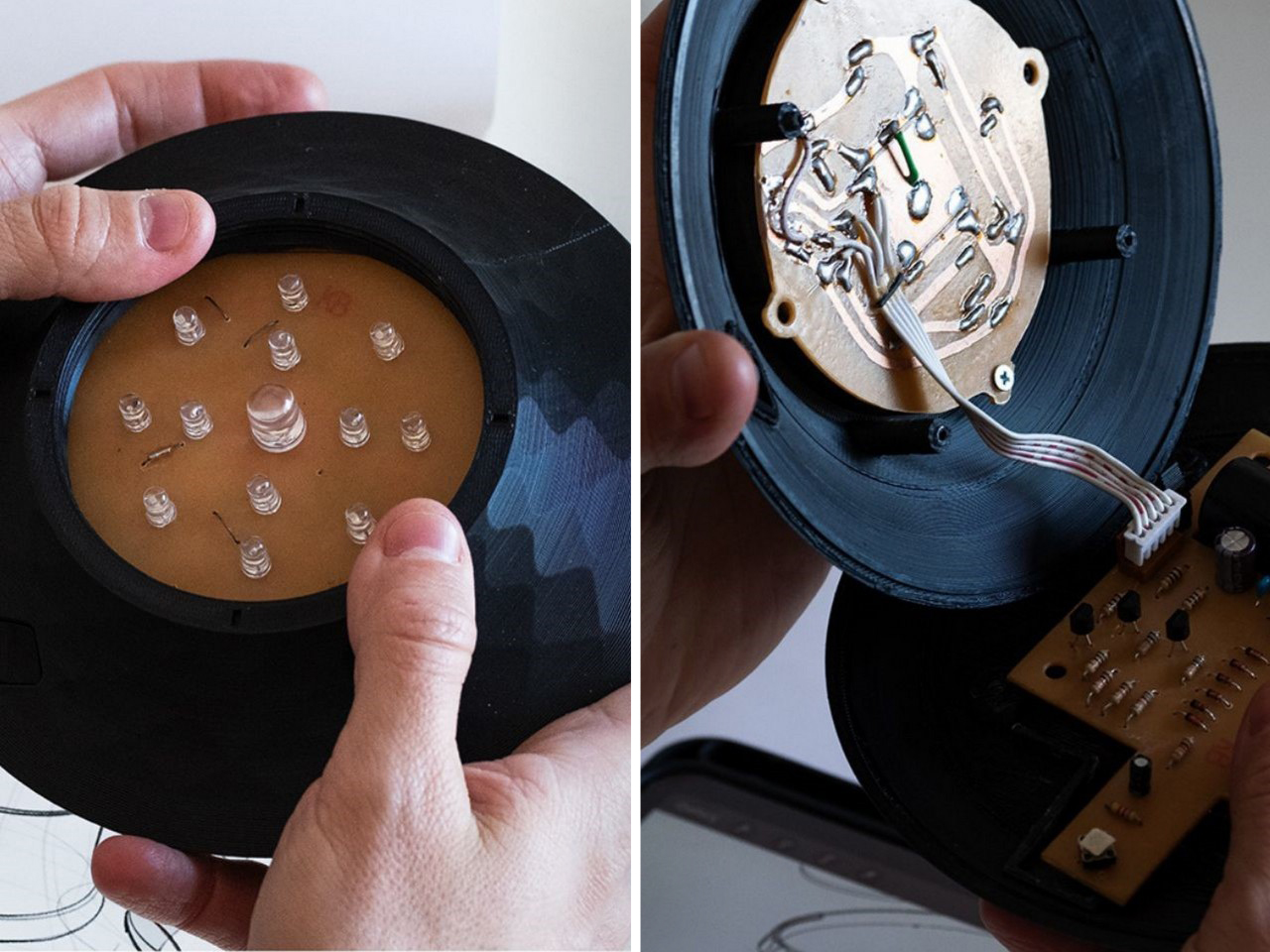
The first prototype was crucial for refining the lamp’s size, developing an in-house PCB, and testing color and light intensity. While the battery lasted an impressive 18 hours at maximum brightness, the team saw room for improvement. The next iteration aimed to extend battery life and introduced remote intensity control, scheduled on/off options, and synchronization with other Magma lamps to create cohesive lighting atmospheres across different areas of the home.
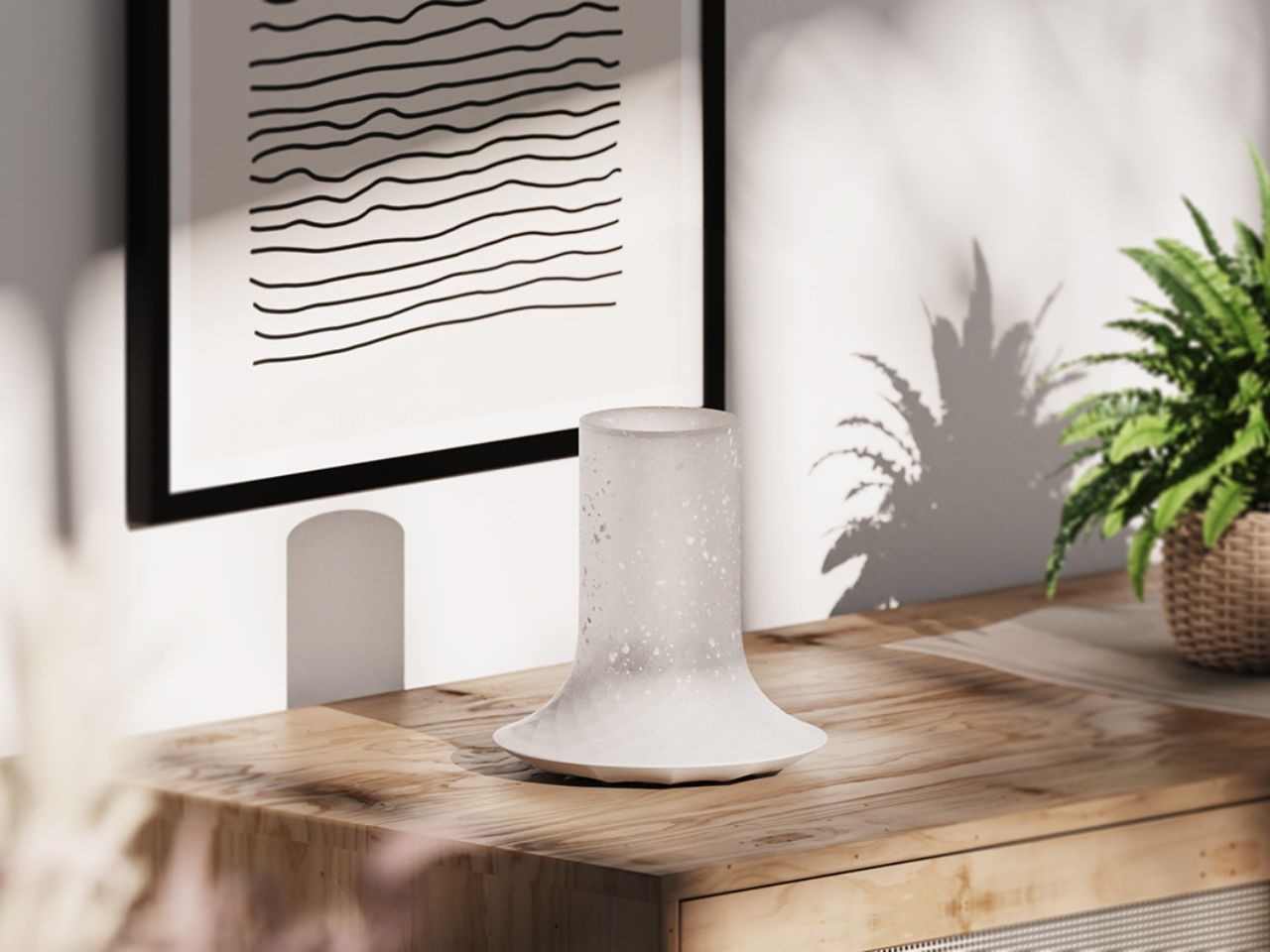
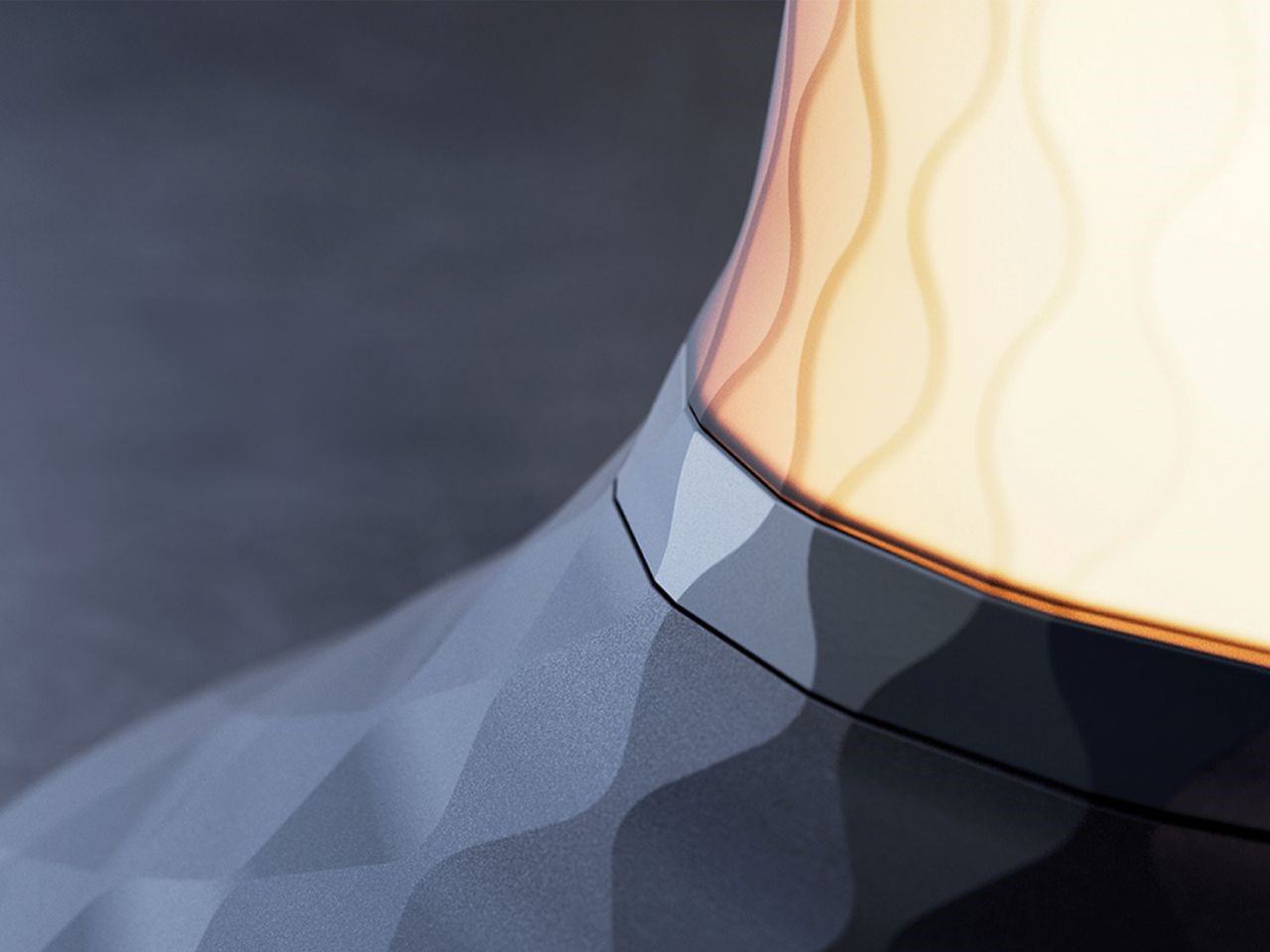
Building upon its initial success, the Magma lamp underwent a design evolution. The latest version embraces a bolder, more contemporary aesthetic while maintaining its connection to volcanic inspiration. New textures applied along the neck of the lamp simulate the appearance of erupting lava particles, while intensified textures at the base add a sense of movement and dynamism. The placement of the brand’s logo was intentionally unconventional, keeping the lamp free from visible text and maintaining the minimalist aesthetic.
To complement various home interiors, neutral and pastel color options were chosen, ensuring that the Magma lamp could seamlessly integrate into a wide range of settings while still making a bold statement.
The next phase of the Magma Lamp development focuses on integrating smart functionality. The design team plans to introduce mobile app connectivity, allowing users to configure automatic on/off schedules, manually adjust light intensity, and synchronize multiple lamps for a unified experience. Additionally, the battery life will be doubled to provide even greater autonomy, ensuring the lamp can light up your home for extended periods without frequent recharging.
Beyond functionality, the assembly process is also being optimized. The goal is to create a visually clean product with no visible screws or fittings, ensuring that every Magma lamp maintains a polished and elegant appearance.
The Magma Ambiance Lamp is a remarkable blend of natural inspiration and cutting-edge design. It brings the captivating energy of a volcanic eruption into the home, with smart features and a design that elevates any interior space. As it evolves, the Magma promises to continue providing not just light, but a transformative ambiance, creating warm and connected atmospheres that reflect the beauty and power of nature.
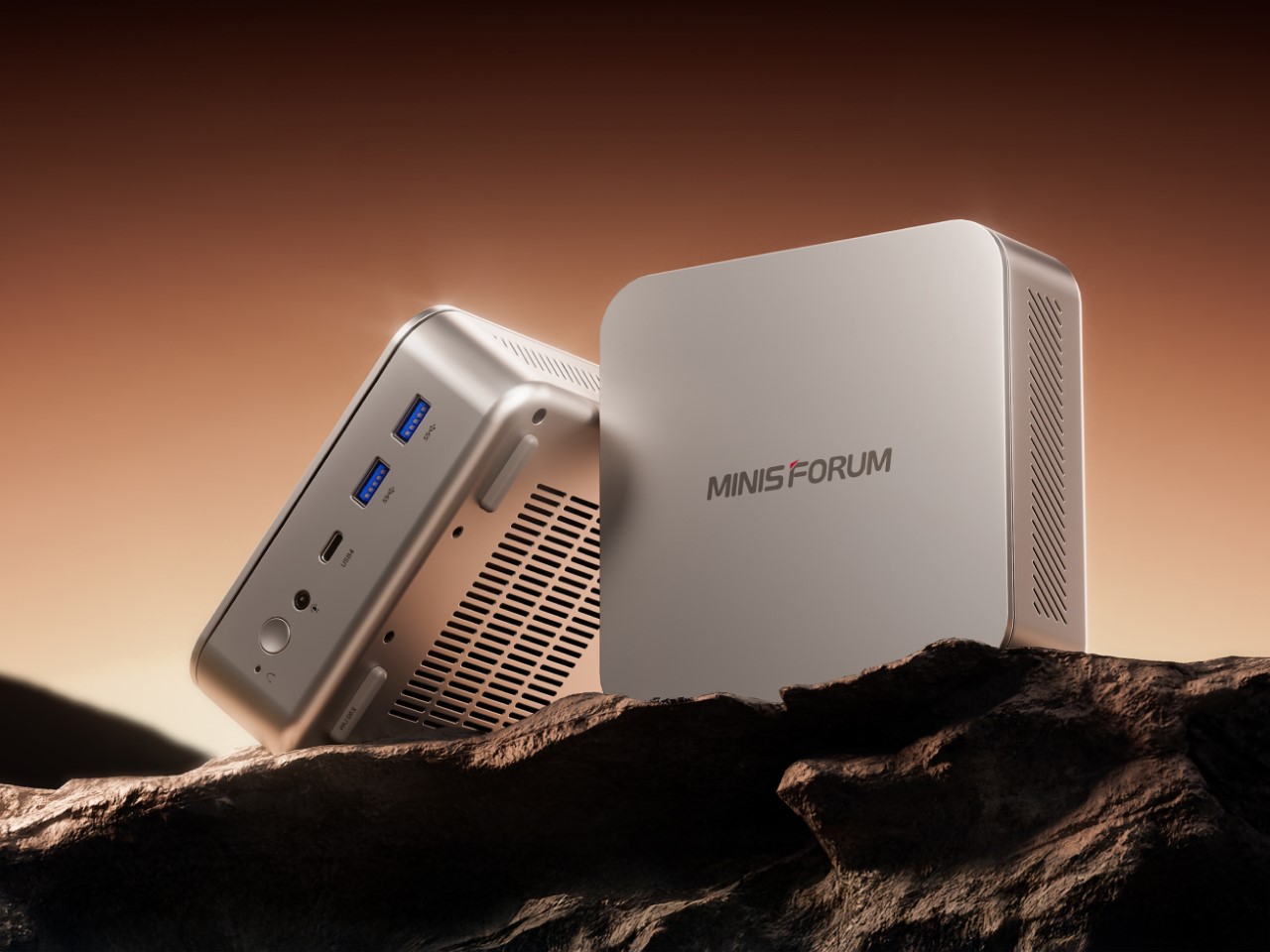
You know how every time Apple launches a feature on the iPhone, Android people rush to point out they did it first, or they did it better? If you’re a Windows fan, this post might just be perfect for you. At the end of last month, Apple debuted the M4 Mac mini, surprising us not with just a chip upgrade, but a size downgrade too. A fraction of its original size, this newer Mac mini was tailored for Apple’s AI (or Apple Intelligence), and was designed to be a functional power-house. Not to be outdone, however… it seems like MiniForum has a Windows-based answer to the new Mac mini.
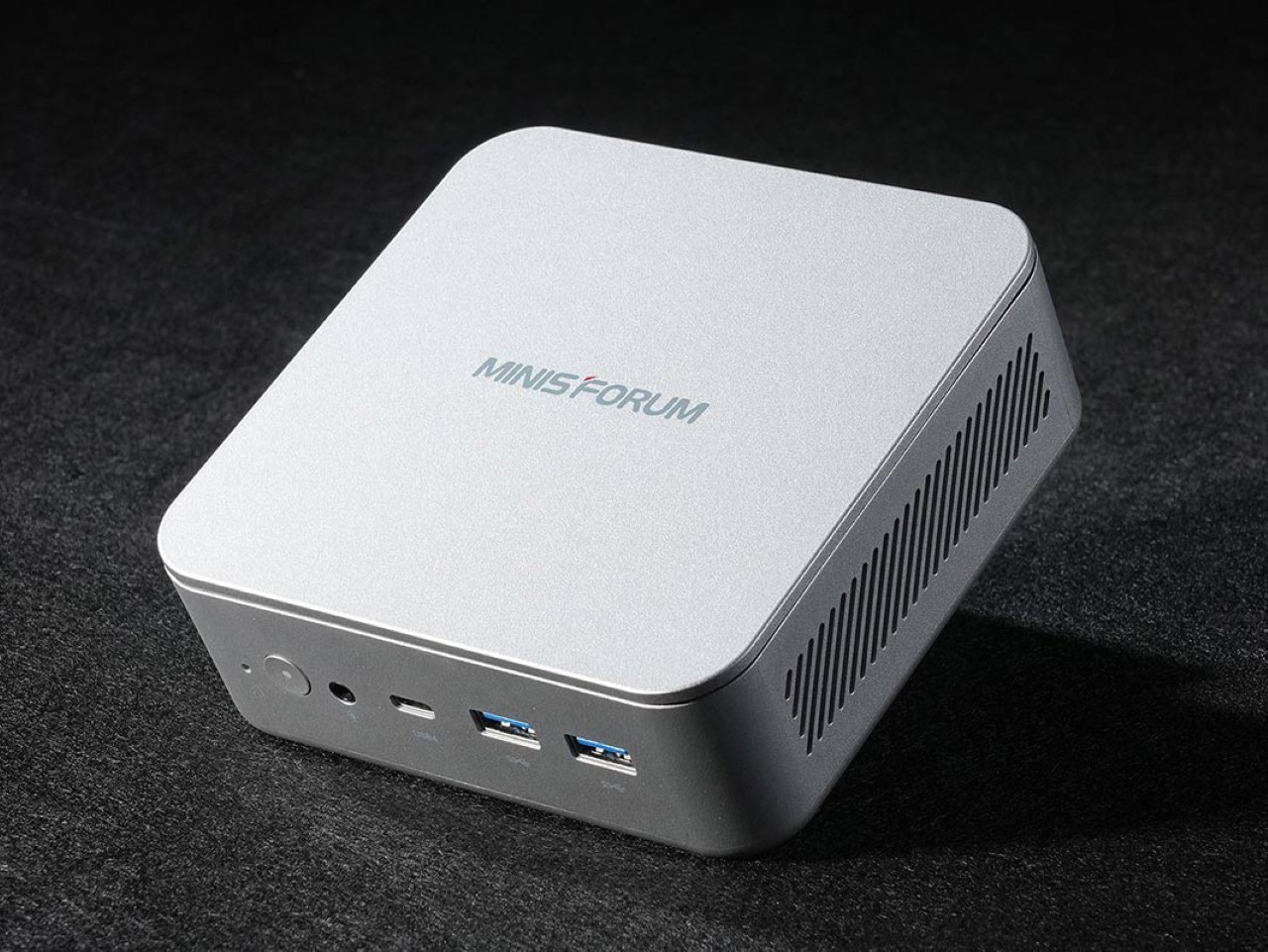
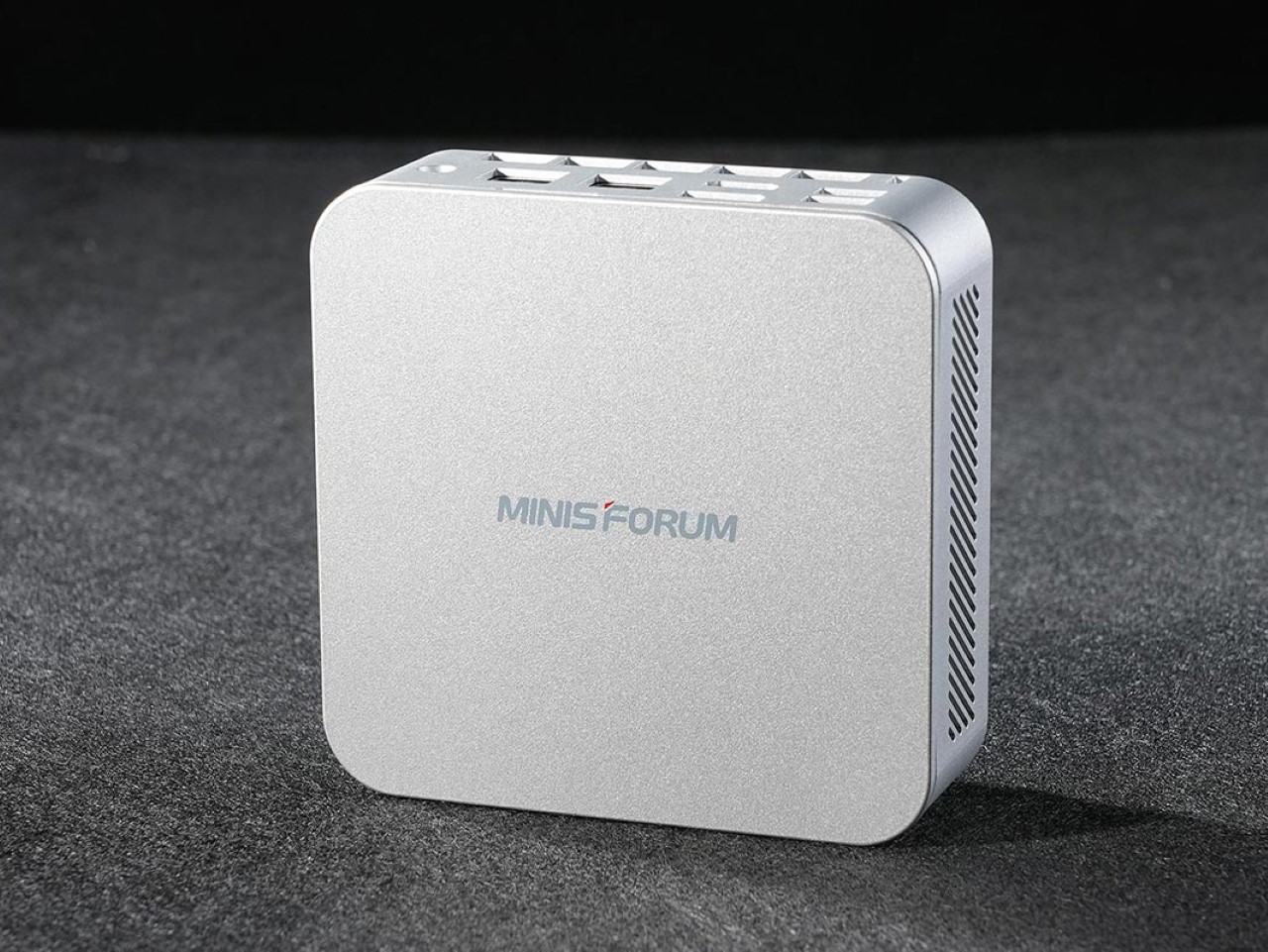
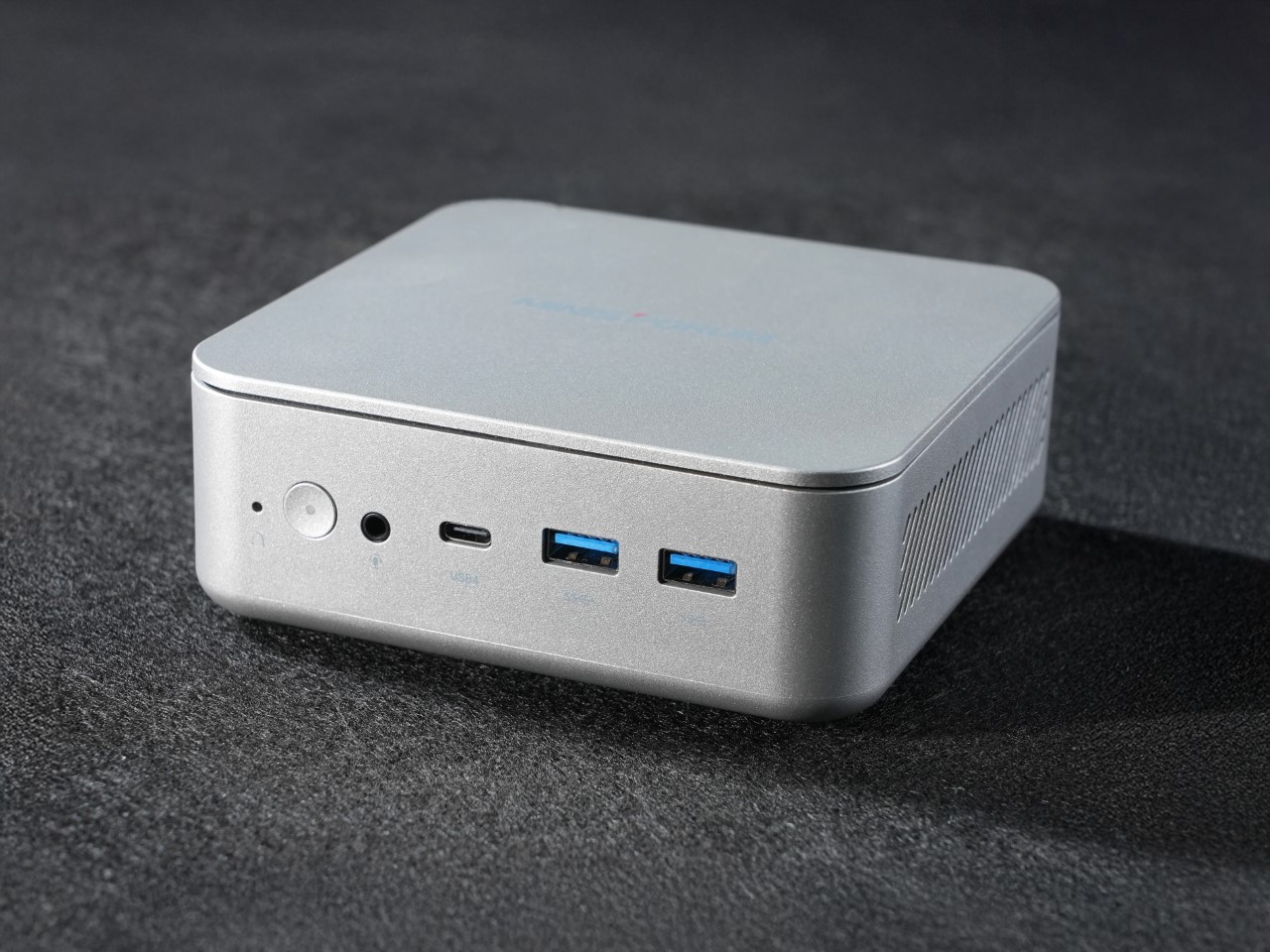
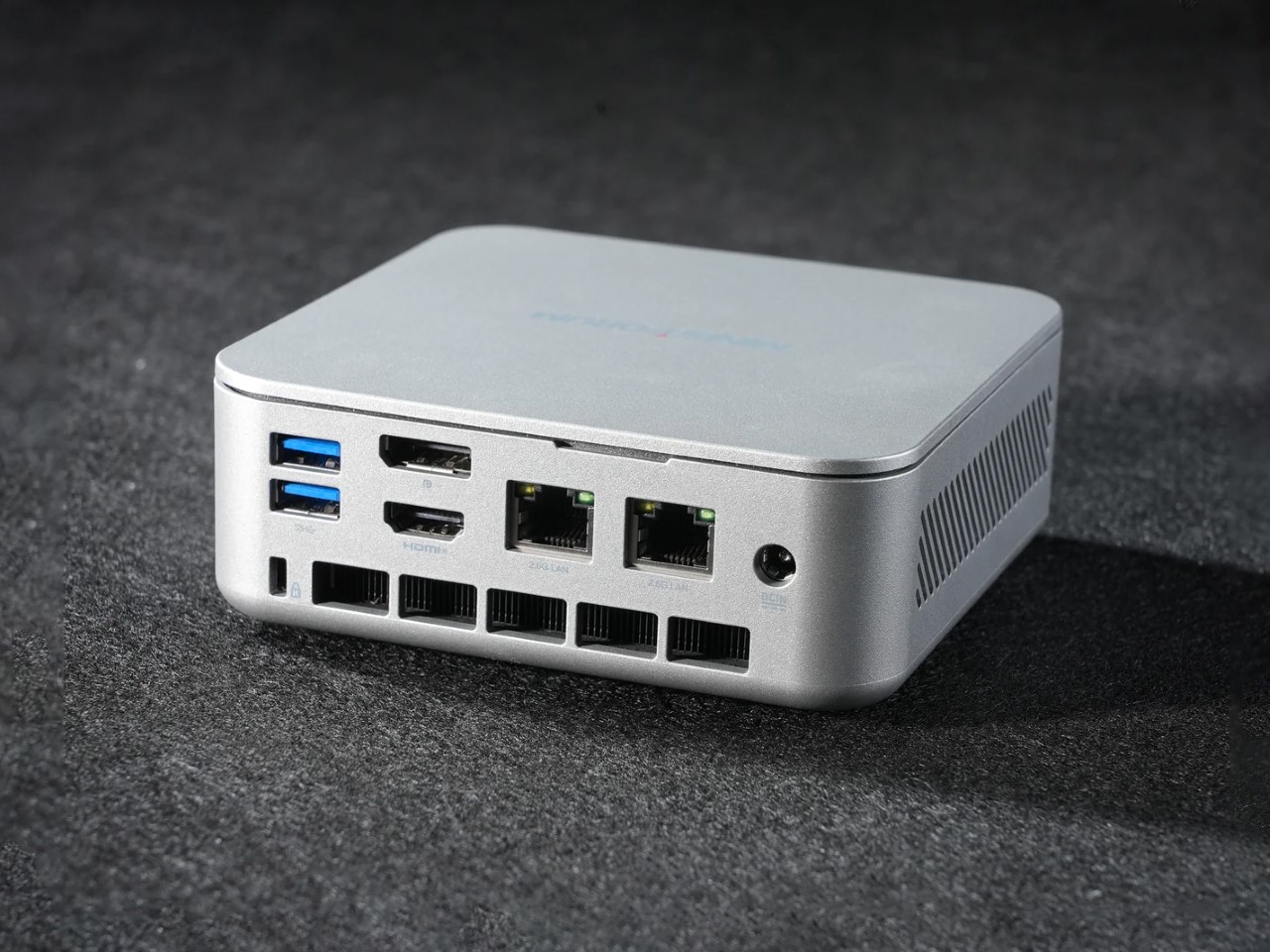
The EliteMini AI370 may be a bit of a handful name-wise, but it’s a handful when it comes to performance, ports, and portability too. Powered by AMD’s latest AI-ready Ryzen processor and the Radeon 890M, the EliteMini has 12 cores, 24 threads, and 50 TOPS of AI processing, ready to easily handle any demanding task from gaming to video editing or even working with AI models without breaking a sweat. The entire device measures just 5 inches across, making it exactly as small as the Mac mini, albeit with way more ports… and perhaps the most important feature – a front-facing power button.
Under the hood, the EliteMini AI370 boasts AMD’s Ryzen AI 9 HX 370 processor, which makes multitasking a breeze. With 12 cores and 24 threads, this chip is engineered for the heavy workloads you’d typically assign to a full-sized desktop, handling everything from advanced editing to 3D rendering with ease. Thanks to AMD’s XDNA2 architecture, this processor includes a dedicated Neural Processing Unit (NPU), delivering up to 50 TOPS (trillion operations per second) in AI power. If you’re working with AI applications, real-time rendering, or advanced editing software, this kind of performance is a huge asset, enhancing productivity while keeping things running smoothly.
Graphics enthusiasts and gamers will appreciate the Radeon 890M integrated graphics. Unlike many compact PCs that struggle with graphical processing, the EliteMini is geared for high-quality visuals, with frame rates above 60 FPS. This makes it more than capable for gaming and intensive creative applications. Having this level of integrated GPU performance means you won’t need to invest in an external GPU—perfect if you’re tight on desk space or don’t want extra hardware cluttering your setup.
Memory and storage are equally robust in the EliteMini AI370, with 32GB of DDR5 memory clocked at a fast 7500 MHz. This speed is a lifesaver for multitasking, allowing you to work across several applications without stalling. Storage options are equally impressive, supporting up to 4TB of PCIe NVMe SSD. That’s plenty of space for large project files, software libraries, and extensive media, while the SSD’s high-speed access means you won’t be stuck waiting around for files to load. For everything else, there are ports on both the front as well as the back.
All this power and performance gets packed into a compact and accessible device, fitting neatly on any desk setup. The 5-inch form factor is easy to overlook, but don’t let its size fool you—this mini-PC holds its own. For users who need a flexible and minimal setup, the EliteMini offers a front-facing USB-C setup and headphone jack, while ports on the back include three USB 4.0, HDMI, and an Ethernet connection that’s upgradable to 10GbE. As a (probably) unintentional jab to Apple, the EliteMini puts its power button smack-dab on the front of the mini PC too, making it MUCH more accessible than the Mac mini’s awkwardly placed power button.
Of course, all these features come at a price. The EliteMini AI370 starts at an introductory $1,099, with a regular price of $1,399, reflecting the high-end components and capabilities. For comparison, Apple’s Mac Mini M4 starts at $599, but it lacks the EliteMini’s integrated AI capabilities and has fewer configuration options. For Windows users who prioritize performance and customization, the EliteMini’s added capabilities and that compact design make it a perfect alternative to the Mac mini. Besides, if you’re going to be working with AI models, you’d want a computer that’s AI ready too, no?
Although we see dozens of computer keyboard designs these days, the basic layout of the device hasn’t changed since the very first model came out. Even if you consider variants of the QWERTY standard like AZERTY or Dvorak, the standard has remained the same over the years, which means carrying over most of the usability and ergonomic problems that were there from day one. The “10 key” numeric keypad, for example, is always on the right side, with a bias towards right-handed people.
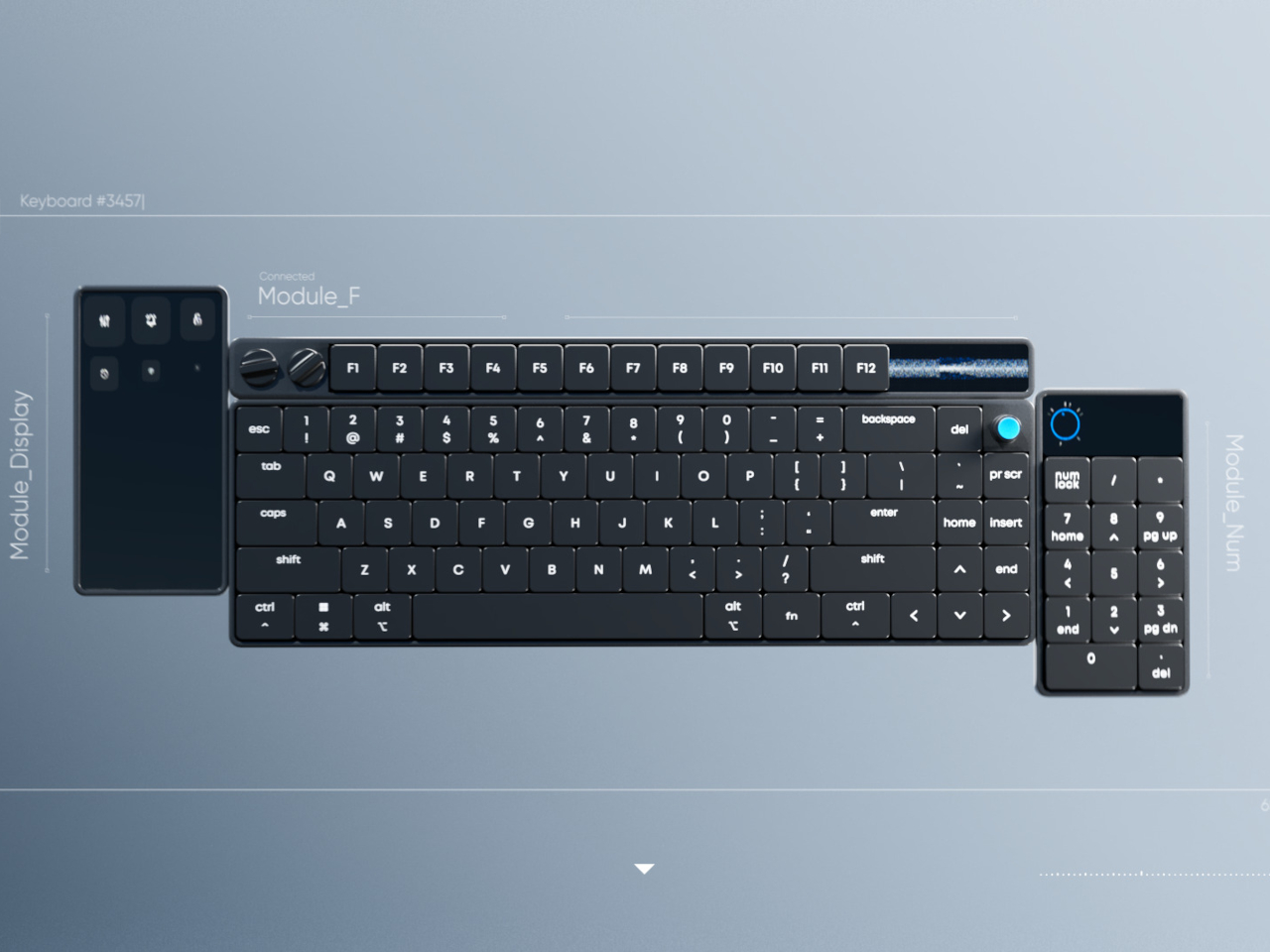
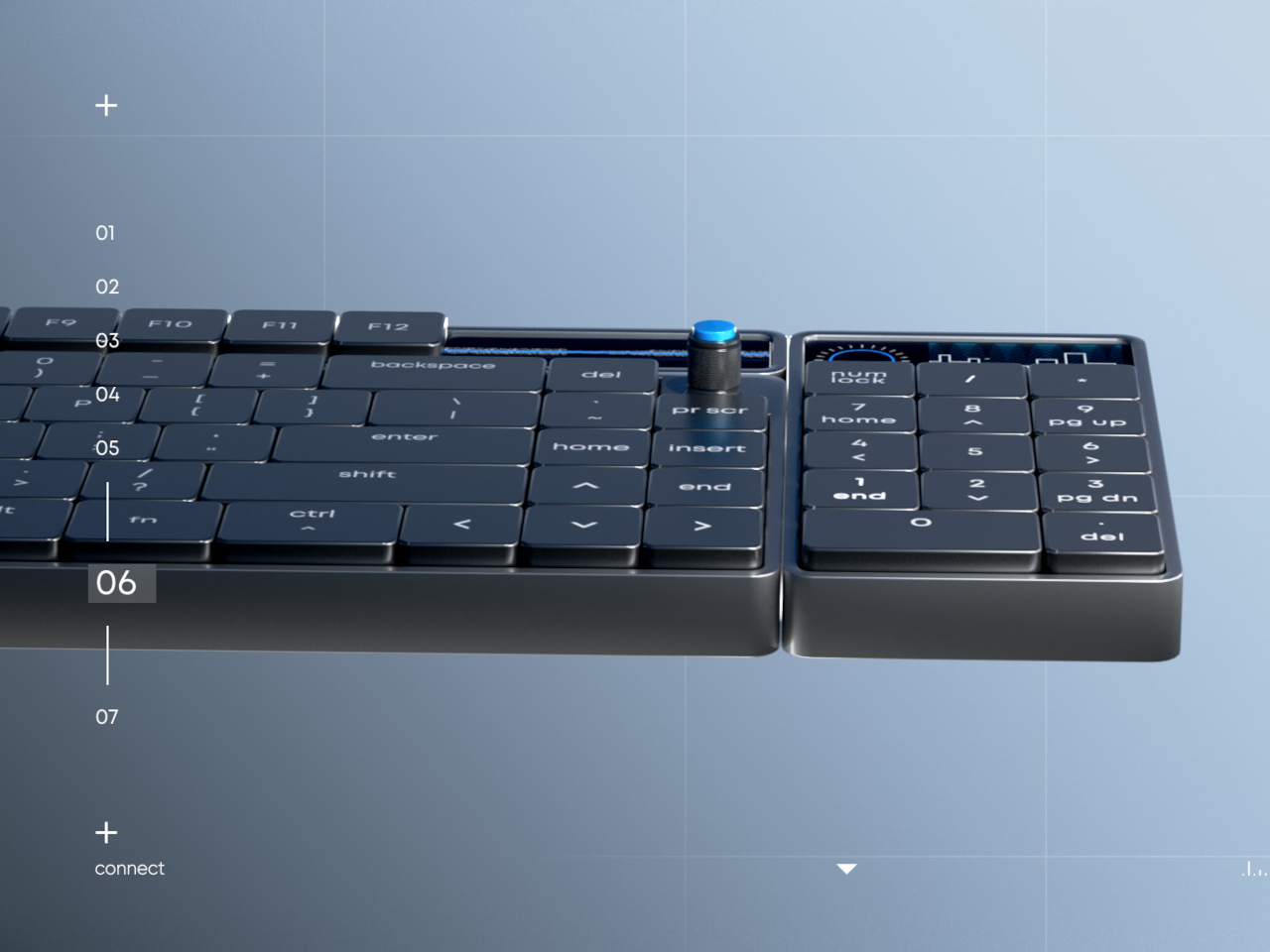
That’s not exactly a problem for TKL or “Ten Keyless” keyboards, but that does mean buying a separate numpad that doesn’t integrate well with the rest of the keyboard, both functionally and aesthetically. This keyboard concept takes a shot at solving that long-standing handedness problem and its solution is to let you design your keyboard layout to your needs and preferences.
Designer: Alexey Prokopenko
It’s easy enough to just buy a TKL keyboard and a numpad separately, allowing you to arrange the two as you see fit. That, however, only works for that combination, and even then it’s not always a pretty sight. The visual and functional disconnect between these products can also have a subtle effect on our subconscious, just like how clutter or disjointed styles can trigger our minds in ways we don’t realize.
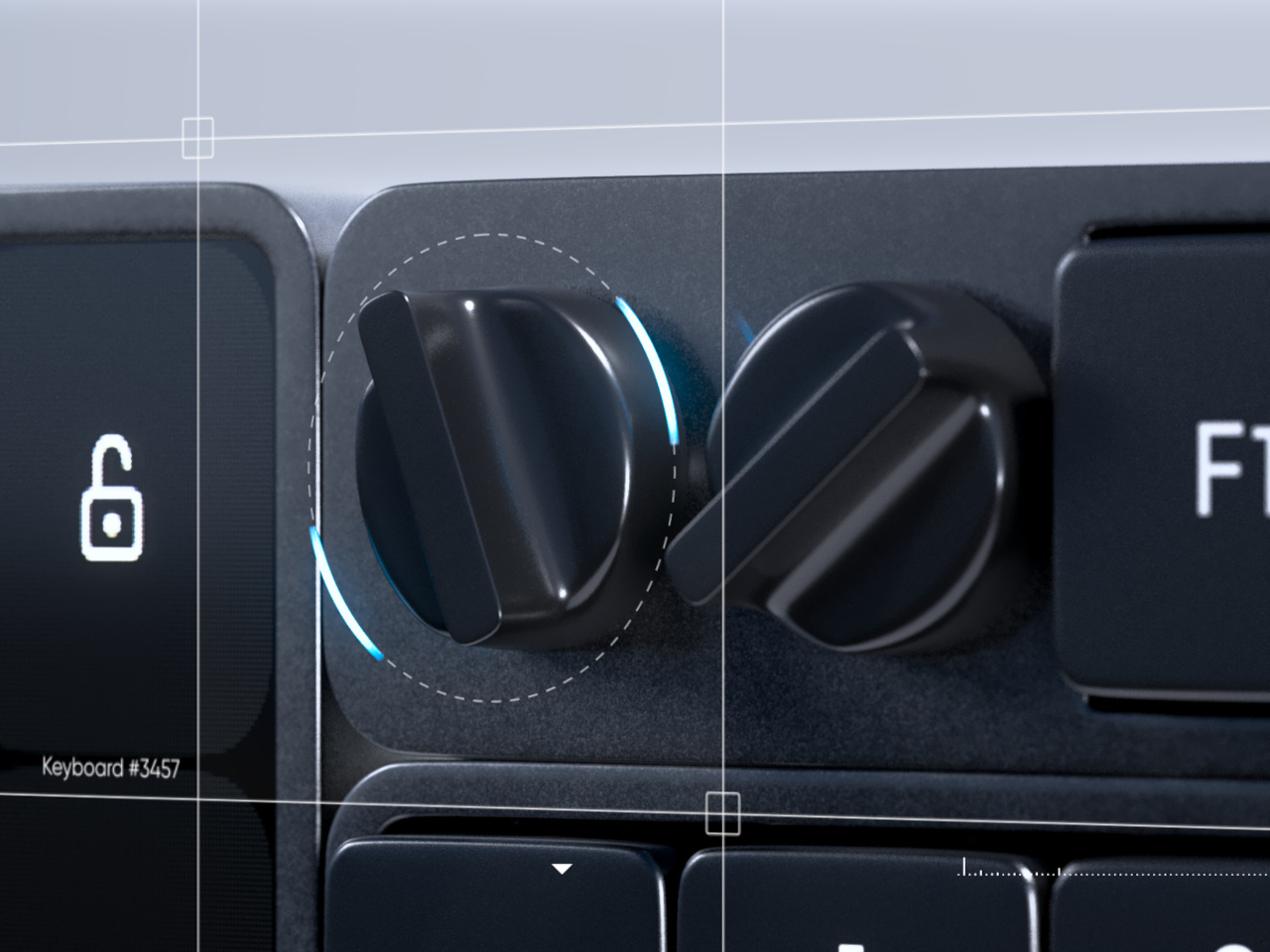
A modular design like the Connect concept helps solve this problem. In a nutshell, you can place a numpad module to the right or left of the “main” TKL keyboard in a way that physically connects the pieces. Since they’re from the same system, they also share the same aesthetic, which is a matte black in this case.
Of course, the beauty of a modular system is the flexibility it offers. Not only can you switch the position of the numpad on either side on a whim, you can also connect something else there or have a different module on the opposite end simultaneously. You can, for example, have a trackpad or a macro keyboard on either side. The choice is totally yours and can be changed dynamically depending on your work, need, or mood.
If there’s one oddity to this design concept, it would be that the function key row is also an optional module. Granted, some Bluetooth keyboards actually exclude this row, forcing users to make complicated keystrokes to activate the functions. In this case, however, removing that row would create an imbalance when a module is attached to the left or right side of the keyboard. Most people will probably prefer to have that function row there all the time anyway, making it a bit of an unnecessary design detail.
In the world of technology, AI has been consistently making innovative and significant strides. It has positively impacted multiple domains including the creative industry. AI tools aren’t just novelties for creative professionals, they serve as transformative instruments that elevate productivity, precision, and creativity. We have curated five innovative AI tools and gadgets that are handy for creative professionals.
These AI tools offer innovative solutions that enhance productivity, creativity, and precision. Whether you are a musician, designer, digital content creator, or global communicator, these tools provide invaluable support in your creative endeavors. As AI technology continues to advance, the possibilities for creative professionals are boundless, promising a future where creativity and technology go hand in hand.
1. ASUS ProArt PZ13
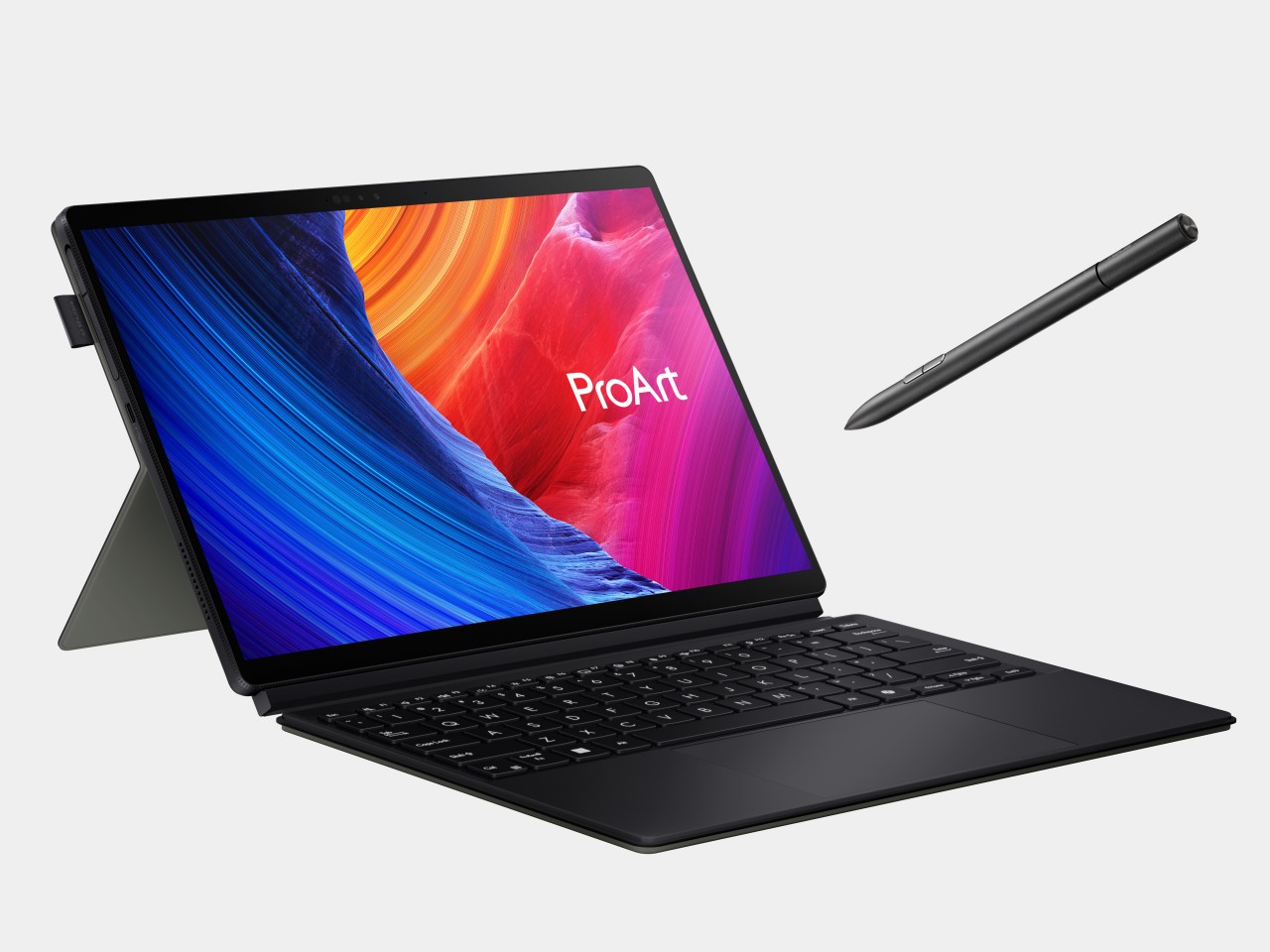
Say hello to the ASUS ProArt Pz13 – a 2-in-1 tablet designed to meet the demands and requirements of creative professionals. The PZ13 is tailored for designers, artists, streamers, and writers who need portability and performance. This sleek device is equipped with a detached keyboard cover and kickstand, ensuring you can use it in different environments.
The PZ13 is amped with the Qualcomm Snapdragon X Plus – an octa-core processor that balances performance and power efficiency, making it perfect for creative tasks. It is amped with a robust feature set including a 70Wh battery, IP52 dust and water resistance, and MIL-STD-810H certification.
Why is it noteworthy?
The ProArt PZ13 can seamlessly integrate AI features into the creative workflow, thereby improving productivity, and supporting new forms of artistic and creative expression. It also includes a Neural Processing Unit and integrated graphics processor which enables the tablet to deal with complex creative tasks with ease.
The PZ13 is a powerful sidekick for content creators, as it also features a lightweight design and long battery life, allowing creators to work virtually from anywhere. This makes it a flexible and valuable purchase for creatives who are always on the move, enabling them to capture and execute ideas wherever they may be.
What we like
Lightweight and compact design for easy transport.
Enhances creative processes with integrated AI capabilities.
What we dislike
It may not be able to match the performance of more powerful devices.
2. AIMake
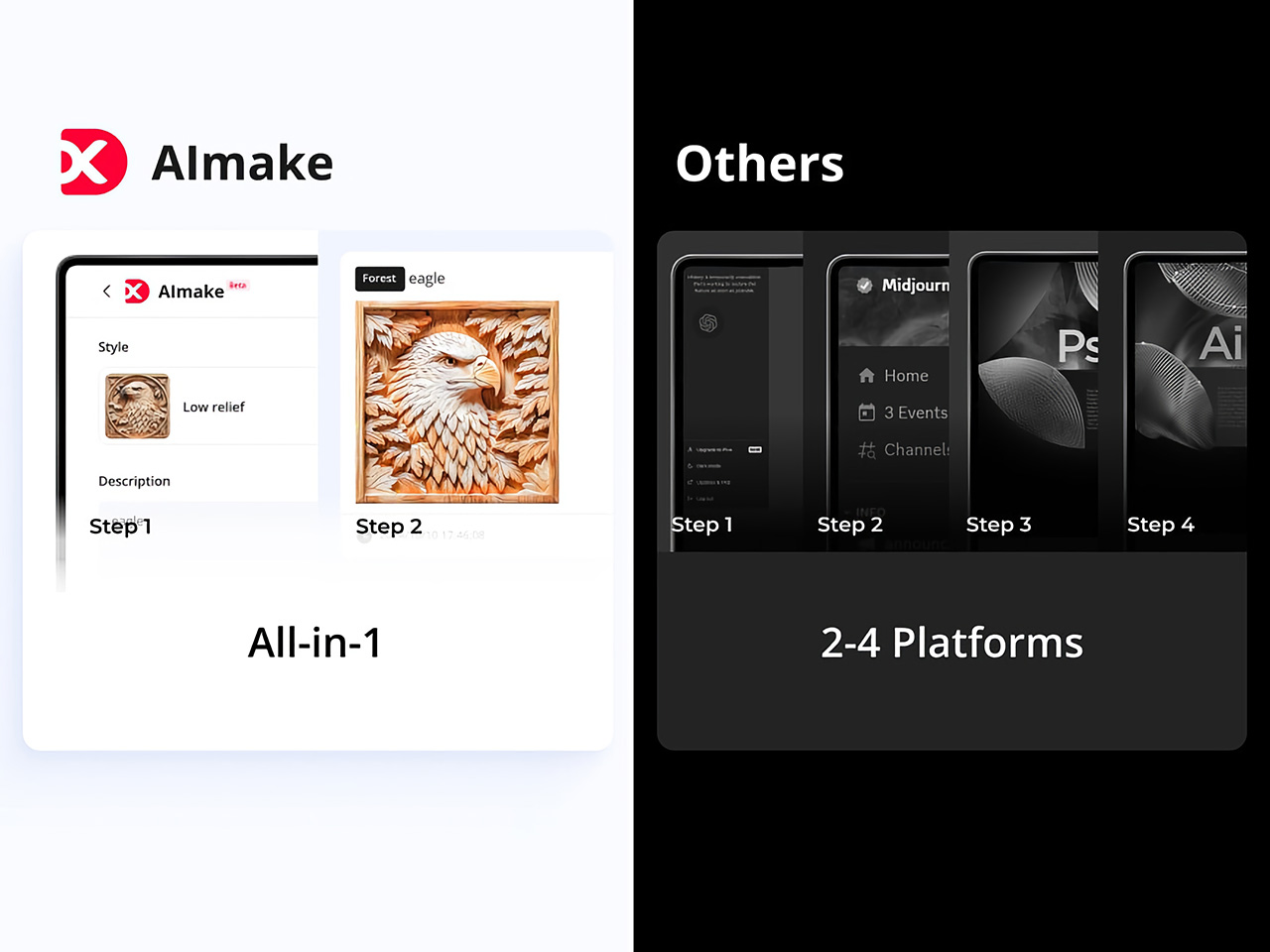
AIMake is a generative AI tool designed especially for industrial design applications. It provides a prompt-based interface that allows users to effortlessly and easily create graphical outputs. It is great for working on 2D printing, laser-etching, engraving, or embossing, as it offers a streamlined solution to bridge the gap between concept and execution. It provides a choice between 70 different styles.
The platform is designed to meet a whole bunch of design needs and requirements, ranging from ready-to-print logos to editable SVGs for screen-printing and low-relief 3D engravings. AIMake is a versatile and invaluable tool for professional creators and DIY lovers, as it helps them bring their creative visions to life.
AIMake’s ability to democratize and simplify the design process makes it invaluable. It leverages AI, to cut down the need for extensive technical expertise, helping you focus on the creative aspect of your project. It features an intuitive prompt-based design system that helps users generate complex designs with a simple text description.
AIMake is integrated with DesignFind, an asset marketplace, offering users access to a whole range of free and paid project files from creators around the world. This helps build a collaborative and interactive environment where designers can share ideas and inspire one another. This elevates the platform’s utility even more.
What we like
Features an intuitive prompt-based interface that simplifies the design process.
Supports various output formats and styles.
What we dislike
It may not offer a lot of control over the finer and more intricate design details.
3. ROLI Airwave
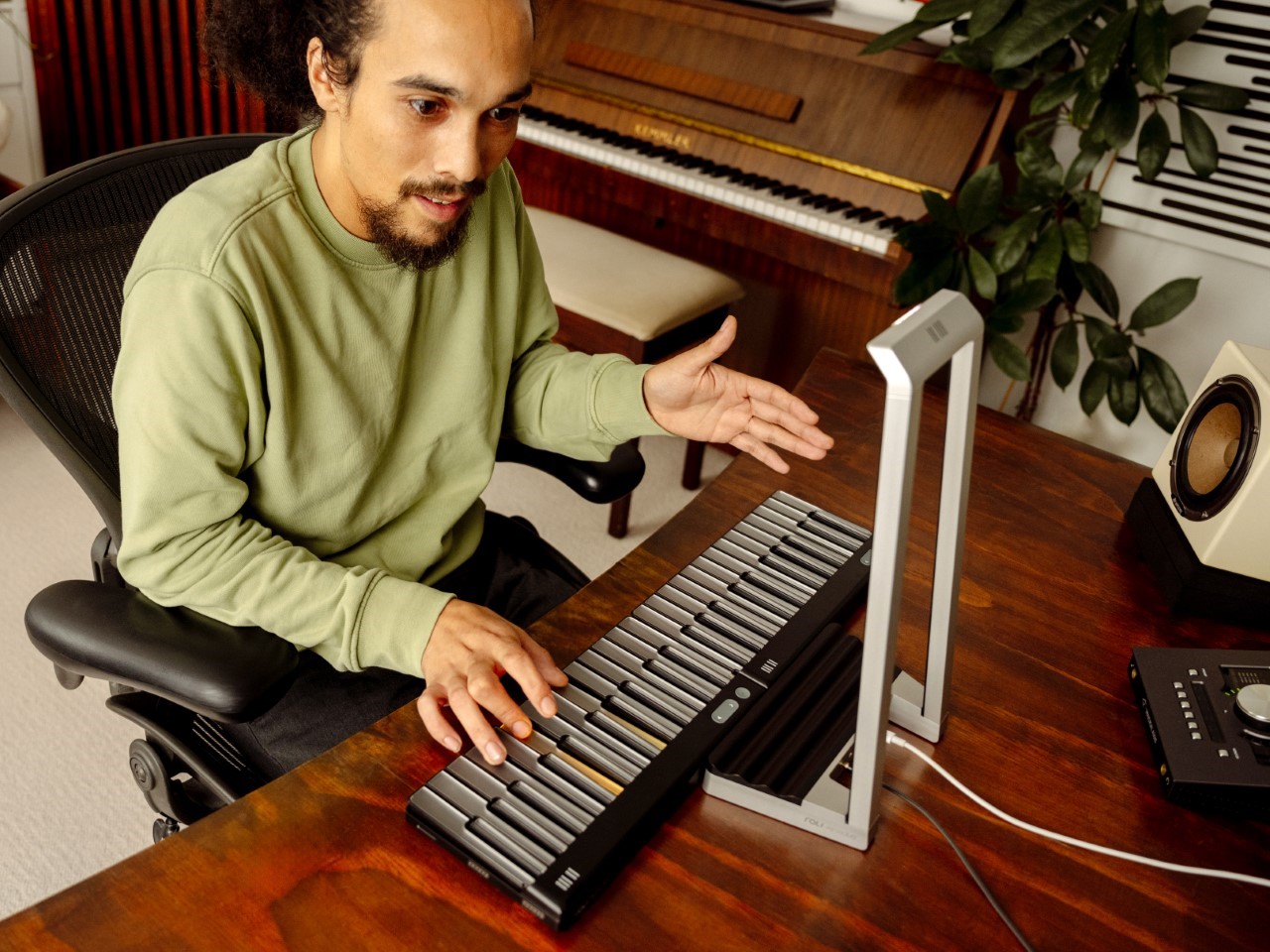
Meet the ROLI Airwave – an impressive tool that harnesses the power of AI to completely rejuvenate music education and production. It isn’t an ordinary instrument, it is a comprehensive music-learning ecosystem powered by ROLI’s Music Intelligence (MI) platform. It merges AI with advanced vision and voice technology, providing an immersive learning experience that is interactive, intuitive, and fun.
It functions as an “intelligent piano” concept, that pushes the boundaries of traditional music learning, helping musicians interact with their instruments and instructors seamlessly and intuitively. It is equipped with 3D infrared cameras and Vision technology, which captures intricate finger movements and gestures, offering real-time feedback and guidance.
Why is it noteworthy?
The ROLI Airwave offers a novel and transformative approach to music learning and production. It provides dynamic, interesting, and real-time feedback to users, helping them improve their skills. The guidance is extremely personalized and tailored to each musician’s needs and requirements.
This level of guidance and help is provided on account of the sophisticated AI algorithms, which analyze and study the musician’s technique. Irrespective if you are a beginner having an issue with finger positioning or an advanced player fine-tuning your skills, the AirWave will be the coach you need.
Users may take some time to adjust to the new system.
4. AnkerMake M5
The AnkerMake M5 is a state-of-the-art 3D printer that provides an impression combination of high-speed printing and exceptional detail. It is created for professionals and DIY enthusiasts and is engineered to deliver flawless prints with efficiency. It features a PowerBoost technology, which optimizes energy through a Y-axis transmission system.
The system is equipped with a powerful stepper motor, double-belt driveshaft, and a stabilized motion algorithm, thereby generating extra power for high-speed printing without compromising on quality.
Why is it noteworthy?
The M5 is equipped with an advanced AI Camera Recognition System which ensures your prints are on track while making the entire printing process seamless and reliable. It can print at five times the usual speed while maintaining a 0.1mm precision. This enables users to produce high-quality prints in no time.
This is excellent for industries where rapid prototyping and production are essential, like product design and engineering. It features an ultra-direct extruder which always ensures precision, reducing the distance between the extruder and nozzle to enhance control and minimize errors.
What we like
Can print at 5X the normal speed significantly reduces production time.
Provides real-time monitoring and error detection.
What we dislike
The intricate components and systems, such as the ultra-direct extruder, may require maintenance.
5. VocaEase
For creators and creative professionals who often find themselves on the go, the VocaEase is a handy tool. It is an innovative AI-powered translation tool that supports seamless communication, bridging linguistic gaps in spoken and written formats. It provides a comprehensive suite of features to meet the needs of global communicators.
Whether you’re having voice or video calls with clients, or attending international conferences, VocaEase will provide real-time translations with a 0.5-second response time. It also features ChatGPT’s Whisper function, which improves its transcription abilities, and creates summaries of meetings, conferences, and conversations for users.
Why is it noteworthy?
If you’re someone who travels a lot, then the VocaEase will transform the way you communicate across languages. It delivers a whole new level of speed and accuracy. It can deal with multiple languages and formats easily, providing utility in a wide range of applications, from meetings to social media interactions.
It is quite handy for professionals who need to quickly collect information from multilingual sources, saving valuable time, and reducing the risk of miscommunication. It features a user-friendly design, which allows users to operate it easily, using varying levels of technical expertise.
What we like
Provides fast translations, facilitating smooth conversations.
Handles multiple languages and formats effectively.
What we dislike
Requires reliable internet connectivity.
May sometimes struggle with complex or nuanced translations.
Traveling light is often not as easy as it sounds. Navigating a narrow aisle on a regional jet or waiting on the tarmac in a snowstorm for your gate-checked bag can make even the simplest of trips cumbersome. That’s the challenge that led to the creation of Onli Travel and the Trilogy Modular Travel System—born from a firsthand experience with air travel frustrations and a powerful question: Why couldn’t luggage adapt to these challenges?
Onli Travel’s latest release, the Trilogy Modular Travel System, is built on versatility, adaptability, and convenience. It’s not just another travel bag; it’s a modular luggage system designed to adapt to meet the needs of a wide range of travelers, from weekenders to globetrotters. Built from years of iteration and user feedback, the Trilogy represents Onli Travel’s quest for a better way to carry what matters.
This system gives you three different bags that come together—or apart—as needed. Unlike traditional luggage that must be either fully checked or fully carried, the Trilogy breaks down into separate components that fit under airplane seats or in crowded compartments, avoiding gate checks and streamlining your travel experience. It’s three bags in one: a compact, expandable tote, a spinner that fits under an airplane seat, and a larger, expandable rear backpack unit.
The Expandable Tote Pack front unit features a redesigned strapping system that lets you carry it as a backpack, shoulder bag, or tote. The middle unit, an expandable spinner, is stronger and more stable and designed to support smaller bags on top without toppling over. The rear unit has also been redesigned with accessibility in mind—a larger panel allows access even when combined with the middle section, and a hidden pocket provides secure storage.
Onli Travel’s Penta 5-in-1 Packable Duffel, a related modular new product, enhances the Trilogy system. The Penta Duffel supports those unexpected needs—a market run, a last-minute detour, or just a day out. It functions as a duffel, backpack, shoulder bag, belt bag, or crossbody, adding lightweight capacity right when needed.
The Trilogy aims to eliminate the need to check a bag. Each piece is designed to be stowed under a seat or into a tight overhead compartment, making gate-checking as obsolete as possible. Since Onli Travel’s inception, this concept has been tested and refined across dozens of flights, leading to over 20 engineering and design improvements. The Expandable Tote, Spinner, and Weekender Daypack are easy to open—clamshell-style for organized packing or top-loading for casual trips.
Over the past two years, Onli Travel has worked with real travelers, sending beta testers across Japan, Spain, Poland, and Ukraine, among other places, to test the Trilogy. This field testing validated the design and guided many changes. Travelers asked, and Onli listened—redesigning everything from the strapping system to reinforcements for stability, making this the most advanced modular spinner the company has produced.
Onli Travel understands that travel means freedom—freedom to move smoothly from a business meeting to an adventure without swapping bags. The Trilogy offers that freedom, making travel a seamless experience. Each detail has been refined to serve a purpose—even the packing cubes, designed to fit the bags perfectly, help reduce stress, and keep everything organized.
The purpose is clear—to take the hassle out of travel and replace it with flexibility. Fitting your bag into a tight cabin or walking hands-free through crowded streets, the Trilogy has you covered. With its versatile, expandable components and thoughtful features, the Trilogy redefines traveling light, traveling smart, and traveling with peace of mind. After all, travel should focus on what you’re seeing and doing—not worrying about your luggage.
With the Trilogy Modular System, Onli Travel has created something beyond just luggage—they’ve created a travel companion. One that adjusts to your needs, grows when you need extra space, and simplifies the entire traveling experience. And that’s something every traveler could use.