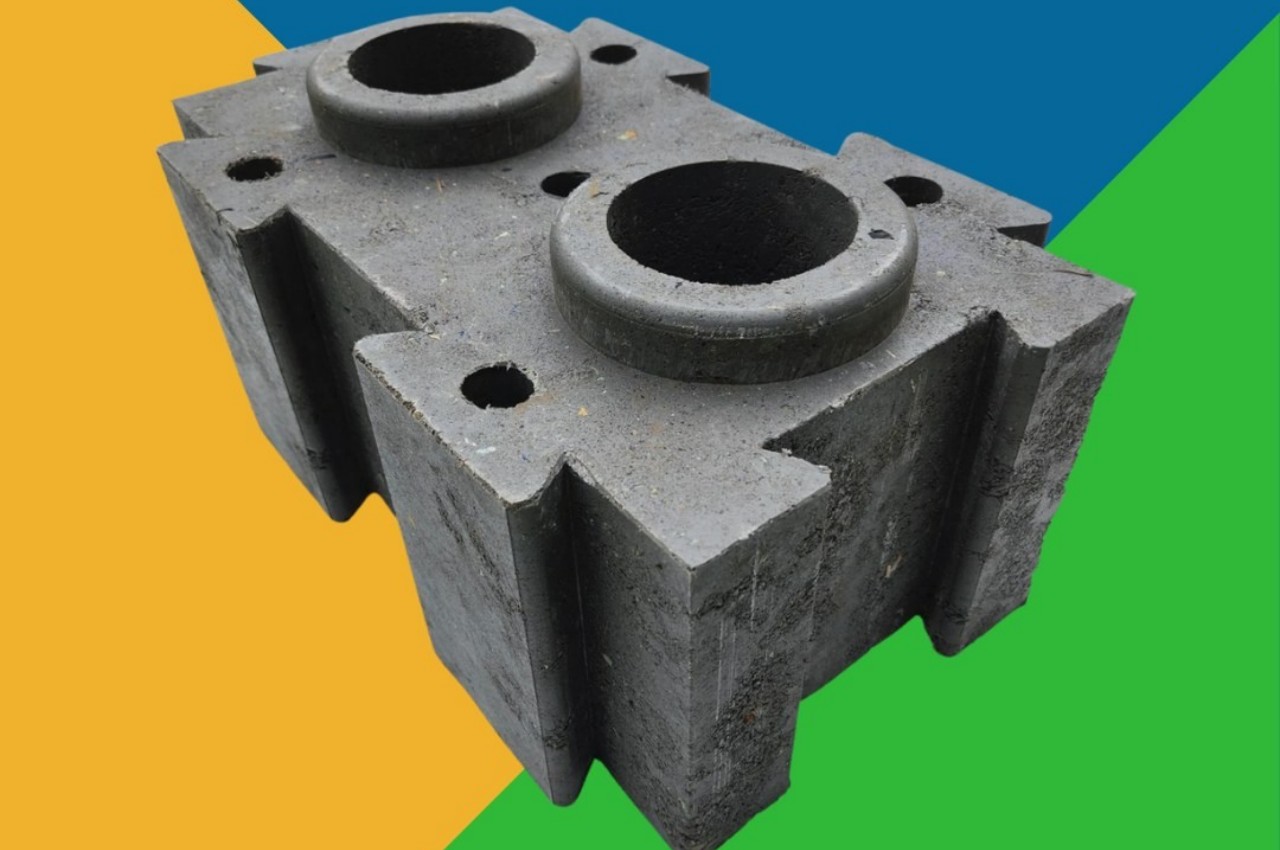
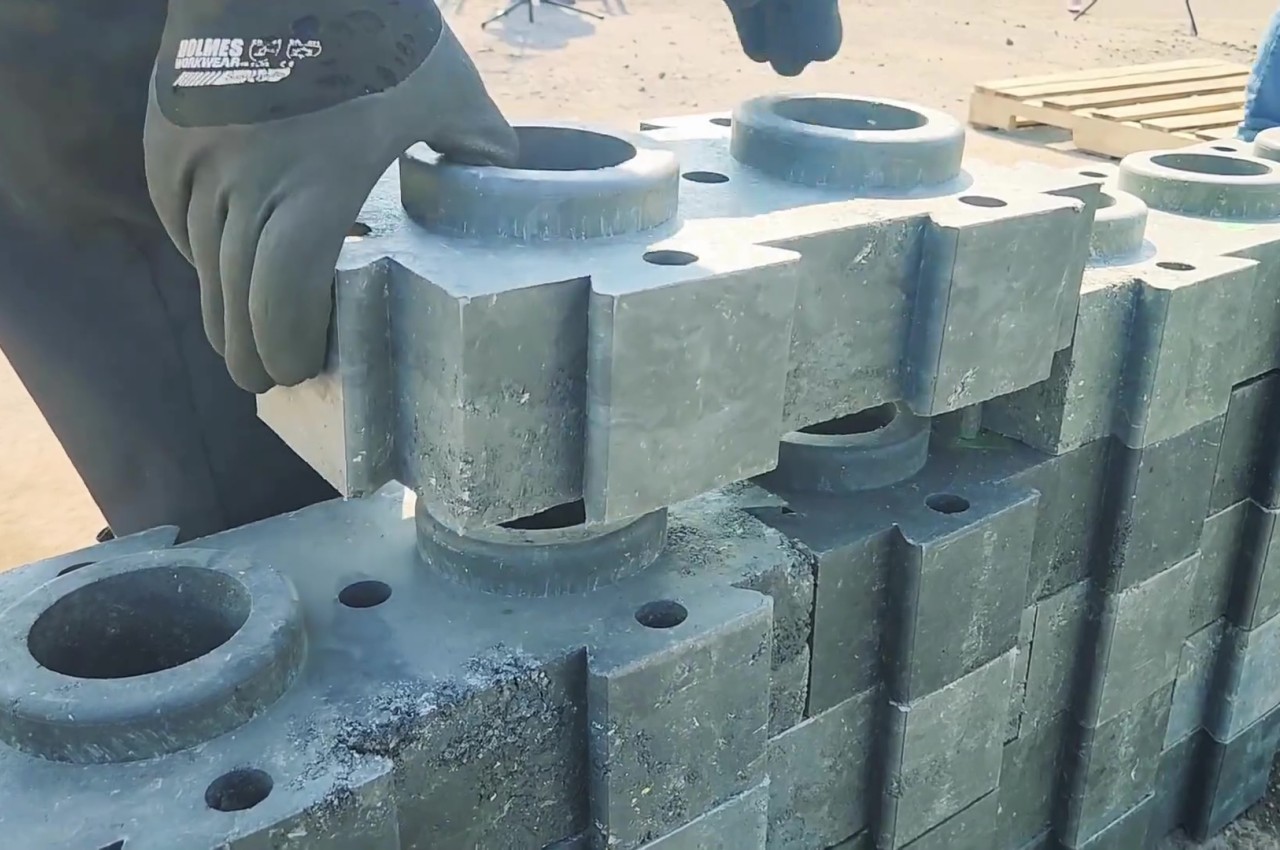
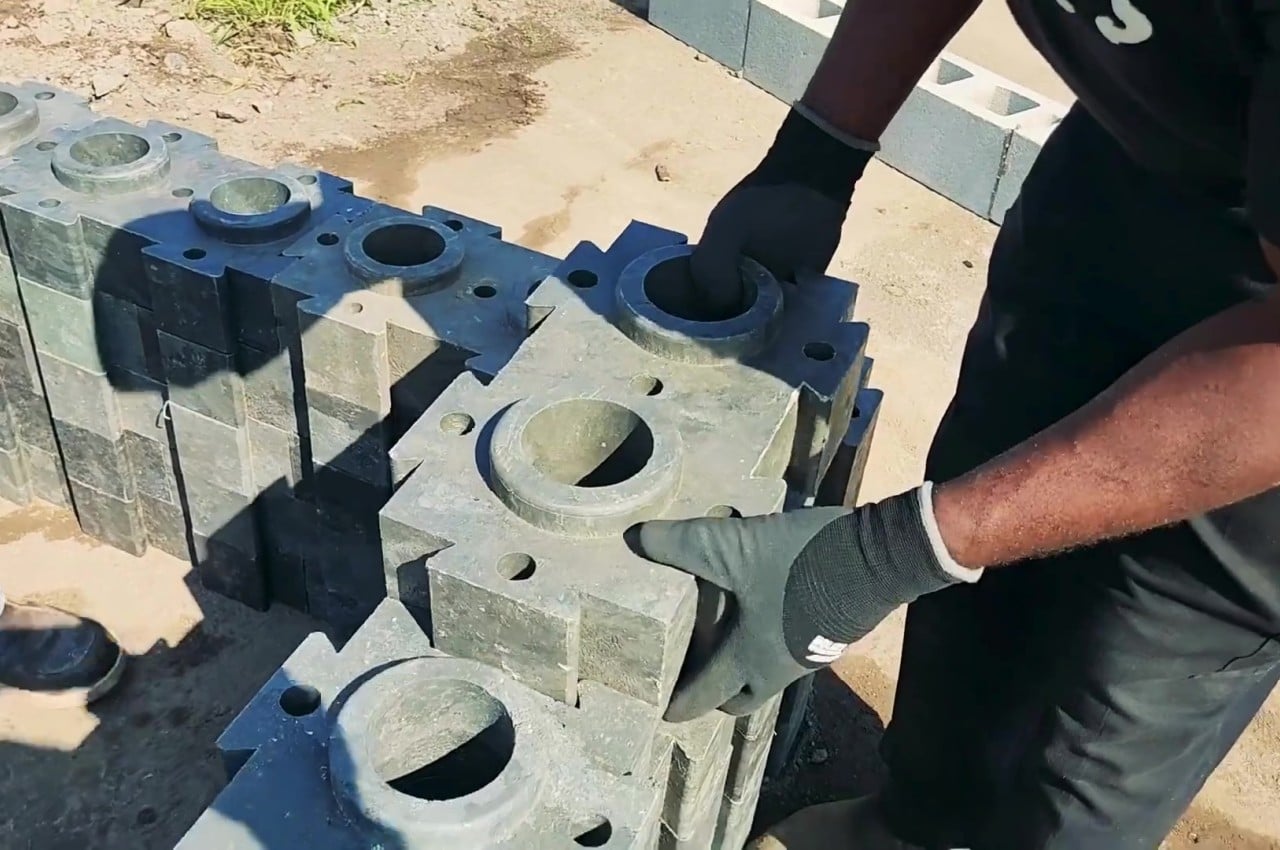
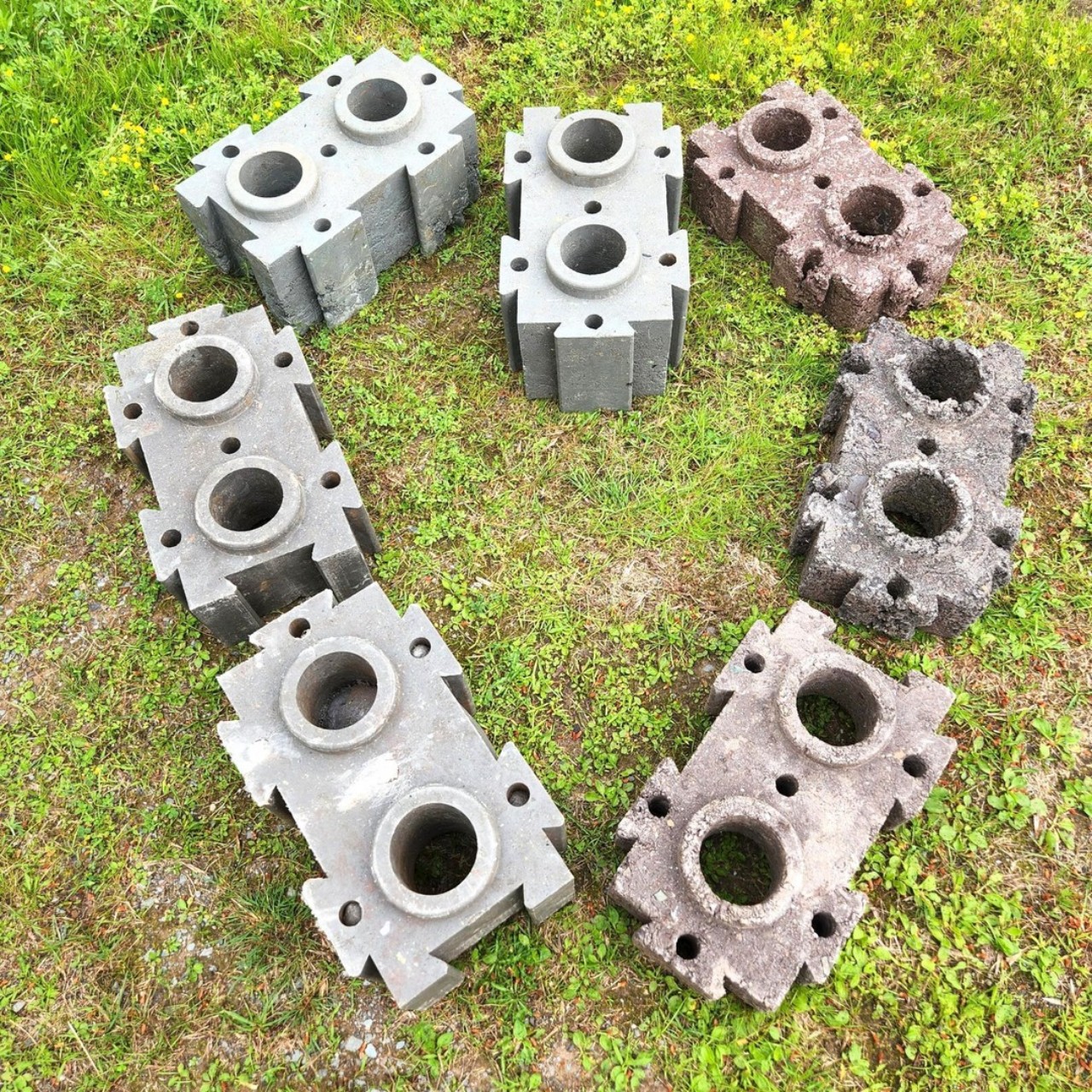
The more buildings we put up to address the growing needs of our civilization, the more materials and energy are consumed along with a rise in waste. And these structures don’t last forever, so the unsustainable process happens over and over again. The need for more sustainable alternatives to building materials has never been greater, especially at the rate that we’re building, tearing down, and rebuilding structures. This new kind of cinder block alternative is trying to be that answer, and it’s notable not just for its composition but because of the interlocking design that makes it easy to build a wall and, when the time comes, take it down again and reuse the blocks for some other building.
Although your typical cinder block isn’t completely harmful to the environment, they are simply wasteful and inefficient. Putting together a wall requires a lot of time, effort, and materials like mortar to give it strength, and even then it’s not that strong anyway. And if you have to, say, move the wall or remove it completely, there’s no other method other than demolishing that wall and then building a new one from scratch.
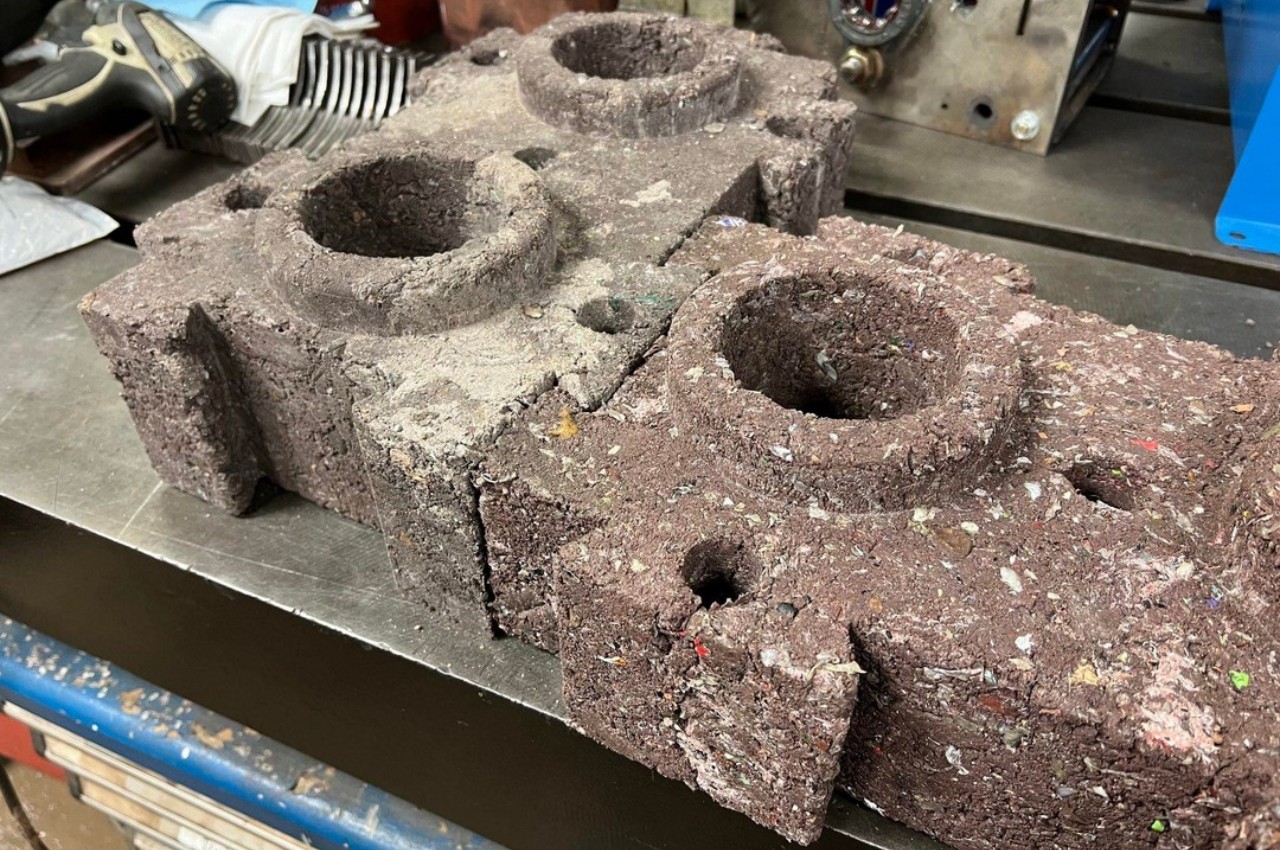
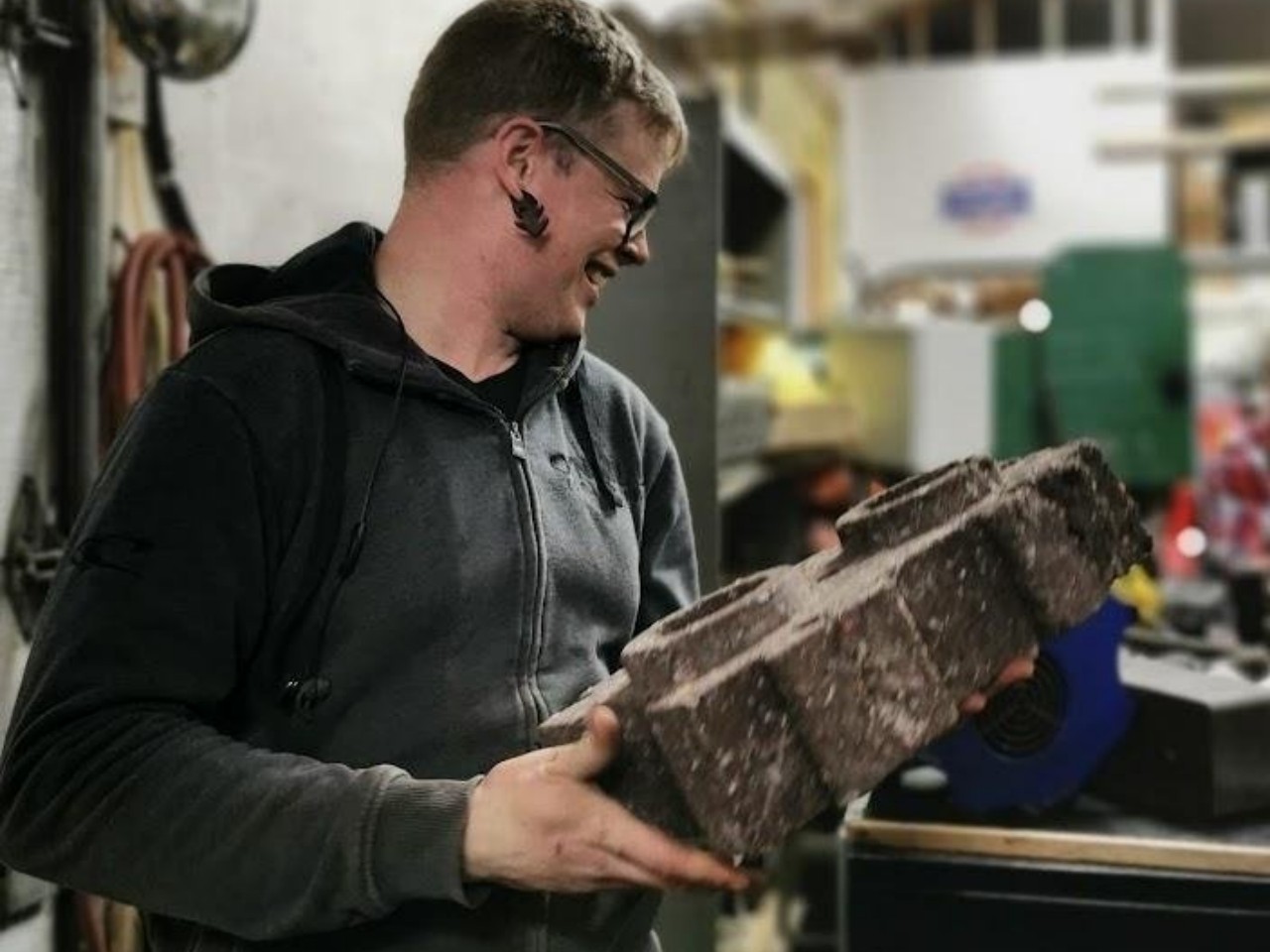
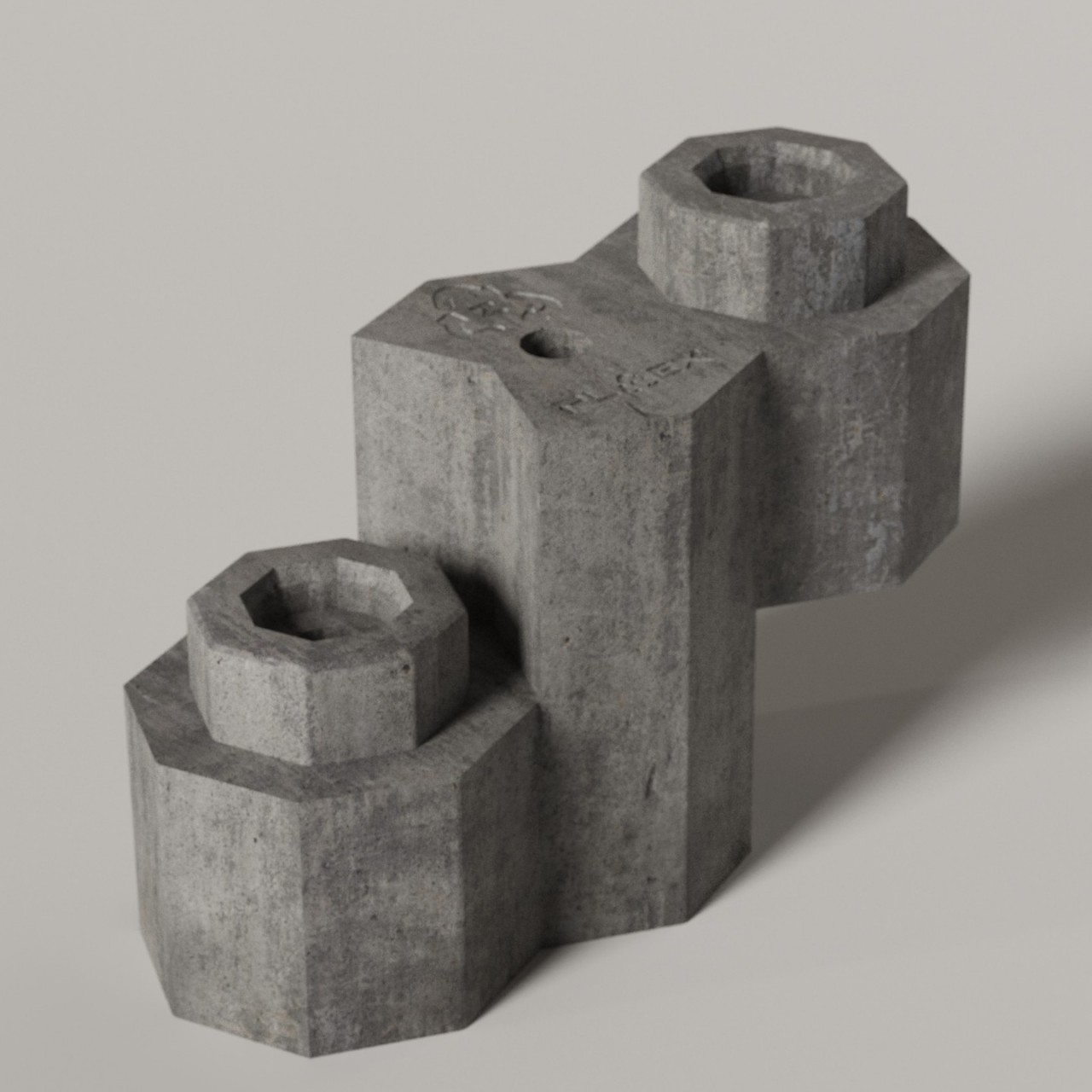
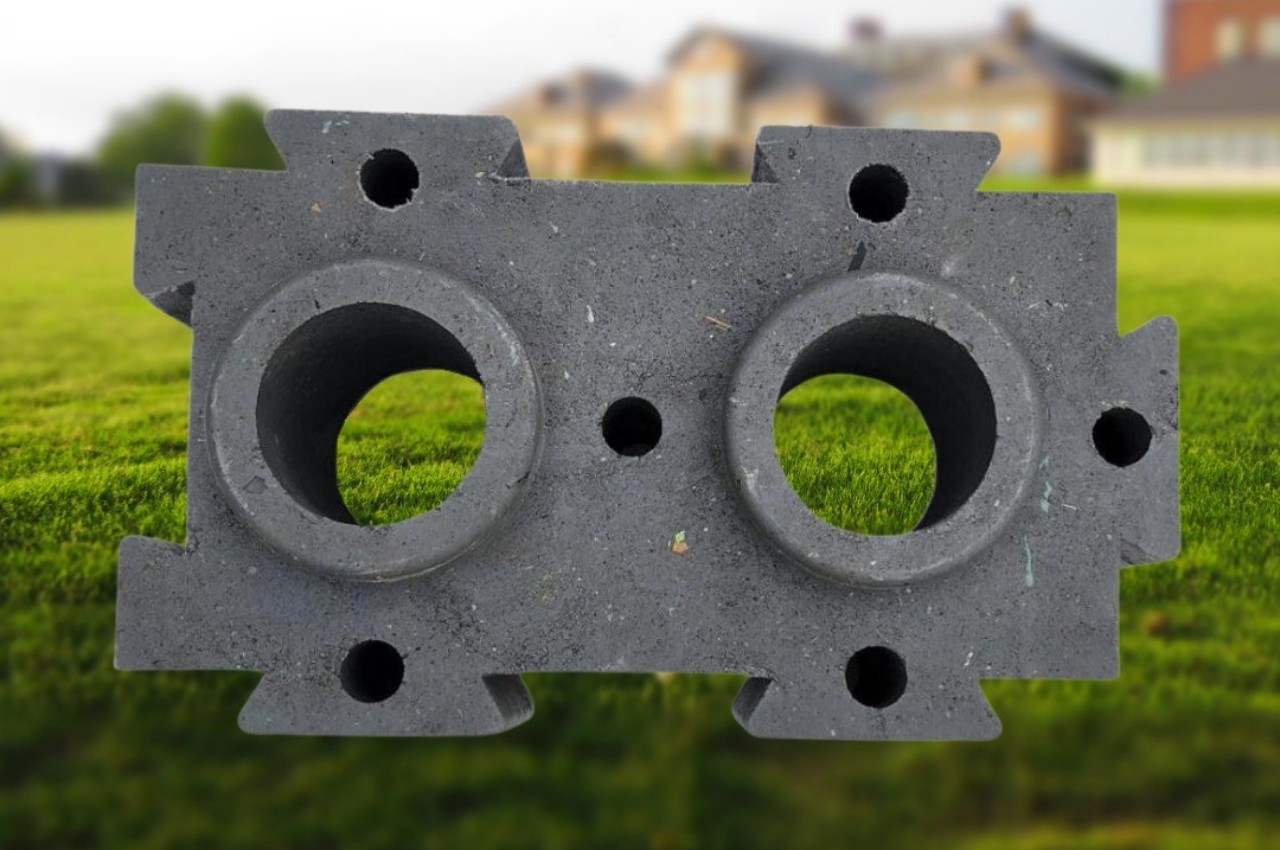
PLAEX-crete attacks the problem of concrete blocks from two angles: composition and construction. Unlike other sustainable blocks, PLAEX doesn’t hesitate to get down and dirty, using materials that are considered different to recycle, including agricultural, marine, and industrial plastic waste and aggregate waste from the construction industry. Each block is made up of more than 90% recycled waste but is 33% lighter than traditional cinder blocks while also stronger.
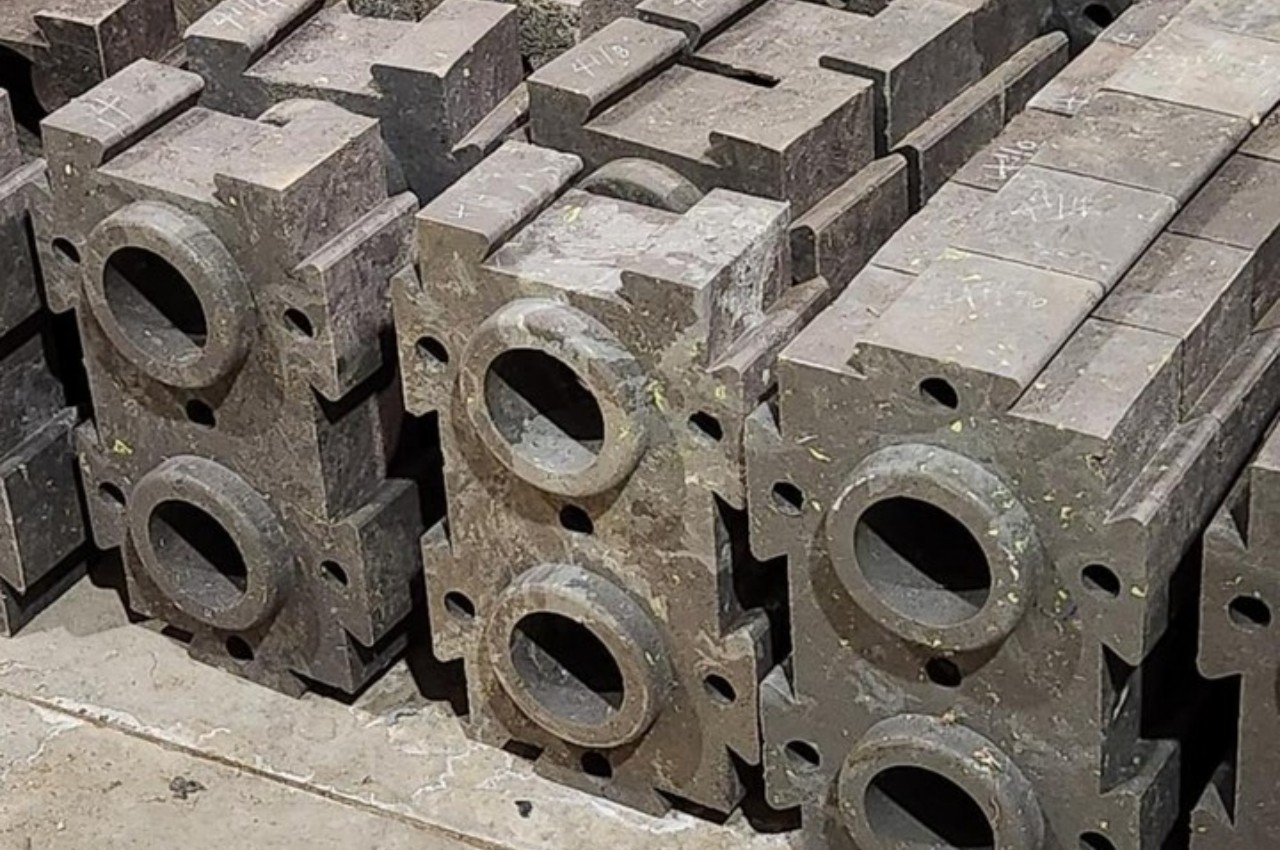
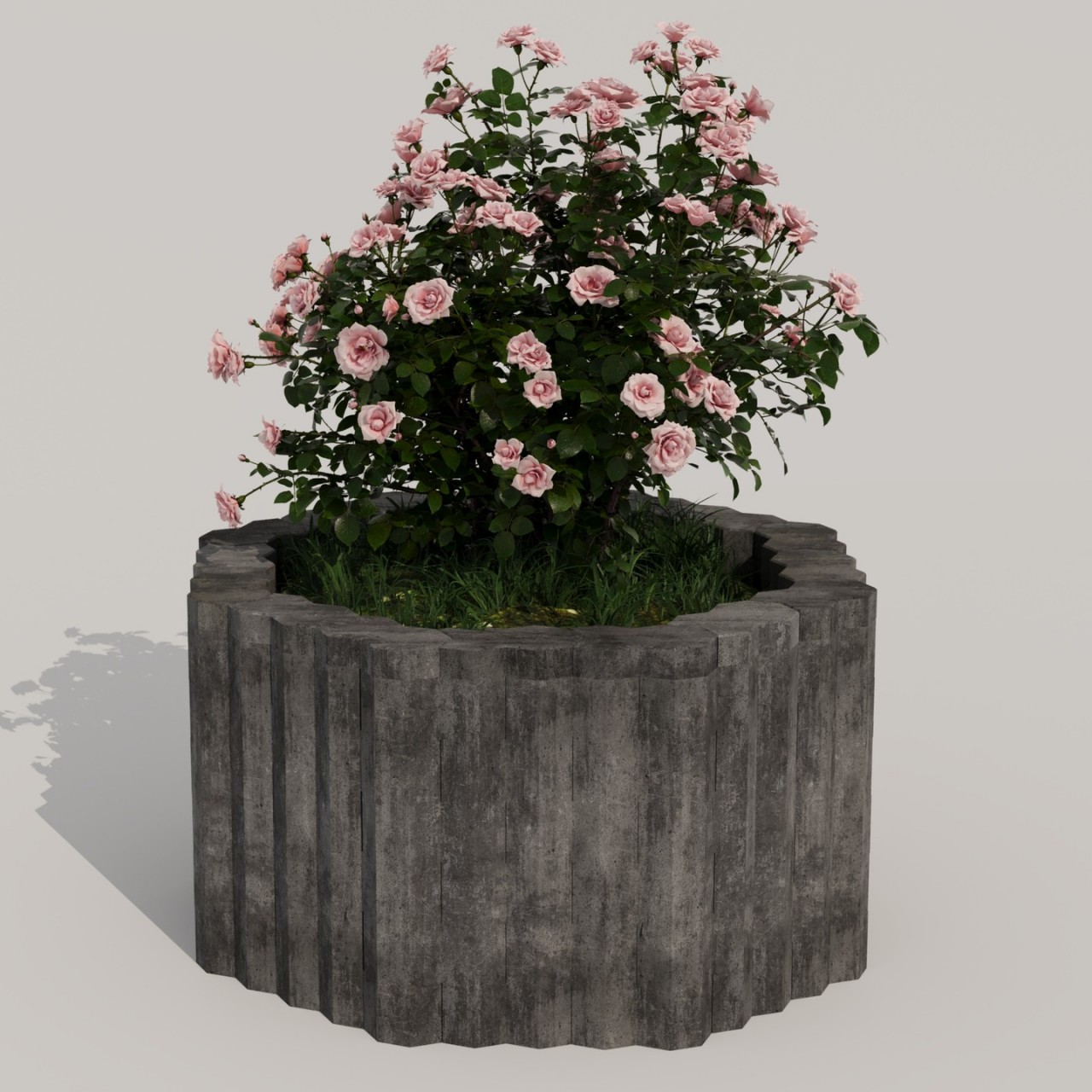
The material alone isn’t enough to radically change the construction industry, though. The second part of the two-hit combo that PLAEX delivers is the shape of the blocks that look like gigantic LEGO blocks. The interlocking mechanism is no joke, however, and allows workers to build up a wall twice the time as regular concrete blocks. Best of all, you don’t even need mortar or other materials to keep the blocks together, and they still end up being more solid, sturdier, and more durable than a cinder block wall.
That same interlocking design makes it possible to disassemble the blocks just as easily so that they can be reused, saving money and resources. A modification of the design has also given birth to the PLAEX LinX which supports connections at different angles for more creative shapes and constructions. At the moment, PLAEX can only be used for non-occupancy walls, but work is underway to make the material certified for homebuilding, at which point it could revolutionize the construction industry with its environment-friendly and convenient design.
There are people that love to pit technology against art or craftsmanship but those of us who know better know that the two can actually complement each other. There are products and designers out there who seek to fuse the two together and even bring innovation and improvements to the two worlds. One such product is a speaker that uses natural materials and is created by traditional craftspeople.
Designer: Mapu
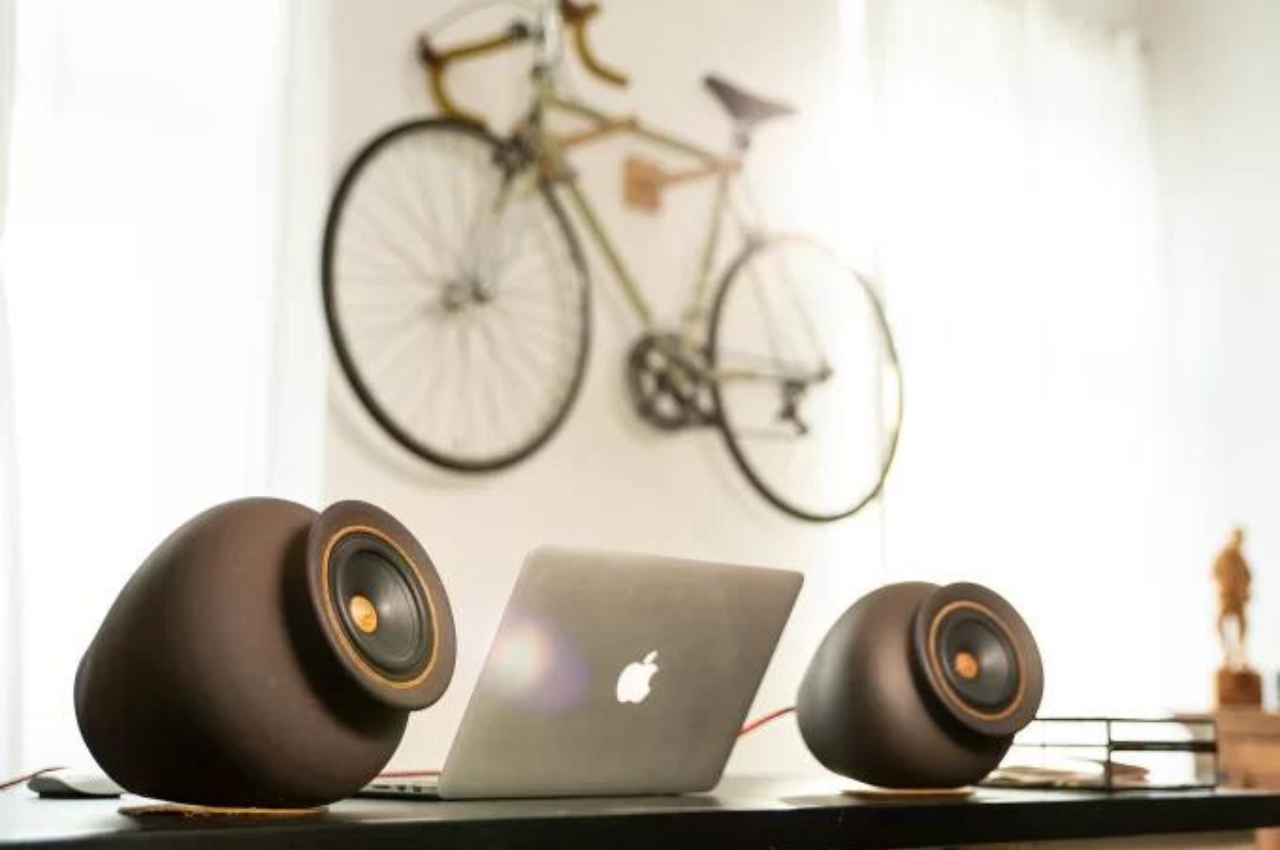
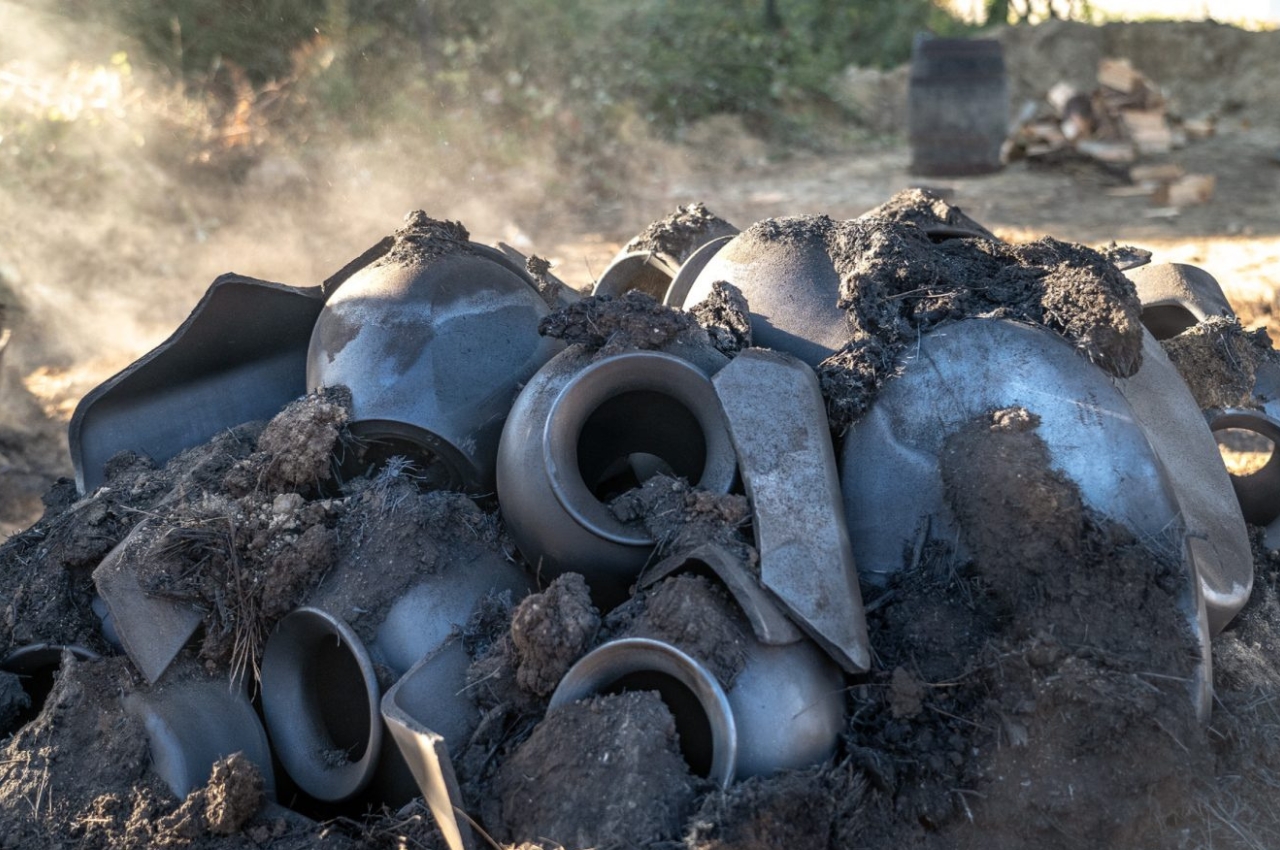
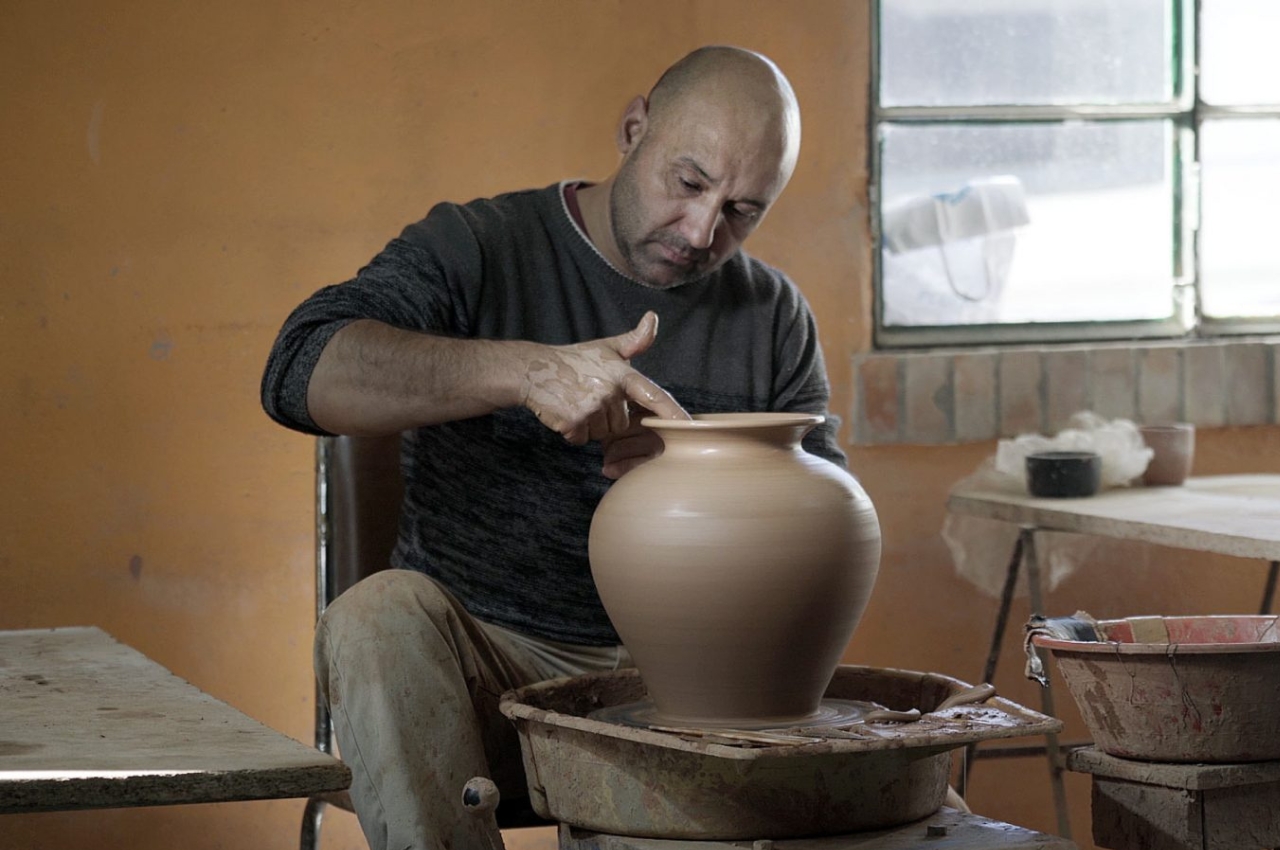
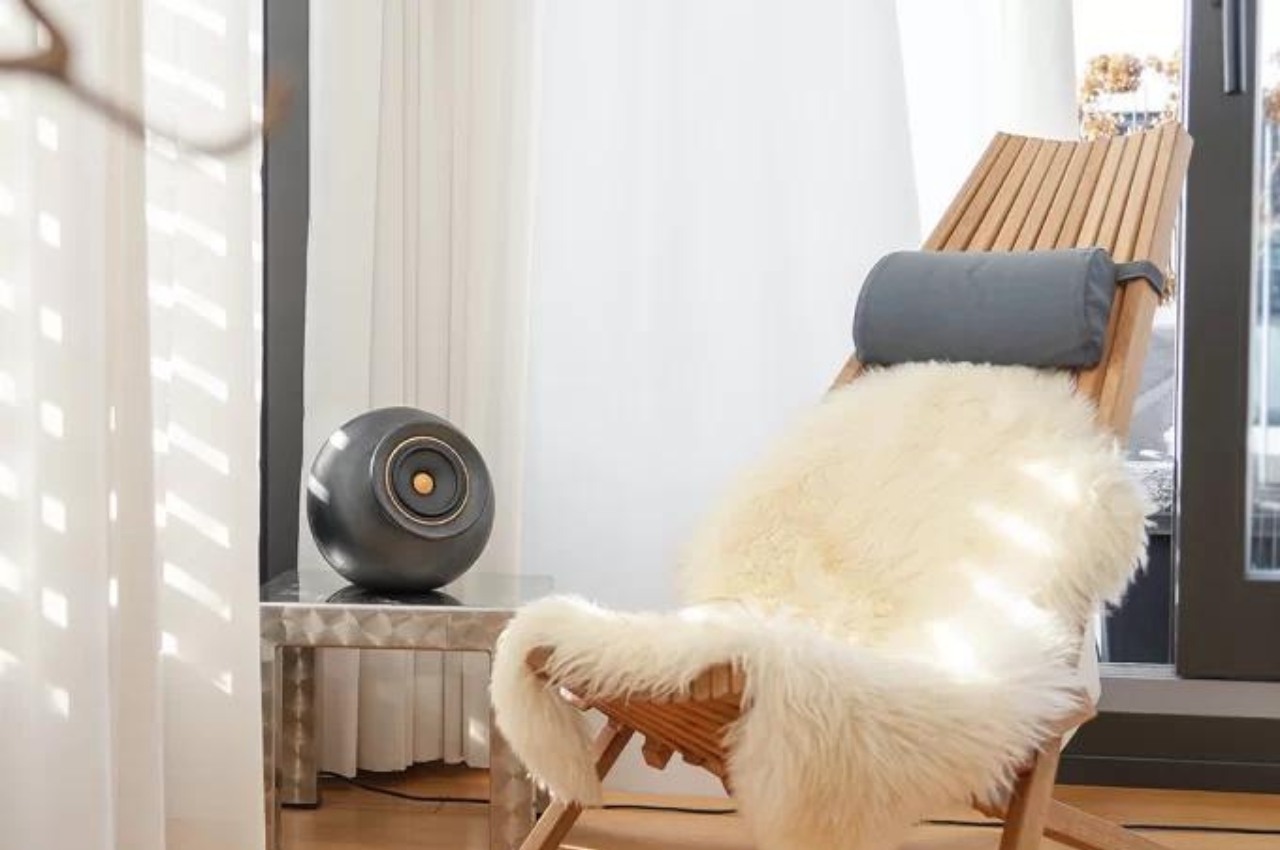
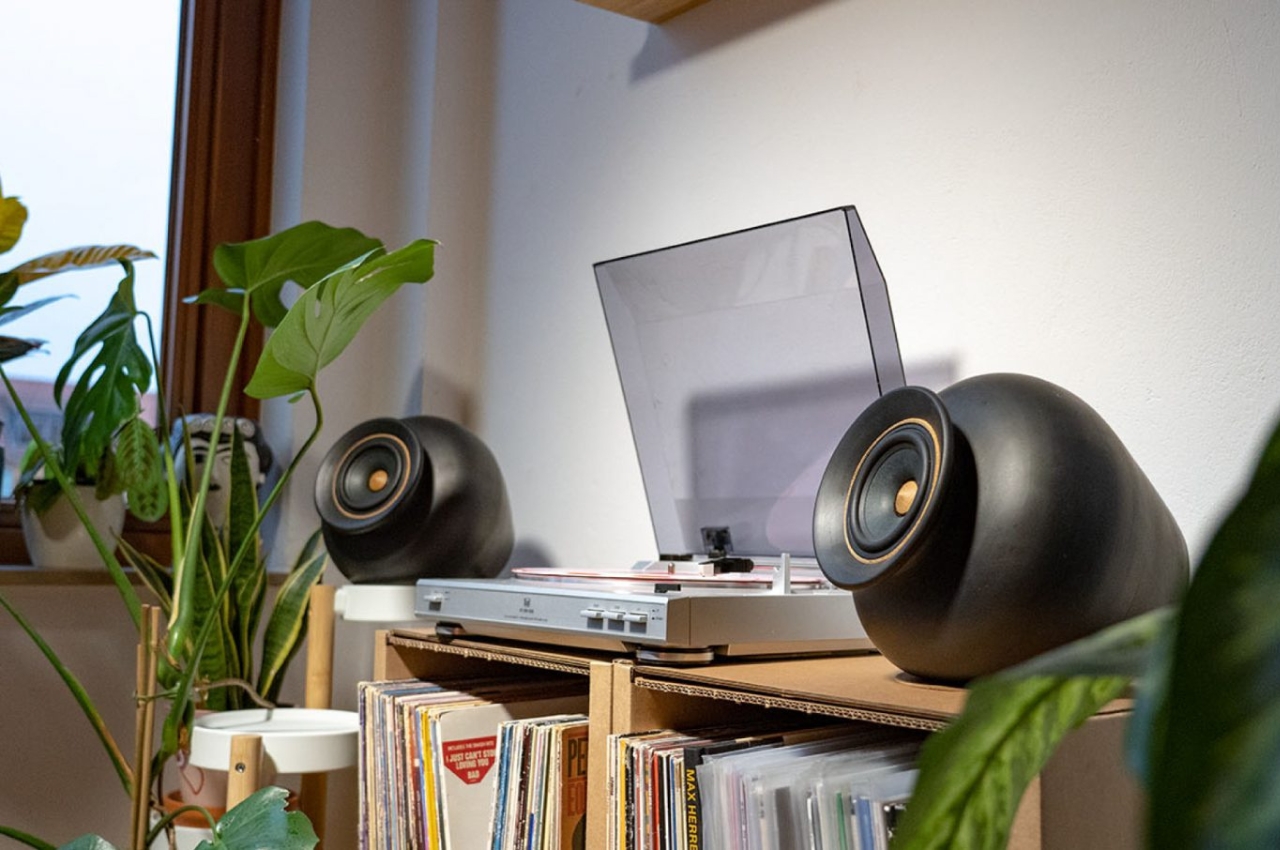
The Mapu Speakers is a line of speakers that are made from natural materials like clay, wood, cork, and wool and handcrafted by traditional craftsmen in Chile and Portugal The goal is to create a new generation of craftspeople, “building a bridge between ancestral knowledge and technology”. Aside from having quality speakers so you can listen to your music, audiobooks, and podcasts, you also get a piece of art that you can display in your space.
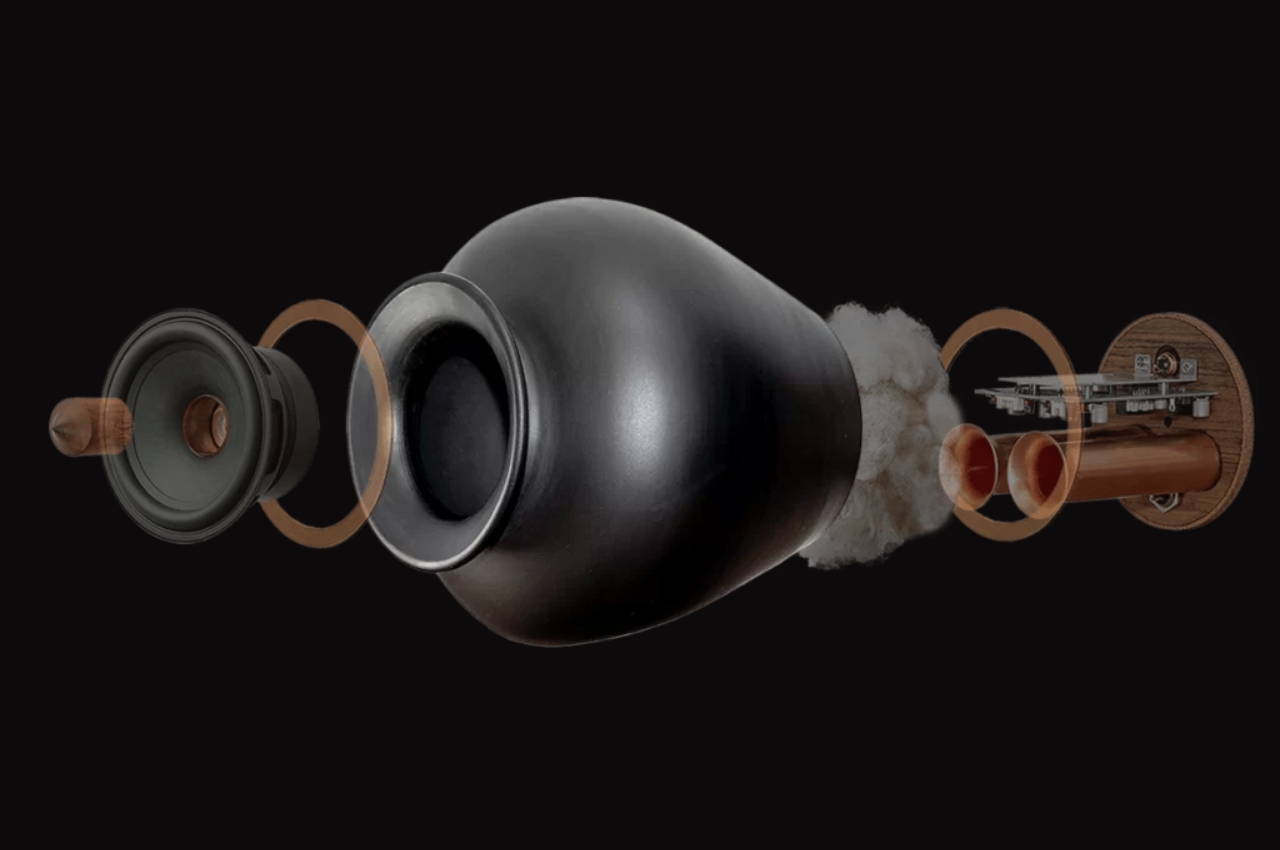
The wooden cones and caps that are in the center of the driveractually optimize the high frequencies so you get a “vivid, spatial, and engaging sound”. The wool is used for the internal acoustic insulation while the leather and cork are also ideal for insulation due to their high tensile strength and heat resistance. The spherical shape of the vessel also adds to the sound quality that you get so you know that it’s not just beautiful but you get a pretty good speaker.
The Mapu Speakers are also 80% biodegradable so that’s another bonus for those who are looking for something pretty different for their speakers. The Mapuguaquén is already sold out on their website but the Mapu Preto and the Mapu Soenga, available in mono and stereo versions. The vessel-like shapes of the speaker line make it pretty attractive even if you don’t know yet the handicraft story behind it.
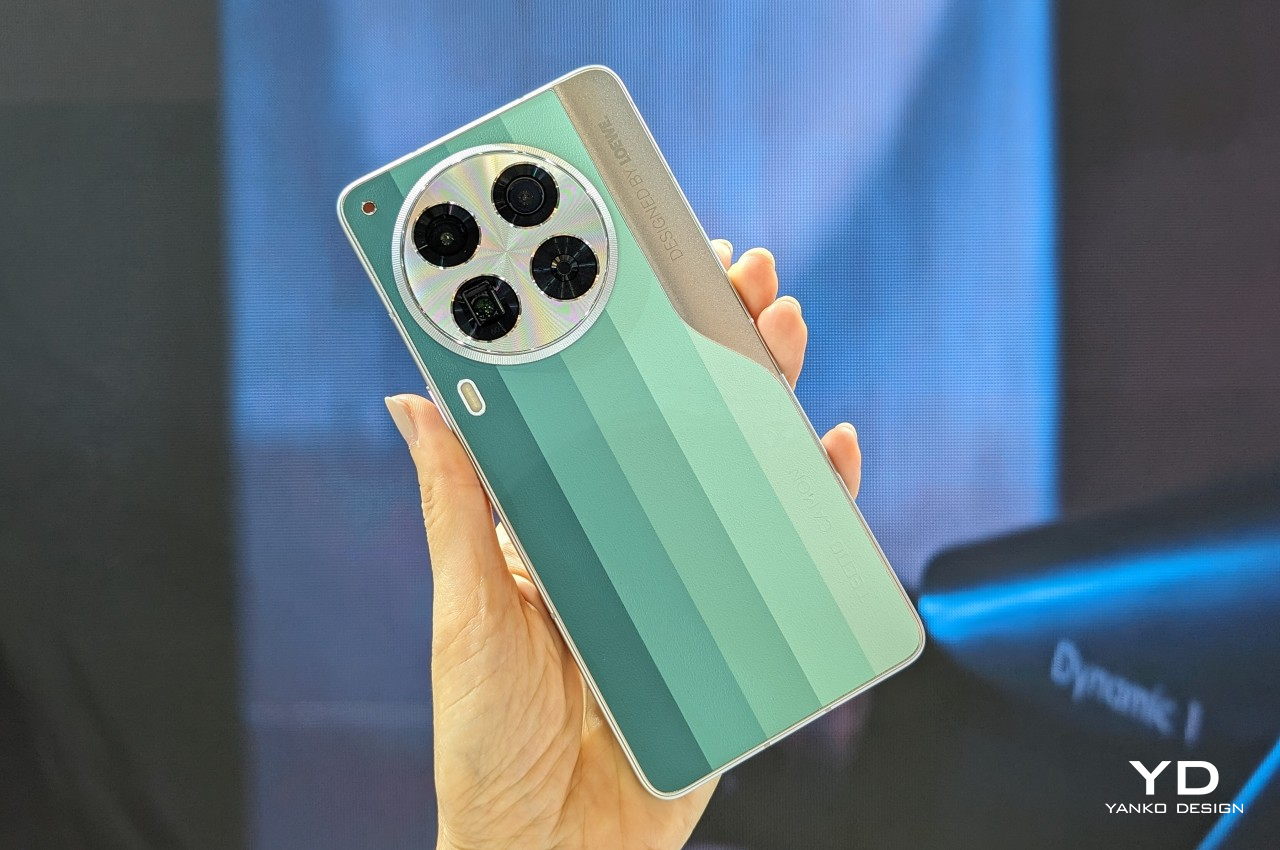
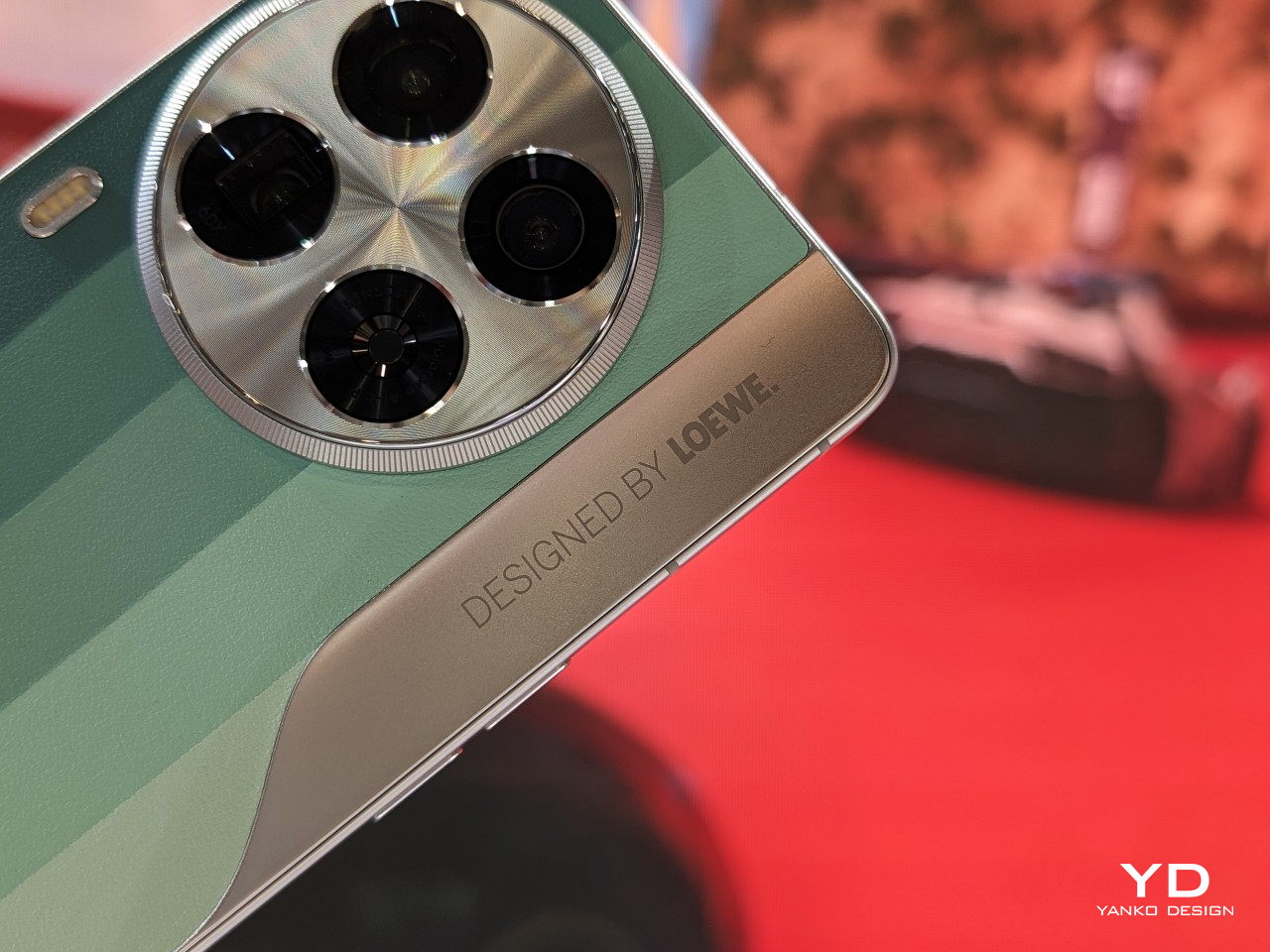
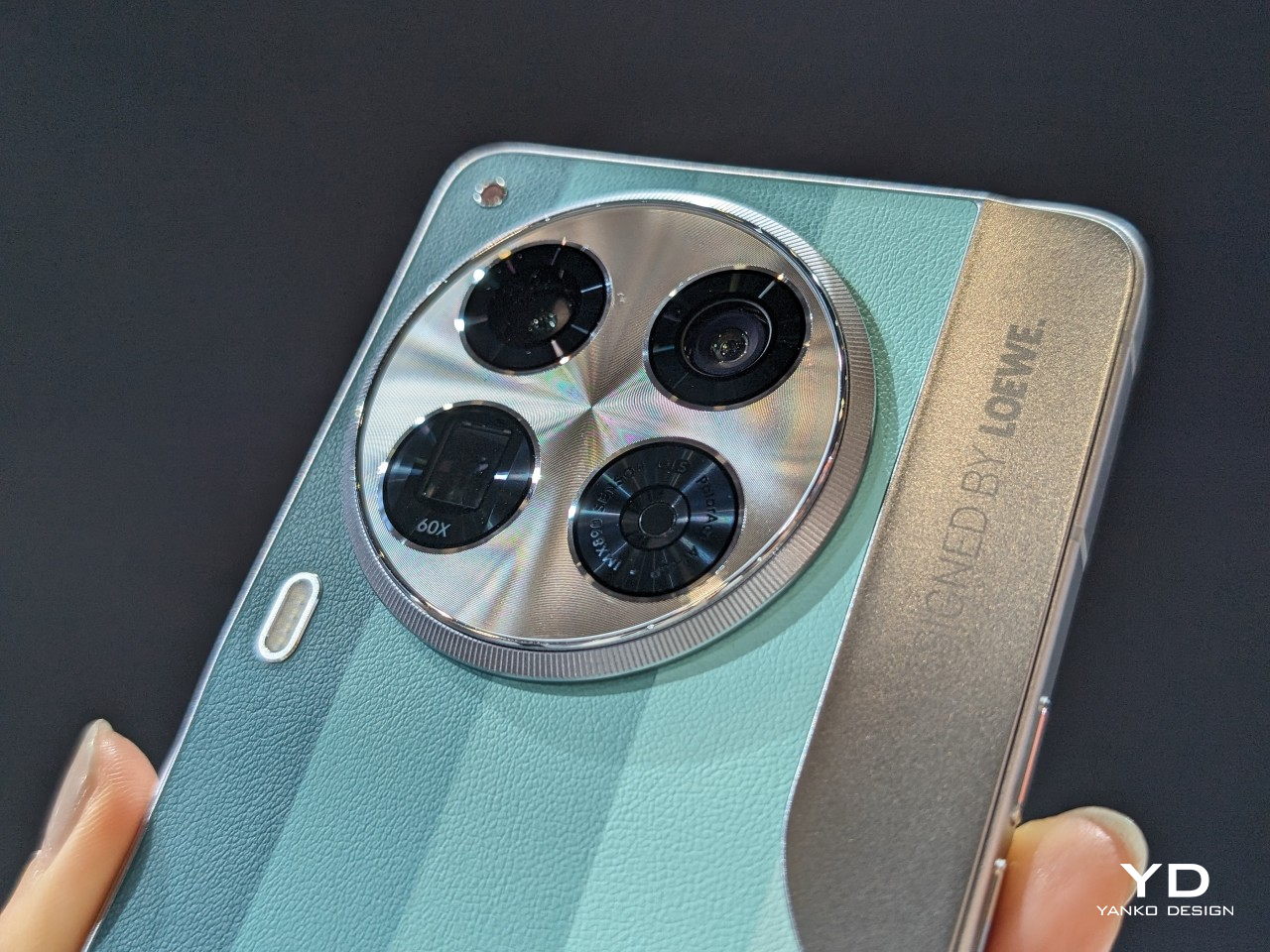
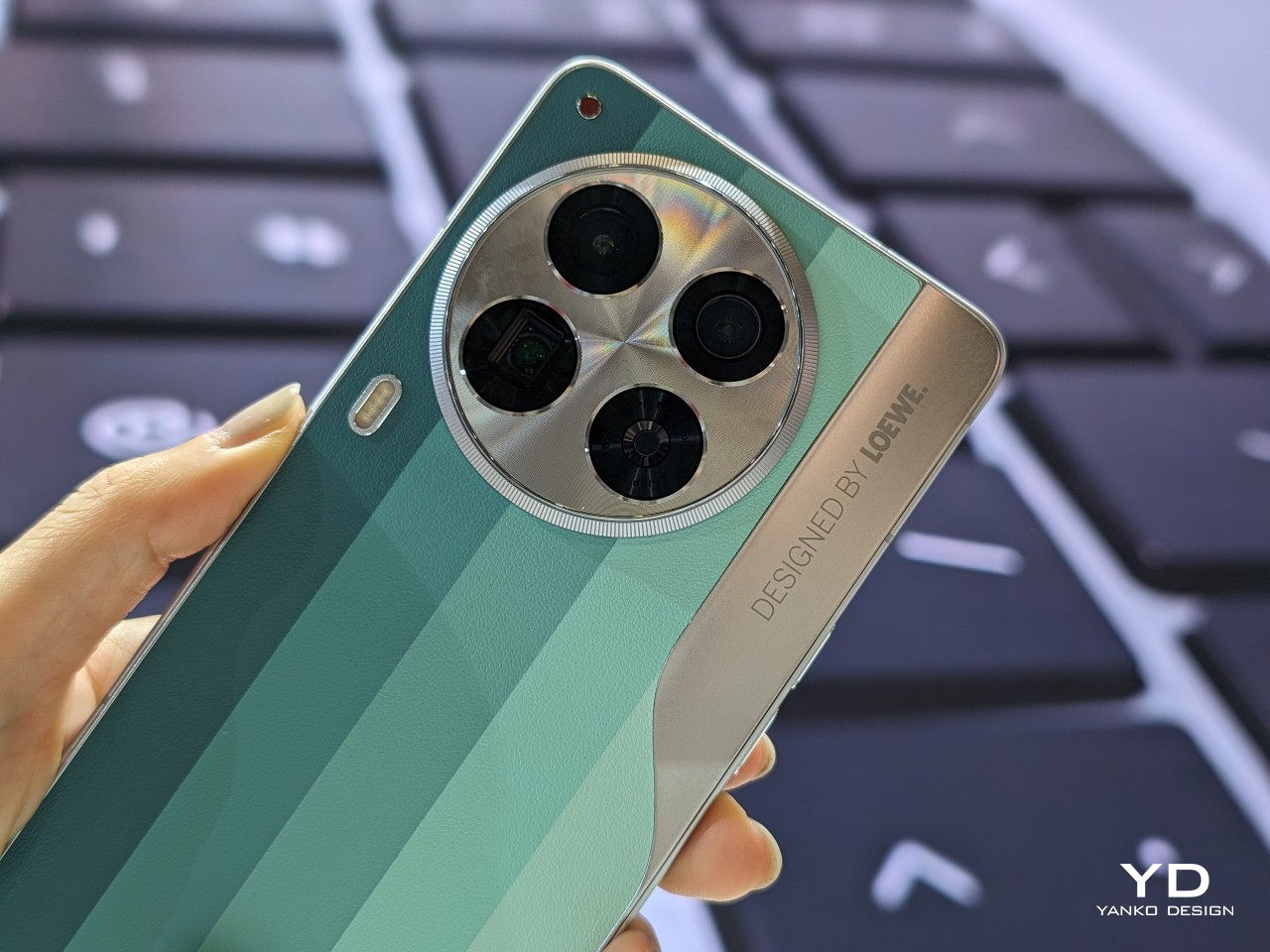
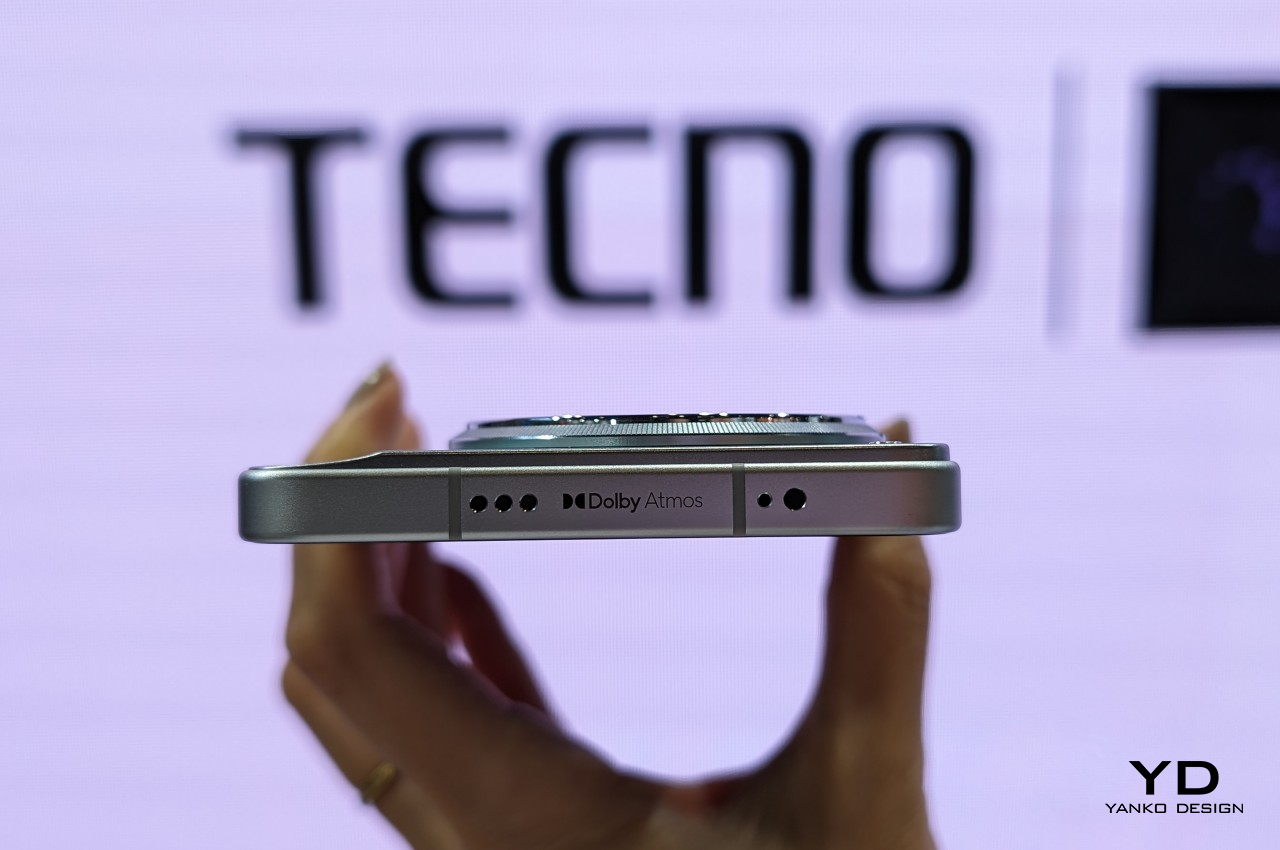
It’s arguable that coffee makes the world go round, but to some extent, it also does a bit of harm in the process. Our rapid and massive consumption of this beverage has resulted in no small amount of waste, from the plastic cups and straws that we throw away daily to even the grounds that often go into the bin. The latter is, of course, biodegradable, but even that takes time to decompose, during which time they pile up and pollute the environment. Waste coffee grounds can actually have other uses, from aromatic candles to even skin care, so you simply need a creative mind to figure out ways to reuse these traces of caffeinated drinks. Working together with famed luxury design marque LOEWE, TECNO has thought of transforming this waste product into a beautiful and sustainable material to grace the back of its latest flagship smartphone.
With a reported average consumption of 2 billion cups every day around the world, it’s no surprise that waste coffee grounds can actually be an environmental problem. Even when they do decompose in landfills, their improper disposal releases harmful greenhouse gasses that slowly but surely kill the very planet that coffee trees grow on. Recycling these coffee grounds is, of course, a solution, but traditional recycling processes also use up plenty of water and energy.
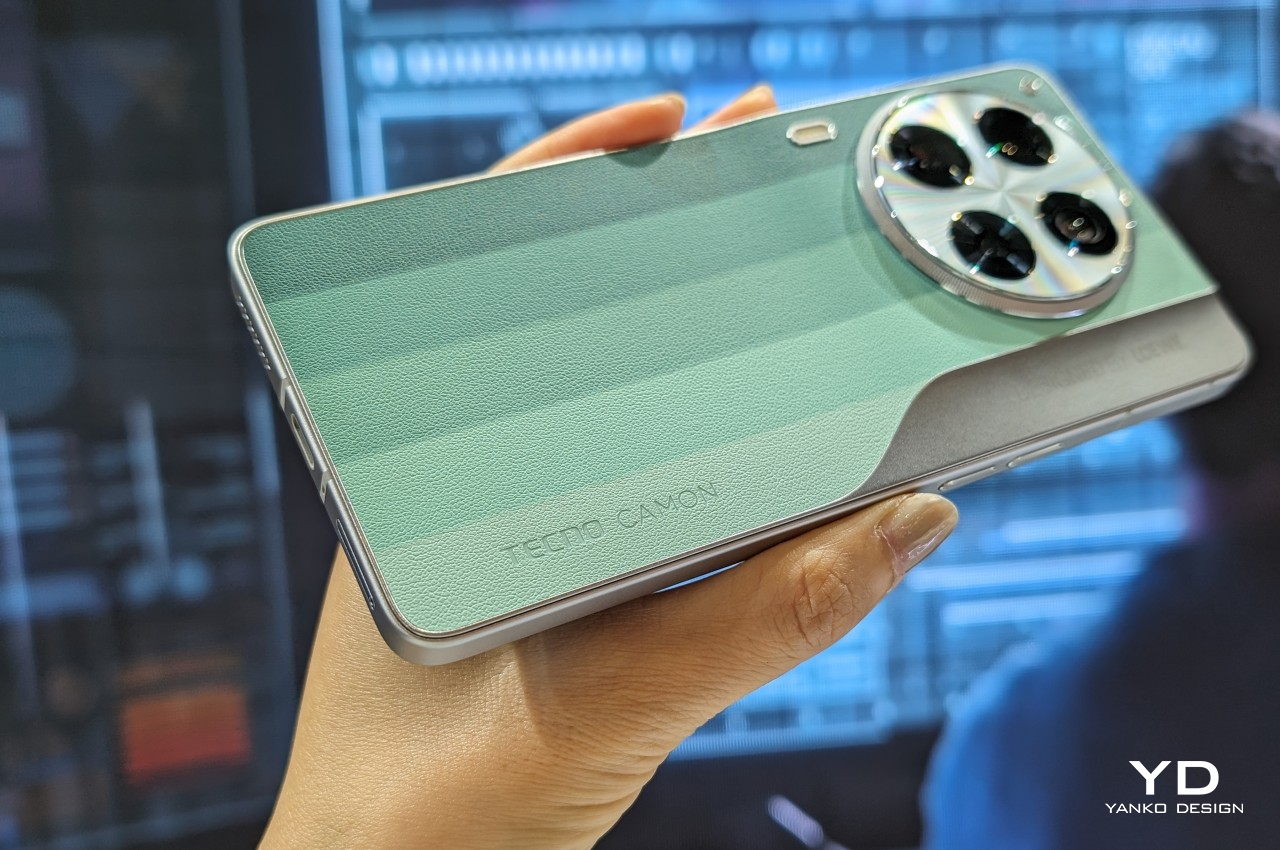
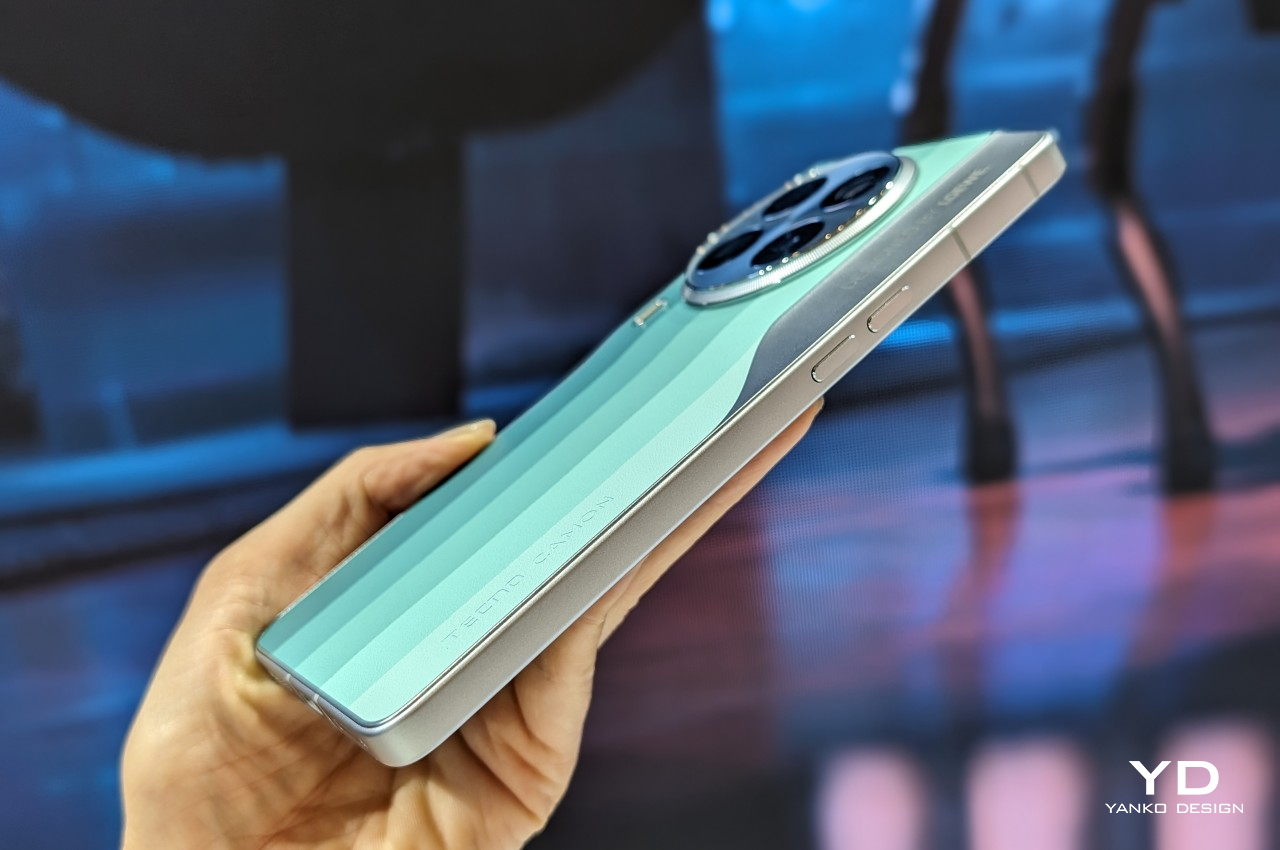
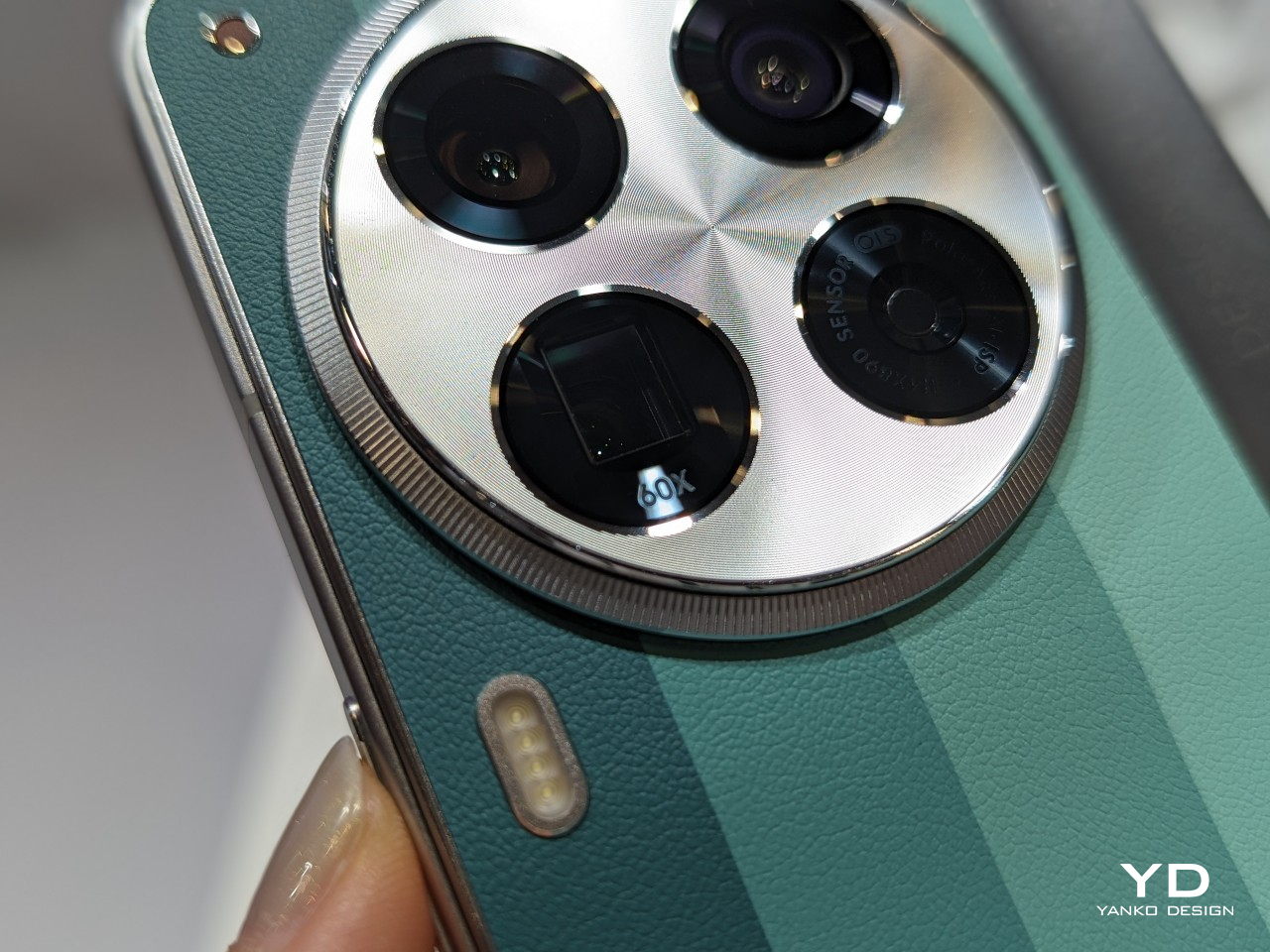
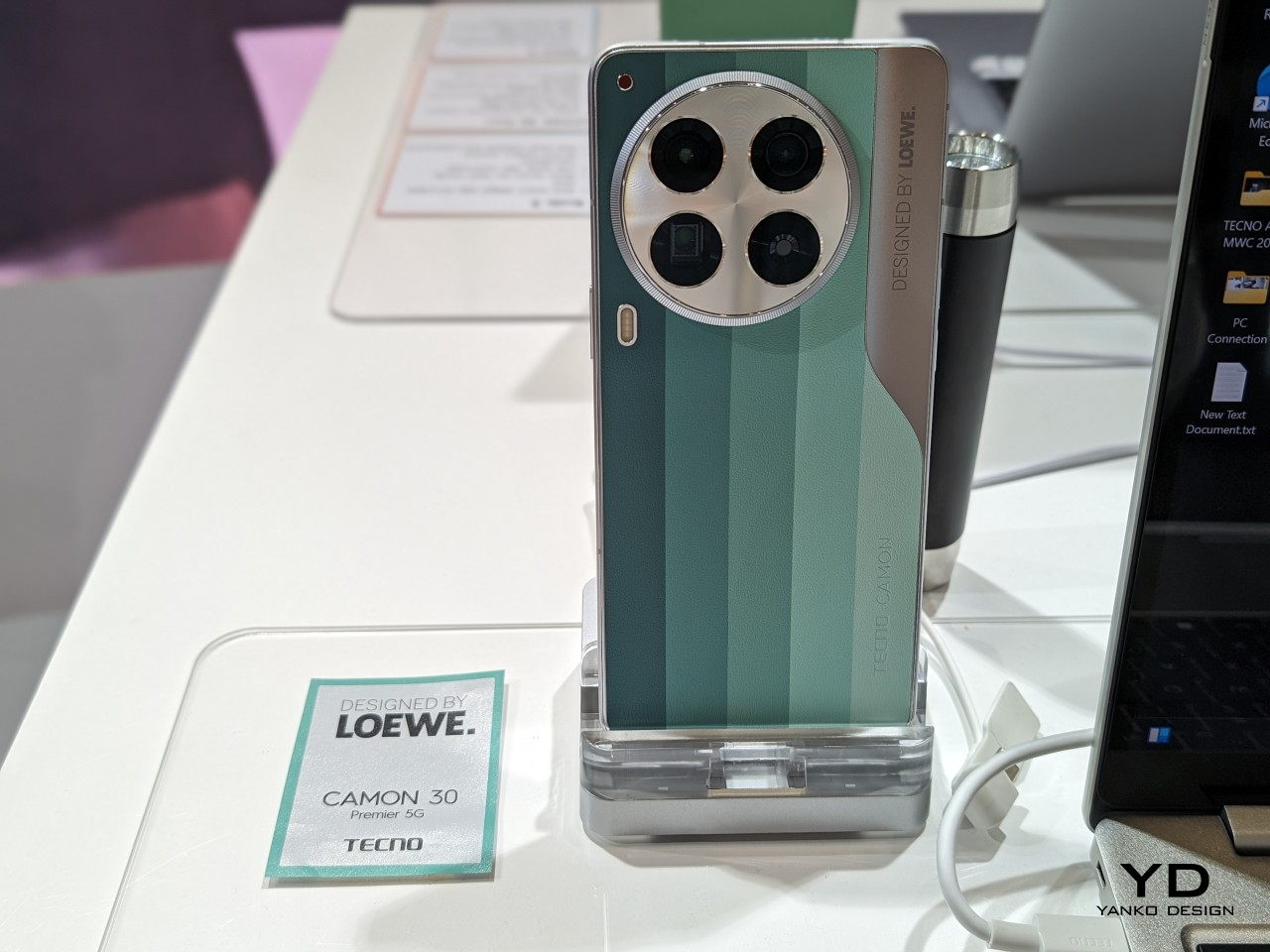
In contrast, the back cover of the new TECNO CAMON 30 Series LOEWE Edition uses not only sustainable materials but also a sustainable process. The coffee grounds are processed without using organic solvents, don’t consume more water, and also use solar power. The result is a back cover that is composed of more than 20% bio-based material that gives the surface a unique texture that will delight your hand the moment it touches it.
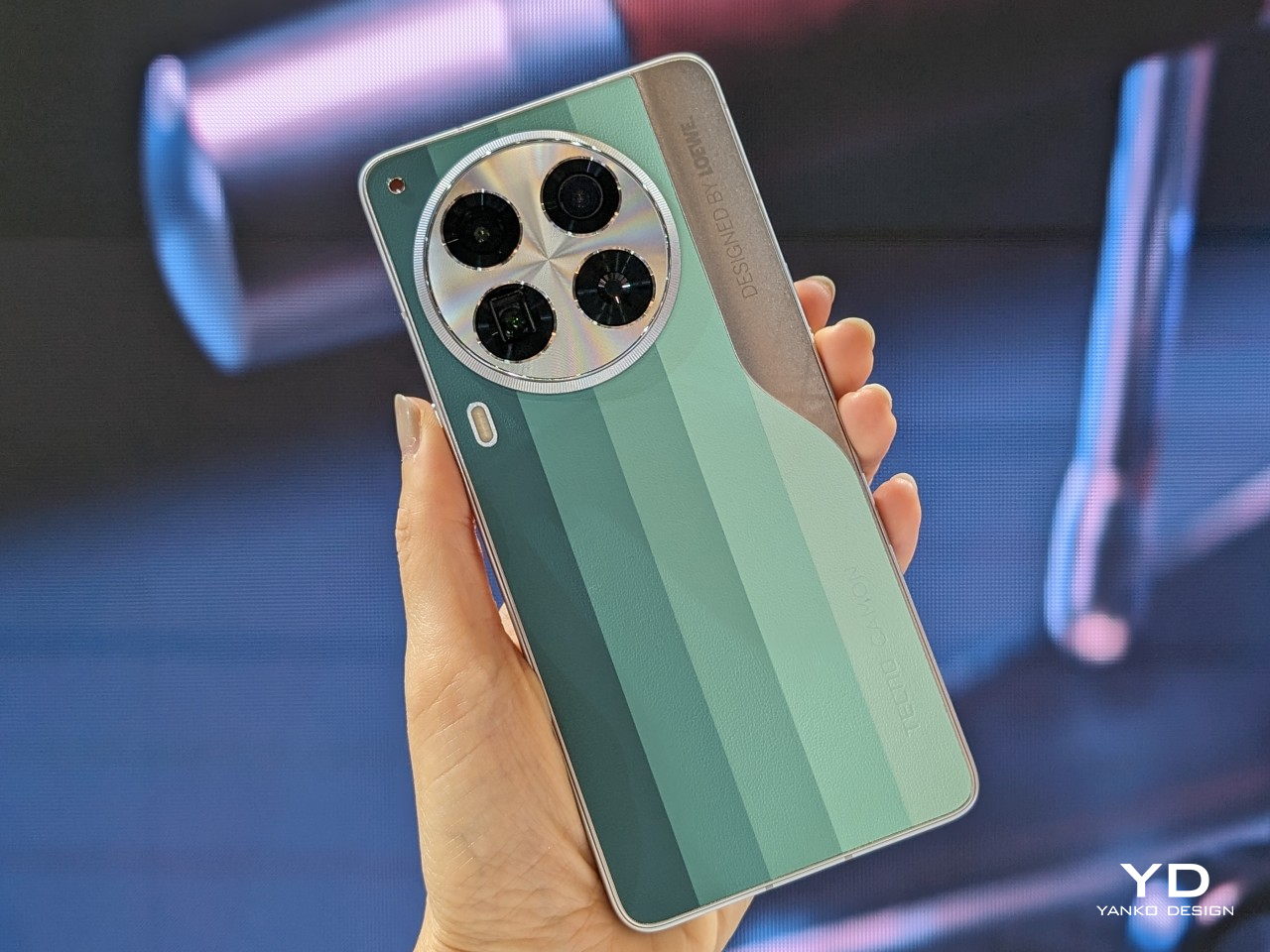
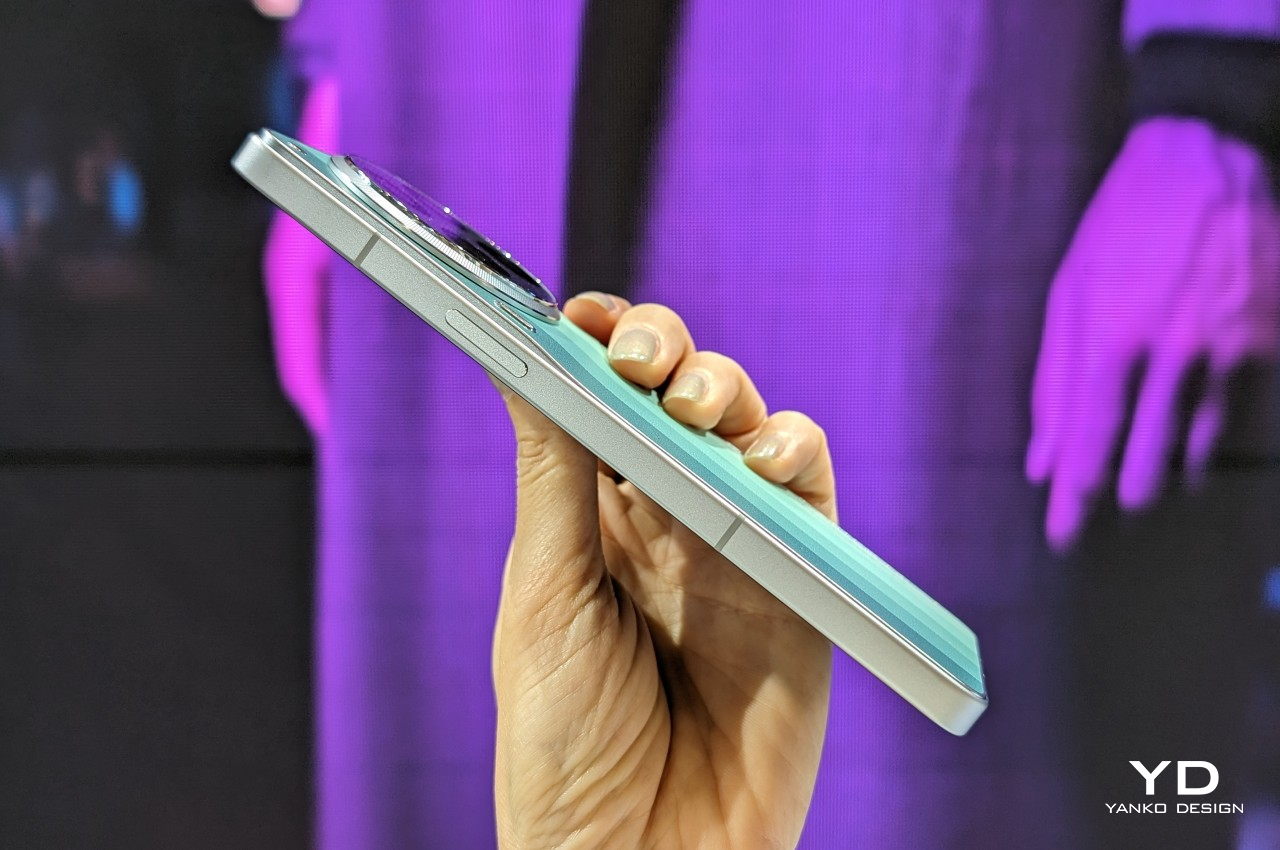
You might not be able to tell that the TECNO CAMON 30 LOEWE Edition has a back made from recycled coffee grounds because of its distinctive green color instead of the brown that’s associated with coffee. This gradated color was chosen to be symbolic of nature, representing the natural life cycle of leaves. More interestingly, TECNO also opted to adopt a color-blocking style that not only makes the phone look modern but also gives it a bit of character.
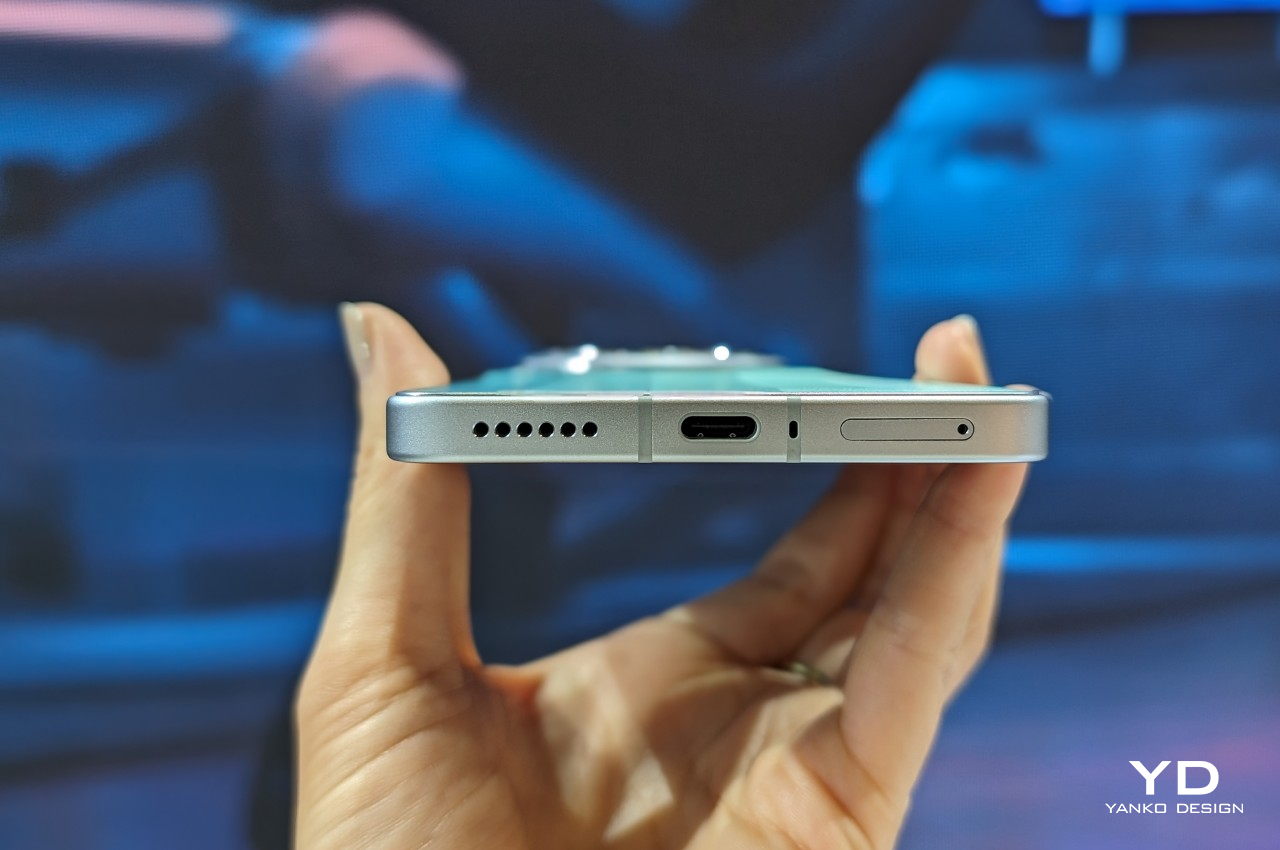
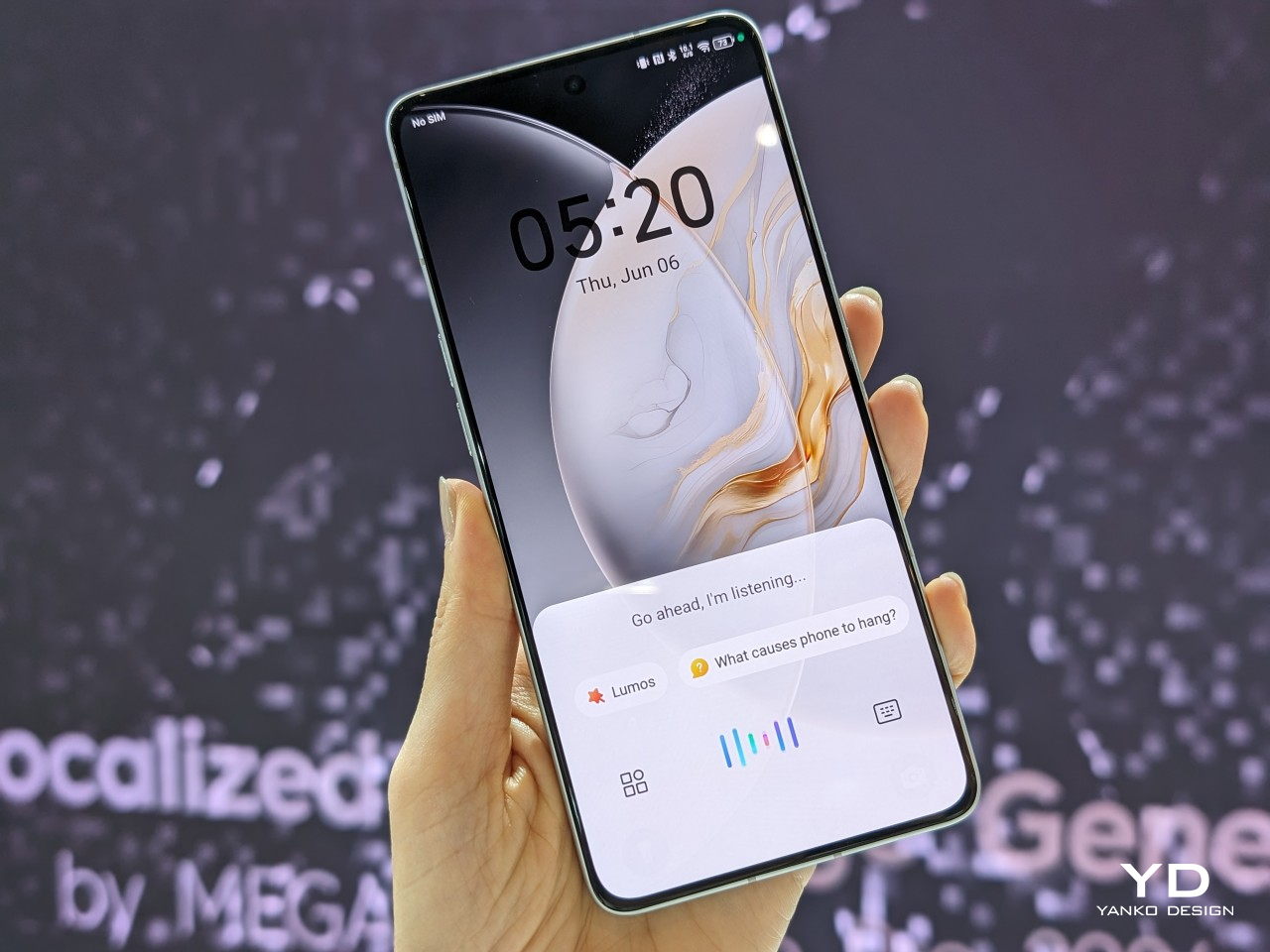
This industry-first coffee grounds back design is available on all TECNO CAMON 30 Series models with no changes to their internal specs. For the Premier 5G variant, that means having no less than four 50MP cameras sitting on top of this unique and sustainable material. Availability details of the TECNO CAMON 30 Series LOEWE Design Edition are unavailable at the moment.
As someone who manages ecommerce stores and is also a frequent consumer of products from various online stores, I see a lot of waste when it comes to packaging. There are a lot of single-use plastics lying around our office and my house that I often feel guilty about contributing to all that waste. While we still try to re-use what we can, I do hope that there will be better packaging solutions that can be adapted by the general public.
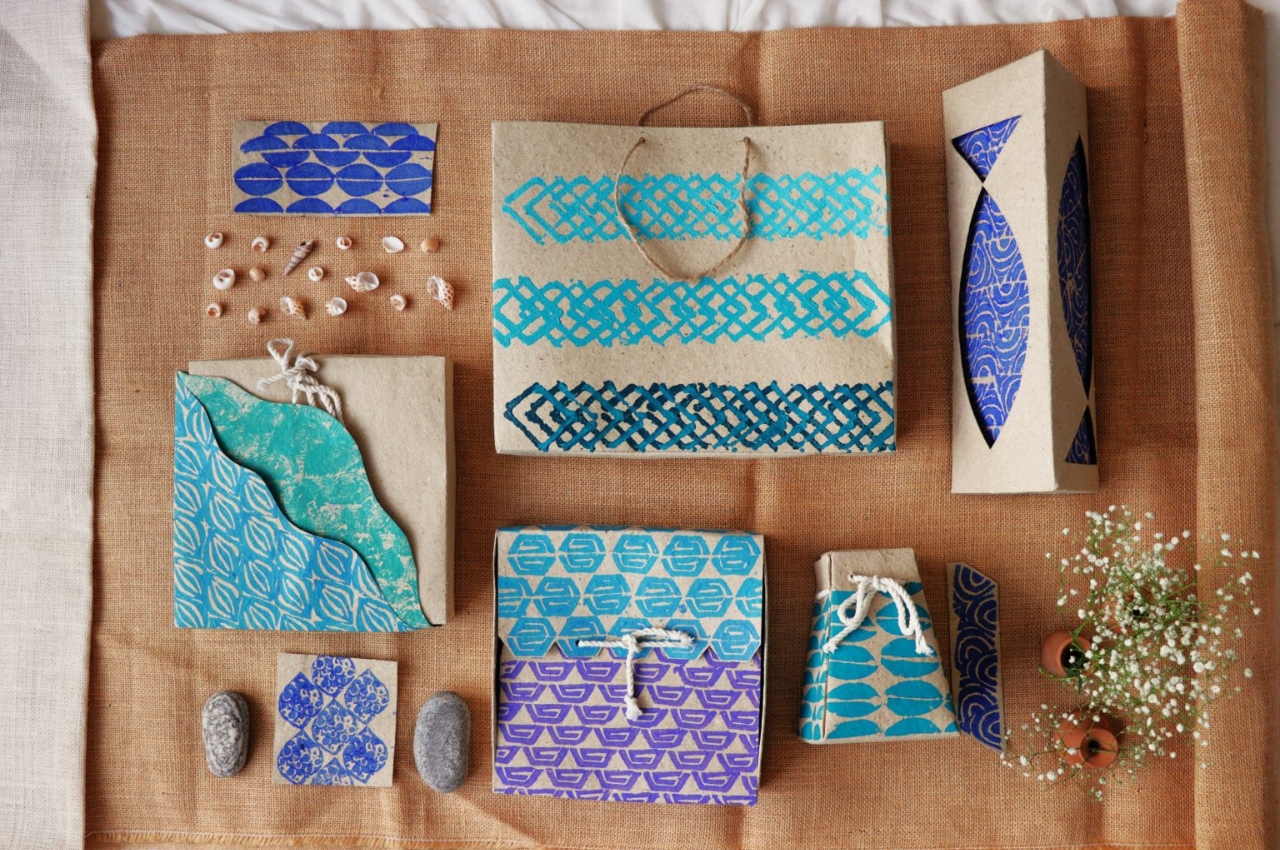
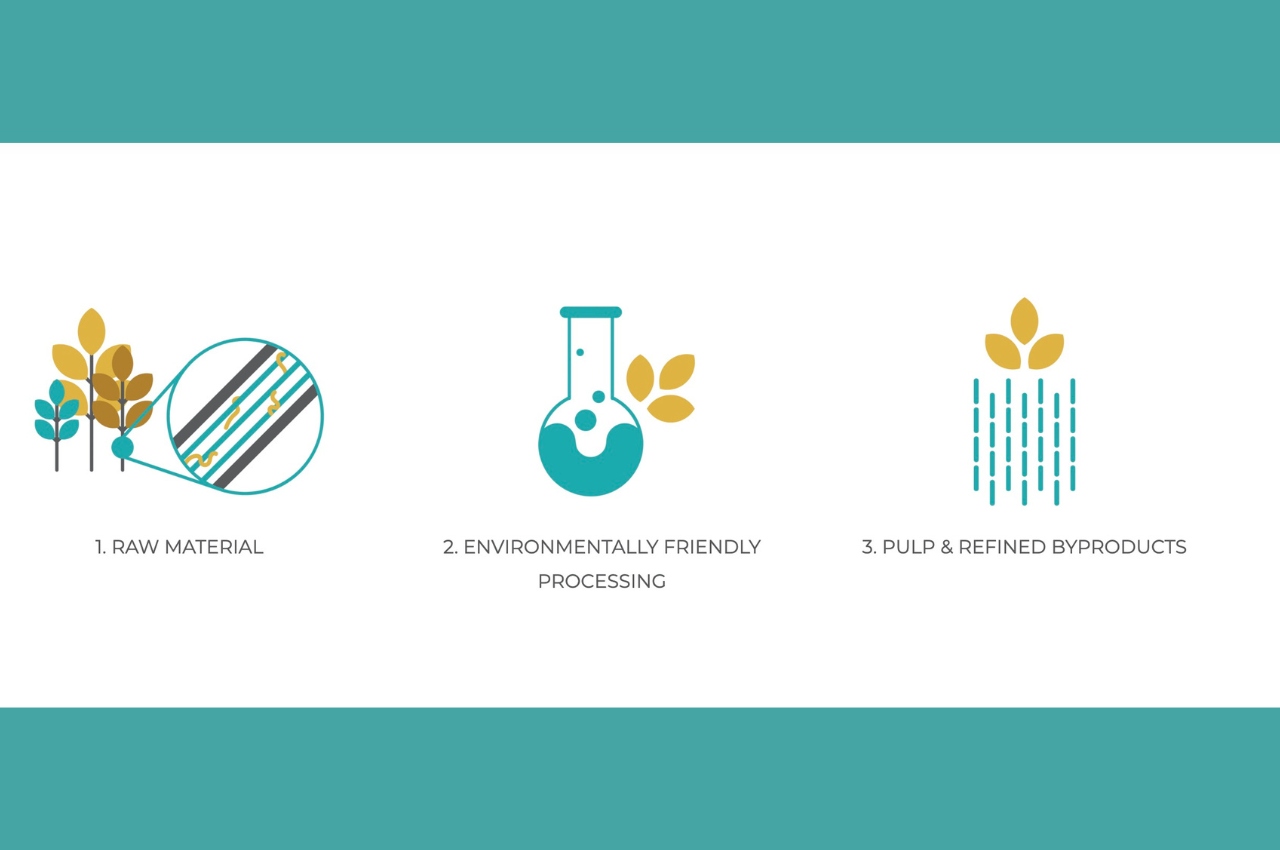
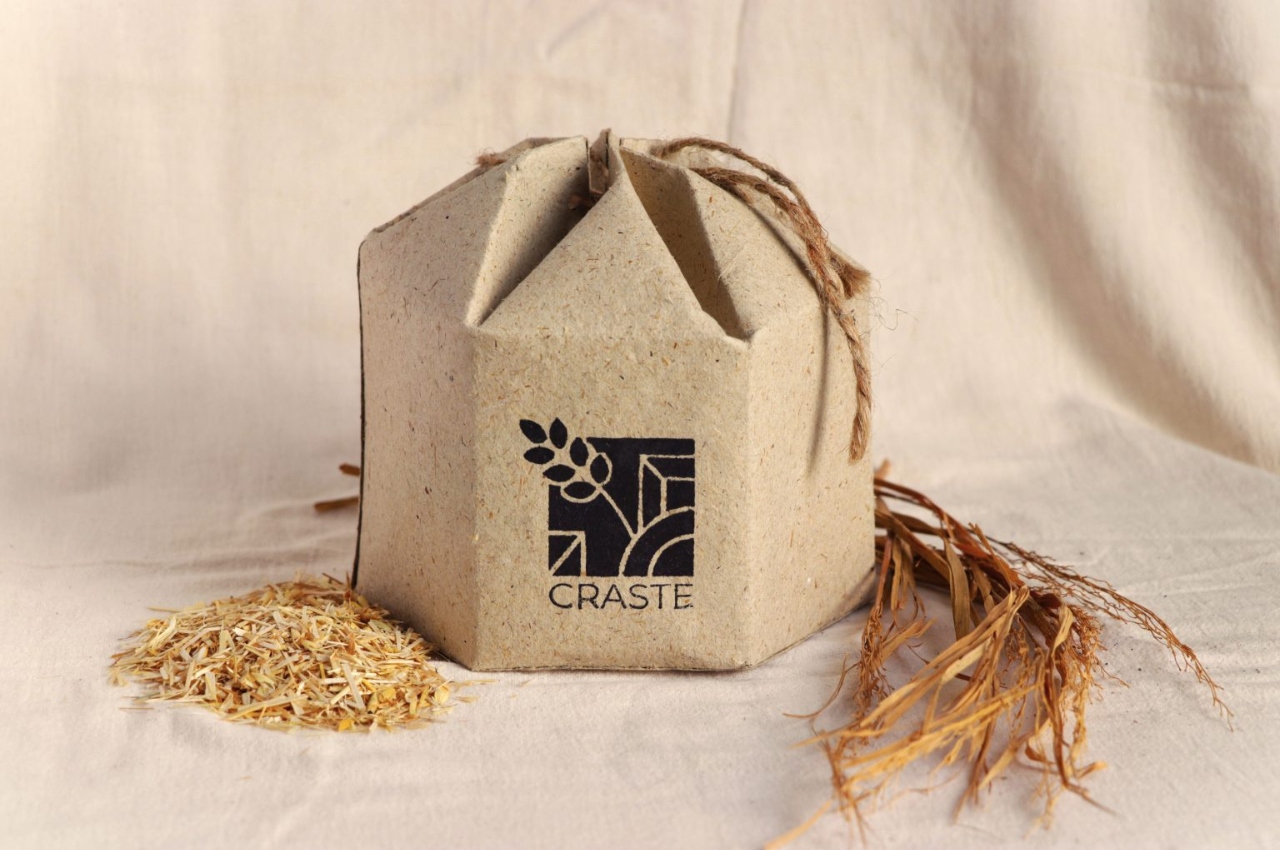
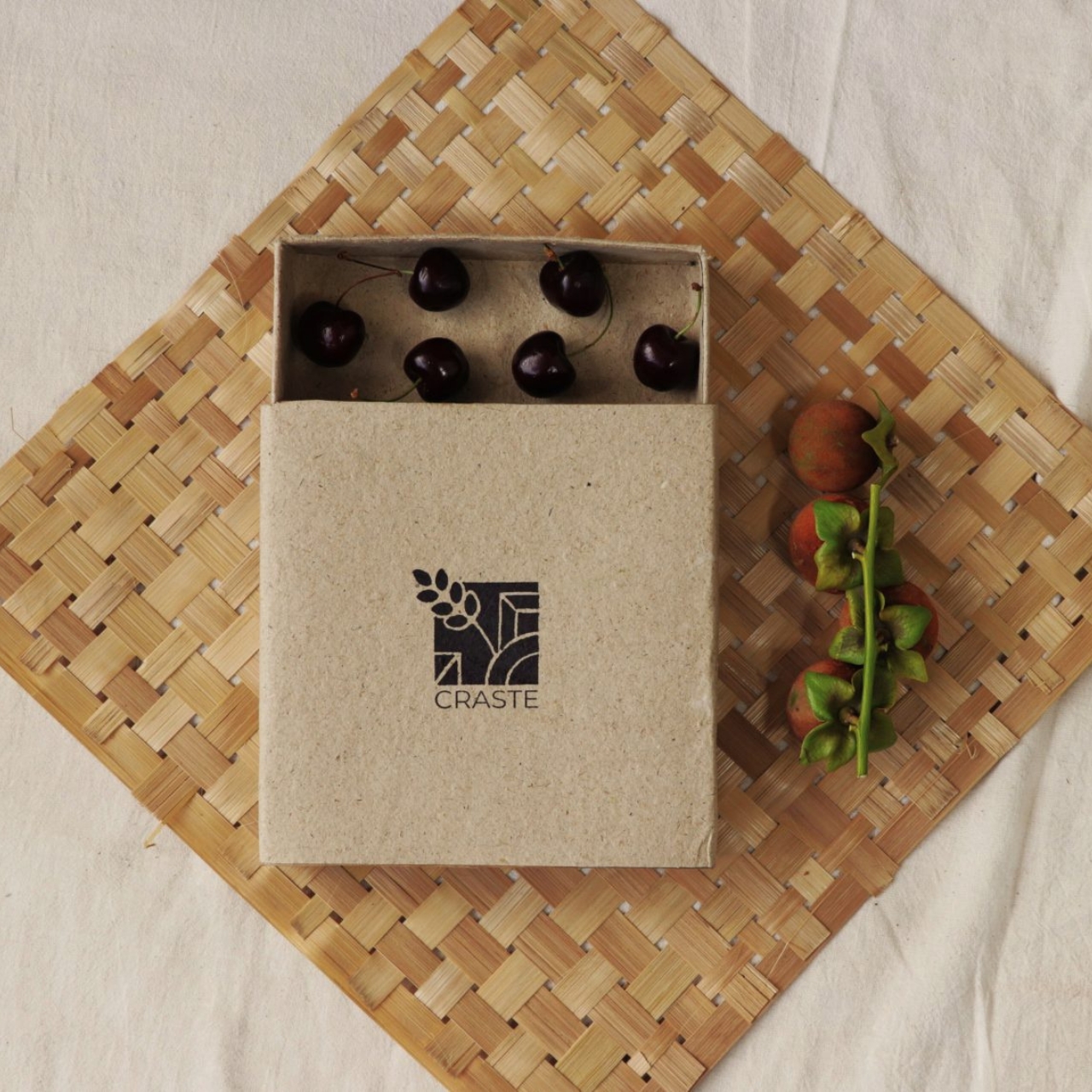
Craste is a company based in India that is the country’s first 100% tree-free packaging solution. Since the country produces 500 million tonnes of crop residue every year which contributes to 150 million tonnes of carbon dioxide released in the atmosphere, they thought of using crop waste to create eco-friendly packaging. They collected crop residue from the farmers and then convert it to tree-free pulp through a circular fiber technology (whose patent is still pending). This process uses less water consumption and Zero Level Discharge from the unit.
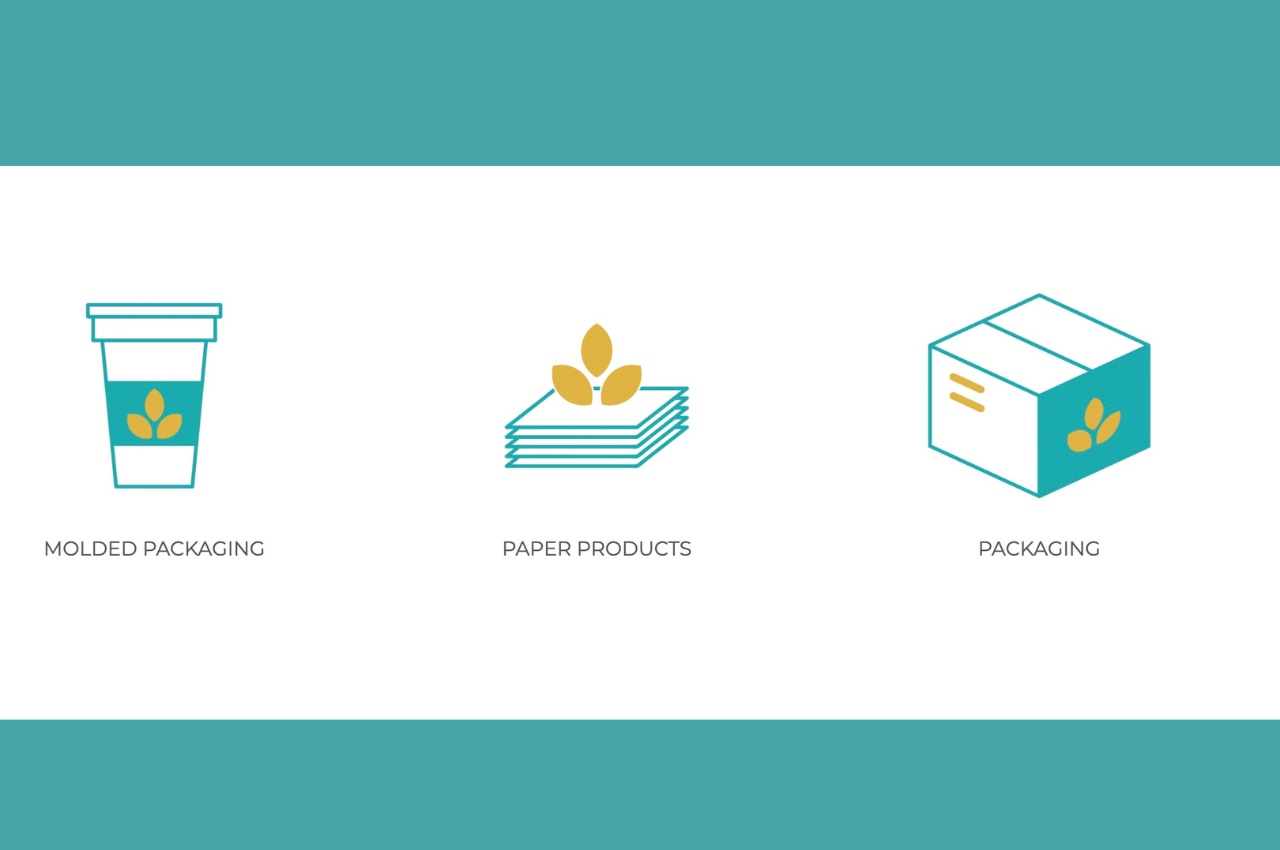
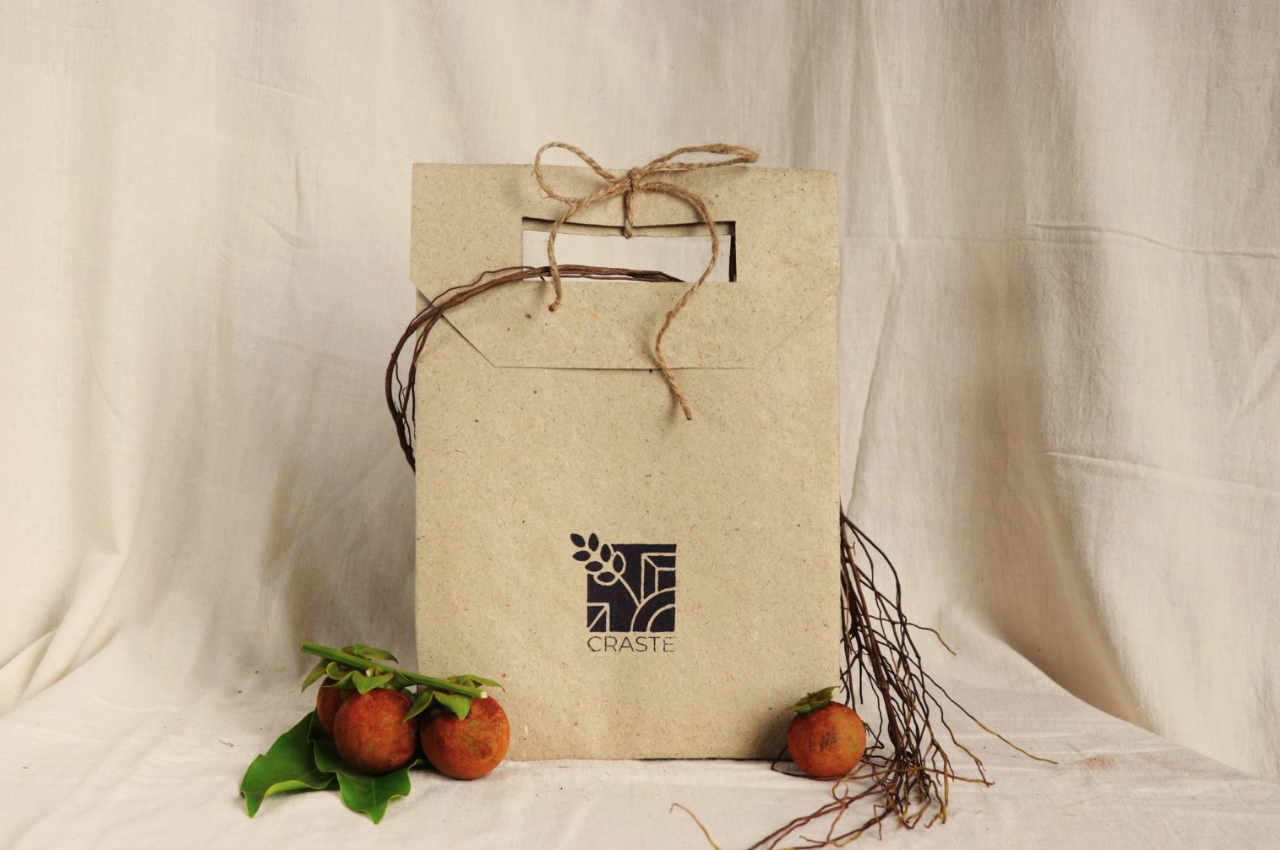
The pulp is then turned to high-quality paper that can be used for different kinds of packaging like boxes, paper bags, envelopes, etc. The packaging created is also food-grade so it’s safe for food products. It is also strong but flexible that it can retain the form and shape of the packaging it is turned into. They also aim to create “highly durable, environmentally friendly, cost-effective, wood-equivalent crop residue derived straw panel board with a formaldehyde-free adhesive”.
One issue with alternative packaging of course is the cost. Things like single-use plastic, bubble wrap, and the likes are pretty cheap and the more eco-friendly options are more expensive. Hopefully if companies like Craste can create more sustainable packaging for brands, we’ll be able to have better packaging consumption in the next few years.
Our unhealthy practices and way of living are truly harmful to the environment and have been slowly leading to its deterioration. And the world has been changing (for the worse) because of this. Hence, it is extremely important to live sustainably and consciously and to take care of the environment in 2024! Integrating sustainability into our day-to-day lives has become crucial. And we can do this in various ways. Designers and creators are coming up with sustainable alternatives for almost everything. Every product that is necessary and utilized by us in our everyday routine has an eco-friendly alternative to it. Replacing our usual mass-produced designs with these greener options will make a huge difference to the environment and Mother Earth. And on World Environment Day, we’ve curated a collection of eco-friendly designs to help you live more green – check them out!
1. EasyFreeze
In countries like Nigeria, power outages are a daily occurrence, and they can tend to last for hours. In these difficult living conditions, a traditional fridge is of no use. Hence, Amped Innovation designed EasyFreeze – a solar-powered fridge that will function effectively irrespective of power conditions.
Why is it noteworthy?
The fridge will function off-grid, or irrespective of an unreliable grid. It is an excellent solution for regions with abundant solar energy, but poor infrastructure. It is a thoughtfully designed fridge and freezer, which can refrigerate in 20 minutes, and freeze in less than an hour. It can maintain its temperature for up to 40 hours even during power outages, or days when the sun isn’t shining.
What we like
Provides reliability and efficiency even in challenging conditions
Uses an ice battery instead of typical lithium-ion batteries
What we dislike
Priced at $900, and intended for middle-class families, low-income groups may find it difficult to purchase
2. Sustainable Cutlery Set
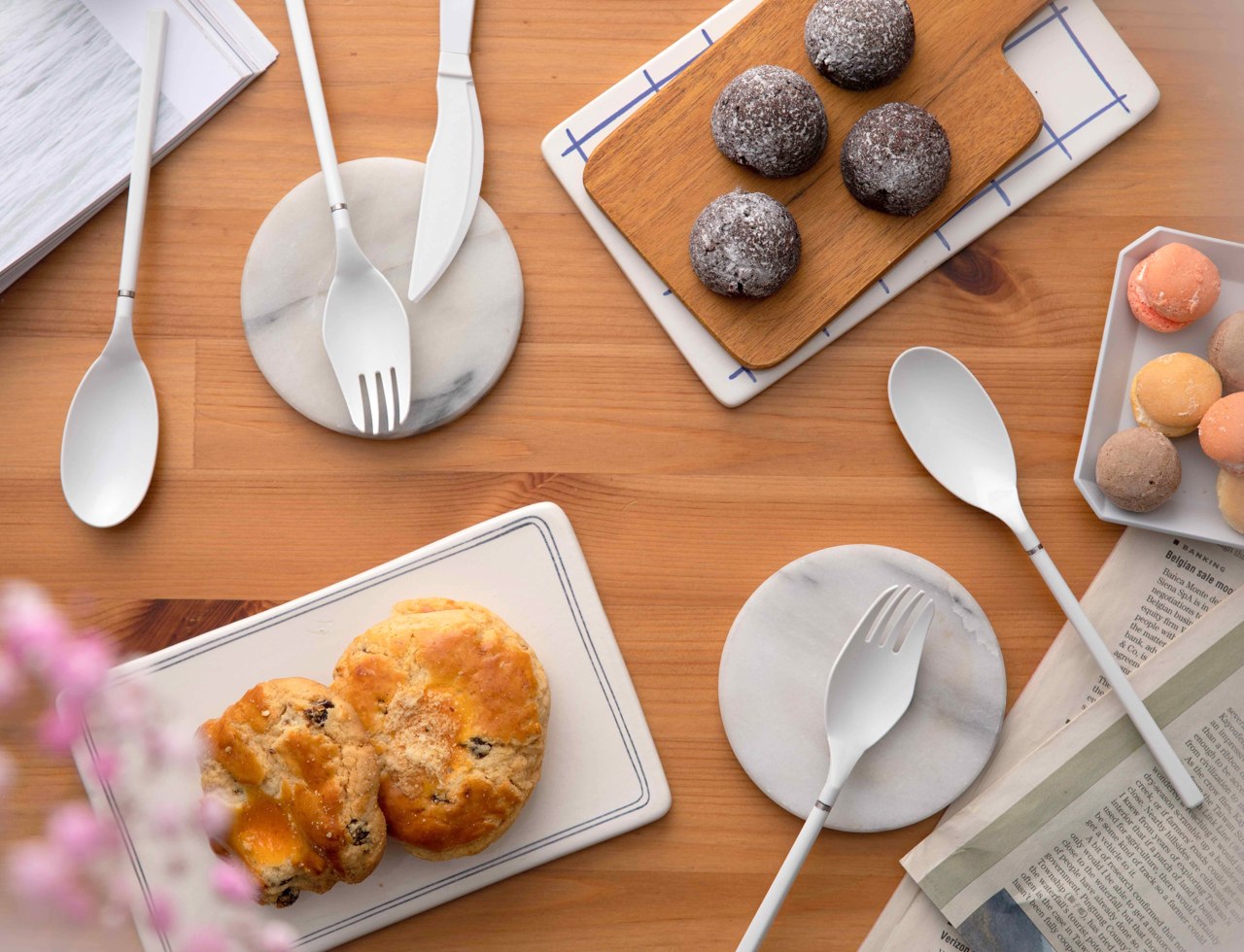
Named the Sustainable Cutlery Set, this guilt-free dining product is built using Glass Fiber-Reinforced Polymers or GFRP. It is a sustainable set comprising of light and durable utensils, packed in reusable and recyclable packaging. The utensils are designed to last a long time, maybe even longer than you!
The Sustainable Cutlery Set is quite mechanically strong, which means the knife and fork wont break if your steak is a bit too tough. The different utensils can be split in half, making them portable in design. The various parts can be easily screwed and unscrewed, while also ensuring they are durable.
What we like
Eco-friendly and yet long-lasting
Portable and easy-to-carry form
What we dislike
The handles of the cutlery might be too thin for large hands
3. Briiv Pro
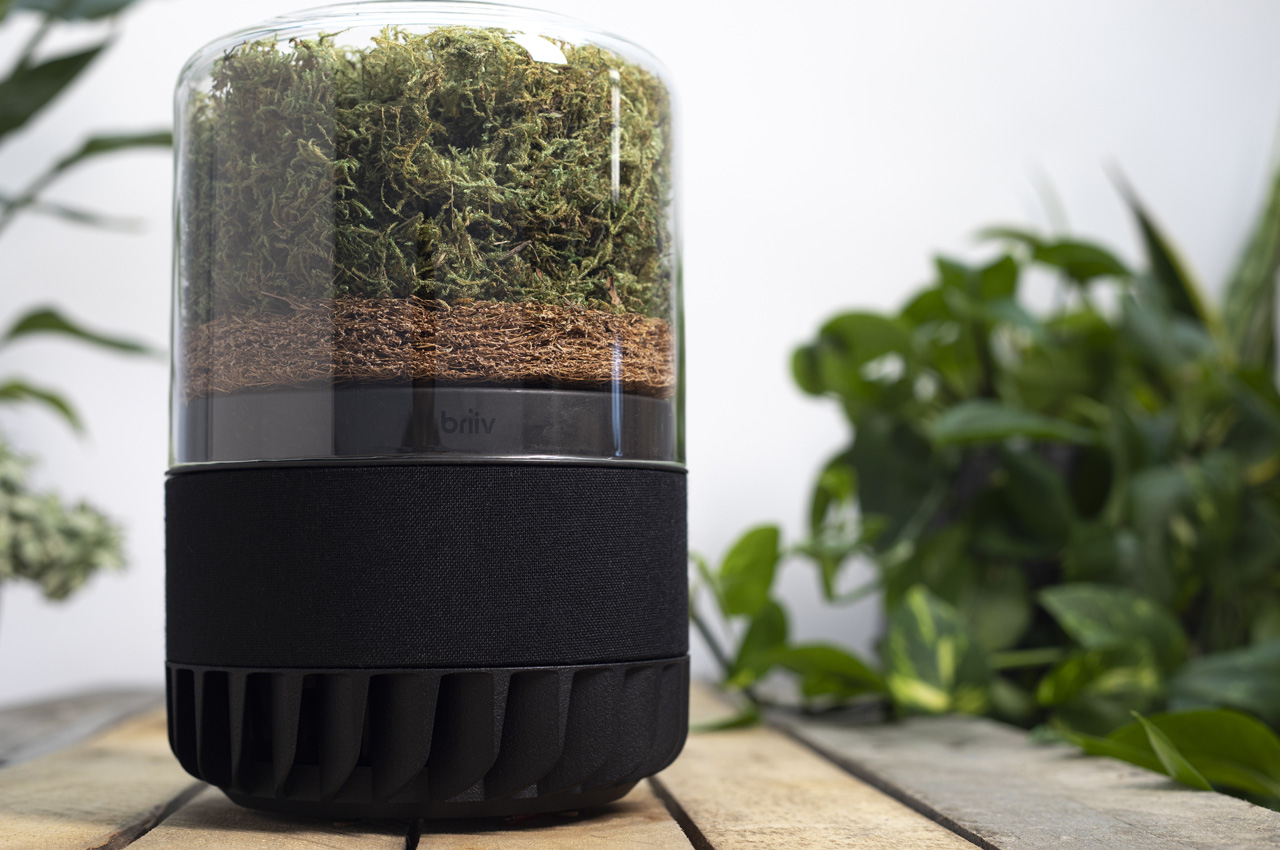
Called the Briiv Pro, this eco-friendly purifier combines nature and technology to offer you clean air in your home. The newly designed version is more powerful than the previous one, and it can purify a 16 sq.m. room in 21 minutes. It is a ‘mini forest’ that is 6900% more effective than house plants.
Why is it noteworthy?
Briiv Pro is 6900% more effective than house plants, which is truly commendable for its size. It is super functional, and quite hood-looking, unlike other air purifiers in the market which tend to be bulky and visually displeasing.
What we like
The purifier works at a whisper-soft noise level
Features an AI-based sensor
What we dislike
Isn’t as fast as other air purifiers in the market, and they’re more economically priced as well
4. Earth-Friendly Tumbler
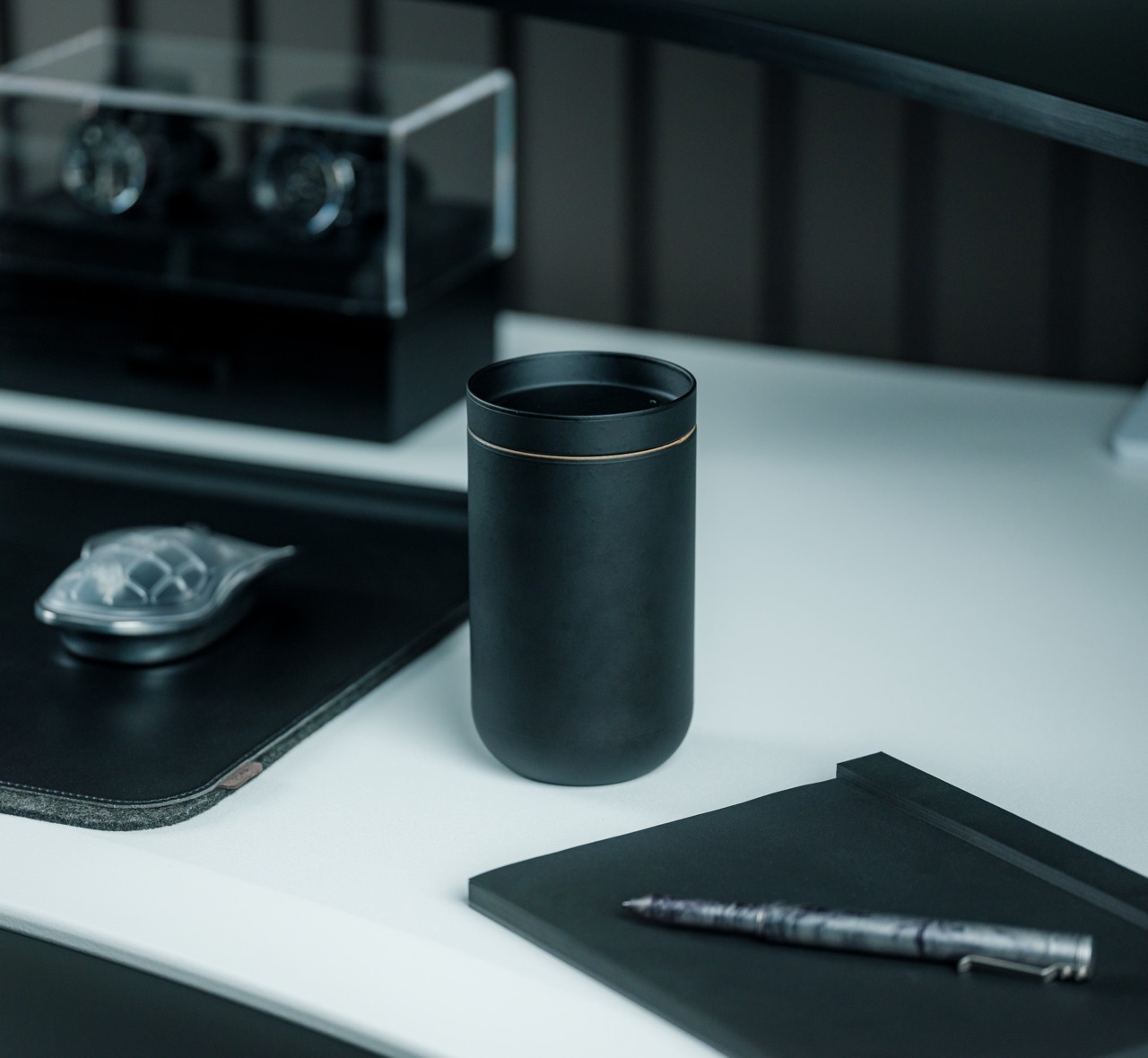
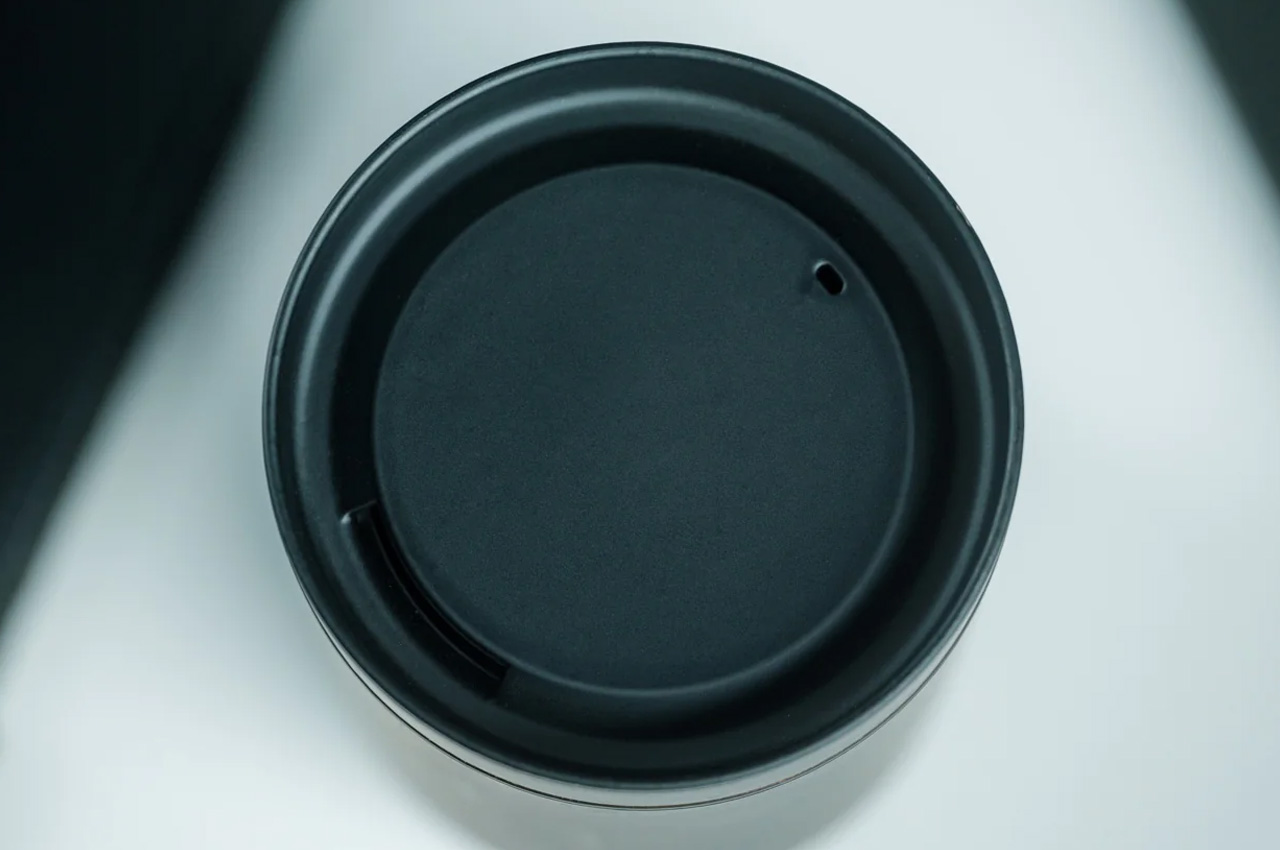
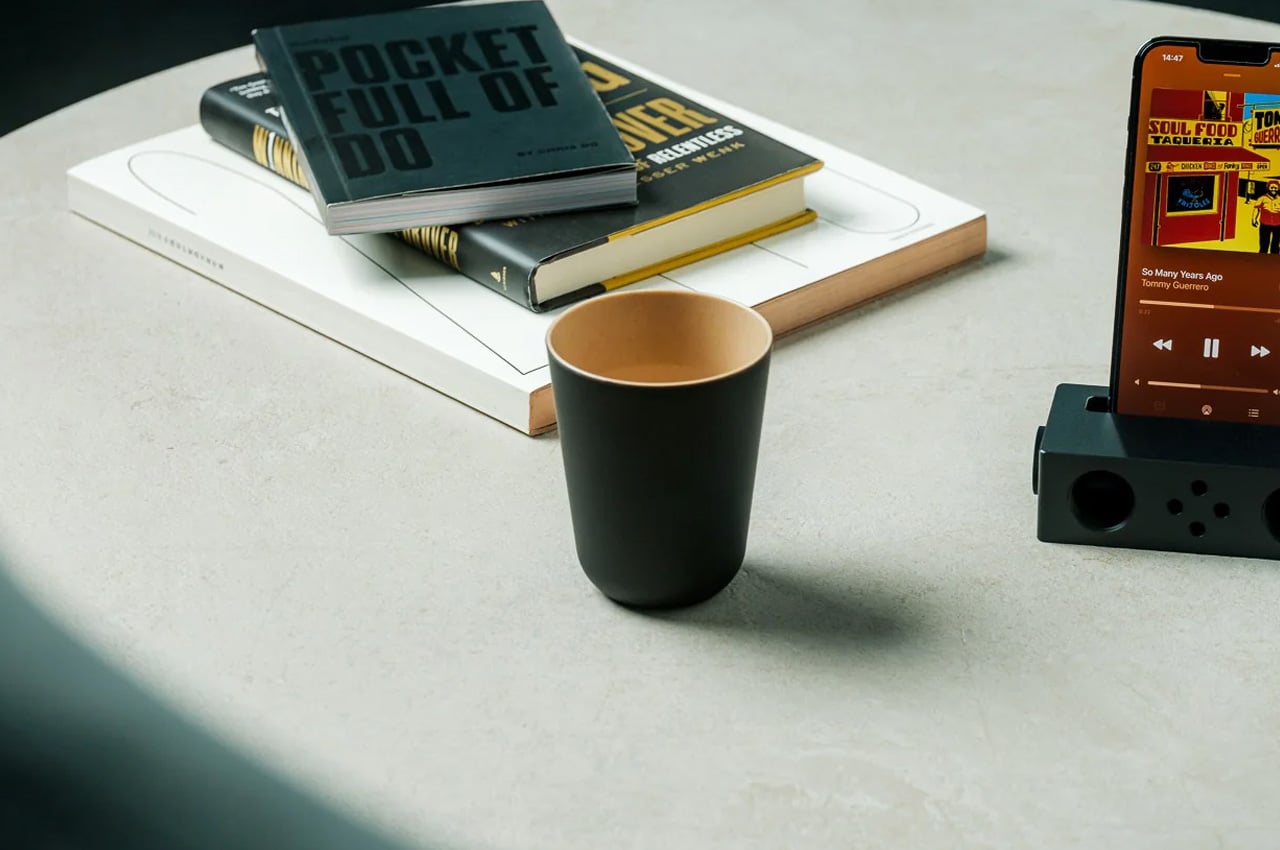
Meet the Earth-Friendly Tumbler – an eco-friendly made using PAPLUS, a new thermoplastic resin that combines biodegradable paper to add more durability, moldability, and heat resistance. These are qualities that normal PLA lacks, so this tumbler is quite exceptional.
The Earth-Friendly Tumbler utilizes PAPLUS, an eco-friendly material-, to form a unique texture that is similar to ceramic or wooden cups. As you take a sip from the tumbler, you taste a wonderful flavor, while also experiencing an engaging sensation on your lips.
What we like
Elevates the basic act of drinking water, and adds a whole new sensory experience
Has a heat resistance of f 120°
What we dislike
The natural color does become uneven and fade from use, which may not be preferred by all users
5. Cloche Table Smoker
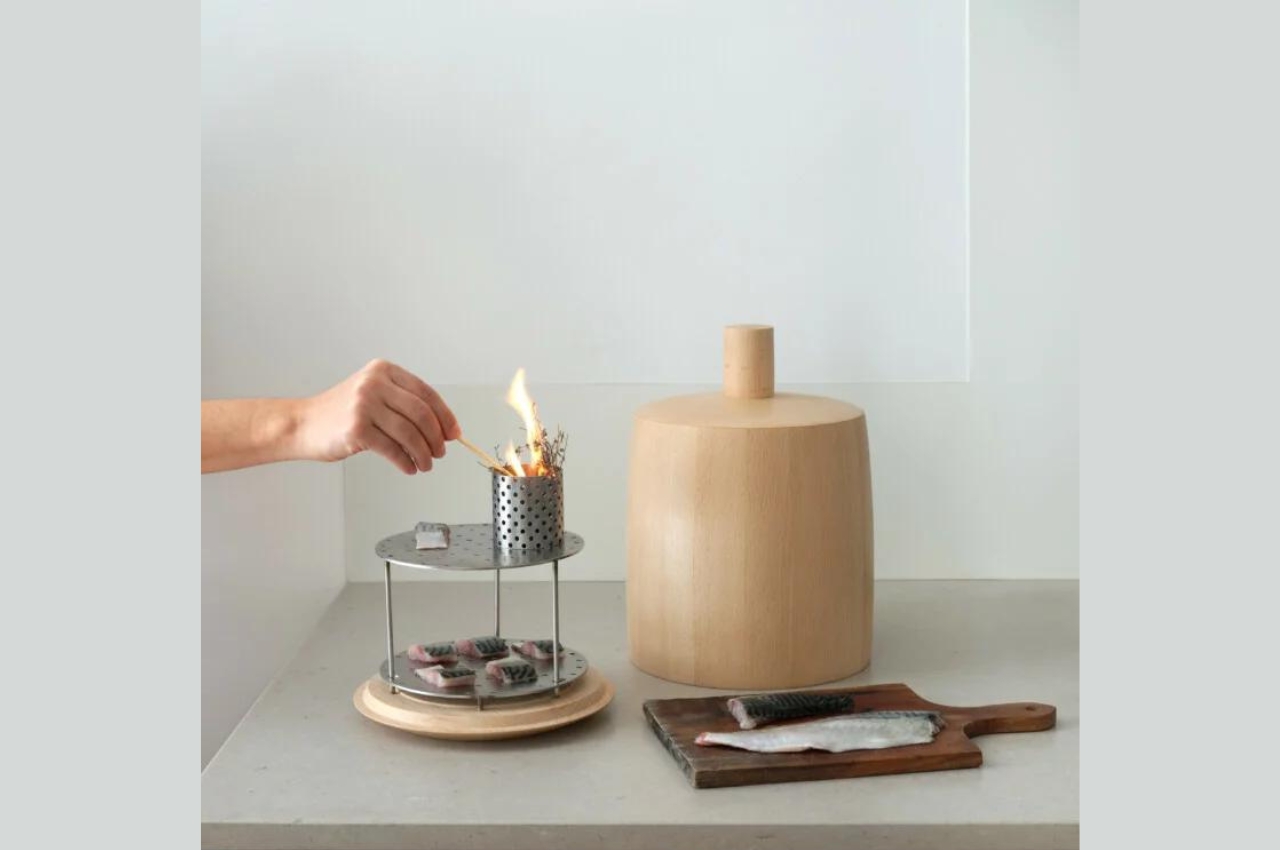
Meet the Cloche table smoker – a smoker that uses aromatic pants and wood ships, allowing the food you’re cold smoking to retain its original flavors, with a touch of smokiness added to it. This smoker also functions as a dining table decoration, owing to its beech and stainless steel aesthetic which elevates the ordinary atmosphere of your meal.
Why is it noteworthy?
It creates a soothing ritual for you, one that involves arranging the food, lighting the fire, putting it out, and displaying the food for eating. The sustainable smoker ensures that you don’t need to use an actual smoking grill, and it in fact doubles up as a table decoration or food container too.
What we like
Eliminates the need for an actual smoking grill
Serves as a table decoration too
What we dislike
A bit small in size, so you can only use it if you’re having a few guests over
6. Earth-Friendly Stacking Cup
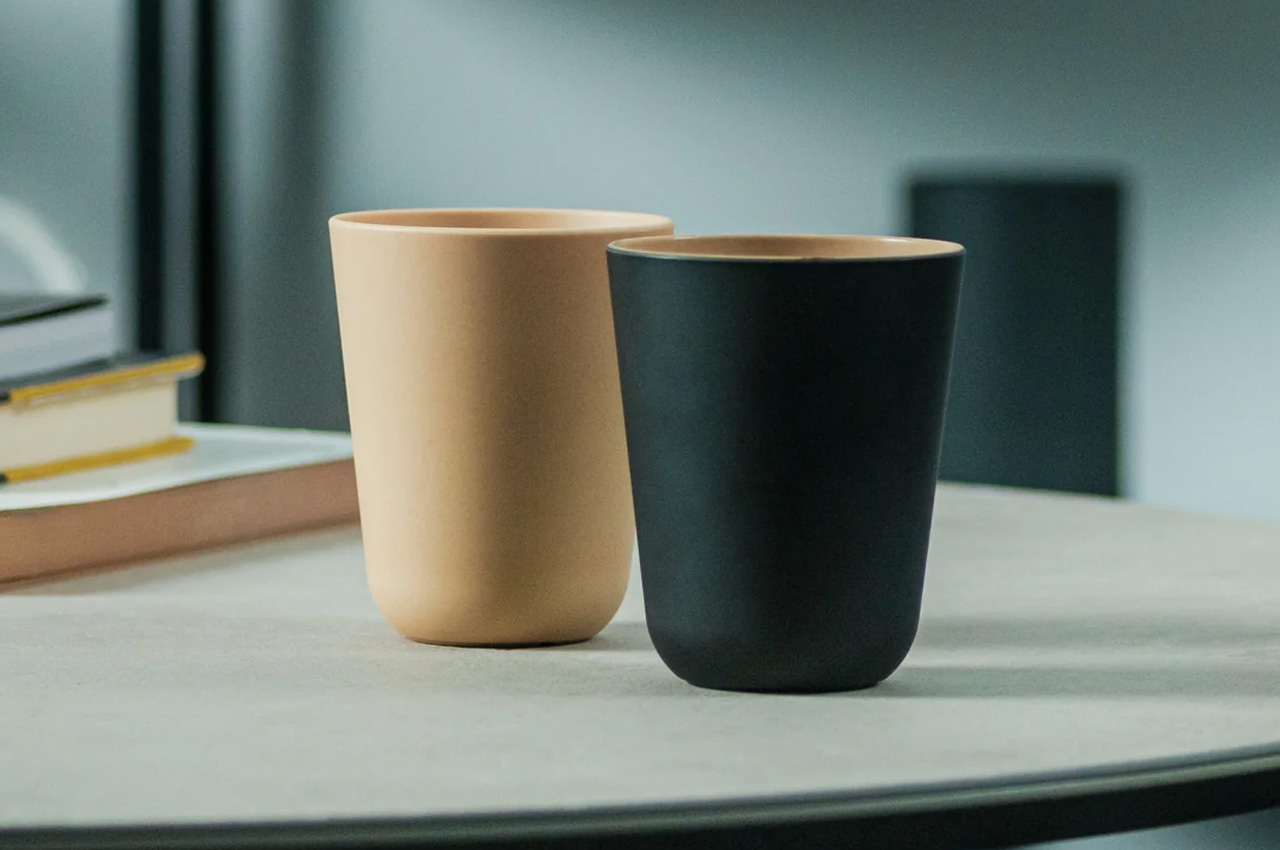
Called the Earthly-Friendly Stacking Cup, this stylish yet minimal stacking cup is designed to save the environment. The cup is built from eco-friendly synthetic materials which lend it a unique texture. The cup is made from a material called PAPLUS and it includes biodegradable paper.
The unique texture of the cup is much like ceramic or wood, and it offers a sensory experience to your lips and mouth. It embodies minimal aesthetics and sustainable practice and produces a soul-enriching drinking experience that you’ll never forget.
What we like
Built from a plant-derived biodegradable resin
What we dislike
It looks similar to other cups on the market, with nothing special aesthetically to set it apart
7. Cambio Pods Container
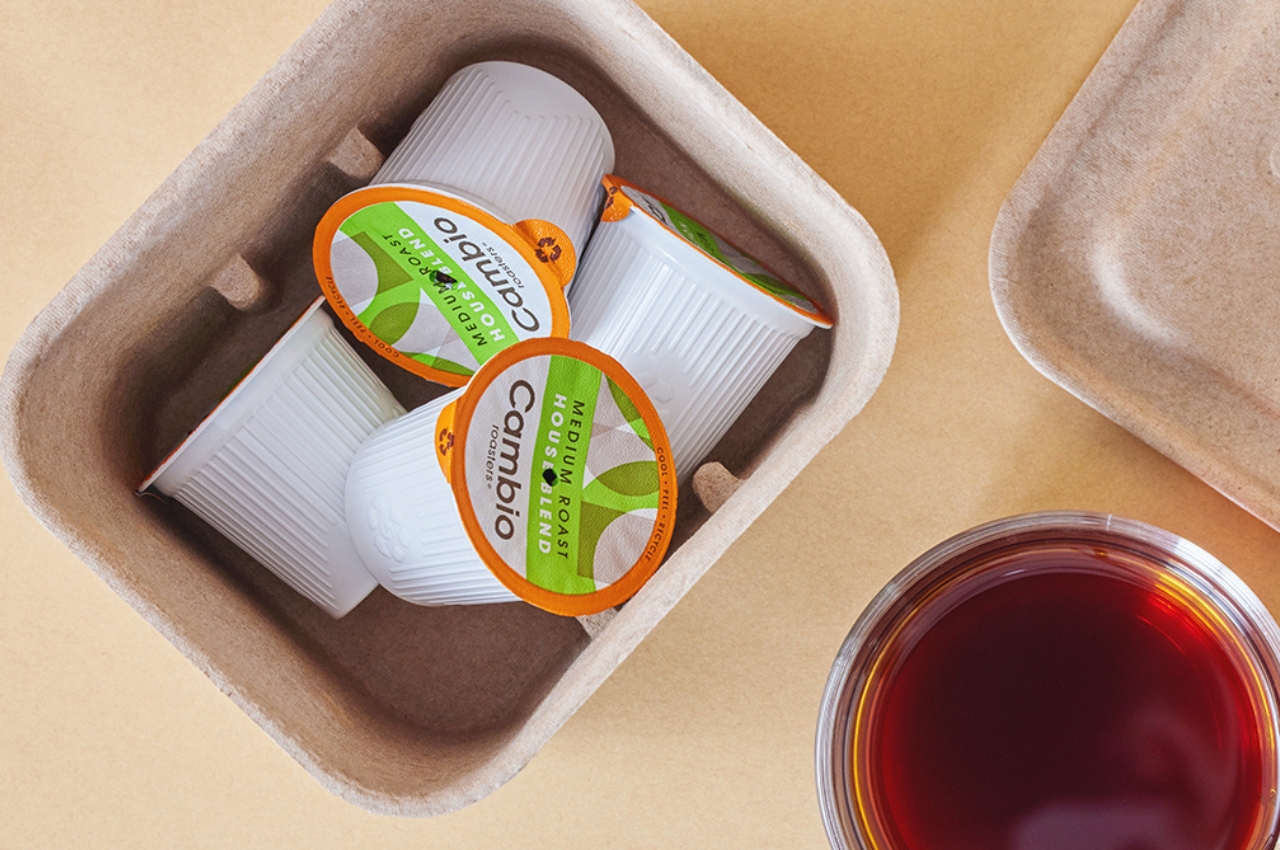
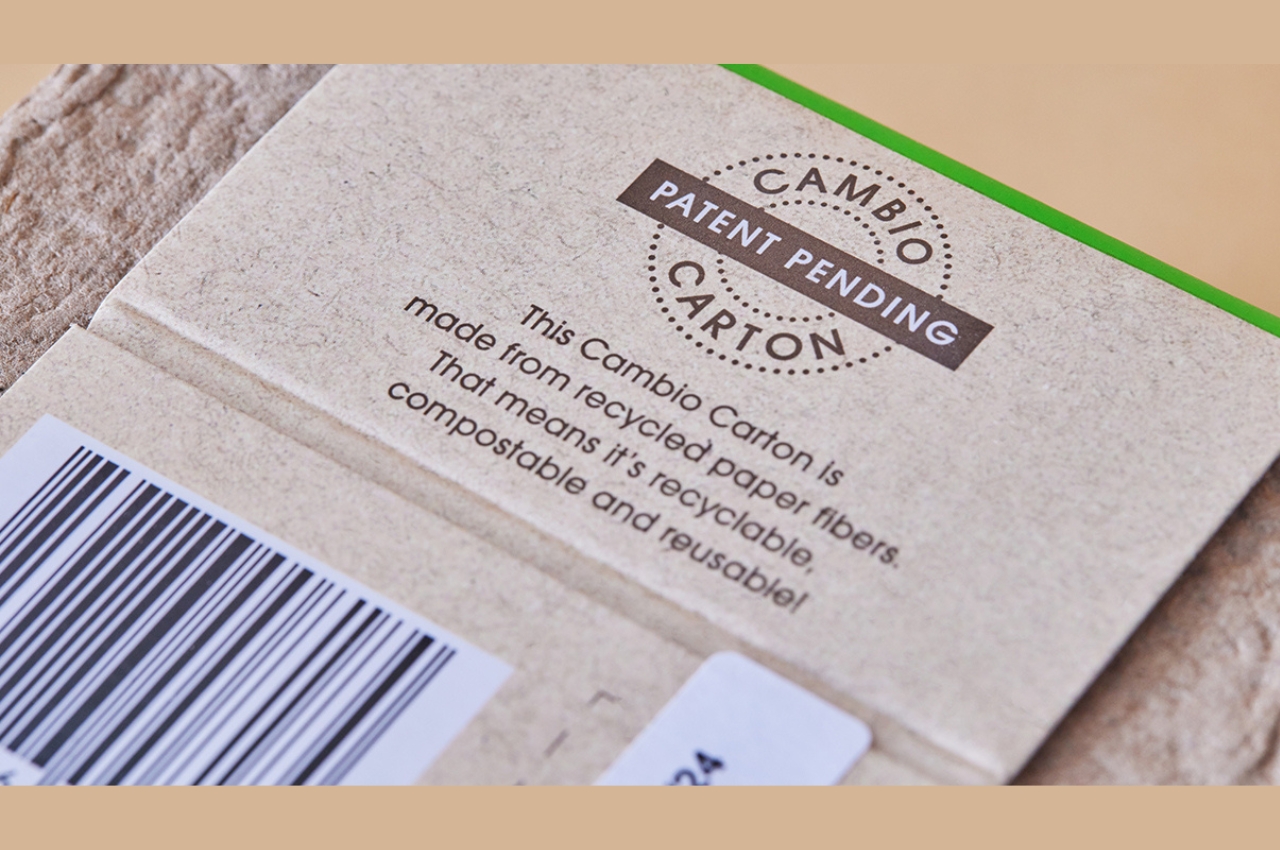
Designed by Zenpack, this container is made using eco-friendly materials, and it also functions as a mini recycling bin for the pods, before they’re sent to the actual recycling bin. The container is made using molded pulp with vertical ribs to offer it more structure. The container can hold 10 pods. It is sustainable as it is essentially a glue-free belly band with a tear strip.
Why is it noteworthy?
The elements of the packaging can be later thrown into a respectable recycling bin. You can also use it as a temporary compost bin for your coffee grounds, and kitchen scraps. It is an added functional product in a world where sustainable brands are growing, and evolving.
What we like
Serves as a mini recycling bin for the pods
What we dislike
There aren’t different sizes and colors to pick from, no variety
8. PLANETCARE 2.0
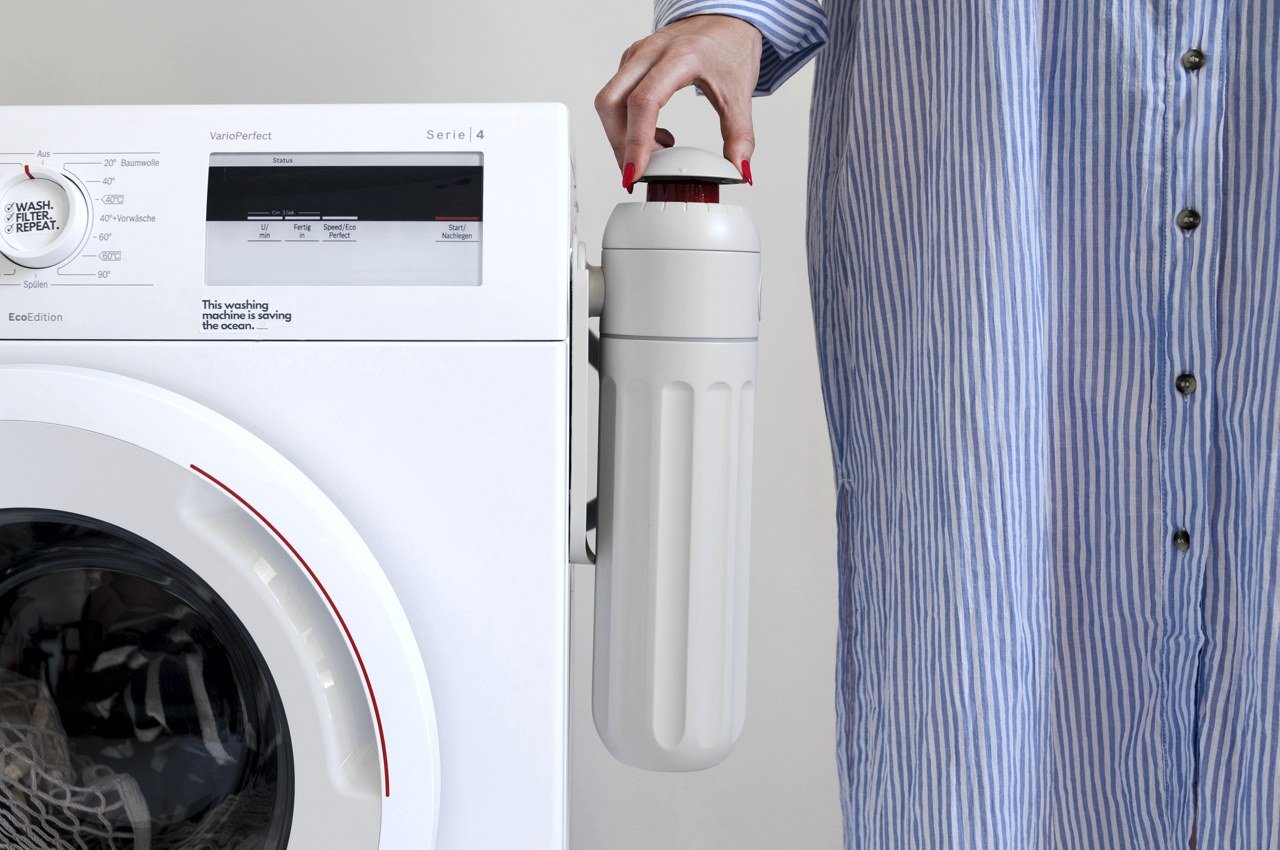
Dubbed the PLANETCARE 2.0, this microfiber filter attachment is designed for your washing machine. A lot of the ocean’s microplastic problem, or to be precise 35% of it comes from the washing machine, as it involves a blend of synthetic fibers that mix with water, and then land up in the ocean.
Why is it noteworthy?
This nifty little filter can be easily snapped onto the side of the washing machine. The filter cleanses out all the water the machine drains out after a cycle. It is the water equivalent of sorting through your trash.
What we like
You can be easily attached to your washing room
Removes all the microplastic from the machine’s drain water
What we dislike
You may need to change/adjust the position of the filter to ensure adequate water pressure
9. Stack Chair
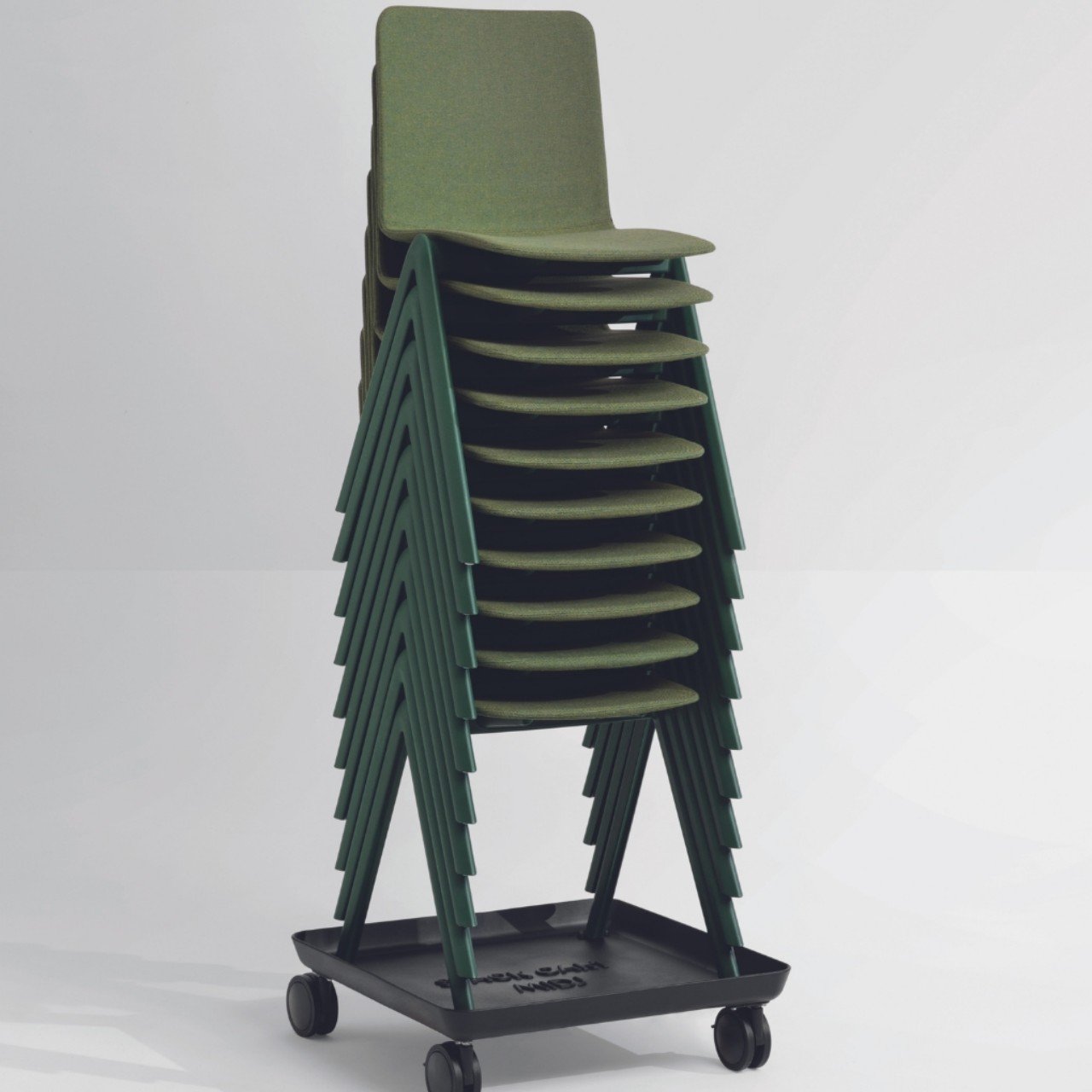
Called the Stack Chair, this innovative chair includes a compass-like four-legged base, allowing you to stack the chair almost to infinity! However, you will be limited by the vertical space available, and how safe it is to reach there. But it is a great space-saving design, especially for when chairs are not being used.
Why is it noteworthy?
The Stack Chair consists of the base and the shells, and both parts can be connected by snapping the base under the shell’s designed rim. This allows both elements to form a single piece of furniture, which is quite stable. This also simplifies the entire manufacturing process, and assembly and shipping too.
What we like
You can mix and match different base and shell colors or even materials
What we dislike
The chair doesn’t look too comfy to sit on for long durations of time
10. Grass-Fed Bone China
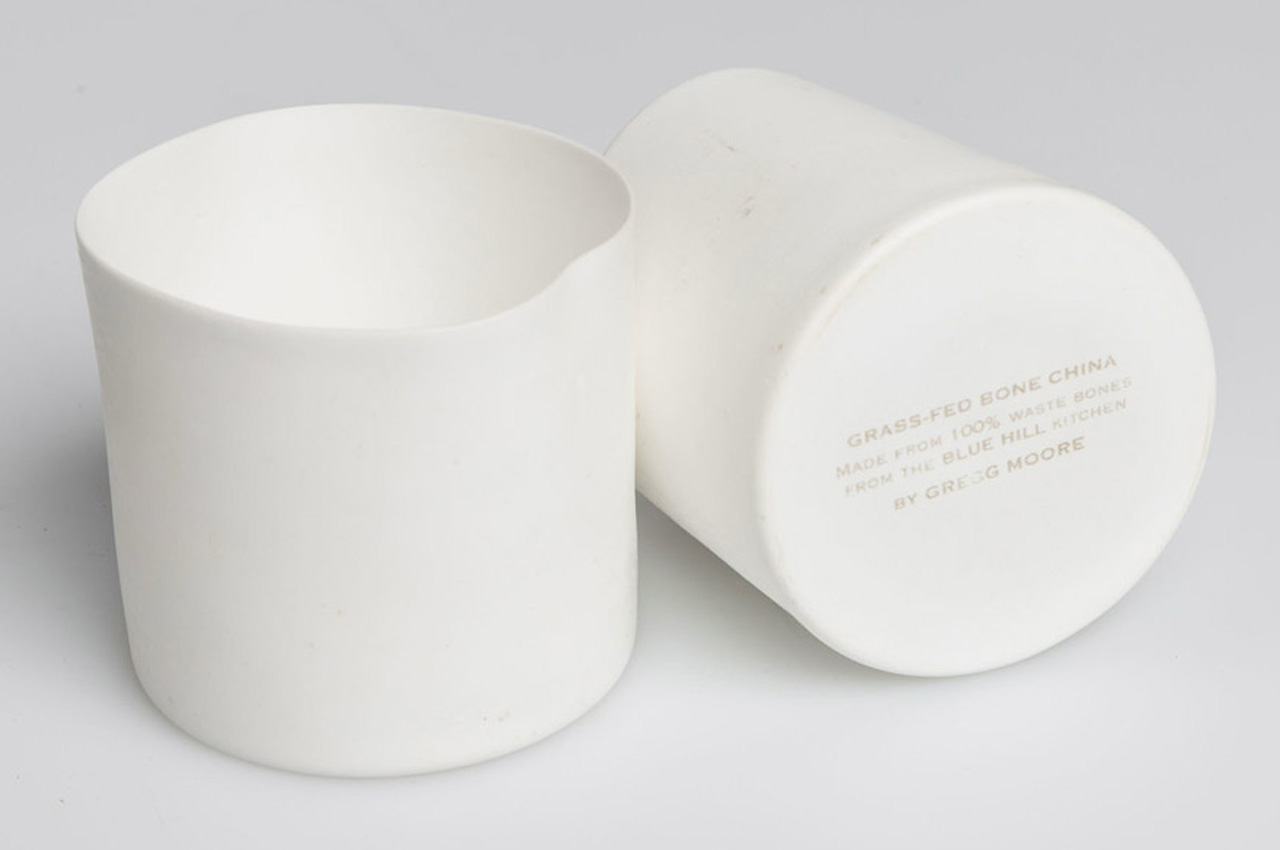
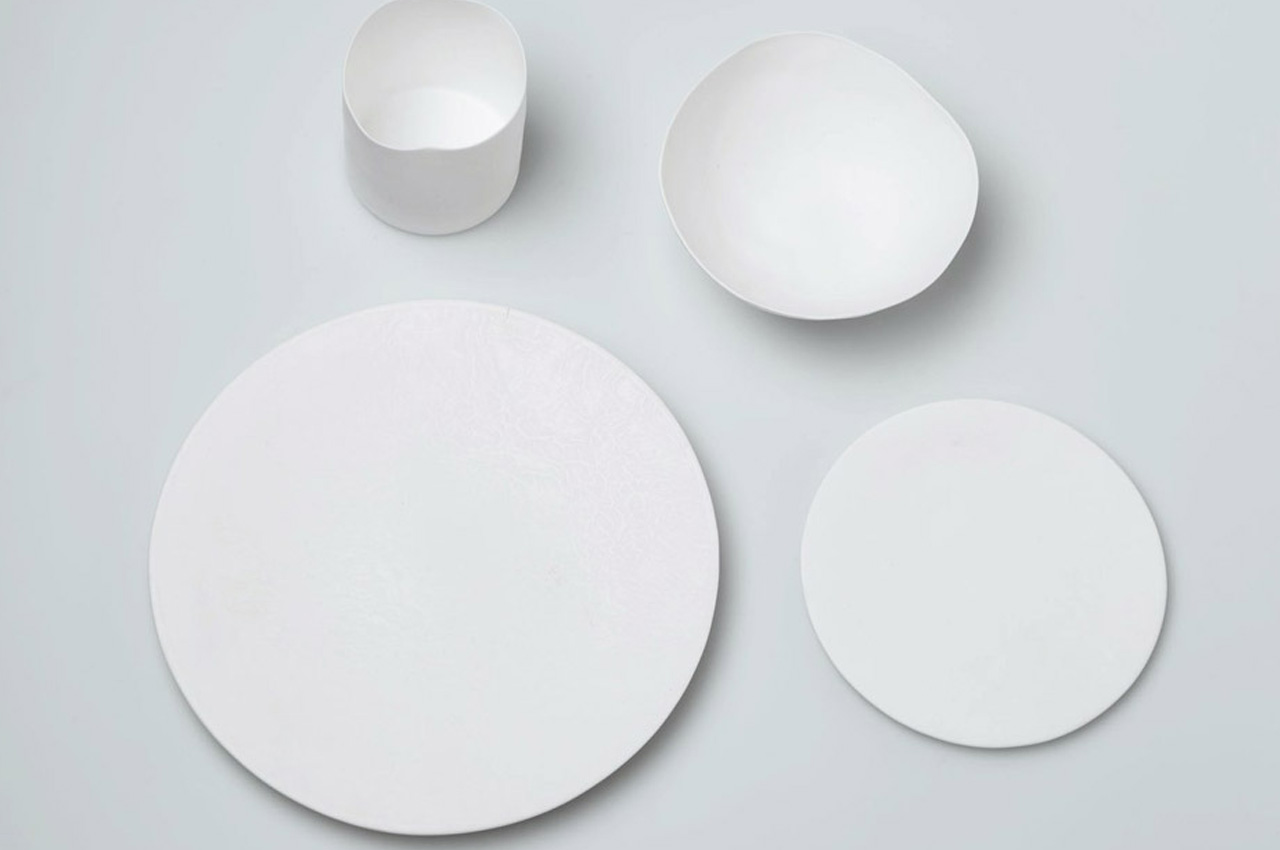
Dan Barber and Ceramist Gregg F Moore collaborated to build a line of tableware that is made from grass-fed bone china. The ceramic is made from the bones of grass-fed cows, and these cows are raised by Barber on his farms – he is the chef and co-owner of Blue Hill restaurant.
Why is it noteworthy?
The cows consume grass, instead of the usual grain-based farm diet. They consume the grass, move around, and roam freely to look for greener pastures. This makes their bones stronger in comparison to cows who are raised on conventional farms. This makes the ceramics stronger, creamier, and durable.
What we like
The ceramics are stronger and more durable compared to the regular ones
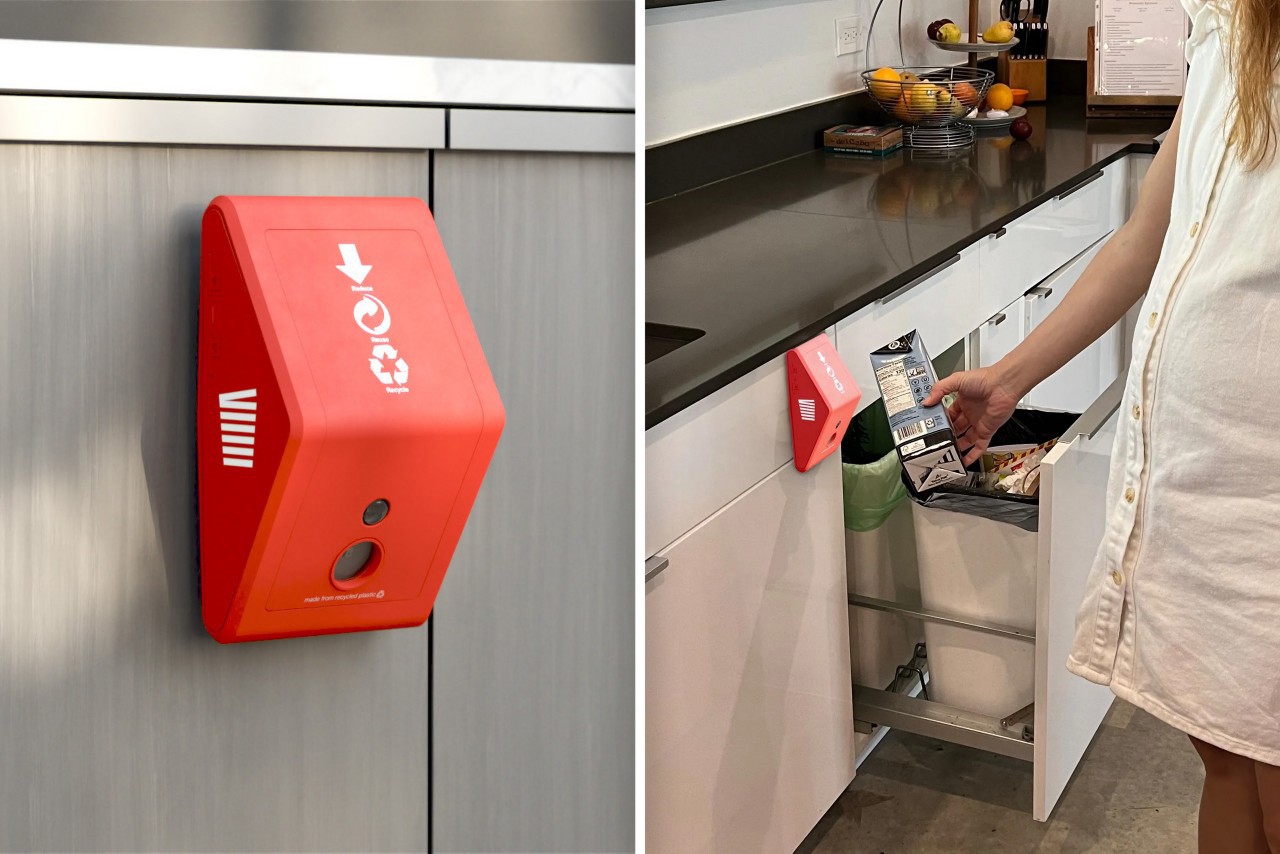
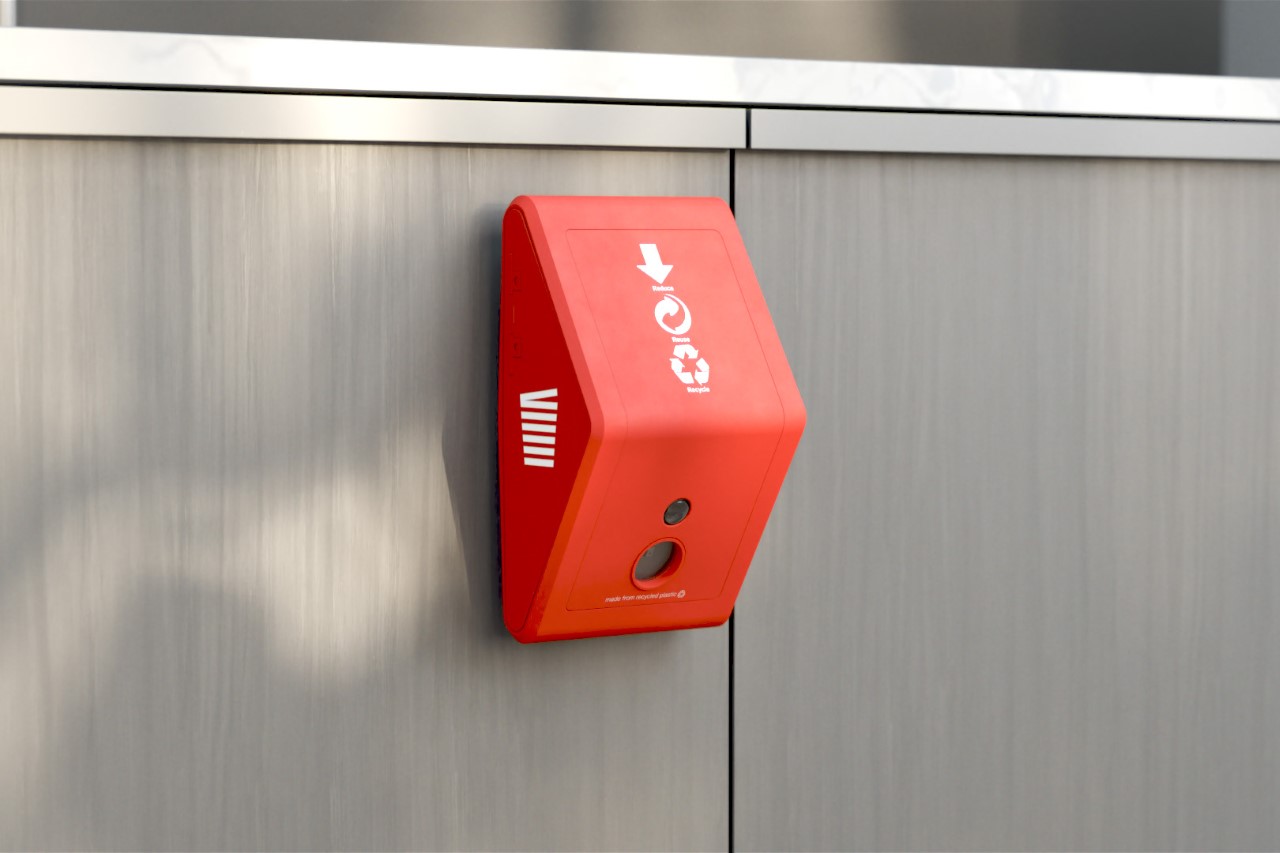
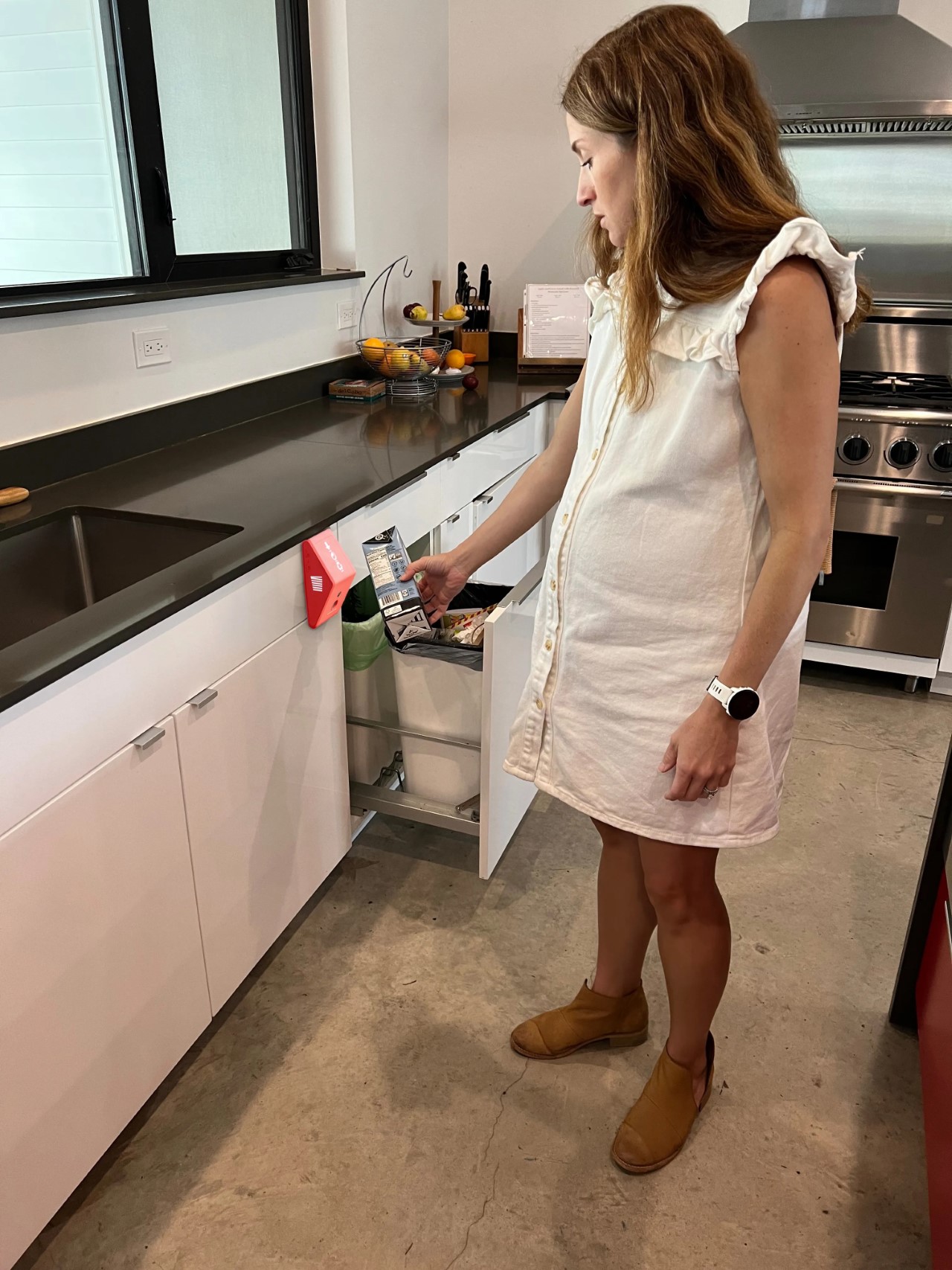
Of all the things I’d want an AI to help me with, this might just be the most useful. While companies like Google and OpenAI have been showing their AI’s multimodal capabilities at identifying the color of objects, or human expressions, an AI hardware company is putting the power of LLMs to good use by having them identify trash. Binit, a Finnish startup, has developed a tiny hardware device that scans your trash and then tells you how to accurately dispose of it. It doesn’t just identify objects like coffee cups and vegetable peels, it tries to analyze materials, looks at brands to identify their manufacturing techniques to determine the best ways to dispose of trash, and effectively tells you (with 98% accuracy) how to segregate your household waste so that the wrong items don’t get disposed of in the wrong channels.
Binit’s core technology is a dedicated AI-powered hardware device designed for the kitchen. Mounted conveniently near your bin, this gadget uses camera vision and sensor technology to identify items before they’re tossed. The system integrates with powerful large language models (LLMs) like OpenAI’s GPT-3, enabling highly accurate image recognition of everyday household waste objects.
Binit’s secret weapon? Rather than training their own AI model from scratch, they capitalize on the vast knowledge base of pre-trained LLMs. This approach has yielded impressive results – Binit claims near 98% accuracy in trash recognition. The system can even distinguish nuances – like whether a coffee cup has a lining based on brand recognition.
But Binit isn’t just about identifying your trash. The system analyzes the data it collects, generating insightful feedback through a companion app. This app provides users with a weekly “rubbish score” and gamified elements to motivate positive behavioral changes. Imagine a friendly nudge reminding you that you’ve been discarding a lot of plastic lately, along with suggestions for sustainable alternatives.
The free tier of the Binit app offers basic analytics, while a premium subscription unlocks additional features. The company also envisions itself as a potential data provider – offering anonymized insights on consumer waste habits to entities like packaging manufacturers. This data could be invaluable for businesses aiming to reduce their environmental footprint.
One might wonder – isn’t environmental awareness enough? Binit argues that while most people acknowledge the importance of waste reduction, ingrained habits are hard to break. They liken their approach to sleep trackers – providing data-driven insights that can empower users to make positive changes, even if they’re aware of the general principles.
Binit’s pilot programs across the US and Europe have shown promise. Users reportedly reduced mixed waste by around 40% after engaging with the system’s transparent feedback loop. The company plans to launch commercially this fall, likely in the US, offering both a dedicated AI hardware device and a free app-based scanning option.
Have you ever wondered what happens to all that water that customers leave at their tables in restaurants? We sometimes see glasses and pitchers left on the table which obviously, the staff can’t reuse anymore for drinking purposes. If the management or staff are conscious about water usage, then they will be used for other things like washing dishes or watering plants. But a lot of times, they’re just thrown into the sink. This concept proposes a more intelligent and eco-friendly way of saving and re-using that water and involving the customers in the process.
Designer: Sebastian Delerba
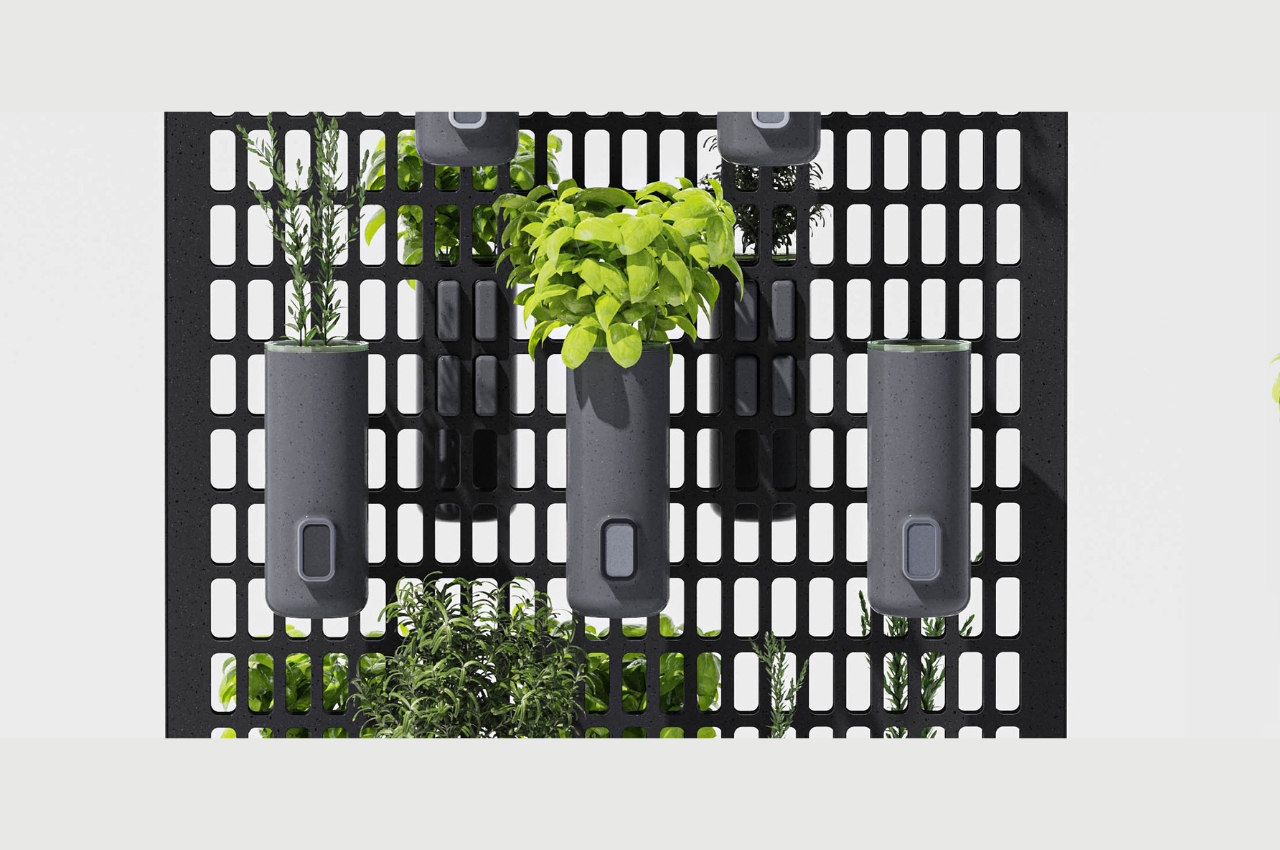
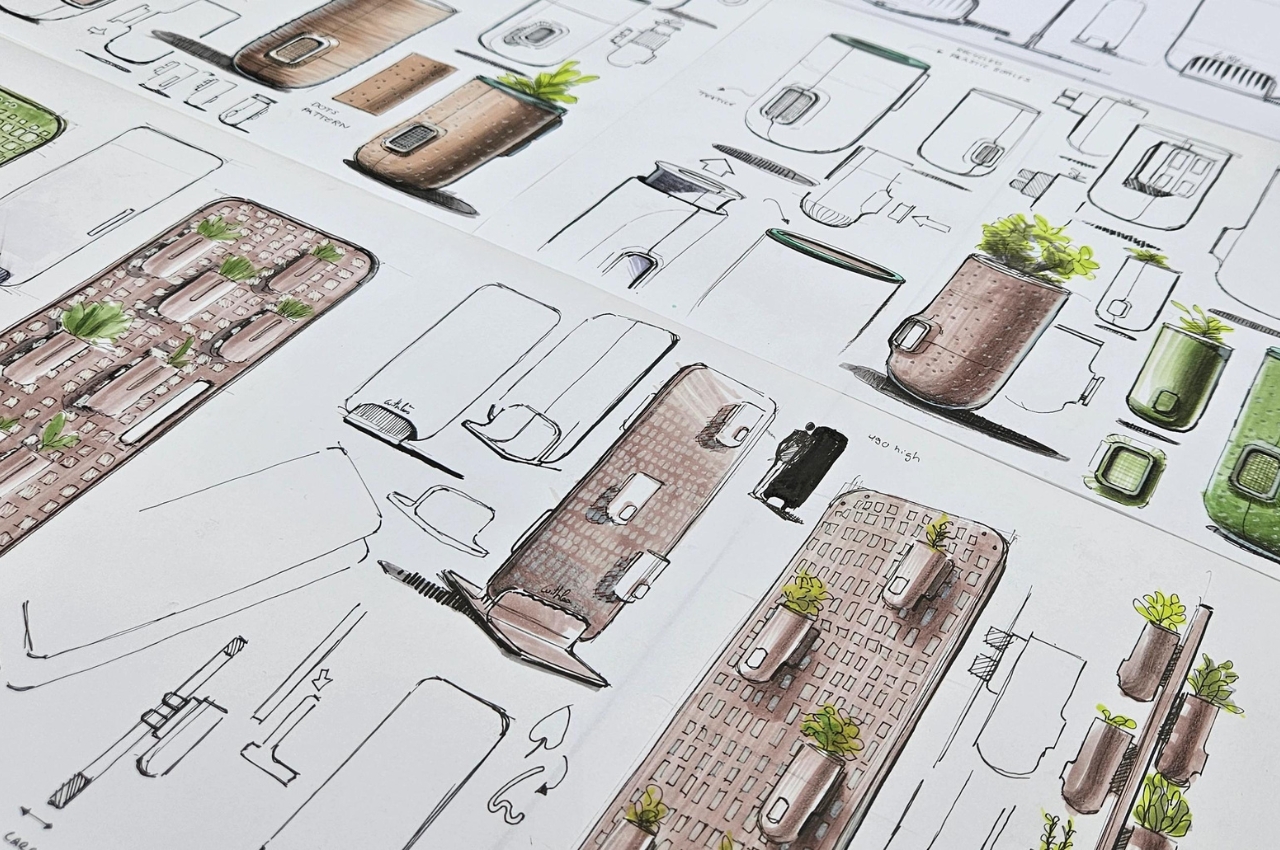
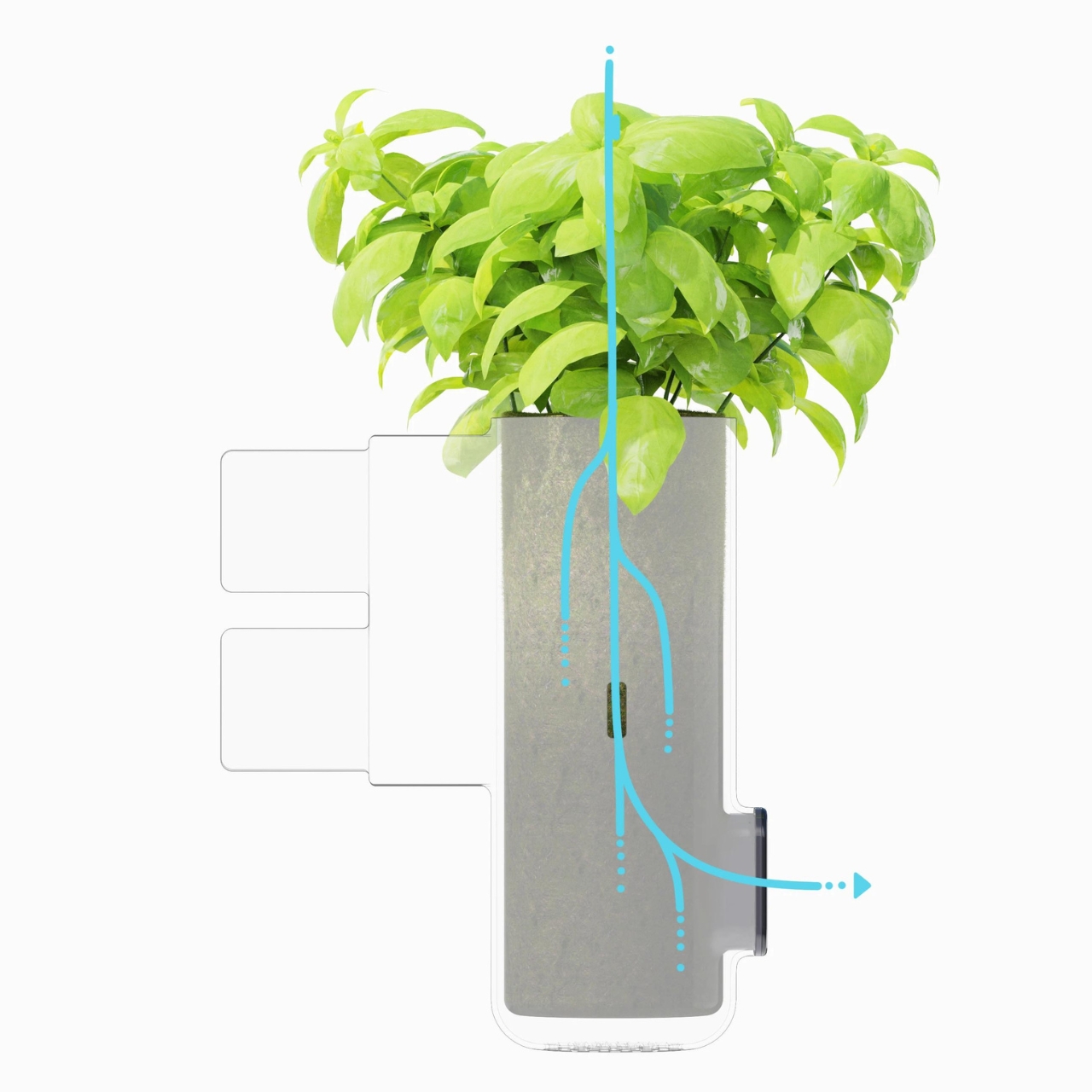
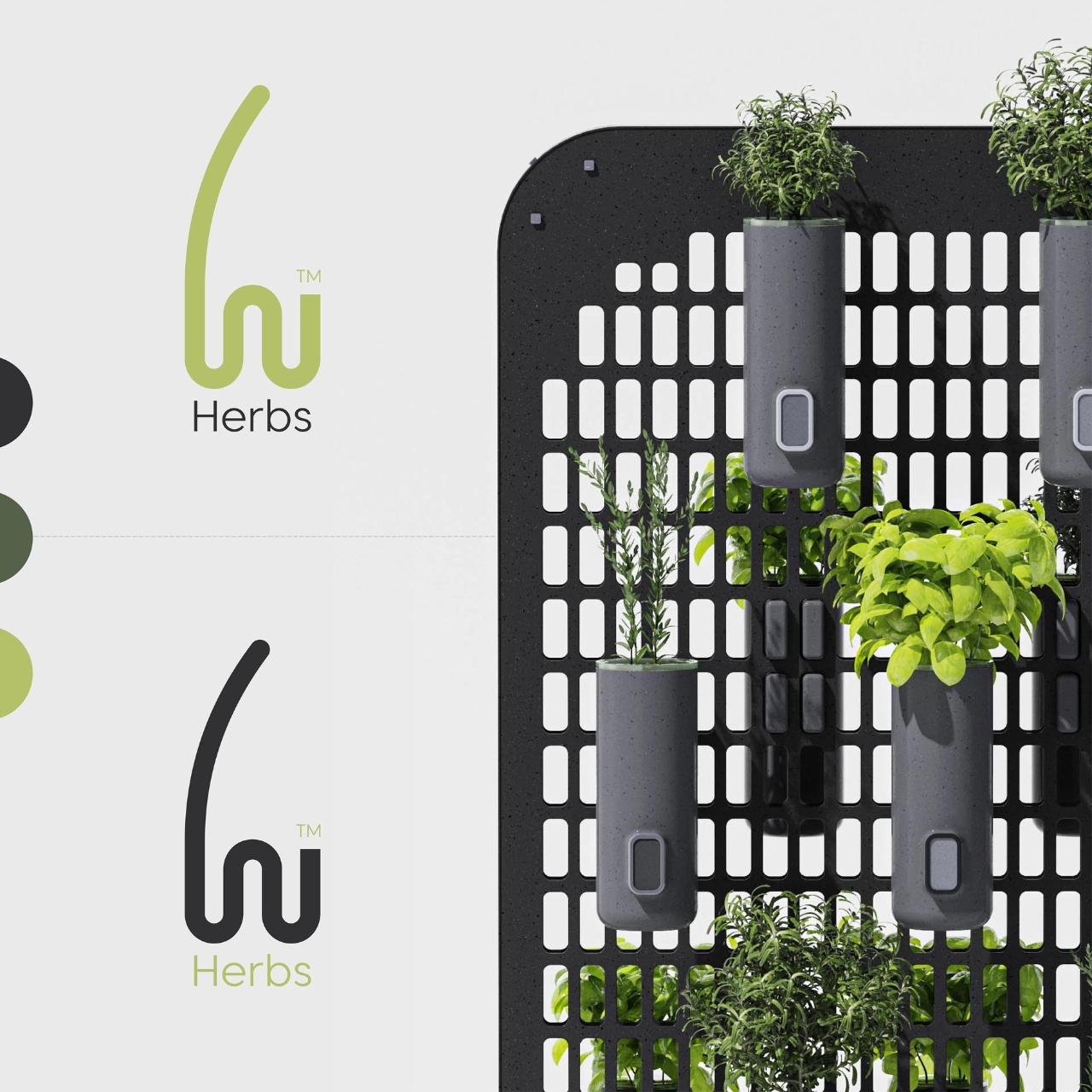
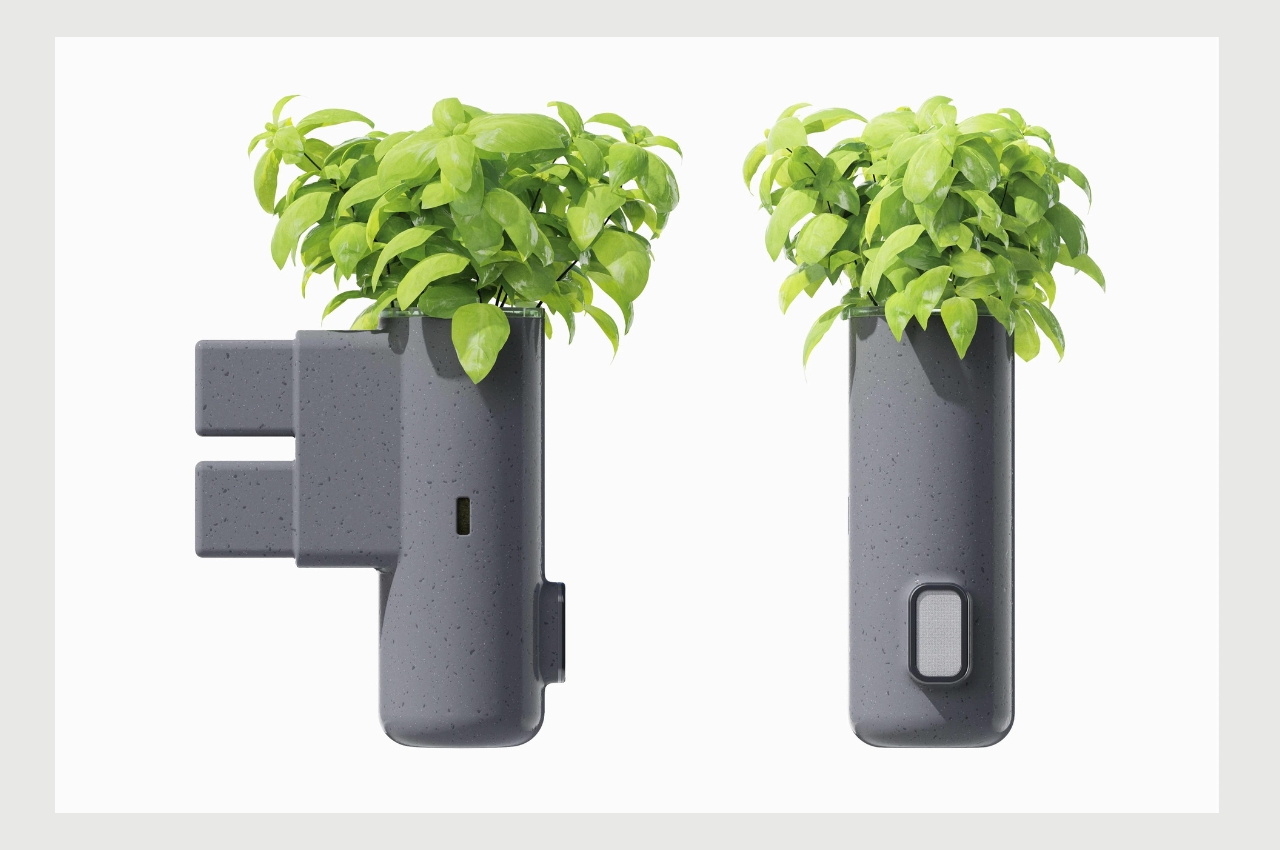
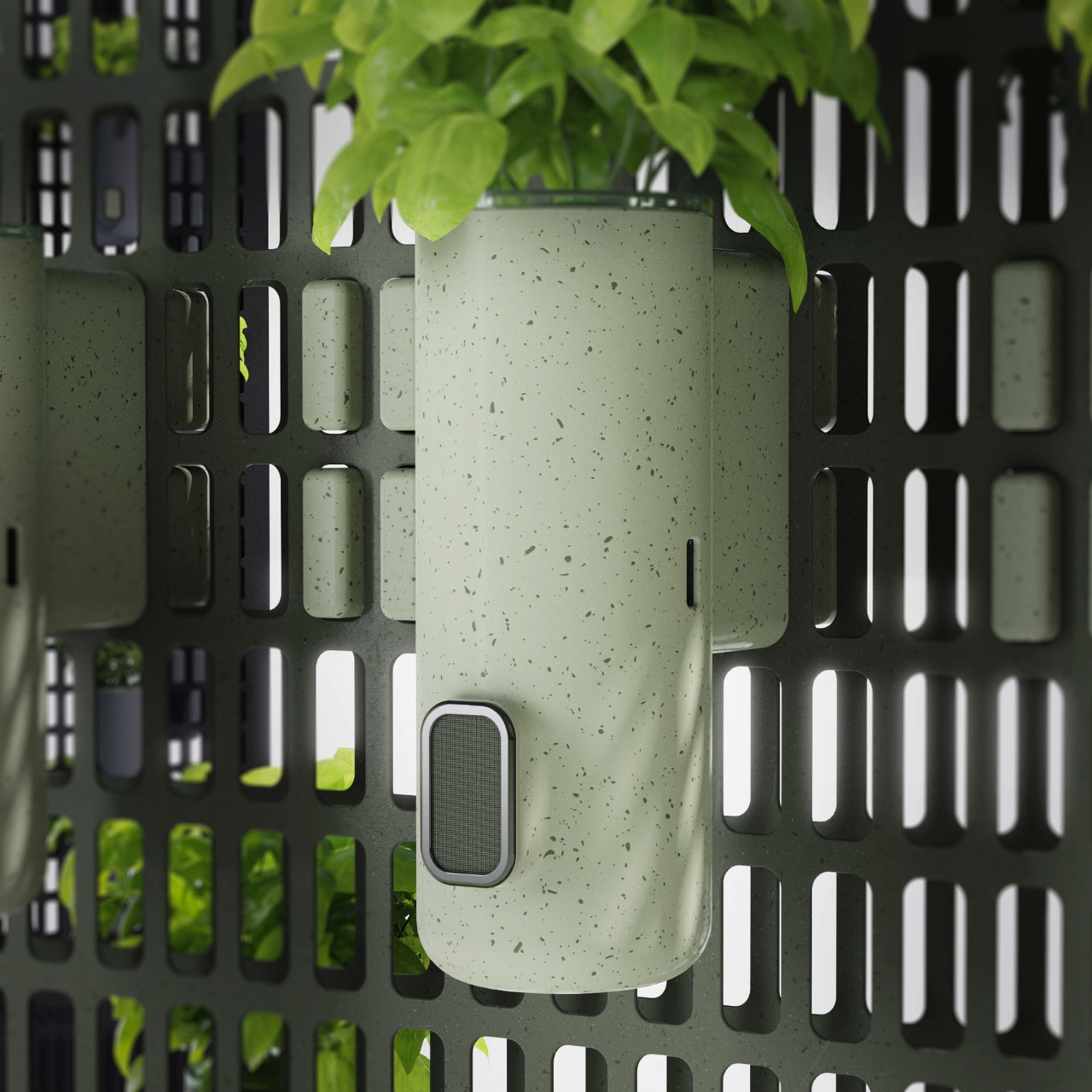
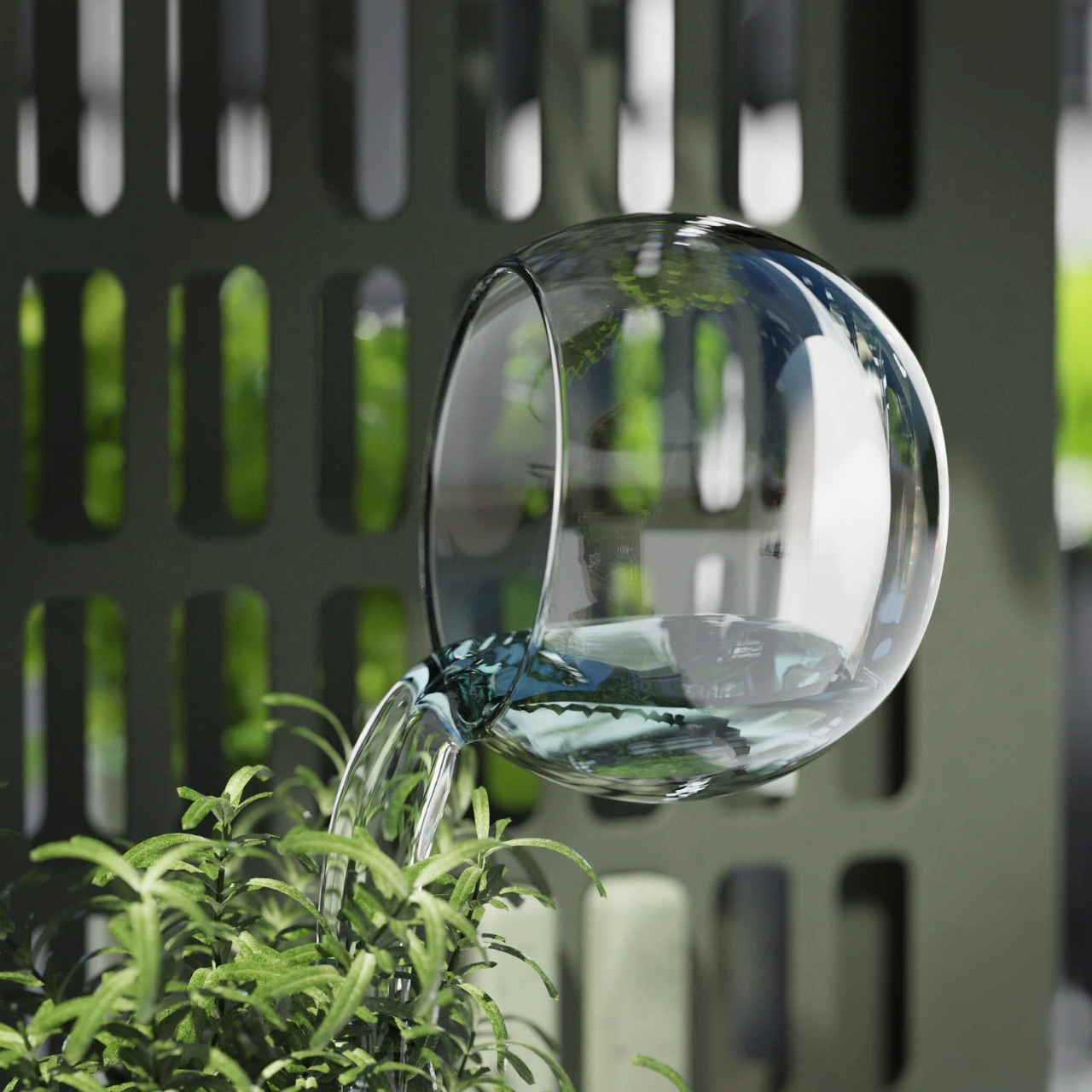
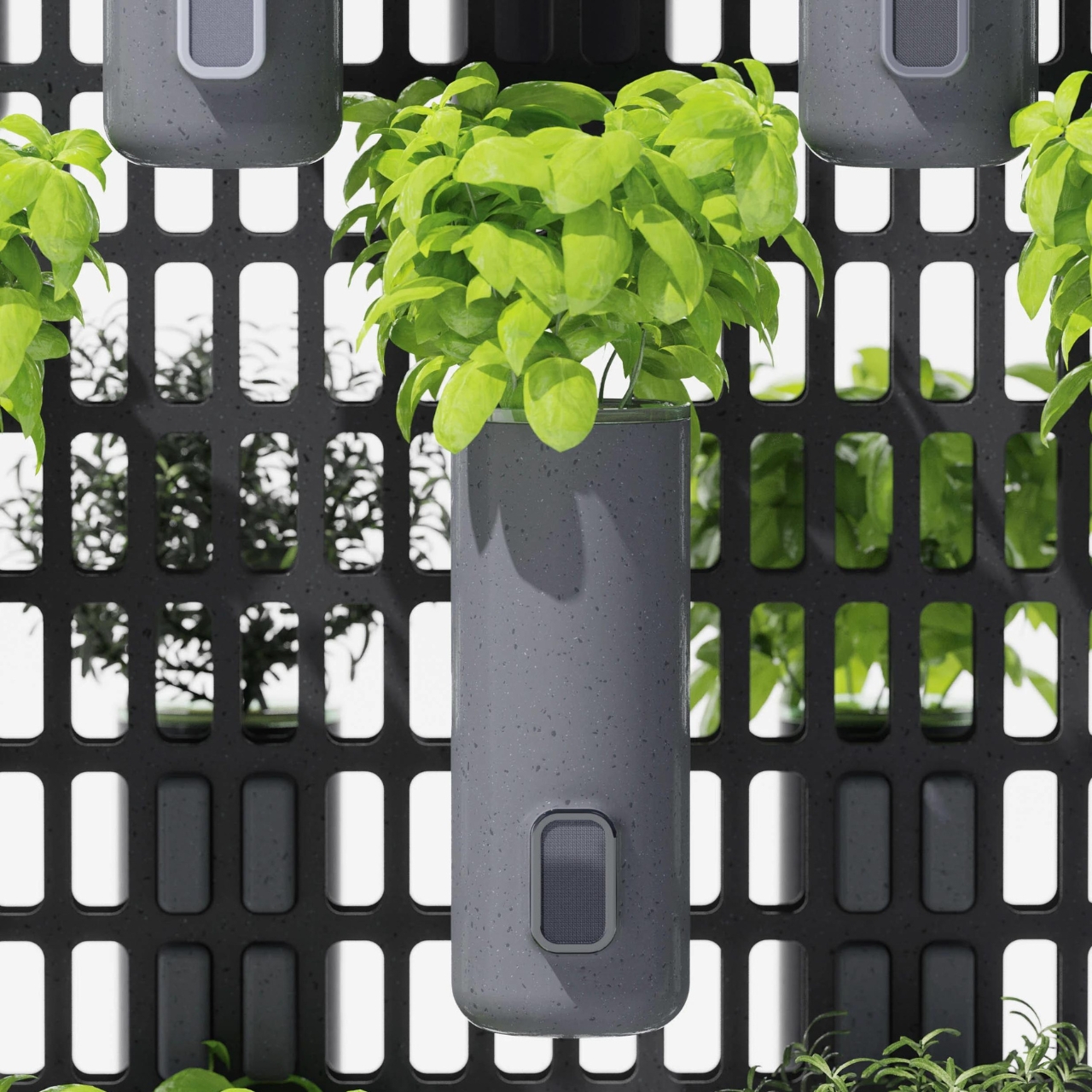
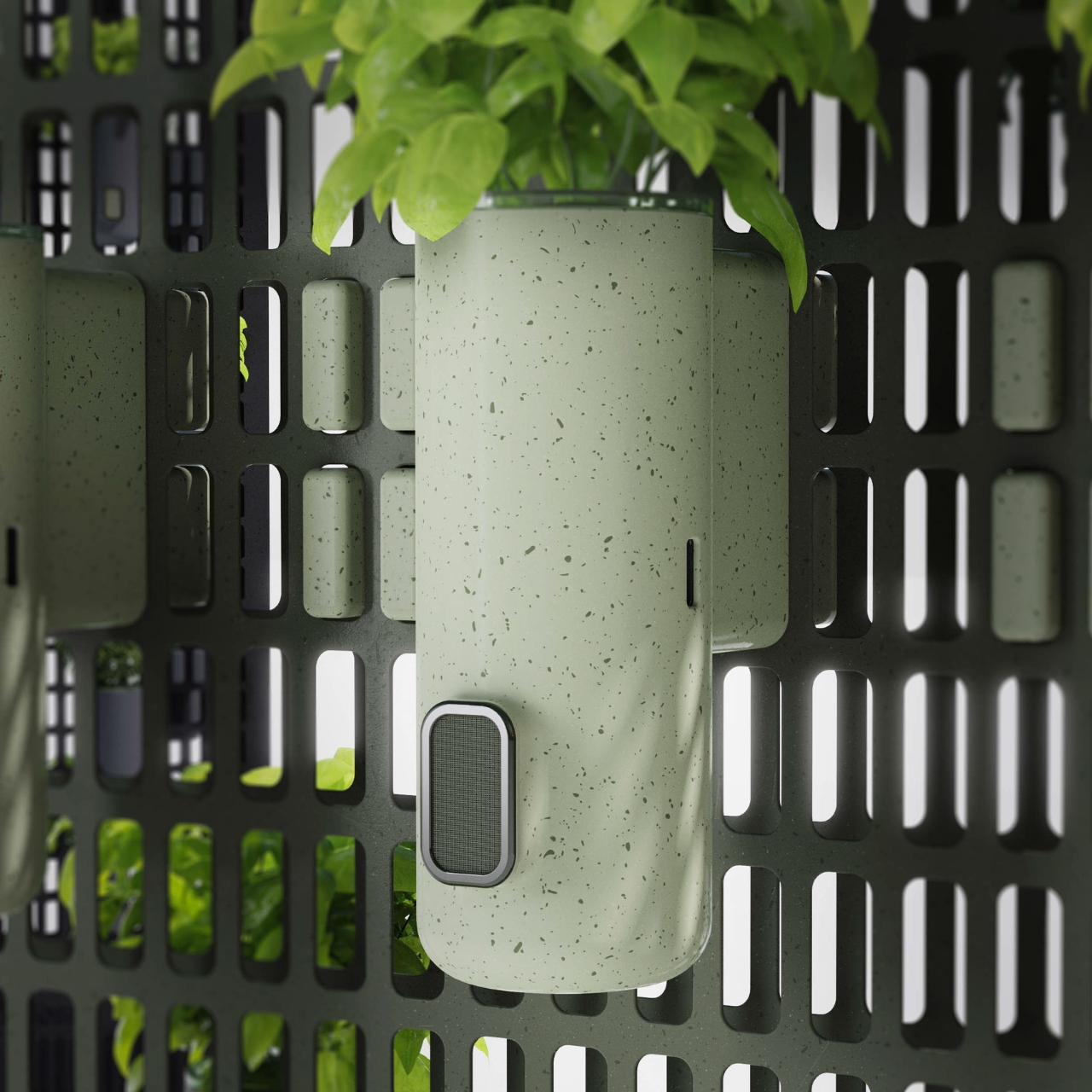
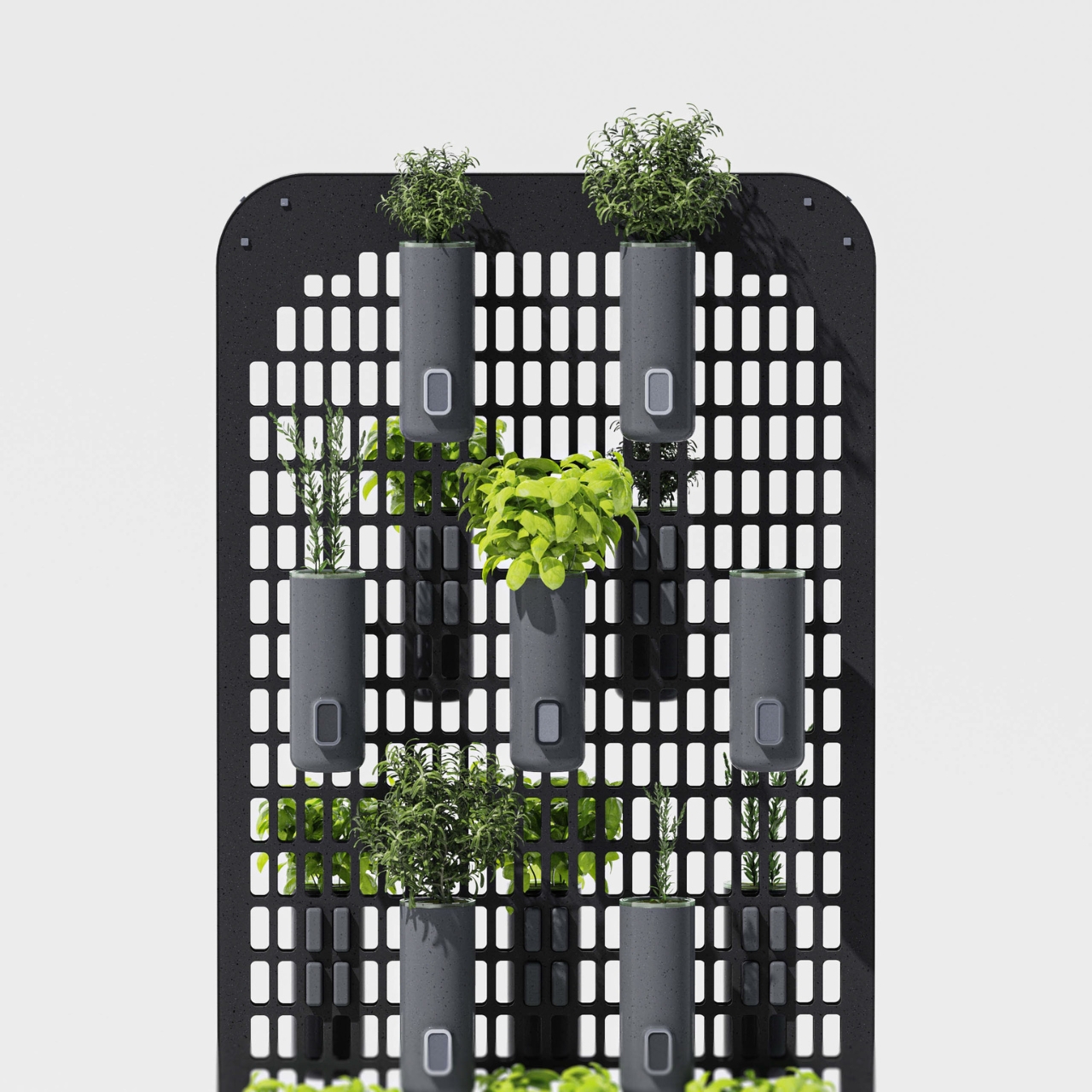
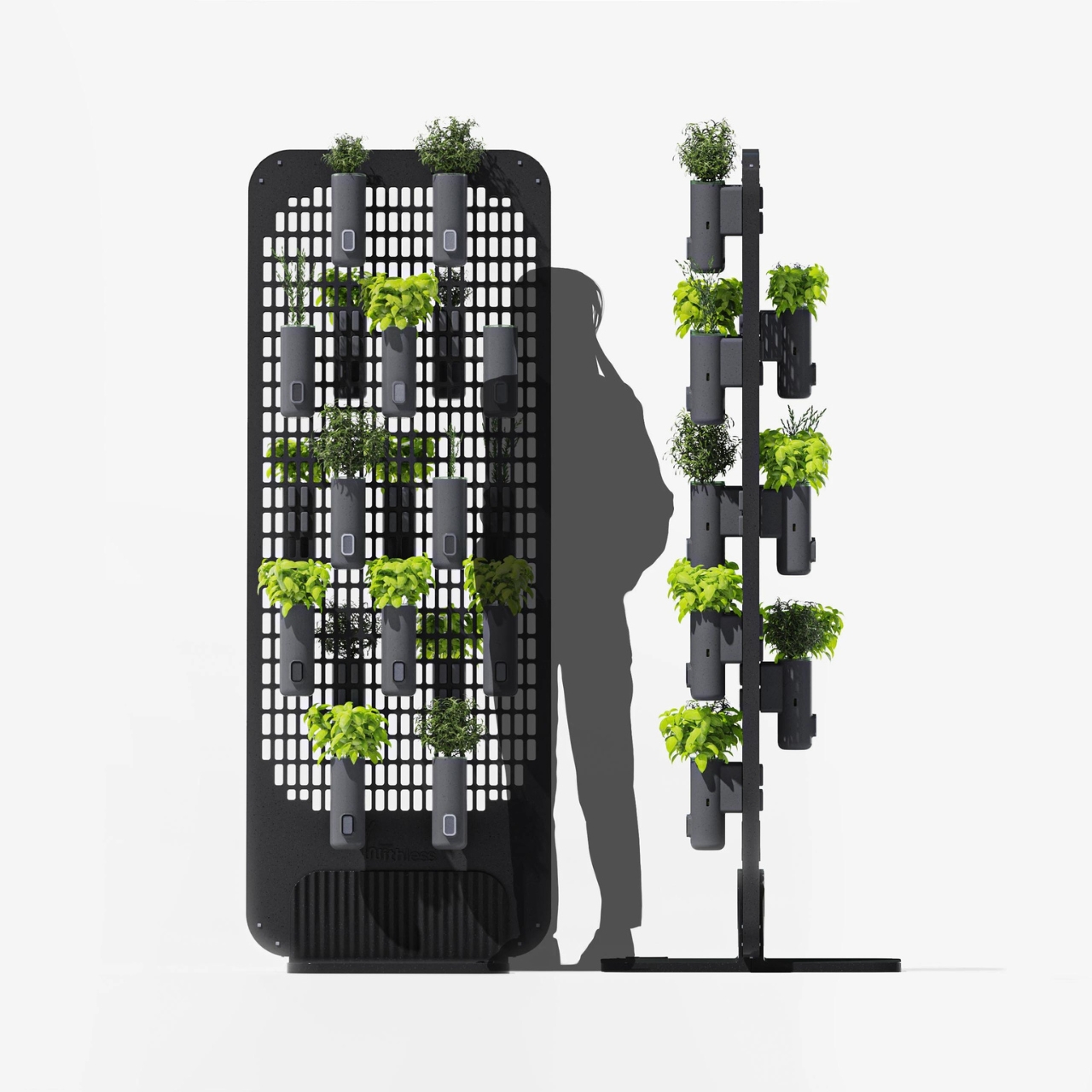
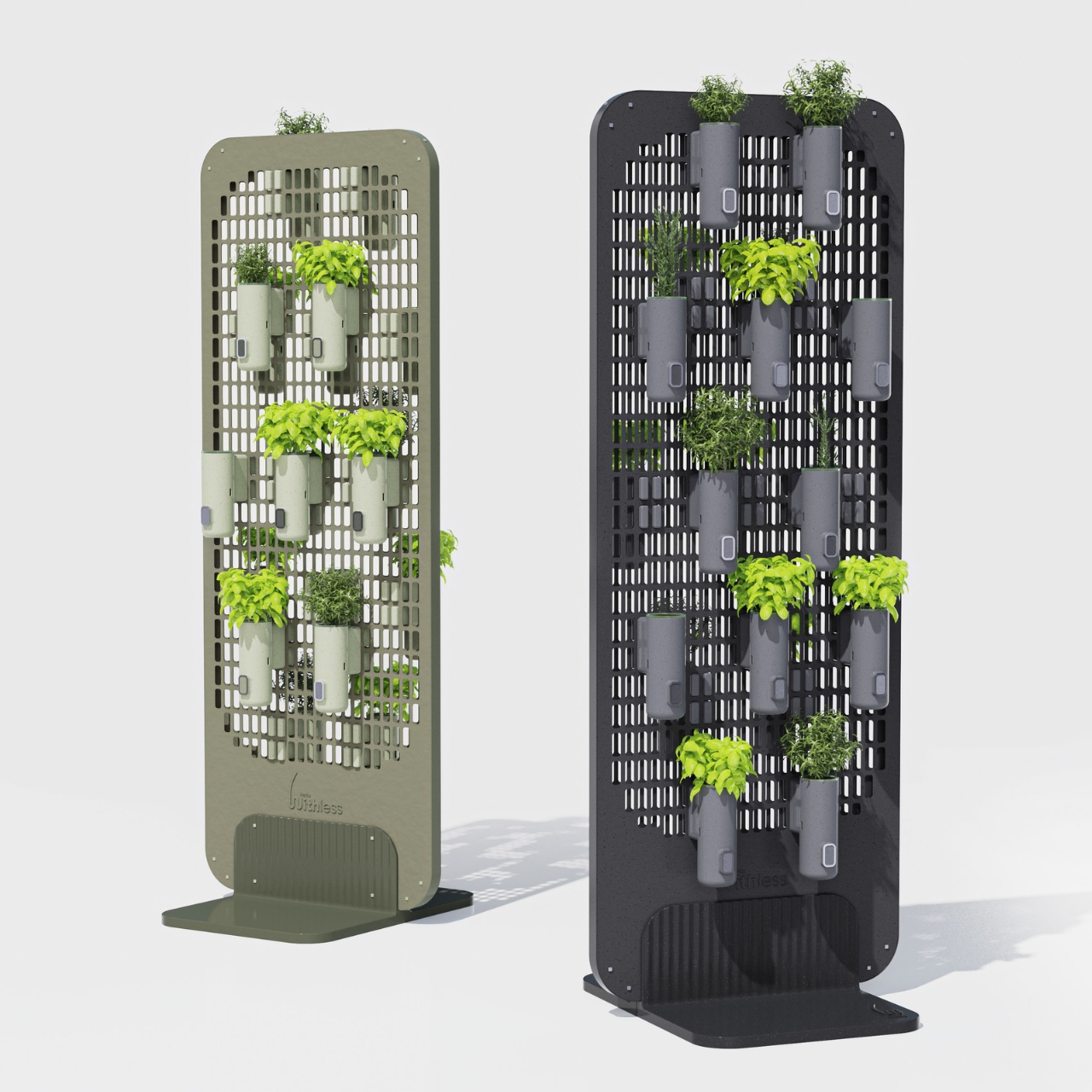
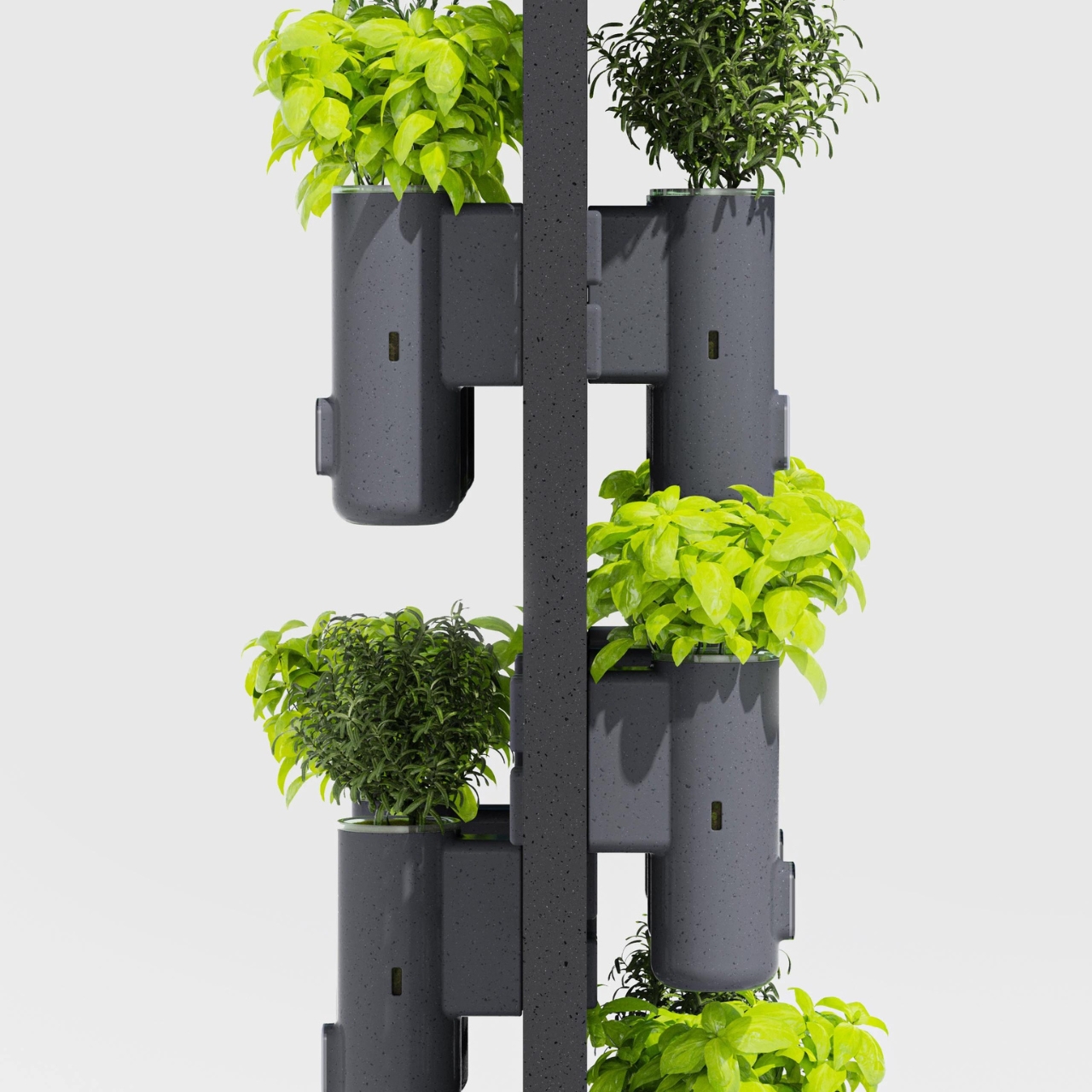
Withless is a concept for herb growing panels that restaurants can put up in their spaces. This way, not only do they have plants around for decoration and for environmental purposes, but they can also encourage customers to raise awareness in saving and reusing water. The stackable panel can hold up to twenty pots and has a grid design which can be expanded to multiple grids depending on the space and the needs of the establishment.
If you’re like me that doesn’t really know much about plants, there is a risk of over-watering plants if there’s no one to tell me that it’s too much. This is where the Withless concept comes in. The pot and the front area are connected so the water reaches the textile when you pour into it. It will show you when the ring and the textile have the same color which means the plant is growing efficiently. When there is a contrast to the color, then it means there needs to be some adjustments. The humidity of the area also affects this so it will reflect that as well.
The establishment can also use this to grow their herbs and other edible plants and get the customers to help them take care of the plants. This is an interesting way to teach people to reuse water and help grow plants as well. Hopefully, something like this gets made and that restaurants and cafes can adapt it.
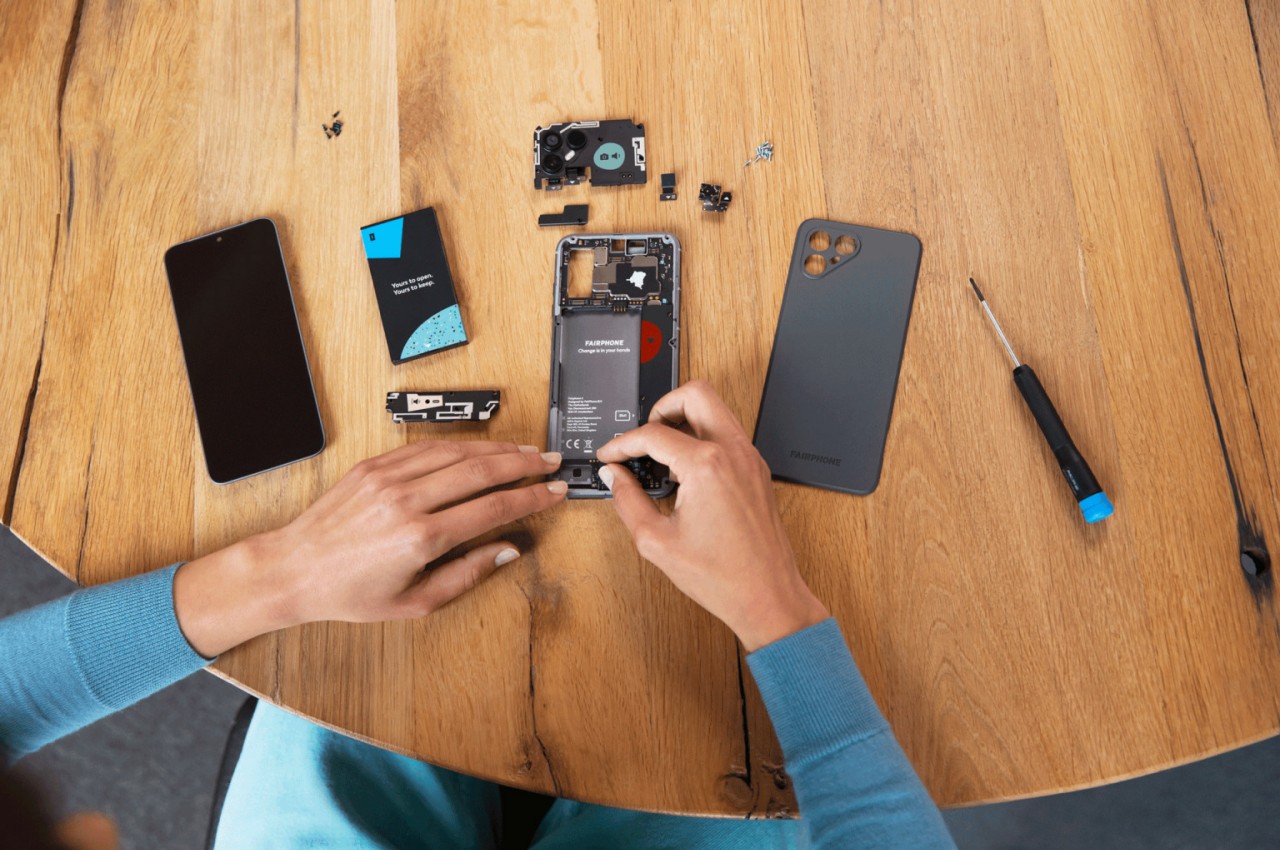
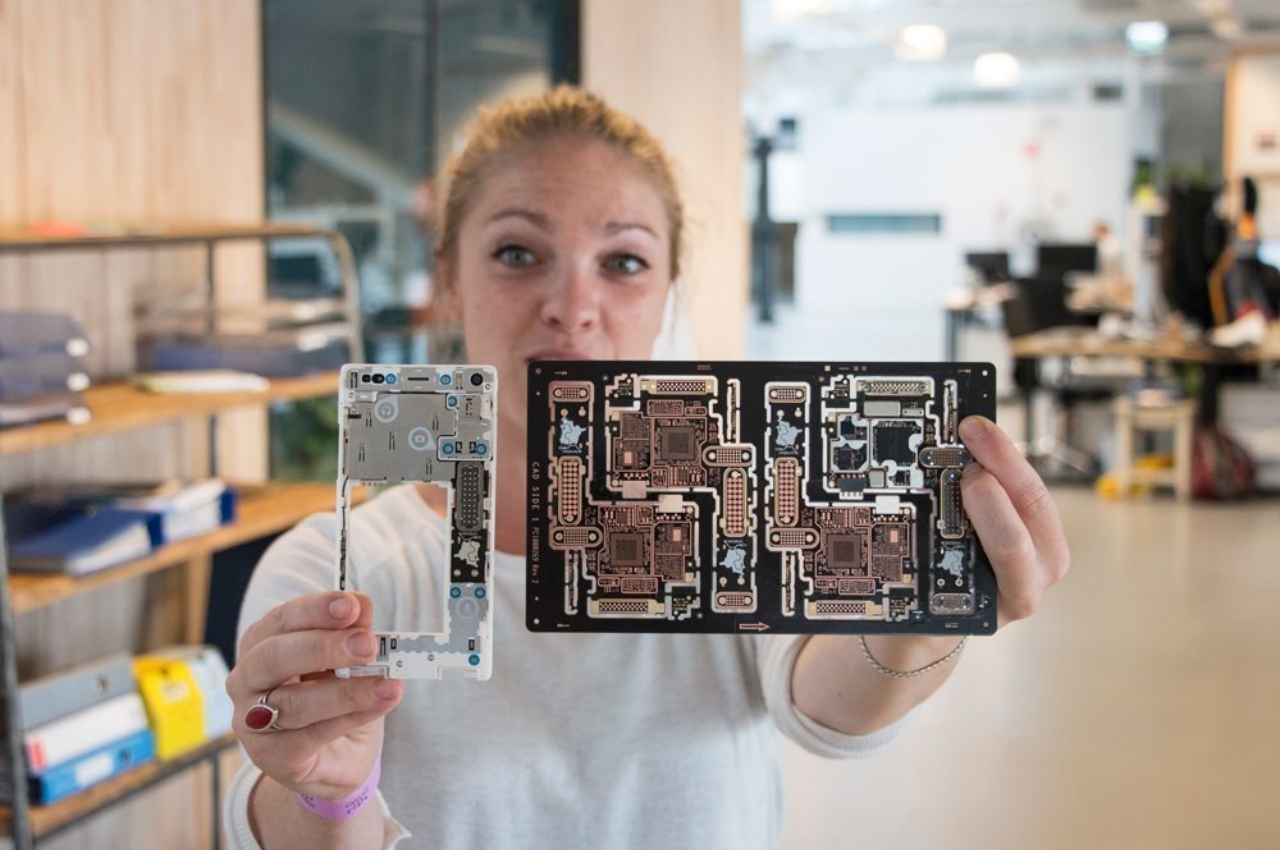
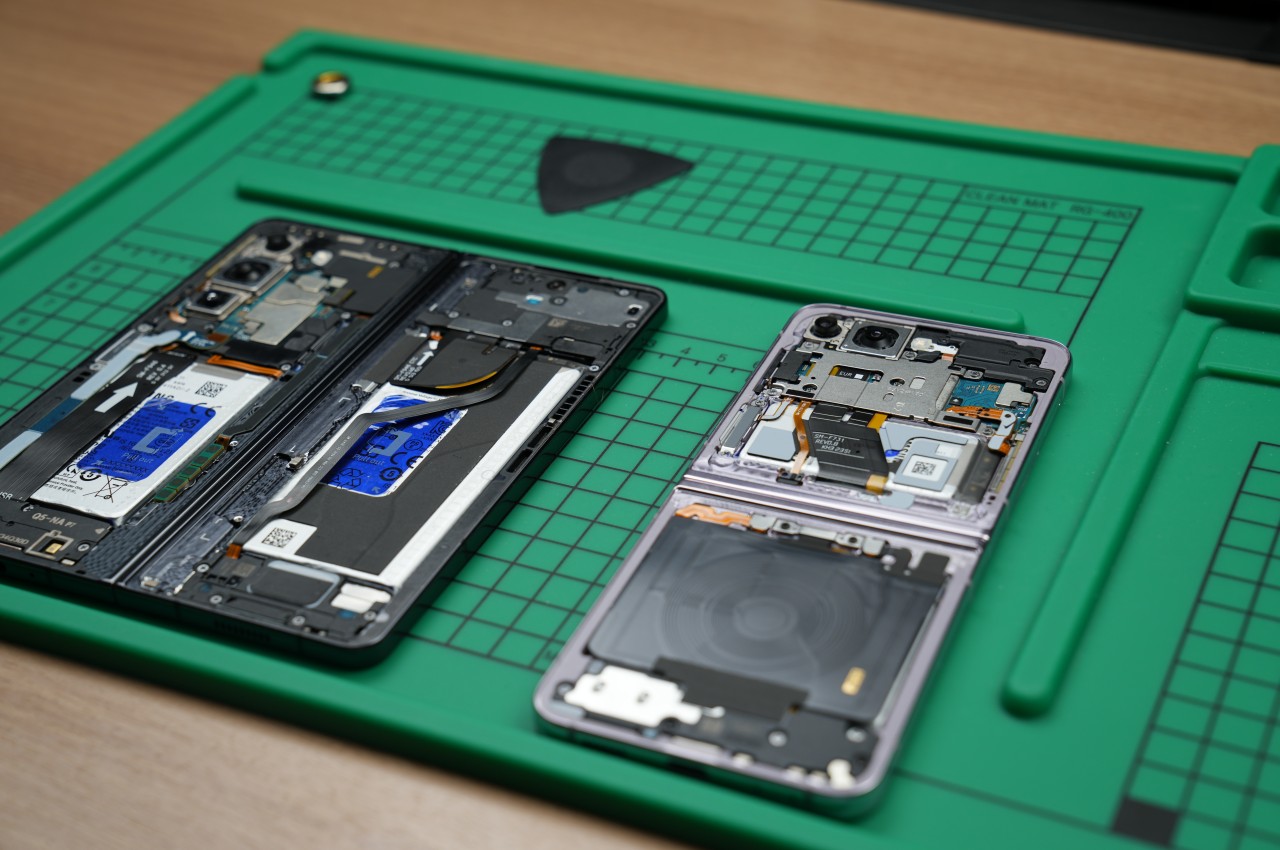
Once upon a time, mobile phones weren’t the fragile and replaceable devices they are today. Sure, they were still expensive during their period, but accidentally dropping one didn’t always mean the end. Replacement parts, officially or unofficially, were easy to come by and the actual process of repairing these phones didn’t require a degree. But as mobile phones turned into powerful yet complicated smartphones, much of the repairability of the past also got thrown out the window. Granted, very few consumers will dare to open up their iPhones or Pixels on their own, so why is there a lot of noise these days about having the ability to repair yours? As it turns out, the ability to repair smartphones more easily benefits not just the planet or buyers but even the phone brands themselves.
Designer: Fairphone
Right to Repair
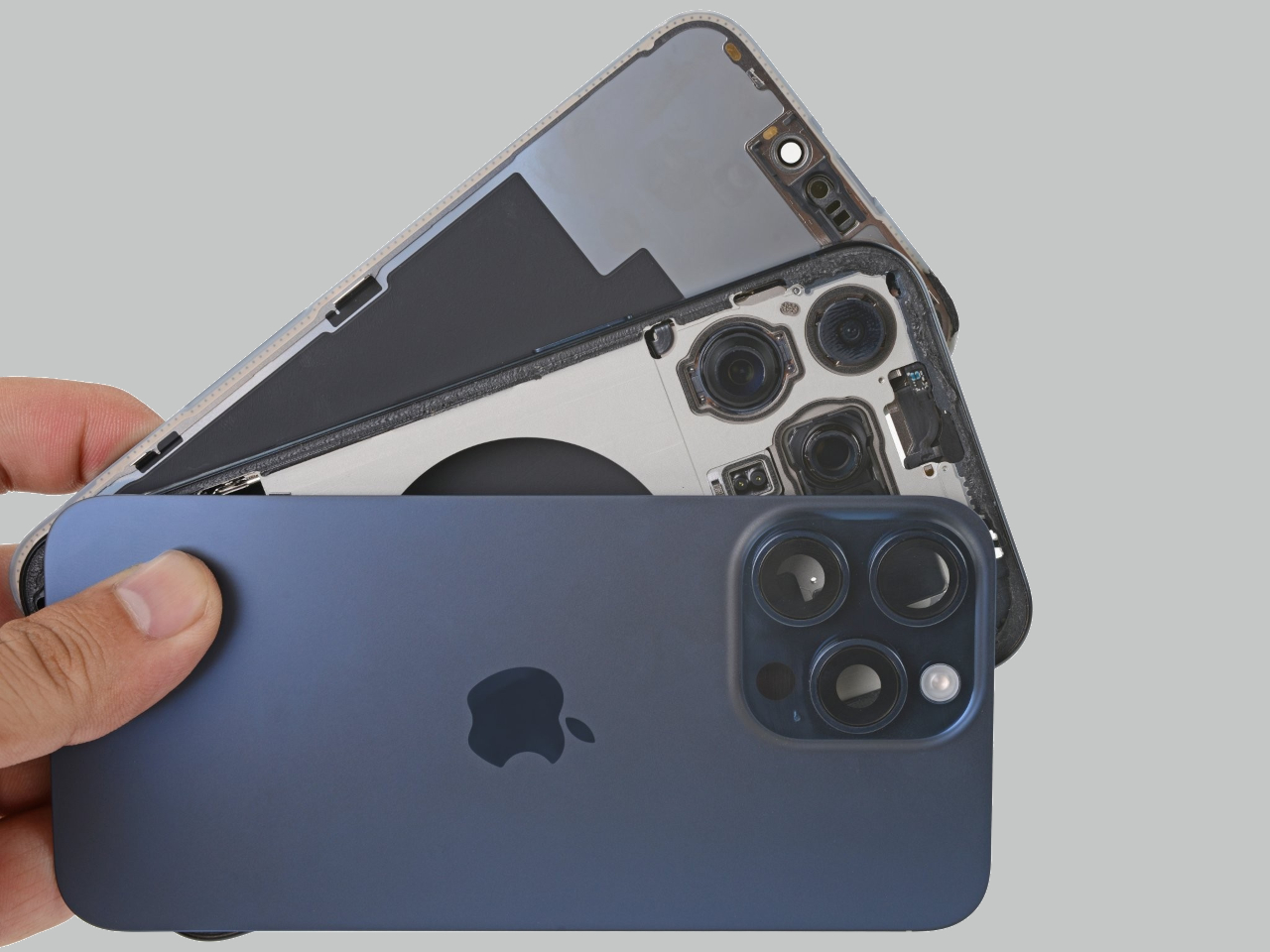
Part of the rhetoric around the smartphone repair situation involves the general Right to Repair movement. As the name implies, it is pushing for legislation, policies, and awareness that would allow owners, as well as third-party businesses, to repair the products that they have bought. It might come as a surprise given how it seems to go against common sense, but the situation with electronics, which includes smartphones, basically disallows anyone but the company and its authorized service centers from opening up and repairing these products. Although it’s not an accurate comparison, it would be like being forbidden from repairing the dress or furniture, requiring you to go to the boutique or shop you bought them from to have them fixed.
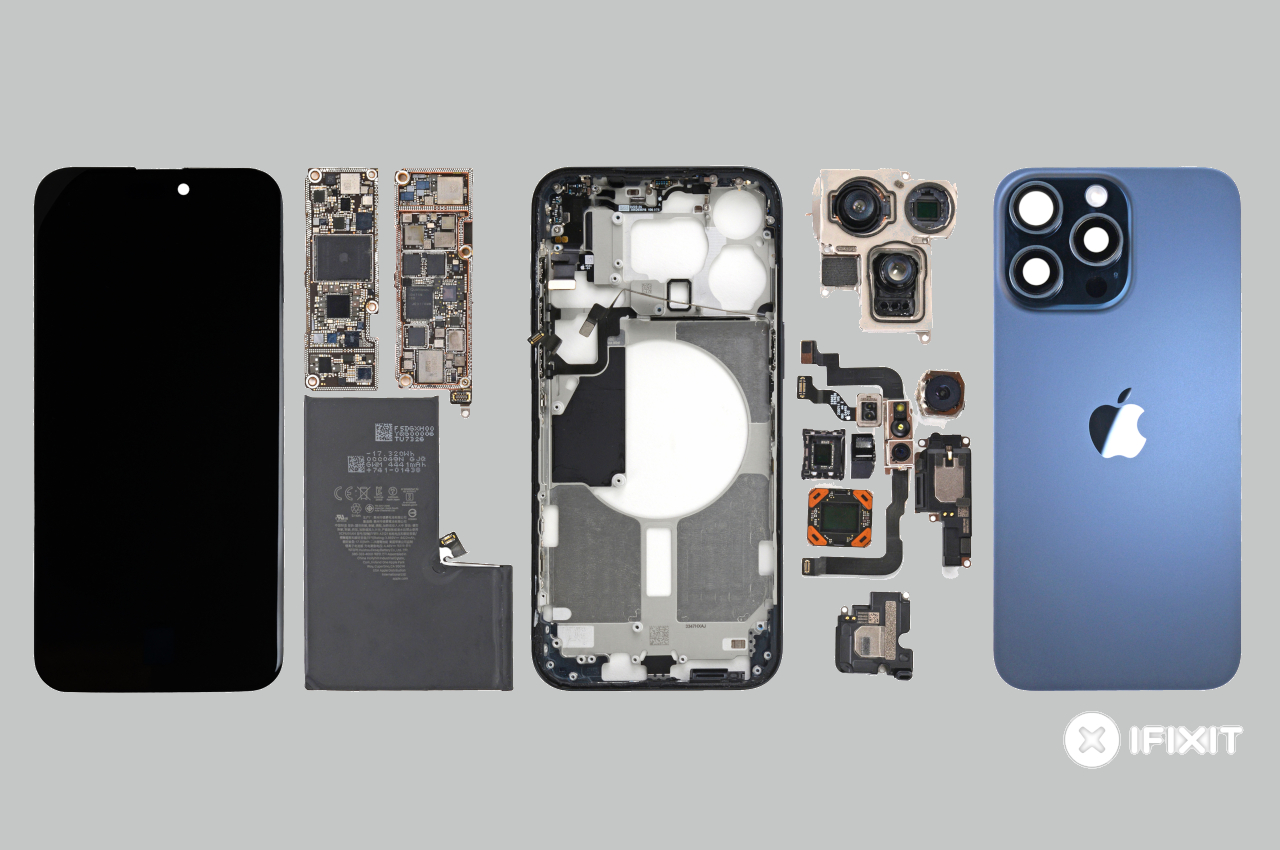
Designer: Apple (via iFixit)
To be fair, smartphones are complex beasts, and opening them up risks further damaging the device. Companies also have the obligation to protect their intellectual property from snooping eyes, but that isn’t a blanket reason to design phones to be nearly impossible to repair. iFixit, one of the biggest proponents of this Right to Repair movement for consumer electronics, has reached a middle ground with companies, providing official repair guides and a store for buying replacement parts so that anyone with the skill and courage can do it, whether they’re the owner or a small repair business.
Repairable Phones Are Sustainable Phones
Legal arguments aside, proponents of making smartphones more repairable often appeal to the harmful effects the current state of business has on the planet. The number of smartphones made and shipped every year has probably already exceeded the population of the world, which raises the question of what has happened to these devices over the years. While manufacturers do have programs for sending them your old or broken phones for proper disposal, just how many people actually make the effort to do that? More often than not, they simply stow old phones until they’re forgotten or, worse, mindlessly throw them in the trash so that these non-biodegradable objects ultimately end up in landfills.
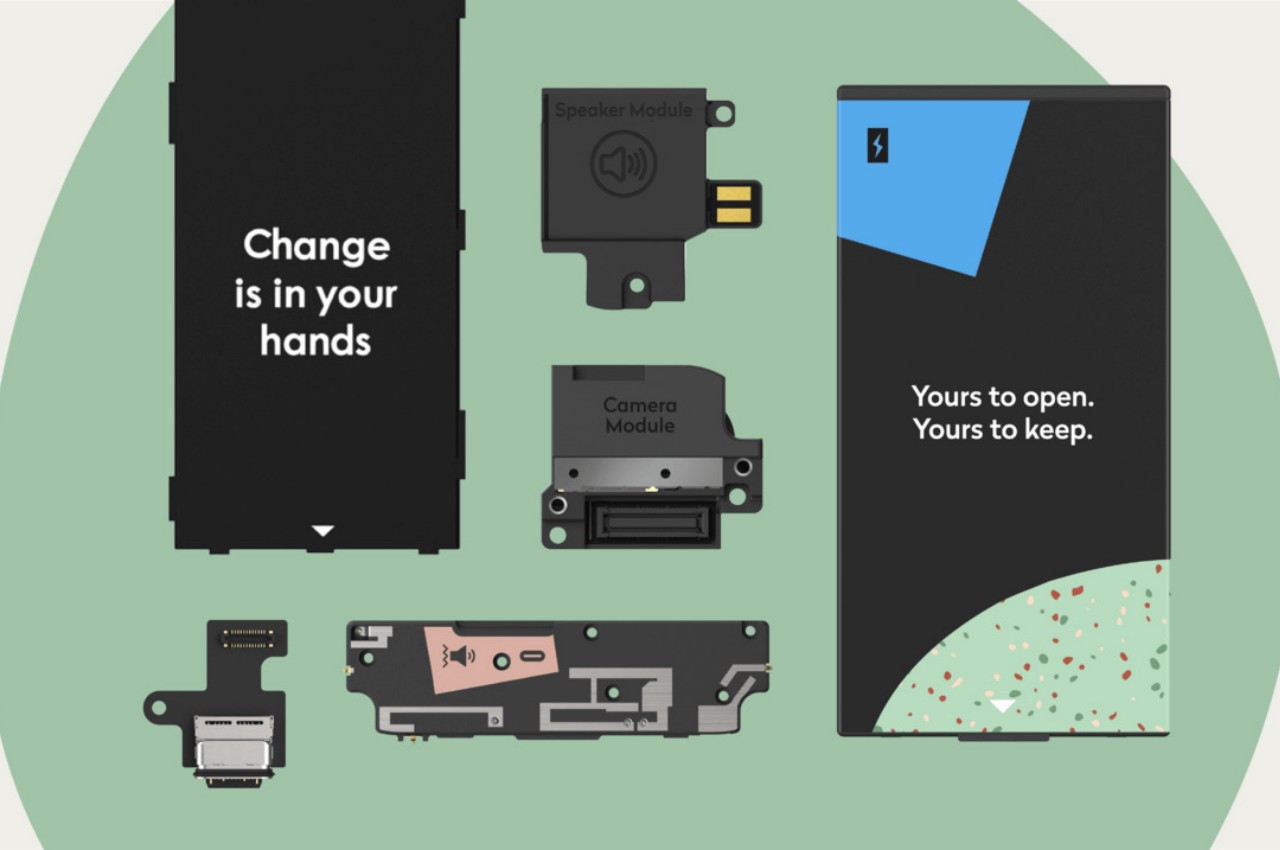
Designer: Fairphone
Smartphones aren’t immortal or invincible, of course, but the longer we can keep using them, the longer they’ll stay out of the trash. Truth be told, the biggest reason why people change phones isn’t because of the latest trends but because their old ones have become nearly unusable. A cracked screen, bloated or failing batteries, or a broken charging port are the most common causes, so being able to change these easily helps keep electronic waste down to a minimum and for longer periods of time.
Repairable Phones Save You From Stress
There are definitely people who switch to the latest and greatest models after just two years or sooner, but the majority of users would like to keep their phones for years as long as they’re still usable. It isn’t as much about fondness for the device as the stress of switching to a new one. Even with all the advancements in cloud storage, backups, and phone transfers, people still experience loss and stress when their phones no longer work and have to switch to a new one, often from scratch.
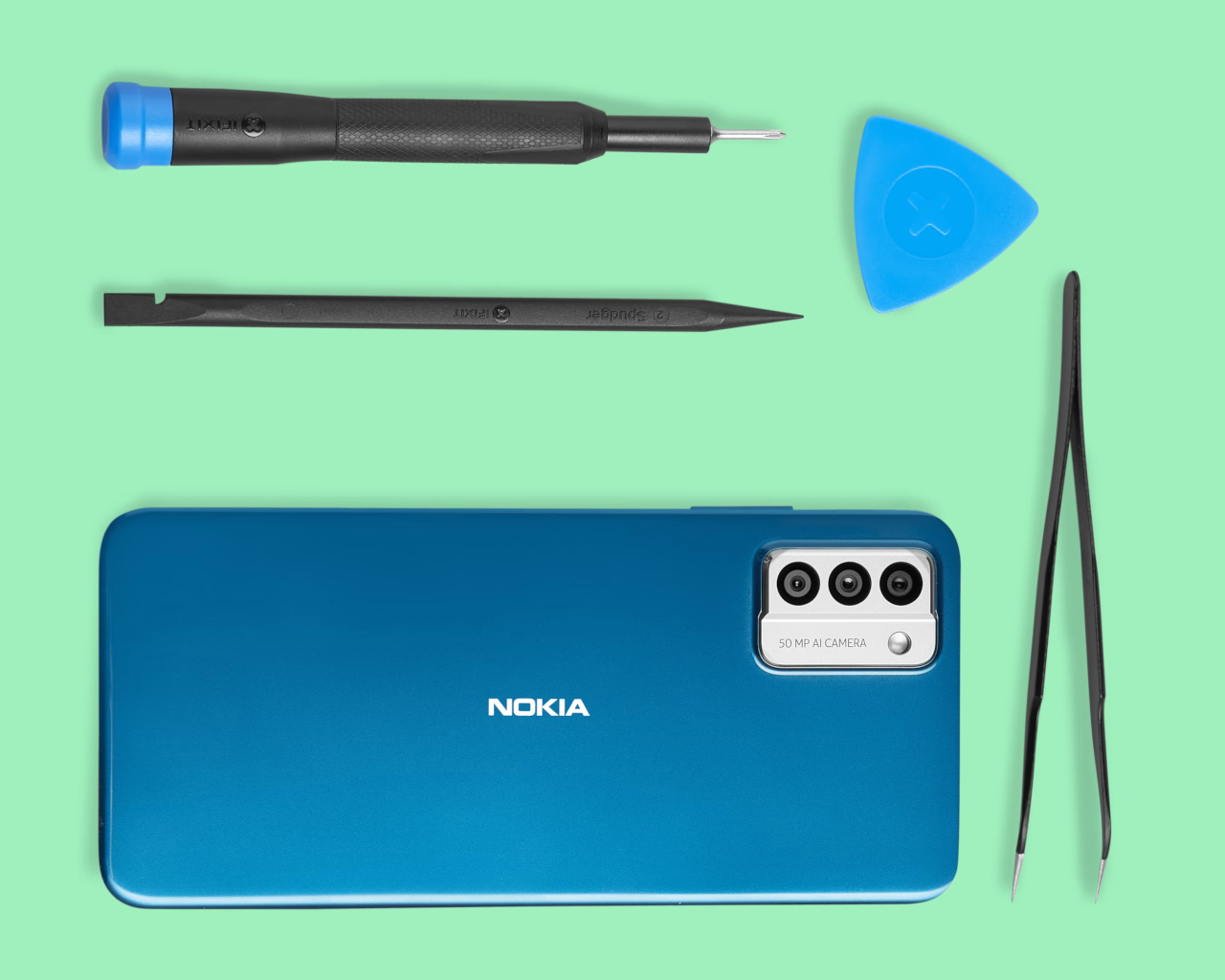
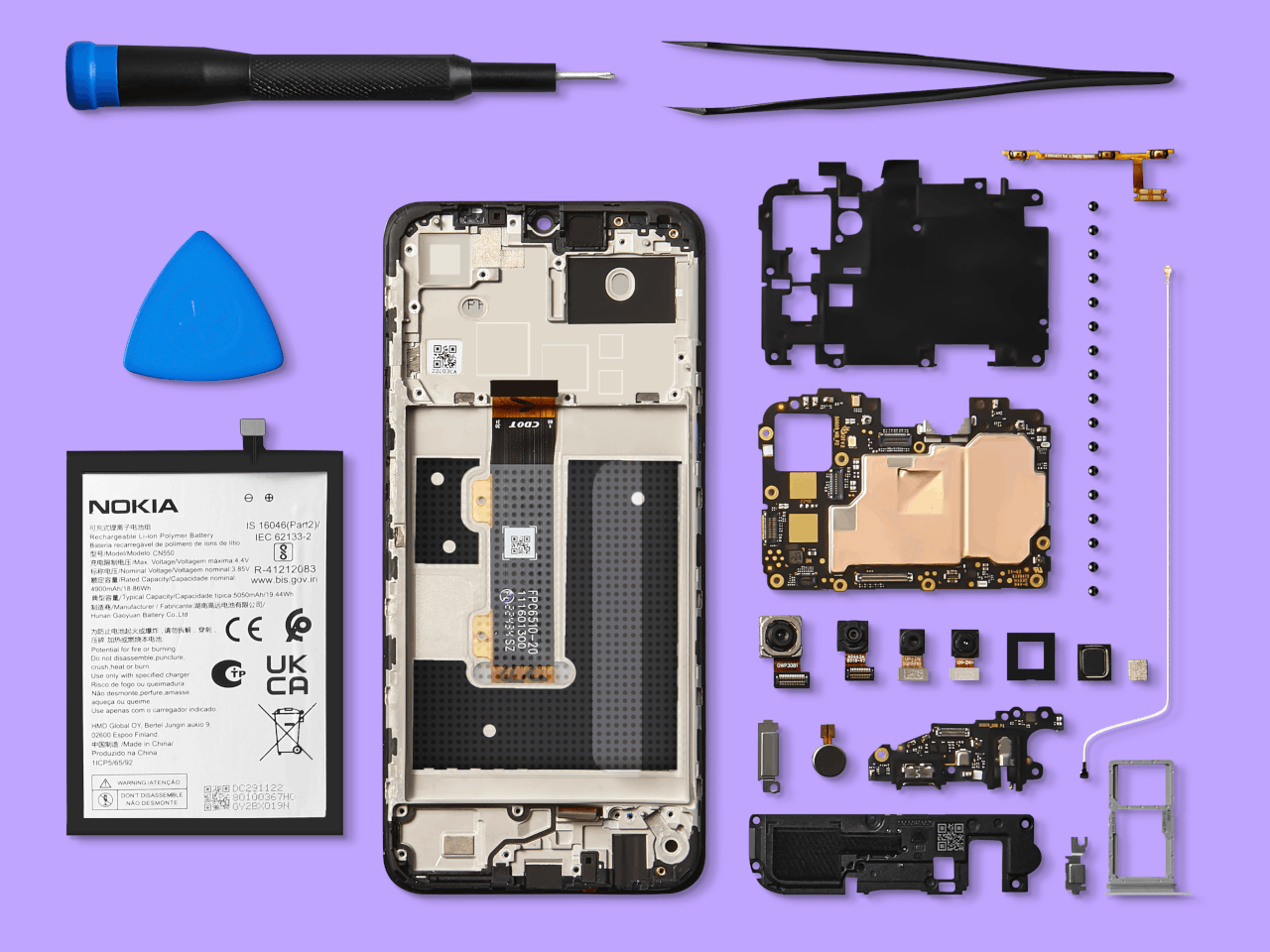
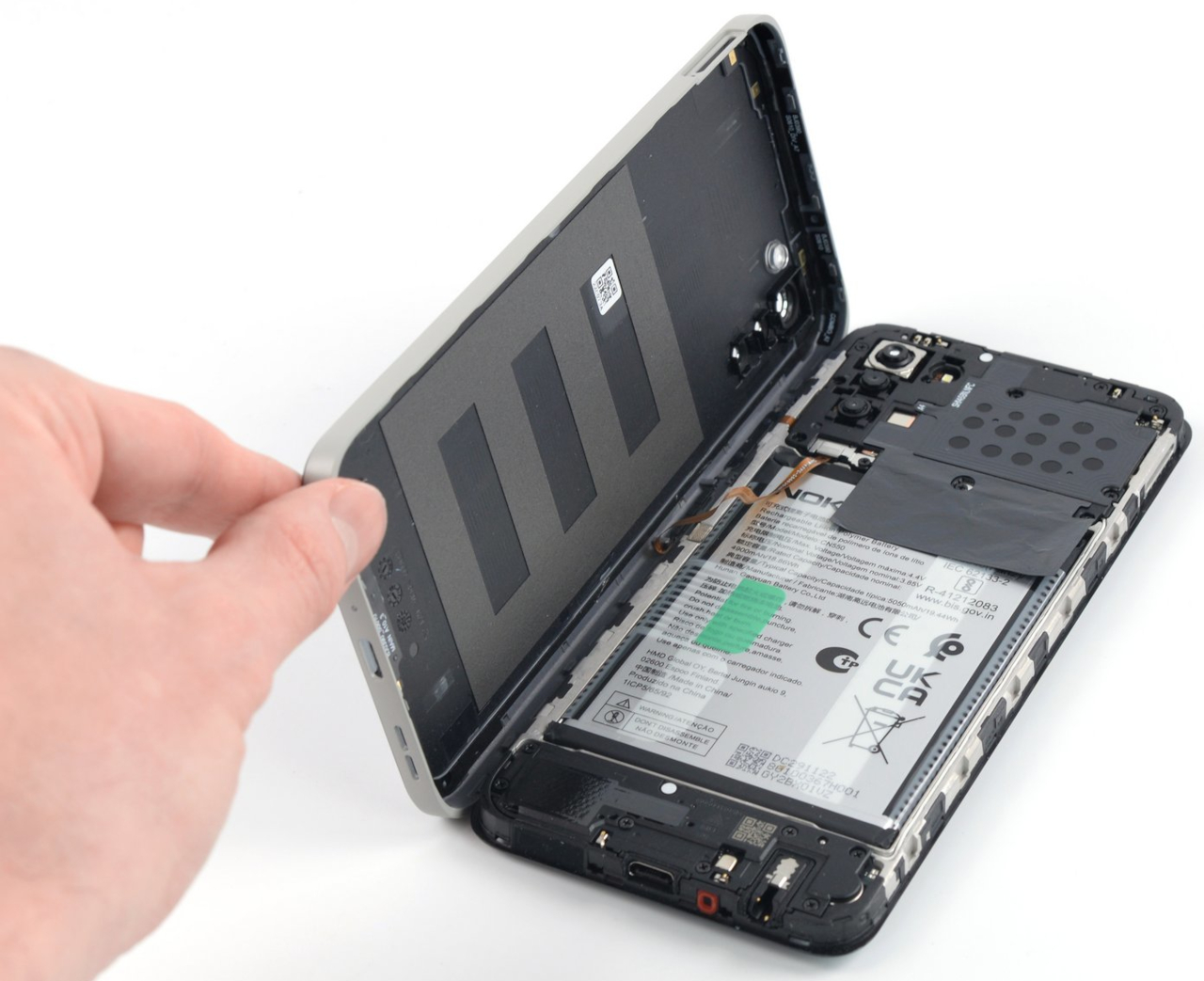
Designer: HMD Global
You still should back up your phone and its data regularly, of course, but improving these devices’ repairability lessens or shortens the anxiety and stress that owners experience. Your phone goes empty in less than a day? Simply change the battery and it’s as good as new. USB charging port feel loose and unreliable? Swap it out for a new one and be on your way. It also saves people from the stress of an unplanned major expense, especially when they can get a better model when the time really comes for them to upgrade.
Repairable Phones Are Good Business
Being able to repair smartphones easily might save consumers money and give small repair shops some business, but manufacturers and their shareholders will probably see it more as a revenue loss. After all, the longer people hold on to their old phones, the less they will buy new ones. Unfortunately, there is definitely some truth to that, which is why even big phone companies hesitate to encourage self-repairs or third-party services. It is, however, an outdated mentality that no longer reflects the reality of our present. Even Apple is realizing that profits are no longer coming just from outright hardware sales but also from software, services, and other sources. It’s definitely high time for these brands to be creative in how they can make more money without busting people’s wallets or killing the planet.
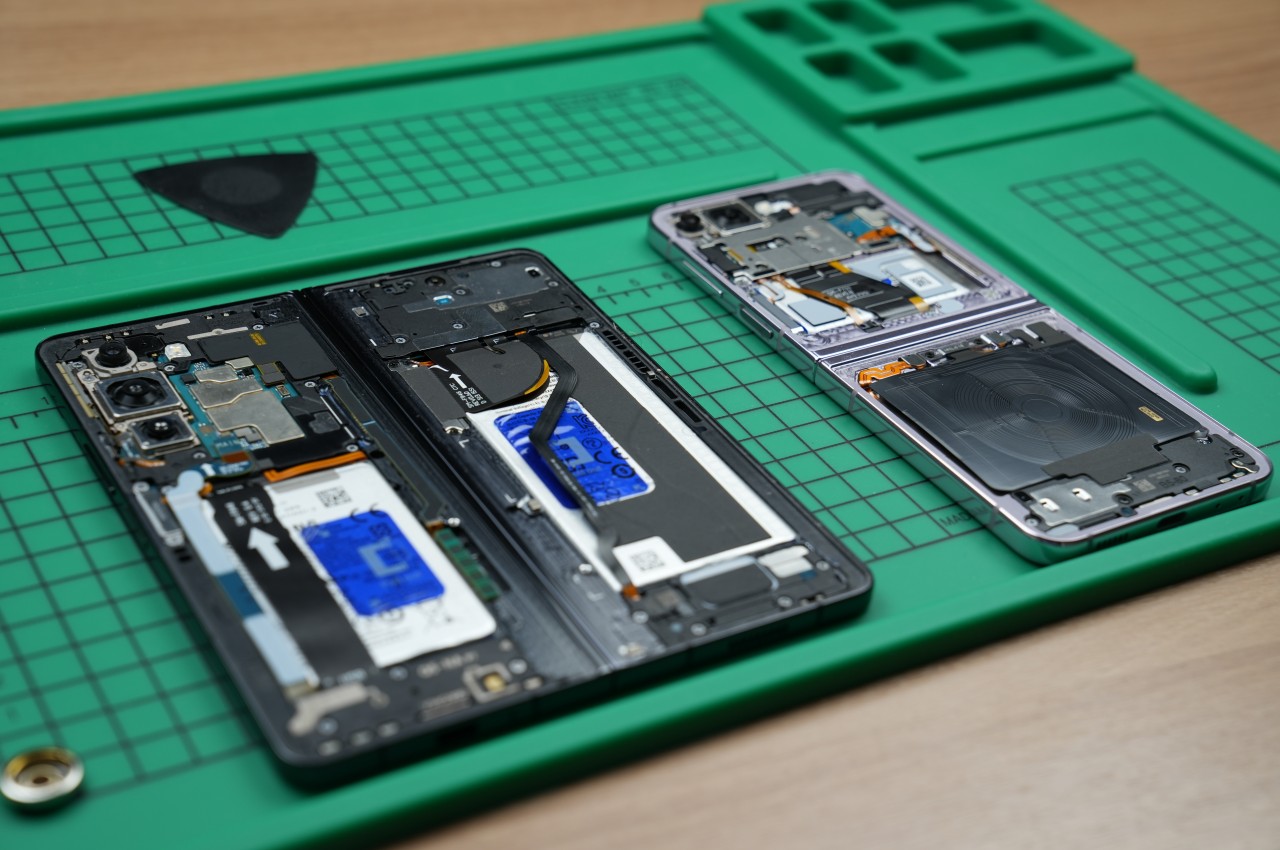
Designer: Samsung
Manufacturers can, for example, profit from selling those replacement parts, but that also needs to be done in moderation. Recent news on this front demonstrates not what to do, which is to make those parts too expensive to the point that it becomes less economical to repair the phone in the first place. iFixit announced it is cutting ties with Samsung for that very reason, with parts beyond the reach of most people anyway.
Companies also need to see repairable phones from a different angle, particularly in how they actually reduce their operational costs and waste. They can cut down on the production of surplus units, keeping their stocks tight. This, in turn, reduces their reliance on costly materials that are either hard to acquire, harmful to the environment, or might even be controversial for being conflict materials. It forces companies to rethink their business, which is currently unsustainable both in the environmental sense as well as the economic sense, driving innovation that could hopefully create a greener tomorrow for its customers.
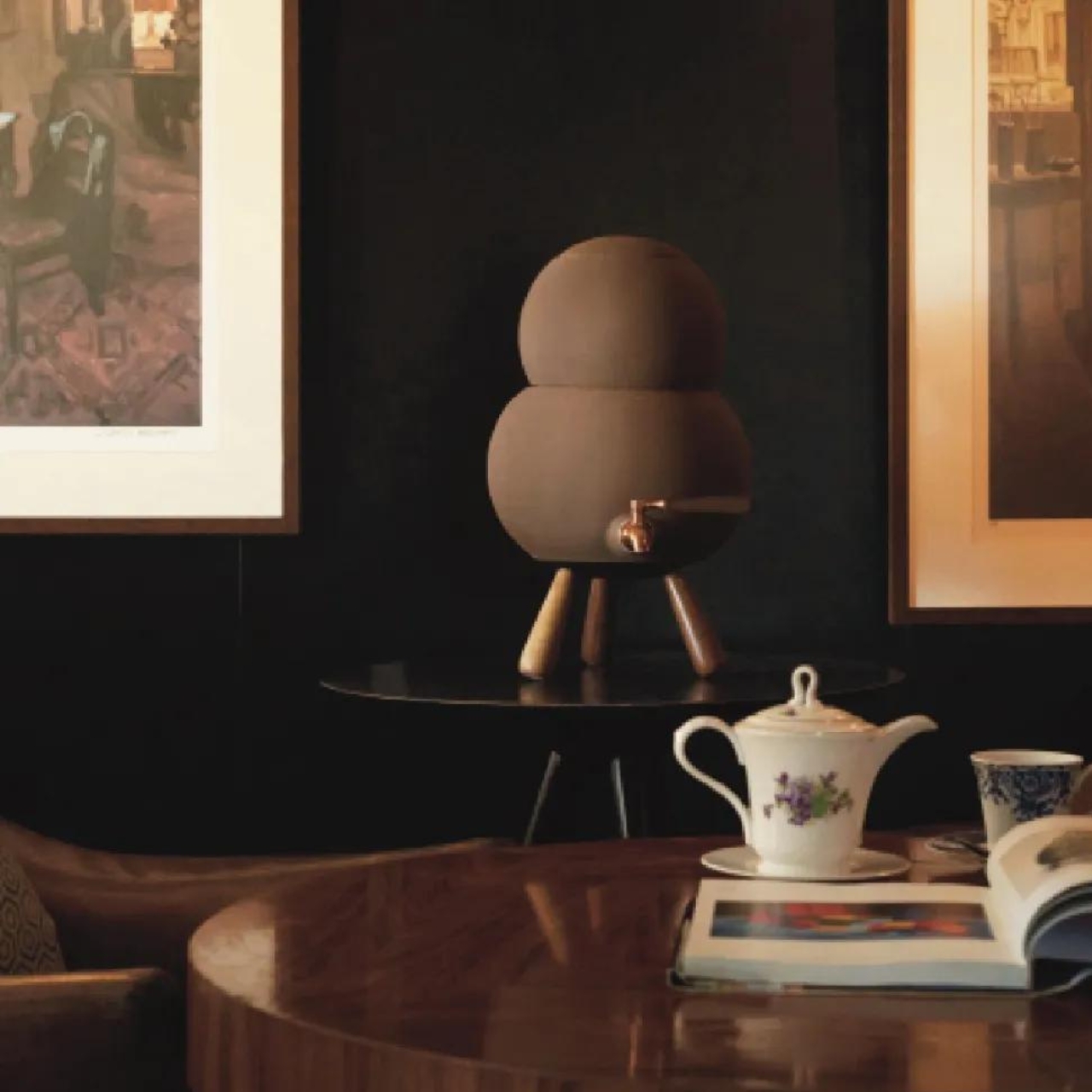
Brazil apparently has one of the most effective (and affordable!) water filtration systems in the world. You can find clay water filters in almost every home and markets and they are actually created by local craftsmen. There are some challenges to this though as it is not always aesthetically pleasing and some people say there is a certain aftertaste to the water that goes through this system. There is even sometimes a problem about mold as well. Now a reinterpretation of the clay water filters may have solved some of those issues.
Designer: Estúdio Biologique
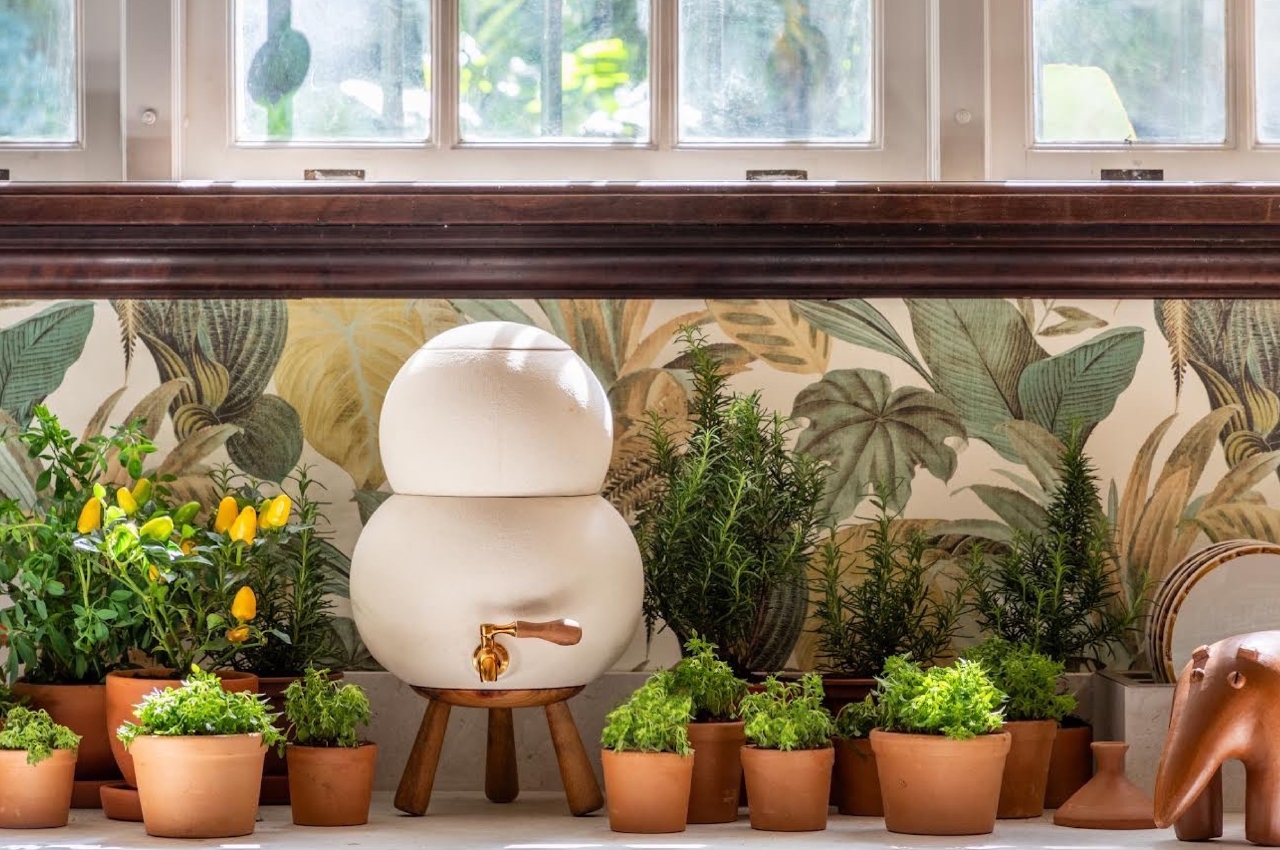
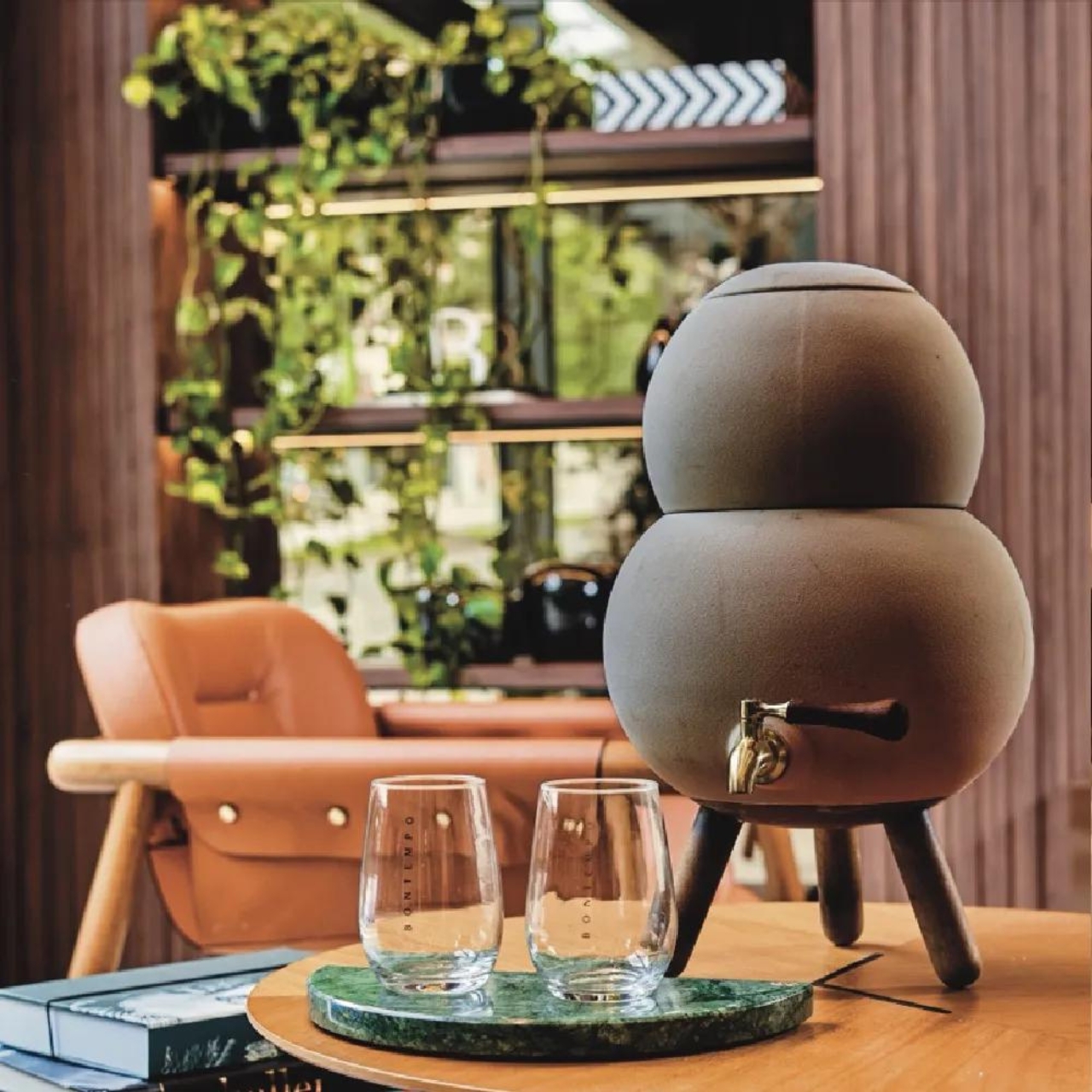
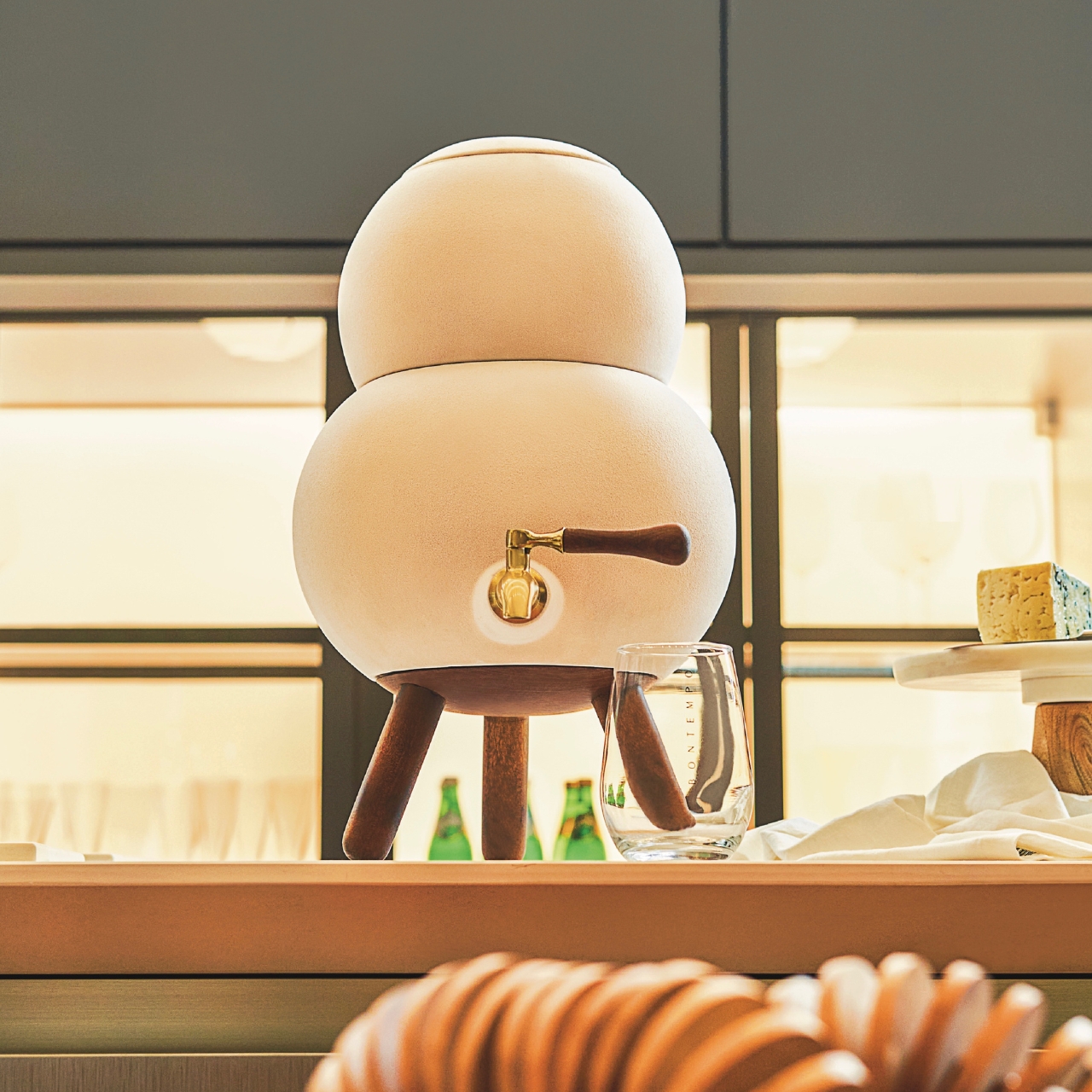
A Brazil-based design studio has come up with the Biologique water filter which still uses the same filter system. However, it uses white ceramic so that the water should taste about the same but of course it is filtered. It also doesn’t leave any mold but is also easy to clean, which was also a problem with the traditional filter. The important thing though is that it is able to bring clean, drinking water with the simple filtration system that doesn’t require any complicated installation or instructions.
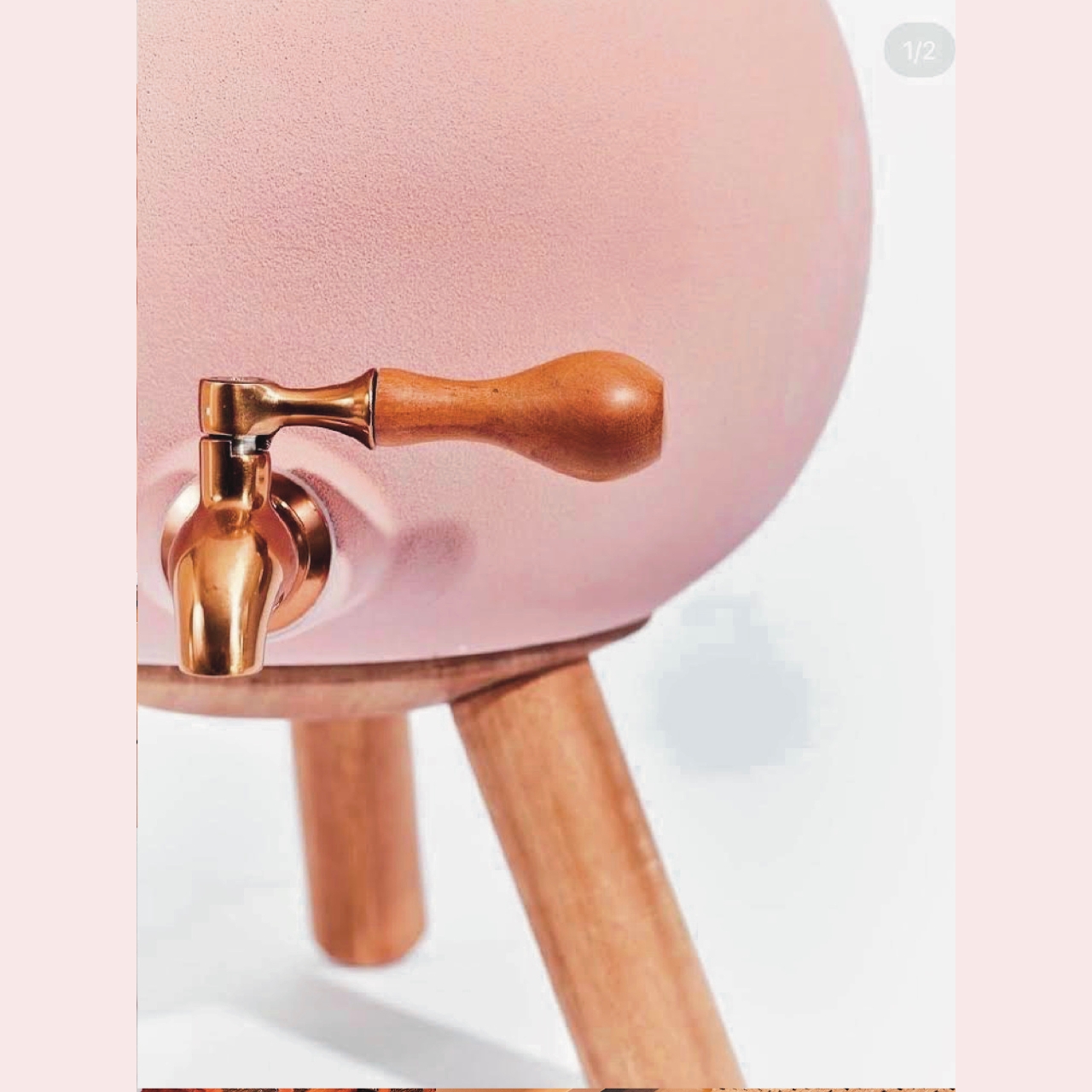
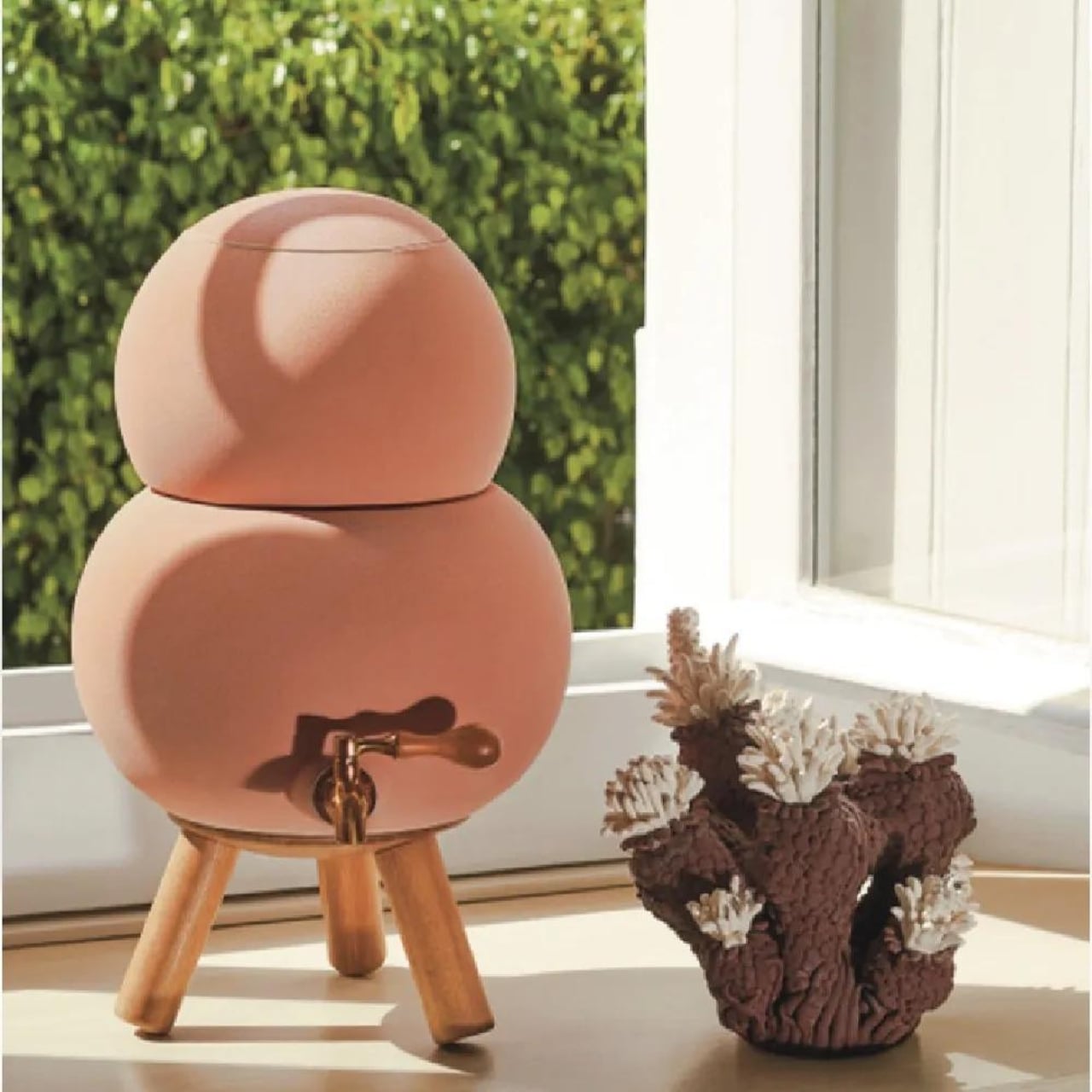
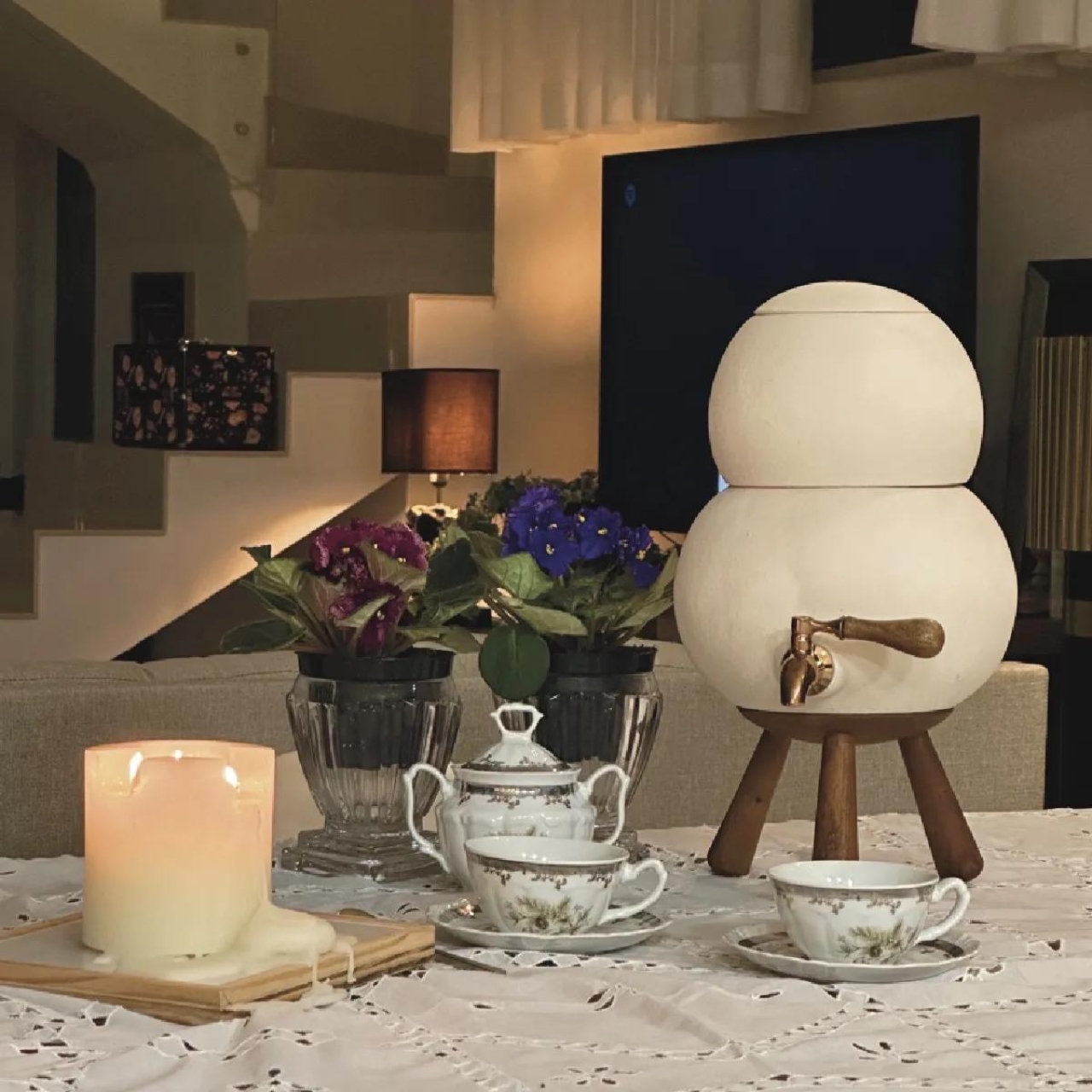
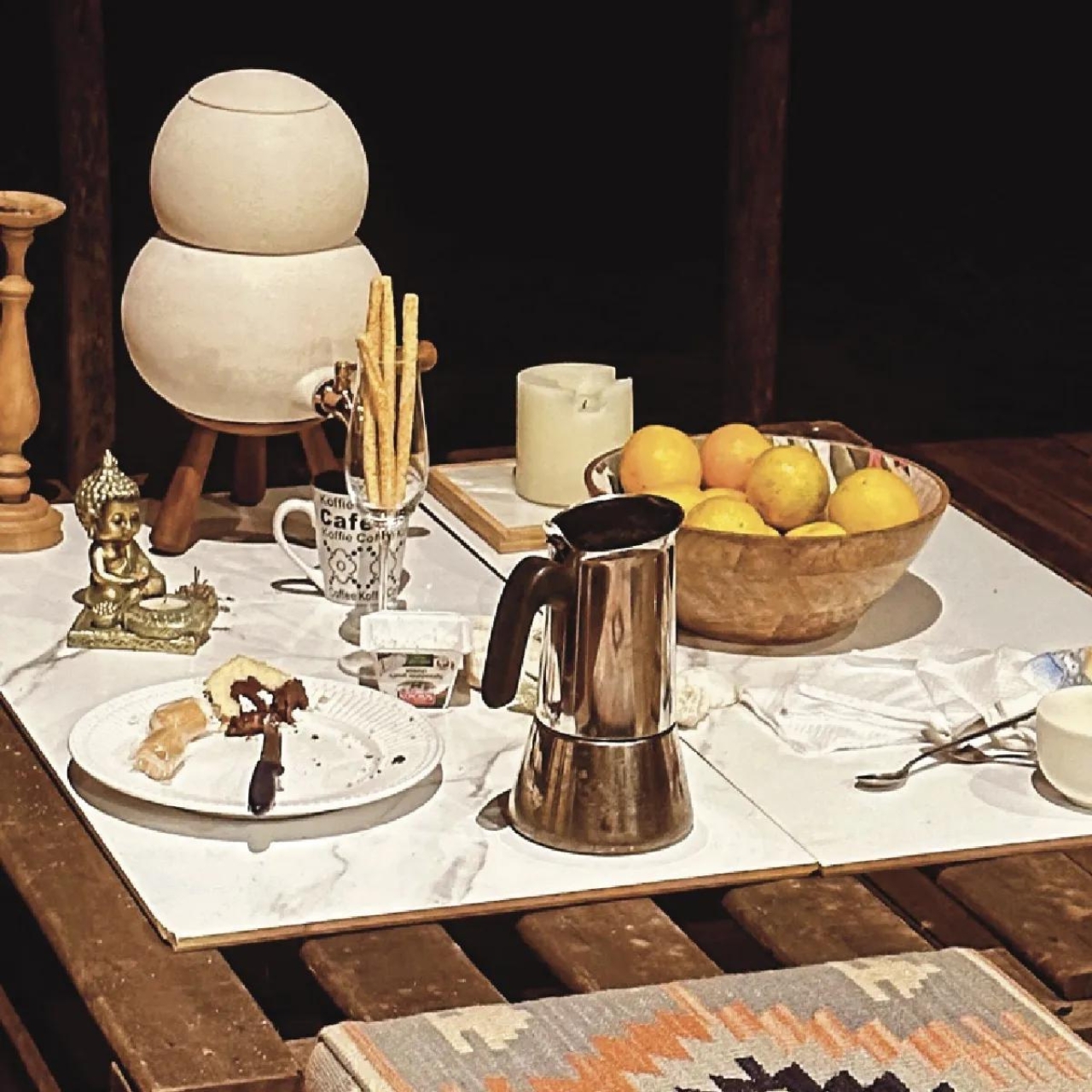
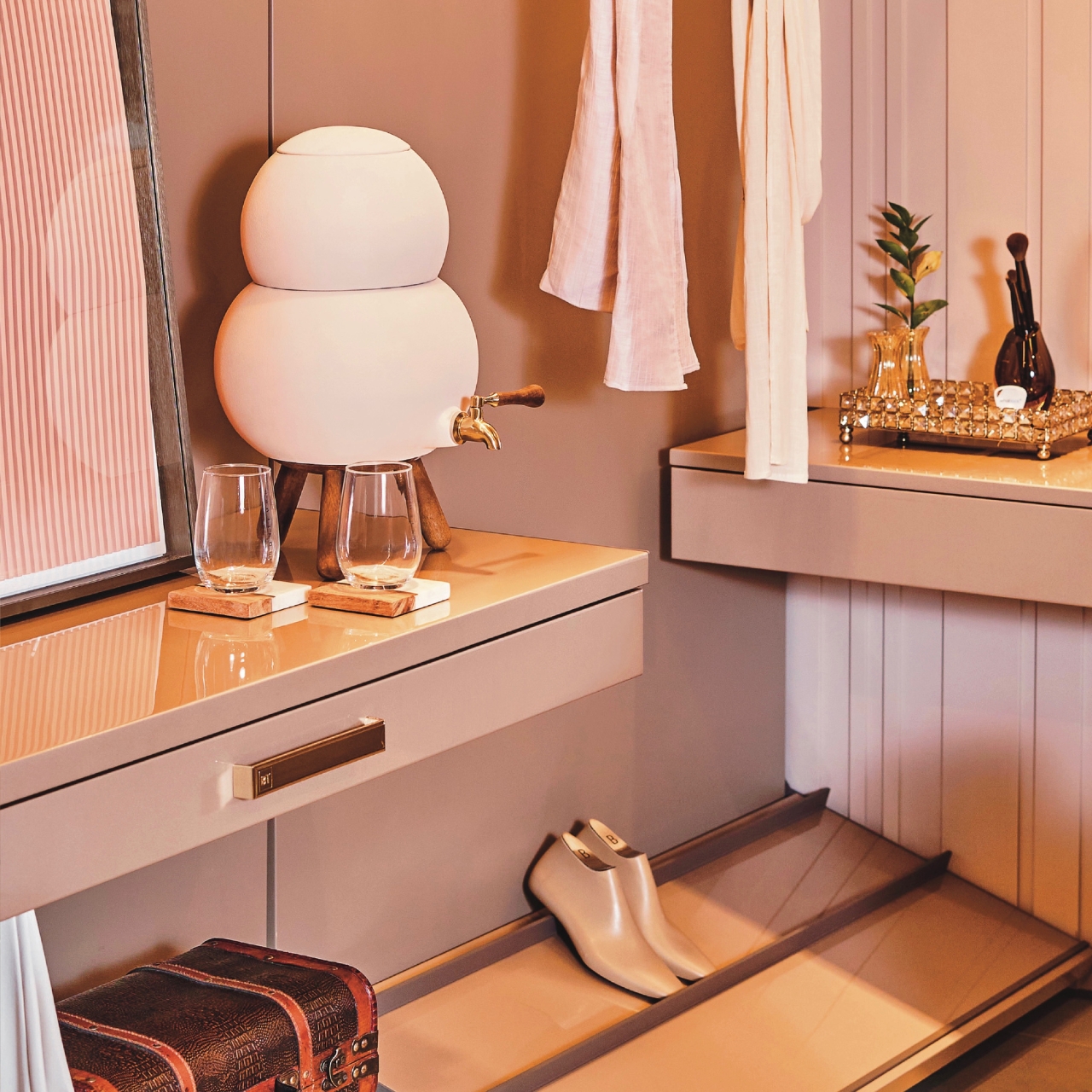
For those that are concerned with the aesthetics of the water filter, then this is also where Biologique shines. It has a simple, minimalistic design that still keeps the original idea of the clay water filter but brings a more modern feel to it. It has two round parts on top of each other, a wooden stand, and a faucet that looks like those you find in draft beer machines. It comes in different colors: terracotta, rosé, green, brown, off white, black, gray, and capuccino.
The Biologique water filter comes in 9.0L and a petit version in 4.5L so you have two options depending on your space and the drinking water capacity of the people you live with. Of course it is more expensive than the traditional clay water filters that you’ll find in the usual Brazilian households. That’s the price you have to pay to have something prettier and better designed. Estúdio Biologique says their products are done by hand and on a small scale, so that’s also one of the reasons for the price point.
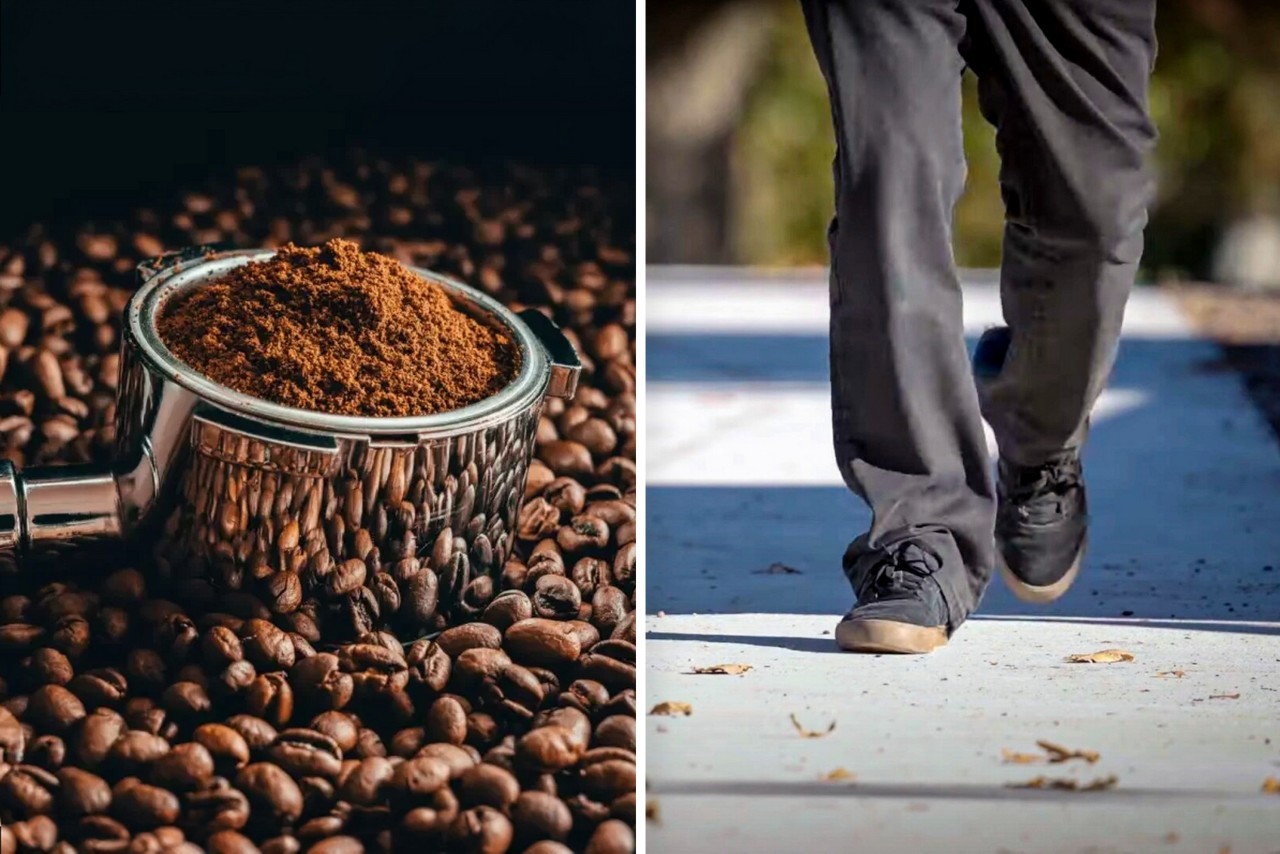
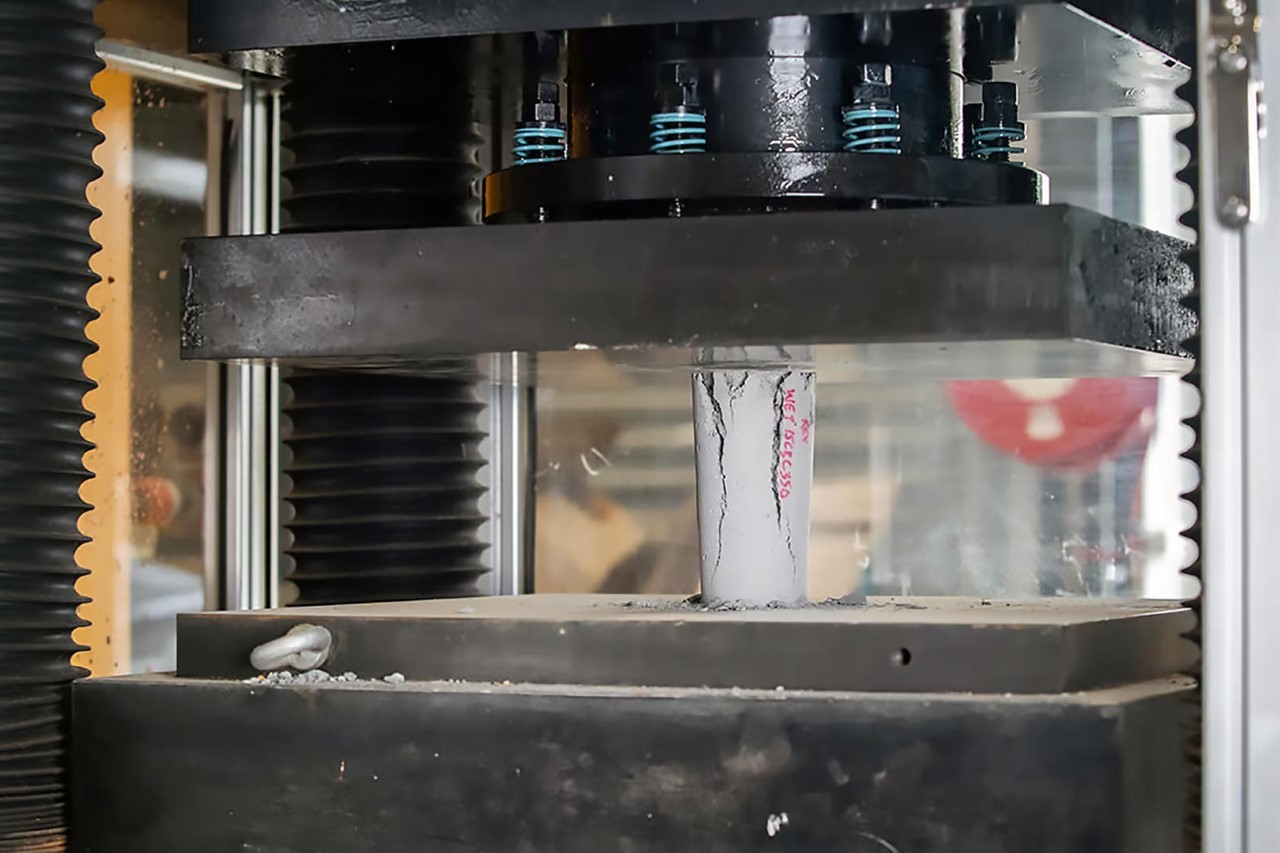
Did you know that the most widely used substance in the entire world, after water, is concrete?? You’d think it was paper or plastic or wood even, but more concrete is used every single day across the world than any of those materials… and for what it’s worth, it’s considered one of the least nature-friendly materials ever, but researchers at RMIT University of Melbourne are working on a concrete that uses an unlikely recycled material – coffee! The researchers have developed a new type of concrete that incorporates waste coffee grounds in a way that not just makes the concrete more sustainable, but also makes it 30% stronger than regular concrete!
The secret ingredient? Biochar. By heating coffee grounds in a low-oxygen environment at 350°C (662°F), researchers transform them into this charcoal-like material. Biochar doesn’t decompose over time, making it a perfect candidate for concrete reinforcement. This innovative method tackles two environmental concerns simultaneously. It reduces reliance on sand, a finite resource that’s increasingly strained by demand, and diverts coffee grounds from landfills, where they decompose and contribute to greenhouse gas emissions.
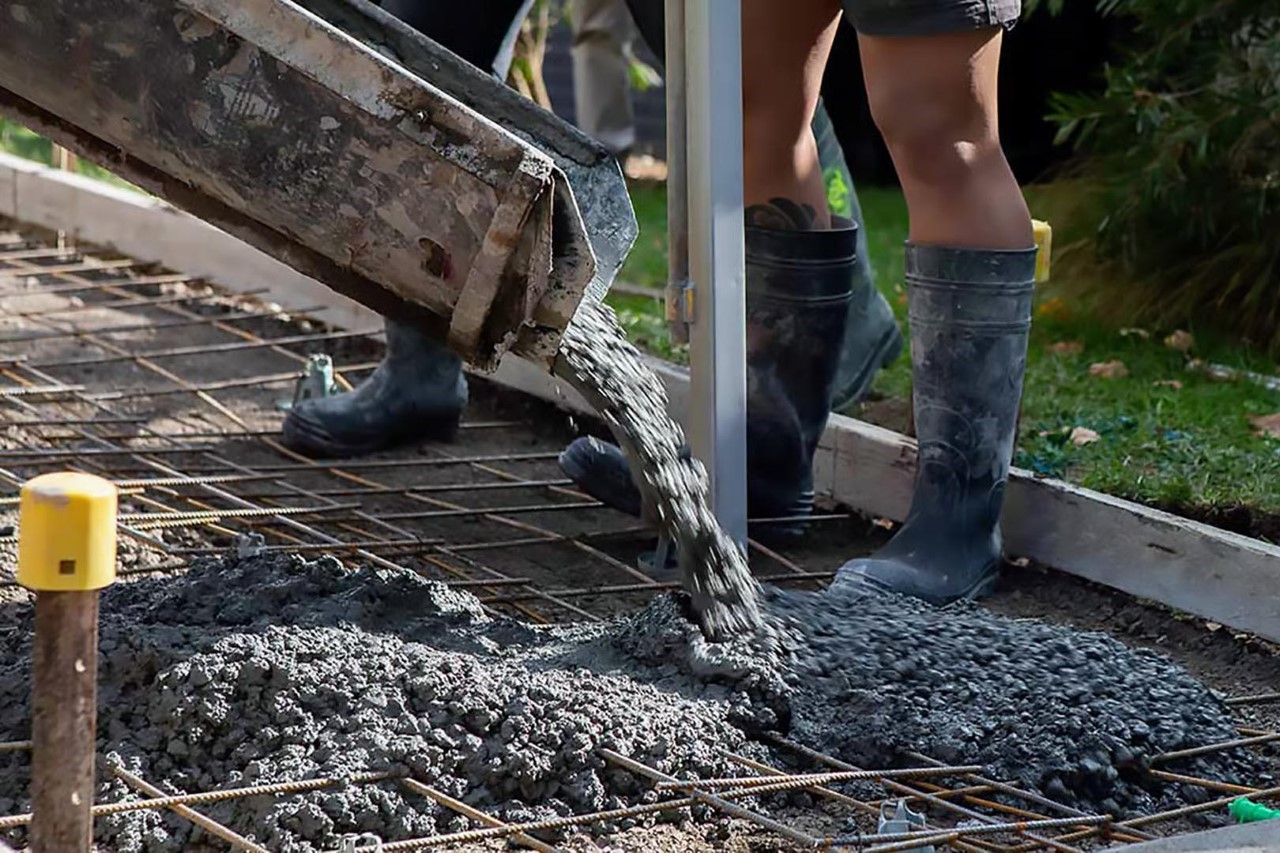
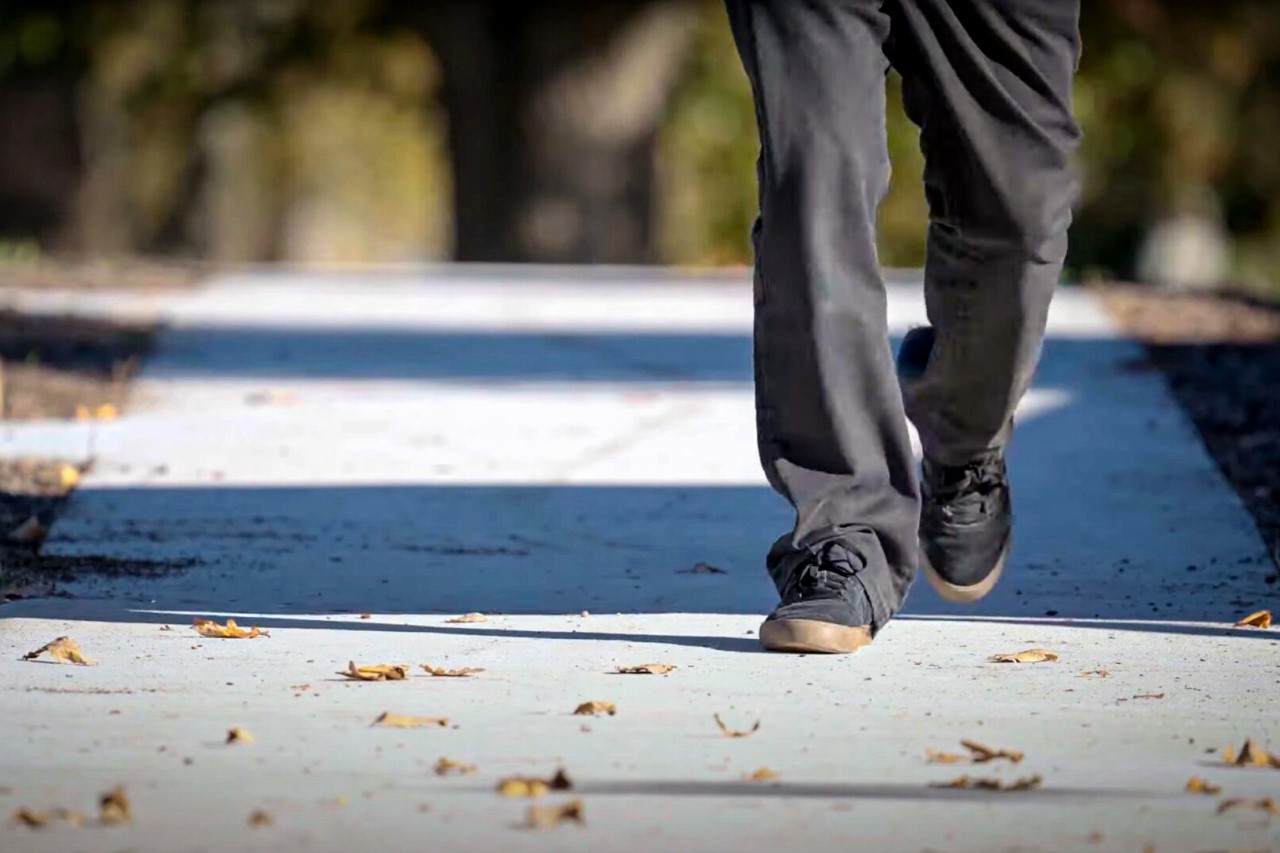
The project is now taking a crucial step from the lab to real-world testing. The researchers have partnered with a local council to lay down sections of sidewalk made with coffee biochar concrete alongside standard concrete for comparison. This side-by-side trial will provide valuable insights into how the new material performs under everyday wear and tear from foot traffic.
The potential benefits extend beyond environmental sustainability. The increased strength of coffee concrete could lead to reduced construction costs. The researchers believe that the higher strength might allow for a decrease in the amount of cement needed in the mix, potentially by up to 10%. This translates to lower material costs and a smaller environmental footprint from cement production.
“We’re taking those experiments and putting them in ground and in the field today, we’re going to have people walking across the concrete that includes these products, and RMIT is going to be coming back and doing testing to see how they stand up,” said Shane Walden, the Council’s Director of Assets and Operations. “This not only helps improve the knowledge level of our contractors and our staff, but it also has lots of other benefits and benefits that are important to our community. This includes helping the environment, acting sustainably and, most importantly, reducing waste to landfill and having a circular economy.”
However, coffee isn’t the only contender. The researchers are exploring the use of biochar derived from other organic waste materials as well. Each type of biochar has unique properties that could influence the performance of the concrete in different ways. By understanding these variations, researchers can tailor the biochar type to achieve specific desired qualities in the final concrete product.
This first-of-its-kind trial ‘paves’ the way for a more sustainable future in construction. By incorporating waste materials into building materials, we can lessen our environmental impact and potentially create stronger, more durable infrastructure. The success of this trial could lead to a future where our daily walks contribute not just to our health but also to a greener planet. Now if only our pavements also smelled like coffee!