This Compact Folding Rowing Machine gives you an All-in-one Gym the size of a Side Table

For many people, the dream of a home gym often gets snagged on the harsh reality of limited space. Traditional rowing machines, with their long frames and bulky builds, can feel intrusive in a compact apartment or cluttered living room. Rowing machines, although the perfect example of a healthy, full-body workout, aren’t really designed to be space-saving, or even good-looking, to be honest. They’re designed to be used, and then hidden away, which makes their large, cumbersome design unsuitable for most homes (not necessarily just smaller apartments). In comes the JOYSONG Cube Rower, with its IKEA meets Pottery Barn meets Planet Fitness approach. Designed to be compact, multipurpose, aesthetic, and highly effective, the JOYSONG Cube Rower gives you the full rowing machine experience in a space-saving form factor. Its unique design is perfect for rowing, but also lets you do more than 80 other exercises (so you aren’t restricted to just one boring workout), and when you’re done sweating it out, the JOYSONG Cube Rower folds down into a form factor no larger than a side table, with a wooden exterior that allows it to perfectly blend into apartments without looking as obnoxious as a Peloton.

Designer: The JOYSONG Team

Click Here to Buy Now: $649 $999 (35% off). Hurry, only 466/500 left! Raised over $222,000.

The key feature of the JOYSONG Cube Rower lies in its name – the cube. This ingenious design allows the machine to fold up into a compact cube after your workout, taking up minimal floor space. At just 55cm in height when folded, the JOYSONG Cube Rower practically disappears into your home, occupying a fraction of the space your conventional home gym would. Besides, a leather seat on top of the cube means your rower actually doubles as a stool when not in use, giving you a multipurpose piece of furniture that you can exercise with. When it’s time to exercise, the Cube Rower unfolds in minutes, transforming into an extensive rowing apparatus complete with an app as well as real-life training videos you can watch on TV as you row, creating a simulation-like experience that has you feeling like you’re really on a lake with a boat. For users who prefer not to use an app, the rowing machine includes a digital display screen that enables them to track and record their workout data.

Under the JOYSONG Compact Cube Rower’s hood lies a powerful Water & Magnetic Resistance system that provides the resistance required to facilitate your exercise. The dynamic duo of ferromagnets and fluid allows you to experience the smooth feel of magnetic resistance while simultaneously enjoying the realistic dynamics of rowing on water. Combined, they provide up to 30 kilograms of resistance, which can be easily adjusted through a digital panel, making it suitable for beginners who are just starting their fitness journey or seasoned athletes looking for a challenging workout.

Once you’ve set the rower up, strapped yourself in, and set the resistance level of your choice, an app lets you transform your mundane exercise into something truly adrenaline-pumping. JOYSONG’s rowing app boasts a catalog of more than 40,000 real-life training videos that let you visualize rowing in a way that truly feels immersive. Designed to be compatible with large screens like your television, the app lets you broadcast real-life PoV rowing videos that put you in the driver’s (rower’s) seat quite literally. The videos act as a simulation while encouraging you to follow along, while the app captures your workout progress for you.

However, if you want to do more than just rowing, JOYSONG also has a variant of the Cube Rower that also packs a home gym in its design. Exactly the same size as the Compact Cube Rower (and with the same foldable format), the ‘Home Gym Cube Rower’ has a few more modifications that lets you do rowing along with 80 other exercises from crunches to bench presses, chest flies, stretches, or even yoga. To facilitate this, the Home Gym Cube Rower ditches the Water + Magnetic resistance system for pure magnetic resistance, along with the ability to simulate up to 40 kilograms of weight, adjustable to 24 different levels for novices and experts. From yoga to pilates, strength training, and other core exercises, the Home Gym Cube Rower lets you switch things up, focus on specific body parts, and frankly do more than just row all the time. Whether you’re looking to improve your cardiovascular health, build muscle strength, or increase your flexibility, the Home Gym Cube Rower brings an entire gym to your home without those pesky membership fees, sweaty people, or bulky equipment.

Both variants of the Cube Rower (with and without the Home Gym) come with the exact same folded size of 618 x 454 x 555 millimeters (24.3 x 17.8 x 21.8 inches), although the Home Gym Cube Rower weighs a little more at 65 kilograms (143.3lbs) as compared to the Compact Cube Rower 52 kilograms (114.6lbs). This is also where the built-in wheel system helps, allowing you to move the Compact Cube Rower around to any part of your house. The outer body for both are crafted from Quercus Rubra or Northern Red Oak, with a strong yet lightweight aluminum alloy frame on the inside. Finally, a leather seat puts you in the lap of comfort while you exercise, and pops right on top of the Cube Rower when not in use, allowing it to double as a nifty stool that you can easily place anywhere around your home!

Click Here to Buy Now: $649 $999 (35% off). Hurry, only 466/500 left! Raised over $222,000.

The post This Compact Folding Rowing Machine gives you an All-in-one Gym the size of a Side Table first appeared on Yanko Design.

Retrofuture Revelations from Japan: A Journey Through Time and Imagination

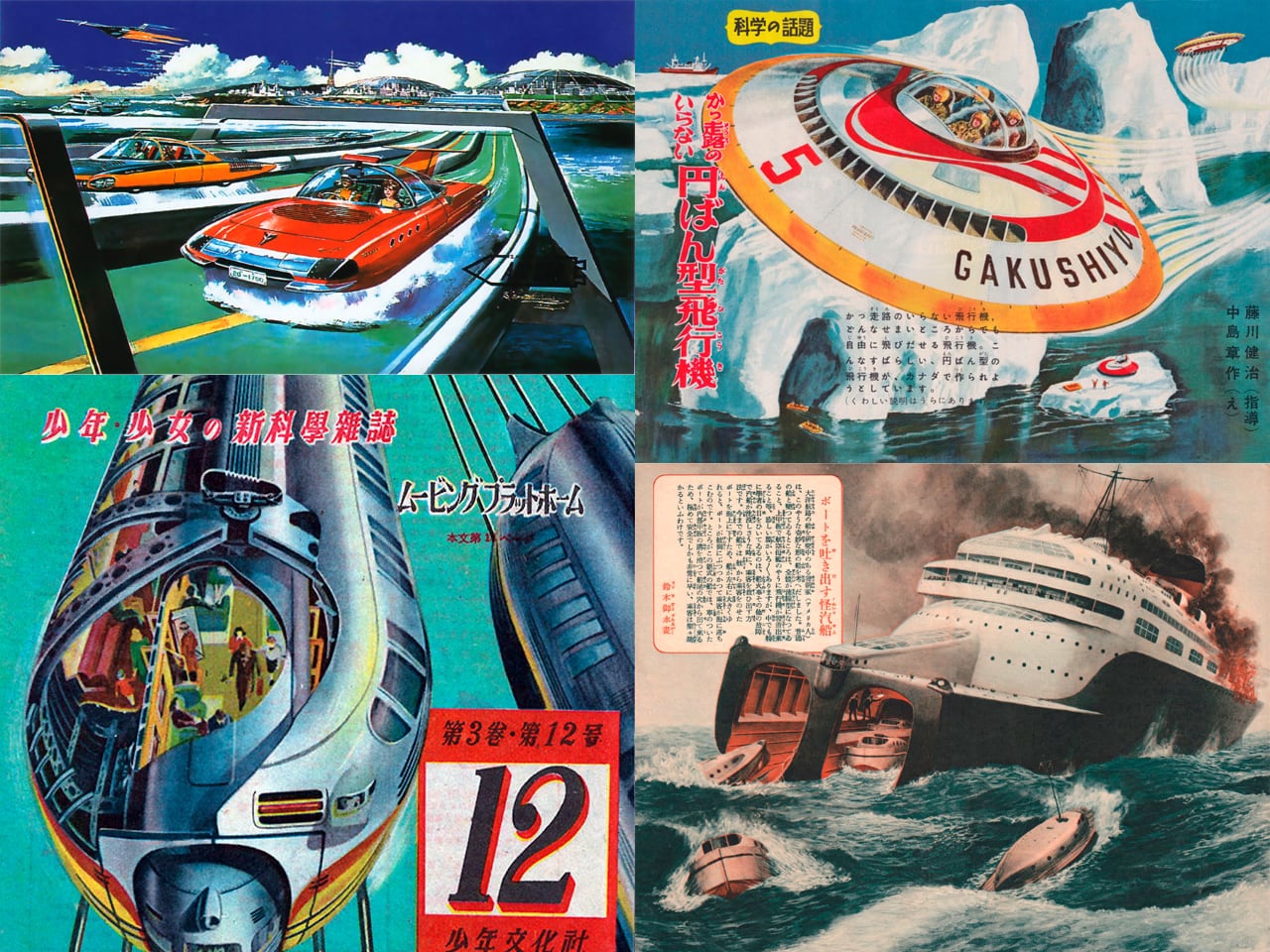
Retrofuturism, a captivating blend of past visions and future possibilities, has long fascinated the human imagination. It represents a unique genre where artists and designers, with their ingenuity, envision what the future might look like from the perspective of their own time. This concept shines brightly in the extraordinary illustrations from Japan between the 1930s and 1960s, a period rich in creativity and innovation. These illustrations are images and windows into a world of unlimited dreams and super-charged imagination.

Via Dark Roasted Blend

Human-Powered Flying Machine

The human-powered flying machine is a captivating vision of eco-friendly personal transportation. This design leverages human energy for flight, merging the simplicity of a bicycle with the exhilaration of flight. The Japanese text in the illustration reads, “空を駆ける夢の自転車” (A dream bicycle that runs in the sky). This phrase captures the essence of a time when the sky was not the limit but the beginning of endless possibilities. The machine’s sleek, aerodynamic form suggests a lightweight construction essential for actualizing such a concept.

In today’s world, advancements in lightweight materials, battery technology, and AI-assisted flight controls bring this dream to reality. Innovations like the eVTOL (electric vertical takeoff and landing) aircraft and drone technology reflect this vision. The focus on sustainability and individual mobility aligns well with current trends in transportation innovation. This concept’s emphasis on human power also highlights a growing interest in reducing carbon footprints, making this design a likely candidate for future development.

Versatile Ground Vehicles

The ground vehicles featured in these retrofuture illustrations showcase the imaginative engineering of that era. The Japanese text describes them as “どんな道も走破する万能車” (All-purpose vehicles that conquer any road). This encapsulates a vision of vehicles that can navigate any terrain, from rugged mountains to smooth highways, with practicality and ease. The robust and rugged designs focus on durability and adaptability, essential traits for exploration and practical use.

Modern advancements in autonomous driving technology, AI-driven navigation systems, and robotics make such versatile vehicles a reality. Companies are developing all-terrain vehicles equipped with sophisticated sensors and AI to handle various environments autonomously. These innovations are revolutionizing industries like construction and exploration and have potential applications in everyday commuting, especially in remote or challenging terrains. These designs’ blend of functionality and futuristic aesthetics points to a future where versatility and technology are seamlessly integrated.

Space Station Platforms

One of the most inspiring elements of retrofuturism is the vision of space station platforms as self-sustaining habitats. The Japanese text “宇宙に浮かぶ未来の都市” (Future cities floating in space) suggests a future where humanity has extended its reach far beyond Earth. These illustrations depict vast, intricate structures designed to house human life, showcasing a blend of advanced technology and architectural innovation. The idea of living in space, with self-sustaining ecosystems and AI-managed operations, reflects an ambitious and forward-thinking outlook.

Today, this vision is inching closer to reality with the International Space Station (ISS) and planned lunar and Martian colonies. AI and robotics play crucial roles in maintaining these habitats, ensuring safety, and optimizing resource management. These advancements are paving the way for long-term human presence in space. The concept of space station platforms represents not just a technological leap but a monumental step in human evolution, opening new frontiers and possibilities for future generations.

Sleek Futuristic Watercraft and Weaponry

The sleek futuristic watercraft and weaponry illustrated in these retrofuture visions highlight a perfect fusion of aquatic design and advanced technology. One notable design is the “Aribird S,” described in the Japanese text as “水中を駆ける未来の船” (A future boat that runs underwater). This phrase captures the essence of an era that dreamed of high-tech performance and adventure seamlessly integrated into everyday life, with an aesthetic appeal that intrigues the viewer. These designs’ vibrant colors and dynamic forms reflect an aesthetic that values functionality and visual appeal.

These watercraft are envisioned with advanced propulsion systems and streamlined bodies, capable of high-speed travel and maneuverability. In today’s world, innovations in maritime technology are beginning to mirror these designs. Concepts like hydrofoils, autonomous underwater vehicles, and advanced naval vessels are becoming more common. These illustrations’ emphasis on sleek, aerodynamic shapes and cutting-edge technology indicates a future where high-tech performance and adventure are the norm.

“Mighty Patrol” Car

The “Mighty Patrol” car presents a vision of futuristic law enforcement that combines sleek design with advanced communication systems. The Japanese text refers to it as “未来のパトロールカー” (Future patrol car), suggesting a high-tech vehicle designed for efficiency and speed. The streamlined body, advanced lighting systems, and integrated communication technology reflect an era that envisioned law enforcement as a blend of technology and efficiency.

Integrating AI, drones, and advanced surveillance systems will likely make such vehicles a reality as technology evolves. Modern police vehicles incorporate some of these elements, with AI-driven data analysis, real-time communication networks, and enhanced mobility features. The “Mighty Patrol” car embodies the future of policing, where technology plays a central role in maintaining order and safety, improving the effectiveness of law enforcement agencies.

Advanced Fighter Jets and Space Vehicles

The depiction of advanced fighter jets and space vehicles in retrofuture illustrations showcases a future of aerial and space combat marked by speed, agility, and advanced weaponry. The Japanese text “空を支配する未来の戦闘機” (Future fighter jets that dominate the sky) reflects an ambition to achieve superiority in both air and space. Sleek, aerodynamic shapes, advanced propulsion systems, and futuristic weaponry characterize these vehicles.

With advancements in aerospace engineering, AI, and unmanned aerial vehicles (UAVs), these designs are nearly becoming a reality. Modern fighter jets incorporate AI for enhanced decision-making, stealth technology, and advanced weapons systems. Similarly, space vehicles designed for defense and exploration are becoming more sophisticated. These illustrations’ relentless pursuit of technological superiority highlights a future where control of the skies and space is paramount.

Amphibious Vehicles

The amphibious vehicles, blending automotive and nautical design, offer a glimpse into the future of versatile transportation. These vehicles are depicted as capable of traversing both land and water, reflecting a vision of seamless transition between different terrains. The Japanese text, “陸と水を行き来する万能車” (All-purpose vehicle that moves between land and water), captures the innovative spirit of these designs.

In modern times, the development of multi-terrain vehicles and amphibious transport solutions is gaining momentum. Concepts such as amphibious cars, boats with wheels, and versatile rescue vehicles are becoming more practical with materials and propulsion technology advancements. The sleek designs and robust capabilities of these retrofuture vehicles suggest a future where transportation is as adaptable as it is innovative, addressing the needs of diverse environments.

Circular Cities and Underground Worlds

These illustrations’ circular cities and underground worlds represent a visionary approach to urban planning. The Japanese text, “地下に広がる未来の都市” (Future cities expanding underground), suggests a rethinking of how space is utilized in urban environments. These designs feature vertical integration, subterranean spaces, and advanced transport systems, reflecting an ambition to create efficient and sustainable living spaces.
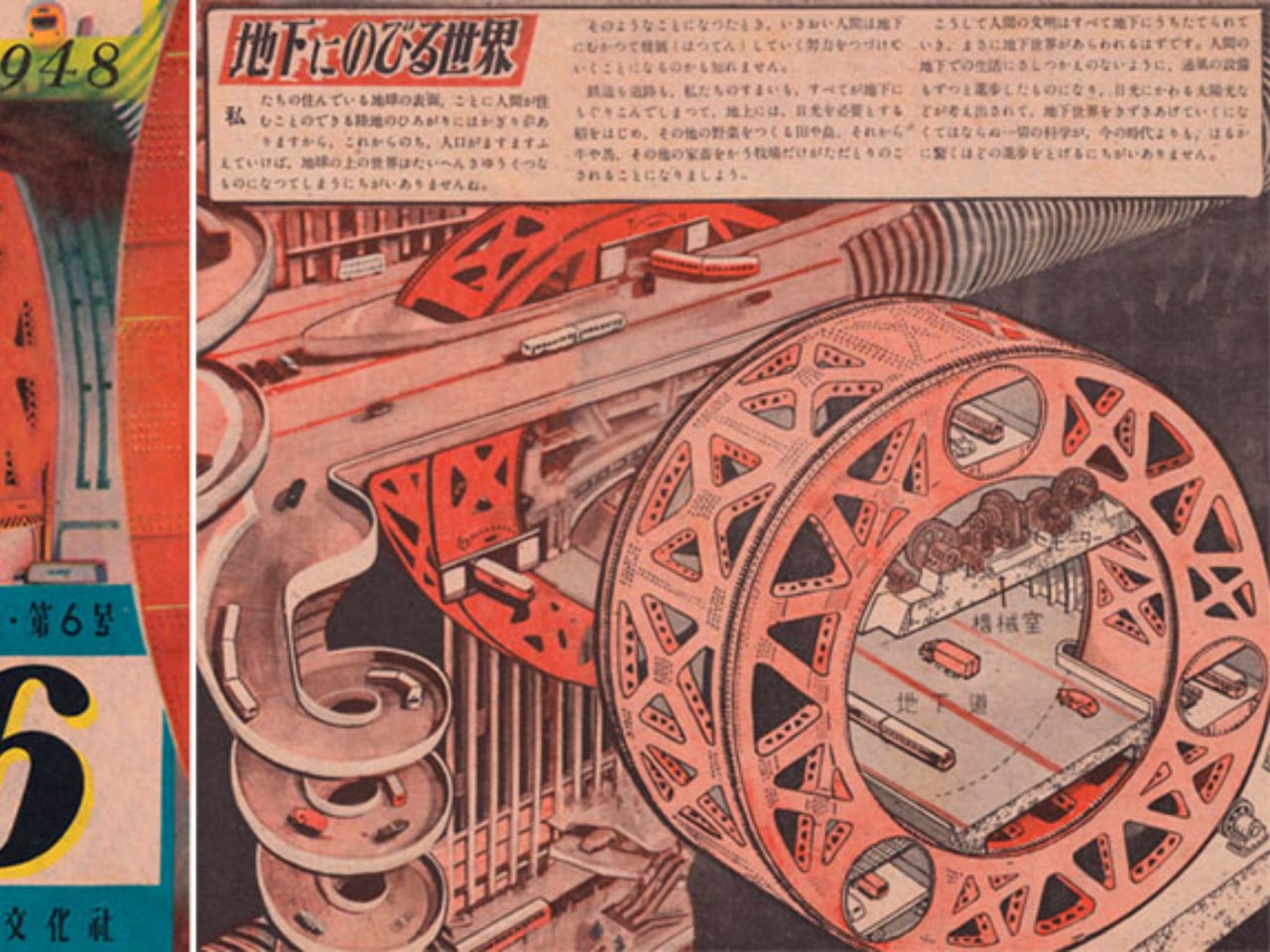
With increasing interest in sustainable and efficient use of space, concepts like vertical integration and underground cities are gaining traction. Modern urban planning explores the potential of building downwards and upwards to maximize space use, reduce environmental impact, and enhance livability. The futuristic architecture and integrated transport systems in these illustrations reflect a holistic approach to city living, where innovation addresses the challenges of urbanization.

Flying Saucers

The depiction of flying saucers, such as the “Gakushiyu,” captures the imagination with its promise of advanced air travel. The Japanese text reads, “空飛ぶ円盤” (Flying saucer), evoking images of sleek, circular aircraft capable of vertical takeoff and landing. This vision reflects an era that dreamed of conquering the skies with revolutionary designs.

While the exact design of these flying saucers may differ, the concept of vertical takeoff and landing (VTOL) aircraft is becoming a reality with developments in drone technology and electric vertical takeoff and landing (eVTOL) aircraft. Companies invest heavily in urban air mobility solutions, envisioning a future where flying cars and air taxis become commonplace. These flying machines highlight the future of urban air mobility, where the sky is no longer the limit but a new frontier for innovation.

Multi-Wheeled Explorer Vehicle

With its robust design and versatile capabilities, the multi-wheeled explorer vehicle is a vision of future exploration vehicles. The Japanese text describes it as “探検用の多輪車” (Multi-wheeled vehicle for exploration), indicating a design built for navigating diverse and challenging terrains. The vehicle’s numerous wheels and durable construction suggest a shape that reflects advanced engineering, while including multiple rockets hints at the vehicle’s formidable combat capabilities. This illustration captures the thrill and intensity of air combat, inspiring visions of high-stakes dogfights in the skies.

The Amphibious Supercar: Versatility Redefined

With its sleek, futuristic design, the amphibious supercar showcases a vehicle capable of traversing land and water. This concept blends the luxury and speed of a sports car with the adaptability of an amphibious vehicle. With its bold lines and dynamic composition, the illustration highlights the car’s ability to transition between terrains seamlessly. The vibrant colors and detailed rendering emphasize the vehicle’s innovative features, symbolizing versatility and cutting-edge technology.

The Quirky Dinosaur Transport

We’ll end with this image featuring a quirky yet functional dinosaur-shaped transport vehicle. With its playful exterior and practical interior, this design combines imagination with utility. The vehicle’s dinosaur form, complete with a drill in its mouth and a cockpit for passengers, suggests a future where transport is efficient but also fun and engaging. The whimsical design and detailed features make this vehicle memorable, reflecting a future where creativity and practicality go hand in hand.

More to come…

The continued exploration of these retrofuture illustrations from Japan offers a captivating glimpse into the boundless creativity and imagination of the past. Though conceived decades ago, these visions still inspire us today, reminding us of the endless possibilities. Stay tuned as we delve further into the world of the retrofuture, uncovering more hidden gems and fantastical designs that shaped the dreams of yesteryear.

The post Retrofuture Revelations from Japan: A Journey Through Time and Imagination first appeared on Yanko Design.

Netflix hires former Epic Games exec as new President of Games

Netflix has landed a notable new leader for its rapidly-expanding gaming endeavors. Variety reported that the streaming company has hired Alain Tascan as its new president of games. Before joining Netflix, Tascan was executive vice president for game development at a little studio you may have heard of called Epic Games. In that role, he oversaw the first-party development for some of the company's hugely successful titles, such as Fortnite, Lego Fortnite, Rocket League and Fall Guys.

The company is also recruiting talent on the creative side. Since launching the games project in 2021, Netflix has acquired notable indie studios Night School, Boss Fight, Next Games and Spry Fox, and has brought a large number of acclaimed indie games to mobile. In its second quarter earnings call, Netflix execs revealed that it has more than 80 games currently in development, which would nearly double its current library of about 100 titles. 

Many of these new projects are interactive fiction based on Netflix shows and movies, with the goal of giving fans new ways to engage with their favorite titles. "I think our opportunity here to serve super fandom with games is really fun and remarkable," Co-CEO Ted Sarandos said during the call. We also learned that a multiplayer Squid Game project will be coming to Netflix Games later this year.

Although Netflix is making a sizable investment into this games division, people haven't been flocking to their titles yet. In 2022, the library had about 1.7 million daily users and its games had been downloaded 23.3 million times.

This article originally appeared on Engadget at https://www.engadget.com/netflix-hires-former-epic-games-exec-as-new-president-of-games-212614285.html?src=rss

The Cybertruck is coming to Fortnite and Rocket League because we’re being punished

Video games are supposed to provide us an escape from the grinding and anger produced on an average day. Now one of the real world’s most contentious aggravations has slithered its way into Fortnite AND Rocket League. The Cybertruck, Tesla’s electric vehicle that replaced the pink Hummer as the official car for total jerks, makes its digital debut in both games today.

The Cybertruck add-ons are part of a new “Summer Road Trip'' promotion bundle for Fortnite and Rocket League. Both bundles come with a vehicle that looks like a door stop and special body decals such as “Baja Off-Road,” “CyberCamo,” “MatteBlack,” “Stainless Steel” and “OMG Cybertruck,” which recreates the window that Elon Musk broke while trying to prove the strength of the Cybertruck’s windows. Did they also include the sticky accelerator?

The new Cybertruck DLC for Fortnite and Rocket League come with six unique skins, all of which scream
Psyonix/Tesla

Presumably, the OMG stands for “Oh my God! (Can’t I go one day without seeing that ego on wheels we call the) Cybertruck?" The Baja Off-Road skin paired with the douchey Cybertruck in particular just screams, “I wear a lot of Ed Hardy!”

We have… some questions. Will the rain in Fortnite cause widespread rusting of the chassis? Will the Rocket League ball dent the “shatterproof” window like a metal ball famously did way back in 2019? Will players be able to finish a whole game if there’s another recall alert? If you really must, you can find out in both games now.

This article originally appeared on Engadget at https://www.engadget.com/the-cybertruck-is-coming-to-fortnite-and-rocket-league-because-were-being-punished-210309356.html?src=rss

iPhone Standby Mode on Steroids: The Vobot gives you a Multi-Hub Display Dock for Widgets and Tools

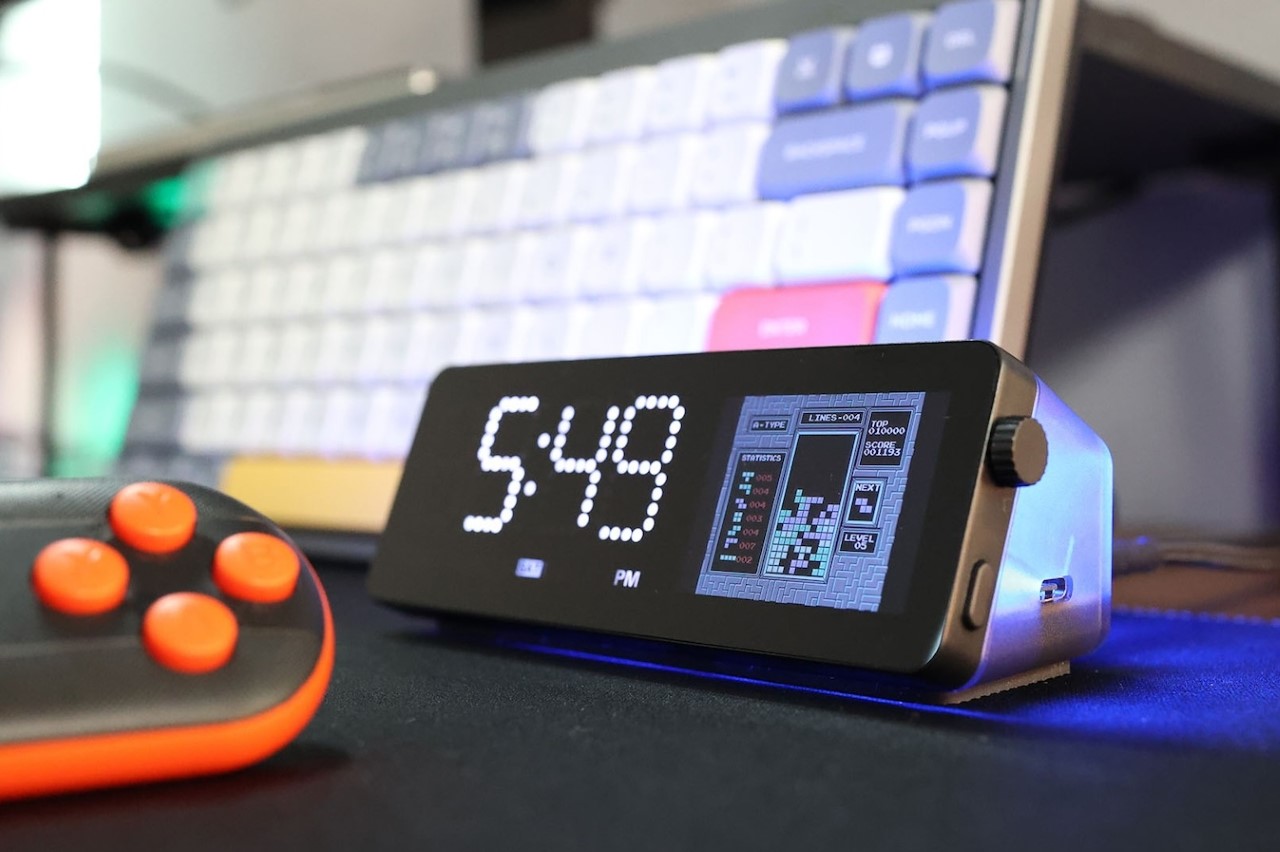
Sure, your iPhone can show you the time or the game score or even photos of your holiday when it’s docked horizontally during charging… but can it give your laptop HDMI and LAN connectivity? Can it track crypto prices? Does it let you code your own apps/widgets? And hey, can it play DOOM? Well, Vobot can. A compact desktop display that doubles as a multiport hub for enhanced productivity, the Vobot puts fun and function together. It has 7 ports for enhanced connectivity and charging (up to 90W), but its magnum opus is the display on front, which does everything from being a clock, weather forecast indicator, Pomodoro timer, Todoist task tracker, Crypto or stock ticker, or even a screen-mirroring display. The best part, you can code your own apps for it, so unlike the iPhone’s Standby Mode, the Vobot can be exactly what you need it to be.

Designer: Mocreo Pvt. Ltd.

As the folks behind the Vobot say, it’s first and foremost a mini dock. With 7 ports to supercharge your laptop/desktop, the Vobot offers connectivity and power to your device. It sports a 4K@60Hz HDMI port, a Gigabit LAN port, one USB-A 3.0 port, and two USB-C 3.0 ports. There’s one single USB-C input port that powers the Vobot (the Vobot comes with its own adapter, and doesn’t have a battery of its own)… so in essence, it’s every bit a multiport USB hub… but the screen on the front is what radically changes things.

Think of that screen on the front of the Vobot as a dedicated secondary display. It’s split into two parts – the part on the left is a dot-matrix seven-segment LED display that’s dedicated to showing the time and day, while the right half is an LCD IPS screen that can be controlled using a knob and button interface on the right side of the device (reminiscent of a watch’s crown). When plugged in and running, the Vobot’s screen becomes your custom control center. The left half shows you the time, while the right half unlocks productivity in a variety of ways. The Mini Dock has its own built-in app gallery, including a weather widget, a Pomodoro timer, a Todoist task manager, calendar, stock/crypto tracker, PC monitor, indoor air detector, game emulator, WiFi status checker, screen-mirroring applet, and a lot more.

The vast app gallery means the right half of the Vobot mini dock’s display becomes your work and your life’s control panel. You can track productivity, review the stock market, watch YouTube videos on the side, check your PC’s performance or thermals, or even code your own IoT apps. With MicroPython programming, you can add new features to the dock that serve your needs, from doing things like monitoring cameras around your smart home, to checking your home’s power consumption. Create games that you can play using your laptop keyboard or a game controller (which comes along with the mini dock), or just build something as simple as a subscriber counter or notification center for your phone.

The Vobot Mini Dock boasts compatibility across Windows, Linux, and MacOS machines, but there’s also support for Android and iOS devices. Each Mini Dock ships with a 100W power adapter, and a tiny gaming controller that lets you play games on the dock’s built-in emulator. A quick-start guide briefs you through the dock’s features, and an online app store lets you access apps by other creators, or make your own to boost productivity… or should I say, pro-dock-tivity!

The post iPhone Standby Mode on Steroids: The Vobot gives you a Multi-Hub Display Dock for Widgets and Tools first appeared on Yanko Design.

Humble Games reportedly lays off its entire staff

Humble Games has reportedly laid off all 36 of its staff. Former employees posted about the layoffs on social media. Humble Games is owned by media conglomerate Ziff Davis, which counts IGN, Eurogamer and GamesIndustry.biz among its gaming portfolio. Humble Games confirmed in a LinkedIn post that there had been a "restructure" at the company, but did not reveal the number of jobs lost.

A PR rep for Humble Games also confirmed to Engadget that the company would not be shutting its doors as a result of today's restructuring. He added that both ongoing and upcoming projects would continue to be supported and published by the studio.

The layoffs at Humble Bundle are the latest in a sweep across the gaming business. Last year saw a shocking number of cuts across studios of all sizes, and the trend has sadly continued into 2024.

"The games industry is volatile, it's been inundated by people who only want exponential growth at the expense of making great games with great teams," Emilee Kieffer, a former lead quality assurance analyst with Humble Games, wrote on LinkedIn following the layoffs.

The indie publisher helped bring almost 50 video games to market, including notable hits such as Slay the Spire, Unpacking, Wandersong and Coral Island. Humble Games also had several upcoming games slated for release, such as Never Alone 2, a second delve into mythology and stories from the indigenous Iñupiat people in Alaska. 

"This decision was not made lightly; it involved much deliberation and careful thought, with the goal of ensuring the stability and support of our developers and ongoing projects," Humble's statement said. 

This business is a separate operation from the charity storefront Humble Bundle, which is also part of Ziff Davis but does not appear to be impacted by today's news. We've reached out to Ziff Davis and Humble Games for more information and will update if we hear back.

Update, July 23, 2024, 5:35 ET: Article has been updated to include a response from Humble Games' PR team.

This article originally appeared on Engadget at https://www.engadget.com/humble-games-reportedly-lays-off-its-entire-staff-201923446.html?src=rss

Chinese researchers test smallest solar-powered drone that can fly as long as it gets sunlight

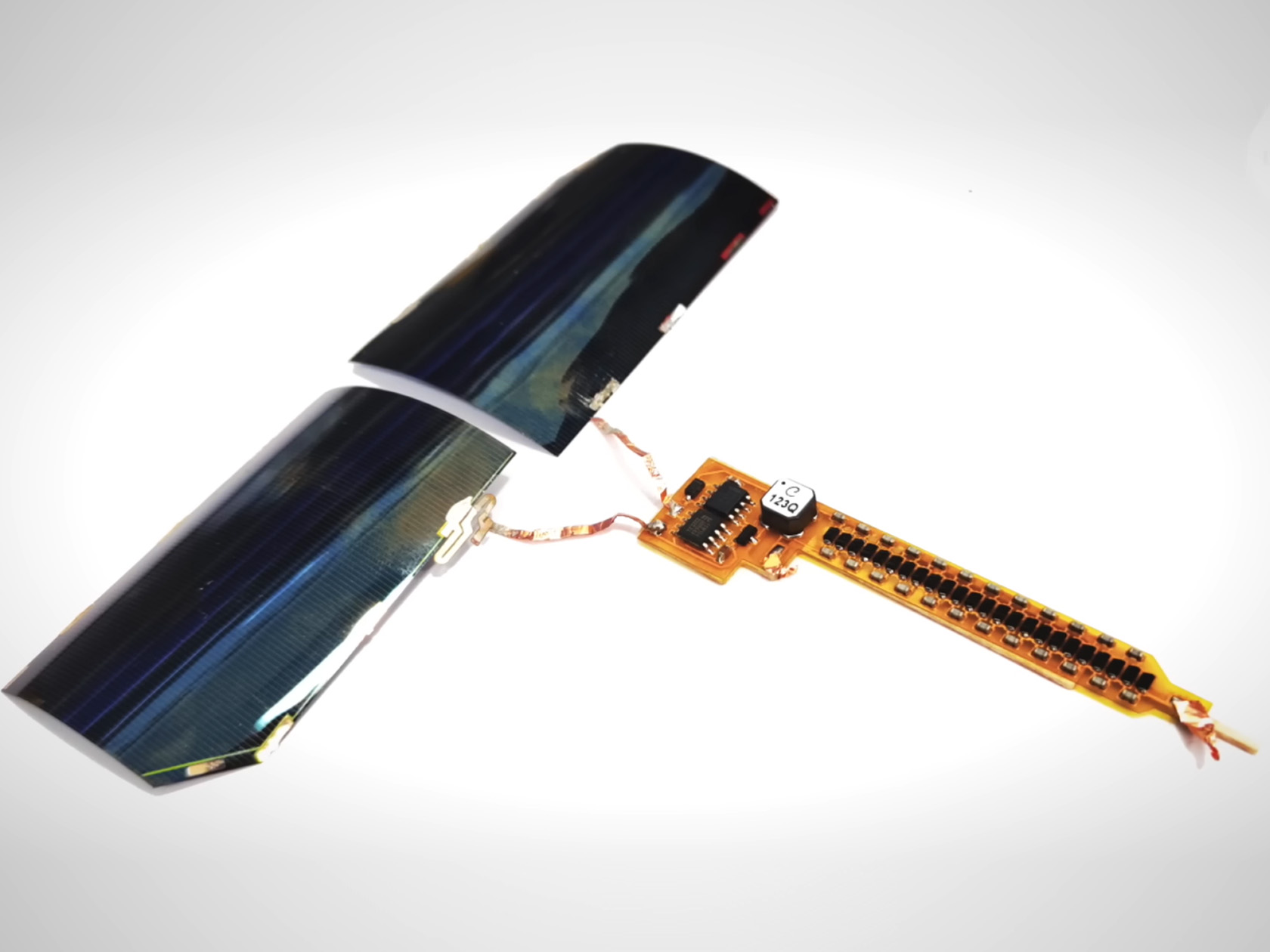
A major problem with tiny flying drones, referred to as micro aerial vehicles (MAVs), is that they cannot fly for a very long duration. Especially the MAVs weighing under 10 grams, as such micro vehicles can only stay airborne for about 10 minutes. Using sunlight as a constant power source could provide a solution to keep such bird-sized drones afloat and flying longer.

However, it’s not as simple as sticking a solar panel on the wings. Traditional propulsion systems used in micro aerial vehicles aren’t very efficient at making appropriate use of generated solar power. Moreover, these tiny drones can’t carry much payload, making them inconsistent and unworthy in support operations, search, and rescue.

Designer: Beihang University

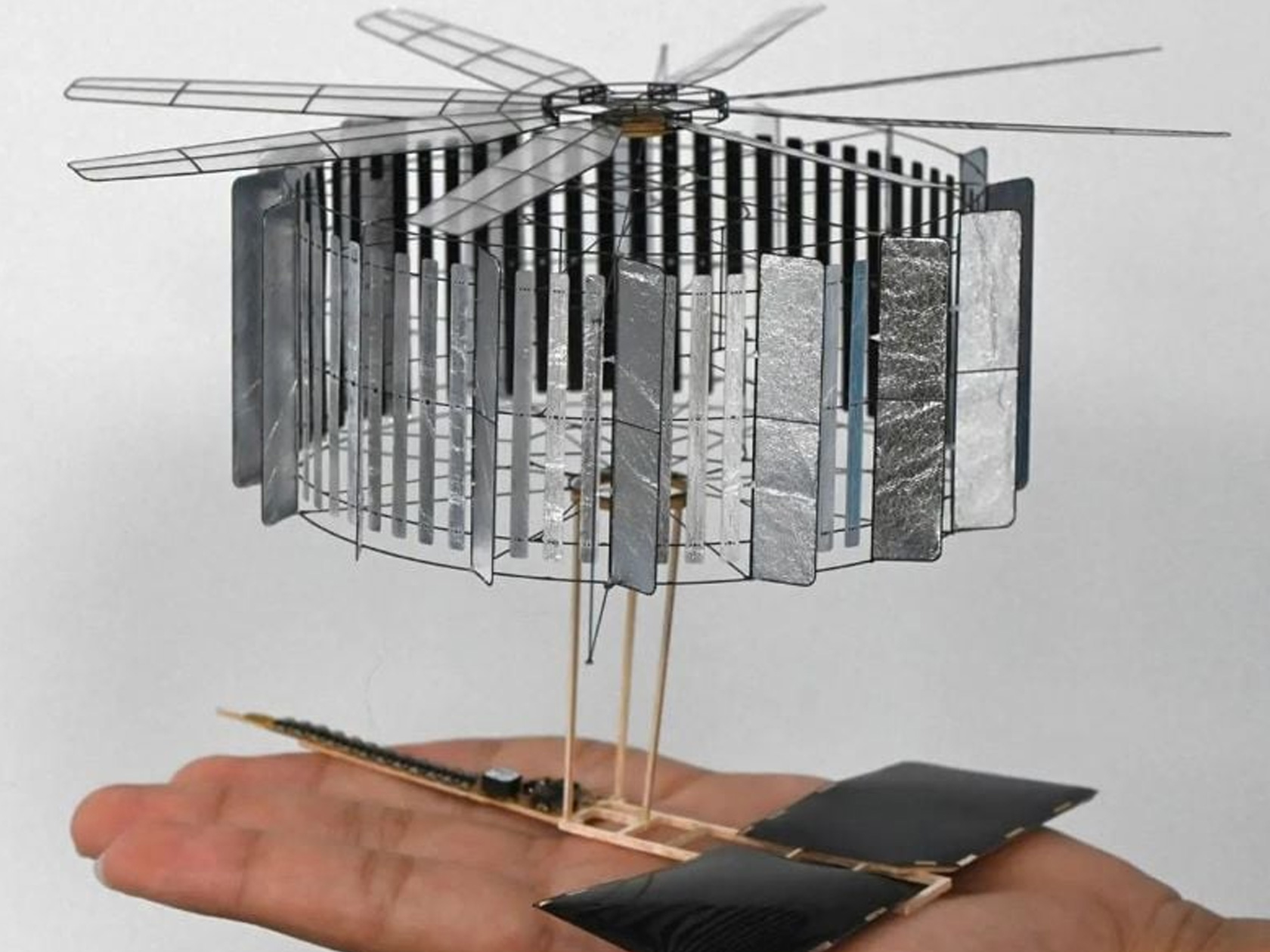
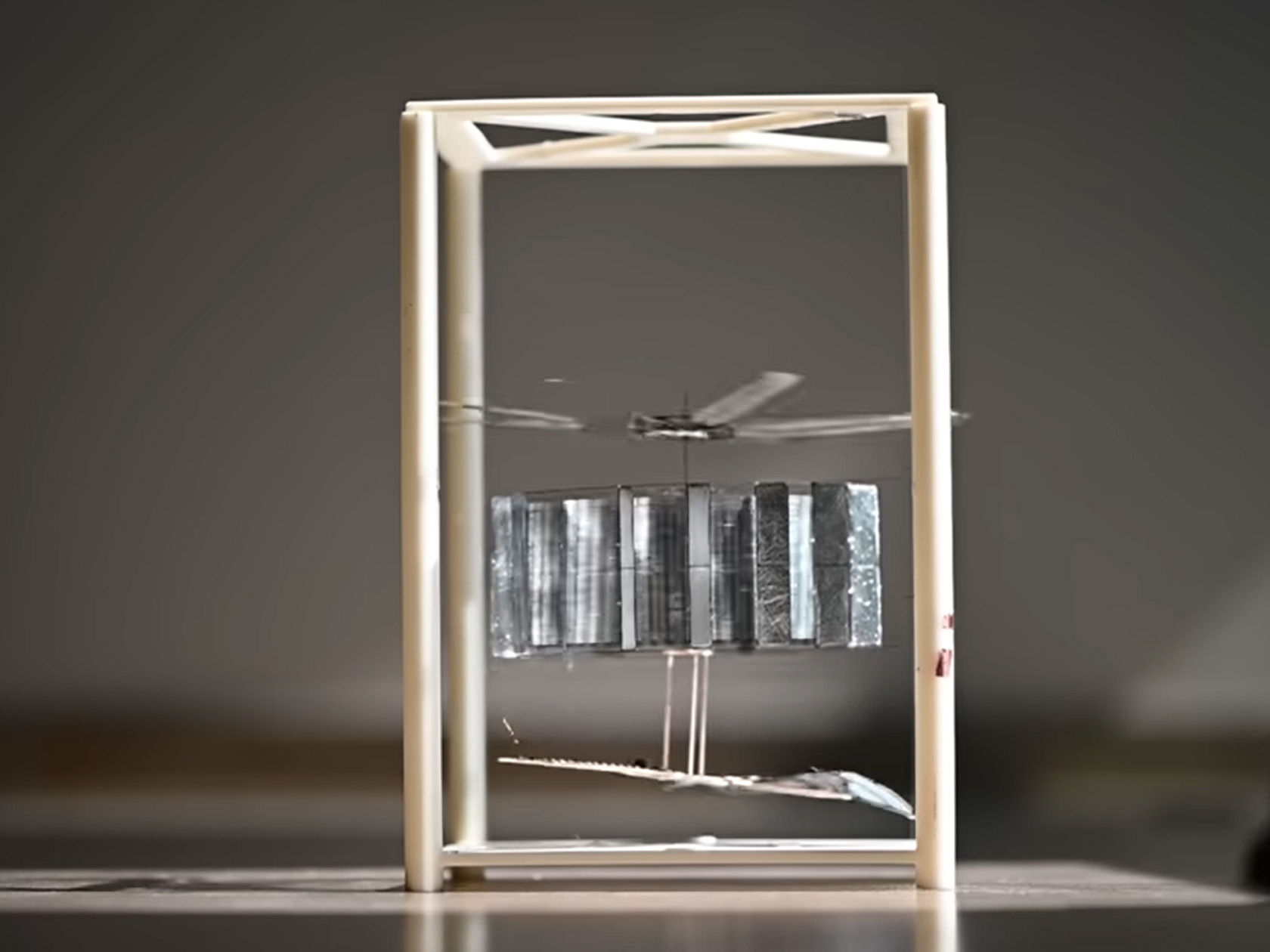
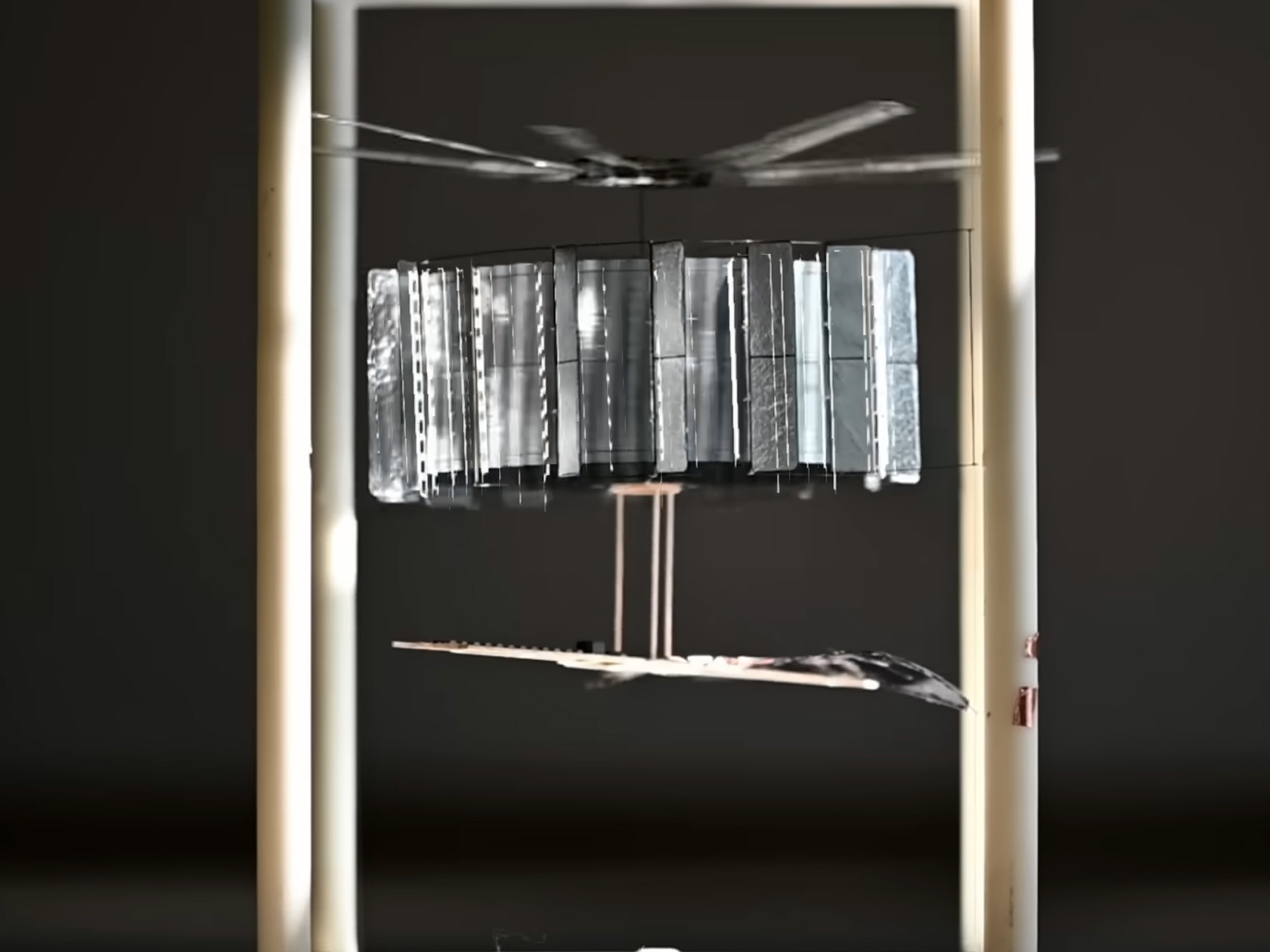
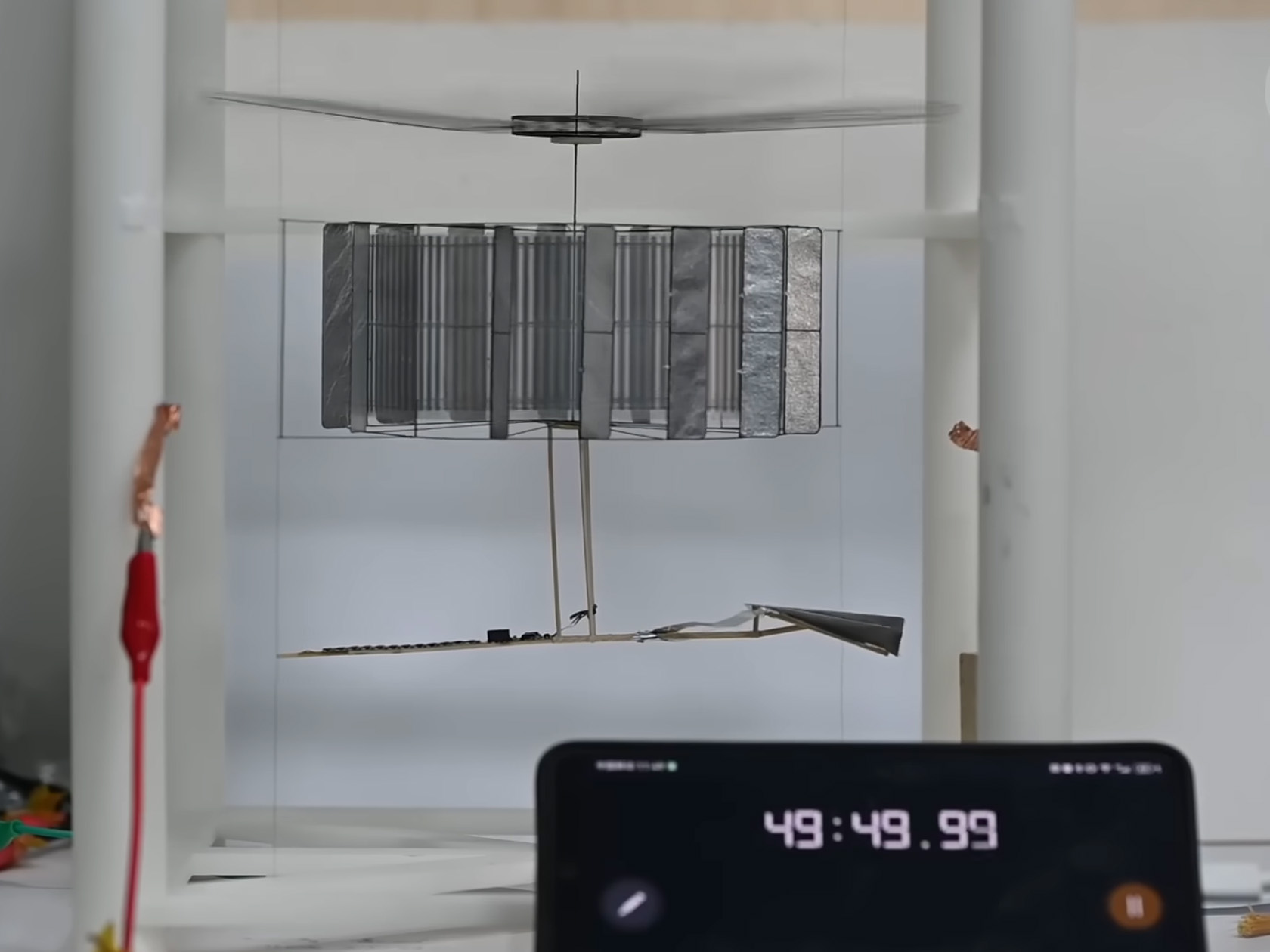
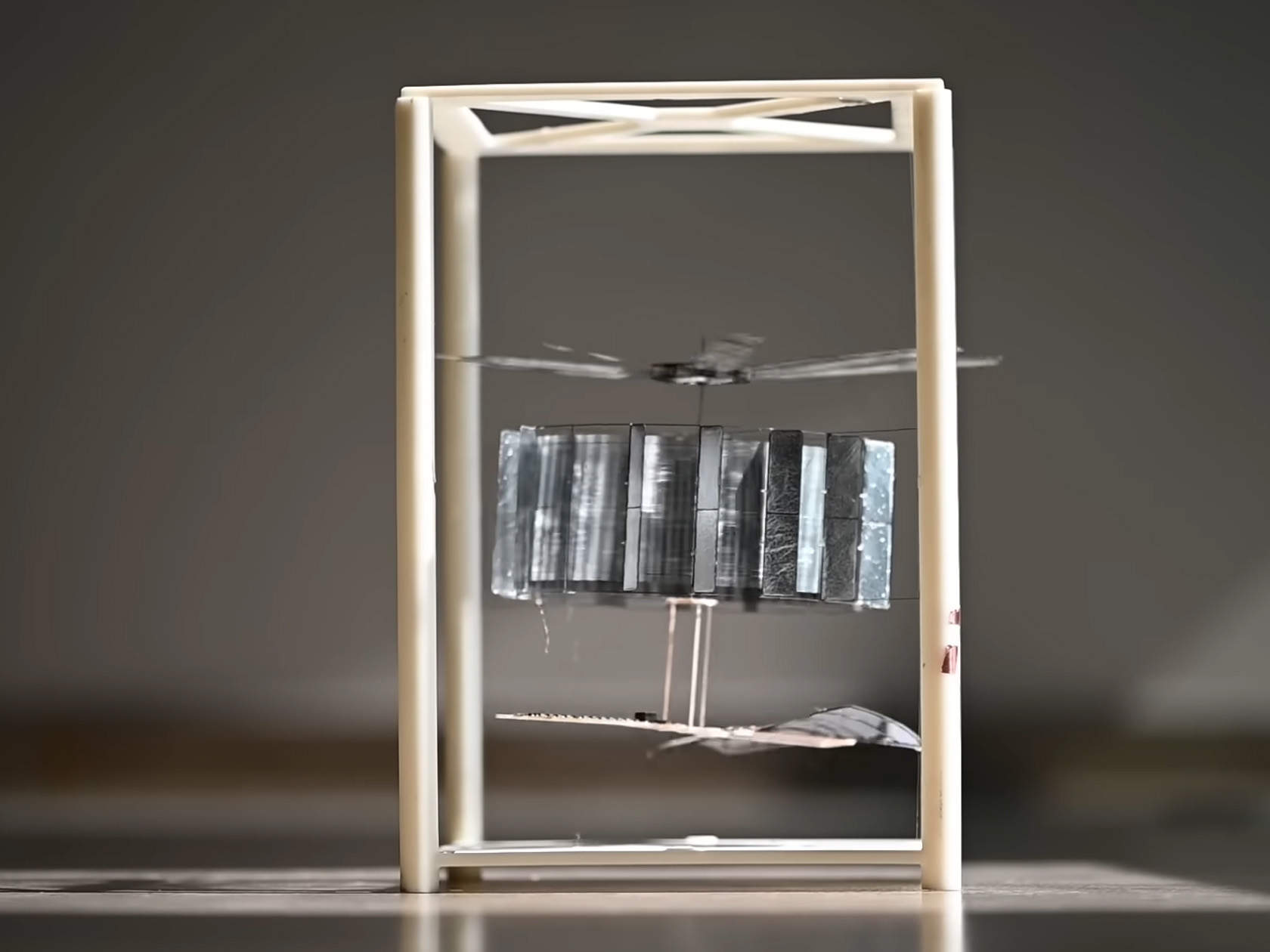
The CoulombFly, a small, ultra-efficient drone powered by static electricity was introduced as a solution to the abovementioned problem by scientists at Beihang University in Beijing, China. The super-small drone uses a special propulsion system that can lift to a decent height while using very little power for the same. The vehicle itself weighs just 4.21 grams – which is extremely lightweight – has a wingspan of 20 cm, and can carry a payload of roughly 1.59 g.

According to the researchers, CoulombFly is about ten times smaller and weighs 1/600th the weight of the previous, smallest and lightest solar-powered aerial vehicle out there. Dubbed then as the smallest and lightest solar-powered aerial vehicle, it is small enough to sit on the palm and is engineered to fly indefinitely while the sun shines on its wings. Mingjing Qi professor at Beihang and the lead of the project says he doesn’t want to settle for this size of the drone. “My ultimate goal is to make a super tiny flying vehicle, about the size and weight of a mosquito, with a wingspan under 1 centimeter,” Qi notes.

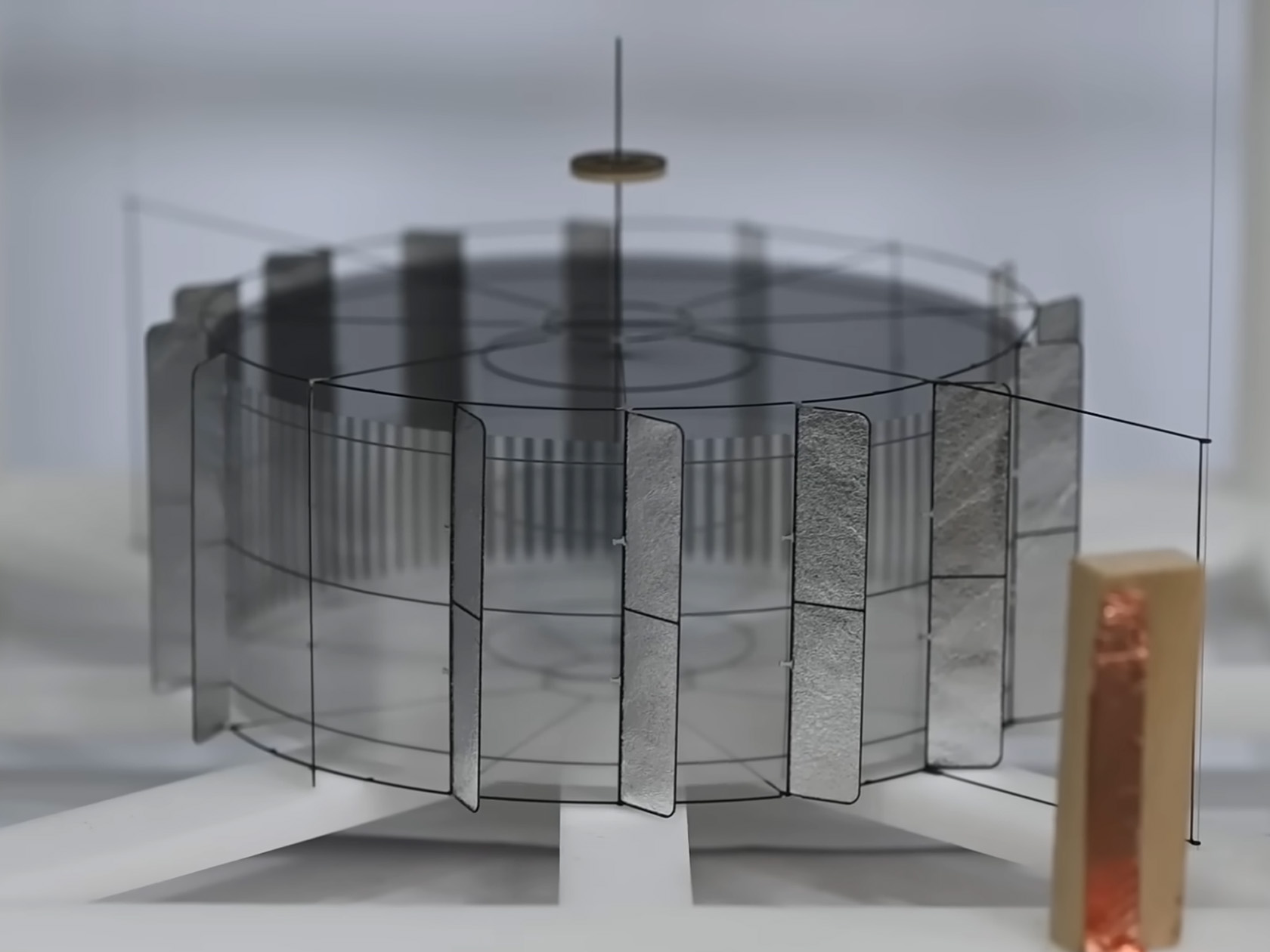
Unlike the previous tiny aerial vehicles that rely on electromagnetic motors and generate power using electromagnets; CoulombFly uses an electrostatic field to produce motion. With a mass of 1.52 g, electrostatic motor can generate lift-to-power efficiency that’s twice or even thrice that of traditional MAV motors. The electrostatic motor of the tiny drone comprises two rings: the inner ring is a spinning motor with 64 carbon fiber slats covered with aluminum foil, while the outer ring has eight alternating pairs of negative and positive carbon fiber electrode plates also bonded with foil. When the CoulombFly is exposed to sunlight, the outer ring with its 16 plates generates electric fields. Since each electrode plate is embedded in aluminum brushes, these brush against the rotor slats on the inner ring spinning the propeller and lifting the drone up until the sun is shining on it.


The post Chinese researchers test smallest solar-powered drone that can fly as long as it gets sunlight first appeared on Yanko Design.

A Call of Duty game is coming to Xbox Game Pass, just not one anyone wants

Microsoft has been taking a lot of hits over its Xbox Game Pass price hike and the overall lackluster offering of games. So to make up for it, they are offering a Call of Duty game for the first time on its virtual buffet. Unfortunately, it’s Call of Duty: Modern Warfare III, one of the lowest rated games in the series.

Calling the reviews for Modern Warfare III “mixed” would be generous. IGN’s Simon Cardy said its single-player campaign was “shallow,” “dull” and “the worst Call of Duty single-player campaign I’ve played.” Jump Dash Roll’s Derek Johnson wrote that its main campaign is “genuinely not worth playing” and its signature Zombies mode “isn’t quite as atrociously terrible as its single-player but that doesn’t mean it’s anything resembling something fun.”

Modern Warfare III won’t be the only Call of Duty game available for Xbox Game Pass subscribers. Xbox Game Pass will provide day one access to Call of Duty: Black Ops 6 in October. Of course, we don’t know how good the game will be but one imagines it'll garner a bit more favor from critics compared to Modern Warfare III.

This article originally appeared on Engadget at https://www.engadget.com/a-call-of-duty-game-is-coming-to-xbox-game-pass-just-not-one-anyone-wants-175255224.html?src=rss

The Future of Apple design language: iPhone 17 Slim and the Shift Towards Ultra-Thin Devices

Rumors are swirling that Apple might be dropping its “Plus” iPhone models, starting with the iPhone 17, potentially replacing them with a more premium offering. Over the years, the appeal of the “Plus” models has waned as standard, and Pro models have become more capable. The latest leaks suggest Apple is set to introduce a new “Slim” iPhone to fill this gap, a move that could revolutionize the future of Apple’s products and excite tech enthusiasts.

Designer: Apple

Remember that iconic moment when Steve Jobs wowed the world by pulling the MacBook Air out of a manila envelope? Could Apple be gearing up for another “MacBook Air moment” with the iPhone 17 Slim? If the rumors are true, we might witness a similarly groundbreaking reveal that redefines expectations for smartphone design and performance.

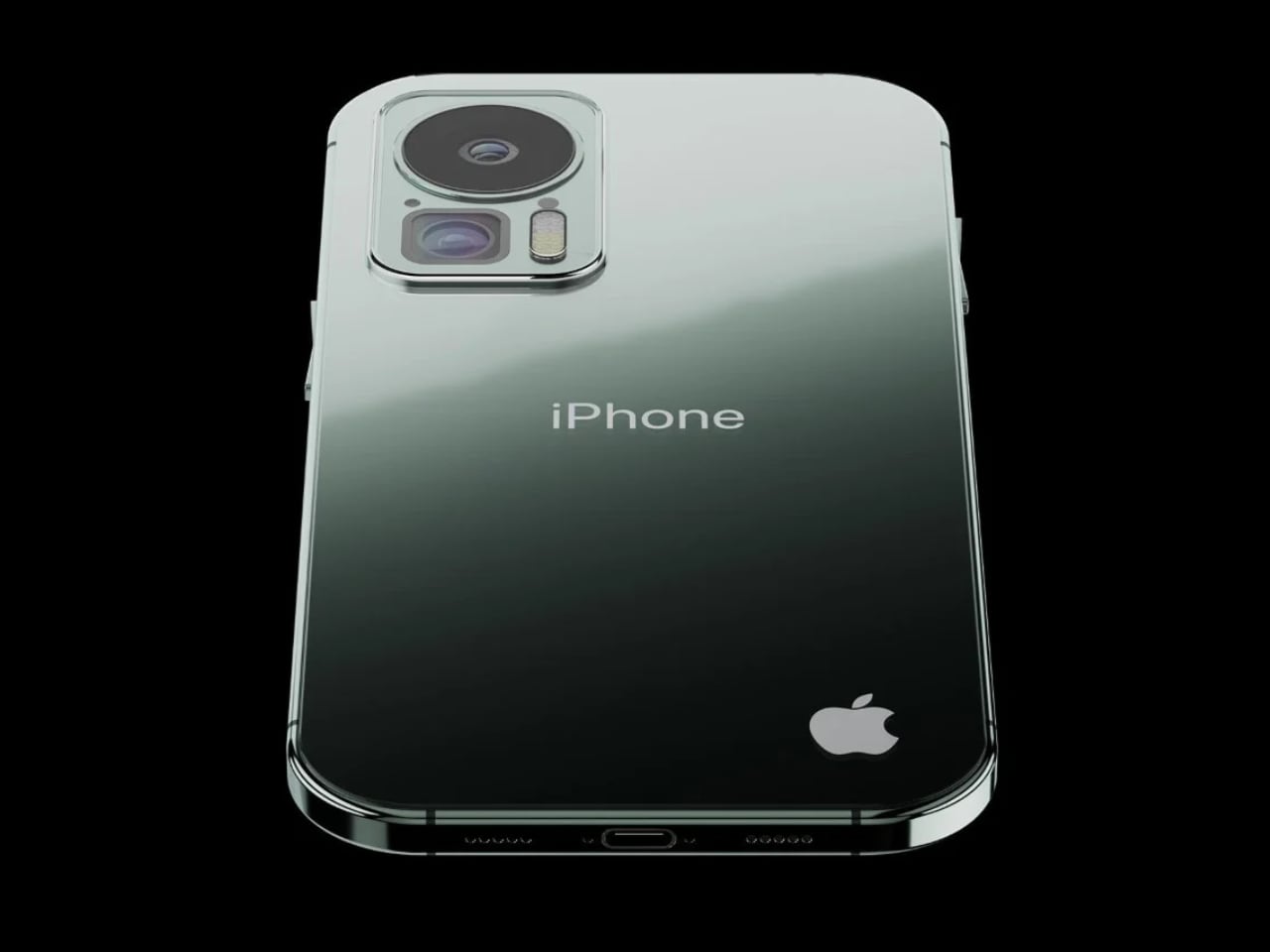
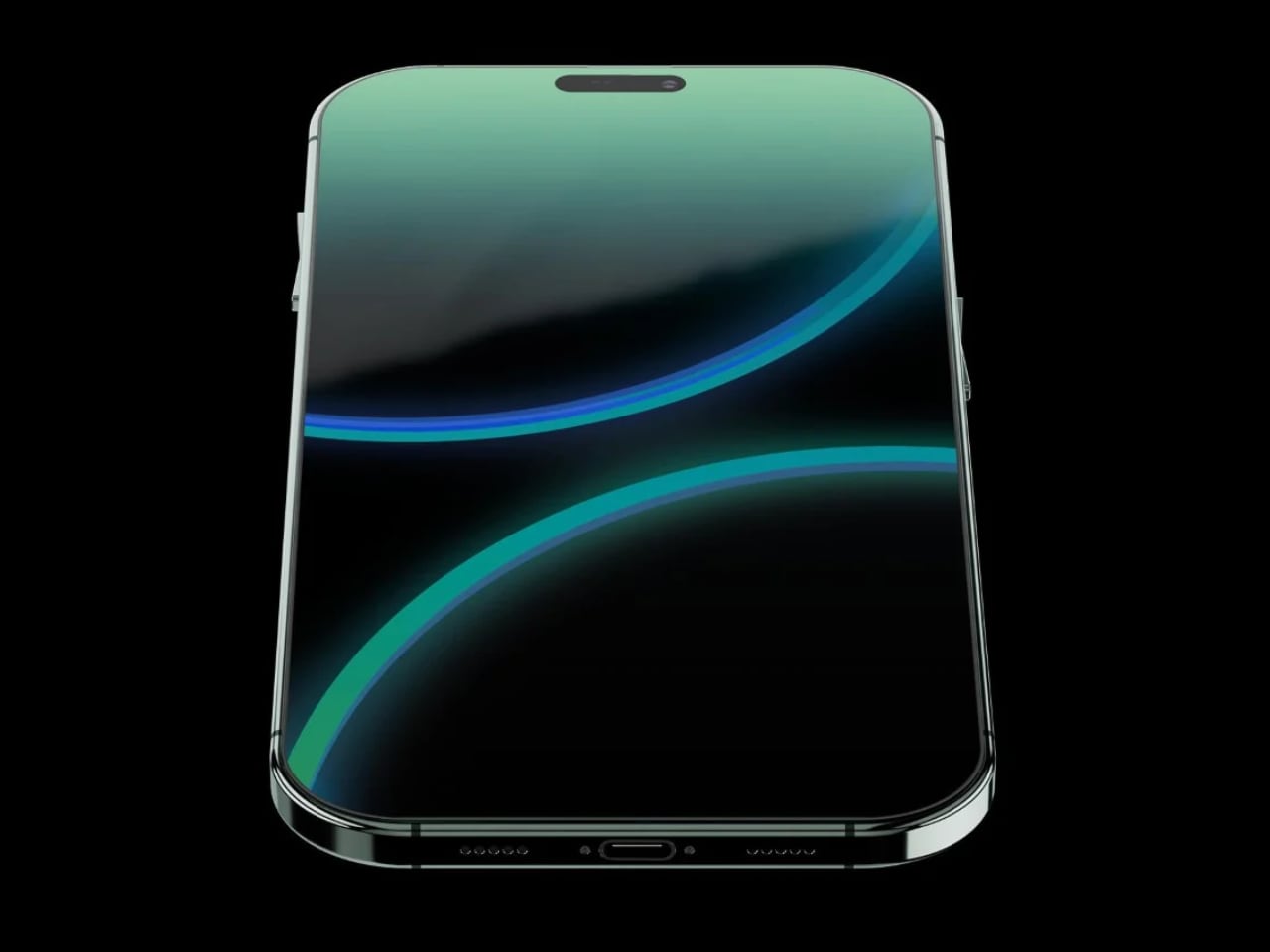
On July 20, details emerged on Weibo indicating that the iPhone 17 line-up will not include a Plus model. Instead, Apple is reportedly planning to launch an “iPhone 17 Slim,” set to become the most premium model in the line-up, much like the Apple Watch Ultra. This new model will take design cues from the ultra-thin iPad Pro M4, launched in May.

iPhone Concept

The iPhone 17 Slim is rumored to be significantly thinner than its predecessors and other models in the line-up. It is also said to feature an LTPO display with a 120Hz refresh rate, a feature currently exclusive to Pro models. This shift means every iPhone 17, from the base model to the Pro Max, will offer ProMotion technology.

Speculation also suggests that the iPhone 17 series will be powered by Apple’s A19 and A19 Pro processors. The iPhone 17 Slim will likely include the A19 Pro, making it the most advanced and expensive model in the range. Rumors suggest a starting price of $1,299, making it pricier than the current iPhone 15 Pro Max. However, the potential of the iPhone 17 Slim to meet and exceed consumer expectations in terms of performance and design is reassuring.

Here’s a look at the potential iPhone 17 line-up:

  • iPhone 17: $799, A19 processor, 6.27-inch LTPO (ProMotion) display, 8GB of RAM
  • iPhone 17 Pro: $1,099, A19 Pro processor, 6.27-inch LTPO (ProMotion) display, 12GB of RAM
  • iPhone 17 Pro Max: $1,199, A19 Pro processor, 6.86-inch LTPO (ProMotion) display, 12GB of RAM
  • iPhone 17 Slim: $1,299, A19 Pro processor, 6.65-inch LTPO (ProMotion) display, 12GB of RAM

Apple’s push towards thinner designs extends beyond the iPhone. The company is rumored to work on slimmer versions of all its main products, including MacBooks and Apple Watches. This ambition presents significant challenges, particularly regarding battery life and durability. A thinner design often means a smaller battery, which could compromise battery life. Ensuring the iPhone 17 Slim has comparable or superior battery performance to existing Pro Max models will be crucial.

Interestingly, with the development of the M4 and potentially M5 chips, these processors are expected to be much more efficient by the time the iPhone 17 is released. This efficiency could allow Apple to use a smaller battery while retaining the same battery life as current models. While battery capacity is a significant factor, I would much rather have a faster wired and wireless charging rate to top off as needed quickly.

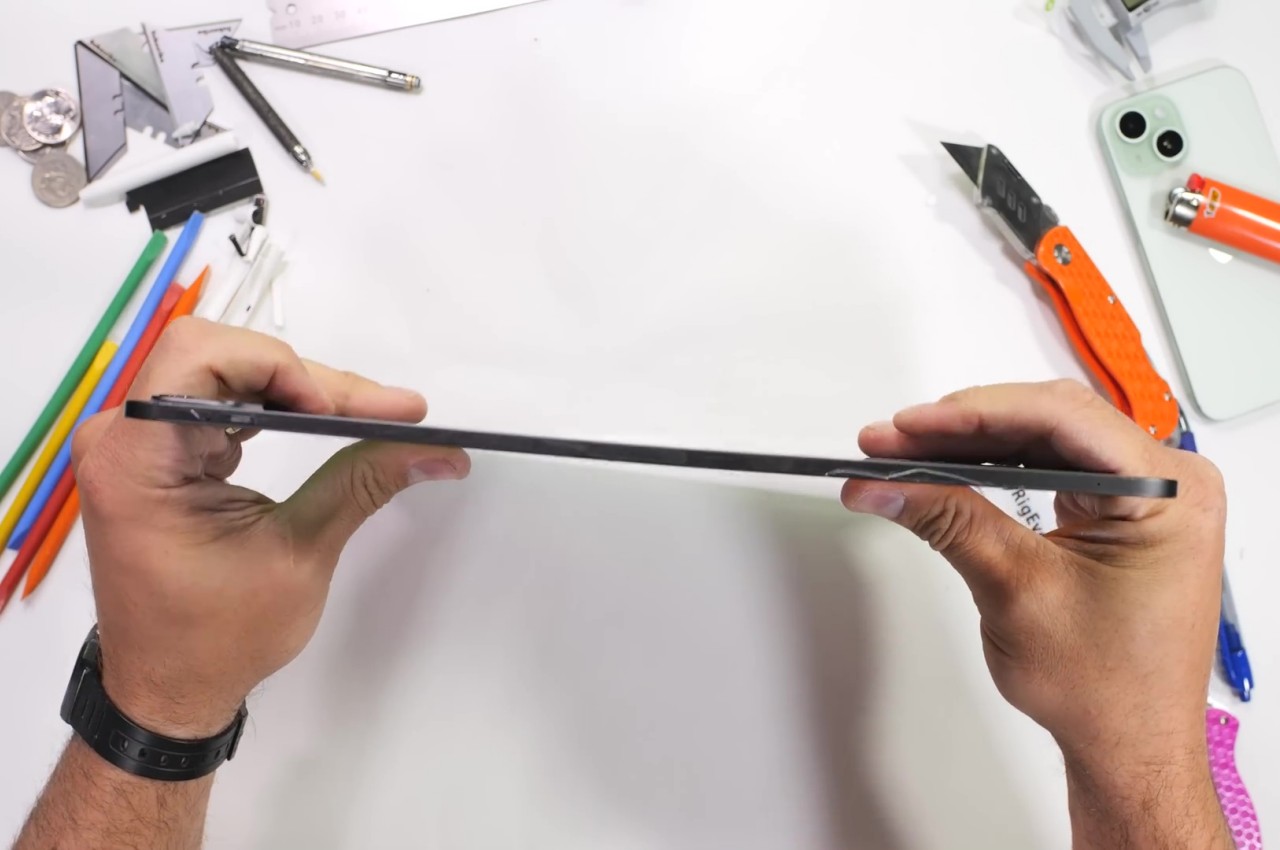
The design elements of the iPad Pro M4 are noteworthy, with its skinny profile and raw processing power setting a new standard for Apple’s devices. Imagine the iPhone 17 Slim adopting this same level of thinness combined with the A19 Pro processor. This would not only deliver a powerhouse device with exceptional performance and a gorgeous display but also set a new benchmark for smartphone design in the tech industry. Additionally, thinner devices can be more susceptible to bending and other durability issues, making robust design and engineering essential. However, Apple seems to have resolved this issue with the iPad Pro M4, giving confidence that the iPhone 17 Slim will be both durable and sleek—hallelujah!

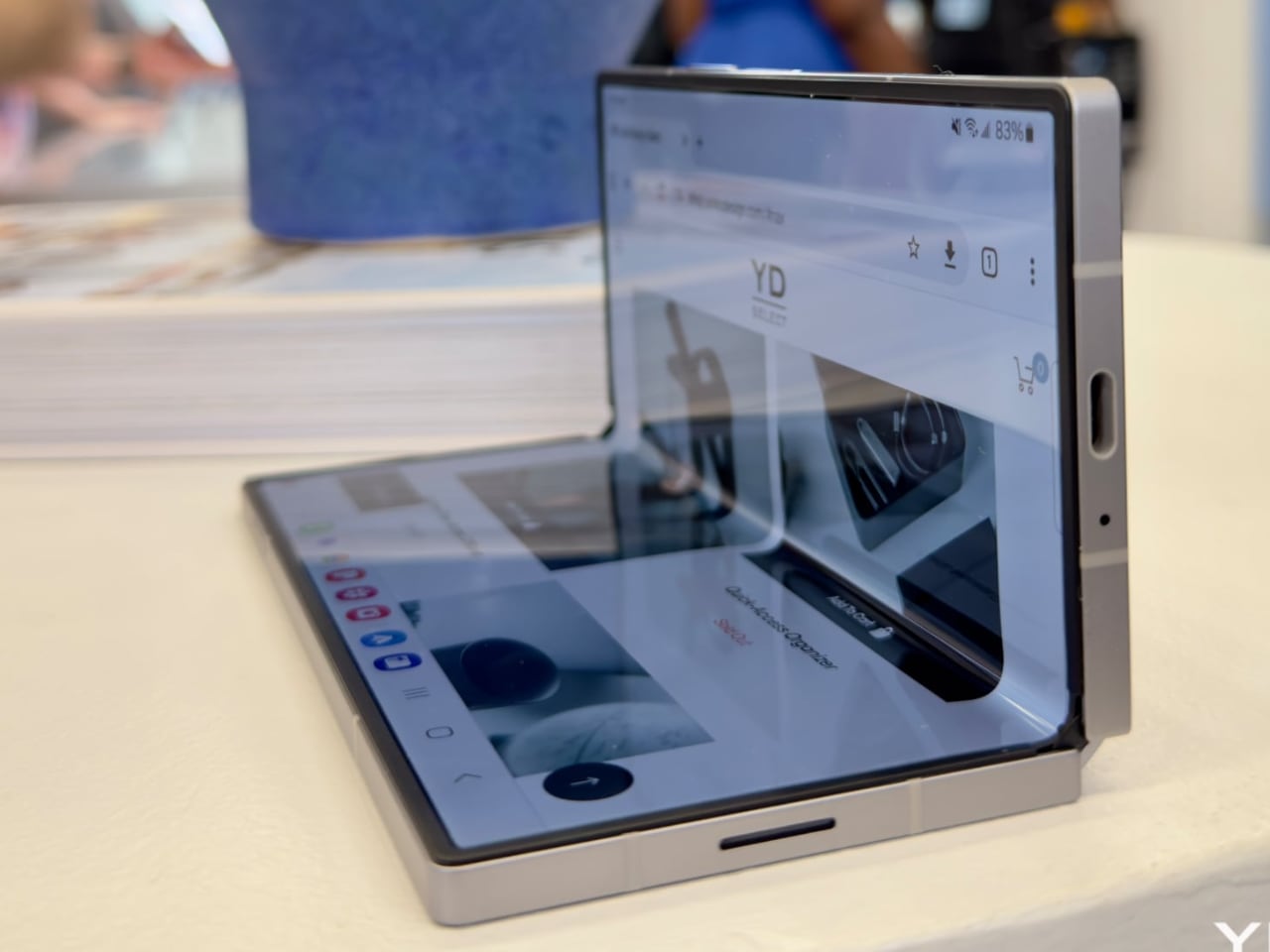
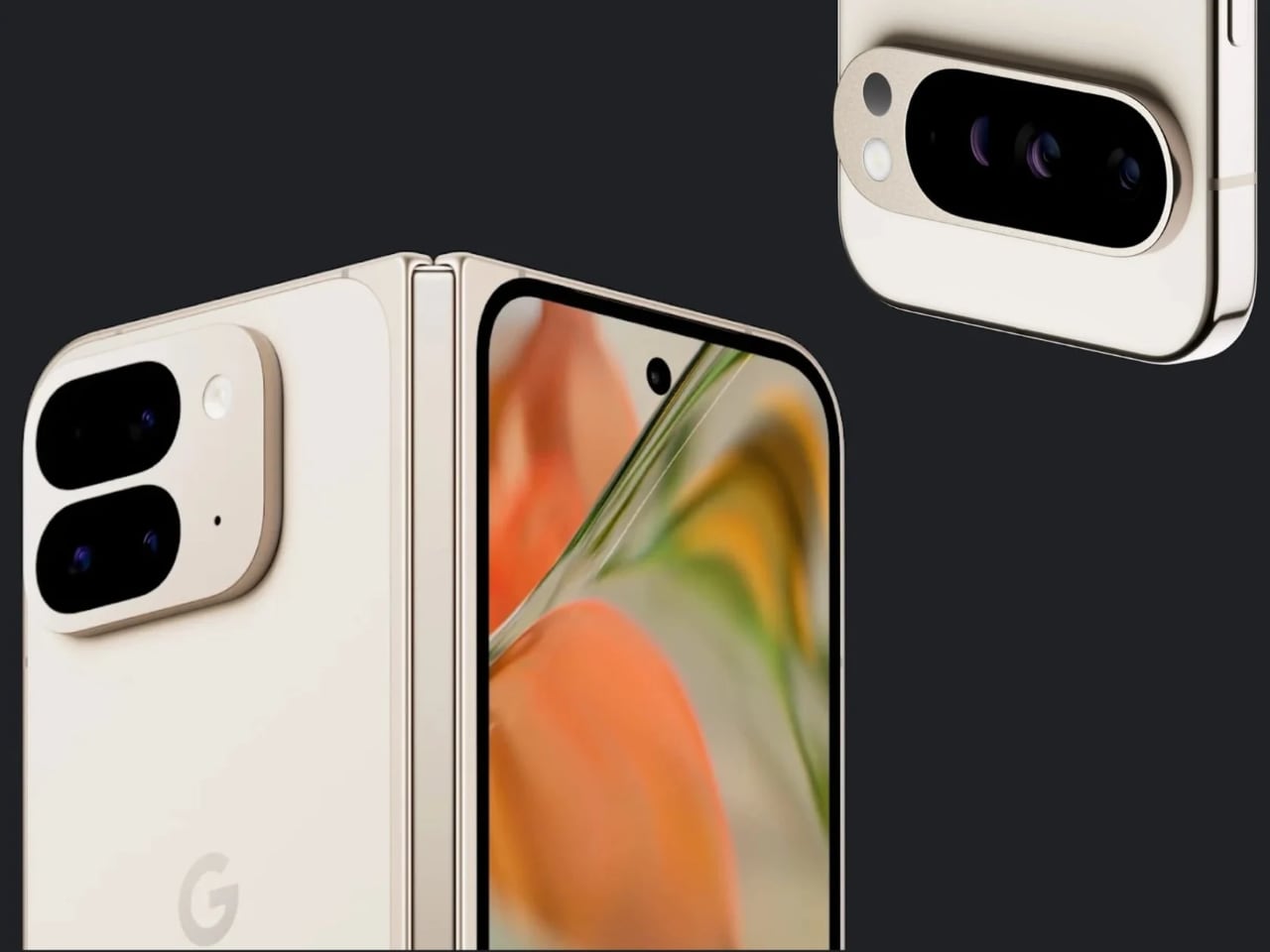
Interestingly, recent leaks about the Pixel 9 Pro and the newly released Galaxy Fold6 and Flip6 show a trend towards flat edges, similar to the iPhone 15 Pro and Max. This design trend across brands highlights the industry’s move towards sleek, flat-edged devices. The Pixel 9 Pro will feature a refined design focusing on high-end performance. At the same time, the Galaxy Fold6 and Flip6 continue to innovate in the foldable phone market, combining cutting-edge technology with stylish designs.

Samsung Galaxy Fold6

Pixel 9 Pro Fold

The iPhone 17 Slim’s anticipated ultra-thin design would fit right into this trend, offering a visually stunning and powerful device that appeals to users looking for the best form and function. The ultra-thin design not only enhances the device’s aesthetics but also makes it more portable and comfortable to use, thereby enhancing the overall user experience.

Apple’s ultra-thin tech game plan doesn’t stop at the iPhone. The upcoming MacBooks and Apple Watches are also expected to feature thinner designs, making them more portable and stylish while maintaining high performance. The challenge will be to balance this thinness with functionality, ensuring that battery life and durability are not compromised.

MacBook Concept

With the iPhone 16 around the corner, are these early iPhone 17 leaks compelling enough to keep you holding on to your current device for another cycle? The promise of the iPhone 17 Slim, with its ultra-thin design, powerful A19 Pro processor, and stunning LTPO display, could be worth the wait. As Apple continues to innovate, we can expect these design principles to set new industry technology and design standards, inspiring the tech industry and consumers alike.

The post The Future of Apple design language: iPhone 17 Slim and the Shift Towards Ultra-Thin Devices first appeared on Yanko Design.

Russia-linked hackers cut heat to 600 Ukrainian apartment buildings in the dead of winter, researchers say

Cybersecurity company Dragos has flagged malware that can attack industrial control systems (ICS), tricking them into malicious behavior like turning off the heat and hot water in the middle of winter. TechCrunch reports that’s precisely what the malware, dubbed FrostyGoop, did this January in Lviv, Ukraine, when residents in over 600 apartment buildings lost heat for two days amid freezing temperatures.

Dragos says FrostyGoop is only the ninth known malware designed to target industrial controllers. It’s also the first to specifically set its sights on Modbus, a widely deployed communications protocol invented in 1979. Modbus is frequently used in industrial environments like the one in Ukraine that FrostyGoop attacked in January.

Ukraine’s Cyber Security Situation Center (CSSC), the nation’s government agency tasked with digital safety, shared information about the attack with Dragos after discovering the malware in April of this year, months after the attack. The malicious code, written in Golang (The Go programming language designed by Google), directly interacts with industrial control systems over an open internet port (502).

The attackers likely gained access to Lviv’s industrial network in April 2023. Dragos says they did so by “exploiting an undetermined vulnerability in an externally facing Mikrotik router.” They then installed a remote access tool that voided the need to install the malware locally, which helped it avoid detection.

The attackers downgraded the controller firmware to a version lacking monitoring capabilities, helping to cover their tracks. Instead of trying to take down the systems altogether, the hackers caused the controllers to report inaccurate measurements — resulting in the loss of heat in the middle of a deep freeze.

Dragos has a longstanding policy of neutrality in cyberattacks, preferring to focus on education without assigning blame. However, it noted that the adversaries opened secure connections (using layer two tunneling protocol) to Moscow-based IP addresses.

“I think it’s very much a psychological effort here, facilitated through cyber means when kinetic perhaps here wasn’t the best choice,” Dragos researcher Mark “Magpie” Graham told TechCrunch. Lviv is in the western part of Ukraine, which would be much more difficult for Russia to hit than eastern cities.

Dragos warns that, given how ubiquitous the Modbus protocol is in industrial environments, FrostyGoop could be used to disrupt similar systems worldwide. The security company recommends continuous monitoring, noting that FrostyGoop evaded virus detection, underscoring the need for network monitoring to flag future threats before they strike. Specifically, Dragos advises ICS operators to use the SANS 5 Critical Controls for World-Class OT Cybersecurity, a security framework for operational environments.

This article originally appeared on Engadget at https://www.engadget.com/russia-linked-hackers-cut-heat-to-600-ukrainian-apartment-buildings-in-the-dead-of-winter-researchers-say-171414527.html?src=rss