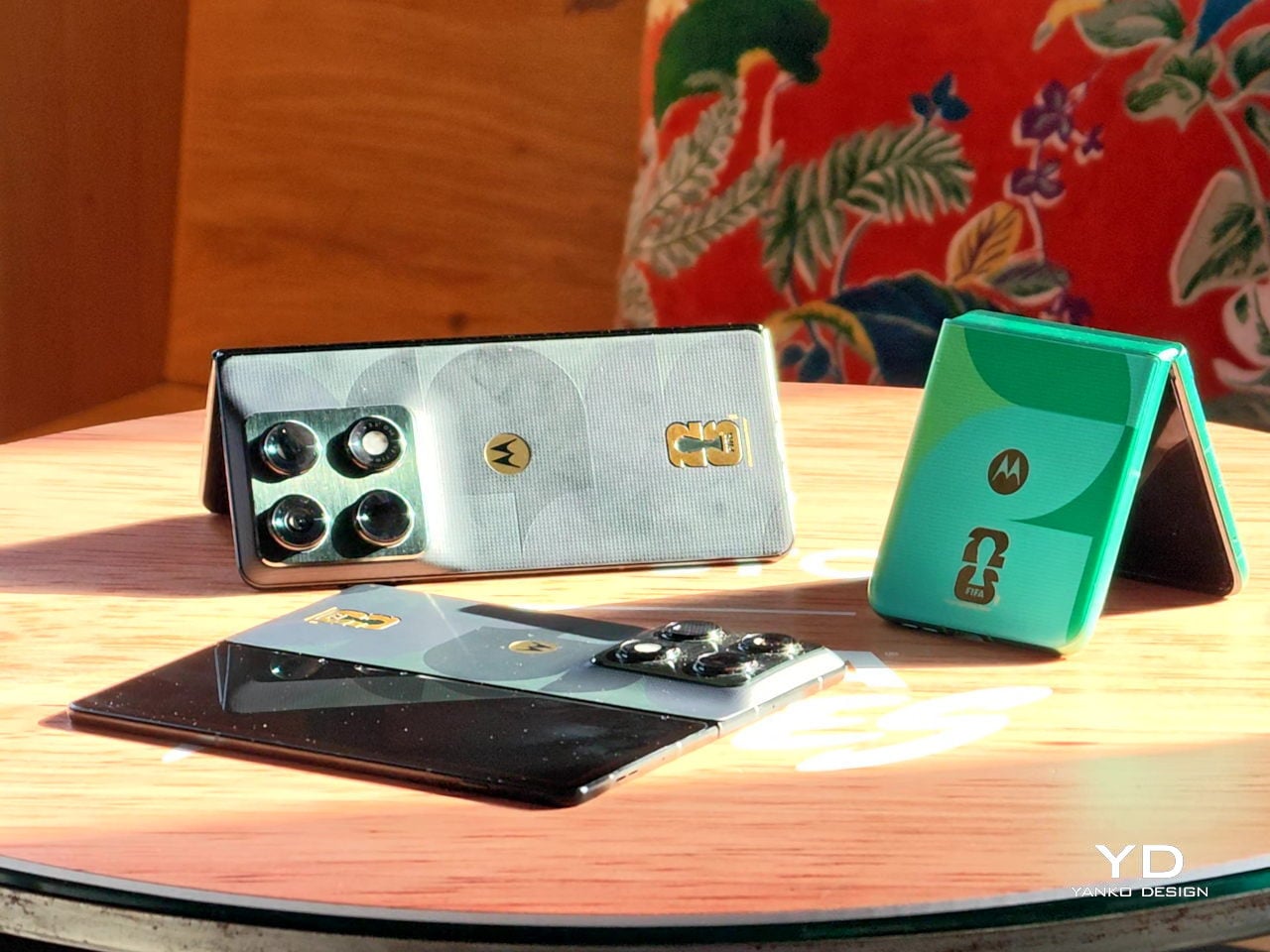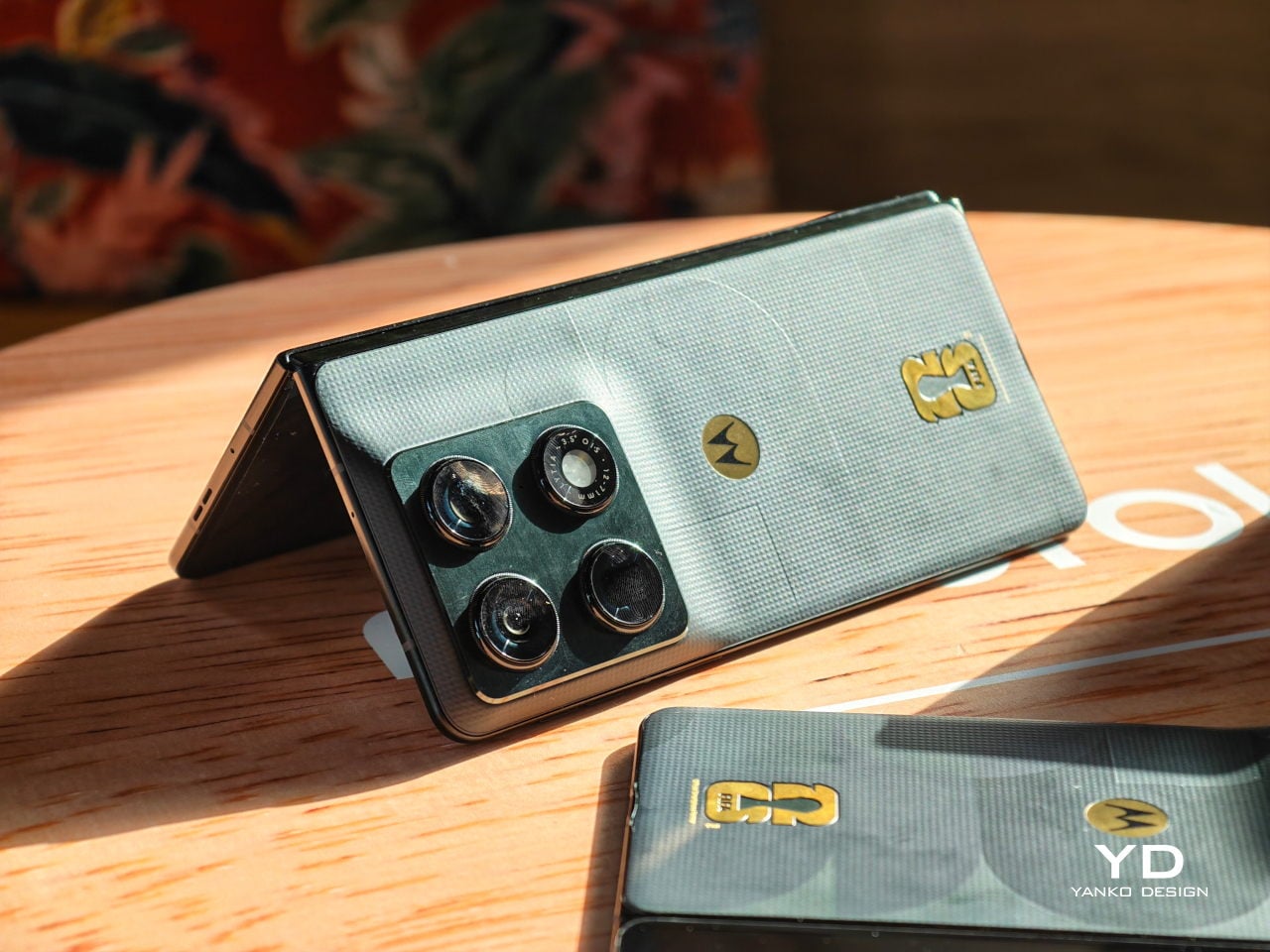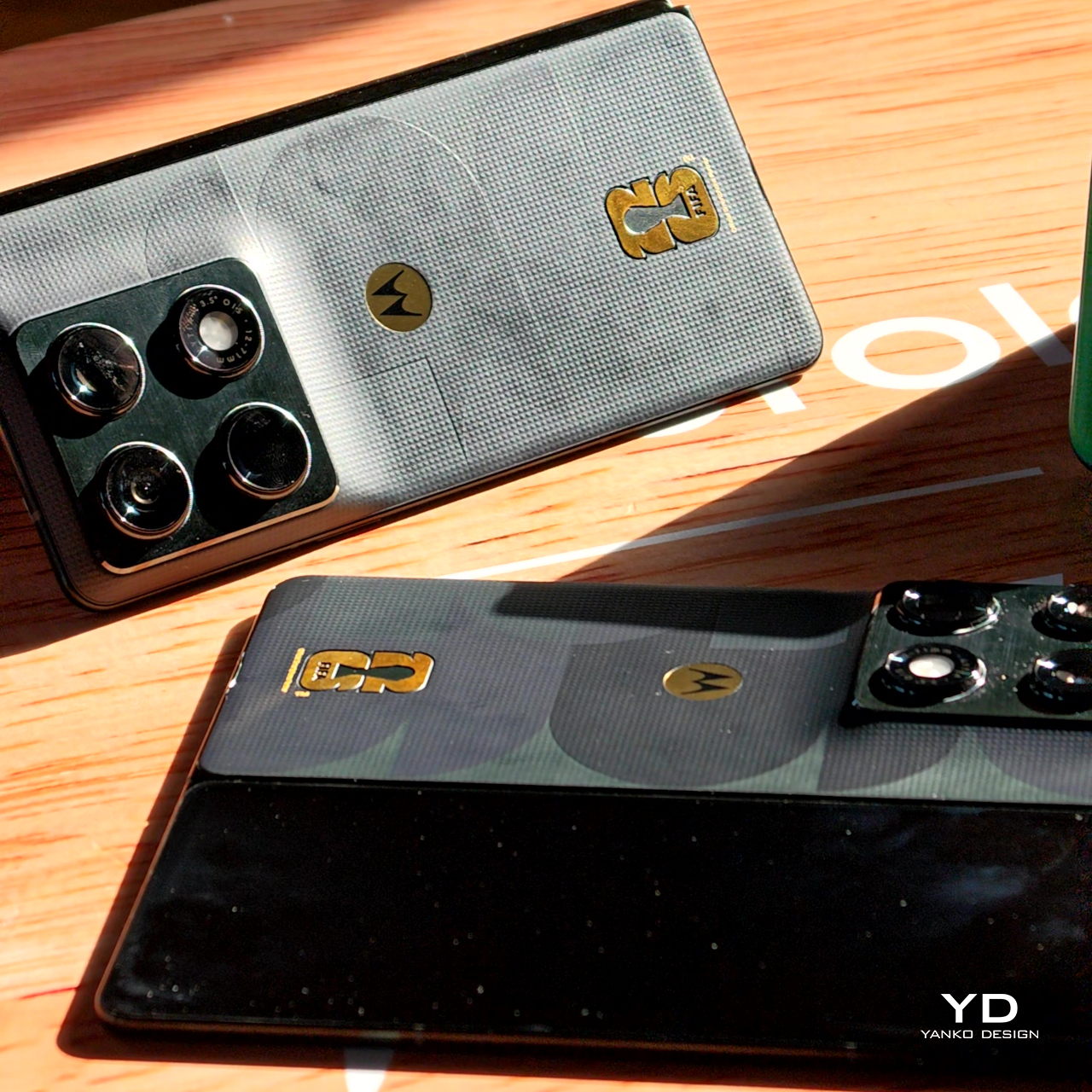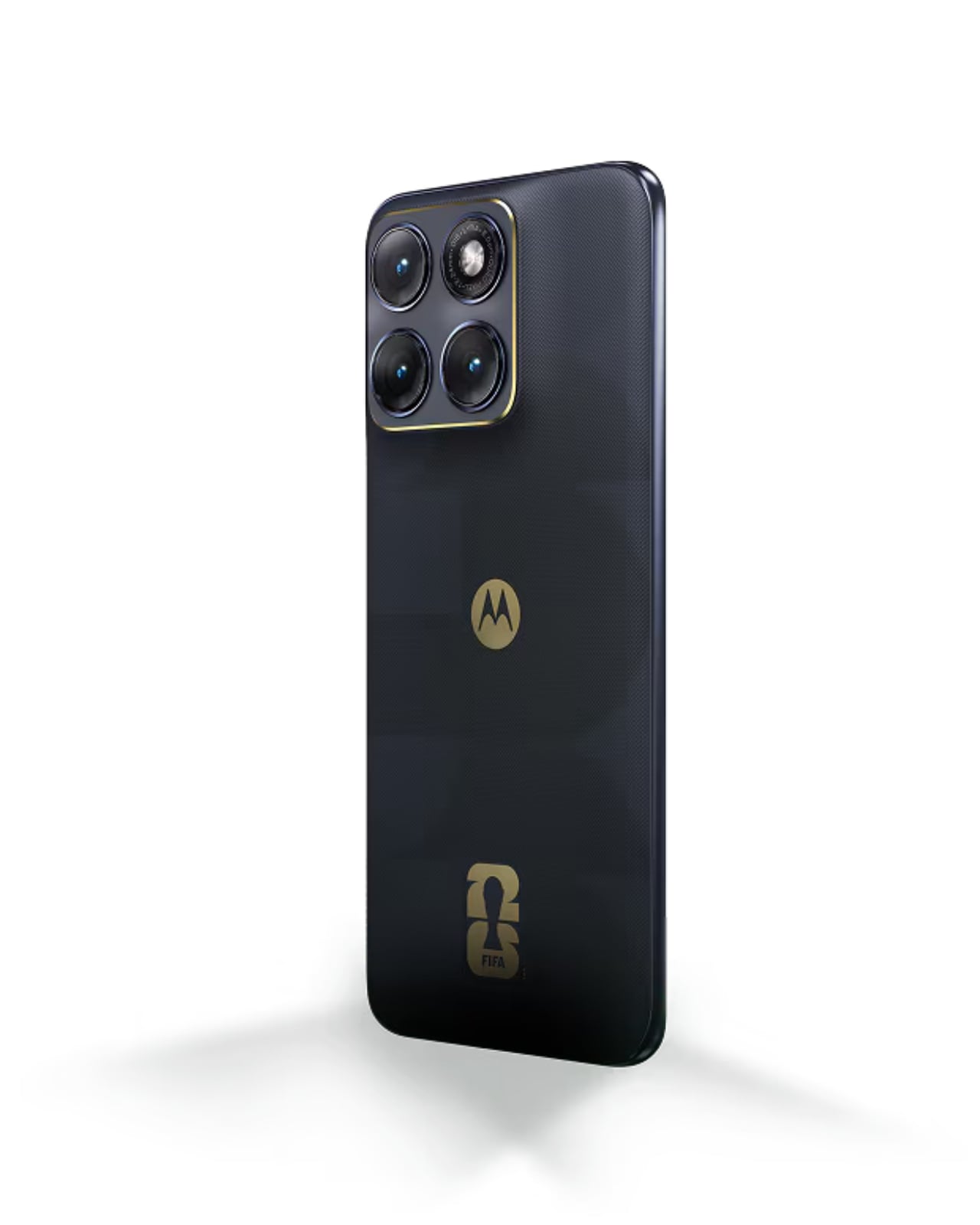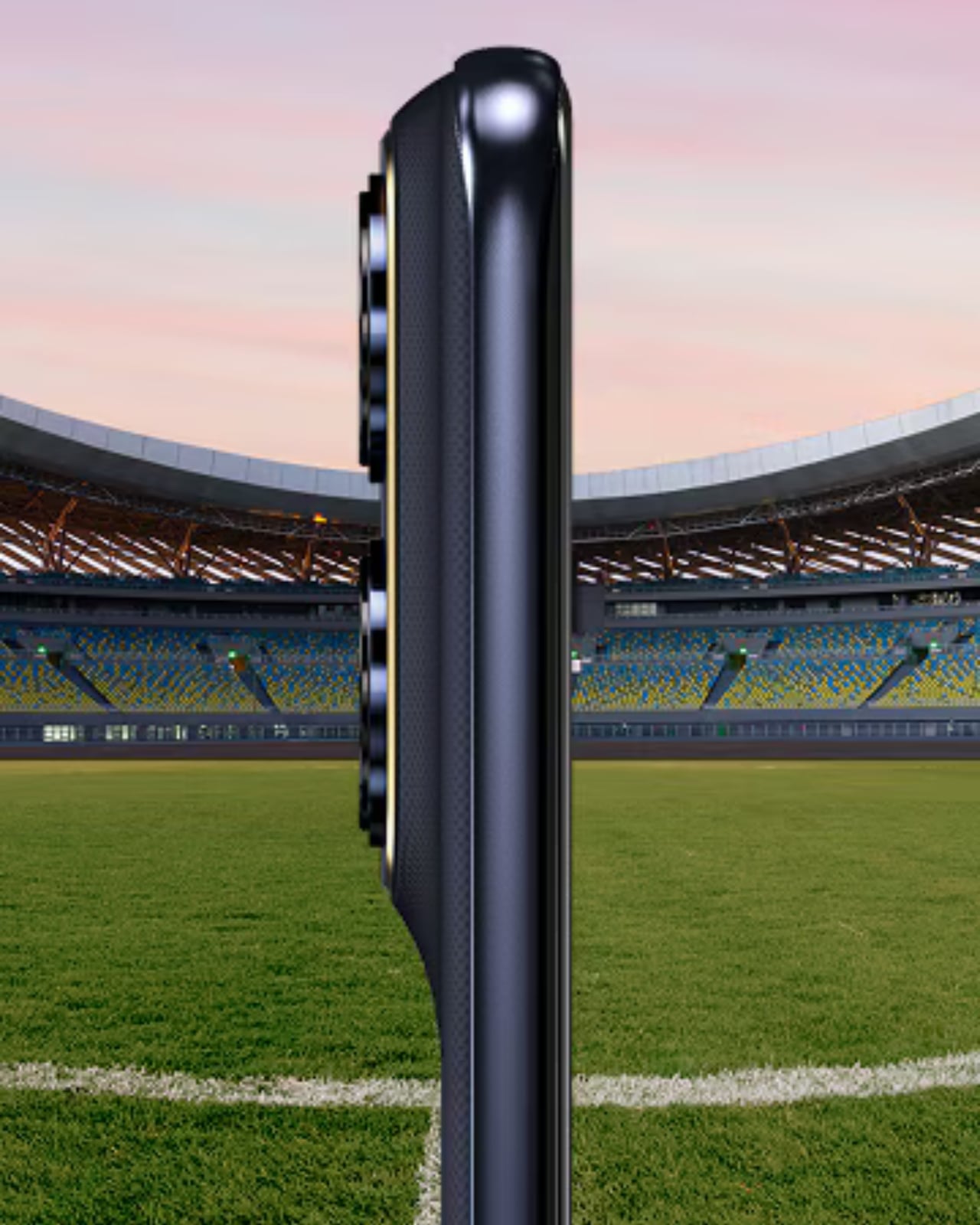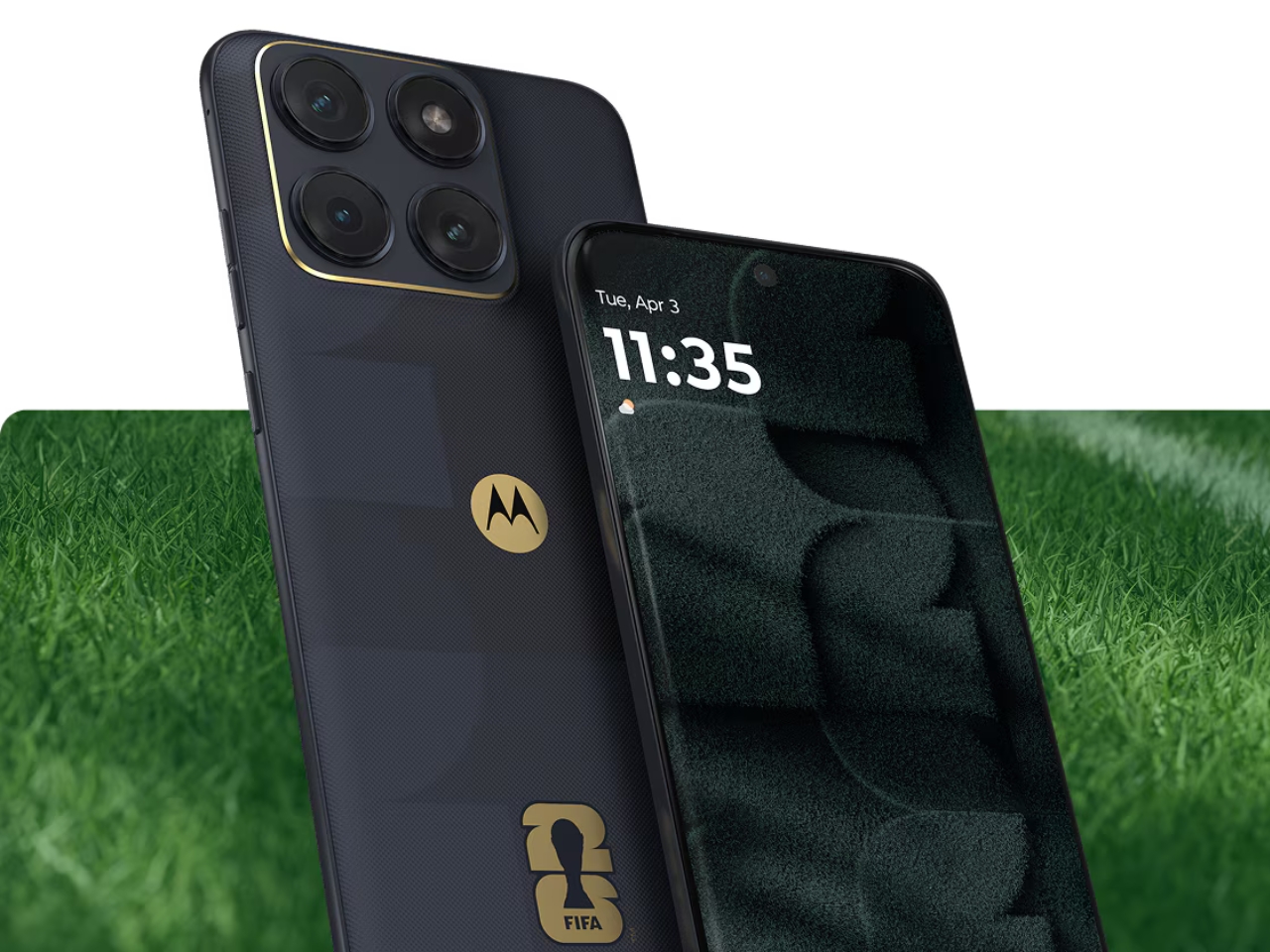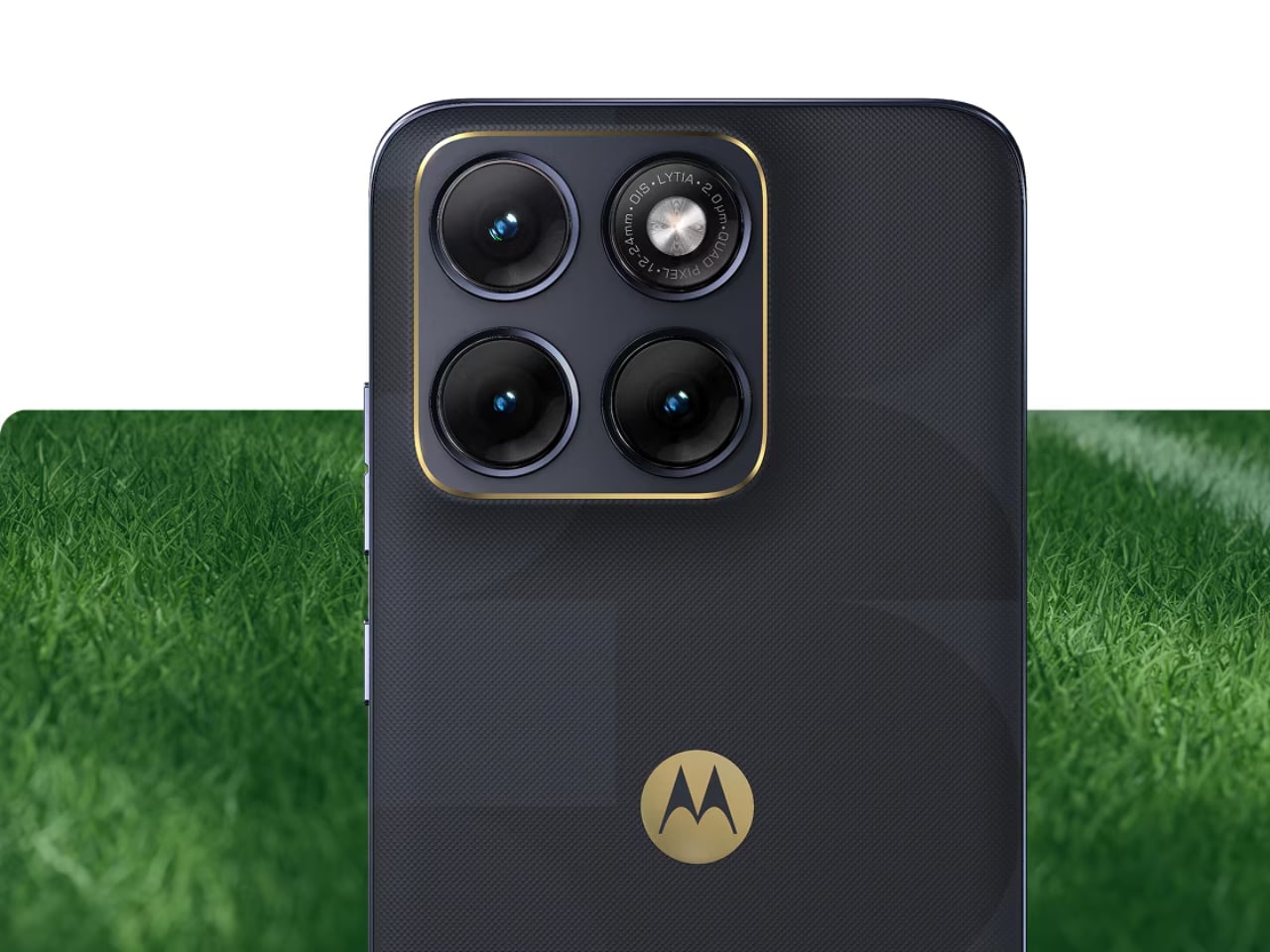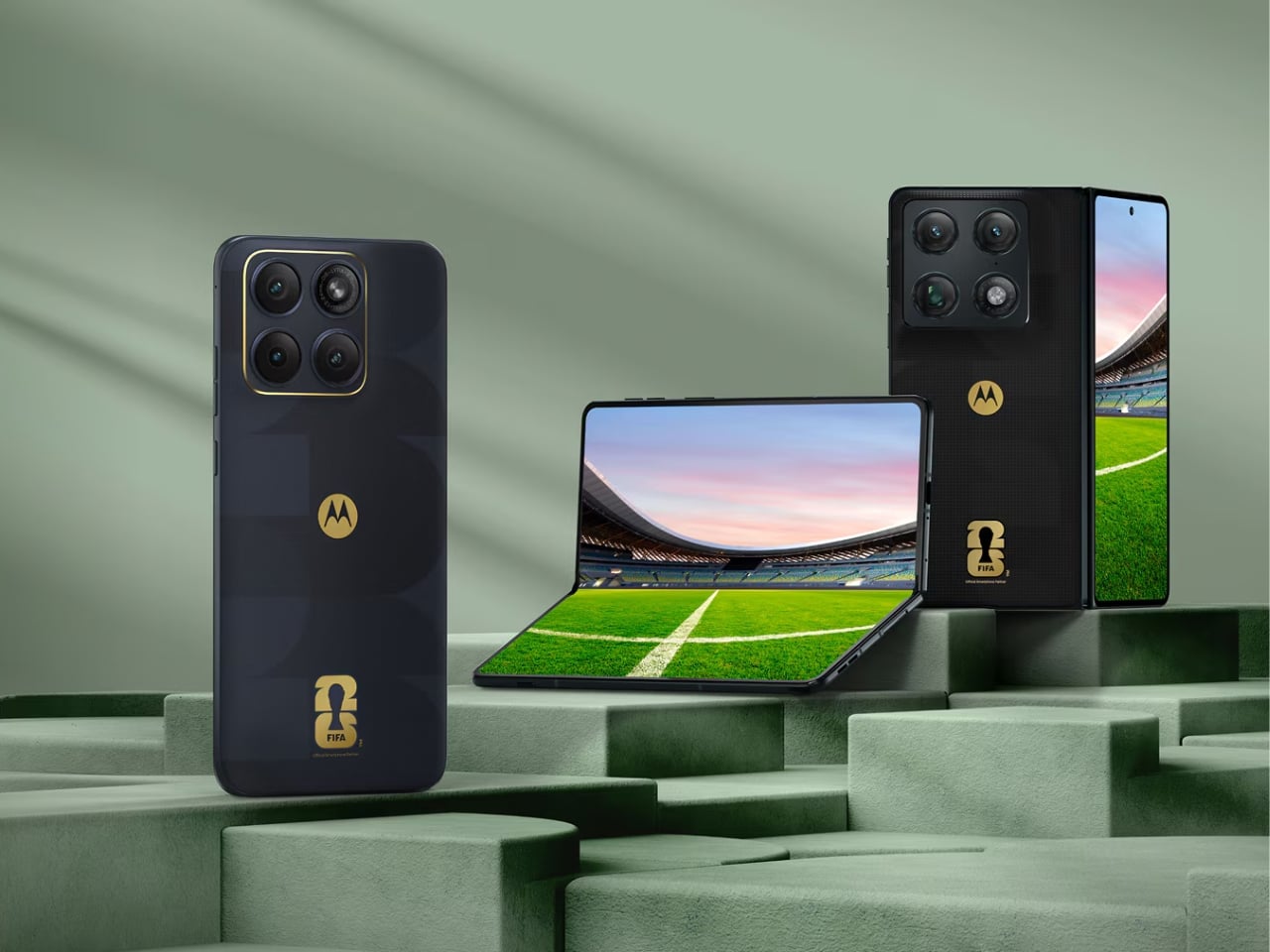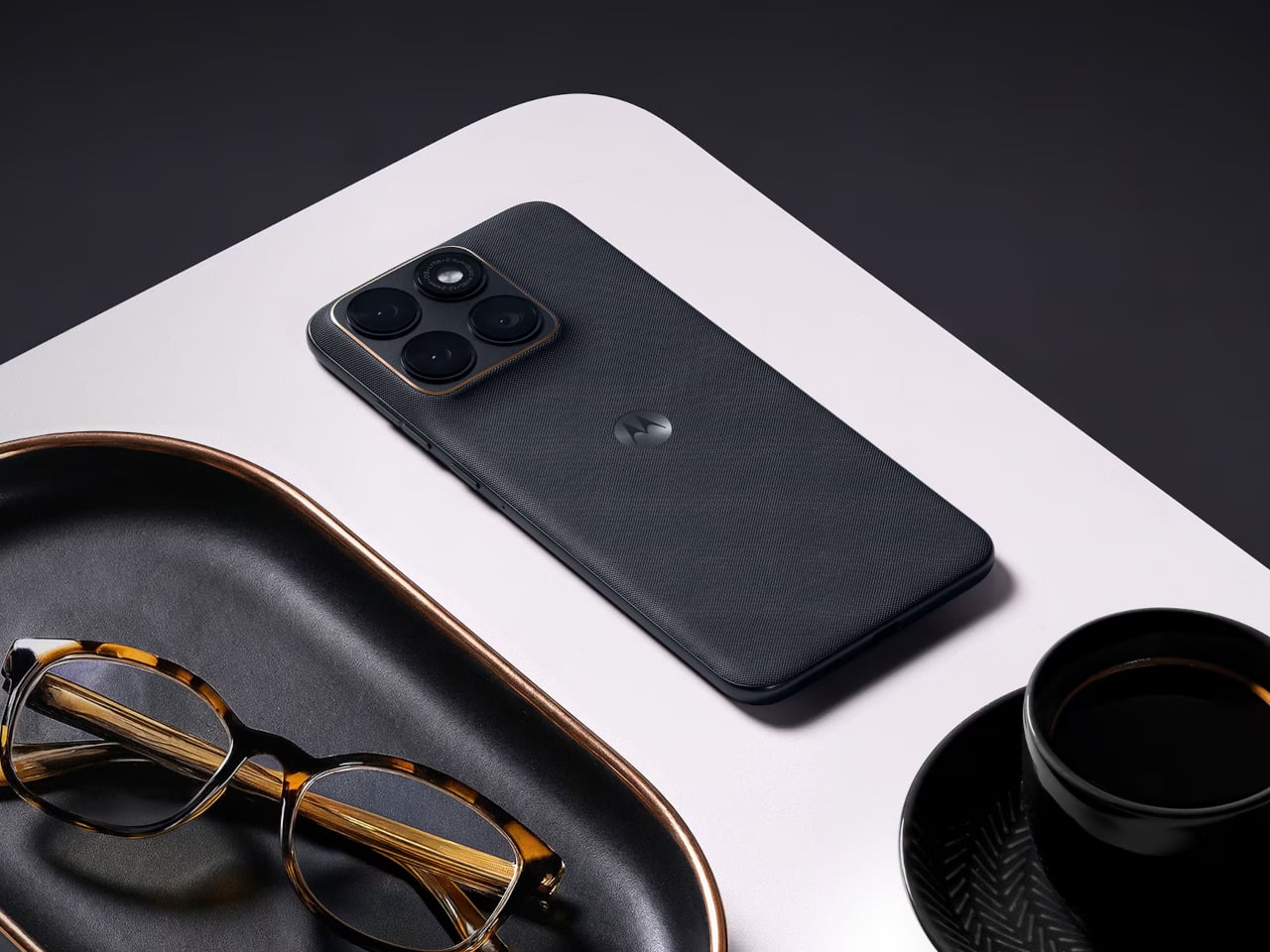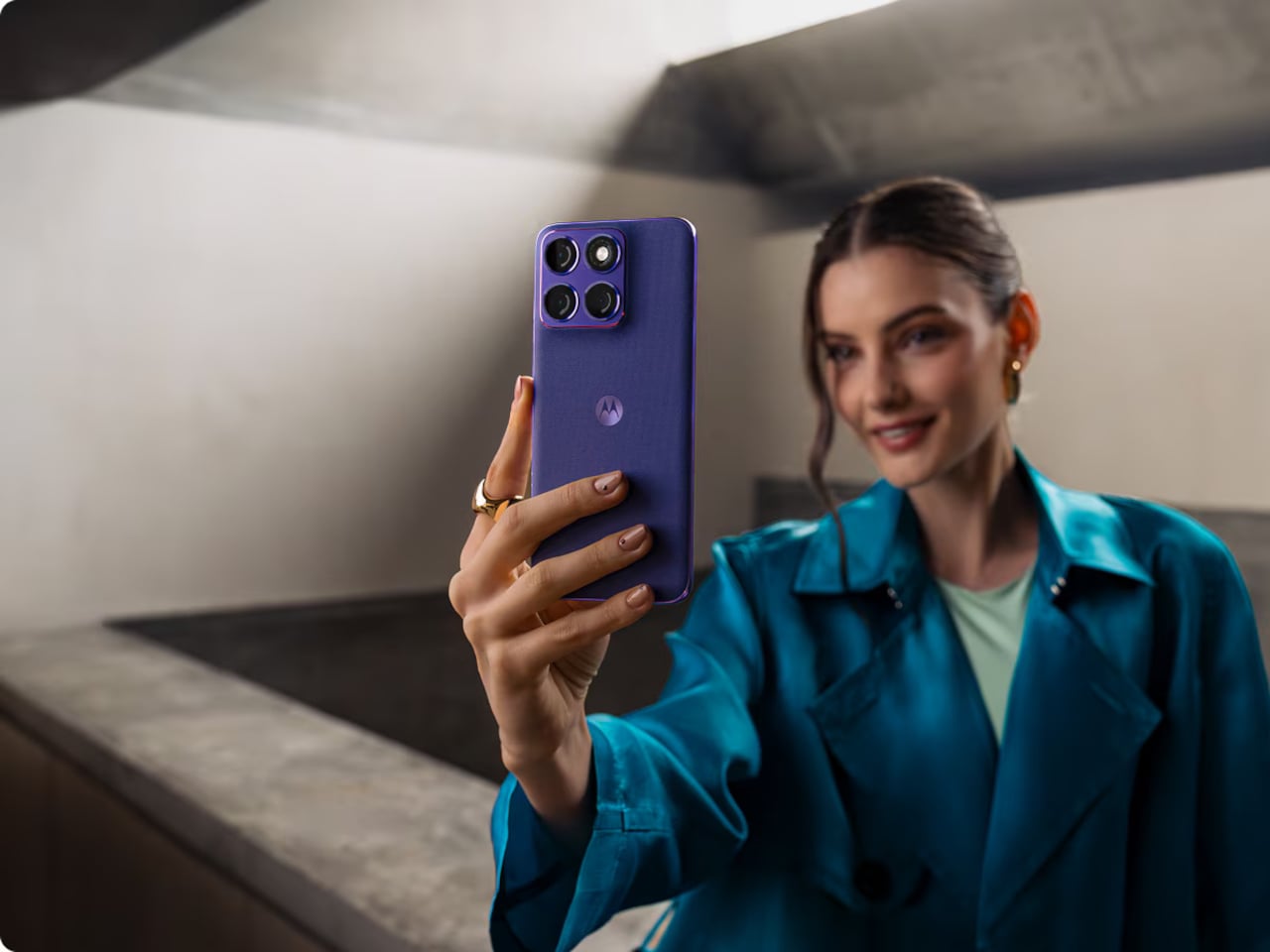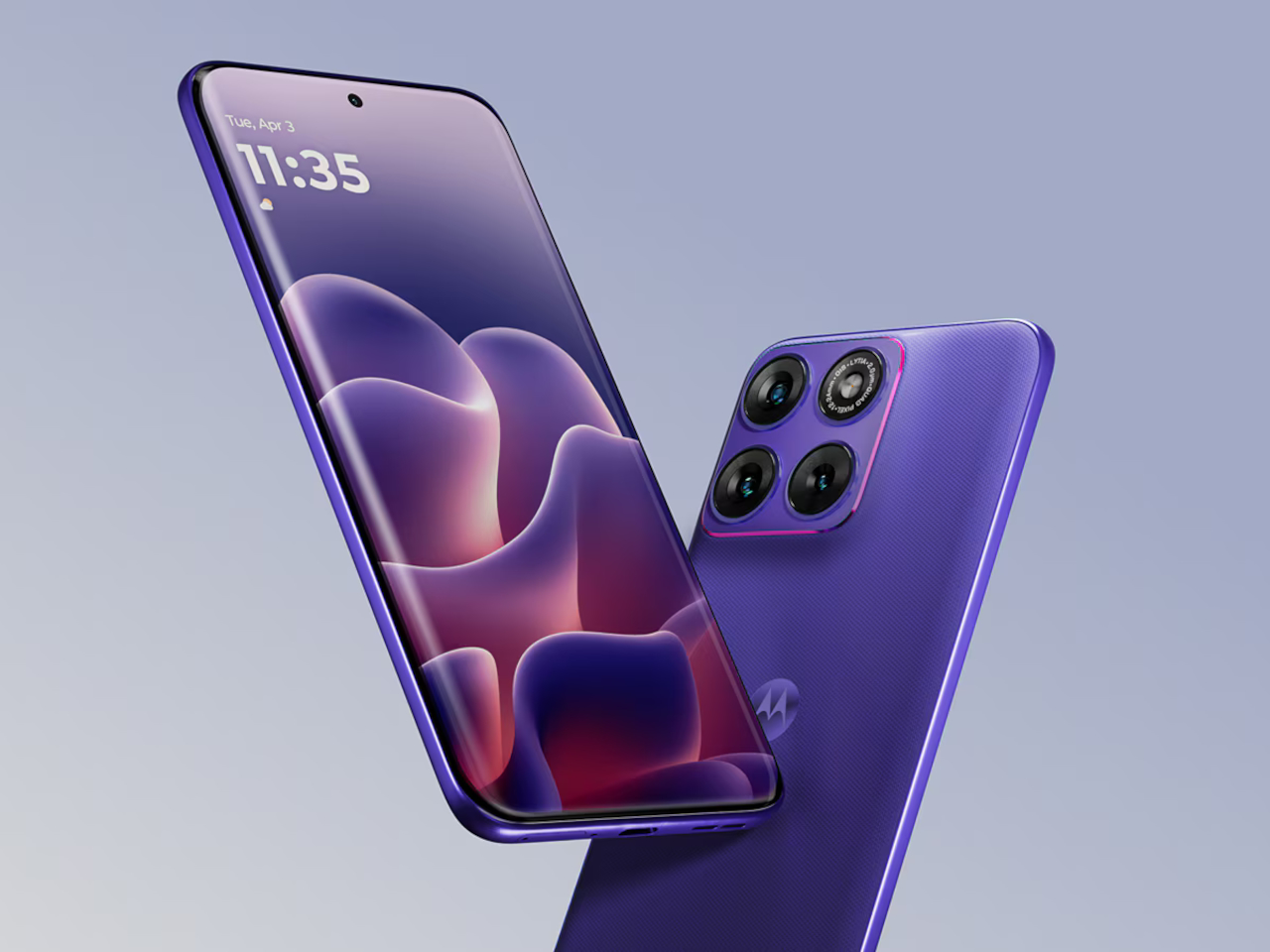
Motorola Edge 70 Fusion: 144Hz Screen, 7,000mAh Battery, IP69

There’s a specific kind of buyer’s remorse that comes with midrange phones. You get them home, take your first few photos in decent light, and think you made the right call. Then comes the dinner, the concert, the sunset that lasted about 45 seconds, and suddenly you’re squinting at a muddy, blown-out mess, wondering where your hard-earned money went. The hardware looked fine on the spec sheet. It just didn’t survive contact with real life.

The motorola edge 70 fusion is Motorola’s attempt to close that gap without asking you to spend flagship money. It’s a midrange phone with a few genuinely noteworthy credentials, a handful of firsts, and, depending on which version you buy, a battery that could outlast your weekend. Whether the whole package adds up is worth thinking through carefully.

Designer: Motorola

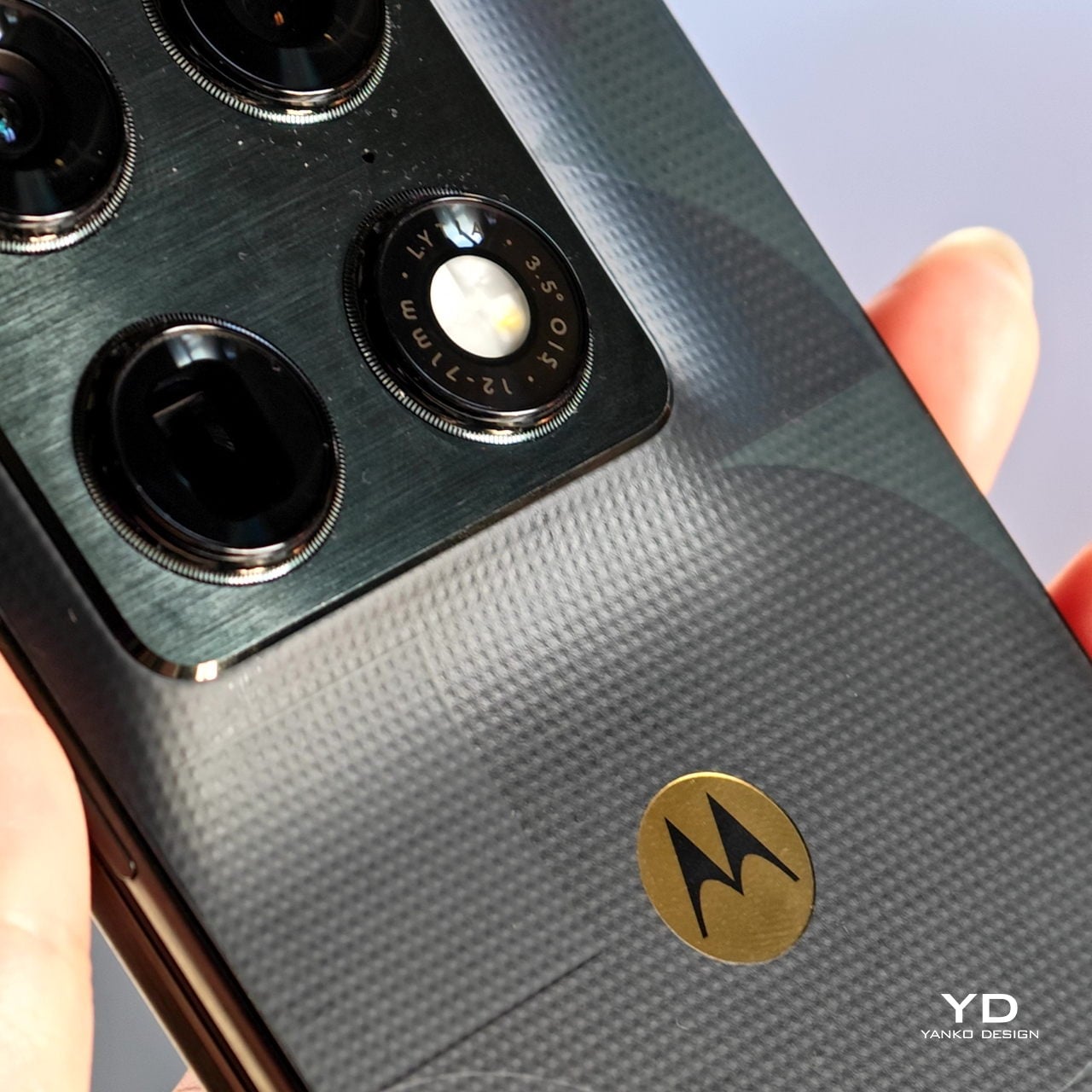
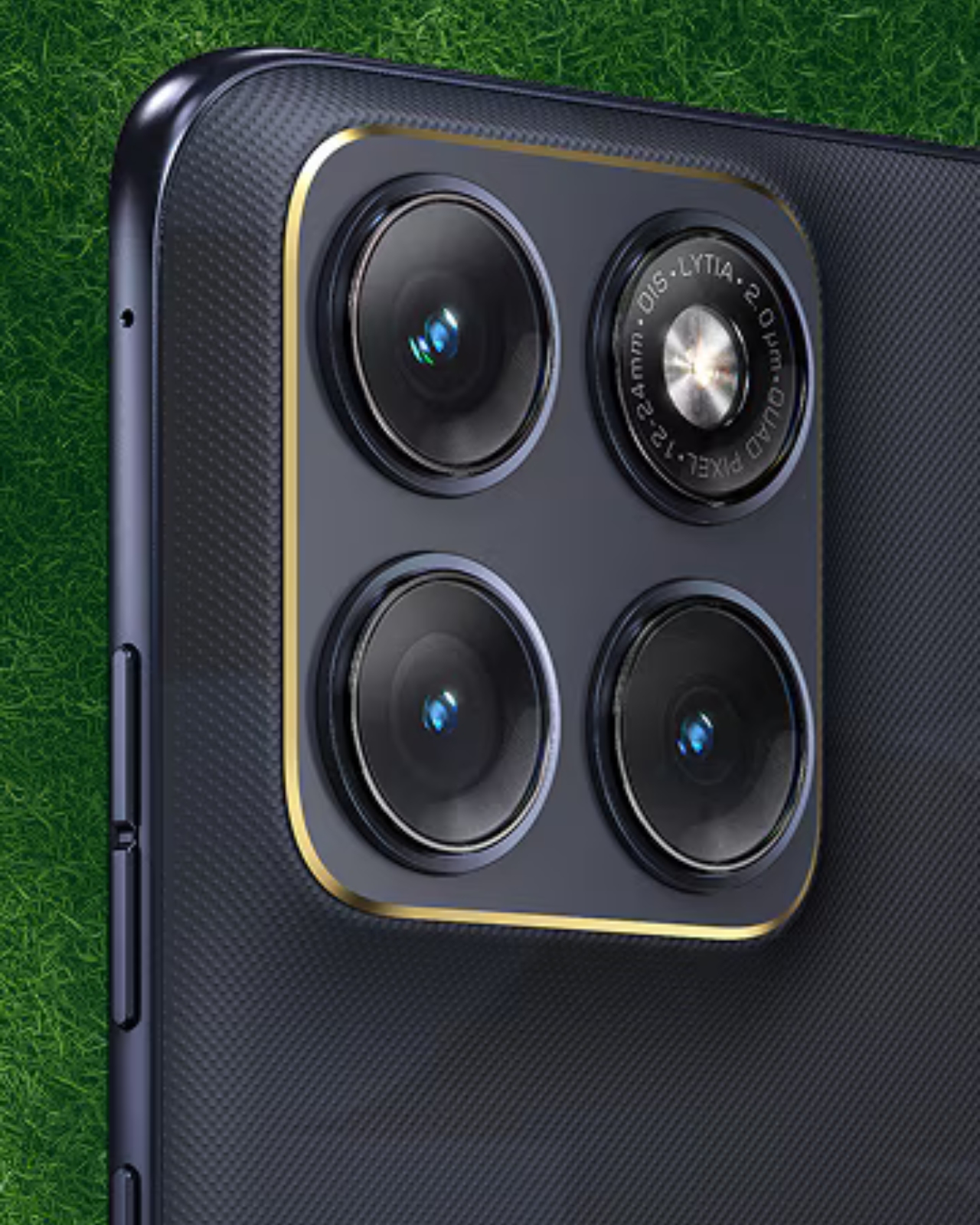
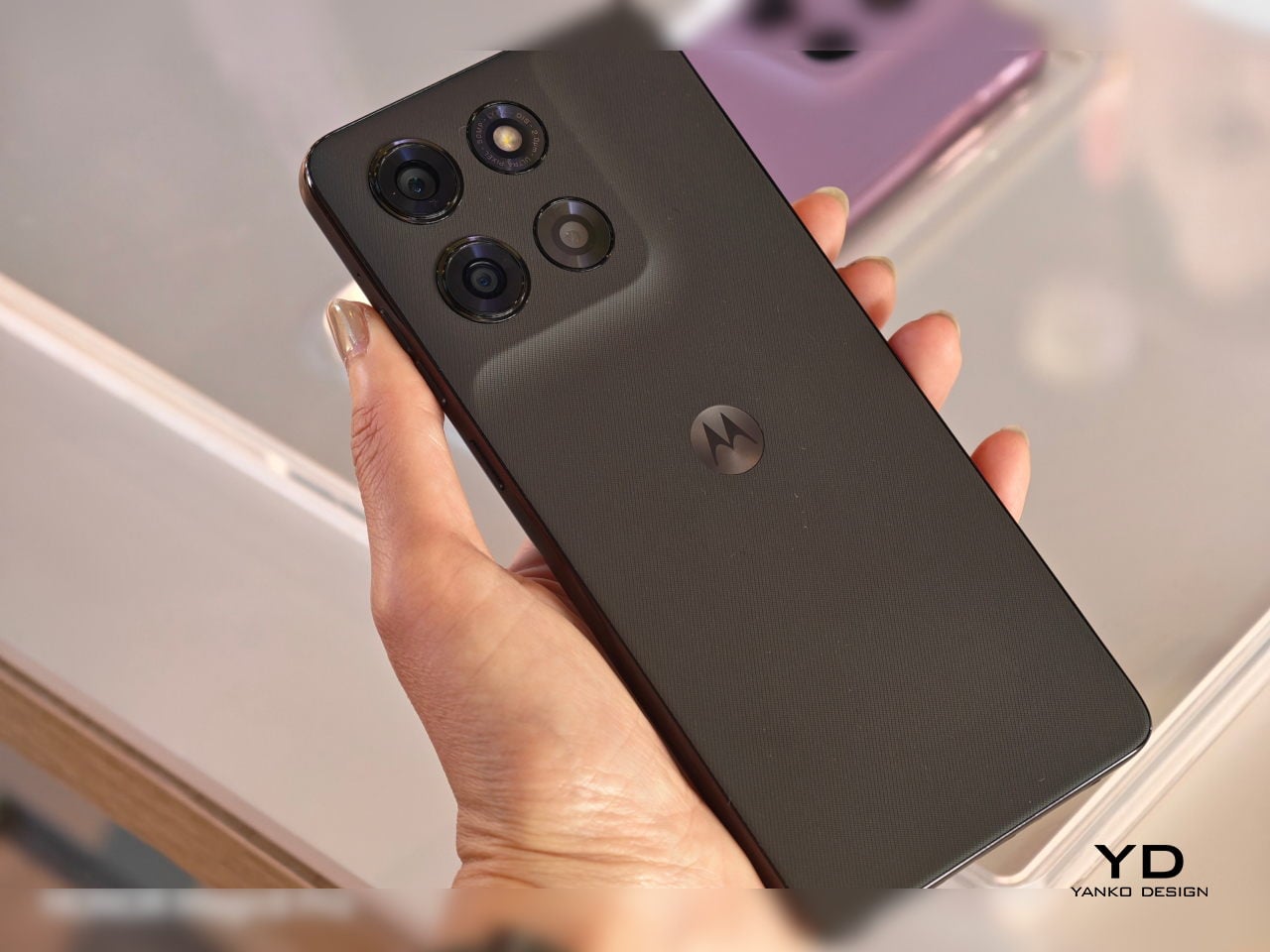
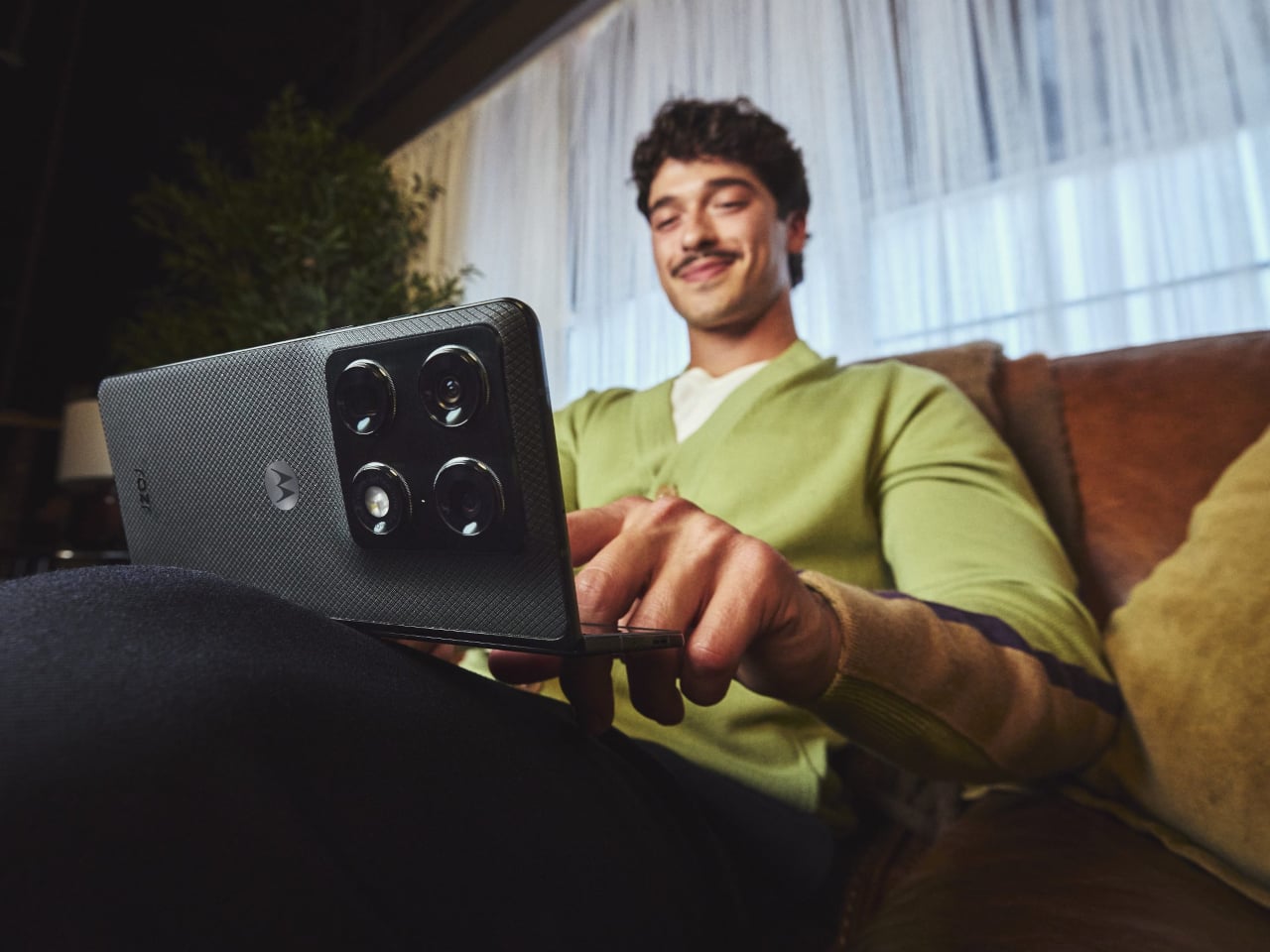
The headline is the camera, specifically the 50 MP Sony LYTIA™ 710 sensor on the main shooter. This is the first time that particular sensor has appeared in any smartphone, and Sony’s LYTIA line is built around low-light clarity and accurate color reproduction. Optical image stabilization keeps things sharp when your hands aren’t, and moto ai’s Photo Enhancement Engine adds a Signature Style feature that applies consistent color grading across your shots. A 13 MP ultrawide covers the 122° wide-angle and macro territory, and the 32 MP front camera shoots 4K video, which still feels like a meaningful spec at this price tier.

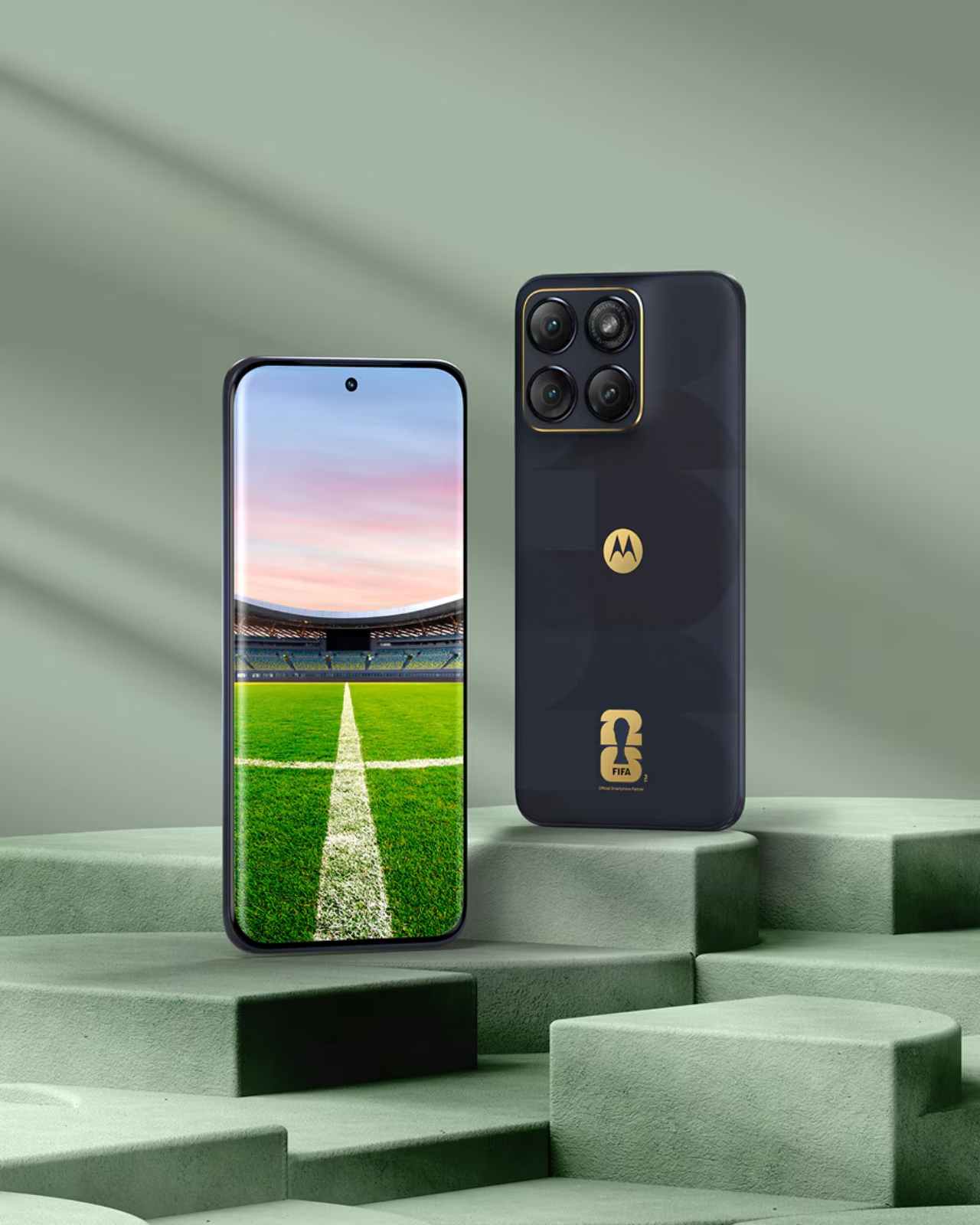
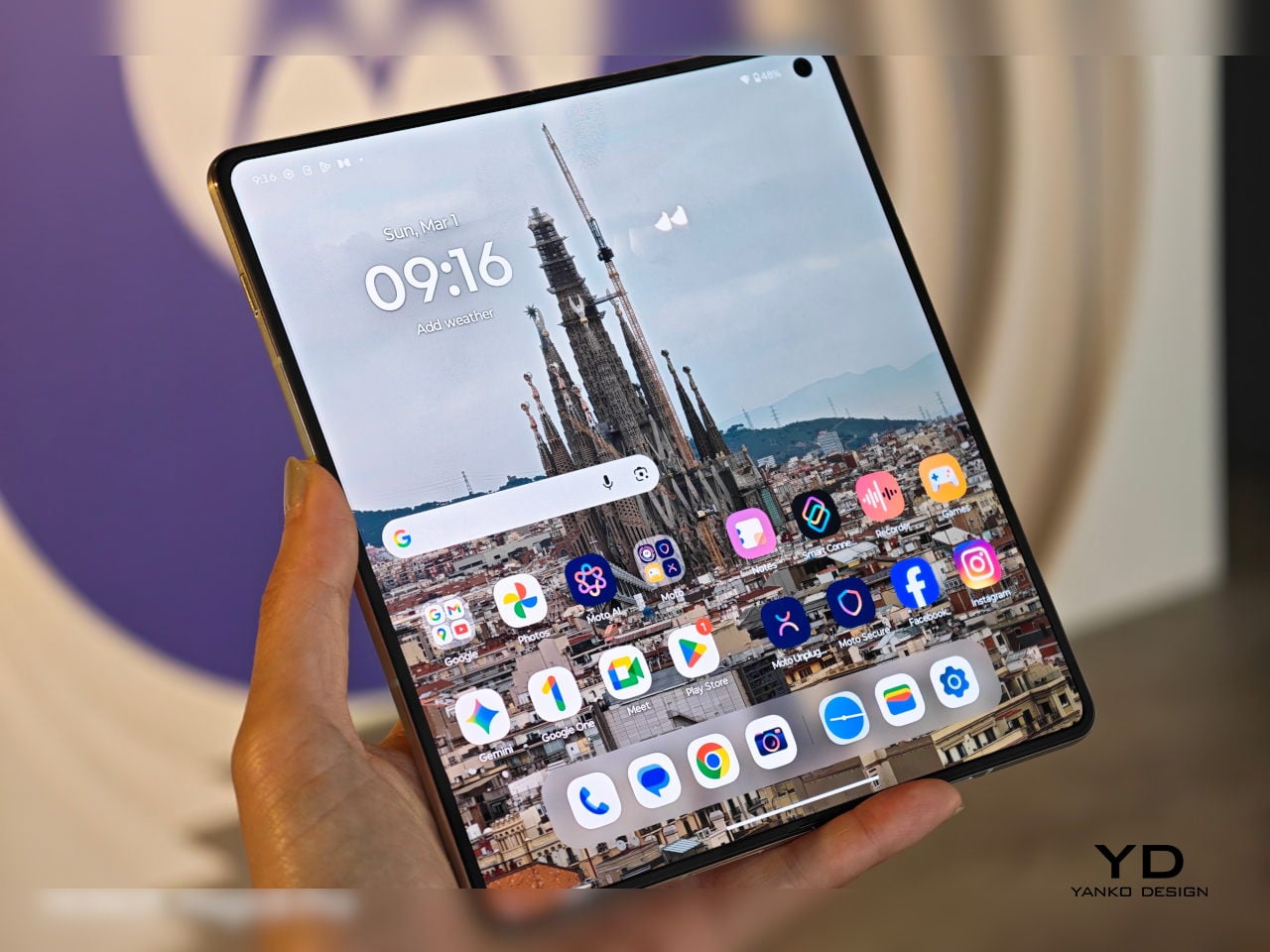
The display is where the edge 70 fusion picks up another first. It’s touted to be the world’s first 144 Hz quad-curved screen with Pantone Validated™ color certification, spanning 6.78 inches of Extreme AMOLED at 1.5K Super HD resolution with a peak brightness of 5,200 nits. That brightness number is the practical one. It means the screen stays legible in direct sunlight, something that budget and midrange panels have never quite solved. The quad-curve design, where the glass flows continuously from front to back without hard edges, adds a physical refinement that usually costs considerably more.

Motorola went further than most midrange phones dare to go on the durability side. The edge 70 fusion carries both IP68 and IP69 ratings, meaning it handles submersion up to 1.5 meters and high-pressure water jets. MIL-STD-810H certification covers the drop and temperature extremes, and Corning Gorilla Glass 7i protects the front. A small but useful detail called Water Touch keeps the touchscreen responsive with wet fingers. The back uses textures inspired by nylon and linen, materials that feel warmer in hand than the cold-glass backs that have become the default on most phones.

There are two battery variants, and the difference between them is significant. The standard model has a 5,200 mAh cell rated for up to 39 hours of mixed use. The second variant ships with a 7,000 mAh silicon-carbon battery, a chemistry that fits more energy into less physical space, rated for up to 50 hours. Both versions charge at 68W via TurboPower, which Motorola says delivers enough power for a full day in just 10 minutes of charging. For anyone who has ever started a long travel day at 34%, that’s not a trivial promise.

The Snapdragon 7s Gen 3 handles processing, paired with up to 8 GB of RAM and a RAM Boost feature for smoother multitasking, with up to 256 GB of internal storage. It’s a capable mid-tier chipset, honest about where it sits. Motorola is guaranteeing three Android OS upgrades, and moto ai brings in features like Next Move for contextual on-screen assistance and Playlist Studio for AI-generated playlists. Google Gemini integration rounds out the software story.

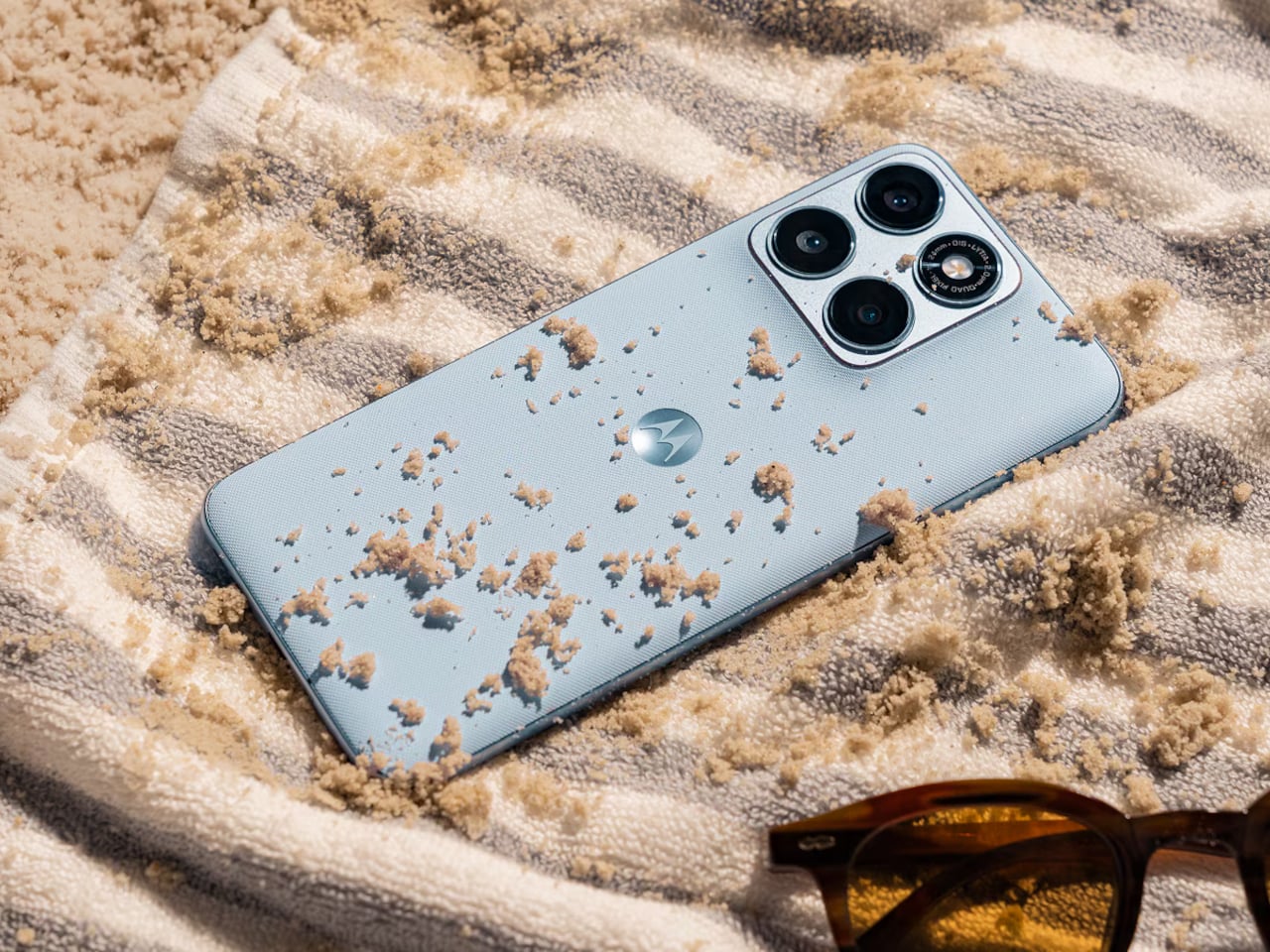
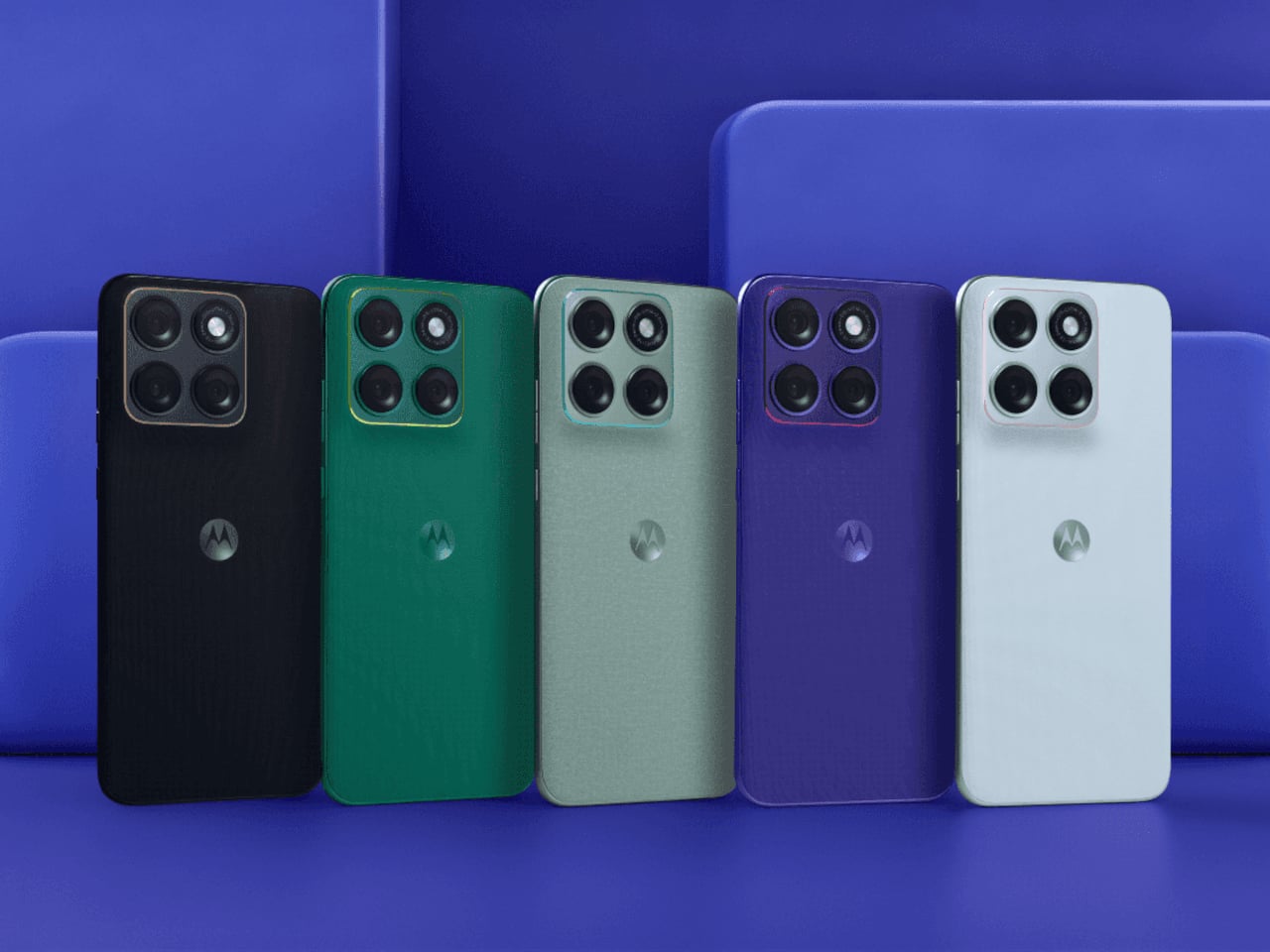
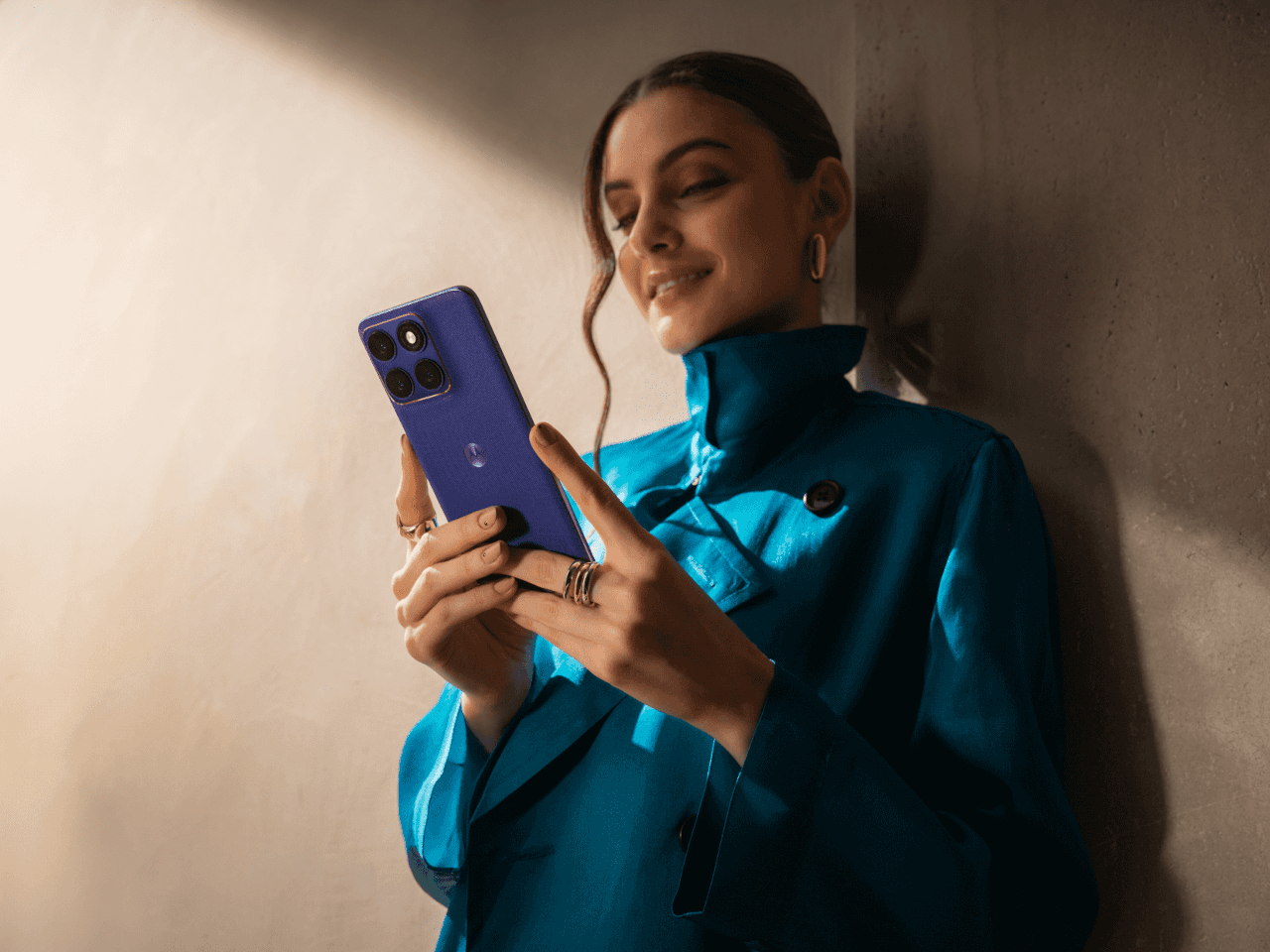
The edge 70 fusion comes in five Pantone-curated colorways, including Orient Blue, Silhouette, Sporting Green, and Country Air, each with matching colored accents around the camera lenses. It’s a detail that suggests the design team was thinking about the phone as something you carry, not just something you use. The real question the edge 70 fusion leaves open is a broader one: at what point does the gap between midrange and flagship stop being about capability and start being about perception?

The post Motorola Edge 70 Fusion: 144Hz Screen, 7,000mAh Battery, IP69 first appeared on Yanko Design.

Motorola’s Bose-Tuned Speaker Automatically Follows You Room to Room

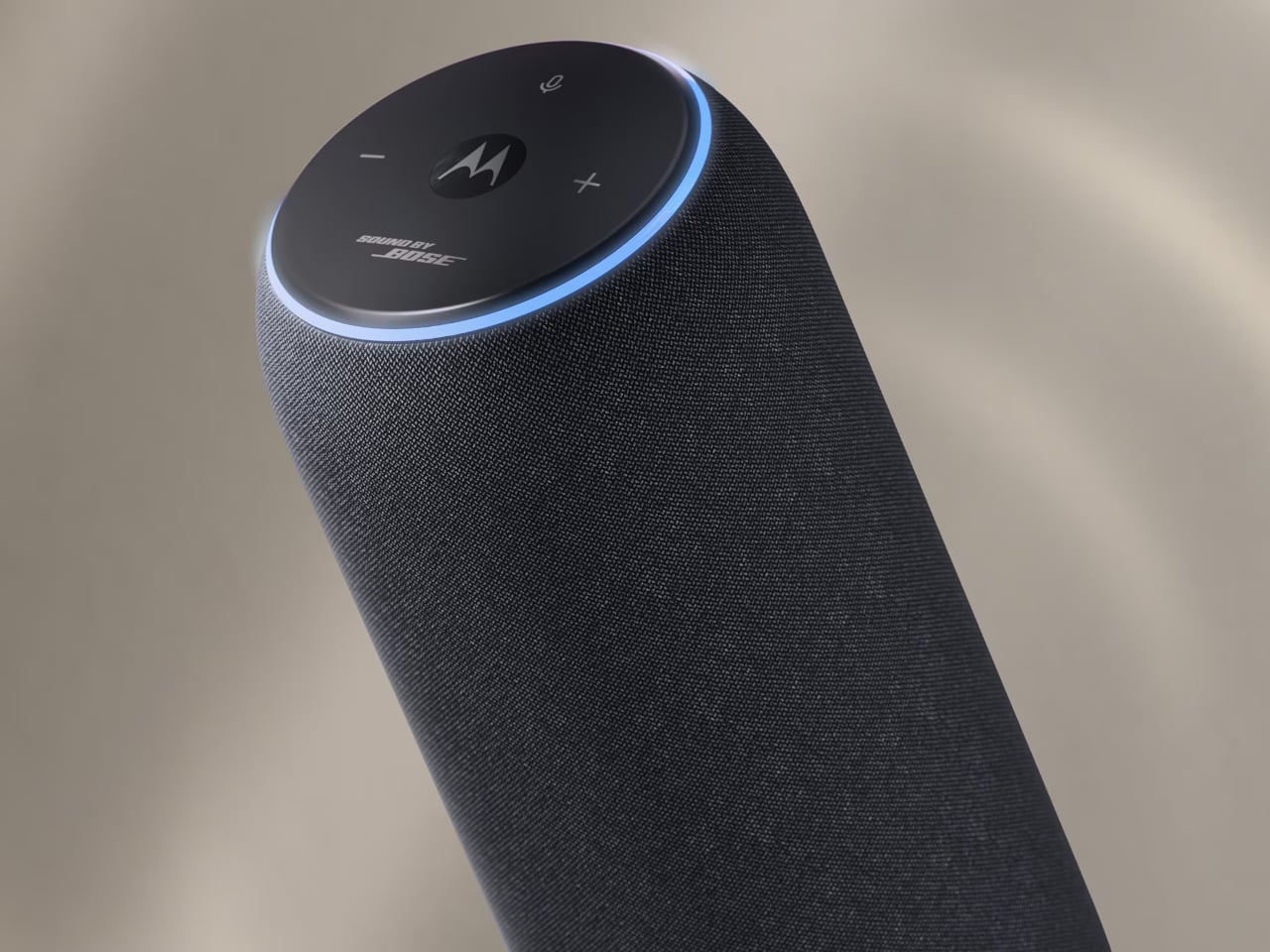
Bluetooth speakers have largely solved the portability problem and mostly failed the living room one. They tend to look like gym equipment that wandered indoors, sit awkwardly on a shelf, and demand a ritual of reconnecting whenever you walk back in the door. The moto sound flow, Motorola’s first portable speaker and the newest addition to the moto things lineup, takes a different angle on all three of those frustrations.

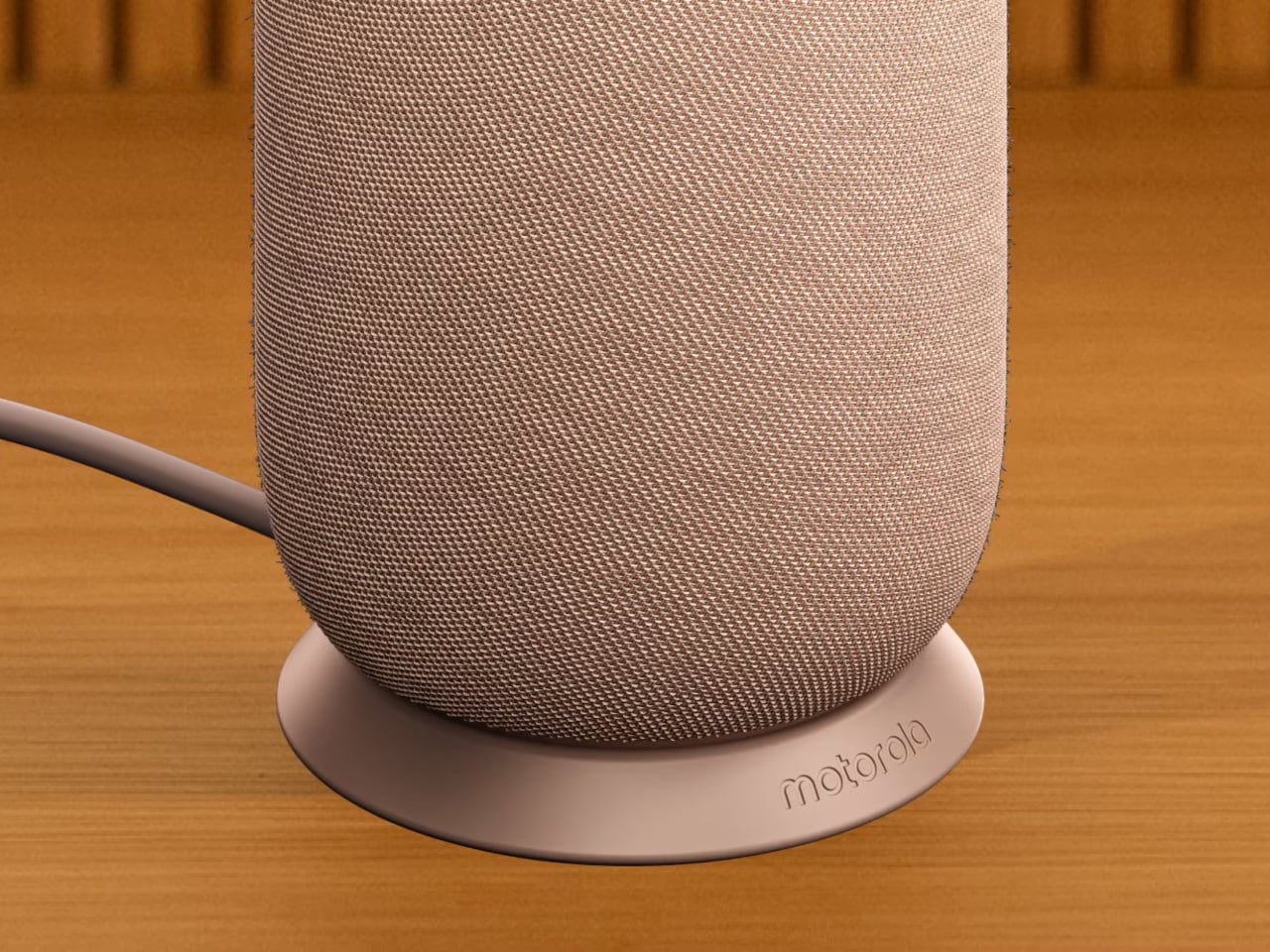
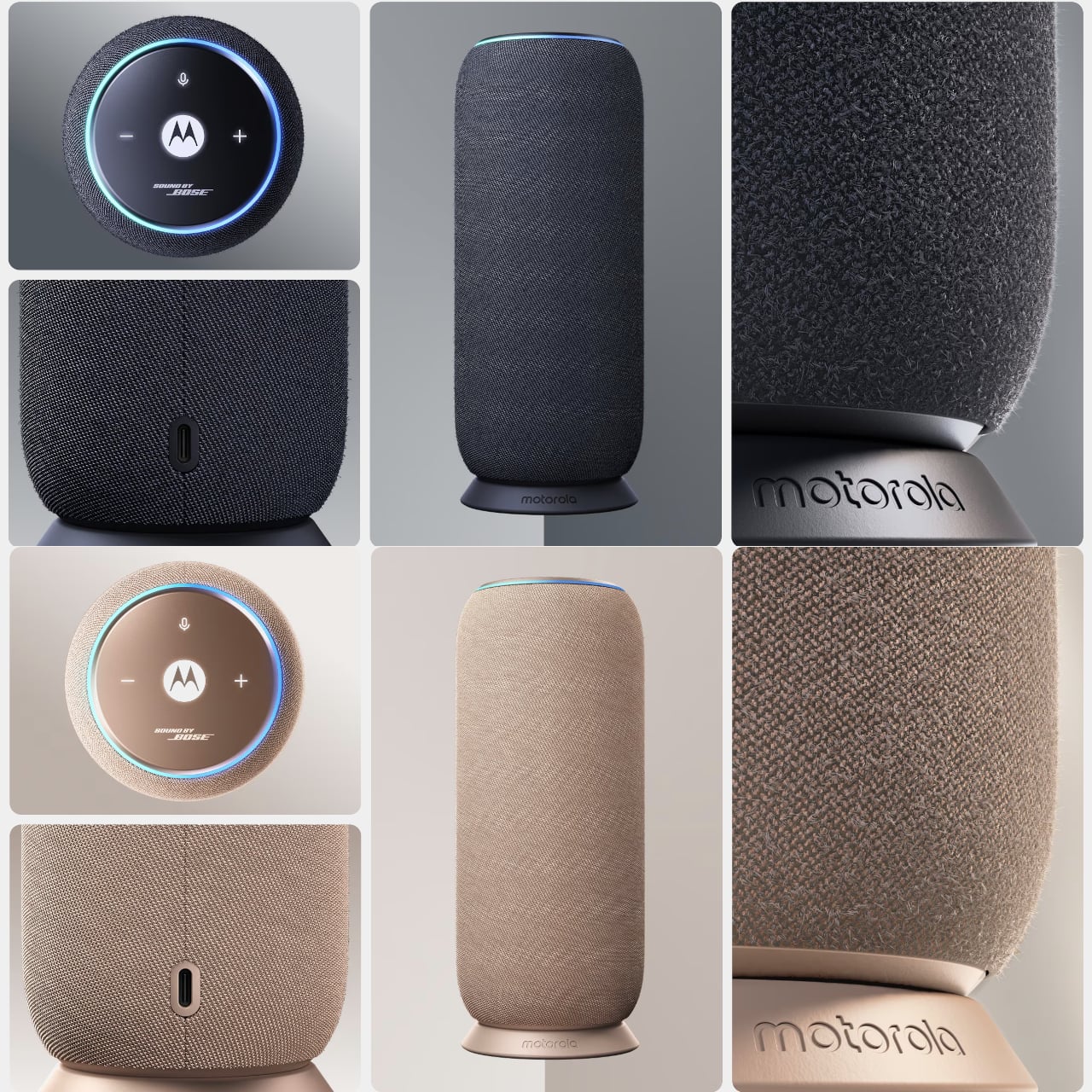
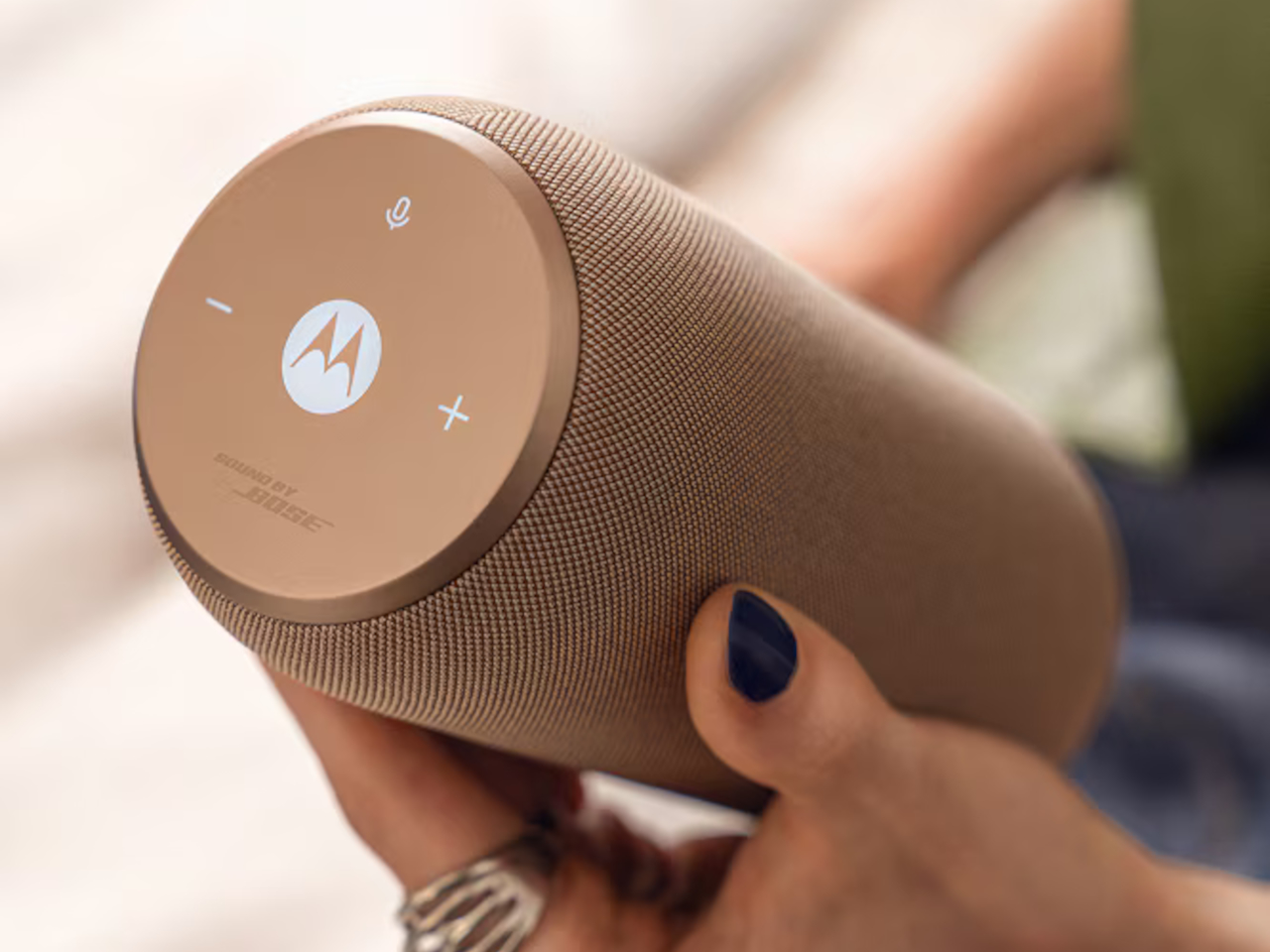
The design makes the first impression. Two Pantone-curated colorways, Carbon and Warm Taupe, wrap the cylindrical body in a twill-textured fabric finish that reads more like a decorative object than consumer electronics. It’s the kind of thing you’d leave on the coffee table without thinking twice, which is precisely the point. Motorola calls it “crafted to be seen and tuned to be heard,” and for once, the marketing copy isn’t entirely hollow.

Designer: Motorola

The hardware inside includes a dedicated woofer, tweeter, and dual passive radiators, producing a 30W output tuned through Motorola’s Sound by Bose partnership. That collaboration, which also appears in the razr fold, applies Bose’s EQ expertise for balanced, detailed sound rather than the bass-heavy thump most compact speakers default to. A companion app also lets you adjust the equalizer to your own taste, available on both Android and iOS.

The moto sound flow also distinguishes itself in terms of connectivity. Beyond Wi-Fi, Bluetooth 5, AirPlay, Google Cast, and Spotify Connect, the speaker uses UWB technology to do something more interesting. Walk close to it with a compatible phone, and it picks up your audio automatically, no tapping required. Run two units together, and Room Shift reroutes music to whichever speaker is nearest, while Dynamic Stereo adjusts left and right channels based on where your phone sits between them.

Those UWB features do carry a fine print worth reading. They require a compatible Android 9 or later phone with UWB enabled, so iPhones and older Android devices don’t qualify. The speaker still works over Wi-Fi and Bluetooth for everyone else, but Room Shift and Dynamic Stereo, the parts that make the pitch most compelling, are locked behind a hardware requirement many buyers won’t check before purchase.

The 6,000 mAh battery covers long listening sessions, and the IP67 rating makes outdoor or poolside use fair game. A dock handles charging instead of a cable, which keeps things tidy. Four built-in microphones manage speakerphone calls. Starting at €199, the moto sound flow enters a competitive space where JBL, Sonos, and Bose already have devoted followings, each with years of speaker-only focus behind them.

The post Motorola’s Bose-Tuned Speaker Automatically Follows You Room to Room first appeared on Yanko Design.
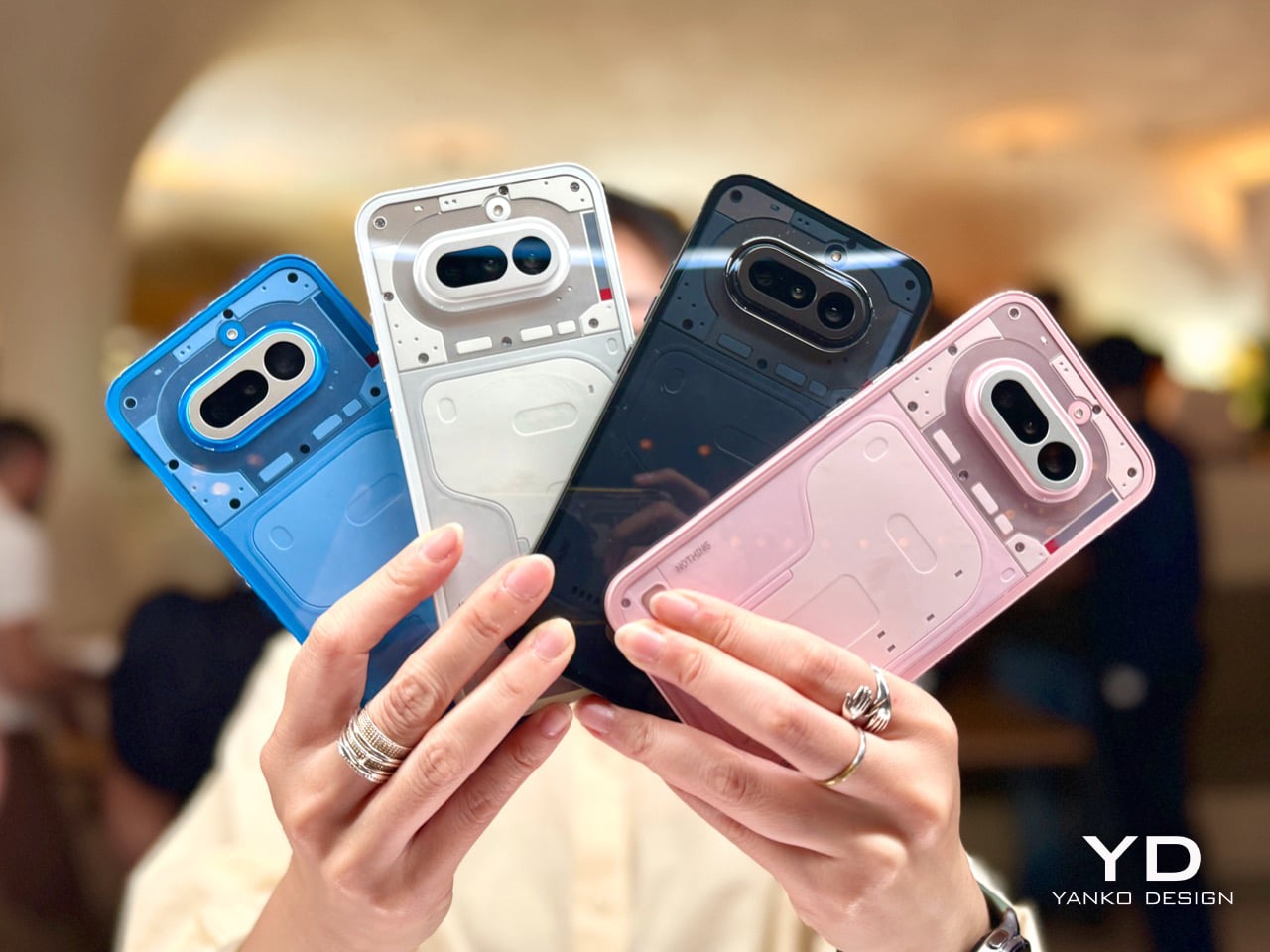
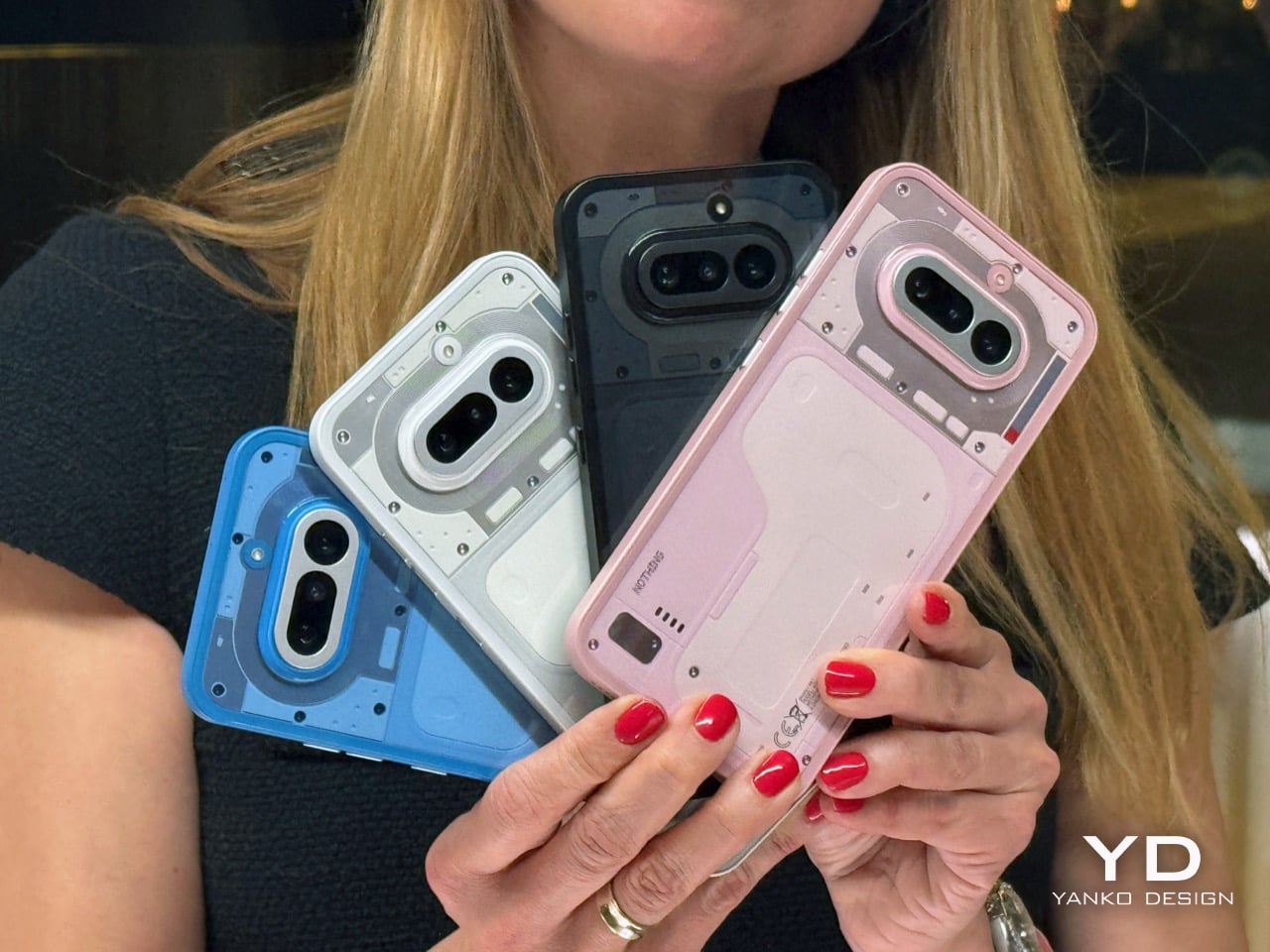
Nothing Phone (4a) Hands-on at MWC 2026: Here’s which color NOT to buy…

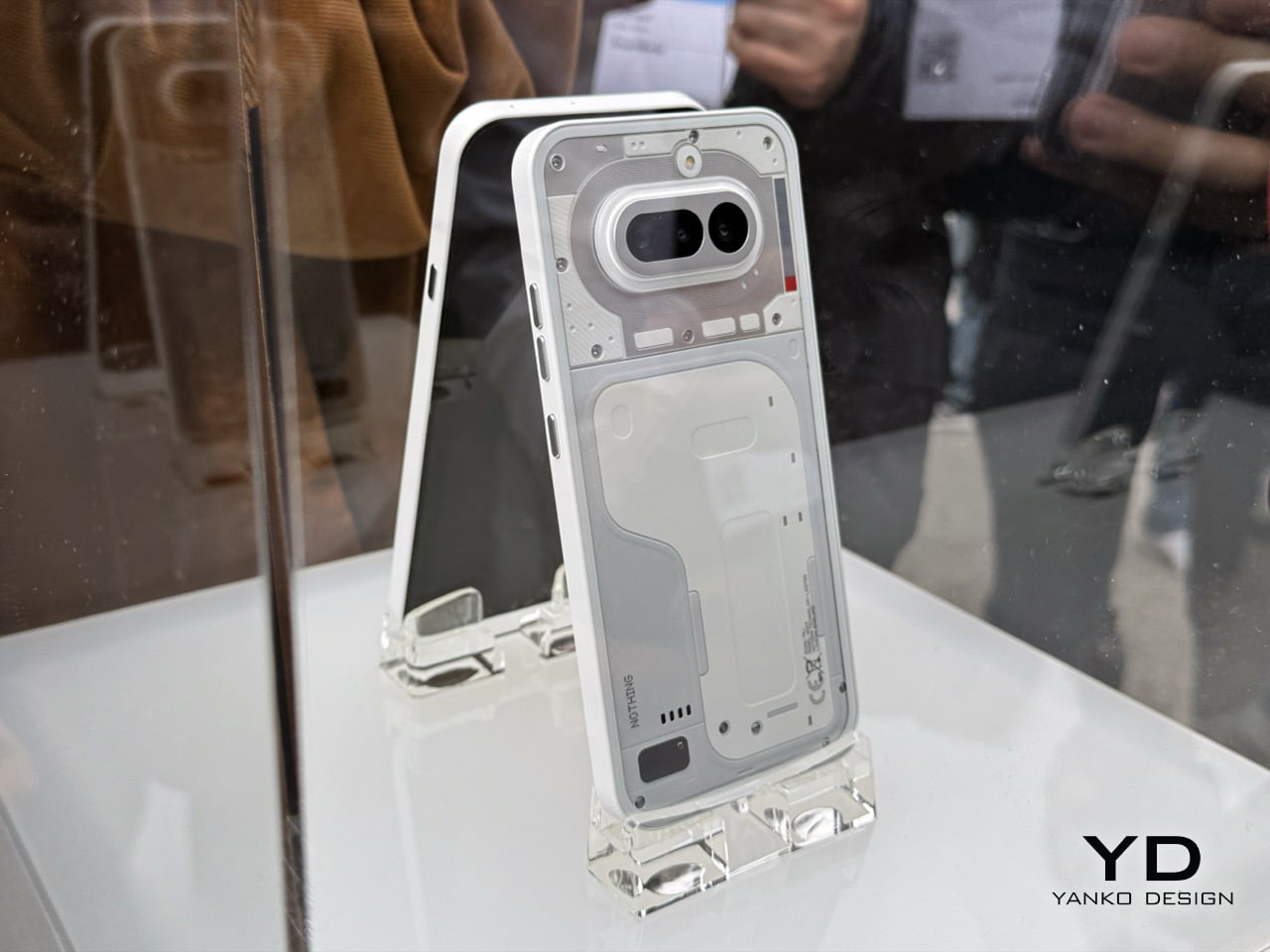
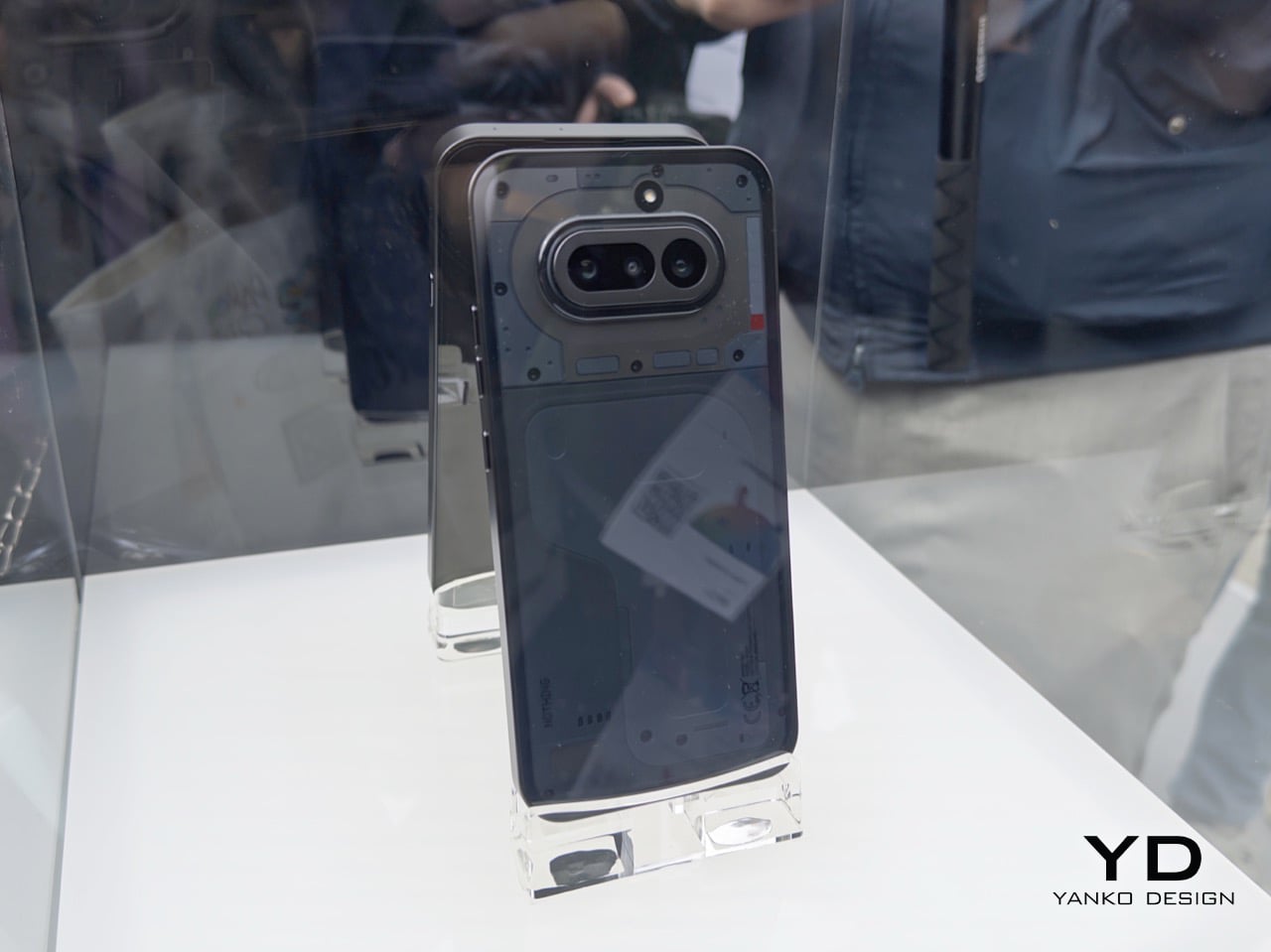
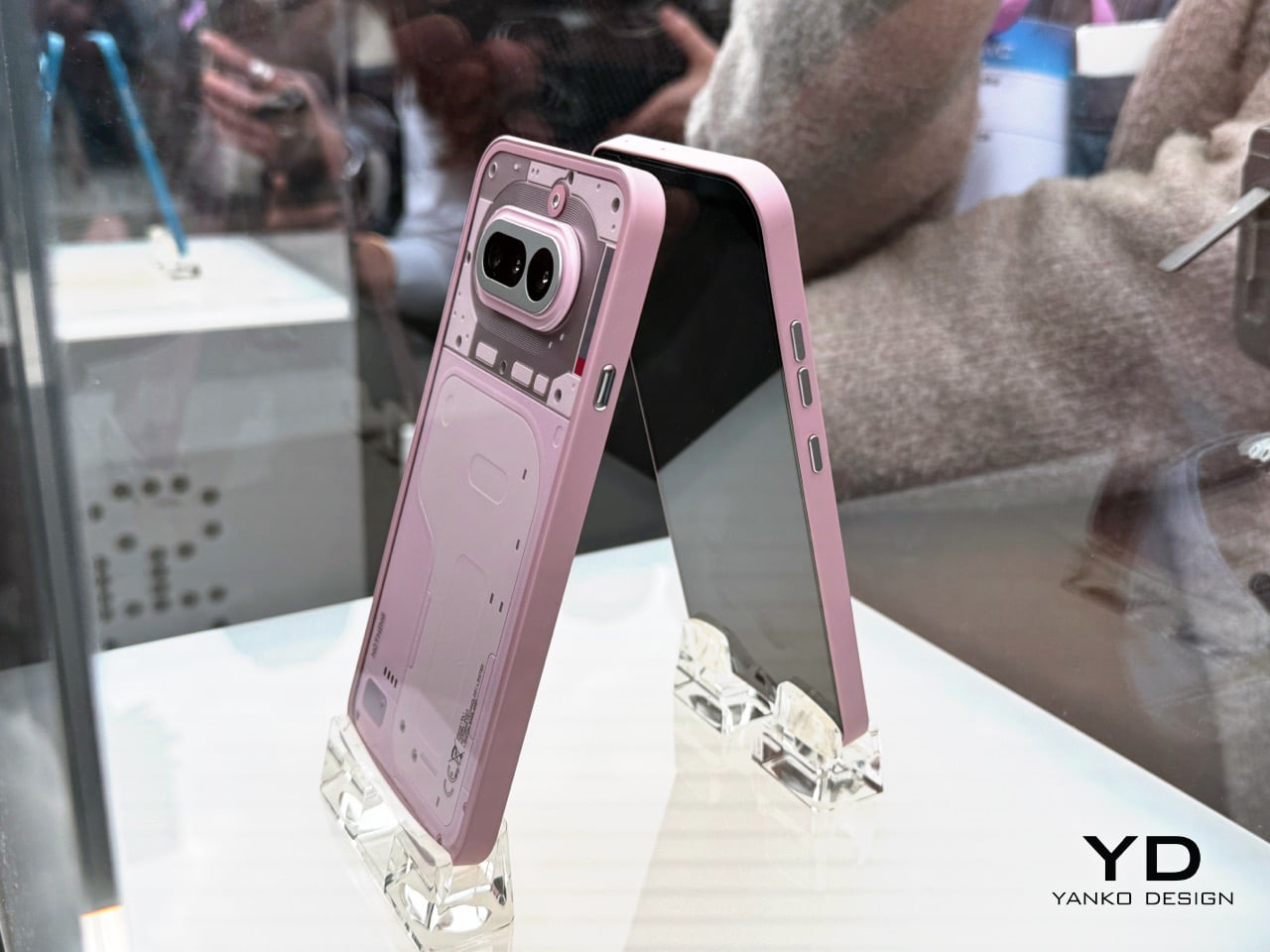
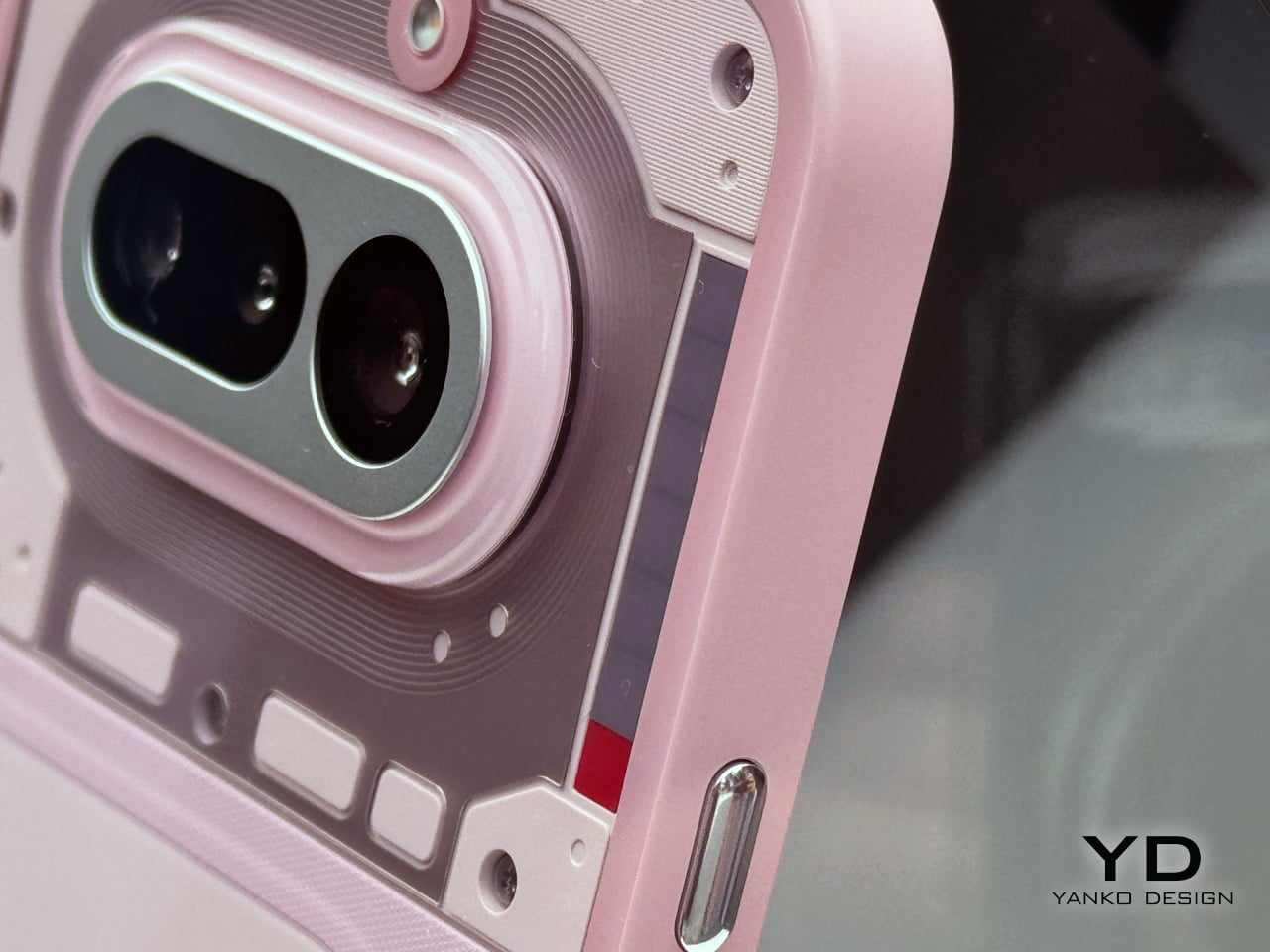
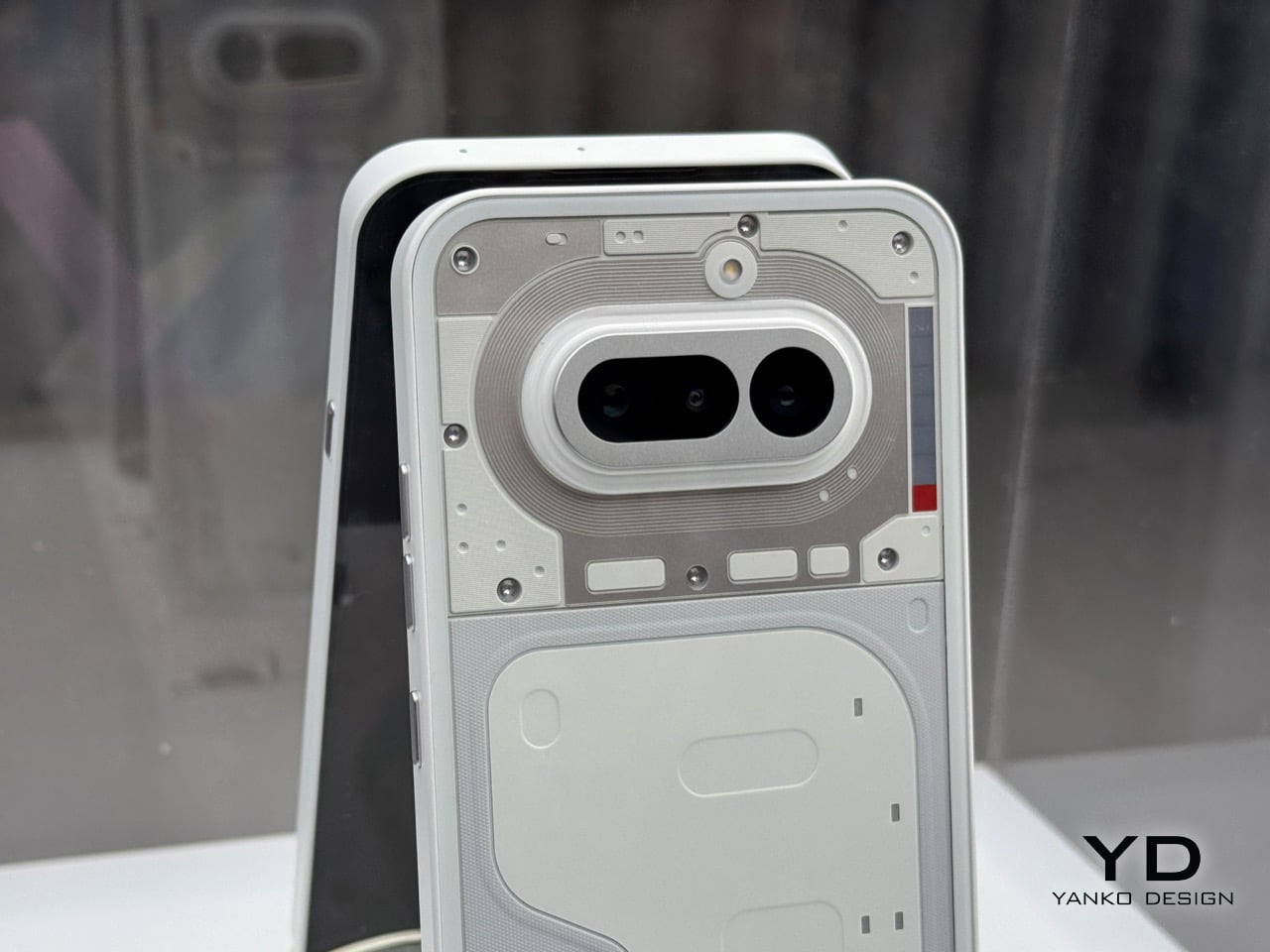
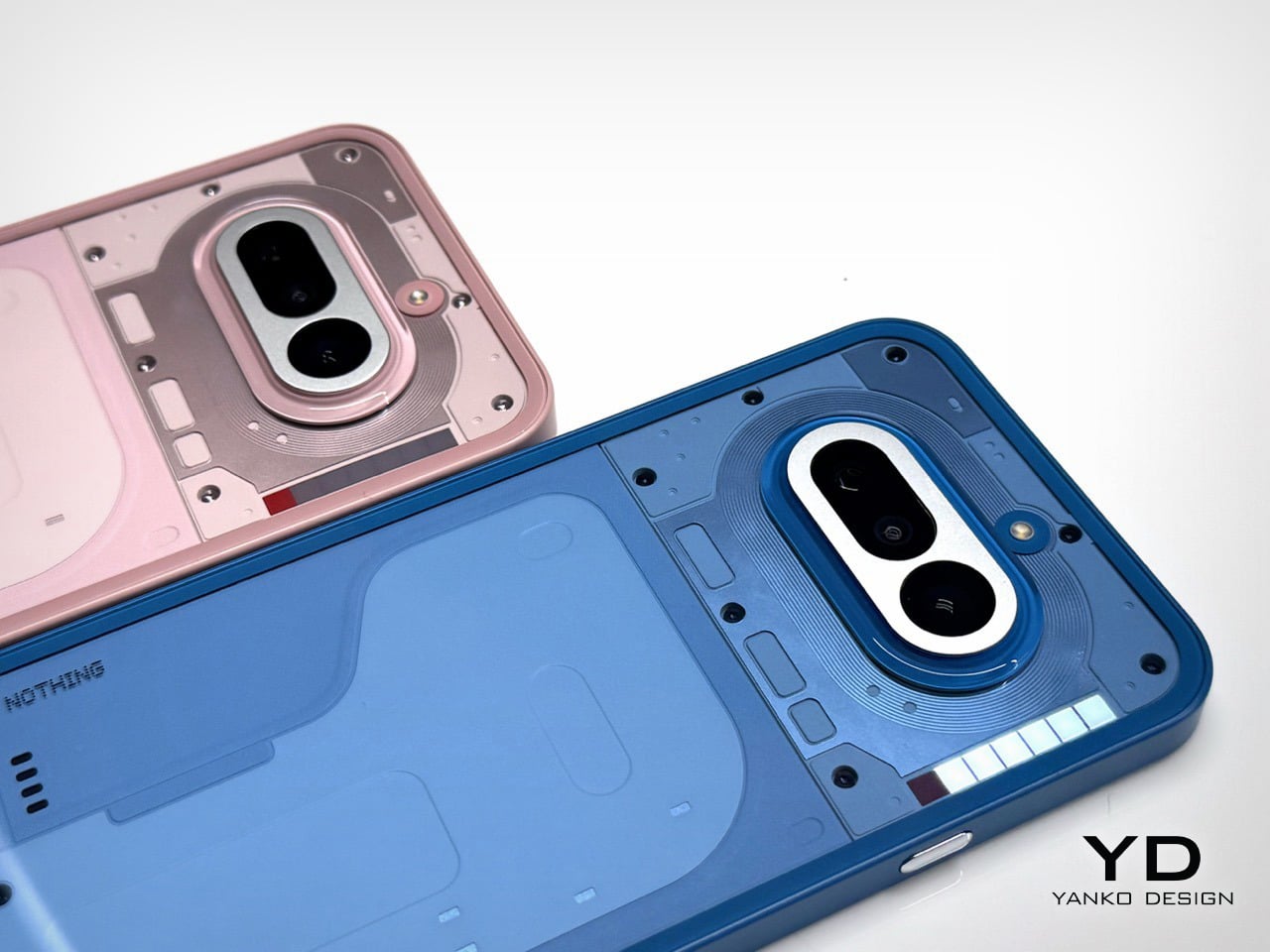
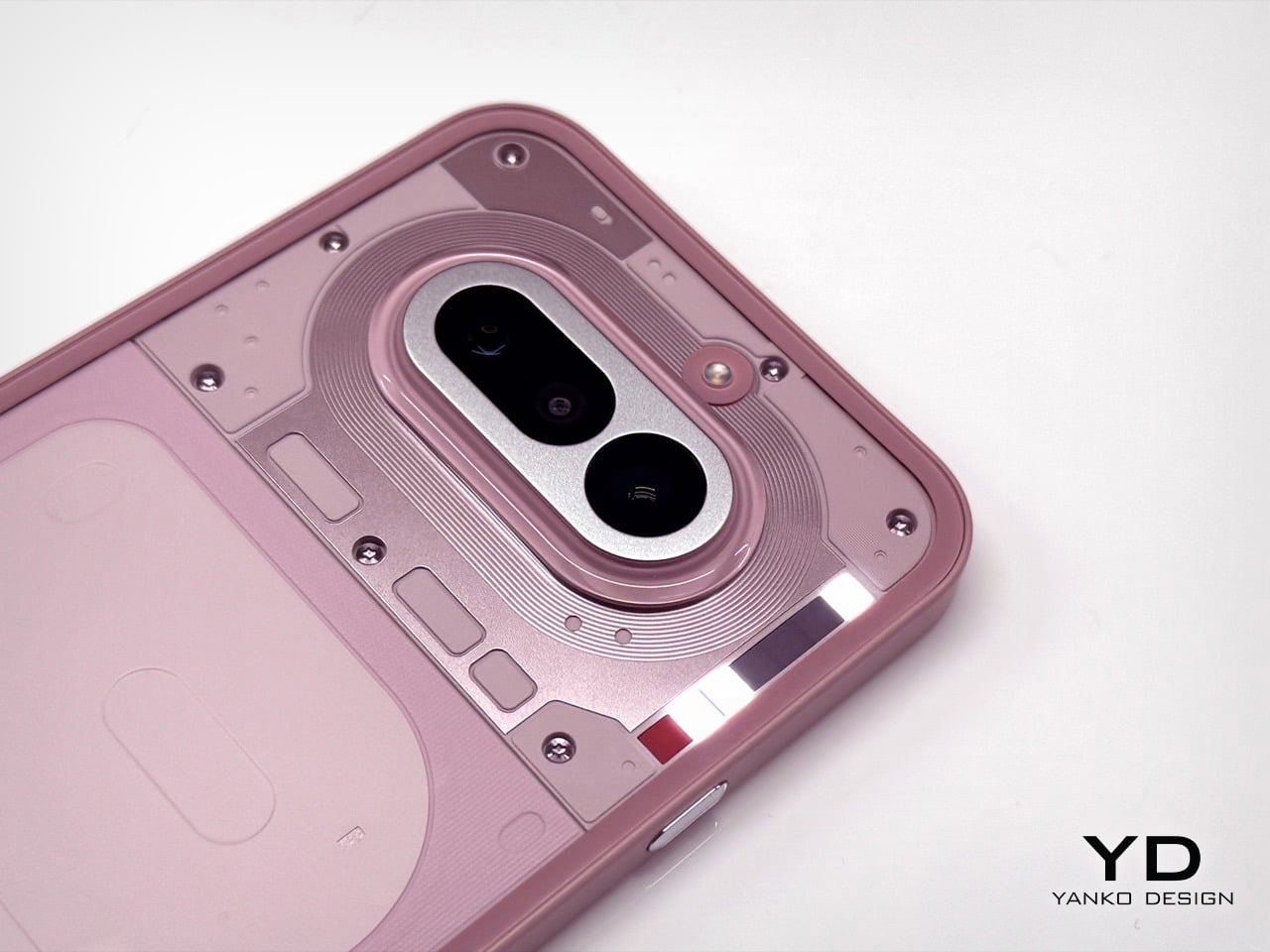
Nothing has a flair for the dramatic – their MWC setup was no exception. Instead of a stuffy booth, they dropped a mysterious shipping container in an open square. It cranked open to reveal the Phone (4a) in its four colorways, a slick bit of industrial theater that gets people talking. We’d all seen the white and pink versions on YouTube, but seeing them in person alongside the brand new black and blue models changes the calculus entirely. It immediately became clear there are two versions of this phone you should absolutely buy, and two you should probably skip. The reasons are not what you might think, and it all comes down to the subtle interplay of material, color, and finish.

Lined up under glass, the quartet looked impressive. The initial reveal was just that, a visual presentation to let the press get their shots and build some hype. Nothing clearly knew which colors were their heroes; the white and pink that led their digital marketing campaign were positioned prominently. The black and blue felt like they were held back for this physical debut, and it makes sense why. In the controlled lighting of the display, they all looked sharp. But a phone isn’t a museum piece, it’s an object you hold and interact with in countless environments, and that’s where the story took a sharp turn later that evening.

Designer: Nothing

Later that night, the glass came off. At Nothing’s party, they had operational units for everyone to actually handle. First impressions… The device feels solid, and the overall form is a refinement of their established language. As I wrote last week, this is easily Nothing’s most confident design yet; it feels less like a startup experiment and more like a statement from a company that knows exactly what it’s doing. We cycled through the Glyph lights, pairing them with the classic and new generative ringtones, and the effect is still as cool as ever. But my focus was on how the materials felt, and how the colors held up in the real world.

Let’s get right to it: avoid the black. I know it’s the default safe choice for many, but it betrays the entire Nothing ethos. The earlier grey versions of their phones created a beautiful contrast, letting you peer in and appreciate the texture and layout of the components underneath. This new black is just pitch black. In low light, it becomes an amorphous blob, and under direct light, the glass back turns into a smudgy mirror, catching chaotic reflections that obscure any sense of depth. It loses all the nuance and visual intrigue that makes these phones special. You’re left with a simple black rectangle, and frankly, you can get that from anyone.

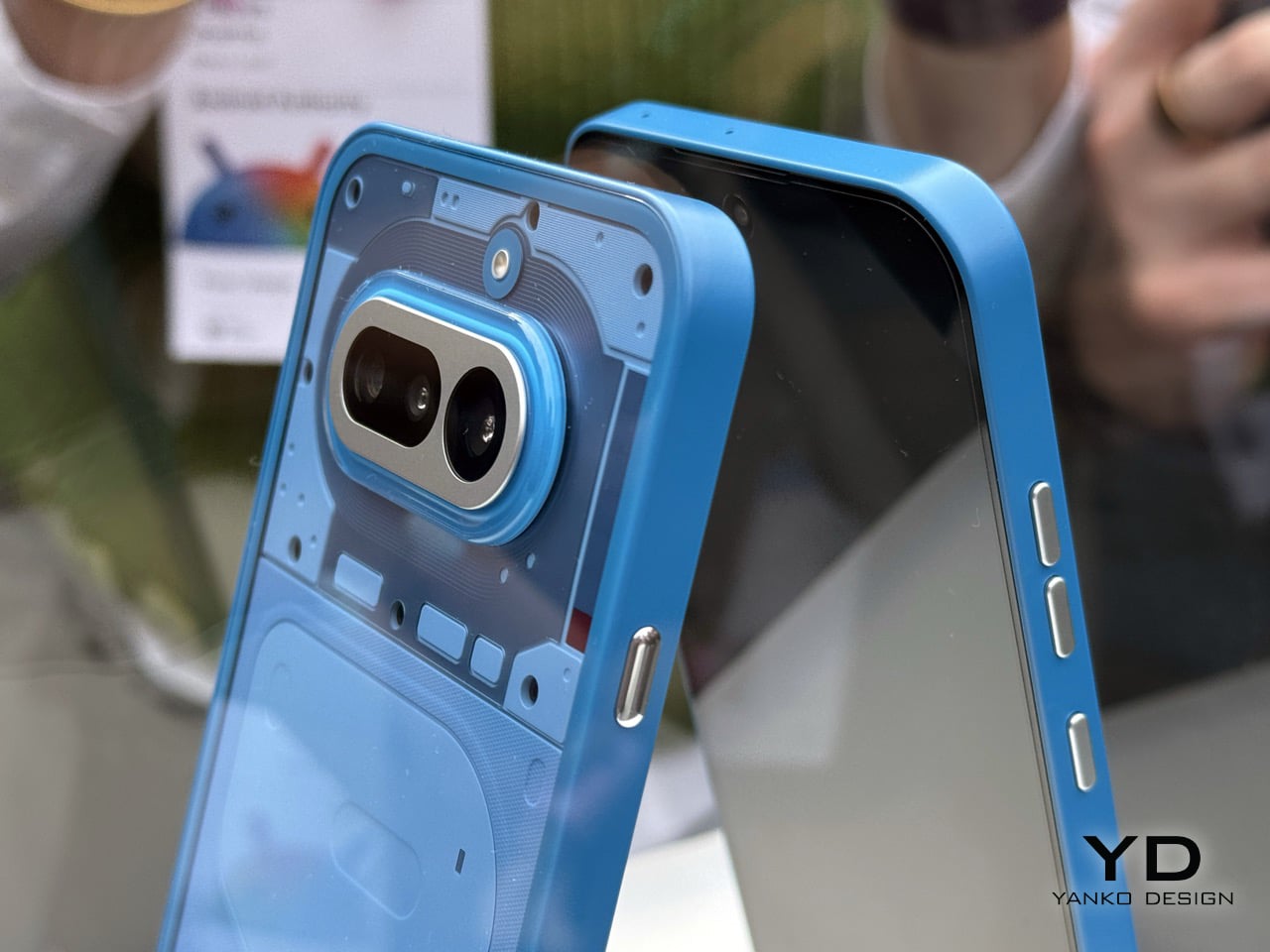
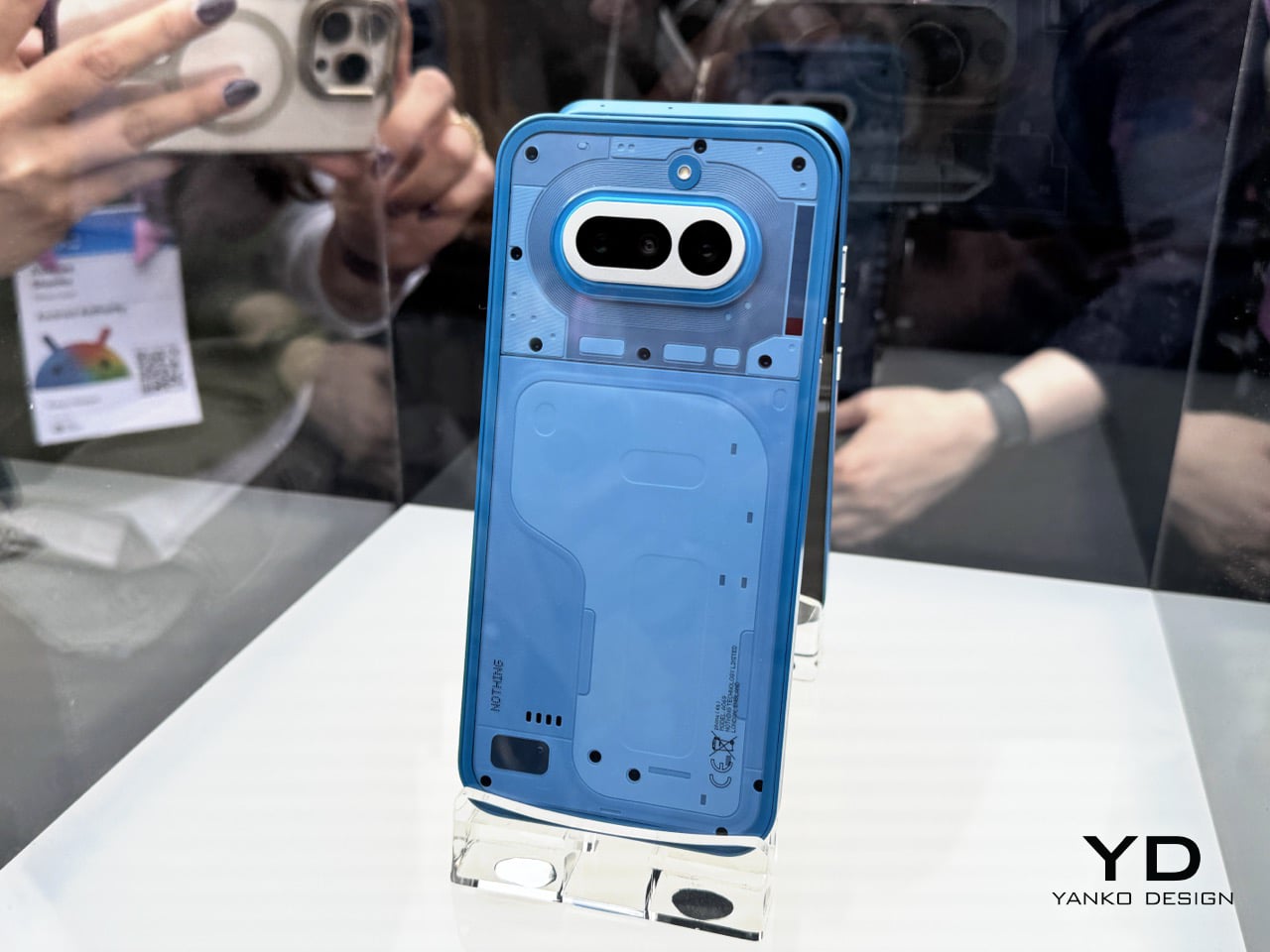
The blue is a more complicated story, and a more disappointing one. The shade of blue itself is fantastic, a vibrant choice that really stands out. The frame is the culprit here. Nothing uses plastic for its frames, which is fine, but the finish on the blue model makes it look and feel overtly like plastic. It has a certain sheen that reads as “budget-ish,” undermining the otherwise premium and considered design of the phone. While the frames on the white and black models have a finish that elevates them, the blue’s just doesn’t stick the landing. It’s a small detail that makes a huge difference in desirability. Thankfully, it’s a problem that can be solved with a good metal bumper case, if you’re truly set on the color.

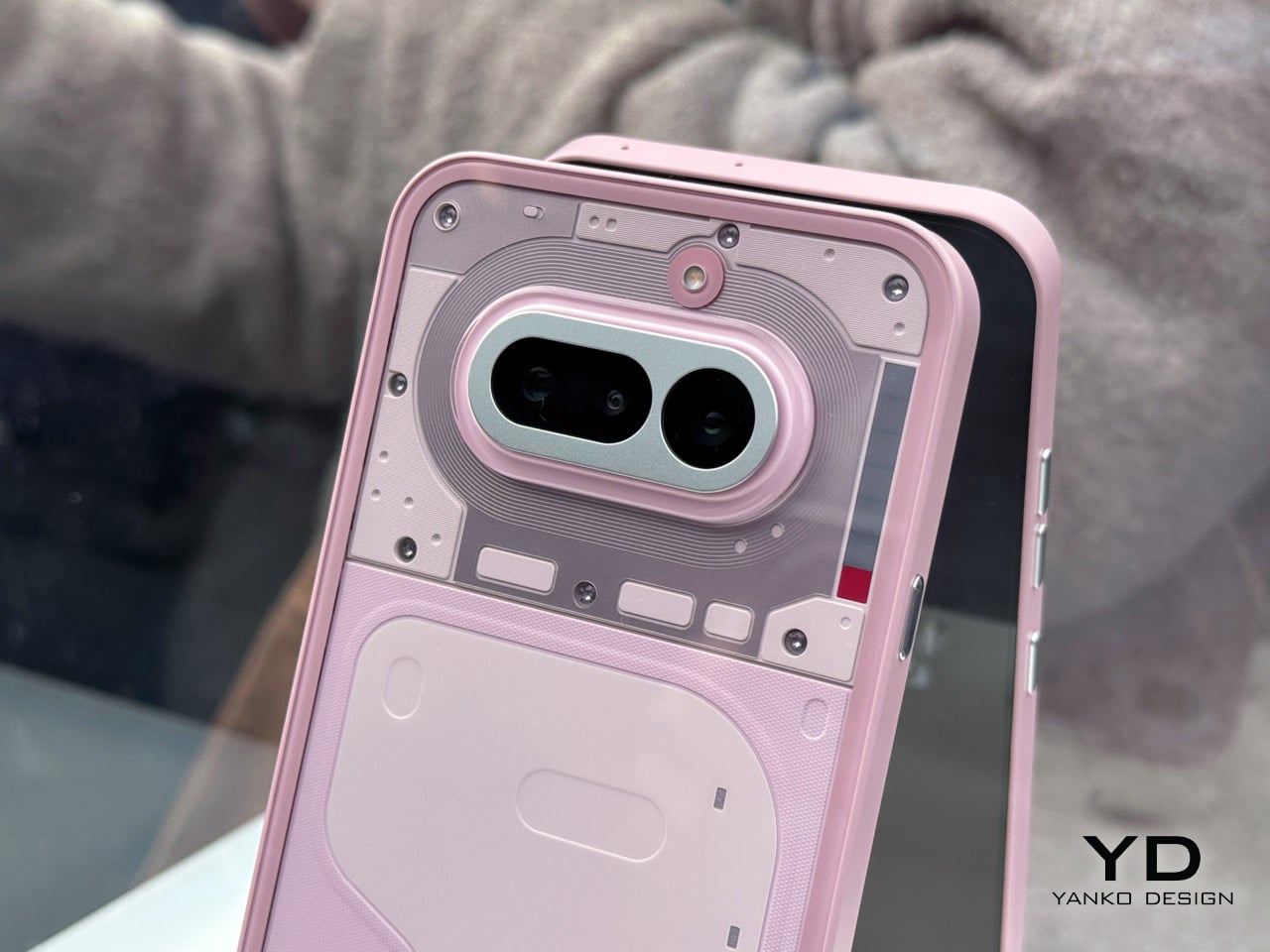
This is why the white and pink versions are the ones to get. The white is the quintessential Nothing look; clean, architectural, and it showcases the internal components and Glyph system perfectly. The frame’s finish looks gorgeous and intentional. The pink is the surprise winner. It’s a fantastic, almost salmon-like shade that is both playful and sophisticated, and the finish on its frame works in harmony with the color. It feels fun without feeling cheap. Both of these colors feel like they were the primary focus of the design team, where the material choices and color selection are in perfect sync to create a cohesive and desirable object.

Of course, the phone is more than its colorway. The camera is genuinely impressive for this bracket. I took a few shots in the less-than-ideal lighting of the party, and while the processing takes a beat longer than you’d expect, the results are worth it. I was seriously impressed by the quality coming from the 3.5x lens; it’s sharp and holds detail well. The software felt snappy, and the screen is bright and responsive. It’s a proper smartphone experience, wrapped in a design that still turns heads and starts conversations, which has always been Nothing’s core strength.

This MWC party was just the appetizer for the main course. Nothing is holding another event on March 5th, where the full, official launch will happen. That’s when we’ll get the final specs, pricing, and availability. There is also a persistent rumor that the company will use that event to debut a more powerful Phone (4a) Pro model. Given the confidence on display in Barcelona, Nothing is clearly holding a few cards back for the big reveal. They got our attention with the hardware, now we wait to see the full strategy.

The post Nothing Phone (4a) Hands-on at MWC 2026: Here’s which color NOT to buy… first appeared on Yanko Design.
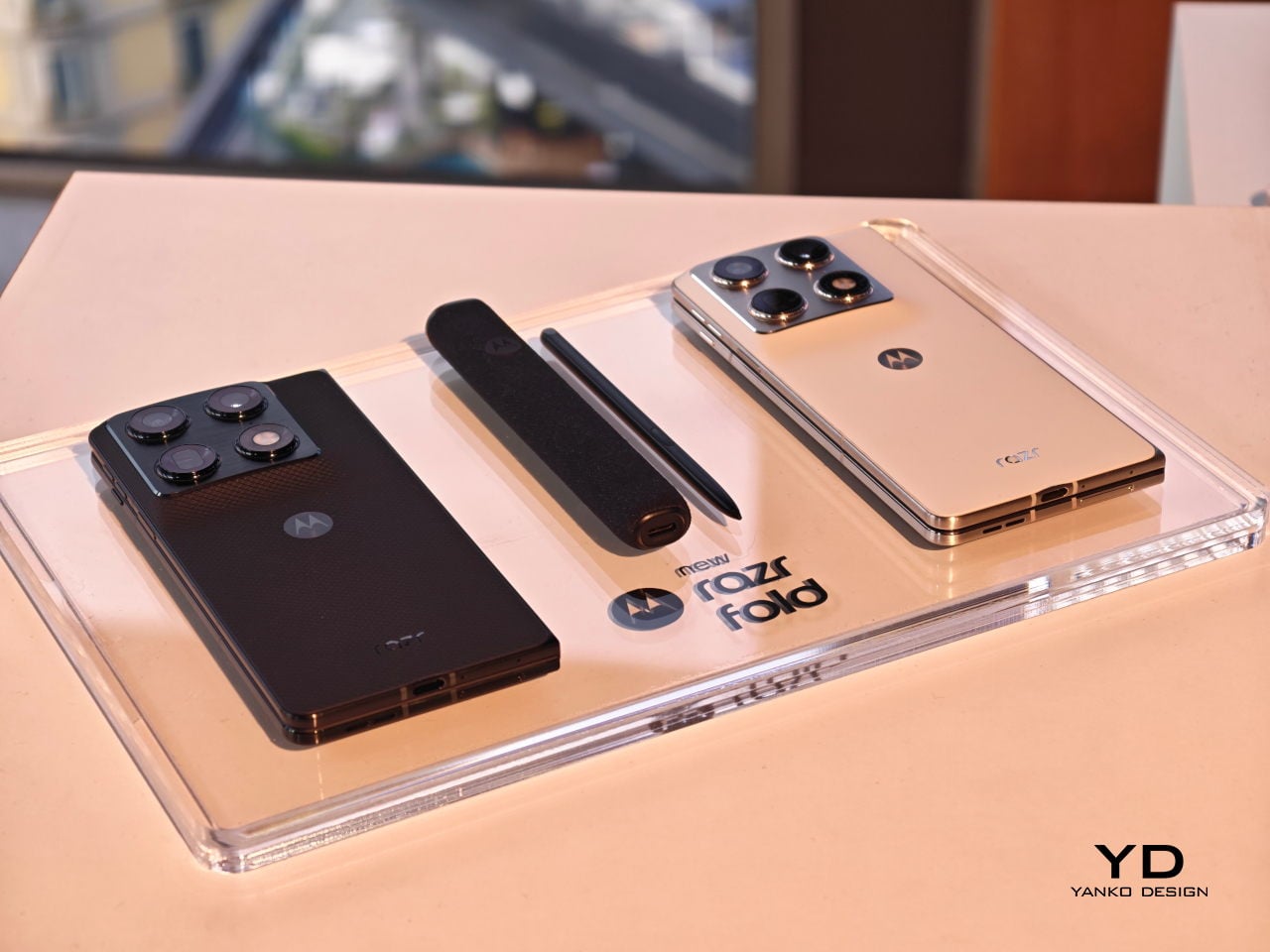
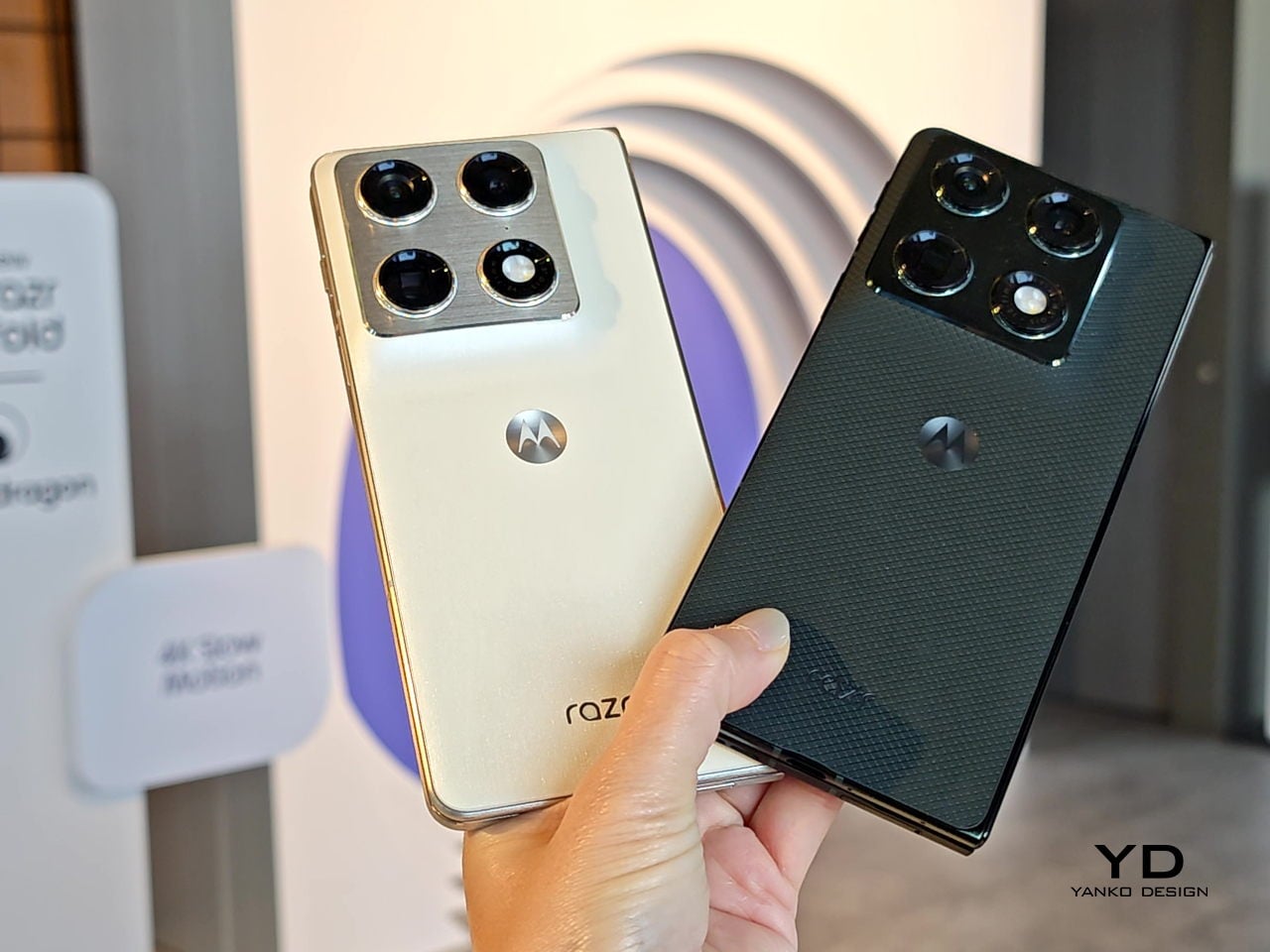
Motorola’s First-Ever Book-Style Foldable Has the #1-Rated Camera

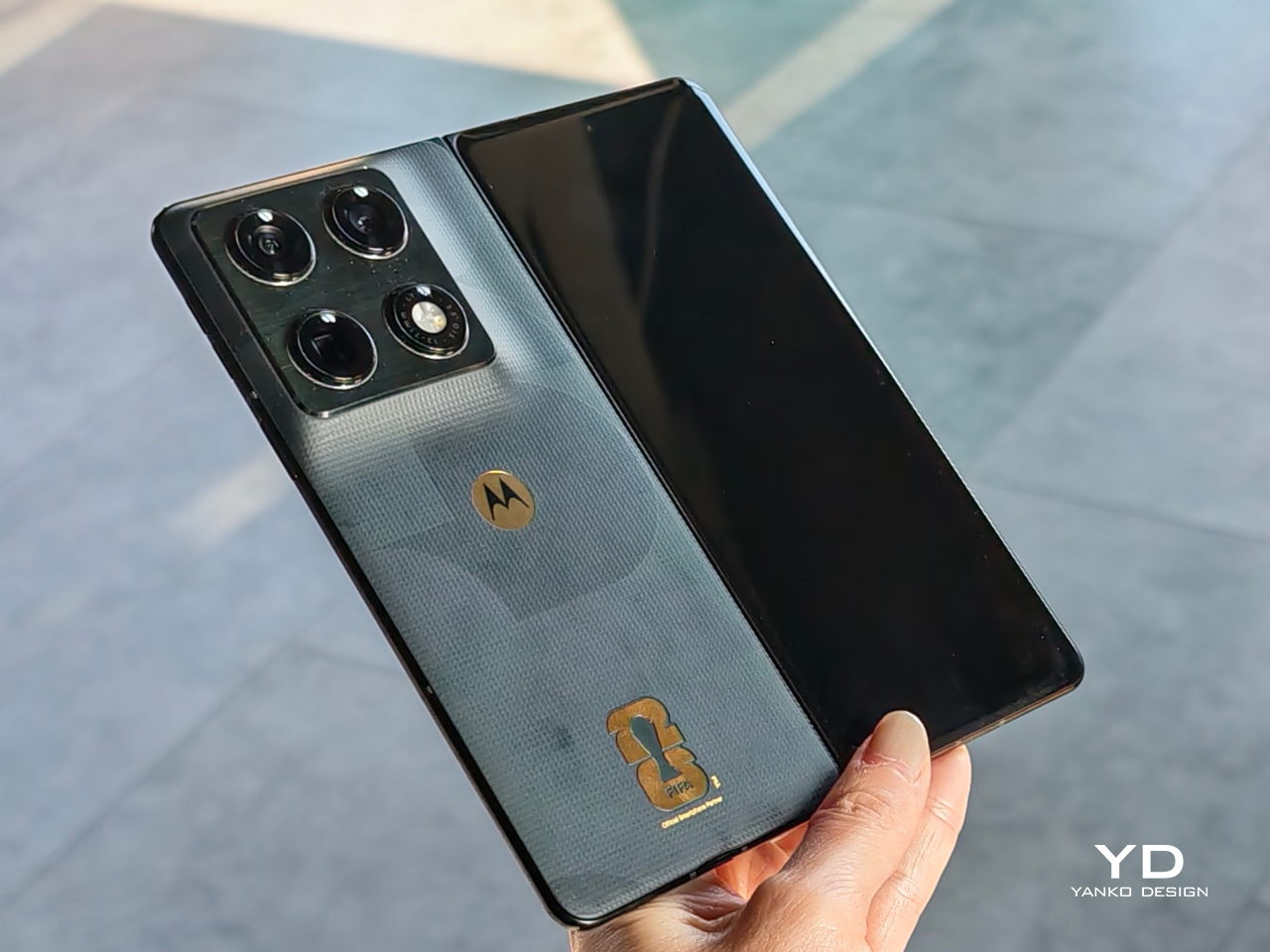
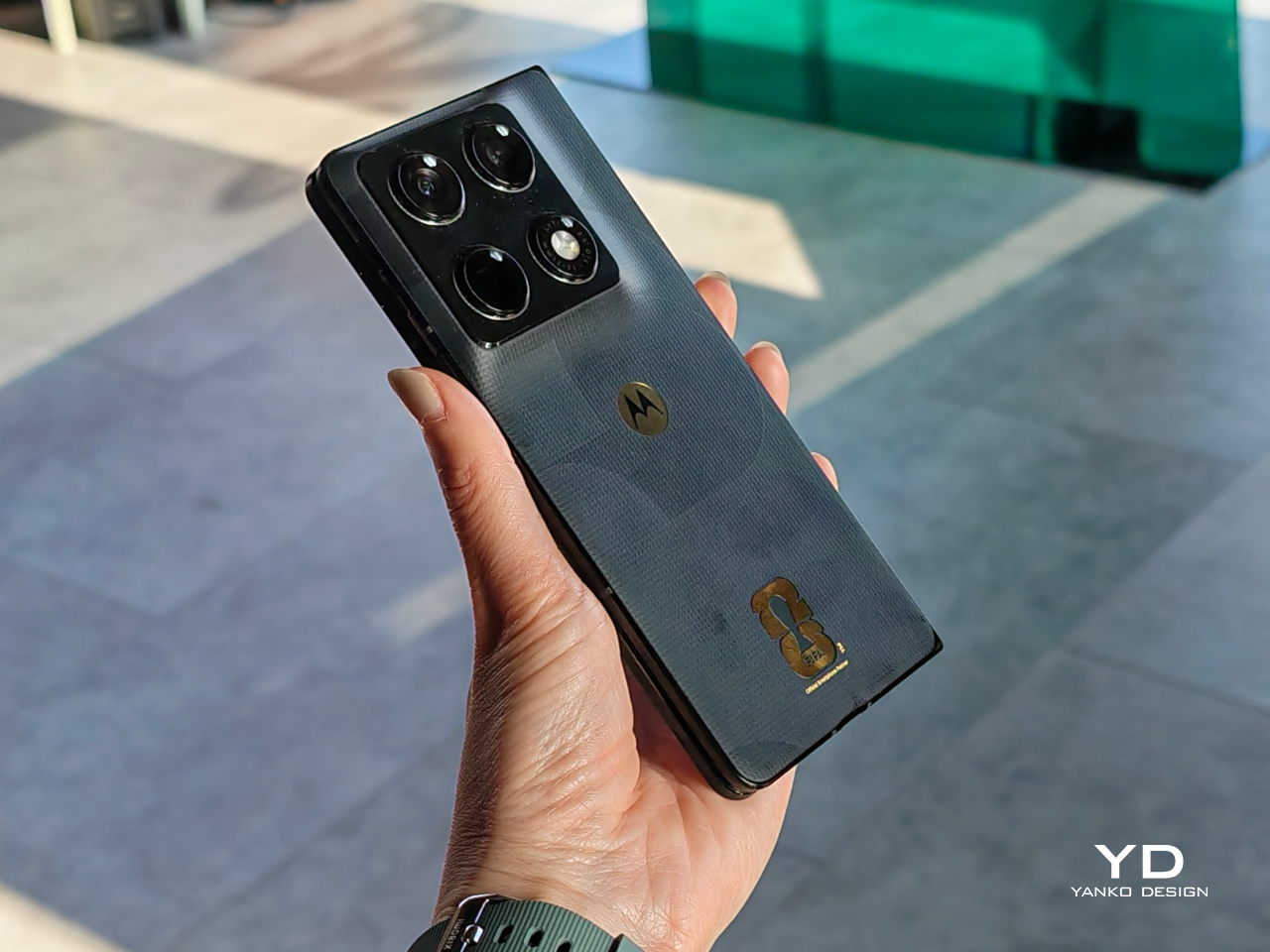
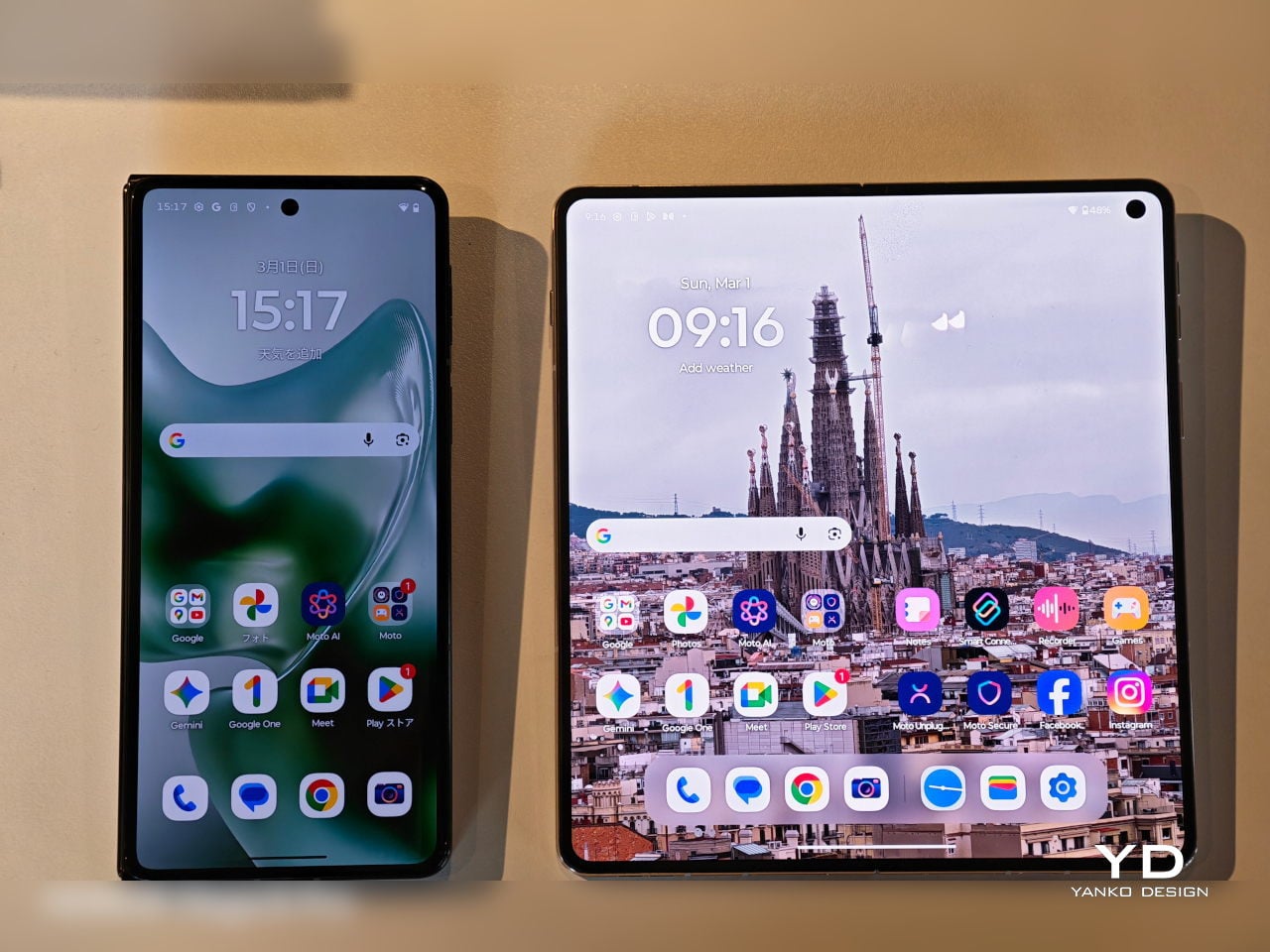
The RAZR name has always carried a certain drama to it. For two decades, it meant the thinnest thing in the room, often at the expense of everything else. The new motorola razr fold, first teased at CES 2026, takes the opposite approach, asking what happens when you refuse to give anything up, and the answer turns out to be a phone that unfolds into an 8.1-inch canvas you can actually work on.

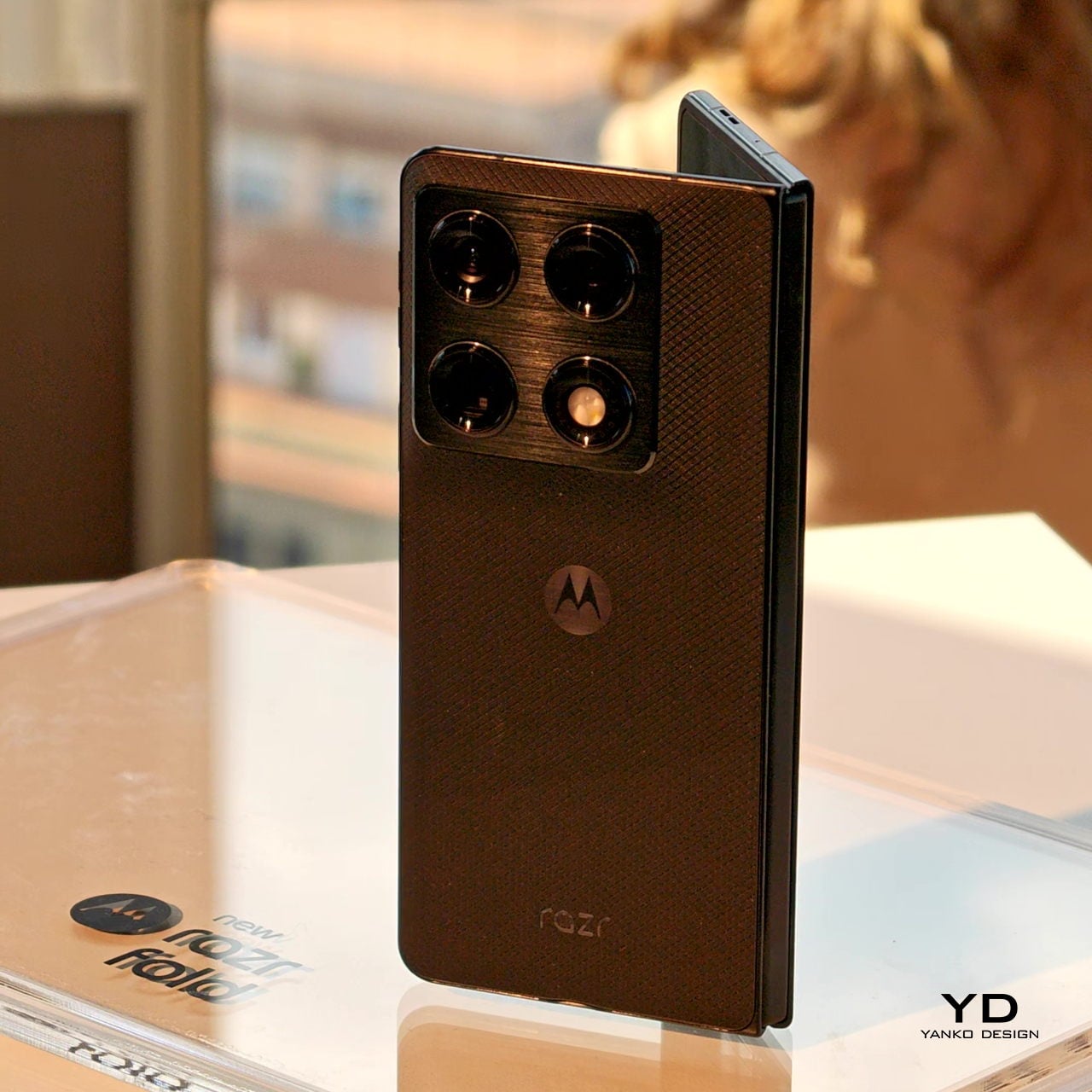
This is Motorola’s first book-style foldable, a different animal from the clamshell razr that folds vertically. Open it up, and you get a 2K LTPO display that peaks at 6,200 nits, bright enough to use comfortably in direct sunlight, and wide enough to run three apps side by side without everything feeling cramped. Close it, and the 6.6-inch external screen handles most of what you’d normally unlock the phone for anyway.

Designer: Motorola

The physical design is harder to dismiss than the numbers suggest. At 4.6mm thin when open and 9.9mm when folded, it doesn’t read as a productivity device that tolerates being a phone on the side. A stainless steel teardrop hinge guides the fold, while a titanium inner plate distributes pressure across the crease so the display returns to its original shape after each cycle. The Pantone Blackened Blue version has a matte, textured surface; the Lily White option goes for a softer, more reflective hand.

Camera performance is where Motorola appears to have placed its biggest bet. The razr fold earned DXOMARK’s #1 ranking for foldable cameras in North America, backed by a 50 MP Sony LYTIA 828 main sensor, a 50 MP Sony LYTIA 600 periscope telephoto with 3x optical zoom, and a 50 MP ultrawide with a 122-degree field of view that focuses as close as 3.5 cm. The fold-forward form also doubles as a tabletop tripod, which is a minor convenience until you stop fumbling with a prop.

Inside, a Qualcomm Snapdragon 8 Gen 5 handles the workload with 16GB of RAM and storage of up to 1TB. The 6,000 mAh silicon-carbon battery is, by Motorola’s account, the largest in any foldable currently available. The 80W TurboPower charging is supposed to deliver 12 or more hours of use from under 10 minutes plugged in, though those results depend on usage conditions that are rarely as tidy as a manufacturer’s press release describes.

The razr fold also supports the moto pen ultra, sold separately, adding pressure sensitivity and palm rejection to the large display. For anyone already carrying a stylus with a tablet, the pitch is obvious. For everyone else, it leaves an open question about whether a phone at €1,999 for the European launch bundle actually replaces the tablet it resembles, or just occupies an expensive spot between the two.

The post Motorola’s First-Ever Book-Style Foldable Has the #1-Rated Camera first appeared on Yanko Design.
Xiaomi unveils power-laden Vision Gran Turismo electric hypercar concept at MWC 2026

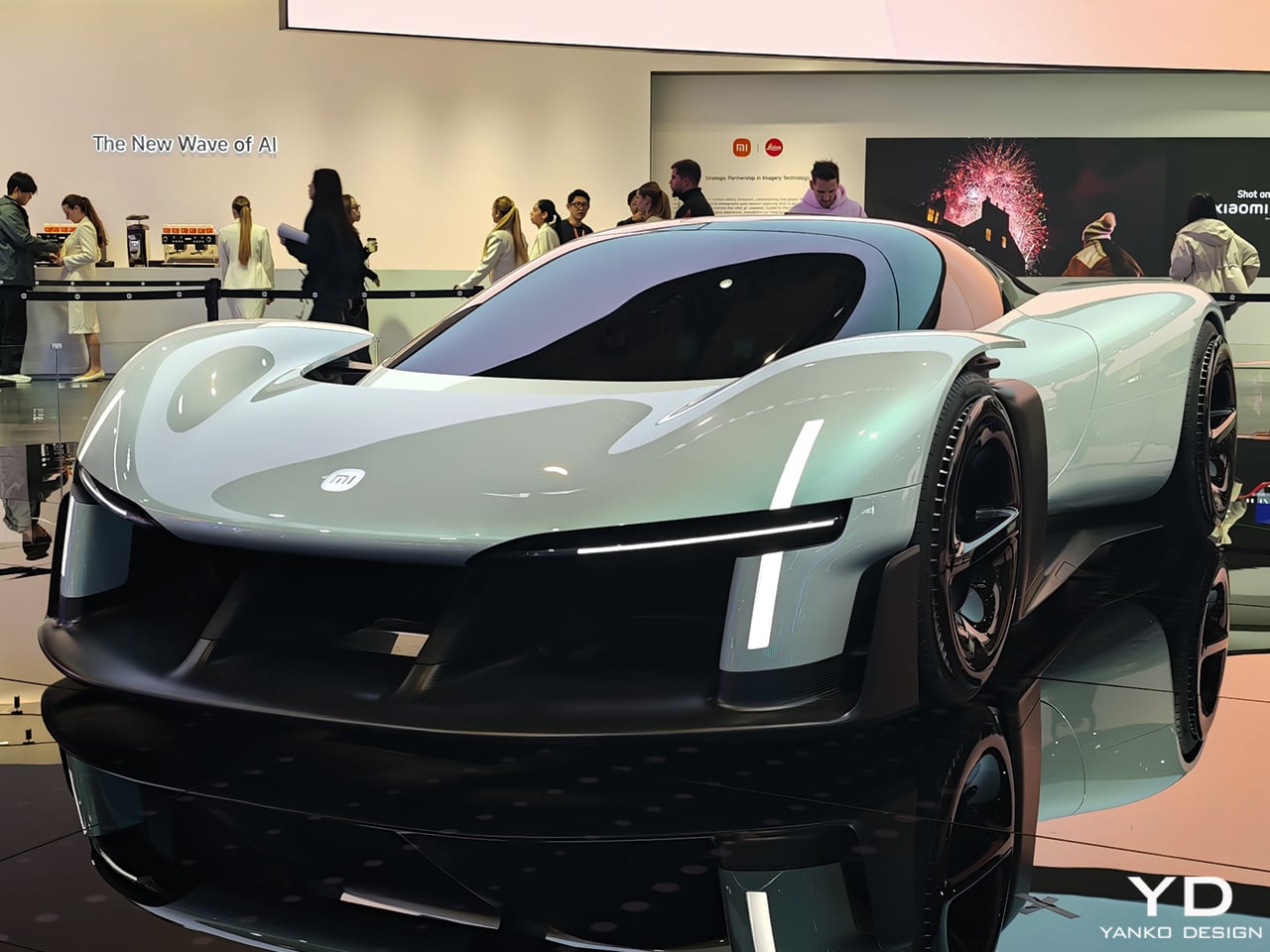
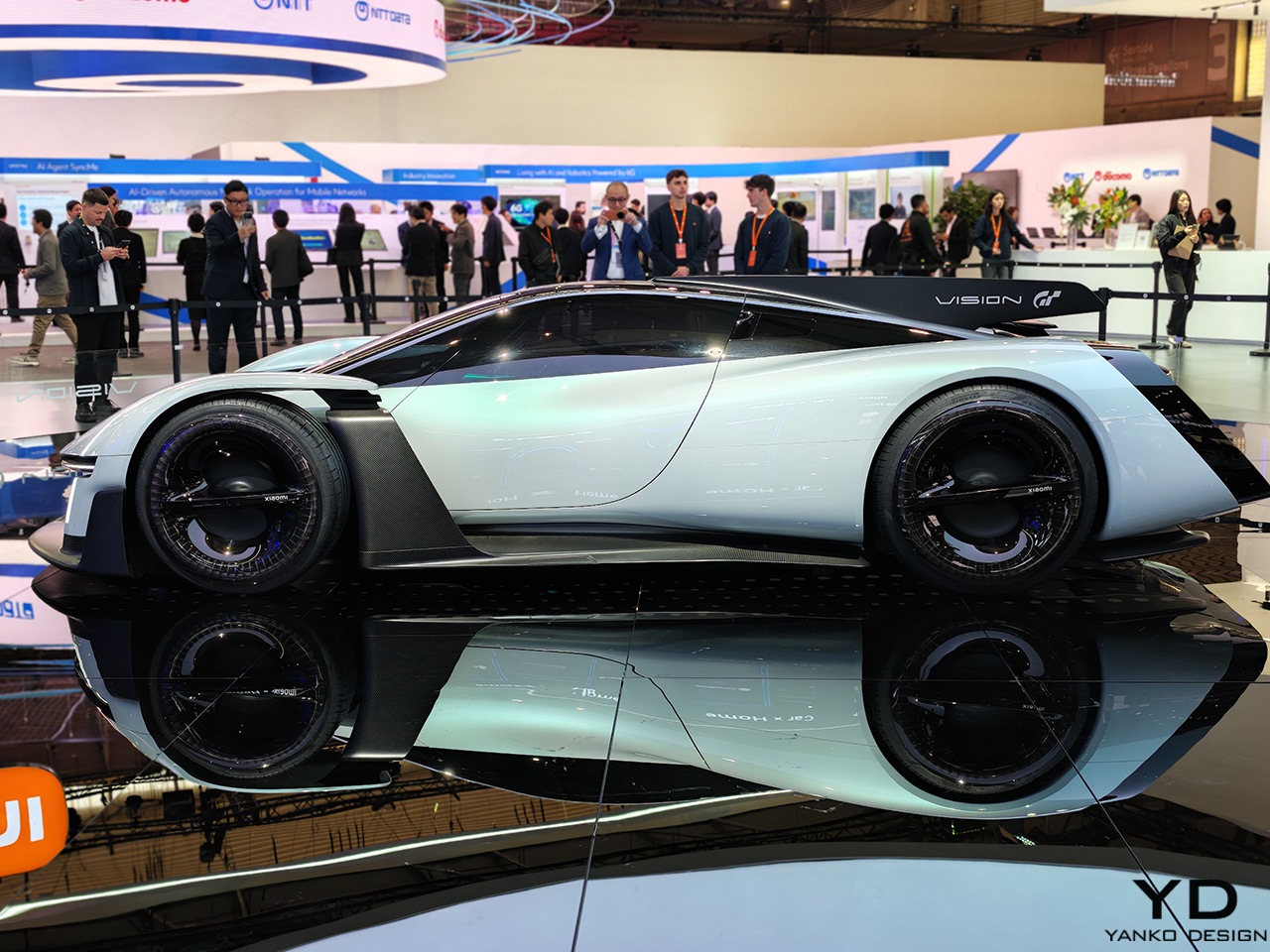
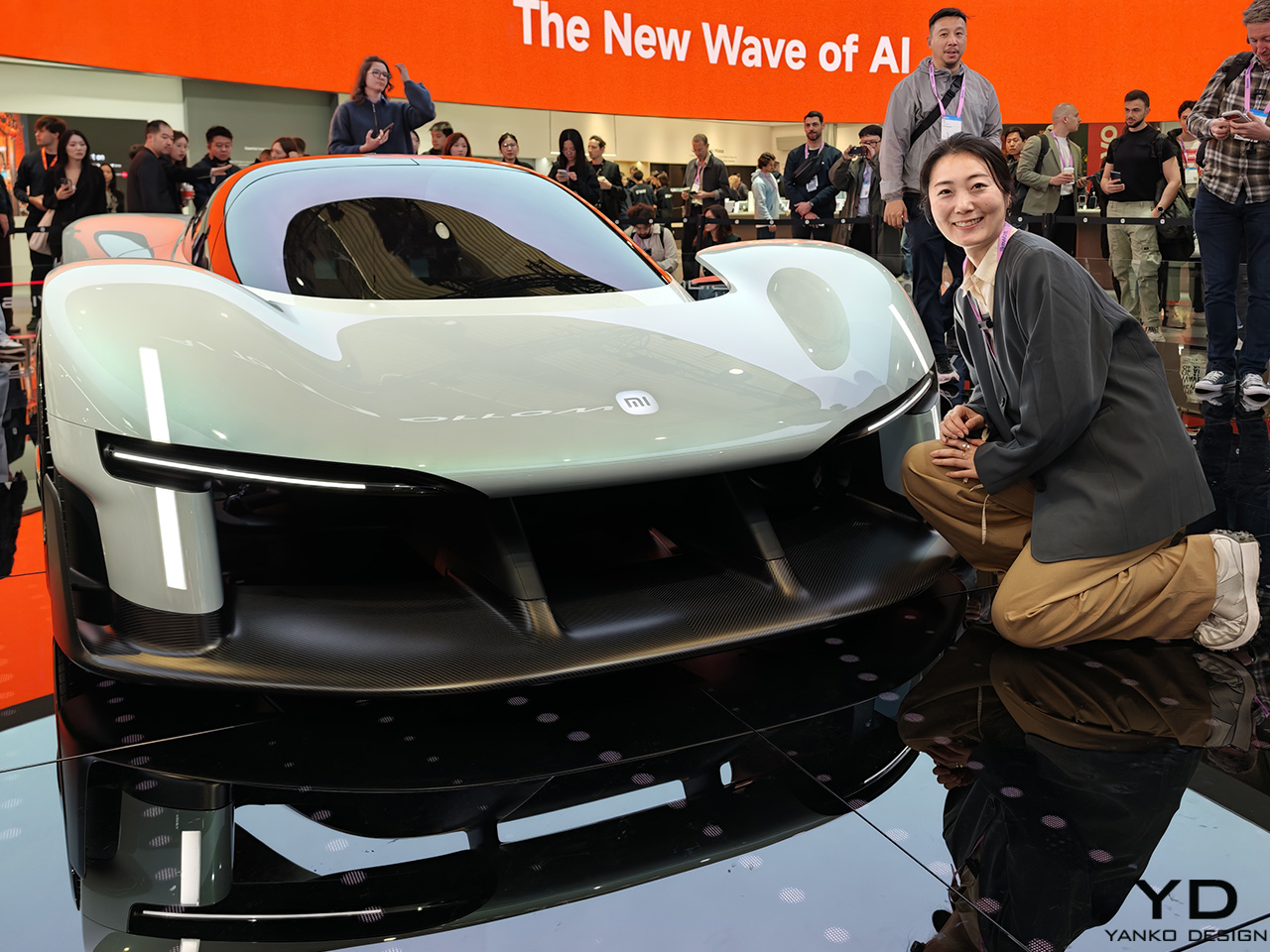
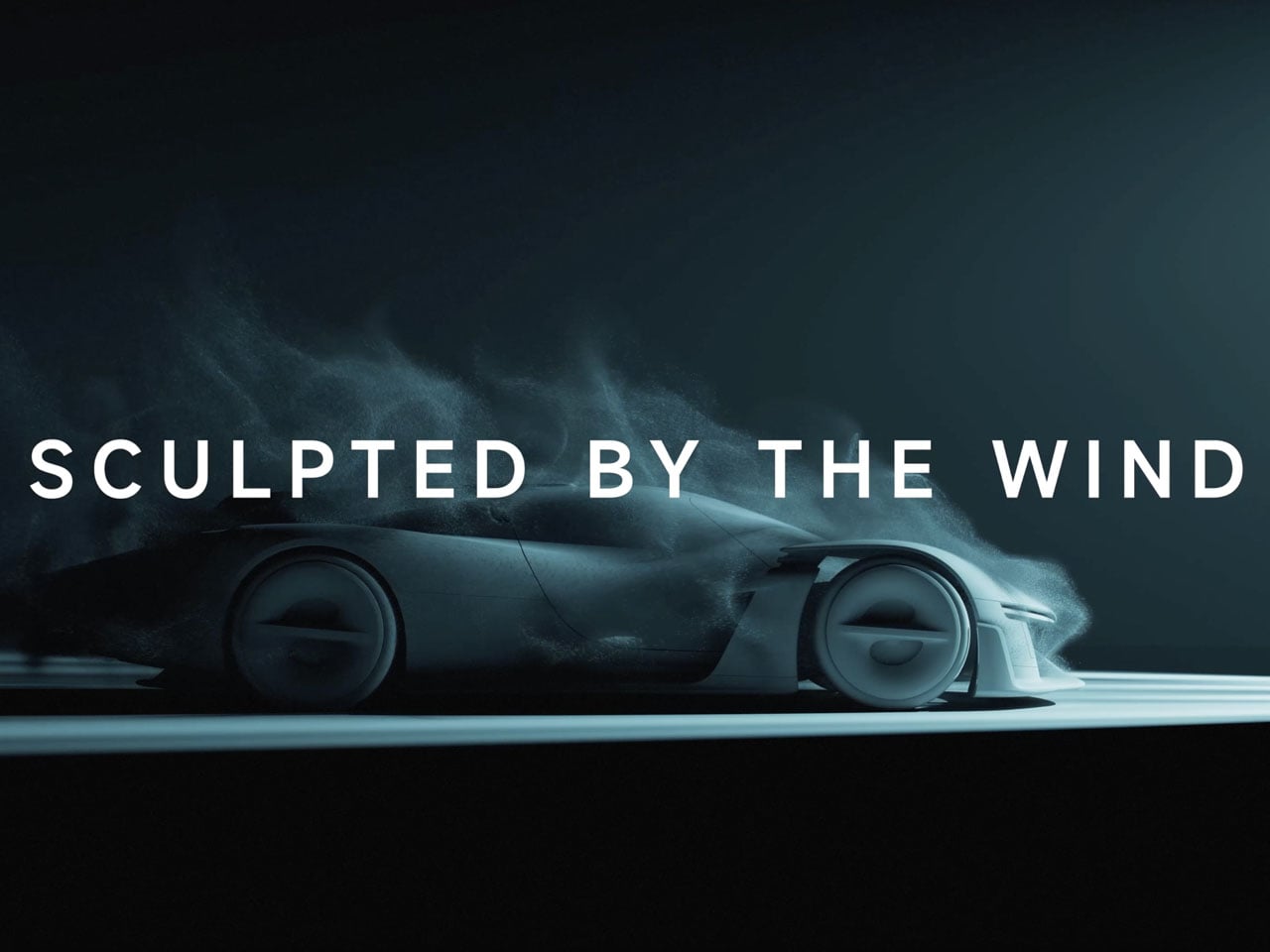
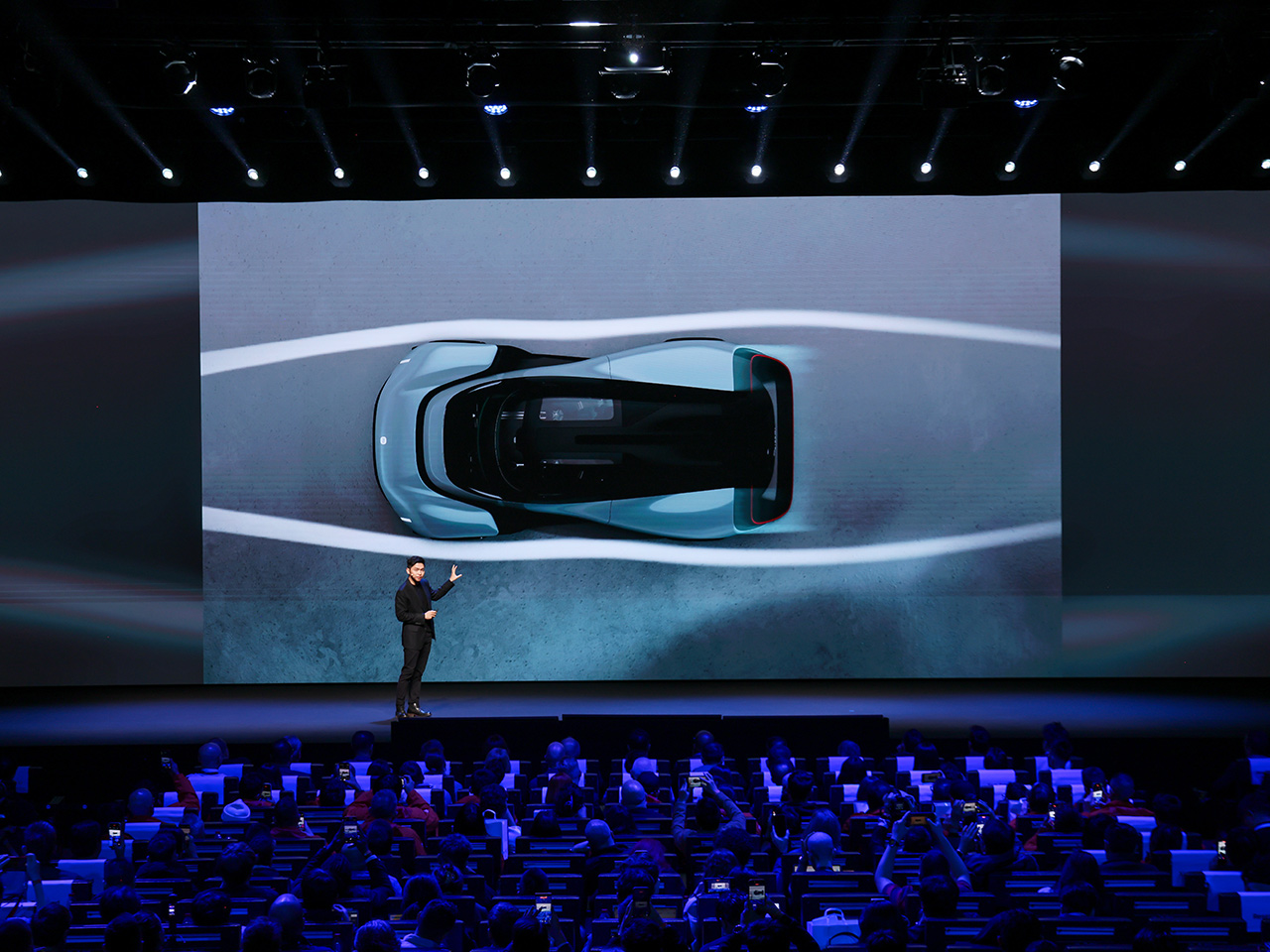
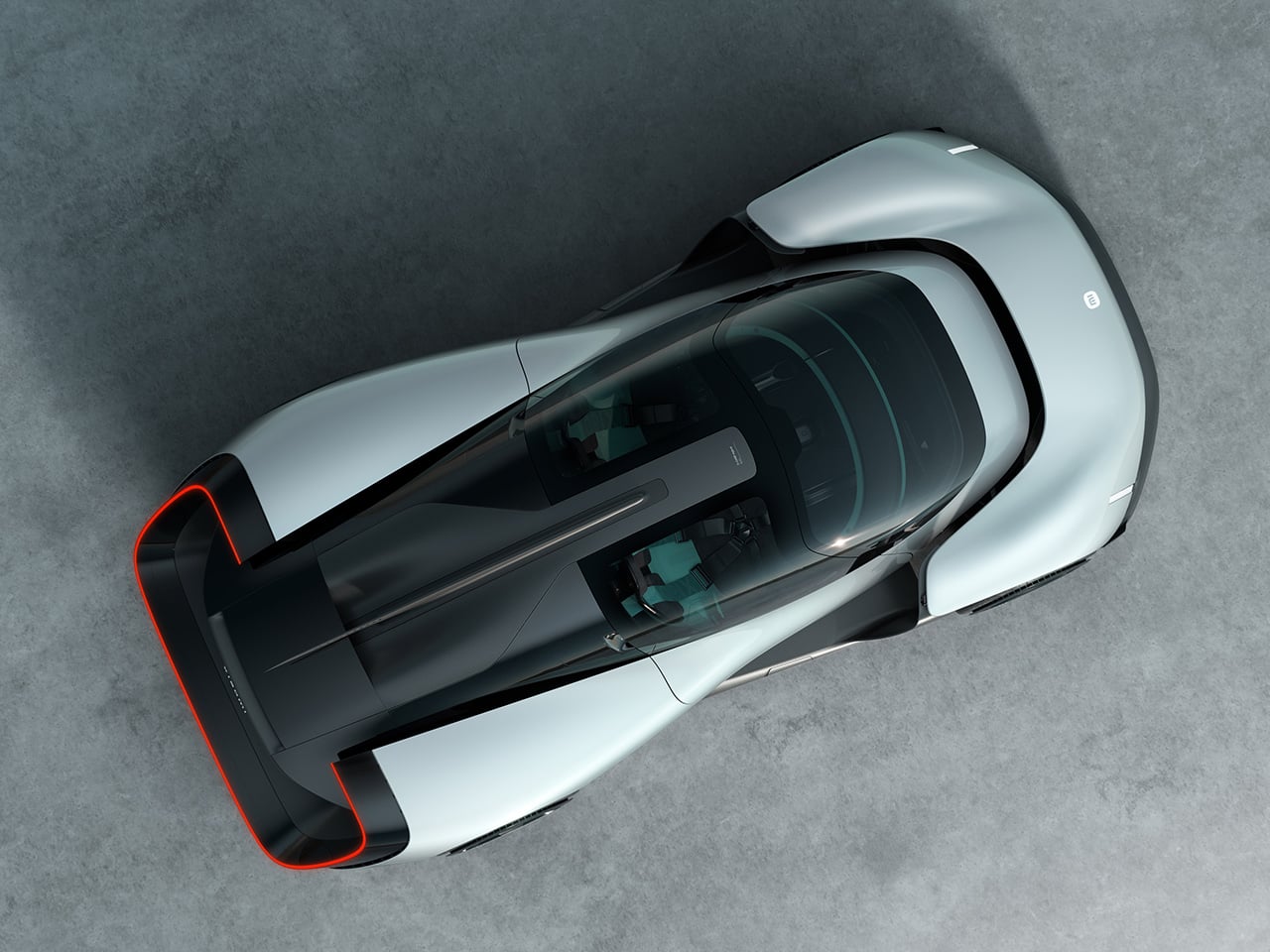
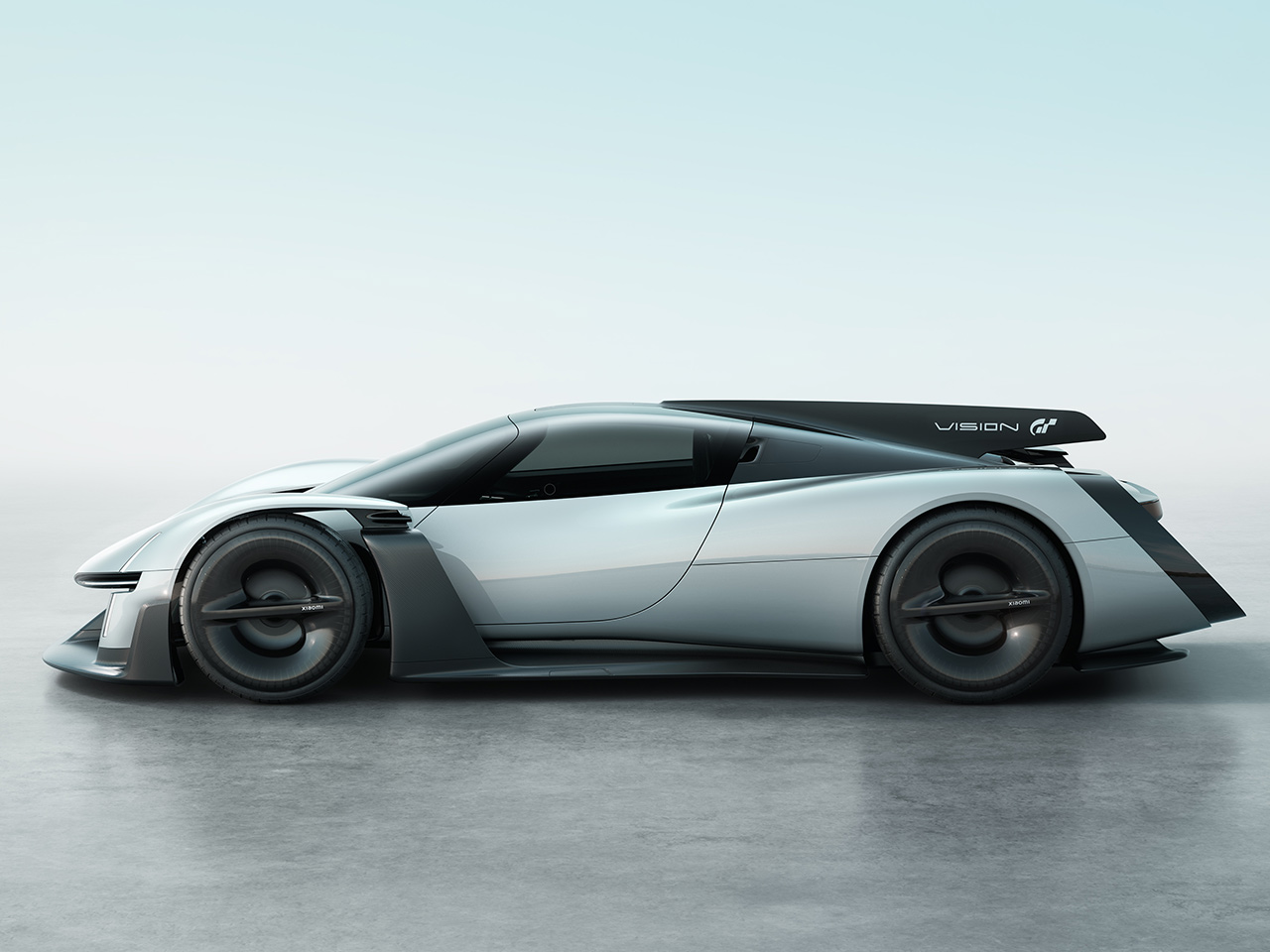
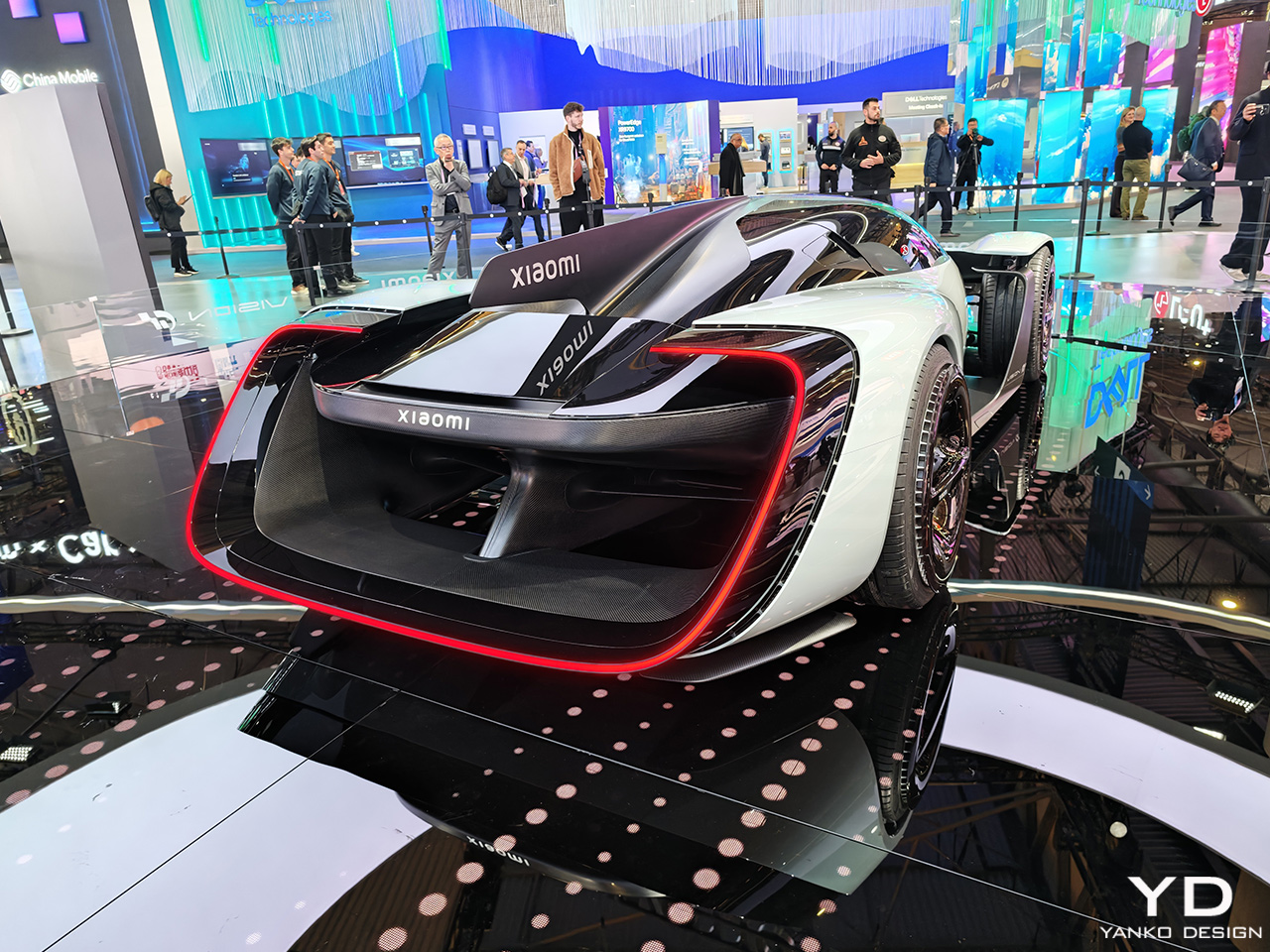
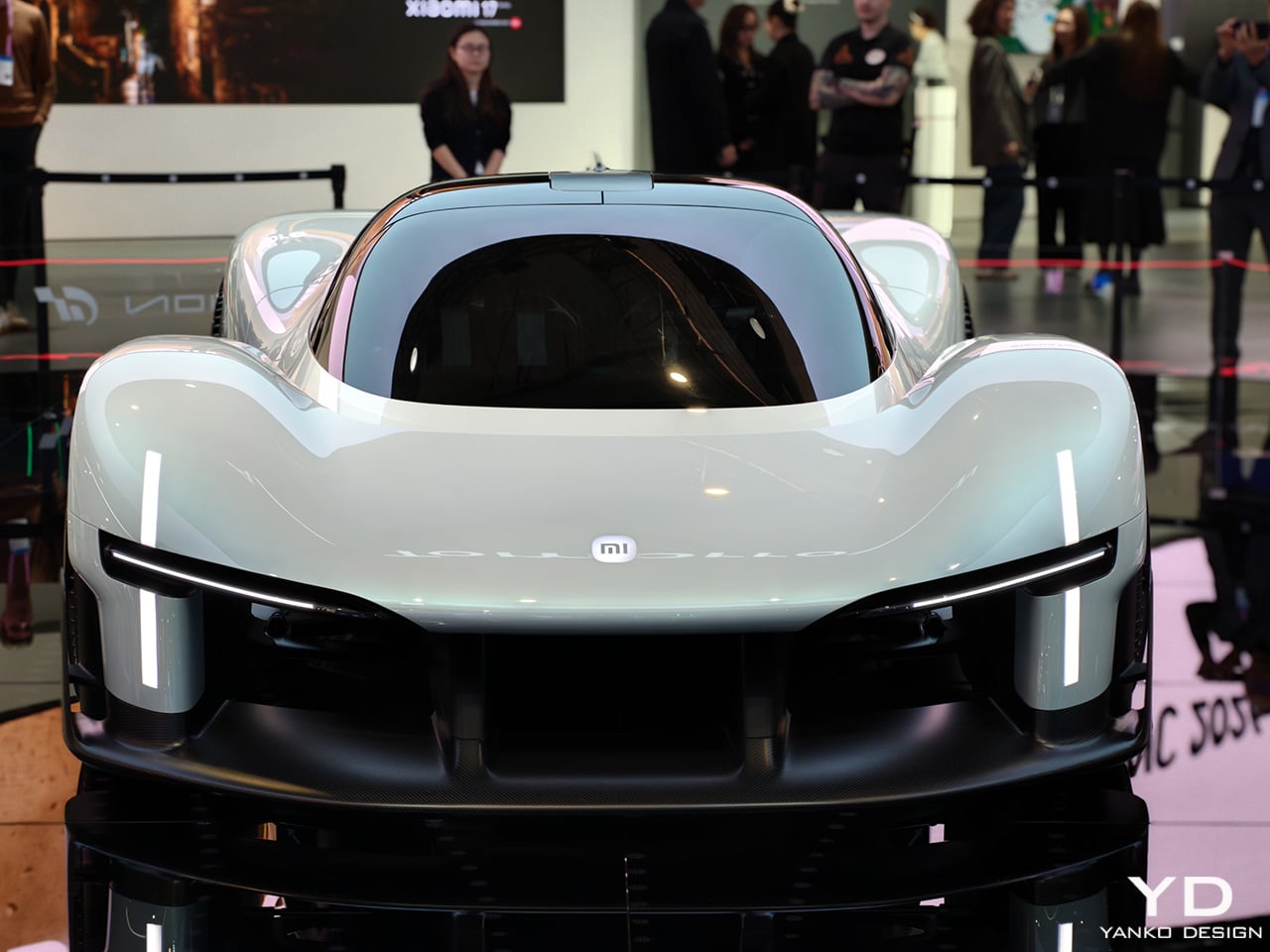
Xiaomi has just entered the Gran Turismo world with its Vision Gran Turismo (VGT) concept car at Mobile World Congress 2026. This electric hypercar follows the reveal of the SU7 Ultra supercar that was developed last time around. This year’s event saw the hypercar, which Xiaomi claims is sculpted by the wind. The idea is to make the performance vehicle aerodynamically tuned with airflow channels and moving parts to achieve optimal efficiency. We got our first glimpse of the hypercar at Mobile World Congress, and it does impress on the outside and inside.

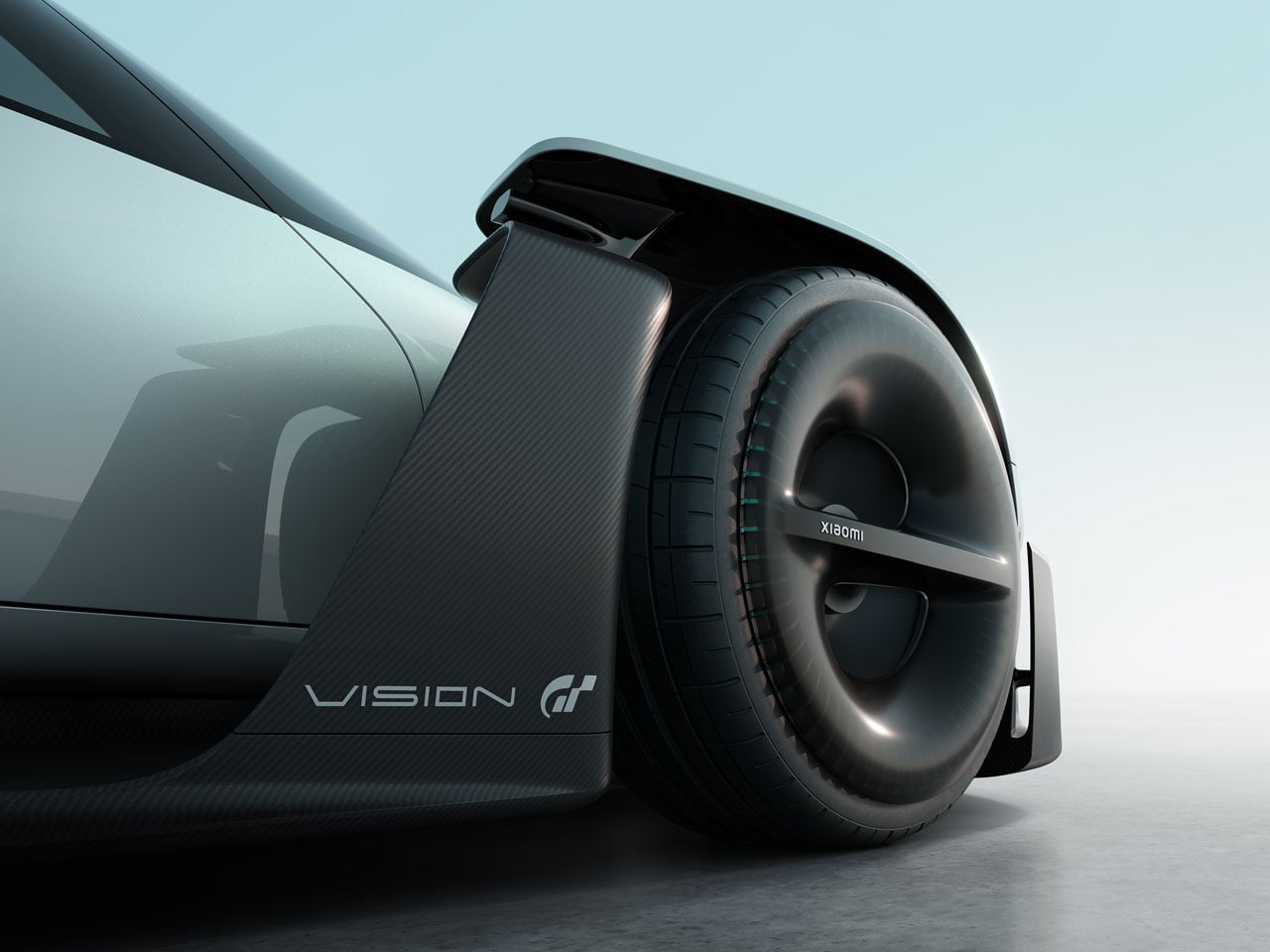
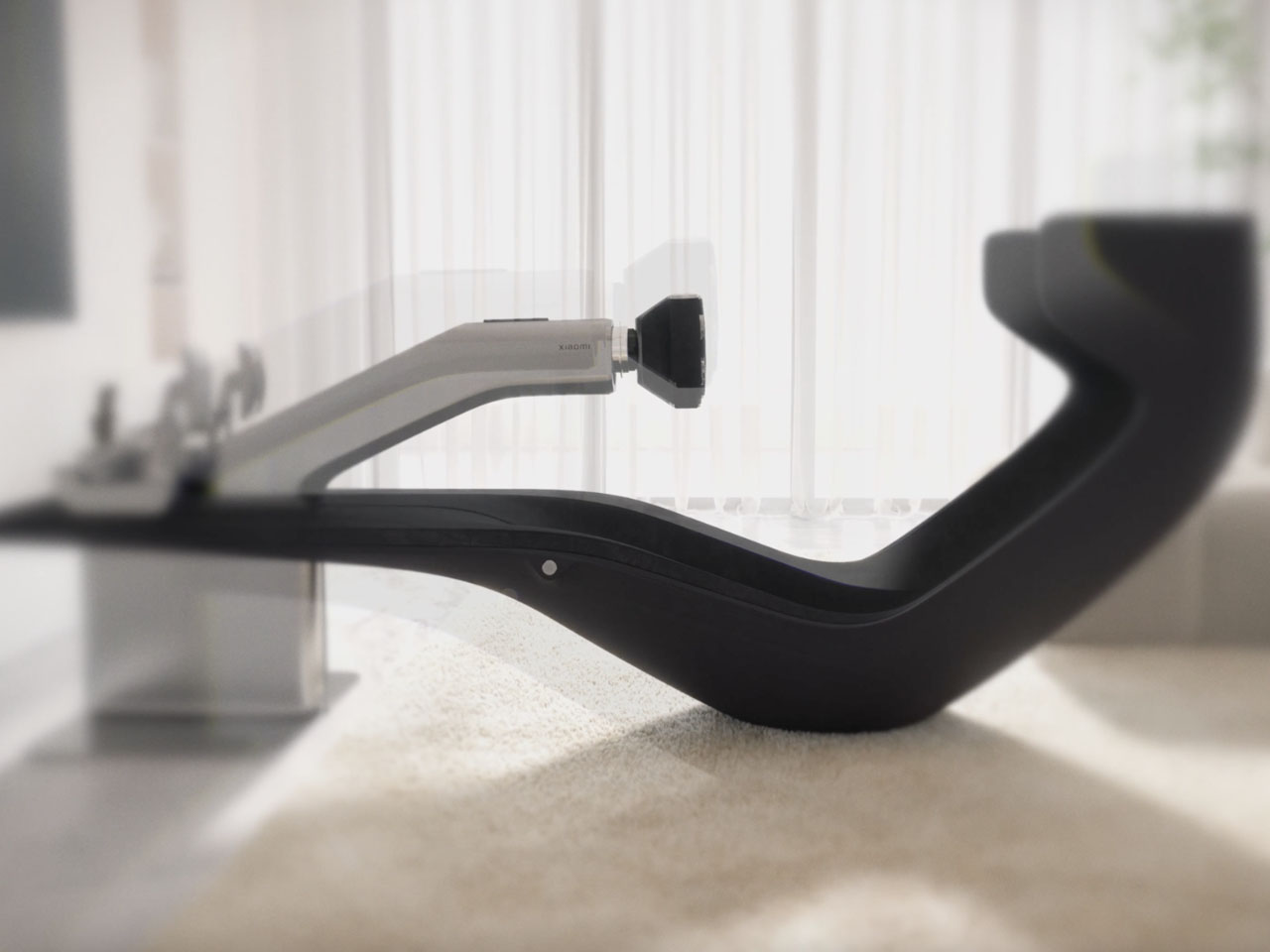
This is the first-ever Chinese Gran Turismo performance racer to be materialized, and the air flow obsession goes beyond everything you would imagine. Although one cannot drive it for real anytime soon, you can explore the two-door performance car in Gran Turismo 7, using the company’s dedicated simulator with exact racing seats as the concept car. With the VGT hypercar, Xiaomi joins an elite list of automakers like Porsche, Ferrari, and Mercedes-Benz that have their futuristic concept cars designed for Gran Turismo.

Designer: Xiaomi

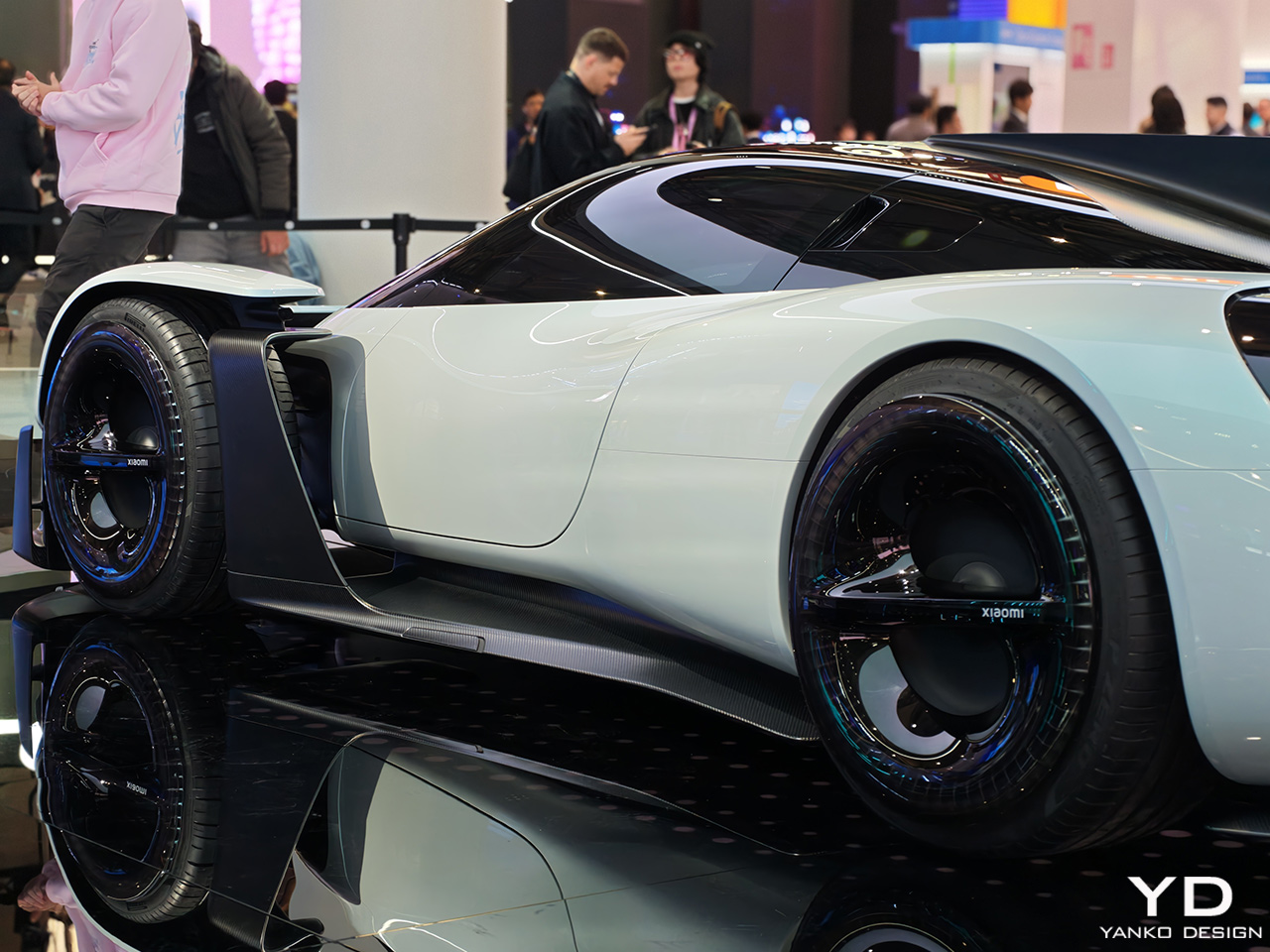
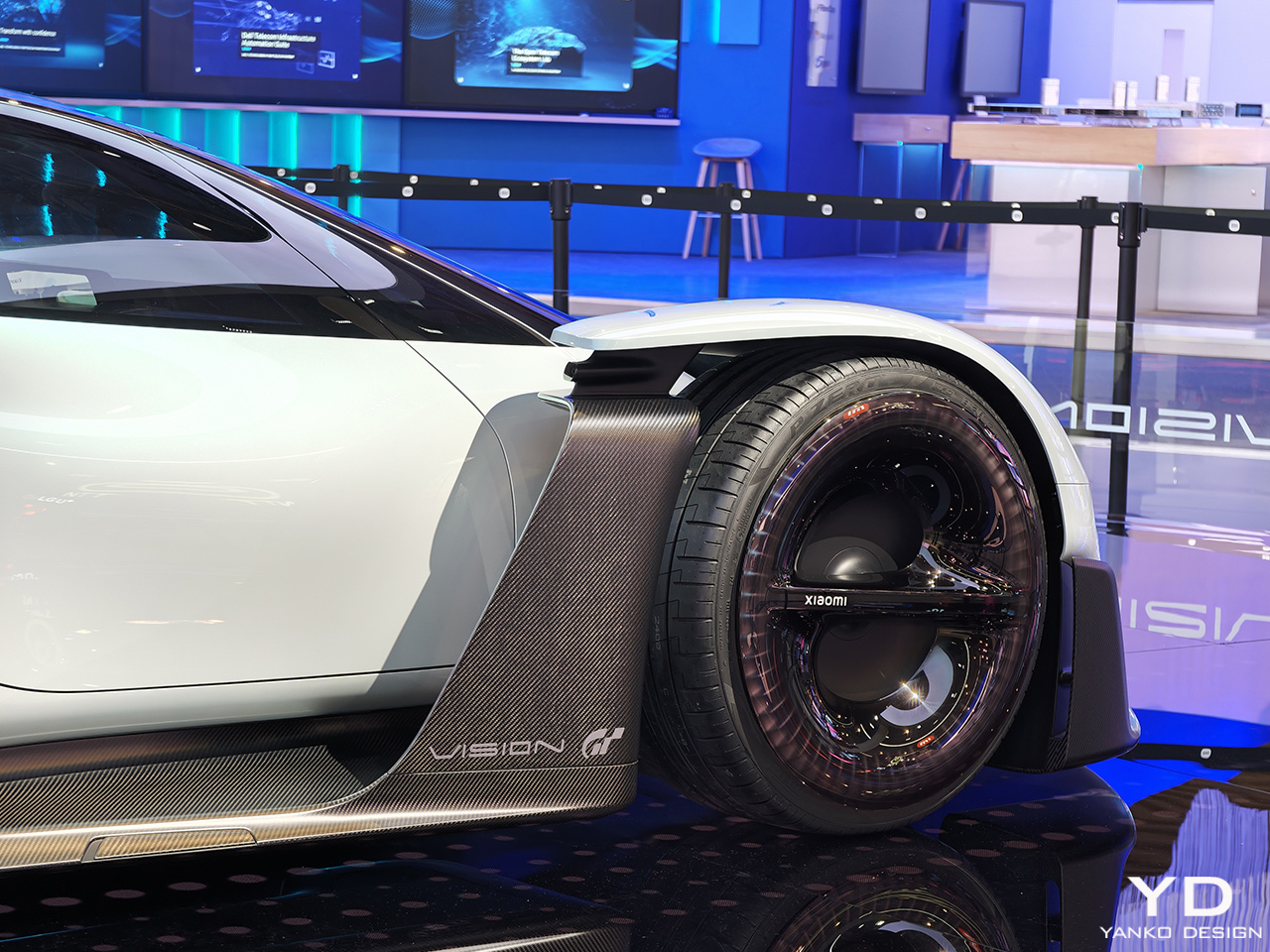
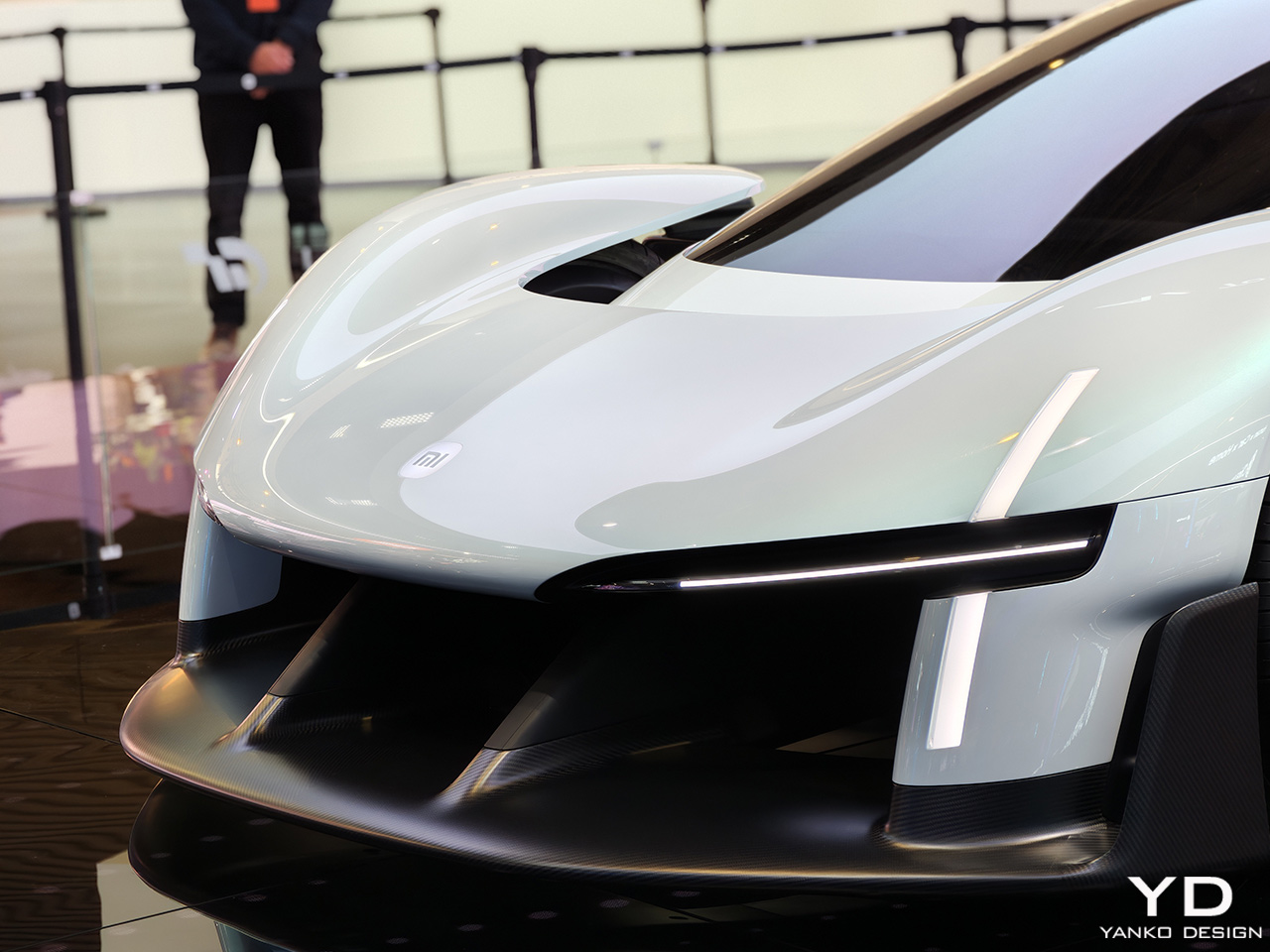
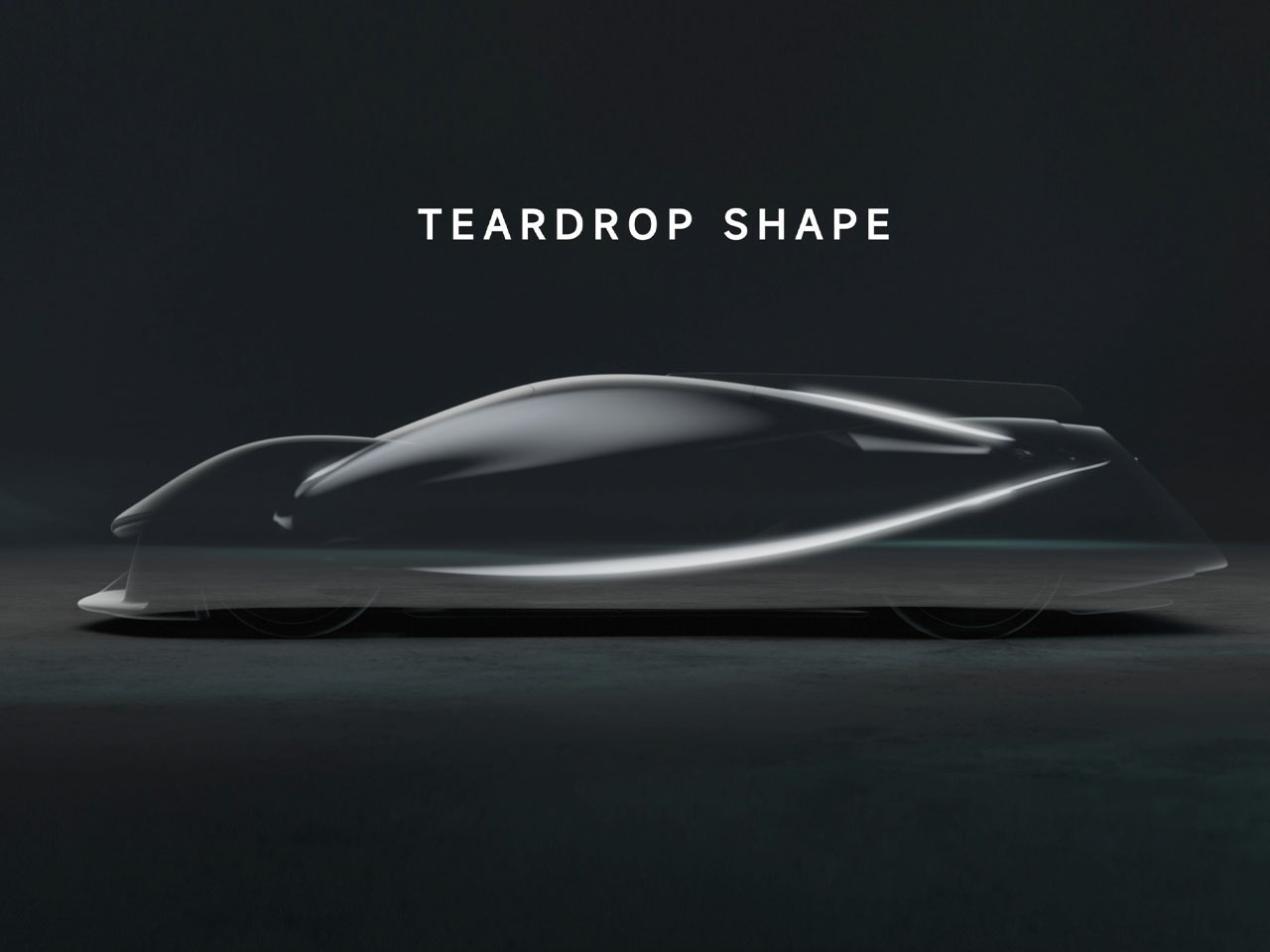
Given it is a concept, the technical aspects are wild – there’s a 900V Silicon Carbide (SiC) platform which ultimately delivers 1,900 horsepower. To handle that amount of power at high speeds, the car gets advanced components, including carbon-ceramic brakes and center-lock wheels. The two-door hypercar has a very linear profile with a very low ride height and only the cabin’s teardrop-shaped cockpit, with only the encapsulating bubble disrupting the aerodynamic performance. The shark-fin roofline architecture balances out things, though.

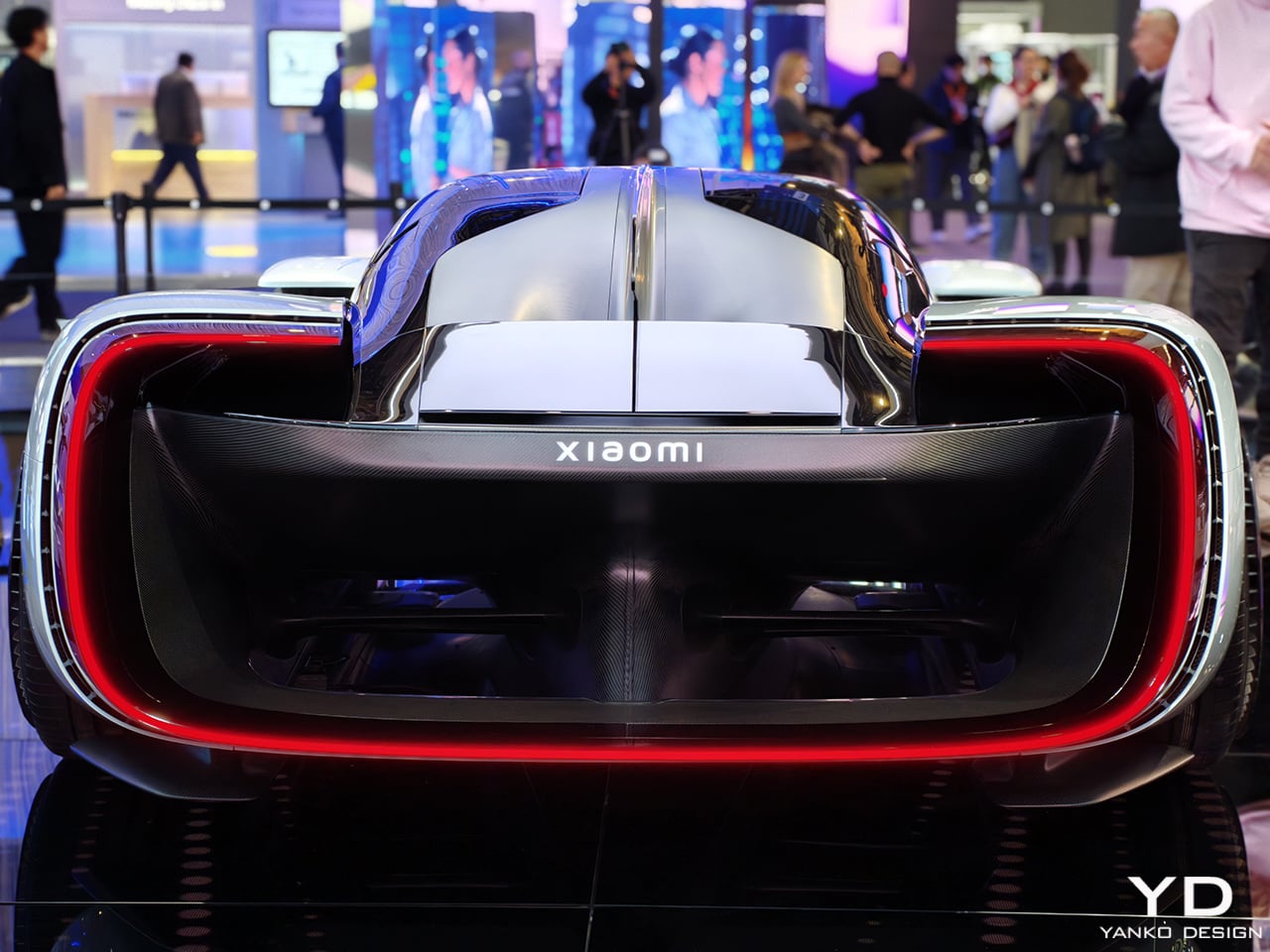
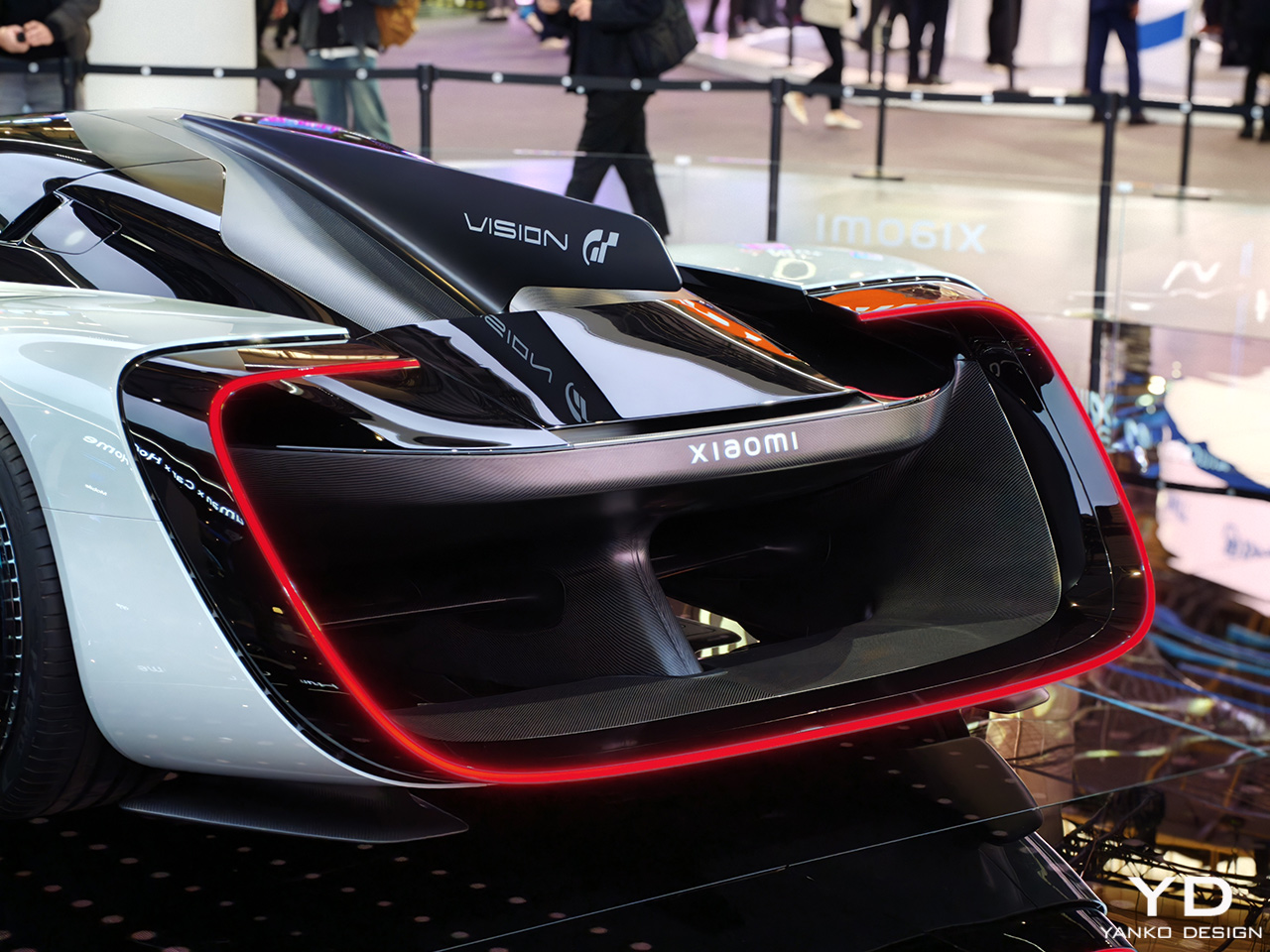
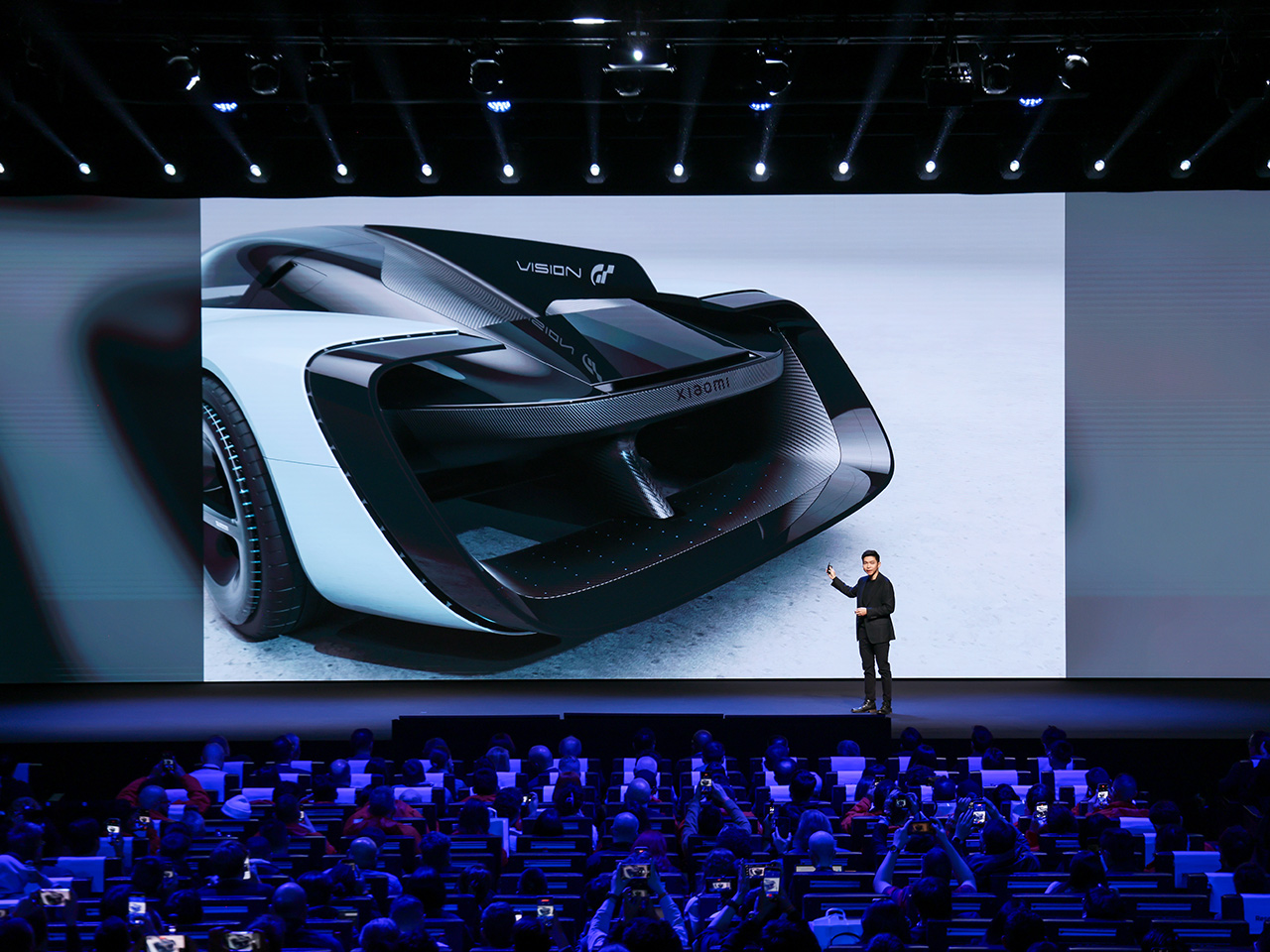
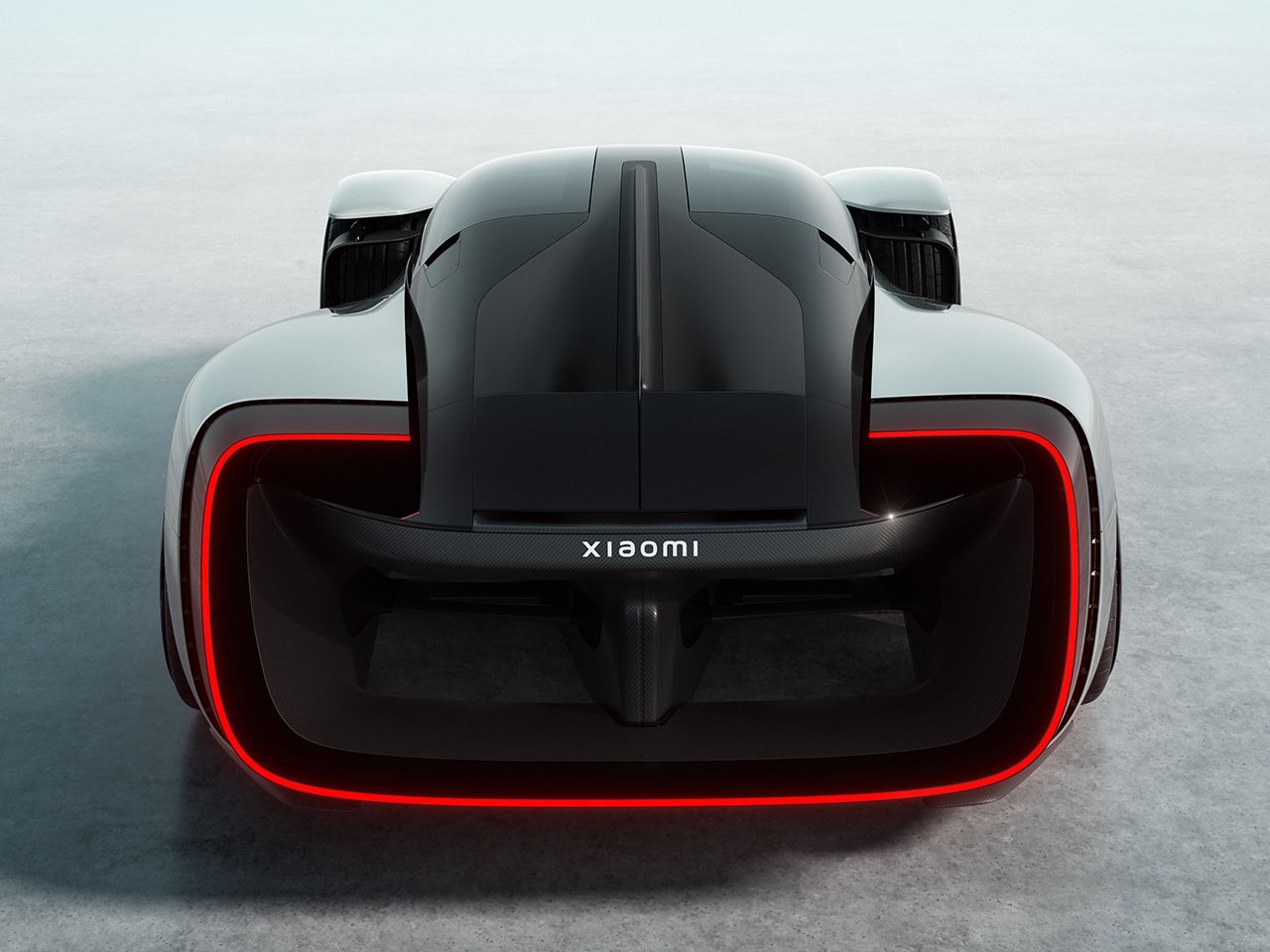
VGT has wheel covers that are magnetically attached (a.k.a. Accretion Rims) so that they don’t rotate when the car moves forward, reducing drag. The halo-style taillights are straight out of the TRON universe as they also double as an air outlet for aerodynamic performance, along with the large rear diffuser, which levels up the futuristic appeal. All this aerodynamic engineering results in a drag coefficient of 0.29 and downforce of -1.2.

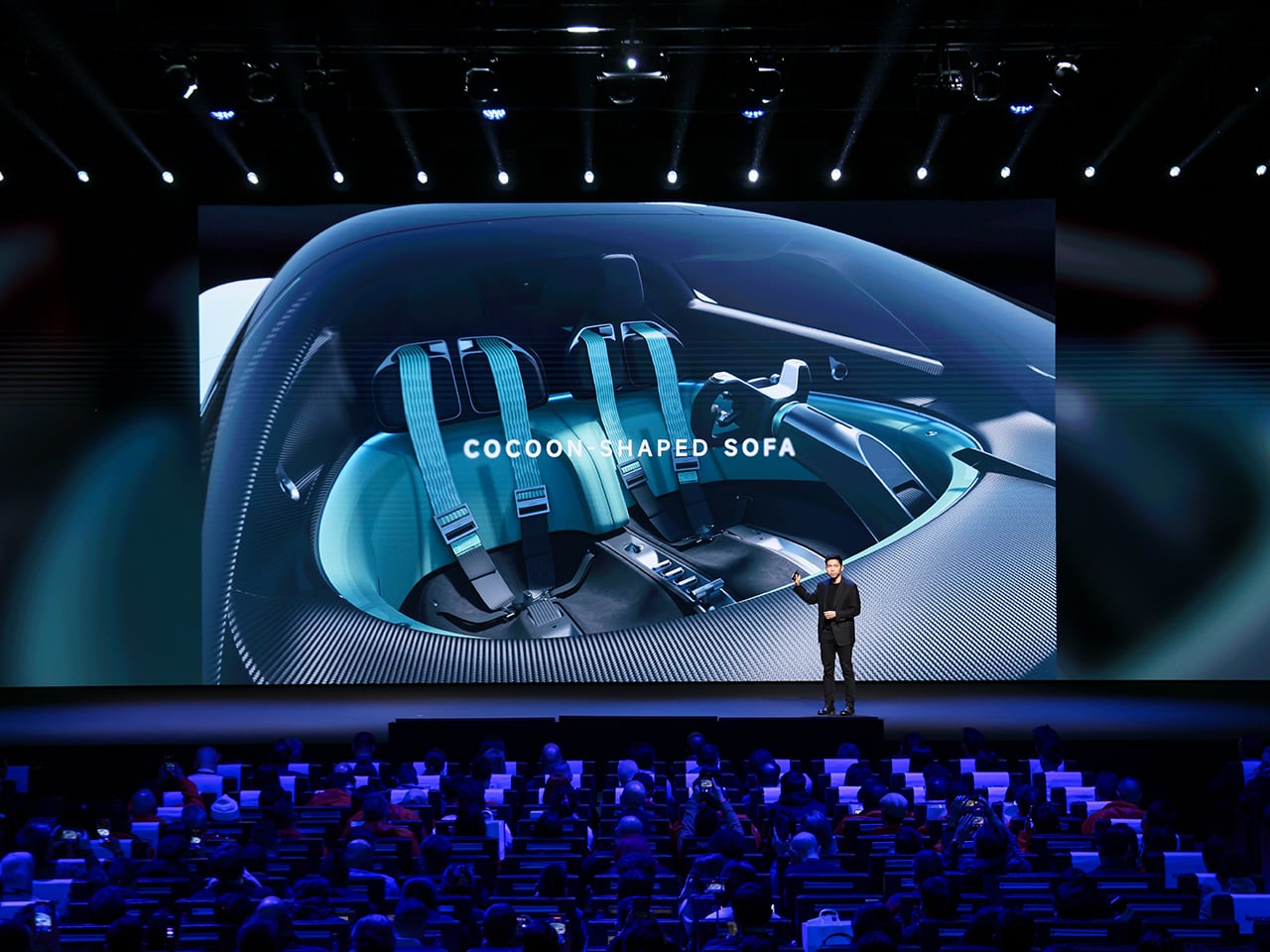
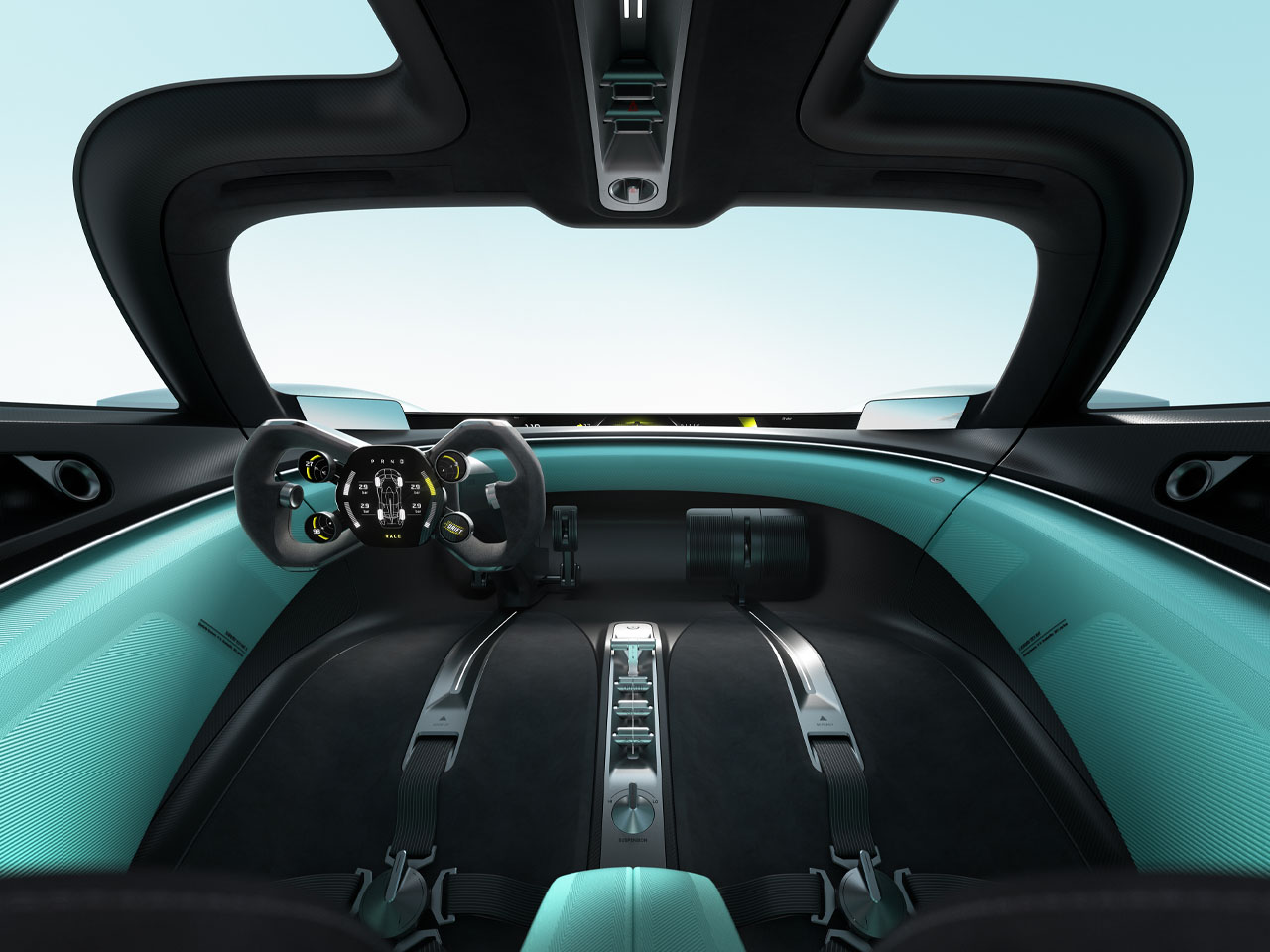
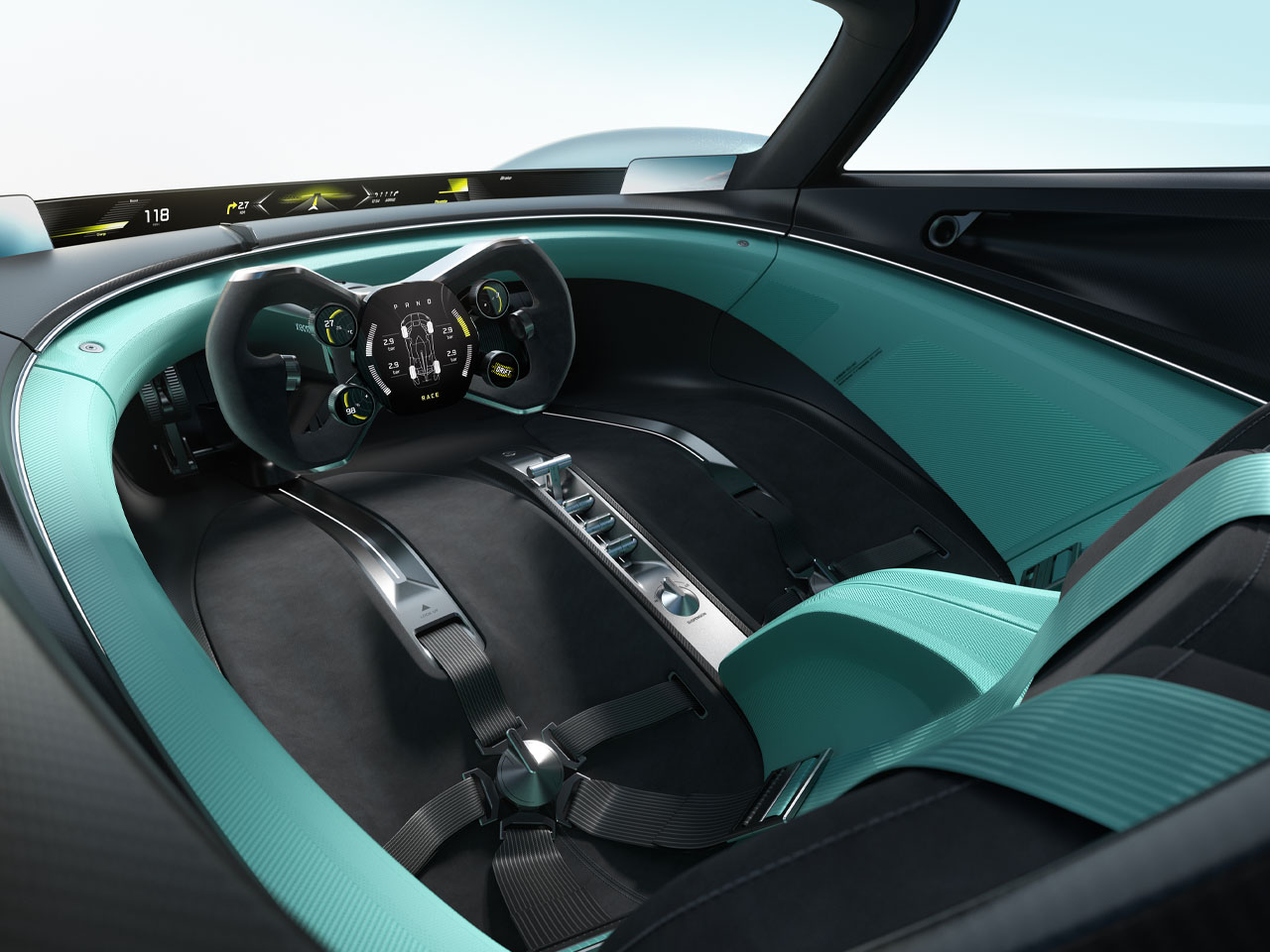
On the inside, Vision GT is a nest of tech-laden comfort and luxury. It has a cocooned Sofa Racer cabin, which holistically blends the dashboard, seats, and the scissor doors into one. The butterfly steering wheel is designed for maximum driver precision, and the overlaying display has a panoramic screen and the Xiaomi Pulse system that utilizes light and sound for interaction. The central console on the two-seater GT has physical button controls, a circular pointer knob, and a shifter mostly seen on an aircraft throttle.

Since this hypercar is a top-of-the-line creation by the Chinese tech giant, it seamlessly integrates the in-house Human x Car x Home ecosystem for a personalized experience depending on the rider’s mood and current state of mind. Although the Vision Gran Turismo is only a virtual hypercar that you may not drive in the real world, it shows Xiaomi’s growing confidence in the highly technical automotive world. If those horsepower figures are true, the hypercar could be one of the most powerful Gran Turismo creations, overshadowing the likes of Ferrari, which churns out 1,337 hp.
For racing fanatics who want to experience the VGT in a virtual world, it’ll soon be available in Gran Turismo 7, and Xiaomi’s dedicated driving simulator for a more immersive experience.

The post Xiaomi unveils power-laden Vision Gran Turismo electric hypercar concept at MWC 2026 first appeared on Yanko Design.
A 6mm 5,000 mAh Power Bank: Xiaomi Built One Thinner Than Any Phone

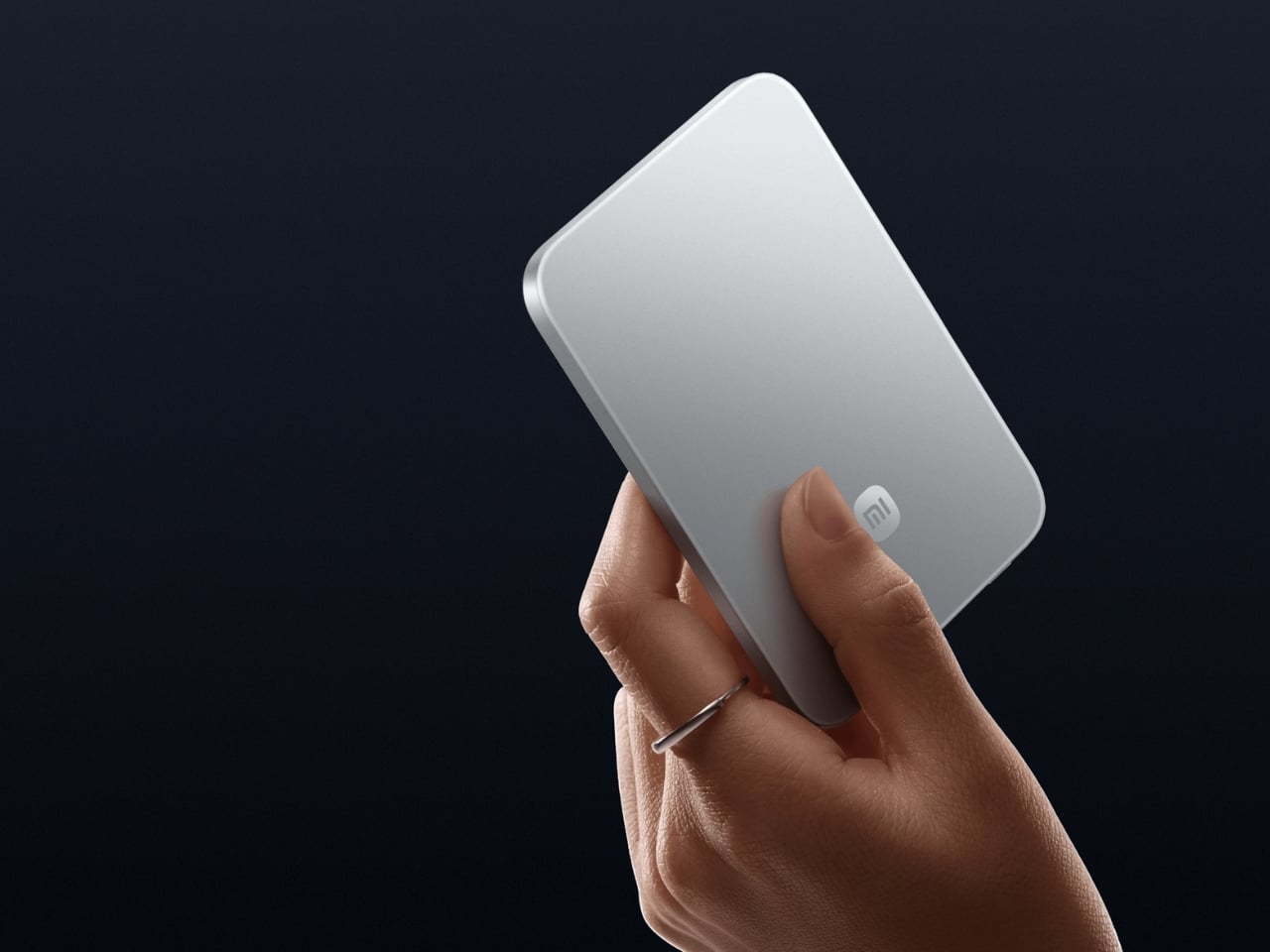
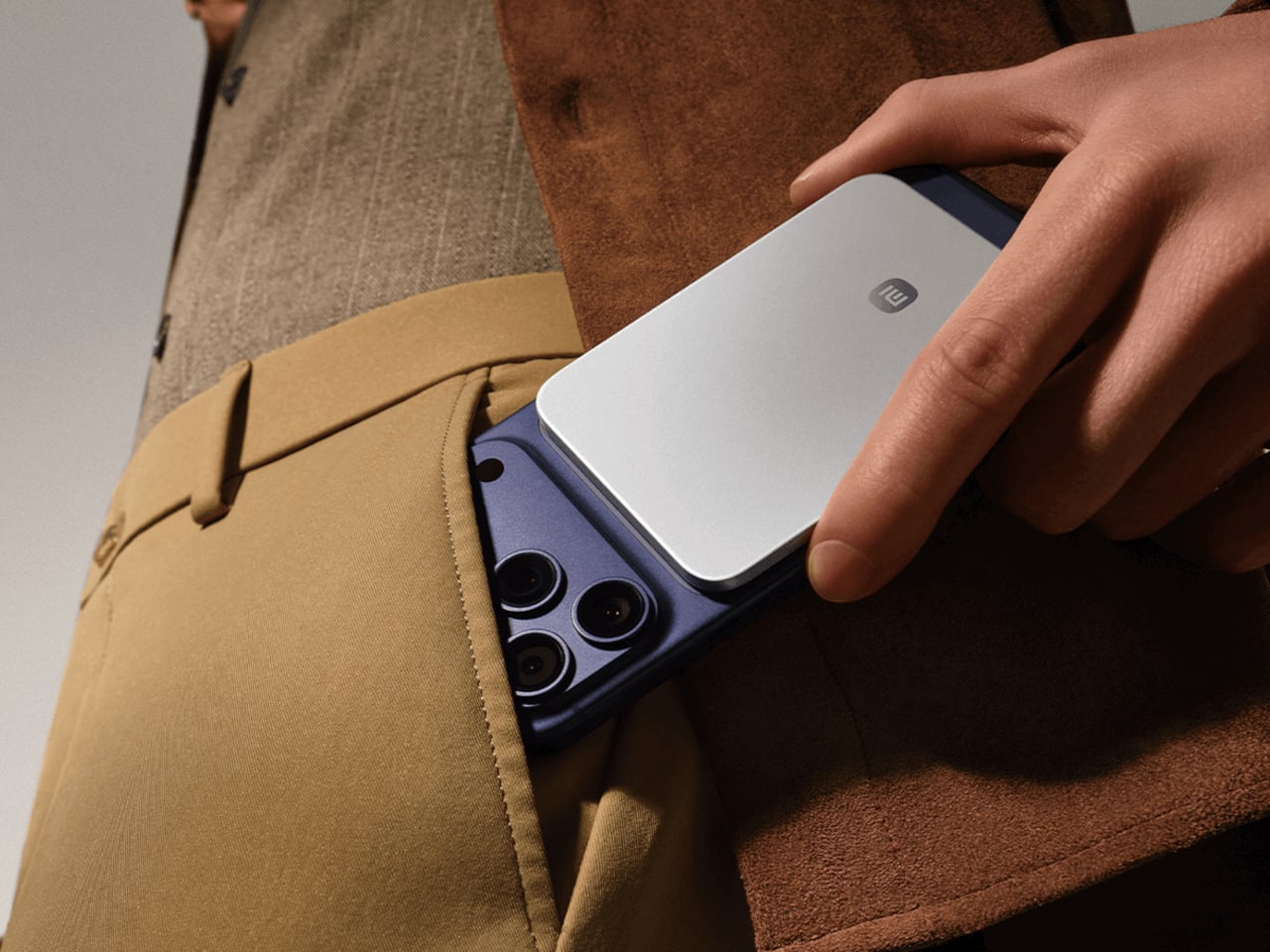
I’ve carried a lot of power banks over the years. Bulky ones that weigh down my pockets, chunky bricks that barely fit in a crossbody bag, and a few “compact” options that still felt like lugging around a deck of cards. So when Xiaomi announced a magnetic power bank that measures just 6mm thick and weighs 98 grams, I’ll admit my first reaction was skepticism. That’s thinner than most smartphones on the market right now, including the iPhone 17. A power bank isn’t supposed to be thinner than the device it charges.

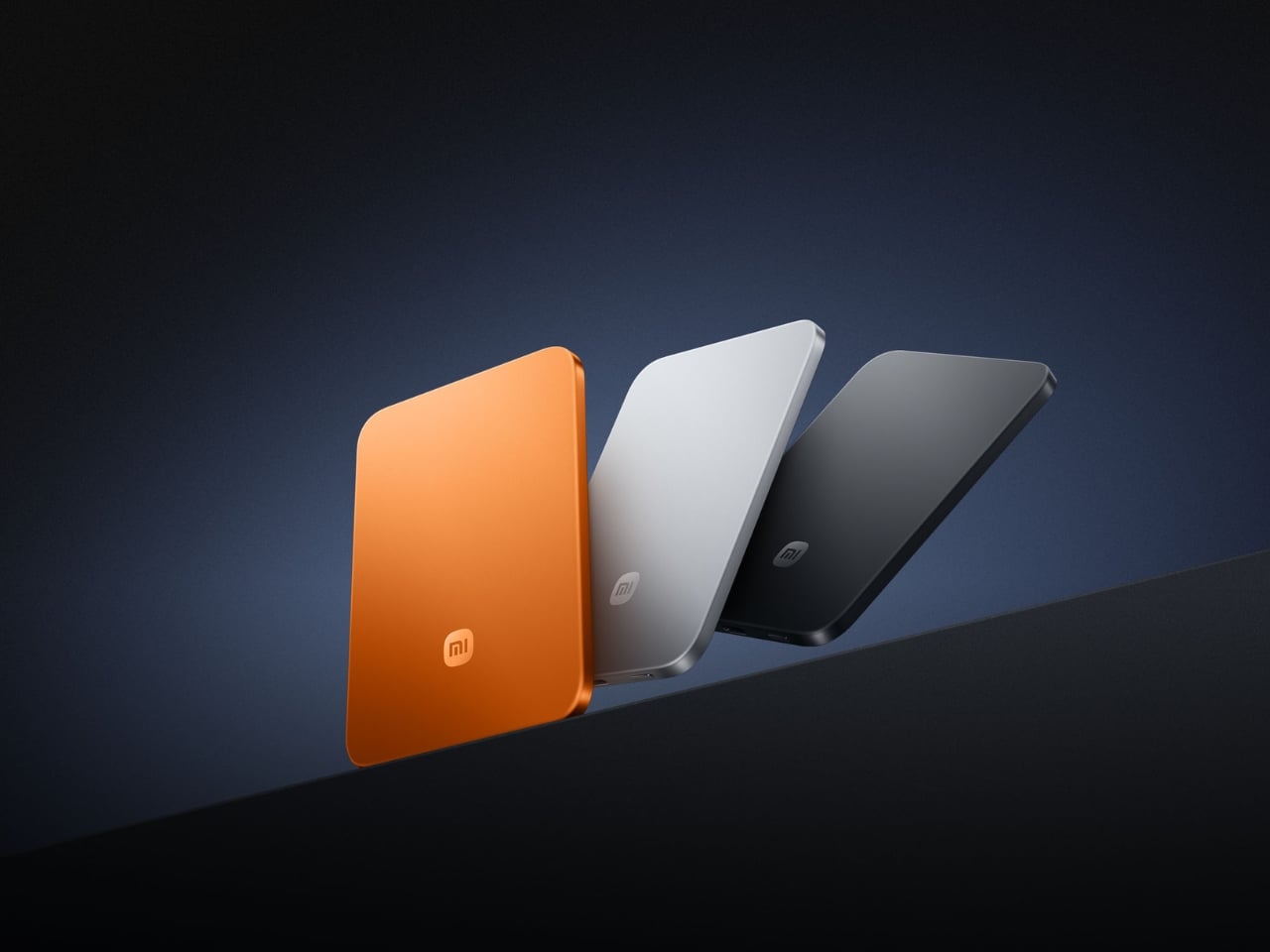
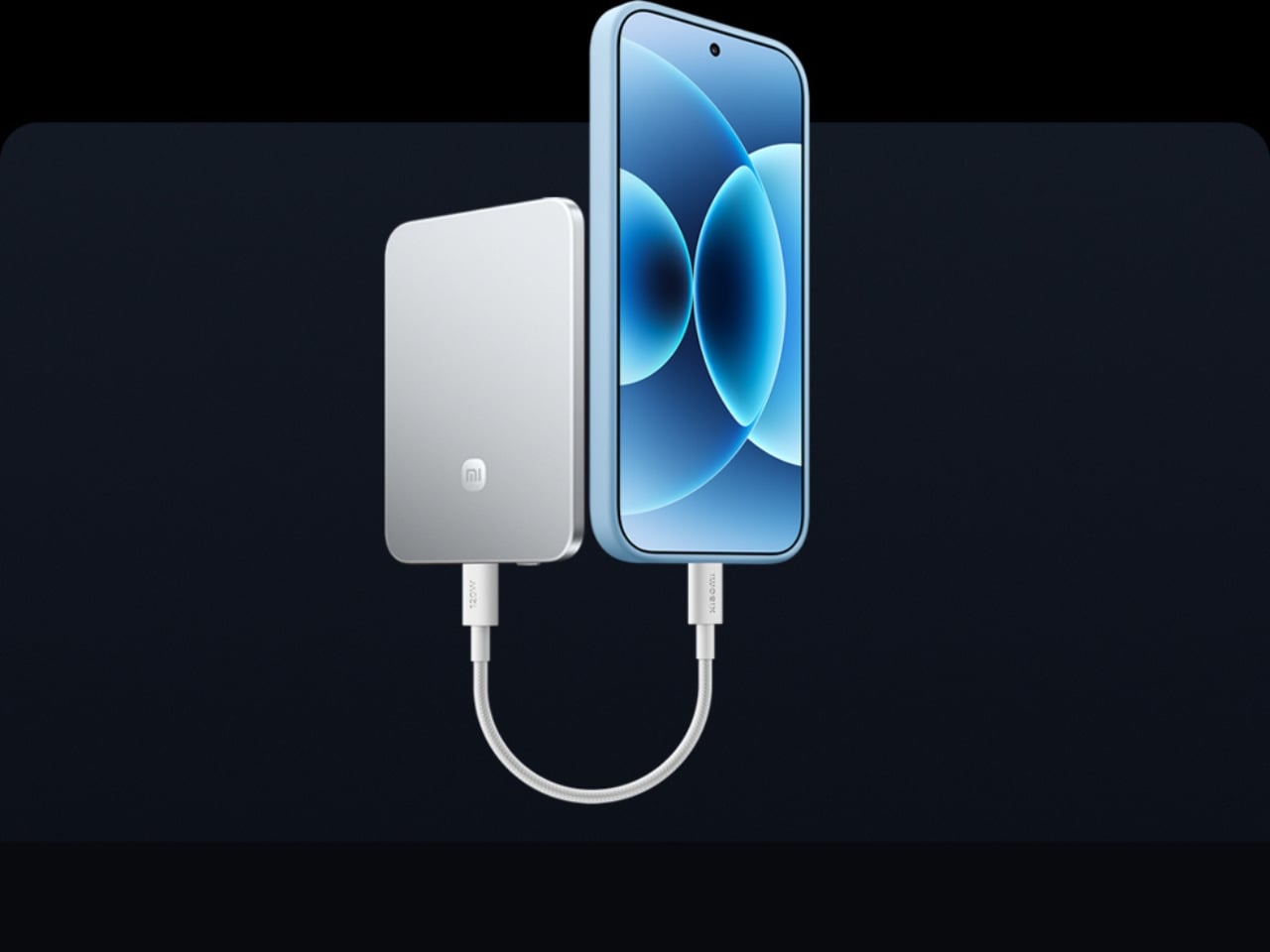
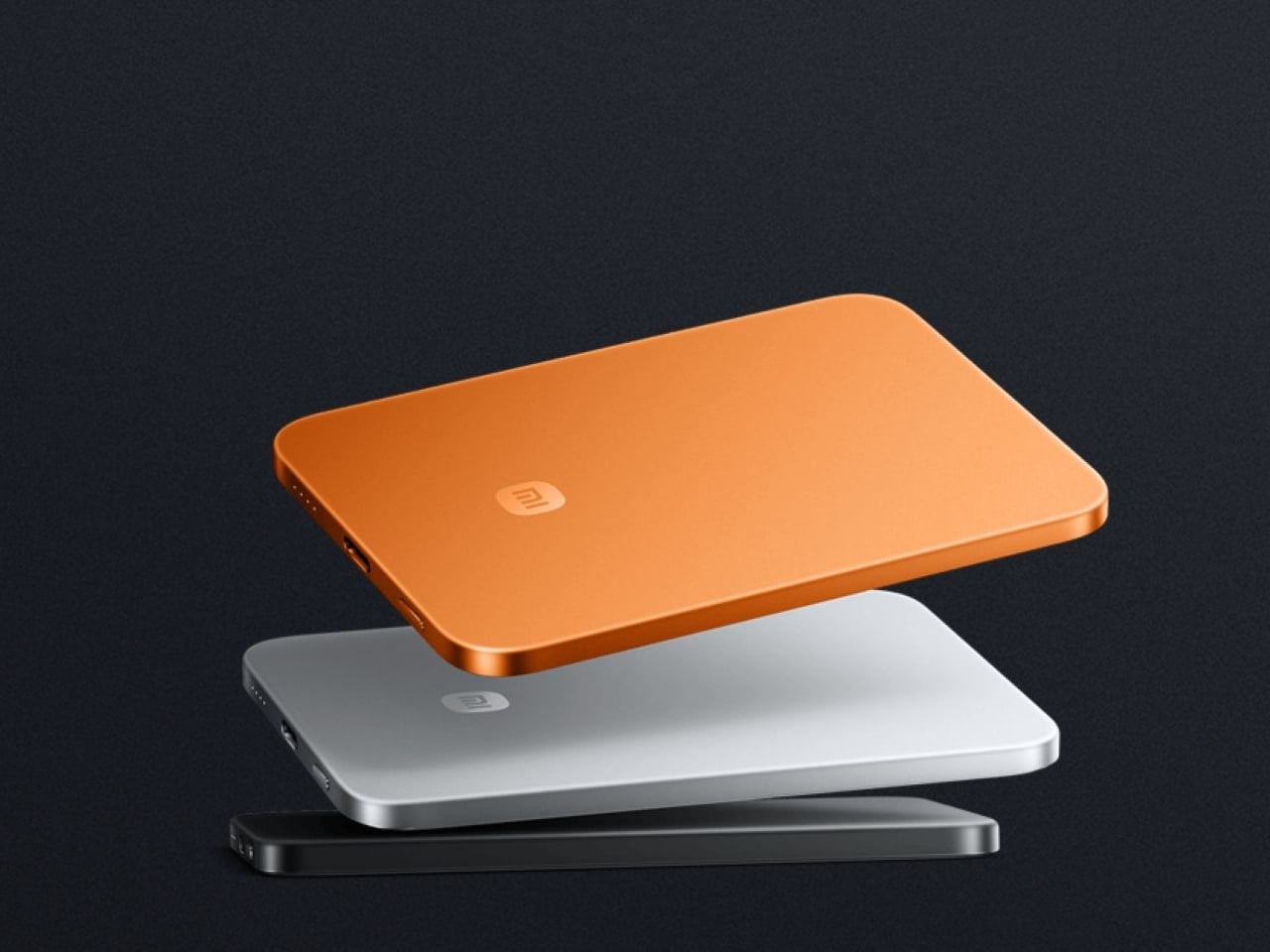
But here we are, and the Xiaomi UltraThin Magnetic Power Bank 5000 15W is very real. It launched in Japan earlier this year at roughly $50, has since expanded to Australia, Singapore, South Korea, and Europe, and was officially showcased at MWC 2026 in Barcelona. The European pricing sits around €60 for the Glacier Silver and Graphite Black versions, with a slightly more expensive Radiant Orange option at €65. For what it delivers in terms of sheer industrial design, those prices feel reasonable.

Designer: Xiaomi

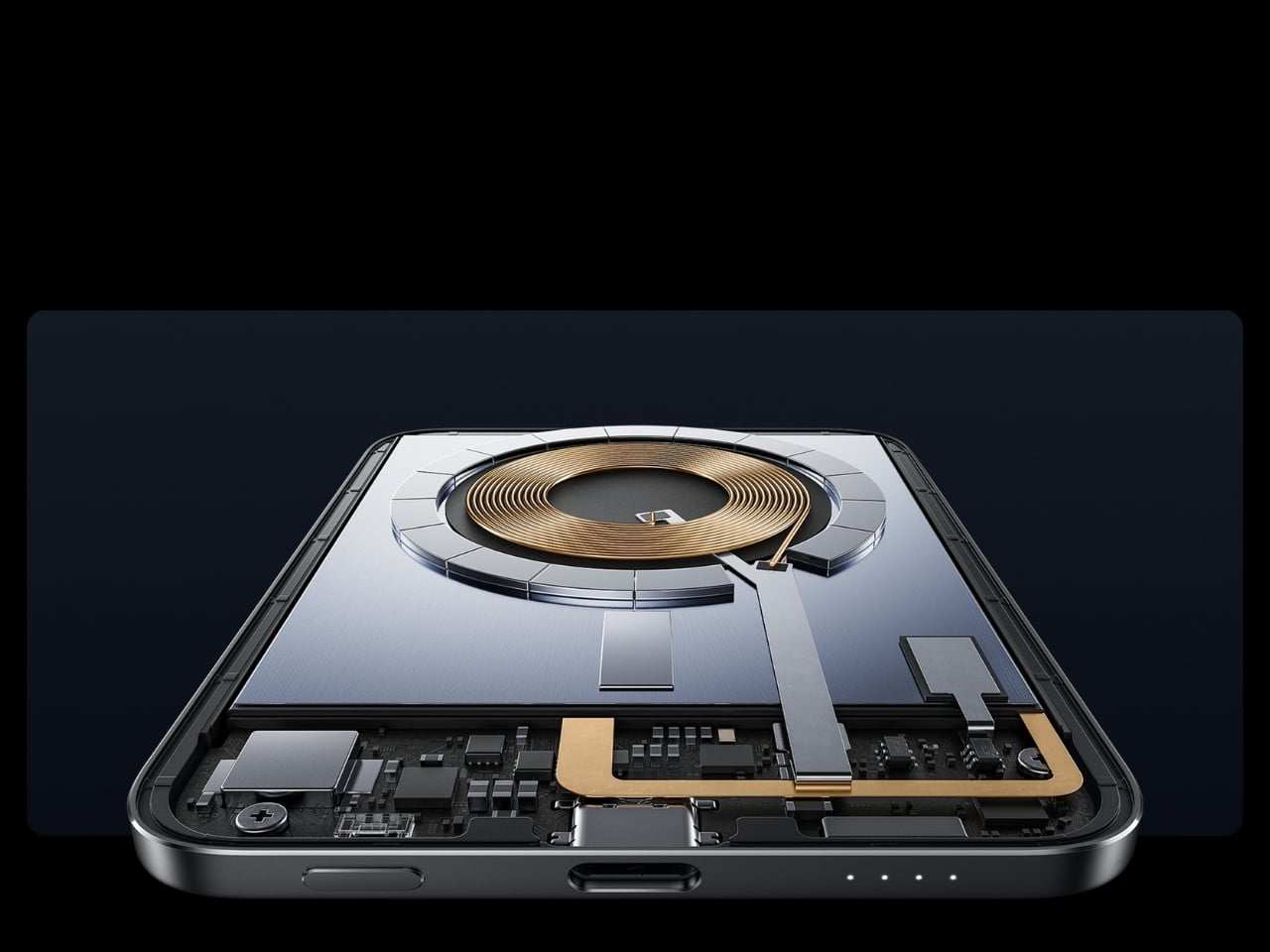
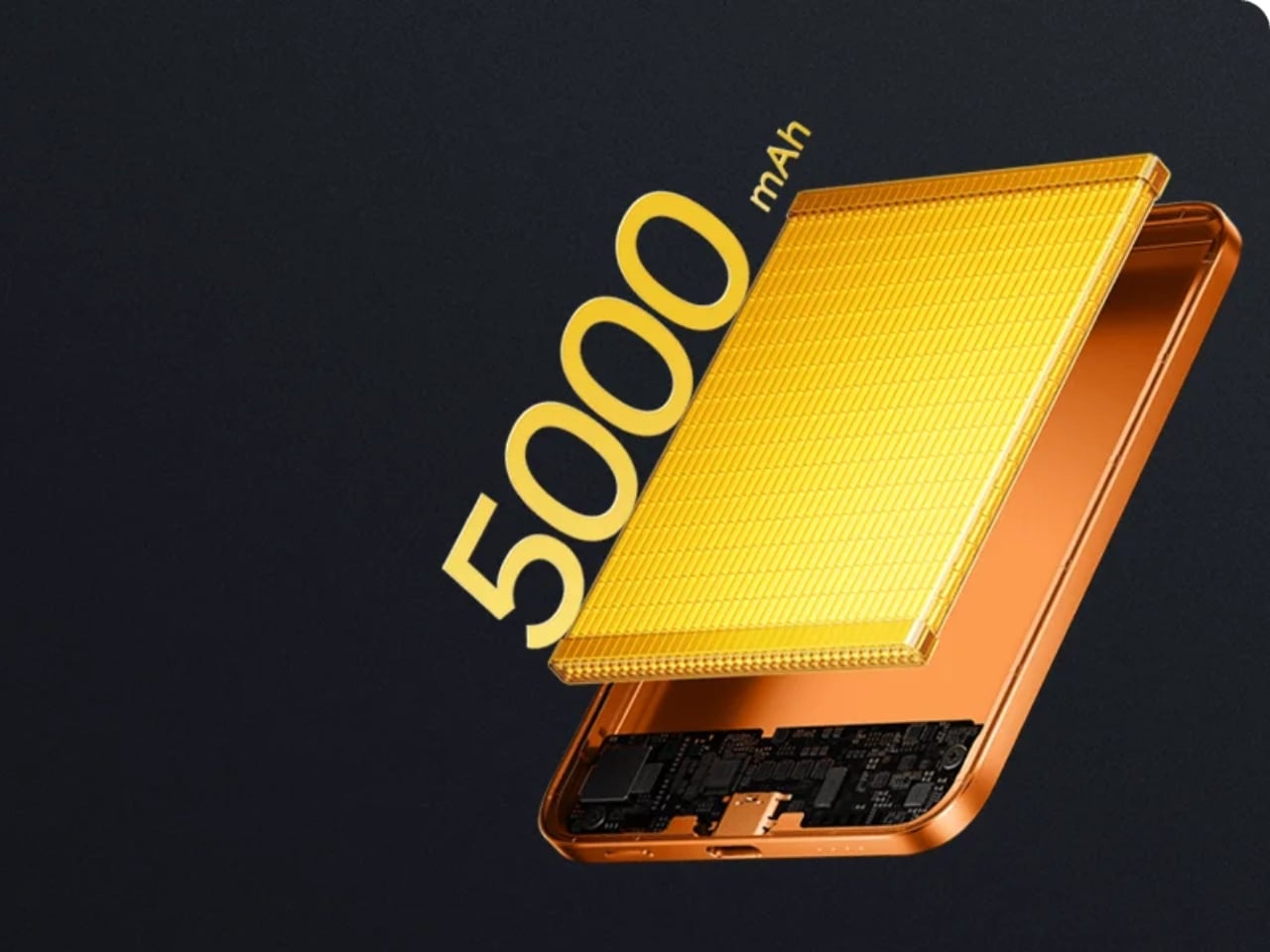
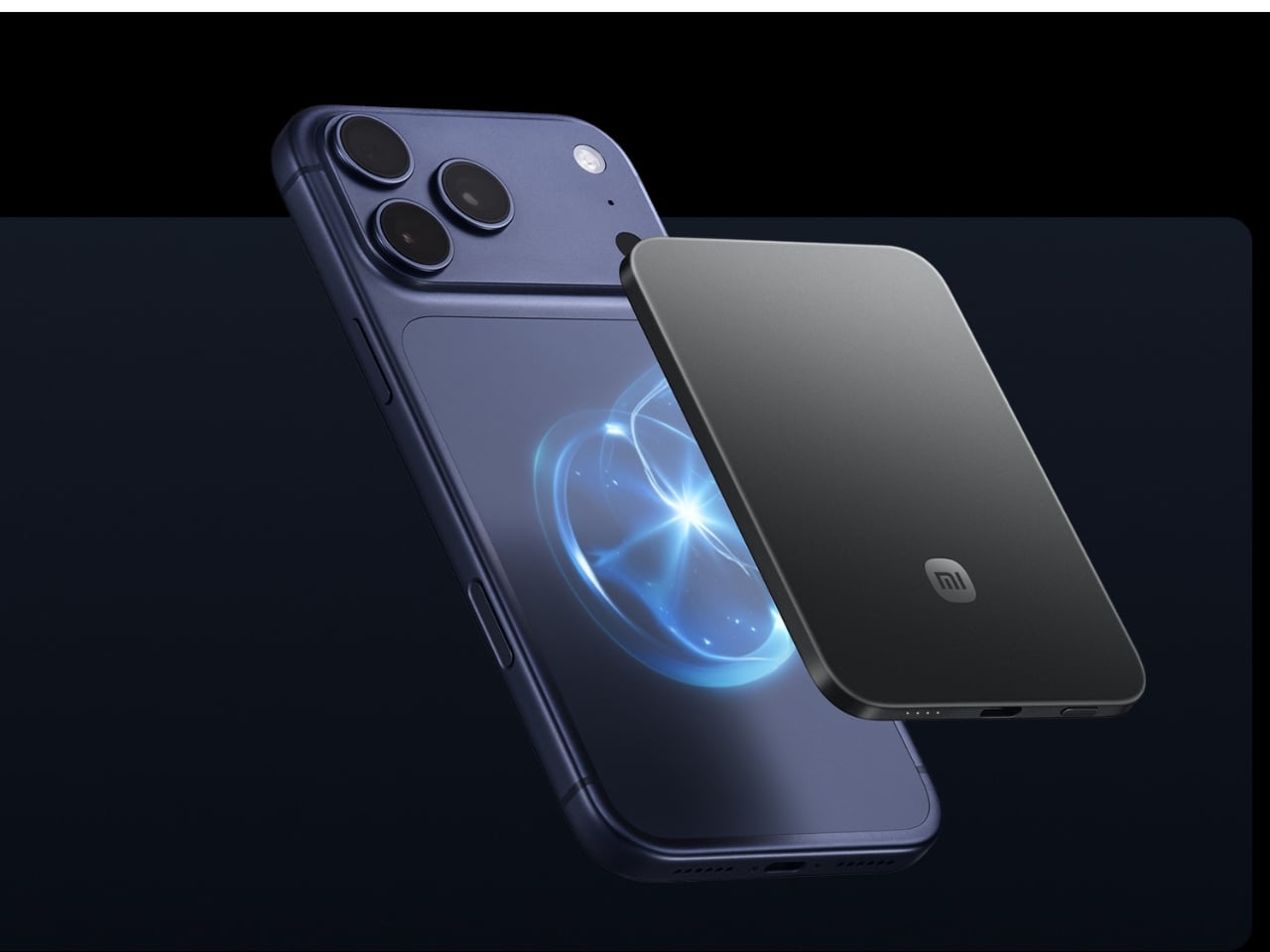
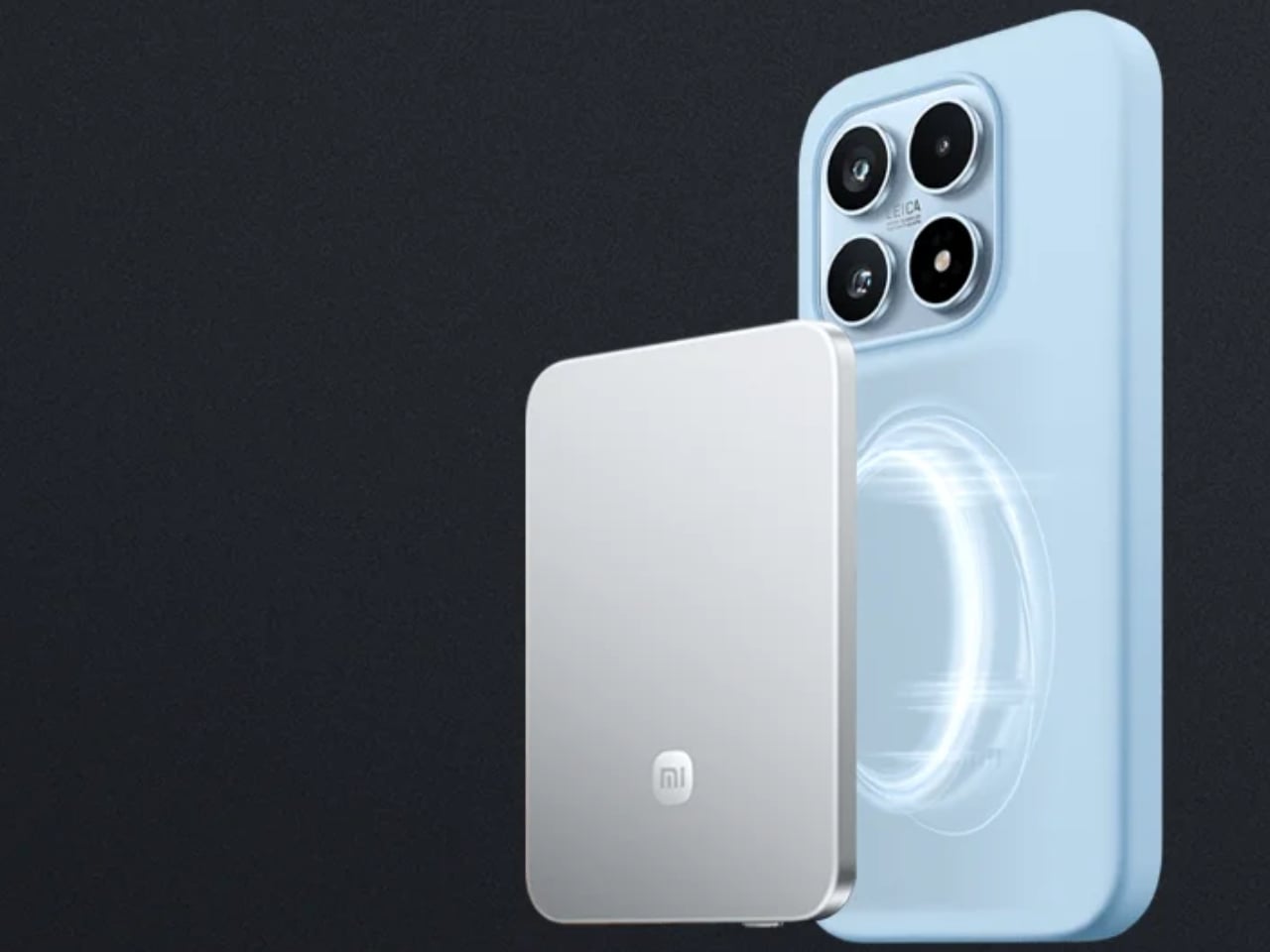
Let’s talk about what makes this thing genuinely interesting from a design perspective. Xiaomi is using a silicon-carbon battery with 16% silicon content, which is the kind of battery chemistry that allows for higher energy density in a slimmer package. That’s how they’ve managed to squeeze 5,000mAh into something that resembles a metal business card more than a traditional power bank. The aluminum alloy shell has a smooth, understated finish, and the phone-facing surface uses fire-resistant fiberglass with an excimer coating for heat management. A photolithographically etched logo on the back adds a subtle detail that signals this product was designed with care, not just assembled to a spec sheet.

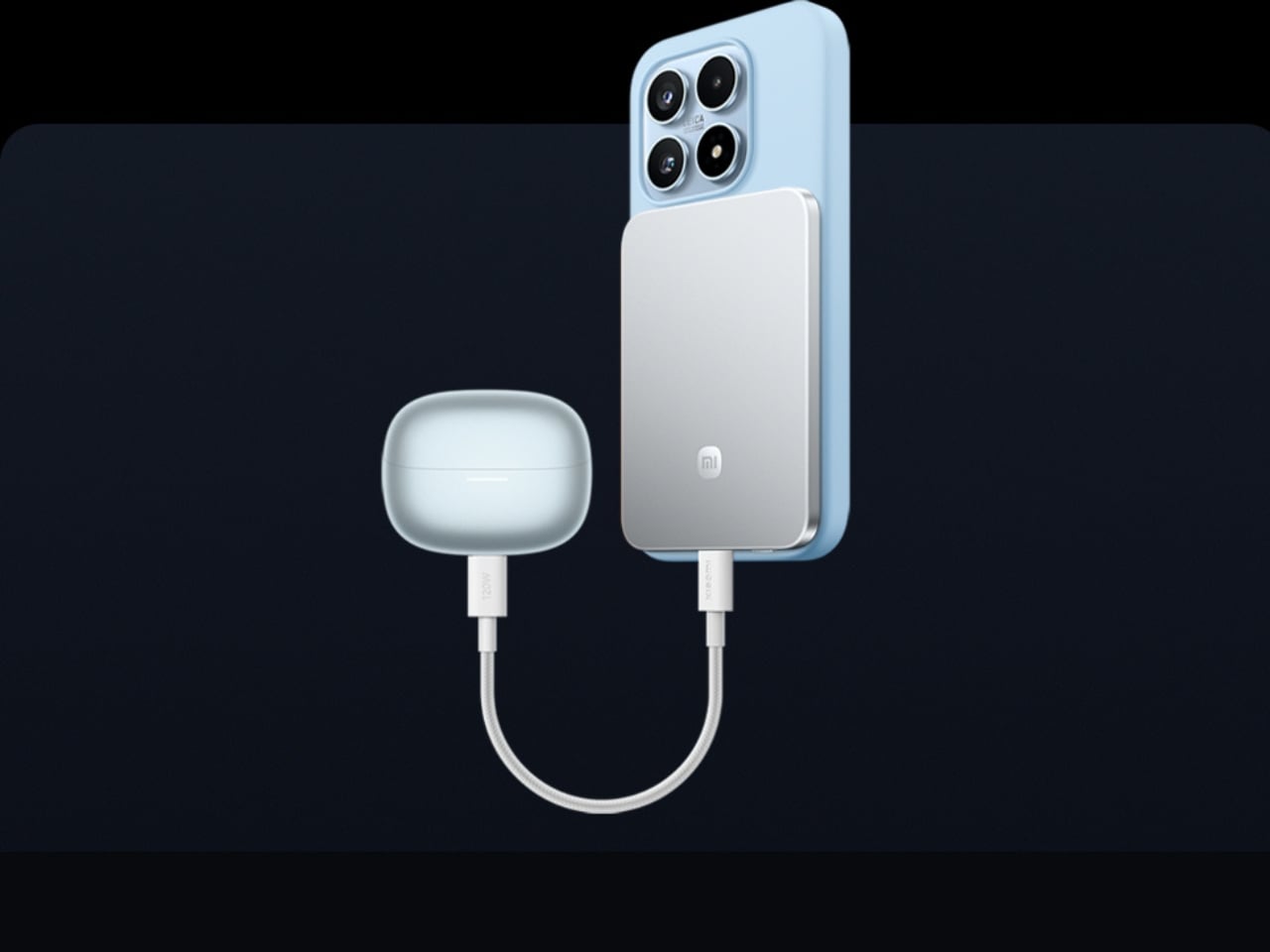
The charging specs are solid if unspectacular. You get up to 15W wireless charging when paired with the Xiaomi 17 series, though iPhone users are limited to 7.5W due to Apple’s MagSafe restrictions. There’s also a USB-C port pushing up to 22.5W for wired charging, and the option to charge two devices simultaneously. It’s not going to win any speed records, but for a device this thin, the versatility is appreciated. You snap it onto the back of your phone magnetically, and it just works. No cables, no fuss.

What I find most compelling about this product isn’t any single feature. It’s the way it challenges the assumption that portable power has to mean portable bulk. For years, the power bank category has been stuck in a cycle of incrementally larger capacities packed into roughly the same uninspired form factors. Xiaomi has taken a different approach here, prioritizing the experience of carrying and using the thing over raw capacity. Five thousand milliamp-hours won’t fully recharge most flagship phones anymore, but it will get you through an emergency afternoon or a long commute, and you’ll barely notice it’s there.

The safety engineering deserves a quick mention too. Xiaomi built in ten layers of protection covering overvoltage, overcurrent, overheating, short circuits, and foreign object detection. Dual NTC temperature sensors monitor heat in real time. A 4,369mm² graphite sheet handles thermal dissipation. For a product this thin, that level of safety infrastructure is reassuring rather than excessive.

Of course, nothing is perfect. Early reviews suggest the Xiaomi power bank delivers slightly less usable charge than competitors with the same rated capacity, likely due to efficiency losses in the ultra-thin design. And the 7.5W cap for iPhones feels limiting when Apple’s own ecosystem is moving toward faster MagSafe speeds. These are fair tradeoffs, but they’re tradeoffs nonetheless.

Still, I think this power bank represents something meaningful about where consumer electronics design is heading. The best accessories are the ones you forget you’re carrying until you need them. Xiaomi seems to understand that, and the UltraThin Magnetic Power Bank is one of the most elegant expressions of that philosophy I’ve seen in a while. It’s a small product that makes a big argument: portability should actually mean portable.

The post A 6mm 5,000 mAh Power Bank: Xiaomi Built One Thinner Than Any Phone first appeared on Yanko Design.

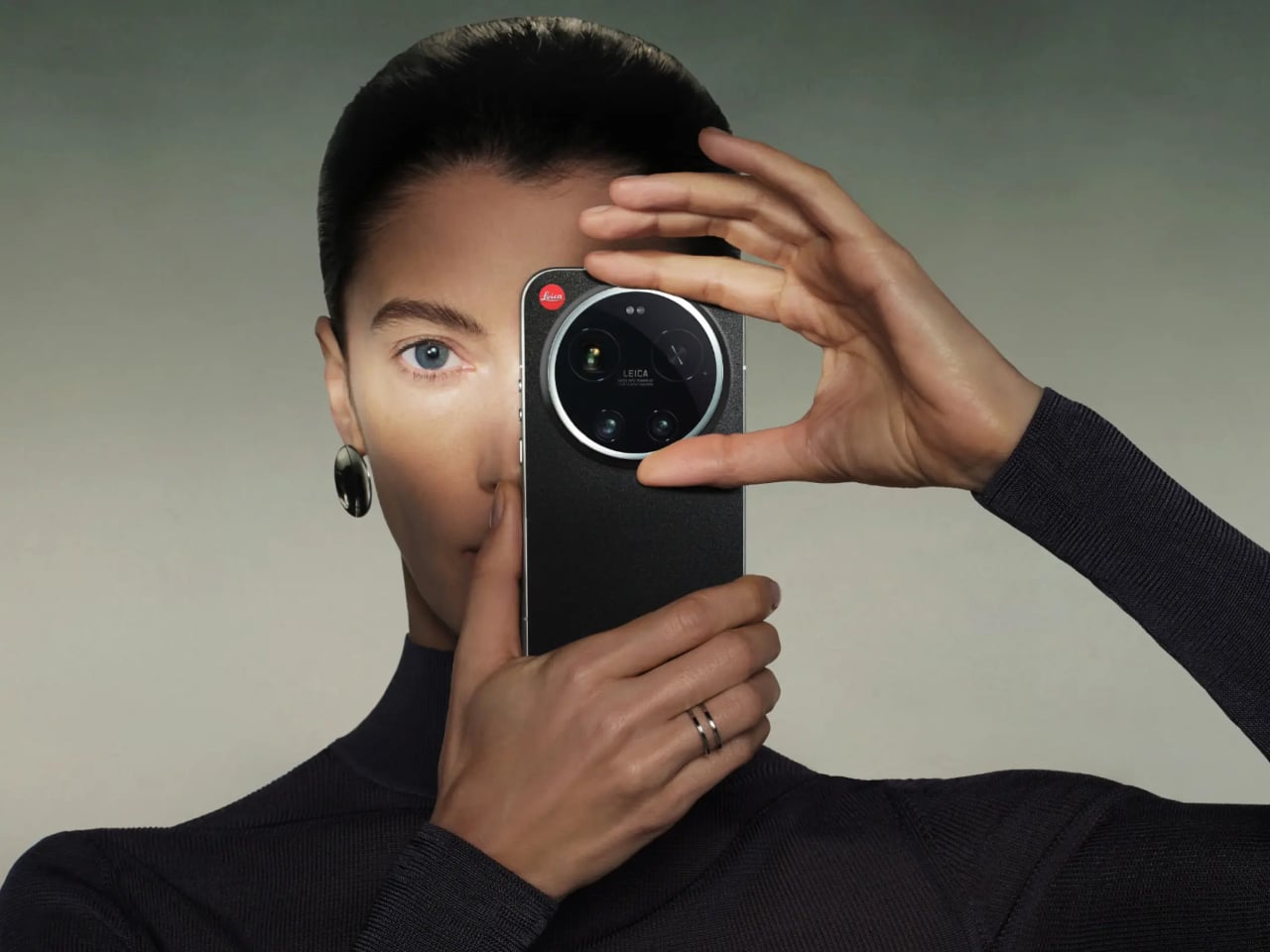
Leica and Xiaomi Built a Phone With a Rotatable Camera Ring

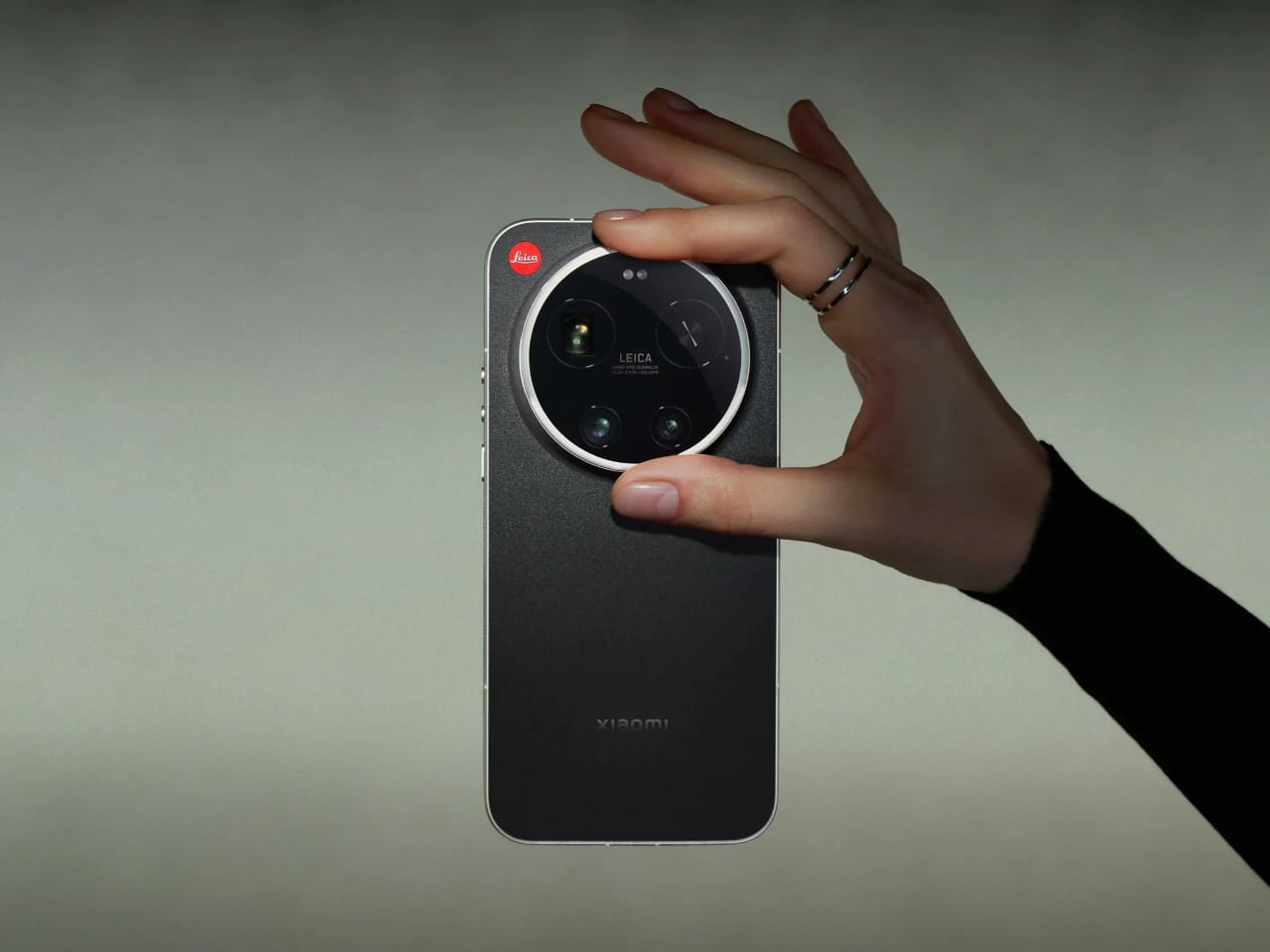
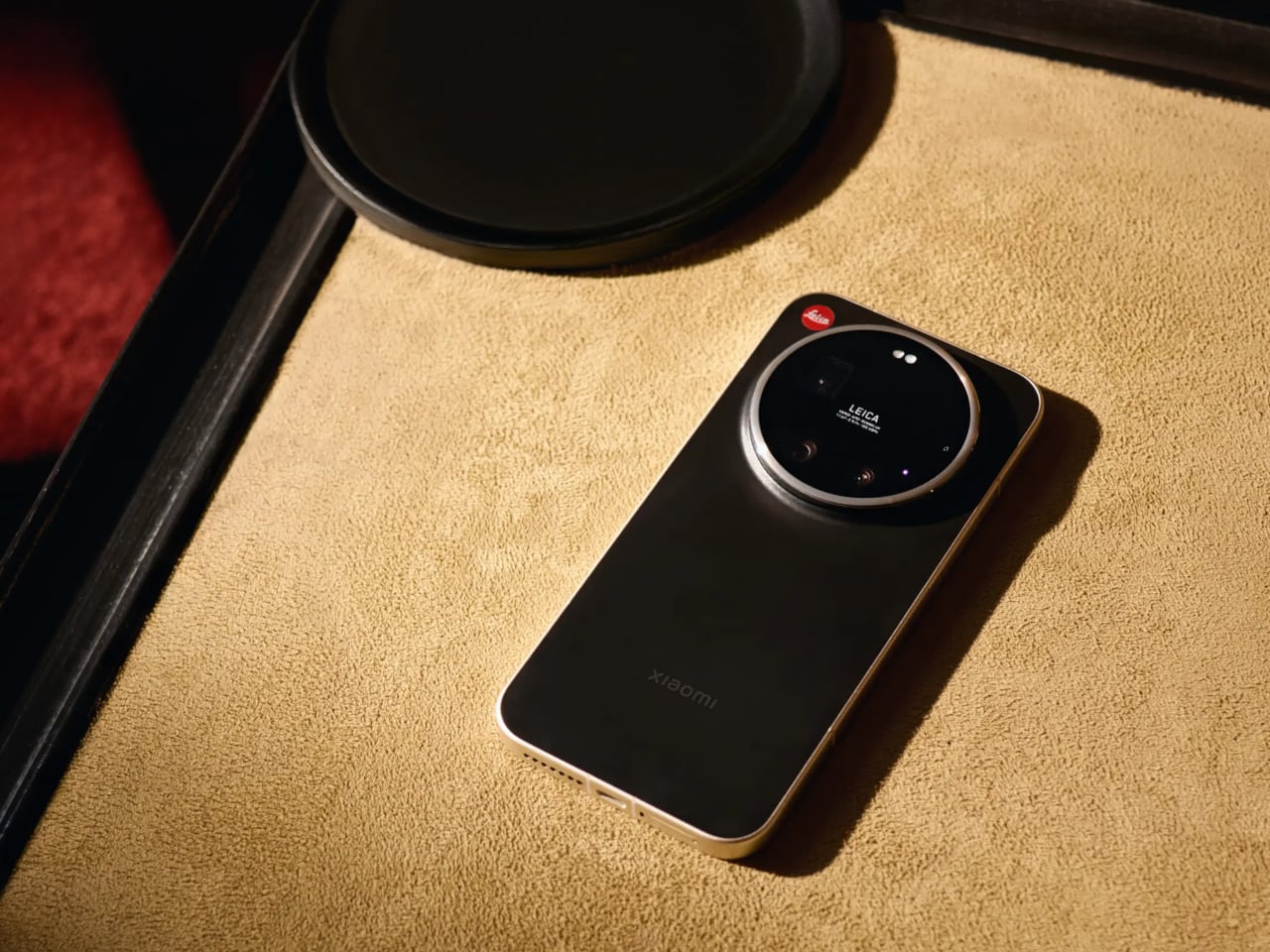
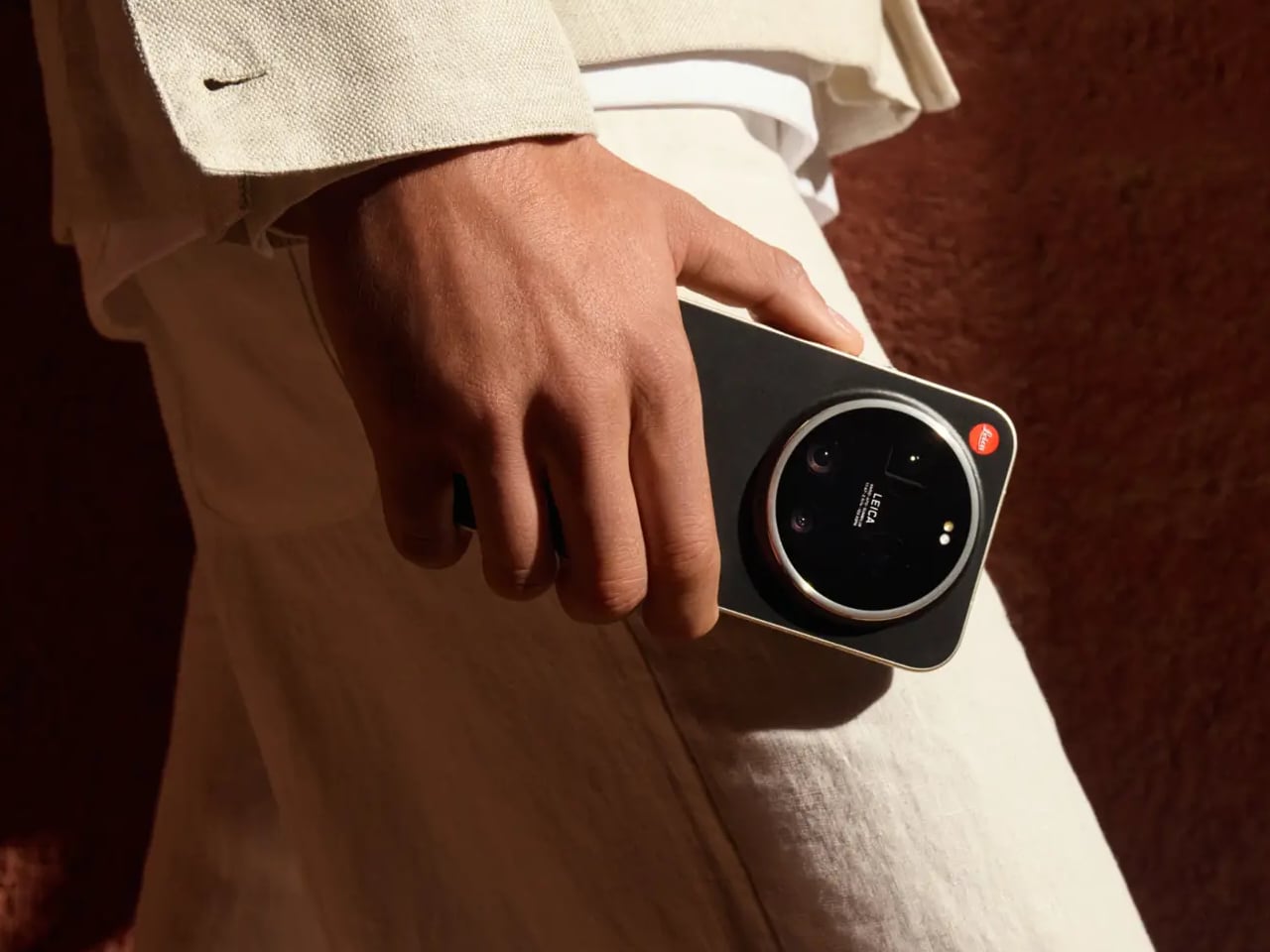
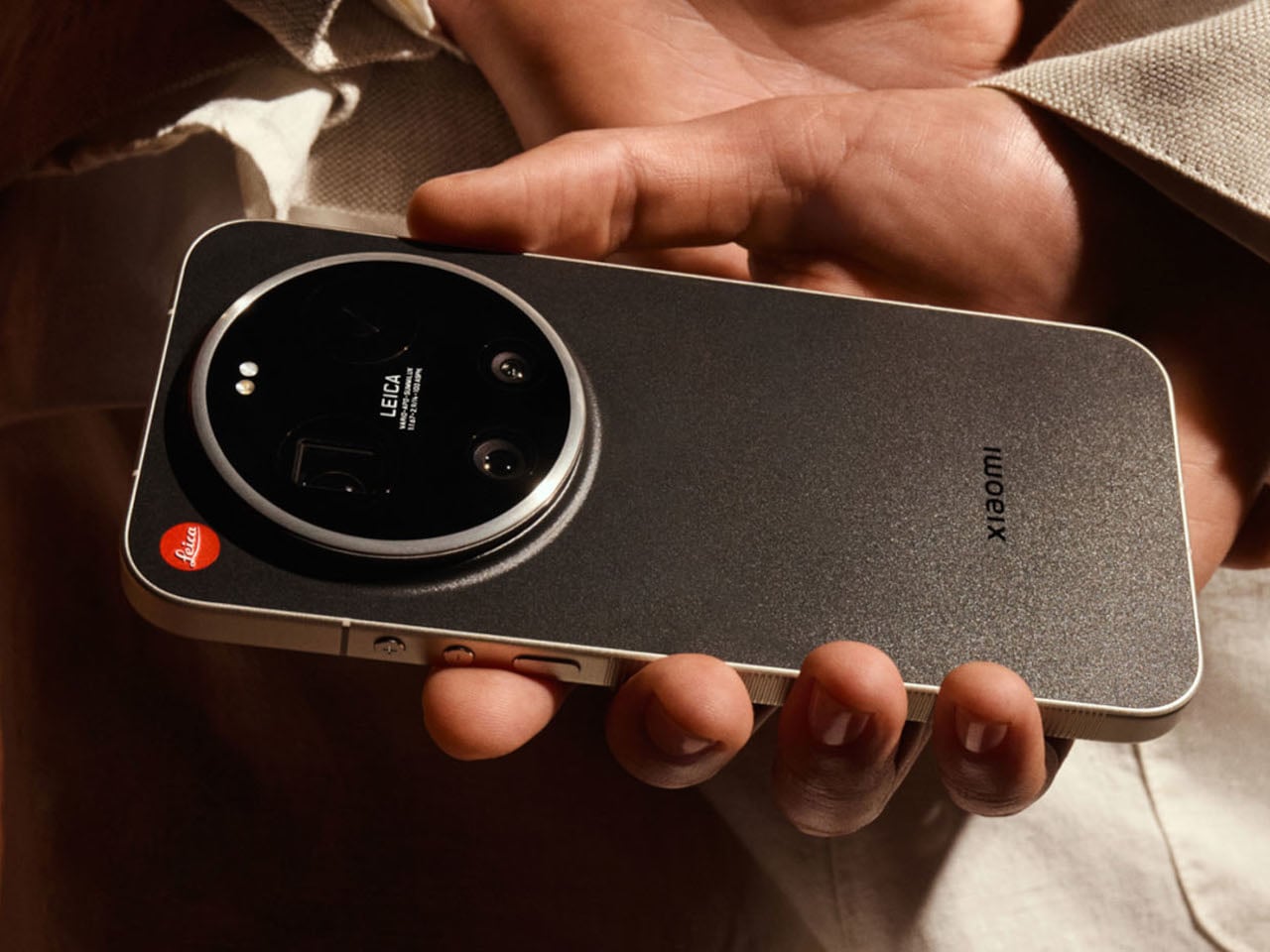
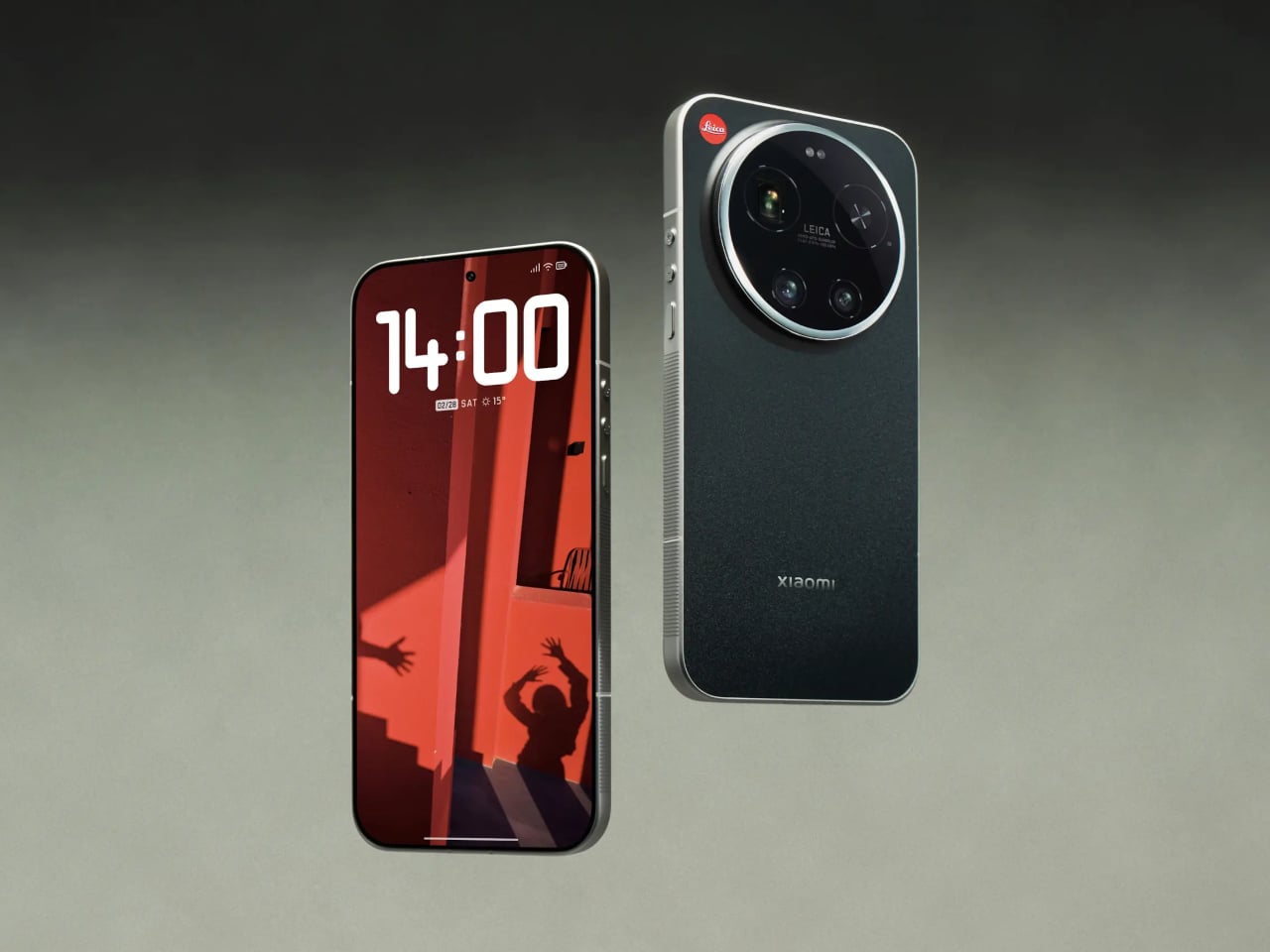
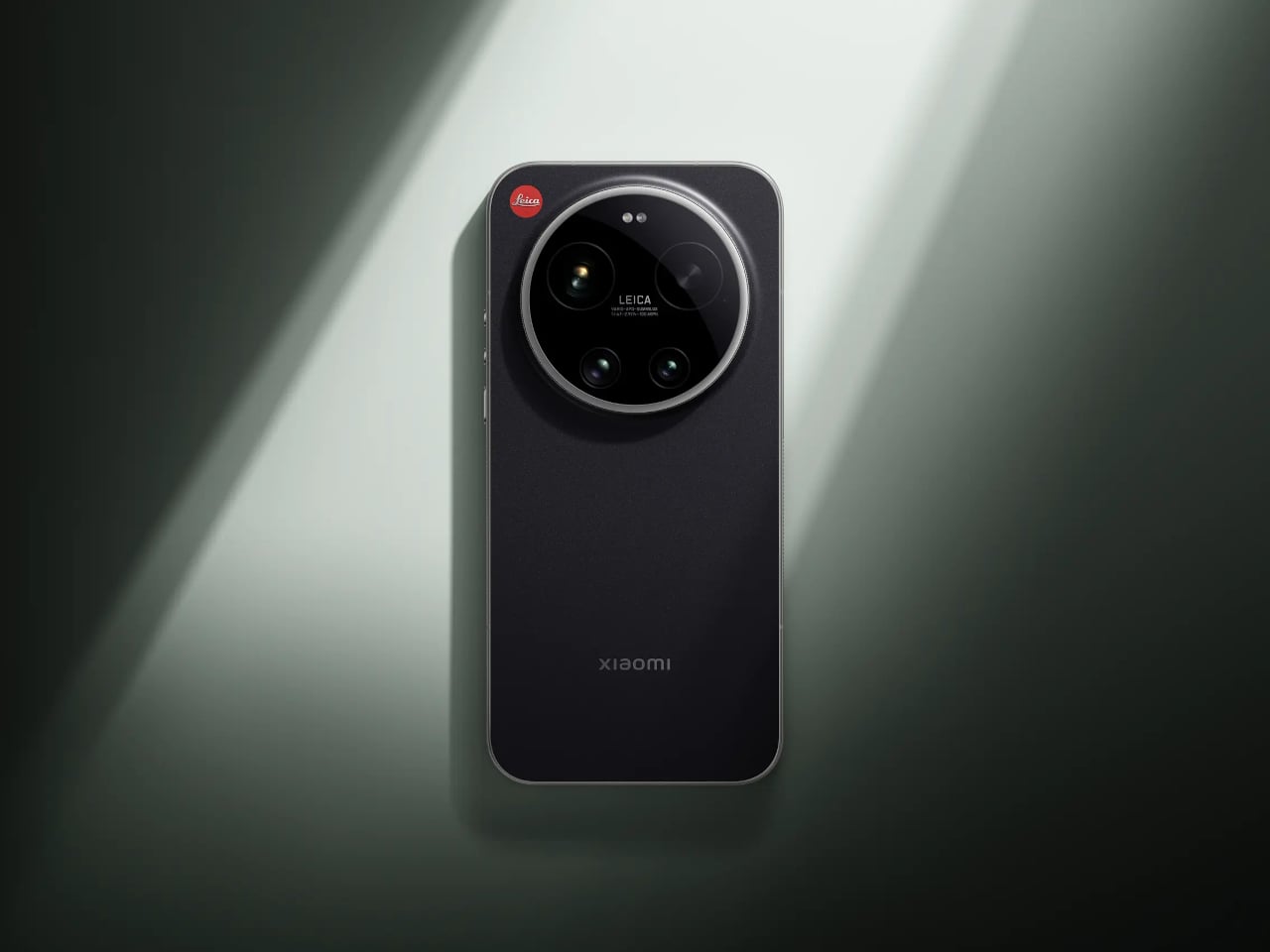
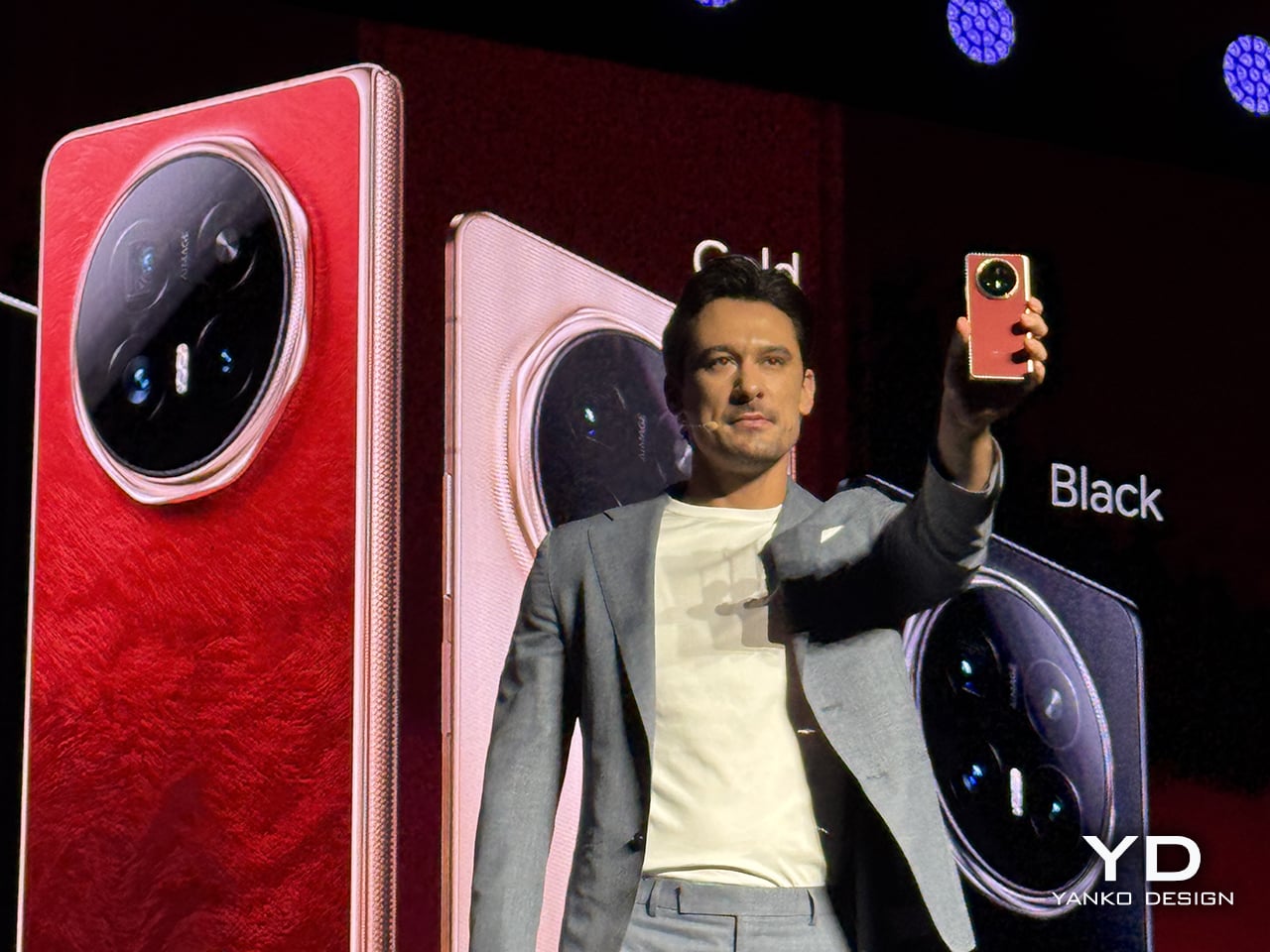
Most of us carry a capable camera in our pockets every day, yet somehow the act of taking a photo still feels like wrestling with a piece of software rather than making an actual picture. You tap, swipe, wait for the AI to decide what the scene should look like, and end up with something technically perfect and faintly anonymous. That’s the frustration the Leica Leitzphone powered by Xiaomi is trying to address, arriving at MWC 2026 as a phone designed around the idea that shooting should feel deliberate.

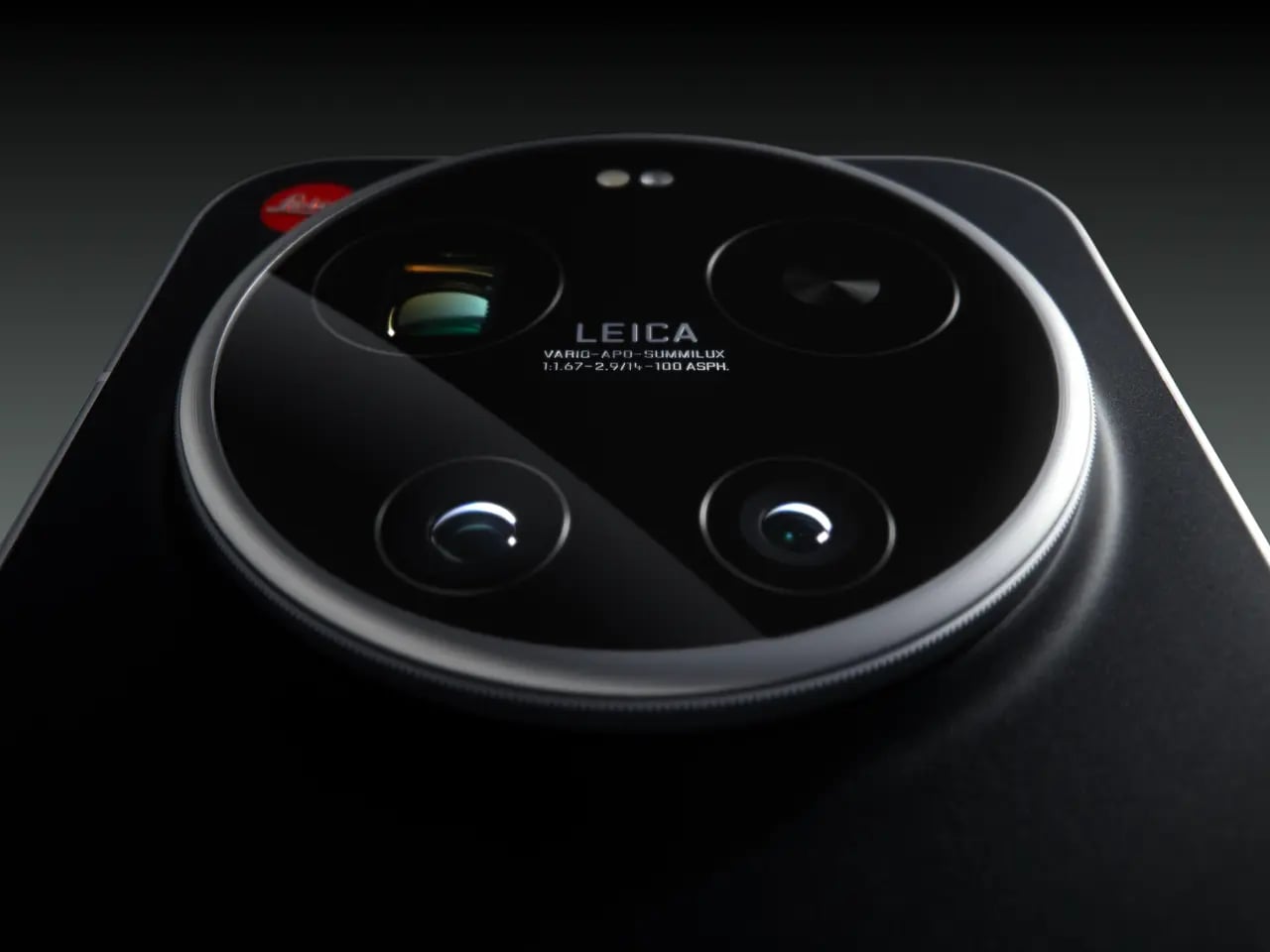
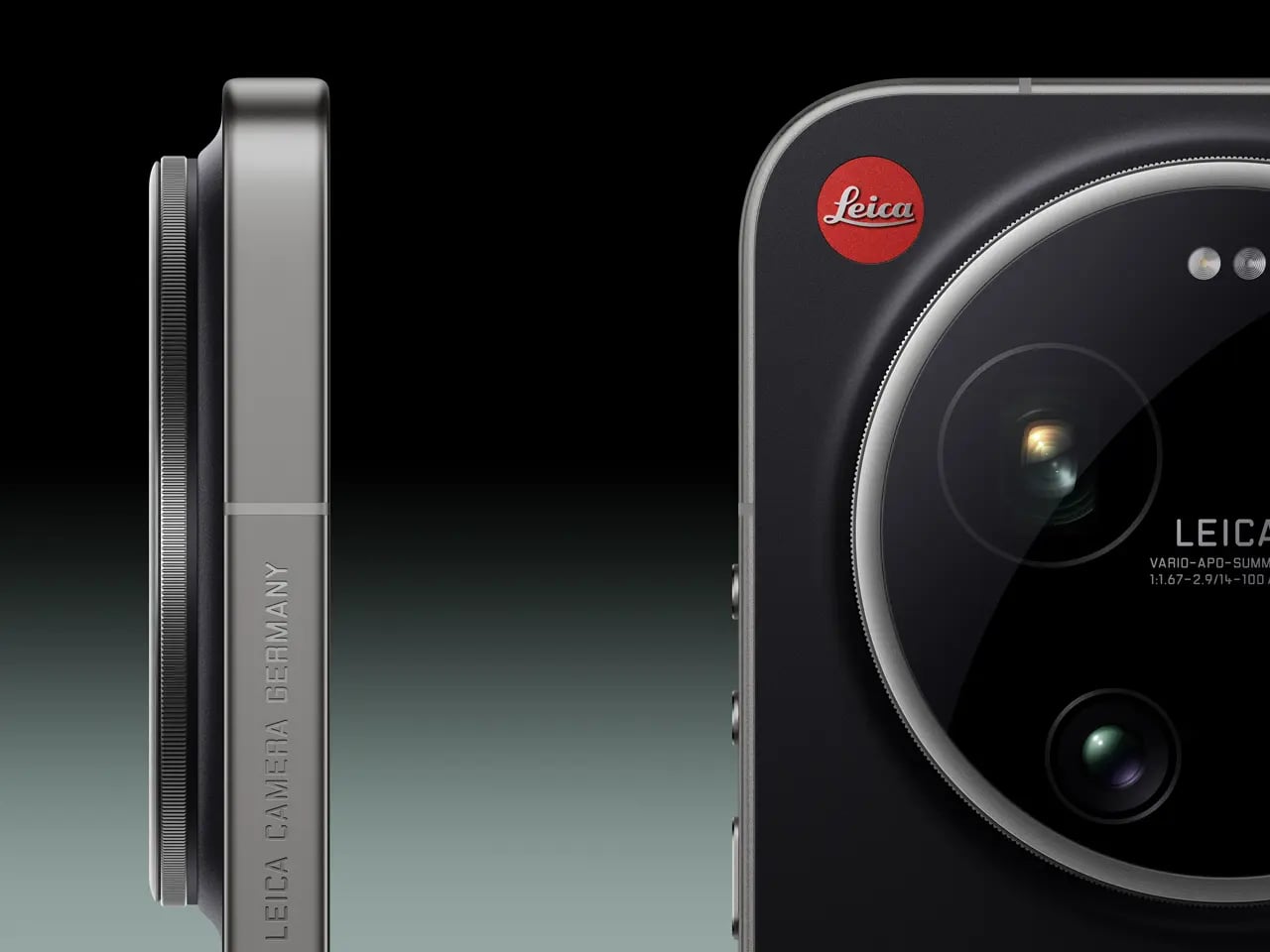
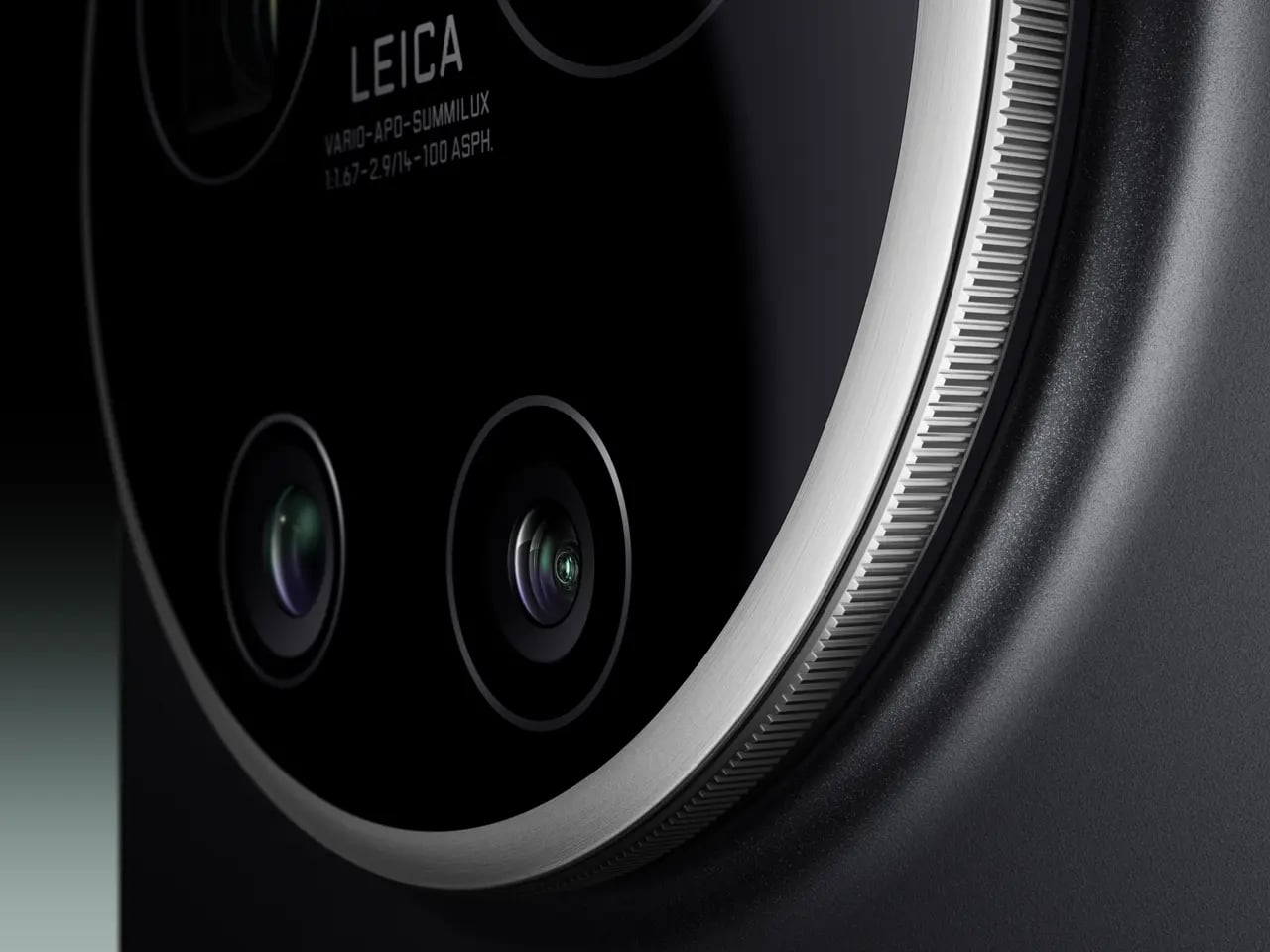
The most telling detail is the rotatable camera ring around the lens module. It’s a physical control you can assign to focal length, focus, or bokeh depth, borrowing directly from the tactile language of Leica’s rangefinder cameras. There’s something telling about that choice: at a time when every interaction is a touch gesture, adding a ring you can actually turn is a quiet argument that the best interface for a camera might not be a flat sheet of glass.

Designer: Leica x Xiaomi

The hardware behind that ring is genuinely serious. The primary sensor is a 1-inch format with LOFIC HDR technology, which gives it a real optical size advantage over the smaller sensors in most flagship phones, particularly in high-contrast or low-light situations. A 200 MP telephoto covering 75–100 mm and a 14 mm ultra-wide complete the system, so the focal length range maps fairly naturally onto how photographers tend to think rather than how smartphone specs sheets tend to read.

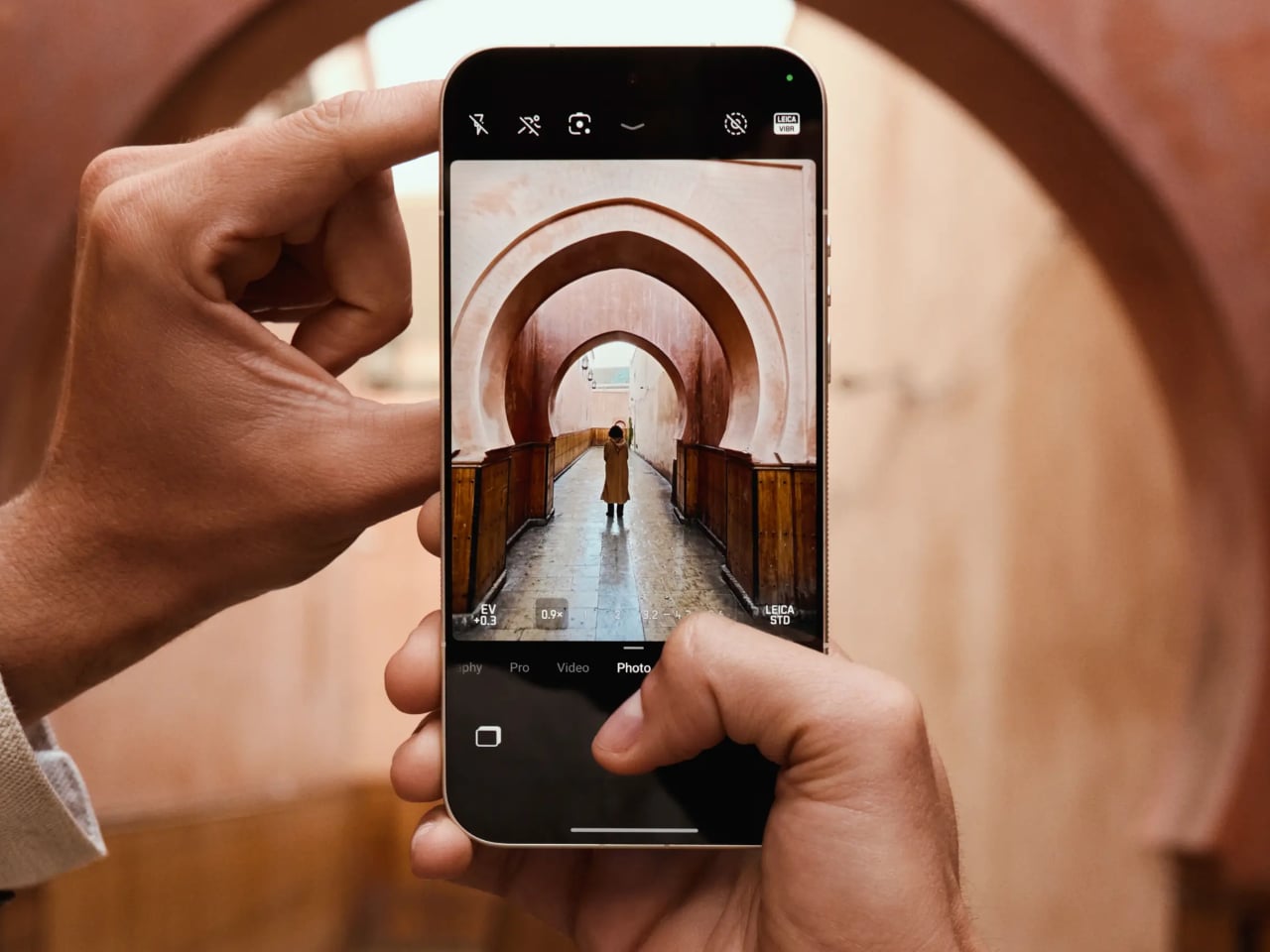
Software is where it gets more interesting, and where you’re asked to trust the collaboration a little more. Leica Essential Mode simulates the output of two specific cameras: the Leica M9 and the M3 with MONOPAN 50 film. For people who know those cameras, that’s a specific and meaningful promise. For everyone else, it’s an aesthetic reference that requires some faith, and there’s a gap between “inspired by classic Leica lenses” and actually using one that the marketing doesn’t quite close.

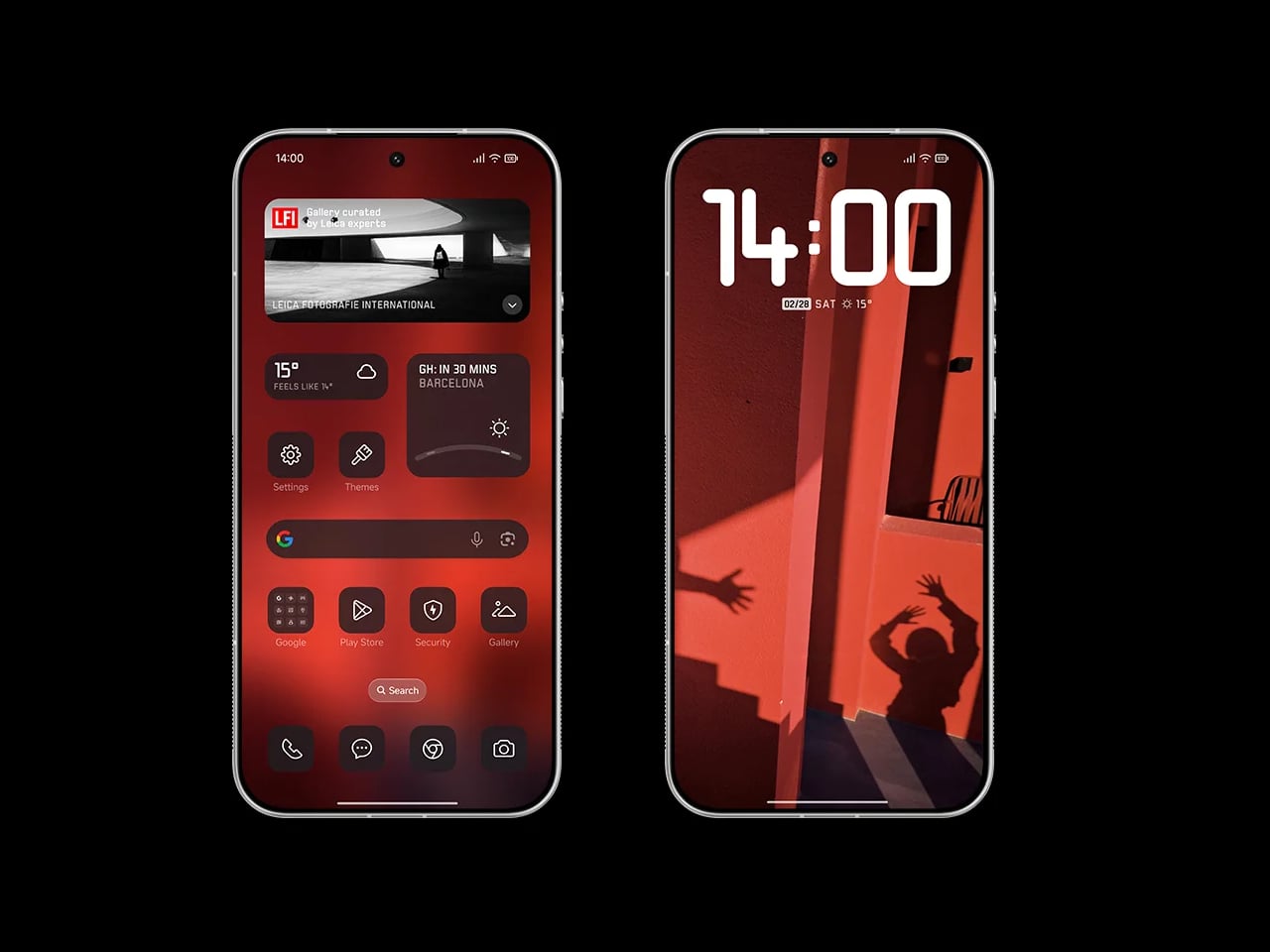
The rest of the phone is exactly what a 2026 flagship should be. Qualcomm’s Snapdragon 8 Elite Gen 5 handles the processing, a 6,000 mAh battery supports 90W wired and 50W wireless charging, and the 6.9-inch 120 Hz OLED display hits 3,500 nits peak brightness. Leica also redesigned the entire UI, with custom fonts, icons, and two interface themes running across every system element, which is more thoroughgoing than a co-branded phone usually gets.

One feature that doesn’t make the headline but probably should is the built-in Content Authenticity Initiative metadata support, which embeds provenance data in every image to confirm its origin and integrity. As AI-generated imagery gets harder to distinguish from photographs, having a phone that can prove a picture is real starts to feel less like a niche feature and more like an actual need.

The post Leica and Xiaomi Built a Phone With a Rotatable Camera Ring first appeared on Yanko Design.
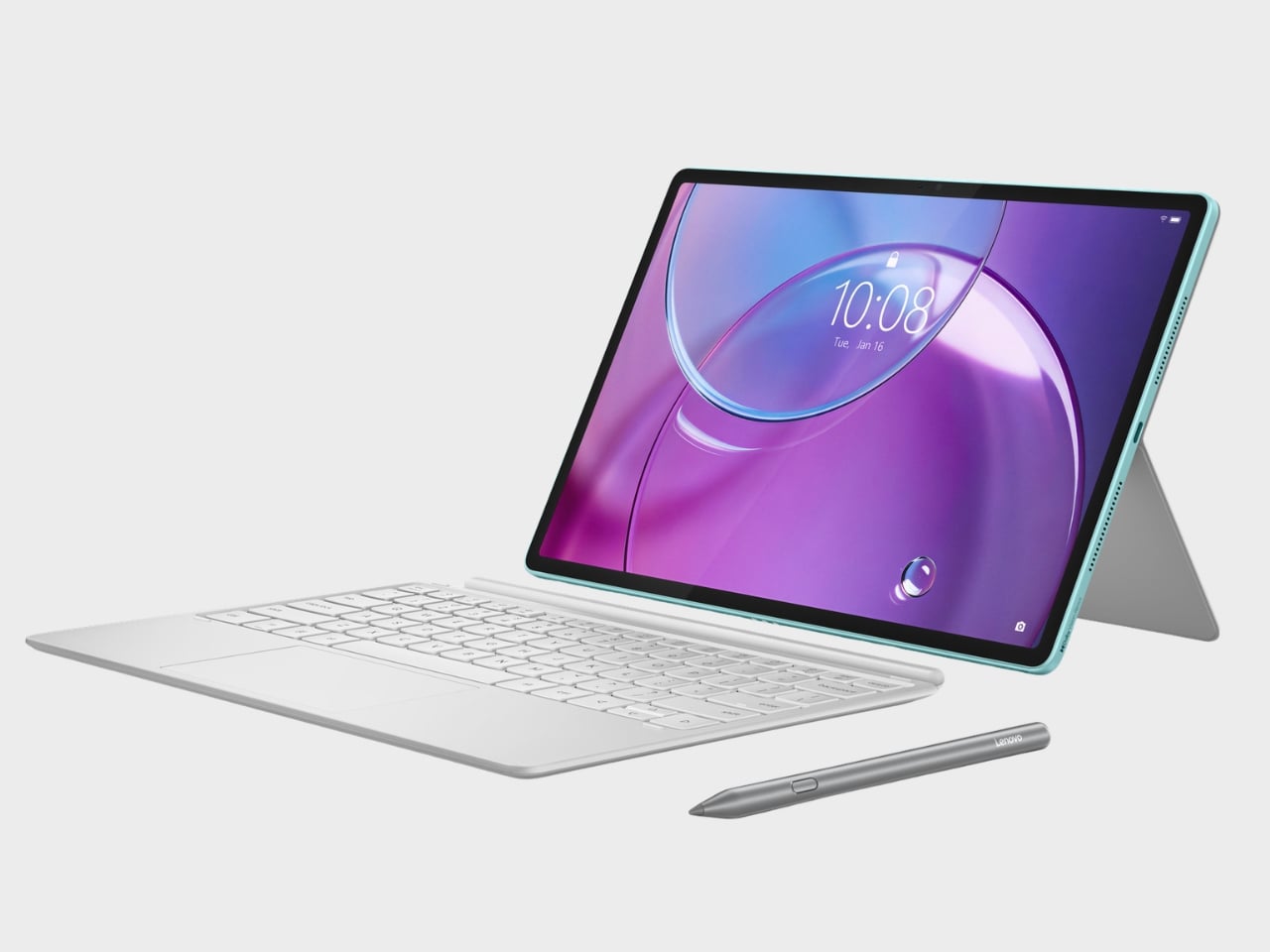
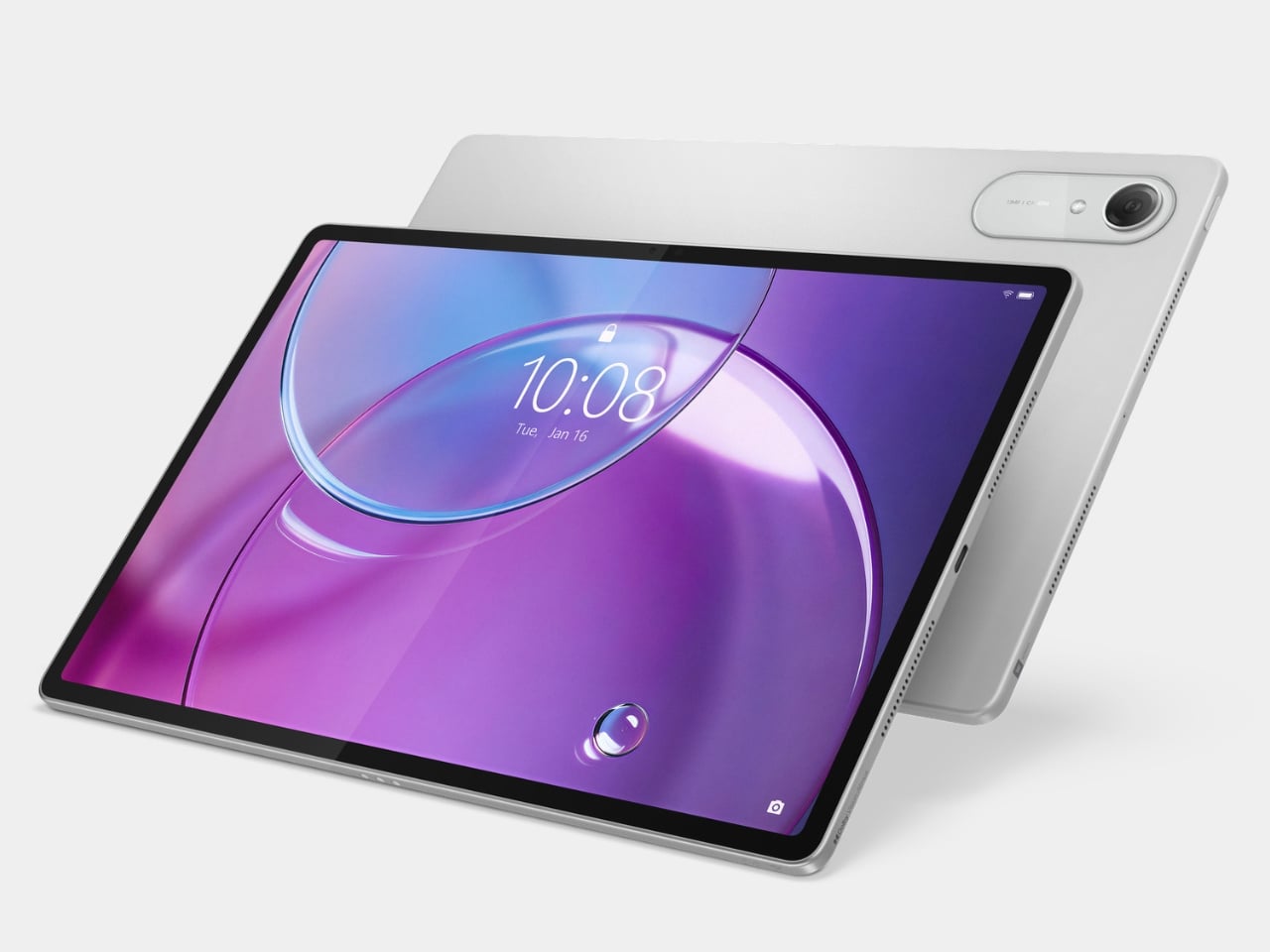
A 13-Inch Tablet at 6.2mm Thin: Lenovo Built It for $419

Lenovo has a habit of announcing everything at once. At MWC 2026 in Barcelona, the company rolled out foldable gaming handhelds, glasses-free 3D laptops, and enough concept devices to fill a small museum. It’s a lot. But buried in that avalanche of announcements is the Idea Tab Pro Gen 2, a product that caught my eye precisely because it isn’t trying to be the loudest thing in the room.

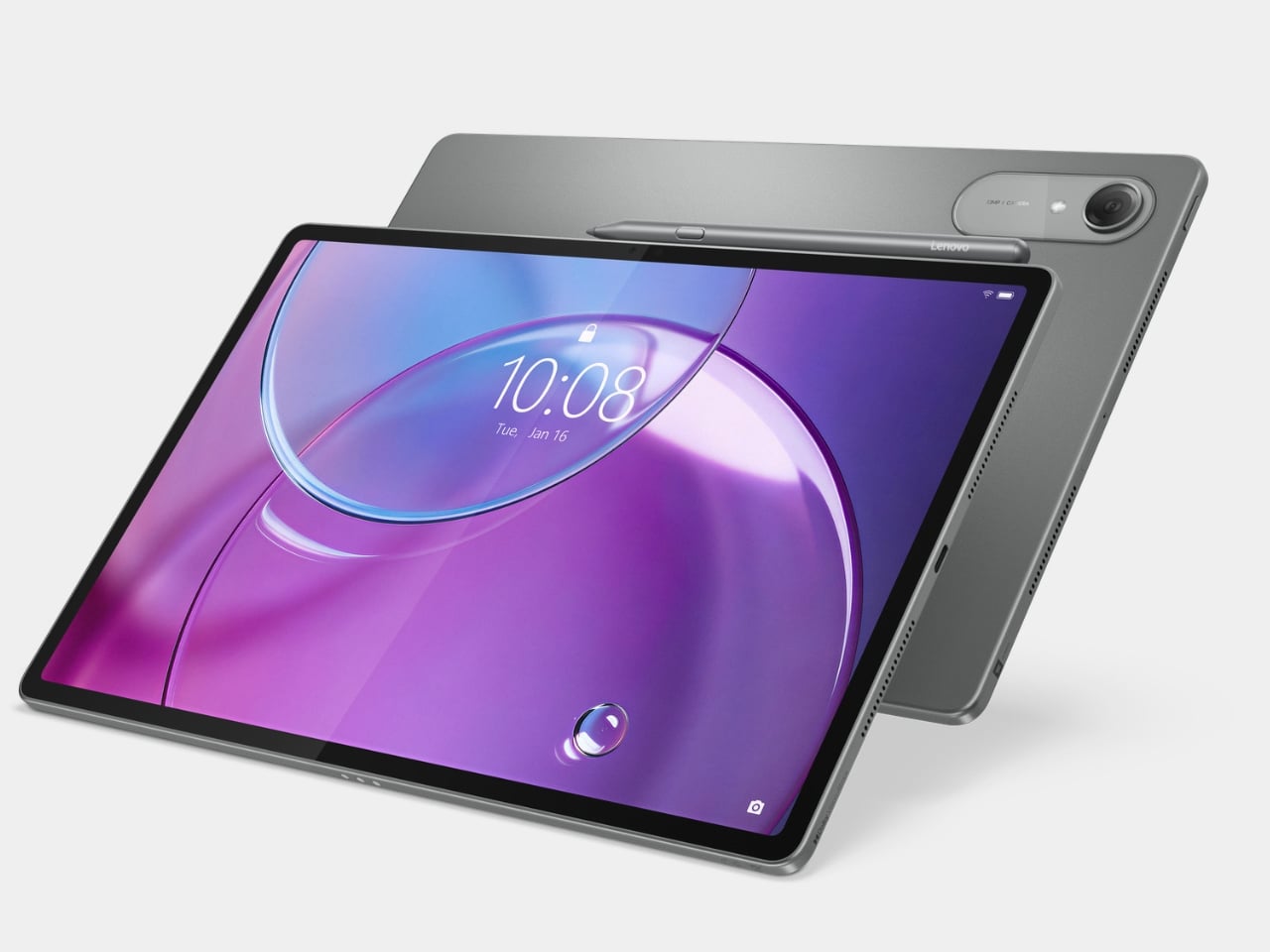
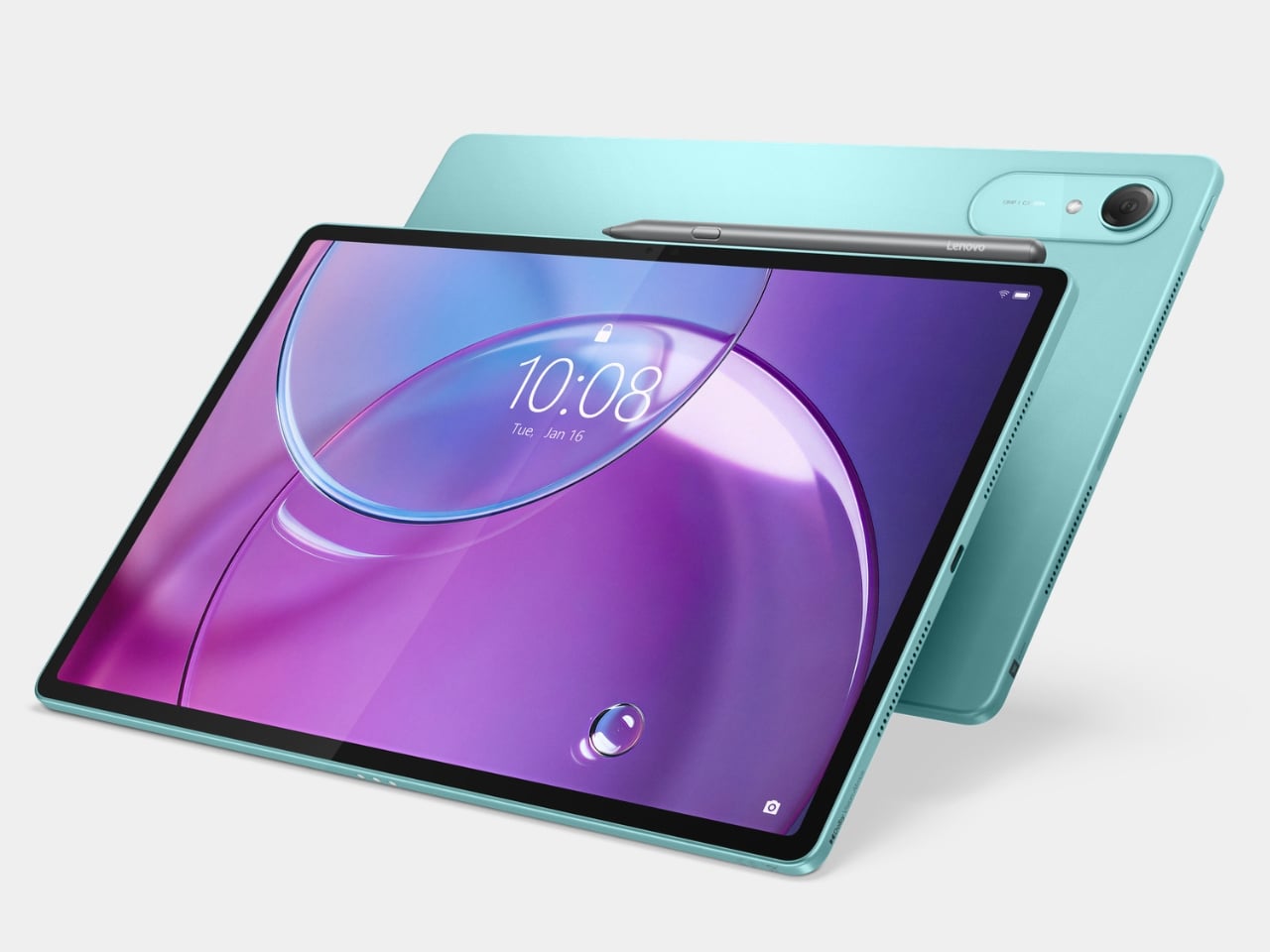
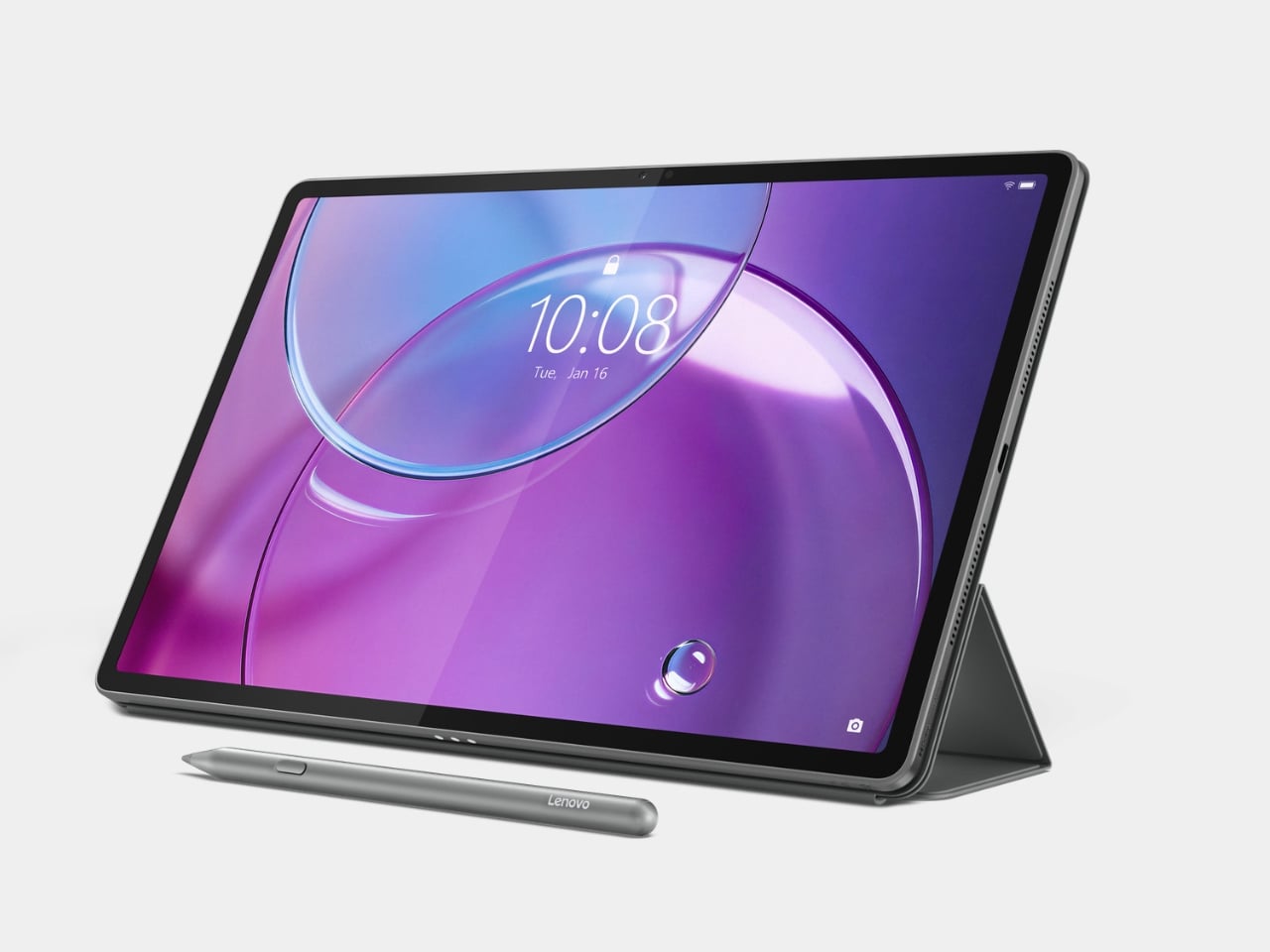
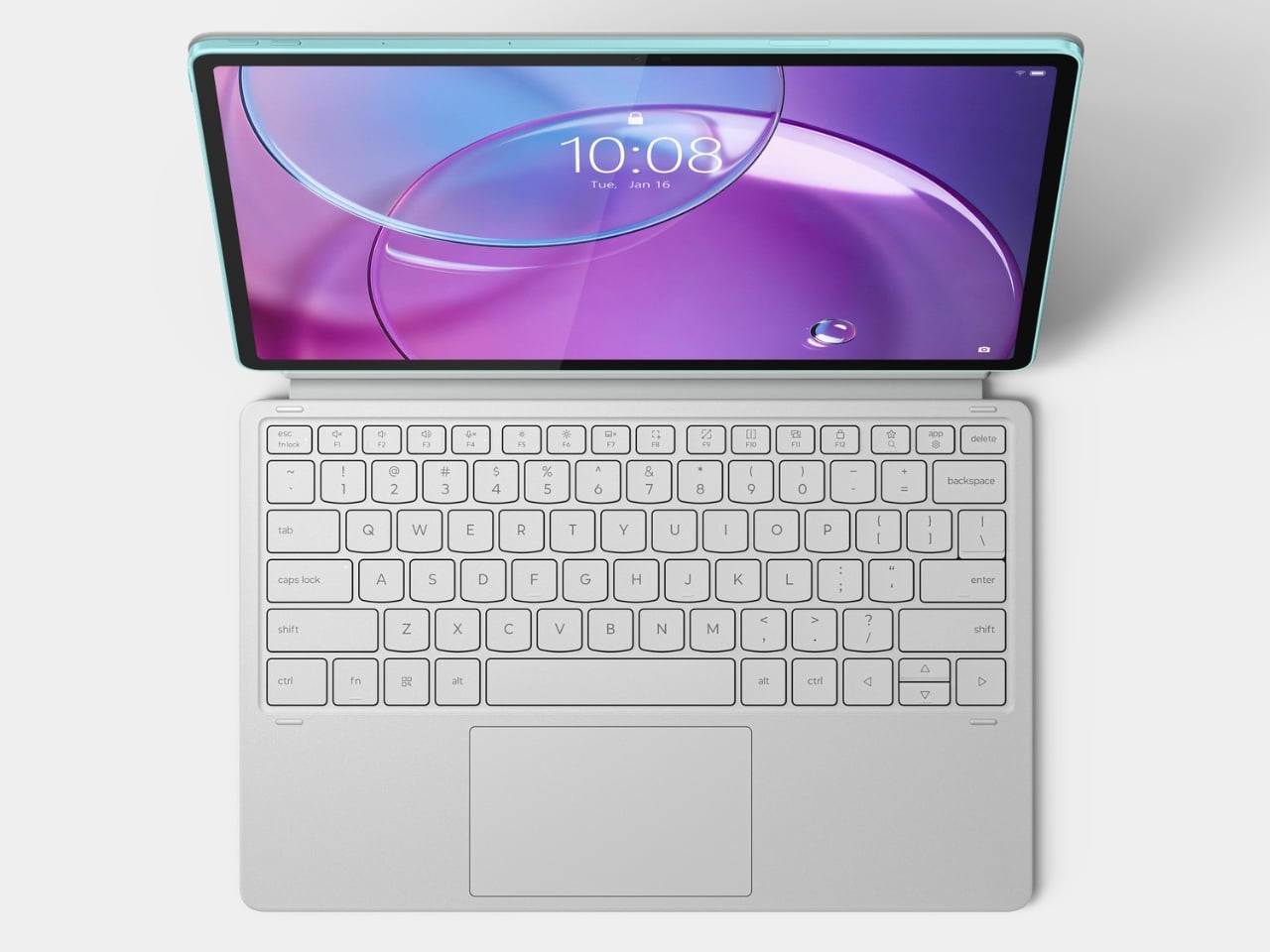
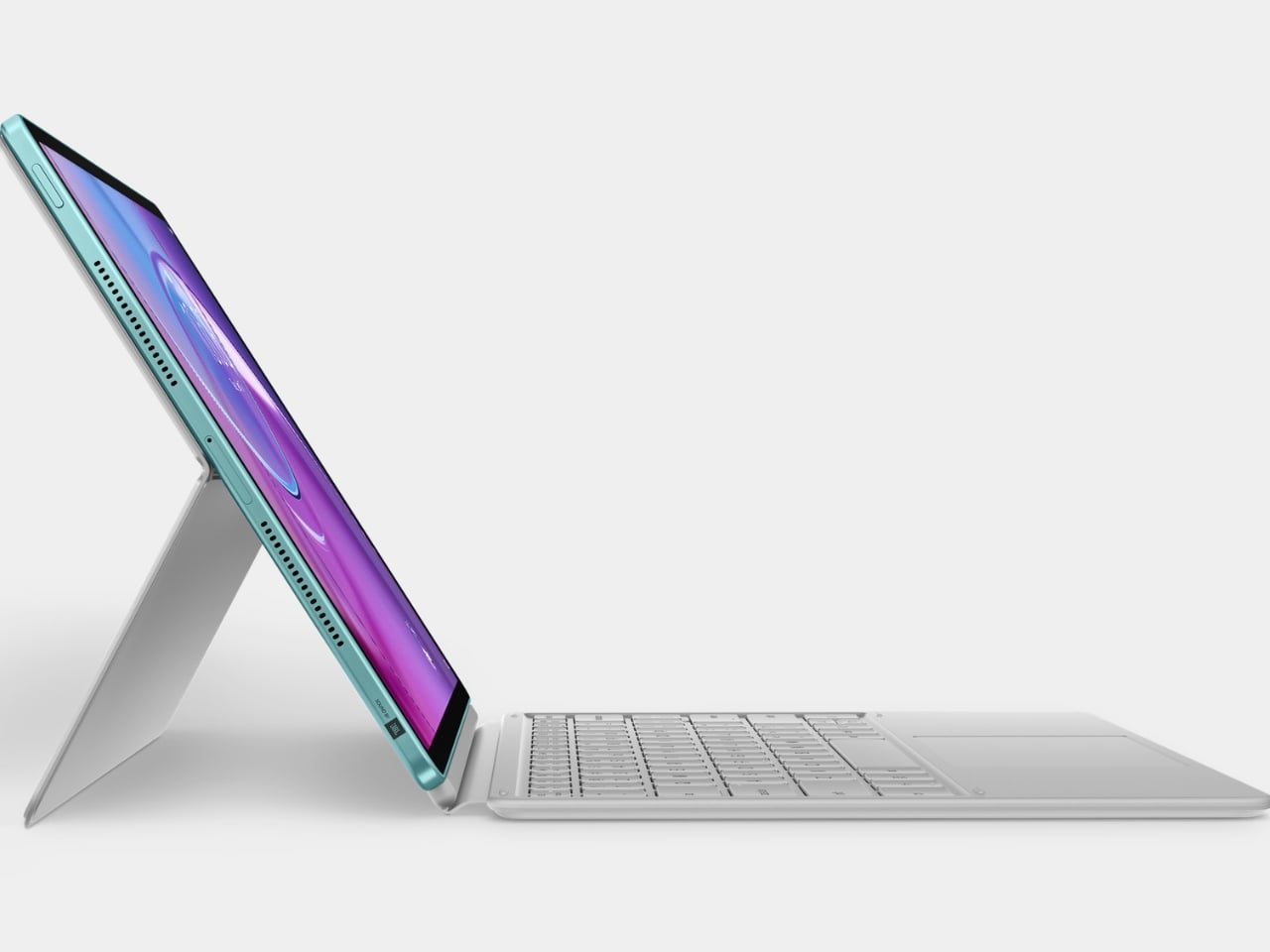
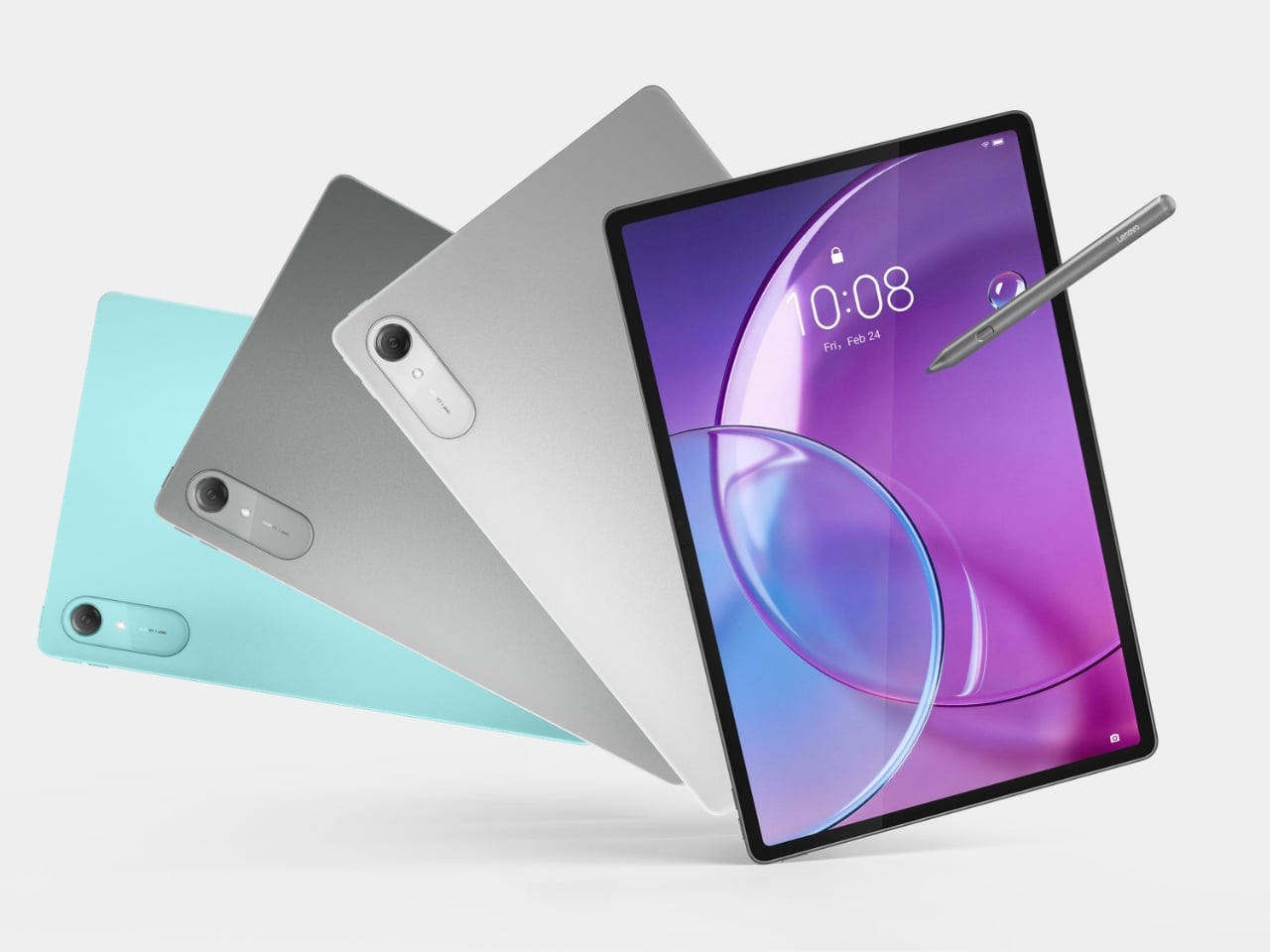
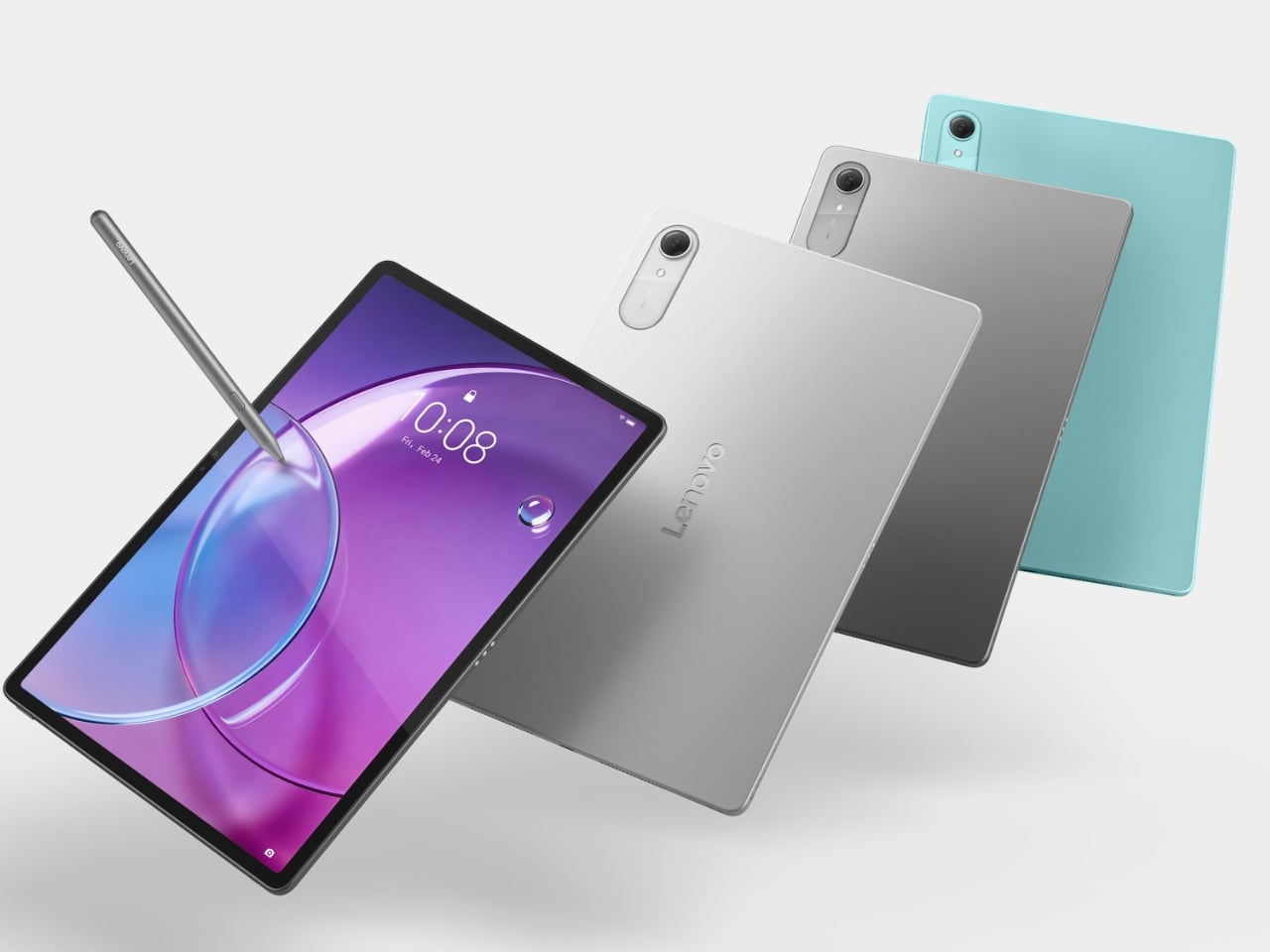
At 6.2mm thin and under 600 grams, the Idea Tab Pro Gen 2 is almost absurdly svelte. To put that in perspective, a standard pencil is about 7mm in diameter. Lenovo has managed to pack a 13-inch 3.5K PureSight Pro display with Dolby Vision, a Snapdragon 8s Gen 4 processor, a quad JBL speaker system tuned with Dolby Atmos, and a 10,200mAh battery with 45W rapid charging into something thinner than that. All for $419.

Designer: Lenovo

The physical design work here is genuinely impressive, and it signals that Lenovo’s industrial design team is thinking carefully about what a tablet should feel like in your hands across hours of use, not just what it looks like in a press photo. The display deserves a closer look. At 3,520 x 2,190 resolution with Dolby Vision support, it’s sharper and more color-rich than what you’d expect at the $419 price point. Lenovo also offers a matte display variant with anti-glare technology and constant contrast, which is the kind of thoughtful option that suggests the designers actually observed how students and professionals use tablets for extended reading. Glossy screens look gorgeous in showrooms but become mirrors under fluorescent library lighting. Having the matte option signals an awareness of real-world conditions that I appreciate.

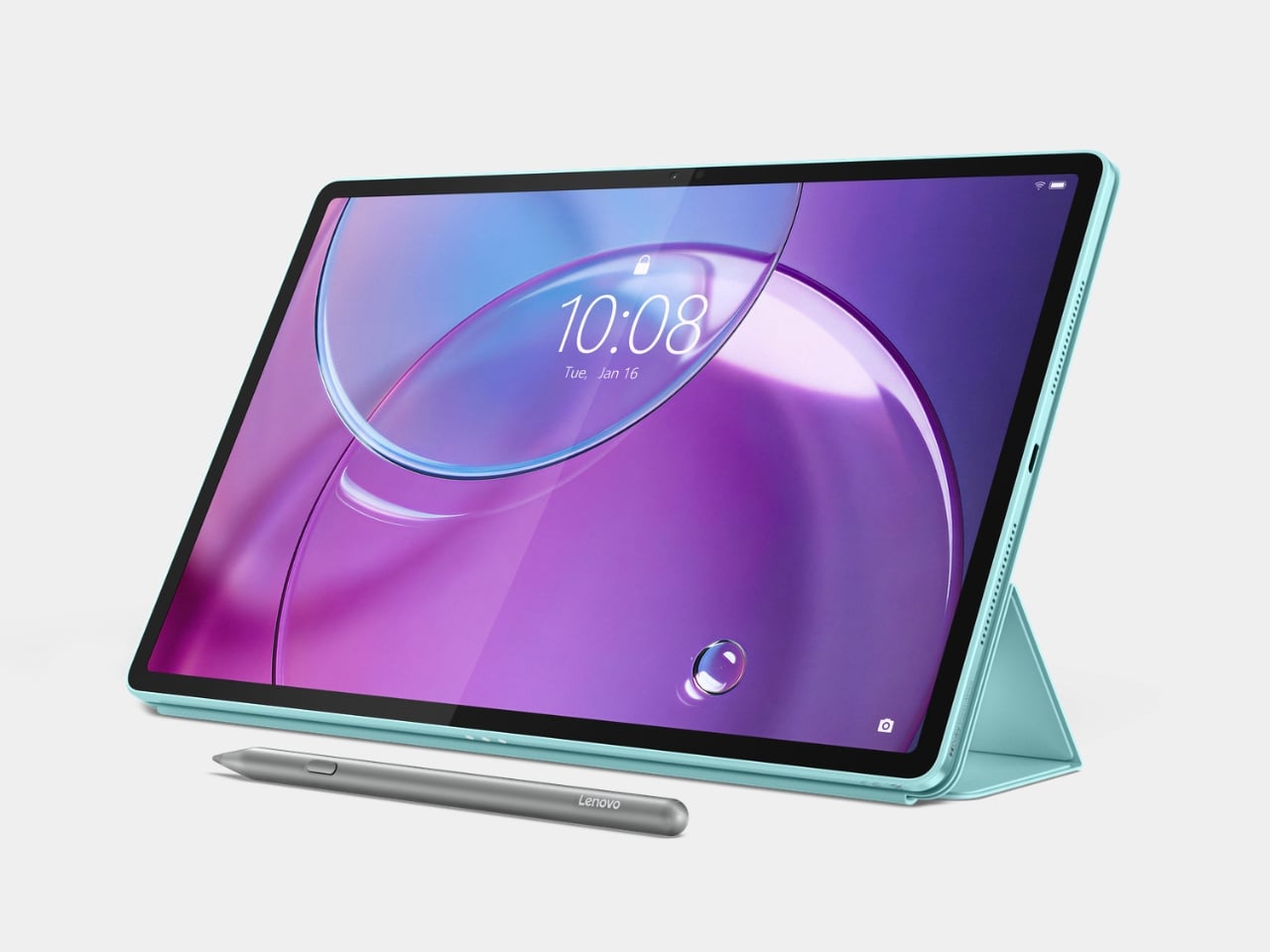
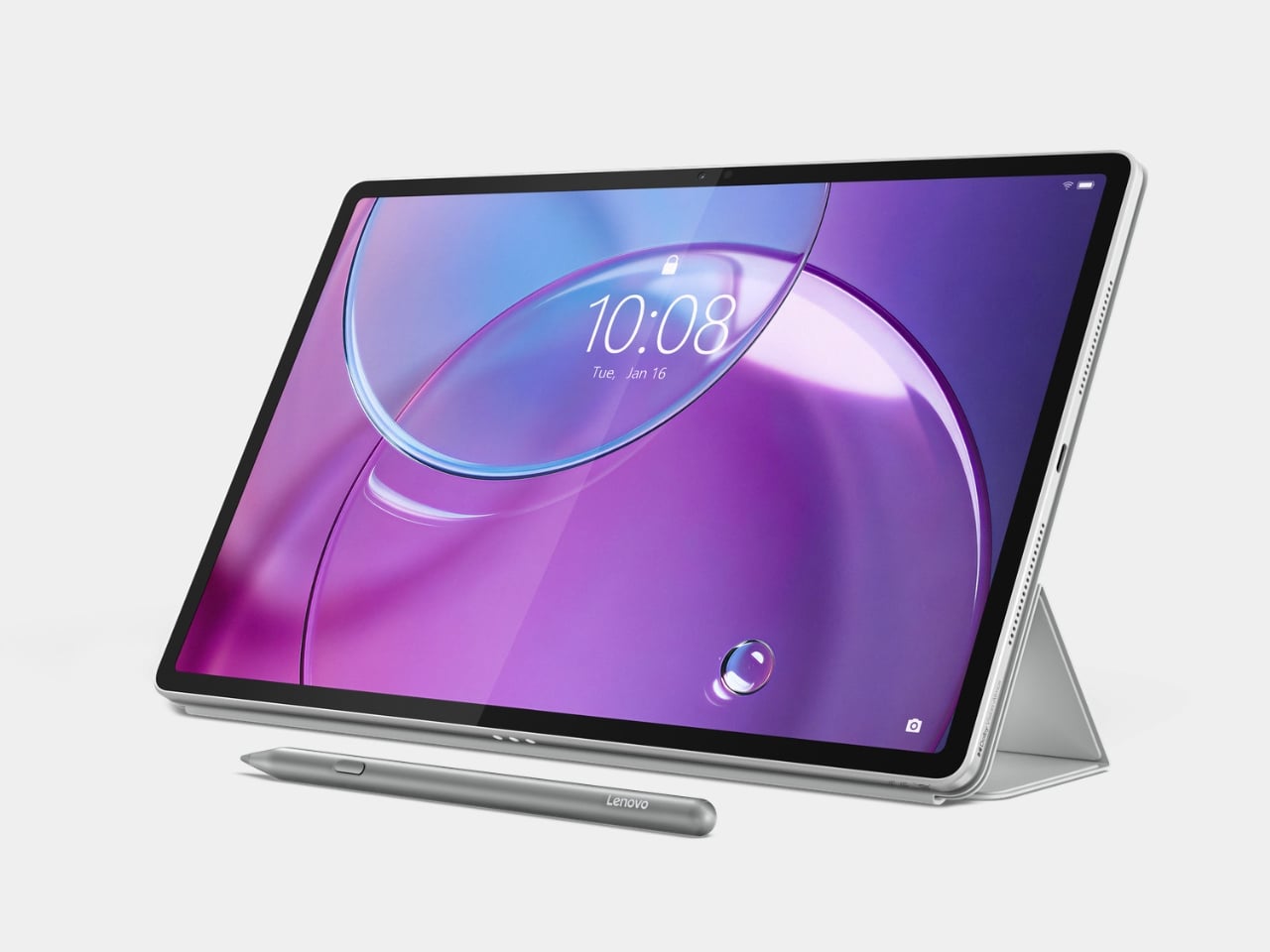
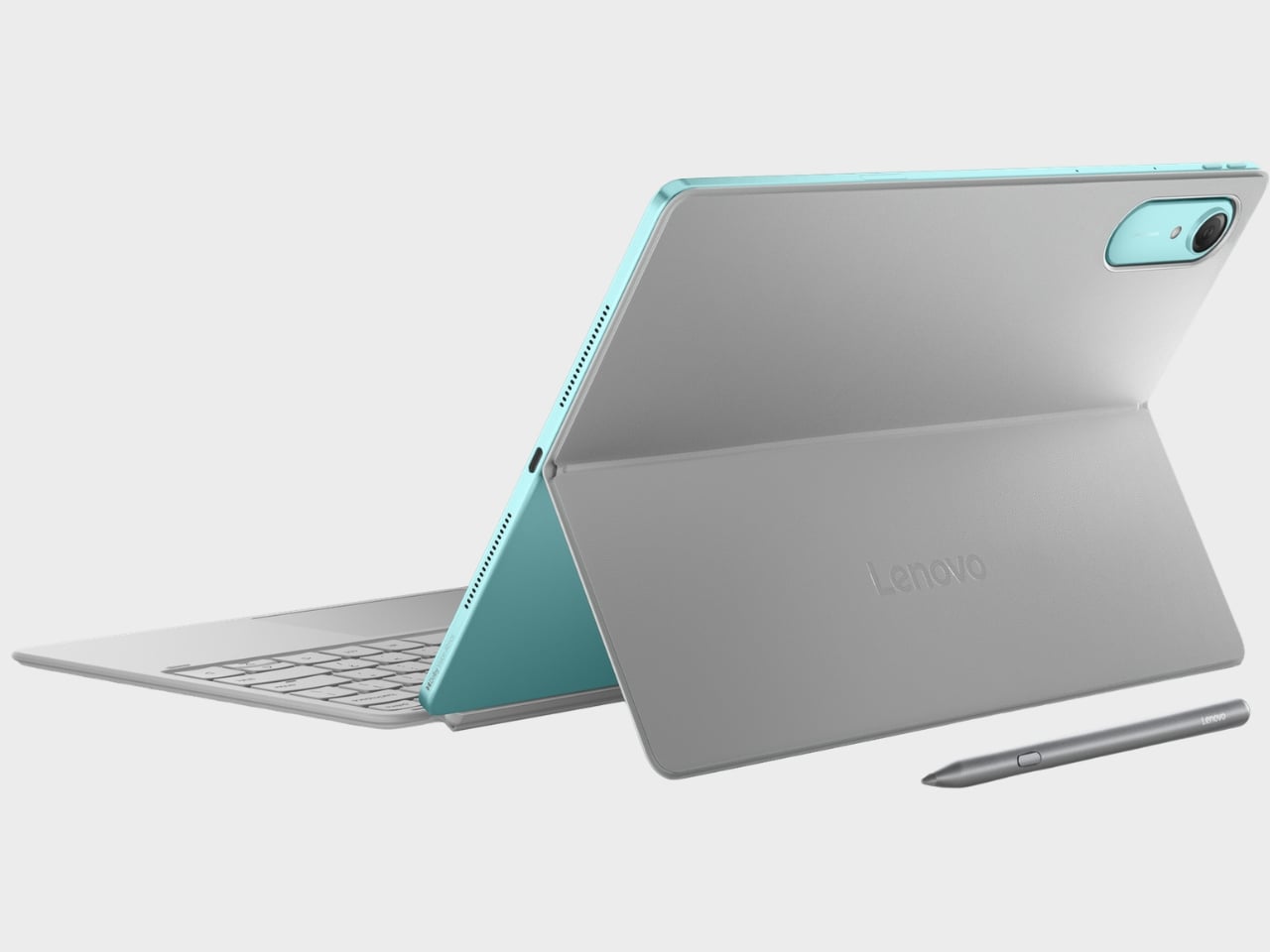
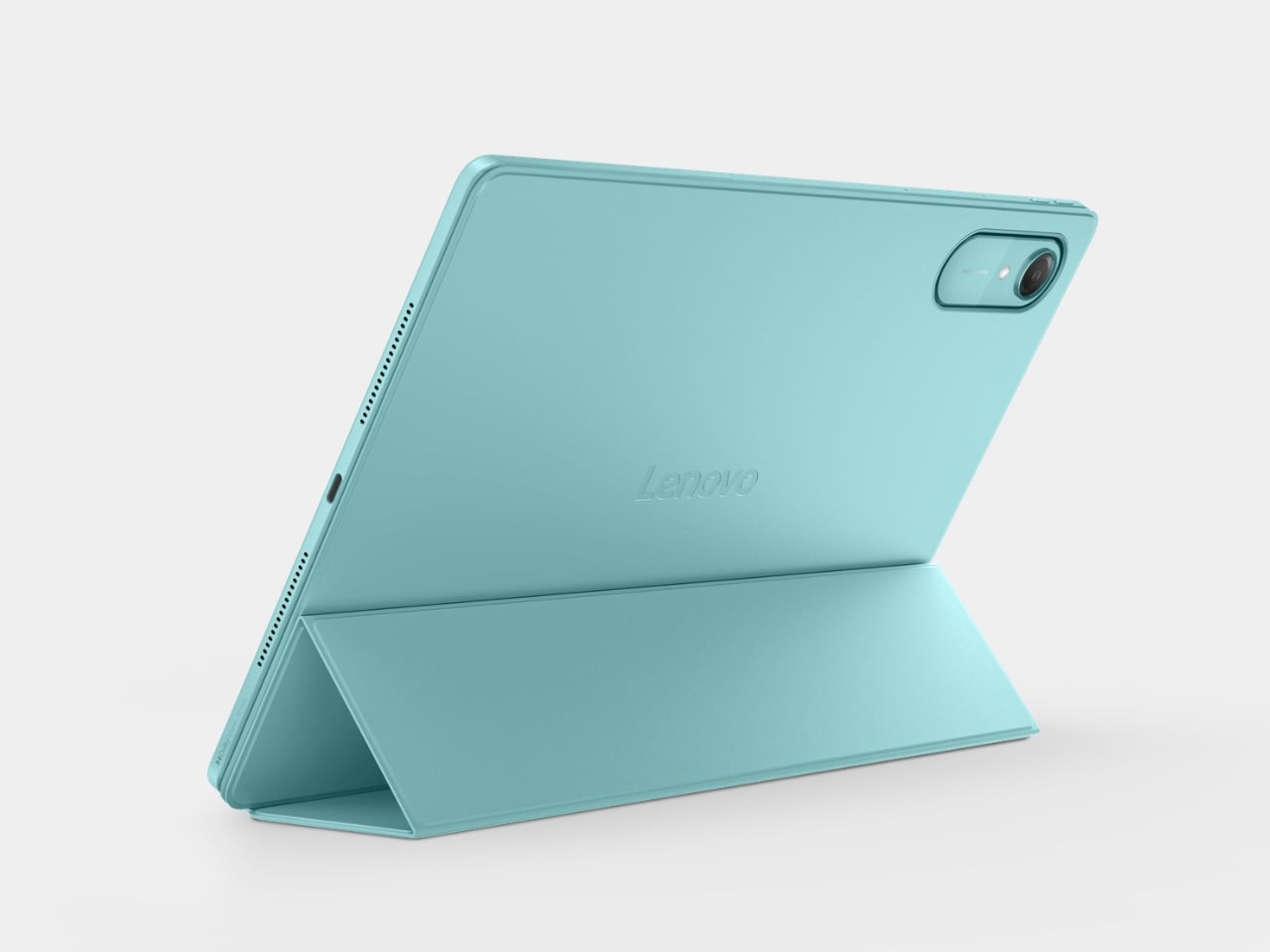
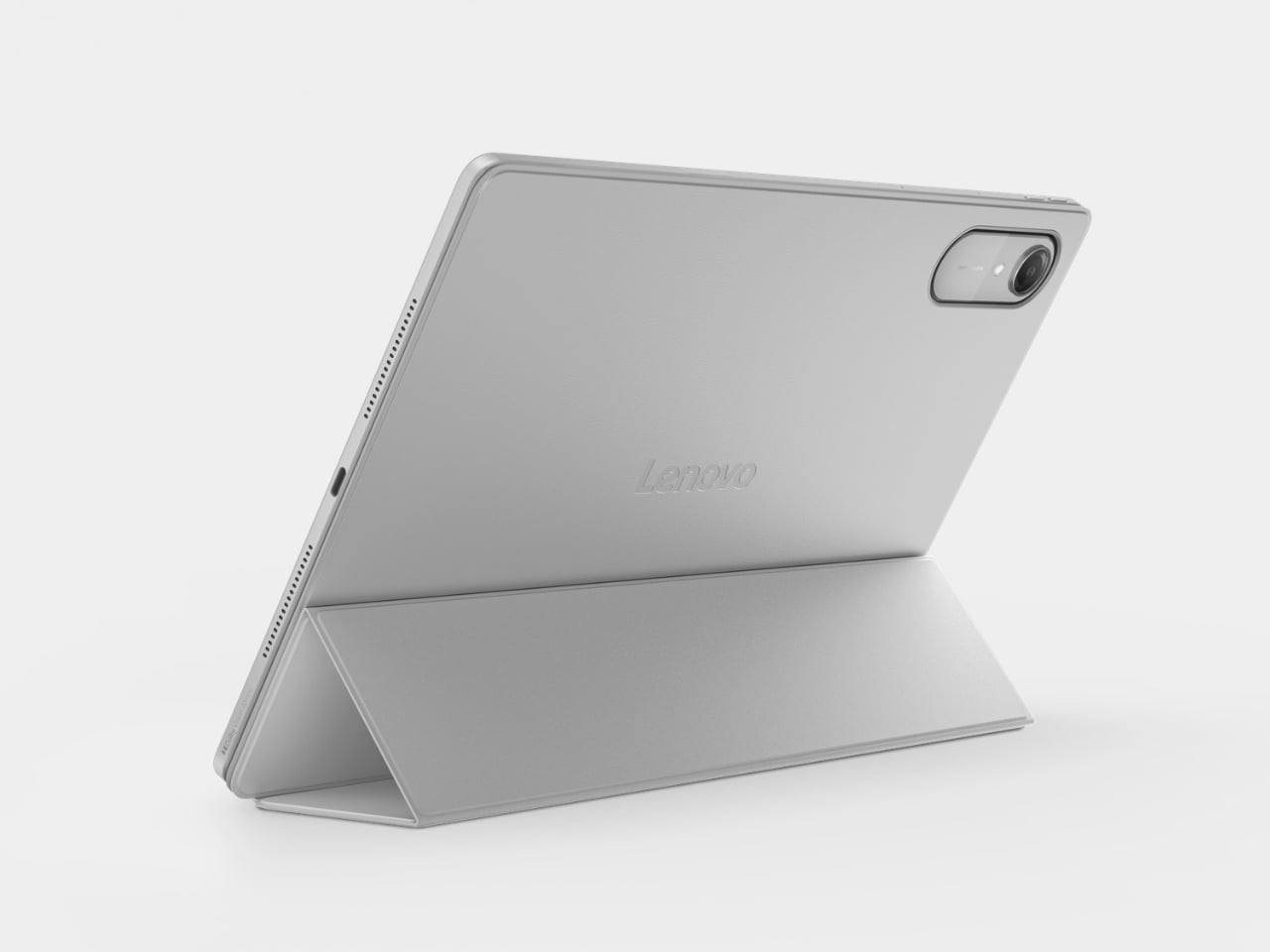
The three color options are worth noting too. Luna Grey and Cloud Grey are safe, predictable choices, but Jelly Mint is a welcome departure. It’s playful without being juvenile, and it gives the tablet a bit of personality in a category that tends to default to grayscale everything. More tech companies should take these kinds of small aesthetic risks. They cost almost nothing in terms of engineering effort but do a lot for making a product feel considered rather than assembled by committee.

Where the Idea Tab Pro Gen 2 gets more ambitious is in its AI integration. It will be the first Lenovo tablet to feature Qira, the company’s ambient intelligence platform that operates at the system level rather than as a standalone app. But beyond that headline feature, what’s more interesting is the integrated learning workflow Lenovo has built around it. Smarter Reader lets students highlight content and generate summaries and explanations on the fly using the Lenovo Tab Pen Plus, with marked sections automatically flowing into Lenovo Notepad where AI Notes further organize key points. Live transcription captures lectures and conversations so nothing gets lost between the classroom and the study session. And a dedicated Smart Key on the optional 2-in-1 keyboard pack triggers Lenovo Smart AI Input for quick text generation and translation through natural language prompts. The whole chain is designed to keep students moving fluidly between reading, capturing, and writing rather than treating those as separate activities.

Whether all of these features prove genuinely useful or become the kind of thing you forget exists after the first week remains to be seen. The tablet industry is currently drowning in AI feature announcements that range from transformative to decorative, and only real-world usage will sort one from the other. But the intent is right. Lenovo is positioning this as a purpose-built study companion, and the workflow feels considered rather than bolted on.

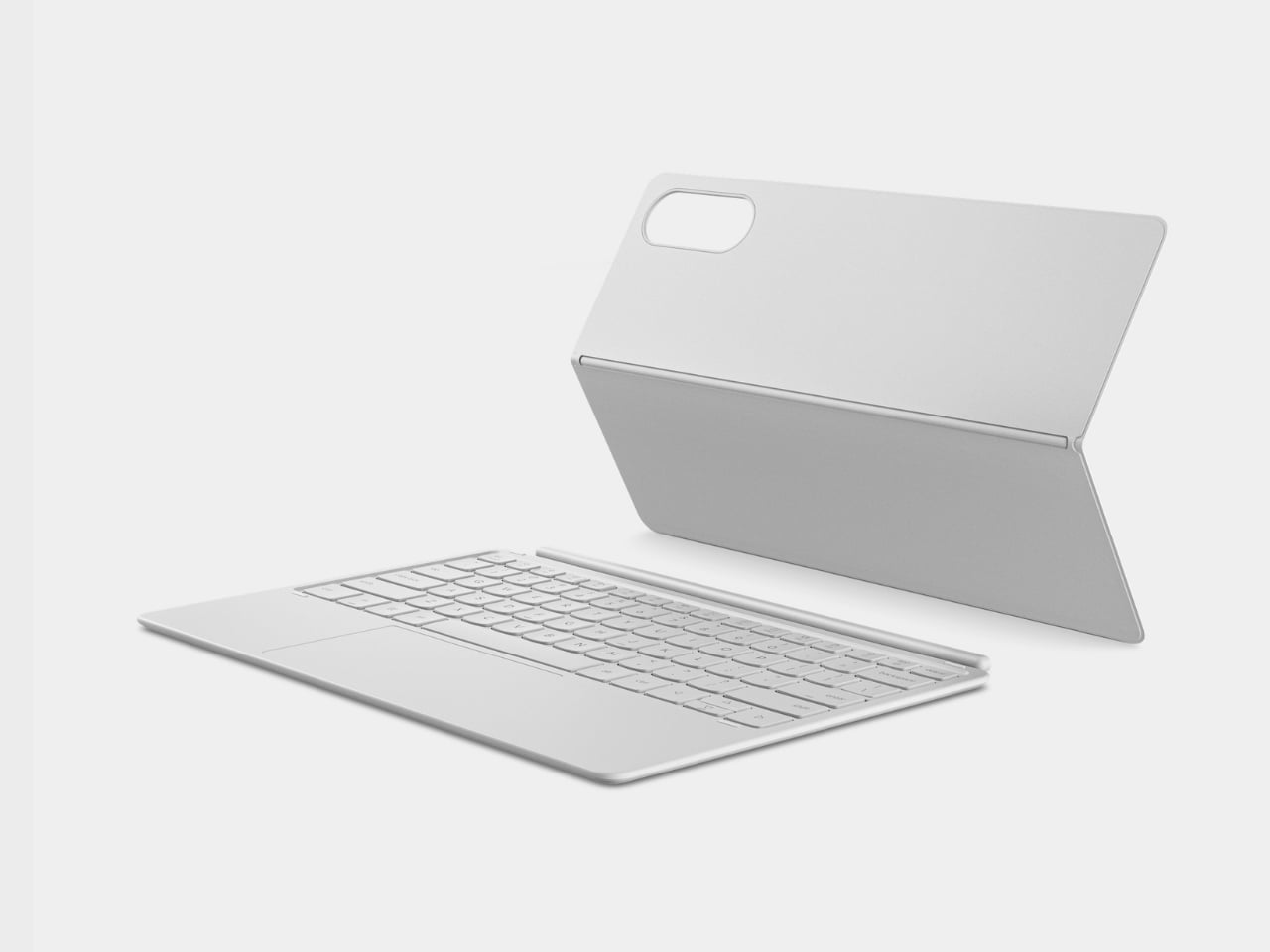
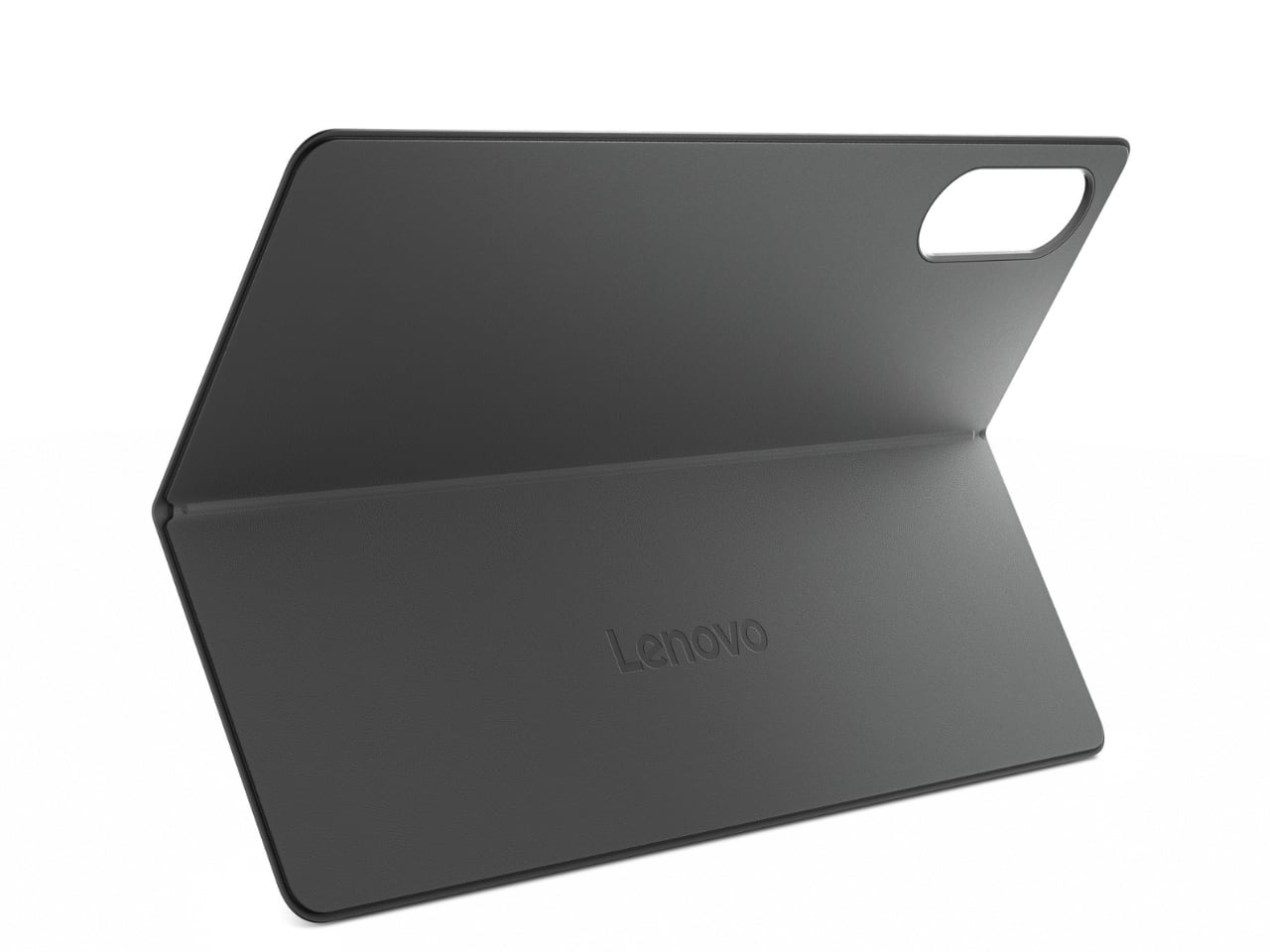
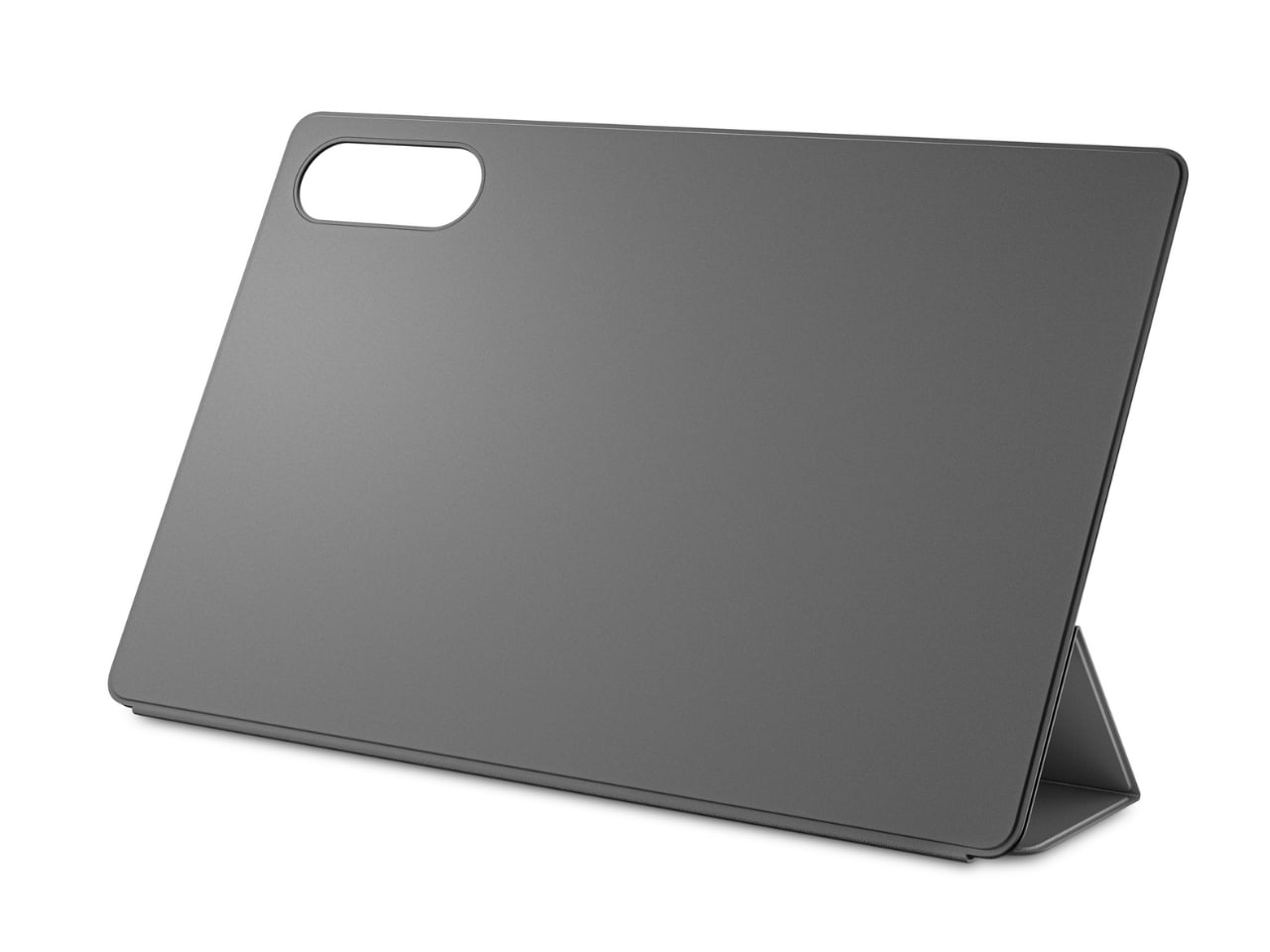
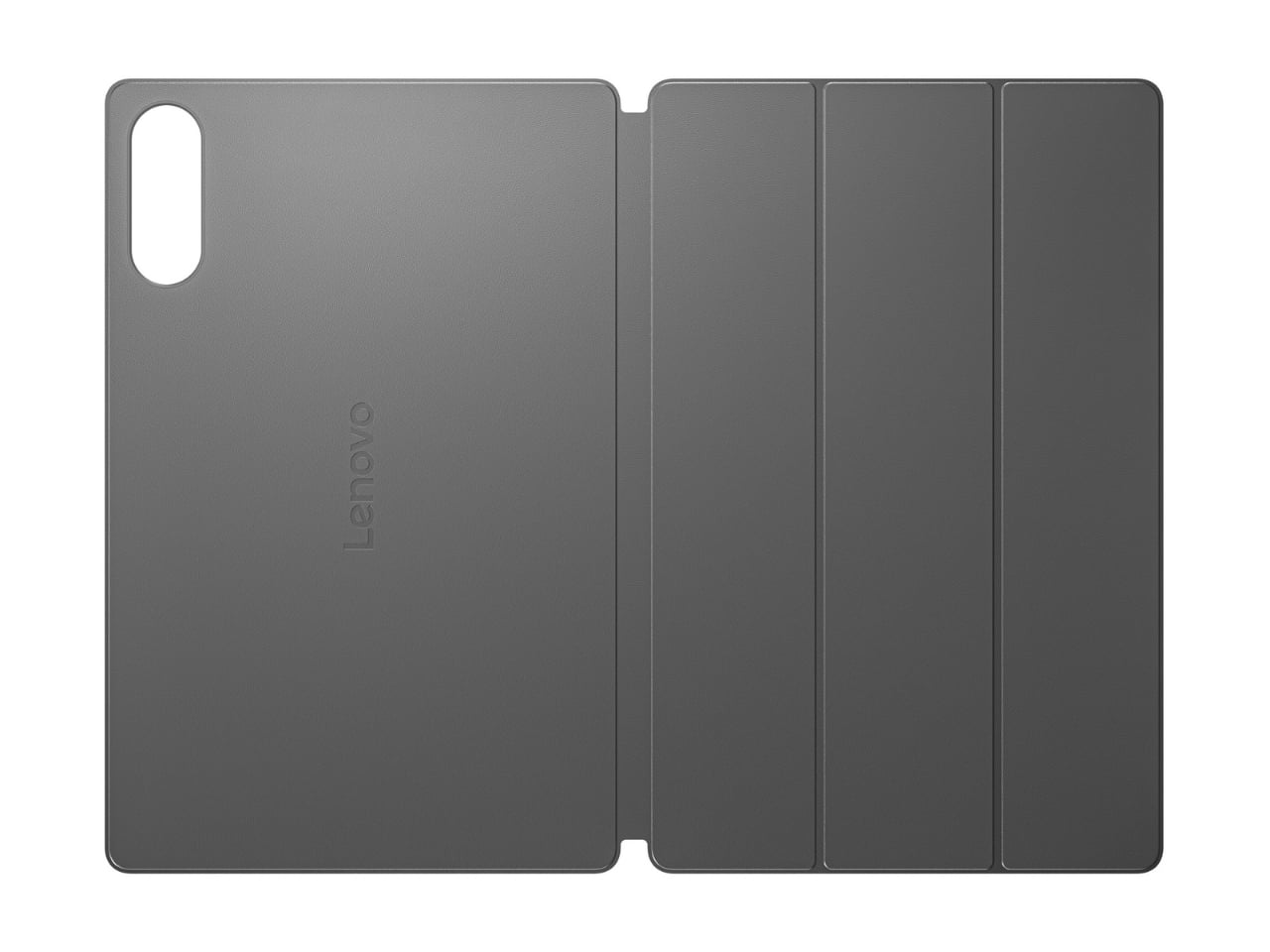
The accessory ecosystem rounds out the picture. The Tab Pen Plus, folio case, and detachable keyboard pack turn the tablet into something closer to a lightweight laptop when you need it to be, and let it slim back down to a pure reading and media device when you don’t, with that quad speaker system making the latter experience particularly enjoyable. That versatility matters for the student audience Lenovo is targeting, and at $419 with the pen included, it’s a compelling package.

What strikes me most about this tablet is the restraint. In a product lineup full of devices screaming for attention with foldable screens and holographic displays, the Idea Tab Pro Gen 2 just quietly gets the fundamentals right: thin, light, beautiful screen, long battery life, solid audio, and a price that doesn’t require a payment plan. Sometimes the most interesting design choice is knowing when not to overreach.

The post A 13-Inch Tablet at 6.2mm Thin: Lenovo Built It for $419 first appeared on Yanko Design.
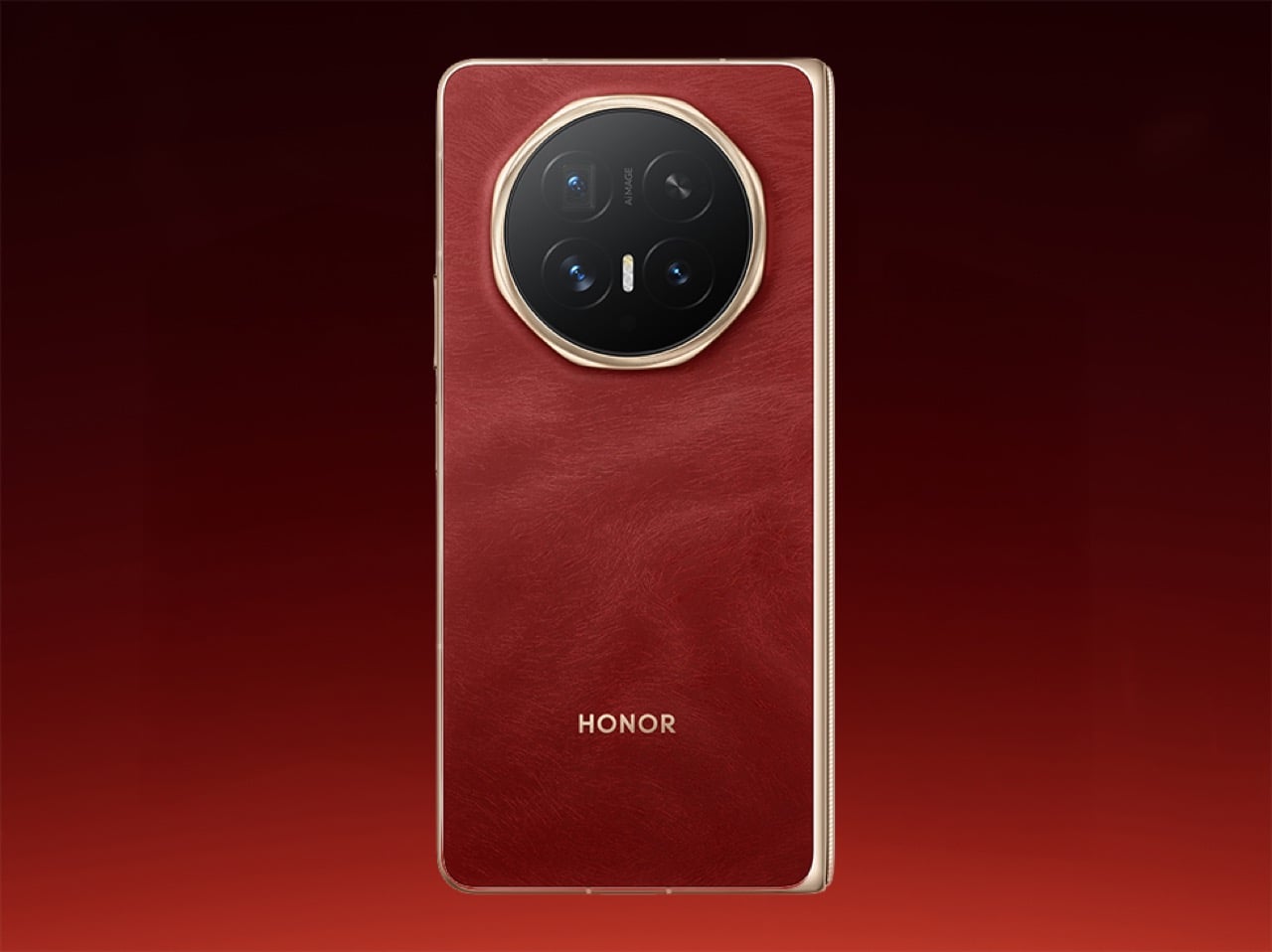
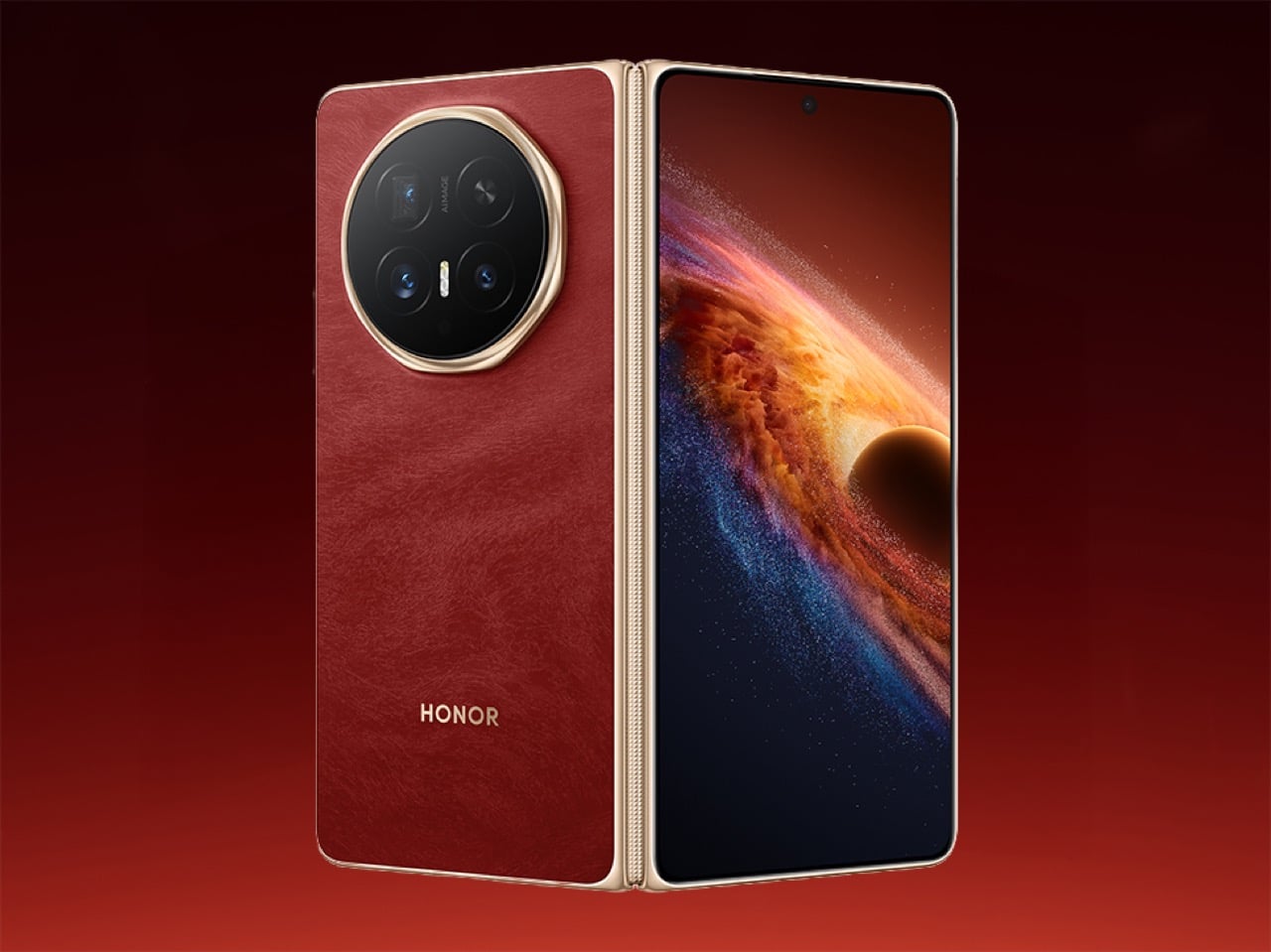
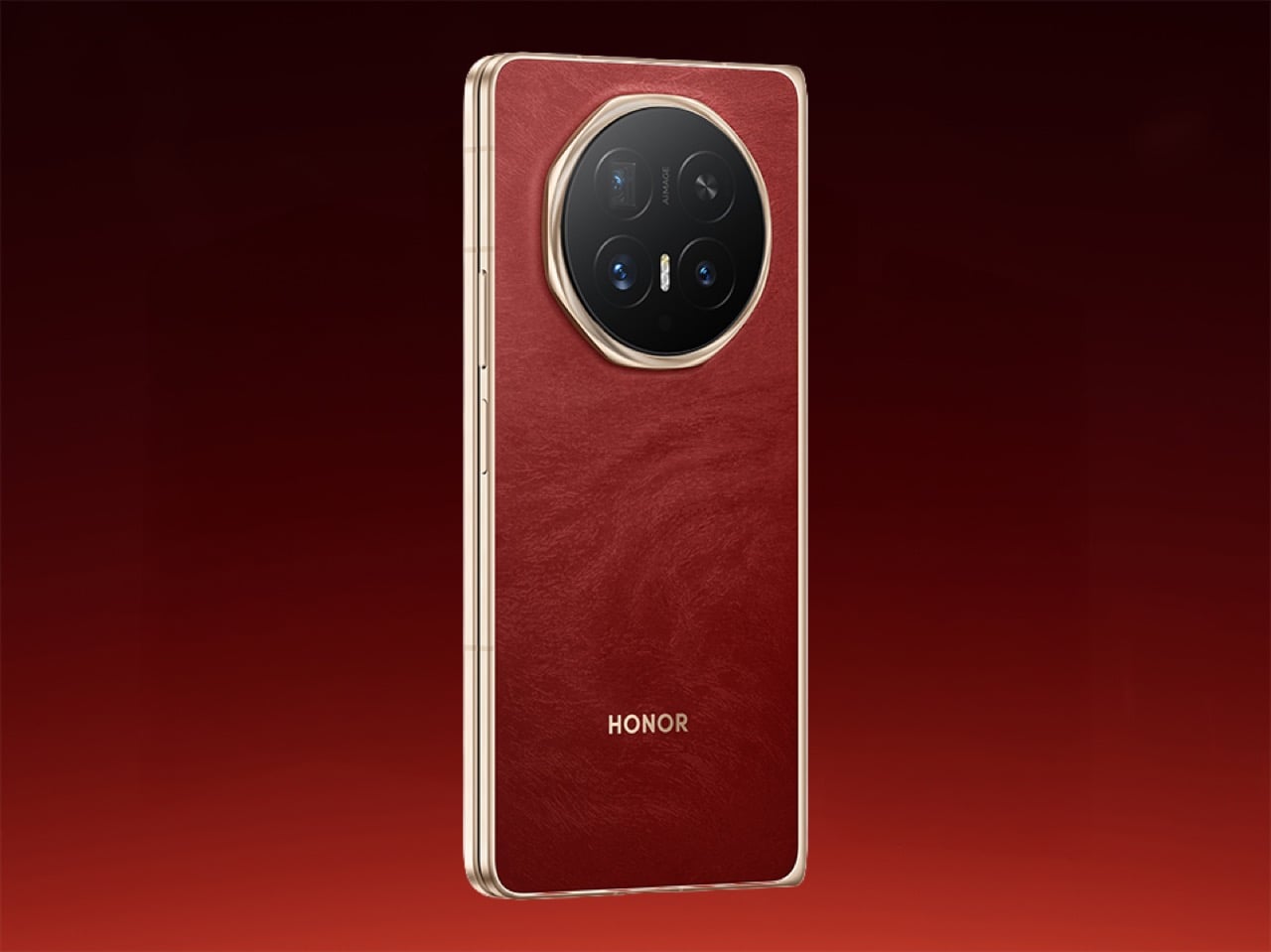
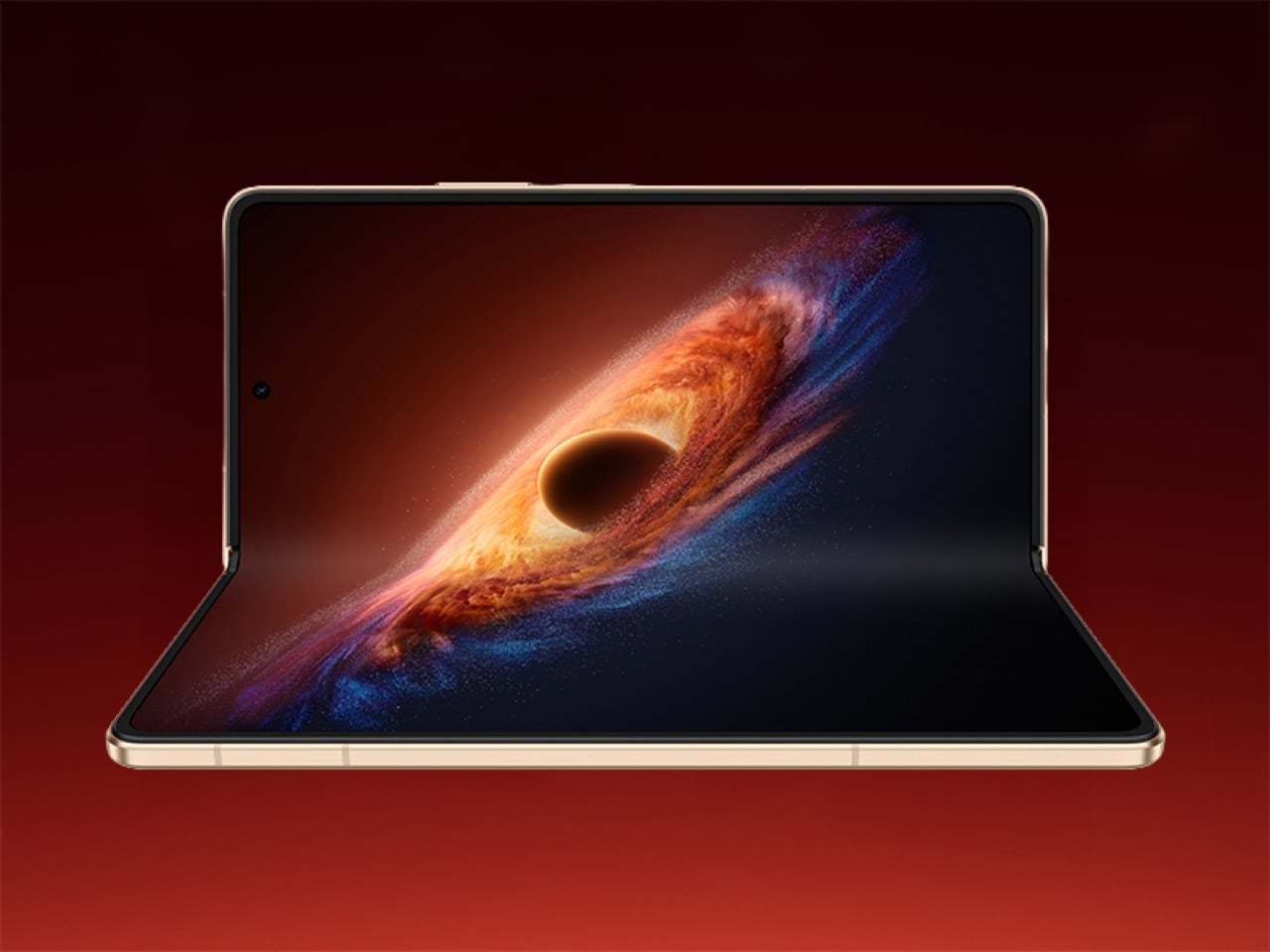
If F1 Engineers Designed A Foldable Smartphone: HONOR Magic V6 Hands-On at MWC 2026

Inside the engine of a high-performance car, components endure thousands of violent explosions per minute, resisting incredible friction and wear. The materials chosen for this environment are selected for one reason: absolute, uncompromising durability. One of the most resilient of these materials is silicon nitride, a ceramic used where extreme toughness is the only acceptable standard. It is a substance born from one of the harshest mechanical environments imaginable.

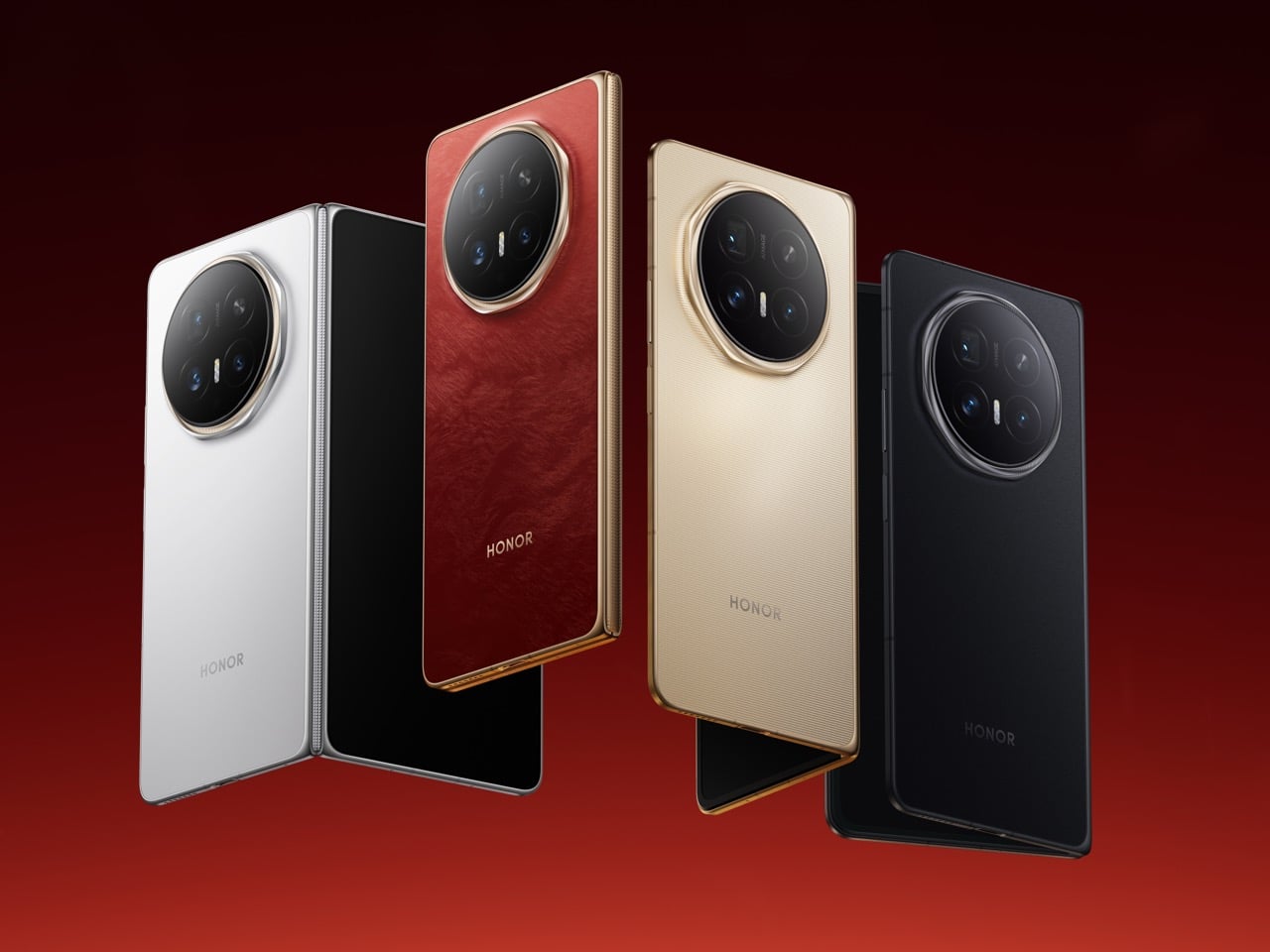
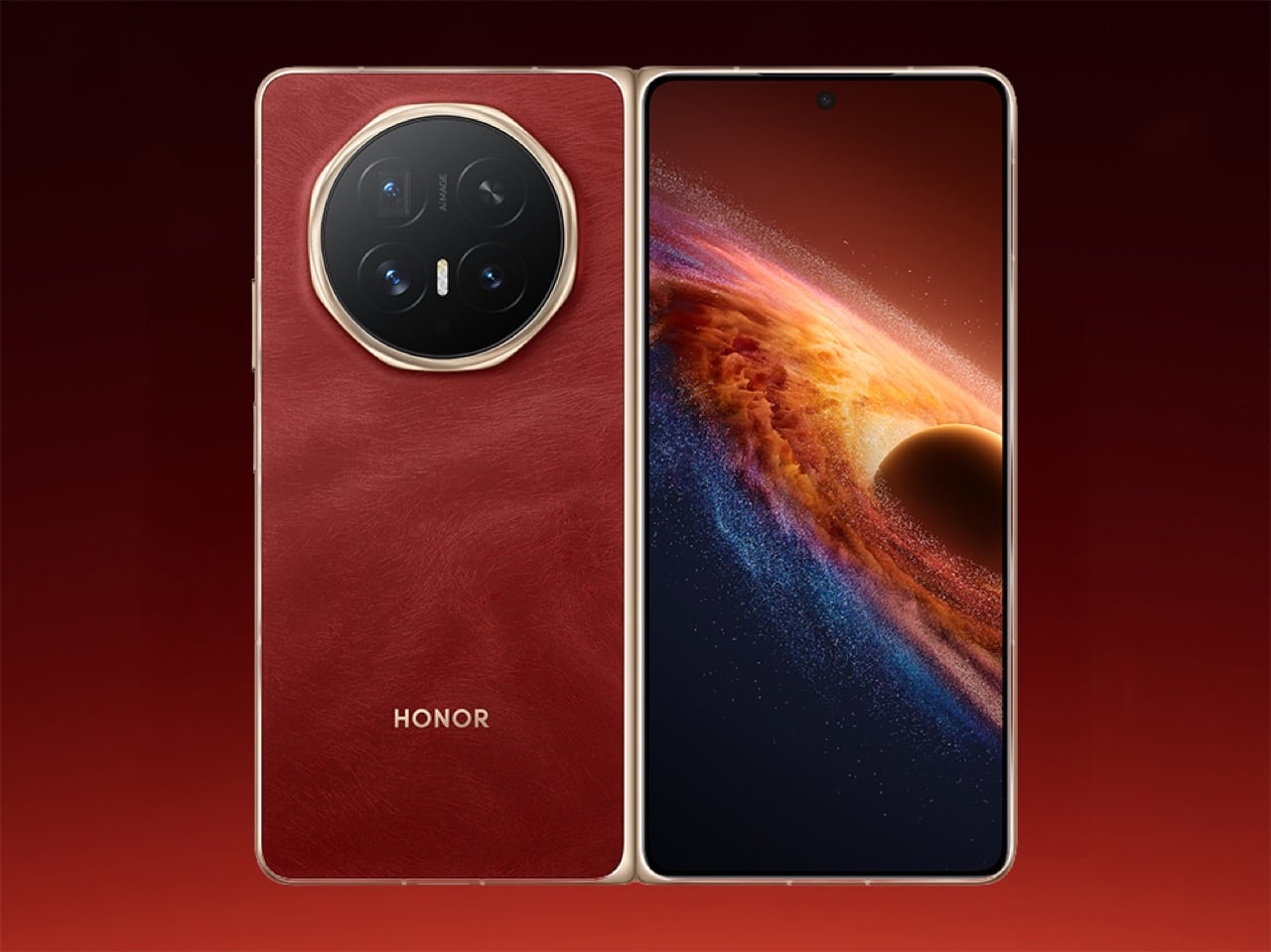
Honor has taken that same material and applied it to the screen of the Magic V6. This decision to borrow from the world of motorsport engineering is a telling one, and it is a philosophy that extends throughout the device. The hinge is benchmarked against the A-pillar of a modern EV, and the battery’s chemistry is pushed to new limits of silicon content. The 2026 F1 season starts in a few days, but apparently we are seeing F1-level engineering in the smartphone world already.

Designer: Honor

Certain objects feel like they should be impossible. A foldable phone that, when closed, is as thin as a conventional flagship, yet contains a battery that is larger than any of its thicker rivals, presents a genuine design paradox. The physics of space and energy density suggest that one of these goals must aggressively compromise the other. You can have a thin device, or you can have a big battery, but the laws of thermodynamics are usually quite firm about not letting you have both.

The Honor Magic V6 manages to exist in this paradoxical space. It resolves the contradiction by treating the inside of the phone like a three-dimensional puzzle, where core components were redesigned and relocated to accommodate its massive power source. This internal architecture is then wrapped in a shell of exotic materials, including that screen coating developed for racing engines and a hinge with the structural integrity of an automotive safety pillar.

The battery itself is the real story here, the anchor for the entire design. To fit a 6660mAh silicon-carbon cell into this chassis, Honor had to completely re-engineer the phone’s internal layout. They customized and moved key components, including the speaker, the NFC module, and even the USB-C port, all to carve out precious fractions of a millimeter around the battery. The result is a cell with 25% silicon content, giving it the highest capacity ever seen in a foldable. This is the kind of obsessive internal space management that you see in high-end watchmaking or, well, motorsport, where every single component is fighting for its place.

Then you learn about the version they are keeping for the Chinese market, and the engineering goes from impressive to just plain absurd. This model gets the next-generation Silicon-carbon Blade Battery, pushing the silicon content to 32% and the capacity to over 7000mAh. It uses a unique stacking technology, with each power-generating layer measuring a mind-numbing 0.15mm thick. This might be the thinnest, most energy-dense battery ever put into a consumer device. It is a quiet technological flex, a statement that Honor is not just competing, but is capable of producing battery technology that feels a generation ahead of what we see elsewhere.

That philosophy of extreme durability extends to the hinge, the component that carries all the mechanical stress of a foldable. The device opens and closes with a satisfying, confident action, backed by a rating for half a million cycles, which is a frankly absurd number. At their keynote experience zone, Honor even had a V6 operating completely underwater, its hinge cycling open and closed without a single issue. This is an interesting, if slightly dramatic, way to communicate long-term reliability. We have all seen foldables that delicately dance around IP ratings and overall durability claims, but this is a clear statement of intent to build something that feels solid and dependable from the first time you open it.

Fitting a 64MP periscope camera into a device this ridiculously thin is another piece of that engineering puzzle. People who own the V5 might not see a massive day-to-day difference in thickness, but in the grander scheme, the ability to shave off millimeters while adding complex optical hardware is where the real magic lies. This focus on miniaturization and strength is not isolated to the V6. We saw the same DNA in their Robot Phone concept, where this hinge technology allowed them to shrink the necessary micromotors by a staggering 70% to achieve its tiny, folding camera design. This is a company obsessed with pushing the boundaries of mechanical engineering.

This hardware obsession serves a very specific software strategy. The team seems to have built the V6 with the assumption that its ideal customer already owns a Mac, an Apple Watch, and AirPods. They have leaned into this, building in one-tap file transfer to macOS, full support for the iWork suite, and even iCloud integration. It’s a bold move, positioning an Android device as the ultimate companion for the Apple ecosystem, all accomplished using open interfaces. It’s safe to say that not only did Honor build a highly-engineered design-forward foldable that’s thinner than any other Android device, they ended up making a foldable phone that Apple users can buy and use LONG before the foldable iPhone comes out!

The post If F1 Engineers Designed A Foldable Smartphone: HONOR Magic V6 Hands-On at MWC 2026 first appeared on Yanko Design.
From Magnetic Modules to Neon Lights: TECNO’s Wild Phone Concepts

For years, smartphone makers have been quietly taking things away. The removable battery went first, then the headphone jack, then anything else that made a phone feel repairable or adaptable. TECNO showed up at MWC 2026 with a different idea, bringing a collection of concepts that go in the opposite direction, adding to the phone rather than stripping it down. Some of these ideas are genuinely practical. Others are just fun to think about.
The most developed concept is the Modular Magnetic Interconnection Technology, which lets you snap hardware modules onto the phone magnetically. Telephoto lenses, action cameras, extra battery packs, and over a dozen other components can attach and detach as needed. TECNO presented two design versions: ATOM, with a clean white-and-red palette built around the idea of efficient, intentional use, and MODA, which takes the same modular logic but wraps it in a bolder, more aggressive look. The phone stays slim by default, and you only add bulk when the situation actually calls for it.

Designer: TECNO

MODA

The POVA Ecosystem takes a more focused angle, targeting mobile gamers specifically. POVA Metal is the world’s first full-metal unibody 5G phone, and it pairs with a POVA Controller Slide that supports a 0 to 25-degree adjustable viewing angle and is optimized for both FPS and MOBA games. The controller also supports wireless charging, which is a small but welcome detail. A POVA Earphone with dot-matrix lighting rounds out the set, giving the whole ecosystem a consistent visual identity.

POVA Ecosystem

AI EINK is one of the quieter ideas in the lineup. The back panel reads colors from the camera and shifts its appearance to match, with further adjustments available through an app. How often someone would actually use this outside a case is a fair question, but the idea of a phone that responds to its surroundings rather than just sitting there is at least an interesting one to sit with.

AI EINK

POVA Neon is the concept that most clearly exists as a statement rather than a solution. It uses ionized inert gas lighting, the same technology behind neon signs, to create a glowing effect on the back panel. The renders show branching blue light that looks like something between a lightning bolt and a screensaver. It’s hard to argue that it solves a problem anyone has, but not everything at a concept showcase needs to. Sometimes a phone that looks like it’s charging from a thunderstorm is just fun to put on a table.
POVA Neon

These are all still concepts, which means most of them won’t ship in this form, if they ship at all. The modular system is the one worth watching most closely, since the core tension it tries to address, keeping phones lightweight while making AI and computing demands heavier, isn’t going away. We can only hope that TECNO will fare better than others who also tried to make the modular phone dream a reality.

The post From Magnetic Modules to Neon Lights: TECNO’s Wild Phone Concepts first appeared on Yanko Design.