My camera roll currently sits at just under 44,000 photos. I know this because my phone reminds me constantly, usually right as I’m trying to take one more picture and it tells me storage is full. Somewhere in that pile are sports events, concerts, selfies when I felt cute, and lots of coffee and journaling things. None of them exist anywhere except as pixels I’ll scroll past twice and then never open again. That’s not a personal failing. That’s just what happens to photos now. We take more of them than any generation in history and do less with them than ever before.
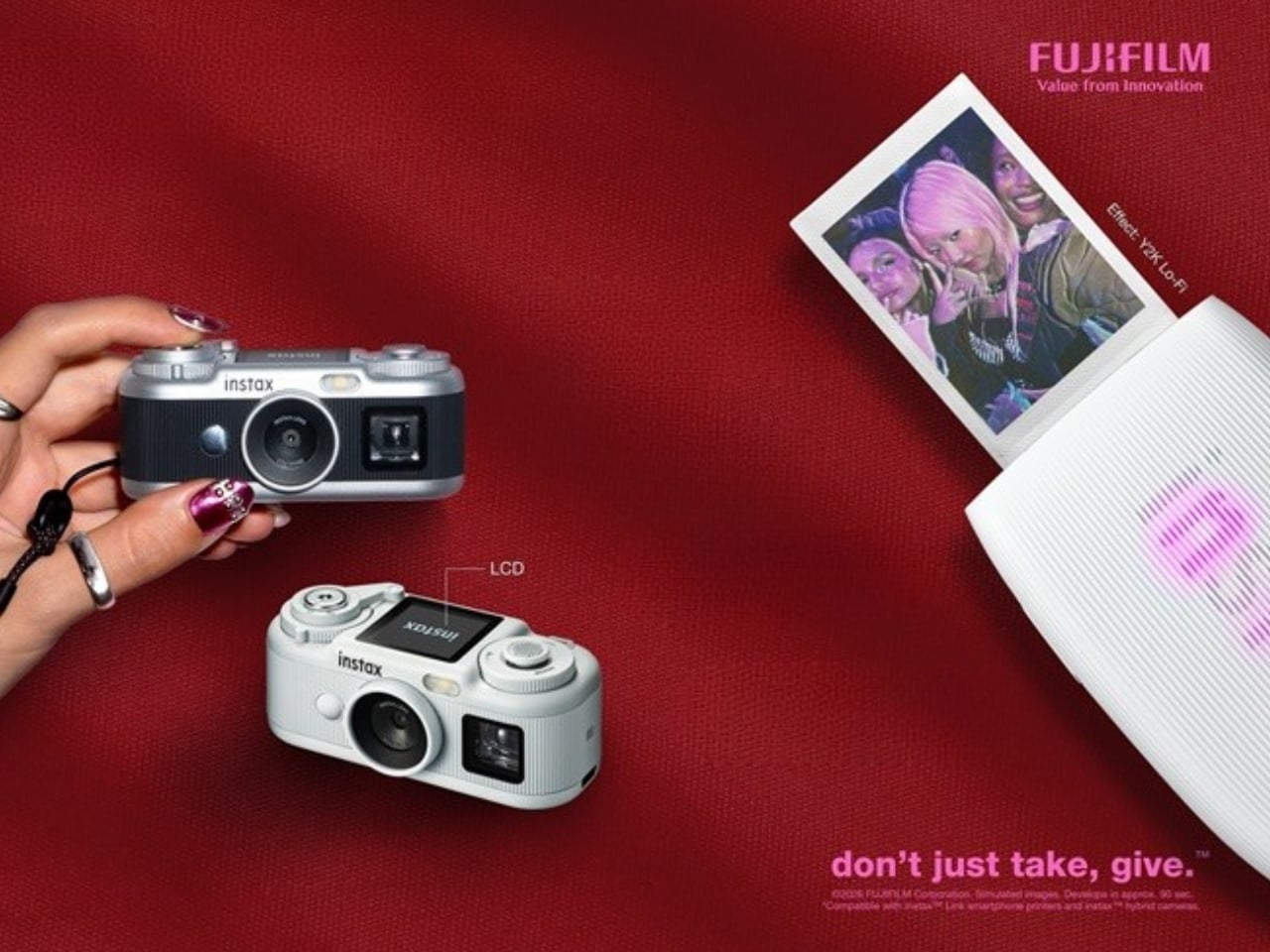
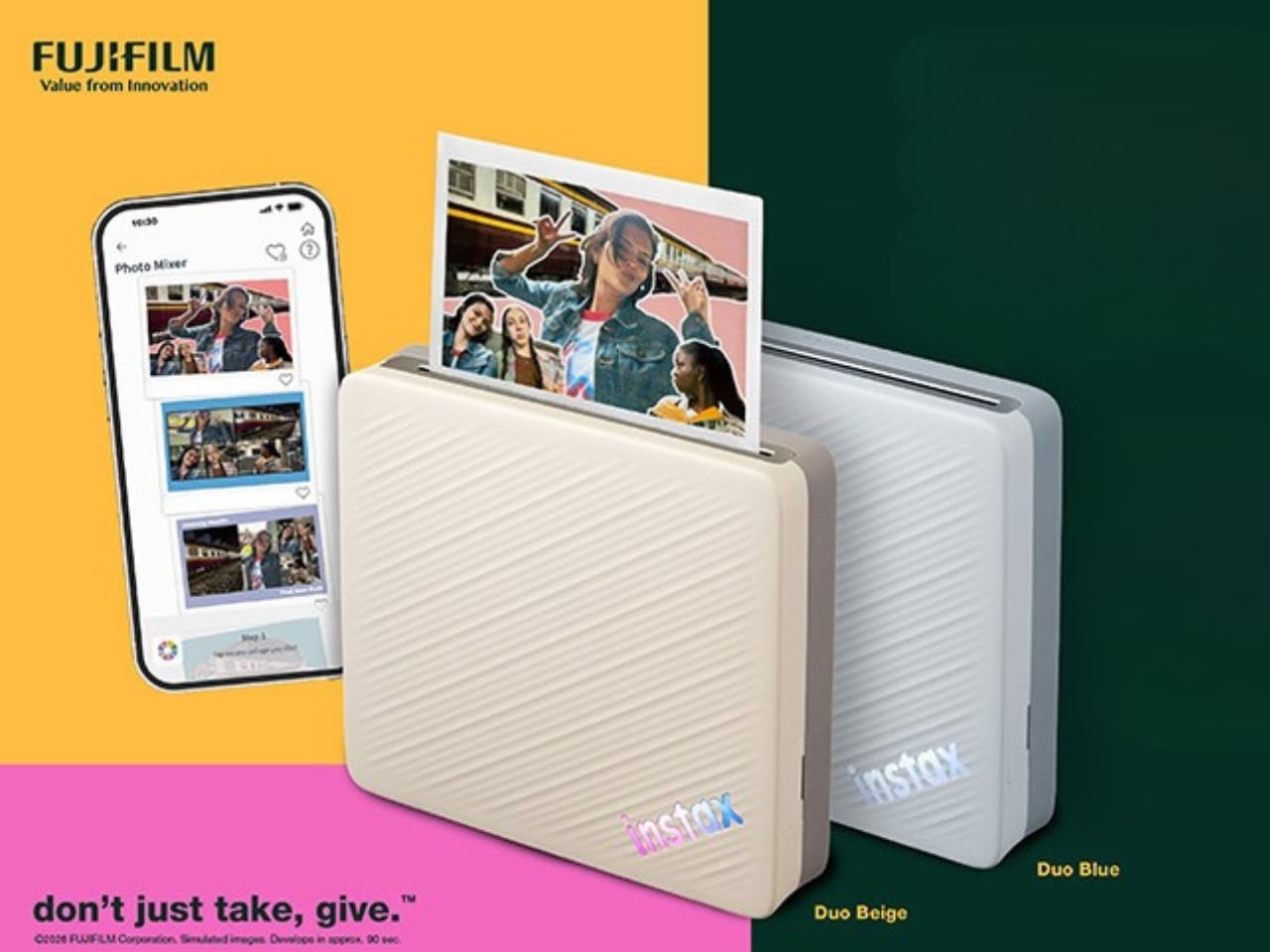
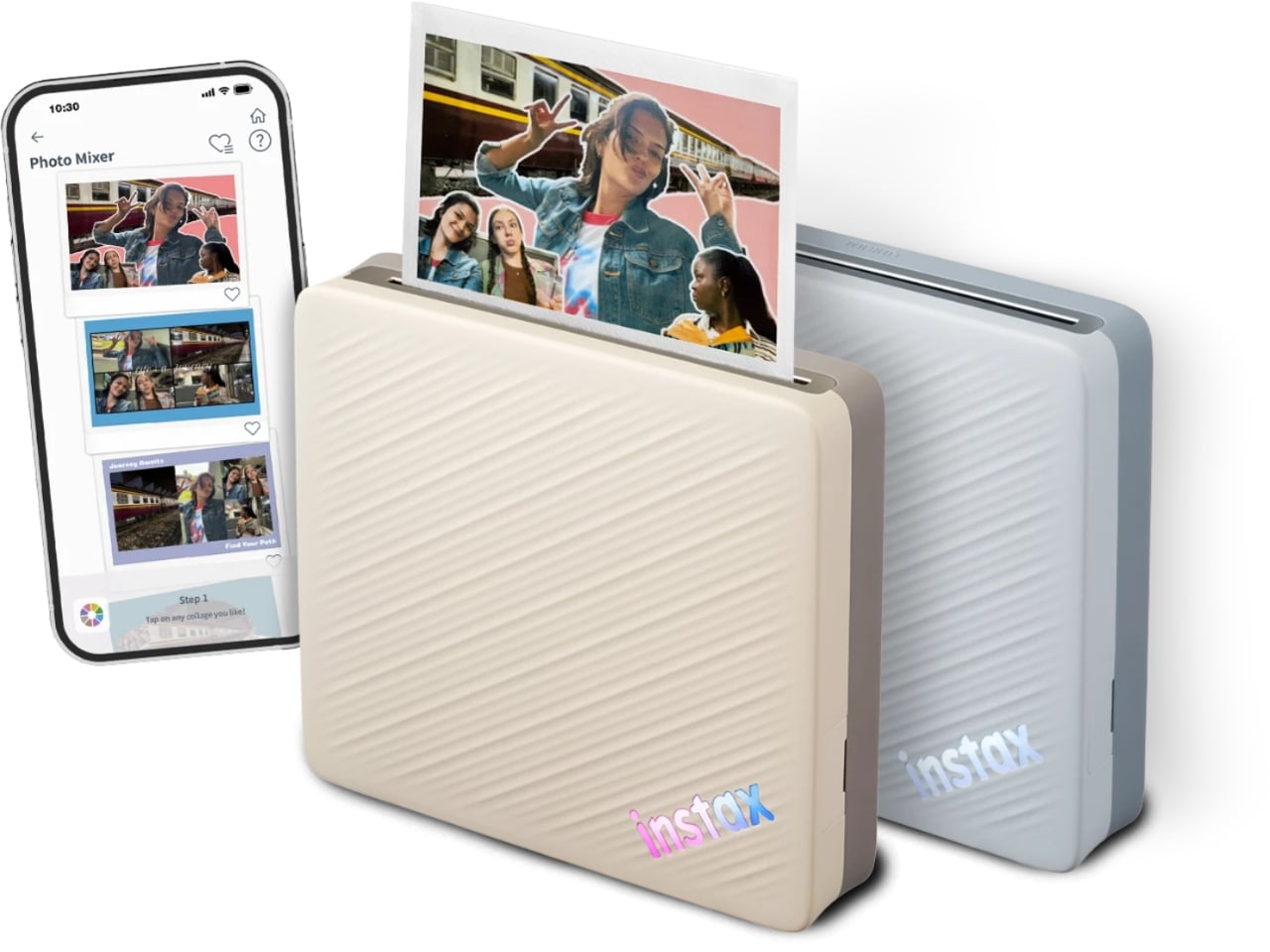
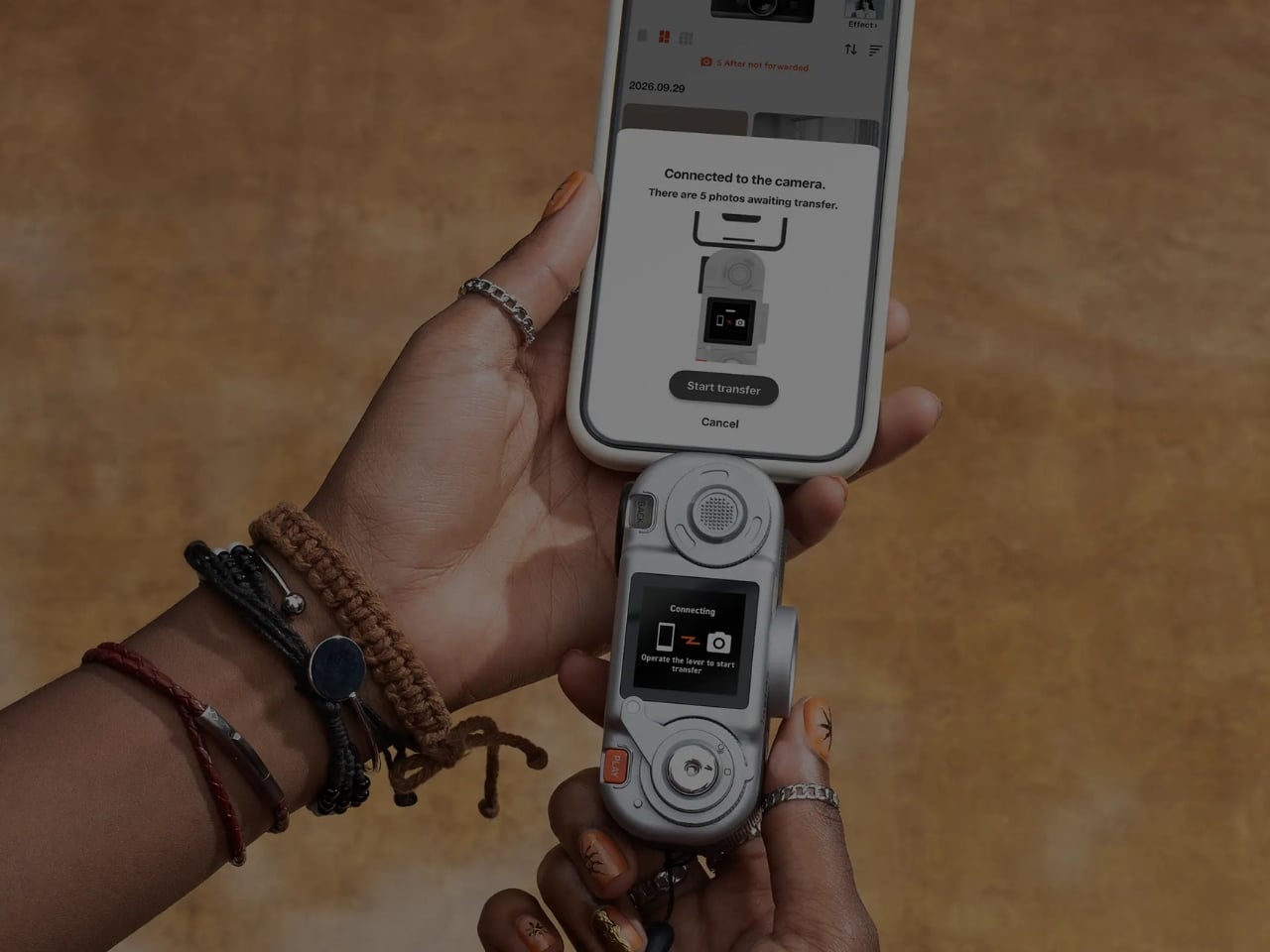
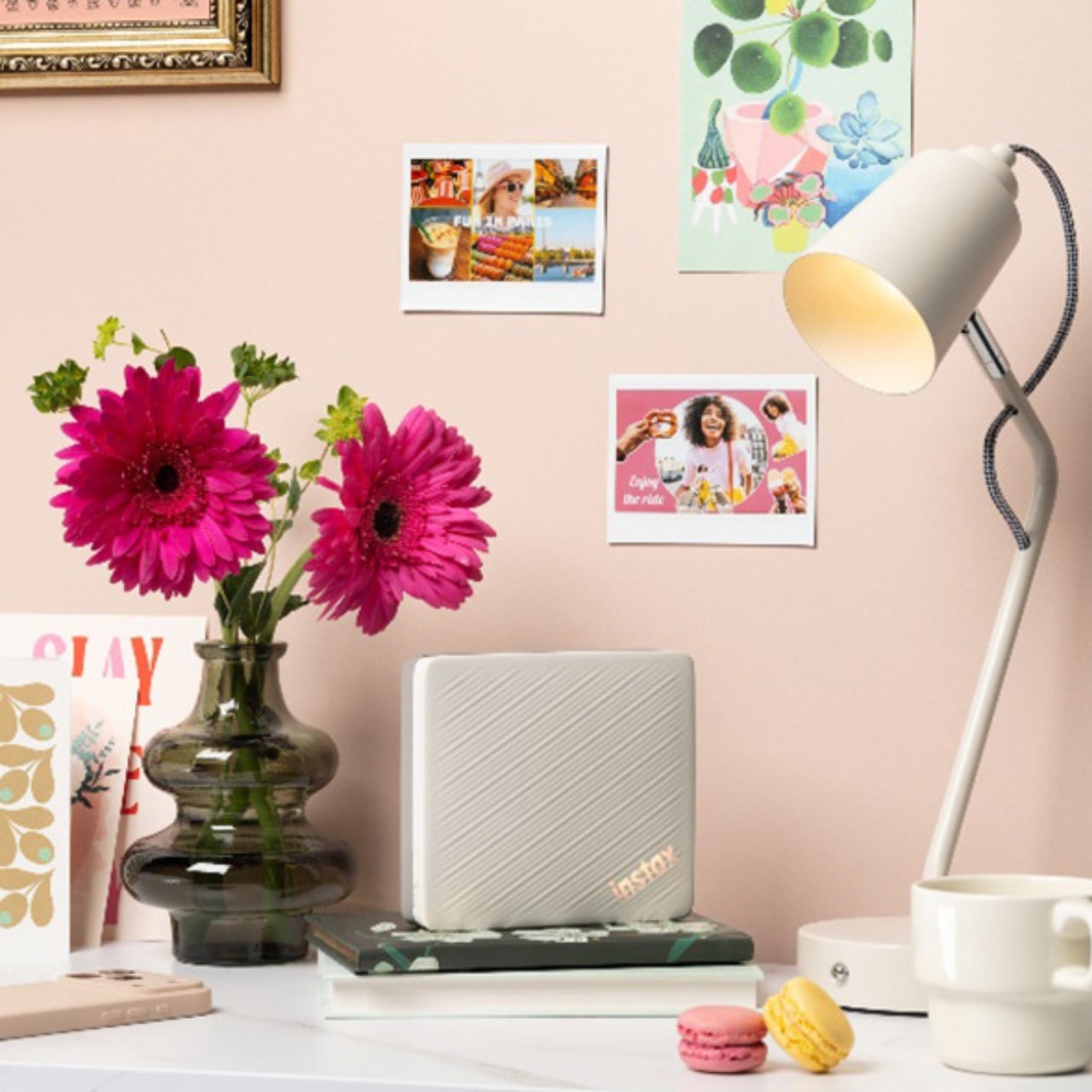
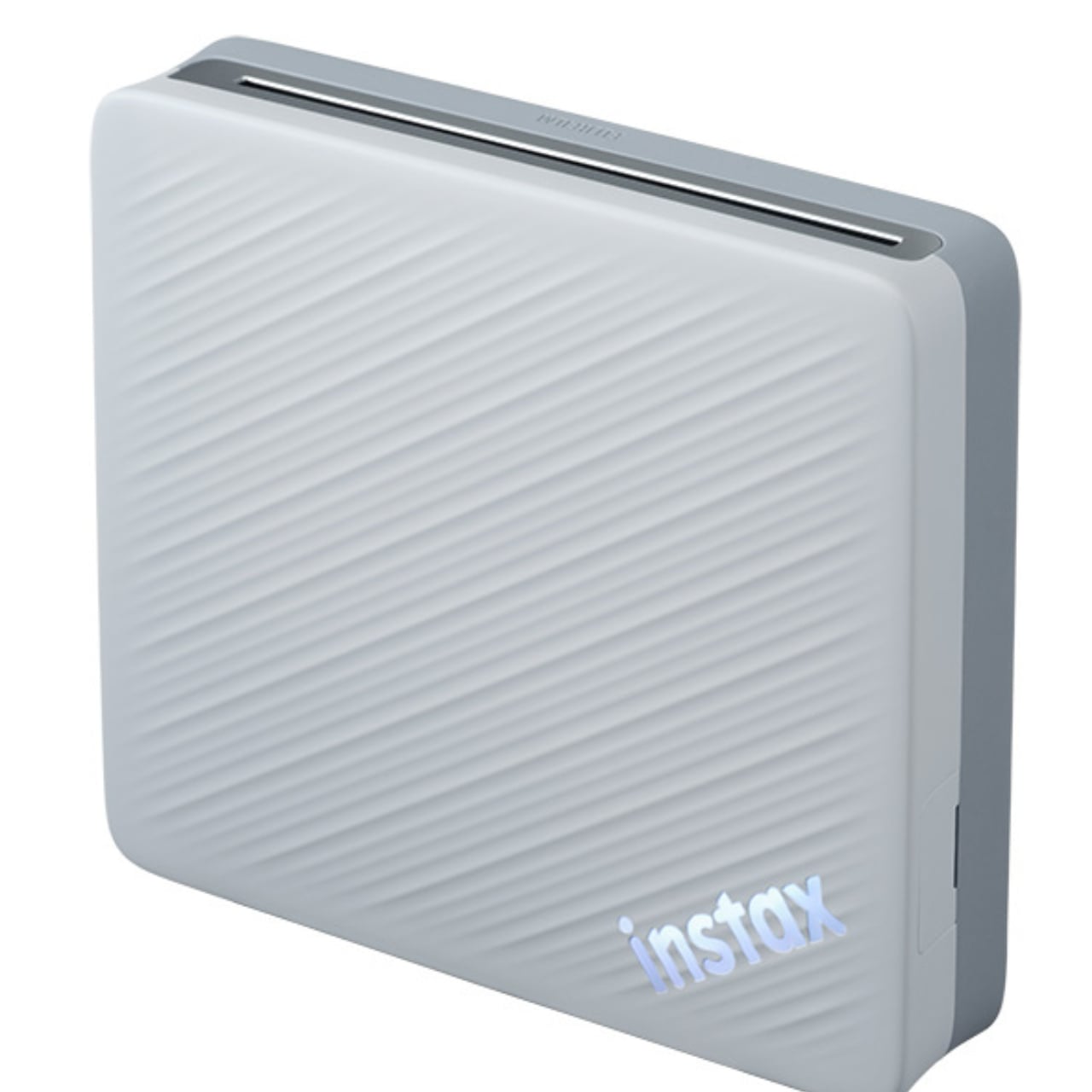
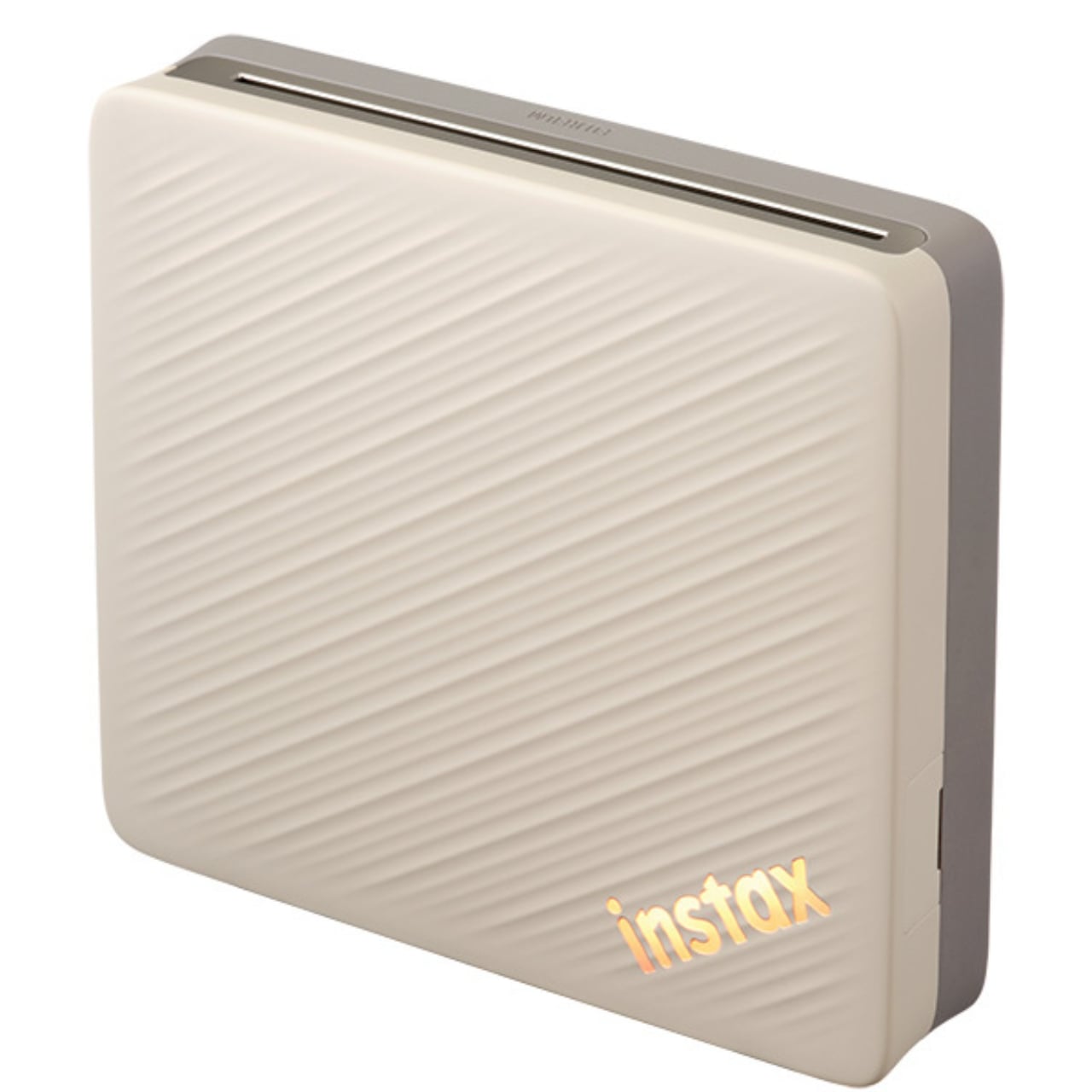
Fujifilm seems to have noticed the same thing, because the two products it just announced, the Instax Pal 2 camera and the Instax Link WIDE 2 printer, are built almost entirely around getting photos out of your phone and into your hands again. Not instead of your phone. Alongside it. That distinction matters, and it’s the smartest thing about this whole release.
Designer: Fujifilm
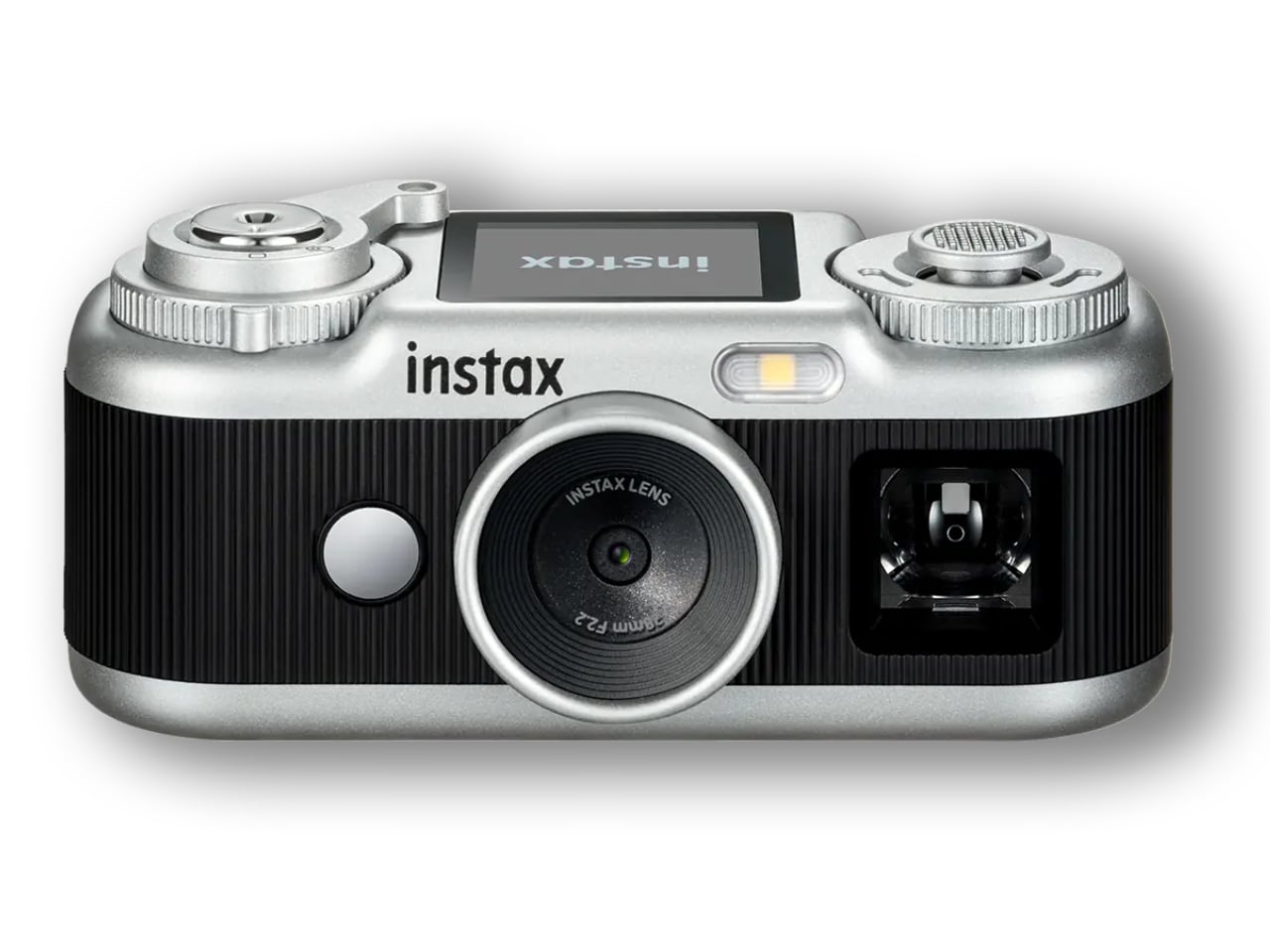
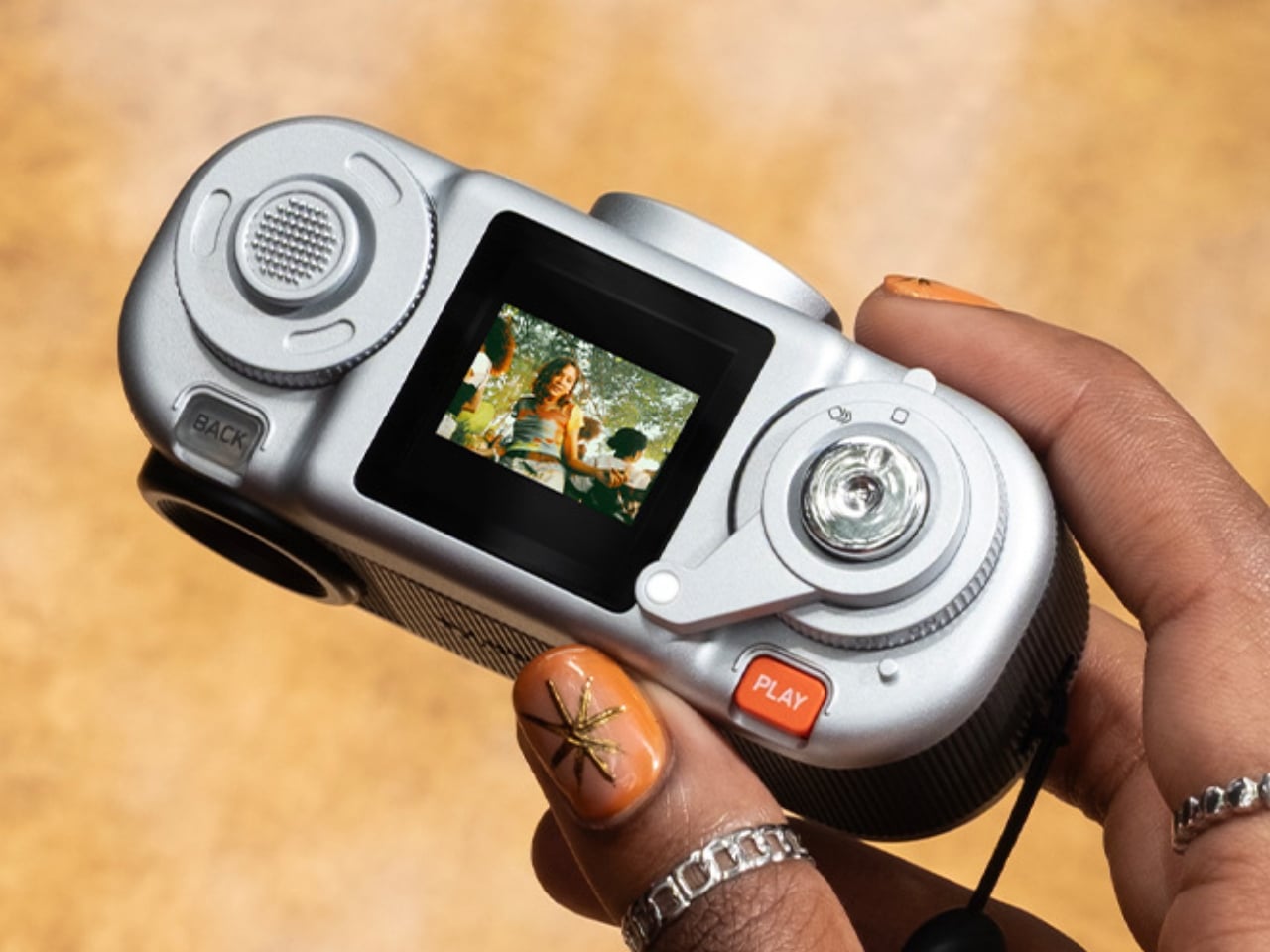
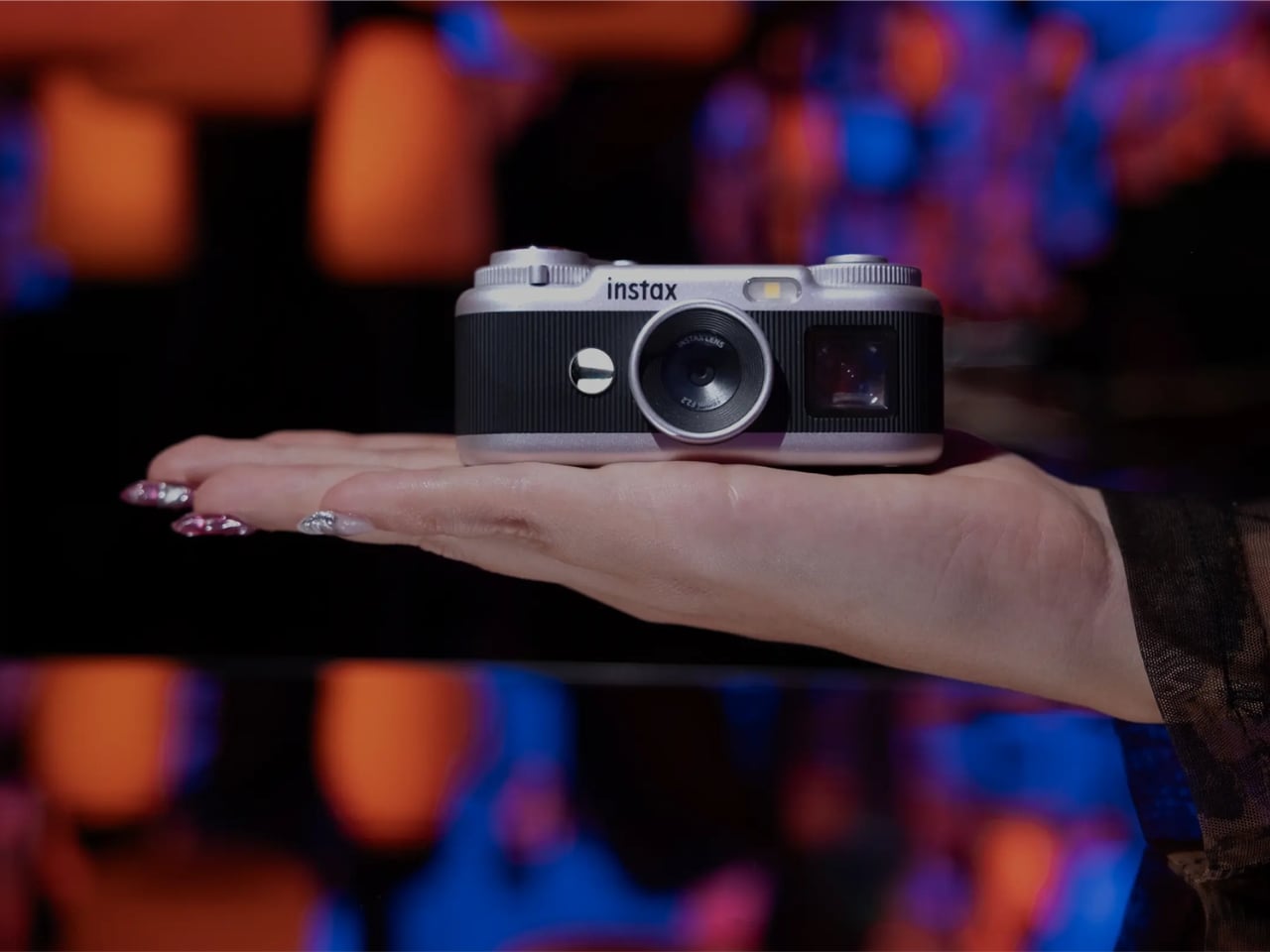
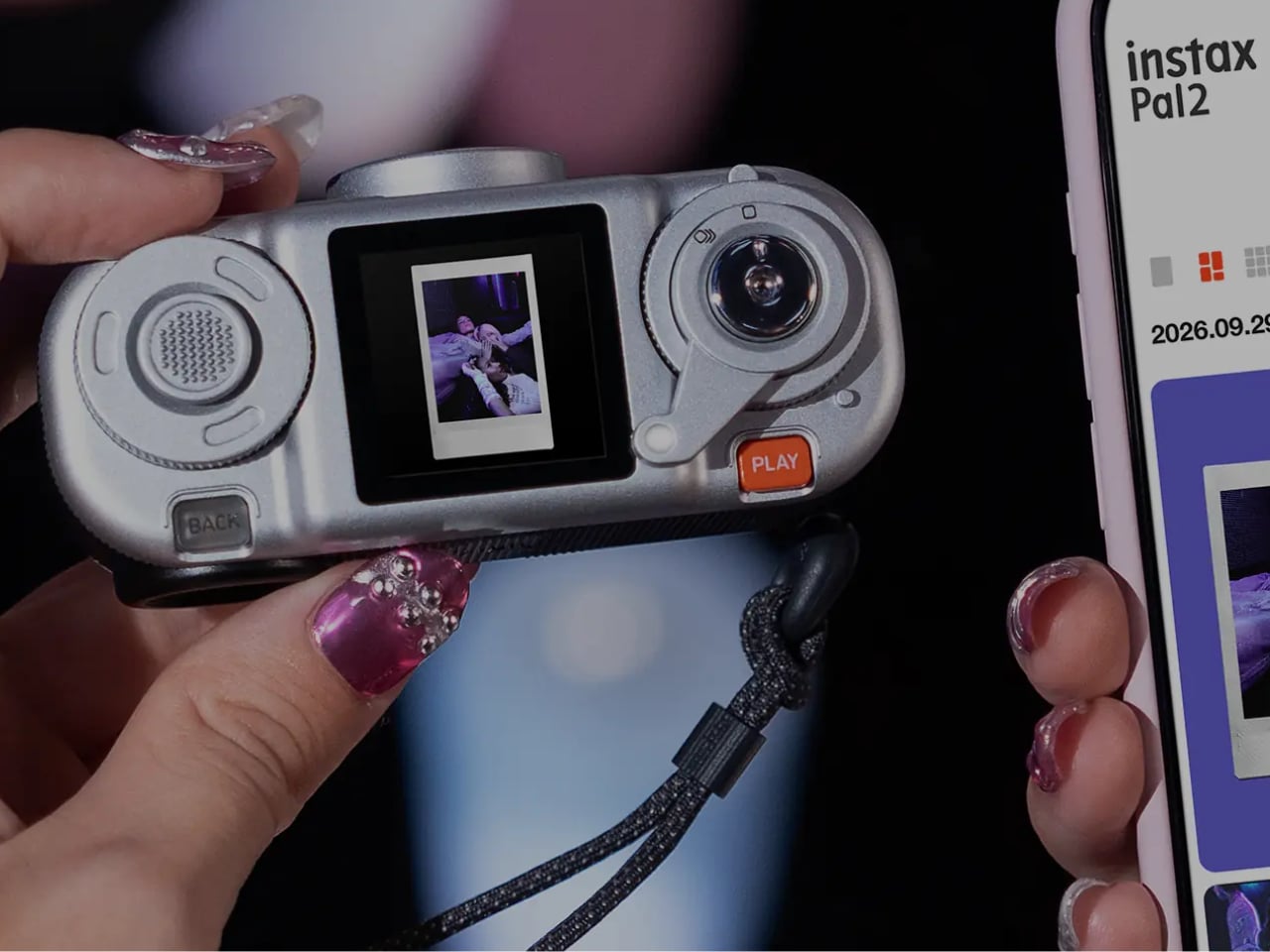
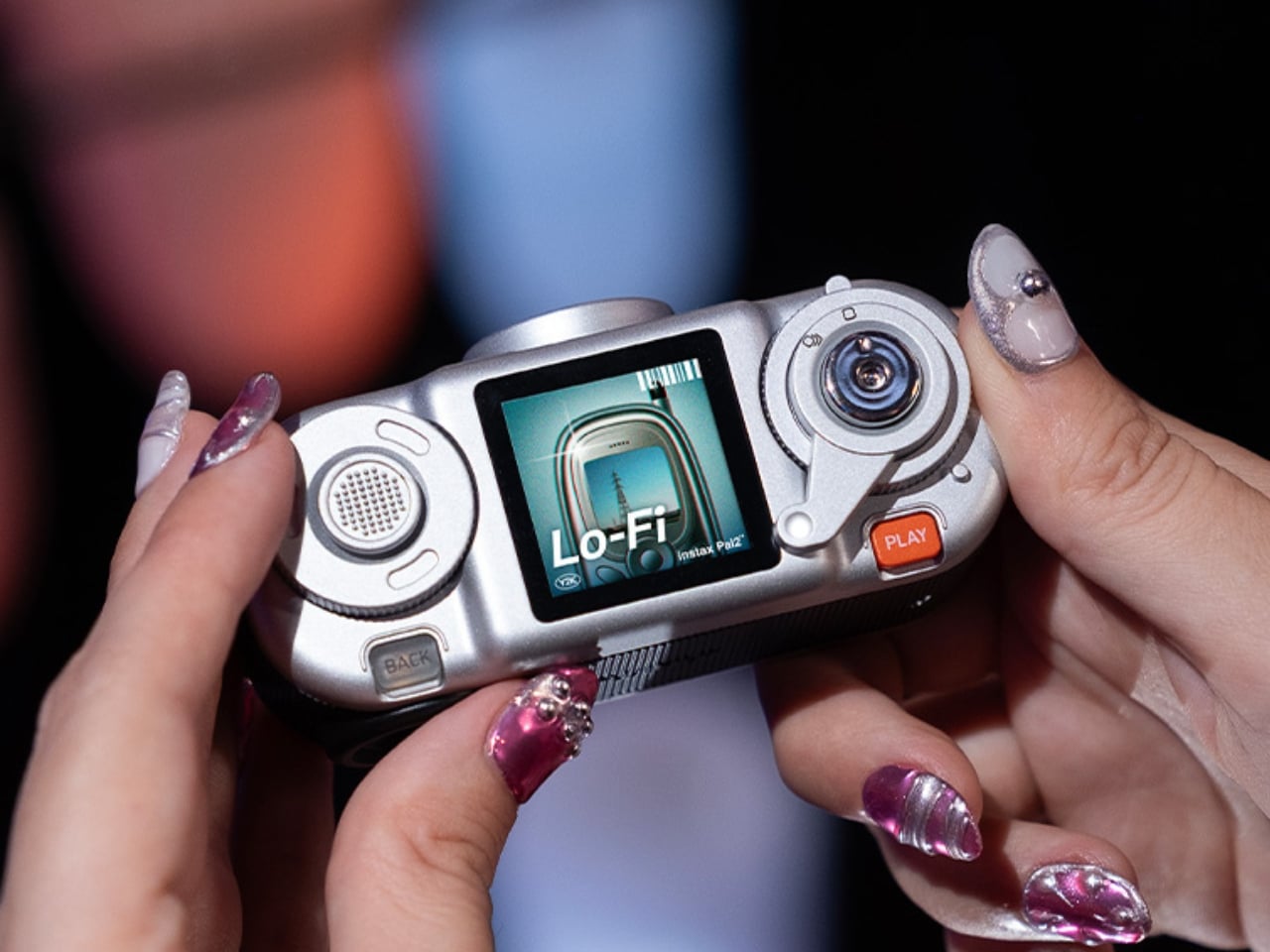
The Pal 2 is the more surprising of the two. It’s a digital camera, not a film camera, which sounds like a strange thing for an instant photo company to make. But that’s kind of the point. It bumps the resolution up to 10 megapixels, adds an actual optical viewfinder the original never had, and gives you a top-mounted screen so you can check a shot the way you’d check a photo on a real camera, not a phone screen. There’s a dial, a lever, a shutter button that clicks with intention. None of this is necessary in a purely practical sense. Your phone already does all of it. But intention is exactly what’s missing from most of our photography lately, and Fujifilm seems to understand that a slightly inconvenient, slightly deliberate process is what makes people actually care about the picture they just took.
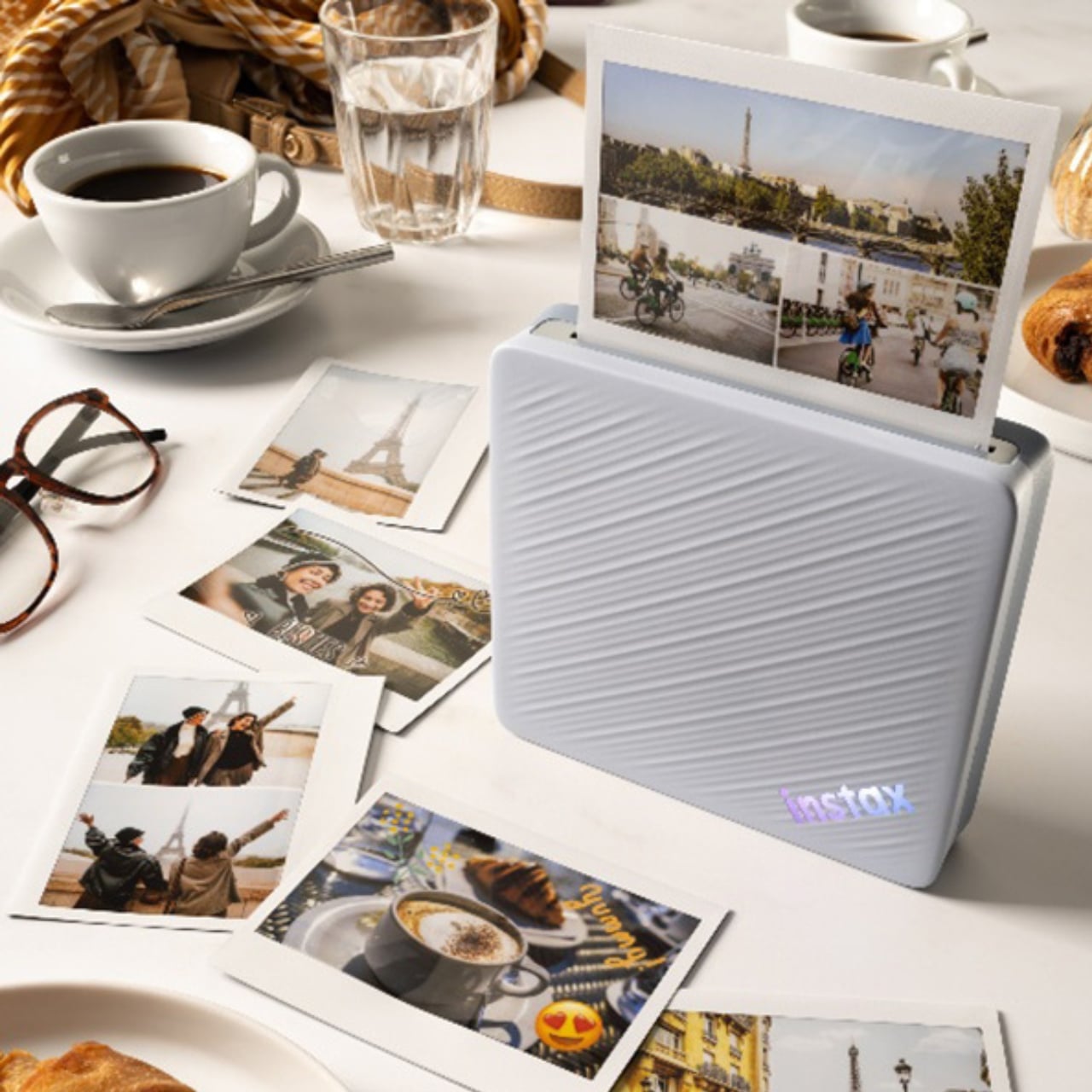
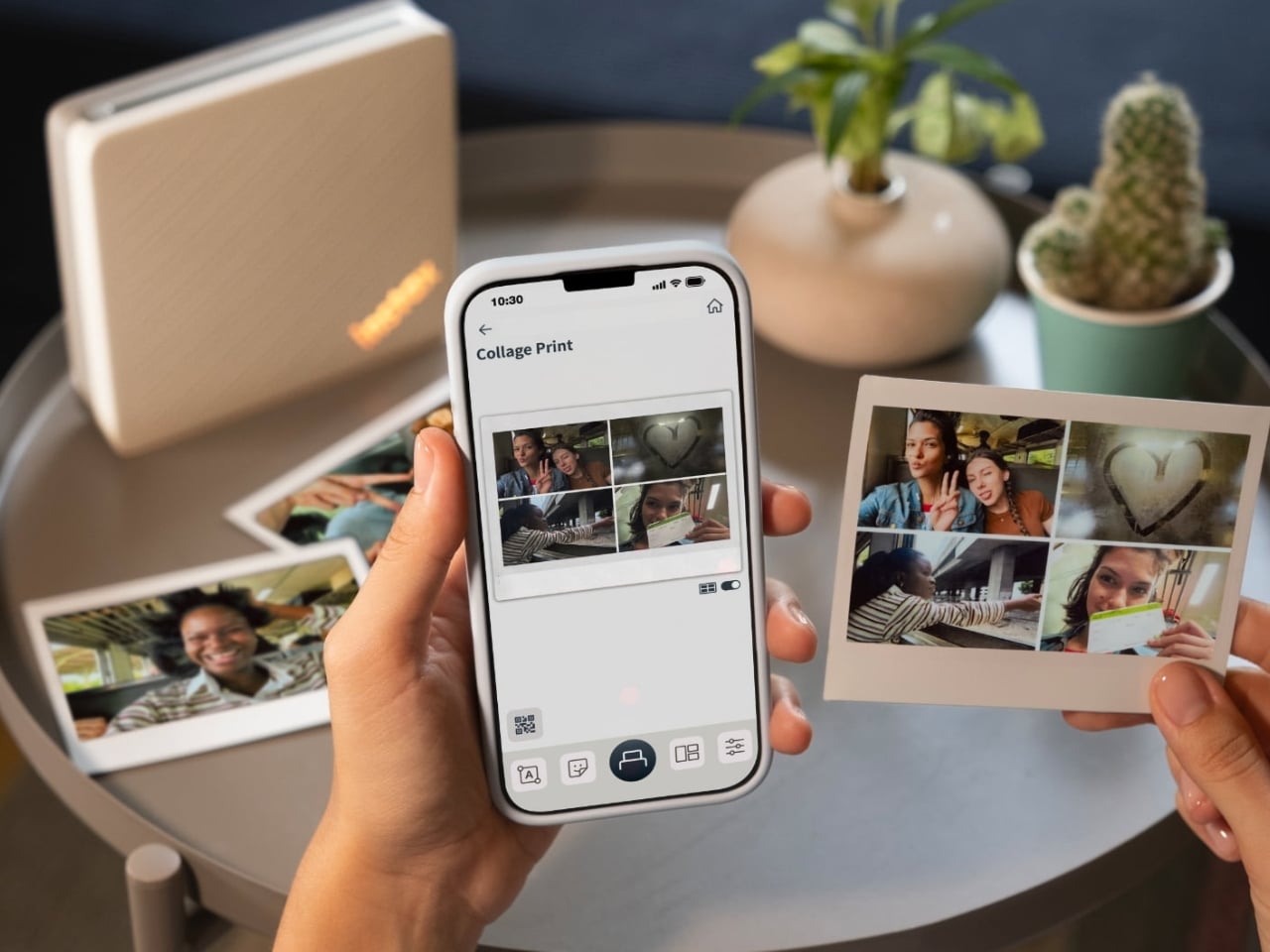
The Link WIDE 2 printer is where the idea gets finished. It prints Instax Wide film, the biggest format in the lineup, and it comes with a feature called Photo Mixer that lets you pull images straight from your phone’s camera roll and turn them into collage-style layouts before printing. You can remix a combination five times before committing. There’s also a QR Print Mode, which lets you tuck a hidden link into the print itself, a voice memo, a location, a note, whatever you want someone to find when they scan it later. It’s a small trick, but it’s a clever one. It turns a static print into something with a little more depth than what’s visible on the surface.
I don’t think either of these products is trying to replace phone photography, and I actually respect that they don’t pretend otherwise. What they’re doing instead is giving people a reason to slow down for the ten seconds it takes to pick one photo out of four hundred and make it real. That’s a small ritual, but rituals are basically what we’re missing. Nobody frames a JPEG. Nobody puts a camera roll on their fridge.
There’s a version of this story where Fujifilm is just capitalizing on nostalgia, riding the same wave that’s brought back film cameras and digital point-and-shoots among people too young to have used them the first time. That’s probably part of it. But nostalgia alone doesn’t explain why the company kept the analog controls, the viewfinder, the tactile dials, on a camera that has no film in it at all. That’s a design choice aimed at the feeling of taking a photo, not just the result.
Both products land in late September, priced at $169.95 for the Pal 2 and $179.95 for the Link WIDE 2. Neither is going to fix the fact that I have 14,000 photos I’ll never look at again. But it might convince me to take one on purpose, print it, and put it somewhere I’ll actually see it. For a photo, that’s the whole job.
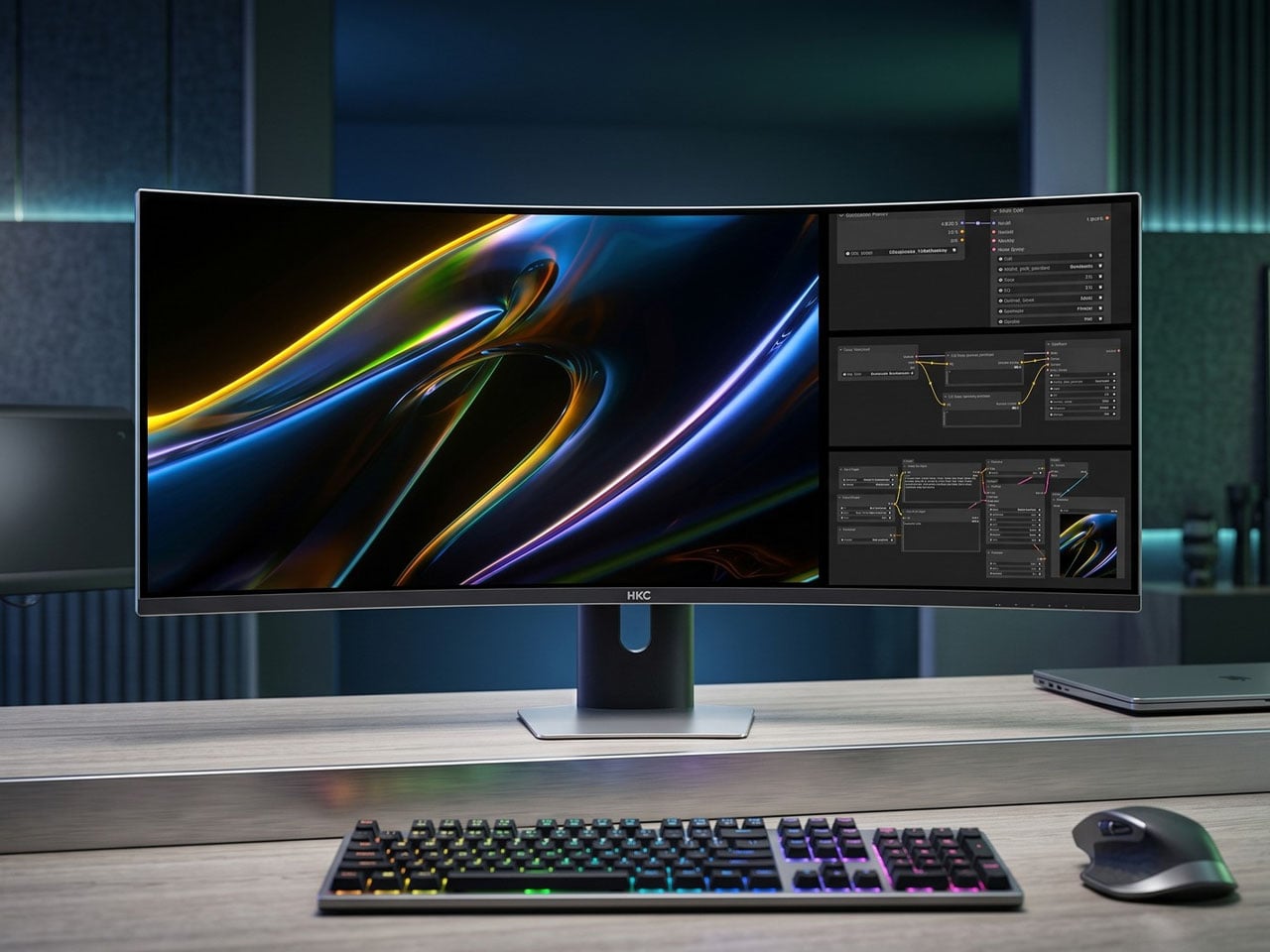
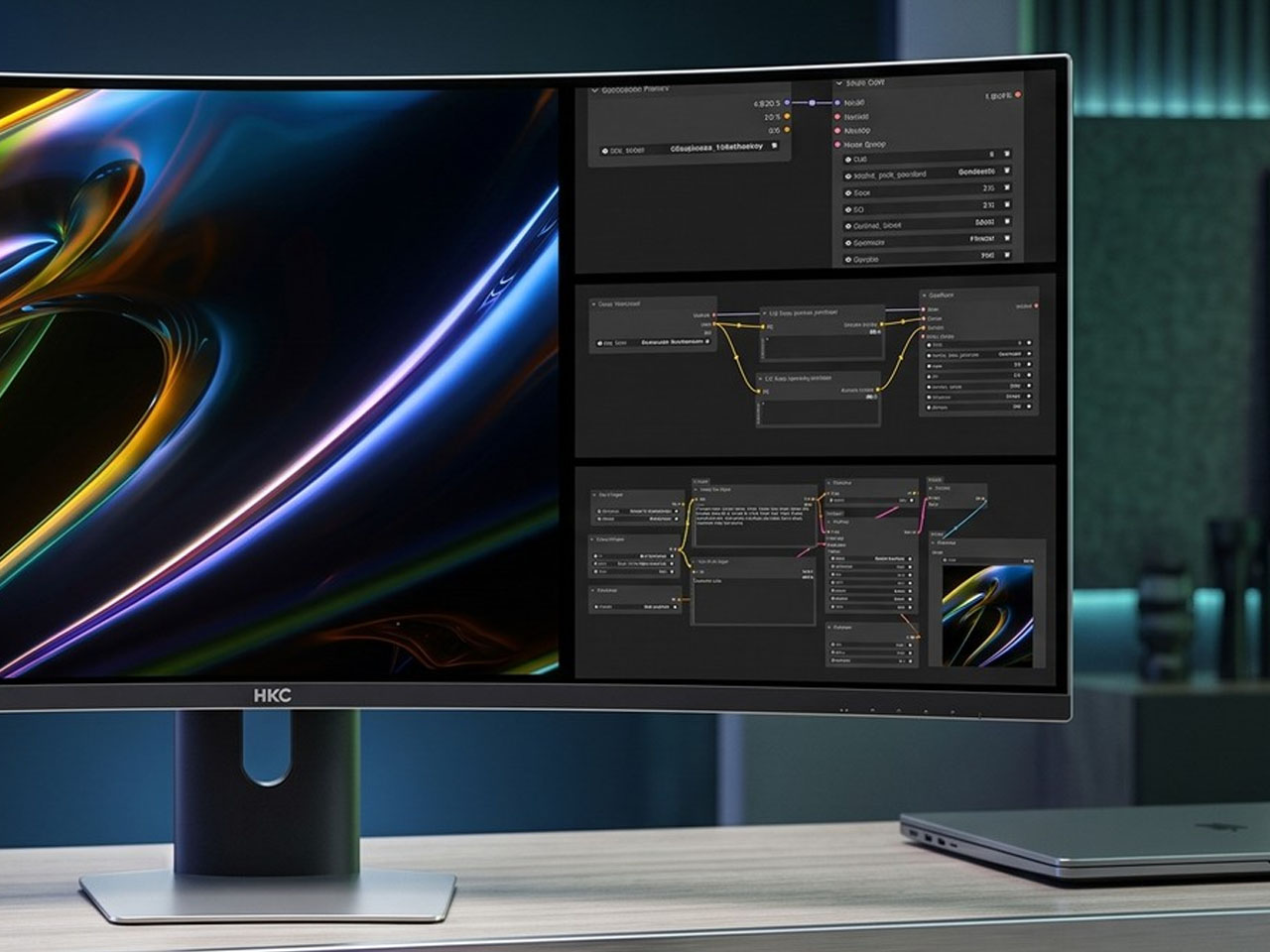
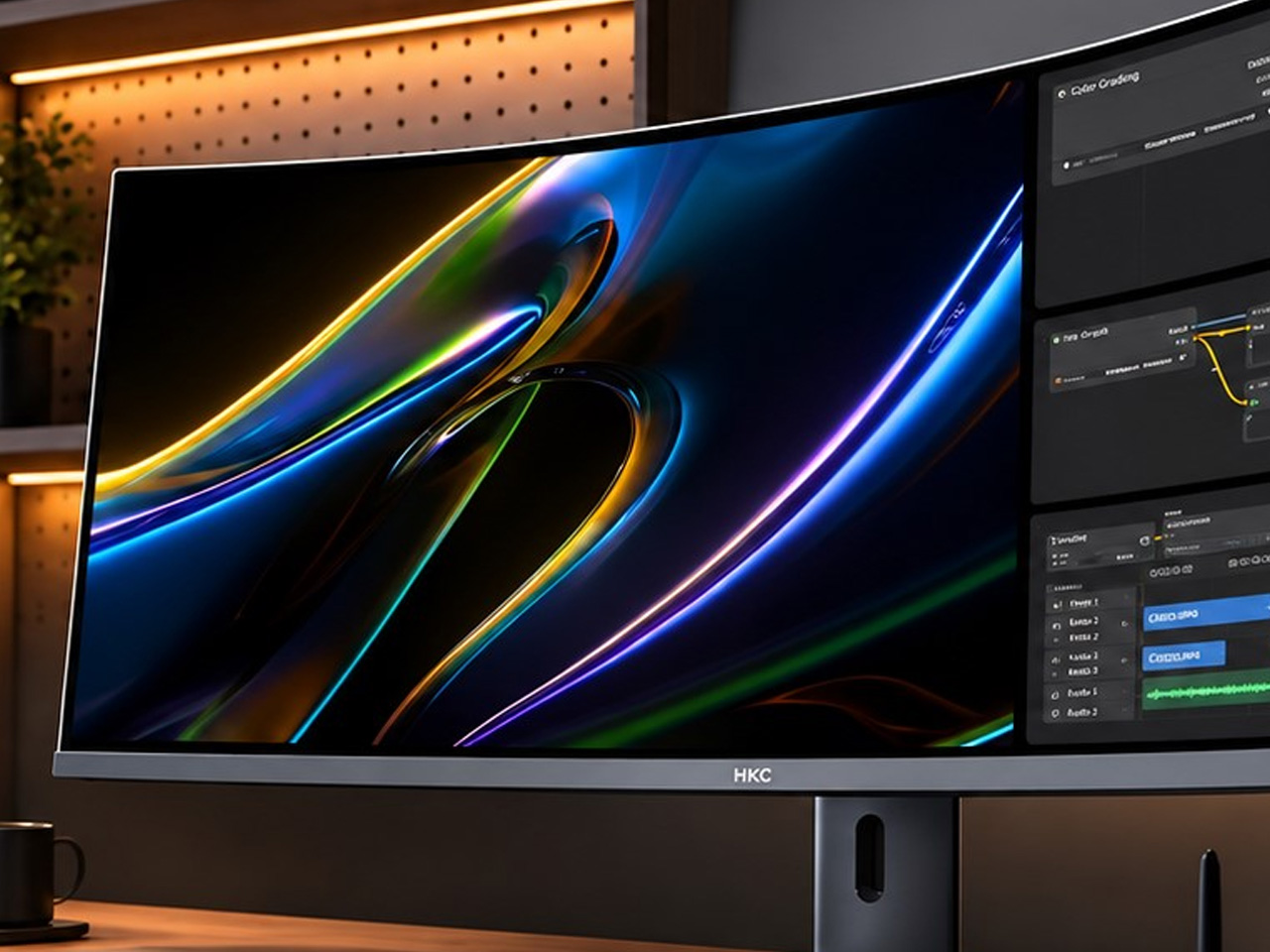
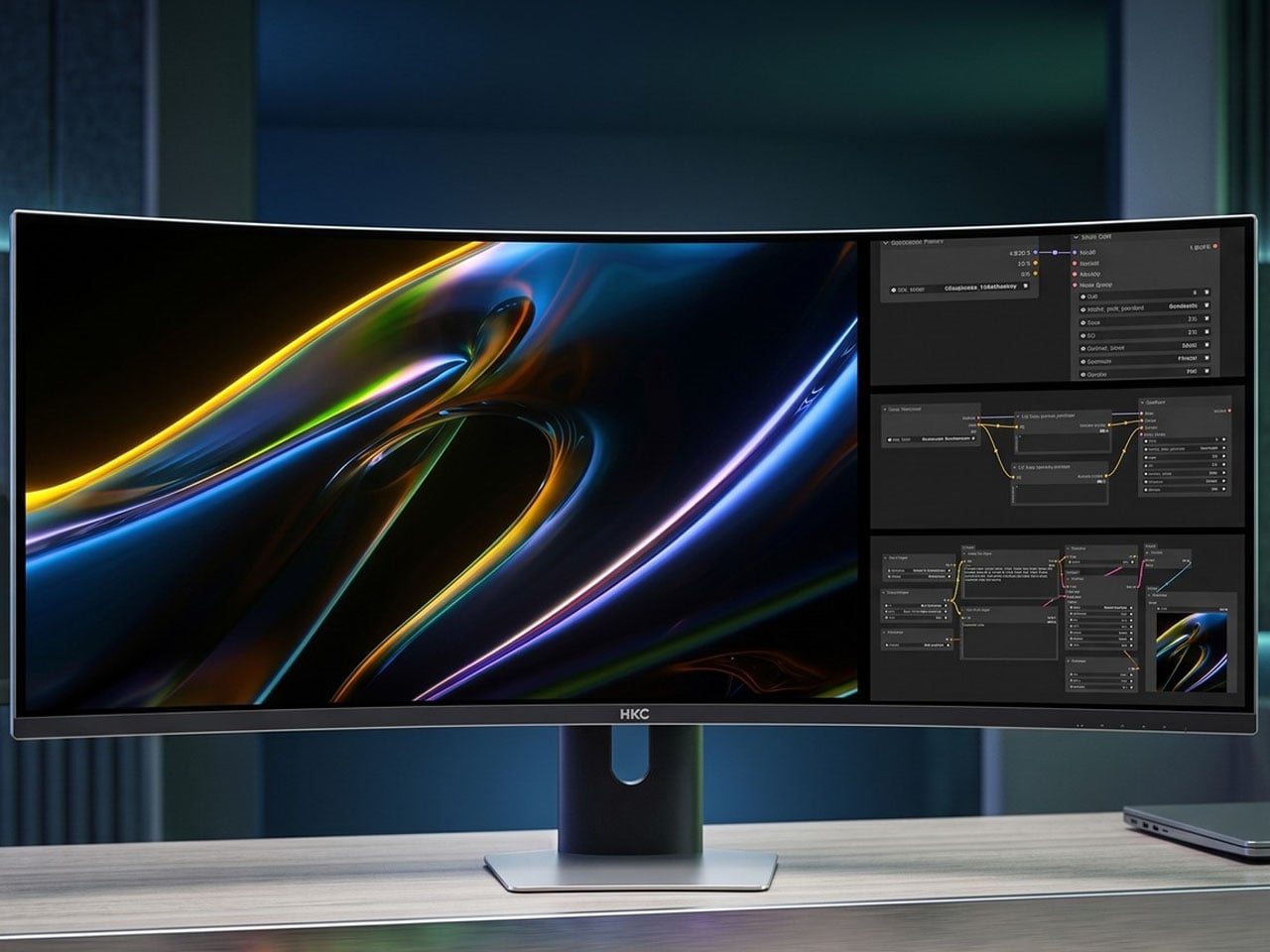
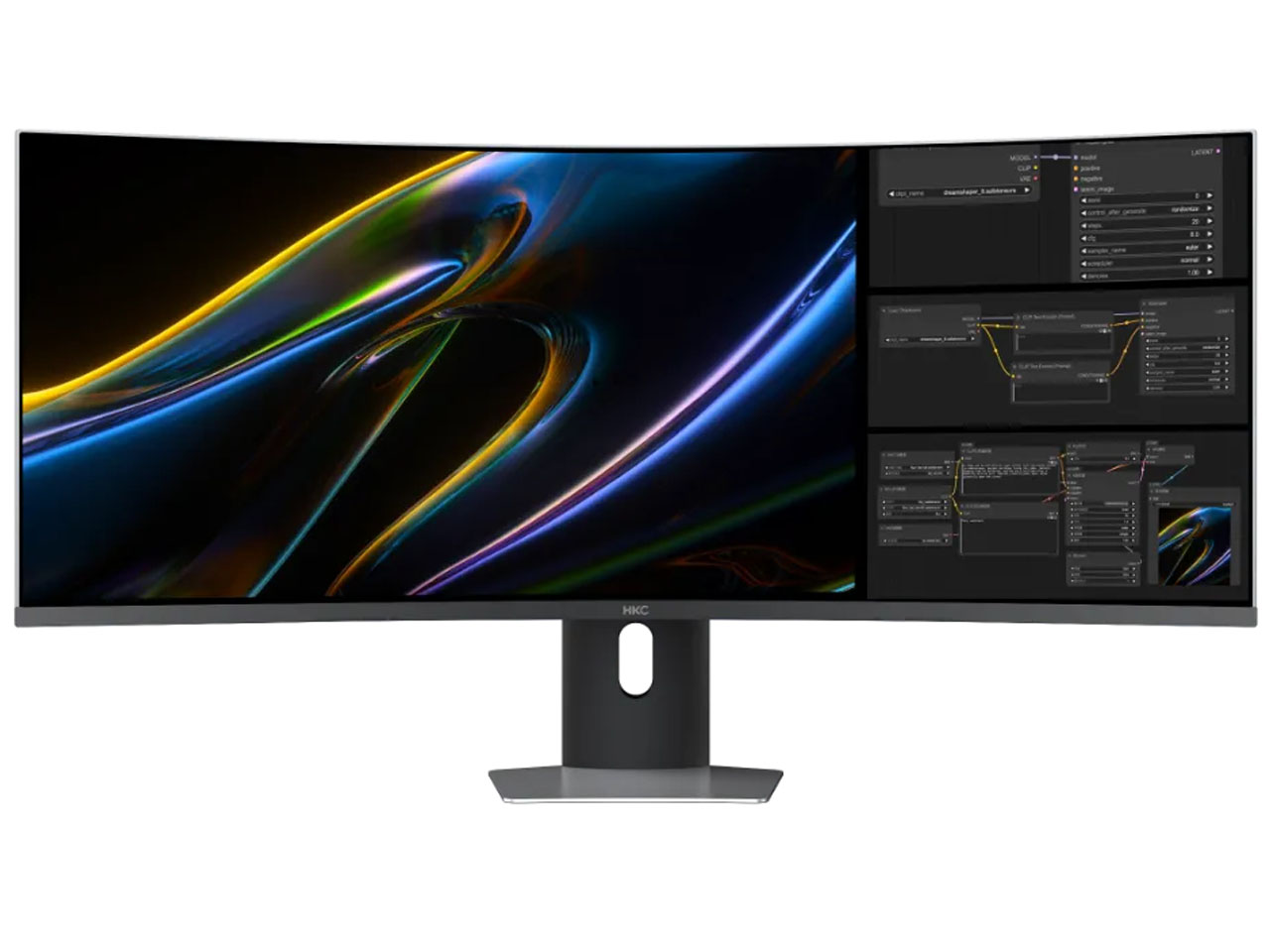
There are no limits as to how wide you can go with a desktop monitor, especially for power users and pro gamers. You can have a 21:9 aspect ratio screen or even a crazy 32:9 setup. HKC wants to push the aspect ratio wide, but between these two extremes, at precisely 24:9. They’ve just revealed the Tianqi 43H180C ultra-wide curved display, primarily targeted at gamers, with a 180 Hz peak refresh rate.
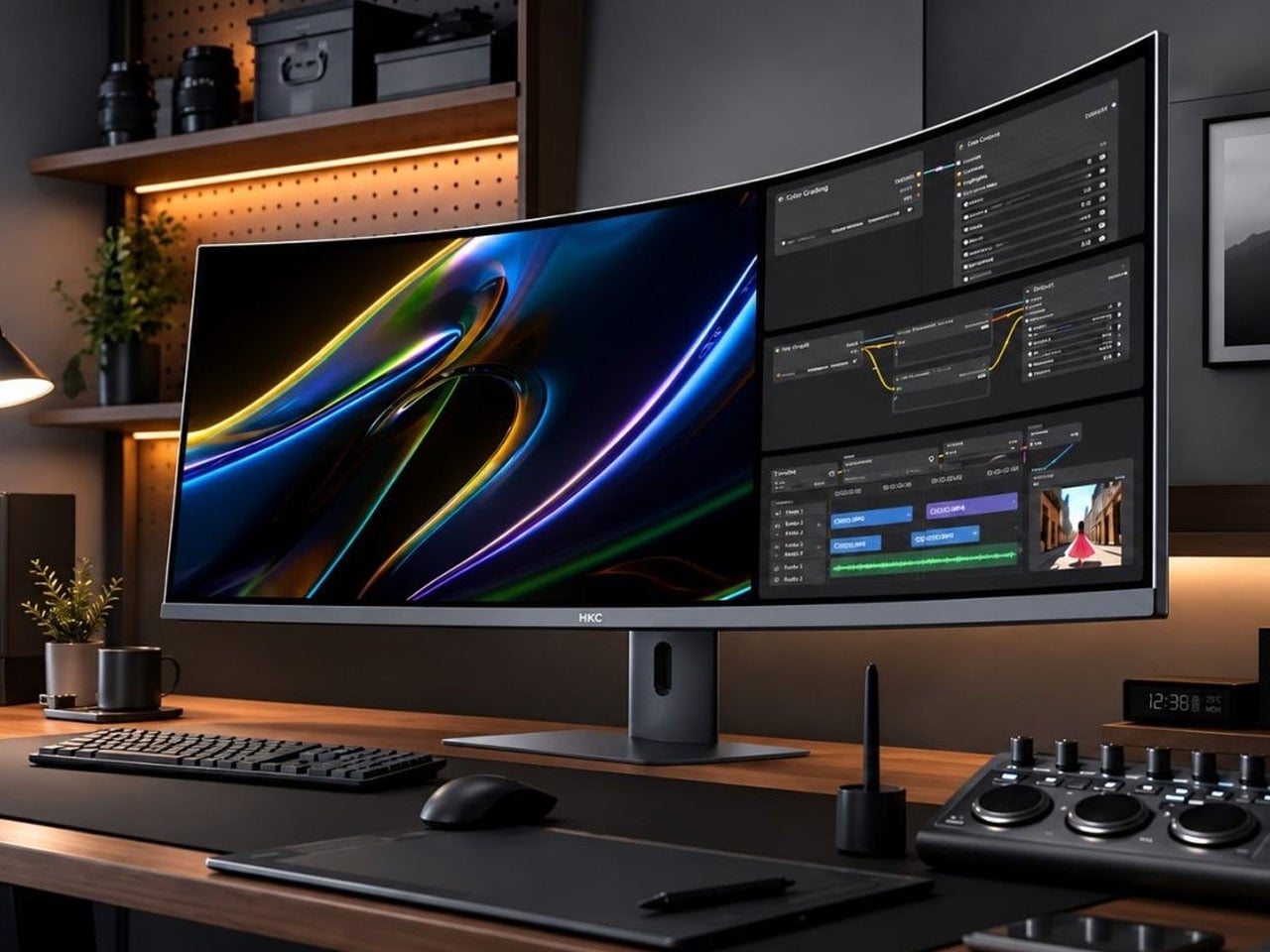
The panel is 43.8 inches, and with that aspect ratio, it is equivalent to a 4K monitor with the 5,760 x 2,160 resolution. Even better, the big canvas can be split into a 4K zone with 3840×2160 resolution and a 1920×2160 area. This gives power users the freedom to use the latter for multitasking needs and displaying code, timelines, chat windows, or gameplay vitals. Even with this split area, the main area is still wide enough for most tasks.
The Chinese company is not new to designing such crazy monitors, as they showcased an 83.4-inch curved 12K Shield at Computex 2026. That one, however, is only for a handful of crazy content creators. For most, the Titaqi ultra-wide monitor will be more than enough screen space. For times when you don’t need such a wide screen setup, the monitor can be split into three 1920×2160 zones, virtually giving you a three-screen setup in one. If you are using a laptop alongside, make that four.
Compared to other 48.3-inch monitors by Dell, Acer, Sceptre, or INNOCN, this one has a far superior resolution in single-use mode. That makes it a one-of-a-kind desktop monitor. All said, the mega resolution should bring every detail to life, no matter if you are a content creator, gamer, or simply want to enjoy your movie nights. This panel uses Mini LED backlighting technology with 99 percent DCI-P3 color region coverage. Noticeably, the monitor’s 180 refresh rate capability should be a handful for even the most powerful CPUs, rendering the details in 4K resolution. Natively rendering games at even 100 FPS at 4K resolution puts a lot of load on the innards, so this will require a crazy CPU to run at full steam for a length of time.
On the connectivity front, the ultra-wide monitor comes with a DP 2.1 interface, a 96W USB Type-C PD port, and KVM multi-device control. For now, other details about the monitor are still in the shadows, but we should have more sooner rather than later. The pricing and availability are also shrouded in mystery for now, so we’ll keep a close eye on the developments as they happen.
Whenever I need to charge my smartphone, I still can’t resist using it, even though I know it will juice up faster if I just leave it alone. Charging time should also be the perfect excuse to stay away from my screen, but since my phone is still sitting right there, easily within reach, I end up answering messages, checking emails, or doom-scrolling through social media anyway. So what if my phone’s charger were the very tool that not only charged it up, but also nudged me to detox from my device and the digital world altogether?
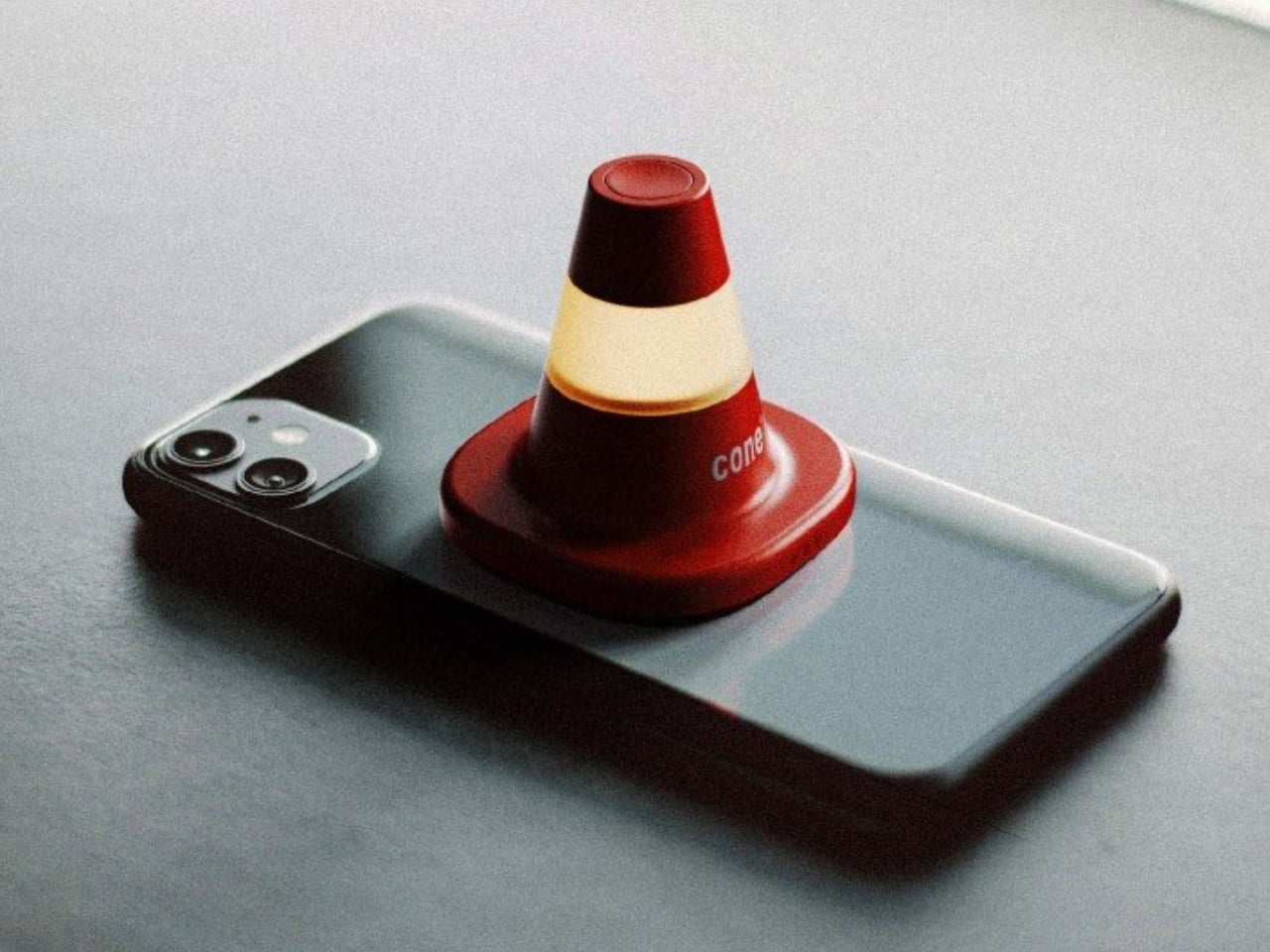
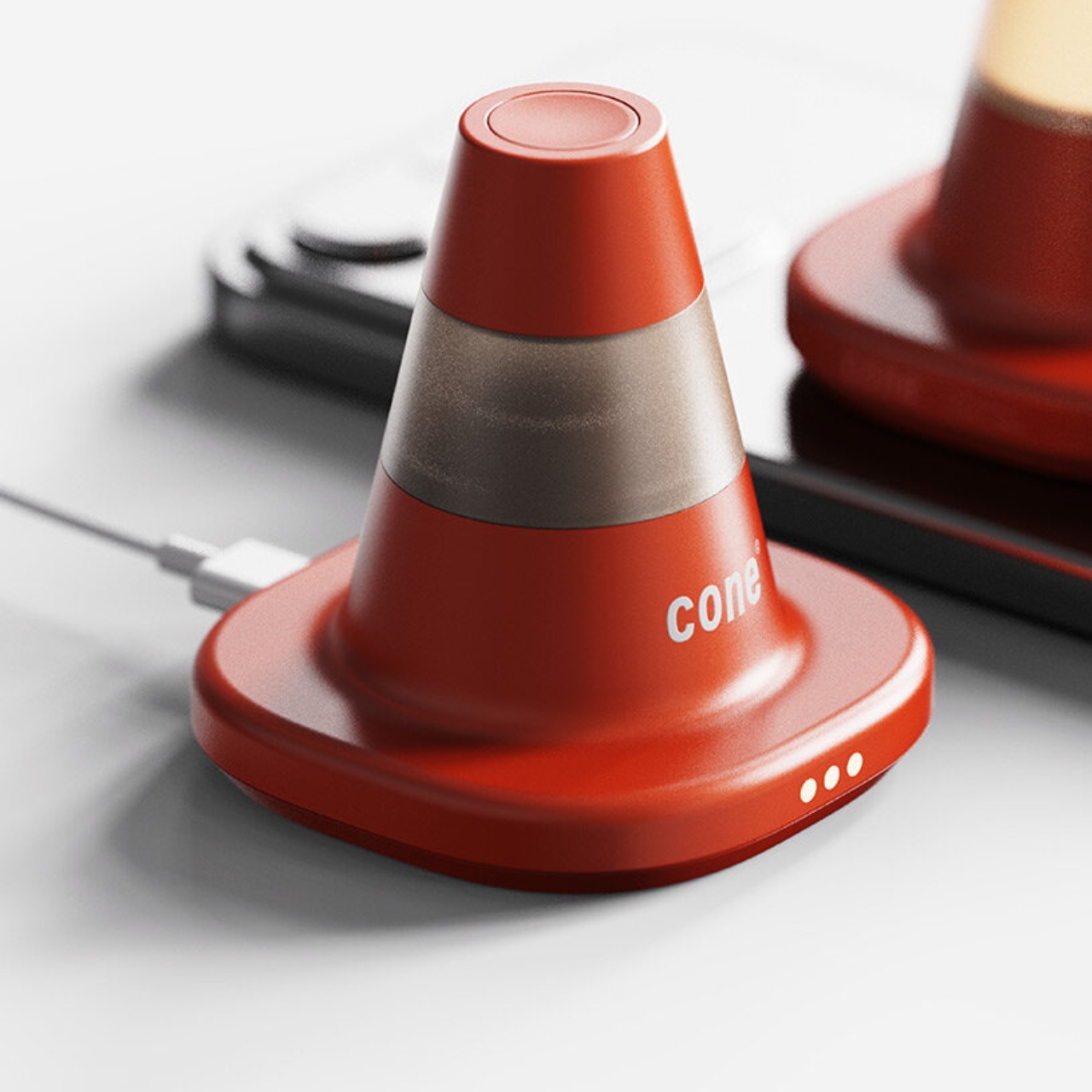
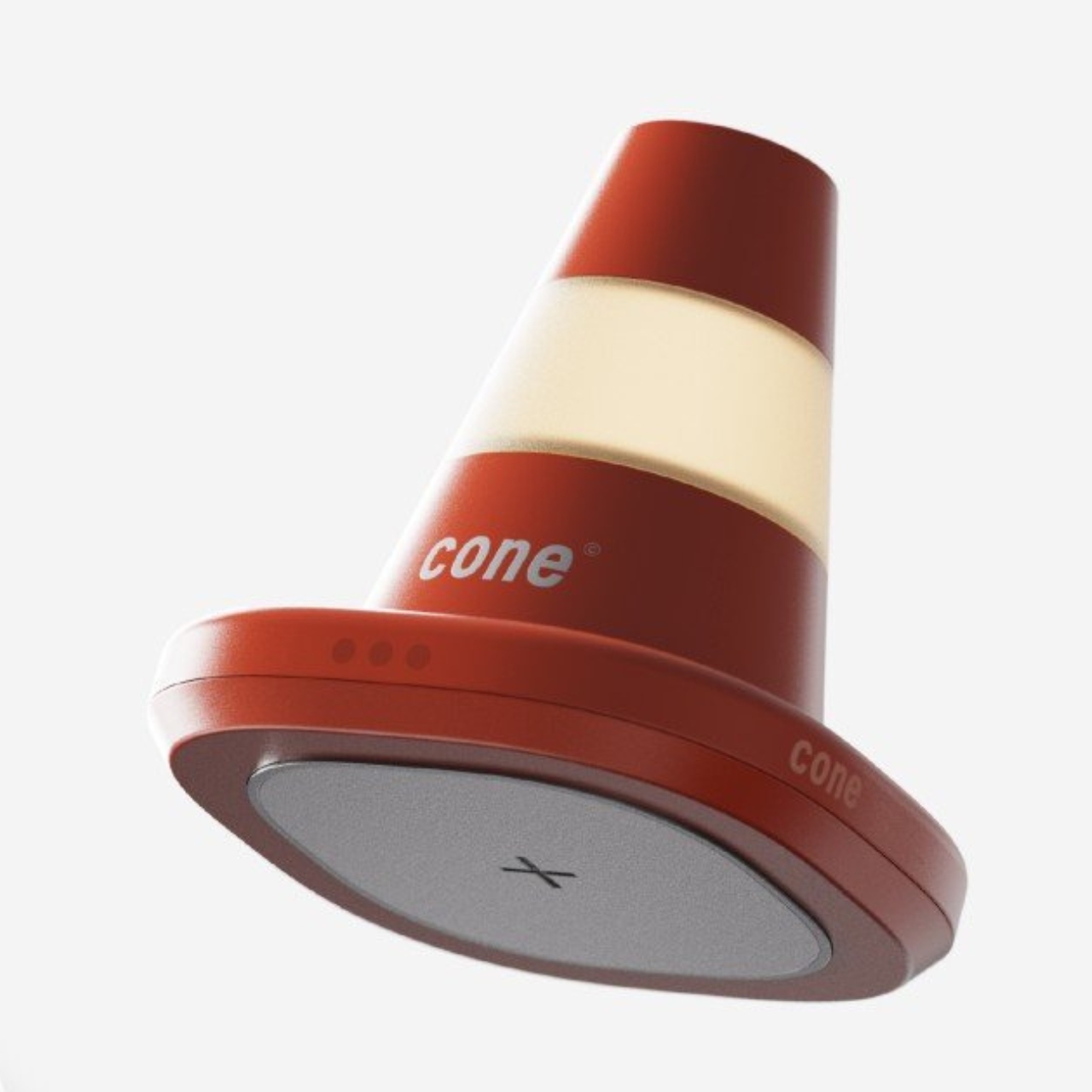
That’s the idea behind the Cone Wireless Charger and Digital Detox, a product concept by South Korean designer Minseo Jung. It’s literally shaped like the orange traffic cone we associate with “no access” or “do not use.” When you charge your phone using this small device, you also stop yourself from reaching for it, thanks to both the way it’s positioned and the actual shape of the charger itself.
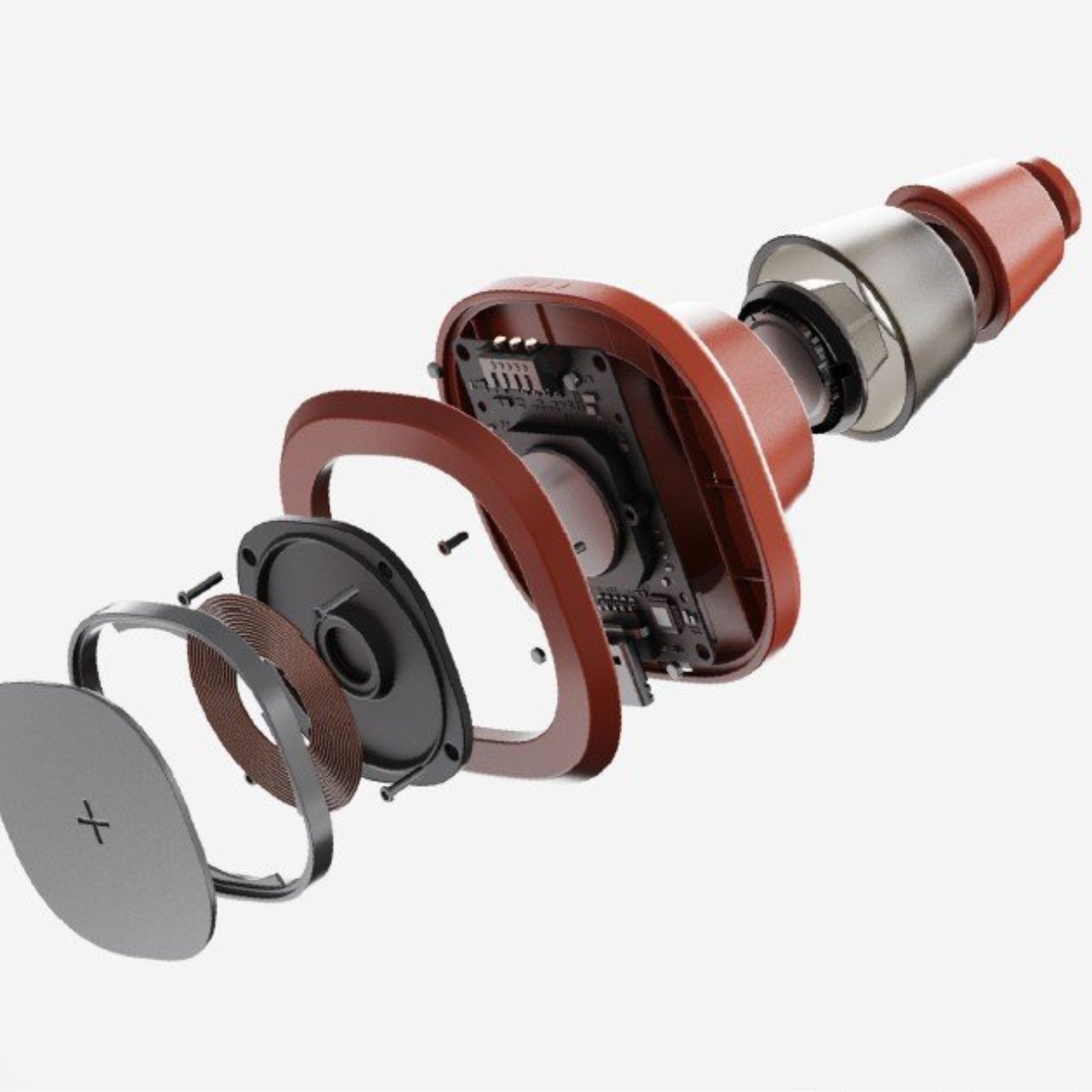
The way the Cone charger works is refreshingly simple. You place your phone face-down on the table, then set the charger on top of it. It charges your device wirelessly the entire time it’s covered. The combination of your phone’s hidden screen and the cone’s unmistakable “stay away” silhouette work together to override that automatic reflex to reach for your device and check whatever it is we usually check.
When it’s not busy charging your phone, the Cone can also double as a mini ambient light that blends nicely into a nightstand or desk setup. That dual purpose makes it more than just another single-task gadget cluttering up your already (probably) messy nightstand. It’s a charger and a lamp that happens to also curb your phone habit, not a wellness device you’re forced to make room for.
So how does the Cone stack up against the wireless chargers already crowding the market? Big names like Anker, Belkin, and Apple’s own MagSafe line are all designed with one goal in mind, which is to charge your phone as quickly, securely, and conveniently as possible. Anker’s MagGo and Belkin’s BoostCharge series, for instance, are built around fast charging speeds, magnetic alignment, and multi-device support for phones, earbuds, and smartwatches all at once. They’re excellent at what they do, but none of them are designed to change your relationship with your phone. If anything, most of these designs keep your screen facing up and glowing, practically inviting you to check it mid-charge.
The Cone takes the opposite approach. It doesn’t try to out-charge the competition with extra wattage or a longer feature list. Instead, it solves a completely different problem, which is our compulsive need to check our phones even when we know we shouldn’t. Digital wellness apps like Freedom or Forest attempt to tackle this same issue through software, locking you out of certain apps or gamifying your focus time, but they still require you to open your phone and dig through settings just to activate them. The Cone doesn’t ask you to lift a finger. Its entire strategy is physical and psychological, not digital, making it a rare case of a tech accessory that works precisely because it doesn’t add more screen time to your life.
At the end of the day, the Cone Wireless Charger and Digital Detox is a reminder that not every solution to our smartphone problem needs to be smarter, faster, or more high-tech. Sometimes, the best fix is refreshingly low-tech: a simple shape, a familiar warning sign, and a little bit of psychology working quietly in the background. Whether or not the Cone ever makes it to store shelves, it’s a clever piece of design thinking that tackles a very modern problem most of us silently struggle with every day. And honestly, in a world where our phones already run so much of our lives, having one object that gently tells us “not right now” might be exactly the kind of digital detox we didn’t know we needed.
It really warms my heart when I see Gen Z and Gen Alpha kids collecting physical media from their favorite artists. These are people who probably weren’t even born yet when cassette tapes and CDs were our Spotify and Apple Music. One problem, though: while CD sales keep growing, there are still only a handful of decent, affordable CD players on the market. So there are some people out there, some people is me, who collect CDs but honestly don’t have anywhere to play them.
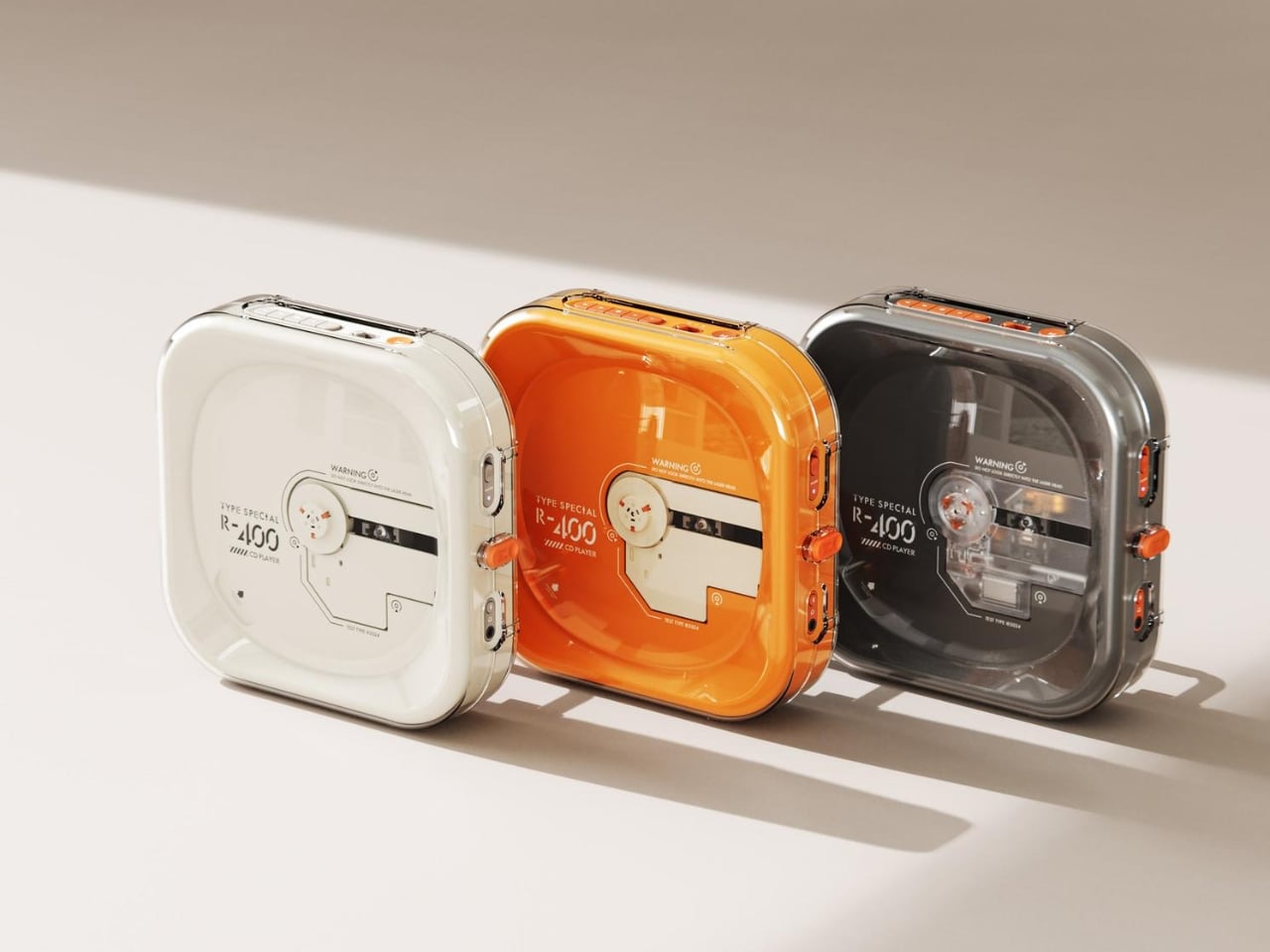
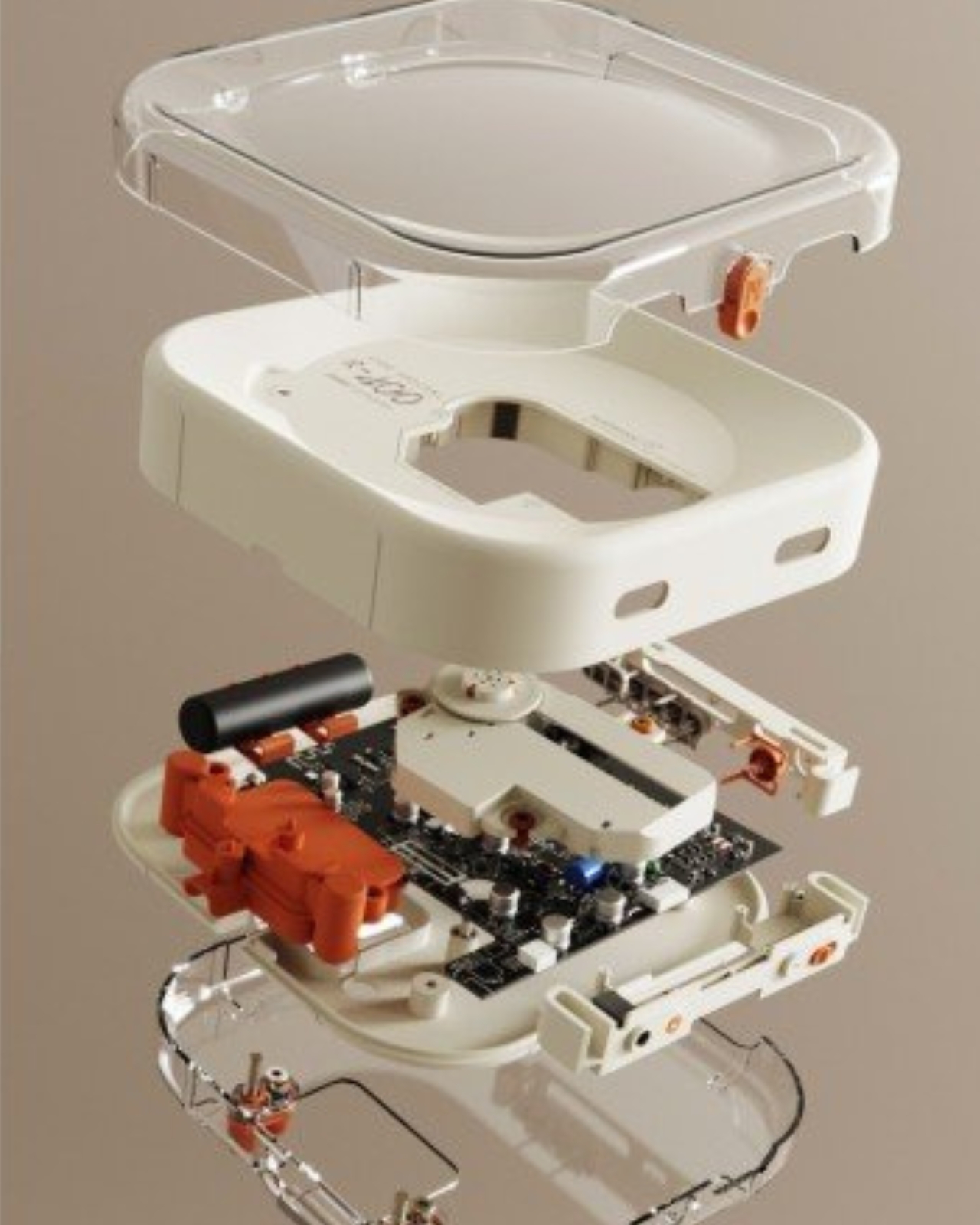
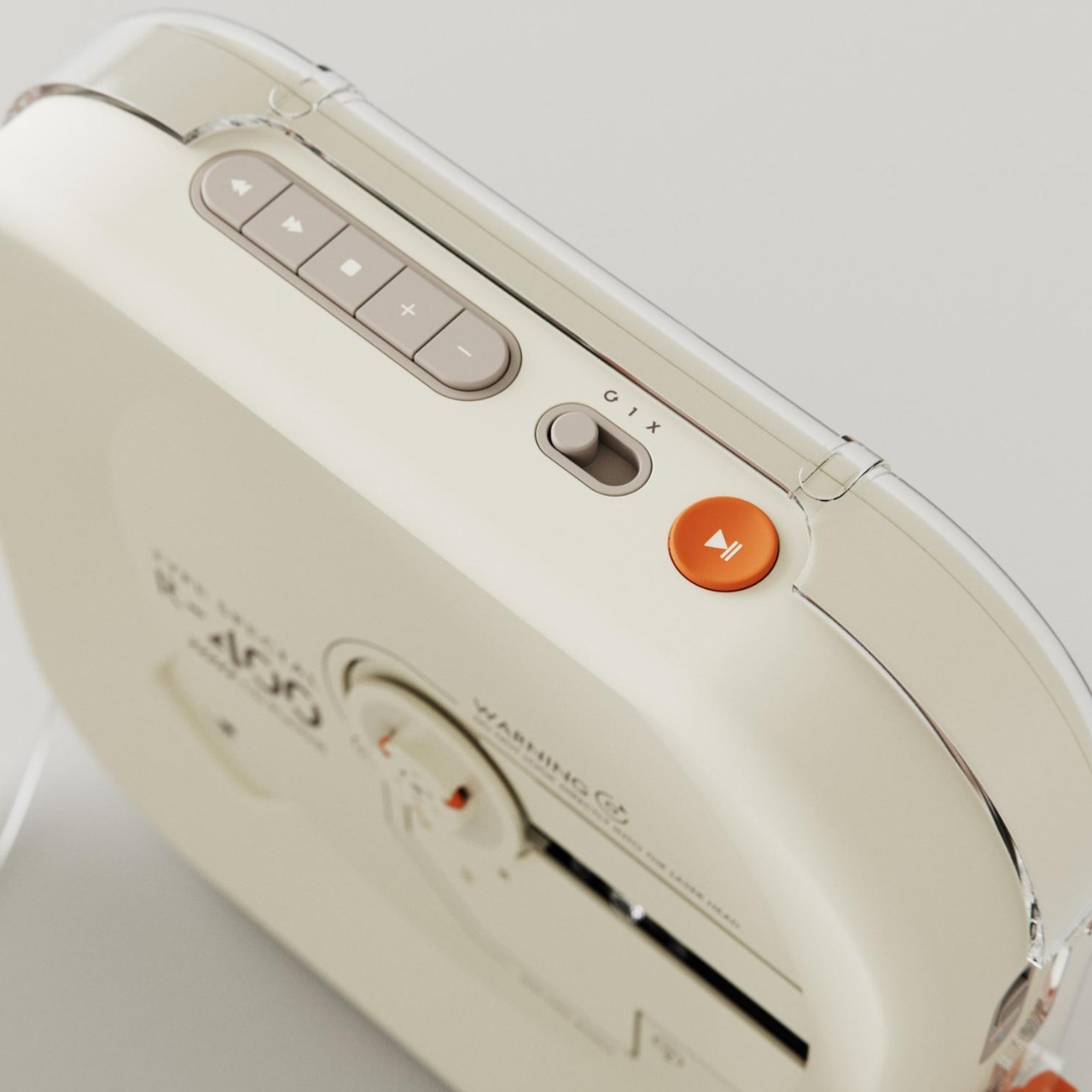
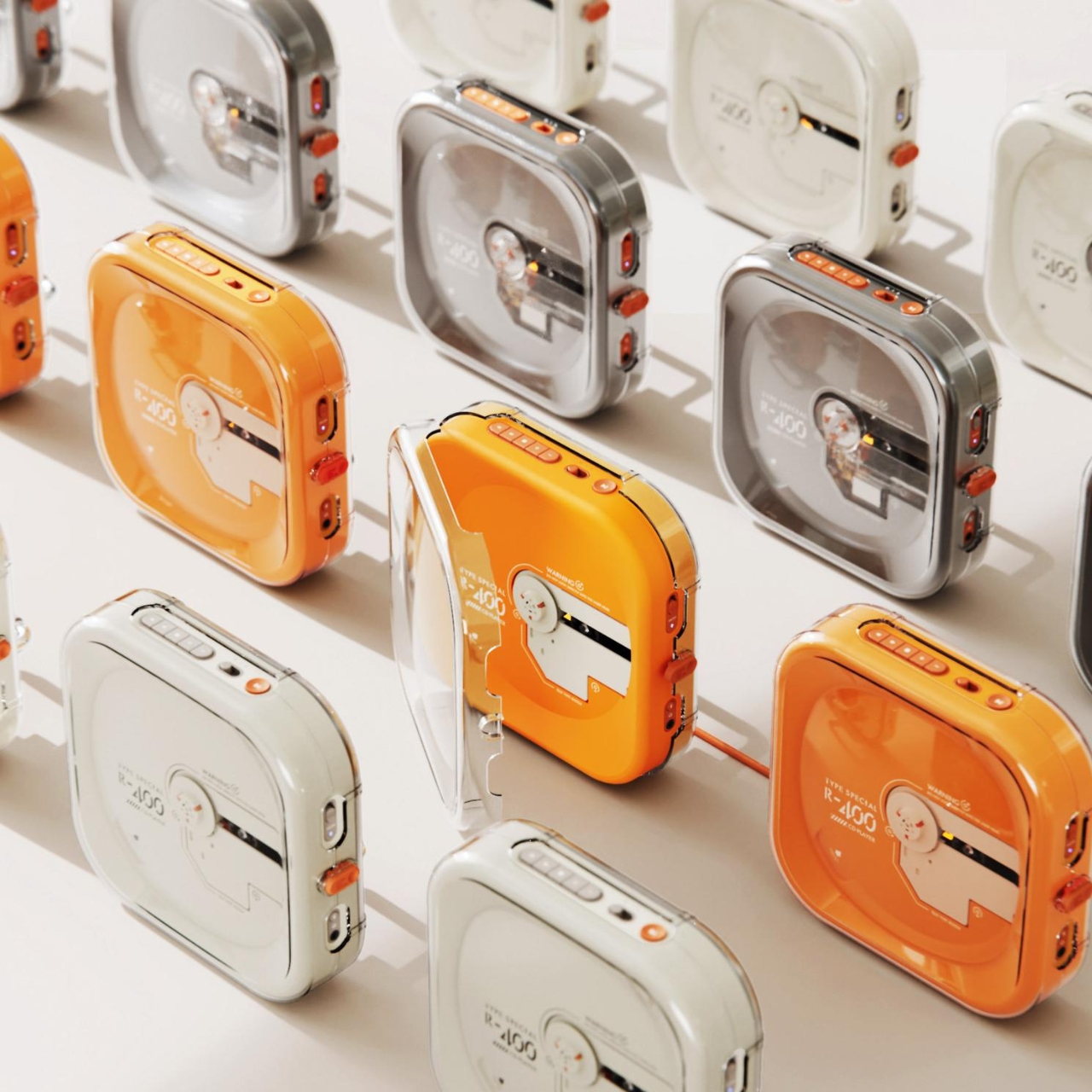
That’s exactly the gap the Syitren R400 CD Player, designed by ORGDOT Design, is trying to fill. It’s an entry-level, portable Bluetooth CD player built for young people who are either curious about physical music or already knee-deep in a growing CD collection. Think of it as the more affordable younger sibling to Syitren’s premium R300 player, which won a 2025 MUSE Design Award Gold. The R400 recently picked up its own hardware, too, winning a Silver A’ Design Award in 2026 in the Audio and Sound Equipment category, proof that this isn’t just a cute gadget, but a genuinely well-thought-out piece of design.
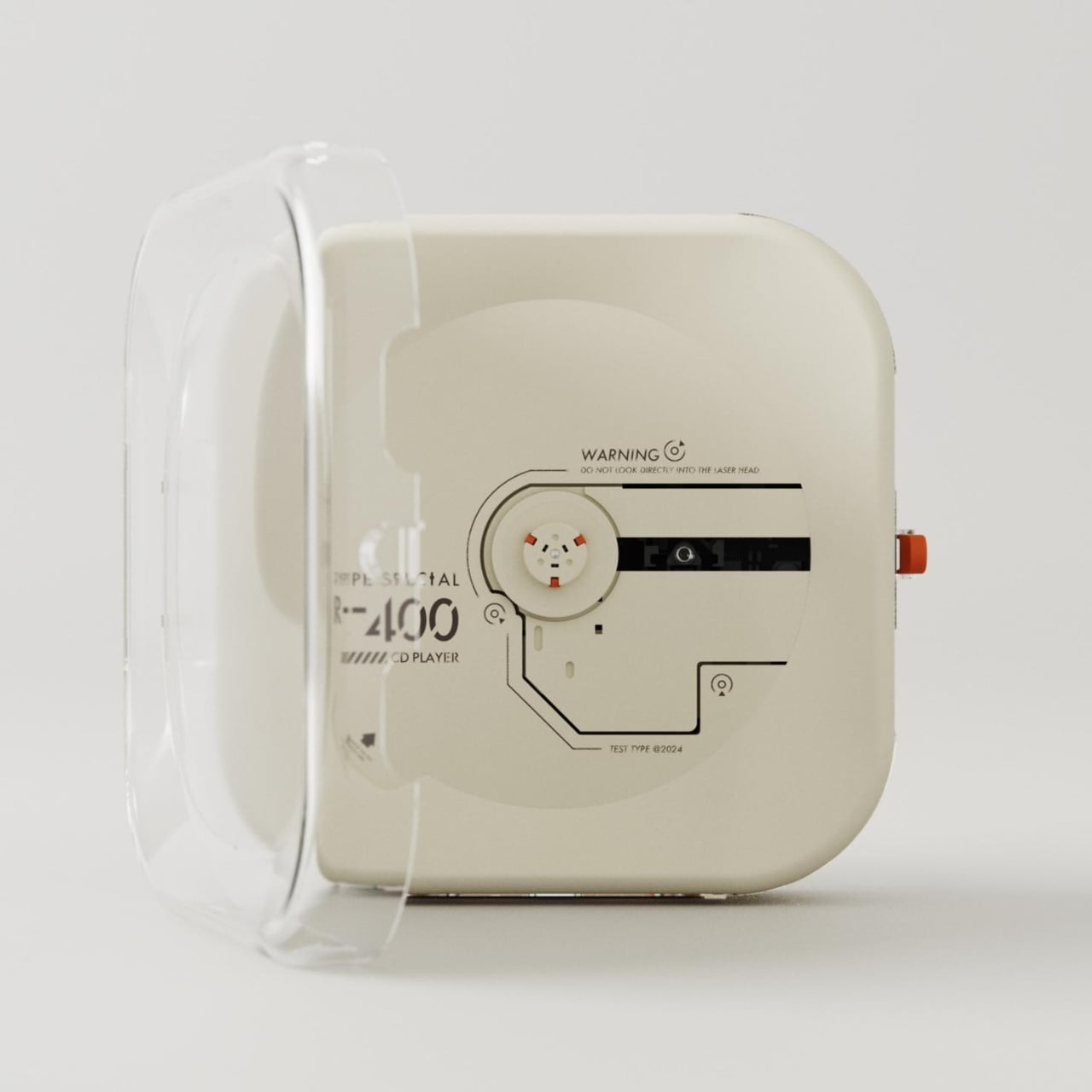
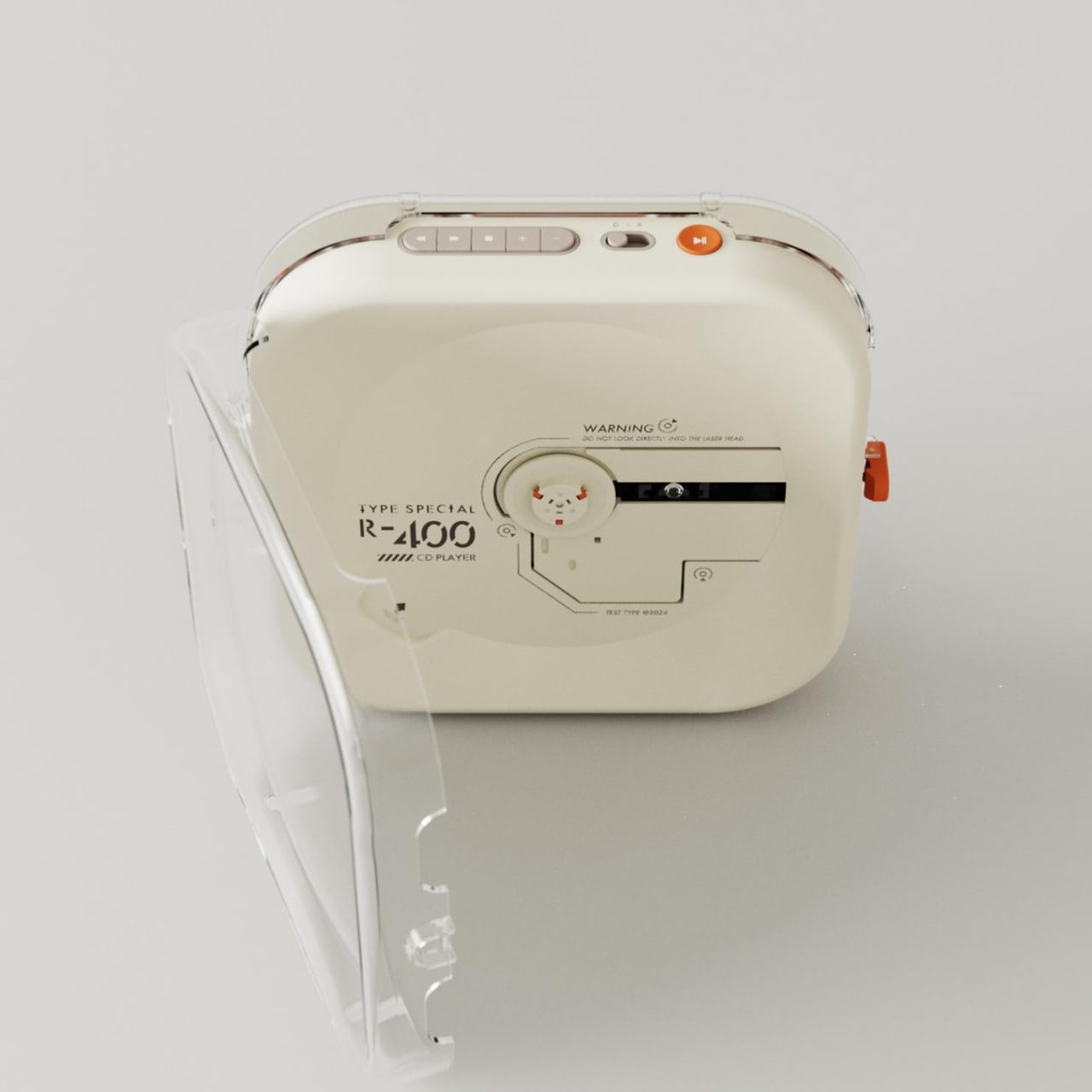
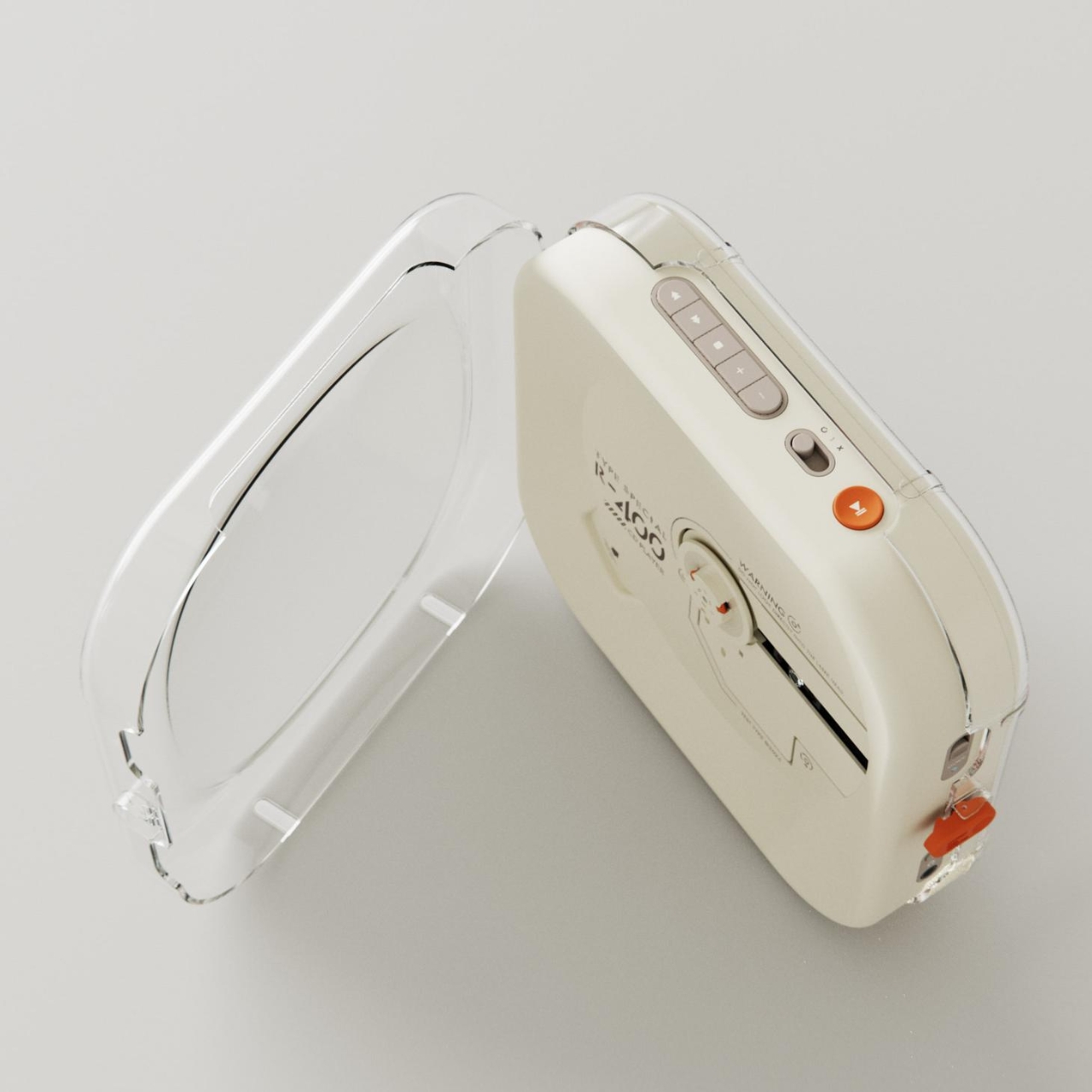
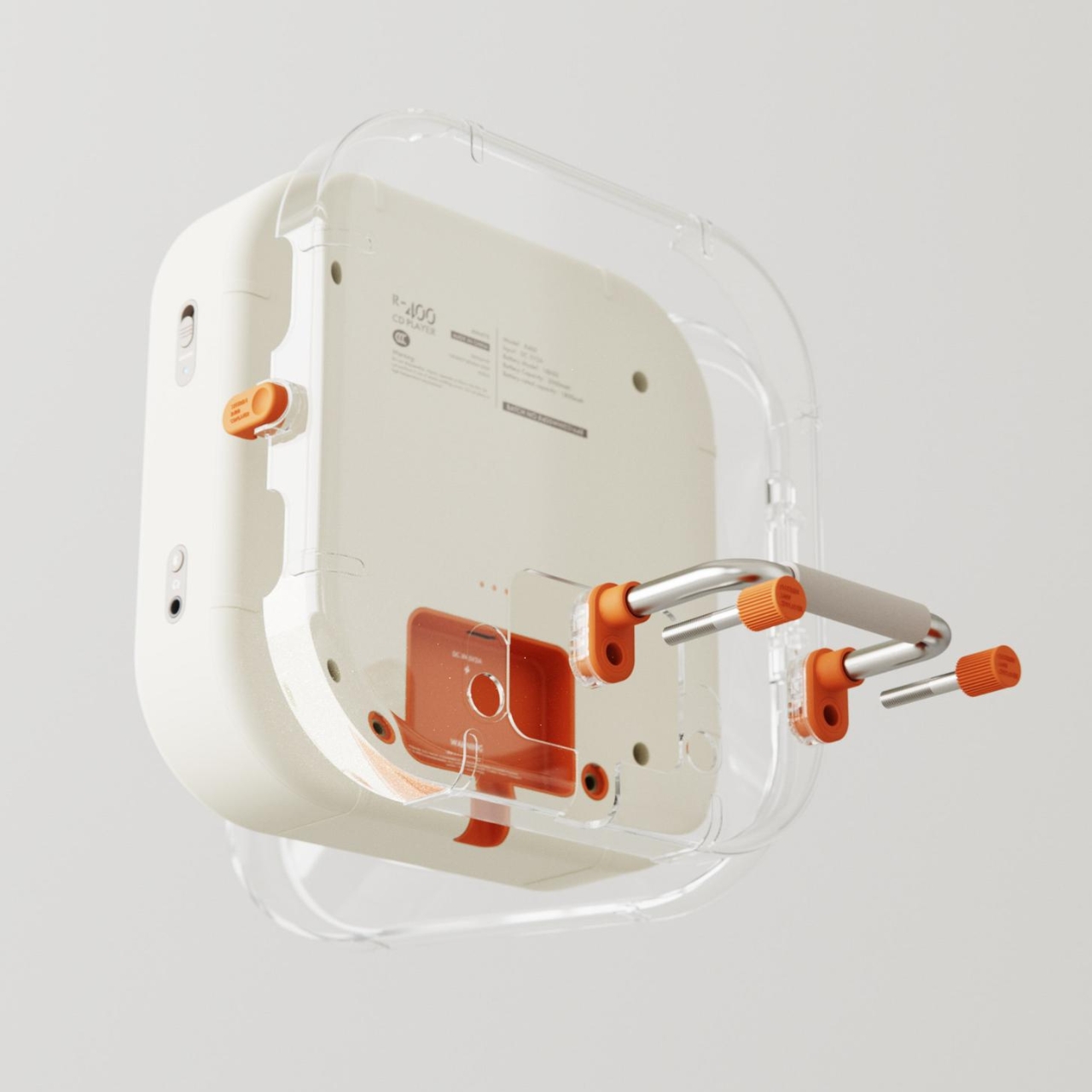
Here’s where the R400 gets interesting. Instead of just slapping a cheap plastic shell on a budget player, ORGDOT’s design team asked a different question: what if the shell wasn’t permanent at all? Their solution was a detachable, modular shell that separates the protective cover from the core unit. That single decision lowers the base cost significantly, but it doesn’t make the player feel cheap, it makes it feel customizable. Buyers can pair the R400 with a transparent, decorate-it-yourself cover (perfect for stickers or doodles), snap it onto the included stand for a tidy desk setup, or later add a wall-mount bracket that turns it from a tabletop player into an actual piece of room decor.
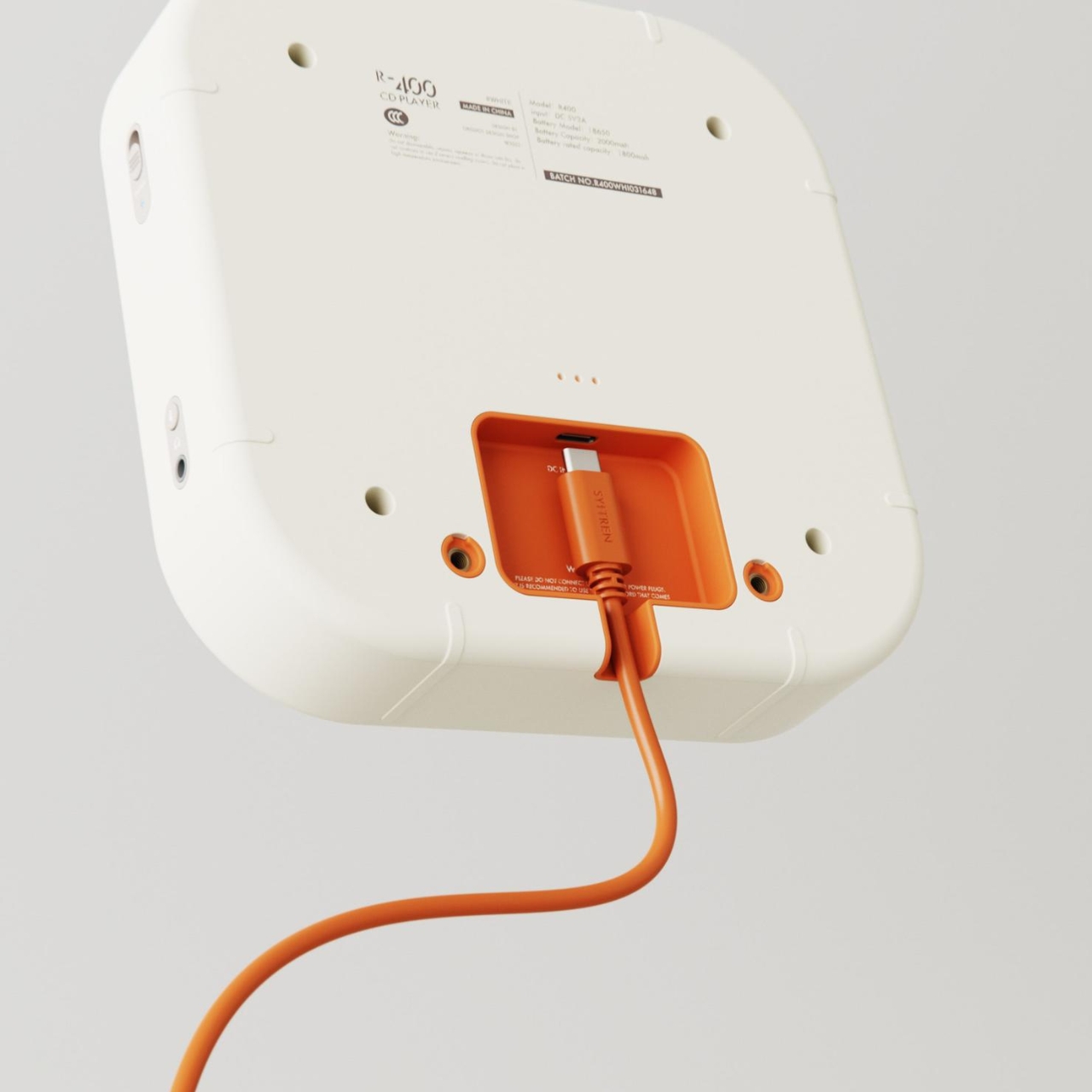
Even installing the shell was designed to feel less like a chore and more like a small ritual, a nice touch for a product aimed at a generation that genuinely enjoys unboxing and personalizing their tech. The body itself uses a dual-material construction that gives it a sturdier, more premium feel than you’d expect at this price, and there’s a sunken charging compartment with a built-in wire groove so your charging cable doesn’t bend or fray over time. It’s a small detail, but it’s the kind of thing that tells you someone actually thought about how this thing gets used every day.
Under the hood, the R400 runs on a custom Syitren “pure CD core” for solid playback quality, paired with a 70dB signal-to-noise ratio for clean, high-fidelity sound. Since it’s meant to be carried around, it also has anti-vibration engineering, so you won’t get skips or jitter while commuting or walking around listening to your favorite album. You can go wireless with Bluetooth 5.3 for easy streaming and pairing, or if you want to lean into the “retro” experience, there are wired options that work with headphones, speakers, or even a car stereo. Battery life clocks in at more than four hours of continuous playback per charge, which is plenty for a workday or a long commute.
For years, Sony basically owned the portable CD player category, from the original Discman to more recent boombox style units like the CFD-S70. But Sony has actually been quietly pulling back from that space, discontinuing several of its CD boomboxes in the U.S. in recent years. That’s left a real opening for brands like Syitren to step in, and the R400 takes a noticeably different approach than the old Sony playbook. Where the CFD-S70 was a bulky, four pound boombox built around AM/FM radio and cassette tapes as much as CDs, the R400 is compact, Bluetooth first, and designed from the ground up for a generation that wants their gear to look good on a desk or a wall, not just play music. At a similar price point to what those old Sony units used to sell for, the R400 feels like it’s actually built for how people listen today.
For anyone sitting on a shelf of unplayed CDs, or anyone who just wants a fun, tactile way to slow down and listen to a full album again, the R400 makes a genuinely compelling case. It’s affordable, it’s customizable, and it doesn’t ask you to choose between good design and good sound. Sometimes the best way forward really is looking back.
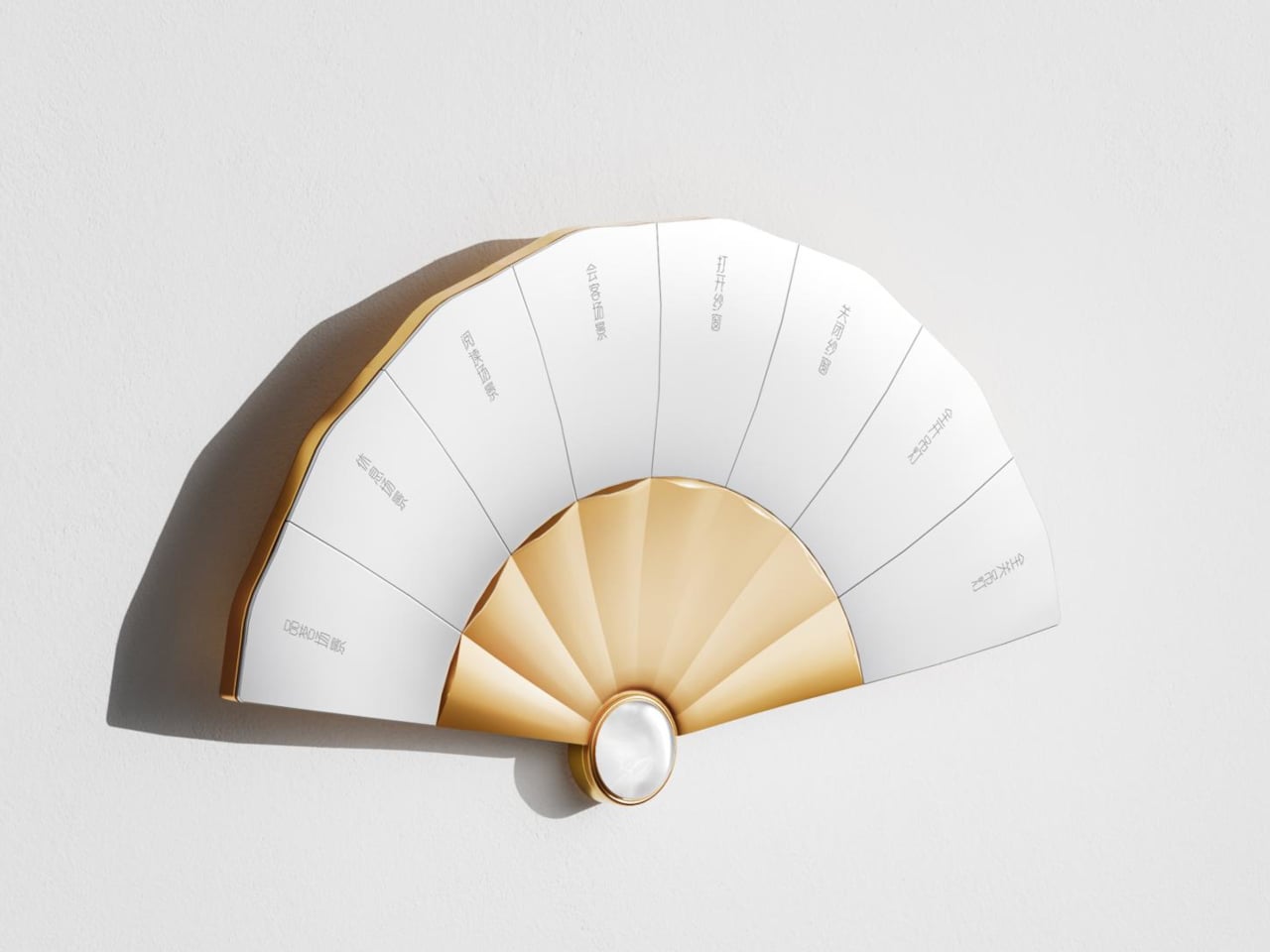
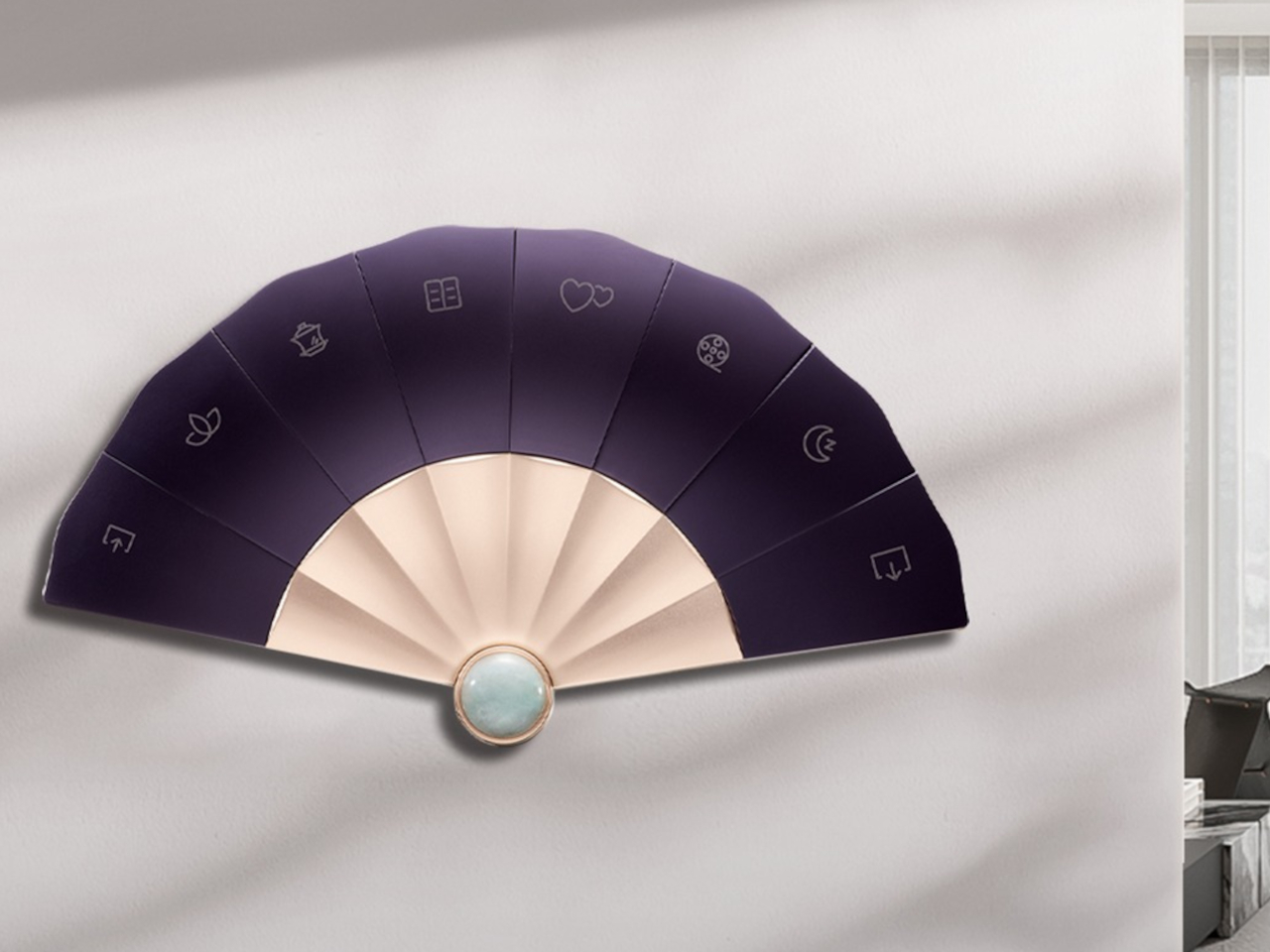
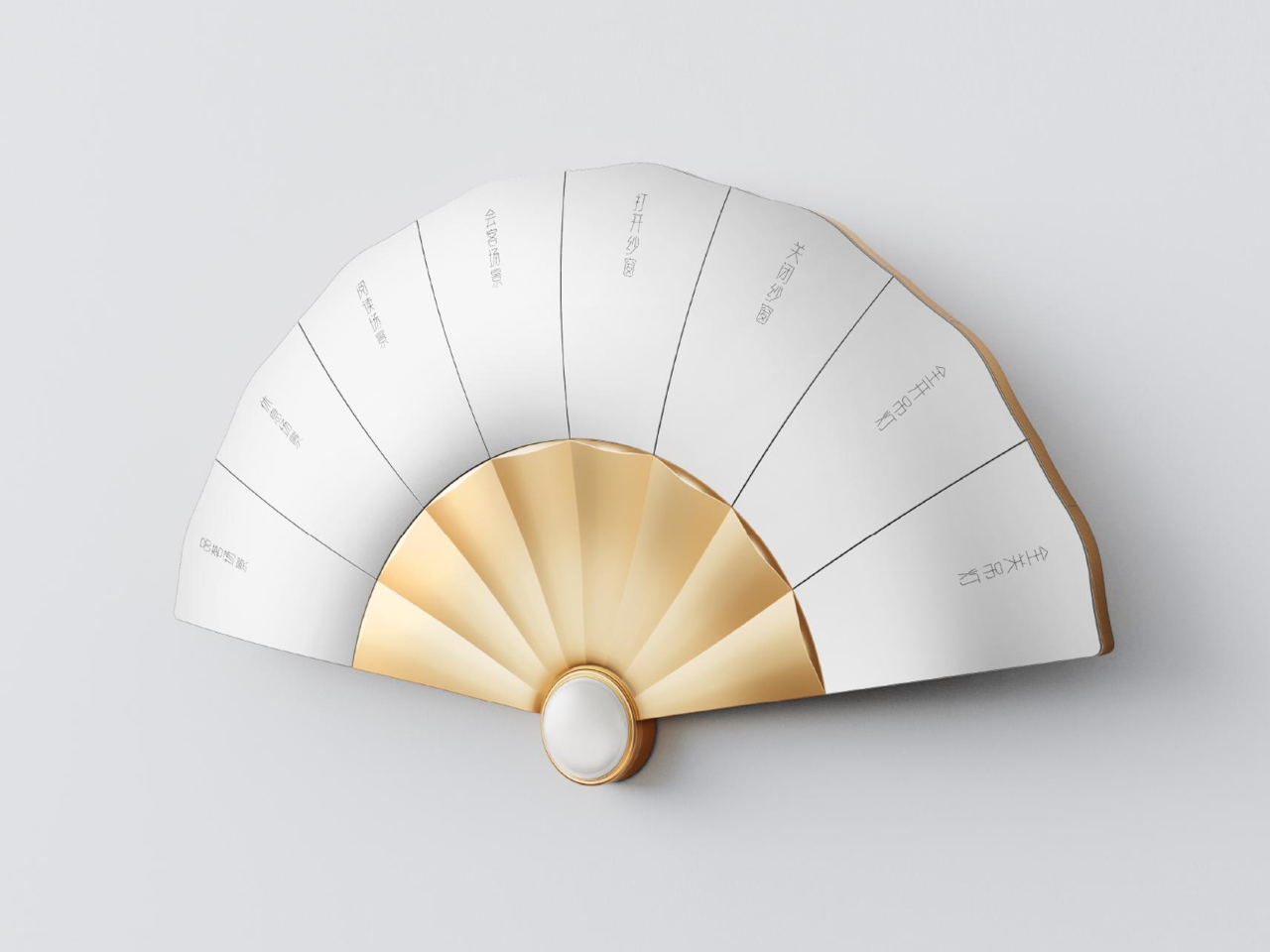
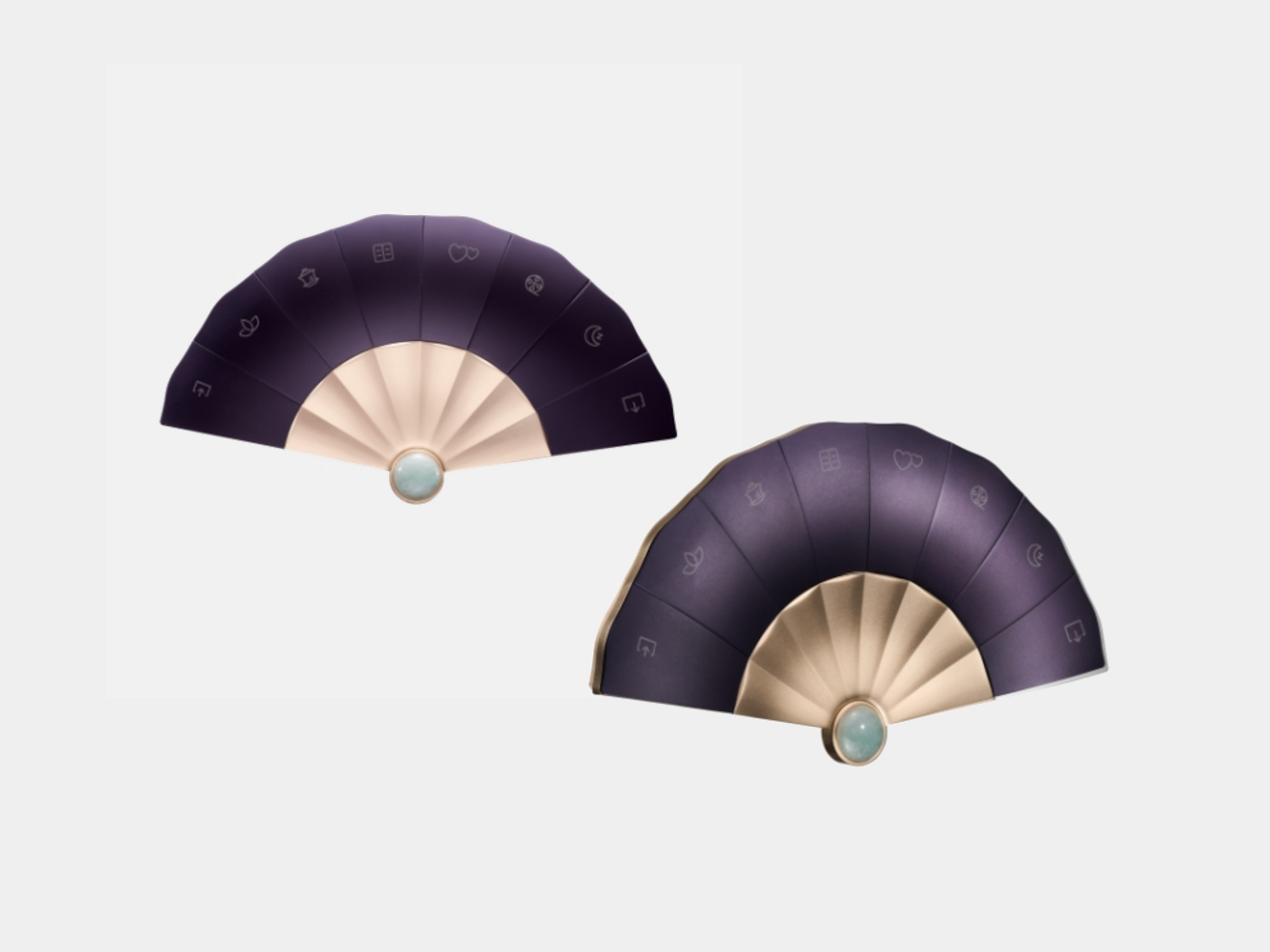
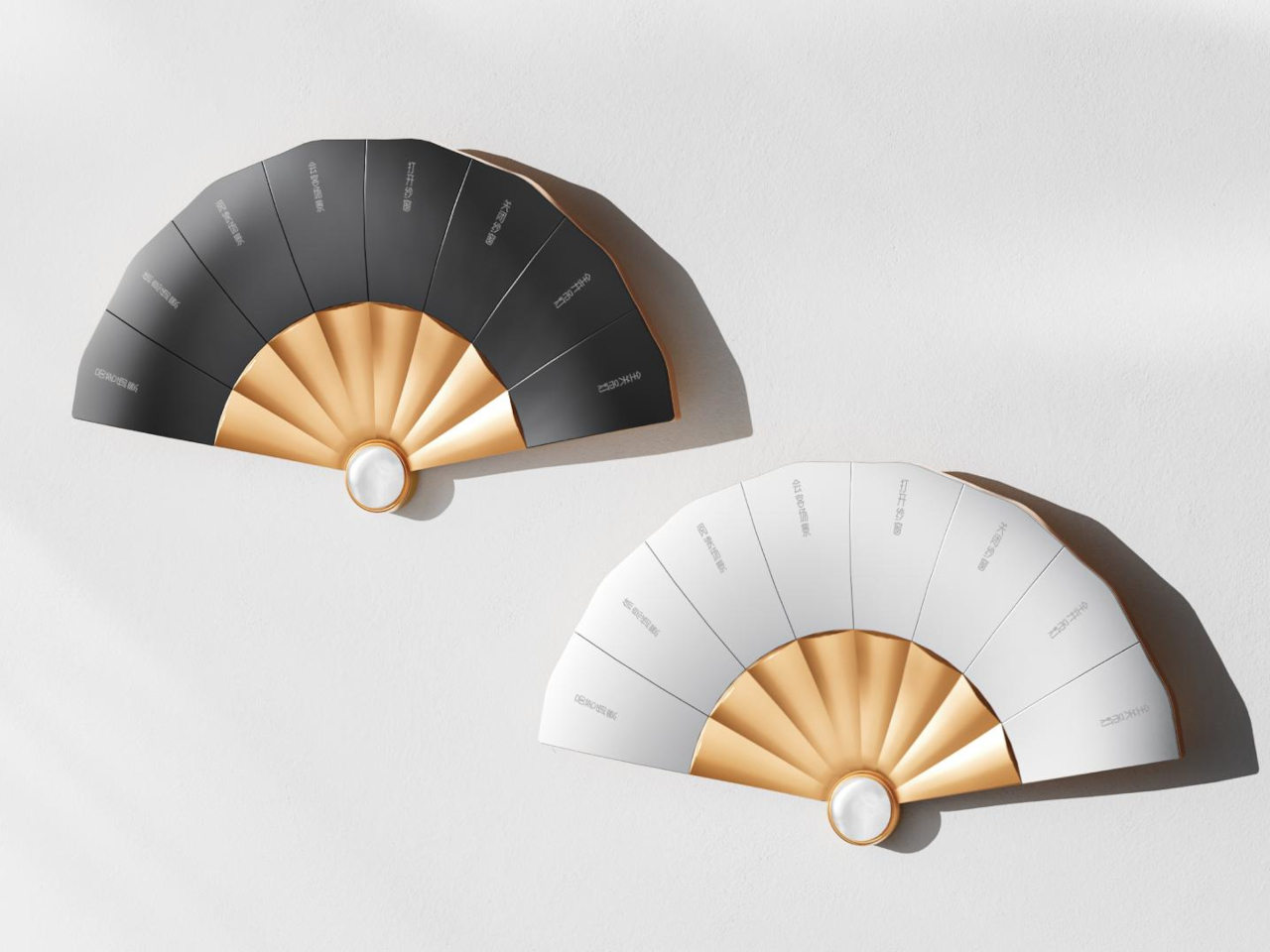
A folding fan used to say something about the person holding it, signaling taste and refinement long before anyone cared about voice assistants or smart lighting. The Fanora Control Terminal borrows that exact silhouette and turns it into a wall-mounted switch panel, proving a home automation interface doesn’t have to look like it was designed by an engineer who’s never held a fan in their life.
Eight mechanical buttons fan out from a central hinge point, each one following the natural arc a real folding fan would take when opened halfway. That shape isn’t decorative shorthand either. It’s the whole control surface, built from aluminum and finished with a jade centerpiece that used to signal scholarly status in Chinese tradition and now doubles as a working sensor housing.
The panel’s main body is machined from 6063 aluminum alloy, then sandblasted and anodized to get that matte, slightly warm finish instead of the glossy plastic most switch panels settle for. Each of the eight buttons goes through CNC processing, with a curvature shaped around how a fingertip actually presses rather than how a mold happens to come out, and a fine sand texture that keeps fingerprints from building up over months of daily use.
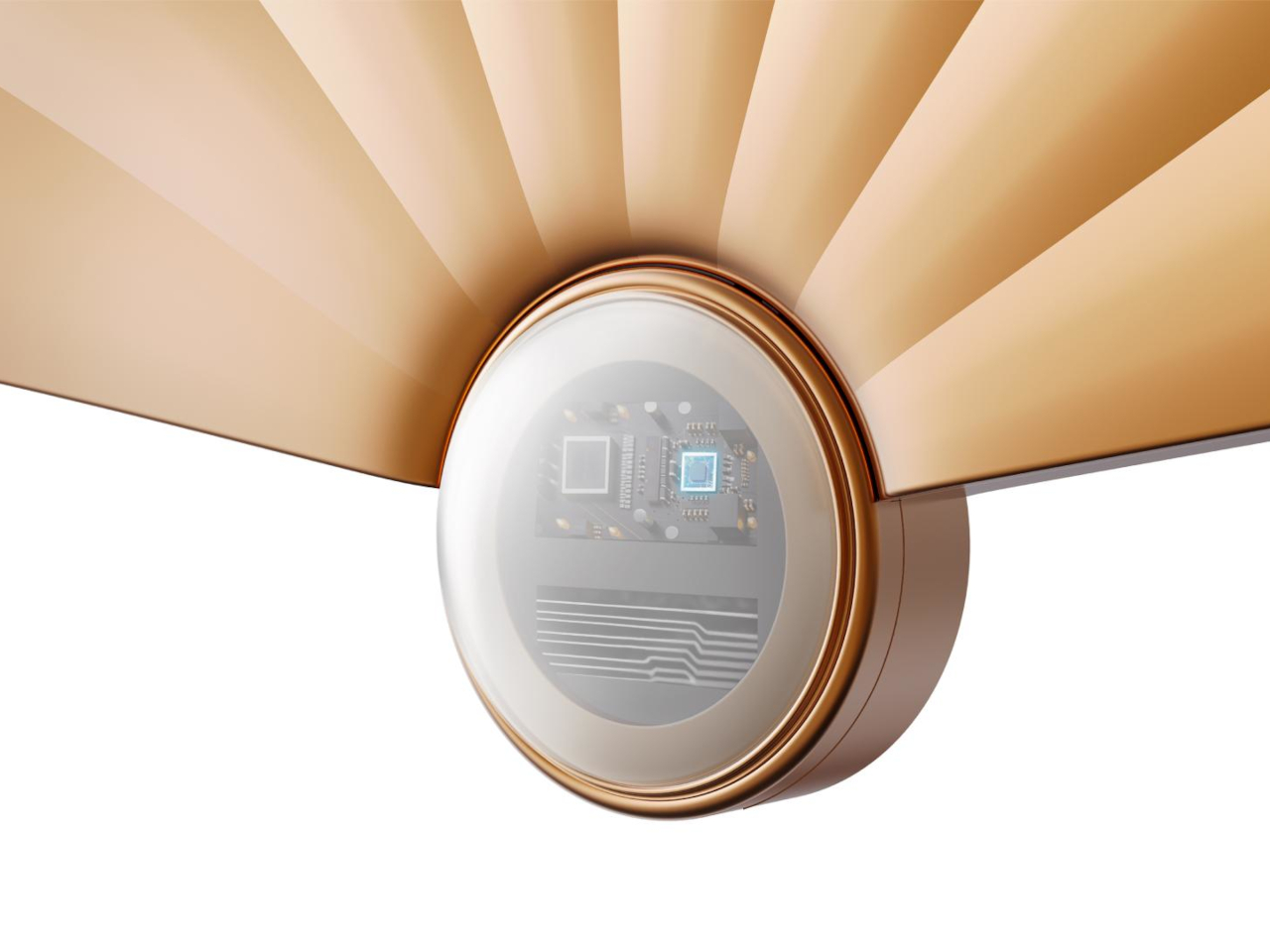
That centerpiece pendant is carved from natural Hetian jade, a material historically prized in Chinese craftsmanship, polished by hand rather than mass-produced. It sits at the base of the fan where the ribs converge, doing double duty as both the visual anchor and the housing for the temperature and motion sensors underneath. A jade certificate ships in the box, treating the stone as a verified material rather than a cosmetic add-on.
Sensors Hidden Where a Fan’s Handle Would Be
Motion detection lives inside that jade pendant, waking the panel’s touch display the moment someone walks close enough to reach for it, instead of leaving a screen lit and idle all day. A built-in temperature sensor reads the room and feeds that data straight into scene and automation logic, so a preset for movie night or afternoon reading can react to the actual conditions in the room rather than a fixed schedule.
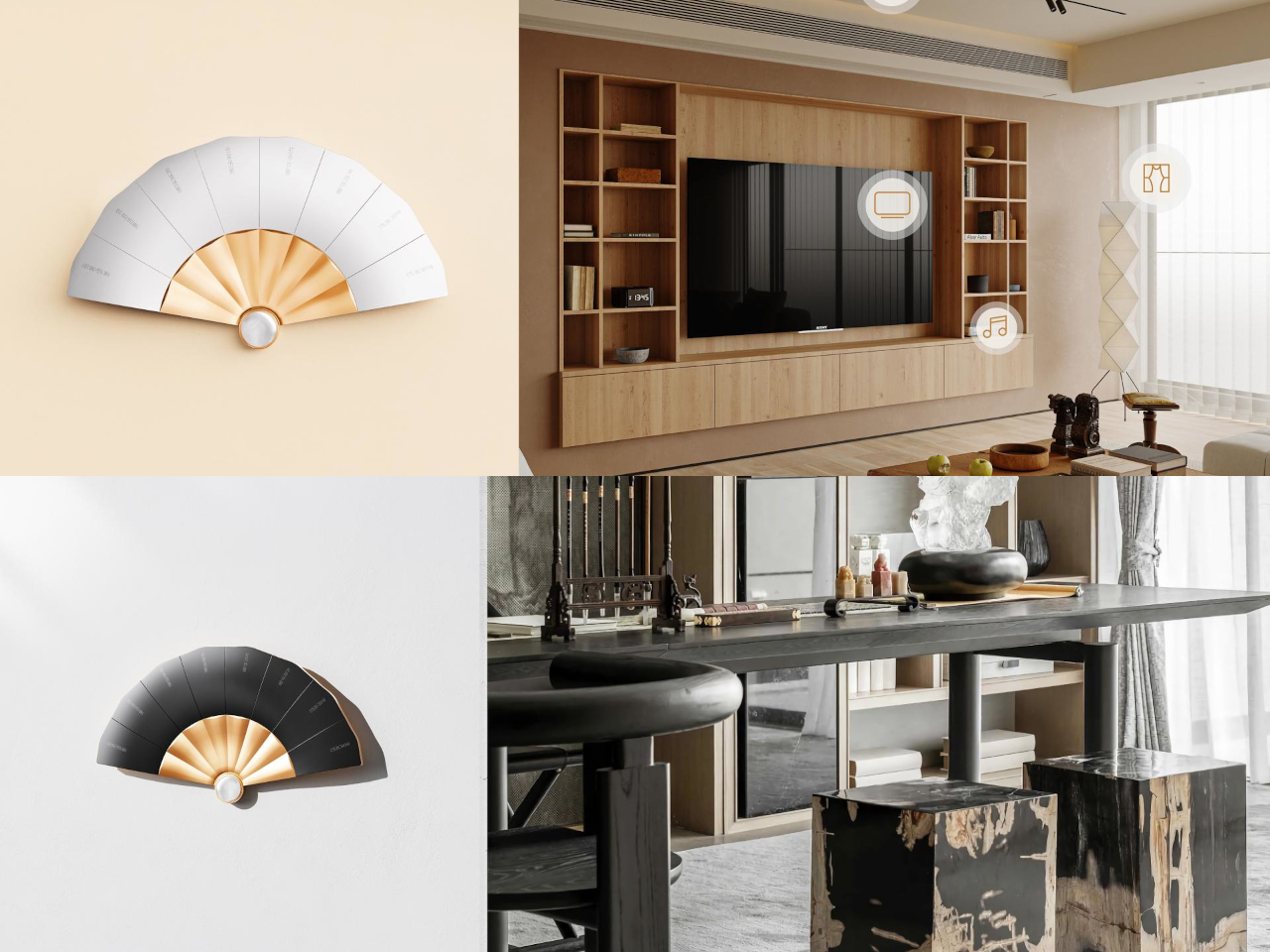
Each button supports laser engraving with custom text, meaning a household can label its own shortcuts instead of memorizing generic switch numbers. One button might trigger a reading nook’s lighting, another could dim everything down for a film, and a third could raise the curtains, all without opening an app or hunting through menus. The panel handles curtains, music, and broadcast scenes across a room without breaking that same physical interaction.
Wall-Mounted or Freestanding, By Choice
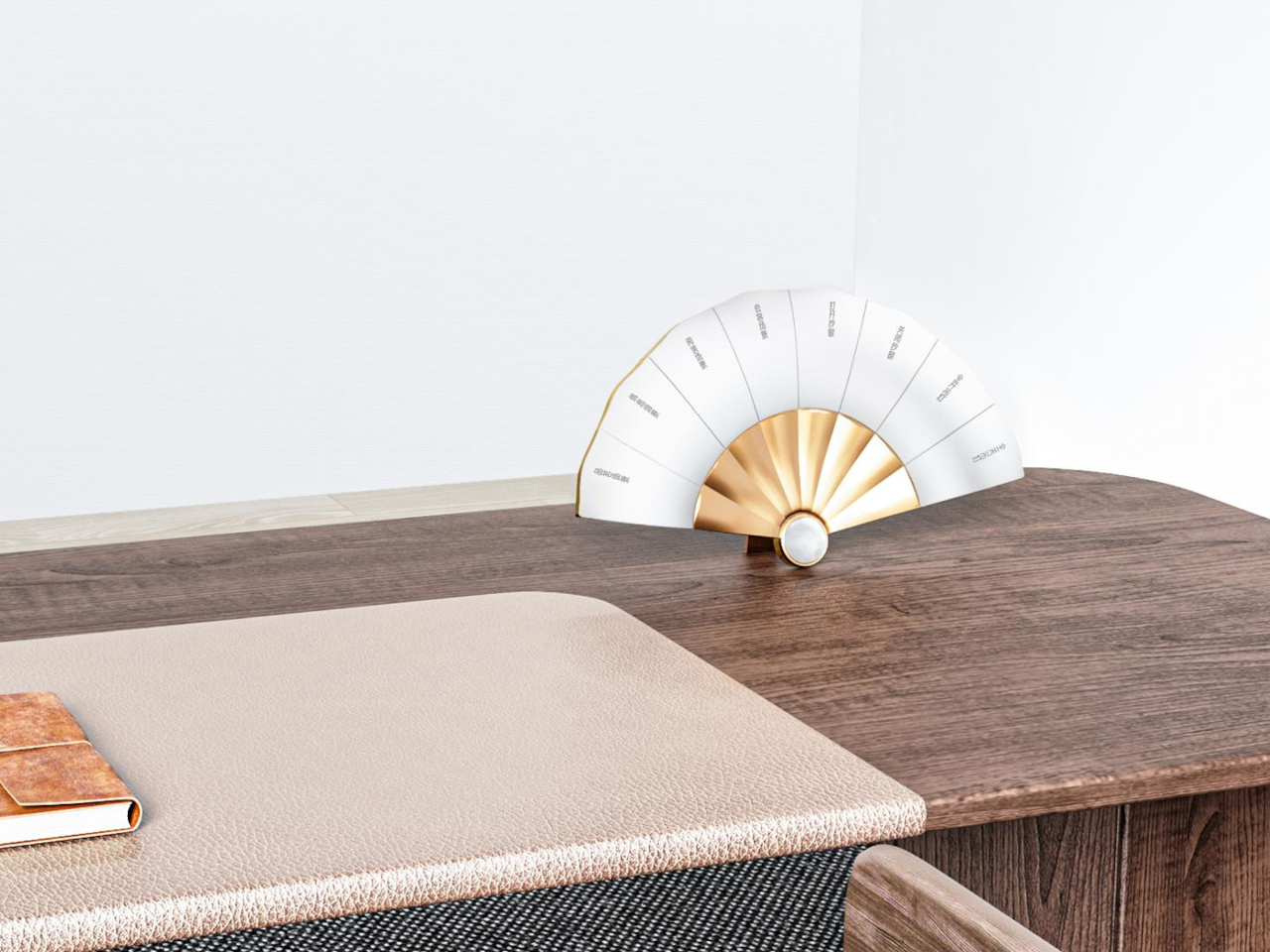
Unlike a fixed switch plate, Fanora can sit flush against a wall or rest on a desk as a standalone display, a flexibility built into its wiring rather than bolted on as an afterthought. That range means the same object can function as a hallway light switch in one home and a bedside control surface in another, without needing a separate model for each context.
Customization extends to the jade pendant’s shape itself, letting a household choose a silhouette that fits their own taste rather than accepting one fixed design across every unit sold. That level of personalization treats the panel less like static hardware and more like a piece of furniture chosen for a specific room, which explains why a folding fan turned out to be the right shape for a light switch after all.
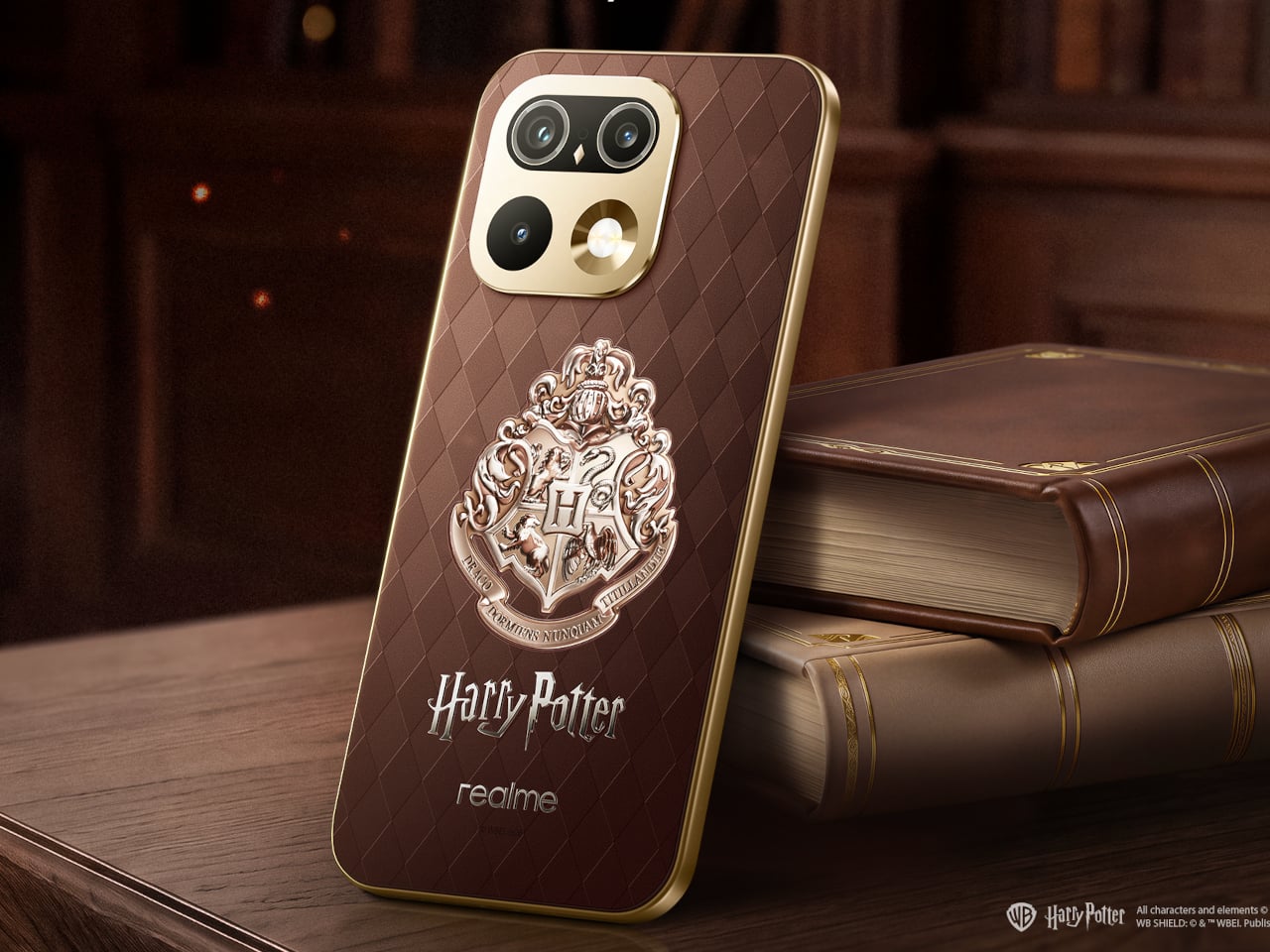
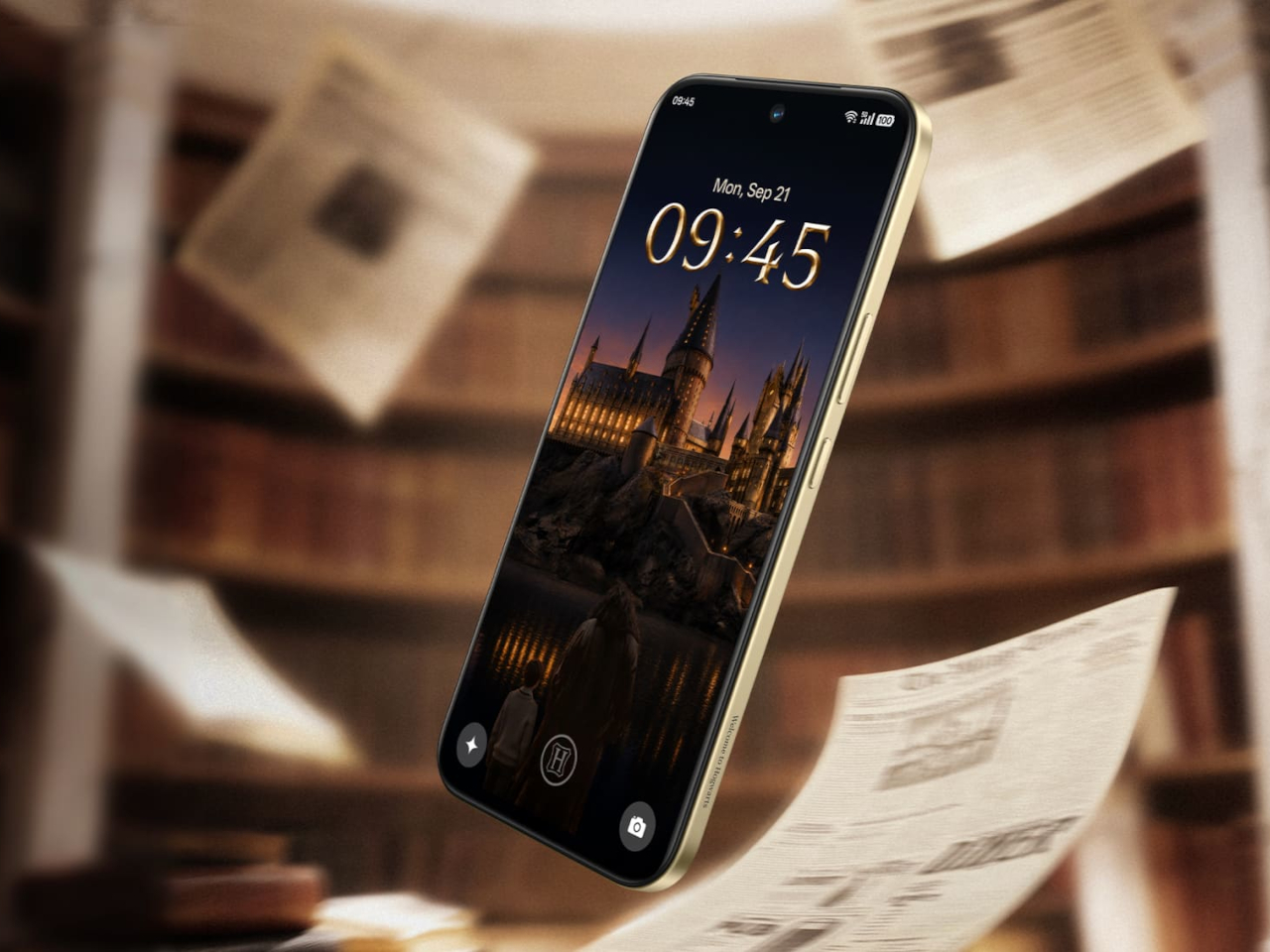
Some phone collaborations slap a logo on a box and call it a day. This one goes further, treating a smartphone like a prop pulled straight from the wizarding world rather than a branded accessory bolted onto existing hardware. The realme 16 Pro Harry Potter Edition rebuilds its entire back panel around Hogwarts iconography, then wraps the whole package in a trunk replica that plays the role of Harry’s own school luggage.
Underneath the theming sits the same hardware found in the standard realme 16 Pro: a Dimensity 7300 Max chipset, a 144Hz AMOLED display rated at 6,500 nits of peak brightness, and a 7,000mAh battery supporting 80W wired charging along with bypass and reverse charging. None of that changes here. What changes is how all of it gets dressed up, and that’s where the real story starts.
Designer: realme
A Back Panel Built Like a Wizard’s Chessboard
Flip the phone over, and the design leans on texture before it leans on imagery. A brown, leather-textured back panel carries an Argyle pattern lifted from the Wizard’s Chess scene, giving the surface a woven, tactile quality instead of a flat printed graphic. The Hogwarts Crests sit subtly at the center, small enough to reward a second look rather than shouting for attention from across a room.
The camera module gets its own quiet reinterpretation. Built on the standard 16 Pro’s Metal Mirror Camera Deco, the ring here is reshaped to resemble Hedwig’s eyes, turning a purely functional component into a character reference without needing an explicit illustration to sell the idea. It’s a detail that rewards fans who know the franchise while staying subtle enough not to alienate anyone who doesn’t.
A Frame That Whispers Instead of Shouts
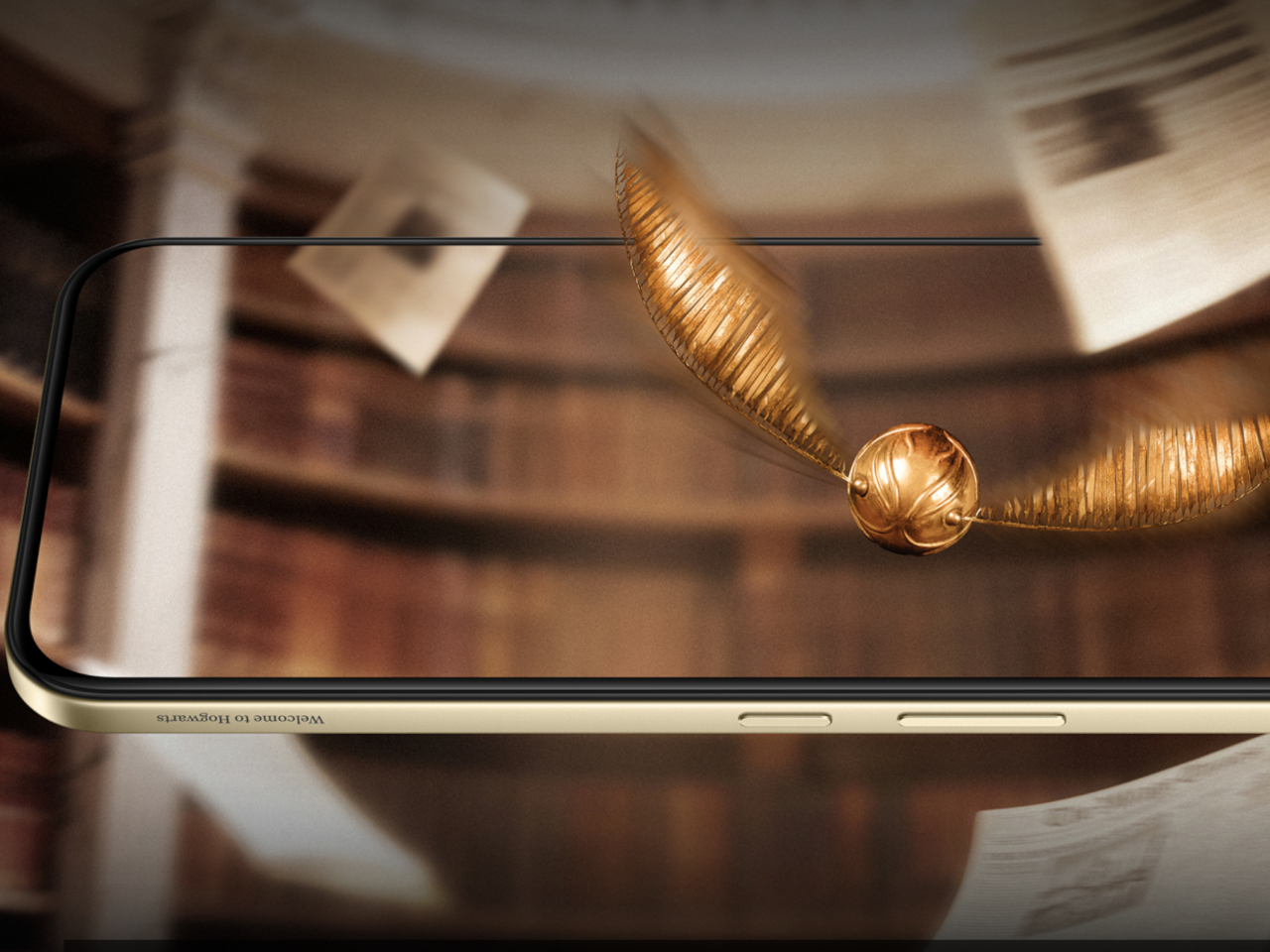
The metallic mid-frame carries a laser-engraved “Welcome to Hogwarts” slogan, placed where a hand would naturally wrap around the device during a call or a photo. That kind of detail only reveals itself through use, not through a glance at a product photo, which fits the restrained tone running through the rest of the design.
Nothing about the theming interferes with how the phone actually functions day to day. The engraving, the crest, the camera ring reshape, all of it layers onto hardware that still charges fast and still displays at a brightness most phones can’t match outdoors. The fantasy stays skin-deep in the best possible way, present without slowing anything down.
A Trunk Instead of a Box
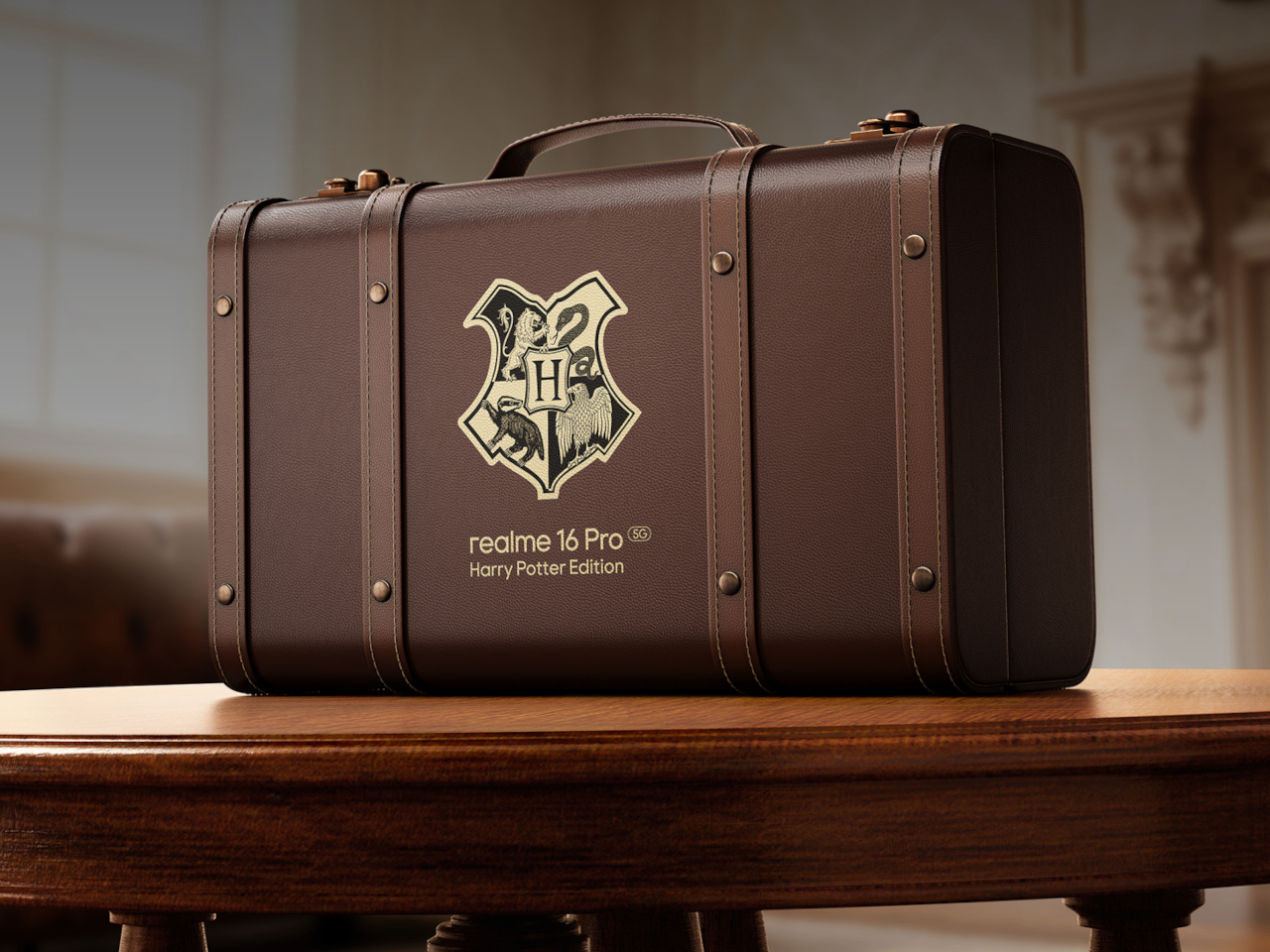
The packaging might be the boldest swing in the whole release. Instead of a standard retail box, this edition ships in a school-style trunk built as a 1:1 replica of Harry’s own luggage, the kind of object that turns unboxing into a small ceremony rather than a chore done over a kitchen counter. Only 5,000 units exist worldwide, immediately treating the box as collectible.
Open it, and the trunk holds a Hogwarts Welcome Pack rather than plastic filler. An acceptance letter and train ticket recreate the moment of becoming a first-year student, while house-crest bookmarks let a fan pick their allegiance and character postcards recreate Harry, Hermione, and Ron’s first steps into the castle. A logo-embossed phone case and a phone pin round out a set built for shelf display as much as daily use.
Merchandise That Understands Its Audience
None of these objects function as phone accessories in the traditional sense. The bookmarks and postcards exist purely as collectible ephemera, while the case is the one item pulling double duty as protection and display piece. That split matters because it treats the box as a keepsake first, with the phone itself as the technological anchor holding the theme together.
That approach reflects a broader shift in how phone makers court younger buyers who grew up with the franchise rather than discovering it as adults. Pairing a genuinely capable mid-range chipset and fast charging with a story-driven unboxing experience gives this edition a reason to exist beyond a seasonal marketing push, aimed at a generation that treats favorite franchises as identity rather than nostalgia.
Some phone collaborations slap a logo on a box and call it a day. This one goes further, treating a smartphone like a prop pulled straight from the wizarding world rather than a branded accessory bolted onto existing hardware. The realme 16 Pro Harry Potter Edition rebuilds its entire back panel around Hogwarts iconography, then wraps the whole package in a trunk replica that plays the role of Harry’s own school luggage.
Underneath the theming sits the same hardware found in the standard realme 16 Pro: a Dimensity 7300 Max chipset, a 144Hz AMOLED display rated at 6,500 nits of peak brightness, and a 7,000mAh battery supporting 80W wired charging along with bypass and reverse charging. None of that changes here. What changes is how all of it gets dressed up, and that’s where the real story starts.
Designer: realme
A Back Panel Built Like a Wizard’s Chessboard
Flip the phone over, and the design leans on texture before it leans on imagery. A brown, leather-textured back panel carries an Argyle pattern lifted from the Wizard’s Chess scene, giving the surface a woven, tactile quality instead of a flat printed graphic. The Hogwarts Crests sit subtly at the center, small enough to reward a second look rather than shouting for attention from across a room.
The camera module gets its own quiet reinterpretation. Built on the standard 16 Pro’s Metal Mirror Camera Deco, the ring here is reshaped to resemble Hedwig’s eyes, turning a purely functional component into a character reference without needing an explicit illustration to sell the idea. It’s a detail that rewards fans who know the franchise while staying subtle enough not to alienate anyone who doesn’t.
A Frame That Whispers Instead of Shouts
The metallic mid-frame carries a laser-engraved “Welcome to Hogwarts” slogan, placed where a hand would naturally wrap around the device during a call or a photo. That kind of detail only reveals itself through use, not through a glance at a product photo, which fits the restrained tone running through the rest of the design.
Nothing about the theming interferes with how the phone actually functions day to day. The engraving, the crest, the camera ring reshape, all of it layers onto hardware that still charges fast and still displays at a brightness most phones can’t match outdoors. The fantasy stays skin-deep in the best possible way, present without slowing anything down.
A Trunk Instead of a Box
The packaging might be the boldest swing in the whole release. Instead of a standard retail box, this edition ships in a school-style trunk built as a 1:1 replica of Harry’s own luggage, the kind of object that turns unboxing into a small ceremony rather than a chore done over a kitchen counter. Only 5,000 units exist worldwide, immediately treating the box as collectible.
Open it, and the trunk holds a Hogwarts Welcome Pack rather than plastic filler. An acceptance letter and train ticket recreate the moment of becoming a first-year student, while house-crest bookmarks let a fan pick their allegiance and character postcards recreate Harry, Hermione, and Ron’s first steps into the castle. A logo-embossed phone case and a phone pin round out a set built for shelf display as much as daily use.
Merchandise That Understands Its Audience
None of these objects function as phone accessories in the traditional sense. The bookmarks and postcards exist purely as collectible ephemera, while the case is the one item pulling double duty as protection and display piece. That split matters because it treats the box as a keepsake first, with the phone itself as the technological anchor holding the theme together.
That approach reflects a broader shift in how phone makers court younger buyers who grew up with the franchise rather than discovering it as adults. Pairing a genuinely capable mid-range chipset and fast charging with a story-driven unboxing experience gives this edition a reason to exist beyond a seasonal marketing push, aimed at a generation that treats favorite franchises as identity rather than nostalgia.
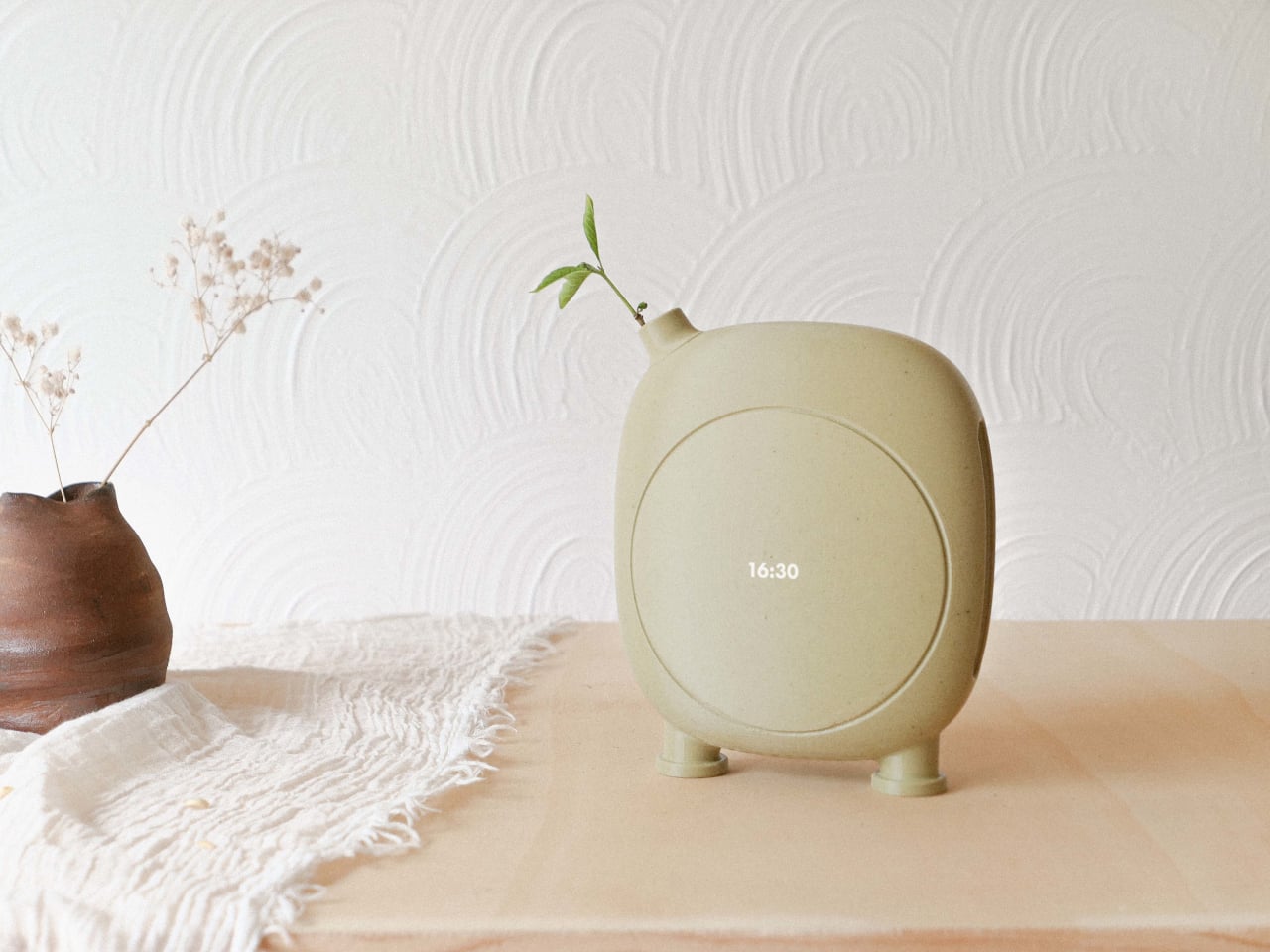
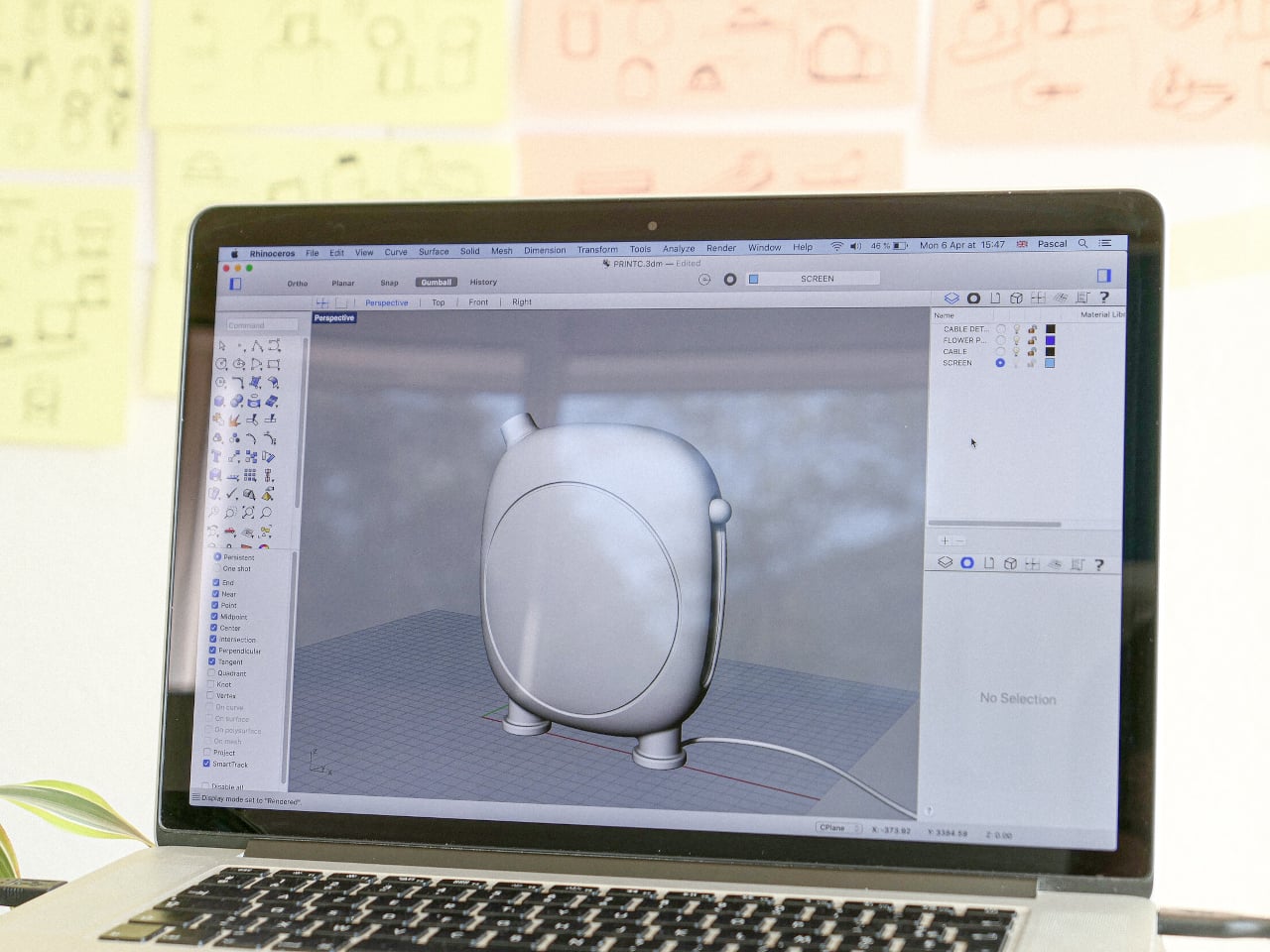
Waking up shouldn’t require staring at another glowing rectangle before your eyes even adjust to the room. Kodo, a conceptual smart alarm clock, rejects the buzzing plastic box entirely and takes the shape of a ceramic vessel instead, complete with a slender spout that holds an actual sprig of greenery. It looks like something a potter made, right up until it starts syncing with the sunrise.
That sunrise syncing is the whole point of mornings with this object. Rather than jolting you awake with a harsh beep, Kodo times itself to daybreak and layers in birdsong instead of an alarm tone, easing you into consciousness the way an open window might on a good morning. Silencing it doesn’t involve fumbling for a button either. A simple tap anywhere on its surface reads as a vibration and shuts the sound off.
That tap-to-quiet gesture carries through the rest of the day as a kind of running theme. The body stays sensitive to touch and presence, responding subtly rather than lighting up with notifications or demanding attention the way a phone screen does. It’s built to sit quietly on a nightstand, doing nothing most of the time, until the exact moment it needs to do something.
Evenings get their own quiet ritual built into the same object. Before bed, Kodo gradually dims the light in the room, nudging your body toward its natural sleep cycle instead of leaving you to scroll under harsh lamp light until exhaustion wins. That single feature turns the piece from a wake-up tool into something closer to a bedtime routine, bookending the day the same way it starts it.
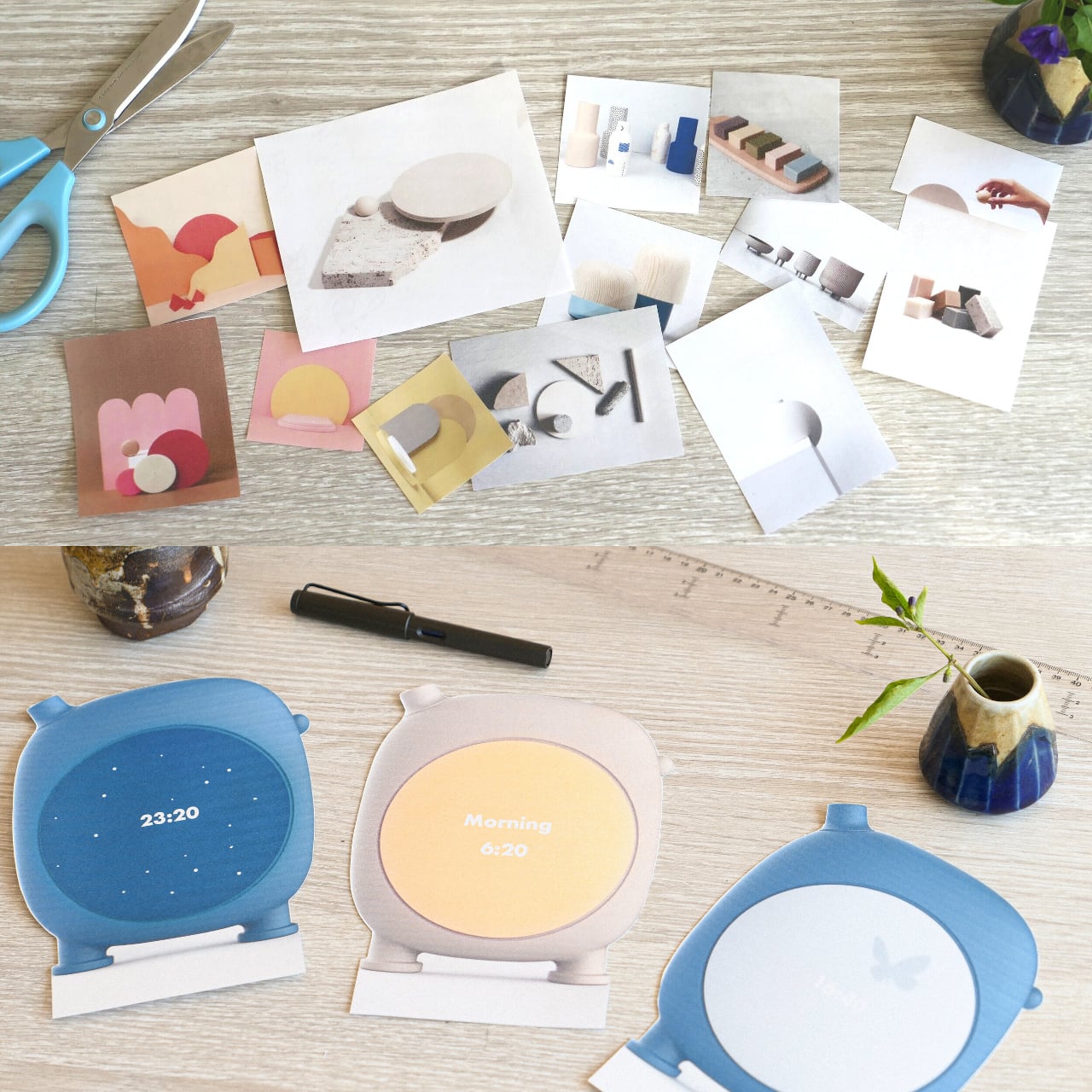
None of that would matter if the object itself felt like more screen time in disguise. Its circular face, styled after a pot’s opening rather than a display panel, shifts its entire look depending on the hour: a soft gradient for morning, plain digits at midday, a starfield glowing quietly once night falls. The clock face becomes part of the room’s atmosphere instead of a separate glowing distraction sitting on top of it.
Every material choice reinforces that same restraint. The matte, sand-toned finish and rounded silhouette borrow directly from pottery, right down to stubby little feet that make the whole thing look handmade rather than manufactured. Even the vase-like spout isn’t decorative filler. It holds a real plant cutting, turning a piece of consumer electronics into something you’d want visible on a shelf even when it’s not telling time at all.
Objects like this argue for a different relationship with the technology already crowding most bedrooms. Kodo doesn’t compete with your phone for attention before you’ve had coffee. It just marks the hours quietly, dims the lights when it’s time to stop, and waits by the window like it always belonged there.
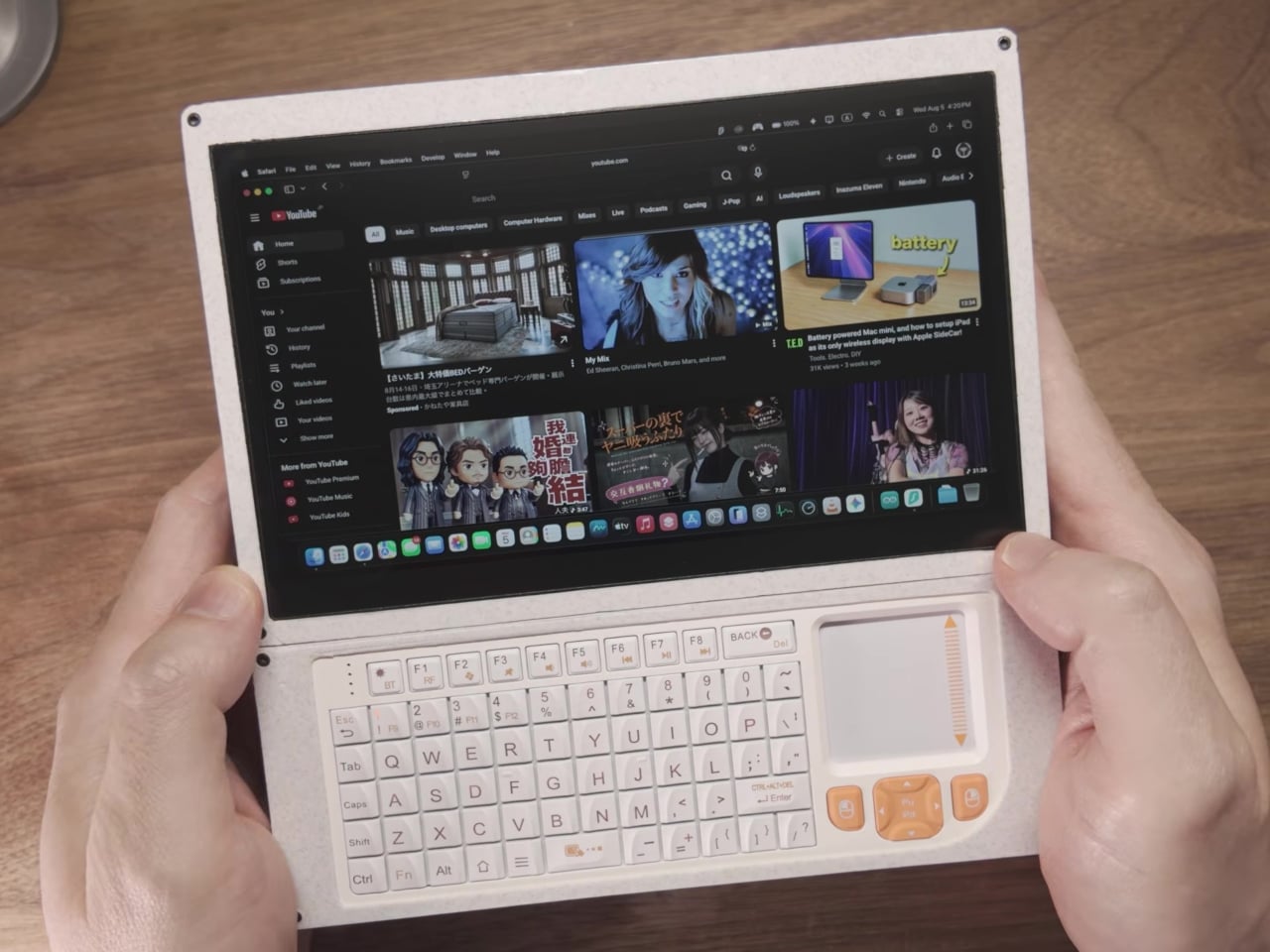
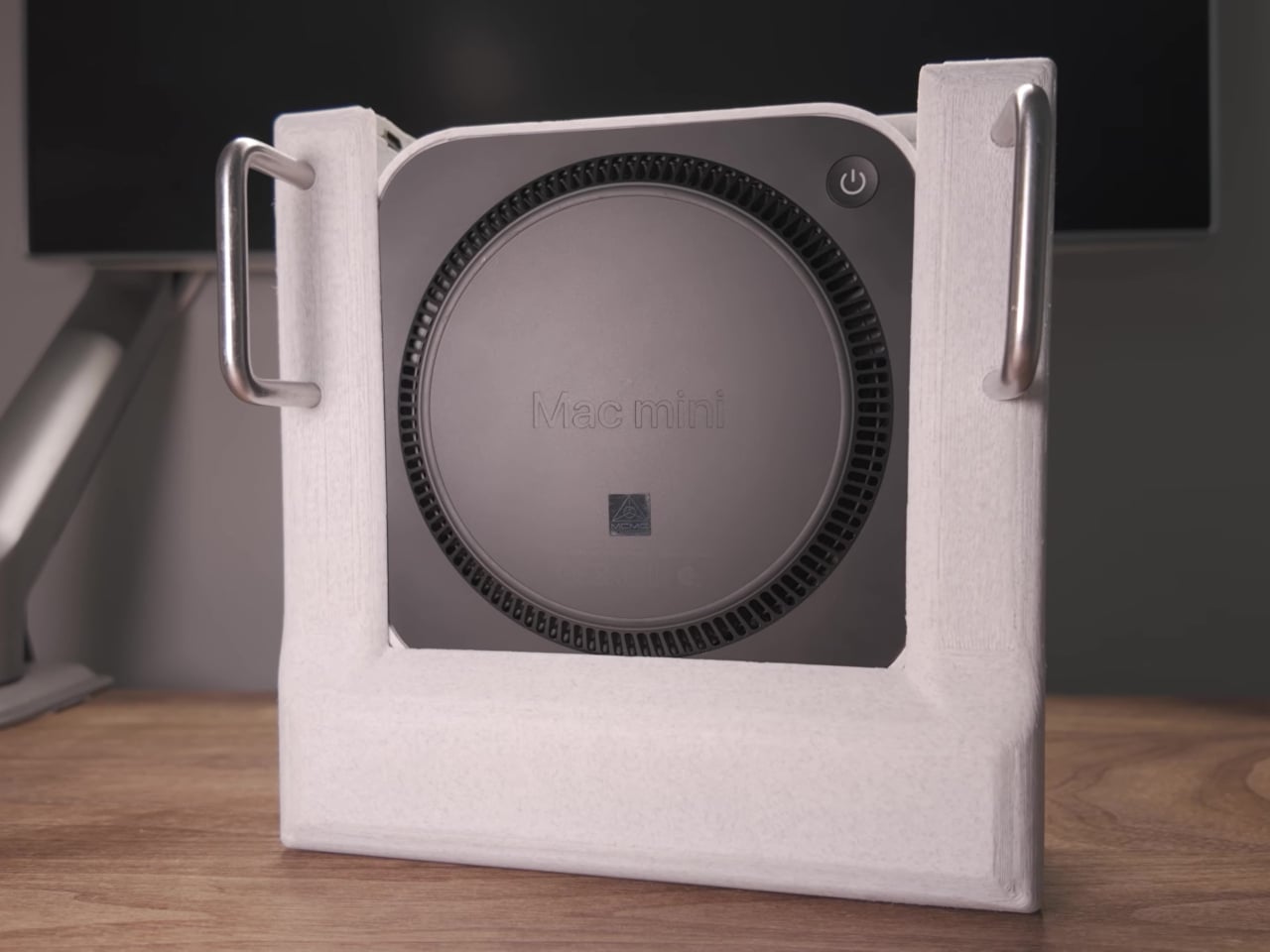
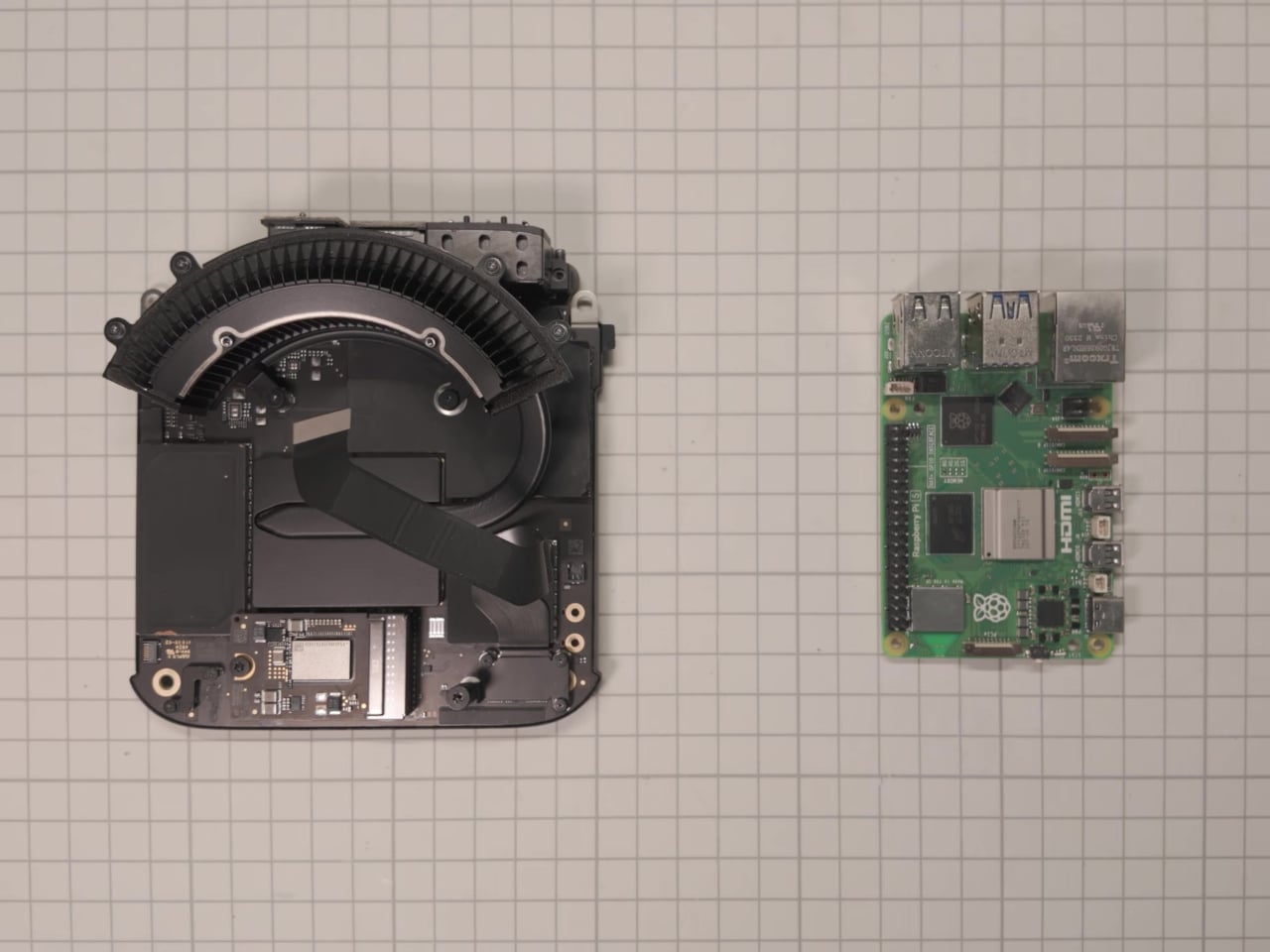
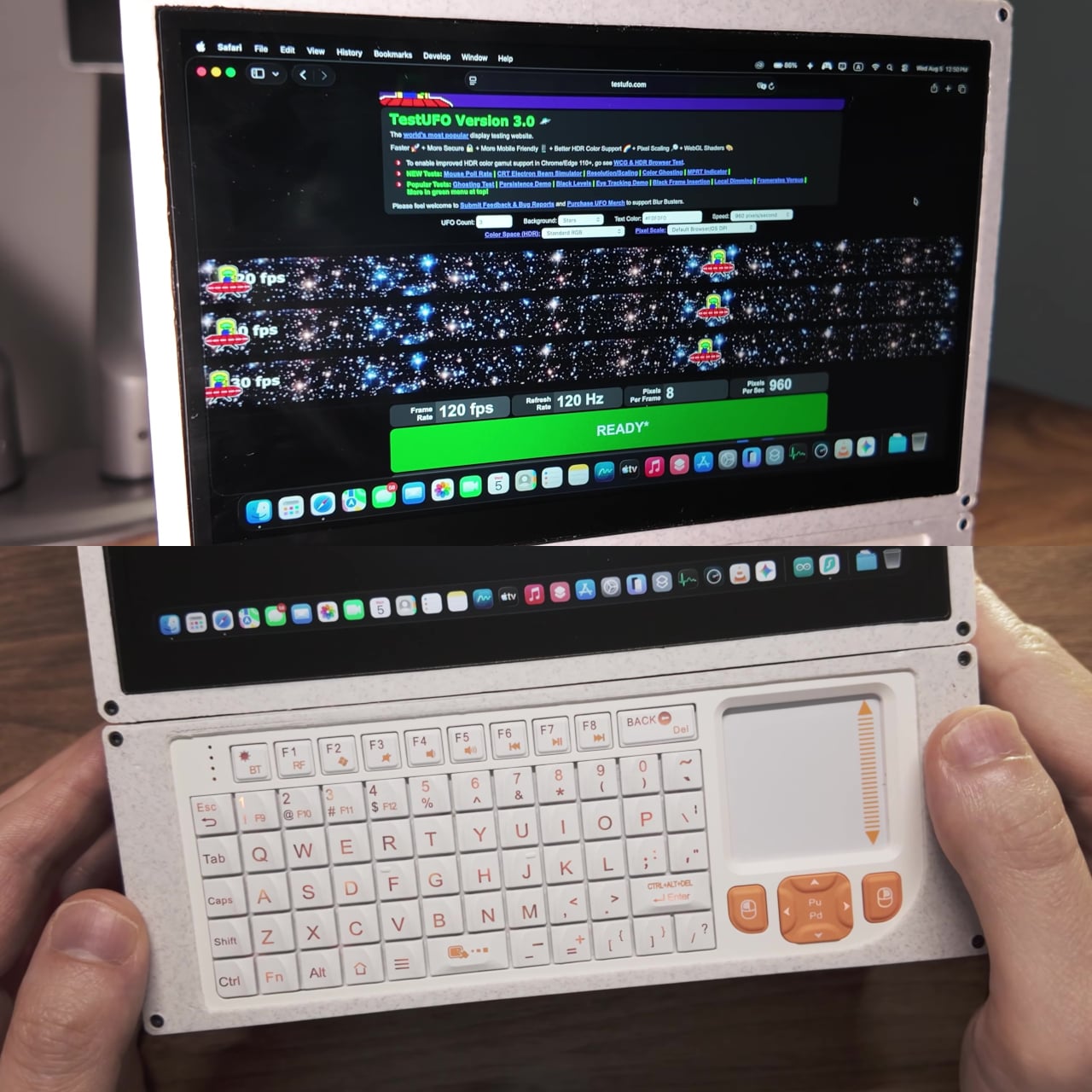
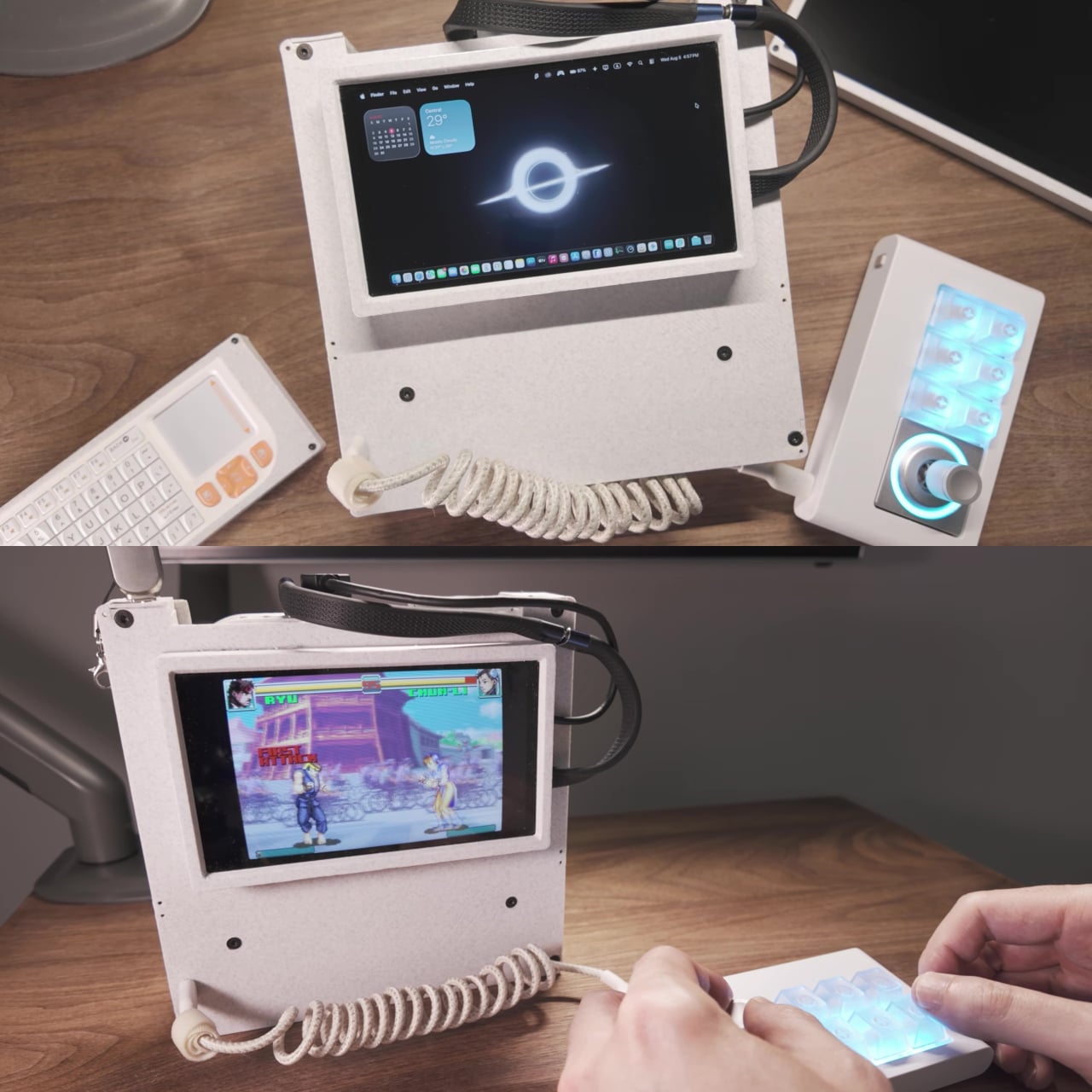
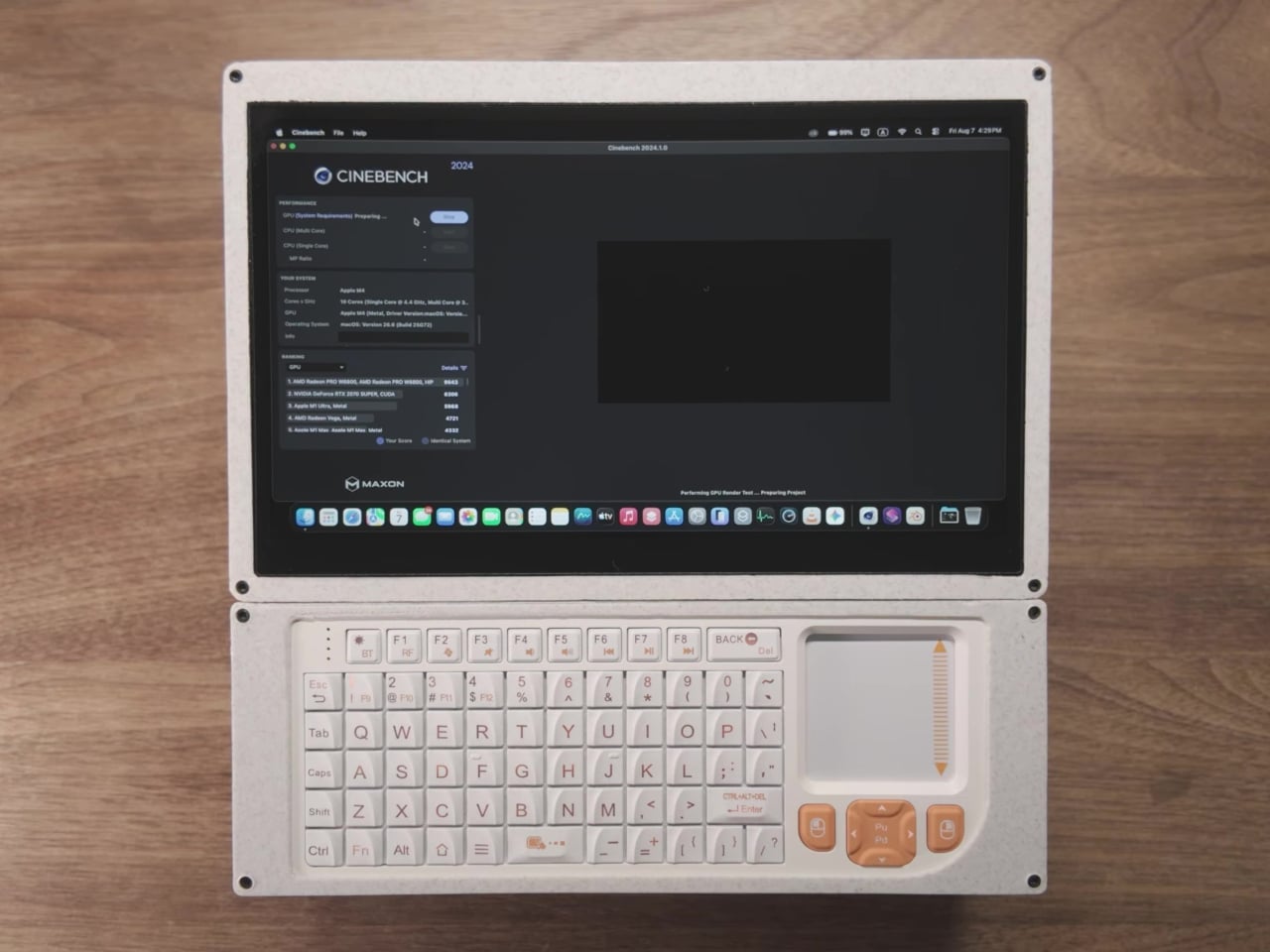
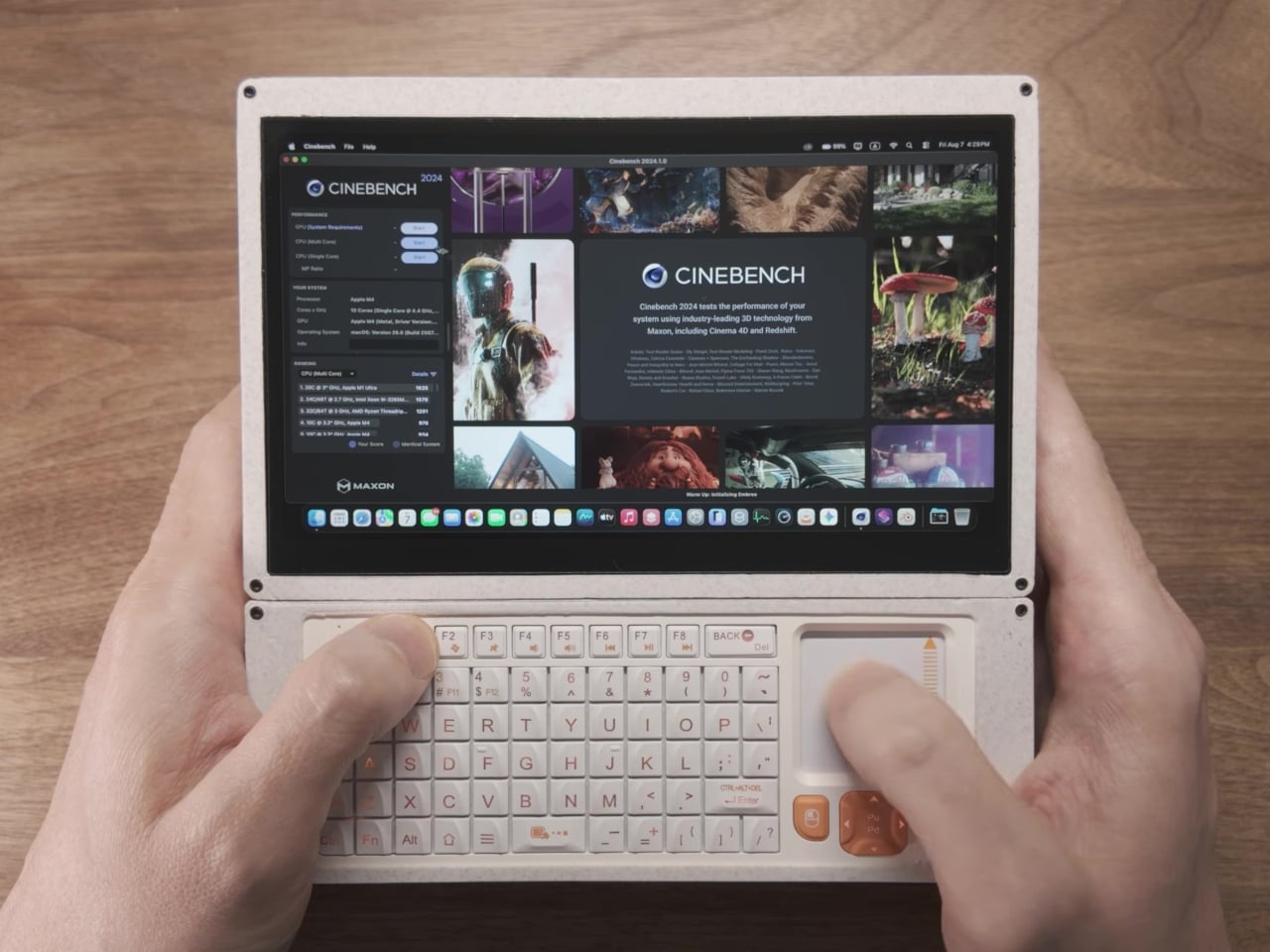
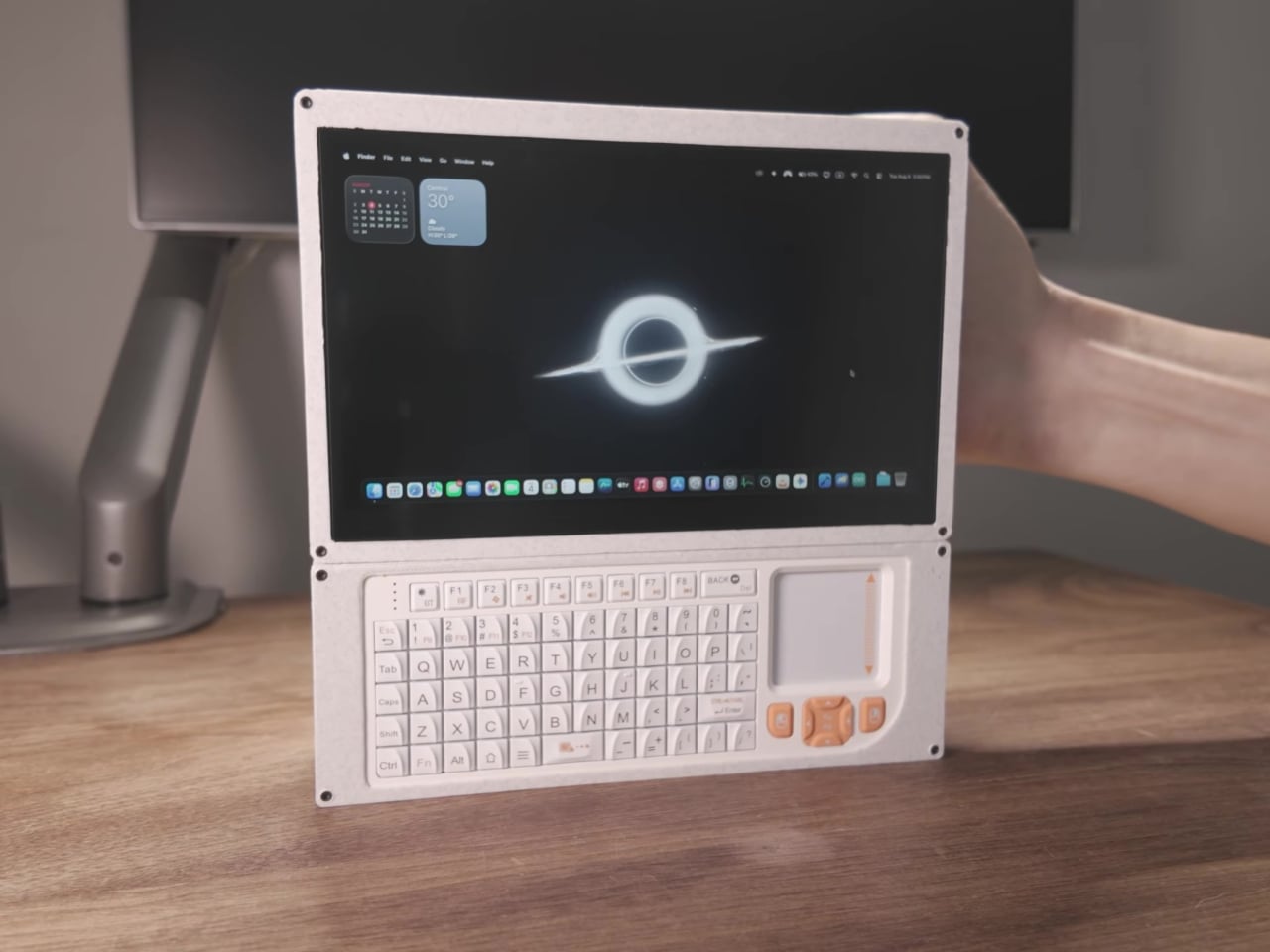
Most people who outgrow a Mac Mini just buy a bigger one. One builder went the opposite direction, gutting an M4 Mac Mini down to its bare motherboard and squeezing the entire machine into something you hold in two hands. The result runs full macOS, plays games with real controllers, and never touches a wall outlet, proving Apple’s desktop silicon was never actually tied to a desk in the first place.
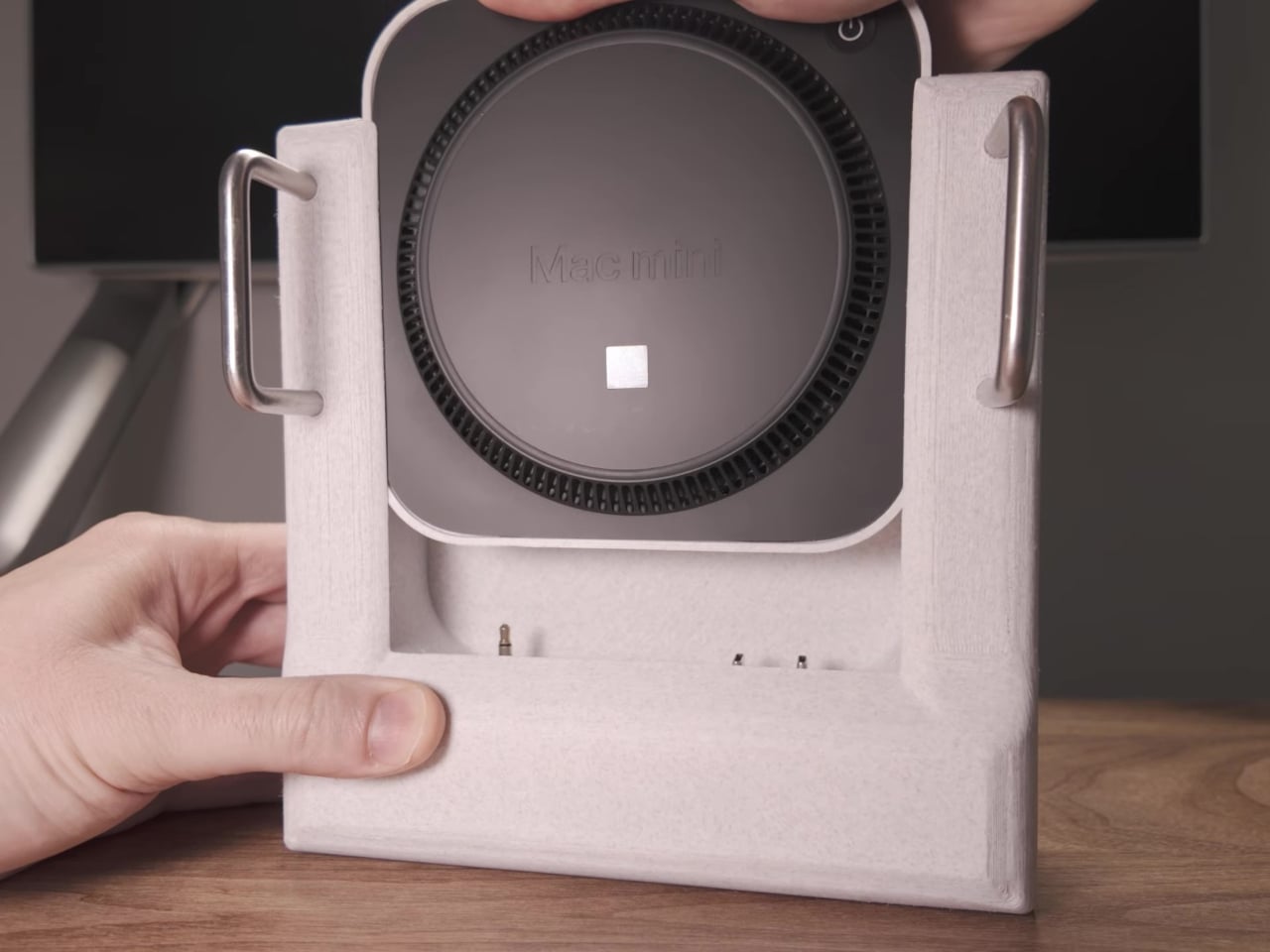
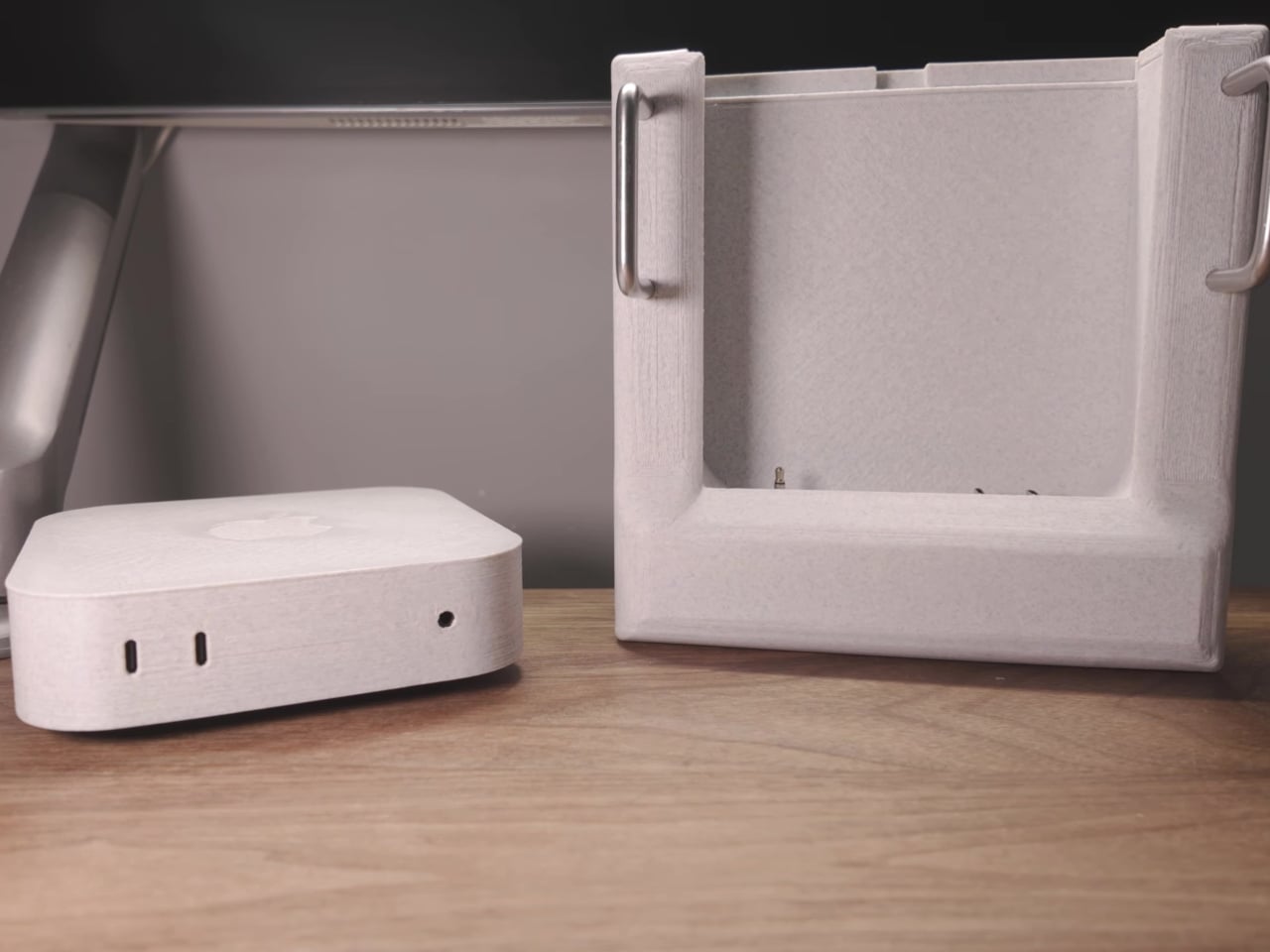
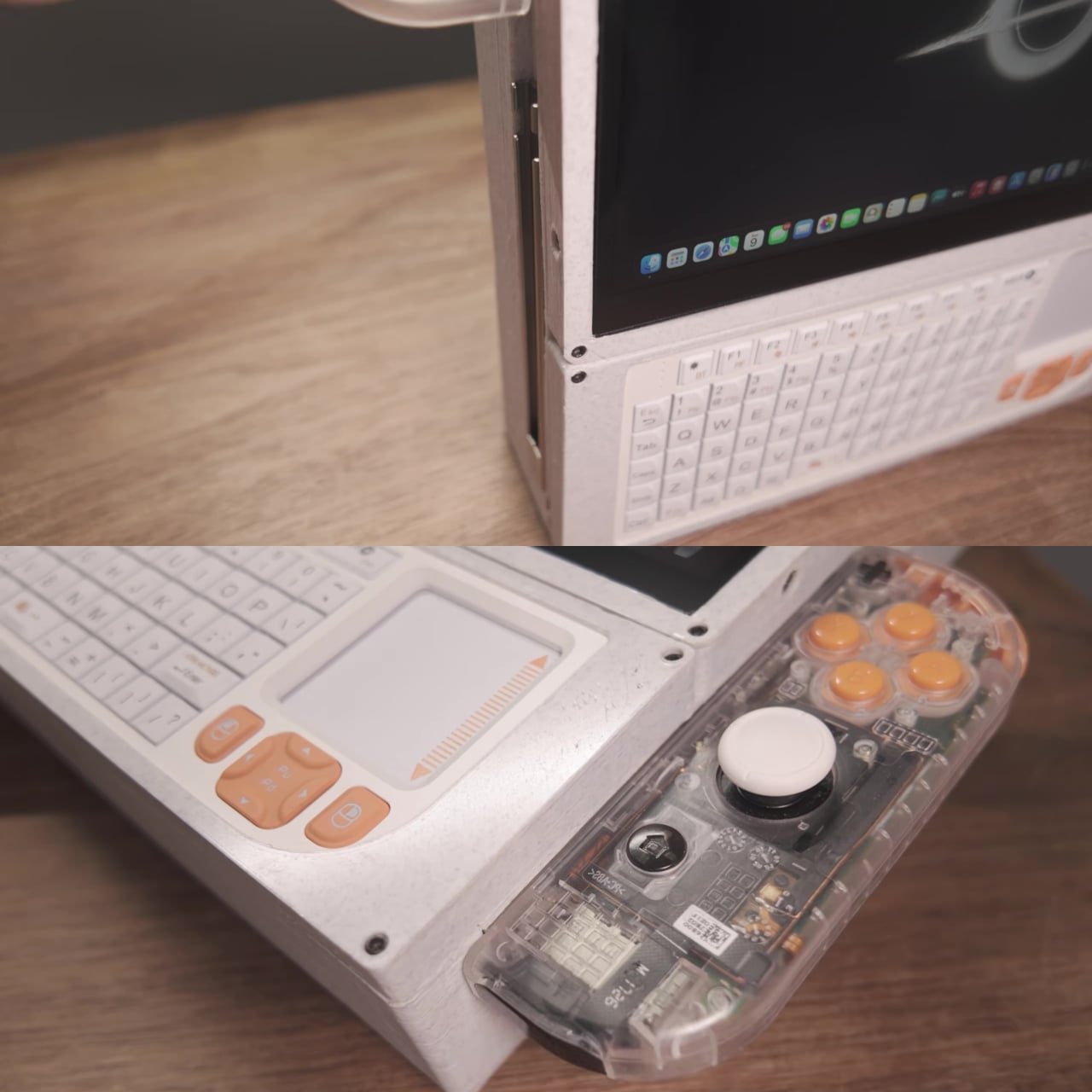
The trick starts with restraint rather than miniaturization. Instead of ripping out Apple’s factory heatsink and blower fan to save space, the build keeps that original cooling setup intact, letting the M4 chip run demanding workloads without throttling under heat. The motherboard and its cooling system then slide into a custom 3D-printed shell nicknamed the Mac Nano, treating Apple’s silicon less like a sealed product and more like a component waiting to be rehoused.
Designer: Shing Solutions
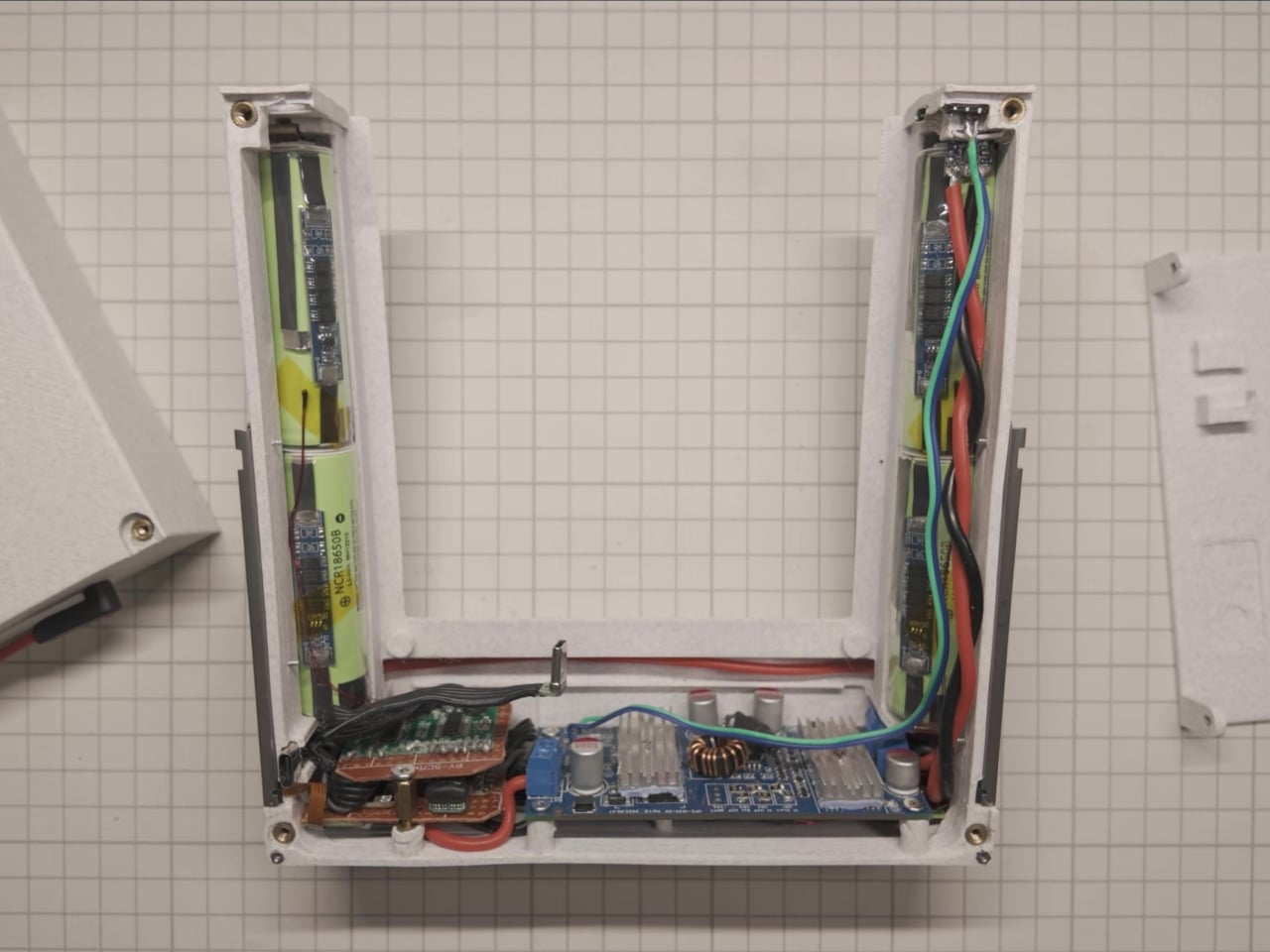
That shell doesn’t bolt permanently into the cyberdeck’s body. It slides in and out on rails instead, resembling something closer to a Game Boy cartridge than a soldered motherboard. Pull it free, and the rest of the handheld, its screen, its keyboard, its controllers, stays behind as a shell ready for whatever core gets slotted in next, whether that’s a repair, an upgrade, or an entirely different chip generation down the line.
Up front sits a 7-inch touchscreen running at 120Hz, paired with a shrunken QWERTY keyboard that includes its own built-in touchpad. That keyboard began as a wireless accessory, but its battery got pulled and rewired to draw power straight from USB instead, trimming both weight and one more thing that could run out of charge mid-session.
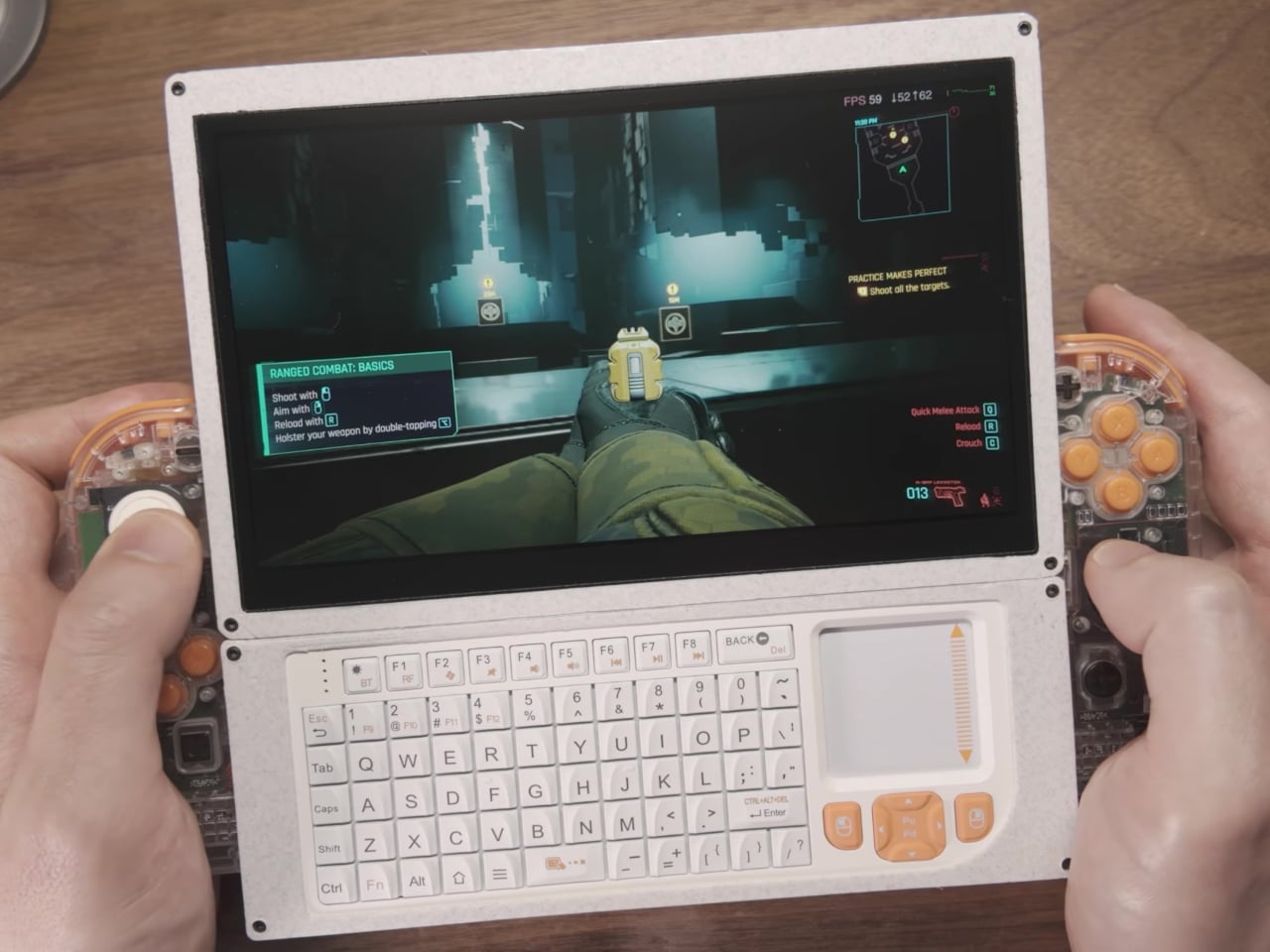
Gaming input came from an unexpected donor. Circuit boards pulled from genuine Nintendo Joy-Con charging grips now sit on rails built into both sides of the cyberdeck, wired directly rather than paired over Bluetooth. Since macOS has no native support for wired Joy-Cons, Steam’s controller mapping layer bridges that gap, turning what looks like a stripped-down laptop into something that plays games with console-grade tactile controls in hand.
Wiring that many peripherals into one small chassis created its own bottleneck. The fix came from combining two miniature USB splitter boards into a single custom three-port hub, stripped of their bulky original connectors to fit the tight internal layout. A bank of rechargeable cells rounds out the build, feeding a custom power delivery setup that keeps the whole machine running for hours without a cable in sight.
None of these choices were about making the smallest possible Mac Mini. They were about proving a desktop chip could be pulled apart, rehoused, and handed a battery without losing what made it worth owning in the first place. That kind of modular thinking, where the computer becomes a swappable cartridge rather than a sealed box, points toward a version of portable computing that upgrades in pieces instead of getting replaced whole.
The Apple ecosystem runs deep, but the devices themselves only go so far. The iPhone, Apple Watch, and iPad are remarkable pieces of hardware on their own, and yet a small category of accessories has figured out exactly what each one is missing. Not cases that just protect or cables that just charge, but objects that change the way a device feels, sounds, looks, or works from the moment you pick it up.
These five accessories do exactly that. They come from different corners of the Apple world, covering the watch, the phone, the iPad, and the kind of audio experience Apple never built its own hardware around. Each one earns its place not because it carries a name worth recognizing, but because it solves a specific frustration that was always there waiting to be noticed. Here are the ones worth knowing about right now.
1. NightWatch
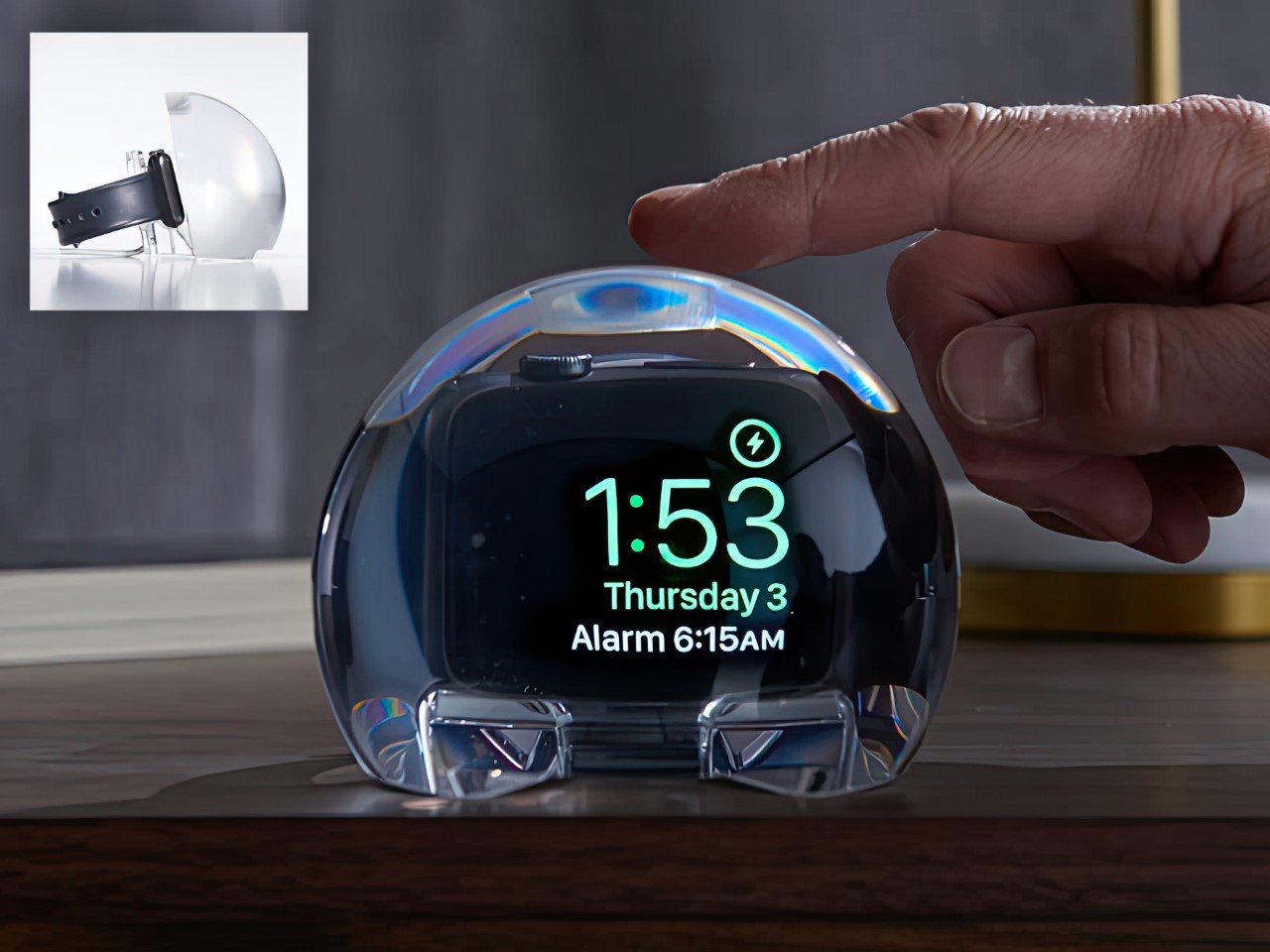
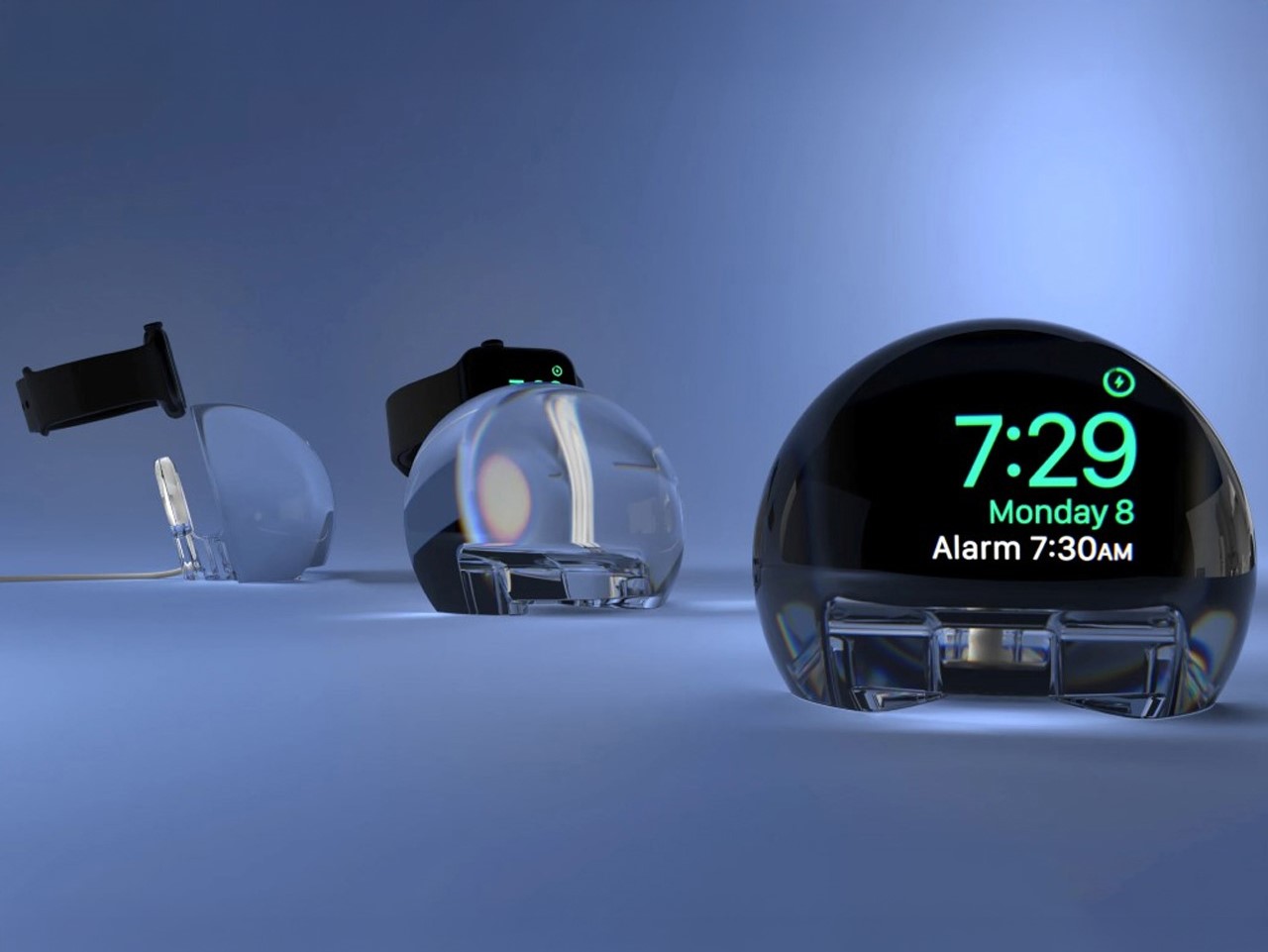
Most Apple Watch docks are functional and forgettable, a plastic puck with a magnetic charger and no ambition beyond getting your watch off your wrist for the night. The NightWatch is not that. It is a clear glass orb, roughly the size of a generous paperweight, that you set your Apple Watch inside at night. The result transforms the watch’s nightstand charging face into a magnified, glowing clock that is genuinely easier to read from across a dark room than the device alone would ever allow.
The dock works by treating the Apple Watch display as a light source and the glass sphere as a lens, drawing the time out of a small wrist-bound rectangle and spreading it into a real visual presence on the nightstand. It also includes a built-in audio amplifier that boosts the sound of your alarm, so quiet mornings stay that way until you actually need them not to be. At $69.99, it is priced more like a considered object than a cable management solution, which is exactly the spirit it deserves to be received in.
What we like
The magnification effect turns the Apple Watch display into a legitimate bedside clock without additional screens, apps, or setup
The built-in audio amplifier addresses the one genuine weakness of relying on Apple Watch nightstand mode as a morning alarm
What we dislike
The orb form factor is visually dominant enough that it will not suit minimalist nightstands where a small footprint matters
At $69.99, it costs more than several competing dock designs that handle charging equally well without the visual statement
2. Rock Paper Pencil 4.0
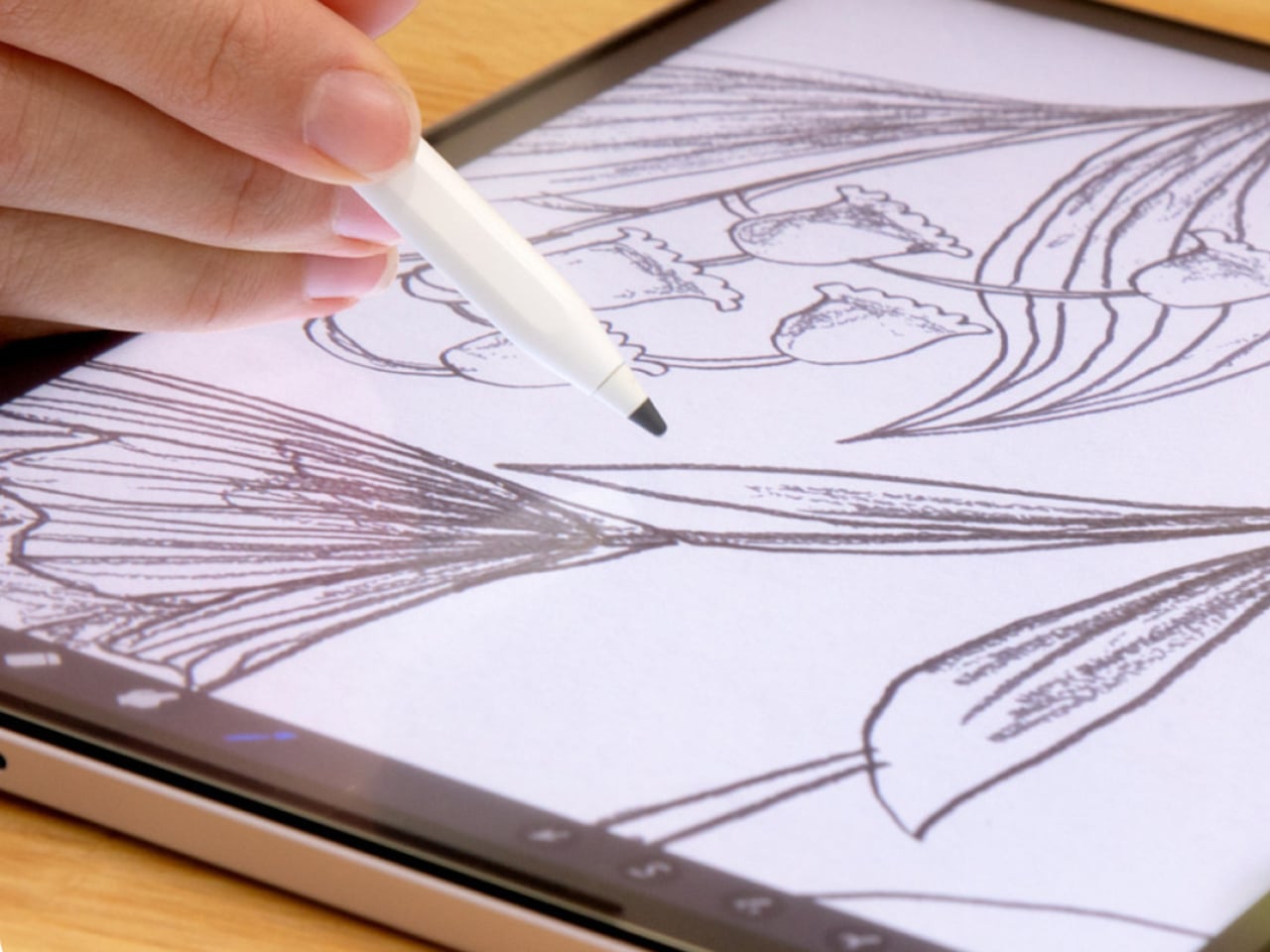
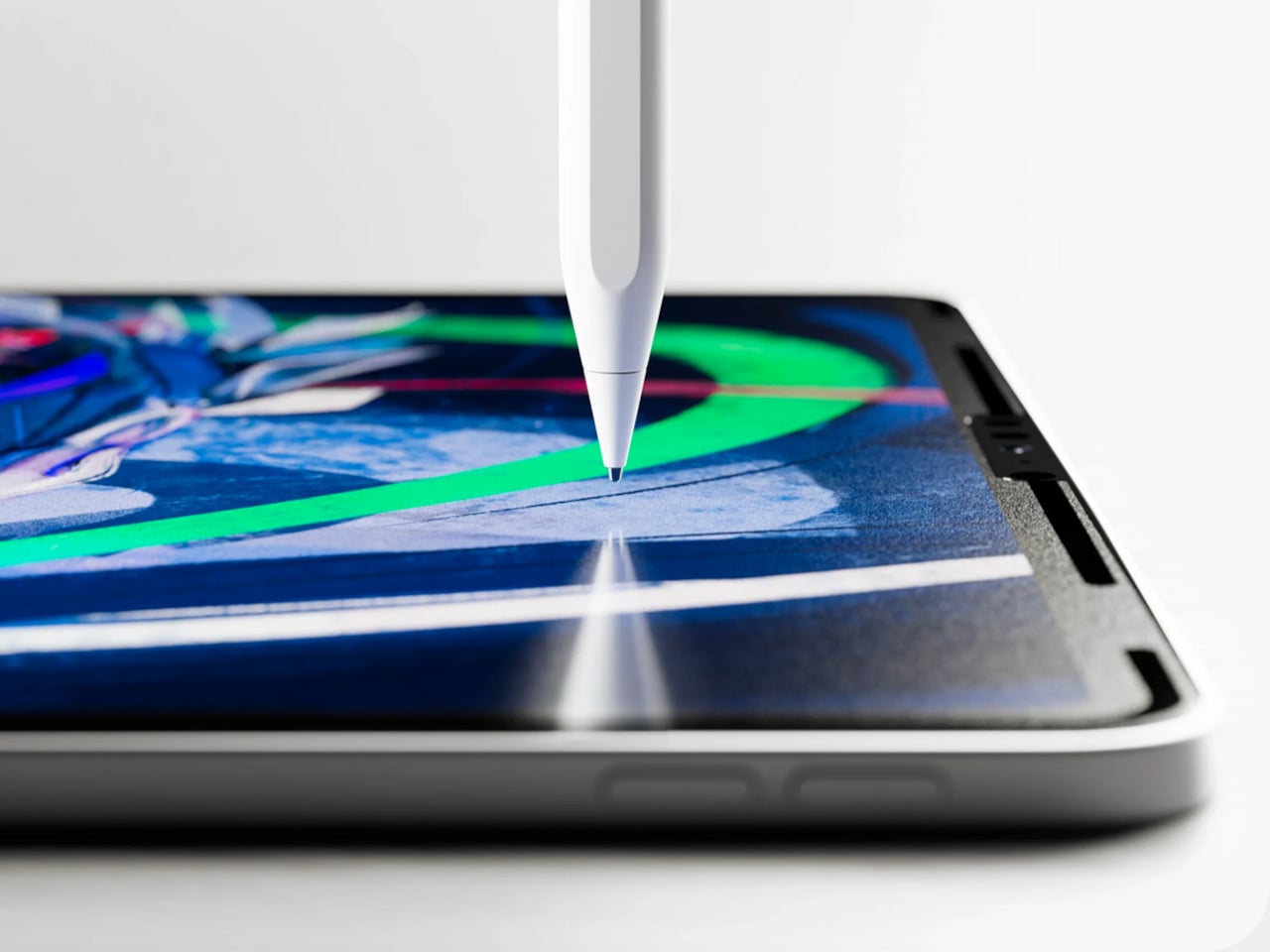
The Apple Pencil is a precision instrument that has never quite figured out how to feel like one. The glass surface beneath it is smooth and frictionless, and while that works fine for certain tasks, illustrators and note-takers spending hours drawing have always wanted something closer to real paper. Astropad’s Rock Paper Pencil addresses that gap directly: a removable, reusable nano-texture screen protector paired with custom Apple Pencil tips, and version 4.0 makes the system meaningfully better than it has ever been.
The upgrade introduces a new graphite POM tip alongside the existing steel ballpoint option, and the difference is immediately legible. The graphite tip mimics the toothy drag of a 2B pencil, a sensation that makes expressive sketching and shading feel deliberate and controlled rather than slippery and approximate. Each kit now ships with four tips in total, two graphite and two ballpoint, alongside a screen cleaning kit that should have been included from the beginning. The protector attaches via NanoCling static cling rather than adhesive, meaning it lifts off without residue and goes back on without a bubble.
What we like
The NanoCling system is genuinely removable and reusable, giving iPad owners a paper-feel surface on demand without permanently altering the display
Having both graphite and ballpoint tips in a single kit covers two distinct working styles without requiring a separate accessory purchase
What we dislike
The graphite tip wears down noticeably faster than the ballpoint option, which will matter to anyone putting in long, intensive drawing sessions regularly
The friction that makes sketching feel natural also makes smooth, fast swiping across the screen feel slightly resistant during ordinary everyday use
3. Battery-Free Amplifying iSpeakers
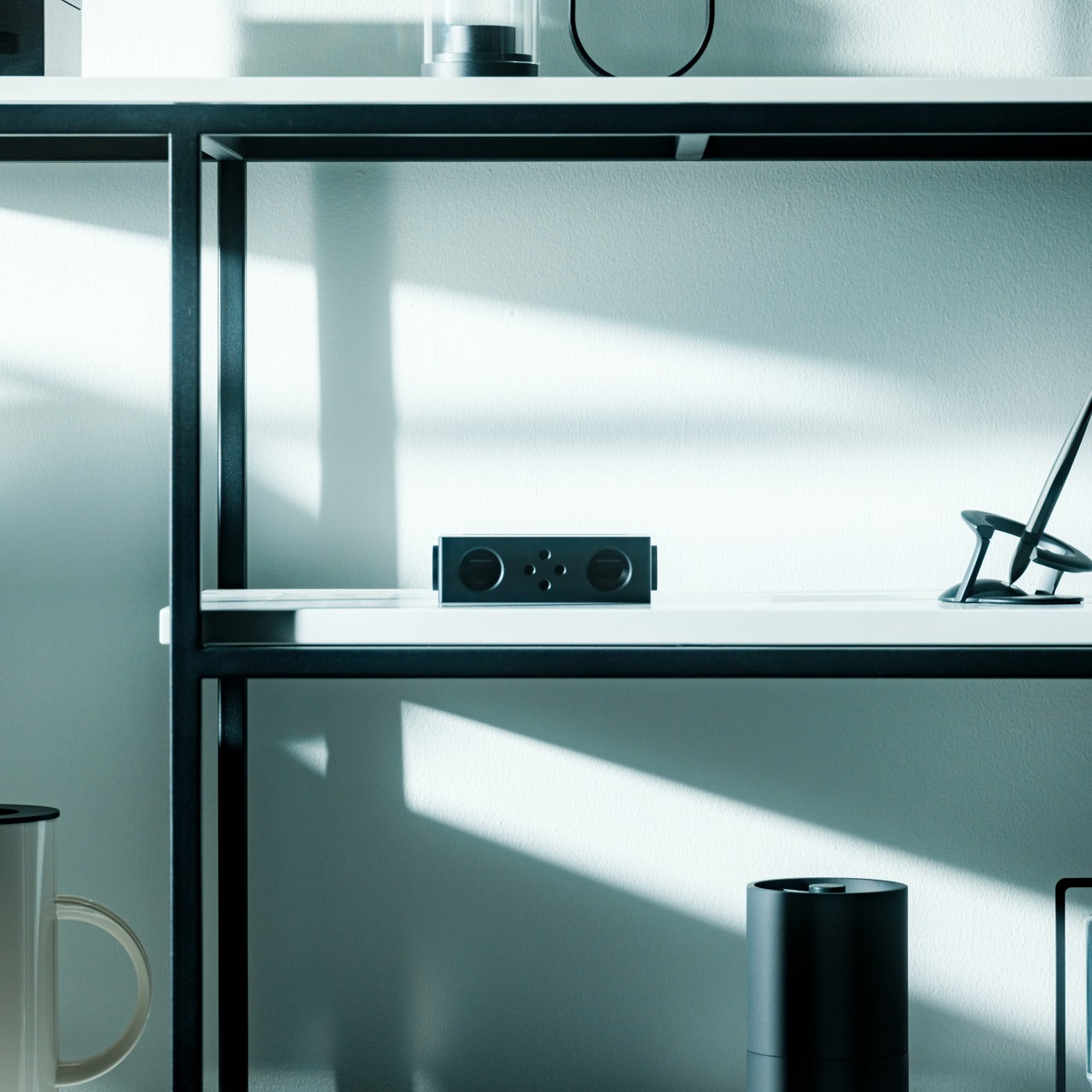
Every speaker you own asks something of you before it makes a sound. The Bluetooth speaker needs charging, and the charging case needs its own cable. The smart speaker needs a wall outlet, a WiFi password, and a company’s servers to stay online on a random Tuesday. The Battery-Free Amplifying iSpeakers, designed by Ooi Masato of Pit-A-Pat for Shimawa and made in Japan, need none of it. They need your iPhone and the physics of a sound wave moving through precision-machined metal, and that is the complete brief.
The design is straightforward: a Duralumin metal body with a slot for the phone and golden-ratio speaker apertures that channel and amplify sound through acoustic resonance, the same principle that powered phonographs before electricity reached most homes. There is no pairing, no app, no battery level to check. You set your phone in the slot, and your music gets louder and fuller, immediately.
Zero setup and zero charging requirements make it the simplest speaker in any room, with no ritual standing between you and better sound
The precision-machined Duralumin construction means there is nothing to break, replace, update, or charge, ever
What we dislike
At $179, it competes on price with capable Bluetooth speakers that offer far more volume, range, and flexibility for larger spaces or outdoor use
The phone slot is sized for specific handsets, so case thickness and phone dimensions will determine how well it actually cradles your device
4. Nomad Leather Folio
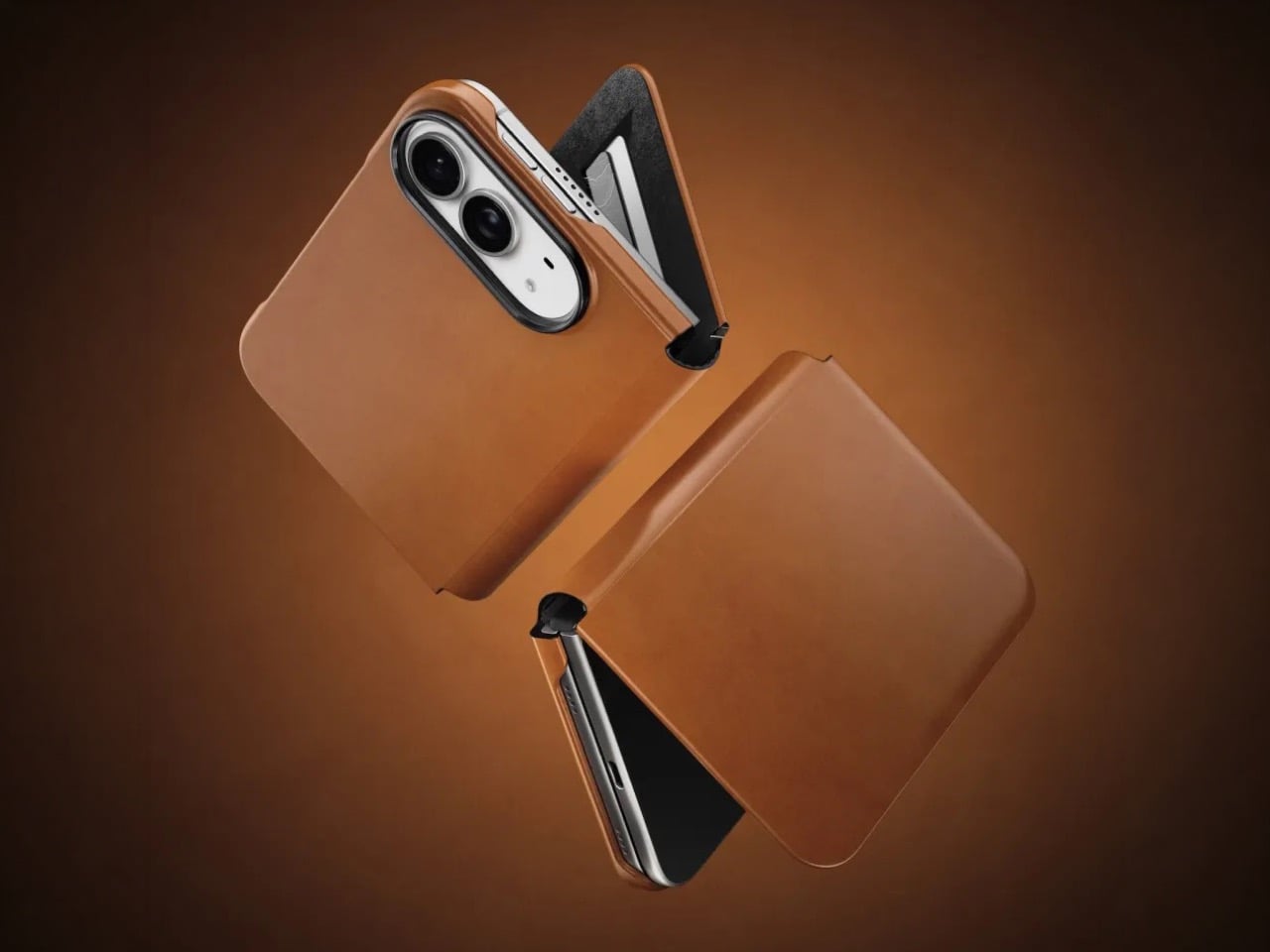
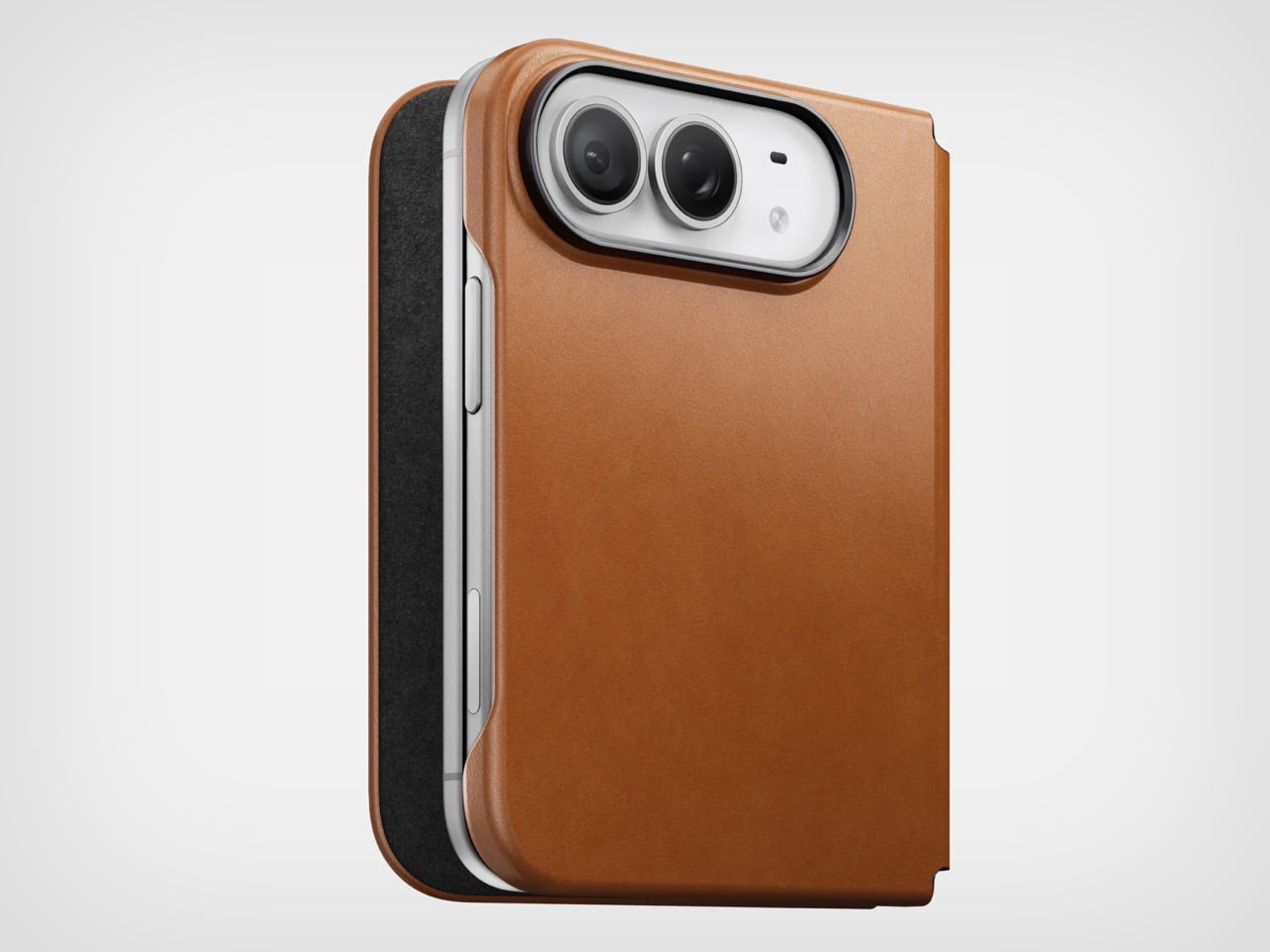
Phone cases tend to fall into two camps: those that protect the device and those that try to say something. Nomad’s Leather Folio attempts something harder: a single object that does both without looking like it is trying to do either. Crafted from Horween leather inside and out, with MagSafe compatibility and RFID blocking built in, it folds over the front of the iPhone Duo and turns what is already an expensive device into a combination that reads less like a phone and more like something a person who still carries a leather notebook would reach for without thinking twice.
Priced at $129, it is not a cheap case, but it is not pretending to be. The leather cover closes over the screen, which is either a feature or a nuisance depending entirely on how you use your phone, though for anyone who already drops it face-down out of habit, the protection is real and the payoff is legitimate. MagSafe integration means the phone charges normally through the case, and the RFID blocking handles the handful of situations where that actually matters. The overall effect is a device that feels deliberately considered in a way most cases never manage to pull off.
What we like
Horween leather develops a patina with use rather than aging badly, which gives the case a genuinely long useful life most materials cannot match
MagSafe compatibility and RFID blocking are both included without any visible hardware bulk or added thickness to the profile
What we dislike
The full front flap adds a step to every screen interaction that will feel like friction until the habit settles, and that adjustment can take longer than expected
At $129, it sits in an awkward price band between affordable everyday cases and truly premium leather goods, which makes the value case harder to land cleanly
5. RePod C1
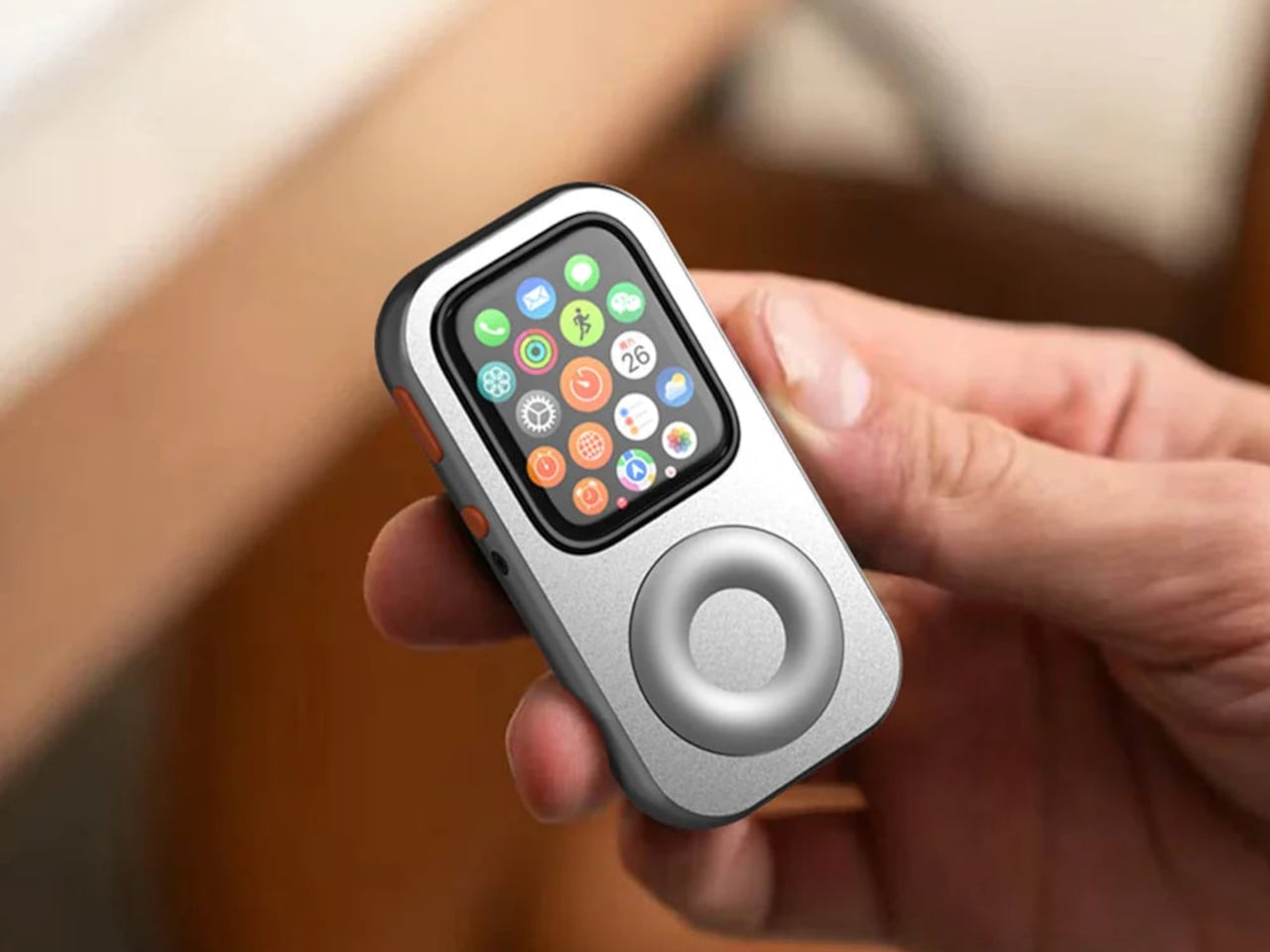
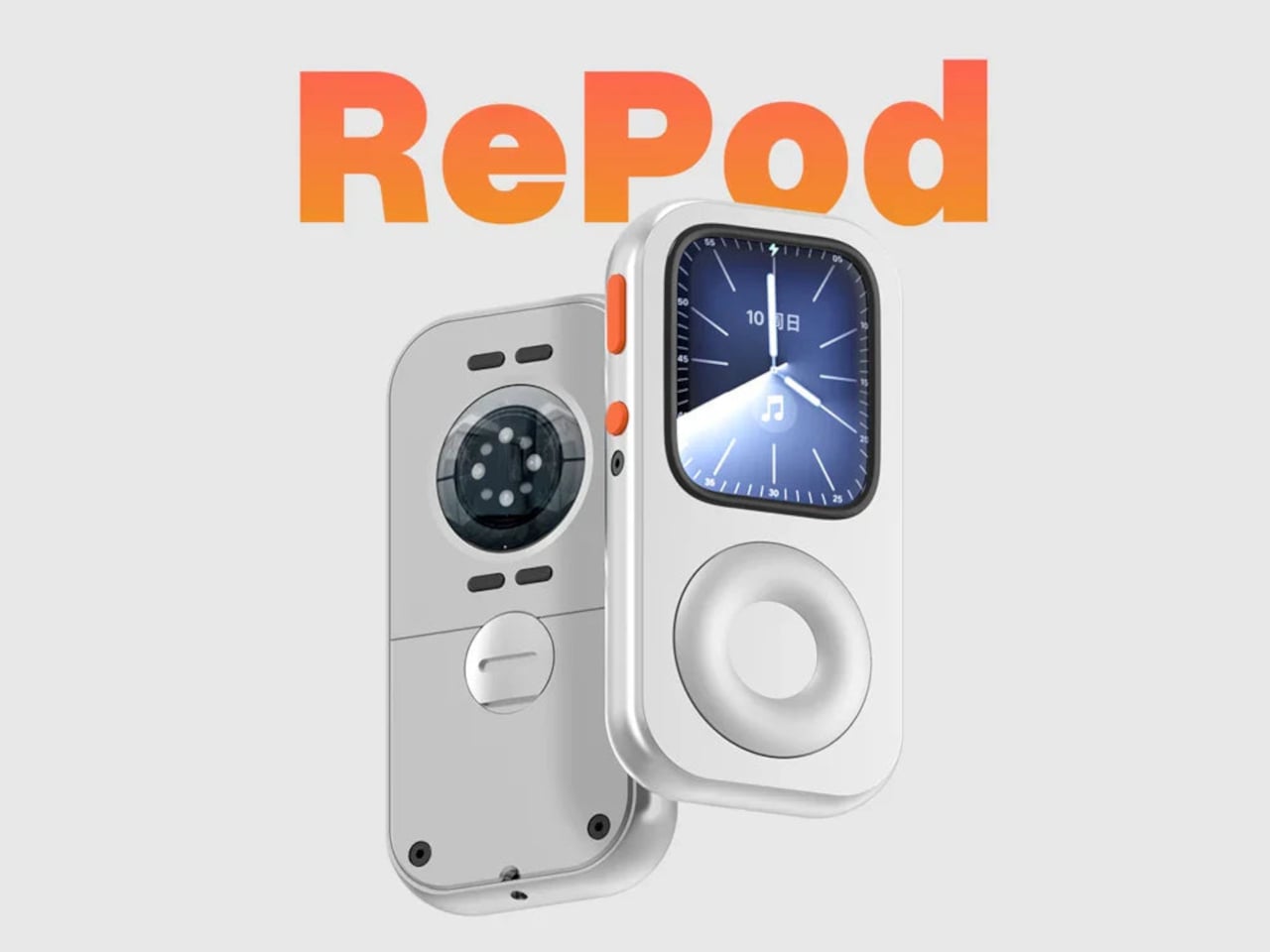
The click wheel was never just an interface. It was a tactile experience that gave early iPods a sense of ceremony that touchscreens have never quite replaced, a physical scroll mechanism that made navigating a playlist feel like it was worth doing slowly. Techpod’s RePod C1 is a $60 Apple Watch case that wraps the watch in an iPod-style shell and brings that wheel back, and what keeps it from being a novelty is one mechanical detail: the click wheel connects directly to the Apple Watch’s Digital Crown, so turning it actually does something real.
The case uses an open-back design that leaves all of the watch’s sensors fully accessible, meaning heart rate monitoring, ECG, and Apple Pay all continue to work normally. Antenna cutouts preserve Wi-Fi, Bluetooth, and cellular connectivity without compromise. The more interesting side effect is what it does to the device’s identity: sliding the watch into a pocket during a run or a commute and navigating with the Crown from inside the shell turns the Apple Watch into something that feels far more like a small, deliberate music player than a wrist-worn notification machine.
What we like
The mechanical connection between the click wheel and the Digital Crown makes the nostalgia functional rather than cosmetic, which is a meaningful distinction
The open-back design keeps every sensor and connectivity feature fully intact, so nothing about the watch’s capabilities changes when the case goes on
What we dislike
Adding any case to the Apple Watch introduces bulk to a device whose appeal partly depends on being thin and unobtrusive on the wrist
The iPod aesthetic lands clearly for one generation and reads as entirely opaque to anyone who came to Apple after the click wheel era ended
The Best Accessories Are the Ones Apple Didn’t Think to Make
Apple’s hardware is precise enough that the accessories worth paying attention to are the ones that noticed a gap the company chose not to fill. The NightWatch saw a dim nightstand clock. Astropad saw a frictionless drawing surface. Ooi Masato saw a speaker that required too much setup before it made a sound. Nomad saw a phone that could carry itself differently. Techpod saw a scroll mechanism nobody had brought back with anything real underneath it.
None of these are essential in the way a charging cable is essential. They are optional in the best sense, the kind of thing that makes a device feel more considered in the hands of whoever chose it. Whether your Apple device is a watch, a phone, or an iPad, something on this list has already figured out what was missing before you had the words for it.