This LEGO Rolex Submariner Is A Masterpiece for Luxury Watch and LEGO Fans

The vision behind this LEGO project was to create a stylish art model tailored to a sophisticated adult audience. Surprisingly, the realm of luxury mechanical wristwatches remained unexplored in the LEGO universe. The Rolex Submariner, with its iconic status and unparalleled cachet in pop culture, emerged as the perfect candidate for this venture.

Designer: LEGO + ROLEX

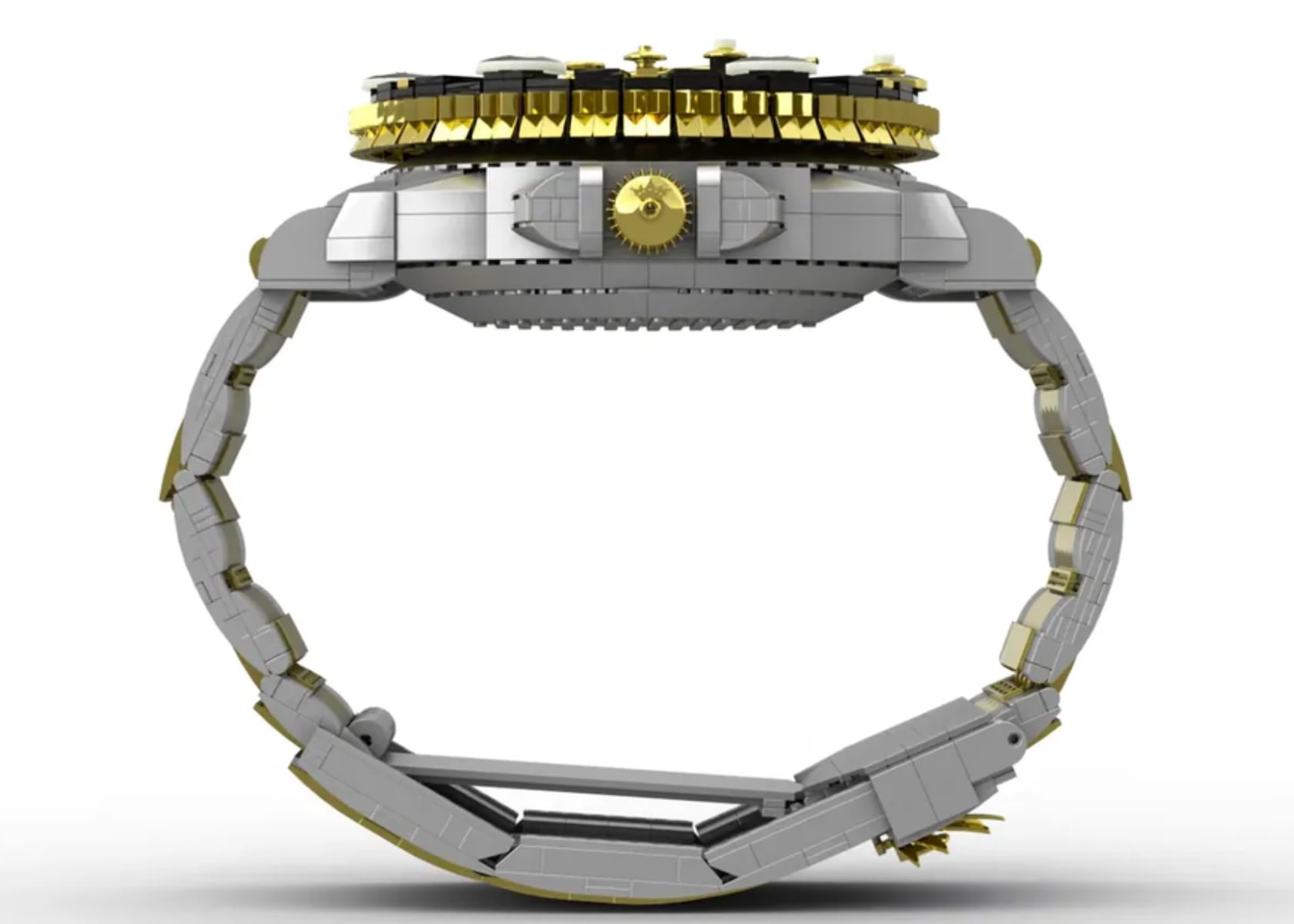
The robust and angular aesthetic of the Submariner’s “super” case design seamlessly translated into the LEGO system. This transformation resulted in an impressive and eye-catching exhibition piece, perfect for display in a home study or office.
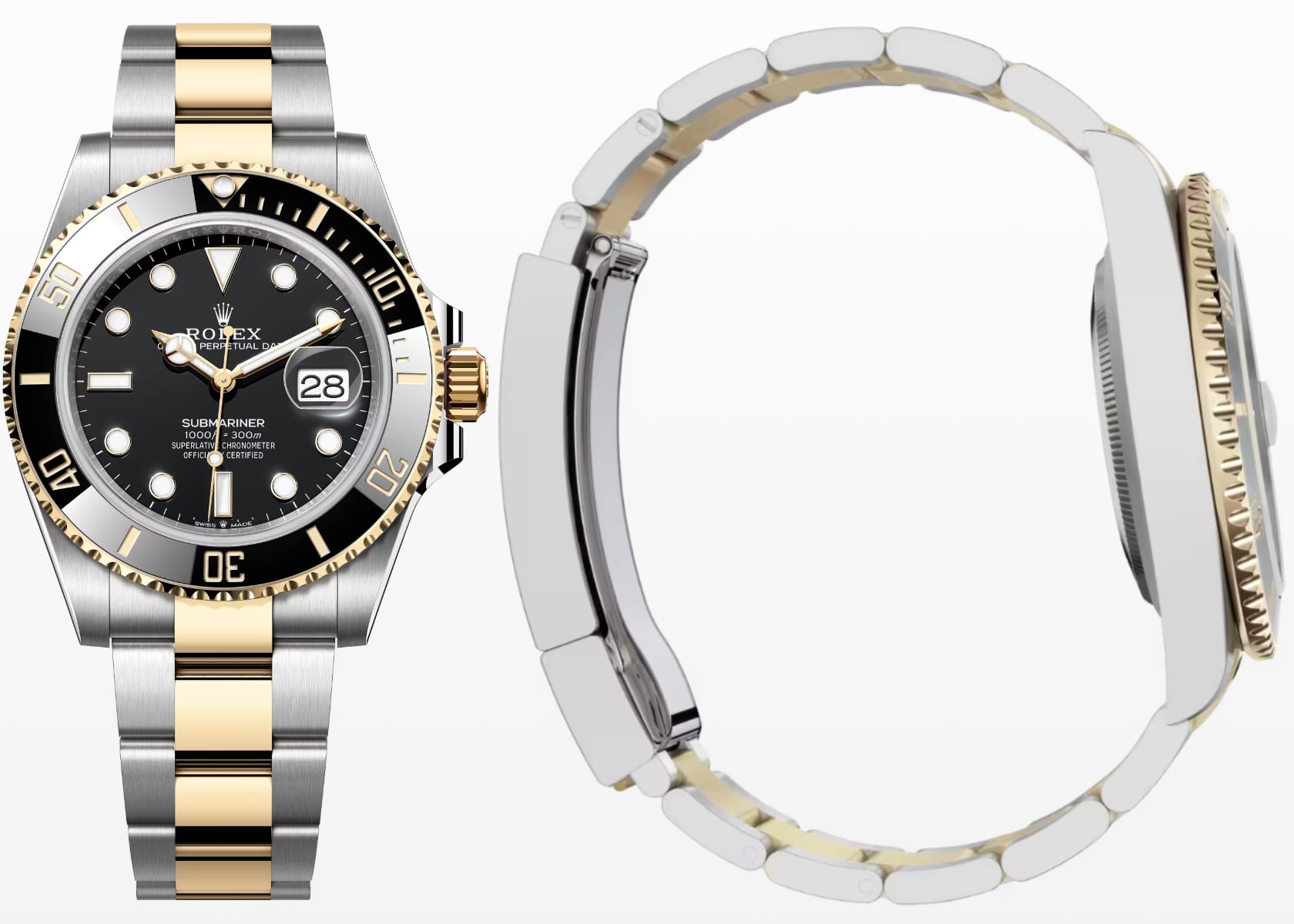
The gold Rolex Submariner is a symbol of luxury and sophistication. Introduced as a premium variant of the classic dive watch, it embodies both robust functionality and opulent design. Originally launched in 1969, the gold Submariner combined Rolex’s innovative diving technology with a striking gold finish, appealing to those who sought both performance and prestige. Over the years, it has evolved with enhancements in materials, movement, and design, maintaining its status as an icon in the world of horology.
Design Features and Functions
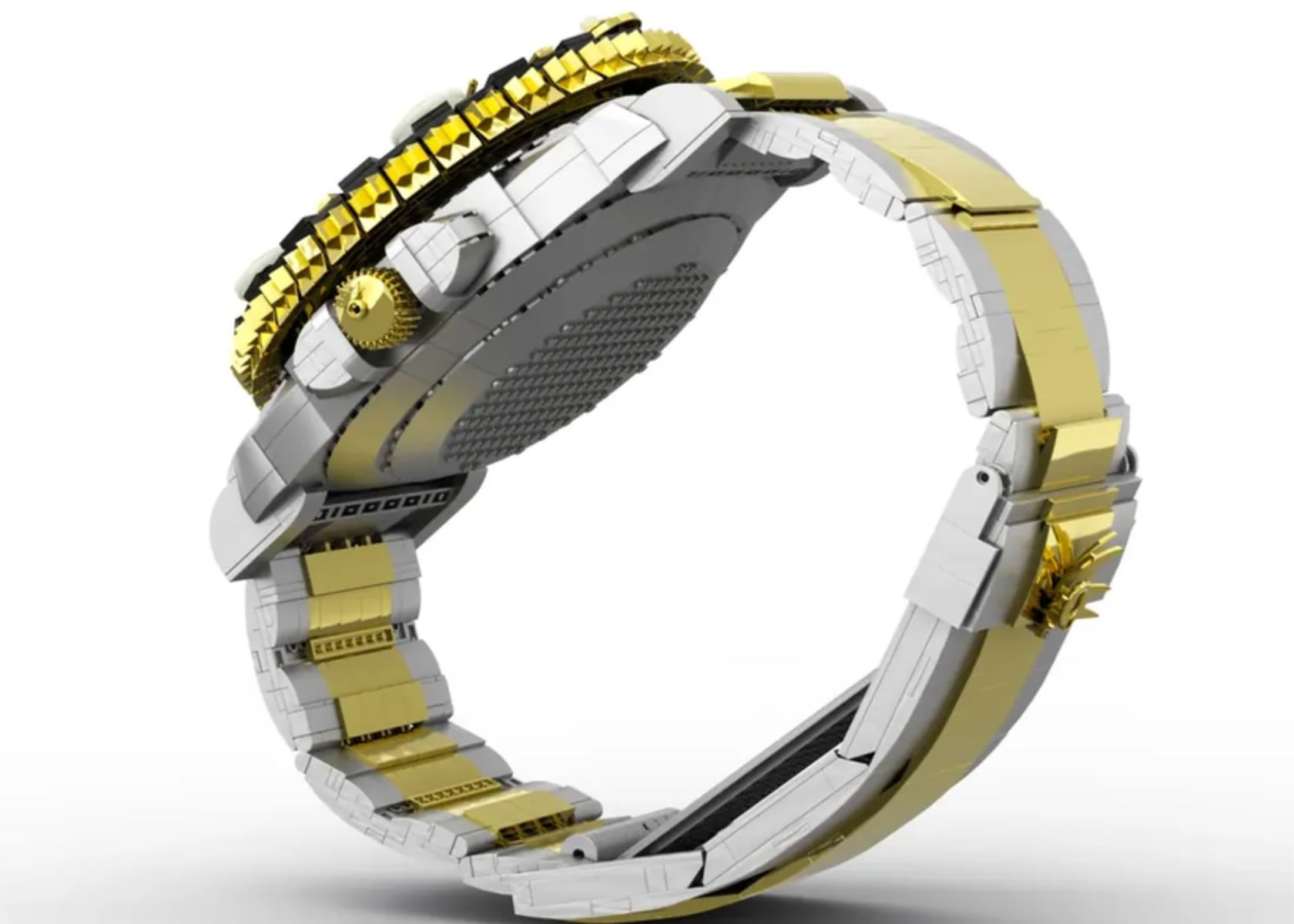
The LEGO Rolex Submariner boasts several distinctive design features, including:

  • Signed Brevet Crown: This detail captures the signature element of the Submariner, highlighting its luxury heritage.
  • Functional Rotating Bezel: A fully operational bezel that replicates the functionality of the real Submariner.
  • Gilt “Mercedes” Hour Hand: The iconic hour hand, meticulously recreated to reflect the original design.
  • Sword Minute and Lollipop Second Hands: These hands add to the authenticity, ensuring that every minute detail is accounted for.
  • Luminous Applied Indices: Using glow-in-the-dark LEGO pieces, the model mimics the luminescent markers of the actual watch.
  • Date Window: An accurately positioned date window adds to the realism of the model.

This model, with its 1,622 pieces, perfectly showcases how design and engineering come together, highlighting both brands’ dedication to craftsmanship and innovation.
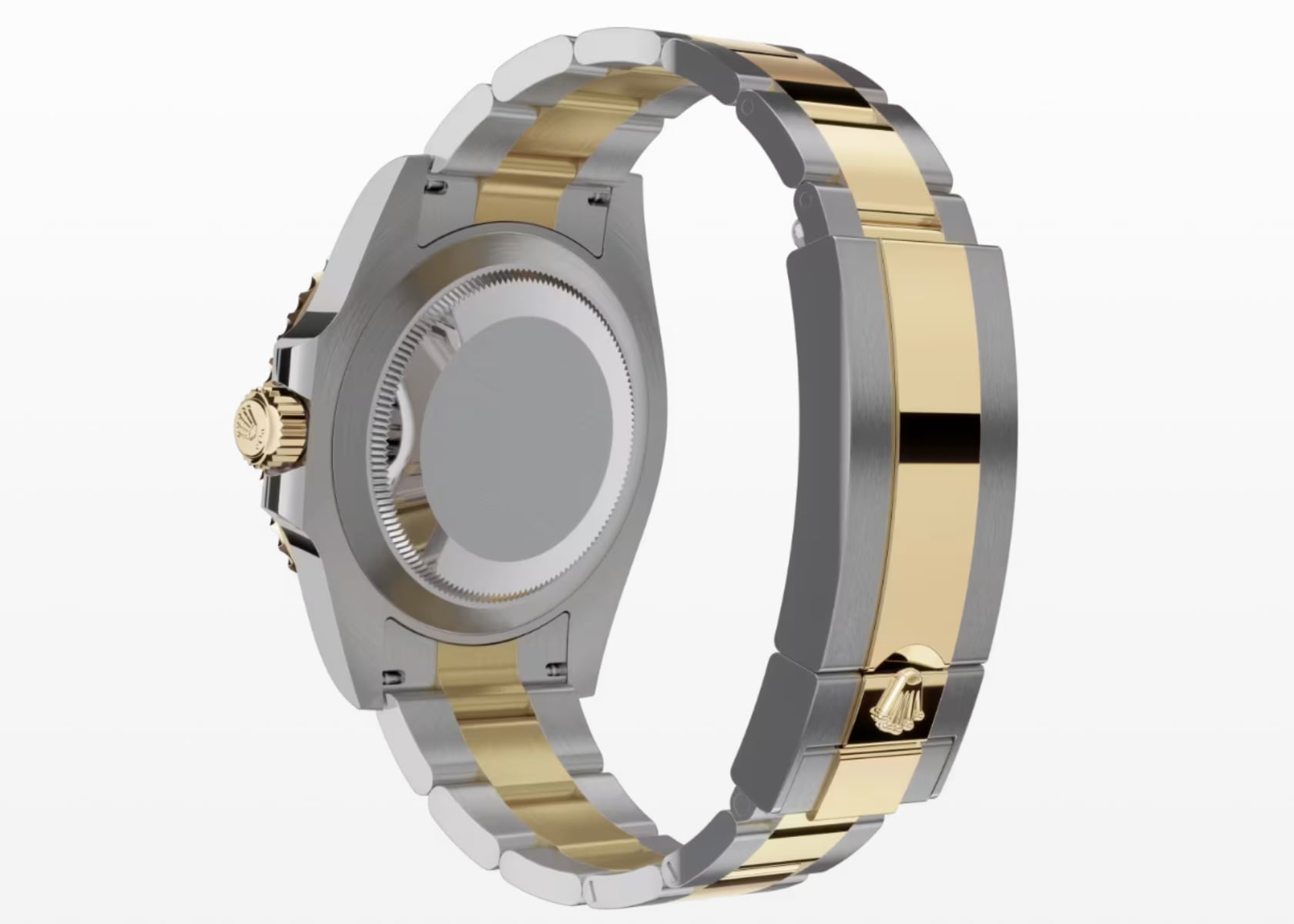
Visual Appeal

The detailed construction of the LEGO Rolex Submariner captures its stunning attention to detail and faithful recreation of the original timepiece. The combination of gold and black elements, along with the intricate design of the bezel and bracelet, highlights the luxurious feel of the Submariner while celebrating the playful creativity inherent in LEGO constructions.

A LEGO Rolex Submariner blends the world of high-end horology with the playful and creative spirit of LEGO. This collaboration pays tribute to an iconic watch while offering a unique building experience that bridges luxury and creativity. The result is a collectible masterpiece that resonates with enthusiasts of both brands.

The post This LEGO Rolex Submariner Is A Masterpiece for Luxury Watch and LEGO Fans first appeared on Yanko Design.

Flower-shaped Air Purifier adds a touch of abstract nature style while cleansing home air

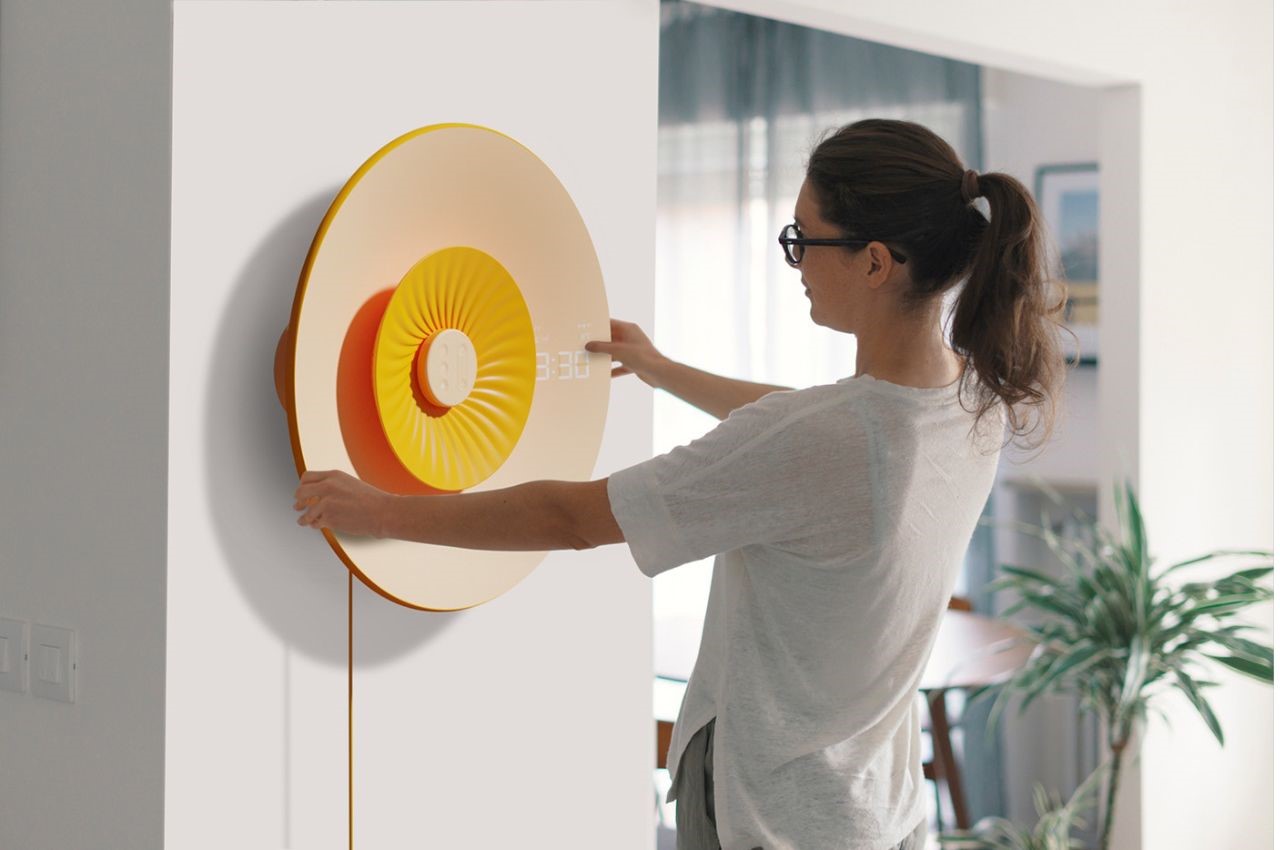
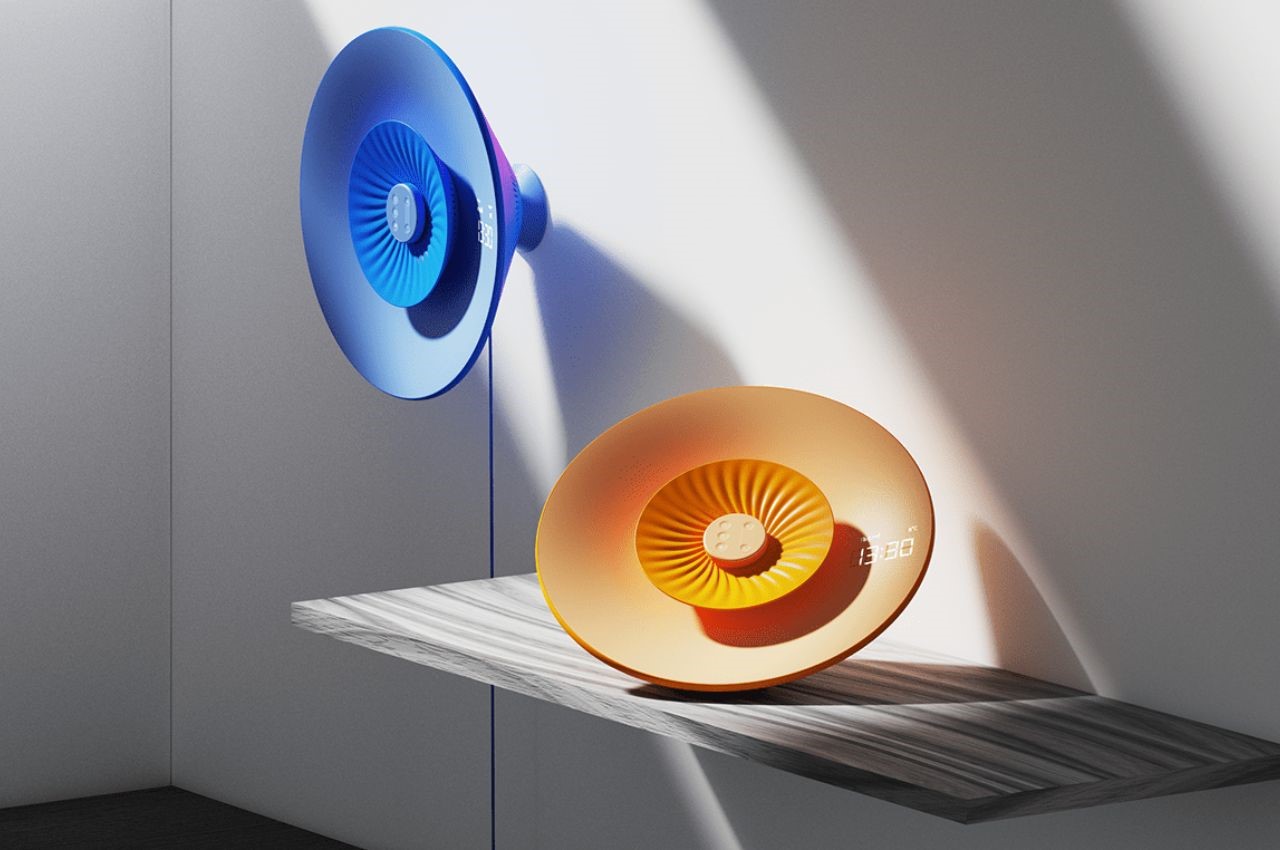
Blom is a refreshing and innovative approach to air purification. It is a wall and stand air purifier, that transforms the mundane function of air purification into an aesthetically pleasing experience. Inspired by the elegance of a flower, Blom not only enhances air quality but also elevates the visual appeal of any interior space, truly living up to its name derived from “bloom.”

Designer: Hyunjae Noh and Designer dot

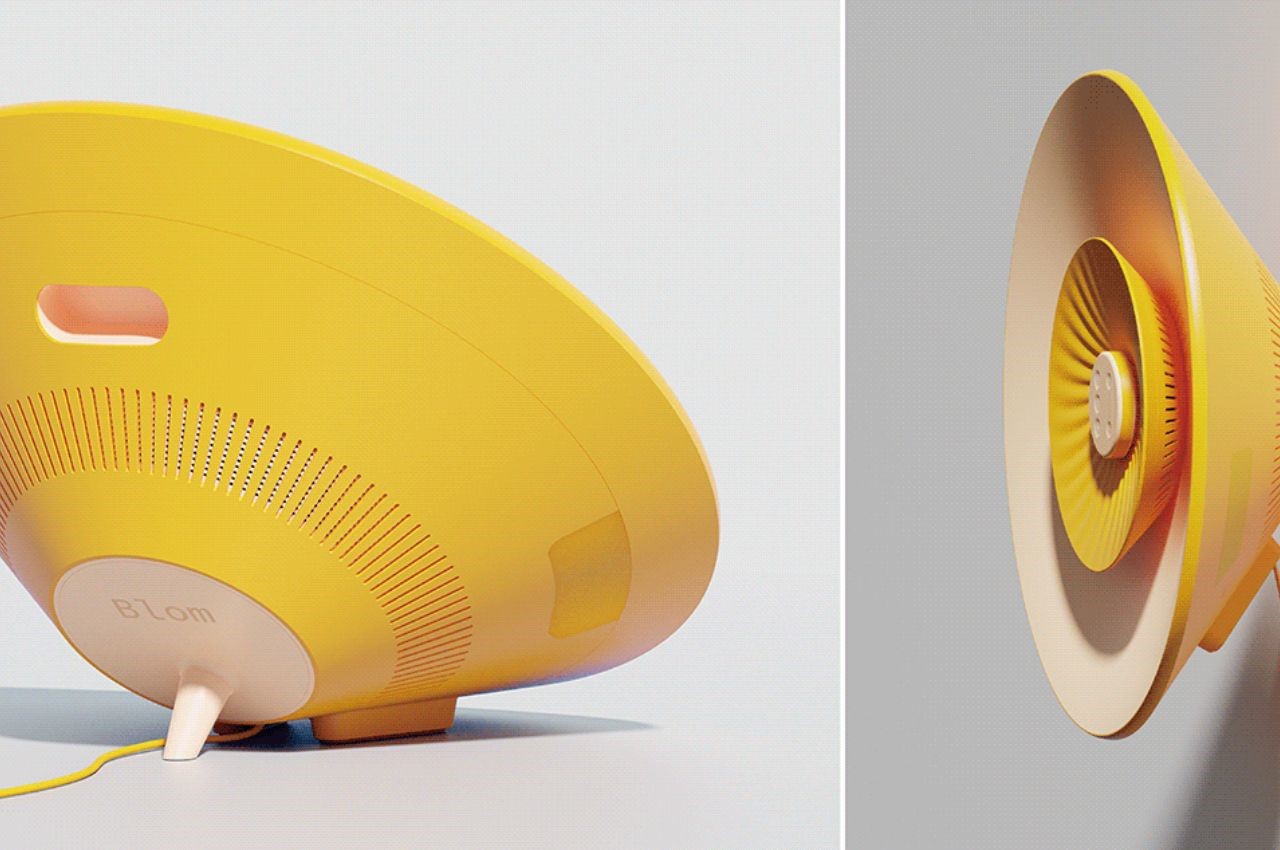
The beauty of Blom lies in its organic shape that mimics the natural form of a flower. This design choice is both symbolic and functional, reflecting the purifier’s mission to blend seamlessly with nature. Plants, often regarded as natural air purifiers, serve as a fitting inspiration. While plants contribute to cleaner air by producing oxygen and filtering out certain pollutants, Blom takes this concept a step further by incorporating advanced air purification technology within a floral form.

Blom is an air purifier and an interior object that enhances the ambiance of your living space. Traditional air purifiers often occupy space and can be an eyesore when not in use. Blom, with its flower-inspired design, offers a new experience by adding visual pleasure even when it’s off. Whether mounted on a wall or placed on a stand, it can be customized to suit any room, turning a functional appliance into a piece of art.

Flexibility is at the heart of Blom’s design. Available in four colors, it can be wall-mounted or stand-alone, allowing users to integrate it seamlessly into their homes. An integrated handle adds to its portability, making it easy to move from one room to another. Whether you need fresh air in your office, during a workout session, or in any other part of your home, it adapts to your needs without requiring multiple units.

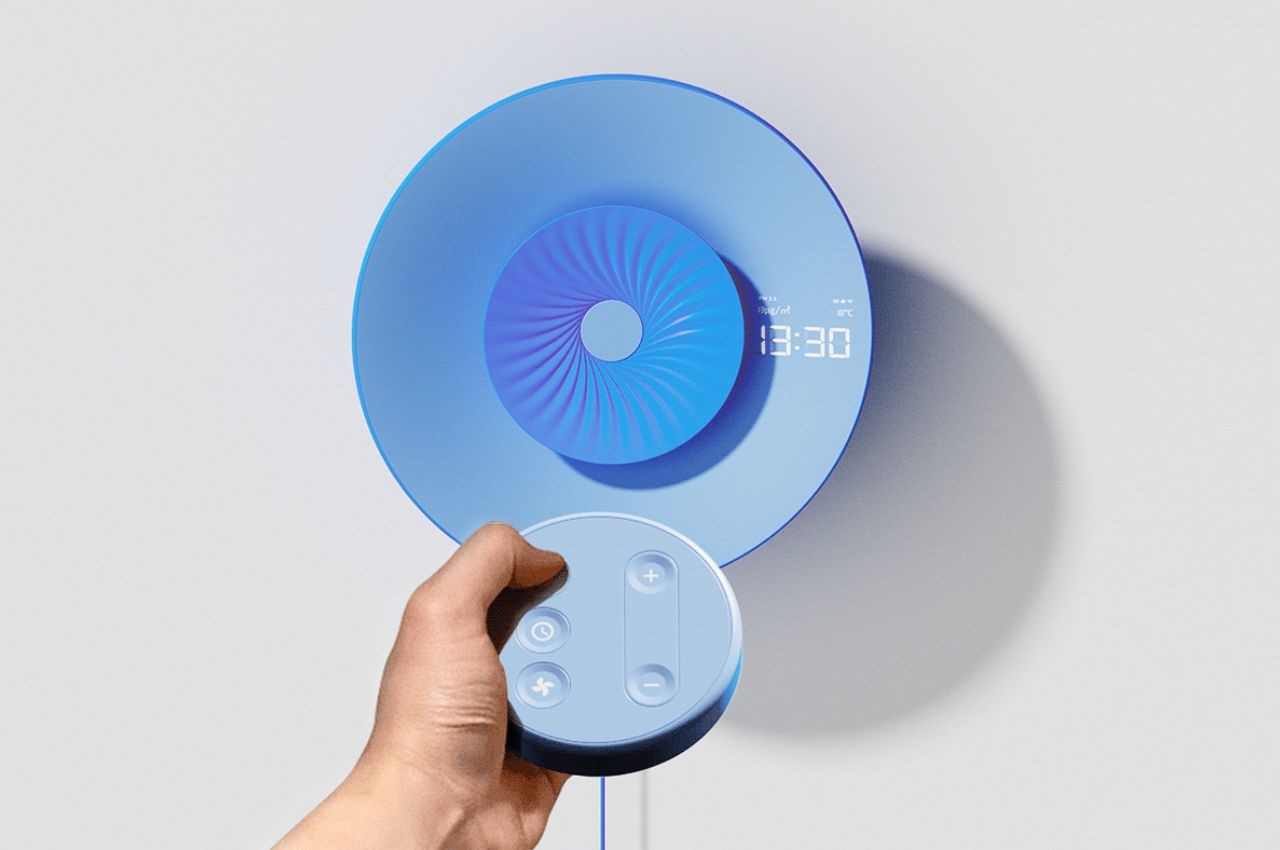
The purifier is equipped with a state-of-the-art HEPA filter that purifies air efficiently. Air enters through the rear intake, passes through the HEPA filter, and is released through the front outlet, ensuring a continuous flow of clean air. The intuitive design includes a remote control that magnetically attaches to the center of the unit, ensuring it is always within reach and never misplaced.

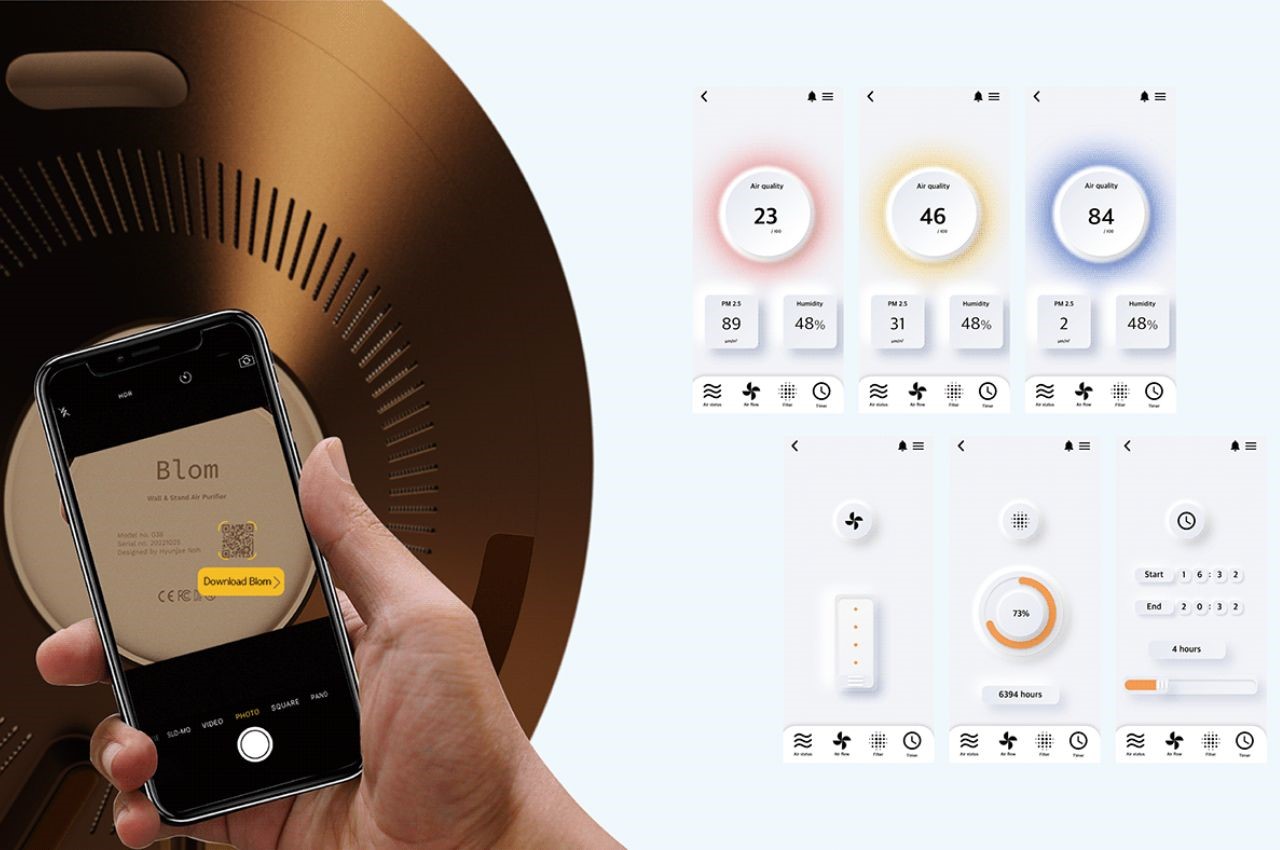
The integration of smart technology further enhances Blom’s functionality. Users can register their Blom air purifier through a QR code located on the back of the unit and operate it via a dedicated application. The neumorphism-style user interface provides a modern and user-friendly experience, giving users complete control over their air quality.

The air purifier also serves as a digital clock, adding to its utility and charm. When wall-mounted, it functions as a stylish timepiece that also purifies the air, making it a multifunctional addition to any room. This dual functionality ensures that Blom is not just an appliance but a valuable and constant part of your living space.

The post Flower-shaped Air Purifier adds a touch of abstract nature style while cleansing home air first appeared on Yanko Design.

This $25 Must-Have Car EDC Gadget Could Save Your Life In An Emergency

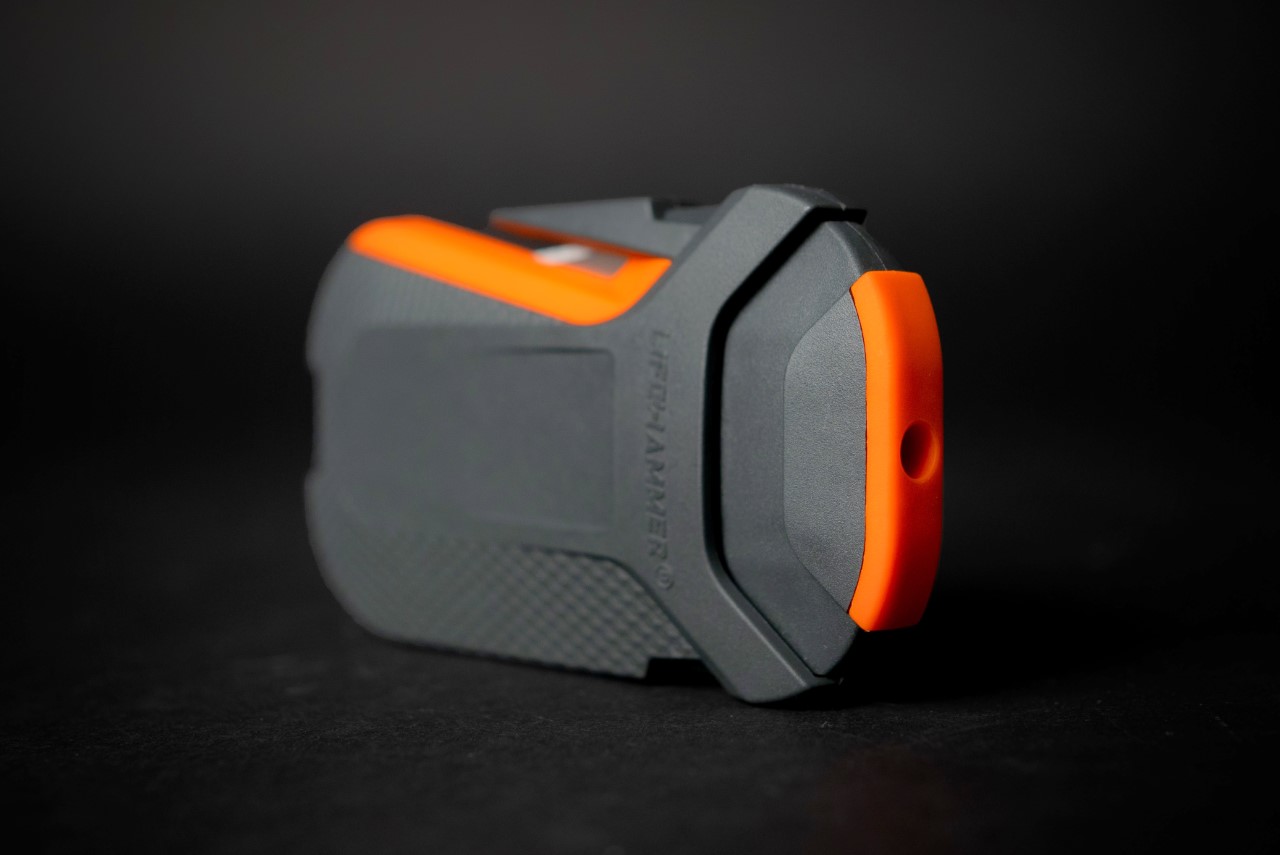
Seatbelts are designed to not be cut. Glasses on cars are designed to not be broken. That’s all well and great until you find yourself in an emergency where you need to get out of a car and you’re stuck because of a jammed seatbelt or door. Although seatbelts and laminated glass panels are designed effectively to protect you, they can sometimes become the barriers to your safety – which is why it helps to have something like the Lifehammer Smart Automatic on you. A little larger than an AirPods case, the Lifehammer Smart Automatic is an emergency tool that helps you quickly slice through seatbelts and shatter glass windows so you can make an exit in a scenario where every second matters to your safety. Designed to be the essential EDC that every car needs, this $25 gadget could literally be a life-saver.

Designer: Lifehammer Products

Click Here to Buy Now

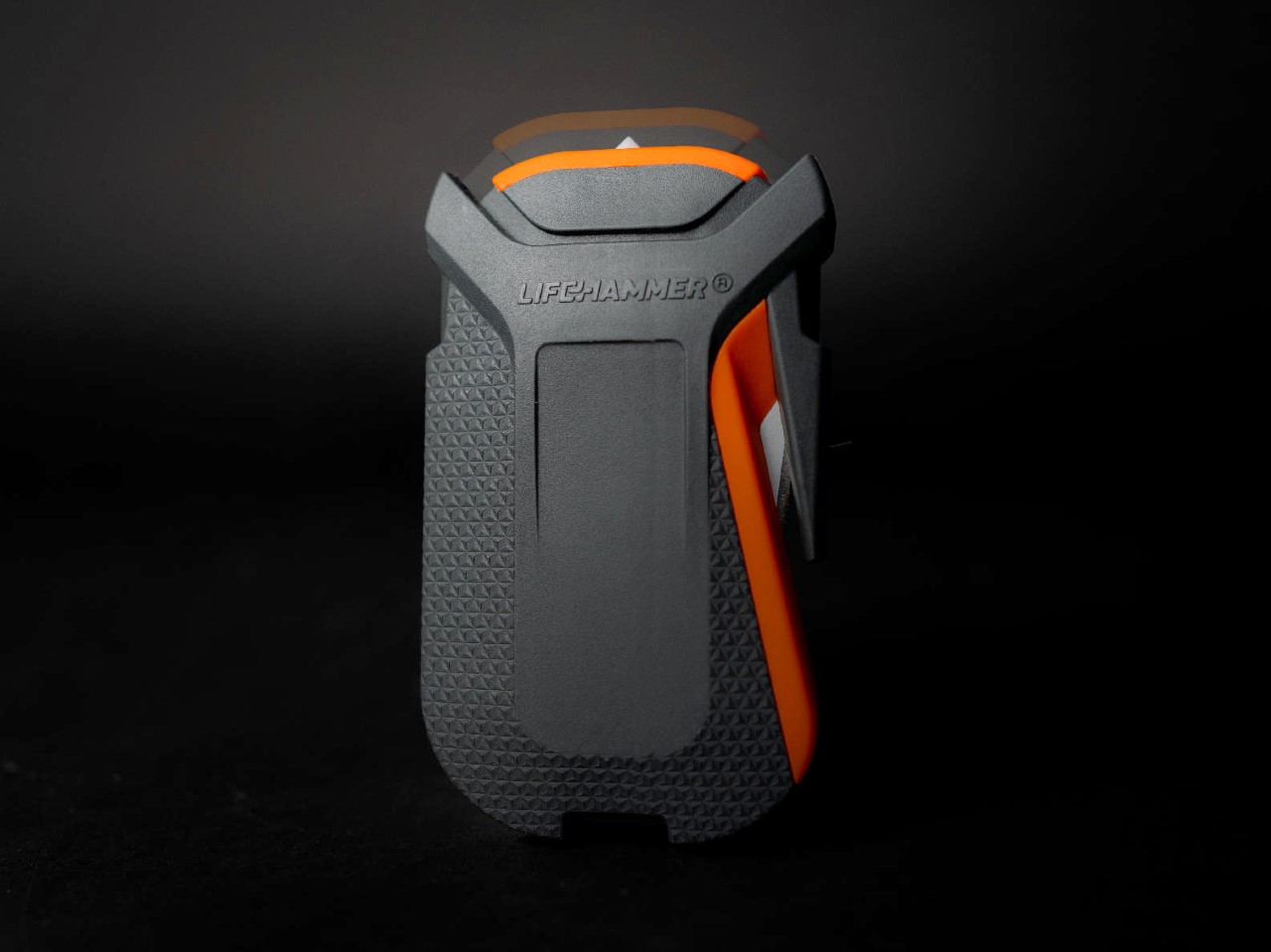
The Lifehammer Smart Automatic has a pretty compact, self-explanatory design, which makes it perfect for intuitive use in a split-second emergency. The soap-shaped gadget is easy to grasp firmly in your palm, and comes with a cutout on the side that you hook around your seatbelt. Slide the device over and it slices through the seatbelt’s tough fibers like a knife through butter… while still maintaining a safe design that won’t ever accidentally hurt you.

The top of the Lifehammer Smart Automatic houses its glass-breaker tip. It’s easy to identify the two crucial features simply by looking for the orange accents which highlight the cutter and breaker respectively. The top of the Smart Automatic has a spring-loaded head that you simply press into a glass panel. Eventually, it triggers the glass-breaker tip to eject outwards and shatter any tempered or laminated glass – like the ones found on car windows and windshields. The process requires minimal effort and time, allowing you to quickly break through the glass in case your door gets jammed.

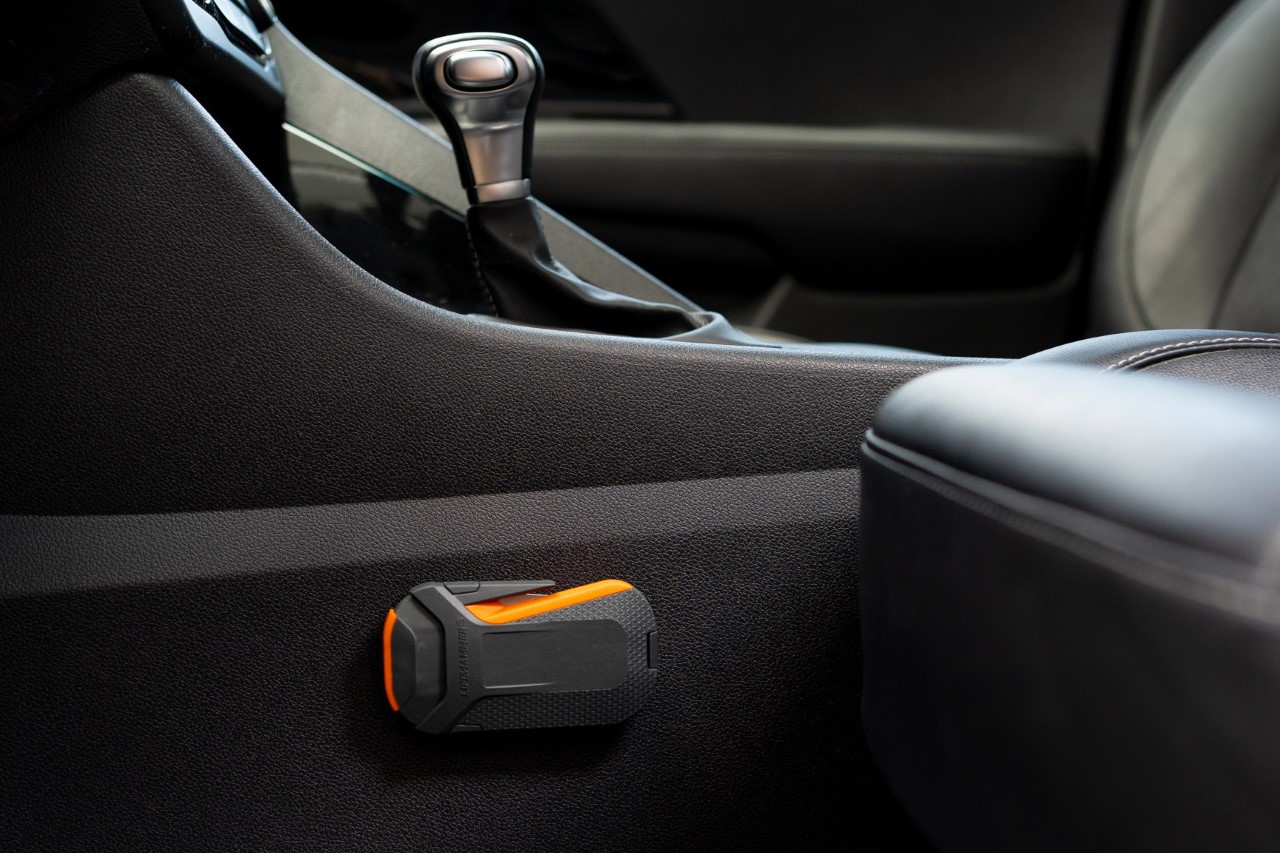
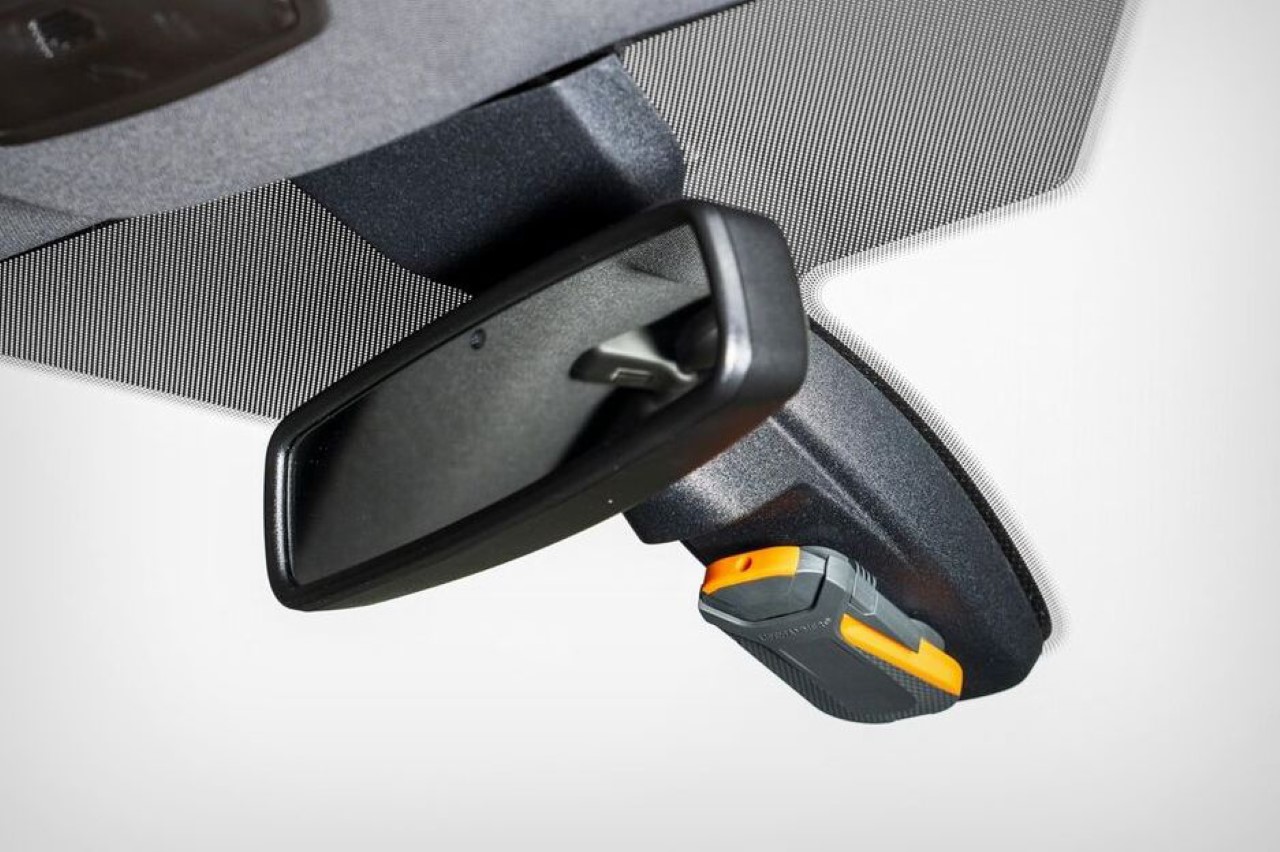
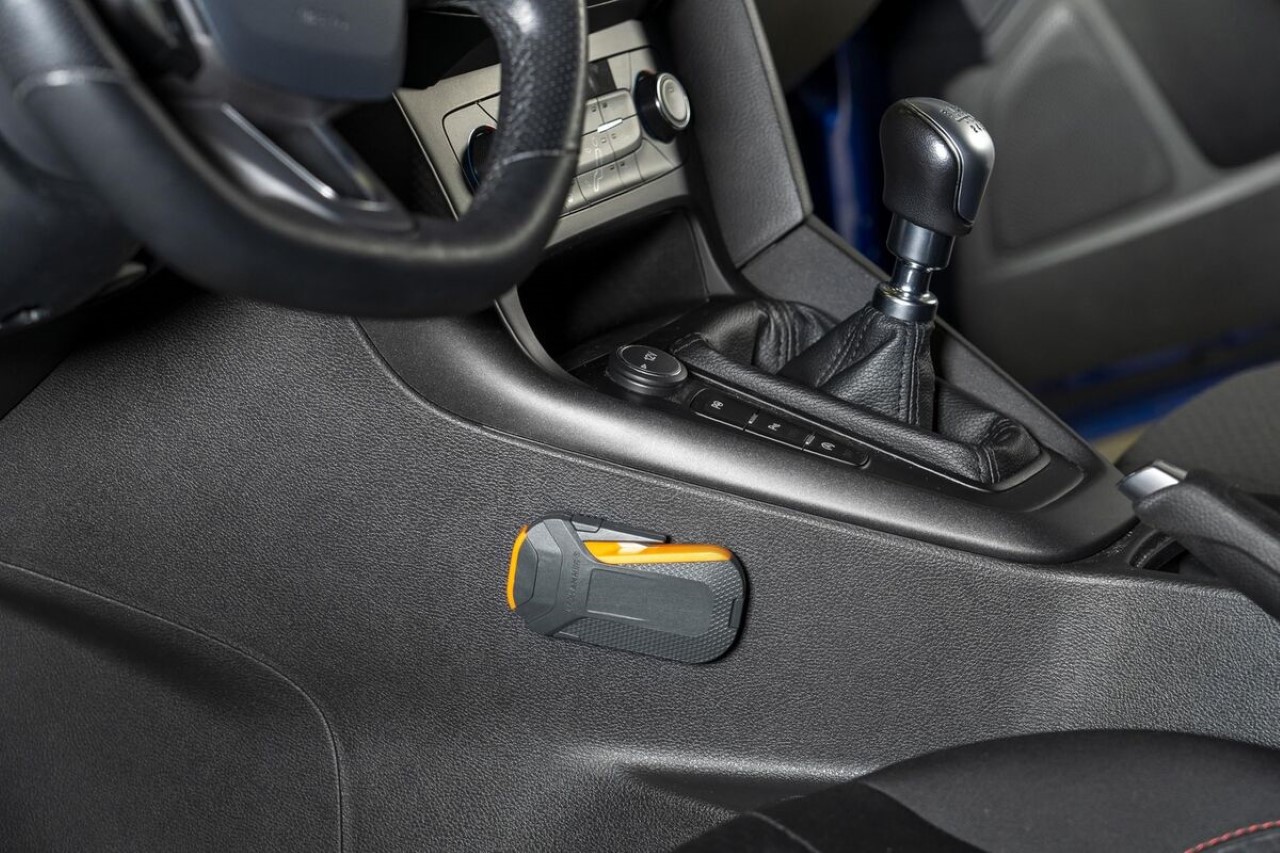
A winner of this year’s iF Design Award, the compact Lifehammer Smart Automatic is a lot smaller than most car-safety gadgets we’ve seen, and comes with its own holder that attaches to any part of your car using 3M adhesive tape. This means you can attach the Smart Automatic beside your seat or the gearbox, or even behind the rearview mirror so it’s easier to access than having to open the glove box and fish around.

Click Here to Buy Now

The post This $25 Must-Have Car EDC Gadget Could Save Your Life In An Emergency first appeared on Yanko Design.

$88 Sony PlayStation Portal knockoff runs an Emulator with over 3000 built-in games

Sony’s lawyers better get their ceases and desists in order – a sub-$100 knockoff of the Sony PS Portal is available online with arguably better specs than the original. While Sony announced the PlayStation Portal as purely an accessory to the existing PS5, this carbon copy dubbed the M25 actually runs as a standalone device, running LINUX and EmuELEC but with support for more than 25 other emulators, and space for more than 3000 games so you can play anywhere instead of being relegated to just your PS5. Is it a shameless ripoff? Absolutely. Are we surprised? A little, at the audacity for sure!

When compared face to face, there are distinct differences between Sony’s version and the M25. For starters, the latter has a much smaller 4.3-inch screen that fits into the controller’s form factor instead of being a tablet attached onto the controller like in Sony’s design. This also means the M25 is a little more compact than its inspiration, making it easier to carry with you. That being said, the PS Portal wasn’t designed to be carried anyway, given that it needs to be tethered via WiFi to your PS5 at all times, eliminating any possibility of mobile gaming. The M25, on the other hand, has storage of up to 128Gb, letting you store and play games pretty much anywhere you want. It’s more like a Nintendo Switch Lite than like the PS Portal, in that regard.

Just on the design front, the M25 is a total ripoff of the DualSense controller, with a modified form that fits an HD screen (or so they’d have you believe) in between the two halves of the controller. A Quad-core processor on the inside runs the M25’s experience, with 4GB of RAM and up to 128GB of internal storage (expandable with a TF card). A 3000mAh battery powers the entire device, and the display maxes at 480×272 pixels, which does feel like being shortchanged, but then again what did you expect for $88?

The M25 runs Linux and the EmuELEC emulator. You can sideload any other emulator of your choice, and the storage should allow you to play and save a dizzying 3000 games. Sure, it doesn’t compare to playing AAA titles like Assassin’s Creed or GTA 6 (if and when it releases) on a handheld device, but if you want to game on a subway without splurging on a Nintendo Switch, the M25 may just be your best bet. Better still, if you want a budget gift for a spoilt kid who wants the PS Portal, hand them this one and see if they notice! It’s available on Geekbuying, and ships from China, so don’t expect to be able to follow up on any warranty…

The post $88 Sony PlayStation Portal knockoff runs an Emulator with over 3000 built-in games first appeared on Yanko Design.

Pixel 9 and Pixel Watch 3 launch date set for mid-August

It seems that some companies are moving up their schedules this year. Samsung has officially confirmed that its Galaxy Unpacked Summer edition will happen a few weeks earlier compared to last year’s event, setting the date for the 10th of July. Google, however, isn’t going to be outdone and is actually taking an even earlier date, more than two months in advance, in fact. Although details are still a bit scant at the moment, Google has more or less announced that its next product launch is being held in August instead of October, enough reason for fans to be excited and, at the same time, perhaps a bit perplexed at the sudden change in cadence.

Designer: Google

Pixel 9 Pro XL render

Picking a launch window for a product is actually a very complicated process. Companies have to take into consideration multiple factors, including the timeline of component manufacturers, their own previous products, as well as the movements of their rivals. For a few years now, Google has traditionally made October its stronghold while Samsung picked late July or early August and Apple has consistently used September for its own purposes.

Pixel 9 renders

Now Google is seemingly throwing caution to the wind and will launch its next new products on August 13th, two months earlier than usual. There are a few theories being pushed forward as to why the tech giant decided on such a drastic change, including how there won’t be significant hardware upgrades that would require waiting for components to arrive first. The favorite speculation, however, is that Google wants to put a heavy focus on AI just as it did at I/O 2024 last May. Not only will it need to get the word out early, it also needs to do it before Apple’s own “Apple Intelligence” iPhone debut in September.

Pixel Fold 2/Pixel 9 Pro Fold renders

Regardless of the reason, Google’s product lineup is expected to be packed this year with no less than three Pixel 9 models, four if you include the Pixel 9 Pro Fold, formerly known as the Pixel Fold 2. Google’s own teaser pretty much confirms the big design change that will happen this year, with the iconic visor giving way to a rounded rectangle bar across the width of the phone’s back. It will definitely be a divisive change, just as the visor design itself proved to be controversial despite being quite distinctive.

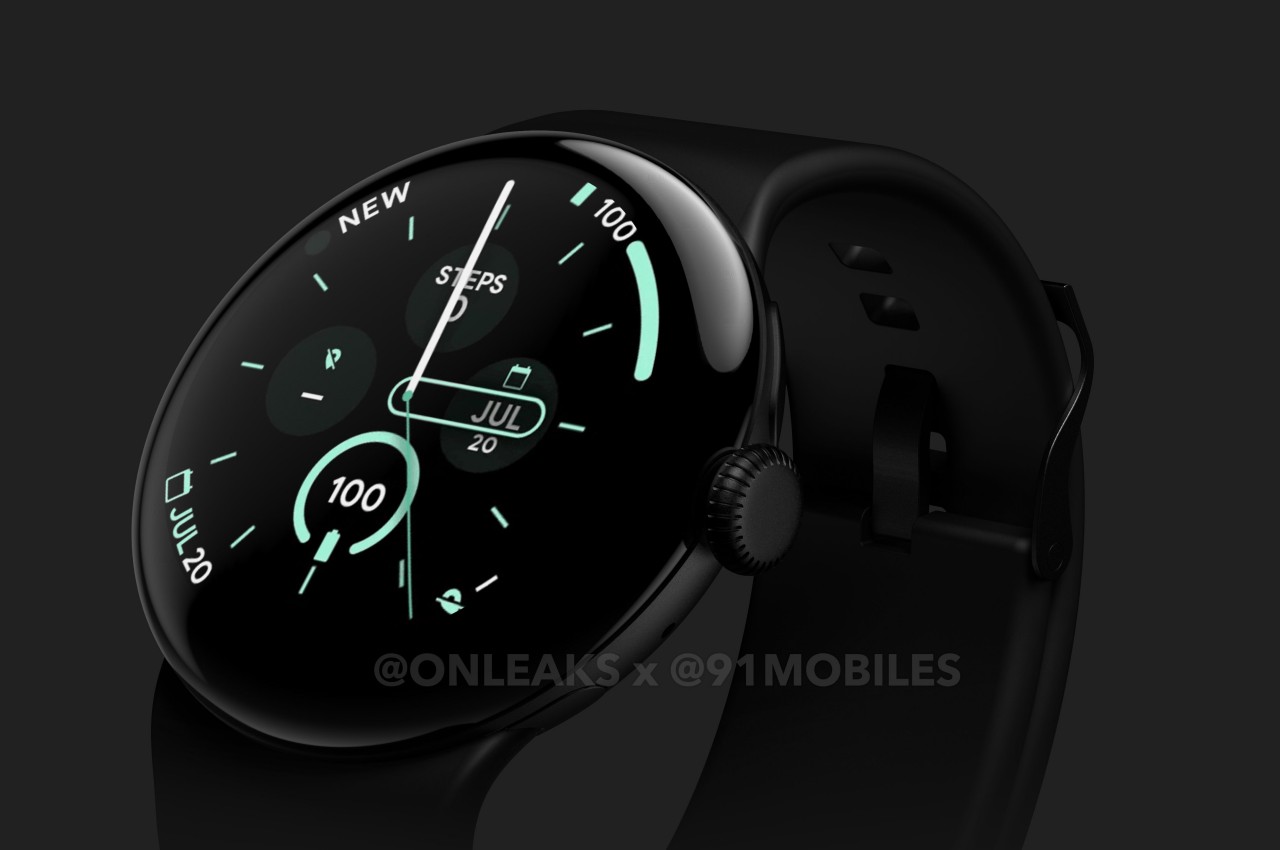
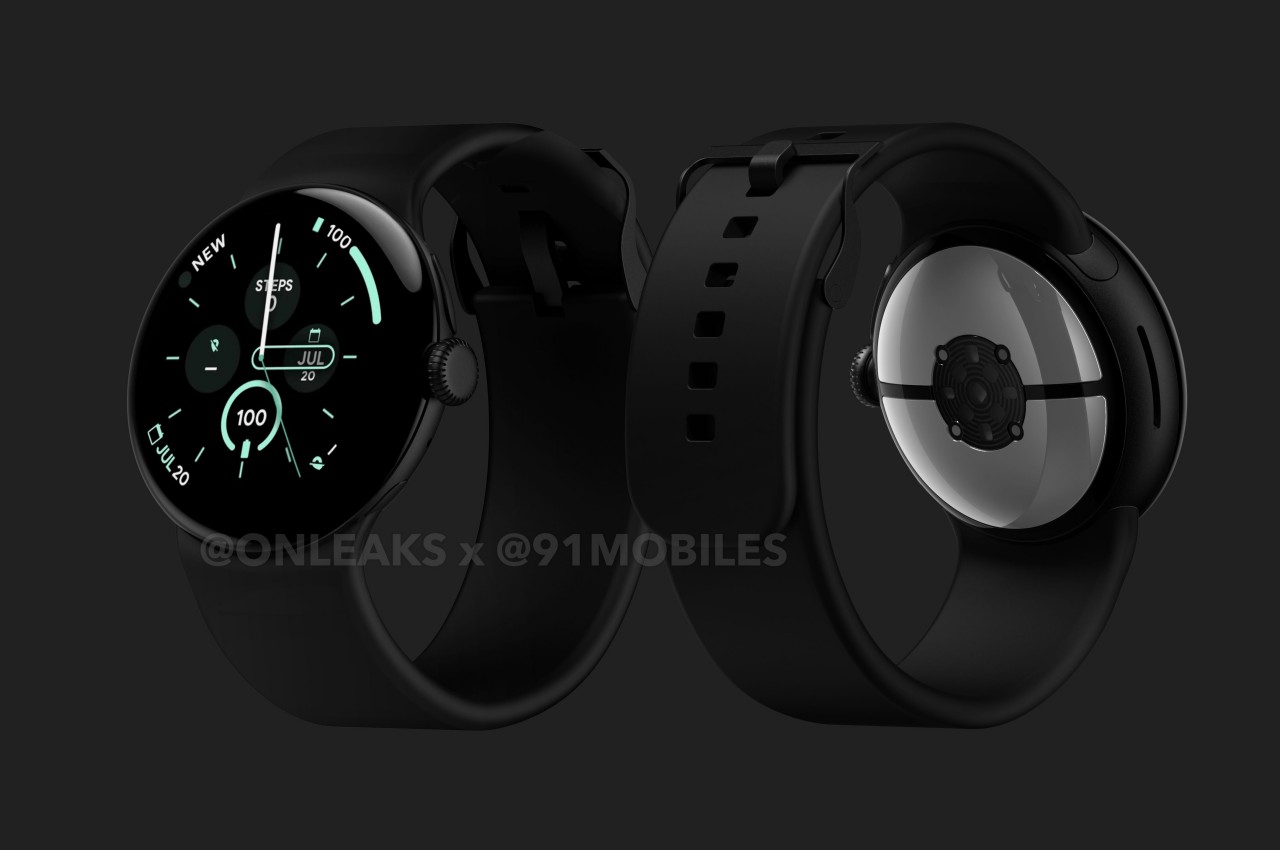
Also expected to land next month are new Pixel wearables, including the Pixel Watch 3 and a long overdue Pixel Buds Pro successor. Based on rumors, the Pixel Watch 3 will not have any big design changes compared to its previous two predecessors, while details on the design of the Pixel Buds Pro 2 are almost non-existent. Either way, it seems that these two device lines haven’t made inroads in the design department, leaving a few Pixel fans probably a bit less enthusiastic about upgrading to them.

The post Pixel 9 and Pixel Watch 3 launch date set for mid-August first appeared on Yanko Design.
Meet the Oasa R1, the world’s first robotic reel-mower that brings ‘golf course perfection’ to your lawn

Reel lawn mowers are categorically known to be better than rotary lawn mowers. They do a better job of trimming grass to a low height, are much more energy efficient, and can be found at every single golf course for their ability to leave a turf looking flawless. The problem, however, is that reel lawnmowers are still fairly manual. Sure, they run on motors, but you still need a human to push the mower around – something that seems odd given that robotic lawnmowers have existed for a good 5 years at this point. Nobody ever tried building a robot version of the reel mower (don’t ask me why) until now. The Oasa R1 is bringing the advancements of autonomous mowers to the perfection of reel blade cutting. The world’s first lawn mowing robot to employ a blade reel, the Oasa R1 turns your backyard into a perfectly manicured turf, with precisely cut grass in every corner. The R1 maps your lawn out, trims the grass to its very edge, avoids humans/pets/obstacles, and takes care of your entire lawn just with the push of a button. It’ll stay away from your prized flower bed, will cross over pathways to get to different zones of your lawn, and will automatically retreat to its shelter once the job is done.

Designer: Oasa Team

Click Here to Buy Now: $1,199 $1,599 ($400 off). Hurry, 42/452 left! Raised over $685,000.

Most companies building lawn mowing bots prefer rotary mowers given how compact the entire mechanism is. Reel mowers, although much more superior in performance, use a much larger drum and blade that results in a bigger overall product. That didn’t stop Oasa from building the R1, albeit with a surprisingly small product footprint. The R1 bridges both worlds wonderfully, offering all the cutting-edge features of a self-driving mower, with the perfection that the spinning reel blade can offer. The blade’s cutting height can be adjusted down to as low as 0.8 inches, or as high as 4 inches (depending on how you want to trim your yard), and the R1 has a cutting path that’s an impressive 13 inches wide, covering more ground in lesser time. A LiDAR sensor hub and multiple cameras allow the R1 to map out your lawn as well as sense obstacles. The mower gets to work, choosing the most efficient path to get the job done, while avoiding obstacles and no-go zones perfectly.

An automatic blade resharpening system reduces the need for manual replacement or realignment, distinguishing it from other robotic and traditional reel mowers.

The reel blade is perhaps the R1’s crown jewel, setting it apart from other robot mowers. While rotary mowers tend to tear the blades of grass, the R1’s reel blade gives them a clean, scissor-like cut that leaves your lawn looking lush and perfect, and allows the grass to grow back in a healthy, non-patchy way too. Spiral blades on the reel help it shear the grass instead of ripping it apart, and here’s the kicker, the R1 has its own blade sharpening feature that automatically works in between mowing sessions to ensure that the blades are as razor-sharp as possible. Moreover, it’s also incredibly silent, with a working decibel level of under 60db, which is about as loud as a normal conversation.

Using the Oasa R1 is about as simple as using any automated lawn mower. The R1 performs a precursory 3D scan of your lawn for you, allowing you to determine different zones, pathways, fences, and even no-go areas. Once you’re done, all it takes is to press a button to get the R1 started. It automatically maps out its path, cutting precisely near fences and along edges, leaving just a 2-inch gap as it moves along fences, skirting, and walls. It relies entirely on LiDAR to navigate your lawn, eschewing GPS which can sometimes have signal issues. The advanced LiDAR tech allows the R1 to conveniently sidestep and avoid obstacles like humans, pets, parcels, or anything that may be blocking its path. Meanwhile, large treaded wheels allow the R1 to easily climb up 45% inclines, letting it cover every single inch of your lawn regardless of the terrain. The entire process can be tracked on Oasa’s smartphone app, which gives you insights on the mowing progress, as well as allows you to set up mowing routines/schedules on-demand. The app also lets you choose mowing height and pattern, as well as activate the R1’s blade-sharpening cycle, which takes mere minutes.

The R1 comes with its own charging shelter where it retreats to when it’s low on battery, when it detects rain, or when it’s done mowing your lawn. Although it doesn’t use GPS during mowing, it does have its own geofence that you set up when you first get the R1 – the minute the R1 leaves the geofence, you get an anti-theft alert along with your lawn-mower’s live location. Maintenance in between mowing routines is a breeze too, thanks to an IPX6 waterproof design that lets you hose down your R1 from either side to wash off any grass stubble that may be stuck to it.

The Oasa R1 ships globally, with a discounted starting price of $1199 – this includes the mower itself, along with the charging shelter, a 2-year warranty, and even the customs fee.

Click Here to Buy Now: $1,199 $1,599 ($400 off). Hurry, 42/452 left! Raised over $685,000.

The post Meet the Oasa R1, the world’s first robotic reel-mower that brings ‘golf course perfection’ to your lawn first appeared on Yanko Design.

This ‘Not So Tiny’ Tiny Home in New Zealand fits an entire living space in just 7 meters

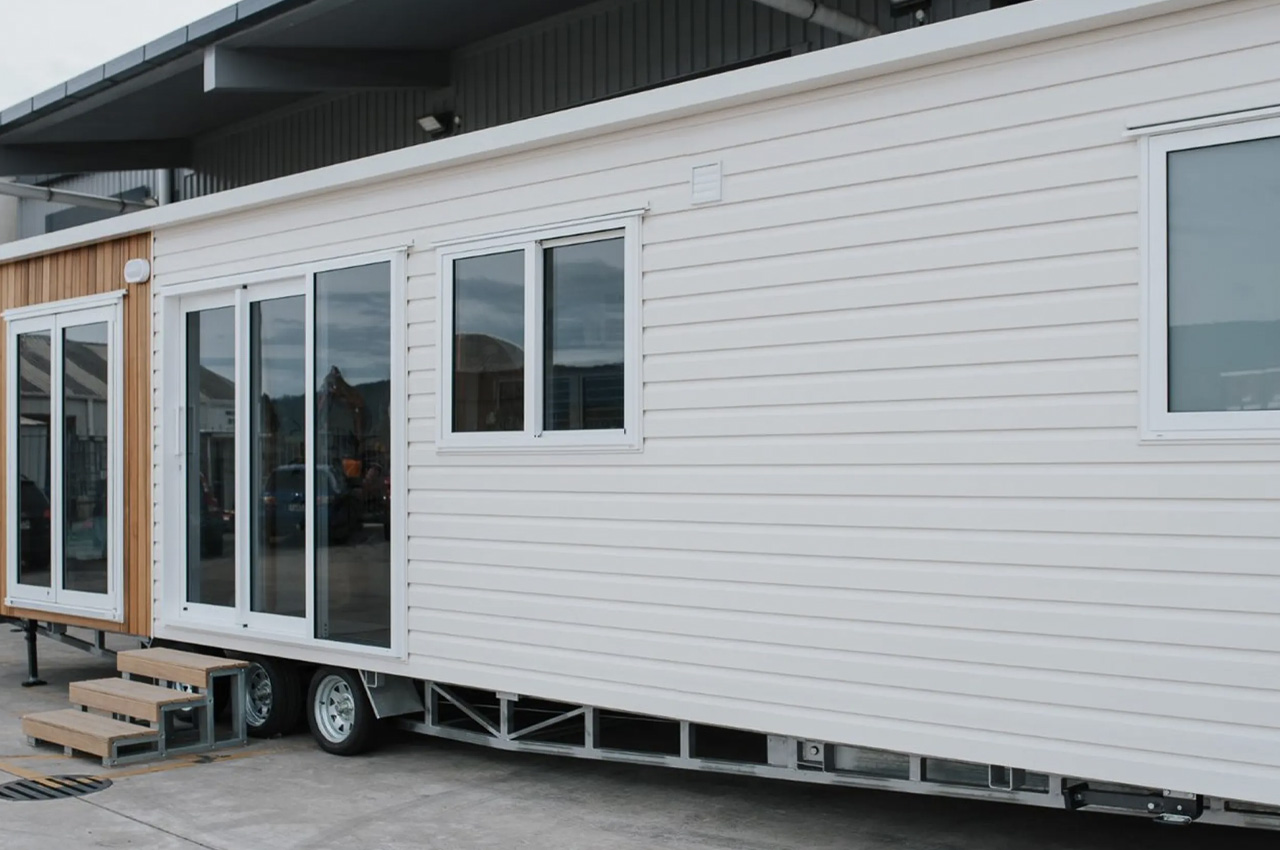
Named the Kōtuku, this quaint tiny home is designed by Build Tiny. It is substantially larger than of Build Tiny’s other models, measuring 10 m in length. Usually, the tiny home makers’ houses measure around 7 m. However, this extra space has been utilized very well, resulting in a spacious and storage-packed interior – all cleverly placed on one level. The name of the home is quite unique and is a subtle reference to New Zealand’s Kōtuku bird. The home is towable and based on a triple-axle trailer. It features a subtle finishing of vinyl, paired with wooden accenting and a steel structural frame.

Designer: Build Tiny

The home has a width of 2.4 m, which is typical for a tiny home. It has a height of 3.2 m and is powered by a standard RV-style hookup. Double glass doors offer access into the home, where you are welcomed by a well-designed interior with balanced proportions. The interiors are finished in light hues, highlighted by poplar plywood and vinyl flooring. The result is a space that feels minimal, and soft, instantly helping you feel at ease. As you enter the living room, you come across some seating, as well as some storage space.

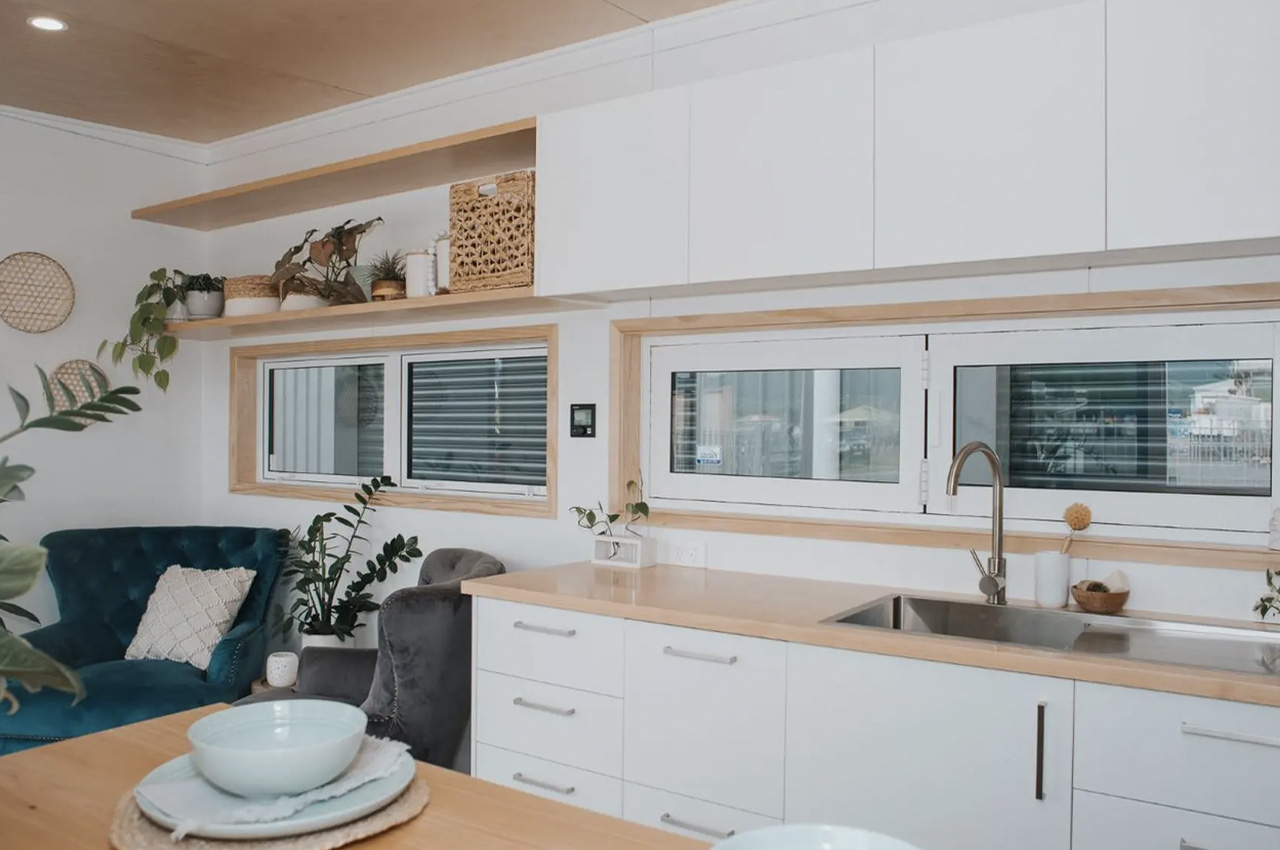
Located close is the kitchen, and it is quite spacious for a New Zealand tiny house. It features a fridge/freezer, microwave, sink, as well as an oven with a four-burner propane-powered stove. The kitchen also includes standard cabinetry, overhead cabinets, a pull-out pantry drawer, as well as a breakfast bar that can accommodate two people. The kitchen and bathroom are connected, and the bathroom is equipped with a composting toilet, vanity sink, shower, and washing machine.

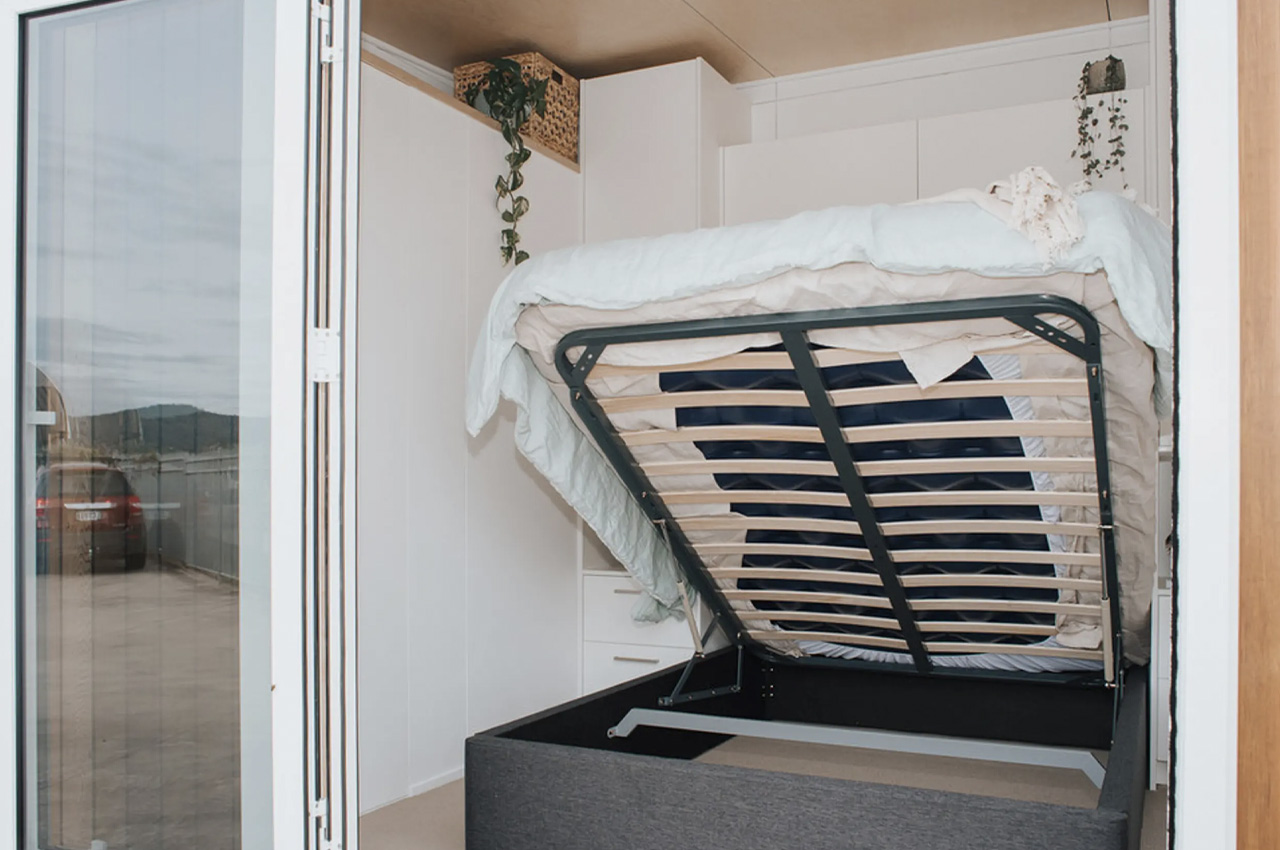
However, the Kōtuku tiny home is only equipped with one bedroom. All the rooms have been placed on the ground floor, so it isn’t the typical loft-style bedroom you see in tiny homes. It has a proper double bed and plenty of space to stand upright. Although subtle factors, these do make quite a difference while living full-time in a tiny home. The bedroom is also blessed with loads of storage space. There is storage above, below, and on both sides of the bed. You can access the outdoors from the bedroom through glass doors. This lovely little home is delivered as a turnkey build, amped with all the furniture.

The post This ‘Not So Tiny’ Tiny Home in New Zealand fits an entire living space in just 7 meters first appeared on Yanko Design.

Airiva: Modular Rotary Turbine Walls Revolutionize Urban Wind Energy

Since introducing the concept for an energy-generating wall in 2021, designer Joe Doucet has been tirelessly working to turn this innovative idea into reality. Now, with the launch of Airiva, a modular rotary wind turbine wall designed for urban installations, this vision is closer than ever to being realized. Airiva promises to revolutionize how cities and infrastructures harness wind energy, bringing sustainable power generation directly to the places where people live and work.

Designer: Joe Daucet

Wind energy has been instrumental in reducing global dependence on fossil fuels. However, the adoption of wind turbines for residential and commercial use has been slow, largely due to their intrusive designs. Airiva addresses this challenge by combining functionality with aesthetic appeal.

The wind turbine wall is composed of multiple rotary blades that spin independently, driving a generator to produce clean, renewable electricity. This modular and scalable solution is tailored for urban and suburban environments, allowing it to augment or coexist with other power generation methods. The electricity generated can be used on-site, stored, or fed back into the grid. The system is not only efficient but also quiet and safe, making it suitable for a wide range of environments. Potential installation sites include municipal and public facilities, commercial buildings, transportation networks, and coastal areas, among others.

Airiva places a strong emphasis on sustainability. The manufacturing process aims to use at least 80% post-consumer and recycled materials, aligning with circular economy principles and minimizing environmental impact. This commitment to sustainability is a fundamental aspect of Airiva’s design and manufacturing strategy.

One of Airiva’s key strengths is its flexibility. The system’s modular design allows it to be easily transported and scaled to meet specific site requirements. Multiple units can be networked together, creating a flexible, clean energy system that can adapt to various use cases. Additionally, Airiva is designed to complement other distributed energy technologies, providing a versatile alternative that can enhance existing installations.

Airiva’s smart technology enables remote monitoring of system and site information, offering visibility and control over geographically dispersed installations. Each unit consists of two segments, each measuring 2100mm in length and height and 1050mm in depth, along with an end hub unit for controls, communications, and power management. This design facilitates global transport and distribution, ensuring that the system can be deployed wherever it is needed.

The initial idea in 2021 envisioned a wall of 25 vertical-axis turbines with a total peak power output of 10 kilowatts. While the intermittent nature of wind means that actual energy production can vary, the refined Airiva system is expected to produce approximately 2,200 kWh annually per unit. While this may not cover the entire energy needs of an average home, it can significantly reduce energy bills. Larger installations, such as those on commercial campuses or transportation hubs, can harness more power, demonstrating the system’s scalability.

Currently in the prototyping stage, Airiva plans to begin customer pilots in the latter half of this year, with orders expected to open in 2025. Although specific figures have yet to be disclosed, Airiva’s targeted Levelized Cost of Energy (LCOE) aims to be competitive both domestically and internationally against other small-scale distributed energy resources. Upcoming pilots will be crucial in validating these claims and demonstrating the system’s effectiveness in real-world conditions.

The post Airiva: Modular Rotary Turbine Walls Revolutionize Urban Wind Energy first appeared on Yanko Design.
This GoPro concept with Interchangeable Lenses brings DSLR abilities to the Action Camera

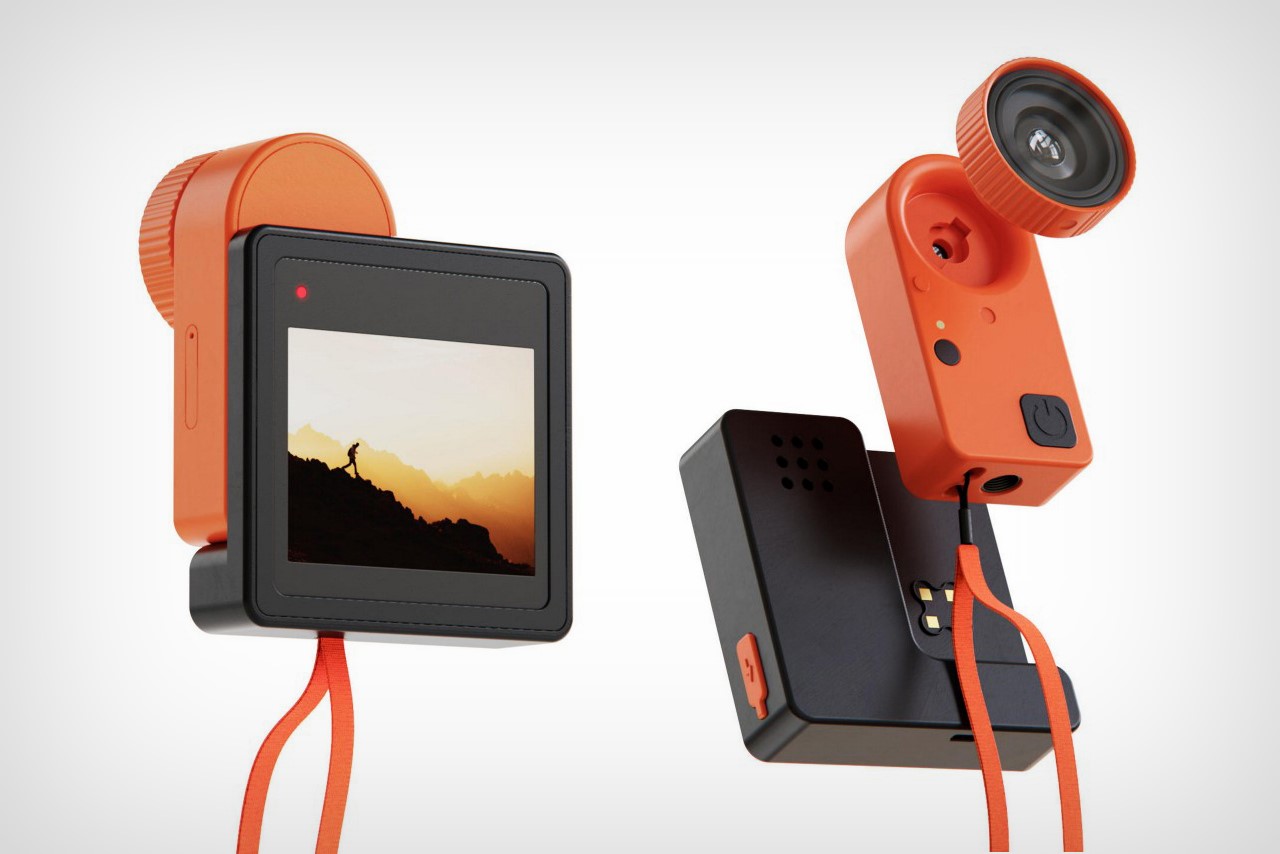
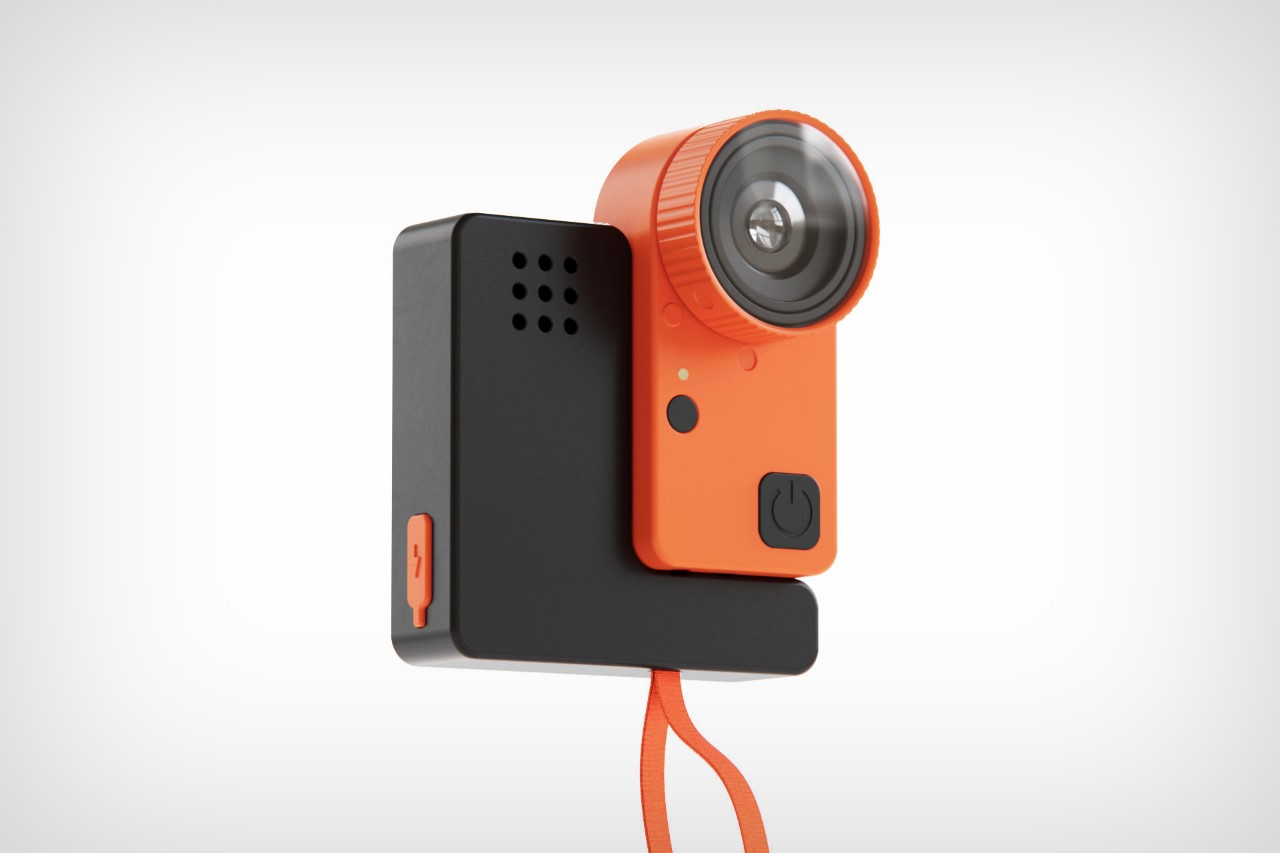
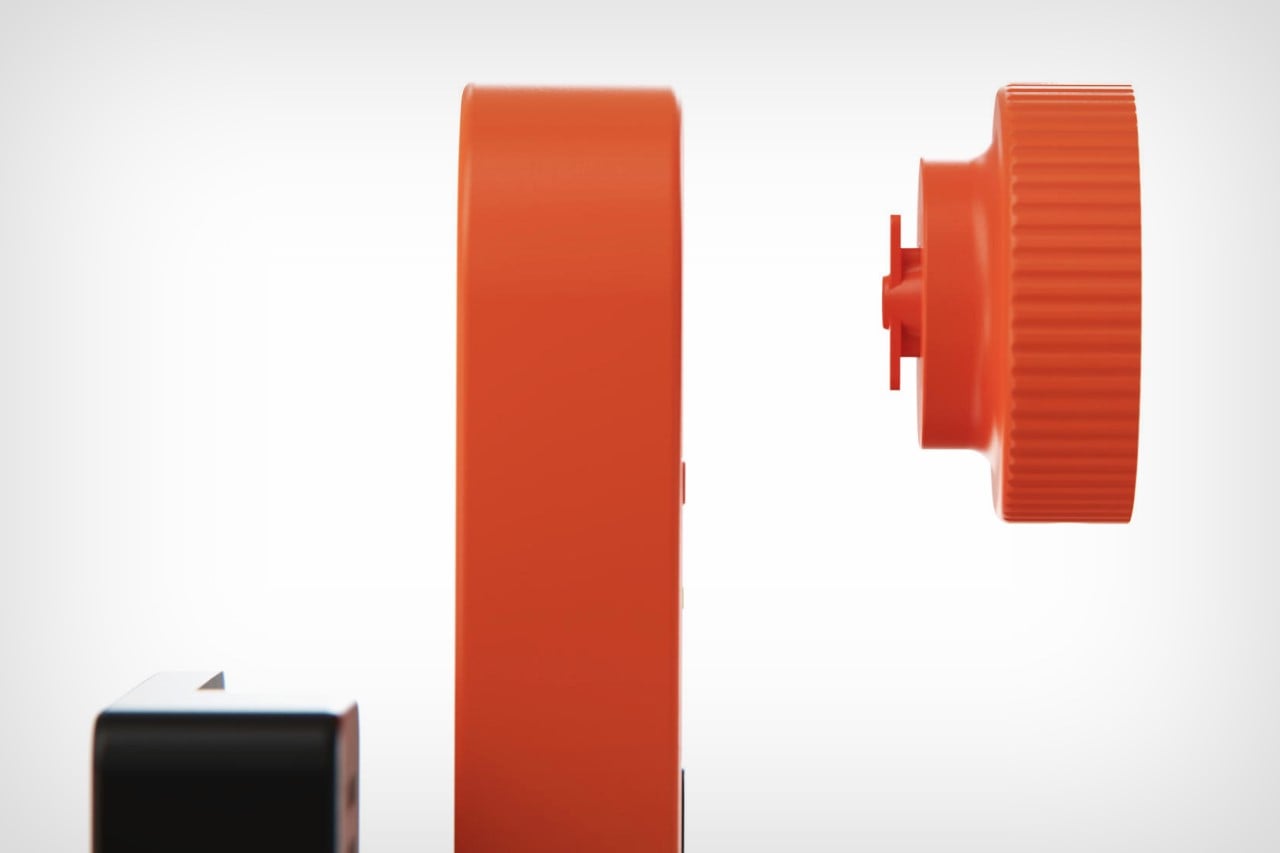
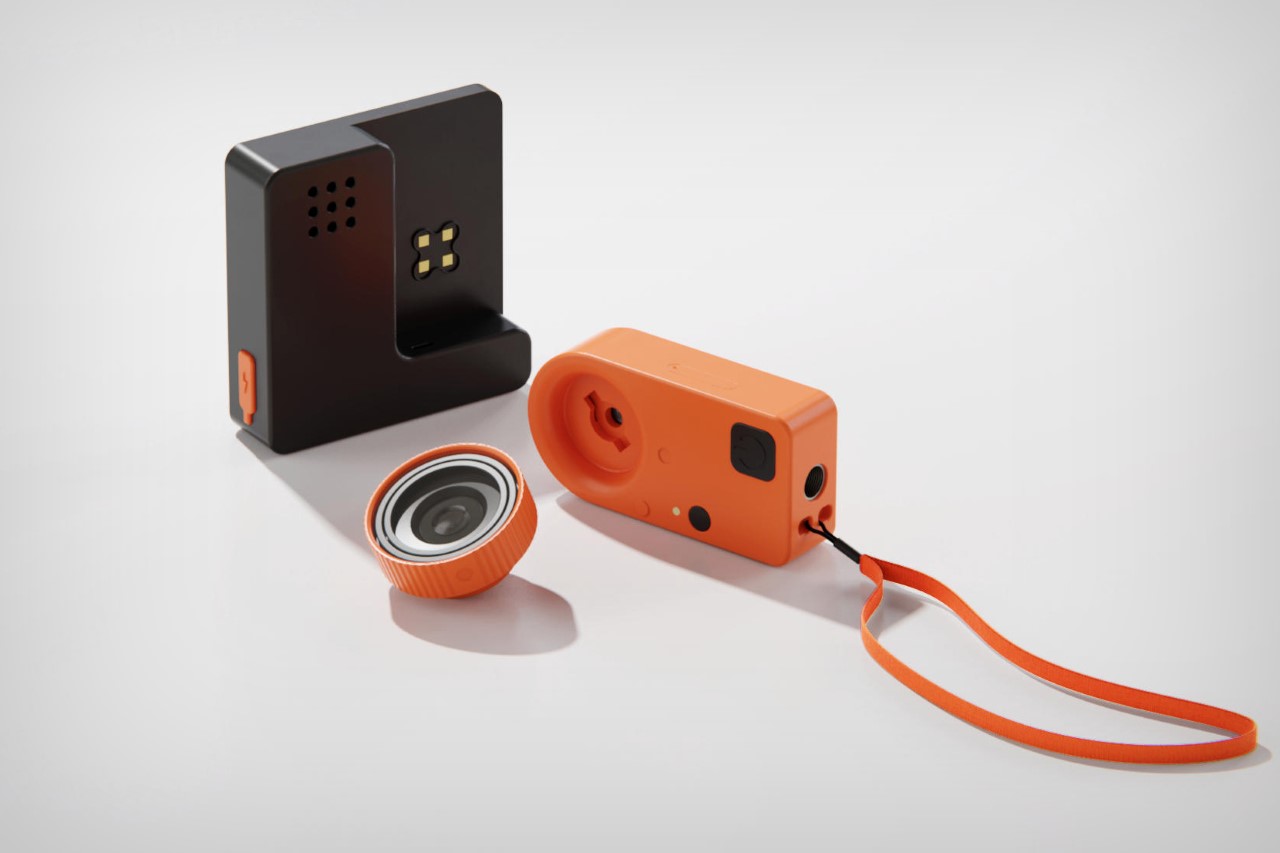
The GoPro is, on paper at least, an incredibly high-resolution camera capable of recording 4K at high speeds of up to 120fps – that’s pretty remarkable for a camera… but no photographer or videographer will ever take a GoPro seriously, because it lacks the one feature that most professionals look for – the ability to change lenses. The GoPro is perpetually stuck with its ultrawide lens, and that doesn’t appeal to most photographers. Designed to bridge this gap, Liam de la Bedoyere designed a GoPro that actually lets you remove and replace lenses, giving you the ability to choose between macro, telephoto, wide-angle, and fisheye shots… all while still retaining the GoPro’s gorgeously compact aesthetic.

Designer: Bored Eye Design

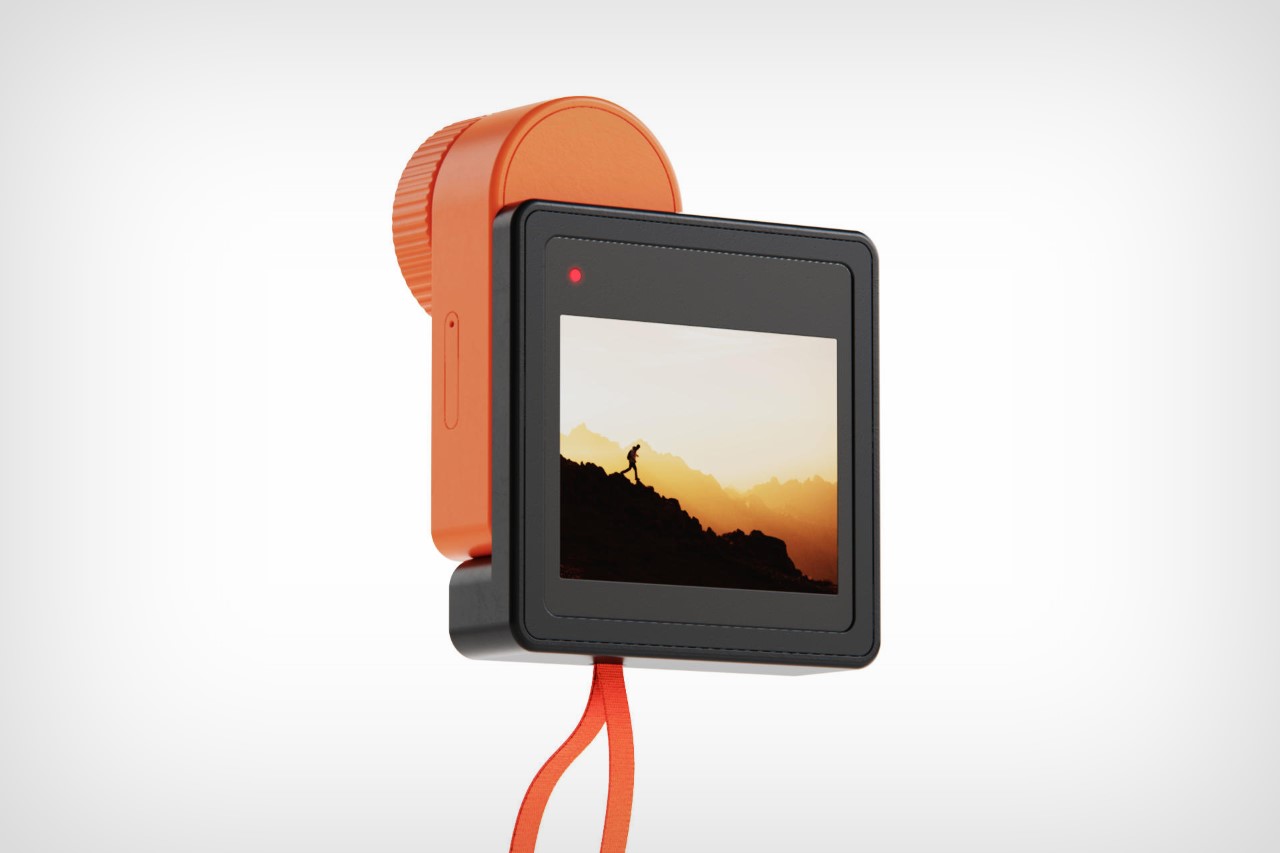
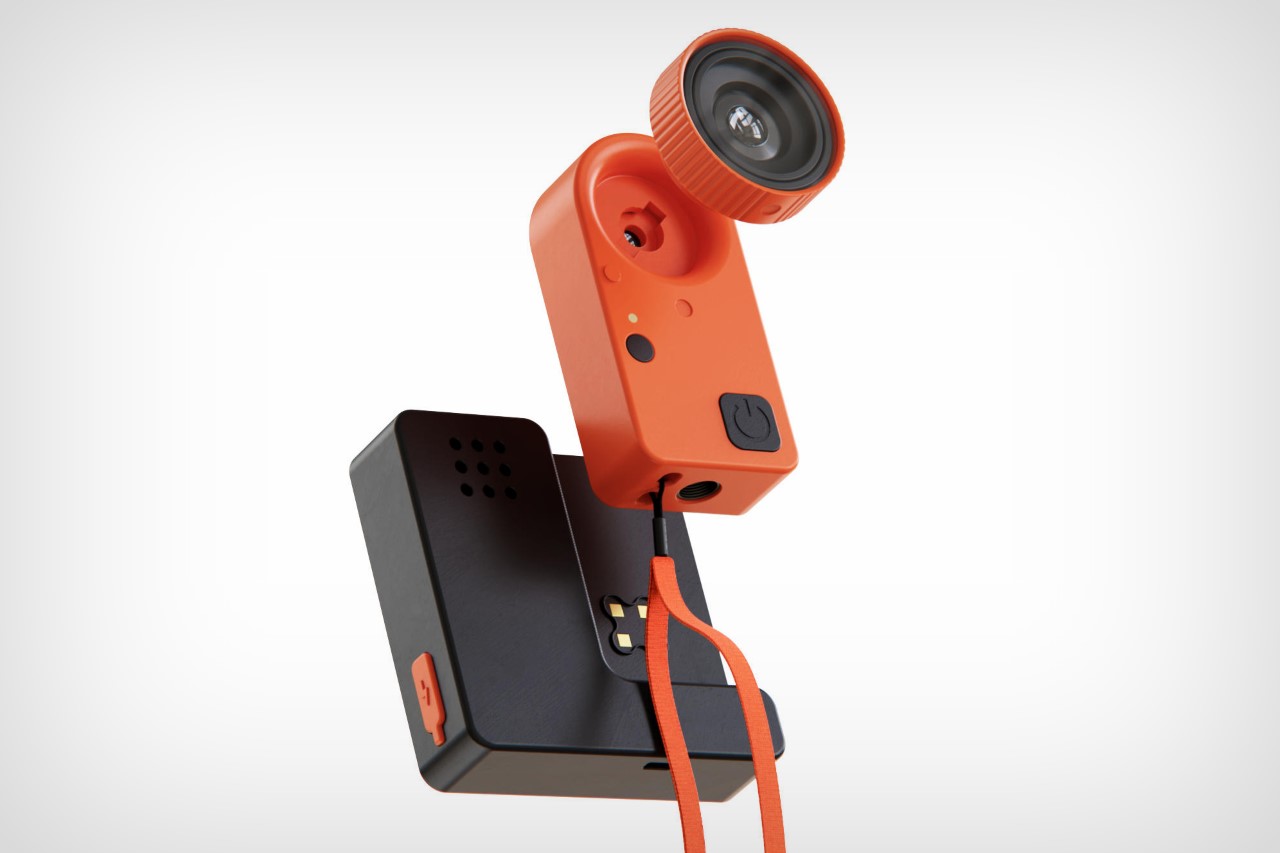
Bedoyere’s (better known by his online moniker Bored Eye Designs) concept isn’t what you’d call a traditional GoPro – its design is quite the overhaul, with a funky orange-meets-black aesthetic that sort of feels reminiscent of Rabbit, but with a more balanced color palette. The design features the GoPro’s main body, with the screen at the back, but also comes with a removable camera module, reminiscent of the recently launched Insta360 Go 3S. This removable module snaps onto the main body when it needs a battery boost, but can be removed and carried separately as a body-worn or handheld tiny cam. It also features those aforementioned removable lenses, allowing you to change your PoV on the fly.

Designed as a part of a Productober sprint (with daily prompts through the month of October), Liam de la Bedoyere created a rough draft of an action camera with the ability to remove and mount different lenses. Although Bedoyere barely made the deadline for the prompt, his concept existed just as a mere sketch. Taking some more time after Productober officially ended, he decided to flesh out the design by making a proper 3D CAD model of what this shapeshifting action cam could look like.

Bedoyere’s vision of a GoPro with interchangeable lenses is something that quite a few videographers have thought of. In fact, Canada-based hardware company Back-Bone also makes a modified version of the GoPro HERO12 with an armature on the front that lets you attach literal DSLR-style lenses on your action camera, with a choice between M12, CS, and C-mount styles!

The post This GoPro concept with Interchangeable Lenses brings DSLR abilities to the Action Camera first appeared on Yanko Design.

Solos AirGo Vision are the world’s first ChatGPT-4o powered smart glasses for interactive input

Smart glasses are the most practical wearables when it comes to your daily style statement. Compared to current generation AR headsets that are bulky, smart glasses are feasible and the buck only stops at how much tech can be fitted inside the compact frames keeping the overall weight down and form factor indistinguishable from a regular pair.

The idea has gone mainstream in the last year or so with Ray-Ban Meta and OPPO coming on board the bandwagon. The latter brought AI-capable Air Glass 3 to the industry in the early half of this year, and Solos has now upped the ante. They’ve revealed a smarter pair of wearables that are the world’s first to have OpenAI’s latest generative AI.

Designer: Solos

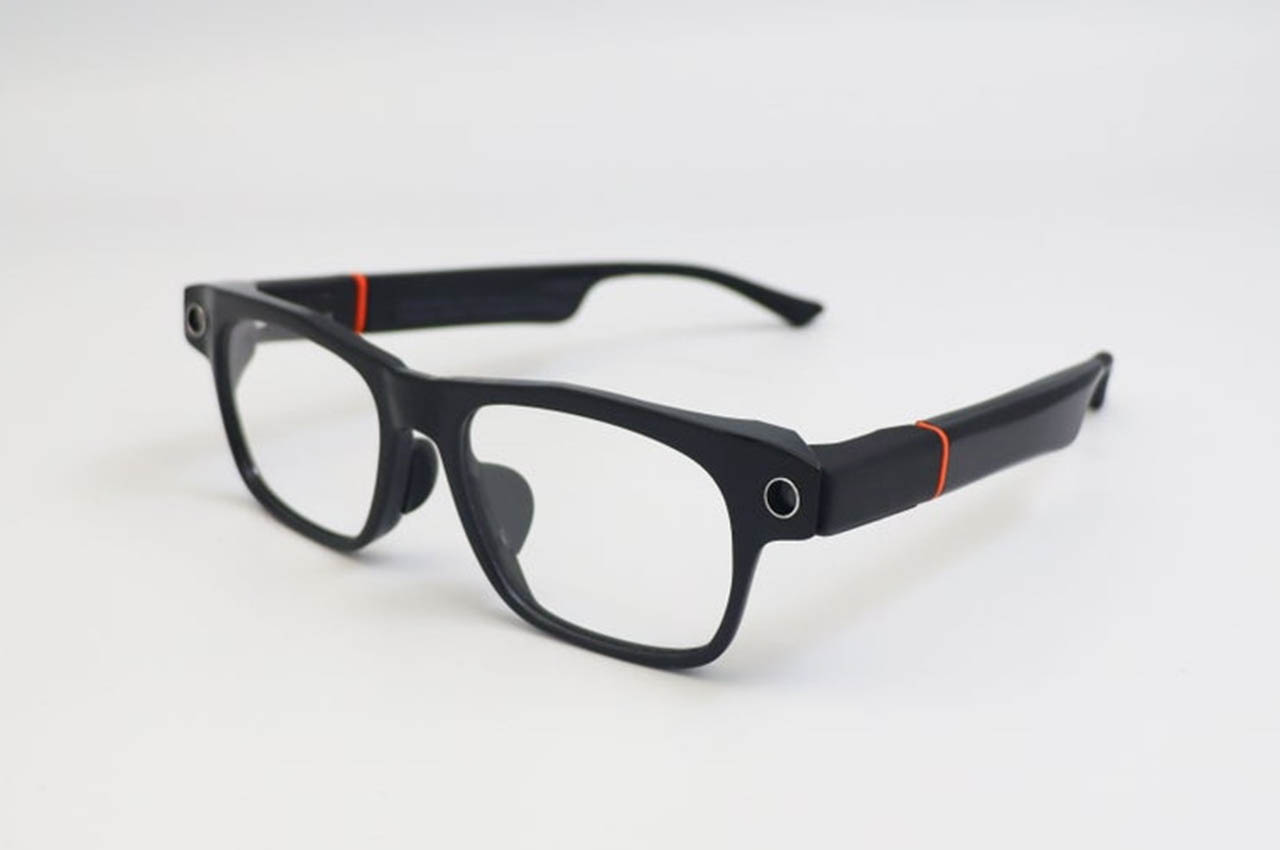
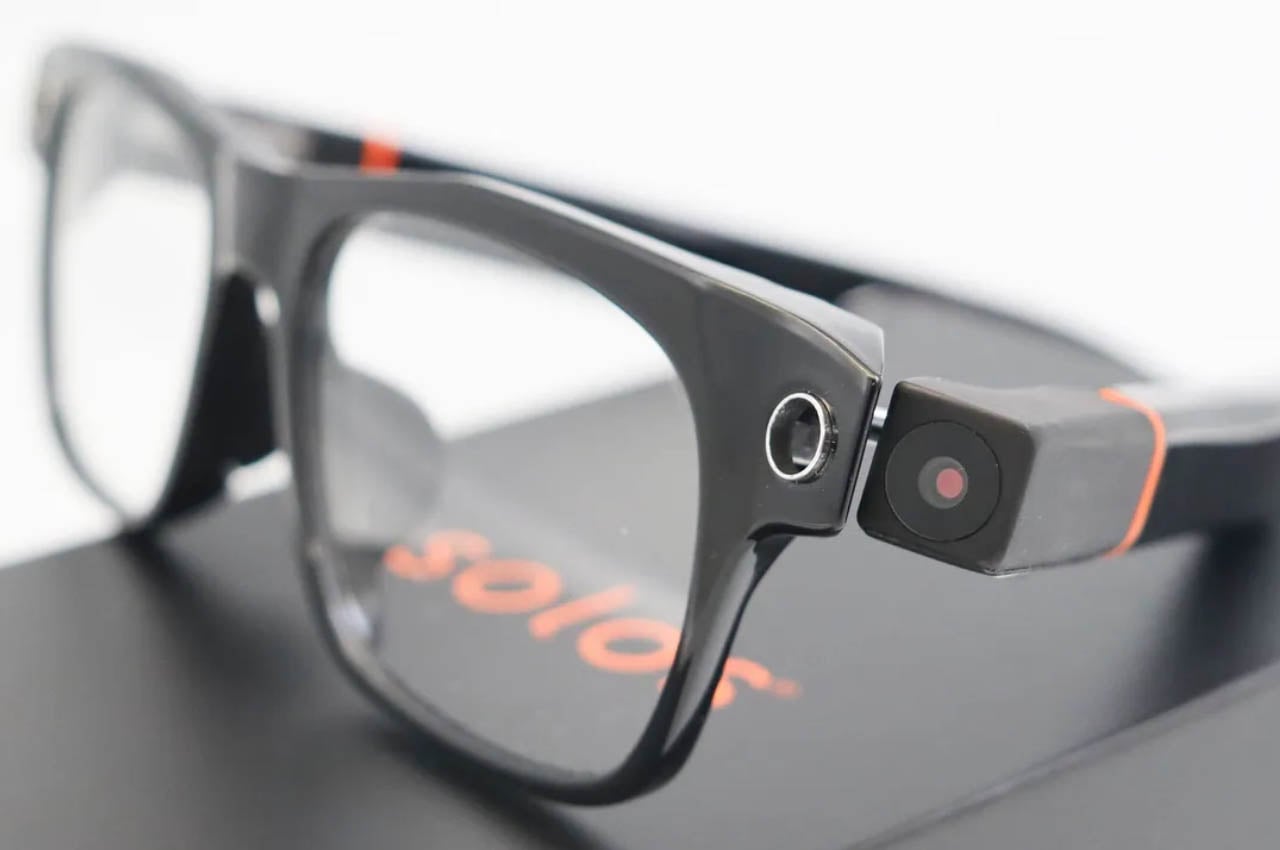
This is the AirGo Vision, the next iteration of the AirGo 3 glasses. Powered by OpenAI’s latest ChatGPT-4o, the wearable is also compatible with Google Gemini and Anthropic Claude models. You can expect hands-free operation aided by voice commands to answer any queries or provide real-time inputs for things like reading foreign language hoardings or getting assistance for city directions. The latter is aided by the latest versions of the GPT-4o and generative AI applications, first for any smart glasses. In essence, the glasses will be a visual extension of search information and bring interactive features to make them wantable.

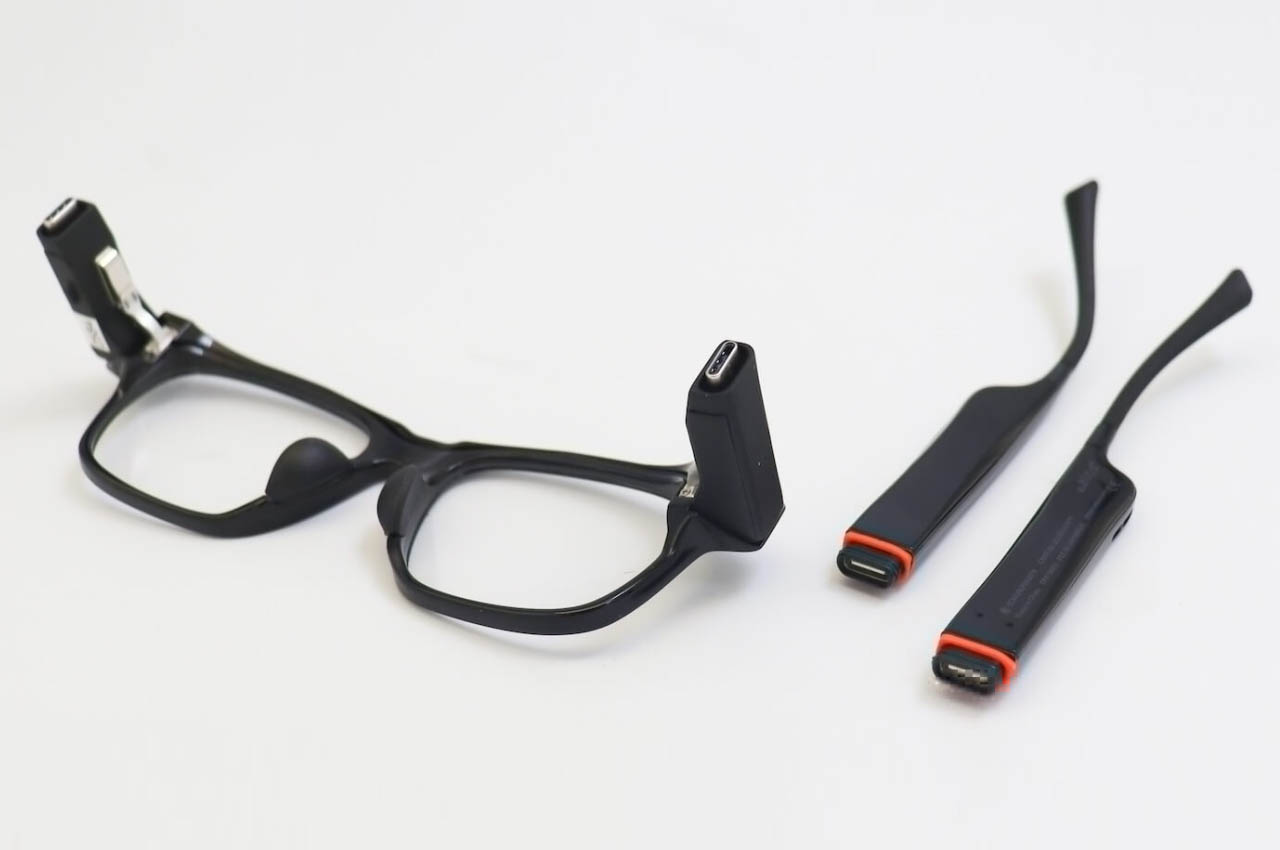
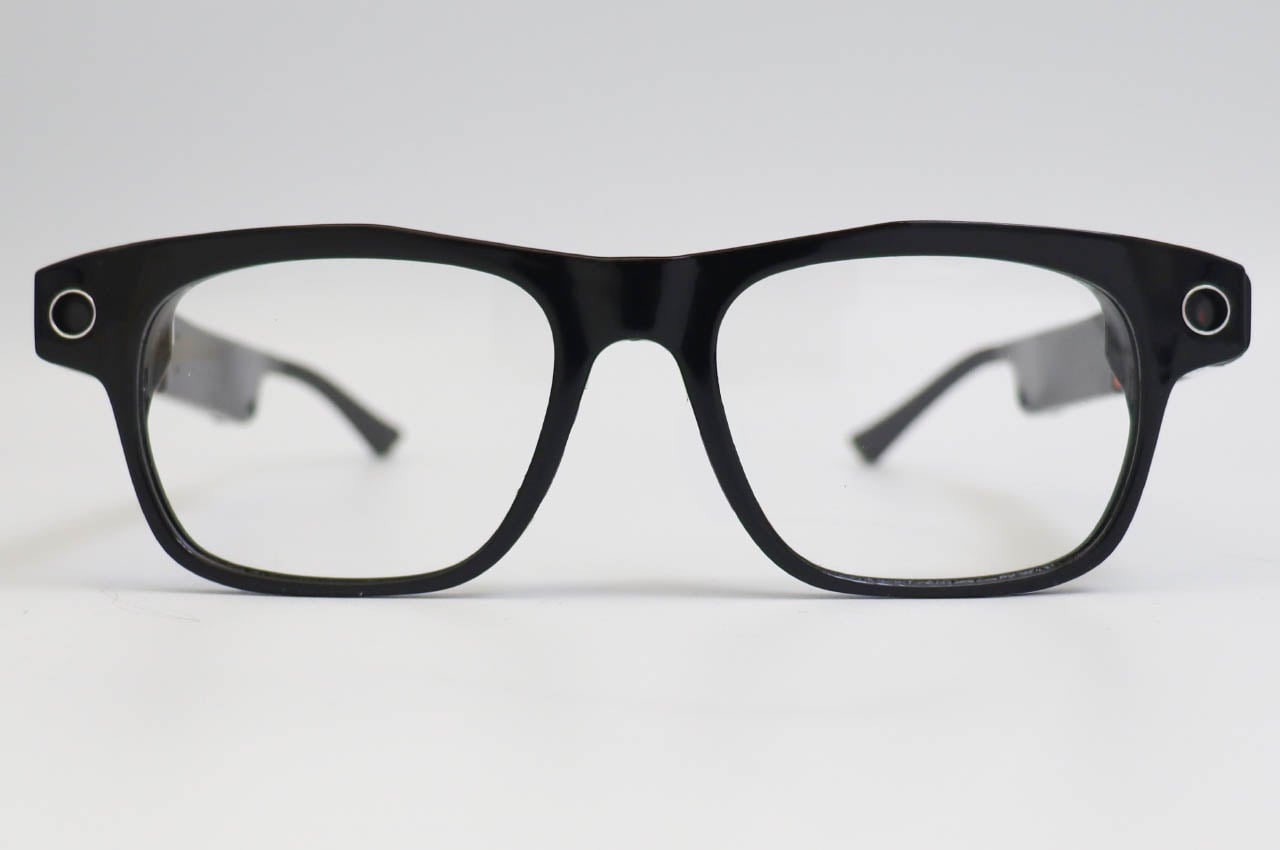
The wearer can capture pictures hands-free and instantly inquire about information. Solos is also giving the option for swapping the main frame with a secondary one that doesn’t have any front camera. Yes, unlike other smart glasses, this one has the camera lens embedded in the arms, instead of the frame. This swap comes in handy for places where a more formal style is acceptable. To keep the wearer aware of any important notifications or calls, there are flashing LED indicators on the frame.

Solos hasn’t yet revealed details about the specific release date or the price, but we can safely assume they’ll cost more than $250.

The post Solos AirGo Vision are the world’s first ChatGPT-4o powered smart glasses for interactive input first appeared on Yanko Design.