Yamaha conceptualizes toys for your feline friends

There used to be a time when most pet-oriented brands would design products mostly for puppies and dogs. But now that there are a lot of feline fur parents out there too, we’re seeing more brands get into the game of creating products that will appeal to this market. Even brands that usually don’t have anything to do with pets are also conceptualizing toys for cats.

Designers: Kazuya Washio (Yamaha Design Lab)

Yamaha is known more for their musical instruments and vehicles but now they’re exploring design studies for cat-related products while still keeping the design values of the company. What they came up with are three design concepts for things that felines might enjoy if they ever get made into actual products although there are no plans to commercialize it for now.

Neko-Yama is a cat playground but built in the “Yamaha style”. It lets the felines have a platform where they can explore all the tight spaces, crevices, and holes that they usually want to play around in. You will also be able to enjoy looking at them challenge themselves by playing around in the various places they can stick themselves in since it has a transparent design. The Strumming Box meanwhile is a scratching post where different colors will appear in the underside as they create their own patterns. Eventually it will look like a worn-out guitar but with the cat’s claws and scratches creating the unique surface.

Lastly, the Cat Music Box lets your feline friends create their own music by walking around in a wheel. Think of it as a hamster wheel but for cats and it is able to create notes through the rotation of the double wheels as it walks or runs around on the inner ring. The tempo also depends on how fast or slow they move. They can also walk backwards which might create a different kind of music.

The post Yamaha conceptualizes toys for your feline friends first appeared on Yanko Design.
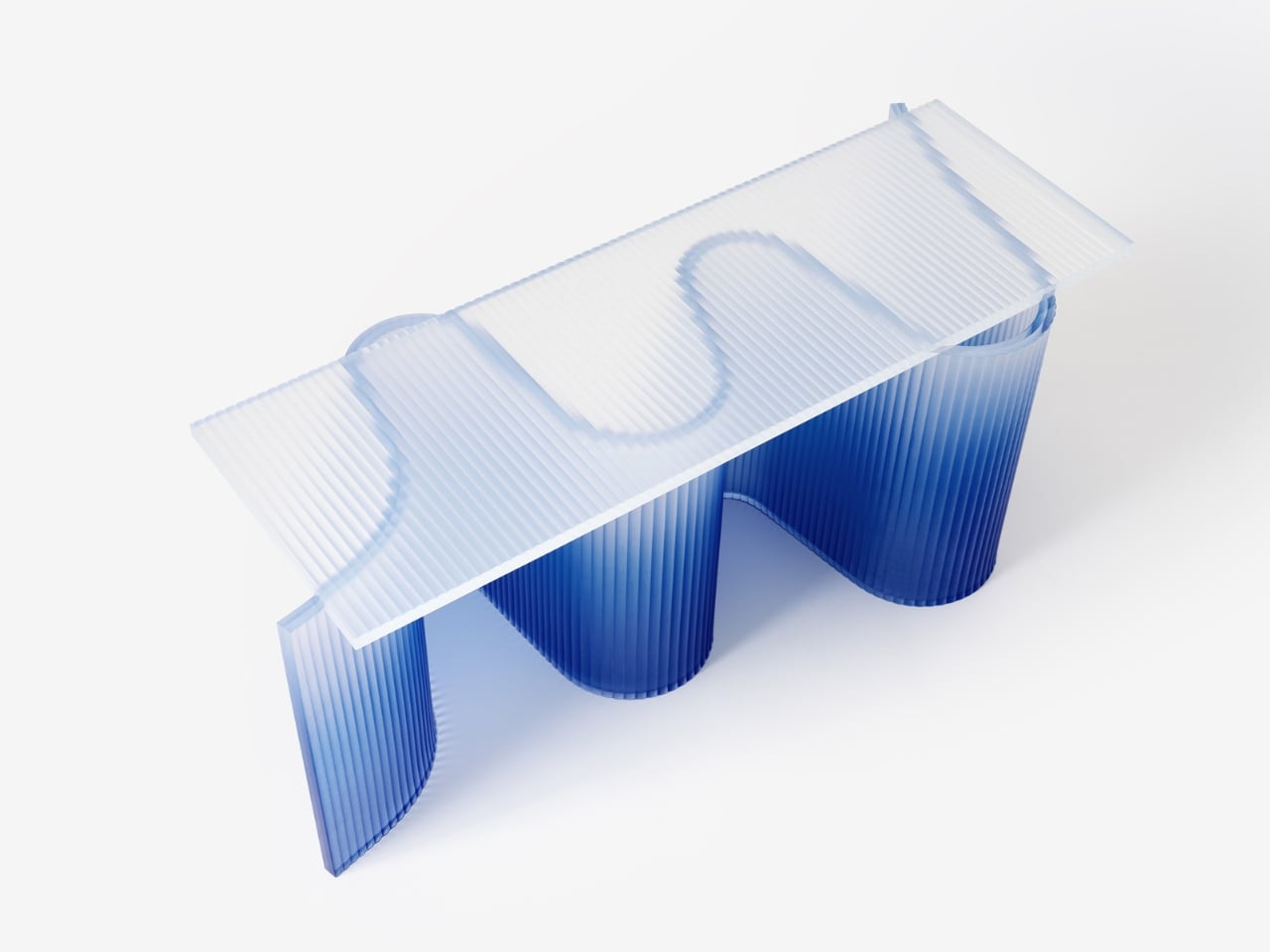
Underwater camera drone concept can autonomously capture high quality footage

I love looking at underwater sea footage with all the plants, corals, and swimming creatures that the divers and swimmers show off. But I know I probably will never go down there myself so I have to live vicariously through these videos. Holding a camera or using a body cam are not always that comfortable though so there should be a better solution for underwater videography.

Designer: JiHoon Park

This concept for an underwater camera drone tries to solve those issues. The DSP mini will function as your companion as you dive and swim underwater and you don”t need to hold it or wear it which can sometimes be restricting. It should be able to sort of swim beside you and capture video footage of everything that you see underwater.

The idea is that this underwater drone should be able to autonomously track your movements as you swim underwater and capture video footage from all angles and in high quality format. It doesn’t need any manual operation so even if you’re a beginner in diving and in video capture, it should be easy.

The design of the DSP mini looks like a mini robot that will be your underwater diving companion. Of course this is still a concept but it would be interesting to have a tool like this that will not interfere with your actual diving activity but also can bring high quality footage so people like me who don’t dive can see what’s actually down there.

The post Underwater camera drone concept can autonomously capture high quality footage first appeared on Yanko Design.

From Nature to Design: The Journey of a Plant Pod-Inspired Pendant Ligh

When it comes to design inspiration for all sorts of things, nature is one of the most popular sources. From architecture to technology to lifestyle products to product concepts, we see all sorts of designs that take its cue from nature all around us. Lighting fixtures are no exceptions and this project in particular is based on plants and transposed to a pendant light.

Design: Sujeet Kakad

From the name of the project itself, Nature Inspired Pendant Light, you already know where the designer got its inspiration from. It’s a Chinese Lantern like lighting fixture but with a combination of organic curves and the visuals of a plant fruit pod inside a husk. This is an aesthetically pleasing design and the challenge was to produce an actual product that can keep the original idea.

Since this is a pendant light concept, there is an adjustable fitting to hold it in place and it represents the stem of the plant although it’s located at the top. The top cover is made from aluminum sheet base with. Then you have the glass globe with the LED light inside and then steel rods surrounding it. At the bottom of the fixture is a leather cord with tassels to give it another natural looking element.

The final output of this project looks like a combination of a plant pod and a jellyfish which still gives off natural vibes. This is still just a project and a prototype so commercial production doesn’t seem to be in the cards. But it’s an interesting take on the pendant light which is sometimes more industrial or elegant looking than natural.

The post From Nature to Design: The Journey of a Plant Pod-Inspired Pendant Ligh first appeared on Yanko Design.

Acer Project DualPlay Laptop Concept puts a unique twist to gaming on the go

PC gaming has experienced a huge boost thanks to the advent of handheld gaming PCs like the Steam Deck, the ASUS ROG Ally, and the Lenovo Legion Go. But while these offer a more mobile gaming experience, they still pale in comparison to dedicated gaming laptops when it comes to performance, battery life, and heat management. Gaming laptops have been around for years, of course, but they, too, are experiencing a renaissance, whether they’re becoming slimmer and sleeker or, in this case, taking on a completely different design. Rather than completely overhauling the laptop or even doing away with it, the Acer Project DualPlay concept instead transforms this familiar design into something that adapts to the latest gaming trends, including playing the same game with a friend who’s right beside you.

Designer: Acer

The days when PC and console gaming camps were divided across keyboard or controller lines are long gone. Those on PS5 and Xbox now feel the need to grab a keyboard to communicate with friends, while some PC gamers now swear by gamepads, especially those playing on handheld PCs. The trends may have changed, but the design of gaming laptops has not caught up to this shift, which is why the Acer Project DualPlay concept changes the formula a wee bit by embracing both playing styles in the same device.

When you press a certain “release” button on top of the keyboard with two fingers, the laptop’s extra-large touchpad pops out and becomes a wireless controller, not unlike those you’d usually connect and bring with you in a separate case or pouch. This dual system lets gamers quickly switch between keyboard and controller without missing a beat and without having to worry about forgetting to bring the controller or having no space for it in the bag.

“DualPlay,” however, has dual meanings here. That detachable controller can actually be separated into two joysticks, not unlike the concept of the Nintendo Switch Joy-con, allowing two people to compete or cooperate in the same game without having to fight over the controls. It brings back the social feeling of playing with someone beside you that home consoles offered, except you’re no longer limited to doing that at home.

The Acer Project DualPlay gaming laptop concept has other surprising features that really take gaming to the next level. Releasing the controller also pops out two high-fidelity 5W speakers from the sides, delivering audio that’s not impeded by desks or other obstacles. There’s also an overabundance of dynamic RGB lighting not only around the keyboard but also around the screen, flanking the detachable controllers, the infinity mirror lighting bar on the back, and even the controller’s joysticks. It definitely looks like a gaming laptop from the future, though it remains to be seen if it is far too ahead of its time as well.

The post Acer Project DualPlay Laptop Concept puts a unique twist to gaming on the go first appeared on Yanko Design.
Smartphone touchpad concept tries to solve one of the biggest problems with big phones

Almost everyone wants smartphones with big screens because of how much content they can see, but those same people probably don’t like using big phones because they require both hands to use comfortably and securely. Some manufacturers have introduced “one-handed mode” features that shrink the screen to a smaller size temporarily, but not only is that actually more cumbersome, it is also less accurate because of the small area you have to hit with your large finger. We don’t have problems using computers with gigantic monitors because we have computer mice that offer precise and accurate control, even if we’re not touching the screen itself. That’s the kind of control that this concept design is trying to bring to smartphones, practically putting a miniature Apple Magic Mouse on the back of large phones.

Designer: Geontak Oh

The computer mouse is actually a very weird and unintuitive tool that has become second nature to most people by now. You are indirectly controlling the screen, moving a detached piece of hardware whose only connection to the computer is an arbitrary one. Before touch screens were a thing, it was really the only way to interact with a graphical user interface, so it’s a bit ironic that we might need something similar to do the same on touch-enabled devices like smartphones.

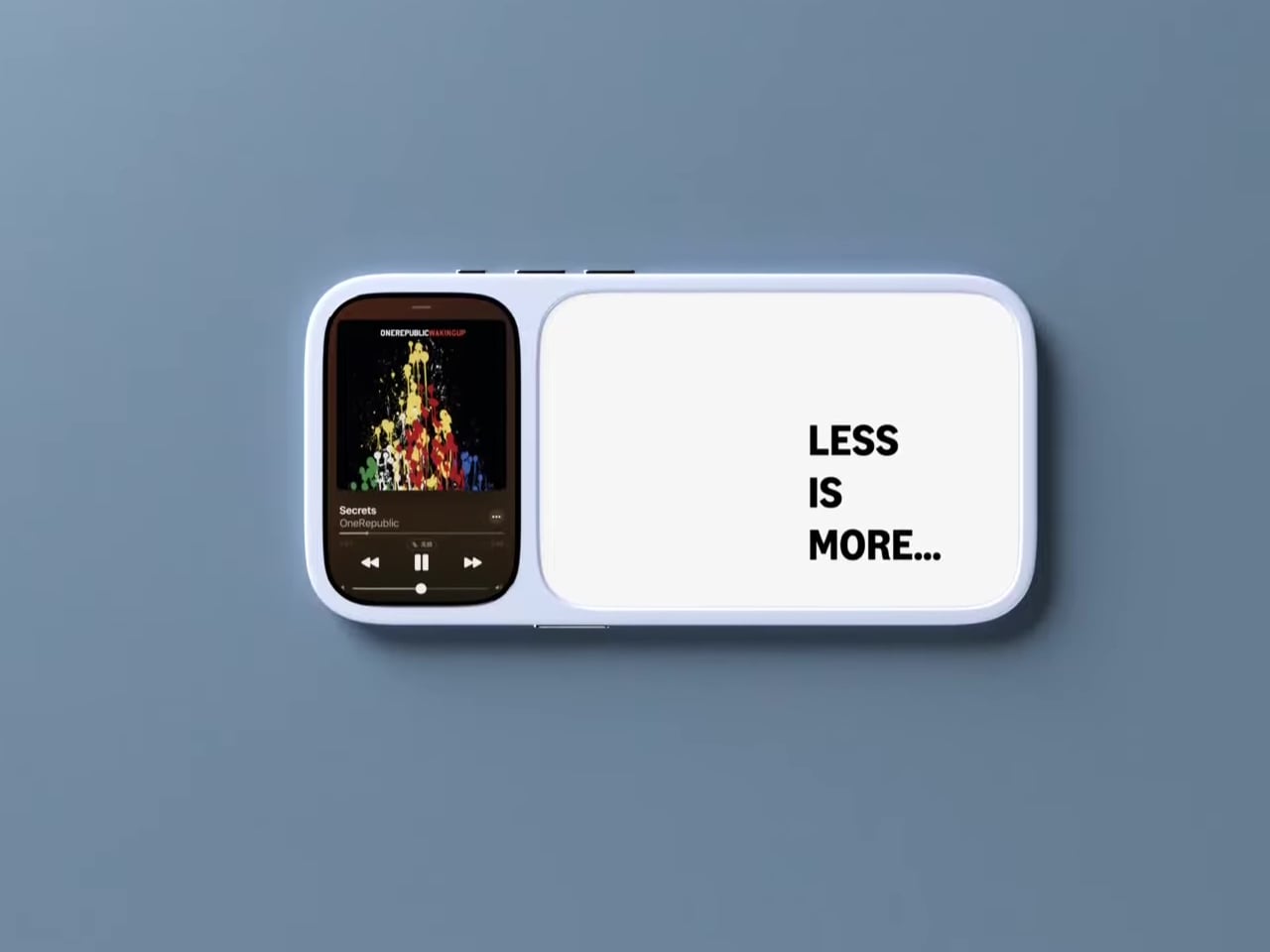
Poinf is a design concept that tries to solve the problem of using a large smartphone with one hand. With the way we hold our phones, the thumb is the only finger we can use to tap on the screen, which is next to impossible if the screen is too big for our stumpiest finger to reach. But what if you could use a different finger to do that? And what if that finger is always on the back of your phone anyway?

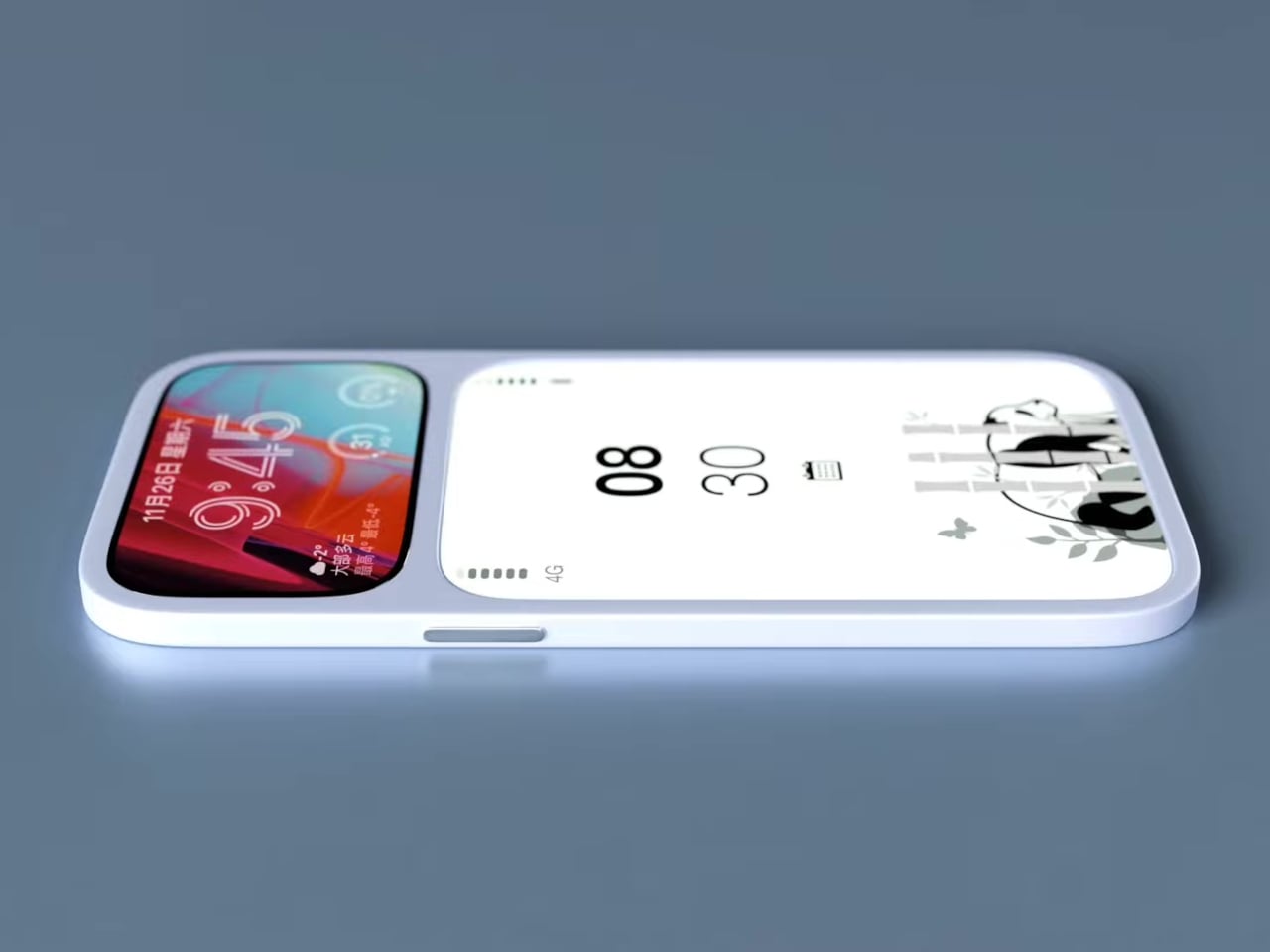
The idea is to put what is practically a small, squarish touchpad on the back of the phone, held there using MagSafe or other magnetic technology. The actual interactive part is a small quadrant of the slim device, an area that can be easily reached by your index or even middle finger. You slide your finger across the surface, pushing around the equivalent of a cursor, and use tapping gestures to “click” on user interface elements. You can easily detach Poinf when you don’t need it, so it doesn’t get in the way of “normal” smartphone use.

Poinf is definitely an intriguing solution to a very old problem, but it also brings a few issues of its own, particularly with usability. Moving a cursor by moving a finger on the back of the screen could require some mental gymnastics, severely affecting your speed and efficiency in the process. Of course, your brain can eventually adjust, like how it has come to accept the computer mouse, but it will take time and effort before that becomes second nature. Additionally, however, you also lose access to important touch gestures like pinching to zoom or quick scrolling, so you’ll have to do double work to teach yourself a new action vocabulary for this rather niche control mechanism. In the end, you might give up and just use the phone with both hands anyway.

The post Smartphone touchpad concept tries to solve one of the biggest problems with big phones first appeared on Yanko Design.

Modular mini projector can also be a speaker and wireless charger

It’s probably not something that we really think about but electronic waste is a growing problem since we see a lot of new gadgets released every month. There will probably be even more products conceptualized and created over the next few decades so what we have to think about is how to lessen or at least repurpose e-waste. One idea is to think about modular product designs so that one gadget can have multiple purposes.

Designers: Tae Hyeong Kim and Yu Jeong Choi

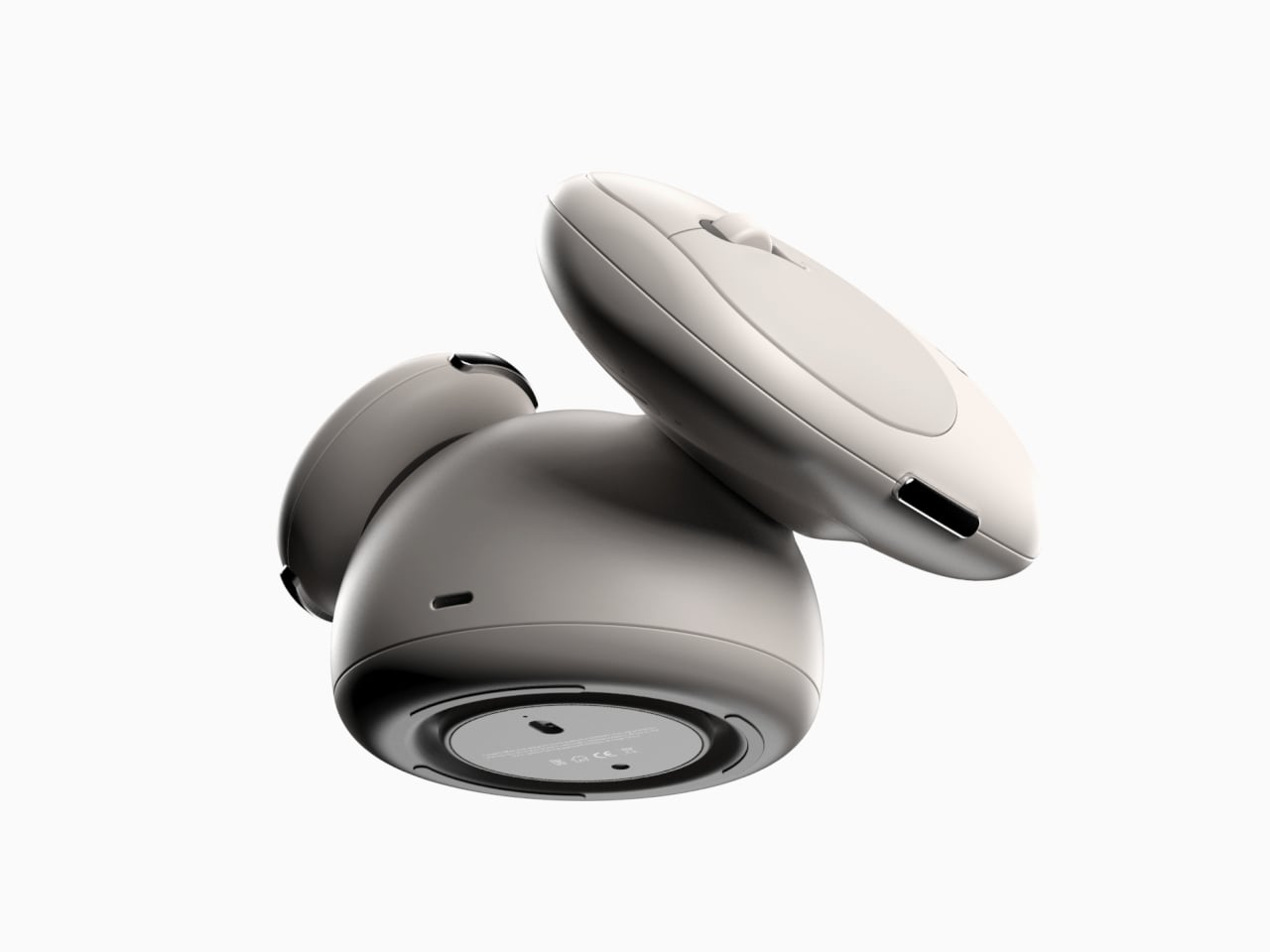
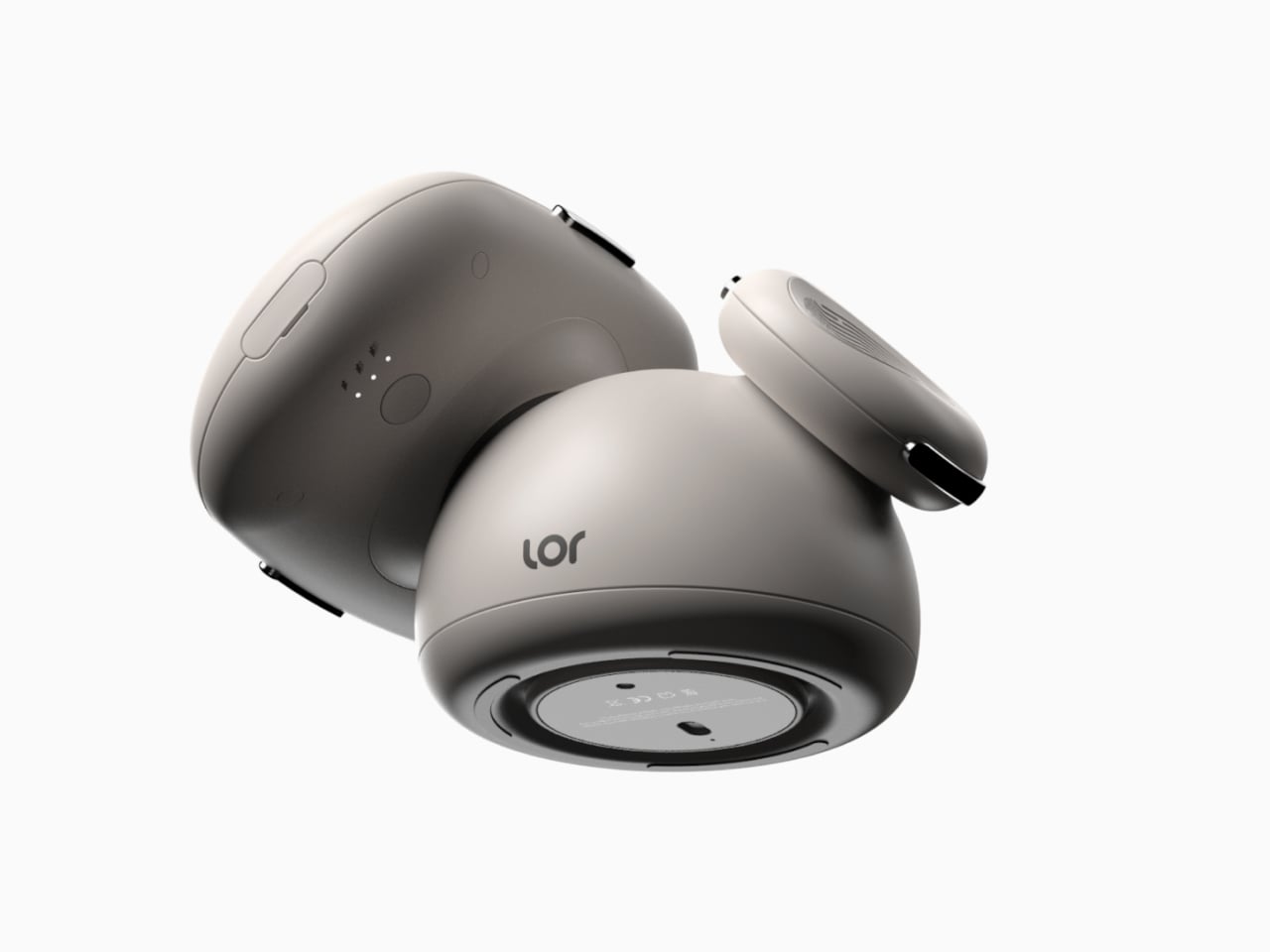
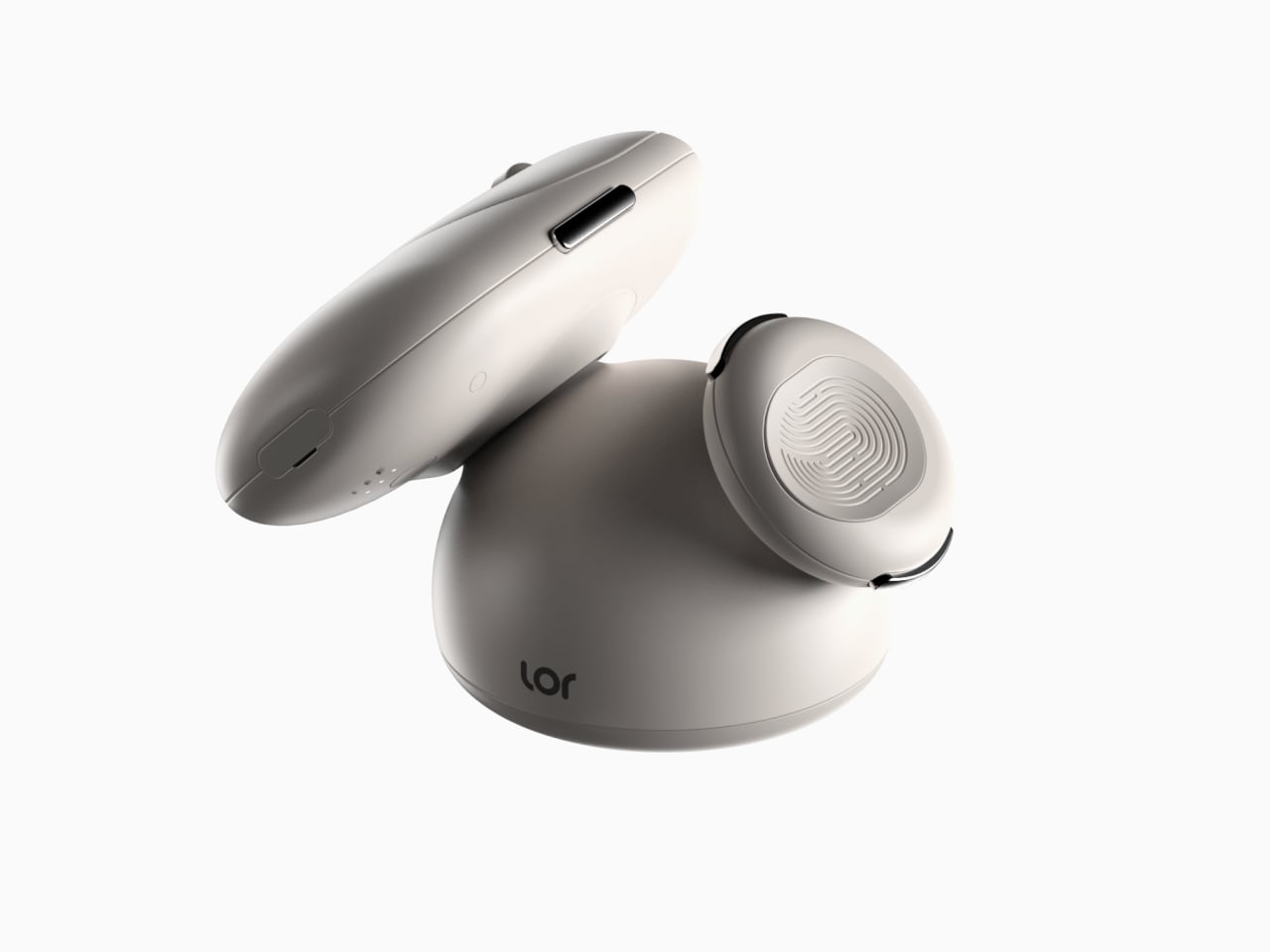
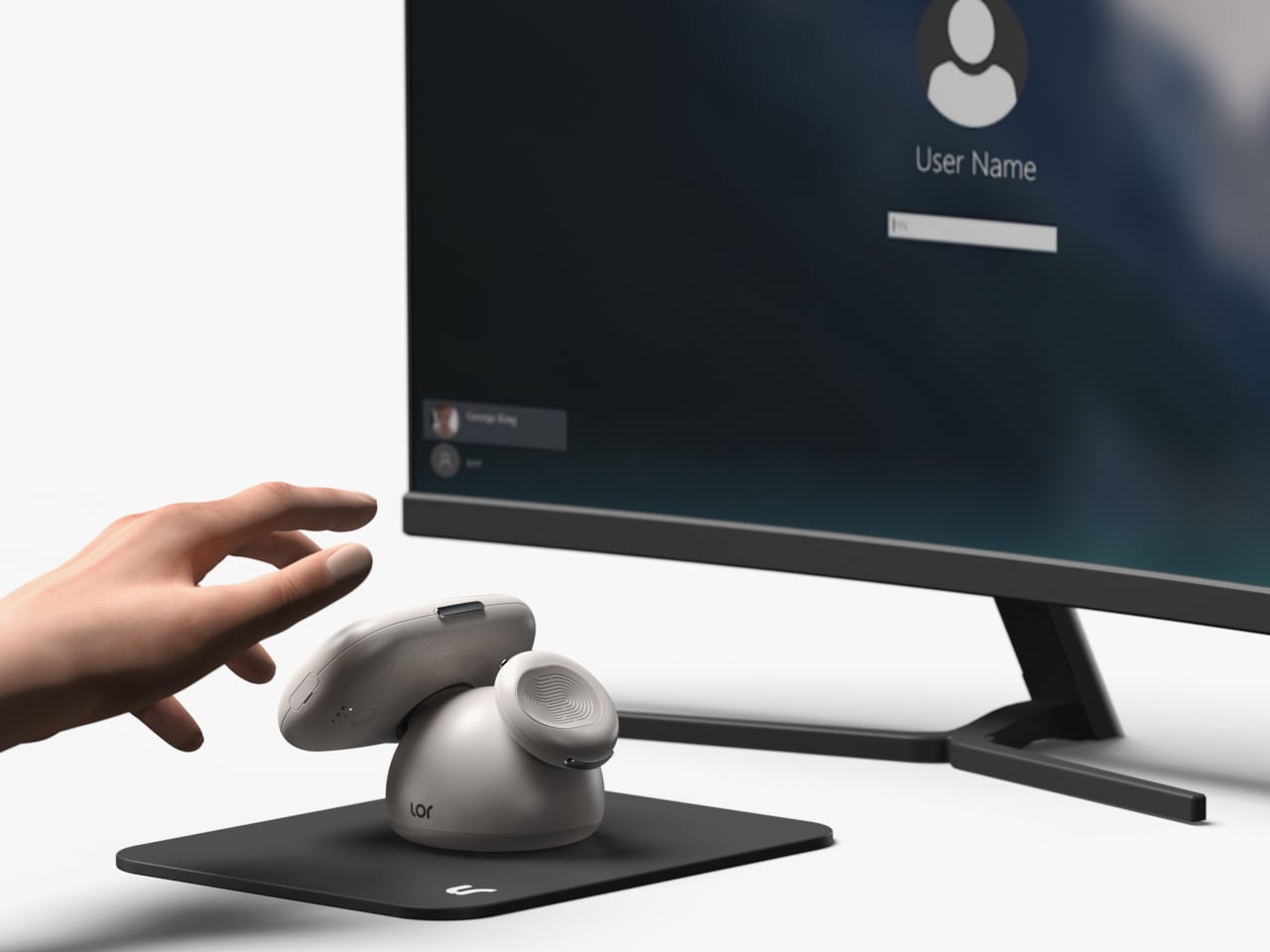
One conceptual product is bini, a modular beam projector that can also be used as a mini speaker. It can be used as a single unit with the projector on top of the speaker but it can also be separated into two devices if you need to use either of them individually. There’s even a third purpose for it as you can use the top of the device as a magsafe wireless charger.

Overall, bini looks like any ordinary smart speaker. When used as just one device, the top part of the projector becomes like a mini robot as you can adjust the head with its hinge. There’s also a focus wheel so you can adjust the focus when projecting on a wall or any surface. The buttons intuitively look like actual buttons so it can be easy to touch and use them. The device also has several ports like USB-C, HDMI, and even a headphone jack.

bini is a mini device so you can just hold it in one hand and is also pretty easy to combine and separate the modular parts. It would be interesting if they can make an actual, working prototype as its value depends of course on the quality of the projector and speaker features.

The post Modular mini projector can also be a speaker and wireless charger first appeared on Yanko Design.
Office furniture tries to find balance between rest and productivity

A lot of offices and workplaces now have realized that the furniture and the design in their spaces can contribute to the productivity and the stress release of their employees. We’re seeing some add subtle and not-so-subtle touches to their offices to help people destress or at least have some sense of rest and relaxation while at the same time contribute to the eventual productivity of these employees.

Designers: PD Group X design studio

Cortina is a concept for a series of office furniture that gives users in the office their personal time and space and at the same time, increase work concentration. It is made up of three different pieces that are also multi-functional. Of course we’re fans of designs that can serve more than just one purpose to its users. The three items in this concept series are: the Pause Lounge Stand, the Peep Desk Wall, and the Tab Document Rack, which their names show off what their main functions are. They are meant to have multiple functions so as to save space and your office’s budget as well.

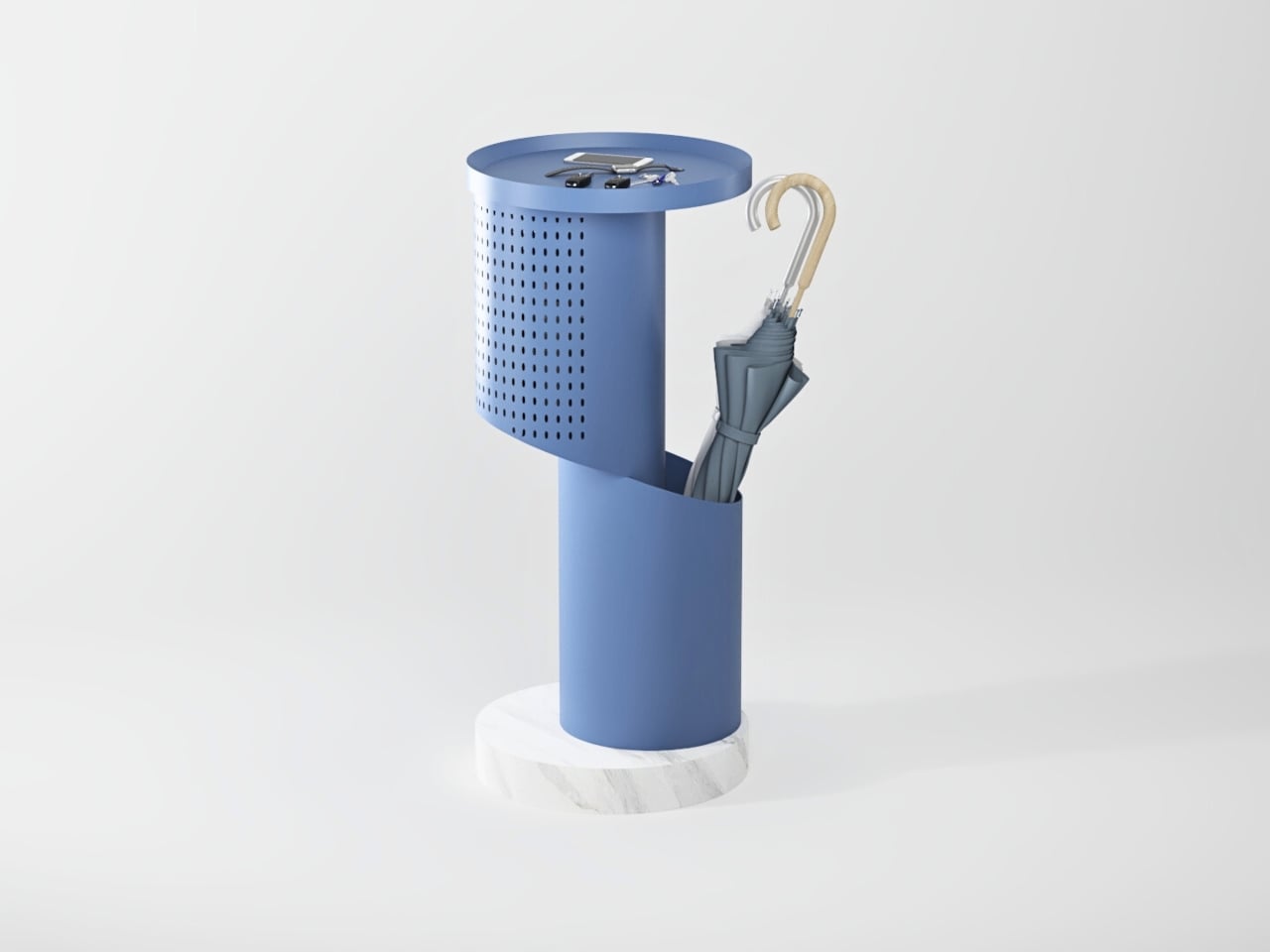
The Pause Lounge Stand lets users take a pause at work while also not overstaying in the rest area. Before you settle in your lounge chair or rest area, pull the handle that will set the time and as the minutes tick by, the shade parts of the tower-like stand goes down and the subtle lighting slowly disappears. Once the shades are all down, it’s a sign to go back to work. It also doubles as a phone charging station so you can let your device rest. The Peep Desk Wall is a divider placed on your table which is able to control the field of view between you and the other occupants of the table and the degree of light diffusion as well. You can also attach magnets and sticky notes on the metal plates so you can reach them easily.

Lastly, the Tab Organizer sorts papers of different sizes when you close the “blinds” after placing the different pieces into the tabs. The product renders don’t really show how the sorting happens but at the very least, it lets you store different documents into a standing piece of furniture and lessen clutter on your table. These carefully designed piece of office furniture would be an interesting addition to your workspace if these are functionalities that you need to implement, working on both rest and productivity.

The post Office furniture tries to find balance between rest and productivity first appeared on Yanko Design.
Shell-shaped smart speaker brings cool minimalist feel to a home staple

Smart speakers in our homes aren’t luxury items or just for early adapters anymore. It’s become a common gadget for the digitally savvy to have as it performs a lot of functions aside from just something to play music or podcasts or audio books from. While there are a lot of devices already available in the market, there’s always room for concepts or designs that want to take a different look at these smart devices.

Designer: AICO Designs

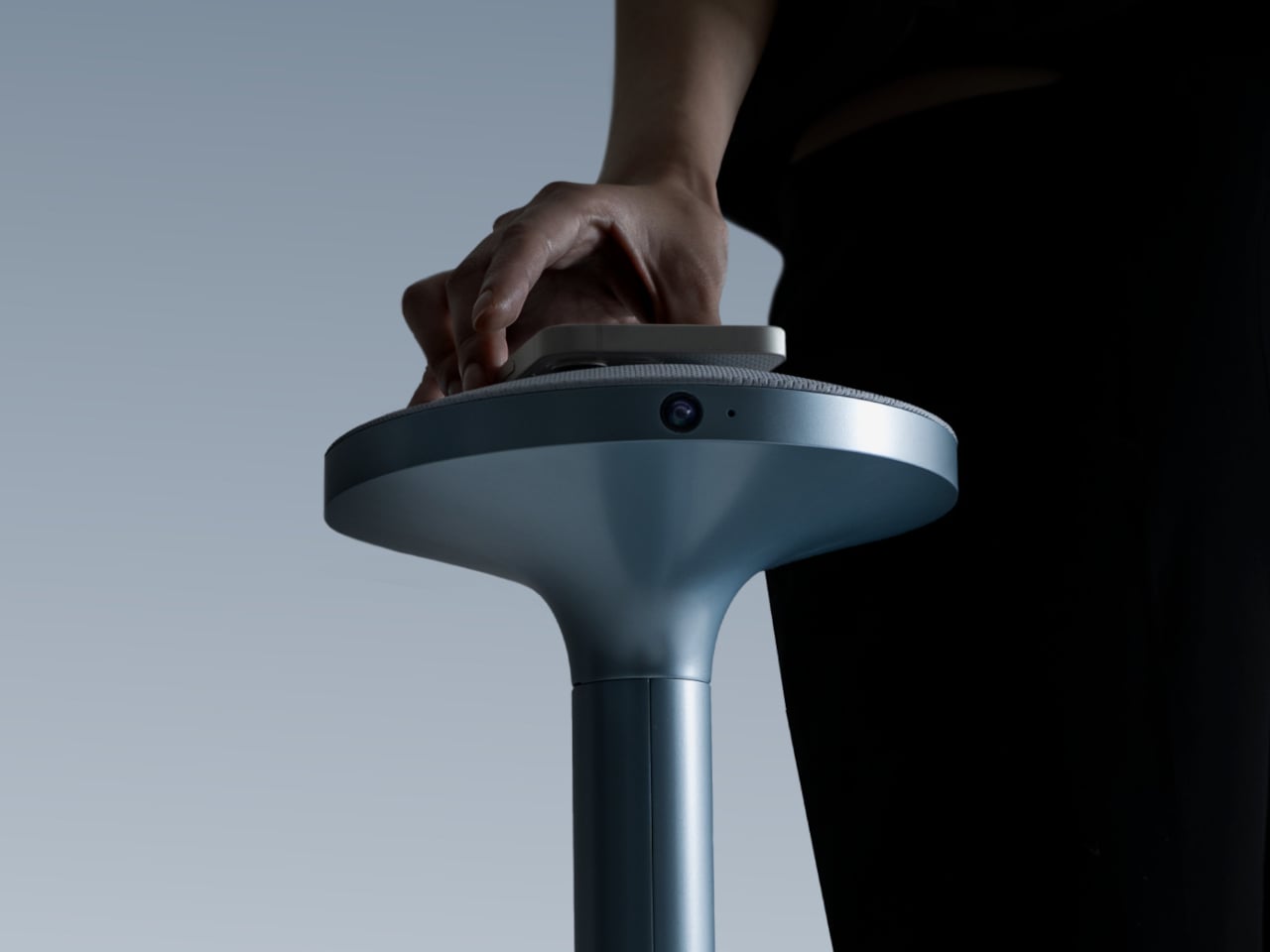
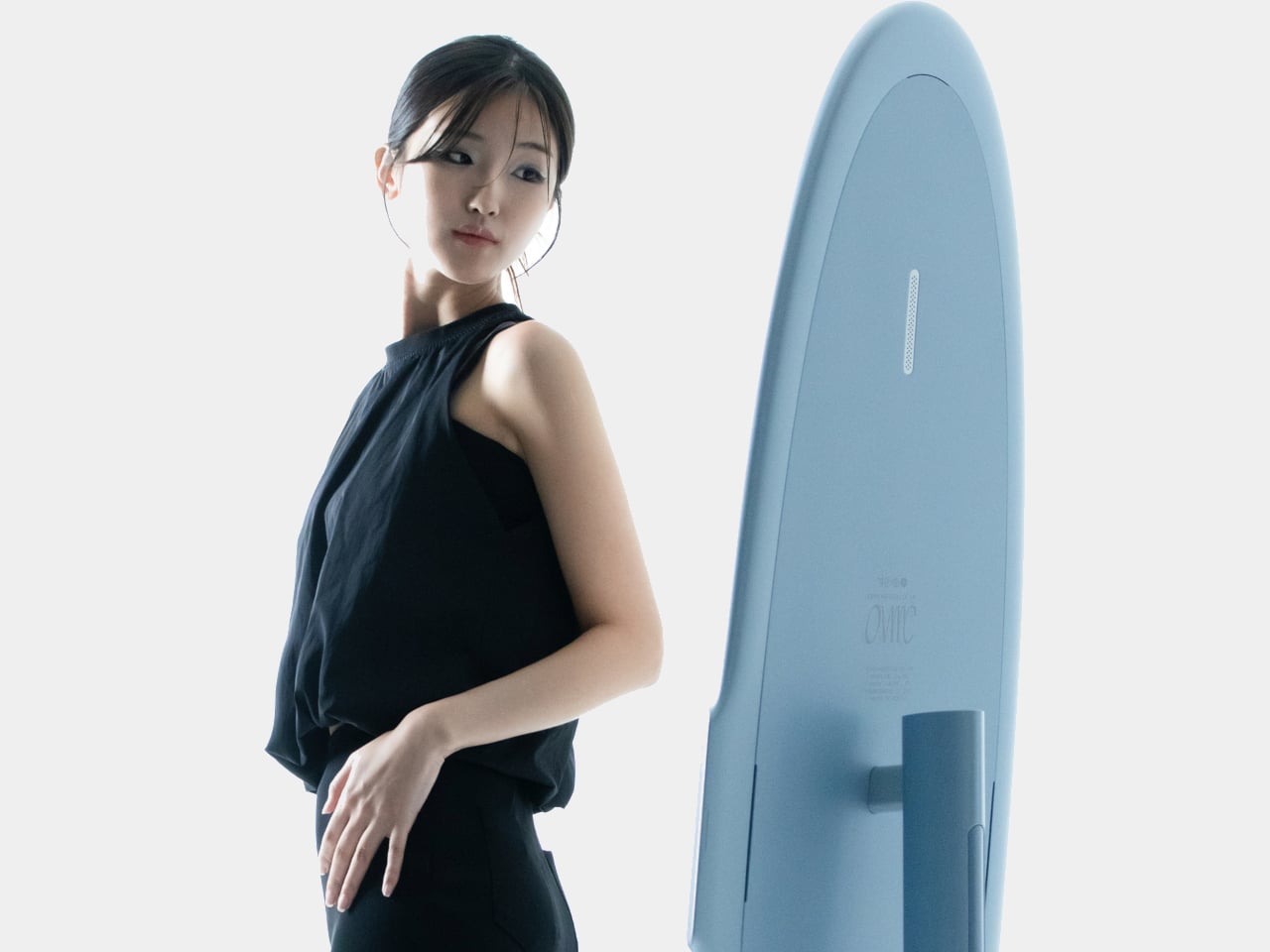
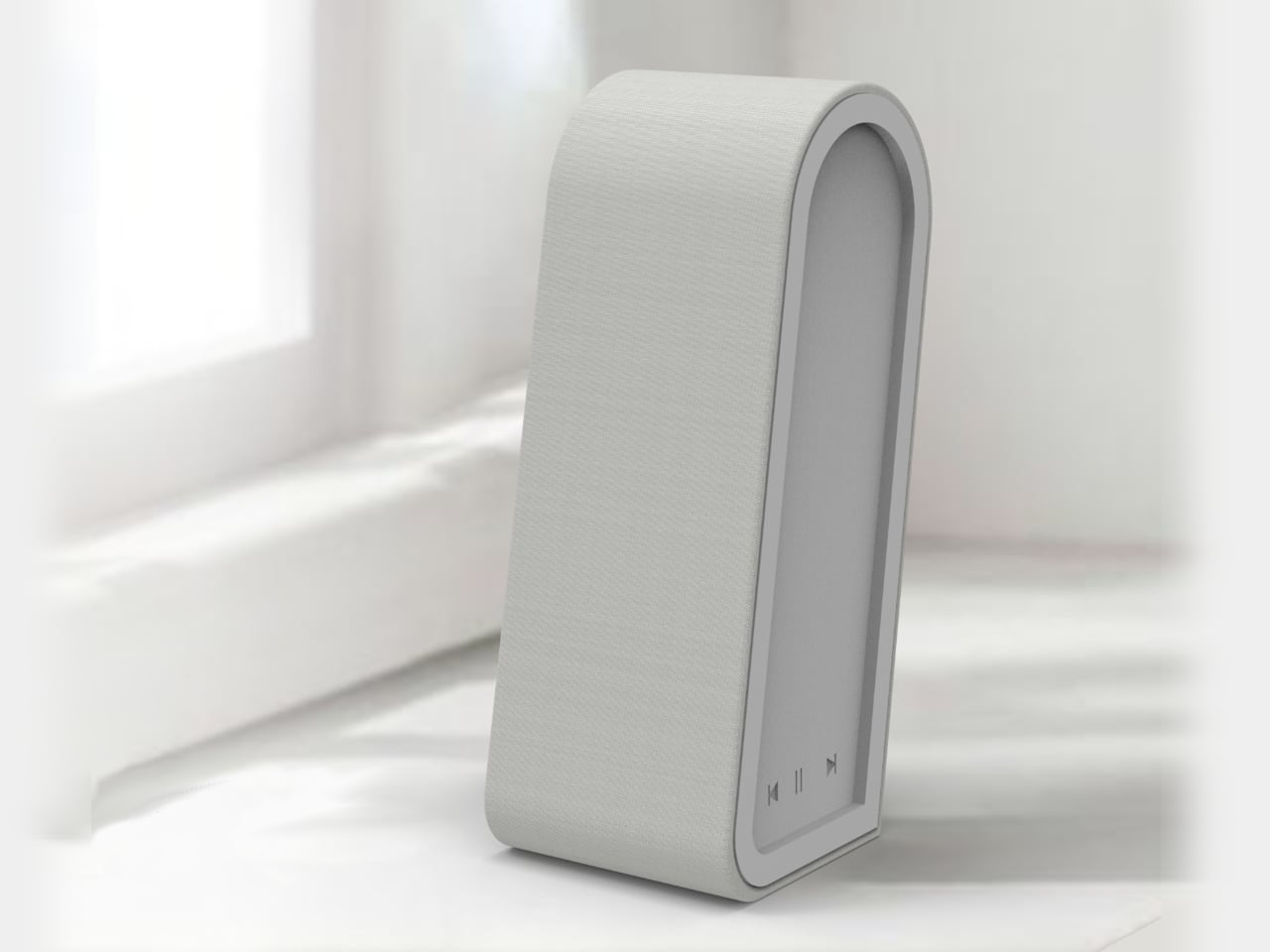
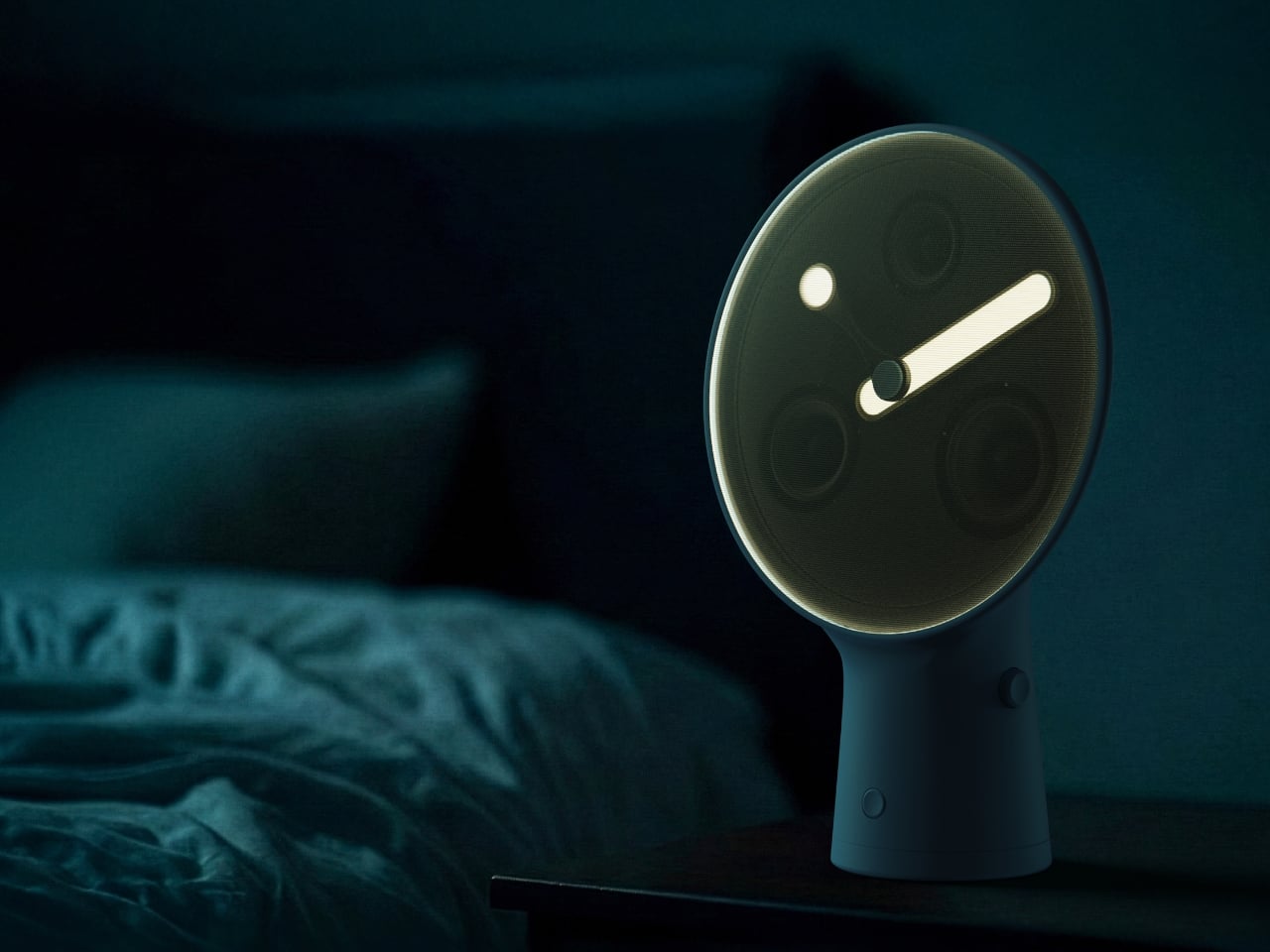
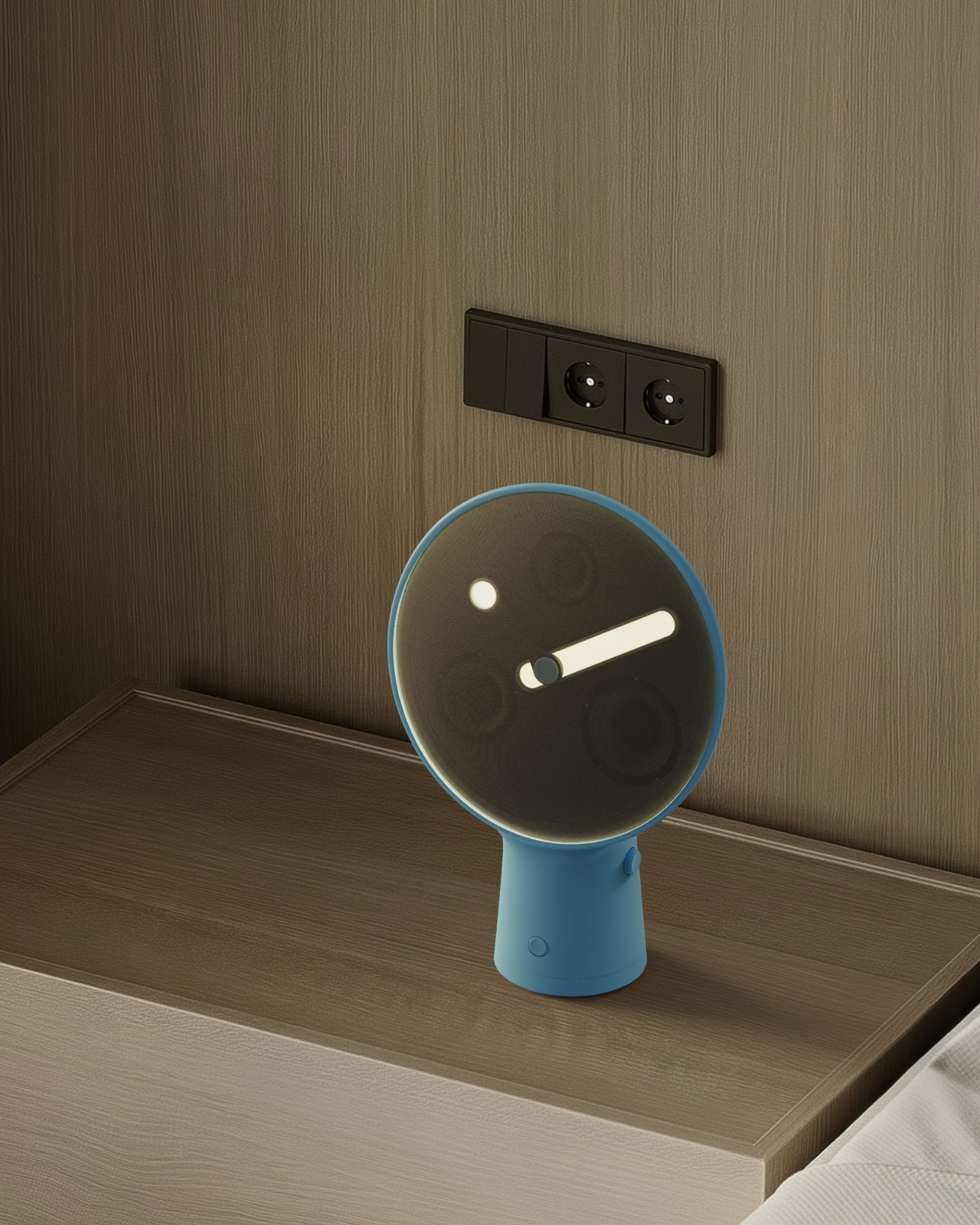
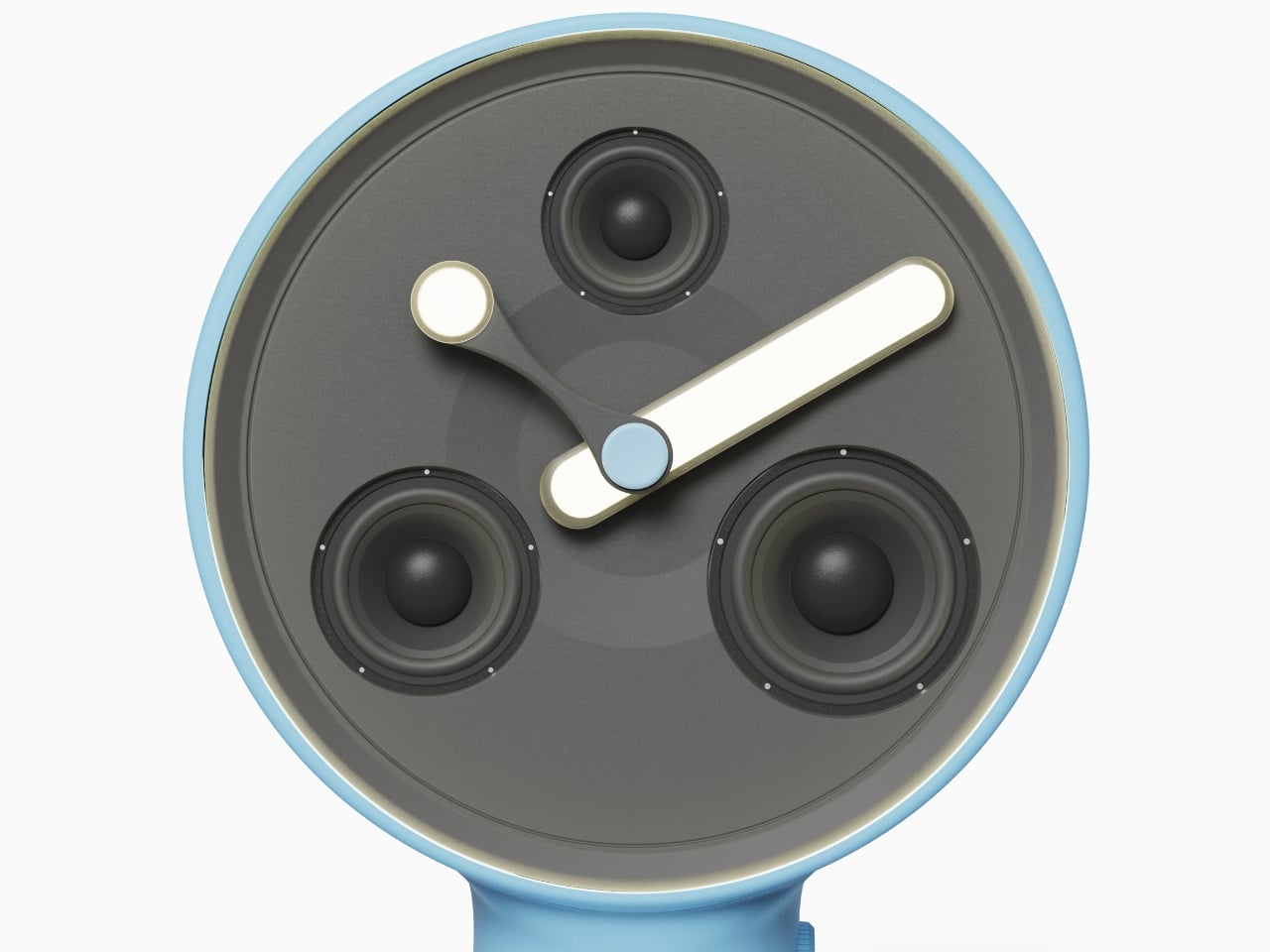
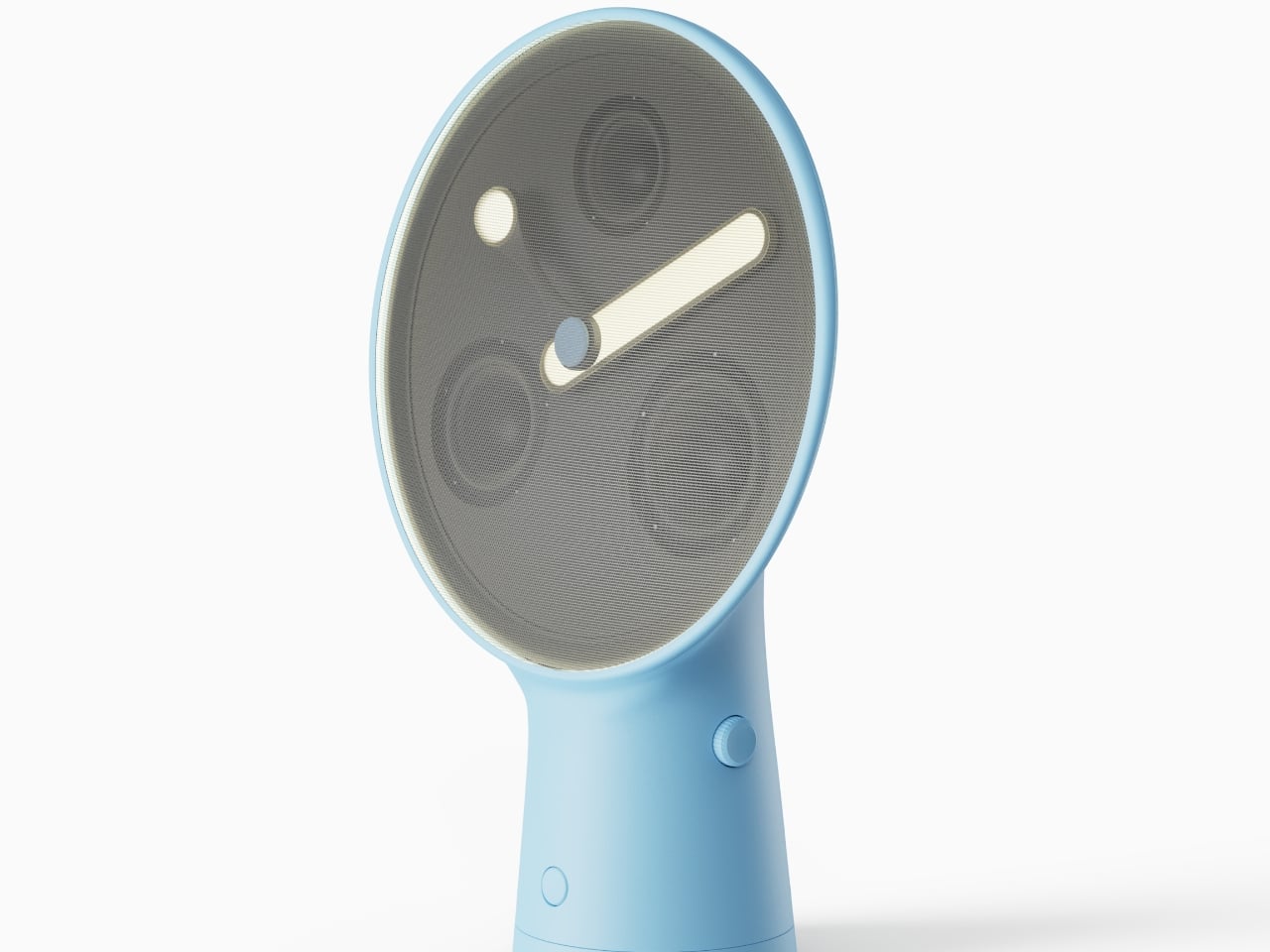
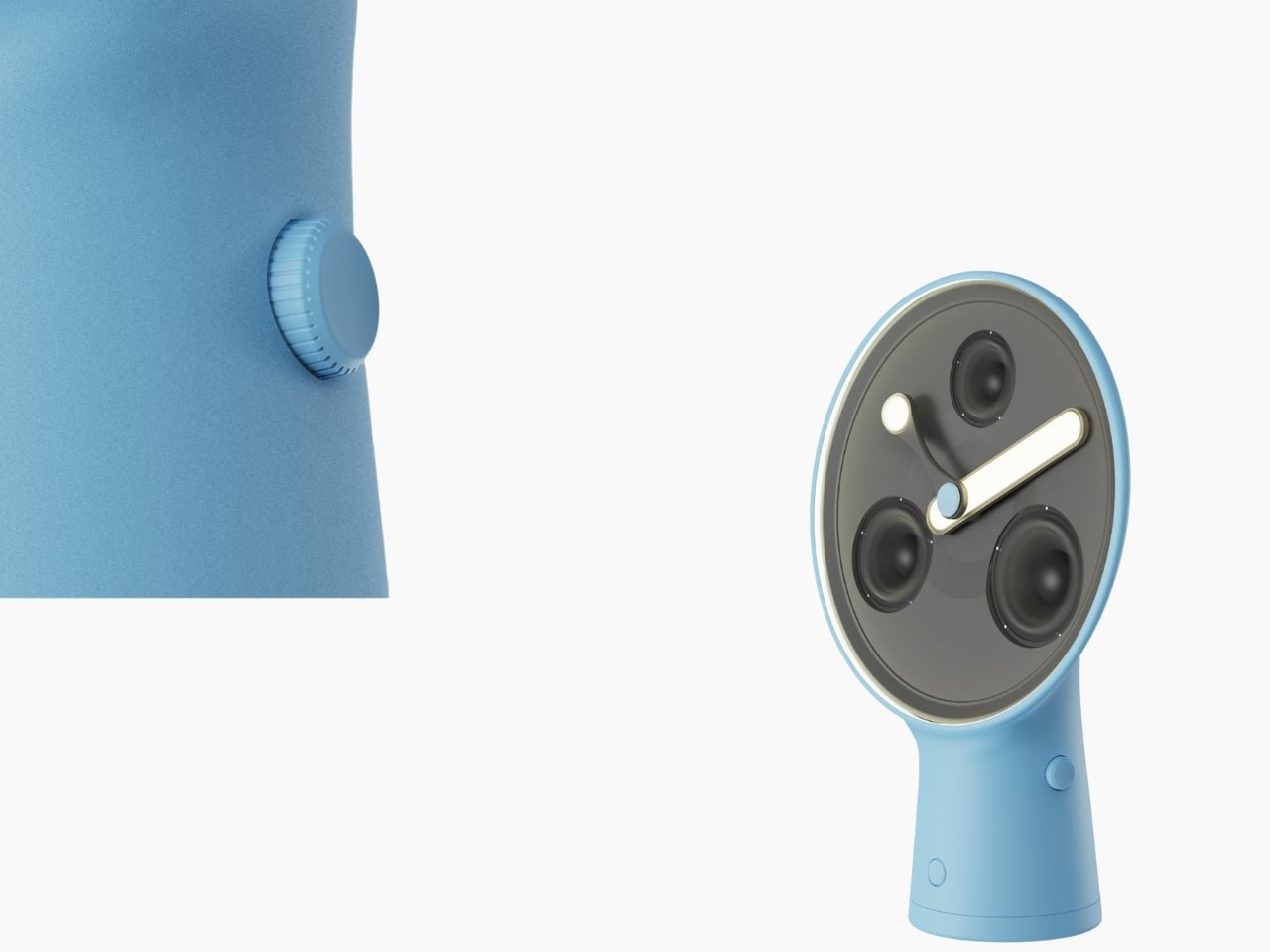
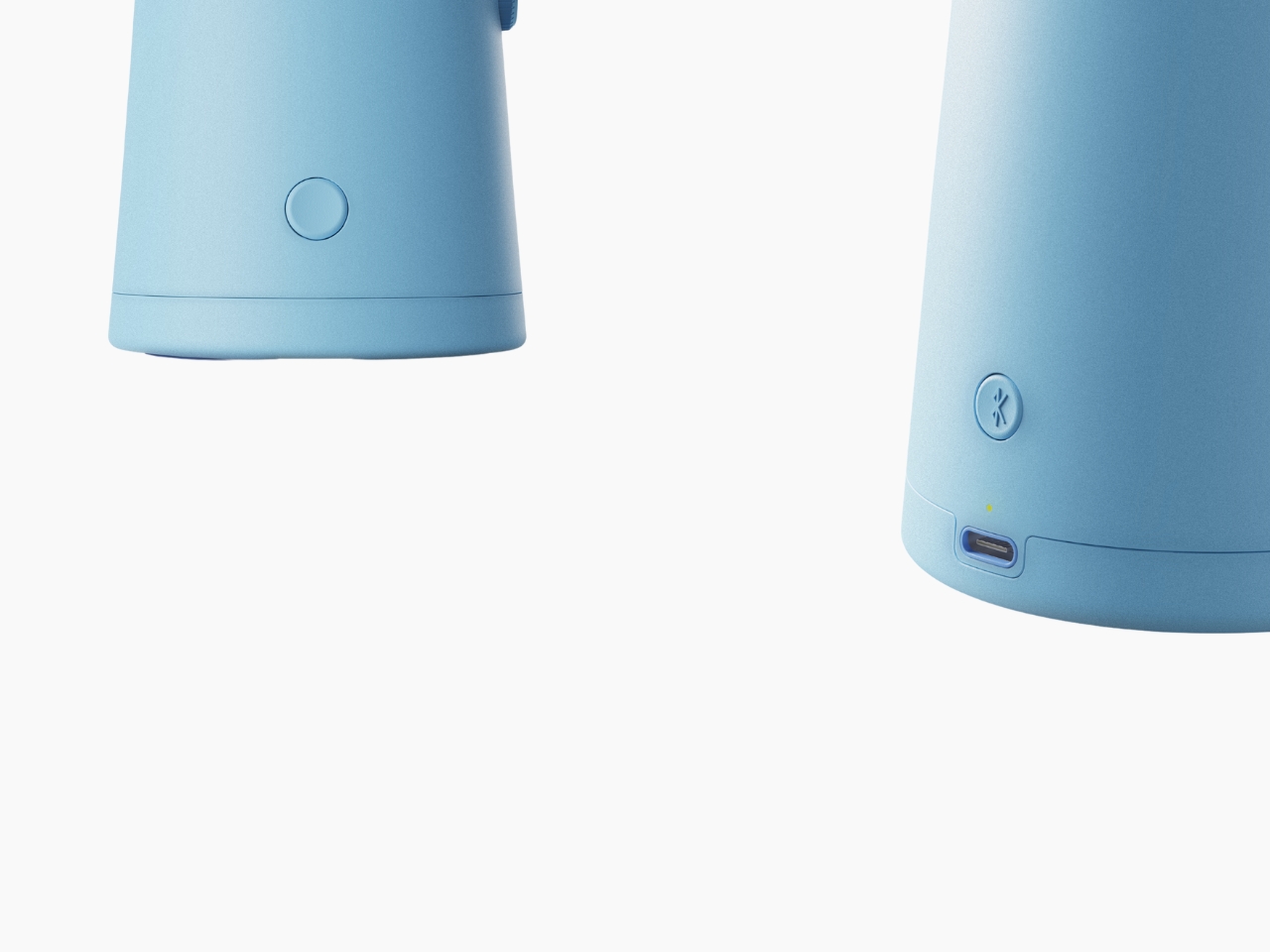
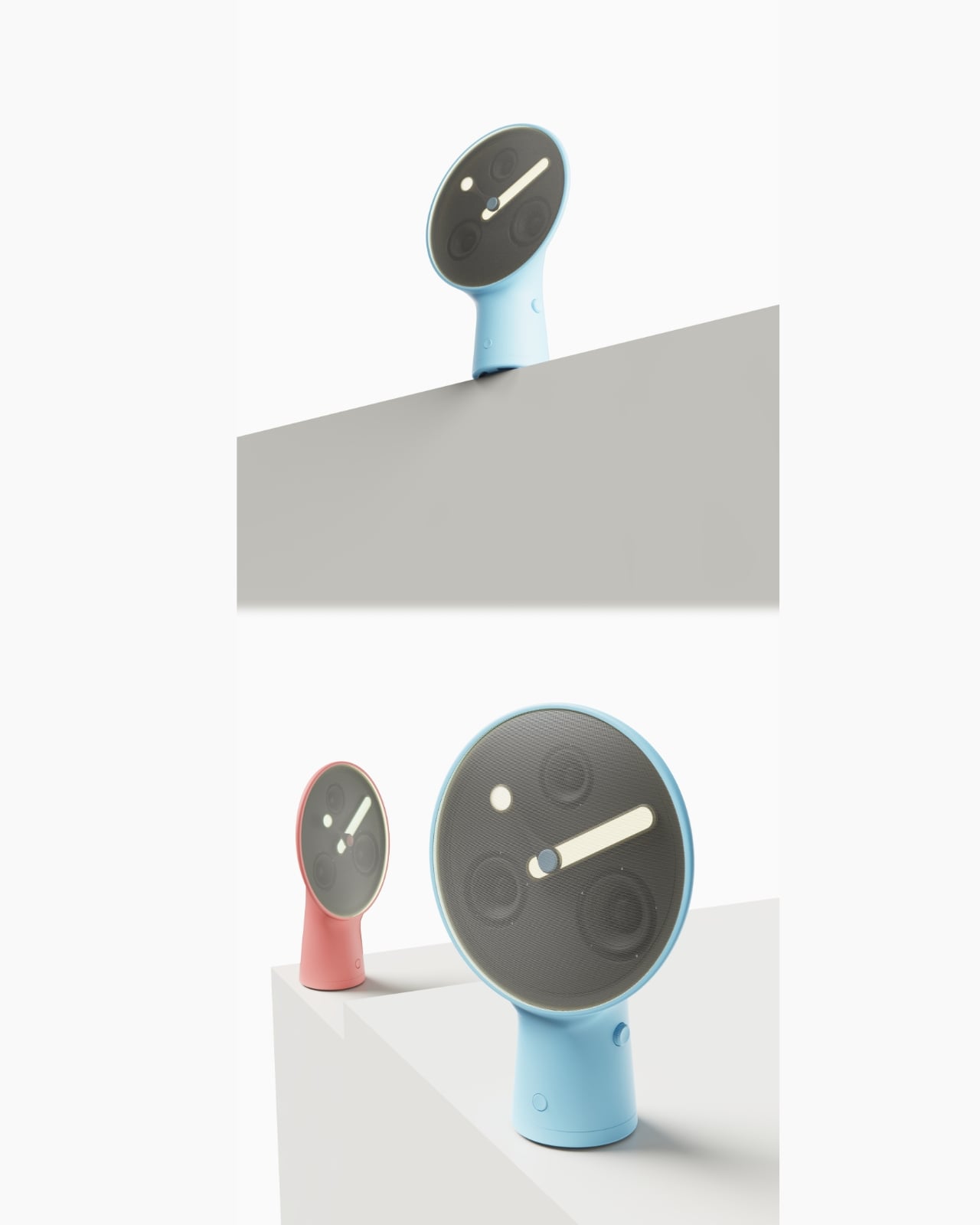
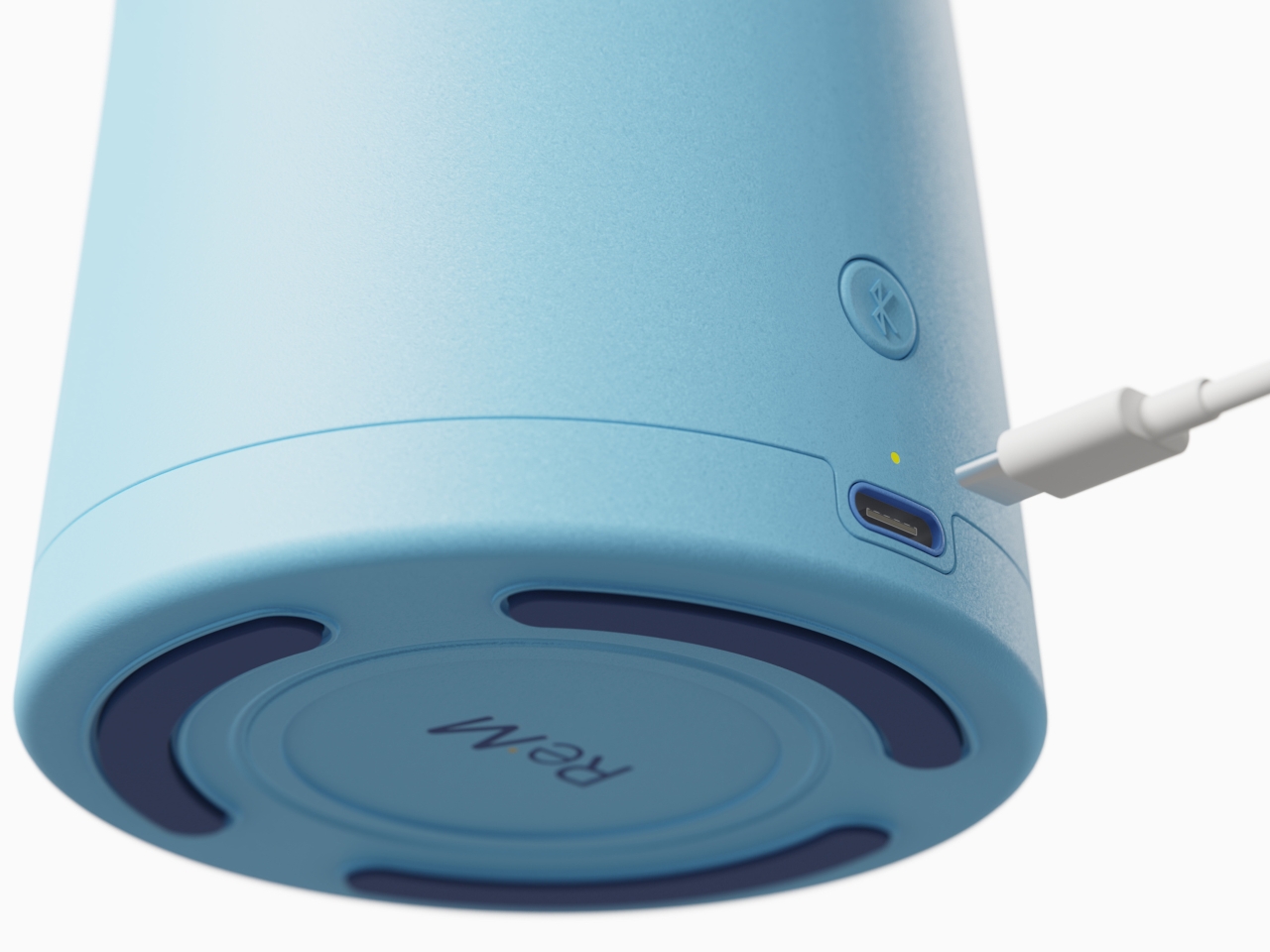
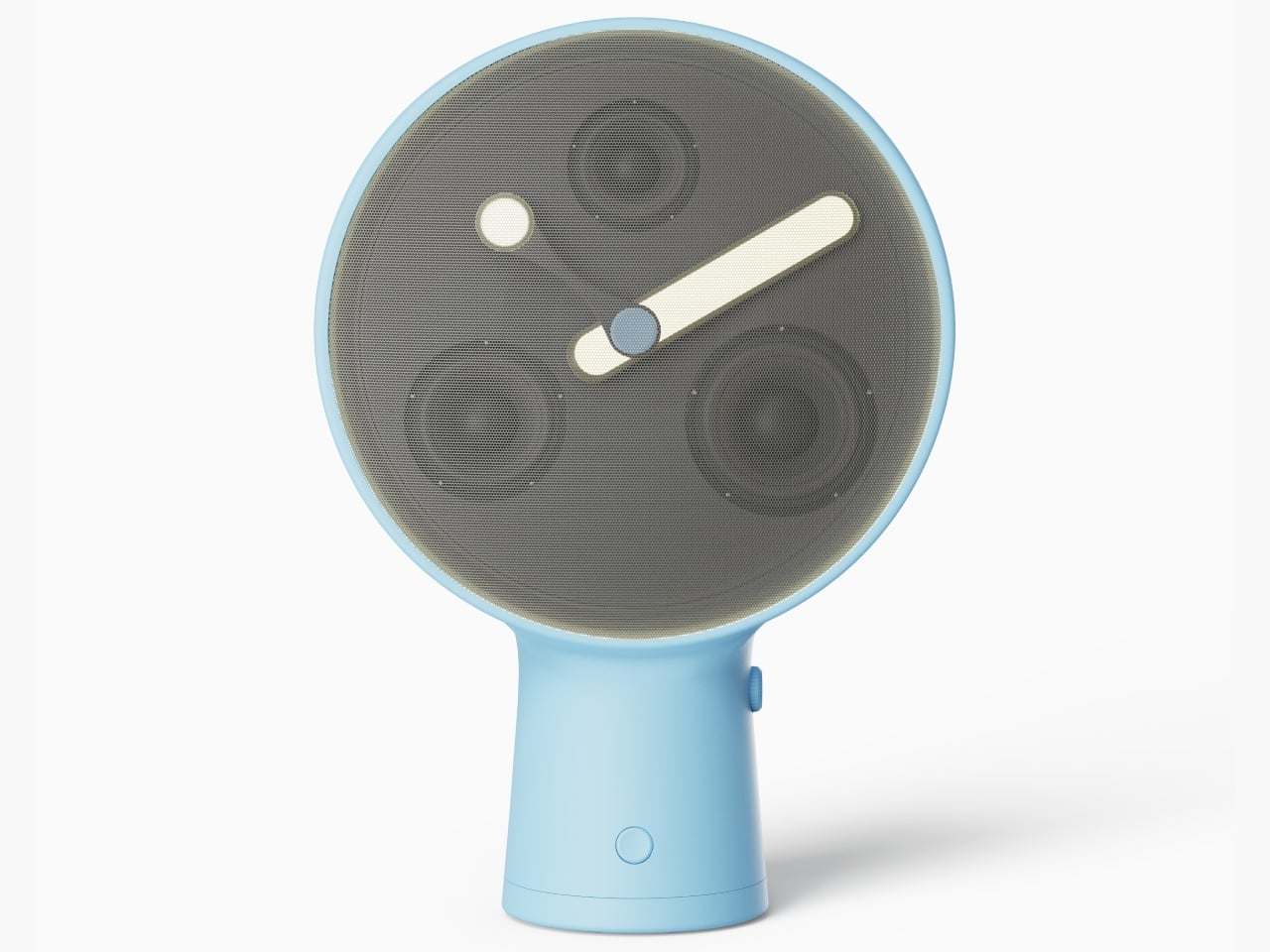
The Shell Intelligent Speaker is one such concept that wants to play around on the shape of the smart speaker. Taking its design inspiration from shells from the ocean, they wanted to combine the round and square shapes instead of the usual concave and convex shapes of shells and then use a dot matrix outline. Supposedly, the adductive character and the hole shape of the device will add to how the acoustic sound of the speaker will be better.

What you get is a round speaker that evokes not just a seashell but also an egg timer, albeit bigger. The round screen gives you enough space to view things like your music and videos, the weather and date information, etc. Of course since it’s a smart speaker, you can also just not look at the screen and listen to the shell for the information you’re asking from it.

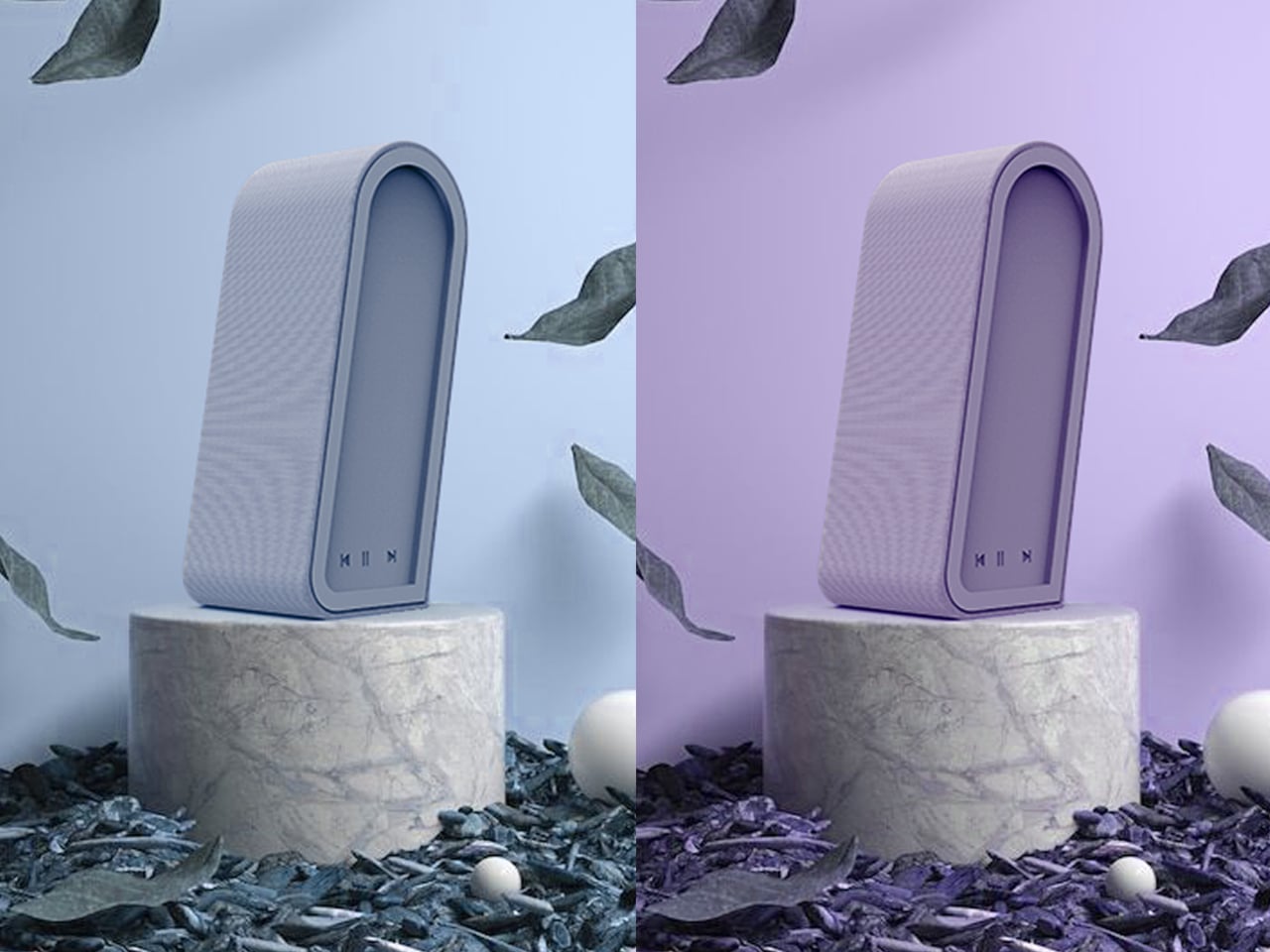
Of course since this is a concept, they didn’t really delve into the functions of the smart speaker, which is actually a big part of why someone would buy a particular device. But from a design standpoint, this one looks pretty solid with its minimalist concept and its light, pastel colors.

The post Shell-shaped smart speaker brings cool minimalist feel to a home staple first appeared on Yanko Design.
Portable smart farm concept lets you plant veggies anywhere inside your home

Indoor gardening became quite a fad in recent years as people tried to cope with being stuck indoors for days at a time. But while the majority of this trend revolved around succulents and decorative plants that are easy to grow, it also presented an opportunity to start a trend of growing consumable greens indoors as well. Indoor planters try to offer this kind of convenience, but most of them tend to be large appliances no smaller than cabinets or shelves. Smaller households that want to grow a small number of verbs and vegetables might feel left out, but this concept tries to offer those same conveniences and smart features in a more portable design that you can literally put anywhere in your house, apartment, or room.

Designers: Deokhee Jeong, Yubin Choi, Youngnam Lee, Sewoom Hahn

Smart planters may sound simple but the amount of calculations they have to make can be quite complicated. They have to make sure that the plants are not just getting the right amount of LED light each day, they also have to distribute the right amount of water that the plants need, not less and definitely not more either. It’s no surprise, then, that many indoor planter appliances can be quite big, taking into account not only the water container and soil pots but also the electronics and mechanisms needed to make it work.

The POT version of the BalconyFarm planter condenses all those those into a farm that can fit on a small table or even a wide window sill. The box-like device has eight circular containers that can hold the potted plants, but in reality only six of these can be used at the same time, at least if gardening indoors. One spot is where you’ll set up the lamp, while the other circle is reserved for the water container. These two can be placed in any of the eight holes, making the proper arrangement of herbs and vegetables even easier.

Despite the petite size, the BalconyFarm POT has the same smart features as its bigger sibling. That means it knows exactly how to to distribute the water to plants, no matter which spot you place the water container on. Admittedly, there are a few disadvantages, though, like the uneven distribution of light from a single lamp and the lack of ventilation around the plants. On the flip side, you place this planter anywhere, so you can use the growing plants as a decorative centerpiece for your table or desk as well.

The post Portable smart farm concept lets you plant veggies anywhere inside your home first appeared on Yanko Design.
Artistic unibody chair concept is simple, stackable, and stunning

All chairs have a common, standard purpose, but there is no hard rule to follow when it comes to their design. As long as they offer a stable seating surface, and in most cases, some form of back support, they qualify as an acceptable piece of furniture, even if the actual experience can be a bit uncomfortable at times. It’s only by convention, for example, that most chairs have four legs or are made of different pieces, and some designs try to push the boundaries of what’s physically possible when it comes to the composition and form of chairs. This concept, for example, does away with the standard makeup of this kind of furniture and instead embraces a single flowing form that, surprisingly enough, works just as well in terms of practical use.
Designer: Deniz Aktay

Bending a single sheet of material, be it metal or plastic, into a less trivial form isn’t exactly easy, especially when you have to make sure that it is stable enough to sit on. You need not only balance but structural integrity as well since it will be something that humans expect to be safe to use. Some designs tend to overcomplicate things to meet those goals, but this chair concept goes in the completely opposite direction with its extreme simplicity.
Named after the last Greek alphabet, the Omega design concept simply takes a single folded sheet of material and bends it at the sides and back to create the two wide legs and backrest of the chair. There are no sharp angles in this design, giving the seamless form a smoother and more organic appearance. While it is aesthetically pleasing, it isn’t just an art piece, and at least based on the concept, it is just as functional as your stereotypical four-legged plastic chair.

In particular, the design of the Omega chair allows it to be stacked together, rather unexpected given its nontrivial shape. It doesn’t even take up more space than most stackable chairs, which makes the design practical for widespread production and use. It definitely offers an interesting alternative to common mass-produced designs as it offers both a compact shape as well as an attractive appearance.

On the surface, the Omega design also looks sturdy, with the legs angled inward to cover a bigger surface area than a normal straight edge. There might, however, be some concerns with the comfort of the seat itself, as the curved sides could make some slide off too easily. The backrest might also be too short for comfort, with the top edge digging into people’s backs when they lean backward. Nonetheless, it’s a beautiful and simple design that could be improved on for an even more comfortable and ergonomic experience.

The post Artistic unibody chair concept is simple, stackable, and stunning first appeared on Yanko Design.