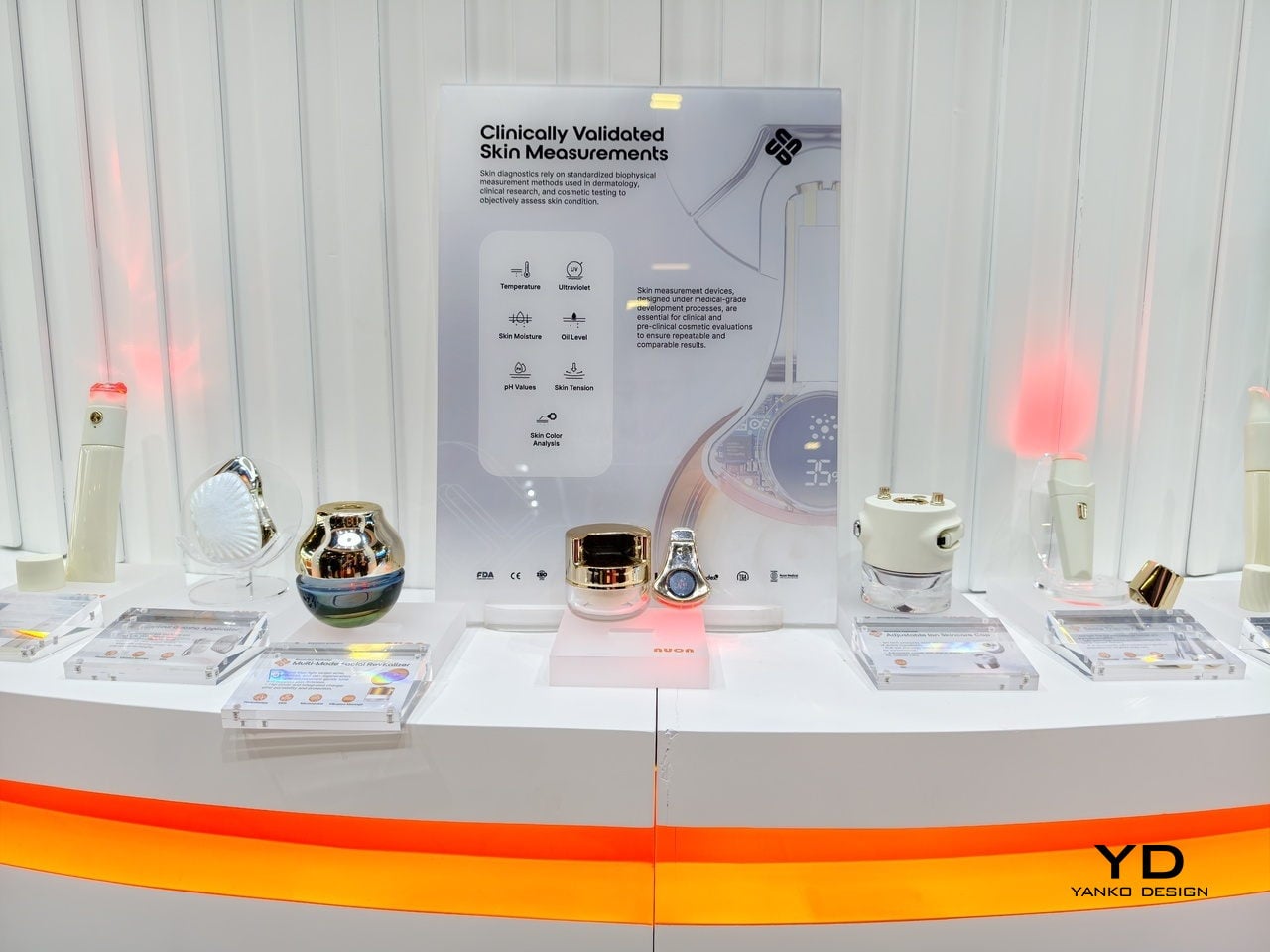
Nuon Medical: Why the Future of Skincare Isn’t Another Serum

The beauty industry has spent decades perfecting what goes inside the bottle. Formulas have become more sophisticated, actives more potent, ingredient lists more transparent. Yet the objects that deliver those formulas have stayed mostly the same. Glass jars, plastic tubes, pump bottles, they’re passive containers designed to hold product, not enhance it. Meanwhile, beauty gadgets promised professional results at home but ended up in drawers, forgotten.

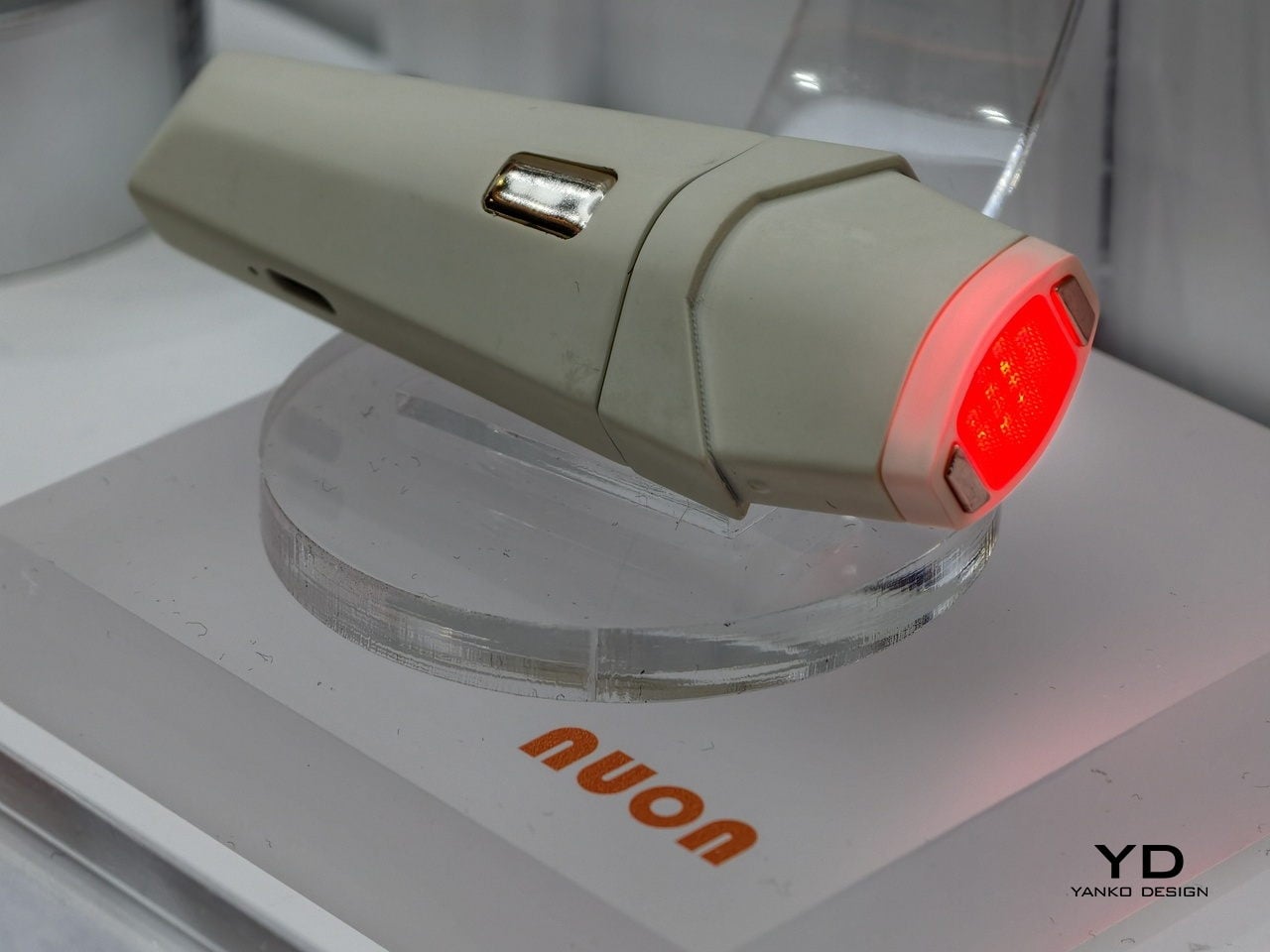
The real opportunity isn’t another breakthrough ingredient or another device. It’s that split second where formula actually meets skin. That’s the insight behind Nuon Medical, a company founded by Alain Dijkstra with roots in medical devices rather than traditional cosmetics. While everyone else obsessed over formulas, Nuon started looking at the packaging itself. We interview Senior Consultant Benny Calderone to get deeper insights into the company’s origins and perspectives.

Designer: Nuon Medical

From Chemical to Physical Innovation

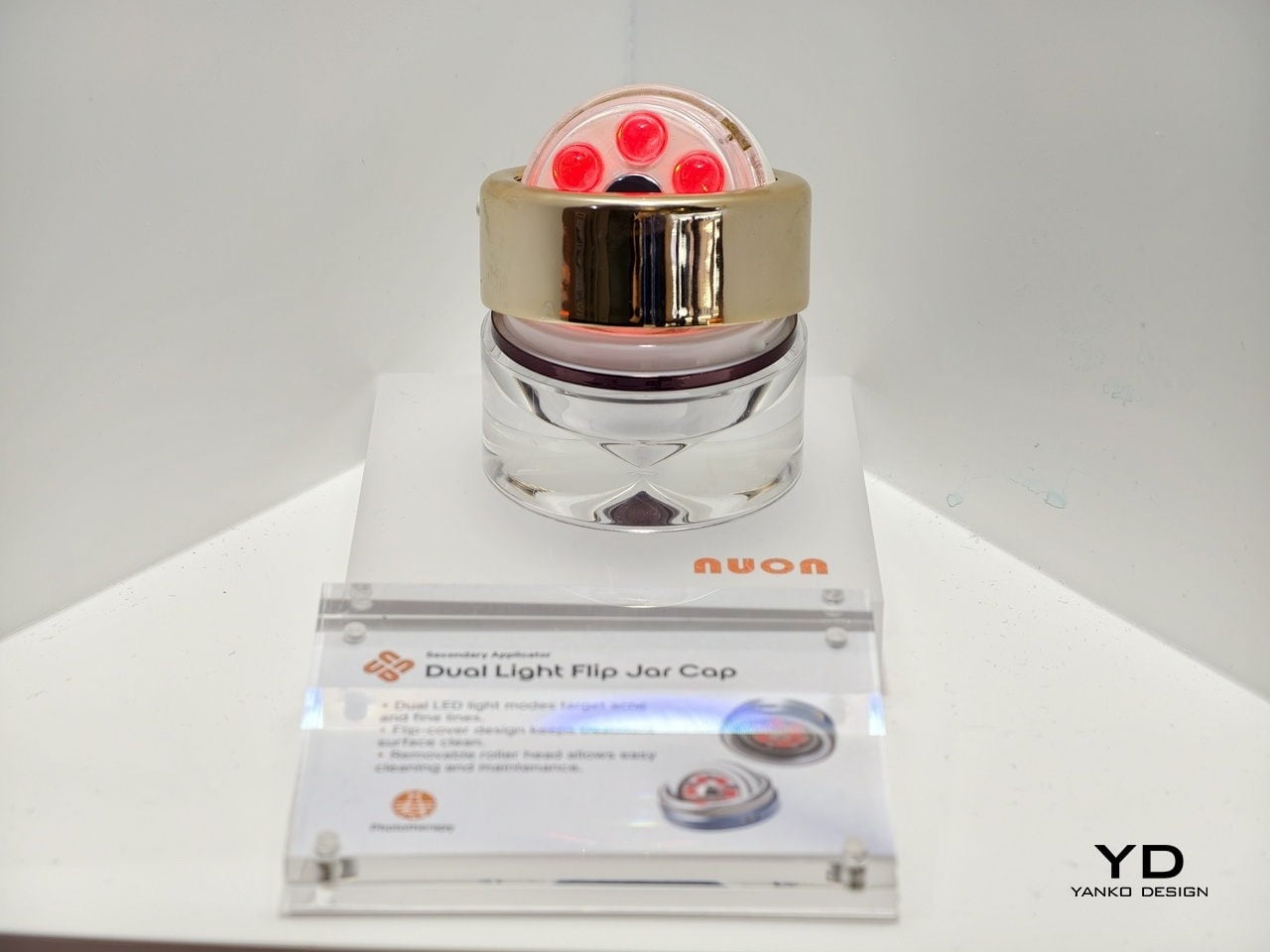
According to Nuon Medical, “For decades, the beauty industry focused on ‘Chemical Innovation’—the juice inside the bottle. Nuon is pioneering the era of ‘Physical Innovation.’ In short: we are solving the ‘Last Inch’ of skincare.” It’s a shift that treats packaging as a performance-critical interface, one that determines whether those actives reach their biological targets or just sit on your skin doing nothing.

Nuon’s journey started with standalone light therapy devices used for hair growth and wrinkle reduction. After nearly two decades making those tools, founder Alain Dijkstra noticed they had a retention problem. They added steps to already crowded routines and mostly ended up unused. For clinical tech to work at scale, it had to disappear into something people already do every day.

By embedding tech into packaging, Nuon eliminated the compliance gap. “We realized that for clinical tech to scale, it must be invisible. By turning the packaging itself into the ‘treatment engine,’ we eliminate the compliance gap.” You’re not being asked to do something new. You’re just upgrading what you already do. From a business angle, this transforms a throwaway bottle into something worth keeping.

Frictionless Intelligence at the Point of Contact

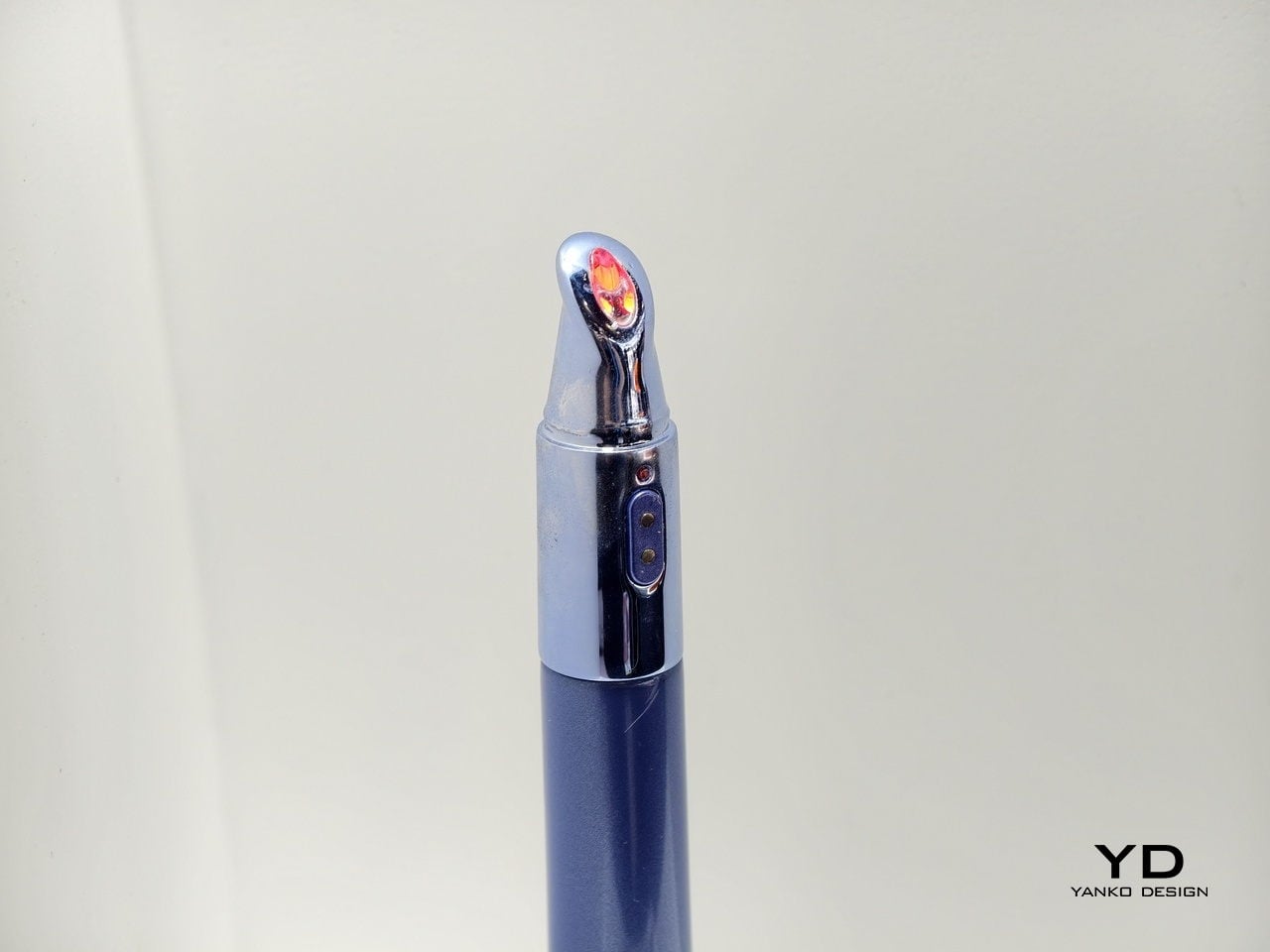
Nuon doesn’t start with sketches or aesthetics. They start with human-factor engineering, figuring out how an applicator should guide contact, path, and speed to deliver the formula correctly every time. The result is what they call frictionless intelligence. “We design for ‘frictionless intelligence.’ If a user has to read a manual, the design has failed,” the company states.

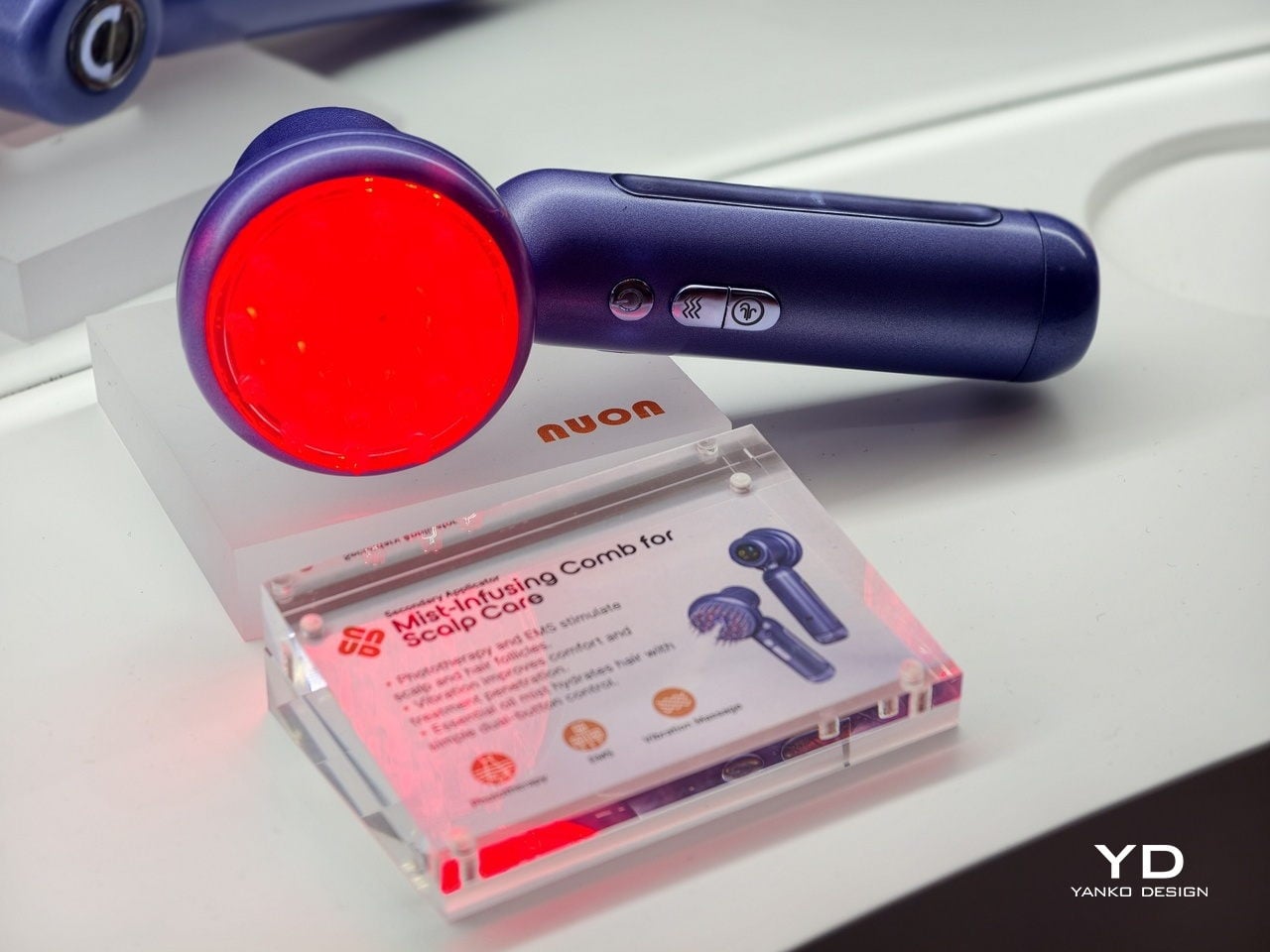
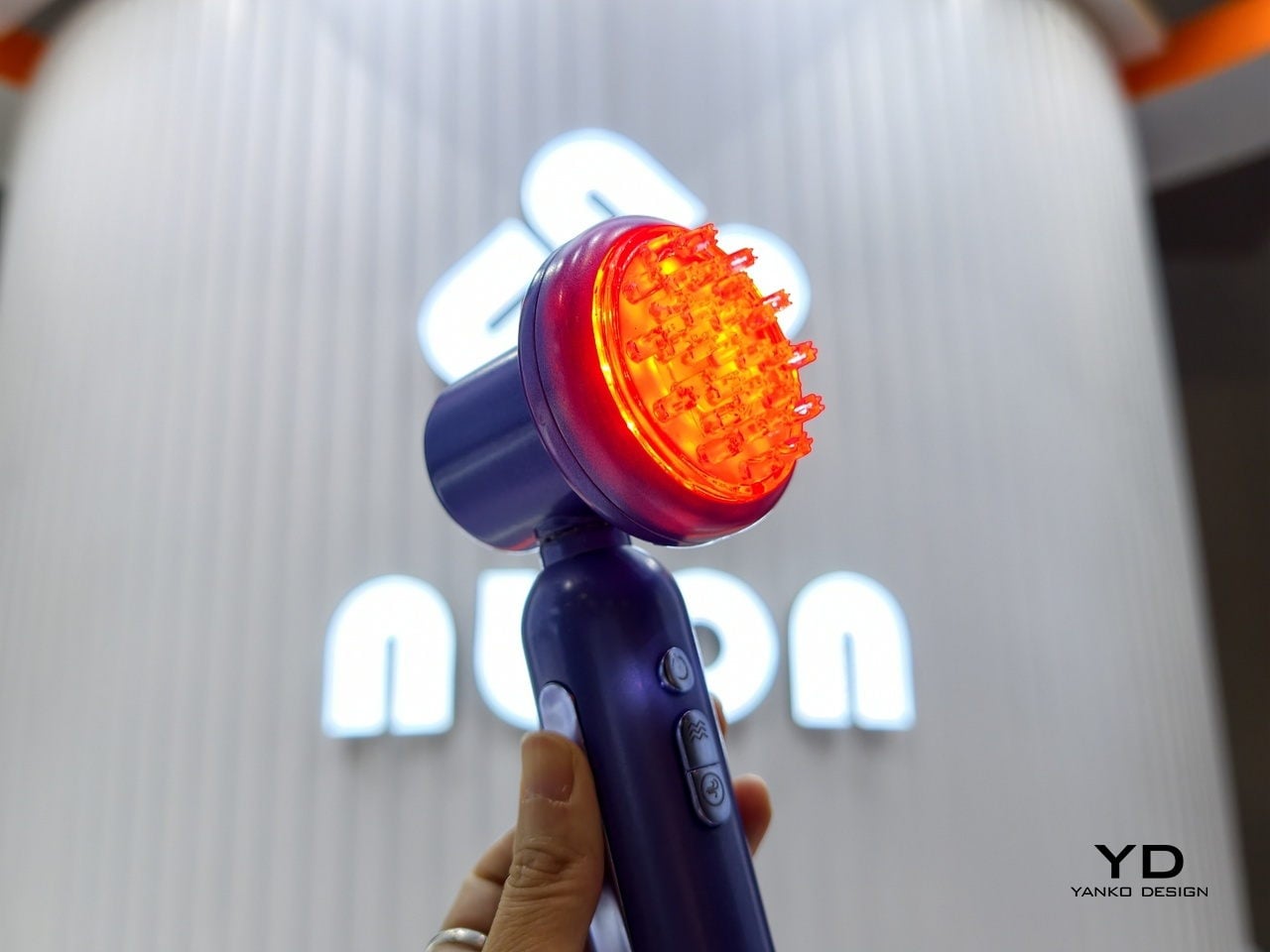
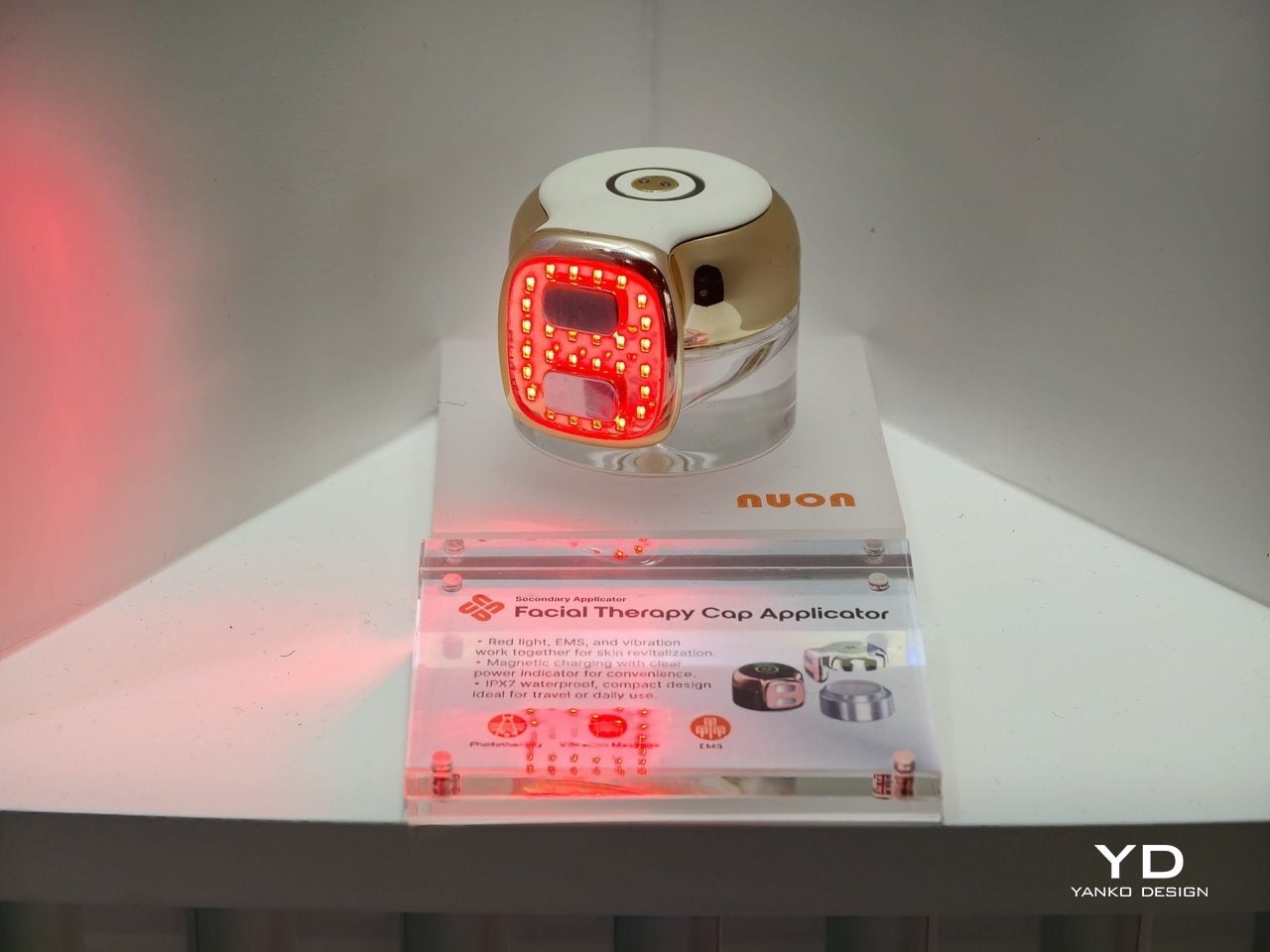
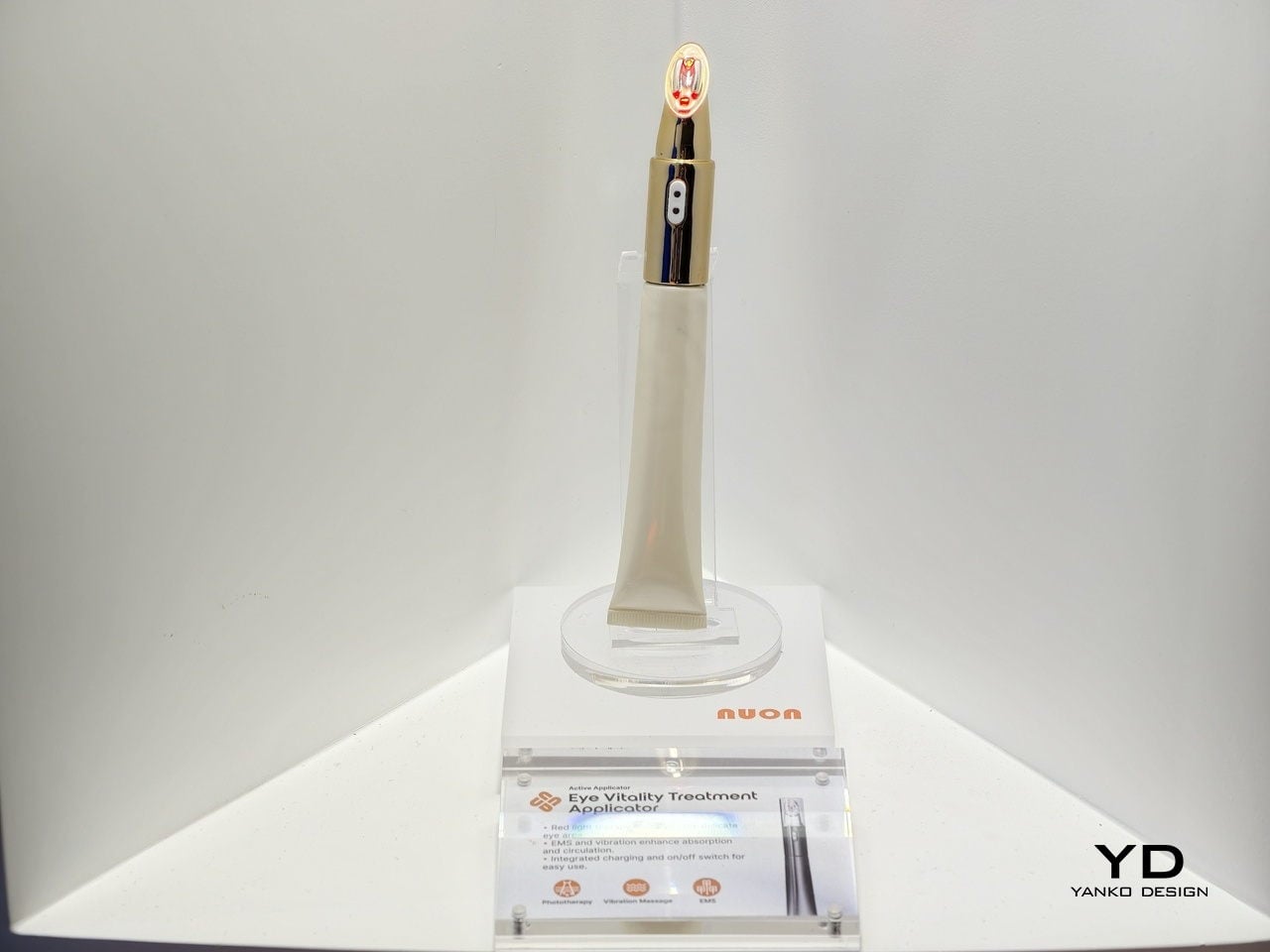
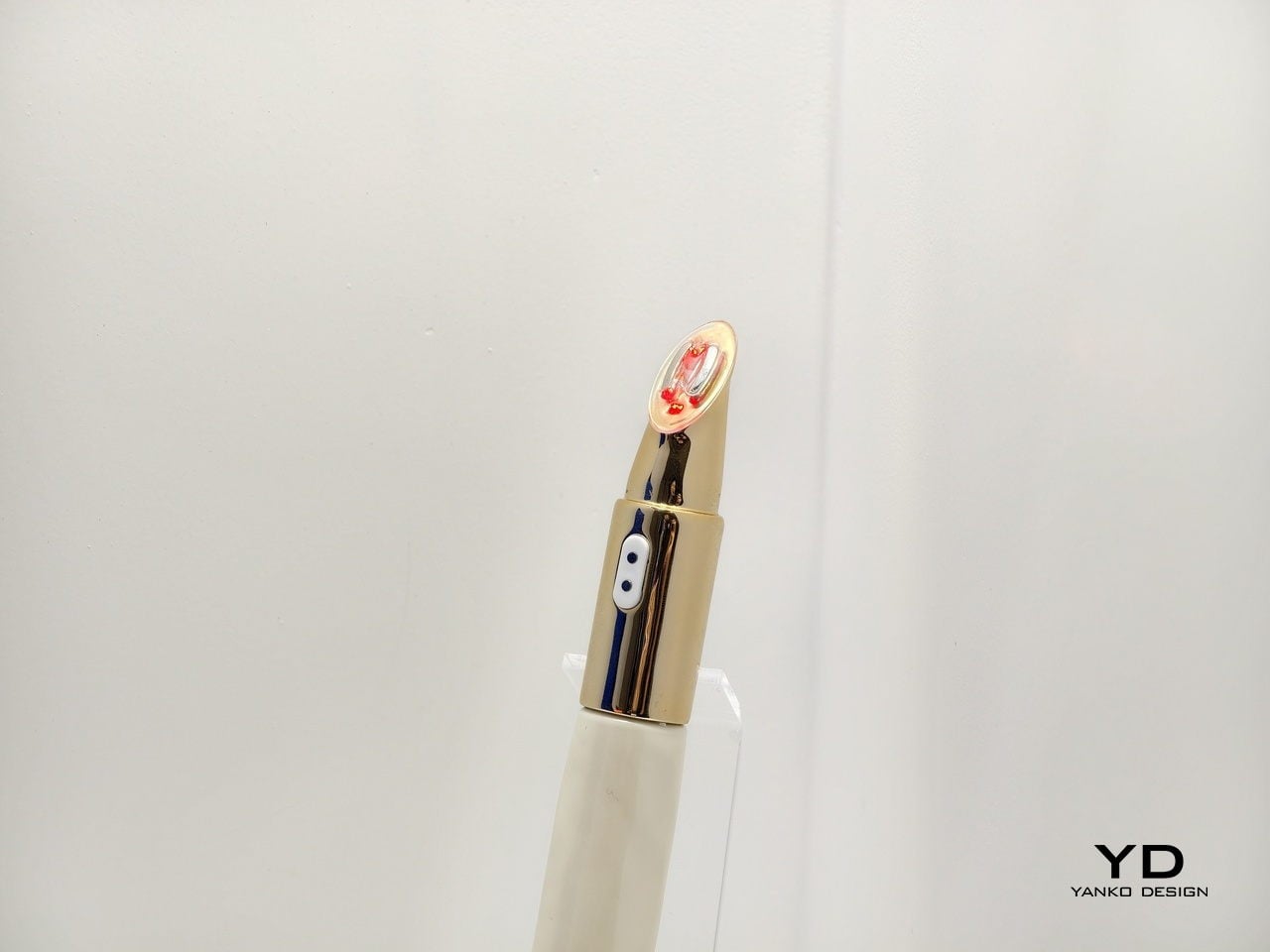
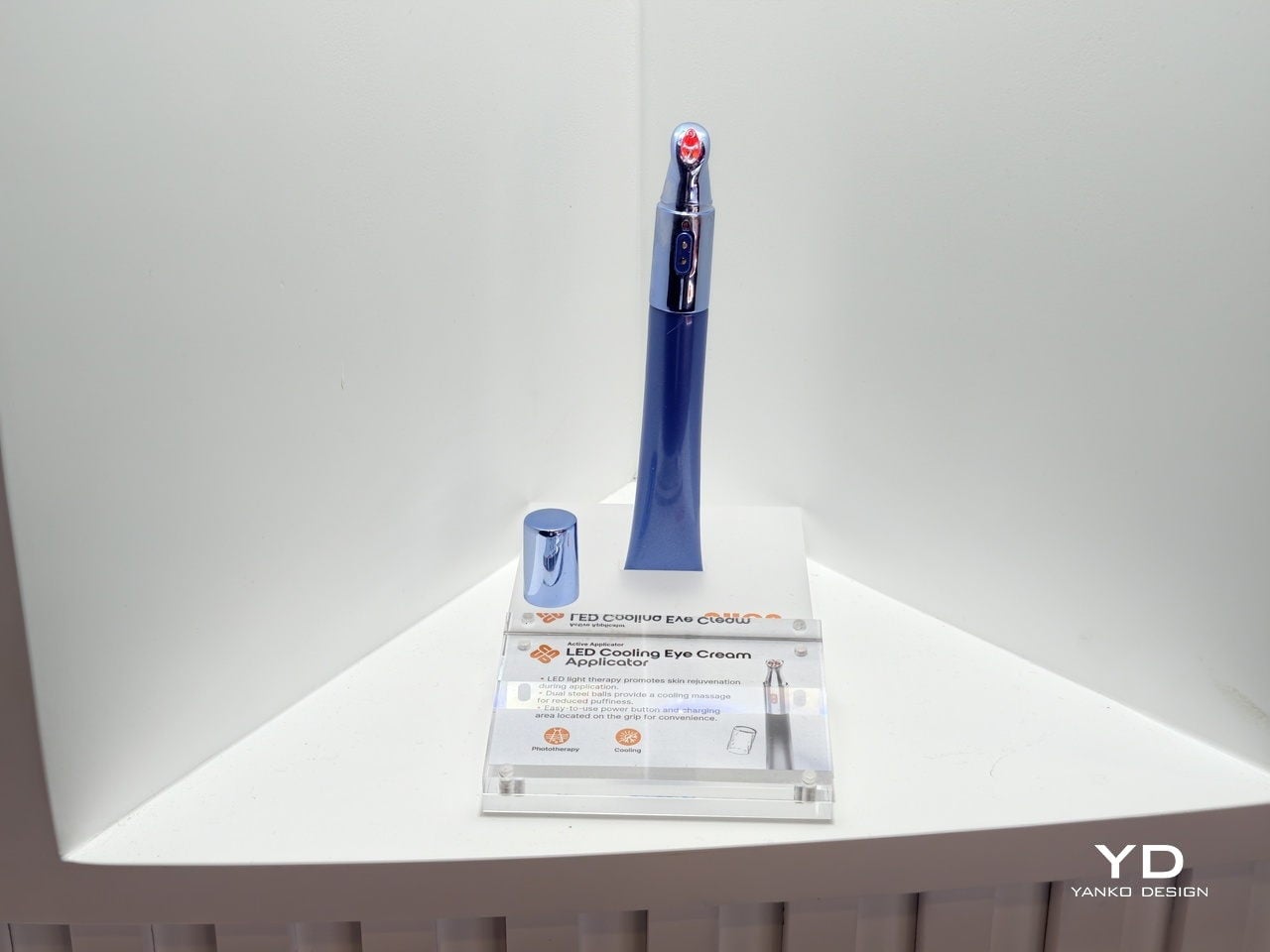
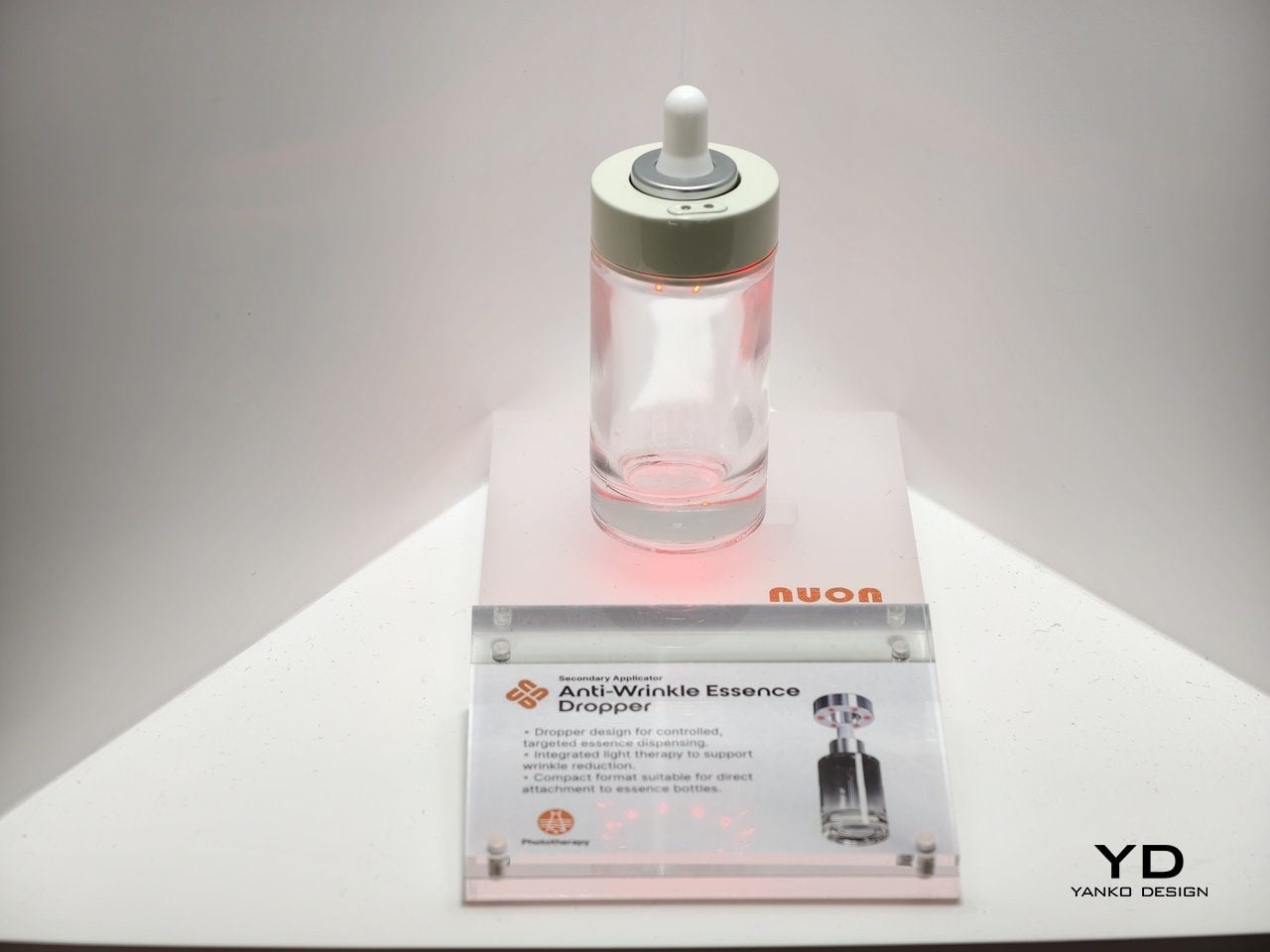
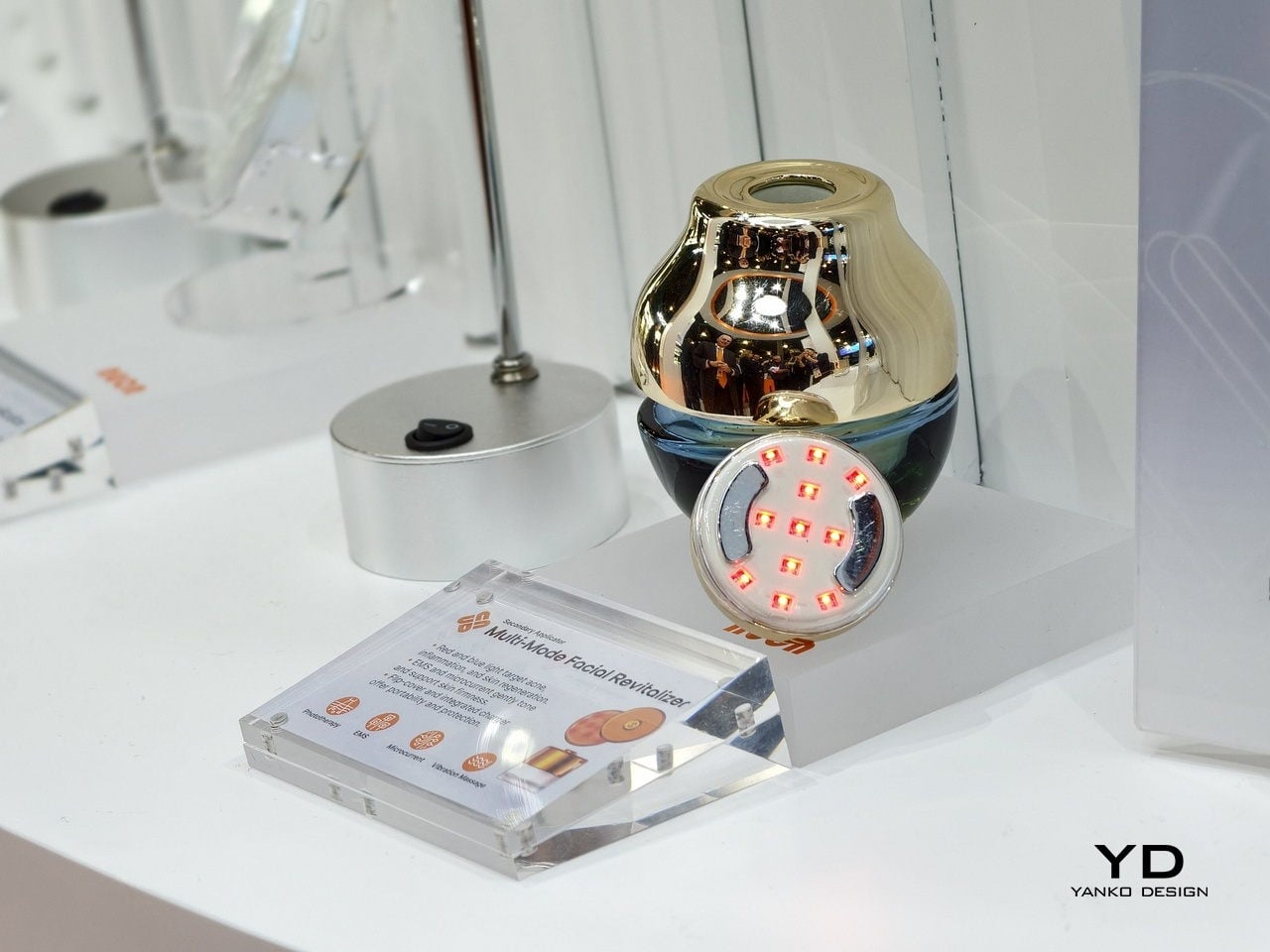
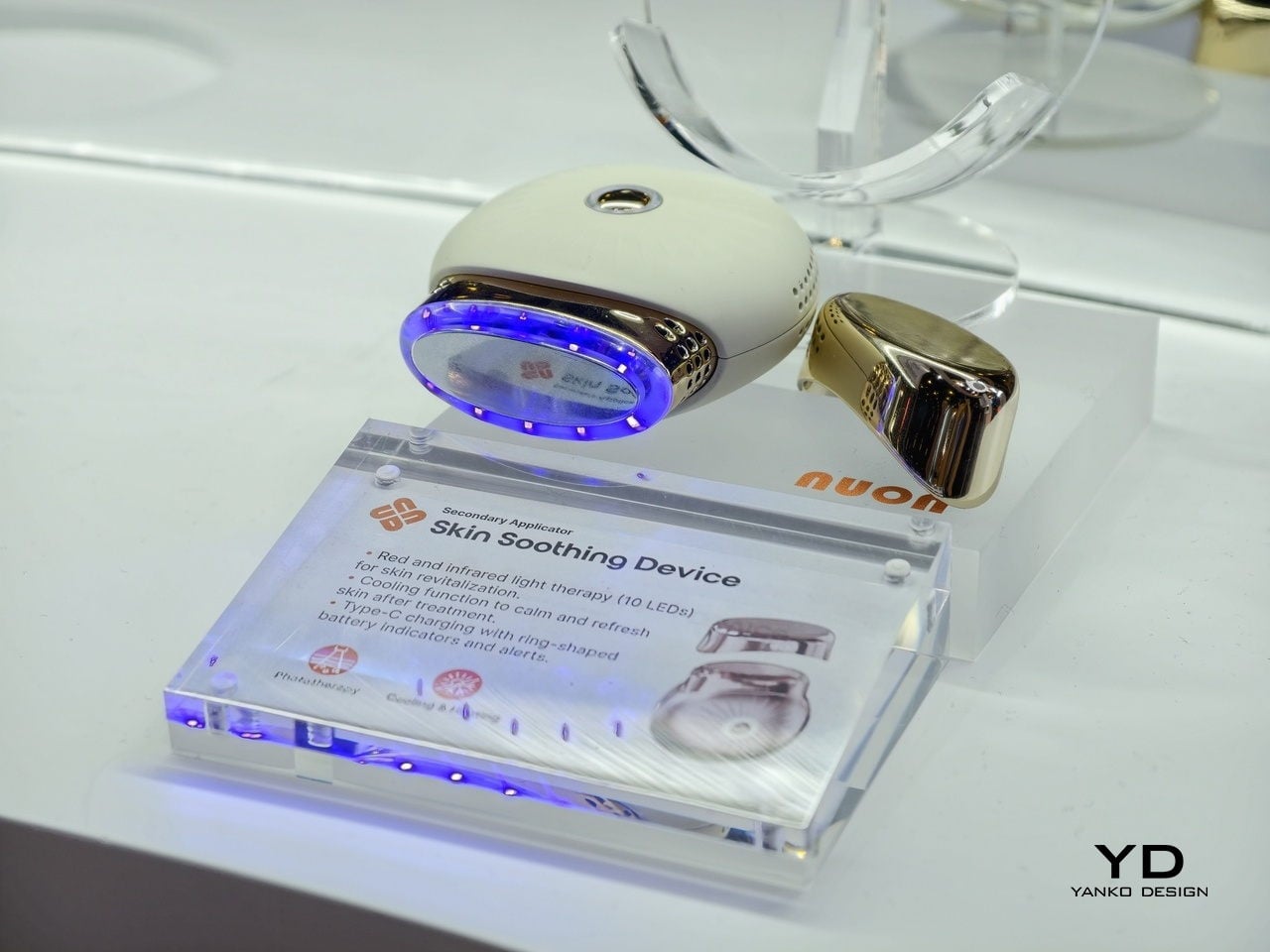
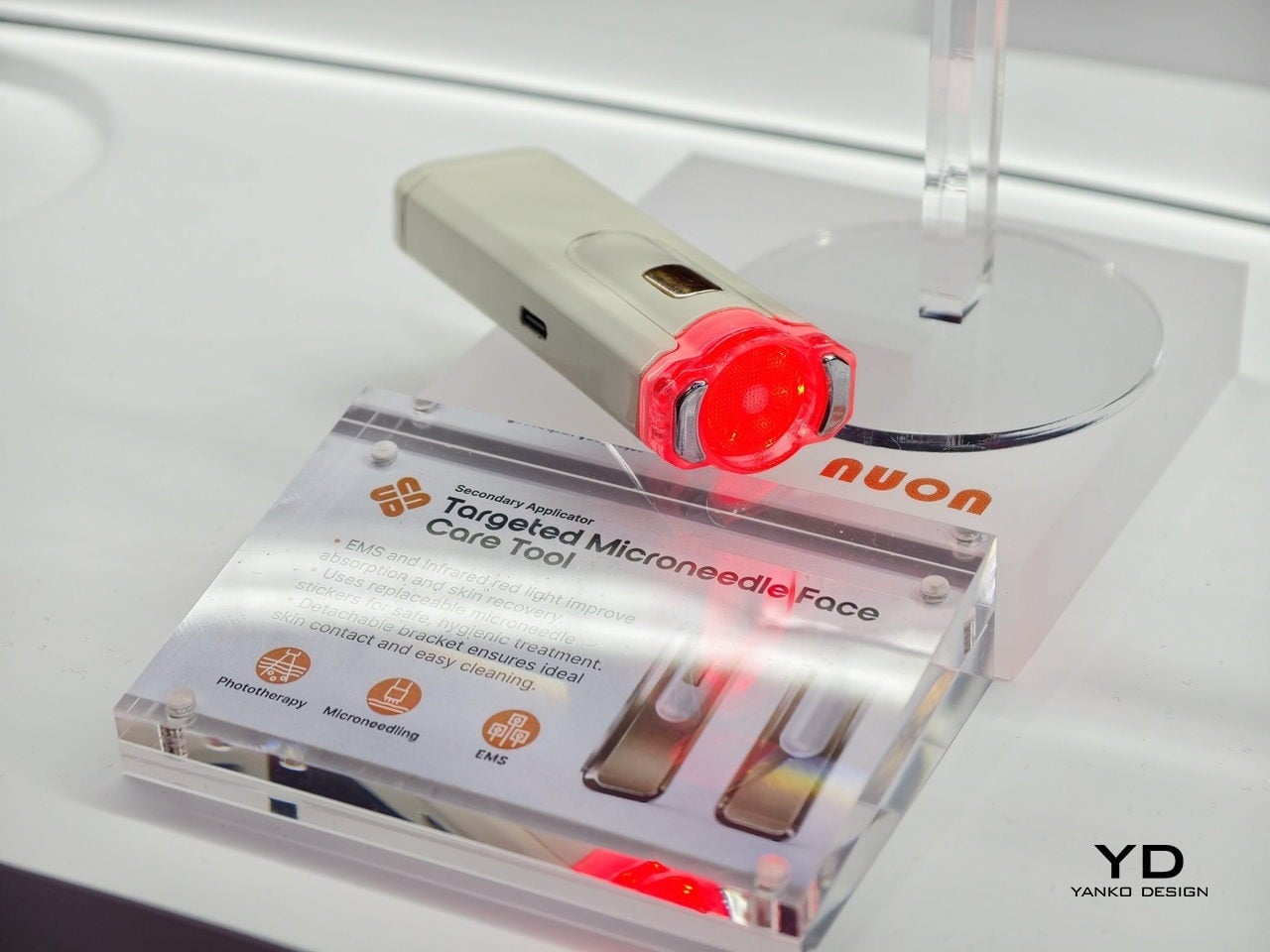
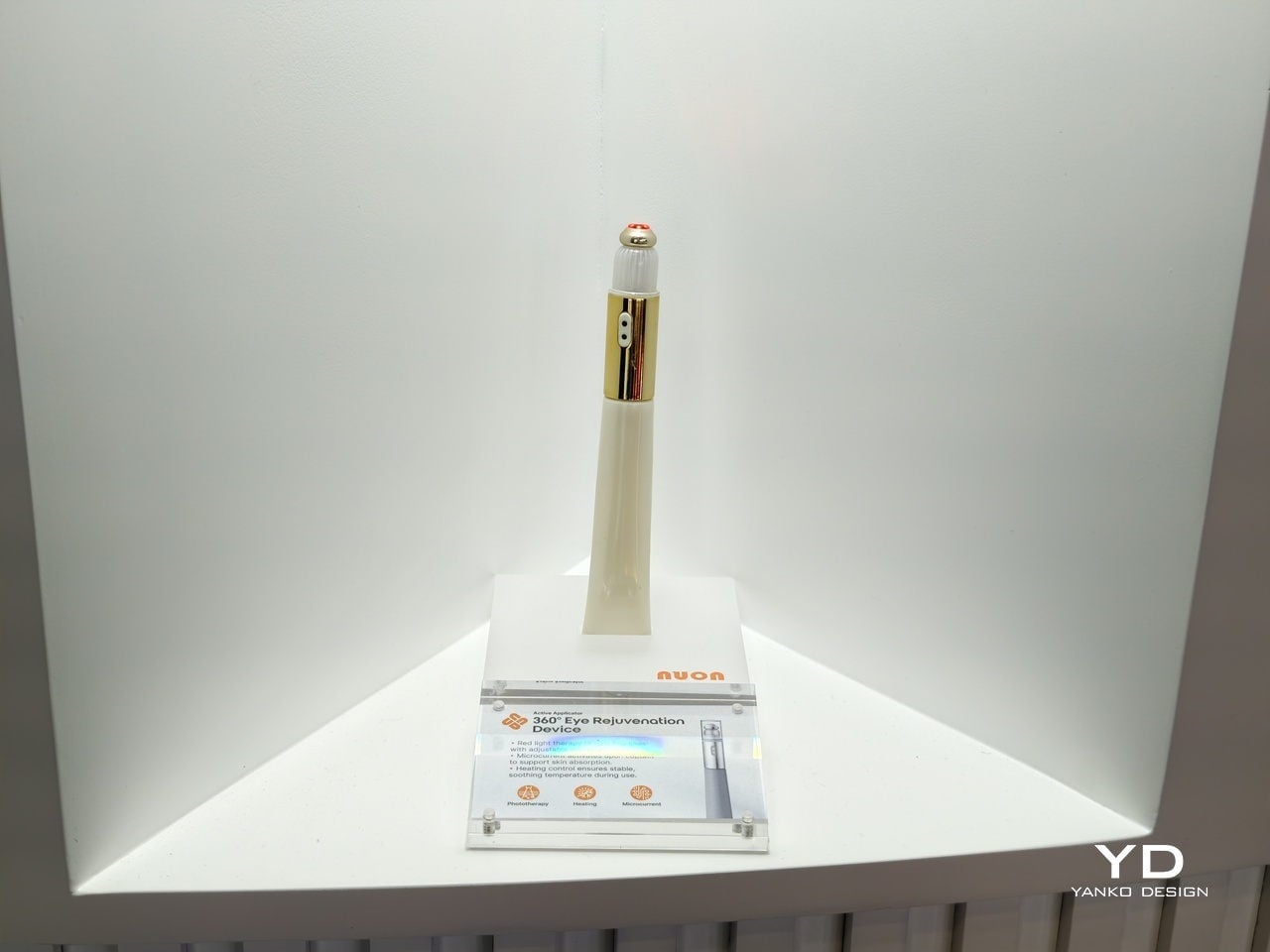
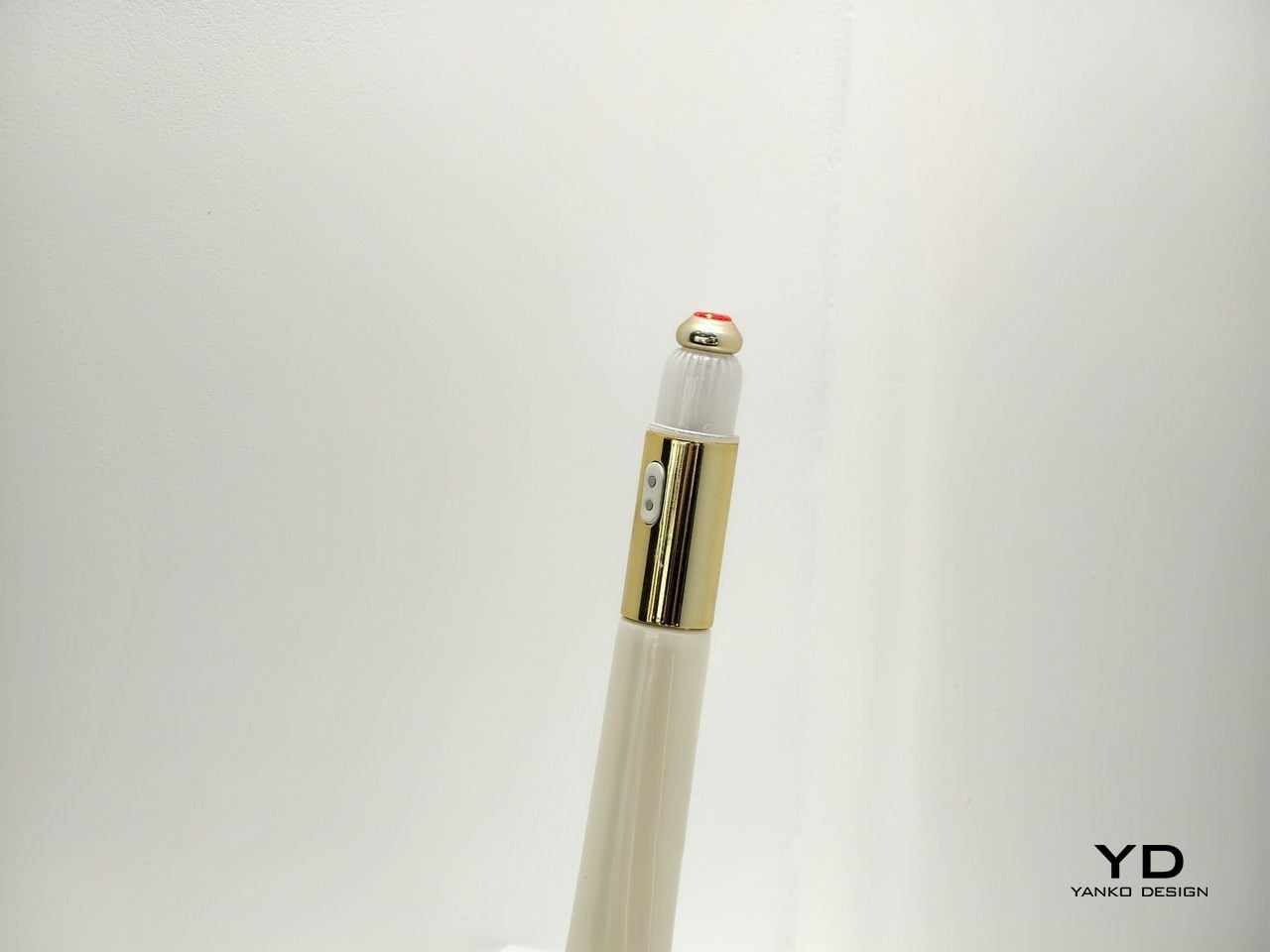
Intelligence gets built into the haptics, the ergonomics, the physical interaction logic itself. The tool quietly guides your motion without you realizing it. The applicator steers where you press, how fast you move, the path you follow, all without instructions. Light therapy, microcurrent, thermal elements, vibration, they’re woven into the interaction, supporting the formula instead of distracting from it.

There’s a tricky balance here. Clinical devices can feel intimidating. Beauty objects need to feel inviting, something you want to pick up every morning. Nuon often prioritizes consistency over intensity. “A tool used daily with proper motion and interaction is far more effective than a high-intensity device left in a drawer,” they note. A lower setting used correctly beats a powerful tool that stays in the drawer.

The Hidden Operating System of Beauty

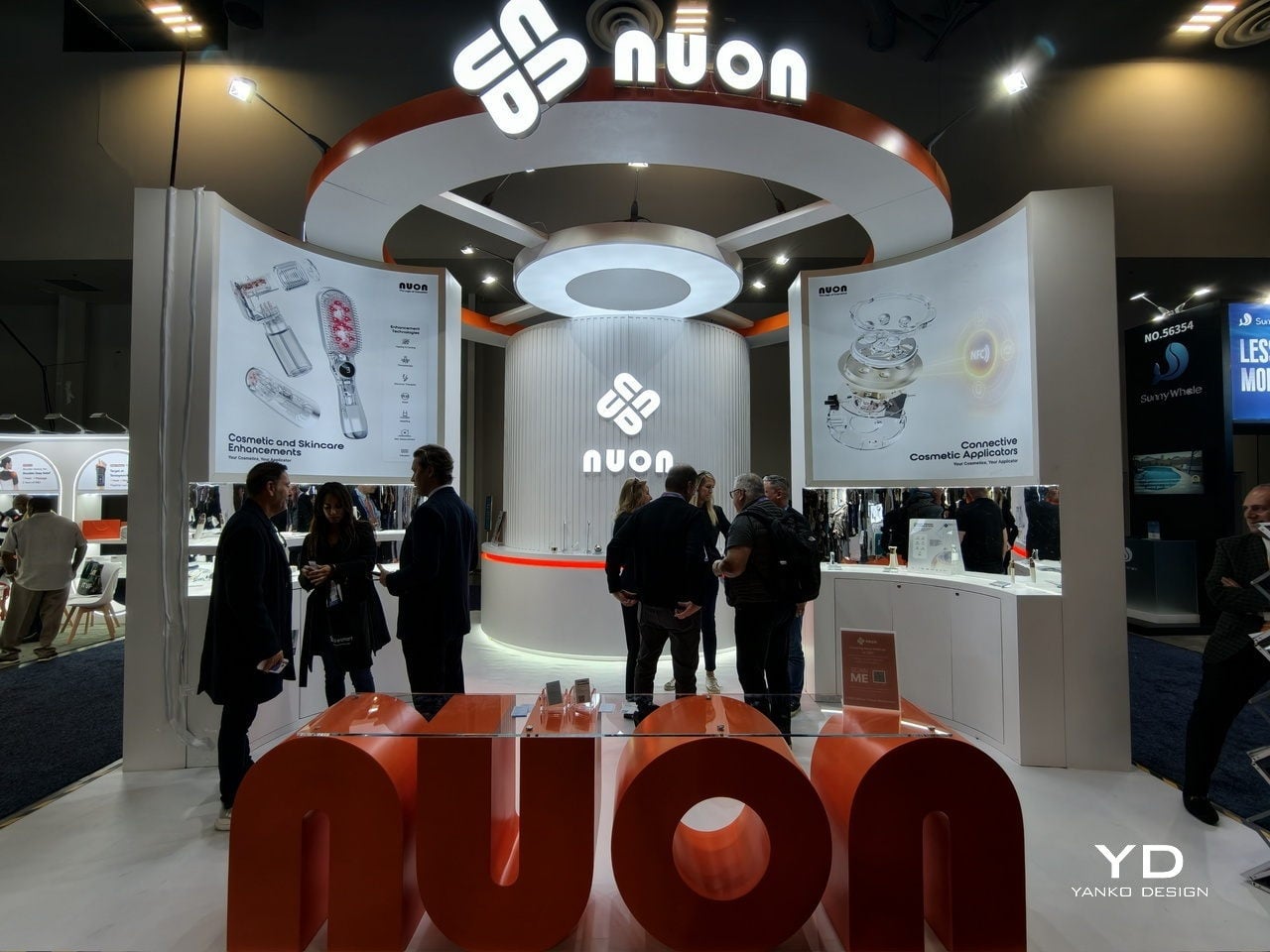
Nuon isn’t a consumer brand. They’re a B2B partner working behind the scenes with global beauty companies. Their modular tech stack works like an operating system, offering a validated foundation that brands dress up with their own materials. Luxury labels use glass and heavy metals. Mass brands use lighter plastics. The intelligence underneath stays the same.

“Nuon is the ‘Innovation Engine’ behind the world’s leading brands. Our philosophy lives in the UX Framework, not the visual skin,” Calderone explains. Brands can apply their aesthetic identity without messing with the validated technology underneath. “We provide the ‘Intelligence’; they provide the ‘Identity,'” he adds. It’s systems thinking applied to beauty packaging.

Data, Sustainability, and the Death of the Dumb Bottle

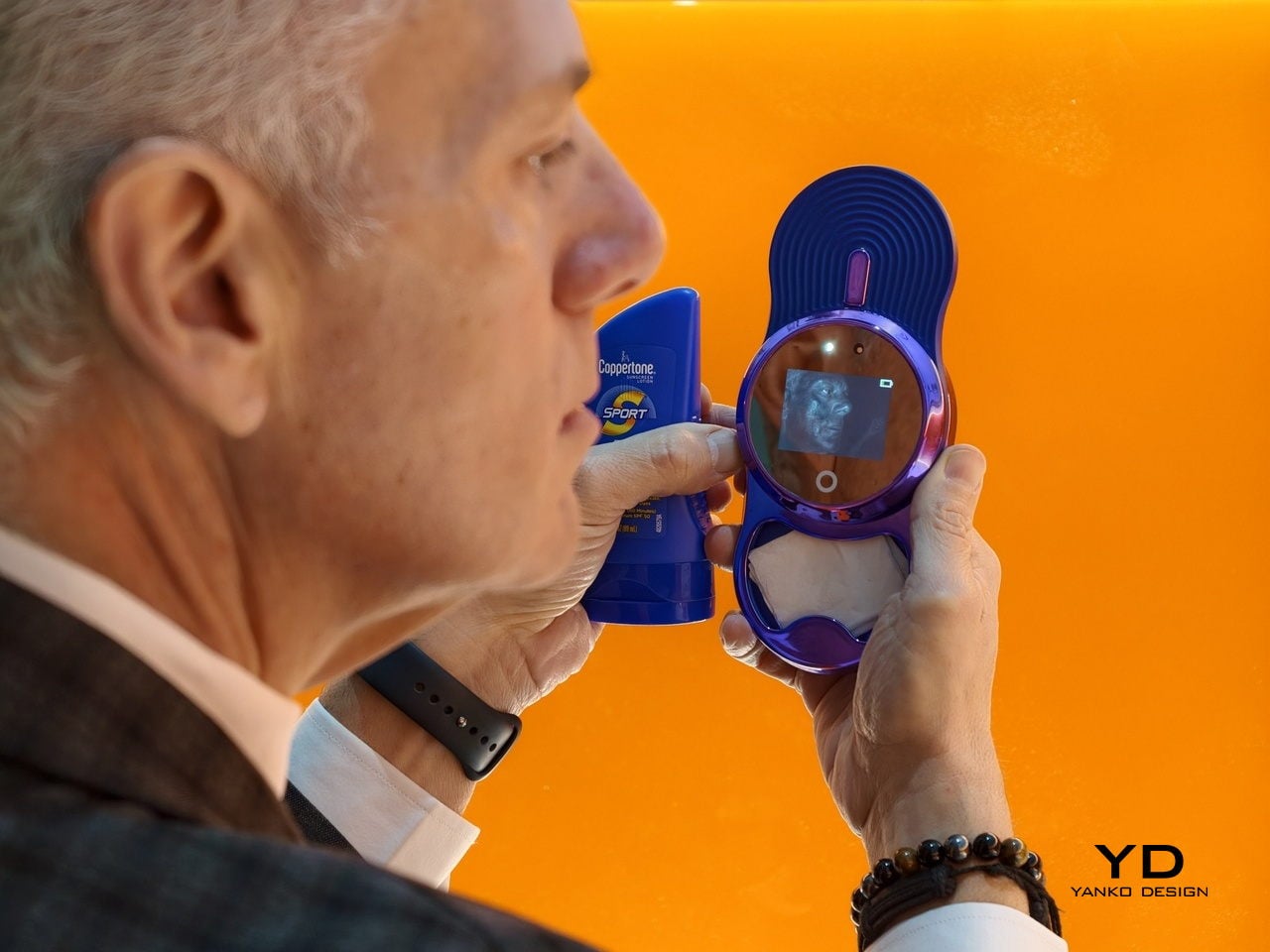
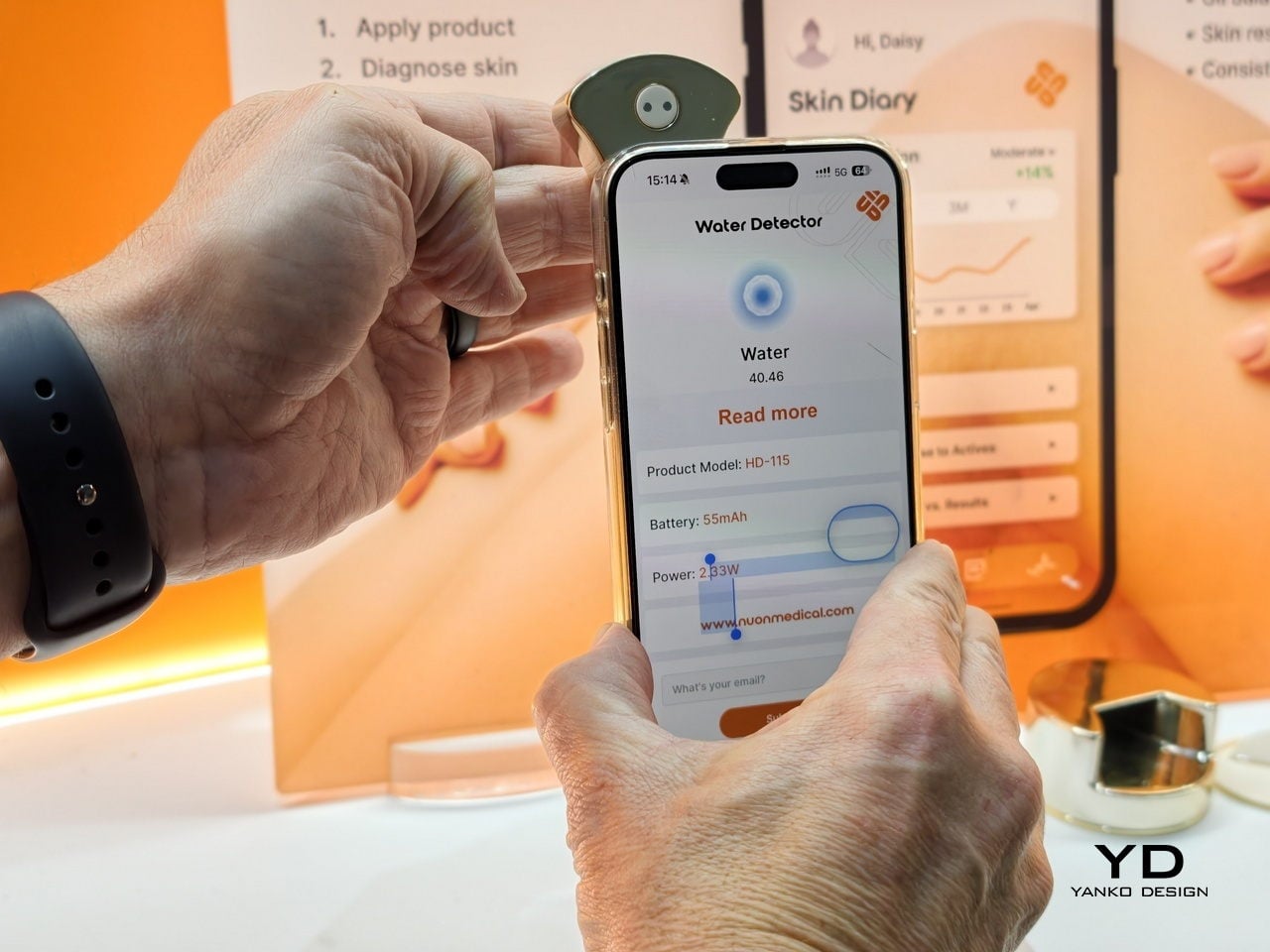
Once packaging gets smarter, it starts collecting data. Nuon’s applicators can measure skin hydration, texture, UV exposure, and more. But the company is deliberate about how that information gets used. “Data should be a concierge, not a surveillance tool,” according to their philosophy. Diagnostics should inform care, not flood you with vanity metrics. Nuon provides privacy-by-design infrastructure where consumers stay in control.

Then there’s sustainability, where Nuon takes a blunt stance. “Sustainability only scales if it improves the user experience. ‘Green theater’ is asking consumers to settle for less; True sustainability is ‘Assetization,'” the company states. They design the high-tech applicator as something durable that you want to keep. The formula becomes a refill that plugs into that base, separating Durable Intelligence from the Circular Consumable.

It’s not sustainability through guilt. It’s sustainable because the design makes refills the logical choice. You’ve invested in the smart hardware, so of course you’re going to buy the refill. Nuon’s vision is bold. “We are witnessing the death of the ‘dumb bottle.’ In a decade, a passive plastic cap will feel as obsolete as a rotary phone.”

Packaging will become responsive tools that sense conditions and guide your hand in one motion. “Scalp and hair care is the next great ‘blue ocean.’ It’s a category where wellness meets clinical results, and users can immediately feel the benefits of microcirculation and stimulation,” Nuon notes. The broader idea is that everyday objects on bathroom shelves are about to become quietly intelligent without looking like sci-fi props.

Companies like Nuon are writing that next chapter from behind the scenes, proving that clinically meaningful technology doesn’t need to sacrifice what makes beauty objects appealing. It’s a shift from containers to interfaces, from passive to active. If Nuon’s right, we’ll look back at today’s plain bottles the way we look at rotary phones, functional once but hopelessly outdated now.

The post Nuon Medical: Why the Future of Skincare Isn’t Another Serum first appeared on Yanko Design.

Dell debuts world’s first 52-inch curved monitor to replace multimonitor setups

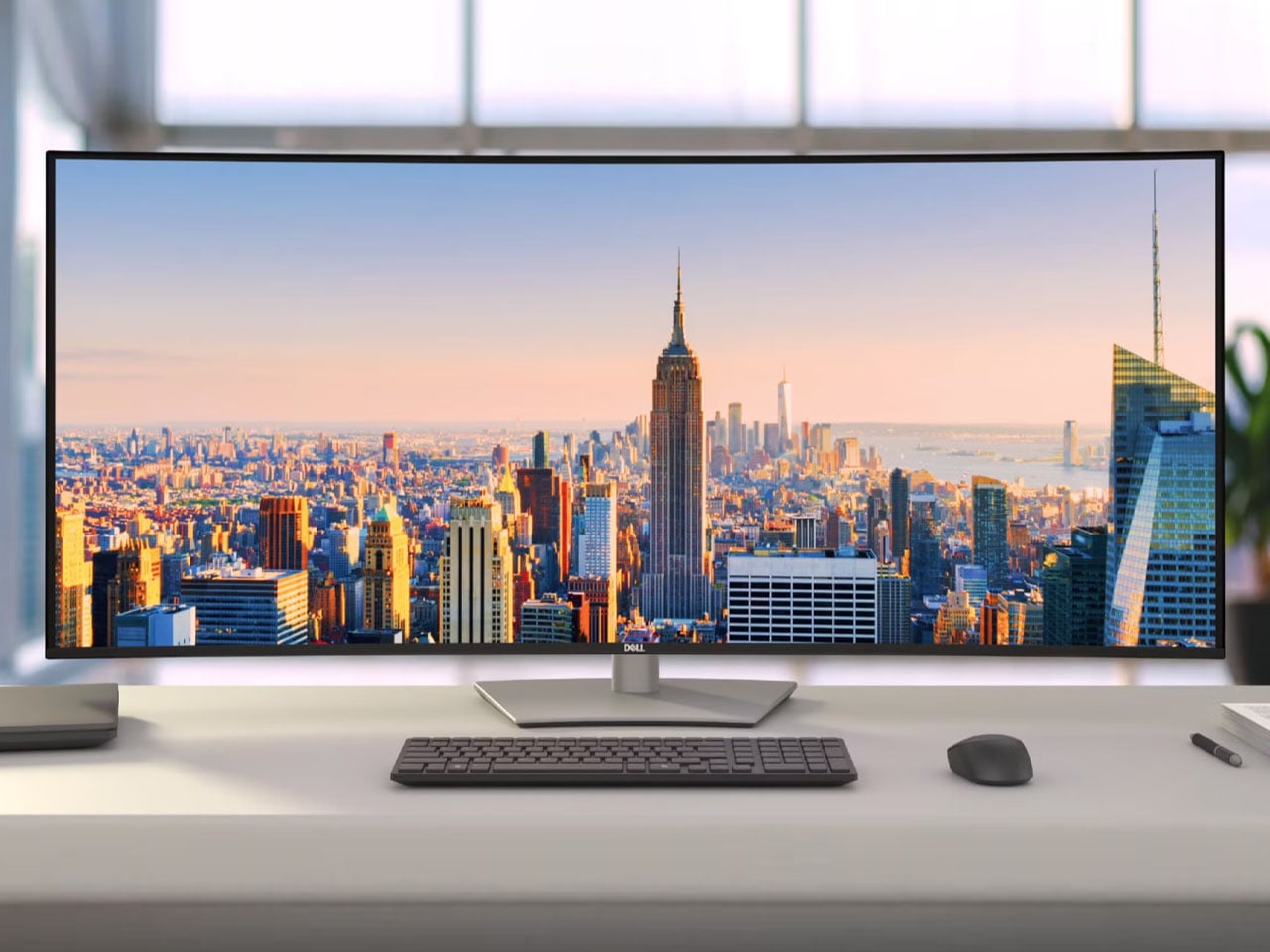
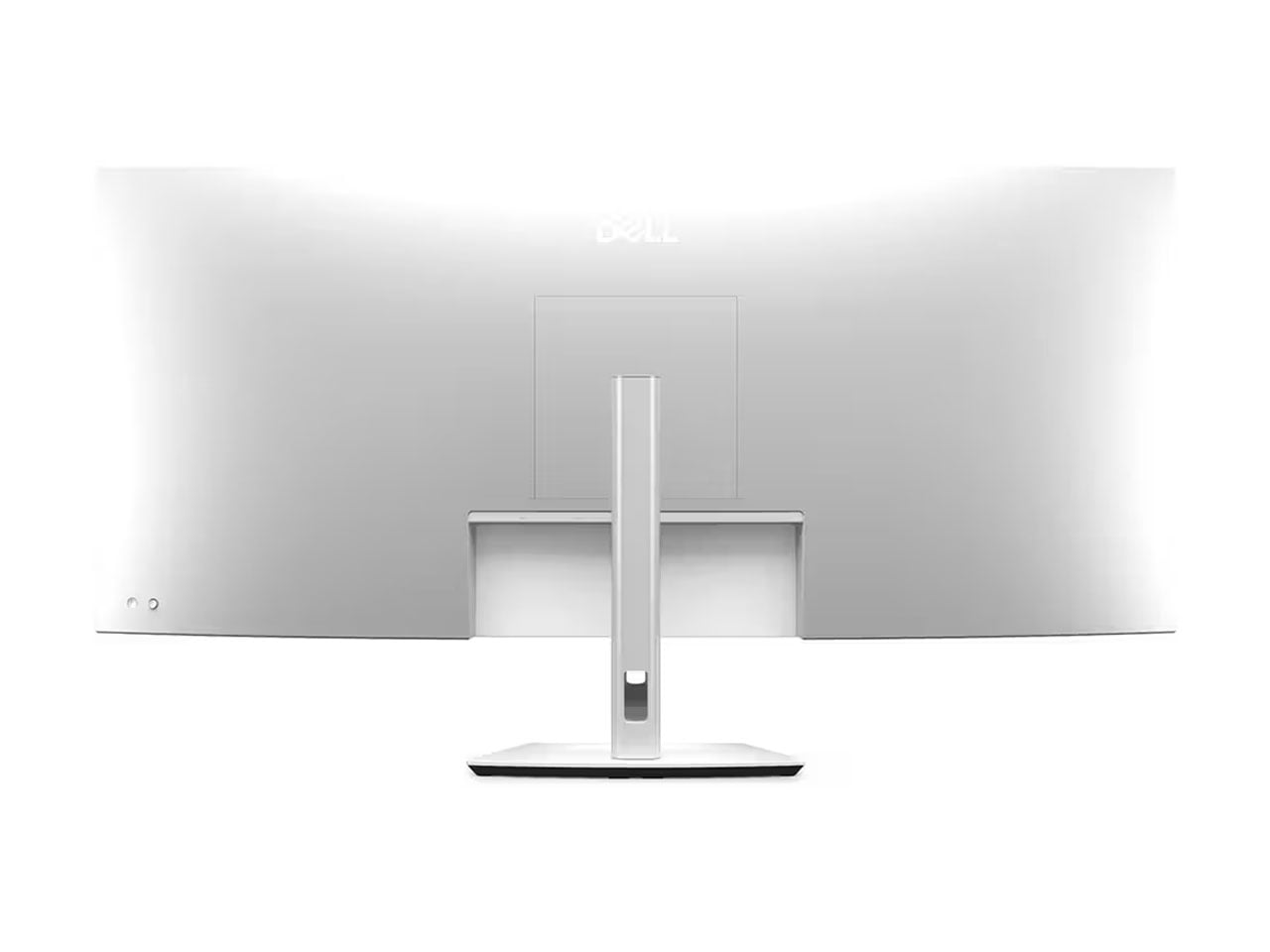
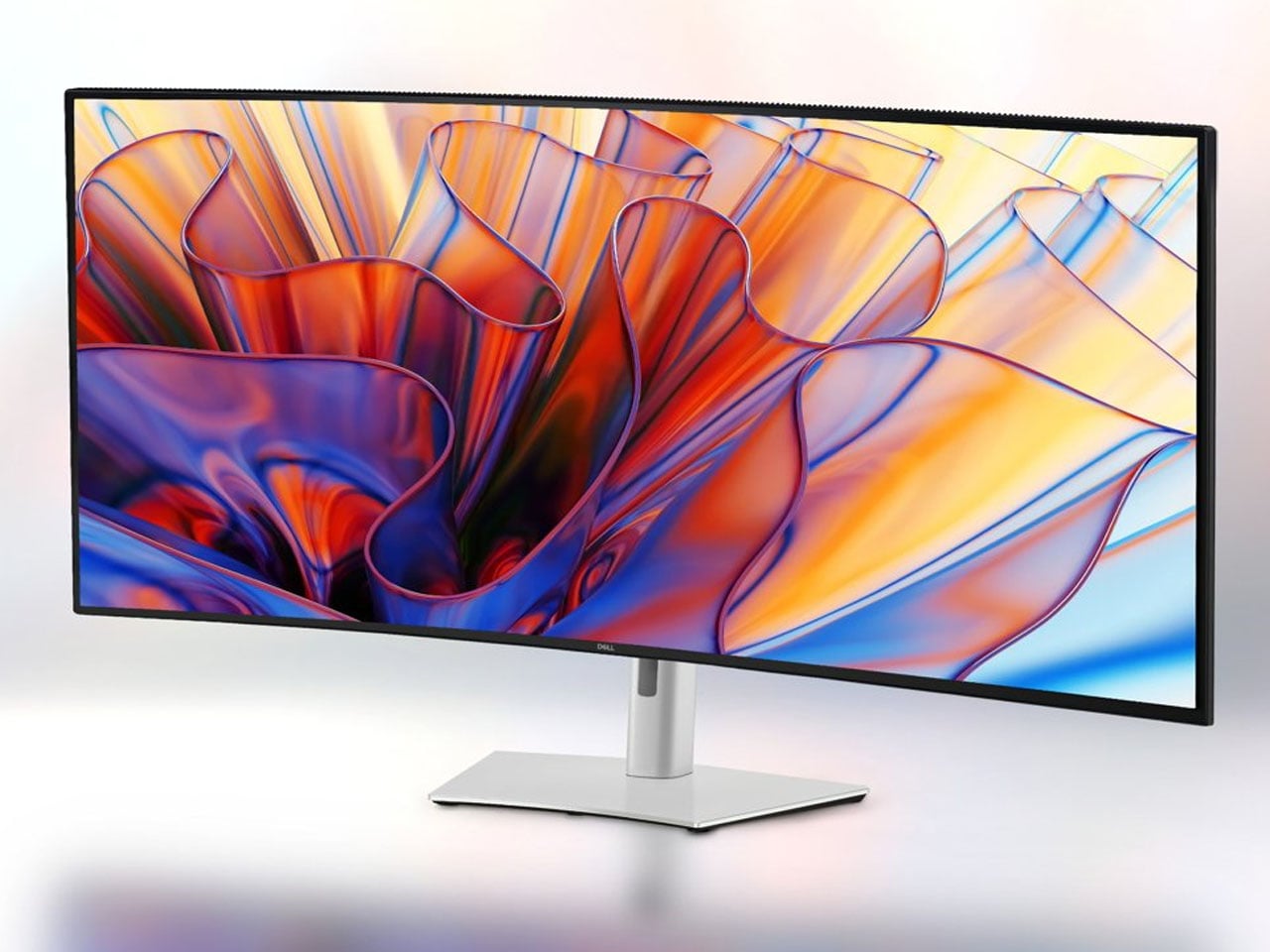
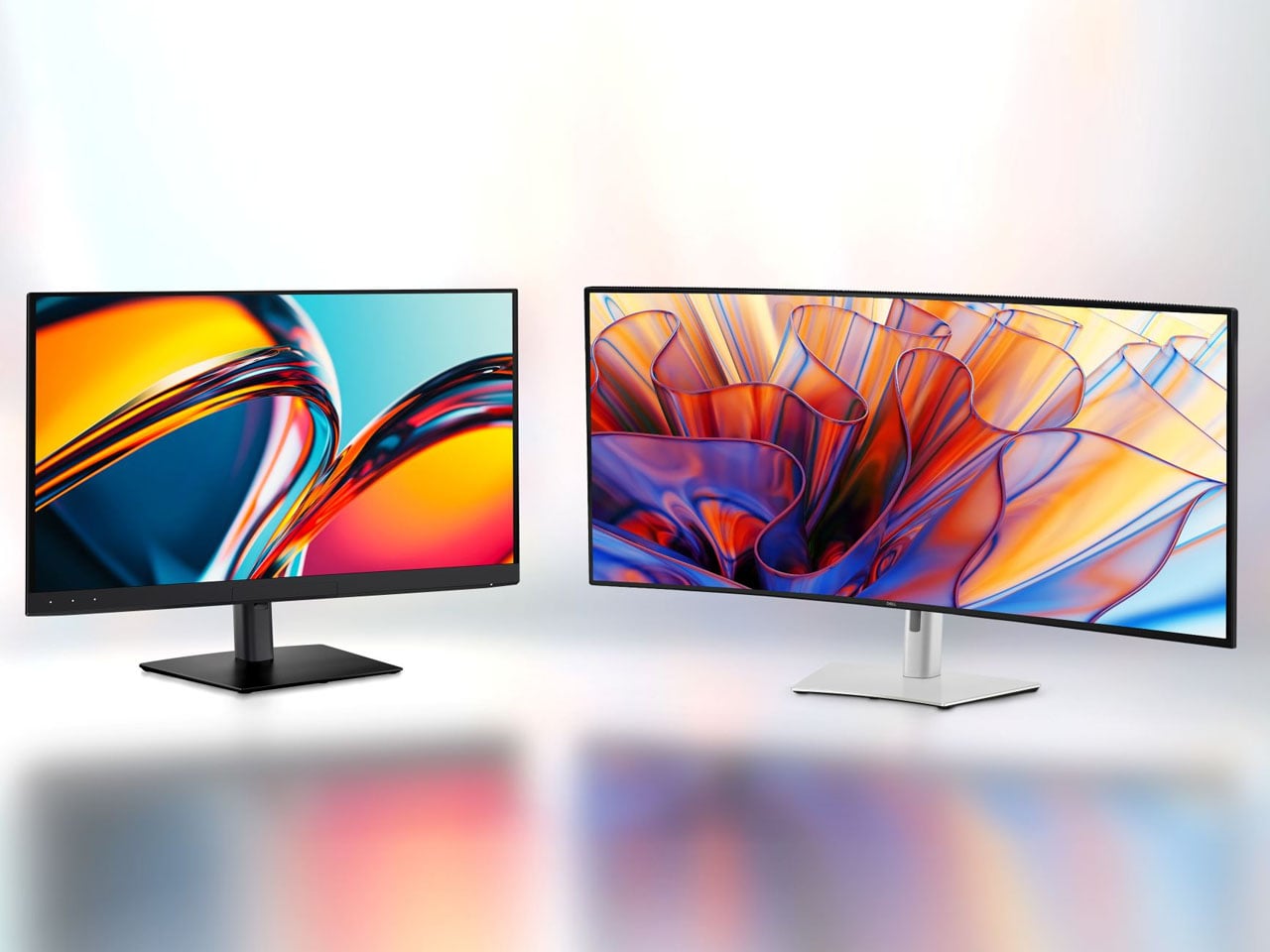
Multimonitor setups have taken over professional and creative spheres in a big way, boosting productivity like never before. Dell has upped the ante at CES 2026 with the world’s first 52-inch ultrawide curved monitor that’s designed for data professionals who demand maximum screen real estate. The 6K IPS Black display is your command center with connectivity options that’ll leave nothing to chance.

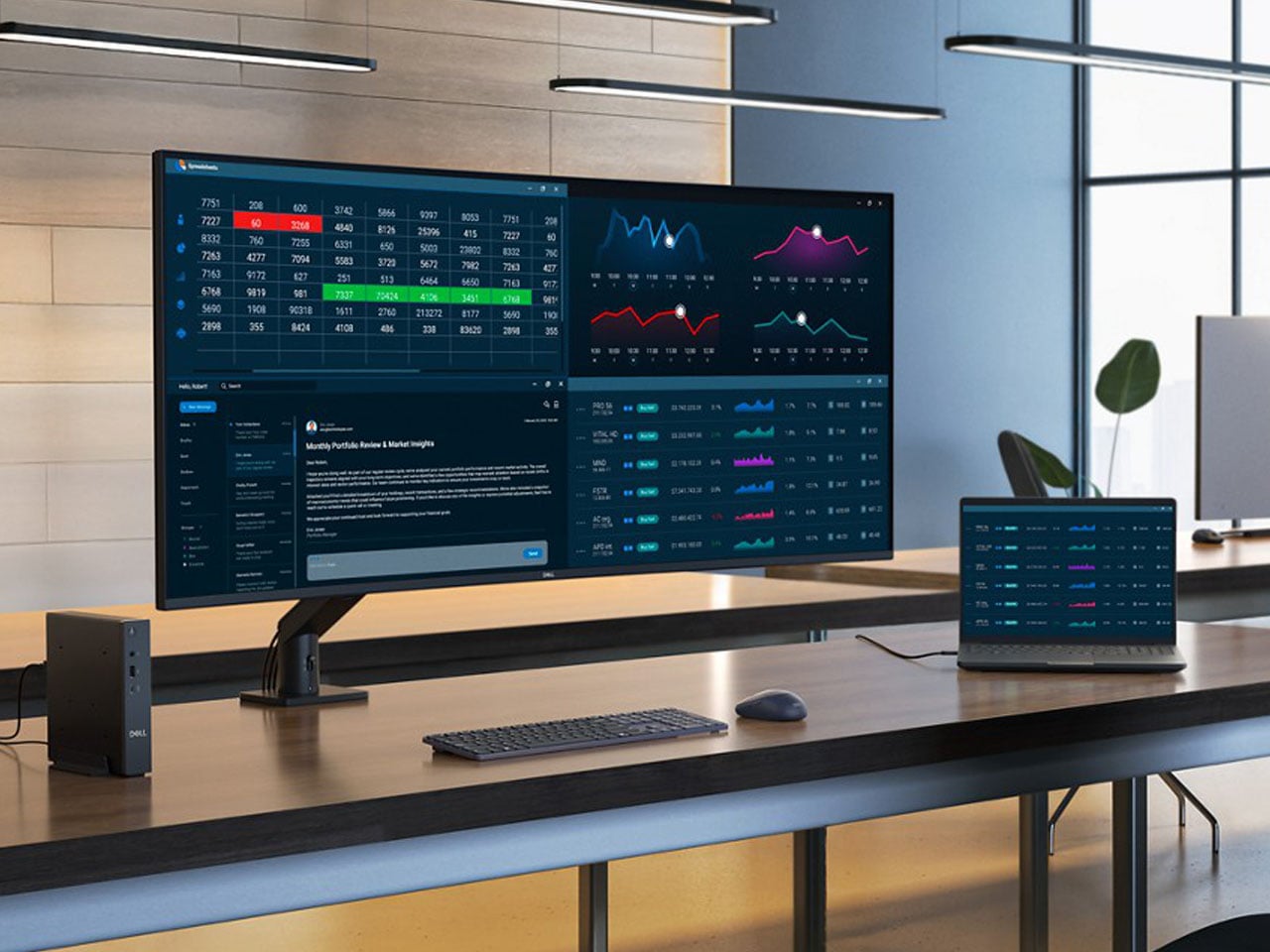
Dell UltraSharp 52 Thunderbolt Hub Monitor is essentially a combination of a 43-inch 4K display with two 27-inch QHD vertical monitors combined into one display. It eliminates the need for multiple monitor setups, the accompanying organizing hassles, and the wire clutter.

Designer: Dell

The numbers are crazy in every aspect with the 52-inch beast. It has an ultrawide aspect ratio of 21:9 compared to the 16:9 used on most monitors. 6,144 x 2,560 resolution (at 129 pixels per inch) and the 120 Hz refresh rate supporting variable refresh rate ensure it displays any kind of content with maximum precision. Gaming is theoretically possible on this, but you’ll need to match it with a beast of a PC. The IPS Black panel might not be as sharp as an OLED, still it delivers deeper blacks, a 2000:1 contrast ratio, and professional-grade color accuracy according to Dell.

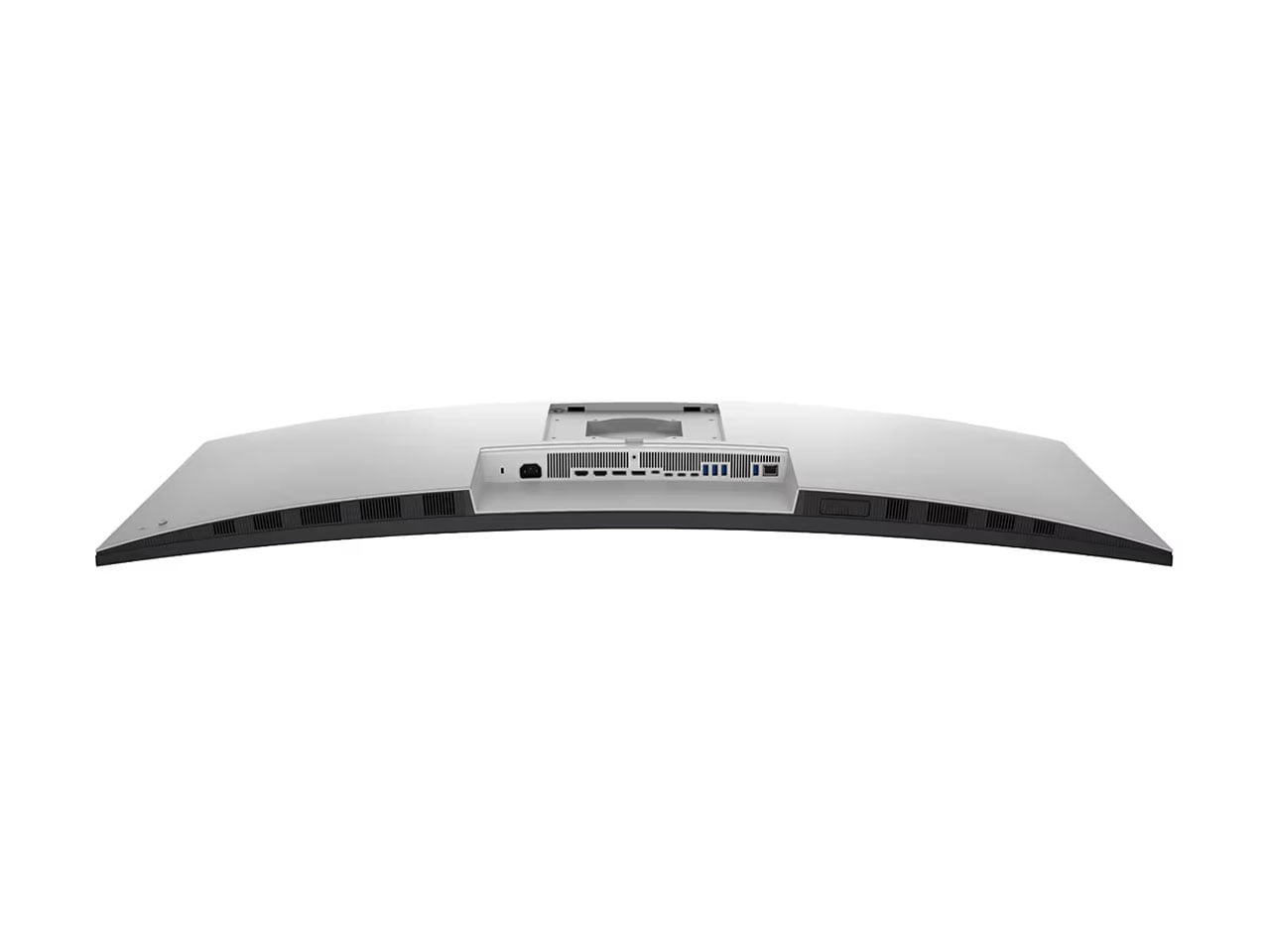
Watching such a big screen for long hours can take a toll on your eyes, and Dell has it covered with the 80 percent less blue light courtesy of the eye-comfort features. The ambient light sensor reduces the strain to a minimum by adjusting the display settings accordingly. Best of all, the monitor connects to four PCs or Macs simultaneously with the two HDMI 2.1 ports, two DisplayPort 1.4 ports, and a Thunderbolt 4 port with support for Power Delivery up to 140W. In addition to these, the monitor features three USB-C 10Gbps upstream ports, four 10Gbps USB-A ports, and an RJ45 Ethernet port. For quick access, the curved monitor has two USB-C ports and a USB-A port on the front. Both these ports support 10Gbps transfer speeds.

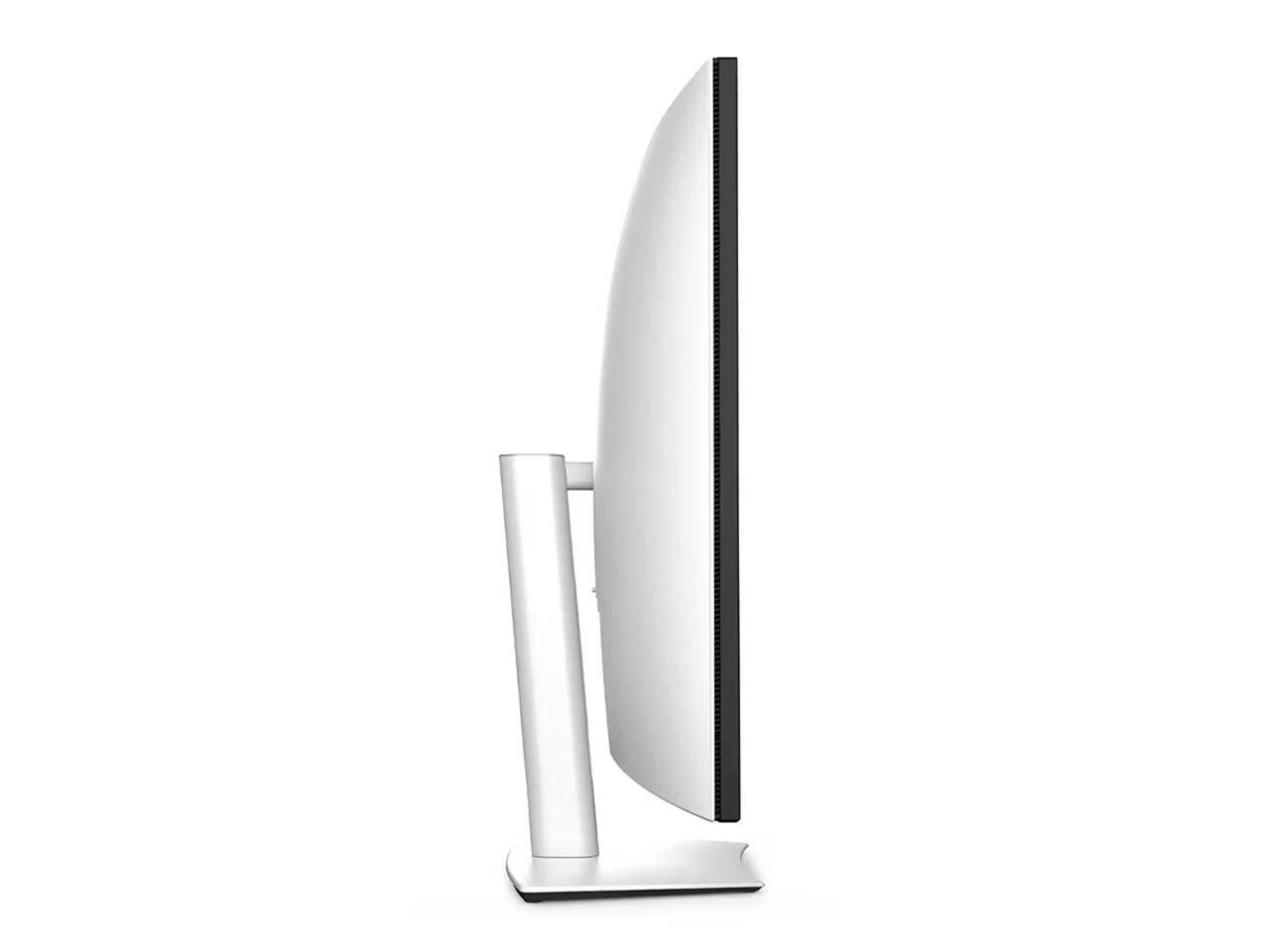
When connected to multiple systems, the wide screen can be partitioned into two sections. The KVM (keyboard, video, and mouse) feature allows users to connect their keyboard and mouse independently to the display. The monitor can be height-adjusted by up to 90 mm with support for tilting, swiveling, and slanting positioning for maximum work freedom. The monitor carries a price tag of $2,800, and if you want the stand, that’ll cost an extra $100. Surely, this is not a curved monitor for everyone; still, it is worth every penny for individuals who have required something like this all along.

If this huge monitor is a bit too much, Dell also announced the 32-inch UltraSharp display with 4K resolution and a QD-OLED panel. The 120 Hz refresh rate display has True Black 500 HDR and Dolby Vision support. The Dell UltraSharp 32 4K QD-OLED (U3226Q) is expected to launch in February 2026 for $2,599.

The post Dell debuts world’s first 52-inch curved monitor to replace multimonitor setups first appeared on Yanko Design.

Leion Hey2 Brings First AR Glasses Built for Translation to CES 2026

Cross-language conversations create a familiar kind of friction. You hold a phone over menus, miss half a sentence while an app catches up, or watch a partner speak fast in a meeting while your translation lags behind. Even people who travel or work globally still juggle apps, hand-held translators, and guesswork just to keep up with what is being said in the room, which pulls attention away from the actual conversation.

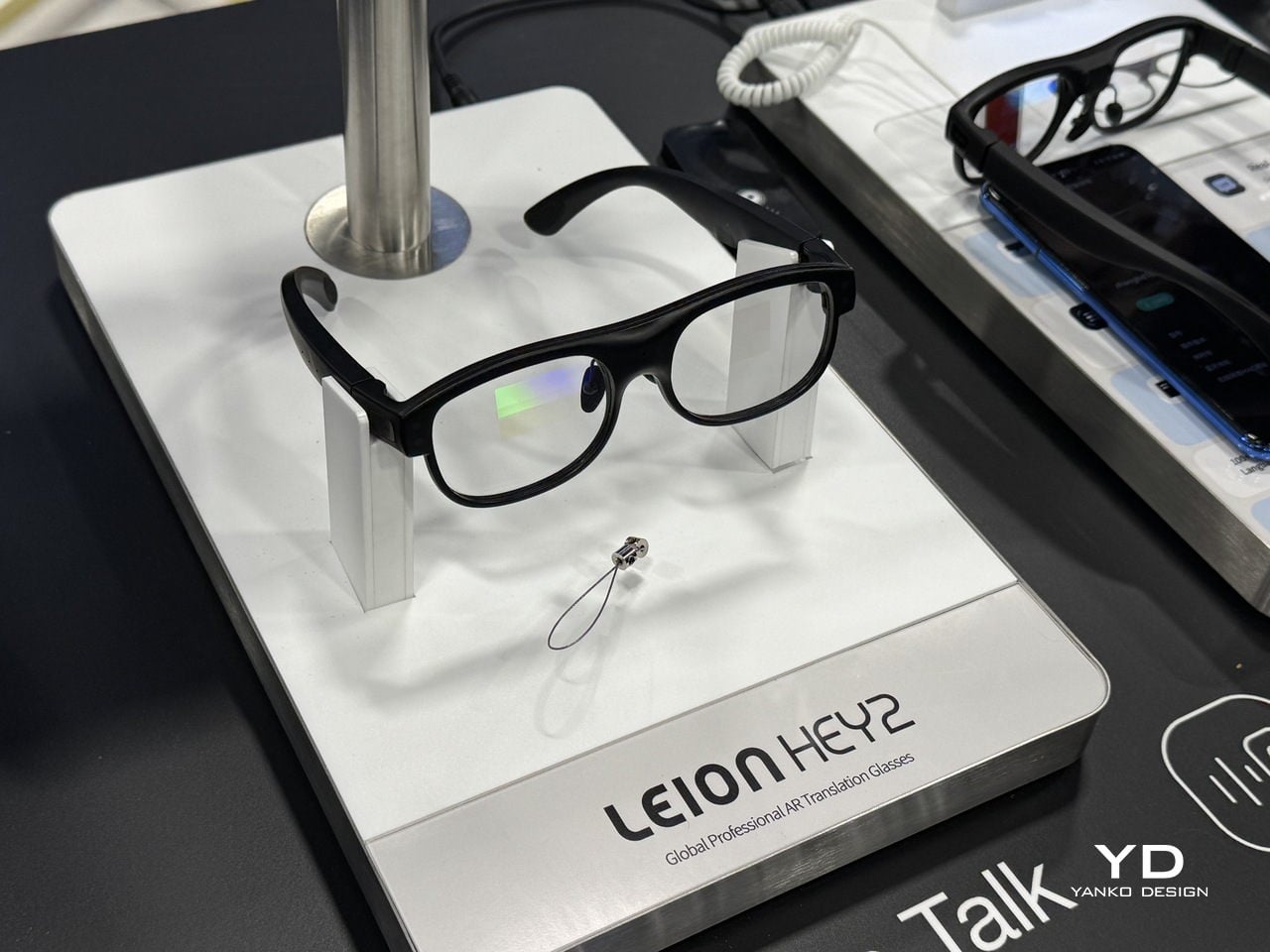
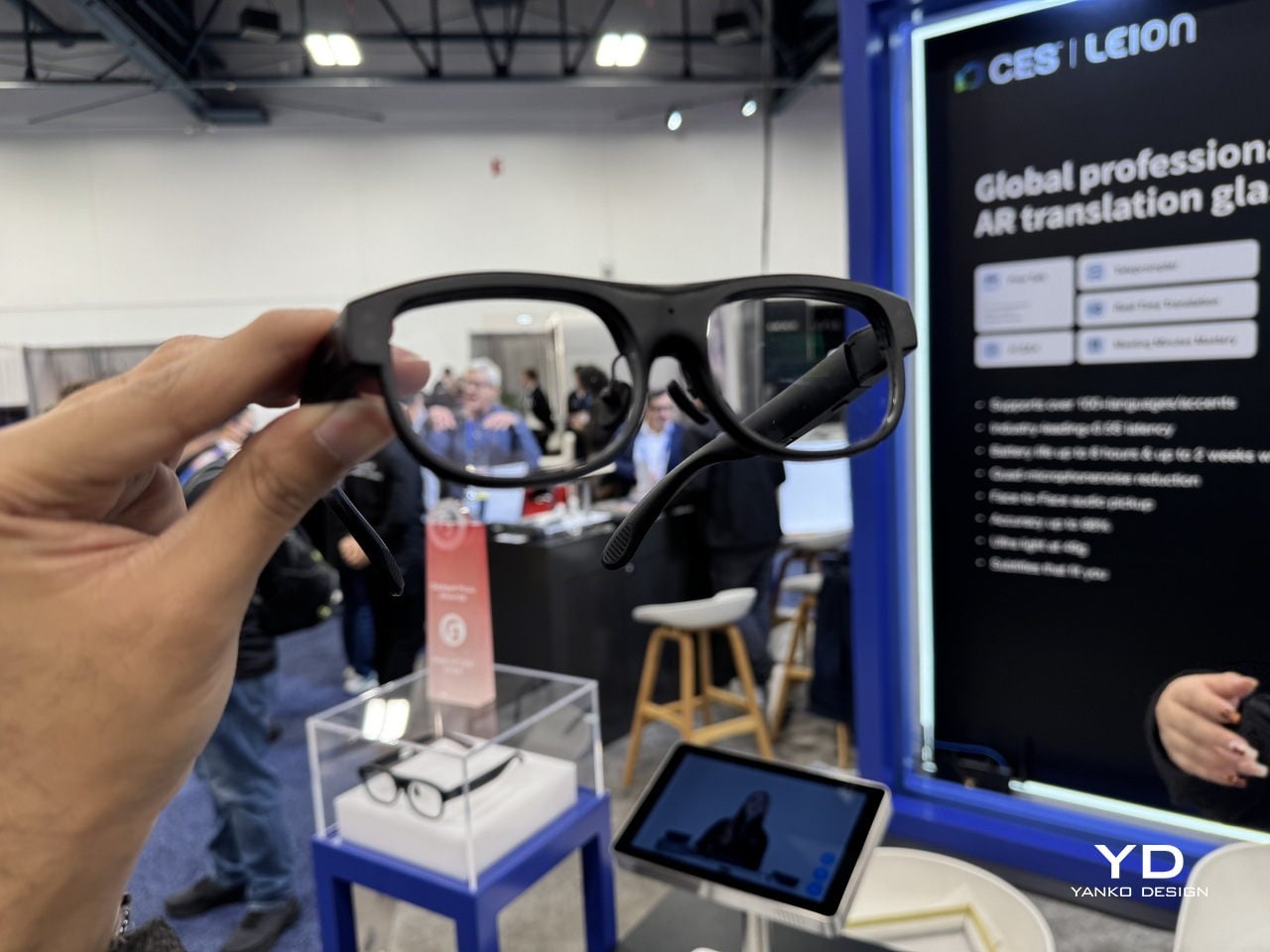
Leion Hey2 is translation that lives where your eyes already are, in a pair of glasses that quietly turns speech into subtitles without asking you to look down or pass a device back and forth. The glasses were built for translation first, not as an afterthought on top of entertainment or social features, and they are meant to last through full days of meetings or classes instead of dying halfway through, when you need them most.

Designer: LLVision

Click here to know more.

Glasses That Care About Conversation, Not Spectacle

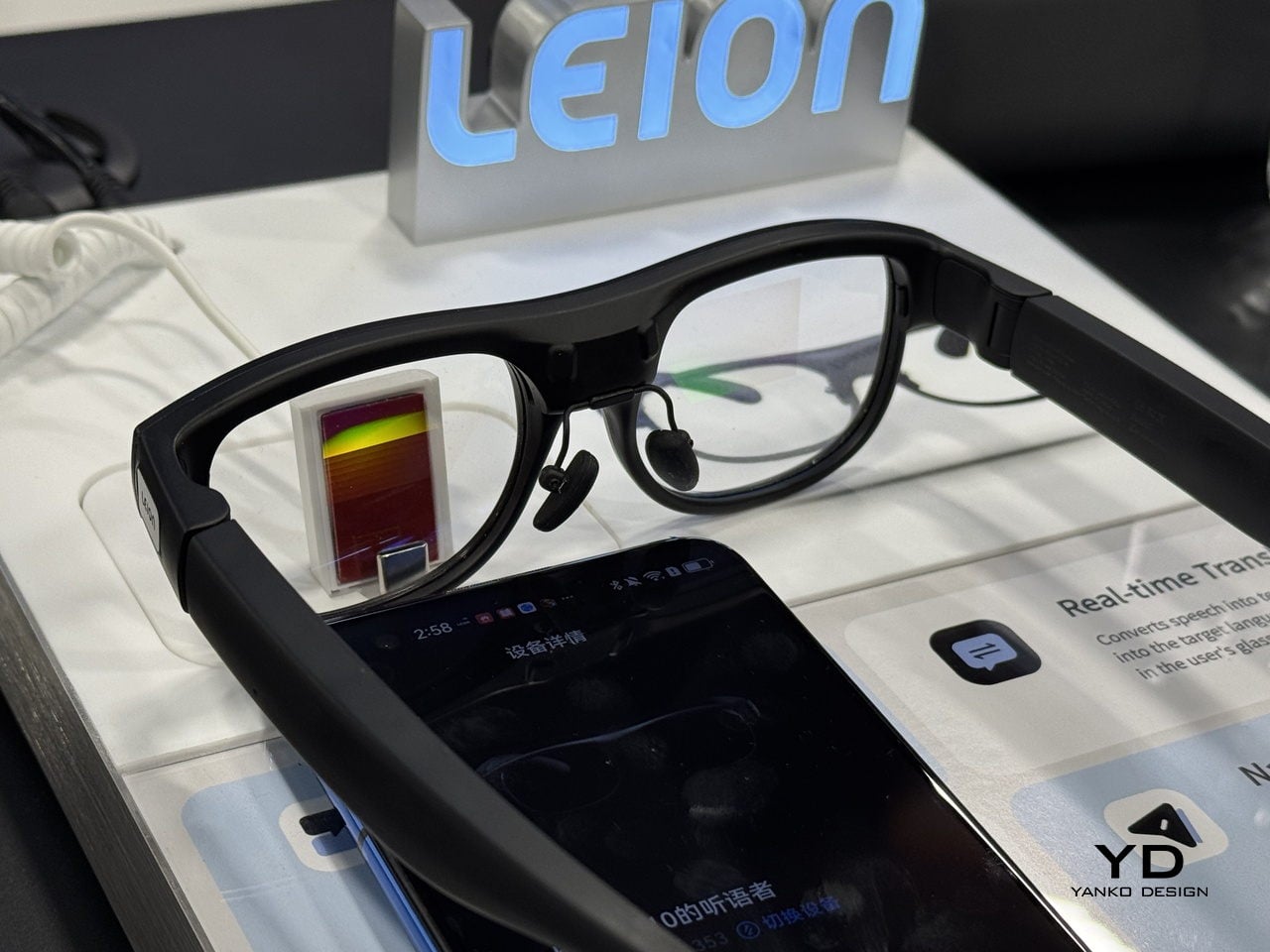
Leion Hey2 is a pair of professional AR translation glasses from LLVision, a company that has spent more than a decade deploying AR and AI in industrial and public-sector settings. Hey2 is not trying to be an all-in-one headset; it is engineered from the ground up for real-time translation and captioning, supporting more than 100 languages and dialects with bidirectional translation and latency under 500 ms in typical conditions, plus 6–8 hours of continuous translation on a single charge.

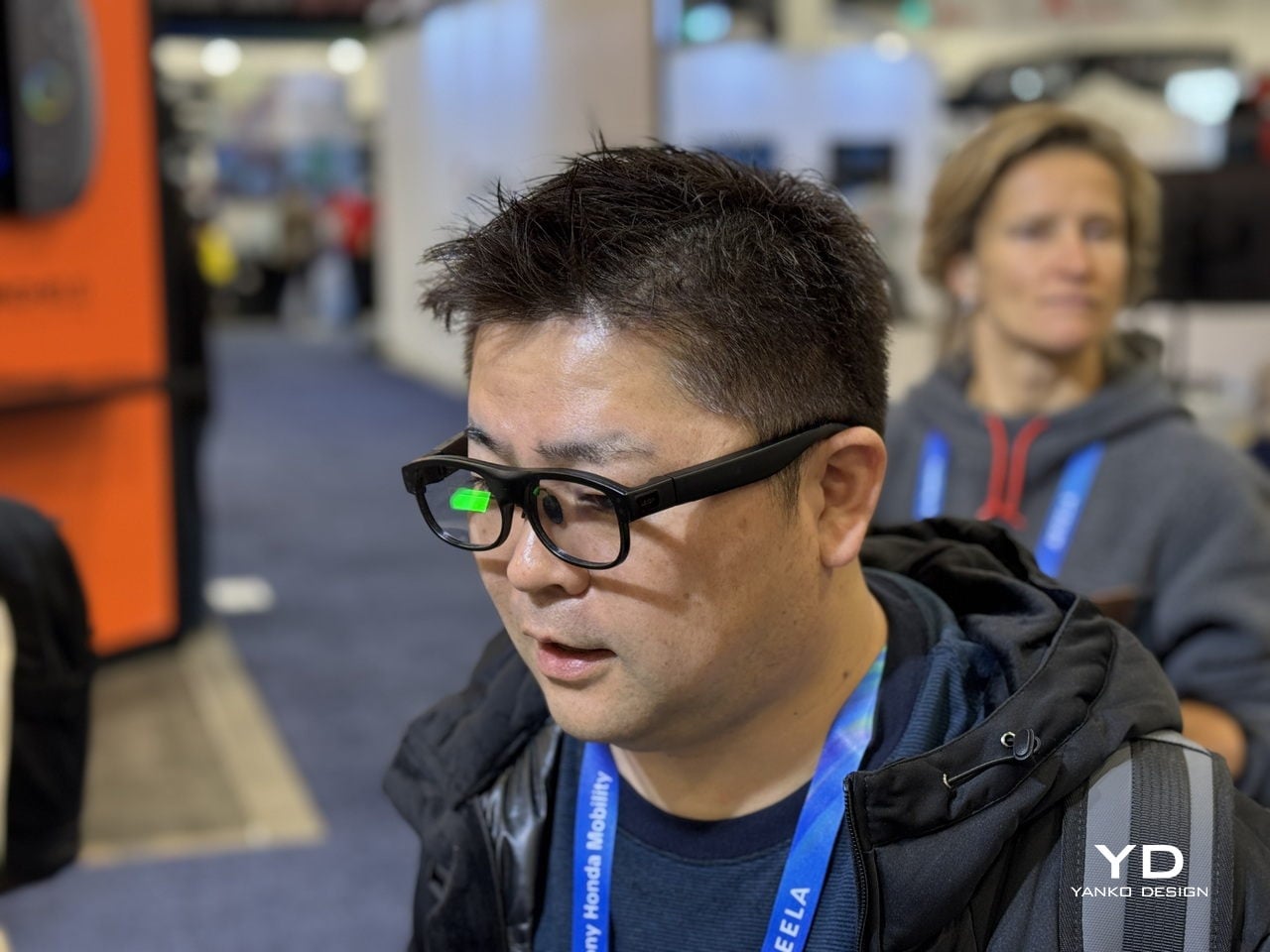
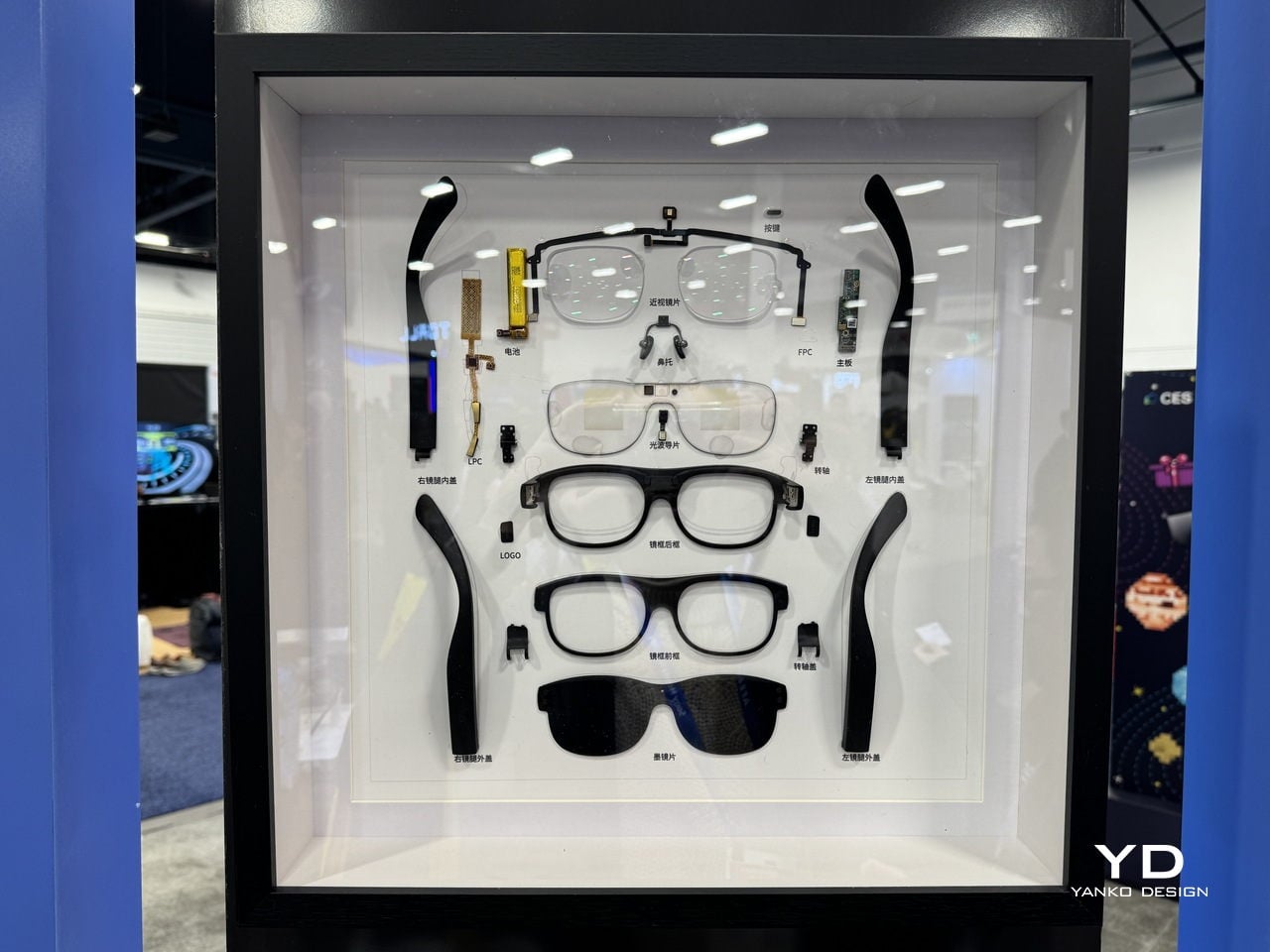
Hey2 is designed to wear like everyday eyewear rather than a gadget. The classic browline frame, 49g weight, magnesium-lithium alloy structure, and adjustable titanium nose pads are all chosen to make it feel like a normal pair of glasses you forget you are wearing. A stepless spring hinge adapts to different faces, and the camera-free, microphone-only design, which follows GDPR-aligned privacy principles and is supported by a secure cloud infrastructure built on Microsoft Azure, helping keep both wearers and bystanders more comfortable in sensitive environments.

Subtitles in Your Line of Sight

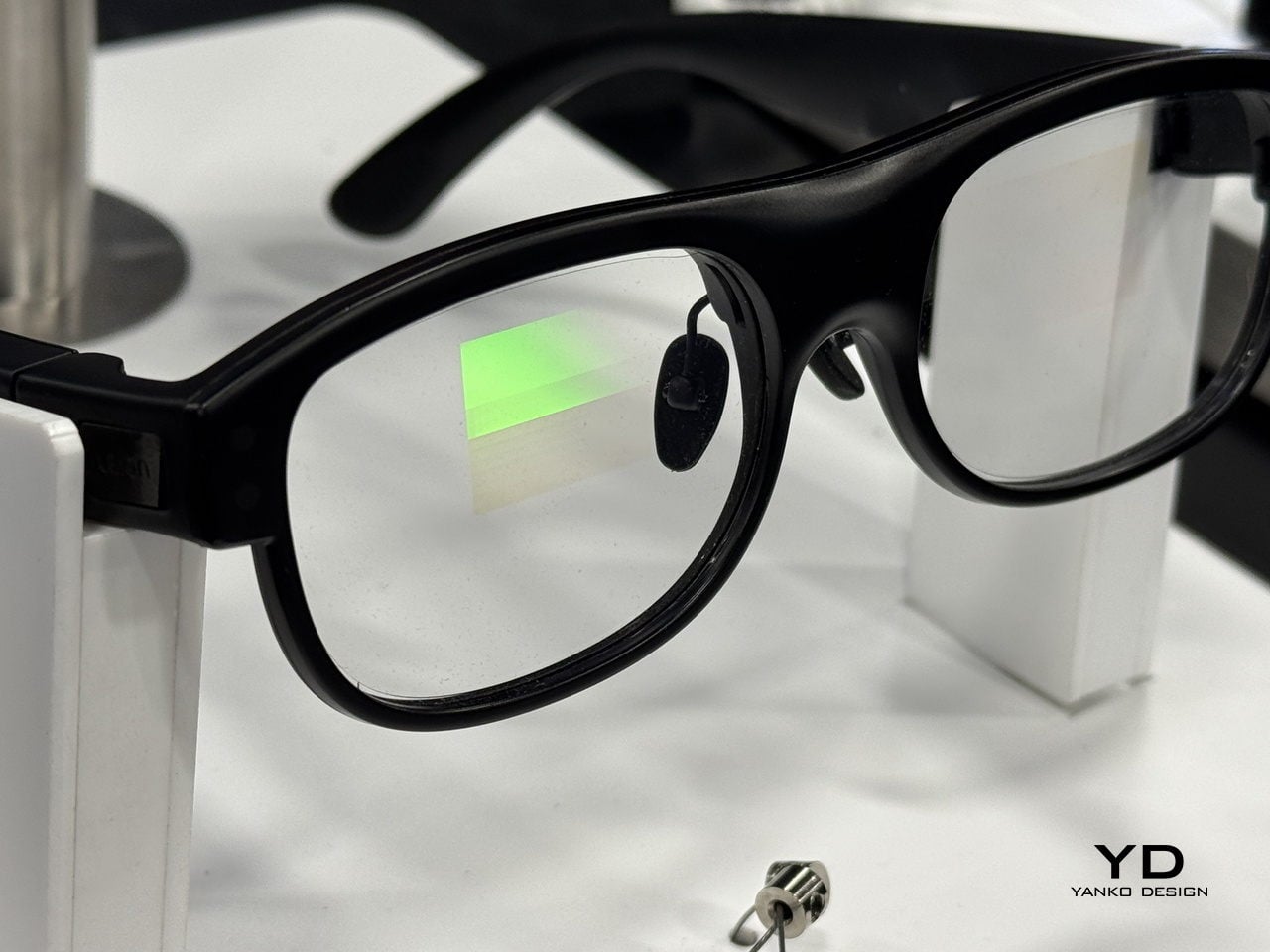
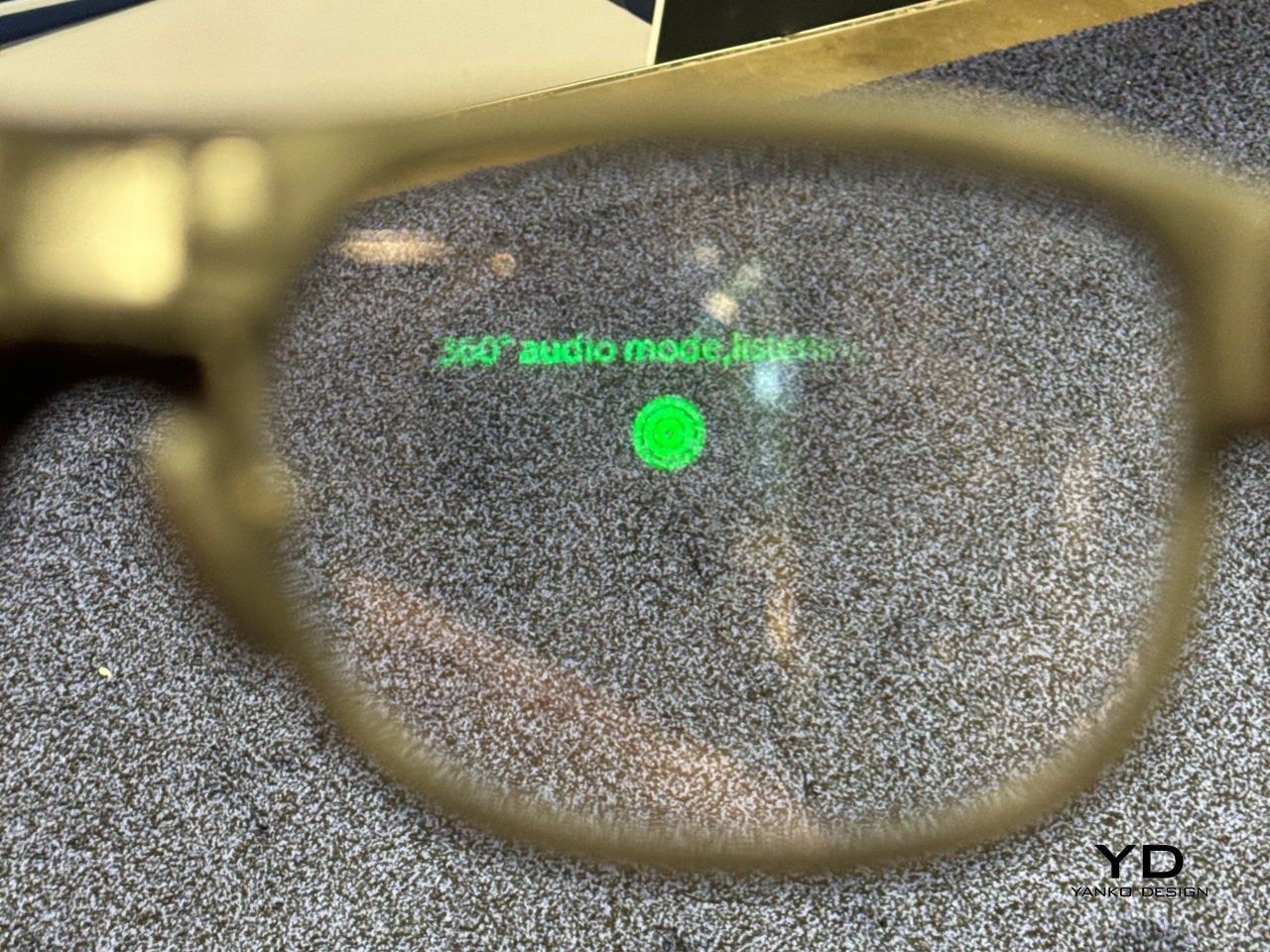
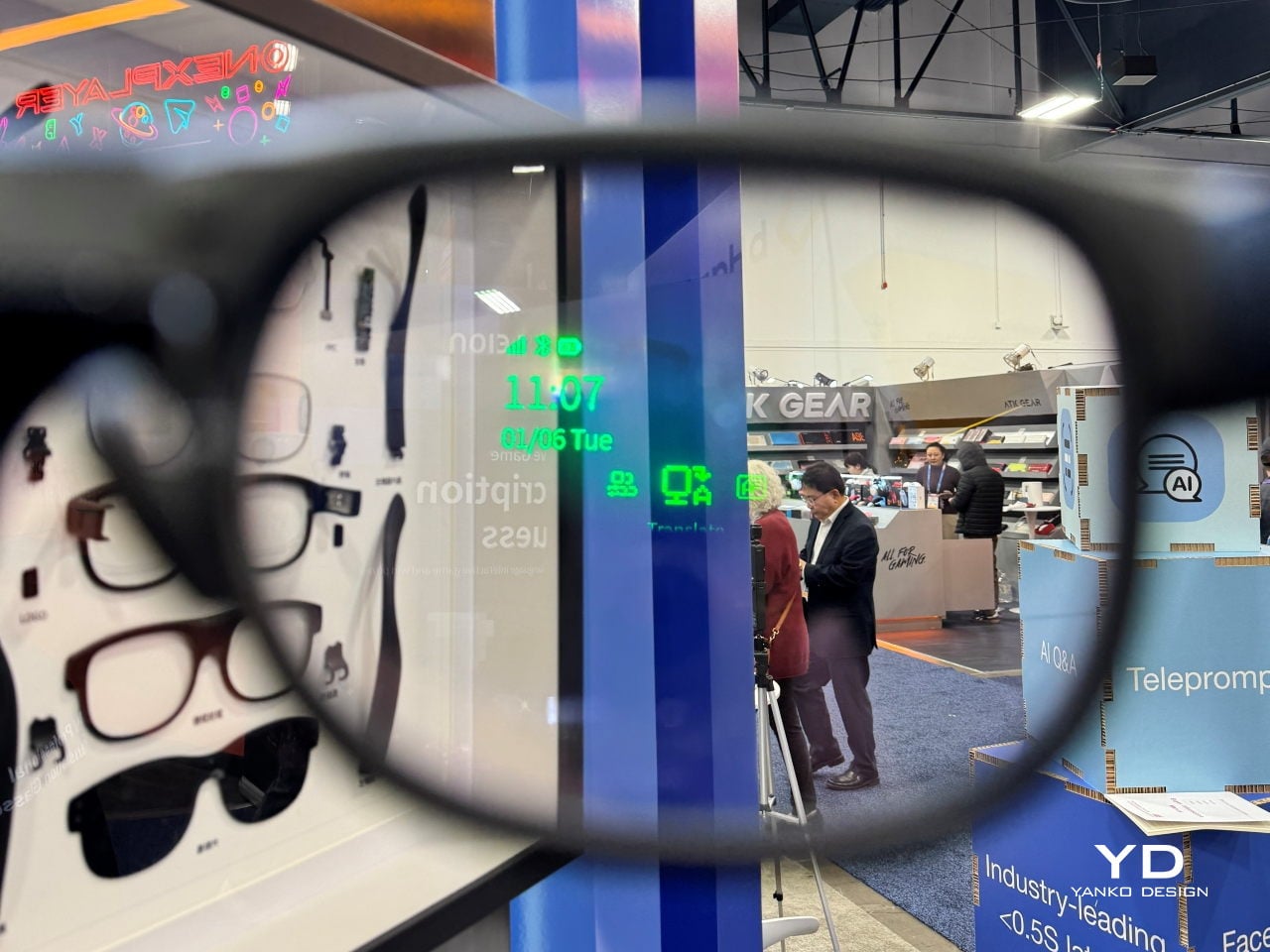
Hey2 uses waveguide optics and a micro-LED engine to project crisp, green subtitles into both eyes, with a 25-degree field of view and more than 90% passthrough so the real world stays bright. The optical engine is tuned to reduce rainbow artifacts by up to 98%, keeping text stable and readable in different lighting conditions, while three levels of subtitle size and position let you decide how prominently captions sit in your forward field of view.

The audio side relies on a four-microphone array that performs 360-degree spatial detection to identify who is speaking, while face-to-face directional pickup prioritizes the person within roughly a 60-degree cone in front of you. A neural noise-reduction algorithm uses beamforming and multi-channel processing to isolate the main voice, which helps in noisy restaurants, busy trade-show floors, or classrooms where questions come from different directions, without forcing you to constantly adjust settings.

Modes That Support Work, Learning, and Accessibility

In translation and Free Talk modes, foreign speech is converted into your language as subtitles in your line of sight, so you can mix languages freely and still follow long-form speech without constantly checking a screen. In Free Talk, Hey2 provides subtitles for what you hear and spoken translation for what you say, turning a two-language conversation into something that feels more like a normal chat than a tech demo, with the charging case extending total use to 96 hours across 12 recharges.

Teleprompter mode scrolls your script in your line of sight and advances it automatically as you speak, useful for lectures, pitches, or keynotes where you want to keep eye contact without glancing at notes. AI Q&A, triggered by a temple tap, taps into ChatGPT-powered answers for discreet look-ups, while Captions mode turns fast speech into clean text, helping students, professionals, and Deaf or hard-of-hearing users stay on top of what is being said, even in noisy environments where handheld devices struggle.

A Different Kind of AR Story

When Leion Hey2 steps onto the CES 2026 stage, it represents a quieter kind of AR story. Instead of chasing spectacle, it narrows the brief to something very human, helping people speak, listen, and be understood across languages and hearing abilities. For a show that often celebrates what technology can do, Hey2 is a reminder that sometimes the most interesting innovation is the one that simply lets you keep your head up and stay in the conversation.

Click here to know more.

The post Leion Hey2 Brings First AR Glasses Built for Translation to CES 2026 first appeared on Yanko Design.

This 4K Bird Feeder Captures Hummingbirds at 120fps in Slow Motion

A few years back, I had to bring some members of a birding community around the place I was working at that time. I got to experience firsthand what it is that they actually do. And while I probably would not take up birding as a hobby, it is indeed interesting to observe, take pictures, and talk about all those birds out in the wild with people who were super into it.

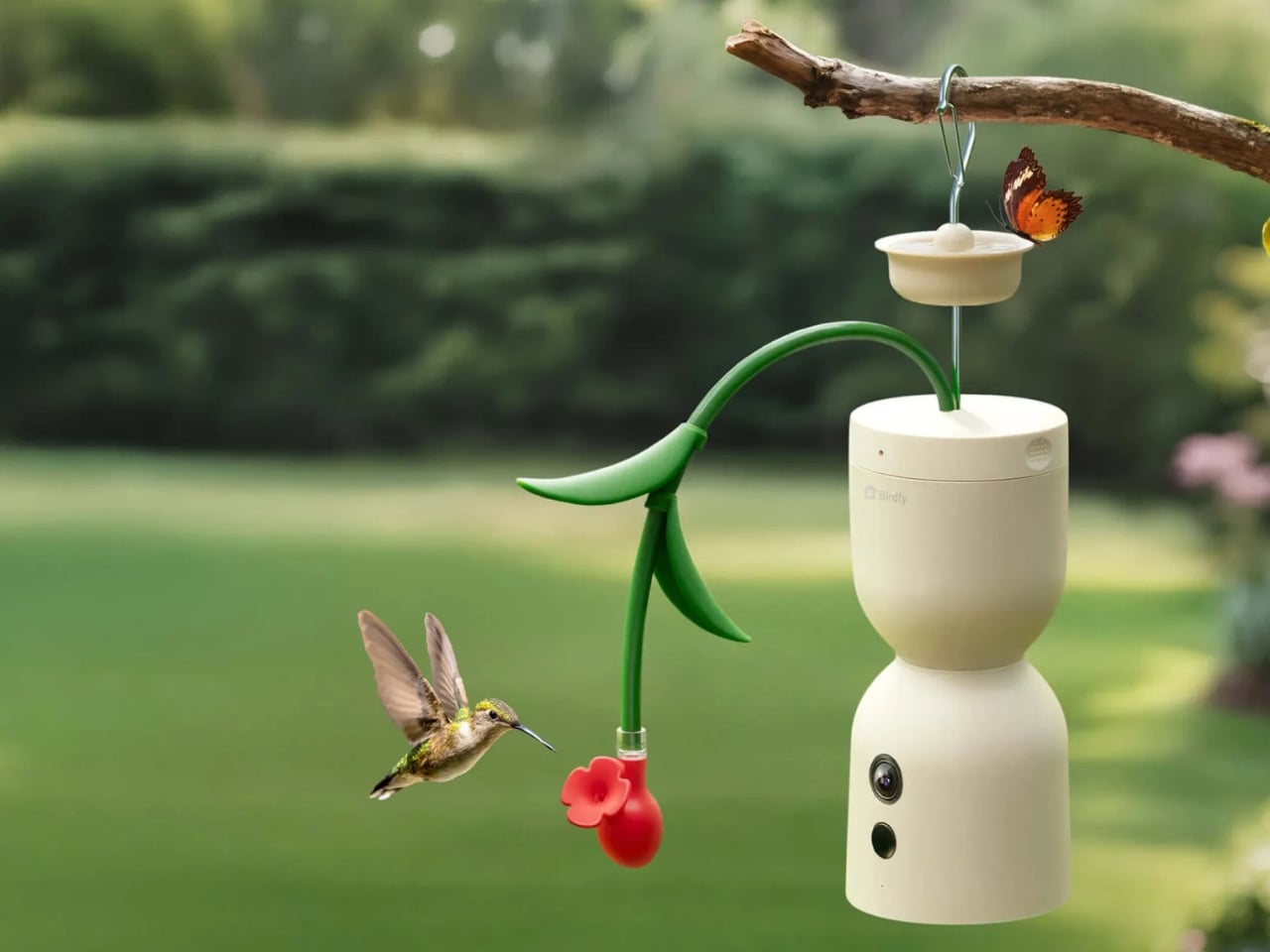
The Birdfy Hum Bloom was just unveiled at the ongoing CES 2026, and it’s something that will definitely interest those who are into birding, specifically hummingbirds. It’s a bird feeder that also doubles as a camera to capture the natural artistry of these birds in full 4K motion. This device seems to be a game-changer for hummingbird lovers as well as a place for said birds to rest and get fed while still enjoying their natural habitat.

Designer: Birdfy

In the eyes of the hummingbird, the Hum Bloom looks like a regular bird feeder where they can rest and get their nectar from. But it actually sports an 8-megapixel camera that is able to capture 4K video at 20fps. You can switch it to slow-motion mode to get a more magical 120 frames per second so you can see the hummingbird’s mesmerizing wing movements in stunning detail. They say even traditional cameras cannot do this with the hummingbirds that flap their wings between 50 to 80 times per second when hovering.

This device also comes with Birdfy’s OrniSense AI technology, which is able to recognize over 150 hummingbird species (TIL that there are that many hummingbird species). You’ll only get notifications on your connected device when the motion sensors detect hummingbirds in flight, and you won’t get alerts every time it senses movement, unless it’s the aforementioned birds.

Don’t worry though, as this bird feeder isn’t just a gadget with a camera. The hourglass-inspired shape and floral color choices mimic actual flowers that naturally attract the hummingbirds. It’s not just backyard decoration but “a revolutionary smart feeder for discovery.” It also has nectar level sensors so you get alerted when you need to refill it and also notifies you when you need to refresh it. The flower-inspired design makes it easy to refill compared to traditional feeders. You won’t get pesky unwanted visitors as it also has a built-in ant moat to keep them away.

The Hum Bloom goes beyond aesthetics with its leak prevention system, ensuring your patio or deck stays clean and the nectar stays where it belongs which is inside the feeder. One of the most thoughtful features is the integrated solar panel with battery backup. This means you don’t have to worry about constantly charging or replacing batteries, which is especially important since hummingbirds are most active during daylight hours when the solar panel is working at its best.

Through the Birdfy mobile app, you can access all your footage, create clips of your favorite moments, and learn detailed information about the species visiting your feeder. It’s like having a personal hummingbird documentary studio right in your backyard. The AI doesn’t just identify the birds; it provides educational content so you can learn more about these fascinating creatures.

The device is expected to launch in Q2 of 2026, though pricing hasn’t been announced yet. Given its advanced features and premium positioning, it will likely be a significant investment, but for serious hummingbird enthusiasts and nature lovers, the unique capabilities may well justify the cost.

Thinking back to my time with that birding community, I now realize how much they would have appreciated technology like this. Birding requires patience, the right timing, and often expensive camera equipment to capture quality images. The Hum Bloom eliminates much of that complexity as it does the waiting for you, captures the perfect moments automatically, and requires minimal maintenance thanks to its smart sensors and solar power. Whether you’re a seasoned birder, a nature photography enthusiast, or simply someone who enjoys watching wildlife from the comfort of home, the Birdfy Hum Bloom represents an exciting intersection of technology and nature.

The post This 4K Bird Feeder Captures Hummingbirds at 120fps in Slow Motion first appeared on Yanko Design.

Aukey’s 200W Cube Has Retractable Cables That Disappear Inside

The modern desk holds a laptop, phone, tablet, earbuds, maybe a camera or handheld console, all needing power at different times. The usual sprawl of wall warts, USB hubs, and cables creeps across the surface, claiming outlets and desk real estate. Most charging solutions still assume you have infinite outlets and space under the table, even though desks keep shrinking while the number of things competing for power keeps climbing.

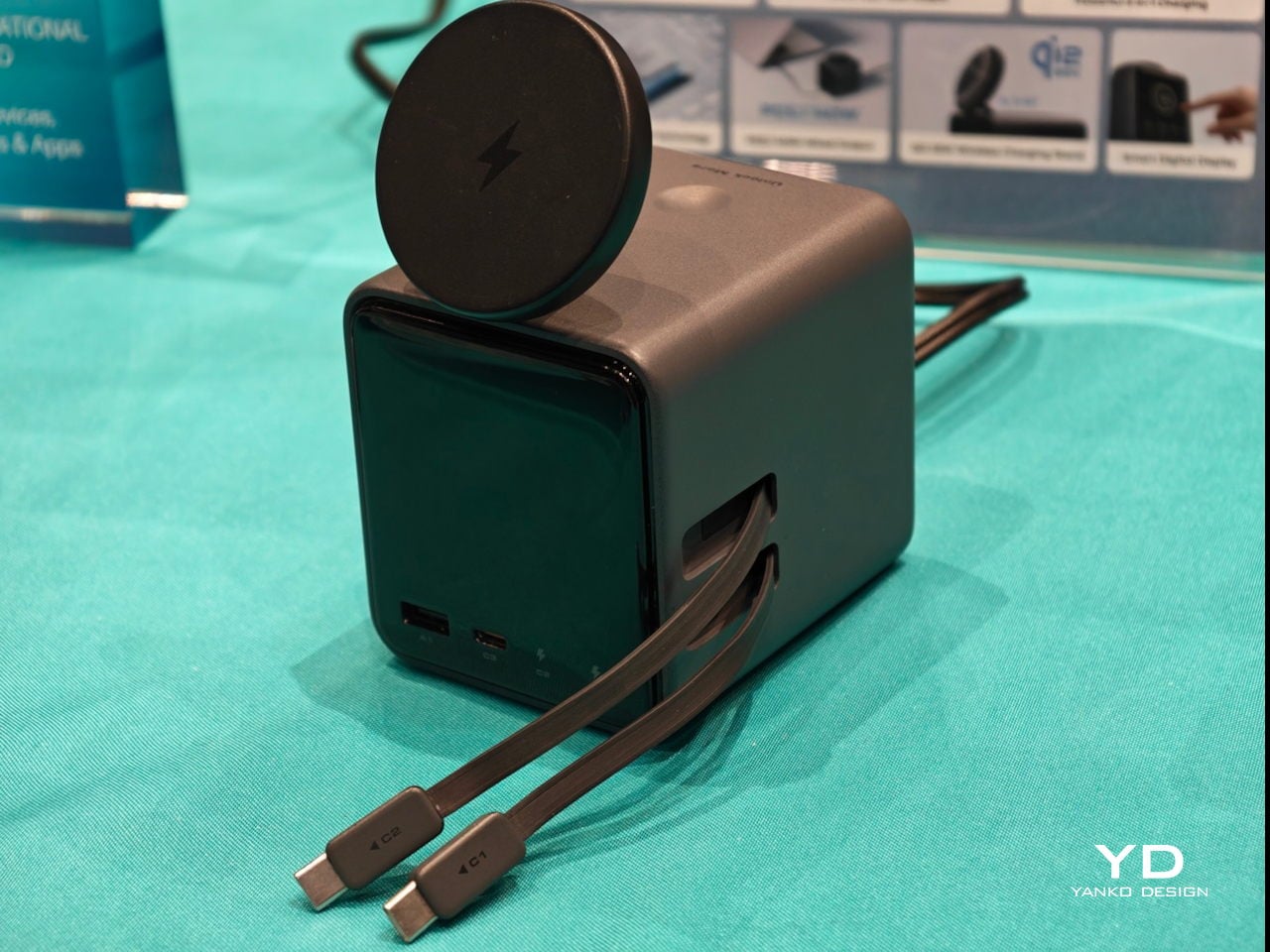
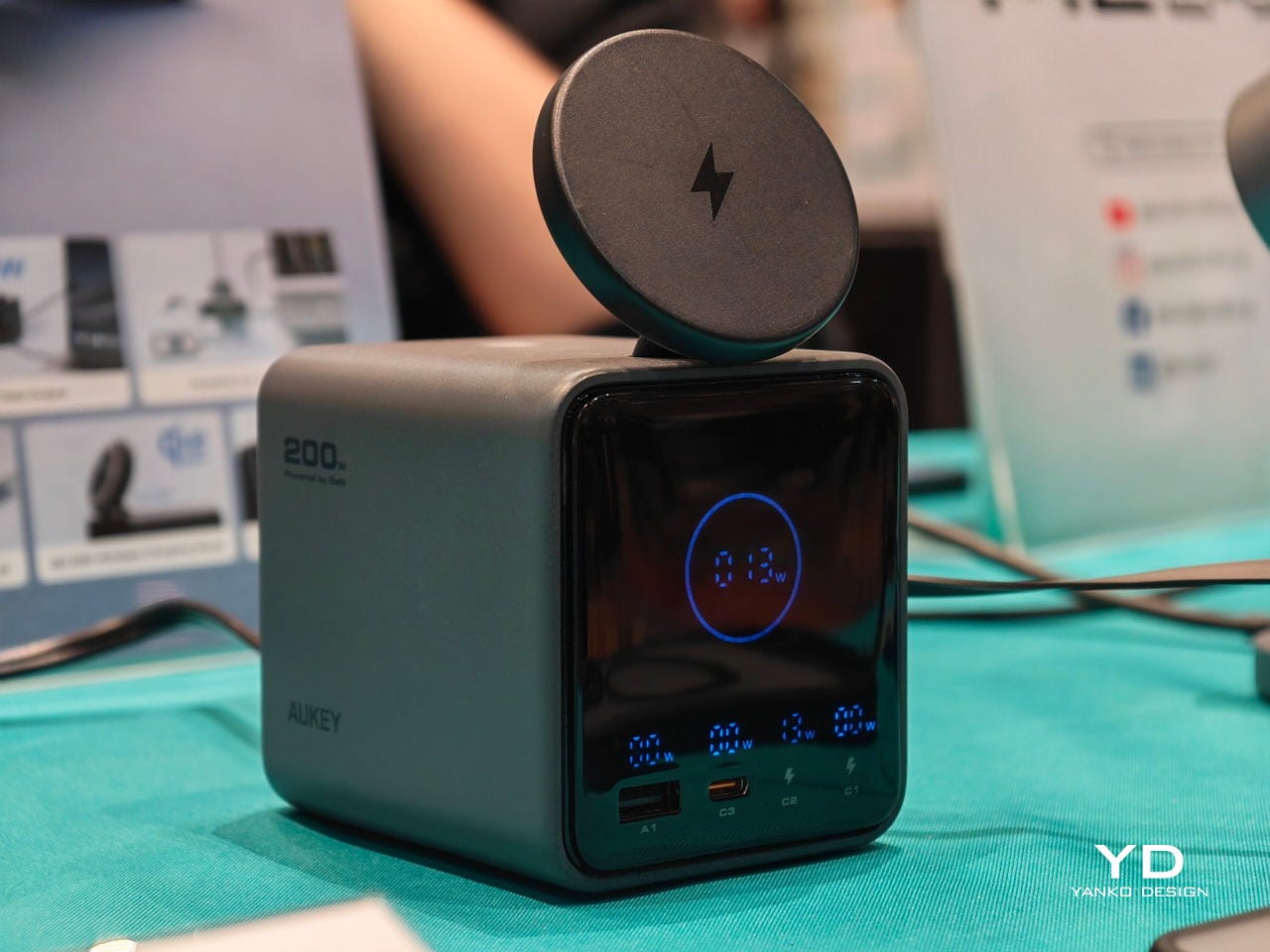
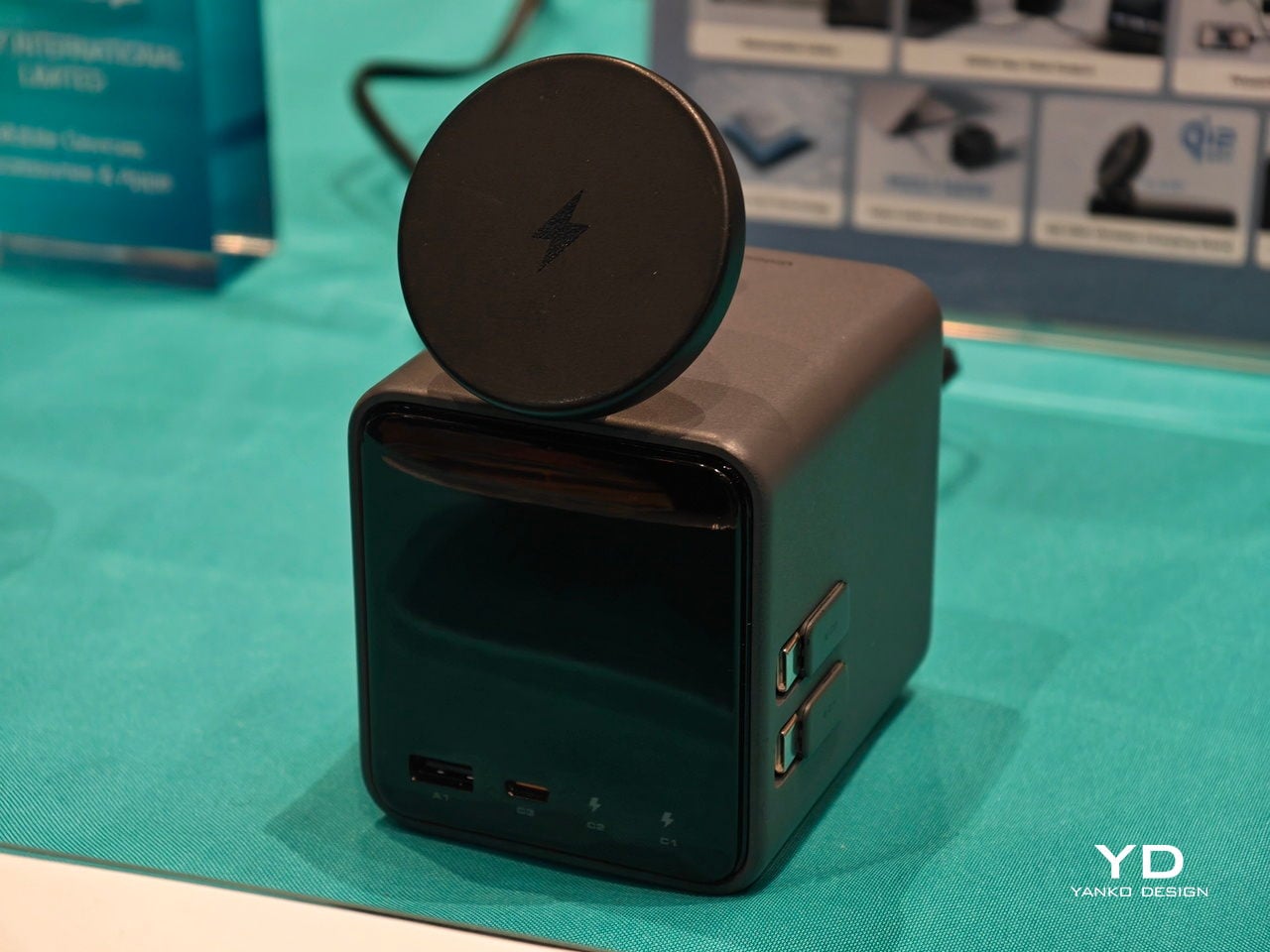
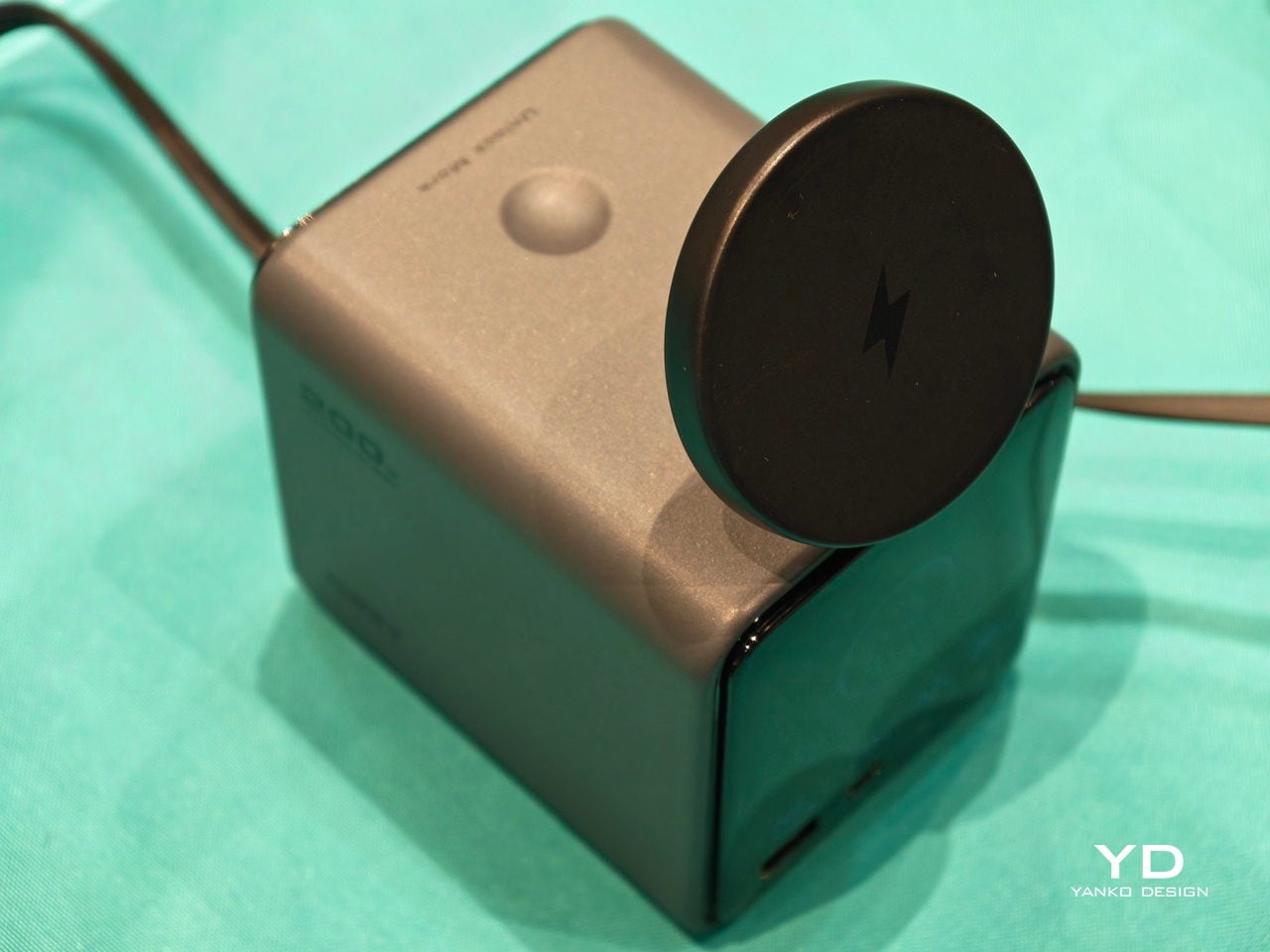
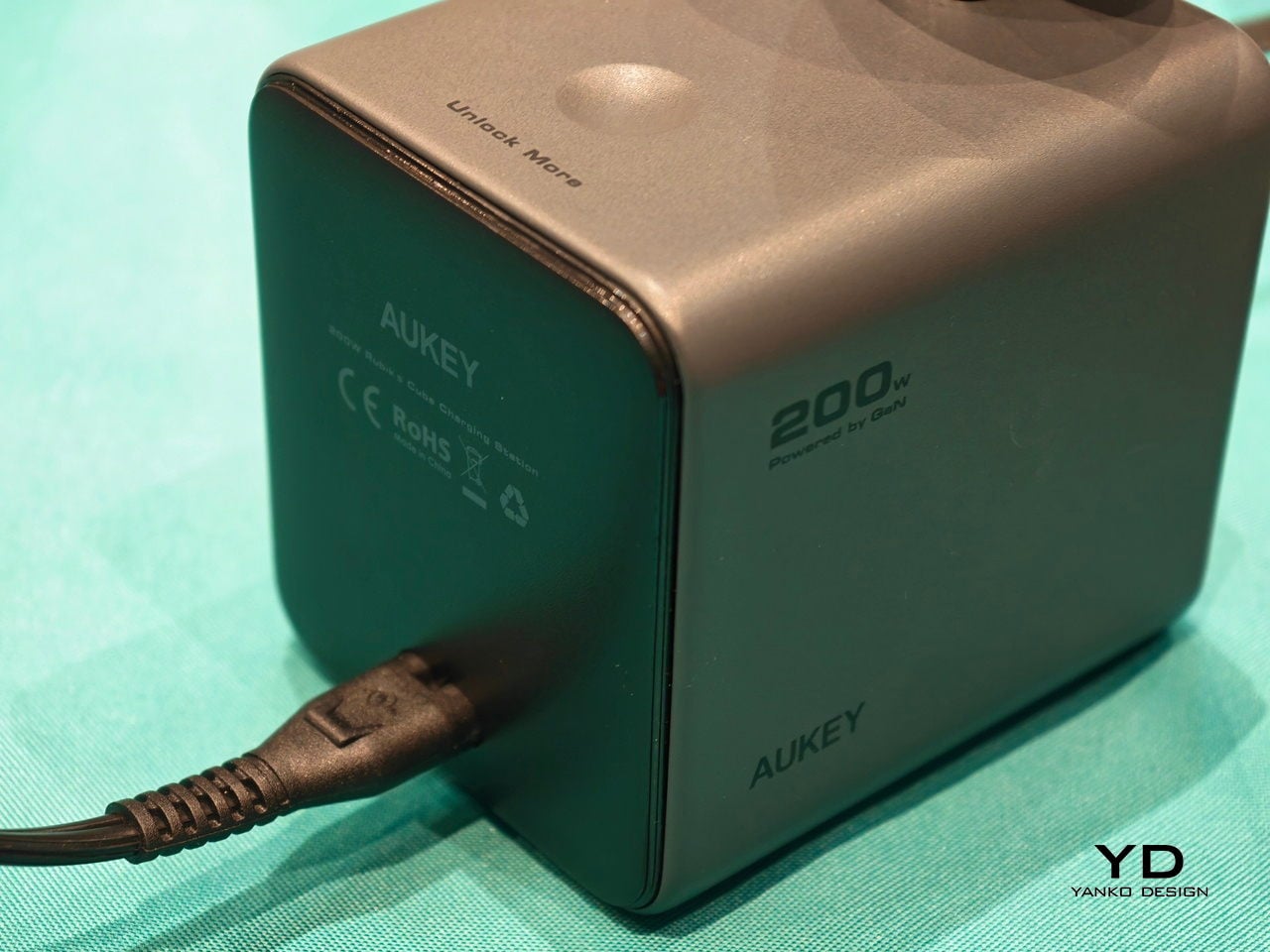
The Aukey MagFusion DeskHive 5X Pro is a 5-in-1 desktop charging station that tries to pull everything into one small cube. It combines four wired outputs, including two retractable USB-C cables, with a Qi2 25W magnetic wireless stand on top, all powered by a 200W GaN engine. The idea is that one object in arm’s reach quietly replaces the pile of bricks and cables, sitting visibly on the desk instead of hiding behind the monitor.

Designer: AUKEY

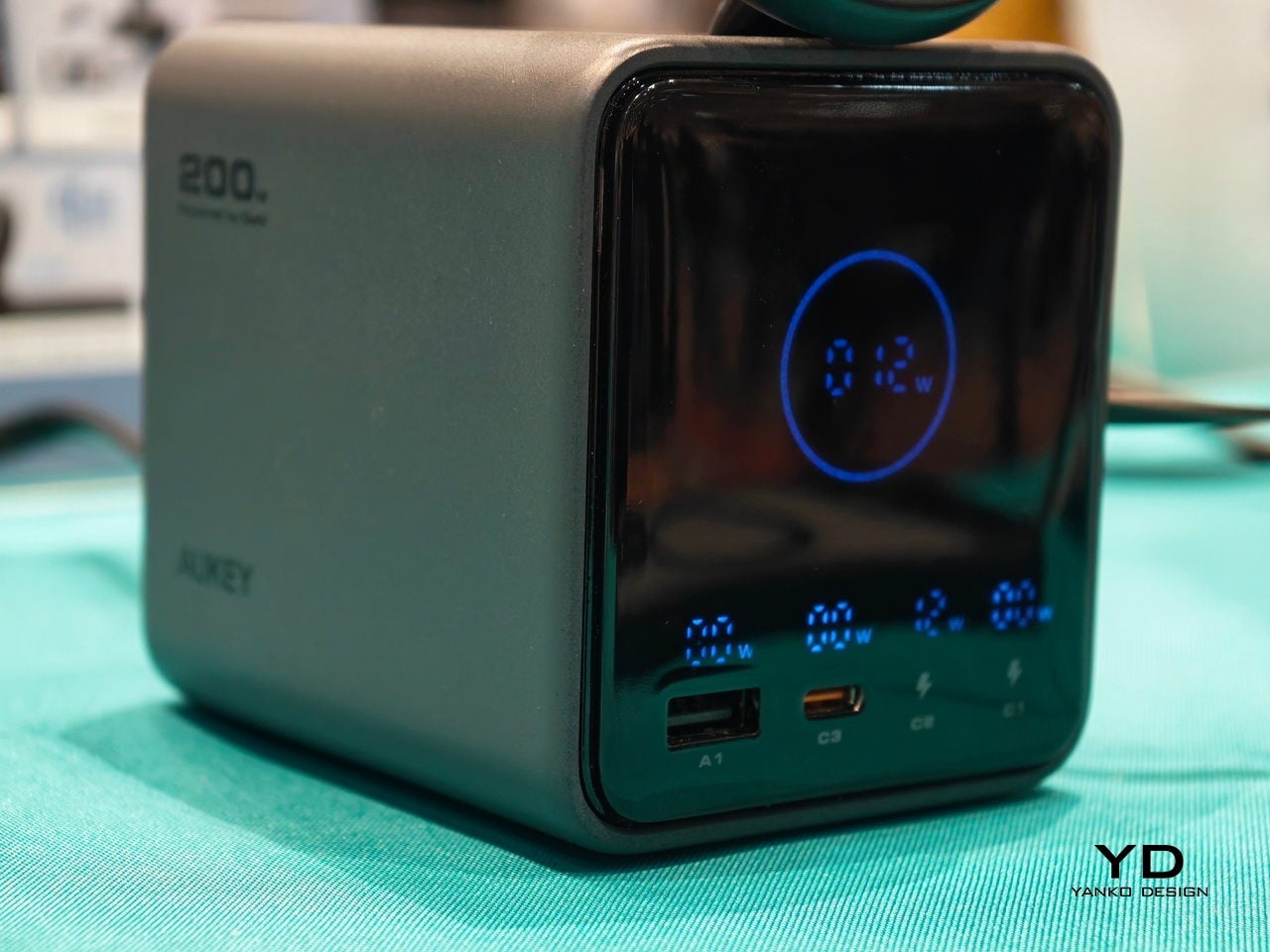
Plugging a power-hungry laptop into the USB-C1 port gets you up to 140W with PD 3.1, enough to keep big machines happy. While that runs, there is still room for a second USB-C device, a USB-A accessory, and the two retractable USB-C leads that stay hidden until you need them. DeskHive can be the main charger for a workstation, not just a phone dock sitting on the side waiting for occasional use.

The two retractable USB-C cables spool out to about 75 cm when needed and disappear when they are not. That changes the desk, no more permanently snaked cables waiting for a device, just a quick pull when a tablet or camera needs a top-up, then a satisfying click back into the cube. It is a small interaction, but it keeps the surface visually calmer and makes charging feel less like tending to clutter.

The top of the cube is where the Qi2 25 W magnetic stand holds a phone at an adjustable angle between 0 and 65 degrees. That makes it natural to drop the phone there during calls, video meetings, or for quick reference, charging while staying in view. The aluminum-alloy hinge is tested for 10,000 adjustments, so tilting it up and down becomes part of the daily rhythm without feeling fragile or like something you have to baby.

The smart digital display shows real-time power output for each wired port and the total system draw. A quick glance tells you which device is fast-charging, which one is trickle-charging, and whether you are pushing the 200 W budget. It turns charging from a black box into something you can read and manage, which is oddly satisfying when you live with a lot of gear and want to know what is happening behind the scenes.

DeskHive layers in the expected protections, short-circuit, over-current, over-voltage, over-temperature, and over-charging, so running it all day does not feel risky. The compact 3.76-inch footprint and single power cable clean up the visual field, replacing a cluster of chargers with one object that looks intentional. For a desk that already does too much, having one small cube quietly handle the power side feels like a relief, freeing up mental space and physical outlets for the things that actually need them.

The post Aukey’s 200W Cube Has Retractable Cables That Disappear Inside first appeared on Yanko Design.

Smart Hair Care: How the Dreame Pilot AI Hair Dryer Adapts to Your Unique Needs – DRAFT

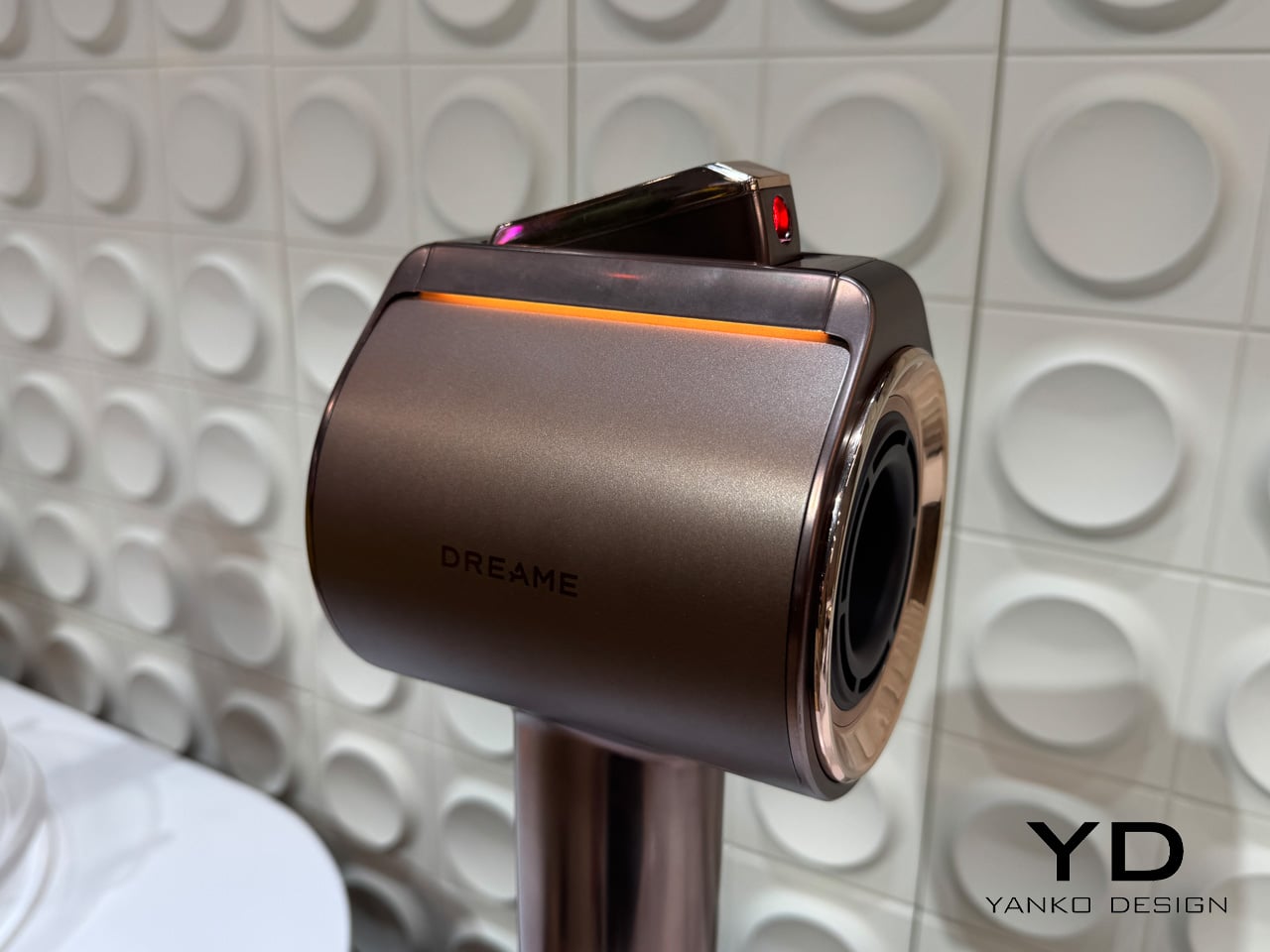
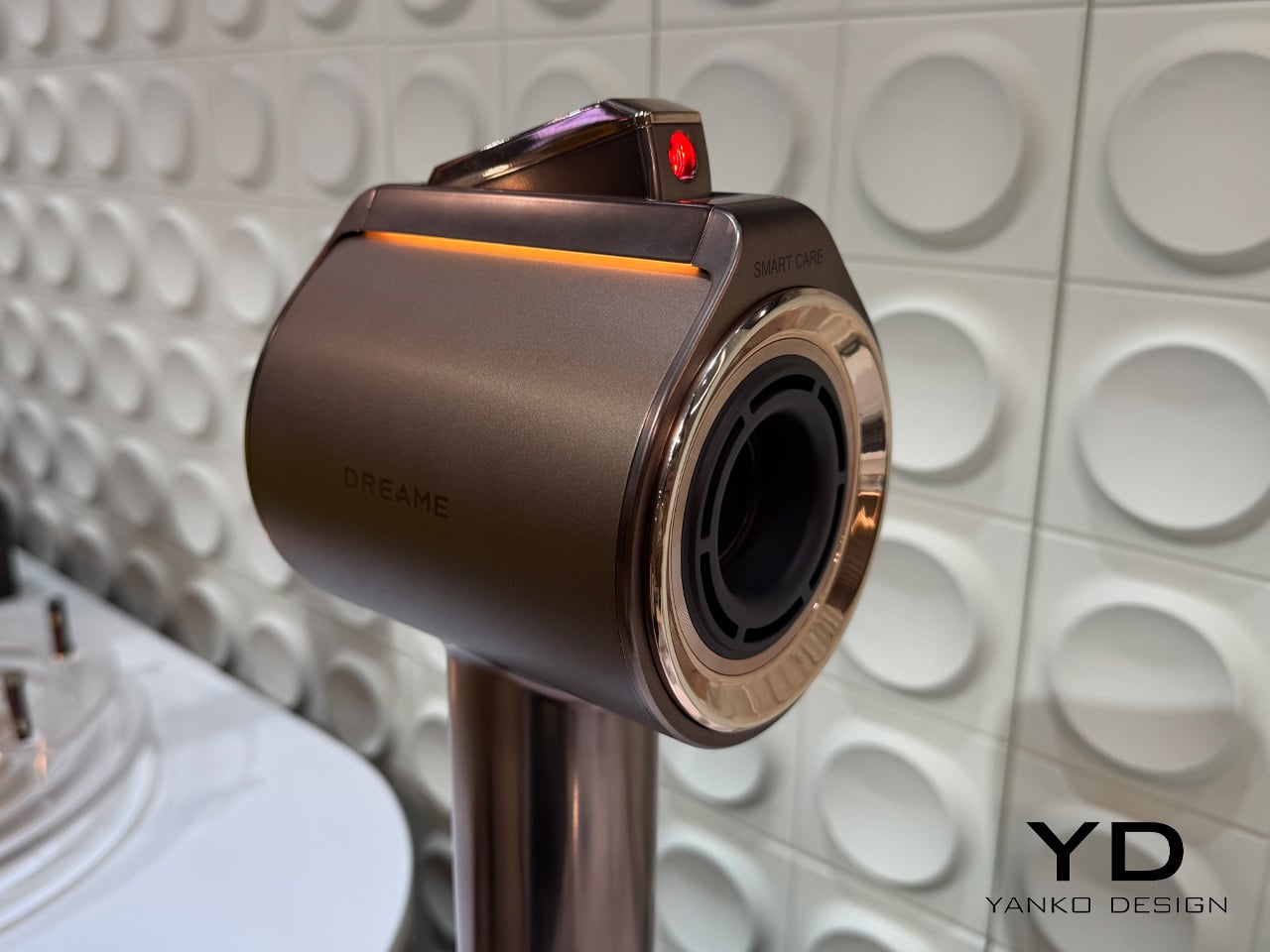
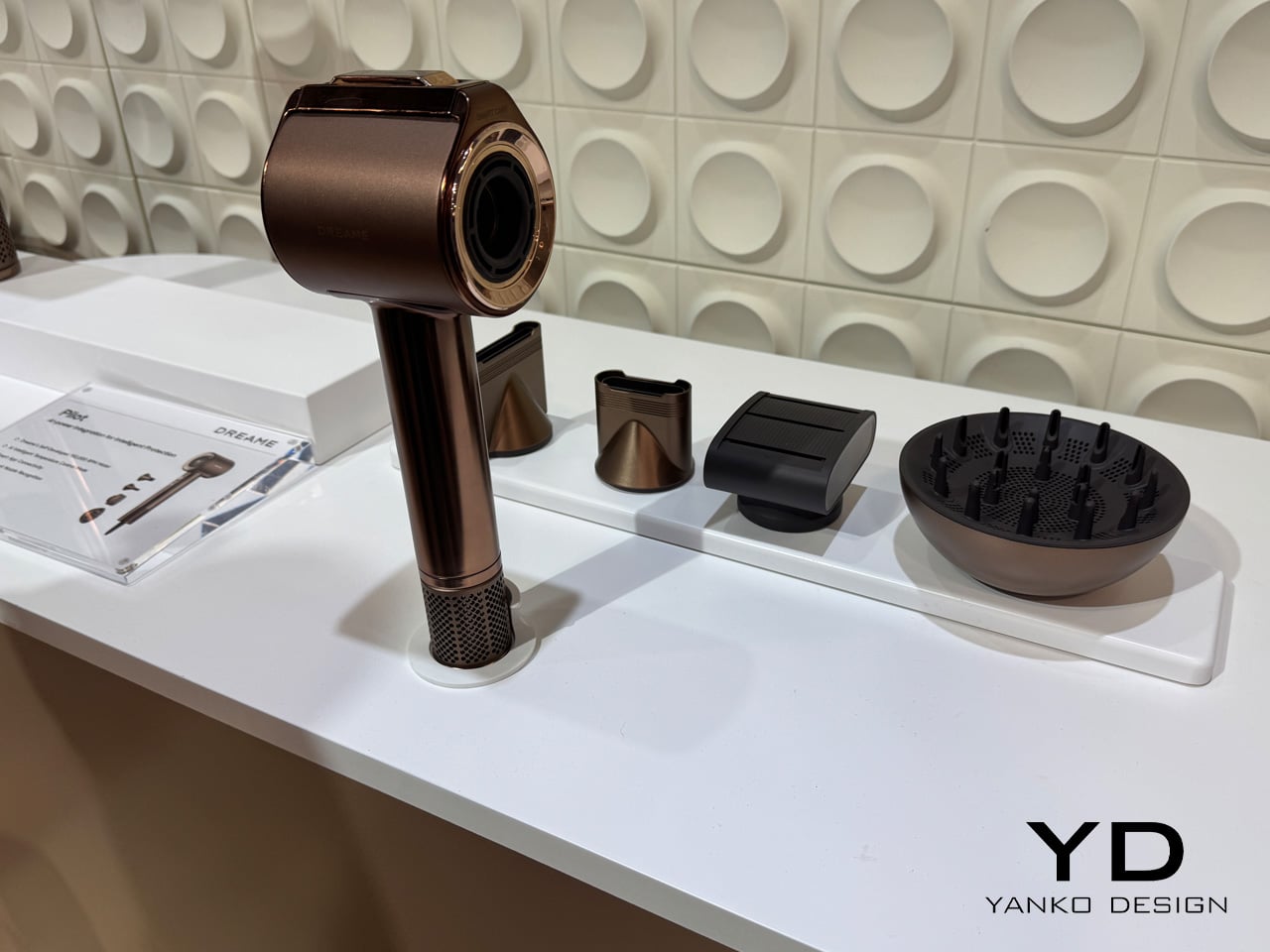
Hair dryers have come a long way from the bulky, one-speed models our parents used. The Dreame Pilot Smart AI Hair Dryer represents a leap forward in personalized hair care, combining artificial intelligence with professional-grade performance to deliver a drying experience that’s both fast and gentle. This isn’t just another styling tool with a digital screen. The Pilot uses advanced sensors, machine learning, and intelligent connectivity to create a truly adaptive hair care system that responds to your unique needs.

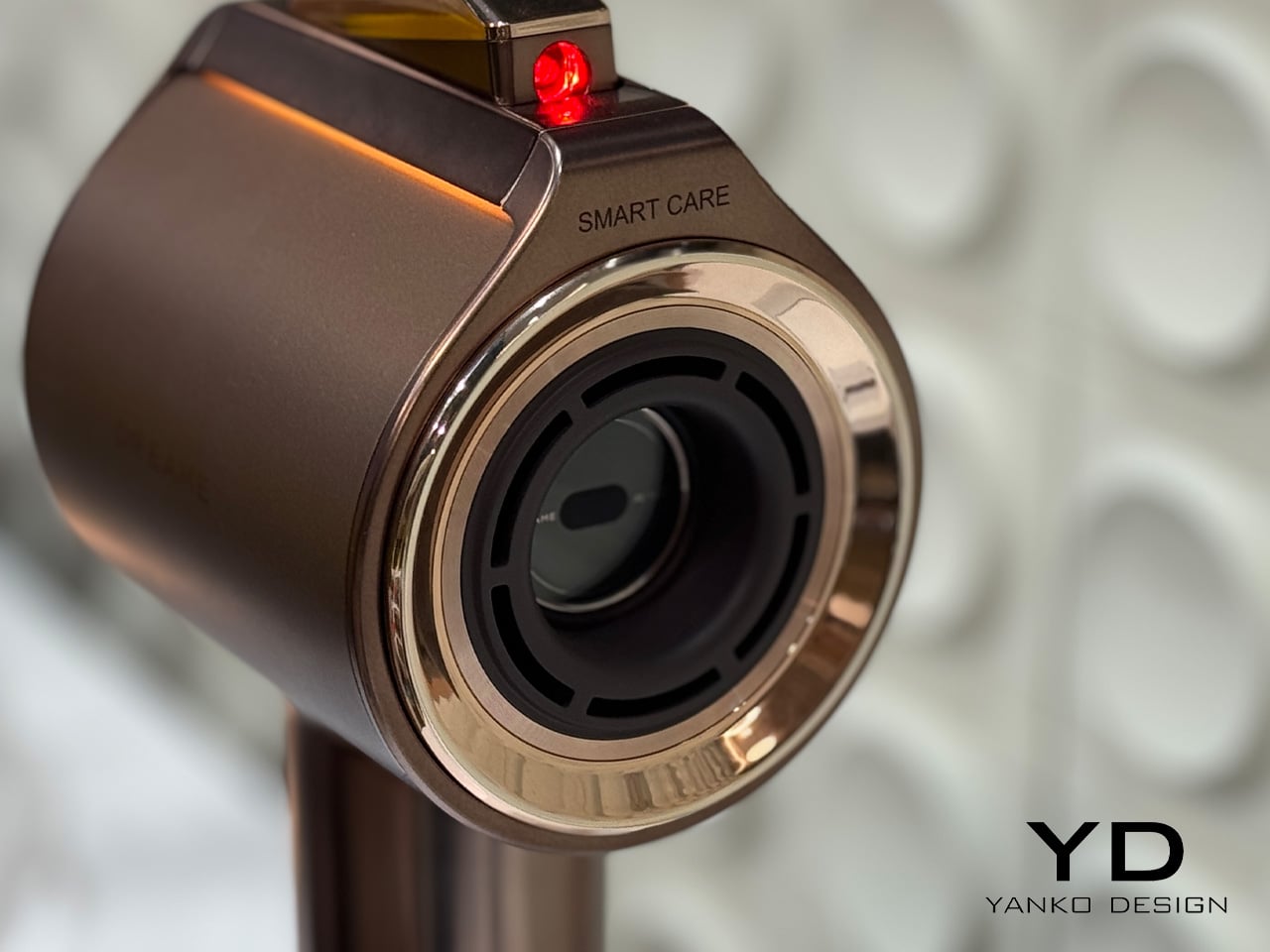
At the heart of the Pilot is a 150,000 RPM ultra-high-speed motor that generates airflow speeds reaching up to 70 m/s. This isn’t just about raw power. Built-in sensors continuously monitor hair temperature and distance in real time, intelligently adjusting heat output to maintain stable airflow at the scalp. The result is remarkably fast-drying, without compromising hair or scalp health. No more choosing between speed and safety. The 600-million negative ion generator works continuously alongside this system to reduce frizz and enhance shine, giving hair a salon-quality finish while the intelligent heat regulation protects against damage.

Designer: Dreame

The AI integration sets this dryer apart from conventional models. A simple press of the AI button activates Personalized AI Mode, which learns and adapts to the needs of up to three different users. VIP I mode caters to children or those with sensitive scalps, offering gentle, safe drying. VIP II focuses on efficient daily drying while maintaining hair health for typical routines. VIP III delivers ultra-fast drying for people who need to get out the door quickly without sacrificing results. Each profile remembers individual preferences, creating a customized experience every time you pick up the dryer.

Connectivity extends the Pilot’s capabilities beyond the device itself. Through Wi-Fi and the companion app, users gain access to personalized tutorials, real-time device updates, and maintenance reminders. The app also provides AI-powered hair analytics designed to optimize hair health over time, turning your hair dryer into a smart tool that understands your unique needs. This connected ecosystem means your dryer gets smarter with use, learning patterns, and suggesting adjustments for better results.

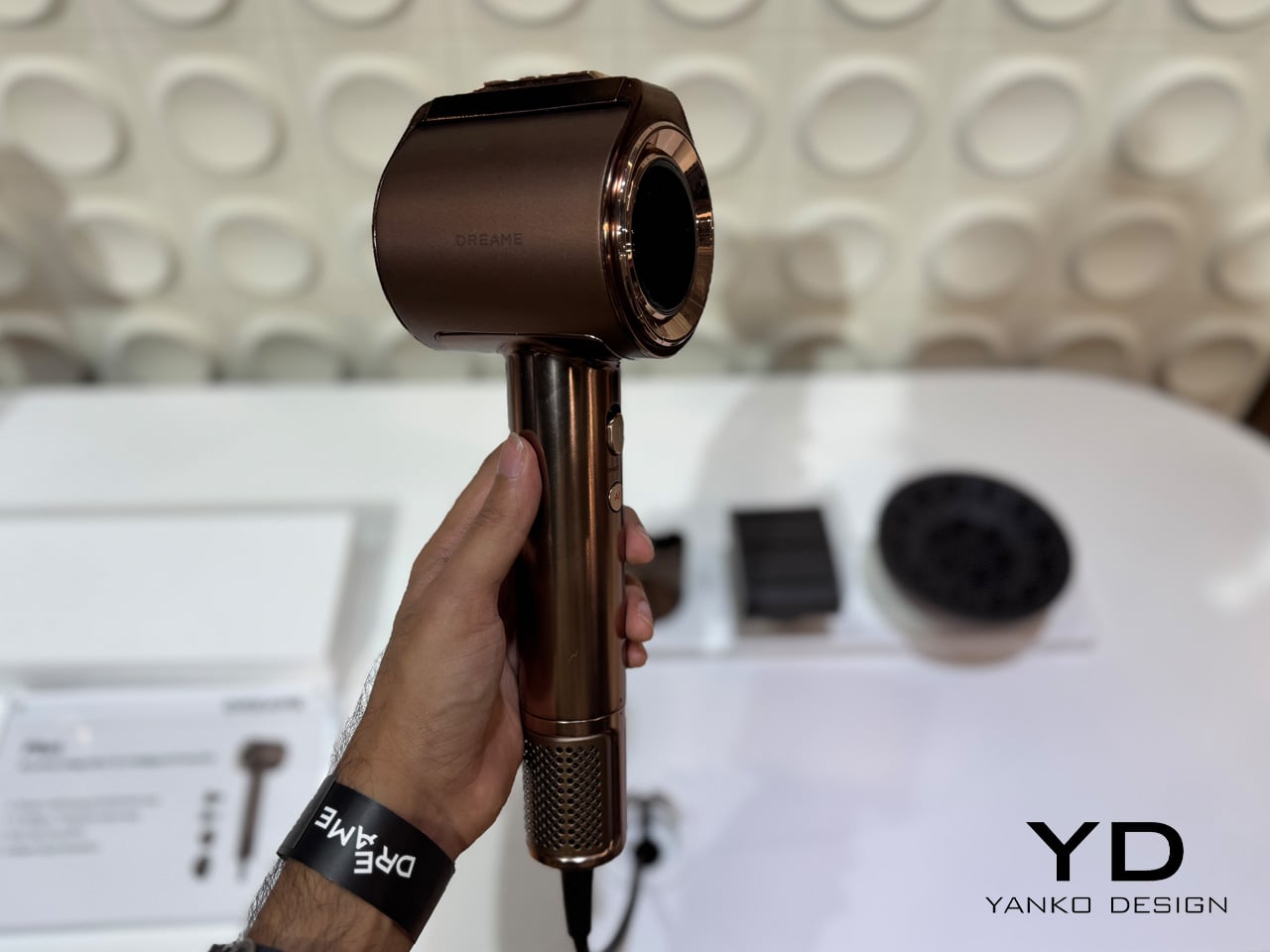
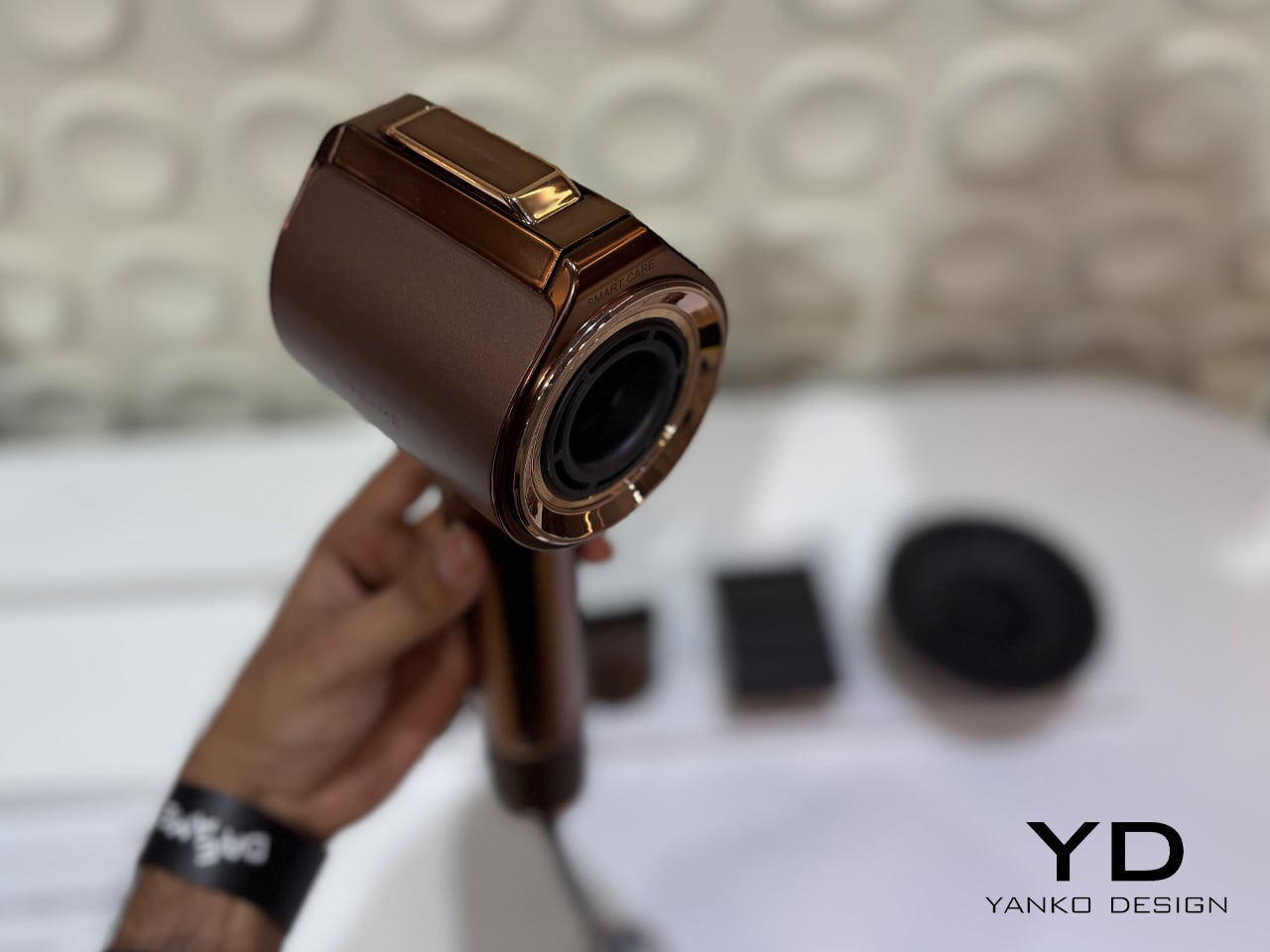
The intelligent nozzle recognition system brings another layer of convenience. Each styling nozzle comes with preset parameters that the dryer automatically detects when attached. The system recalls individual user preferences for each nozzle, eliminating the need to manually adjust settings every time you switch attachments. Whether you’re diffusing curls or creating sleek styles, the Pilot remembers what works best for you. The dynamic smart display provides clear, real-time information about settings and modes, making it easy to see exactly what’s happening at a glance.

Despite its advanced technology, the Pilot maintains practical usability. Auto idle detection helps conserve energy when the dryer isn’t actively in use. At 420g without the wire, it’s lightweight enough for comfortable extended use. The 2.8m wire length provides plenty of freedom to move while styling. The Dreame Pilot Smart AI Hair Dryer reimagines what a hair dryer can be. It’s not just a styling tool but an intelligent system that learns, adapts, and evolves with your hair care routine. For anyone seeking professional results with personalized care, the Pilot delivers technology that truly makes a difference.

The post Smart Hair Care: How the Dreame Pilot AI Hair Dryer Adapts to Your Unique Needs – DRAFT first appeared on Yanko Design.

Razer’s Project AVA Brings Holographic AI Companions to Your Desk

Remember watching sci-fi movies as a kid and dreaming about the day you’d have your own holographic assistant? Well, that future just arrived, and it’s cuter than we ever imagined. Razer unveiled Project AVA at CES 2026, and honestly, it’s giving us all the futuristic vibes we didn’t know we needed.

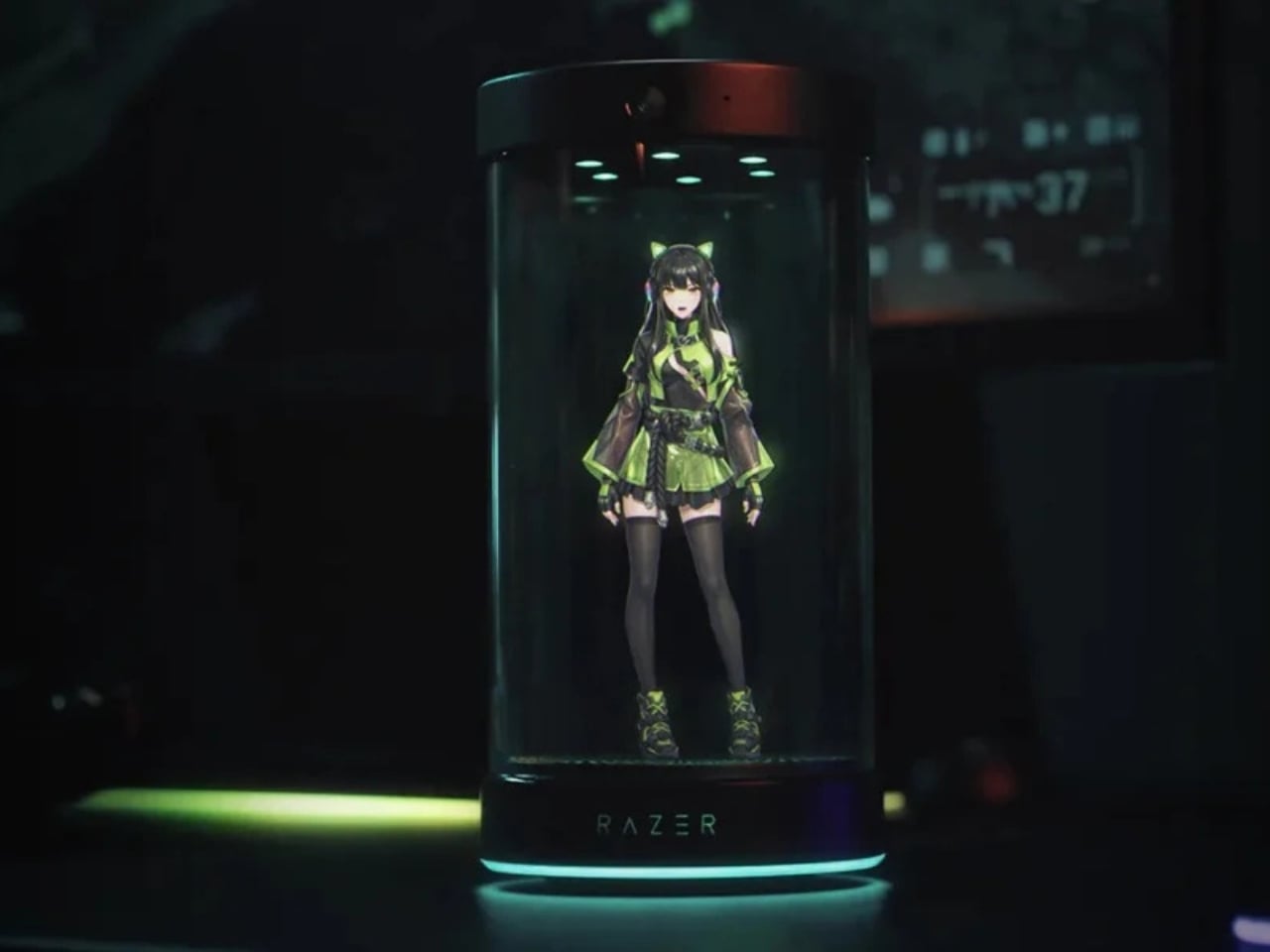
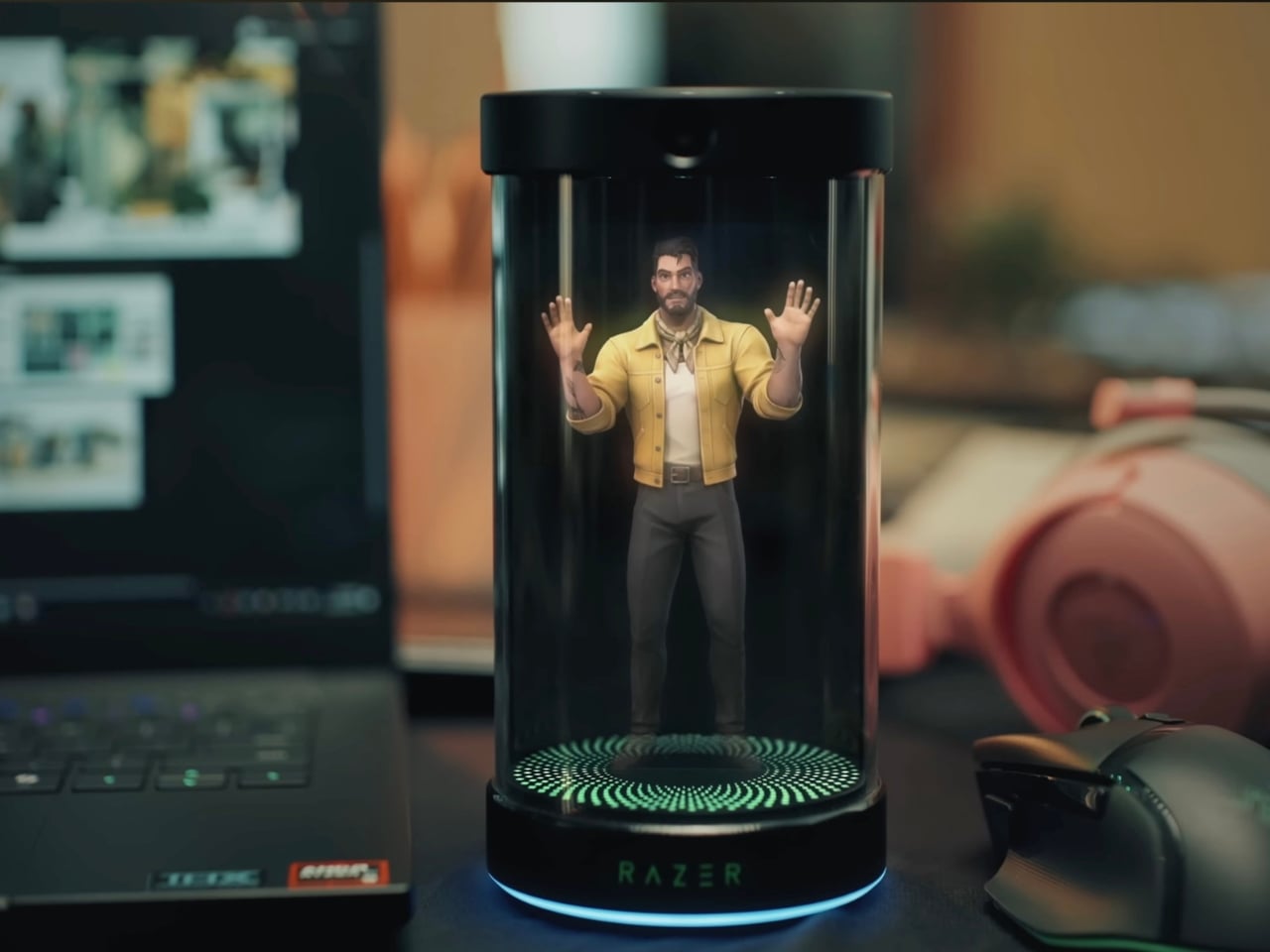
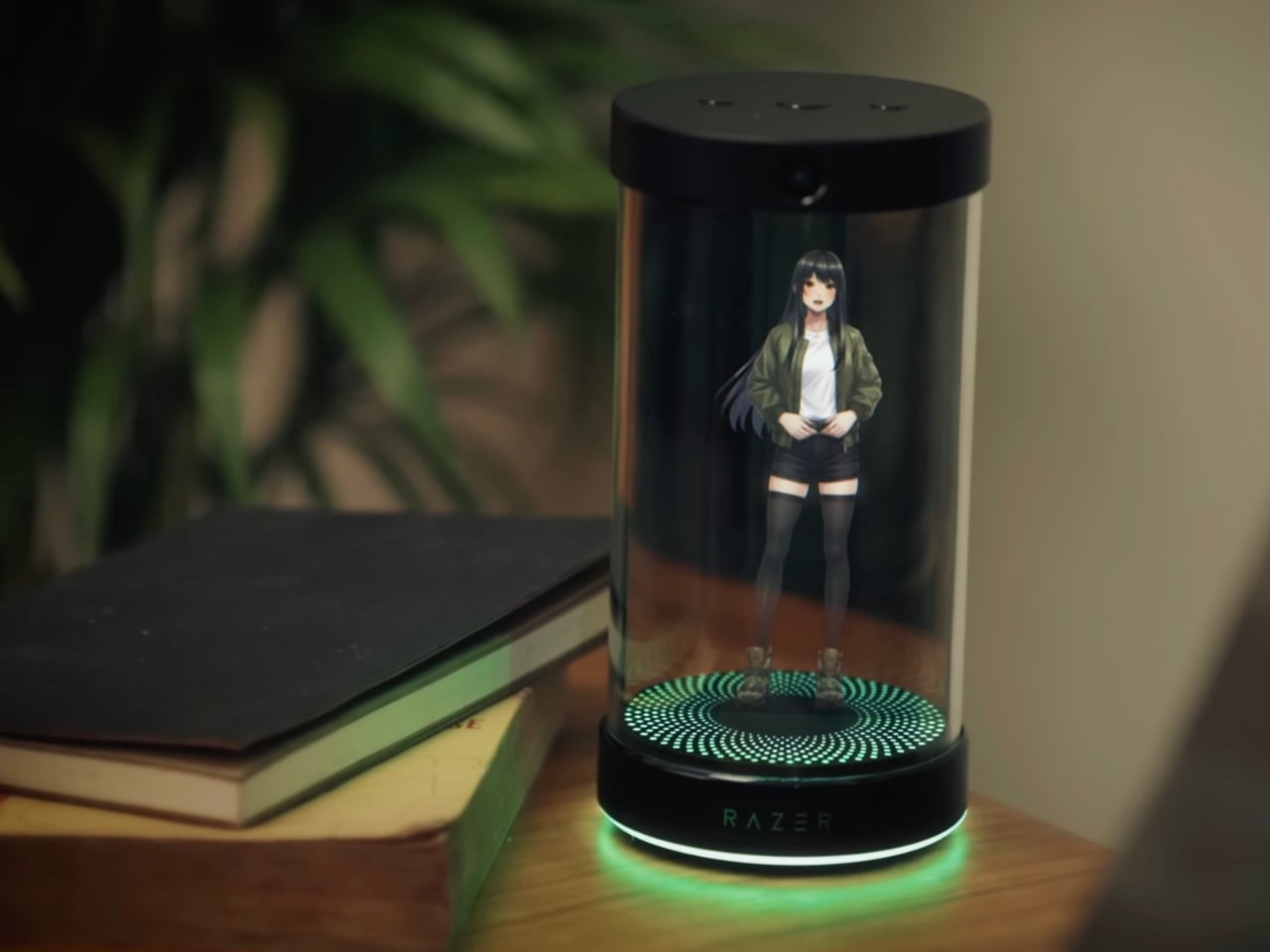
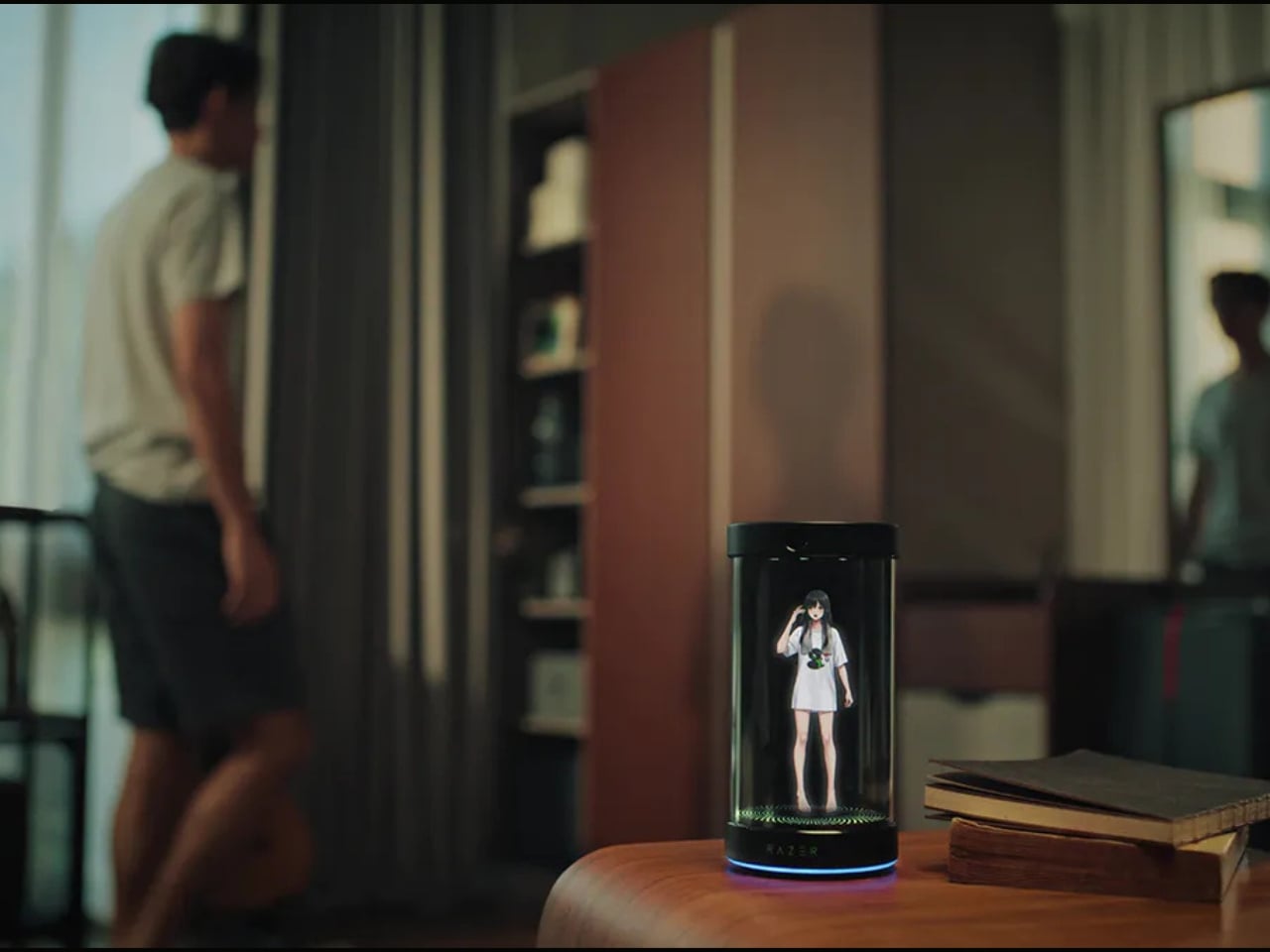
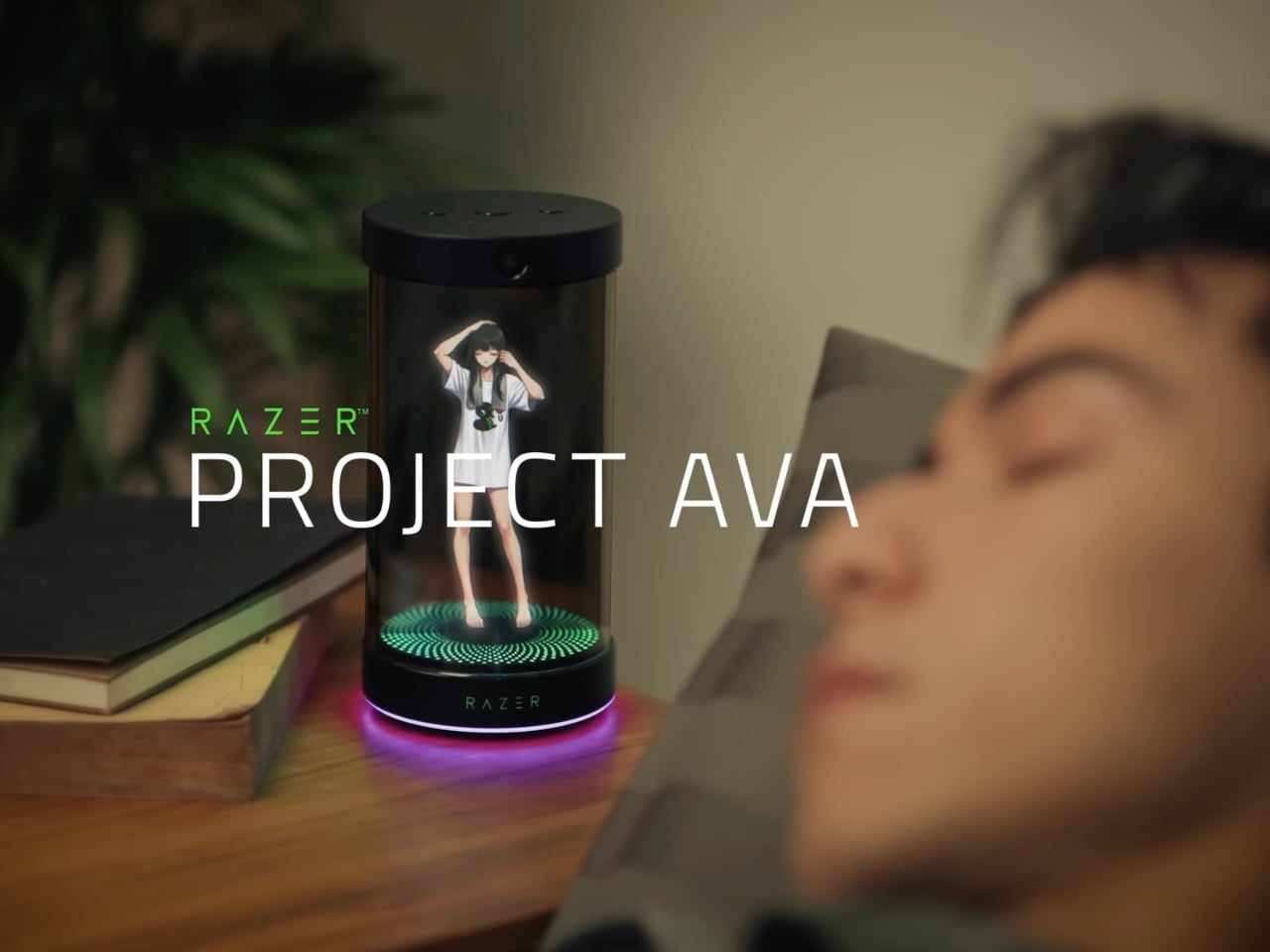
Picture this: a sleek cylindrical device sitting on your desk, projecting a 5.5-inch animated 3D hologram that actually talks to you, learns your habits, and becomes your daily companion. It sounds like something straight out of a Black Mirror episode, but in the best possible way.

Designer: Razer

What makes Project AVA so fascinating isn’t just the holographic technology itself (though let’s be real, that’s pretty spectacular). It’s how Razer has reimagined what AI companionship could look like in our physical spaces. Unlike Siri hiding in your phone or Alexa trapped in a speaker, AVA exists as a visible presence on your desk. She has facial expressions, tracks eye movement, and her lips actually sync when she talks. It’s the kind of detail that transforms a gadget into something that feels surprisingly alive.

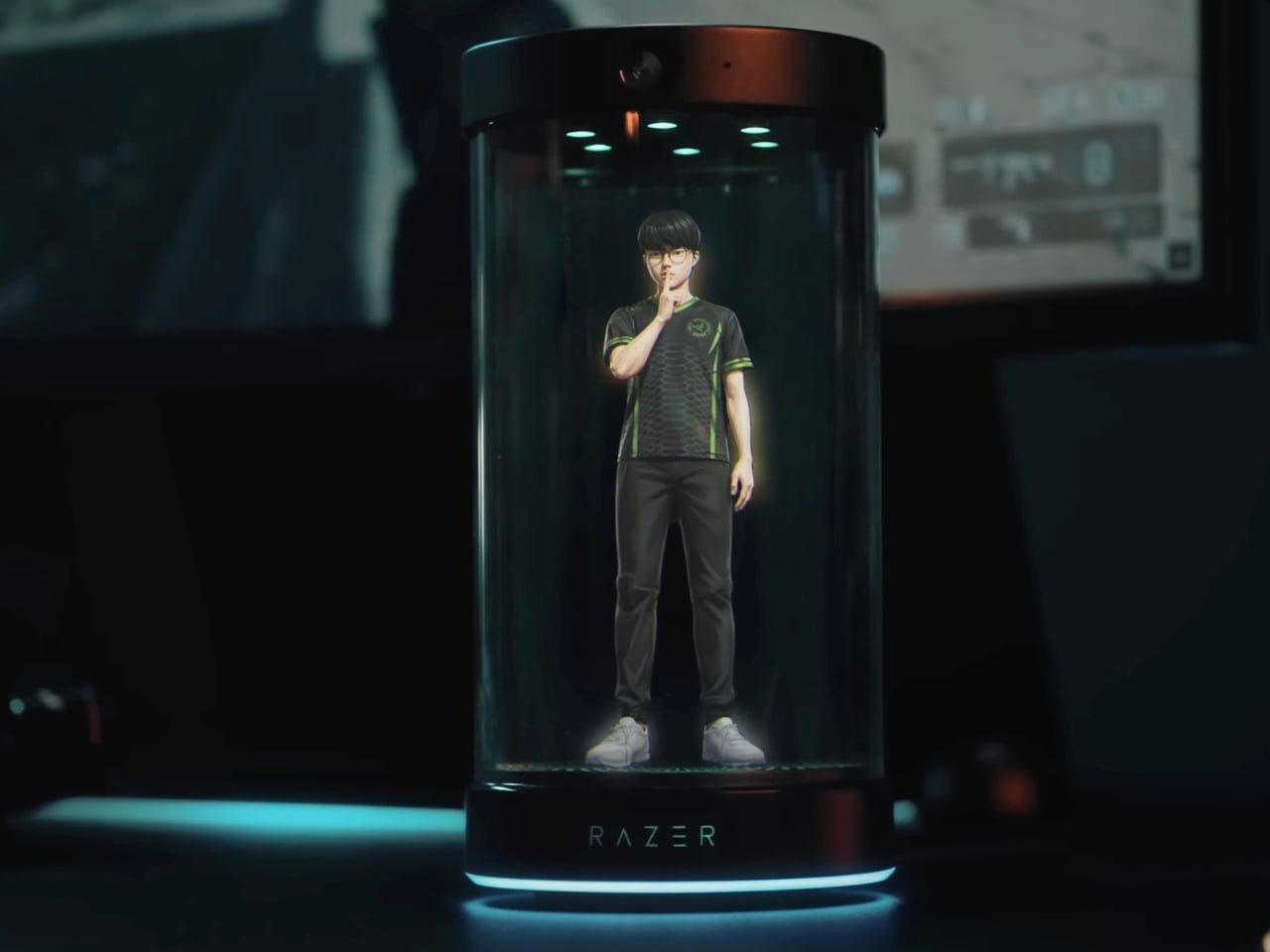
The personality customization is where things get really interesting. You can choose from different avatars, each with their own distinct personality. There’s Kira, an anime-style character perfect for gaming enthusiasts. There’s Zane for those wanting a more professional vibe. And then, in what might be the most genius collaboration ever, there’s an avatar modeled after League of Legends legend Lee “Faker” Sang-hyeok, plus characters from Sword Art Online. Razer clearly understands its audience, and they’re leaning hard into gaming and anime culture in the best way possible.

But here’s what really sets AVA apart: she’s powered by xAI’s Grok engine, which gives her some seriously sophisticated AI capabilities. This isn’t just a voice assistant that sets timers and plays music. AVA learns from your interactions and evolves her personality based on how you communicate with her. She can help organize your schedule, brainstorm creative projects, analyze data, and even provide real-time gaming coaching by actually watching your screen and offering strategic advice.

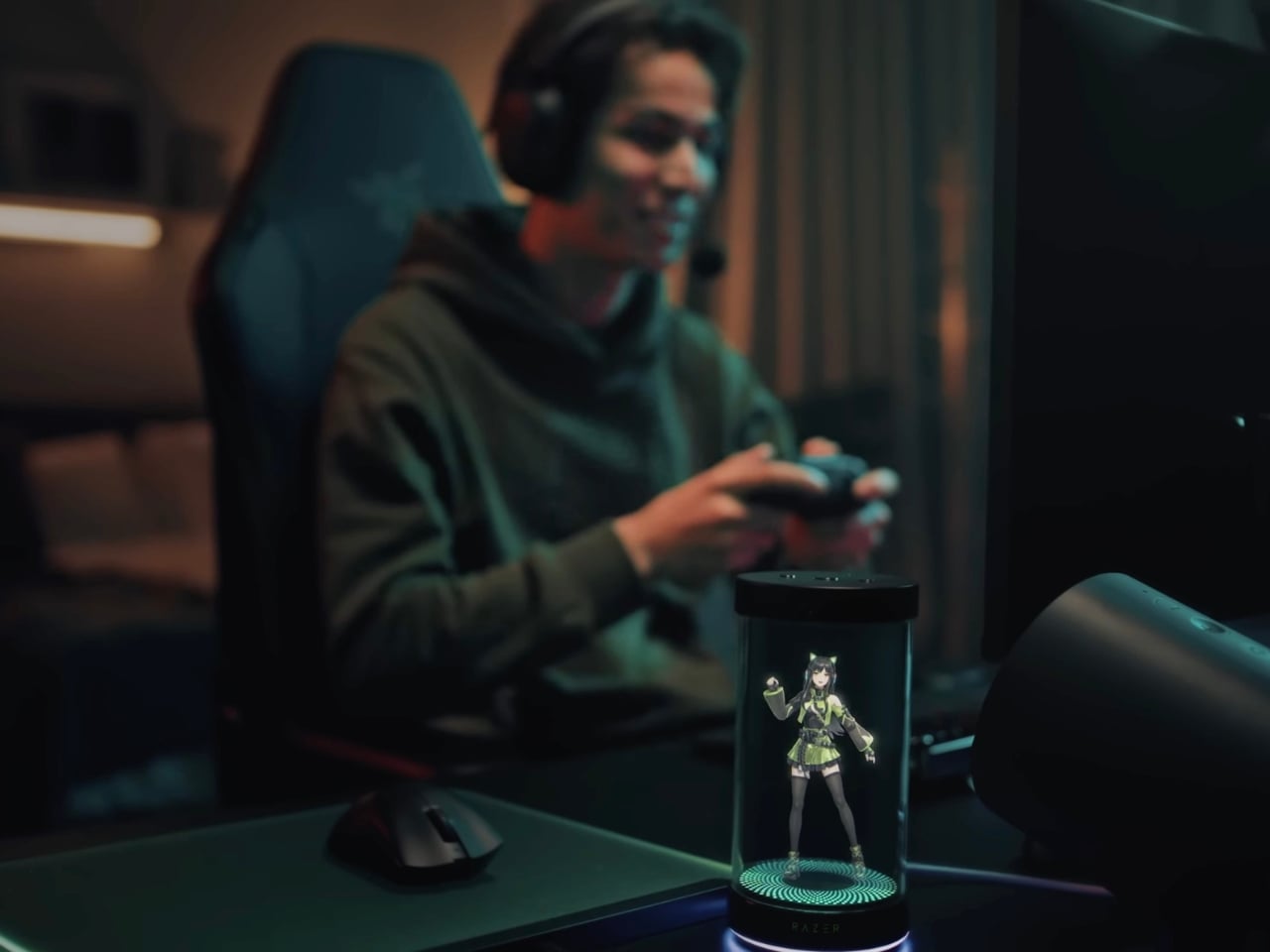
The gaming features deserve special attention because they’re genuinely innovative. Through what Razer calls “PC Vision Mode,” AVA can analyze your gameplay in real-time and offer coaching tips. Before you worry, Razer has been clear that AVA is designed as a coach and trainer, not an automated playing tool, so she won’t get you banned from competitive games. She’s more like having a knowledgeable friend watching over your shoulder, offering helpful suggestions.

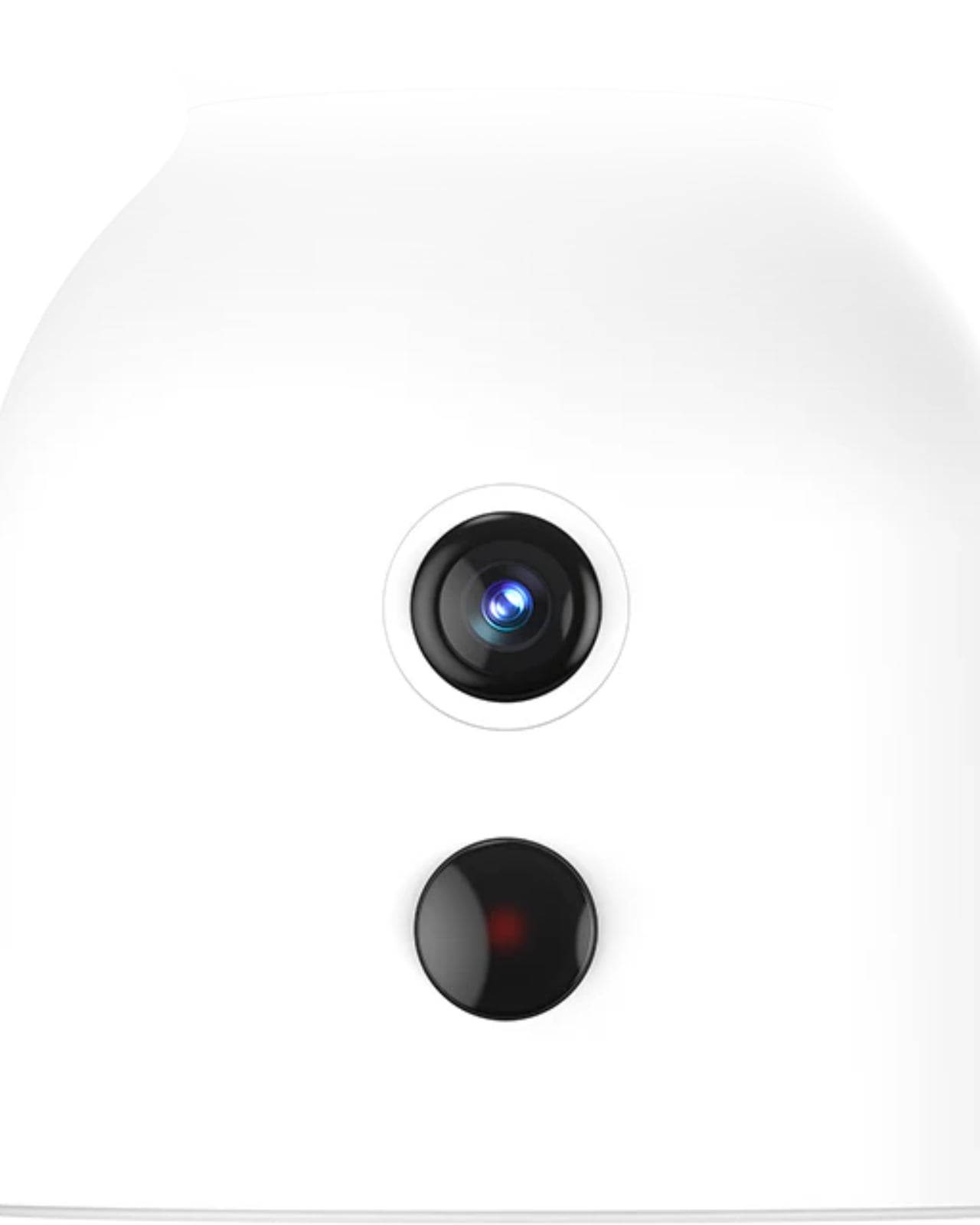
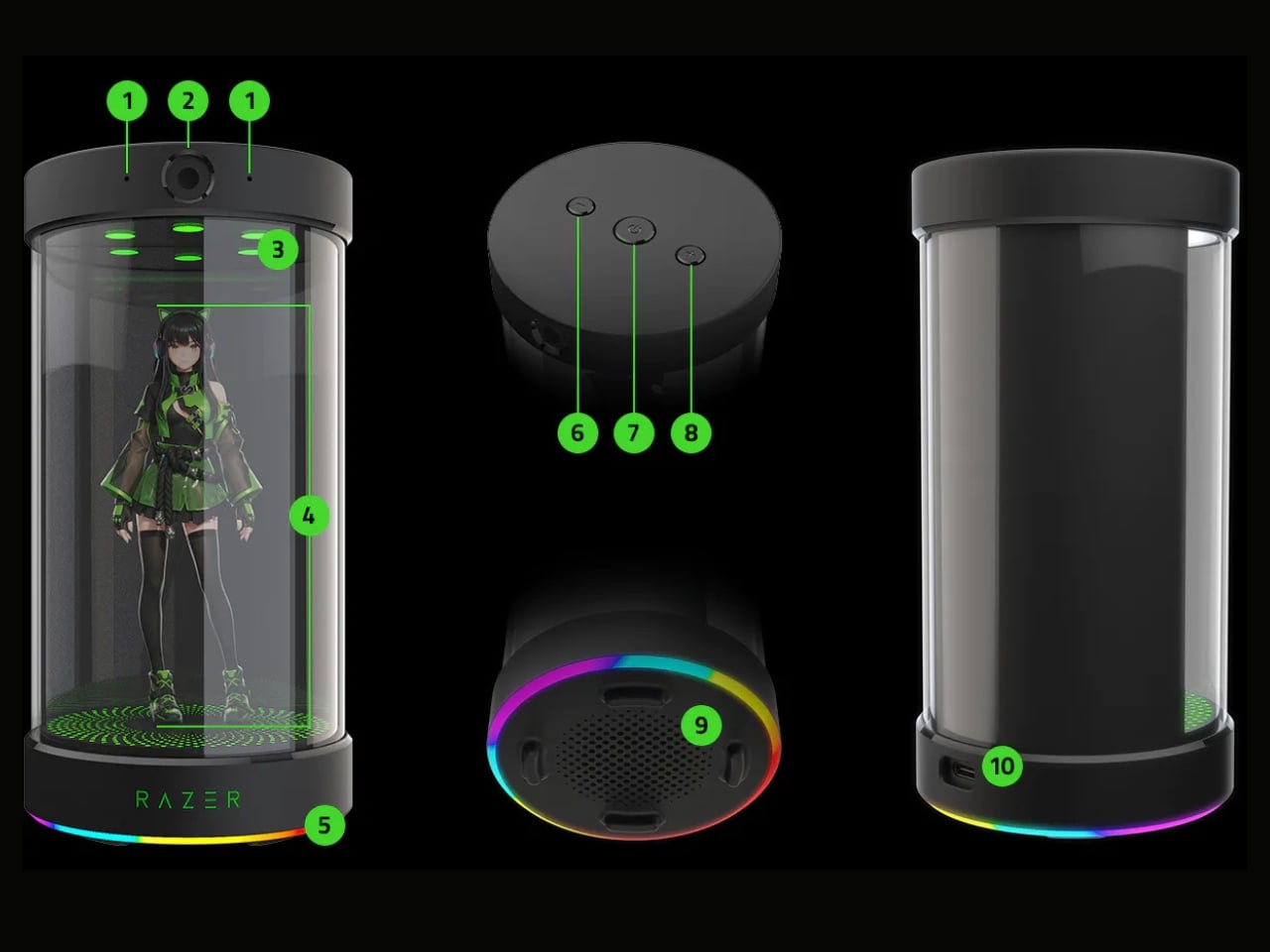
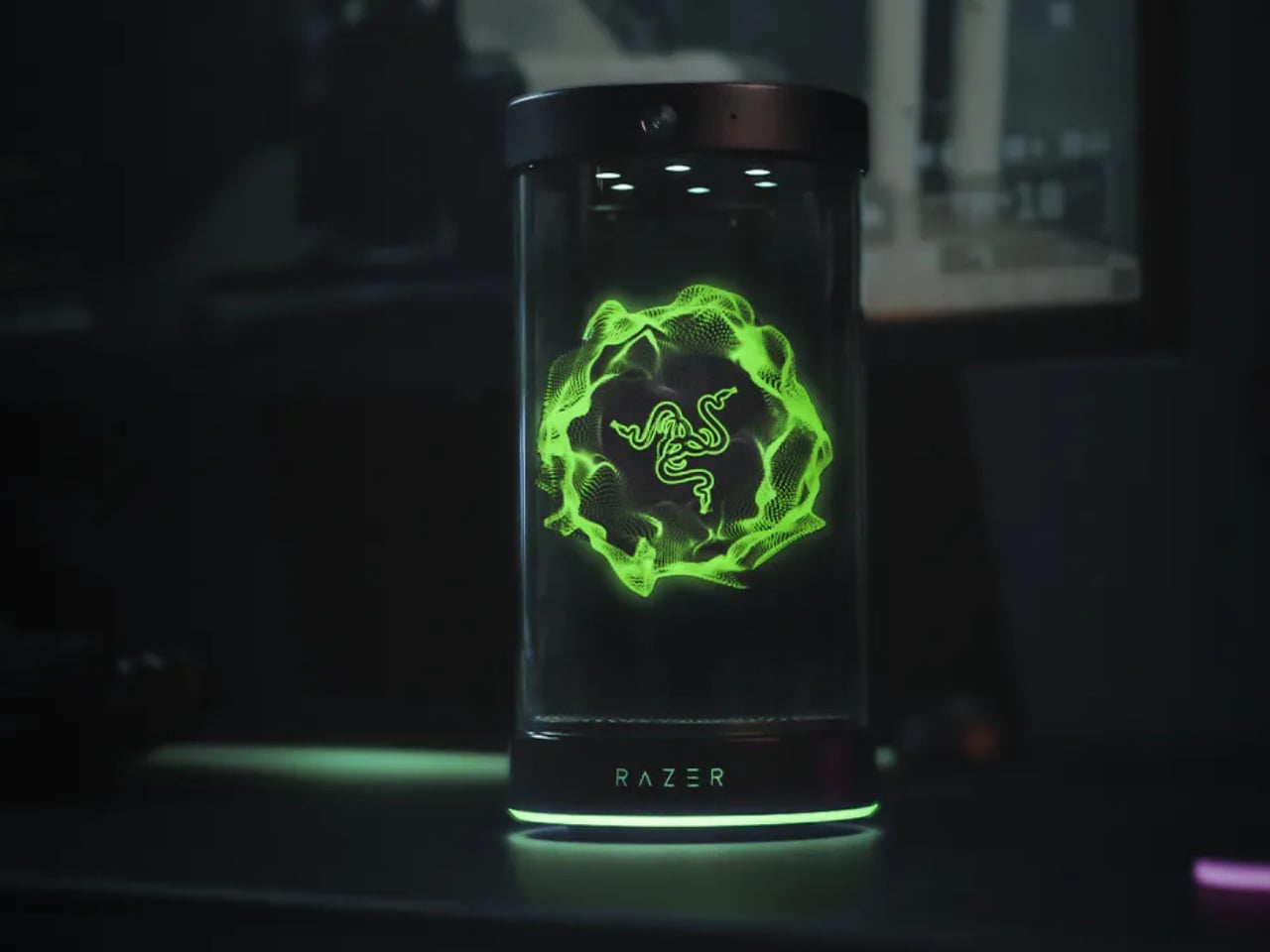
From a design perspective, the cylindrical unit houses impressive tech: dual far-field microphones, an HD camera with ambient light sensors, and of course, Razer’s signature Chroma RGB lighting because aesthetics matter. The device connects to your Windows PC via USB-C, ensuring the high-bandwidth data transfer needed for those real-time features to work smoothly.

What’s particularly clever about Project AVA is how it addresses something we’ve all experienced with traditional AI assistants: the disconnect. When you’re talking to a voice in a speaker, it feels transactional. But when there’s a holographic character making eye contact and responding with facial expressions, the interaction becomes more engaging and, dare I say, more human.

Razer is calling AVA a “Friend for Life,” which might sound like marketing hyperbole, but it hints at something bigger happening in tech culture. We’re moving beyond thinking about AI as tools and starting to explore how they might serve as companions in our daily lives. It’s a fascinating cultural shift that raises interesting questions about how we’ll interact with technology in the coming years.

For anyone interested in being part of this next wave of AI innovation, reservations are open now for a $20 deposit, with the device expected to launch in late 2026. Whether you’re a tech enthusiast, a collector of innovative gadgets, or just someone who’s always wanted their own holographic companion, Project AVA represents something genuinely new in the consumer tech space.

The post Razer’s Project AVA Brings Holographic AI Companions to Your Desk first appeared on Yanko Design.

Keychron’s Nape Pro turns your mechanical keyboard into a laptop‑style trackball rig: Hands-on at CES 2026

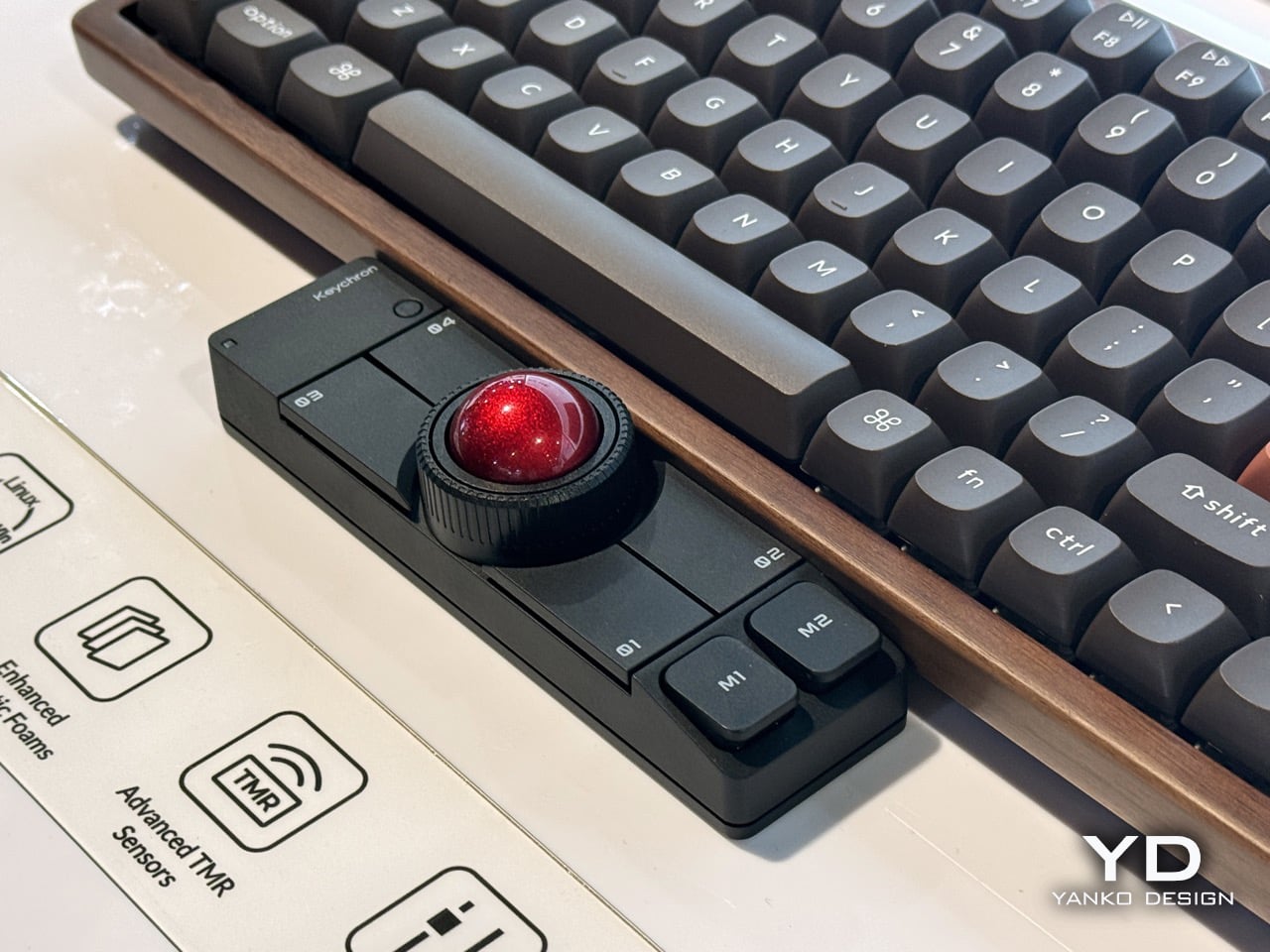
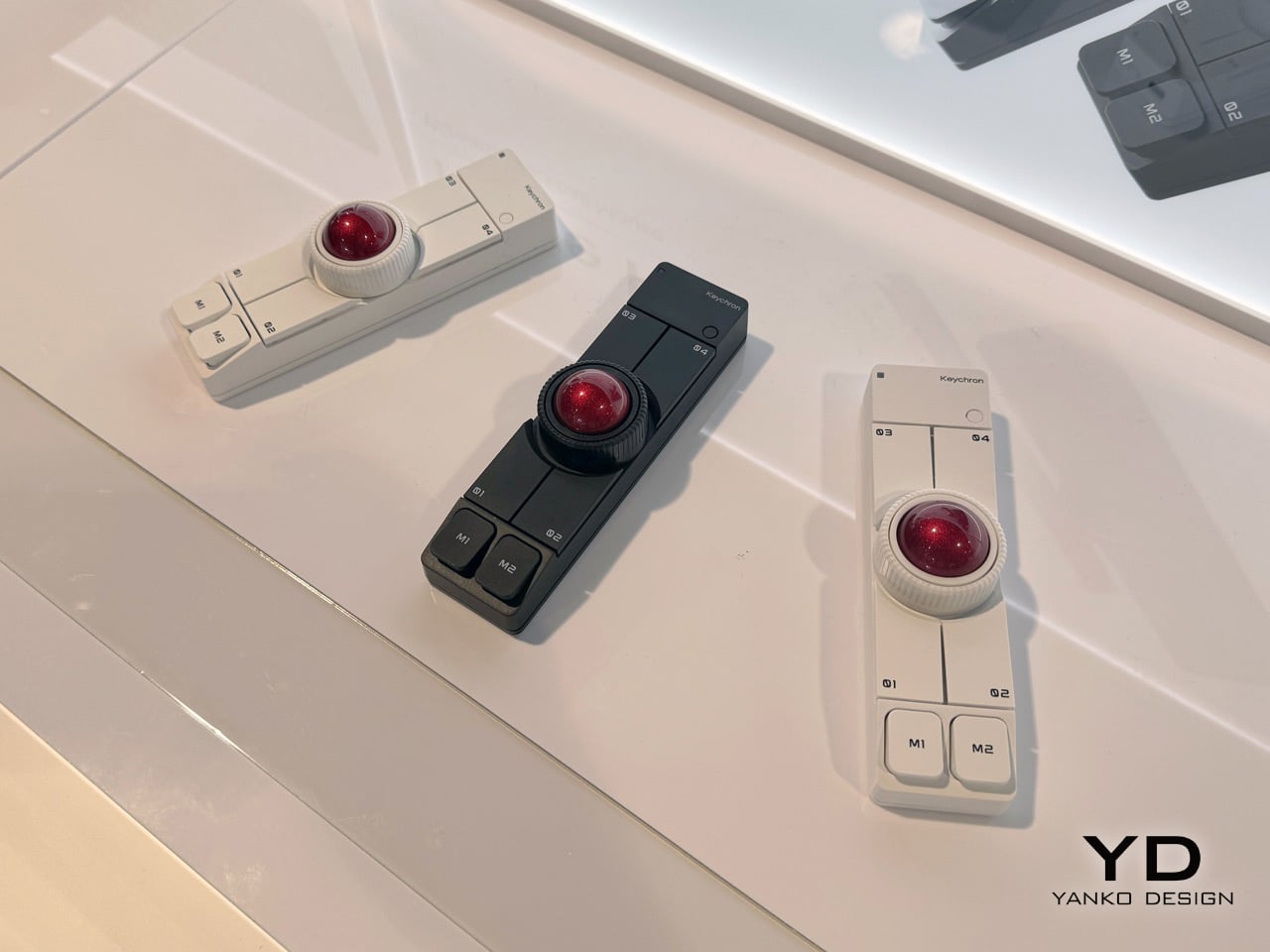
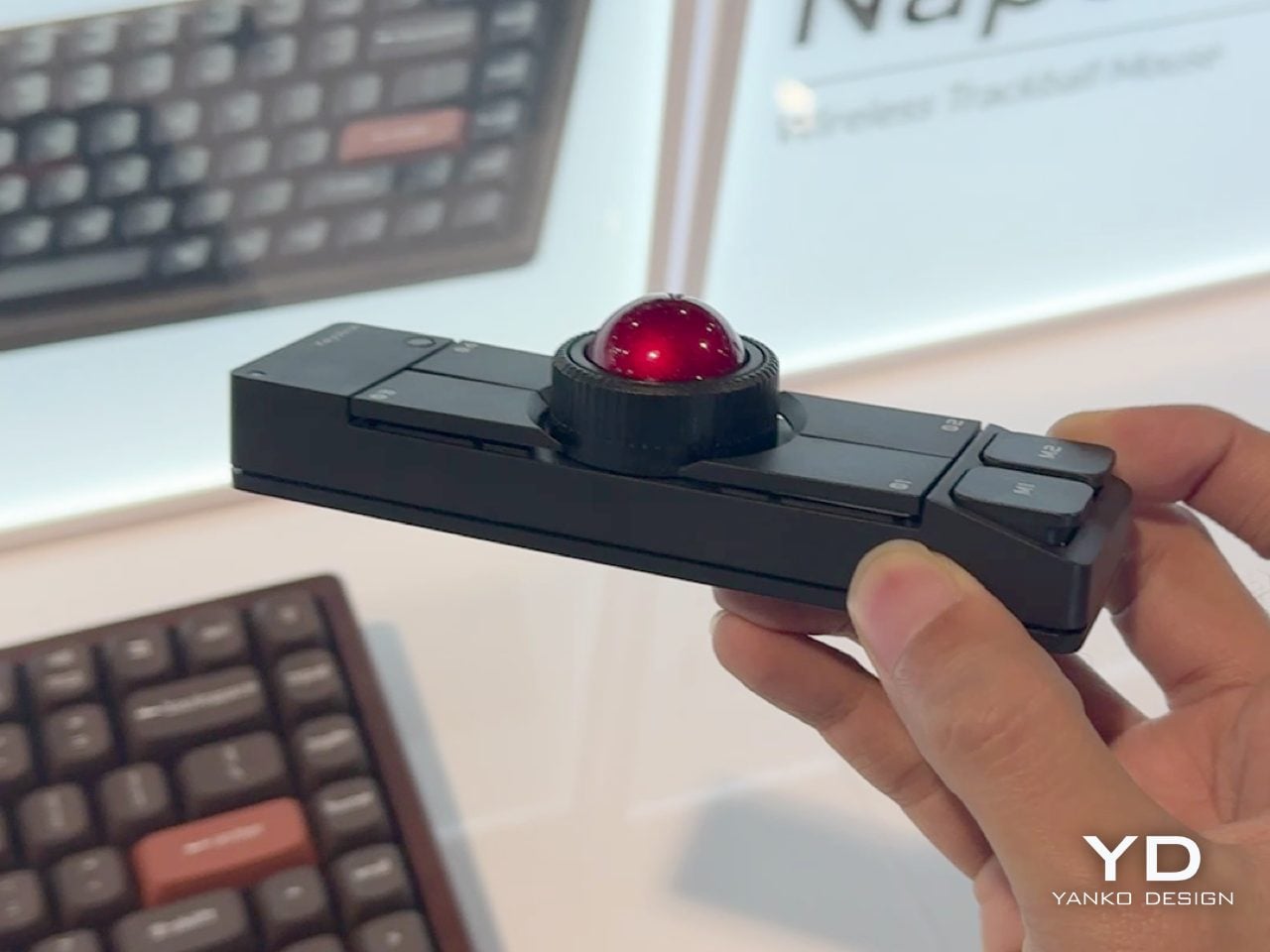
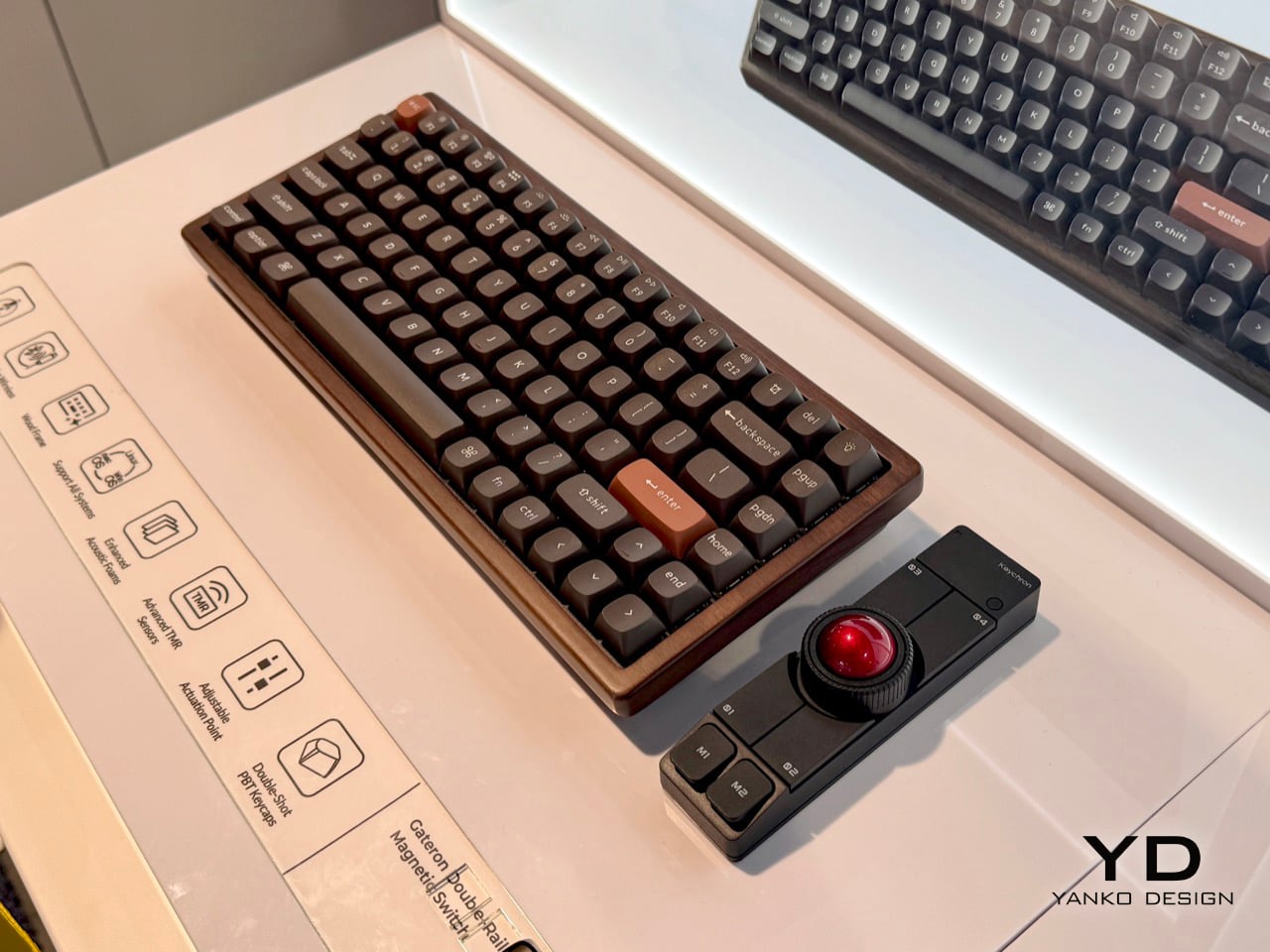
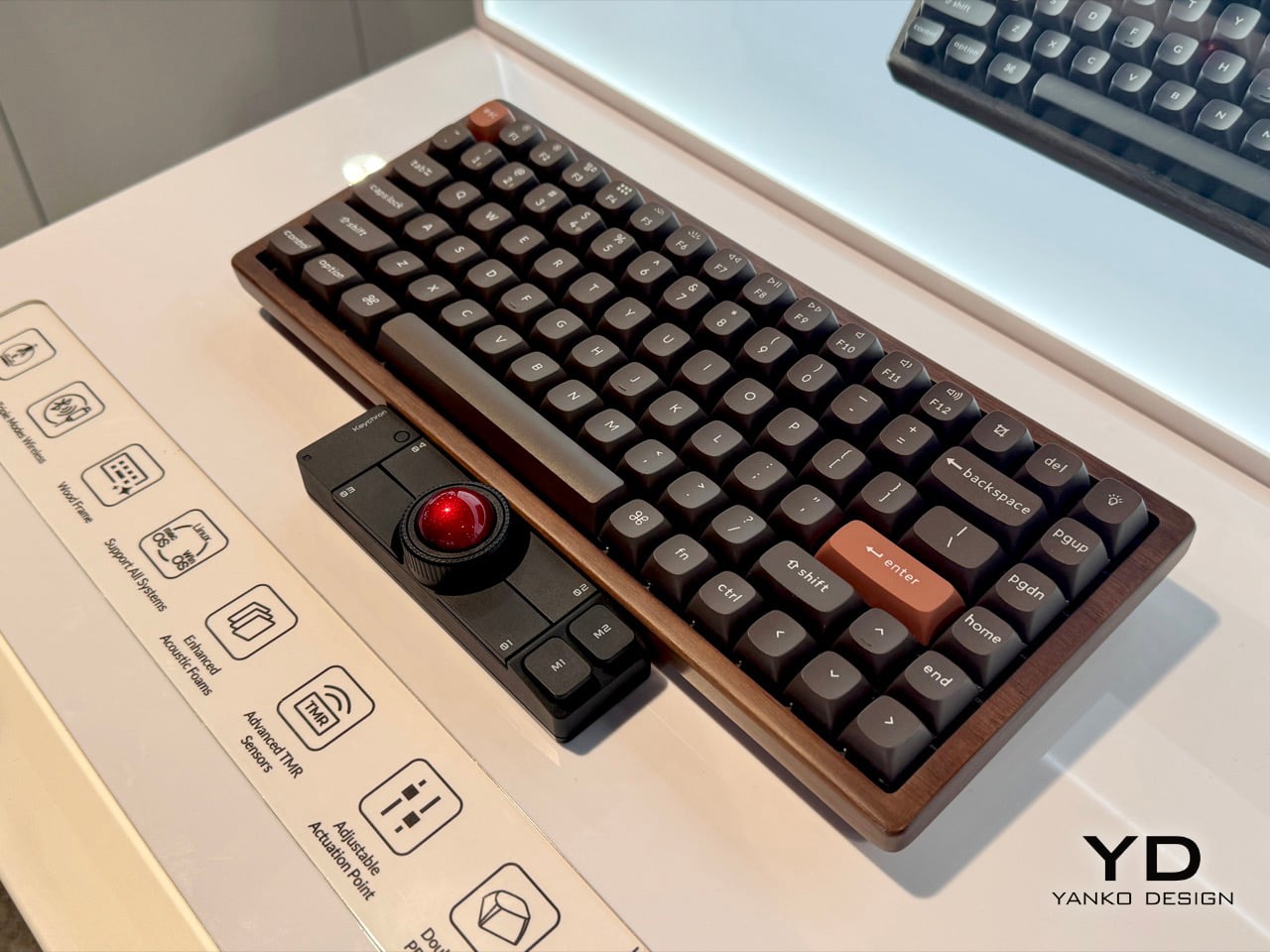
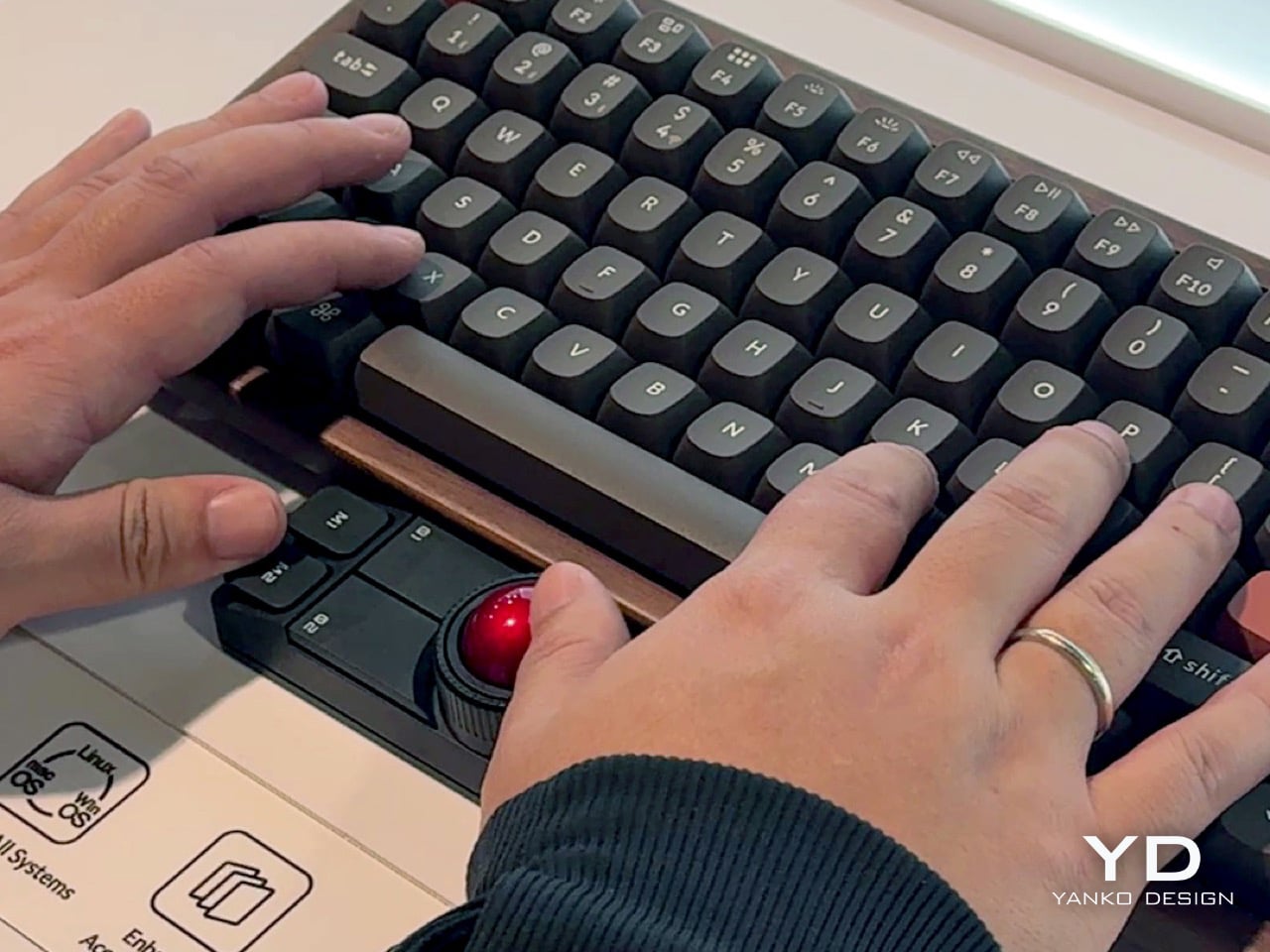
Most desktop setups still assume your mouse lives somewhere off to the right, waiting for you to break posture and reach across half the desk. Keychron’s new Nape Pro asks a different question: what if the pointing device simply came to meet your hands instead? Built as a slim bar with a 25 mm thumb trackball, six buttons, and a scroll wheel, it nestles right up against your favorite keyboard and behaves like a precision laptop pointing system for people who refuse to give up their mechanical boards.

Slide it to the side of the keyboard and the personality changes completely. Nape Pro turns into a compact, wireless trackball with full macro pad ambitions, complete with layers, shortcuts, and ZMK powered customization. It is less a mouse replacement and more a modular control surface that just happens to move your cursor, wherever you decide to park it.

Designers: Keychron & Gizmodo Japan

Seeing it here at the Keychron booth, tucked under a Q1 Pro, the immediate impression is how little space it occupies. The whole unit is only 135.2 mm long and 34.7 mm wide, so it fits neatly within the footprint of a standard tenkeyless board without feeling like an afterthought. They are using quiet Huano micro switches for the six buttons, which makes sense for a device meant to live right under your palms where an accidental loud click would be infuriating. The 25 mm ball is smaller than what you would find on a Kensington Expert, but it feels responsive enough for quick navigation. It is clearly designed for thumb operation, keeping your fingers on the home row and eliminating that constant, inefficient travel between keyboard and mouse.

The real cleverness, though, is not in the hardware itself but in the chameleon-like software and orientation system. They call it OctaShift, which basically means the device knows how it is positioned and can remap its functions accordingly. The two buttons at the very ends, M1 and M2, are the easiest to hit in any orientation, so they naturally become your primary clicks whether the Nape Pro is horizontal, vertical, or angled. This flexibility is what separates it from a simple add-on. It is a tool that adapts to your workflow, whether you are a writer who wants to scroll with a thumb or a video editor who needs a dedicated shuttle wheel and macro pad next to their main mouse.

Under the hood, it is running on a Realtek chip with a 1 kHz polling rate and a PixArt PAW3222 sensor, so the performance is on par with a decent wireless gaming mouse. Connectivity is handled via Bluetooth, a 2.4 GHz dongle, or a simple USB-C cable. What really caught my attention was the commitment to the enthusiast community. The firmware is ZMK, a popular open-source platform in the custom keyboard world, and Keychron plans to release the 3D files for the case. This is not a closed ecosystem. It is an invitation for users to tinker, to print their own angled stands, custom button caps, or even entirely new shells.

This open approach feels like the whole point. The Nape Pro is not just for people who want a trackball; it is for people who build their own keyboards, flash their own firmware, and spend hours fine-tuning their desk setup for optimal efficiency. It bridges the gap between high-end custom keyboards and generic pointing devices. It acknowledges that for a certain type of user, the mouse is the last un-programmable, inflexible part of their workflow. By making a pointing device that is as customizable and community-focused as the keyboards it is designed to sit next to, Keychron has built something genuinely new.

The post Keychron’s Nape Pro turns your mechanical keyboard into a laptop‑style trackball rig: Hands-on at CES 2026 first appeared on Yanko Design.

Portable Power, Smart Doors, AI Baby Eyes: The Most Underrated Tech From CES 2026 Global Connect

Robots and AI assistants grab headlines, but the technology that actually changes daily routines lives in outlets, doorways, and kitchen counters. Global Connect’s January 5th showcase at CES 2026 puts that infrastructure-level innovation on display, bringing together brands that solve the unglamorous problems: keeping phones charged during power outages, filtering contaminants from tap water, protecting devices from drops, and securing entry points with biometric precision. These aren’t moonshot concepts waiting for venture capital; they’re products shipping to homes and businesses right now, refined through real-world use and customer feedback.

iMpact PR’s private villa format gives these utility-focused companies four hours to demonstrate what separates working technology from marketing promises. Bluetti’s portable power stations, Waterdrop’s reverse osmosis systems, Benks’ protective accessories, Xthings’ unified smart home platforms, Autel’s EV charging infrastructure, and Monai’s baby monitors represent the less flashy side of CES, where innovation means making essential tasks more reliable, more efficient, or simply less annoying. The villa setting strips away booth theatrics, letting journalists test whether these everyday solutions actually deliver on their practical claims when the promotional videos stop playing.

Benks Armor Series Kevlar Cases
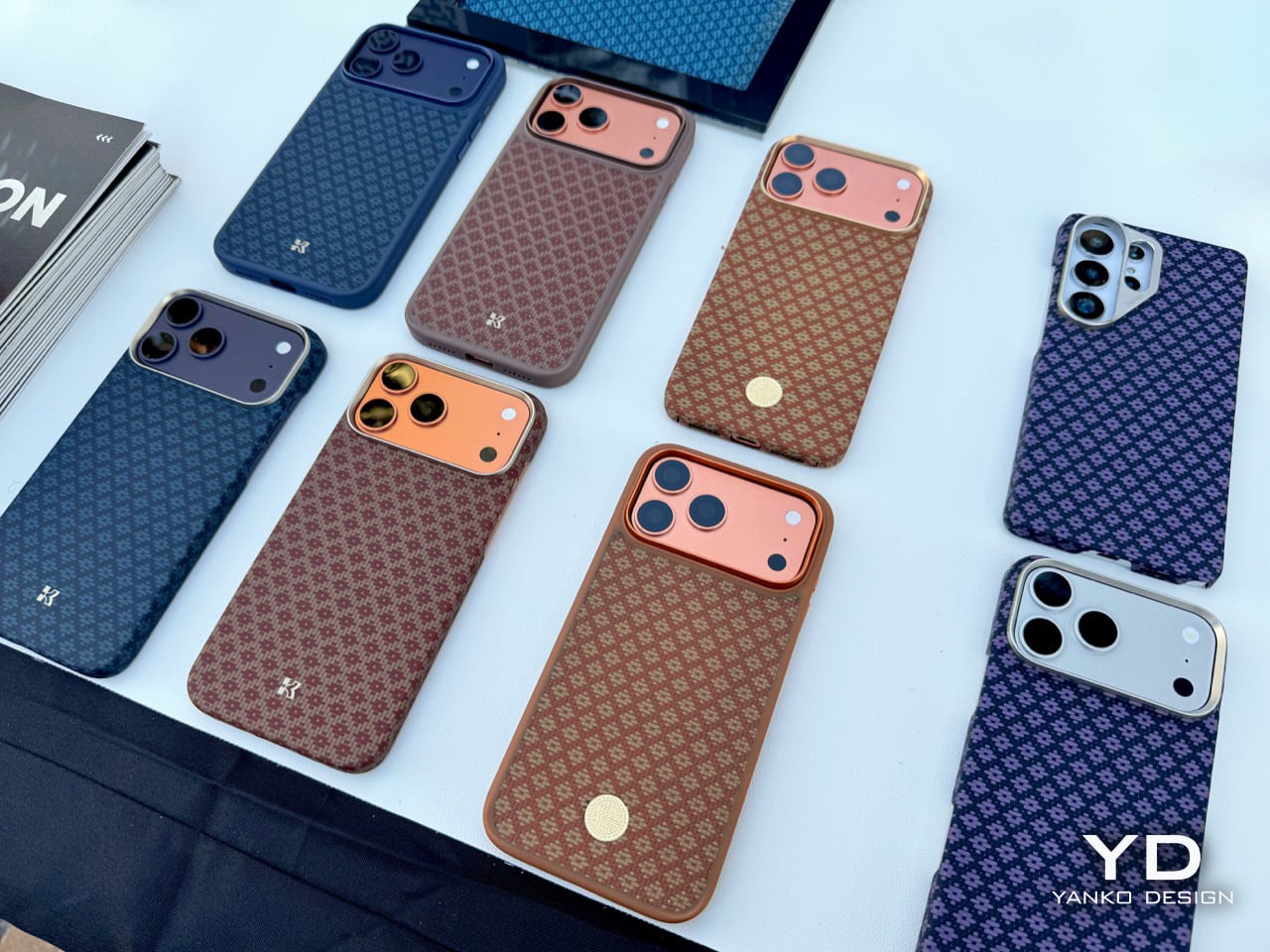
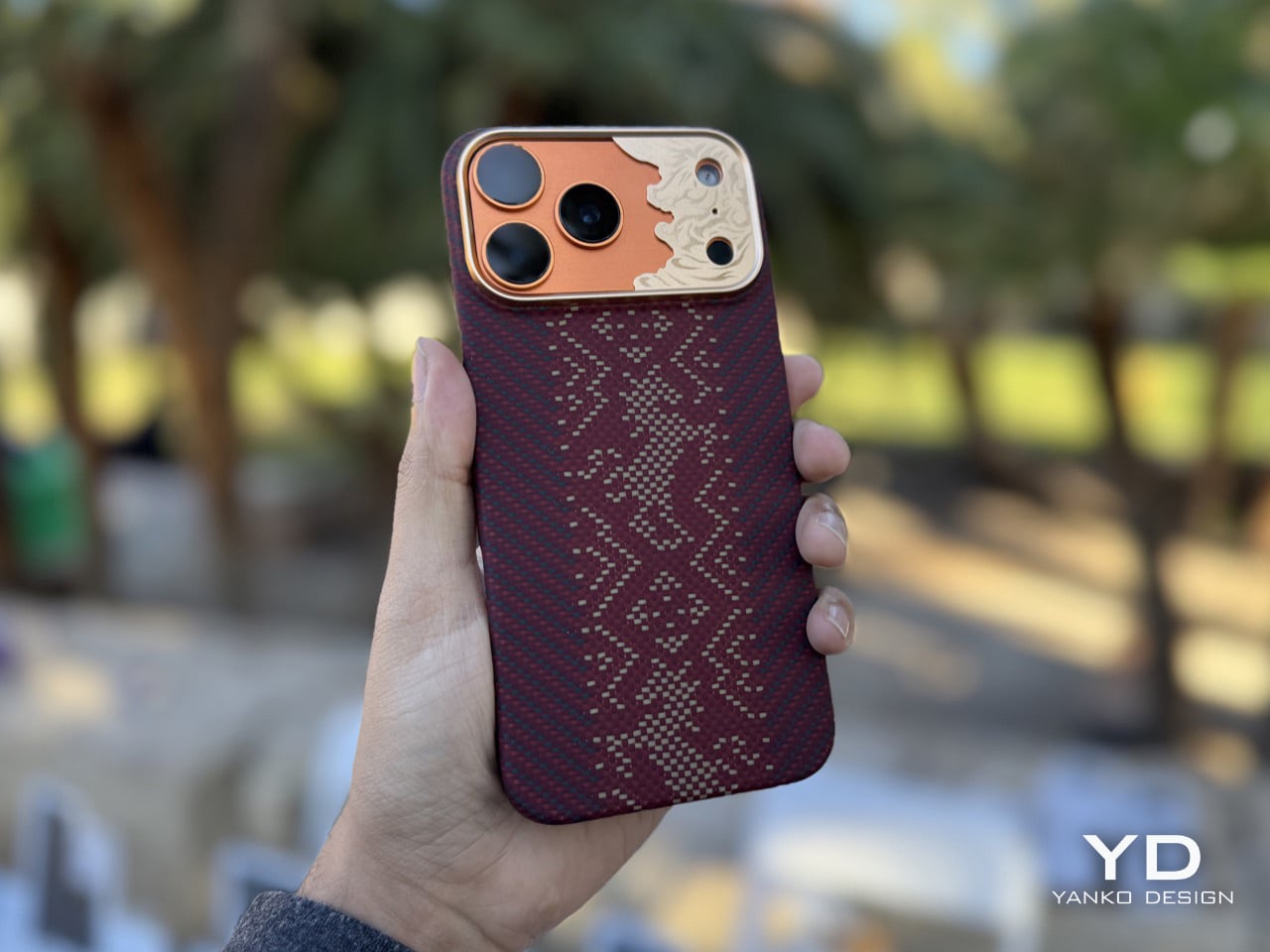
Benks leans hard into Kevlar, but the Armor series is built to prove that impact protection does not have to look tactical or bulky. ArmorAir, ArmorPro, and ArmorLite all start with DuPont Kevlar fiber as the structural backbone, then layer on slim profiles, raised lens frames, and MagSafe friendly layouts. Within that, you get very different personalities: 600D for the classic woven look, Aurora and Montage with color-blocked stripes, ArmorGrid with a textured geometric pattern, Knight with a subtle motif that feels more fashion than industrial. The result is a family of cases that can shrug off everyday abuse while still looking like something you would actually want to put on a brand-new phone, not a rubber bumper from a hardware store.

Around that core, Benks fills out the ecosystem with GlassWarrior screen protectors, camera lens shields, magnetic power banks, wallet stands, and grips that echo the same material language. The accessories are there so you can build a full setup around a single visual theme, instead of mixing a rugged case with generic glass and a plasticky wallet. What stands out across the catalog is how consistently the brand chases a balance between aesthetics and strength: Kevlar shows up as color, texture, and pattern, not just a marketing bullet point. These are cases that read as design objects first, protective gear second, even though the material science quietly does the heavy lifting in the background.

Autel MaxiCharger Series and Avant Robots
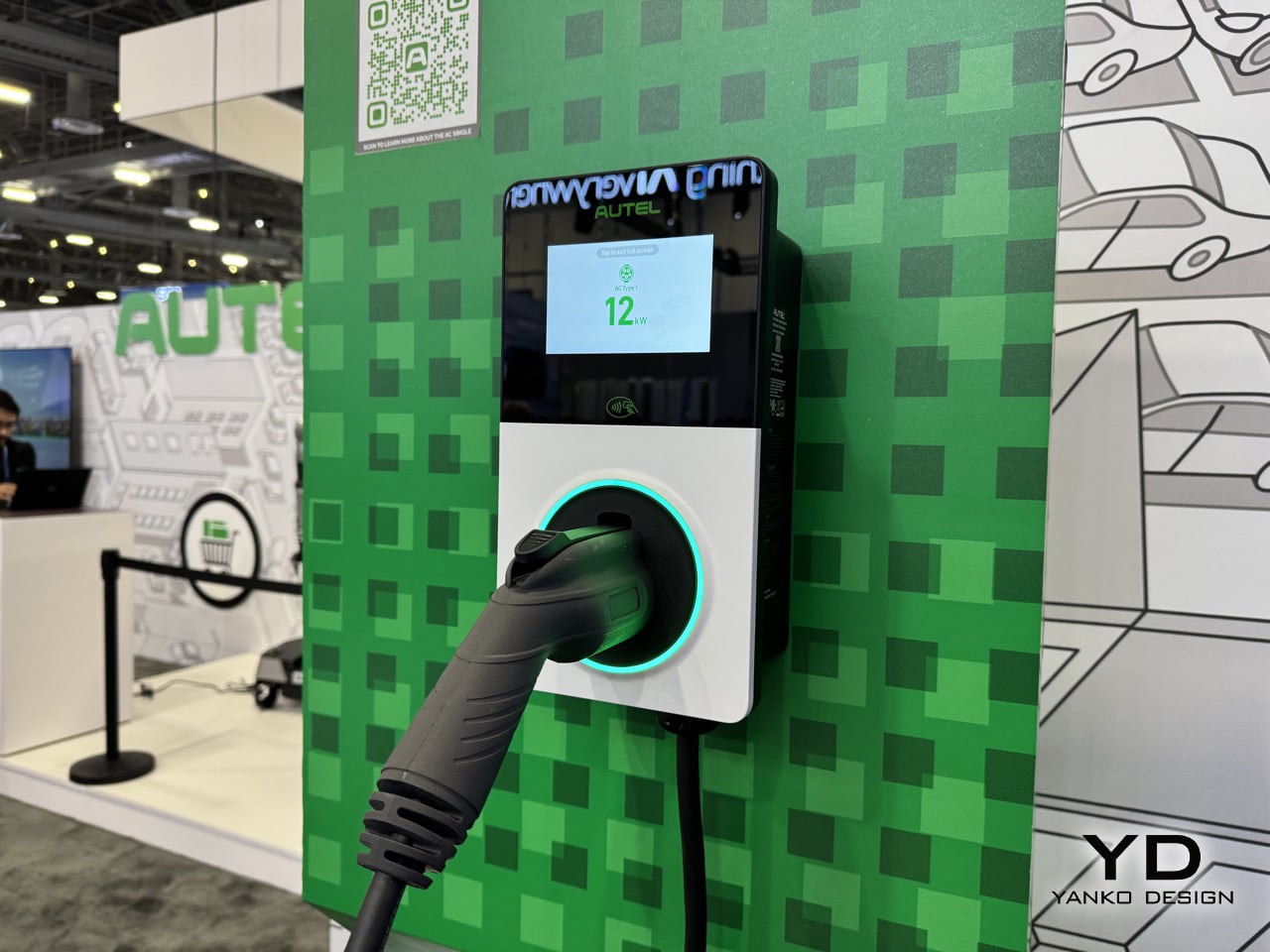
Autel’s presence at Global Connect focuses on energy infrastructure rather than the aerial drones that carry the Autel Robotics name. This division concentrates on EV charging and ground-based autonomous systems, spanning from home installations to commercial-grade ultra-fast chargers with outputs from 12kW AC to 480kW DC. The MaxiCharger AC Compact Gen2 delivers 12kW for residential use, featuring 5-minute installation, bidirectional charging readiness, and automatic detection of solar and energy storage systems. For commercial applications, the DC50 compresses 50kW charging into a footprint under 0.2 cubic meters with whisper-quiet operation below 55 dBA, making it ideal for underground parking garages and space-constrained urban environments. The DC100 hits the mid-range sweet spot at 100kW for fleet depots, while the DH480 pushes 480kW with 96% end-to-end efficiency, delivering up to 1 kilometer of range per second.

The Avant robot platform applies autonomous technology to charging and inspection workflows that typically require human labor. The Avant Charging Robot handles 24/7 EV charging for fleet operations, using computer vision and precision robotics to locate charge ports, retrieve connectors, and complete connections with sub-millimeter accuracy. Its robot-on-demand architecture lets a single unit service multiple parking spots and charging stations, eliminating rigid cable management while maintaining native NACS compatibility for Tesla vehicles. The Avant Autonomous Inspection Robot navigates energy facilities and charging stations with sub-8 centimeter positioning accuracy to inspect gauges, buttons, and switches. With an 80% manipulation success rate for grasping and pressing physical controls, it reduces human exposure to hazardous environments while enabling consistent, repeatable inspection workflows across industrial facilities and mission-critical assets.

Xthings ULTRALOQ Bolt UWB, Bolt Mission, and Ulticam IQ Floodlight
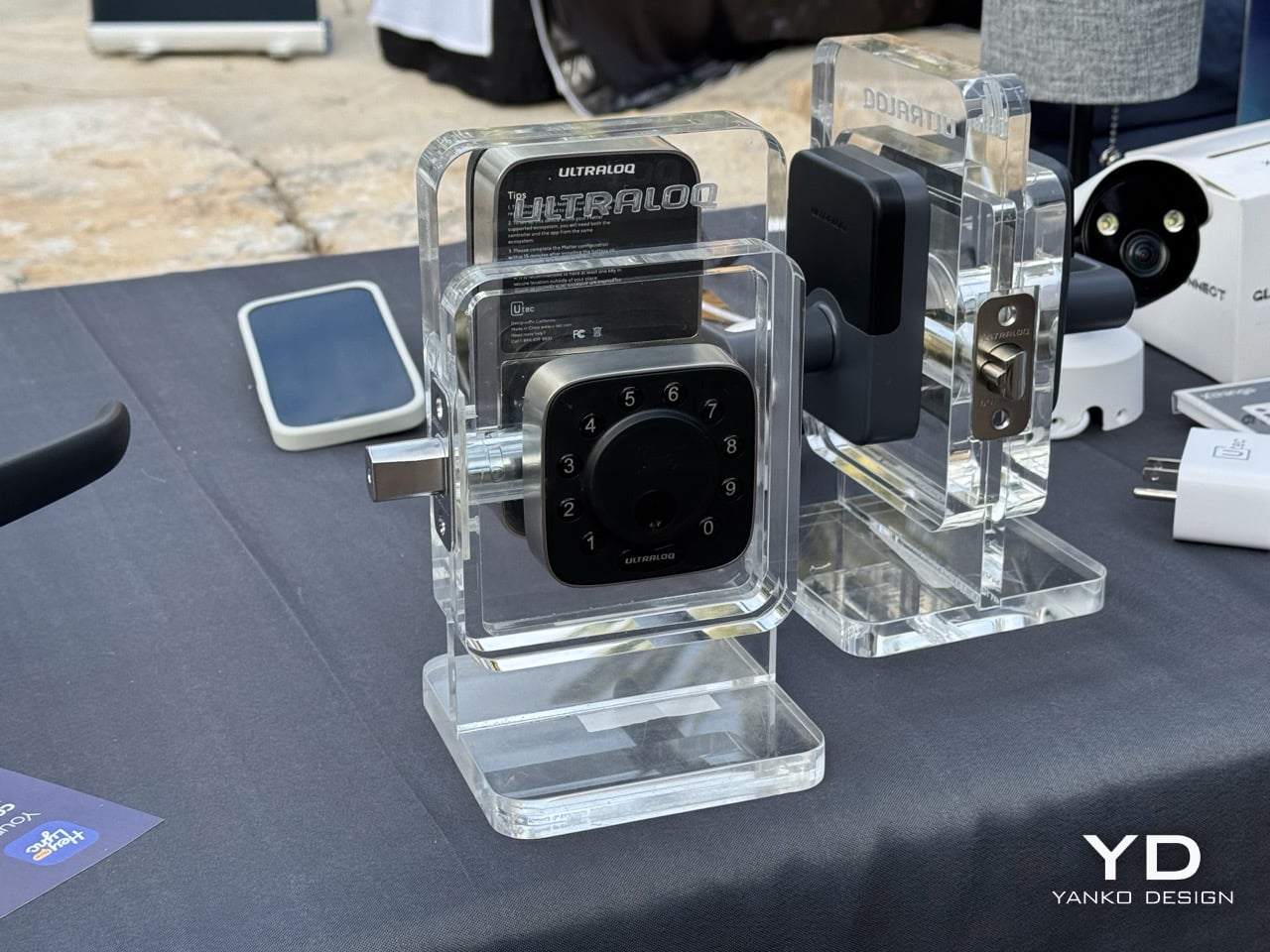
Xthings brings three additions to its smart home ecosystem at Global Connect, led by two lock variants that push different aspects of hands-free access. The Bolt UWB uses Ultra-Wideband technology to unlock automatically when you approach the door, achieving sub-0.5 second unlock speeds with over 99% accuracy while maintaining built-in WiFi for remote access without additional hubs. The system supports NFC cards, passcodes, smartphone app control, and traditional mechanical keys, covering 50 users with ANSI Grade 1 commercial-level security that meets ANSI/BHMA A156.36-2020 standards. Eight AA batteries power everyday WiFi use, and the lock carries IP65 weather resistance plus 18-month electronic warranty with lifetime mechanical coverage. The Bolt Mission takes a Matter-certified approach to the same hands-free unlocking concept, emphasizing precision over simple proximity by verifying both distance and intent within 12 inches. It installs in about 5 minutes and runs for 12 months on battery, resisting relay attacks that plague generic proximity solutions while integrating with Apple Home, Google Home, Alexa, Samsung SmartThings, and Home Assistant.

The Ulticam IQ Floodlight combines 4K Ultra HD security monitoring with 2000-lumen integrated floodlights, covering a 160-degree diagonal field of view with advanced AI detection running on-device for privacy. Edge AI processes people and vehicle detection locally, while optional cloud analysis powered by Gemini-class multimodal AI provides human-like event descriptions and threat assessments. The camera offers color night vision, two-way audio, and weather-resistant construction, storing footage locally with seven-day rolling storage plus free cloud backup. All three products work within the U home app for automation scenarios like triggering lights off when the door locks or turning on specific lights during unlock events, tying access control directly to broader home automation routines across Xthings’ expanding device lineup that already includes cameras, plugs, and switches running on Matter, Zigbee, Z-Wave, WiFi, and Bluetooth protocols.

Cuneflow E-Ink AI Notebook
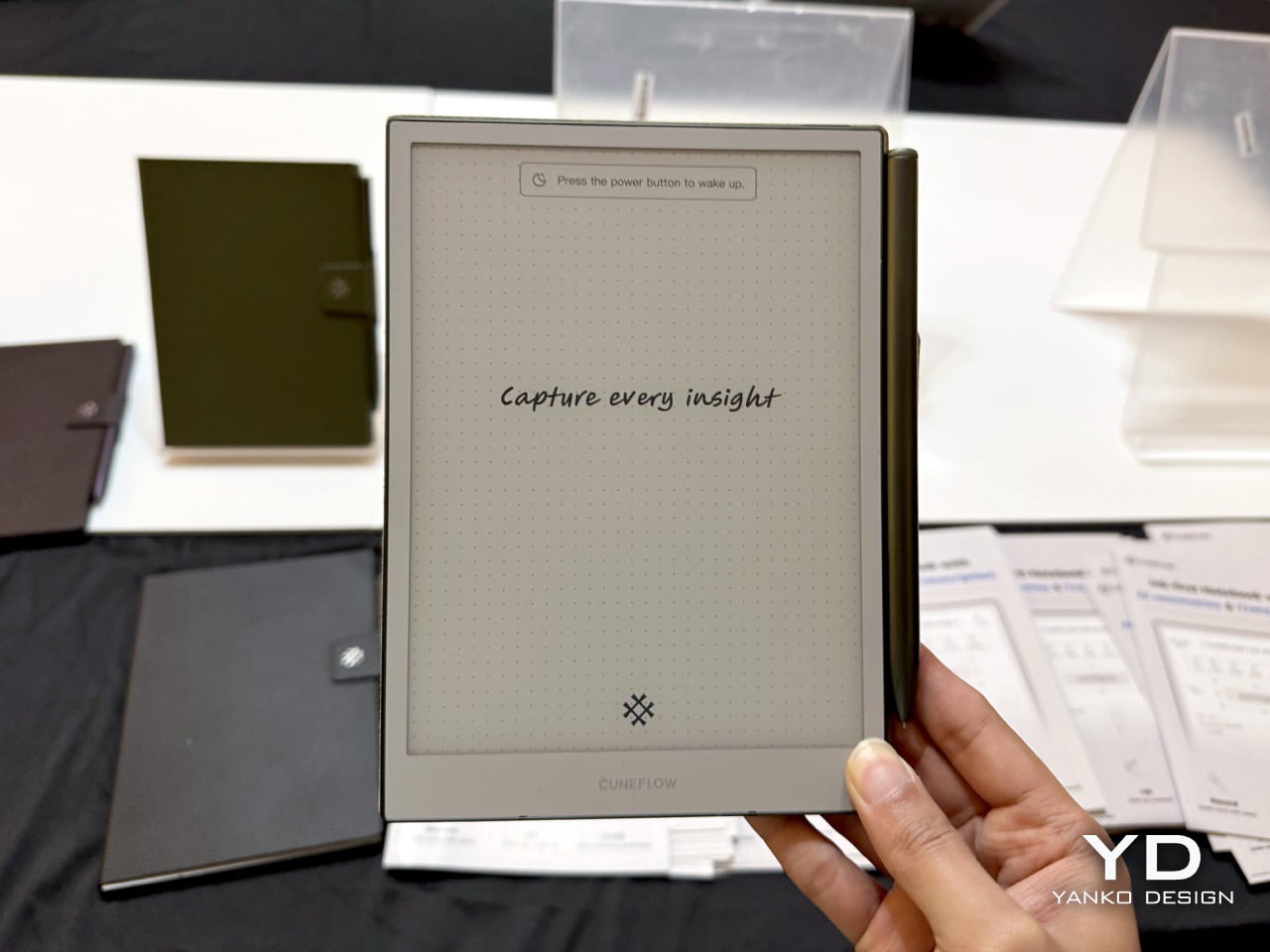
Typing on a laptop during face-to-face meetings creates a barrier between participants, turning collaborative sessions into exercises in divided attention. Cuneflow’s e-ink notebook addresses that social friction by letting users handwrite notes on a 300 PPI A5 display while AI processes everything in the background. The device uses a Wacom third-generation ceramic tip stylus on a responsive e-ink screen with 20-level adjustable lighting, delivering the tactile satisfaction of paper without the cognitive load of manual transcription. During meetings, it records audio synchronized with handwritten notes, delivers real-time analysis and summaries, then automatically archives and indexes everything to form a searchable knowledge chain. Circling a topic or underlining a keyword triggers AI assistance instantly, generating tasks, summaries, or decisions based on your marks. The structure recognition engine converts messy sketches into editable digital diagrams, turning analog creativity into shareable assets.

The hardware comes in a premium leather folio, thinner and lighter than an iPad mini, fitting comfortably on small café tables or crowded conference rooms. Integration with Notion, Slack, Microsoft 365, and Google Workspace happens automatically, syncing meeting records and handwritten insights without extra steps. Before meetings, Cuneflow generates relevant materials; during sessions, it provides live summaries; afterward, it builds complete knowledge chains from what was discussed, written, and recorded. The founding team from Peking University and Harvard bridges ancient writing systems (the name references cuneiform) with AI-powered creation, targeting executive meetings, workshops, brainstorming sessions, and hybrid work environments where screen-based note-taking disrupts human connection. The device prioritizes thinking over data entry, letting users stay present while the system handles transcription, organization, and retrieval.

Monai Baby Monitor
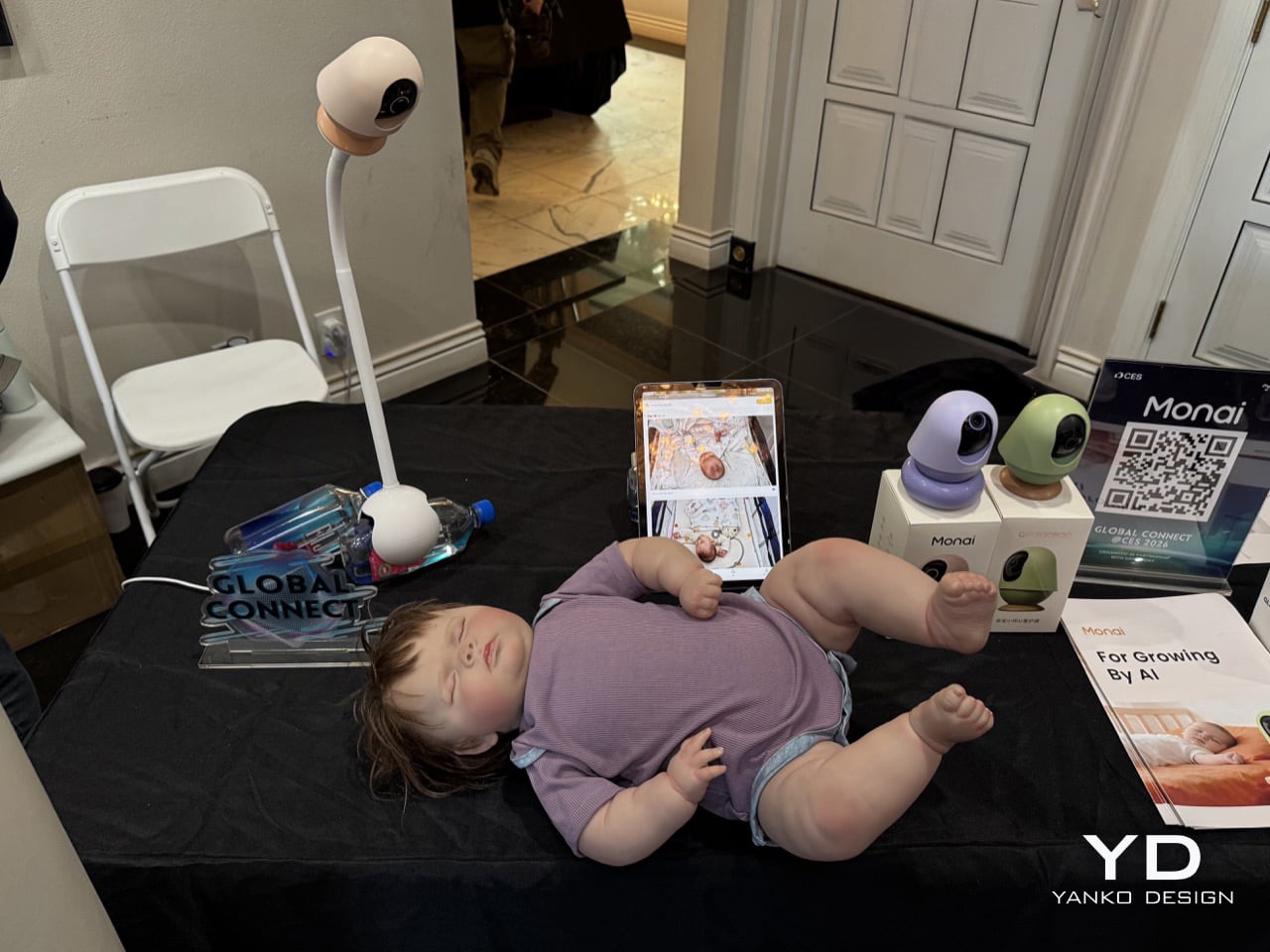
Baby monitors have existed for decades, but Monai applies over ten years of AI research specific to infants and toddlers to create a system that monitors actively rather than passively. The camera doesn’t just stream video; it identifies covered-face situations that signal suffocation risks, learns individual cry patterns to distinguish hunger from discomfort, tracks sleep cycles for detailed reports, and automatically captures developmental milestones without requiring parents to record manually. Auto-tracking keeps babies centered in frame as they move, danger zone detection alerts caregivers when infants approach unsafe areas, and smart voice notifications eliminate the need for constant screen-watching. The system comes in three configurations (Standard, Nest, and Pro) with video resolution ranging from 2960×1666 to 3840×2160, plus 350-degree horizontal and 65-degree vertical pan-and-tilt capability.

Security architecture prioritizes local processing and encrypted transmission, with on-device AI detection and local data storage protected by triple-layer encryption. The system complies with U.S. CPC requirements and EU RoHS specifications, using baby-safe, environmentally certified materials throughout. Up to five family members can access live streams across phones, tablets, and televisions, creating a private Family Circle where automatically captured milestones get organized chronologically with the baby’s age displayed. Monai recently won the CBME Award for Outstanding Brand Innovation and earned designation as a registered advanced AI parenting technology platform, both in 2025. The approach reflects a shift from passive video streaming to intelligent monitoring that understands context, distinguishes between normal activity and potential hazards, and documents growth without requiring parents to anticipate every meaningful moment.

PixVerse V5.5 AI Video Platform
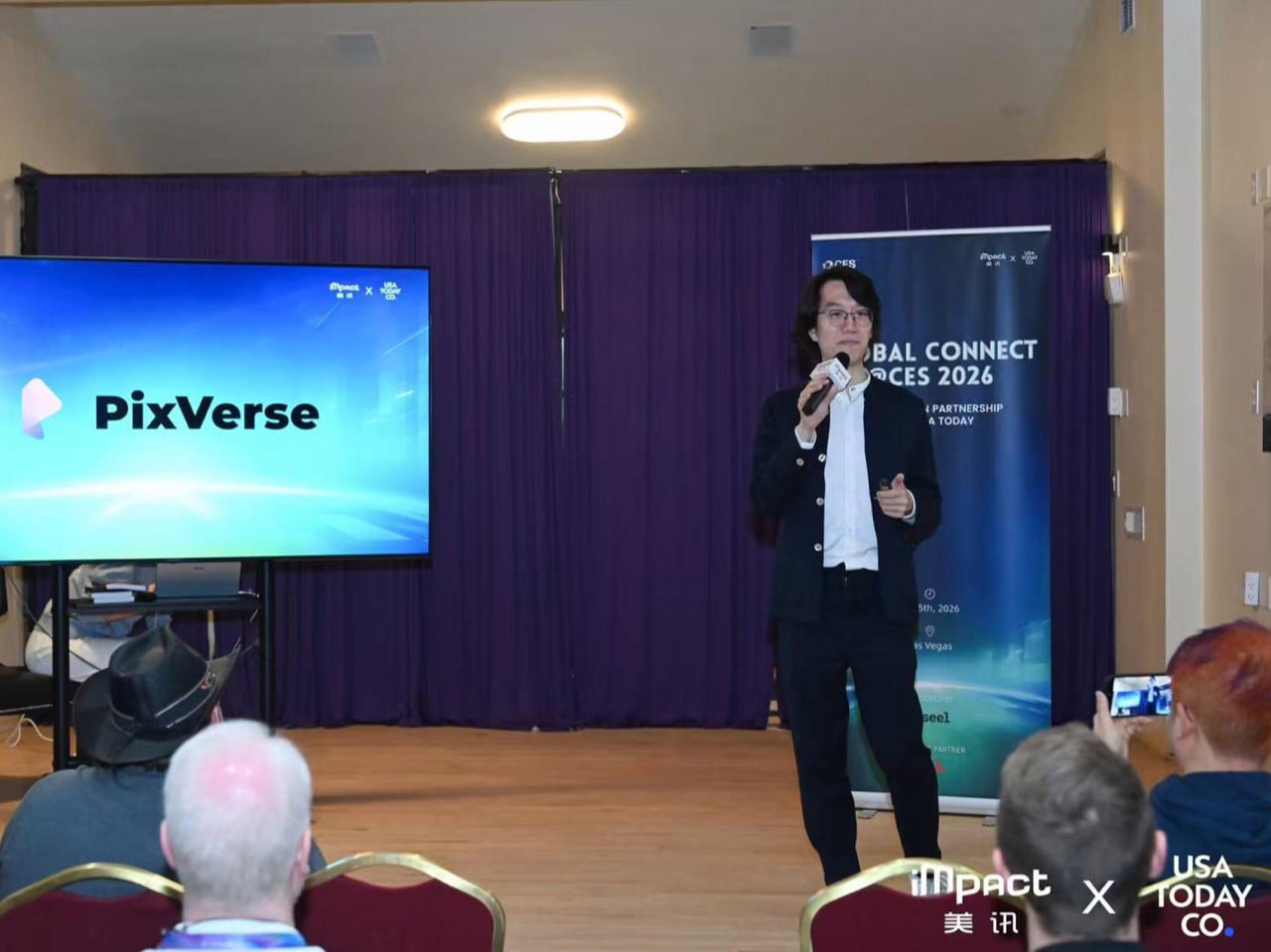
PixVerse has built a user base exceeding 100 million across 175+ countries, serving more than 16 million active users monthly. The V5.5 release introduces multi-shot cinematic narrative capabilities that interpret user prompts to craft complete stories rather than single-shot outputs, autonomously handling shot progression, frame changes, dialogue, ambient sound effects, and background music generation from a short natural-language prompt. The platform can create an entire narrative from a single sentence, and its Modify feature uses key-frame editing technology to let users update entire videos with simple text commands. The Remix feature allows video editing while preserving motion, pacing, and scene structure, and when combined with the Swap feature, it leveraged the viral Turkish Shake trend to create customizable templates that generated millions of views from creators in Brazil, Turkey, and the Middle East.

Motion quality has improved with more lifelike movement, smoother transitions, stronger scene coherence, sharper details, richer textures, refined lighting, and greater prompt accuracy for closer alignment with intended characters, environments, and styles. Improved audio-video sync ensures motion and sound synchronization reaches professional-level storytelling quality. The platform recently ranked #1 in “Image-to-Video” on the Artificial Analysis Global AI Video Model Leaderboard in September and Top 5 overall in mid-October. PixVerse V6, launching around the end of 2025, will enable real-time video generation with full multi-shot cinematic storytelling, seamlessly handling multiple characters and scenes while synchronizing motion and audio across all elements for instant film-quality sequences. Powered by proprietary Diffusion + Transformer architecture, V5.5 is available across web, mobile apps, and open API platforms, enabling both novice and advanced creators to produce polished cinematic-quality videos.

Waterdrop A1 Countertop RO Purifier
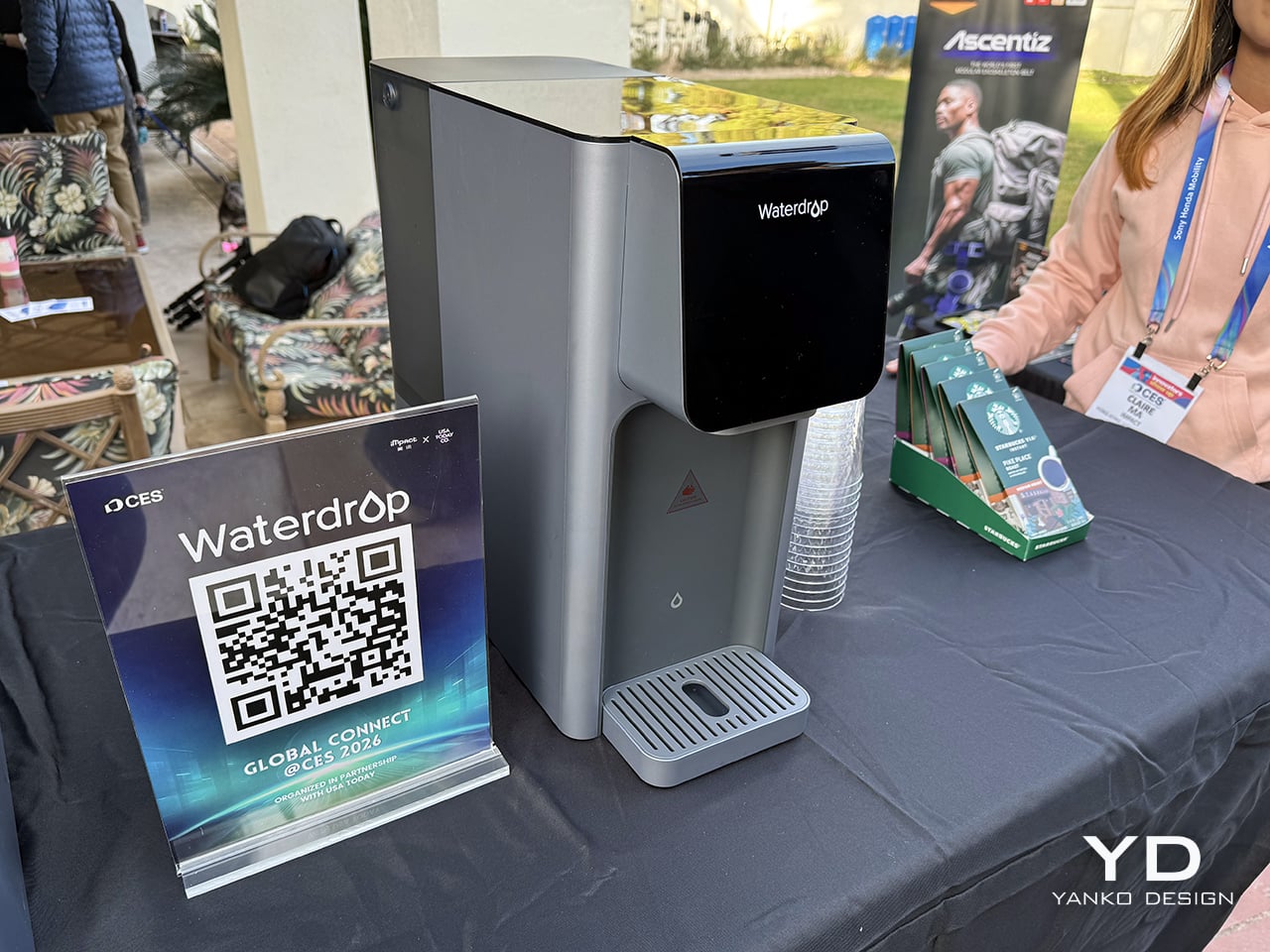
Waterdrop’s A1 is pitched as a “reinventing water” device, but in practice it is a countertop reverse osmosis bar that behaves more like a smart coffee machine than a traditional filter system. It sits on a counter with a 200 oz tank, no plumbing, and a plug, then delivers RO purified water anywhere between 41°F and 203°F. Six preset temperatures cover iced water, baby formula, tea, coffee, and near-boiling water for oatmeal, so you are not boiling kettles or juggling separate chillers. Inside, a 7 stage filtration stack with dual UV sterilization tackles contaminants and then keeps the stored water clean, while a 2:1 pure to drain ratio tries to keep wastewater in check for a countertop RO unit.

An OLED front panel shows TDS, temperature, and filter life, which matters because the carbon filter is on a 6 month cycle and the RO membrane on a 12 month cycle. The whole thing is clearly designed for renters, offices, RVs, and anyone who cannot or will not drill into cabinetry. It is less about winning a spec race and more about collapsing three or four kitchen objects into one box: chiller, kettle, filter, and dispenser. For a Global Connect lineup full of concept hardware, the A1 reads as an immediately livable product, the kind of upgrade that quietly changes how often you reach for bottled water or a stovetop kettle.

Beetles Ophiuchus Gel Polish Kit
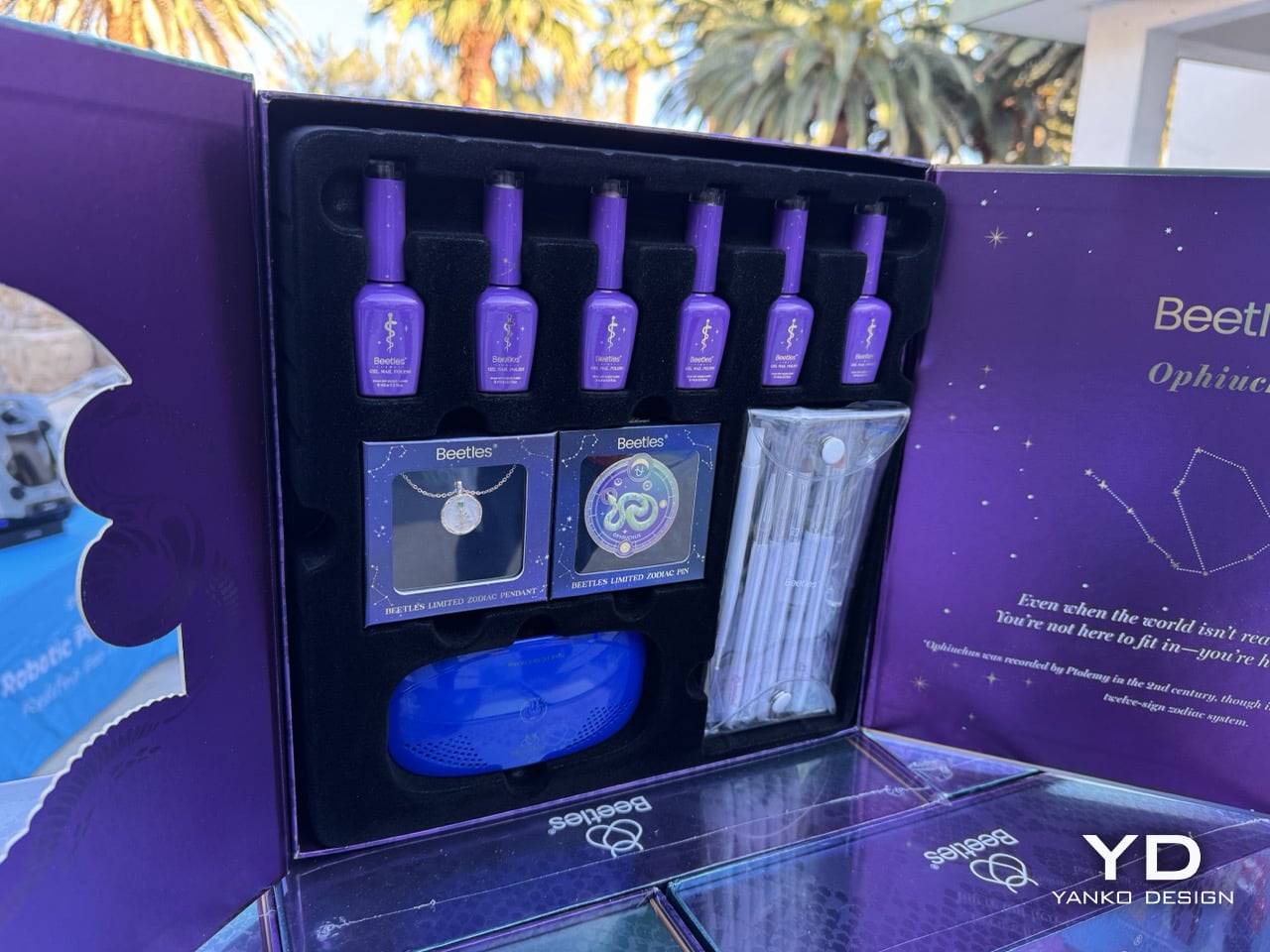
Beetles brings zodiac aesthetics to at-home manicures with the Ophiuchus Lucky Box, a six-color gel polish kit themed around the controversial 13th zodiac sign. Ophiuchus, the Serpent Bearer that sits between Scorpio and Sagittarius in astronomical terms (though astrologers largely ignore it), gets translated into a palette mixing black and white base gels with purple, green, and gold cat eye polishes. The kit reflects Beetles’ broader approach: making salon-quality gel manicures accessible for home users without requiring professional equipment or technique. Since launching in 2017, the brand has built its reputation on cruelty-free formulas and straightforward application processes that work with basic UV lamps. The Ophiuchus set follows their established Lucky Box format, packaging coordinated colors with thematic inspiration that gives casual users a starting point for cohesive nail art.

The zodiac angle isn’t just marketing; it taps into the ongoing fascination with astrology-themed beauty products while acknowledging Ophiuchus’s status as the overlooked constellation that occasionally resurfaces in viral astrology debates. The cat eye finishes in the kit require magnetic polish techniques that create shimmering, dimensional effects resembling celestial phenomena, which fits the cosmic branding without requiring advanced skill. Beetles positions these kits at $108.99, targeting the space between drugstore nail polish and professional salon services. The company has released similar zodiac-themed sets for traditional signs like Scorpio, building a collection that lets users match their manicure to their astrological identity (or the identity they wish they had). For Global Connect’s audience, it represents the consumer beauty tech category where innovation shows up in formulation chemistry and user experience design rather than flashy electronics.

Bluetti Elite 100 V2 Bio-Based Edition and Charger 2
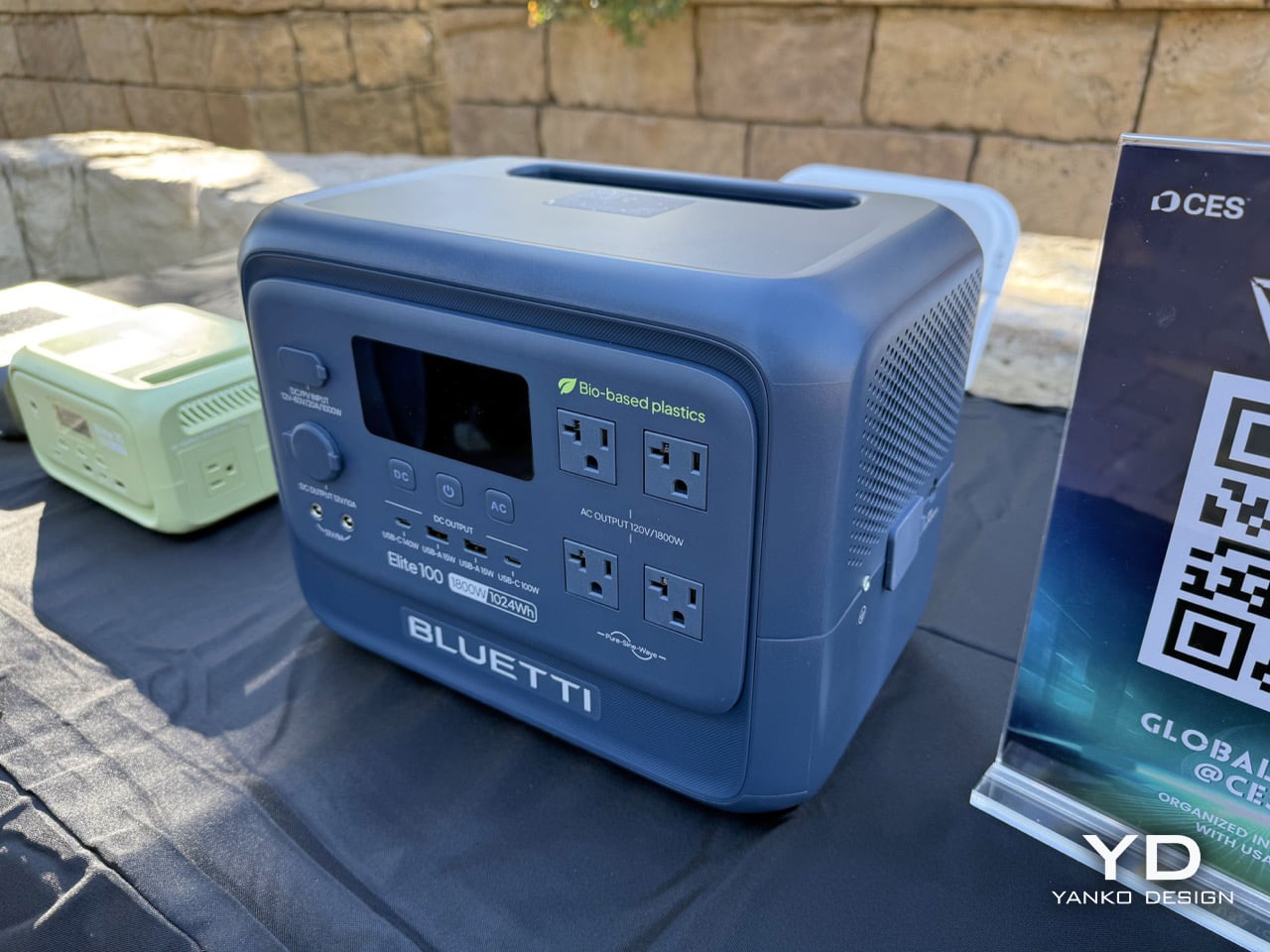
Bluetti claims a sustainability first with the Elite 100 V2 Bio-Based Edition, the first portable power station built from bio-circular-attributed plastics developed in partnership with materials giant Covestro. The chassis uses a PC/ABS blend derived from renewable waste like recycled vegetable oils and agricultural residues, cutting carbon emissions by 25% compared to conventional plastics while maintaining ISCC PLUS certification. The company insists the green materials compromise nothing: the bio-based edition retains the same ruggedness, flame retardancy, and 10-year lifespan as the standard model. Finished in an exclusive “Earth Deep Blue” with a signature green leaf accent, the unit makes its environmental credentials visible rather than hiding them inside generic black enclosures that dominate the portable power category.

The Charger 2 tackles a different problem entirely, acting as a unified vehicle energy hub that combines alternator and solar inputs to deliver 1,200W output for RVers and vanlifers. It charges portable power stations 13 times faster than standard cigarette lighter ports by simultaneously harvesting energy from the vehicle’s alternator and solar panels mounted on the roof. The plug-and-play design integrates starter batteries, solar input, and DC loads into a single intelligent ecosystem, with bi-directional technology that can maintain vehicle batteries or provide emergency recharges when needed. While the Charger 2 doesn’t incorporate bio-based materials like the Elite 100 V2, it addresses energy efficiency through smarter power management rather than material substitution, reflecting Bluetti’s multi-pronged approach to reducing environmental impact across different product categories.

Gravity Universe Time Sci‑Fi Clock
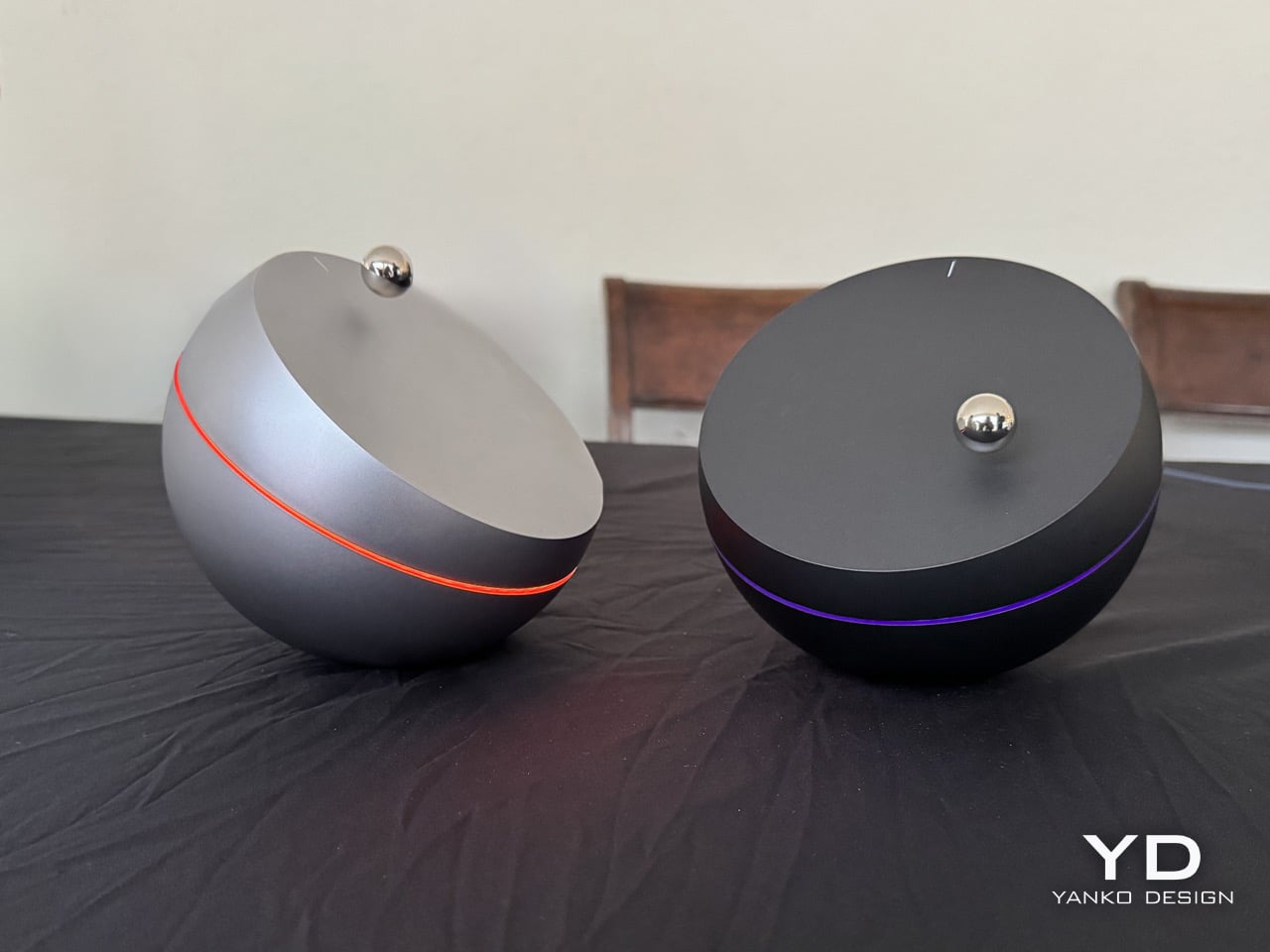
Universe Time is Gravity’s attempt to turn a desk clock into a piece of science fiction that happens to tell time. Instead of hands sweeping across a dial, you get a levitating pointer that orbits around a tilted, planet-like base, using the company’s 720 degree Free-Floating Technology to move without the usual visible support columns or rails. The effect is closer to watching a miniature celestial system than glancing at a clock, with the floating element able to simulate both rotation and revolution in three-dimensional space. It is battery powered, with a 5000 mAh cell inside a 904 gram body, so it can sit cleanly on a desk or shelf without cables messing up the illusion.

A companion app lets you treat Universe Time as more than a gimmick. You can adjust motion modes, pick time zones, and tune the ambient light ring that runs around the base so it matches a workspace or living room. That light turns the clock into a subtle mood piece at night, while the levitating pointer continues its orbital path. Gravity is framing this as “fiction to function,” and in this case that pitch lands: the object behaves like a practical desktop clock, but the way it occupies space, moves, and glows feels closer to a prop from a sci‑fi film brought into everyday life.

The post Portable Power, Smart Doors, AI Baby Eyes: The Most Underrated Tech From CES 2026 Global Connect first appeared on Yanko Design.

Insanely Futuristic Grill Cooks Your Steak With Light Instead of Fire: Hands-on With LUMO at CES 2026

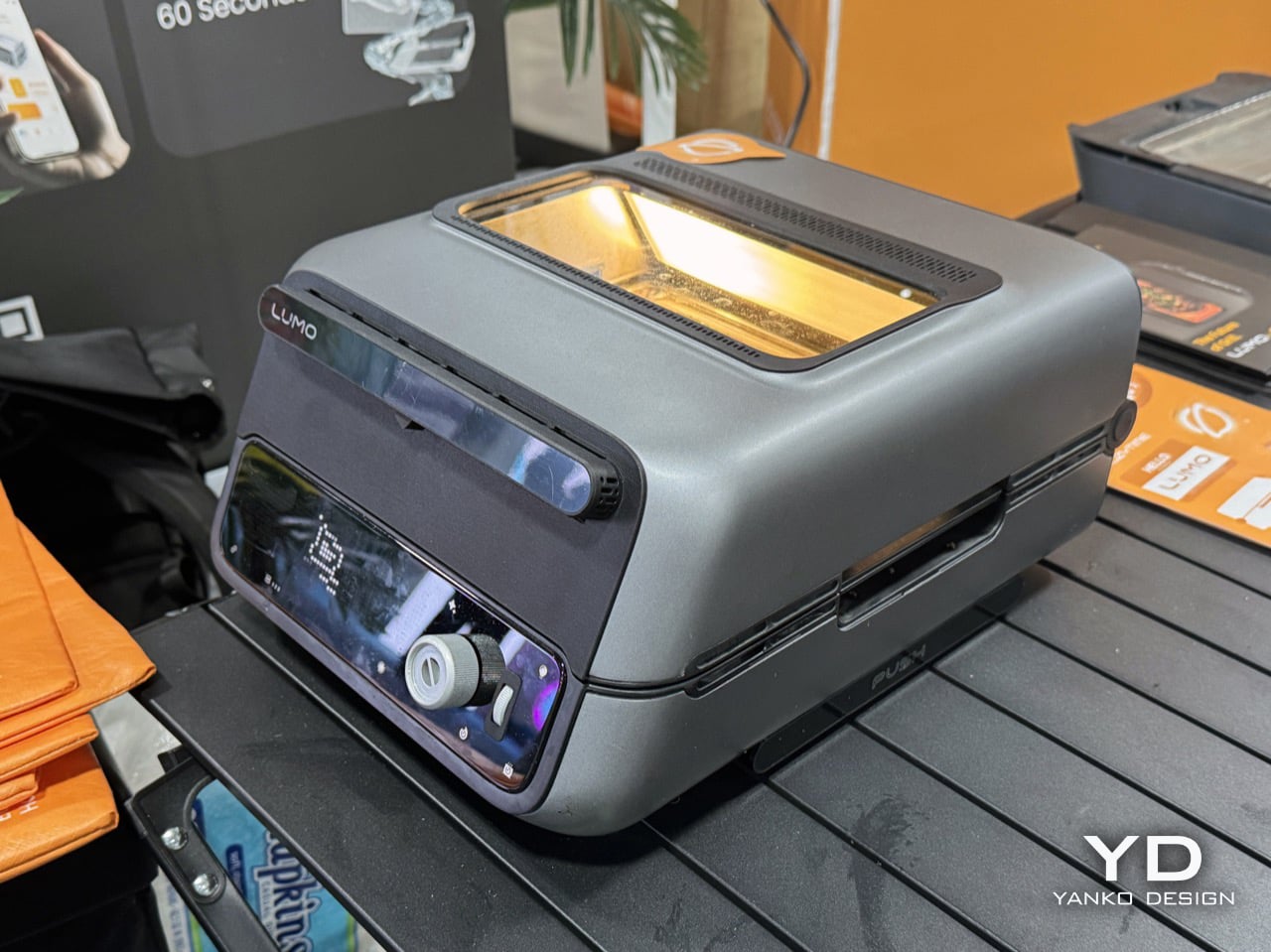
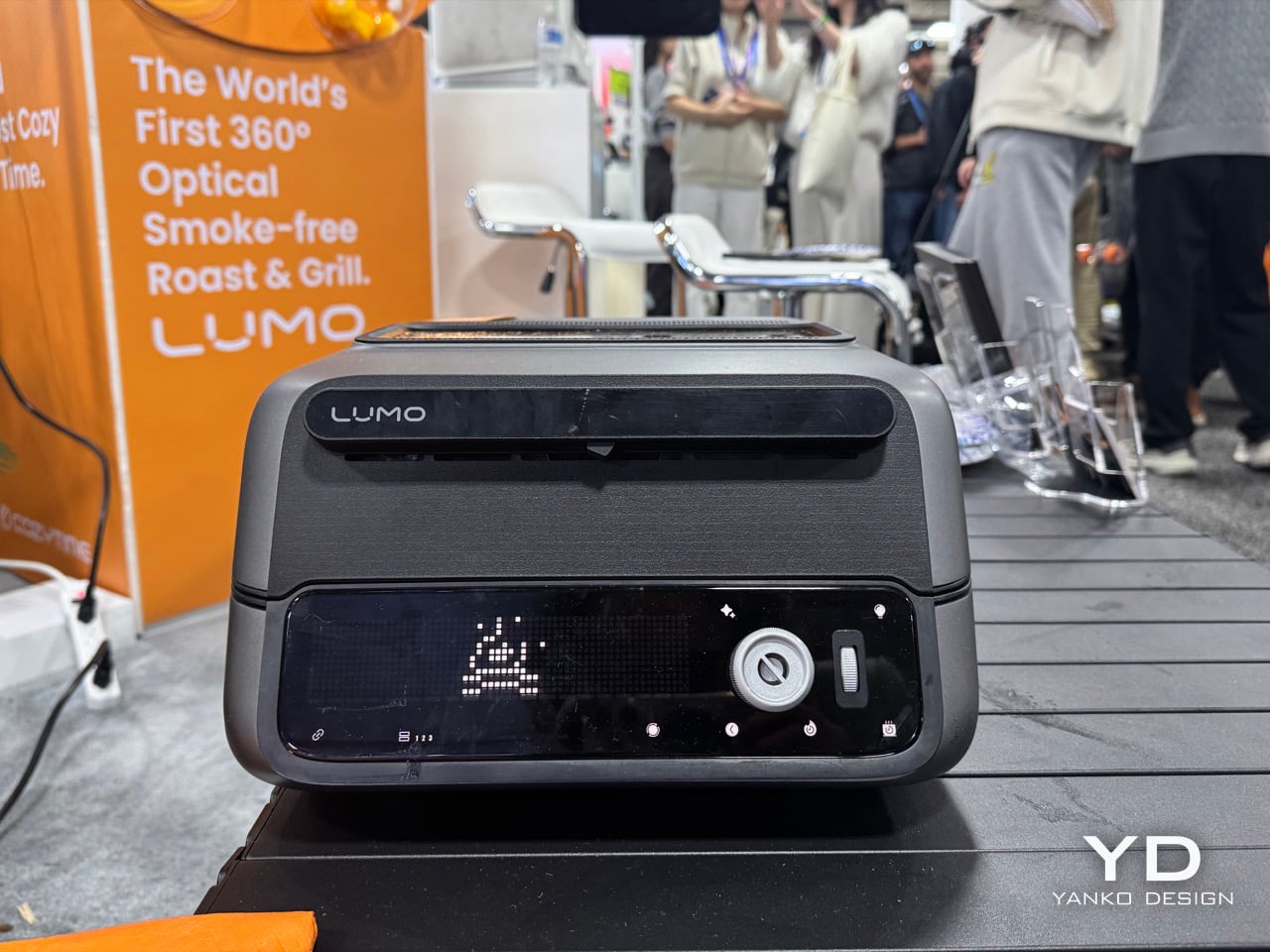
Kitchen appliances don’t usually stop me dead in my tracks at CES, but a grill that cooks with light instead of fire deserves at least a few minutes of attention, right?! Cozytime brought their LUMO optical grill to CES 2026, and the pitch sounds almost too convenient to be true: restaurant-quality char marks without smoke, 0.2-second heat-up instead of the usual 10-minute wait, and AI that scans your food to figure out cooking time automatically. The device uses far-infrared light focused through four precision reflectors to create 360-degree heat coverage, which theoretically solves the biggest annoyance of indoor grilling (setting off smoke alarms) while cooking up to four times faster than traditional methods.

Here’s what makes this more interesting than your typical “smart” kitchen gadget with IoT or LLM integration nobody asked for. LUMO reconfigures into three distinct modes with different light arrangements: a mini oven setup for baking, a fast grill mode for weeknight steaks, and a wide flat mode that opens to 180 degrees for Korean BBQ-style tabletop cooking. The company claims their side-heat design keeps grease from vaporizing into smoke because the heating elements sit beside the food rather than underneath where drippings normally land and burn. That’s clever engineering if it actually works as advertised, though I’m curious how well it replicates that smoky flavor people expect from outdoor grilling.

Designer: Cozytime

Let’s pause on the absurdity and brilliance of what’s happening here. This thing cooks your steak with concentrated beams of invisible infrared light. We’re talking photons doing the work that fire has done for literally millions of years of human evolution. Four precision reflectors focus far-infrared energy from multiple angles simultaneously, bombarding your ribeye with electromagnetic radiation until it achieves a perfect medium-rare. The physics are wild when you think about it: instead of conductive heat from a metal grate or convective heat from hot air, you’re getting radiative energy transfer that penetrates the food directly. Cozytime calls it “squared thermal efficiency,” and while that sounds like marketing nonsense, the underlying principle is solid. The omnidirectional heating creates that gorgeous Maillard reaction without flipping, without hot spots, without babysitting. At 1800W max power, it has enough thermal authority to actually sear properly, delivering results in a fraction of the time while staying quieter than your refrigerator at under 48 decibels.

The result of all that focused light is a claimed 0.2-second heat-up time. Zero point two seconds. I’ve spent longer deciding what to cook than this thing needs to reach operating temperature. Compare that to waiting ten minutes for an oven to preheat or twenty minutes for charcoal to ash over, and you realize this is the kind of convenience that actually changes behavior. You could legitimately decide to grill salmon on a Tuesday night without the advance planning typically required for thermal cooking methods. The optical heating elements are rated for 12,000 hours of operation, which works out to roughly a decade of daily use. For context, that’s about as long as LED light bulbs last, which makes sense given the underlying technology. Cozytime basically built a highly sophisticated, food-focused lighting system that happens to cook instead of illuminate.

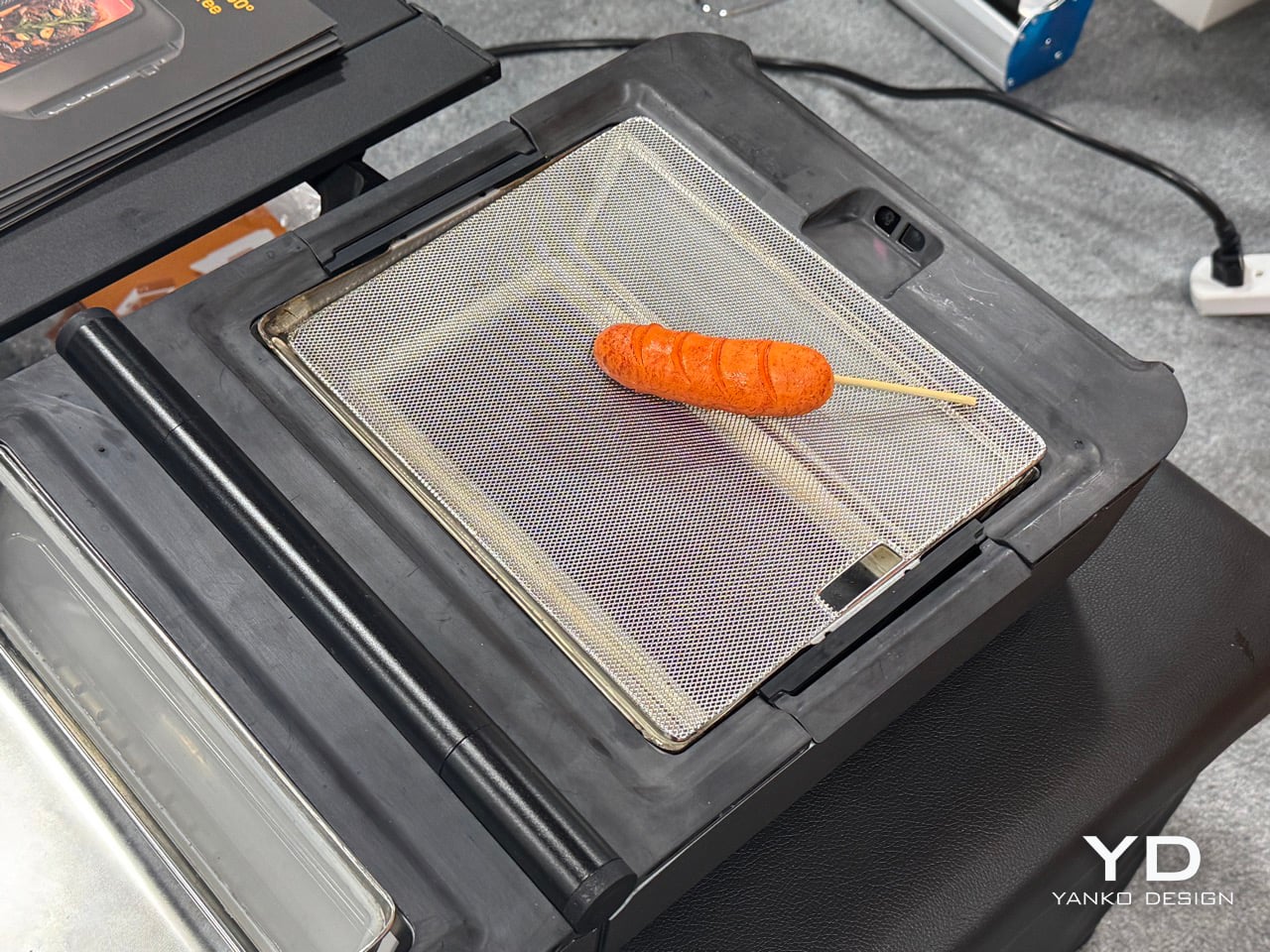
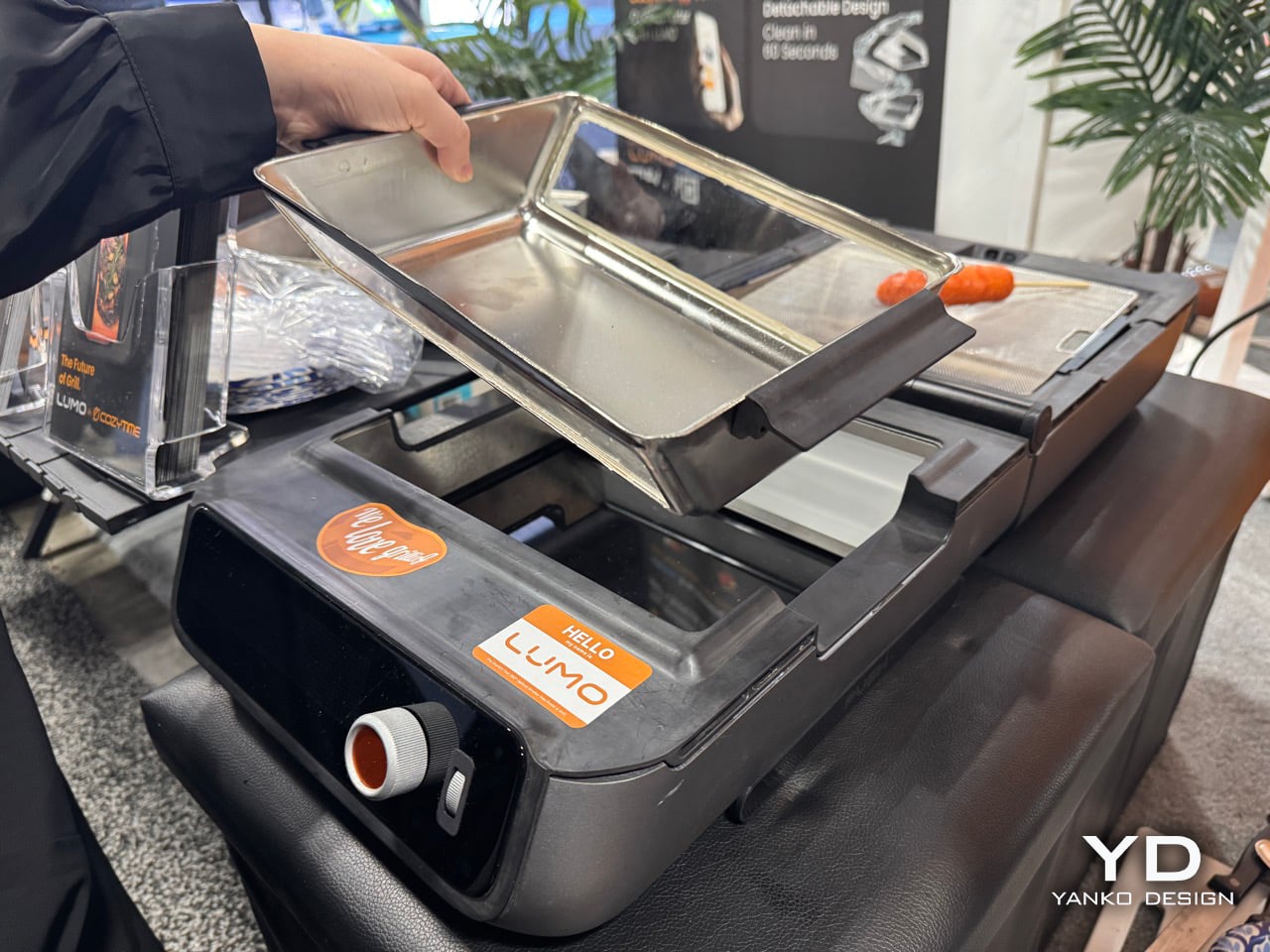
But speed is useless indoors if you’re filling your apartment with smoke. Cozytime’s solution here is surprisingly mechanical and elegant. The side-heat design means the infrared elements are positioned alongside the cooking surface, not below it. When fat drips from a steak or burger, it falls onto a separate collection tray instead of a scorching hot surface, preventing it from ever vaporizing into grease-filled smoke. This is the key innovation that enables high-heat indoor grilling without triggering the smoke detector in your apartment. It’s a simple, physics-based solution to a problem most other “smokeless” grills try to solve with fans and filters, which often fail.

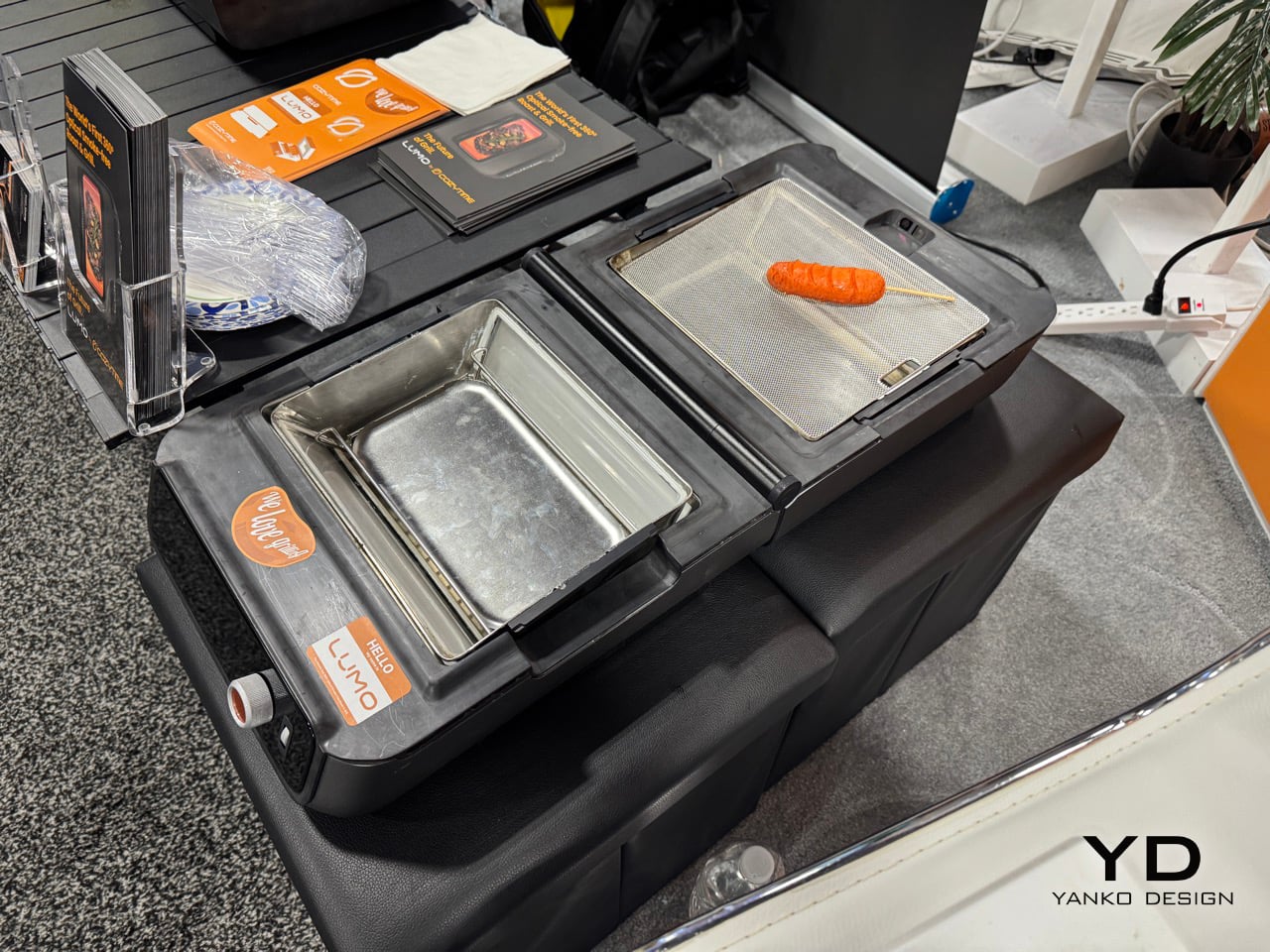
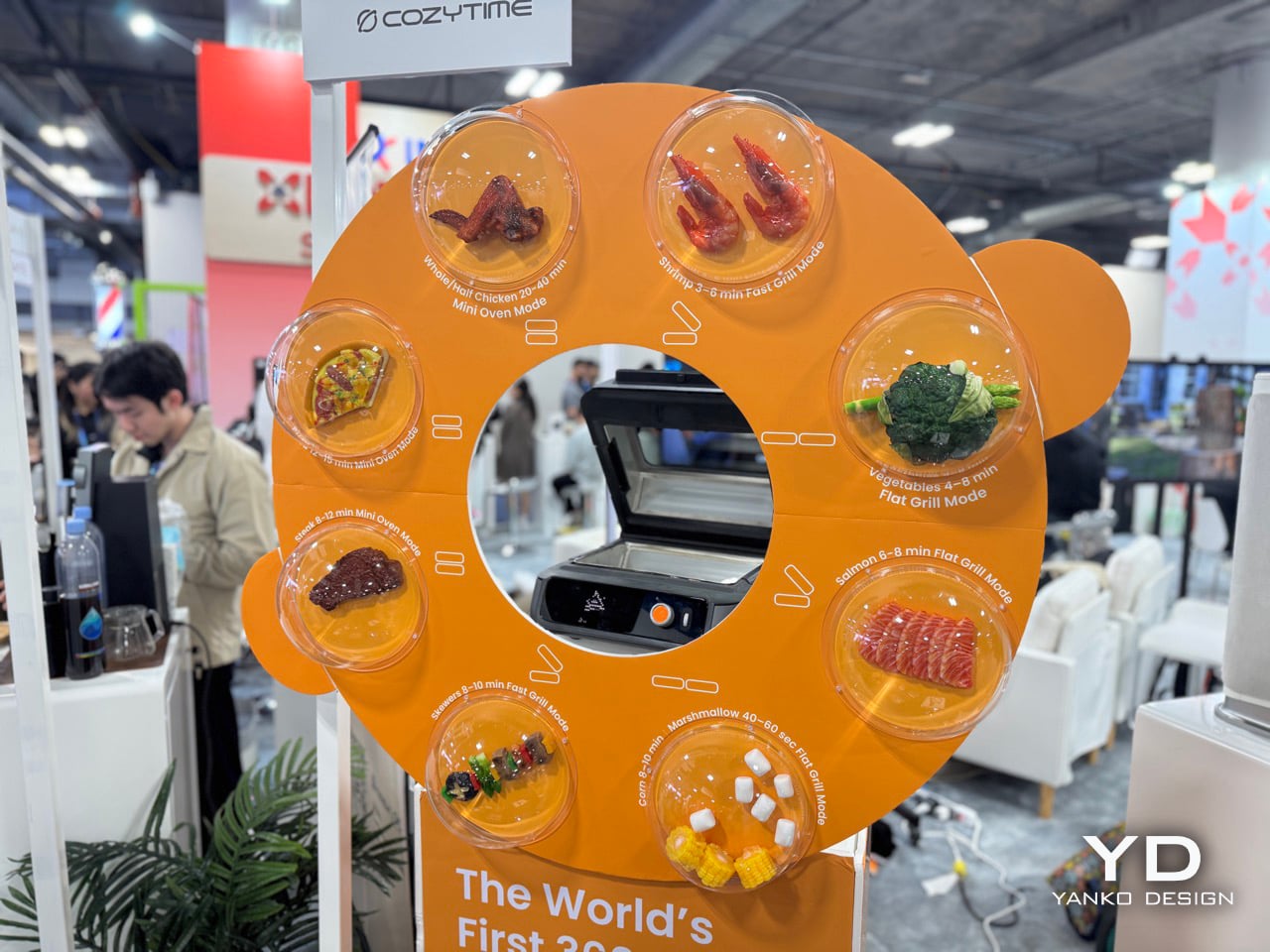
This core heating system is then applied across three different physical configurations, which is where the LUMO starts to look less like a grill and more like a modular cooking platform. In its closed “Mini Oven Mode,” the light layout creates an enclosed, circulating heat environment perfect for a 6-inch pizza or slow-roasted steaks. “Fast Grill Mode” uses a semi-open lid to concentrate heat for searing skewers and chops. The most impressive transformation is “Wide Flat Mode,” where the unit opens 180 degrees to create two independent cooking zones (with each side having independent temperature control). You could genuinely host an indoor Korean BBQ, searing meat on one side while keeping vegetables warm on the other, all on your dining table.

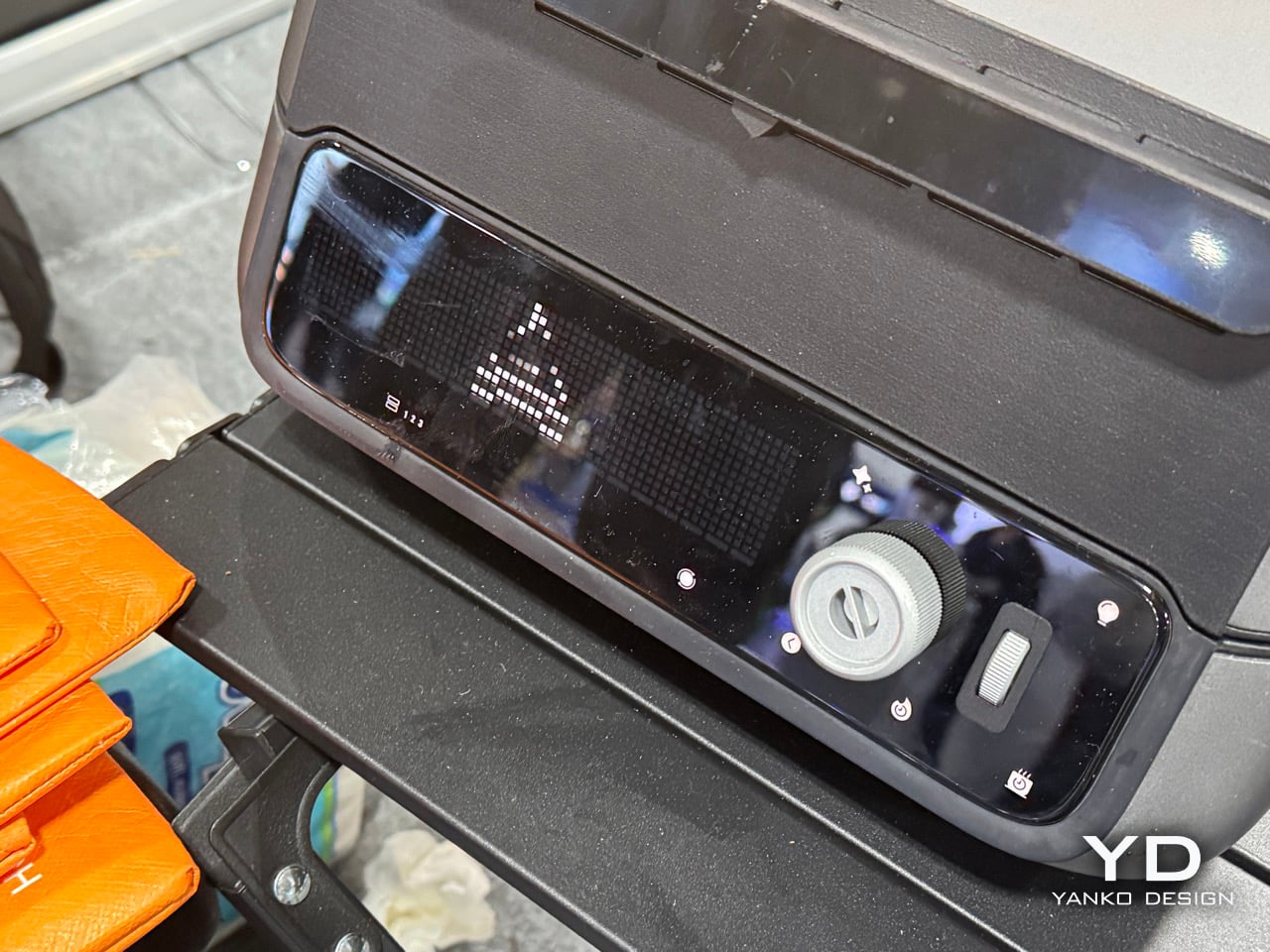
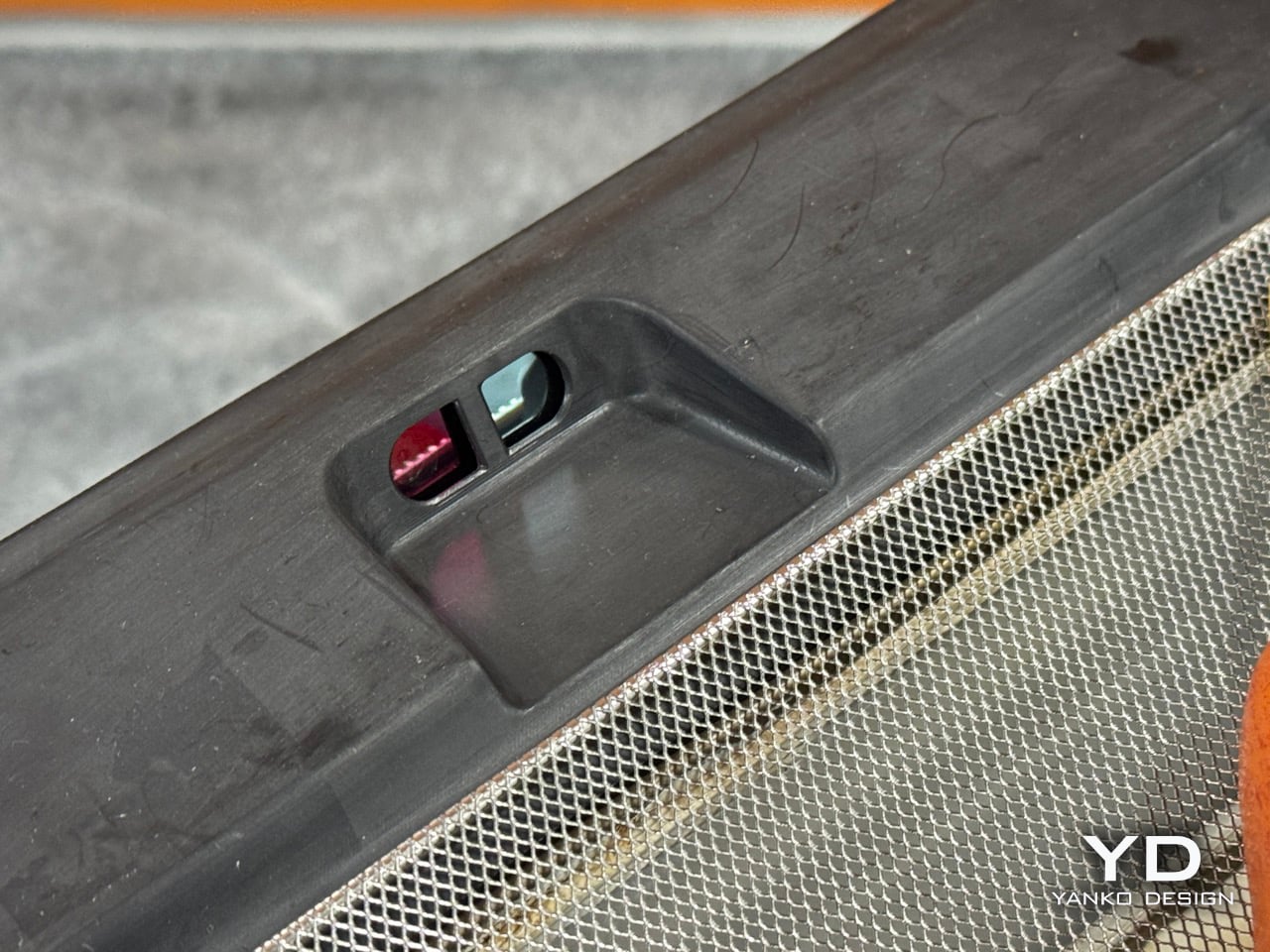
Layered on top of this versatile hardware is the AI SmartSense Culinary System. Inside LUMO, three sensors detect what kind of food you’re cooking, how big it is, how much it weighs, and the starting surface temperature – so the AI can choose the perfect cooking program. For those who prefer manual control, the Cozytime app lets you monitor and fine-tune heat settings from your phone, so you can step away without worrying about overcooking anything. The app also features a recipe-sharing community, turning cooking into a more social and collaborative experience. This is the kind of smart functionality that feels additive rather than intrusive, helping beginners get consistent results while giving experts the precision they demand.

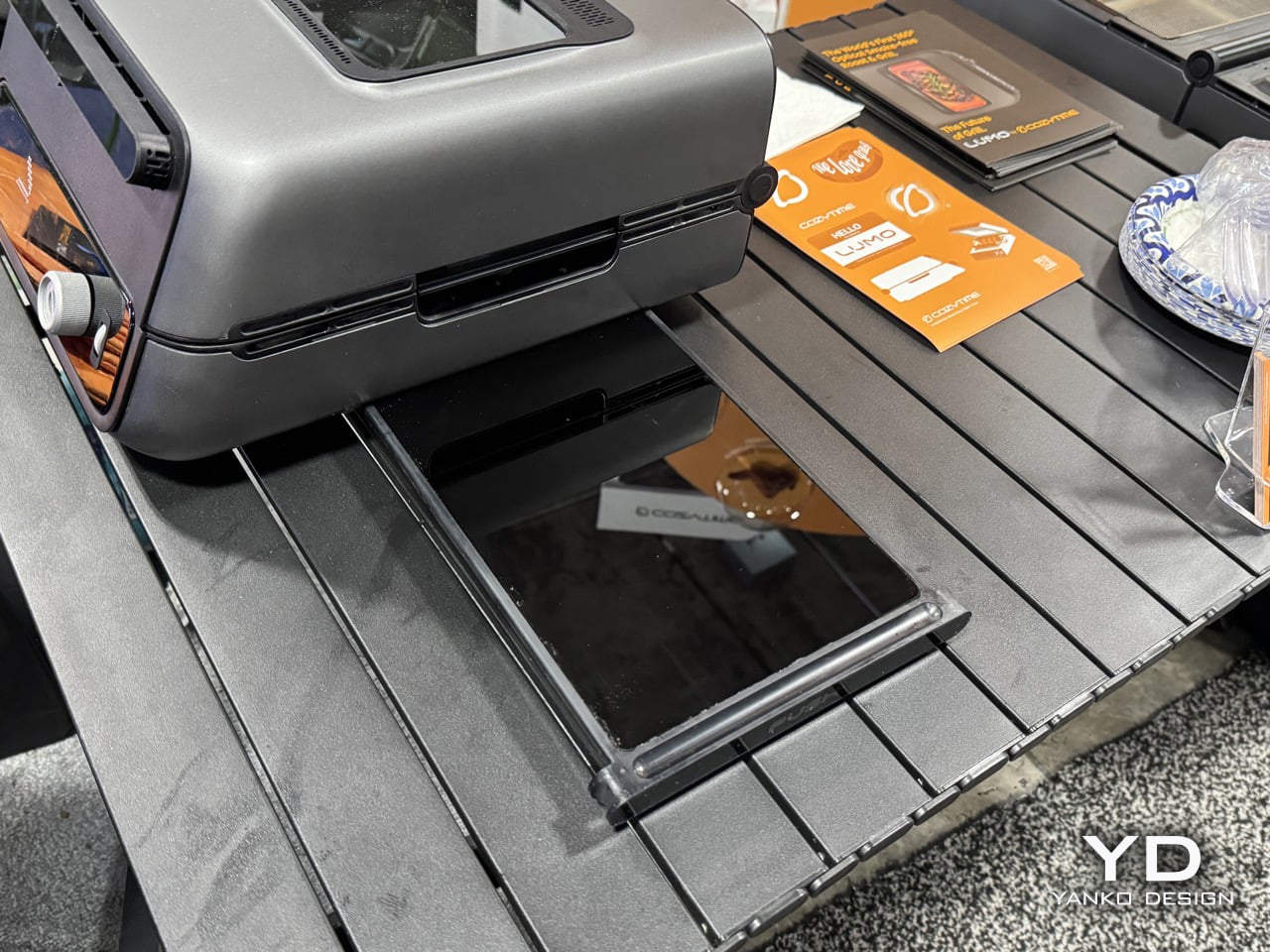
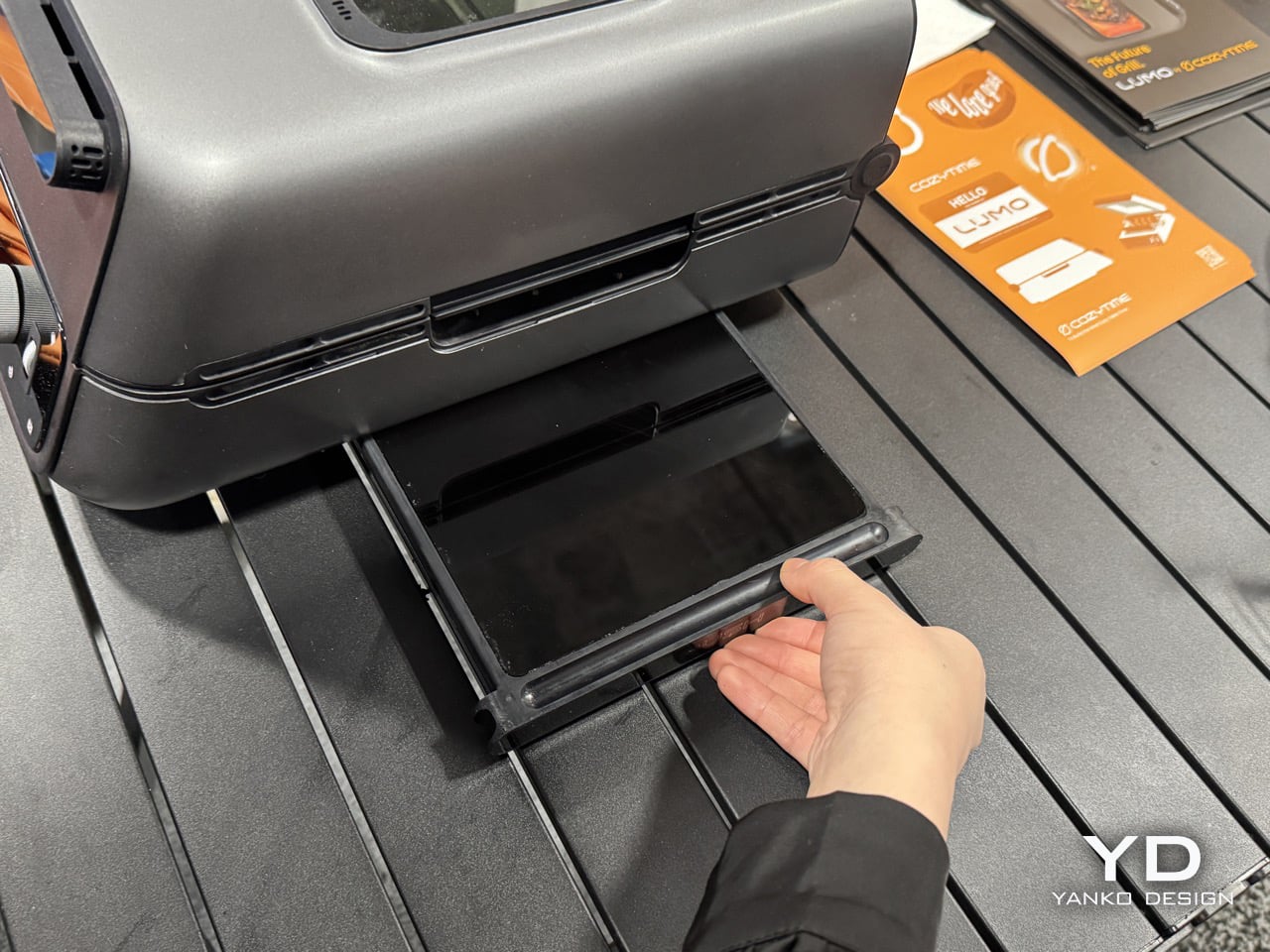
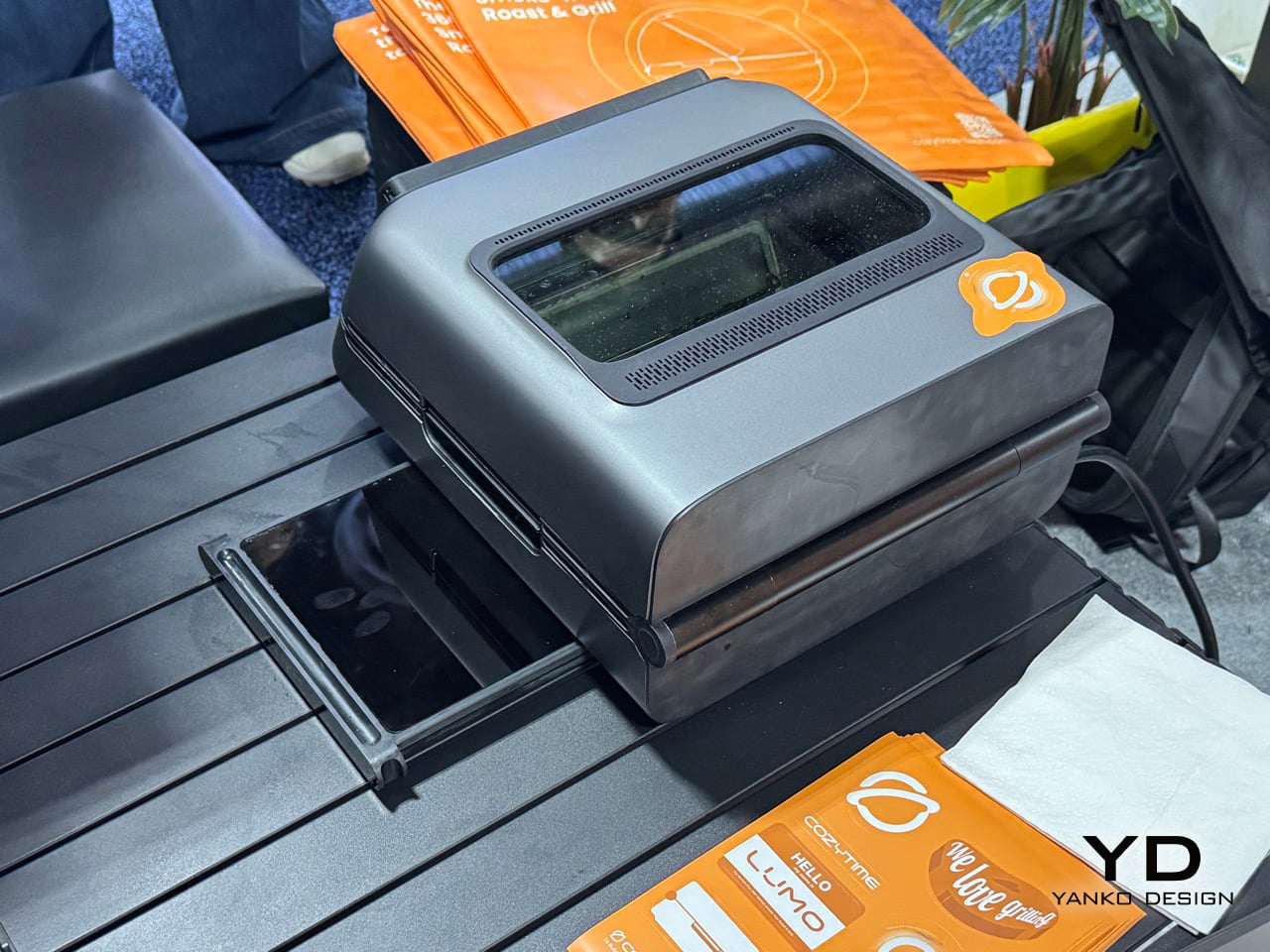
A pull-out warming tray lets you do things like keep steak cuts warm, melt toppings, etc.

My main lingering question revolves around flavor authenticity. That side-heat design brilliantly eliminates smoke, but it also eliminates the flavor compounds created when fat and juices vaporize and redeposit on meat. That’s a huge part of what makes grilled food taste like grilled food. Cozytime clearly thought about this, offering a smoking accessory as an add-on to reintroduce those flavors when desired. Whether that accessory delivers genuine smoke character or just produces a faint hint of woodiness will determine if this can truly replace outdoor grilling for purists. The optical heating should still create proper surface caramelization and char, but the aromatic complexity from smoke is harder to replicate.

What Cozytime built here is genuinely novel in a category that’s seen mostly incremental tweaks for decades. Cooking food by focusing invisible light beams through reflectors sounds like something from a sci-fi novel, yet the engineering is grounded in well-understood physics applied in a clever new way. The device weighs a reasonable 14.3 pounds, measures 14.6 by 12.2 by 6.9 inches, and runs on standard household voltage. These are practical dimensions for a countertop appliance that transforms into three different configurations. If the execution lives up to the concept, apartment dwellers finally get access to high-heat grilling without smoke or outdoor space requirements. I’m genuinely excited to see this thing in action, because the rare kitchen appliance that fundamentally rethinks how we apply heat to food deserves attention. Cozytime might have actually cracked the indoor grilling problem by asking a deceptively simple question: what if we somehow managed to unlock the convenient grilling experience with an authentic charcoal flavor… just using light?

The post Insanely Futuristic Grill Cooks Your Steak With Light Instead of Fire: Hands-on With LUMO at CES 2026 first appeared on Yanko Design.