Just like the company practically redefined the calculator with Math Notes for the iPad Pro, Apple’s turned a humble voice-note app into a blessing for musicians who use it to record samples, hooks, and lyric ideas.
Apple’s latest update to the Voice Memos app is bound to capture the attention of musicians, especially those who often rely on their iPhone for quick recordings of new sparks of inspiration. With iOS 18 and the iPhone 16, Apple has introduced key features that greatly enhance the functionality of this simple recording app, making it a more useful tool for creative professionals. The ability to layer tracks within the Voice Memos app turns the otherwise basic app into a ‘sonic doodle-pad’ for creating layered multitrack compositions. Previously, musicians would have to open a separate digital audio workstation (DAW) to layer vocals and instruments together, which required time and technical know-how. Now, with this update, musicians can record an instrumental track, such as guitar or piano, and then layer vocals over it without leaving the app. This simple feature is particularly useful for singer-songwriters, allowing them to develop ideas more organically without the distraction of switching between apps. Recording two tracks simultaneously may sound limiting for professional production, but for quick idea generation and song structure building, it’s a practical improvement. Musicians can also mix the two tracks within the app, adjusting volume levels to ensure that vocals and instrumentals are well-balanced.
Advanced processing isolates the vocal from the background sound, delivering a clean, professional result without requiring additional apps or headphones. This integration offers a simple, intuitive way for musicians to build multi-layered recordings directly on their phones, a leap forward for on-the-go production. The iPhone 16 lineup also introduces new audio processing technologies powered by Apple’s A18 chip. With this boost in processing power, the devices can handle real-time audio adjustments more efficiently. Apple’s new AI software, Apple Intelligence, plays a role in optimizing the sound recording experience, ensuring every track captured through Voice Memos or other apps benefits from smart noise reduction and dynamic range adjustments. While these features may not be as obvious to casual users, they represent significant improvements for anyone serious about audio quality.
Another helpful addition is transcription, which converts voice recordings into text. For songwriters, this feature can make the creative process smoother by providing a way to quickly view and edit lyrics. Rather than having to manually type out or remember lyrics after a recording session, users can now see their words appear directly in the app. The transcription function is easy to use; after recording, users tap on the three dots next to their recording and choose the “View Transcript” option. They can then make edits to specific sections, replacing only the parts they want to change. This integration of audio and text simplifies the workflow for lyricists, allowing them to focus more on refining their craft and less on the technicalities of documenting ideas.
I wouldn’t be surprised if this feature saw further innovation over the years. Sure, Apple’s added more mics for better recording chops, and a dual-track ability to the voice-notes feature. A year from now, they could turn it into a multitrack app with the ability to cut/edit/loop samples, probably within the app. Given that the iPhone doesn’t have a Logic Pro app, expanding the Voice Memos feature to become a makeshift DAW sounds wonderful. Who knows, they could revamp Garage Band too, allowing you to make entire album demos right on your smartphone. Sounds too good to be true, sure, but who knows what the future holds?!
The new iPhones are set to hit the market on September 20, with prices starting at $799 for the base model and $999 for the Pro. It’s unclear whether the new Voice Memo features will come to older iPhones given the reliance on the A18 chip. Given that Apple Intelligence will be made available to the iPhone 15 Pro and 15 Pro Max, one could assume that at least last year’s flagship Pro models should get this new set of app-based features.
Air travel has always been one of the crowning glories of human innovation, proving that mankind can conquer almost anything if they put their minds to it. Over the decades, the aviation industry has been pushing the envelope of speed, efficiency, and safety, but much of the evolution doesn’t happen only on the outside of airplanes. Interior design has also been changing at an even more rapid pace, and a more visible struggle can be seen beyond seat class boundaries. Comfort, luxury, cost-efficiency, and profitability have always been the goals of all airlines, but these sometimes conflict with each other, creating an almost never-ending tug-of-war between maximizing airline profits and ensuring passenger comfort. We take a deeper close into the design philosophies and elements that define airline seating and the effects they have on the economy, the planet, and of course, human comfort.
Minimalism vs. Luxury: A Deep Dive into Design Philosophies
Airline seat design has always fluctuated between two extremes, often exemplified by the division between economy and first-class sections. You have minimalism that focuses on efficiency and functionality on one end, and you have luxury that emphasizes premium experiences almost to the point of exclusivity on the other end. Of course, both philosophies are ideal to have in both seating classes to different degrees, but they also have different priorities that define the final seat design.
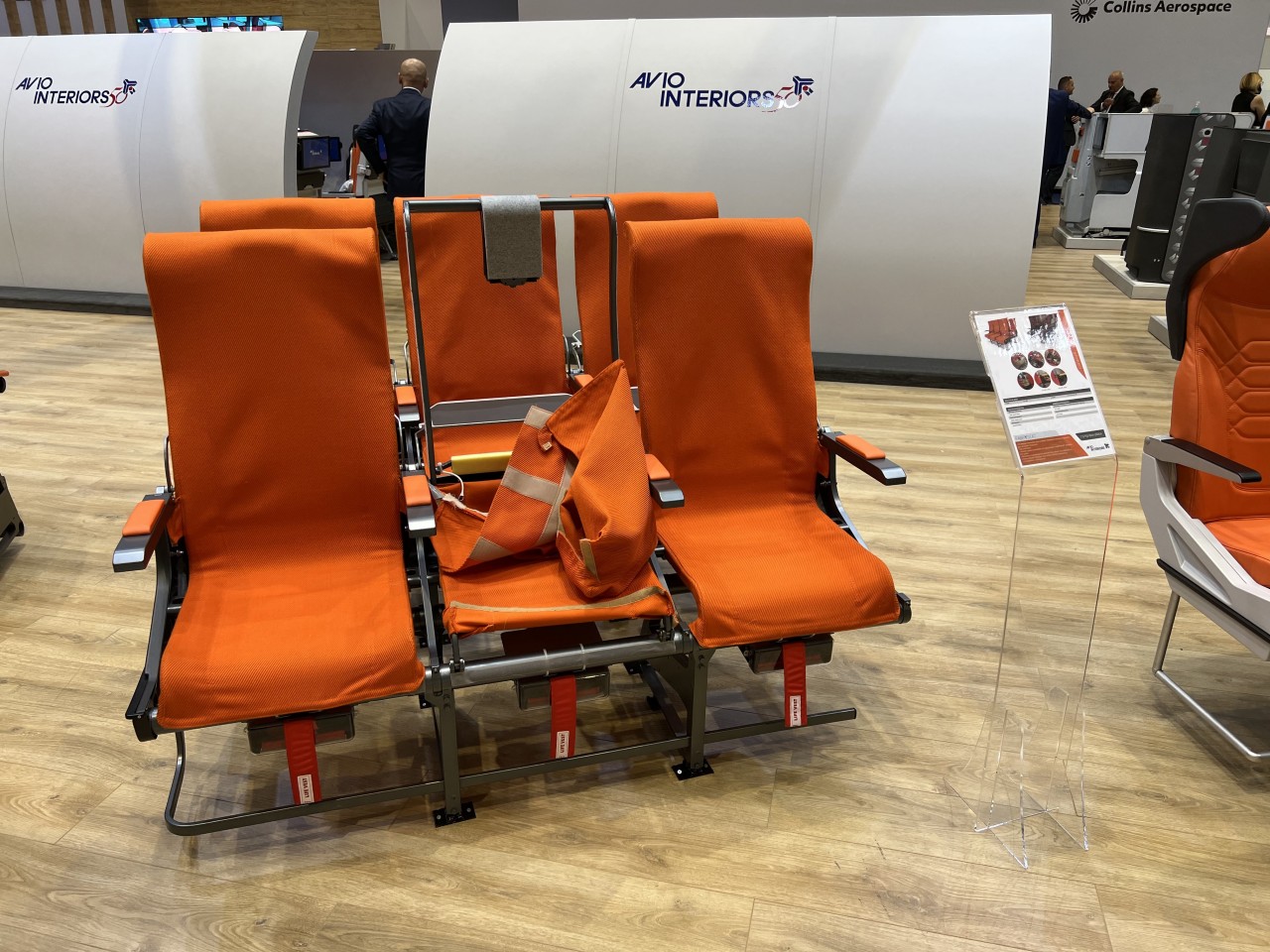
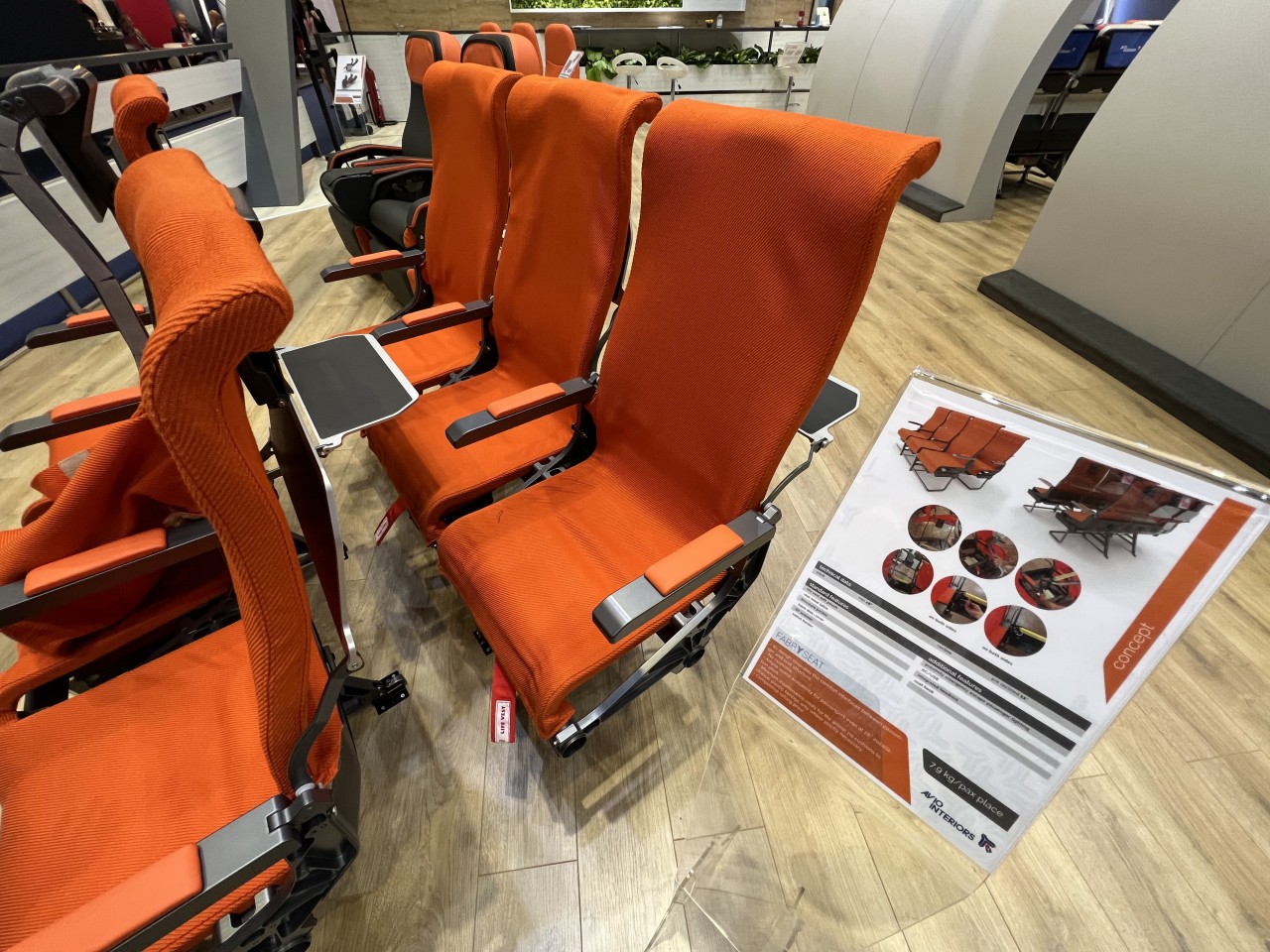
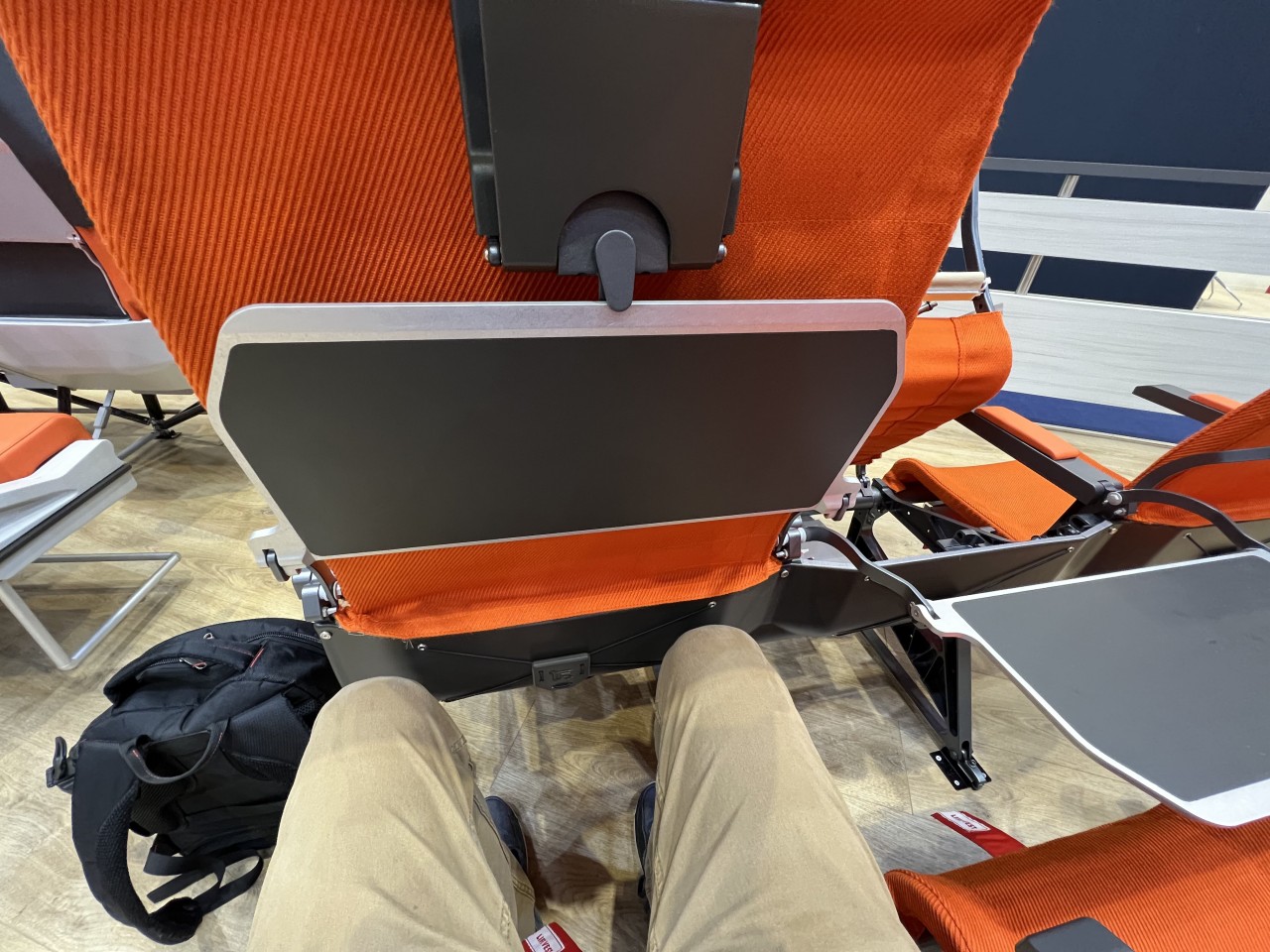
Minimalist seats, for example, prioritize space efficiency and cost-effectiveness in order to both lower ticket prices as well as increase profits. By minimizing the space occupied by seats, using more lightweight materials, and adopting streamlined designs that are easier to clean, airlines can minimize operation costs while also increasing ticket sales and, therefore, increasing Revenue per Available Seat Mile or RASM figures. This is mostly seen in economy class seats and budget airlines, of which the likes of Ryanair and Spirit Airlines are best known. Aviointeriors’ 7.5kg “FABRYSEAT” concept is an example of extreme minimalism, pretty much just a metal frame with a fabric covering and a small headrest.
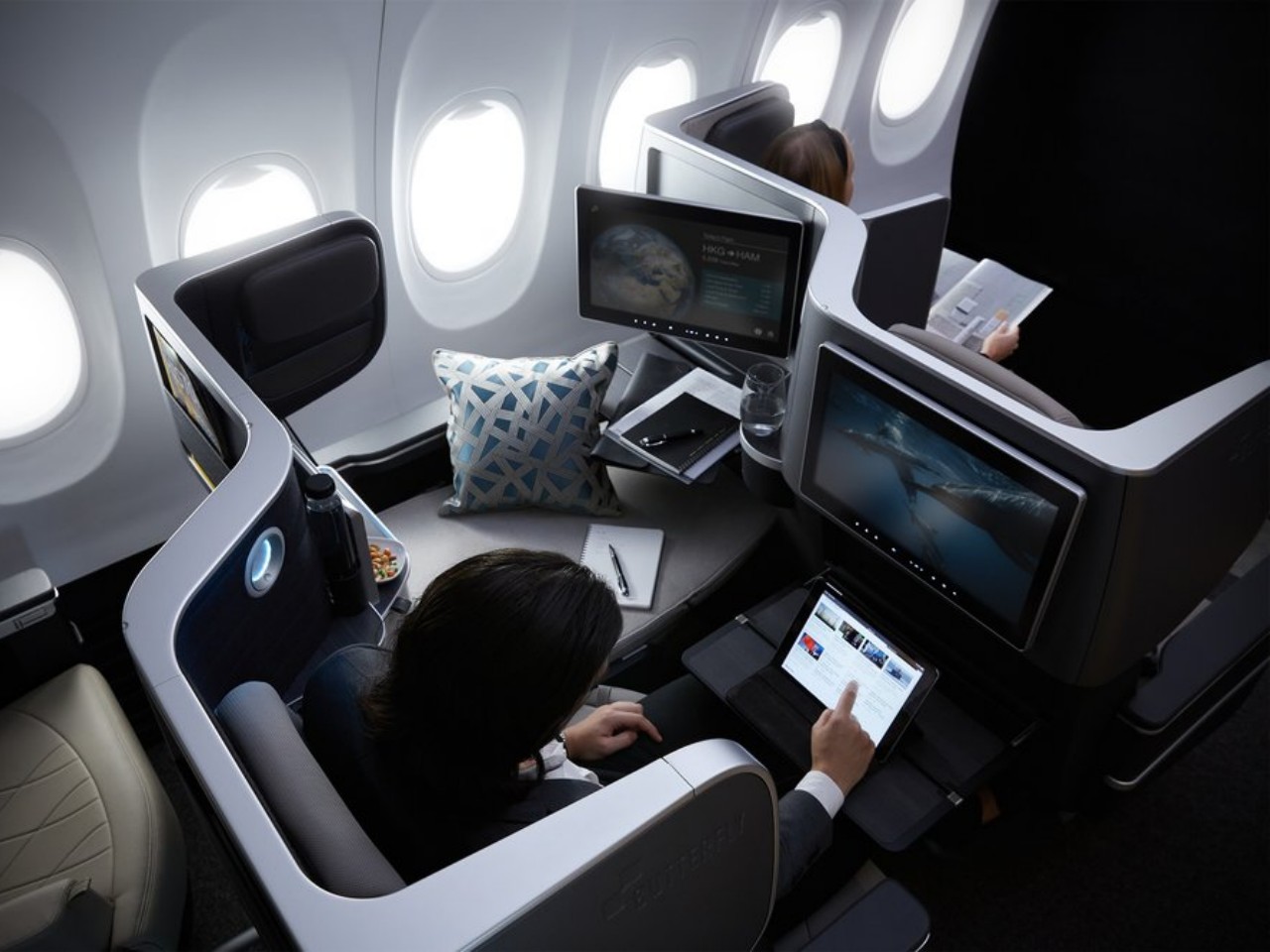
On the opposite end of the spectrum, luxury designs put comfort and convenience above all, even if it means increasing costs for both the company and the passenger. There is enough space to completely recline the seat into a bed and airlines offer extra amenities not available to other passengers. Given the price involved, these luxuries are only offered to business and first-class passengers, and Singapore Airlines and Etihad Airways are perhaps the most popular examples of such premium experiences.
Just like how airplanes themselves require a delicate balancing act to stay airborne, every aspect of seat design has an overall effect not just on passenger comfort but also on the airline economy in general. Two of the most important elements to be considered for seat configurations are the seat pitch and the seat width. Seat pitch, which refers to the space between one seat and the one in front of it, and the width of the seat not only affects passenger comfort but also how many passengers you can fit in the cabin.
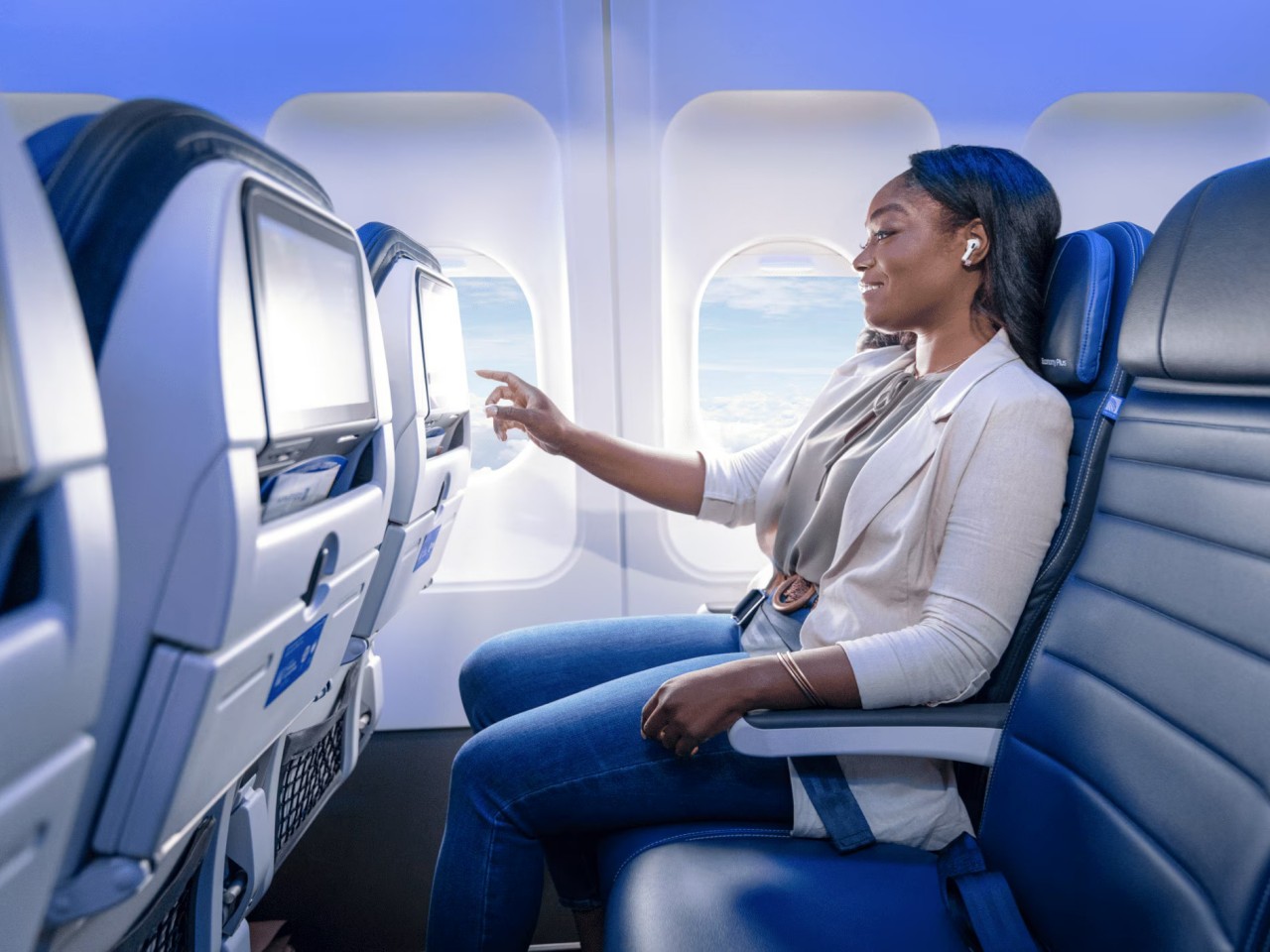
You might think that having more seats and more passengers will always be beneficial for the airline, but that isn’t always the case. Cramped spaces are likely to also decrease customer satisfaction, leading to lower customer loyalty, and more seats and passengers will also weigh the plane down as well, requiring more fuel, interior modification, and, in the long run, higher operating costs. The duality between these two elements isn’t always clear-cut as well. For example, United Airlines has an Economy Plus that offers more legroom but at a higher price. This conundrum is at the heart of that tug-of-war that both airlines and even regulators face, balancing profit maximization and passenger satisfaction.
Ultra-Luxirious First-Class Seats vs. High-Density Economy Seats: A Few Case Studies
With dozens if not hundreds of airlines in operation around the world, there are just as many seat designs available that cover the spectrum between extreme minimalism and posh luxury. There are, however, a few that have stood out over the years, almost becoming representatives of these two design philosophies. Of course, business is more complicated than that, and most airlines have different sections or even aircraft that cater to different audiences and budgets.
On the luxurious side of flights, Etihad Airways is quite famous for its “The Residence,” offering a three-bedroom suite, a shower, and even a personal butler. Singapore Airlines’ Suite isn’t far behind with its full-length bed, 32-inch TV, and privacy sliding doors. Both airlines offer hotel-like amenities and luxuries available to those who can afford the rather steep price tag.
Conversely, Ryanair and Spirit are poster children for high-volume, low-cost economy seats, with seat pitches averaging 30 inches or lower. Most of the designs are minimalist and utilitarian, employing mass-produced materials to keep costs low and tickets affordable. It might sound uncomfortable, but these configurations are quite popular with budget travelers, especially frequent flyers who simply need to get from A to B without much fuss.
Sustainability in the Air: Balancing Eco-Friendly Designs with Cost and Comfort
These days, it’s no longer enough to be cost-effective or luxurious. Sustainability has become a major consideration in airline seat design, and to some extent an added complication. Companies and designers now also have to consider using eco-friendly materials that won’t compromise comfort and cost, and that’s not always an easy feat even for normal product designs.
There are a few airlines that have started that arduous journey, like Air New Zealand’s use of plant-based leather alternatives, or Recaro’s SL3510 carbon fiber-reinforced plastic to make seats lighter. There are also other concepts that not only utilize lightweight materials but also apply simpler structures and mechanisms to reduce the number of parts needed. Lighter and recycled materials can help lower a plane’s overall carbon footprint, but these materials can sometimes also cost more, so airlines have to balance the pros and cons of these as well.
Successes and Failures: Lessons From Both Past and Future
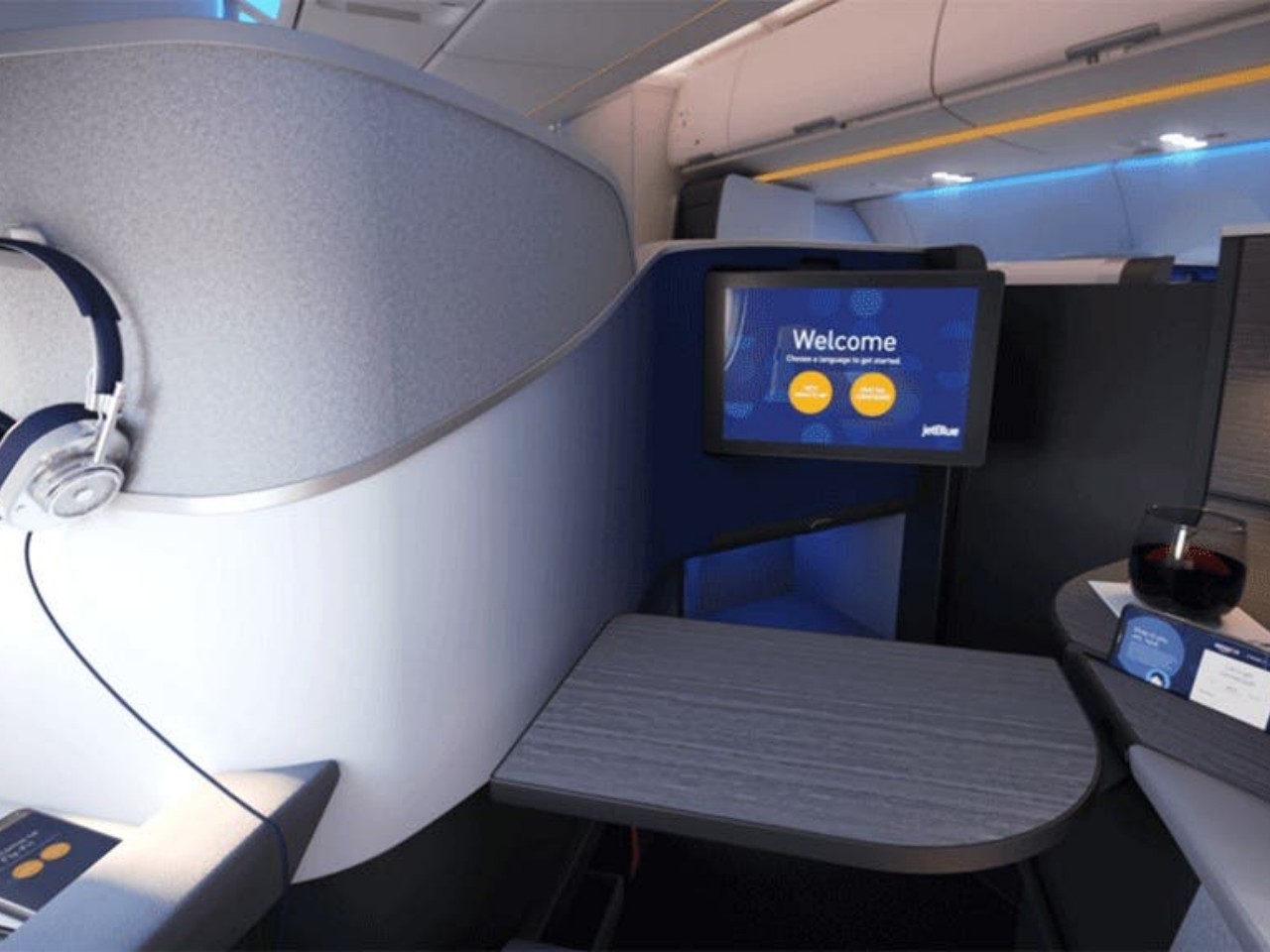
Aviation history is filled with stories of winners and losers, not just in flyer programs but also in seat designs. Some have become more notorious than others, while the rest served as lessons to be learned. JetBlue, for example, coined its own “Mint” business class, offering lie-flat seats and artisan dining to its transcontinental flights, a move that proved to be quite successful and popular with business travelers. In stark contrast, American Airlines’ decision in 2017 to reduce its seat pitch to below 30 inches was faced with much backlash that the company eventually backtracked.
Even in the realm of concept designs, there are a few that seemed to be too far-fetched and uncomfortable that they were immediately met with ridicule and even contempt. While not everyone will oppose having more seats on a plane to accommodate more passengers, a few designs seemed to prioritize that over passenger comfort, feeling like they were more interested in helping airlines game more profit instead.
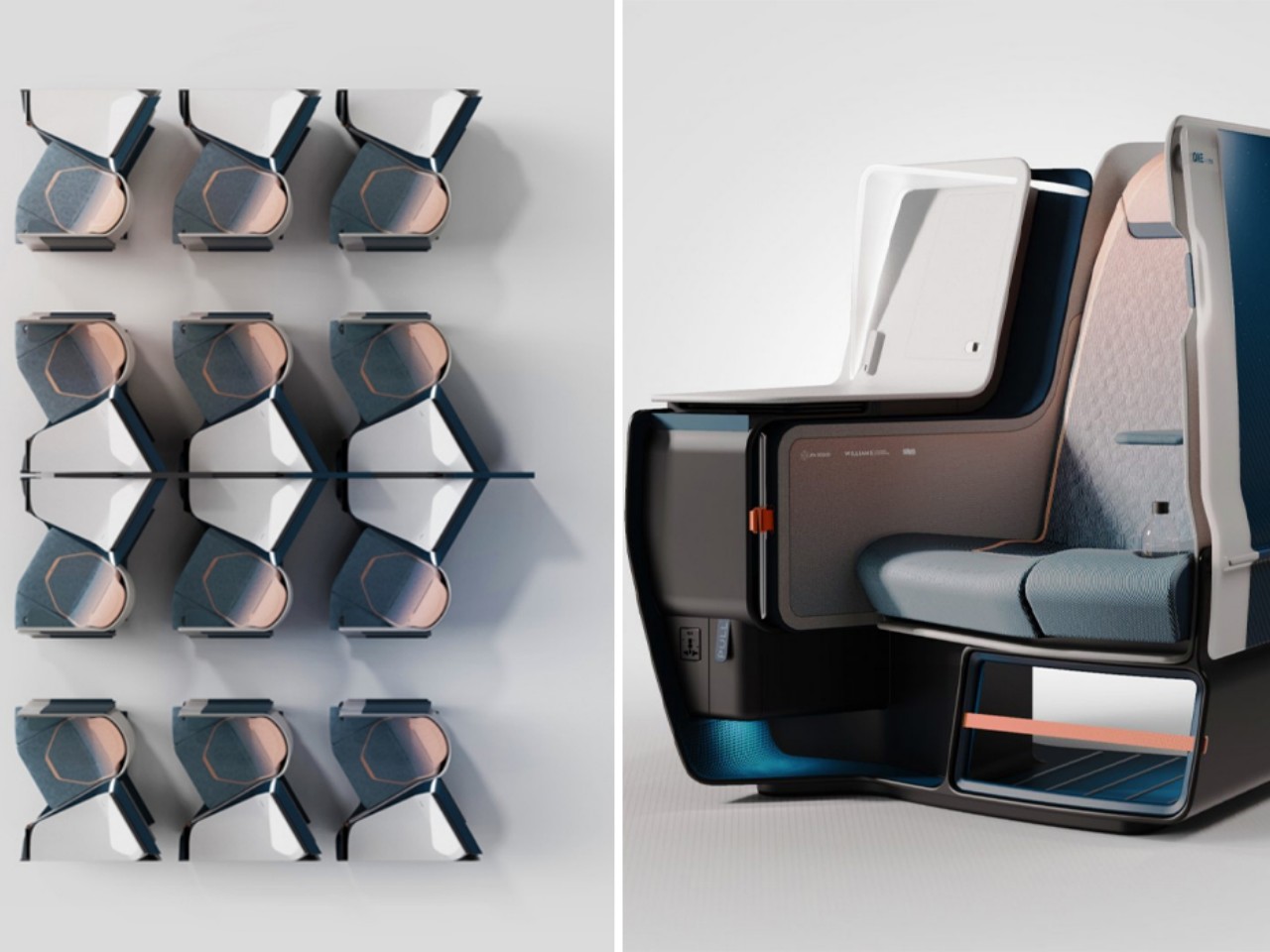
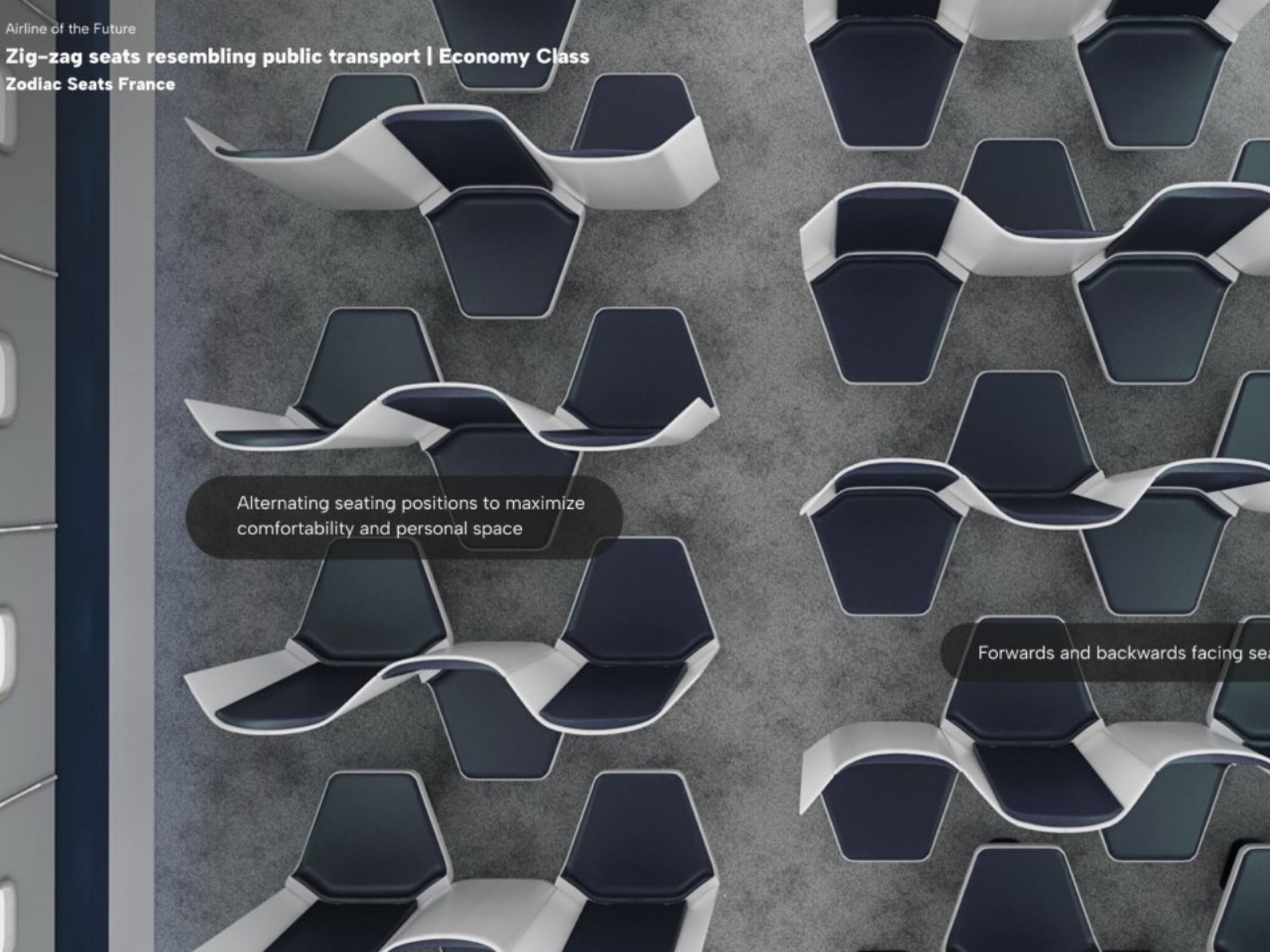
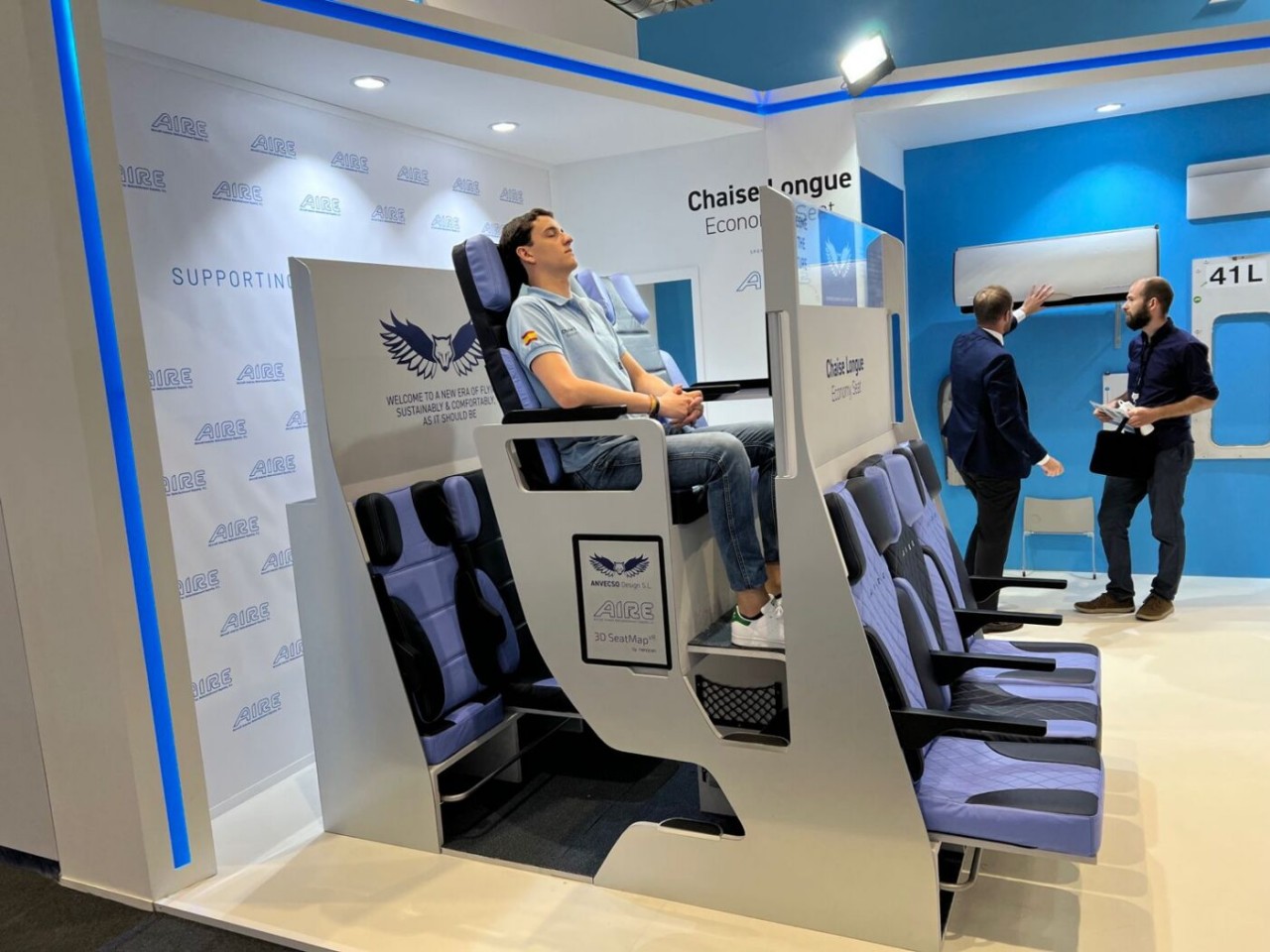
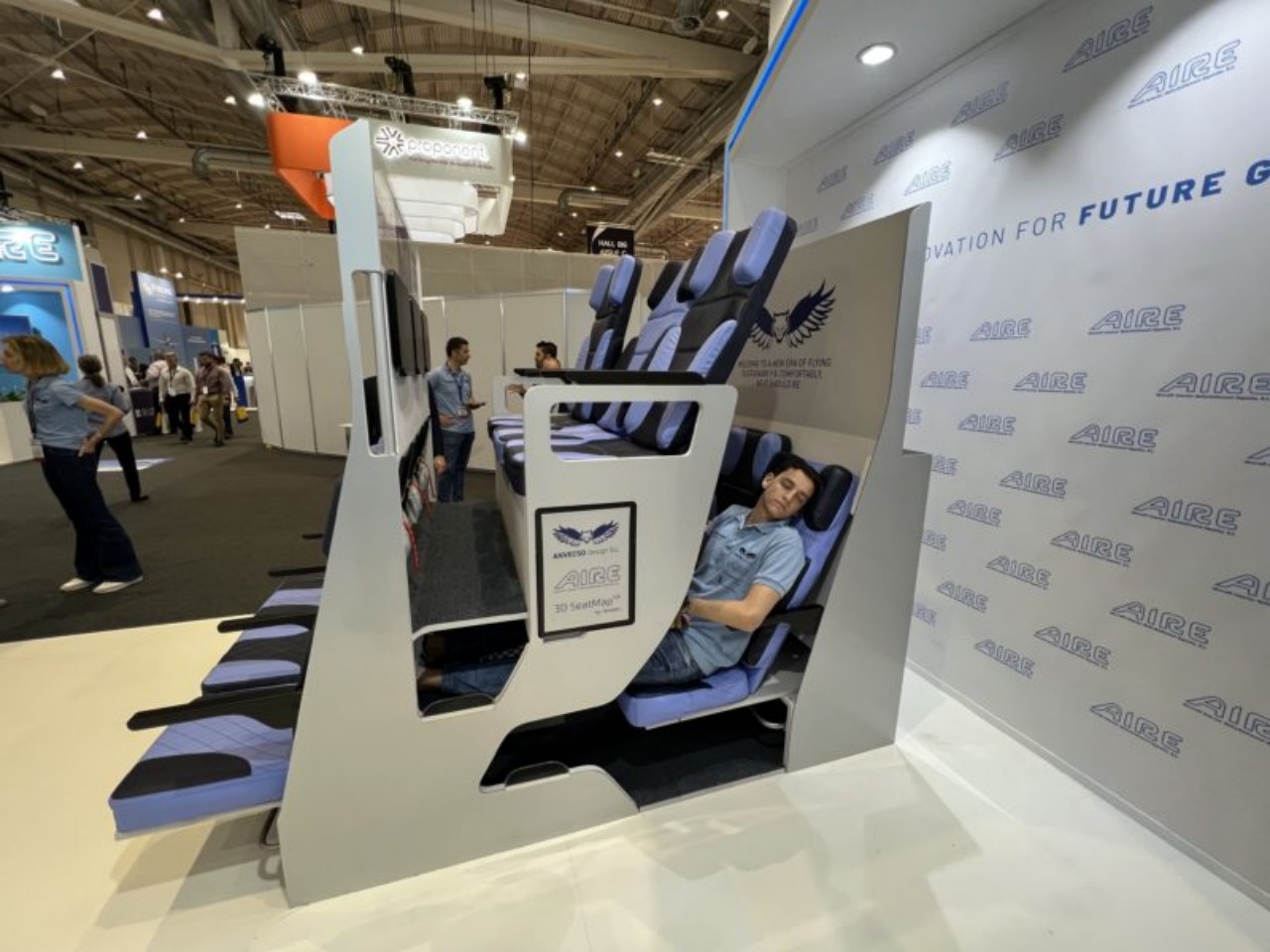
The Economy Class Cabin Hexagon concept, for example, made use of a zig-zagging layout that would make some passengers, some of whom might be complete strangers, awkwardly facing each other. The Chaise Longue design, on the other hand, implemented the “double-decker” idea that would theoretically give more legroom for people on the “lower” decks but also make them feel more cramped and almost claustrophobic. Neither concept has so far been implemented, but there are also plenty of examples out there that miss the mark, one way or another.
The design of airline seats is not a simple matter of choosing a form and a set of materials. There’s an ongoing tug-of-war between comfort and profit that also keeps changing over time. One generation might focus on comfort and luxury while succeeding generations might prioritize economy and efficiency. There’s also the matter of sustainability and eco-friendliness that is becoming just as important as these two factors. Airlines and designers must continually innovate and push the boundaries, looking not just for new materials but for better layouts and structures as well. Customers and regulators must also be vigilant that the interests of companies don’t overtake the experience of passengers. In the end, success in this domain hinges on understanding and anticipating passenger needs while crafting an economic model that sustains profitability amidst the ever-competitive skies.
Are we in an AI bubble? Almost definitely – every next booth at IFA had AI written on its banner and in its pamphlets. Walking around IFA proved that innovation is still going strong, but AI has become more of a marketing term than an actual feature. Whether it’s AI-powered dishwashers, or AI in something as small as a GaN charger, it’s easy to drop marketing jargon to make your product look better than your competitor – but is it truly game-changing AI? Well, after 5 days at IFA, here are 5 products we saw that make proper use of Artificial Intelligence in ways that are meaningful to users, and authentic to the term “AI”.
1. Plaud AI NotePin
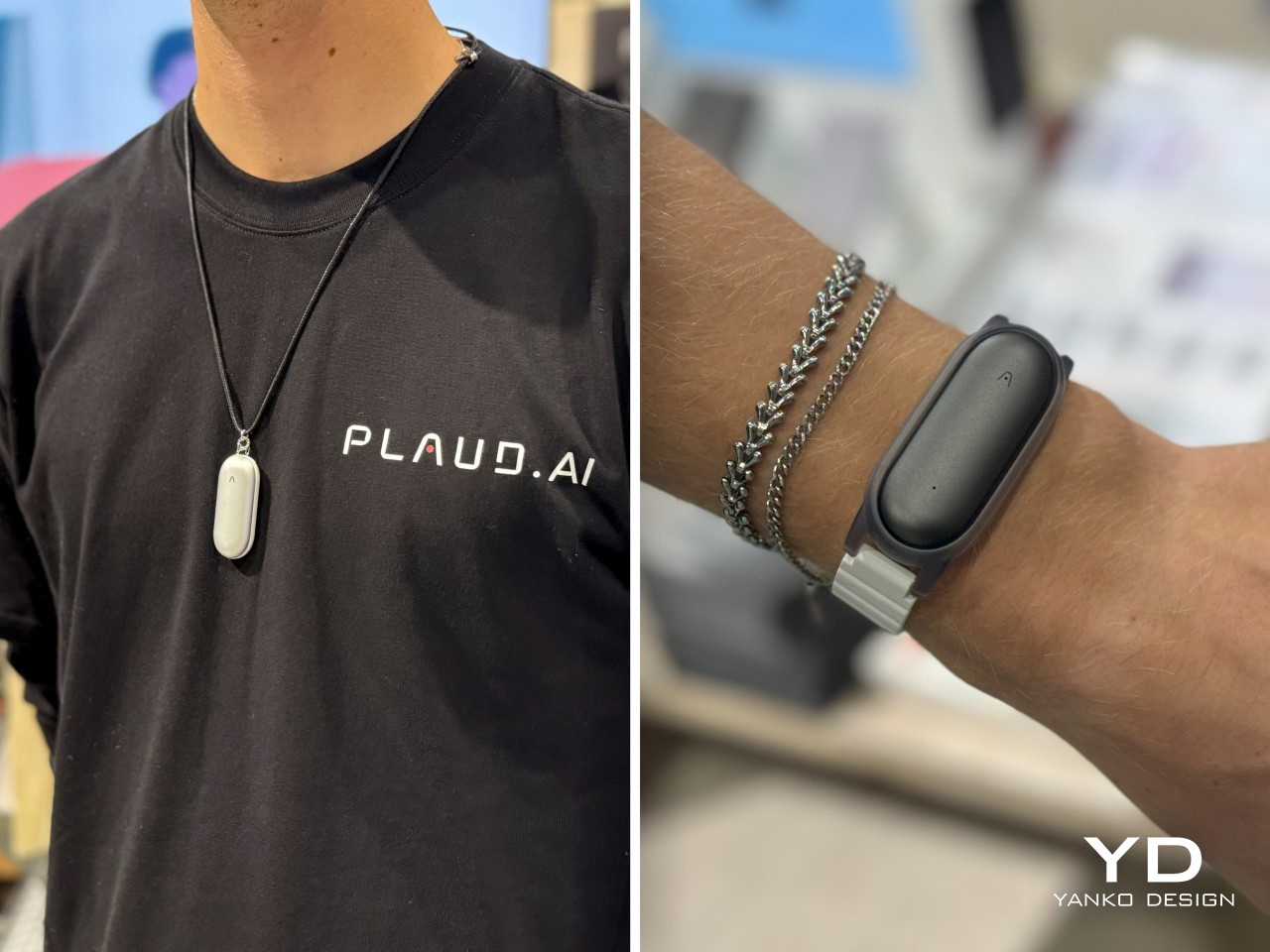
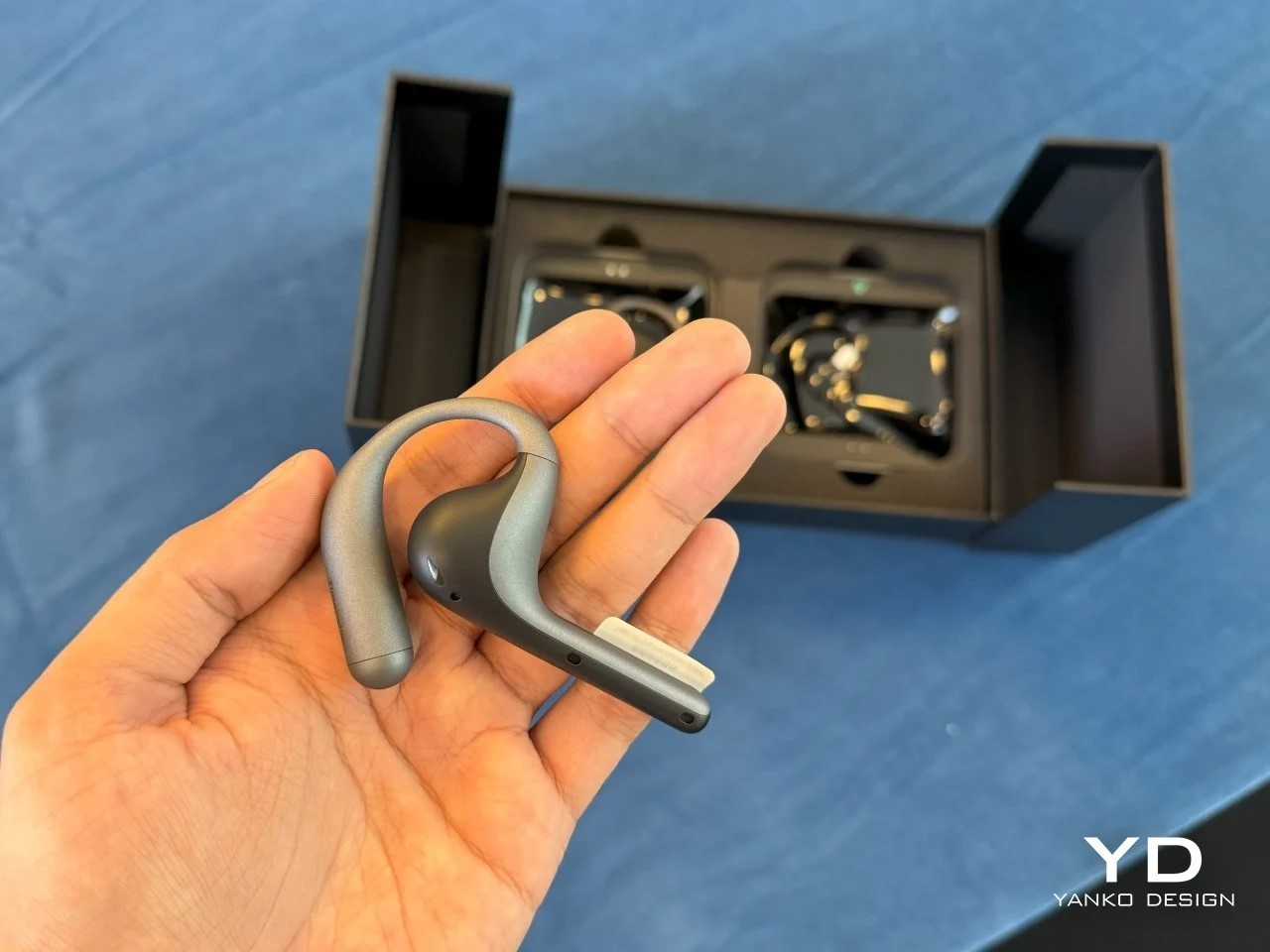
Showcased at IFA (although the product will begin shipping very soon), the PLAUD NotePin builds on the company’s successful Plaud NOTE device that first launched last year. Leveraging AI models like ChatGPT and Anthropic’s Claude, the NOTE could record meetings as well as phone calls, and translate/transcribe them in mere seconds. With the NotePin, the company hopes to make this technology even more portable. Encased in a tiny metal pendant, the NotePin is like your own assistant you can wear around your neck or even on your wrist. It lets you record everything from personal notes to meetings, leveraging GPT 4o and Claude 3.5 to bring AI to your recordings. You can give your NotePin a grocery list and it’ll meaningfully link you to a place where you can buy it online, or give it a task list and it’ll add it to your calendar. The NotePin comes in two colors – silver and dark gray – and has the ability to be worn on your wrist, around your neck, or even attached to your lapel.
2. Timekettle W4 Pro AI Interpreter Buds
Built on the broader vision of the Babel Fish from Hitchhiker’s Guide, the W4 Pro interpreter buds allow you to speak and understand as many as 40 different languages and over 90 accents. Built by the folks at Timekettle (known for their incredible translators since 2016), the W4 Pro are AI-powered interpreter earbuds. Wear one and give one to another person and the two of you can seamlessly have a conversation in two separate languages. A 3-mic array ensures crystal clear audio capture, and Timekettle’s proprietary algorithm gives you 95% accurate results. Where the AI comes in is both at a processing and a post-processing level. When you speak, instead of translating entire sentences (which can take very long), the W4 Pro breaks sentences up into meaningful segments, translating them instead. This turns out to work much faster, with just a 0.2-second delay between speaking and translating. Once you’ve had a conversation, Timekettle also applies AI to the entire transcript, allowing you to extract meaningful information and insights from your conversation – super helpful in meetings with multi-lingual professionals.
3. Honor’s AI across Phone/Tablet/Laptop
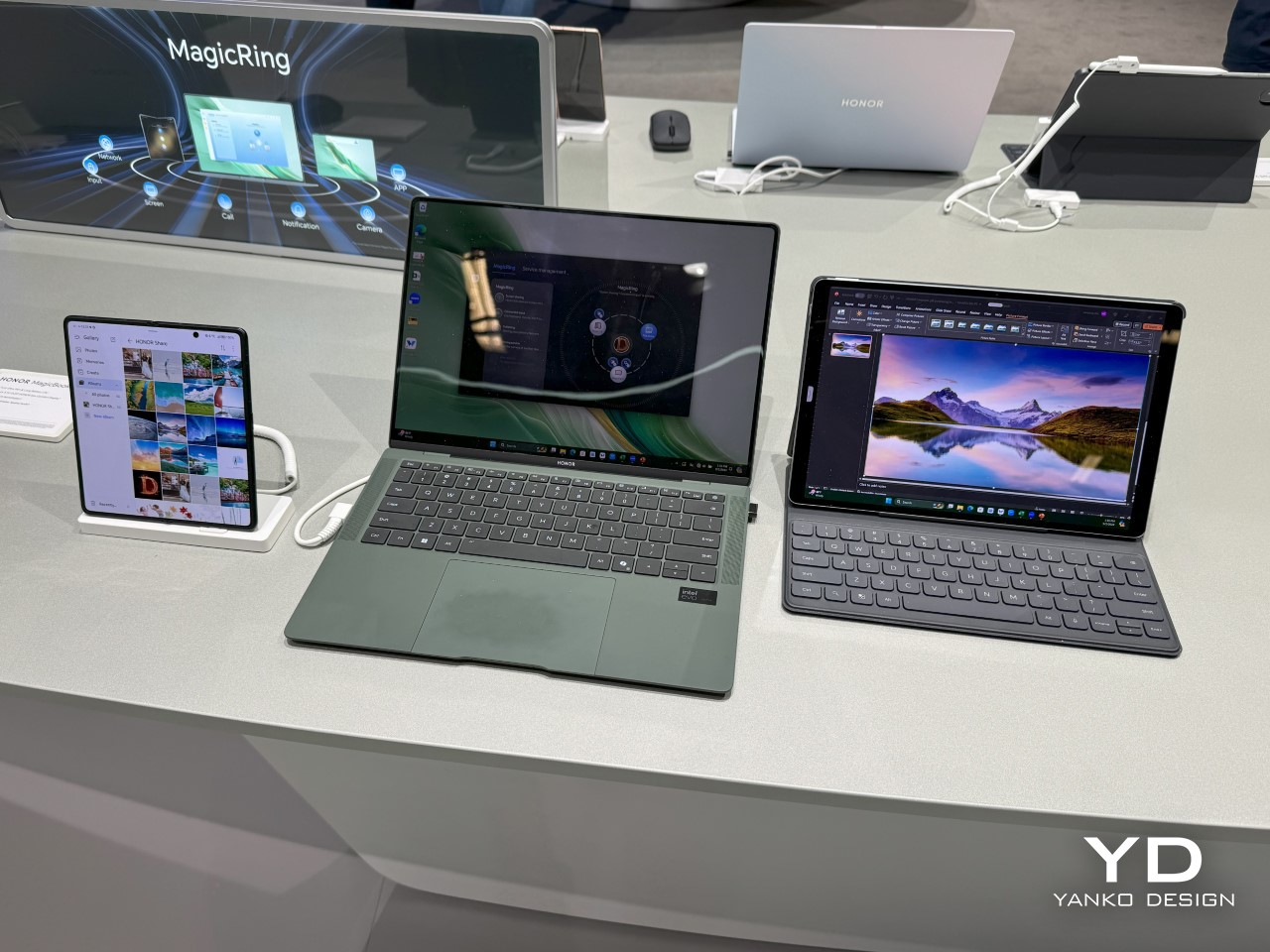
I strongly believe that we’re at a time when AI vision can make or break a company. With ChatGPT and Google Gemini sucking so much air out of the room, it’s difficult for smartphone brands to implement AI on their own, but Honor seems to have found an incredible niche. Demonstrated during their keynote on both the 5th as well as 6th of September at IFA, Honor highlighted a few standout AI features on their devices. The phones, tablets, and laptops have AI-powered two-way noise canceling – this means the device not only cancels noise on audio going out, but also on audio coming in. So you could be talking to someone who’s in a noisy environment, and your AI noise canceling will process their noisy audio. Other AI features include their drag-to-search on the Magic V3 folding phone and the MagicPad 2 tablet… but by far the most impressive use of AI is in Honor’s deepfake detection technology that works for both audio as well as video deepfakes. Relying on an ability to catch scammers and phishers in the act, the Magic V3, MagicPad 2, and MagicBook Art 14 all have this new technology working seamlessly to prevent you from being scammed or frauded by deepfake calls.
4. Google Gemini in Pixel Devices
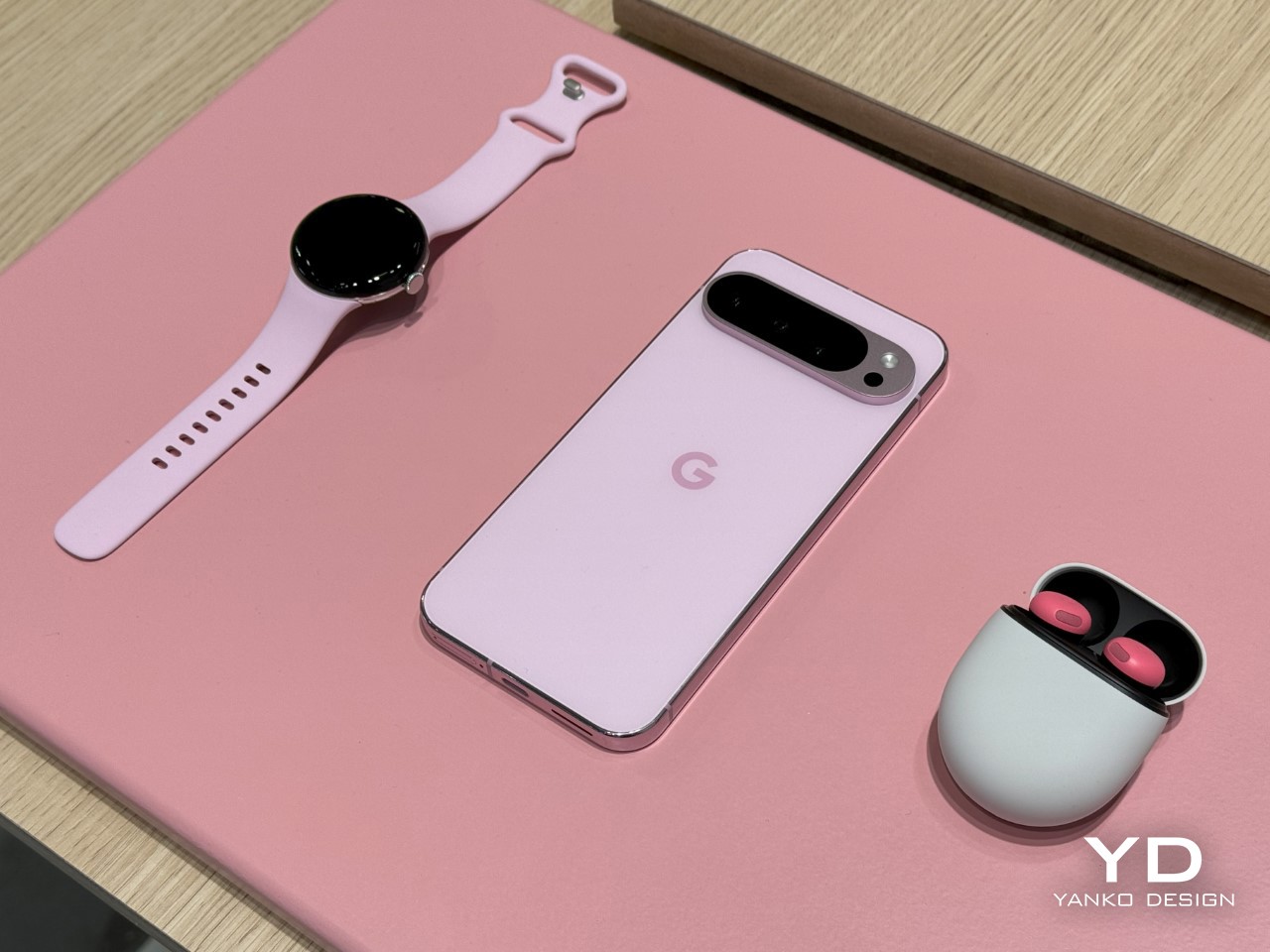
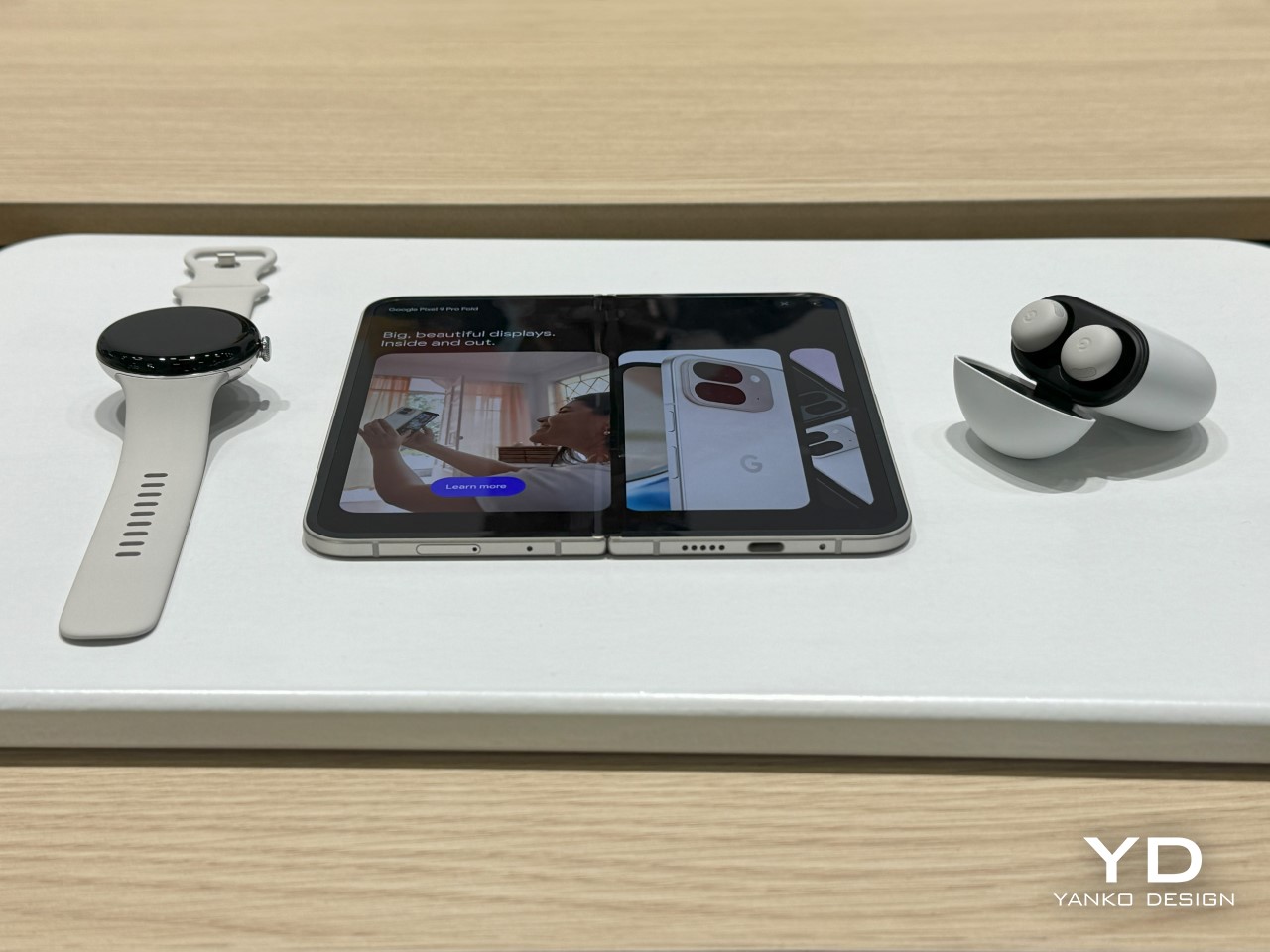
Talking about AI is incomplete without talking about its biggest players – Google. With a dedicated booth at IFA this year, Google invited people to play with their latest devices, the Pixel Buds, the new Pixel Watch, and the Pixel 9, 9 Pro, and 9 Fold devices. It’s different hearing about AI features in a keynote versus actually seeing them in real life, which is why Google had a dedicated Gemini space at their booth, where consumers could go and get a first look at the new Gemini features coming on Pixel devices later this year. This included the new powerful voice assistant, along with Google’s upgraded AI image-editing tools, as well as the newly unveiled Pixel Studio feature.
5. Samsung SmartThings and AI-powered Bixby
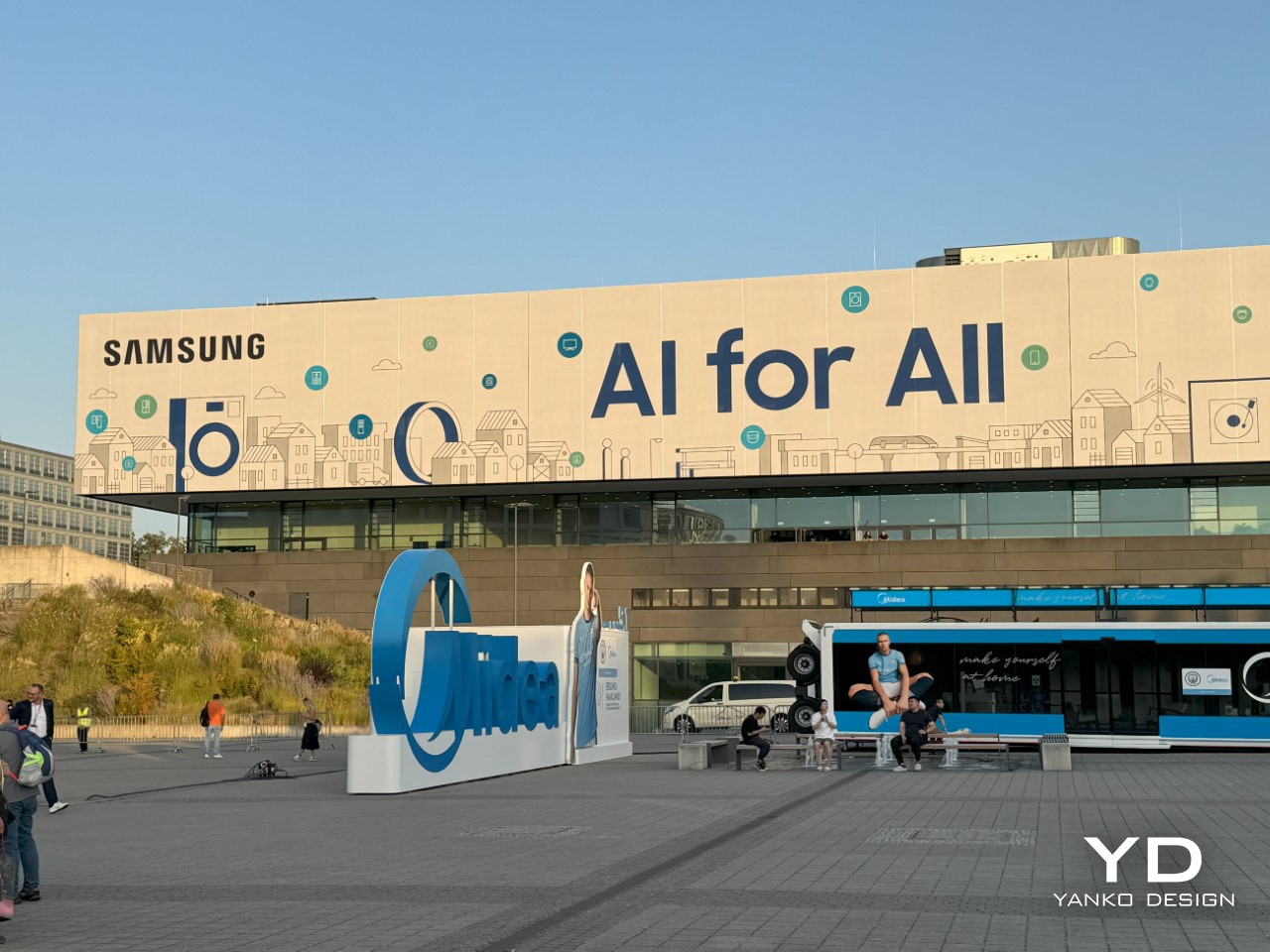
Samsung unveiled several AI-powered features at IFA 2024, highlighting its commitment to “AI for All.” The SmartThings platform showcased AI capabilities for security, sustainability, and device control, including the Map View for home monitoring. The Bespoke AI appliances offered personalized solutions, like the Family Hub refrigerator with image recognition and recipe suggestions. Samsung also introduced a timely upgrade to its AI voice assistant, Bixby, at IFA 2024. The enhanced Bixby delivers more personalized services based on the user’s voice and location, allowing for greater interaction with home appliances and devices. It adapts to the user’s daily routines, offering tailored solutions, whether adjusting appliance settings or integrating with other SmartThings-enabled devices.
Apple has a reputation for taking established ideas and refining them into seamless, intuitive features, and it looks like they’ve done it again with their new Visual Intelligence technology in the iPhone 16. In contrast to Google Lens, which primarily scans objects or texts in photos and returns basic web-based results, Apple’s Visual Intelligence integrates advanced generative models and contextual awareness, creating a more profound, interactive experience. This blend of on-device intelligence and private cloud computing not only delivers more relevant information but does so in a way that feels personal and purposeful.
Let’s dive into why Apple’s Visual Intelligence may have just overshadowed Google Lens, and how it’s bringing more powerful insights to users right through the iPhone 16’s camera. Before we do, it’s important to note that Google HAS, in fact, demonstrated Gemini’s ability to ‘see’ the world around you and provide context-based insights… however, it seems like a lot of those features are limited to just Pixel phones because of their AI-capable Tensor chips. While Google Lens (an older product) is available across the board to both iOS and Android devices, Apple’s Visual Intelligence feature gives iPhones a highly powerful multimodal AI feature that would otherwise require existing Apple users to switch over to the Google Pixel.
Going Beyond Surface-Level Search
Google Lens has been a reliable tool for identifying objects, landmarks, animals, and text. It essentially acts as a visual search engine, allowing users to point their camera at something and receive search results based on Google’s vast index of web pages. While this is undoubtedly useful, it stops at merely recognizing objects or extracting text to launch a related Google search.
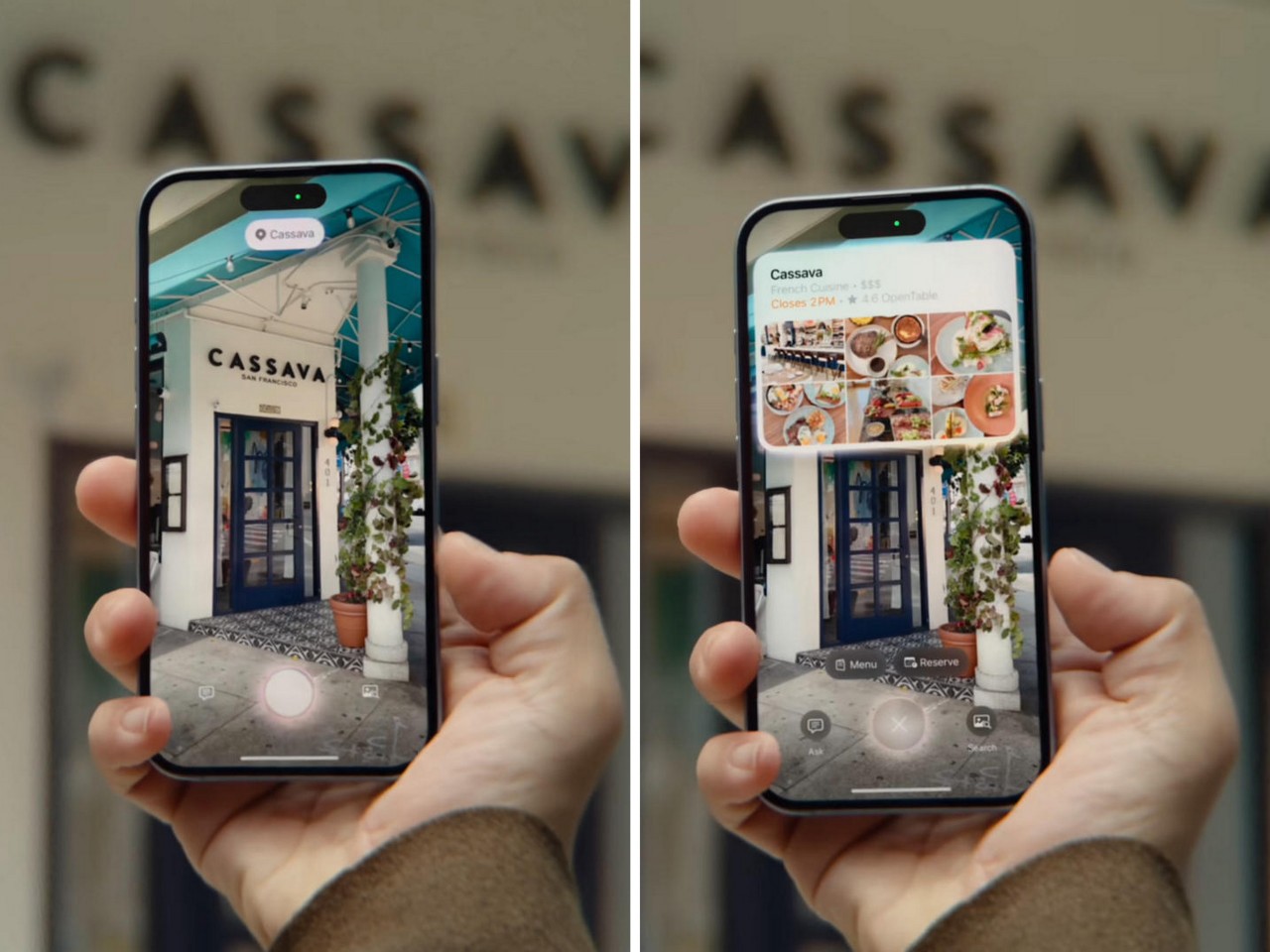
Apple’s Visual Intelligence, on the other hand, merges object recognition with contextual data retrieval. This means it can offer richer, more integrated information. During the Apple keynote, Craig Federighi demonstrated how users could point their iPhone at a restaurant and instantly retrieve operating hours, reviews, and options to make reservations—all without needing to open Safari or another app. Similarly, pointing the camera at a movie poster will not just yield a name or showtimes, but deeper context such as ratings, actor bios, and related media, providing a much more immersive and helpful experience.
The Power of Integration: Visual Intelligence and Third-Party Tools
One of the standout features of Apple’s Visual Intelligence is its seamless integration with third-party tools, offering expanded functionality. For instance, if you spot a bike you’re interested in, Visual Intelligence doesn’t just identify the brand and model; it can quickly connect you to third-party retailers via Google Search to check availability and pricing. This interplay between native intelligence and external databases exemplifies Apple’s mastery of pulling together useful, real-time data without breaking the user’s workflow.
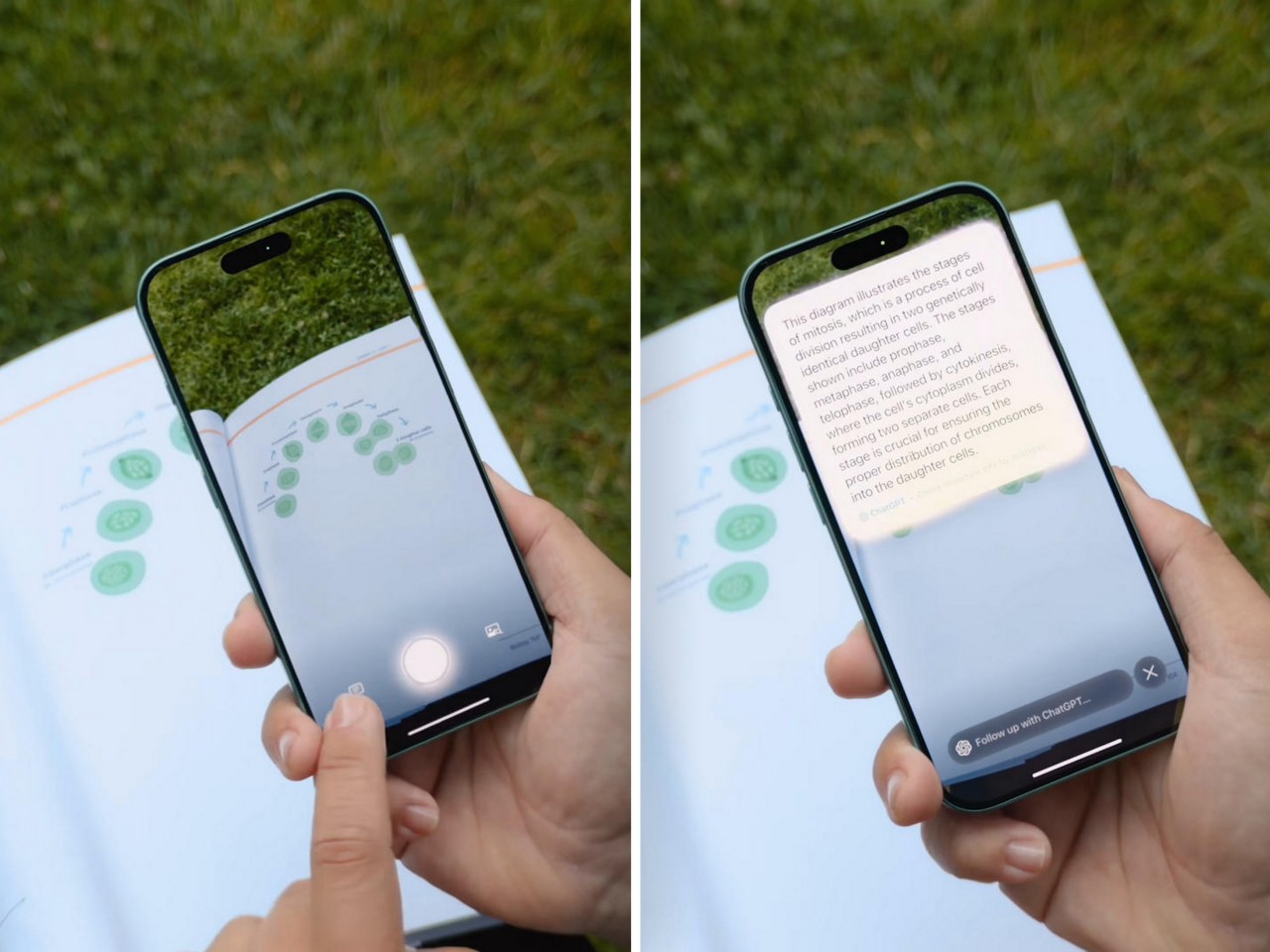
But it doesn’t stop there. Apple has built-in support for querying complex topics with tools like ChatGPT. Imagine you’re reviewing lecture notes and stumble across a difficult concept. Simply hold your iPhone over the text and ask ChatGPT to explain it right on the spot. This deep contextual awareness and ability to provide real-time insights based on multiple external sources is something Google Lens simply cannot do at the same level.
Privacy at the Core
Another area where Apple shines is in its privacy-first approach to AI. All interactions through Visual Intelligence, such as identifying objects or pulling up information, are processed on-device or via Apple’s Private Cloud Compute, ensuring that no personal data is stored or shared unnecessarily. This is a stark contrast to Google’s cloud-based model, which has often raised concerns about the volume of user data being processed on external servers. By keeping the majority of computation on the device, Apple delivers peace of mind for privacy-conscious users—an area that Google has historically struggled with.
A Broader Reach: Enabling Personal Context
One of the most significant advantages of Apple’s approach is its deep integration into your phone’s personal data. Visual Intelligence doesn’t just analyze what’s in front of the camera; it connects the dots with your past interactions. For example, Siri, now supercharged with Visual Intelligence, can identify the contents of your messages or your calendar appointments and offer contextual suggestions based on what you’re viewing. If you’re looking at a flyer for an event, Visual Intelligence will not only retrieve details about the event but also cross-reference it with your schedule to automatically add it to your calendar—again, without having to lift a finger.
Google Lens, by comparison, lacks this deep personal integration. It’s effective as a standalone visual search tool but hasn’t yet reached the level of intuitive, user-centered design that Apple has mastered.
A New Era for Intelligent Photography
Apple’s innovation also extends into how we interact with our cameras. The new camera control on the iPhone 16 doubles as a gateway to Visual Intelligence. This means users can quickly snap a photo and receive actionable insights immediately. With a simple press of the camera control, users can tap into features like instant translations, object recognition, or even educational tools like ChatGPT.
Google Lens, while impressive in its object recognition, doesn’t offer this seamless experience. It requires users to jump between apps or tabs to get additional information, while Apple’s integration means the iPhone is one fluid tool—camera, intelligence, and action all in one place.
Apple Executes Where Google Initiated
Google Lens may have launched first, but Apple has undeniably refined and expanded the concept. It’s a tendency that we’ve come to learn and love about Apple – they usually don’t believe in being first to the market, but rather believe in executing features so well, people tend to ignore the competition – they did so with the Vision Pro AND with Apple Intelligence. Visual Intelligence is a bold step forward, leveraging on-device power and privacy to deliver more meaningful, contextual insights. Where Google Lens excels at basic object recognition, Apple’s approach feels more like a true assistant, offering deeper information, smarter integrations, and a more secure experience.
Apple’s September event remains every tech nerd’s most awaited time of the year for two reasons. For starters, it’s the announcement of brand-new gear that we can get our hands on… but more importantly, it’s a validation of everything we’ve been hearing and assuming over the years. There’s never a single day when people aren’t actively trying to find out details on what Apple will do next. The company has a rock-solid reputation for keeping its products under wraps until they’re ready to launch… but sometimes things slip through the cracks. Us nerds love to speculate on these rumors, and come September, the keynote feels like judgment day – where some rumors get turned into reality, and others into rubble.
As Apple unveiled their latest slew of devices today, it’s interesting to see exactly where the rumors were right, and where we were absolutely off mark. For starters, we all expected next-gen AirPods Max headphones (given that it’s been 4 years since their first launch) as well as a Watch Ultra 3. Apple conveniently skipped those devices, only to announce minor upgrades to them (nice way of saying they’re already perfect the way they are). Meanwhile, rumors of a ‘capture’ button on the iPhone seemed as good as true with phone-makers actually displaying iPhone 16 cases at IFA 4 days before Apple’s formal launch. So without further ado, here’s a look at all the rumors over the past year, and whether they made it or not.
Rumors we got wrong:
1. Apple Watch X would see a radical redesign for the 10th anniversary
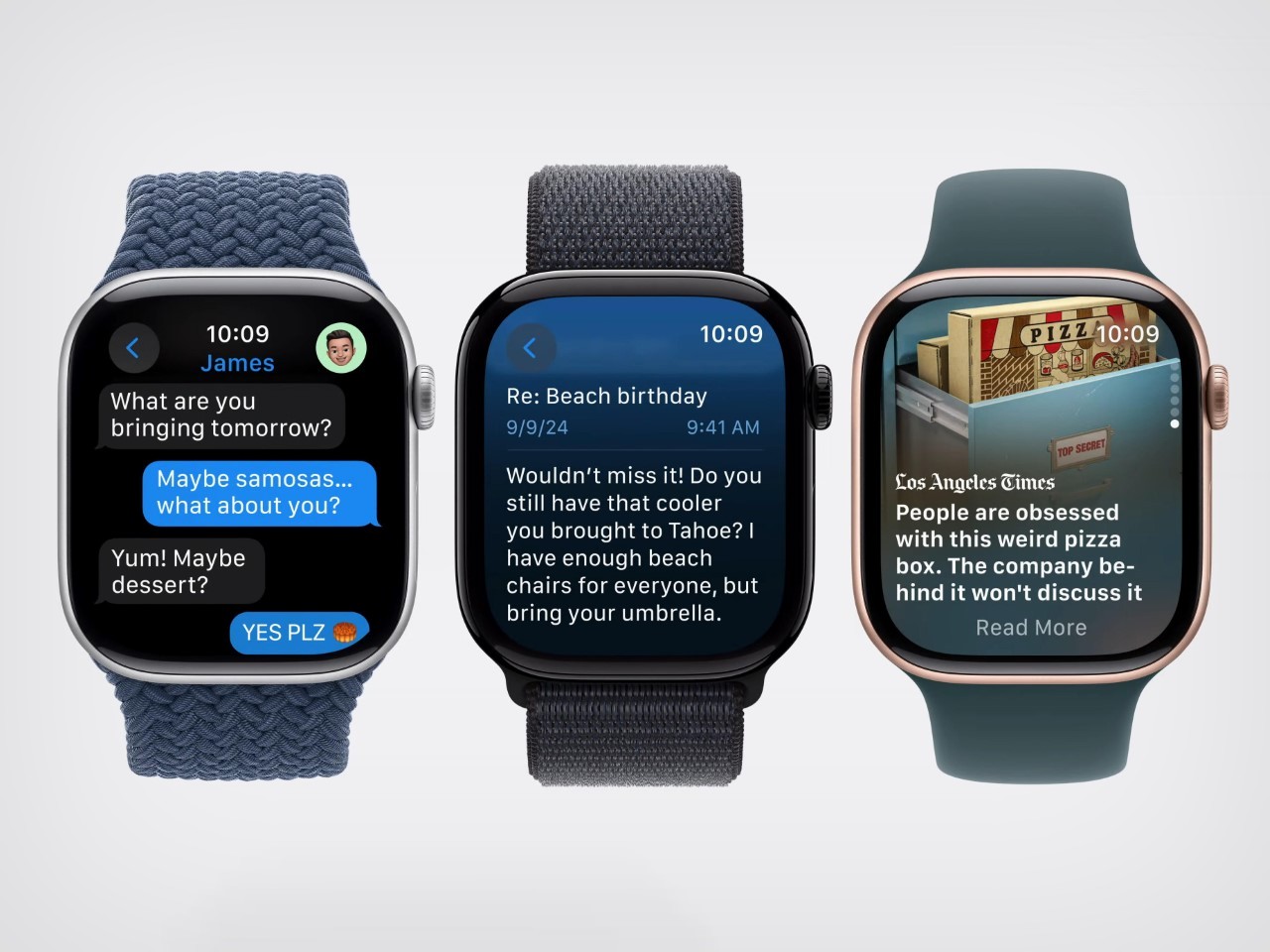
Honestly, it feels a little heartbreaking to see that Apple didn’t give the Watch a 10th-anniversary makeover the way they did with the iPhone X back in 2017. A lot of us were pinning our hopes on seeing a radical redesign (some speculated flat edges like on the iPhone), while others tried hinting at a new form factor. None of that turned out to be true, as Apple announced a nominally slimmer Watch Series 10 (measuring 9.7 mm thick) with a larger display. The design, for the most part, remains entirely the same, except that now the Watch has a re-engineered speaker system that can play audio from podcasts and music apps, allowing you to listen clearly through your watch instead of needing AirPods.
2. Apple would announce a Watch Ultra 3
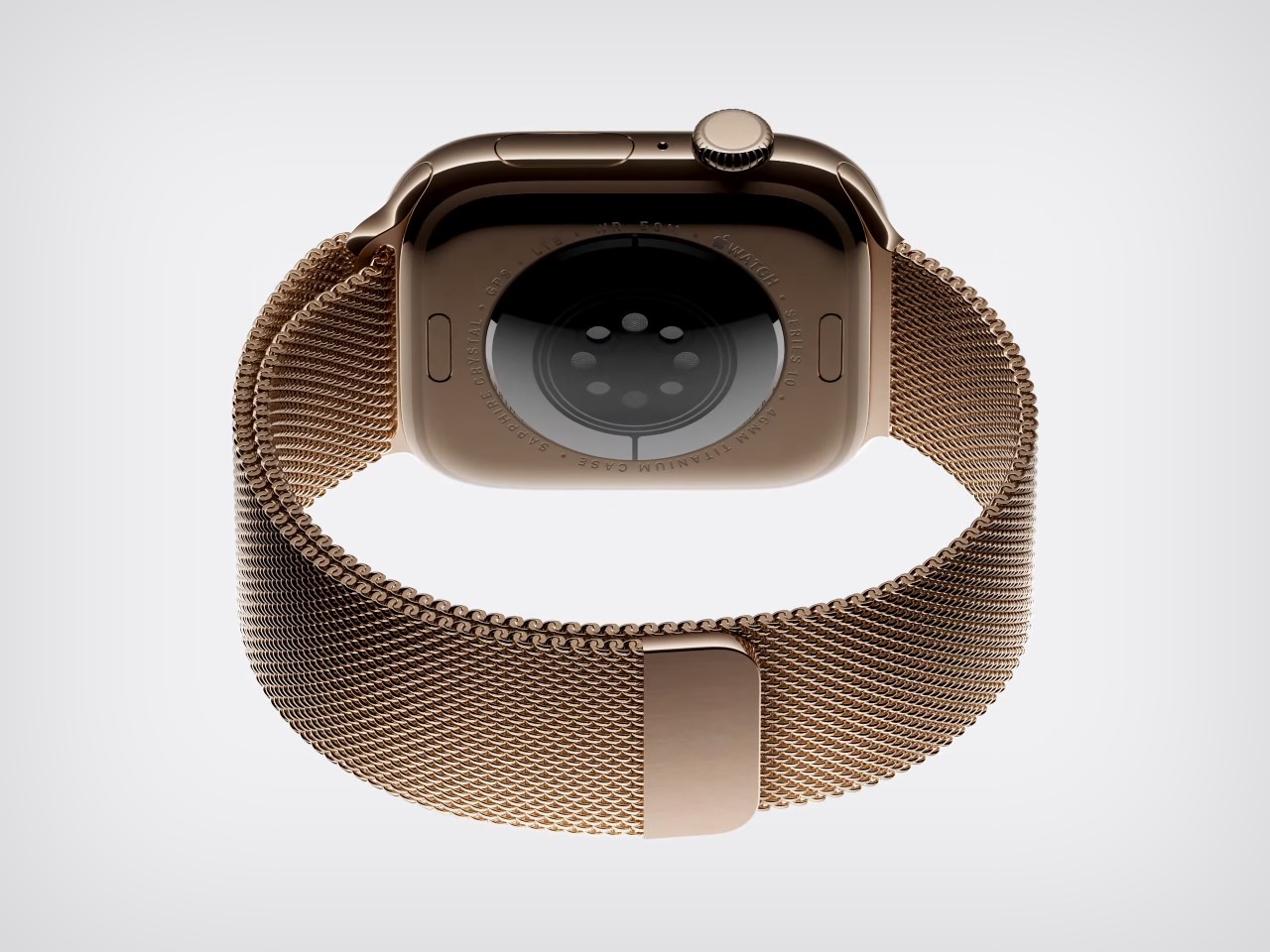
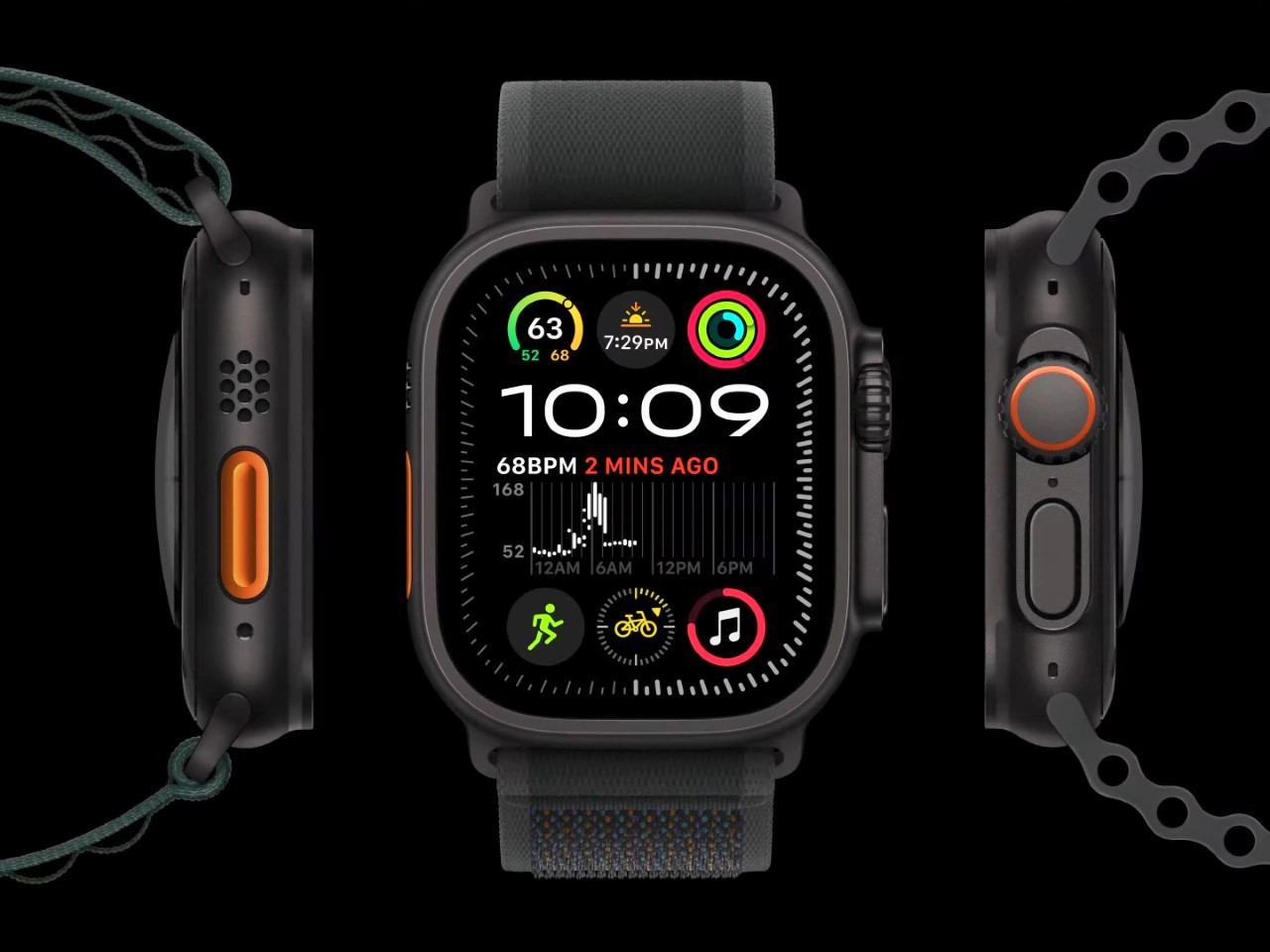
It seemed natural that a Watch Ultra 3 would drop this year, considering Apple refreshed the Watch Ultra after a single year too. However, the Watch Ultra 2 only got a new color upgrade this year, with a gorgeous satin black finish. Everything about the Watch Ultra 2 remains the same on the design and hardware front, although Apple did announce a set of stunning Milanese metal straps for both the Natural as well as the Satin Black color finishes.
3. Launch of the AirPods Pro 3 and AirPods Max 2
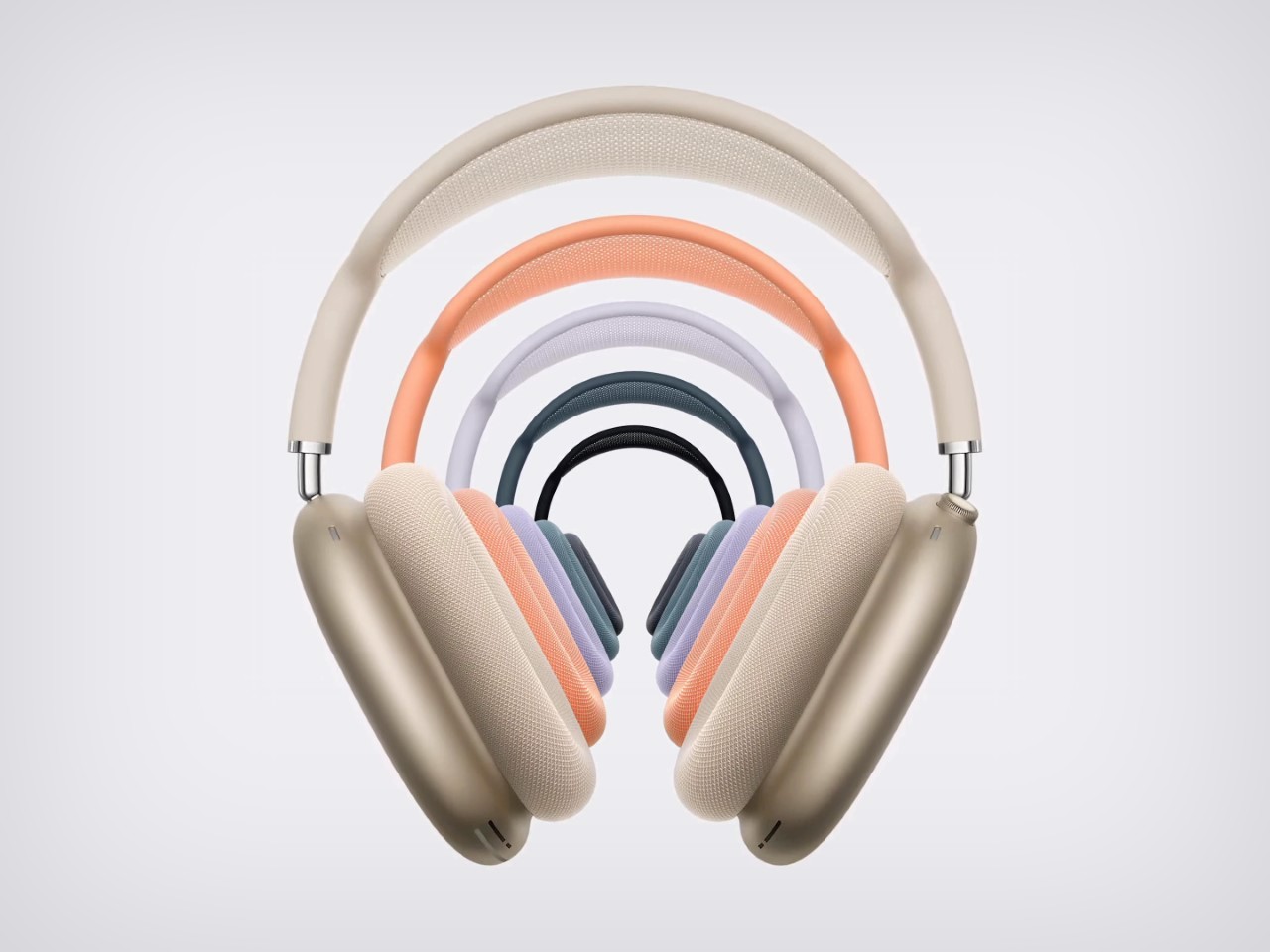
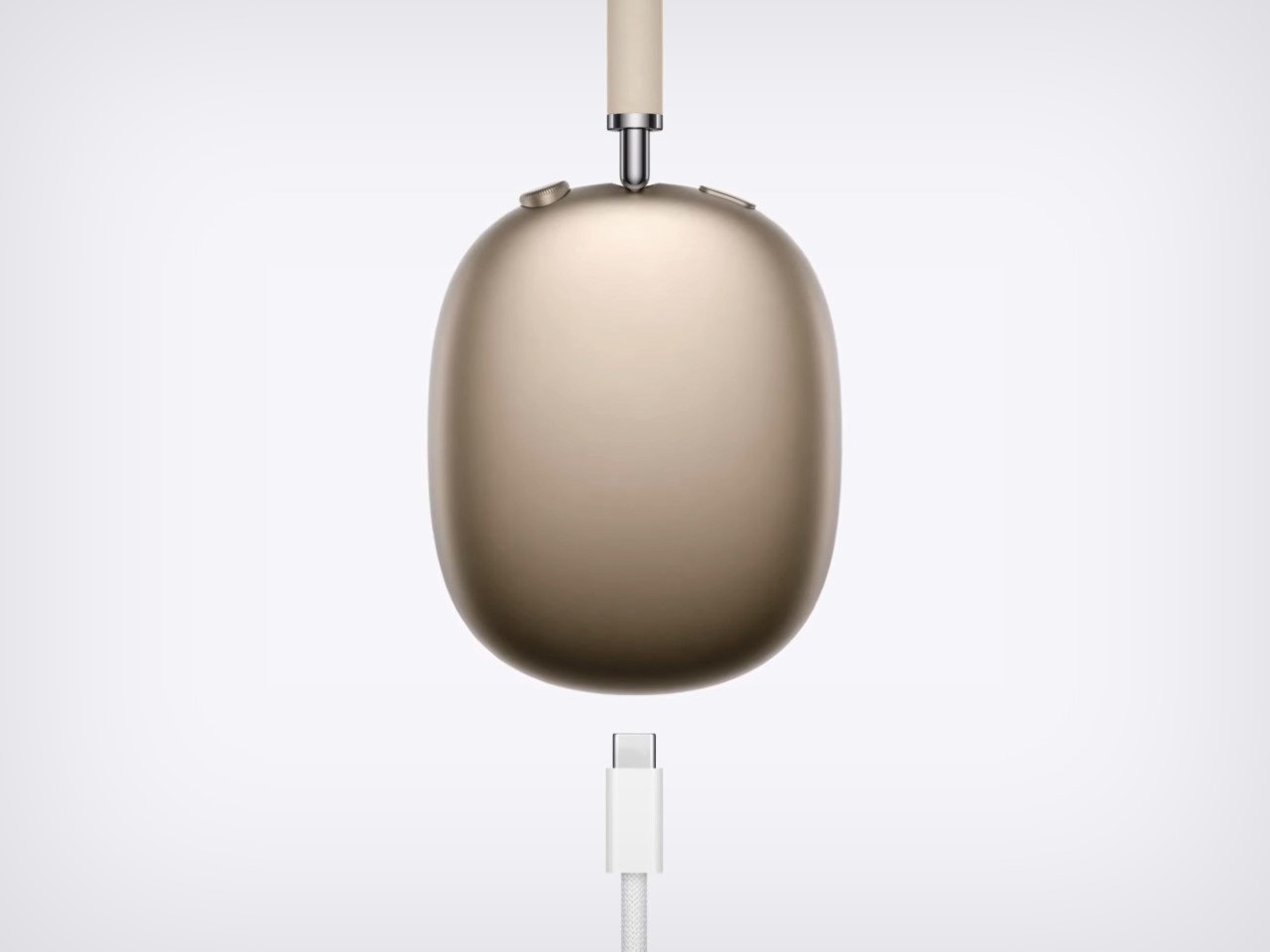
Apple launched the AirPods Pro 2 in September 2022, and the AirPods Max as early as September 2020. It felt all but natural to expect the company to give these devices their due upgrades, but it seemed like Apple had other plans. The company didn’t upgrade their highest-end earbuds and headphones but rather decided to give them a set of new protective features. The new AirPods (across the entire range) will have built-in hearing protection features that not only keep your ability to hear intact over time, but also provide tools to measure your hearing loss – something that’s usually a concern with prolonged earphone/headphone usage. Pending FDA approvals, the AirPods will have clinically validated hearing test features, as well as an over-the-counter hearing aid feature. Oh, and while the AirPods Max didn’t get an upgrade, they DID get 5 new color options, along with USB-C charging… finally.
4. Launch of an iPhone Slim
I had my doubts about this, but when Apple announced the world’s slimmest iPad clocking in at a mere 5.1 millimeters in thickness, it seemed like Apple had similar plans for the iPhone 16 series. However, none of that was true. Call it post-Bendgate-trauma or just something Apple isn’t planning on working on, but the iPhone Slim never really became a thing. I’ll be honest, if Apple DID want to make a slim iPhone, the best way to do it would be to turn it into a foldable… but it seems like we’re years away from that for now.
Rumors we got right:
1. The Apple Watch would get ZERO AI features
This felt surprisingly sad even for a rumor, but when WWDC rolled out, everyone was quick to notice that WatchOS didn’t get mentioned EVEN ONCE during the Apple Intelligence segment. I dismissed it as just a mere mistake, hoping that Apple would announce big AI features for the 10th anniversary Watch, but alas, the Watch Series 10 did NOT get any AI features. Sure, it has neural cores in its S10 SIP that uses machine learning to detect heart problems, falls, and now even sleep apnea… but ‘intelligent Siri’ won’t be coming to the Watch any time soon. Or any Apple Intelligence feature for that matter.
2. The AirPods Max would get upgraded to USB-C
It’s surprising that Apple’s ENTIRE consumer product line got upgraded to USB-C, but the AirPods Max got left behind. First announced in 2020 (when Lightning connectors were still a thing), Apple practically ignored their flagship headphones for the next 4 years (it still sold like hotcakes), and just as we were hoping for an AirPods Max 2, Apple just decided to give their existing headphone collection 5 new color variants. However, along with the new colors, the AirPods Max DID finally get upgraded to a USB-C charging protocol, which means practically every mobile device (AirPods, iPad, and iPhone) has officially ditched the Lightning connector. In fact, it’s just the Magic Mouse, Magic Trackpad, and the Magic Keyboard that still have a Lightning port on them… but I guess the EU isn’t complaining about those.
3. The iPhone 16 series would have a Camera Control button
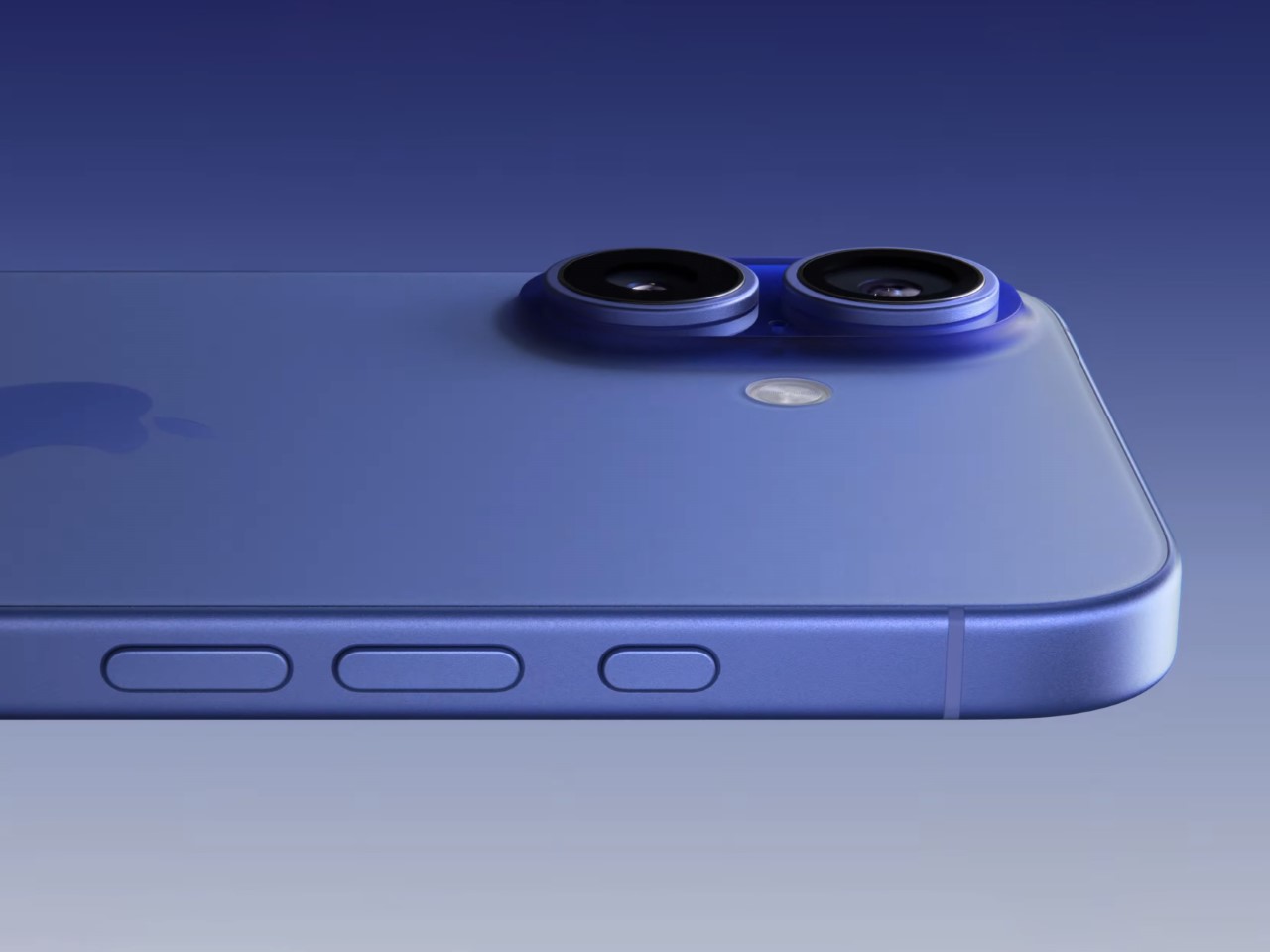
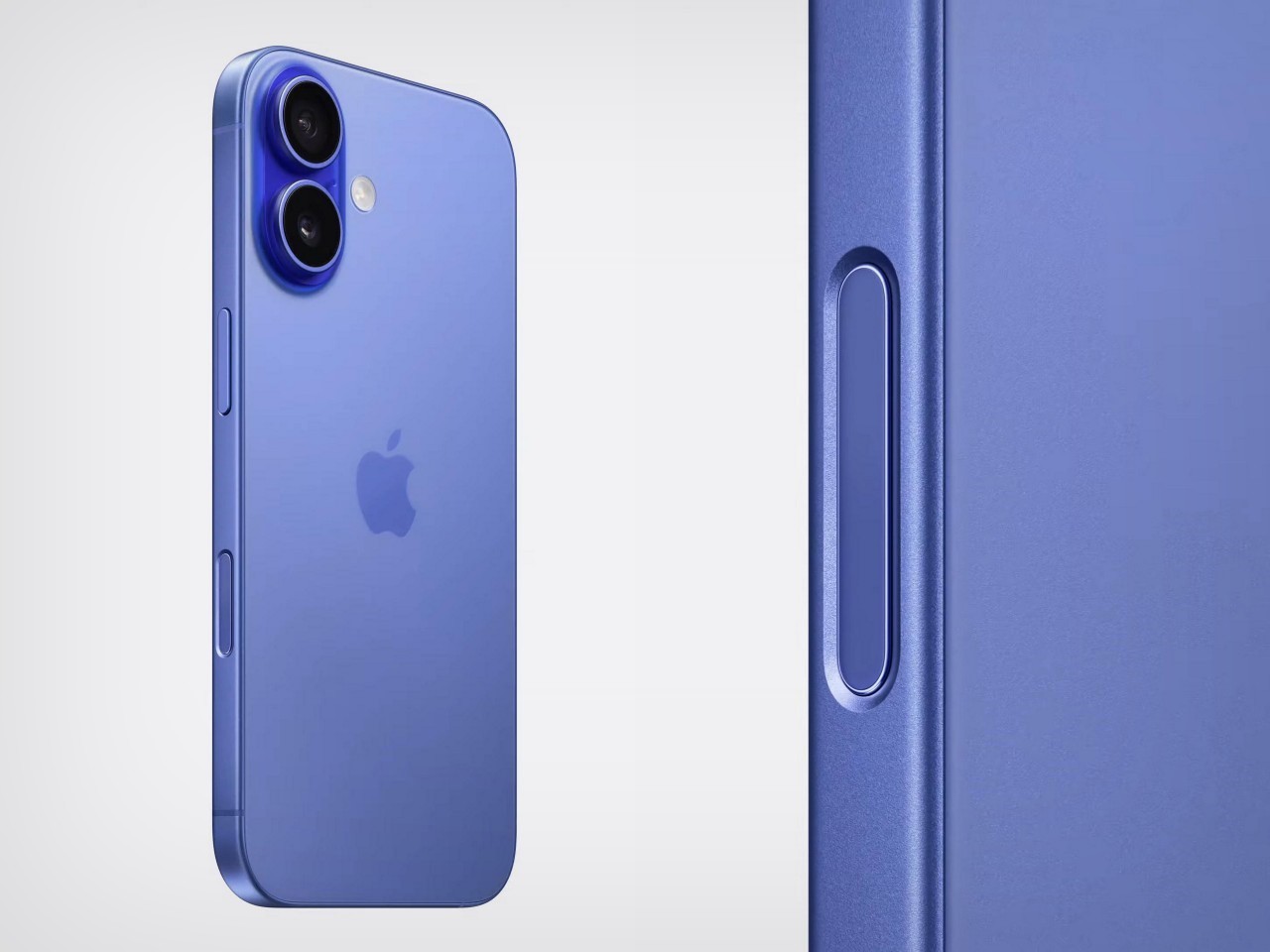
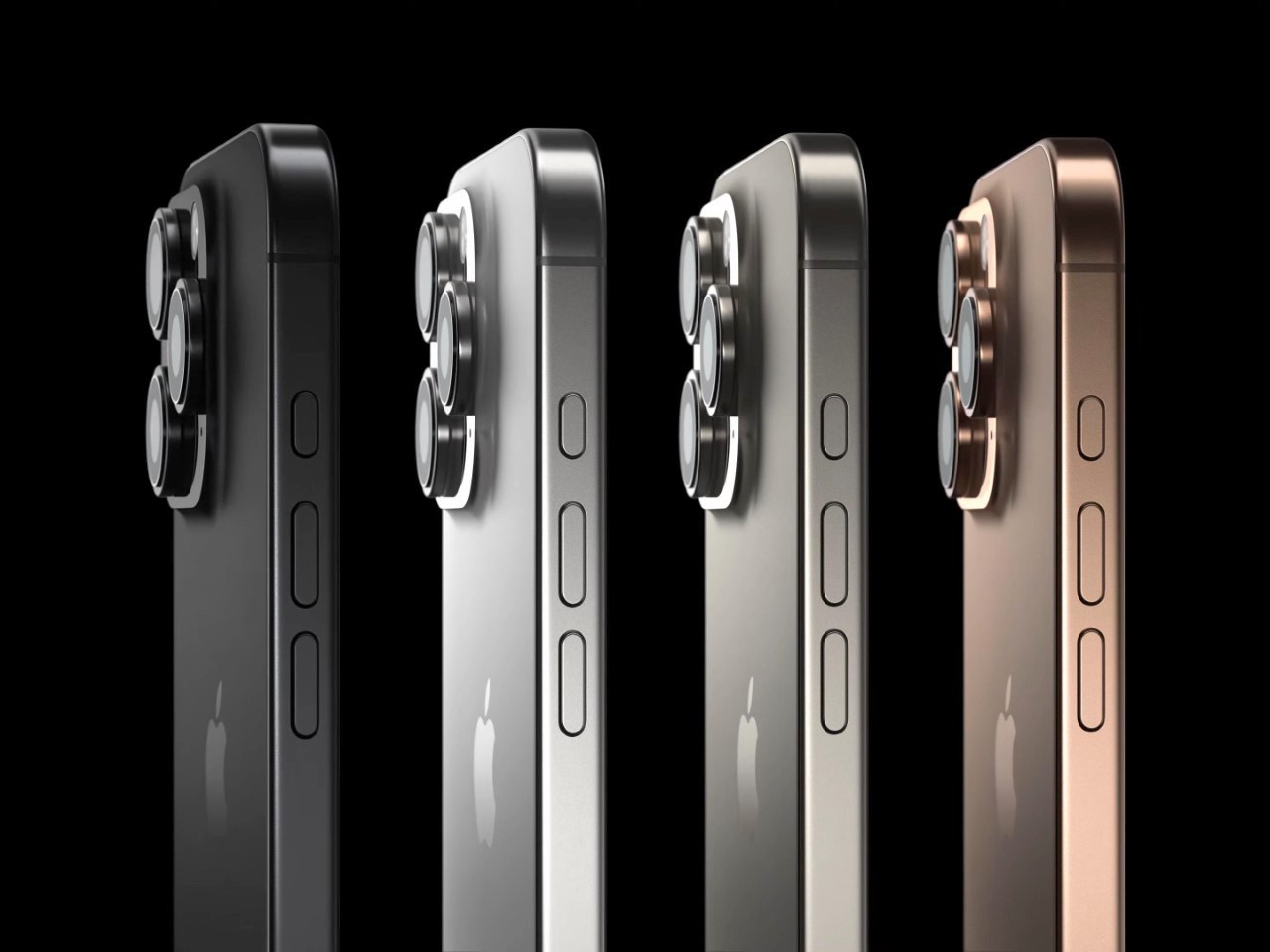
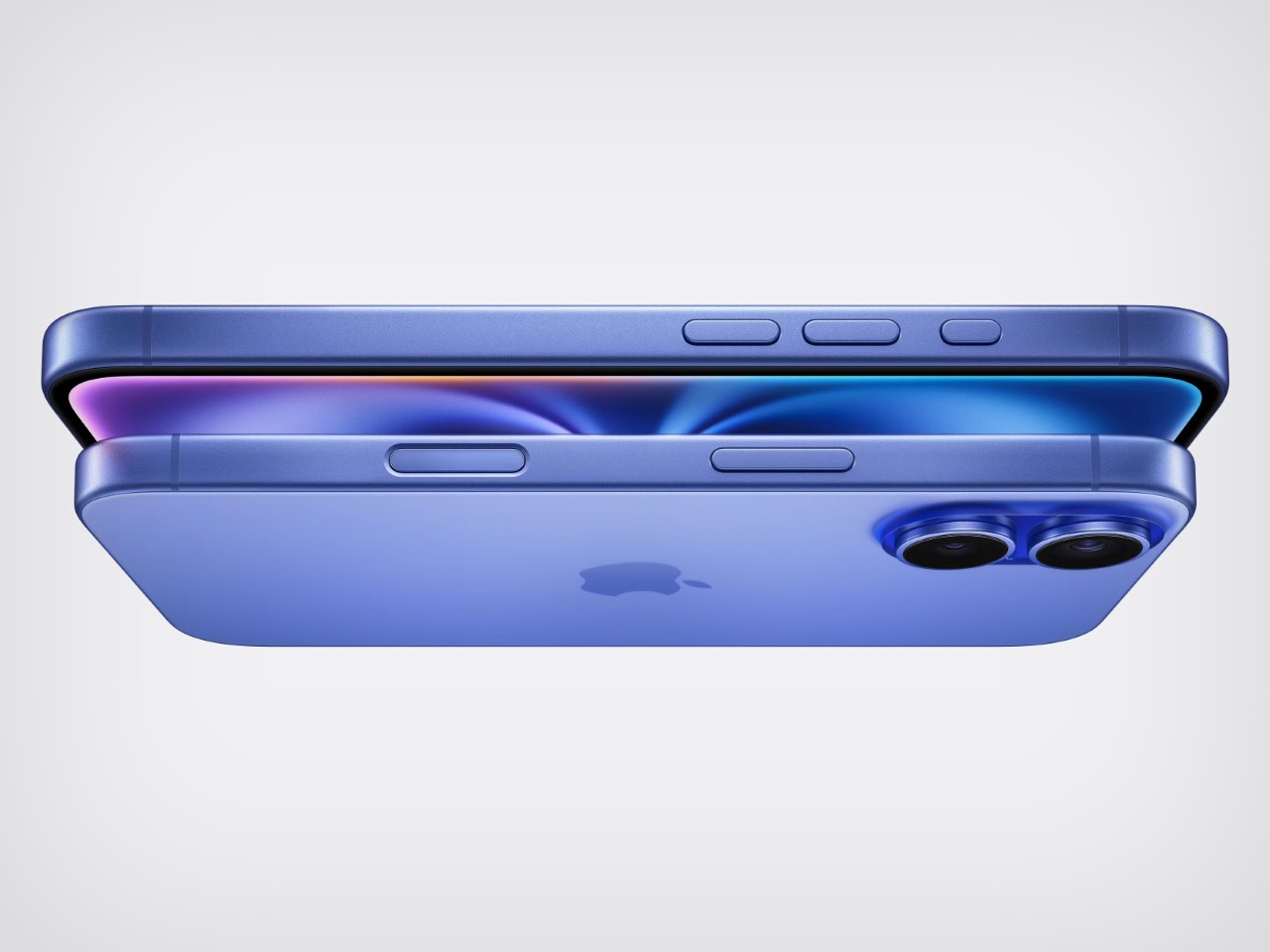
Arguably the biggest change to Apple’s iPhone since the Action Button, the new Camera Control button is surprisingly great. We speculated that it would just be a simple shutter button, but news later highlighted that it would have haptic control, along with a touch-slide feature. Obviously, these rumors only highlight half the truth… because it’s easy to speculate on hardware, but not on software. The Camera Control button’s features were finally announced at the keynote, highlighting how capable this new button would be. Aside from opening the camera and clicking photos, the button can zoom in/out, adjust focus, switch through presets, and do a whole bunch of exciting new things.
4. A larger iPhone 16 Pro Max with a bigger battery, bigger 6.9″ display, and thinner bezels
Apple announcing their iPhone launch in the MIDDLE of IFA 2024 in Berlin felt like a strategic move… and turns out, it was one, because even though the iPhone 16 wasn’t announced, cases for the new iPhone 16 series were on display at IFA, causing everyone to get a fair idea of what the new phones would look and feel like. Once I saw these cases on display, I obviously had to take a closer look… and upon doing so, I couldn’t help but notice how the 16 Pro Max case was significantly larger than my 15 Pro Max smartphone. Turns out, Apple DID end up making their flagship phones bigger (with the iPhone 16 Pro Max having a whopping 6.9-inch display), while making displays thinner, and cramming an even larger battery into their phones. The largest on any iPhone, as Apple personnel tend to say.
5. The iPhone 16 would get a direct bump to the A18 chip
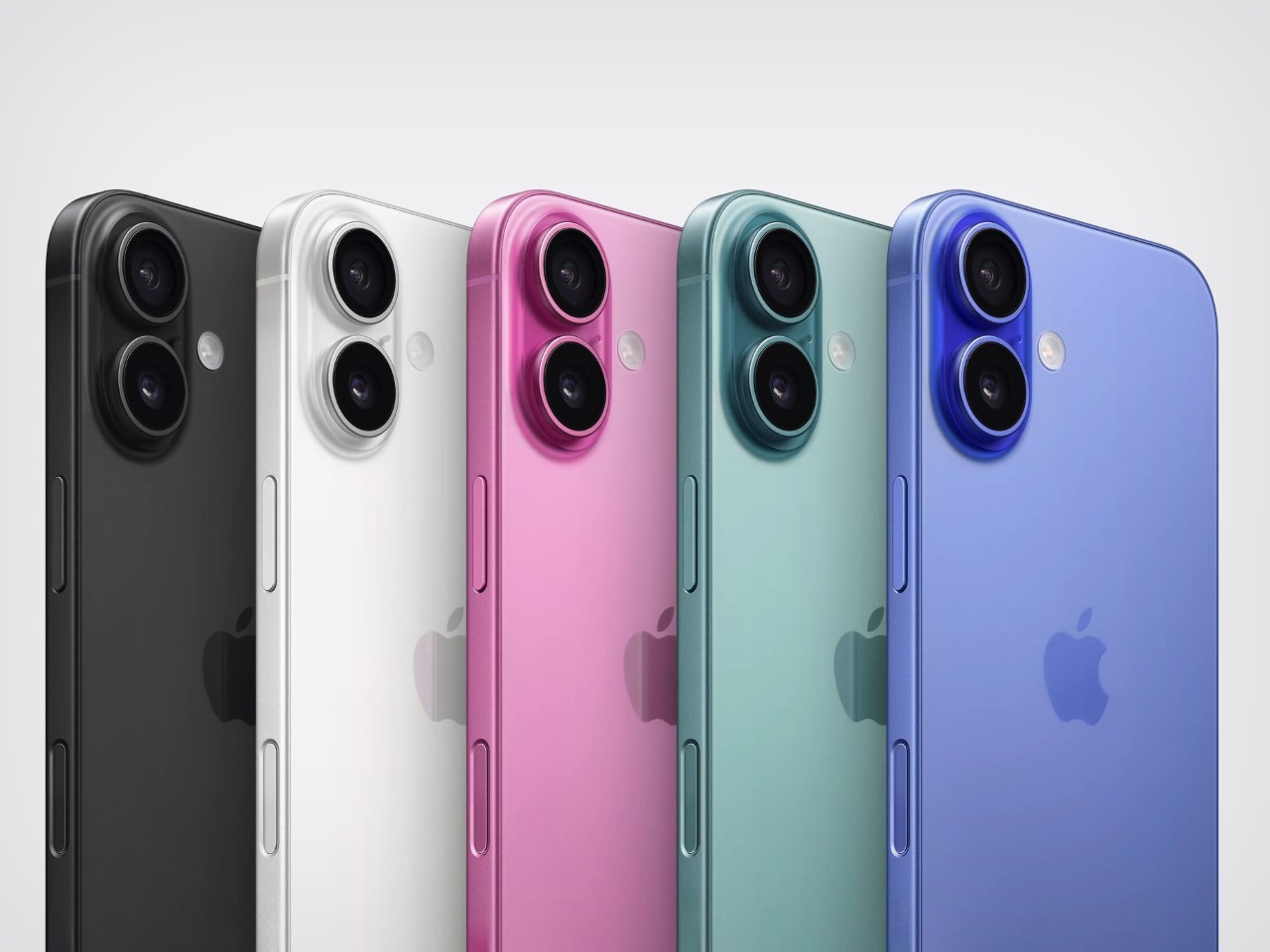
When Apple announced that their iPad Pros would skip the M3 and go directly to M4, my jaw dropped. It seemed inconceivable that Apple would leapfrog ITSELF, but once I saw the announcement, the rumor that the iPhone 16 would get an A18 chip seemed more believable. Traditionally, the base-model iPhones get the same chip as the previous year’s Pro models… but Apple decided to be kind this year. Given how so much of the new iPhone would be centered around Apple Intelligence, it made sense to build a NEW chipset just for handling these AI tasks. The iPhone 16 series is the first phone to get Apple’s latest A18 chipset, and as Tim Cook says, is truly the first iPhone built from the ground-up for Apple Intelligence.
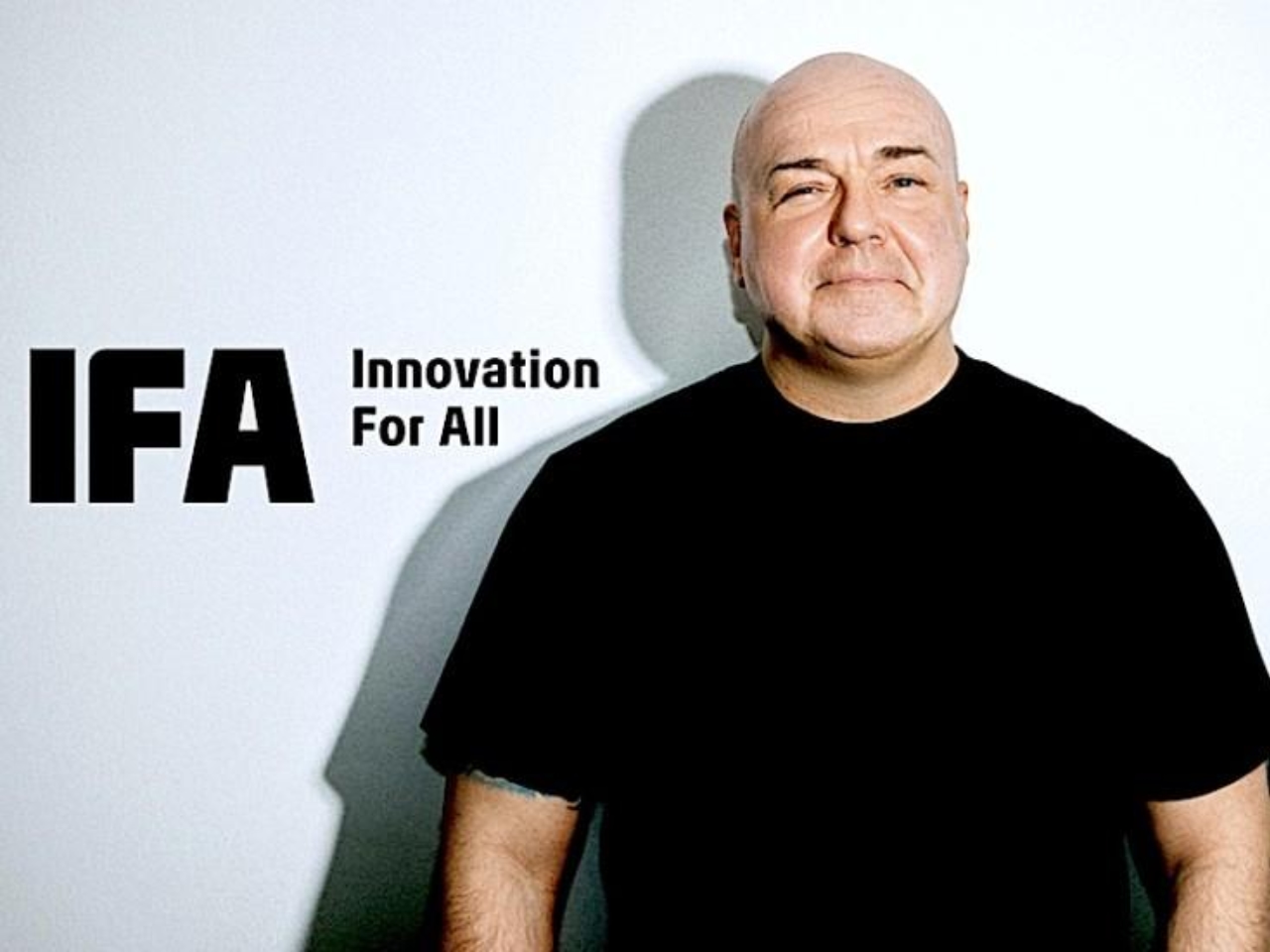
As the Internationale Funkausstellung Berlin (IFA) gears up to celebrate its 100th anniversary, the tech industry focuses on Berlin, where tradition meets innovation. IFA, one of the world’s leading trade shows for consumer electronics and home appliances, has long been a platform where global brands showcase their latest innovations, set trends, and connect with industry professionals and consumers alike. It’s an event that shapes the direction of technology, influencing the products and services that will define the market in the years to come. Leading this transformation into its next century is Leif Lindner, the CEO of IFA Management GmbH since October 1, 2023. With over 25 years of industry experience, including a significant tenure at Samsung Electronics Germany, Lindner brings a wealth of knowledge and a strong network to his role as CEO. His experience in multicultural settings enhances his leadership as he guides IFA into a new era. In this interview, I explore how Lindner balances IFA’s storied history with a fresh approach to ensure it remains at the forefront of global technology showcases.
Vincent Nguyen:Good afternoon! Thank you for taking the time to chat with me. You’ve been traveling all over the world recently. Is this normal for a CEO in your position, especially right before the show?
Leif Lindner: “Yes, it’s part of the job. I’ve been with IFA for a relatively short time, but given the importance of the 100th anniversary and the transition we’re going through, it’s crucial for me to be hands-on.”
This response underscores Lindner’s commitment to being actively involved in the evolution of IFA during such a pivotal year. His hands-on approach ensures that the event reflects his vision and strategy. Adapting and leading from the front is essential in an industry as fast-paced as technology.
Leif Lindner traveled to Tokyo with Jan Kronenberger (IFA, Head of PR and Content) to promote IFA Berlin.
Nguyen:How does IFA plan to balance the needs of big brands with the rising importance of smaller innovators?
Lindner: “Smaller brands can become significant players quickly, and they need special attention. At the same time, we must keep our mature, long-term partners in the spotlight.”
Lindner’s strategy to balance attention between established giants and emerging innovators is crucial. It shows that IFA is a platform where future technology leaders can emerge, ensuring that both new and established companies have the space to thrive. His approach fosters an environment where innovation from both large corporations and smaller, agile startups can flourish.
A prime example of a growing brand poised to make a significant impact at IFA 2024 is Narwal, a company that has rapidly ascended to the forefront of the smart home cleaning industry since its founding in 2016 in Shenzhen, China. Narwal is set to unveil its latest groundbreaking innovation in the smart home cleaning sector at IFA 2024 in Berlin, and we’re looking forward to seeing what they have in store. Its pioneering products, such as the world’s first self-cleaning mop and vacuum robot, highlight the company’s success. With over 1,200 international patents and a team of more than 700 R&D engineers, Narwal showcases the kind of innovation and technological leadership that IFA aims to highlight. The brand has received significant industry recognition, winning prestigious awards, including the CES Innovation Awards, Red Dot Design Awards, and the Edison Gold Award.
Narwal’s strategic expansion into key markets like North America, Europe, and Asia has solidified its leadership in the smart home sector. In Europe, particularly Germany, the company has built strong partnerships with major retailers like OTTO, MediaMarkt, and Saturn, making its products widely available. By investing in local research and partnerships, Narwal’s long-term vision focuses on further growth in Europe, with Germany as a crucial market. This commitment to meeting European consumers’ needs and delivering intelligent cleaning solutions aligns with the innovative spirit that IFA showcases.
Narwal’s mission is to give people more freedom to do what they love and with who they love.
Nguyen:Can you explain the rebranding process you’ve initiated? What is your vision for the new IFA?
Lindner: “We wanted to create a visual identity that’s more colorful and youthful, while also incorporating entertainment into the show. We want IFA to be seen not just as a tech show, but as a cultural event that resonates with younger audiences.”
The rebranding of IFA is about transforming the event into something that resonates with the next generation of tech enthusiasts. By incorporating elements of entertainment and culture, Lindner is positioning IFA as a multifaceted experience rather than just an exhibition. This approach aligns with broader trends where the lines between technology, culture, and lifestyle are increasingly blurred, making IFA a must-experience event.
As part of the IFA 100 celebrations, the “IFA 100 Years The Exhibition” reflects this transformation. After a successful summer run at Bikini Berlin, the exhibition now opens its doors to all IFA visitors at the Palais. This exhibition goes beyond commemorating IFA’s centennial—it sparks a dynamic dialogue at the intersection of technology and creativity, encouraging attendees to explore innovation’s impact on our lives.
Eight Berlin-based artists were engaged to interpret IFA’s history and future through art, each piece representing a distinct theme. Their works, accessible to Berliners and international visitors, draw from an inspiring past and a visionary future. The exhibition also features extraordinary technology exhibits that offer a glimpse back to the beginnings of technology, bridging the gap between past and future innovations.
Visitors can even take a piece of the exhibition home by creating their own personal AI avatar with the IFA avatar generator, highlighting the event’s integration of cutting-edge technology with personal and creative expression.
The themes explored by the artists include:
Radio, where the journey from early broadcasting to the era of podcasts, highlights the social relevance of media and its evolution. Video, an exploration of the transition from black-and-white television to on-demand video services, illustrates the evolution of visual media. Audio, which celebrates music from vinyl records to cloud streaming, captures sound’s emotional and experiential aspects—online, showcasing the transformative impact of the Internet and digitalization on society, from early telecommunication to the Internet of Things. Computers and Games offers an artistic take on the evolution of gaming and computing, from home PCs to mobile gaming and digital culture. Digital Lifestyle, portraying the smartphone’s role in shaping global, connected lifestyles, from telephony to social media and AI. Home Appliances & Networking, examining the evolution of household appliances, from traditional stoves to smart home networks. Finally, Creation & Social Media digs into content creation in the digital age, from analog photography to influencer-driven social media.
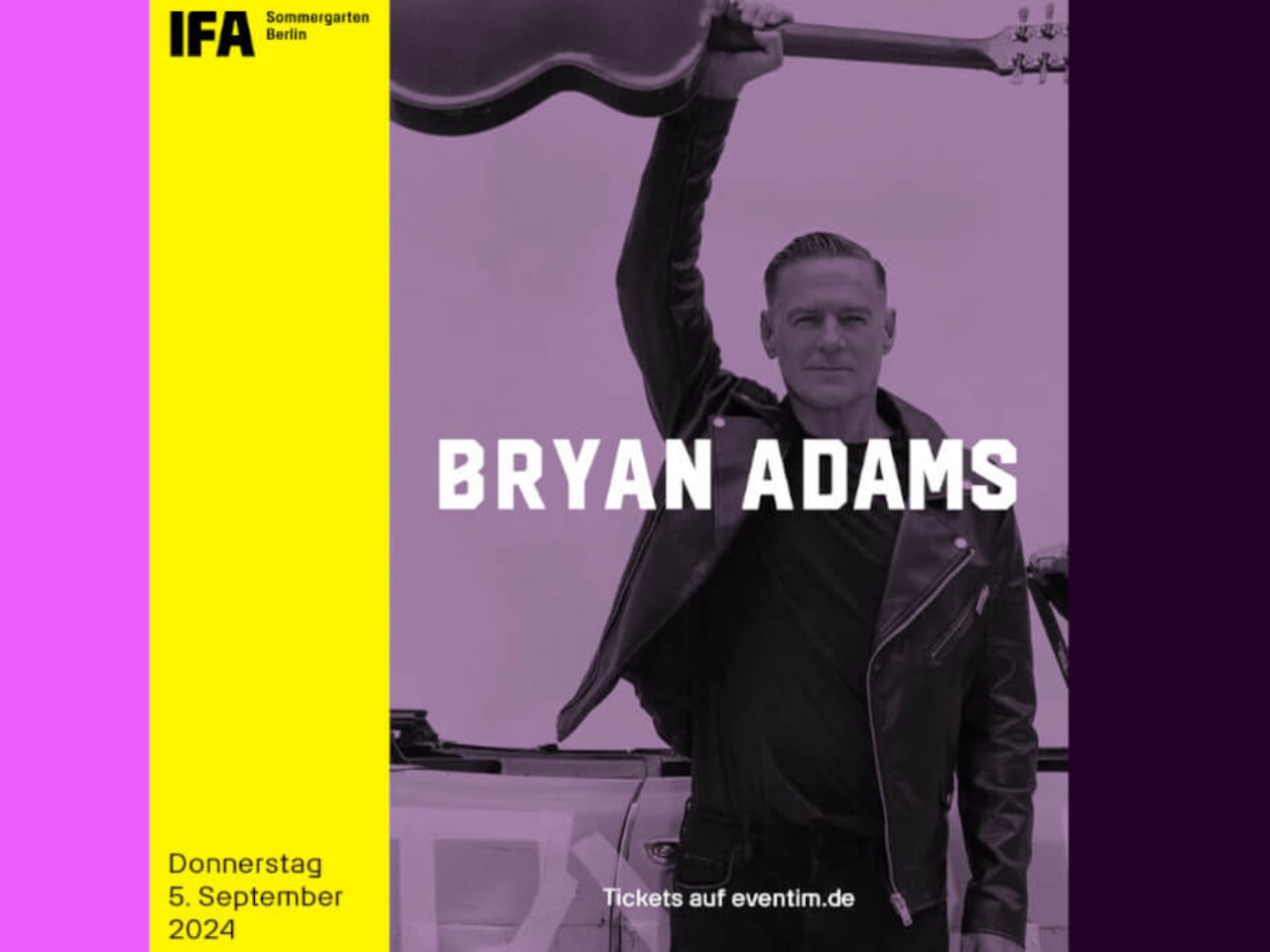
Bryan Adams concert at IFA 2024
IFA 2024 will also feature a special open-air concert by Bryan Adams at the Sommergarten Stage, adding a lively cultural dimension that sets the tone for the event. This reflects Lindner’s commitment to reimagining IFA as a vibrant experience that blends technology with entertainment and appeals to a diverse, younger audience, ensuring its relevance as it enters its second century.
Nguyen:How do you plan to address the risk of losing pillar brands that have supported IFA over the years?
Lindner: “It’s a real concern. We’ve already seen some brands pull out in recent years. My job is to bring them back by proving that we understand the changing landscape and are evolving to offer more value.”
Lindner’s candidness about the challenges IFA faces highlights his proactive approach to leadership. His focus on evolving IFA’s value proposition to re-engage these key brands demonstrates that he’s not content with maintaining the status quo. He’s actively seeking to adapt IFA’s offerings to better align with the needs of today’s tech giants. This strategy is vital for keeping IFA relevant in an industry constantly in flux.
Nguyen:Are you expanding IFA’s global reach, particularly in regions like India or China?
Lindner: “This year, we’ve focused on balancing our exhibitor base, especially bringing back more Korean, Japanese, and Taiwanese brands. India has a lot of potential, but we need to approach it with a full-speed strategy, which requires the right local partnerships.”
This strategy to expand IFA’s reach into Asia reflects an understanding of where the future of technology is being shaped. By strengthening ties with key markets like Korea, Japan, and Taiwan and recognizing the potential in India, Lindner is ensuring that IFA remains relevant on a global scale. His emphasis on local partnerships shows a thoughtful, sustainable approach to expansion, extending IFA’s influence well beyond Europe.
IFA Global Press Conference – Shanghai 2016
IFA Global Press Conference – Shanghai 2016
Nguyen:IFA often coincides with Labor Day in the US. Has the show always been scheduled during the first week of September?
Lindner: “Yes, it has traditionally been around this time. The dates for the next several years are already fixed. While it’s a challenge for US companies, especially with Labor Day, we believe this timing is right overall. The first week of September positions IFA at a critical juncture in the calendar, just before the peak sales season in Europe. This timing allows brands to showcase their latest innovations and launch products when consumer interest is at its highest. It also gives companies the opportunity to generate buzz and secure media coverage ahead of the crucial fourth quarter, which is often a make-or-break period for many in the consumer electronics industry.”
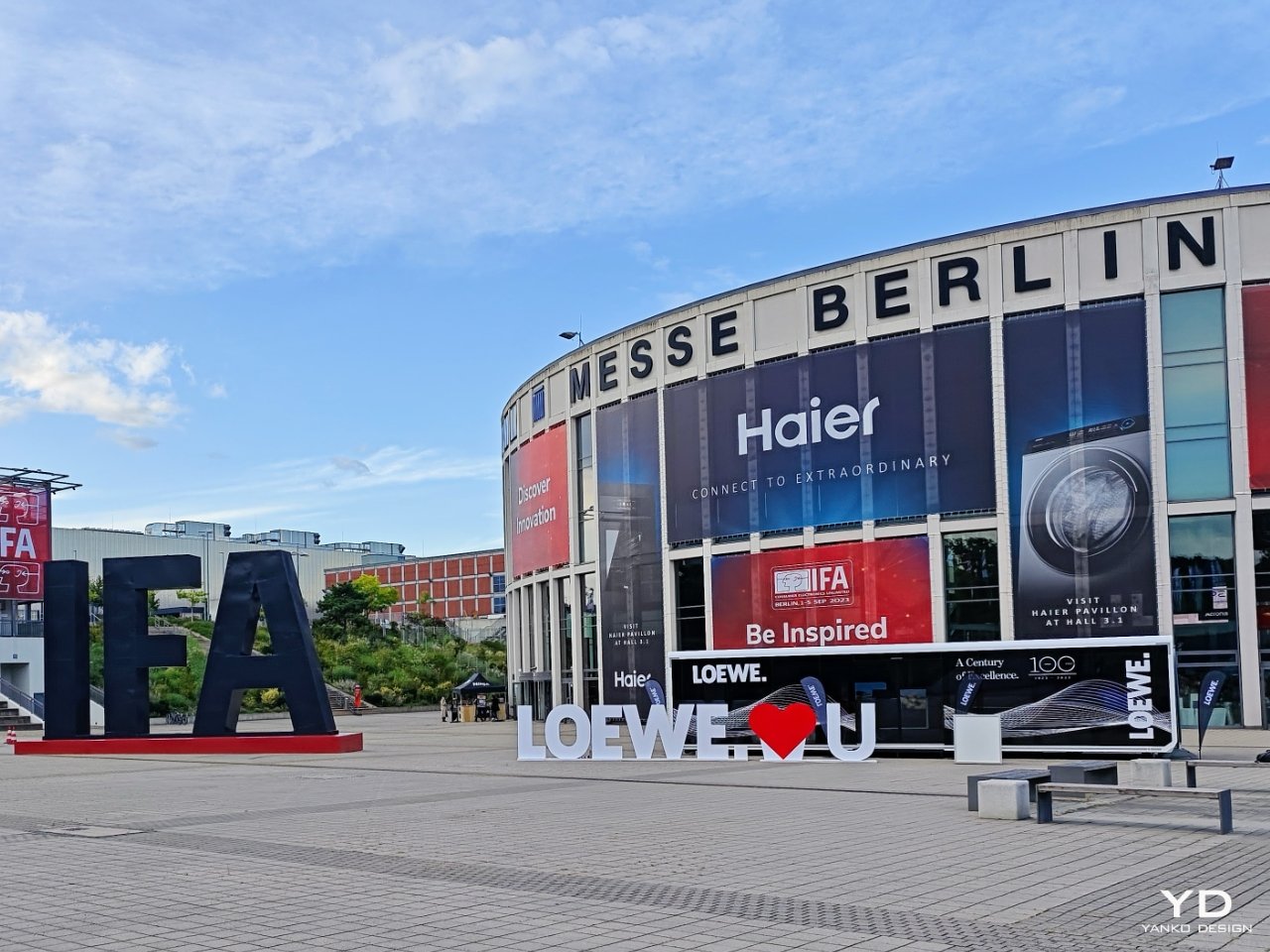
IFA Messe Berlin
Lindner elaborated on the rationale behind maintaining this traditional schedule despite potential conflicts for some international participants. He emphasized that the timing of IFA is not arbitrary; it has been carefully chosen to align with the European market’s key sales cycles. This alignment ensures that the event remains strategically positioned to offer maximum value to exhibitors and attendees. By scheduling IFA just before the peak sales season, the event becomes a pivotal platform for brands looking to make significant announcements and capture the attention of both the media and consumers at a time when it matters most.
He acknowledged the challenges that this timing presents for US companies, particularly given the overlap with Labor Day, a major holiday in the United States. However, the benefits of holding IFA during this period far outweigh the drawbacks. The fixed schedule allows companies to plan their product launches and marketing strategies well in advance, ensuring they can fully leverage the opportunities that IFA presents.
Moreover, Lindner pointed out that the consistency of IFA’s schedule has helped to establish the event as a key fixture in the global tech calendar. Companies and industry professionals know exactly when to expect IFA each year, which has contributed to its reputation as a must-attend event for anyone involved in the consumer electronics sector.
Vincent:There’s often a comparison between IFA and CES, especially since they’re so close together. How do you handle the competition, especially for brands that might only have the budget for one major event?
Lindner: “I believe IFA and CES can coexist because they serve different focuses. IFA is a comprehensive showcase right before the peak sales season in Europe, which is crucial for many brands.”
Lindner’s perspective clearly explains how IFA differentiates itself from CES. By emphasizing IFA’s unique timing and focus on the European market, Lindner highlights the event’s strategic importance for brands looking to engage with this critical audience. It’s not about competing head-to-head with CES but about offering a direct connection to the European market at a pivotal moment in the sales cycle.
Vincent:Are there any brands that have particularly impressed you this year that you think Yanko Design readers should check out?
Lindner: “There are several. For example, SharkNinja has been particularly innovative, releasing numerous products in Europe. Samsung continues to impress with their holistic approach to technology, and Chinese brands like DJI are also setting new standards in the market. We should also not underestimate how Chinese brands like Hisense and Haier are bringing power to the market. They understand the market better than before and are moving toward a more quality-driven approach. Their understanding and perception of the market always impress me.”
Lindner’s recognition of these brands highlights the tech industry’s diverse and dynamic nature today, emphasizing IFA’s role as a global platform where both established leaders and emerging innovators can shine.
SharkNinja has been making waves in Europe with various new products that combine cutting-edge tech with everyday practicality. Whether it’s their powerful vacuum cleaners or smart kitchen gadgets, SharkNinja has found a way to make life at home easier and more efficient, which has helped them become a household name in the appliance market.
Samsung, a tech giant, continues dominating a wide range of electronics—from smartphones and home appliances to smart home systems. Their latest advancements in QLED and OLED TVs keep them ahead of the curve in display technology. Samsung’s approach blends sustainability with innovation, making its products forward-thinking and eco-friendly and solidifying its leadership in the industry.
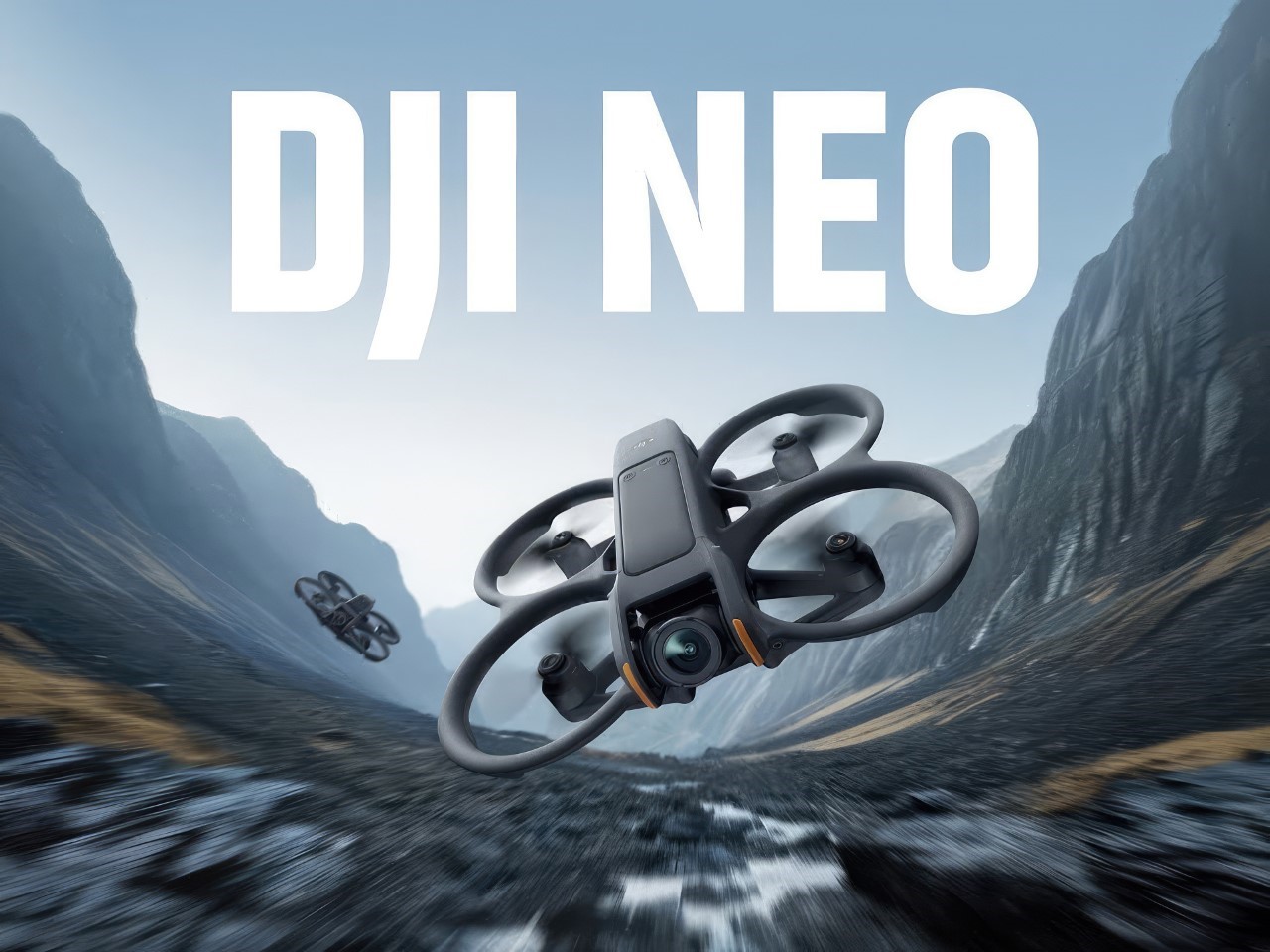
DJI, the brand that revolutionized the drone industry, continues to set higher aerial photography and cinematography standards. Their drones are known for their exceptional camera quality, user-friendly controls, and reliable performance, making them a favorite among professional filmmakers and hobbyists. But their innovation doesn’t stop at drones. They’ve expanded into handheld stabilizers, action cameras, and more. At IFA, there’s a lot of excitement around what they will unveil, particularly with the buzz surrounding the rumored Neo, which is expected to be a game-changer. We’re also eagerly anticipating their entry into the mirrorless camera market, which could bring their imaging expertise to new heights. Additionally, their entry into portable power solutions, including impressive battery technology, and their move into e-bikes are developments we’re watching closely. This expansion into new areas could significantly impact the market and add even more excitement to an impressive lineup.
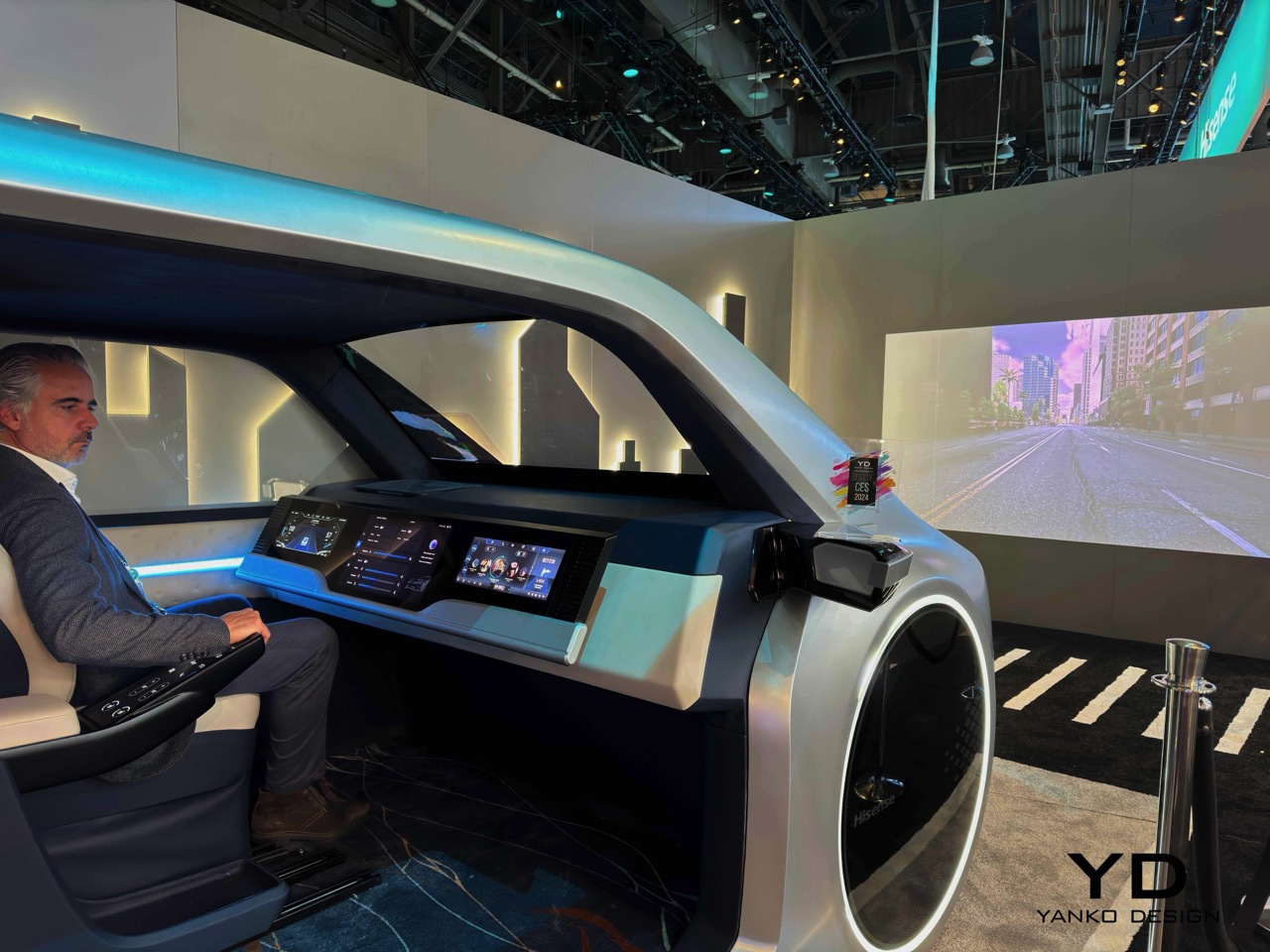
Hisense has significantly impacted the TV and projector markets, particularly with their massive 100-inch-plus TVs and innovative projector technologies. Their commitment to delivering a cinema-like experience at home has made them a top choice for those seeking high-quality, immersive viewing. The Canvas TV, for example, combines a massive screen with a sleek, minimalist design that easily blends into any living space. This modular design allows users to arrange the display panels in various configurations, creating a customizable viewing experience. It’s about integrating technology seamlessly into the home environment.
In addition to their impressive TVs, Hisense has also gained attention with their short-throw projectors. These projectors deliver bright, sharp images from just a short distance, making them ideal for smaller spaces where a traditional projector setup might not be feasible. Hisense’s Laser TVs, which function as ultra-short-throw projectors, offer 4K resolution, HDR support, and vibrant colors while maintaining a compact and easy-to-install form factor. These projectors can display images over 100 inches in size, providing a theater-like experience without needing a dedicated projection room.
Hisense’s advancements in projector technology also include features like ALR (Ambient Light Rejection) screens, which enhance viewing even in well-lit rooms, and integrated smart platforms that offer easy access to streaming services, apps, and more. Their focus on innovation has positioned Hisense as a leader in the home entertainment market, allowing consumers to enjoy a big-screen experience at home without compromising on quality or convenience.
Haier, another major player from China, continues to grow its presence in the home appliance industry by focusing on quality and innovation. They offer various products, from refrigerators and washing machines to air conditioners and smart home devices. Haier’s commitment to creating durable, efficient, and easy-to-use appliances has earned them a solid reputation worldwide. As they continue to push into more advanced smart home technology, Haier is helping to shape the future of how we live at home.
Haier Appliances
These brands are pushing the boundaries of what’s possible, and their presence at IFA underscores the event’s position as a global stage for the best in technology. Lindner’s comments emphasize IFA’s role as a platform for showcasing established leaders and emerging innovators, highlighting the event’s importance in the ever-evolving tech landscape.
Vincent:Finally, can you share three personal things about yourself that we can share with our readers?
Lindner: “Sure! First, as a child, I was fascinated by consumer electronics, particularly TVs. That passion led me to where I am today. Second, I relax by listening to heavy metal music and attending concerts. Metallica is one of my favorites. And third, I box once a week to clear my head and stay fit.”
These personal insights provide a deeper understanding of the person behind the role. Lindner’s early fascination with consumer electronics reminds us that passion can drive a career, shaping his path to where he is today. His love for heavy metal and boxing shows a balance between intensity and focus—qualities undoubtedly reflected in his leadership style. It’s clear that his personal interests and professional approach are intertwined, bringing a level of passion and energy to his role at IFA that is both inspiring and effective.
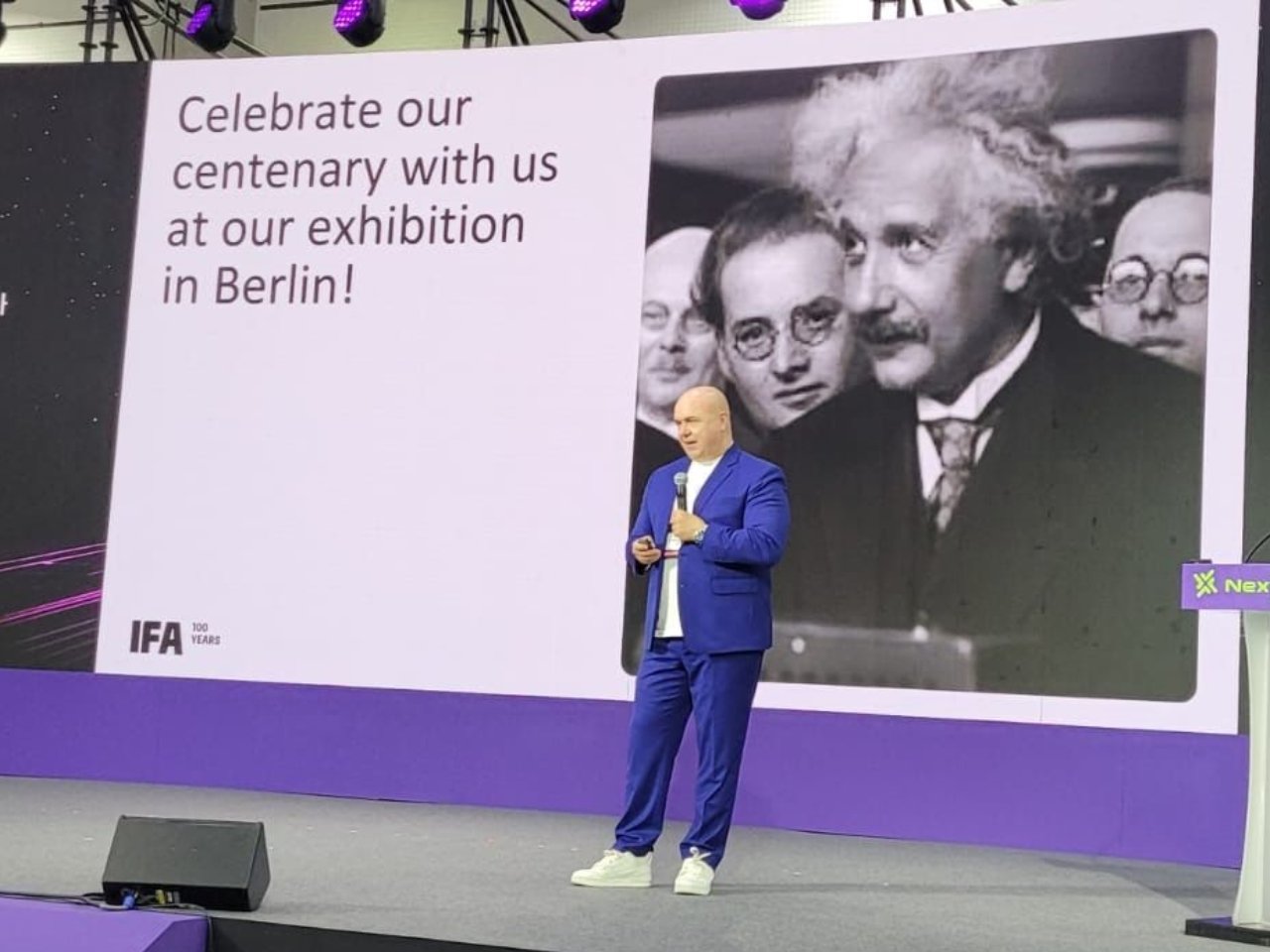
Leif Lindner speaking at NextRise2024 Coex
As IFA embarks on its second century, Leif Lindner is guiding the event into a new era where technology and culture intersect, innovation is accessible to all, and the event remains as dynamic and forward-thinking as the industry it represents. This interview offers insight into the thoughtful leadership and clear vision driving IFA forward. Lindner’s commitment to making “innovation for all” a reality ensures IFA’s position as a cornerstone of the global tech calendar, drawing both established industry giants and rising innovators. His strategic focus on inclusivity, global expansion, and cultural relevance is actively shaping IFA’s future while preserving and redefining its legacy. Under Lindner’s leadership, IFA is set to remain a leading platform where innovation meets opportunity, influencing the tech world for many years to come. Starting this Wednesday, our team will be on the ground to bring you the latest and greatest products showcasing at IFA 2024. We invite you to check back often for coverage.
Were you hyped when Google announced the Add Me feature for the Pixel 9 series camera? I’ll be honest, my wave of excitement died down as fast as it hit me. Truth be told, the Add Me feature is pretty impressive – it allows you to click group photos while also including yourself IN the group. The way the Pixel does this is by scanning your surroundings and the subjects in the frame, and once you click the photo, hand the phone (in the same position) to someone else and walk into the frame. The Pixel 9 will ‘add you’ to the existing photo using AI. Sounds truly remarkable, doesn’t it? Well, given how much 3D scanning and AI computation is done in advance to make this possible, this truly is a feat of technology. There’s a problem, however… You can easily achieve nearly similar results using the Panorama setting on any phone camera.
Before we break down how to do this, it’s worth noting that the way the Pixel 9’s Add Me feature and your camera’s Panorama feature work very differently. Which means there are different things to worry about, and a few potential caveats for both methods. The takeaway, however, is that you DON’T need to be excluded from your group photos. You can simply rely on an existing feature on your phone to add yourself into images… without splurging on a fancy $799-$1099 phone, or without using a whole lot of AI.
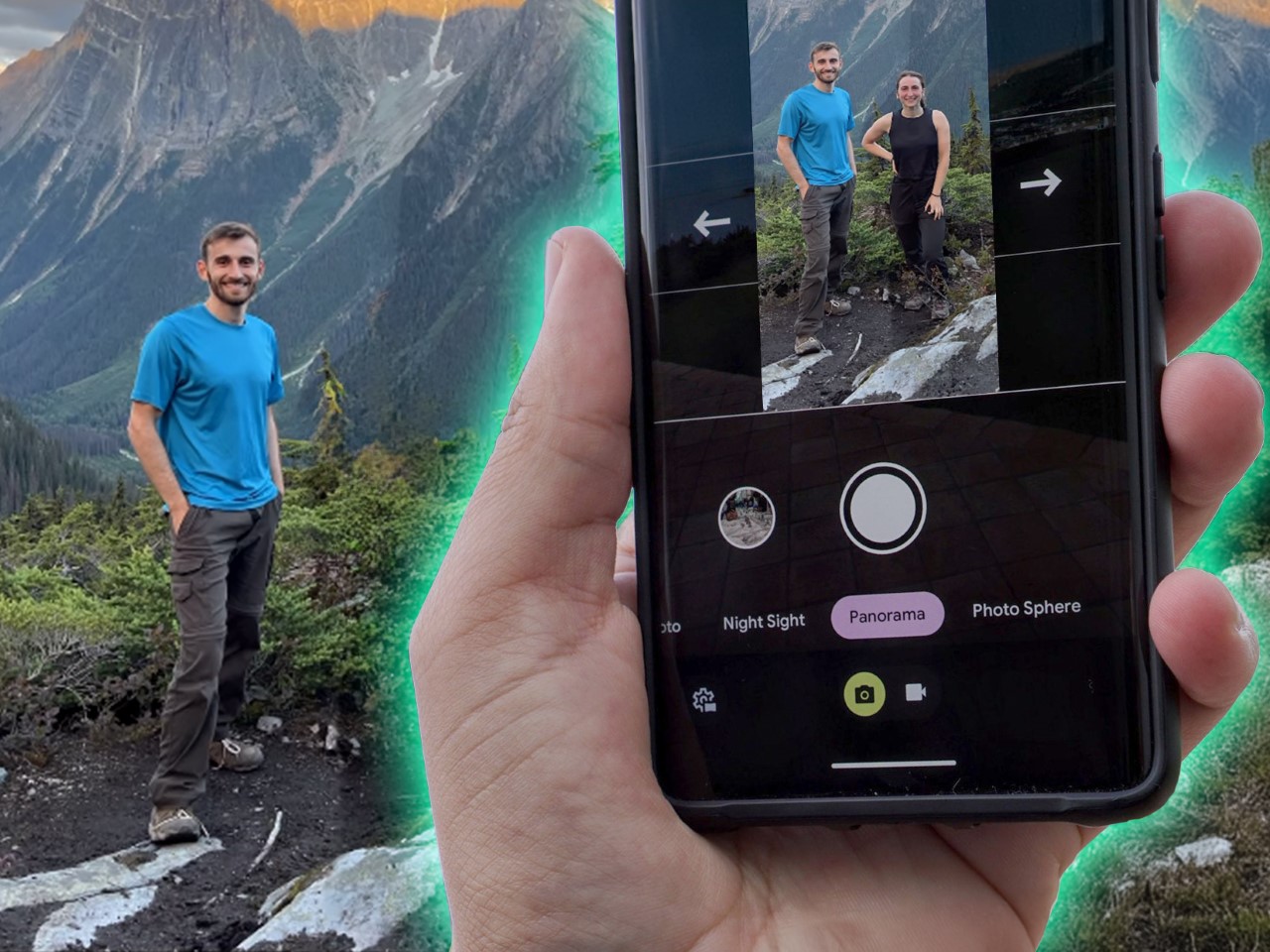
Start the panorama process, then hand the phone to someone else while you enter the panorama from the right. The small preview window should help you compose a perfectly stitched panorama that includes you!
As far as Pixel 9’s Add Me feature goes, it’s fairly state-of-the-art and does a job most people would be pretty impressed with. You’ve got the phone quite literally scanning the room, separating the subjects from the background, and then adding an extra subject in. This way, you can truly be a part of a photo even if you’re the one clicking it. Just start the clicking process, hand the camera to someone else, and go stand in the frame you composed. You can stand near people, behind them, pretend to touch their shoulder, and the AI does the rest of the work, crunching multiple data points together to seamlessly integrate you into the frame. It’s great, but it has a few cons – aside from the general stitching issues, you need to ensure the phone’s position doesn’t change too much while clicking the image. You also need a Pixel 9 (or higher) to perform this feature, which is the biggest disadvantage of them all. There is, however, the simple solution of just clicking using the panorama mode. The panorama method is ridiculously simple and works on any smartphone (Android or iOS) without any updates. Here’s how you do it.
The final result looks just as good as the ones from Pixel’s Add Me feature… except without using any AI!
Start the panorama process, but deliberately leave the part out where you plan on inserting yourself. Then, hand the phone to someone else and have them continue the panorama, but now with you in it. Hit the shutter button after the panorama’s composed and voila! You’re effectively IN the photo that you started taking! No AI, no fancy camera features, just a genius solution to a simple problem. The Panorama method works 9 times out of 10, making it a solid alternative to Pixel’s Add Me feature. However, it has a few limitations too. Again, aside from the potential stitching issues, the photos you take ALWAYS have to be landscape (because that’s how panoramas are recorded). People in the frame cannot move too much, which could affect the stitching – this means you can’t use this feature in a crowd; your background almost always has to be static. The Panorama Method also works only from left to right, which means the photographer can only be to the right of people. Not the left, and not even behind them. Personally, these limitations feel pretty small when compared to the idea of spending $799 for a new phone. I also give it a year before someone develops a camera app or filter (I’m looking at you, Snapchat) that does this exact same thing as Pixel’s ‘Add Me’. Until then, just go ahead and use the Panorama Method. I promise nobody will know the difference.
Happy Wristwatch Wednesday! Boy, do I have a treat for you today. Over the weekend, as a guest of Rolex at Monterey Car Week, I had the rare opportunity to see and briefly try on the Rolex Le Mans Daytona. This was an encounter with a piece of history, capturing Rolex’s long-standing relationship with motorsport, especially the iconic 24 Hours of Le Mans. The experience was made even more special knowing that the watch I tried on belongs to an owner and is the only one in all of Argentina, adding a unique layer of exclusivity to the moment.
Designer: Rolex
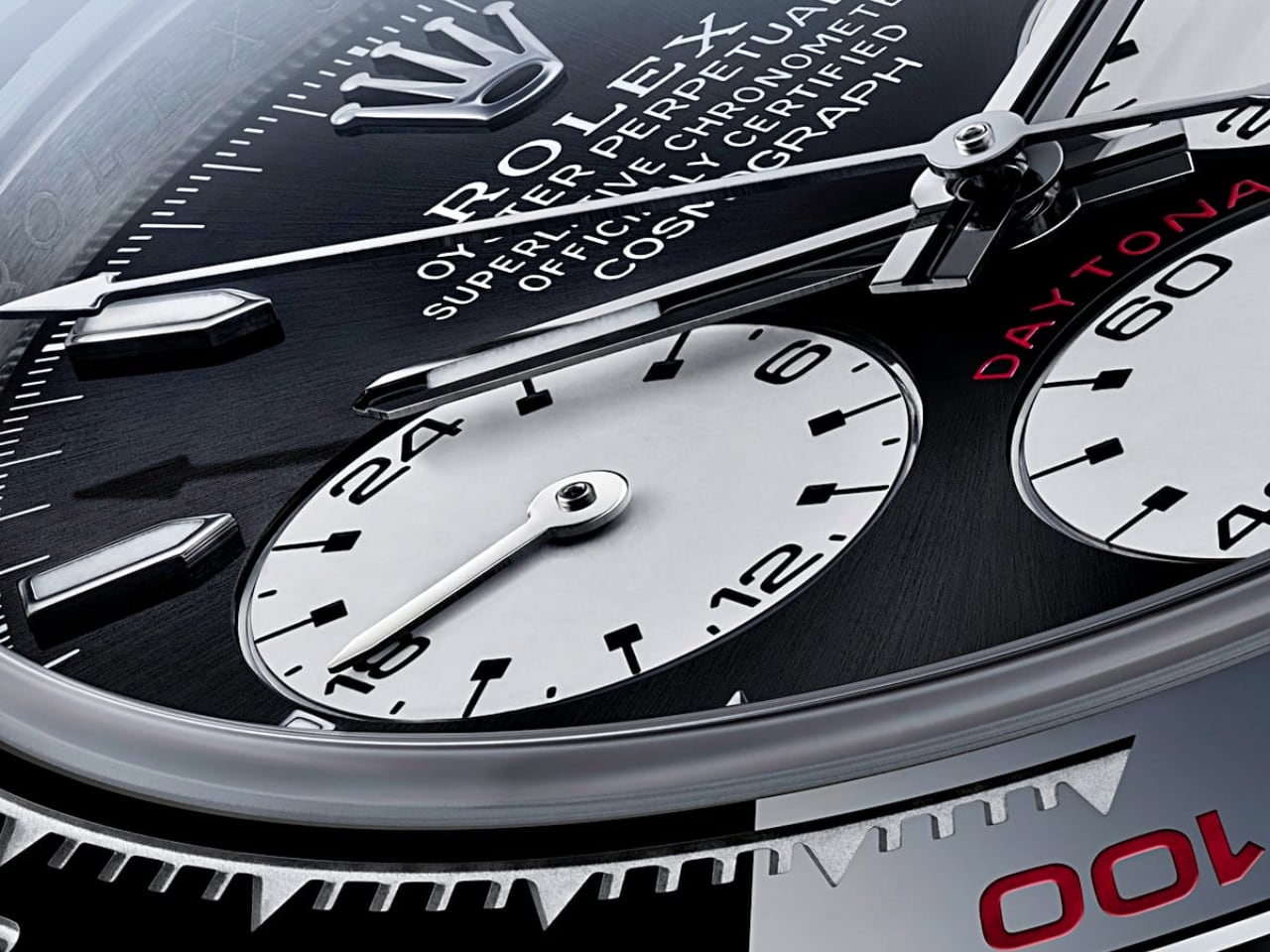
When I first laid eyes on the Le Mans edition, it was impossible not to be drawn to its unique details that set it apart from any other Daytona. The “100” marker on the bezel immediately caught my attention, a subtle yet powerful tribute to the 24 Hours of Le Mans centenary. This watch is a celebration of an iconic moment in motorsport history.
The dial, with its clean layout and striking red accents, evokes the spirit of the race. The subtle red details, while understated, carry a certain weight, reminding me of the legendary teams that have graced the track at Le Mans. The watch’s overall design is unmistakably Daytona, but it has nuances only a true enthusiast would fully appreciate.
Rolex
The sub-dials on the Rolex Le Mans Daytona are a defining feature, reflecting its historical roots and homage to the 24 Hours of Le Mans. Unlike traditional Daytona models, this edition features sub-dials with a layout reminiscent of the classic Daytona models from the 1960s, particularly the black and white “panda” dial design that has become iconic among collectors. However, what truly distinguishes these sub-dials is their functionality. Powered by the exclusive caliber 4132, these sub-dials include a chronograph function that tracks hours over an entire 24-hour period rather than the standard 12-hour format. This feature directly ties the watch to the 24 Hours of Le Mans, allowing it to track the entire race duration. This innovation adds practicality and historical significance to the timepiece.
The Rolex Le Mans Daytona, introduced in 2023 to mark the 100th anniversary of the 24 Hours of Le Mans, is a tribute to endurance racing’s storied legacy. The “100” marker on the bezel, the red accents, and the solid 18-karat white gold case collectively honor a century of motorsport excellence.
Rolex
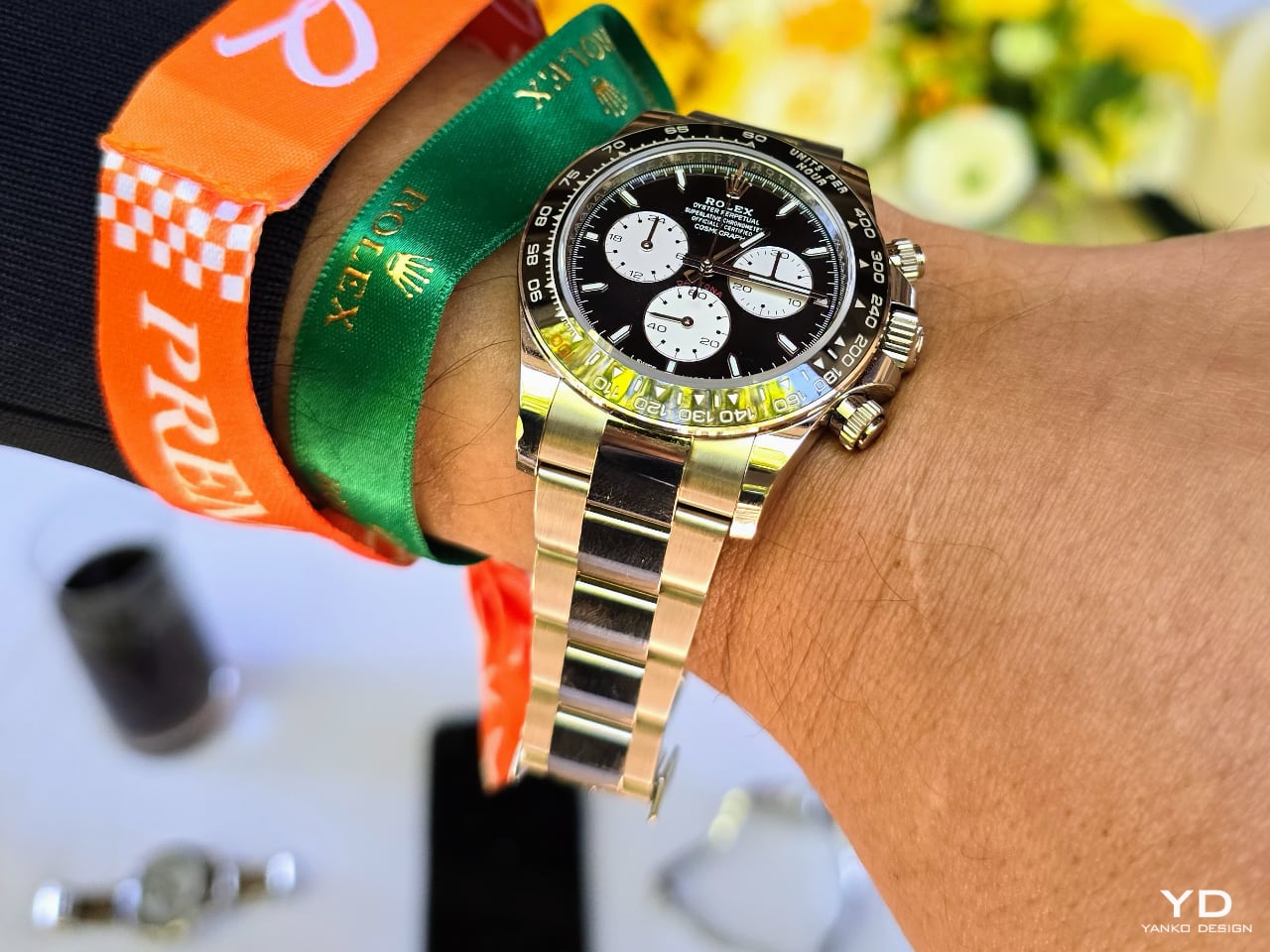
When I had the watch on my wrist, I first noticed its weight—a substantial, reassuring presence that speaks to Rolex’s impeccable craftsmanship. The 18-karat white gold case feels substantial, as it should for a piece honoring such a historic event. The size strikes a perfect balance, being noticeable without overpowering the wrist, making it wearable yet distinctive.
The sensation of the watch on my wrist was a revelation—solid yet comfortable, with a subtle and bold presence. The bracelet, seamlessly integrated with the case, fits snugly, reinforcing the sense that this watch is built to last, much like the cars that compete in the endurance race it celebrates.
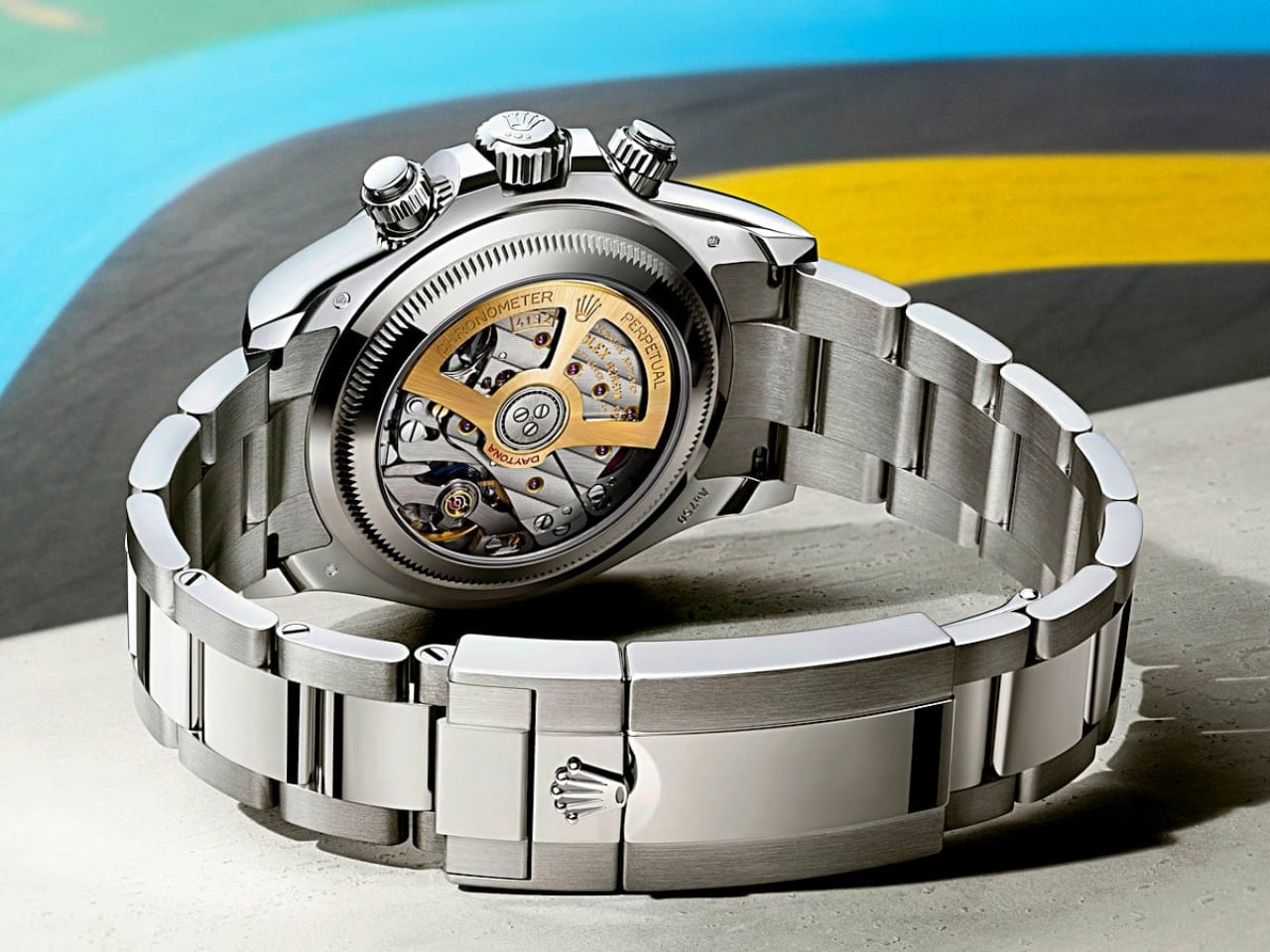
Through the sapphire case back, the movement of the Rolex Le Mans Daytona reveals a unique feature that sets this timepiece apart from its predecessors. This original edition is powered by the caliber 4132, a movement specifically adapted for the Le Mans Daytona. While this movement is an adaptation of the caliber 4131 found in other modern Daytonas, it includes a 24-hour chronograph function rather than the standard 12-hour format. This modification is a deliberate nod to the 24 Hours of Le Mans, allowing the watch to track time over the full duration of the race.
Rolex
This innovation enhances the watch’s functionality for those involved in endurance racing and underscores Rolex’s commitment to creating timepieces that resonate deeply with the events they commemorate. The ability to measure time over a full day is a fitting tribute to the endurance and perseverance required to compete in the 24 Hours of Le Mans, making the Le Mans Daytona a true symbol of the race’s enduring legacy.
Wearing the Le Mans Daytona, even for a brief moment, was a powerful reminder of why Rolex has remained at the pinnacle of horology. Nearly a decade ago, as an automotive journalist at an epic event with Audi during their last Le Mans race, I was privileged to drive the new S4 on the track right before qualifications, pushing it as hard as it would go. The brief time I had the Le Mans Daytona on my wrist brought that moment rushing back, and I felt more alive than ever.
A Special Cosmograph Daytona 100TH Anniversary of Le Mans Model
As I left Monterey Car Week, I couldn’t help but reflect on the legacy of the Le Mans Daytona. This watch carries a rich history, crafted to honor one of the most legendary races in the world. For those who appreciate the finer details in life, the Le Mans Daytona reflects the enduring spirit of Rolex and the world of motorsport.
Good morning, everyone! Today’s Mobile Monday and Wristwatch Wednesday converge into a celebration of two timeless icons. We’re featuring the elegant 1934 Bugatti Type 59 Sports, which recently claimed Best of Show at the 73rd Pebble Beach Concours d’Elegance, alongside the exquisite Rolex 1908 timepiece awarded to the winner. Both of these masterpieces capture the essence of what’s old and new, seamlessly blending the past and present.
1934 Bugatti Type 59 Sports Wins Best in Show 2024
Designers: Bugatti and Rolex
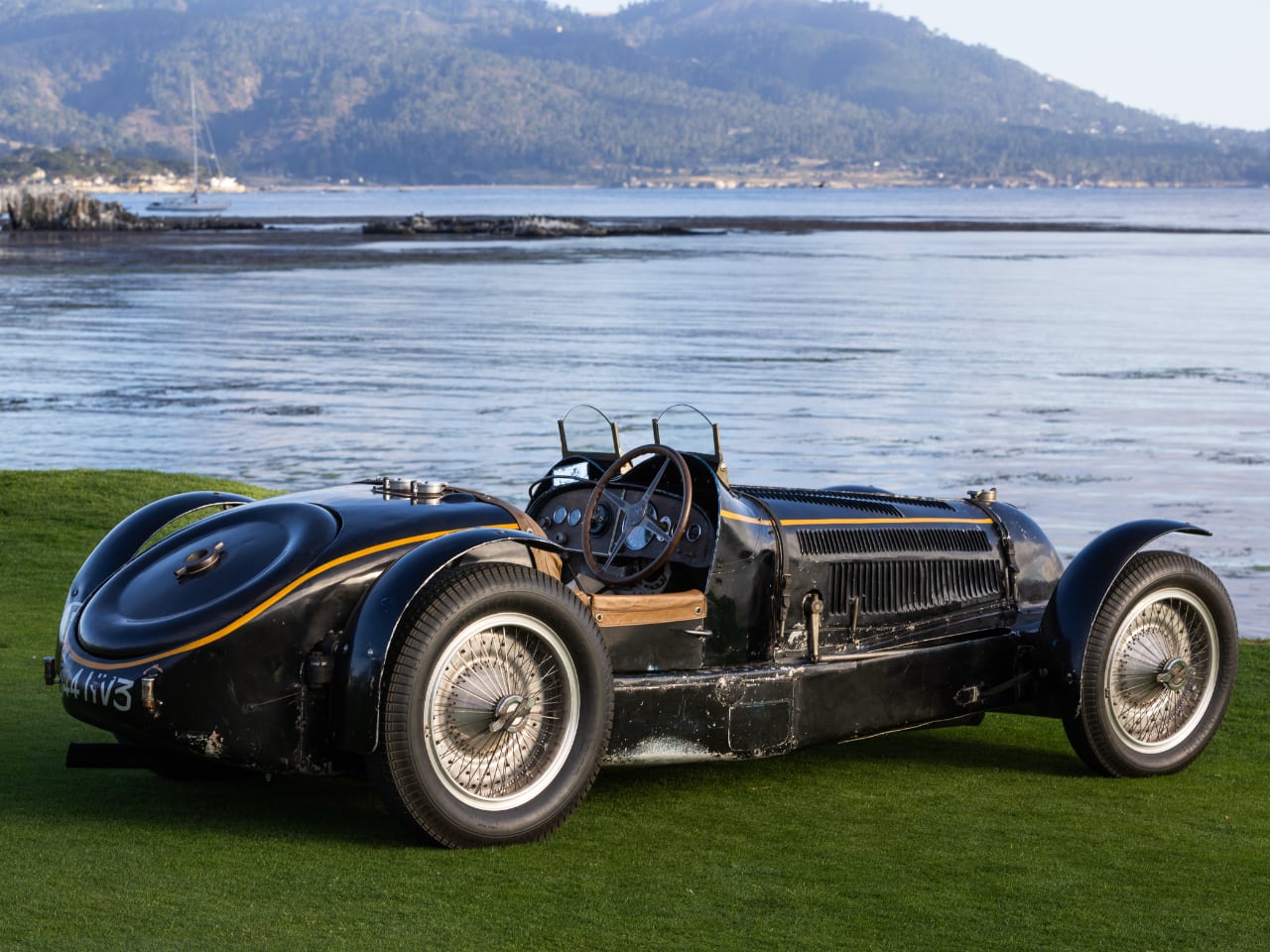
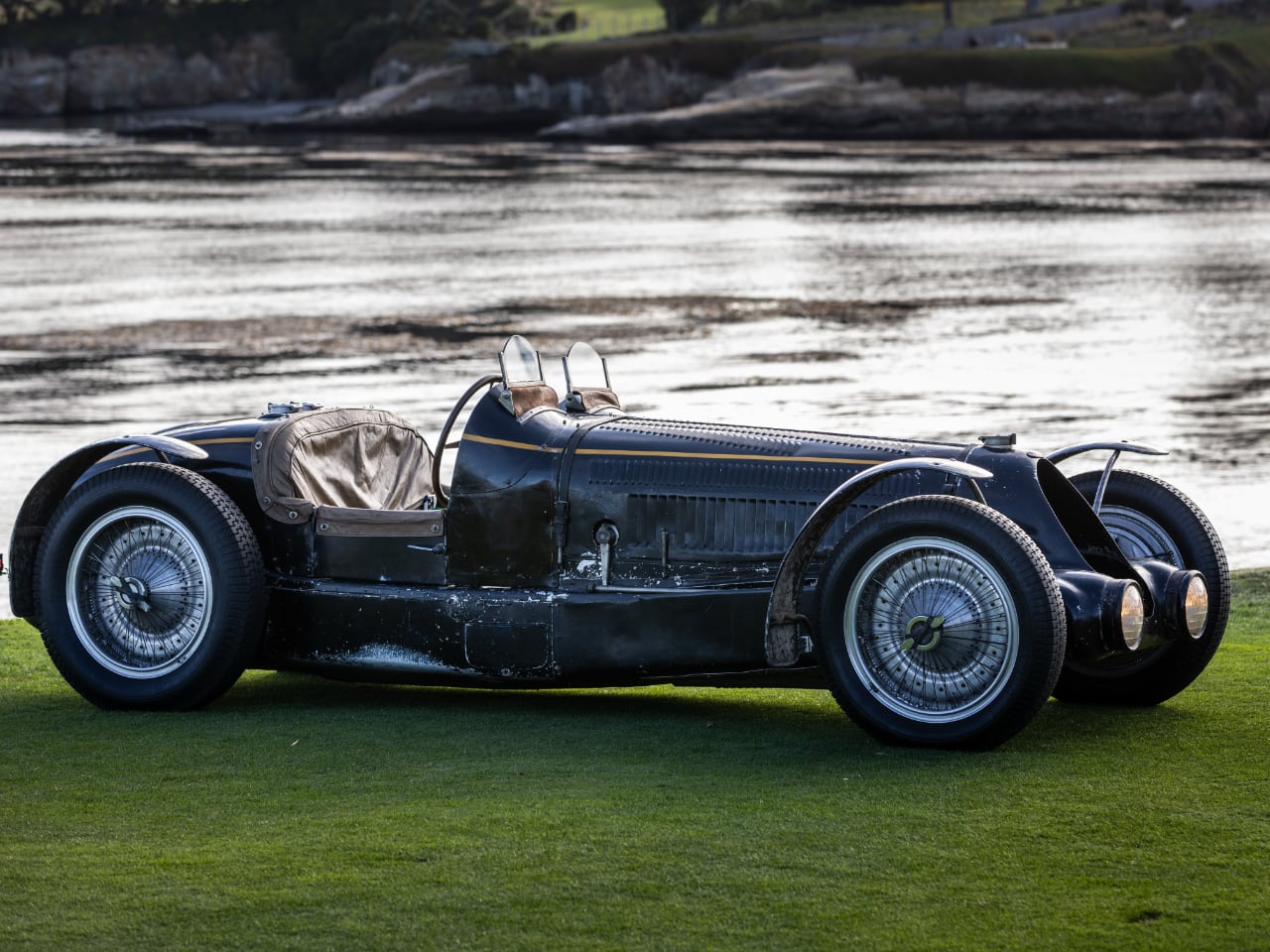
1934 Bugatti Type 59 Sports with chassis number 57248
The 1934 Bugatti Type 59 Sports and the Rolex 1908 have histories stretching back to when craftsmanship was paramount and every detail mattered. Though from different worlds—automotive and horology—these two icons share a narrative that speaks to the pursuit of perfection and the appreciation for timeless beauty.
Rolex 1908 reference 52508
For the first time in the Pebble Beach Concours d’Elegance history, Best of Show was awarded to a preservation car—a remarkable distinction that adds another layer to the Bugatti Type 59’s storied past. This year, 214 cars from 16 countries and 29 states pulled onto the competition field, but the 1934 Bugatti Type 59 Sports, presented by Fritz Burkard of The Pearl Collection in Zug, Switzerland, claimed the spotlight.
Rolex: 1934 Bugatti Type 59 Sports with chassis number 57248
Concours Chairman Sandra Button highlighted the significance of this victory, noting that this particular Type 59 is a rare factory race car with multiple Grand Prix victories to its name. This car has connections to some of the greatest racing legends and even ties to royalty. What makes it even more extraordinary is that it remains preserved in the livery given to it by King Leopold of Belgium, showcasing its authentic and original character.
The Bugatti Type 59 Sports stands as a masterpiece of automotive artistry. Bugatti, renowned for its pursuit of excellence, crafted the Type 59 as a sublime blend of elegance and power. Its design exudes refined style, boasting a low-slung body, intricate wire wheels, and the distinctive growl of its 3.3-liter engine. This vehicle exemplifies the pinnacle of collaboration between engineers and designers. Its triumph as a preservation car at Pebble Beach highlights the enduring value of originality and historical authenticity in the world of classic automobiles.
A living symbol of racing legacy, this vehicle bears the marks of its illustrious history in every scuff and scratch. From its leather seats to its wooden steering wheel, each imperfection tells a story. Pre-war legends like René Dreyfus and Jean-Pierre Wimille piloted this machine through some of the most prestigious Grand Prix events of the 1930s, cementing its racing pedigree.
Later, the car found its way into the hands of King Leopold III of Belgium, who added his own touch by repainting it in his signature black and yellow livery. As the first of only six ever produced, this Type 59 Sports is a powerful reminder of Bugatti’s enduring impact on automotive history.
Throughout the years, the car has been in the care of various collectors who have all respected its original state. The current owner, Fritz Burkard, has prioritized keeping this historical piece untouched as much as possible, preserving its patina to honor its rich past. This win at Pebble Beach underscores the car’s historical importance and highlights the significance of maintaining the authenticity of classic automobiles.
Rolex
The Rolex 1908, awarded to the Best of Show winner, mirrors the Bugatti’s commitment to preserving history while celebrating precision and elegance. Rolex, a brand synonymous with reliability and craftsmanship, introduced the 1908 model as a nod to its rich heritage. The 1908’s design is understated yet undeniably elegant, reflecting the brand’s focus on timeless design rather than fleeting trends. The watch’s movement, with its meticulous attention to detail, ensures that it doesn’t just tell time—it honors it.
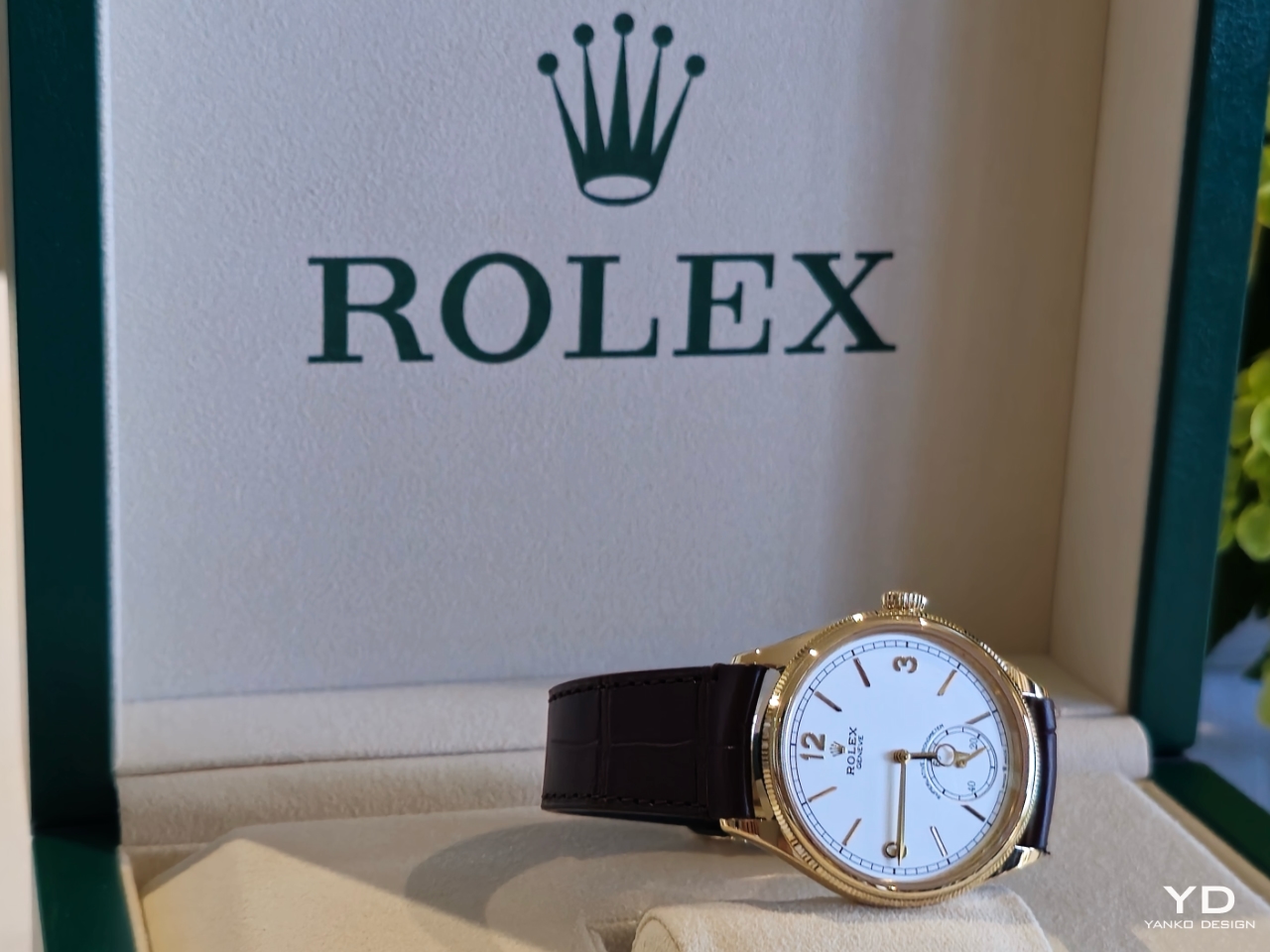
Rolex 1908 reference 52508 Awarded to Best of Show at the 73rd Pebble Beach Concours d’Elegance
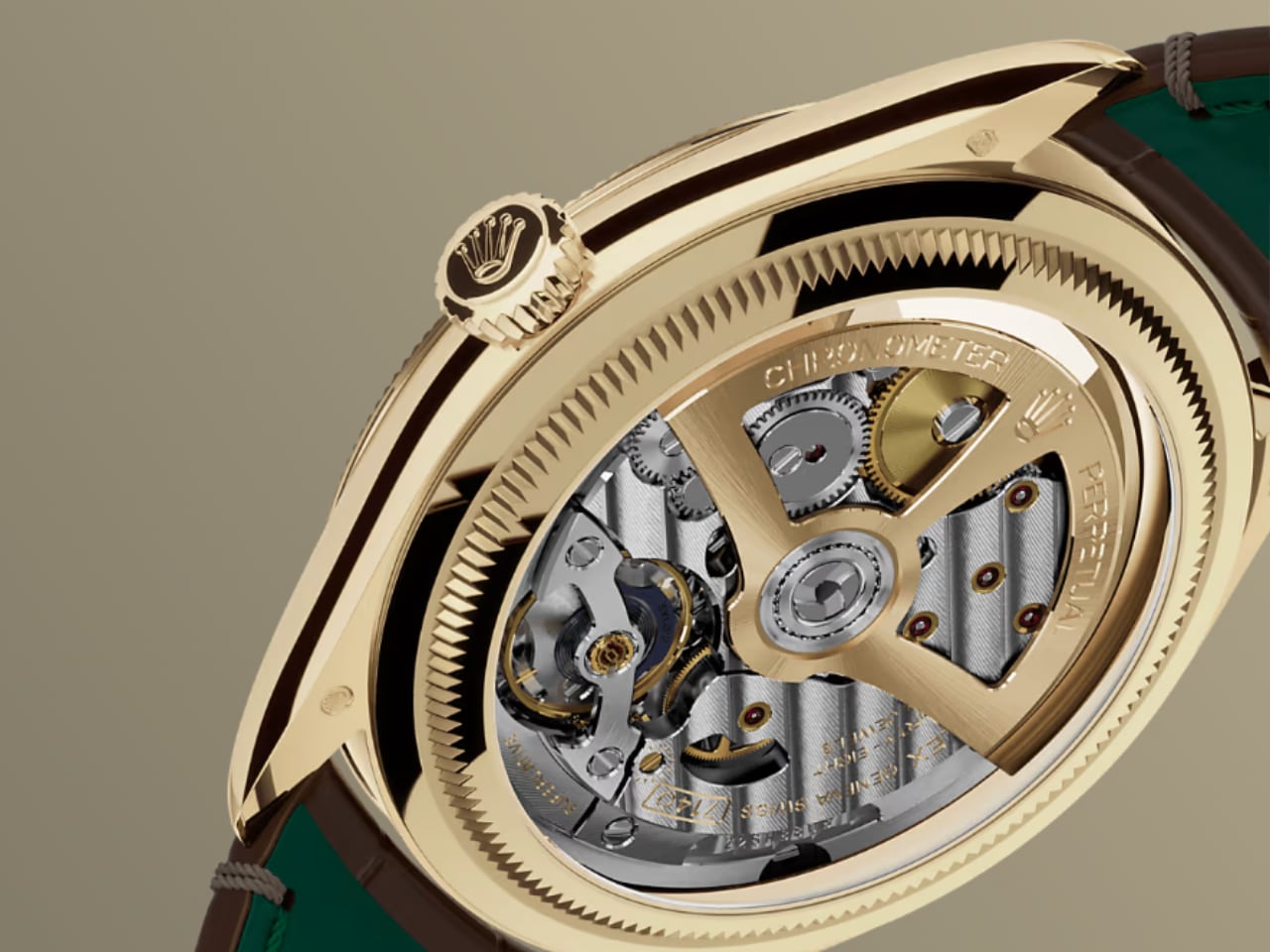
This particular Rolex 1908 model, paired with a traditional brown alligator leather strap, is crafted in 18-karat yellow gold and features an intense white dial. The strap is distinguished by its green calfskin lining and tone-on-tone stitching, adding to its luxurious look and feel. The timepiece is also notable for its transparent sapphire case back, which reveals the intricate Caliber 7140 movement, showcasing Rolex’s dedication to precision and aesthetics. The engraving “Best of Show 2024” is discreetly placed on the Dualclasp, a double folding clasp made of 18-karat yellow gold, that sits perfectly centered on the wrist, showcasing the meticulous design and craftsmanship for which Rolex is renowned.
Earlier in the day, before the start of the Concours, Rolex was kind enough to give me a fleeting moment with the 1908, and it’s truly breathtaking. Combining classic elements with cutting-edge technology makes the Rolex 1908 a fitting award for such a prestigious event, perfectly complementing the legacy and elegance of the 1934 Bugatti Type 59 Sports.
When the Bugatti Type 59 Sports won Best of Show at the 73rd Pebble Beach Concours d’Elegance, it marked more than just a victory for a car—it was a recognition of the enduring appeal of something beautifully crafted. The Rolex 1908, awarded to the winner, complements this achievement perfectly, representing a piece that, like the Bugatti, is treasured for its significance and what it symbolizes.
Both the Bugatti Type 59 Sports and the Rolex 1908 showcase the pinnacle of craftsmanship from their respective eras, blending timeless elegance with cutting-edge engineering. The Bugatti, with its sleek lines and powerful engine, represents the golden age of automotive design, while the Rolex 1908 embodies the precision and sophistication of early 20th-century horology. They remind us that true innovation stands the test of time, inspiring enthusiasts and collectors alike.
The Omega x Swatch Snoopy MoonSwatch editions—”New Moon” and “Full Moon”—offer a unique blend of design and functionality inspired by space exploration. These non-limited timepieces, crafted from Swatch’s innovative Bioceramic material, feature distinct color schemes and detailed moon phase complications.
Designer: Swatch x Omega
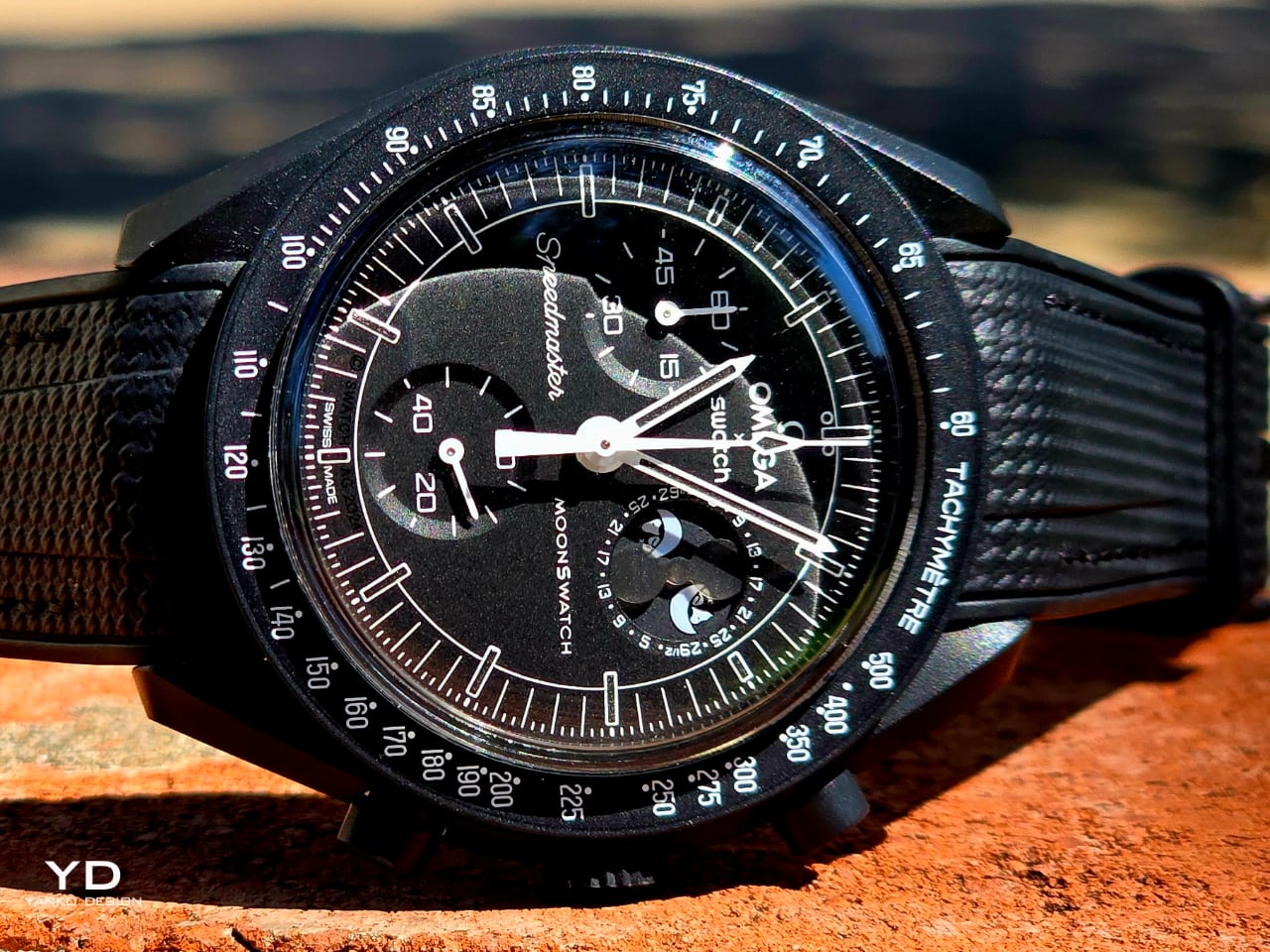
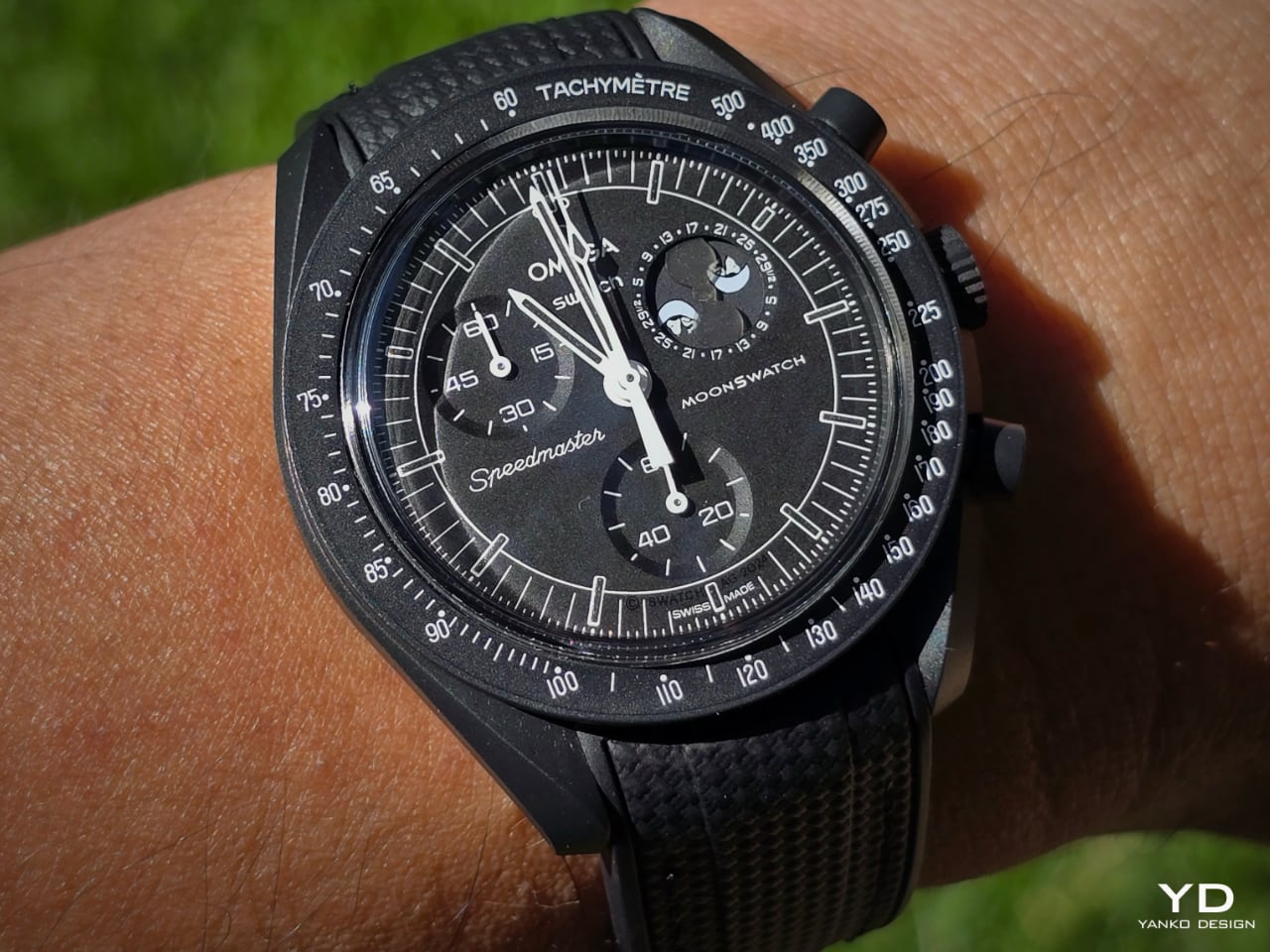
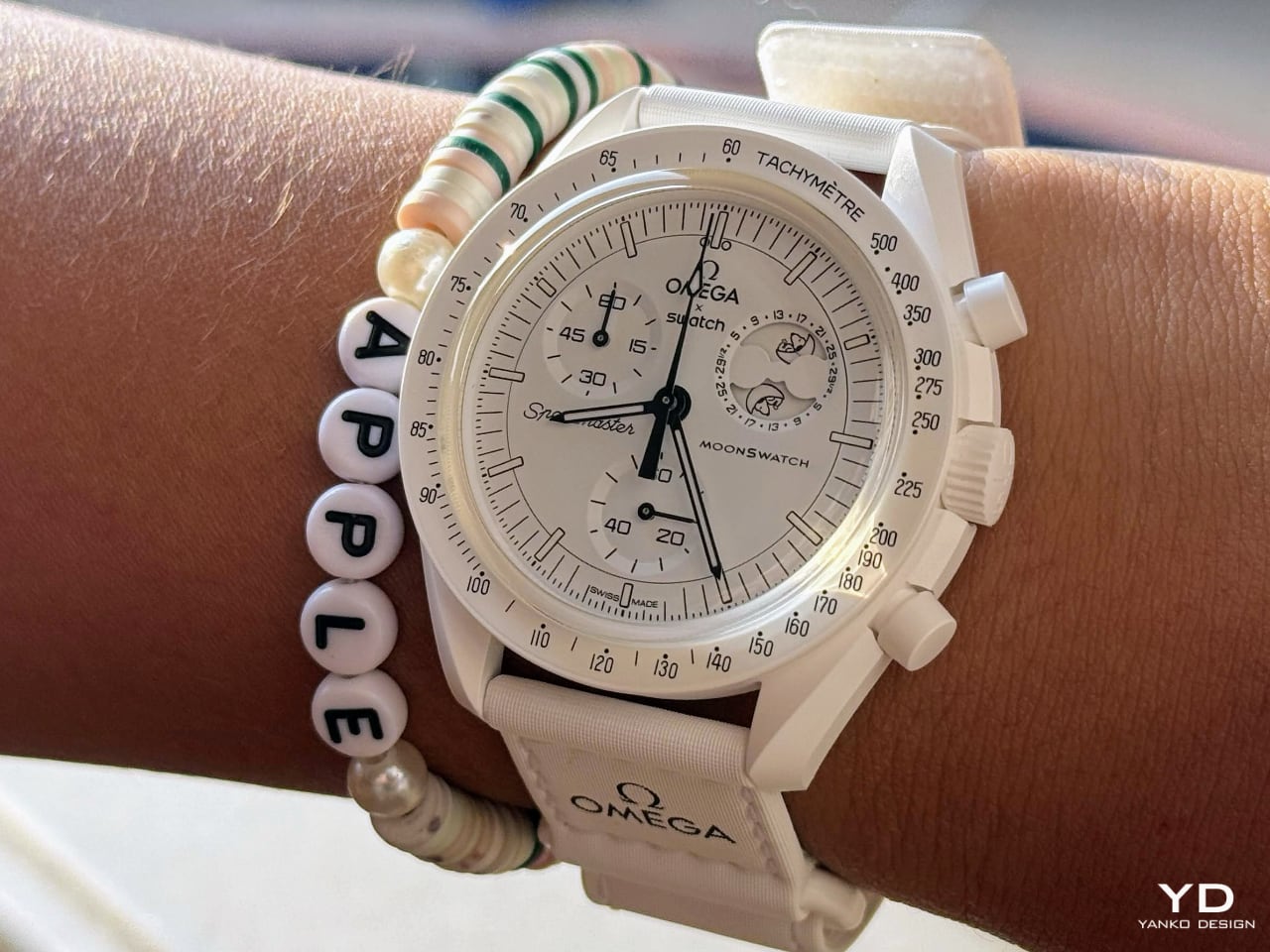
The ‘New Moon’ edition, which is the topic of our Wristwatch Wednesday discussion, is rendered in a deep black hue and captures the mystique of the hidden aspects of the lunar cycle. The ‘Full Moon’ edition, in contrast, features a pristine white color, echoing the luminous surface of a full moon. Each watch is adorned with a moon phase complication at the 2 o’clock position, where Snoopy, along with Woodstock, adds a whimsical yet significant nod to the lunar theme. The moon phase complication not only adds aesthetic value but also provides an additional layer of functionality, making these watches more than just timepieces—they’re storytelling devices. The discussion of the Full Moon, aka White Snoopy edition, is saved for another discussion. Let’s dive into why I’m 100% positive that I made the right decision to go with it.
MISSION TO THE MOONPHASE – NEW MOON
The ‘New Moon’ edition, our focus for this Wristwatch Wednesday, sports a deep black hue that captures the mystique of the lunar cycle’s hidden aspects. Its counterpart, the ‘Full Moon’ edition, presents a pristine white color reminiscent of a luminous full moon. Both watches feature a moon phase complication at the 2 o’clock position, where Snoopy and Woodstock add a whimsical yet meaningful nod to the lunar theme. This complication transforms the watches into captivating storytelling devices, enhancing their aesthetic appeal while offering practical functionality. We’ll explore the Full Moon (aka White Snoopy) edition another time. For now, let’s delve into why I’m absolutely convinced I made the right choice with the New Moon edition.
MISSION TO THE MOONPHASE – FULL MOON
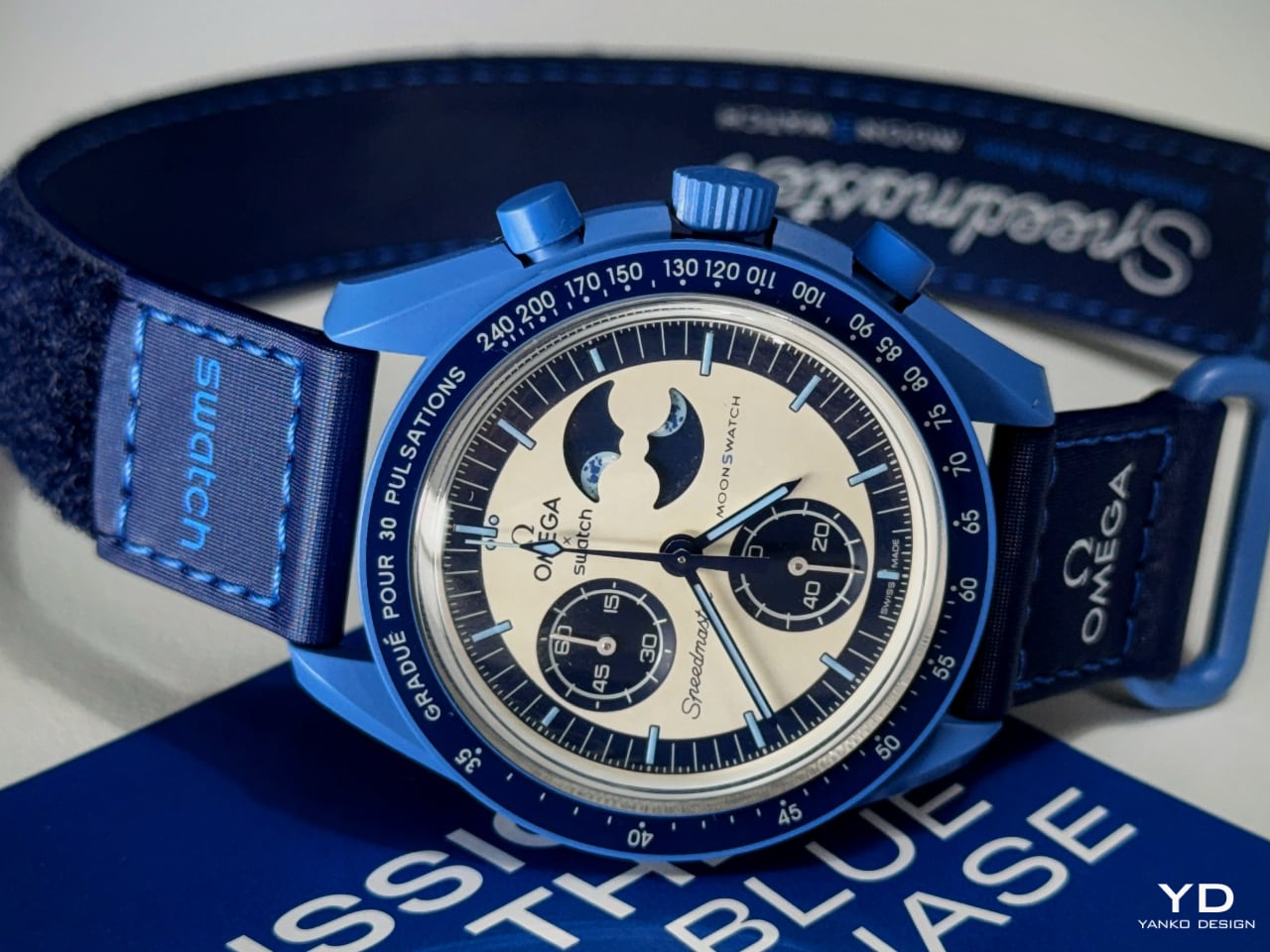
Before we dive in, let me share how I stumbled upon the holy trinity of moon phase Moonswatches. A week ago, I took a trip to Austin, TX—home to one of only nine Swatch boutiques selling the Super Blue Moonswatch. After making my purchase, I casually mentioned to the store manager, “Boy, I sure wish I could still get my hands on the black and white Snoopy Moonswatch!”
Omega x Swatch MISSION TO THE SUPER BLUE MOONPHASE
Then, it was as if the clouds parted above me and the moon, sun, and stars aligned when these words came out of my new best friend’s mouth: “The shipment arrives tomorrow and you can buy both.”
It took me a moment to process the situation. My flight back to Dallas was in 90 minutes, and I remembered my fruitless treks between Swatch boutiques in Tokyo and Nagoya, where I was dismissed with a mere “good luck getting one.” I faced a dilemma: should I stay the night and possibly camp out on the sidewalk by the boutique (Austin PD permitting), or fly home and return for a road trip? Given my long search for these rare pieces—rare, yet still attainable, unlike the limited Super Blue Moonphase—I knew they’d continue to be sold. But here’s the kicker: Swatch doesn’t display them on the floor. You must ask for them specifically. So I did, and before I knew it, I was embarking on a 6-hour round-trip back to Austin the next day to snag these beauties. Was it worth it? Absolutely.
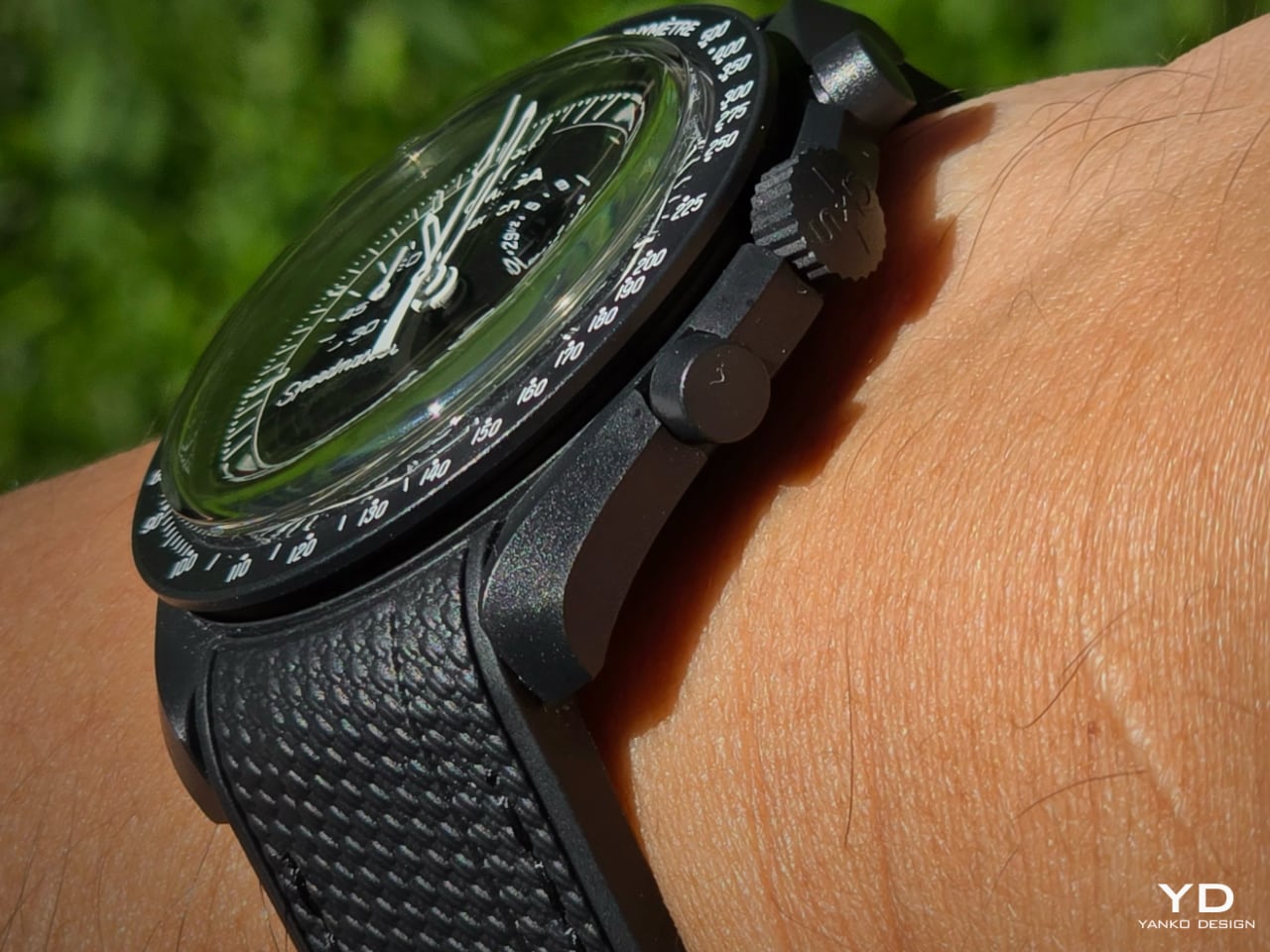
Now, let’s explore the striking dark dial that defines this watch’s unique design. Its matte finish adds visual depth, creating a subtle contrast with the understated moon phase complication. This clever design choice makes Snoopy appear to leap off the dial, bringing the lunar theme to life. The hands and hour markers are coated with Super-LumiNova, ensuring visibility in low-light conditions—a nod to the watch’s space exploration inspiration. These elements showcase the meticulous attention to detail that Omega and Swatch have poured into this collaboration.
In contrast to the white Snoopy edition, the black one showcases practicality with its dark, Gotham-esque theme. This is especially noticeable in the straps—though I’ll admit, it’s the strap design, not the overall look, that I’m not particularly keen on. I’ve never been a fan of Velcro in any form, including those ’80s Velcro shoes.
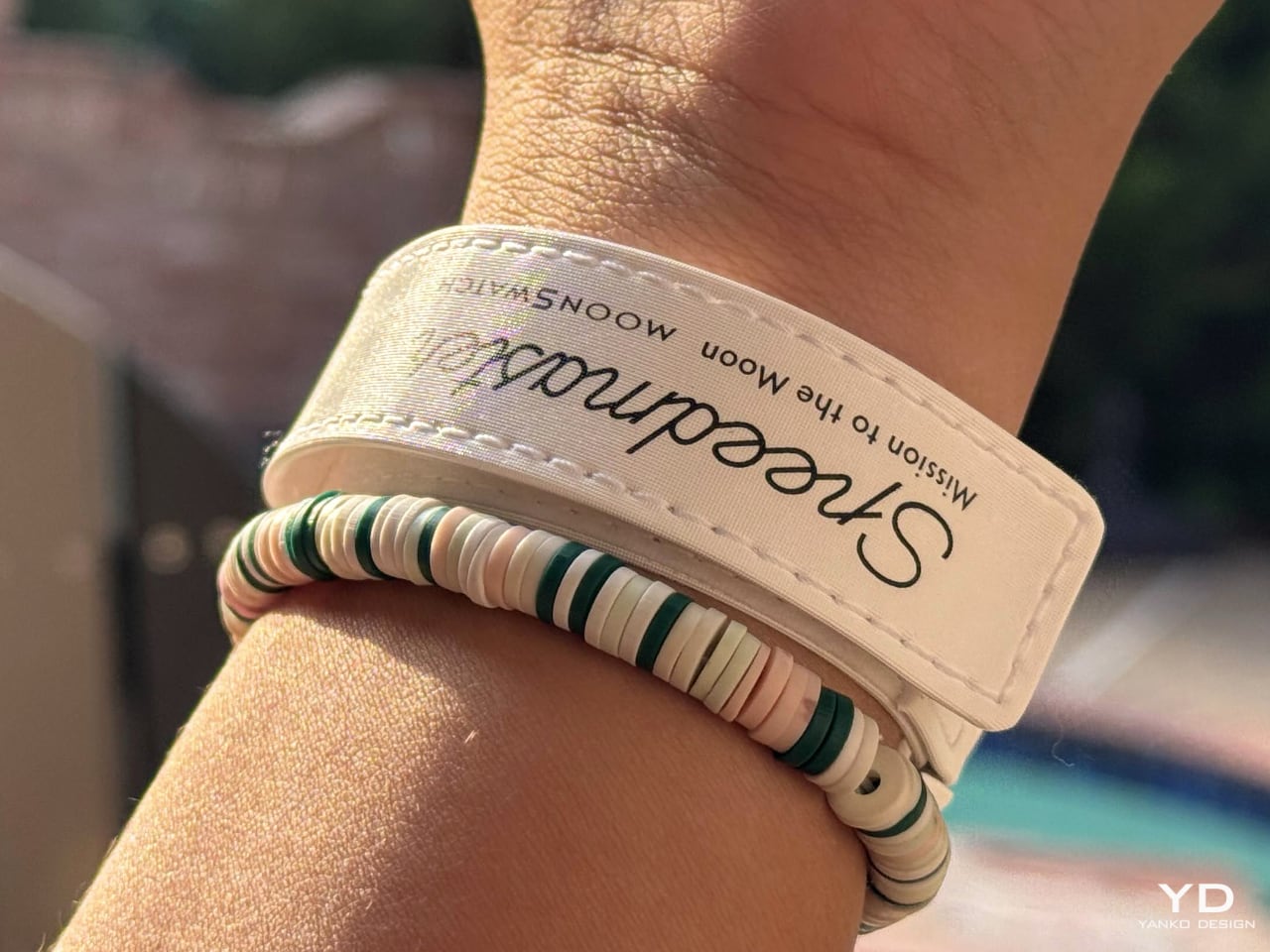
Both the ‘New Moon’ and ‘Full Moon’ editions come with Velcro straps, which are lightweight and comfortable but also highly durable. The ‘New Moon’ edition features a black Velcro strap, while the ‘Full Moon’ comes with a white Velcro strap, each complementing the watch’s overall color scheme. The straps are also designed for ease of use, allowing quick adjustments for a perfect fit, and are well-suited for everyday wear, ensuring the watch stays secure on the wrist during various activities.
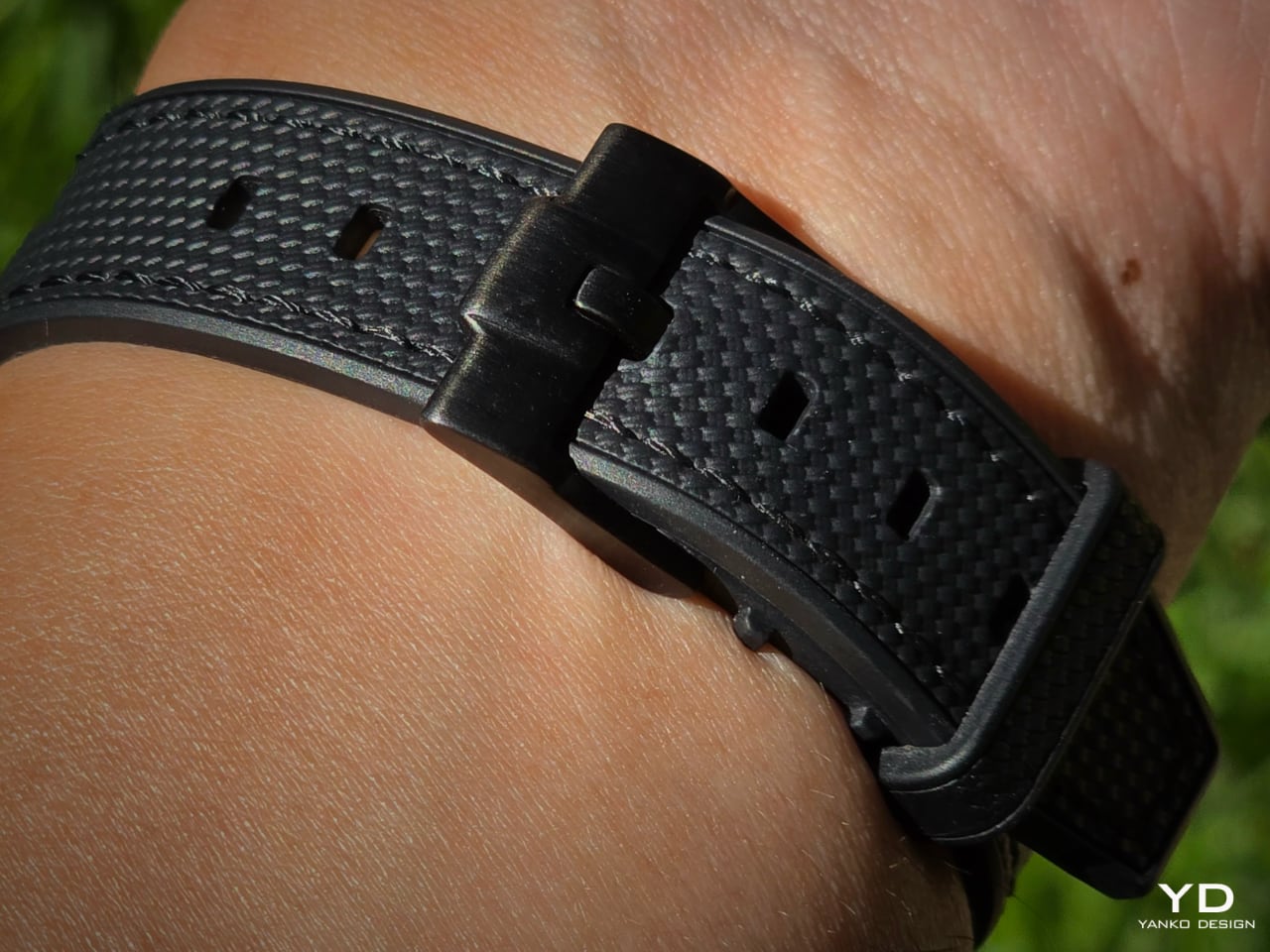
As for my personal preference, I found a $12 strap (multiple straps) on Amazon that offers both a premium look and feel. It features perfectly fitted lugs and a matching black tang buckle, tying everything together nicely. In my opinion, this strap looks and feels significantly more cohesive and comfortable than the original.
The watch’s case measures 42mm in diameter, making it versatile for a wide range of wrist sizes. Its Bioceramic material offers both eco-friendliness and a unique tactile feel, setting these models apart from traditional metal or plastic cases. This lightweight material enhances comfort for extended wear. I must say, after wearing much heavier, more expensive watches, I find the Bioceramic material refreshingly light—and I absolutely love it. It’s worth noting that it’s still two-thirds ceramic; it’s certainly not the “crappy plastic” some might lead you to believe.
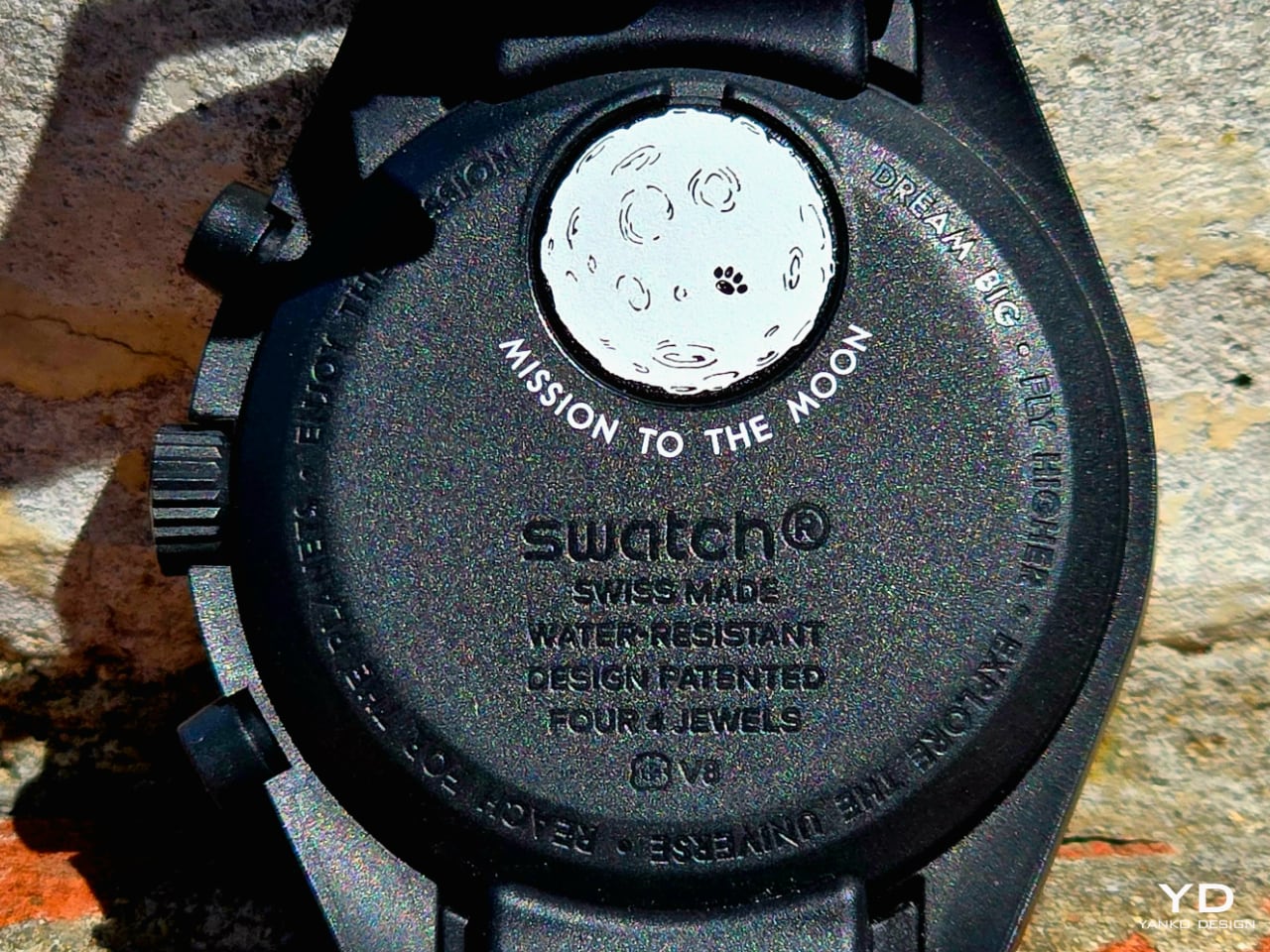
The caseback of each watch is meticulously designed, featuring inscriptions of the Omega and Swatch logos, along with references to the specific MoonSwatch mission. Although it lacks the animated elements found in higher-end Speedmaster models, the caseback still honors the mission’s legacy through these engraved details, reinforcing the connection to space exploration. A closer look reveals Snoopy’s pawprint, marking the spot of the first lunar landing.
These watches feature a quartz movement, providing precision and reliability that align with Swatch’s commitment to accessible, high-quality watchmaking. The movement is housed within the Bioceramic case, which offers a sturdy and protective shell resistant to shocks and water. While the specific water resistance rating isn’t a key selling point for this model, it’s worth noting that the battery is replaceable. Plus, you can swim and shower with the watch—just remember to keep the crown closed.
Wrapping up, the Omega x Swatch Snoopy MoonSwatch ‘New Moon’ edition blends playful design with a serious nod to space exploration. Its standout features—Bioceramic case, moon phase complication, Super-LumiNova detailing, Velcro strap, and reliable quartz movement—make it a unique addition to both Omega and Swatch collections. This timepiece appeals to those who value style and substance equally. At $320, it might raise eyebrows among hardcore watch collectors who favor mechanical movements. However, it’s undeniably an accessible entry point for a watch that offers enduring enjoyment and value. Oh, and happy belated 74th birthday to Snoopy!