DIY PlayStation 5 Tablet almost makes the PlayStation Portal moot

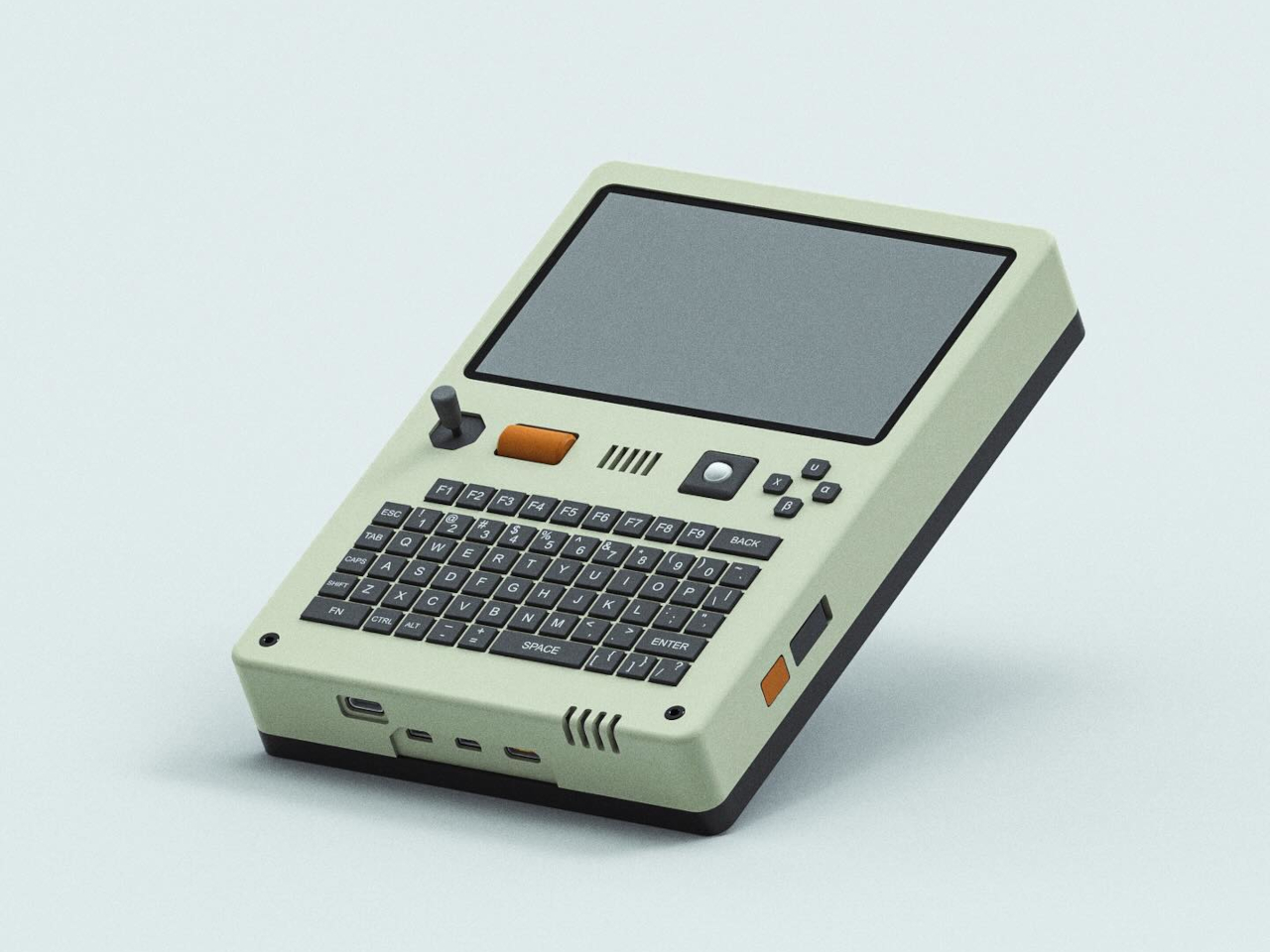
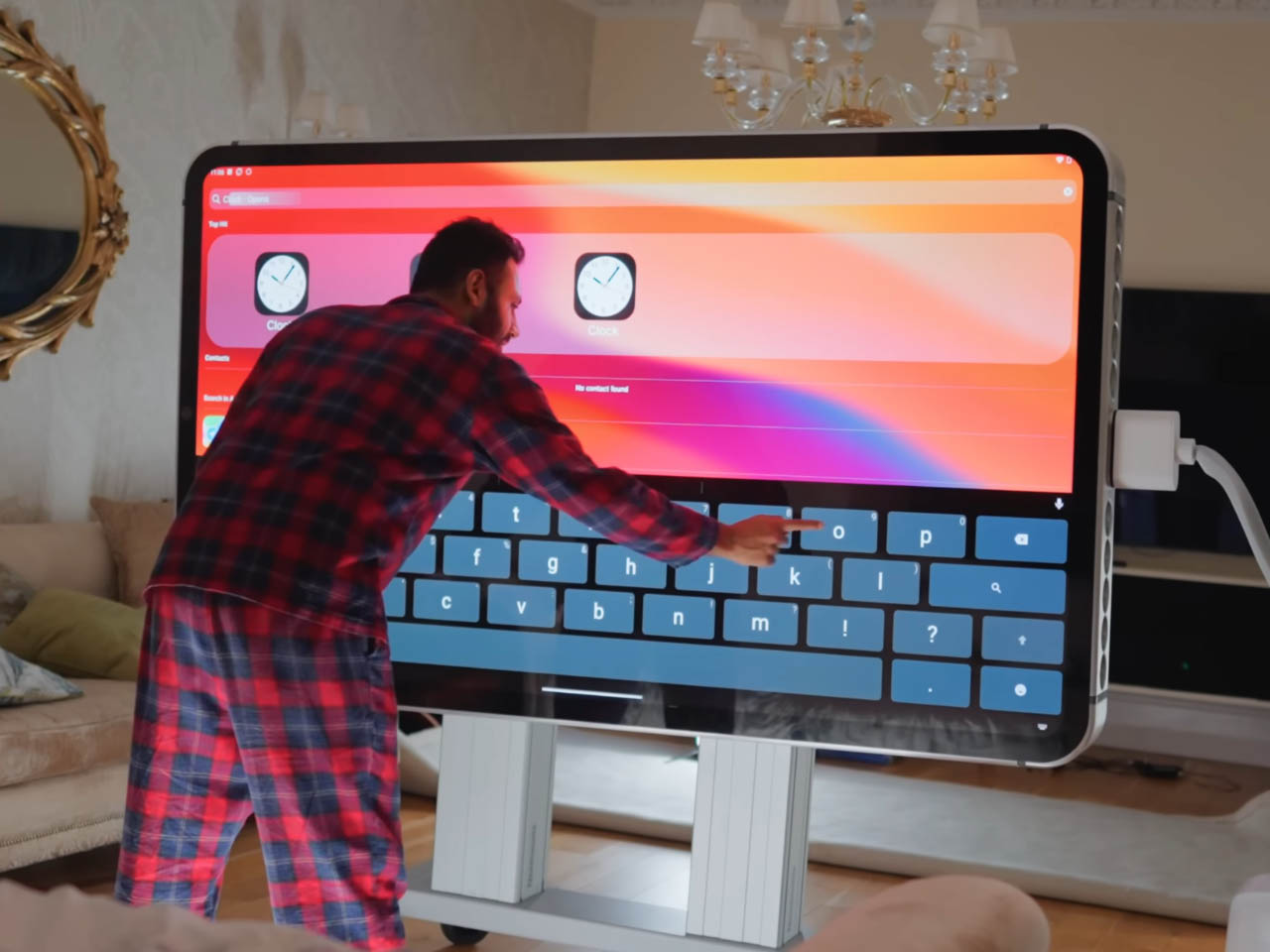
Although the handheld gaming trend has been going strong recently, especially with the likes of the Nintendo Switch and the Steam Deck leading the market, major console makers haven’t taken the plunge completely yet. Granted, Xbox isn’t too concerned because every Windows gaming handheld PC can theoretically run some of its titles, but Sony introduced a rather odd and quite unsatisfying version of this idea. The PlayStation Portal isn’t being “portable” for a reason, since it basically just streams games from the PS5 sitting somewhere in your house. Take it to more enterprising creators to bring the PlayStation 5 Portable dream to life, like this rather impressive gigantic PlayStation 5 “Tablet Edition” that is very much worth all the hard work involved.

Designer: Matthew Perks

The PlayStation 5 diverges from generations of console design with a sleek, futuristic, yet also alien aesthetic that some have compared to a trophy. But it’s especially thanks to that new design, especially the improvement Sony quietly made after launching the console, that makes this creative endeavor even possible. In a nutshell, Sony trimmed the PS5 motherboard down to a smaller size that could be made to fit inside a thick and hefty 14-inch tablet. That, however, was the least of the project’s problems, considering the things inside that actually make the bulk of the PS5’s, well, bulk.

The PlayStation 5 generates around 200W of heat at full power, so the majority of the console’s internals are actually devoted to thermal management. These include bulky fans and a strange-looking heatsink that would never fit any portable design. That’s why the majority of the effort around this PS5 tablet was spent on figuring out an equally efficient thermal management system that didn’t take up too much vertical space. Thanks to some creative thinking and a lot of research, that problem was eventually solved to much satisfaction.

With the biggest engineering hurdle out of the way, putting the rest of the giant tablet was relatively easier. A 3D-printed shell had to be made that matched the black-and-white aesthetic of the PS5. The screen of choice for this project was a 14-inch OLED salvaged from a broken laptop, allowing game graphics to really shine. Finally, an external power source had to be designed since the original PS5 power supply was just too large and too weird to use as is.

After much work, the PS5 Tablet Edition, a.k.a. PS GO, was ready to be put to the test, and the end result is truly impressive, both from the thermal aspect and especially in performance and visual quality. It’s a truly portable system that can fit inside a backpack, though you’ll have to plug it somewhere to actually use it. Then again, the idea was to create a more social console that you can take to your friend’s or relative’s house so that you can enjoy the experience together, rather than sitting in a corner, alone in the dark, mashing the buttons on your handheld PC.

The post DIY PlayStation 5 Tablet almost makes the PlayStation Portal moot first appeared on Yanko Design.

Move over IKEA, Lifecare’s SYSTM furniture can be disassembled, reupholstered, and maintained


In a world where cleanliness and adaptability are paramount, Lifecare Furniture Company has introduced a game-changing solution to the age-old problem of maintaining impeccably clean furniture, especially in healthcare facilities. The SYSTM line, a series of smart furniture designs, is crafted with the unique ability to be swiftly disassembled for thorough cleaning and reupholstering, setting a new standard for hygiene and versatility in the furniture industry.

Designer: Lifecare Furniture (SYSTM)

For most of us, a bit of lint or pet hair on our furniture may be tolerable, but for healthcare facilities mandated to uphold stringent cleanliness standards, furniture with intricate crevices poses a significant challenge. The accumulation of dust and microbes in these hidden spaces can compromise the overall hygiene of the environment. Lifecare Furniture Company recognized this issue and developed the SYSTM line with a focus on addressing the specific needs of healthcare settings.

The hallmark feature of this furniture line is its ability to be quickly and easily disassembled for thorough cleaning. The furniture pieces can be taken apart using a specially designed red-handled Allen key, conveniently stored beneath the seat. This innovative approach not only simplifies the cleaning process but also ensures that every nook and cranny can be accessed, leaving no space for dirt or contaminants to hide.

Beyond its cleaning capabilities, the line offers a unique advantage in reupholstering. The pieces can be disassembled so efficiently that changing upholstery becomes a breeze. Whether dealing with unsightly stains or seeking a fresh look for aesthetic reasons, the ease of reupholstering makes the furniture line an ideal choice for healthcare facilities and high-traffic commercial settings.

Lifecare Furniture Company understands that functionality should not compromise style. The SYSTM line comes in a variety of designs for both chairs and sofas, allowing for customization based on the specific needs and aesthetics of different spaces. This ensures that the furniture not only serves its practical purpose but also enhances the overall visual appeal of its surroundings.

While this line was initially designed with healthcare in mind, its benefits extend far beyond institutional settings. Imagine if all residential furniture were crafted with the same principles – quick disassembly for cleaning and reupholstering. This approach would revolutionize the way we think about furniture maintenance, making it significantly easier to refresh and update our living spaces without the need for constant replacements.

Interior designers often fall in love with furniture for its design qualities. Lifecare’s SYSTM line acknowledges this by allowing for easy upholstery changes. This means that even if a particular piece is adored for its design, it can be effortlessly updated to suit evolving tastes or trends.

The post Move over IKEA, Lifecare’s SYSTM furniture can be disassembled, reupholstered, and maintained first appeared on Yanko Design.

The World’s Smallest Car comes as a DIY kit that you can build yourself for just $15,000

Imagine a car so tiny it can fit in an elevator, yet it’s yours to build and drive. Enter the Peel P50, the world’s smallest production car from the 1960s, now available as a DIY kit. This miniature marvel, originally produced with just enough room for “one adult and one shopping bag,” is smaller than a Vespa scooter and lacks a reverse gear, relying instead on a handle at the back for manual maneuvering.

Touted as quite literally the world’s smallest car, the P50 sports a fiberglass shell, has a 49cc engine on the inside, weighs a paltry 300 pounds, and is like an adult equivalent of the iconic Little Tikes Cozy Coupe. For the eco-conscious or the simply curious, the electric model, powered by a 4 kW motor, tops out at a modest 28 mph. The car is available as a DIY kit that ships complete with wheels, body, seat, steering wheel, drivetrain, and more, demanding around 50 hours of assembly time. For those less inclined to build their own, fully-assembled versions are available too!

Designer: P.50 Cars

Despite its diminutive size, the P50 replica doesn’t skimp on essentials: suspension, lighting, horn, brakes, mirrors, and the iconic single suicide door on the left side. It’s street legal in most places, classified as a kit car, moped, or motorcycle. As P50 Cars puts it, the P50 and Trident are ideal for novice car builders due to their mechanical simplicity, light weight, and small size. All you need is a few tools, a little garage space, and patience. Registering your completed kit car is typically straightforward, given its classification.

This unique piece of automotive history may be scooter-sized, although it’s priced slightly higher than your average two-wheeler. The self-assembly kit starts at approximately £12,100 ($15,435), while a fully-assembled model will set you back around £15,200 ($19,389). But for the chance to own and drive the world’s smallest car, that might just be a price worth paying.

The modern P50 has been updated with more contemporary stylings and paint options. Its classification as a light moped or scooter makes it street legal, adding a unique, space-efficient touch to your garage. Measuring only four and a half feet long and three and a quarter feet wide, the car is akin to a playful piece of nostalgia or a statement in eco-conscious driving.

The post The World’s Smallest Car comes as a DIY kit that you can build yourself for just $15,000 first appeared on Yanko Design.

Harley Benton Introduces DIY Kits To Personalize Your Guitars

In the realm of musical craftsmanship, Harley Benton has raised the bar with its recent unveiling of a captivating range of do-it-yourself guitar kits. This innovative lineup not only offers musicians the opportunity to assemble their own instruments but also encourages a unique and personalized approach to guitar building. The collection includes four distinct models, each designed to cater to the diverse preferences and styles of guitarists. Among them, the standout is the unconventional square guitar, accompanied by a thin-line T-style model and left-handed S- and T-style models.

Designer: Harley Benton

Guitars are not just instruments; they are extensions of a musician’s identity and style. Recognizing this, Harley Benton’s DIY guitar kits acknowledge the personal connection individuals have with their instruments. These kits provide a canvas for musicians to express themselves not just through their playing but also through the process of building a guitar tailored to their preferences.

Each DIY kit is meticulously curated to include all the essential components required to build a complete instrument. From strings to pickups, body, and more, these kits are designed to offer a seamless and satisfying building experience. The standard Rengas body, with variations in wood color, is accompanied by maple necks, providing a sturdy foundation for creativity. Musicians can choose to paint the body or leave it in its natural state, with the added convenience of pre-prepared routing for pickups, tuners, bridge, and electronics.

Harley Benton recognizes that true creativity lies in customization. The kits come with bodies and necks finished with a wood sealer, facilitating easy application of lacquer for those who wish to add a personal touch to the aesthetics. The square model, for instance, comes with 22 frets, one volume and one tone control, a three-way switch, a Tune-O-Matic bridge, and two humbuckers, offering versatility and the potential for musicians to craft their unique sound.

There’s a special connection that comes with creating something with your own hands. Building a guitar from scratch provides not only a sense of accomplishment but also a deeper understanding and appreciation for the instrument. When musicians invest time and effort into crafting their guitars, they naturally develop a stronger bond with their creations. This hands-on experience allows them to see every inch of their instrument, fostering a sense of pride and ownership.

As someone who has owned a guitar since the age of 15, I understand the evolving relationship one has with their instrument. The idea of having a DIY guitar resonates deeply with me. I believe that if I had embarked on the journey of building my own guitar, I would have treasured it even more. The process of creating something from scratch adds a layer of intimacy that goes beyond the joy of playing; it becomes a testament to one’s creativity and craftsmanship. However, it may also leave room for some errors.

While the kits provide a solid foundation, it is the individual touch and craftsmanship that will make each guitar truly one-of-a-kind. Whether it’s the choice of color, the style of finish, or the selection of pickups, the creative journey of building a DIY guitar allows players to develop a deeper connection with their instrument. Each scratch, mark, and detail tells a story, making the guitar a unique reflection of the musician behind it.

Harley Benton’s DIY guitar kits are more than just a collection of components; they are a gateway to a world of musical creativity and self-expression. By providing musicians with the tools and guidance to build their own instruments, Harley Benton encourages a hands-on approach to music that goes beyond playing notes on a fretboard. These kits represent a bridge between the technical and artistic aspects of music, allowing musicians to shape not only their sound but also the physical embodiment of their musical journey.

The post Harley Benton Introduces DIY Kits To Personalize Your Guitars first appeared on Yanko Design.

Man builds 13-foot mammoth bumper car which by surprise is street legal

Retirement is often associated with relaxation and leisure. But for Dan Hryhorcoff from Pennsylvania, retirement meant diving into an entirely different realm of creativity: one that involved building extraordinary vehicles that defy traditional expectations.

After years of working on a submarine and various other innovative projects, Dan embarked on an intriguing automotive endeavor during the pandemic and came up with a Bumper car, twice the normal size, but rendered street-legal. Dan’s automotive journey first began with a replica of a vintage Murray General pedal car that he sought to magnify into a larger-than-life fiberglass creation (Dan honed the knack for working with fiberglass through his prior project—a fully functional submarine).

Desginer: Dan Hryhorcoff

However, Dan’s real automotive masterpiece emerges in the form of this gigantic street-legal bumper car. This striking creation measures an astounding 13 feet in length, 7 feet in width, and 5.5 feet in height, doubling the dimensions of a regular bumper car. The inspiration for this colossal bumper car came from a 1953 model bumper car at the Knoebels amusement park in Elysburg, Pennsylvania.

Dan was captivated by its design, reminiscent of a Chevrolet pickup truck from the post-World War II era. Spending meticulous hours at the amusement park, he gathered information and captured every detail necessary to replicate and magnify the charm of the vintage bumper car. Dan’s attention to detail and creativity shone through as he fused elements of a Chevrolet Aveo and a motorcycle wheel into his design, reshaping the traditional bumper car into a unique, functioning vehicle.

With the front of a Aveo integrated into the rear and a motorcycle wheel at the front, his bumper car boasts incredible maneuverability with sharp turning capabilities. The choice of materials was always critical in the construction of this larger-than-life automobile. The exterior, crafted from fiberglass, not only ensures durability but also adds a touch of nostalgia by paying homage to the original bumper car’s design. What truly sets Dan’s creation apart is its ability to be street-legal, a rarity for such unconventional vehicles.

The post Man builds 13-foot mammoth bumper car which by surprise is street legal first appeared on Yanko Design.