Amazon’s Black Friday and Cyber Monday sales might be over, but the company is still running a deal on its premium music streaming service. Right now, you can get three months of Amazon Music Unlimited for free if you’re a new subscriber.
As with most offers of this nature, your subscription will auto-renew for the full price of $12 per month (or $11 for Prime members) after your three months are up. But you can cancel whenever you like and won’t be charged a penny if you do so before the trial ends.
Amazon Music Unlimited offers lossless streaming and podcasts, and as you’d expect, it works best with Amazon’s ever-swelling army of Alexa devices. It’s a bit clunky compared to the likes of Apple Music and Spotify, and not as good for music discovery and curation, but the app has made strides over the years. It even has its own Spotify Wrapped-alike now.
If you do take advantage of this deal, bear in mind that Amazon Music Unlimited is more expensive than Apple Music, YouTube Music and Tidal without a Prime subscription, after Amazon put its prices up earlier this year. A paid Spotify Premium Individual plan costs the same as Amazon’s service (sans Prime), and you can also try that for free right now, with the company offering four months without payment provided you’ve never been a Premium subscriber in the past.
This article originally appeared on Engadget at https://www.engadget.com/deals/you-can-get-three-months-of-amazon-music-unlimited-for-free-right-now-175508803.html?src=rss
Indie studio Santa Ragione is facing more strife after claiming its latest game has been blocked on another major storefront. The developer previously said it was at risk of closure after Valve banned Horses from Steam, noting that it would be very difficult to recoup its investment without access to the world’s largest PC gaming storefront. The situation became more dire this week after Epic Games blocked Horses as well.
Santa Ragione said Epic notified the studio of its decision just 24 hours before the game was released on Tuesday, despite approving Horses for sale on the Epic Games Store weeks earlier. “Once again, no specific indication of problematic content in the game was given, only broad and demonstrably incorrect claims that it violated their content guidelines,” the studio wrote in an FAQ. “Our appeal was denied twelve hours later without further explanation.”
According to an email from Epic that Santa Ragione shared, the company banned Horses from its store due to violations of its inappropriate content and hateful or abusive content policies, the latter of which “prohibits content that promotes abuse and animal abuse.” It also determined that Horses had received an adults-only rating, and such games aren’t allowed on its store. Engadget has contacted Epic for comment.
Horses is a horror game about a college student who works on a farm during the summer. The farm’s so-called horses are actually nude human adults who wear equine masks and live as horses.
Santa Ragione said that, in its appeal to Epic, it pointed out that Horses is a “strong critique of violence and abuse in general” and that it doesn’t promote any kind of abuse. It claimed that there are no “explicit or frequent depictions of sexual behavior,” as nudity is pixelated and although the three-hour game has four “sexual sequences,” these are brief and censored, with two mainly taking place off-camera. However, Santa Ragione said Epic stuck by its decision to block the game from its store.
With Horses being banned from Steam and the Epic Games Store, that leaves GOG (where it’s currently at the top of the bestsellers chart) and Itch.io as the only storefronts on which the $5 game is available as Santa Ragione tries to recoup the $100,000 or so it spent on development. Horses was supposed to have been available via the Humble Store as well but, as Gamespot notes, the URL for the listing now redirects to the store’s homepage.
This article originally appeared on Engadget at https://www.engadget.com/gaming/epic-bans-indie-game-horses-from-its-storefront-24-hours-before-release-173500417.html?src=rss
Blind students often rely on expensive embossers, special paper, and slow production cycles just to get a few Braille books. Most assistive tools are bulky, fragile, or designed for adults sitting at desks, not children carrying them between crowded classrooms and shoving them into backpacks. There is a clear gap between what visually impaired kids actually need and what most assistive hardware looks and feels like on a daily basis.
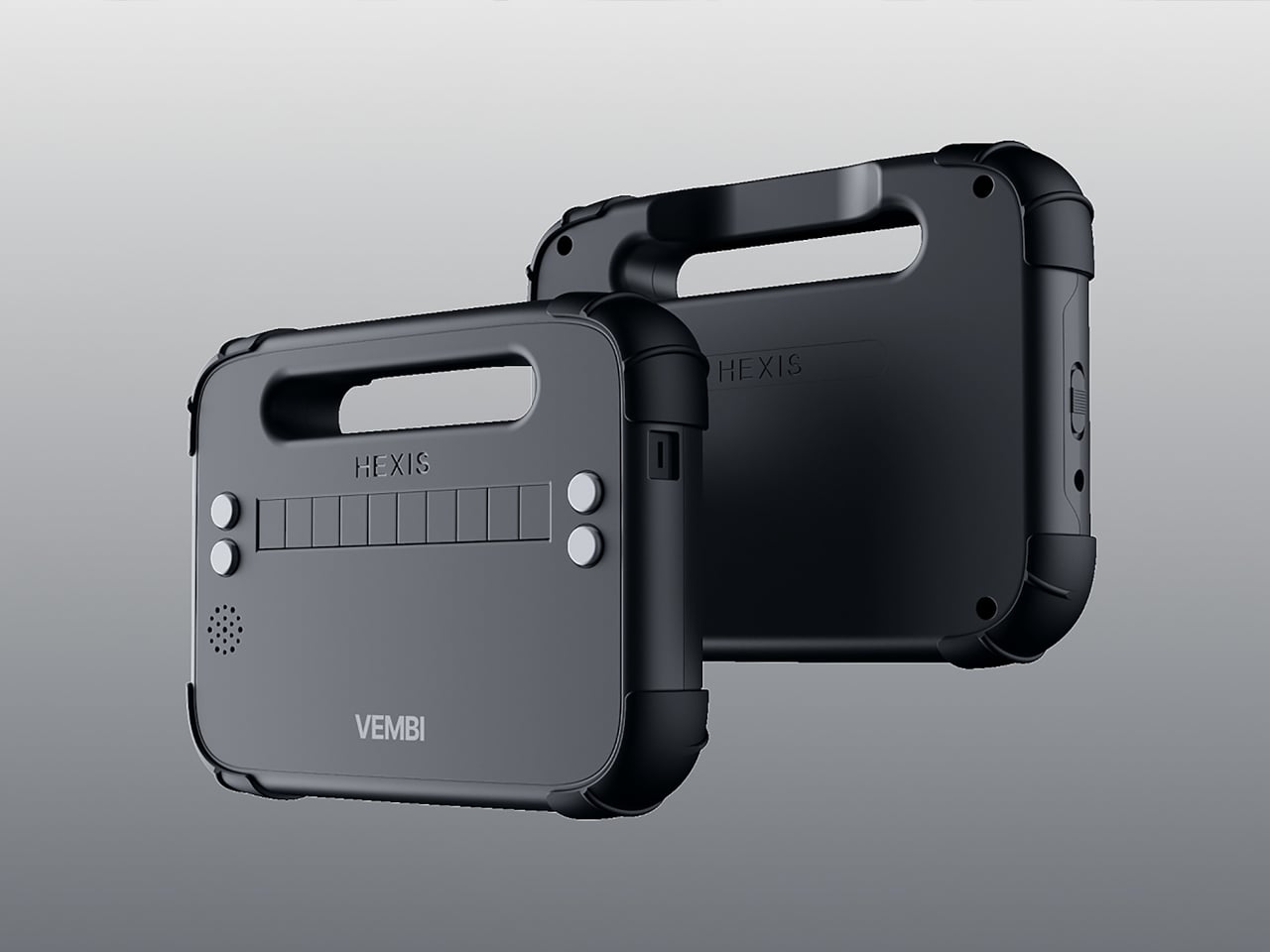
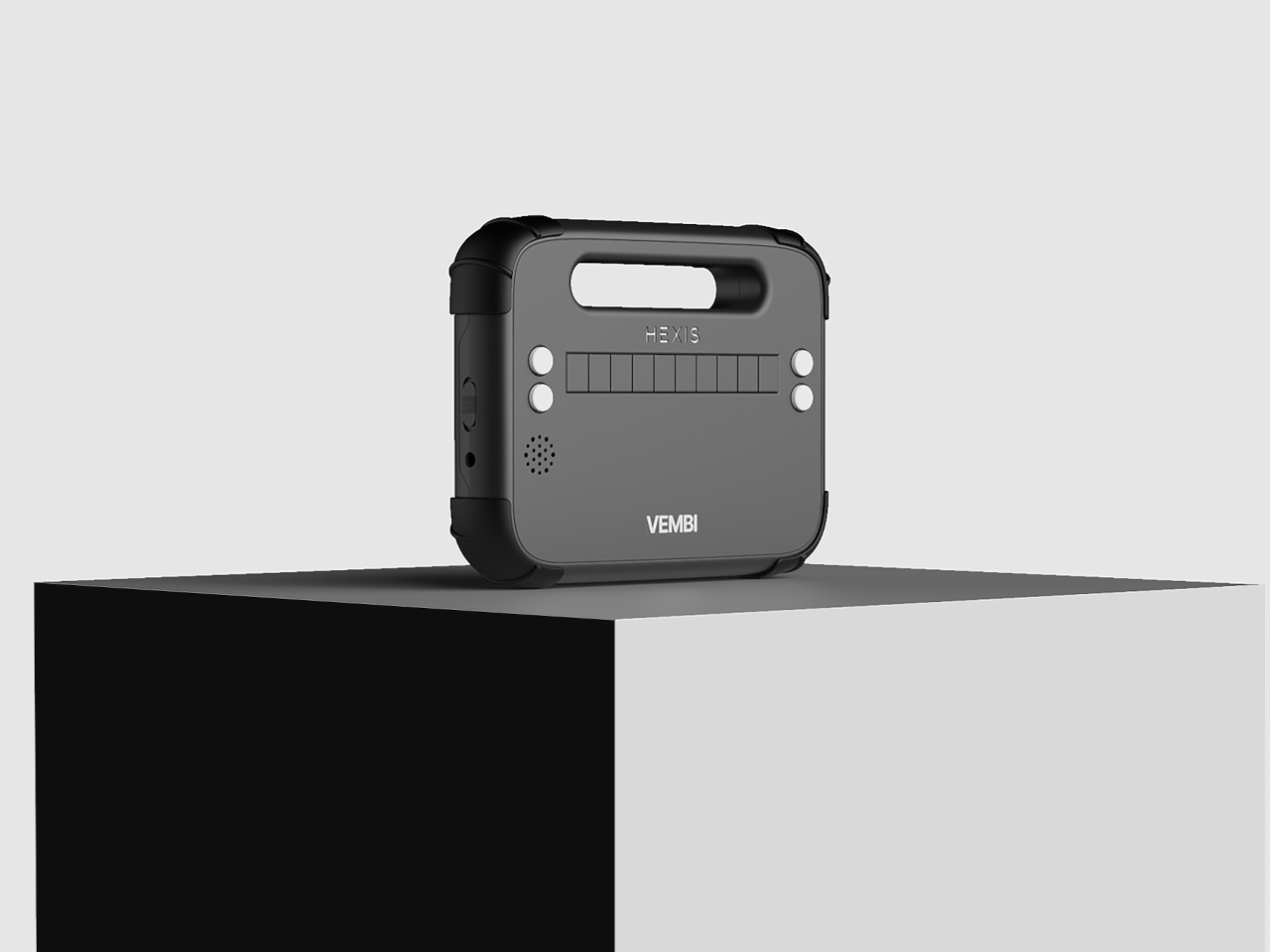
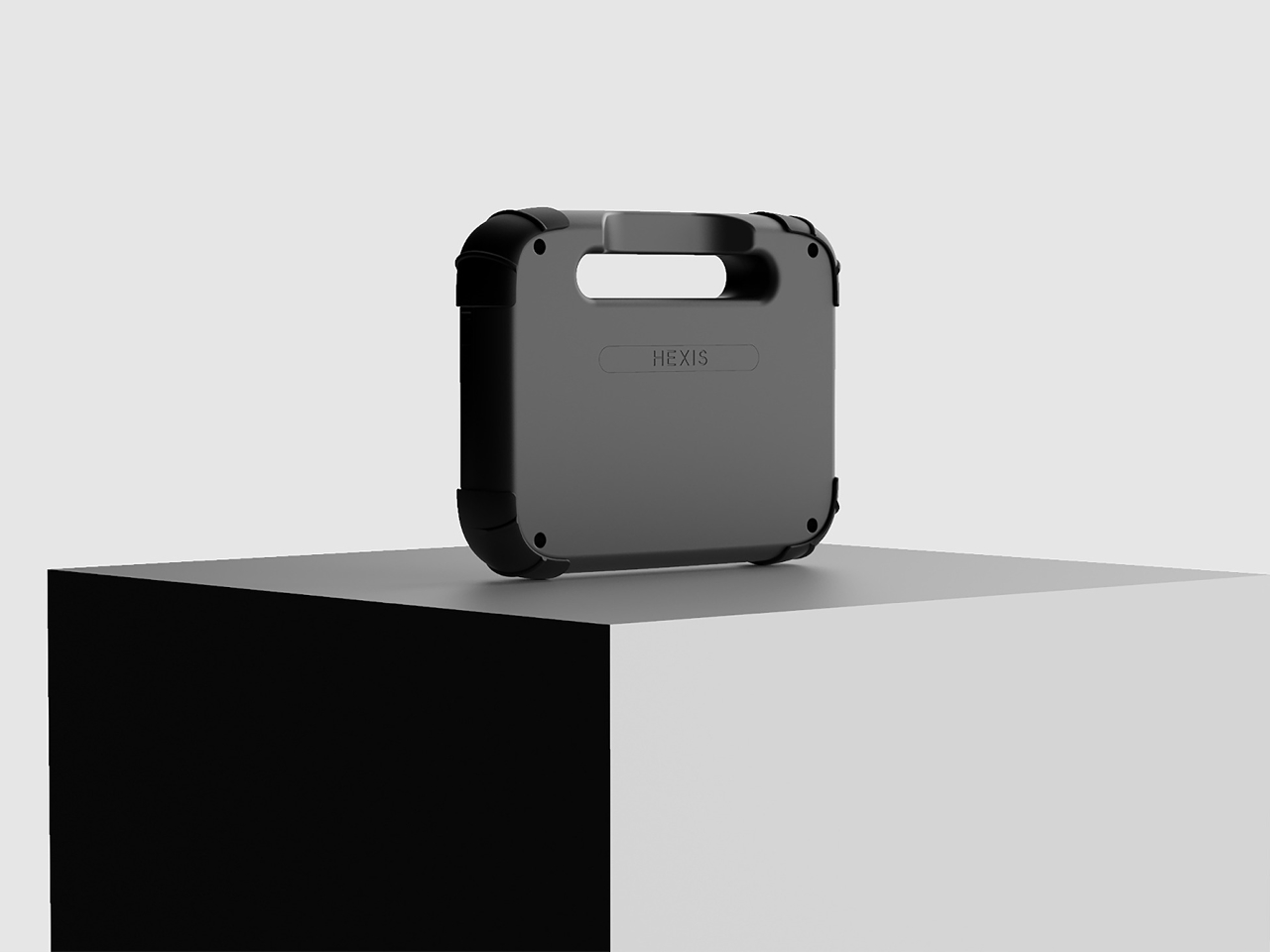
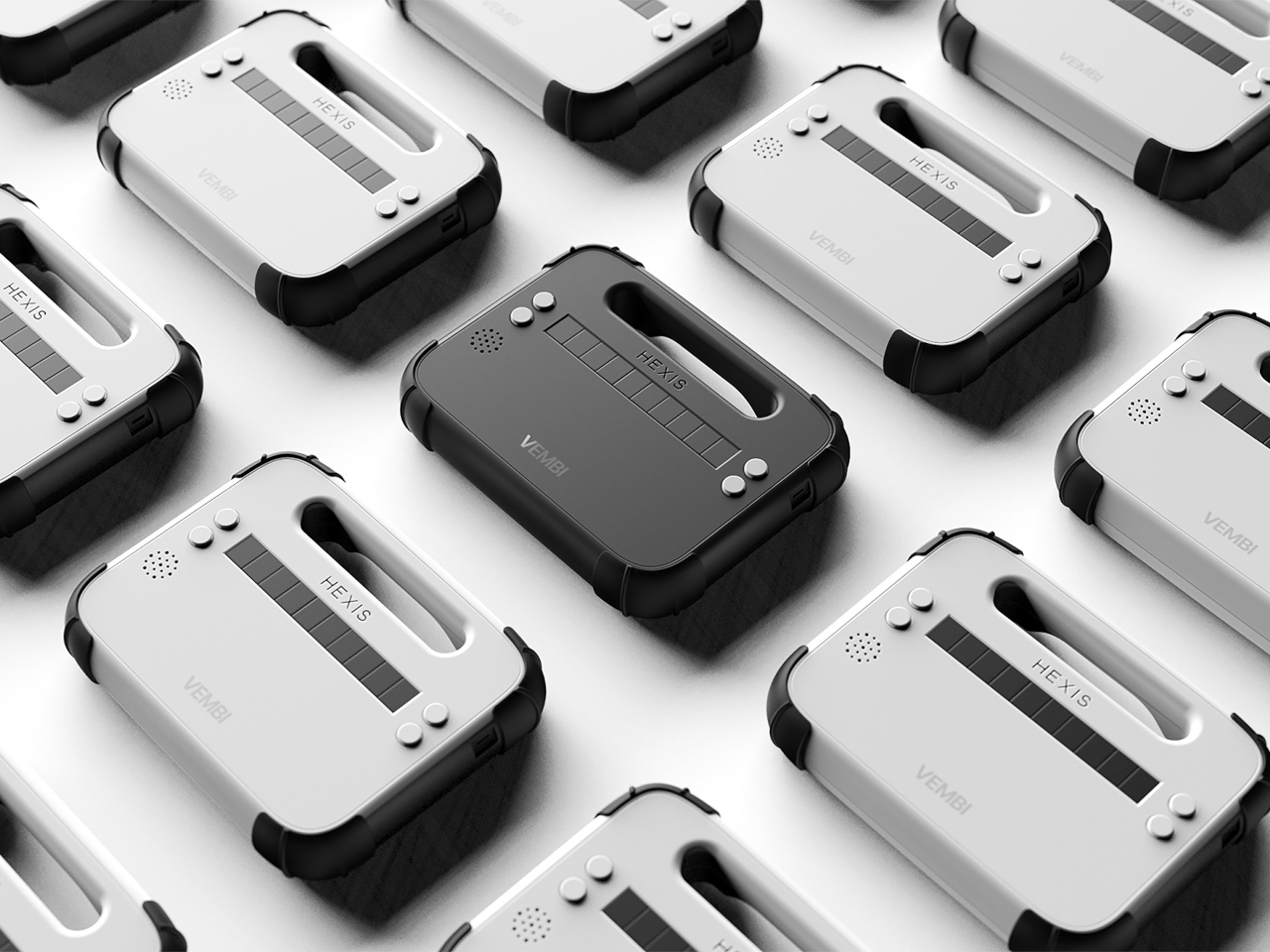
Vembi Hexis is a Braille reader purpose-built for children by Bengaluru-based Vembi Technologies, with industrial design by Bang Design. It turns digital textbooks, class notes, and stories into lines of Braille on demand across multiple Indian languages and English. The device had to be rugged enough for school bags, affordable enough for institutions to buy in quantity, and portable enough that children would actually want to carry it around.
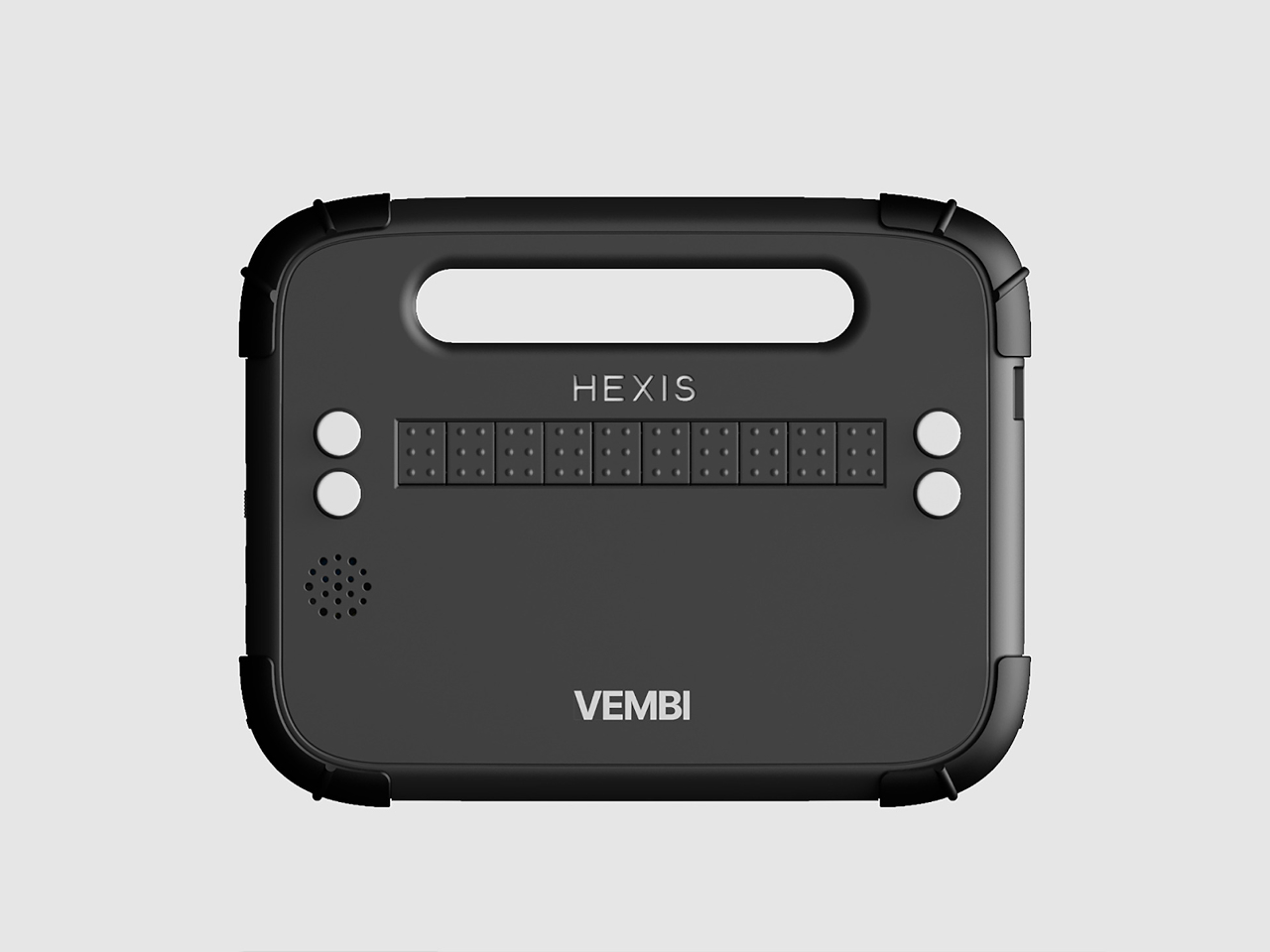
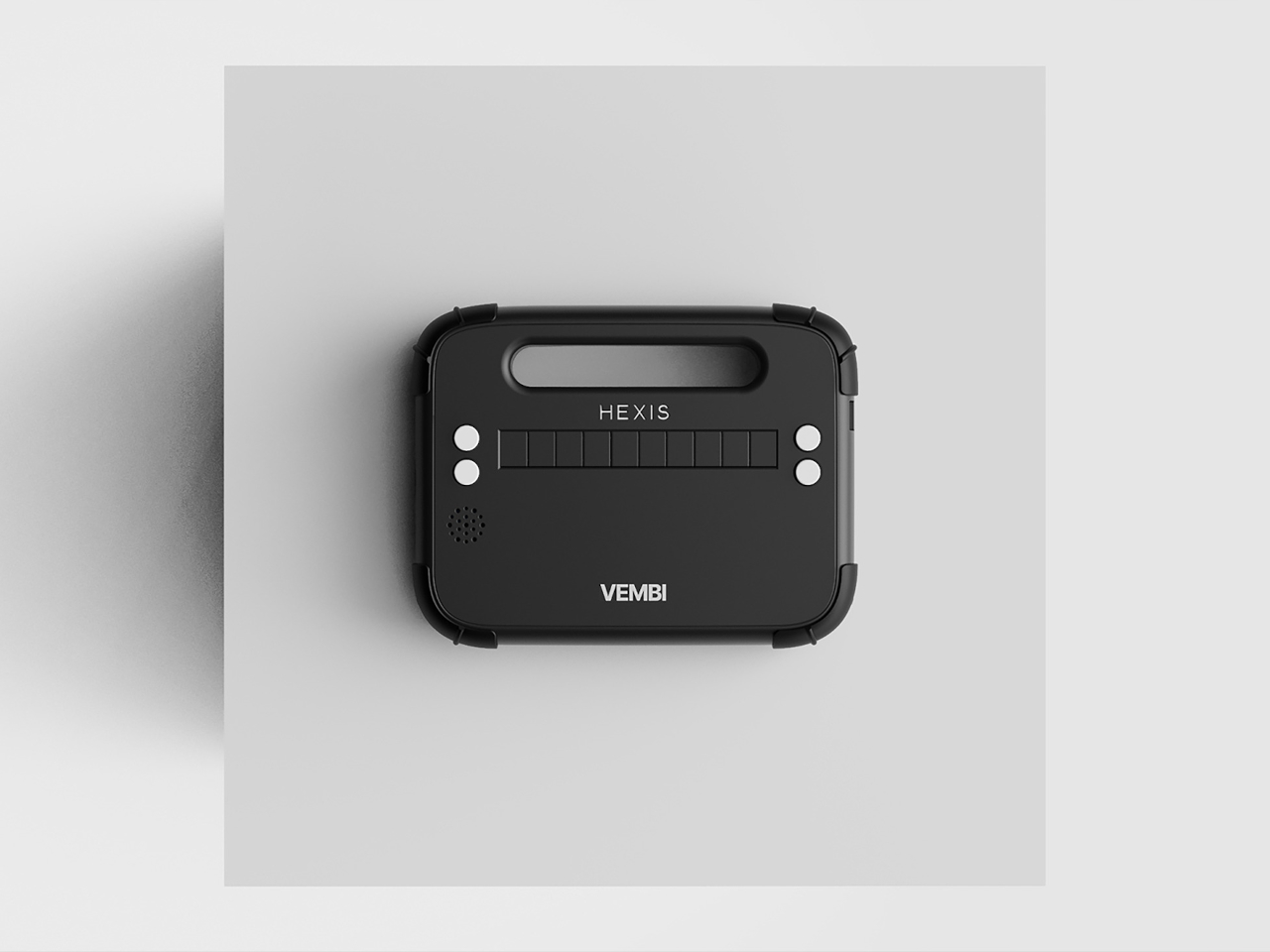
The device is a compact, rounded rectangle with softened corners and thick bumpers that make it feel closer to a rugged tablet than a medical device. The front face is dominated by a horizontal Braille display bar, with a small speaker grille and simple control buttons kept out of the way. Branding is minimal, just small HEXIS and VEMBI marks, so the object reads as a tool for kids first rather than a piece of institutional equipment.
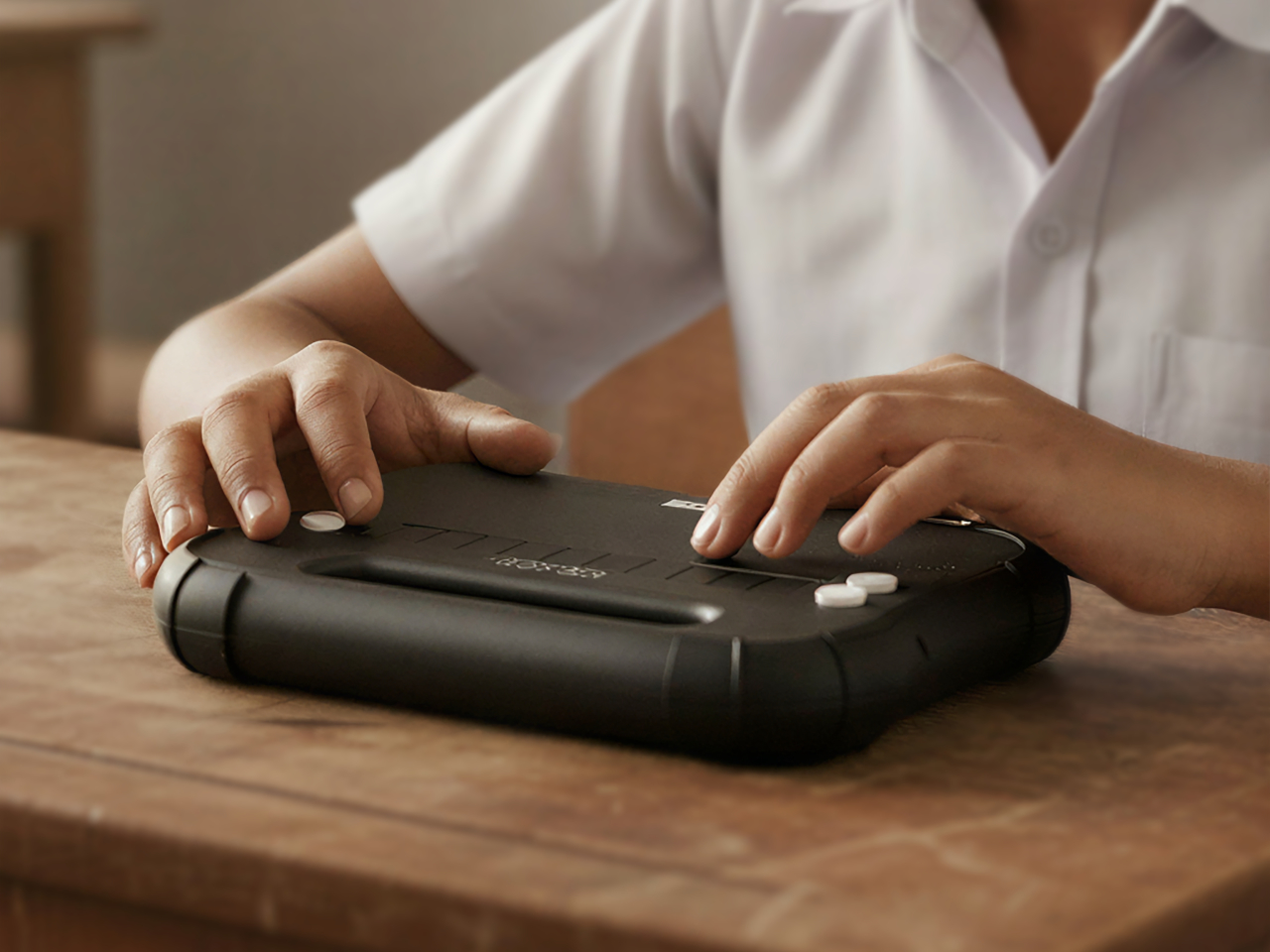
A built-in carry handle is carved cleanly through the top of the shell, giving children a clear place to grab and slide their hand into without straps or clip-on parts. The reading surface is sculpted with a gentle slope leading toward the Braille cells in the reading direction and a sharper drop at the far edge. Those height changes quietly guide fingers along each line and signal where to stop without needing any visual feedback at all.
The durability details acknowledge that classrooms are not gentle places. Corner bumpers extend slightly beyond the body to absorb drops from school desks, the shell is thick enough to shrug off everyday knocks, and charging ports are recessed and shielded to resist spills. This is a device meant to survive water bottles, lunch boxes, crowded bags, and everything else that happens in a normal school day without feeling like a heavy brick.
Bang Design studied how children read Braille in real schools and designed every surface with heightened touch in mind. The soft geometry avoids sharp edges that could become uncomfortable during long reading sessions, while the slope and drop around the display give constant orientation feedback. For kids who navigate the world through their fingers, those subtle contours become part of the interface just as much as the moving dots themselves.
Hexis connects over Wi-Fi to Vembi’s Antara cloud platform so teachers and foundations can push textbooks, notes, and stories directly to devices. It supports multiple Indian languages and has been widely adopted across schools and NGOs, picking up recognition from programs like Microsoft’s AI for Accessibility Grant and Elevate 100. Those signals show that the design is not just elegant on paper but is actually working in classrooms and special education centers.
Assistive technology for children rarely gets the same design attention as mainstream classroom tools, but Hexis treats ruggedness, affordability, and friendly form as equally important constraints. For blind students, having a Braille reader that feels like a normal classroom companion rather than an exception is a quiet but meaningful shift. Hexis sits in school bags next to pencil cases and notebooks, looking and feeling like it belongs there instead of standing out as something separate or clinical.
India will no longer require smartphone makers to preinstall the Sanchar Saathi "security" app. After blowback from Apple, Samsung and opposition leaders, the Modi government issued a statement saying it "has decided not to make the pre-installation mandatory for mobile manufacturers." The app is still available as a voluntary download.
India's Ministry of Communications framed the U-turn as a result of strong voluntary adoption. The nation said 14 million users (around 1 percent of the nation’s population) have downloaded the app. "The number of users has been increasing rapidly, and the mandate to install the app was meant to accelerate this process and make the app available to less aware citizens easily," the statement read.
In a statement sent to Engadget, the Electronic Frontier Foundation (EFF) celebrated India’s reversal. "This was a terrible and dangerous idea by the Indian government that lasted 24 hours longer than it ever should have," EFF Civil Liberties Director David Greene wrote. "We thank our colleague organizations in India, such as SFLC.in and Internet Freedom Foundation, for promptly opposing it."
The Indian government had previously given smartphone makers 90 days to preinstall the Sanchar Saathi app on all new phones. They were also required to deliver it to existing devices via software updates. India claims its app exists solely for cybersecurity purposes. It includes tools allowing users to report and lock lost or stolen devices.
But privacy advocates warned that it could be used as a government backdoor for mass surveillance. According to the BBC, the app’s privacy policy allows it to make and manage calls and send messages. It can access call and message histories, files, photos and the camera.
Reutersreports that industry experts cited Russia as the only known precedent for such a requirement. In August, Vladimir Putin's regime ordered the messenger app MAX to be preinstalled on all mobile devices in the country. Like with India's example, experts warned that it could be used for surveillance.
On Tuesday, Reuters reported that Apple would not comply with India's order, citing privacy and security concerns. Samsung reportedly followed. Opposition leaders in the Indian government also joined the fray. Senior Congress leader Randeep Singh Surjewala called on the Modi government to clarify its legal authority for "mandating a non-removable app." Despite India's framing, it seems likely that the two companies' stances, along with domestic political pressure, played no small role in the reversal.
Update, December 3, 2025, 2:50 PM ET: This story has been updated to add a statement from the EFF.
This article originally appeared on Engadget at https://www.engadget.com/cybersecurity/india-will-no-longer-require-smartphone-makers-to-preinstall-its-state-run-cybersecurity-app-171500923.html?src=rss
Zillow has dropped its climate risk score program just one year after it started, according to a report by TechCrunch. It has removed climate risk scores from over one million listings after real estate agents complained that the data was misleading and leading to lost sales.
In their place, listings now feature a small link to data sourced from climate risk startup First Street, which is the organization that provided the original assessment. The startup isn't too happy about this move, with spokesperson Matthew Eby telling TechCrunch that "the risk doesn't go away; it just moves from a pre-purchase decision into a post-purchase liability." First Street's climate scores still appear on listings from Redfin, Realtor.com and Homes.com.
The California Regional Multiple Listing Service (CRMLS) is pleased with Zillow's decision, as this real estate database is used primarily by industry professionals. CRMLS CEO Art Carter told The New York Times that "displaying the probability of a specific home flooding this year or within the next five years can have a significant impact on the perceived desirability of that property."
Carter also questioned the validity of First Street's data, saying that areas that haven't flooded in 40 or 50 years were not likely to flood in the next five. First Street responded by saying "our models are built on transparent, peer-reviewed science and are continuously validated against real-world outcomes."
Zillow
Zillow's climate risk score labels have been controversial since the company launched the program in 2024, particularly among real estate agents. One agent told The Boston Globe last year that they were "putting thoughts in people’s minds about my listing that normally wouldn’t be there." More than 80 percent of prospective buyers consider climate risks when shopping for a new home so, yeah, those thoughts are already in there.
First Street maintains that its climate risk scores are extremely useful for consumers, noting that its maps correctly identified risk for over 90 percent of the homes that burned during the Los Angeles wildfires. The company says its internal maps have been "significantly outperforming CalFire's official state hazard maps."
Engadget has reached out to Zillow to ask about its reasoning here. We will update this post when we hear back.
This article originally appeared on Engadget at https://www.engadget.com/big-tech/zillow-removes-climate-risk-scores-after-agents-complain-about-sales-164405763.html?src=rss
Sony is bringing another of its long-running game franchises to iOS and Android in the shape of MLB The Show Mobile. This is a free-to-play “standalone experience built from the ground up to deliver realistic baseball gameplay on mobile devices.” San Diego Studio, the developer of every MLB The Show game since the series debuted in 2006, is behind this mobile game as well.
MLB The Show Mobile, which was spotted by Gematsu, doesn’t feature crossplay with console games. For now, it’s only available in the Philippines and it went live there on Wednesday. Sony says it doesn’t have a timeline in place for expanding availability to more territories, but it certainly plans to do that. It’s not uncommon for mobile games to have a soft launch in select regions before they’re made available elsewhere. Sony is doing the same thing with a Ratchet and Clank multiplayer game.
Sony is optimizing MLB The Show Mobile for more recent mobile devices. On the iOS side, that means “iPhone 16 or comparable” devices. As for Android, you’ll get the best experience on Samsung Galaxy S25, Sony Xperia V or a comparable device, according to the game’s website.
MLB The Show Mobile features solo and player-vs-player modes. There are more than 1,100 cards representing baseball players in the game. You’ll be able to build out an all-star roster of MLB players past and present, and upgrade their cards. San Diego Studio appears to be tapping into the Ultimate Team modes of EA Sports games, as you’ll be able to buy and sell cards with other players in a marketplace. Sony also notes that in-game purchases can include random items.
Each of these player cards has a momentum cost. These are stat points you can use strategically to better your chances of winning. The gameplay is skill-based. You’ll need to get the timing right to throw a great pitch or hit the ball out of the park. You’ll have real-time control of runners as well, so you can try to steal bases.
This article originally appeared on Engadget at https://www.engadget.com/gaming/playstation/sony-is-bringing-mlb-the-show-to-ios-and-android-163300468.html?src=rss
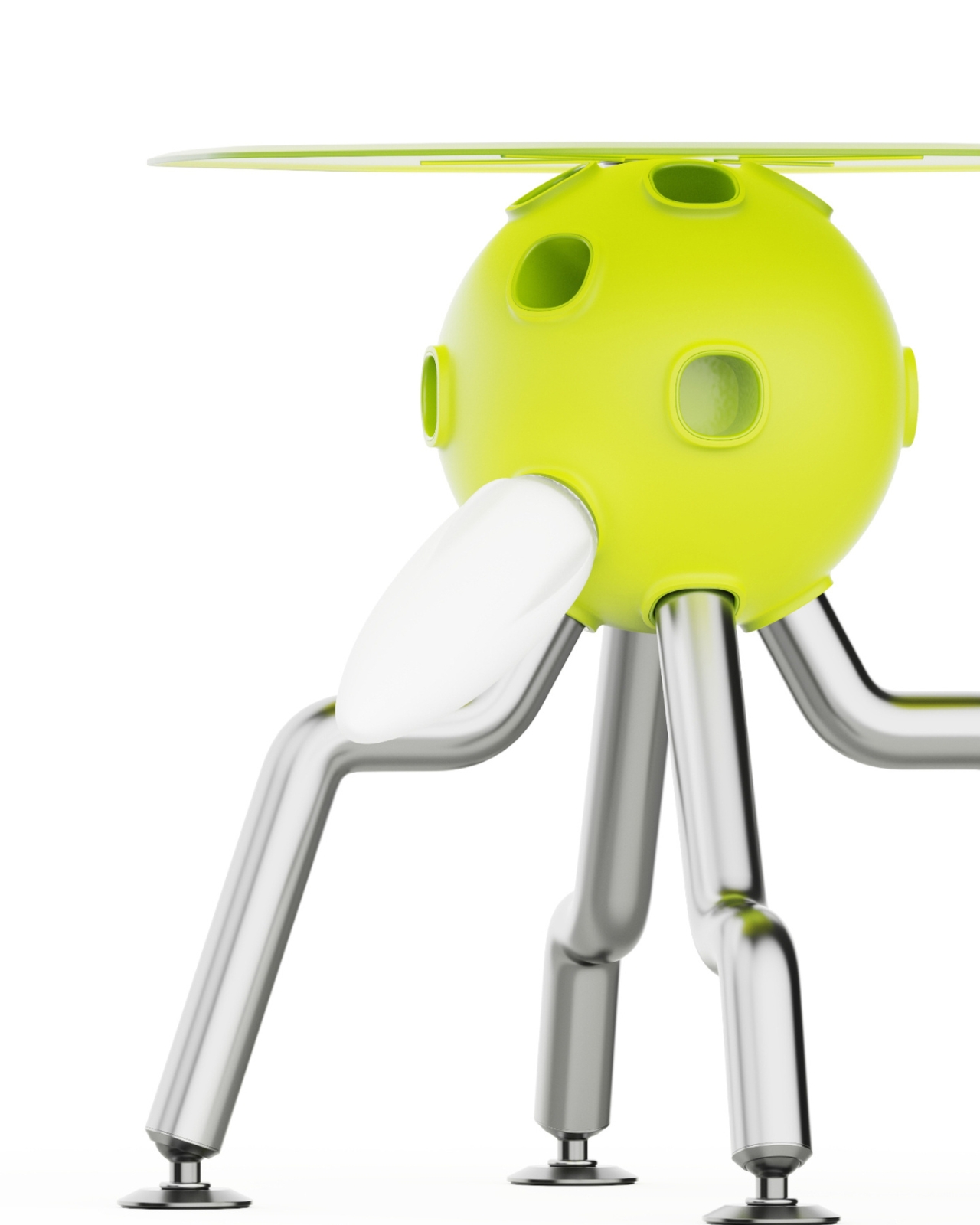
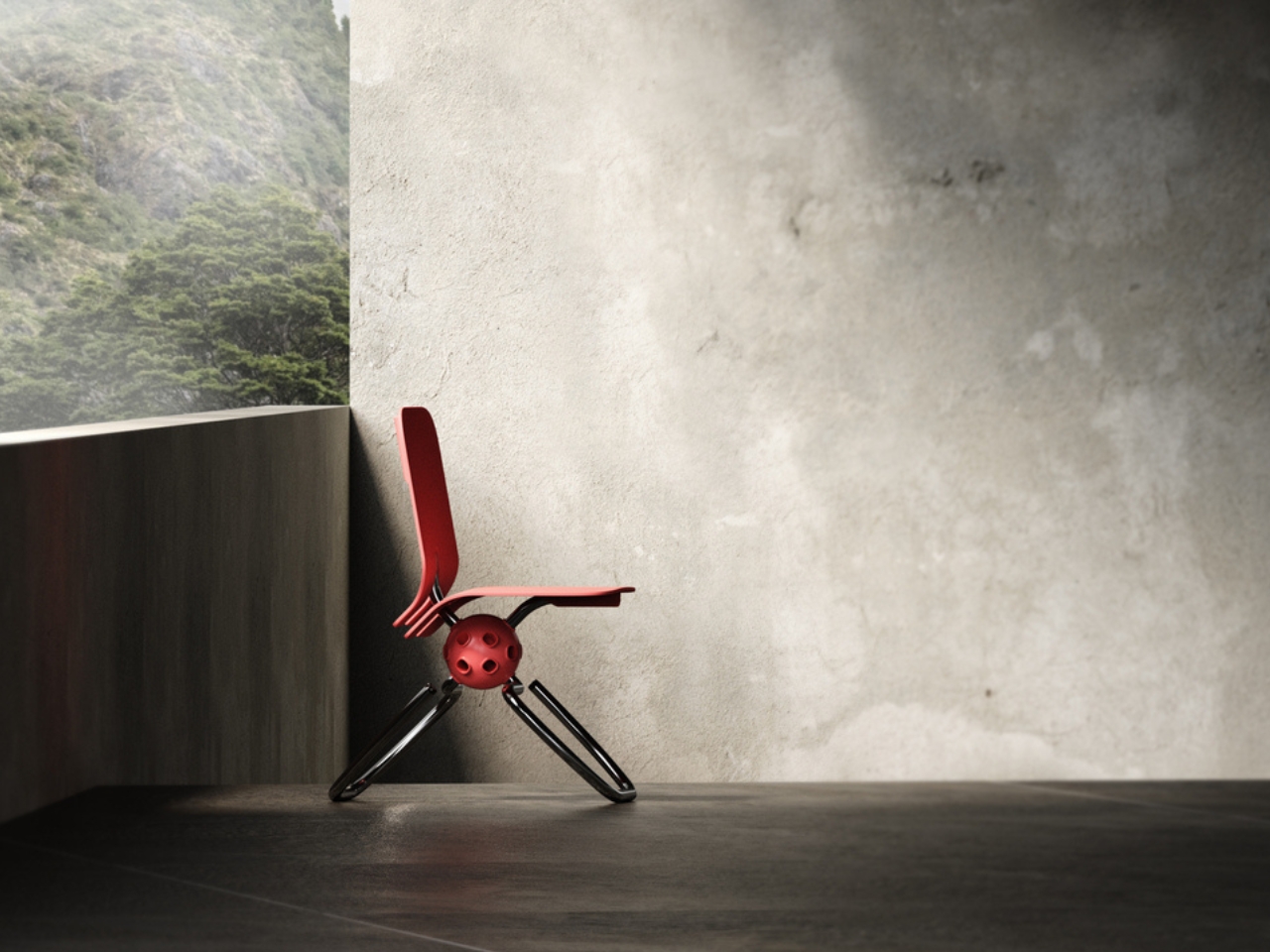
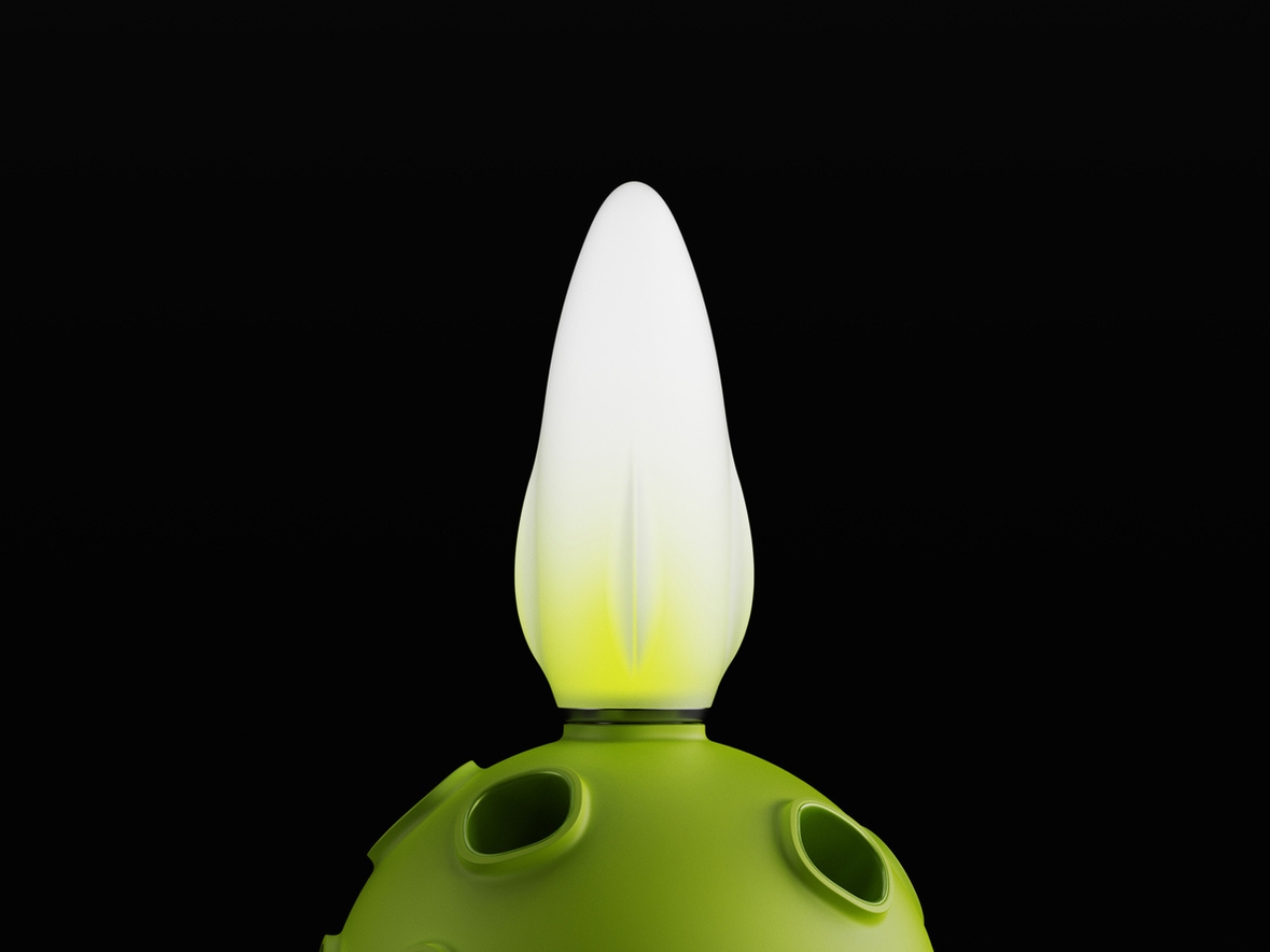
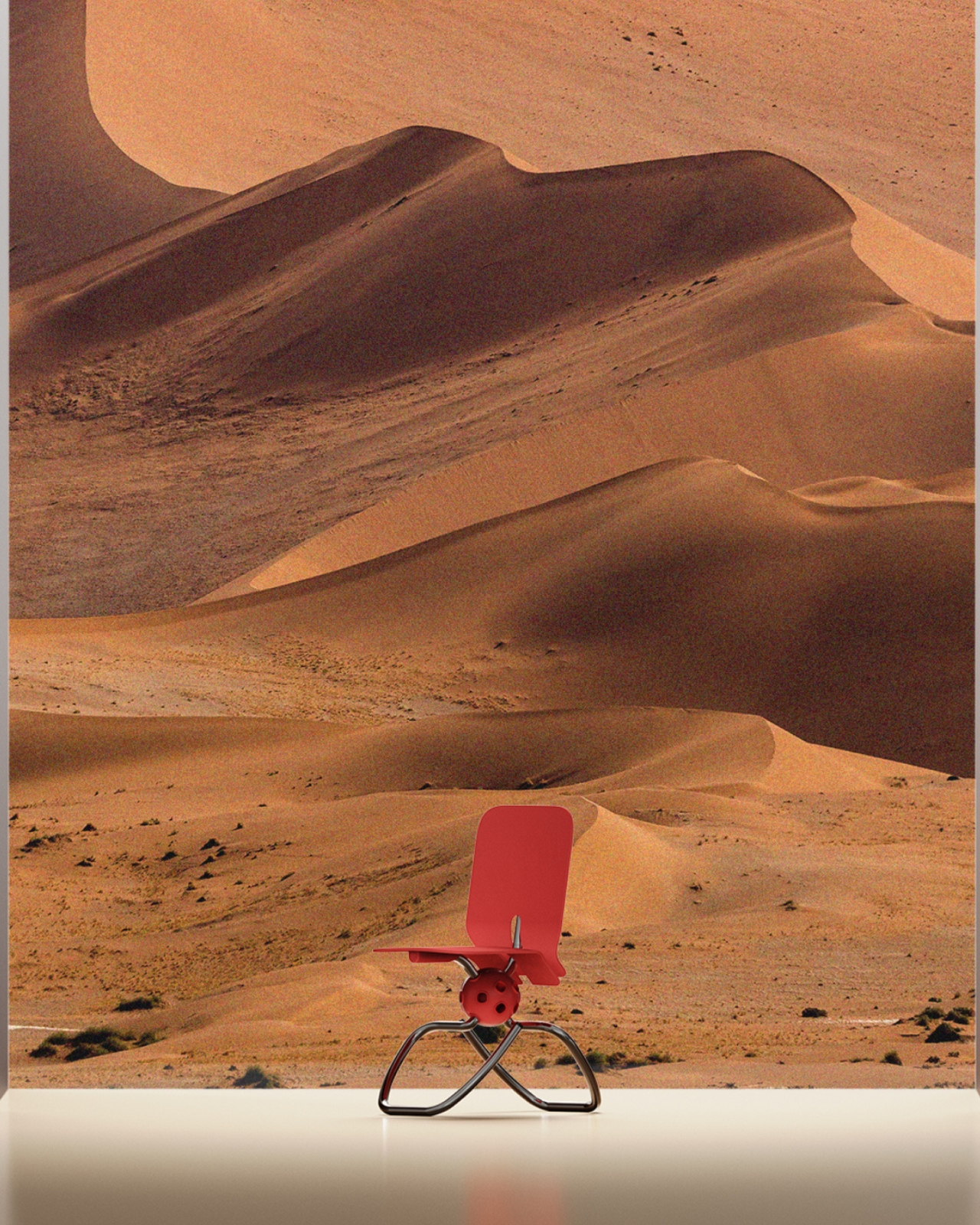
Remember when you were a kid and every toy was an invitation to build something new? Designers Sihun Lim and Hyeonggyun Han are bringing that same playful spirit to furniture with their PLA modular chair concept, and honestly, it’s the kind of design that makes you wonder why all furniture isn’t this fun.
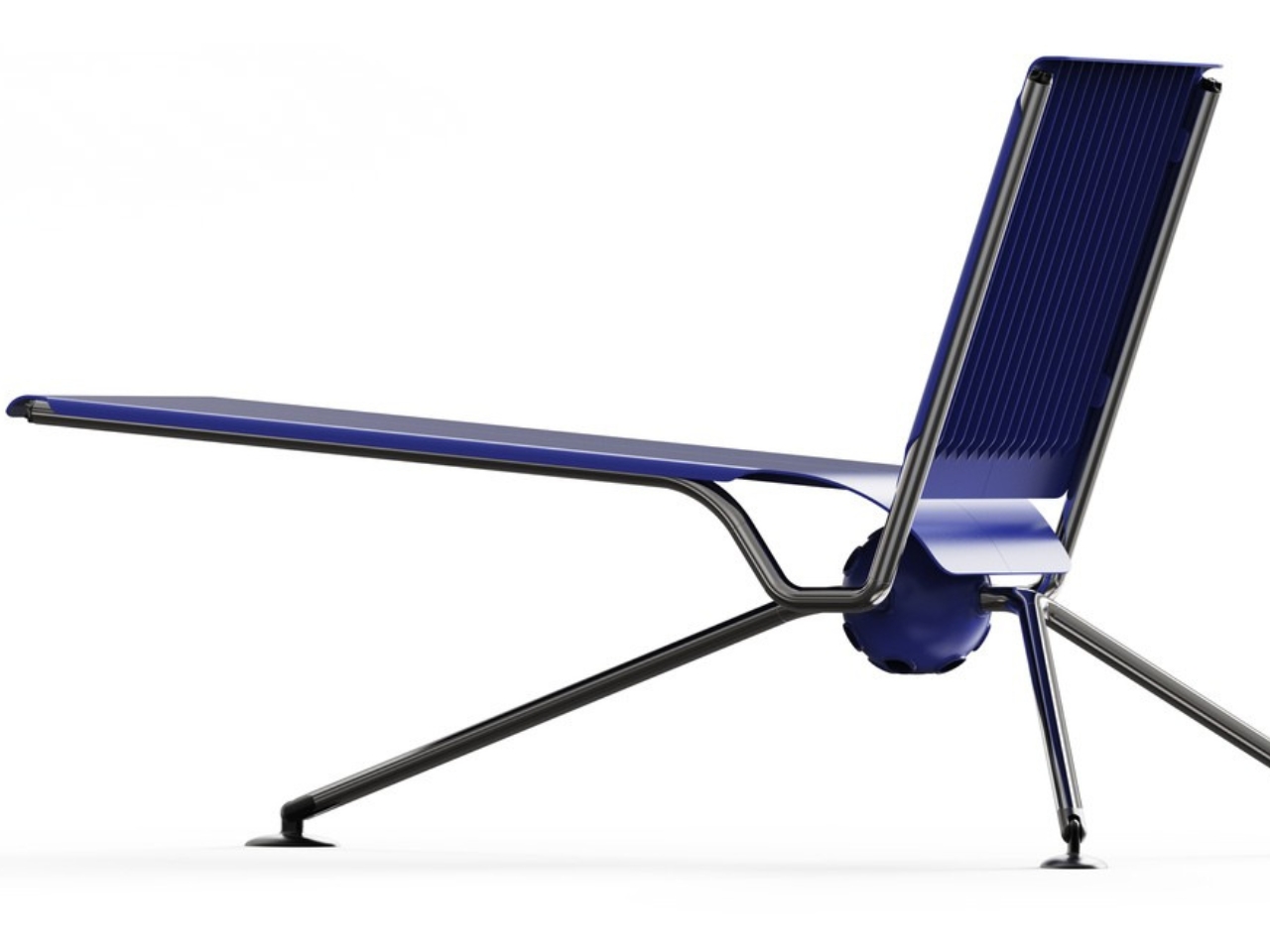
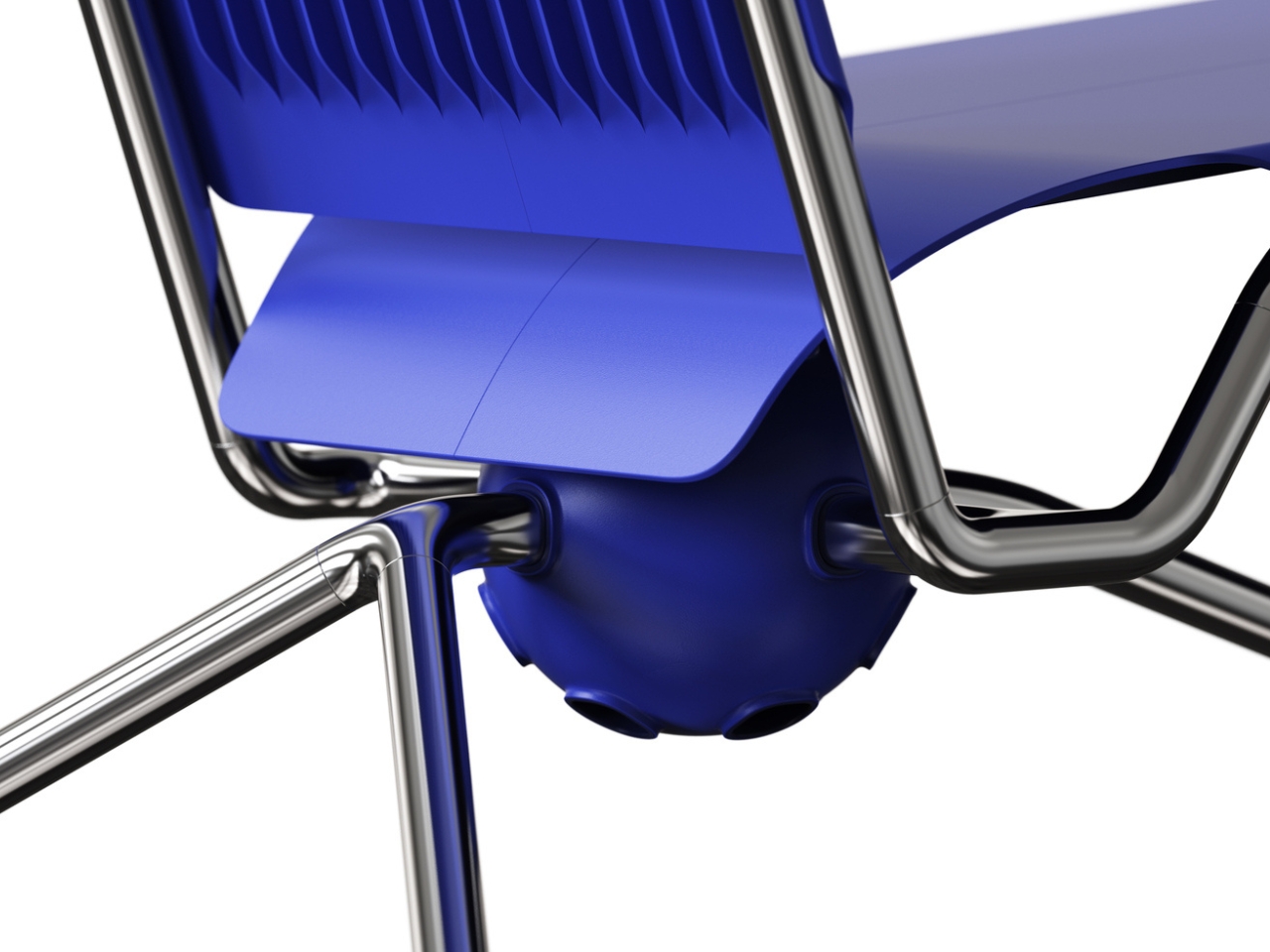
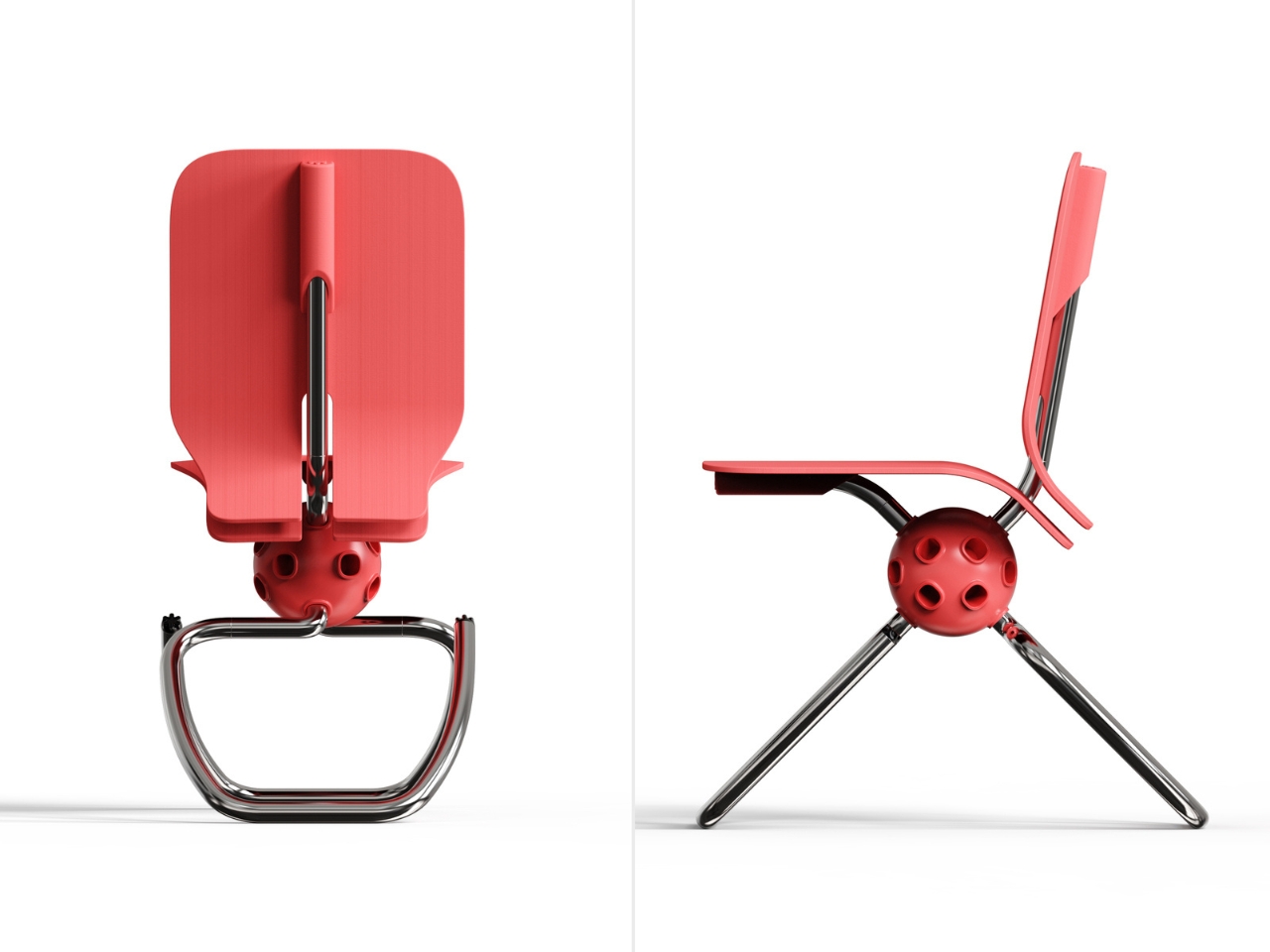
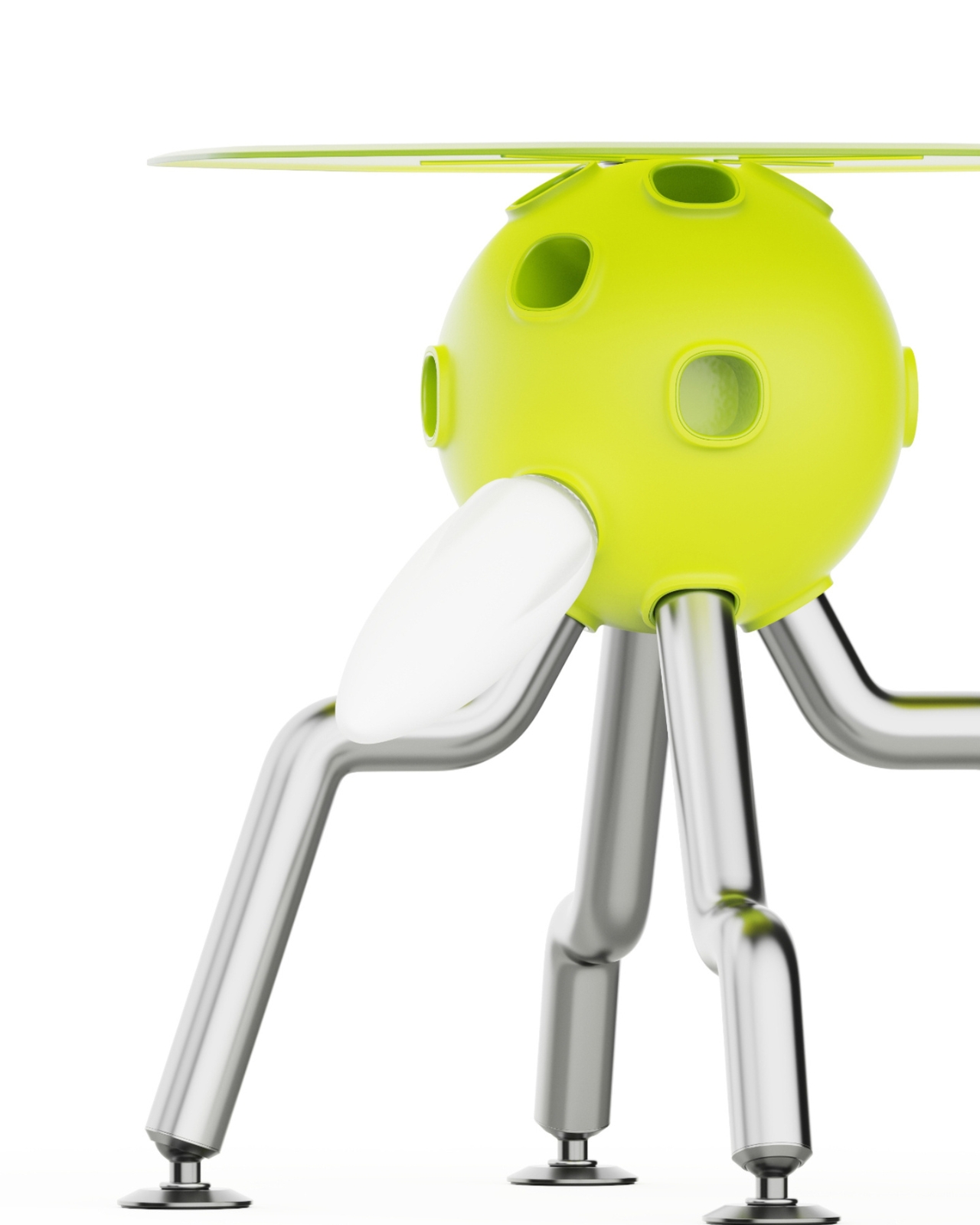
The PLA project is built around a simple but brilliant idea: what if you could customize your chair the same way you’d snap together building blocks? At the heart of each design is a spherical connector module that acts like a universal joint, letting you attach different seat backs, legs, and structural elements to create wildly different chair styles. It’s furniture that refuses to be just one thing, and in our era of tiny apartments and ever-changing aesthetics, that flexibility feels genuinely exciting.
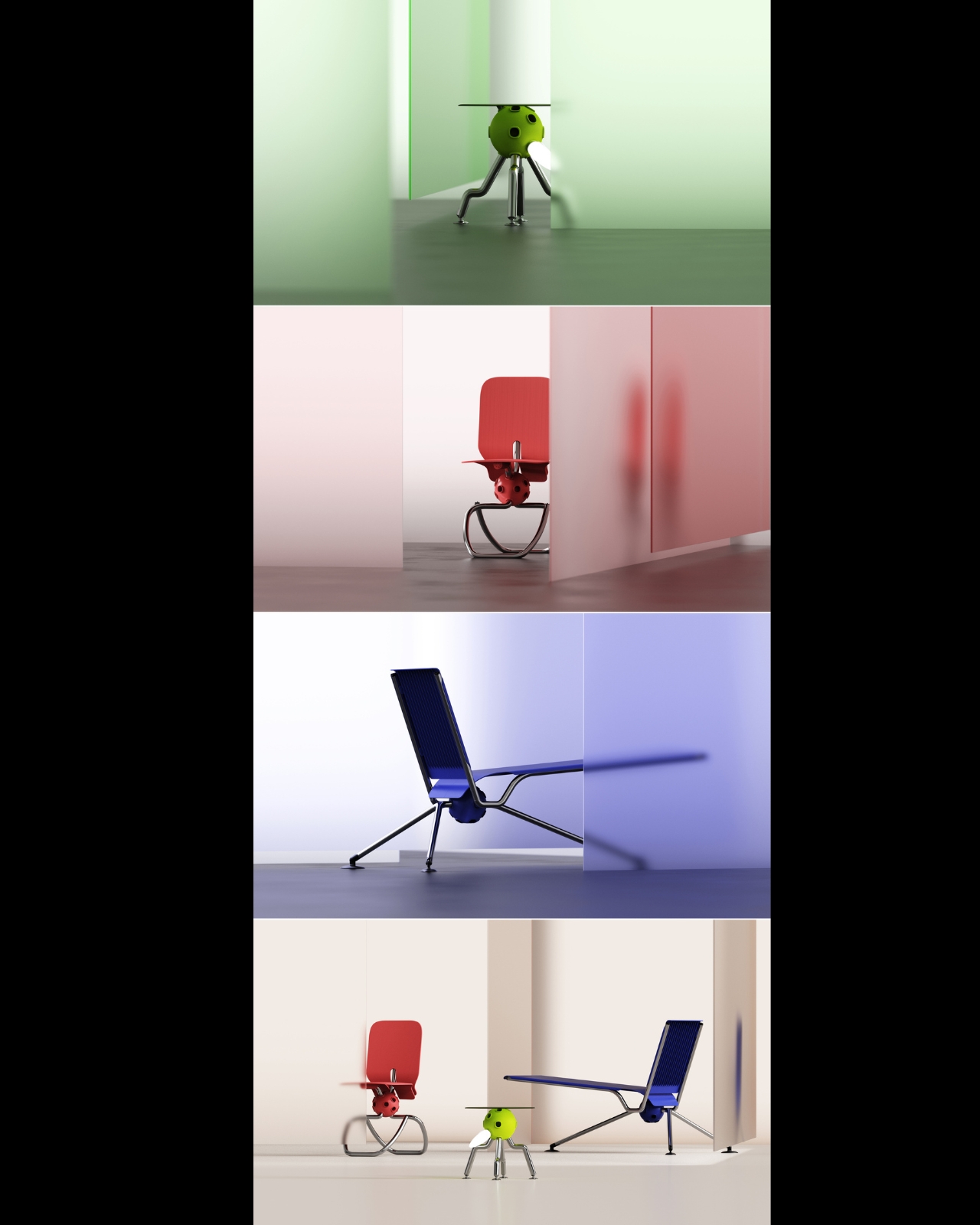
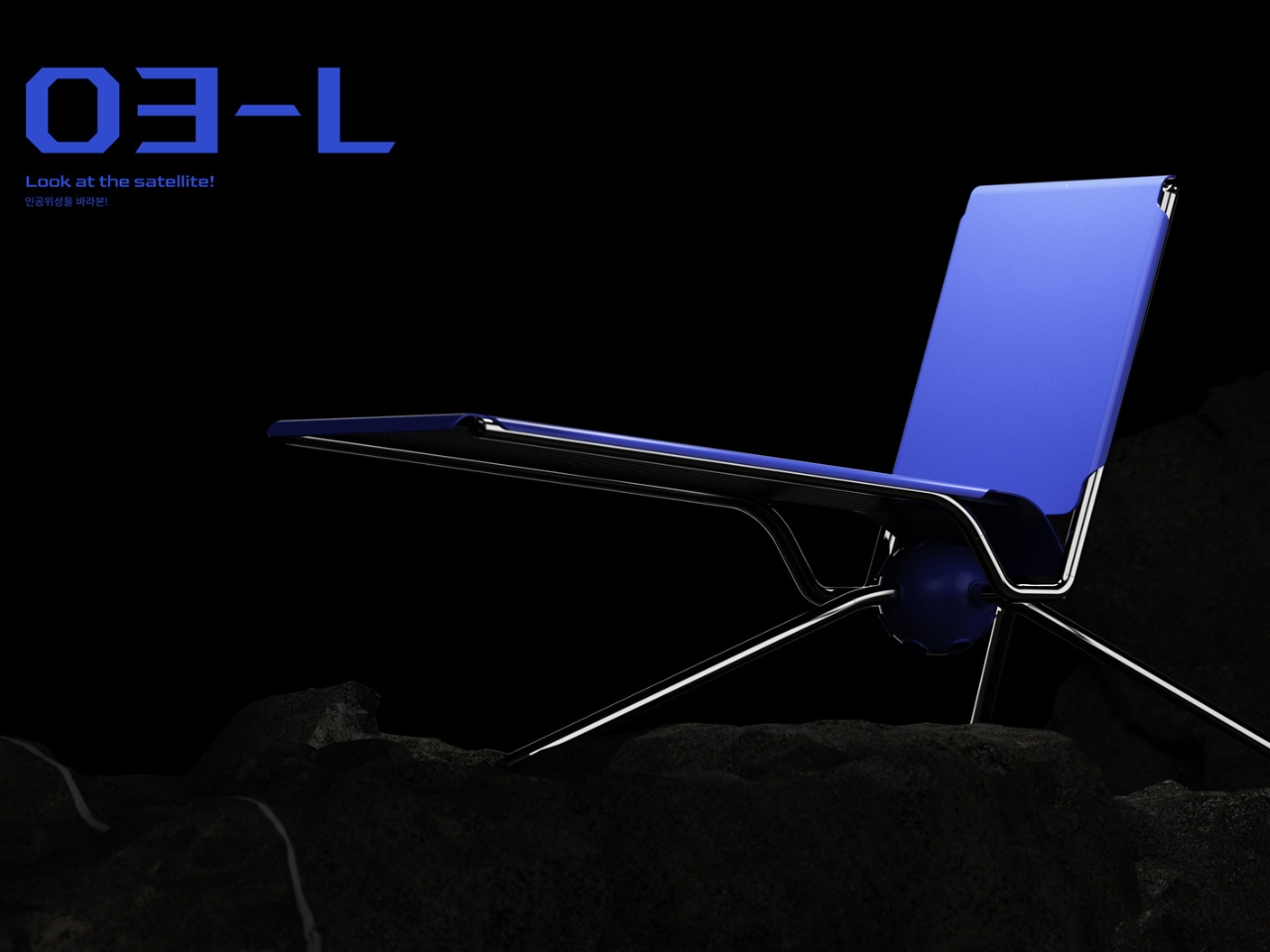
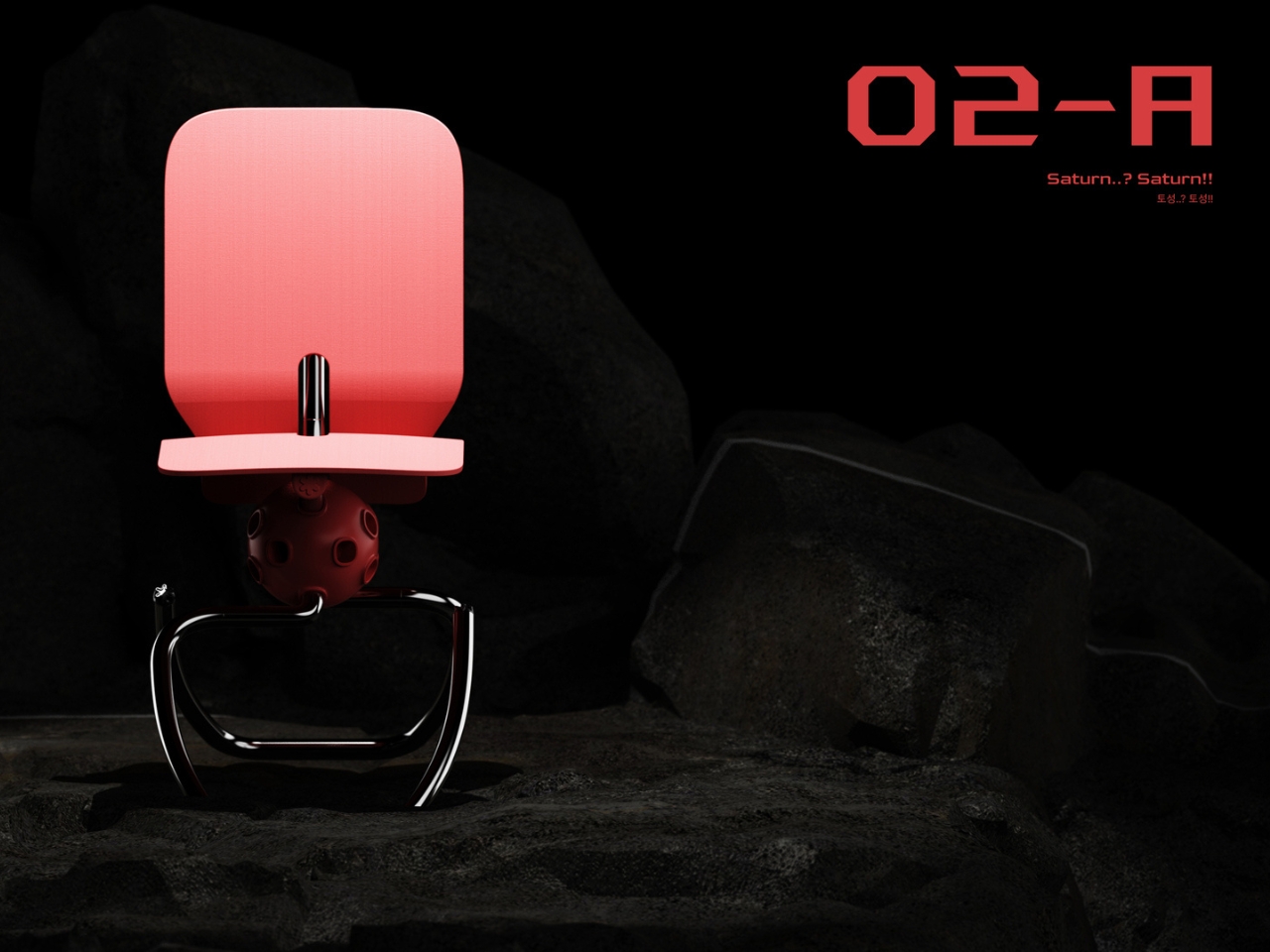
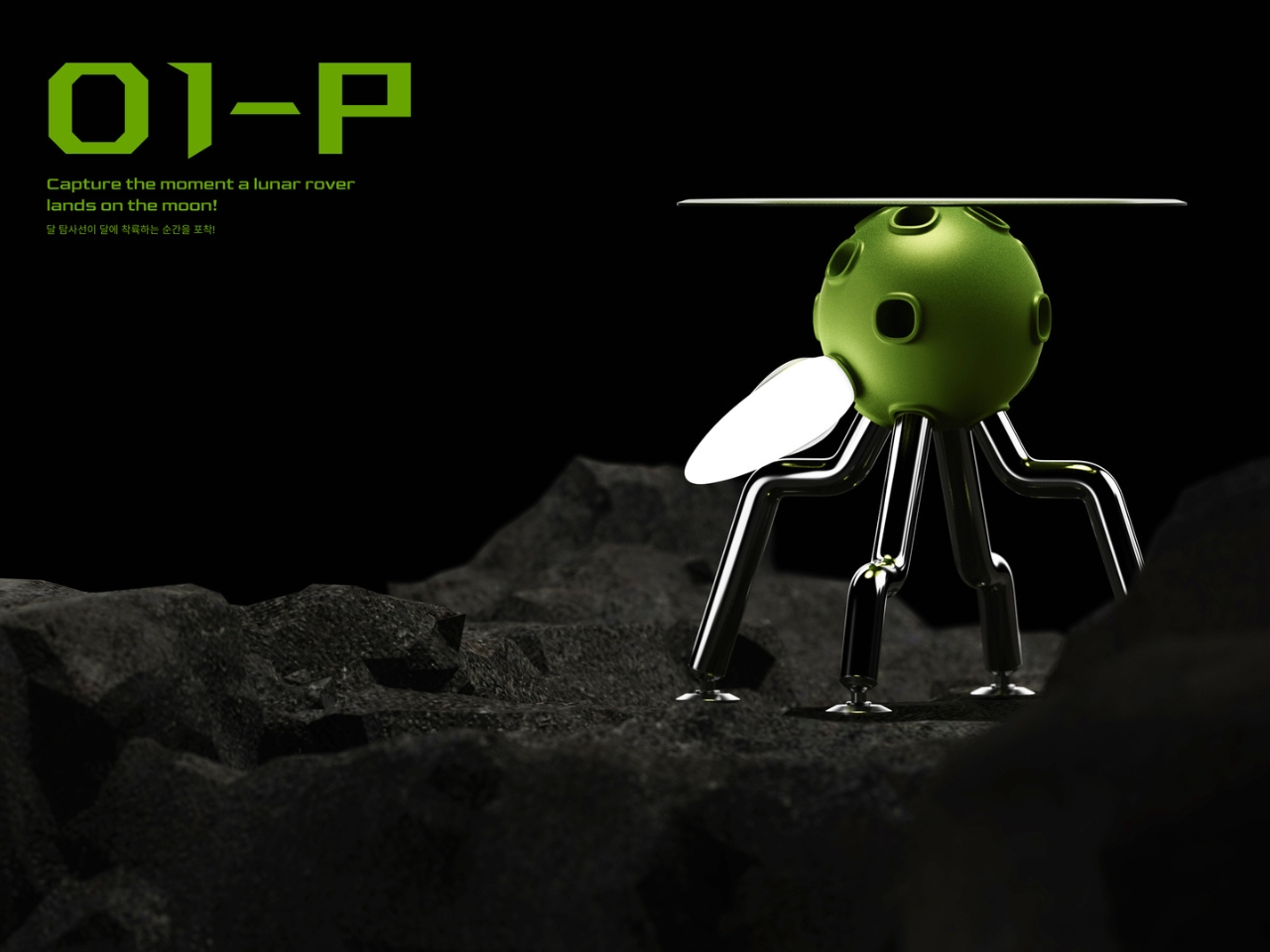
What really sets this concept apart is its unapologetic space theme. Lim and Han didn’t just create modular chairs; they created modular chairs inspired by the cosmos, and that choice transforms what could have been a purely functional exercise into something that sparks imagination. The three main designs (cleverly named O1-P, O2-A, and O3-L) each take inspiration from different space exploration imagery, turning everyday seating into conversation pieces.
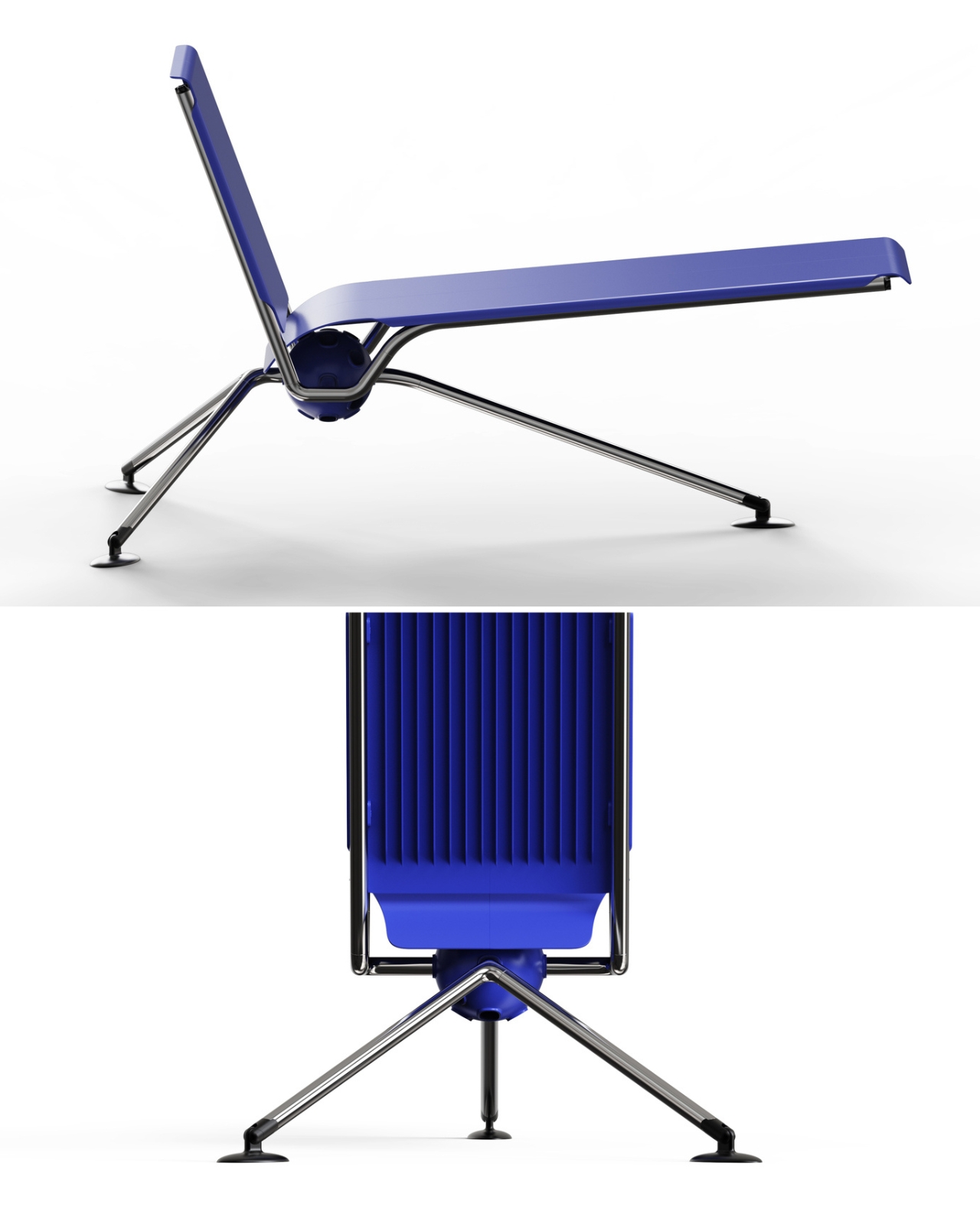
The O3-L sunbed takes inspiration from satellites orbiting in space, complete with distinctive panels that evoke solar arrays. The design has this wonderful industrial edge to it, with metal connecting elements that create visual interest while serving the practical purpose of holding everything together. When viewed from above, it really does resemble a satellite, right down to the way the components radiate from that central spherical hub.
Then there’s the O2-A chair, which draws from Saturn’s iconic silhouette. When you look at it from the side, you can see how the designers translated those distinctive planetary rings into flexible curves that wrap around the central sphere. The result is a chair that feels both organic and architectural, with legs that flow in elegant arcs. It’s the kind of piece that would look equally at home in a sleek office or a retro-futuristic cafe.
The O1-P stool channels the moment a lunar rover touches down on the moon’s surface. The body of the rover becomes the seat, while the landing legs translate into the stool’s four individually configurable legs. It’s that perfect intersection of form following function and function following fantasy. You can practically imagine Neil Armstrong’s voice as you pull up a seat.
The color palette is another smart choice. Instead of playing it safe with neutrals, the designers went bold with electric blues, coral pinks, and eye-popping lime greens. These aren’t colors that fade into the background; they’re colors that announce themselves. Combined with the metallic silver pipes and connector elements, the chairs have this retro-futuristic vibe that feels fresh rather than dated. It’s very “The Jetsons meet contemporary Scandinavian design.”
Beyond the aesthetic appeal, there’s something genuinely progressive about the modular approach. We live in a world drowning in disposable furniture, where a wobbly chair leg often means the whole thing ends up in a landfill. With the PLA system, you could theoretically swap out broken parts, reconfigure your setup as your needs change, or completely transform your chair’s personality with new modules. It’s furniture that grows with you rather than becoming obsolete.
The designers describe PLA as embracing the concept of “Universe,” suggesting infinite possibilities for decorating and shaping according to imagination. That might sound a bit grandiose, but when you look at how the same central sphere can anchor completely different chair personalities, the metaphor tracks. It’s about giving users creative agency over their environment, letting them become co-creators rather than just consumers.
Of course, this is still a concept design, which means we can’t run out and buy one tomorrow. But that’s actually what makes projects like this so valuable. They push the conversation forward about what furniture could be, challenging both manufacturers and consumers to think beyond the static pieces we’ve accepted as normal. Whether or not the PLA system ever makes it to production, it’s already succeeding at its most important job: making us reimagine the everyday objects in our lives as canvases for creativity and play.
Waymo is adding four new US cities to the gradual rollout of its robotaxi service. As reported by TechCrunch, the company said it has already started trialling self-driving cars in Philadelphia, albeit with a human safety monitor, and that it will now commence similar manual tests in Baltimore, St. Louis and Pittsburgh.
After the initial supervisory and data-collecting stage, the plan is to deploy fully autonomous vehicles, as Waymo recently did in Miami, ahead of launching in five new cities across Texas and Florida in 2026. Waymo's taxis currently accept passengers in Los Angeles, Phoenix, Atlanta, Austin and the San Francisco Bay Area, and it recently announced that San Diego, Las Vegas and Detroit would soon be joining them.
Also key to the company’s aggressive nationwide expansion is New York City, even if a fully functioning robotaxi service is likely still some way off. New York state law currently prohibits the operation of vehicles without a driver behind the wheel, but back in August, Waymo was temporarily granted the permit needed to be able to test autonomous vehicles in parts of Manhattan and Downtown Brooklyn. The testing phase ran until late September, marking the first time a permit for the "testing deployment" of AVs in the city had been signed off.
Waymo has international ambitions too. Next year it will partner with Moove to launch a robotaxi service in London, which will be its first major expansion outside the US. Fully driverless cars are currently banned in the UK, but new legislation will begin a long regulatory process that starts with government-approved robotaxi pilots in the Spring.
This article originally appeared on Engadget at https://www.engadget.com/transportation/evs/waymos-testing-avs-in-four-more-cities-including-philly-161709279.html?src=rss
The limited edition Alfa Romeo Quadrifoglio models, the Giulia Quadrifoglio Collezione and Stelvio Quadrifoglio Collezione, are a stunning homage to the brand’s rich heritage. With only 63 units available globally, these vehicles celebrate the Quadrifoglio emblem, which first appeared on a production car in 1963. The Quadrifoglio, a symbol of Alfa Romeo’s racing pedigree, has […]
Video used to be an afterthought for Nikon, but since the company purchased RED last year, content creators are now high on its priority list. A perfect example of that is Nikon’s new $2,200 ZR: a full-frame mirrorless model that stands up against dedicated cinema cameras for a fraction of the price.
It’s the first consumer camera to capture video using RED’s 12-bit RAW format, but unlike RED’s Hollywood cameras, it has a fast and accurate autofocus system. It also comes with a huge display, pro video monitoring tools, in-body stabilization and 32-bit float internal audio recording. After shooting a short film that tested its capabilities, I can confirm that the Nikon ZR offers incredible video quality at this price.
Body and handling
While a bit lighter than Nikon’s Z6 III, the 1.19-pound (540-gram) ZR feels solid. It has a boxy design like Sony’s FX2 but a much smaller grip because it’s designed to be rigged up for cinema shooting with cages and handles. However, unlike the FX2 which has multiple 1/4-inch mounting threads to do such rigging, the ZR unfortunately has only one of those on the bottom.
The ZR also lacks an electronic viewfinder like the FX2, but it more than makes up for that with its huge 4-inch display — the largest I’ve ever seen on a mirrorless camera. At 1,000 nits, it’s bright enough to shoot on sunny days, extremely sharp (3.07 million dots) and flips out for vloggers. All of that makes it a perfect primary display for checking the image and controlling the camera.
Nikon has nailed the ZR’s handling, too. While it’s not covered with buttons and dials like some models, it does have two shooting dials to control exposure and a joystick for autofocus. There’s also a camera/video switch, two record buttons, a power switch and five customizable buttons. Many of Nikon’s lenses come with control rings as well, so extra manual control is available.
The menu button is unusual: you press once for the quick menu and hold to see the full menu. Given the large number of settings, I would advise anyone buying this camera to learn all the important adjustments, then customize the controls to avoid wading through dense menus while shooting.
Another unique feature is in the battery compartment. There’s a single fast CFexpress slot to handle RAW video, plus a microSD slot for proxies. The lack of a second CFexpress slot or fast SD card slot for backup isn’t ideal for a professional camera, though.
Finally, the ZR runs on the same N‑EL15c batteries as other Nikon mirrorless cameras. They allow 90 minutes of HD shooting on a charge, or 390 photos per CIPA standards. That’s mediocre, so if you’re planning long shoots, stock up on batteries.
Video
Steve Dent for Engadget
The Nikon ZR has the largest selection of RAW video settings I’ve seen. The centerpiece is RED’s RAW R3D NE light codec (designed by RED for Nikon) with RED’s Log3G10 log format. It also supports Nikon’s N-RAW, ProRes/ProRes RAW and H.265 with resolution that ranges from 6K at up to 60 fps to 4K 120 fps and 1080p at 240 fps. Despite the smallish body, it can capture 6K RAW video continuously for 125 minutes without overheating.
The 24MP sensor uses a dual ISO system with native 800 and 6,400 ISOs, providing a nice range for indoor and outdoor shooting. The company claims 15+ stops of dynamic range, which is more than just about any other mirrorless camera. Other key video features include five-axis in-body stabilization with seven stops of shake reduction, waveform and vectorscope monitoring and a false color display for manual focus.
To test the camera’s features and video quality, I shot a short film in a mix of indoor low light, outdoor daytime and a mix between the two. I also shot handheld (including running with it) to test the stabilization. I primarily captured in R3D RAW, as well as Nikon’s N-RAW at the native 800 and 6,400 ISOs to maximize dynamic range. (You can take 24MP photos with this camera, but I’m focusing on video as it’s mainly designed for that.)
In order to not see a flat log profile when shooting, you’ll need to apply a look-up table (LUT) designed for RED cameras, like "Achromic," "Bleach" or "Caustic." Those are only for in-camera previews and not baked into the video, but you can apply those LUTs later in Adobe Premiere or DaVinci Resolve to get the same look.
Steve Dent for Engadget
With such a high native ISO, I was able to shoot inside with a single studio light. Video quality was outstanding with little noise in shadow regions, even after boosting black levels in post. Meanwhile, the RED R3D codec and Log3G10 gave me extra latitude to reveal shadow detail and dial down highlights when I shot the subject against a bright window.
When you use the R3D codec, exposure is strictly manual with no ability to set auto shutter speed (shutter angle) or f-stop. So, for a scene with varying light, I used Nikon’s N-RAW to see if it would give me the correct exposure at the beginning and end of the scene. It did a good job, with no noticeable jumps during the shot.
Video in sunlight at ISO 800 was also sharp with accurate colors after downscaling to 4K from 6K in DaVinci Resolve. ISO 800 is a relatively high native setting, though, and the ZR doesn’t have a built-in ND filter to reduce exposure. That means you’ll need to buy ND filters for outside shooting or the high shutter speeds will result in choppy video.
Cinema cameras from Blackmagic Design, Arri or RED are manual-focus only. But the ZR is a Nikon camera, and it has the best AF system I’ve seen on any of the company’s models, consistently nailing focus even with moving subjects. You can also automatically track vehicles, birds and other animals. At the same time, the ZR handles manual focus well. That’s thanks to a built-in display that’s big enough to check focus accurately and Nikon’s focus peaking setting with three levels of sensitivity.
Steve Dent for Engadget
In-body stabilization on the ZR wasn’t up to par with Panasonic’s S1 II, however. Video was smooth for handheld shooting if I panned the camera gently, but all my running and walking shots showed noticeable camera shake. That said, the ZR at least has in-body stabilization, unlike most cinema cameras, and most filmmakers will use a gimbal for running shots, regardless of which camera they use. (Note that the rattling you hear when the ZR is turned off is the sensor, which floats by design.)
Finally, I was able to capture good audio quality via an external microphone without any clipping worries thanks to the Nikon ZR’s 32-bit float internal audio capture. The company also touts directional capture using its built-in mics, but as with any such system, audio quality isn’t high enough for production use.
Wrap-up
With the ZR, Nikon has shown that it’s finally catching up to and even surpassing its rivals for content creation. Whether you’re doing social media, YouTube, documentaries or even film production, this camera is versatile and powerful with few compromises. Video quality and ease of use even beats models that are double or triple the price.
The ZR’s primary competition is in the low-end cinema cameras, particularly Sony’s $2,998 FX2 and the $3,899 Canon R5C. While more expensive, both come with an electronic viewfinder that the ZR lacks, and the R5C can shoot up to 8K video. Another option is Blackmagic Design’s Pyxis 6K camera, but it only offers basic autofocus capabilities and lacks in-body stabilization.
Compared to those options, Nikon’s ZR delivers better dynamic range thanks to the inclusion of RED’s R3D RAW codec. It also comes with an excellent autofocus system and decent in-body stabilization. If you’re a creator looking to get the best video quality for the money without losing those niceties, I’d highly recommend the ZR.
This article originally appeared on Engadget at https://www.engadget.com/cameras/nikon-zr-review-a-highly-capable-cinema-camera-at-a-reasonable-price-152634311.html?src=rss