Lebond Souto Moura watch rotates 30 degrees so you don’t twist your arm

While most people are probably dependent on their smartphones and other digital devices to tell time, there are still those who would much rather tell time the old school way: through an actual watch. Those who drive a vehicle and want to know the time through their wristwatch sometimes have a bit of an uncomfortable situation as they need to twist their arm when their hands are on the steering wheel. Award-winning architect Eduardo Souto de Moura has a unique design solution to that problem which he created for Lebond.

Designer: Eduardo Souto de Moura for Lebond

The Lebond Souto Moura watch adjusted to the line of vision of a driver when his hands are on the steering wheel. The watchface was rotated 30 degrees “for optimal visibility on the wrist”. There are no numbers except for the 2 in the middle with a long straight line beside it which serves as the number 1. The other hours are represented by short and slightly longer lines (the latter for 9, 3, and 6) while the minutes are small dots. And if you’re not used anymore to telling time in the analog manner (as kids these days are), it can be a slight challenge.

There’s also a date function located beside the 3 o’clock position but it just shows the number date (hopefully you know what month it is already). In terms of the materials and specs of the watch, it uses grade 5 titanium with a 38.5mm large case with a 7.6mm thickness when the strap is attached. It weighs only 46 grams as they are also aiming for a lightweight device. The case has a micro-sandblasted finish while the caseback has a sapphire insert. It has a power reserve of up to 50 hours and runs at 28,800 VpH/4Hz.

There are two versions of the Lebond Souto Moura watch. The Original Edition has a navy blue Top Nappa leather strap and a matte beige dial. Meanwhile, the Dark Edition has a black strap with a matte gray dial. While it’s designed as a “driving watch”, even if you don’t actually drive but just don’t want to constantly twist your arm when you want to tell time, then this would be a nice one to have if you have around $3,000 to spend on an analog watch.

The post Lebond Souto Moura watch rotates 30 degrees so you don’t twist your arm first appeared on Yanko Design.
WiFi router concept uses cork as material and design aesthetic

A wifi router is one of those devices that every house needs but we don’t really think about how it’s designed, what materials are used to make it, and other factors that come into it. As long as it does what it’s supposed to do, which is get you connected to the internet, then we’re almost always fine with it. However, most routers have a lifespan of 2-3 years and so it contributes to the million tons of e-waste that is generated annually by people who constantly change their gadgets and devices.

Designer: Connor Rusnak

A concept for a sustainable wifi router tries to solve that issue and at the same time give us a well-designed one that you will proudly display in your home office. The Pella uses cork in the design so you get an eco-friendly material that can also look good on your device. In theory, using this material should not interfere with the functionality of the device which is of course important since the only reason you’ll get a router is to be able to connect all your devices to the WiFi.

The cork is not just a building material but an integral part of the design. The router looks more like a smart speaker with its spherical shape which is also reminds me of a top but with a stable base. The basic controls, which are mainly the on/off button and what seems to be a reset button, are located on the base. There’s no need for any other controls or buttons so you get a pretty minimalist design, as all routers should probably have.

More often than not, these routers are hidden away in our home not just because it needs to be near a wall socket but because there isn’t any decorative aspect to it. But something like the Pella, which was designed with the brand Logitech in mind, can be something you put on your desk especially if you have an earthy or cork-like aesthetic.

The post WiFi router concept uses cork as material and design aesthetic first appeared on Yanko Design.
Coperni’s Air Swipe Bag may be closest to “as light as air” saying

When they say something is as “light as air”, it is not meant to be taken literally most of the time. But there are indeed some materials now that can be considered almost as light as air or at least the lightest solid material that we can find. One example is NASA’s nanomaterial silica aerogel which they used in their first stardust mission. It has been used in things like thermal insulation, biomedical applications, and some experimentations. But there’s apparently another use for it and that’s for fashion and (sort of) functionality.

Designer: Coperni

Paris-based accessories brand Coperni wanted to create a bag that is very, very light but also would look like it has frozen smoke trapped inside its little space. And they were able to do so with the Air Swipe Bag hiwch they unveiled at the FW24 show. This particular look is made from aerogel since the process it goes through gives it that transparent, smoky color, not to mention how light but non-fragile it is.

It may seem to look like a fragile bag because of its size and its transparency but the material can actually withstand extreme heat (up to 1,200 degrees celsius) and pressure (up to 4000 times its weight). There is a reason after all why NASA brought this to space. The bag also uses 1% glass reinforcement so you might want to be careful where you swing that bag at.

The Air Swipe Bag doesn’t seem to be the most fashionable but it is indeed interesting looking. My main issue is that it’s a tiny bag that may actually only fit my phone in it and barely at that. As a big bag carrier that has a ton of bags inside the bag, I’m wondering if something as light as this could actually work in a bigger size as well.

The post Coperni’s Air Swipe Bag may be closest to “as light as air” saying first appeared on Yanko Design.
SME smartphone concept aims to aid the visually impaired

Smartphones are mostly created for those of us that are seeing or at least not visually impaired. But for those that want to be more inclusive, there are not that many similar products in the market that would cater to those that have some sort of visual impairment. Good thing that there are product designers out there who are thinking of such things and if their concepts are viable, I really hope that they get the funding to produce devices like this or at least major telecom brands adopt these ideas and create product lines for those that may need smart devices to communicate but are unable to use the usual ones.

Designer: Eslam Shafik

The SME is one such concept for a smart phone for the visually impaired. Unlike regular smartphones that are usually in a rectangular or square-ish shape, this one looks more like a smart speaker or a smart home hub. This a specific design direction that will make it easy for them to carry it around on the palm of their hand without a concern for its orientation. It also has a fabric mesh so you get a tactile grip on the smartphone and the materials used do not conduct heat so it’s comfortable for the user.

It even has a walking mode so the built-in high-quality camera will be able to guide the visually impaired as they’re walking. The voice assistant, Loutaz, can issue warnings when there are obstacles at a distance of not less than 50 centimeters. This assistant, powered by ethical AI, can also read out messages, social media posts, and other digital assistance you may need. It has a base for charging and to dock it when you’re not moving so it can still act like a smart home hub when you’re at home.

If further developed, this can be a pretty interesting, not to mention, useful device for those who need something like this. The 3D modeling seems to have dealt with the ergonomics and design aspect of the SME so what needs to be enhanced are the actual features and functions that will be truly helpful for the visually impaired.

The post SME smartphone concept aims to aid the visually impaired first appeared on Yanko Design.
SME smartphone concept aims to aid the visually impaired

Smartphones are mostly created for those of us that are seeing or at least not visually impaired. But for those that want to be more inclusive, there are not that many similar products in the market that would cater to those that have some sort of visual impairment. Good thing that there are product designers out there who are thinking of such things and if their concepts are viable, I really hope that they get the funding to produce devices like this or at least major telecom brands adopt these ideas and create product lines for those that may need smart devices to communicate but are unable to use the usual ones.

Designer: Eslam Shafik

The SME is one such concept for a smart phone for the visually impaired. Unlike regular smartphones that are usually in a rectangular or square-ish shape, this one looks more like a smart speaker or a smart home hub. This a specific design direction that will make it easy for them to carry it around on the palm of their hand without a concern for its orientation. It also has a fabric mesh so you get a tactile grip on the smartphone and the materials used do not conduct heat so it’s comfortable for the user.

It even has a walking mode so the built-in high-quality camera will be able to guide the visually impaired as they’re walking. The voice assistant, Loutaz, can issue warnings when there are obstacles at a distance of not less than 50 centimeters. This assistant, powered by ethical AI, can also read out messages, social media posts, and other digital assistance you may need. It has a base for charging and to dock it when you’re not moving so it can still act like a smart home hub when you’re at home.

If further developed, this can be a pretty interesting, not to mention, useful device for those who need something like this. The 3D modeling seems to have dealt with the ergonomics and design aspect of the SME so what needs to be enhanced are the actual features and functions that will be truly helpful for the visually impaired.

The post SME smartphone concept aims to aid the visually impaired first appeared on Yanko Design.
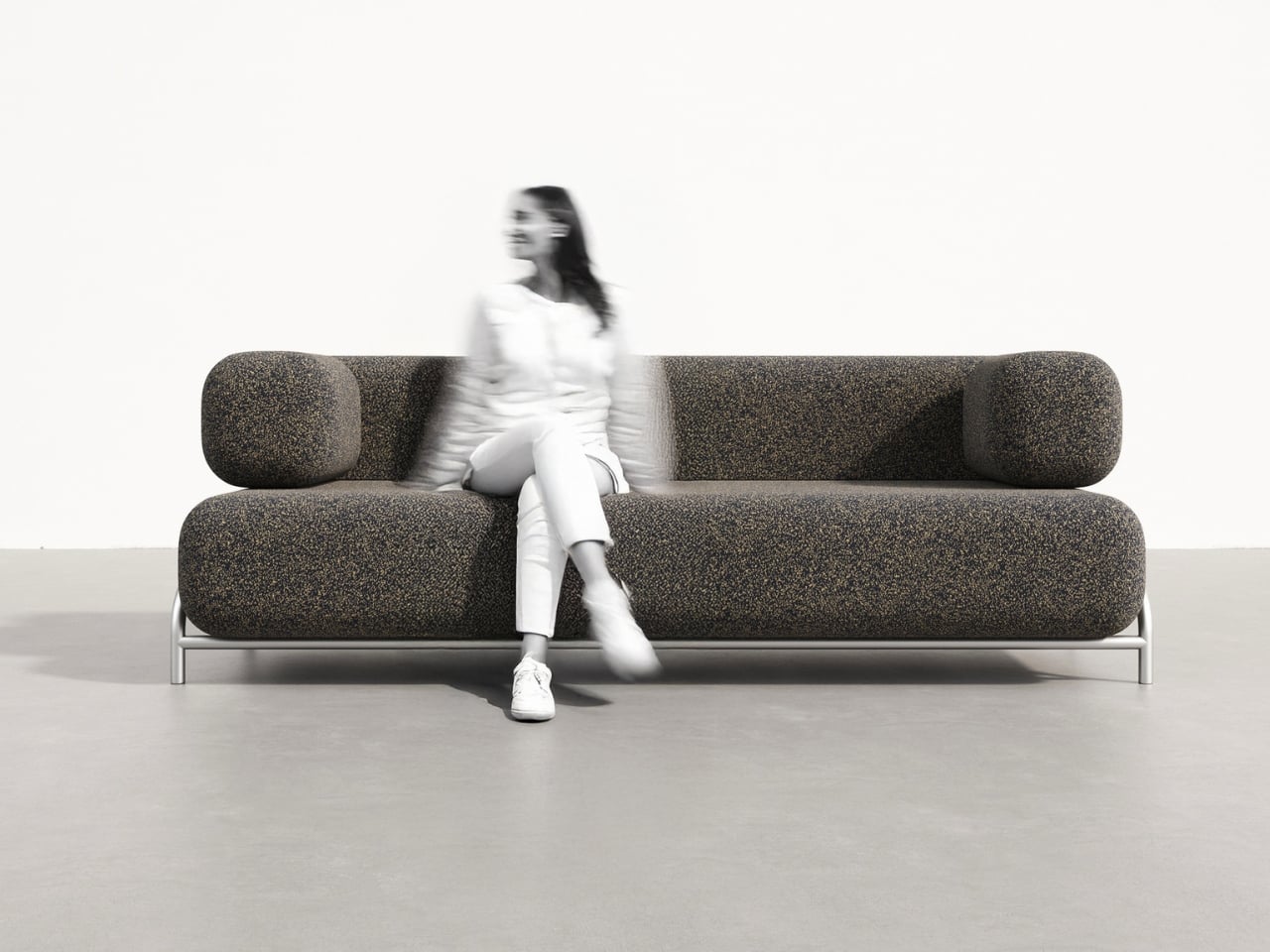
Saturn-inspired Bluetooth speaker brings a unique look to your music

There are a lot of Bluetooth speakers in the market, from simple and minimalist ones to the more luxurious and expensive-looking ones. When it comes to design though, there aren’t that many that go out of the box so to speak so we see either circular, box-shaped, dome-shaped, spherical, and other common shapes. So when we see uniquely-designed ones, even if they’re still just in the concept stage, then it catches our attention.

Designer: Hyunjae Noh

The concept for the Saturn Bluetooth speaker is inspired by, you guessed it, the planet Saturn. It’s one of the more “unique” planets in a sense that it has countless rings surrounding it made from ice and rock particles. It also has a yellow-brown golden hue when viewed from earth because of gases like helium and hydrogen. The designer was able to adapt these qualities into a design for a speaker that would most likely stand out. It would look like a sculpture of the planet but once you start playing music from it, then it would be a conversation starter as well.

But it just doesn’t emulate the look of Saturn. There’s a functional purpose for the parts as well. There is an upper body, a lower body, and a singular ring. The last one is what you will use to adjust the volume of the music or podcast streaming from the speaker. Because there is an upper and lower part, the support between the two is there to minimize the vibration interference from the woofer, midrange, and tweeter as well as minimizing interaction between them. This means there should be better sound quality and accuracy of sound reproduction.

The 360 degree speaker placement means your sound can be distributed around the room. The multi-way system is also able to accurately separate low, mid, and high-frequency ranges. You get 10 hours of playback on a full wireless charge, so it means you can also bring it around with you if you don’t mind carrying around a planet.

The post Saturn-inspired Bluetooth speaker brings a unique look to your music first appeared on Yanko Design.

Concept for a hotel in space reimagines outer space living

When you think about living in space, the Jetsons’ house is probably the first thing that comes to mind (well, that is if you’re of the generation that regularly watched the animated series). We’re basically imagining how we live on earth but transported to space so there may be some advanced technology things floating around. But the reality is that housing in outer space will probably be very different from how we live on our planet.

Designer: Acromnia Studio

The Acromnia Orbital Hotel is a speculative concept design for how we may actually live in space and it is vastly different from what we’re probably imagining. Instead of just transporting a futuristic looking regular hotel room to space, this is actually a “room” that doesn’t have any furniture or any of the other trappings that we expect from it. Inside the shell (we can barely call it a room), you have a sort of shape-shifting, responsive material that will adapt to what the occupant needs at a certain time.

For example, when it’s sleeping time, the walls will envelop you, which is not so good news if you’re not a fan of closed spaces. In fact, the entire space has a bit of a claustrophobic look to it so it’s not something I’m looking forward to. There are also various buttons and navigation devices that you can use to control what elements and furniture will come out when you need them. The shell also has micropores that will let things like sound, light, scent, and air flow freely through your space.

The hotel room can exist independently as a hexahedron-shaped structure or it can also be put together to form a network of capsules. Living in space outside of space shuttles is still such a conceptual idea that things like this seem light years away for now. But for design companies and for those that are looking into space travel, it’s never too early to plan how we’re going to live and survive outside of Earth.

The post Concept for a hotel in space reimagines outer space living first appeared on Yanko Design.
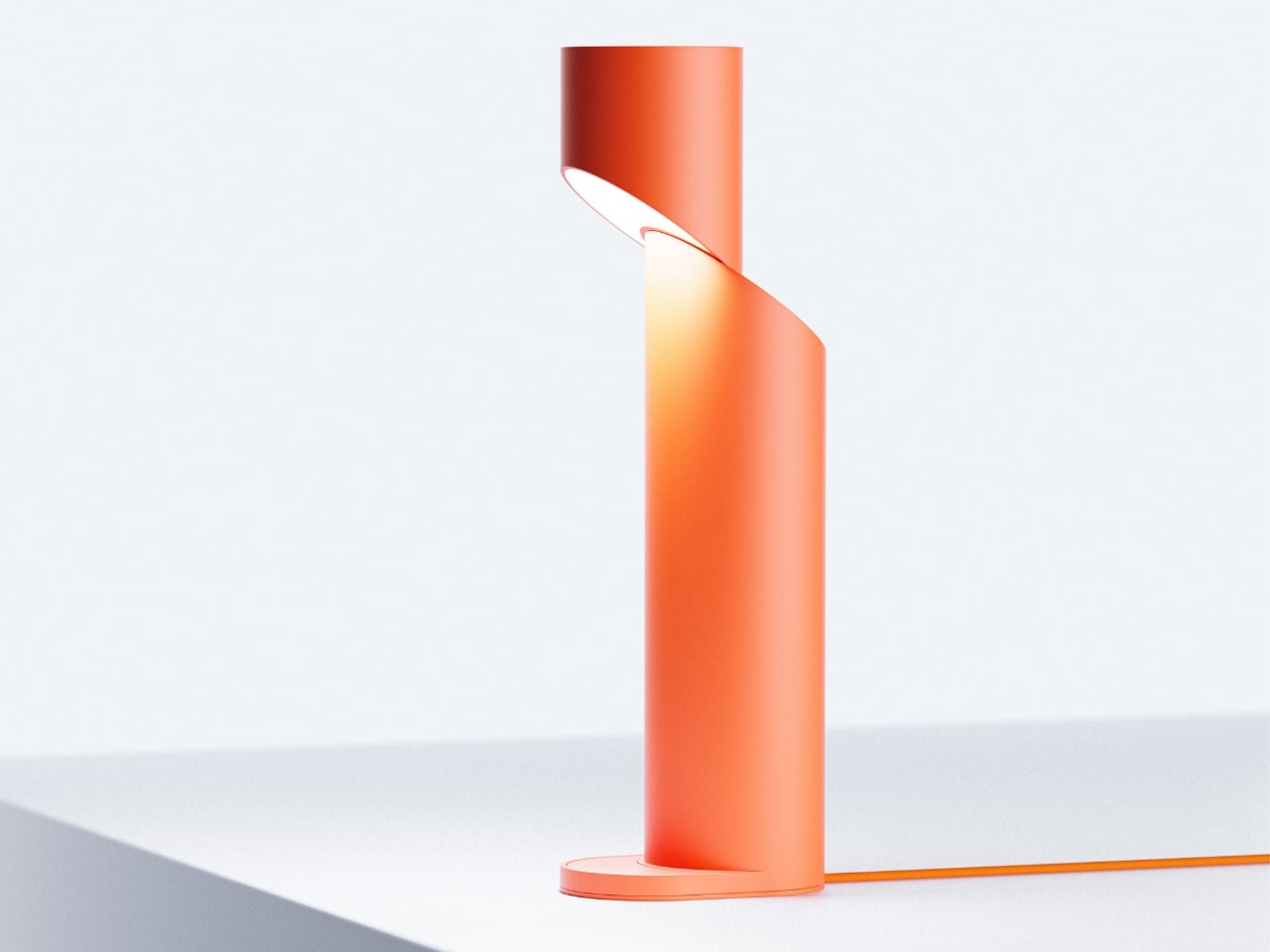
LAYER Design and Deutsche Telekom unveil the future of communication devices

As a huge fan of science fiction content, from books to movies to TV shows, I am excited to see which things from what I’ve read and seen will come true one of these days. And with the advances in technology, a lot of them are not far-fetched ideas anymore. There are some things that may be scary or at least creepy but it’s still pretty interesting to see what we’ll see next which we thought were just works of science fiction before.

Designer: Layer Design for Deutsche Telekom

German telecommunications company Deutsche Telekom recently unveiled the Concept T project which is a collection of advanced technology and gadget concepts that will show consumers what may be the future of communications. Concept View is a home hub with a twist: it has a 3D holographic AI-equipped virtual assistant called Emma to guide you through things like video calls and other digital world activities. It looks like a cross between a crystal ball and the Palantirs from Lord of the Rings but instead of showing you what the future holds, it will show you the future of technology.

A Wi-Fi router isn’t the sexiest gadget out there but Concept Level definitely makes it more interesting. It is a re-configurable router that is made up of different interchangeable, modular elements. The set includes a display unit, Wi-Fi sensing element, mesh repeater, and computational module for Web 3 use cases. The elements are designed using different geometric forms so it looks like you have interesting mini sculptures rather than an actual router.

Concept Buddy is your own personal robot at home, similar to the ones you see in malls and airports. It’s an AI-based digital assistant companion that is able to communicate through the “emotion and information display”. It is able to give reminders like taking medication and household chores and can also assist in calls, online shopping, and other tasks you may need assistance. It can even warn you of potential hazards and contact emergency services if needed. It is able to adapt to your routine and will only “come alive” when it is engaged with.

The post LAYER Design and Deutsche Telekom unveil the future of communication devices first appeared on Yanko Design.
DeLonghi portable heater is eco-friendly for your micro-climate needs

While it’s of course always a comfort to be working in a place with air conditioning, there are still times when it might be too cold for you. Or you may sometimes be working outdoors when the weather is a bit too cool / cold for comfort. Not all places have a heater for your convenience so a portable heater may just be the solution. But again, not all portable heaters are actually portable or convenient. This new one from DeLonghi may be the ideal one, and it’s also mindful of the environment.

Designer: Noi Creative for DeLonghi

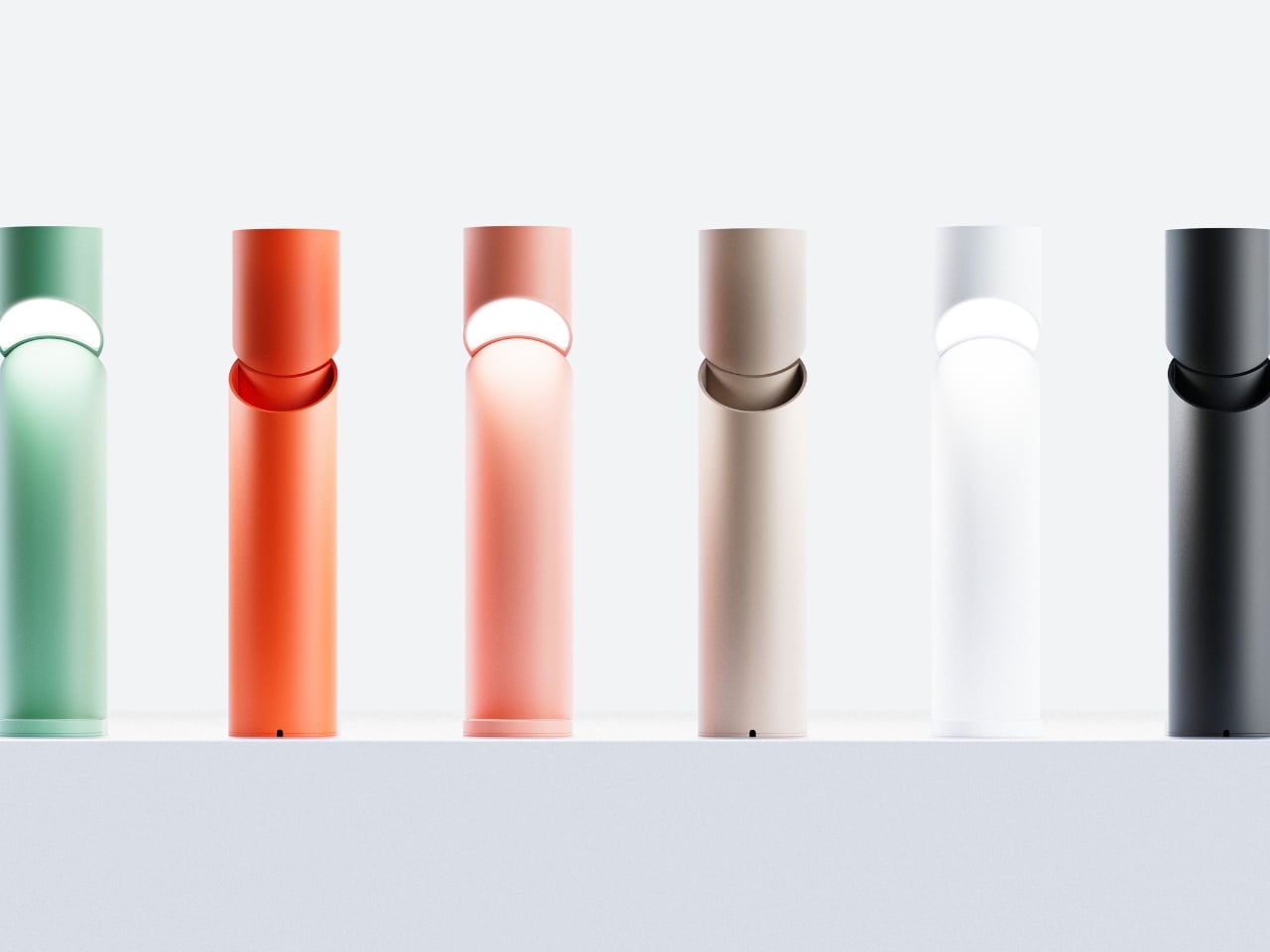
The DeLonghi Capsule Desk Loop is a personal fan ceramic heater that you can place on your desk or wherever you are working so you can “work or relax in peace.” It has a special air grid design that brings you a convenient airflow speed and distribution when you need that soft warmth for your sedentary activities. The designers call the air grid the Flame pattern which actually creates an illusion of heat and flames from your heating source.

It looks like your typical heater but it’s small enough that you can carry it around with you and it’s also more stylishly designed. It is also more environmentally-friendly than most personal heaters as it uses 50% recycled plastic, a first for a DeLonghi product. It also uses 5.5 times lower energy consumption at just 360W, making it eco-friendly not just in the design but also in its function. It also is not as noisy as normal heaters as it just gives you a quiet 39dB operation so you can really work in peace without an annoying hum in the background.

Having a device that can create your very own micro-climate while working may not be a priority but it is pretty convenient to have especially if you work in places where you can get easily cold. That can solve some of the office arguments that can happen when there’s a mix of people who are either too cold or too warm.

The post DeLonghi portable heater is eco-friendly for your micro-climate needs first appeared on Yanko Design.
Portable moka pot lets you get that espresso shot boost while traveling

When I travel to a new place, one of the things that I always want to try out are the local coffee places. However, not all places have really great original beans and not all coffee addict travelers would trust coffee shops especially if there are not a lot of recommended places. So I know some people who are picky with their caffeine fix who actually travel with all sorts of coffee paraphernalia. Of course this adds to their luggage so it’s not always that convenient. So having paraphernalia that’s handy and at the same time gives you that kick that you need is a must.

Designers: Vanshika Singhal and Yashi Jivnani

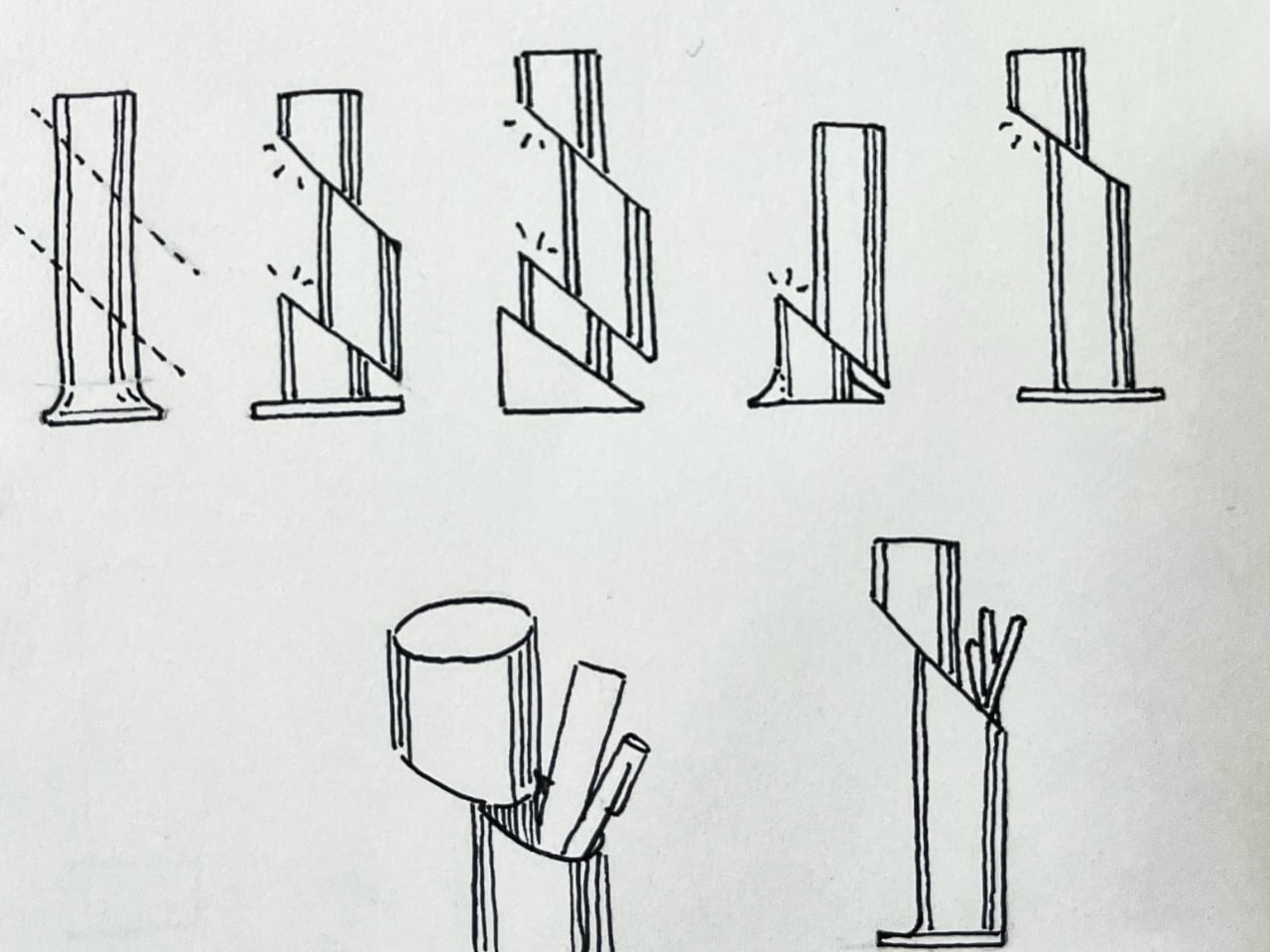
BrewPin is a portable coffee machine using the moka pot brewing method that was developed as a concept for coffee brand Bialetti. It is meant for those picky travelers that need to have their espresso shot when they want a caffeine boost and there isn’t any local coffee shop that would suit their taste or if there aren’t any coffee shops in general, like in the mountains or in rural areas. It looks like your typical portable coffee tool but it looks like it’s much easier to use.

The bottom part has a silicone cover with power coat and above it, you find the stainless steel water tank. There’s also a funnel filter and a coffee pod tank as well as a perforated plate where the moka magic happens. There’s a borosilicate glass on top where you pour your coffee in and a nozzle to pour the coffee from. Basically you just plug in the BrewPin, let the coffee brew your espresso shot and then flip it, twist off the cup, and enjoy your caffeine boost.

As someone who often complains that the hotel coffee is almost always no good, this can be a great tool to tide me over until I’m able to get to a proper coffee shop. The only downside to this is that you need to plug it in but if they’re able to create something that would harness energy from somewhere else to get that espresso shot, it would be perfect.

The post Portable moka pot lets you get that espresso shot boost while traveling first appeared on Yanko Design.