SoBA Stacks Color-Coded Blocks Into a Castle-Like Kindergarten That Defies Its Urban Surroundings

SoBA — the architecture and landscape practice led by Wang Ruo and Tang Haiyin — has completed Block Kindergarten in Kunshan, Jiangsu Province, a 21-class campus that stacks modular, color-coded volumes into something between a fortress and a LEGO set. Sitting east of Hongqi Road and north of Zhenchuan Road, the 9,012-square-meter campus doesn’t try to disappear into its surroundings. It holds its ground — and for good reason.

The site itself presents a genuinely difficult brief. High-rise residential towers crowd the north, more housing is planned to the east, and the south is lined with a 110kV substation, a waste transfer station, and an emergency medical center — the kind of infrastructure that leaves little room for poetry. SoBA’s response was to stop trying to negotiate with the context and instead build against it. The result is an inward-facing campus that prioritizes a protected inner world for children, using layered transitions between architecture and landscape to slowly introduce them to the city beyond.

Designer: SoBA

The organizational logic is direct: modular classroom volumes are stacked and arranged around a central courtyard that serves as the campus core. That courtyard integrates play, planting, and gathering in one continuous space — less a leftover void and more the beating heart of the whole scheme. Green landscape buffers line the perimeter, softening the transition from the campus edge to the surrounding infrastructure.

Color isn’t decorative here — it functions as spatial language. Children between three and six years old learn primarily through sensory perception, and SoBA leans into that, using variations in brightness and saturation to create gentle but legible spatial layers throughout. The reference point, according to the architects, is Luis Barragán’s concept of emotional architecture — the idea that a building can orchestrate light, color, and scale to evoke memory and feeling. Applied to a kindergarten, that philosophy translates into spaces that feel warm without being saccharine.
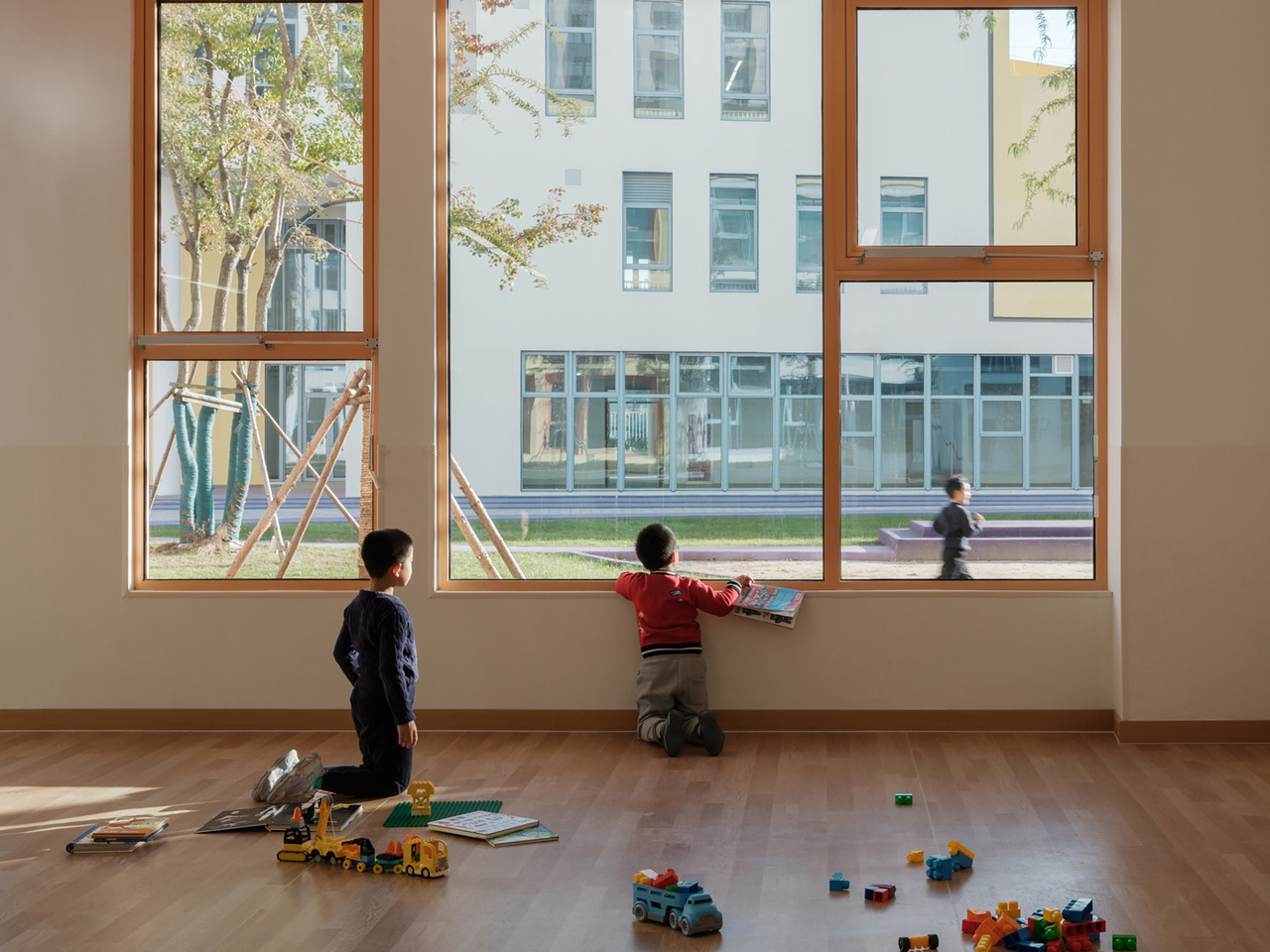

Transparency punctuates the massing at key moments. Glazed volumes interrupt the solid facade, letting children glimpse the sky, trees, and the city through carefully framed openings. Ecological thinking extends to the landscape: a planting garden in the southeast corner tracks seasonal growth cycles, while a rain garden in the northeast turns stormwater collection into a daily lesson. Block Kindergarten is a project that takes children seriously — architecturally, sensory-wise, and spatially — and it shows.


The post SoBA Stacks Color-Coded Blocks Into a Castle-Like Kindergarten That Defies Its Urban Surroundings first appeared on Yanko Design.
Anker Built a sub-$300 1080p Projector with Flippable Speakers for the Price of AirPods Pro

Most projector makers treat audio as an afterthought. Slap a single speaker somewhere on the chassis, call it Dolby-something, and move on. Soundcore, being a company that lives and breathes audio hardware, looked at that approach and decided to do something architecturally different with its first proper budget projector, the Nebula P1i.

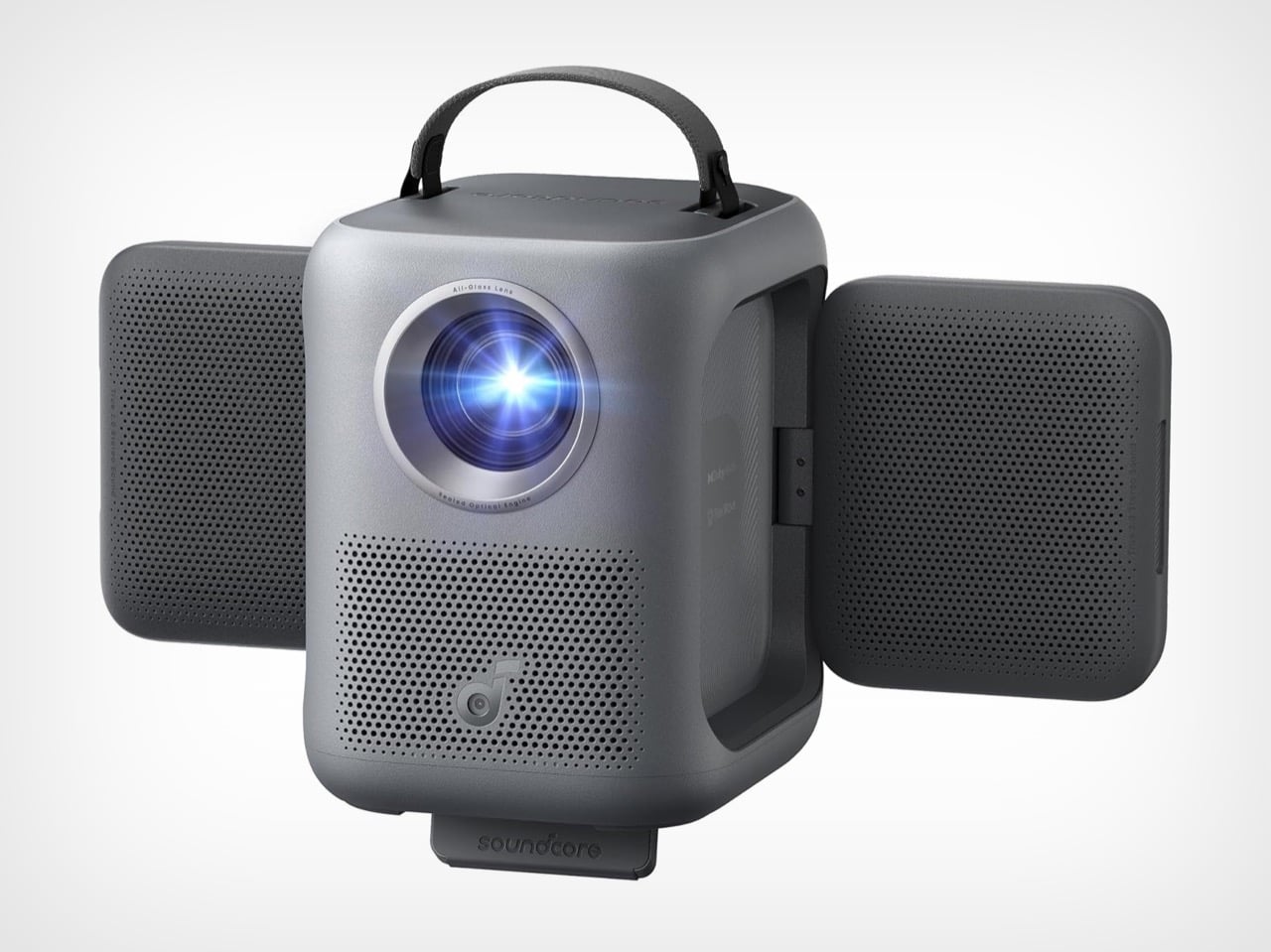
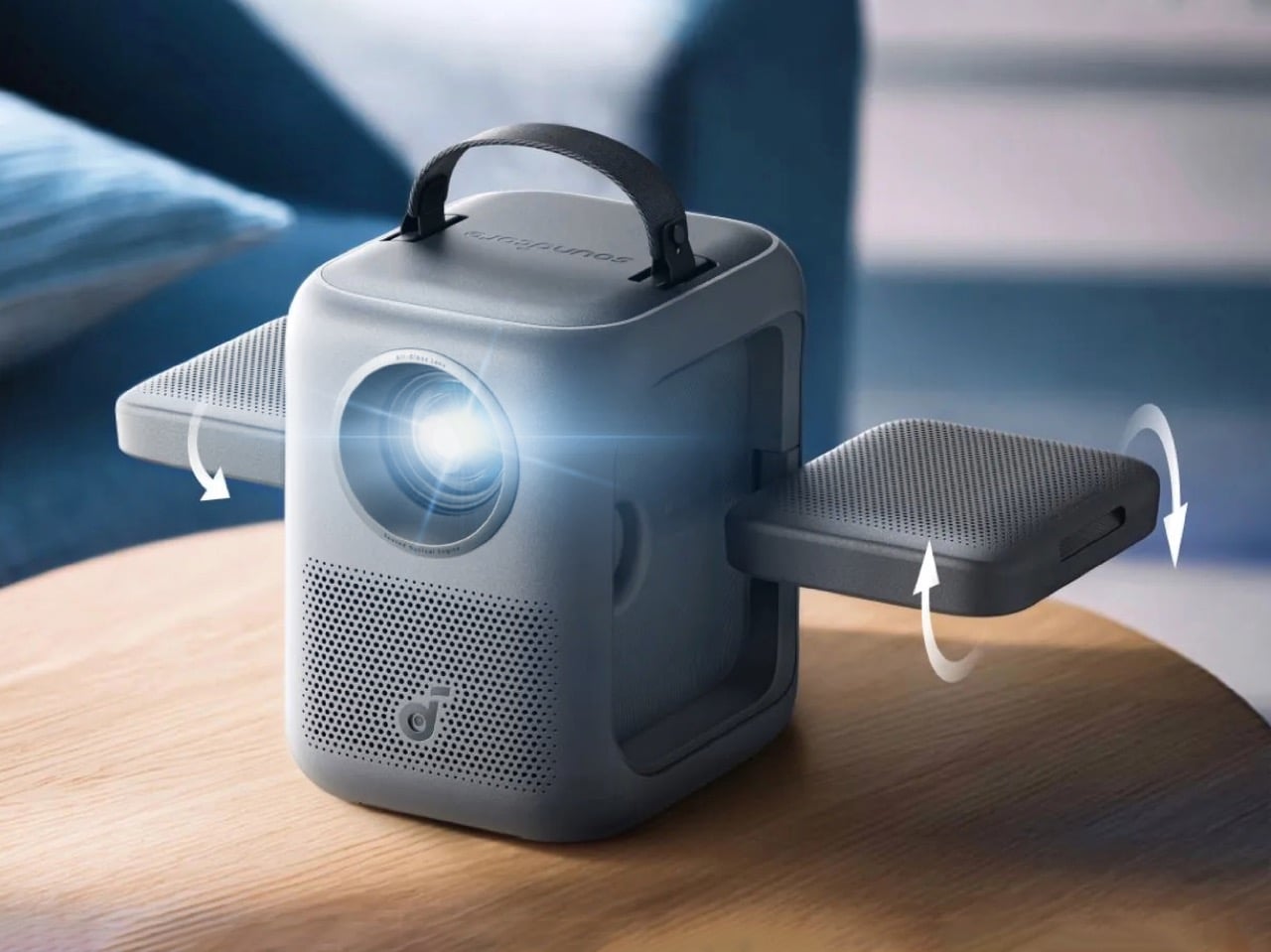
What came out of that thinking debuted at CES 2026 for $369, and it carries a feature Soundcore is billing as a world first: flippable speakers. Two 10W drivers are physically hinged into the projector body, fold outward, and swivel in two axes so the sound follows your seating position rather than pointing at whatever wall happens to be closest. It sounds like a gimmick until you realize how consistently every other projector in this price range gets the audio completely wrong.

Designer: Soundcore (Anker)

Click Here to Buy Now

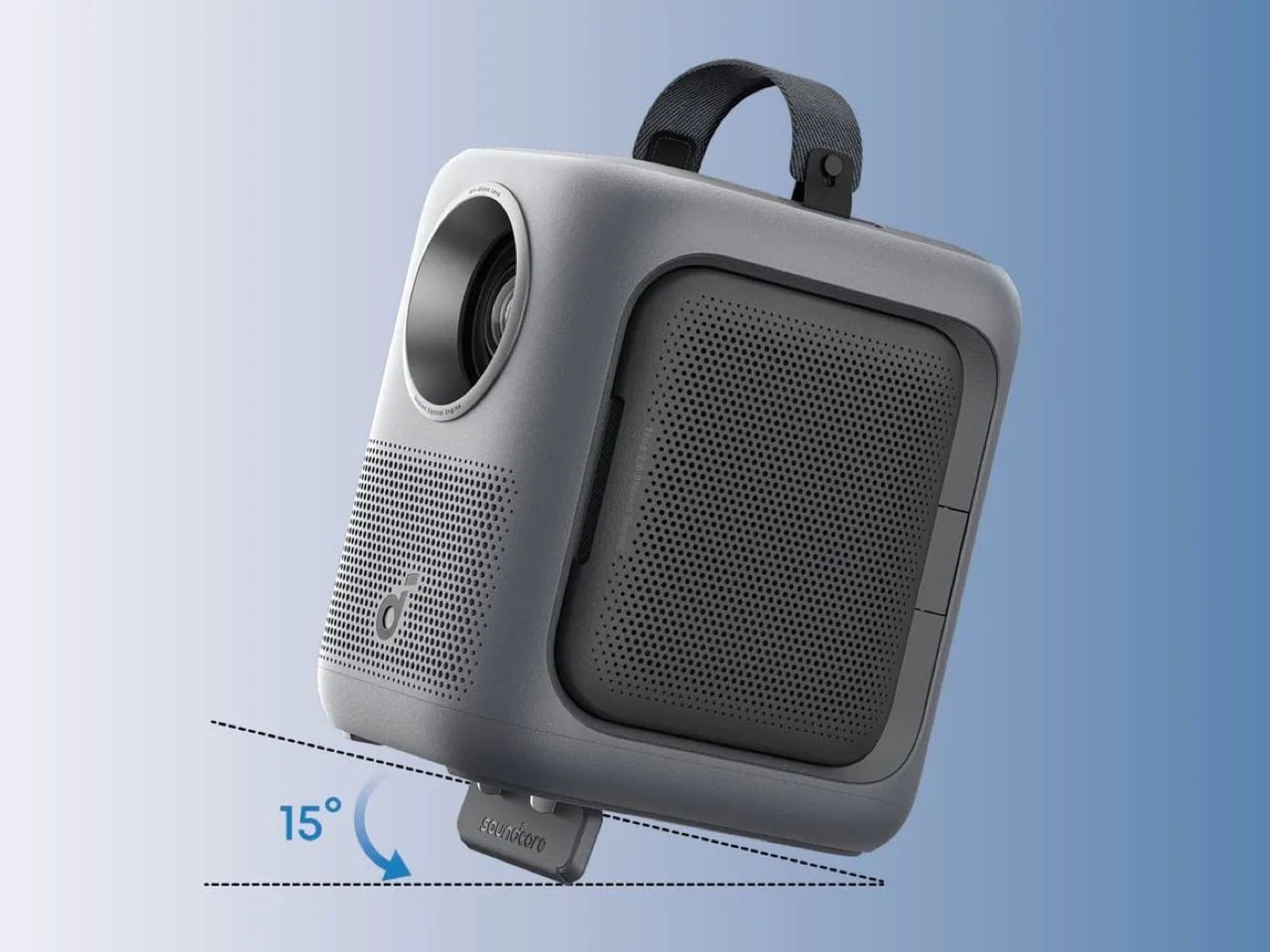
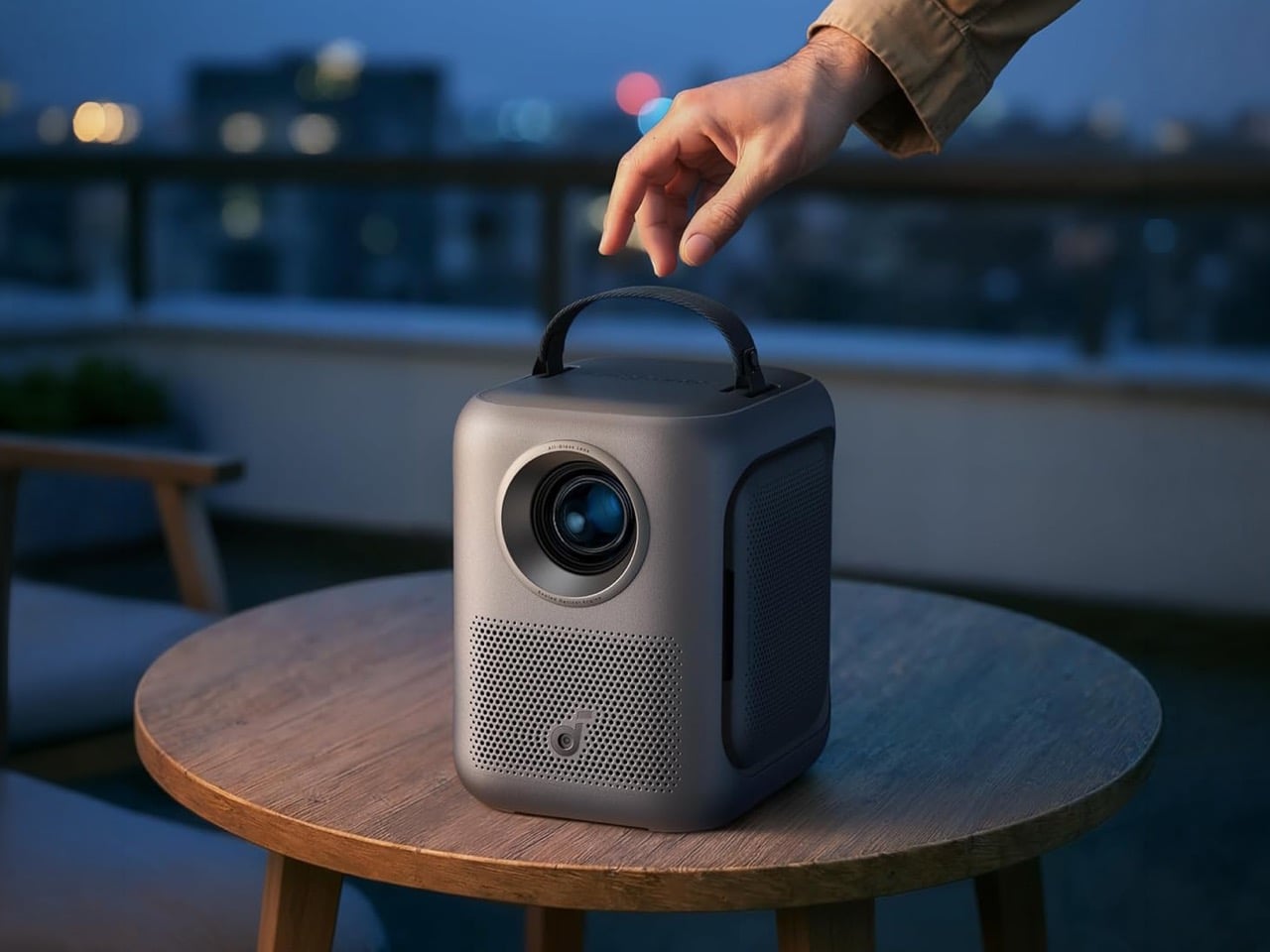
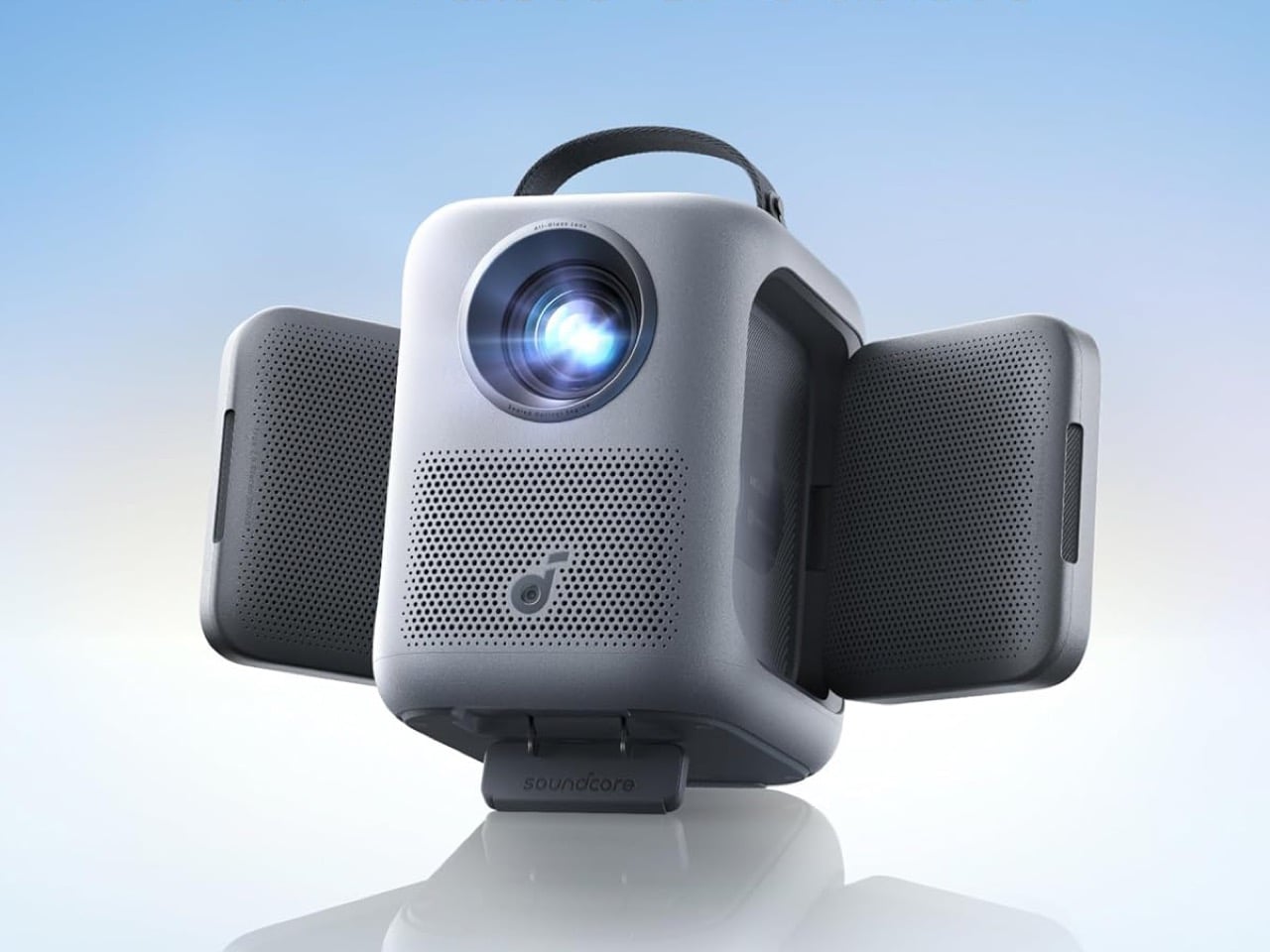
The device’s standout feature is its two hinged speakers that unfold from each side, and the result gives the projector a silhouette that feels more like a small satellite than a conventional home theater device. Each driver rotates 90 degrees side to side and 200 degrees up and down, so the sound follows your vibe regardless of where the projector is physically sitting. Fold them flush and the P1i looks like any other compact projector. Deploy them and the thing suddenly has ears, which, for a Soundcore product, feels exactly right. At 8.9 x 7.2 x 8.0 inches and just five pounds, it perches on almost any surface and travels easily by the soft handle on top. That handle is a small detail that matters more than it sounds when you’re moving the unit between a bedroom, a living room, and a backyard in the same evening.

For its $369 price tag, you get a native 1080p panel outputting TÜV-certified 380 ANSI lumens, and an all-glass lens combined with a fully sealed optical engine that resists dust and the focus drift that plastic lenses develop as they heat up over time. In a dark bedroom, colors come out surprisingly accurate for an LED projector, and the sealed optics keep the image consistent across long sessions. The brightness ceiling is real, though. Step outside before sunset or flip on a lamp and the picture washes out quickly, which puts the P1i firmly in the category of a dark-room machine. That’s not a unique limitation at this price, it’s basically the cost of admission for any projector south of $500.

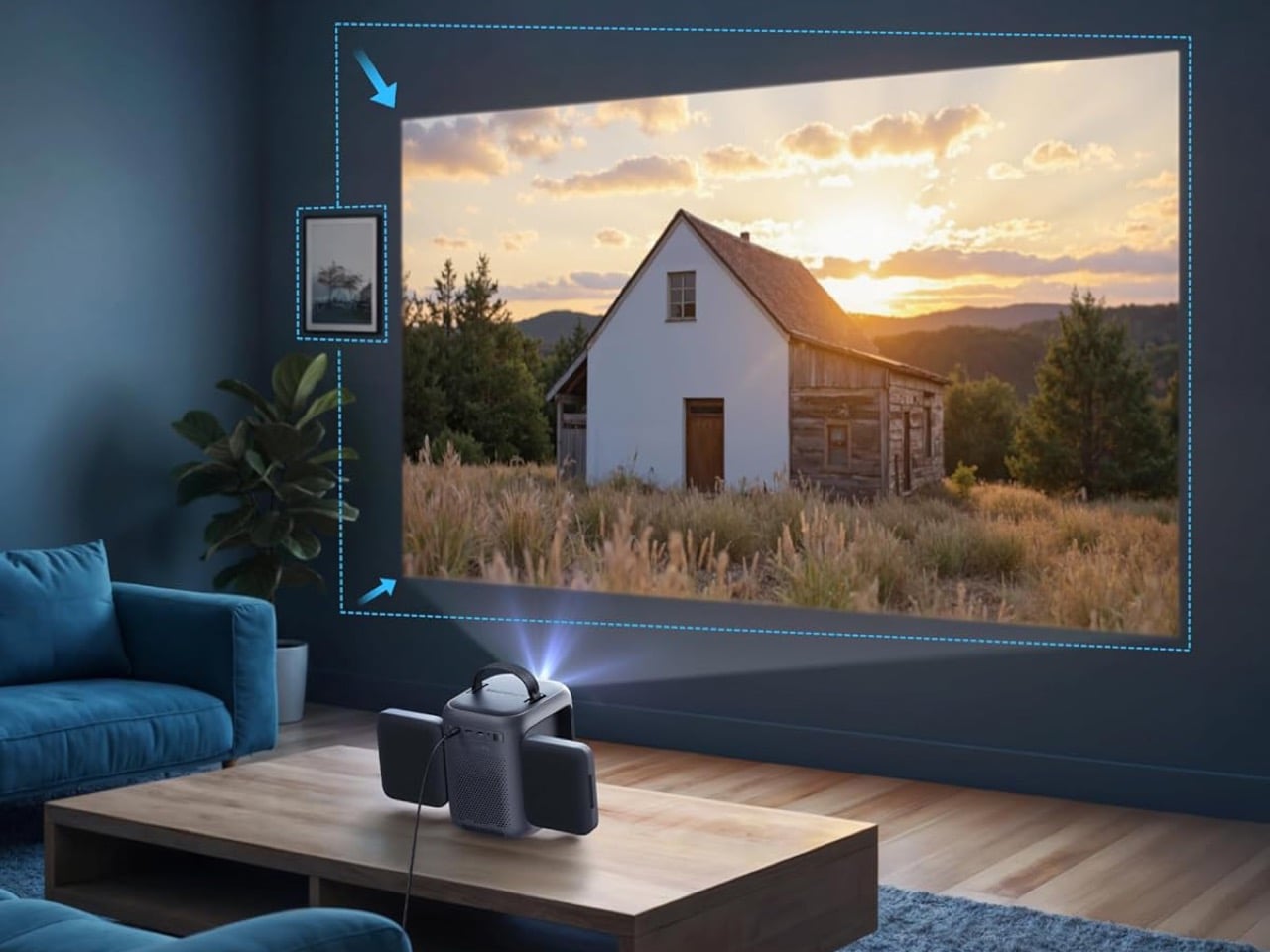
Anker’s Smart Instant Setup handles the initial configuration, featuring IEA 3.0, which handles autofocus, keystone correction, obstacle avoidance, and screen fit the moment you point the unit at a wall. Google TV runs the software side, bringing native Netflix certification, YouTube, Prime Video, and the rest of the streaming stack without a dongle in sight. The one gap that stings a little is the absence of a built-in battery. For outdoor use, Anker recommends pairing the P1i with its own SOLIX C300 power station, which extends runtime to roughly 3.5 hours. That’s a workable solution, but it does add cost and bulk to what is otherwise a lean, grab-and-go setup.

The P1i retails at $369, but it has already dropped to $294.99 during promotional periods. At that sale price, you’re spending the same as a pair of AirPods Pro on a 1080p smart projector with Google TV, flippable Dolby Audio speakers, and a lens assembly that will outlast most of the competition. The budget projector market is crowded with hardware that costs half as much and delivers a quarter of the experience. Soundcore priced the P1i at the exact point where the excuse to skip it runs out.

The Nebula P1i won’t unseat a dedicated home theater setup, and it won’t pretend to work in a sunlit living room. What it does is identify the one thing budget projectors have chronically failed at, build a genuinely novel audio hardware solution around it, and deliver the whole package at a price that’s hard to argue with. For a brand making its first real statement in the projector category, that’s a strong opening move.

Click Here to Buy Now

The post Anker Built a sub-$300 1080p Projector with Flippable Speakers for the Price of AirPods Pro first appeared on Yanko Design.
The Scout Terra Costs Under $60k and Tows 10,000 Pounds With a Solid Rear Axle

Why does every electric truck feel like it was designed by someone who wanted to leave the truck category as quickly as possible? The Rivian R1T is an adventure vehicle. The Tesla Cybertruck is a stainless steel provocation. The Ford F-150 Lightning is a suburban driveway proposition with a frunk. Each of these vehicles is genuinely impressive in specific ways, and each of them has, in various degrees, moved away from the mechanical foundations that made the pickup truck the best-selling vehicle category in America for 47 consecutive years. That foundation is body-on-frame construction, a solid rear axle, and mechanical locking differentials, the kind of hardware that lets a working truck go places a smart suspension system simply cannot follow.

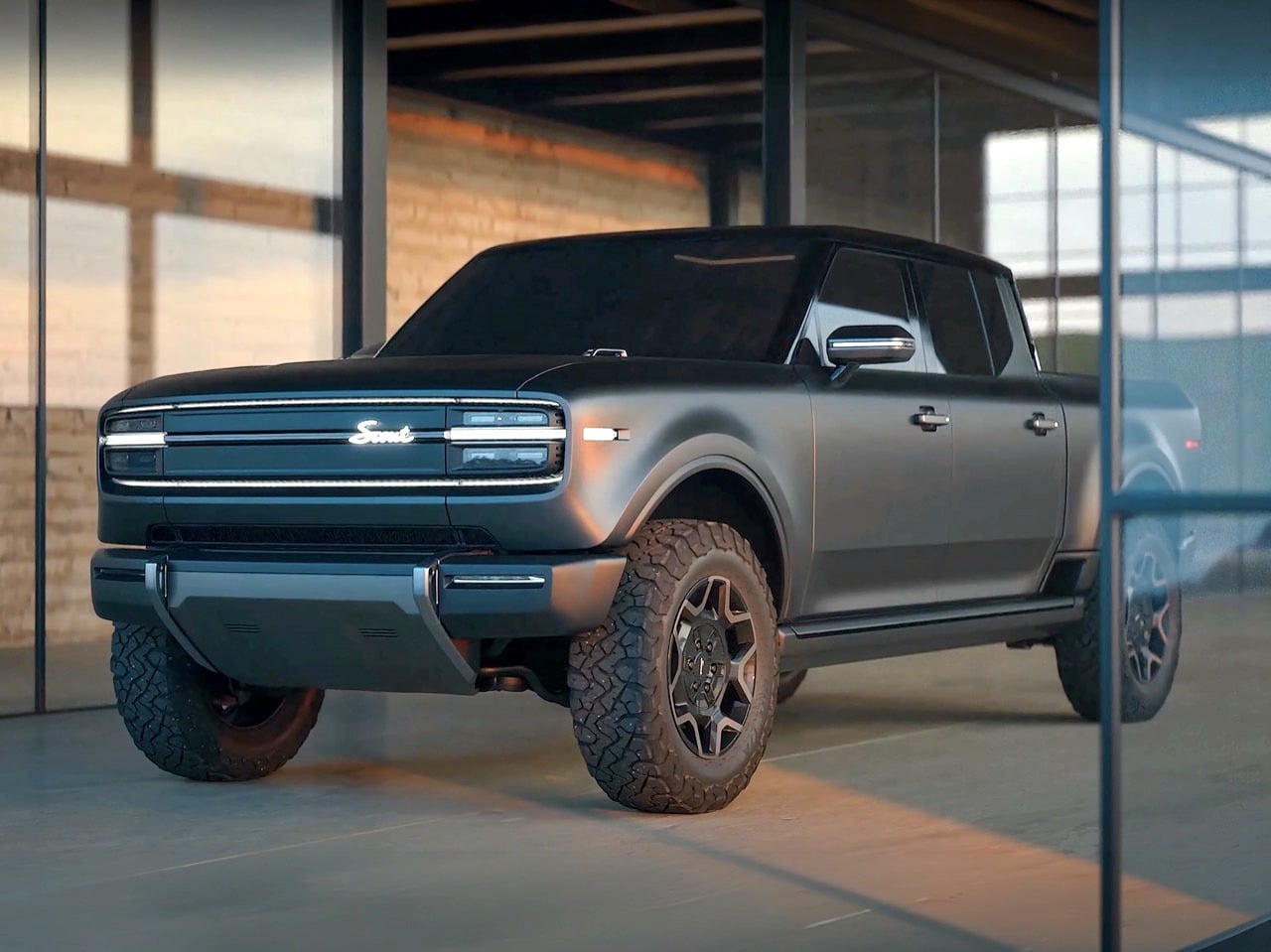
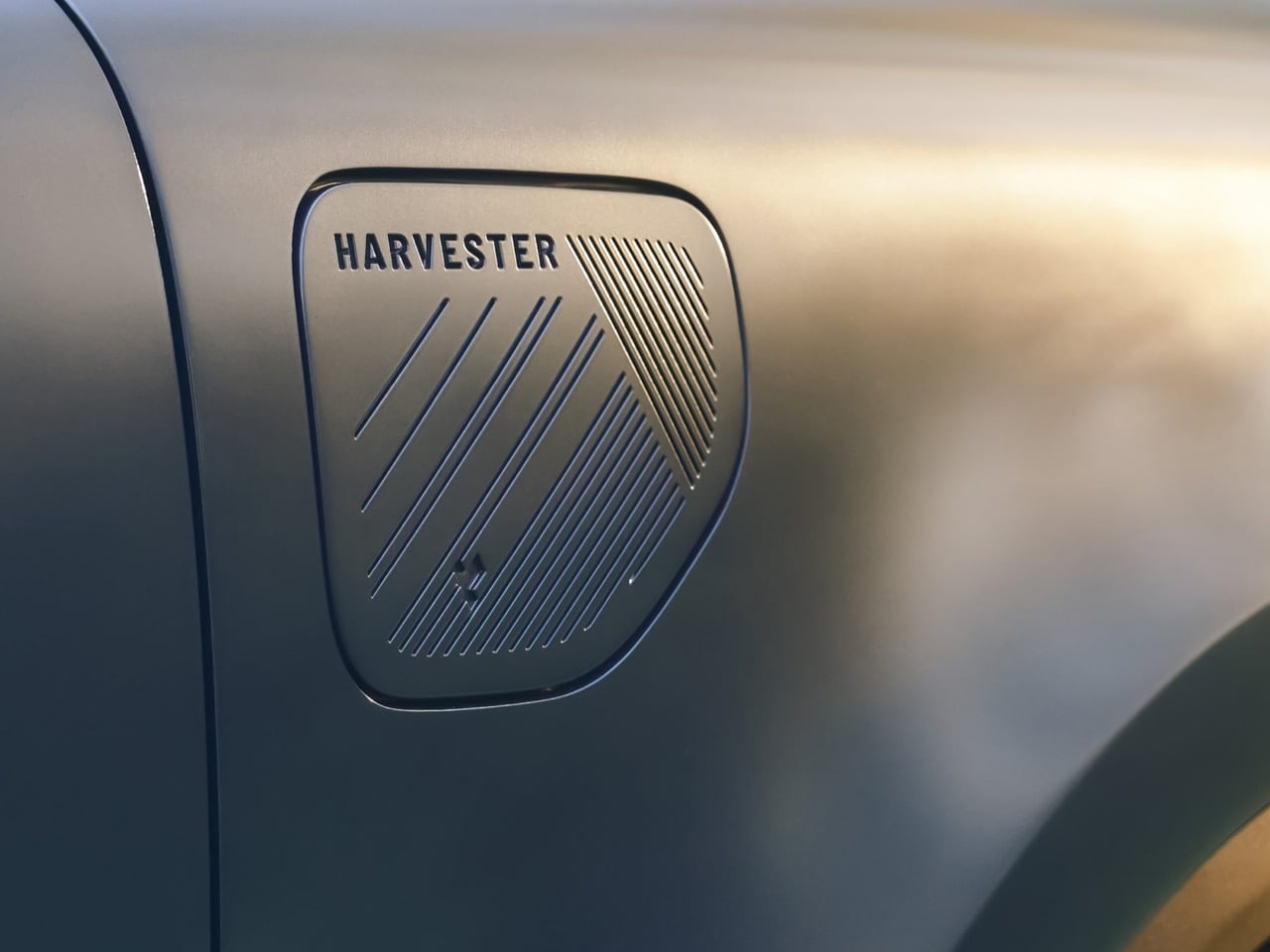
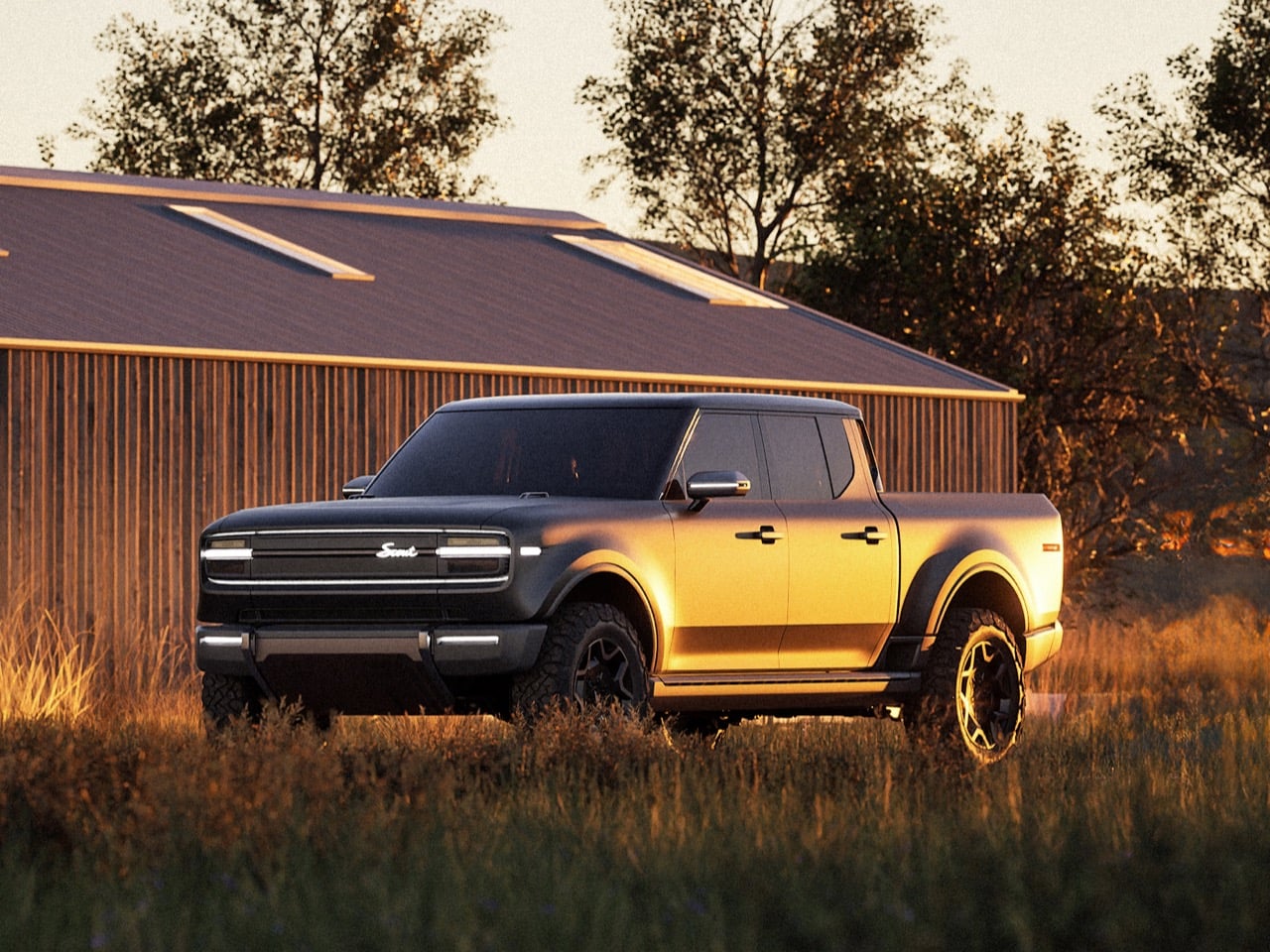
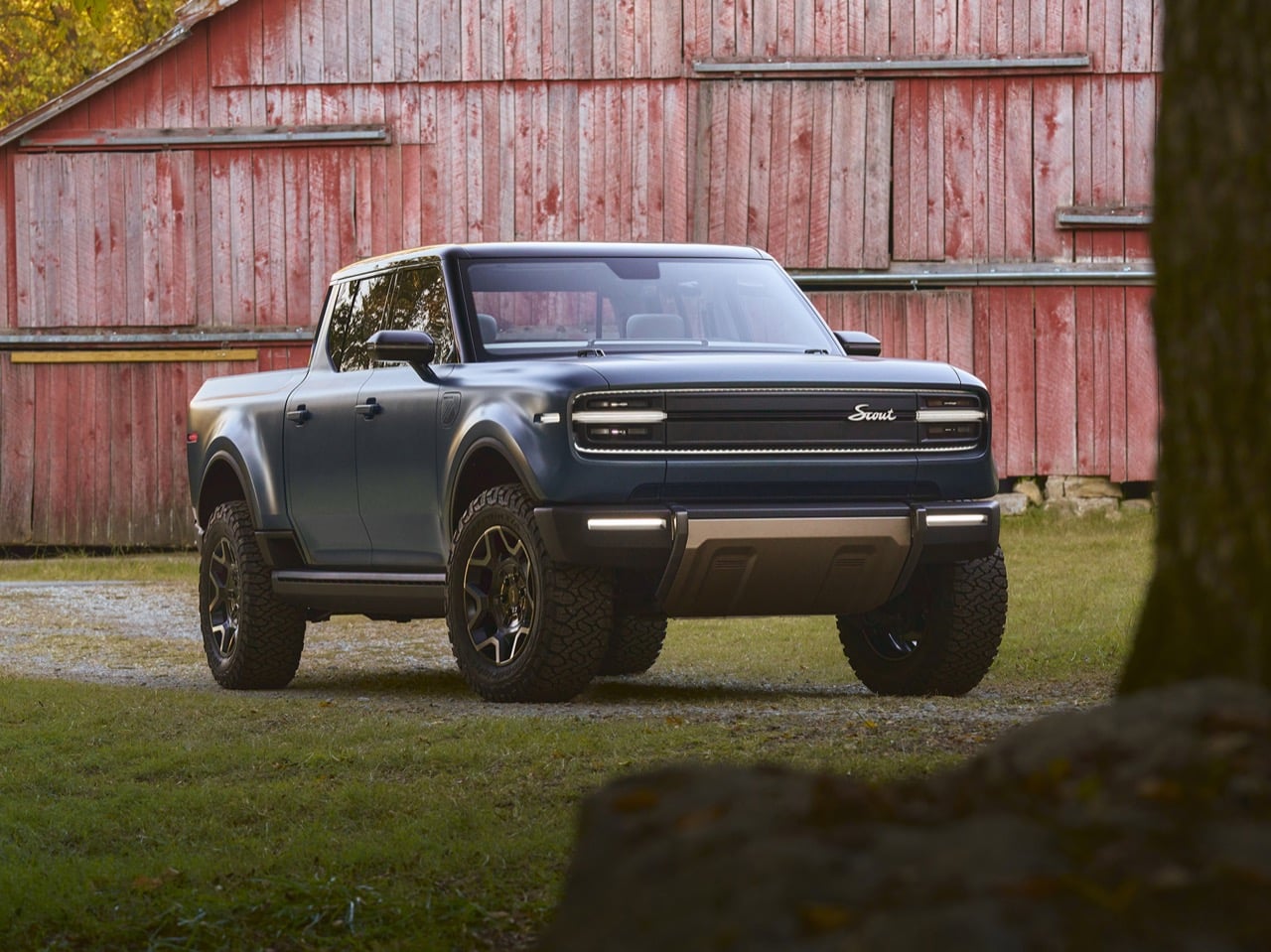
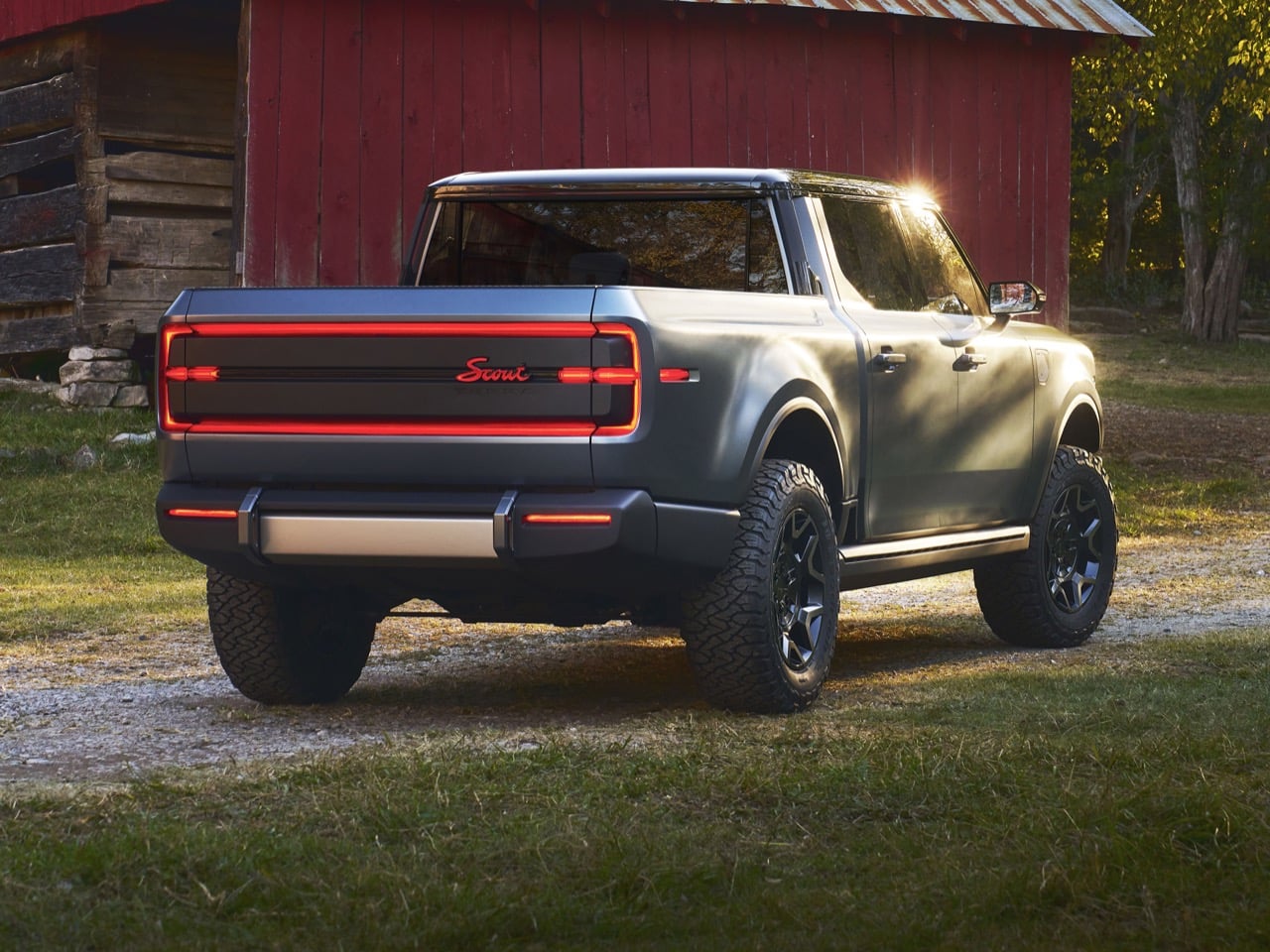
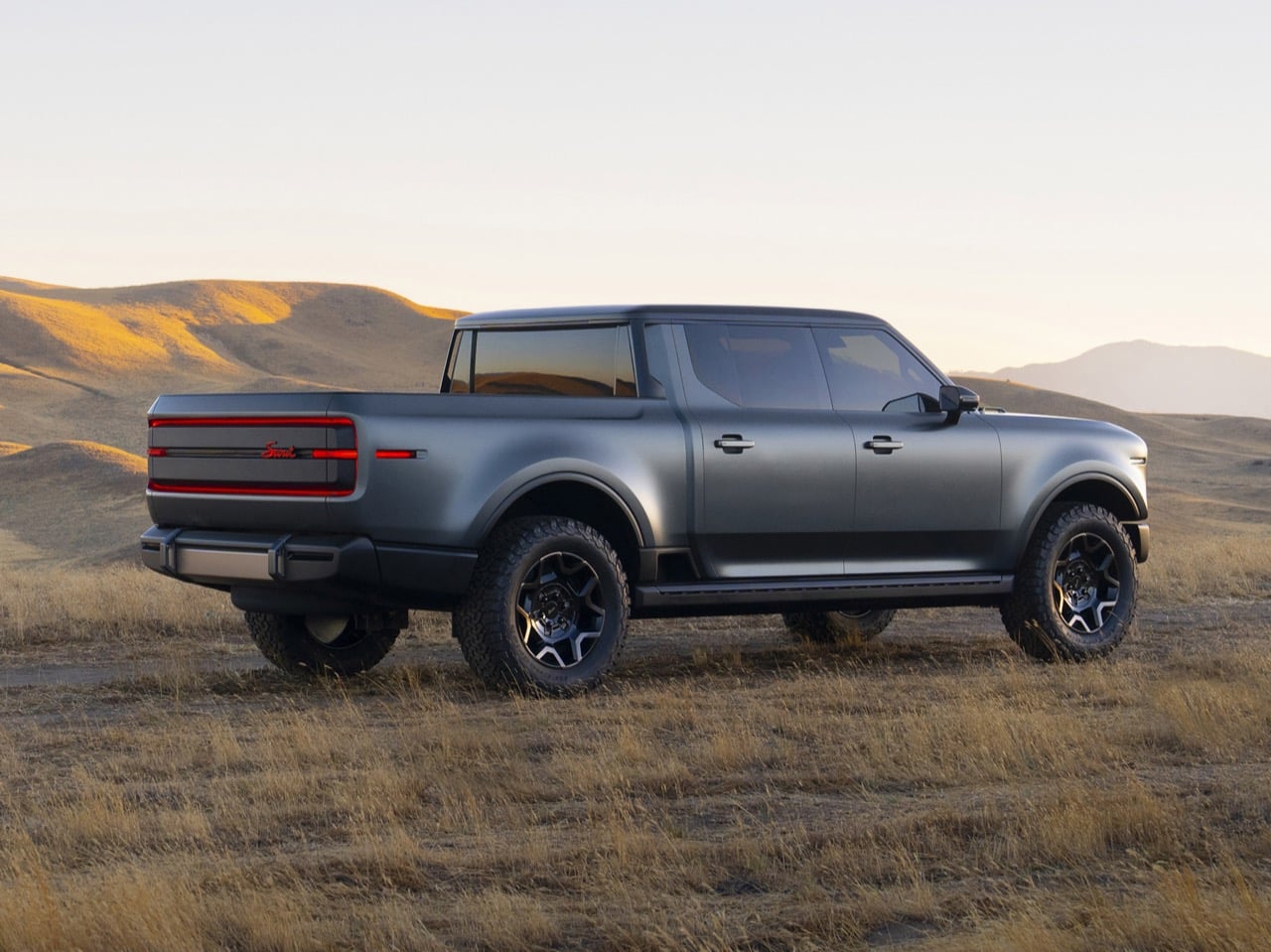
Scout Motors, the Volkswagen-backed revival of the old International Harvester Scout, showed journalists the production-intent Terra pickup on May 15 and delivered something the EV truck segment has been conspicuously missing. Body-on-frame ladder chassis. Solid rear axle. Mechanical lockers front and rear. A 5.5-foot bed with a retractable rear window and an in-bed overlanding kit. The Harvester EREV variant tucks a rear-mounted naturally aspirated VW four-cylinder just ahead of the axle, running purely as a generator against a 63 kWh battery, for a combined range north of 500 miles. The pure-electric variant manages 350. Both variants tow over 10,000 pounds, carry around 2,000 pounds of payload, and price out under $60,000, landing near $51,500 after federal and state incentives clear.

Designer: Scout Motors

Short overhangs, a boxy greenhouse, and an upright stance give the Terra a deliberately rugged silhouette that refuses the aero-optimized wedge profile every other EV truck chases. The downward-sloping C-pillar and angled cargo area window reference the original 1960s Scout’s proportions directly, and the whole thing reads like it was designed by people who actually wanted it to look like a truck, not a concept car that compromised its way into a bed. Against the Rivian R1T’s smooth, tech-forward surfacing and prominent body-colored C-pillar, the Terra feels more worksite than weekend warrior content, which is precisely the positioning Scout is betting on.

The Harvester range extender runs at a constant optimized speed as a pure generator, never driving the wheels directly, with propulsion staying fully electric throughout. Mounting the engine just ahead of the rear axle keeps the front end clean and preserves frunk space identical to the pure-EV variant. There are still open questions around how that rear weight placement affects off-road departure angles and payload capacity at the limit, and Scout hasn’t fully detailed those tradeoffs yet. What the market has already signaled is unambiguous: over 80% of Scout’s reservations are for the Harvester EREV, which tells you everything about how much range anxiety still drives purchase decisions for truck buyers who actually use their trucks.

Where Rivian’s independent rear suspension delivers a more comfortable highway ride, it compromises wheel articulation on uneven terrain compared to a proper solid axle. Scout’s approach pairs independent front suspension for on-road ride quality with a solid rear axle for trail articulation, then adds a disconnecting front sway bar and factory availability of 35-inch all-terrain tires to complete the picture. It’s a hardware spec that would send a Rivian’s air suspension into a fault state on terrain the Terra would walk through without a second thought.

Production was originally slated for 2026, slipped to 2027, and now targets 2028 for the Traveler SUV, with the Terra potentially pushed to 2030 according to recent reporting. By then, the F-150 Lightning will be a generation older, Rivian will have the more affordable R2 on sale, and Scout will be arriving into a market that has had years to harden its habits. The Terra is making exactly the right arguments about what an electric truck should be. Whether those arguments land in 2028 or 2030 matters enormously.

The post The Scout Terra Costs Under $60k and Tows 10,000 Pounds With a Solid Rear Axle first appeared on Yanko Design.
Smart rings just had their breakout week

Smartwatches have had an impressive run, but the category is starting to feel a bit crowded and tired. Most recent releases have been iterative, adding a sensor here or a display tweak there, while the core form stays essentially the same: a small screen on your wrist buzzing at you constantly. Consumers are starting to wonder what the next genuinely interesting chapter of wearables looks like.

It turns out the answer might be right on your finger. In one week during May 2026, the smart ring went from niche wellness accessory to the category everyone in wearables should be watching. Oura confidentially filed an S-1 with the SEC, RingConn opened pre-orders for its Gen 3, and fresh leaks in iOS 26 code reignited the idea that Apple might be circling the space.

Designer: Oura Ring, RingConn, Apple, Samsung

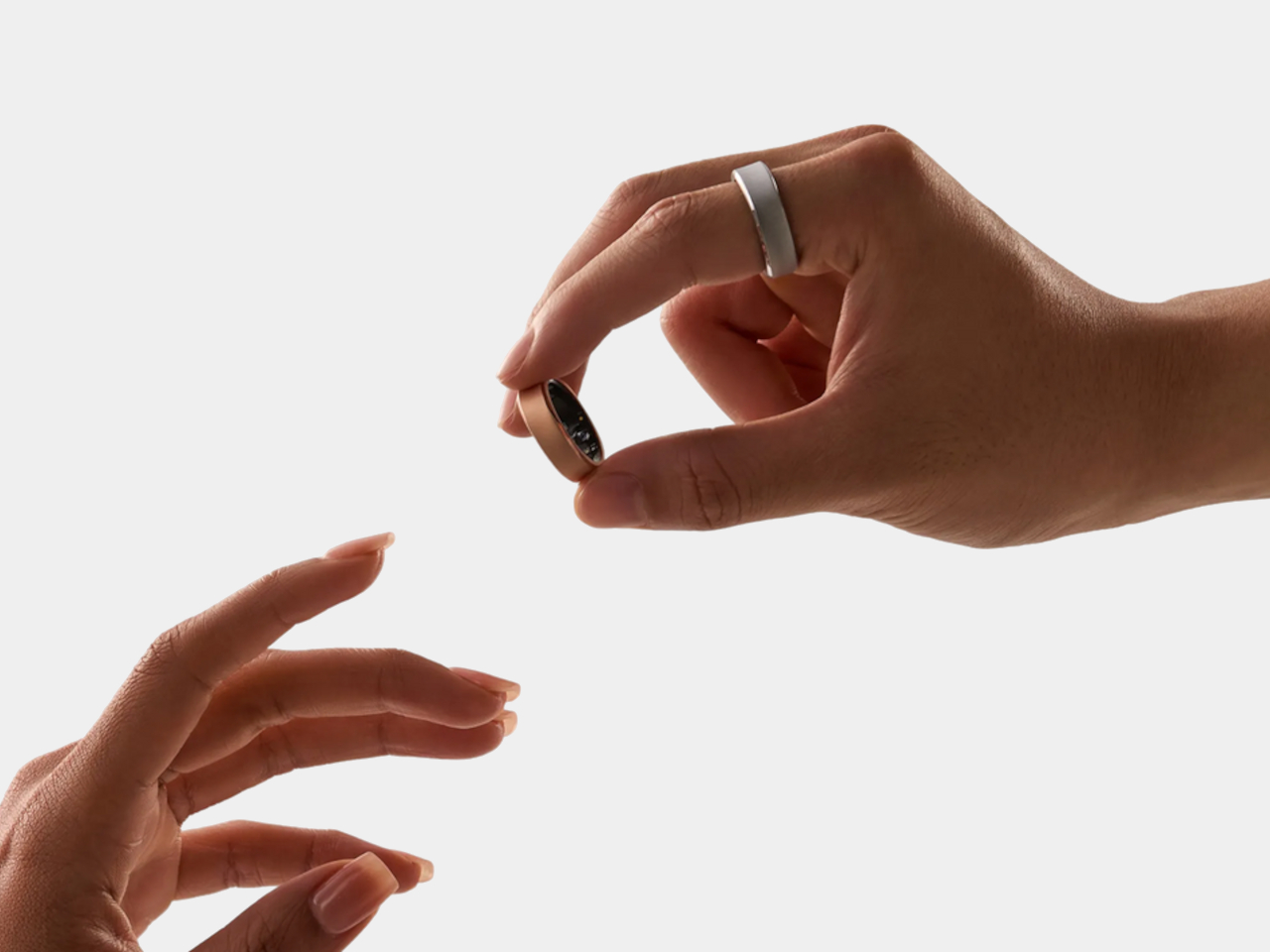
Part of what makes this moment feel significant is that it isn’t purely a business story. The smart ring’s appeal is rooted in something the smartwatch was never designed for: disappearing. A ring doesn’t have a screen demanding your attention, doesn’t buzz through dinner, and doesn’t get taken off at bedtime. For passive health tracking, especially overnight, the finger turns out to be a surprisingly elegant surface.

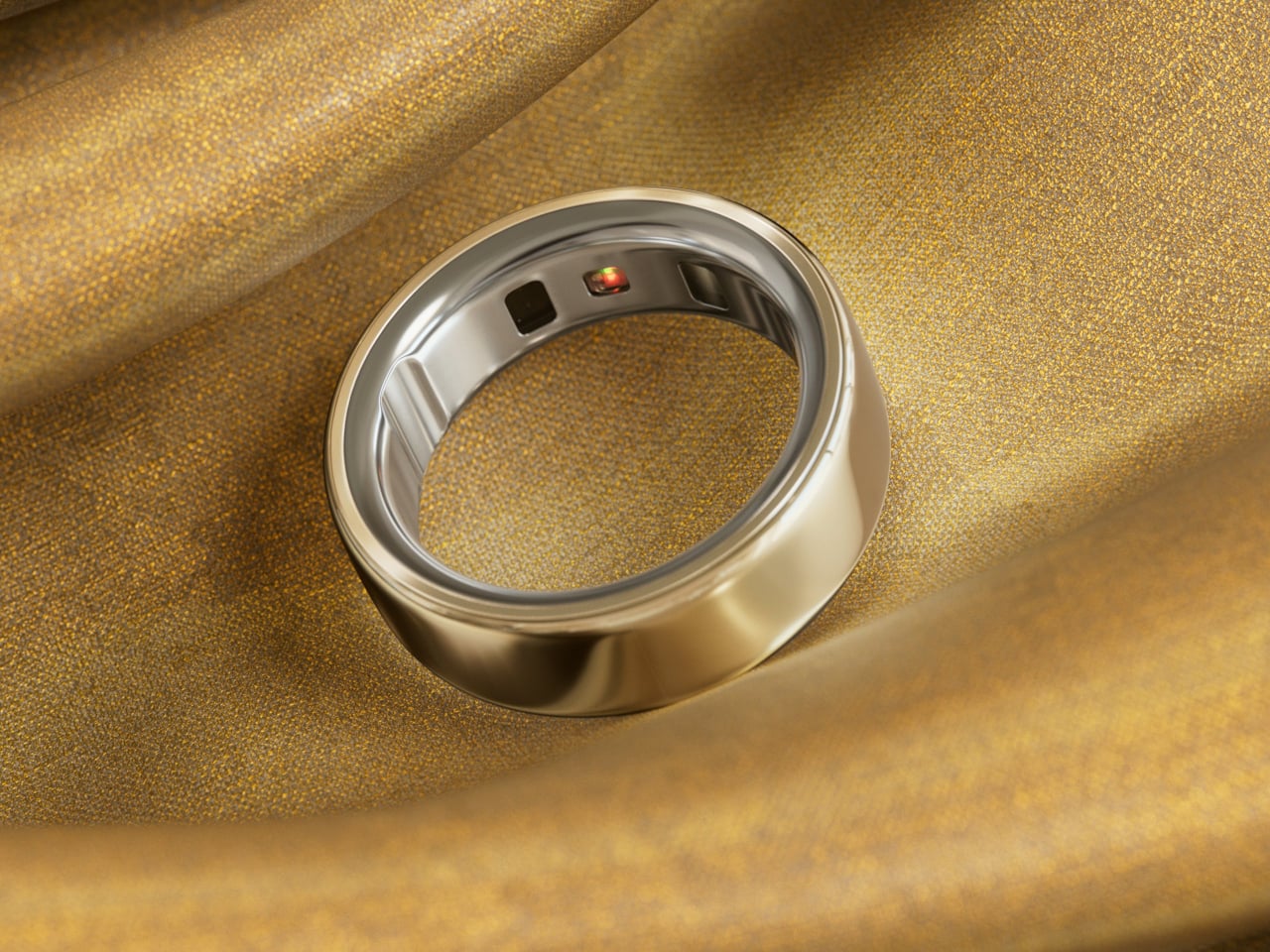
RingConn Gen 3

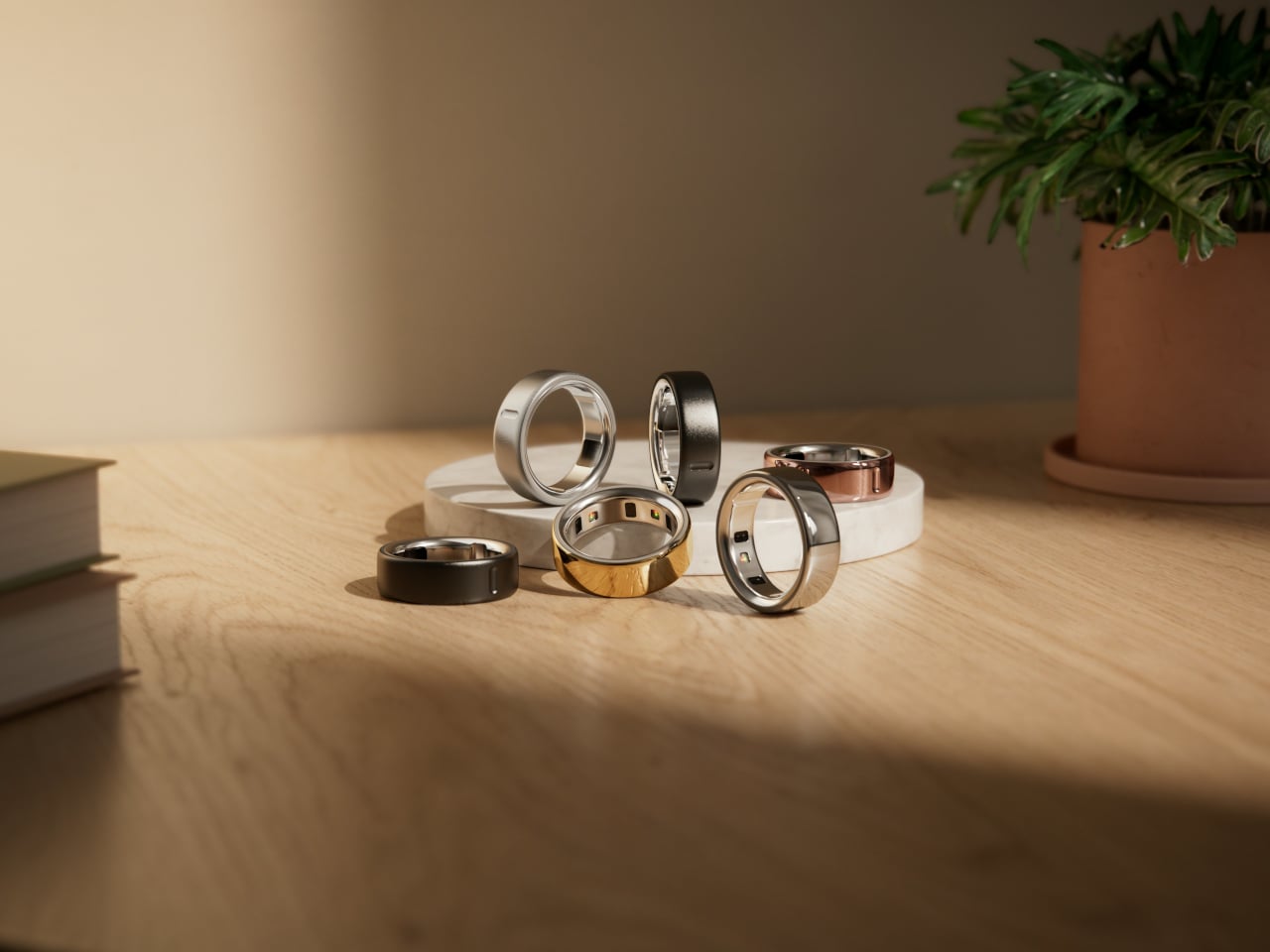
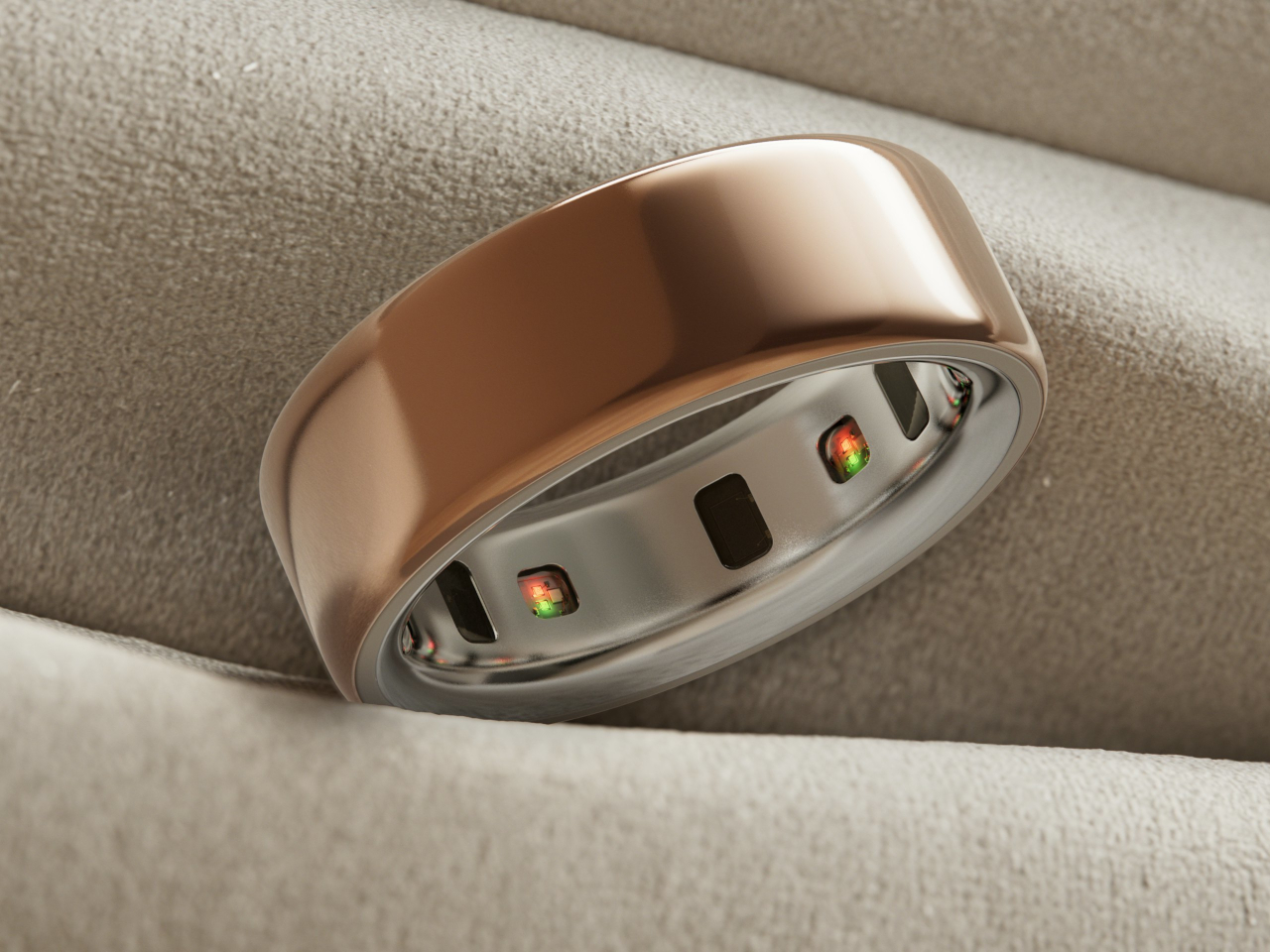
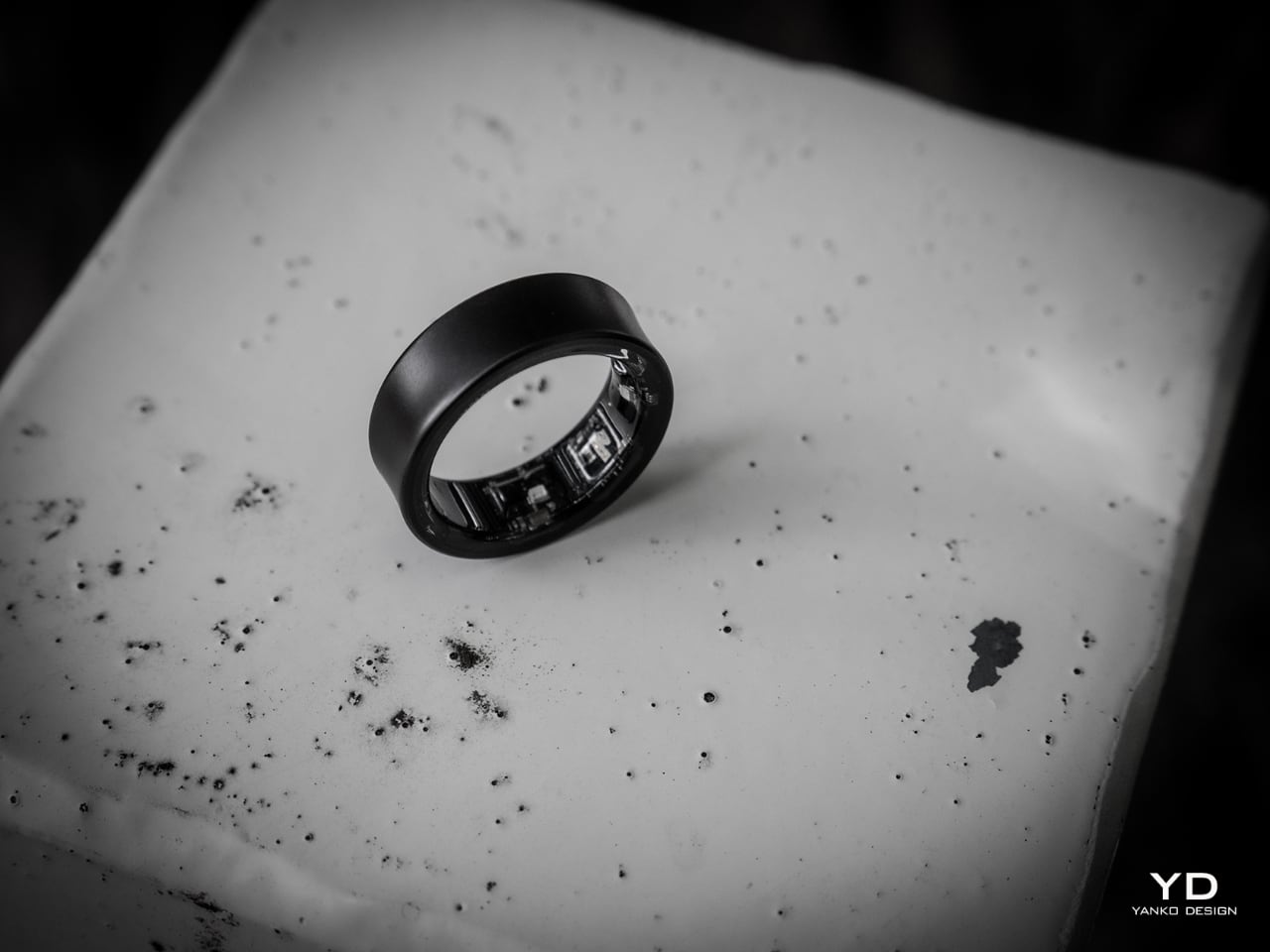
RingConn’s Gen 3 is the clearest hardware proof that the category is maturing. At $349, the titanium ring ships with a 14-day battery, vascular health tracking, and haptic alerts, all without a subscription fee. That battery figure alone is worth pausing on. A ring that only needs charging once a fortnight fits into daily life in a way that a device needing nightly top-ups simply doesn’t.

RingConn Gen 3

RingConn Gen 3

What RingConn’s launch really signals is a shift in the category brief. Buyers aren’t just asking whether a ring can track their sleep anymore. They want richer health data, meaningful feedback, and hardware that feels finished rather than experimental. Titanium construction, cardiovascular insights, and a no-subscription model together suggest that the smart ring has stopped apologizing for what it can’t do and started showing off what it can.

Oura’s confidential S-1 filing adds a different kind of weight to the week. Filing with the SEC isn’t something companies do casually. It means Oura believes the smart ring market is stable enough, scalable enough, and financially convincing enough to withstand public-market scrutiny. It’s also a signal that the subscription model, which charges users a monthly fee to access their own health data, has real staying power.

Oura Ring 4

That subscription debate cuts to something interesting about how these companies see what a smart ring is. Oura is essentially selling a sensor paired with an ongoing interpretation service. RingConn is selling a finished object you own outright. Neither is wrong, but the two approaches create very different relationships between wearer and device, and that relationship shapes every other decision the product team ends up making.

Then there’s Apple, which hasn’t confirmed anything but whose shadow is already affecting the conversation. References buried in iOS 26 code have fueled speculation that Cupertino is at least exploring a ring-shaped device, possibly one that ties into the broader Vision Pro ecosystem. Apple hasn’t shipped a ring yet, but its apparent interest alone changes how developers, investors, and competing hardware teams think about the category’s long-term potential.

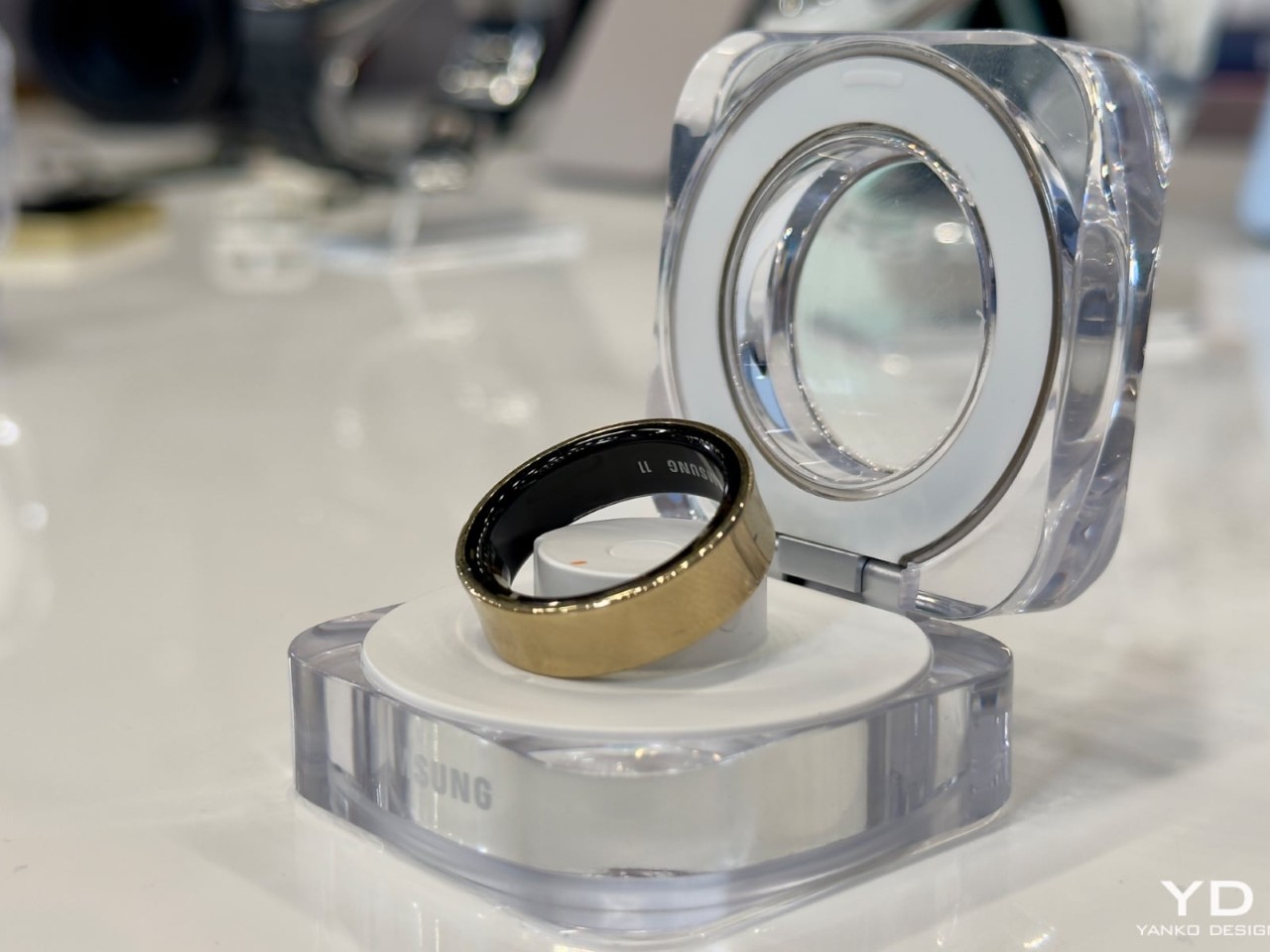
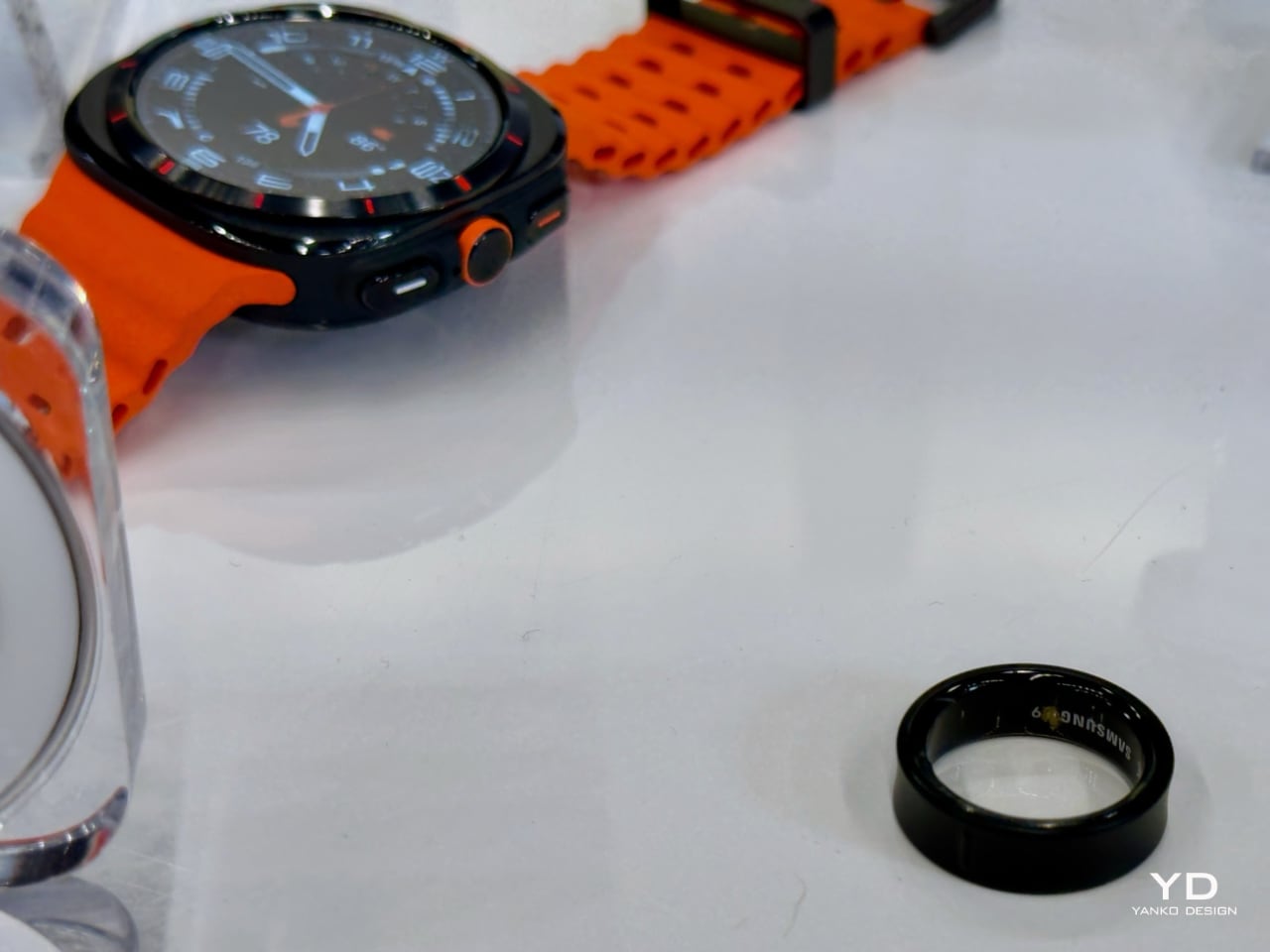
Samsung Galaxy Ring

The harder question, of course, is what comes next for a category that’s barely five grams and still trying to grow up. Blood pressure monitoring, non-invasive glucose tracking, and finer cardiovascular sensing are all on the roadmap, but they’ll demand even more from a form factor that’s already pushing the limits of miniaturization. Getting there without sacrificing comfort or wearability is the real design challenge ahead.

The post Smart rings just had their breakout week first appeared on Yanko Design.

This Weighted Shoehorn Rights Itself Like a Roly-Poly Toy

Shoehorns have been around for centuries, and their design has barely moved. Most are anonymous strips of plastic or metal that live behind closet doors and rarely see daylight unless someone’s wrestling with a stiff new pair of shoes. They do one job, they do it acceptably, and then they disappear. It’s a category where function was solved long ago, and form has been cheerfully overlooked ever since.

That neglect is the starting point for DROP, a concept prototype that treats the shoehorn as both a sculptural object and an emotional one. The goal isn’t to make it work better but to make it something you’d actually want to live with. That’s a harder problem, and it leads somewhere more interesting than a redesigned grip or a slightly longer handle.

Designer: Alexander Matyuk

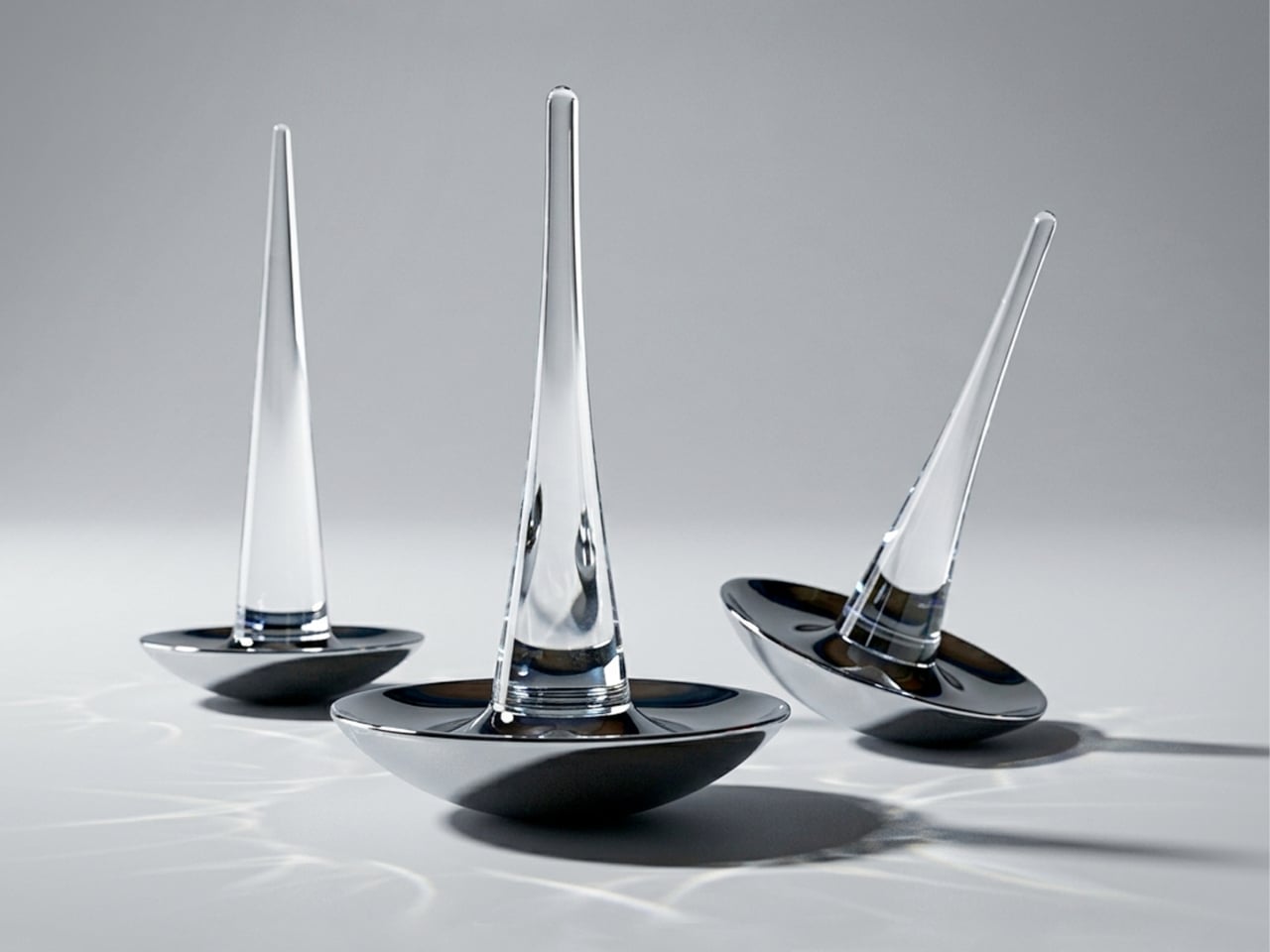
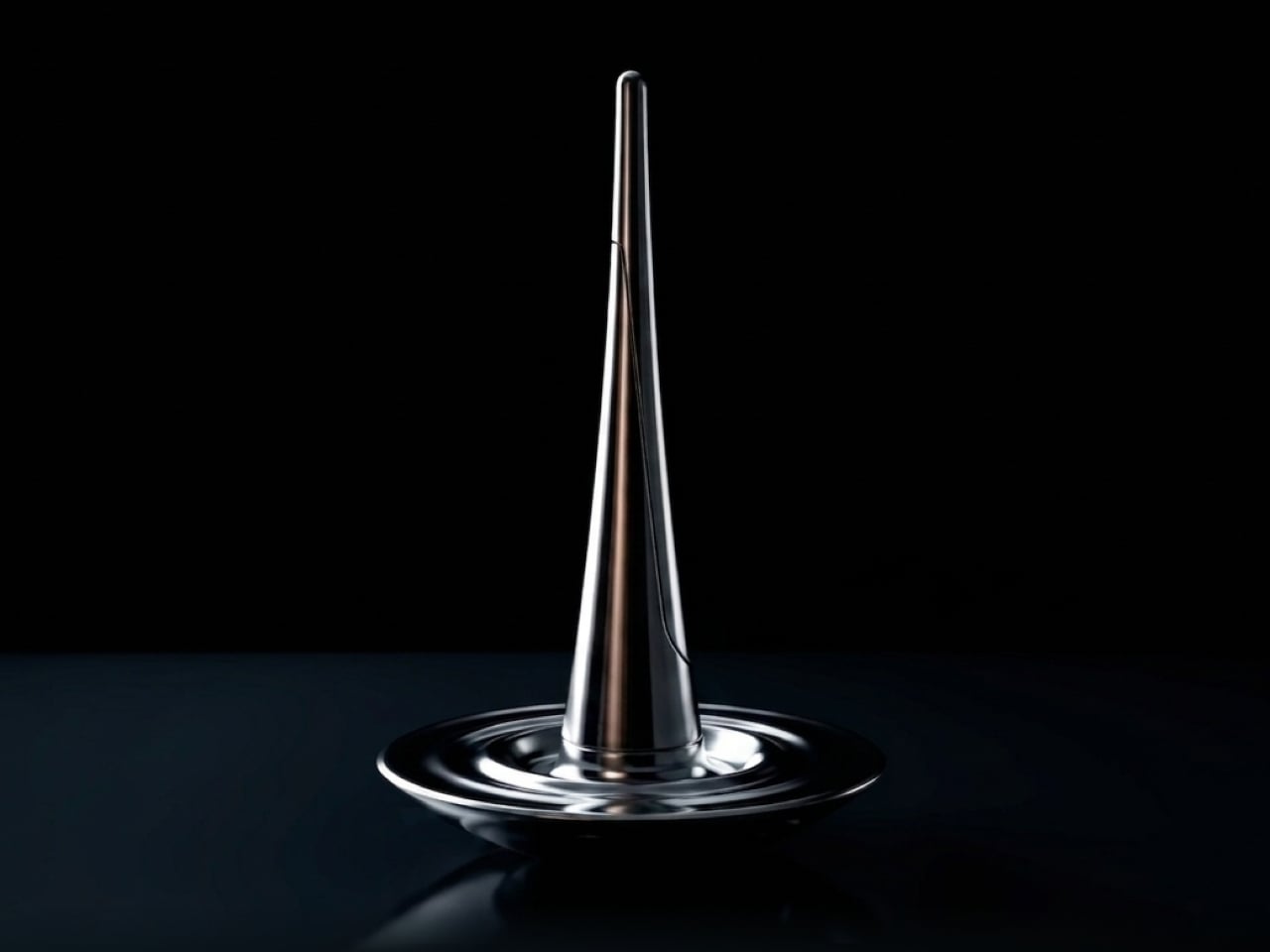
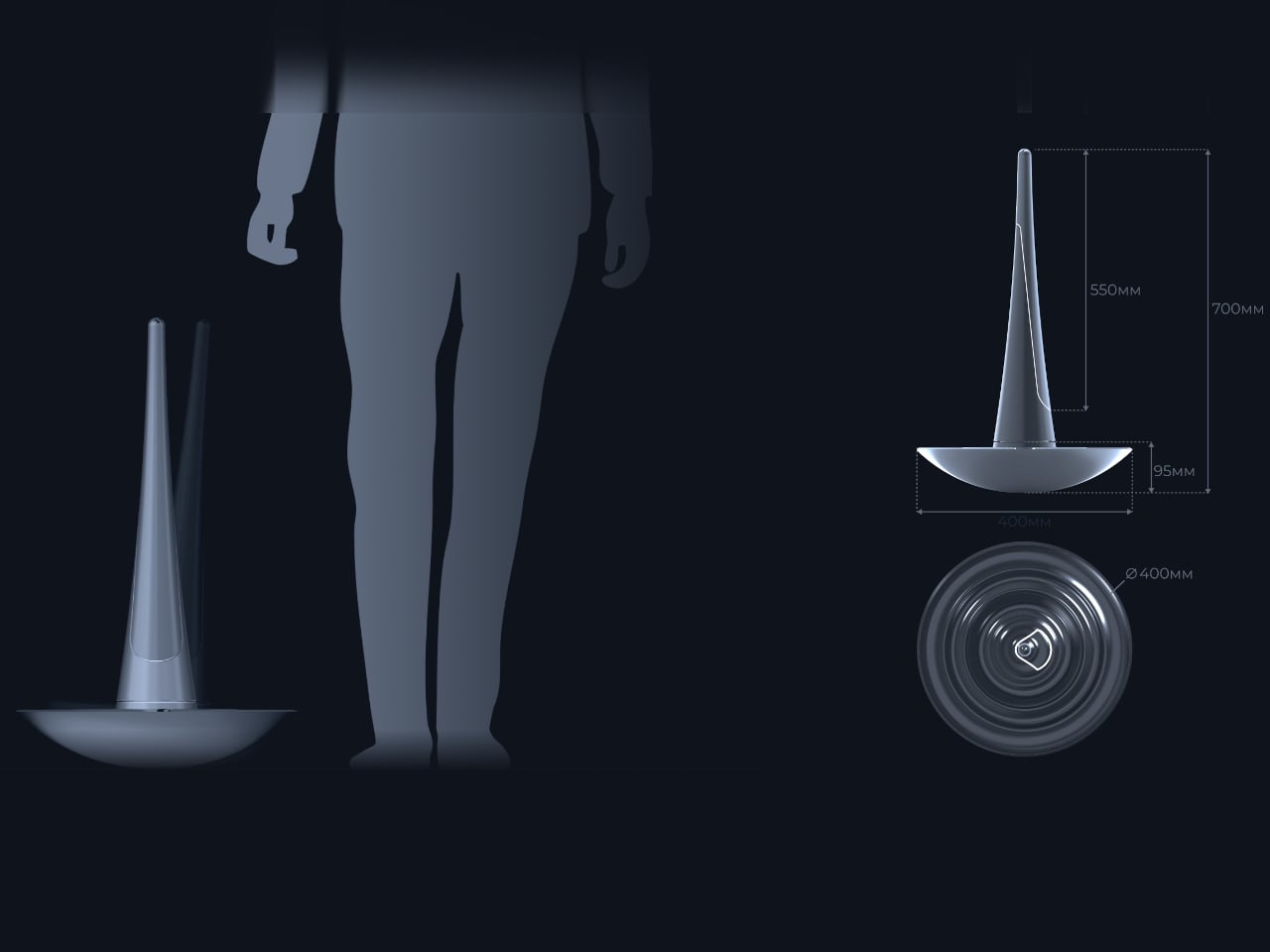
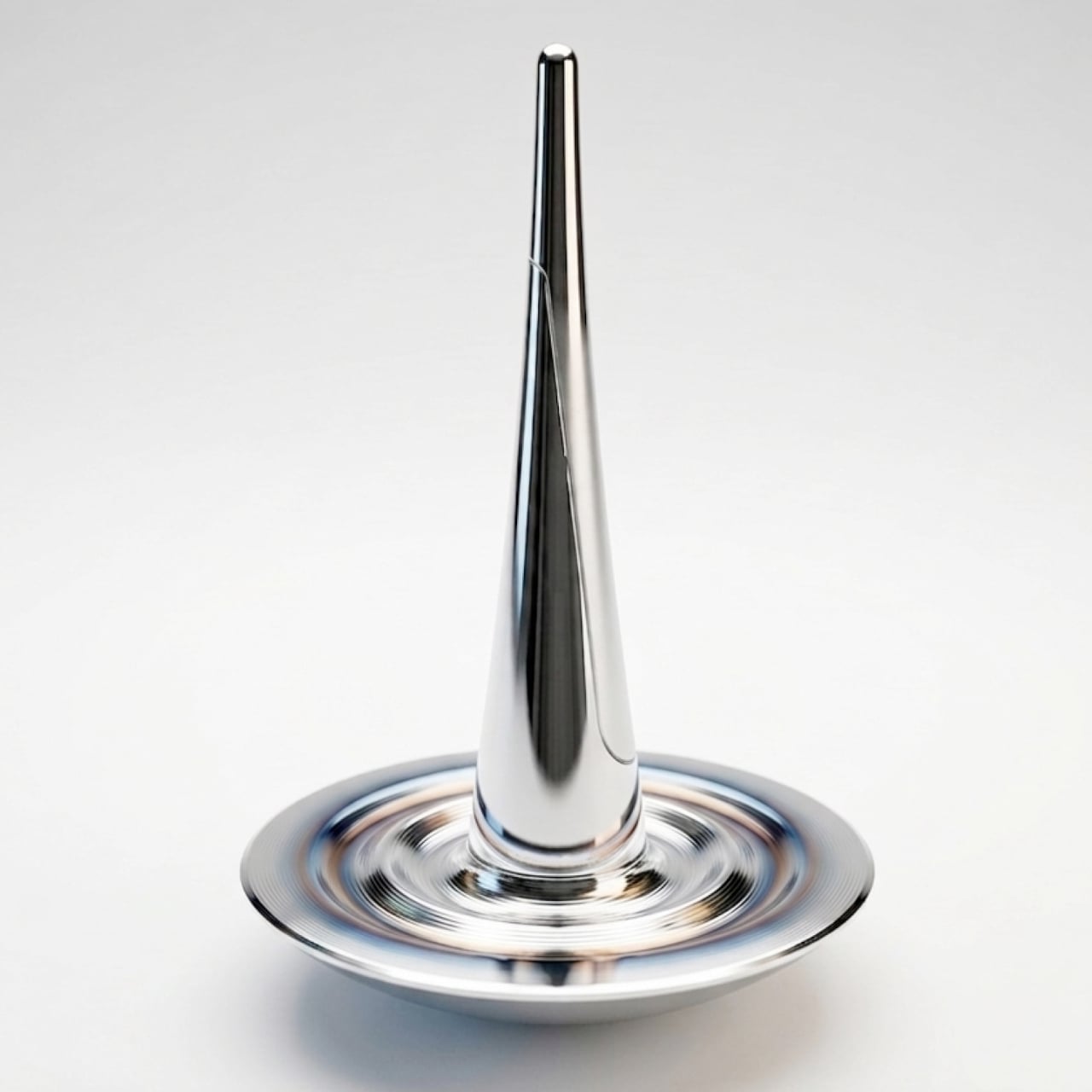
The concept draws from a very specific moment in nature: the instant a water droplet meets a surface. That brief, almost elusive state between motion and stillness became a static form. The tall conical body represents the droplet at the moment of impact, and the shallow curved base beneath traces the ripples spreading outward. It’s a frozen movement given a permanent material shape.

The lead-weighted internal base concentrates mass low enough that DROP behaves like a roly-poly toy: tilt it, push it, set it at an angle, and it returns upright on its own. That self-righting character turns each use into a quiet interaction. The shoehorn responds to each nudge, rocks gently, then steadies itself. For something usually treated as a passive object, that responsiveness is unexpectedly engaging.

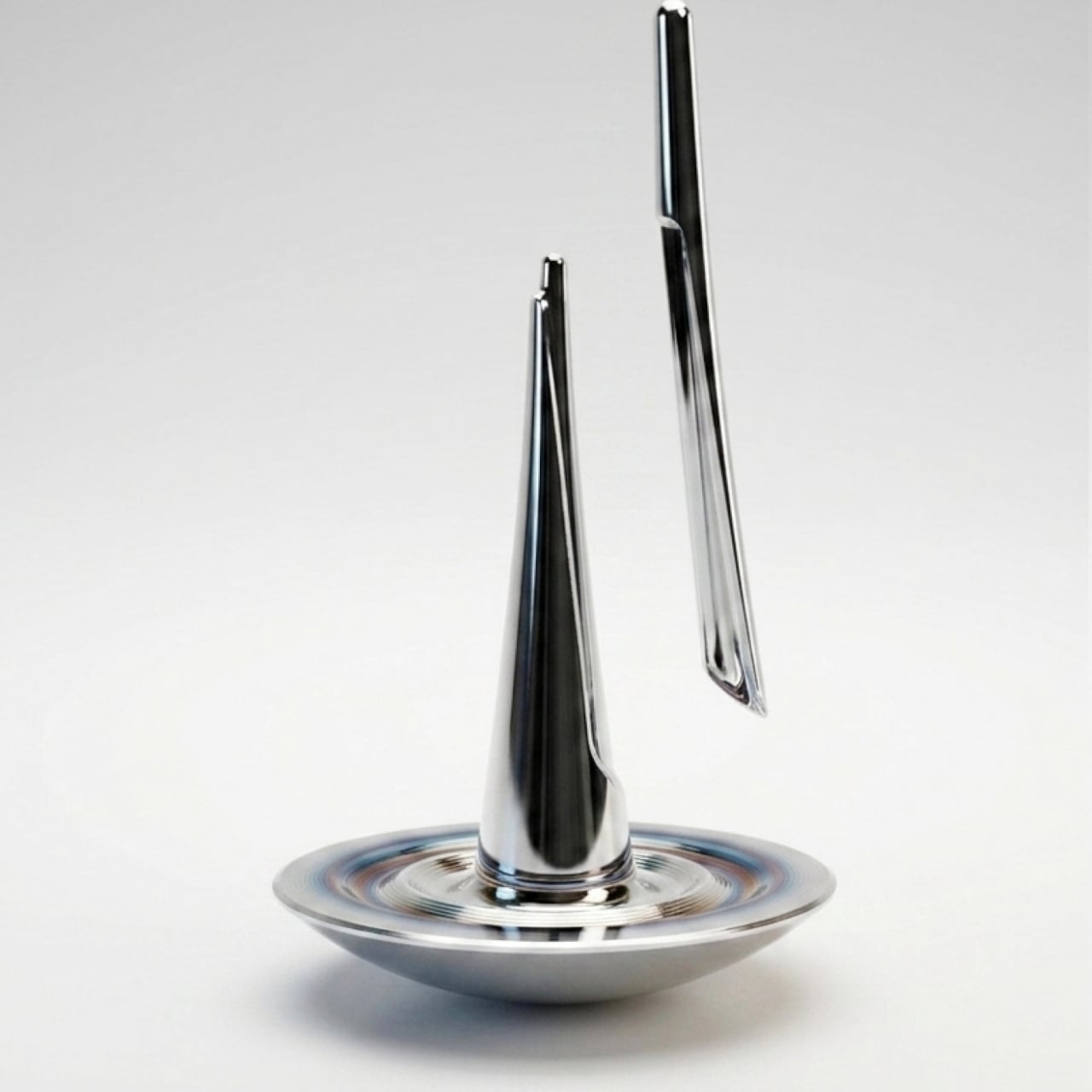
The curved shoehorn blade extends from the conical body, ready when needed. The design stands between 550mm and 700mm tall, firmly in long-handled territory. That height means you can ease your heel into a shoe without bending, which matters in a narrow entryway, for older users, or for anyone whose back has had enough by the time they’re heading out.

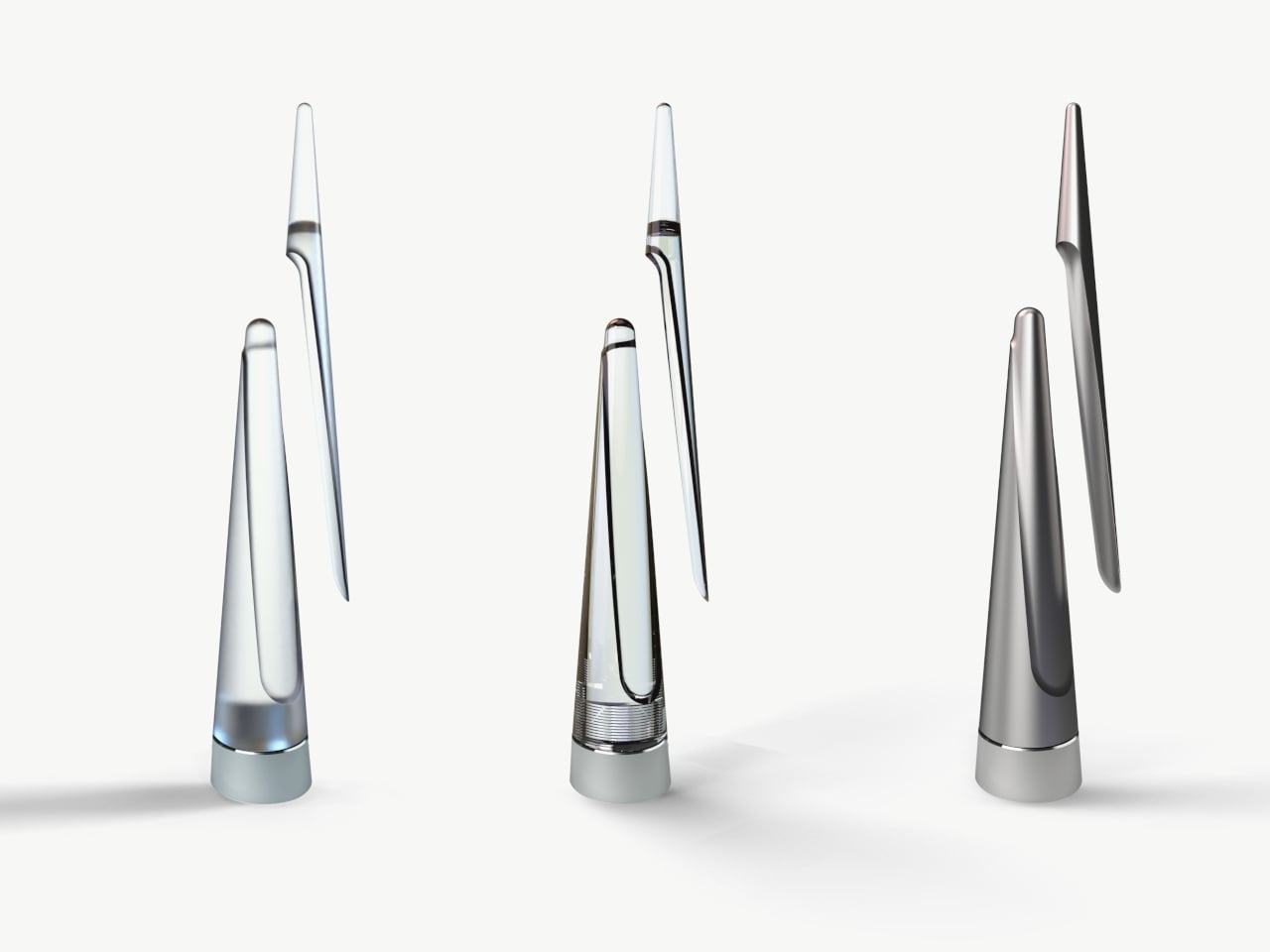
The designer envisions two production tiers. The premium version uses an aluminum alloy body with a lead-weighted internal base, produced through casting or milling. A mass-market version uses composites or polymers to bring the form to a lower price point. Three finish options appear in the concept: a clear glass-like version, a dark smoked variation, and a matte brushed metal option.

A shoehorn that stands on its own without a hook or bracket is already more practical than most. DROP’s broad curved base and low center of gravity mean it doesn’t need to be stored. It can stay out near the door, part of the entry space, rather than an object to stash and inevitably forget about. The ripple-shaped base takes care of that stability by itself.

DROP treats a forgotten tool as a worthy subject for genuine craft and material thinking. Most entryways could use an object that earns its spot on the floor rather than hiding behind a door. The roly-poly mechanism, the water-inspired form, and the weighted base all quietly serve that same goal.

The post This Weighted Shoehorn Rights Itself Like a Roly-Poly Toy first appeared on Yanko Design.
The Designer Who Hid His Dumbbells Built Bronze Ones Worth Displaying

Home fitness equipment has quietly moved into the living room, but most of it hasn’t earned its place there. Dumbbells in particular are purely functional objects, usually made with rubber-coated iron and sold on practical merits alone. They get used, then tucked away or left on the floor because nobody really wants them on display. For most people, what’s out of sight tends to be out of mind.

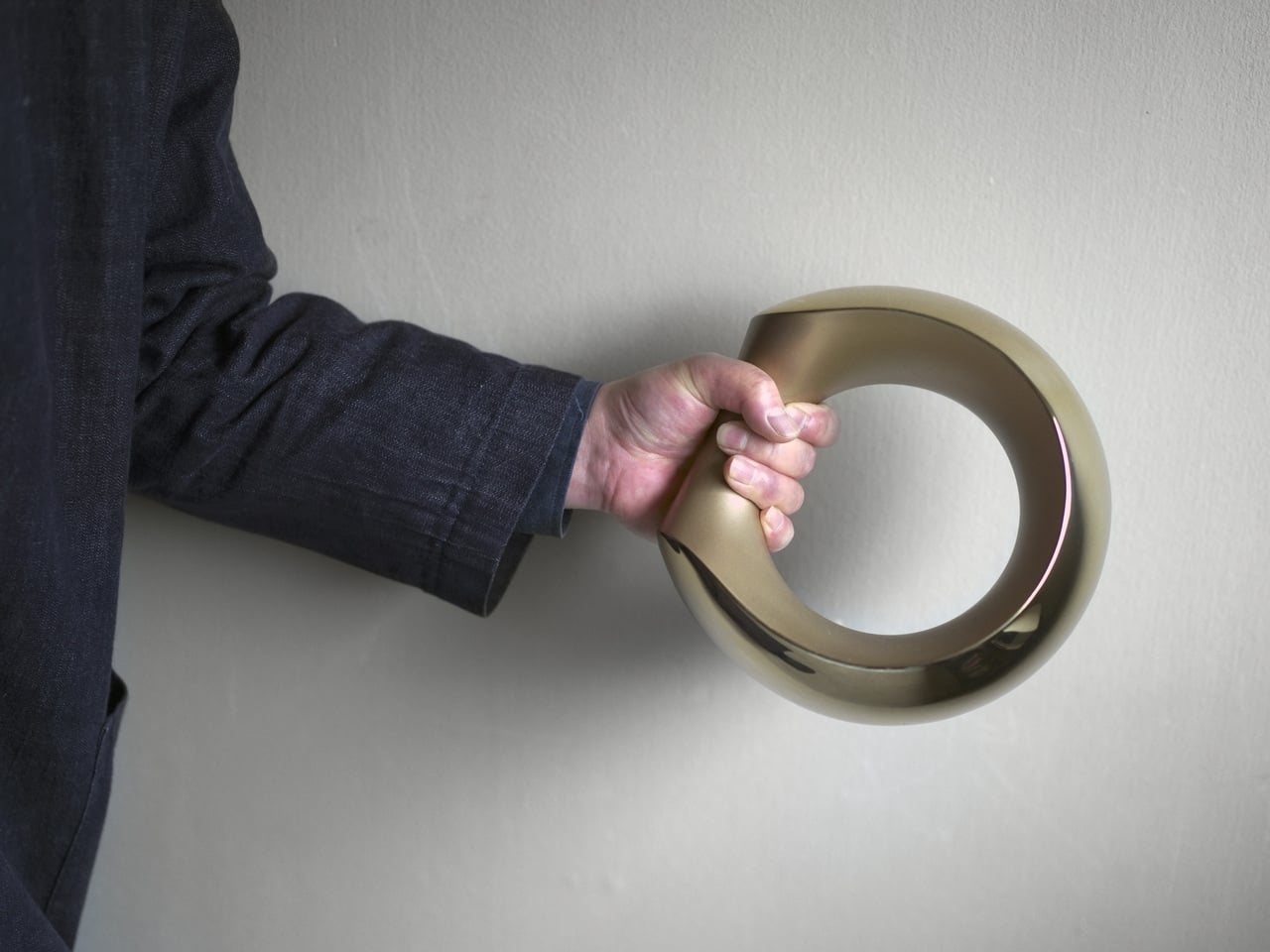
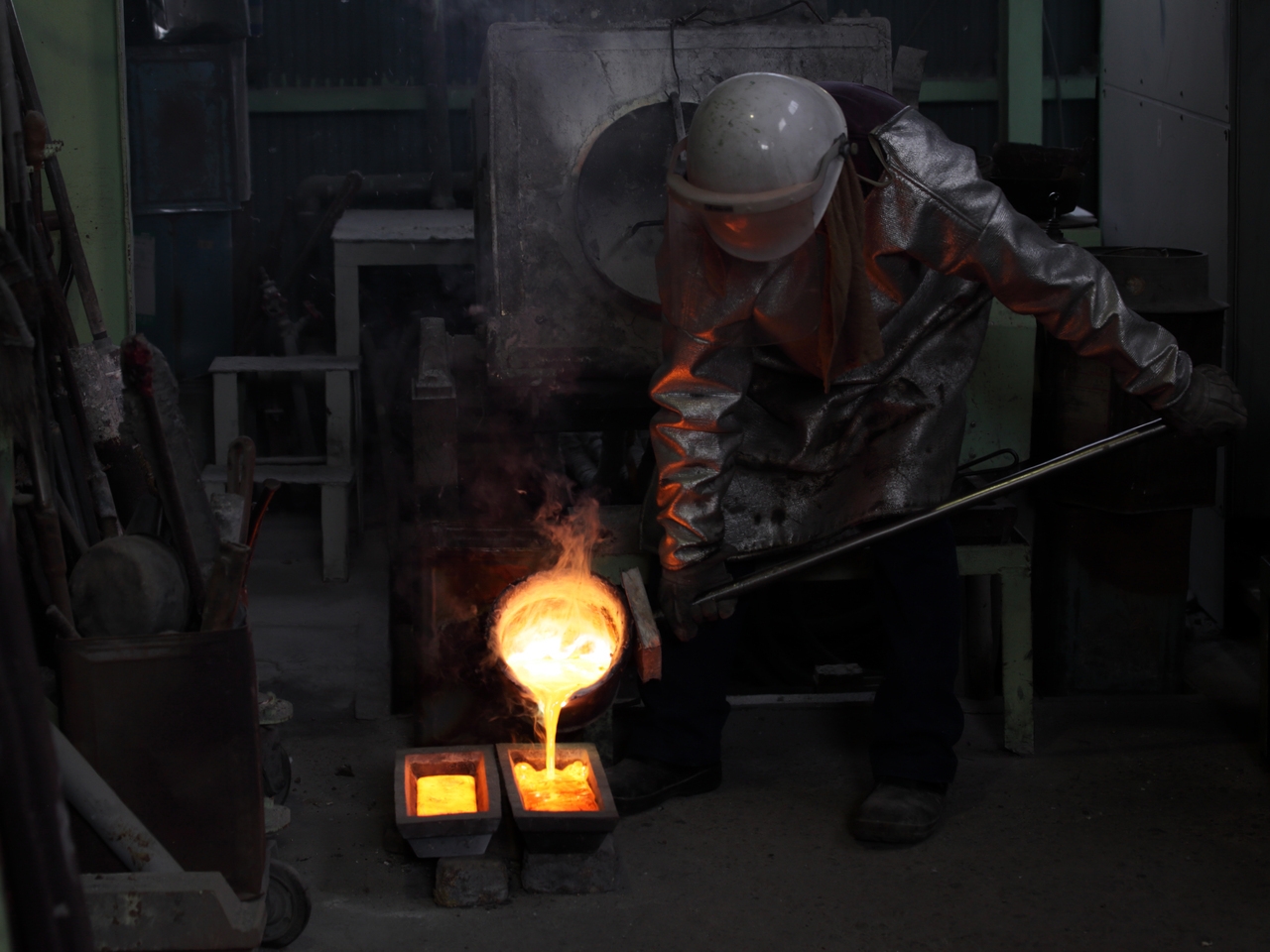
Tokyo-based designer Kenji Abe knows this from personal experience. He would put his own dumbbells in a drawer when friends came over, and then forget about them entirely. That specific frustration became the brief for MANTLE, a pair of bronze dumbbells produced under the ifuki brand in Takaoka City, Japan. The goal was a dumbbell you’d actually want to leave out, all day, even on a good shelf.
Designer: Kenji Abe

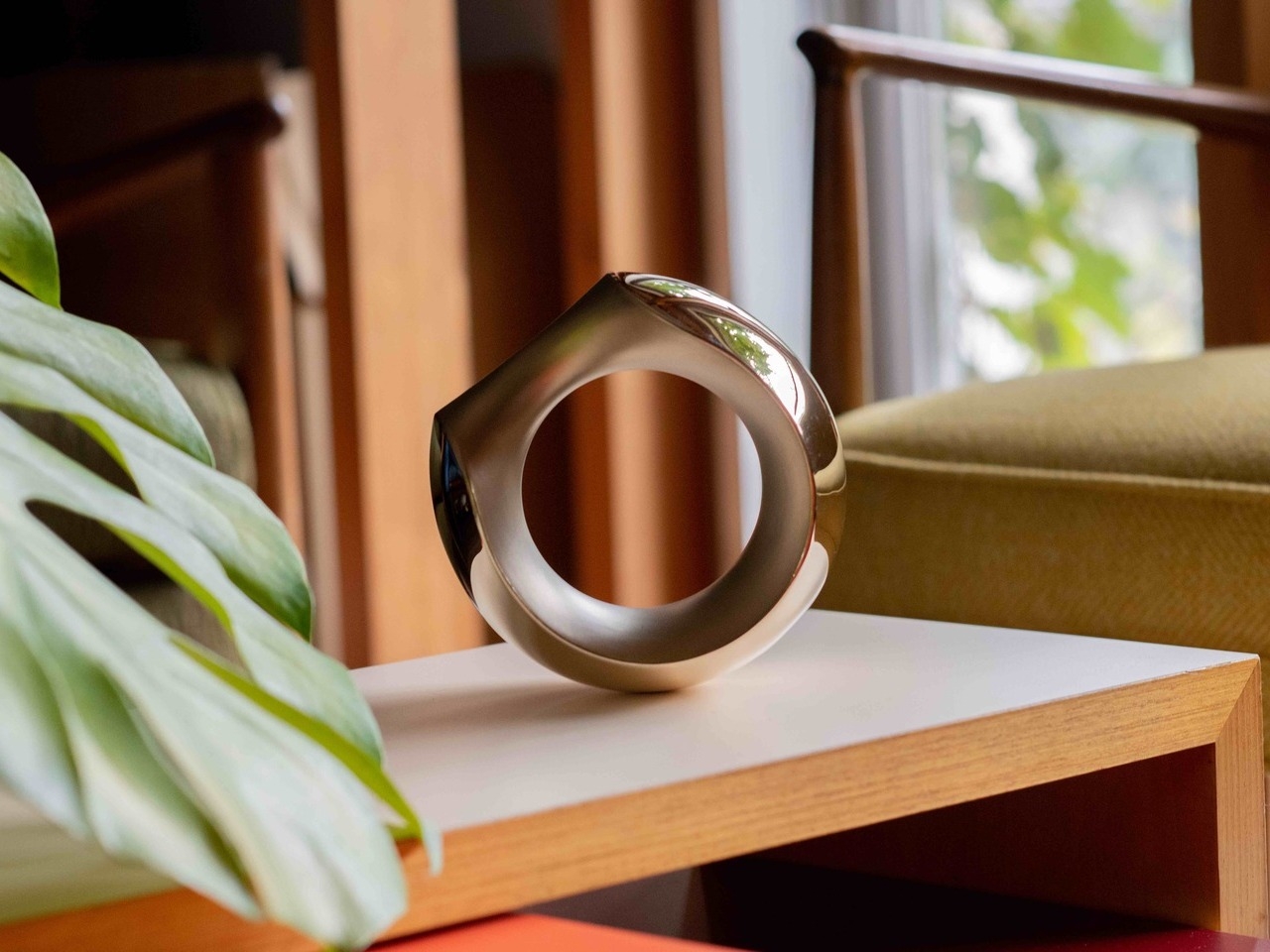
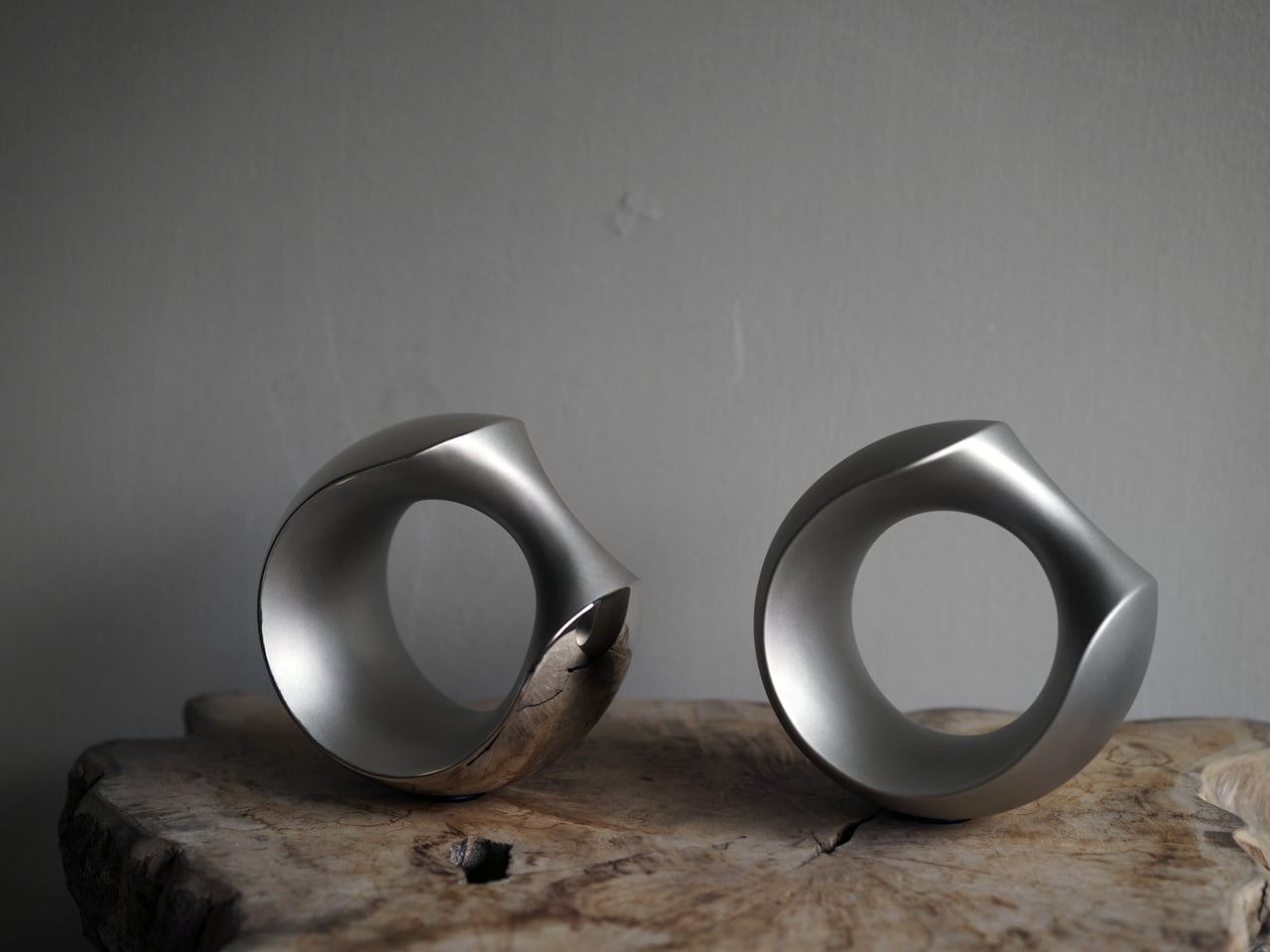
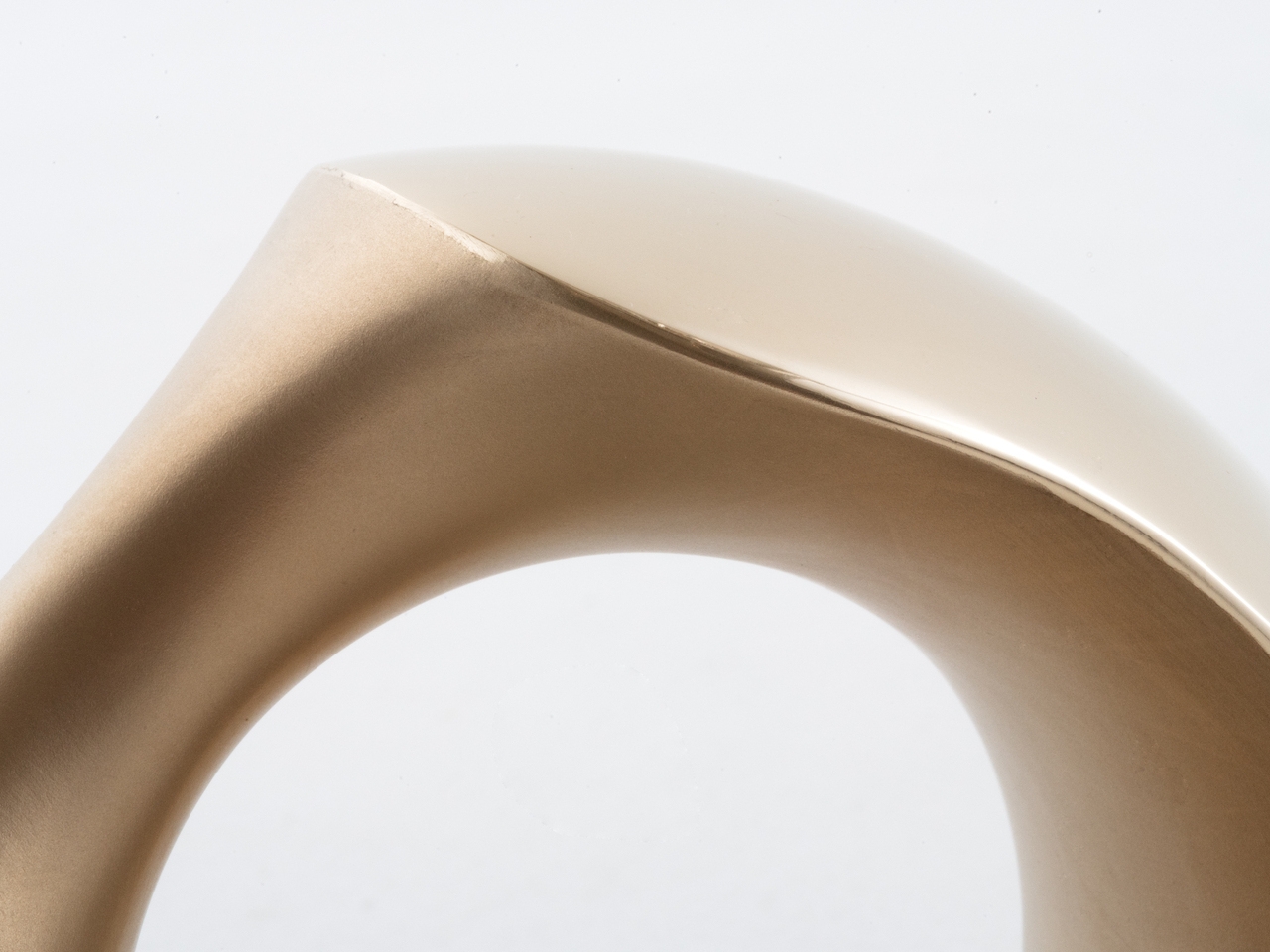
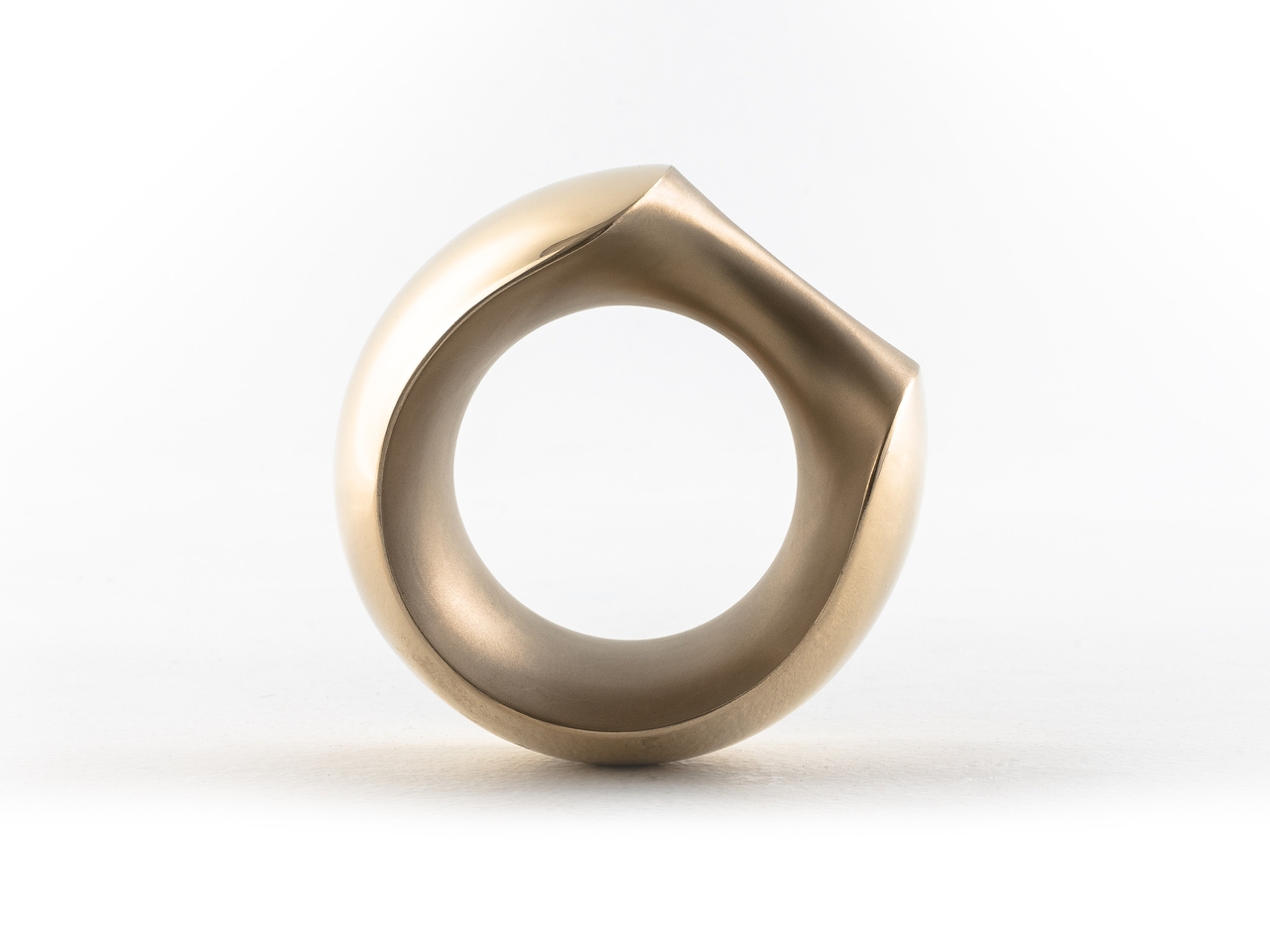
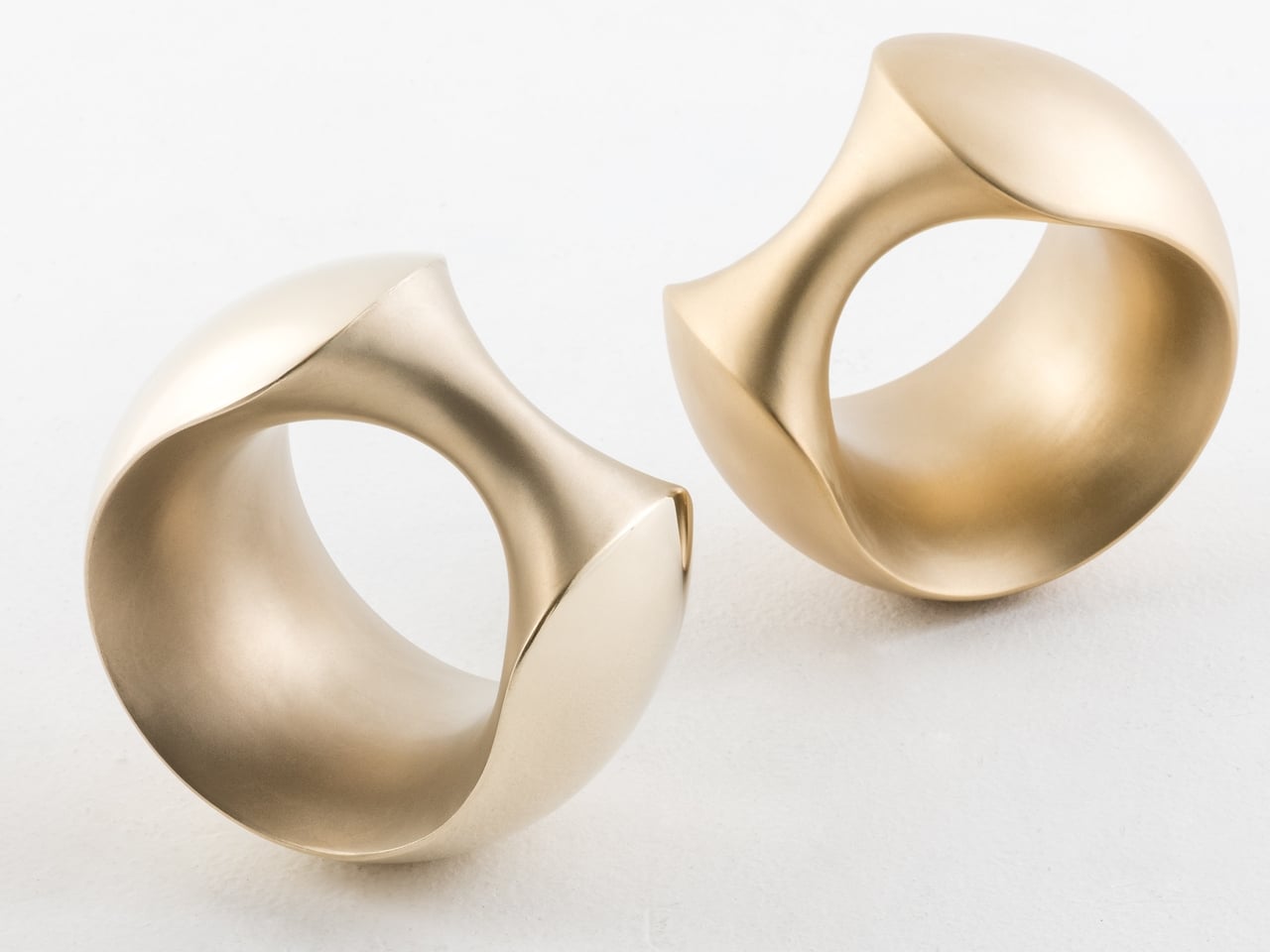
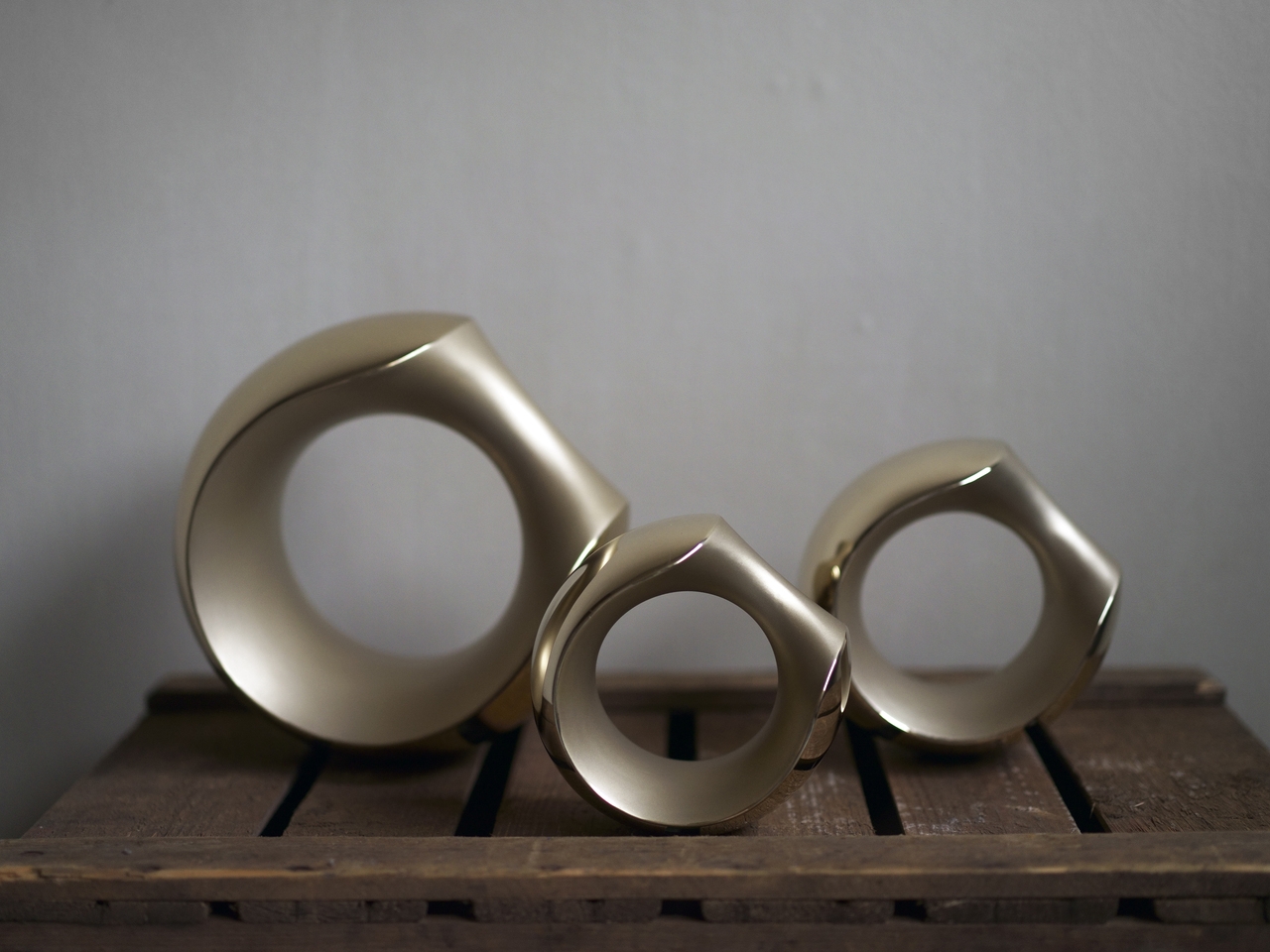
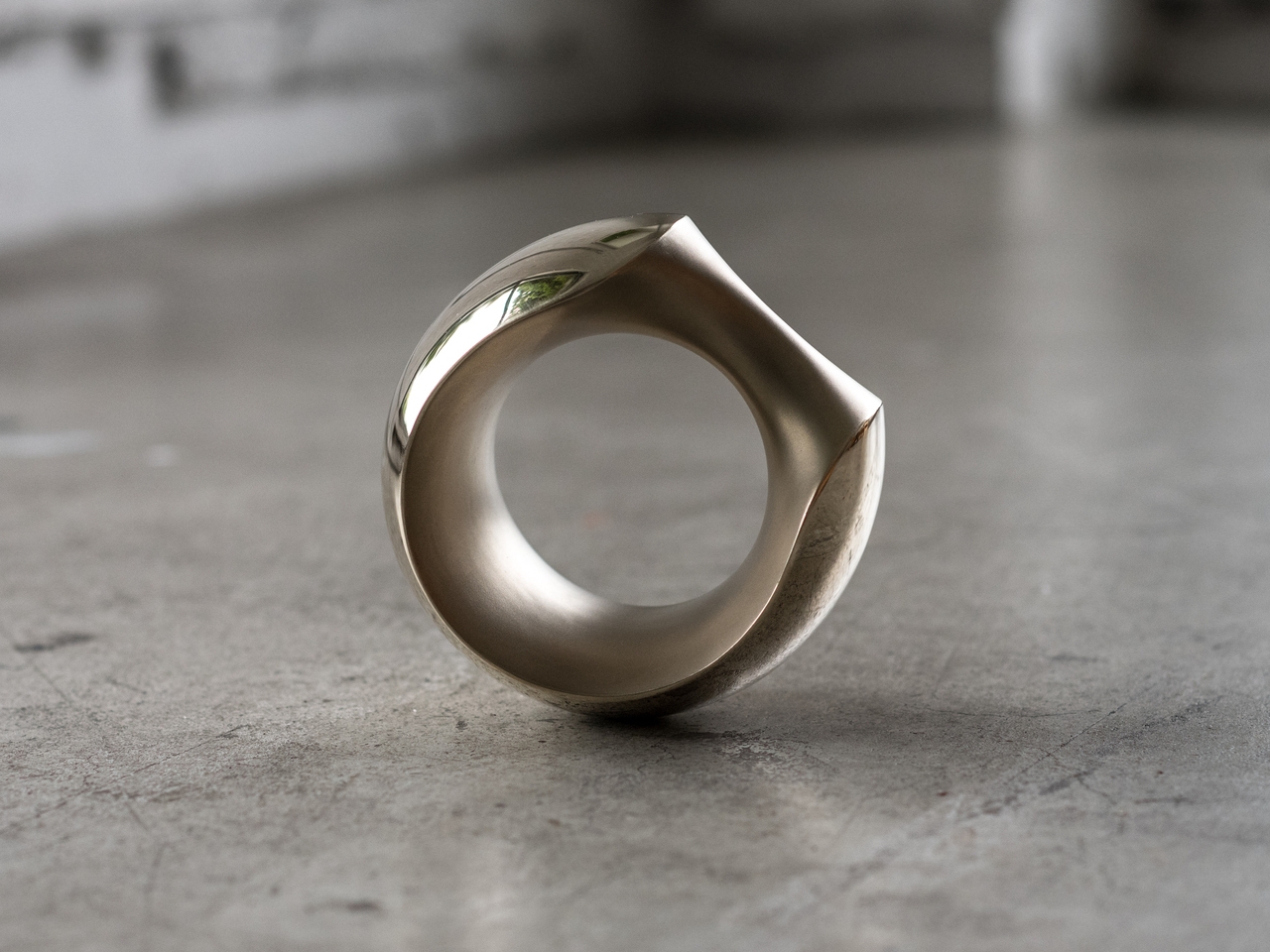
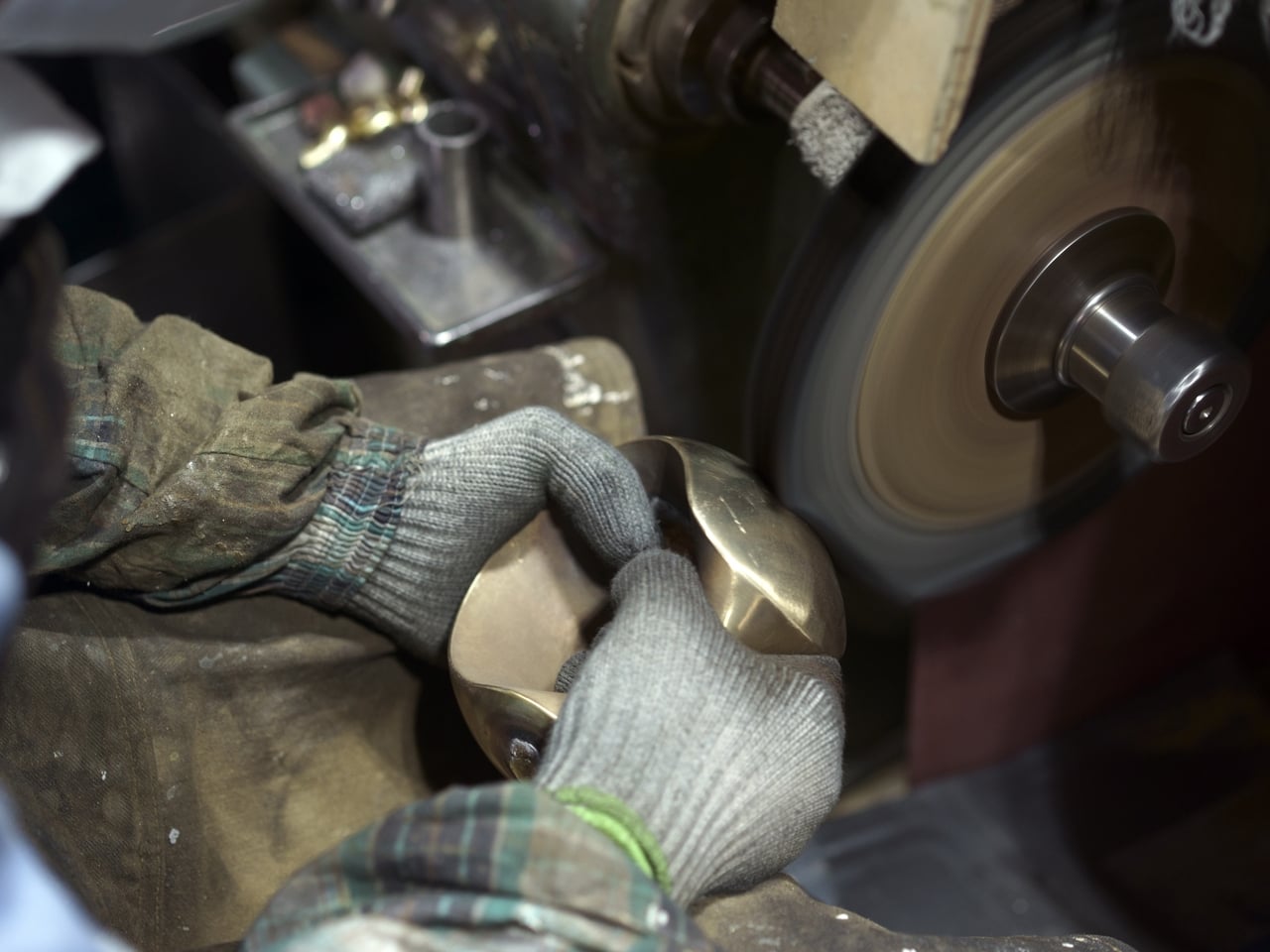
That required rethinking the object from the start. MANTLE combines several surface treatments on a single cast form, with sandblasted sections contrasting against mirror-polished areas. The result carries the visual weight of a sculpture or a piece of jewelry rather than exercise equipment. Set on a side table, it reads as an intentional object, not something that ended up there because there was nowhere else to put it.

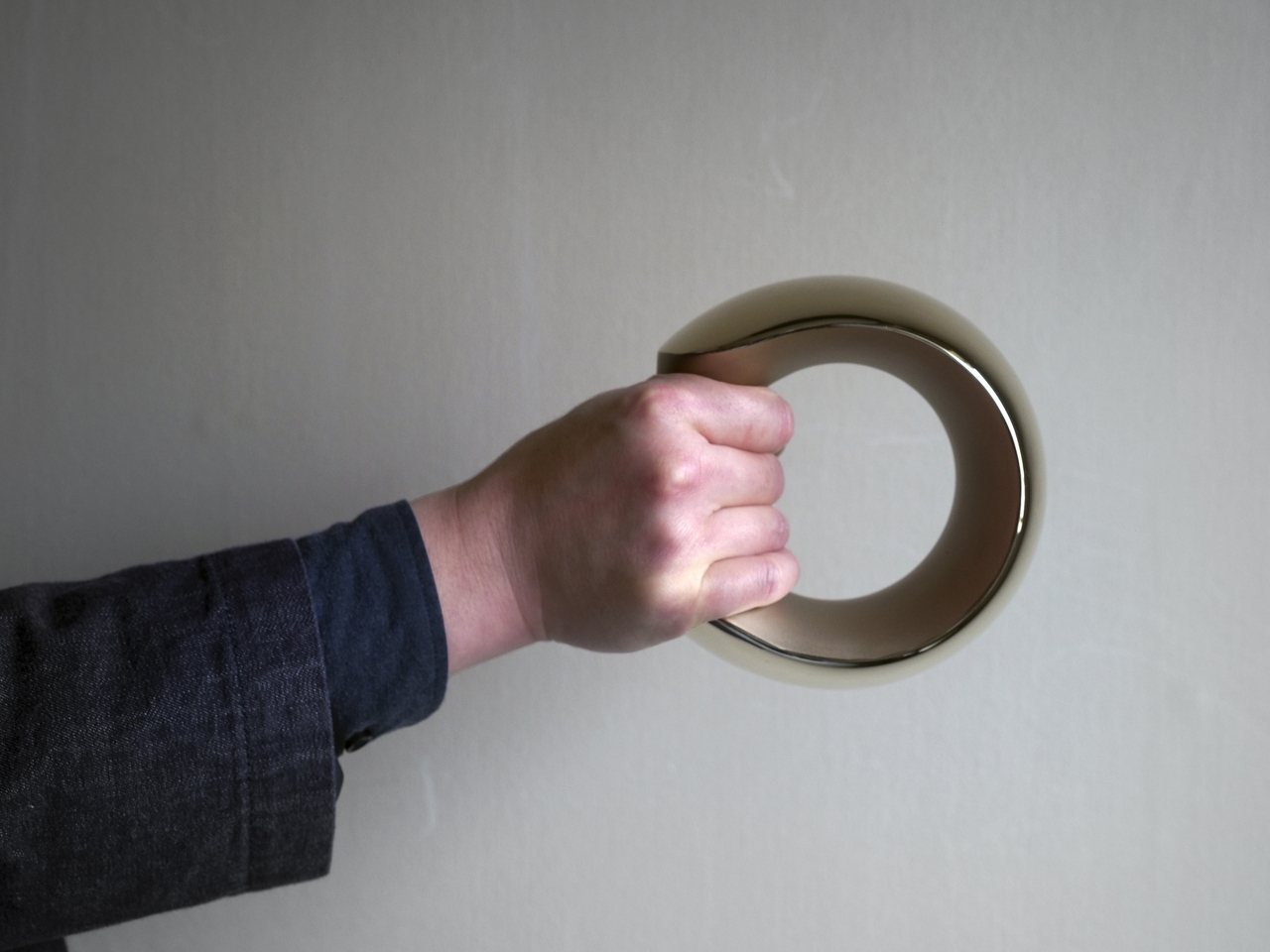
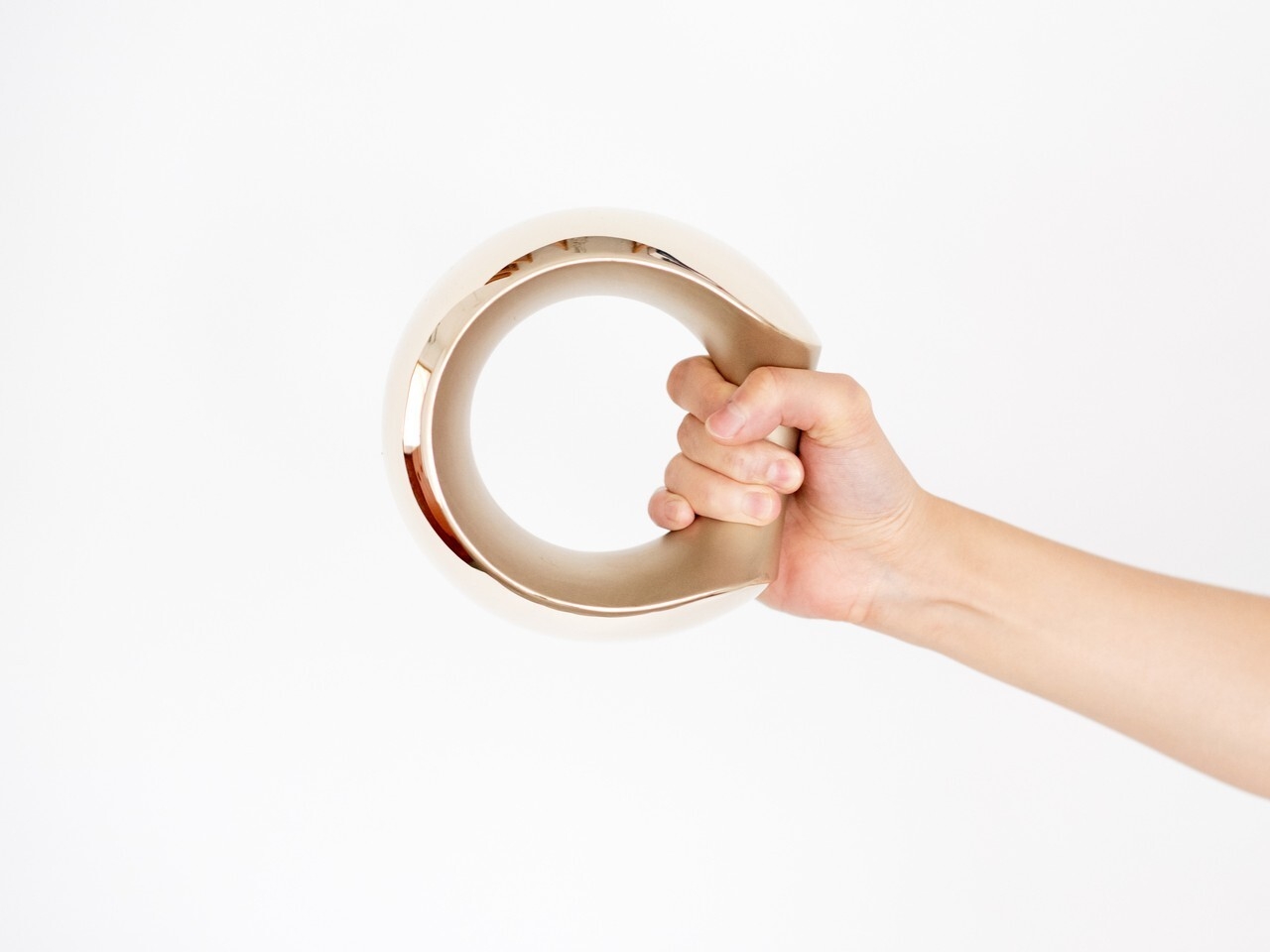
The form is just as deliberate. Inspired loosely by the armadillo, the sculptural shape is perfectly balanced, which means the dumbbell stands upright on its own without tipping. A grip tilted at 45 degrees makes it easy to pick up from any angle, and the smooth bronze surface was selected specifically to feel comfortable against skin rather than abrasive during a workout.

The versatility goes further than the grip. You can hold it conventionally for curls or presses, slide it over a wrist to add resistance to arm movements, or hook it around a foot for leg raises. The same object adapts across different exercises without needing adjustments, and the balanced form means it doesn’t fight you regardless of how you’re holding it or what you’re doing.

MANTLE also ages gracefully. Bronze develops character over time, and the combination of matte sandblasting and mirror polishing makes that aging process something worth watching. The material catches light differently across its surfaces, and the contrast in textures gives it a depth that most gym equipment doesn’t have the ambition to pursue.

MANTLE won the Grand Prize at the Toyama Design Competition in 2018 before being developed into a commercial product through ifuki. Abe’s reasoning has always been straightforward: a well-designed dumbbell doesn’t get hidden away, and one that doesn’t get hidden away is one that actually gets used. The drawer stays empty, and the habit becomes a little harder to abandon.

The post The Designer Who Hid His Dumbbells Built Bronze Ones Worth Displaying first appeared on Yanko Design.