This 37.6g Titanium Caliper Is the One EDC Tool That Was Missing

The EDC community is particular about what earns a place in their pockets. Titanium hardware, precision multitools, and machined accessories all go through plenty of scrutiny before they make the cut. Yet for all that attention to detail, accurate measurement is still largely a workshop activity. A full-size caliper stays on the bench. A rough estimate fills the gap. Something between the two has been missing.

TiCal Pro 2.0 is designed to fill that gap and makes a bold case for being the first pocket caliper you’d actually trust for real measurement work. It’s not trying to replace the full-size tool on your workbench, but to bring genuine vernier precision down to something that clips to your keychain, hangs from a cord, or disappears into your pocket.

Designer: InnoZoom

Click Here to Buy Now: $59 $96 (39% off). Hurry, only a few units left! Raised over $41,000.
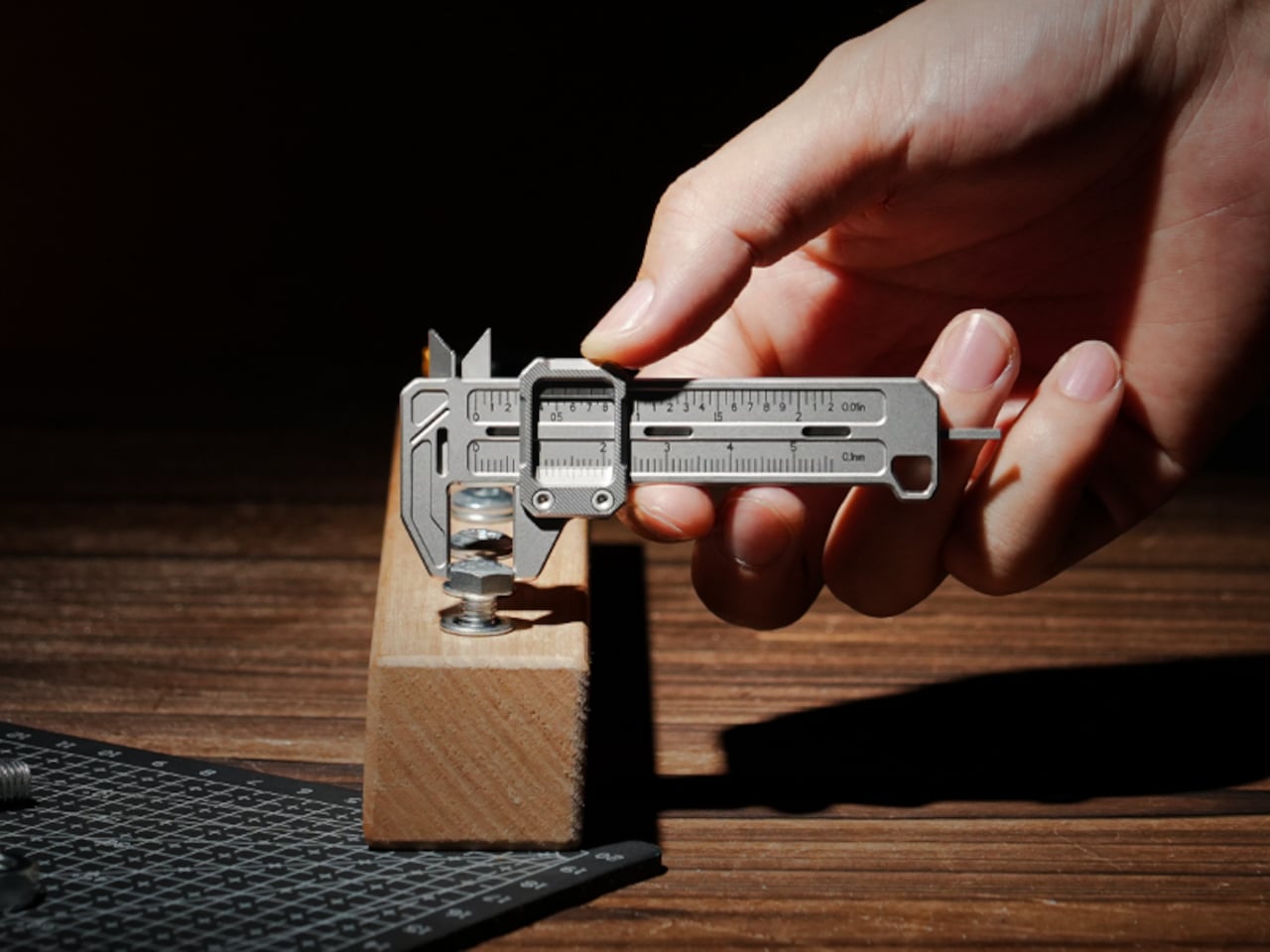
What sets it apart from the usual pocket-tool crowd is a deliberate narrowness of purpose. There’s no bottle opener, no ruler on the back, and no attempt to make it busier than it needs to be. TiCal Pro 2.0 does one thing: it measures. Outer diameters, inner diameters, and depth, with jaws and a depth rod machined as integral parts of a single titanium frame.

1

One of the more practical details is the dual-scale vernier system. Makers who move between metric drawings and imperial hardware know the frustration of converting on the fly. TiCal Pro 2.0 carries both inch and millimeter scales simultaneously, synchronized so that a single glance gives you both readings at once. There’s no mental math involved and far less room for the errors that unit conversion can invite.

1

With a resolution down to 0.01-inch for imperial measurements and 0.1mm for metric ones, it’s built for the kind of small-dimension work that usually gets left to guesswork outside the workshop. The scales themselves are laser-engraved deeply enough to resist daily wear, which matters a lot for something that lives in your pocket. Shallow printed markings fade quickly; these stay sharp and legible through regular carry.

Precision tools have a tactile dimension that often gets overlooked. TiCal Pro 2.0 addresses this with a self-lubricating POM ball rail system that delivers a silk-smooth slide with no oil and no grinding. The damping is also adjustable with a standard T5H driver, letting you set the slide resistance to your preference so the jaw stays exactly where you put it, no locking screw needed.

1

The choice of Grade 5 titanium for the body is practical rather than decorative. It offers the strength of steel at half the weight and is corrosion-proof, shrugging off sweat, rain, and shop fluids without complaint. For a tool meant to stay on your person at all times, that kind of durability makes a genuine difference in how willing you’ll actually be to carry it.

Think about the moments when a precise measurement would’ve been useful. A screw that looks like the right size but isn’t. A 3D-printed part that fits almost perfectly but not quite. A watch lug you’re trying to match without guessing. A keyboard stabilizer that needs a bit of finessing. These are the moments where a quick estimate wins by default simply because the right tool isn’t close enough.

1

At 3.37 inches long and weighing only 37.6g (1.33 oz), it’s compact enough to clip to a keychain or hang as a pendant, always within reach but never in the way. Four integrated tritium slots add a subtle glow for low-light situations, and the tool is available in either Sandblast Titanium or PVD Black, two very different expressions of the same object.

None of that changes the fact that a full-size caliper will always offer more range and a longer measurement stroke. But TiCal Pro 2.0 isn’t competing with the bench tool; it’s filling the space where that tool never goes. Precision doesn’t always happen in a workshop, and this small titanium instrument quietly makes the case that it doesn’t have to.

Click Here to Buy Now: $59 $96 (39% off). Hurry, only a few units left! Raised over $41,000.

The post This 37.6g Titanium Caliper Is the One EDC Tool That Was Missing first appeared on Yanko Design.

Encore RV includes full shower and toilet on 12-foot camper trailer without compromising living space

Smaller camper trailers are sprouting one after the other, and we are in awe of each one of them. Special mention: Campinawe Crossover Solo we saw the other day. Now that seems like a story of the past, as we have a new entrant from Encore RV. This is not something especially new. So wasn’t the Crossover Solo really? It’s an enhancement of one of Encore’s more interesting ROG models, which despite everything else, lacked an onboard wet bath.

Encore RV boasts of producing trailers designed to last. In fact, the company based out of Elkhart, Indiana, did something extraordinary to prove its point. It hung a ROG 12RK-SS model “upside down from a crane, … supported by its rear kitchen cabinet for five days and five nights…” The experiment proved the tough, durable, corrosion-proof abilities of the trailer and substantiated the company’s claim.

Designer: Encore RV

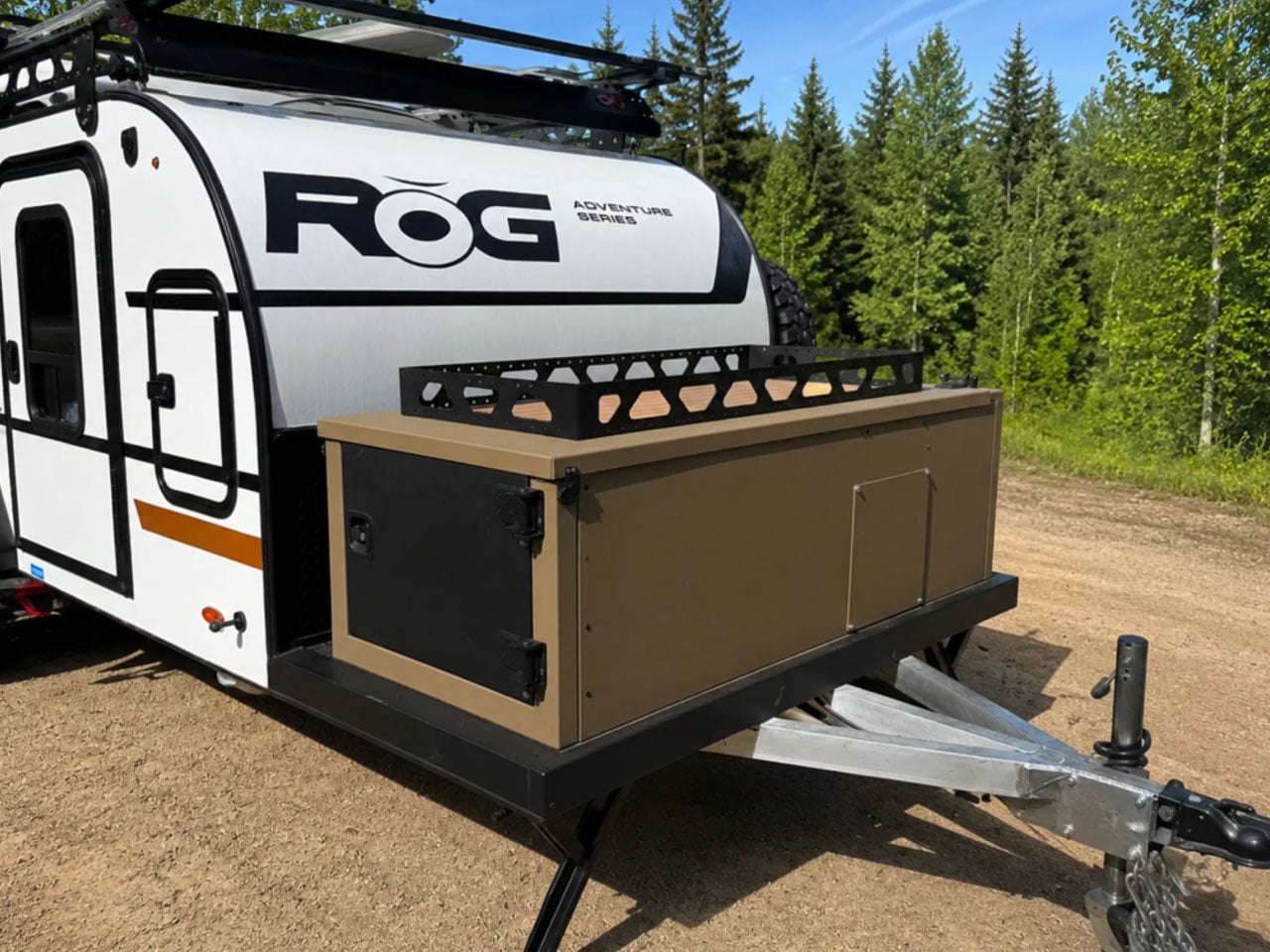
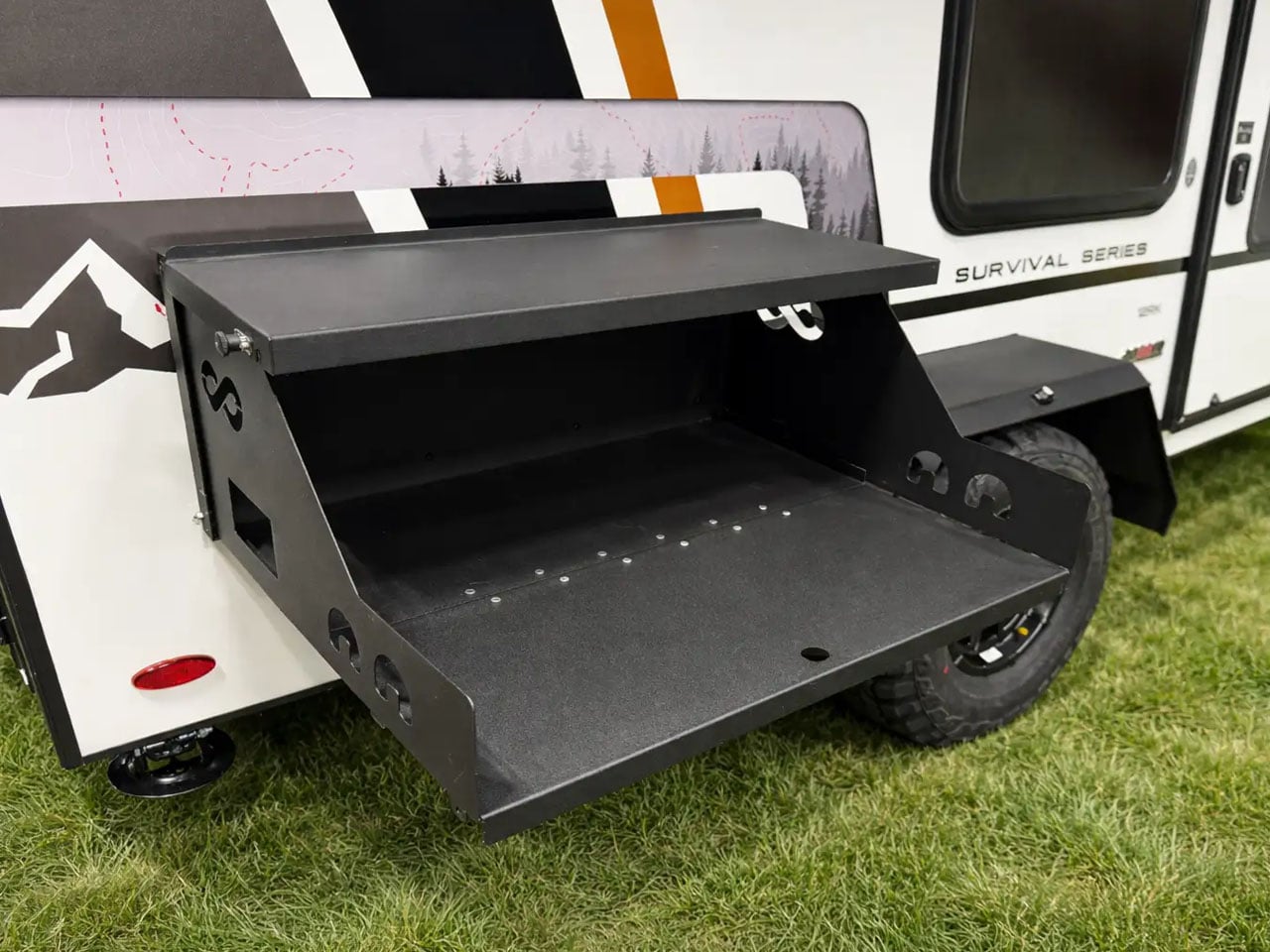
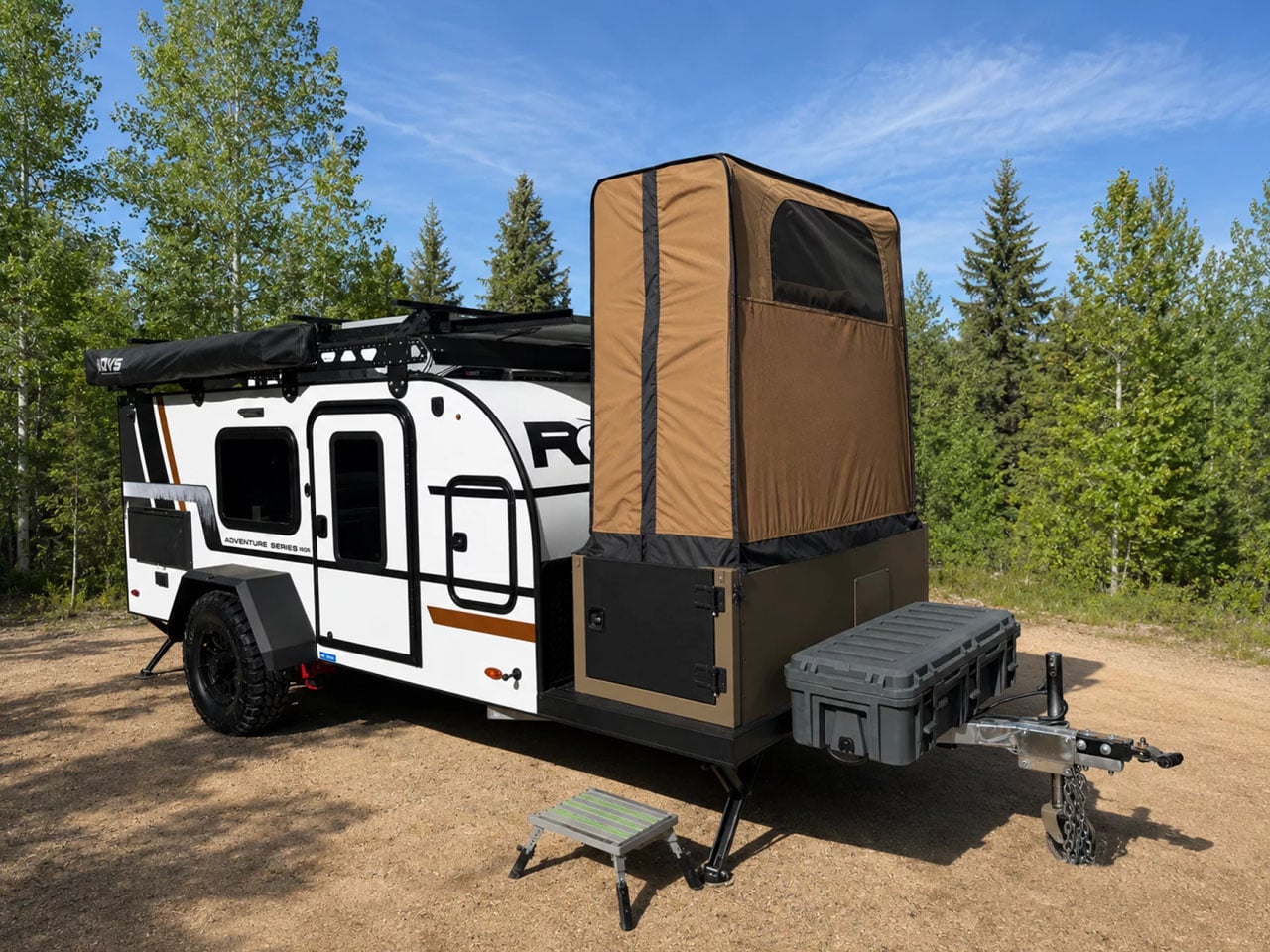
Now for 2026, Encore is aiming to solve the critical dearth of bathrooms on smaller trailers. For this, the company has chosen a rather awkward spot (it’s not on the inside of the trailer nor sliding out in any direction), yet it is fully connected to the trailer. It’s built atop the ROG 12RK, one of the cheaper models in the manufacturer’s ROG lineup of trailers, and the new creation we get is called the ROG 12RK-FB, which was unveiled publicly at the recently concluded Overland Expo West in Arizona.

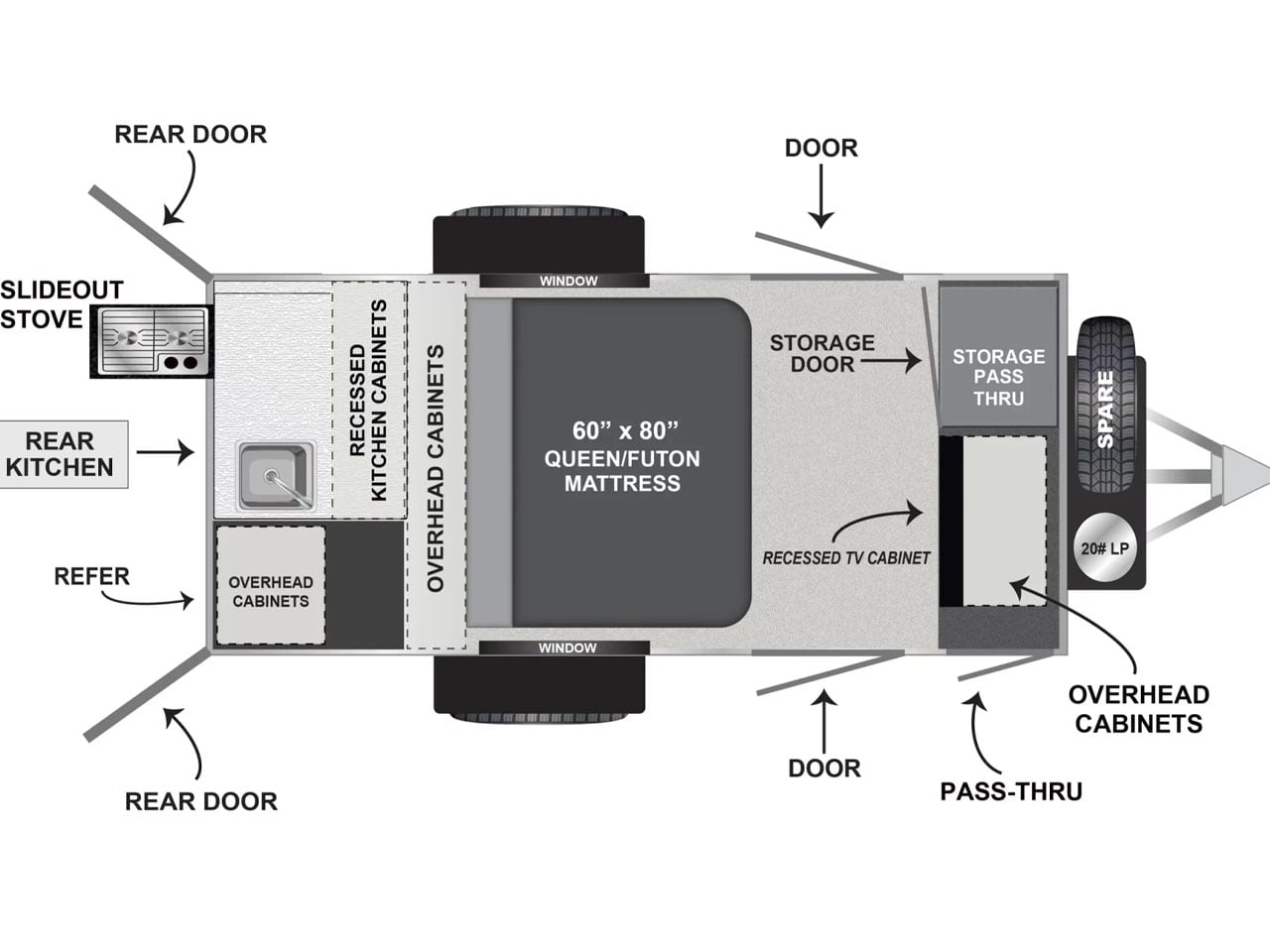
The 12RK is based on the same signature style of construction that the Encore follows for its more expensive offerings. The trailer has a completely wood-free construction. It features an aluminum frame, composite panels form the sides, while the roof is constructed from a single piece of fiberglass. The trailer measures 15 feet long from the tow bar to the rear, while the cabin itself is only 12-foot long.

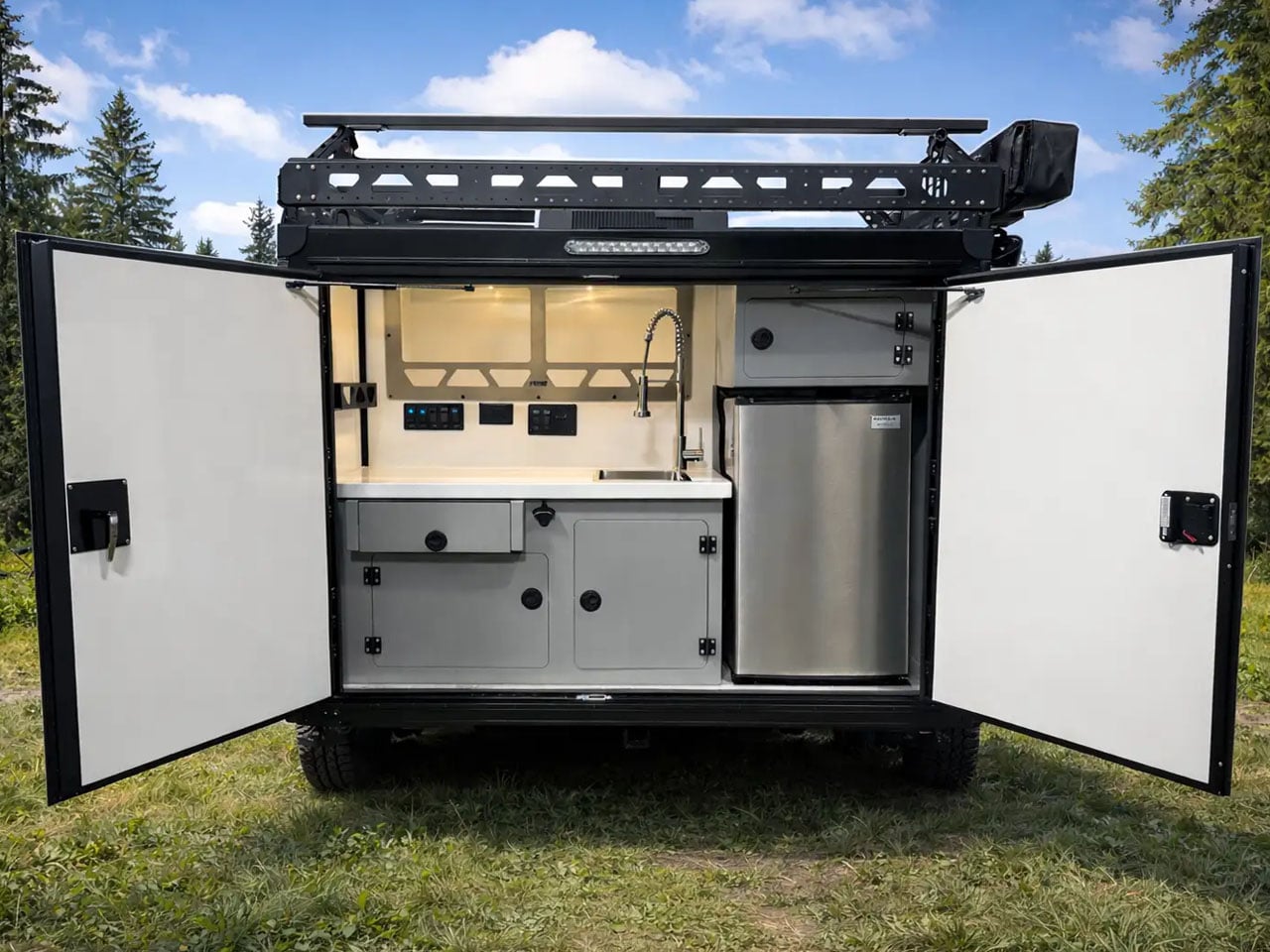
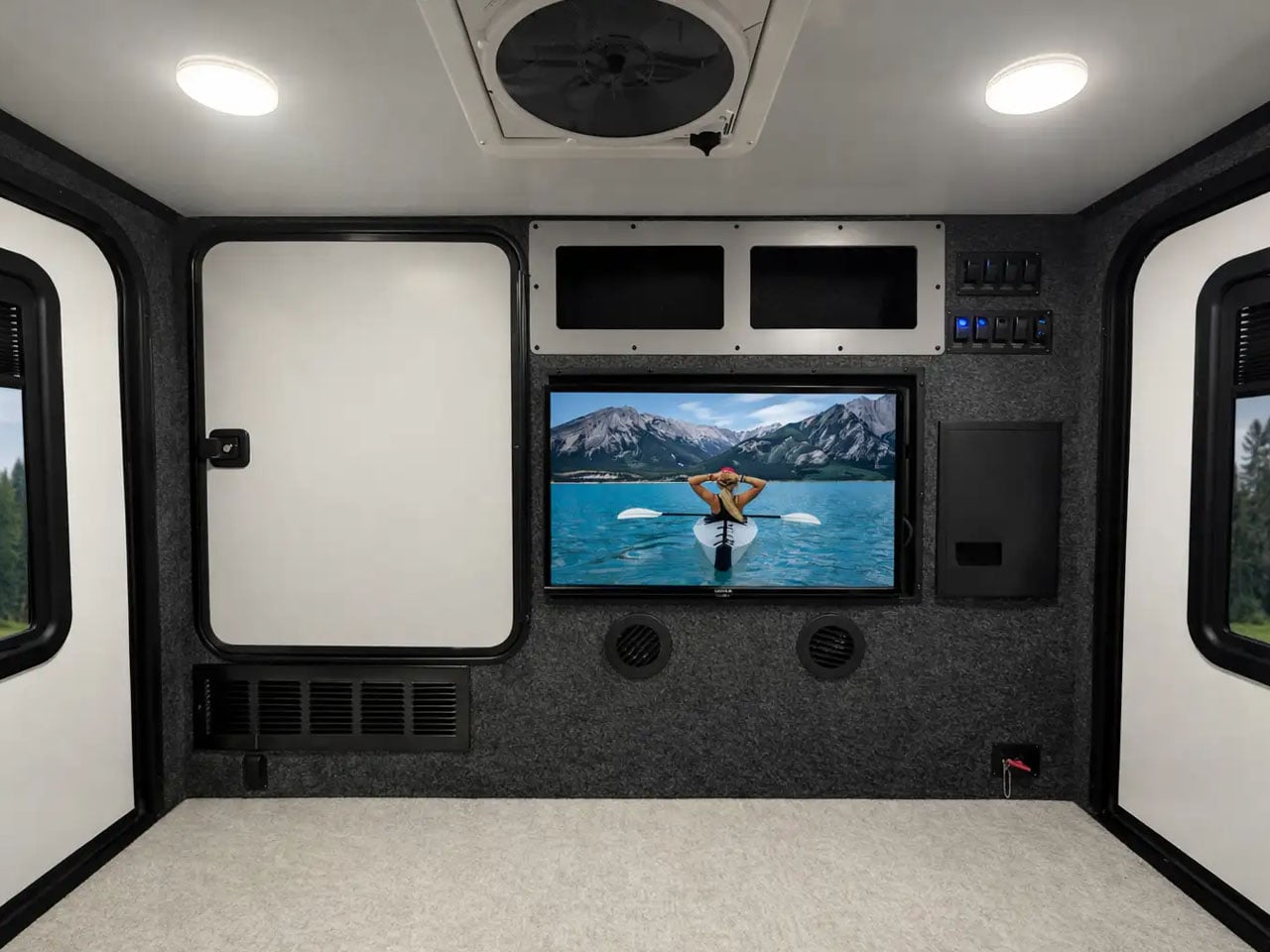
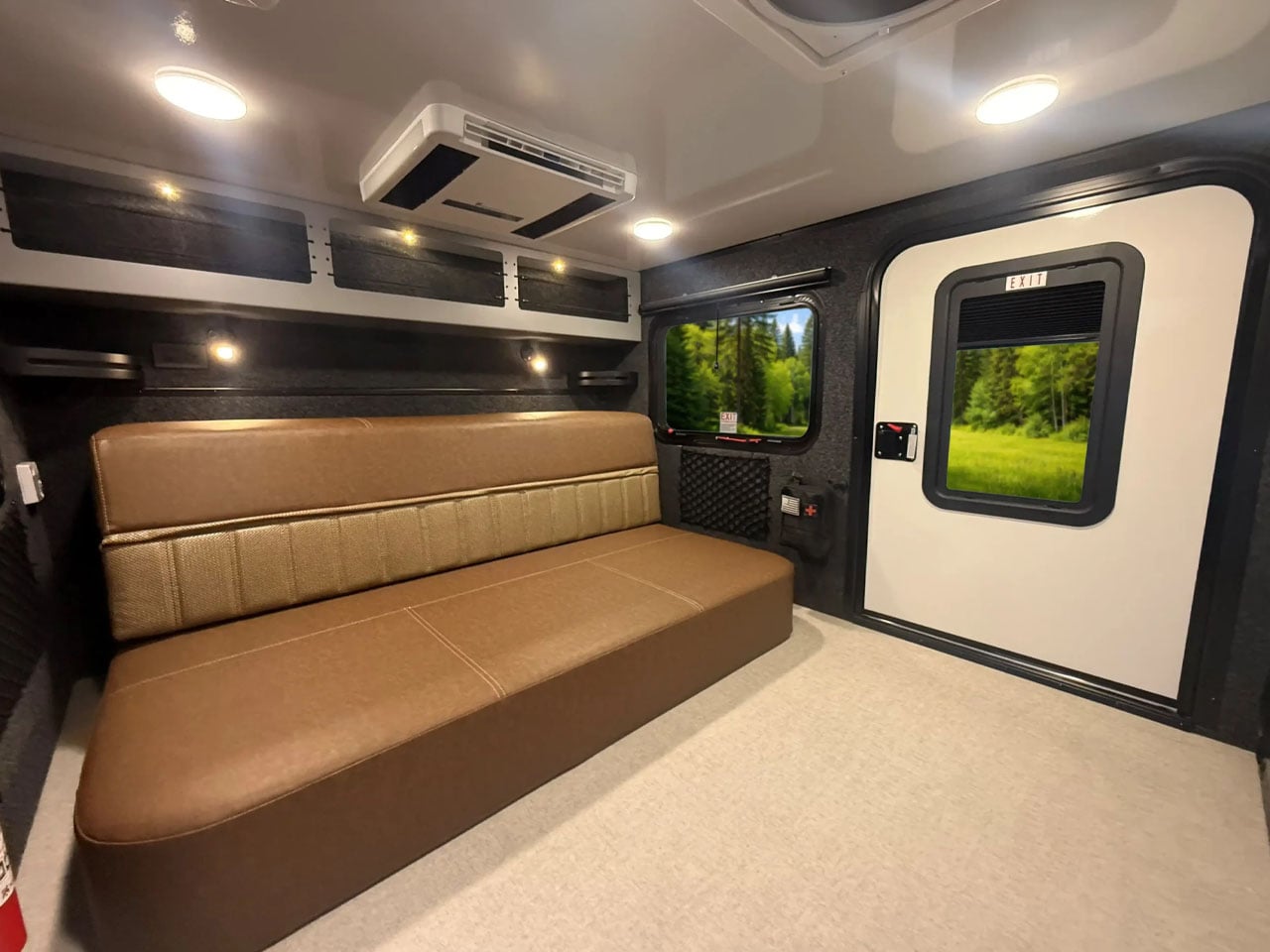
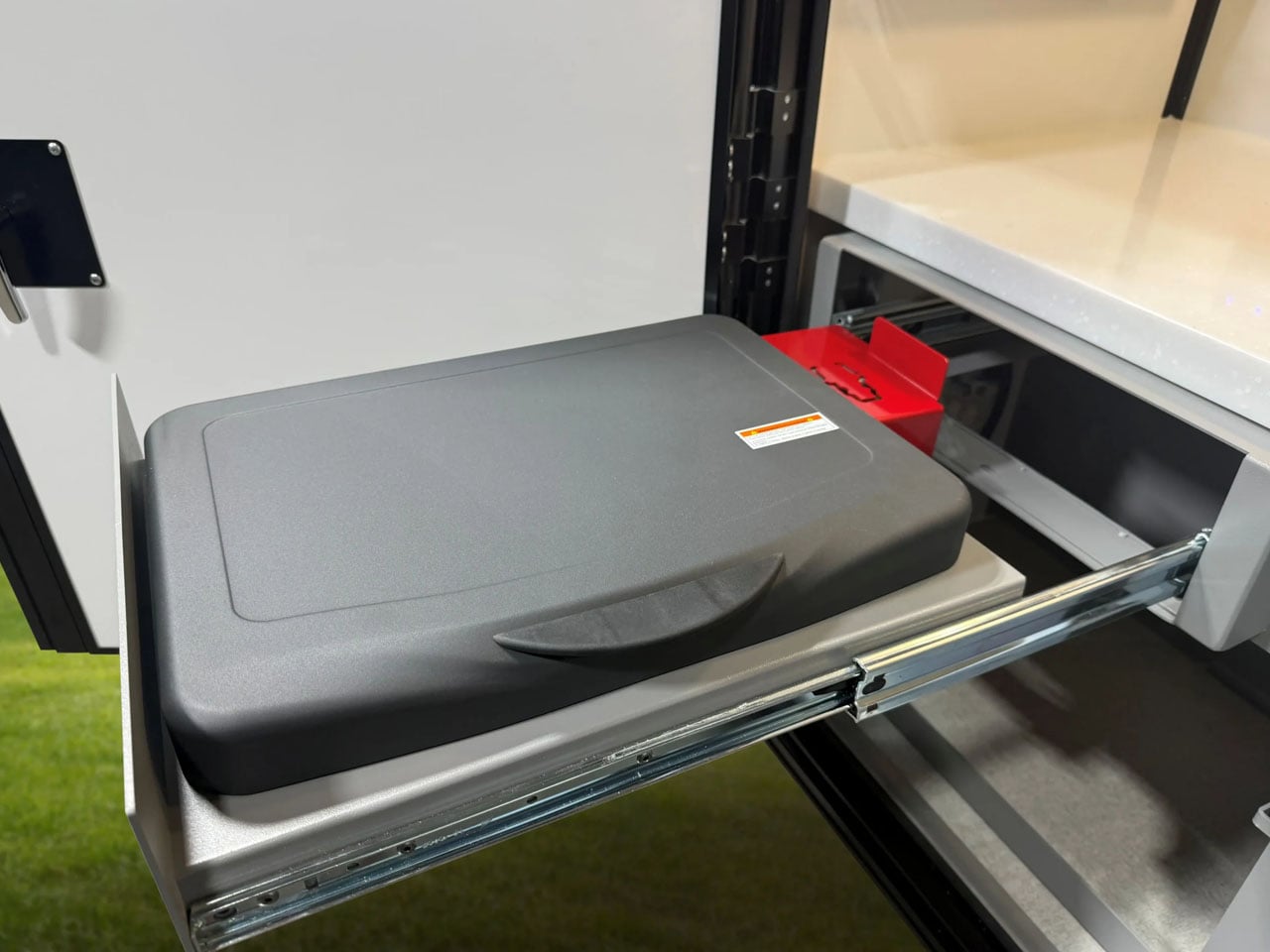
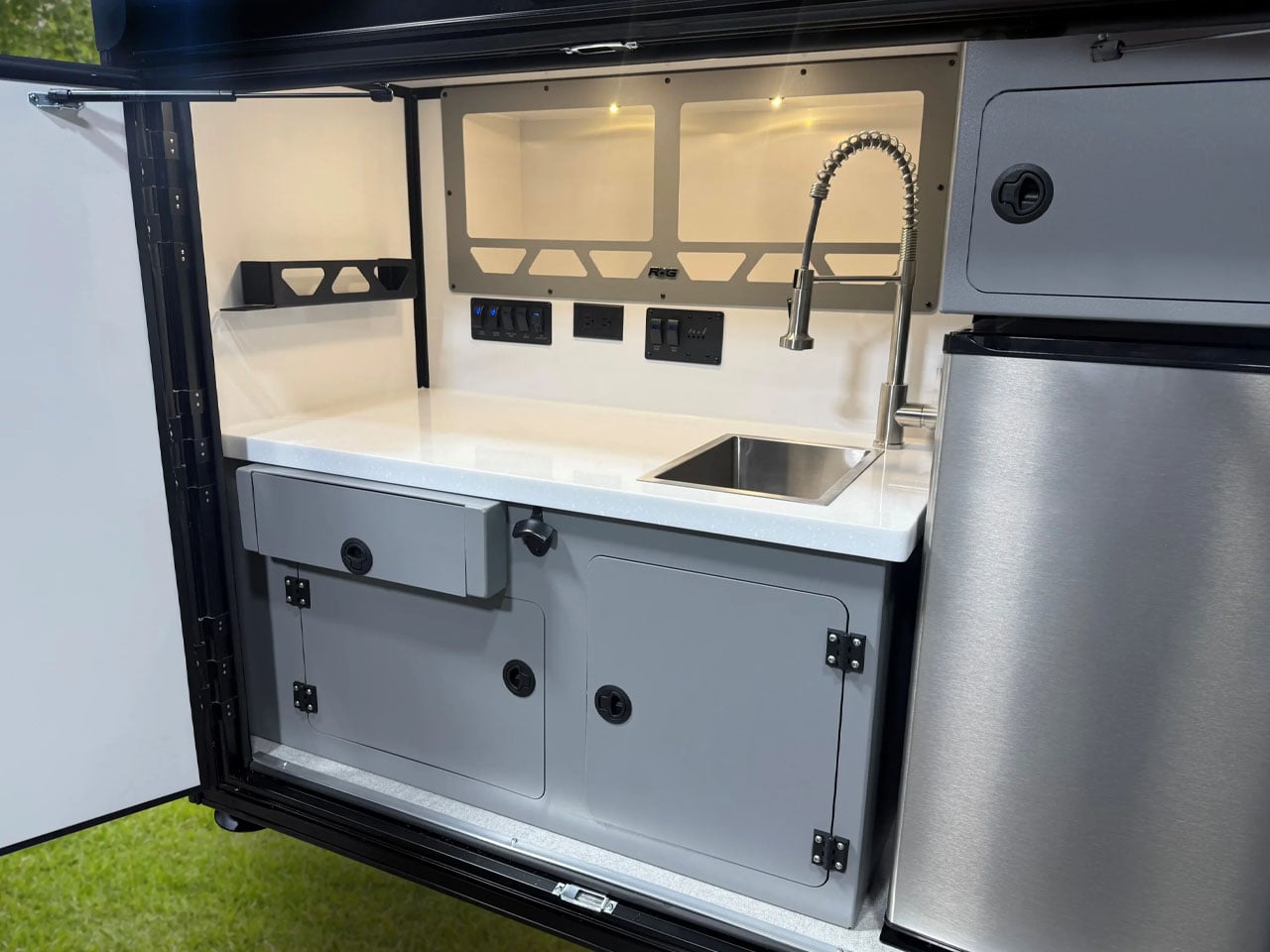
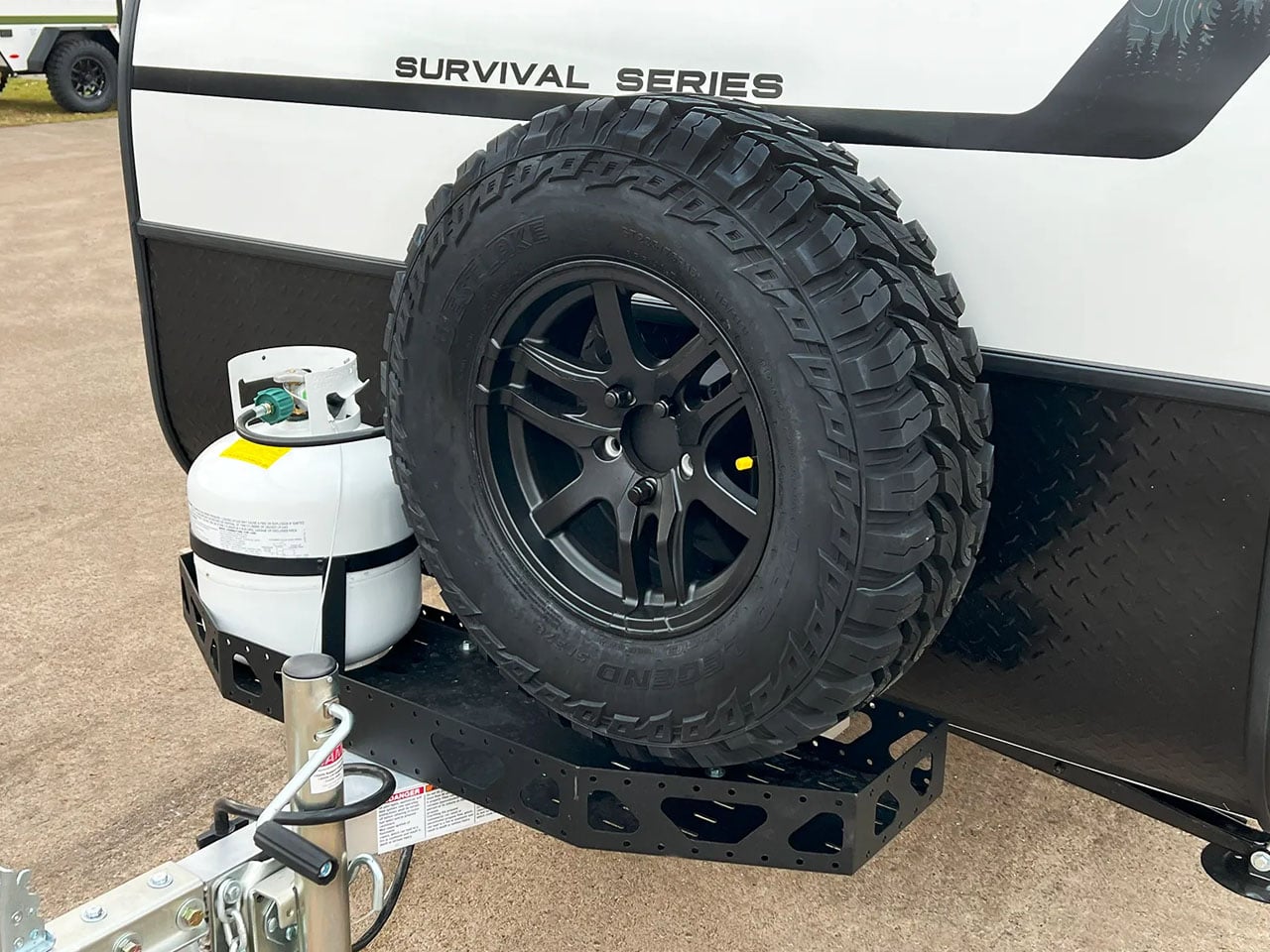
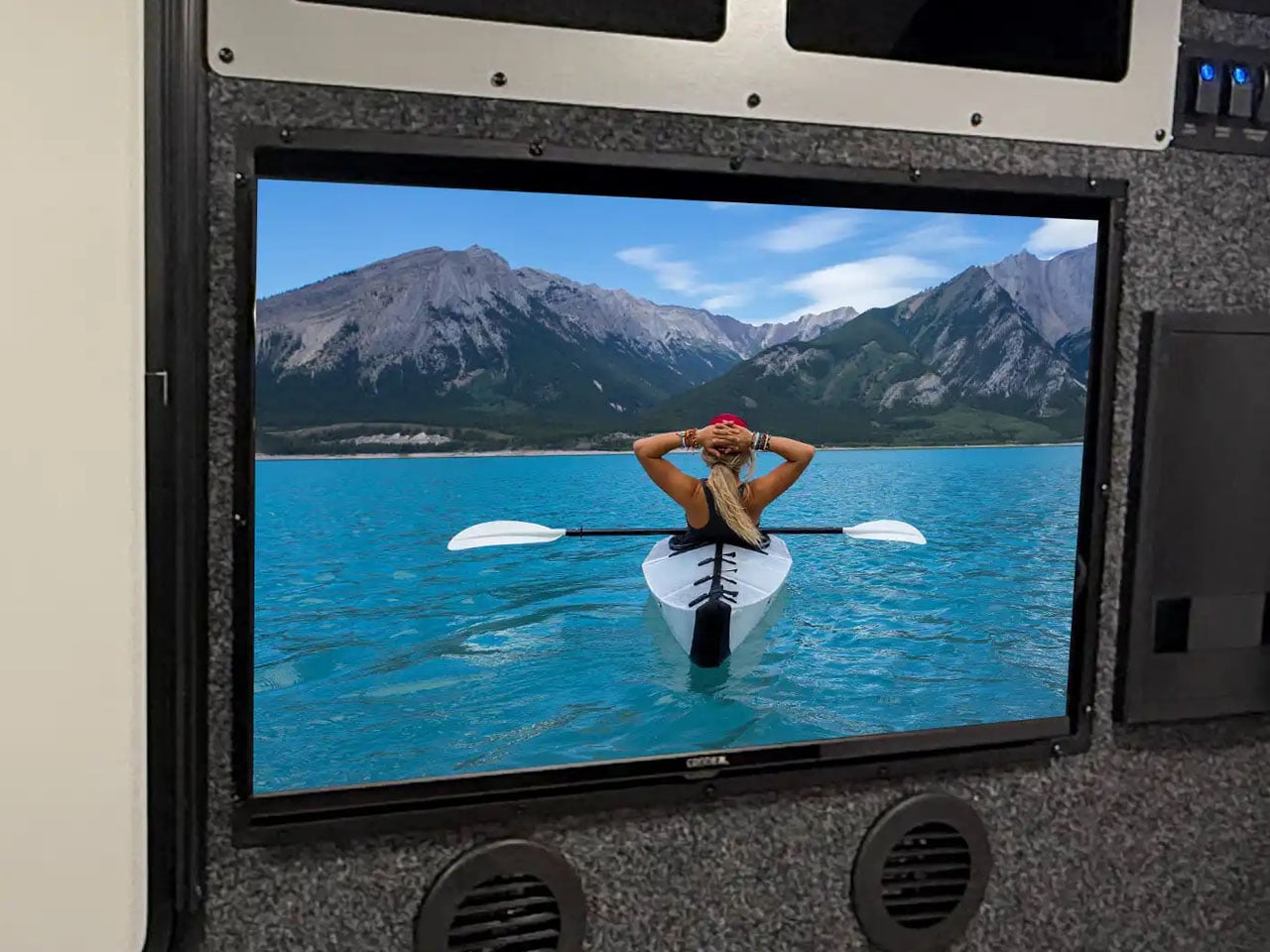
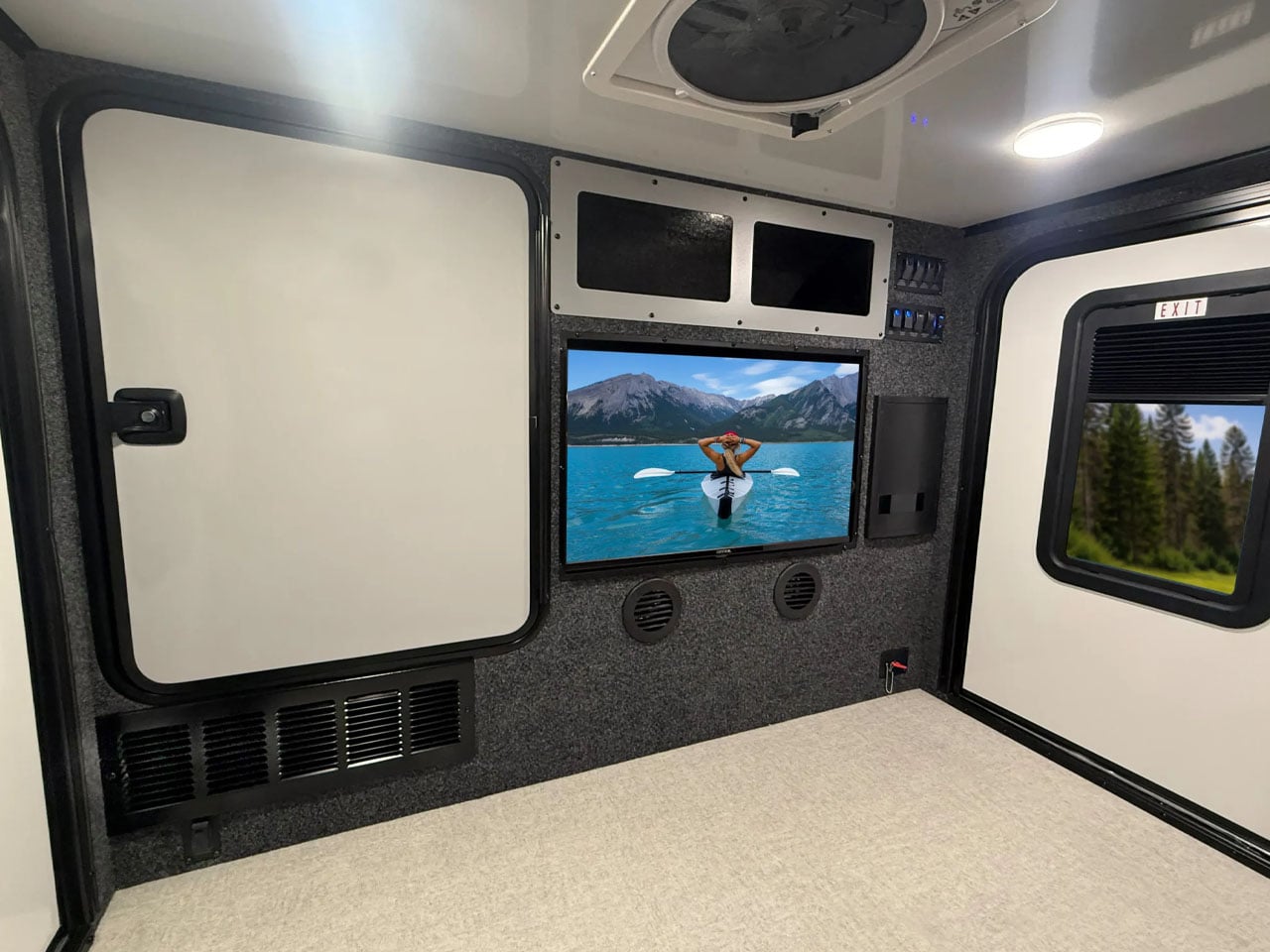
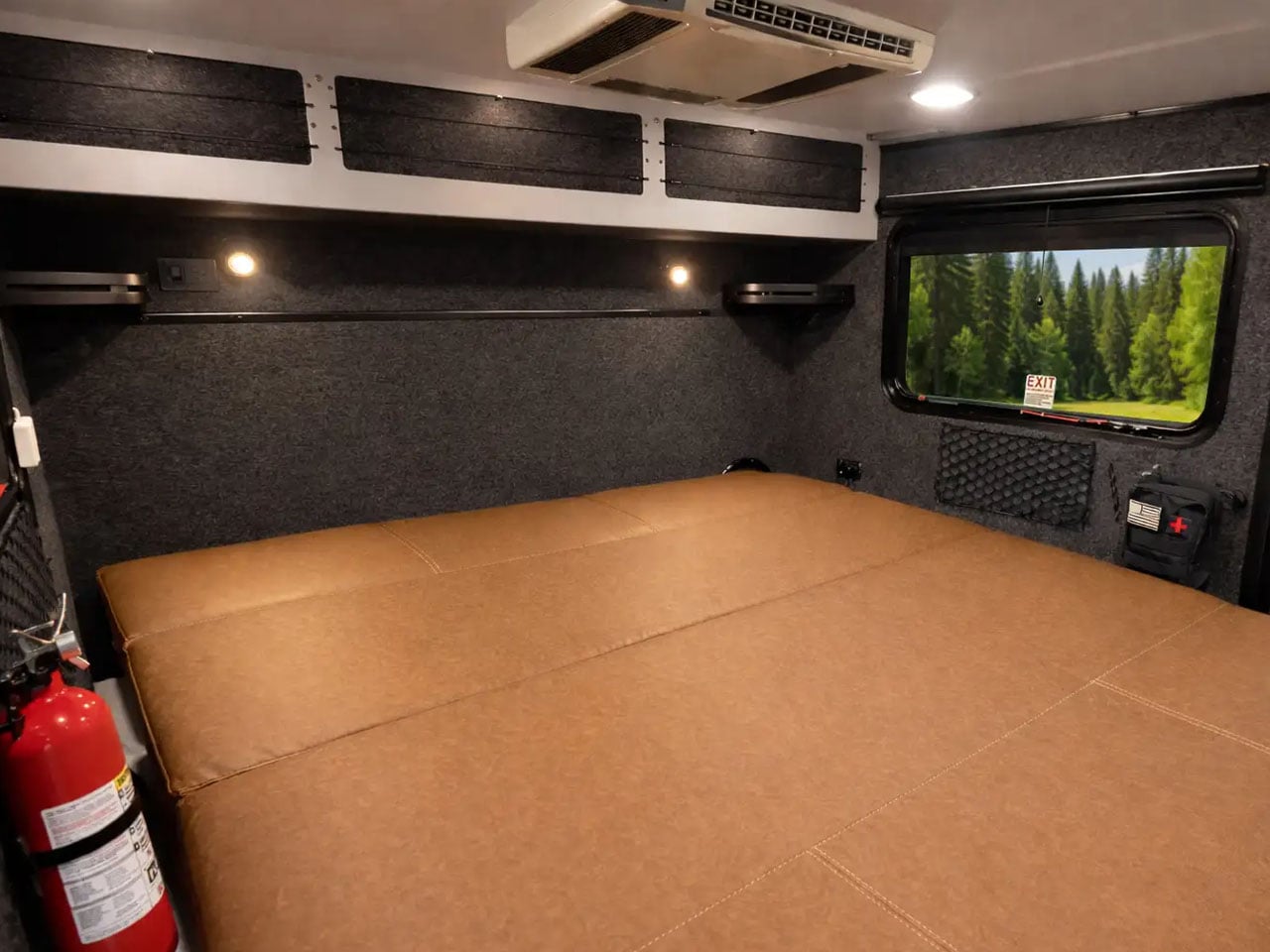
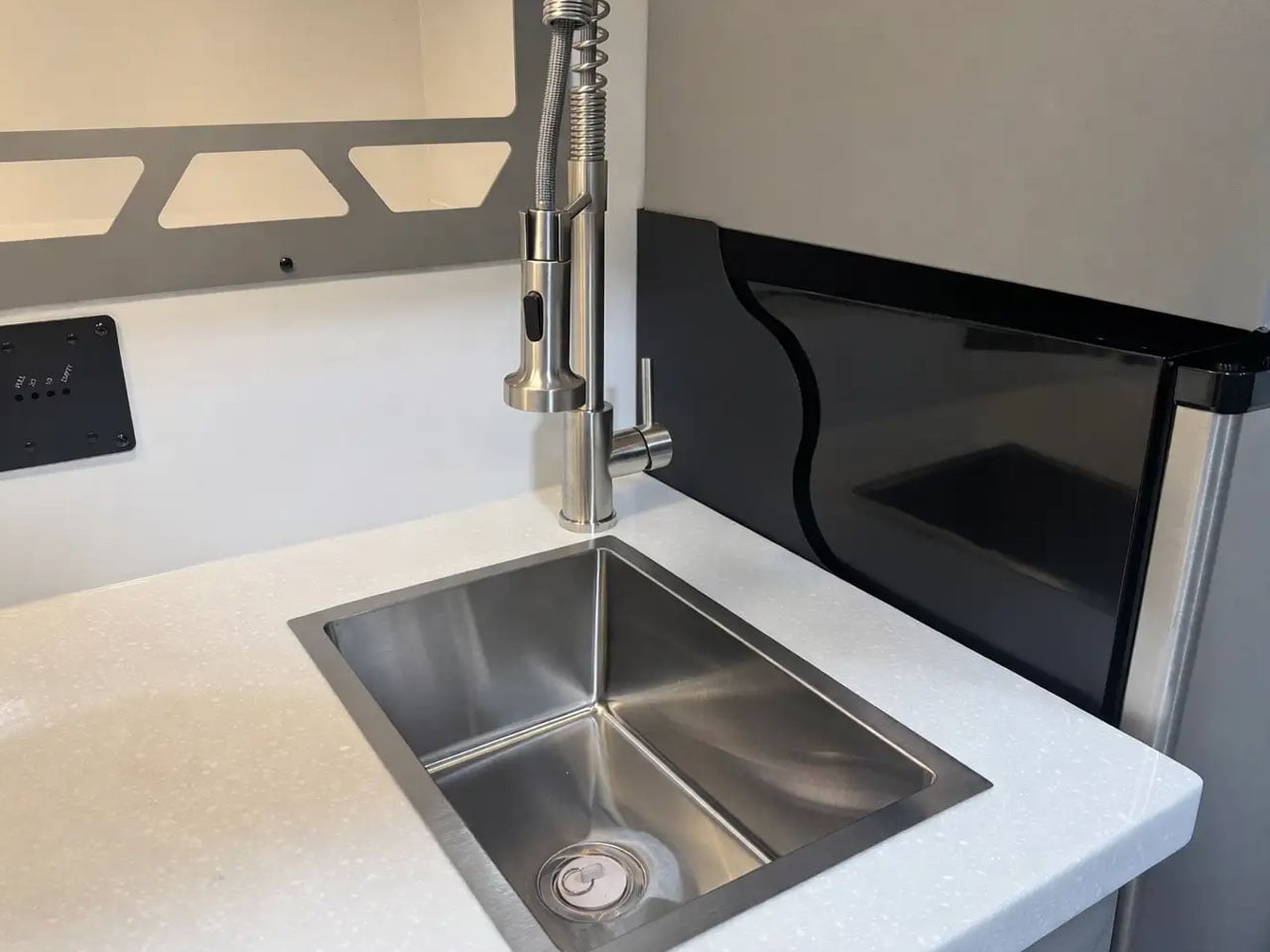
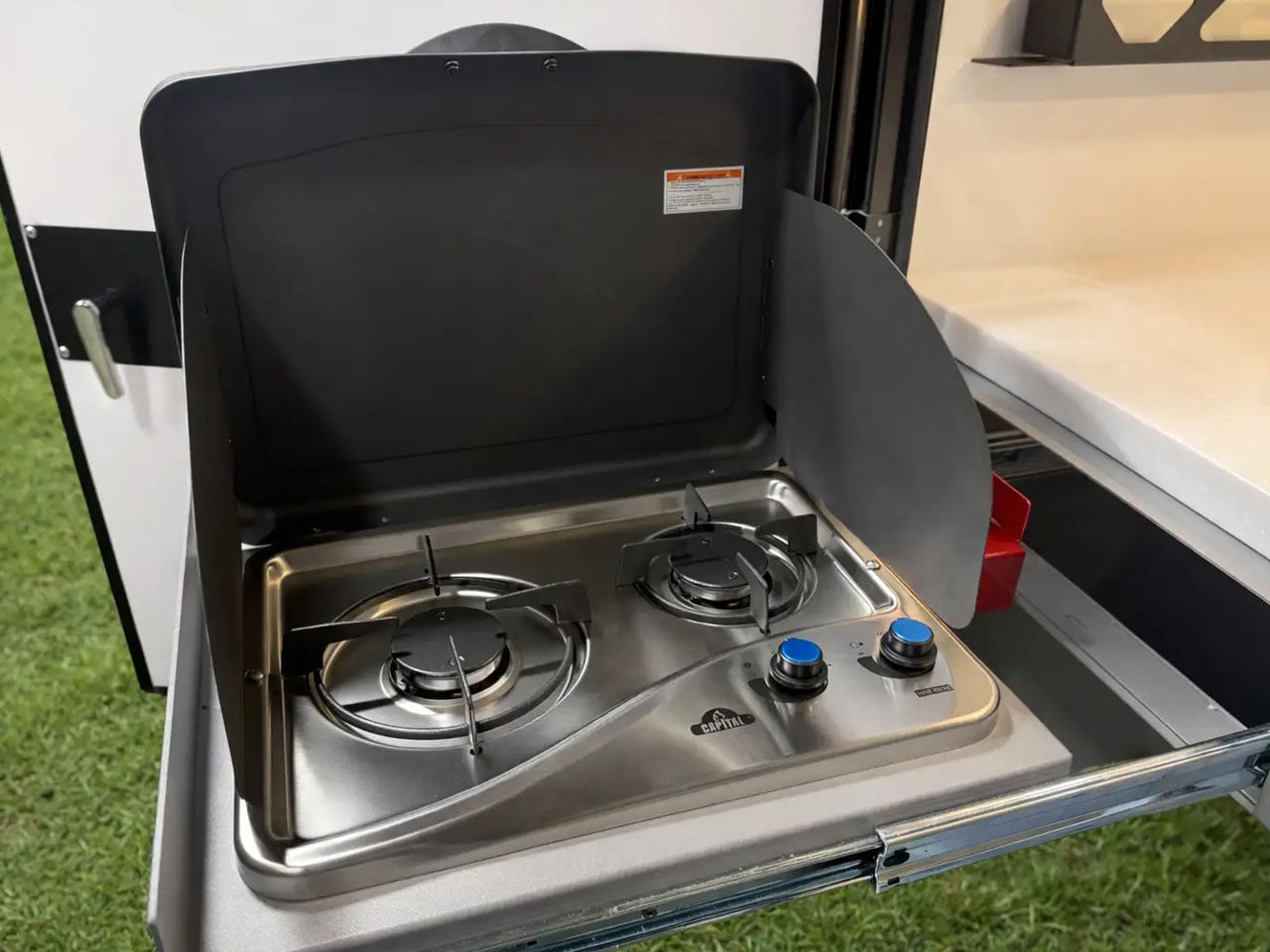
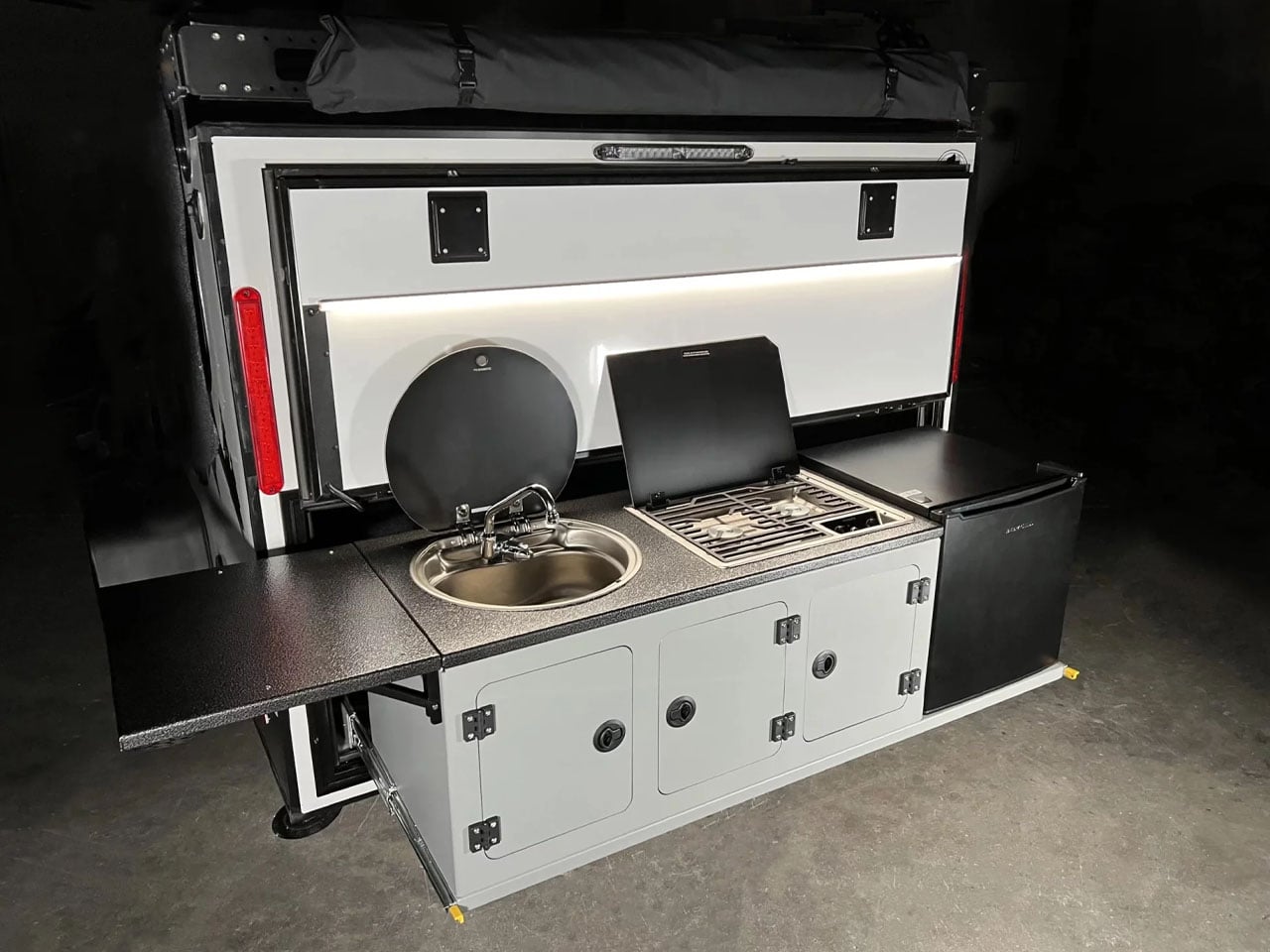
The adventure-ready trailer features a futon that converts into a sizable 60 x 80-inch bed inside the cabin. During the day, the futon resides in front of a 32-in TV, which is connected to an installed setup of speakers. The kitchen of the trailer is placed in the tailgate. It features a dual-burner slide-out stove and a 93L fridge. A spare tire finds a place on the trailer tongue, but there is no room for the toilet or shower.

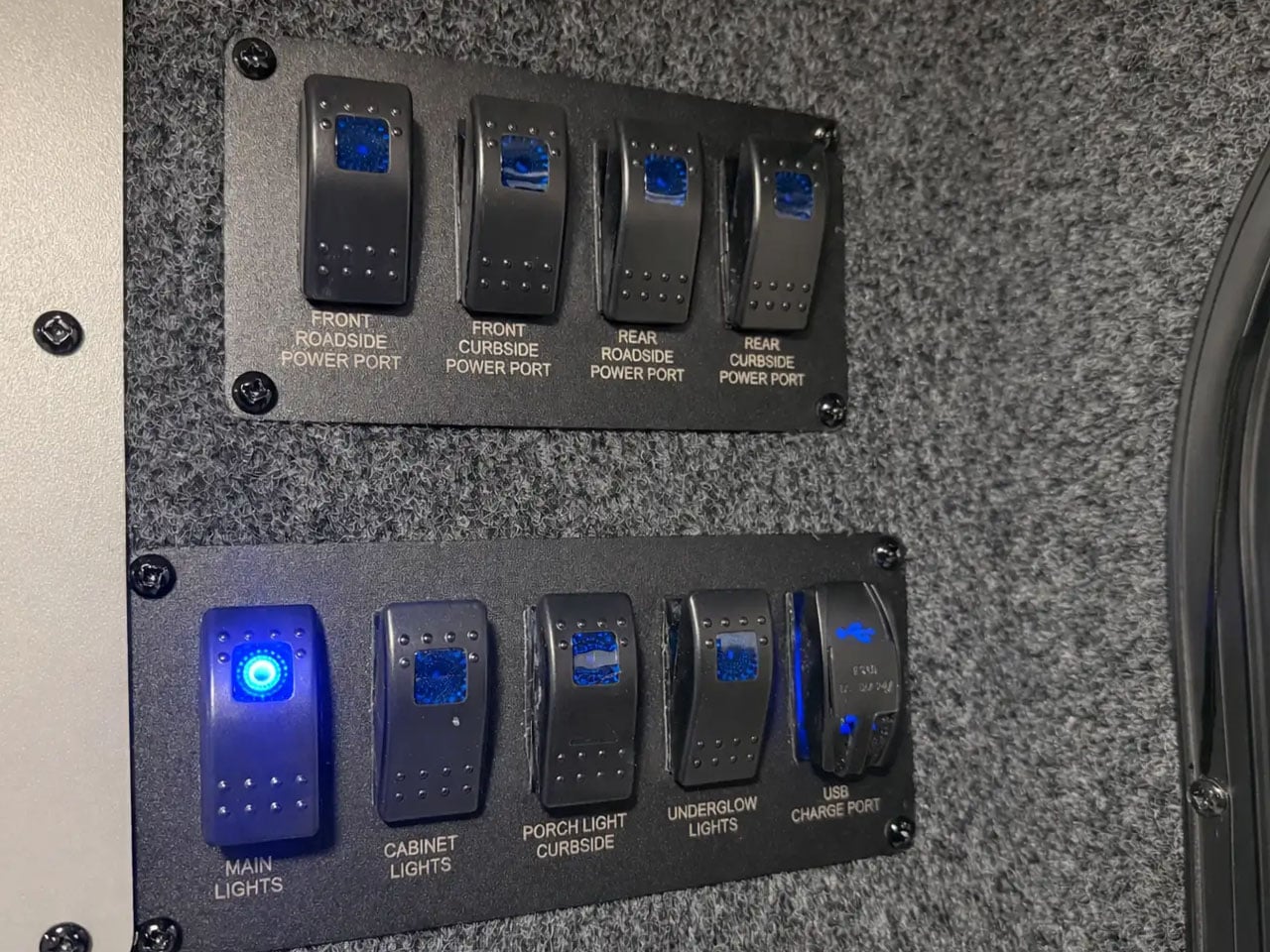
Enter the new ROG 12RK-FB with a very quirky but effective solution to the bathroom. It takes the spare tire from the trailer tongue and places it on the side, while a rugged pop-up box, comprising a full standing height wet bath, takes place instead. The tent-style bathroom pops out of the box and pitches in minutes, giving you a full height shower space, and features an integrated Thetford cassette toilet. The flooring is an EVA foam mat with anti-skid properties, while the side features mesh windows.

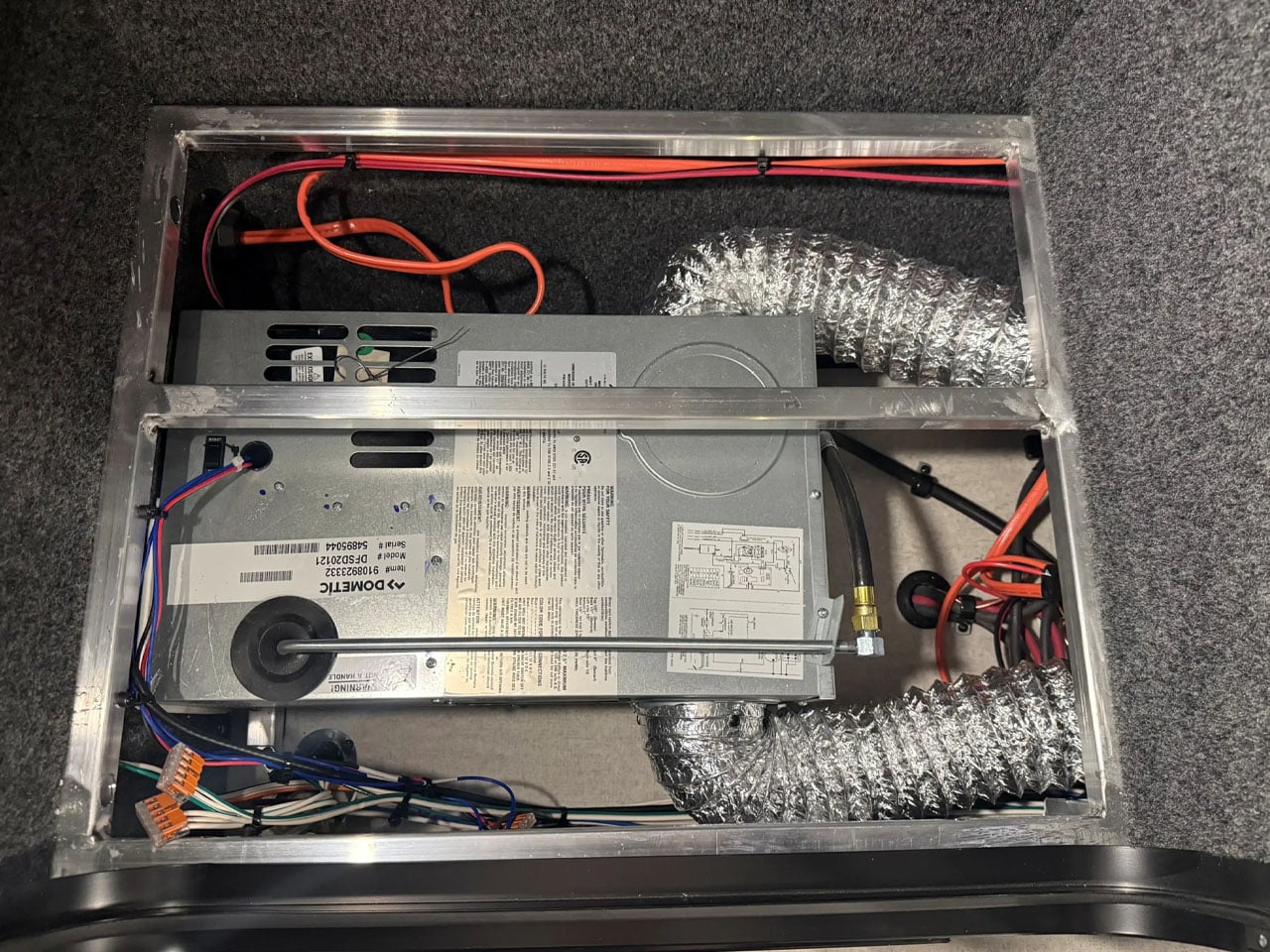
You can adjust the privacy and ventilation from the windows using the attached zip-down mesh screens. The fabric door has a magnetic closure for convenience. The boxy bathroom has a complete plumbing system installed, and is also provided by Encore with an 18,000-BTU propane furnace throwing in heat through a specially created duct to keep the bathroom heated on colder days.

The post Encore RV includes full shower and toilet on 12-foot camper trailer without compromising living space first appeared on Yanko Design.
This Portuguese Tiny Home on Wheels Sleeps Six and Looks Better Than Your Apartment

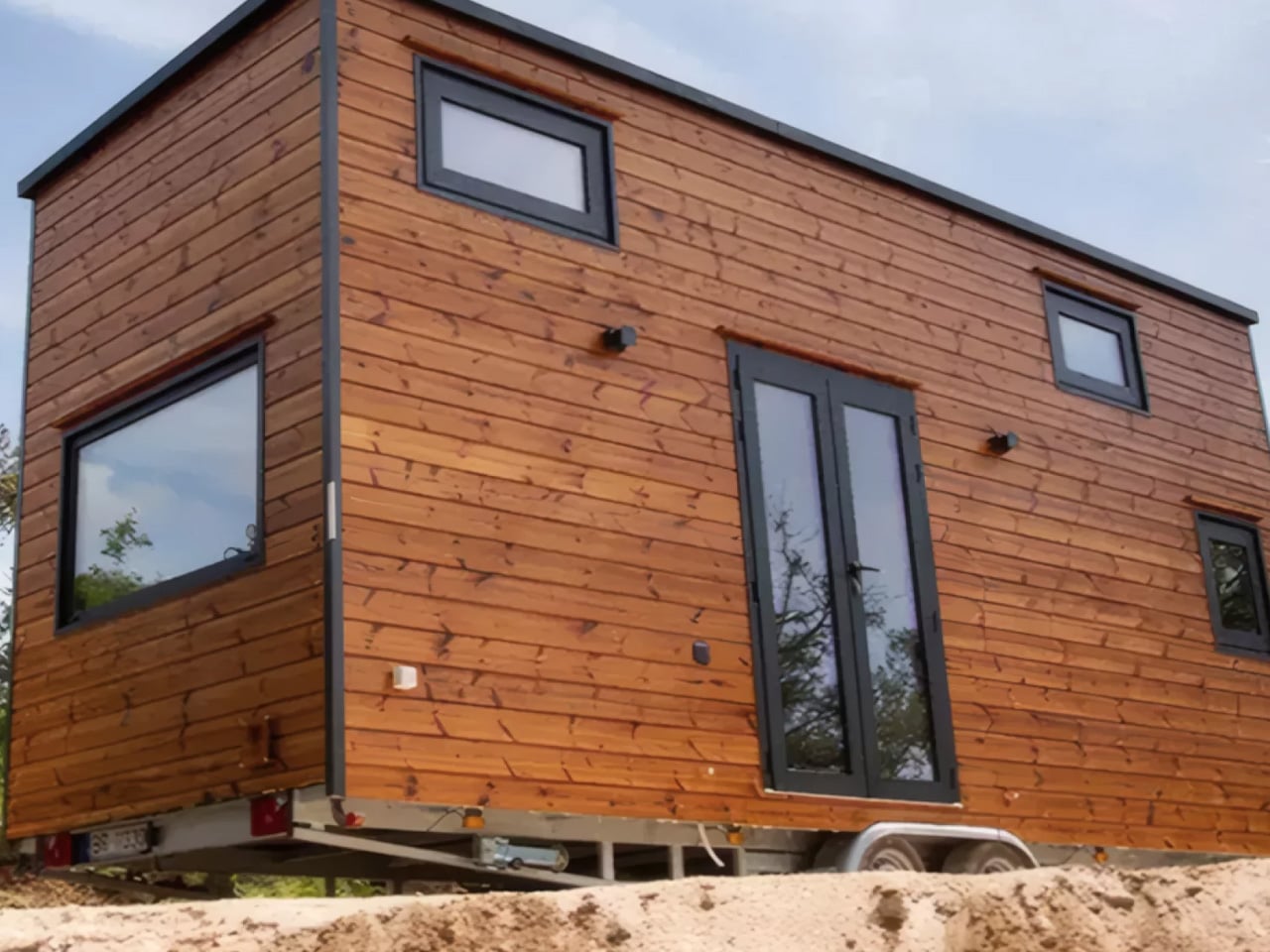
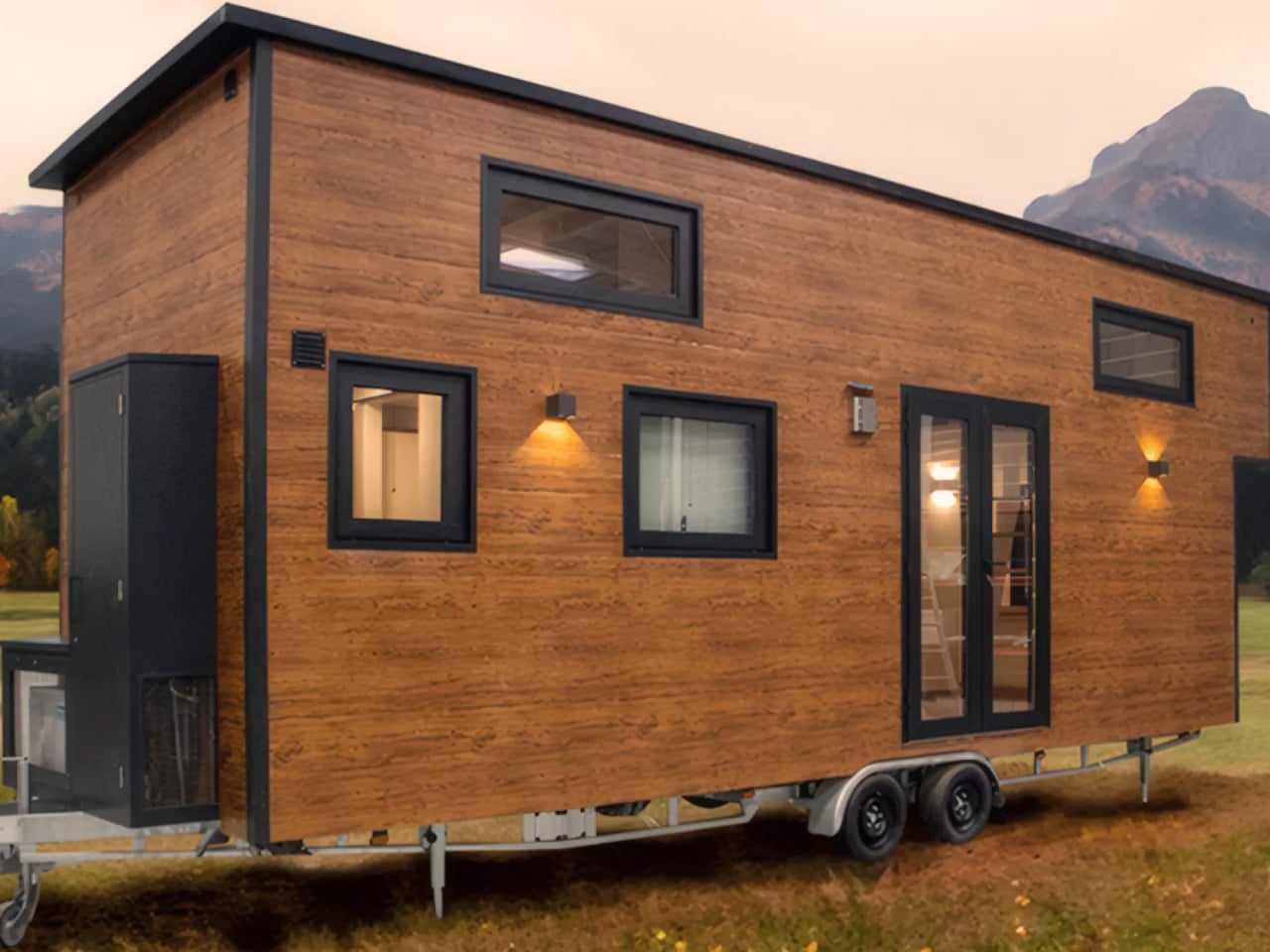
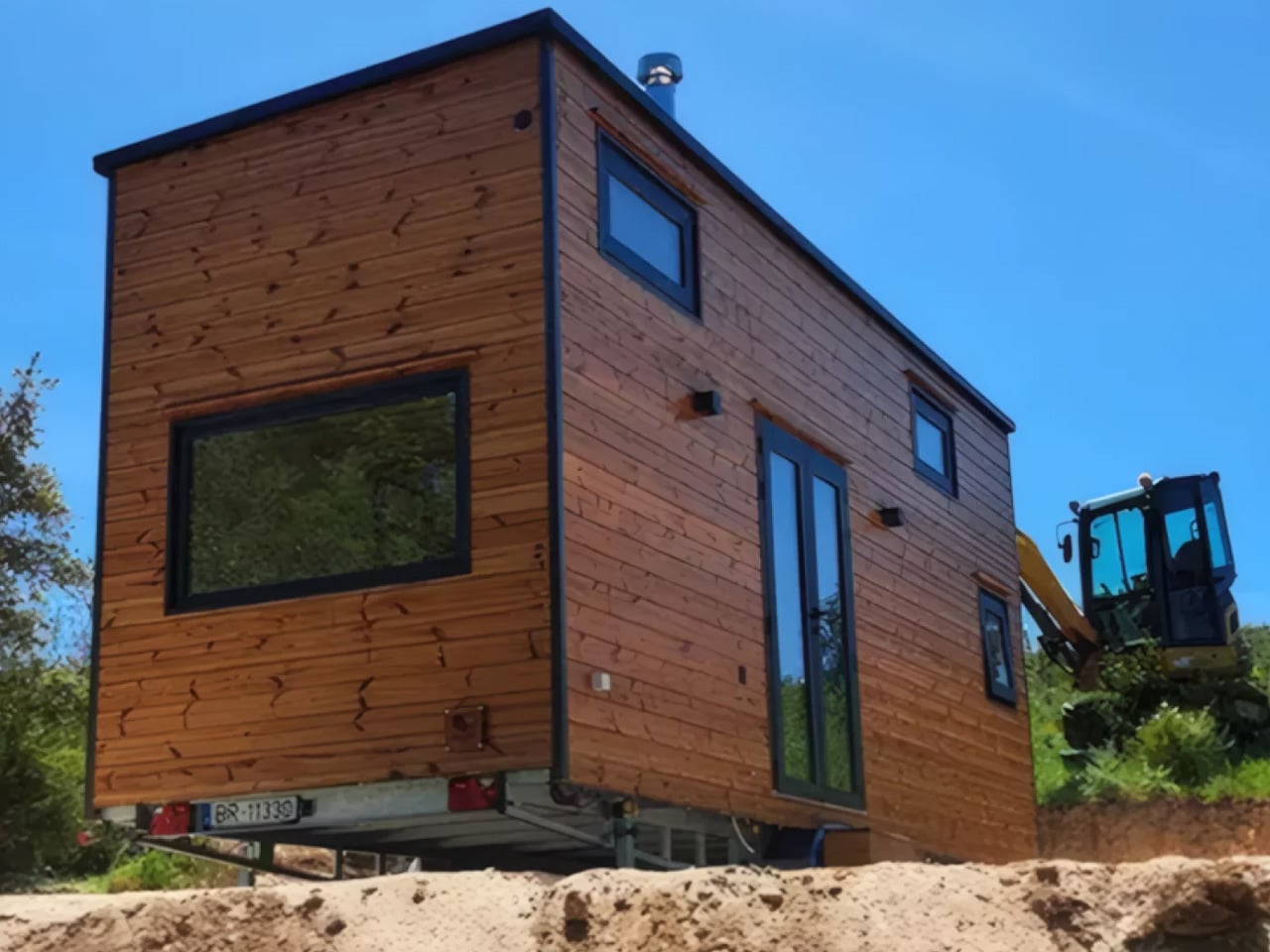
Portugal has long exported culture, cuisine, and craftsmanship. Now, it’s quietly exporting a new kind of living — one that fits on a trailer. The Gerês is Casagaea’s most ambitious tiny home to date. Named after one of Portugal’s most breathtaking national parks, the Gerês is built on a double-axle trailer stretching just 7.8 meters (25.7 ft) in length — compact enough to tow, generous enough to actually live in.

The exterior is clad in engineered wood that ages gracefully, with a small storage box tucked near the tow hitch — a quiet, practical detail that tells you everything about how thoughtfully the whole thing has been considered.

Designer: Casagaea

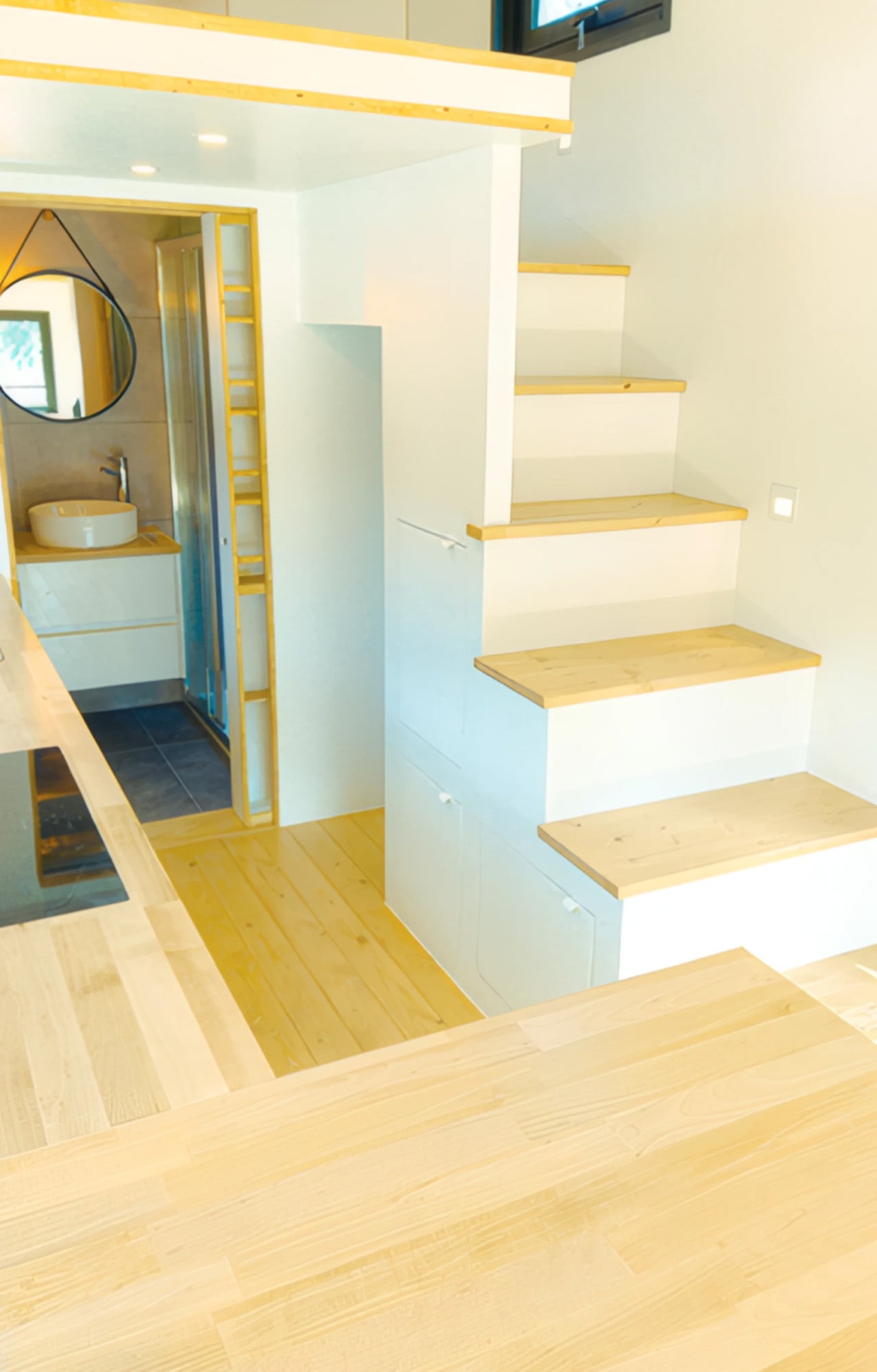
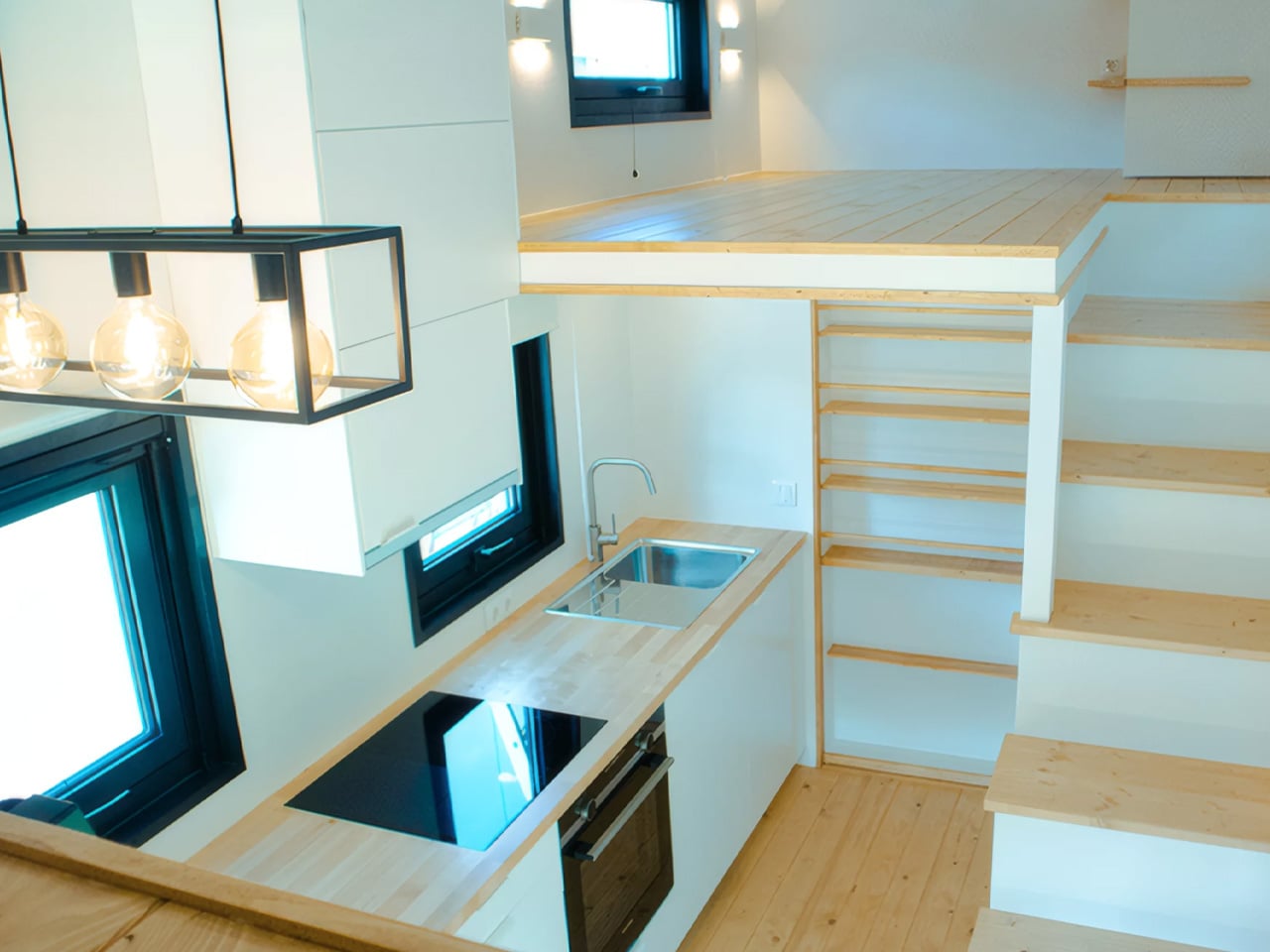
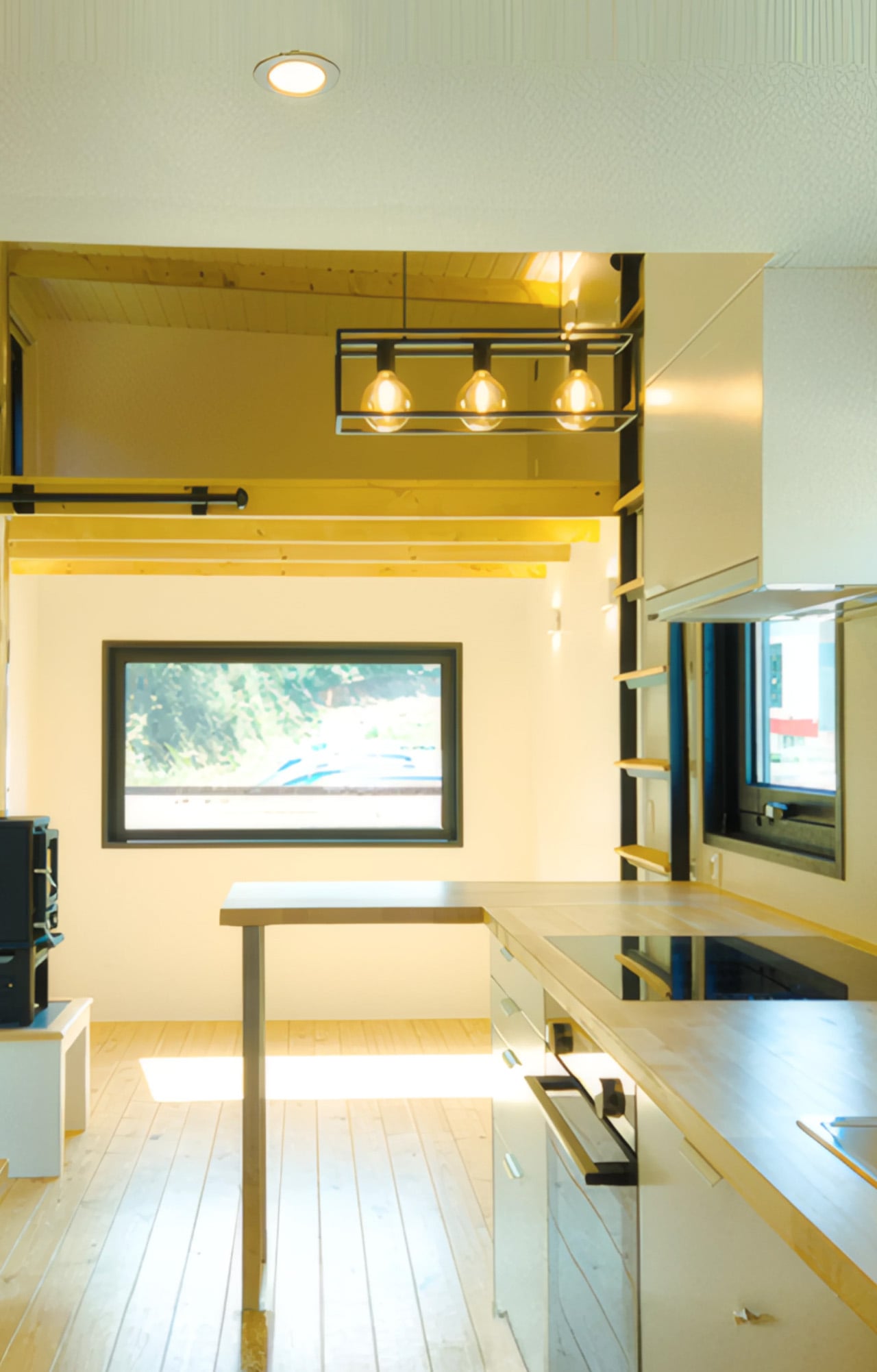
Step inside and the 30 square meters (322 sq ft) feel surprisingly unhurried. The layout centers on an open-plan kitchen and living area, the kind of space that rewards the people who believe a home doesn’t need to be large to feel alive. The kitchen includes a breakfast bar that seats two — a social anchor in a compact floorplan — while the bathroom sits neatly off to the side. The interior leans into simple wood finishes throughout, which keeps the warmth tangible and the aesthetic clean without veering into the sterile.

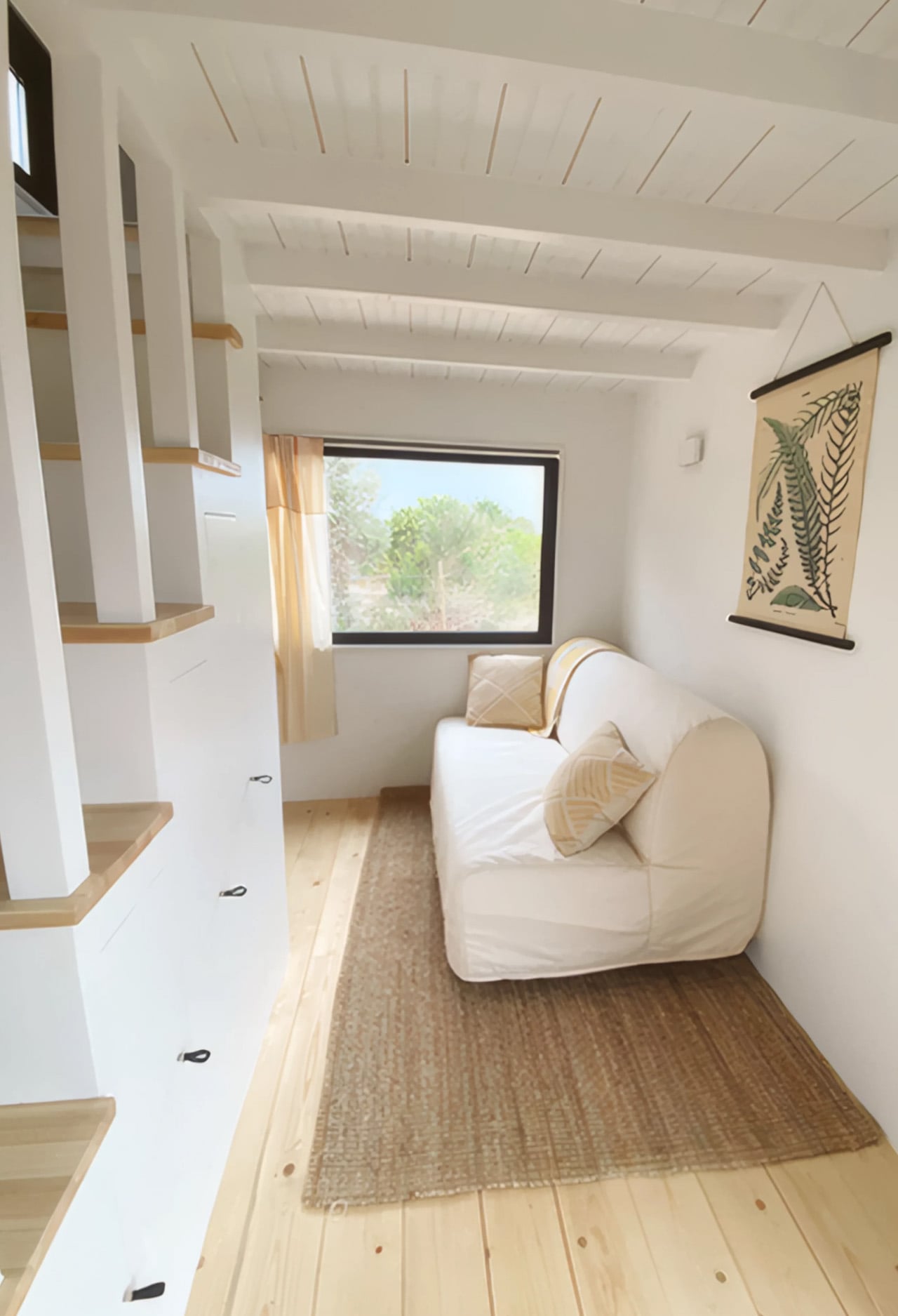
What makes the Gerês genuinely surprising is its sleeping capacity. The home sleeps up to six adults — two bedrooms do the heavy lifting, with the living area stretching to accommodate two more when needed. For a structure that can be hitched to a truck and moved across the country, that’s a remarkable feat of spatial thinking. It doesn’t feel like a compromise. It feels like a decision — one made by people who understand that mobility and comfort don’t have to cancel each other out.

Casagaea also offers optional off-grid upgrades, which open the Gerês up to placements far beyond the reach of traditional infrastructure. Whether parked at the edge of a pine forest or settled on a rural plot in the Alentejo, the home carries its context well. The engineered wood cladding doesn’t fight the landscape — it joins it.

The tiny home movement has produced no shortage of novelty concepts that look better in renders than in reality. The Gerês sits in a different category. It’s a road-ready home built by a Portuguese studio that seems less interested in hype and more interested in the long game — designing spaces that hold up not just aesthetically, but in the day-to-day texture of actual life. That restraint, in a category prone to excess, might be its most compelling design feature of all.

The post This Portuguese Tiny Home on Wheels Sleeps Six and Looks Better Than Your Apartment first appeared on Yanko Design.
Thousands of Paper Sheets, One Kiln, One $58K Prize

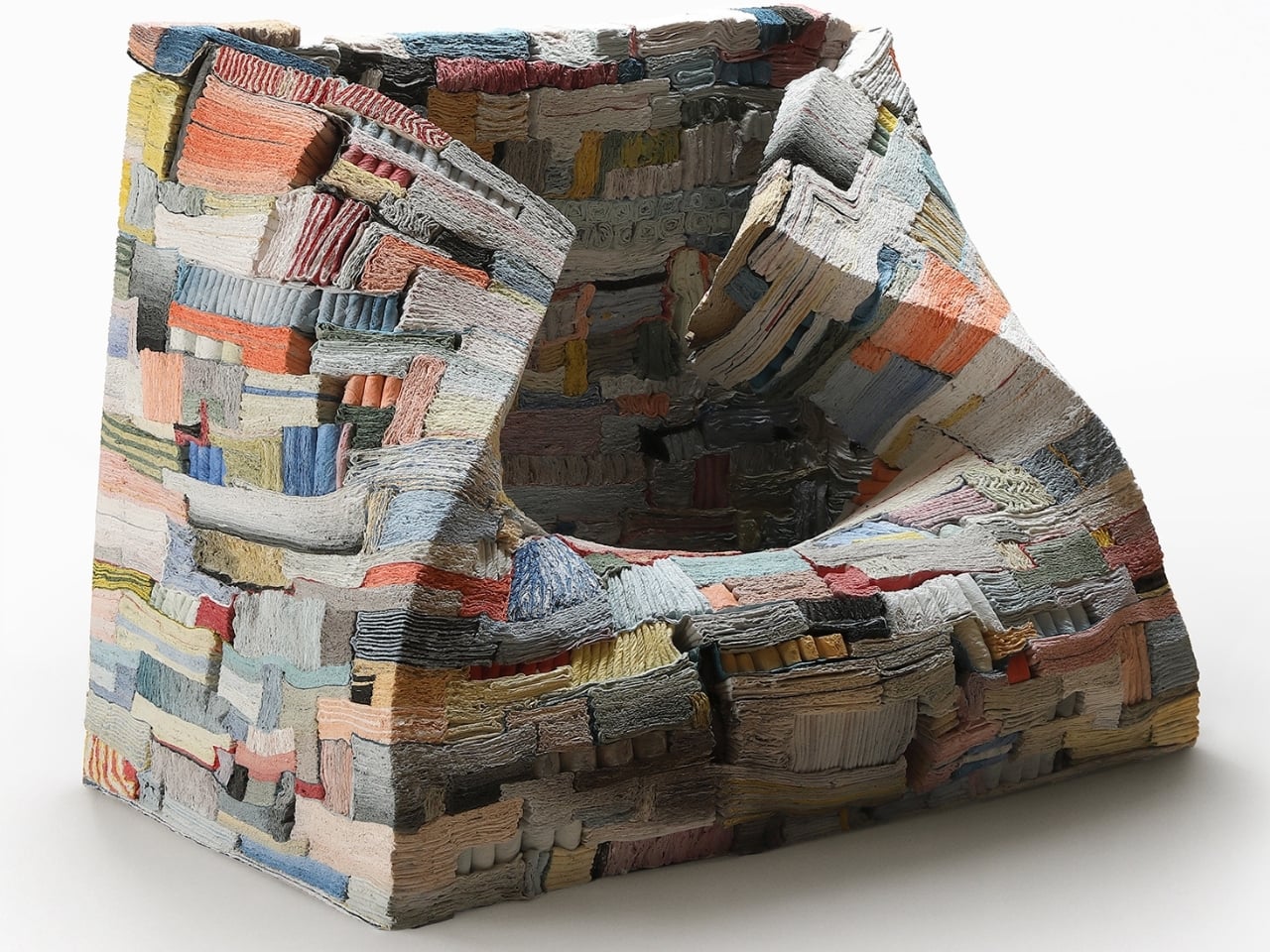
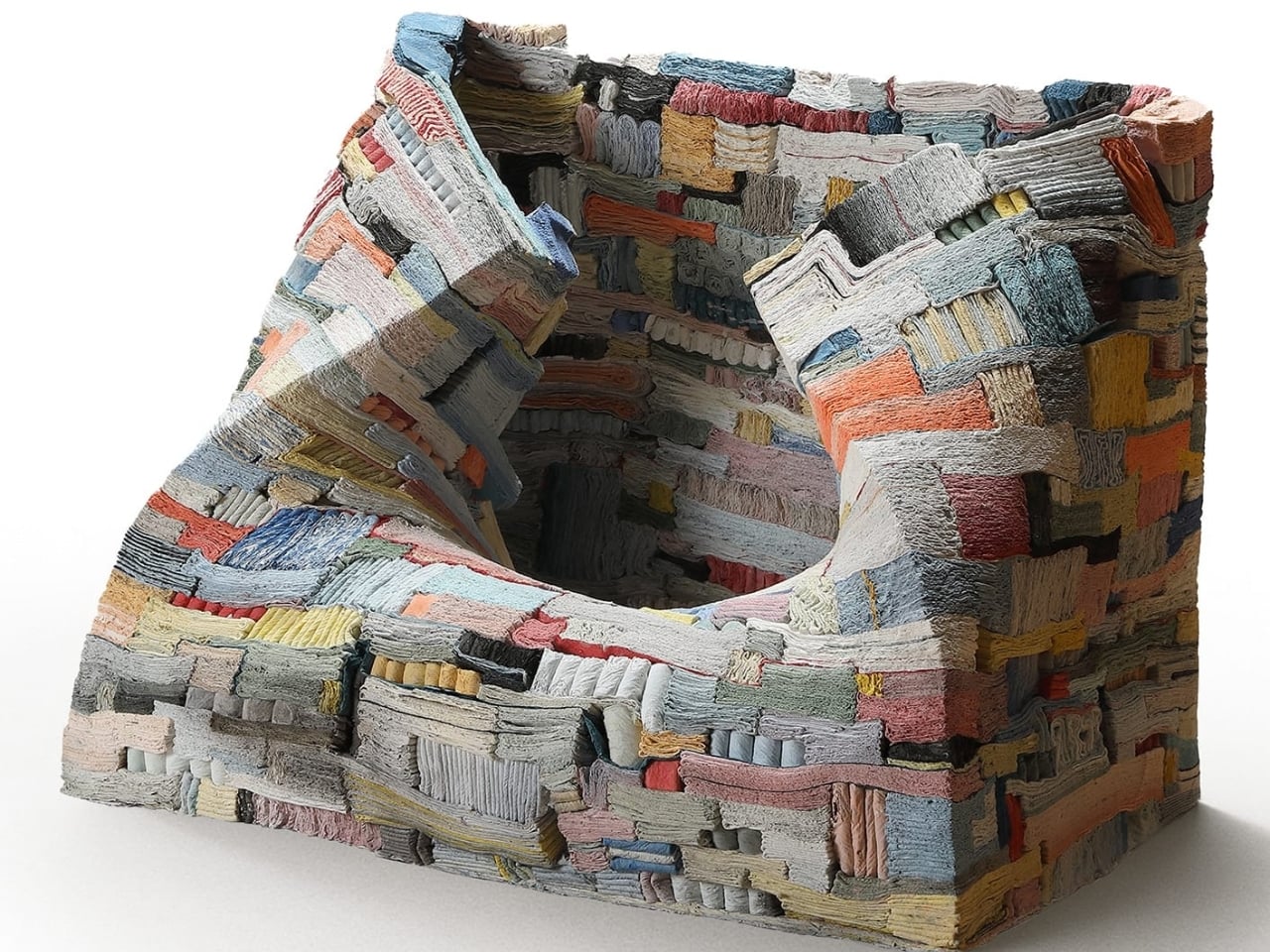
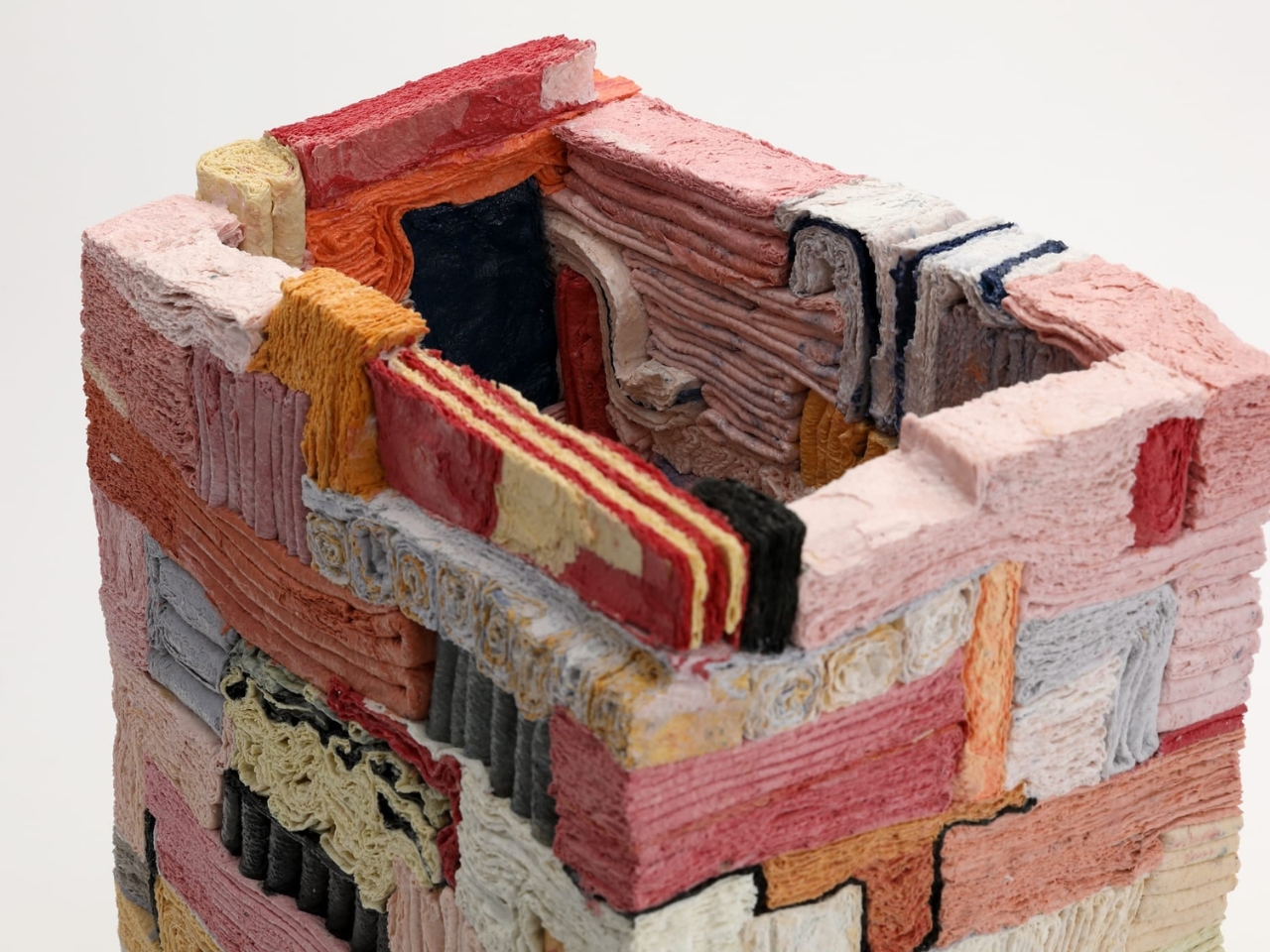
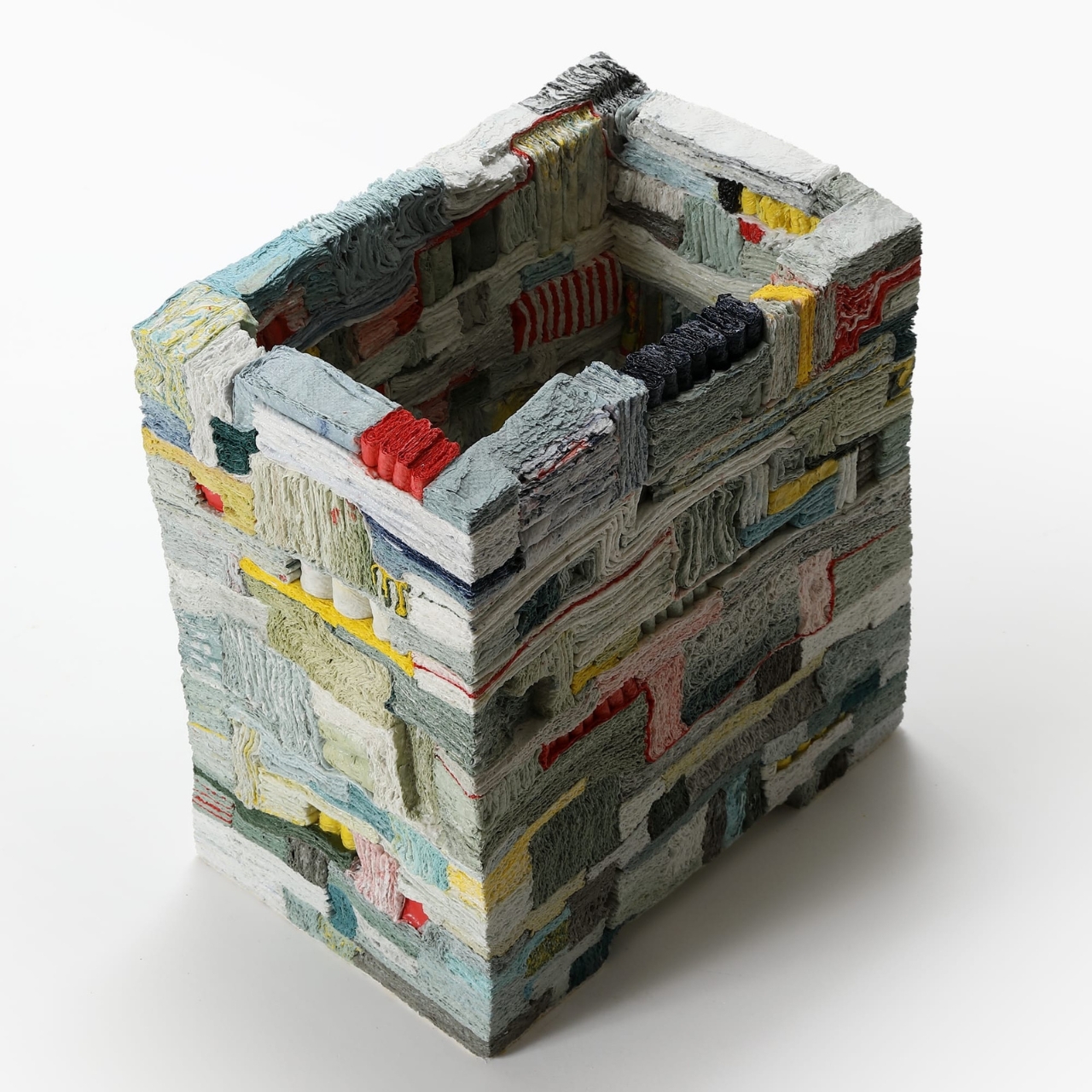
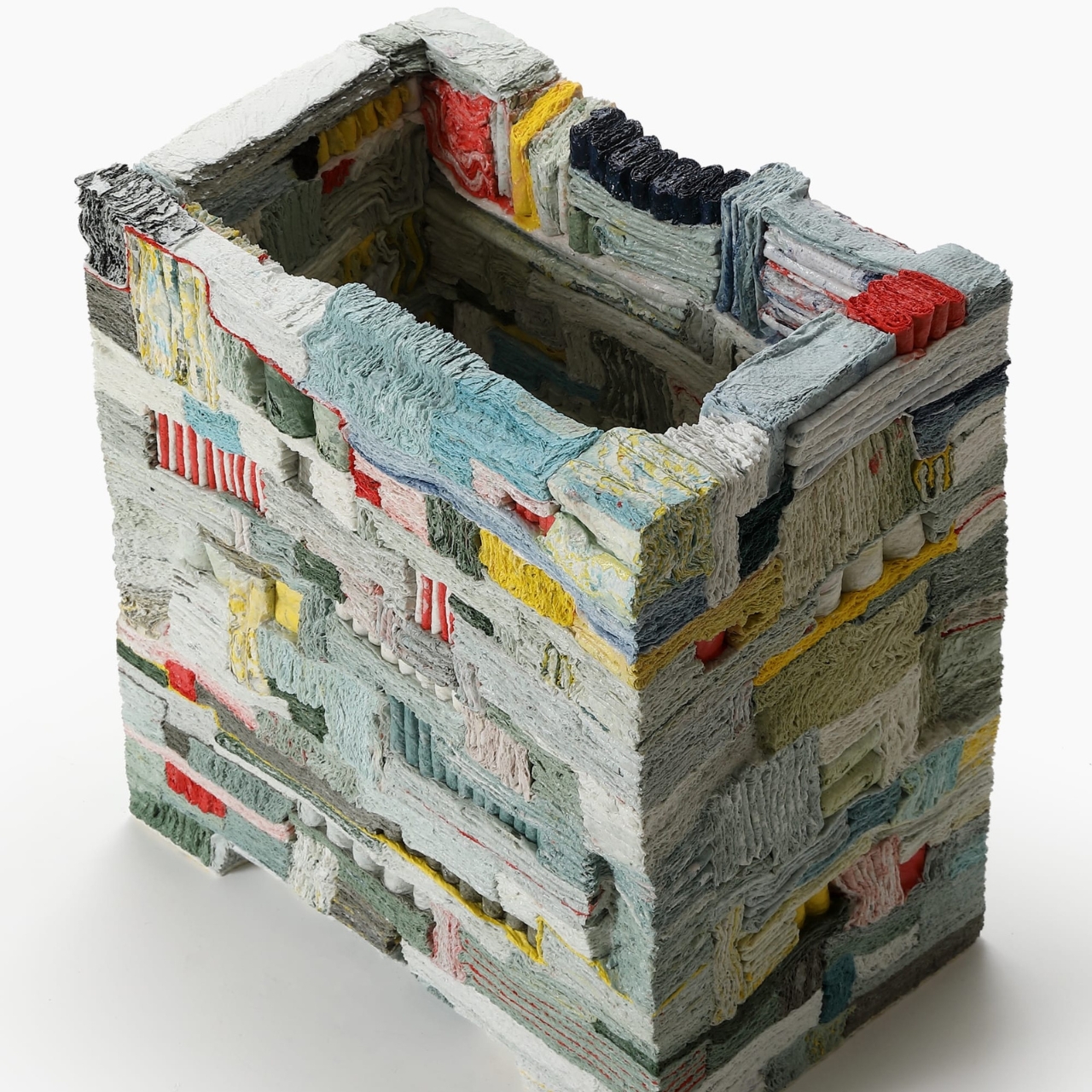
The first time I saw images of Jongjin Park’s Strata of Illusion, I genuinely could not figure out what I was looking at. It reads like a compressed canyon wall, like strata lifted from geological time, like something that took millennia to form. It does not look like something a person assembled in a studio over a matter of months. That disconnect between the familiar and the seemingly impossible is, I think, exactly the point.

Park is a Korean ceramic artist and assistant professor at Seoul Women’s University, and earlier this year he took home the 2026 LOEWE Foundation Craft Prize for Strata of Illusion, one of the most prestigious honors in contemporary craft. The prize comes with €50,000, but the work itself is worth far more attention than a check.

Designer: Jongin Park

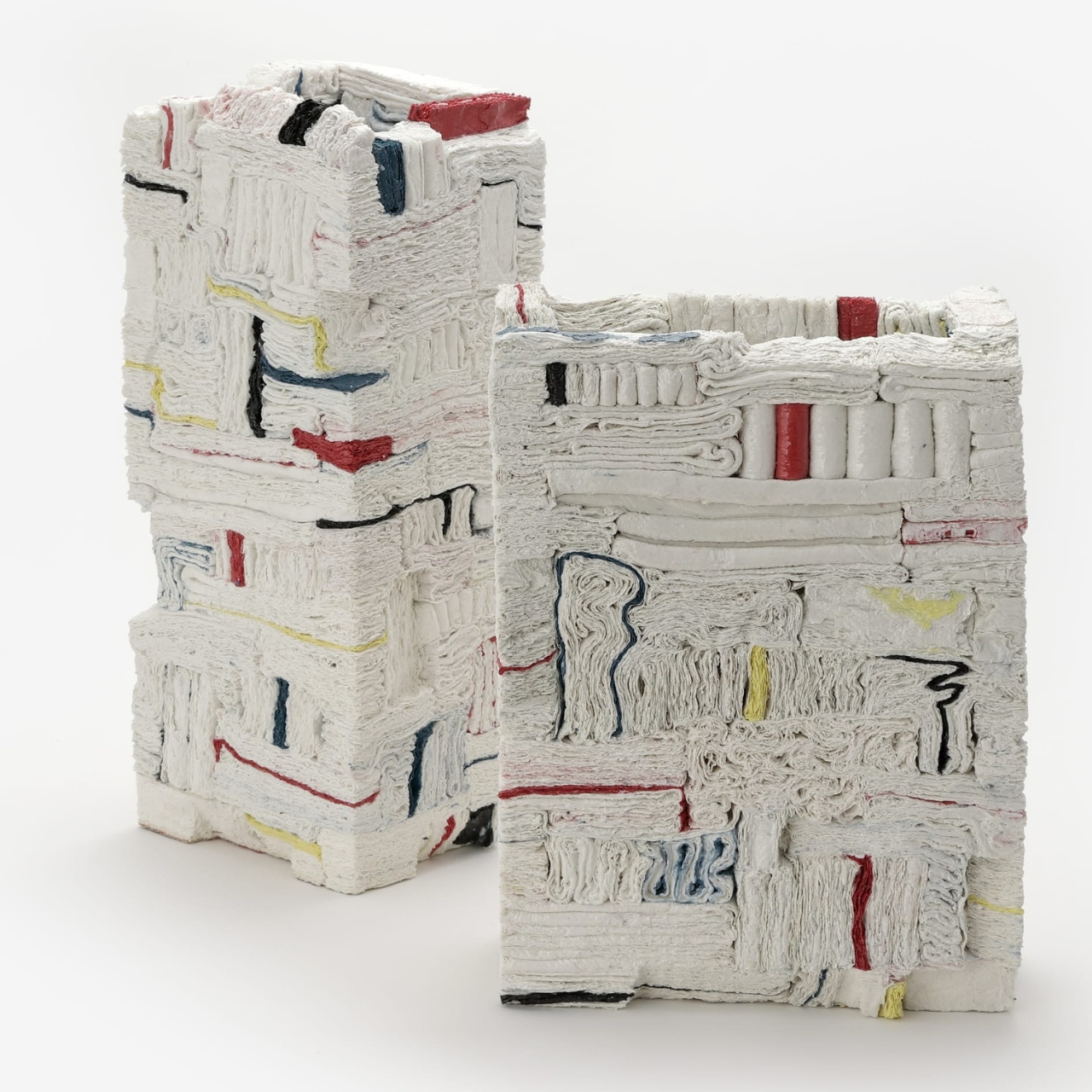
Here is what makes it so remarkable. The sculpture is built from thousands of sheets of ordinary tissue paper. Park coats each sheet in porcelain slip mixed with hand-mixed pigments, then folds, stacks, and presses them together into a dense, rectilinear mass that resembles a partially collapsed seat. Then he fires the whole thing in a kiln. At high temperatures, the paper burns completely away. What remains is a ceramic body that has shifted, bent, and settled under its own weight and the heat, shaped not entirely by the artist’s hands but by forces the material encounters on its own.

The part of his process that genuinely floors me is the surrender in it. Park is not a sculptor in the traditional sense of someone who carves away or imposes a rigid vision onto a material. He sets up conditions. He coats the paper, arranges the layers, builds the compression, and then he cedes control to the kiln. The collapse is not an accident, but it is also not entirely planned. That charged zone between intention and surrender is exactly where Strata of Illusion lives, and it is a hard place to hold without losing your nerve.

The work also occupies a fascinating gray area between ceramics, sculpture, and design, which is part of why it travels so naturally across contexts. Park has shown at Design Miami and PAD London, and the piece feels equally at home in those collectible design spaces as it does in a fine art exhibition. A seat that cannot really be sat upon. A ceramic form that started as something you blow your nose with. A work that looks ancient but was completed last year. The contradictions stack up as deliberately as the paper layers themselves.

Park’s approach demands a kind of trust that is actually quite radical. Not just from the artist, but from the viewer too. You have to accept that the unpredictability is the craft, not the failure of it. We are so conditioned to equate mastery with perfect control that a work like this can feel destabilizing at first. That slight unease is doing something useful, though. It is making you examine what you actually value when you look at something made by hand.

The LOEWE Foundation Craft Prize has long recognized artists who use traditional craft languages to say something larger and more conceptually ambitious. Park’s win feels like a precise fit for that legacy. Strata of Illusion is not just technically extraordinary. It is philosophically loaded in a way that rewards slow, patient looking, which is increasingly rare and increasingly worth seeking out.

The exhibition featuring Park’s work alongside other shortlisted artists is on view at the National Gallery Singapore through June 14. If you happen to be anywhere near it, photographs alone will not prepare you for what the actual scale and texture of the object must feel like in person. There is a density to those compressed layers that images have no way of translating.

For the rest of us, Strata of Illusion offers a genuinely compelling answer to the question of where craft is headed. Not backward into nostalgia, not forward into pure concept. Somewhere in between, fired at high temperatures, shaped by forces no artist fully controls.

The post Thousands of Paper Sheets, One Kiln, One $58K Prize first appeared on Yanko Design.
This Umbrella Has Solar Panels… And It Doubles As An Emergency Power Bank

Every time you open an umbrella, you’re deploying a canopy of wasted real estate. That dark stretched fabric sits between you and the sun, absorbing heat, blocking light, doing absolutely nothing with the energy raining down on it. For a surface that spends its entire working life pointed directly at the sky, that feels like a missed opportunity of the highest order.

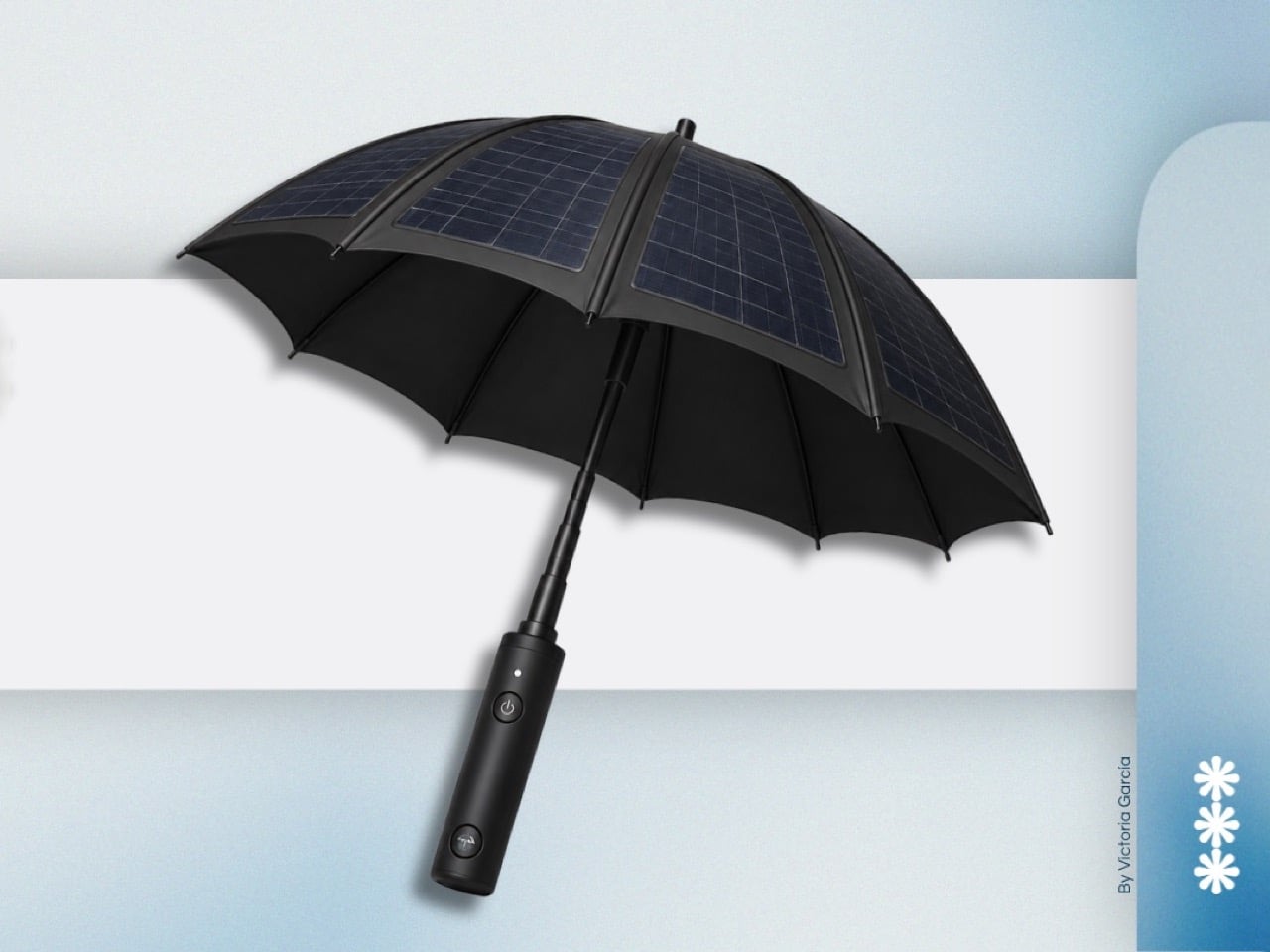
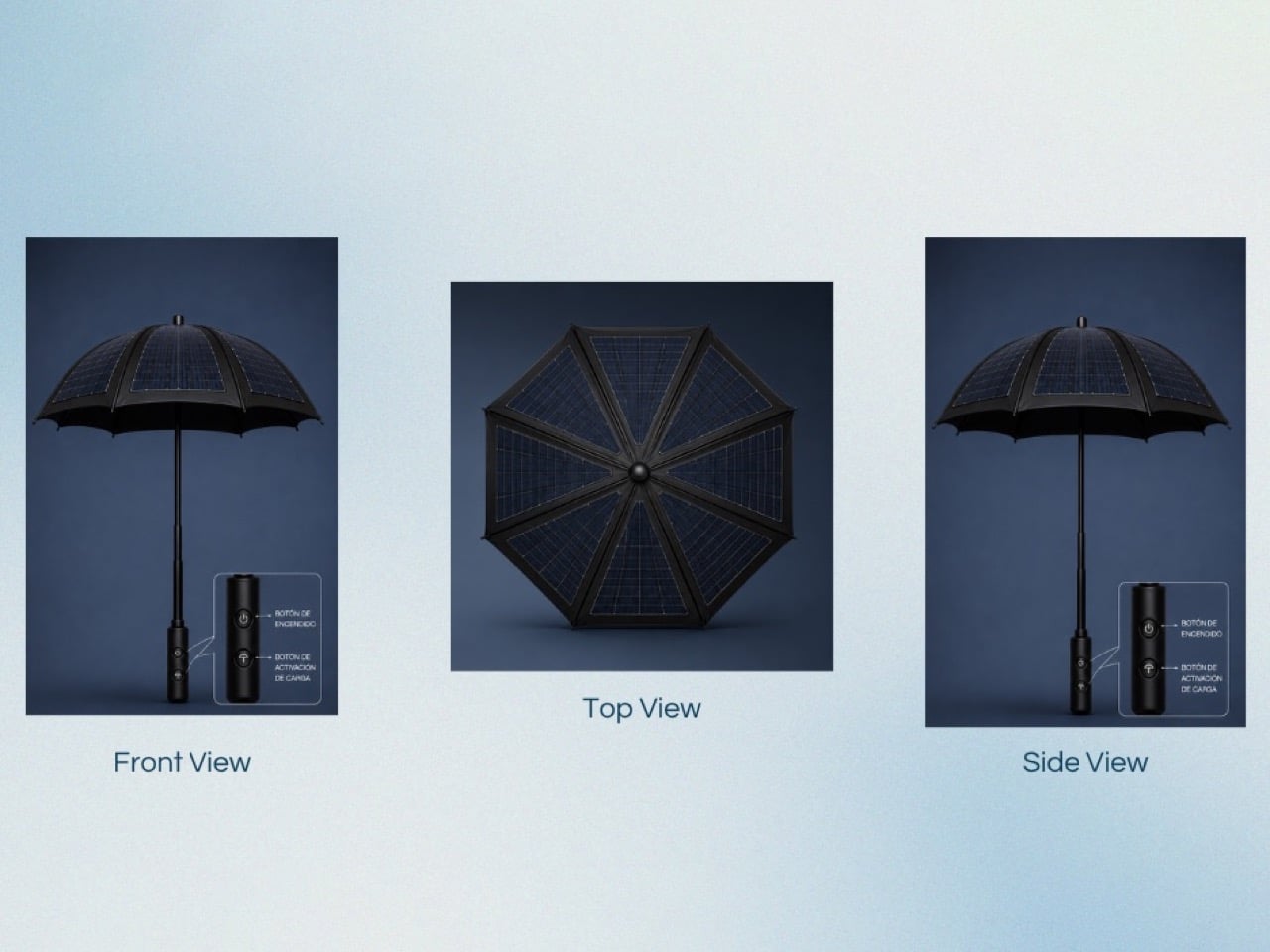
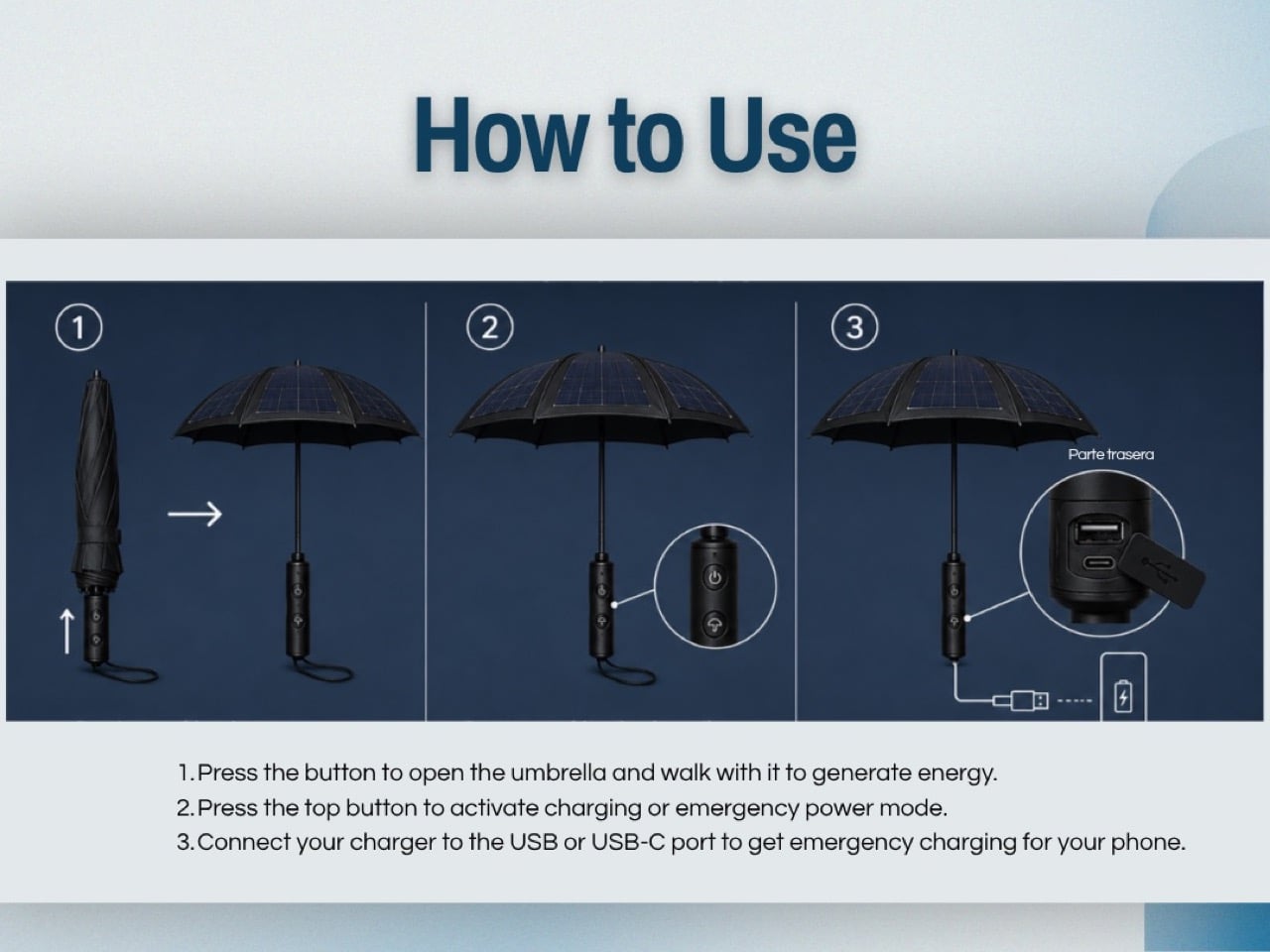
Victoria García Moreno, a student at Universidad Casa Blanca in Mexico, decided to do something about it. Her James Dyson Award entry takes the umbrella’s canopy and lines it with waterproof solar panels, routing that captured energy down through the shaft and into an internal power bank housed in the handle. USB and USB-C ports let you plug your phone in while you walk. Sun protection and emergency charging, packaged into one familiar object.

Designer: Victoria García Moreno

The material logic here is sound, even if the execution remains at concept stage. Solar panels have been conformal and flexible enough for curved surfaces since the early 2000s, and the umbrella canopy offers a genuinely generous collection area compared to most portable solar products on the market. Foldable solar chargers sold today typically max out at panels smaller than a laptop screen. A full umbrella canopy, by comparison, gives you something closer to the kind of surface area that actually moves the needle on solar harvest. The panels García Moreno specifies are waterproof, which solves the obvious problem of a device that lives outdoors and frequently encounters rain.

All the electronics, the power bank, the activation circuitry, the output ports, sit inside the grip in a cylindrical housing that keeps the umbrella’s overall silhouette completely conventional. Two buttons sit on the front face: one to power the system, one to activate charging output. The USB and USB-C ports are recessed into the rear of the handle, keeping them protected when not in use. From the front, this reads as a slightly premium umbrella. The technology announces itself only when you need it to.

The honest limitation García Moreno’s concept faces is the gap between solar panel flexibility and the mechanical demands of a folding umbrella. Current flexible panel technology can handle curves, but repeated folding and unfolding introduces stress concentrations that standard rigid cells handle poorly. That’s a solvable engineering problem, and the James Dyson Award has a history of surfacing student concepts that identify the right problem before the manufacturing world catches up with a solution. For now, the Portable Outdoor Emergency Charger makes its case as a provocation worth taking seriously. The umbrella canopy has been wasted real estate for far too long, and someone had to say it.

The post This Umbrella Has Solar Panels… And It Doubles As An Emergency Power Bank first appeared on Yanko Design.
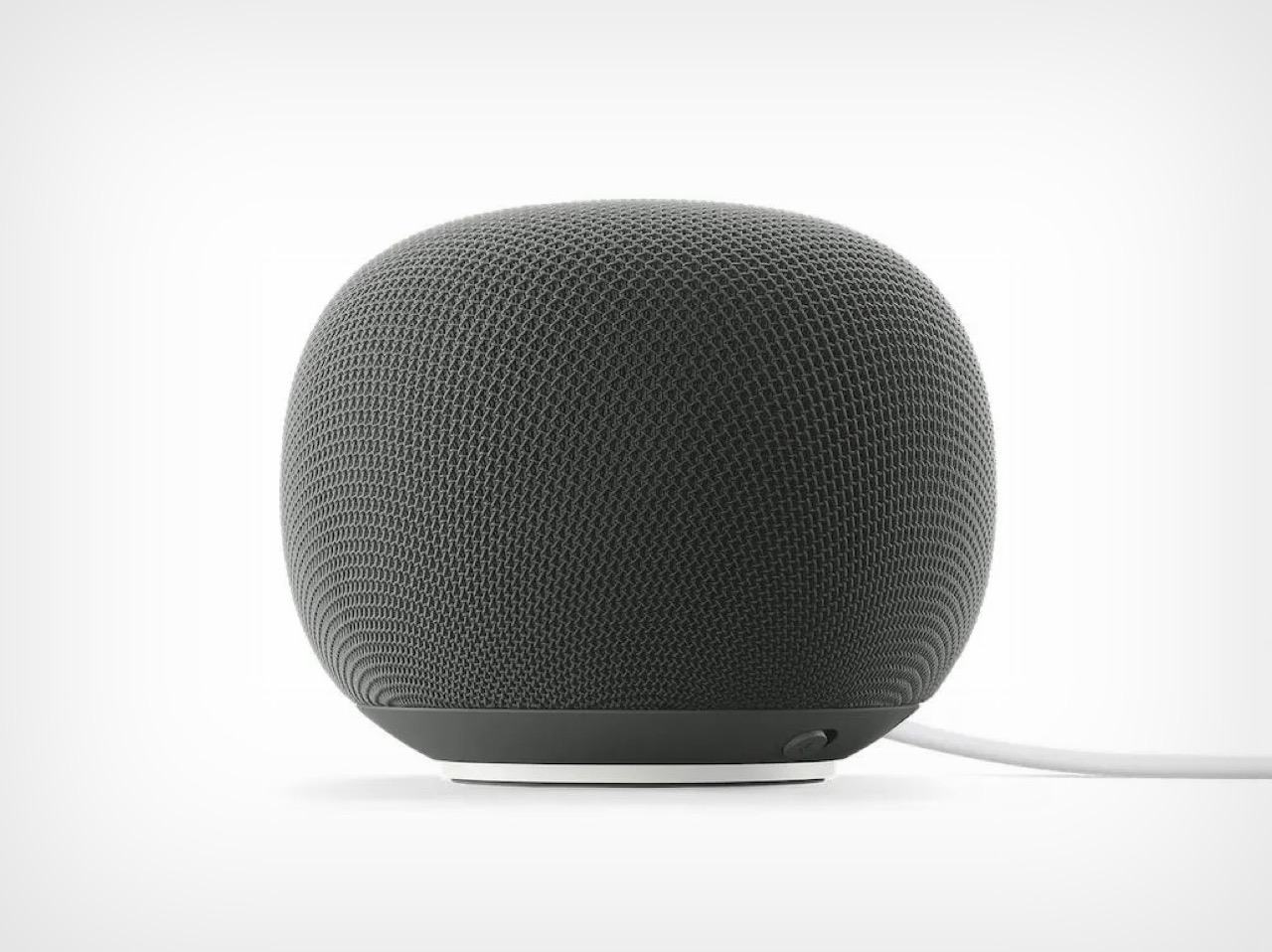
After 6 Years, Google Finally Remembered To Launch A New Smart Speaker, This Time with Gemini Built-in

The Nest Audio came out in September 2020. If you bought one that fall, you were probably still navigating pandemic grocery runs and wondering when offices would reopen. Nearly six years later, Google has finally shipped something new to put on your kitchen counter. The Google Home Speaker, now landing in June 2026 after a “Spring 2026” promise that tested the meaning of the word spring, is the company’s first new standalone smart speaker in half a decade. Six years is a long time in consumer electronics. Apple refreshed AirPods three times. Sonos launched and then partially broke its app and still found time to make new speakers. Google, meanwhile, treated the entire category like a parked car, leaving the Nest Audio to quietly collect dust while the company sprinted elsewhere.
Where was Google sprinting? Toward Gemini, mostly. The AI model has been grafted onto Search, Maps, Workspace, Android, Chrome, YouTube, and practically every other product in the portfolio with enough surface area to carry a chatbot. Google even announced the Googlebook at I/O 2026, a new category of premium Android laptops billed as the successor to the Chromebook and the Pixelbook, built, predictably, around Gemini Intelligence. When Google finally announced the new Home Speaker at its Made by Google event in October 2025, the device was framed almost entirely around its role as a Gemini endpoint. The speaker came back because Gemini needed somewhere new to live, and the kitchen seemed underserved.

Designer: Google

There was a time when the company’s smart home pitch felt like a real platform strategy, ambient computing, voice everywhere, helpful devices fading into the background. The original Google Home arrived in 2016 with a sense of ambition. It was a bet that Google could own the center of the connected home by making voice control feel natural, useful, and quietly omnipresent. Then came the Mini, the Max, the Hub, the Nest rebrand, and eventually the Nest Audio. After that, the energy drained out of the room. The category was never formally abandoned, but it entered that peculiarly Google state where a product remains alive enough to avoid a funeral and neglected enough to make users wonder whether anyone still remembers where the light switches are.

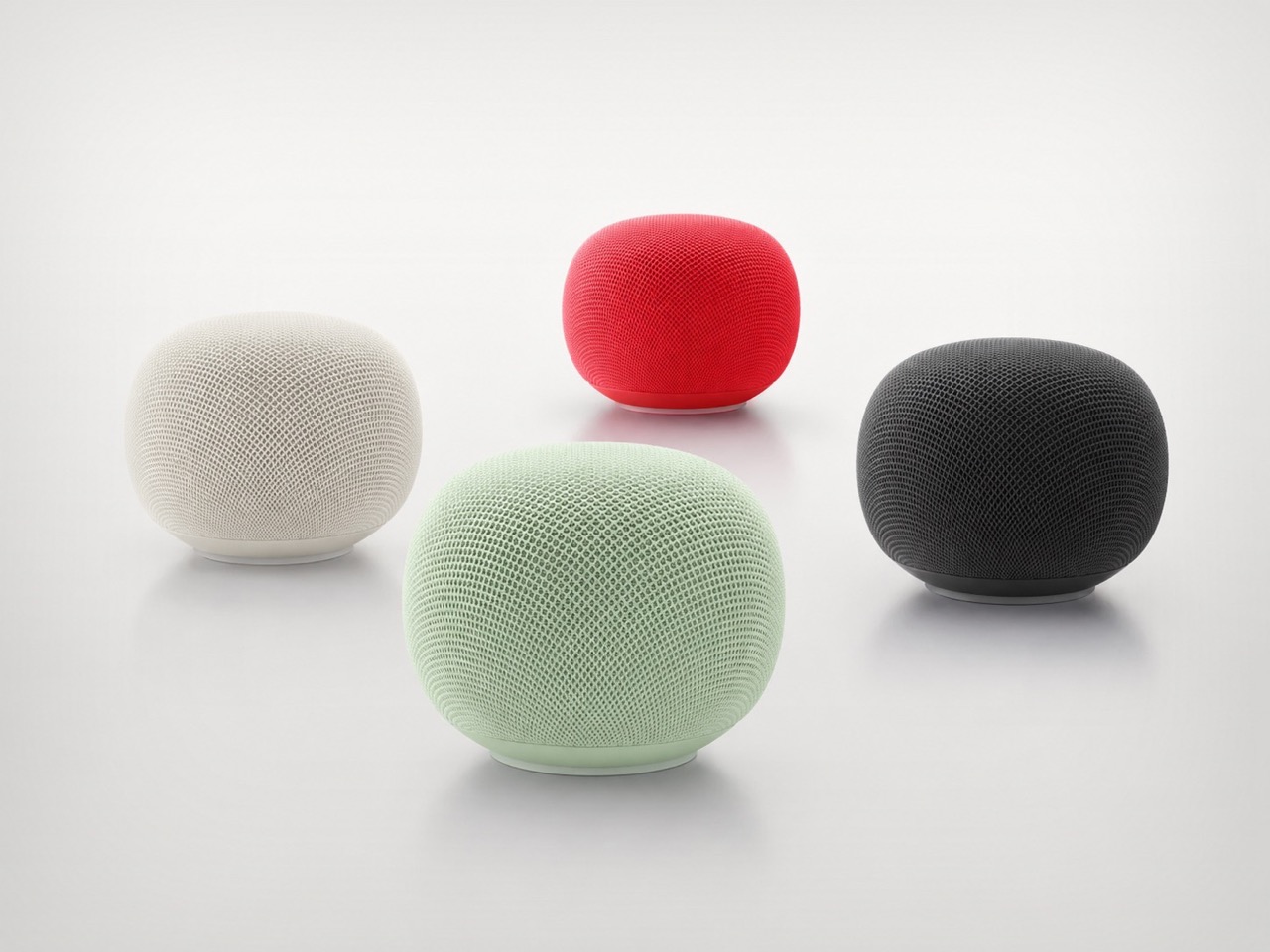
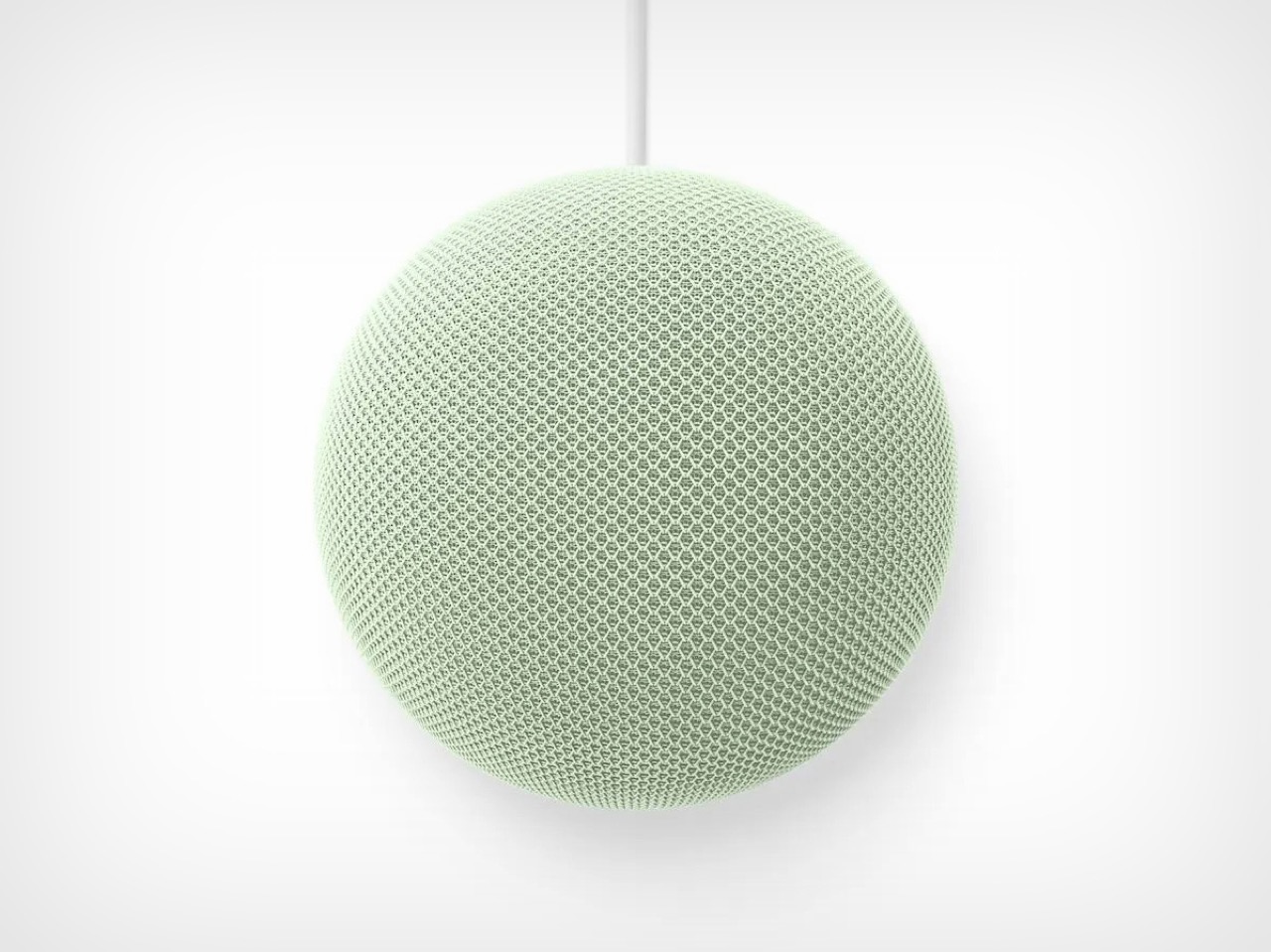
The new speaker itself looks perfectly pleasant. It is small, rounded, soft, and available in the sort of colors Google hardware teams always seem to get right, the kind that make every room look slightly more curated than it probably is. Google says it has 360 degree audio, faster processing for more fluid conversations, and a new light ring that signals when Gemini is listening, thinking, or responding. Fine. Great, even. The problem is that none of this arrives in a vacuum. Google has trained people to see its hardware launches through a second lens, one that asks a less flattering question: for how long is this category going to matter to the company?

That question hangs over almost every Google device that is not a Pixel phone. The company loves a fresh start, a new naming scheme, a reset button disguised as a vision statement. It also has a long history of treating hardware categories like experiments that can be deprioritized the minute a more interesting internal narrative comes along. Smart speakers spent years as a central piece of Google’s ambient computing story. Then Gemini became the story, full stop. Once that happened, every product had to justify itself in AI terms. Phones became Gemini phones. Search became Gemini search. The smart home became Gemini for Home. Laptops became Googlebooks. And now, after years of silence, the speaker has returned as a vessel for the new corporate religion.

There is a certain irony in that. Smart speakers were already one of the clearest examples of what AI in the home was supposed to feel like: conversational, contextual, present without demanding attention. Google had the hardware footprint. It had the installed base. It had a brand that, for a while, was practically synonymous with talking to your house. If the company had kept iterating steadily, this new moment could have felt like a natural evolution. Instead, it feels like a rediscovery. Google wandered away from the category long enough that its return carries a faint air of surprise, as if someone opened a closet at Mountain View headquarters and found an entire product line under a sheet.

Maybe the Google Home Speaker will be excellent. Maybe Gemini will finally make the smart speaker feel smarter than a kitchen timer with good branding. But this launch still lands as a reminder of how erratic Google’s hardware attention span can be. The company did not so much nurture this category back to health as remember it was still on the org chart. After nearly six years, Google has a new smart speaker, and the most Google part of that sentence is that it only happened once the device could be recast as AI infrastructure. The speaker is back on the counter. Whether Google stays in the room this time is the harder question.

Image Credits: 9to5Google

The post After 6 Years, Google Finally Remembered To Launch A New Smart Speaker, This Time with Gemini Built-in first appeared on Yanko Design.