AI-assisted keyboard streamlines workflow for IT professionals and content creators

If you ever wondered what the next big leap in technology could be, it surely is artificial intelligence. Set to take the world we live in by storm in the coming decade, the future is exciting as we all witness the metamorphosis in our daily routine thanks to this promising evolution.

As a coder or content creator, if you always wanted AI to be by your side to streamline processes, now is a good time to be alive. So, why not a mechanical keyboard that employs AI to your advantage to stay ahead of the curve?

Designer: Junha Kahm

While most of us prefer the Logitech MX Mechanical Keyboard, Corsair K70 RGB Pro, 8Bitdo Retro Mechanical Keyboard or Keychron Q Series – the Sparrow AI keyboard wants to dethrone them all with functionality so unique, that you’ll want to grab it right away. As the name suggests, the keyboard is tailored for productive workflow out of the box with its advanced AI-assisted features.

The smart keyboard has a semi-transparent display on the front that constantly keeps giving useful inputs and insight about the things you are typing on it. For example, if you are a coder and typing down lines of code and by mistake inputting a wrong code, Sparrow is mindful enough to suggest a rectification. The same is true for content creators who can benefit from the keyboard’s constant learning ability to weed any errors out of the workflow.

If you want to interact with the peripheral, there’s a switch button on the left that allows you to have a conversation right on the keyboard interface rather than going to your preferred AI program for help. When you want to use the traditional keyboard function and turn off any AI assists, it is as simple as toggling off the switch button.

This idea of an AI-assisted keyboard has every reason to make it past the concept and prototype stage. What do you think?

The post AI-assisted keyboard streamlines workflow for IT professionals and content creators first appeared on Yanko Design.

Dubai’s Burj Al Arab gets Redesigned by 10 Iconic Architects using AI

Before its younger (and taller) sibling stole its thunder, the Burj Al Arab was the jewel of Dubai’s skyline. Sitting on its own private island right beside the Palm Jumeirah, the Burj Al Arab is recognizable by its unique ship-inspired design. The design directly borrows from the sail seen on J-class yachts, standing at a staggering 321 meters tall (that’s just 60m shorter than the Empire State Building in New York). Completed in 1999, the seven-star hotel was designed by Tom Wright of WS Atkins, boasting the world’s tallest atrium which occupies more than half of the building’s height.

As iconic as the Burj Al Arab is, it’s worth wondering what it would look like if designed by other legendary architects. This collection, put together by Imagined Architecture, shows what the boat-shaped hotel would look like in the vision of 10 of the greatest architects of our time. Ranging from the unique Art Noveau styles of Gaudi to the cutting-edge aesthetic of Bjarke Ingels, this collection transforms the Burj Al Arab into a veritable catalog of global architecture movements across a span of roughly 100 years!

Image Credits: Imagined Architecture

1. Frank Gehry

A titan of contemporary architecture, Frank Gehry is lauded for his avant-garde approach that challenges the very fabric of architectural norms. His work is often associated with deconstructivism, characterized by a sculptural technique that involves fragmented and dynamic forms. Gehry’s masterpieces, such as the Guggenheim Museum Bilbao, often feature undulating shapes and use unconventional materials that give his structures an almost animate presence.

In this reimagined Burj Al Arab, one can observe the echoes of Gehry’s distinctive style. The building retains its original, sail-like silhouette but is infused with Gehry’s signature element of movement. The facade seems to undulate with a life of its own, giving the impression of a fabric caught in a gentle sea breeze. The asymmetric windows and the disjointed placement of structural elements offer a sense of controlled chaos, a hallmark of Gehry’s design ethos. There’s also a playful use of form in the balconies and the building’s apex that adds to the whimsical, yet sophisticated character typical of a Gehry design.

2. Zaha Hadid

The late Zaha Hadid, a visionary architect known for her radical deconstructivist designs, left an indelible mark on contemporary architecture with her dynamic and innovative approach. Her style was characterized by sweeping fluid forms, often resembling waves or wings, that defy conventional architectural norms. Hadid’s buildings are frequently described as futuristic, emphasizing movement and complexity with an eloquent yet powerful use of curvilinear geometries.

This conceptual rendition of the Burj Al Arab reimagined by Zaha Hadid captures her essence perfectly. The building’s iconic sail-like structure has been transformed into a sinuous form that seems to flow and twist upwards, looking more fluid than the original and harking to the fabric nature of a boat sail. Hadid’s signature style of fluidity is present in the smooth, uninterrupted lines that wrap around the building’s facade, giving the impression of a structure in motion. The blend of glass and white elements pays homage to her frequent use of stark contrasts and reflective surfaces, which create a dynamic interplay with the surrounding environment. This interpretation of the Burj Al Arab retains the original’s bold statement of luxury while infusing it with Hadid’s distinctive futuristic language, suggesting a seamless merge of form and function in a way only she could envision.

3. Le Corbusier

One of the most visionary pioneers of modern architecture, Le Corbusier (born Charles Edouard Jeanneret-Gris) was renowned for his belief in the house as a “machine for living,” favoring functionality and a stark aesthetic that emphasized plain surfaces and the use of materials such as steel and reinforced concrete. His designs often featured an open floor plan, pilotis (supportive columns), horizontal windows, and roof gardens, all elements that signified a break from traditional architectural designs and a step towards a new, modernist ethos.

The image presents a striking interpretation of the Burj Al Arab, as if reimagined through Le Corbusier’s vision. The iconic sail-like structure of the building maintains its sweeping curvature, a bold departure from Le Corbusier’s penchant for rigid geometric forms. However, the influence of Le Corbusier is discernible in the stark white facade, a hallmark of his palette, which speaks to his minimalist approach. This hybrid design could be seen as a nod to both the building’s symbolic status and Le Corbusier’s principles, blending the luxury and symbolism of the Burj Al Arab with the functionalism and simplicity characteristic of Le Corbusier’s work.

4. Oscar Niemeyer

Oscar Niemeyer was a celebrated Brazilian architect who loved to use curves in his designs, often drawing inspiration from the beauty of nature. He was famous for using concrete to create bold, fluid shapes that made his buildings look smooth and organic, much like the curves of a wave or a hill.

Looking at the Burj Al Arab imagined by Niemeyer, we see this love for curves come to life. The building sweeps up into the sky with a graceful bend, like a wave that’s reaching for the clouds. It’s painted in a crisp white, standing out against the blue sky, a favorite approach of Niemeyer to make his designs pop. The curves seem to play with the light and the building almost looks like it’s moving, capturing the essence of the ocean it overlooks. The windows and balconies interrupt the curves just enough to draw your eye without disrupting the overall flow. This version of the Burj Al Arab combines Niemeyer’s vision of blending architecture with nature, creating a structure that’s both a piece of art and a part of the landscape.

5. Walter Gropius

A trailblazer in modern architecture and one of the biggest proponents of the Bauhaus movement, Walter Gropius emphasized simplicity, rationality, and functionality in design. His architectural philosophy was rooted in the absence of ornament, the use of industrial materials, and the integration of technology and art. Gropius’s style often featured clean lines, glass facades, and an aesthetic that underscored the purpose of each building.

In this creative interpretation of the Burj Al Arab as designed by Gropius, we see the hotel’s silhouette simplified. The sail-like form is reimagined with a cleaner, more geometric shape, embodying Gropius’s less-is-more approach. The facade showcases large, unadorned glass panels that invite natural light, a nod to Gropius’s use of transparency to dissolve boundaries between interior and exterior spaces. While the original structure’s exuberance is toned down, this design retains a sense of elegance through its unembellished form and clear lines. It speaks to Gropius’s belief in the beauty of function and the potential of modern materials to redefine luxury. This conceptual Burj Al Arab marries the building’s iconic status with the Bauhaus ideals of simplicity and practical beauty, transforming it into a beacon of modernist design.

6. Frank Lloyd Wright

With over 1000 structures and a 70-year career under his belt, Frank Lloyd Wright’s legacy precedes him. Wright was an iconic American architect whose designs were groundbreaking for their integration with the natural environment and their organic architecture philosophy. He believed in designing structures that were in harmony with humanity and their surroundings. Wright’s work often featured strong horizontal lines, overhanging eaves, a central hearth, and a deep connection with the landscape, all meant to promote a sense of calm and organic simplicity.

In the image, the Burj Al Arab reenvisioned by Wright maintains its towering presence but adopts a more pronounced integration with its environment. The building’s profile, while still sleek and soaring, includes Wright’s signature horizontal lines that echo the horizon where sea meets sky. The tiers of the building resemble the stratified layers of earth, a subtle nod to Wright’s practice of drawing inspiration from the land. The terraces and balconies extend outward, reminiscent of Wright’s overhanging eaves, suggesting shelter and openness simultaneously. The organic architecture of Wright is reflected in the building’s gentle curvature, which seems to rise naturally, like a formation shaped by wind and water rather than by humans. This conceptual design marries Wright’s philosophy with modern luxury, offering a unique interpretation of the Burj Al Arab as a serene yet grandiose dwelling place in harmony with the vast seascape.

7. Antoni Gaudi

Renowned Spanish architect, Antoni Gaudi left an indelible mark on the world of architecture through his profound connection to the Catalan Modernisme movement. Gaudí’s architectural masterpieces are celebrated for their vibrant hues, rich textures, and organic designs inspired by the beauty of nature. His creations frequently feature the incorporation of mosaic tiles, intricately twisted iron sculptures, and innovative, sinuous stonework, boldly departing from conventional lines and forms.

The image of the Burj Al Arab reimagined by Gaudí shows a playful and imaginative twist on the iconic structure. The hotel’s sail-like facade is transformed with Gaudí’s distinctive style – it features the whimsical curves and organic motifs that are signature to his work. The incorporation of intricate patterns and textures adds depth and a tactile quality that invites close inspection, a stark contrast to the building’s original smooth facade. The use of white for the exterior is a modern touch that aligns with Gaudí’s love for light and reflection, which often played a significant role in his creations. This conceptual design brings together the elegance of the Burj Al Arab with the fantastical and nature-inspired elements of Gaudí’s work, resulting in a building that could be both a functional hotel and a piece of living art.

8. Tadao Ando

Tadao Ando, a self-taught Japanese architect, is celebrated for his minimalist designs that blend physical and metaphysical elements. His work is distinguished by the creative use of natural light and the incorporation of natural elements into his structures. Ando’s buildings often feature clean lines, large expanses of unadorned concrete walls, and elements of water, which harmonize the structures with their surroundings.

The image illustrates the Burj Al Arab as envisioned by Ando. It reflects his minimalist approach, stripping away the original structure’s ornateness to reveal clean, unembellished surfaces. The stark white facade, a departure from Ando’s characteristic concrete, still conveys his preference for simplicity and geometric clarity. The building’s sweeping form is accentuated by the strategic placement of windows that allow for a play of light and shadow, a tribute to Ando’s mastery of illumination. The result is a unique reinterpretation of the Burj Al Arab that mirrors Ando’s ethos of serene simplicity and thoughtful integration with the environment, culminating in an architectural statement that is both contemplative and bold.

9. Bjarke Ingels

Bjarke Ingels, the founder of BIG (Bjarke Ingels Group), is acclaimed for his architecture that challenges convention with a focus on sustainability and sociability. His notable works, like the Mountain residences in Copenhagen and VIA 57 West in New York, merge functionality with a unique aesthetic that often incorporates elements of nature and futuristic design.

This AI-generated image reinvents the Burj Al Arab through Ingels’ lens, transforming the building into a structure that speaks to modernity and playfulness. The building’s form is mildly undulating, with a lean that suggests movement and a sense of whimsy. This is aligned with Ingels’ preference for architecture that surprises and delights. The façade includes large glass windows, maximizing natural light and offering expansive views, a common feature in Ingels’ designs to bring the outdoors in. The sleek white exterior and clean lines maintain the luxury feel of the original structure but with a modern twist that’s both striking and playful. The overall design captures a balance between the building’s iconic status and the innovative, people-focused approach that Ingels is celebrated for, creating an inviting and sustainable architectural landmark.

10. Jeanne Gang

Jeanne Gang, the founding principal of Studio Gang, is renowned for her innovative approach that interweaves architecture with ecological and social issues. Her work often emphasizes sustainability and community, with projects like Aqua Tower in Chicago showcasing her use of distinctive organic forms and responsive design that creates a dialogue with the environment.

The image envisions the Burj Al Arab with the architectural sensibilities of Jeanne Gang. It embodies a sleek elegance while adopting new, flowing lines that suggest a seamless connection with the surrounding seascape. The building’s form appears more integrated with its environment, reflecting Gang’s commitment to creating structures that enhance their settings. The design emphasizes transparency and light, with broad expanses of glass that echo the striated exteriors of Aqua Tower, allowing for natural light to penetrate the building while offering panoramic views. This reimagined Burj Al Arab maintains the iconic silhouette of the original but introduces a fluidity and grace that speaks to Gang’s architectural ethos of harmonizing with nature.

The post Dubai’s Burj Al Arab gets Redesigned by 10 Iconic Architects using AI first appeared on Yanko Design.

This ChatGPT-powered smart notebook can understand and summarize handwritten notes

The pen is mightier than the sword, especially given how it has withstood the test of time, even in our current digital age. But while writing things down by hand has plenty of cited benefits, from psychological to practical, handwritten notes also miss out on a lot of conveniences and potential, especially when it comes time to search through dozens of pages of scribbles. For years, smart notebooks have tried to bridge this gap between analog and digital with some measure of success, but the majority of them stop at turning handwritten notes into digital text you can easily search. This innovative smart notebook, however, upgrades that experience by harnessing the power of AI to make the best out of your scribbles and sketches, turning them into summaries, tasks, appointments, and even translations that will take your productivity to the next level.

Designer: XNote

Click Here to Buy Now: $179 $249 ($70 off). Hurry, only 7/210 left! Raised over $230,000.

AI has been a hot topic for the past years, impressing many while scaring off others. The power that artificial intelligence, machine learning, and neural networks can bring to seemingly ordinary products can really be mind-blowing, especially when you consider the new experiences they enable. ChatGPT, for example, is quite a famous large language model (LLM) application that is being used for things like conversations, searches, and other text-related processing that makes it feel like you’re talking with an actual human person. The XNote smart notebook utilizes this amazing AI to bring together the joy of writing on paper and the convenience of digital technology in an intuitive and seamless way.

The magic of the XNote starts, of course, with pen and paper, specifically a beautiful invisibly coded notebook and a revolutionary smart pen. The notebook itself bears a Moleskine-like design, complete with an elastic band to keep it from opening accidentally. The smart pen looks like it’s simply leaving ink marks on paper, but it’s also detecting invisible patterns so that every stroke is accurately sent and mirrored to the XNote app via Bluetooth in real-time. You don’t have to take pictures of your notes and you don’t even have to wait for your scribbles to sync with the app. You can see your scribbles and drawings recreated inside the app instantly, almost like magic. With a built-in 265mAh rechargeable battery, you can write for 7 to 8 hours of use without having to worry about a forced break.

While other smart notebooks stop there, XNote transforms your ink marks into text, formulas, or diagrams, all kinds of digital objects that can later be searched or even shared with others online. XNote, however, goes beyond handwriting recognition and uses ChatGPT to create contextual recognition, smartly identifying the kind of text so that you can simply ask XNote when you need to look for a note. Can’t remember where you stored a friend’s suggestion for your next binge reading? Just ask in the XNote app to look for the book recommendation you wrote last week. Need a quick recap of the meeting notes you took earlier? Ask XNote to summarize those for you in easy-to-digest pieces. You can even have those notes translated for easier communication beyond geographical boundaries. And since the notes are digitized, you can easily search across different notebooks and access your data on platforms, ensuring that your analog notes remain accessible long after the paper notebooks go away.

XNote not only cares about your notes but also about your privacy as well. It uses advanced end-to-end encryption, two-factor authentication, and top-tier cloud security protocols to ensure no unauthorized person ever lays eyes on your notes. And while the basic package has the core features you need, XNote offers a $9/month ($59/year launch special) Premium subscription that brings all the power of AI to your fingertips, including Smart Task Alerts and AI-driven Tags and Categories. Even better, now that it has reached its $200,000 funding milestone, every backer who has selected either the 1-Year Subscription or the Combo Bundle will be automatically upgraded to a Free Lifetime AI Membership! With the ChatGPT-powered XNote smart notebook, you can employ that powerful AI to do the heavy lifting of making sense of your notes while you continue to enjoy the benefits of writing with pen and paper.

Click Here to Buy Now: $179 $249 ($70 off). Hurry, only 7/210 left! Raised over $230,000.

The post This ChatGPT-powered smart notebook can understand and summarize handwritten notes first appeared on Yanko Design.
AI-powered rooms in malls and offices can give you a checkup without a doctor present

Some of the hesitation in seeing a doctor regularly for checkups comes from embarrassment and fear, often because of people who are physically present during the consultation. The recent pandemic has made virtual consultations popular, but you still have to visit a clinic or hospital to actually perform tests like blood work or biometric scans. With today’s technologies, however, that shouldn’t even be necessary, at least for the most basic tests and diagnostics. Putting that theory into practice, this forward-looking cubical room combines advanced tools and everyone’s favorite special sauce, AI, to offer a “self-serve” clinic that can be set up almost anywhere so that people can have easier and less stressful access to healthcare.

Designer: Forward

We’re all advised to get regular checkups, especially when we start to feel something’s amiss. Unfortunately, access to healthcare services isn’t always easy or convenient. Clinics might be far away or doctors might have very long waiting times. Wouldn’t it be nice if you could just walk into a room, use a few gadgets and gizmos, receive a quick diagnosis of your health, and maybe even get a legit prescription, all without even having to even physically meet with the physician? That’s the kind of quick and stress-free experience that the Forward CarePod is promising as the world’s first “AI Doctor’s Office.”

CarePod puts you in the driver’s seat of your health, almost literally considering the comfy chair inside the single-person room. You walk inside, answer a few tests to determine the kind of clinical test that needs to be done, and you use the provided tools to perform those tests, like drawing blood, swabbing your throat, taking your blood pressure, and the like. These are frontline clinical diagnostics that most nurses and doctors perform but can now also be done by yourself with the right tools, which means there will be no doctors or nurses inside CarePods. At least not human ones.

Of course, it isn’t enough to just get your diagnostic results. You’ll need a professional to interpret those results for you, which is also the job of physicians. With the CarePod system, however, that diagnosis is made by a proprietary AI that has learned from clinical expertise and the latest medical research. In addition to providing a diagnosis, that AI also formulates care plans called “Health Apps” that will guide the patient with programs and advice to address various diseases and disorders, including diabetes, hypertension, and even depression. CarePod doesn’t eliminate human doctors from the equation completely, as they are still needed for writing prescriptions or more in-depth consultations.

Impressive as all these technologies may sound, the most important aspect of CarePod is probably the fact that it can be installed almost anywhere. It is already being deployed in malls, gyms, and offices, places where clinical services are often unavailable, but it’s not hard to imagine these rooms being installed in every street corner in the future. This would give people access to healthcare that would otherwise be out of reach, which increases their chances of living healthier and longer lives.

The post AI-powered rooms in malls and offices can give you a checkup without a doctor present first appeared on Yanko Design.

This AI-powered dog bark collar safely trains your furry friend to bark only when necessary

Having pets is fun and rewarding, but as our parents warned us, it’s also a big responsibility. In addition to feeding them and cleaning after them, it’s also our job to make sure they behave properly, both in private and in public. The latter can be especially problematic when it comes to dogs with bad barking habits, making a lot of noise almost incessantly. There are many ways to teach a dog to keep quiet, but most of them end up being ineffective. Manual training is stressful for both dog and owner, while some tools or gadgets turn out to be harmful to the pet’s physical and mental well-being. With this innovative dog bark collar, however, your dog can gradually learn when to bark and when to keep quiet safely and humanely, all thanks to the power of AI.

Designers: 66 Studio, Zhe Sun & Bin Hu

Click Here to Buy Now: $59 $109 (45% off). Hurry, only 247/500 left!

HushPuppy – The world’s first AI dog bark collar.

HushPuppy can help you train your dogs to learn to be quiet at the correct times and locations.

Dogs can be a person’s best friend, but just like humans, they can have different temperaments and behaviors. Unfortunately, some dogs develop what people call nuisance or excessive barking, which can sometimes be triggered by random everyday sounds or objects. Bark collars are growing in popularity as a way to train dogs not to bark at certain times, but they aren’t always effective and can even be excessive, defeating the purpose of training and causing the poor dog more stress and anxiety. By utilizing cutting-edge AI, the HushPuppy bark collar can be smart in detecting your dog’s barking and safely guide your faithful companion to better behavior.

AI soundprint detection accurately recognizes dog bark, leading to an interruption of barking behavior.

Through repeated interruption, the dog learns to quiet down so you can enjoy a peaceful life once more.

NFSF technology ensures that the collar won’t easily capture a dog’s bark more than 5 feet away.

Unlike most bark collars in the market, HushPuppy uses tiny AI models installed right onto the collar’s chip to detect sounds and differentiate a dog’s bark from other indoor and outdoor sounds such as alarms, car horns, doors, and even people laughing. This prevents a “false alarm” that would have otherwise triggered the collar’s conditioning effect incorrectly. HushPuppy boasts 99.1% accuracy and, thanks to Adaptive Sound Detection (ASD) and High Precision Computational Audio (HPCA) technology, it can even identify your dog’s bark in a noisy environment. Even better, a state-of-the-art Near-Field Sound Filter (NFSF) ignores barking that is more than 5 feet away, which means a nearby dog’s barking won’t incorrectly trigger the collar either.

Warning mode (white LED) and training mode (blue LED).

When HushPuppy does detect your dog barking, it will send a safe “reminder” to tell your dog not to bark, applying the principles of Pavlovian behavioral conditioning to discourage dogs from this kind of behavior. In training mode, this comes as a vibration and a beep. In warning mode, however, a mild static stimulus is also added to the response. This static stimulus is delivered by a single AAA battery at a fixed electricity level to ensure the safety of the dog while still delivering a memorable nudge to help develop good behavior. Over time, this repetition will help the dogs form a positive association so that they will quiet down when they hear or feel the stimulus.

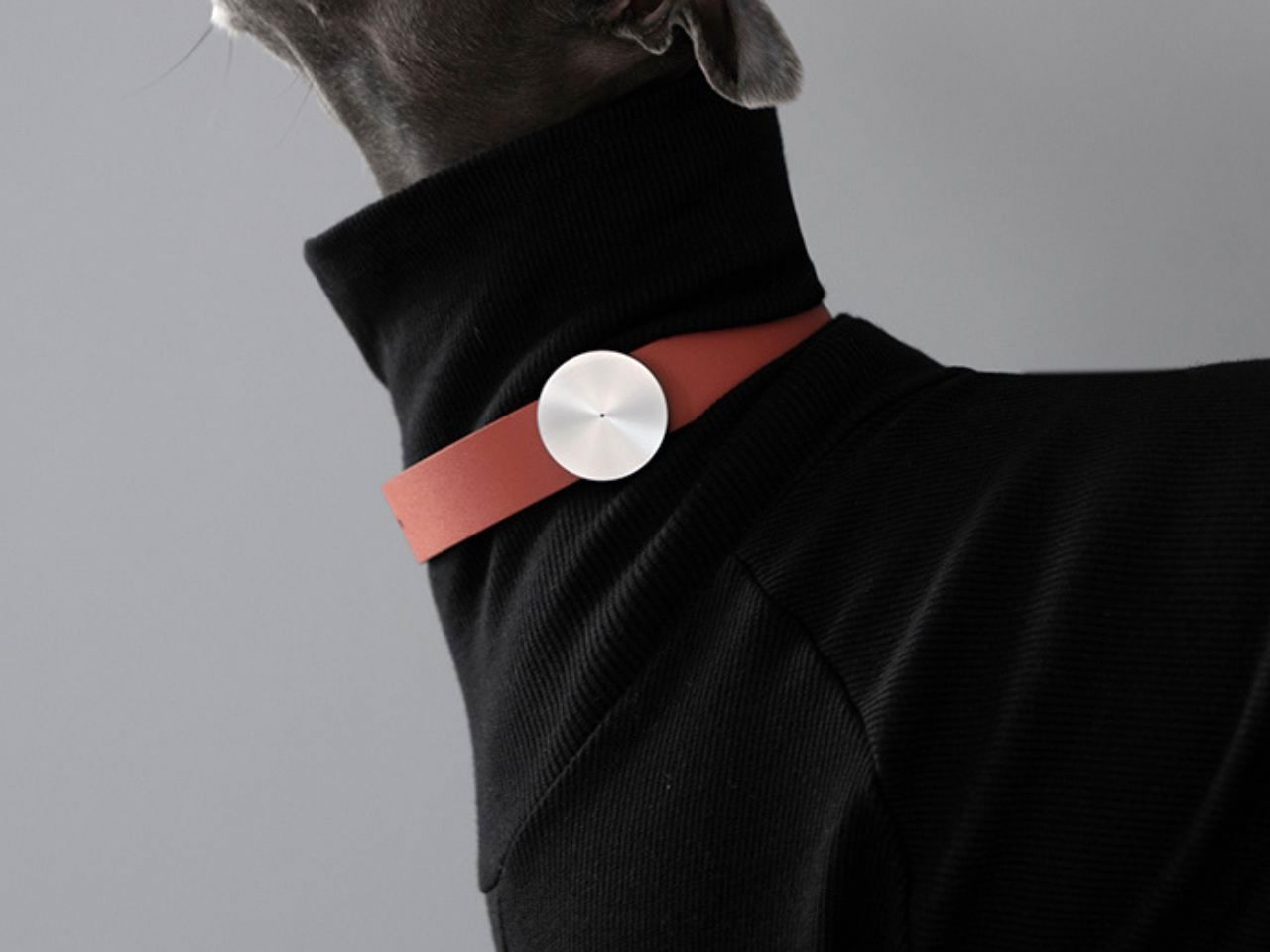
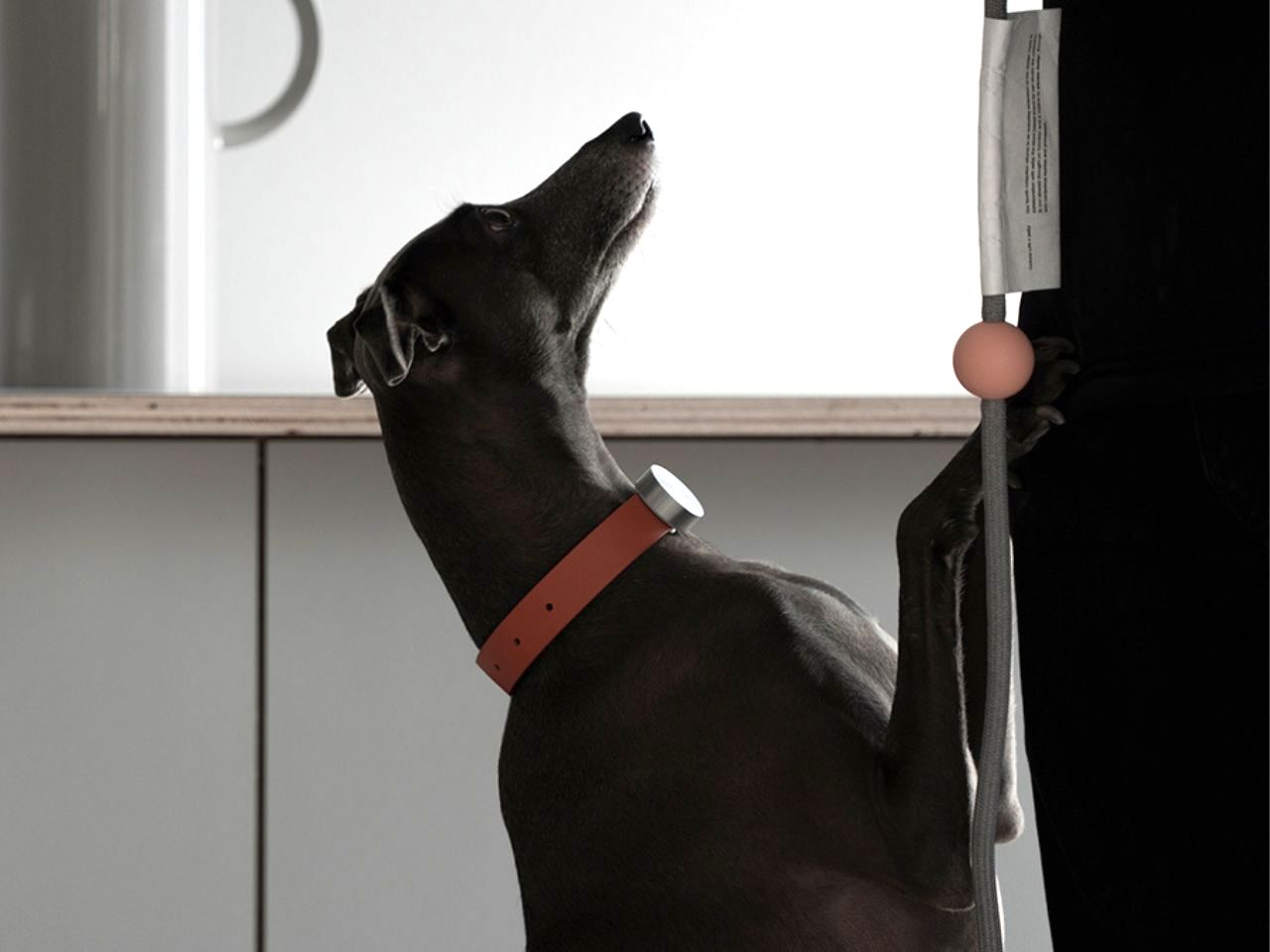
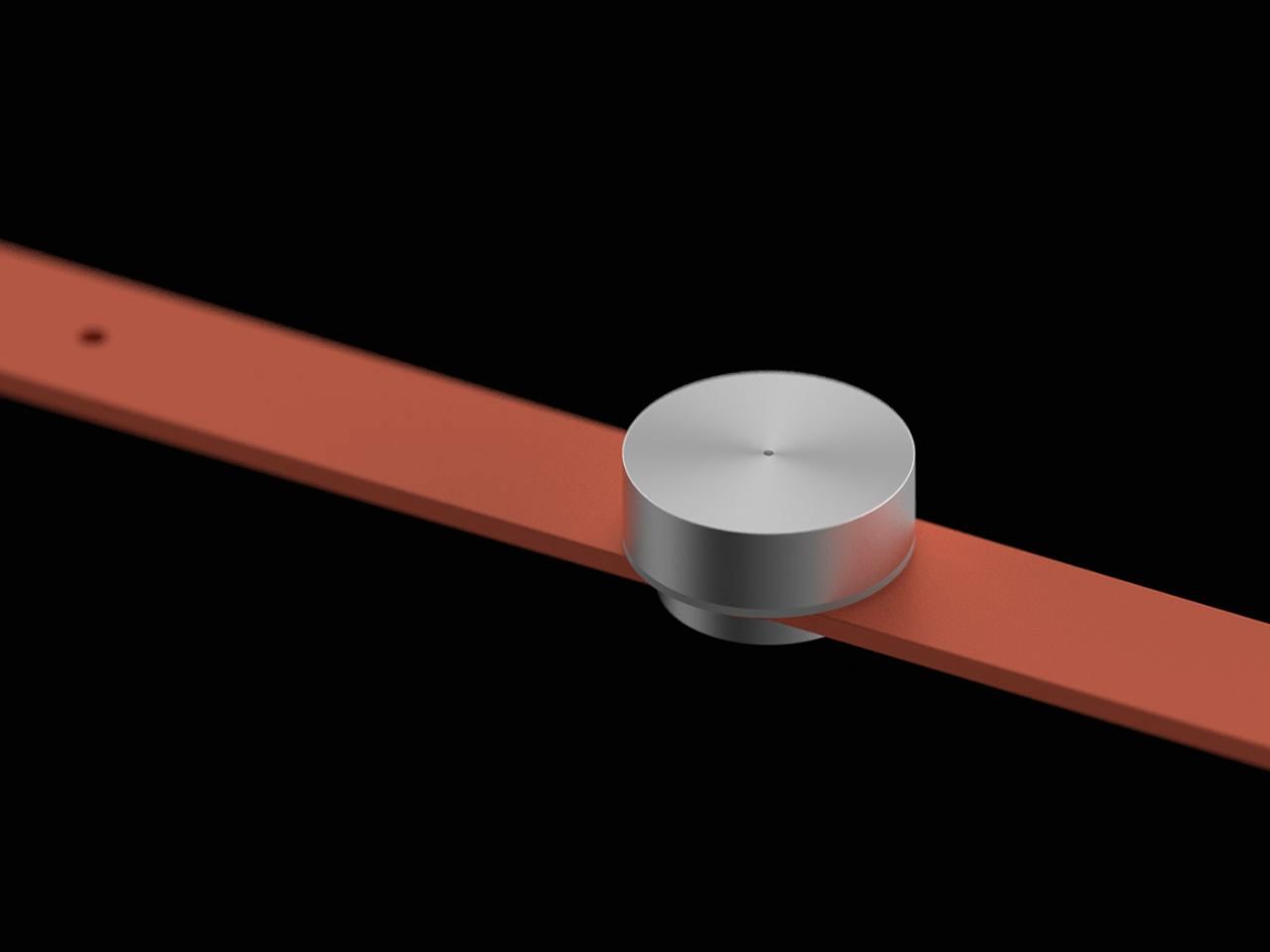
In addition to a safe training method, HushPuppy is also designed to be completely safe and comfortable to wear. No metal parts are exposed and a conductive soft silicone gel is used instead, ensuring that the collar is soft on the skin and free of potential allergic reactions and unsafe edges. It’s so easy to use, there isn’t even a manual power button! The collar immediately springs into action once it detects a bark, and then goes into a low-energy standby mode when no more barks are heard. Thanks to this smart operation, it can last up to 300 days on standby or 21 days of regular daily use, all on a single AAA battery. With the AI-driven HushPuppy, your canine companion will be able to learn good barking habits in a smart and safe way, saving both you and your precious pet from embarrassment and stress.

Click Here to Buy Now: $59 $109 (45% off). Hurry, only 247/500 left!

The post This AI-powered dog bark collar safely trains your furry friend to bark only when necessary first appeared on Yanko Design.

How Robots Are Expanding Their Fields of Work By Attaining Emotional Designs

Robots have long captured our imaginations, from the helpful household robots of science fiction to the industrial machines that streamline manufacturing processes. However, the integration of robots into our daily lives has often been hampered by the challenges they face when navigating complex human environments. These limitations have confined their utility to controlled spaces in industries such as logistics and manufacturing. But now, a groundbreaking design concept known as “Turing” is poised to change the game, bringing a fresh perspective on robotic technology.

Designer: Cambridge Consultants (Tom ShirleyAnya Pivčuka)

1

Turing is not just another robot; it’s a robotic platform with an emotional design at its core. It was developed by a team of multi-disciplinary experts, including designers, engineers, and researchers, to address a significant challenge in robotics: enabling robots to work in complex human environments while fostering collaboration between humans and machines. Turing’s approach seeks to unlock the untapped potential of human-robot interaction, one of the last remaining barriers to a future where robots become our everyday companions.

In the early stages of UX testing, the team behind Turing discovered that mimicking human emotion was a highly effective means of communicating the robot’s movements and intentions. They employed journey mapping to craft a coherent set of thoughts and emotions for the robot, resulting in a personality and behavior that users could relate to and engage with. By drawing inspiration from well-known characters in animation and film, they could identify the most appropriate personality for a given environment. This adaptability allows Turing to modify its behavior based on the specific context, ensuring it doesn’t seem out of place in various settings.

Turing is designed to work in collaboration with people, capable of navigating through crowded environments using body language, gestures, and emotional cues to communicate with our subconscious. This non-verbal, intuitive communication is significantly faster than traditional speech, enabling the sub-second reaction times necessary to avoid collisions in crowded areas. Moreover, Turing’s modular nature allows it to be adapted to a wide range of industries and customized to address diverse business needs.

1

The versatility of Turing makes it a game-changer in various industries:

1. Retail: In retail, Turing can assist shoppers with tasks ranging from providing general information to guiding them through the store and even carrying their shopping bags. The emotional and charming personality it displays creates a memorable shopping experience that can be tailored to each venue’s ambiance.

2. Service Industry: Turing comes to the rescue of businesses in the service industry, such as bars and restaurants, which often struggle to recruit enough staff. It can efficiently take orders and deliver food and drinks to customers, enhancing their overall experience. Its adaptability ensures it can seamlessly blend into different restaurant environments, from casual to fine dining.

3. Medical Environments: Turing plays a crucial role in medical settings by reducing the burden on healthcare professionals. It can perform repetitive, time-consuming tasks, such as dispensing medication in low-risk hospital wards. This not only frees up staff to focus on patient care but also helps maintain consistent medication schedules. However, the acceptance of robots like Turing in healthcare settings may take time, as people need to build trust in the accuracy of the tasks performed.

Turing is a groundbreaking development in the world of robotics. By embracing emotional design and a highly adaptable, modular nature, it is pushing the boundaries of human-robot interaction and addressing the limitations that have confined robots to specific industries. With Turing, the future of robotics looks promising, as it promises to bring robots out of controlled environments and into our everyday lives, as social, collaborative, and empathetic companions.

The post How Robots Are Expanding Their Fields of Work By Attaining Emotional Designs first appeared on Yanko Design.
This Nordic Hotel’s Architecture Blends Beautifully into the Organic Snow-Capped Mountain Slopes

Combining luxurious architecture and natural camouflage together, Mertcan Güldilek’s Nordic Breeze hotel is easy to miss when viewed from above. As you descend into the valley, however, the gorgeous hotel becomes more apparent with its unique blend of the snow-white facade and wrap-around glass. Created using AI, Güldilek’s architectural concept shows how organic design can blend beautifully into a landscape, complementing it rather than contrasting it.

Designer: Mertcan Güldilek

The AI experimentations take on a rather organic design reminiscent of Ross Lovegrove’s work. The hotel’s facade is difficult to really describe as it flows quite like the mountain slope. In the negative areas created by the facade, Güldilek adds running edge-to-edge windows that help residents/patrons get a sprawling panoramic view of the landscape ahead of them.

“The hotel emerges in the heart of the Swedish valley, inviting guests to a refuge that seamlessly blends with its breathtaking surroundings,” says Güldilek. “The organic approach to design ensures that the hotel becomes an extension of the surrounding nature, creating a sense of unity that calms and inspires.”

Envisioned for Storglaciären, Sweden, these hotels are located in the valleys of a snowcapped mountain range, alongside a glacial river that adds to the hotel’s charm. Multiple iterations of the hotel’s design see it nestled on top of the glacial river, giving patrons a stunning shimmering view of the snowcapped landscape along with its reflection. Sunrises and sunsets would look amazing here for 6 months in the year!

“As the sun descends, casting its golden rays across the land, the hotel radiates a warm and inviting aura that draws guests in,” adds Güldilek. “The golden hour lighting envelops the building, illuminating every detail and infusing the surroundings with a magical quality.”

Different iterations also play with volumes, adding multiple wings and levels to the architecture for a dynamic appeal. Each hotel room therefore has a unique view of what’s around them, creating a bespoke experience for everyone who comes to visit the conceptual Nordic Breeze hotel!

The post This Nordic Hotel’s Architecture Blends Beautifully into the Organic Snow-Capped Mountain Slopes first appeared on Yanko Design.

Introducing Your New Kitchen Buddy To Help And Accompany You Through Your Cooking Time

In the fast-paced world of today, where time is a precious commodity, the desire to cook wholesome meals at home often takes a backseat. Many millennials express the wish to cook more frequently, but their busy lifestyles and lack of culinary expertise frequently obstruct their path. The availability of pre-prepared convenience foods and the allure of dining out as a social experience often leaves little motivation to change one’s cooking habits. However, a revolutionary solution is on the horizon: Chao, an AI-powered social cooking platform designed to minimize the hassle of meal planning and eliminate the uncertainty of cooking, making the experience more accessible and enjoyable.

Designer: Tom Shirley (Cambridge Consultants)

Chao recognizes the struggle that many millennials face when attempting to embrace home cooking. The product acknowledges that the pain points of cooking commence long before one even steps foot in the kitchen. As someone who lived through the trials of university life, I can personally relate to this challenge. The lack of culinary instincts and the tedious, often boring nature of cooking made it difficult to muster the motivation to prepare meals at home, especially when you’re a student on a budget. Chao’s mission is to change this narrative.
Chao is not just another recipe app; it’s a comprehensive solution that redefines home cooking in the modern era. Here are some key features that make Chao unique:

1. Machine Vision:

Chao employs intelligent machine vision to ensure the correct usage of all utensils, making it the perfect companion for novice cooks.

2. Social Collaboration:

Chao fosters user interaction, promoting social collaboration around a common goal – preparing and enjoying delicious meals together.

3. Remote Participation:

Chao breaks geographical boundaries, allowing users from all corners of the globe to actively participate in the creation of meals, thereby creating a global culinary community.

Chao has been meticulously designed to address the genuine concerns of its target users. The team behind this innovation took the time to understand and empathize with users, pinpointing and resolving key pain points to ensure that the final product seamlessly integrates into their daily lives. Co-creating the concept with users at various stages of development ensured that the user experience (UX) and feature set remained perfectly aligned with their needs and expectations.

How Chao Works

Chao simplifies the entire cooking process with a seamless user experience:

1. Planning: Chao recommends tailored recipes. Once a recipe is selected, the necessary ingredients are ordered and delivered right to your door, saving you the hassle of grocery shopping.

2. Prep: Chao divides the preparation into manageable tasks, whether for one person or a group, offering advice and time management tips.

3. Cooking: The AI chef utilizes computer vision and various sensors to provide context-based advice, making it easy to tackle advanced cooking techniques in a fun and approachable way.

4. Eat & Enjoy: Chao helps capture and share meal times and dinner parties with friends and family, turning every meal into a memorable experience.

Chao guides users through the cooking process, sharing their progress and key statistics on a dedicated social media platform. With a deep understanding of user behavior, Chao provides easy-to-follow recipe steps along with tailored tips, thereby eliminating the uncertainty that often plagues home cooking.

Chao seamlessly blends the physical and digital worlds of cooking. The charging dock also serves as a home for the physical components of the system, seamlessly fitting into the kitchen environment.

A collaborative approach played a pivotal role in bringing Chao to life. Designers worked hand-in-hand with software engineers, electronic experts, and culinary enthusiasts. They tackled technical challenges such as person identification through computer vision, constructing a robust cloud-based infrastructure, and tracking utensils, whether actively or passively tagged.

In conclusion, Chao represents a pivotal step towards redefining the way we cook at home. It empowers millennials and anyone with a desire to cook healthier, more delicious meals, providing a solution to the time and knowledge constraints that often get in the way. With its innovative features and user-centric design, Chao promises to make home cooking more accessible, enjoyable, and social. It’s a product that’s not just about food; it’s about creating experiences and memories around the dinner table.

The post Introducing Your New Kitchen Buddy To Help And Accompany You Through Your Cooking Time first appeared on Yanko Design.