Frame Your Collectibles with the Ultimate Adaptive Display System

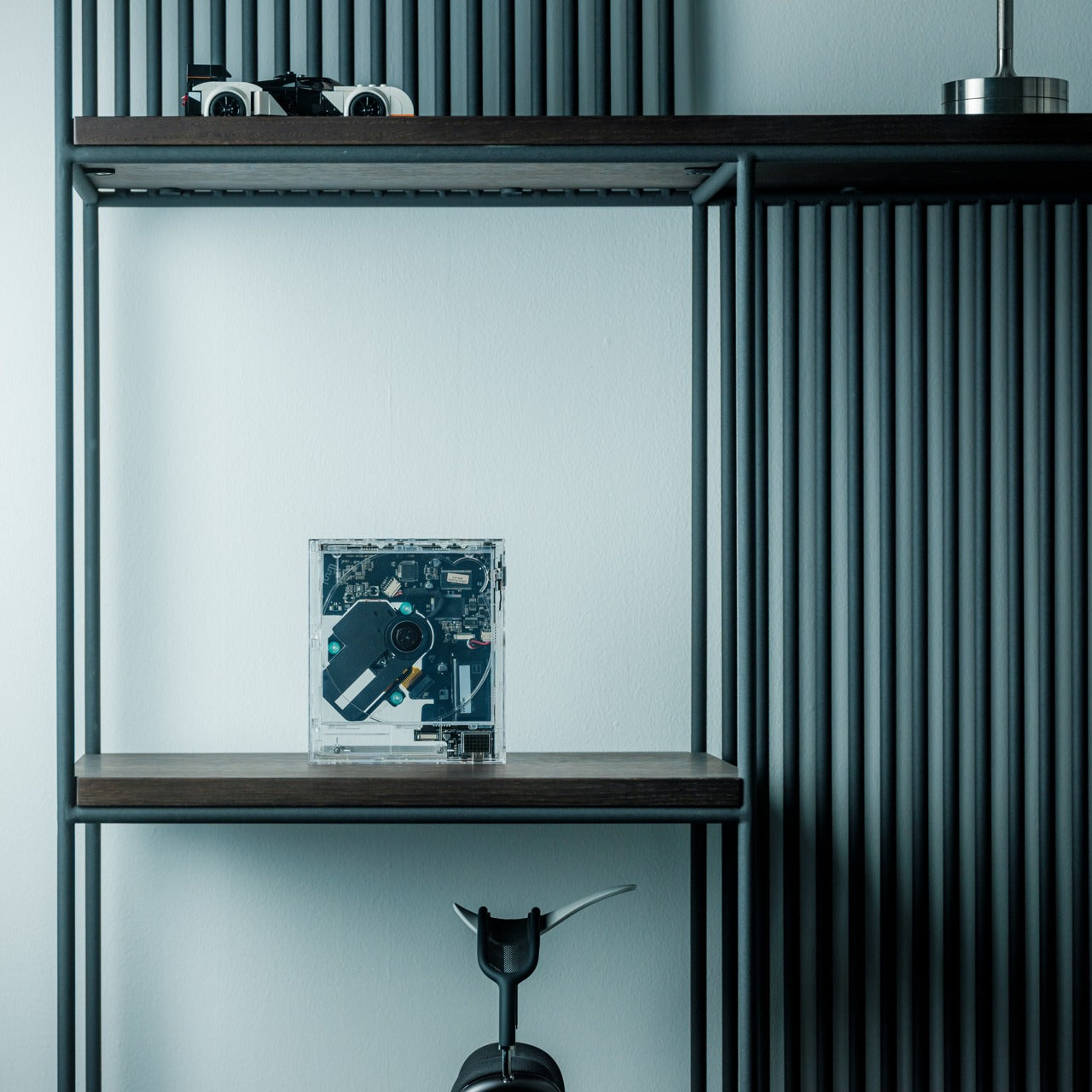
Imagine the JudoGrid Modular Display System—a setup that grows with your passion. After years of refinement, JudoGrid has been designed to give your collectibles the spotlight they deserve. Whether it’s action figures, wargaming miniatures, or unique trinkets, JudoGrid adapts, evolves, and showcases your collection in a way that makes displaying a more active part of your hobby. Being fans and collectors, the JudoGrid team is dedicated to supporting their fellow hobbyists by providing a product that enhances the joy of collecting.

Designer: JudoGrid Team

Click Here to Buy Now: $48. Hurry, only 11/650 left! Raised over $75,00.

Built for the Future

Flexibility is at the core of JudoGrid’s design, built to grow with your collection. The system features expandable segments that allow you to easily adjust your display case’s size and depth—just picked up ten new action figures? No problem—Judo has you covered. Add or remove segments to create a display that perfectly fits your space and collection needs. JudoGrid offers a variety of shelving options, enabling you to configure your display exactly how you envision it.

The pegboard backing provides 360 degrees of customization, letting you arrange shelves, hooks, and accessories to suit every angle. This dynamic setup supports your current display and adapts to future expansions, making JudoGrid a versatile solution that evolves alongside your growing collection.

Precision in Design

Precision in design is key. The materials are chosen for both strength and visual appeal, with smooth surfaces and clean lines creating a contemporary look that enhances the impact of your display. JudoGrid goes beyond simple storage—it elevates the presentation of your cherished items, making your collection a true reflection of your style and passions.

The sleek, modern design fits effortlessly into any environment, blending functionality with style. Made from high-quality, injection-molded materials, JudoGrid ensures durability and ease of use. The solid pegboard foundation and shelves hold everything securely, supporting collections and figures of all sizes, from small and compact setups to large collector statues. JudoGrid is up for the challenge.

Customize Your World

JudoGrid is all about customization and adaptability, allowing you to organize and highlight your items precisely. With various shelves, hooks, holders, and stands, you can arrange your collection exactly how you want, and as your collection evolves, so can your display. You can choose from various color schemes, from sleek monochrome tones to vibrant hues.
Integrated LED lighting further enhances your display, allowing you to adjust the intensity and color to create the perfect ambiance—from subtle highlights to dramatic and moody lighting. JudoGrid’s durable acrylic windows provide a clear view of your collectibles while protecting them from dust and damage.

Effortless Setup, Endless Possibilities

Setting up your JudoGrid display is as enjoyable as curating it. The components snap or screw together easily and quickly, with no need for special tools. The intuitive design makes assembly simple, so you can focus on arranging your collection. Whether mounted on a wall or free-standing on your desk, JudoGrid fits seamlessly into your life. The modular components can be configured to suit your needs, maximizing wall space with a vertical display or spreading across a tabletop. The sky is literally the limit!

Who Is This For?

At its core, JudoGrid is designed for passionate collectors and hobbyists who want to give their fandoms the display they deserve. Whether you’re a miniature enthusiast, action figure collector, wargamer, or trading card slinger, JudoGrid provides a versatile solution tailored to your needs.

It’s perfect for anime figure collectors looking for the ideal showcase or hobbyists like miniature painters and D&D players who need specialized accessories to hold their 20th set of fancy dice. JudoGrid offers paint holders, brush organizers, and compartments for storing dice, miniatures, and other game accessories, ensuring your hobby stays organized and ready for action.
Looking Forward to the Future

Once the Kickstarter campaign is completed, JudoGrid will indeed come alive with the launch of its online configurator service. This innovative tool will allow collectors to build, visualize, and customize their display cases with ease, planning out every detail—from size and color to accessories—and having their personalized design shipped directly to their door.

The configurator will also make it simple to add new parts and plan future expansions as collections grow. With a continually expanding catalog of accessories, collectors will have an array of options to accent and elevate their figures, ensuring their displays evolve alongside their passions. JudoGrid is dedicated to making the showcasing experience more dynamic, personal, and user-friendly.

A New Era in Display

Finally, JudoGrid transforms display cases from mere storage into an exhilarating part of the collector’s journey. This innovative approach celebrates your collection, making the display an accentuating centerpiece of your experience. It’s a breakthrough that promises to make showcasing as thrilling as acquiring.

Click Here to Buy Now: $48. Hurry, only 11/650 left! Raised over $75,000.

The post Frame Your Collectibles with the Ultimate Adaptive Display System first appeared on Yanko Design.
Your Chance To Make Your Own Version Of Tokyo’s iconic Nakagin Capsule Tower With This Wooden Block Set

In a unique fusion of play and architectural homage, industrial designer Oscar Diaz has created a wooden block set inspired by Tokyo’s iconic Nakagin Capsule Tower. Designed by renowned Japanese architect Kisho Kurokawa, the Capsule Tower was a landmark in modular architecture, embodying Kurokawa’s vision of adaptability and renewal. Though the building was disassembled in 2022, Diaz brings its spirit back to life with this playful and artistic reinterpretation.

Designer: OSCAR DIAZ

The set comprises 20 stackable wooden blocks and a hexagonal wooden base, encouraging endless combinations that mirror the modular nature of the original structure. Crafted from smooth beech wood and colored with water-based pigments, each block invites users to reimagine the avant-garde design of Kurokawa’s tower. As players stack the blocks, they engage in a delicate balancing act—a direct reflection of the tower’s structural equilibrium.

One of the set’s standout features is the inclusion of two red blocks, symbolizing key elements of the original building’s design. These red blocks must be placed last, adding an extra layer of challenge as they test the stability of the entire structure. The goal is not simply to build, but to maintain balance, simulating the precision and care that went into constructing the actual tower.

Each wooden block represents one of the tower’s capsules, complete with a round window that makes them instantly recognizable. Diaz’s design captures the spirit of Kurokawa’s philosophy, that there is no right or wrong way to stack the blocks, echoing the Japanese concept of renewal and impermanence that informed the Capsule Tower’s original design. The blocks can be configured in countless ways, and the resulting creation serves as a tactile, visual memento of this pioneering work of architecture.

The Nakagin Capsule Tower block set also offers hands-on learning for architects and interior designers to understand the principles of modular architecture. It provides an engaging, physical way to explore design concepts while offering a fun activity for others. Beyond its educational and playful value, the set is also a great piece of art to keep in your home. Its minimal, natural aesthetics seamlessly complement most, if not all, interior themes, allowing you to display your own version of the iconic tower.

Accompanied by a cotton bag for easy storage, the set is both a practical and playful tribute to the Nakagin Capsule Tower. For architecture enthusiasts and casual players alike, Oscar Diaz’s creation offers a hands-on way to explore the principles of modular design and keep alive the legacy of one of Tokyo’s most innovative buildings.

The post Your Chance To Make Your Own Version Of Tokyo’s iconic Nakagin Capsule Tower With This Wooden Block Set first appeared on Yanko Design.
Discover The Fun Of Hands On Learning With Mola Structural Kits For Architects And Engineers

As the tech industry advances and it is appreciated, there is still something special about getting your hands dirty and working with physical materials. The Mola 4 Structural Kit, designed by Brazilian architect Márcio Sequeira de Oliveira, offers exactly that—a hands-on approach to learning that brings creativity, design, and structural engineering to life. By combining principles of structural mechanics with elements inspired by origami and folding techniques, this innovative kit provides aspiring architects, designers, and engineers with an interactive way to explore the relationship between form and function in a very real, tangible way.

Designer: Márcio Sequeira de Oliveira (Mola)

For many students today, the overwhelming presence of technology can feel both empowering and confining. While sophisticated software unlocks endless possibilities, it can also constrain creativity by trapping ideas within the confines of a screen. The Mola 4 Kit fills this gap beautifully. It offers a tactile, hands-on experience, allowing users to experiment with structural forms and principles in the physical world. By literally building with your hands, you learn the why behind structural integrity—why certain forms stand tall while others collapse—a foundational skill for anyone passionate about architecture or engineering.

The Mola 4 Kit contains 145 meticulously designed modular parts and a detailed instruction manual to guide users. The components—springs, magnets, and pre-marked sheets—can be customized with materials such as cardboard, EVA, acrylic, or even 3D-printed elements. This versatile system allows users to build intricate, small-scale models of famous architectural marvels, such as Pier Luigi Nervi’s Palazzetto Dello Sport, Félix Candela’s Los Manantiales Restaurant, Álvaro Siza Vieira’s Expo’98 Portuguese National Pavilion, and London’s Millennium Dome. The kit essentially merges LEGO’s playful versatility with Apple’s sleek, user-friendly design, making it engaging and accessible to anyone, regardless of prior technical knowledge.

What truly sets the Mola 4 Kit apart is its capacity for creative exploration. It enables users to design, construct, and customize hundreds of unique architectural forms using modular parts, effectively opening up a world of architectural possibilities. Whether you’re a student or a seasoned professional, the kit transforms abstract theory into hands-on learning, letting users experiment with real-world concepts of structure and stability in a fun, dynamic way.

But don’t be fooled by its playful appearance—Mola 4 is a serious learning tool. It provides a gateway to the complex world of structural engineering, helping to demystify structural behavior and deepen the user’s understanding of both basic and advanced theoretical concepts. This tangible approach is essential for bridging the gap between civil engineering and architectural studies, bringing theory to life in a way that no textbook or software can replicate.

Perhaps the most remarkable aspect of the Mola 4 Kit is its ability to offer a three-dimensional learning experience that digital technology simply cannot match. Engaging with physical components activates both the mind and senses, creating “intuitively playful moments of delight” that digital interfaces often lack. The kit encourages users to step away from their screens and into a world of hands-on experimentation that is as informative as it is enjoyable.

The post Discover The Fun Of Hands On Learning With Mola Structural Kits For Architects And Engineers first appeared on Yanko Design.
Smartphone-powered tabletop stopwatch concept turns deep focus into a game

Our desks are filled with things that inspire us as well as objects that distract us, with our smartphones as the biggest culprits. Sure, we can probably justify having our phones close to us as necessary for work, but we don’t always need to be looking at them while we’re actually working. Notifications, videos and animations, and scrolling text all take our attention away from more important things, but uninstalling these apps completely induces a different kind of stress and worry. The situation doesn’t have to be black or white, though, and there are plenty of strategies to reduce distractions while keeping our phones still within reach, and you don’t even need the training of an ascetic monk to pull this off. In fact, it can even become a fun mini-game, like this tabletop stopwatch that turns getting into the zone into a dive for treasure.

Designers: Dagyeong Kim, Chanhee Park, Dugyeong Lee, Songhee Kim

There are actually some apps that use a similar method to encourage continuous periods of work without unlocking their phone. The idea is that there is some negative consequences when you pause or stop the timer by using the phone, like some virtual tree dying. These apps, however, still put the smartphone not only within reach but also in sight, increasing the temptation anyway. SINK is a concept that works the same way but adds a twist that not only puts the phone away but also makes the experience a bit more engaging.

1

The inspiration behind SINK is the gaming consoles of old, where you insert a cartridge to play a game. The mechanism is simple and straightforward, removing any ambiguity or complications. In this case, however, it’s your smartphone that is the cartridge, and you slide it into the back of the SINK device to turn it on. The device only works if the phone is in the slot, so you’ll have to go out of your way to retrieve your phone even for just a few seconds.

The “game” in SINK’s case is a deep ocean dive, hence the concept’s name, where the longer you remain focused at work, the deeper your diver goes and the higher points you get. There’s some semblance of a ranking system, but the concept doesn’t clarify if you’re just competing with yourself or with others as well. The latter raises the stakes a bit for those with a bit of a competitive bent, but it might also work the opposite way and discourage others.

Using SINK is quite simple and the device itself has very few controls other than a dial and a slider. Of course, any strategy like SINK or the Forest app will only be effective if you’re actually doing the intended work during the allotted period of time. There’s still an element of self-control, but SINK’s playful design makes it look a bit more fun instead of serious work.

The post Smartphone-powered tabletop stopwatch concept turns deep focus into a game first appeared on Yanko Design.
iPhone Case Transforms into an Analog Controller to play Game-Boy and other Handheld Emulator Games

I honestly can’t remember a time when case-makers for the iPhone were THIS overwhelming but yeah, we’ve probably covered 5 iPhone cases in the past week alone and this might be the 6th. Designed for the iPhone 15 and 16 Pro Max, the GameBaby from Bitmo Lab transforms your phone into a gaming handheld, reminiscent of the classic Game Boy. What makes the GameBaby stand out isn’t just its nod to the past—it’s the practical design that integrates a functional gaming experience into something as ubiquitous as a phone case. Unlike typical cases, the GameBaby features a two-piece system. The upper half acts like a standard iPhone protector, while the lower section brings in physical buttons styled after classic handheld gaming consoles. When you’re ready to jump into a game, the bottom half flips to the front, giving you a set of tactile controls that instantly transport you to the 90s.

Designer: Bitmo Lab

Instead of fiddling with external controllers or Bluetooth devices, the GameBaby lets you enjoy gaming on your iPhone without needing extra power sources. There’s no need to worry about charging it or pairing it with your phone via Bluetooth. Just flip the lower half of the case 180° and re-attach it to turn it into an analog control panel. The buttons work mechanically by touching virtual buttons on your screen, so you can jump into gaming without the extra steps that can often make mobile gaming accessories feel cumbersome. It’s a sleek solution for gamers who want to keep things simple but still enjoy the tactile feedback of physical controls—a rarity in the touchscreen-dominated world we live in today.

The GameBaby case works with various button layouts from systems like the original Game Boy, Game Boy Color, Game Boy Advance, and NES, all through the use of customizable emulator skins. This means you can swap between different layouts depending on the game you’re playing, giving you a level of control not often found in mobile gaming. Although it doesn’t come preloaded with emulators or games, the case is designed to work seamlessly with the Delta emulator, which is known for its support of over 7,000 games. So, while you might need to handle the software side yourself, the hardware is built to accommodate a huge range of gaming options.

While the concept of turning your iPhone into a retro gaming device is certainly intriguing, Bitmo Lab has taken it a step further by making the design practical for everyday use. When you’re not gaming, the controller portion folds back and clicks into place, protecting the back of your phone like a regular case. This makes the GameBaby functional beyond just gaming—it’s still an iPhone case, after all. You can slip it into your pocket, take it on the go, and occasionally fiddle with the buttons and controls like they’re fidget details.

For those itching to relive their childhood gaming days, the GameBaby case is now available for pre-order. Early adopters can snag it for $19.99, but only for the first 1,000 units. After that, the price jumps to $24.99 during the remainder of the pre-order phase, eventually hitting its retail price of $39.99. With the iPhone 16’s official announcement just last week, the timing of this release seems perfectly aligned for those planning to upgrade their phone but still want a dash of nostalgia in their everyday carry (although I see no Camera Control cutout on the case’s design yet). While Bitmo Lab has yet to confirm exact shipping dates, the early bird pricing makes it a tempting offer for those looking to secure a piece of retro gaming merch for their next iPhone.

The post iPhone Case Transforms into an Analog Controller to play Game-Boy and other Handheld Emulator Games first appeared on Yanko Design.
Top 15 Countries with the Highest Average Salaries for Industrial Designers

The field of industrial design is ever-evolving, offering creative minds the opportunity to shape the products and systems that define our daily lives. As a field that blends aesthetics, functionality, technology, sustainability, and innovative problem-solving, industrial design has become a lucrative career path in many parts of the world. However, the financial rewards for junior industrial designers can vary significantly across different countries. We explore the top 15 countries where industrial designers can expect some of the highest average salaries, providing a comprehensive overview of each nation’s contribution to the field, as well as key cities, universities, and companies that shape their vibrant design ecosystems. The salary ranges were compared across a variety of forums like Glassdoor and Payscale, and are listed based on their averages. This list doesn’t consider the cost of living in the countries, which definitely has a significant effect on the salary too. However, a high salary is an indication (at least in a very primitive way) of a burgeoning design industry, and an appreciation and acceptance of design as a viable profession. When you consult this list, we also recommend you do your own research to see which countries have an affordable standard of living, flexible visa regulations, and a stable economy with rising jobs. Read till the end for another important disclaimer!

1. Switzerland

Annual Salary Range – $86,650-$112,700 USD

Vitra Campus, Switzerland

Switzerland consistently ranks among the highest in terms of average salaries across various professions, and industrial design is no exception. Junior industrial designers in Switzerland can expect to earn between $86,000 and $112,000 USD per year. The high cost of living is offset by strong wages and excellent working conditions, making it an attractive destination for design professionals. Renowned for its precision engineering and luxury goods industries as well as being the epicenter of global watchmaking, Switzerland offers a thriving job market bolstered by strong economic stability. Key cities like Zurich, Geneva, and Basel are central to the country’s design landscape. Prominent universities such as Zurich University of the Arts (ZHdK), University of Applied Sciences Northwestern Switzerland (FHNW), and École cantonale d’art de Lausanne (ECAL) produce top-tier talent, feeding into leading companies like Vitra, Rado, and SIGG.

2. United States

Annual Salary Range – $65,700 – $95,000 USD

Apple Park, USA

The United States remains a global leader in design and innovation, with an average annual salary for junior industrial designers ranging from $65,700 to $95,000 USD. Cities like New York, San Francisco, and Los Angeles are not only cultural epicenters but also hotspots for design firms and tech companies, offering plentiful opportunities for designers to grow and earn well. Prestigious institutions such as the Rhode Island School of Design (RISD), Carnegie Mellon University, ArtCenter College of Design, and Pratt Institute contribute significantly to the industry’s talent pool. Leading design firms like IDEO, Frog Design, and Smart Design, among prominent companies like Alphabet, Apple, and Microsoft are driving the design sector forward.

3. Denmark

Annual Salary Range – $62,600 – $75,100 USD

Bang & Olufsen

Denmark is renowned for its distinctive design philosophy, blending minimalism with functionality. Junior industrial designers in Denmark earn between $62,600 and $75,100 USD per year. The country’s rich design heritage, combined with a strong emphasis on sustainability and social responsibility, attracts designers from around the world looking to contribute to impactful projects. Key cities like Copenhagen, Aarhus, and Odense are hubs of design activity. The Royal Danish Academy of Fine Arts and Aarhus School of Architecture are among the prominent institutions nurturing creative talent. Danish companies like Designit, Bang & Olufsen, the Danish Design Center, and Jacob Jensen Design are leaders in the industry. Even LEGO’s headquarters are located in Billund, Denmark.

4. Norway

Annual Salary Range – $56,700 – $66,150 USD

Snøhetta Viewpoint, Norway

Norway’s commitment to design excellence and sustainability makes it a fantastic location for industrial designers. Junior designers in Norway can expect annual salaries ranging from $56,700 to $66,150 USD. The nation’s strong economy supports a healthy job market with a strong focus on innovative design solutions, particularly in environmental and tech sectors. Prominent cities such as Oslo, Bergen, and Trondheim play key roles in the design landscape. Educational institutions like Oslo National Academy of the Arts and Bergen Academy of Art and Design are notable for their contributions to the field. Leading companies like Scandinavian Design Group, Snøhetta, and Yokoland offer numerous opportunities for professional growth.

5. Germany

Annual Salary Range – $42,800 – $65,600 USD

Siemens Headquarters, Germany

Germany’s robust industrial sector and dedication to engineering excellence extend to its industrial design industry, where junior designers can expect to earn between $42,800 and $65,600 USD per year. Cities like Berlin, Munich, and Stuttgart are hubs for automotive and high-tech companies, offering numerous opportunities for designers to engage in innovative projects and advance their careers. Leading universities such as Bauhaus University Weimar and the University of Applied Sciences Schwäbisch Gmünd produce highly skilled designers. German design giants like Siemens, AEG, Audi, and Braun are among the many companies at the forefront of industrial design.

6. Japan

Annual Salary Range – $40,900 – $63,500 USD

Sony Headquarters, Japan

Known to be at the forefront of technology and design, Japan cements its place as the only Asian country on this list, offering junior industrial designers average salaries between $40,900 and $63,500 USD annually. The country’s unique blend of traditional craftsmanship and modern innovation provides a fascinating landscape for design professionals to develop their skills. Key cities such as Tokyo, Osaka, and Kyoto are central to Japan’s design industry. Prominent educational institutions like the Tokyo Institute of Technology and Kyoto Institute of Technology are known for their strong design programs. Renowned companies like Sony, Toyota, Mitsubishi, Nikon, Panasonic, and iconic design studios like Muji exemplify Japan’s innovative design and tech culture.

7. Finland

Annual Salary Range – $40,000 – $63,400 USD

Marimekko Store, Finland

Finland offers junior industrial designers average salaries ranging from $40,000 to $63,400 USD per year. Finnish design is renowned worldwide for its minimalistic and human-centered approach. The country’s commitment to top-tier education and quality of life makes it an attractive destination for design professionals. Key cities such as Helsinki, Espoo, and Tampere are crucial to the design scene. Aalto University School of Arts, Design and Architecture and the University of Lapland are leading educational institutions nurturing creative talent. Companies like Marimekko, Fiskars, and Nokia are central to Finland’s design industry.

8. Austria

Annual Salary Range – $39,000 – $60,000 USD

Swarovski Crystal Museum, Austria

Junior industrial designers in Austria can expect to earn an average annual salary ranging from $39,000 to $60,000 USD. The country’s design scene is bolstered by a strong cultural heritage and a robust economy, with key cities like Vienna, Salzburg, and Graz playing pivotal roles. Notable educational institutions such as the University of Applied Arts Vienna and FH Joanneum contribute significantly to the field. Leading companies like Swarovski, Red Bull (they’re more than a beverage company), and Kiska are integral to Austria’s design and innovation landscape.

9. Australia

Annual Salary Range – $40,600 – $54,200 USD

RMIT University, Australia

Not to be confused with Austria (given their proximity on this list!), Australia’s design industry is vibrant, and the country offers junior industrial designers an average salary between $40,600 and $54,200 USD per year. It gets a place below Austria because of the average salary taken within the given range. The Australian market is known for its emphasis on sustainable design and innovation. Cities like Melbourne, Sydney, and Brisbane host a plethora of design agencies and companies specializing in various industries, from automotive to consumer electronics. Noteworthy universities such as RMIT University, the University of New South Wales, and Swinburne University of Technology provide a strong educational foundation for budding designers. Leading firms like Designworks, Blue Sky Design Group, and Cobalt Design are at the forefront of the industry’s growth.

10. France

Annual Salary Range – $39,000 – $54,700 USD

Renault Automotive R&D Center, France

France is a cradle of art, culture, and luxury, renowned for its significant contributions to industrial design. Junior industrial designers in France can expect average annual salaries ranging from $39,000 to $54,700 USD. Paris stands at the epicenter, offering a blend of historical grandeur and cutting-edge design. The city’s vibrant galleries, museums, and design firms create a dynamic atmosphere for aspiring designers. Lyon, with its rich industrial heritage, and Marseille, known for its Mediterranean influence, are also key players in the design landscape. Prestigious institutions like École nationale supérieure de création industrielle (ENSCI) and Strate School of Design foster top-tier talent. Leading companies such as Renault in automotive design, Hermès in luxury goods, and Airbus in aerospace offer promising career opportunities. France’s design industry intricately weaves tradition with modernity, making it an inspiring destination for industrial designers.

11. Sweden

Annual Salary Range – $41,200 – $50,600 USD

Electrolux Headquarters, Sweden

Sweden’s long-standing tradition of design excellence is reflected in the average salaries for junior industrial designers, which range from $41,200 to $50,600 USD per year. Swedish design is synonymous with quality and innovation, with a particular emphasis on functionality and aesthetic simplicity. Key cities such as Stockholm, Gothenburg, and Malmö are renowned for their design culture. The Umeå Institute of Design and Konstfack University of Arts, Crafts, and Design are noteworthy for their exceptional design programs. Leading Swedish companies like IKEA, Electrolux, and Volvo are pioneers in industrial design.

12. United Kingdom

Annual Salary Range – $37,100 – $54,300 USD

OXO Tower Wharf, United Kingdom

The United Kingdom offers junior industrial designers average salaries between $37,100 and $54,300 USD per year. London, in particular, is a major global design capital, home to numerous renowned design firms and educational institutions. The UK design industry is known for its eclectic mix of historical influences and cutting-edge modern aesthetics. Prominent institutions such as the Royal College of Art, Central Saint Martins, and the University of the Arts London are known for their high-quality design programs. Leading firms like OXO, Pentagram, Seymourpowell, and Barber & Osgerby exemplify the UK’s innovative design culture.

13. Canada

Annual Salary Range – $35,300 – $50,800 USD

Umbra Store, Canada

With an average annual salary for junior industrial designers ranging from $35,300 to $50,800 USD, Canada stands out as a country that values creativity and innovation. Canadian cities such as Toronto, Vancouver, and Montreal are known for their thriving design scenes, supported by a diverse economy and a welcoming culture for creative professionals. Key educational institutions such as Ontario College of Art and Design University (OCAD U), Humber College, and Emily Carr University of Art + Design play a significant role in developing design talent. Canadian companies like Umbra, Gasket Studio, and Idea Couture are influential in the industry.

14. New Zealand

Annual Salary Range – $37,300 – $43,400 USD

Massey University, Wellington School of Design, New Zealand

Although better known for VFX education, New Zealand’s burgeoning design industry offers junior industrial designers salaries ranging from $37,300 to $43,400 USD annually. The country’s strong focus on environmental sustainability and innovative problem-solving attracts designers who are passionate about creating impactful, user-centered designs. Key cities such as Auckland, Wellington, and Christchurch are central to the country’s design ecosystem. Educational institutions like Massey University (Wellington School of Design), Auckland University of Technology, and Victoria University of Wellington produce creative professionals who go on to work at leading companies like Fisher & Paykel, Formway, and Designworks.

15. Ireland

Annual Salary Range – $30,000 – $44,400 USD

National College of Art and Design, Ireland

With average annual salaries ranging from $30,000 to $44,400 USD for junior industrial designers, Ireland caps this list as a burgeoning market for design. Dublin, with its growing tech scene and innovative start-ups, provides a lively environment for industrial designers to thrive and innovate. Prominent institutions such as the National College of Art and Design (NCAD) and Dublin Institute of Technology offer strong design programs. Leading companies like Design Partners, MGD, and Dolmen are key players in the Irish design landscape.


Following closely in the footsteps of these countries are a few more that almost made it to the list, namely Italy, The Netherlands, Belgium, Singapore, and the United Arab Emirates. As industrial design continues to grow as a significant field in shaping the future of products and systems, the financial rewards reflect the high value placed on creative and innovative professionals worldwide. While the salaries offered are enticing, I reiterate that it’s essential to consider various factors such as the cost of living, the job market, and the cultural environment when evaluating these opportunities.

Moreover, some countries may offer greater exposure in terms of companies and professional opportunities, i.e., although UK ranks lower on the list than Norway, it may offer the opportunity to work at a more renowned company that could shine on your resume. Do your research thoroughly, but be sure to use this list as a launching pad if you’re looking for a fulfilling and prosperous professional journey in Industrial Design!

The post Top 15 Countries with the Highest Average Salaries for Industrial Designers first appeared on Yanko Design.
This Titanium EDC is an advanced analog calculator, a measuring tool, and a brilliant fidget toy

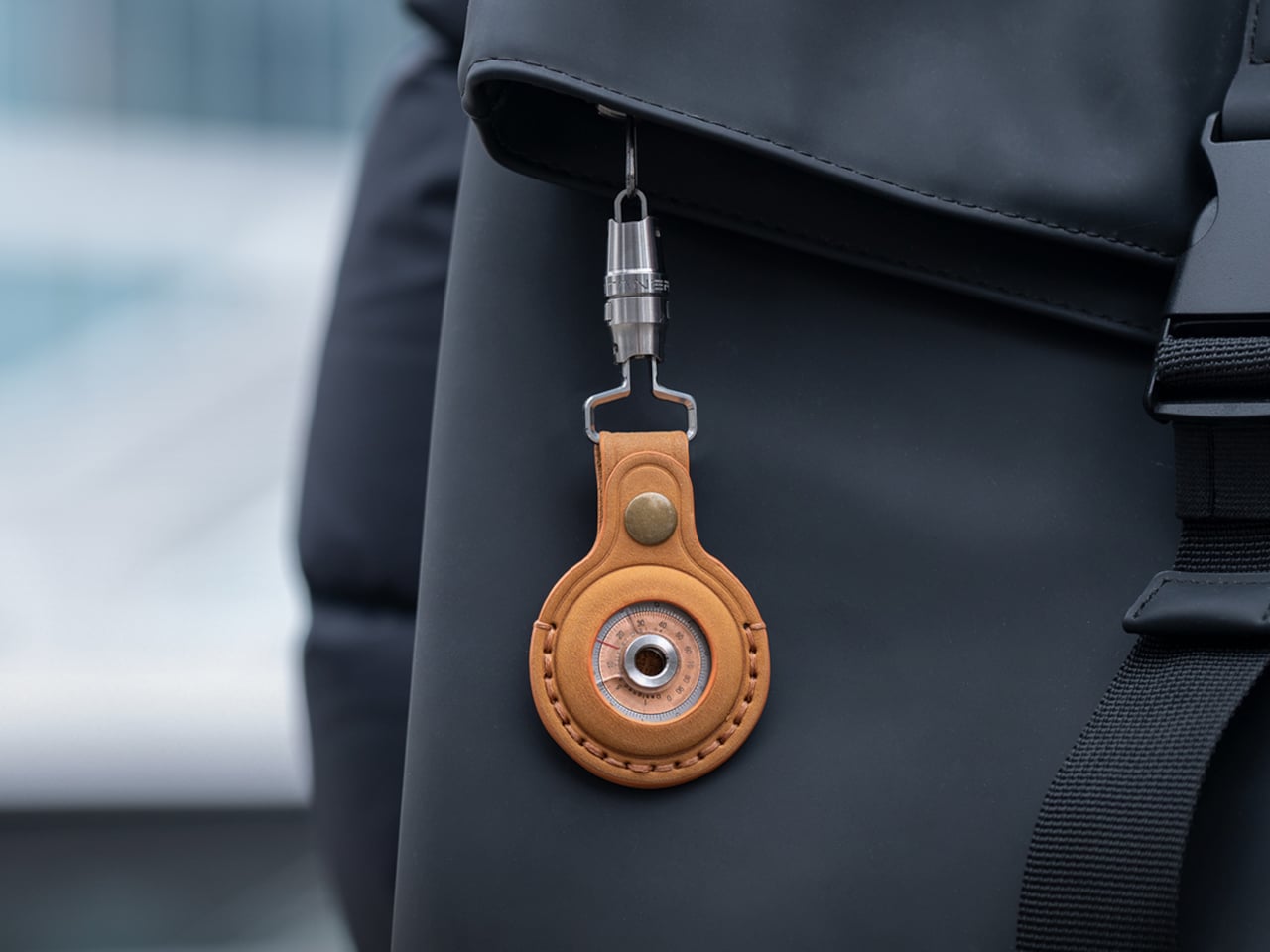
All great things are circular. The sun and moon, the metaphorical circle of life, pizzas, donuts, CDs, the iPod jog wheel, and the Mini Titanium Curve Measure Slide Rule from the folks at Titaner. Sure, that intro sounded rather grandiose, but this humble little torus-shaped device transcends the simple rolling scale. Crafted from a combination of titanium and copper, the Mini Titanium Curve Measure Slide Rule can measure linear and non-linear distances (in multiple units), but it can also add (or subtract) and even multiply using basic logarithmic principles. In short, this tiny handheld device is stationery from an alternate reality, capable of doing multiple things in a form factor mainstream tools haven’t explored before. The added bonus? It doubles as a fidget toy, making it just the perfect EDC for creative-folk.

Designer: TITANER

Click Here to Buy Now: $53 $98 (46% off). Hurry, only 36/1030 left! Raised over $225,000.

At first glance, this slide rule stands out with its sleek, circular form. Unlike traditional straight rulers, the TITANER’s hubless ring-shaped design allows for continuous measurements along any surface, whether flat or curved. Its circular construction eliminates the limitations of a fixed, linear ruler, offering limitless potential for measuring longer lengths by simply rolling it along a surface. This continuous loop system is what sets the TITANER apart, making it a versatile tool for designers, engineers, and DIY enthusiasts who often need to measure odd shapes and sizes without being limited by scales and measuring tapes.

Measure irregular shapes so fast

With a 10 cm circumference of the outer ring (there’s a larger 5-inch variant too), the Mini Titanium Slide Rule provides precise readings through a combination of outer and inner rings. Synchronizing both before use ensures measurement accuracy. For example, to measure a distance, you roll the ruler across the surface and count the number of full revolutions (marked by slight vibrations) while noting the final position of the inner ring relative to the outer scale. Adding these values together gives you the total length, making it a breeze to measure long or curved paths without having to reposition the tool.

No limit to extension length

The slide rule also incorporates simple arithmetic functions. On one side of the tool, you can use logarithmic principles to add values, and on the other, you can multiply. To add two numbers, you find the logarithms of the values on the outer ring, and their sum gives you the result of the addition. Similarly, for multiplication, the rule allows you to calculate the product of two numbers by summing their logarithms and aligning the rings accordingly. While this feature may seem rooted in history, it’s surprisingly intuitive and adds a layer of intellectual engagement that transforms this measuring tool into a small calculating device.

No need to reposition

Crafted from titanium, this slide rule is built to last. Titanium, known for its strength, durability, and resistance to corrosion, ensures that this tool will endure daily wear and tear, making it a perfect companion for outdoor activities or everyday tasks. Weighing only 20 grams, the TITANER is light enough to carry with you wherever you go. Its small size (just 31.8 mm in diameter) and thickness of 5.3 mm make it a discreet yet powerful tool that fits comfortably in your pocket or can be worn as a pendant.

The precision of this ruler is highlighted by its laser-engraved scale, which ensures that measurements are not only easy to read but also resistant to fading over time. Each marking is meticulously etched with high accuracy, providing clear and durable references even after prolonged use. The high processing precision, down to 0.01 mm, guarantees that each rotation is smooth and that measurements remain consistent across multiple uses.

Rolling Ruler

The Role of Ceramic Beads

Beyond its practical applications, the TITANER Mini Slide Rule serves as an excellent everyday carry (EDC) item. Whether you attach it to your keychain, use it as a zipper pull, or simply carry it in its leather pouch, this tool is always at hand for spontaneous measurement tasks. Its sleek, minimalistic design complements its functionality, adding a touch of elegance to your daily gear.

Interestingly, this slide rule isn’t just a precision tool; it’s also a delightful fidget toy. The smooth, rhythmic rotation of the rule, paired with subtle clicks and vibrations, offers a satisfying sensory experience. Much like a spinning top, it provides a calm, meditative activity that can help relieve stress during work or study sessions. This dual functionality as both a tool and a fidget toy makes it an excellent companion for those who enjoy practical, yet playful gadgets.

The TITANER Mini Titanium Curve Measure Slide Rule comes in a few variants. Enthusiasts can either grab the all-titanium variant (which has a slightly higher price owing to the material and manufacturing), or buy a slide rule with an inner ring made of brass (this variant’s distinct dual-color aesthetic has it standing out from the rest). The slide rule comes with a 10-cm circumference, although you can upgrade to a larger version with a 5-inch circumference. All variants rely on a precisely machined structure with an anti-slip texture on the outside, and spring-loaded ceramic beads on the inside that enable the rolling and clicking function.

A masterclass in design, the TITANER Mini Titanium Curve Measure Slide Rule merges functionality with thoughtful engineering. It’s an EDC tool that excels in precision, portability, and durability, while also serving as a unique conversation piece while in use or even worn around your neck as a mark of your creatively aligned profession (sort of like how architects love to show off their mechanical pencils, or fashion designers with their measuring tape always handy). Whether you’re using it to measure unconventional surfaces or simply spinning it between your fingers for a moment of relaxation, this ruler proves that the simplest tools can often be the most innovative.

Click Here to Buy Now: $53 $98 (46% off). Hurry, only 36/1030 left! Raised over $225,000.

The post This Titanium EDC is an advanced analog calculator, a measuring tool, and a brilliant fidget toy first appeared on Yanko Design.
Alien-inspired smartwatch concept eschews conventional design for more organic aesthetics

Smartwatches today have evolved from miniature smartphones on our wrists to miniature health clinics on our wrists. The design of these wearable devices has finally settled down to a handful of designs, most of which try to mimic the appearance of classic timepieces. There is, however, still plenty of room for exploration, for designs that redefine the product category or challenge the status quo. This design concept, for example, tries to look farther ahead into the future, when conventions no longer hold water and where today’s unfamiliar, alien aesthetics would ironically look more natural and more human.

Designer: Olga Orel

Smartwatches had a hard time finding its niche in the market. They were too technological to match the majesty of mechanical watches, but also too underpowered to be the multi-purpose wrist-worn communicators of science fiction. In the end, smartwatches today adopted the core design convention of traditional wristwatches, be they the sporty kind or the luxurious timepieces. But does it really have to be that way? Do smartwatches need to look like, well, watches?

The ALIEN concept gives an empathic “no,” embracing a design language that is more organic and ironically closer to us than its extraterrestrial name would suggest. Its asymmetrical and amorphous design, not to mention the matching domed display, gives it that otherworldly character seemingly pulled out from some 90s sci-fi flick, with its eerie green glow and dark brushed metal surface. Of course, there’s nothing to stop a manufacturer from using other color motifs or materials, but it would still look alien compared to common smartwatches.

The irony is that, freed from the restrictions of circular and square watches, ALIEN can take on shapes that better conform to people’s wrists, offering a more natural, more ergonomic, and more pleasing curvature that is more human-centric. Even the buttons seem to organically grow out of the watch’s body rather than just jutting out like an artificial add-on. And unlike most smartwatches today, it isn’t content to have just one button but can have as many as four in each corner.

This unconventional design also changes the user experience, though not always in good ways. Because the shape of the screen is non-standard, there is more flexibility for different UI elements and arrangements, but it can also make things more confusing as well. Humans are creatures of habit, and smartwatches try to offer a uniform experience across different models or even platforms to make it easier for owners to switch from one watch to the next. That is, unfortunately, one of the disadvantages of this concept design, making the interaction and experience a little foreign and, well, alien.

The post Alien-inspired smartwatch concept eschews conventional design for more organic aesthetics first appeared on Yanko Design.

ASUS Zenbook S 14 Ceraluminum Laptop Review: Elegance You Can Feel, Power You Can Touch

PROS:


  • Gorgeous Ceraluminum design with a unique tactile experience

  • Ultra-thin and lightweight chassis for effortless portability

  • Lush and vibrant 14-inch 3K 120Hz OLED display

  • Impressive performance, including light gaming

CONS:


  • Port selection is a bit constrained

  • RAM is integrated into System-on-Chip


RATINGS:

AESTHETICS
ERGONOMICS
PERFORMANCE
SUSTAINABILITY / REPAIRABILITY
VALUE FOR MONEY

EDITOR'S QUOTE:

Packing incredible performance in a compact and beautiful design, the ASUS Zenbook S 14 redefines what ultraportable laptops are capable of and demonstrates how to deliver a design that you can feel.
award-icon

For the longest time, Apple MacBooks have set themselves apart from the rest of the laptop crowd with their stylish designs, while laptop manufacturers preferred to focus on the performance and technical aspects of their products. Consumer tastes have shifted, however, and brands have started their search for thinner and lighter designs, though they always get stumped by the laws of physics and the limits of technologies and materials. Always in Search of Incredible, ASUS decided to look to other places for inspiration, both from other industries and Mother Nature herself. The result is a new “meta-material” Ceraluminum, which debuted on the ASUS Zenbook S 14, a rather striking laptop that promises the best of all worlds. Naturally, we couldn’t resist getting our hands on it and taking it for a test run to see whether its beauty runs deep.

Designer: ASUS

Aesthetics

Laptop lids are often made from metal like aluminum or plastic, both of which offer different strengths but also weaknesses. Lately, titanium has become the hot new material for electronics because of its durable and lightweight properties, but it is far from the end-all and be-all of metallic products. Taking a page from the aerospace and luxury watch industries, ASUS developed a new oxidation or “ceramization” to produce a sort of hybrid or meta-material, if you would, that combines not only the lightness of aluminum and the hardness of ceramic but also creates a new visual and tactile experience never before seen on a laptop.

“Ceraluminum” is the marketing term for what ASUS previously called Plasma Ceramic Aluminum, and our very own Vincent Nguyen describes the material in better detail. The end result is a laptop cover that looks nothing less than a piece of art, especially with the lines that cross its surface to create geometric patterns. Not only is the laptop great to look at, but it also feels great to touch. There’s a certain degree of roughness to its surface, almost like paper. Considering its paper-light weight and thinness, it almost feels like you’re simply carrying a stack of white or gray paper.

And yes, the ASUS Zenbook S 14 is unbelievably thin and lightweight, only 1.1cm (0.47 inches) thin and 1.2 kg (2.65 lbs) light. It gives the laptop a rather striking profile that grabs attention from any angle. And with its tactile design and lightweight body, you might find yourself wanting to carry the laptop in your arms often, truly a design that you can feel.

Fortunately, the laptop’s beauty doesn’t disappear when you lift up the lid. The very thin bezels almost disappear completely, giving way to the bright and colorful ASUS Lumina OLED display. The clean and modest design of the keyboard and the touchpad pad perfectly complement the minimalism of the laptop’s lids. Even the rather unique ventilation grid lying between the keyboard and the display hinge brings functional aesthetics into the picture. No matter which way you look at and hold the Zenbook S 14, you are greeted by a strikingly elegant display that you touch with your eyes as well as with your fingers.

Ergonomics

With such a thin and light design, there is really no argument about the portability of this laptop. You can easily carry it anywhere by hand or slip it inside a bag, and use it anywhere as well, including on your laptop. This makes the Zenbook S 14 ideal for people who find themselves always on the move, sometimes even at a moment’s notice. Best of all, they aren’t losing out on power and performance, as we’ll see later, so there are almost no downsides to its design.

That said, if you’re a bit picky about your typing experience, you might have some issues with the ASUS Zenbook S 14’s keyboard. With a profile as thin as this, it shouldn’t come as a surprise that the keyboard actually has a bit of a shallow travel distance, just around 1.1mm. Mind you, that’s not exactly a deal breaker and we found it to still be quite comfortable and enjoyable to type on. In fact, considering that same thin profile, it’s a miracle that this keyboard could actually feel this good. Again, your mileage might vary, but keyboard connoisseurs might want to take note of this detail.

Another minor matter that may or may not ruin your experience is the very bright keyboard backlight. Although adjustable, even its dimmest setting might feel a little blinding to more sensitive eyes, especially in a dark room. On the bright side (no pun intended), the light and the keys are also very visible even in bright surroundings. Again, not a huge flaw but something you’ll want to consider based on your personal preferences.

Performance

You might be wondering what the catch is since thin laptops have traditionally been underpowered to the point of being unusable for anything but the most basic computing tasks. There are a small number of gotchas, indeed, but not in the ways you might expect and definitely not damning enough to ruin mar the Zenbook S 14’s prestige. In fact, it’s pretty mind-blowing that this ultra-thin laptop is able to perform this well, offering a no-compromise mobile computing experience.

Part of that is thanks to the new Intel Lunar Lake processor, specifically the Core Ultra 7 258V. It uses a system-on-chip design that integrates a CPU, a dedicated NPU (Neural Processing Unit), an Intel Arc Xe GPU, and 32GB of RAM. Yes, that memory is built into the processor, which does have an important implication we’ll get to later. Regardless, this compact silicon design is what allowed Intel and ASUS to maximize internal space, allowing them to cram more or bigger components, like a 72Wh battery.

The Zenbook S 14’s raw benchmark performance is nothing short of impressive, easily matching other 28W laptops. Considering ultra-thin 14-inch laptops often operate at a much lower 15W TDP to avoid overheating, this is quite a remarkable feat. Perhaps the most telling achievement is how this slim laptop can deftly handle gaming loads with medium graphics settings instead of the typical low settings. Although it’s not marketed as a content creation or gaming laptop, it can definitely fit the bill with some performance tweaking and adjustments.

What’s a bit more interesting, however, is how the laptop’s performance seems to lean more towards unplugged use. Of course, this is perhaps one of the most important considerations for a laptop, since wouldn’t want to have it always plugged in, defeating the purpose of its portability. Long story short, the Zenbook S 14 seems to perform best when on battery, providing a good balance of power and efficiency to meet any computing need anywhere, anytime. And with mixed use, you can get a little under 20 hours of battery life on a single charge. That’s well under ASUS’s advertised 27 hours of non-stop video playback, but the realistic numbers are still quite good.

This makes the ASUS Zenbook S 14 a great all-around laptop, and that includes multimedia and, as mentioned, even games. The 14-inch 3K OLED screen is just breathtaking with its brightness and colors, and being part of the ASUS Lumina line, it is also PANTONE-validated, making it an excellent tool for creators, and the monitor’s 120Hz is actually a must-have for gamers. Four high-quality speakers give a punchy treatment to videos and music, making this laptop a multimedia powerhouse despite its modest and business-minded looks.

One area where the Zenbook S 14 might come up short for some people is the number of ports available. Remember that time when Apple got chided for replacing all the ports on MacBook Pros with just four C-Type Thunderbolt 4 ports? It’s not as bad here, but there will definitely be some who will find the selection far too modest. There are only two of those USB-C Thunderbolt 4 ports, both of which can be used for charging, data, and video out. There’s also one full-sized USB 3.2 Gen 2 Type-A port, one HDMI 2.1 port, and a headphone/mic combo jack. That’s pretty much it. There isn’t even an SD card reader, which will probably disappoint photographers. Both USB-C ports are located on the same side, which forces you to have the charger and dongles competing for space. The lack of other ports might not be that big of a problem when you dock the laptop at home or in the office, but if your office tends to change locations, you’ll have to bring a hub with you as well.

Sustainability

ASUS has been working hard to step up to the challenge of making the world a greener place for future generations, and its most ambitious attempt yet can be seen in its most ambitious material design as well. Ceraluminum isn’t just a fancy new material with a beautiful aesthetic and satisfying texture; it is also a more sustainable alternative to the usual metal anodizing techniques used by manufacturers. Instead of corrosive acids that release harmful toxins into the air, ASUS’ ceramization process uses water and super-high voltage electricity to produce an even better oxide layer, creating this blend of lightweight durability your fingers will love.

The ASUS Zenbook S 14 is also made to last, thanks to that Ceraluminum material that’s not only scratch-resistant but also smudge-resistant. And despite its luxurious aesthetic, this laptop actually boasts military-grade MIL-STD-810H compliance, ensuring that it can survive accidental bumps, high-frequency vibrations, and extreme temperatures. One aspect that takes a point from its longevity is the fact that you can only upgrade the M.2 NVMe SSD, and only up to 1TB capacity. The 32GB of RAM is, as mentioned, fixed and soldered. Yes, that might be enough for most use cases, but only today. Who knows how demanding apps and services will be just a few years from now.

Value

Most people marvel at ultra-thin laptops but pass them over because those slim profiles barely have enough power to meet their needs. Finding the right balance between portability, power, and price is like a hunting game, but you don’t need to go any further than what ASUS is now offering on the table. With a beautiful 14-inch screen, only 1.1cm thick, and weighing only 2.65 lbs, the ASUS Zenbook S 14 delivers a versatile machine that doesn’t compromise on performance, at least not in significant ways.

Best of all, it’s an absolute beauty to behold and to hold! Ceraluminum might sound like a buzzword, but its aesthetic value and tactile experience are the real deal. The $1,499.99 price tag for the 32GB RAM model is indeed nothing to scoff at either, but when you realize all the value that you’re getting, it’s almost a steal.

Verdict

We have finally reached a point where laptops no longer need to be hulking blocks of metal just to catch up with their desktop counterparts. While they still lose out on raw performance and customization, today’s laptops can be slimmer than ever and, more importantly, offer a design experience that desktop towers can only dream of. Of course, it takes no small amount of creative thinking, bold decision-making, and the courage to go beyond the boundaries of convention to create an amazing experience that will satiate consumer’s thirst for better-designed products. ASUS has definitely proven that it isn’t averse to taking that big leap, and the Zenbook S 14 is a shining testament to that daring spirit to create designs that you can see and feel.

The post ASUS Zenbook S 14 Ceraluminum Laptop Review: Elegance You Can Feel, Power You Can Touch first appeared on Yanko Design.
Breaking Barriers: How Apple’s AirPods 4 Bring Active Noise Cancelation to Open-Ear Earbuds

There are moments when technology integrates so seamlessly into our lives that it feels like an extension of ourselves. That’s the sensation I experienced with Apple’s new AirPods 4, featuring Active Noise Cancelation (ANC). Recently, I had the privilege of delving into the creation of these groundbreaking earbuds with two of the minds behind them: Kate Bergeron, Apple’s Vice President of Hardware Engineering, and Eric Treski, Director of AirPods Product Marketing. Their insights revealed the technical marvels of the AirPods 4 and the dedication and innovation that went into bringing ANC to an open-ear design—a feat many thought impossible.

Designer: Apple

Innovation Sparked by a Global Pandemic

The journey to integrate ANC into a non-ear-tip design was anything but straightforward. Amid the COVID-19 pandemic, a time fraught with challenges, Apple’s engineering team saw an opportunity to innovate.

“Kind of like right in the middle of COVID, in a very small group, we had a demo put together by our fabulous acoustic engineers who basically tried to work ANC into a non-occluding form factor,” Kate recounted. “Of course, it wasn’t perfect because it was a little while ago, but we said, hey, we think that there’s something here and we should really work on this.”

This account highlights the team’s resilience and creativity. Despite global disruptions, they pushed forward, laying the groundwork for what would become the AirPods 4.

Designing for Universality: The Pursuit of the Perfect Fit

Apple has always focused on creating products that are aesthetically pleasing and universally accessible. With the AirPods 4, this concept takes center stage. The earbuds might look familiar at first glance, maintaining the iconic stem design that has become synonymous with Apple’s audio products. However, the fundamental transformation lies in the details—a culmination of years of ergonomic research and user feedback.

Apple AirPods 4 + ANC

“We began to educate ourselves and figure out what it is about fit and comfort that really matters to people,” Kate shared. “How do we get more conversant in the physiology and try to figure out what the best fit for as many people as possible can be?”

Creating a non-ear-tip form factor presented unique challenges. “We’re trying to make AirPods stay in your ears, and we don’t have the advantage of the compliance of the tip to help us out,” she explained. The team developed a comprehensive database of ear shapes from around the world, allowing them to model and test various designs virtually before creating physical prototypes.

Kate’s team delivered a design that feels light and natural in the ear. In my own experience, the AirPods 4 felt almost weightless. The smooth contours of the earbuds nestled comfortably in my ears, and I could wear them for hours without any discomfort. During two international trips to Berlin and London, I swapped between the AirPods 4 and the AirPods Pro 2. Despite their completely different designs, I found the comfort and fit nearly identical. Eliminating the ear tip enhances comfort and simplifies the user experience—no more fumbling with different sizes or worrying about replacements.

The Art of Minimalism: Less Is More

The AirPods 4 embody Apple’s mastery of minimalist design. The absence of ear tips allowed the team to create a smaller, more streamlined case.

“Without having to accommodate an ear tip in the width of the case, we’re able to shrink it right down,” Kate noted. “It’s our smallest case.” Indeed, the case is remarkably compact—small enough to fit comfortably in the tiny coin pocket of your jeans.

The tactile experience has been carefully considered. The hinge mechanism provides just the right amount of resistance, and the magnetic closure offers a satisfying click. Every detail contributes to an effortless user experience.

Another subtle yet impactful change is the removal of the physical pairing button. Eric demonstrated the new pairing method, explaining how tapping the case twice uses the accelerometer inside to sense vibration, simplifying the process.

Engineering the Impossible: ANC Without Ear Tips

One of the most groundbreaking aspects of the AirPods 4 is the integration of Active Noise Cancelation in a non-ear-tip design. Traditional ANC relies heavily on passive noise isolation provided by ear tips, so the team had to rethink the entire approach.
The H2 chip became essential to unlocking this performance. With its more power-efficient design, Apple was able to shrink the size of the components while maintaining the level of ANC that users expect.

They meticulously arranged the components to maximize sound quality and ANC effectiveness. “We incorporated advanced microphones both inside and outside the earbud,” Kate explained. “Adjacent to the driver is a reference microphone, which allows us to continually monitor the sound in your ear. Then, outside your ear, we use an additional microphone to monitor the outside world.”

Eric added, “It’s extremely important that the adaptive EQ mic is working very fast—up to 200 times a second—to ensure that it’s constantly monitoring what you’re hearing, both from a noise-canceling perspective and an audio quality perspective.”

The precision required for this process is astounding. Without the seal of an ear tip, external noises can easily seep in. The H2 chip’s computational power enables real-time adjustments, ensuring the ANC remains effective even as the earbuds shift slightly during movement.
Adaptive EQ, Audio Quality, and Hearing Protection

Beyond noise cancelation, the AirPods 4 delivers an impressive audio experience through adaptive EQ, which fine-tunes the sound to suit your environment and the shape of your ear. “Every ear is unique, and so is every listening situation,” Eric explained. “Our goal was to provide consistent, high-quality audio no matter the circumstances.” Whether listening to classical music or country, the clarity and richness of the sound are immediately noticeable. The bass is full without overpowering, while the treble remains crisp and clear. The adaptive EQ enhances the nuances of each track, providing an immersive listening experience.

The H2 chip plays a crucial role in this, enabling real-time processing of audio signals and allowing the earbuds to adjust frequencies dynamically. “The H2 chip enables us to maintain this level of precision,” Kate shared, highlighting how it keeps audio quality consistent across various environments.

One key advantage of this open-ear design is the ability to enjoy audio at lower volumes, thanks to effective noise cancelation. By reducing the need to increase the volume in noisy environments, the AirPods 4 helps protect hearing over time, making them a great option for users who want to preserve their hearing without compromising on sound quality or comfort.

Seamless Integration: The Magic of Connectivity

A defining aspect of any Apple product is how seamlessly it integrates within the ecosystem. The AirPods 4 enhance this experience. Switching between my iPhone, iPad, and MacBook was incredibly fast—almost imperceptible.

According to Eric, the goal was for the AirPods 4 to be something you don’t have to think about—the experience should just work, whether you’re on a call, watching a video, or switching between devices.

The seamless handoff is powered by iCloud syncing and the advanced capabilities of the H2 chip. Apple wants this process to feel completely natural, with all the complex technology hidden behind the scenes.

During our conversation, an analogy that came to mind was comparing seamless connectivity to shifting gears on a high-performance car. “To me, this is as seamless as shifting gears on a Porsche,” I said. It’s just like that dual-clutch—it’s so seamless.”

Navigating Limitations: Transparency and User Trust

While the AirPods 4 offer impressive features, Apple is transparent about their limitations. Although the open-ear design can’t match the noise isolation of in-ear or over-ear models, the AirPods 4 were optimized to deliver the best performance possible given the constraints.

This honest approach fosters trust between the company and its users. Apple remains committed to ensuring that user satisfaction remains the top priority.

Final Thoughts

The AirPods 4 with ANC represents a significant advancement in personal audio, showcasing Apple’s dedication to thoughtful design, user well-being, and seamless integration. Apple has set a new standard by overcoming the challenges of incorporating advanced features into a minimalist and comfortable form factor.

For users seeking convenience, comfort, and effective noise cancelation, the AirPods 4 is remarkable. They may not replace specialized equipment for audiophiles or professionals, but they excel as daily companions that enrich our lives in meaningful ways.

As someone who values technology and simplicity, I find the AirPods 4 perfectly incorporates these principles. From morning podcasts to evening music sessions, they have become indispensable. The comfortable design allows me to wear them for extended periods, and the intelligent features keep me connected without feeling tethered.

I was particularly impressed by their everyday convenience. “I absolutely love this after testing many other products,” I shared with Eric and Kate. Being able to take them out, use them effortlessly, and not have to fumble—that’s an everyday luxury.

As technology evolves, products like the AirPods 4 set the benchmark for what is possible when design and innovation work together. Bringing Active Noise Cancelation to an open-ear earbud is a significant leap forward, redefining expectations and opening new possibilities.

The post Breaking Barriers: How Apple’s AirPods 4 Bring Active Noise Cancelation to Open-Ear Earbuds first appeared on Yanko Design.