How AI Will Be Different at CES 2026: On‑Device Processing and Actual Agentic Productivity

Last year, every other product at CES had a chatbot slapped onto it. Your TV could talk. Your fridge could answer trivia. Your laptop had a sidebar that would summarize your emails if you asked nicely. It was novel for about five minutes, then it became background noise. The whole “AI revolution” at CES 2024 and 2025 felt like a tech industry inside joke: everyone knew it was mostly marketing, but nobody wanted to be the one company without an AI sticker on the booth.

CES 2026 is shaping up differently. Coverage ahead of the show is already calling this the year AI stops being a feature you demo and starts being infrastructure you depend on. The shift is twofold: AI is moving from the cloud onto the device itself, and it is evolving from passive assistants that answer questions into agentic systems that take action on your behalf. Intel has confirmed it will introduce Panther Lake CPUs, AMD CEO Lisa Su is headlining the opening keynote with expectations around a Ryzen 7 9850X3D reveal, and Nvidia is rumored to be prepping an RTX 50 “Super” refresh. The silicon wars are heating up precisely because the companies making chips know that on-device AI is the only way this whole category becomes more than hype. If your gadget still depends entirely on a server farm to do anything interesting, it is already obsolete. Here’s what to expect at CES 2026… but more importantly, what to expect from AI in the near future.

Your laptop is finally becoming the thing running the models

Intel, AMD, and Nvidia are all using CES 2026 as a launching pad for next-generation silicon built around AI workloads. Intel has publicly committed to unveiling its Panther Lake CPUs at the show, chips designed with dedicated neural processing units baked in. AMD’s Lisa Su is doing the opening keynote, with strong buzz around a Ryzen 7 9850X3D that would appeal to gamers and creators who want local AI performance without sacrificing frame rates or render times. Nvidia’s press conference is rumored to focus on RTX 50 “Super” cards that push both graphics and AI inference into new territory. The pitch is straightforward: your next laptop or desktop is not a dumb terminal for ChatGPT; it is the machine actually running the models.

What does that look like in practice? Laptops at CES 2026 will be demoing live transcription and translation that happens entirely on the device, no cloud round trip required. You will see systems that can summarize browser tabs, rewrite documents, and handle background removal on video calls without sending a single frame to a server. Coverage is already predicting a big push toward on-device processing specifically to keep your data private and reduce reliance on cloud infrastructure. For gamers, the story is about AI upscaling and frame generation becoming table stakes, with new GPUs sold not just on raw FPS but on how quickly they can run local AI tools for modding, NPC dialogue generation, or streaming overlays. This is the year “AI PC” might finally mean something beyond a sticker.
Agentic AI is the difference between a chatbot and a butler

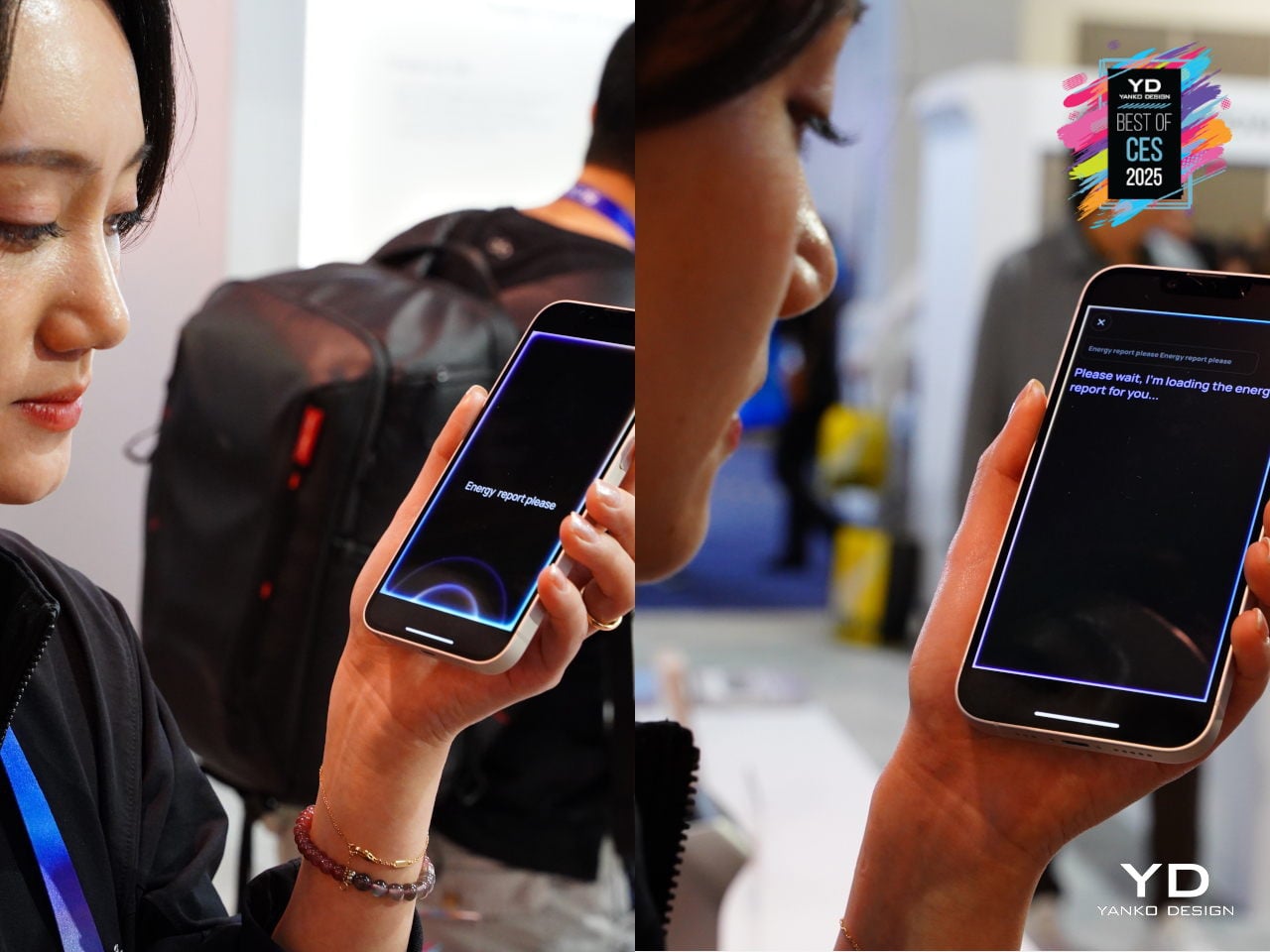
Pre-show coverage is leaning heavily on the phrase “agentic AI,” and it is worth understanding what that actually means. Traditional AI assistants answer questions: you ask for the weather, you get the weather. Agentic AI takes goals and executes multi-step workflows to achieve them. Observers expect to see devices at CES 2026 that do not just plan a trip but actually book the flights and reserve the tables, acting on your behalf with minimal supervision. The technical foundation for this is a combination of on-device models that understand context and cloud-based orchestration layers that can touch APIs, but the user experience is what matters: you stop micromanaging and start delegating.

Samsung is bringing its largest CES exhibit to date, merging home appliances, TVs, and smart home products into one massive space with AI and interoperability as the core message. Imagine a fridge, washer, TV, robot vacuum, and phone all coordinated by the same AI layer. The system notices you cooked something smoky, runs the air purifier a bit harder, and pushes a recipe suggestion based on leftovers. Your washer pings the TV when a cycle finishes, and the TV pauses your show at a natural break. None of this requires you to open an app or issue voice commands; the devices are just quietly making decisions based on context. That is the agentic promise, and CES 2026 is where companies will either prove they can deliver it or expose themselves as still stuck in the chatbot era.

Robot vacuums are the first agentic AI success story you can actually buy

CES 2026 is being framed by dedicated floorcare coverage as one of the most important years yet for robot vacuums and AI-powered home cleaning, with multiple brands receiving Innovation Awards and planning major product launches. This category quietly became the testing ground for agentic AI years before most people started using the phrase. Your robot vacuum already maps your home, plans routes, decides when to spot-clean high-traffic areas, schedules deep cleans when you are away, and increasingly maintains itself by emptying dust and washing its own mop pads. It does all of this with minimal cloud dependency; the brains are on the bot.

LG has already won a CES 2026 Innovation Award for a robot vacuum with a built-in station that hides inside an existing cabinet cavity, turning floorcare into an invisible, fully hands-free system. Ecovacs is previewing the Deebot X11 OmniCyclone as a CES 2026 Innovation Awards Honoree and promising its most ambitious lineup to date, pushing into whole-home robotics that go beyond vacuuming. Robotin is demoing the R2, a modular robot that combines autonomous vacuuming with automated carpet washing, moving from daily crumb patrol to actual deep cleaning. These bots are starting to integrate with broader smart home ecosystems, coordinating with your smart lock, thermostat, and calendar to figure out when you are home, when kids are asleep, and when the dog is outside. The robot vacuum category is proof that agentic AI can work in the real world, and CES 2026 is where other product categories are going to try to catch up.

TVs are getting Micro RGB panels and AI brains that learn your taste

LG has teased its first Micro RGB TV ahead of CES 2026, positioning it as the kind of screen that could make OLED owners feel jealous thanks to advantages in brightness, color control, and longevity. Transparent OLED panels are also making appearances in industrial contexts, like concept displays inside construction machinery cabins, hinting at similar tech eventually showing up in living rooms as disappearing TVs or glass partitions that become screens on demand. The hardware story is always important at CES, but the AI layer is where things get interesting for everyday use.

TV makers are layering AI on top of their panels in ways that go beyond simple upscaling. Expect personalized picture and sound profiles that learn your room conditions, content preferences, and viewing habits over time. The pitch is that your TV will automatically switch to low-latency gaming mode when it recognizes you launched a console, dim your smart lights when a movie starts, and adjust color temperature based on ambient light without you touching a remote. Some of this is genuine machine learning happening on-device, and some of it is still marketing spin on basic presets. The challenge for readers at CES 2026 will be figuring out which is which, but the direction is clear: TVs are positioning themselves as smart hubs that coordinate your living room, not just dumb displays waiting for HDMI input.

Gaming gear is wiring itself for AI rendering and 500 Hz dreams

HDMI Licensing Administrator is using CES 2026 to spotlight advanced HDMI gaming technologies with live demos focused on very high refresh rates and next-gen console and PC connectivity. Early prototypes of the Ultra96 HDMI cable, part of the new HDMI 2.2 specification, will be on display with the promise of higher bandwidth to support extreme refresh rates and resolutions. Picture a rig on the show floor: a 500 Hz gaming monitor, next-gen GPU, HDMI 2.2 cable, running an esports title at absurd frame rates with variable refresh rate and minimal latency. It is the kind of setup that makes Reddit threads explode.

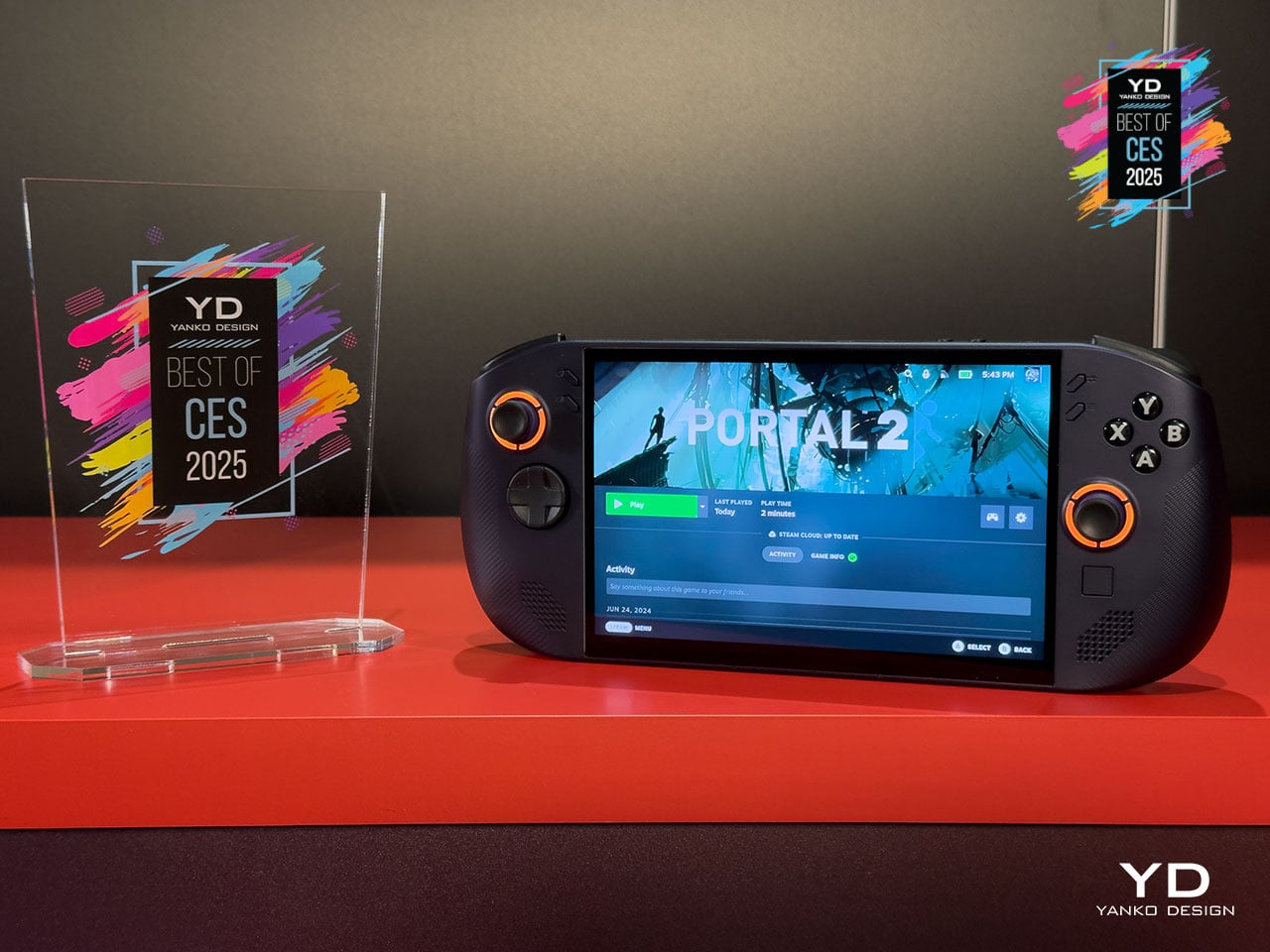
GPUs are increasingly sold not just on raw FPS but on AI capabilities. AI upscaling like DLSS is already table stakes, but local AI is also powering streaming tools for background removal, audio cleanup, live captions, and even dynamic NPC dialogue in future games that require on-device inference rather than server-side processing. Nvidia’s rumored RTX 50 “Super” refresh is expected to double down on this positioning, selling the cards as both graphics and AI accelerators. For gamers and streamers, CES 2026 is where the industry will make the case that your rig needs to be built for AI workloads, not just prettier pixels. The infrastructure layer, cables and monitors included, is catching up to match that ambition.
What CES 2026 really tells us about where AI is going

The shift from cloud-dependent assistants to on-device agents is not just a technical upgrade; it is a fundamental change in how gadgets are designed and sold. When Intel, AMD, and Nvidia are all racing to build chips with dedicated AI accelerators, and when Samsung is reorganizing its entire CES exhibit around AI interoperability, the message is clear: companies are betting that local intelligence and cross-device coordination are the only paths forward. The chatbot era served its purpose as a proof of concept, but CES 2026 is where the industry starts delivering products that can think, act, and coordinate without constant cloud supervision.

What makes this year different from the past two is that the infrastructure is finally in place. The silicon can handle real-time inference. The software frameworks for agentic behavior are maturing. Robot vacuums are proving the model works at scale. TVs and smart home ecosystems are learning how to talk to each other without requiring users to become IT managers. The pieces are connecting, and CES 2026 is the first major event where you can see the whole system starting to work as one layer instead of a collection of isolated features.

The real question is what happens after the demos

Trade shows are designed to impress, and CES 2026 will have no shortage of polished demos where everything works perfectly. The real test comes in the six months after the show, when these products ship and people start using them in messy, real-world conditions. Does your AI PC actually keep your data private when it runs models locally, or does it still phone home for half its features? Does your smart home coordinate smoothly when you add devices from different brands, or does it fall apart the moment something breaks the script? Do robot vacuums handle the chaos of actual homes, or do they only shine in controlled environments?

The companies that win in 2026 and beyond will be the ones that designed their AI systems to handle failure, ambiguity, and the unpredictable messiness of how people actually live. CES 2026 is where you will see the roadmap. The year after is where you will see who actually built the roads. If you are walking the show floor or following the coverage, the most important question is not “what can this do in a demo,” but “what happens when it breaks, goes offline, or encounters something it was not trained for.” That is where the gap between real agentic AI and rebranded presets will become impossible to hide.

The post How AI Will Be Different at CES 2026: On‑Device Processing and Actual Agentic Productivity first appeared on Yanko Design.


The Seiko Prospex LX GMT SNR058 Turns Cosmic Dust Into Wrist Candy

There is something deeply satisfying about a watch that refuses to explain itself through spec sheets alone. The Seiko Prospex LX GMT U.S. Special Edition SNR058 lands somewhere between tool watch and wearable sculpture, borrowing its visual language from a nebula floating 2,000 light-years away while keeping both feet planted in the lineage of purpose-built diving instruments. The result feels less like a product and more like an argument for what happens when a heritage brand decides to get a little weird with color.

The Dial Tells a Story Without Words

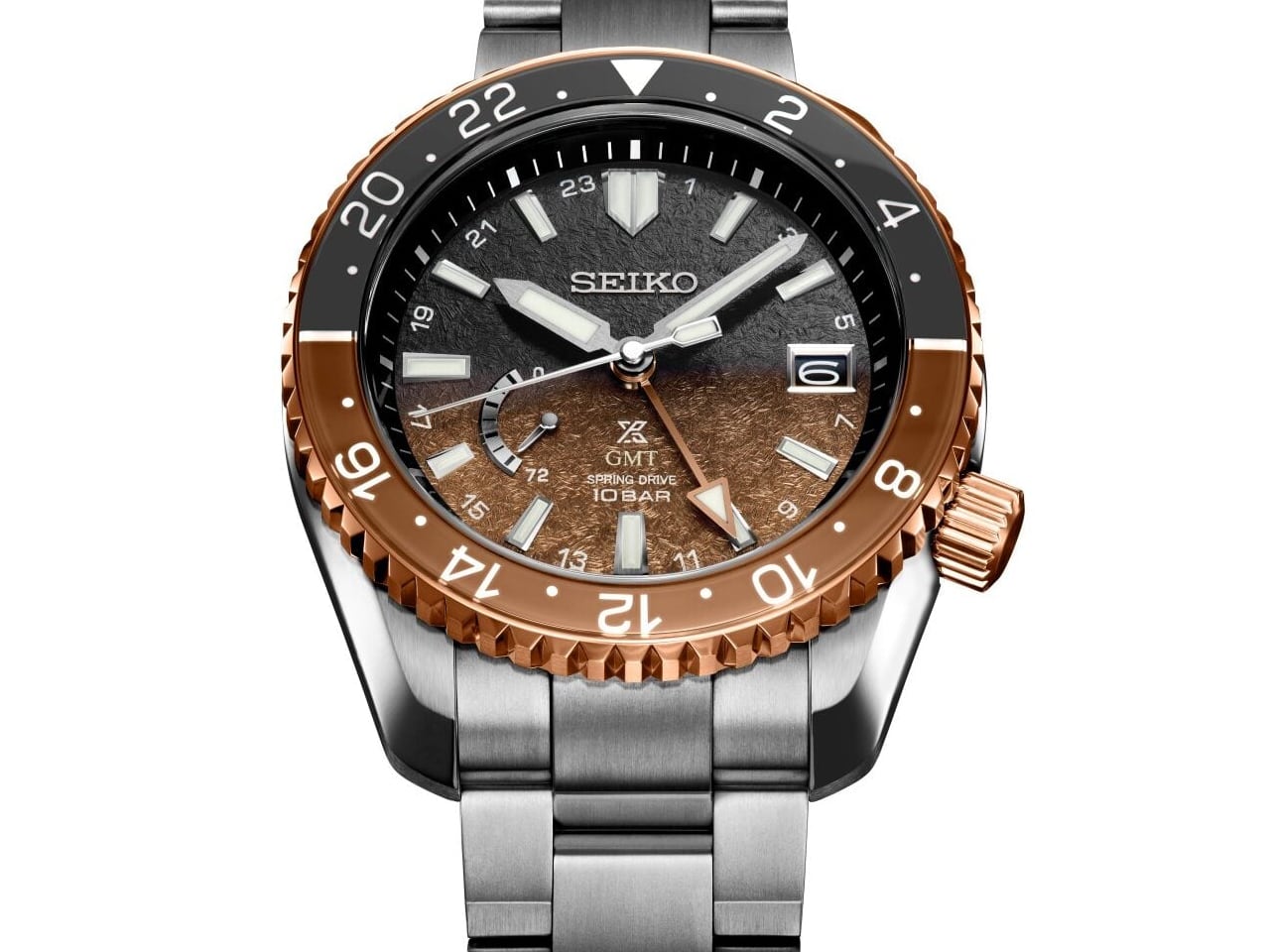
Look at that gradient. Brown bleeds into black across the textured surface, creating depth that shifts depending on how light catches it. This is not the flat, predictable sunburst you find on watches twice this price from European competitors. Seiko calls the inspiration the North America Nebula, and while that sounds like marketing poetry, the execution earns the reference. The pattern across the dial surface mimics the diffuse, particulate quality of cosmic matter fading into void. It feels alive in a way that polished monochromes cannot replicate.

The applied hour markers sit proud against this backdrop, their polished facets catching light like small architectural details on a miniature building. There is generous lume here, but it does not dominate the aesthetic. The markers feel integrated rather than functional afterthoughts bolted onto a pretty face. A rose gold GMT hand threads through the composition, picking up the warm tones of the outer bezel ring and tying the entire color story together.

Titanium Done Right

Most titanium watches feel like they are apologizing for their material. They scratch easily, show wear quickly, and carry a dull grey pallor that screams aerospace reject. Seiko sidesteps all of this with their Diashield coating and Zaratsu polishing technique. The case arrives with crisp planes and distortion-free surfaces that catch reflections cleanly. This is the same polishing technique used on Grand Seiko cases, though executed here with a more utilitarian Prospex focus rather than the obsessive refinement of full Grand Seiko casework.

Zaratsu polishing requires a specific angle of contact between the metal and the polishing wheel, a technique that leaves no distortion in reflections across flat surfaces. The skill involved is considerable: one degree off and the mirror effect breaks. Seiko’s decision to apply this level of craft to a Prospex model rather than reserve it exclusively for Grand Seiko signals something about where they see this line heading.

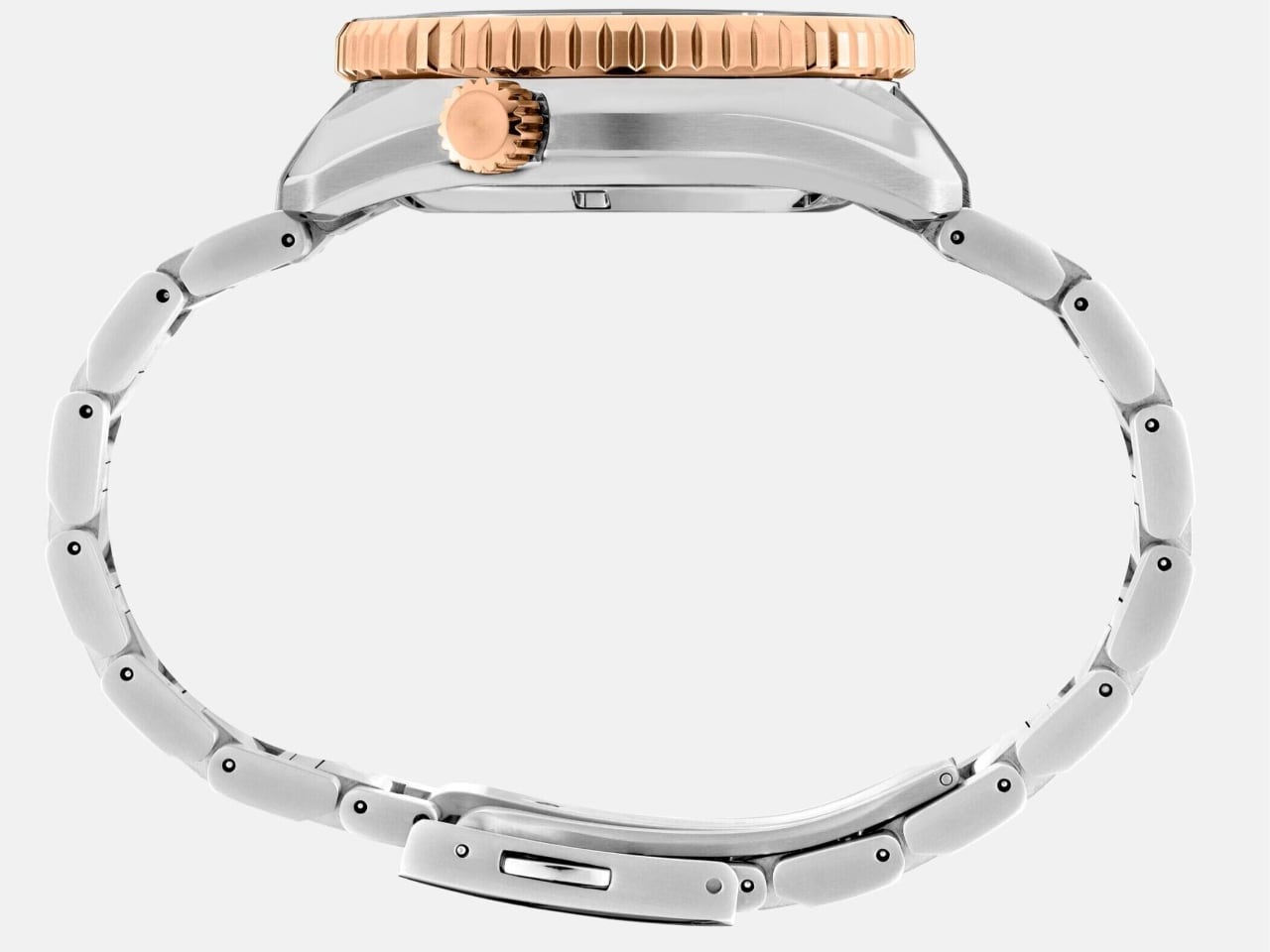
The dimensions read large on paper: 44.8mm across, 14.7mm thick, nearly 51mm from lug to lug. In practice, the titanium construction keeps weight manageable, and the integrated bracelet flows naturally from the case architecture. The three-row link design references classic sports watch vocabulary without copying any single competitor. It feels distinctly Seiko, which is rarer than it should be in a market flooded with homage pieces.

That Bezel Deserves Its Own Paragraph

Bi-directional rotation with a sapphire insert carrying glossy black and brown tones, framed by a rose gold outer ring. This combination should feel busy. It should clash. Instead, it works precisely because the warm metal accents ground the cosmic dial treatment in something familiar. The 24-hour markings wear lume for low-light legibility, turning a decorative element into genuine travel functionality.

The smooth bezel action invites fidgeting. Rotation carries just enough resistance to feel intentional without demanding effort, and the clicks land with a muted precision that suggests quality machining beneath the surface. This is a watch designed for hands that cannot stay still, for moments spent rotating that bezel during meetings or flights simply because the tactile feedback rewards the interaction.

Spring Drive Changes the Conversation

Buried beneath this design showcase sits the 5R66 caliber, a Spring Drive movement that operates nothing like either a quartz or mechanical watch. The glide-motion sweep of the seconds hand moves without ticking, creating visual calm that matches the nebula dial’s contemplative quality. Accuracy hovers around one second per day, which places this GMT watch in a different reliability category than most mechanical travel pieces.

The independent hour hand adjusts in one-hour jumps without stopping the movement, a genuine traveler’s feature wrapped in what initially appears to be a design exercise. The power reserve indicator at eight o’clock adds functional information without disrupting the dial’s compositional balance.

Why This Watch Works

Seiko built something here that rewards both quick glances and extended examination. The surface-level appeal comes from bold color choices and unusual material combinations. Spend time with it, and the finishing quality, movement sophistication, and ergonomic thoughtfulness reveal themselves gradually. This is not a watch designed to photograph well for Instagram then disappoint in person. The opposite dynamic applies: images undersell what the physical object delivers.

At roughly $6,500, this piece enters conversation with entry-level Grand Seiko and mid-tier Swiss sport watches. The competition offers polished execution and brand recognition. The SNR058 offers personality. For collectors who have already acquired the expected pieces, this watch represents a detour into territory where heritage craftsmanship serves aesthetic risk-taking rather than conservative refinement.

The nebula inspiration could have been a gimmick. Instead, it became a design framework that informed every decision from dial texture to bezel material to hand color. Coherence at this level, across this many design elements, is genuinely difficult to achieve. Seiko achieved it.

The post The Seiko Prospex LX GMT SNR058 Turns Cosmic Dust Into Wrist Candy first appeared on Yanko Design.
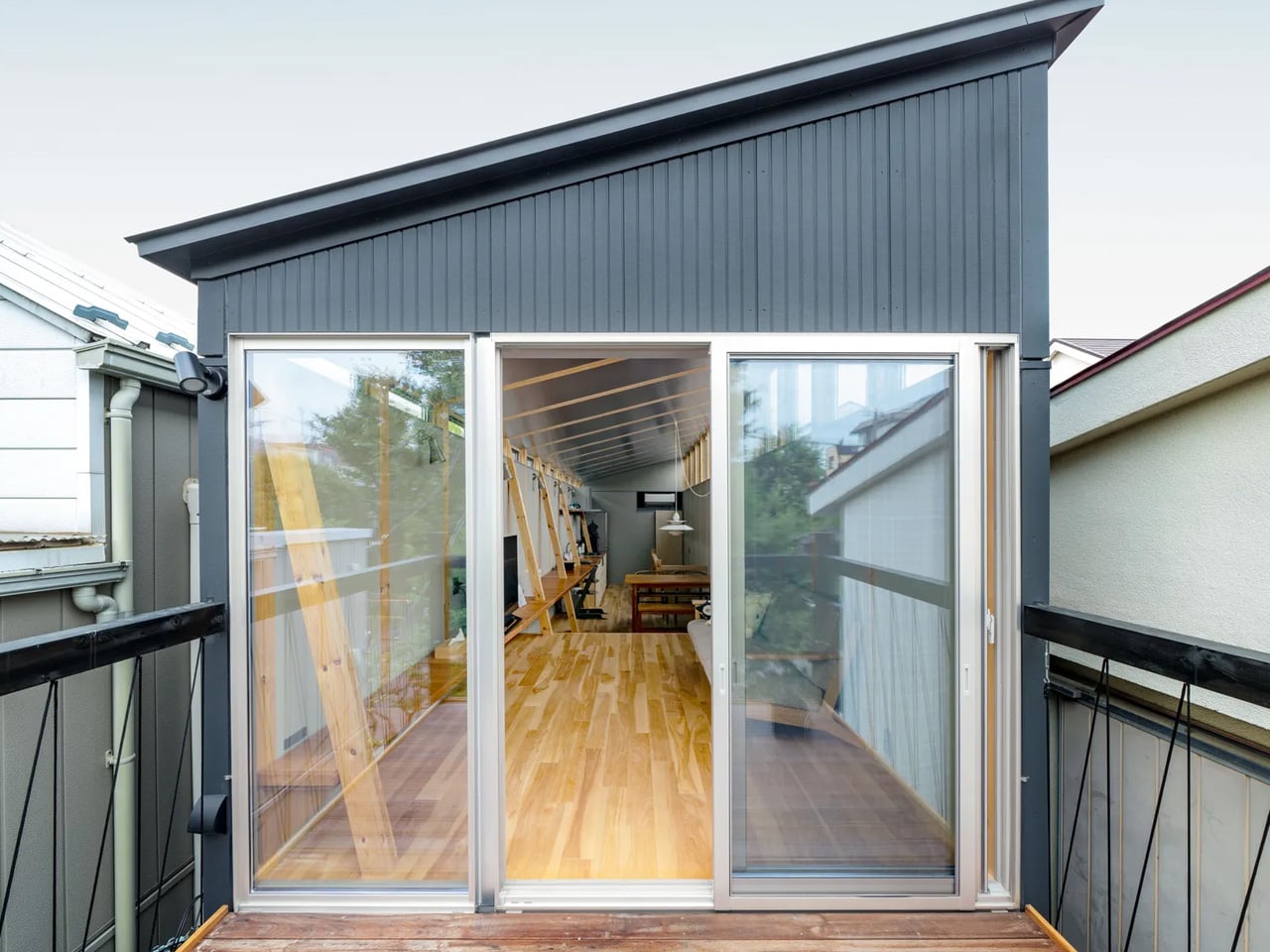
This Fukasawa Residence Honors Japanese Timber Traditions on a Narrow Plot

In the quiet residential enclave of Fukasawa, south-west Tokyo, narrow plots and intimate streetscapes create an architectural character that feels worlds away from the metropolitan sprawl surrounding it. This area, bearing the name of renowned designer Naoto Fukasawa, who made it his home, carries a quaint charm reminiscent of older Japanese shopping streets. Within this context, architecture firm MIDW has completed a striking residence that reinterprets traditional building methods for contemporary living.

The house occupies a slender plot measuring just 2.73 metres in width and 13.65 metres in depth. Rather than viewing these proportions as limitations, MIDW embraced them as design opportunities. The structure is defined by six truss-shaped load-bearing walls, their beams spanning gracefully between evenly spaced columns to create a rhythmic structural language that anchors the entire composition.

Designer: MIDW

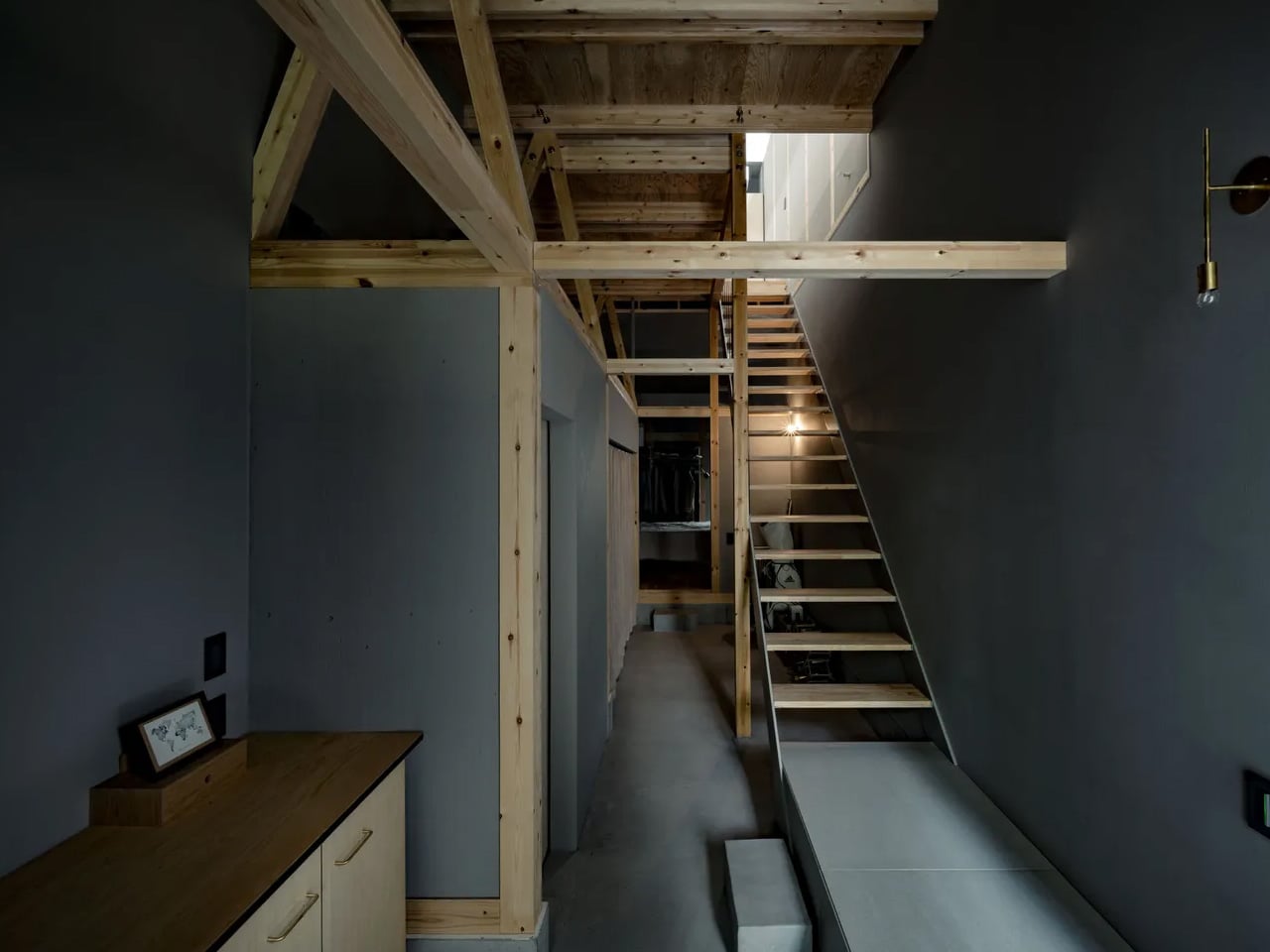
Daisuke Hattori, co-chairman and managing architect of MIDW, explains the conceptual foundation. The firm frequently draws from local construction techniques, particularly the traditional Japanese timber post-and-beam system. This method, built through the assembly of linear wooden members, offers both structural integrity and visual refinement. It remains among Japan’s most enduring building approaches, balancing flexibility with aesthetic clarity. The Fukasawa residence presents a contemporary dialogue with this heritage. The structural framework isn’t hidden behind finishes or treated as mere utility. Instead, it takes centre stage as a defining architectural element, echoing the exposed timber construction found in historic shrines and temples across Japan. This approach transforms structural necessity into spatial poetry.

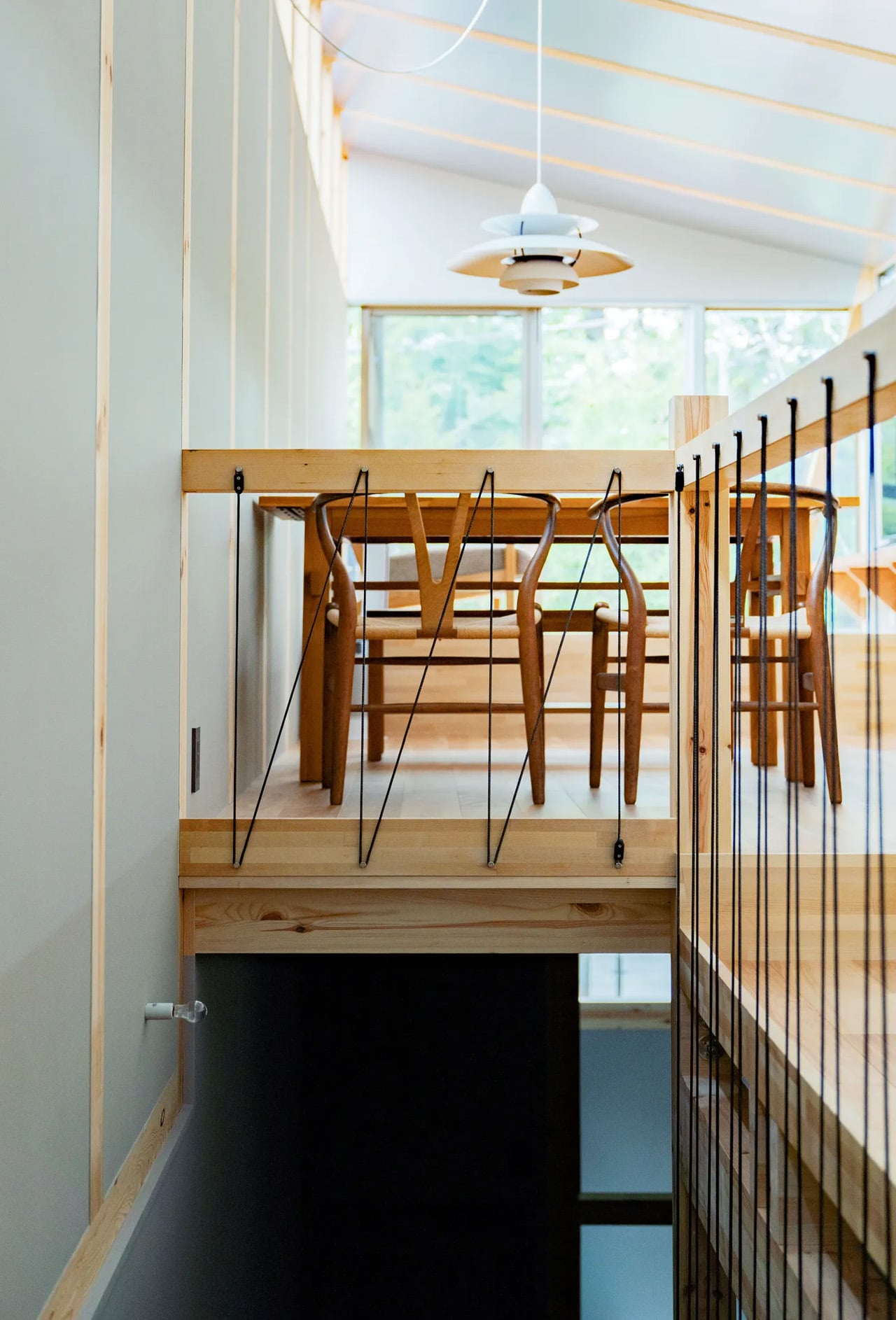
Entering the home, visitors encounter a slightly sunken floor plane that marks the transition from street to sanctuary. From this entry point, a carefully choreographed sequence of spaces begins to reveal itself. Light and shadow play across surfaces as one moves through the narrow depth of the plot. A straight staircase draws the eye upward, leading to the upper level where the spatial experience opens considerably.

The upper floor presents a broad, generous volume animated by the repetitive cadence of exposed timber beams. These structural elements create a calming visual rhythm that organizes the space while celebrating the material honesty of wood construction. The beams don’t merely support; they define the character and atmosphere of the interior.

Working within Tokyo’s dense urban fabric presented challenges beyond just dimensional constraints. Material choices and design gestures required careful consideration. Yet MIDW approached the project not as a problem to solve but as an opportunity to develop universal design principles rooted in specific site conditions. The result is a home that feels both distinctly of its place and timelessly resonant, proving that constraint often breeds the most compelling creativity.

The post This Fukasawa Residence Honors Japanese Timber Traditions on a Narrow Plot first appeared on Yanko Design.

Claude’s Chrome plugin is now available to all paid users

Anthropic is finally letting more people use Claude in Google Chrome. The company's AI browser plugin is expanding beyond $200-per-month Max subscribers and is now available to anyone who pays for a Claude subscription. 

The Claude Chrome plugin allows for easy access to Anthropic's AI regardless of where you are on the web, but its real draw is how it lets Claude navigate and use websites on your behalf. Anthropic says that Claude can fill out forms, manage your calendar and email and complete multi-step workflows based on a prompt. The latest version of the plugin also features integration with Claude Code, Anthropic's AI coding tool, and allows users to record a workflow and "teach" Claude how to do what they want it to do.

Before agents were the buzzword du jour, "computer use," the ability for AI models to understand and interact with computer interfaces, was a major focus at Anthropic and other AI companies. Now computer use is just one tool in the larger tool bag for agents, but that understanding of what digital buttons to click and how to click them is what makes Claude's Chrome plugin possible.

OpenAI and Perplexity offer similar agentic capabilities in their respective ChatGPT Atlas and Comet browsers. At this point the only AI company not fully setting its AI models loose on a browser is Google. You can access Gemini in Google Chrome and ask questions about a webpage, but Google hasn't yet let its AI model navigate or use the web on a user's behalf. Those features, first demoed in Project Mariner, are presumably on the way.

This article originally appeared on Engadget at https://www.engadget.com/ai/claudes-chrome-plugin-is-now-available-to-all-paid-users-221024295.html?src=rss

The Infamous Butter Cookie Tin Finally Gets Its Own LEGO Set (Sewing Kit Not Included)

Every single 80s and 90s kid remembers this tin, or at least some variation of it. You either were a part of the lucky few to open it to find delectable butter cookies inside, or you (like everyone else) popped it open only to be disappointed by finding not baked goods, but sewing equipment. I’m not entirely sure how an entire generation of adults just saw this tin box as the most appropriate storage place for threads and needles, but my house definitely had this box!

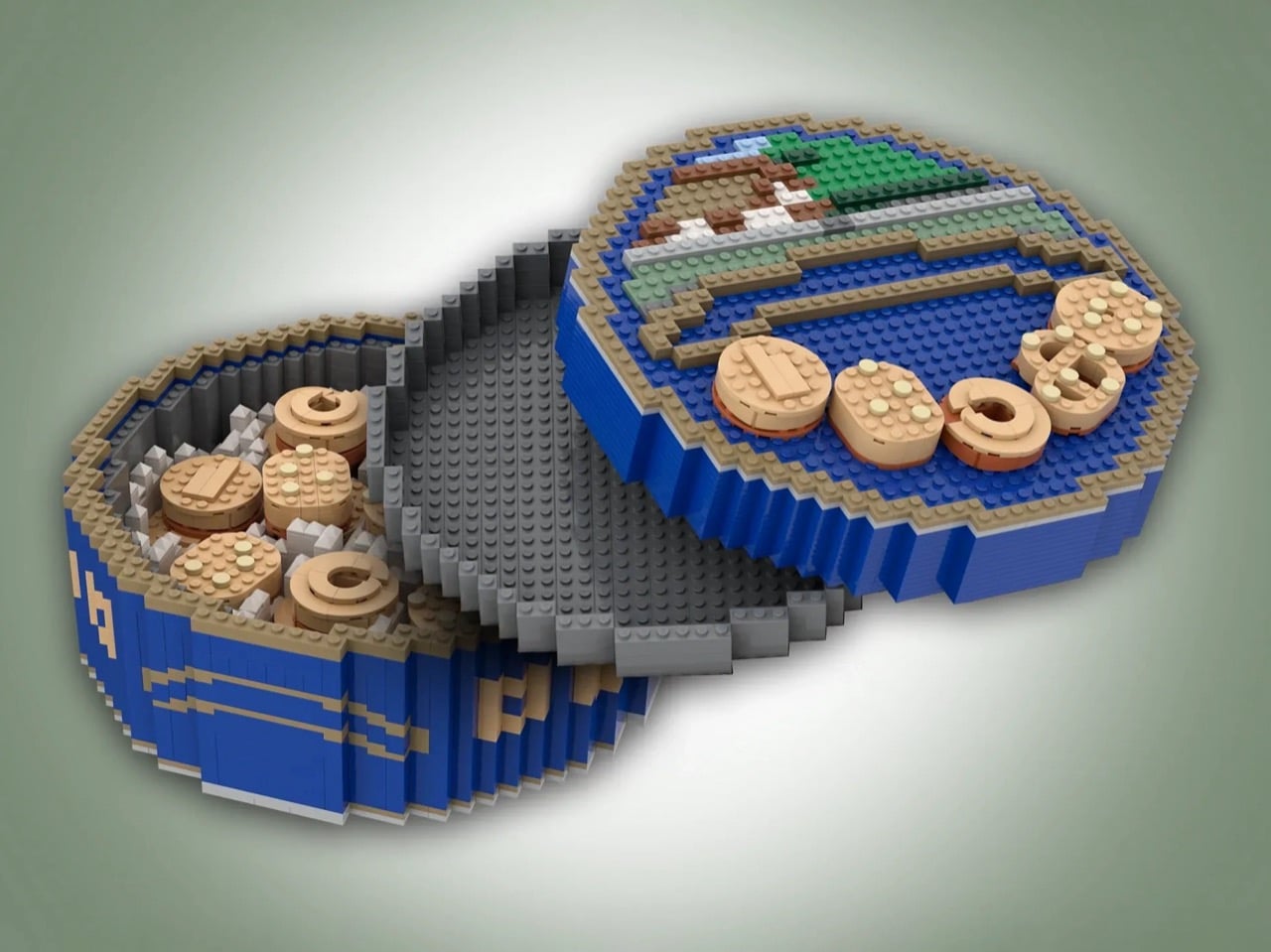
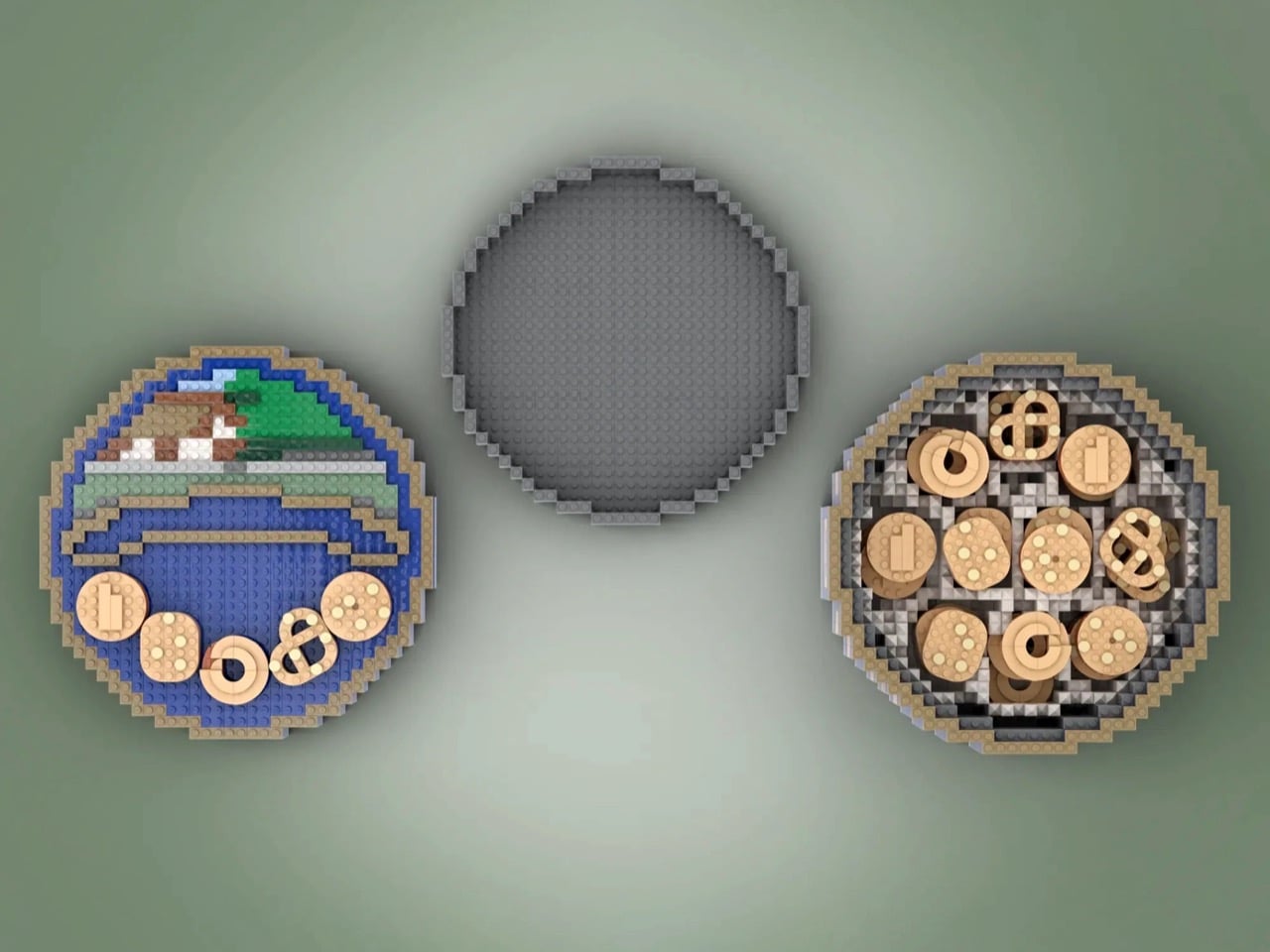
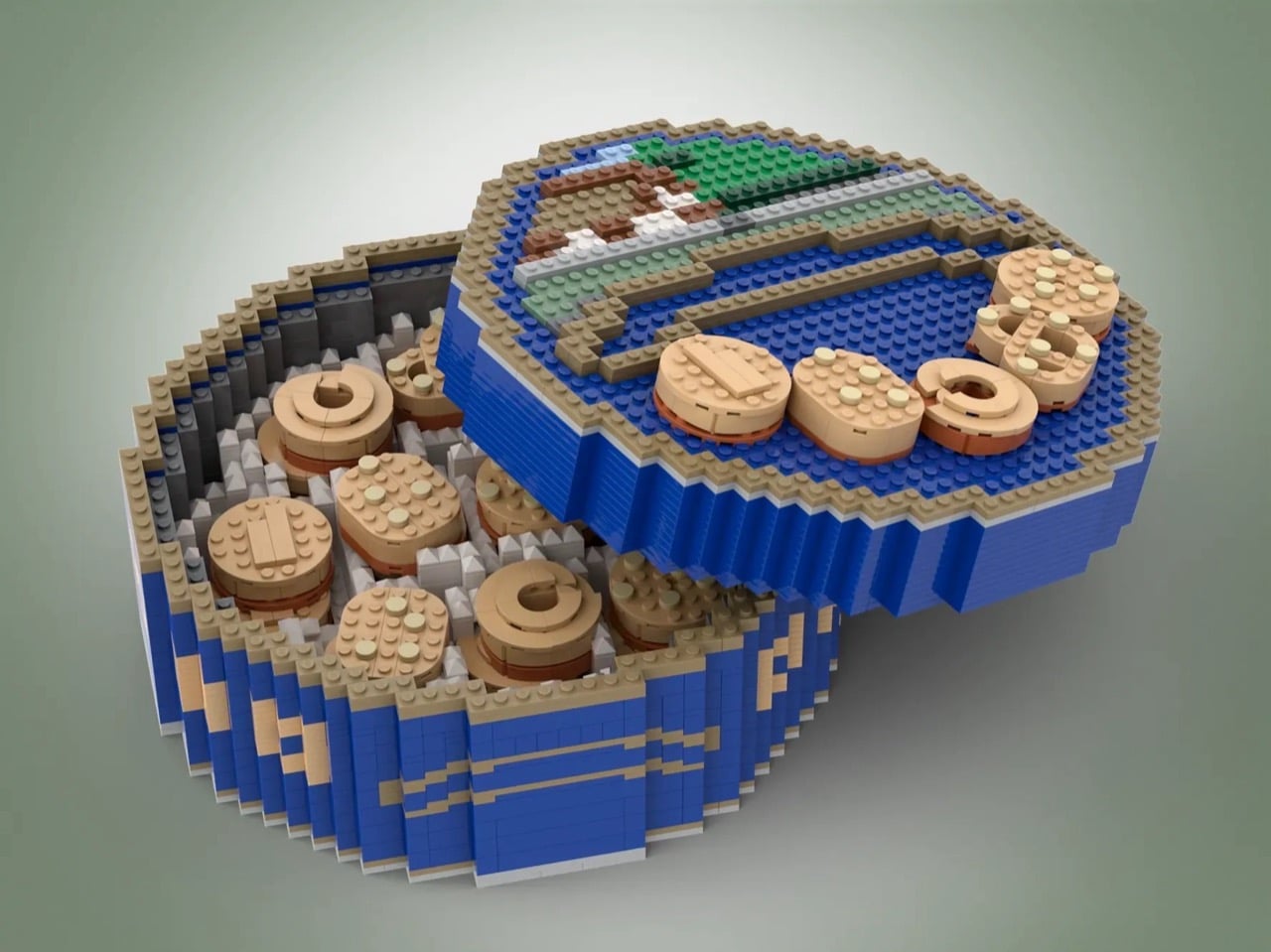
Designer Zuzu11 had a similar experience too, but the memory of that tin and the butter cookies inside lingers within his mind even to this day. Inspired by this unlikely cultural icon, Zuzu11 decided to give it its own LEGO set, complete with a beautifully detailed exterior as well as an interior stacked with LEGO cookies! Pop the lid open and you’re greeted by 5 pretty iconic shapes, a plain circle, a crusted circle, a rounded rectangle, a piped swirl, and a pretzel-shaped cookie on the inside. I don’t know about you, but I can practically smell the butter from the screen!

Designer: Zuzu11

Long after I grew up, I decided I wanted to correct the childhood trauma by actually buying a tin for myself and tasting the cookies inside. I don’t remember who ate the cookies in my childhood, all I did was the tin with its eye-catching exterior, and the sewing equipment inside, and one very disappointed child. Even to this day, you could pop over at a grocery store and buy some variant of this cookie tin – nothing much has changed. The branding reads “Royal Dansk” Danish butter cookies, and the packaging is usually a vibrant blue with a farm landscape on the top and a graphic of the cookies on the bottom.

Zuzu11 stayed true to the original, with the exact same color scheme, but omitting the actual branding for 2 reasons – it’s difficult to replicate in LEGO on a small scale, and licensing can often be a complicated affair. Given this LEGO build’s fan-made unofficial nature, it seemed like the best option to just leave out the branding and focus on just the nostalgia.

To that end, this MOC (My Own Creation) is an absolute win. It features two removable lids (an outer and an inner), along with biscuits inside the tin box, wrapped in cups of baking paper. The second lid wasn’t a fixture in the original, but Zuzu11 added it just to recreate the sense of disappointment by having people open it to not find cookies inside! “This build is inspired by the classic butter cookie tin and its surprisingly rich cultural afterlife. What began as a simple container for biscuits slowly evolved into a universal household storage solution, most famously for sewing supplies,” they say. “The idea celebrates both sides of that story: the comfort of the cookies themselves, and the perfectly timed disappointment waiting inside once the lid is lifted.”

“This project transforms a shared childhood experience into a playful LEGO display model. It relies on recognition rather than explanation, humor rather than instruction, and memory rather than realism,” adds Zuzu11. “The result is a piece that feels instantly familiar, quietly funny, and surprisingly universal, a small reminder that sometimes the most memorable surprises were not cookies at all.”

For a massive portion of an entire generation, this box represented a journey from hope to disbelief and disappointment, but there was something always enchanting about the box itself. Nobody ever seemed to want to throw it away after the cookies were over, proving that the packaging was actually more valuable than the baked goods it held!

The drill with LEGO Ideas builds is that they usually rely on relatability and fan-appeal. While LEGO builds its own brick-sets, it has an entire platform dedicated to fan-made builds, where people share their own creations as well as vote for builds they love. MOCs that cross the 10,000 vote threshold then get reviewed by LEGO’s internal team and then get transformed into a retail box set that everyone can buy. If you’d like to capture a bit of childhood nostalgia with this kit, head down to the LEGO Ideas website and cast your vote!

The post The Infamous Butter Cookie Tin Finally Gets Its Own LEGO Set (Sewing Kit Not Included) first appeared on Yanko Design.
Netflix is acquiring game avatar maker Ready Player Me

Netflix is acquiring Estonian startup Ready Player Me, a company creating "cross-game avatar tech" that allows players to bring their digital personas with them to different games, the company's CEO Timmu Tõke shared in a LinkedIn post. The acquisition is part of Netflix's new games strategy, which puts an emphasis on approachable multiplayer titles and adaptations of the streaming service's IP.

Ready Player Me's team of around 20 employees will be incorporated into Netflix's staff, TechCrunch writes, though Tõke is the only one of the startup's four founders who will continue on after the acquisition. Neither company has shared when the avatar tech will be incorporated into Netflix's games or what games will support the feature when they do. 

Besides designing its avatar system to be easy for developers to implement in their games, Ready Player Me's big pitch for their system is using AI to automatically redesign avatars for different games' art styles and "automatically fit assets to any avatar rig or topology without manual work."

Netflix has taken multiple different approaches  to games in the last few years, but lately, the company has actively retreated from AAA development and its more ambitious projects. Other than the premiere of its take on HQ Trivia, Netflix's last few game announcements of 2025 were focused on a collection of streamable party games, and a partnership with FIFA to release a new soccer sim in 2026. All of those projects could support avatars in one form or another, now Netflix just needs to decide how.

This article originally appeared on Engadget at https://www.engadget.com/gaming/netflix-is-acquiring-game-avatar-maker-ready-player-me-204443001.html?src=rss

Shiver x Expandable 6×6 motorhome will deliver comfortable mobile lodging for a team of six

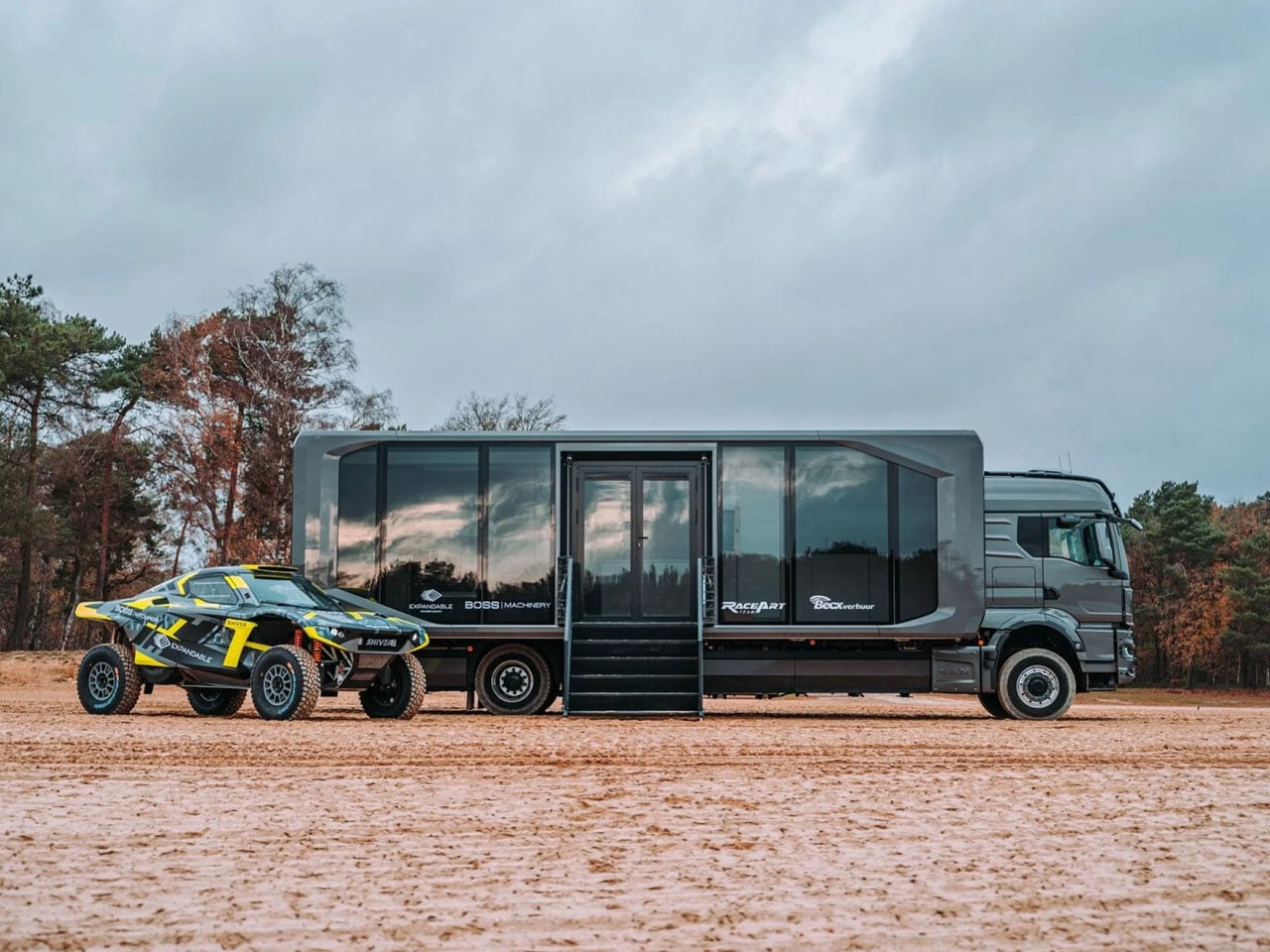
We have seen luxurious mobile homes, liveable work pods built on trailers, and compact campers to slide onto the truck beds. But this expandable rig is not going that route; it’s changing the spectrum by presenting itself as a first self-sufficient ‘dorm on wheels.’ Perhaps, Expandable Trailers, the company behind the build, will refrain from calling its dedicated creation something on those lines, but if you’re a team of six, requiring a ‘dependable space to rest, recharge, and regroup’ – before a game in the city or in the middle of a sandstorm – this expandable pod is all that you will want.

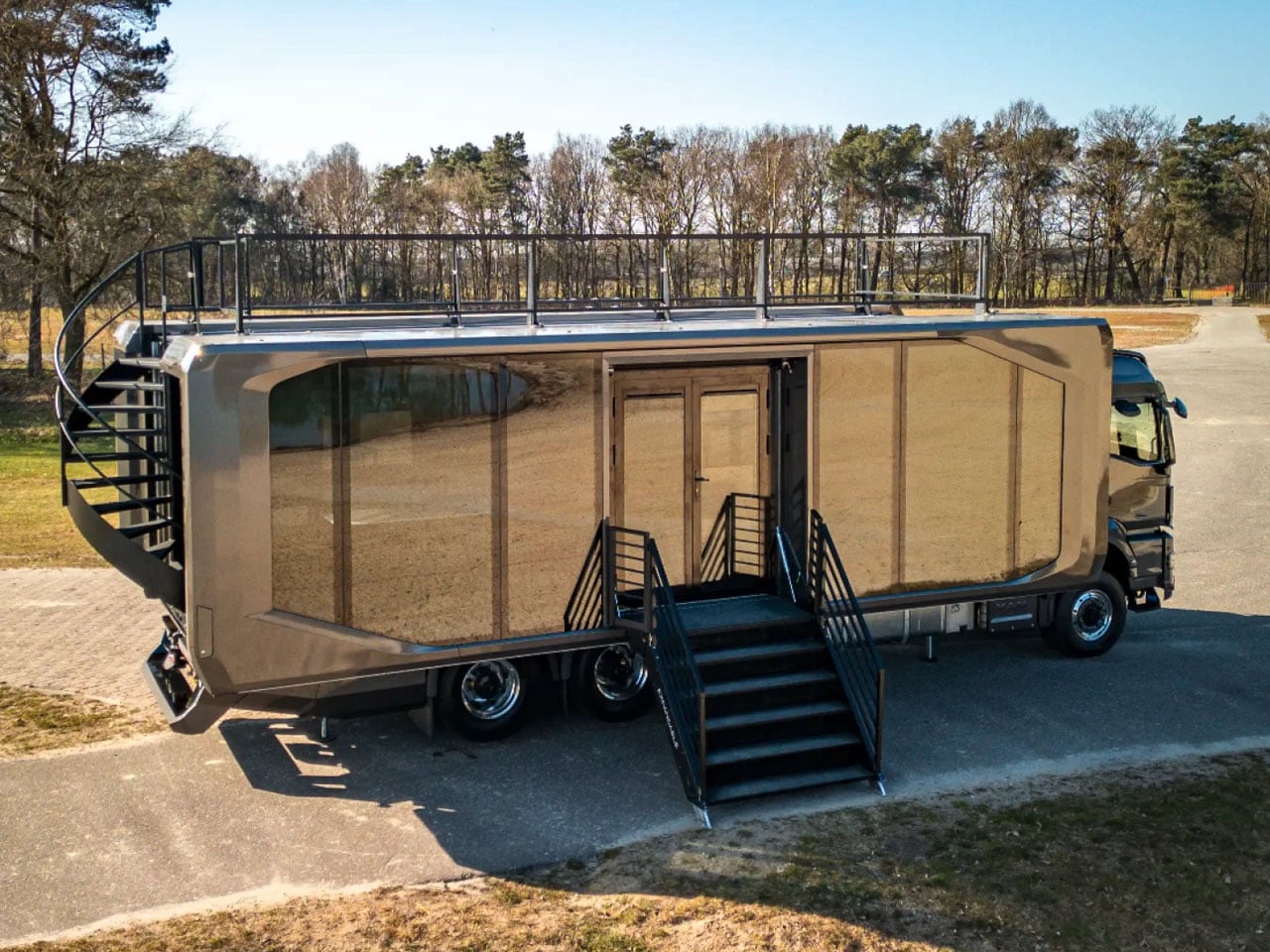
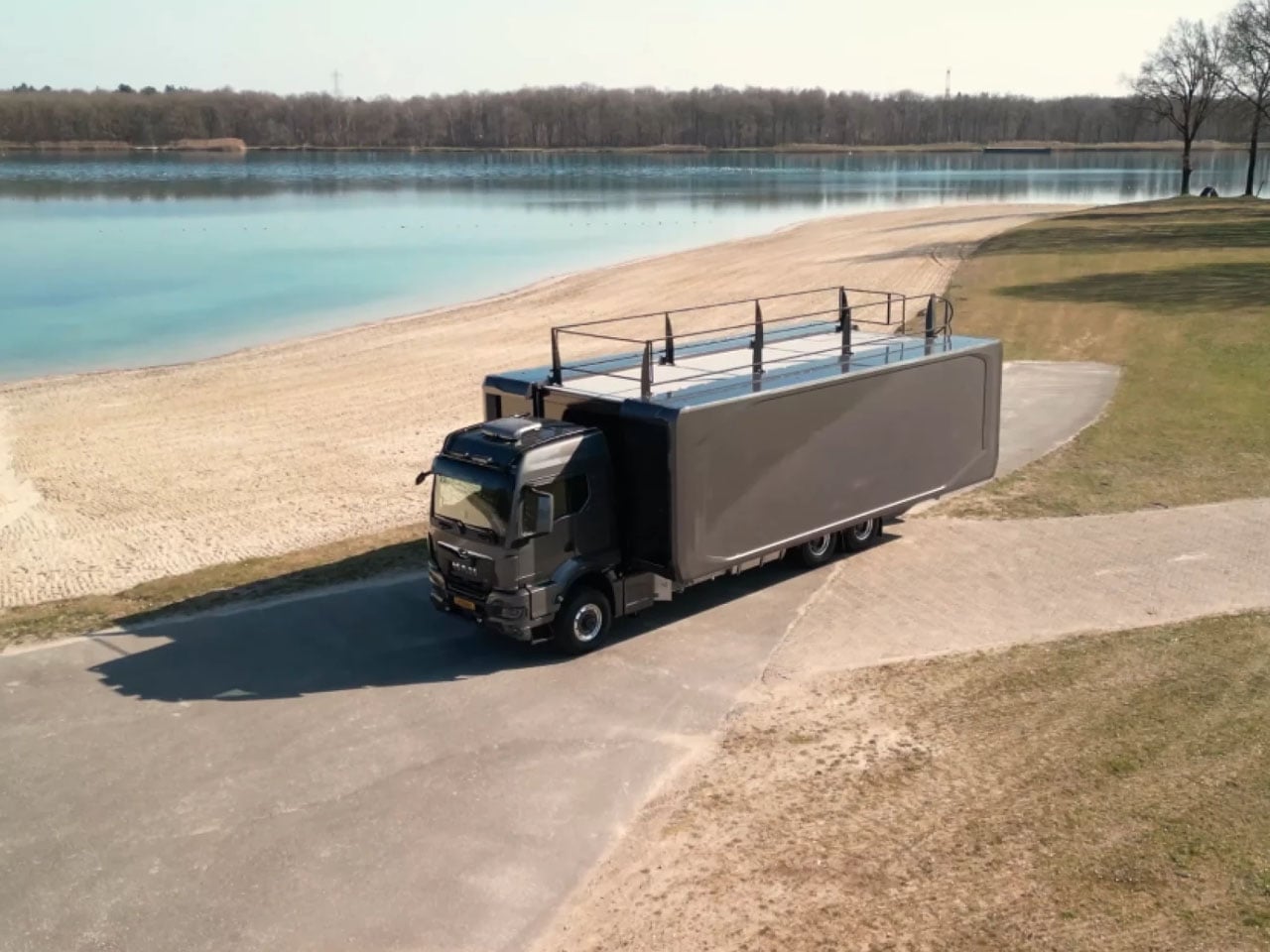
Expandable Trailers has custom-built this 30-foot expandable motorhome for Shiver Offroad, a prominent raid team that’s a regular at the Dakar Rally – a challenging desert race. It is based on a MAN 6×6 HD truck chassis for the team that needs a stable and comforting basecamp in the most remote place, without compromising space, facilities, and functionality necessary for all the individual and team needs. The compact Shiver Offroad mansion is designed to expand on location into a spacious living area for six.

Designer: Expandable Trailers

The Shiver x Expandable motorhome is not about pomp and show, even though it’s built on the Expandable Trailers’ signature expanding mechanism, which opens the interior on either side for all the necessary elements Shiver Offroad may need for its team of six. It is for all good reasons, a mobile space that puts functionality and comfort ahead of everything else. “No hassle with temporary tents or booking accommodations. Just pull up, expand, and get to work — or rest,” the company press information notes.

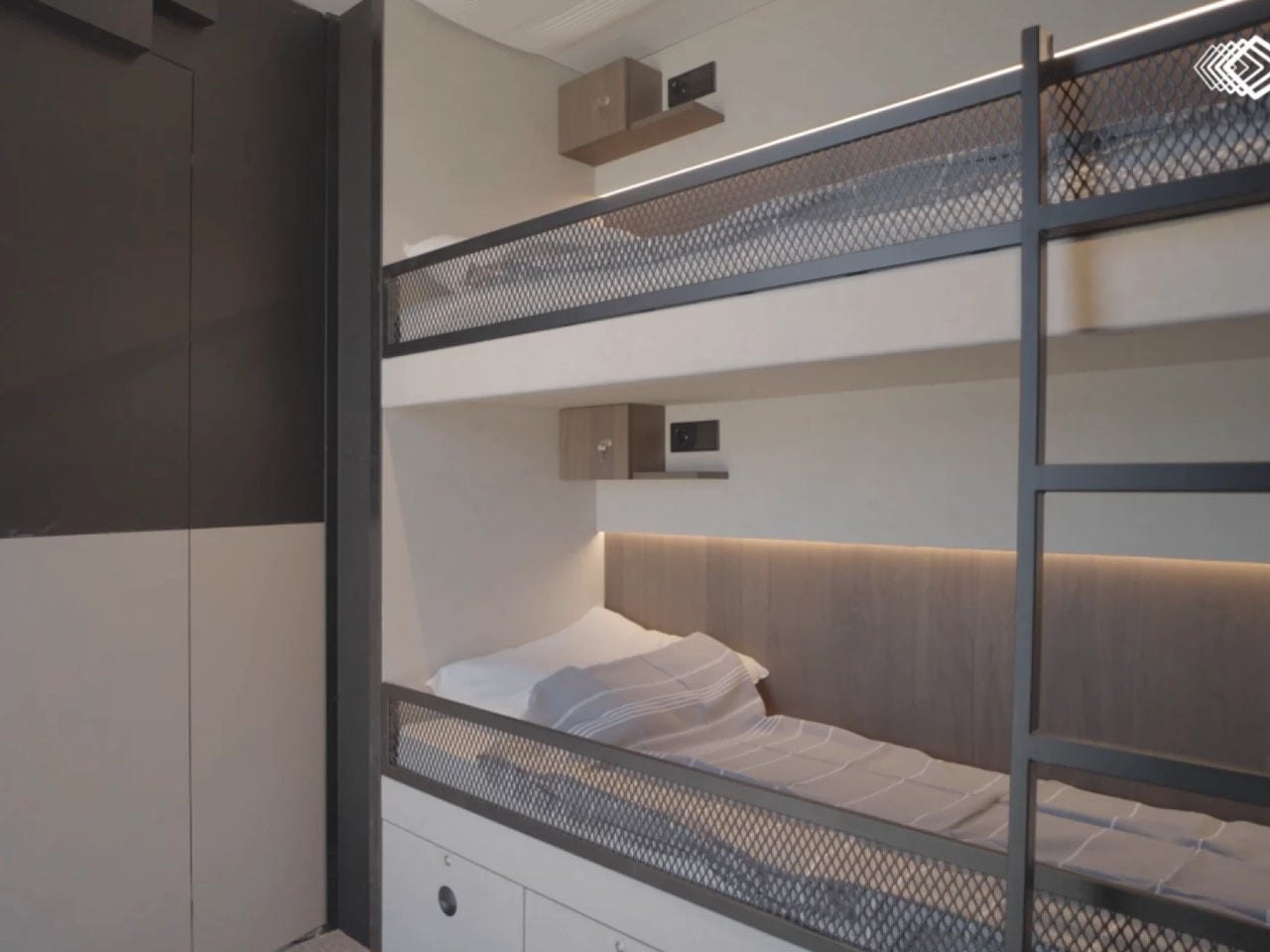
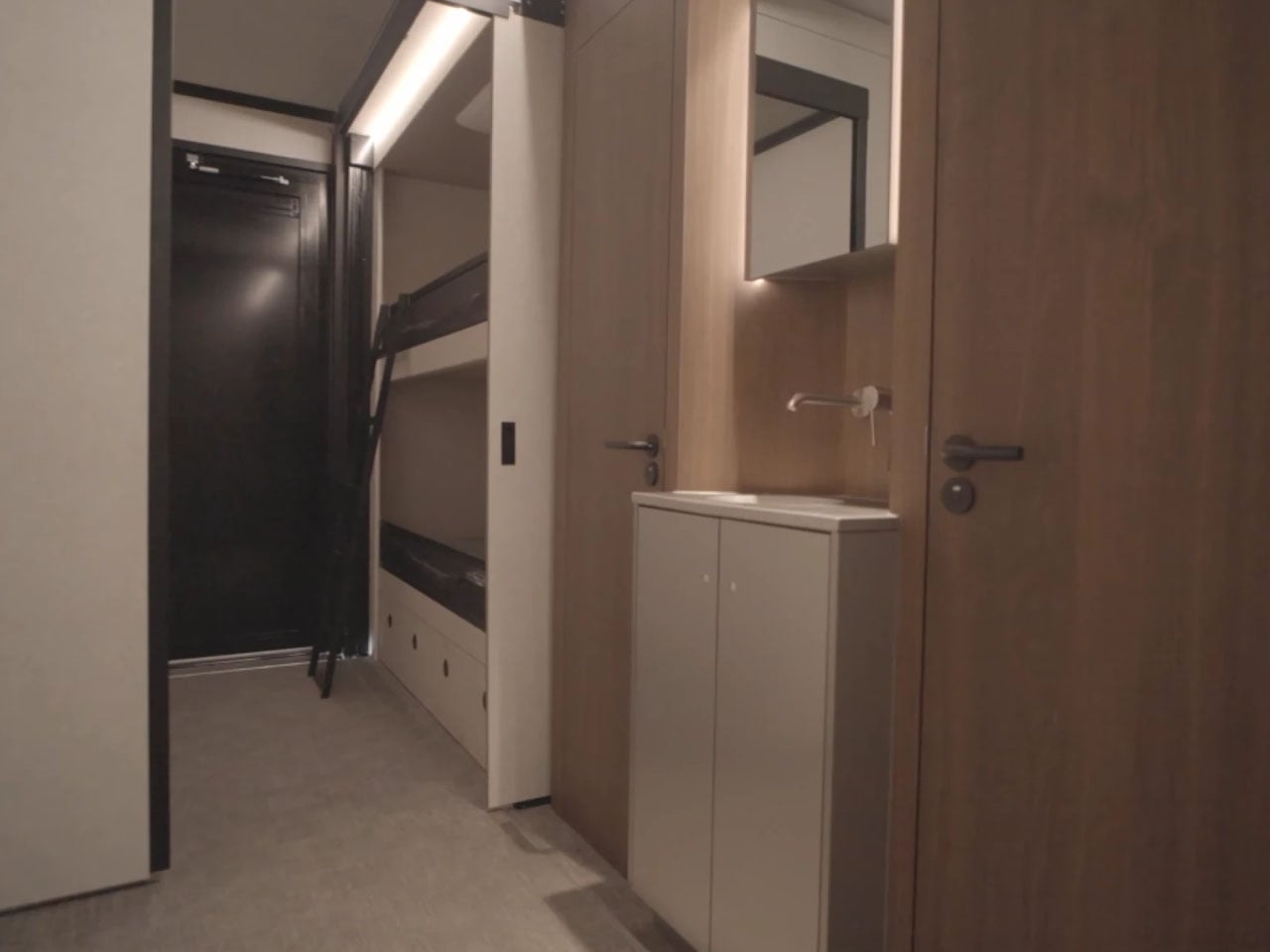
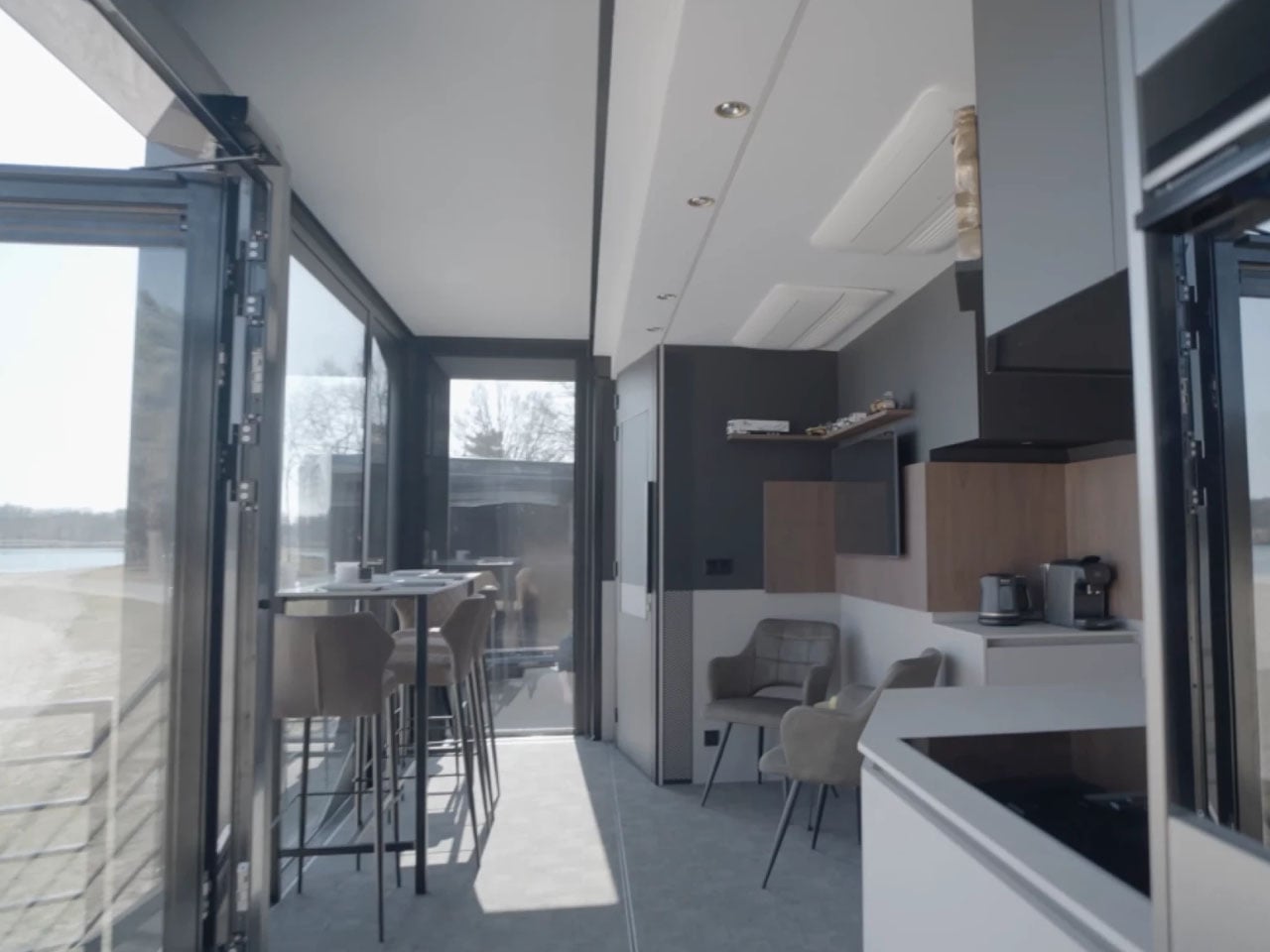
The glass exterior of this mobile rally base is topped with a full-size rooftop terrace. It starts as an open floor plan on the inside. For Shiver Offroad, it has, however, been customized to meet the team’s needs with fixed bunk beds for six members on one side (which presents itself like a shared dorm room). Each bed is provided with its own power outlet, a reading light, and a tiny storage compartment for stowing away personal belongings.

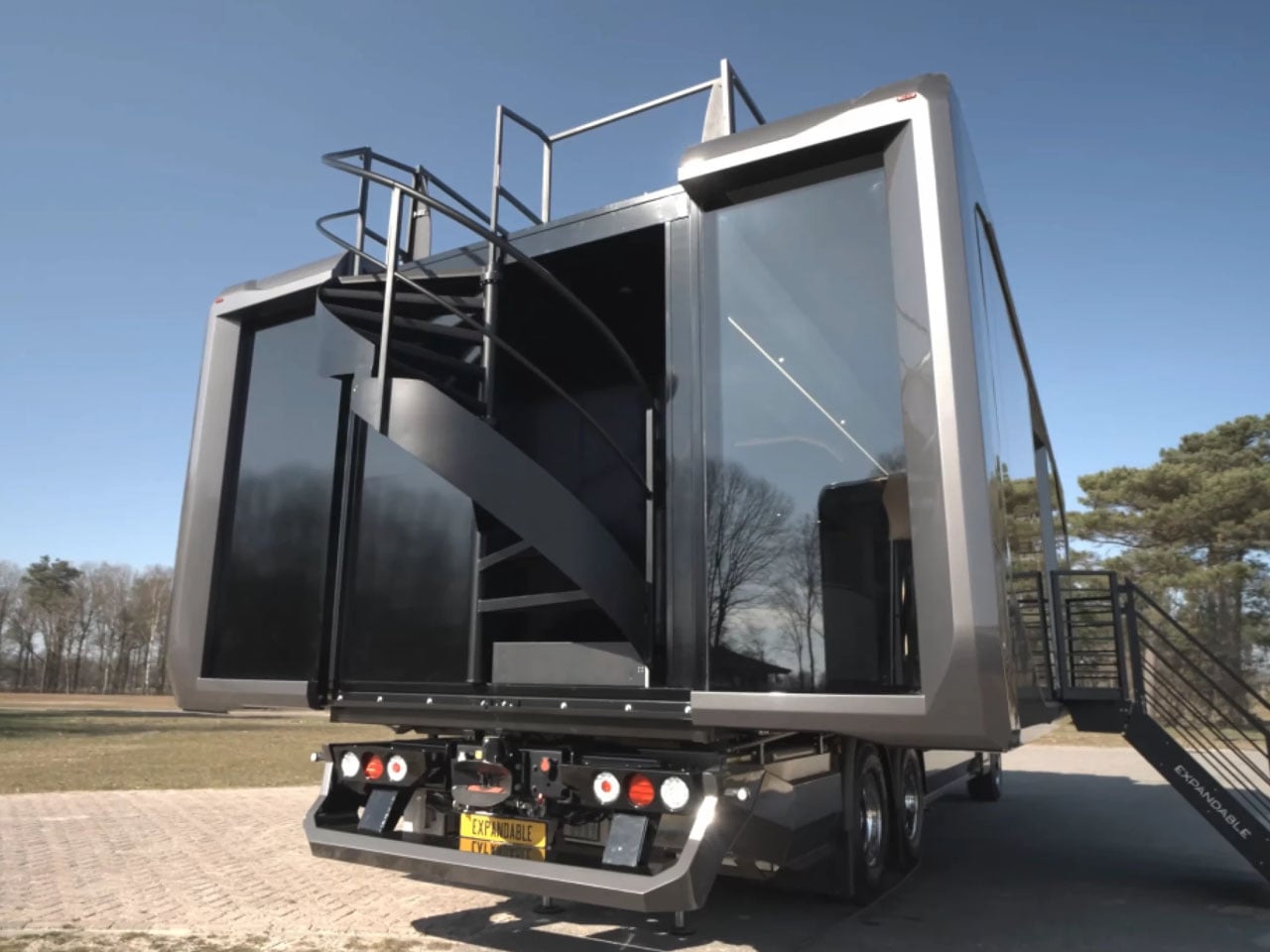
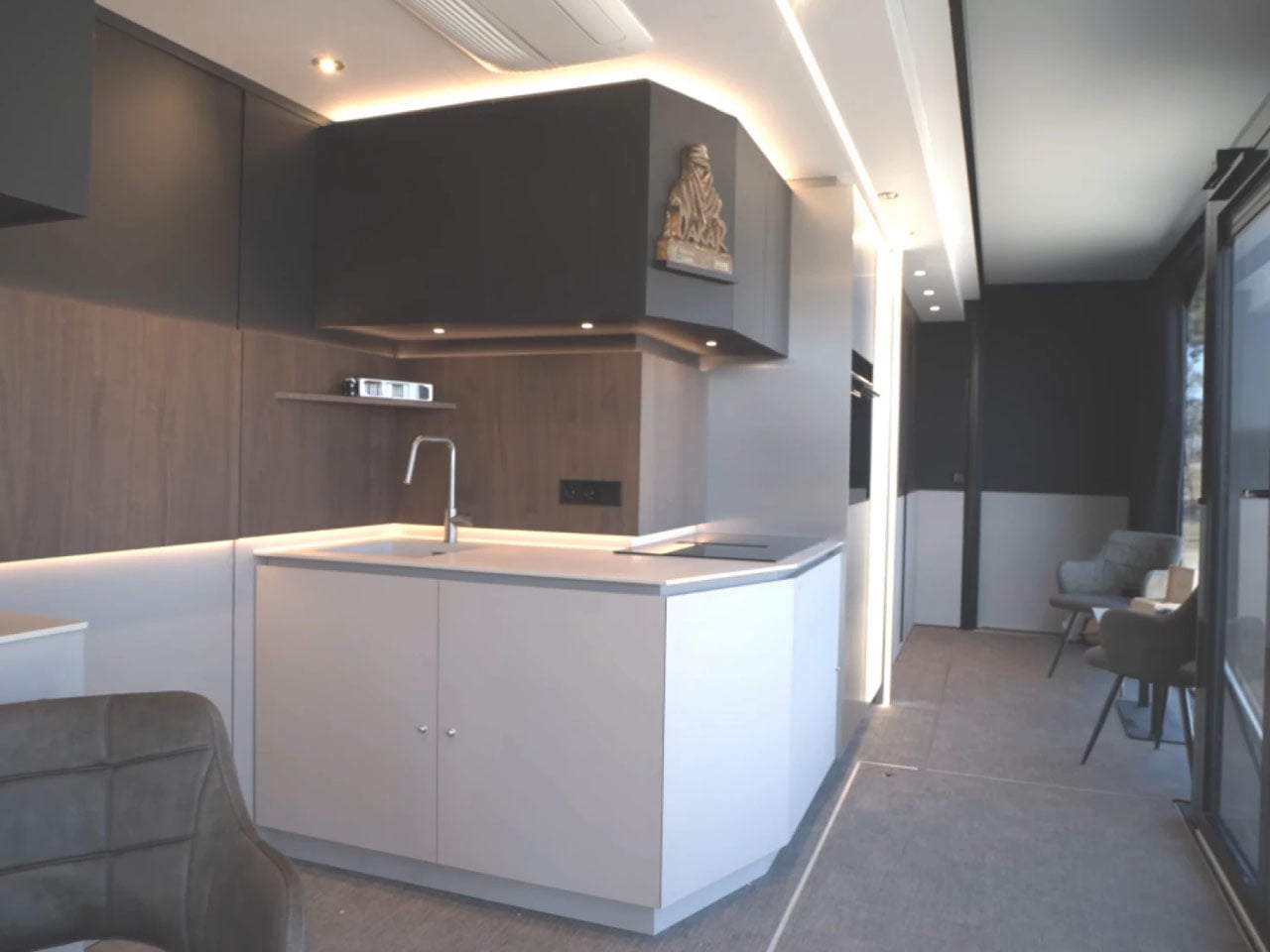
The pod is more than just an off-road capable mobile home. It is designed to be fully self-reliant with its own power supply from a generator and a battery. The expanding rig has a kitchen comprising a cooktop, sink, fridge, and storage cabinets. A dining area is also provided for the team members to have shared meals. Without the bathroom, this would be incomplete. We learn that it also features a separate shower room and a toilet, and a washer-dryer combo to handle the laundry. For when the team wants to wind down after the hustle, a small lounge space, along with a large window, makes it possible. Just outside – in the rear – is the spiral staircase leading to the terrace on the roof.

The post Shiver x Expandable 6×6 motorhome will deliver comfortable mobile lodging for a team of six first appeared on Yanko Design.

Get up to 78 percent off ExpressVPN two-year plans for the holidays

It looks like the holidays aren't a bad time to shop for a VPN subscription. ExpressVPN, Engadget's pick for the best premium provider, currently has a less premium price. This deal gives you two years of the Advanced plan (with a bonus of four free months) for only $101. When it isn't on sale, the same subscription would cost $392.


Engadget's VPN guru, Sam Chapman, praised ExpressVPN's service. He described it as "high-performing" and having "very few flaws." The service received high marks for its speeds, easy-to-use interface and global network availability. The only significant mark against it was its relatively high standard pricing. But with this holiday sale, that criticism is (temporarily) null and void.

ExpressVPN recently switched to a multi-tier pricing structure. (That previously mentioned Advanced plan is the mid-range one.) There's a cheaper Basic plan that allows 10 simultaneous devices (compared to the Advanced plan's 12) and doesn't include perks like a password manager. You can also choose the highest-priced Pro plan. It allows for 14 simultaneous devices and adds several extras. You can compare plans on ExpressVPN's website.

When buying a two-year plan, the Basic tier is available for $2.79 per month (78 percent off). The Advanced plan is $3.59 per month (74 percent off). And the Pro plan is $5.99 per month (70 percent off). All three include the bonus of four additional months, giving you 28 total.

Follow @EngadgetDeals on X for the latest tech deals and buying advice.

This article originally appeared on Engadget at https://www.engadget.com/deals/get-up-to-78-percent-off-expressvpn-two-year-plans-for-the-holidays-194912043.html?src=rss

Mark Zuckerberg’s nonprofit cuts ties with the immigration advocacy group he co-founded

Behold Mark Zuckerberg: man of principle. Witness the Meta CEO's dedication to the most high-minded of causes: "currying favor with whoever's in charge." In 2013, when Barack Obama was president, Zuckerberg co-founded FWD.us, a pro-immigration advocacy group. For years, he vocally supported providing paths to citizenship for "the most talented and hardest-working people, no matter where they were born." Now, in 2025, with Donald Trump back in power and pushing draconian immigration policies, Zuckerberg's philanthropy organization has officially cut ties with the group. Who says Big Tech executives don't stand for anything?

On Friday, Bloomberg reported on the Chan Zuckerberg Initiative (CZI) severing its ties with FWD.us. Zuckerberg's group provided no funding to the advocacy group for the first time this year. Up to that point, over half of the roughly $400 million donated to the nonprofit since 2013 had come from CZI.

In addition, CZI's chief of staff, Jordan Fox, resigned from the FWD.us board. No one else at CZI will fill the vacant slot, another first for the pro-immigration and justice reform advocacy group.

In a statement to Engadget, a spokesperson for CZI said the change had been in the works for several years. “Nearly five years ago, we shared that we were focusing on our core work in science, education, and supporting our local communities,” the spokesperson said. “As part of that transition, we committed foundational funding to FWD.us to continue their bipartisan work. We have fulfilled that financial commitment and wound down our social advocacy funding.” She added that the couple’s Biohub initiative is currently their “primary philanthropy.”

White House Deputy Chief of Staff for Policy Stephen Miller (3rd R) speaks with CEO of Meta and Facebook Mark Zuckerberg (R) during a luncheon in honor of newly sworn in US President Donald Trump, in Statuary Hall at the US Capitol in Washington, DC, on January 20, 2025. (Photo by Brendan SMIALOWSKI / AFP) (Photo by BRENDAN SMIALOWSKI/AFP via Getty Images)
Mark Zuckerberg listens attentively to Stephen Miller at Trump's January inauguration
BRENDAN SMIALOWSKI via Getty Images

In late 2024, Zuckerberg met with Trump adviser Stephen Miller, who reacts to brown-skinned humans being sent to foreign gulags the way my dog responds to a juicy steak. Among other topics during the exchange, Miller reportedly questioned Zuckerberg's ties to FWD.us.

Apparently, his words resonated with Zuckerberg’s principles. In January, before Trump was sworn in for his second term, Meta unleashed an overhaul that reads like a Miller wishlist. The company ended its diversity, equity and inclusion (DEI) programs. That same month, it ditched third-party fact-checkers, calling them "too politically biased." It also changed its policies to allow for "insulting language" on topics of immigration and LGBTQ+ issues. The company even added Trump backer Dana White to its board.

It fits a broader pattern of Big Tech bending the knee to Trump.

"We're in the middle of a pretty rapidly changing policy and regulatory landscape that views any policy that might advantage any one group of people over another as something that is unlawful," Zuckerberg told the New York Times in January. "Because of that, we and every other institution out there are going to need to adjust."

"We now have a US administration that is proud of our leading companies, prioritizes American technology winning and that will defend our values and interests abroad," Zuckerberg said in a January investor call. "I am optimistic about the progress and innovation that this can unlock, so this is going to be a big year."

What a big year indeed.

NEW ORLEANS, LOUISIANA - DECEMBER 5: U.S. Chief Border Patrol Agent, Gregory Bovino and other agents conduct an immigration enforcement operation in a neighborhood on December 5, 2025 in New Orleans, Louisiana This comes on the third day of the operation in Louisiana, 'Catahoula Crunch,' launched by the Department of Homeland Security as a part of an immigration crackdown on undocumented immigrants in the United States. (Photo by Ryan Murphy/Getty Images)
US Chief Border Patrol Agent, Gregory Bovino and masked ICE agents in New Orleans
Ryan Murphy via Getty Images

Now witness the contrasting words of one of Zuckerberg's chief rivals in Silicon Valley. "When you meet these [immigrant] children who are really talented, and they've grown up in America, and they really don't know any other country besides that, but they don't have the opportunities that we all enjoy, it's really heartbreaking, right?" the tech executive said. "That seems like it's one of the biggest civil rights issues of our time."

That "rival," of course, was Obama-era Mark Zuckerberg in 2013.

Despite the funding setback, thanks to our principled hero, FWD.us will press forward. "We're thankful to our donors, past and present, and so grateful to the many new donors who have stepped up in the past few years — and particularly the influx of new supporters we have seen this year," FWD.us President Todd Schulte said in a statement. "This allows us to fight for immigrants under attack today and to build a better approach to immigration and criminal justice reform for many, many years to come."

Update, December 19, 2025, 1:19PM PT: This story was updated to include a statement from a spokesperson for the Chan Zuckerberg Initiative.

This article originally appeared on Engadget at https://www.engadget.com/big-tech/mark-zuckerbergs-nonprofit-cuts-ties-with-the-immigration-advocacy-group-he-co-founded-183447900.html?src=rss

This Turntable Spins Vinyl Vertically So Records Become Wall Art

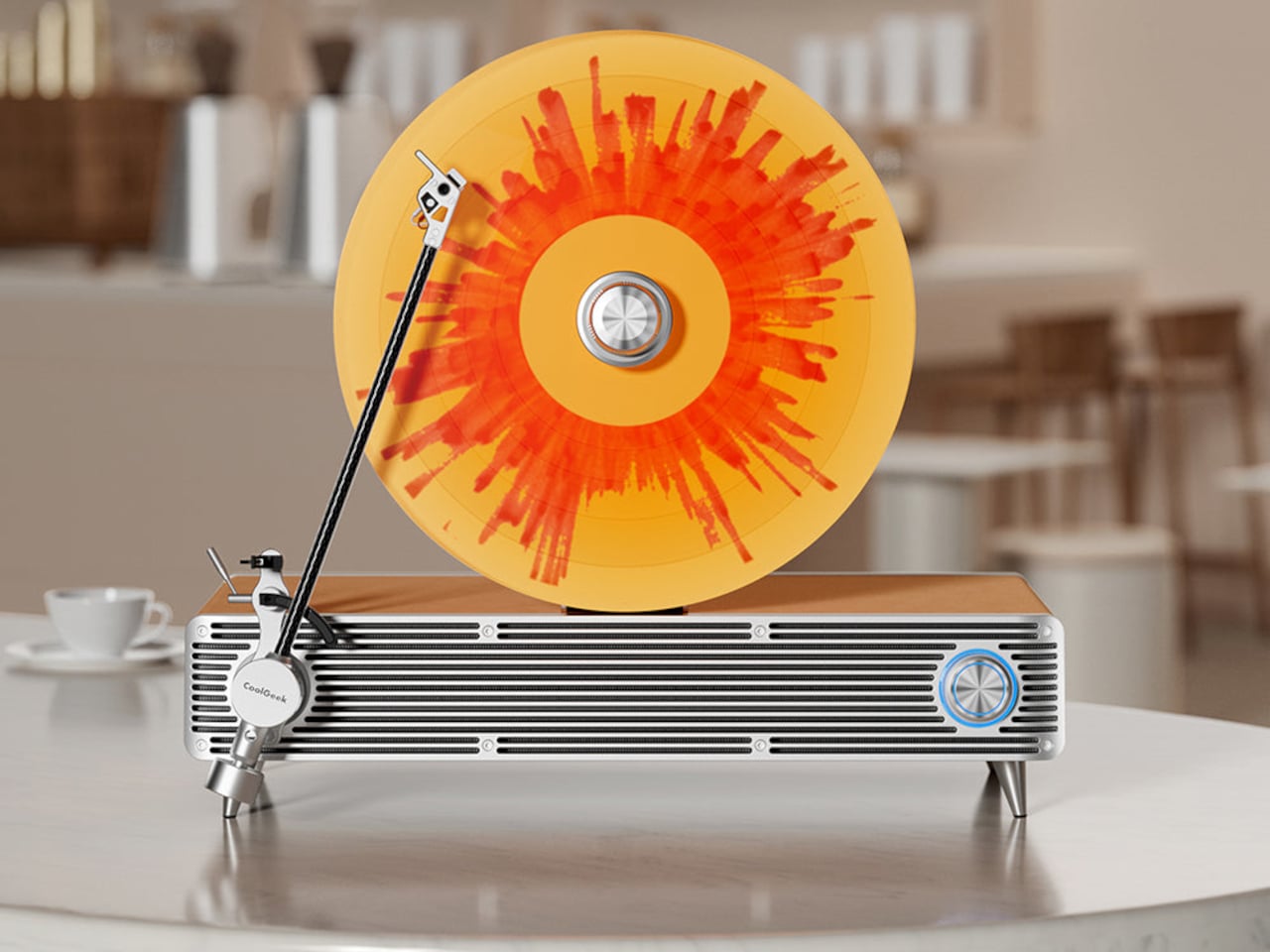
Vinyl has come back as much for the ritual and artwork as for the sound, yet most turntables still hide records flat on a plinth, as if they are shy. People lean records against walls or shelves to show them off, while the deck itself sits in a corner doing its work horizontally. The VS-01 is a vertical Bluetooth turntable that treats the spinning disc as a display piece instead of something to tuck away.

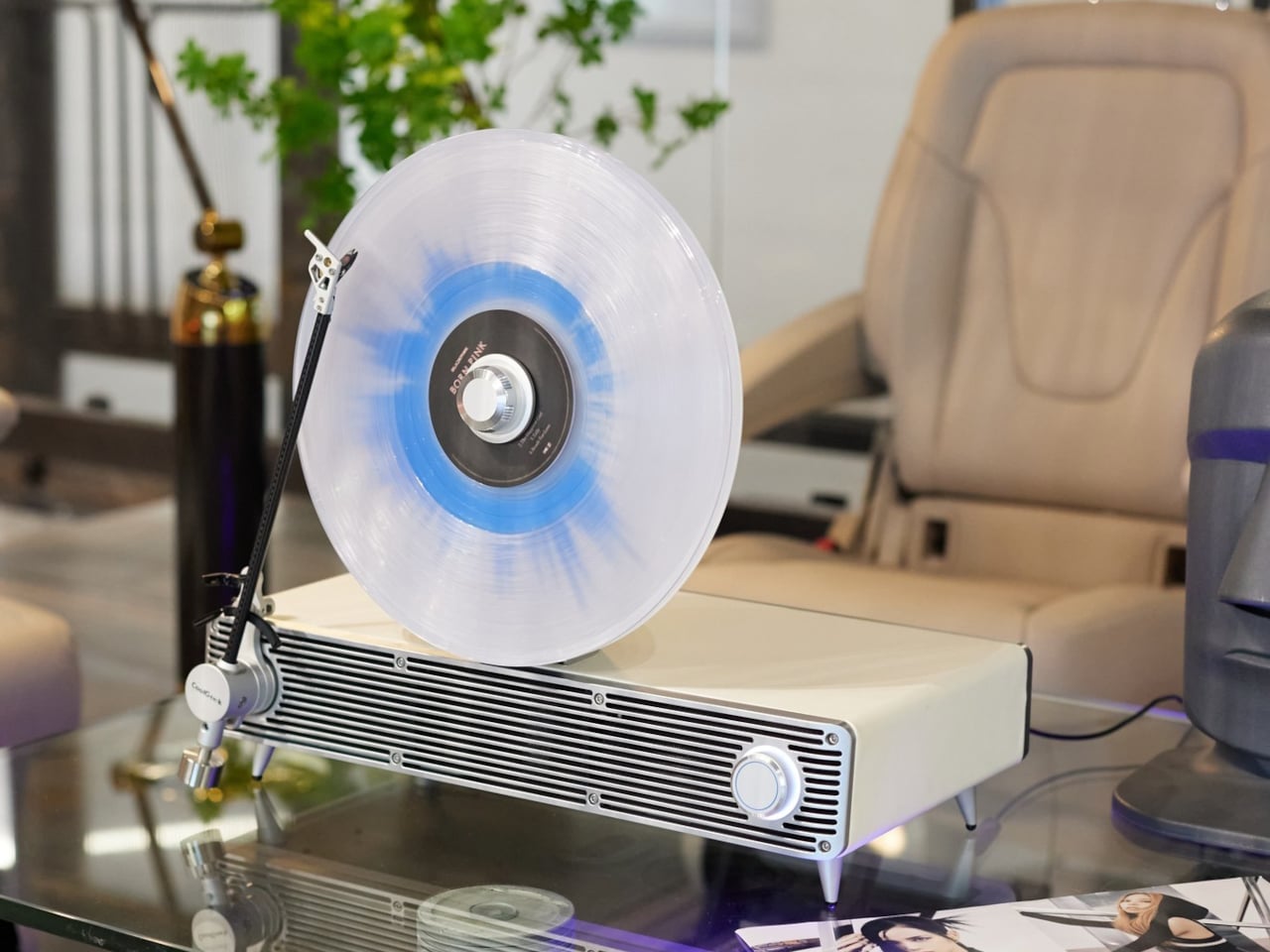
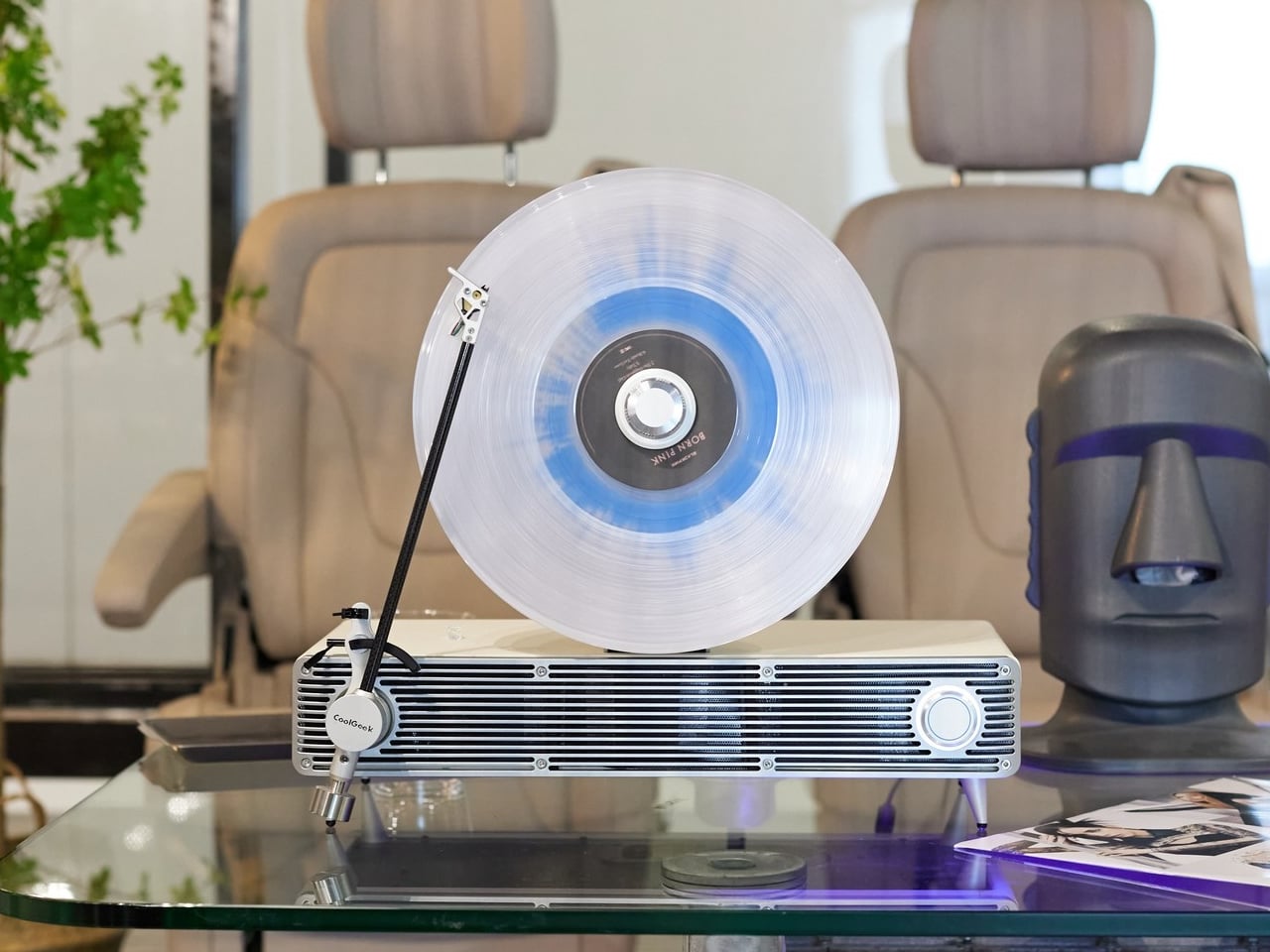
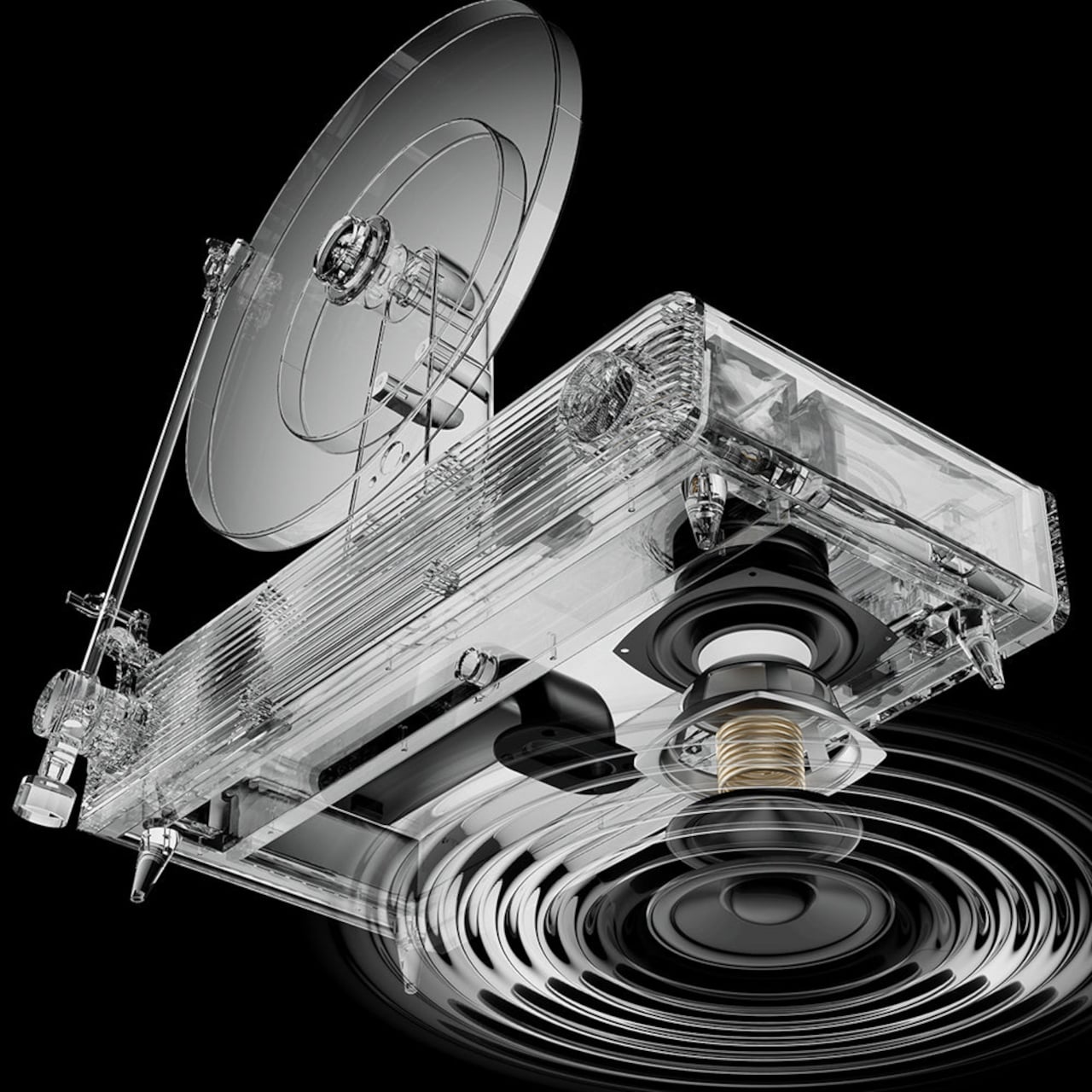
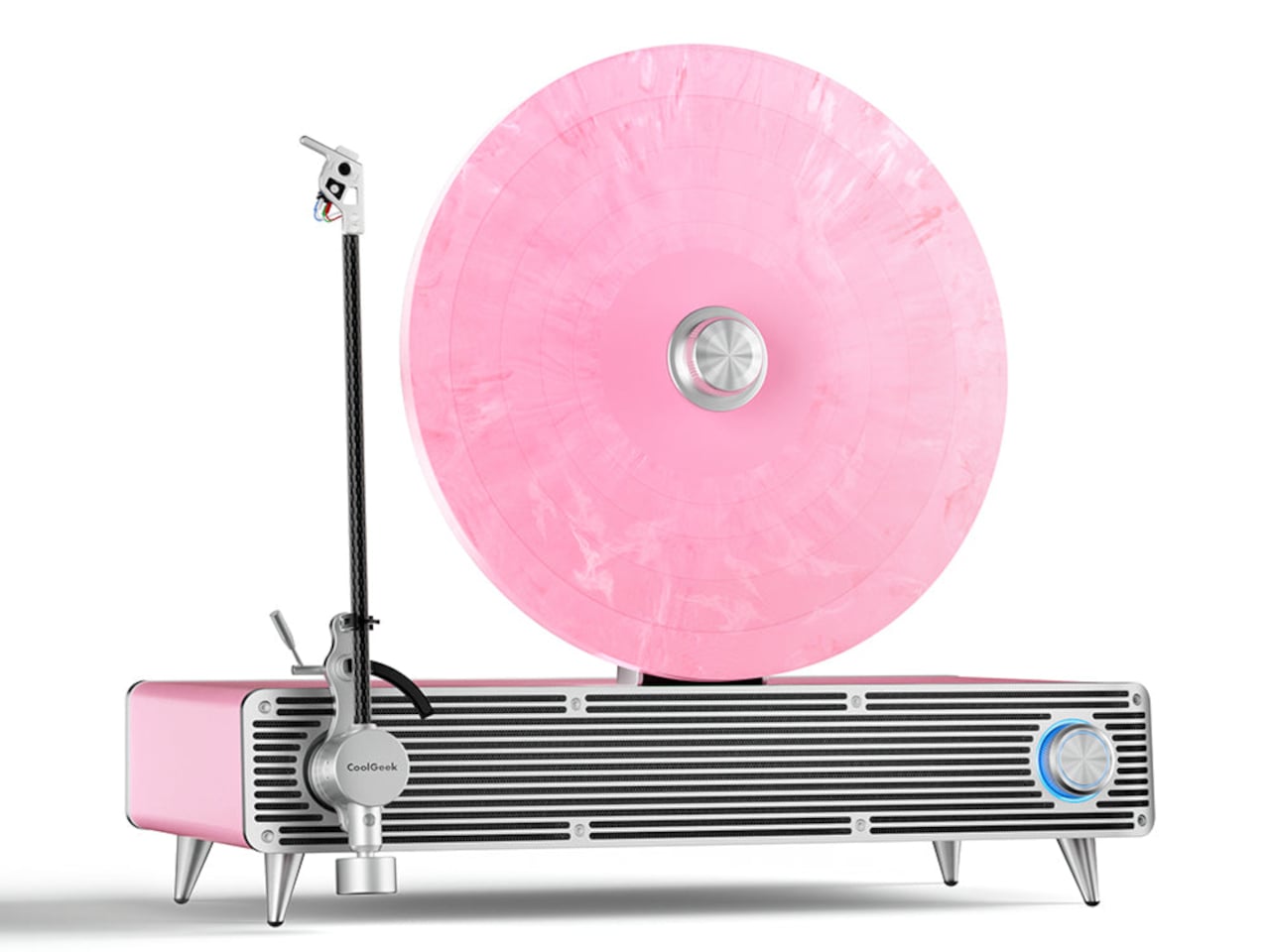
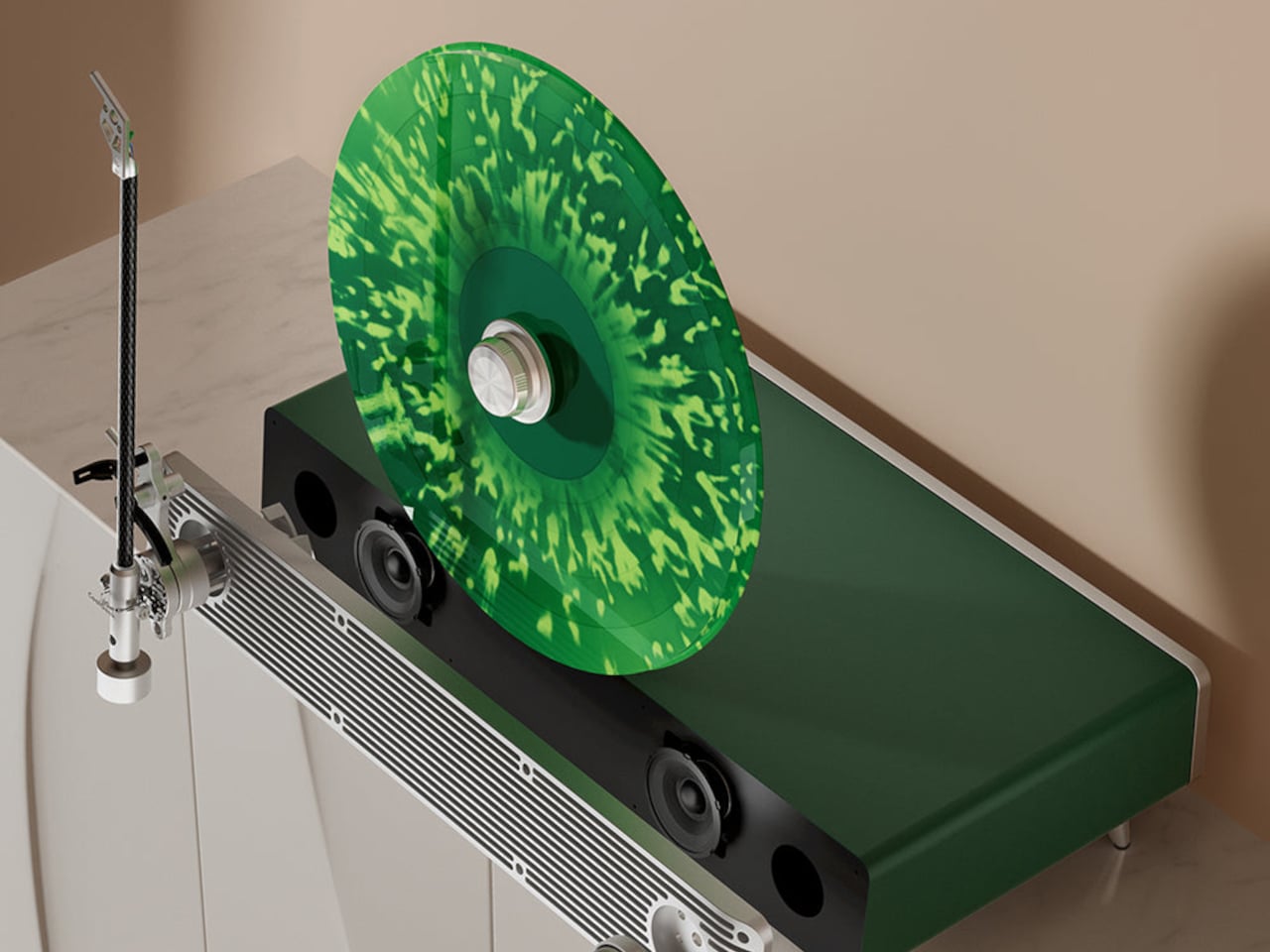
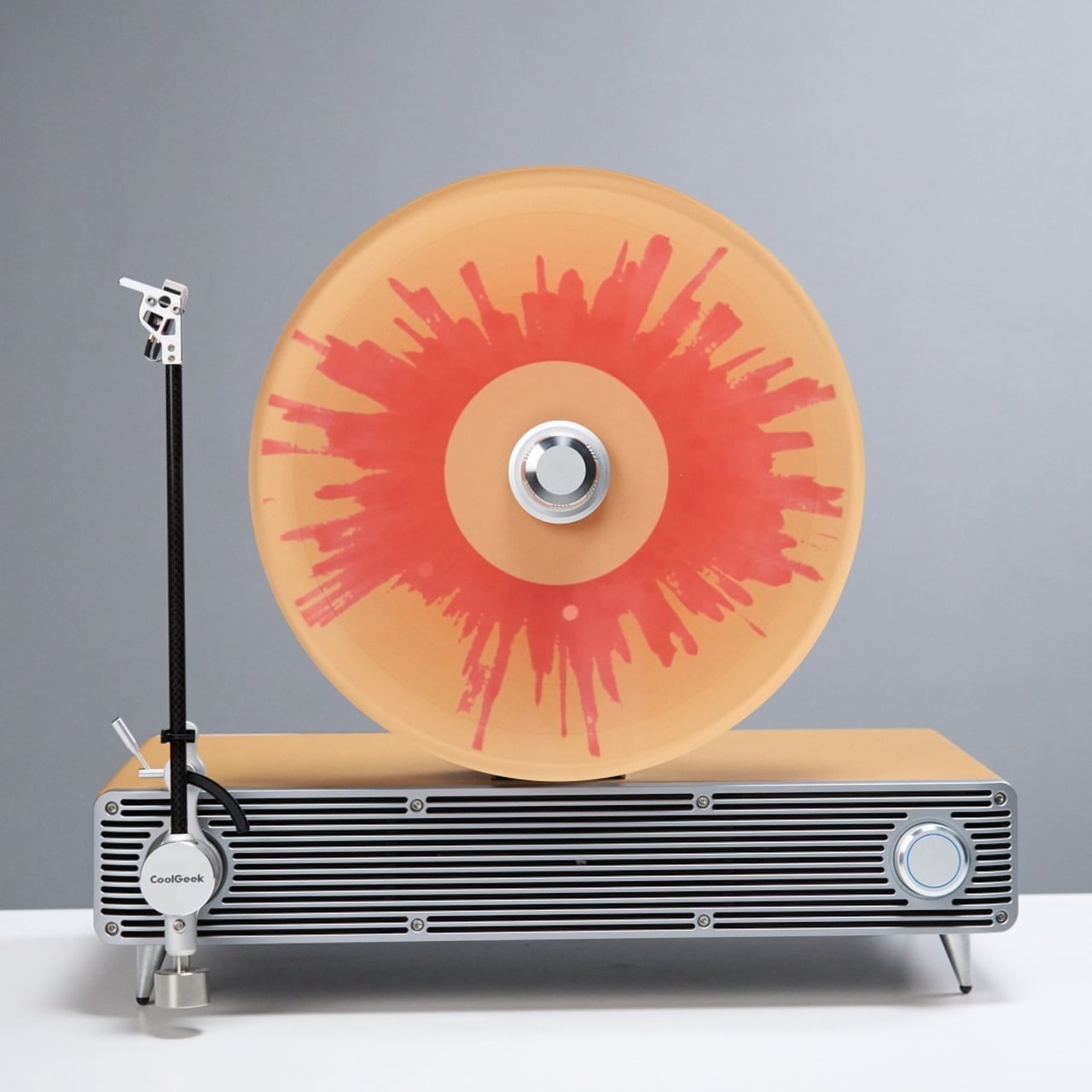
The VS-01 Bluetooth Vertical Turntable is a retro-futuristic record player that stands the platter upright behind a low, mid-century-inspired base. The front is all CNC-machined aluminum grille and vegan-leather-wrapped MDF, with a handcrafted carbon fiber tonearm reaching across the record. The design blends cool metal and warm materials, so the whole thing reads like a small hi-fi sculpture that happens to play vinyl and stream Bluetooth audio when you ask it to.

Designer: CoolGeek

Inside sits a 2.1-speaker system with two 2-inch tweeters and a 4-inch 30 W mid-bass driver, driven by a Hi-Fi-grade amplifier. The desktop reflective acoustic structure uses the surface it sits on to reinforce bass, aiming for layered, expansive sound that can handle vocals and low-end without needing separate speakers cluttering the room or demanding extra cables and shelf space.

The turntable side is a belt-drive platter with 33.3 and 45 RPM speeds controlled by a closed-loop system that keeps rotation stable. A zirconia ceramic spindle and high-precision mechanical design reduce friction and wear over time. The tonearm geometry is carefully specced, with low tracking distortion and adjustable tracking force, so the engineering backs up the visual drama and ensures your records are not getting chewed up while spinning vertically.

Bluetooth 5.3 lets the VS-01 act as a wireless speaker for your phone when you are not spinning records. It can also transmit vinyl audio out to Bluetooth headphones or speakers, turning analog grooves into a private listening session without cables. A line-out port and RCA outputs let you feed an external amplifier or active speakers if you want bigger sound or bypass the integrated drivers.

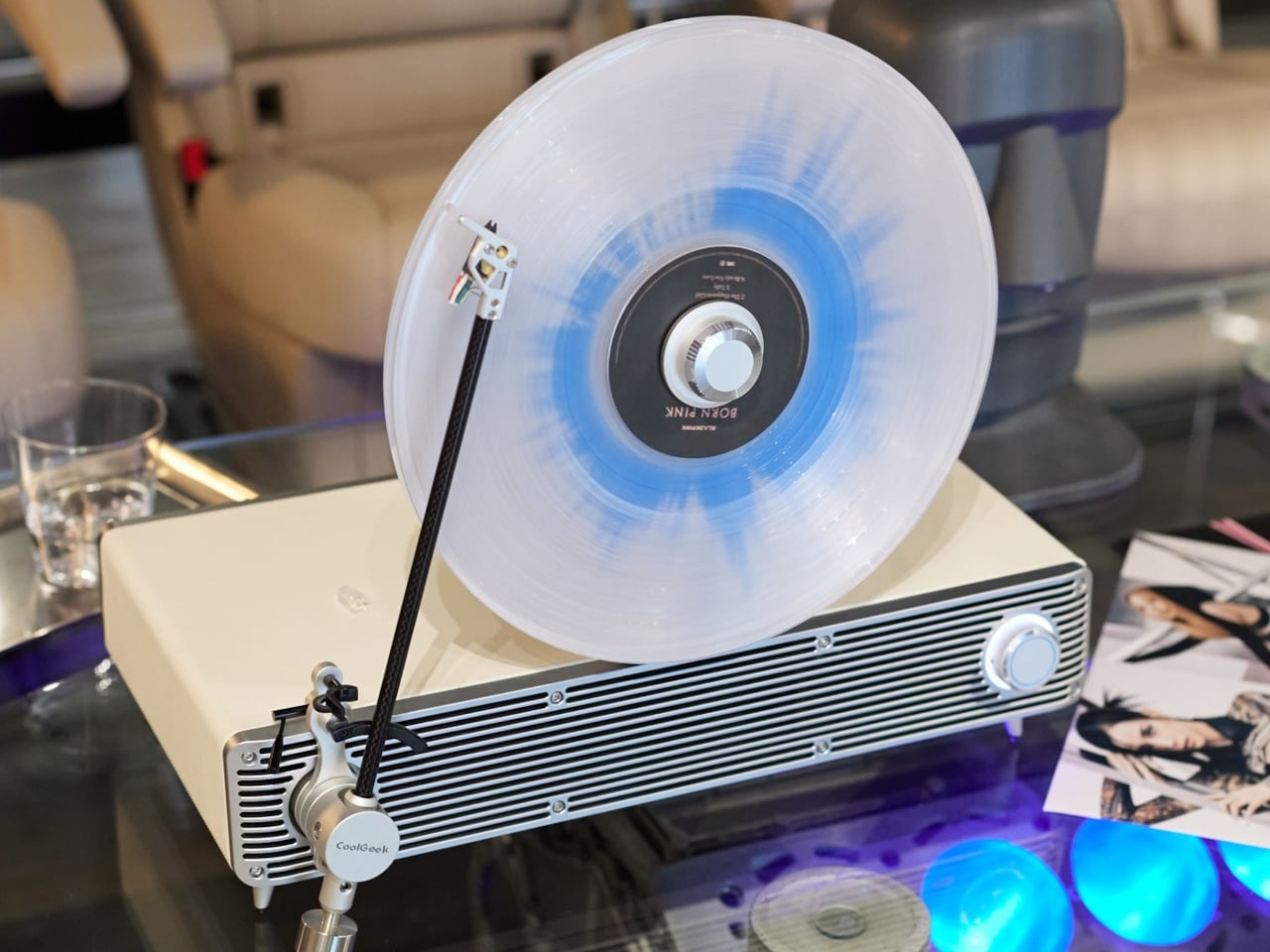
The vertical format changes the everyday experience. Records become a kinetic art installation you can see from across the room, especially with colored vinyl. The footprint on a shelf is shallower than a traditional deck, which helps in tight spaces. Purists may still prefer a classic horizontal setup, but the visual payoff and integrated speakers will outweigh that concern when your living room needs the turntable to double as decor.

The VS-01 treats vinyl as something to see while you hear it, with a vertical platter that makes every record into spinning artwork. The combination of serious belt-drive mechanics, a 2.1-speaker system, and Bluetooth flexibility wrapped in a retro-modern chassis means it can handle the full range from late-night wireless listening to showing off splattered-vinyl art during a party. Records become the centerpiece of the room, doing their work upright instead of lying flat and being forgettable.

The post This Turntable Spins Vinyl Vertically So Records Become Wall Art first appeared on Yanko Design.