TikTok will let users tone down the amount of AI content in their feed

TikTok is the latest social platform to hand users more control over the amount of AI-generated content they see. The app is experimenting with a new setting that will allow users to request to "see less" AI in their "For You" feed.

The new toggle will be available in “the coming weeks” in the app's "manage topics" section that lets people personalize the types of videos more likely to appear in their feed. In a blog post, TikTok says the control is meant to help users "dial things down" if they want to see less AI content in their recommendations. The update follows a similar move from Pinterest, which has faced complaints about AI slop drowning out authentic images on the platform.

TikTok, like most other platforms, has seen an influx of AI-generated content in recent years. The company, which requires users to label such creations, says that there are more than 1.3 billion videos with these labels. At the same time, the company notes that its existing methods for detecting AI content aren't perfect, Currently, TikTok relies on a widely-used watermarking system called Content Credentials that adds metadata to AI-generated content. But these signals can get harder to detect when images or videos are edited in other apps or copied and reshared to other sites, as often happens with viral content. 

To address this, TikTok says that it will also experiment with an additional "invisible watermarking" system that could help it identify and label AI content more reliably. "'Invisible watermarks' add another layer of safeguards with a robust technological 'watermark' that only we can read, making it harder for others to remove," the company explained.

This article originally appeared on Engadget at https://www.engadget.com/social-media/tiktok-will-let-users-tone-down-the-amount-of-ai-content-in-their-feed-050100596.html?src=rss

This E Ink Clock Prints Fortunes and Jokes on Paper Slips

Time usually passes without much fanfare. Numbers flip on your phone screen, the day blurs from morning coffee to evening TV, and most minutes feel interchangeable. Clocks are background objects, functional but forgettable, doing nothing more than reminding you how late you’re running. There’s no ceremony to checking the time, no surprise waiting when you glance at the display. It’s just numbers counting down to whatever you’re supposed to do next.

Houracle by True Angle approaches this differently. Instead of treating time as something that simply ticks away, it turns each minute into a potential moment of delight. The device is part clock, part oracle, with an eco-friendly thermal printer tucked into the top that spits out fortunes, jokes, riddles, or random facts tied to the exact moment you press the button. It’s the kind of thing that makes you want to check the time just to see what happens.

Designer: True Angle

Click Here to Buy Now: $128 $213 (40% off). Hurry, only a few left!

The design is deliberately retro. A boxy, powder-coated aluminum body with rounded edges, a large orange or yellow button on the top, and an e-ink display that looks like a pencil sketch on paper. The screen shows the time and date, the weather for your selected location, and a small prompt inviting you to press print. Five icons along the right edge let you select modes, fortune, fact, joke, riddle, or surprise, each represented by simple graphics.

Press the button and the printer whirs to life, a satisfying mechanical sound as the paper slip emerges from the top. At 7:42 in the morning, it might tell you destiny took a coffee break and suggest making your own magic. At 11:15, it could mention your brain runs on about 20 watts, enough to power a dim bulb or a brilliant idea. The messages feel oddly personal because they’re tied to that specific minute.

What makes this genuinely charming is how the slips accumulate. They end up on the fridge, tucked into notebooks, or shared with family members over breakfast. Heck, you might find yourself printing extras just to see what weird fact or ridiculous joke Houracle generates next. The lucky numbers printed at the bottom add an extra layer of whimsy that completes the fortune cookie vibe without taking itself too seriously.

The e-ink screen plays a bigger role than you’d expect. Unlike the glowing blue displays most clocks use, this one reflects ambient light rather than emitting it. That makes it easier on the eyes, especially at night, and gives the whole device a calming presence. The screen updates when you interact with it, but otherwise sits quietly, blending into the background.

Of course, the whole thing runs on wall power, which means no batteries to replace or USB cables to manage. The aluminum body is built to last, assembled with screws rather than glue. Houracle also uses BPA and BPS-free thermal slips, sourced from a company that plants a new tree or restores kelp in the ocean for every box of thermal rolls purchased. True Angle designed Houracle with sustainability in mind, using recyclable materials and avoiding planned obsolescence.

What’s surprising is how much a simple printed slip can shift your mood. A clever riddle before bed, a dumb joke during a work break, or a strange fact that makes you pause for a second. These aren’t profound moments, but they add small pockets of joy to days that might otherwise feel routine. Houracle captures the anticipation you used to feel when cracking open a fortune cookie.

The device sits on your desk or nightstand, looking unassuming until you press that button and hear the printer activate. Then it becomes something else entirely, a little machine that marks time with paper artifacts you’ll probably keep longer than you should. For anyone who’s tired of clocks that just tell time and do nothing else, that small shift makes all the difference.

Click Here to Buy Now: $128 $213 (40% off). Hurry, only a few left!

The post This E Ink Clock Prints Fortunes and Jokes on Paper Slips first appeared on Yanko Design.

UNO x Formula 1 Card Game Features Exciting New Gameplay With All 10 Teams And 1000+ Collectible Cards

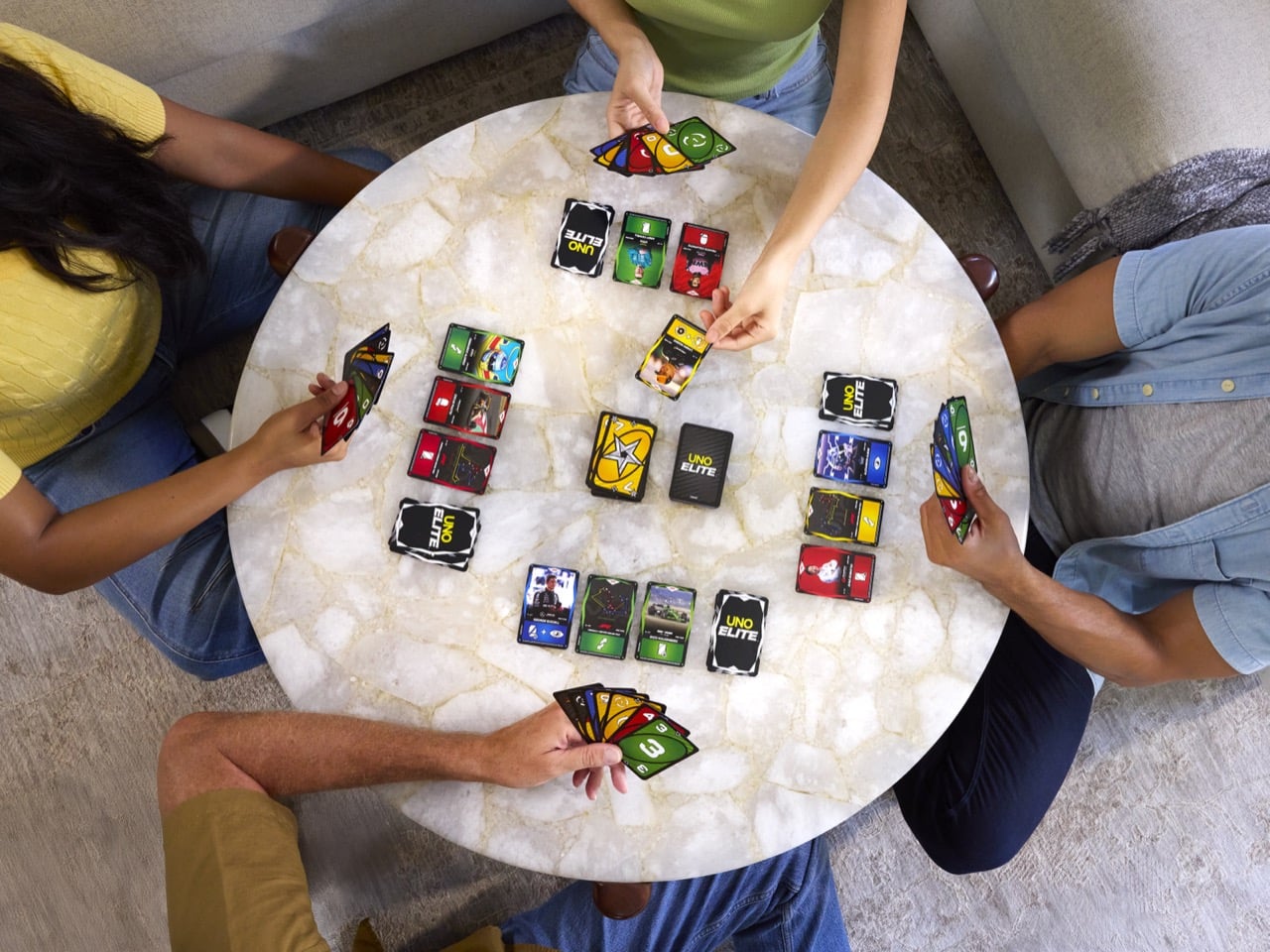
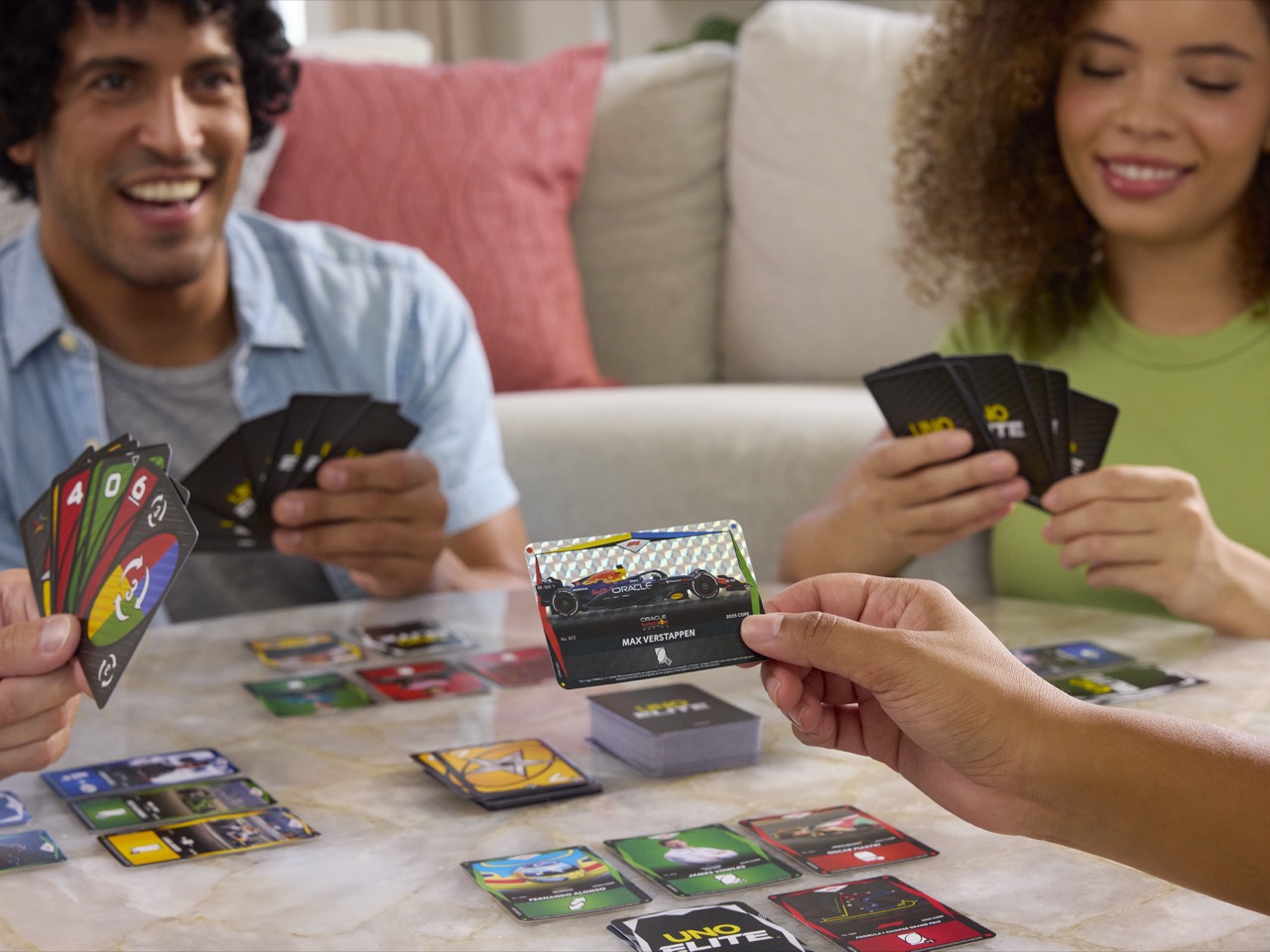
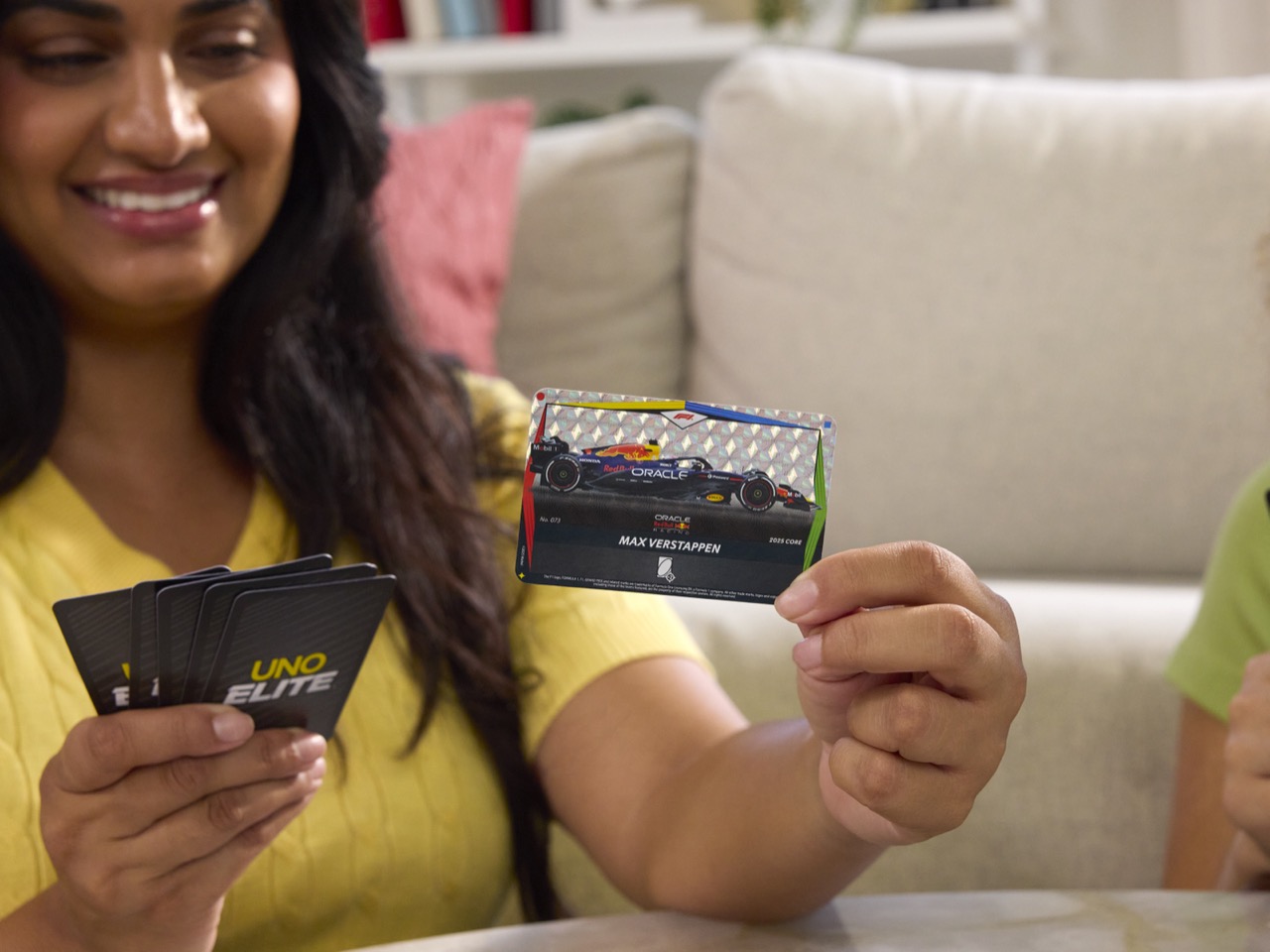
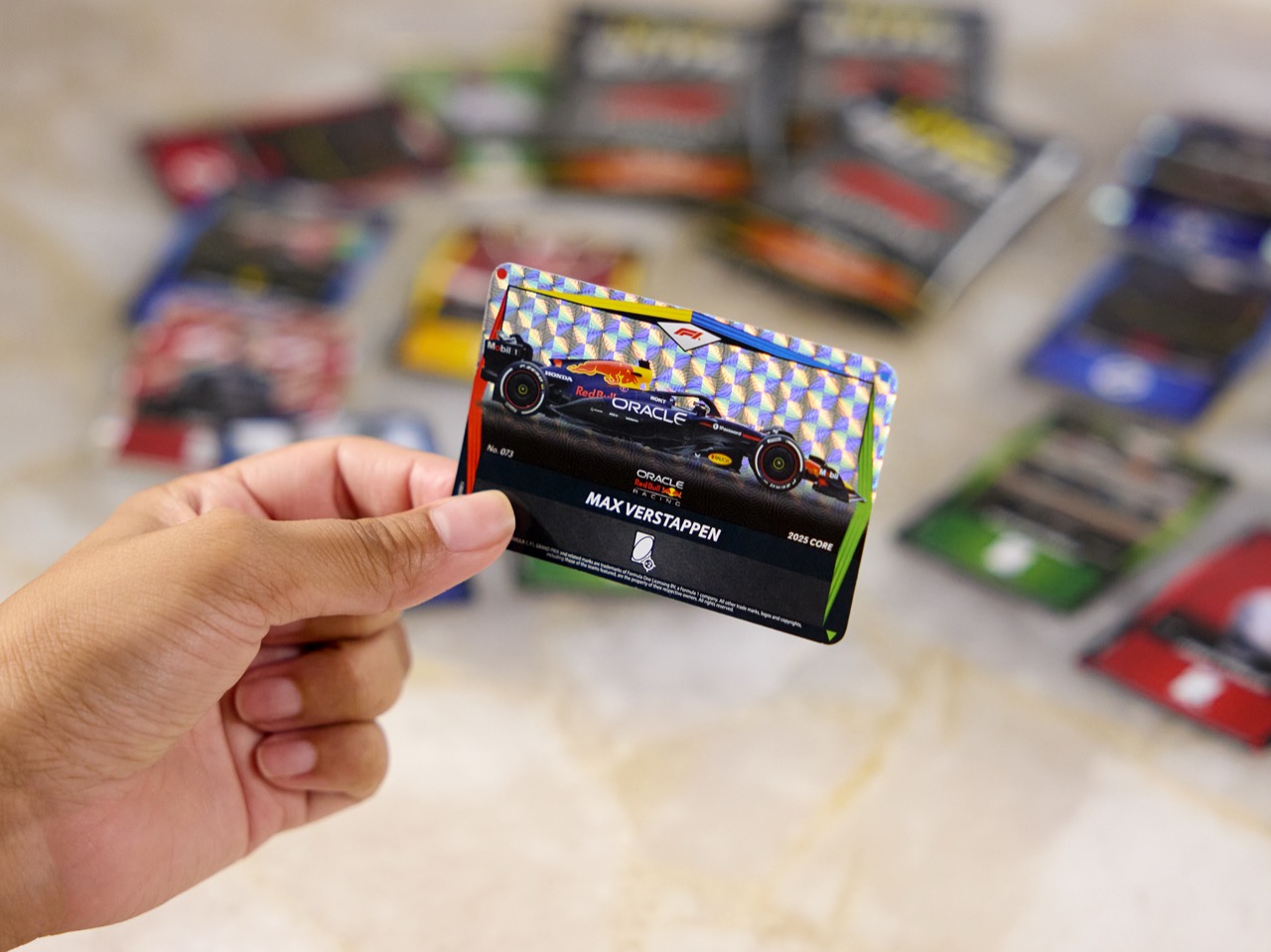
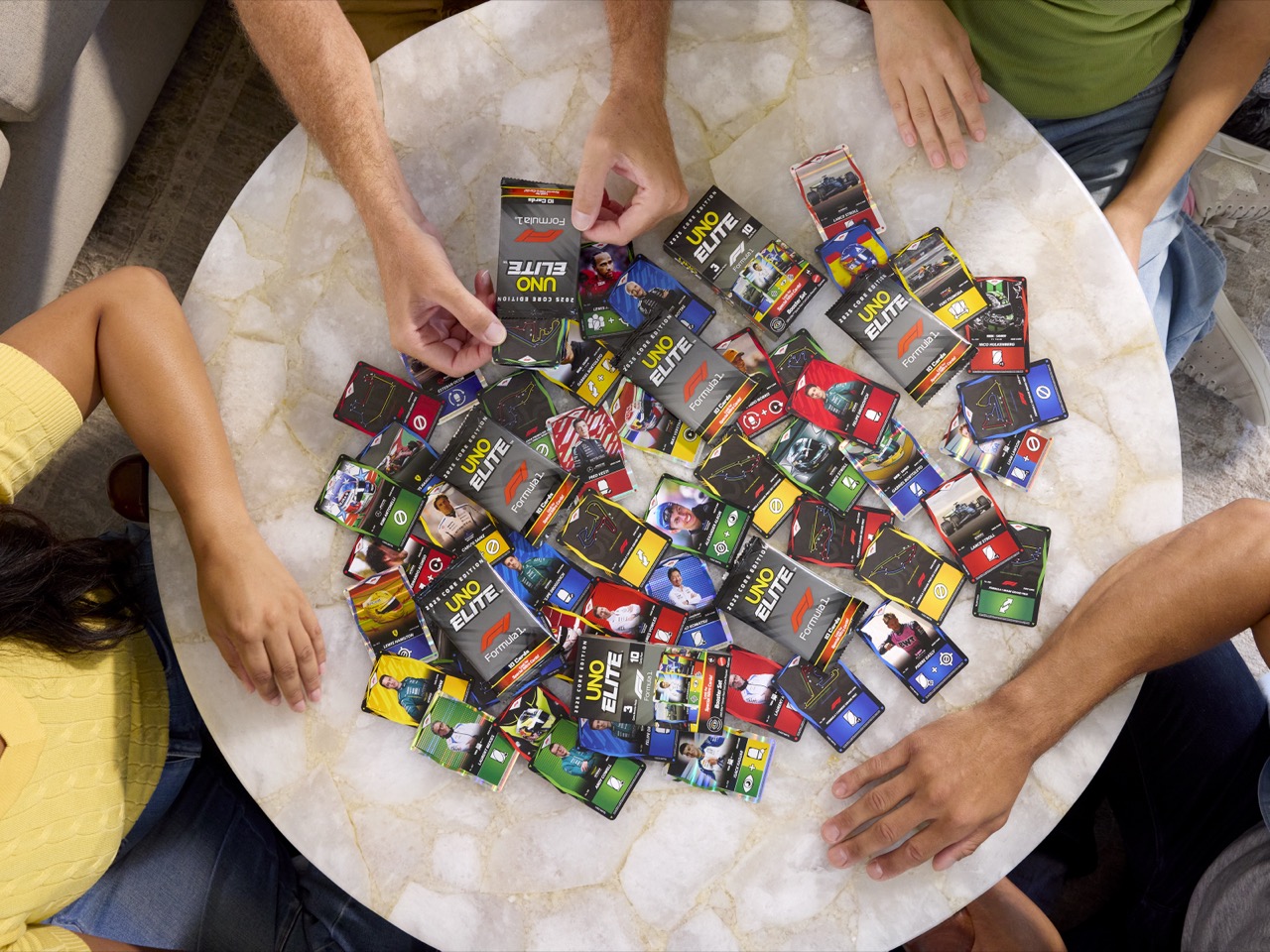
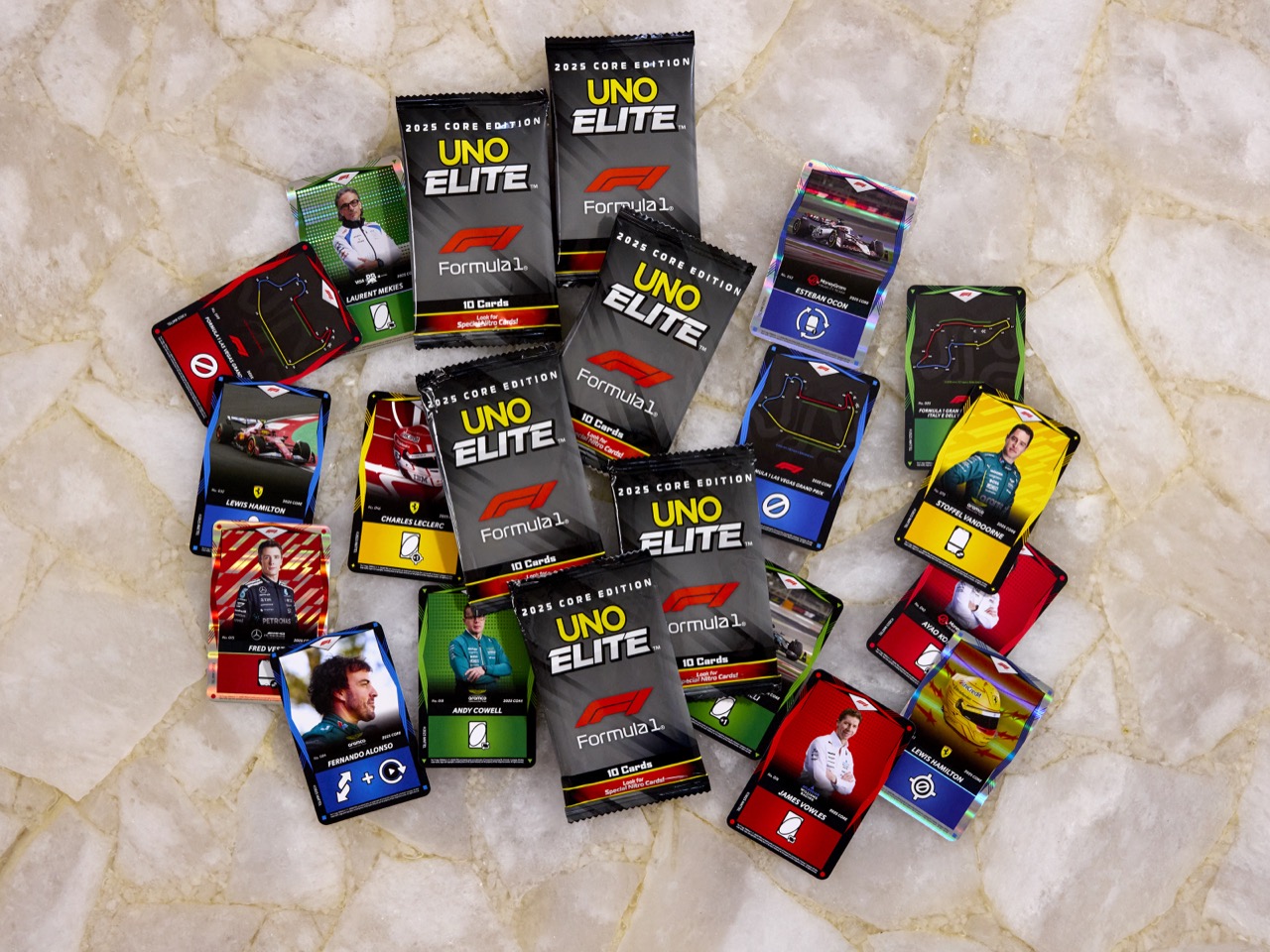
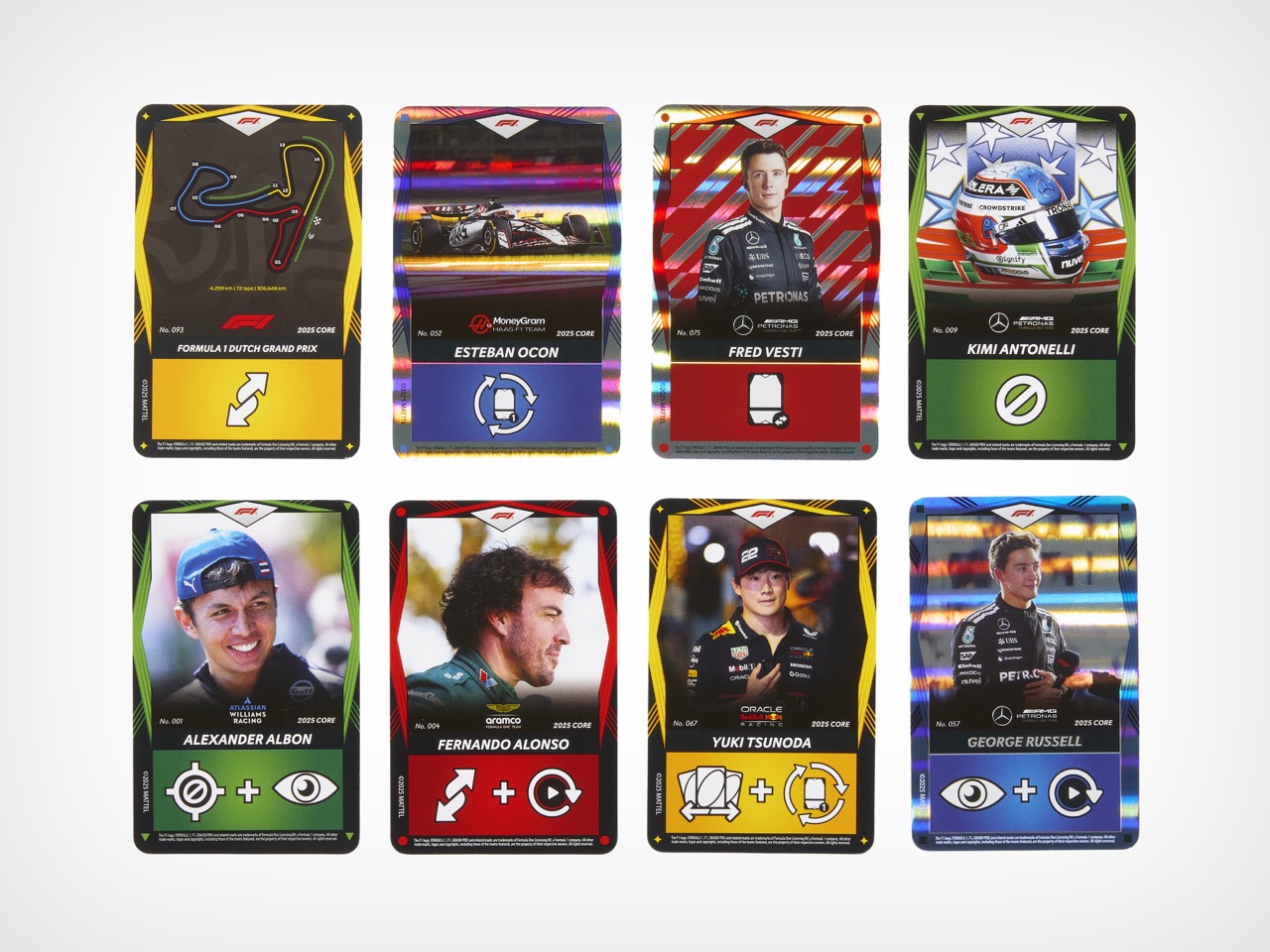
Most licensed UNO decks are basically souvenirs; you play the same game you always have, only this time with movie stills or cartoon faces staring back at you. UNO Elite Formula 1 is aiming for something more ambitious. Mattel is taking the basic UNO framework and wrapping it in a light collectible shell, with Elite Action cards that feature F1 drivers, cars, team principals, circuits, and helmets, and then selling those cards in starter packs and boosters like a stripped down trading card game.

That shift changes what an “UNO edition” even is. Instead of a one and done deck, you get a product you can tune, expand, and personalize around your favorite teams and drivers. It is still approachable enough to throw on the table at a family gathering, but there is a clear nudge toward collecting, tinkering, and even house ruling your way into race weekend formats and team championships. In other words, this is UNO stepping closer to F1’s world of strategy and fandom, without asking players to learn an entirely new game.

Designer: Mattel

On paper, UNO and Formula 1 do not look like natural teammates. One is a simple, almost universal card game you can teach in under a minute; the other is a hyper technical, data obsessed motorsport with a rulebook thick enough to choke a diffuser. UNO Elite Formula 1 is Mattel’s attempt to bridge that gap, not by turning UNO into a simulation, but by layering F1’s personalities and drama onto a ruleset that practically everyone already knows. The result is a deck that plays like classic UNO at its core, but arrives packaged with Elite Action cards and boosters that push it into collectible territory.

The Core Edition Starter Pack gives you a 112 card deck that functions just like the one you already own, but it also includes four booster packs to get you started. Those packs contain a random assortment of the set’s 100 plus unique Elite Action cards. From there, you can buy separate Booster Sets to keep hunting for your favorite drivers or to find rare foil variations, which bring the total number of unique cards in the line to over 1,000. It is a clever way to add the thrill of the chase from trading card games without the intimidating barrier of complex deckbuilding rules.

What this does at the table is make the game modular. You can keep the Elite cards out and play a pure, classic game of UNO. Or you can shuffle in a handful of them to add a little F1 flavor, introducing new actions tied to drivers, teams, or circuits. For dedicated fans, the real fun will be in curating the experience, perhaps creating a deck where only cards from rival teams are included, or running a “constructors championship” where players team up and score points over a whole evening. The game provides the pieces; the players provide the narrative.


This is a smart play from both Mattel and Formula 1, who both acknowledge that their fanbases are passionate and ready for new ways to engage. It is a low friction entry point for F1 fans who might not touch a traditional hobby board game, and it gives UNO a much needed shot of strategic depth and collectibility that could keep it on the table for longer. The success of UNO Elite Formula 1 will ultimately depend on whether players embrace that potential. It is one thing to provide the tools for a deeper experience, but it is another for the community to pick them up and build something truly exciting with them.

The post UNO x Formula 1 Card Game Features Exciting New Gameplay With All 10 Teams And 1000+ Collectible Cards first appeared on Yanko Design.

This Printed-Circuit Sconce Turns Exposed Electronics Into Functional Sculpture

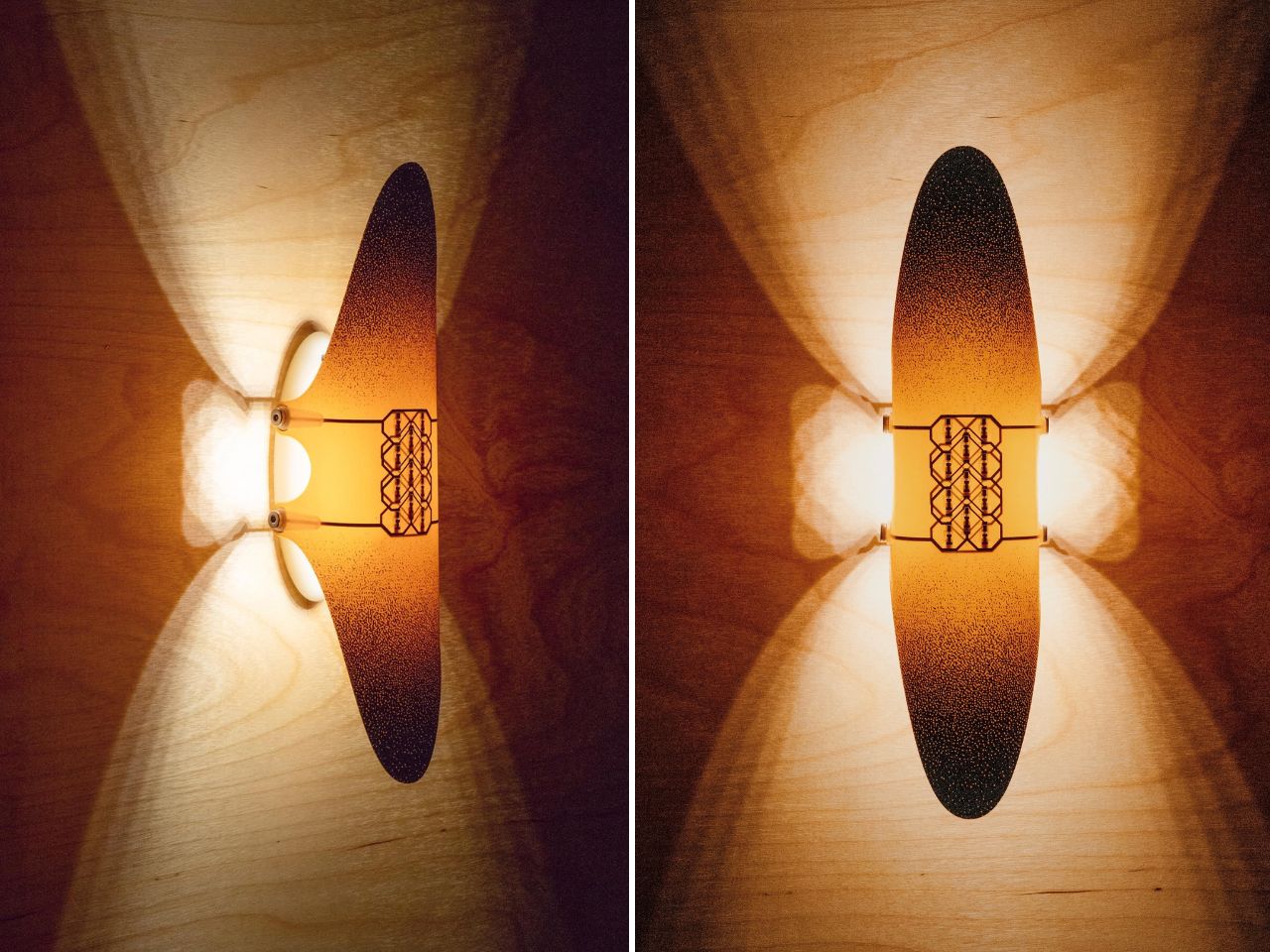
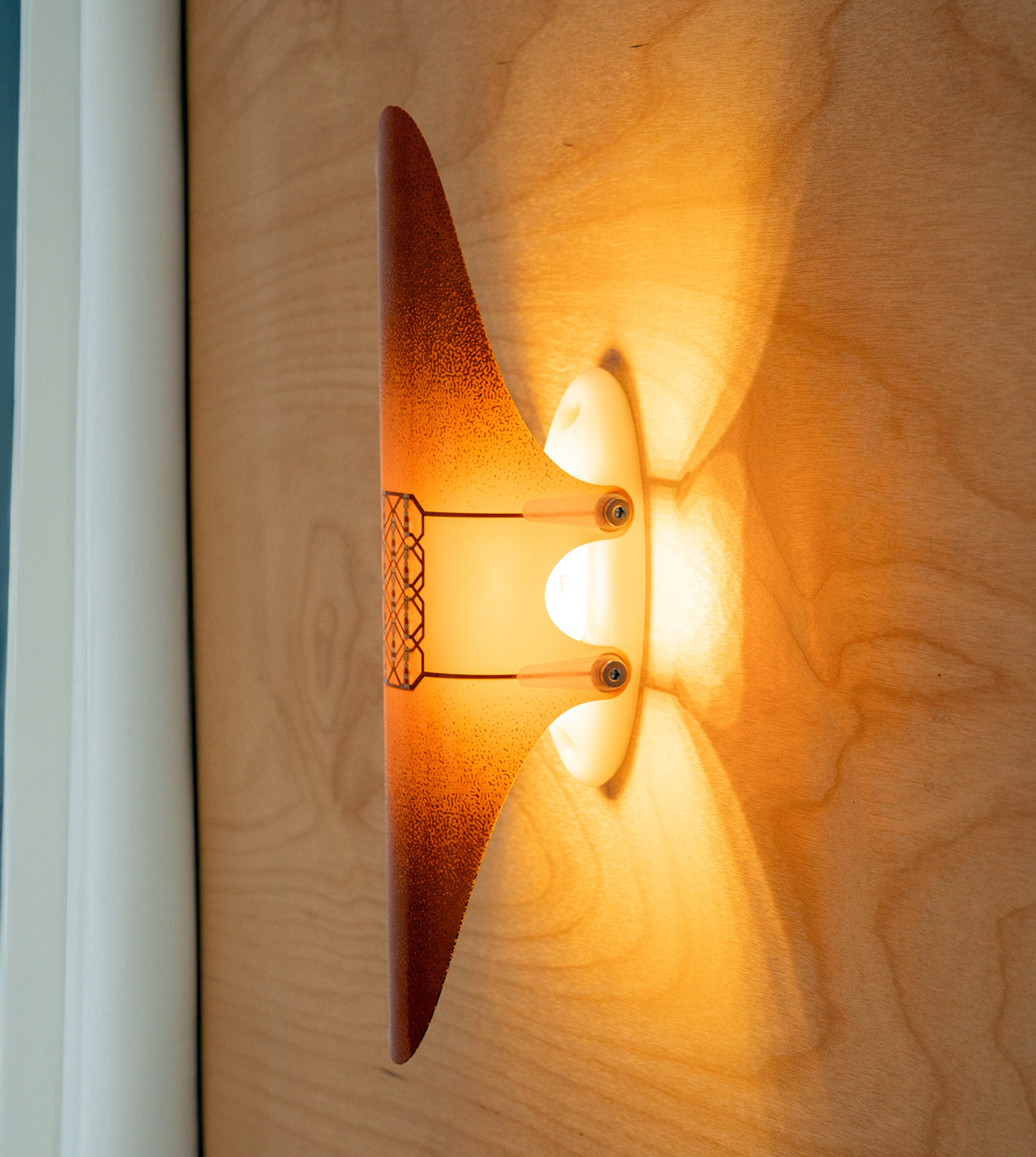
In contemporary lighting, technology is often concealed, hidden behind frosted diffusers, buried in housings, or tucked into recesses where its presence is merely utilitarian. The Printed Circuit sconce by American designer August Ostrow turns this convention inside-out. Instead of disguising the mechanics of illumination, the sconce makes electronics themselves the aesthetic centerpiece, revealing the beauty of a material more frequently associated with industrial devices than interior design.

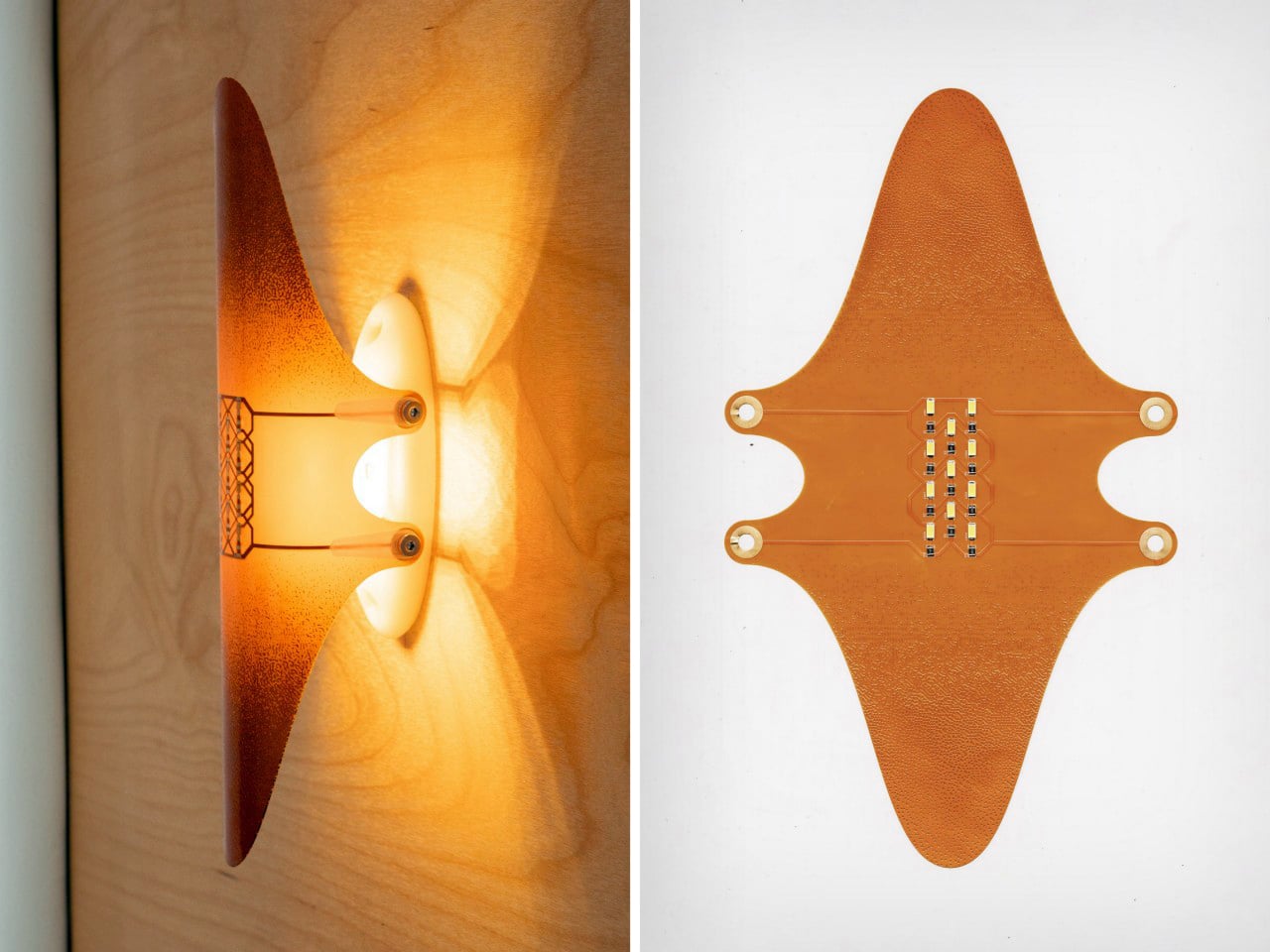
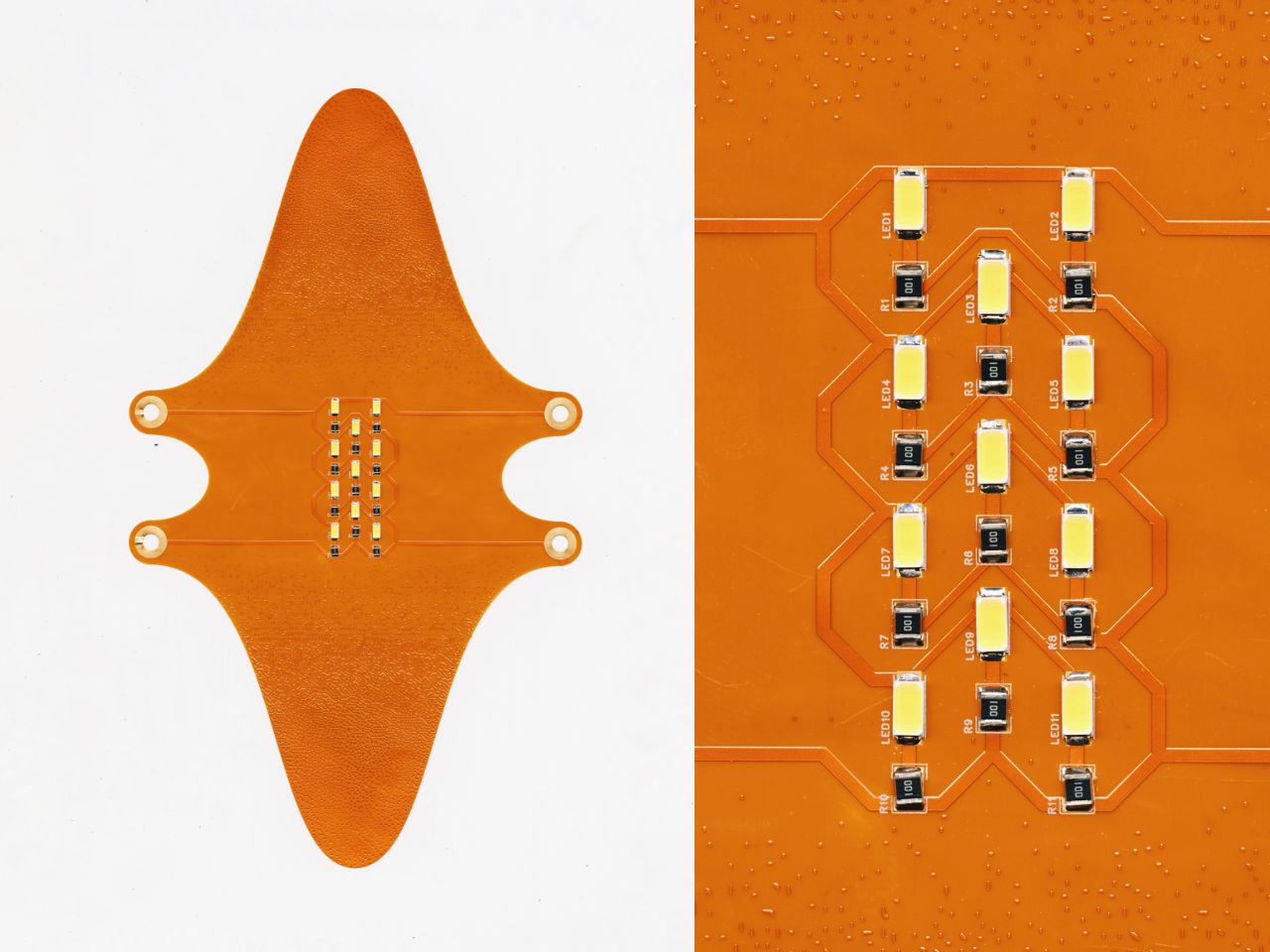
At the core of the sconce is a flexible polyimide printed circuit board, a material prized in the electronics industry for its thermal stability, durability, and ability to bend without losing structural integrity. Commonly found within consumer devices, aerospace components, and advanced industrial systems, polyimide typically remains unseen, functioning behind the scenes as a backbone for electrical pathways. Ostrow repositions this substrate as both shade and light source, allowing the circuitry to take on a sculptural presence within the room.

Designer: August Ostrow

The traces, copper routes, and tactile surface details that usually operate invisibly now become the primary graphic language of the design. When illuminated, these pathways glow softly, revealing an intricate network that is part engineering diagram, part textile-like pattern. The sconce becomes a luminous map of its own function, offering viewers a rare opportunity to see the inner logic of circuitry elevated to decorative status.

This approach aligns with Ostrow’s broader practice of material exploration, challenging expectations of what electronic components can be when removed from their typical contexts. By bending the polyimide board into a gentle arc, the designer leverages its natural flexibility, allowing it to act simultaneously as a structural element, a diffuser, and a carrier for the embedded LEDs. The armature that supports the sconce performs dual duty as well: it physically holds the piece in place while also serving as the conduit for its DC power connection. The result is a clean, integrated assembly where function and form are inseparable.

The Printed Circuit sconce also speaks to a growing movement in industrial and lighting design where designers intentionally expose mechanisms, celebrate raw materials, and reveal inner workings rather than hiding them. The aesthetic of the PCB, once considered too technical or visually chaotic for interior surfaces, is reinterpreted here as refined, graphic, and unexpectedly elegant. The glow of the light accentuates the fine geometries etched into the board, producing an effect that is both futuristic and tactile.

Beyond its visual appeal, the sconce raises interesting questions about the relationship between technology and ornamentation. What does it mean when circuitry, traditionally understood as purely functional infrastructure, becomes decorative? How do our perceptions shift when we encounter electronic materials not as hidden hardware but as expressive, crafted surfaces? The Printed Circuit sconce offers a compelling answer: electronics, when thoughtfully framed, possess a structural and aesthetic richness worthy of display. In celebrating the circuitry rather than concealing it, the design offers a refreshing perspective, one that suggests beauty does not need to be added to technology; sometimes it only needs to be revealed.

The post This Printed-Circuit Sconce Turns Exposed Electronics Into Functional Sculpture first appeared on Yanko Design.

The all-electric Jeep Recon gets official specs and launch price

Jeep says that the all-electric 2026 Jeep Recon will finally begin production "early next year." This comes three years after the model's original announcement amid multiple delayed starts.

Built on a dedicated EV architecture, the Recon will deliver 650 horsepower and 620 ft-lb of torque. Its 100kWh battery pack will have an estimated 250 miles of range on a full charge and accelerate from 0-60 mph in as little as 3.6 seconds.

The Recon is billed as the first and only fully electric Trail Rated SUV in the industry. This means it meets Jeep's internal standards for the traction, water fording, maneuverability, articulation and ground clearance necessary to earn the Trail Rated badge. Bolstered by its 4X4 capability and 33-inch tires, the Recon can tackle a wide range of terrains.

The Jeep Recon was originally supposed to be available in 2024, though the closest we got to seeing it in action was spy photos of a possible prototype at the tail end of that year. Last month Jeep CEO Bob Broderdorf told MotorTrend that the Recon was coming to showrooms "next spring." The Jeep website, which may need some updates, still says "coming late 2025."

Jeep had previously introduced multiple hybrid models including a hybrid version of the Grand Cherokee and Wrangler. Both models were subject to substantial recalls this year due to fire risks in their batteries, encompassing over 375,000 vehicles. This came after a similar recall for Jeep hybrids the year before 194,000 vehicles, also due to fire risks.

The EV will have a starting MSRP of $65,000 and Jeep says production will take place at the Toluca Assembly Plant in Mexico.

This article originally appeared on Engadget at https://www.engadget.com/transportation/evs/the-all-electric-jeep-recon-gets-official-specs-and-launch-price-000032015.html?src=rss

Silva Wood Collection by KFI Studios: Steam-Bent Beech Furniture Designed by Union Design

When solid beech wood flows from floor to backrest in a single steam-bent arc, you’re witnessing KFI Studios push the boundaries of what wood furniture can achieve. Silva, the company’s first fully wood collection, exemplifies material honesty and sculptural restraint.

Designer: KFI Studios

Designed in collaboration with Union Design, Silva rejects the noise of contemporary furniture design in favor of something more enduring: curves that follow the wood’s natural character, finishes that reveal rather than conceal grain patterns, and forms that balance timeless craft with approachable modern sensibility.

A Collection Built on Natural Warmth

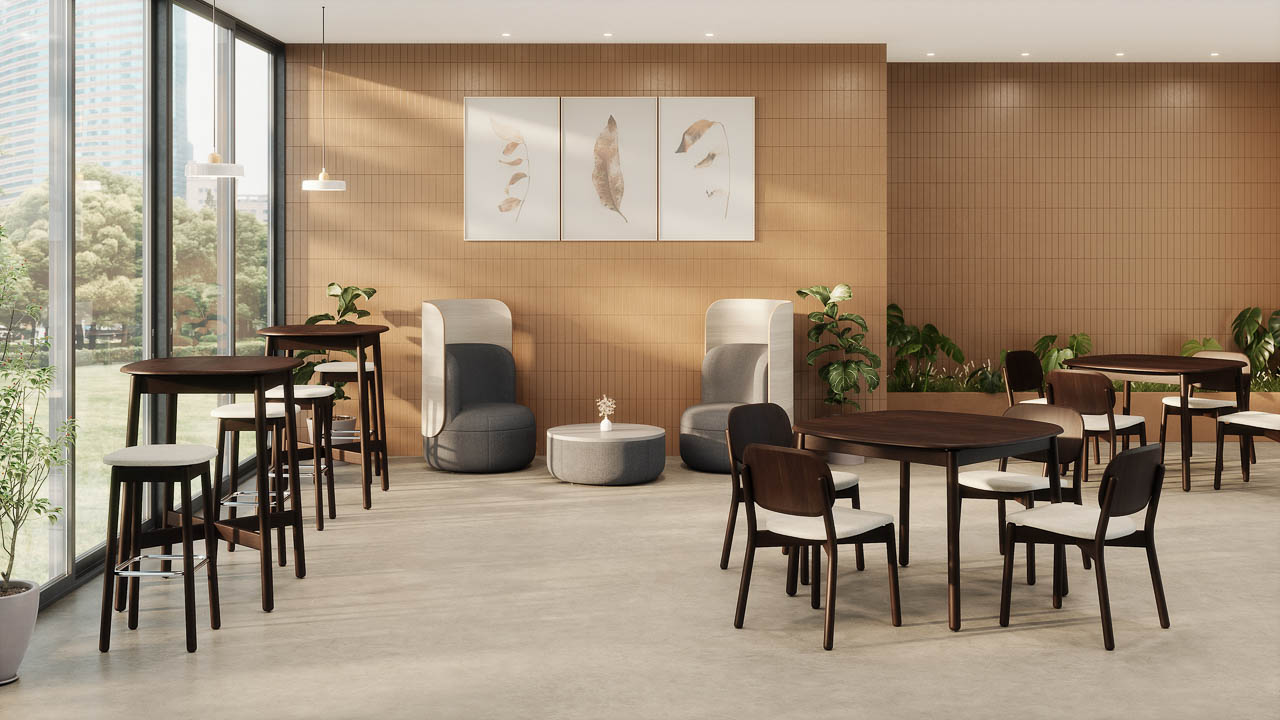
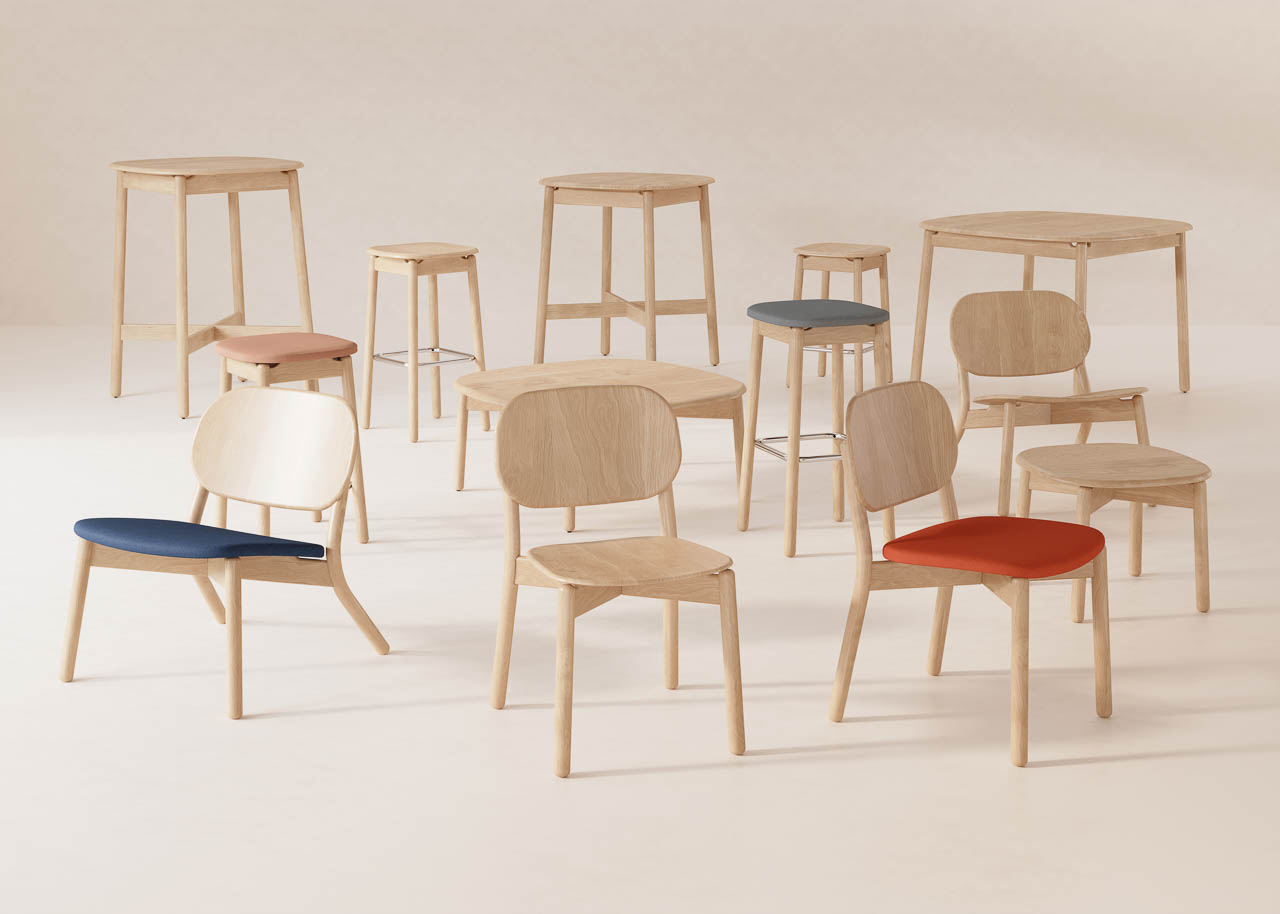
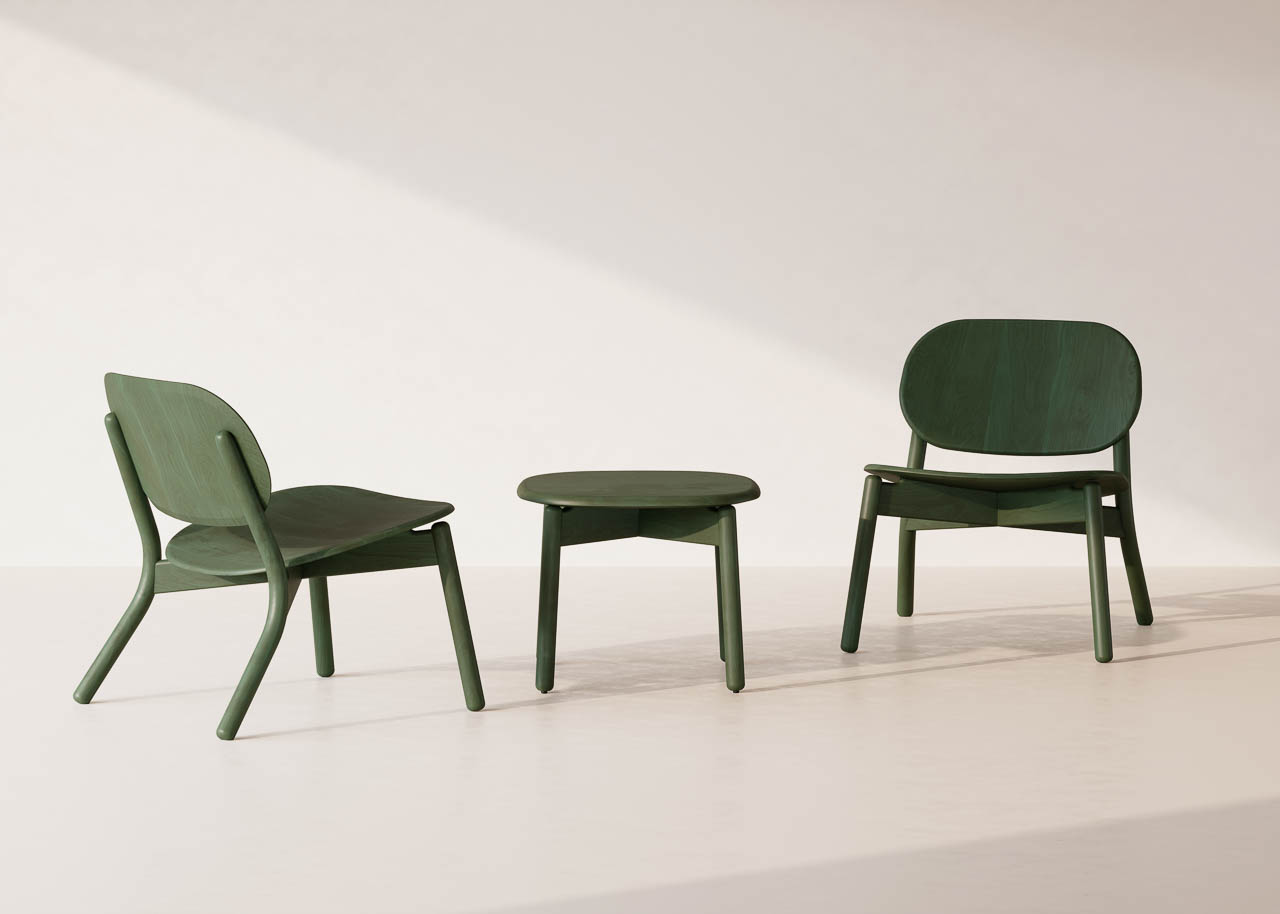
Silva includes guest chairs, lounge chairs, stools, and coordinating tables across occasional, standard, counter, and bar heights. The versatility makes it equally at home in workplace lounges, hospitality environments, and social spaces where warmth matters more than clinical precision.
“It’s our first full wood collection, and something we’ve wanted to do for a long time,” says Chris Smith, CEO of KFI Studios. “It’s got that natural warmth and character that makes spaces feel instantly inviting.”
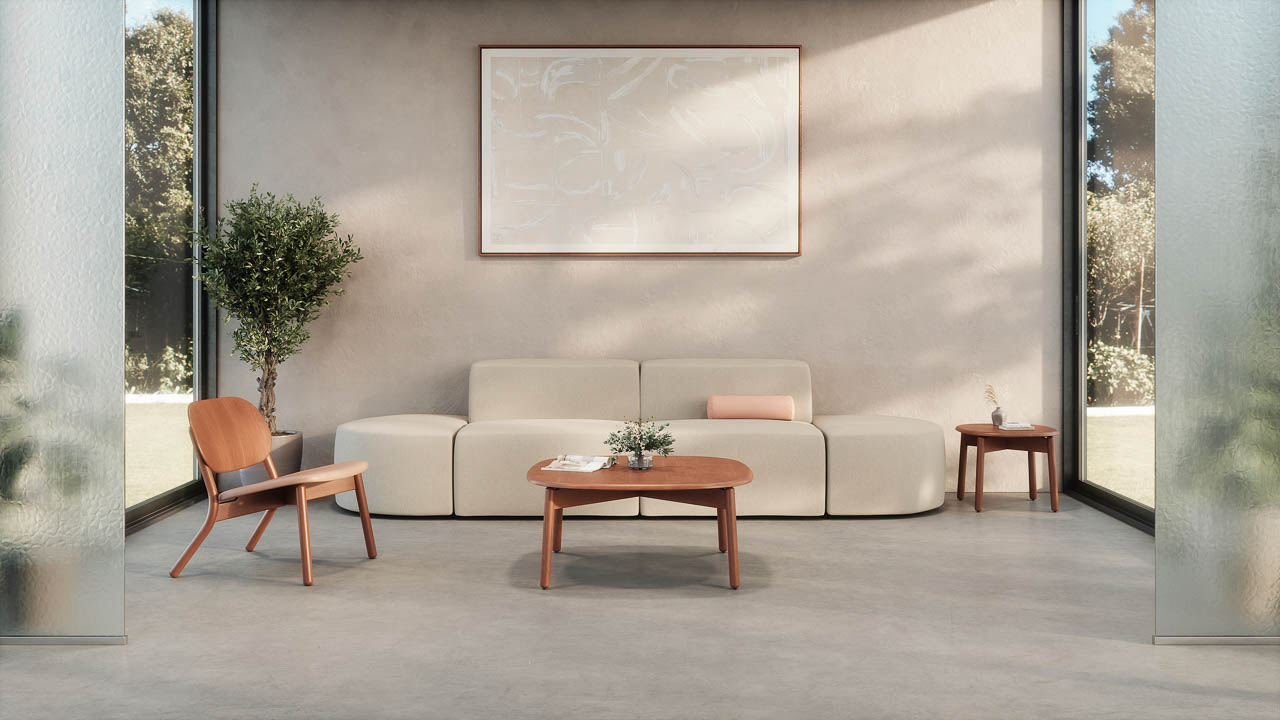
The signature detail defining the collection is that steam-bent rear leg. It flows in a single graceful line from floor to backrest, giving each piece a sculptural quietness that traditional joinery methods simply can’t achieve. The lounge chair in particular pushes wood bending techniques into elegant, continuous arcs that demonstrate what happens when material capability meets design ambition.

Design Details That Honor the Material

Every curve, edge, and contour in Silva was calibrated to highlight beech wood’s natural grain and inherent character. Gently rounded edges on seating pieces create tactile comfort without over-designing. Softly shaped square tabletops offer practical surface area while maintaining the collection’s organic aesthetic language.
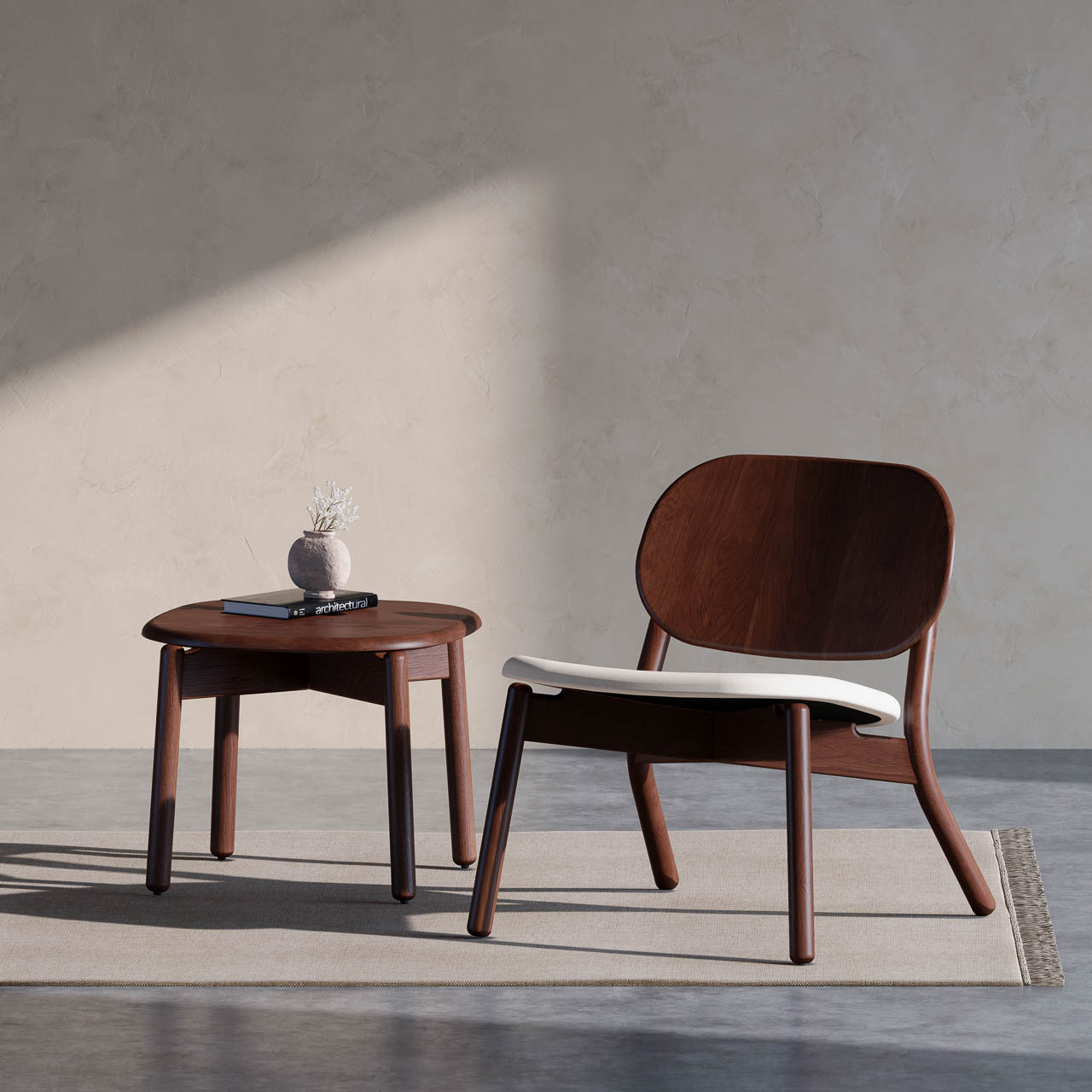
“Every curve, edge, and contour was carefully considered to highlight the material, create comfort, and offer a sense of simplicity,” says Jeff Theesfeld, founder of Union Design.

The solid wood construction extends throughout the collection, with subtle engineering details that enhance functionality without compromising aesthetic purity. Guest chairs stack three high for space-efficient storage, making them practical for venues that need flexible seating arrangements. Stools feature chromed steel footrests that add durability and comfort while maintaining visual lightness. Table tops come in two configurations: wood tops with soft edge profiles that emphasize organic warmth, or optional laminate tops with knife edge profiles for environments requiring enhanced durability.
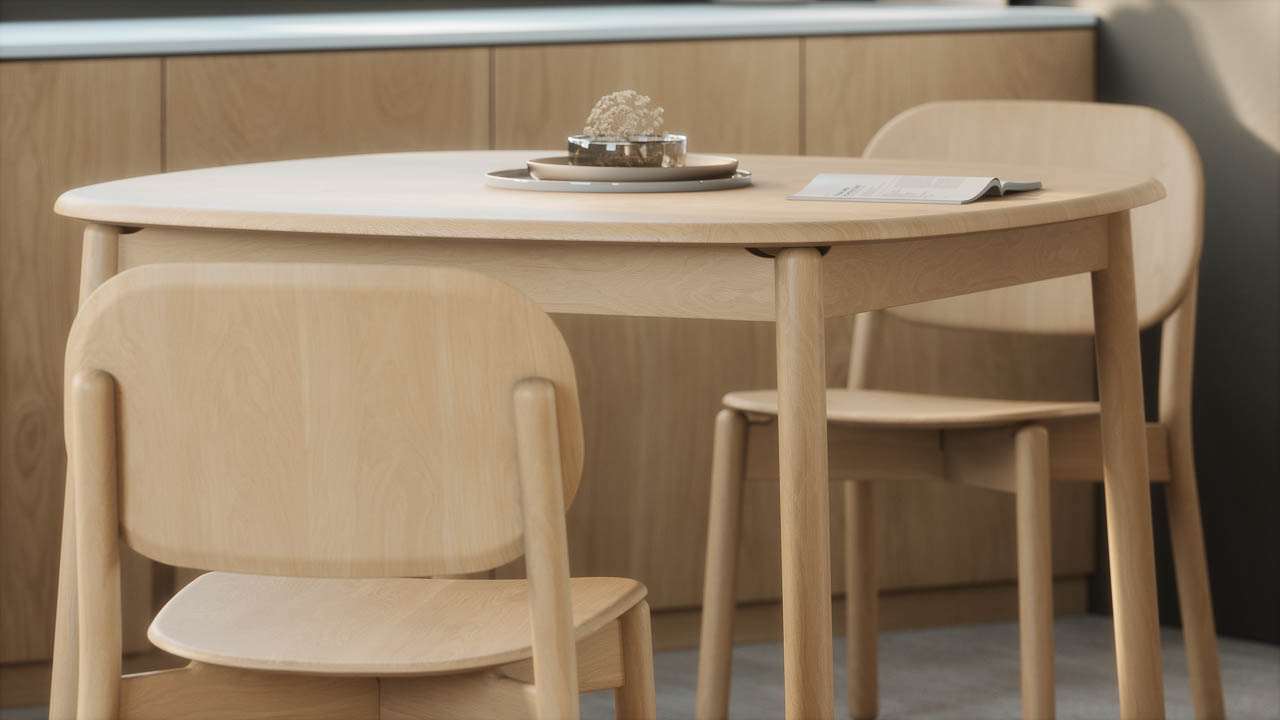
The finish palette expands beyond traditional wood tones into territory that feels distinctly contemporary. Seven stain options include Natural, Timber, Coffee, and Black alongside modern color-drenched hues: Navy, Evergreen, and Clay. These colored finishes don’t obscure the wood grain. They enhance it, letting the material’s natural texture show through while introducing unexpected color depth.
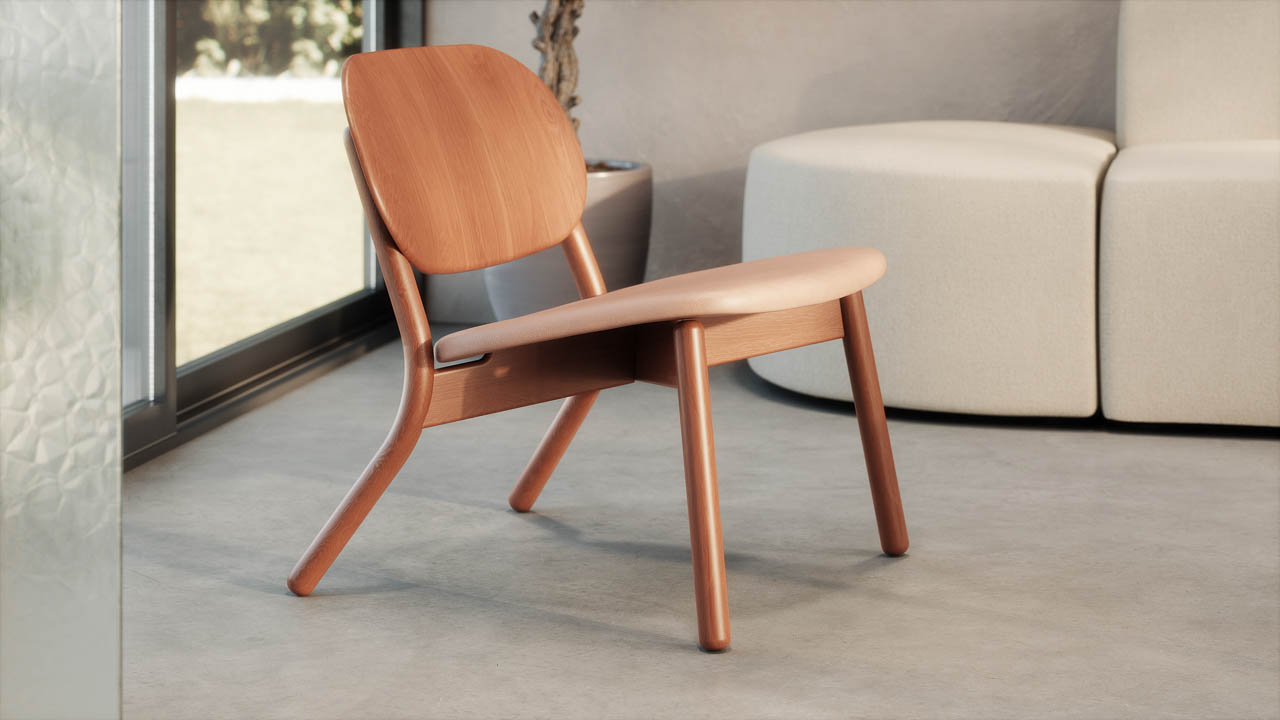
Chairs can be specified with or without upholstered seats. When upholstery enters the equation, KFI Studios offers a wide selection of graded-in textiles or COM options, allowing designers to calibrate comfort and aesthetic expression to specific project requirements.
Silva and the Biophilic Design Resurgence

According to Jeff Theesfeld, Silva arrives at a moment when designers are increasingly prioritizing wellbeing through material choices. Biophilic design, the practice of connecting interior environments to natural elements, continues gaining momentum as research confirms what intuition already suggested: natural materials and calming tactility improve how people experience spaces.
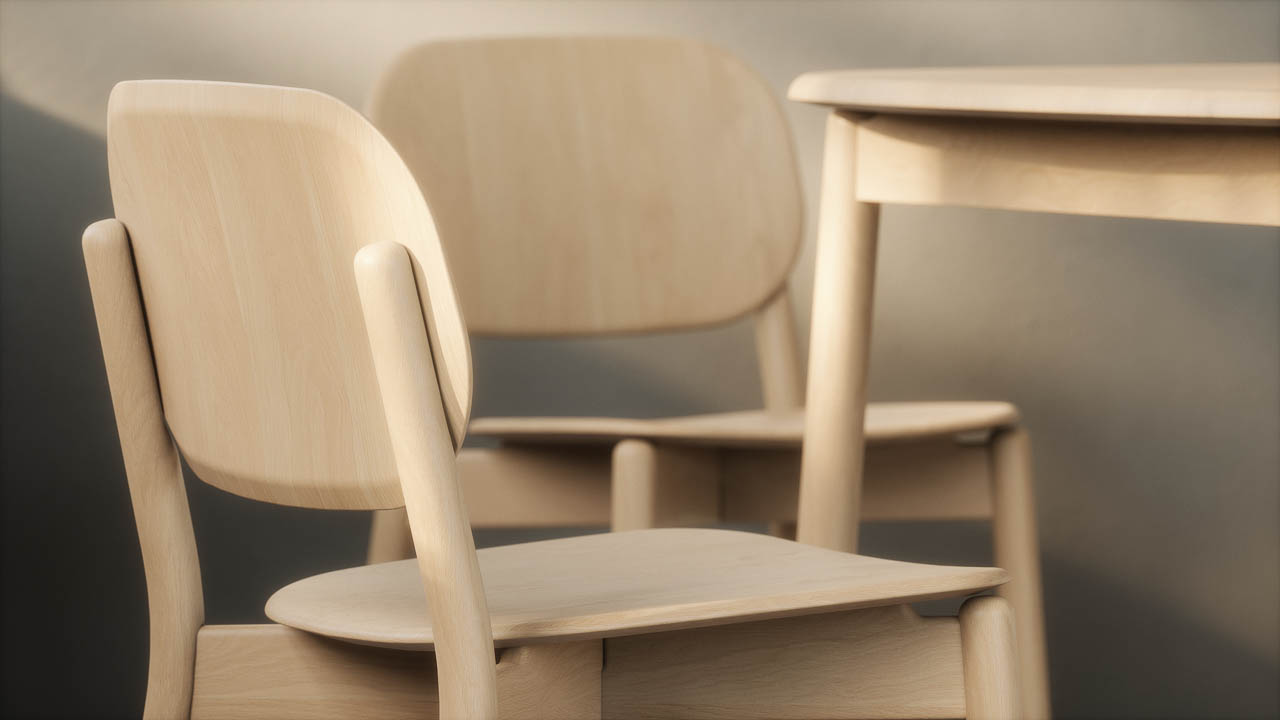
Silva’s all-wood construction, paired with finishes that enhance rather than hide wood grain, brings grounding presence to environments that benefit from nature-inspired warmth. As workplace design evolves beyond stark minimalism and hospitality spaces seek differentiation through material authenticity, collections like Silva offer designers tools to create environments that feel both contemporary and fundamentally human.
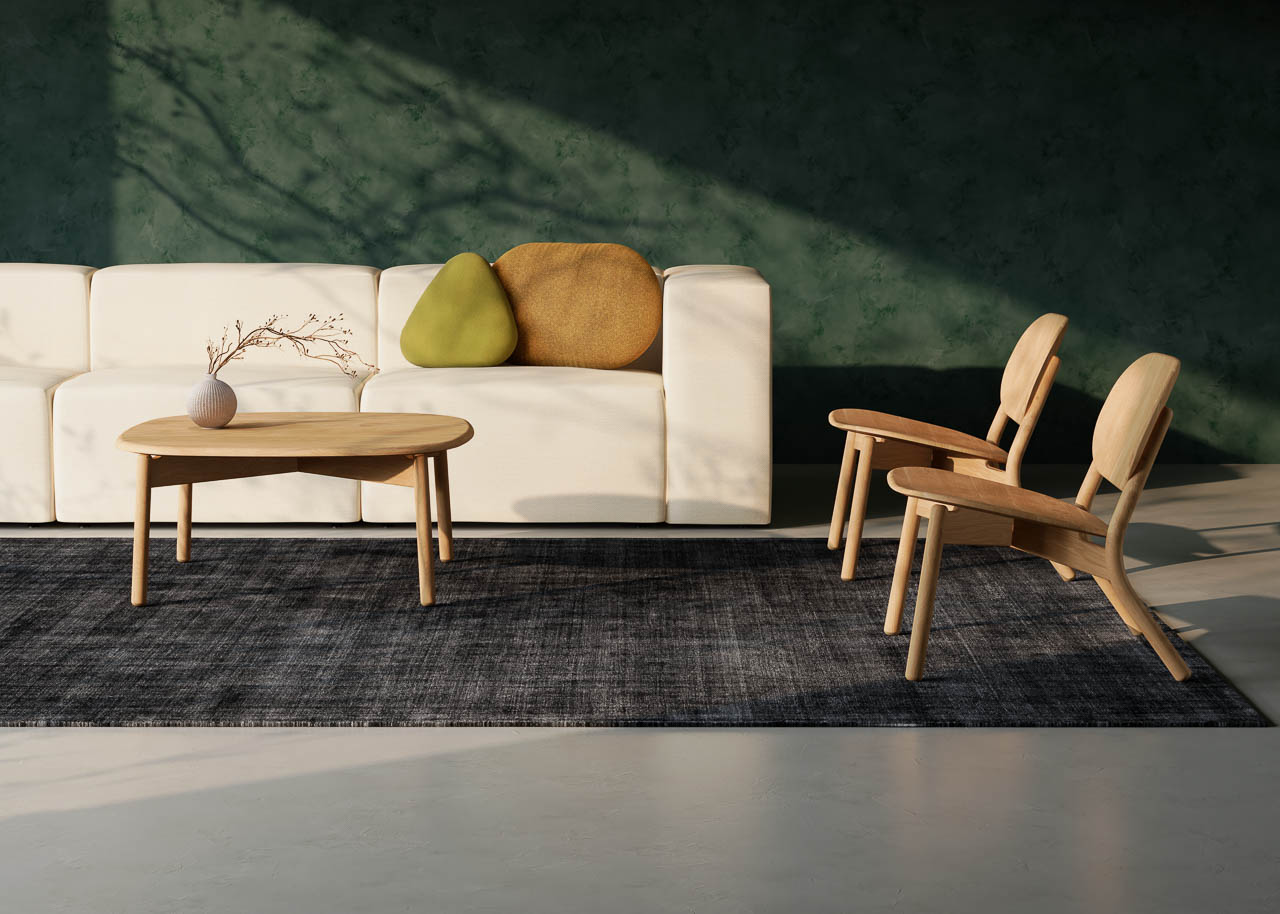
The collection represents more than aesthetic preference. It signals a broader shift toward furniture that prioritizes enduring material quality over trend-driven surface treatments, toward forms that respect craft traditions while serving modern spatial requirements.

The post Silva Wood Collection by KFI Studios: Steam-Bent Beech Furniture Designed by Union Design first appeared on Yanko Design.

This solar powered motorcycle never needs charging for true energy independence

For years, electric mobility has been shaped by predictable patterns: bigger batteries, denser charging networks, and efficiency improvements that feel more evolutionary than revolutionary. Yet the dependency remains the same: riders still need plugs, stations, and the infrastructure that powers their daily movement. In the middle of this familiar landscape arrives a concept that doesn’t try to optimize the system but instead questions why the system needs to exist at all. The SOLARIS Self-Charging Solar Motorcycle by MASK Architects challenges the core assumptions of electric mobility with a vehicle that produces its own energy and redefines the relationship between rider, machine, and environment.

Developed by Öznur Pınar Cer and Danilo Petta, the SOLARIS approaches mobility as something closer to a self-sustaining organism than a machine waiting to be recharged. It operates entirely on power it generates itself, eliminating reliance on fuel stations, external charging points, or electrical grids. This shift reframes freedom for riders, offering movement that isn’t conditioned by access to infrastructure or energy markets. It introduces a future where independence is built into the vehicle, pushing the concept of autonomy far beyond driving modes or connected features.

Designer: MASK Architects

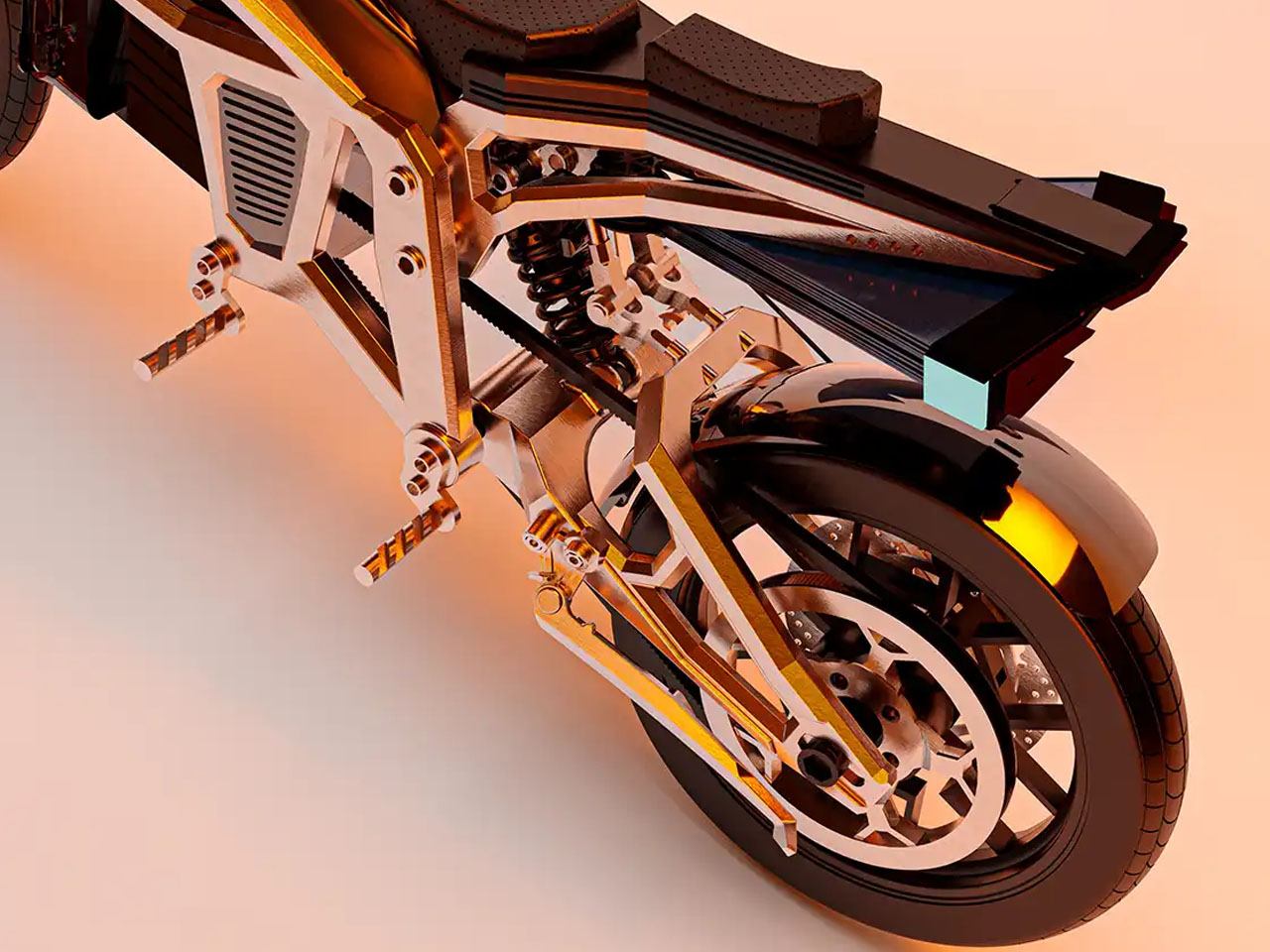
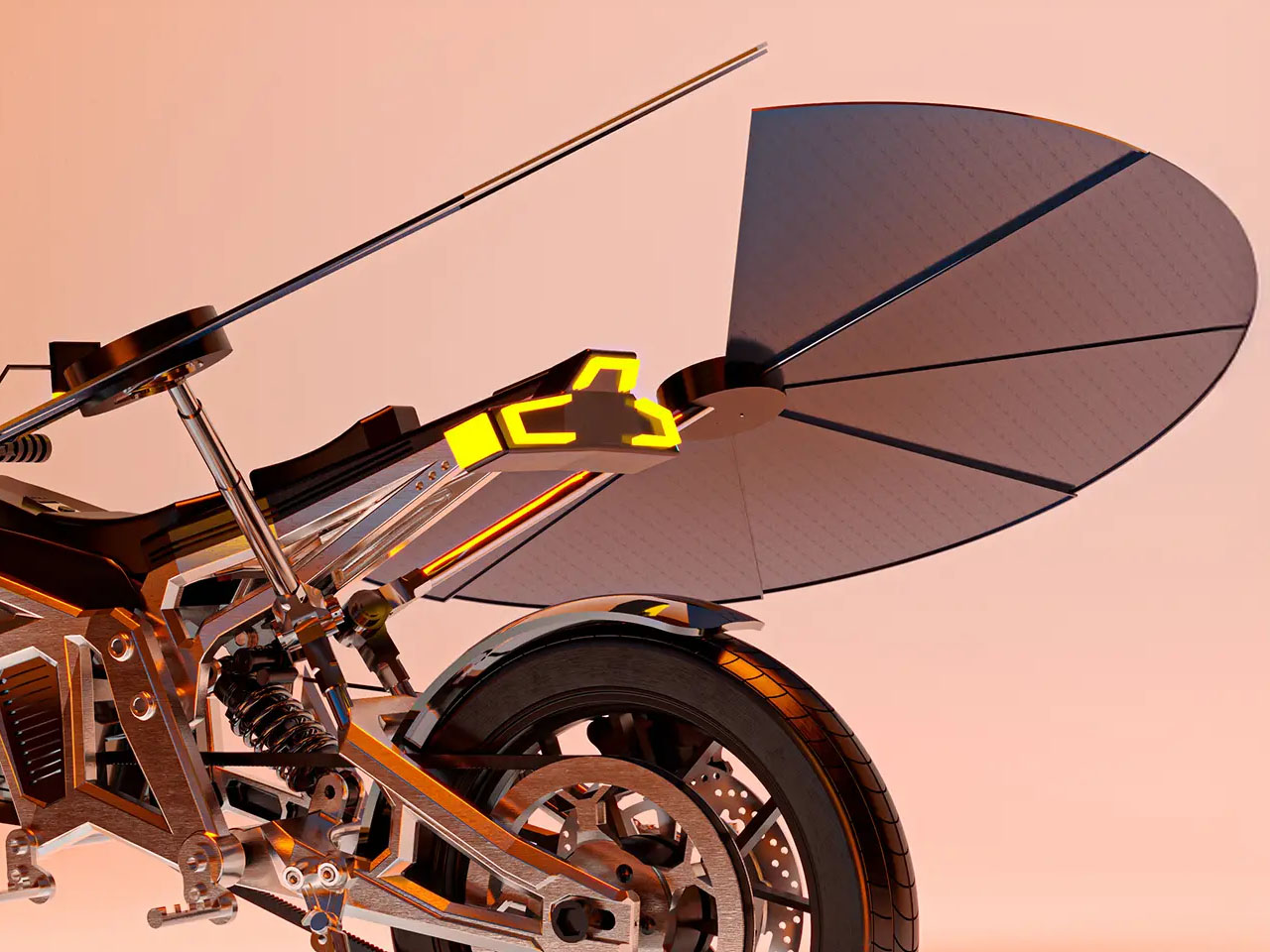
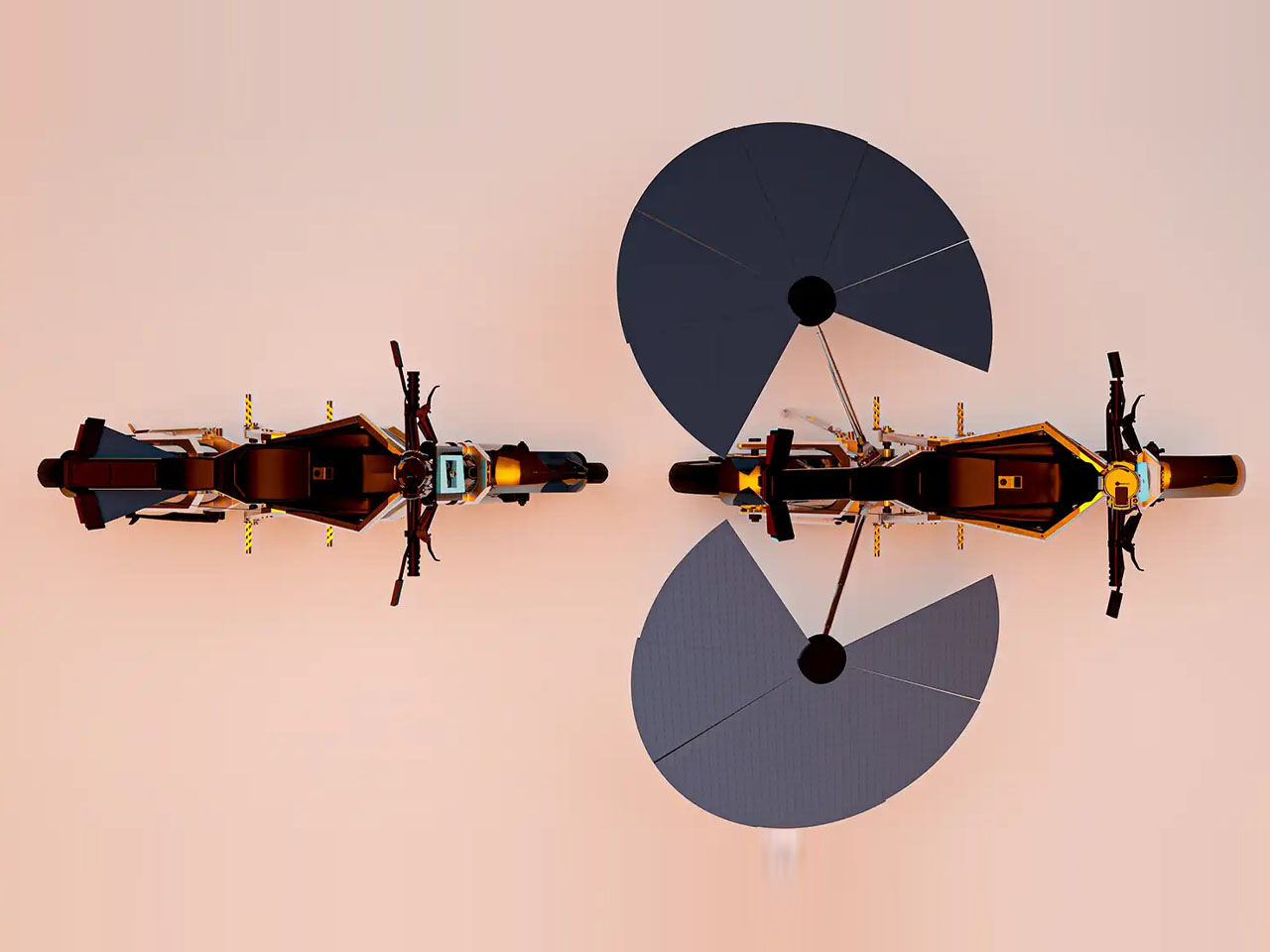
The technology that enables this transformation begins with next-generation photovoltaic cells integrated into the motorcycle’s structure. These high-efficiency solar elements convert light into energy throughout the day, ensuring the system remains active under varying conditions. A defining feature of the SOLARIS is its deployable charging mechanism, which expands into a protective wing when the motorcycle is parked. This design increases the solar capture area by up to 150 percent, allowing the battery to be replenished whether the vehicle is in motion or stationary. The result is a power source that continuously supports itself, removing the downtime associated with conventional charging and allowing the vehicle to remain ready for use without external input.

Visual identity plays an equally important role in its appeal. The deployable wing draws inspiration from the structure of a dragonfly’s wing, merging natural efficiency with a mechanical aesthetic. This biomimetic approach gives the motorcycle a distinctive presence while reinforcing its connection to the environment it relies on for power. The blend of organic influence and engineered precision creates a form that communicates both purpose and innovation, capturing the attention of users who value sustainability and future-focused design.

The potential impact of a self-charging motorcycle extends beyond individual riders. Without dependence on fuel or electricity networks, the concept becomes a practical solution for remote regions, developing communities, and delicate natural environments where infrastructure is limited or intentionally preserved. For logistics operators, tour providers, and municipal programs, the removal of energy costs and reduced mechanical complexity offers clear economic advantages and faster returns compared to traditional electric models.

The post This solar powered motorcycle never needs charging for true energy independence first appeared on Yanko Design.
Polestar EVs can power your home in California

EV maker Polestar has announced that it's bringing bi-directional charging — the ability for an electric car to be tapped as a battery for your home or the grid — to Polestar 3 owners who live in California. The feature is one of several ways EV owners can save money with their electric car, by either using less energy overall, or receiving credits for providing their excess power to the grid.

Polestar's bi-directional charging feature uses direct current, according to the company, and enables "V2H functionality for Polestar 3 customers on the 400 Volt electrical architecture." Polestar is offering the feature in partnership with home energy company dcbel, who helps administer a California Energy Commission program for installing "home energy stations" that can manage multiple clean energy sources in residential homes, including EVs with bi-directional charging. Polestar claims that using dcbel's Ara system, customers can "reduce charging costs by up to $1,300 per year and use their car as an energy backup during blackouts for up to 10 days."

The ability to send excess charge from an EV battery back into your home was originally a major selling point of Ford's F-150 Lighting. Bi-directional charging has also shown up on GM's EV lineup and the third-generation Nissan Leaf. Polestar says it'll continue the development of the bi-directional charging capabilities of its cars and "plans to introduce a wider offer in the future." While this partnership is the first time the EV maker is offering the charging feature in the US, Polestar already offers bi-directional charging to customers in Germany via a home charger it developed with Zaptec.

If you live in California and own a Polestar 3, you can apply for rebates on a home energy station at dcbel's website so you can try the feature for yourself.

This article originally appeared on Engadget at https://www.engadget.com/transportation/evs/polestar-evs-can-power-your-home-in-california-220215757.html?src=rss

The Google Sans Flex typeface is now available to download

Typography nerds and Android fans, rejoice: You can now download an official version of “the next generation of Google’s brand typeface.” The company has released the Google Sans Flex font to the public for free.

The variable sans-serif font is part of Google's Material 3 design language, which arrived in 2023. 9to5Google notes that it's since been integrated into many of the company's products, including in some corners of Pixel software.

A 2024 Google Design blog post about variable typography highlights the font's flexibility, as seen in the image above. Casey Henry, a designer with the company, wrote that Google Sans Flex "allows the font's letterforms to shape-shift at different scales." OpenType Font Variations is the standard Google uses for variable fonts.

Meanwhile, a Reddit thread about the download dove deeper into typography nerdery. “Interesting behaviour when you condense the width,” u/hbpencil102 wrote. “Instead of circles becoming ovals, they become more rectangular with rounded tops and bottoms, reminding me of DIN 1451.” Amen to that.

You can download Google Sans Flex from Google Fonts.

This article originally appeared on Engadget at https://www.engadget.com/big-tech/the-google-sans-flex-typeface-is-now-available-to-download-214535934.html?src=rss

iPhone ‘Lock Screen Mirror’ feature lets you quickly check your hair/teeth without opening the camera

Never have I seen something so audaciously brilliant I actually summon a CEO to help make it a reality but Tim Cook… if you’re reading this, this lock-screen mirror definitely needs to ship on the next iOS build. Put together by Jakub Zegzulka, an ex-Apple, Meta, and OpenAI fellow, this tiny little feature is perhaps more important than FaceID itself!

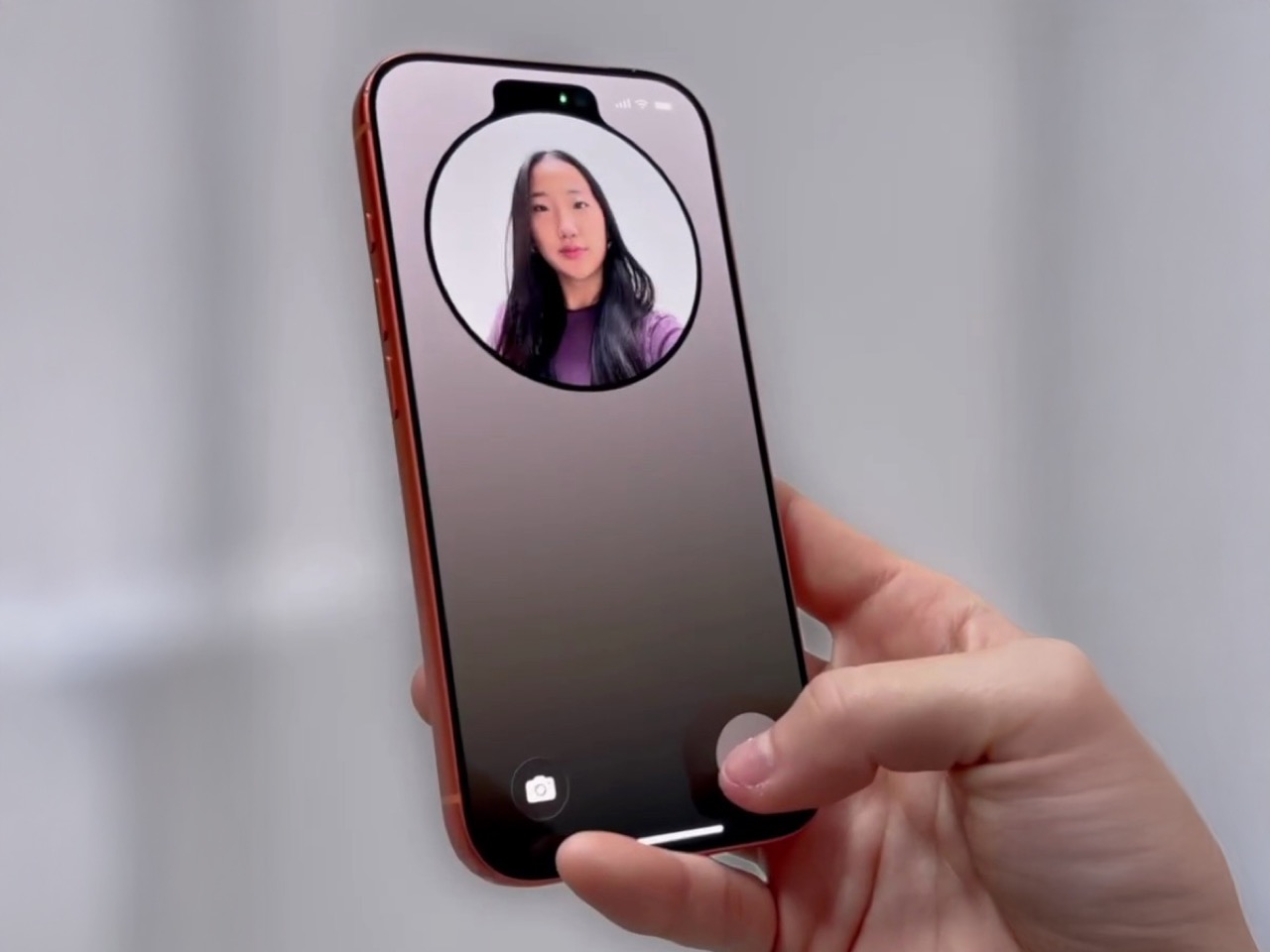
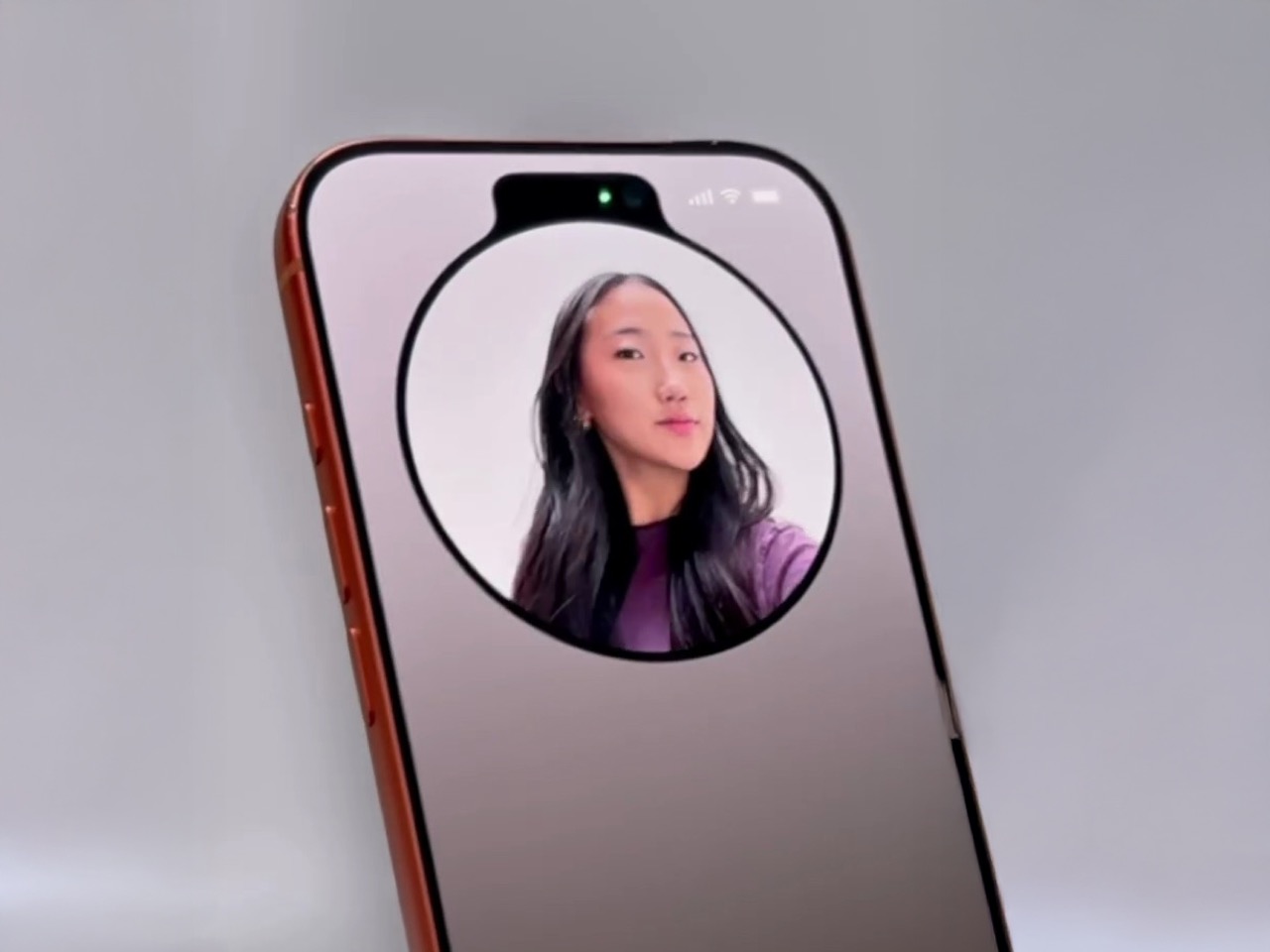
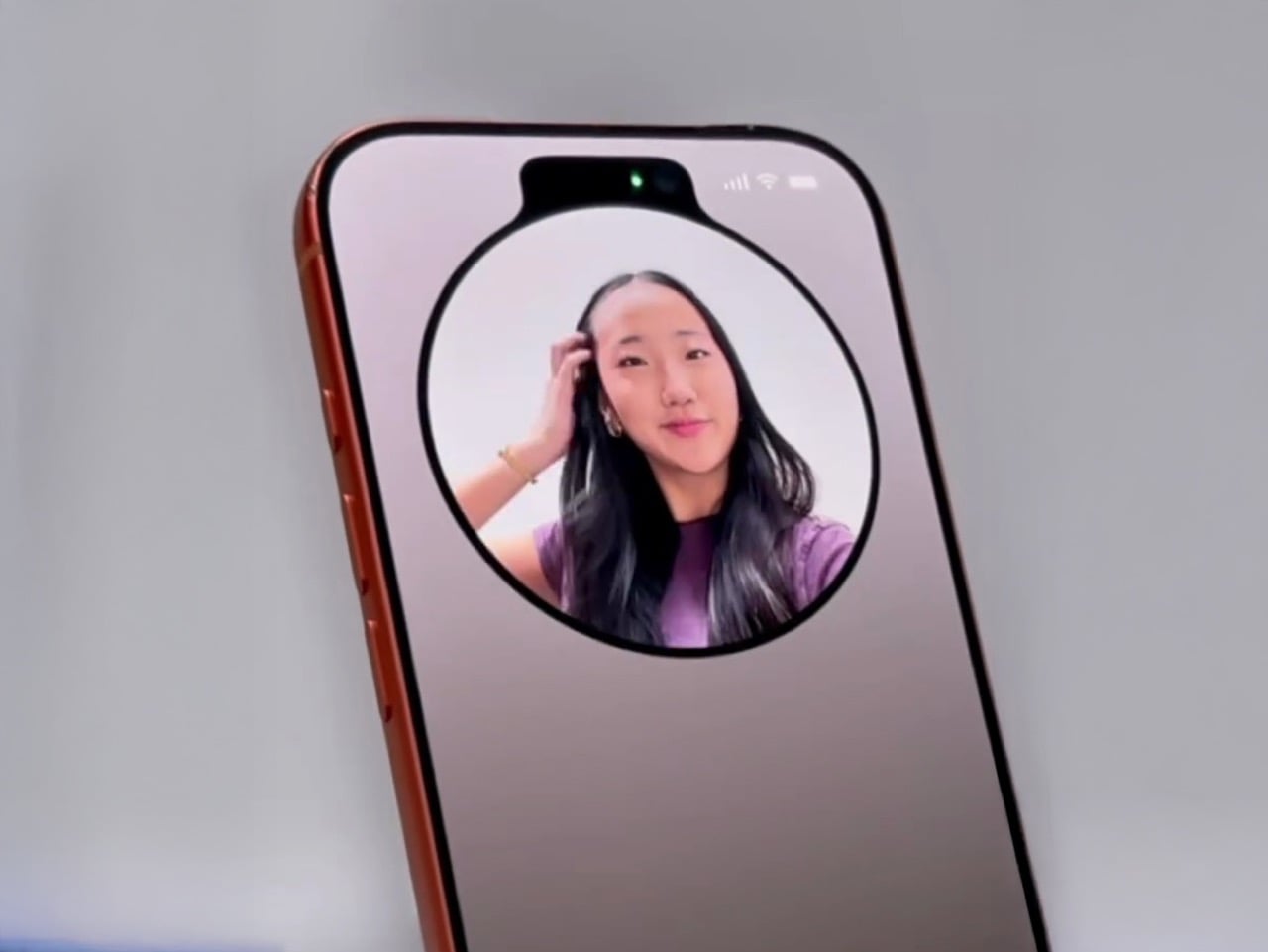
How many times have you stepped out for a meeting with friends or for an interview, having no idea what you look like… or whether you’ve got food stuck in your teeth? You unlock your phone, open the camera app, and flip to the front-facing camera to do a quick vibe-check. It’s a 3-step process that absolutely doesn’t need to be a 3-step process. Instead, Zegzulka’s solution involves just long-pressing on the camera icon on the bottom right of your lock screen. That brings up a tiny window emerging off the dynamic island, giving you a quick preview of yourself. You can check your hair, fix your make-up, adjust your specs, run your tongue across your teeth, or just quickly check out that annoying zit that appeared at the wrong place and wrong time.

Designer: Jakub Zegzulka

Zegzulka didn’t outline much, except a quick video demo of this feature on Threads. Although that was enough to gather nearly 2K likes in just over a day. The Lock Screen Mirror isn’t an app. It’s just a quick interaction that lets you open the camera’s viewfinder right on your lock screen for checking your appearance. The tiny circular window is almost exactly the size of a make-up mirror, and the feature is legitimately handy, even for me as a guy who has fairly curly hair that needs to just be ruffled before I step out.

Heck, imagine going an entire hour on a date with spinach stuck in your teeth and them being polite enough to not point out. Instead, you just do a quick check, get that pesky piece of green stuck on your pearly whites, and you’re good to go. It’s such a tiny-yet-life-enhancing feature that Apple could totally ship with their next build. You’re NOT opening your camera app with this lock screen mirror function, just a preview. You could drag your finger up and have the app open like it traditionally does, but a feature like this would probably eliminate the need to, if all you need to do is see if you look good right before you meet your friends, your future boss, or the potential love of your life.

The post iPhone ‘Lock Screen Mirror’ feature lets you quickly check your hair/teeth without opening the camera first appeared on Yanko Design.