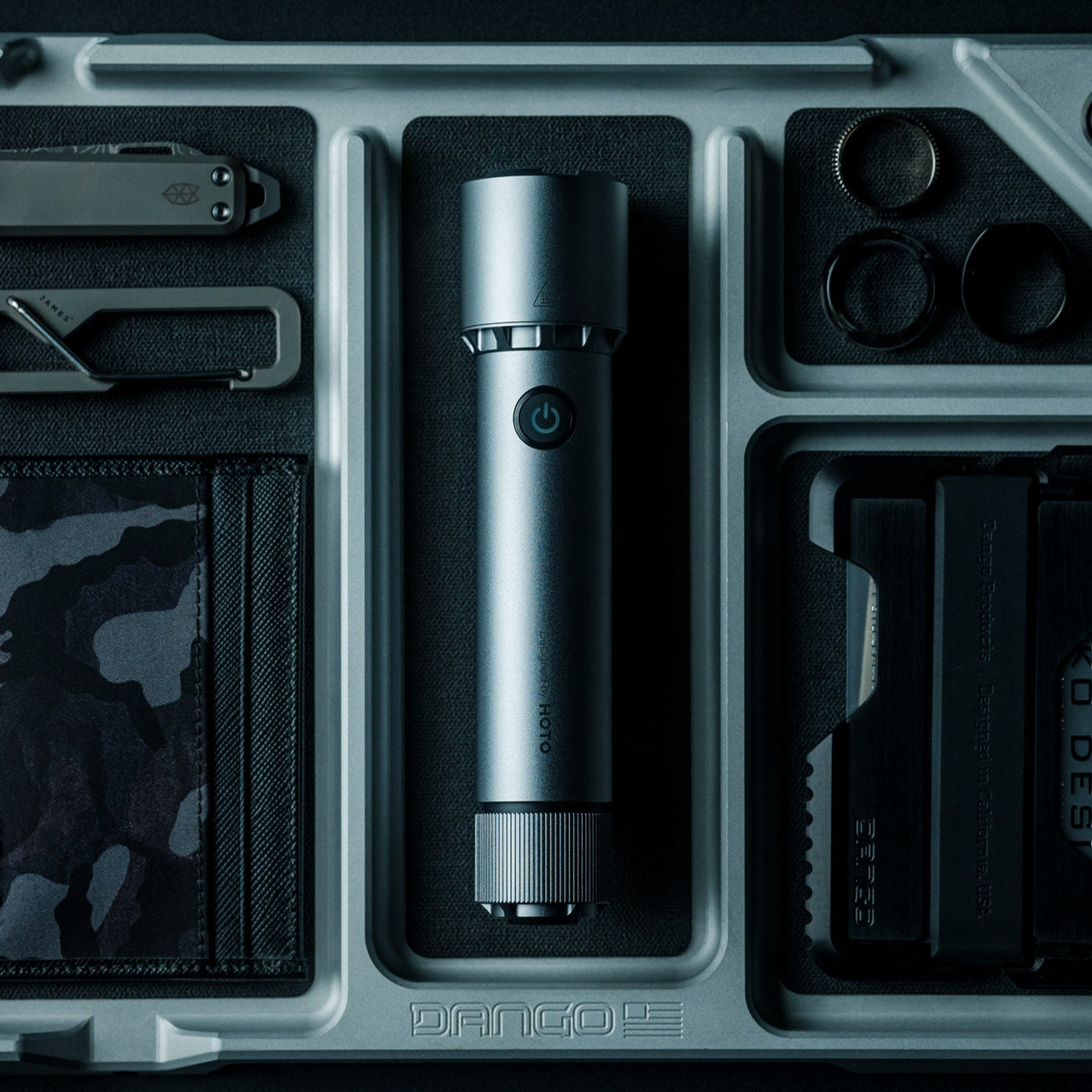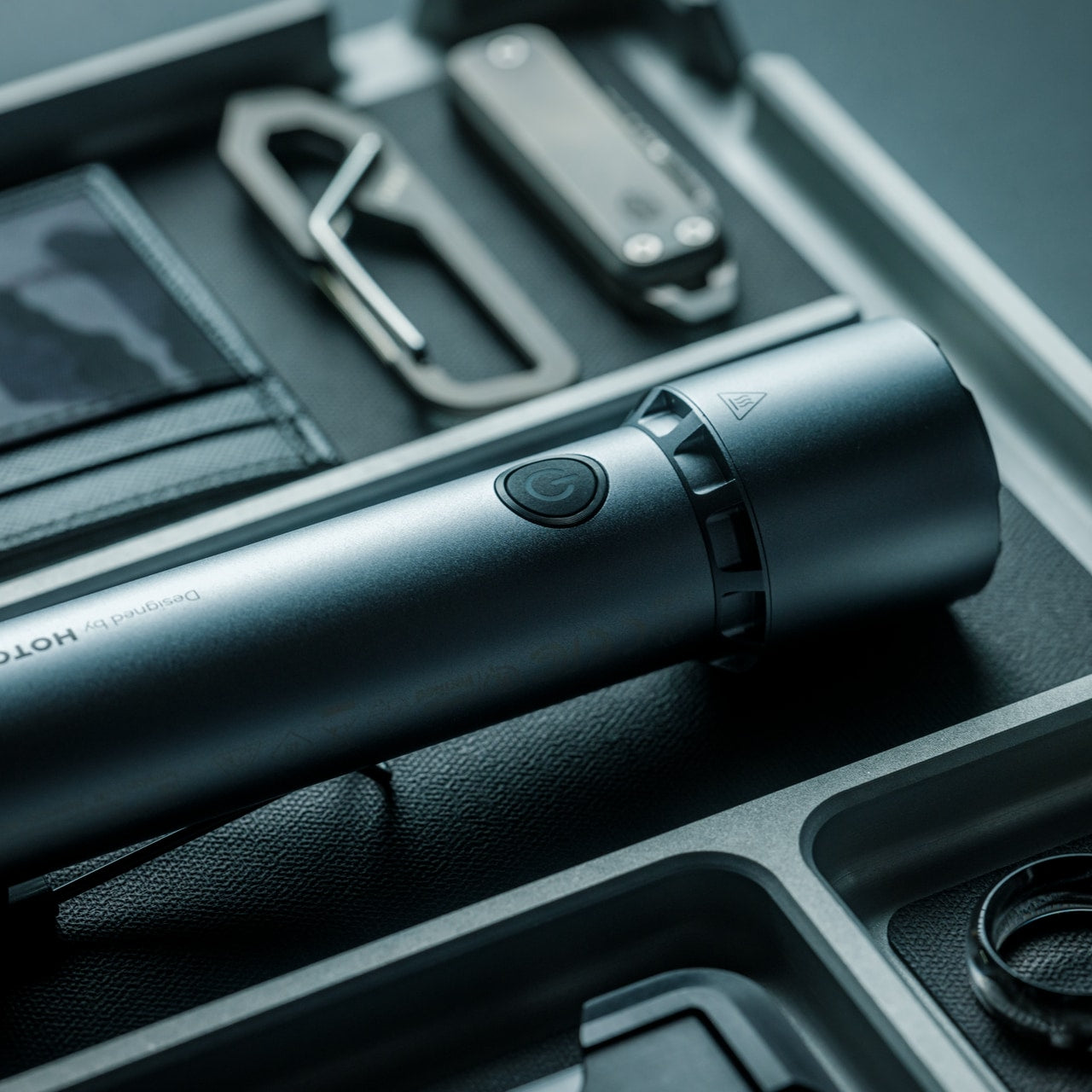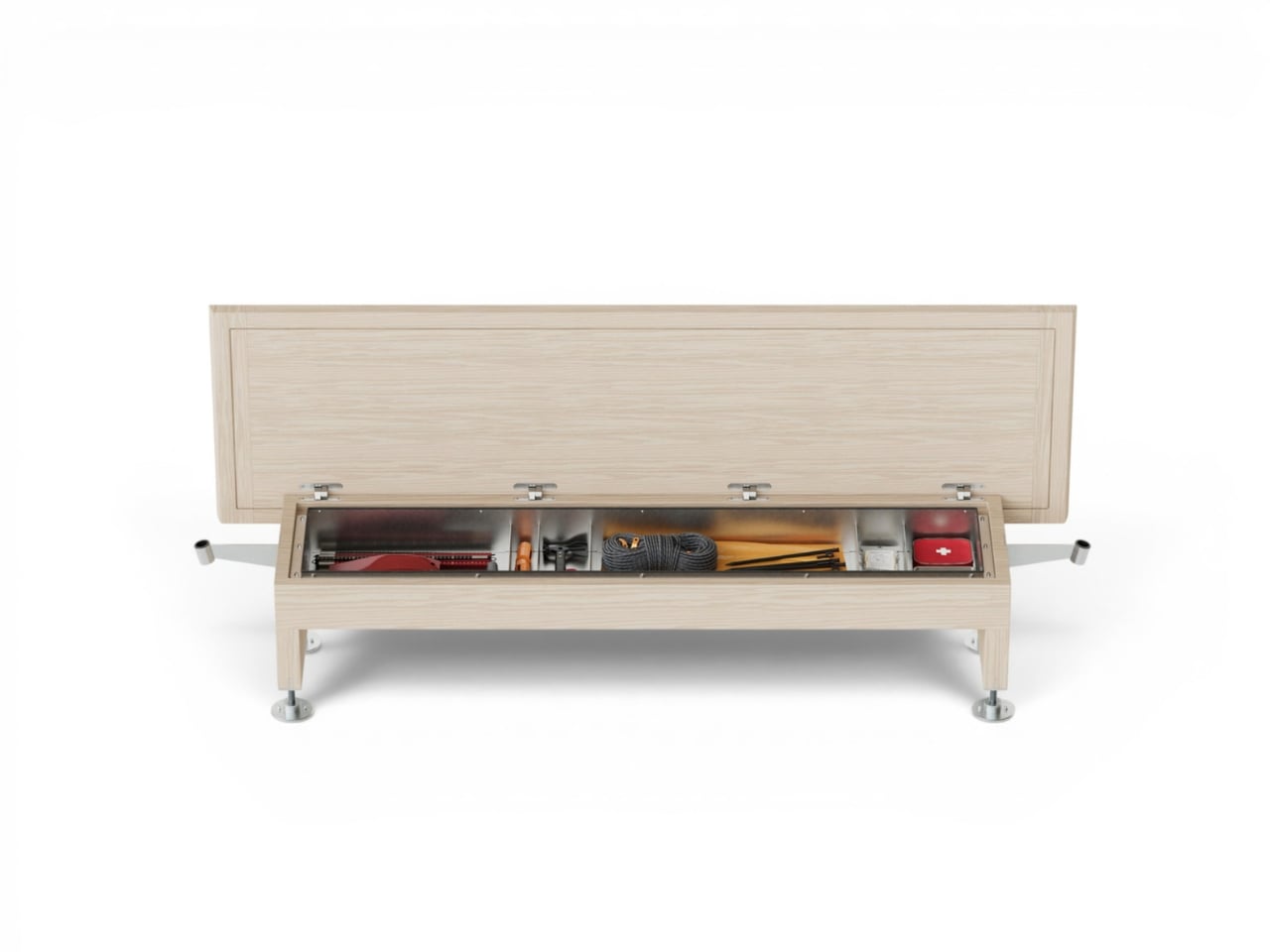
Most yard tools look like they were designed in 1987 and never got the memo that aesthetics matter. Bosch green, DeWalt yellow, Milwaukee red, all shaped like someone welded a tube to a motor and called it done. Then Hoto shows up with a 20V leaf blower that looks like it fell out of a District 9 prop truck, all sleek curves and matte surfaces, the kind of thing you’d expect to see mounted on a space marine’s hip rather than hanging in a suburban garage. It’s aggressively not a traditional leaf blower, and that’s either going to appeal to you immediately or make you wonder if form just murdered function.
Here’s the thing, though: weird-looking tools only get a pass if they actually work. A beautifully designed blower that can’t move wet leaves is just expensive wall art. Hoto’s betting that 720 CFM and 120 MPH in a 7-pound package will back up the sci-fi vibes, aiming squarely at people with small yards, patios, or garages who want something that doesn’t scream “big box store clearance aisle” every time they pull it out. Whether that gamble pays off depends on what you’re actually trying to blow and how much you care that your tools look like they belong in a Dyson showroom.
At around seven pounds with the battery, it’s not feather-light, but the weight is distributed in a way that makes it feel more like a wand than a cumbersome piece of equipment. It’s a one-handed affair, easily maneuverable around patio furniture or into tight corners. Firing it up is a simple affair with three distinct power levels. On the lower two settings, it’s perfect for sweeping out the garage, clearing sawdust from a workbench, or herding dry leaves across a driveway. It handles these everyday tasks with a quiet confidence, making quick cleanups feel genuinely effortless. The real surprise is how much air it moves without the high-pitched whine that makes your neighbors hate you.
Crank it up to its turbo mode, however, and you get a glimpse of both its power and its limitations. That 720 CFM figure feels legitimate for a few glorious, deafening moments as it blasts stubborn debris and even light, fluffy snow off a car. But this is a 20V tool, not a 56V monster, and that burst of power comes at a cost. The battery, a 4,000 mAh pack, will give you a solid 20-30 minutes of runtime on the lower settings, but leaning on the turbo button drains it in about four minutes. This isn’t the tool for clearing a quarter-acre of wet, matted-down leaves. It simply doesn’t have the endurance.
But that’s the point. The Hoto 20V blower isn’t trying to compete with the gas-guzzling beasts used by professional landscapers. It’s for the person who values design, convenience, and having the right amount of power for modern living spaces. The battery even charges via USB-C, a welcome touch that means one less proprietary charging dock cluttering up your life. It’s a tool designed for the 90% of jobs that don’t require overwhelming force, and it does them exceptionally well while looking cooler than any other blower on the block.
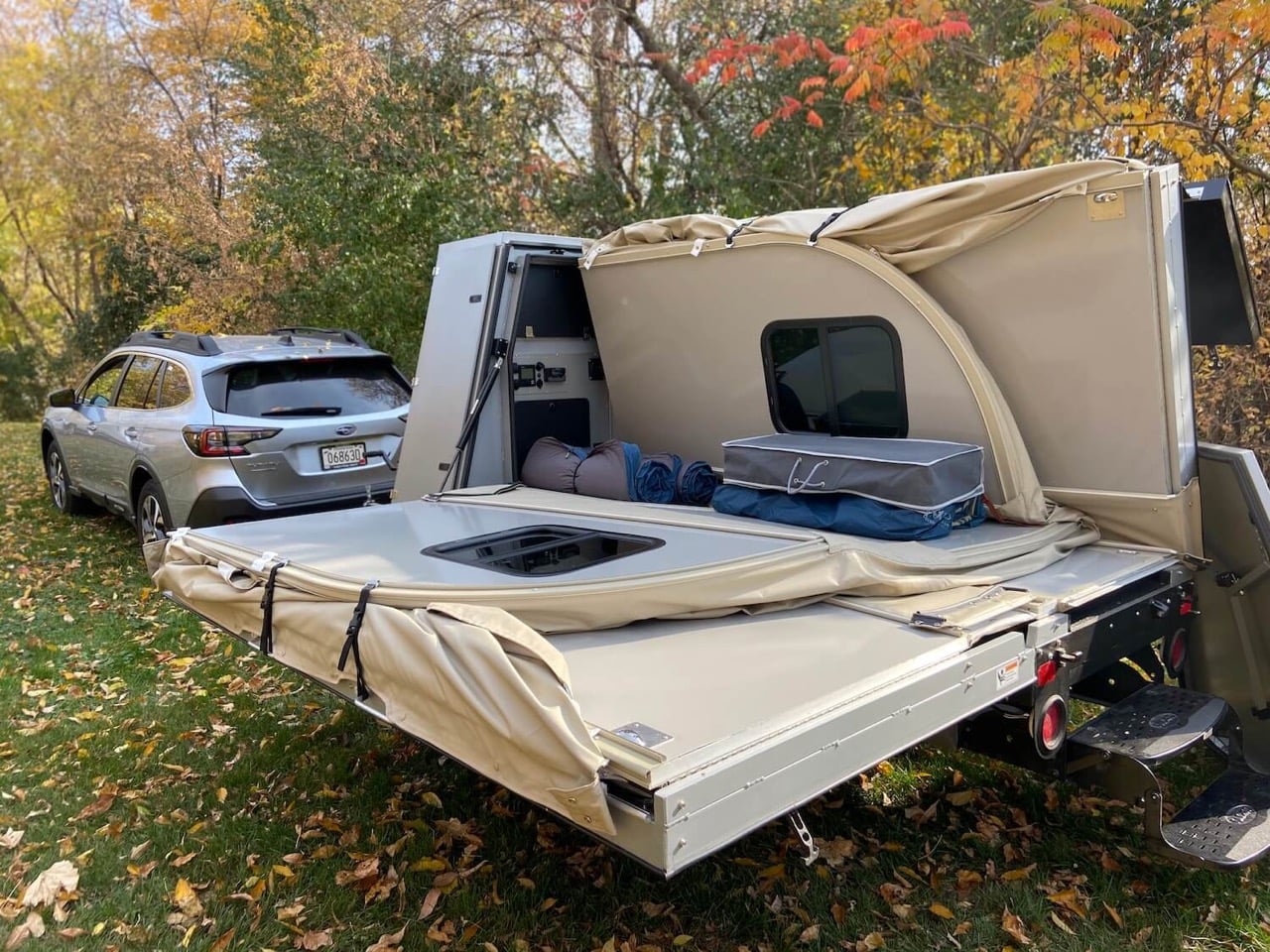
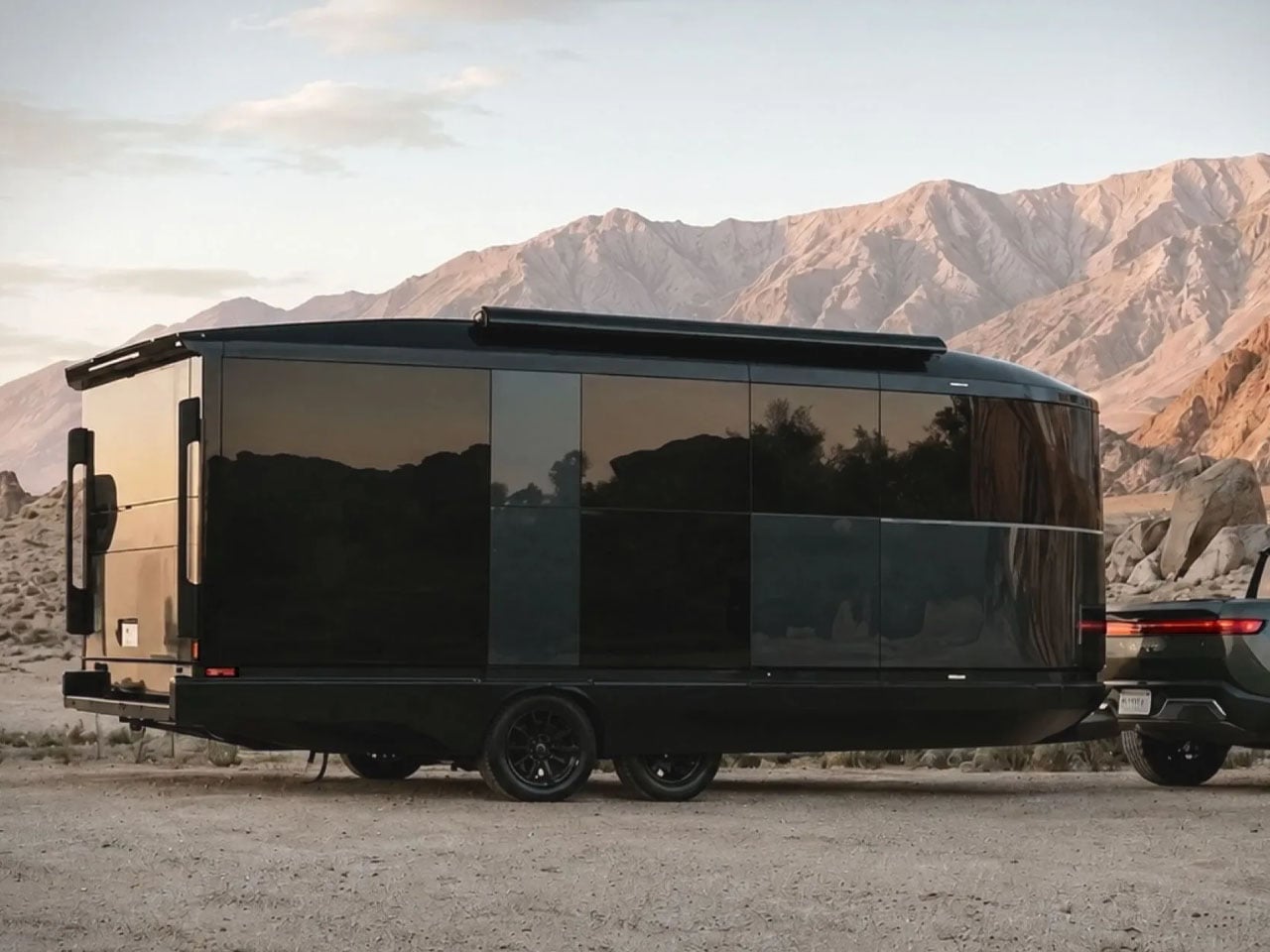
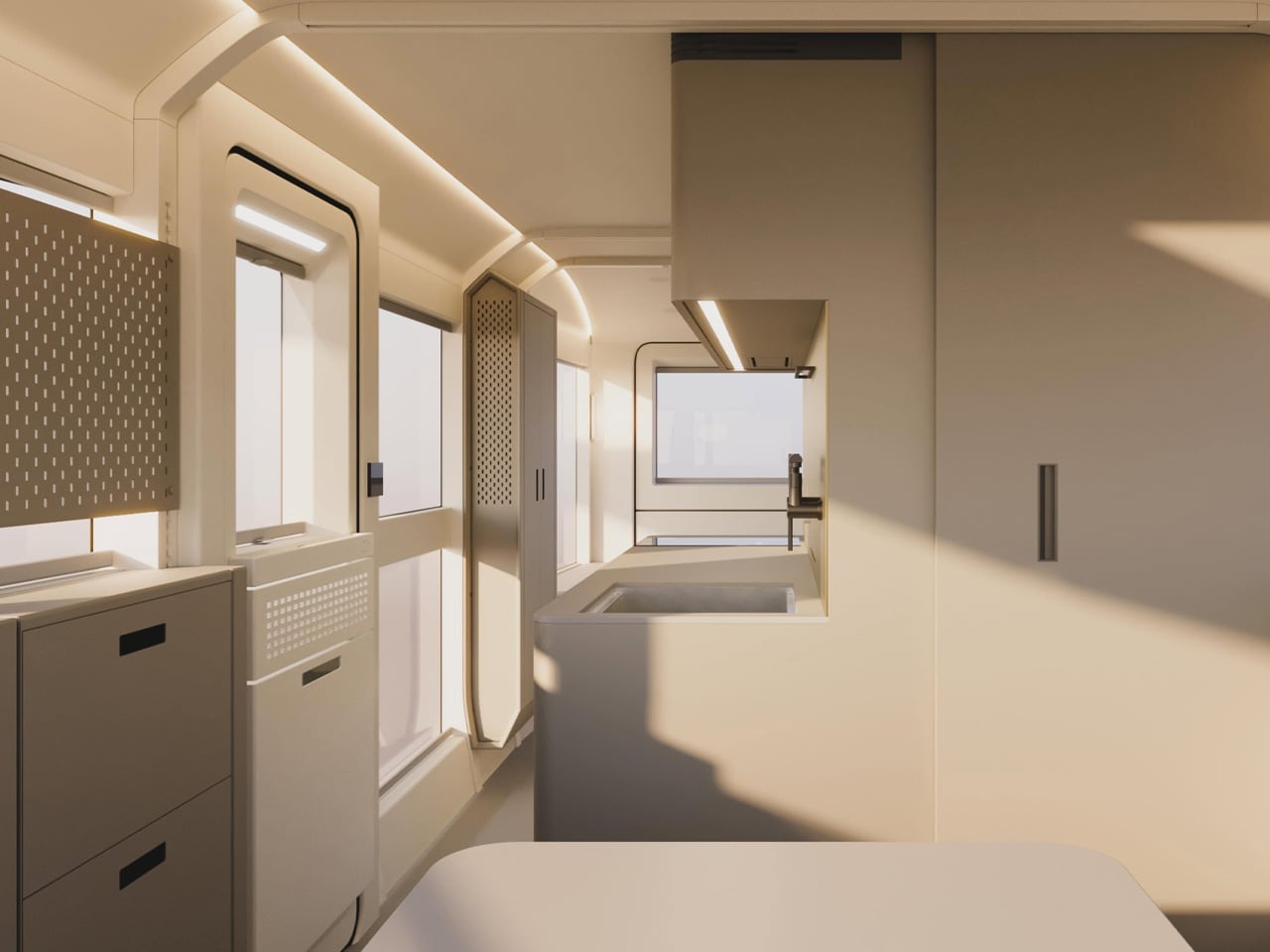
After more than five decades of crafting lightweight fiberglass travel trailers in Backus, Minnesota, Scamp Trailers has unveiled something entirely new. The Scamp X marks the company’s first purpose-built off-road model, transforming the beloved “egg camper” into a rugged adventure machine that refuses to let pavement dictate your destination. The most striking update sits underneath. Scamp swapped its traditional axle for a Timbren independent long-travel suspension system, giving each wheel the freedom to articulate over challenging terrain without transferring shock to its twin.
This setup works alongside beefy ST235/75R15 off-road tires and an impressive 18 inches of ground clearance. The approach and departure angles measure 17 and 22 degrees, respectively, making genuine backcountry exploration accessible to drivers who previously limited themselves to established campgrounds. Outside, the Scamp X sheds its cheerful aesthetic for something more tactical. A black Fiamma awning replaces the usual chrome fittings, while a custom roof rack provides mounting points for up to 400 watts of solar panels. That power feeds directly into the camper’s electrical system, making extended boondocking trips genuinely viable.
Up front, an optional Strongberg storage rack offers space for generators, extra gear, and all the equipment serious off-roaders accumulate over time. A lock-and-roll articulating hitch comes standard, ensuring the trailer can follow your vehicle through uneven terrain without binding. The interior received equal attention during the redesign. Scamp replaced the standard dinette layout with a U-shaped configuration that maximizes seating and social space. New cushions in updated fabrics complement a fresh countertop design, while rubber coin flooring throughout the cabin stands up to muddy boots and wet gear far better than traditional carpet or vinyl.
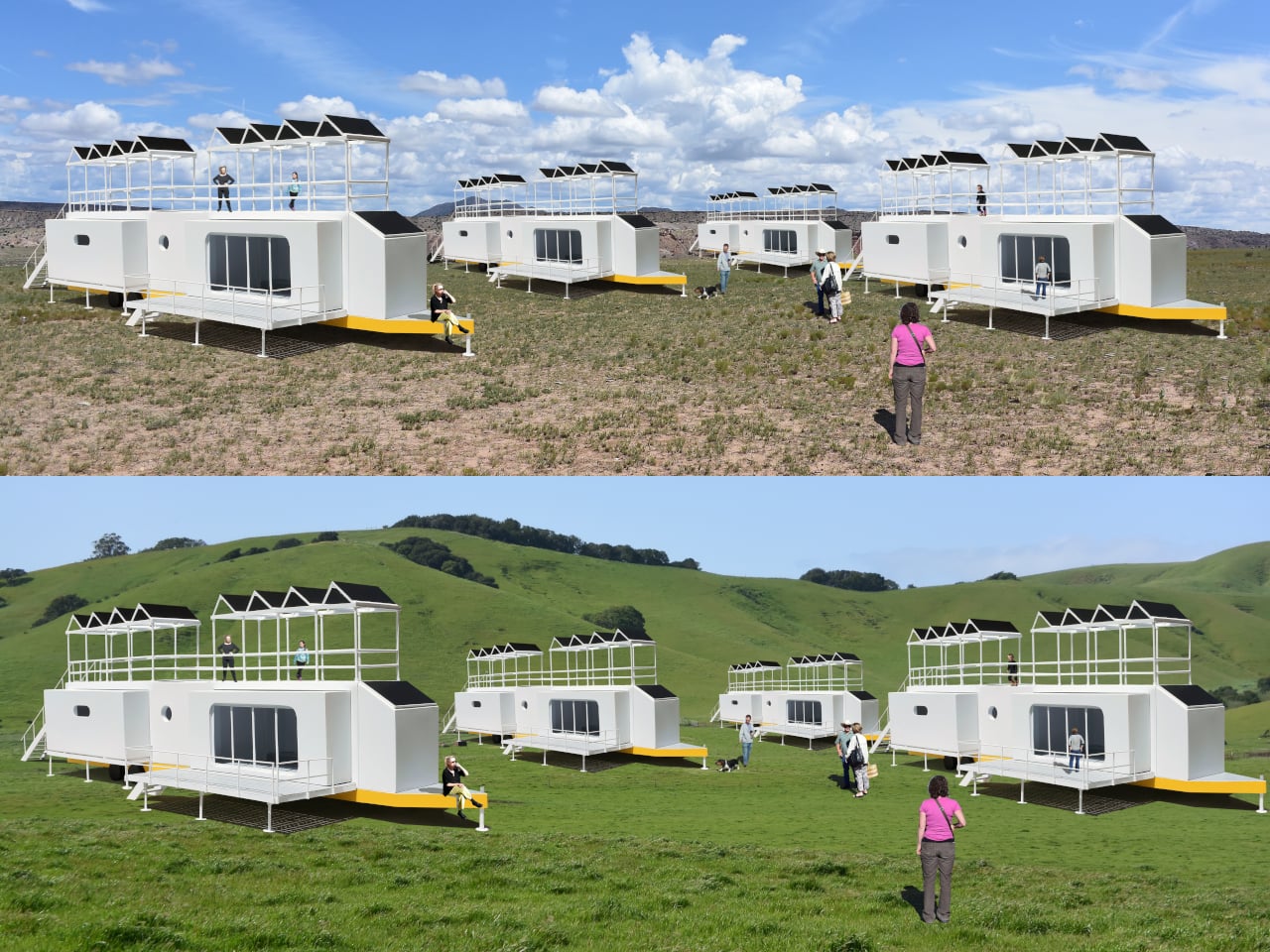
The air conditioning unit hides beneath the rear dinette bench, freeing up valuable wall space. A portable Bluetooth speaker mounts into the design, and an accessory panel puts electrical connections exactly where modern adventurers need them. Two floor plans accommodate different camping styles. The Trek eliminates the bathroom, prioritizing living space for those comfortable with campground facilities or portable solutions. The Altitude offers the same U-shaped dinette and updated finishes but incorporates a front bathroom for travelers who prefer full amenities.
The Scamp X arrives as the Minnesota manufacturer expands its Backus factory to meet growing demand. Current production sits around 650 units annually, with wait times stretching to 14 months. The company sells directly to customers without dealer networks, maintaining control over quality and customization. Traditional Scamp models range between $19,000 and $40,000, depending on length and options. Pricing for the X hasn’t been officially announced, though the extensive upgrades suggest a premium over standard models.
For “Scampers,” as the devoted community calls themselves, the X represents something many have requested for years: the ability to take their iconic egg-shaped trailer beyond maintained roads and into genuine wilderness. Whether it succeeds in attracting a new generation of off-road enthusiasts while satisfying longtime fans remains to be seen, but Scamp’s willingness to evolve after 54 years suggests they’re serious about this next chapter.
Remember when camping meant wrestling with tent poles at dusk while mosquitoes feasted on your ankles? Or trying to decipher those cryptic instruction diagrams that somehow never matched the pile of canvas and metal at your feet? Well, South African brand Alphago just released something that makes all that struggle feel wonderfully obsolete.
Meet The Cube, an inflatable tent that basically sets itself up while you crack open a cold drink and enjoy the view. We’re talking four minutes from bag to fully erected shelter, and the only tool you need is your finger to press a button.
Here’s how it works: instead of traditional poles, The Cube uses an air tube frame system that inflates via a wireless electric pump. One button press, and the tent whooshes to life like some kind of architectural magic trick. No hammering stakes at odd angles, no accidentally threading poles through the wrong sleeves, no arguments with your camping buddy about which end is the front. Just push, wait, and watch your home away from home take shape.
But what really sets The Cube apart isn’t just the speed. It’s the fact that this thing is actually designed for comfort, not just survival. The stretched, oversized design puts this firmly in glamping territory rather than roughing-it camping. We’re talking about a spacious interior that doesn’t force you to hunch over or play tetris with your gear. The modular design means you can customize your setup depending on whether you’re solo adventuring or bringing the whole crew.
Weather resistance is where The Cube really flexes. The tent features an ultra-rigid airframe that stands up to wind and rain, with a WeatherTec system that includes welded floors and inverted seams to keep you dry even when the weather turns nasty. Both the front and back come with three layers: privacy screening, mosquito netting, and weather panels, so you can adjust your exposure to the elements based on conditions and mood.
The attention to practical details is impressive. Some versions come with camping tables, side tables, and even storage solutions like cupboards with plates, bowls, cups, and cutlery drawers. It’s like someone actually thought about what you need when you’re living outdoors for a few days, rather than just providing a roof over your head. Now, is this traditional camping? Absolutely not. If your idea of connecting with nature involves minimalist gear and earning your shelter through physical labor, The Cube probably isn’t for you. But if you’re someone who loves being outdoors without sacrificing comfort, or if you’ve been put off camping by the sheer hassle of setup and teardown, this is a game changer.
The design also speaks to a broader shift we’re seeing in outdoor recreation. As remote work becomes more normalized and people seek experiences beyond traditional tourism, there’s growing demand for gear that bridges the gap between adventure and comfort. The Cube fits perfectly into this zeitgeist of “soft adventure,” where the goal is experiencing beautiful places without the suffering that used to be considered mandatory. From a design perspective, there’s something satisfying about how elegantly The Cube solves a genuine problem. Traditional tent design hasn’t changed much in decades, but by borrowing from inflatable architecture and modern materials science, Alphago created something that feels genuinely innovative rather than just incrementally better.
Is it affordable? That depends on your camping commitment level, though Alphago has offered specials with significant discounts. Think of it less as a tent and more as portable architecture, an investment in stress-free outdoor experiences for years to come. The bottom line: The Cube represents where outdoor gear is heading. Smarter, faster, more comfortable, and designed for people who want nature without the nature-induced backache. Sometimes innovation isn’t about reinventing the wheel. Sometimes it’s about admitting that tent poles were kind of a pain, and maybe we can do better.
Here’s something you don’t expect to sit on: surgical masks. Nearly 10,000 of them, to be exact. But that’s exactly what Design PY created in Hong Kong’s Tai Kok Tsui neighborhood with Tidal Stories, a spiraling urban installation that quite literally traces where the ocean used to be.
The concept is brilliant in its simplicity. Tai Kok Tsui was once a coastal area, but over a century of land reclamation pushed the shoreline further and further away. Today, most people walking through this district have no idea they’re treading on what was once underwater. Design PY decided to make that invisible history visible again through a helical seating structure that maps the old coastline right onto the public space.
What makes this project especially clever is how it tackles two challenges at once. First, there’s the environmental angle. The pandemic left us with a staggering amount of medical waste, and those 9,200 upcycled surgical masks in the installation are just a tiny fraction of what ended up in landfills and oceans. By incorporating them into public furniture, Design PY transforms waste into something functional and meaningful. Second, there’s the cultural preservation piece. Urban development often erases neighborhood memory, but Tidal Stories brings it back in a form people can literally interact with every day.
The installation isn’t just about looking pretty or making a statement (though it does both). It’s actually being used. Elderly residents rest on the benches. Nearby workers grab lunch there. People passing through stop to sit and chat. The design reactivated what was basically a forgotten corner of the neighborhood and turned it into a gathering spot.
But here’s where it gets even more interesting. The metal tabletops aren’t just tables. They’re engraved with references to Tai Kok Tsui’s industrial and coastal past, functioning as both amenities and educational tools. The whole installation doubles as an informal museum, hosting architectural tours and community events that help people understand how their neighborhood evolved from fishing village to dense urban district.
This kind of design thinking feels especially relevant right now. We’re all grappling with questions about sustainability, about how to deal with waste we’ve created, about preserving cultural identity in rapidly changing cities. Tidal Stories doesn’t just answer these questions theoretically. It shows what’s possible when you combine circular design principles with community engagement and historical awareness.
The helical form itself is striking. It curves and spirals through the space, creating natural gathering points and visual interest without overwhelming the neighborhood’s existing character. You can see the installation from different angles as you approach, and each perspective tells a slightly different story about the relationship between past and present.
What’s refreshing about this project is that it doesn’t lecture. It invites. There’s no heavy-handed messaging about environmentalism or preservation. Instead, it creates an experience that lets people discover the layers of meaning on their own terms. Maybe you just want a place to sit. Maybe you’re curious about the unusual materials. Maybe you start reading the engravings and realize your neighborhood used to look completely different. All of these are valid ways to engage with the work.
The use of surgical masks as a primary material might seem gimmicky at first, but it makes perfect sense when you think about it. The pandemic was a collective experience that generated collective waste. Using that waste to create something that serves the collective good completes a kind of circle. Plus, it’s a reminder that design solutions don’t always require pristine new materials. Sometimes the most sustainable choice is working with what we already have too much of.
Tidal Stories proves that urban furniture can be so much more than benches and tables. It can be a history lesson, an environmental statement, a community hub, and a work of art all at once. That’s the kind of multifunctional thinking we need more of as cities continue to evolve.
Italian bathroom brand Terzofoco has launched LuneUp, a versatile system of hand-thrown ceramic pedestals that challenges conventional thinking about bathroom design. Created by designer Emanuel Gargano, this modular collection transforms ceramic from a simple finishing material into a central living element that works both indoors and outdoors. The LuneUp concept centers on customization, allowing users to select from interchangeable elements, including washbasins, planters, and even barbecues, all supported by sculptural ceramic pedestals.
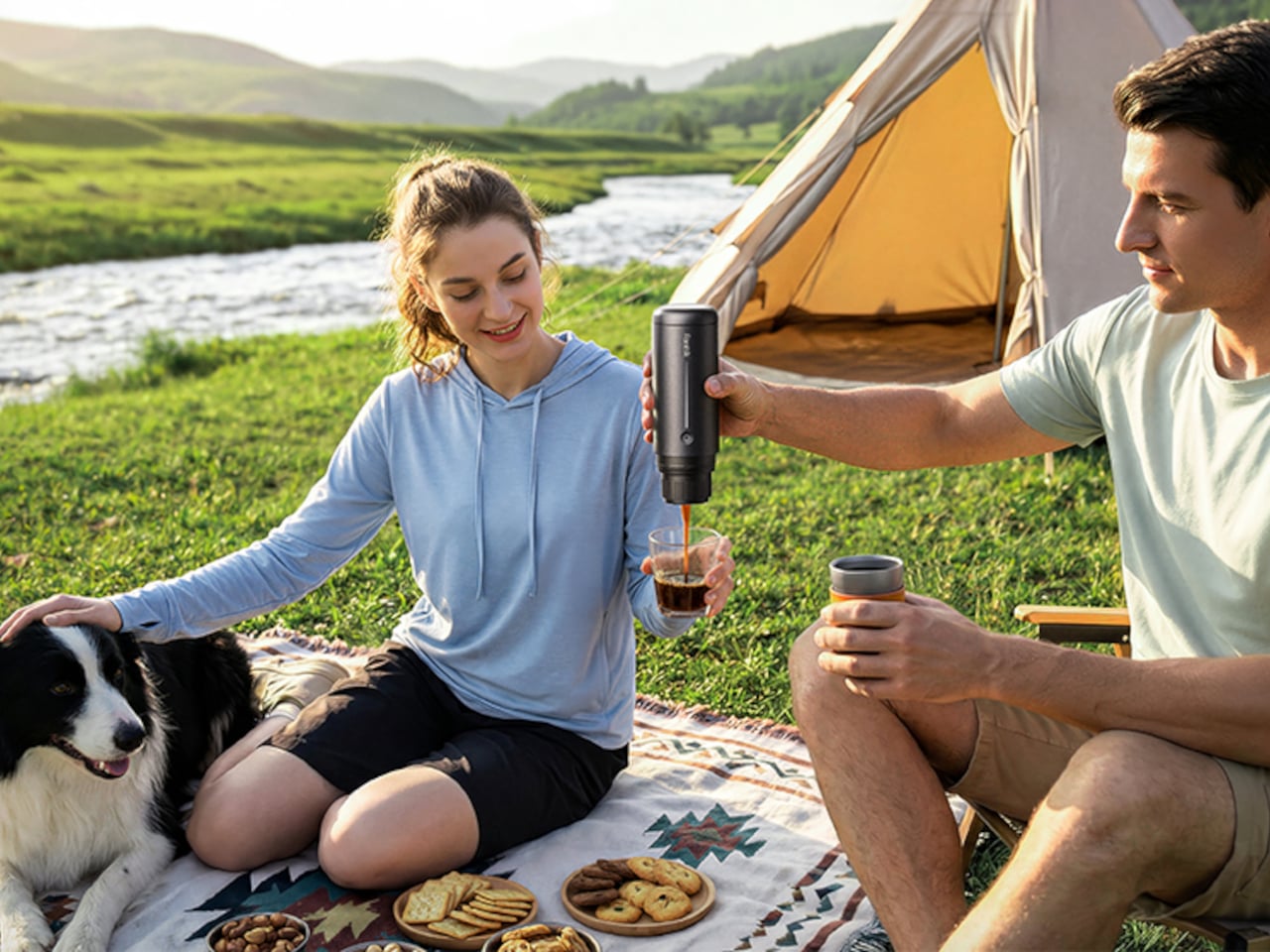
This total-living system approach means the same foundational pieces that hold a washbasin in your bathroom can support outdoor cooking equipment on your terrace. The design deliberately blurs the line between functional bathroom fixture and lifestyle furniture. Gargano’s vision extends beyond traditional bathroom boundaries, with ceramic elements serving as supports for various configurations. Each piece is handcrafted using traditional throwing techniques, ensuring an artisanal quality that brings organic variation to every installation. The system includes various heights and formats, from freestanding basins to console configurations, offering remarkable possibilities for contemporary spaces.
The LuneUp Bench composition features an aluminum top that doubles as both a surface and a seat, bringing unexpected versatility to what might otherwise be purely utilitarian pieces. Available finishes include Terra rossa, Raku clay, and Terra nera, each bringing distinct character while maintaining the system’s cohesive visual language. The LuneUp Pouf adds another dimension, functioning as both a ceramic laundry container and a stool. The minimalist aesthetic enables these pieces to stand alone or be combined into more intricate arrangements, adapting to various spatial needs and personal preferences. The modular system is so versatile that its offering ranges from a single wash basin to more complex combinations that serve multiple functions simultaneously.
What makes LuneUp particularly compelling is its rejection of bathroom design conventions. Rather than treating ceramic as decorative tile or simple basin material, Gargano positions it as structural and sculptural. The hand-thrown quality brings organic variation to each piece, ensuring no two installations look identical. This artisanal approach aligns with growing interest in craft-based design within the luxury bathroom sector, where consumers increasingly value pieces that showcase maker’s marks and individual character over mass-produced uniformity.
Terzofoco presented the collection at Milan Design Week in April 2025, where it attracted significant attention for its innovative approach to modular bathroom systems. The industry took notice earlier when the LUNE vanity unit earned recognition as one of the top 10 products at the Salone Internazionale del Bagno in June 2024. This acknowledgment from one of the bathroom industry’s most prestigious events validated Gargano’s unconventional thinking and confirmed that the market was ready for designs that transcend traditional category boundaries.
The system’s indoor-outdoor flexibility addresses contemporary living patterns where boundaries between interior and exterior spaces continue to dissolve. A ceramic pedestal holding a washbasin inside can support a planter outside, creating visual continuity across different zones. The barbecue option takes this further, suggesting that design languages typically confined to bathrooms can migrate to entertaining spaces. Photography by Gian Domenico Troiano captures the system’s sculptural qualities, emphasizing how light plays across the ceramic surfaces and aluminum accents. The images show LuneUp pieces in various settings, from traditional bathroom contexts to outdoor terraces, illustrating the system’s adaptability. Communication design by Simone Scimmi Design Studio presents the collection with clarity that matches its minimalist aesthetic, allowing the ceramic work itself to take center stage.
Solar camping gear has finally evolved beyond gimmicky gadgets that barely keep a phone alive. These seven carefully selected innovations represent genuine breakthroughs in outdoor technology, combining serious power generation with practical design solutions. Modern solar camping equipment now delivers reliable performance that matches the demands of serious outdoor enthusiasts seeking complete independence from traditional power sources while maintaining authentic wilderness experiences and promoting responsible, sustainable environmental camping adventure practices.
Each product solves real problems campers face while maintaining the independence that draws us to the wilderness in the first place. From climate control to device charging, these innovations address genuine pain points without compromising off-grid freedom. Whether you’re seeking basic functionality or luxury comfort, solar technology now delivers reliable performance that enhances rather than limits outdoor adventures while supporting environmentally conscious exploration and sustainable, responsible outdoor camping adventure practices.
1. Solar Tent with Integrated Cooling System
This revolutionary shelter transforms camping comfort through an ingenious integration of protection and power generation. The composite tarpaulin fabric serves dual purposes, providing weather protection while simultaneously harvesting solar energy to power an integrated cooling system. This isn’t simply a tent with an attached air conditioner; it’s a completely reimagined shelter where every material component contributes to both protection and comfort.
The concept addresses camping’s biggest pain point without compromising the off-grid experience. Traditional camping air conditioners often require bulky batteries, loud generators, or electrical hookups, which defeats the purpose of enjoying nature immersion. This solar-powered solution maintains ideal tent temperature while staying completely independent. Summer camping transforms from an endurance test into genuine relaxation, extending your outdoor season into previously unbearable months.
What we like
Eliminates the morning sauna effect that ruins summer camping.
Completely silent operation maintains a peaceful outdoor atmosphere.
What we dislike
Likely carries premium pricing for cutting-edge technology.
Effectiveness depends heavily on consistent exposure to sunlight.
2. EcoFlow Power Hat
The Power Hat disguises serious functionality within everyday outdoor wear. Hidden within the wide brim sits a flexible solar panel that converts sunlight into usable power, feeding devices through a discreet USB-C port in the inner band. This wearable charging solution targets hikers, campers, and outdoor enthusiasts who find themselves disconnected when they need power most. The design philosophy prioritizes practicality over flashiness.
EcoFlow’s approach makes clean energy genuinely accessible through clever integration. You won’t power laptops or entire campsites, but smartphones and GPS units receive reliable backup power. The hat functions exactly as expected while secretly working as your personal power plant. For day hikers and casual campers, this represents the perfect balance between functionality and convenience, keeping essential communication devices alive.
What we like
Dual functionality as a sun protection and a charging station.
Completely hands-free operation during outdoor activities.
What we dislike
Limited charging capacity suitable only for small devices.
Requires consistent head-level sun exposure for optimal performance.
3. EO Canopy High-Tech Camping Platform
The EO Canopy redefines camping luxury through serious electrical engineering. This groundbreaking platform delivers genuine home comfort to remote locations, powered entirely by solar energy and massive battery storage. The 154-kWh sodium-ion battery pack pairs with a 6,600-watt solar-tracking roof system, generating 45-64 kWh daily. This setup produces enough power for two average American homes while maintaining complete off-grid independence.
Beyond impressive specifications, the EO Canopy includes practical features like onboard water generation and electric vehicle charging capabilities. The Level 2 charging station provides 150-mile range restoration for Tesla, Rivian, or similar vehicles. Air conditioning runs indefinitely thanks to the substantial battery bank, creating genuine comfort in any environment. This represents camping evolution for those unwilling to sacrifice modern conveniences for outdoor experiences.
What we dislike
Generates enough power to support luxury living indefinitely.
Includes electric vehicle charging for complete energy independence.
What we dislike
Massive size and weight limit mobility and spontaneous adventures.
Investment cost likely exceeds most camping budgets significantly.
4. Solar-Powered Glamping Accessories Collection
This comprehensive camping system prioritizes environmental consciousness without sacrificing style or functionality. The collection features independent solar-powered items designed for conscious travelers seeking wilderness experiences with minimal environmental impact. The standout smokeless camping fire pit combines portability with clean burning, while accompanying accessories include coffee brewers, elegant tableware, and ambient hanging lights. Every component charges during daylight hours and performs throughout evening activities.
The glamping accessories elevate outdoor dining and relaxation through thoughtful solar integration. Everything from the tripod-style fire pit to the drip coffee brewer operates on clean energy, creating sophisticated outdoor experiences. The hanging pendant lights provide warm illumination while maintaining zero environmental impact. This system proves that sustainable camping gear can enhance rather than limit outdoor luxury, appealing to environmentally conscious adventurers seeking refined wilderness experiences.
What we like
A complete ecosystem approach eliminates multiple charging concerns.
Multiple components create complex packing and setup requirements.
Higher price point compared to traditional camping accessories.
5. Solarpill
The Solarpill delivers maximum versatility within a pendant-sized solar lighting device. The white half features threading holes for rope attachment, creating instant keychain or necklace functionality. This cap removes to reveal a needle-like stake for embedding into trees, soft rocks, or other surfaces along hiking paths. The dual-purpose design provides hands-free lighting exactly where needed, from rope cutting to personal relief breaks in remote locations.
This adaptable lighting solution serves everyone from casual hikers to professional search-and-rescue teams. The ability to attach to any surface becomes invaluable during night travel through remote areas. Beyond camping applications, the Solarpill earns permanent placement in emergency preparedness kits. Its compact size and reliable solar charging make it an essential gear for anyone venturing into areas where reliable lighting could mean safety or danger.
What we like
Incredibly compact size fits anywhere without a weight penalty.
Versatile mounting options adapt to any outdoor situation.
What we dislike
Limited light output suitable only for close-range tasks.
A small solar panel requires an extended charging time.
6. GoSun Flow
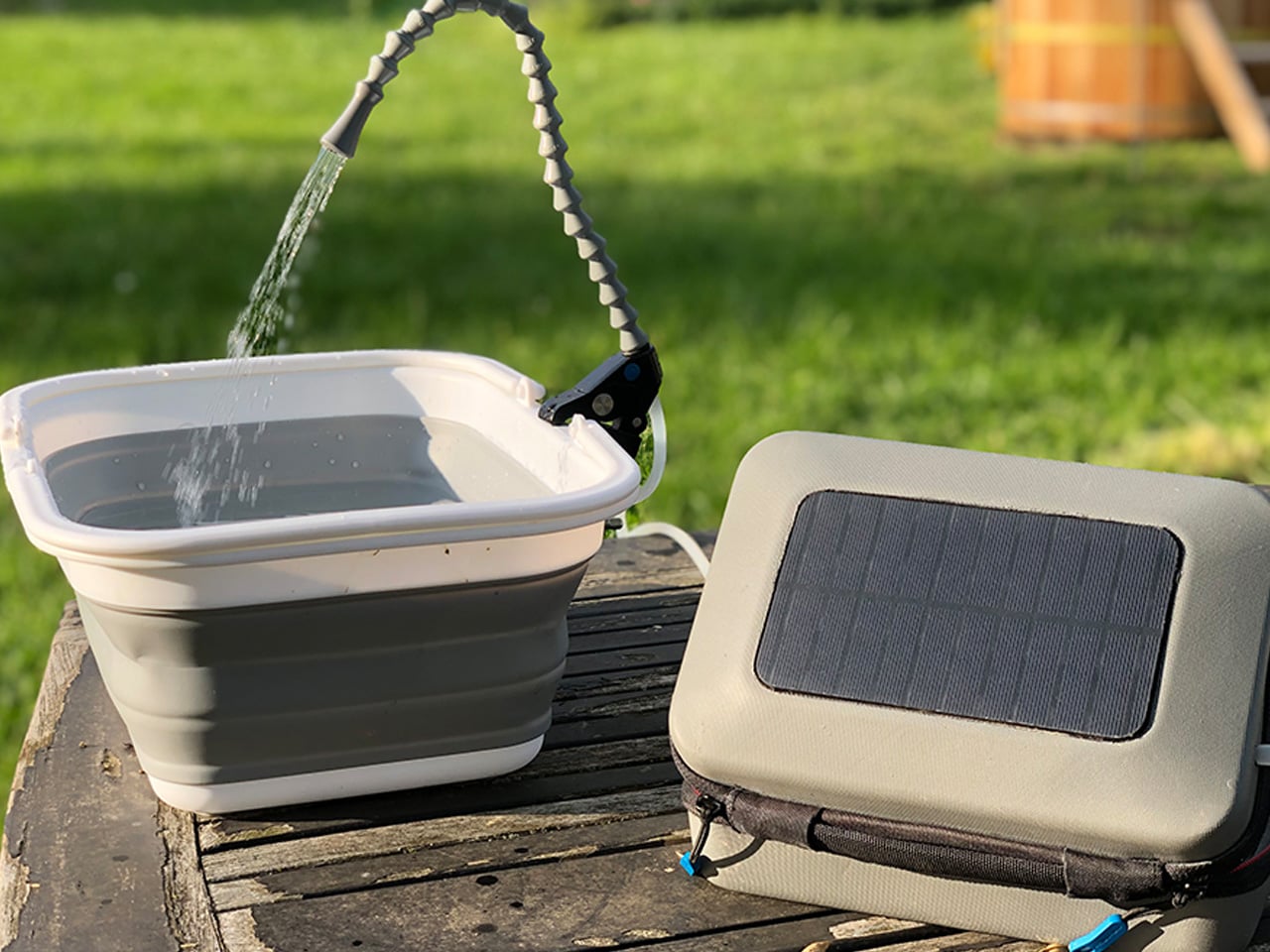
The GoSun Flow addresses camping’s most critical need through backpack-friendly solar engineering. This compact system uses solar energy to eliminate 99.99% of waterborne pathogens while pumping one liter of clean water per minute. Beyond basic purification, it transforms into a portable handwashing station and hot shower system. The luxury of properly heated shower water becomes accessible anywhere, eliminating the dreaded cold water body plunges that define traditional camping hygiene.
The operation couldn’t be simpler for such sophisticated technology. Place the intake hose into any freshwater source, plug in the pump, and automatic filtration begins immediately. The Flex Faucet’s integrated clamp opens over two and a quarter inches, attaching to branches, tables, tailgates, or fences. The flexible head twists and points water precisely where needed. This system revolutionizes camping hygiene while maintaining complete energy independence through solar power.
What we like
Provides hot shower capability anywhere with water access.
Rapid one-liter-per-minute clean water production.
What we dislike
Cannot process saltwater, limiting coastal camping utility.
BLUETTI’s Handsfree 2 combines serious power generation with rugged outdoor functionality. This 60-liter backpack integrates a 512Wh power station and 700W inverter, maintaining device power for extended backcountry adventures. The built-in system eliminates the juggling act between navigation, power management, and gear transport. Drones capture aerial footage, GPS systems guide through unfamiliar terrain, and cameras document stunning landscapes without battery anxiety limiting creative possibilities.
The integration philosophy targets serious outdoor photographers and adventurers requiring reliable power. Memory cards fill with breathtaking landscapes while batteries remain topped off through continuous solar charging. Laptops stay operational for editing and backup tasks, extending creative possibilities far beyond traditional camping limitations. The 60-liter capacity accommodates extended expedition gear while the power station handles every electronic requirement. This represents the ultimate solution for tech-dependent outdoor professionals.
What we like
High-capacity 512Wh power station handles serious electronic demands.
Integrated design eliminates separate power station transport.
What we dislike
Significant weight addition affects hiking comfort and endurance.
These seven innovations prove solar camping gear has matured beyond novelty items into serious outdoor equipment. Each addresses genuine pain points while maintaining the independence that defines great outdoor experiences. From basic lighting to luxury climate control, solar technology now powers every aspect of camping comfort.
The transformation reflects broader outdoor industry evolution toward sustainable solutions that enhance rather than limit adventures. Whether you’re seeking basic device charging or complete off-grid luxury, solar power delivers reliable performance without environmental compromise. These designs represent the future of outdoor recreation, where technology serves adventure without sacrificing our connection to nature.
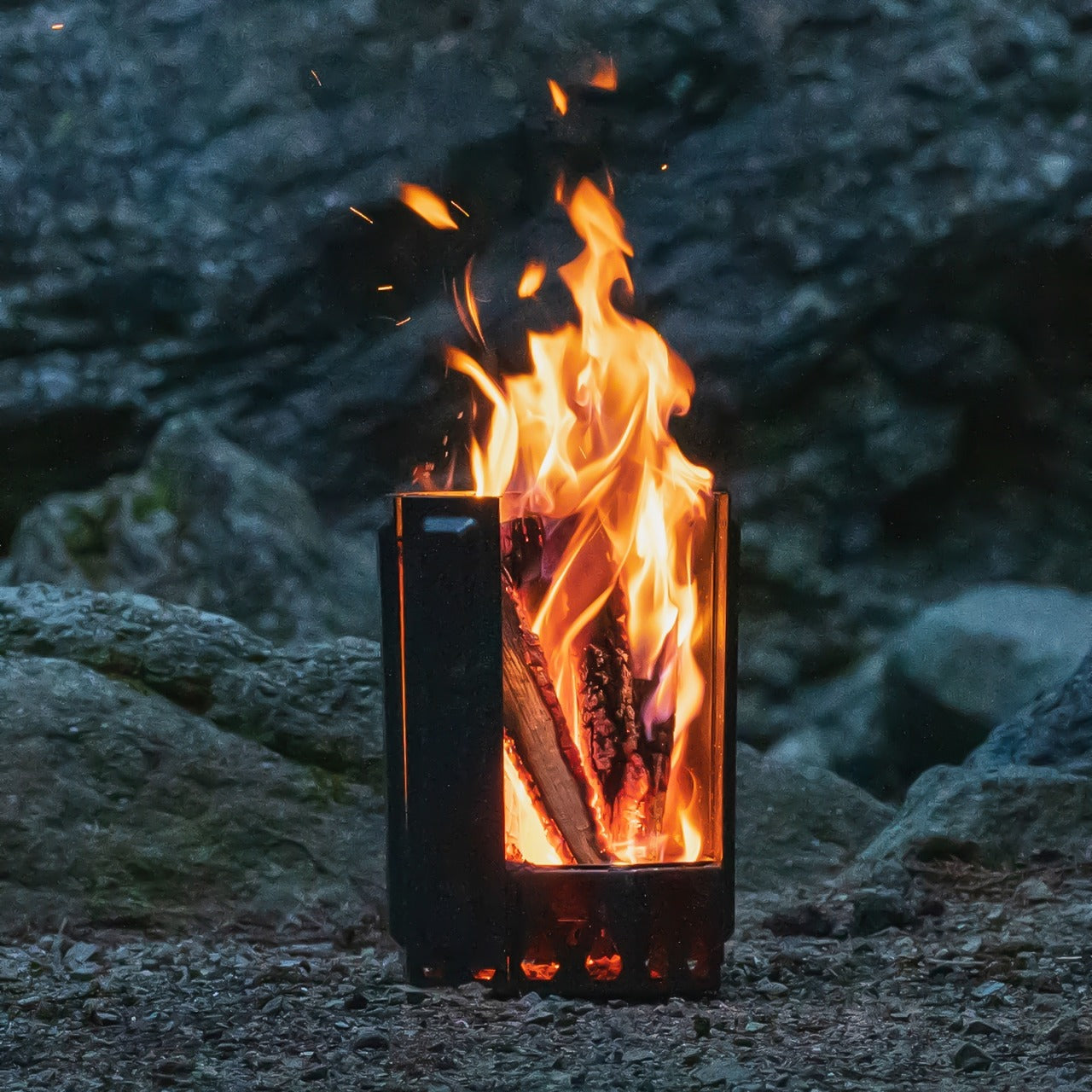
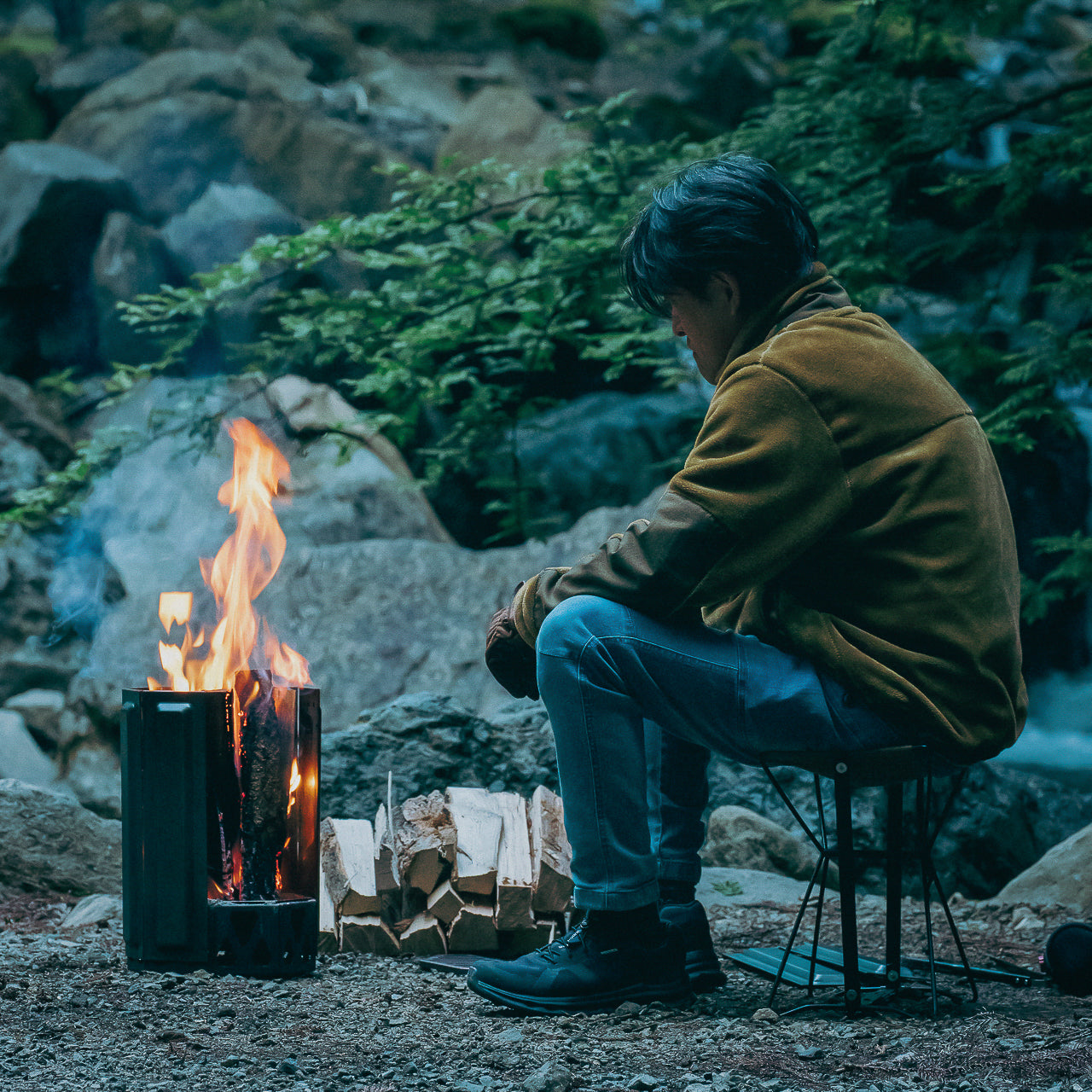
There’s something primal about gathering around a fire. That crackling warmth, the dancing flames, the way it becomes the centerpiece of any gathering. But traditional firewood stoves? They’re often heavy, inefficient, and leave a pretty hefty carbon footprint. Designer Chen Jun looked at this ancient cooking method and asked a simple question: what if we could make it better for the 21st century?
Chen Jun’s stainless steel firewood stove isn’t just another pretty appliance trying to look good in your Instagram feed. This is serious engineering wrapped in sleek design, tackling real problems that have plagued wood-burning stoves for generations. The secret? A sophisticated modular system that completely rethinks how we approach portable heating and cooking.
Designer: Chen Jun
Here’s what makes it clever: the entire stove can be disassembled and reassembled without needing a PhD in engineering. If you’ve ever wrestled with flat-pack furniture and won, you can handle this. That modularity isn’t just about convenience (though being able to pack up your stove is pretty convenient). It’s about creating something that can adapt to different situations, different users, and different needs.
The combustion system is where things get really interesting. We’ve all stood next to a smoky campfire or dealt with a stove that seems to eat through wood like there’s no tomorrow. Chen Jun’s design tackles both issues head-on with an internal structure that’s been optimized for maximum efficiency. The combustion is so clean that emissions come in significantly lower than national standards. That’s not just meeting the bar, that’s clearing it with room to spare.
But efficiency means nothing if the thing only works in perfect conditions with perfect fuel. That’s why the stove is designed to handle multiple fuel types. Got hardwood? Great. Only softwood available? Also fine. This flexibility makes it genuinely useful across different environments, from backcountry camping to rural homesteads where fuel options might be limited.
Now here’s where it gets really smart: Chen Jun created two distinct versions for two very different use cases. The rural version comes equipped with a waste heat recovery system. Think about how much heat typically just disappears into thin air with traditional stoves. This system captures that energy and puts it to work, maximizing every bit of fuel you burn. For households relying on wood heat regularly, that efficiency translates to real savings over time.
The outdoor version takes a different approach, focusing on portability. It features a foldable design that shrinks the stove down to a fraction of its operating size. Anyone who’s ever tried to pack for a camping trip knows the tetris game of fitting everything into limited space. A stove that folds down? That’s the kind of practical innovation that outdoor enthusiasts will actually use.
Maintenance has always been the Achilles heel of durable goods. Something breaks, and suddenly you’re looking at expensive repairs or just replacing the whole unit. Chen Jun addressed this with quick-release core components. The parts that typically wear out or need cleaning can be accessed and replaced without dismantling the entire stove. It’s the difference between a product that lasts five years and one that lasts fifteen.
The choice of stainless steel isn’t just aesthetic (though it does look fantastic). Stainless steel is recyclable, durable, and doesn’t require protective coatings that might off-gas when heated. It’s a material choice that aligns with the stove’s broader environmental goals while delivering the structural integrity needed for something that will face repeated heating and cooling cycles. What really stands out is how this design bridges two worlds. It’s sophisticated enough for the design-conscious crowd who want their gear to look good, but practical enough for people who genuinely need reliable heating and cooking solutions. That’s a tough balance to strike, and most products lean heavily toward one side or the other.
For anyone interested in sustainable living, outdoor adventures, or simply well-designed products that solve real problems, this stove represents something important. It’s proof that traditional doesn’t have to mean outdated, and that innovation isn’t always about adding more complexity. Sometimes it’s about taking something fundamental, something humans have relied on for millennia, and making it work better for how we live today.
The brand famous for its tumblers (and how incredibly durable they are) is looking to upend the coffee industry too. Stanley’s ‘Perfect Pour Over Brew Set’ is the company’s take on pour-overs, redesigning them in a way that’s simple, robust, and reusable. The set features a pour-over top (with a metal filter) and and a Stanley cup for its base. No coffee filters, no disposable liners. Every inch of this brew set is designed for travel, durability, and sustainability.
The Perfect Pour Over Brew Set’s design feels unmistakably ‘Stanley’. The simple metal outer construction, with powder-coated color-ways. The Stanley logo front and center, and a 2-part design that’s simple yet ruthlessly effective, whether you’re brewing a cuppa in your kitchen or the great outdoors. I guess the Perfect moniker suits it, no?
The pour-over set is capable of brewing anywhere from your standard 8oz cup, to a whopping 1.4 quart (44.8 oz) bottle. Its wide top holds enough grounds to make a large batch for an entire family or your average caffeine-addict. You don’t need anything more than what the Perfect presents you with. No scales, no fancy kettle to pour water, not even a coffee filter. The Perfect’s upper element features a 2-part design, with a lower half that unscrews to reveal a fine perforated mesh filter. This reduces waste but also ensures cleaning remains a breeze… but as far as pouring goes, all you do is load the top over your Stanley mug (it even fits the larger Stanley bottles), add the grounds, and pour hot water up until the line marked on the inside.
Once you’ve poured out the hot water, the process takes anywhere in the 5-10 minute range depending on how much coffee you’re making. A single cup doesn’t take long, and once the water’s percolated, your cup of coffee is ready to enjoy – either immediately, or on the go, thanks to a sipper lid that comes with the brew set, designed for the mug. Cleaning the upper portion out is simple. Just suspend it over a waste bin and tap vigorously against the sides to make the grounds fall out. Then, just rinse with water and your brew set is ready for round 2.
Just like their tumblers, this one is built to survive pretty much anything. Whether it’s your standard LA girlie brewing coffee in her boutique apartment’s kitchen, or the average outdoor lover taking this to the campsite for a cup of joe, the Perfect Pour Over Brew Set travels really well, and its color palette lends itself perfectly to the outdoor landscape, your tailgating setup, or even that KitchenAid mixer or Smeg fridge adding vibrant life to your kitchen!
You know that moment when technology becomes so intuitive it practically disappears? That’s exactly what Shenzhen Juyouhang Technology Co. just pulled off with their IGT Phantom Stove, a MUSE Design Award winner that’s making waves in the outdoor cooking scene for all the right reasons.
At first glance, the name “Phantom” might sound a bit dramatic for a camping stove. But spend a minute looking at this design, and you’ll get it. This isn’t your clunky, utilitarian camping gear that screams “I’m roughing it in the wilderness.” Instead, it’s a sleek piece of equipment that bridges the gap between serious outdoor functionality and the kind of minimalist aesthetic we’ve come to expect from our favorite tech gadgets.
The IGT system, for those not already deep into the camping world, stands for Iron Grill Table, a modular camping kitchen concept that originated in Japan. Think of it like LEGO blocks for your outdoor cooking setup. Different components slot into a unified system, letting you customize your camp kitchen however you want. The Phantom Stove takes this concept and refines it with a sophistication that feels more Apple Store than sporting goods aisle.
What makes this stove particularly clever is how it manages to be simultaneously present and absent. When you need it, it’s there, ready to boil water or cook a gourmet camp meal. When you don’t, its foldable design and clean lines mean it practically melts into your setup. There’s no visual clutter, no awkward bulk taking up precious space in your gear collection or on your camp table.
The design philosophy here speaks to a broader shift happening in outdoor equipment. We’re moving past the era when camping gear had to look rugged and intimidating to be taken seriously. Today’s outdoor enthusiasts want products that perform brilliantly but also respect their aesthetic sensibilities. They’re taking Instagram-worthy photos of their campsites, hosting friends for glamping weekends, and expecting their gear to look as good as it functions.
Shenzhen Juyouhang Technology clearly understands this market evolution. The Phantom Stove’s stainless steel construction suggests durability without sacrificing elegance. Its compatibility with the IGT system means it plays well with others, fitting seamlessly into existing setups rather than demanding you rebuild your entire camp kitchen around it. This kind of thoughtful integration is what separates good design from great design.
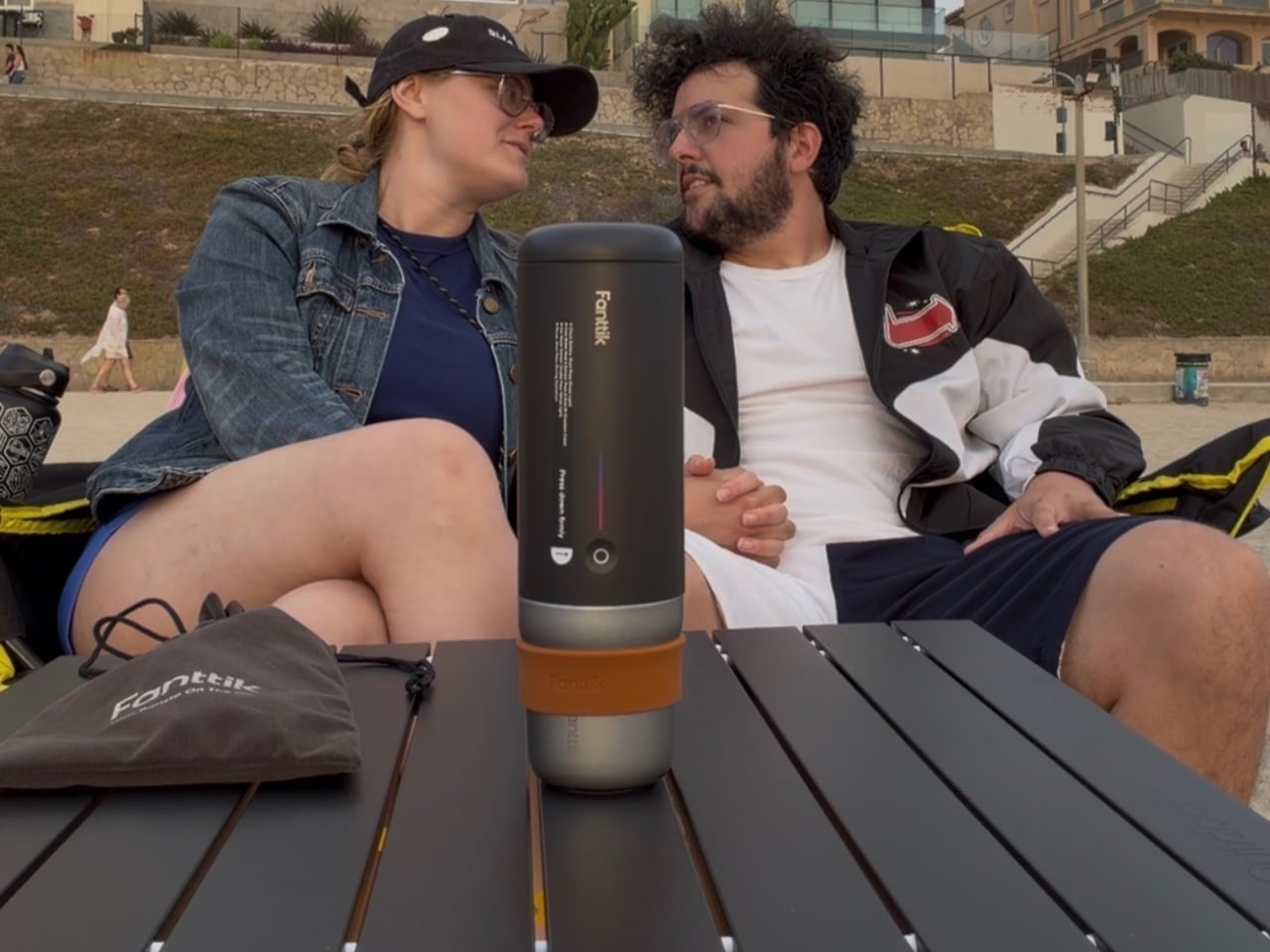
The portability factor can’t be overstated either. Modern campers are increasingly mobile, whether they’re van-lifers constantly on the move, backpackers counting every ounce, or weekend warriors who want setup and breakdown to be as painless as possible. A stove that folds down without complicated mechanisms or fragile parts is worth its weight in gold. Or in this case, stainless steel.
There’s also something refreshing about seeing Chinese design firms like Shenzhen Juyouhang Technology getting recognition on the international stage. The MUSE Design Awards spotlight excellence from around the globe, and this win reflects how innovation in outdoor equipment is truly becoming a worldwide conversation. Great ideas can come from anywhere, and the camping community benefits when designers from different cultures and perspectives bring their unique approaches to solving common challenges.
What’s particularly exciting about products like the Phantom Stove is how they lower the barrier to entry for people curious about outdoor cooking. When gear looks approachable and fits naturally into your life rather than requiring a complete lifestyle overhaul, more people are willing to give it a try. You don’t need to be a hardcore backpacker to appreciate clean design and smart functionality.
The recognition from MUSE Design Awards validates what many outdoor enthusiasts already know: the gear we use matters, not just for performance but for the entire experience. When your equipment is well-designed, intuitive, and beautiful, it enhances every moment of your adventure. You’re not fighting with finicky mechanisms or tolerating eyesores. You’re just cooking, enjoying nature, and living well.
The IGT Phantom Stove represents where outdoor design is heading: smarter, sleeker, and more integrated into our lives. It’s proof that we don’t have to choose between function and form, between serious performance and sophisticated aesthetics. We can have both, and honestly, we should demand both.
There’s something beautifully absurd about combining outdoor gear with coffee culture, and the new collaboration between The North Face and Bialetti hits that sweet spot perfectly. It’s the kind of partnership that makes you wonder why it didn’t happen sooner, bringing together two iconic brands that have been fueling adventures in their own ways for decades.
The TNF x Bialetti Moka Set is exactly what it sounds like: a limited-edition coffee kit that packages Italian espresso tradition in North Face’s signature Summit Gold and black colorway. At the heart of the set is a three-cup Moka Express, the classic aluminum stovetop coffee maker that’s been gracing Italian kitchens since 1933. This version comes emblazoned with both brands’ logos and The North Face’s “Never Stop Exploring” slogan, because apparently your morning caffeine ritual is now an expedition.
But here’s the thing about this collaboration, it’s not trying to be some ultralight backpacking essential. Despite the marketing suggesting it’s built for explorers and designed to be taken on the road or trail, this is really more about bringing style to your coffee routine than revolutionizing camp cooking. The set comes in a fairly large box and includes two stainless steel cups (one in Summit Gold, one in Bialetti black), matching spoons, and a 100-gram tin of pre-ground Bialetti coffee. It’s comprehensive, coordinated, and honestly quite handsome, even if the portable claims are a bit optimistic.
What makes this collaboration interesting isn’t its practicality for wilderness expeditions. It’s the cultural collision it represents. Bialetti’s Moka Express is a design icon in its own right, as recognizable in Italy as The North Face’s logo is on college campuses worldwide. Both brands carry serious nostalgia and street cred in their respective spheres. Bialetti revolutionized home espresso making with a design so perfect it hasn’t fundamentally changed in nearly a century. The North Face turned technical mountaineering gear into everyday fashion statements. Together, they’ve created something that speaks to coffee nerds, design enthusiasts, and brand collectors equally.
The color scheme is where this collab really shines. That Summit Gold is instantly recognizable if you’ve ever owned or lusted after a vintage North Face jacket, and seeing it on a Moka pot feels both surprising and completely right. The black and gold combination gives the entire set a premium, cohesive look that transcends either brand’s individual aesthetic.
Now let’s address the elephant in the room: the price. At $220, this isn’t exactly an impulse purchase. You can get a standard Moka Express for a fraction of that cost. But you’re not just buying a coffee maker here. You’re buying into a collaboration between two heritage brands, complete with the matching cups, spoons, and that perfectly branded tin. It’s collectible merch that happens to make excellent coffee, or an excellent coffee setup that happens to be collectible merch, depending on how you look at it.
The reality is that this set probably makes more sense sitting on your apartment’s kitchen counter or at your glamping setup than it does in your actual hiking pack. And that’s perfectly okay. Not every outdoor-branded product needs to summit Everest. Sometimes it’s enough to add a little adventure aesthetic to your morning routine, to have that moment of enjoying rich Italian espresso while wearing your Nuptse jacket and dreaming about trails you’ll hike someday.
This collaboration taps into something broader happening in design culture right now: the blurring of boundaries between function and lifestyle, between genuine outdoor gear and urban fashion, between coffee equipment and collectible objects. It’s the same impulse that puts Supreme on Coleman coolers or sees luxury brands creating camping gear. We want our everyday objects to tell stories about who we are or who we want to be.
Whether the TNF x Bialetti Moka Set is worth the investment depends on how much you value that intersection of coffee culture, design heritage, and brand storytelling. If you’re someone who gets excited about limited-edition collaborations and appreciates when iconic designs get reimagined, this might be calling your name. Just don’t expect it to revolutionize your backpacking coffee game.