5 Designer Pens That Make Every Other Gift for Him Look Lazy

Most gift guides for him are boring. A leather wallet, a whiskey set, a watch he already owns in a different color. But if the person you’re buying for genuinely cares about the objects around him, about what something communicates before he even uses it, a pen is an underrated move. Not just any pen. The five below are the kind of pieces that make everything else on the gift table look like an afterthought.

These aren’t novelty pens with logos. Each one makes a deliberate argument about what a writing instrument can be, rethinking the material, the mechanism, or the relationship between the pen and the desk it lives on. Together, they represent how designers are now treating an object that most people have stopped thinking about. Whether you’re shopping for a birthday, an anniversary, or a reason to stop buying the same gift twice, this list delivers.

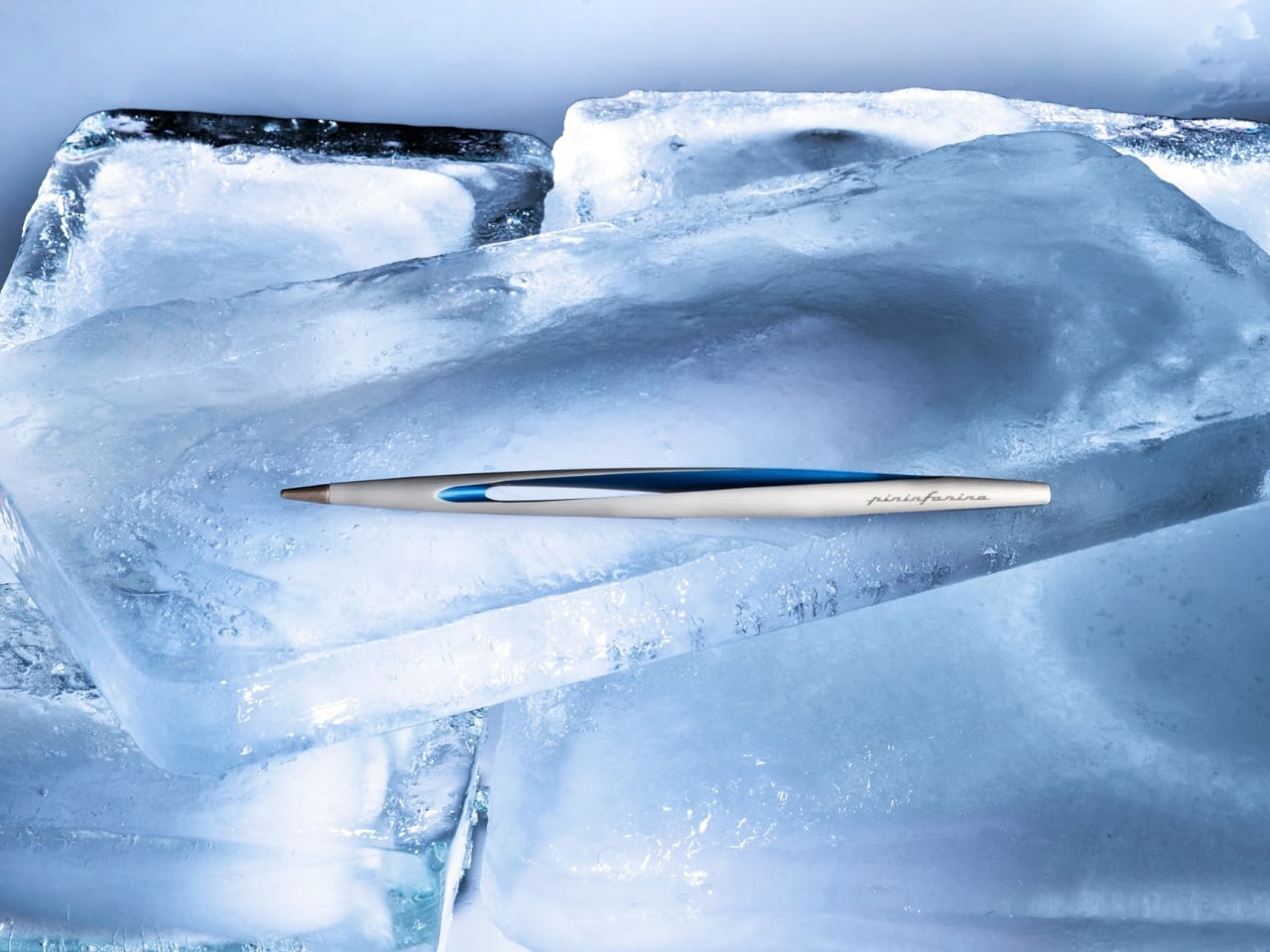
1. Pininfarina Aero Ethergraf
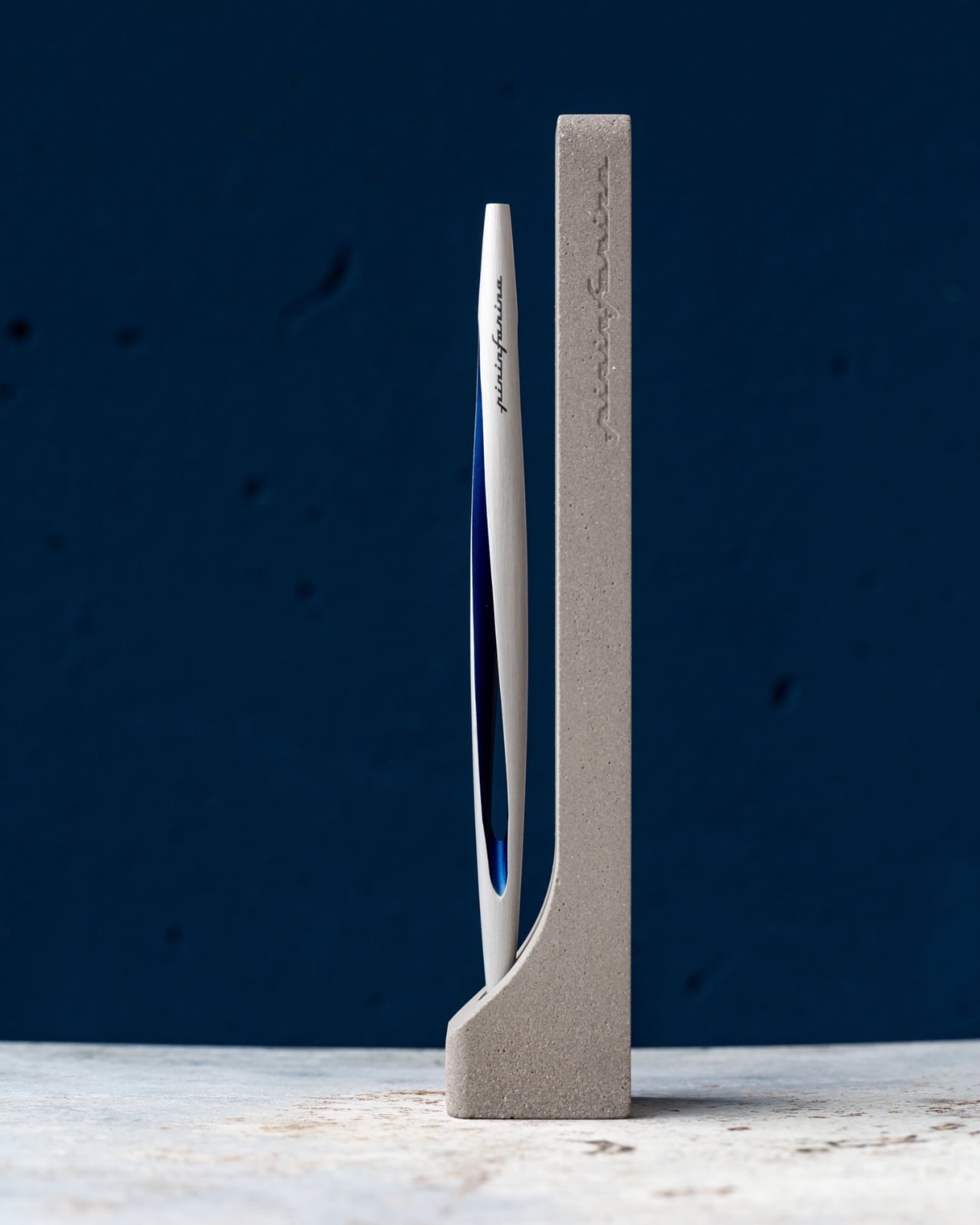
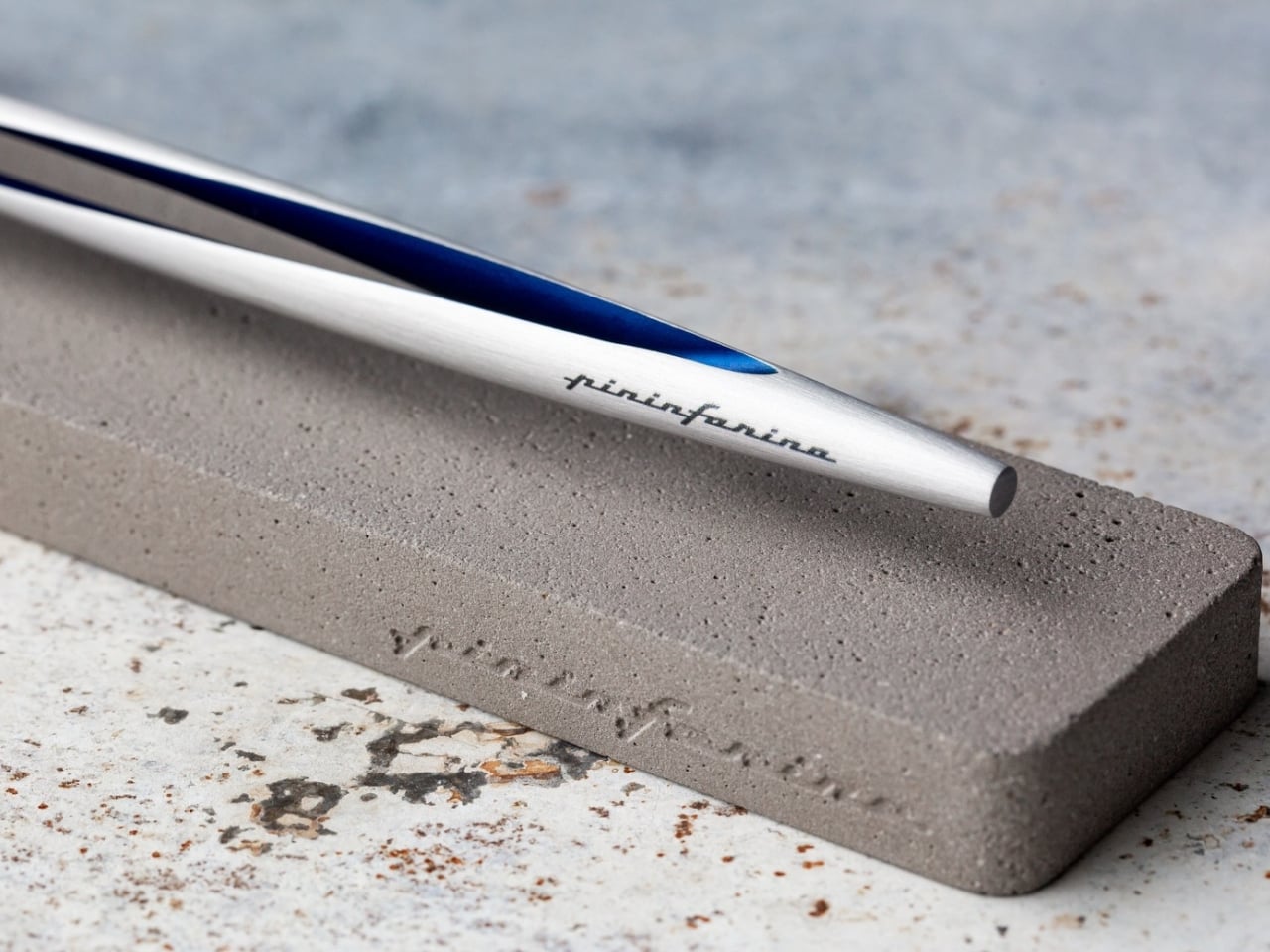
Pininfarina’s design language has always been about the single confident line that communicates speed and restraint at once. The Aero Ethergraf carries that directly to the desktop. It writes through an Ethergraf metal alloy tip that works via oxidation, leaving a graphite-like mark on paper without any ink. No cartridges, no cap to lose, no refills, ever. For him, this means a writing tool that genuinely never runs out, made in Italy and handcrafted to outlast anything else on his desk.

The aluminum body carries a blue accent that catches light the way a car door does at the right angle, which makes complete sense coming from the studio responsible for decades of Ferrari and Maserati bodies. Sitting in its raw concrete cradle, the Aero Ethergraf reads less like office stationery and more like a considered piece of sculpture. The line it leaves is precise, smudge-proof, and won’t bleed through paper. It’s the kind of object that earns its place on whatever desk it lands on.

What we like:

  • Writes indefinitely with no ink, cartridges, or maintenance required — the Ethergraf alloy tip is genuinely a forever writing surface
  • Handcrafted in Italy, the aerospace-grade aluminum body and raw concrete cradle together make a gift that reads as a design object, not an office supply

What we dislike:

  • The mark left by the Ethergraf tip is lighter than a standard pen line, which may not suit those who prefer a bold, ink-heavy stroke
  • Very smooth or coated paper surfaces can diminish the writing quality, so it performs best on standard uncoated notebooks or writing pads

2. Inseparable Notebook Pen
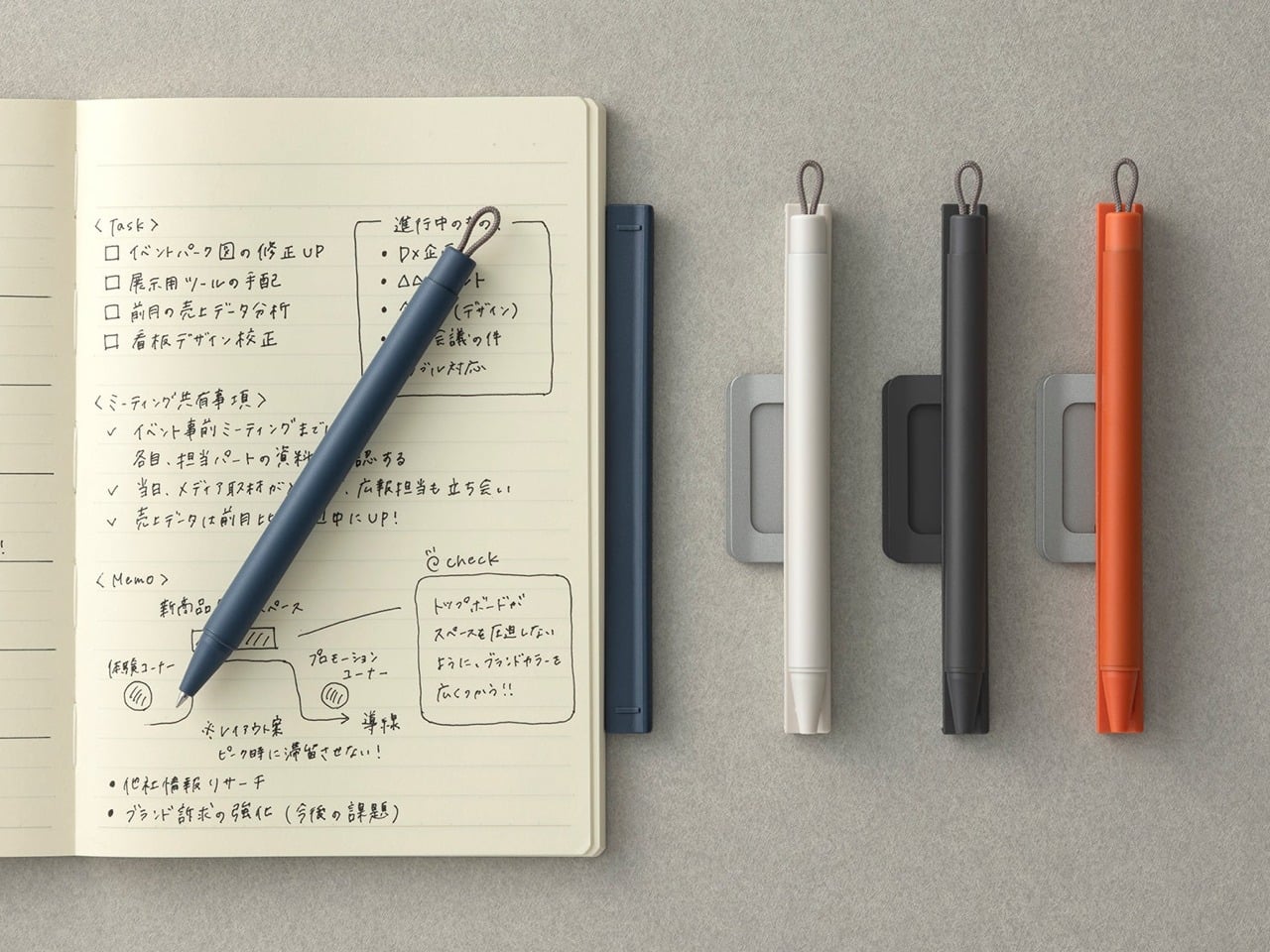
The premise is almost frustratingly simple. A pen that attaches magnetically to the side of a notebook — the way an Apple Pencil does on an iPad — so the two are always together and always ready. Designer Yusuke Nagao built it with a three-part construction featuring a plastic protector, a metal clip, and the pen itself. For him, it solves one of the most persistent small frustrations in daily life: a notebook sitting on the table with nothing to write with.

There’s a quiet confidence to the Inseparable’s design that reveals itself the longer it’s used. Nothing feels overworked. The silhouette is clean, the clip is integrated rather than decorative, and the magnetic attachment snaps silently into place in a way most products would never bother to refine. The ink flows smoothly for clear and precise writing on the go.

Click Here to Buy Now: $19.95

What we like:

  • Magnetic attachment to any notebook eliminates one of the most persistent small frustrations in daily writing habits in the cleanest possible way
  • The minimal three-part design prioritizes function without visual noise — it looks exactly as useful as it actually is

What we dislike:

  • The magnetic clip system is built around a single notebook format, so those who move between multiple journals will find the integration more limiting
  • The compact form and single-ink style serve portability well, but leave little room for those who prefer a heavier body weight or a finer writing point

3. Yamaha Swing Scribe
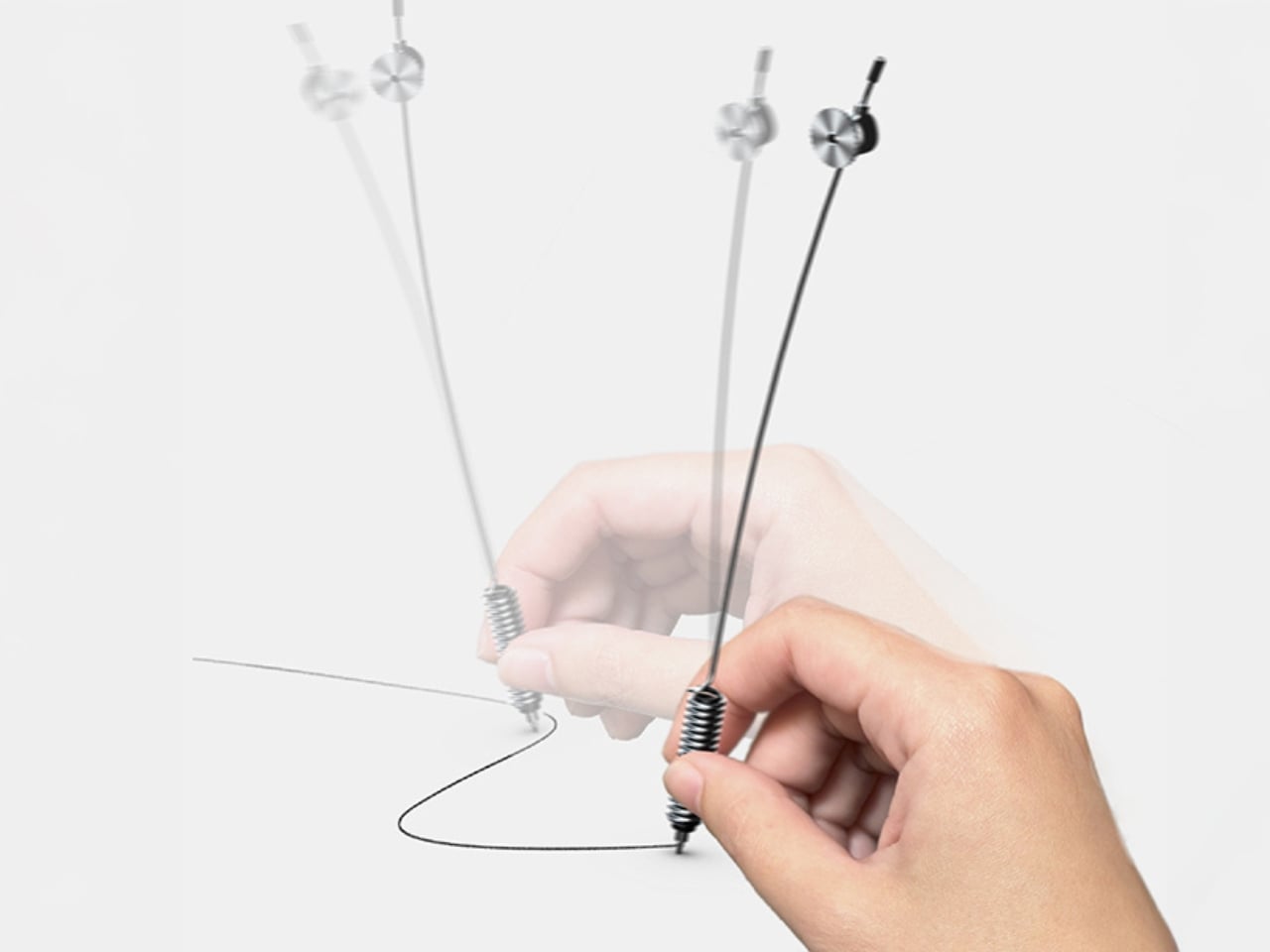
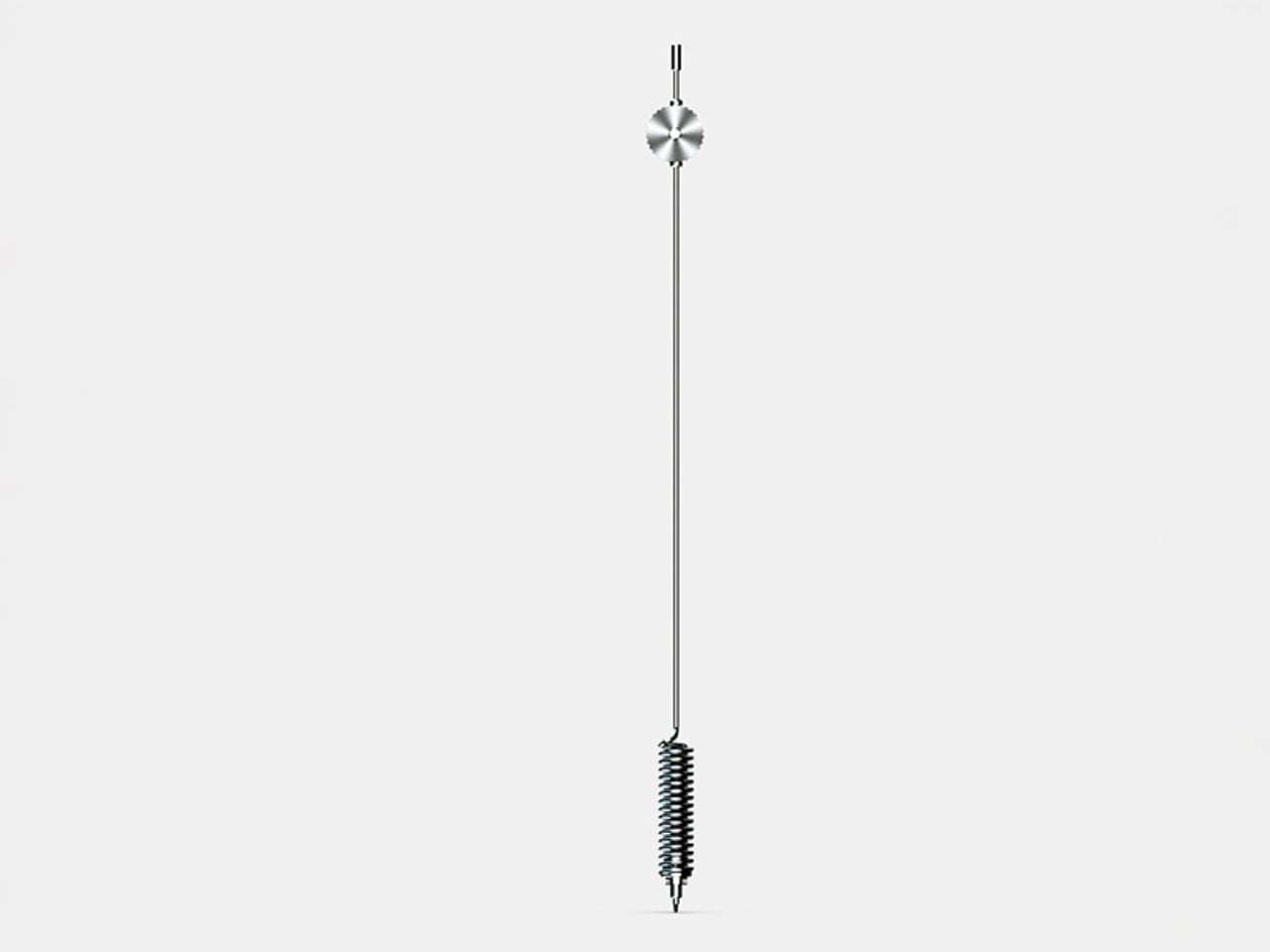
If someone asked you to name a Yamaha product, you’d say piano or motorcycle before you said pen. That gap is exactly what makes the Swing Scribe interesting. Part of Yamaha’s Scribe Tool Design 2024 project, it’s a collaboration between Yamaha Corporation and Yamaha Motor designers in the US. The premise draws from the quill: as a feather naturally wobbles under air resistance while writing, it creates a rhythm. Yamaha made that incidental quality deliberate and physical for him to feel.

A weighted tip is attached to a metal bar, and as he writes, it swings. The small pendulum force feeds a steady beat back into the hand with every stroke. No batteries, no app, just physics. For someone who gets his best thinking done with a pen in hand, the Swing Scribe adds a dimension to the writing experience that no other pen on any other list has thought to offer.

What we like:

  • The pendulum mechanism delivers a genuinely new physical sensation in writing, drawing directly on the natural rhythm that once made quill writing feel so distinct from any modern tool
  • The creative pedigree is unlike anything else here — a joint effort between two legendary Yamaha divisions, treating writing as a sensory design challenge worth solving

What we dislike:

  • The Swing Scribe is a concept from Yamaha’s design research project, meaning it isn’t currently available as a retail product ready to purchase and wrap
  • The swinging weighted mechanism, while compelling in execution, may require an adjustment period for those accustomed to the predictable feel of a standard pen

4. Levitating Pen 3.0
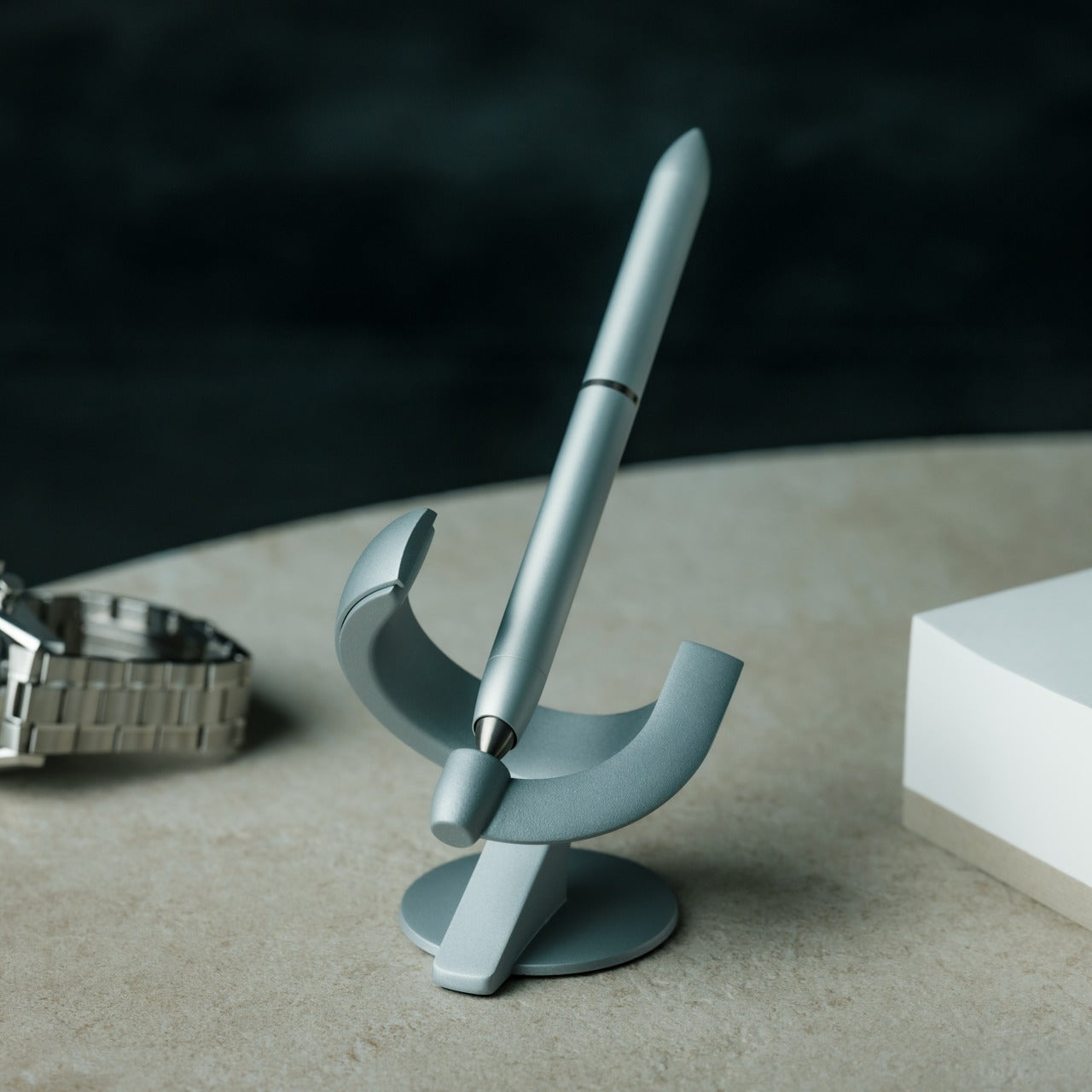
The third iteration of a design that has always pushed toward the improbable, the Levitating Pen 3.0 is built from aerospace-grade aluminum and titanium with a zinc alloy base and balances at a 60-degree angle in a charged magnetic field, bobbing gently when it settles into position. For him, this is the desk object that does something no leather-bound pen set ever managed: it makes people stop mid-conversation and ask what that thing is.

Available in silver or anodized black with a satin finish, it ships with a German-engineered Schmidt rollerball cartridge that delivers a silky writing experience to match its appearance. Undocking the pen to write is its own small ritual. Docking it back lets it find its magnetic sweet spot on its own. Spin it against the stand, and it rotates for up to 30 seconds.

Click Here to Buy Now: $139.00

What we like:

  • The magnetic levitation is genuinely hypnotic, and the Schmidt rollerball cartridge means it writes as well as it performs — form and function earn equal attention
  • Ships complete in silver or anodized black with a satin finish, making this an immediate desk statement that needs nothing added to impress

What we dislike:

  • The levitation only functions on a flat, stable surface — this is strictly a stationary desk piece and cannot be stored on its side or carried in its floating position

5. Pulse
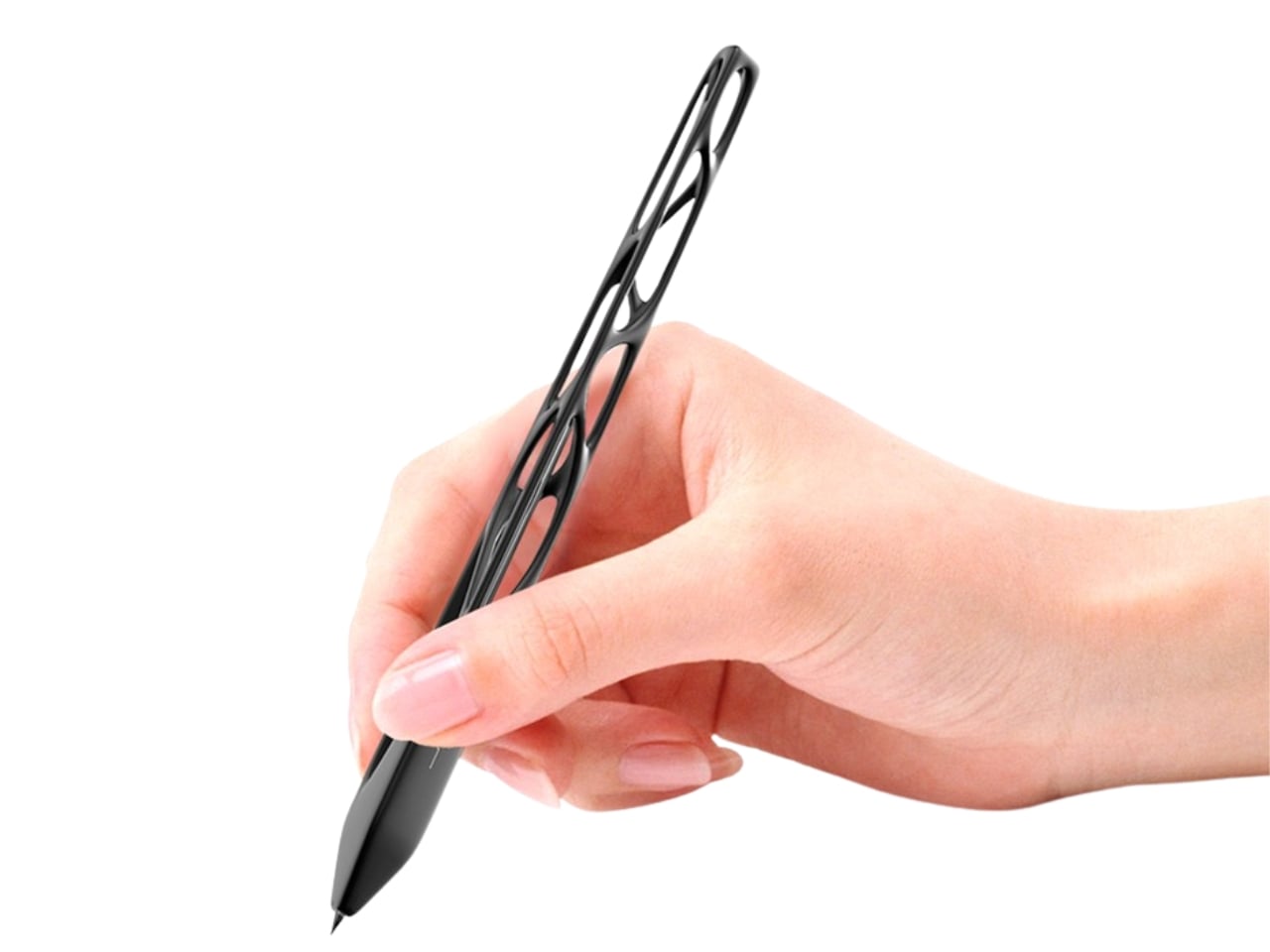
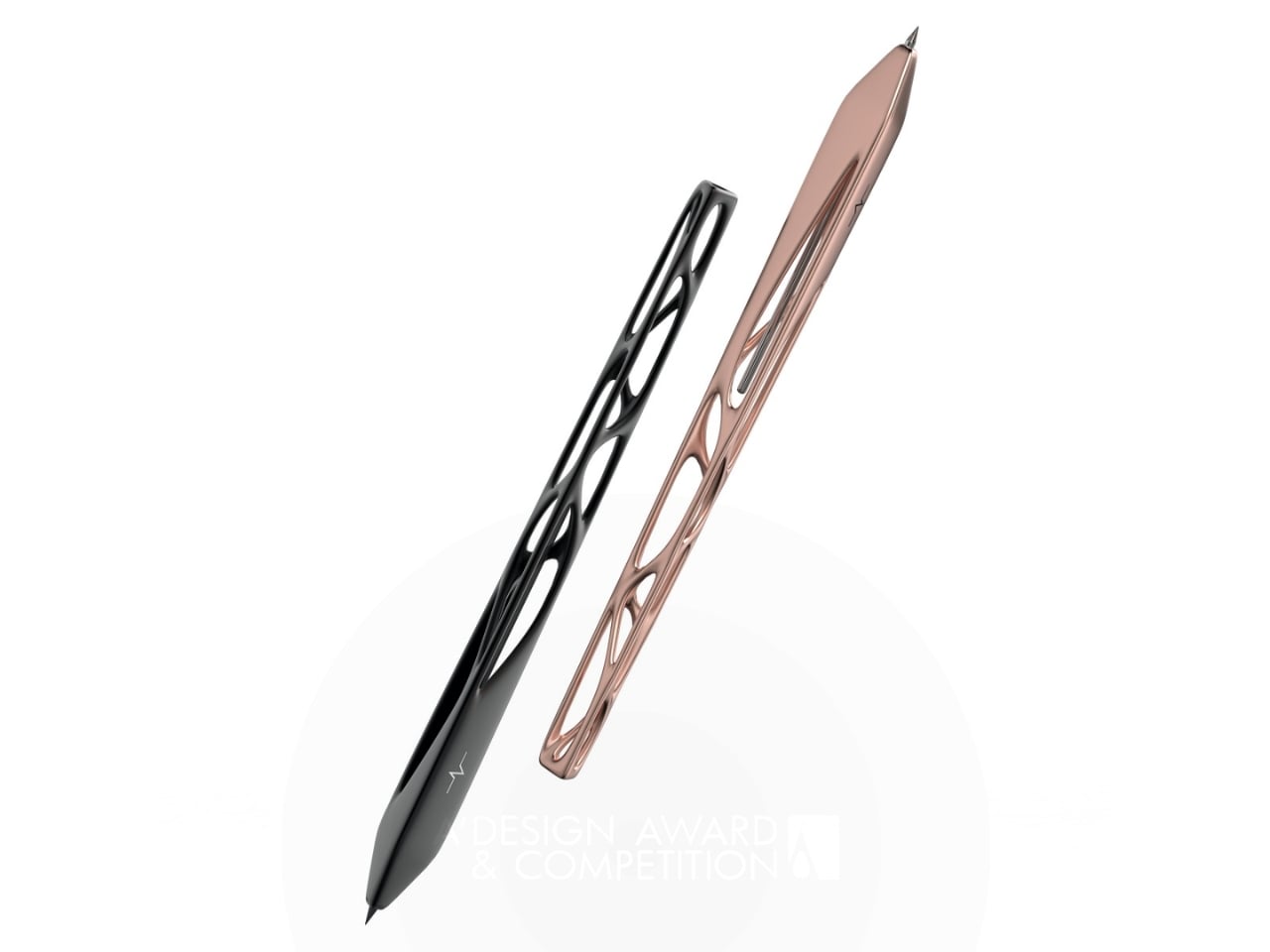
Leila Ensaniat, an industrial designer with a background at Cisco in consumer electronics, spent over a year developing Pulse, earning the 2025 Golden A’ Design Award for 3D Printed Forms and Products. The pen draws its inspiration from clouds — the quiet drift rather than the dramatic storm — translating that into a skeletal biomorphic form with flowing cutouts that resemble veins in a leaf. For him, it’s the kind of object that changes what he expects from a writing instrument entirely.

The biomorphic patterns are created using lost wax casting in aluminum, silver, bronze, and gold — a centuries-old metalworking technique typically reserved for jewelry and fine art. Ensaniat’s approach centers on how we actually interact with objects rather than how they look in isolation. The negative space is considered the material itself. On the desk, it reads as a sculpture. As a gift, it lands as a statement about what good design actually is.

What we like:

  • The Golden A’ Design Award and lost wax casting in precious metals make Pulse as legitimate a design object as anything found in a gallery, not a gift shop
  • The biomorphic skeletal form earns visual attention without demanding it — arresting and considered in equal measure, it rewards a closer look every time

What we dislike:

  • The open skeletal frame, while visually exceptional, may feel more delicate in hand than the solid-body construction many people expect from a daily writing tool

A Pen Says More Than the Note Written With It

What makes a designer pen worth giving isn’t prestige or price. It’s the decision behind every detail — where the material comes from, how it feels before the first word is written, what it says about the person who chose it. The five pens above span different philosophies and price points, but each makes the same quiet argument: the objects we pick up every day are worth getting exactly right.

If there’s a theme running through this list, it’s that the best writing tools aren’t the ones with the most features. They’re the ones where a specific design problem was solved in a way that hadn’t been tried before. Whether that’s a pen without ink, a pen with a heartbeat, or a pen that floats, each one earns its place on a desk. And that’s exactly what a good gift should do.

The post 5 Designer Pens That Make Every Other Gift for Him Look Lazy first appeared on Yanko Design.
8 Best Summer Gadgets for Men Who Think “Outdoor Tech” Usually Looks Terrible

The category of outdoor tech has a reputation problem. Most of it arrives in high-visibility colors, wrapped in rubberized plastic, and styled as if the designer’s only brief was “make it survive a war.” For men who care equally about function and form, the annual summer gear drop is usually a disappointment. These eight picks are the exception — products that earn their place outside without looking like they belong in a disaster preparedness kit.

Each one solves a real outdoor problem — heat, hydration, light, sound, coffee — without the aesthetic compromise that typically comes with the territory. If you’re selective about what you carry into the wild, this is a list worth saving.

1. RetroWave 7-in-1 Radio

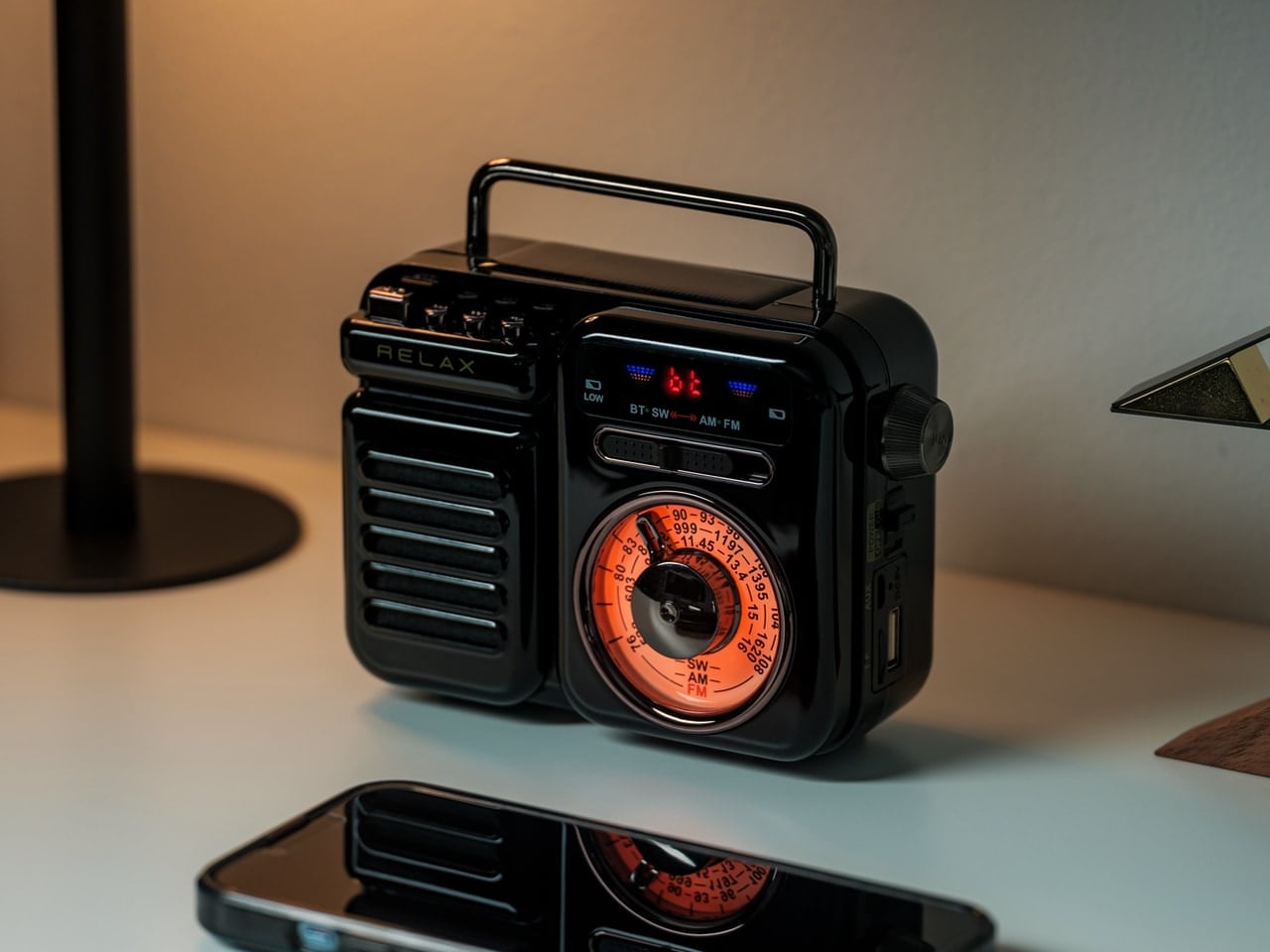
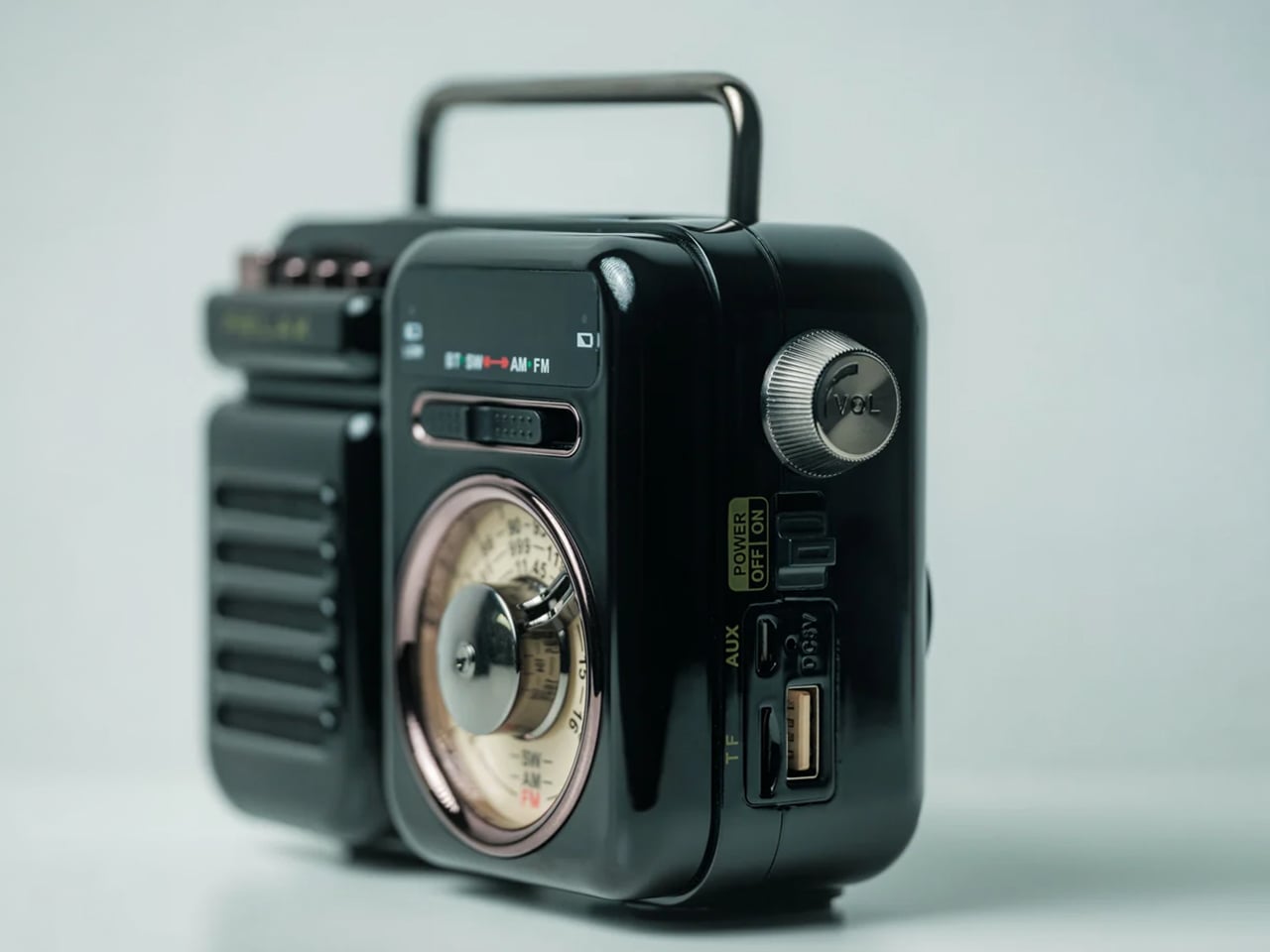
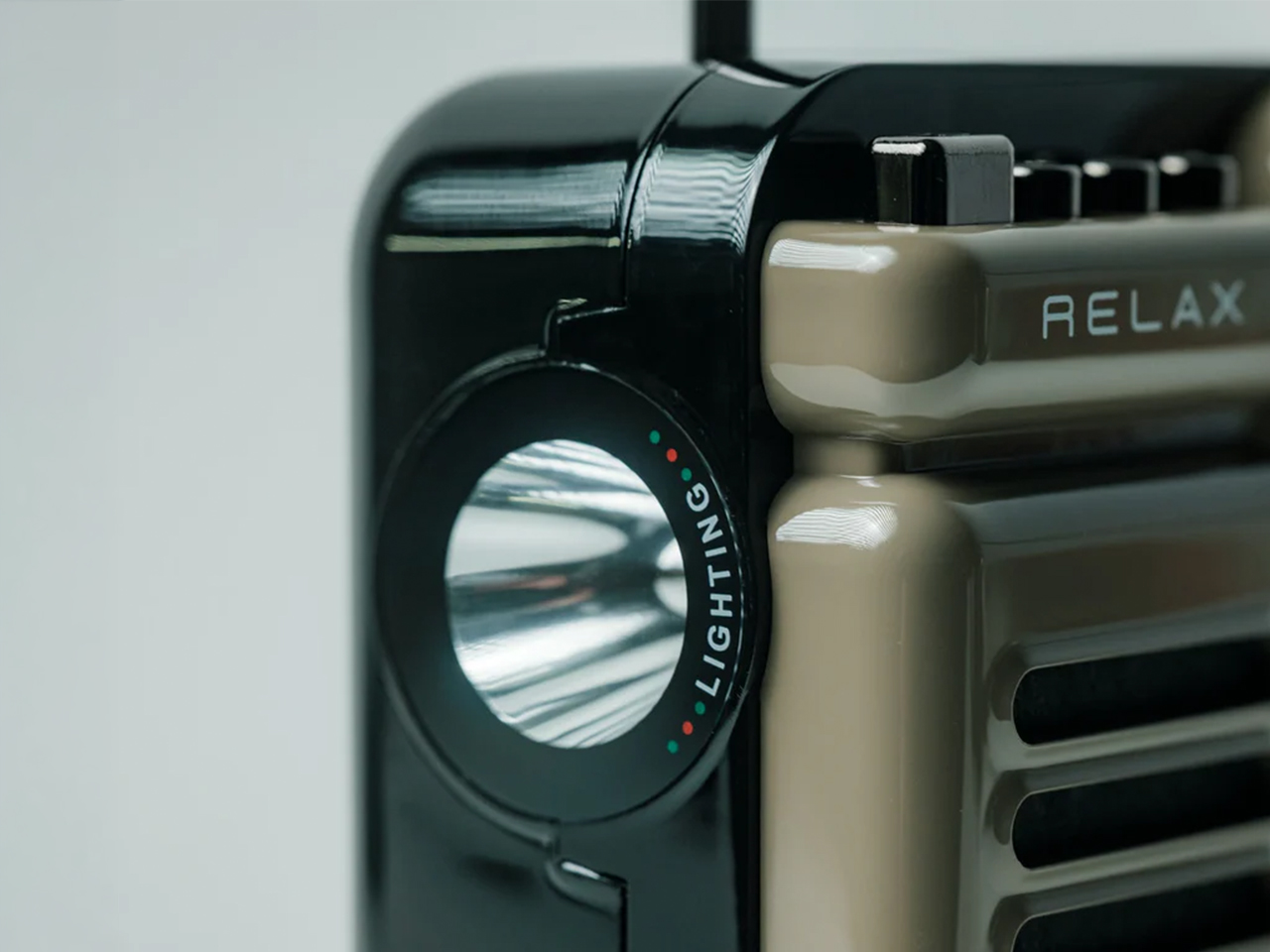
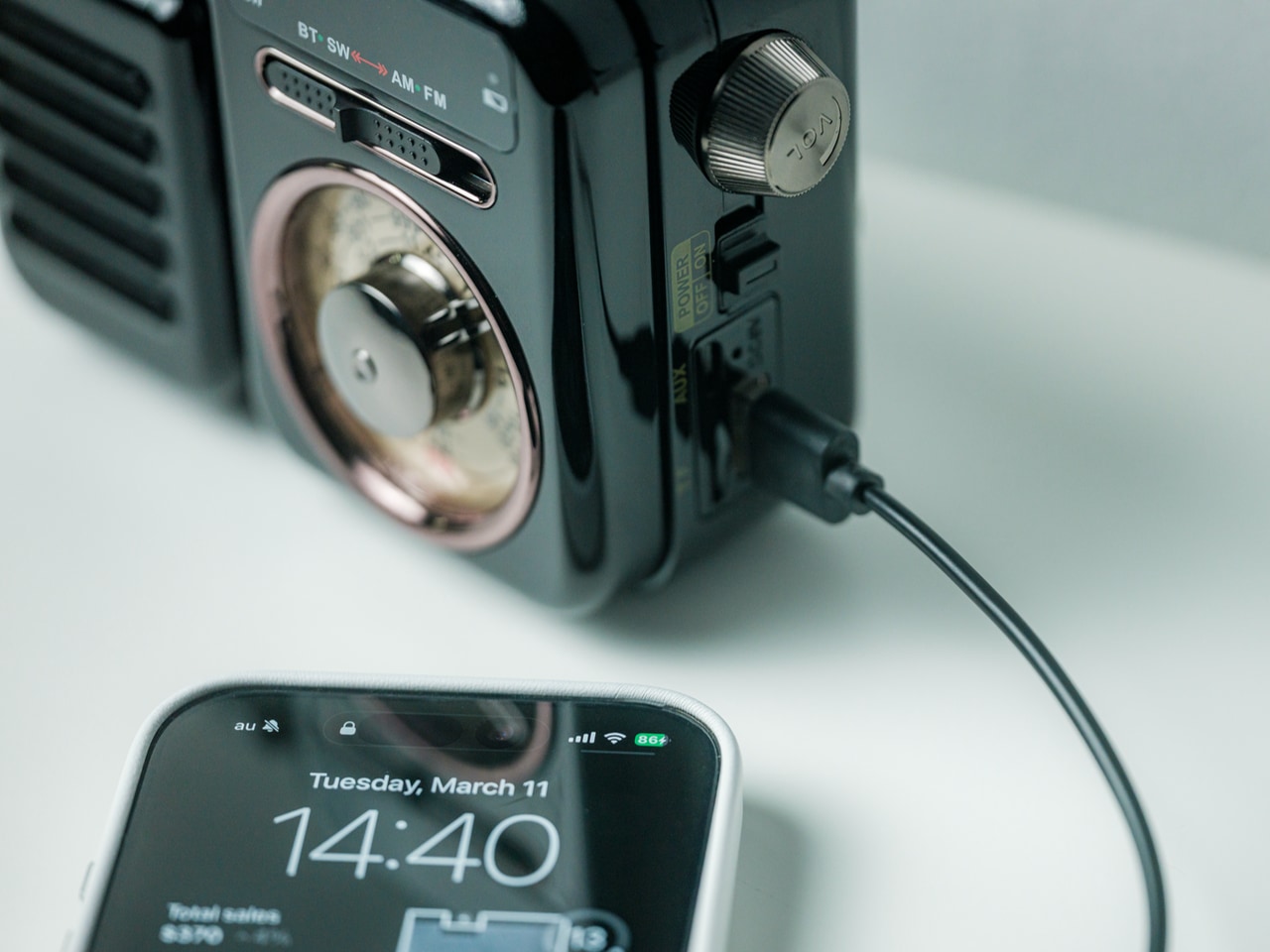
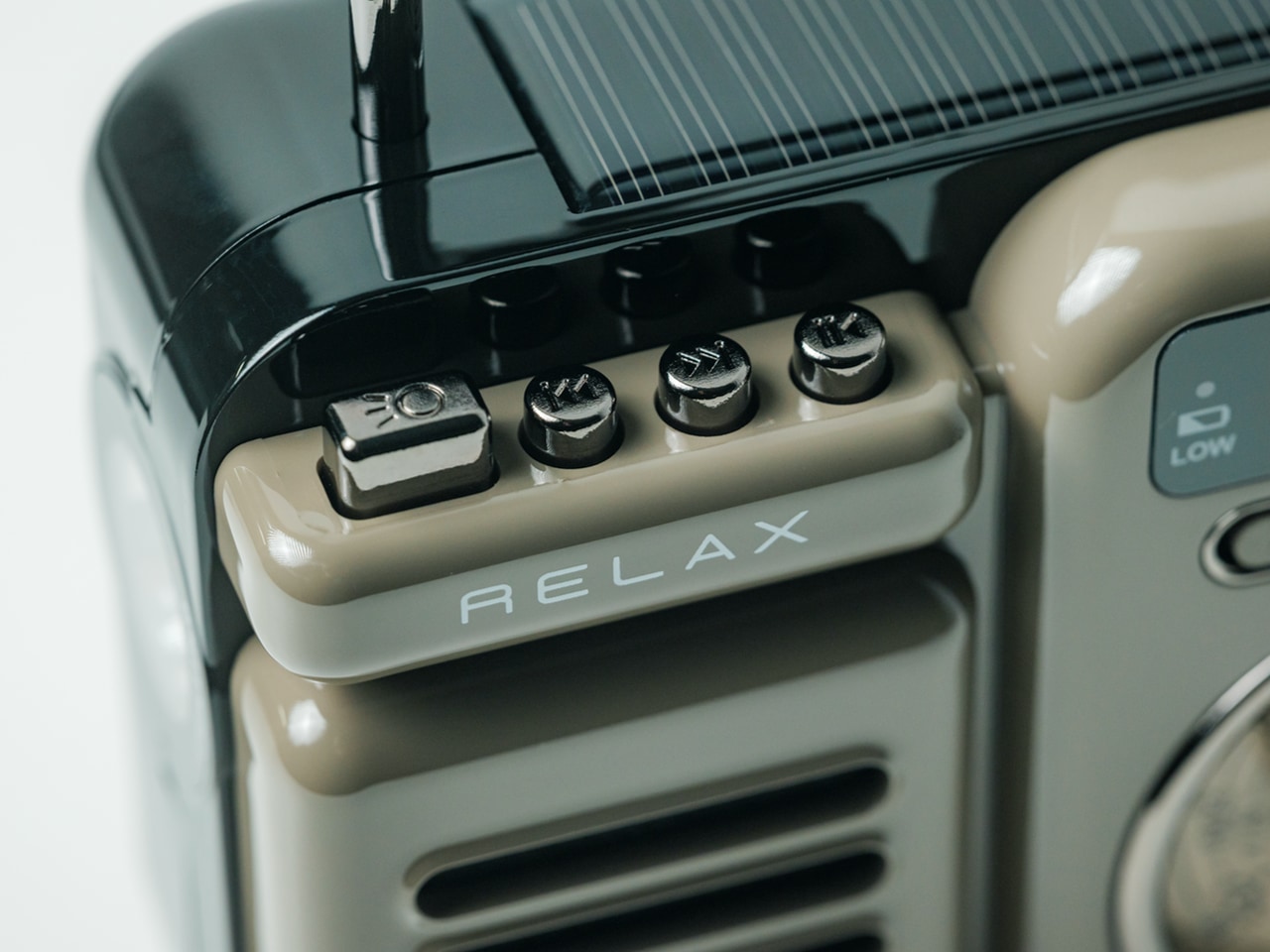
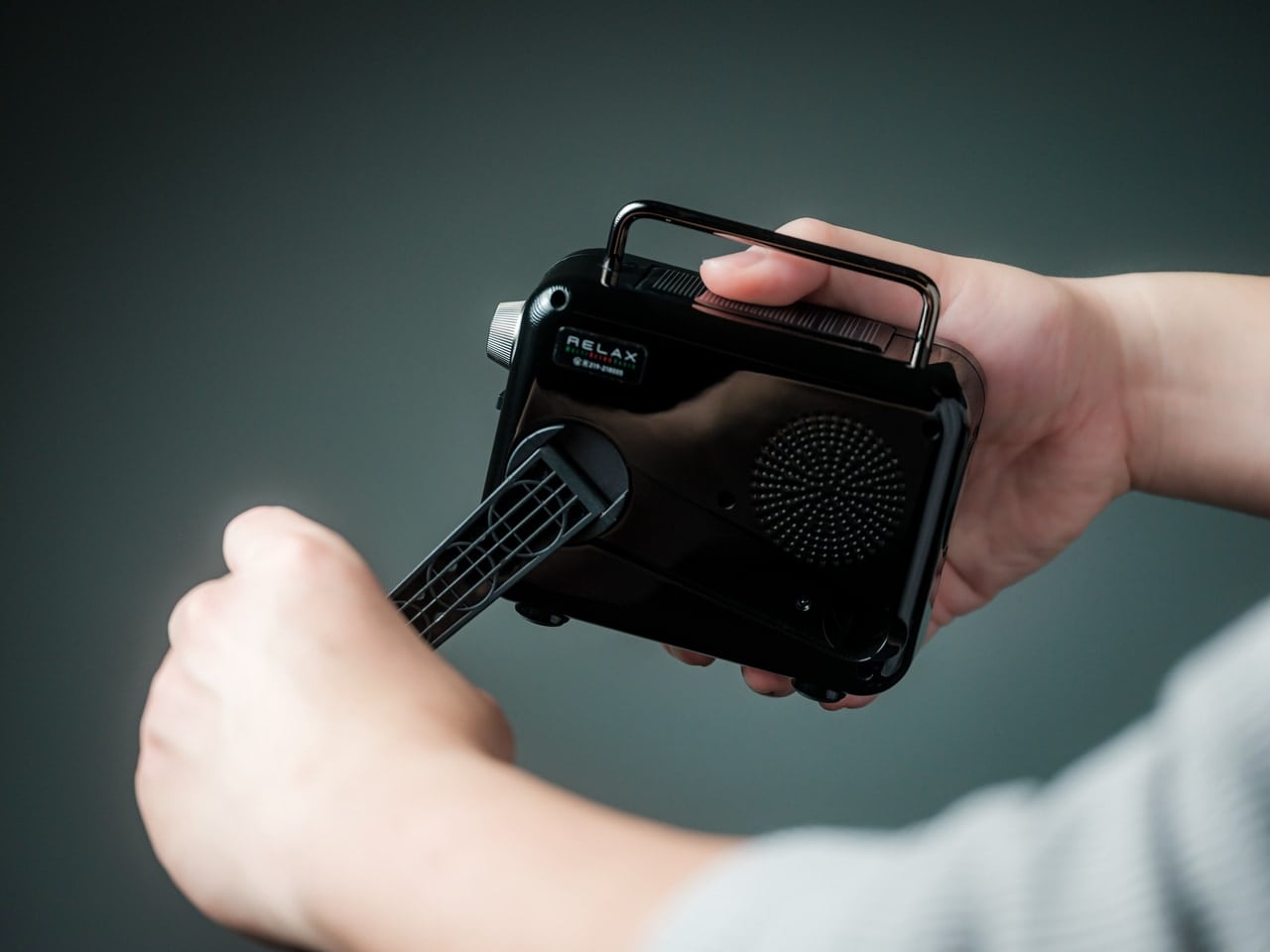
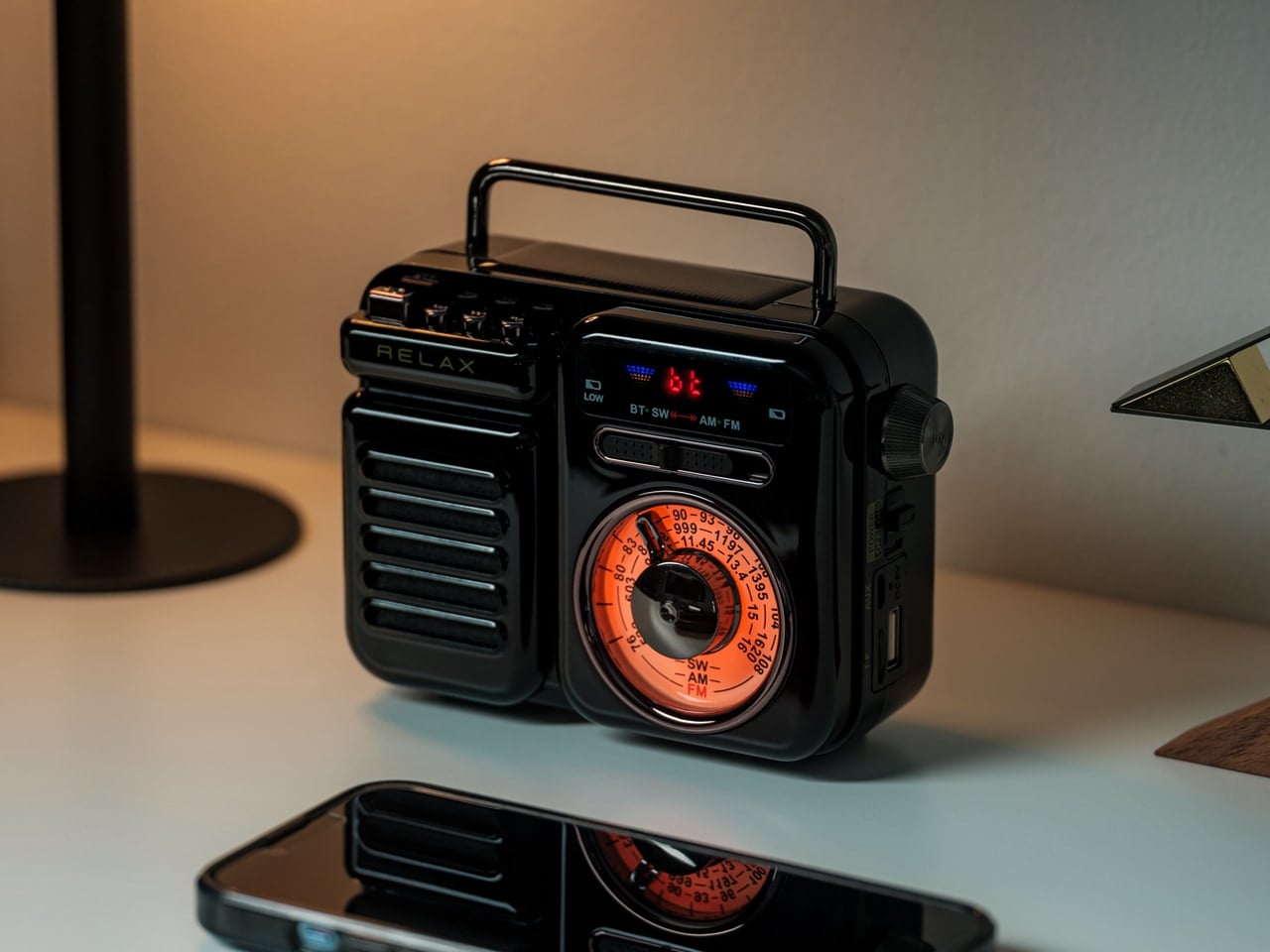
Most emergency gear sits in a drawer until it’s needed — which defeats the entire point. The RetroWave earns shelf space because it looks good enough to display. Styled with a retro Japanese aesthetic and a satisfying tactile tuning dial, it functions as a portable speaker, emergency radio, flashlight, and portable charger from one compact device. It’s the rare piece of outdoor kit that solves the preparedness paradox through sheer design restraint.

At $89, it covers ground that would otherwise require four separate items in your pack. Two colorways — black and warm gray — make it feel considered rather than utilitarian. The 20-hour battery life is enough for a full weekend without reaching for a cable, and the 8W speaker delivers enough warmth to soundtrack a campfire properly. It’s less a gadget and more a statement that survival gear doesn’t have to look survivalist.

Click Here to Buy Now: $89.00

What We Like

  • Seven functions collapse into a single carry-anywhere device with a retro form that earns every gram of its weight
  • Intentional enough in design to live on a shelf rather than be hidden in a bag until an emergency strikes

What We Dislike

  • The retro aesthetic won’t resonate with those who prefer a more modern industrial look
  • Audio output is optimized for outdoor ambience rather than high-fidelity listening

2. Solar-Powered Camping Tent AC

Summer camping’s biggest lie is that you’ll adjust to the heat. You won’t — you’ll sleep worse and wake up annoyed. This solar-powered camping tent concept earned recognition at the Red Dot Design Awards for solving exactly that problem: integrating an air conditioning system powered entirely by solar panels into the structure of the tent itself. No generator noise, no extension cord draped across the campsite. Just a cool night’s sleep that feels like the future.

The design challenge here isn’t purely technical — it’s visual. Solar camping gear has a long history of looking like a science project. This concept sidesteps that with a clean, structured silhouette that doesn’t announce its engineering from across the campsite. For summer trips where heat is the limiting factor rather than terrain, it reframes what a tent can actually do. The idea that solar power and sleeping comfort can coexist elegantly is no longer hypothetical.

What We Like

  • Solar-powered air conditioning solves the most persistent problem in summer camping without relying on noisy, bulky generators
  • Red Dot Design Award recognition confirms that the concept holds up both functionally and aesthetically

What We Dislike

  • As a concept, real-world availability and pricing have not yet been fully confirmed
  • Solar performance will depend heavily on campsite exposure and prevailing weather conditions

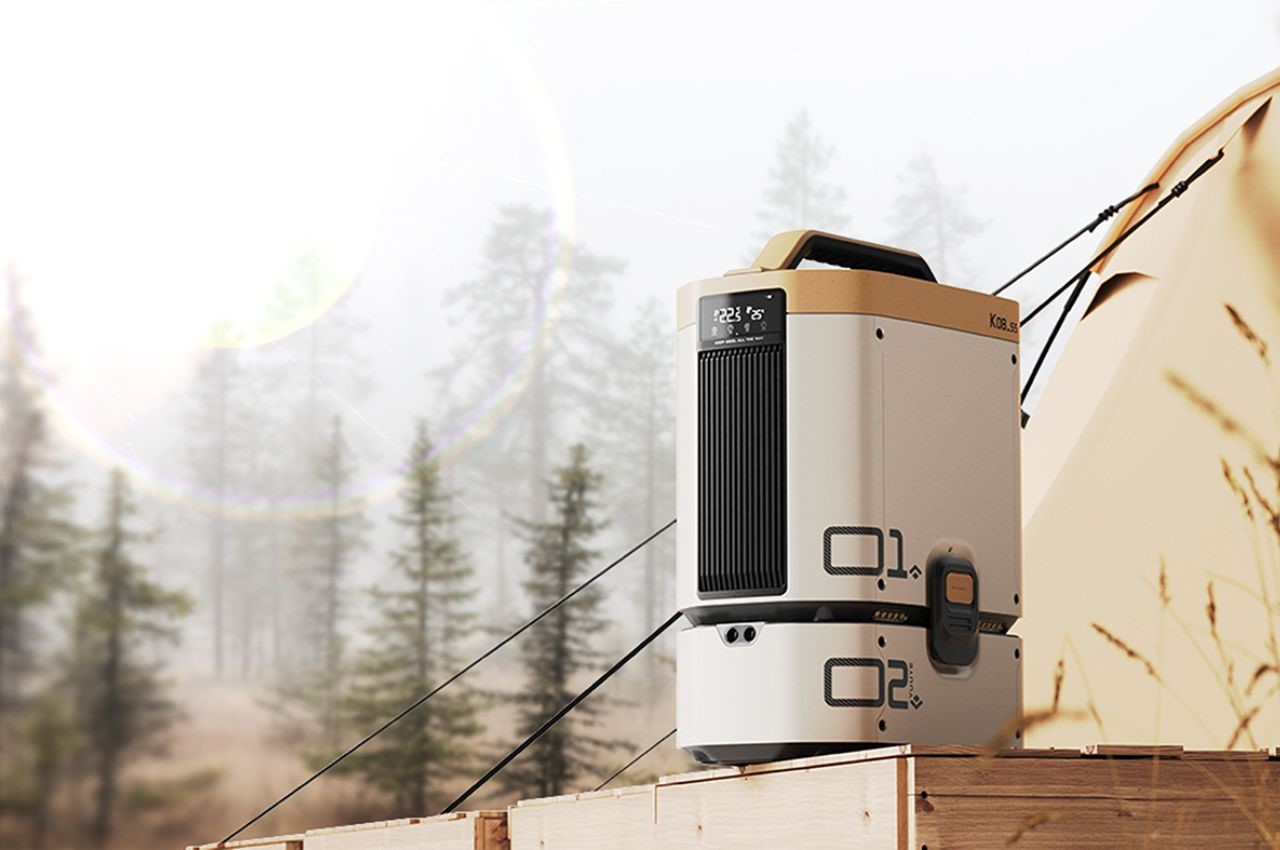
3. Yuuye Portable Air Conditioner

Where the solar tent integrates cooling into the structure, the Yuuye takes a more immediate approach. Its modular design separates the refrigeration unit from the exhaust, drawing in heat and pushing out cool air in a package compact enough to move between a patio, a tent, and an outdoor workspace without a second thought. The LCD screen keeps control simple, and the detachable build means adapting it to a new setting takes seconds rather than a prolonged setup.

The large air outlet distributes cooling evenly rather than in a single concentrated stream, which matters when you’re sitting in front of it rather than standing directly in the airflow. It understands the difference between moving air and actually cooling a space. Compact, lightweight, and designed for exactly the kind of summer that turns a backyard into an endurance test, it earns its place outdoors not by being impressive on paper, but by working when the temperature genuinely spikes.

What We Like

  • The modular, detachable build makes relocating it between outdoor settings fast and completely intuitive
  • Delivers consistent cooling without the bulk or noise of traditional portable air conditioning units

What We Dislike

  • Best suited for small to medium spaces — larger gatherings will need more than one unit to feel the difference
  • Requires a power source for extended use, which limits fully off-grid applications

4. Hemingway Cooler

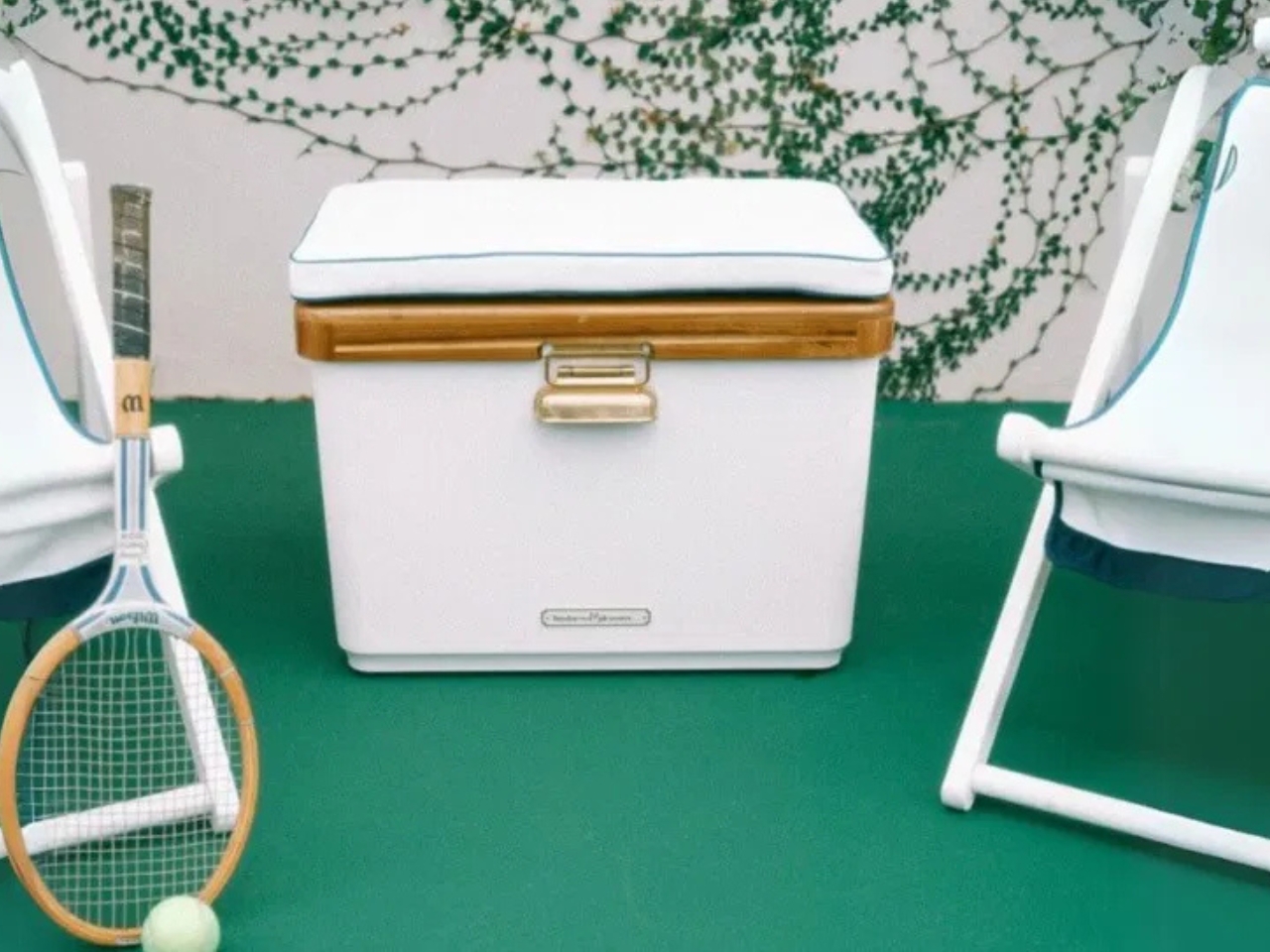
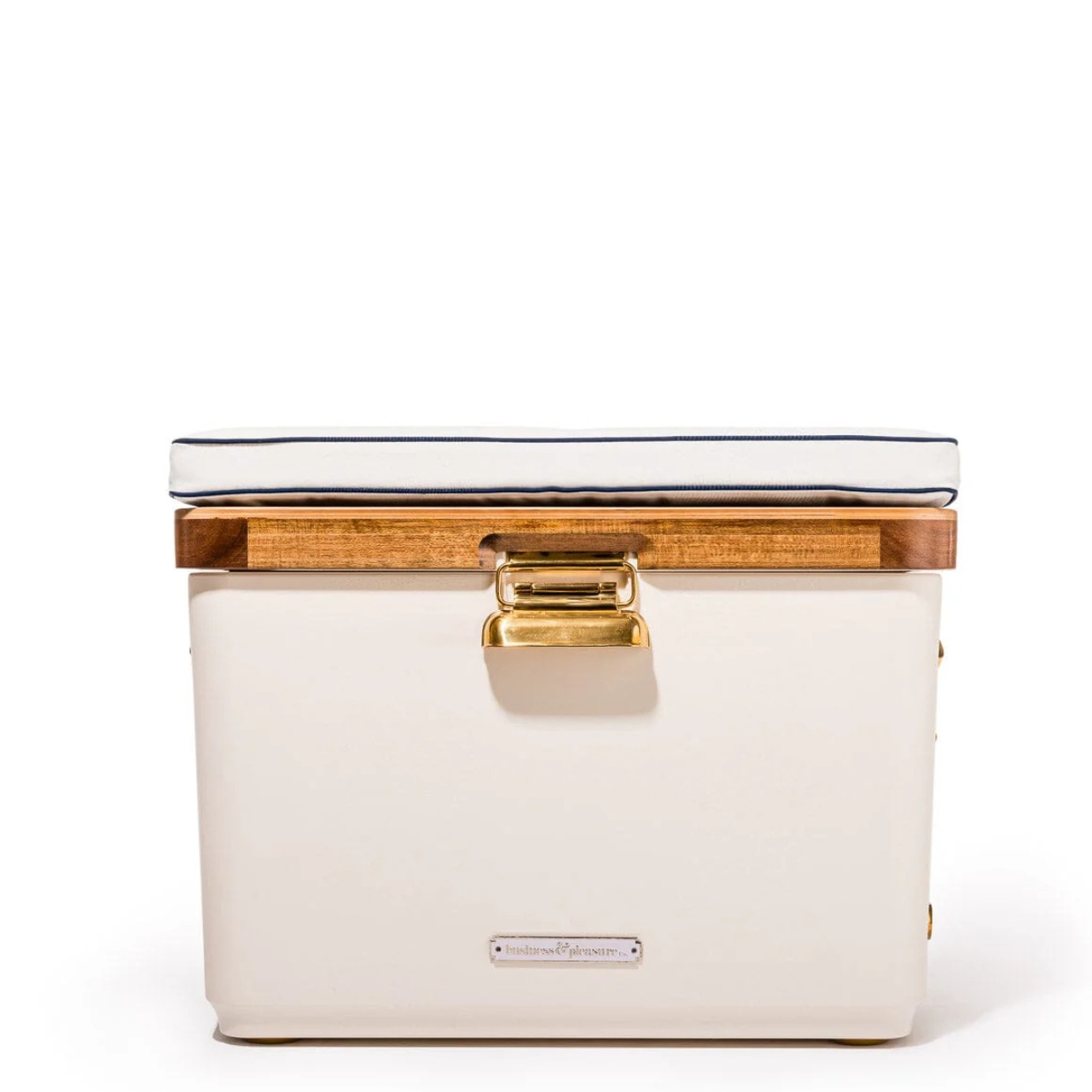
Coolers have spent decades looking like objects that are embarrassed to be at the party. The Hemingway takes a different position entirely. Designed with reference to mid-20th-century European cars and speedboats, it brings a classic, rugged sensibility to something most people treat as purely functional. It’s a cooler that looks as deliberate as the rest of your setup — the kind of thing you’d pack into the back of a Land Rover without any irony whatsoever.

The design doesn’t sacrifice performance for aesthetics. The rugged build holds up to outdoor conditions that take the shine off lesser products quickly, and the form is cohesive enough that it reads as a considered object rather than a branded afterthought. For men who treat the patio and the campsite as extensions of their taste rather than exceptions to it, the Hemingway is the first cooler that actually deserves to be seen.

What We Like

  • The mid-century design reference gives it a visual identity that holds up well beyond the campsite or tailgate
  • Rugged construction means the good looks aren’t at the expense of actual outdoor durability

What We Dislike

  • The deliberate aesthetic may feel out of place in purely utilitarian outdoor contexts
  • Premium design positioning likely carries a premium price point to match

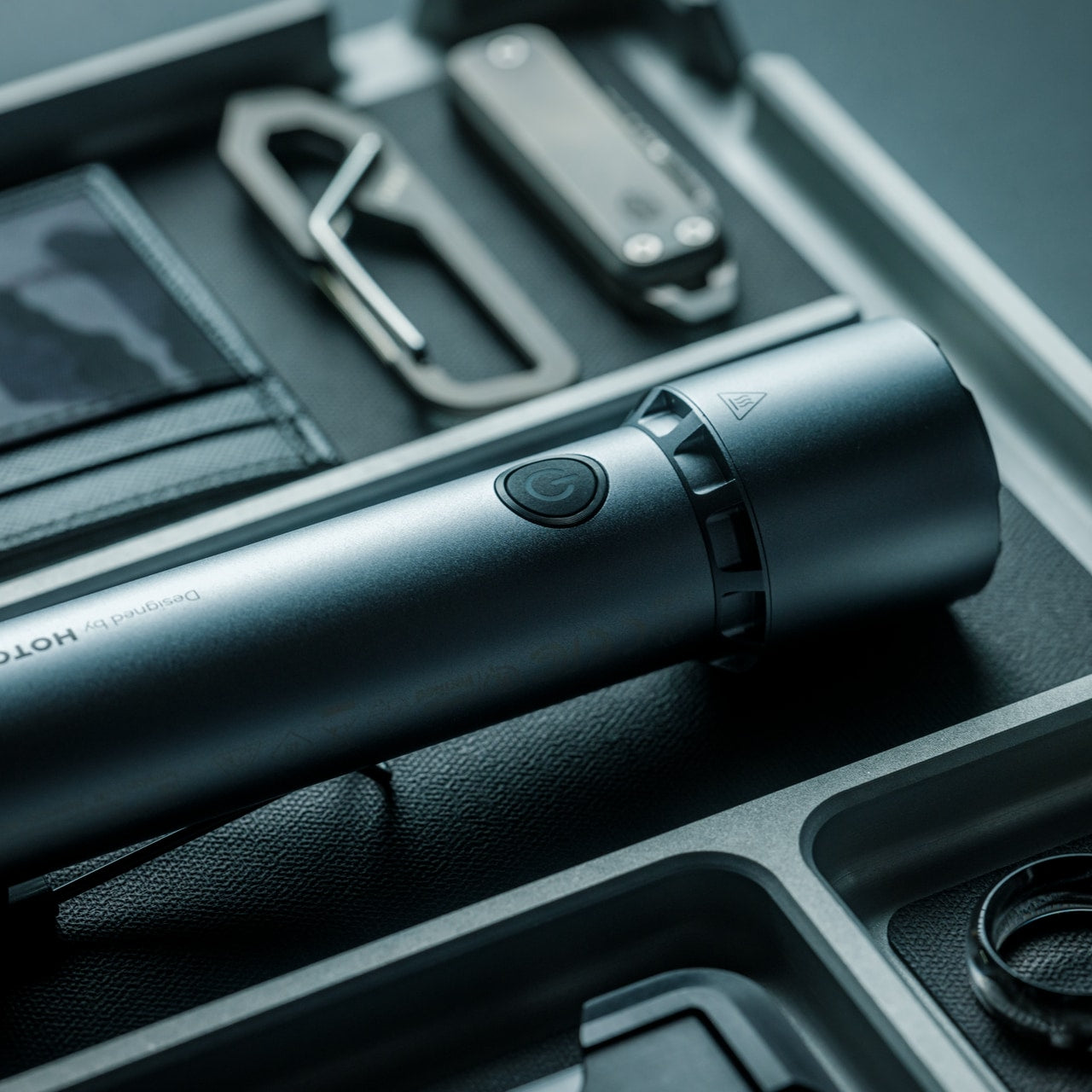
5. BlackoutBeam Tactical Flashlight

“Tactical” is a word that has done a lot of damage to outdoor gear design. The BlackoutBeam manages to carry the term without leaning into the aesthetic that usually comes with it. At $90, it sits in the range where you’re buying something built for real use rather than a shelf demonstration.

A good flashlight is one of those objects where the quality gap between a considered design and a generic alternative is immediately felt in the hand. Weight distribution, button placement, beam control — these are the details that separate tools from gadgets. The BlackoutBeam handles them with enough conviction to earn the “tactical” descriptor on function rather than branding alone. For the man who refuses to carry anything that looks apologetic, this is the one to reach for.

Click Here to Buy Now: $90.00

What We Like

  • The $90 price point reflects genuine build quality rather than brand markup on a commodity product
  • Restrained design language avoids the aggressive tactical styling that makes most flashlights look out of place

What We Dislike

  • The “tactical” category still carries aesthetic baggage that may not suit every outdoor context
  • Limited design detail available through the shop listing makes spec comparison difficult before purchase

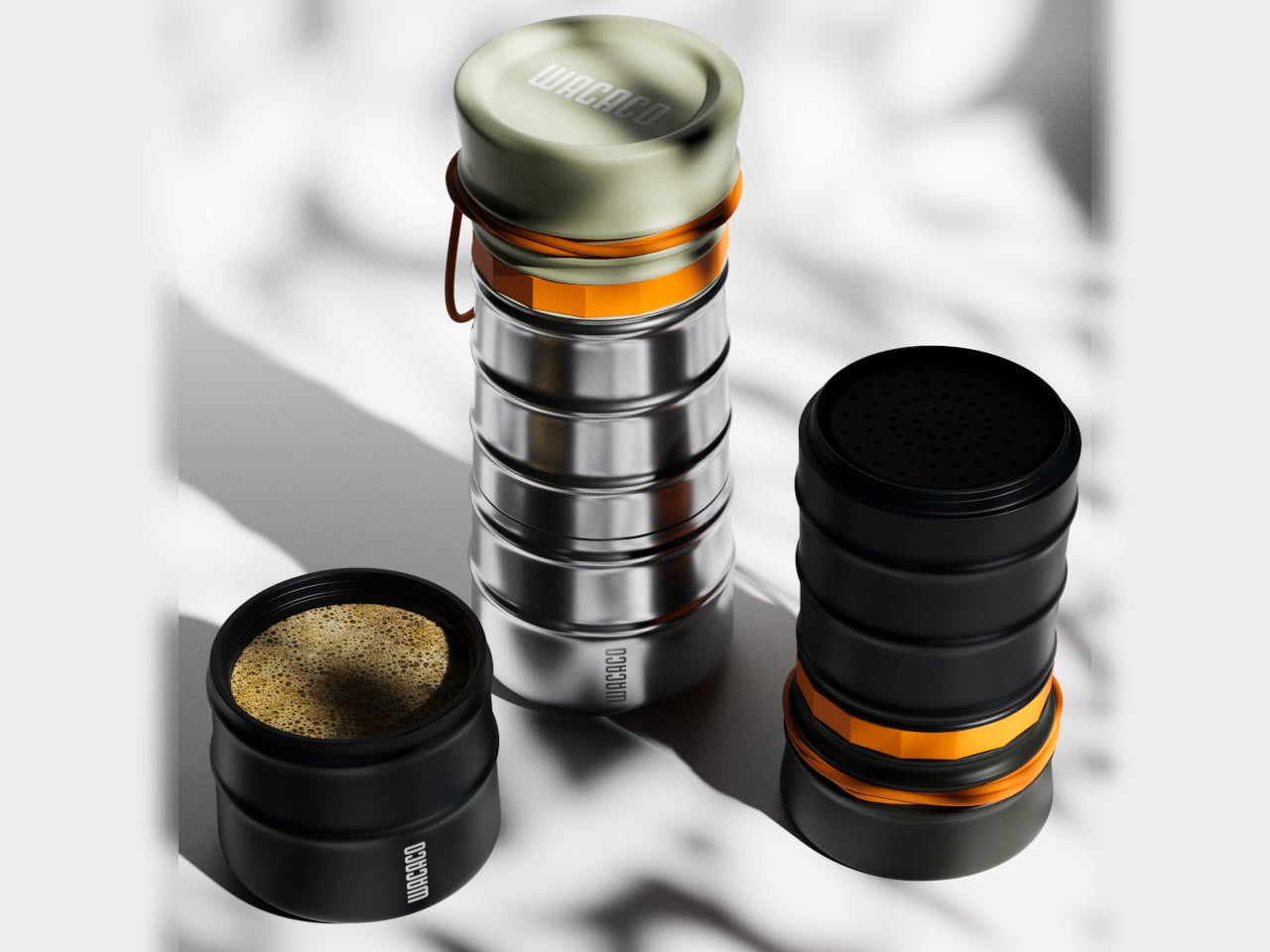
6. MokaMax

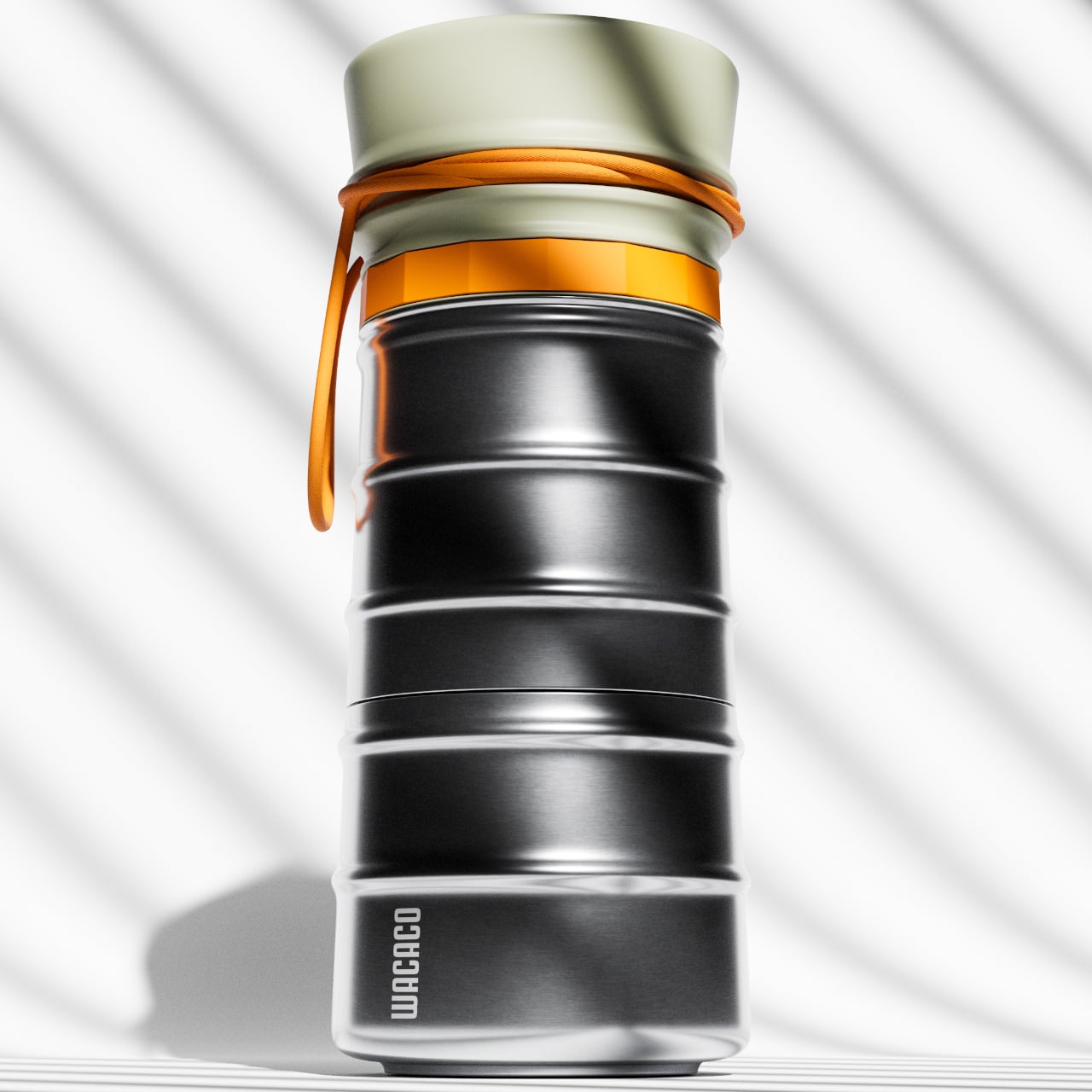
Portable coffee makers have a consistency problem. The plunger versions are messy, the capsule versions need a power source, and the pour-over options require more patience than most mornings allow. MokaMax resolves the argument by packing a pressure brewer directly into a rigid stainless travel mug — delivering espresso-style coffee in the same vessel you carry it in. It positions itself as the proper successor to the Pipamoka, with a form language that reads more like outdoor equipment than a kitchen appliance.

The ridged exterior isn’t purely visual texture — it provides a secure grip in conditions where hands are wet or cold, and it helps the MokaMax blend naturally with the kind of rugged travel gear men who care about this sort of thing tend to carry. It’s a product that earns its presence on a campsite or a trailhead without announcing itself. Good coffee, away from a kitchen, in an object worth actually owning.

What We Like

  • Pressure brewing and carrying a vessel combined means fewer items to pack and clean in the field
  • The ridged stainless form integrates visually with quality outdoor gear rather than clashing against it

What We Dislike

  • Espresso-style output may not satisfy those who prefer larger-volume filter coffee while camping
  • Pressure brewing has a learning curve for those accustomed to simpler portable methods

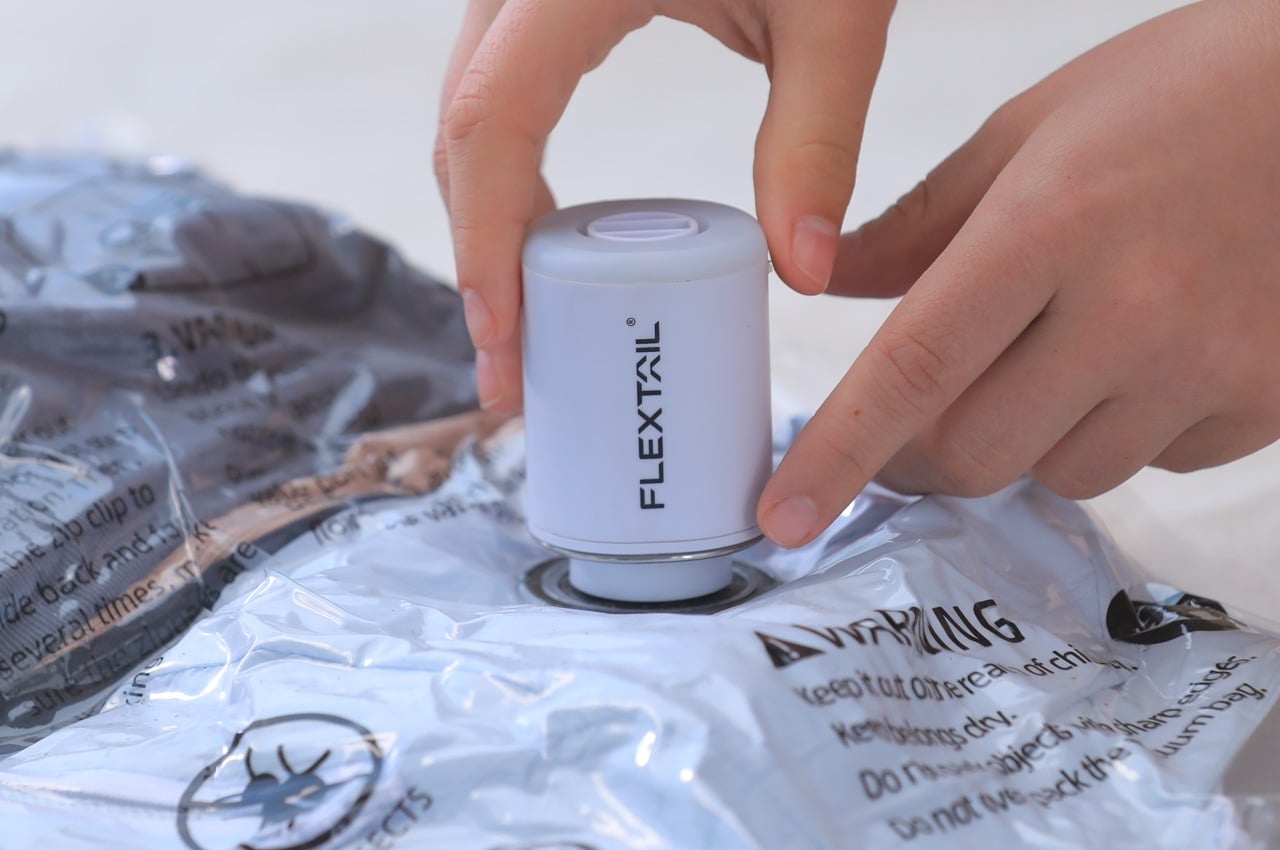
7. FLEXTAIL Tiny Pump 2X

Camping gear that does one thing well is easy to find. Camping gear that does three things well, fits in a pocket, and doesn’t look like an infomercial product is considerably rarer. The FLEXTAIL Tiny Pump 2X manages exactly that — functioning as an outdoor pump, a camping lantern, and a general-use light source in a form factor small enough to get lost in a daypack if you’re not paying attention. Its utility-to-size ratio is genuinely difficult to argue with.

The design restraint does the heavy lifting. Rather than communicating its multi-function capability through an overload of controls or visual complexity, it reads as a single clean object that happens to do more than expected once you engage it. For summer trips where pack weight is a decision every item has to justify, the Tiny Pump 2X earns its place three times over. It’s the kind of product that makes you rethink what minimum viable gear actually looks like.

What We Like

  • Three functions in one compact body reduce the individual item count needed for a serious weekend outdoors
  • The restrained form doesn’t visually telegraph its multi-function capability, which is a genuine design achievement

What We Dislike

  • Compact size means output on each function is calibrated for personal use rather than group coverage
  • Lantern brightness may be insufficient for larger camping setups requiring wider illumination

8. StillFrame Headphones

The case for taking good headphones outside has never been stronger, and the StillFrame makes a compelling argument for why. They occupy the space between in-ears and over-ears deliberately — more open than the former, more relaxed than the latter. “Featherlight yet full-bodied” sounds like marketing until you put them on, at which point it just sounds accurate. Listening becomes a physical ritual rather than background noise management.

For outdoor use, weight matters as much as sound. Headphones that feel present on your head become an irritant across longer stretches — hiking, a morning at the campsite, a slow afternoon by the water. The StillFrame disappears in a way that heavier alternatives don’t, which means you stop thinking about them and start thinking about what you’re actually listening to. That’s the benchmark for any piece of audio gear, and this one clears it comfortably.

Click Here to Buy Now: $245.00

What We Like

  • The positioning between the in-ear and over-ear categories gives it a comfort profile that holds up across extended outdoor use
  • At $245, the price reflects a genuine design object rather than commodity audio gear

What We Dislike

  • The open design means reduced passive isolation in high-noise outdoor environments like busy trails or campsites
  • The featherlight build may not appeal to listeners who associate weight with perceived audio quality

Gear That Earns Its Place

The outdoor tech category earns its bad reputation because most of it treats function and form as competing priorities. These eight products make the opposite argument: that the best gear is what you actually want to carry, because it holds up visually and practically. Each one has a design story worth reading before you even get to the spec sheet.

The RetroWave and BlackoutBeam are available directly through the YD shop. The MokaMax, Yuuye, and StillFrame have earned space in multiple roundups for good reason. The solar tent, still in concept territory, is the kind of idea that makes the rest of the industry look like it isn’t trying hard enough. Summer has better options than it used to.

The post 8 Best Summer Gadgets for Men Who Think “Outdoor Tech” Usually Looks Terrible first appeared on Yanko Design.

TiNova II Is the 59g Titanium EDC Knife That’s Hard to Put Down

Most compact EDC knives aren’t really built to be enjoyed, just used. Angular profiles, tactical textures, and aggressive pocket clips do their job well enough, but none of them encourages you to keep the knife in your hand any longer than necessary. For most compact blades, being pulled out for a quick task and then tucked back into a pocket is already the full extent of the experience.

TiNova II takes a noticeably different approach to the category. Rather than pushing toward more aggressive geometry or more serious hardware, it pulls back and focuses on how pleasant a small folding knife can feel to hold and carry through an ordinary day. It doesn’t try to compete with larger, tougher blades; it just wants to be the thing you’re always happy to reach for.

Designer: Ideaspark Design Team

Click Here to Buy Now: $49 $70 (30% off). Hurry, only 30/420 left! Less than 72 hours to go. Raised over $99,000.

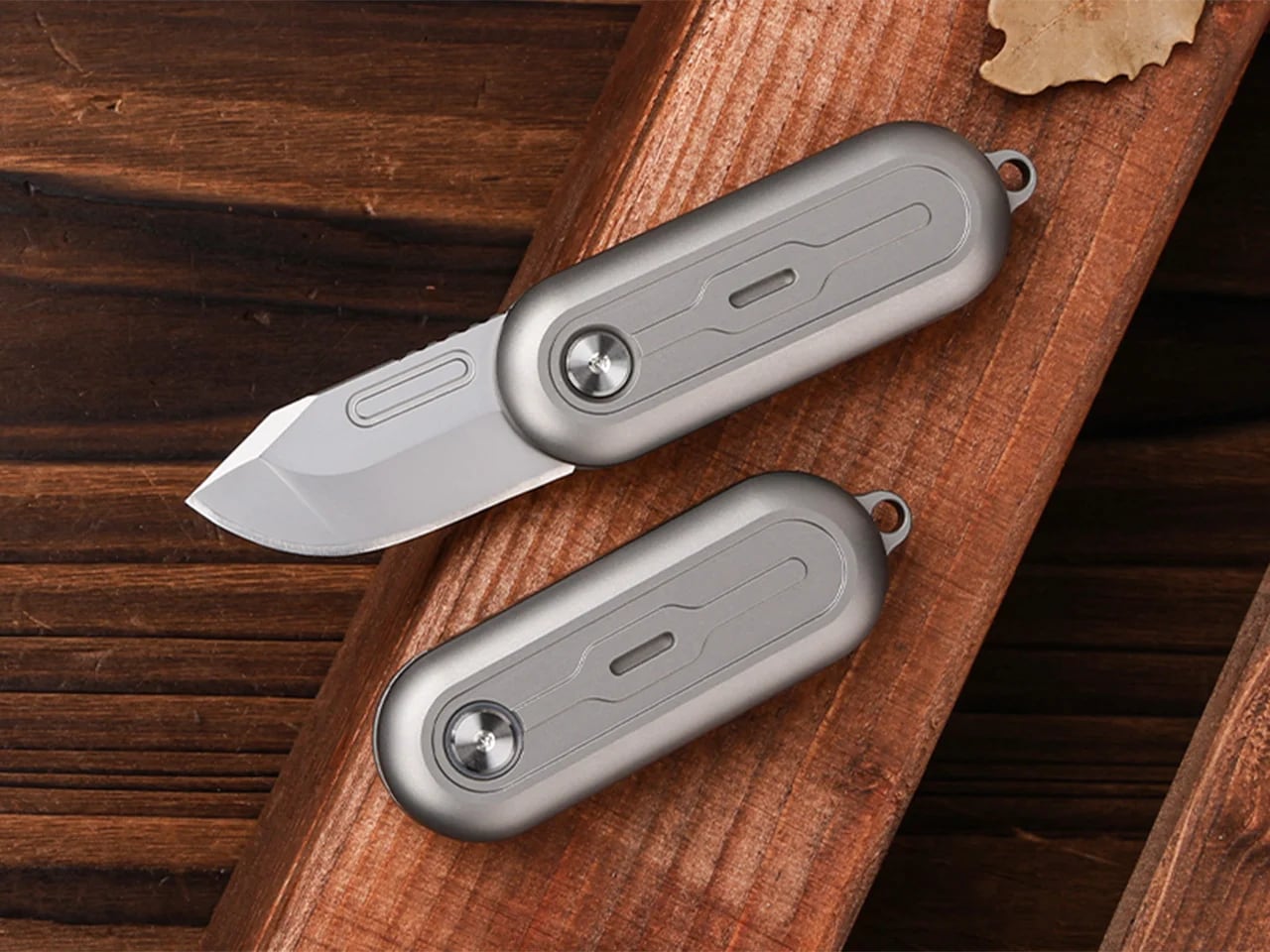
The most obvious departure from the typical compact knife is TiNova II’s body shape. Instead of flat sides and defined edges, the handle uses an oval form that follows the natural curve of a loosely curled hand. There’s no fixed orientation to worry about, no hard corner pressing into your palm. It just rolls between your fingers almost effortlessly, which makes a bigger difference than it sounds.

A precision roller bearing sits at the heart of TiNova II’s flip-and-turn action, and the difference is immediately noticeable. Each movement feels smooth and weighted, free of the stiffness that can make smaller folding knives feel surprisingly cheap. Magnets add a crisp sense of feedback at the end of the motion, giving the whole action a rhythm that makes you want to keep repeating it.

That quality turns TiNova II into something you pick up even when there’s nothing to cut. It ends up on a desk during a long call or meeting, spinning between tasks without much thought. But when you do need a blade, the D2 steel edge comes rated at HRC 58 to 60 and handles boxes, tape, rope, and most things a typical day throws at it without complaint.

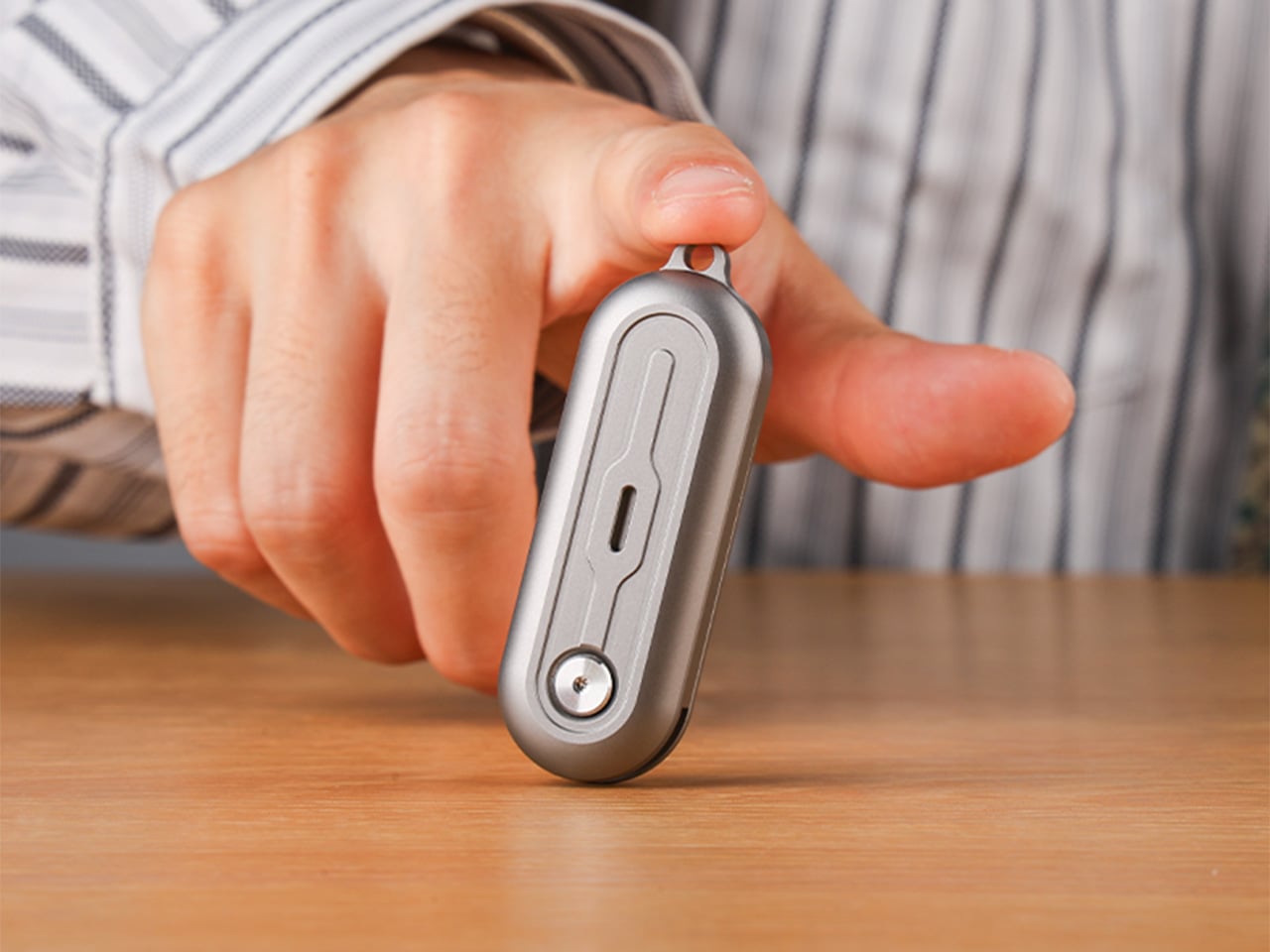
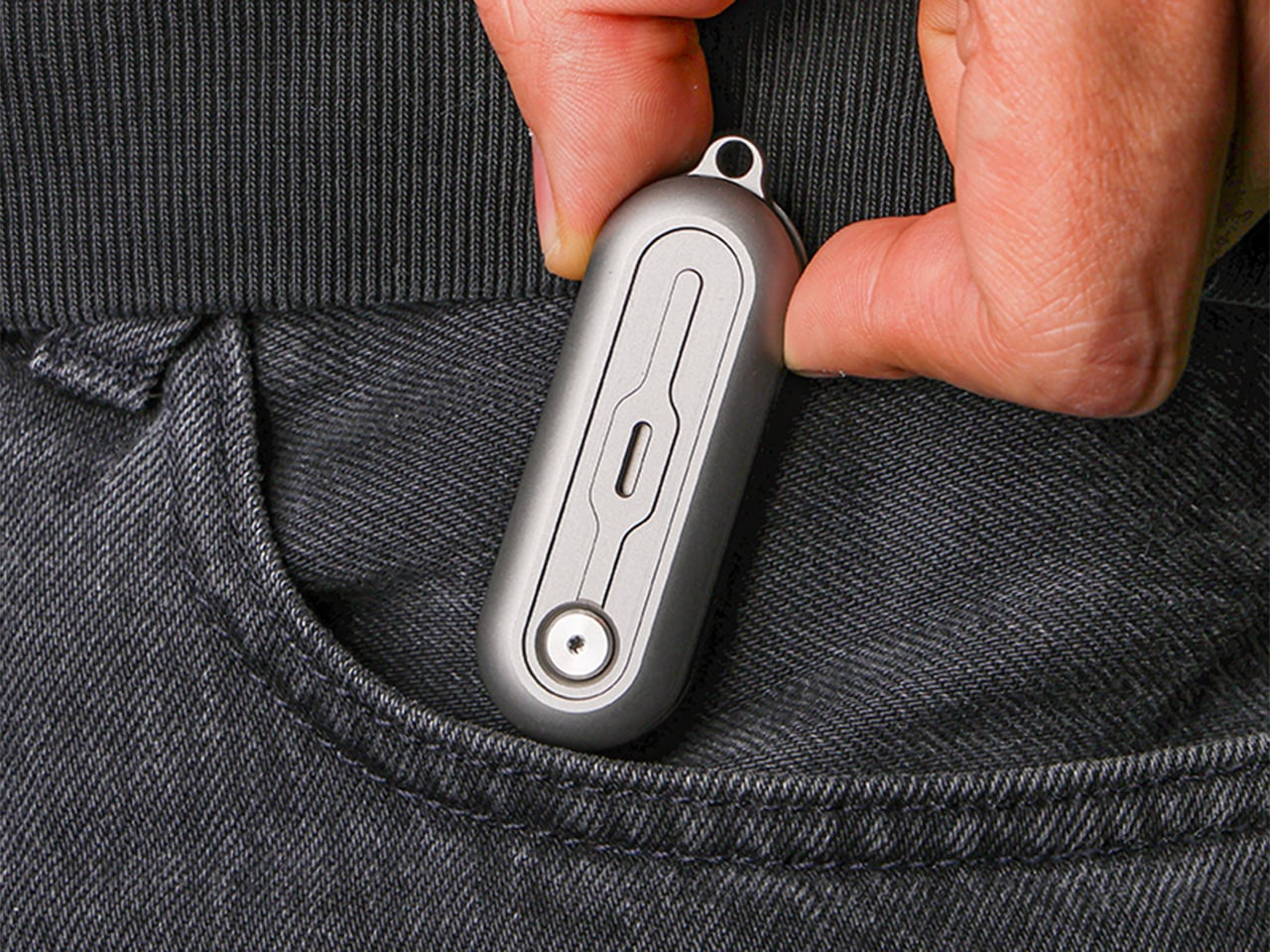
Compact is a word that gets thrown around loosely in EDC circles, but TiNova II earns it more honestly than most. The closed handle measures 64.4mm long and weighs just 59.3g, which means it genuinely disappears into a fifth pocket or attaches to a keyring without adding noticeable bulk. It’s the kind of size that lets you forget it’s there until your hand instinctively reaches for it.

The handle is Grade 5 titanium, the same aerospace-grade alloy favored in applications where weight savings and durability both count. It’s corrosion-resistant, light, and refreshingly honest in the way it wears. Scratches and scuffs accumulate naturally over time, giving each knife a slightly different character from the next. It’s the kind of material that becomes more personal with use rather than trying to hide the evidence of it.

Two finish options let you choose how the knife presents itself. The sandblasted version is raw and unpretentious, showing the honest titanium surface and every mark it collects. The black-coated version keeps things quieter, which also lets the dual tritium slots do more of the visual work in darker settings. Those small glowing tubes make TiNova II easy to locate in low light and add a quiet touch of personality.

TiNova II also includes a built-in keyhole for attaching to keys or a bag, and that small detail says a lot about its personality. This isn’t trying to be a dramatic statement piece or an oversized folder pretending to be practical, especially with a lifetime warranty promise. It feels more like a compact companion that happens to carry a real blade, one designed to stay close at hand and feel good doing it.

Click Here to Buy Now: $49 $70 (30% off). Hurry, only 30/420 left! Less than 72 hours to go. Raised over $99,000.

The post TiNova II Is the 59g Titanium EDC Knife That’s Hard to Put Down first appeared on Yanko Design.

This Titanium Pocket Hammer Packs a Wrench, Three Rulers, and a Tungsten Glass-Breaker Inside Its Frame

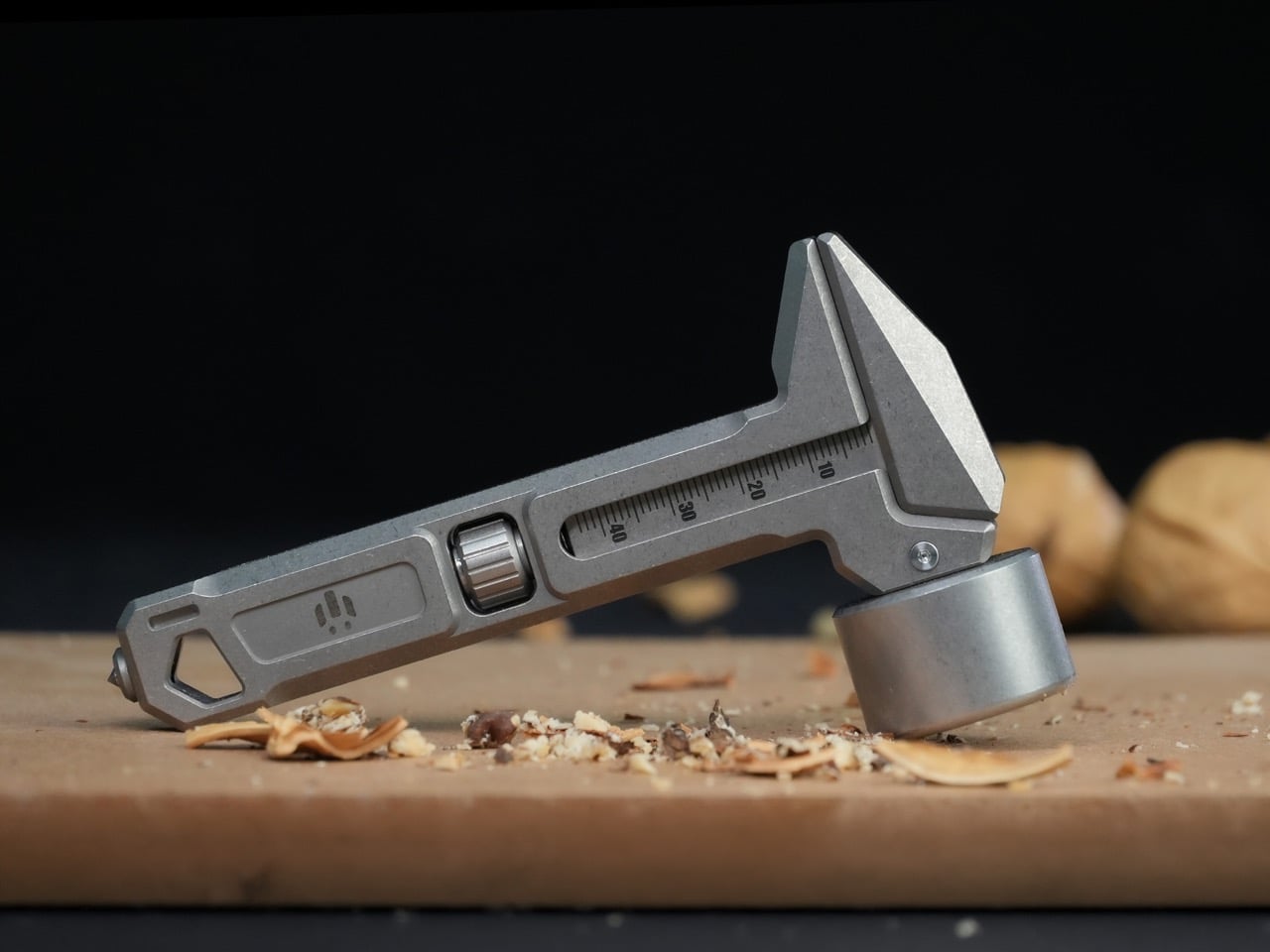
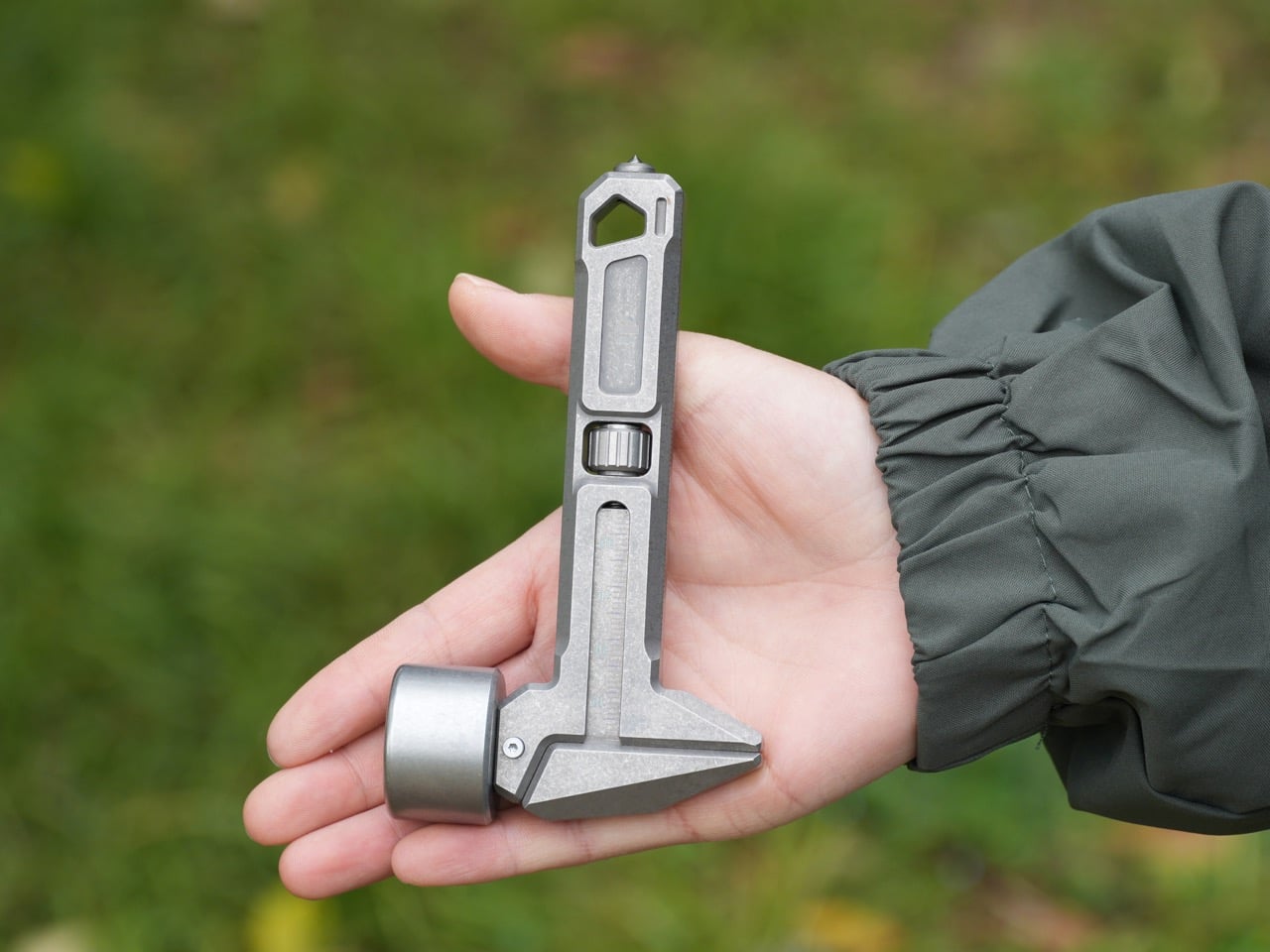
The hammer may be the least glamorous tool ever made, all blunt force and workshop grit, with none of the sleek mystique that usually surrounds EDC gear. The Eck Hammer changes that equation by turning the familiar silhouette into something sculptural, compact, and unexpectedly desirable. Suddenly, the hammer feels collectible. M-Seeker has taken a tool most people associate with garages and toolboxes and recast it in Grade 5 titanium and hardened steel, giving it the kind of finish, proportion, and detail that makes you want to carry it rather than leave it hanging on a wall.

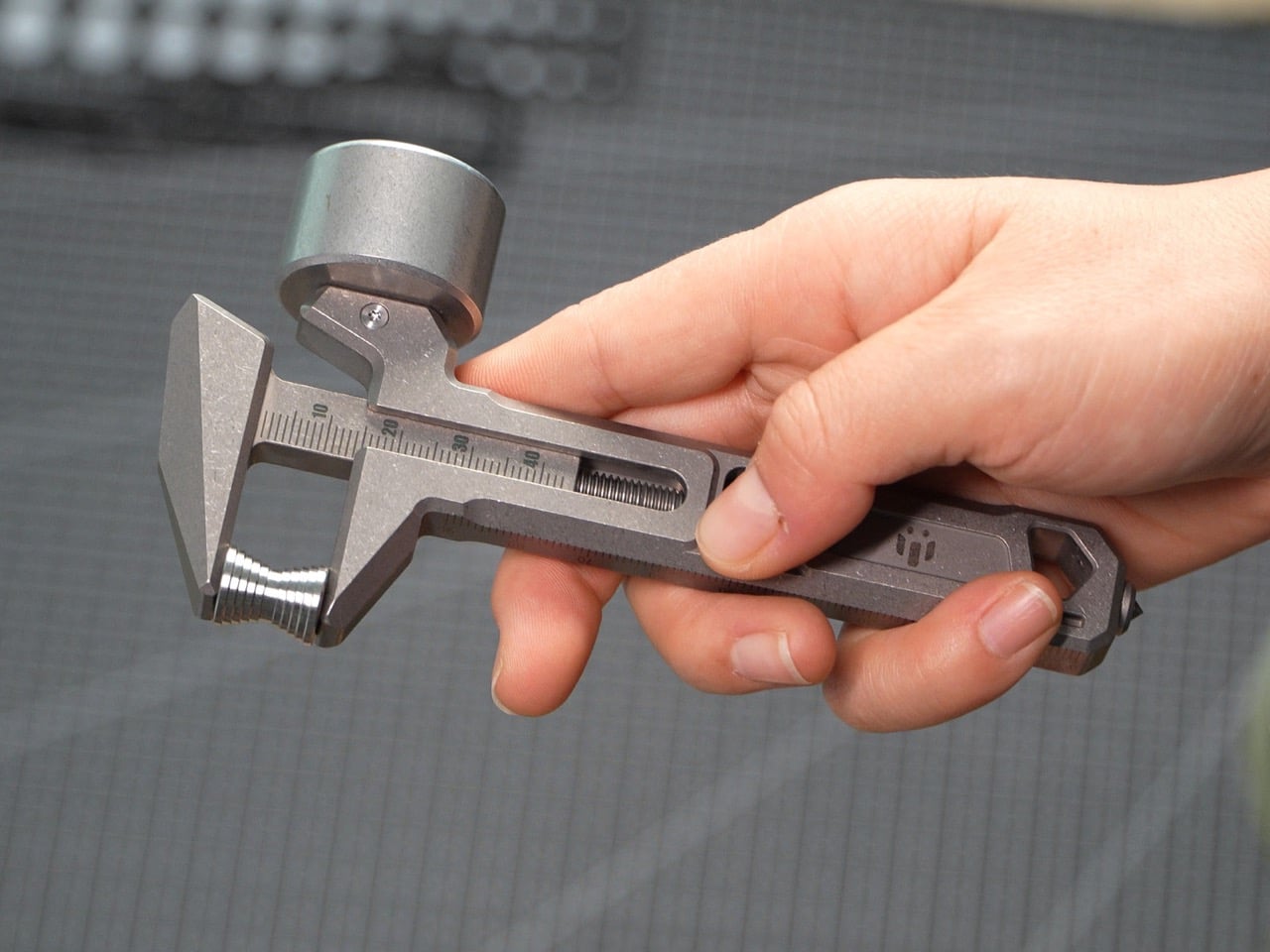
That visual upgrade would mean very little without substance, and the Eck Hammer has plenty of it. Inside the palm-sized form are swappable hammer heads for different strike styles, a caliper-style measuring system with multiple units, an adjustable wrench built into the body, and a metal scriber tipped with tungsten that also serves as a glass breaker in emergencies. What begins as a compact hammer quickly opens into a tightly packed field tool, one designed to measure, mark, tighten, strike, and adapt without losing the primal appeal that made the hammer essential in the first place.

Designer: M-Seeker

Click Here to Buy Now: $159 $239 (33%) Hurry! Only 13 of 50 left.

The hammer features a dual-material design, relying on two metals that have legend-status in the EDC world. Grade 5 titanium keeps the body light and corrosion-resistant, while the 440C stainless steel head concentrates weight where impact happens. That split creates a naturally forward-weighted balance, making each strike land harder with less effort from your arm. The physics are simple: more mass at the head, less wasted energy in the swing, more force transferred to the target. M-Seeker could have used a single material and called it premium, but the two-metal construction delivers something functionally better, and the contrast between brushed titanium and polished steel gives the tool a visual rhythm that feels deliberate rather than decorative.

The modular head system turns one hammer into four distinct tools depending on what you attach and how you configure it. The Precision Head weighs 2.5 ounces and brings the total striking weight to 4.5 ounces, making it ideal for controlled work where accuracy matters more than raw force. The Power Head weighs 4 ounces and pushes the total to 6 ounces, delivering the kind of impact you need for tent stakes, bent hardware, or anything that requires a heavier hand. Both heads accept an optional silicone mallet cap that protects delicate surfaces, so the Power Head becomes a strong, mark-free mallet, and the Precision Head turns into a gentler tapping tool for finish work or indoor assembly. Swapping heads takes seconds, and the magnetic retention keeps everything locked in place under use.

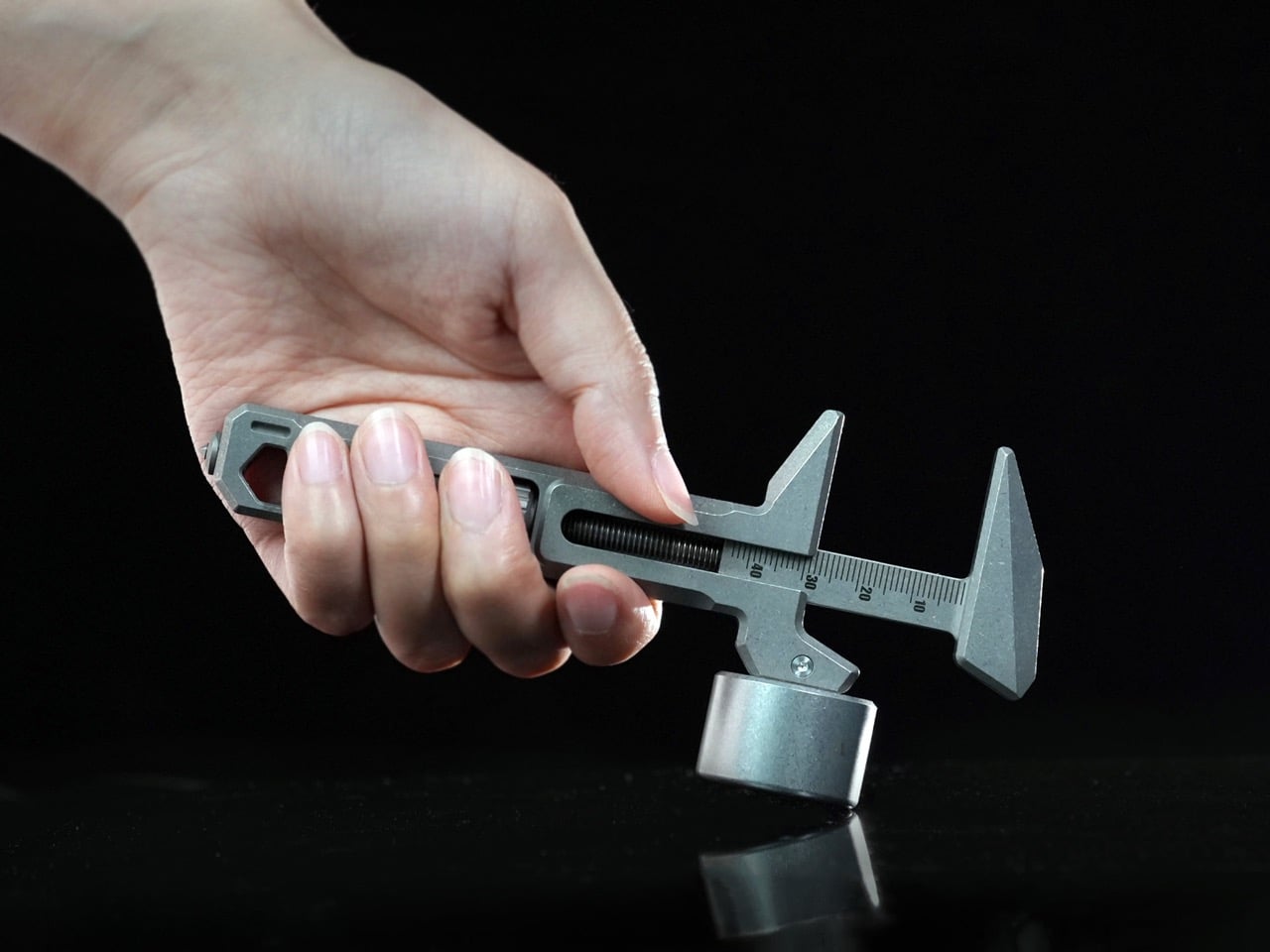
The adjustable wrench lives in the claw section of the hammer, integrated into the body where most hammers would leave empty space. The jaw opens to 33 mm, covering the range from small bolts to mid-sized hardware without requiring a separate tool. M-Seeker designed the opposing plate to function as a grip handle when the wrench is deployed, giving you leverage and control that a standalone adjustment mechanism couldn’t provide. The caliper system spans the body in three formats: a 0-33 mm precision ruler for fine measurements, a 90 mm ruler for quick checks and material marking, and a 3.2-inch imperial scale for anyone working in standard units. The tungsten-tipped scriber sits at the tail end, sharp enough to mark metal, glass, and other hard surfaces with clean lines, and hard enough to break tempered glass when the situation demands it.

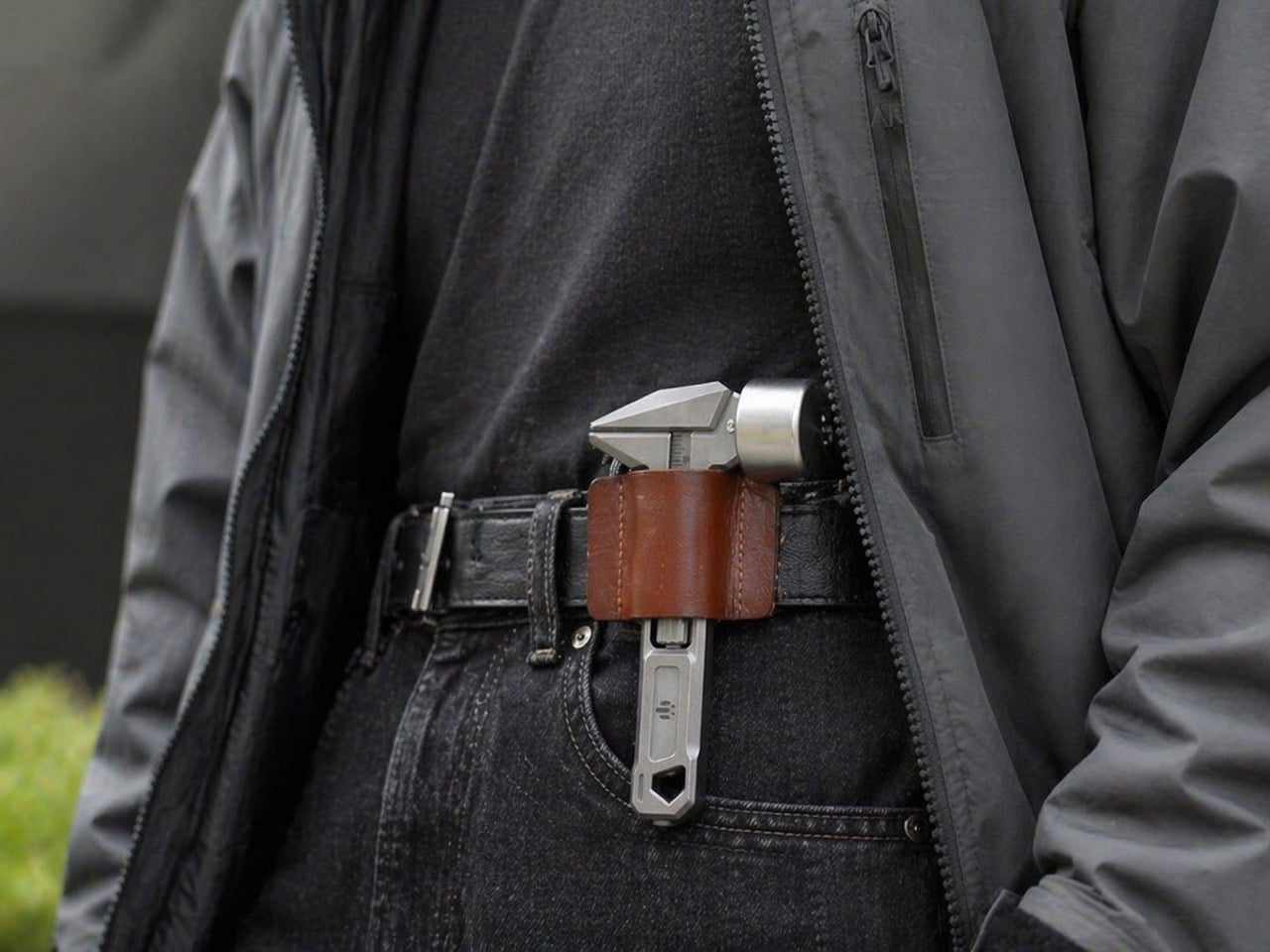
The Eck Hammer makes the most sense for people who work in environments where a full-sized hammer is overkill but the need for one still arrives without warning. That includes campers who need to drive stakes and make repairs without packing a dedicated toolbox, urban makers and DIY enthusiasts who want something functional on their desk or in a drawer, and field technicians who carry compact kits and can’t afford redundant tools. The appeal also extends to anyone who appreciates engineering that takes a familiar object and distills it down to essentials without losing capability. This tool fits in a jacket pocket, hangs on a belt loop via the optional leather sheath, or sits comfortably in a go-bag alongside other daily essentials. Like any EDC worth its salt, it also packs slots for tritium vials, keeping your gear visible even in low-light conditions.

The Eck Hammer comes in the Standard version at $169 and the Kit version (which includes both heads and the silicone mallet caps) at $199. Add-ons include the Power Head at $30, custom engraving at $15, tritium tubes at $25 for a pair, and a leather sheath with belt clip at $20. Shipping costs range from $15 for single sets in the US, UK, Australia, Germany, Canada, Italy, France, and Japan, to $18 for other regions. Estimated delivery is September 2026.

Click Here to Buy Now: $159 $239 (33%) Hurry! Only 13 of 50 left.

The post This Titanium Pocket Hammer Packs a Wrench, Three Rulers, and a Tungsten Glass-Breaker Inside Its Frame first appeared on Yanko Design.

8 Father’s Day Tech Gifts for Men Who Don’t Need Anything — But Actually Want These

The man who says he doesn’t need anything usually means he’s stopped expecting to be surprised. Father’s Day is the rare window where you can close that gap with something genuinely considered, not a gift card, not a safe bet, but an object that reflects actual attention. Every product on this list was built by people who thought carefully about the person using it, not just the one buying it.

What makes these gifts land is specificity. A privacy-first phone for the dad who quietly deleted his social accounts two years ago. A satellite watch for the one who goes places where a signal is a luxury. A smart ring for the guy who knows his HRV before he knows what’s for breakfast. The right gift doesn’t need a bow. It just needs to be exactly right for exactly that person.

1. Plinius Phone

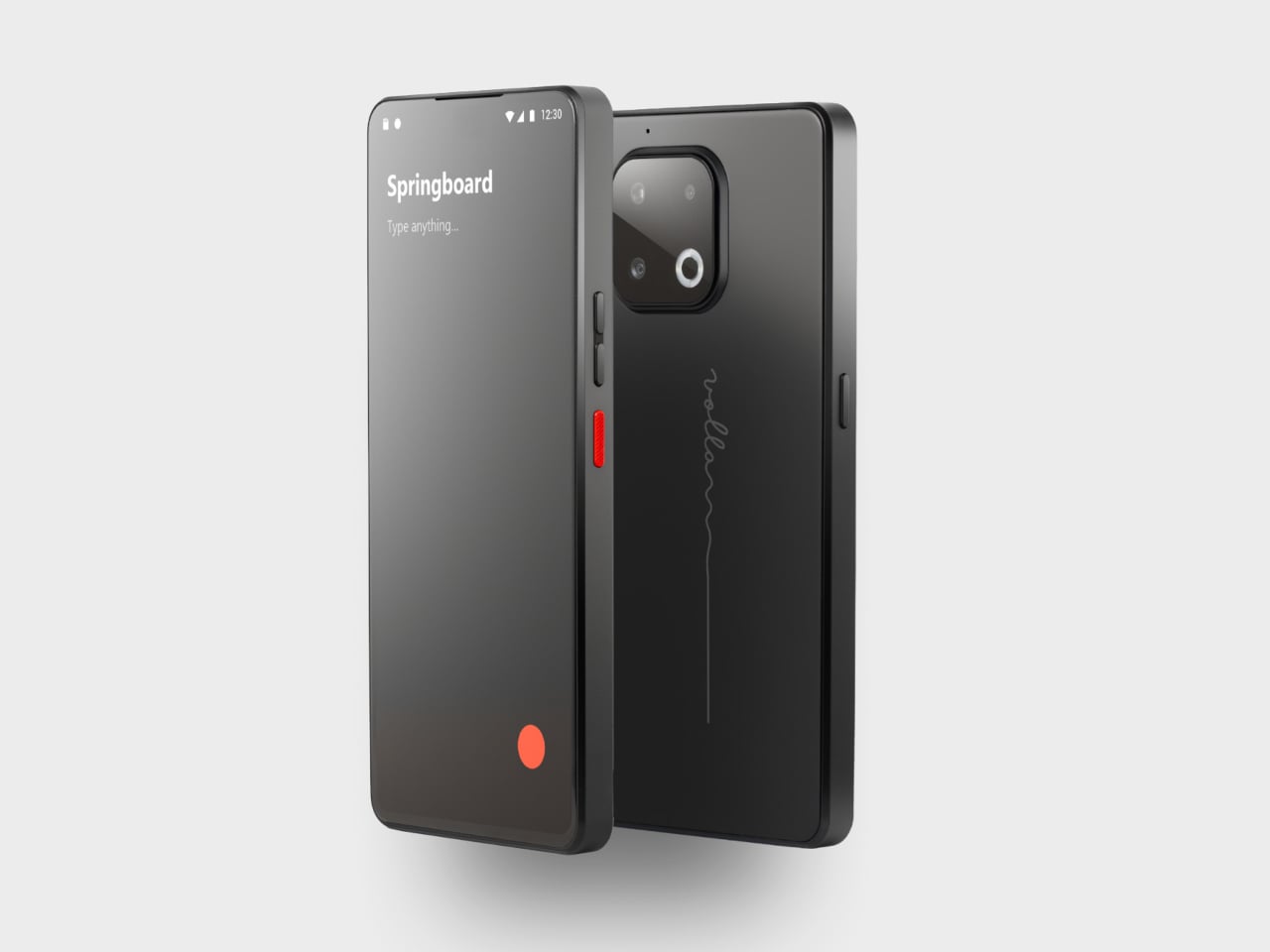
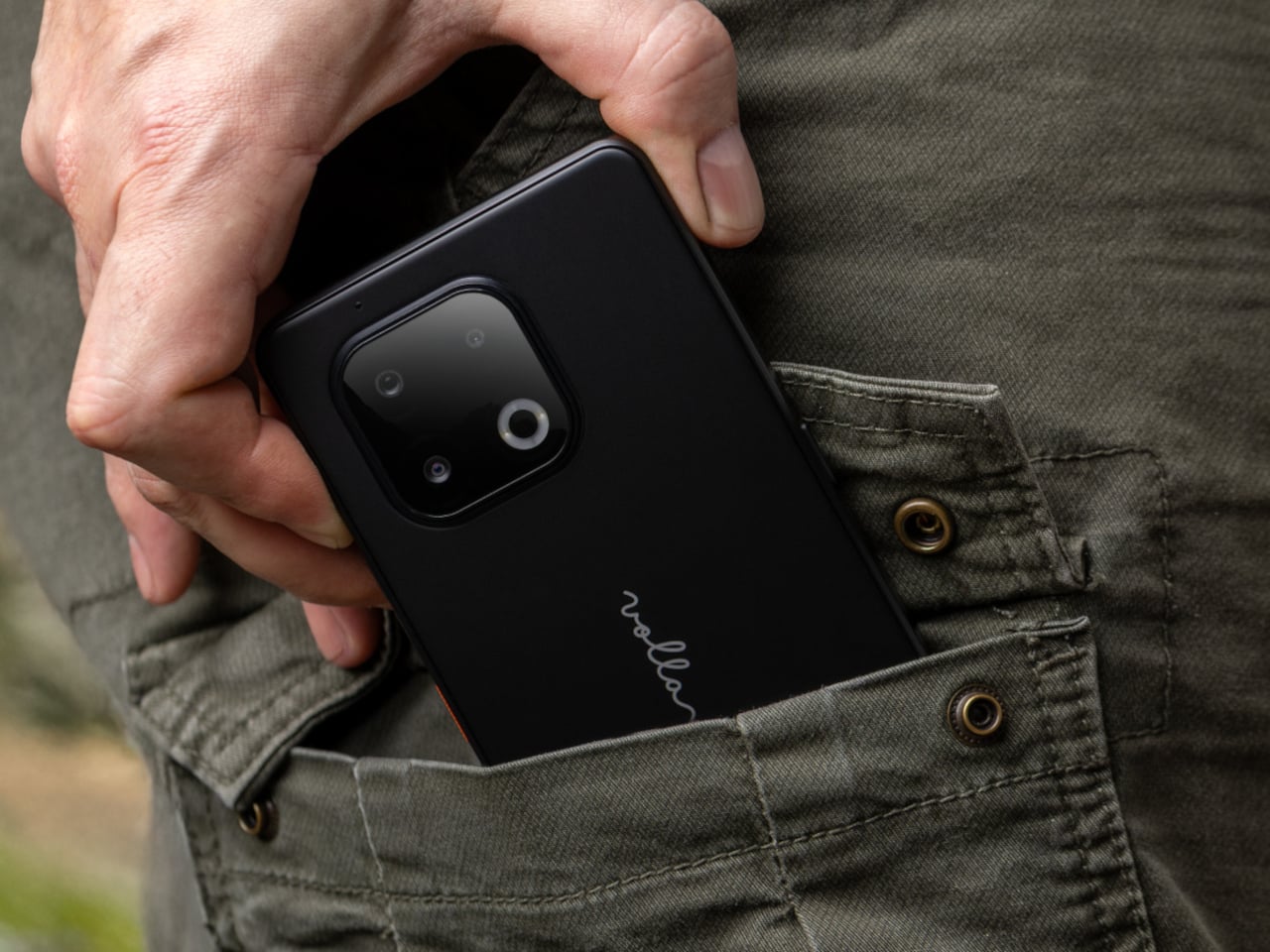
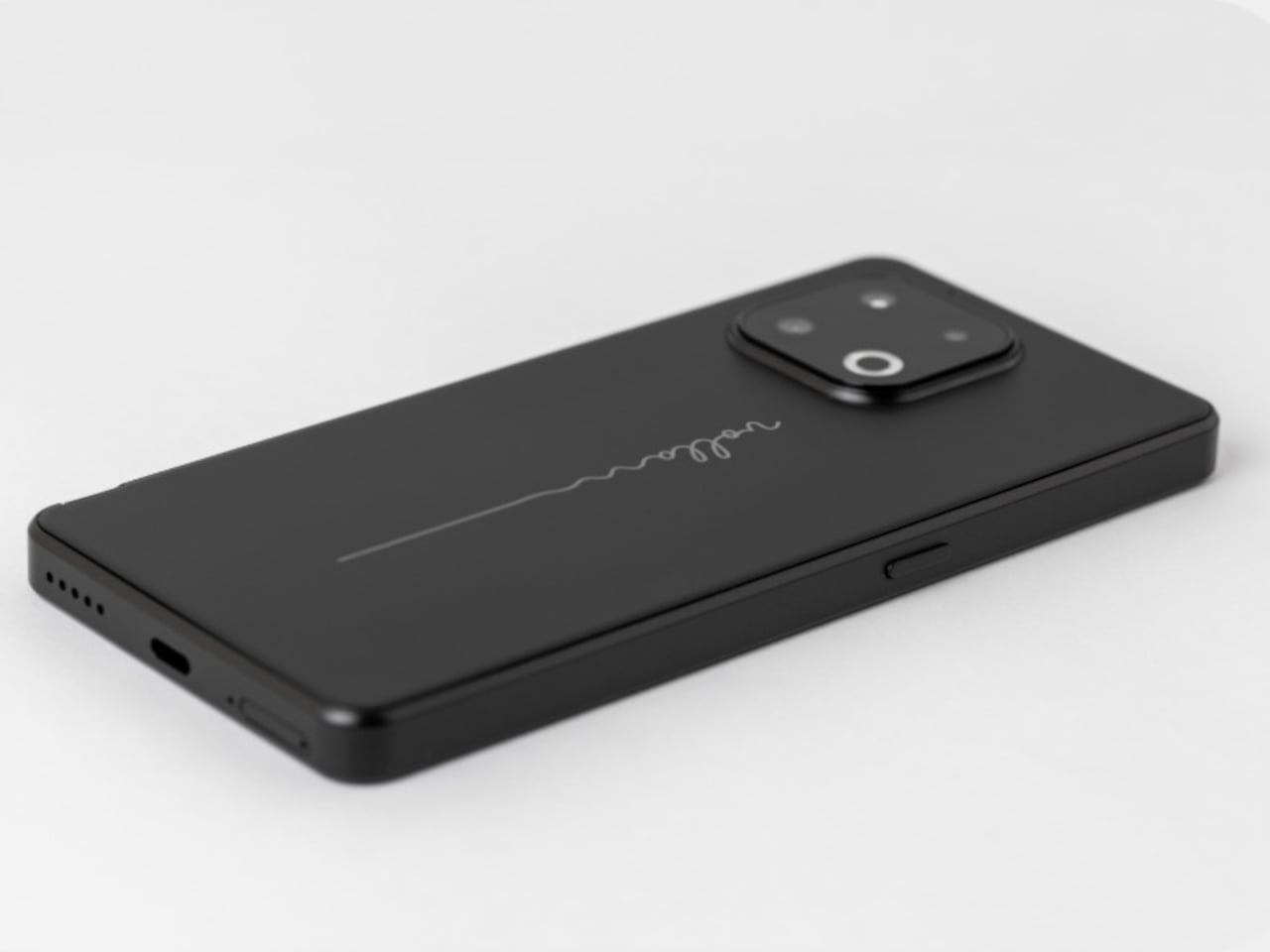
There are phones that gather your data quietly, and there is the Volla Plinius. Built in Germany, this IP68-certified semi-rugged smartphone ships with either Ubuntu Touch or Volla OS, a Google-free version of Android, returning full control to the person holding it. The hardware backs that up convincingly: a 6.67-inch 120Hz OLED display, a MediaTek Dimensity 7300 processor, a 64MP main camera, and a 5,300mAh battery that you can replace yourself, a detail so deliberately countercultural it barely needs explaining.

For the dad who has quietly grown suspicious of how much his phone knows about him, the Plinius isn’t a compromise; it’s a correction. Two user-configurable hardware buttons let you shortcut whatever matters most, and the build holds up against water, drops, and the general conditions of a life lived without excessive caution. The standard model starts at €598 with 8GB RAM and 128GB storage, and it carries the kind of material confidence that makes most flagship phones feel like dressed-up glass rectangles.

What We Like

  • Privacy-first software with a choice of Ubuntu Touch or Google-free Volla OS built in from the start
  • A replaceable 5,300mAh battery on a modern IP68-certified body, a combination almost no other manufacturer offers

What We Dislike

  • Shipping is currently limited to Europe and the UK, which rules it out for buyers elsewhere
  • The Google-free ecosystem requires an adjustment period for anyone deep in the Android app ecosystem

2. OrigamiSwift Mouse

Designer Horace Lam built the OrigamiSwift around a single constraint: a Bluetooth mouse that you actually want to carry every day. Inspired by the geometry of origami, it folds flat in under 0.5 seconds and weighs just 40 grams, making it light enough to slip into a jacket pocket alongside a phone and forget about until you need it. For the dad who works from hotel rooms, client offices, or the corner café between meetings, this is the piece of kit that completes a laptop setup without adding to it.

The triangular structure does more than reference its design language. It reinforces the mechanics, giving the mouse a surprising solidity when open that you wouldn’t expect from something this compact. The transition from travel mode to full-sized ergonomic comfort becomes unconscious after a day of use, which is the real measure of any portable tool.

Click Here to Buy Now: $85.00

What We Like

  • Folds flat in under half a second and weighs just 40 grams for genuine everyday pocket portability
  • The origami-inspired triangular structure gives the mouse both structural rigidity and a strong visual identity

What We Dislike

  • The form factor defaults toward right-handed use, limiting comfort for left-handed users
  • Bluetooth-only connectivity offers no USB dongle option for setups where Bluetooth isn’t available

3. MelGeek Centauri80 Keyboard

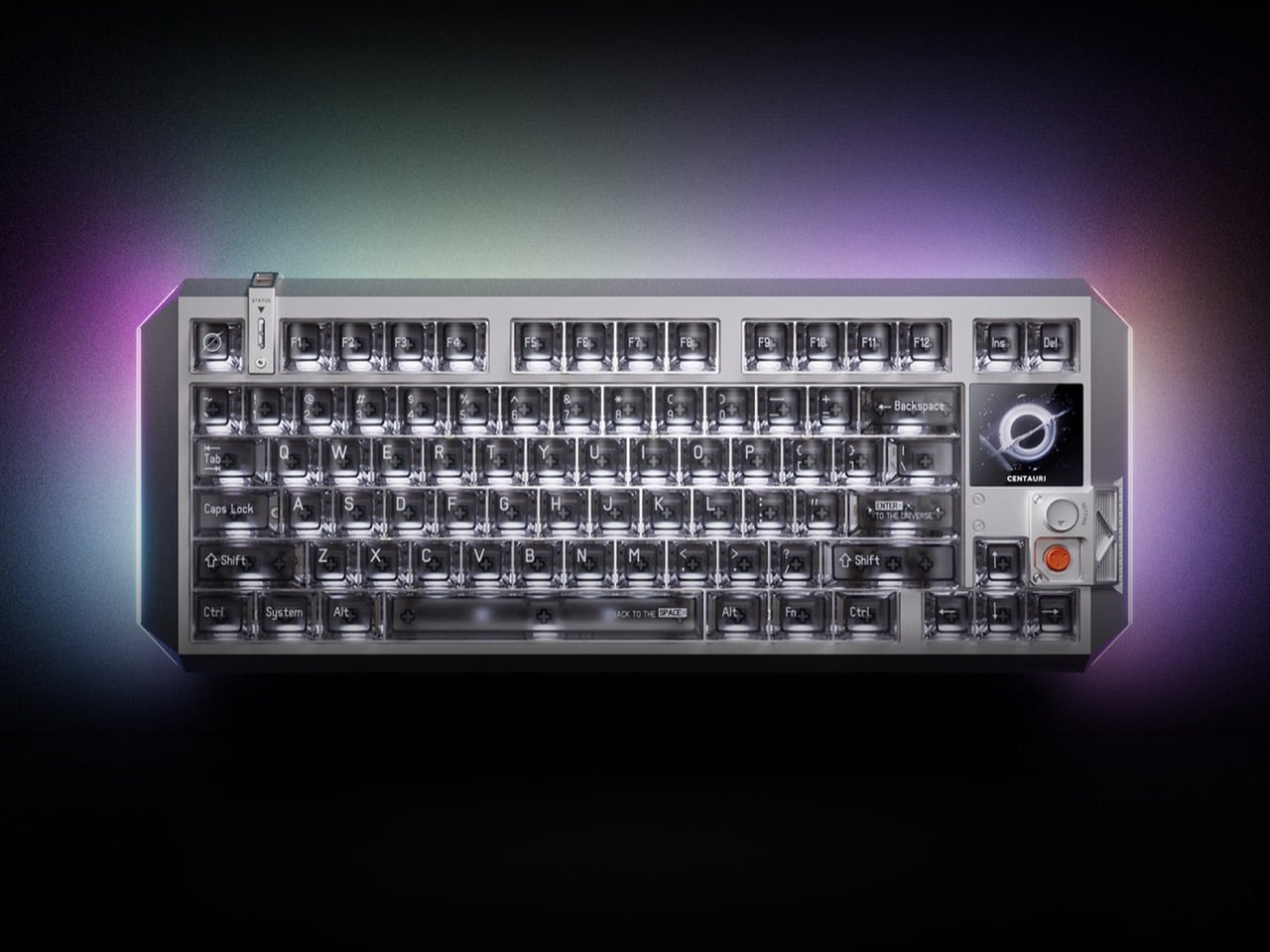
The MelGeek Centauri80 is what happens when a keyboard decides to stop being a background object. Inside a suspended aluminum alloy unibody, TTC Flip King magnetic switches run at an 8000Hz polling rate with 0.125ms latency. Besides the keys, a 1.78-inch OLED touchscreen running at 325 PPI, the same pixel density as an Apple Watch face, displays live wallpapers, macros, and system controls. The physical rotary encoder called the Super Dock lets you dial in lighting and shortcuts without leaving whatever you’re working on.

MelGeek has spent a decade making keyboards for people who treat their desk setup the way audiophiles treat a listening room, and the Centauri80 is the clearest expression of that philosophy yet. The five-layer gasket-mounted acoustic structure keeps the typing sound intentional rather than accidental, and the suspended frame reduces vibration transfer throughout. At $299, it sits in a position against the Hall Effect field that feels genuinely earned. For the dad whose desk is his domain, this is the object that makes everything else on it reconsider its ambition.

What We Like

  • The 1.78-inch OLED touchscreen and Super Dock rotary encoder turn the keyboard into a true desktop control surface
  • Hall Effect switches at 0.125ms latency and 8000Hz polling deliver performance that serious typists and gamers both immediately notice

What We Dislike

  • Wired-only connection removes wireless flexibility for those who prefer a cleaner desk aesthetic
  • The $299 price tag places it firmly in deliberate gift territory rather than a casual upgrade

4. Xiaomi UltraThin Magnetic Power Bank 5000 15W

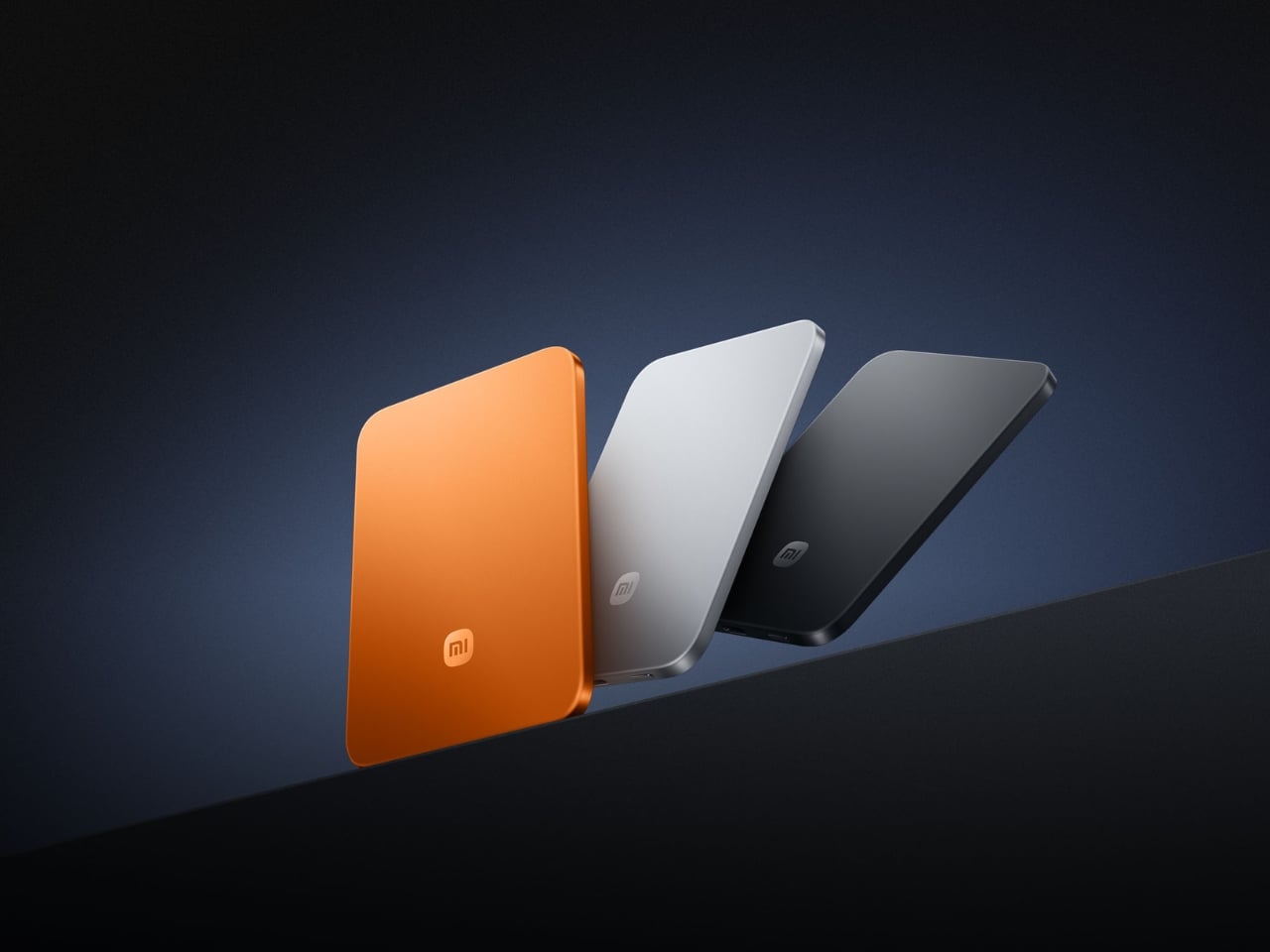
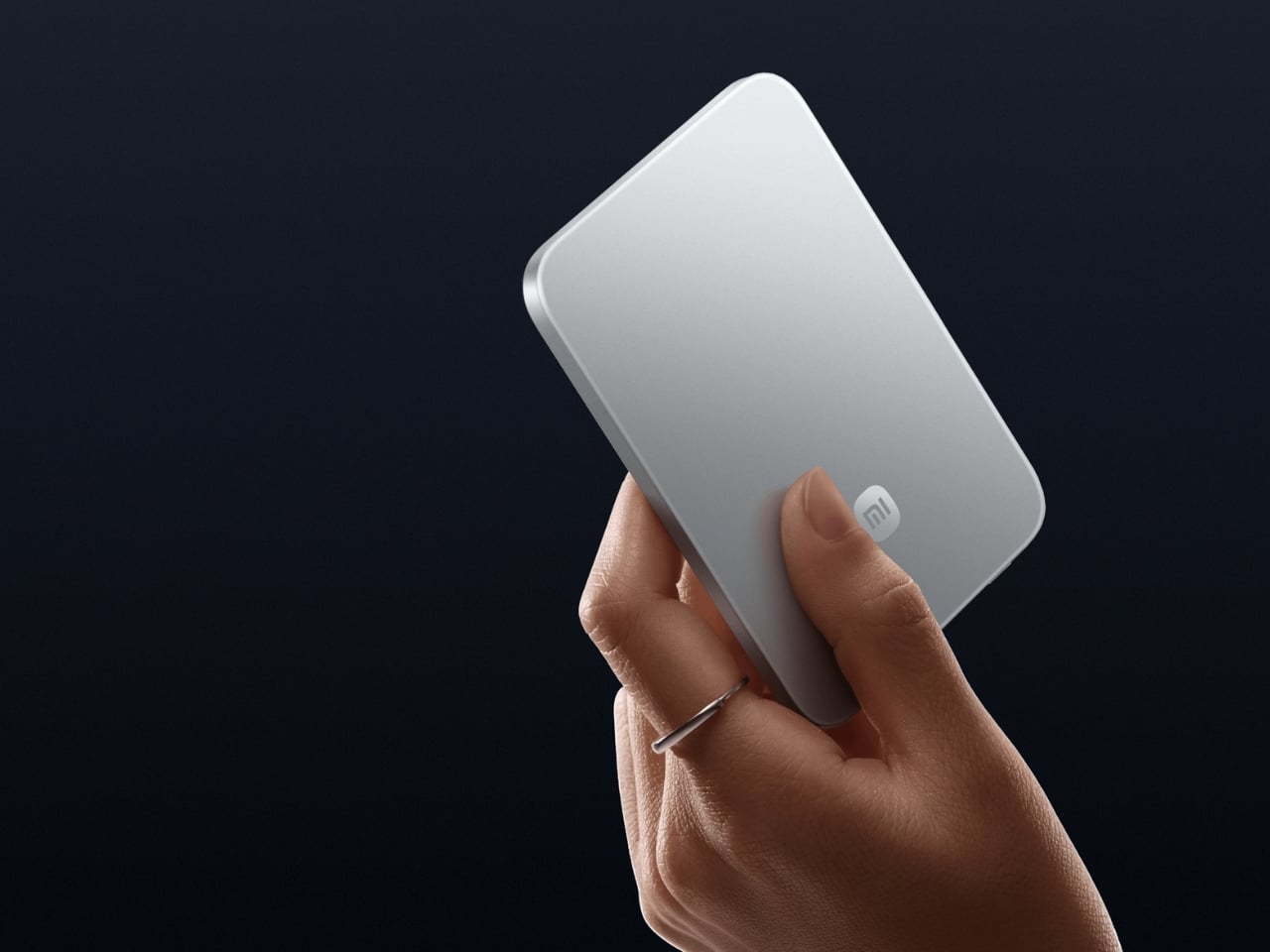
At 6mm thick and 98 grams, the Xiaomi UltraThin Magnetic Power Bank is thinner than most smartphones currently available, including the iPhone 17, which makes it feel less like a battery pack and more like a thoughtful design decision snapped onto the back of a phone. The 5,000mAh cell delivers 15W wireless charging on Xiaomi 17 series devices, 7.5W on iPhones, and up to 22.5W wired over USB-C. The aluminum alloy body is available in Glacier Silver, Graphite Black, and Radiant Orange, starting at around €60.

Most portable batteries live at the bottom of a bag because they’re too heavy to ignore. The Xiaomi UltraThin lives on the back of a phone, invisible and present at the same time, which is the exact behavior a daily-carry object should aspire to. For the dad who runs between meetings and treats plugging in as a luxury he rarely finds time for, this is the kind of upgrade that only becomes visible when everyone else’s phone hits 3% at the end of a long day.

What We Like

  • At 6mm thick and 98 grams, it is the thinnest magnetic power bank available at this capacity
  • Multi-mode charging supports Xiaomi devices, iPhones, and wired USB-C output in a single, minimal form

What We Dislike

  • The 5,000mAh capacity is designed for a top-up rather than a full recharge from zero
  • iPhone users are capped at 7.5W wireless output, well below the 15W maximum this pack delivers

5. StillFrame Headphones

StillFrame weighs 103 grams, and that number matters more than almost anything else on the spec sheet, because it means these over-ear headphones sit on your head the way a well-made hat sits: present but not intrusive. The ultra-minimal design draws from the quiet geometry of ’80s and ’90s CD culture, no exposed hardware, no decorative flourish, no design language that dates itself. Active noise cancellation and transparency mode both switch with a single tap, and the 24-hour battery means one charge carries from morning to evening without prompting you to think about a cable.

At $245, StillFrame earns its place by committing fully to one idea and executing it without compromise. Around the neck between uses, it disappears into an outfit rather than competing with it, which is a quality most headphones claim, and very few deliver. For the dad with a long commute or a home office that bleeds into family hours, these are headphones that serve both contexts, looking as considered on a collarbone as they do on the ears.

Click Here to Buy Now: $245.00

What We Like

  • At 103 grams, it sits among the lightest over-ear headphones available without any sacrifice in build integrity
  • The 24-hour battery runs from morning to evening on a single charge, removing low-battery anxiety from the equation

What We Dislike

  • Limited colorways are a direct consequence of the same design restraint that makes the StillFrame look this precise
  • The ultra-minimal form commits fully to its design language, which rewards patience but won’t suit every aesthetic or setup

6. Futurewave O-Boy Satellite Watch

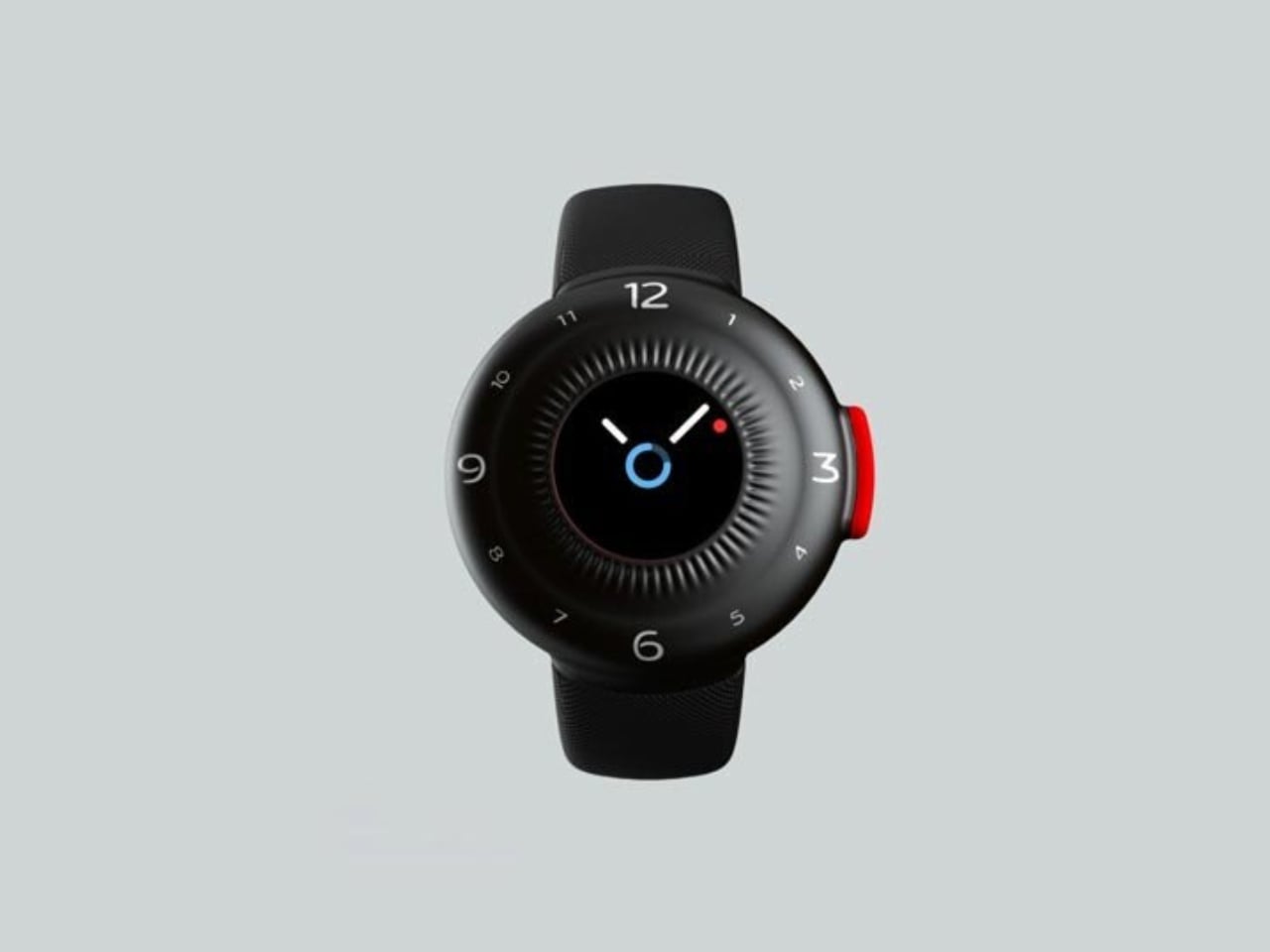
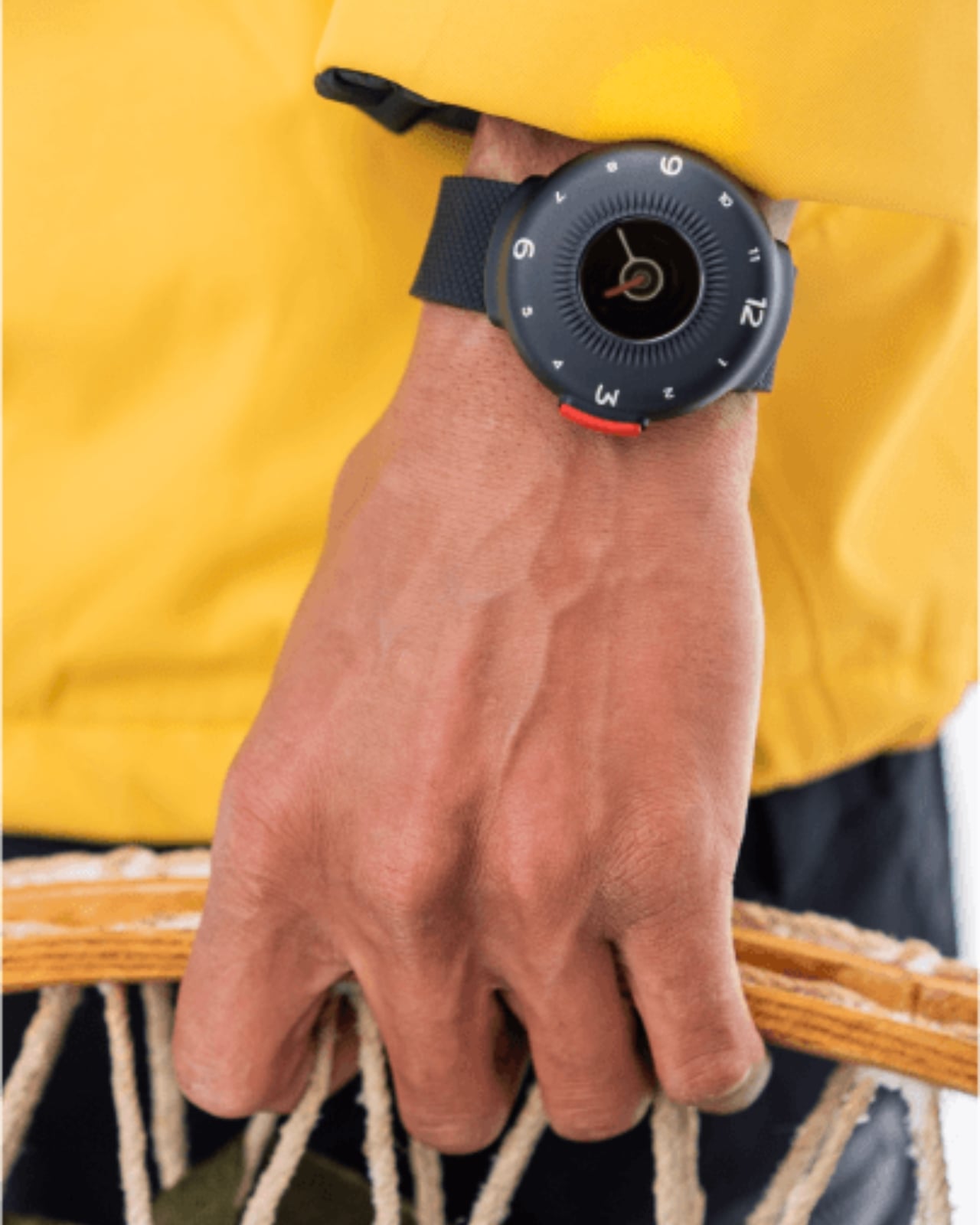
The O-Boy is a satellite-based emergency smartwatch developed by Brussels design studio Futurewave for the specific condition where a phone network simply doesn’t exist. It transmits emergency alerts via satellite connectivity alone, working across mountains, open ocean, and isolated work sites where the nearest signal tower is an abstraction. The black and red color palette is borrowed directly from safety equipment and emergency signaling. The rounded form exists partly for wrist comfort and partly to accommodate the antenna hardware inside, a constraint that became an aesthetic.

O-Boy is for the dad who actually goes off-grid, not the one who talks about it. Starting at $399, it positions itself as the first multiple-use satellite rescue watch, meaning it isn’t single-use distress gear but a daily wearable built around the idea that safety and adventure don’t require negotiation. Developed through collaboration between product designers, electronics engineers, and antenna experts, the watch was tested for waterproofing, pressure resistance, and shock tolerance before the design was finalized. For fathers who push into real wilderness, nothing on this list is more important.

What We Like

  • Satellite connectivity works entirely without a mobile network, covering genuinely remote environments anywhere on Earth
  • Designed to meet waterproofing, pressure resistance, and shock tolerance requirements alongside proportions suited for daily wear

What We Dislike

  • Emergency-focused functionality means lifestyle and fitness features found in conventional smartwatches are not the priority here
  • Satellite communication services may carry ongoing subscription costs depending on the region and chosen plan

7. Soundcore Sleep Earbuds

The Soundcore sleep earbuds were built around a single, unglamorous problem: you want to sleep, and something else has other plans. The slim, low-profile design fits comfortably through the night even for side sleepers, while the noise-masking system blocks up to 35dB, enough to cover a snoring partner, street traffic, or the ambient low-frequency sounds that standard earplugs address poorly. Bluetooth connectivity doubles them as audio earbuds, letting you build a wind-down routine around music, podcasts, or whatever audio works best before sleep.

The Soundcore app extends the experience with white noise options, sleep tracking, a smart alarm calibrated to wake you at the right point in a sleep cycle, and adjustable EQ. For the dad whose sleep quality has quietly degraded over busy years, whether from stress, a shared bedroom, or a schedule that doesn’t respect recovery, these are a practical gift with a measurable impact. They are small enough to forget about entirely until the morning you realize you slept straight through without waking once.

What We Like

  • The ultra-slim, low-profile build stays comfortable through the night, even for dedicated side sleepers
  • The Soundcore app adds sleep tracking, a smart alarm, and curated soundscapes well beyond basic noise blocking

What We Dislike

  • Passive noise masking at 35dB performs well on consistent sounds, but won’t match the output of active noise cancellation technology
  • The full feature set requires the Soundcore app, which adds a dependency on a smartphone connection throughout the night

8. RingConn Gen 2 Smart Ring

The RingConn Gen 2 is made from titanium alloy, measures 6.8mm wide and 2mm thick, and tracks heart rate, HRV, blood oxygen, skin temperature, sleep quality, stress, and sleep apnea, a feature developed in partnership with leading universities and hospitals and one of the first of its kind in a ring-form wearable. Battery life runs 10 to 12 days, depending on ring size. The smart charging case can push total runtime beyond 150 days, and the entire experience runs without a subscription. It is waterproof to 100 meters.

What makes the Gen 2 a genuinely thoughtful gift is the no-subscription model. Most health platforms hold your own data behind a monthly fee; RingConn doesn’t. For the dad who already tracks his health but resents the overhead, or the one who’s been told he should but hasn’t started, this is the wearable that disappears on a finger and simply does its job. At $209, it competes with the Oura Ring on depth of insight while undercutting it on price and profile.

What We Like

  • No subscription required to access your own health data, which is increasingly rare in the smart ring category
  • A 10 to 12-day battery paired with a smart charging case extends total runtime to over 150 days

What We Dislike

  • Enabling sleep apnea monitoring increases power consumption, which can affect battery life on smaller ring sizes
  • No built-in GPS limits its outdoor fitness tracking capability without a paired phone nearby

The Bottom Line

Father’s Day gifts tend to fall into two categories: the kind you buy because the calendar told you to, and the kind you buy because you actually paid attention. Every product on this list belongs to the second category. They represent design decisions that hold up, objects built by people who thought carefully about the person using them, not just the person browsing the checkout page at 11 pm the night before.

The right one here isn’t the most expensive. It’s the one that fits the man you’re buying for. A privacy-first phone for the dad tired of being the product. A satellite watch for the one who needs a lifeline in places where no signal reaches. A ring that tracks his health without demanding he change anything about how he lives. Pick the one that sounds like someone specific, and give it, knowing the thought behind it is already half of what makes it worth receiving.

The post 8 Father’s Day Tech Gifts for Men Who Don’t Need Anything — But Actually Want These first appeared on Yanko Design.

This Titanium EDC Keychain Has 20 Tools Inside and Looks Exactly Like a Regular Key

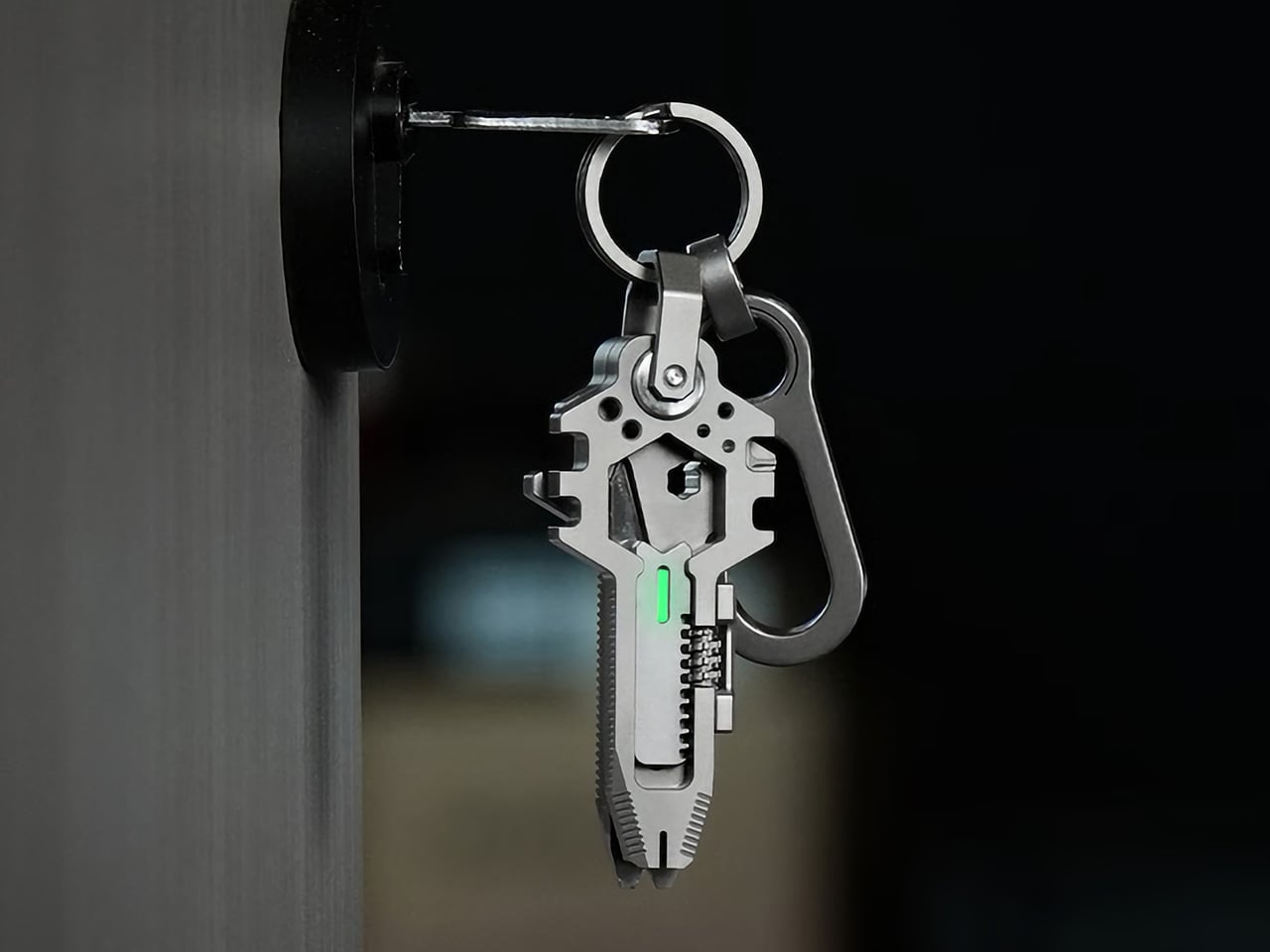
Keys are the only objects humans carry with religious consistency. Wallet habits change, phone pockets shift, watches come and go, but keys stay anchored to the same loop every single day. That makes the key form factor the most reliable real estate in EDC. A tool that mimics a key doesn’t just blend into your carry, it hijacks the one item you’ll never leave behind. EDC Monster understood this from the start when they launched the original KeyMaster in 2023, a 14-in-1 titanium multitool that slipped onto keyrings and disappeared. Version 2.0 expanded to 18 functions, refining the tool selection and ergonomics. Now, three generations and three years later, they’ve perfected the shape that hides in plain sight. KeyMaster 3.0 proves that sticking with a form factor long enough to truly master it beats chasing novelty every product cycle.

KeyMaster 3.0 takes the key-shaped multi-tool concept and rebuilds it around adaptability. The body is Grade 5 titanium, precision-machined and sandblasted to a matte finish that feels refined in hand. At 74.5mm long and 53.7 grams, it sits flat on a keychain next to your car fob and house key. The tool count hits 20-plus, but the real upgrade lives in three systems: an adjustable spanner with a 0-16mm range that replaces six fixed wrenches, a magnetic bit driver that locks bits in place without slippage, and a blade holder that accepts standard #11 replaceable blades. EDC Monster designed it to solve the problems the first two generations couldn’t.

Designer: EDC Monster Design team

Click Here to Buy Now: $79 $119 ($40 off). Hurry, only a few left! Raised over $61,000.

Every multi-tool with a fixed wrench eventually meets the bolt it can’t turn. Previous KeyMaster generations shipped with fixed hex wrenches sized for common fasteners, which worked cleanly in controlled situations and failed quietly in the field. The 3.0’s adjustable spanner covers 0 to 16mm, handling everything from M5 bolts to M12 hardware without swapping tools or approximating the fit. EDC Monster also designed the second plate of the tool’s two-body construction to double as a grip handle when the spanner is deployed, adding real purchase for tighter fasteners. That range maps directly to the kind of real-world repairs where keychain tools actually get deployed: furniture assembly, bike adjustments, appliance tinkering, and the inevitable IKEA emergency at a friend’s new apartment.

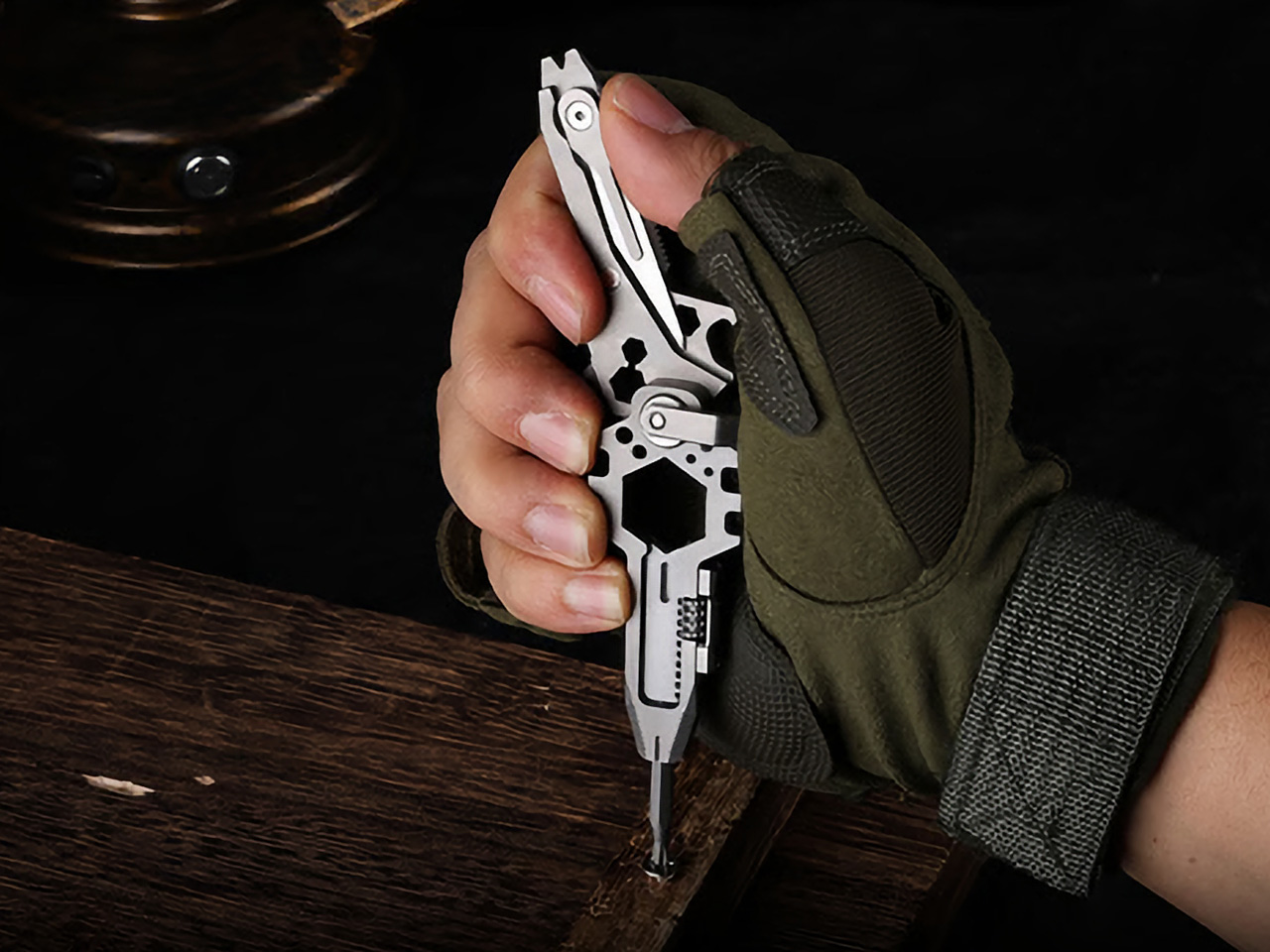
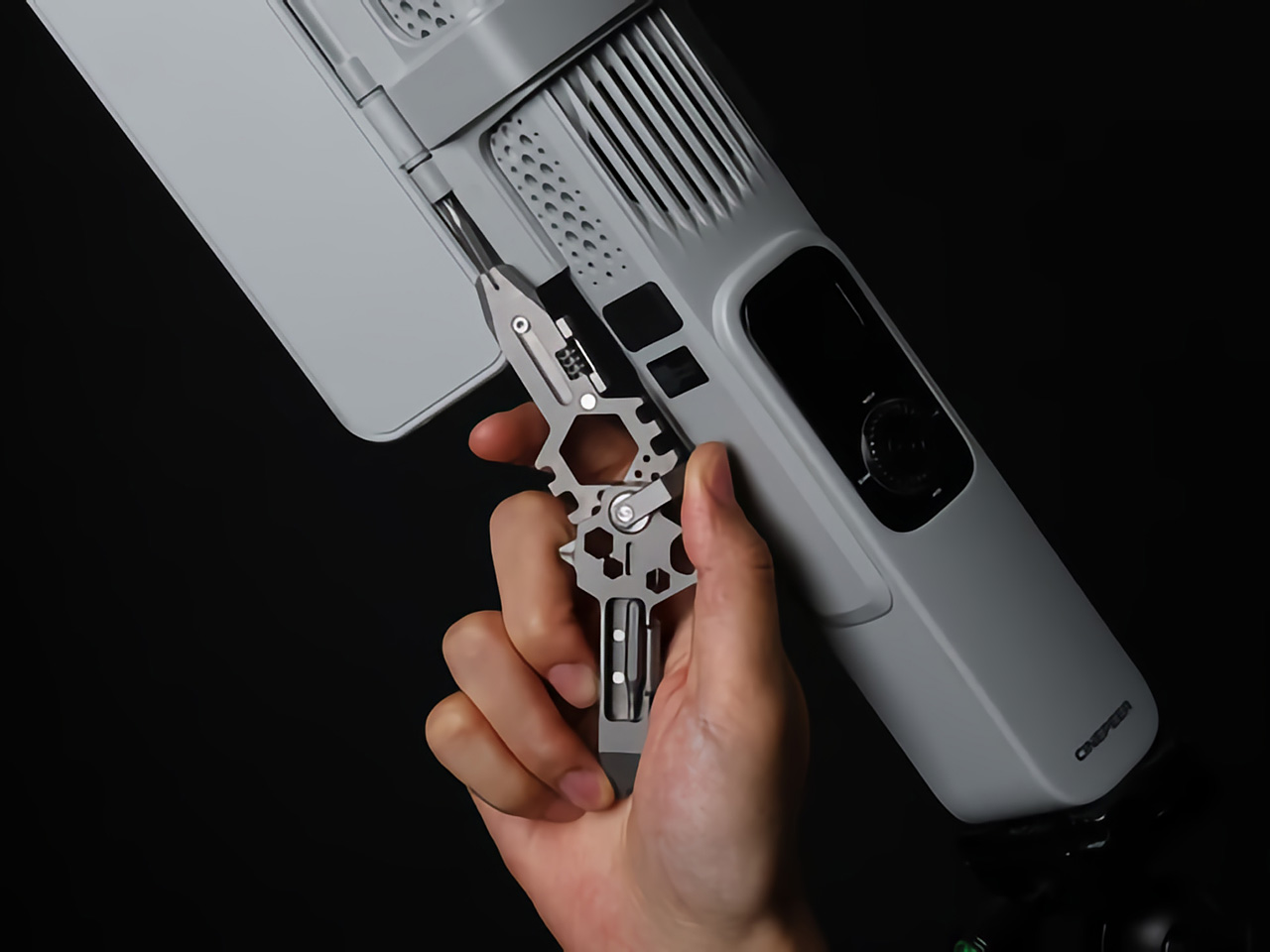
The same logic applies to the screwdriver system, where friction-fit bits have plagued compact tools for years. Under even moderate torque, a bit that isn’t mechanically retained will wobble, slip, and strip the fastener before the job is done. EDC Monster’s magnetic retention snaps bits into the driver head with zero play, and the redesigned top-mounted driver position delivers a more natural wrist angle and better torque transfer than the side-mounted configurations common in smaller tools. Two bits live in onboard magnetic storage slots inside the body, and the 4mm standard keeps the system open to any aftermarket supplier rather than tying you to EDC Monster’s own replacements.

The everyday toolkit built into the body covers the situations that repeat. The pry bar handles box seams, stubborn lids, and light leverage without needing a dedicated tool for each variation. The Phillips and flathead drivers handle cabinet hardware, furniture bolts, and the loose screws that accumulate in any lived-in space. The bottle opener is self-explanatory. The nail file, nail puller, and mini ruler sound mundane until the moment they’re useful, which is the entire argument for carrying a tool this small. You don’t pack a ruler because you expect to need one. You pack it because when you do need one and don’t have it, you feel the absence more sharply than the weight would have ever justified.

Where KeyMaster 3.0 separates itself from the category is in its willingness to go further. The mini saw handles cuts on wood, plastic, and cord in situations where a blade would bind or skip. The wire bender manipulates cable for improvised fixes that tape simply won’t hold. The spoke wrench addresses bicycle wheel truing with a specificity that no Swiss Army knife has ever bothered with, and the firestarter edge covers the gap between urban carry and trail use without requiring a second tool on the keychain. These aren’t tools for every day. They’re tools for the day when something goes wrong and the nearest hardware store is twenty minutes away, or the nearest anything is considerably further.

The Grade 5 titanium construction keeps the weight at 53.7 grams while delivering the strength to handle real torque loads without flexing or failing. EDC Monster chose a matte sandblasted finish that hides scratches and wear far better than polished titanium, so the tool maintains its aesthetic even after months on a keyring alongside jangling metal keys and carabiners. The 74.5mm length matches the profile of a standard house key, which means KeyMaster 3.0 doesn’t create an awkward bulge or unbalanced weight distribution in your pocket. The 35mm width keeps it slim enough to layer flat with other keys, and the 4mm thickness at its thickest point tapers down to 2mm at the edges. EDC Monster drilled a 6mm keyring hole at the base, large enough to accommodate split rings, carabiners, or paracord lanyards. The entire tool feels substantial without feeling heavy, a balance that titanium achieves better than steel or aluminum in this weight class.

The person KeyMaster 3.0 is built for tends to sit between two extremes. They’re not the enthusiast who carries a full Leatherman and considers it light. They’re also not the person who treats their keychain as a keychain and nothing more. They’re the cyclist who needs spoke access and hex drivers on the road and won’t check a bag for a wrench. They’re the urban renter who tackles household repairs without owning a proper toolkit and has resorted to using a shoe as a hammer more than once. They’re the frequent traveler who wants something genuinely capable that clears security without a second glance. What EDC Monster grasped three generations ago, and has refined ever since, is that this person doesn’t want to think about their tools. They want to reach into their pocket, find what they need, and get on with things.

KeyMaster 3.0 is currently available for pre-order at $69 for early backers, a 30% discount off the planned retail price of $99. EDC Monster estimates shipping in August 2026 for Kickstarter backers, with general retail availability following later in the fall. The campaign includes free worldwide shipping, and backers can add extra #11 blade packs (10 blades for $5) and additional bit sets (6 bits for $12) during checkout.

Click Here to Buy Now: $79 $119 ($40 off). Hurry, only a few left! Raised over $61,000.

The post This Titanium EDC Keychain Has 20 Tools Inside and Looks Exactly Like a Regular Key first appeared on Yanko Design.

Forget Cheap Grilling Tools — These 8 BBQ Gadgets Are Actually Designed to Last a Decade

Most grilling gear is built for one season. The spatulas bend, the tongs lose tension, the finish chips by August, and you’re back at the store before the next summer. There’s a different category of BBQ tool, though: one designed by people who think about material science and ergonomics before they think about price. These eight picks share a common thread. They’re made to outlive the grill they came with.

Nothing here was sourced for novelty alone. Each piece earns its place through material quality, design thinking, or a real rethink of what a grilling tool should do. Whether you’re upgrading a backyard setup or building one from scratch, these are the tools worth spending real money on.

1. All-in-One Grill

Skewers of meat and green onions grilling on a small portable charcoal grill with a metal insert holding a glass bottle.

The All-in-One Grill was made in Japan, and it shows. Modular parts allow for six different cooking methods from a single compact unit, the kind of flexibility that makes sense whether you’re cooking on a balcony, a campsite table, or a backyard deck. The design is clean enough to sit on a countertop without looking out of place, and the compact footprint means it doesn’t demand the real estate that a full outdoor grill requires during and between sessions.

Where most outdoor grills ask you to commit to one cooking style, this one adapts. The modular system disassembles for cleaning, which matters more than most people expect. Tools that are hard to clean don’t stay clean, and tools that don’t stay clean don’t last. There’s also a dedicated module for warming bottles, a small detail that signals the kind of thorough product thinking that separates considered design from commodity manufacturing.

Click Here to Buy Now: $449

What we like

  • Modular design supports six different cooking methods from one compact unit
  • Made in Japan with a table-ready footprint that suits indoor and outdoor use equally

What we dislike

  • Modular assembly takes more time to set up than a conventional fixed grill

2. Nomad Grill and Smoker

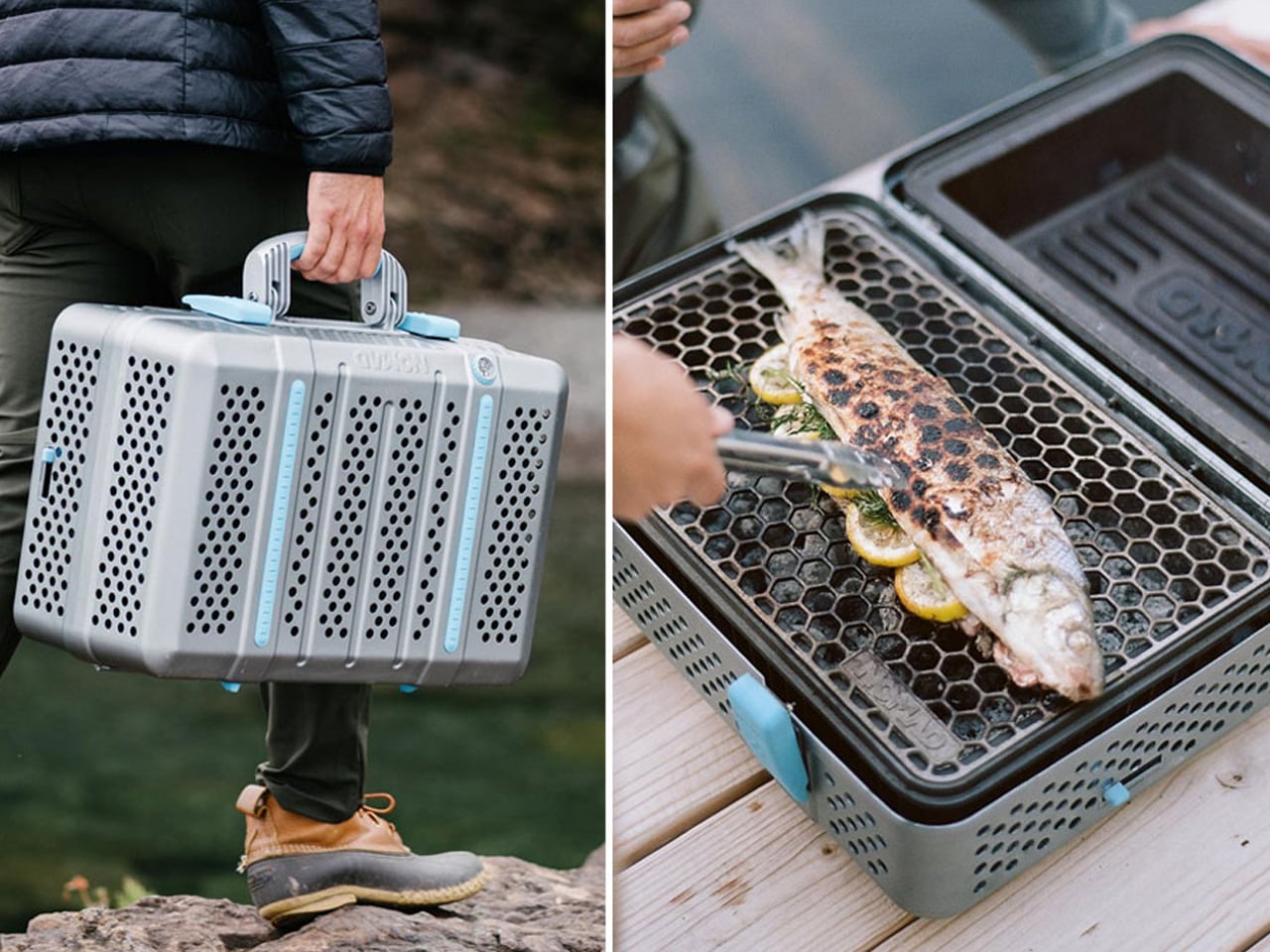
The Nomad Grill and Smoker earns its place through sheer design intelligence. Built from anodized aluminum with a honeycomb interior pattern, it folds down to a 2×2-foot briefcase form and opens into 212 square inches of cooking space, doubling that in open-grill mode. Magnetic clutches lock the whole unit shut for transport. There are no smart buttons, no app. Just physics doing the work of keeping heat in and the exterior cool to the touch while it cooks.

What makes the Nomad particularly useful is how it handles both smoking and grilling without asking you to choose between portability and performance. The closed position circulates smoke and heat consistently for low-and-slow cooking. Open it up, and it performs like a conventional charcoal grill. At $599, it sits at the premium end of portable setups, but the anodized aluminum construction and industrial design mean you are not replacing this in five years. You are passing it on.

What we like

  • Folds to briefcase size without sacrificing 212 sq in of cooking surface
  • Anodized aluminum construction keeps the exterior cool to the touch during use

What we dislike

  • $599 is a significant upfront investment for a portable grill
  • Charcoal only, with no gas option for those who prefer quick heat-up times

3. Compact Modular Grill Plate

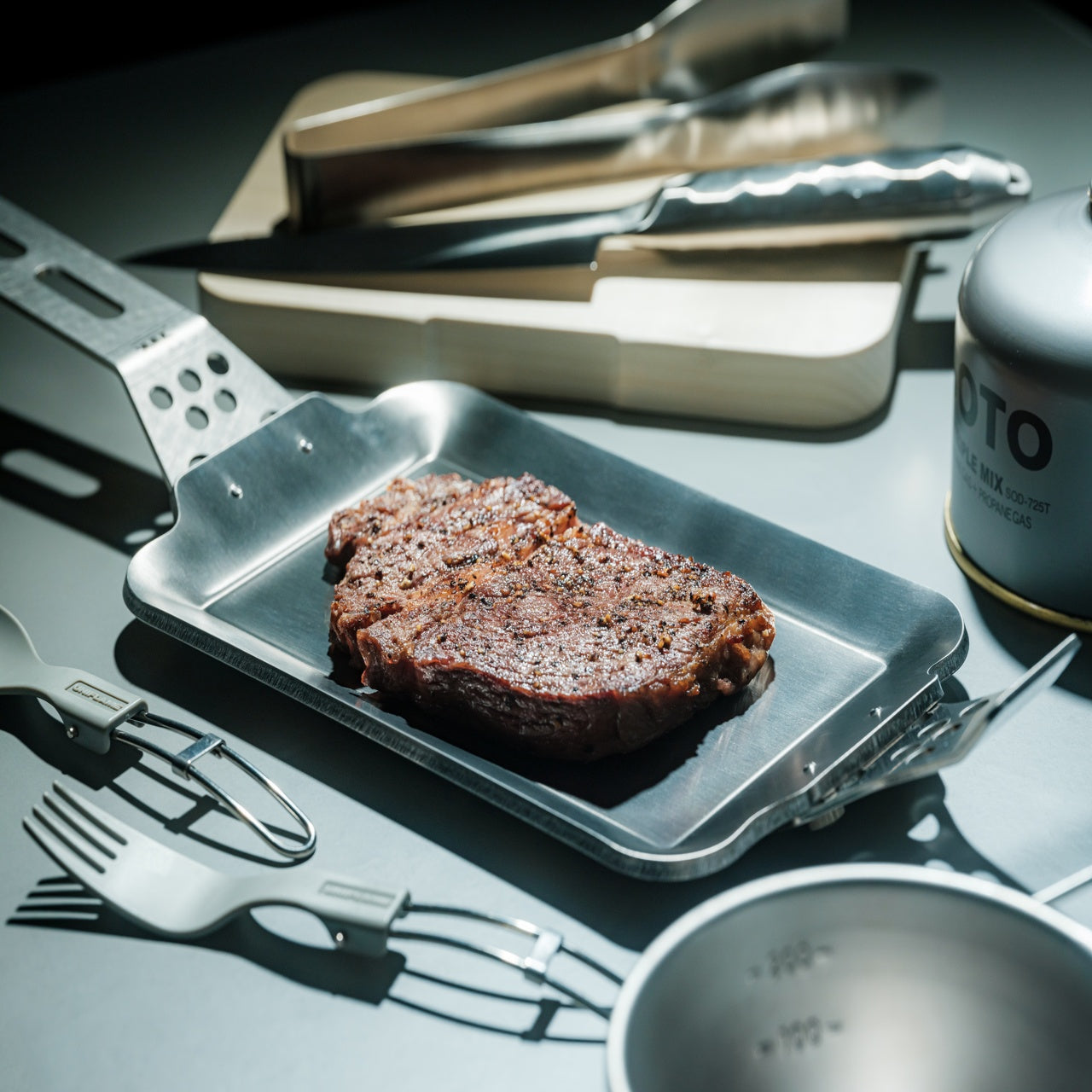
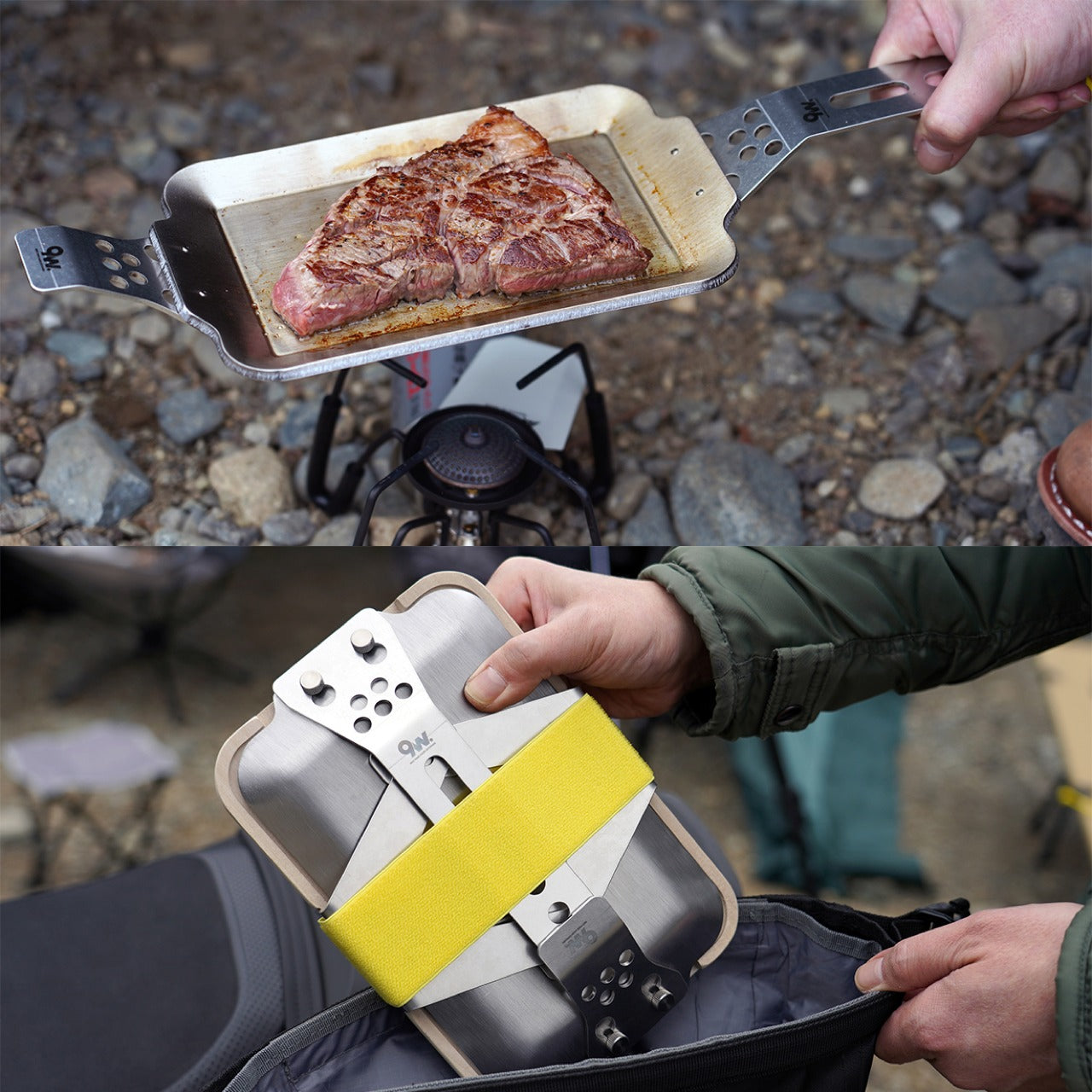
The Compact Modular Grill Plate is the kind of tool that belongs in the same kit as the All-in-One Grill but works just as well on its own. The adaptable metal plate cooks food evenly while locking in juiciness, making it the right surface for steaks and fish that need consistent heat contact across the entire cut. It works across different heat sources, which means it moves between cooking setups without requiring its own dedicated station or stand.

Priced between $100 and $139, depending on configuration, this is the category of tool that looks deceptively simple until you use a lesser version. The difference between a well-engineered grill plate and a cheap one is the difference between a proper seared crust and a steamed, stuck mess. The modular nature also means it doesn’t take up a fixed position in a drawer or cabinet. It slots into a kit, disappears when not in use, and performs exactly when it counts most.

Click Here to Buy Now: $100.00

What we like

  • Works across multiple heat sources without requiring a dedicated cooking station
  • Engineered for even heat distribution and moisture retention across the cooking surface

What we dislike

  • Narrower in scope than a full grill accessory set for varied cooking needs
  • Priced higher than mass-market grill plates of similar dimensions

4. Zwilling BBQ+ 5-Piece Stainless Steel Grill Tool Set

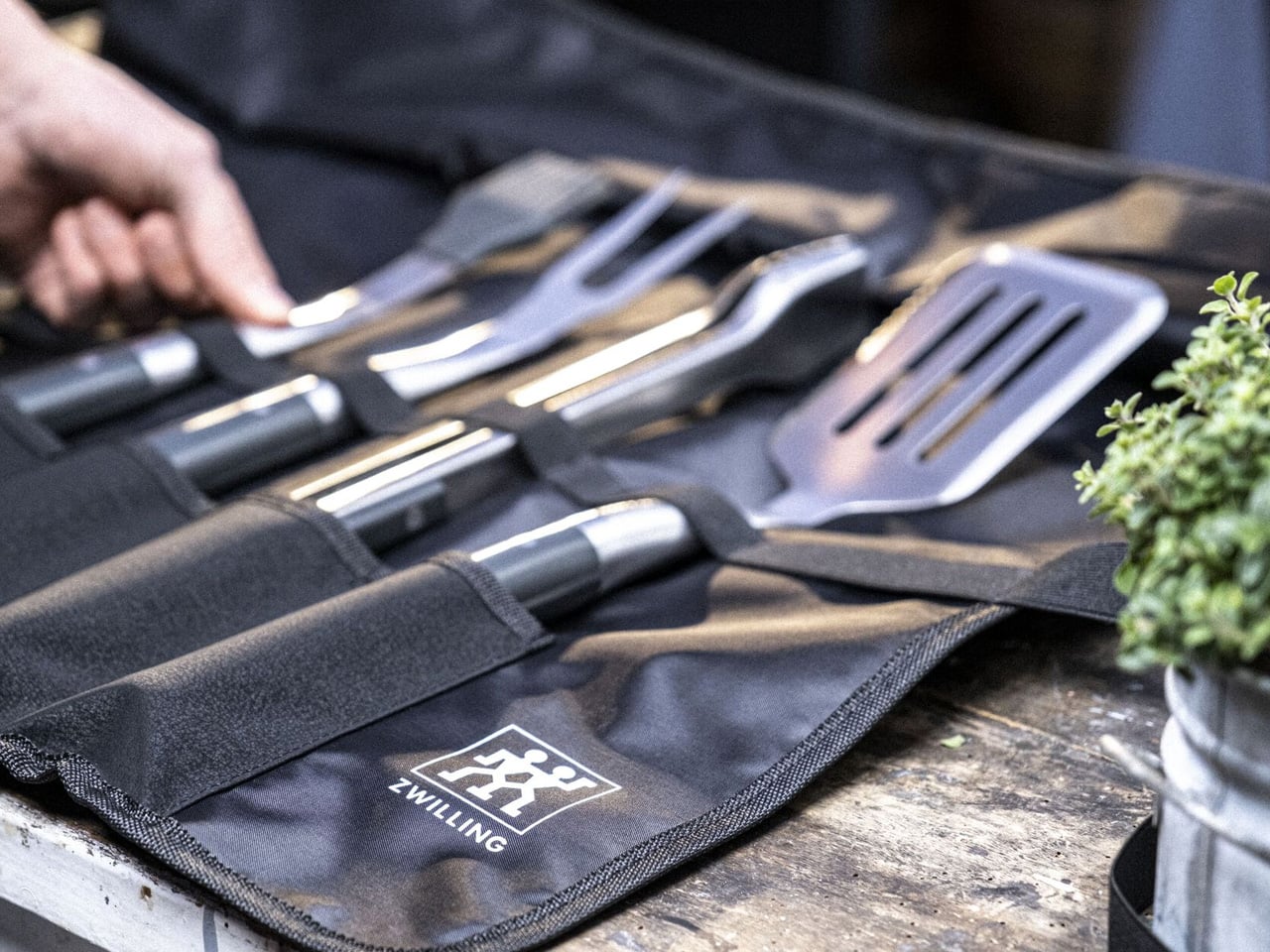
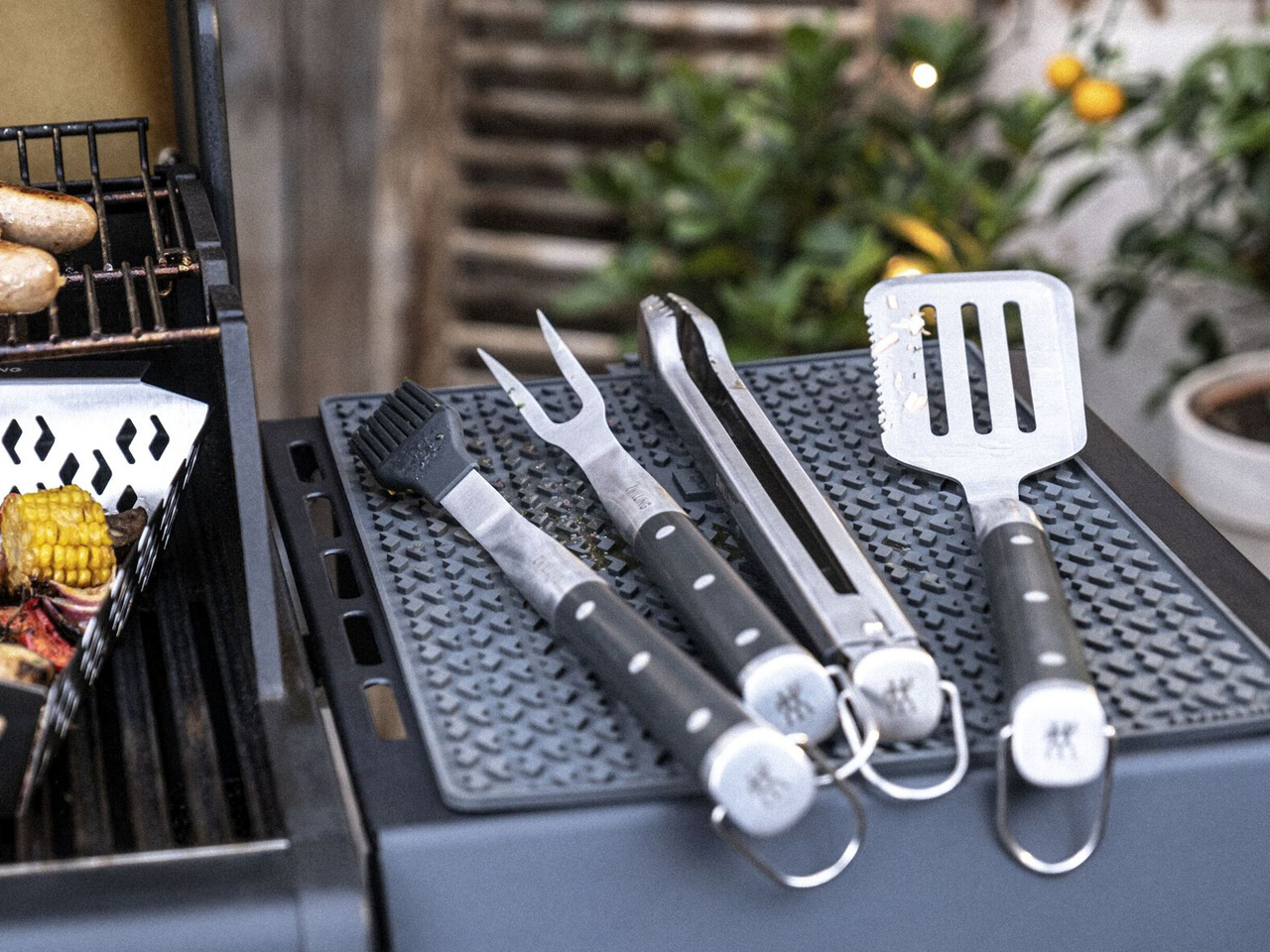
Zwilling has been making blades since 1731, which gives the BBQ+ set a particular kind of credibility. The five-piece set is built from 18/10 stainless steel, the same grade used in surgical instruments, with triple-riveted handles and heat-resistant grips. It carries a 4.9-star rating across major retailers, including Crate and Barrel and Wayfair, and reviewers consistently note the build quality as something that feels immediately different from standard grill sets the moment you pick a piece up.

The spatula comes with a serrated edge for checking doneness without reaching for a separate tool. The tongs carry the satisfying mechanical resistance of something properly engineered rather than assembled for a price point. At $149.99, this set sits where you’re paying for materials and manufacturing heritage rather than branding. These tools don’t rust, don’t bend, and don’t require seasonal replacement. For anyone who has cycled through two or three cheaper sets in as many years, this is where that pattern stops.

What we like

  • 18/10 stainless steel with triple-riveted handles built for decades of consistent use
  • 4.9-star rating across multiple major retailers signals real-world durability across users

What we dislike

  • The set includes gloves and a silicone mat, which some buyers may find unnecessary additions
  • Premium pricing relative to mid-range grill tool sets with similar piece counts

5. Joseph Joseph GrillOut 4-Piece BBQ Tool Set with Storage Case

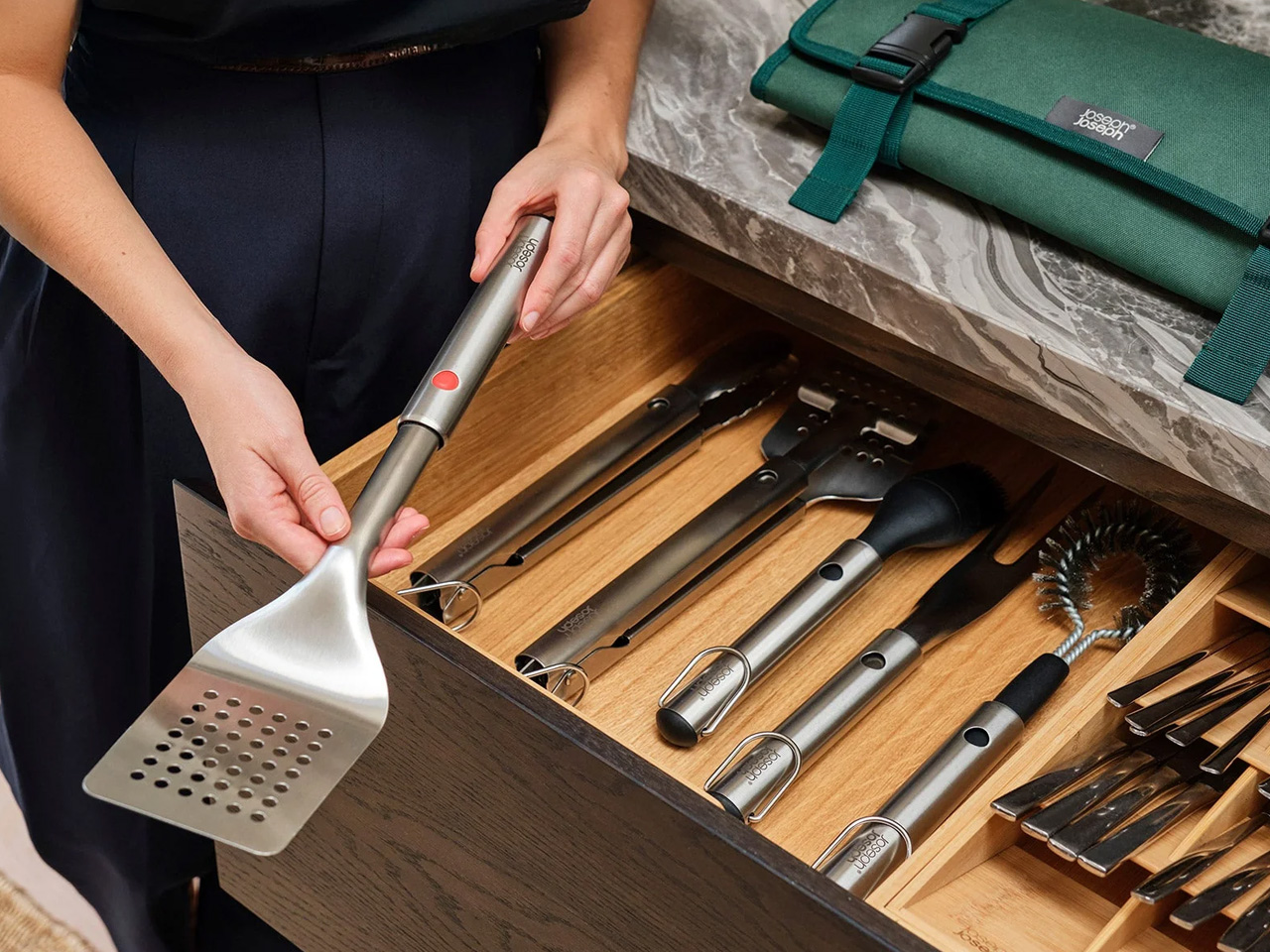
Joseph Joseph built its reputation on solving storage problems as cleverly as it solves cooking ones, and the GrillOut set is that philosophy applied to outdoor equipment. The four-piece set includes tongs, a spatula, a fork, and a basting brush, all integrated into a foldable carry case that functions as both a storage unit and a transport caddy. Utensil heads retract for compact packing, every tool is fully stainless with slip-resistant silicone grips, and the whole set dismantles for easy cleaning after each session.

Priced between $78 and $98, depending on the retailer, the GrillOut set is the most accessible on this list without feeling like a step down. The retractable utensil heads are the kind of detail that rewards you every time you pack up: no loose pieces, no separate bag, no searching for the brush before you can leave. For anyone who grills away from home as often as in it, this is the set that travels with real intention rather than just tolerance of inconvenience.

What we like

  • Retractable utensil heads and an integrated foldable case make packing genuinely effortless
  • Full stainless construction with silicone grips at the most accessible price point on this list

What we dislike

  • Four pieces may feel limited for larger or more varied grilling sessions
  • The retraction mechanism benefits from occasional maintenance to keep functioning smoothly over time

6. Obsidian Black All-Around Tongs

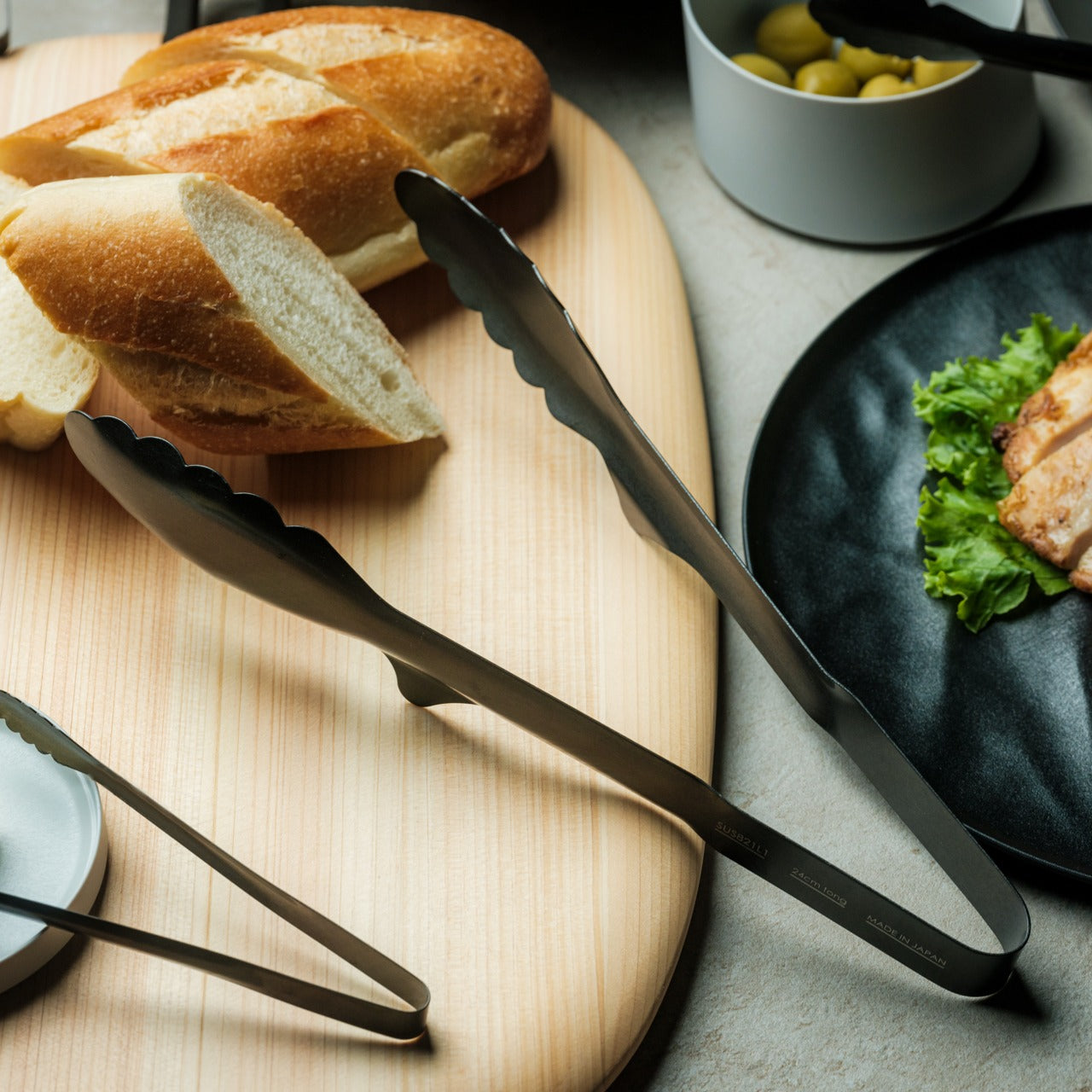
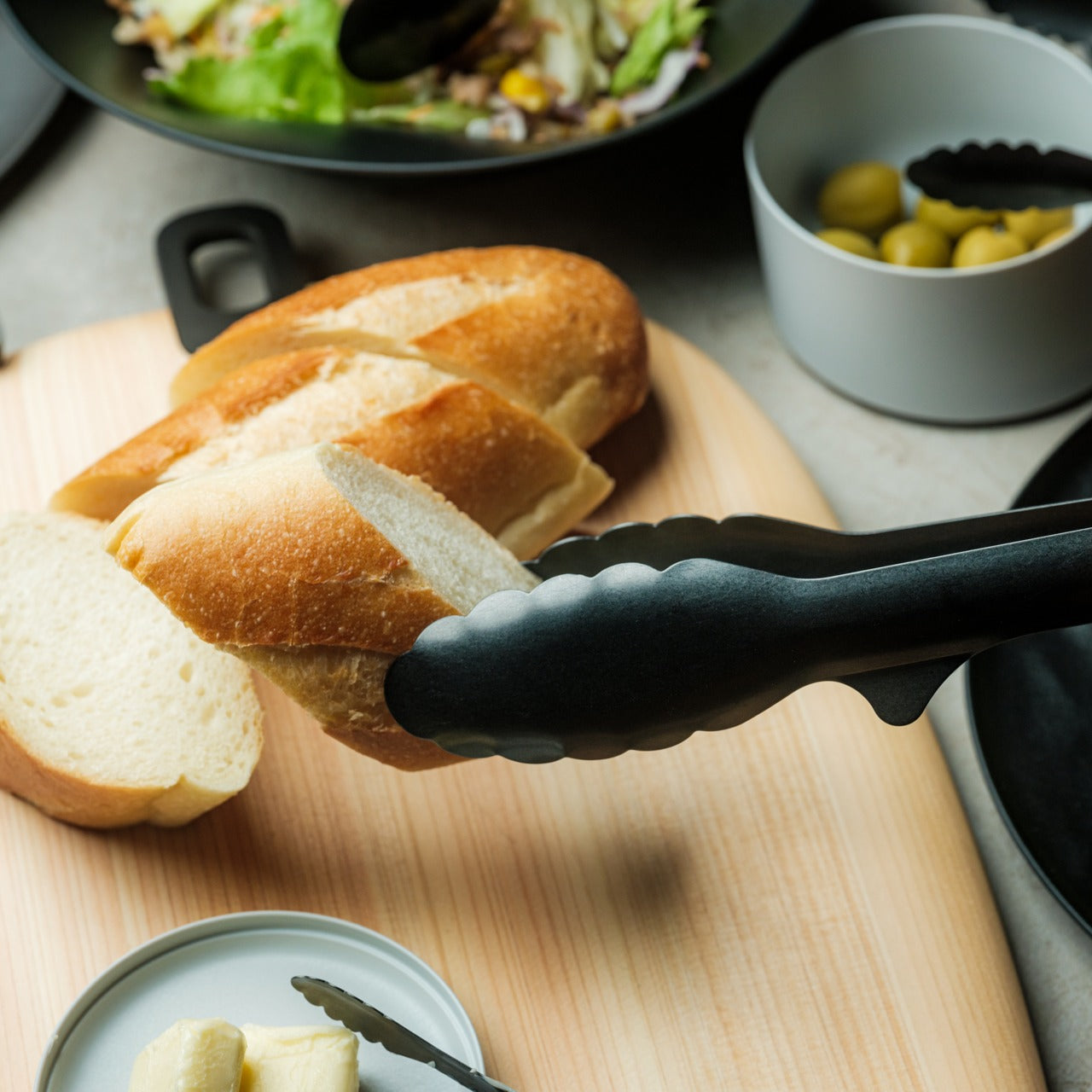
The Obsidian Black All-Around Tongs are made from SUS821L1 stainless steel, a grade selected for its exceptional strength and corrosion resistance rather than cost efficiency. The 9.45-inch length handles most cooking and plating tasks without putting your hand close to the heat. The all-black finish signals a material choice rather than a style decision: this is a kitchen tool that takes the visual language of professional equipment and applies it to backyard cooking without compromise or apology.

What makes these tongs worth including in a list about longevity is the material specification. SUS821L1 is not the steel found in budget tong sets. It holds its finish, resists the corrosive effects of marinades and high-heat cleaning, and maintains its mechanical tension over time. The Obsidian Black range also includes chopstick tongs, mini grip tongs, and salad tongs, making the collection genuinely expandable. These are tools you build a kitchen setup around rather than ones you phase out at the end of a season.

Click Here to Buy Now: $35.00

What we like

  • SUS821L1 stainless steel delivers superior corrosion resistance and long-term tension retention
  • Part of an expandable collection with multiple tong formats for different tasks

What we dislike

  • The matte black finish requires careful hand-washing to maintain its appearance long-term
  • Limited to tong formats, with no spatula or fork included in the Obsidian Black range

7. Roxon MBT3 Multi BBQ Tool

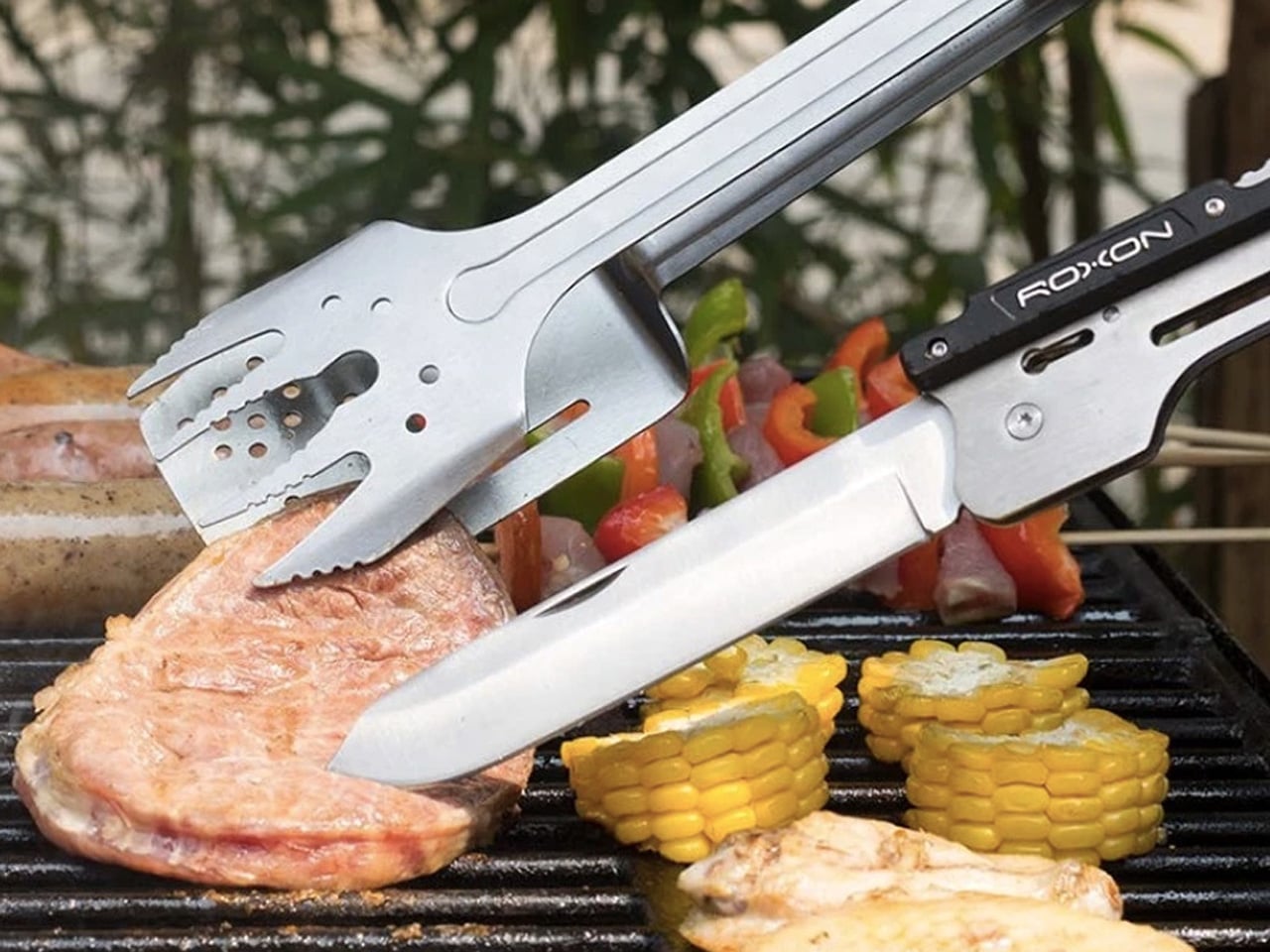
The Roxon MBT3 is a six-in-one BBQ multi-tool built from food-grade 430 stainless steel. Three base elements, a fork, spatula, and knife, connect via a 1.2mm liner lock and reconfigure depending on what you need at the moment. The fork and spatula join to form tongs. The knife folds to become a bottle opener and corkscrew. It packs into a nylon pouch small enough to slip into a jacket pocket, making it the only tool on this list that genuinely disappears when it isn’t needed.

What the Roxon MBT3 gets right is that it doesn’t ask you to carry more to do more. The EDC thinking behind it translates to the grill better than most multi-tools manage. The liner lock mechanism is secure enough that reconfiguring parts doesn’t feel like a compromise in the field. For a camper, a tailgater, or anyone who grills away from a fixed setup regularly, this is the one piece of kit that handles everything without filling a bag or requiring a dedicated case to transport.

What we like

  • Six functions in a single pocket-sized tool secured by a reliable 1.2mm liner lock
  • Food-grade 430 stainless steel construction with a dedicated nylon carry pouch included

What we dislike

  • Better suited to solo or small-group grilling than high-volume or simultaneous cooking
  • Requires some familiarity with the reconfiguration system before it feels fully intuitive

8. MEATER Plus Wireless Smart Meat Thermometer

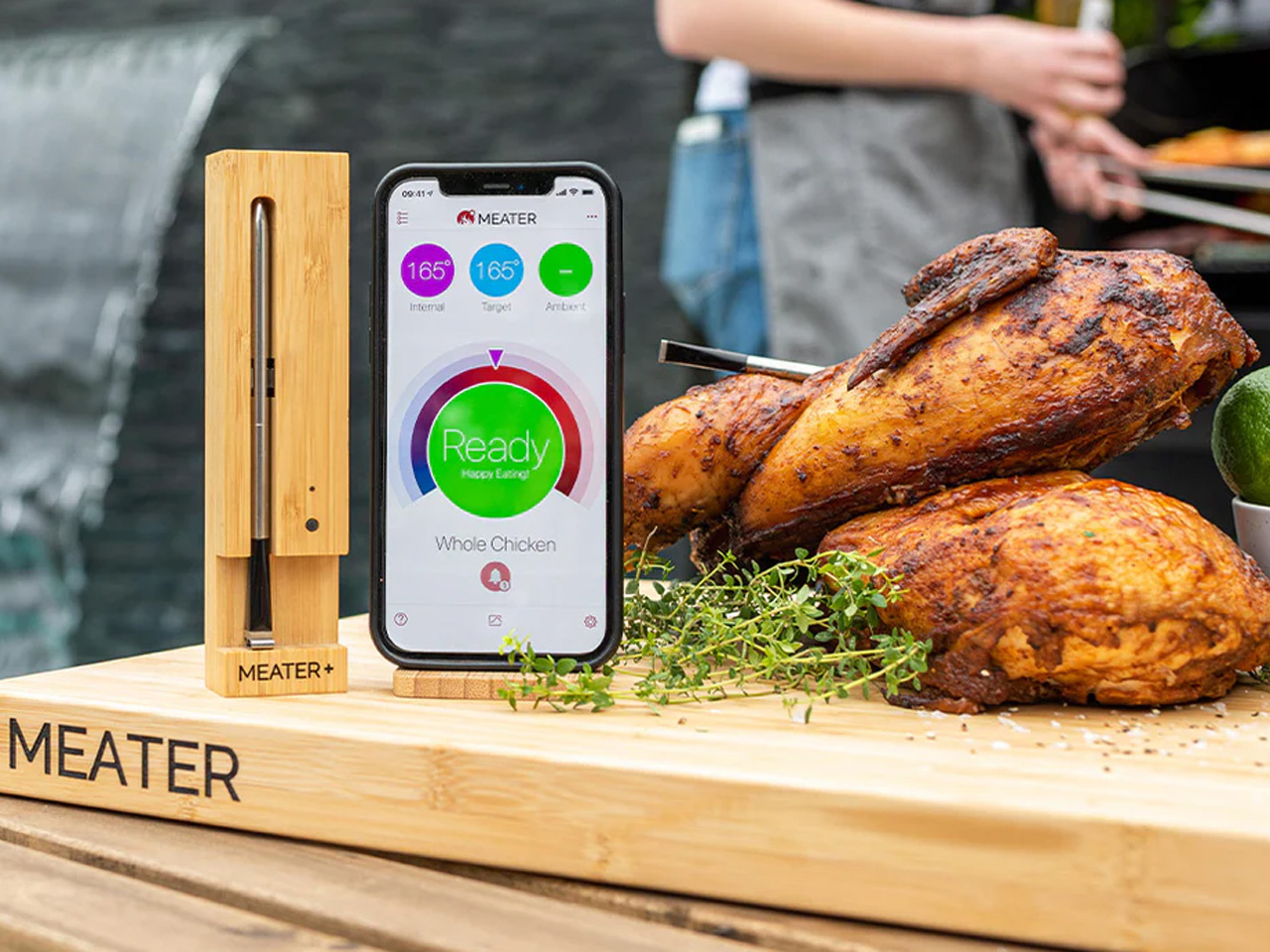
The MEATER Plus is the first truly 100% wire-free meat thermometer on the market. A single probe monitors both internal meat temperature and ambient grill temperature simultaneously, then relays that data to your phone via Bluetooth at a range of up to 165 feet. The bamboo charging dock doubles as a Bluetooth repeater, extending that range without additional hardware. The companion app guides you through the cooking process in real time and estimates exactly when to pull the meat off the grill.

The design case for the MEATER Plus is as strong as the technical one. The probe is minimal enough to sit in a bamboo dock on a kitchen counter without looking like a gadget. No wires, no clunky receivers, no analog dials. At $99.95, it’s the kind of tool that changes how you interact with a grill rather than just what you can do with it. Once you’ve cooked with one, the idea of cutting into meat to check doneness feels genuinely outdated rather than just inconvenient.

What we like

  • 100% wire-free with simultaneous dual-temperature monitoring up to 165 feet via Bluetooth
  • Companion app delivers real-time cook guidance and precise pull-time estimates

What we dislike

  • Requires a charged smartphone and an active Bluetooth connection to access full functionality
  • Ambient probe placement near the meat surface can affect temperature accuracy in certain setups

Buy Once, Grill Better for Years

The common thread across all eight of these picks is intention. Each one was designed with a specific problem in mind, whether that’s portability, material longevity, storage efficiency, or the kind of precision that removes guesswork from the cooking process entirely. None of them is an impulse purchase, and none of them is meant to be. Good tools earn their place over time, and every one of these has the construction quality to do exactly that.

If there’s a place to start, the Obsidian Black Tongs and the MEATER Plus represent two ends of the spectrum: one purely mechanical, one quietly smart, both worth having before anything else on the list. The Nomad and the All-in-One Grill offer different answers to what a portable grill can be. Any combination of these eight will outlast the average grilling season by years. That’s the entire point of buying well once.

The post Forget Cheap Grilling Tools — These 8 BBQ Gadgets Are Actually Designed to Last a Decade first appeared on Yanko Design.
This Game-Changing Bench Vise Tilts, Rotates, Locks in Three Modes, and Costs $239

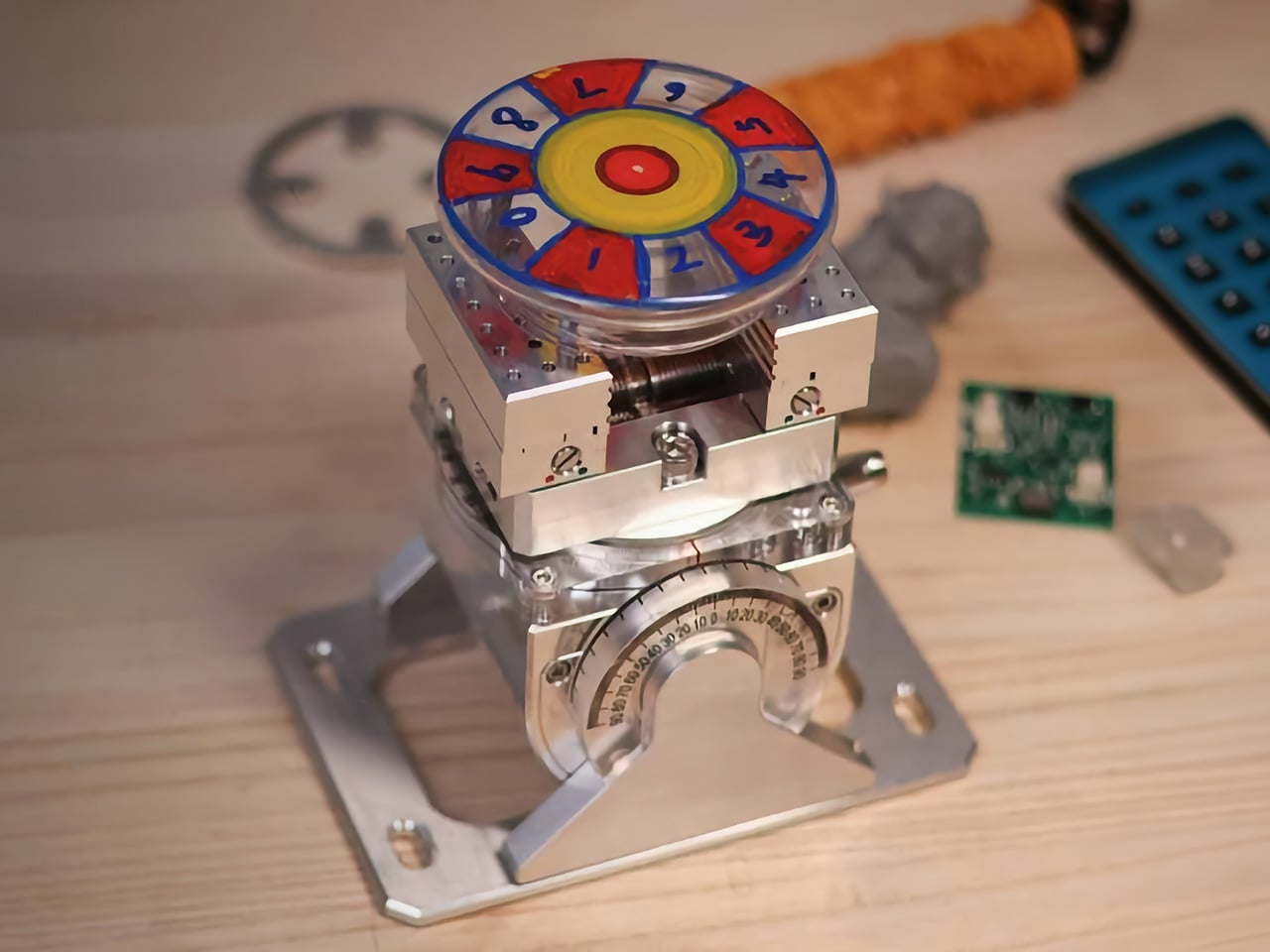
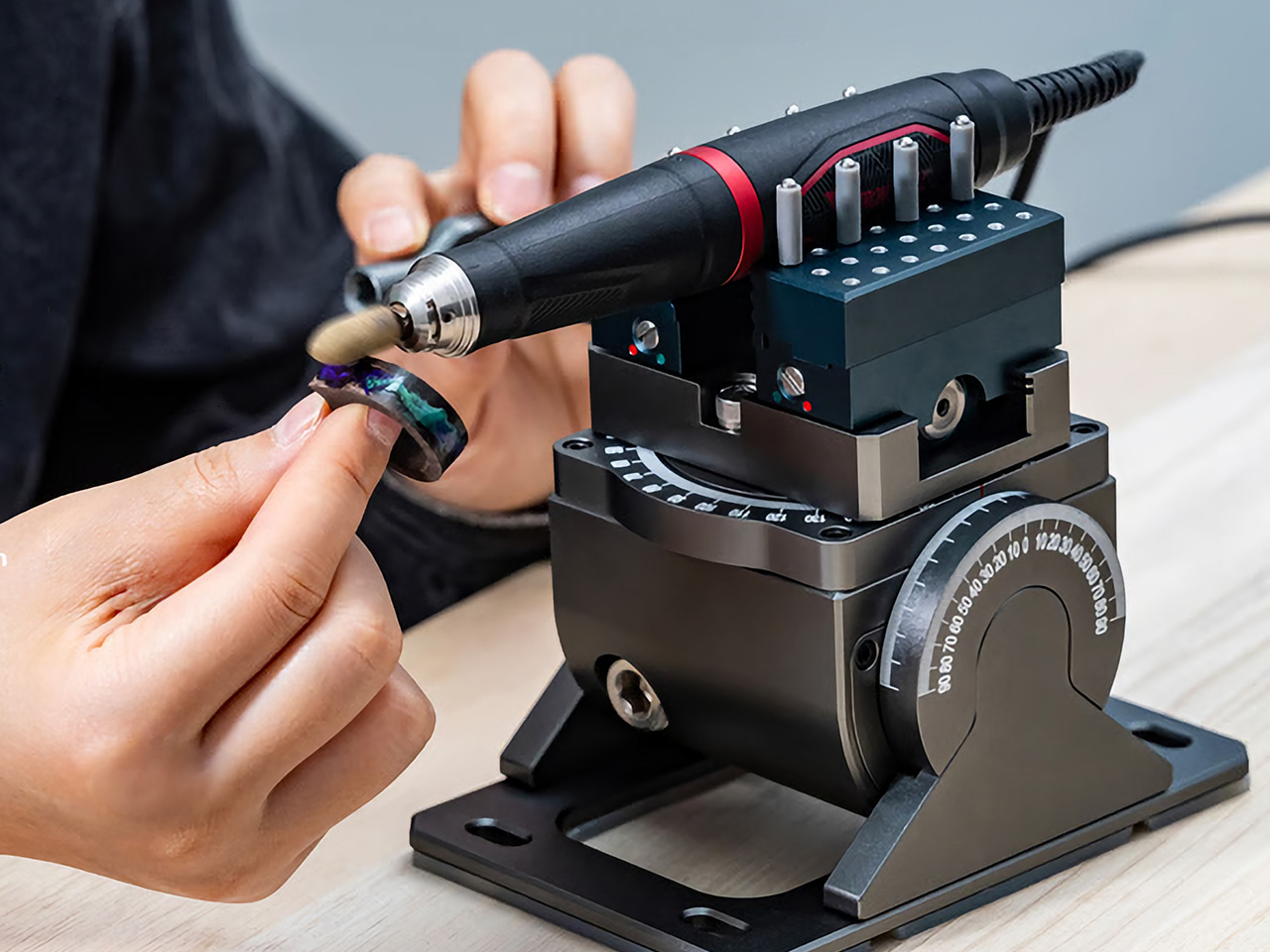
Bench vises have long been built around one assumption: the work stays put, and the maker adapts. AxiGlide inverts that. With full 360-degree rotation paired with a tilt base that moves from horizontal toward vertical, it creates a workspace where the object turns, angles, and aligns with far less interruption. The rhythm of making changes the moment you stop compensating for the tool.

AxiGlide offers free-spin motion for fluid handling, a 60-position indexed system for repeatable 6-degree steps, and a full-lock mode for rigid support during demanding tasks. The modular jaw system adds another layer of versatility, with options for flat, irregular, hard, and delicate surfaces. Starting at $398 for the Standard version and $449 for the Precision model, it positions itself as a serious upgrade for detail-heavy bench work where angle, access, and control define the outcome.

Designer: VogueMech

Click Here to Buy Now: $239 $398 ($159 off). Hurry, only 11/50 left! Raised over $398,000.

Mode selection is controlled by a three-position switch with spring-loaded detents, and a light flick is all it takes to move between behaviors. Free-spin mode lets the vise flow with your touch, the tilt base housing a precision-machined spindle that allows rotation without directional limits or angular constraints. This makes the AxiGlide a responsive rotary platform, ideal for drawing smooth curves, wrapping, winding, or any continuous motion that benefits from fluid rotation. Set it to a comfortable working incline, secure your workpiece, then rotate it freely back and forth to explore any angle. Whether you’re painting, carving, assembling, or simply inspecting details from different perspectives, the free mode gives uninterrupted access to every orientation.

When fully locked, AxiGlide transforms into a fixed vise system, creating a solid, single-position hold that delivers rock-solid stability for demanding tasks. The system can be oriented freely before locking, so you get a way to freeze any chosen angle. Whether it’s angled drilling, off-axis assembly, or precise carving, AxiGlide enables you to secure the workpiece at the position that best matches the task at hand, with uncompromising strength and confidence. VogueMech positions this as the mode for maximum rigidity when force or precision drilling comes into play. Lock the angle you need, apply force, and the vise holds without creep or shift.

Beneath the turntable sits a 60-position indexed disc, dividing the full rotation into precise 6-degree increments and engaging with a spring-loaded column. When the switch is set to the half-locked state, AxiGlide creates consistent tactile detents as you turn it. Each click corresponds to an exact angular step, delivering mechanical precision through touch rather than visual alignment. Precision becomes something you feel, especially in tasks that require repeating orientations, segmentation, symmetry, or mirrored alignment. The half-lock can also serve as a damping support for the turntable, making every adjustment feel controlled with no sudden drops, no jerky motion, and no repeating need to loosen or tighten locks the way ball joints demand.

The tilt axis is equipped with a preloaded brake that applies consistent pressure to the tilt shaft, providing smooth, controlled resistance throughout the tilt motion range. Together, the damping support on both axes makes AxiGlide a reliable third hand to hold something top-heavy while maintaining flexibility, positioned exactly where you need it so it stays there when your hand is off. No loosening, adjusting, and relocking; no interruptions in workflow. Just focus on the minutest details of your workpiece at any critical angle, especially when your hands are occupied with other tools. The tool becomes an extension of your movement rather than a step in the process.

The jaw system is modular and designed to expand the vise’s range across materials and project types. Standard equipment includes pin jaws that can be adjusted and reconfigured to better match the shape and needs of your workpiece. Pins come in three heights (10mm, 15mm, 20mm), each available in sets of eight, and you can place them where you need them for irregular or custom profiles. Add-on jaws are available separately and adapt to different materials and shapes: parallel jaws for flat surfaces, fractal jaws for irregular objects (a nod to MetMo’s influence in the space), aluminum material for hard metal parts, and PEEK panels for delicate parts. With a modular jaw system and possible future expandability, AxiGlide evolves with your projects, giving you one system that can serve jewelry work, hand engraving, circuit assembly, cloisonné painting, filing, model photography, and fine-detail finishing tasks.

The AxiGlide body is made from 6061 aluminum alloy, while key load-bearing and motion-critical components are made from 410 stainless steel. This combination balances structural strength, functional performance, weight, and manufacturing cost, ensuring the design is practical to manufacture and faithfully deliver in its intended form. The unit weighs 2,200g (4.9 lbs) and measures 150mm wide by 100mm deep at its base, rising to 135mm in height. AxiGlide is available in two versions: Standard and Precision. Both versions share the same material types, use scenarios, jaw options, core machining processes, and overall build quality. The differences come down to several specific upgrades according to VogueMech. The Standard comes in five color options: Gray, Blue, Red, Green, and Metal. The Precision edition is offered in DLC black and matte olive-gray, with additional mechanical refinements that enhance smoothness and tolerances.

The Standard edition starts at a discounted $239 for earlybird backers and includes the vise body, tilt turntable base, pin jaws with sets of 10mm, 15mm, and 20mm pins (eight of each). The Precision edition is priced at a discounted $279 and includes the same package plus a screw rod driver and upgraded internal components. Add-on accessories are available separately, including a screw rod driver for $12, parallel jaws in PEEK material for $24, parallel jaws in aluminum for $24, fractal jaws for $58, and PEEK teeth for fractal jaws at $36. Shipping costs vary by region: $28 for Japan, United States, European Union, United Kingdom, China, South Korea, Canada, and Australia; $45 for other countries and regions. Buyers only pay shipping when the AxiGlide vise is ready, allowing VogueMech to provide accurate rates based on location and selected package. Production begins in July 2026, with all orders expected to ship by September 2026.

Click Here to Buy Now: $239 $398 ($159 off). Hurry, only 11/50 left! Raised over $398,000.

The post This Game-Changing Bench Vise Tilts, Rotates, Locks in Three Modes, and Costs $239 first appeared on Yanko Design.
24x Optical Zoom on an iPhone, Balanced Like a DSLR. REEFLEX’s 600mm Lens Is Brilliantly Absurd.

Zoom has won. Of all the specs that used to dominate camera phone conversations, optical reach is the one that stuck because it is the most visible and the most immediately felt. At any major live event, the phones come out and the zoom wars begin. Samsung loyalists will have their periscope lenses trained on the far end of the pitch. iPhone users will be framing tight, stable shots of the stage from the back row. FIFA 2026 is nearly here, and across dozens of stadiums and billions of shared clips, zoom will quietly be the deciding factor in whether those memories look spectacular or just… small.

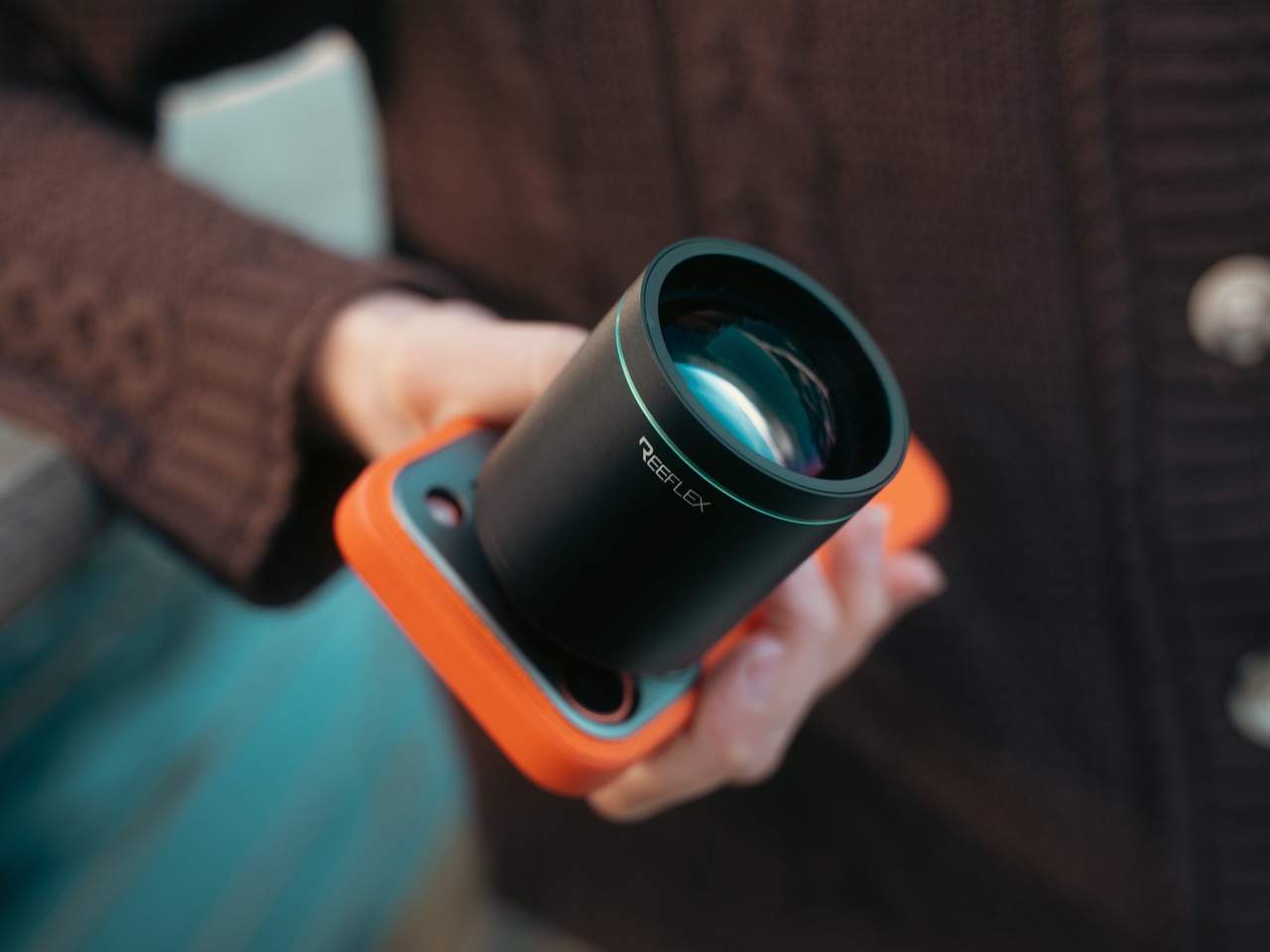
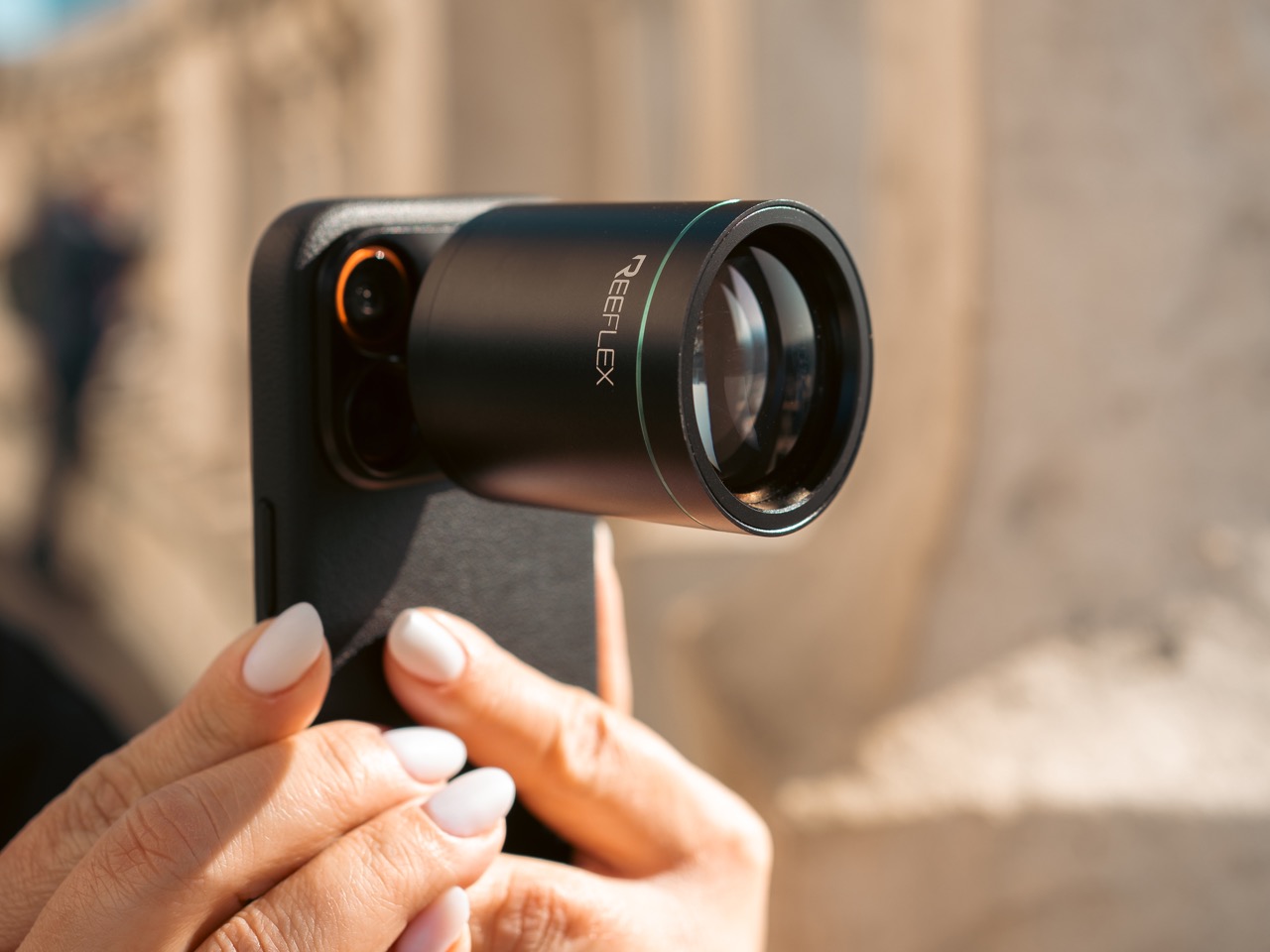
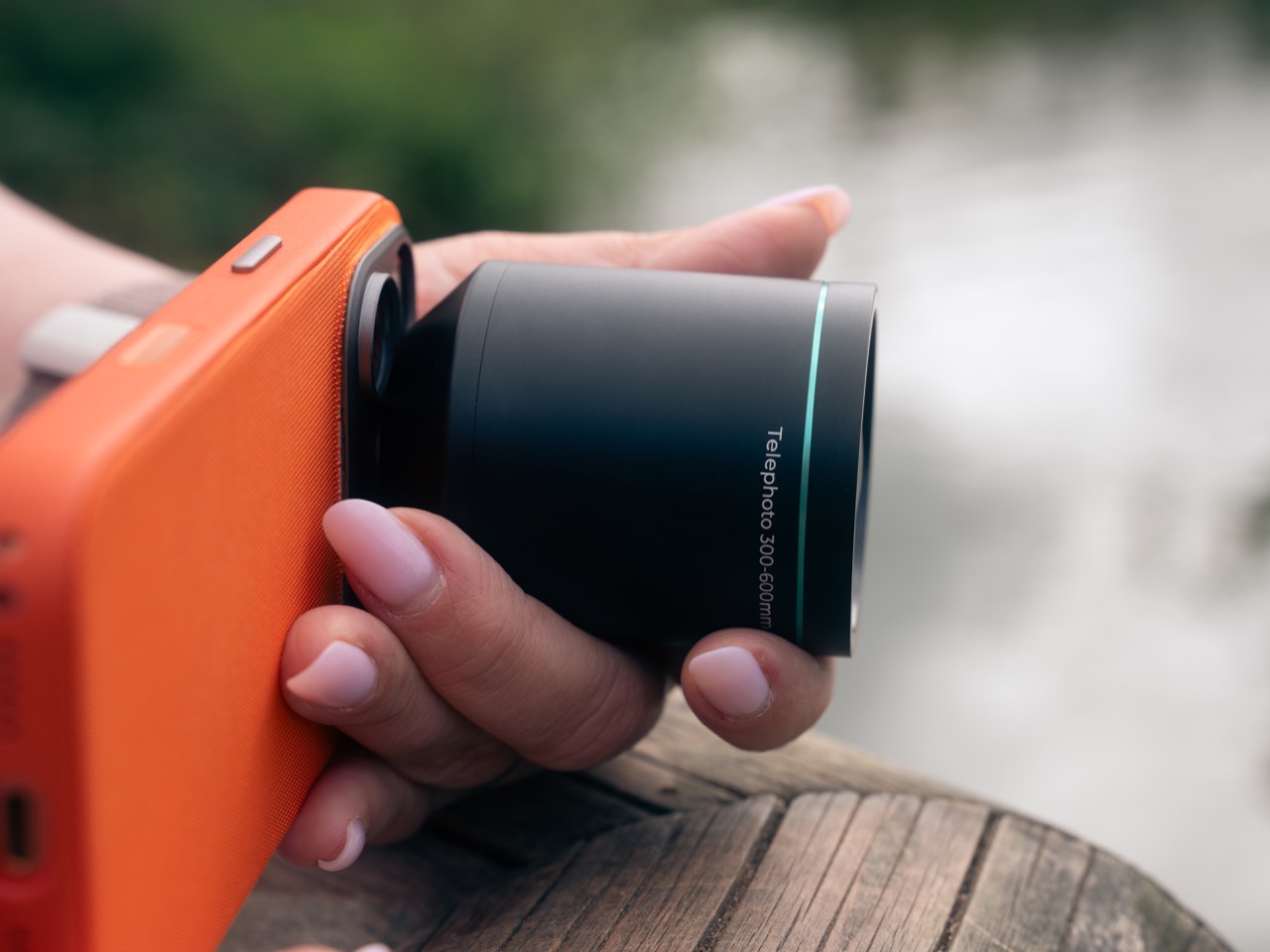
REEFLEX built the Ultra Telephoto 300-600mm for people who refuse to settle for small. Attaching to the telephoto camera of iPhone 17 Pro, Pro Max, and the Samsung S26 Ultra series, the lens compounds the phone’s native optical strength and extends it into a focal range, up to 600mm and 24x magnification, that genuinely belongs to another category of photography entirely.

Designer: REEFLEX

Click Here to Buy Now: $302 $441 (32% off) Hurry! Only 10 of 180 left. Raised over $640,000

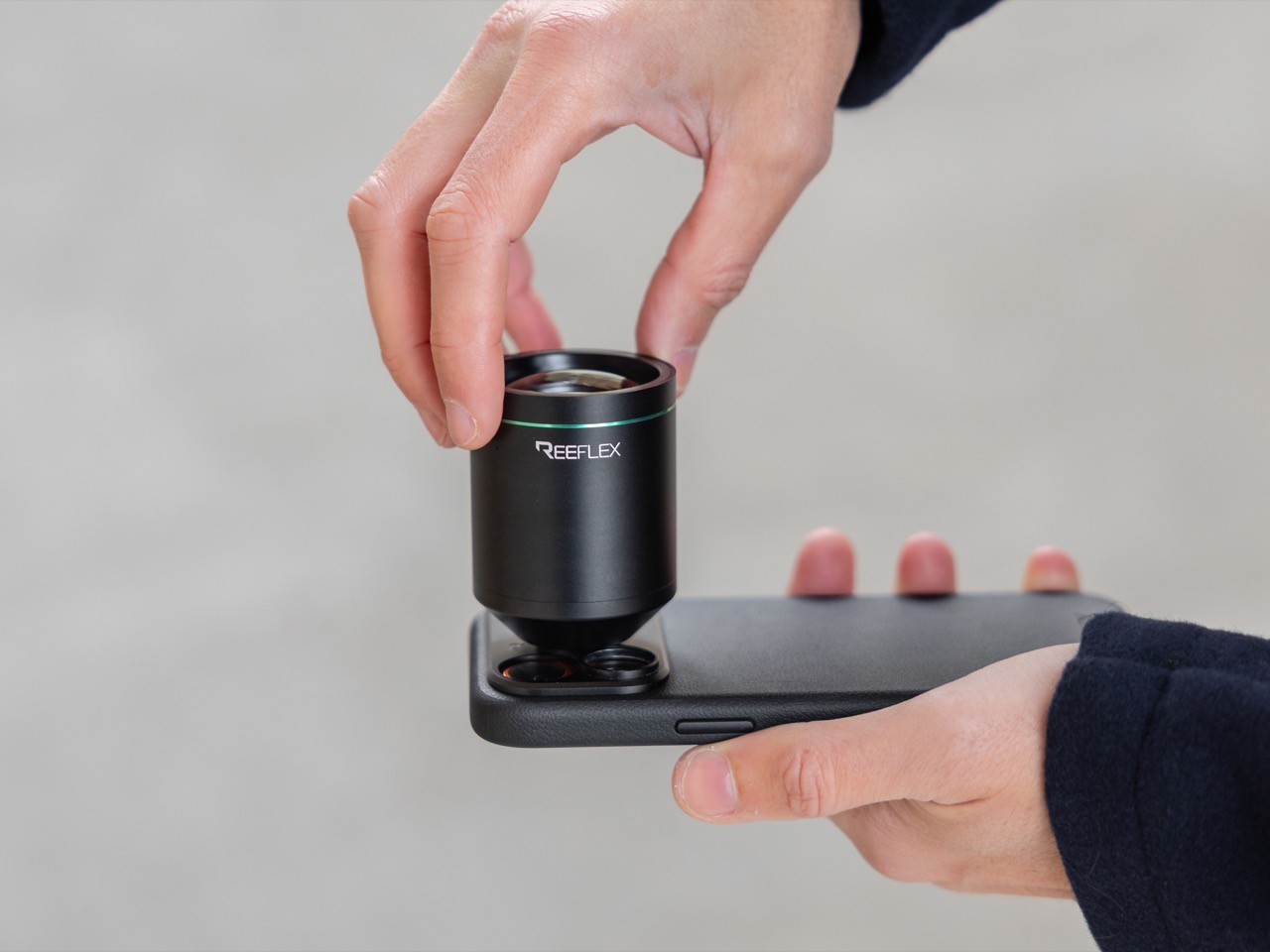
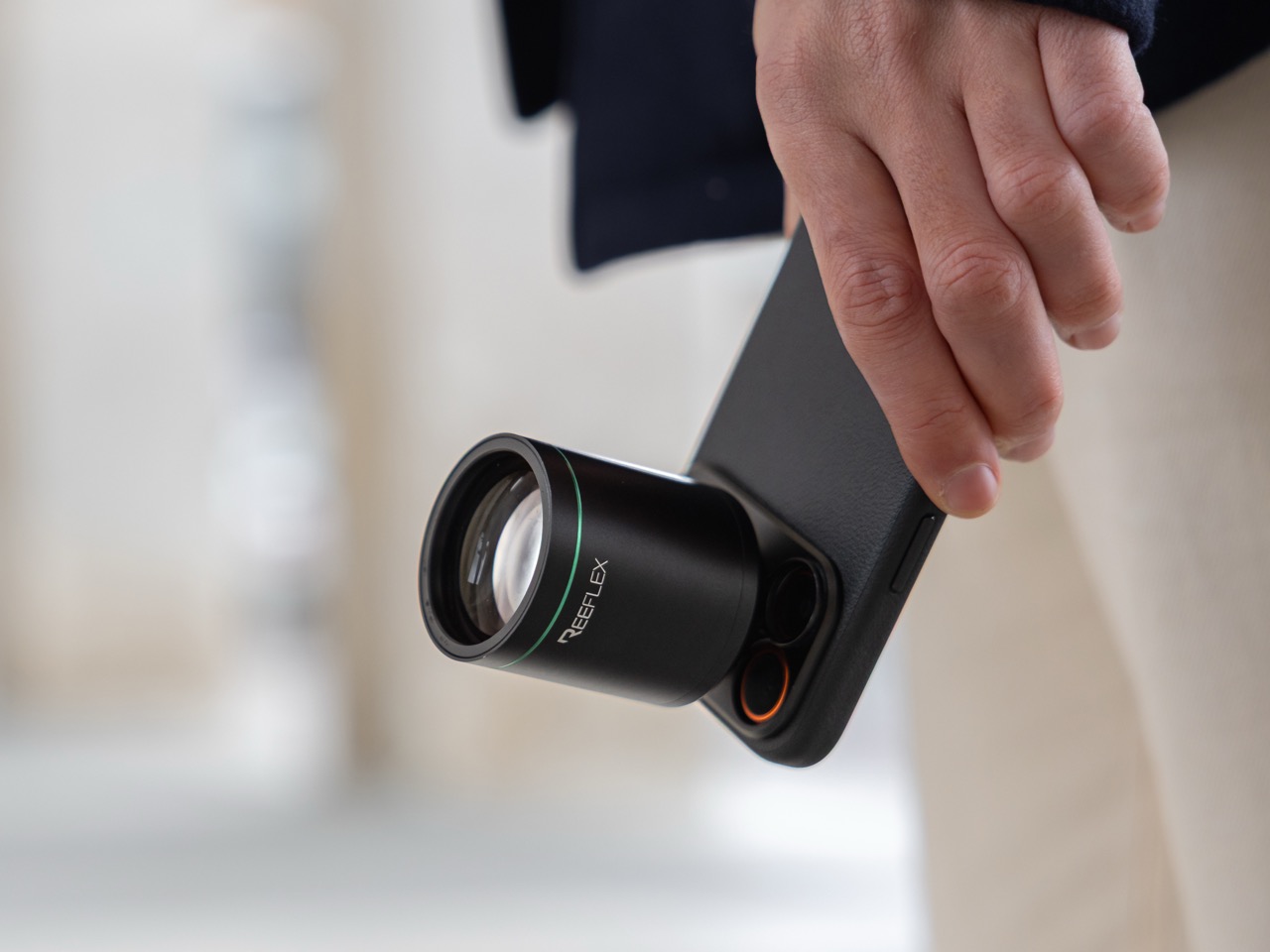
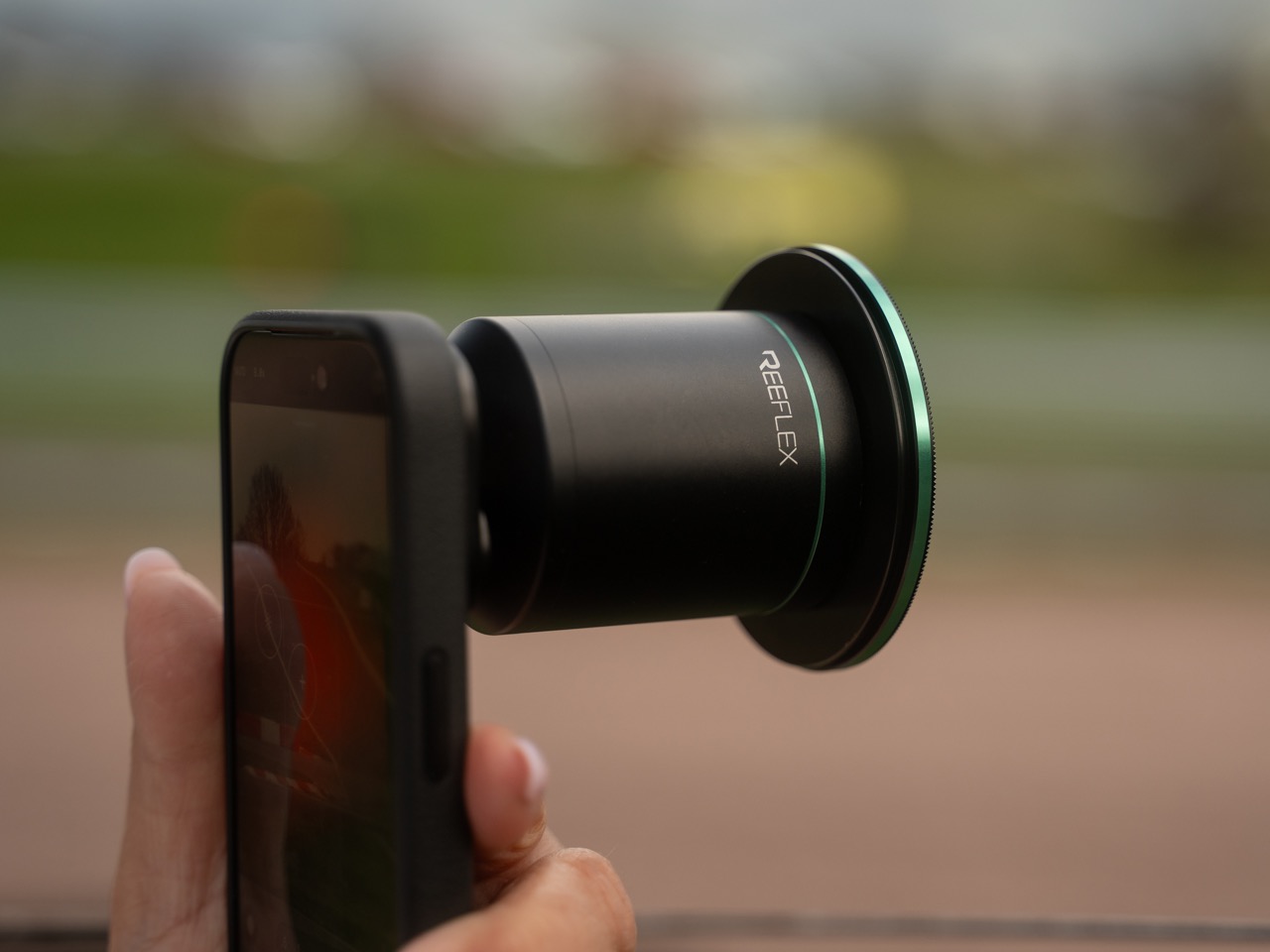
Most clip-on telephoto lenses grow forward in a long tube that looks great in renders but becomes a liability the moment you try to hold your phone steady. The weight pulls forward, the center of gravity shifts away from your grip, and at long focal lengths, that imbalance shows up as jitter in video and smeared detail in stills. REEFLEX went wide instead of long, packing everything into a compact cylinder that keeps the mass directly over your hand. Your wrist stays neutral, your grip stays firm, and the setup feels closer to holding a DSLR than balancing a makeshift telescope. That distinction matters enormously once you’re standing in a stadium trying to track a fast-moving subject.

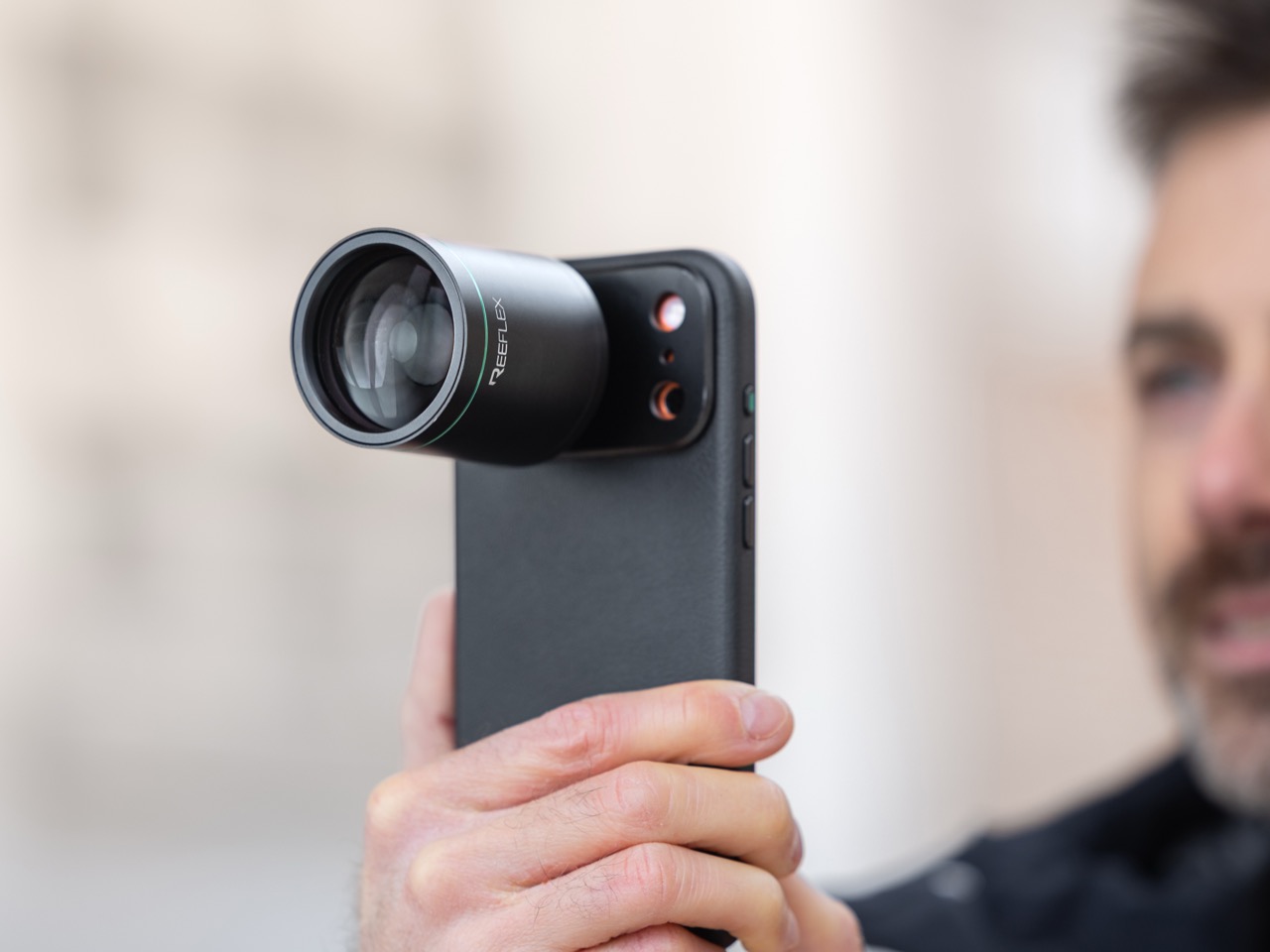
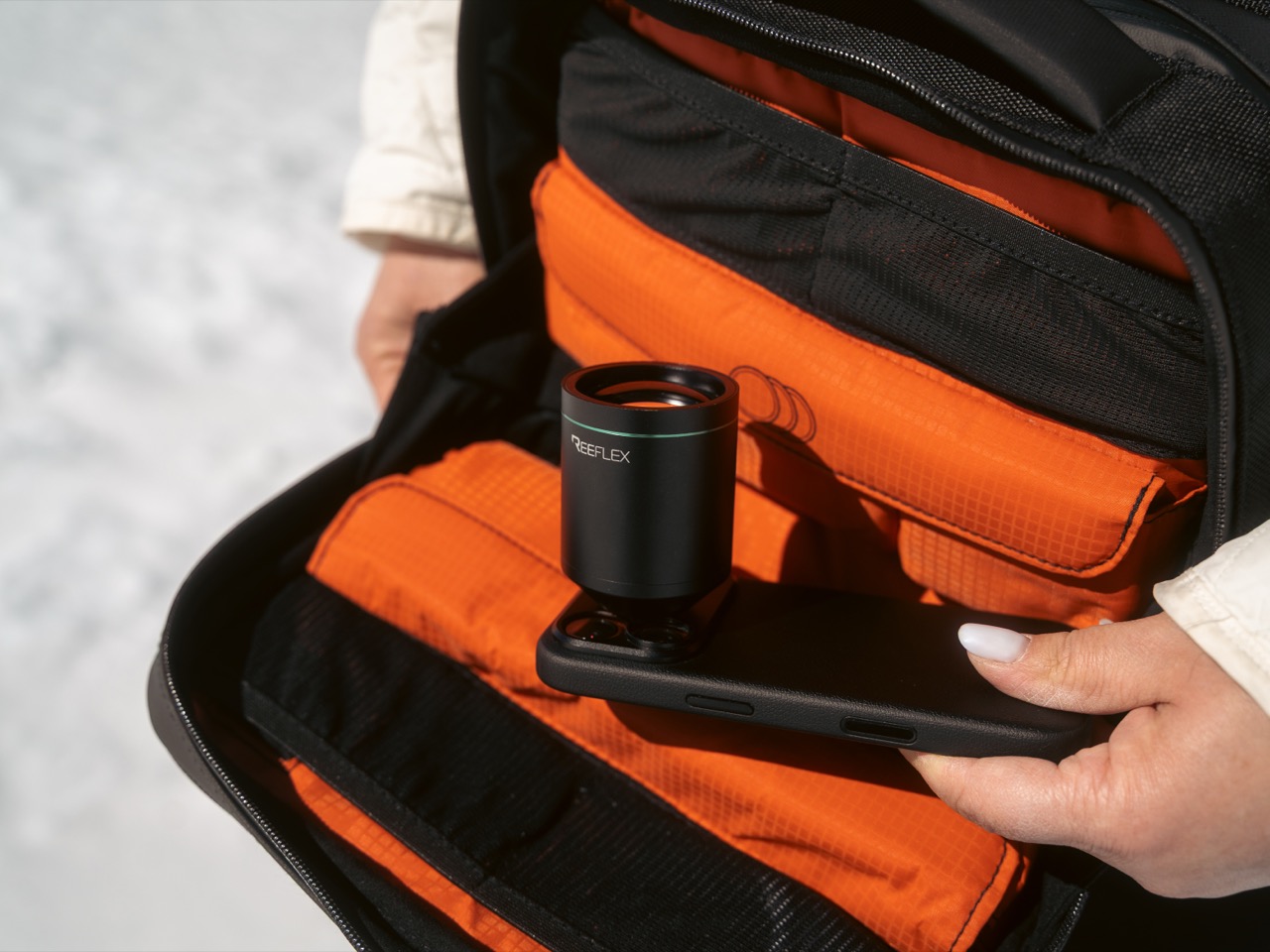
Machined from aerospace-grade aluminum, the body weighs 308 grams and holds its optical tolerances without adding unnecessary bulk. The glass inside is lanthanum, a material chosen specifically for its high refractive index. In practical terms, that means sharper resolving power, richer contrast, and far less color fringing along edges than standard glass can manage at these focal lengths. The optical formula runs four elements, one doublet and three singlets, tuned to work with the tetraprism telephoto cameras in current flagship phones rather than fighting against their characteristics. The matte black finish, the green accent ring around the barrel, and the large front element all contribute to something that looks and feels like a deliberate optical instrument.

REEFLEX designed this lens specifically for the tetraprism telephoto systems introduced in the iPhone 17 Pro lineup and Samsung’s S26 Ultra series. Those cameras already deliver impressive native zoom performance, and the Ultra Telephoto 300-600mm takes that foundation and multiplies it. On iPhone 17 Pro and Pro Max, you get 24x magnification and a 600mm equivalent focal length. On Samsung S26, S25, and S24 Ultra, magnification reaches 30x with an equivalent focal length stretching to 660mm. For context, that is the kind of reach wildlife photographers use to capture birds without disturbing them, the kind of compression architectural photographers rely on to isolate distant details, and the kind of range that makes concerts and sports events feel immersive rather than distant.

The lens mounts via a standard 17mm threaded connection that attaches to REEFLEX’s dedicated phone cases, which feature an integrated camera bumper designed to align perfectly with your phone’s telephoto lens. The threading ensures a secure, wobble-free connection, and the whole assembly stays compact enough to slip into a jacket pocket or small camera bag. REEFLEX also built in compatibility with their ReeMag magnetic accessory system, so you can stack filters, attach lens caps, and expand your creative toolkit without needing adapters or workarounds.

FIFA 2026 will be the first time many people realize just how limiting their phone’s native zoom really is. Sitting in the stands, even a few rows back from the pitch, most phone cameras will reduce the action to distant, flat shapes. The Ultra Telephoto 300-600mm changes that equation completely. You can isolate a player’s expression during a penalty kick, compress the depth of the field into a cinematic frame, and capture moments with the kind of detail that looks deliberately composed rather than accidentally caught. The same logic applies to concerts, where the stage often sits 50 meters or more from general admission, and wildlife, where getting close means ruining the shot.

The focus range starts at 6.8 meters and extends to infinity, which means you can use this lens for everything from isolating architectural details across a plaza to capturing the moon with surprising clarity. The lanthanum glass keeps distortion minimal and sharpness high even at the edges of the frame, and the compact form factor means you can shoot handheld without needing a tripod or gimbal for stability.

The Standard tier comes with the Ultra Telephoto 300-600mm lens and a phone case for $302, against a retail price of $441. The Ultra Tele + Super Tele Bundle adds the Super Telephoto 240mm and both macro add-ons (200mm and 300mm) alongside a phone case for $568, down from $849. The full Reeflex Ultra Set at $1859 (retail $2883) covers ten lenses spanning fisheye to ultra telephoto, a complete filter collection including fixed NDs from ND8 to ND64, variable NDs, a polarizer, and a black mist filter, plus filter adapters, a waterproof impact-resistant hard case, and a phone case.

Case options vary by device. iPhone 17 Pro and Pro Max users choose between Tech-Woven MagSafe or Leather MagSafe. iPhone 16, 15, and 14 Pro and Pro Max receive the Leather MagSafe version. Samsung S26, S25, S24, and S23 Ultra users get a Carbon case. Shipping begins June 2026, completing by early July.

Click Here to Buy Now: $302 $441 (32% off) Hurry! Only 10 of 180 left. Raised over $640,000

The post 24x Optical Zoom on an iPhone, Balanced Like a DSLR. REEFLEX’s 600mm Lens Is Brilliantly Absurd. first appeared on Yanko Design.
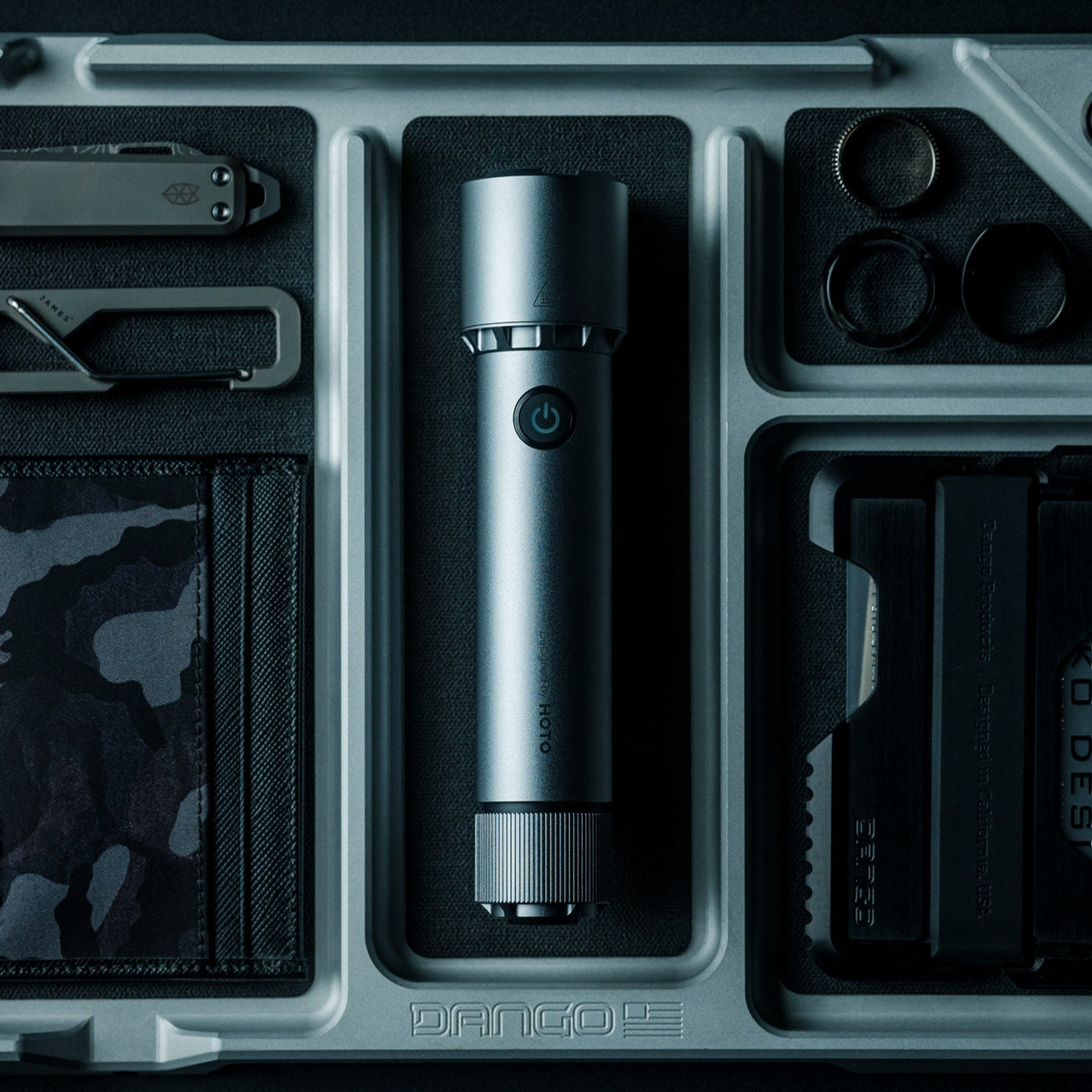
This $89 Retro Radio Made My Smart Speaker Feel Weirdly Useless

There was a time when the radio on the kitchen shelf meant something. Not just background noise – a presence. Something with weight and warmth, a dial that clicked with intention, a speaker that made the morning feel like it had a score. Then it disappeared. We outsourced listening to our phones, our earbuds, our smart speakers that go silent the moment the Wi-Fi drops or the power cuts. Our devices got smarter, but also more fragile. More connected, but less self-sufficient.

The result is a strange kind of ambient helplessness. Beautiful, optimized, perpetually connected – until nothing works. That’s what makes the RetroWave 7-in-1 Radio so quietly compelling. It doesn’t just revive the visual language of a classic Japanese radio. It restores something modern gadgets gave up without asking: the reassurance of an object that works when conditions aren’t perfect and takes away the decision fatigue of ‘choosing’ every single music you play.

The Radio That Changed How I Think About “Essential”

At first, I thought the RetroWave Radio was mostly a design piece. A handsome retro object with a tactile tuning dial and enough character to earn a shelf. But after a few weeks, I realized it had rearranged things I hadn’t expected.

The Bluetooth stream replaced my phone speaker and sounded better. The FM dial came back into rotation, and tuning a signal by hand felt more deliberate than tapping a playlist. Then the power went out during a weekend storm. The radio kept going. The hand crank charged my phone enough to send a message. The LED flashlight handled the kitchen. The SOS alarm stayed ready in the background, doing nothing, which was exactly what I needed it to do.
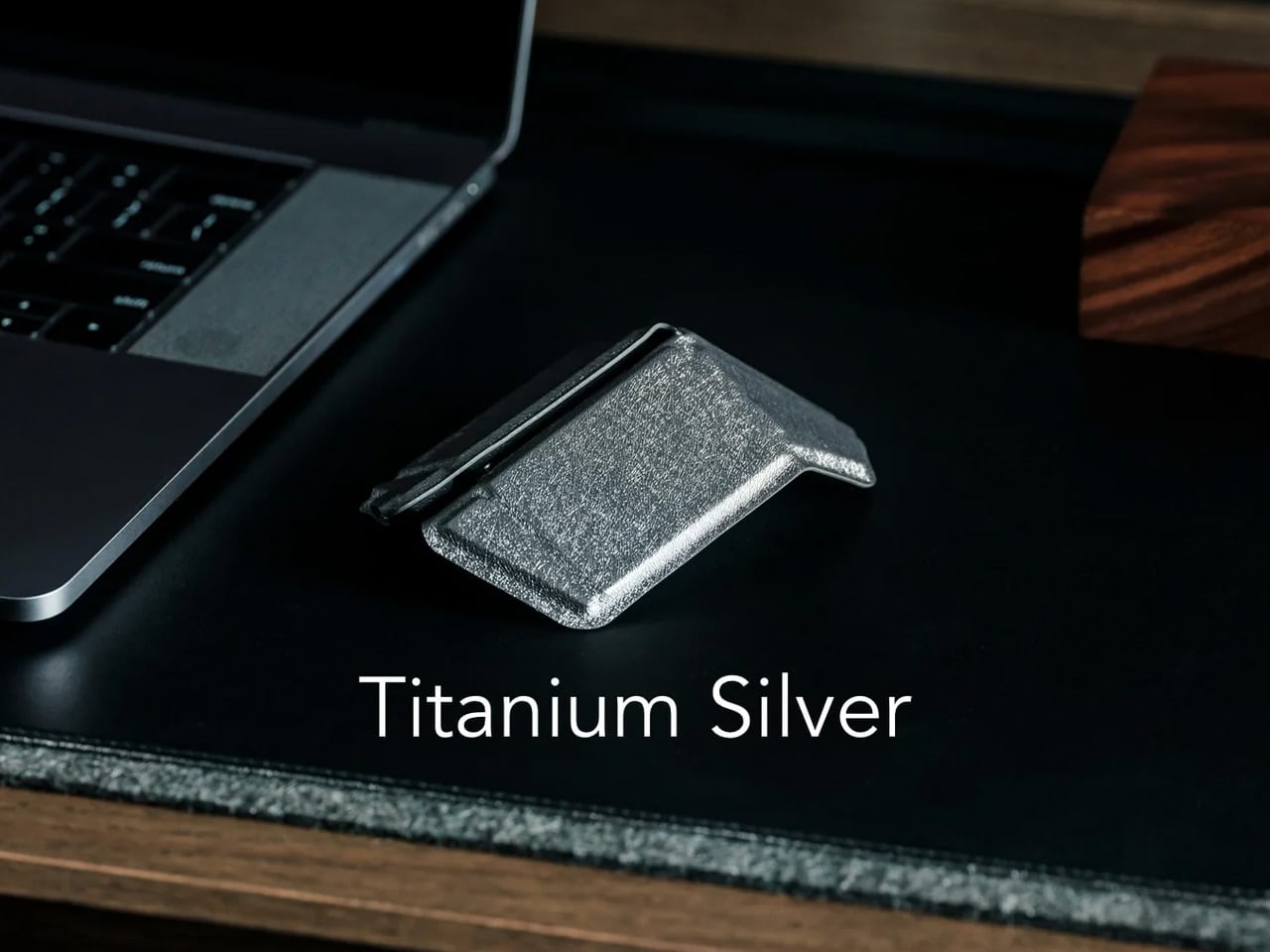
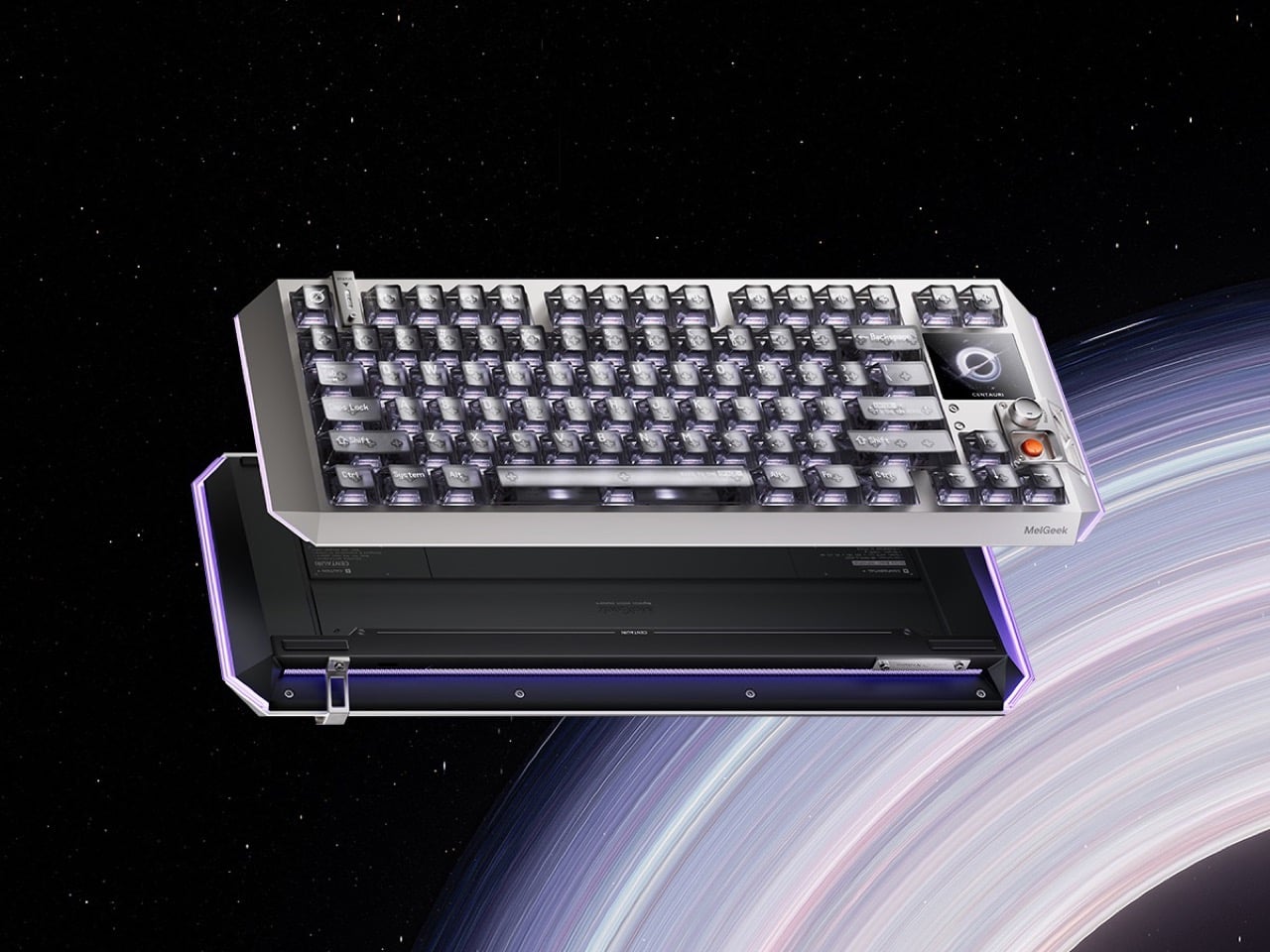
It hadn’t added a function to my shelf. It had closed a gap I didn’t know I was living with.

Close-up of a black device with a circular dial labeled 'LIGHTING' and small red/green indicators, beside a beige panel that says 'RELAX'.

Built Beautiful. Built Smart.

  • 7-in-1 functionality: Works as a speaker, MP3 player, radio, flashlight, clock, power bank, and SOS siren in one compact form.
  • Bluetooth + MP3 playback: Stream from your phone or play directly from USB and microSD when you want to go offline.
  • FM/AM/SW radio: Tune into local broadcasts, international news, or analog stations without needing the internet.
  • Emergency-ready power: Recharge by hand-crank or solar panel when outlets are unavailable.
  • Built-in flashlight and SOS alarm: Designed for blackouts, storm prep, roadside stops, and unexpected moments.
  • Phone charging on the go: The 2000mAh battery gives your essentials a boost when you need it most.
  • Compact but capable: Lightweight enough to pack, yet powerful enough for up to 20 hours of radio time or 6 hours of emergency lighting.

This isn’t multi-functionality for the sake of a spec sheet. Each function earns its place.

Close-up of a vintage black radio with a charging cable plugged into a smartphone displaying 14:40 on its screen.

Close-up of a vintage beige control panel with four small knobs and a 'RELAX' label on a glossy black device.

Why Reliability Feels Like a Luxury Now

We tend to assume the future belongs to smarter devices. But smart has started to feel fragile. Speakers that go silent without internet. Phones that drain at the worst moment. Tools that work beautifully right up until they’re actually needed.

The RetroWave Radio offers a different kind of progress. Not rooted in constant connectivity, but in self-sufficiency. It gives you music when you want ambiance, information when you need updates, and power when everything else starts running low. The best emergency tool is the one that’s already out – living on your shelf, earning its place every day, so it’s there without thinking when things get difficult.

Person holds a small black portable device with a side vent and attached nozzle, held in two hands.

Design That Reflects Resilience

This isn’t a radio that begs for attention. The retro Japanese-inspired silhouette is balanced and resolved – compact without feeling cheap, characterful without demanding notice. The tuning dial has genuine tactile feedback, the kind touchscreens never replicate. The proportions feel considered. The soft glow of the interface gives it a quiet presence that works as naturally on a nightstand as it does in an emergency kit. It looks dependable before you even turn it on.

A vintage portable radio sits on a shelf between a black toy car and a square speaker with a white disc on the right of the image.

Who It’s For

  • Design Lovers

A functional object with enough character to live proudly on display.

  • For Users Who Are Always Prepared

A practical companion for blackouts, storms, travel, and emergency kits.

  • Minimalists on the Move

Seven useful functions in one compact device that actually earns the space it takes up.

Close-up of a hand turning the orange dial on a car stereo/dashboard.

The Quiet Power of Owning Fewer Things That Give You Freedom

You don’t realize how many modern tools depend on ideal conditions until the power cuts, the signal drops, or you simply want something that works without asking much in return. That’s what the RetroWave 7-in-1 Radio gets so right. It doesn’t just entertain. It reassures.

And maybe that’s why it feels so current. Not because it looks back, but because it solves for the kind of uncertainty modern gadgets tend to ignore. In a world full of devices that stop being useful the moment things go wrong, this one keeps earning its place. The RetroWave 7-in-1 Radio is available now for $89.

The post This $89 Retro Radio Made My Smart Speaker Feel Weirdly Useless first appeared on Yanko Design.