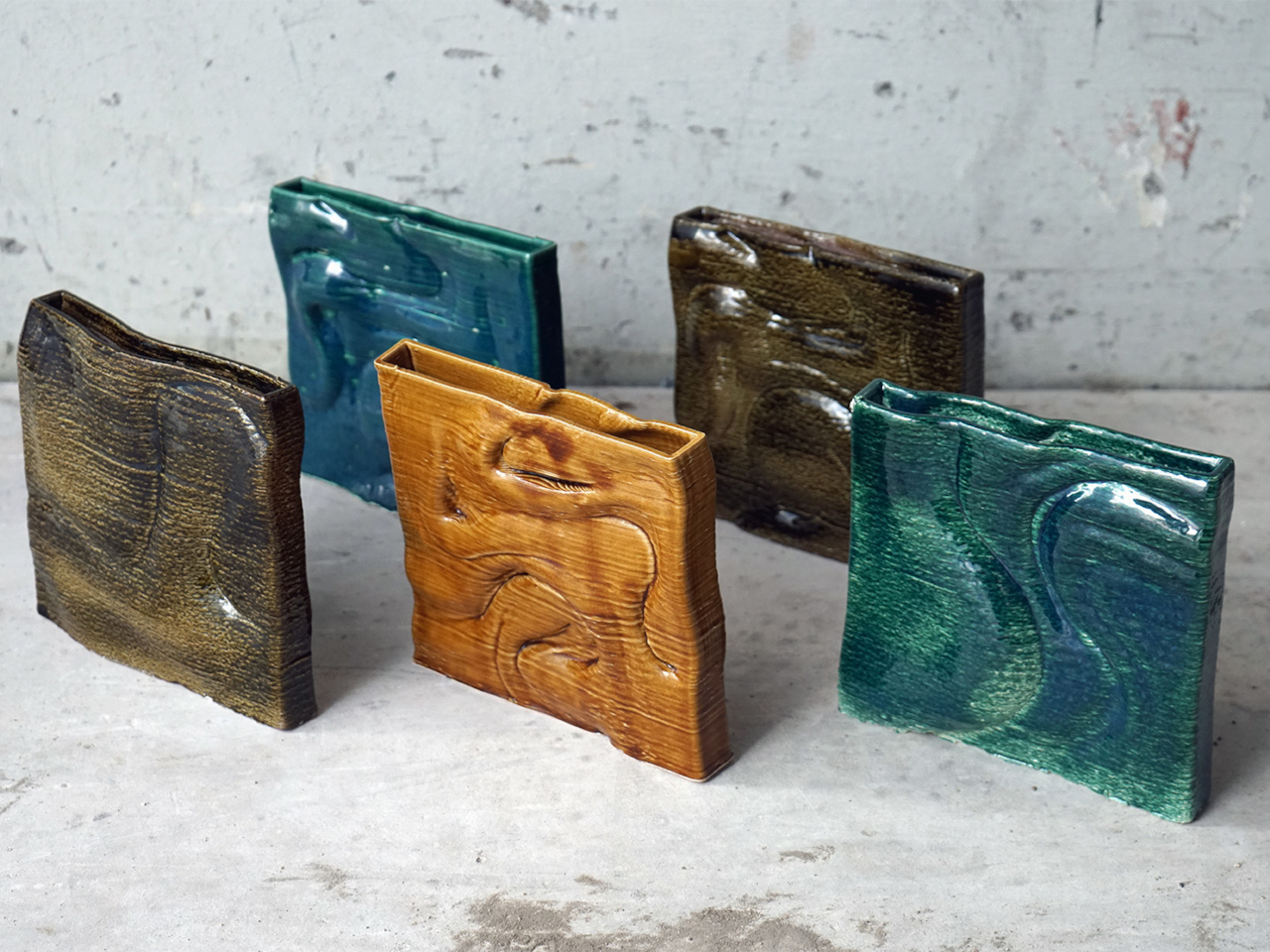
3D printers revolutionized the manufacturing and design industries, enabling almost anyone to bring their ideas to life and iterate over designs quickly. Unfortunately, this flood of creativity also resulted in a surge in the use of plastic, specifically the thermoplastics used as filaments for fused deposit modeling or FDM 3D printers. Even the more sustainable PLA type of filament is only biodegradable under very specific conditions, so there is a dire need for more eco-friendly but accessible alternatives. This particular idea tries to harness and reuse the equally growing volume of food waste that we throw away, particularly fruit seeds that really serve no other purpose unless they’re planted again.
Designer: Nawa Tek
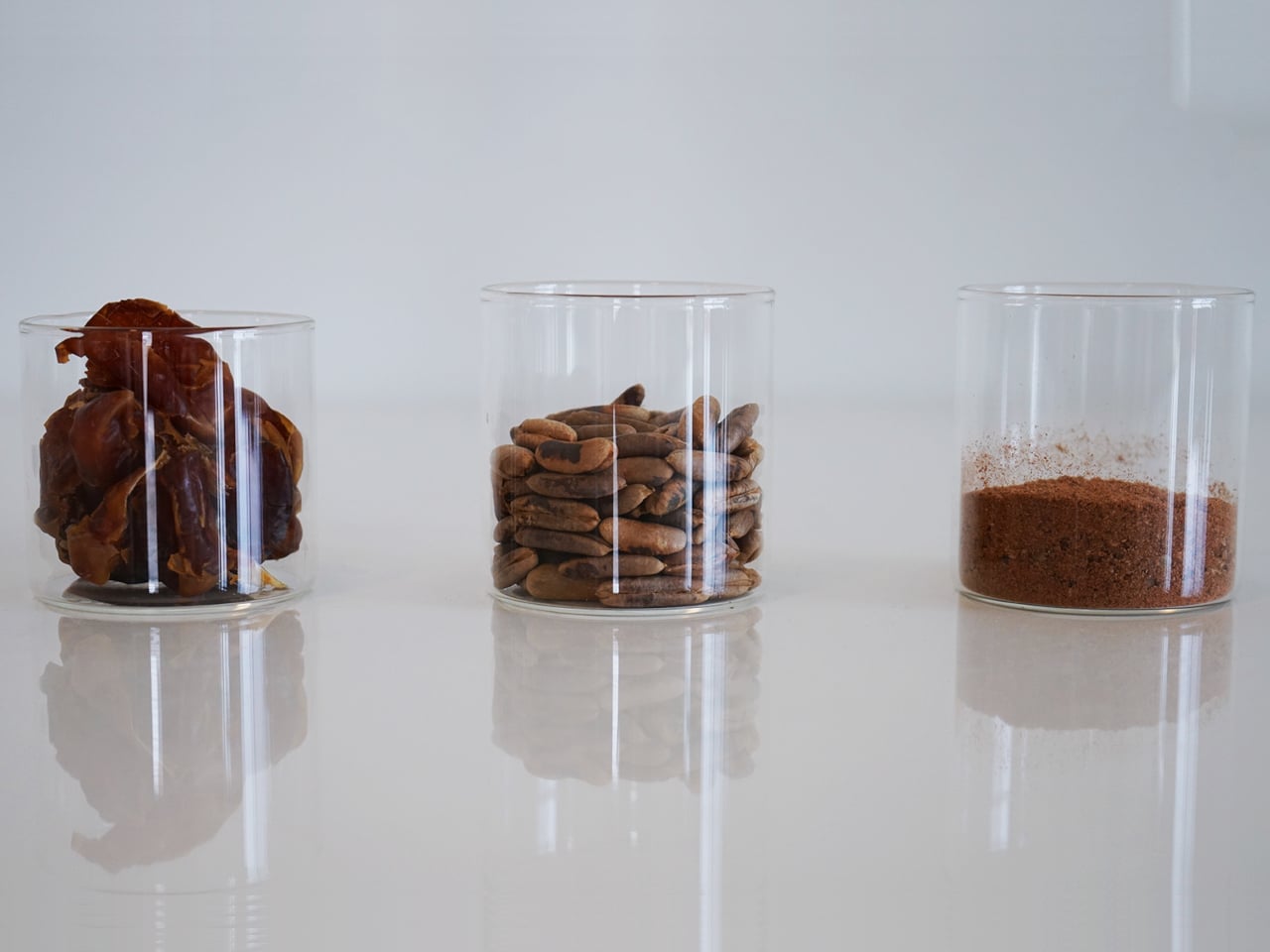
Dates are a very popular fruit, especially in Middle Eastern countries like Oman that produce and process tonnes of the fruit yearly. But like many fruits, only the flesh of dates is consumed, and the seeds or pits are simply discarded. These are biodegradable, of course, but they only decompose after a certain period of time, resulting in tonnes of garbage taking up space and potentially polluting waters as well. You can also plant some of the seeds but not all can be used this way.
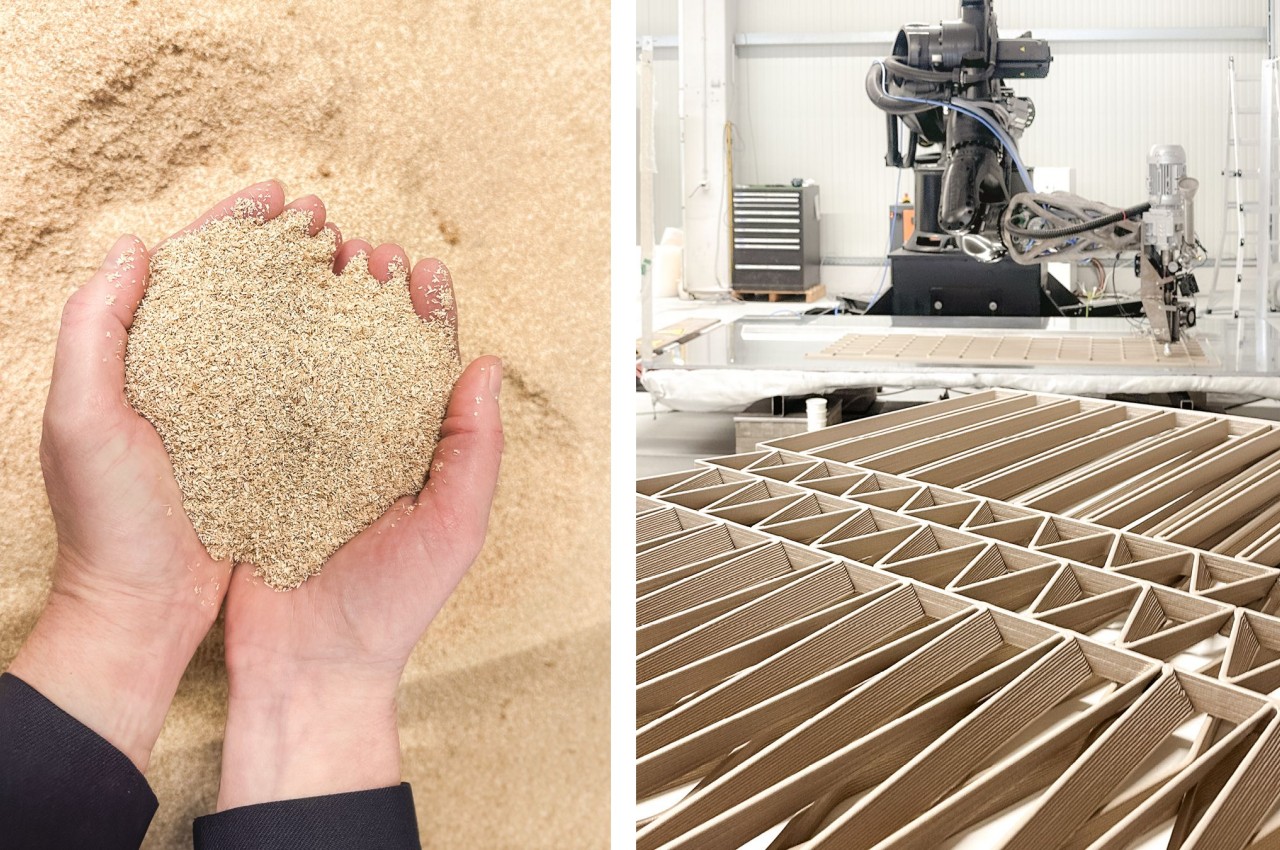
Playing on the word for date pits and “repeat,” RePit is an emerging technology that puts these previously unusable food waste to better use. Rather than simply reusing the pits as they are, which could bring other complications like longevity and durability, the seeds instead becoming the foundations for a completely new material, one that can be woven into 3D printed products. In other words, what would have become garbage is ultimately transformed into art object, machine parts, and more.
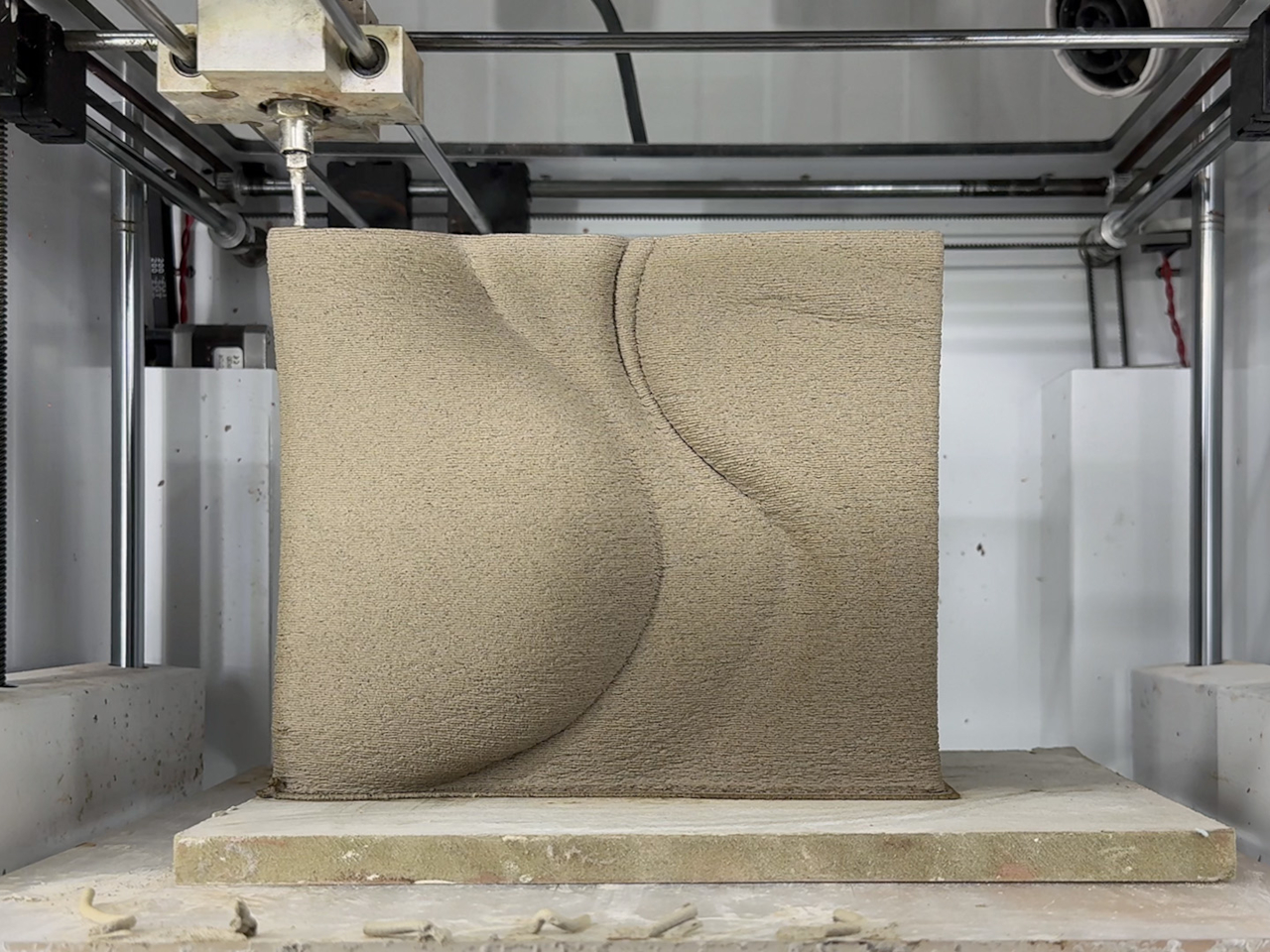
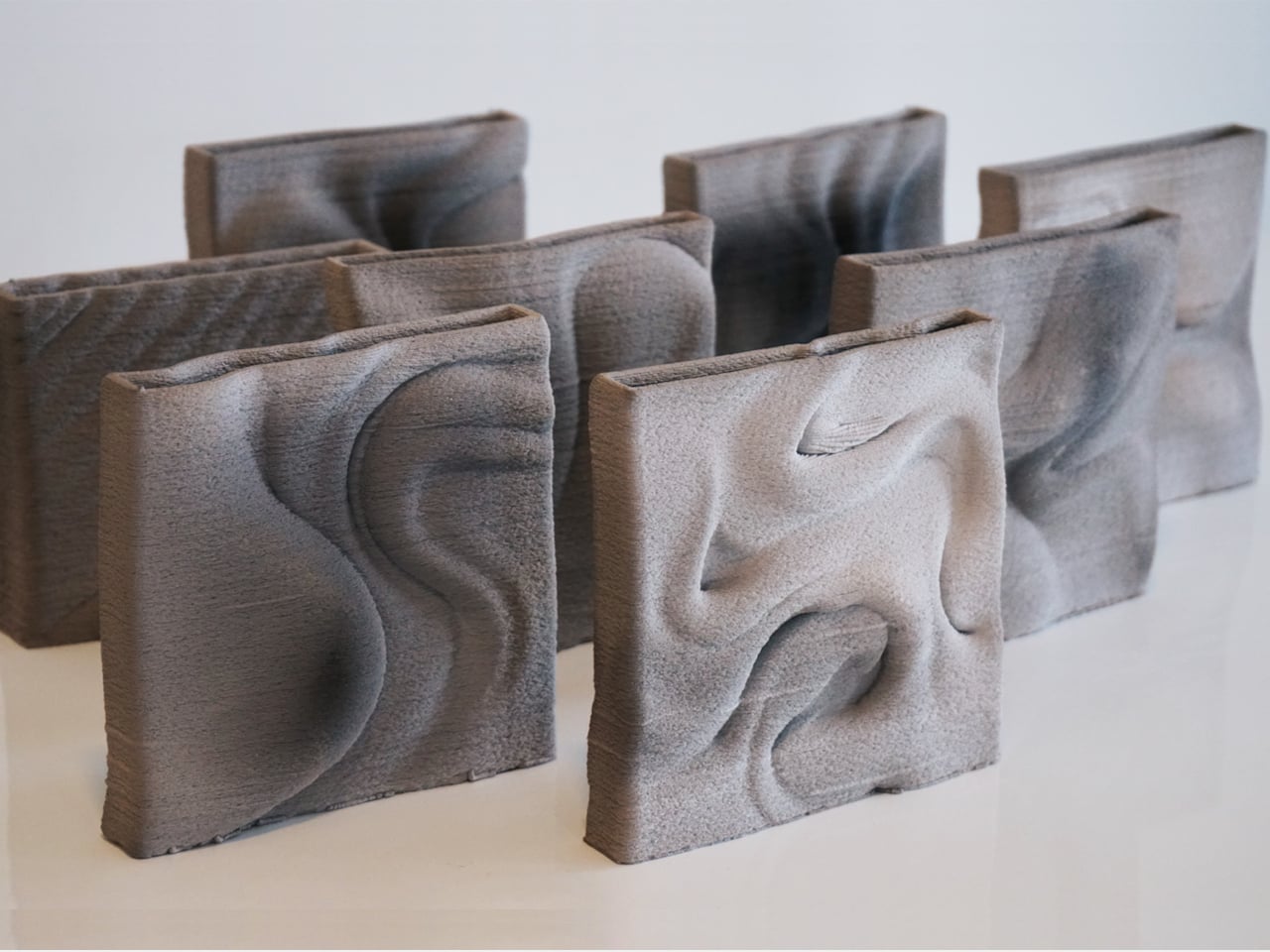
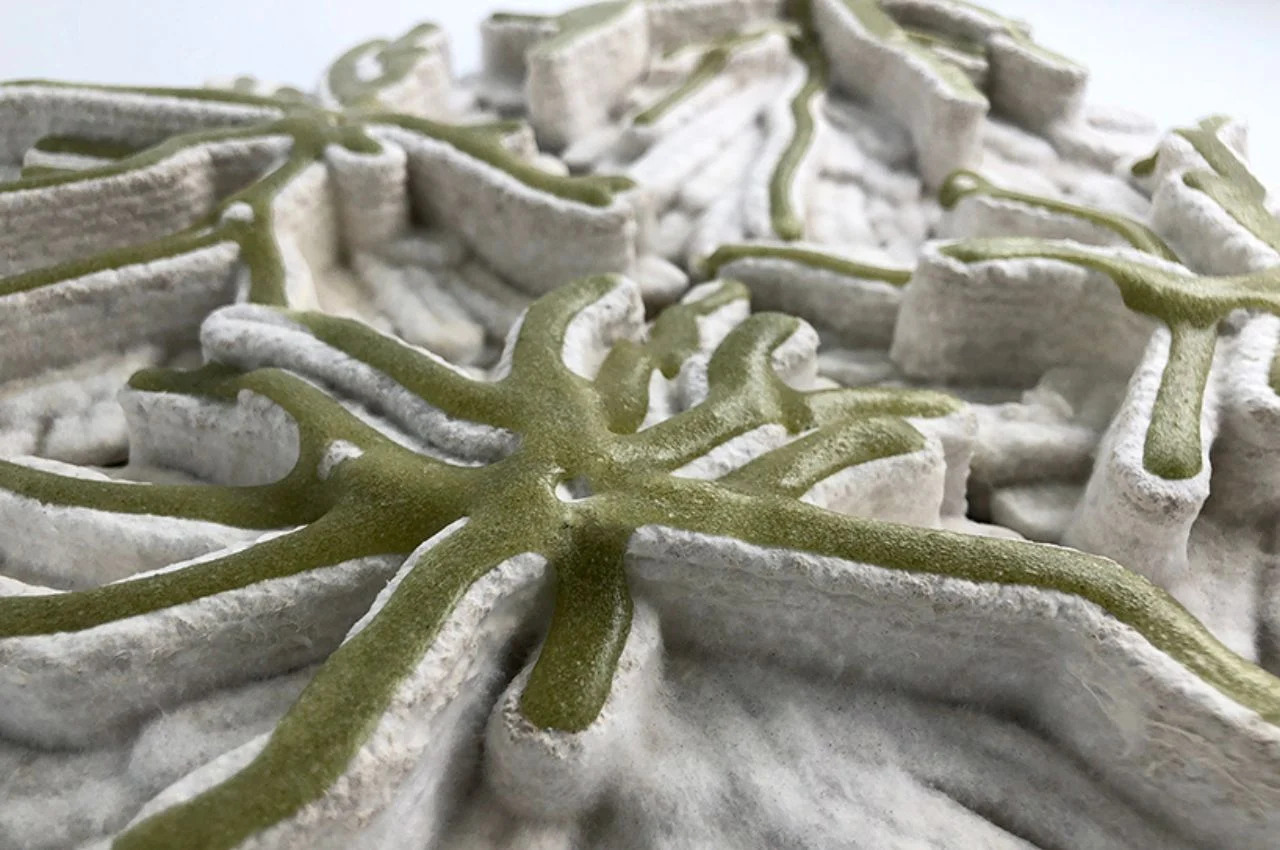
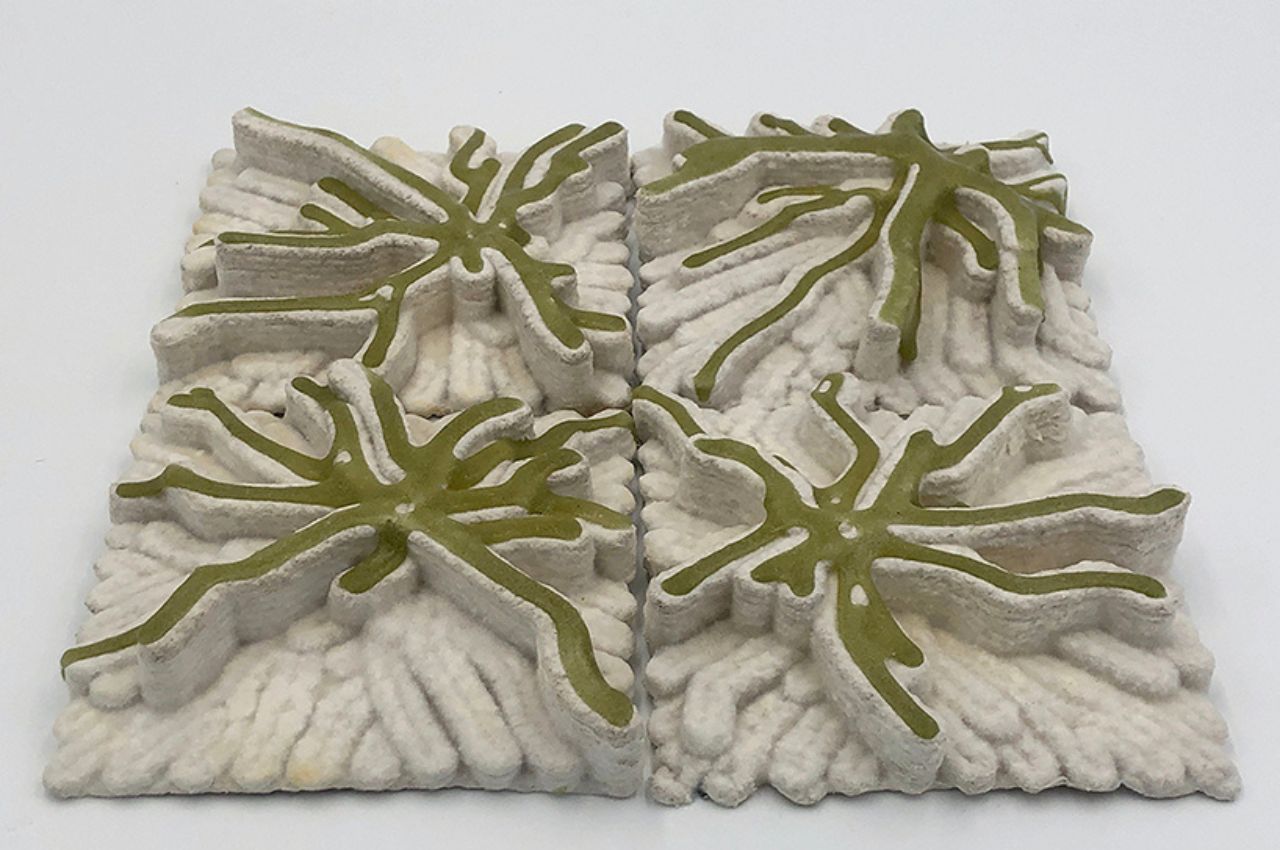
In a nutshell, crushed date pits are mixed with limestone and clay to create a water-resistant composite material that is not unlike traditional Iranian “sarooj” that’s used for building houses. The composite is then transformed into filaments compatible with FDM 3D printers to create any shape imaginable, at least in theory. For a demonstration, decorative tiles were 3D printed and then fired and glazed to give them a ceramic-like appearance.
RePit is still a work in progress and it’s one of the growing number of sustainable 3D printing filaments being researched and developed today. The 3D printing industry has already expanded to support materials like metal, wood, and even chocolate, so it’s only proper that a more environment-friendly and long-lasting option is also developed, preferably one that embraces a circular economy that also reduces the waste we heap on landfills.
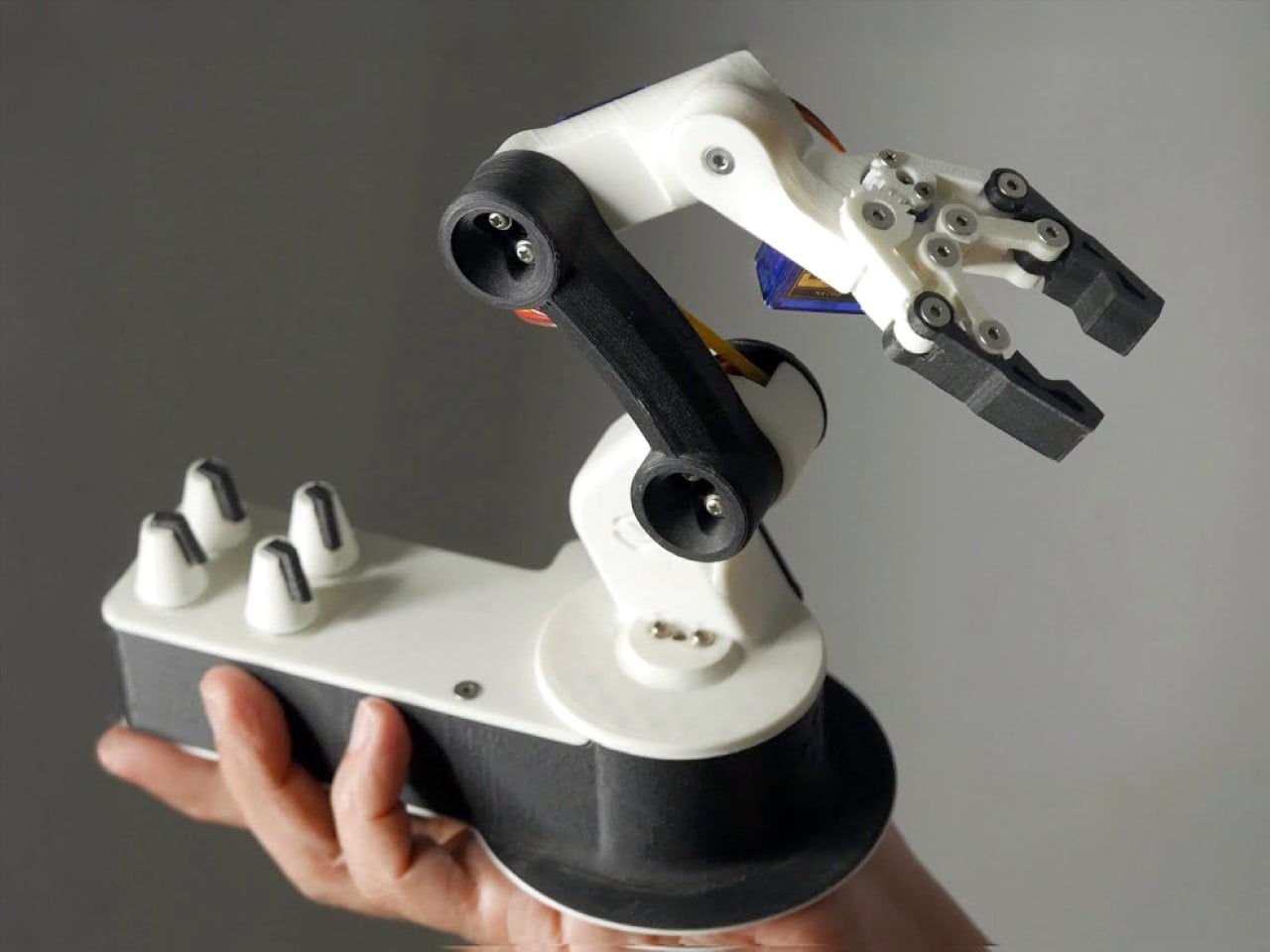
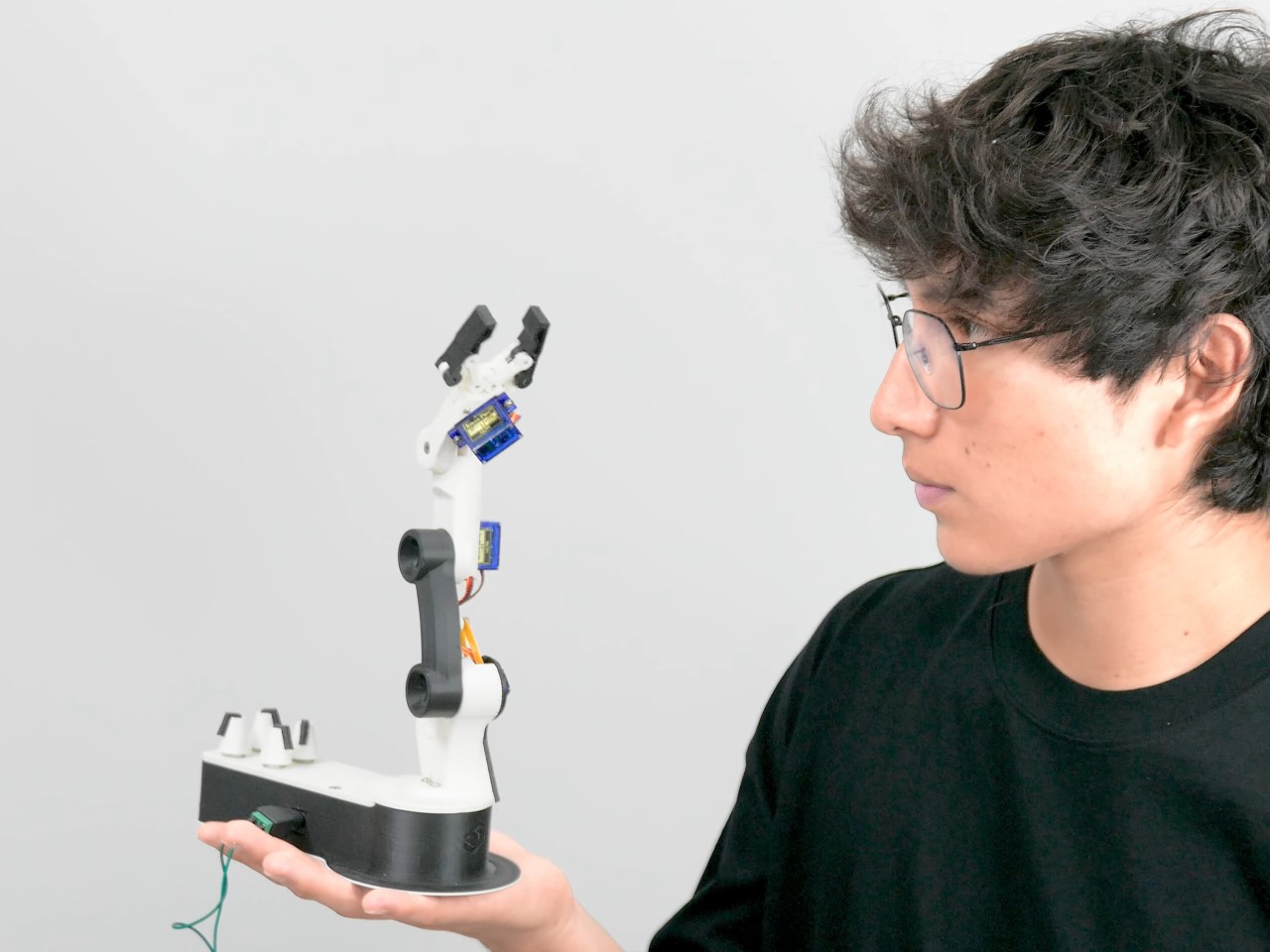
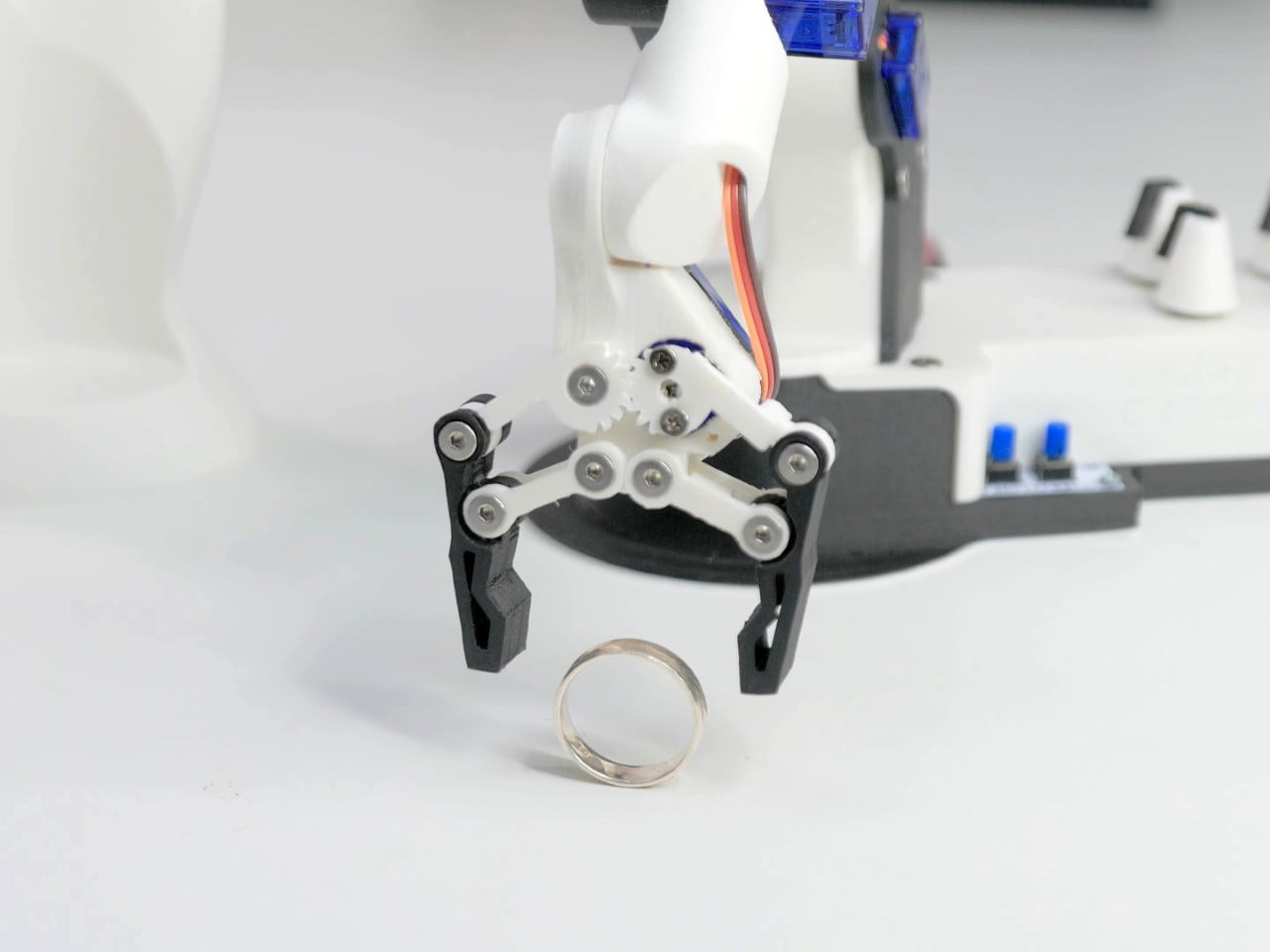
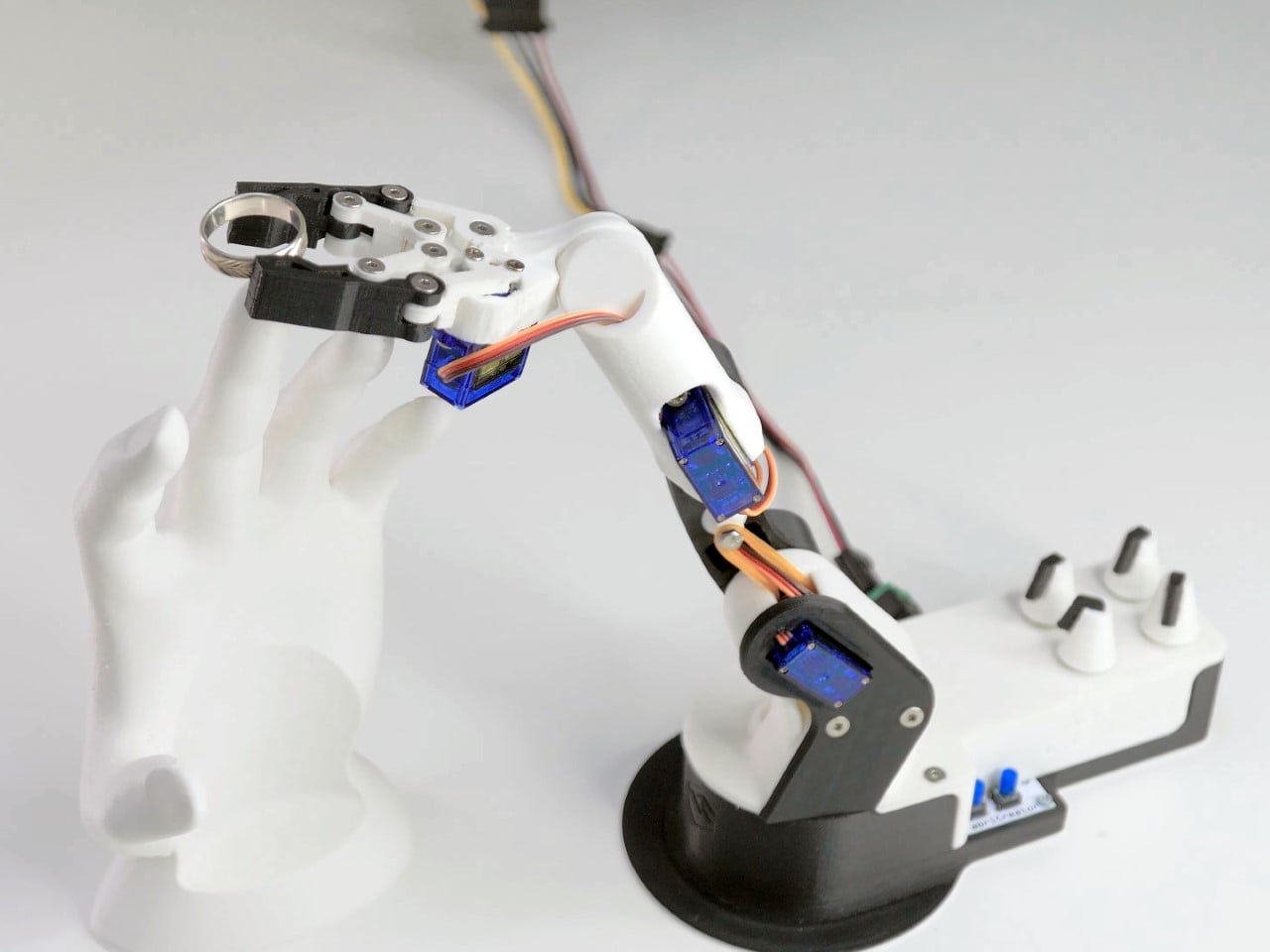
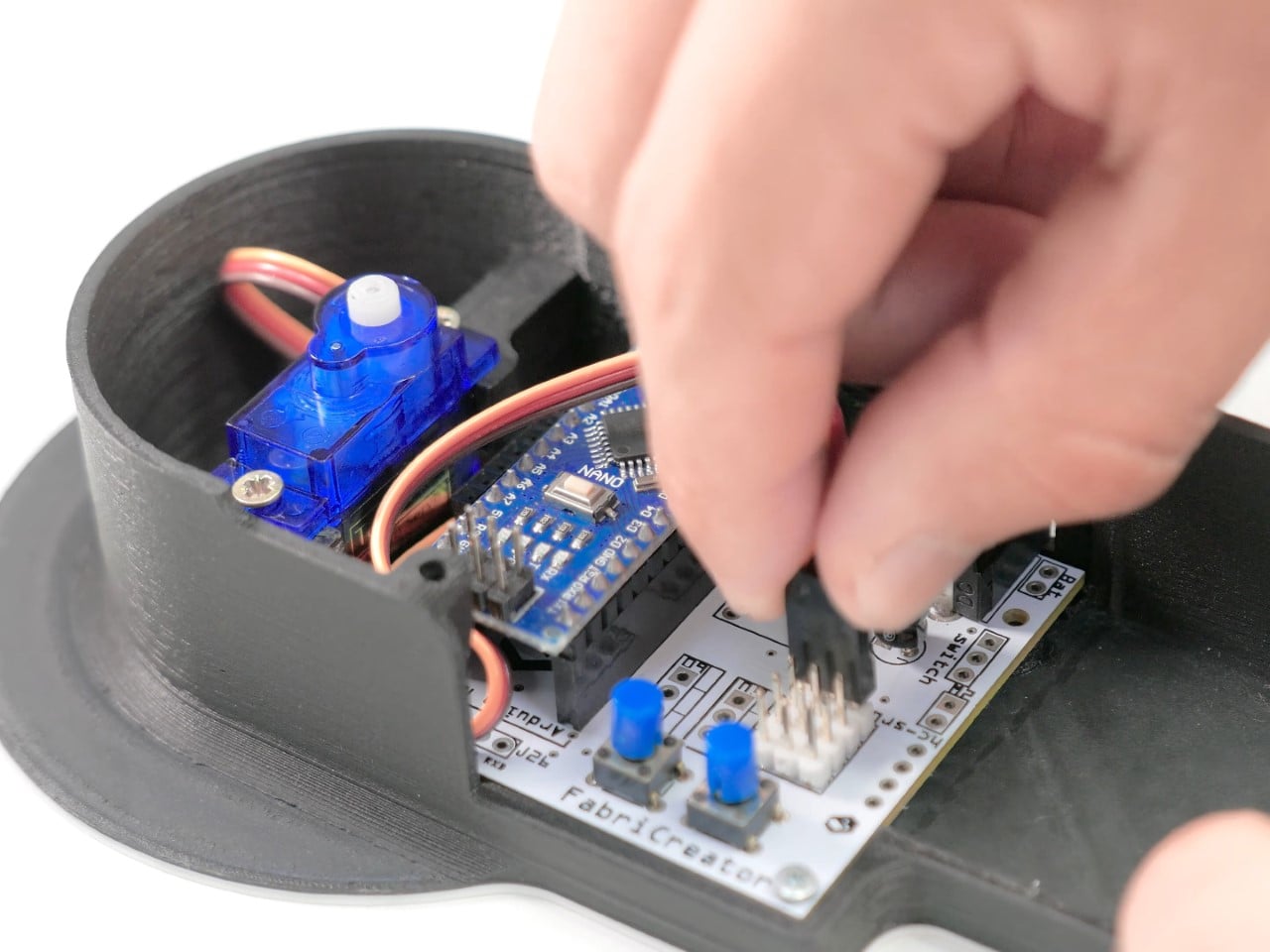
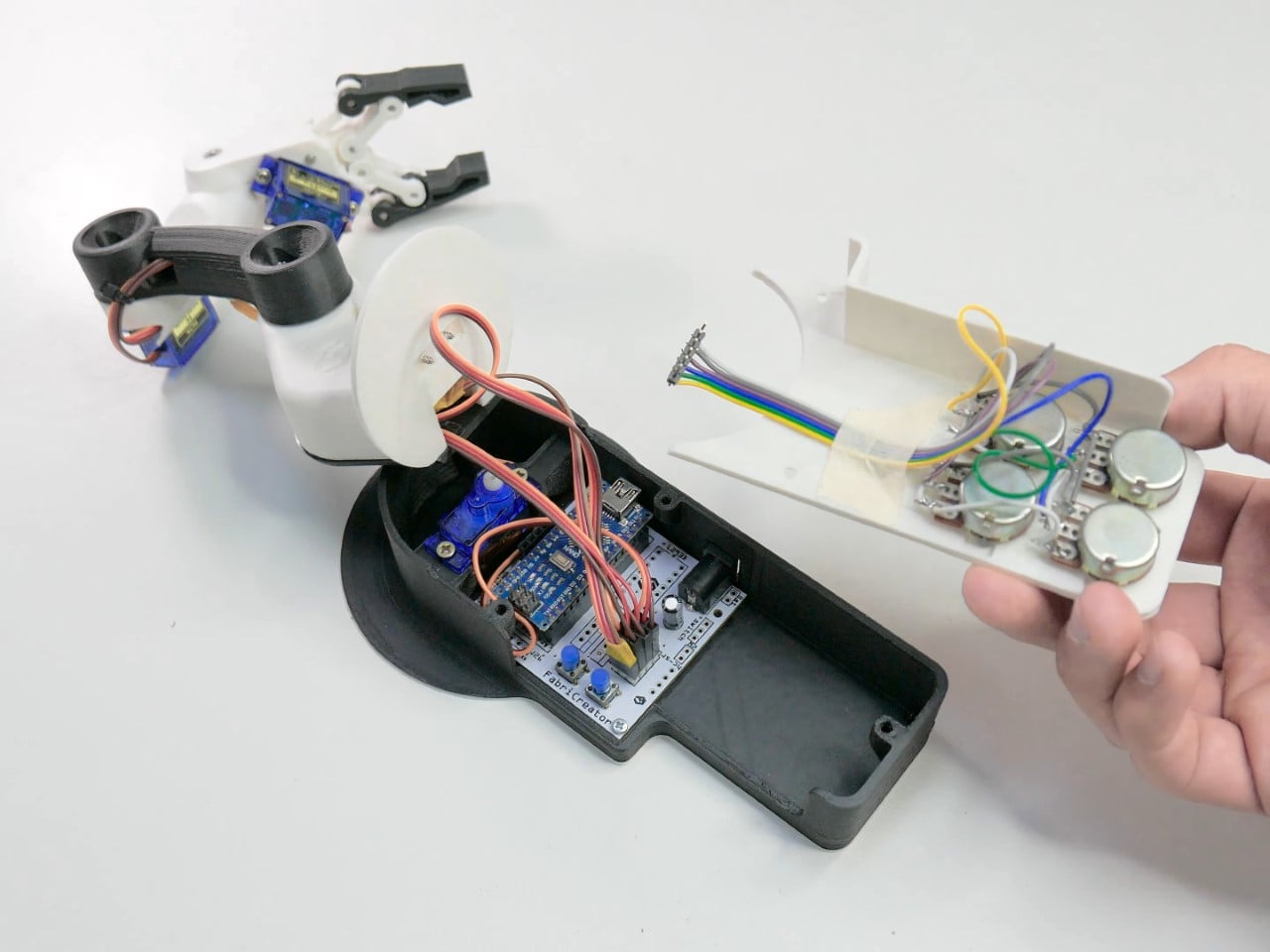
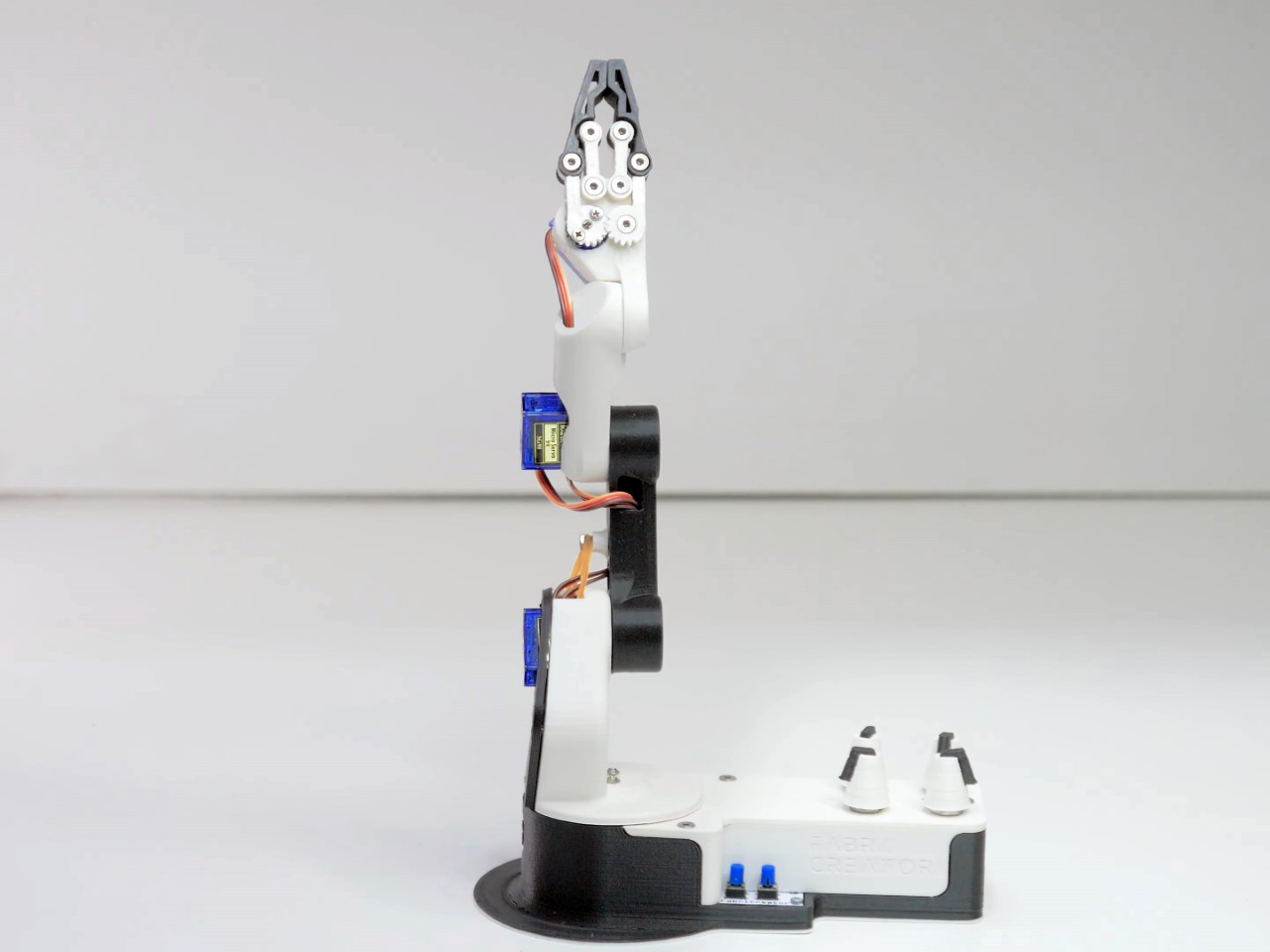
reating a mini robotic arm with Arduino and 3D printing is an exciting way to merge electronics and design. This project invites enthusiasts into the world of robotics, blending creativity with hands-on technical work. It’s ideal for those eager to dive into the realms of motion control and automation, using accessible components and open-source technology. The core of the project is the Arduino Nano, a compact microcontroller that coordinates the movements of four SG90 servo motors. These motors are controlled through potentiometers, offering precise adjustments to the arm’s motion. By adjusting the position of each potentiometer, you can direct the servo to move in a specific direction, making the control feel intuitive and satisfying.
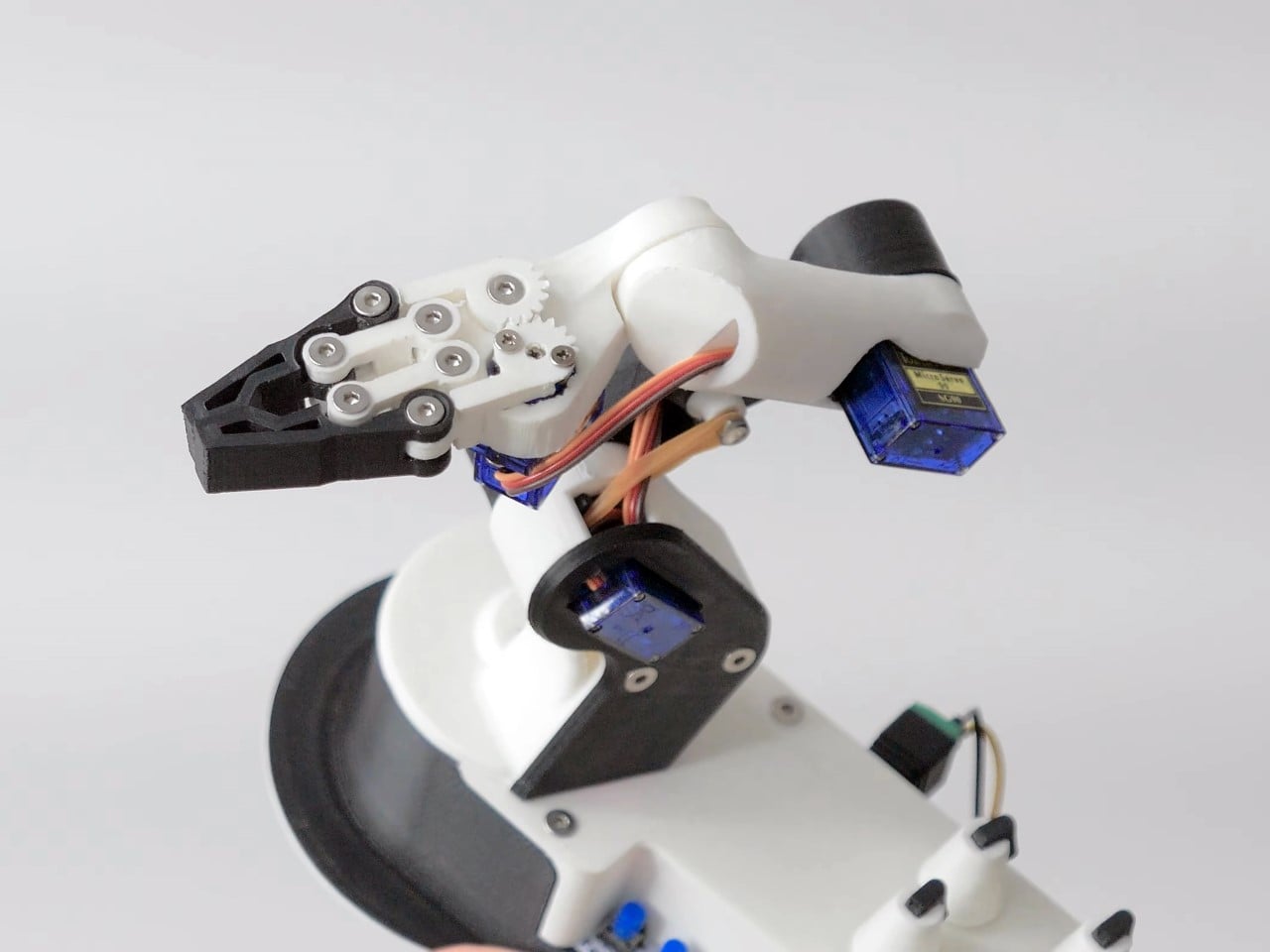
To build this arm, you’ll need several essential components. Beyond the Arduino Nano, four SG90 servo motors serve as the muscles of the arm, providing the torque required for smooth movements. These motors are driven by the signals from potentiometers, which read user inputs and translate them into specific positions for the servos. The project also requires electronic parts like resistors and capacitors for the PCB, ensuring stable and efficient operation. A DC jack connector allows for easy power connection, supporting a 5V 3A adapter or a standard PC power supply, ensuring the arm has a reliable power source. With a breadboard for prototyping and a custom PCB for permanent assembly, you can seamlessly organize all connections, creating a clean and efficient setup.
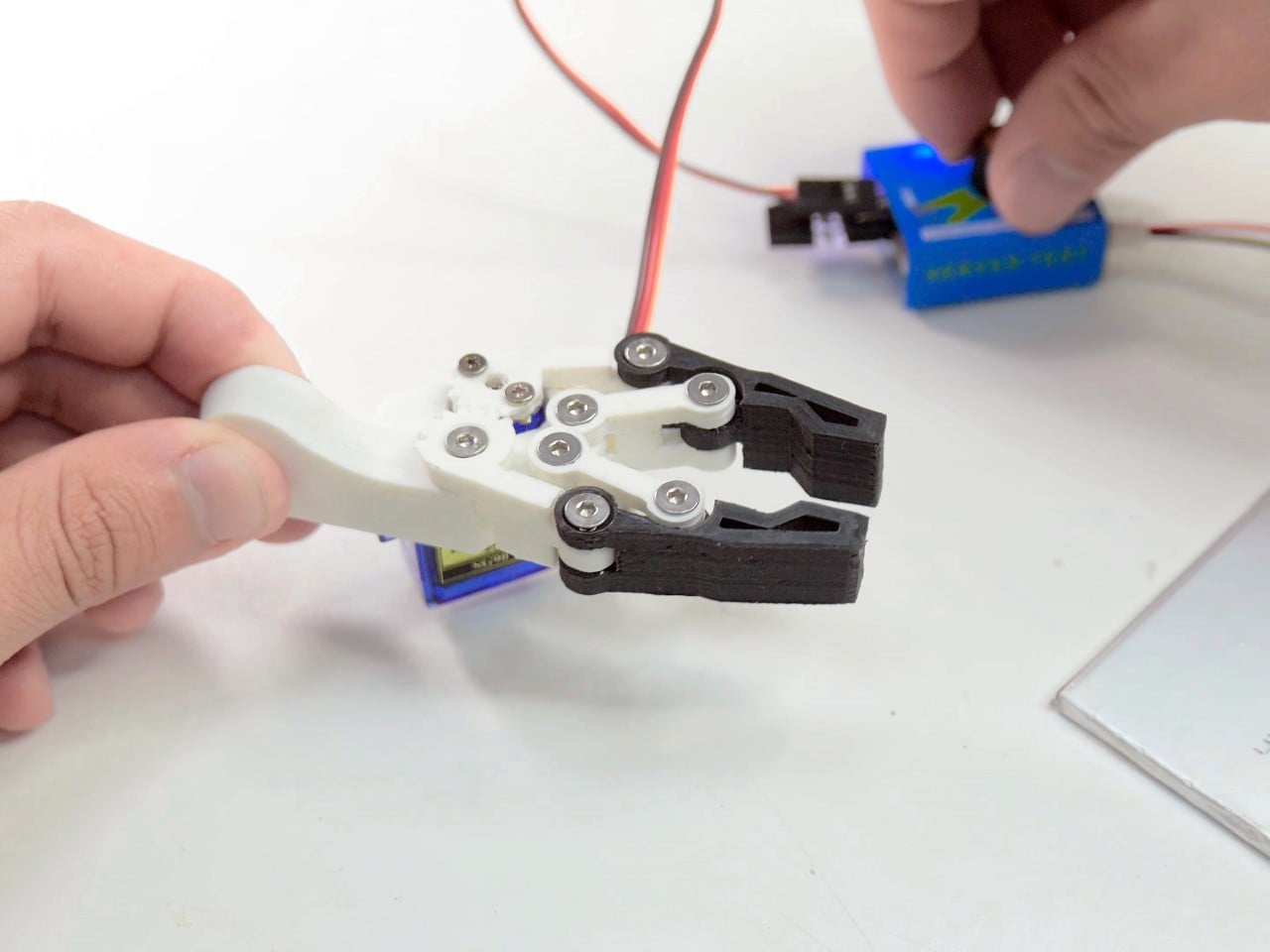
But here’s where the magic truly happens: 3D printing. Using software like Fusion 360, you get to design the structural parts of your robot arm, optimizing the form and function to your specific needs. It’s not just about the technical specs—it’s about bringing your vision to life in a tangible, tactile way. The parts, printed with durable PLA filament, take shape layer by layer, transforming digital models into physical components. The design smartly minimizes the need for supports during printing, making it efficient and less wasteful. The result is a sleek, lightweight arm that looks as good as it functions, embodying the intersection of art and engineering.
Programming the Arduino is where the project gains its soul. With a bit of code, you can teach the arm to follow your commands, offering both manual and automated control modes. In manual mode, the potentiometers give you direct control over each servo, letting you guide the arm’s movements with finesse. Automated mode, on the other hand, takes it a step further—allowing you to record sequences and replay them, turning the arm into a precise tool for repeating tasks. This duality of control means you can create everything from a delicate touch for small tasks to a mechanical memory that runs on its own.
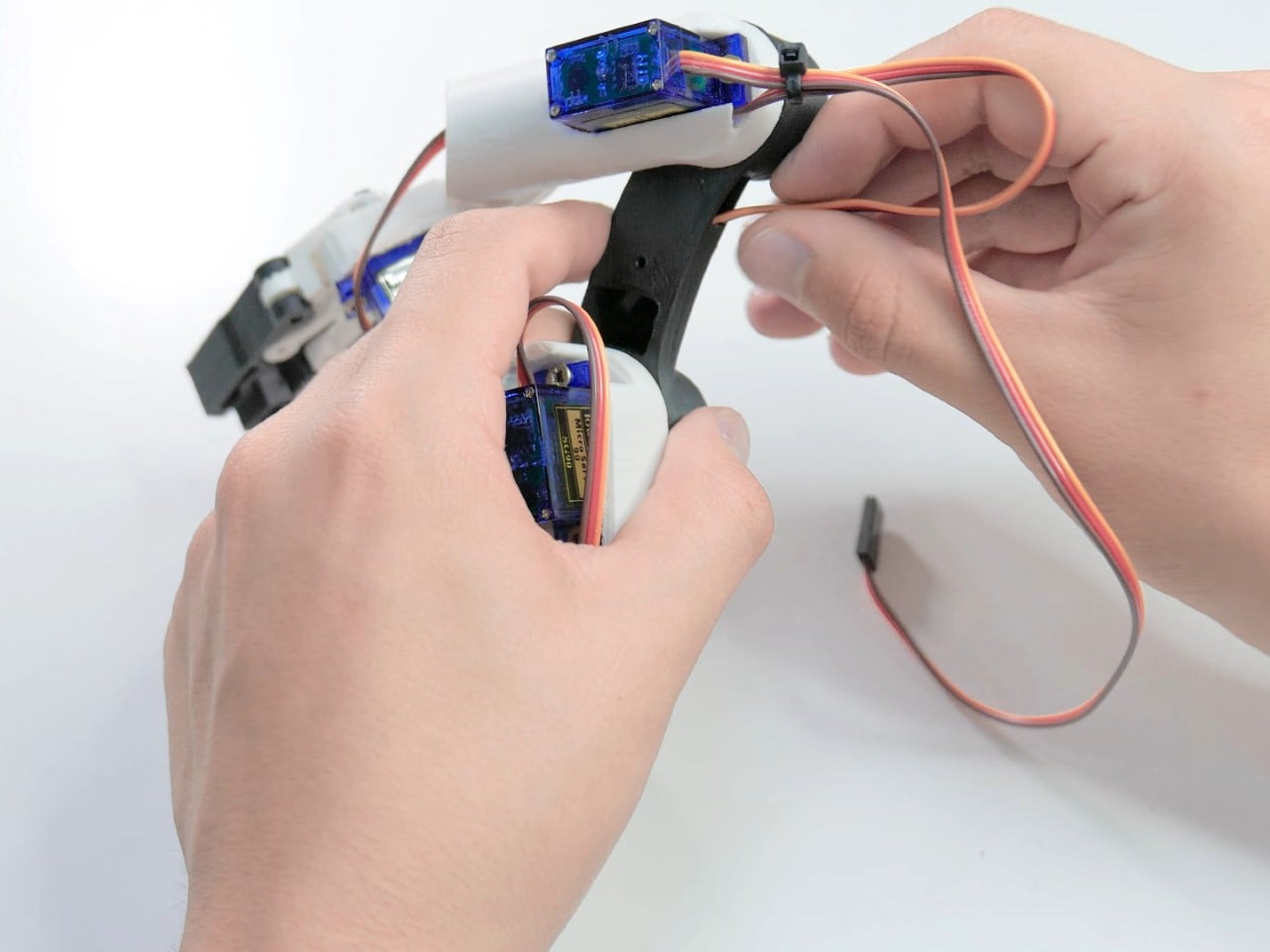
As you bring it all together, the assembly process becomes a meditative practice in precision and patience. Soldering each component onto the PCB, carefully routing wires, and securing the servos in place requires focus, but the reward is a beautifully crafted piece of tech that feels like a personal accomplishment. The attention to detail in organizing cables and ensuring smooth motion paths doesn’t just keep things tidy—it elevates the overall aesthetic and functionality of the arm. It’s a reminder that design is as much about what you don’t see as what you do.
By the time the project is complete, you’ll have a fully functional mini robotic arm capable of manual and automated control. The combination of 3D printing and Arduino brings a level of customization that lets you adapt the design to your needs, making it a perfect entry point into robotics. This DIY project is less about building a one-time gadget and more about being an entry-point into the world of STEM and Design. It demonstrates how accessible and versatile modern technology can be, offering a fulfilling way to explore the world of robotics, whether you’re a seasoned maker or just starting out… and once you’re done you can quite literally pat yourself on the back with your new robot arm!
If you’re an aspiring engineer or simply a hobbyist, you can find a 3D printer for your needs. But there aren’t many options for kids. What if there was a toy (3D printer) that could allow children, and concerned parents, to print their own toys, like they want, and as instantly as possible? Seems like a dream? Not anymore!
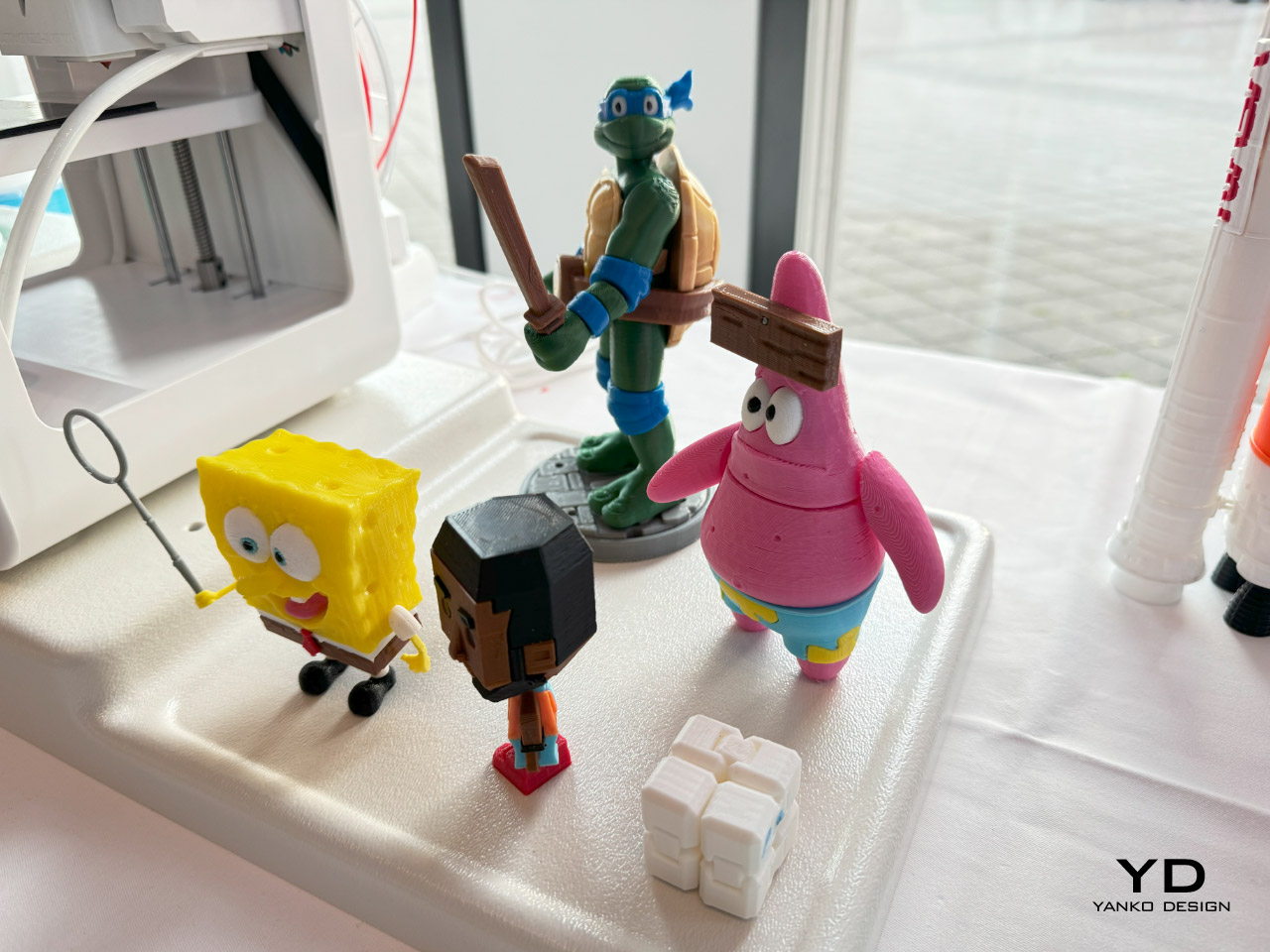
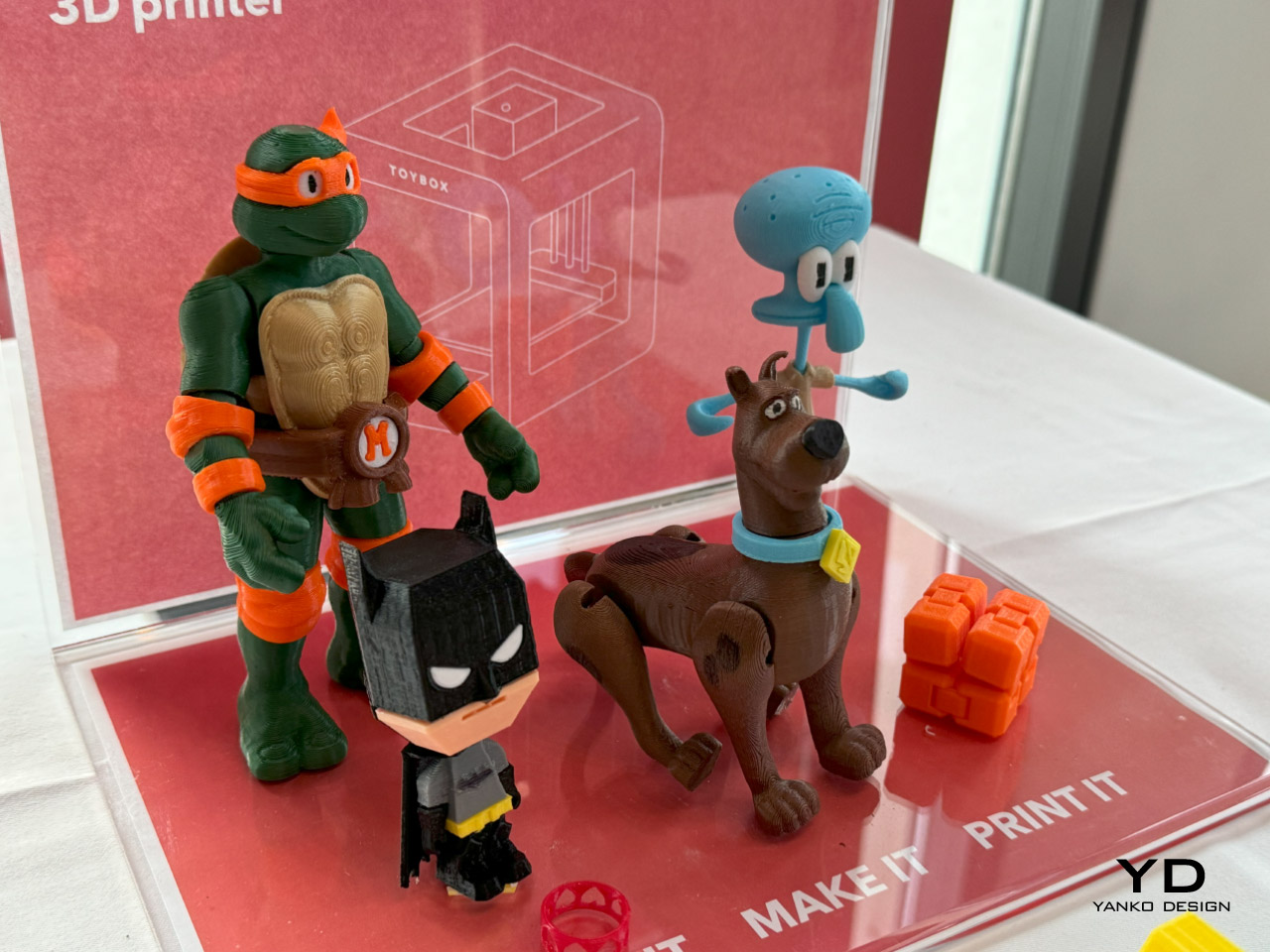
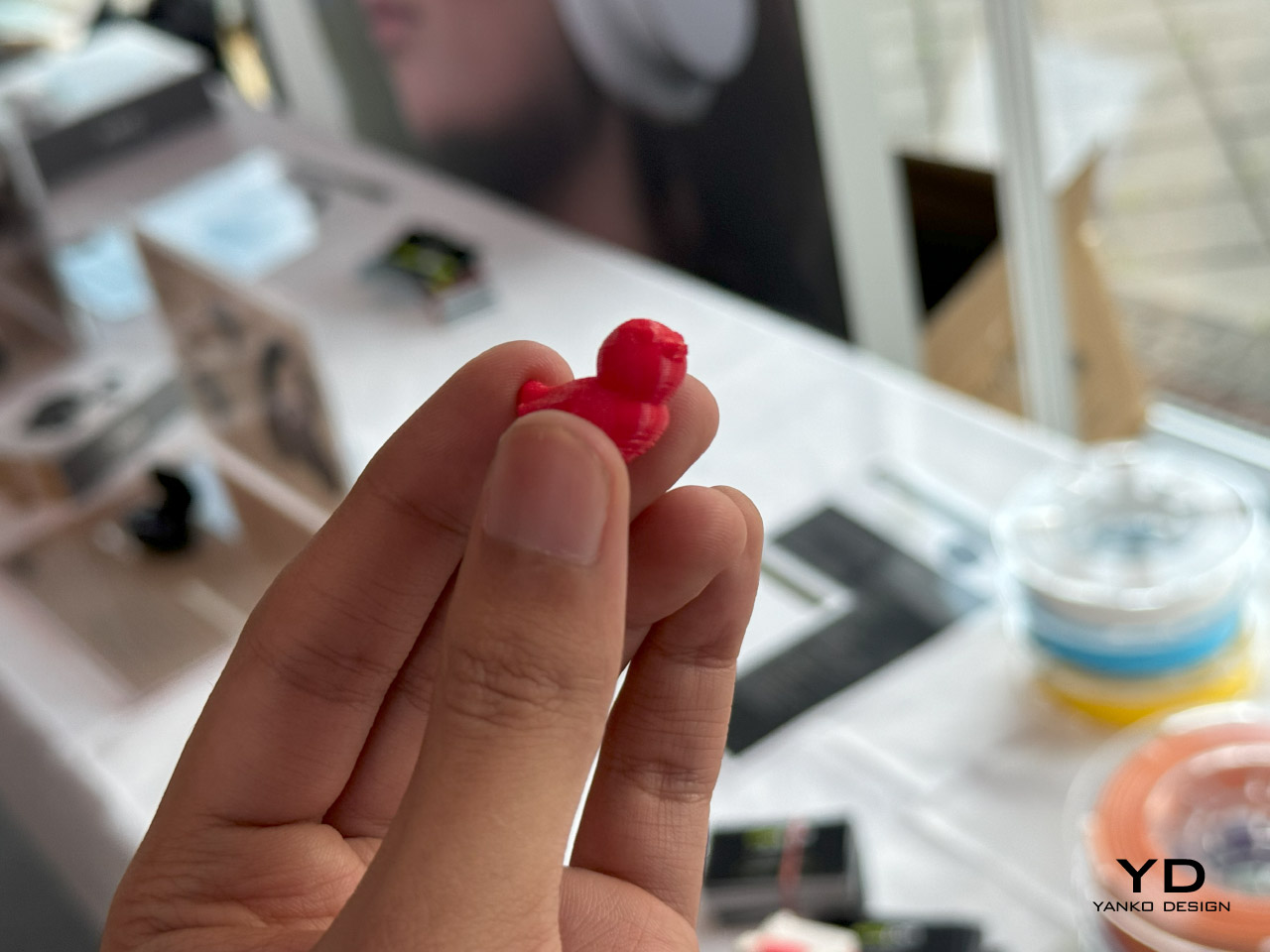
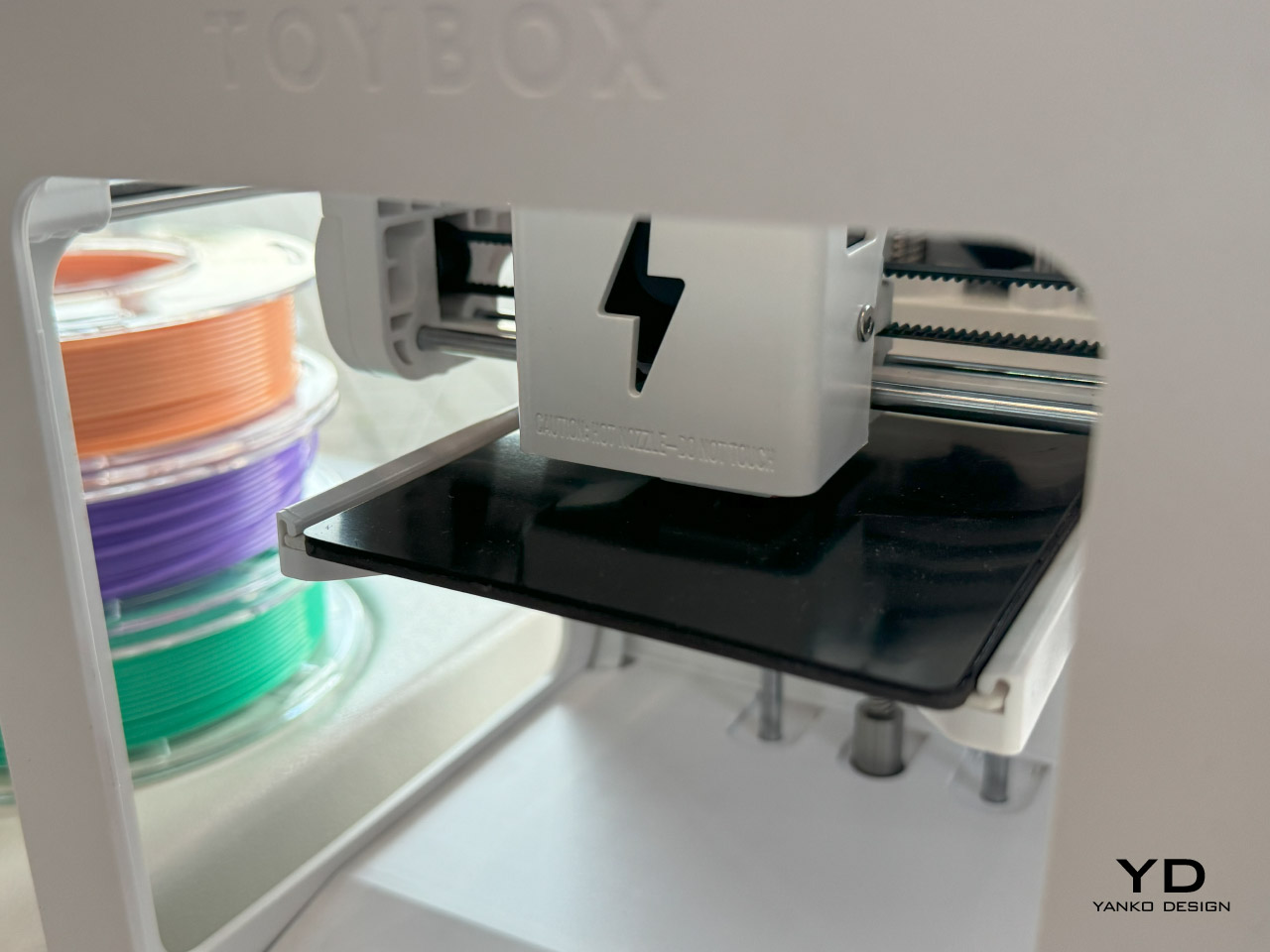
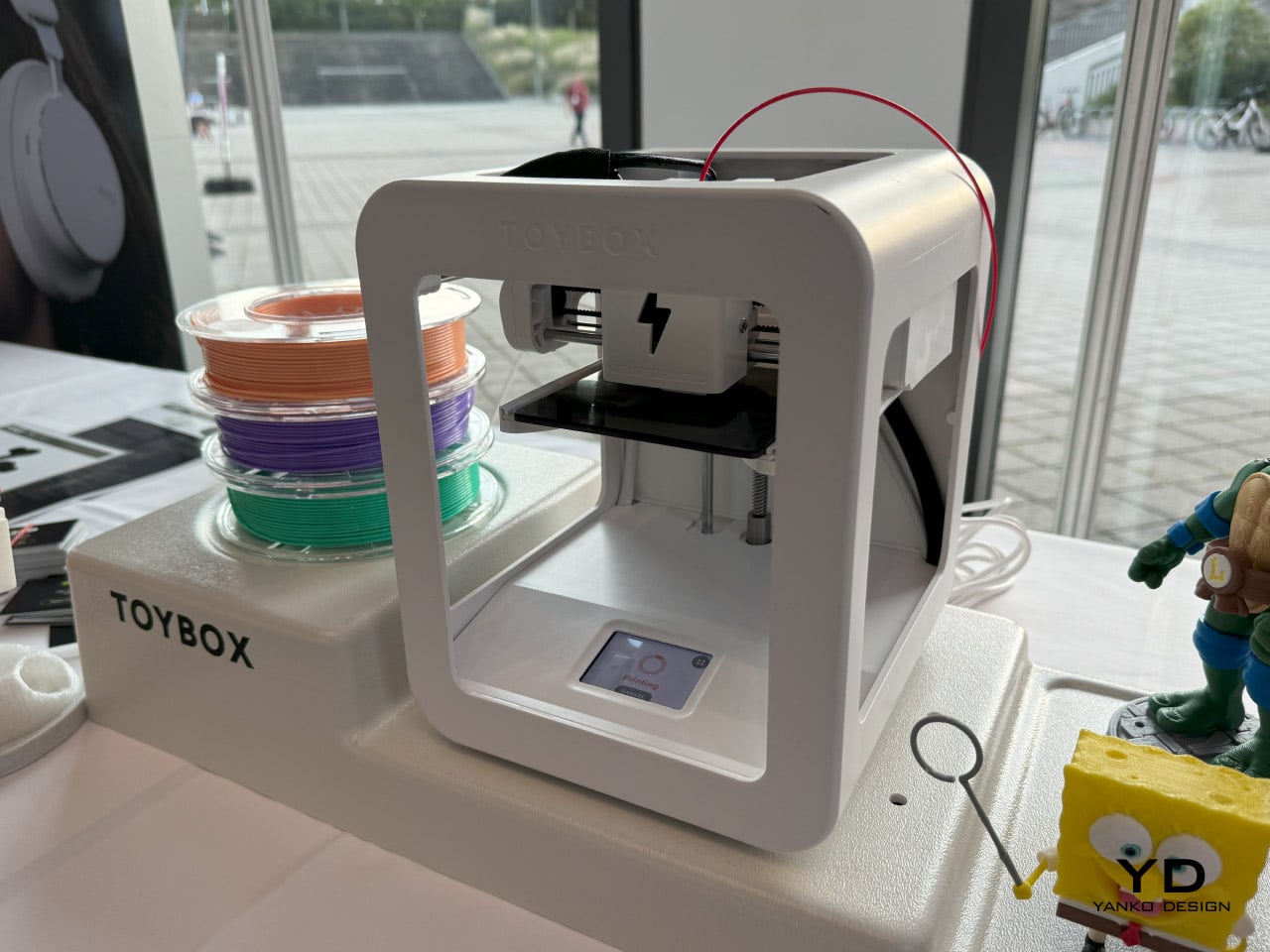
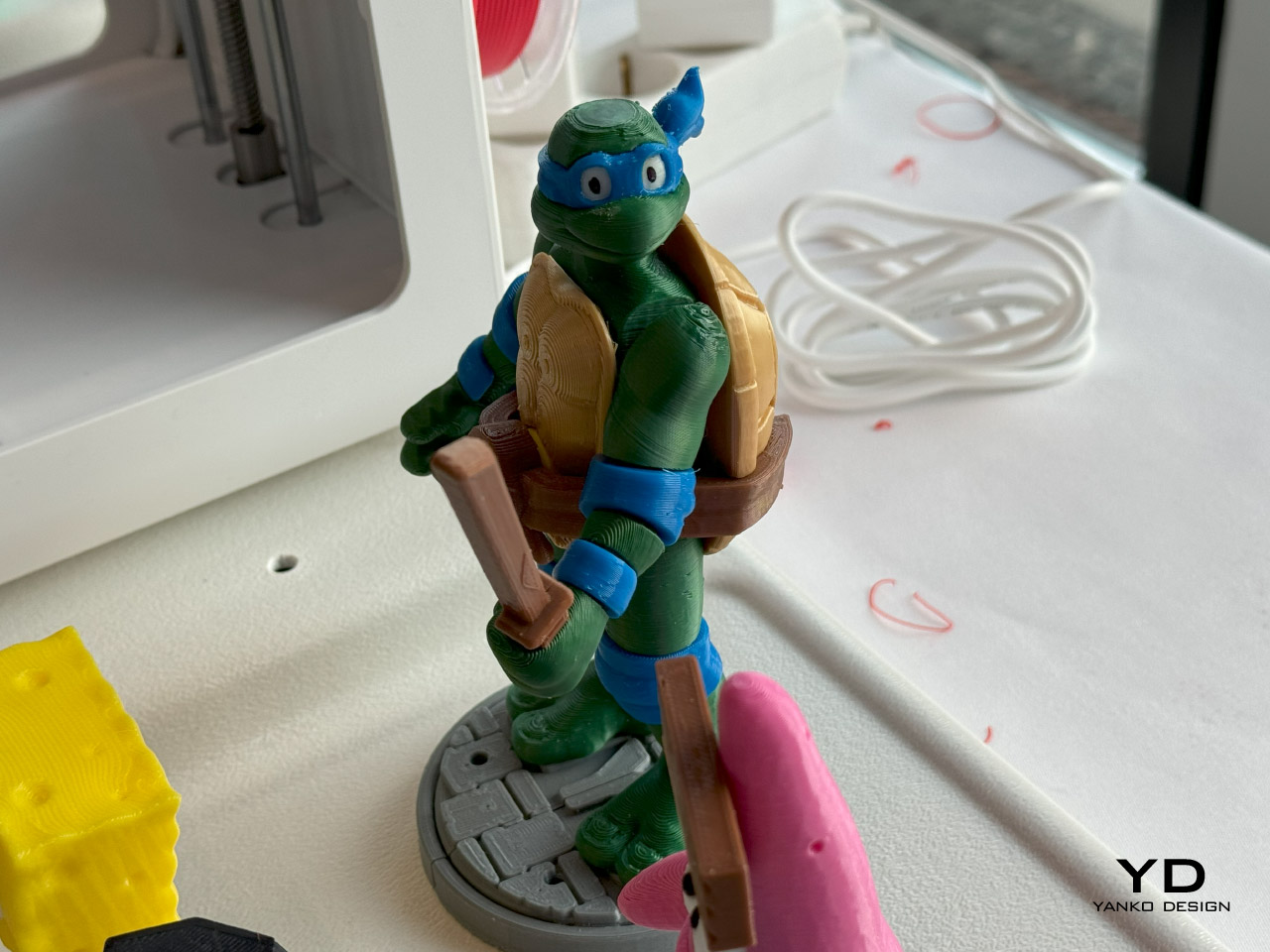
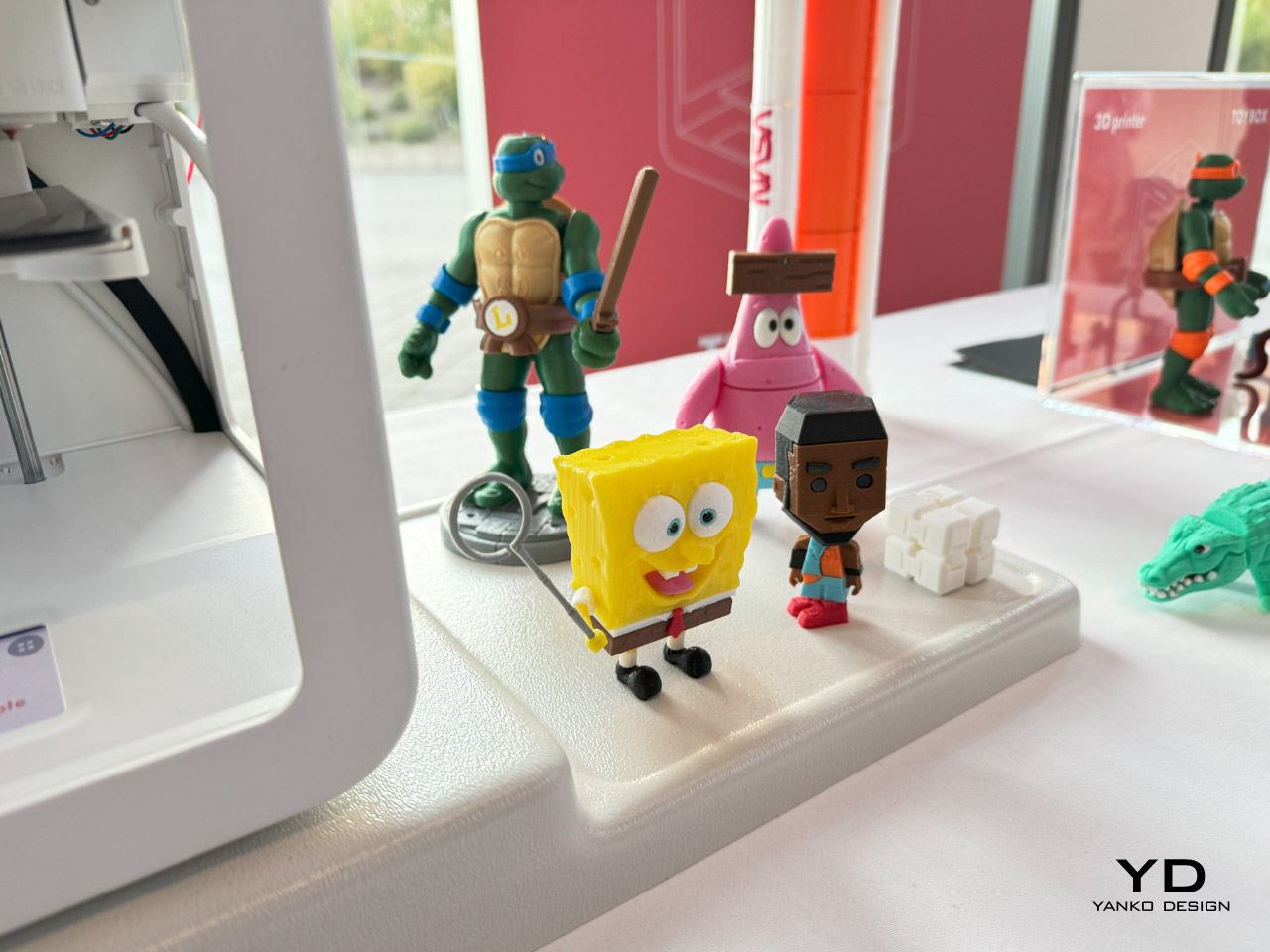
On showcase at the ongoing IFA Berlin, the Toybox 3D printer is a one-touch operable 3D printer for kids to design and print their toys. If you have been wanting to get your engineering-minded child a perfect birthday present that could align with his aspirations, the Toybox is definitely what you want. The easy-to-use 3D printer is developed for entertainment purposes, but it does the job of teaching and introducing kids to the idea of printing.
A toy that makes toys; the Toybox is a fun toy for kids that even the adults wouldn’t mind using. The simple design of the printer comes with an onboard on/off button, a print bed, and a feeding slot wherein goes one end of PLA -non-toxic and corn-based plastic – roll, which is the printer’s food and the material it uses to print various outputs. PLA comes in a range of colors, so no matter the toy you are printing, you can do it with matching colors.
Children can print intuitive toys from a rich selection of options and content on the Toybox app. A child simply browses through an ever-increasing catalog of toys, find what they want to print, and hit print. To create their own toys on the fly, kids can connect the printer to their smartphone or tablet and build one object after the other.
The fun with Toybox is not limited to its library of content. Users have the option to import toy or object models from other platforms along with 1.75mm PLA filament of their liking if the sustainable, kid-friendly ones from Toybox are not interesting enough. Content from other platforms can be imported to the Toybox in STL, OBJ, and gCode formats. Then, with thousands of amazing toys available for print on Toybox and many more you can add from other places, this 3D printer will never give your kids the chance to get bored.
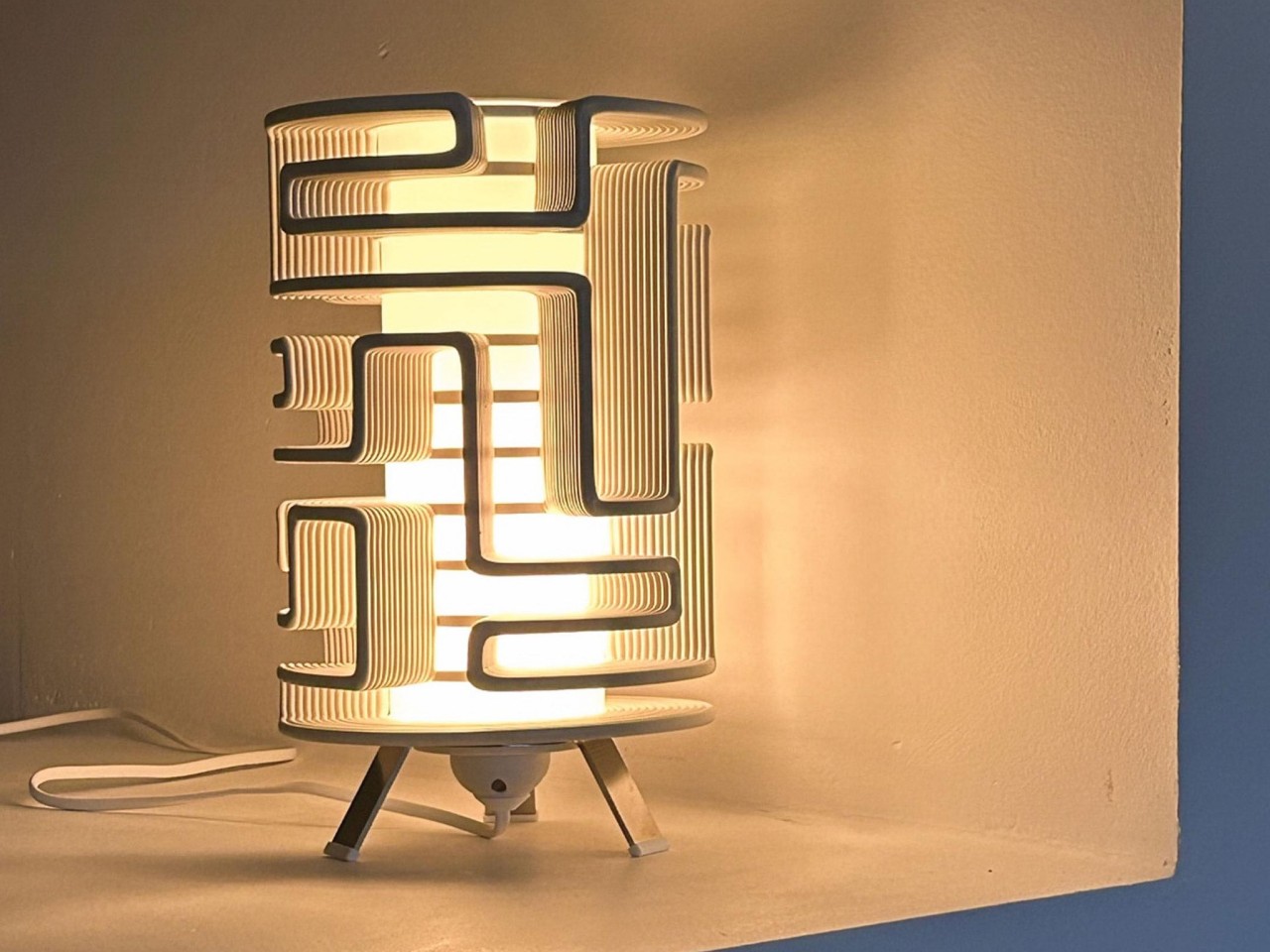
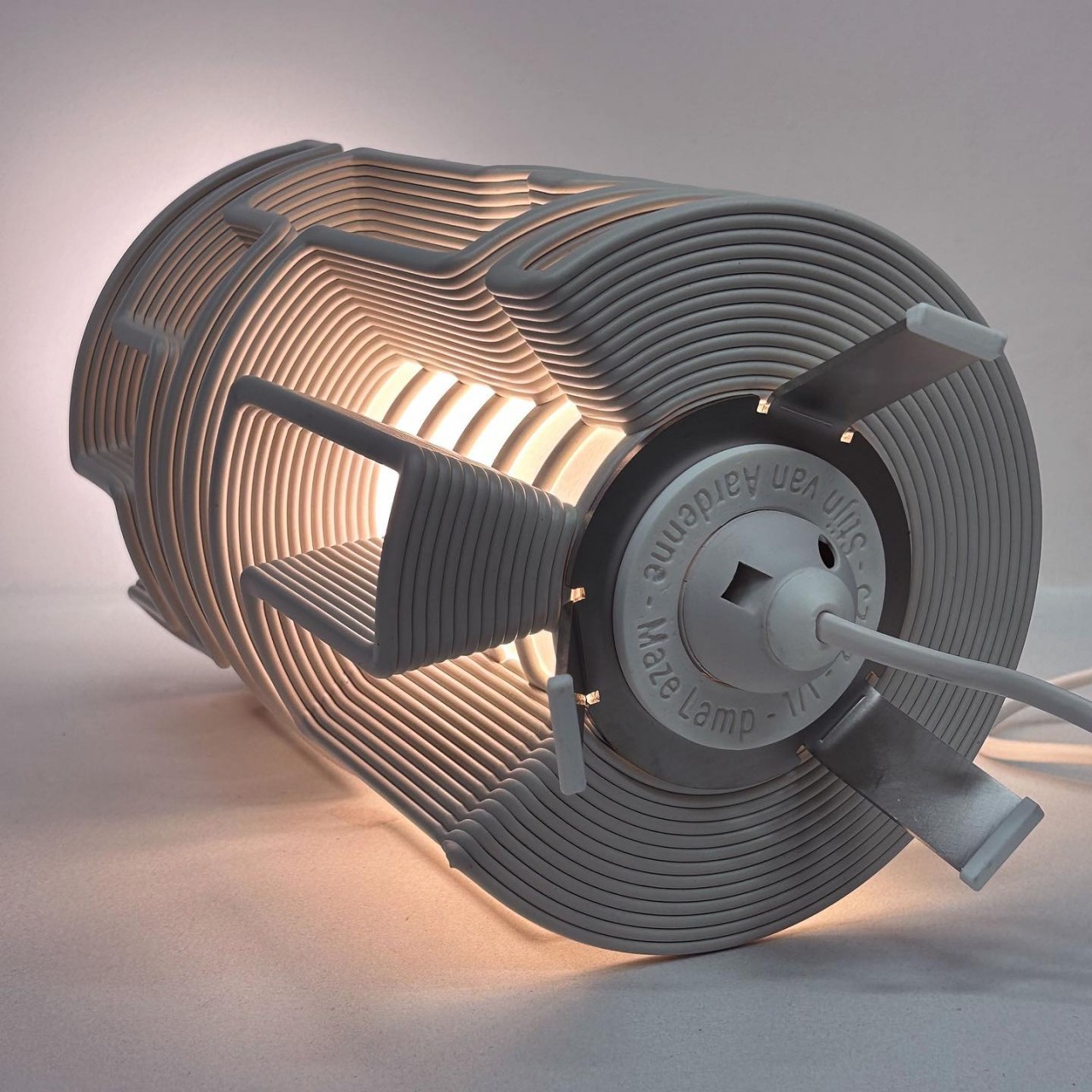
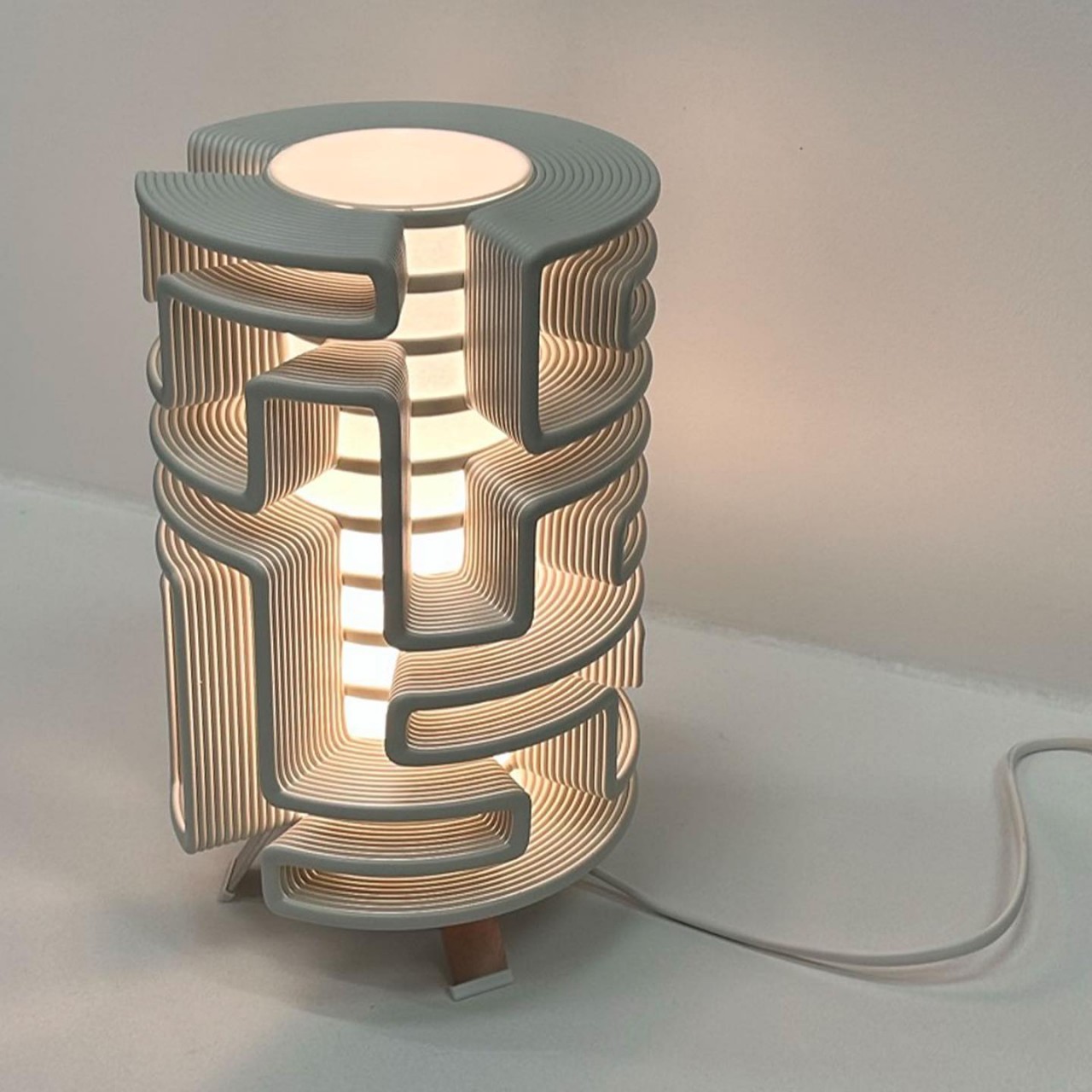
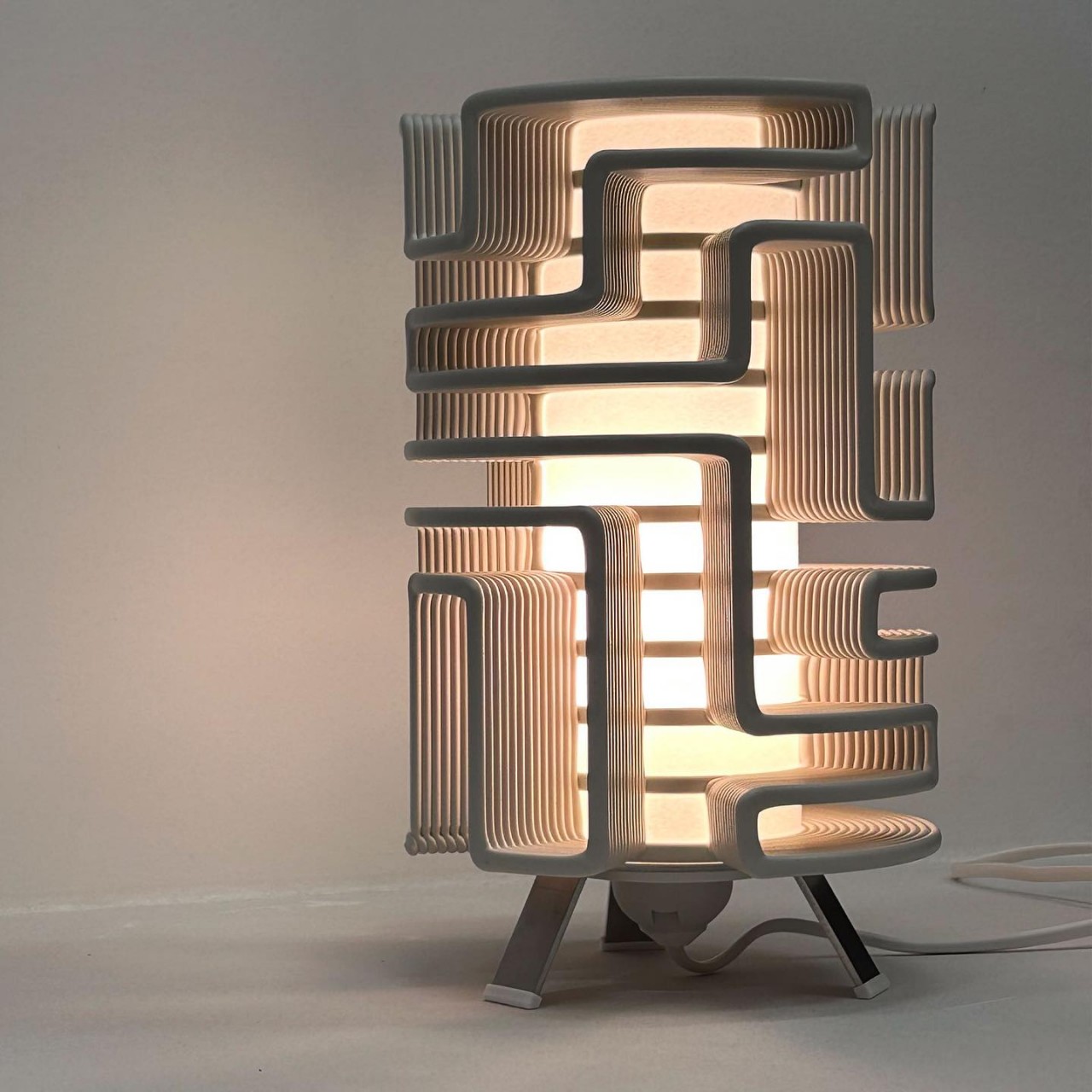
3D printing is a truly revolutionary technology that blasted open the floodgates of creativity and design. It gave almost everyone a powerful tool to realize their dreams and experiment with their ideas. These machines also made it easier to have more flexibility in the execution of designs, like adding an element of randomness to each output. That’s the kind of uniqueness that each of these Maze Lamps brings to your room, catching your attention with its unique lines and snaking paths, creating a play of light and shadow even when the lamp is turned off.
Most people probably think of 3D printers as extras large boxes that sit on desks, applying layer upon layer of melted plastic to complete a small shape. In reality, there are different kinds of 3D printers and different types of printing, and while the most popular machines are designed for use by individuals or small businesses, it didn’t take long for industrial-grade ones to pop up. This kind of printer offers a bit more flexibility in terms of movement and can cover a wider area as well.
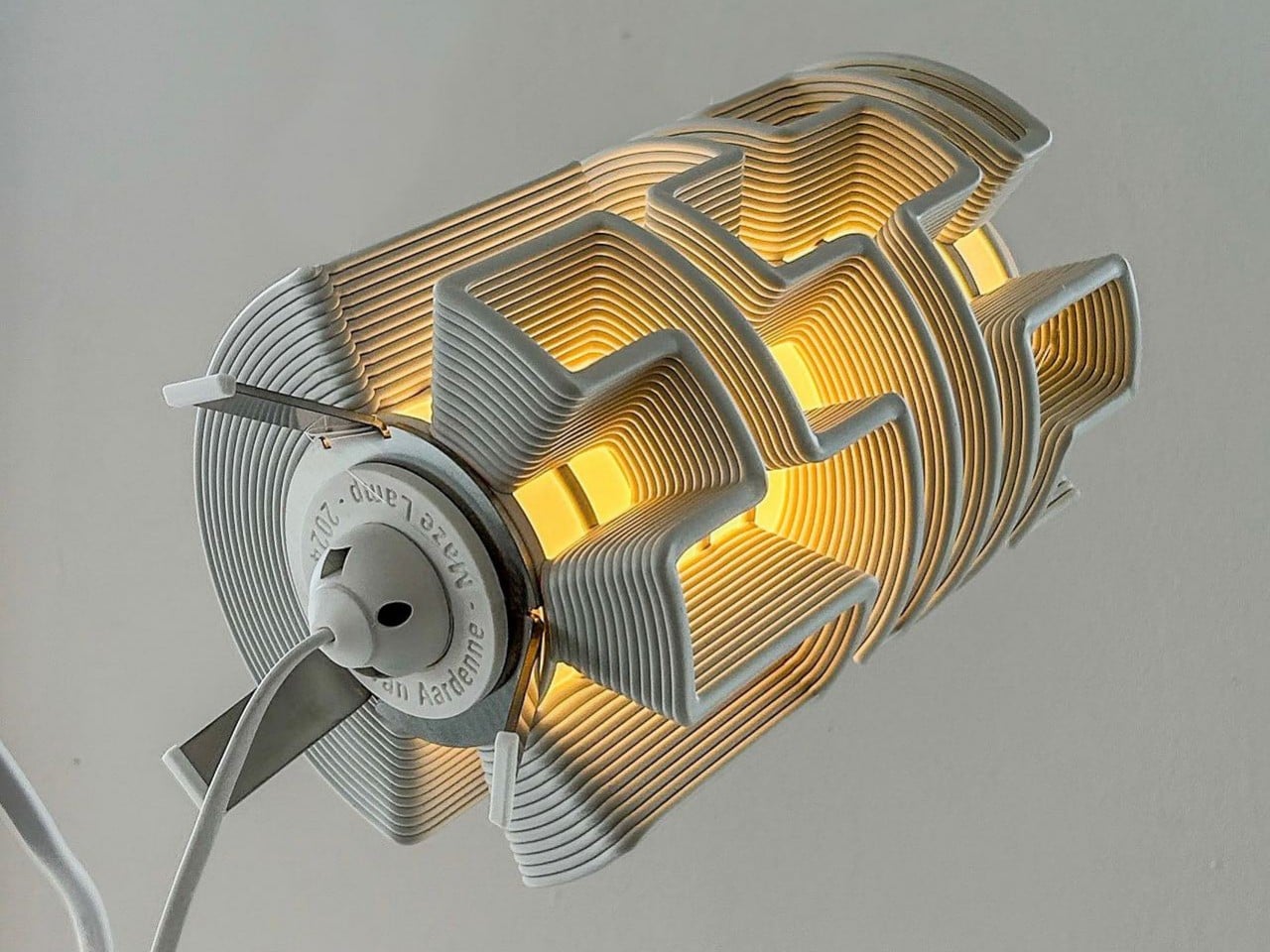
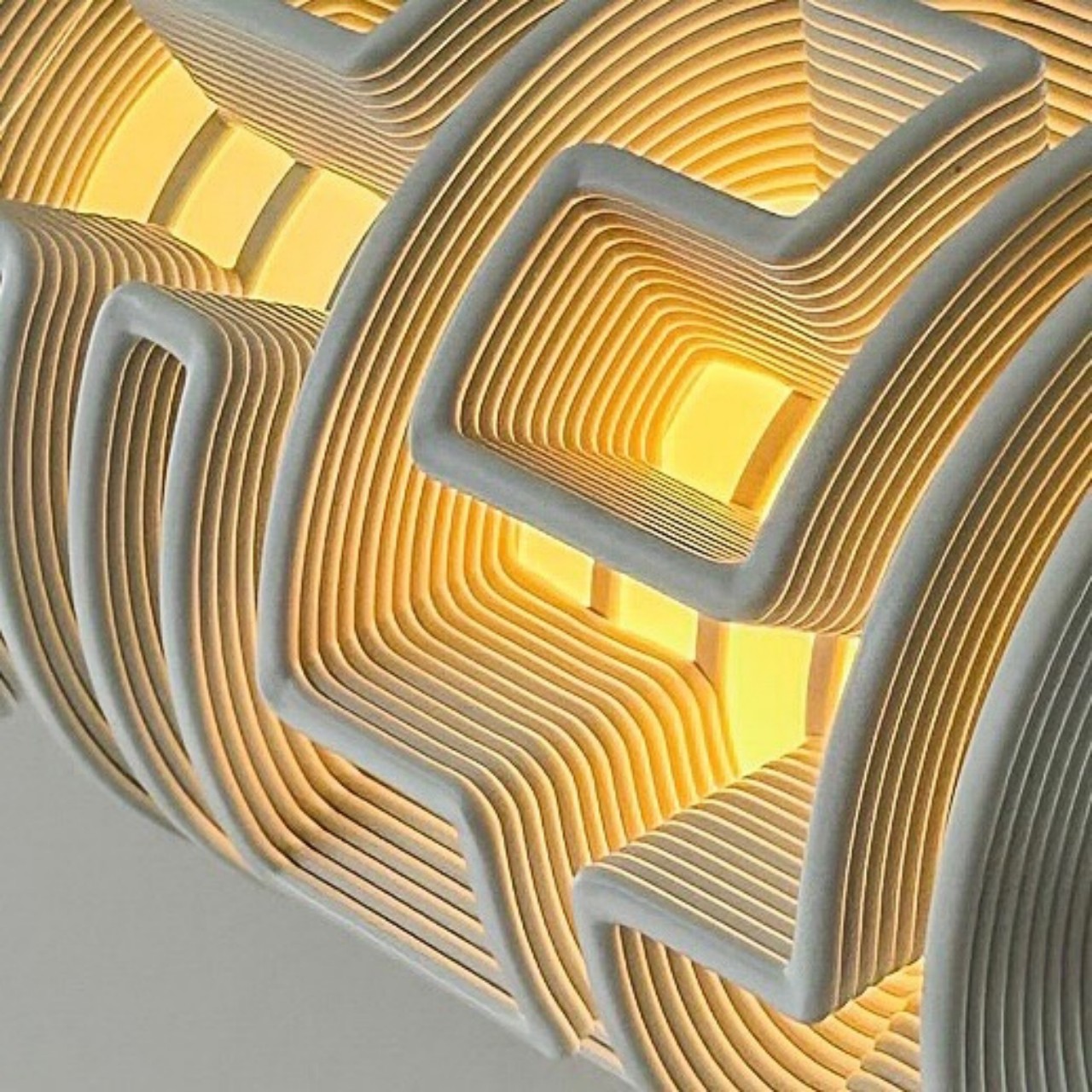
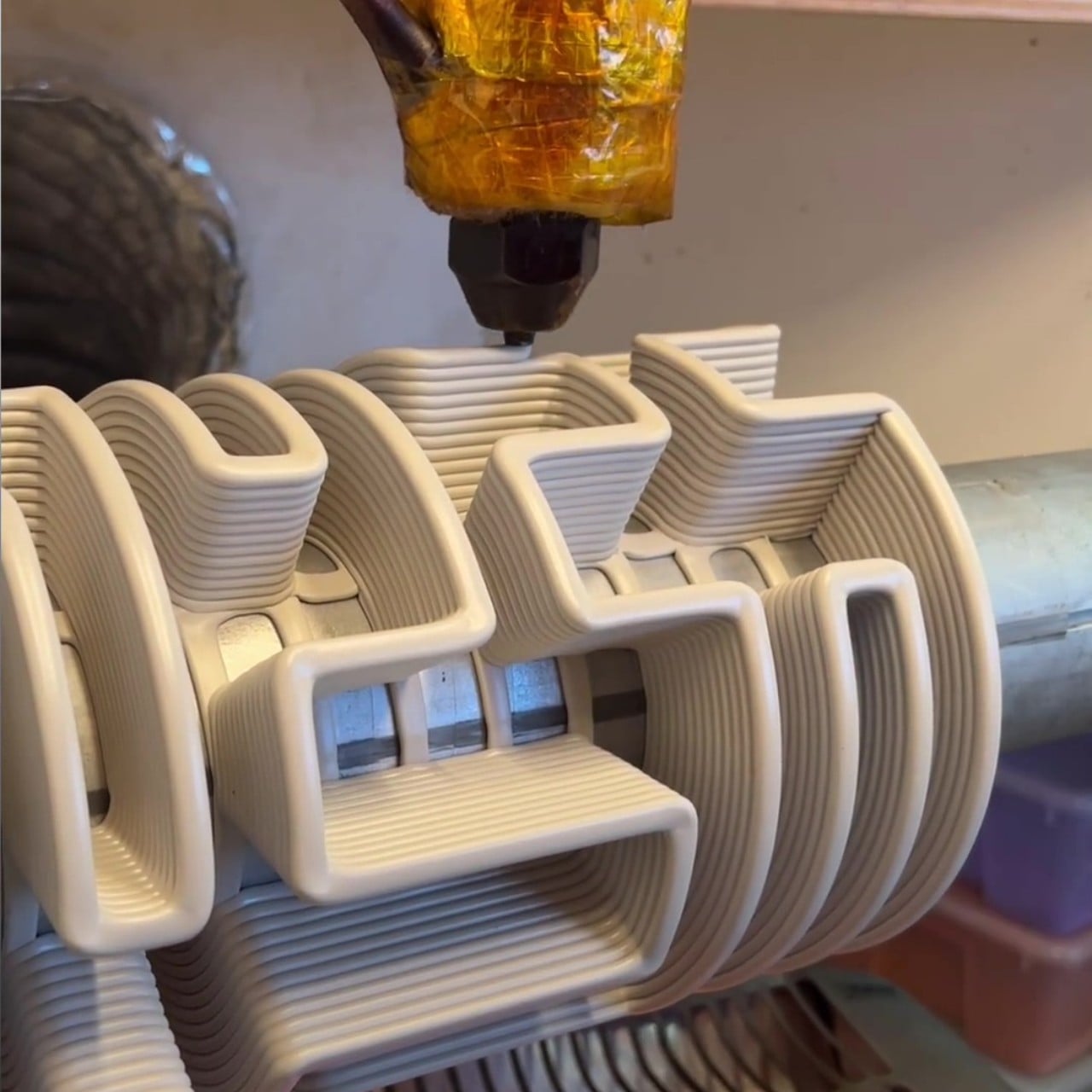
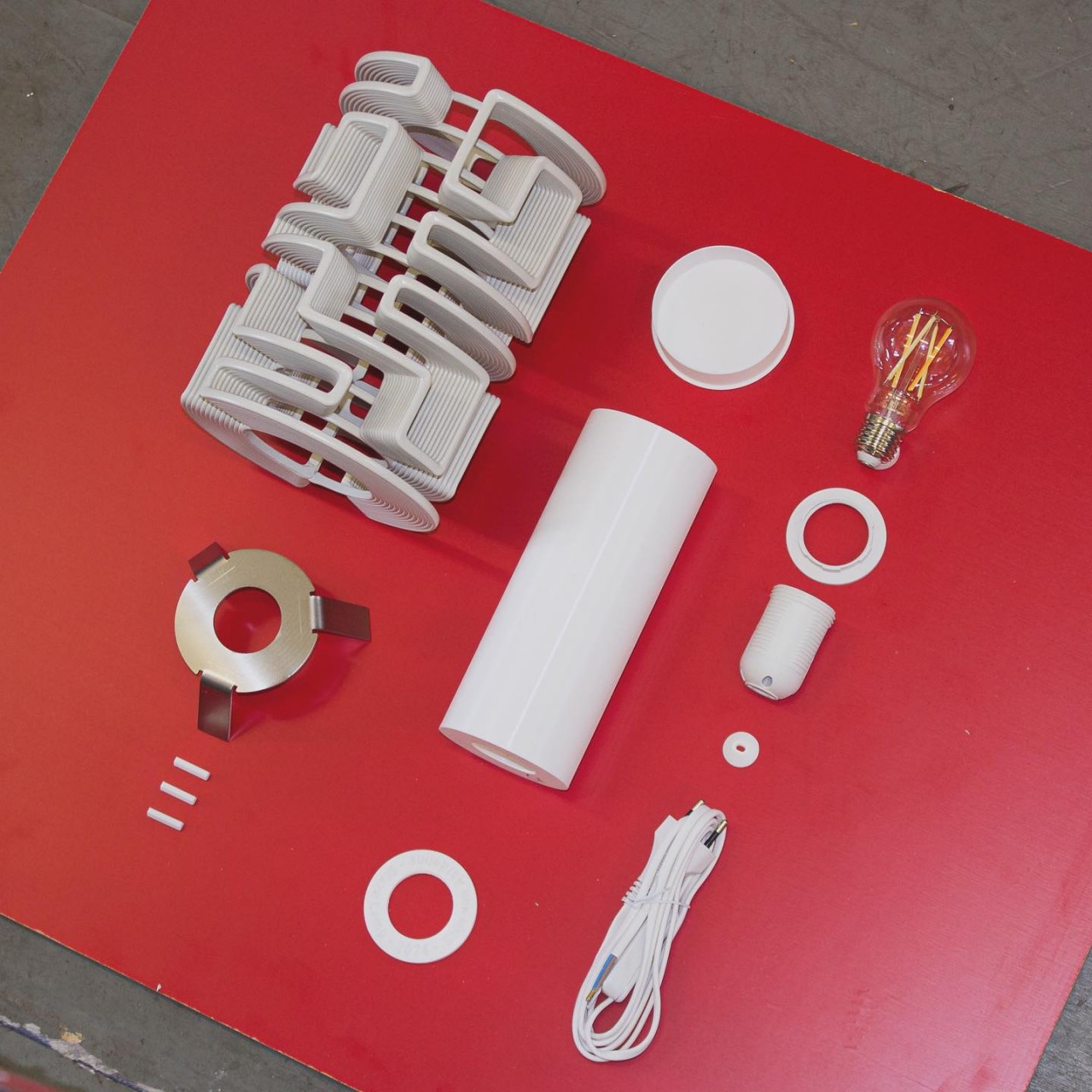
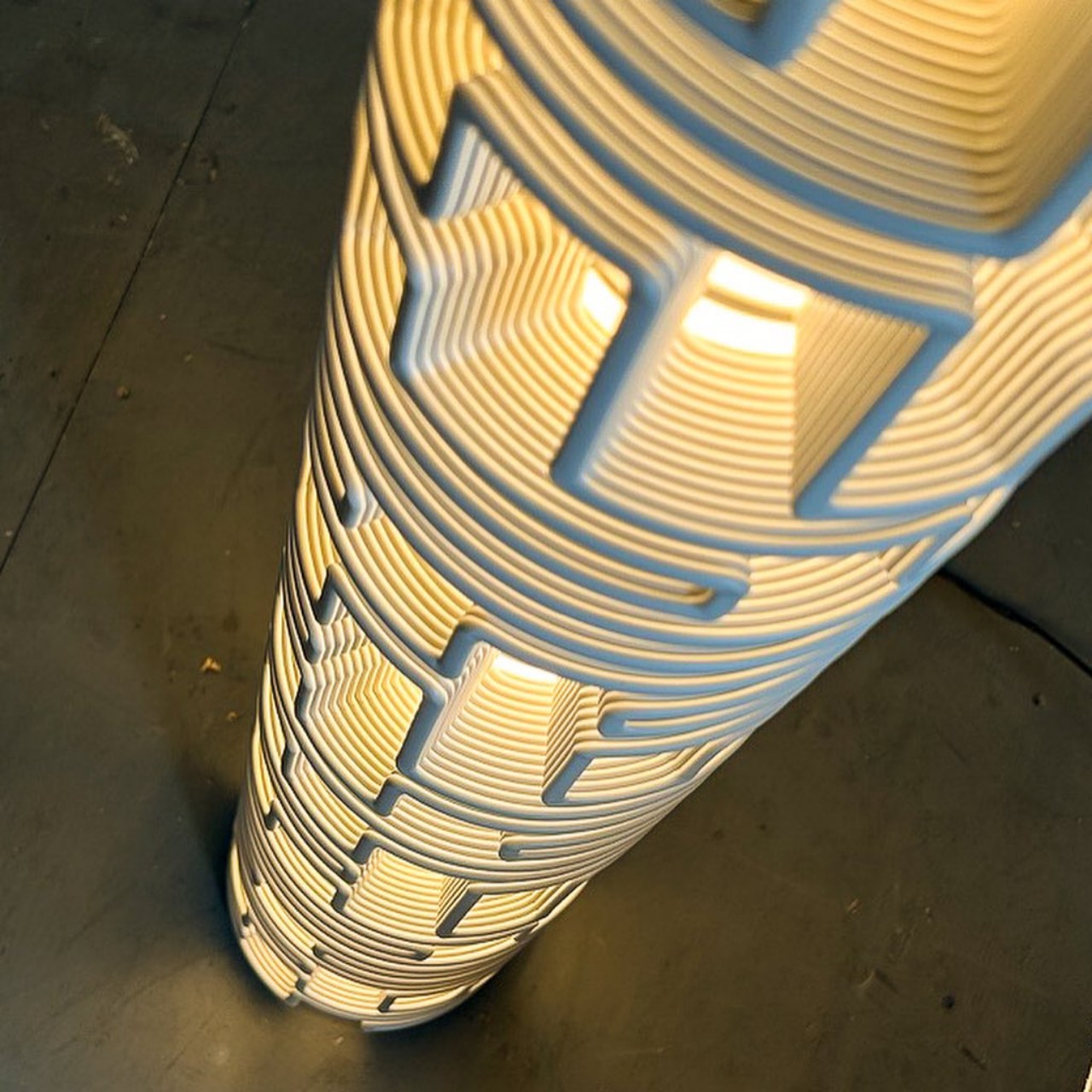
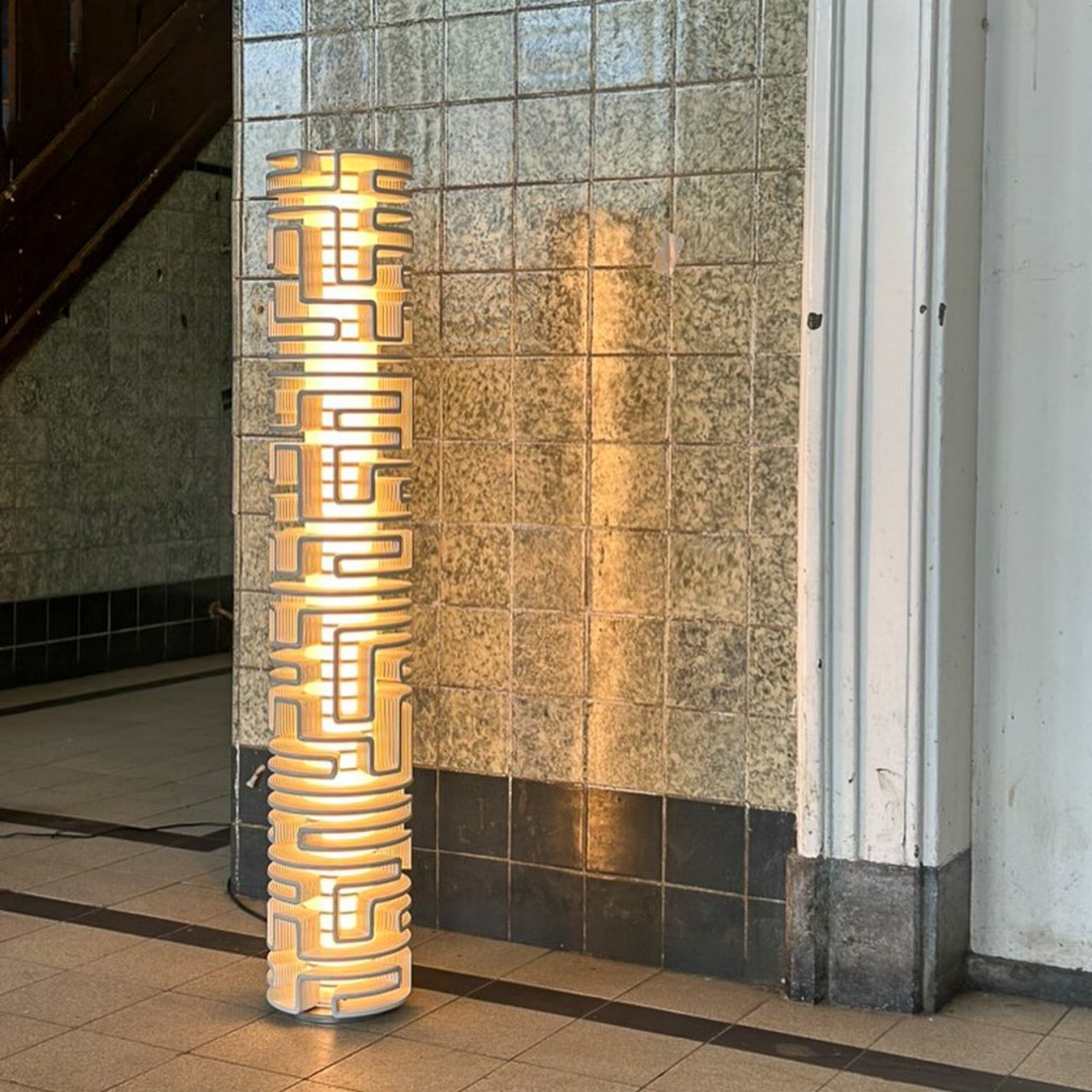
The Maze Lamp design takes advantage of this capability by having an industrial 3D printer lay out the lines over a rotating axis. Normally, what you’d get is a cylindrical shape that looks like it was made from a spindle of extra-large spaghetti as the plastic material coils around and around the slowly spinning base. But if you move the nozzle forward, backward, and sideways while it spins, you can create more interesting patterns that look like the lines of a maze. Stack those lines on top of each other and you get a three-dimensional maze on a cylinder.
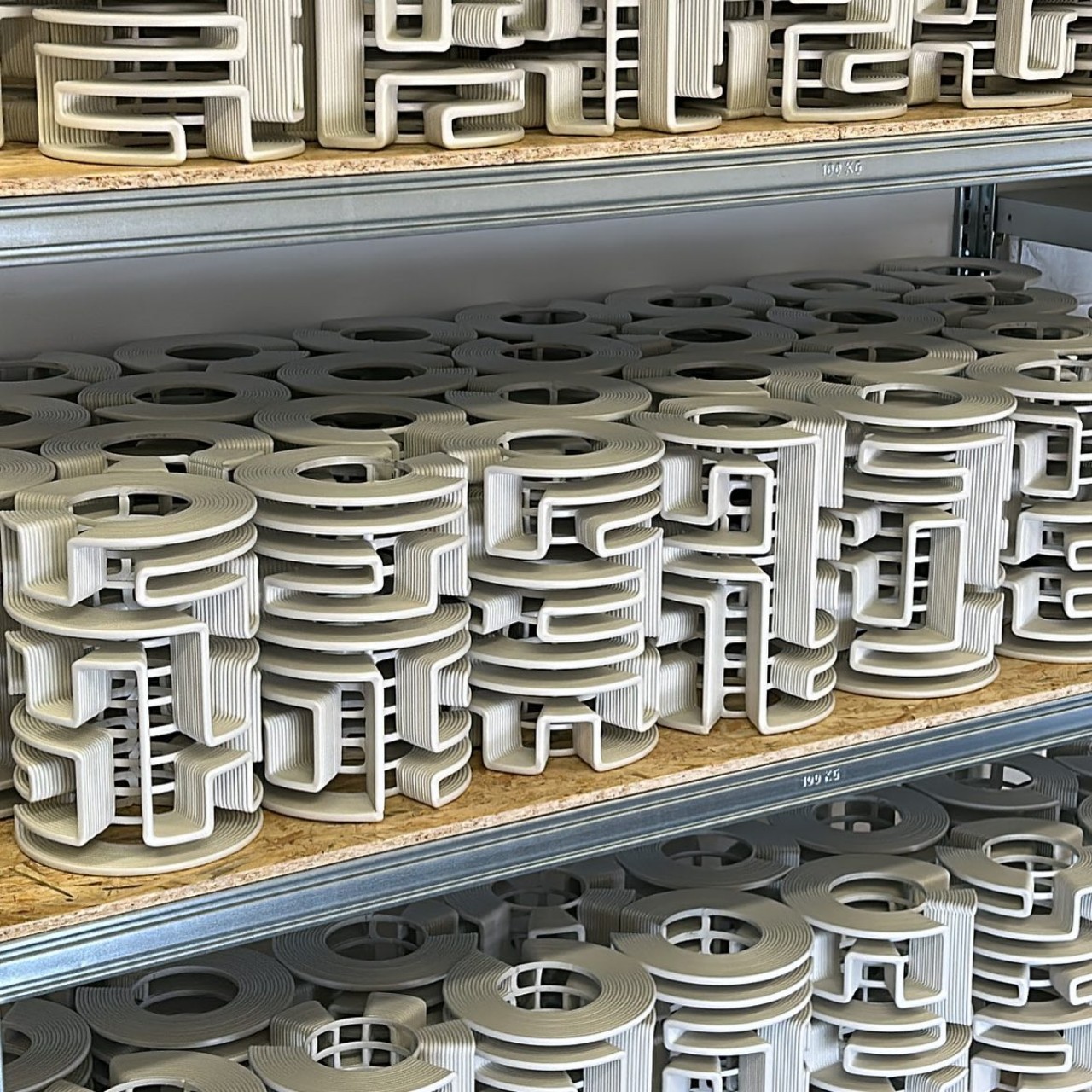
What makes this process even more special is that the pattern of these lines is random. No two Maze Lamps will ever have the same design, making each piece a one-of-a-kind item. For programmers and designers, this kind of procedurally generated pattern adds a unique characteristic to every iteration. As a bonus, the material used by the 3D printer is made from plastic shredded from discarded refrigerator doors, giving our own waste a beautiful new lease on life.
Thanks to the three dimensional patterns printed around the core, the Maze Lamp entices viewers whether the light is on or not. The light shining from the casts an eerie glow, almost like some otherworldly artifact found hidden in some ancient Aztec temple. On its own, the lamp becomes a sculptural art piece, not unlike a totem that represents the aesthetics and the technology of civilization that made it.
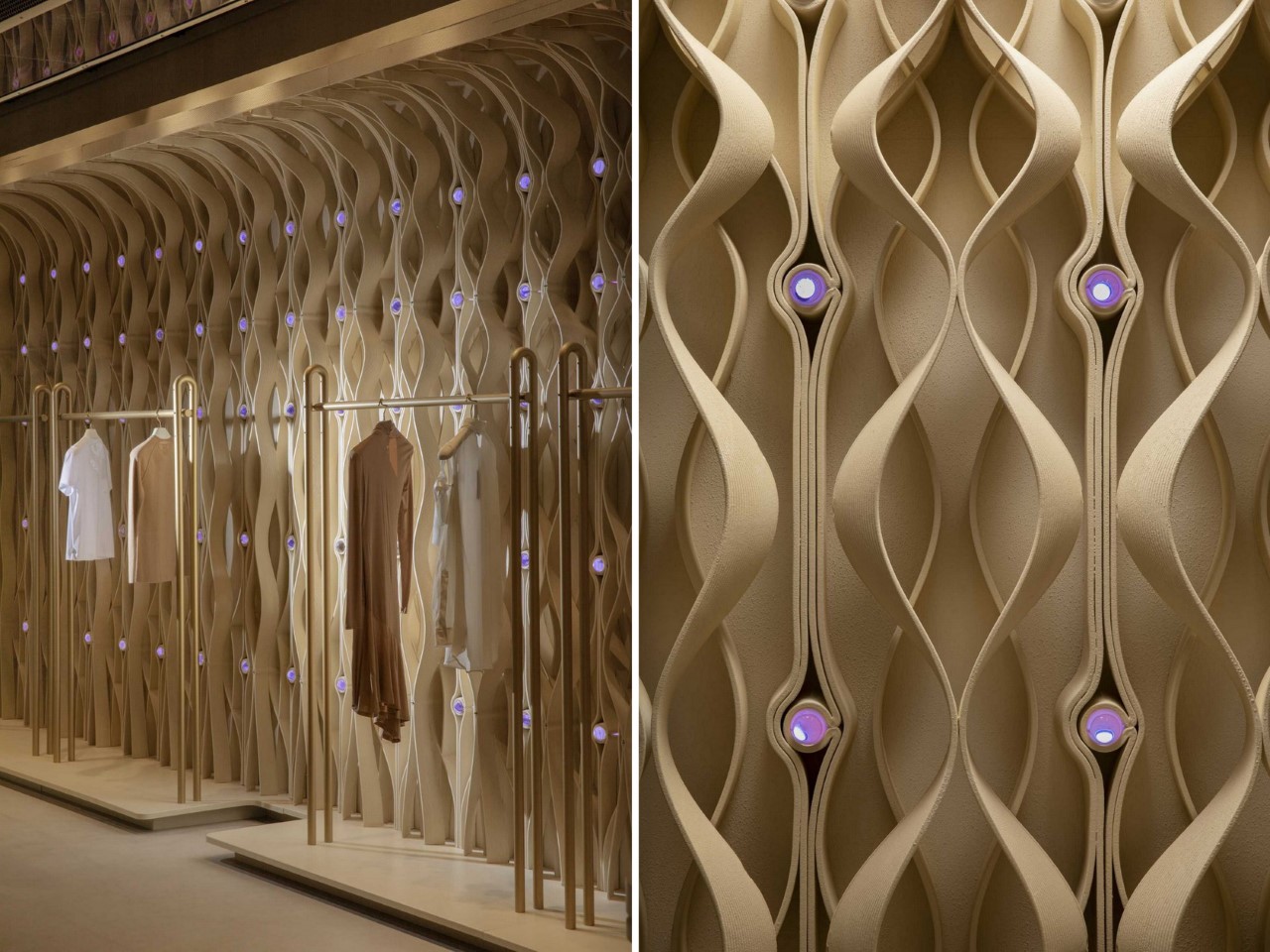
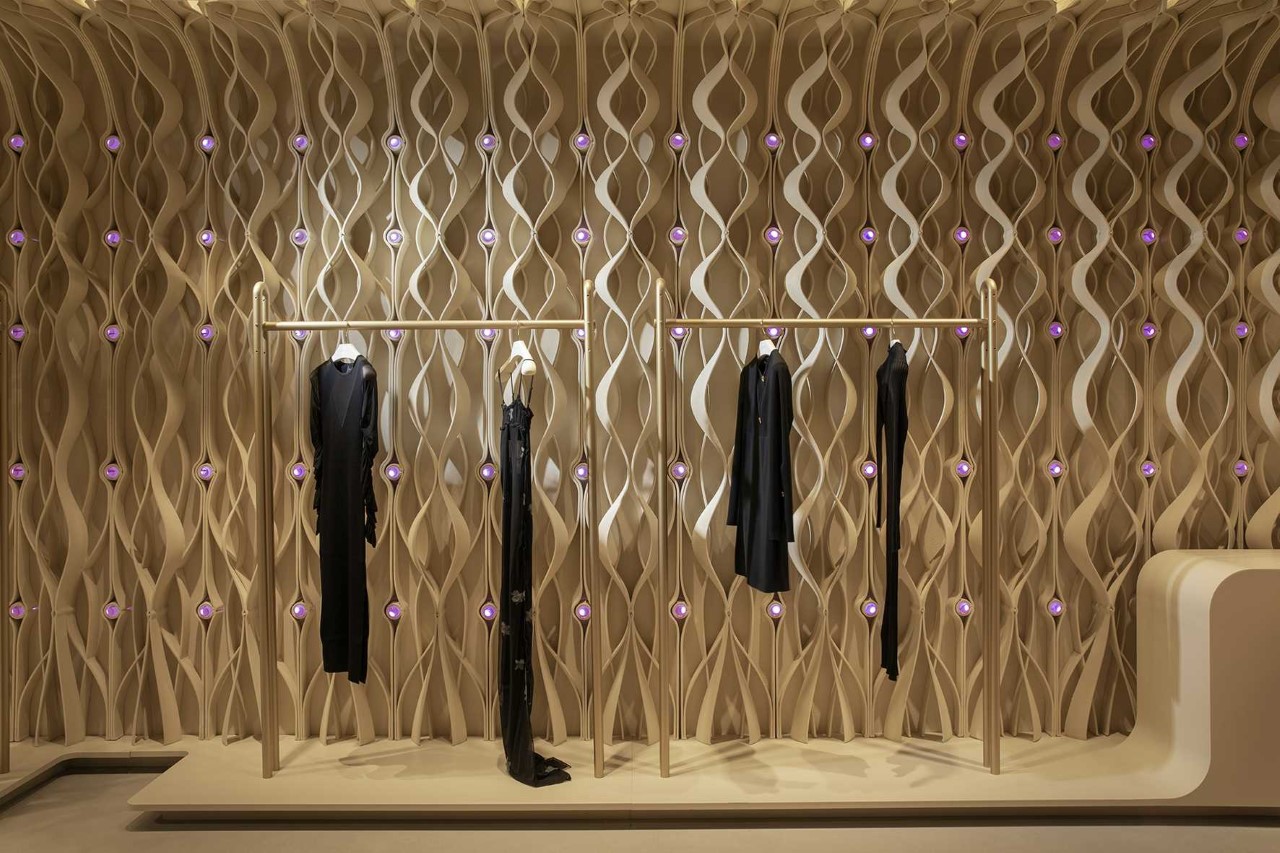
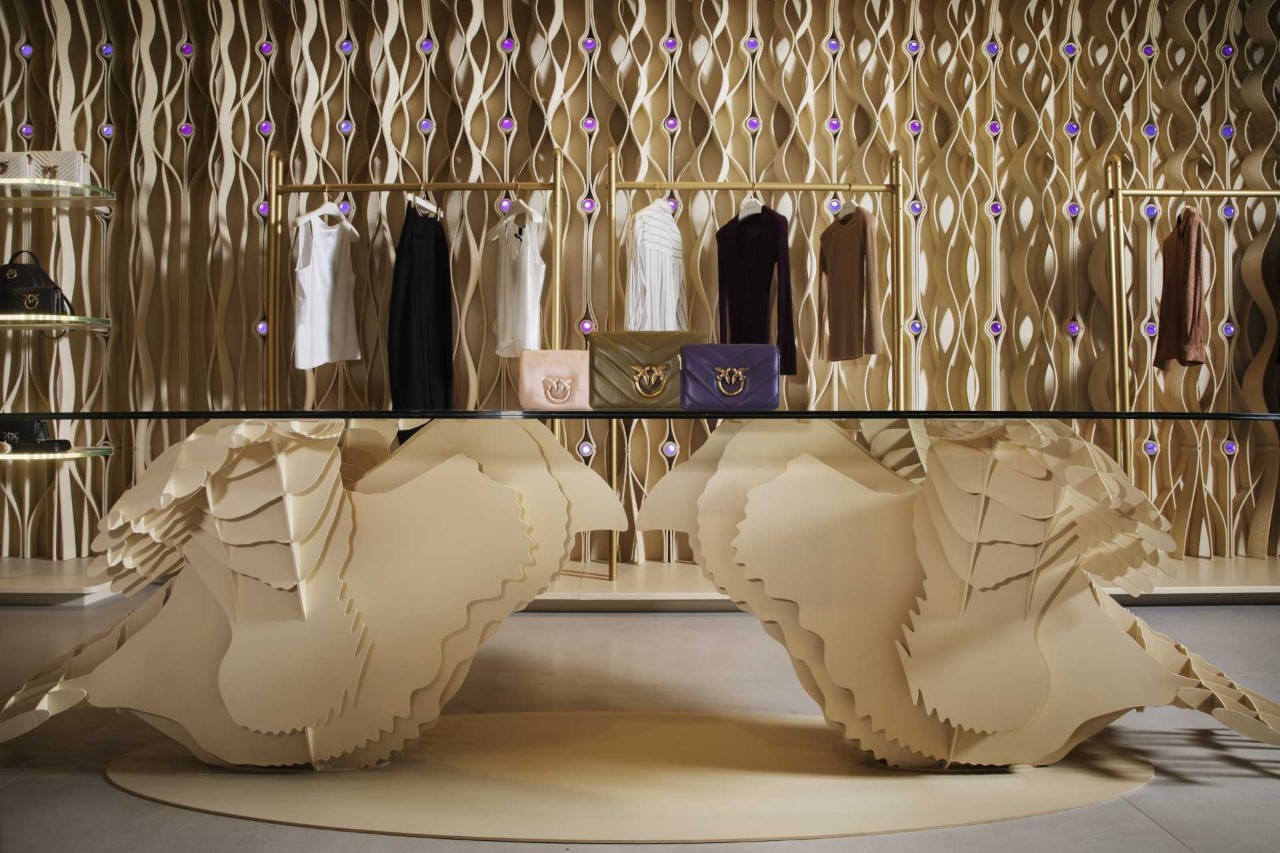
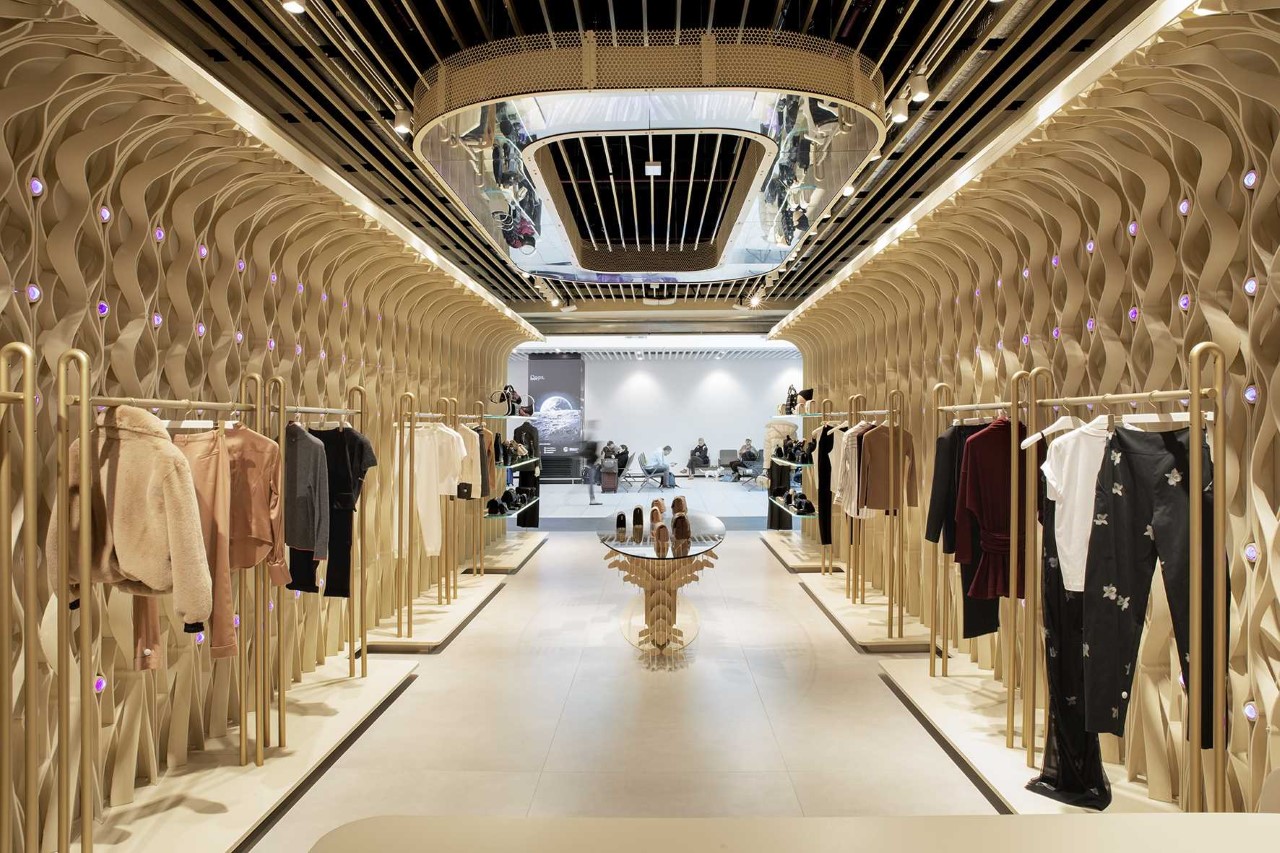
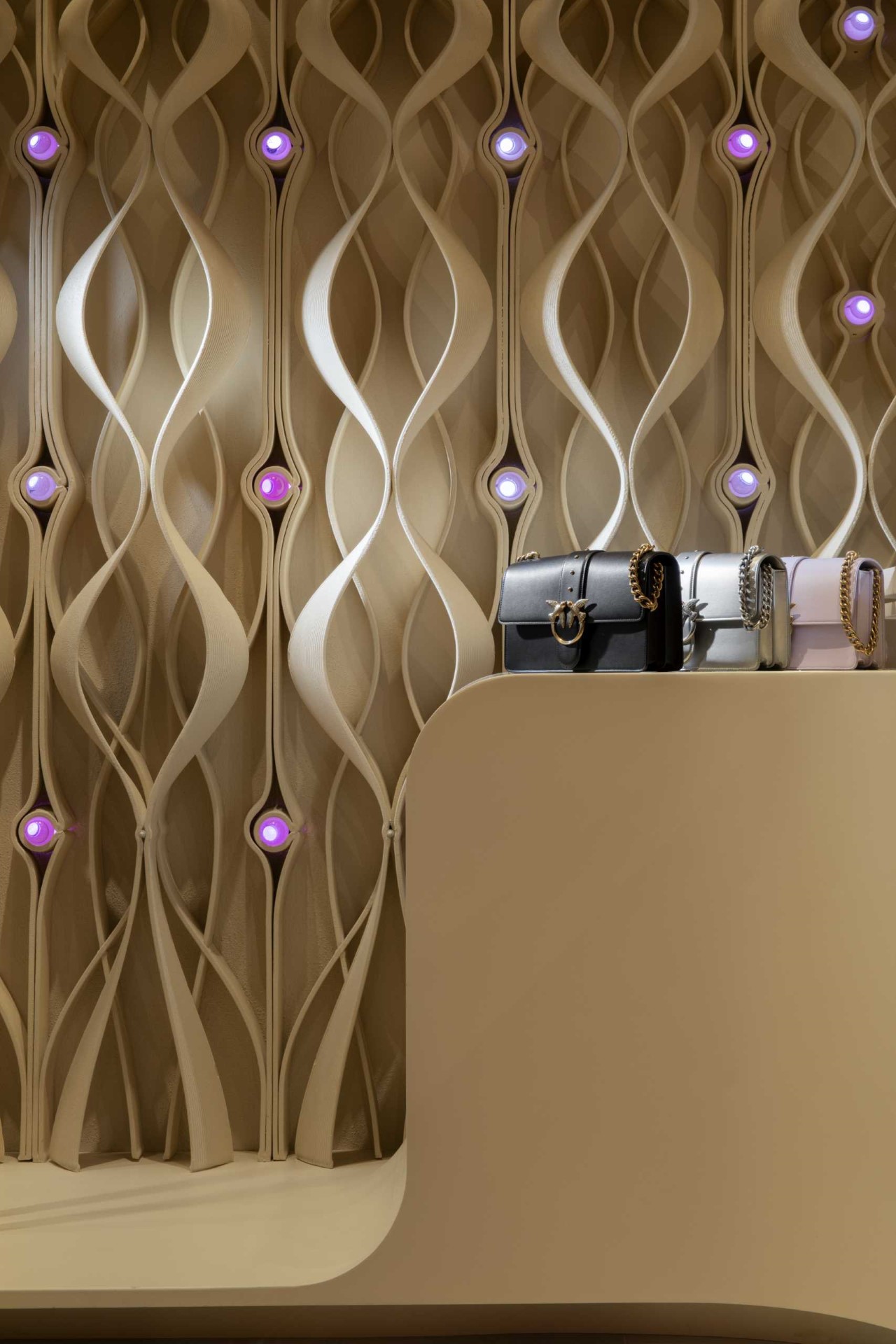
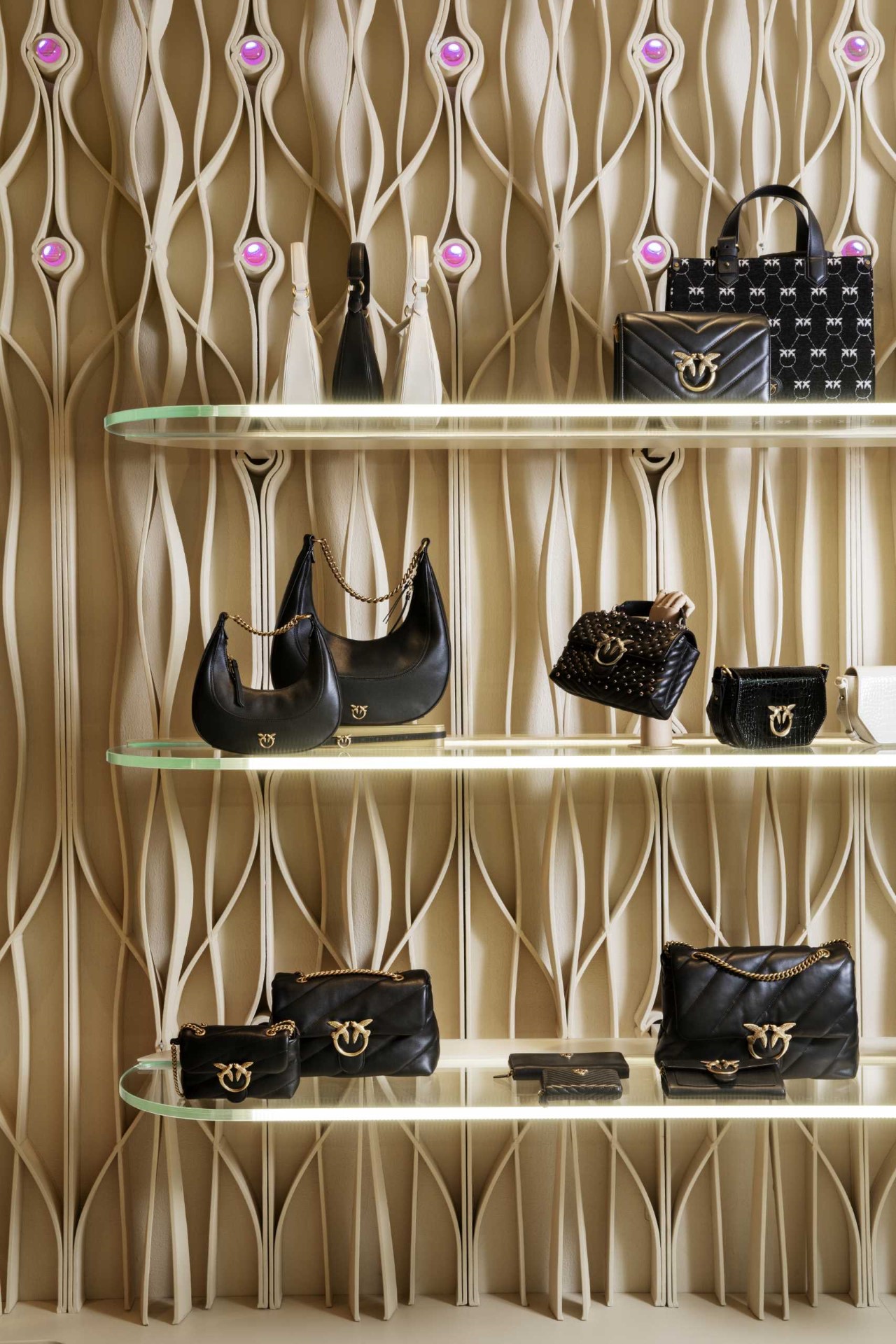
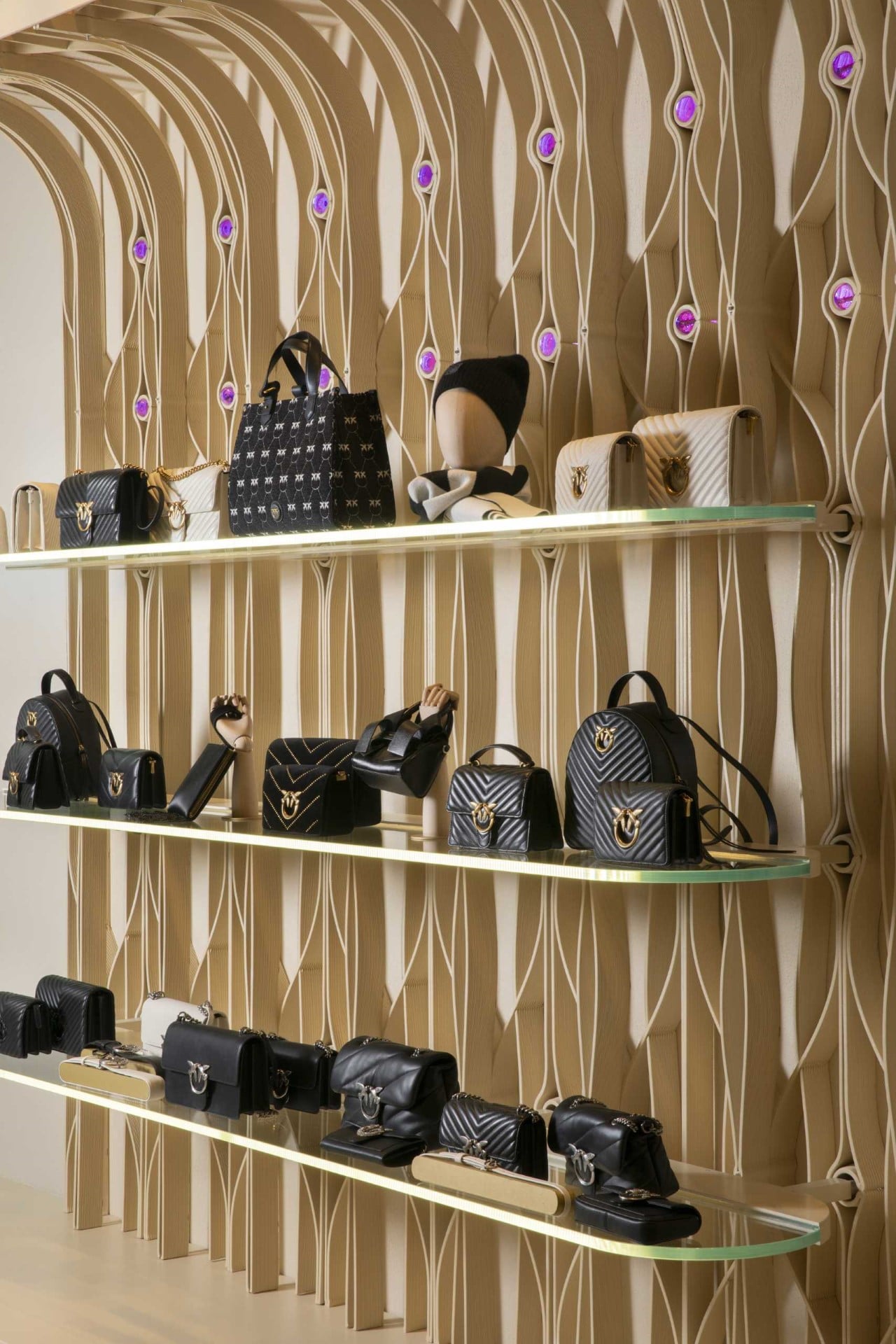
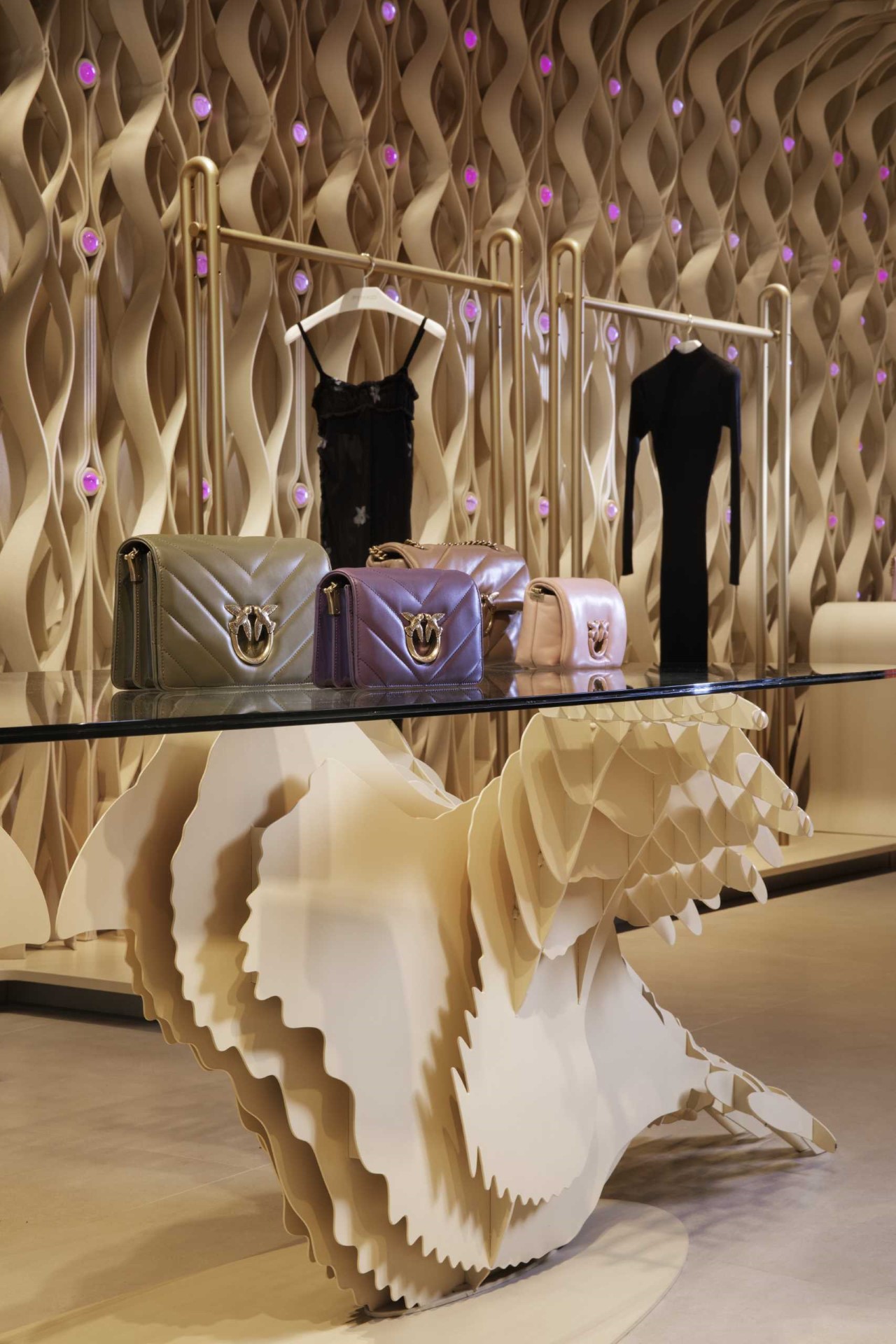
3D printing is often relegated simply to hobbyists and small-time designers. Given its size limits, architects and interior designers haven’t embraced the technology overwhelmingly yet – but fashion brand PINKO is looking to use the technology to create some of the most unique retail spaces ever. Located within the Fiumicino airport, this outlet boasts an interior facade made entirely of 3D-printed modules joined together. The space looks like living tapestry, as the walls have hypnotic depth to them.
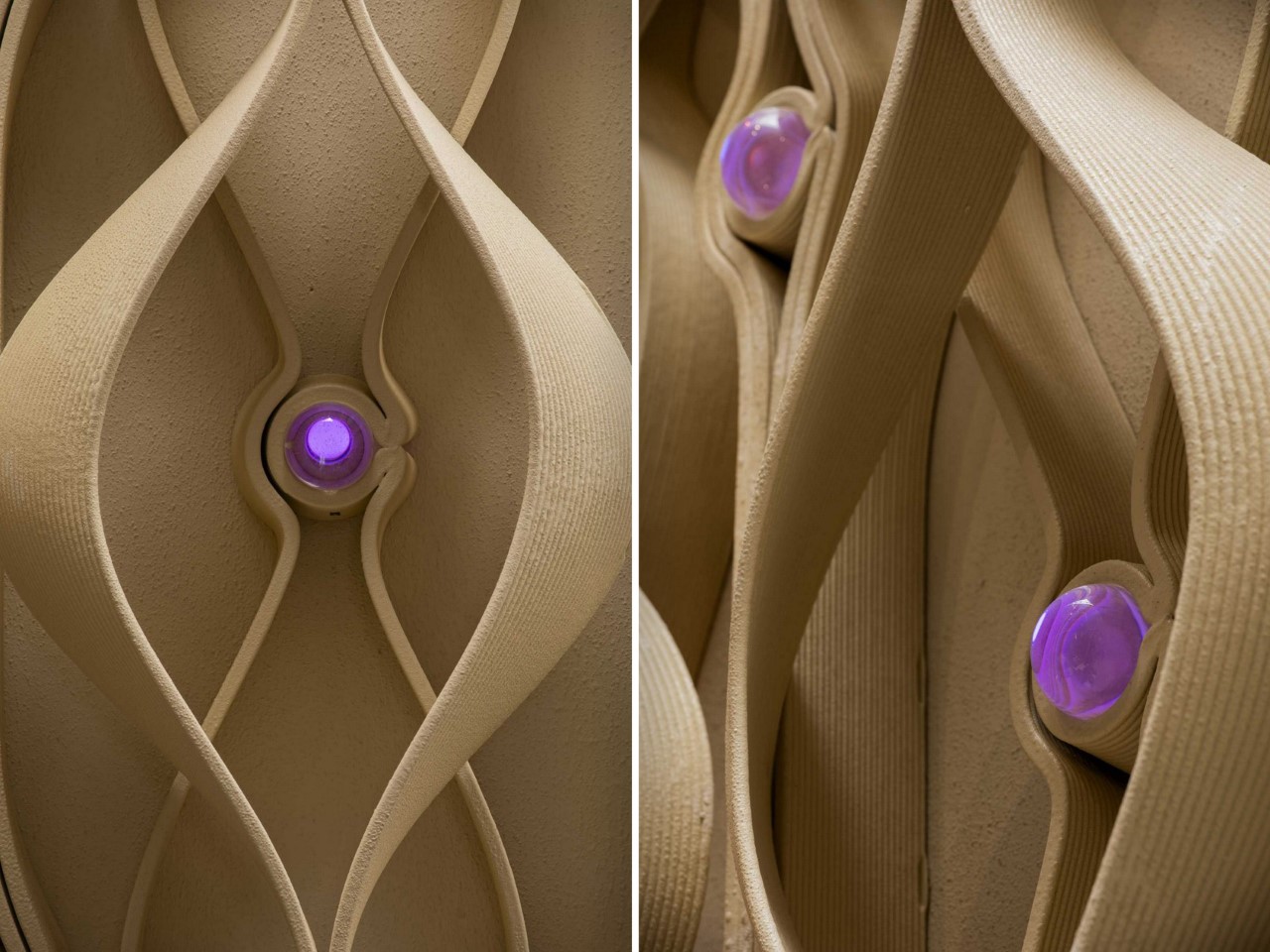
Inspired by the brand’s iconic swallows and the intricate details of textile fibers, the design translates into a “skin” that wraps the entire shop. This textured layer is a marvel of engineering. It’s composed of two overlapping “threads” that begin with a simple, linear arrangement before morphing into a complex, swirling pattern. This intricate design adds depth and a captivating richness to the space.
The “threads” cleverly intertwine with the display shelves, creating a seamless integration between form and function. Glass shelves highlight the handbags, while the central area boasts coat racks that echo the color scheme of the threads, showcasing the garments. The final part of the store features a large mirror, adding a touch of spaciousness…. but the magic doesn’t stop there. Embedded within the 3D-printed cladding are programmable luminous glass spheres. These spheres create dynamic light effects, transforming the atmosphere and injecting a touch of sophistication. The result? A retail space that transcends its purpose, evolving into a dynamic and ever-changing setting.
The monochromatic color palette further underscores the design’s brilliance. The neutral tones create a versatile backdrop that complements the clothing on display, fostering a contemporary and elegant atmosphere.
The complexity of the design demanded an innovative approach to production. To achieve the desired form, prototypes were created using a novel technique where robots 3D printed directly onto custom-made molds. This method allowed for precise control and the creation of a truly unique design element. Each wall panel was printed out of PIPG, a polymer composed of 70% recycled PET-G, demonstrating a commitment to eco-friendly practices without compromising on quality.
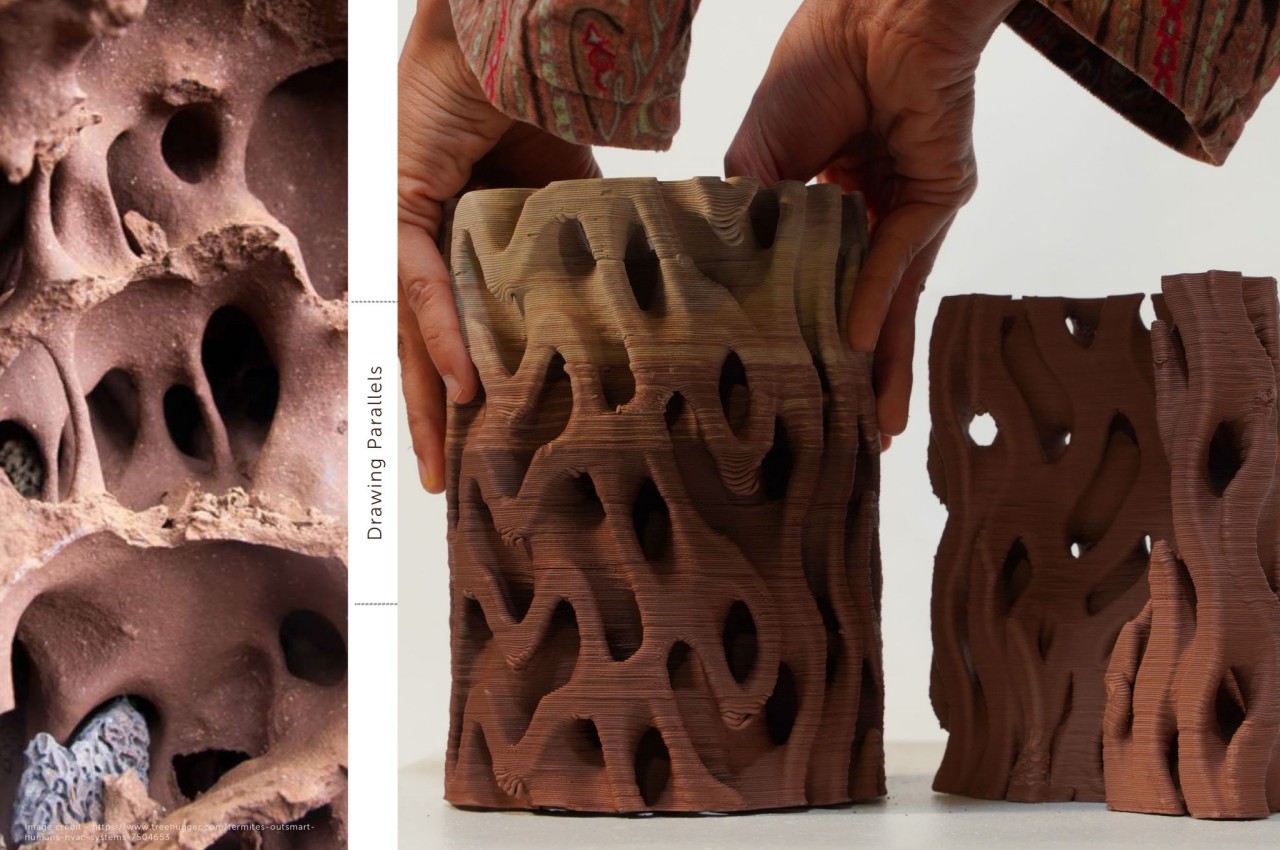
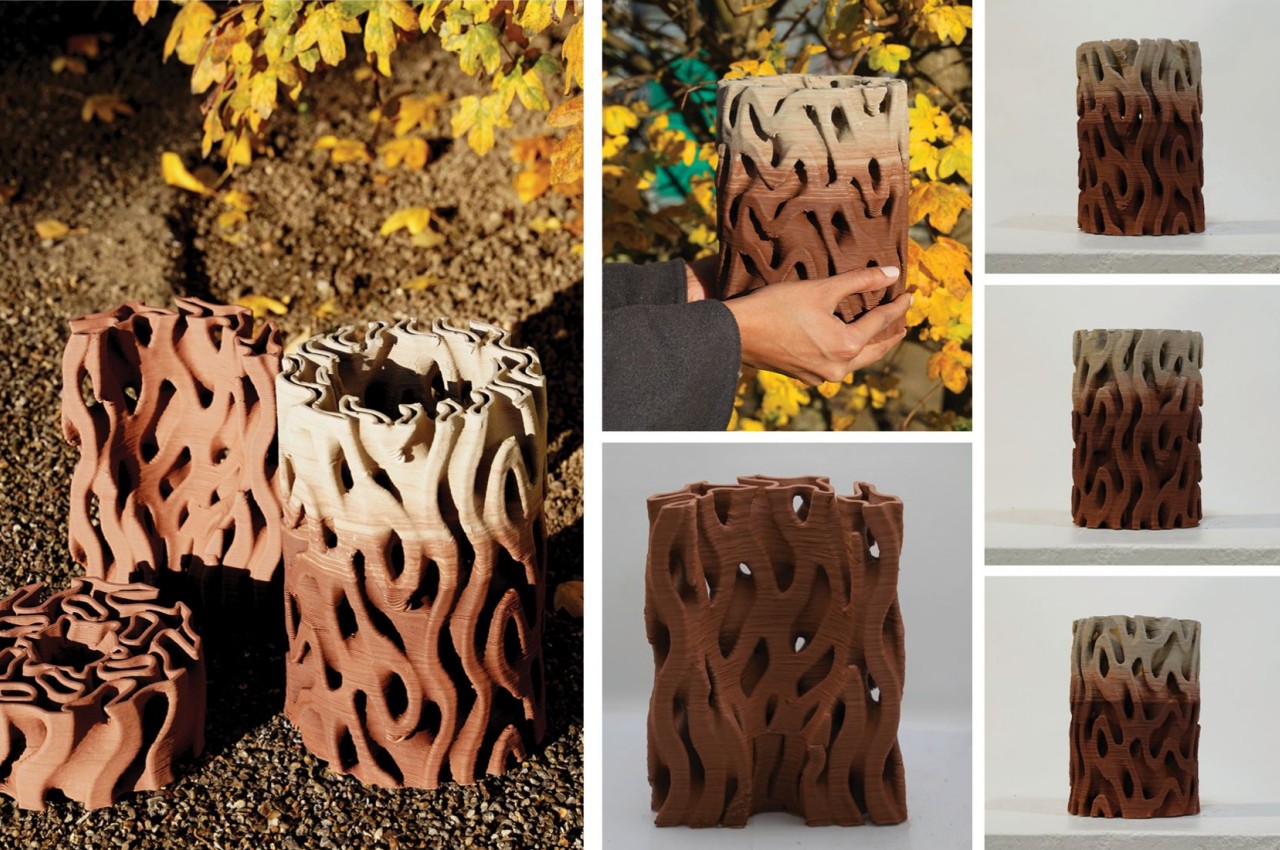
They say everything in nature has a purpose for existing, even if their existence is a nuisance to us humans. Scavengers, for example, are nature’s janitors and recyclers, putting dead things to good use. Even termites, whose presence is often a death sentence for homes and structures, are important to the ecosystem, and they can apparently serve as artful inspiration as well. Maybe not the termites themselves but the complex tunnels they create inside their mounds. These patterns are actually meant to facilitate airflow, which makes it the perfect reference for a man-made cooling solution that brings natural design and technology together to create a more sustainable solution to hot temperatures.
There has been some interest in alternative cooling solutions, especially those that don’t consume too much electricity or none at all. Traditional techniques, particularly evaporative cooling that makes use of clay pots or pipes, have gained a lot of traction, especially because they can become decorative pieces inside modern homes. That said, the old methods don’t exactly scale well to today’s climate, room sizes, and needs, so designers have to think a bit outside the box to come up with a better solution to fit modern needs.
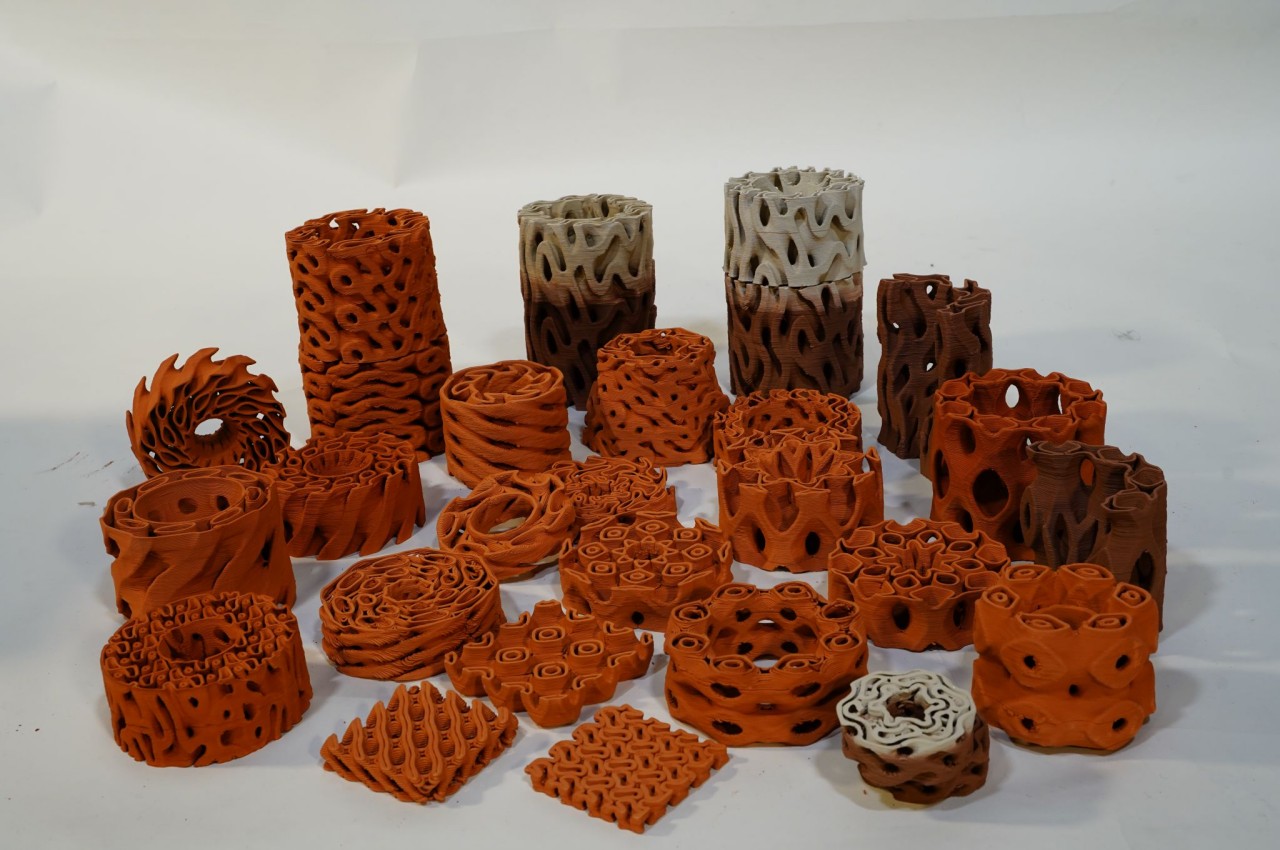
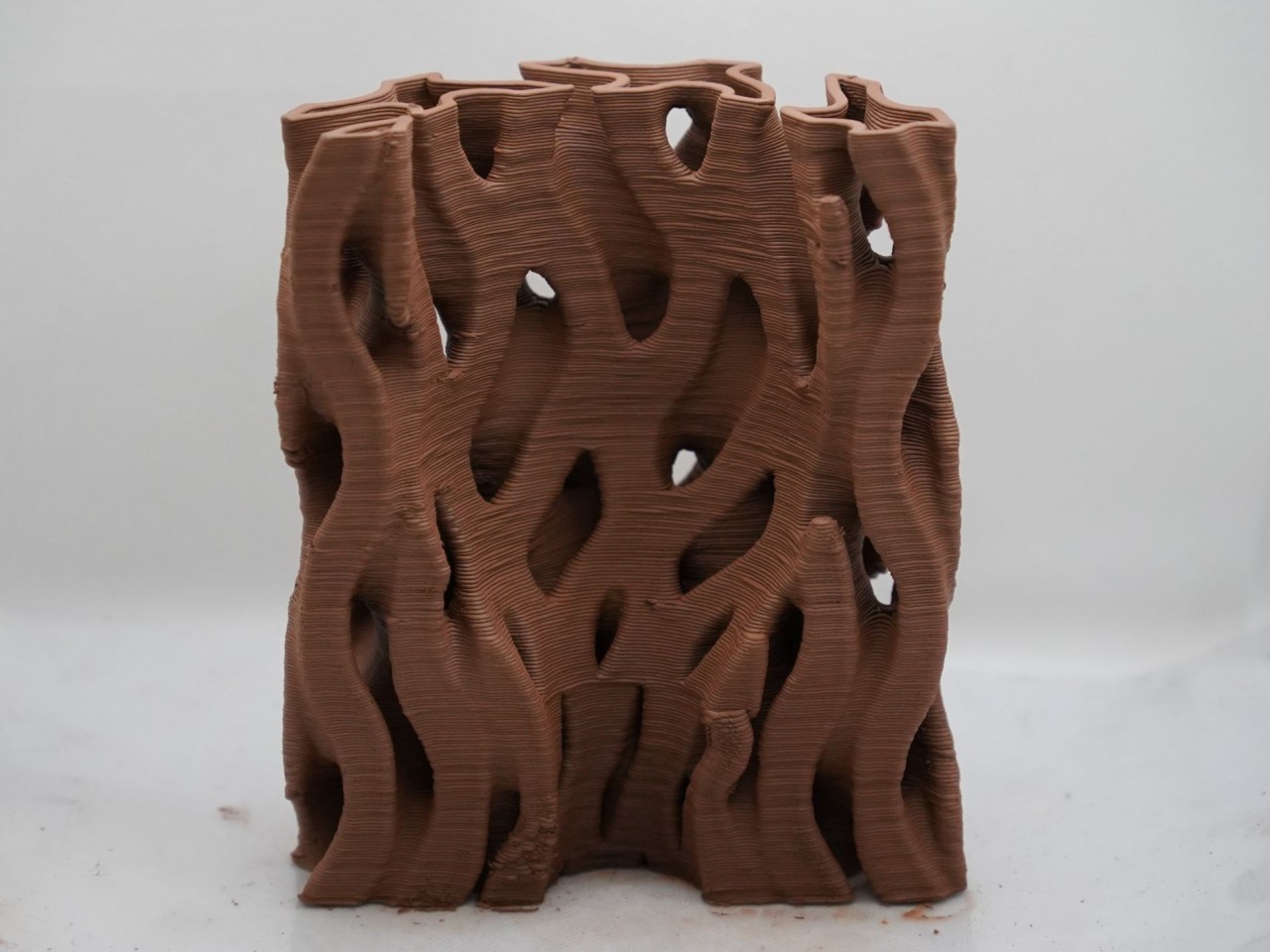
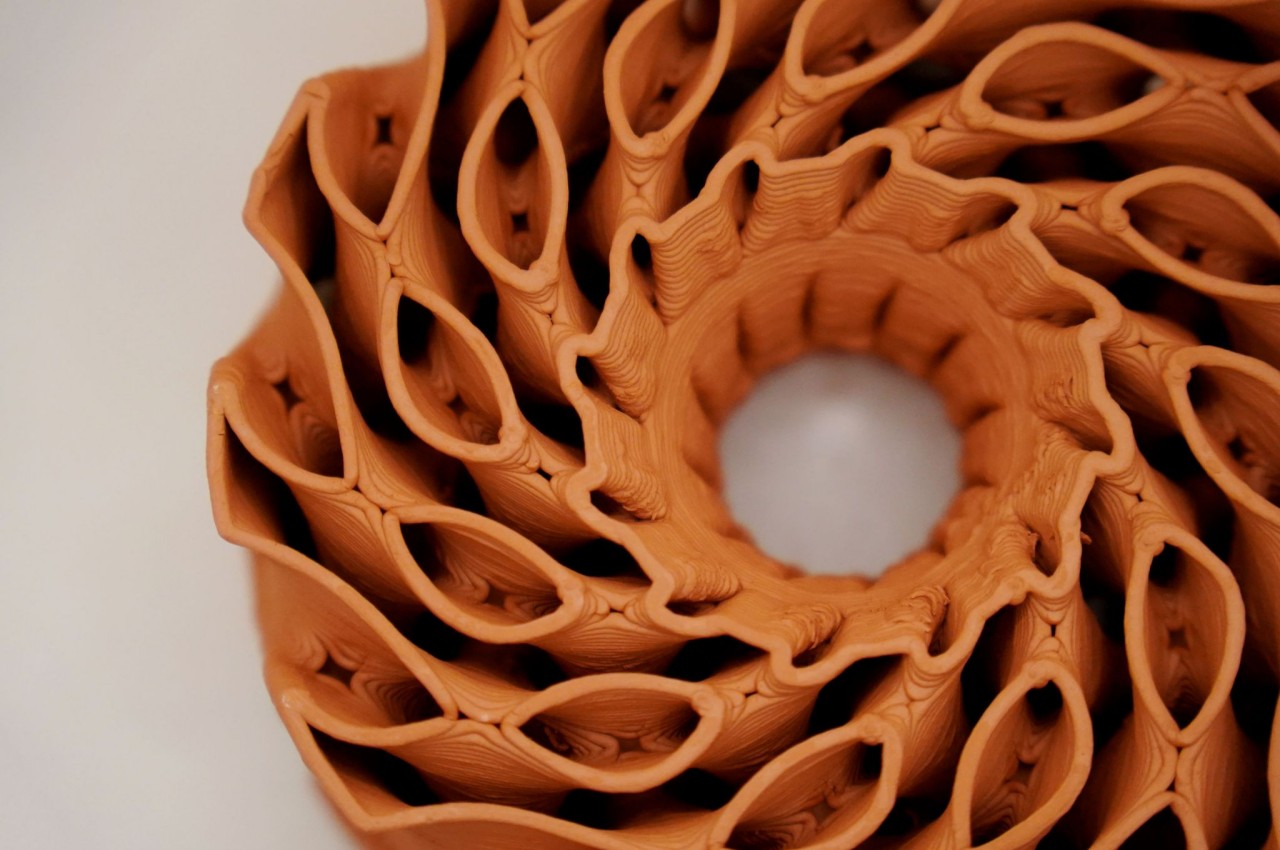
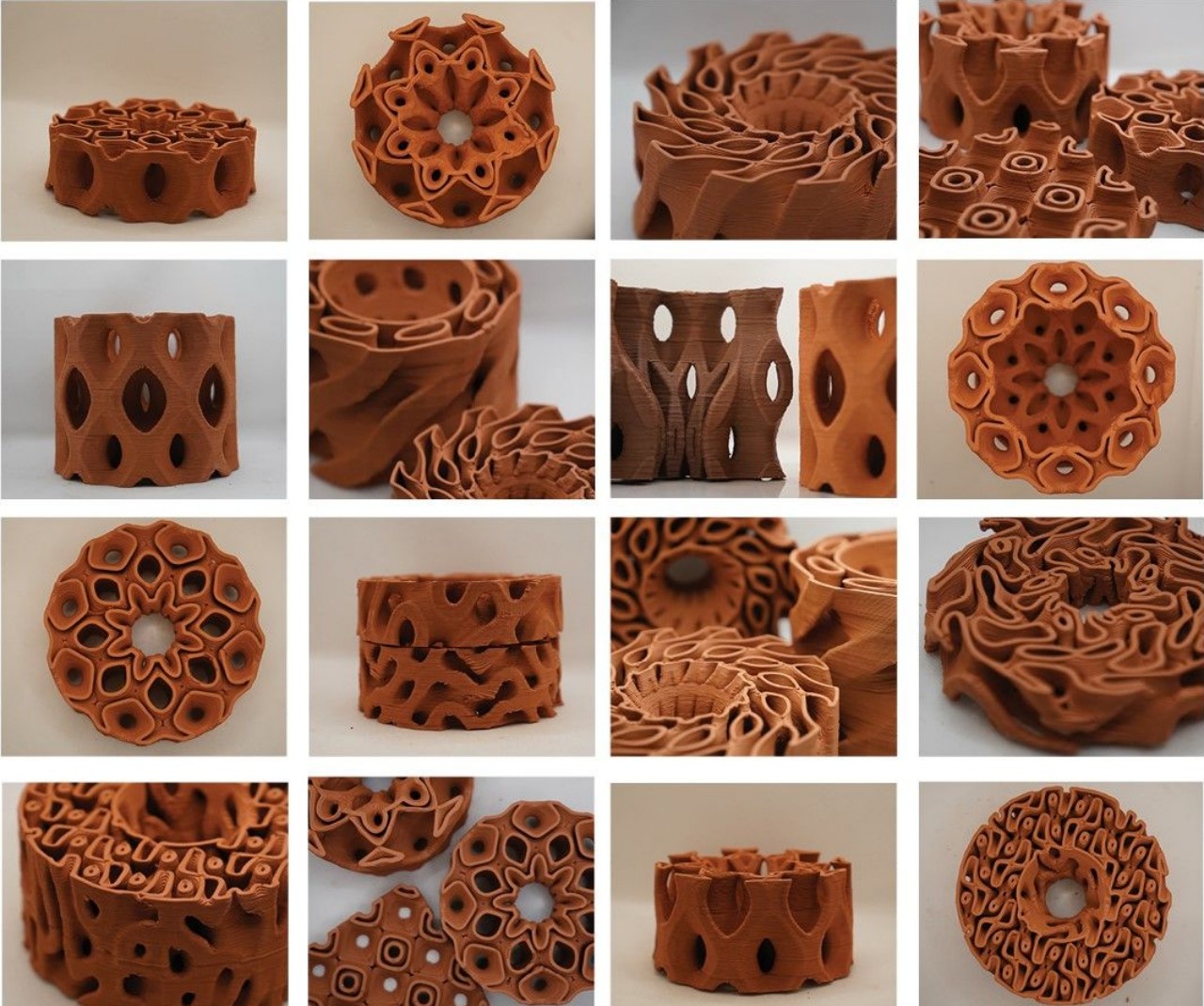
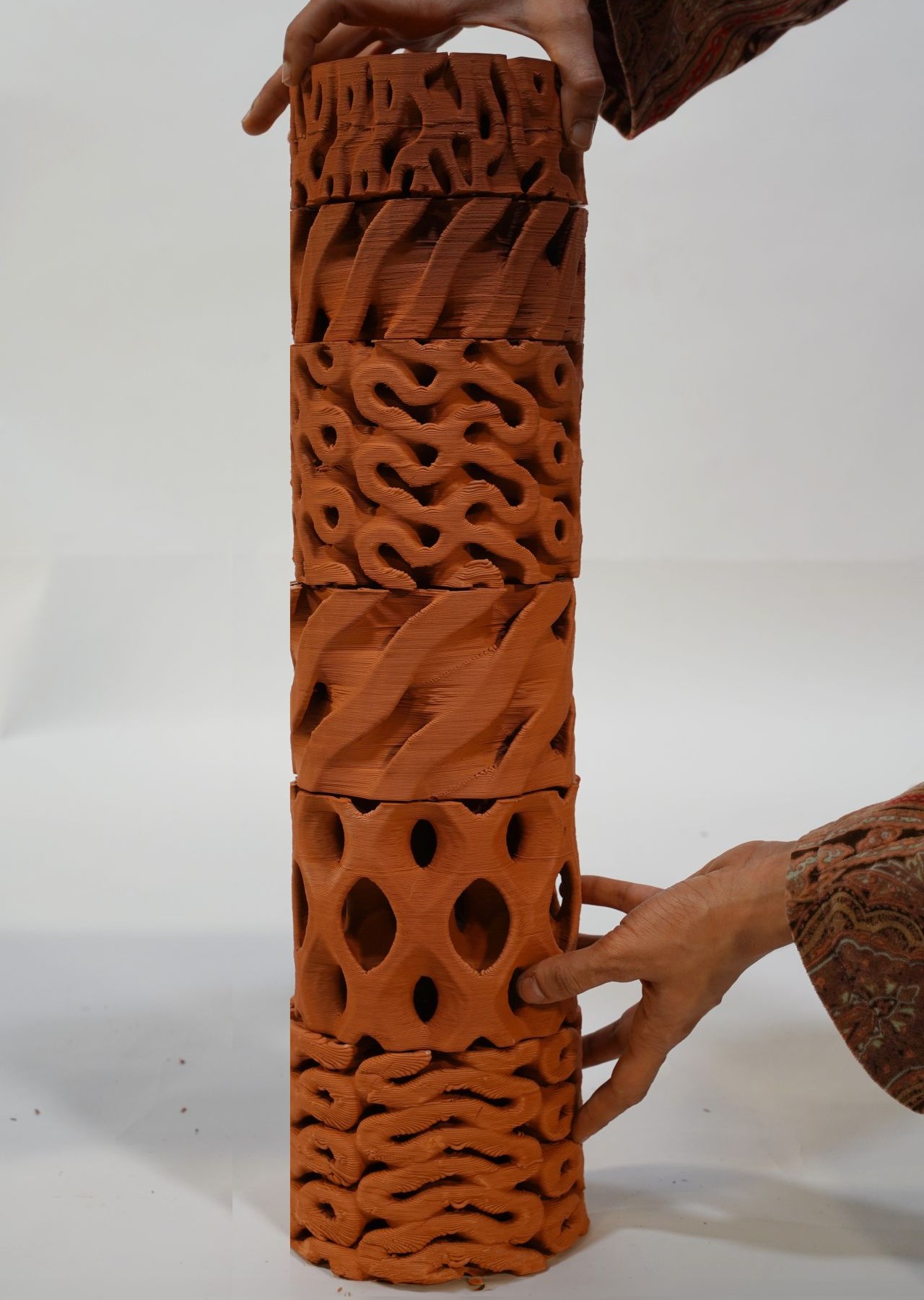
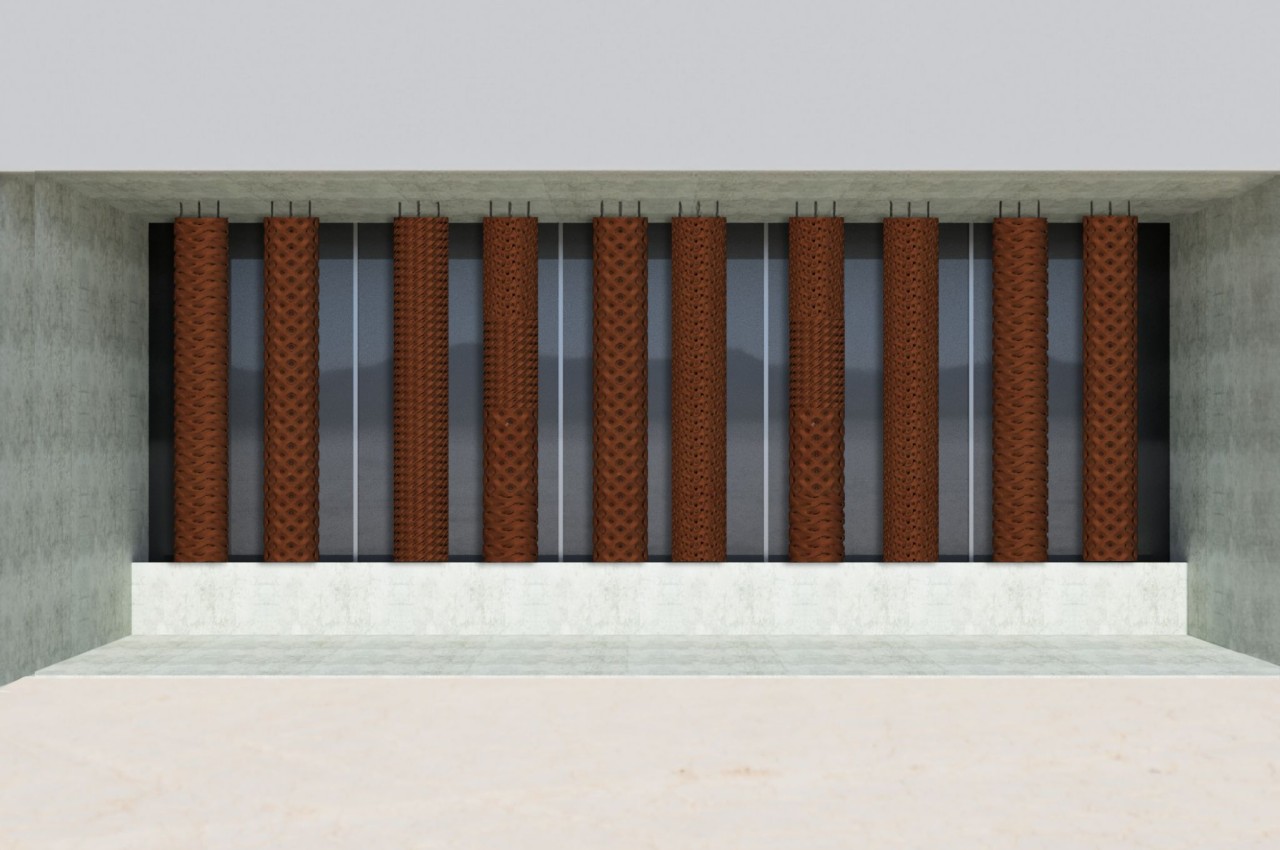
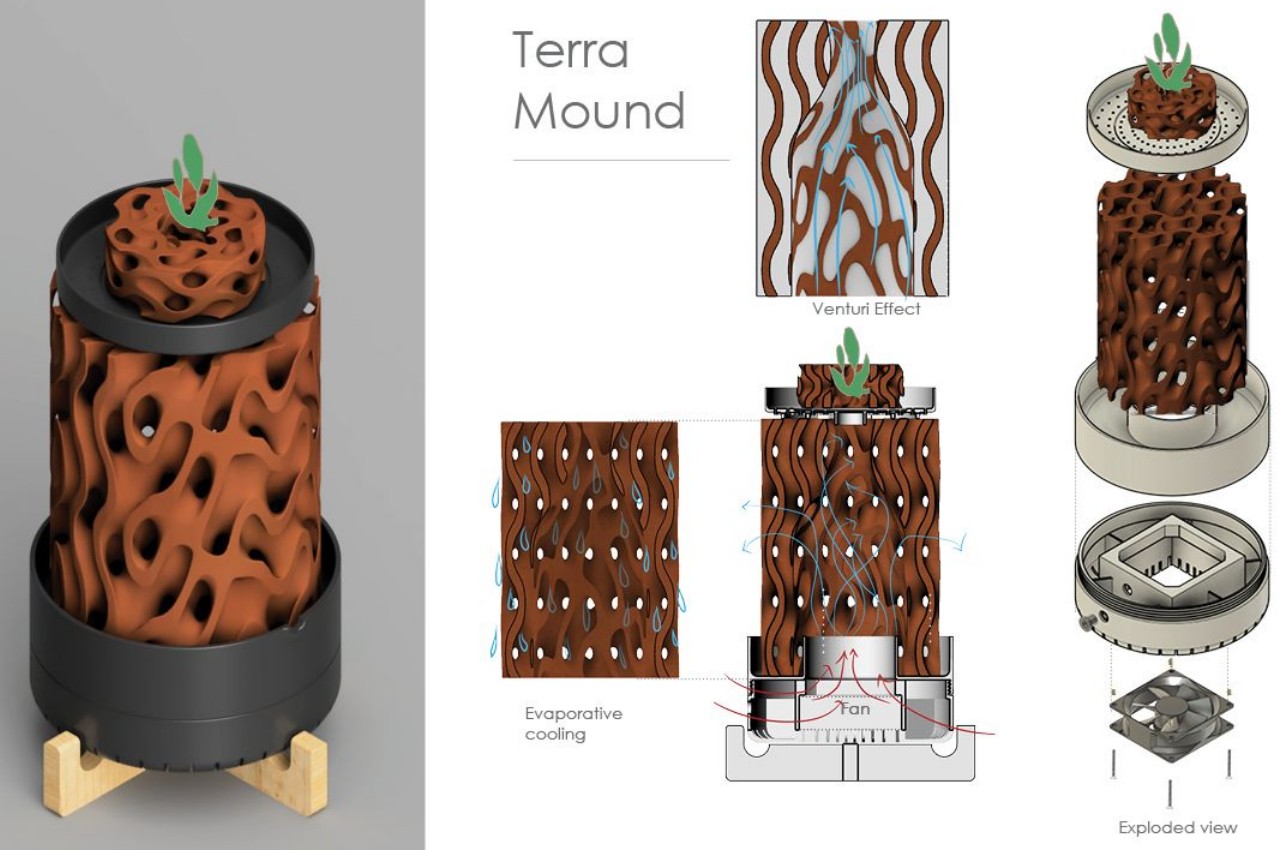
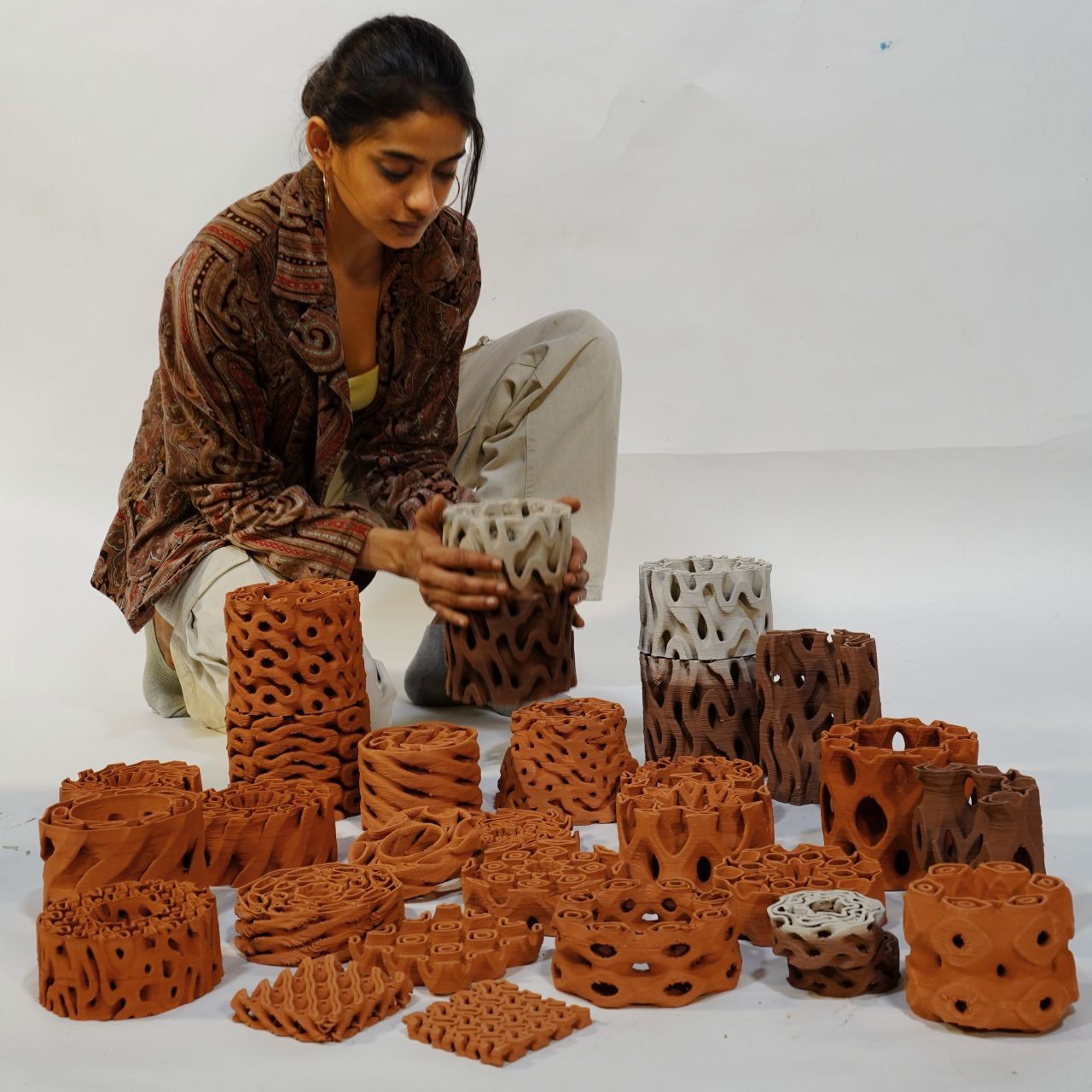
TerraMound looks to termites for one part of the solution, particularly how their shapes exemplify high surface-area-to-volume ratios, meaning how much surface area there is in a compact space. Surface area is one of two critical elements in an evaporative cooler, and that is made possible by utilizing complex geometric patterns that look like artistic versions of termite mounds. Such a design would be impossible to do en masse by hand, which is where 3D printing comes in and where the project’s uniqueness really shines.
The other critical element to this type of cooling solution is porosity, which is why clay is the preferred material for this kind of cooler. Clay is also not a typical 3D printing material, which is what makes this ceramic cooler design even more special. This method can eventually be extended to large-scale 3D printing technologies, allowing the quick and easy production of facade panels, walls, and other structures that not only look beautiful but can also help improve airflow in buildings.
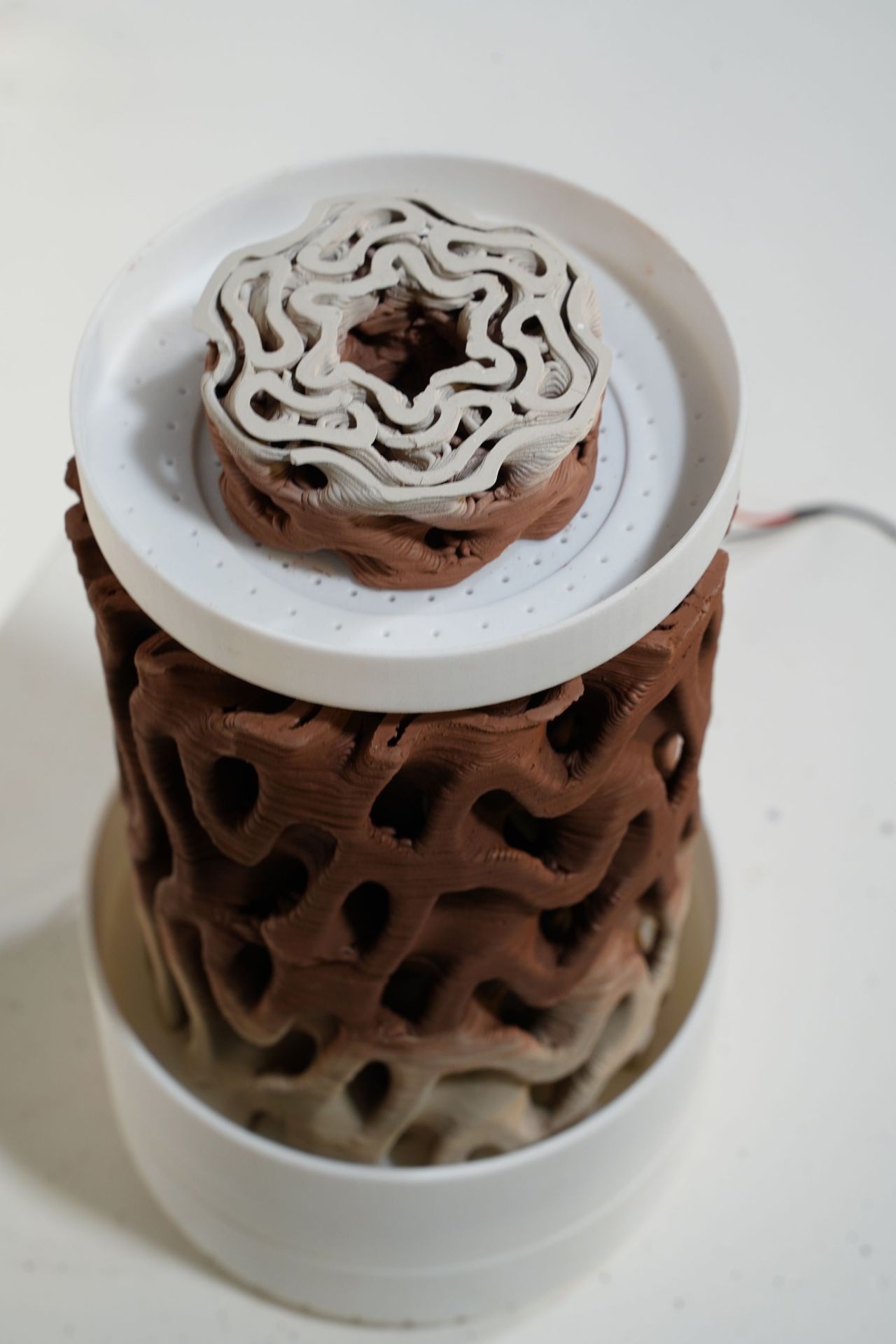
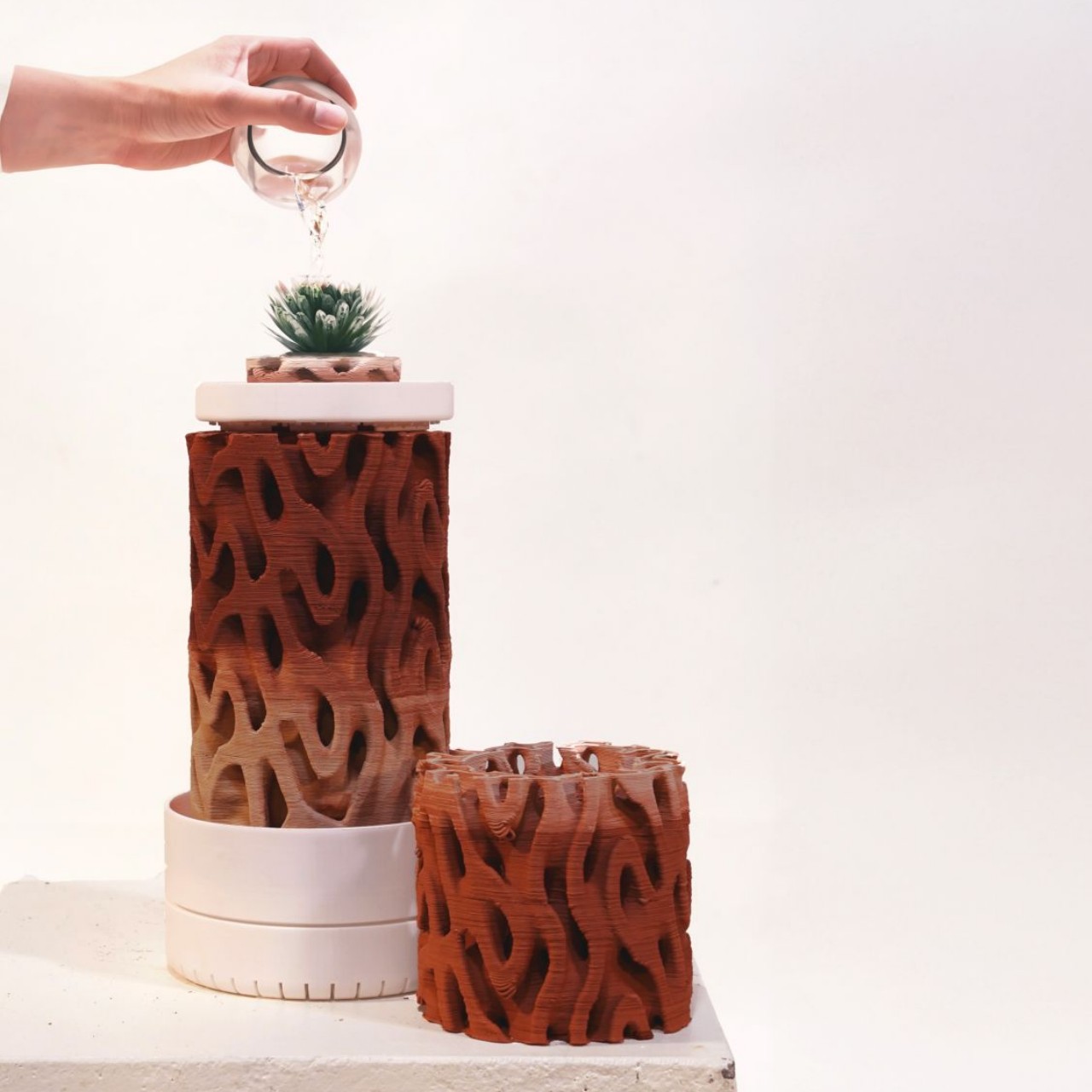
As a cooler, TerraMound isn’t completely passive, as it has a fan at the bottom to draw air upwards. A planter sits on top as a source of water that trickles down the desktop cooling tower, utilizing the absorbent properties of the terracotta clay to help the evaporation process. It also acts as a distinctive and beautiful piece of table decoration, one that you wouldn’t have guessed was inspired by something we humans consider to be pests.
In the ever-evolving landscape of product design, from ideation to realization, 3D printing technology is revolutionizing contemporary design practices. 3D printing technology employs computer-aided design (CAD) and fabricates objects layer by layer. Commonly used in manufacturing, automotive industries, and industrial product design for creating tools, parts, and prototypes, this process, also known as additive manufacturing, layers materials like plastics, composites, or bio-materials to produce objects of varying shapes, sizes, rigidity, and color.
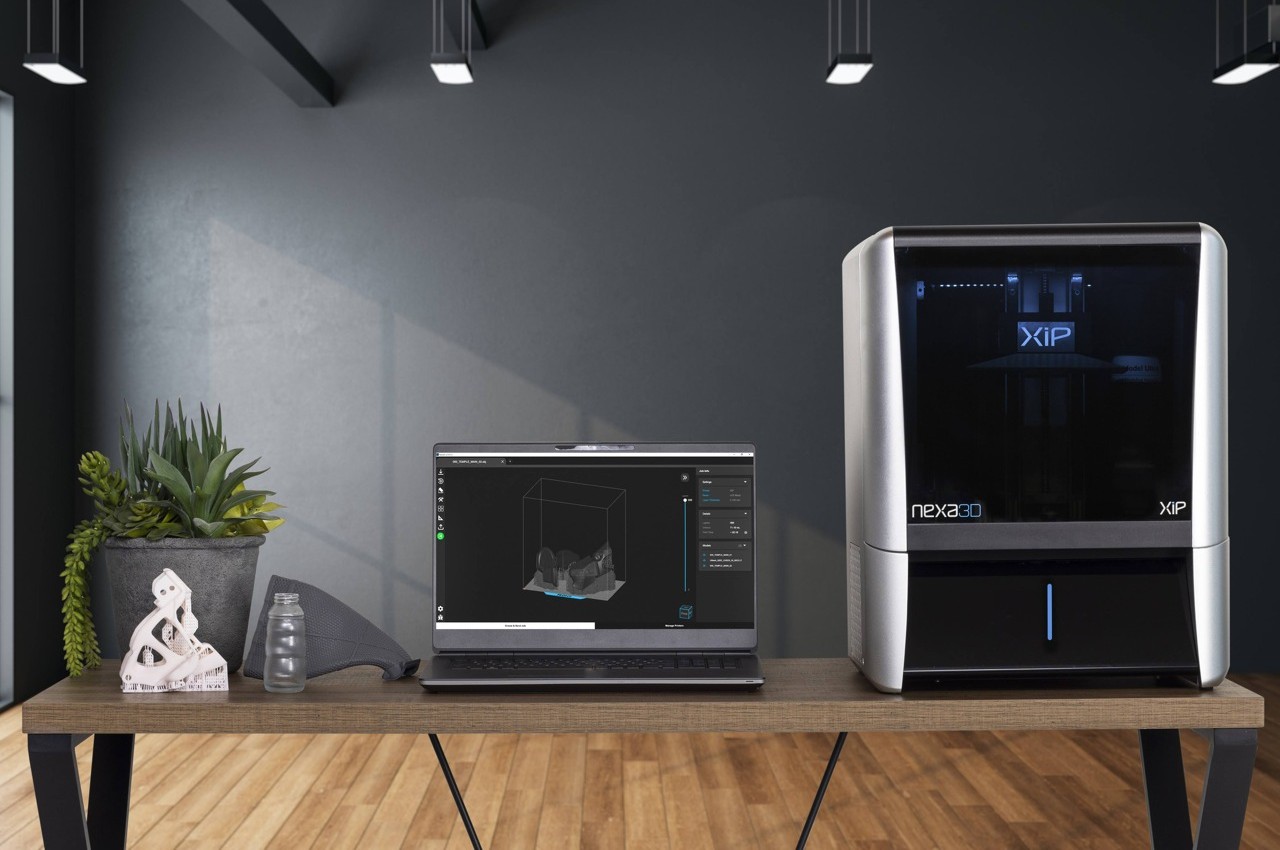
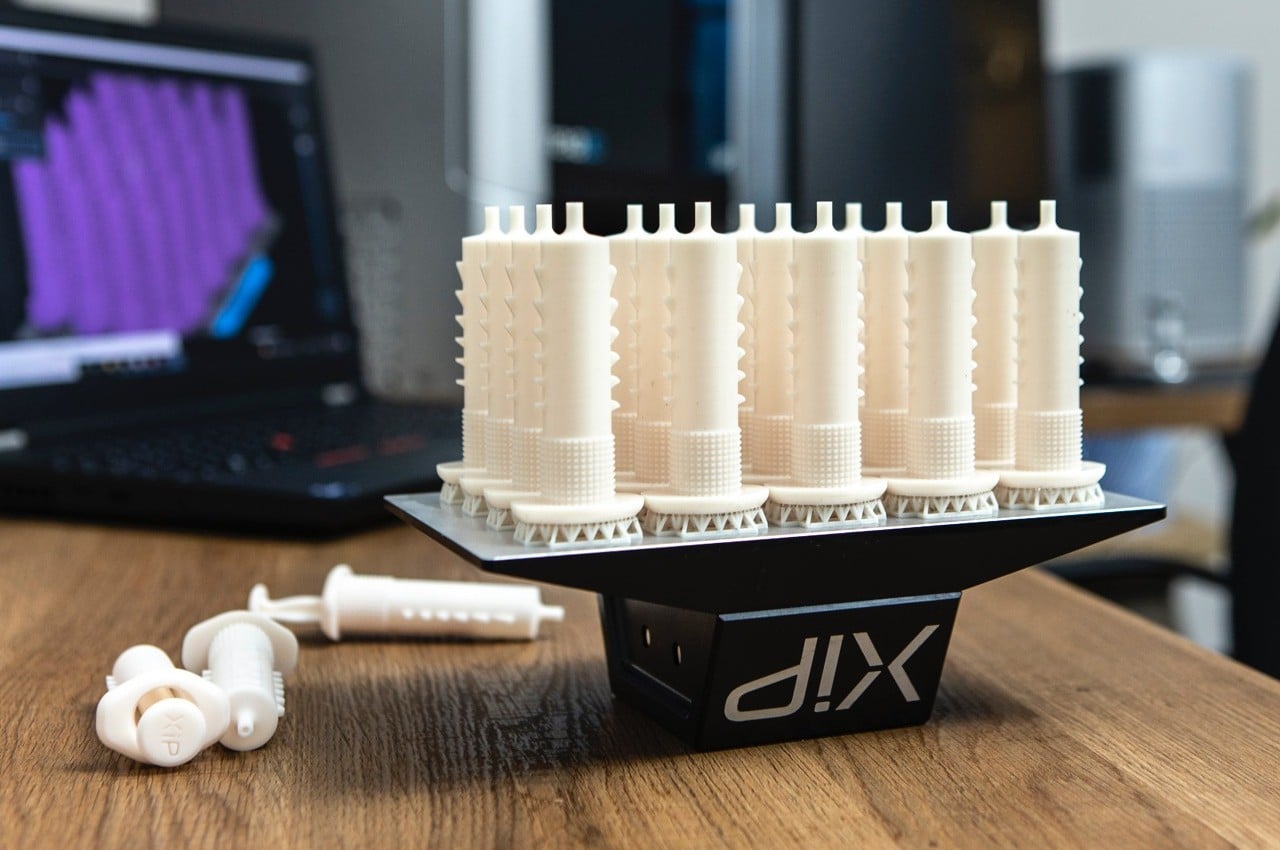
The commonly selected 3D printing technologies include Fused Deposition Modeling (FDM), Stereolithography (SLA), Selective Laser Sintering (SLS), PolyJet, and Direct Metal Laser Sintering (DMLS). XiP is an advanced resin 3D printer by Nexa3D, offering professional-grade printing at speeds 6 times faster than SLA printers and over 10 times faster than filament 3D printers. With a 4.8L build volume and a 9.3″ 4K Monochrome LCD, it delivers crisp details. Its compact desktop design houses industrial LSPc technology, ensuring stability with a billet aluminum enclosure and precision ball screw Z-axis platform. The printer supports a wide range of resins, including proprietary formulations for diverse applications, all dispensed through smart recyclable cartridges.
What are the benefits of 3D Printing?
• Reduces Costs:
3D printing offers significant cost advantages over traditional manufacturing methods due to its automation, resulting in reduced labor expenses. Moreover, its minimal waste production leads to lower material costs.
• Produces Complex Designs
3D printing exceeds the design constraints of traditional manufacturing, enabling the creation of intricate designs, including square or circular punctures or abstract designs with fewer restrictions.
• Promotes Internal Manufacturing
3D printers enable rapid prototyping, eliminating the need for outsourcing. This accelerates the design and production of new products, enhancing overall efficiency.
• Rapid Prototyping
3D printing enables the production of designs that were previously impossible with conventional manufacturing methods. By transforming digital files into physical parts within hours, this technology allows companies to adopt an on-demand manufacturing model for parts. 3D printing offers a comprehensive solution, facilitating prototyping, and short-run production, thereby transforming every aspect of businesses.
• Minimizes Waste
Traditional manufacturing generates substantial material waste due to inefficiencies while additive manufacturing minimizes waste by precisely utilizing materials, only using what’s necessary for each product or part. This is a great way to reduce material costs and improve environmental sustainability for companies.
• Manufactures Diverse Products
Industries across the board are leveraging 3D printing for a diverse range of products. From consumer goods like eyewear and furniture to industrial tools and automotive parts, technology is reshaping manufacturing. It’s also vital in healthcare for prosthetics and orthotics alongside architectural models. Additionally, the film industry benefits from 3D printing for creating intricate props.
Top 10 Examples of 3D Printing in Product Design
Here are Top Ten examples of how 3D printing is used in product design across various product types:
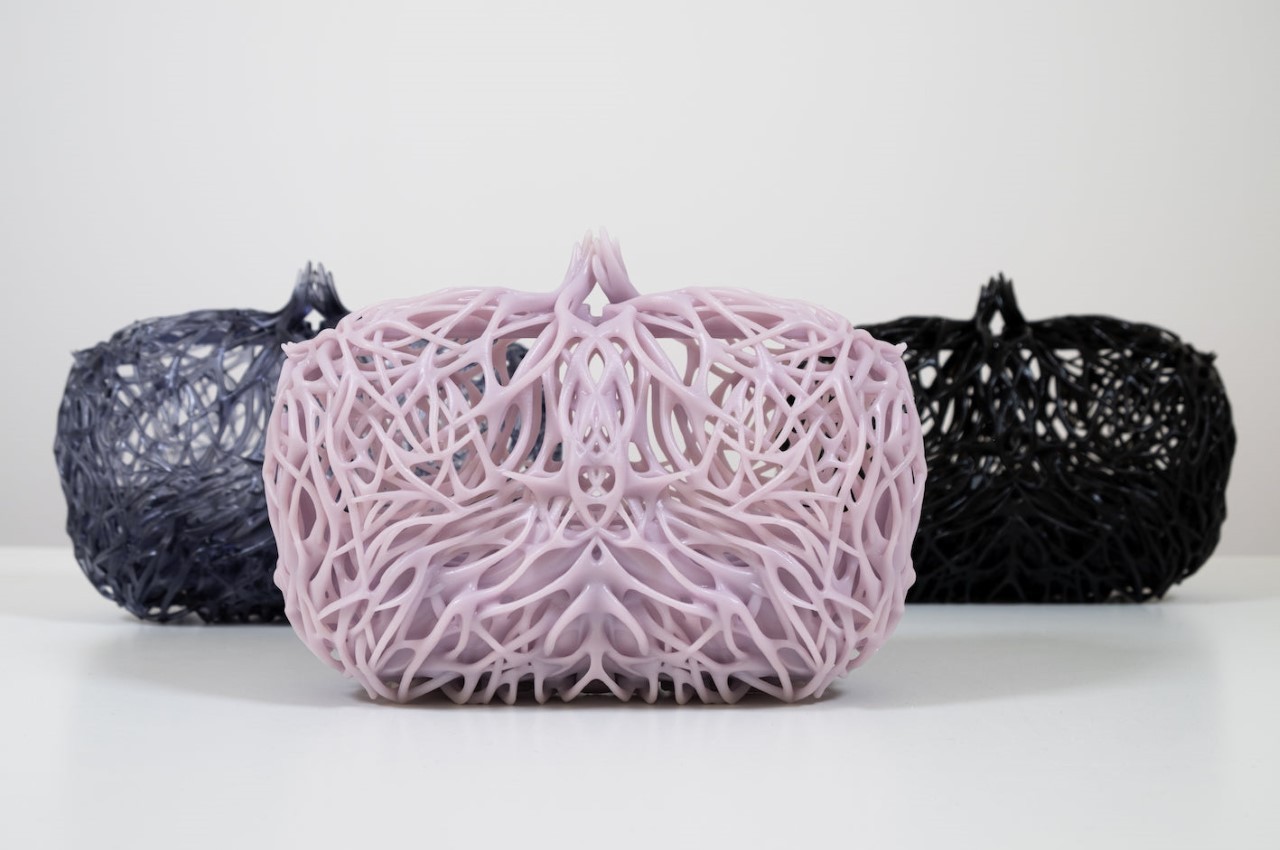
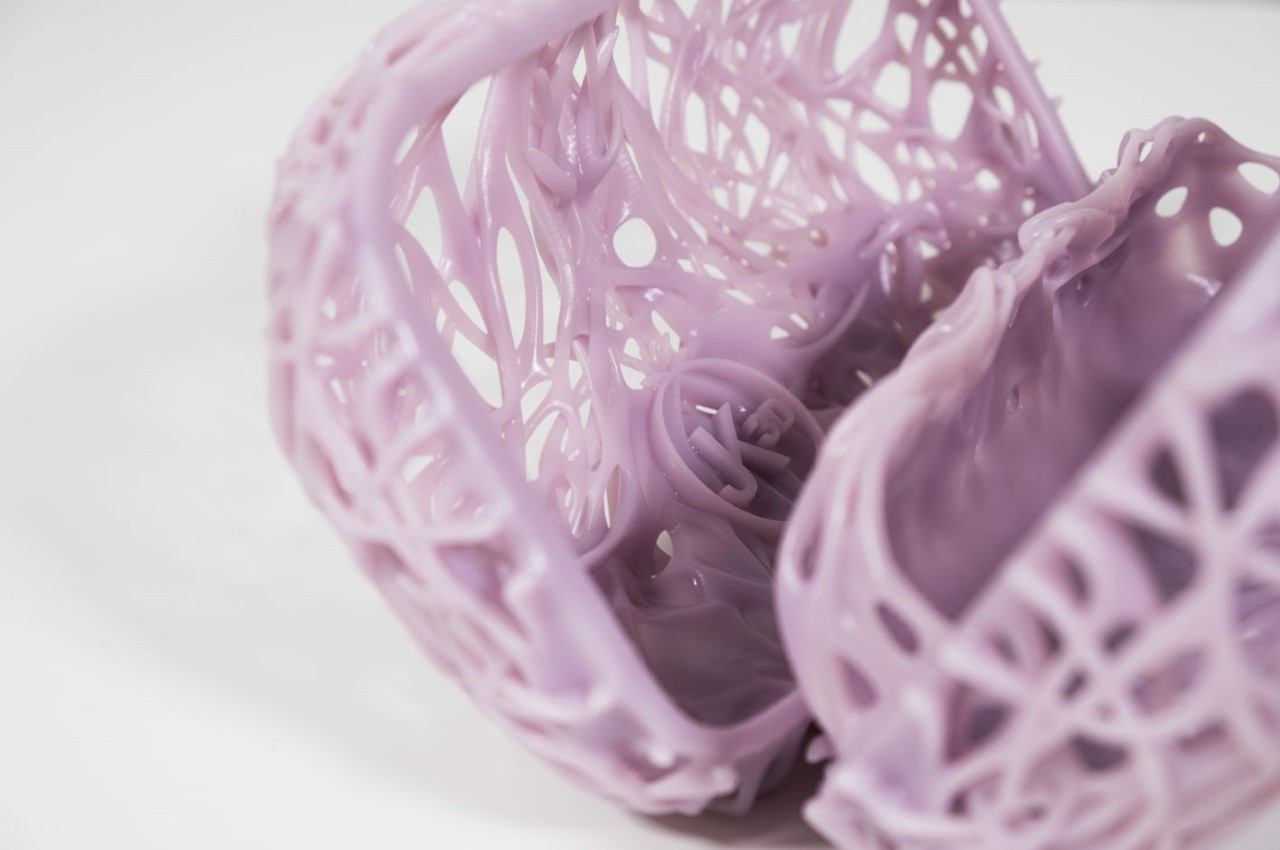
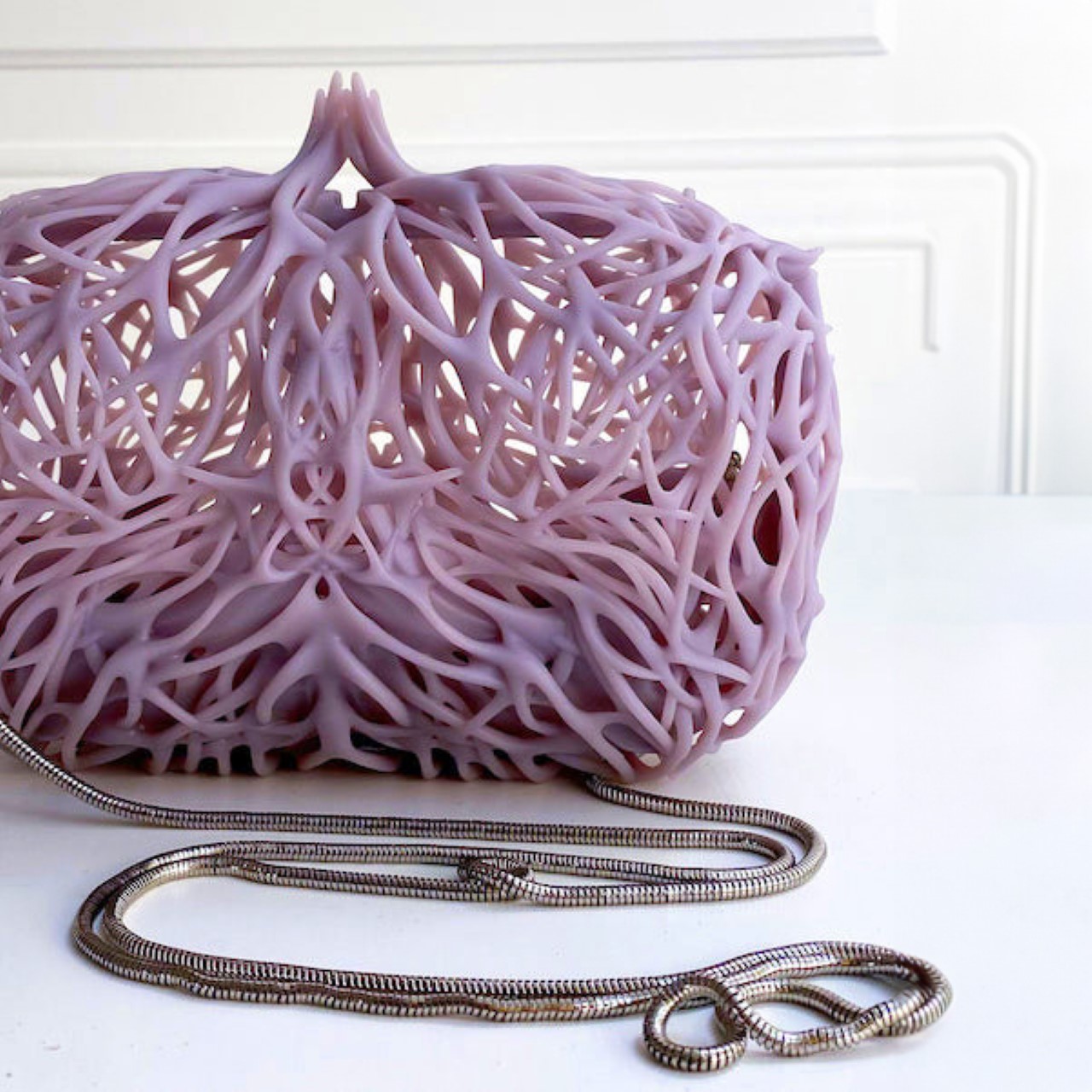
Acclaimed Australian designer Julia Koerner merges nature and computer algorithms with 3D printing and innovative resin-based techniques to create her award-winning handbag collection, resulting in visually lightweight yet rigid designs with a distinctive skeletal aesthetic. Inspired by the organic shapes of dried kelp found along the Pacific coastline, Koerner’s KELP MINI handbag seamlessly blends artistry with functionality. Each meticulously crafted handbag is created with sustainable plant-based materials and solar-powered manufacturing, offering clever design elements like hinged bases and snap closures, making them ideal for storing essentials with style and efficiency.
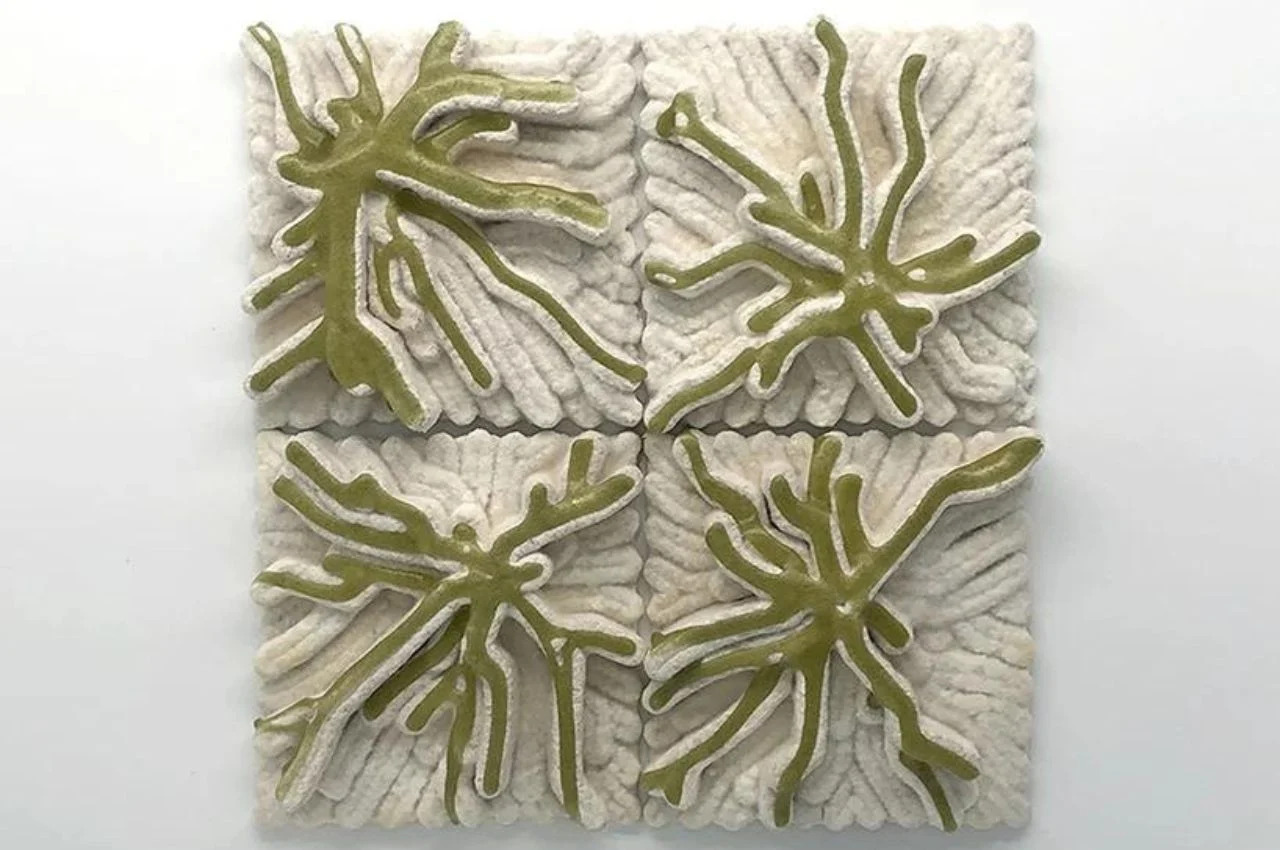
MYCO-ALGA presents a groundbreaking interior tiling solution that transforms bathroom aesthetics. These 3D-printed tiles are crafted from repurposed natural waste and living organisms, featuring captivating designs inspired by organic forms. Sustainable at every stage, MYCO-ALGA tiles undergo a precise process encompassing digital design, 3D printing, organism cultivation, and bio-pigment enrichment. As a result, the outcome is eye-catching tiles with unique, non-repeating patterns resembling crawling organisms, that offer both lightweight durability and visual allure that effortlessly merge style with sustainability.
Barcelona-based company introduces Pure Plants, 3D-printed sculptures doubling as air purifiers. Utilizing Pure.Tech technology efficiently absorbs and neutralizes indoor pollutants like carbon dioxide and nitrogen oxide. Mimicking plant structures with geometric patterns, these sculptures enhance decor while promoting healthier indoor air quality. Crafted from sustainable Pure.Tech biomaterial and PLA bioplastic derived from corn dextrose integrate aesthetics with eco-consciousness.
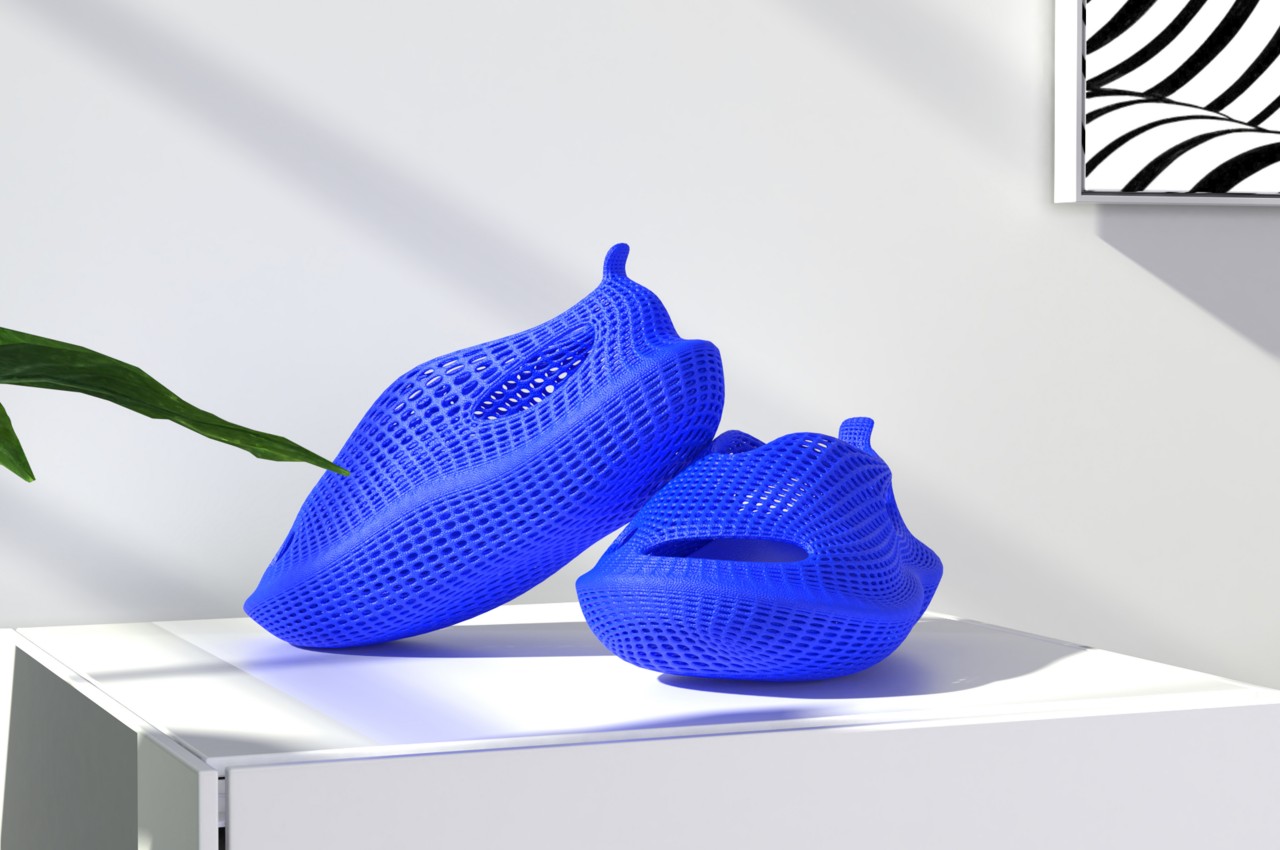
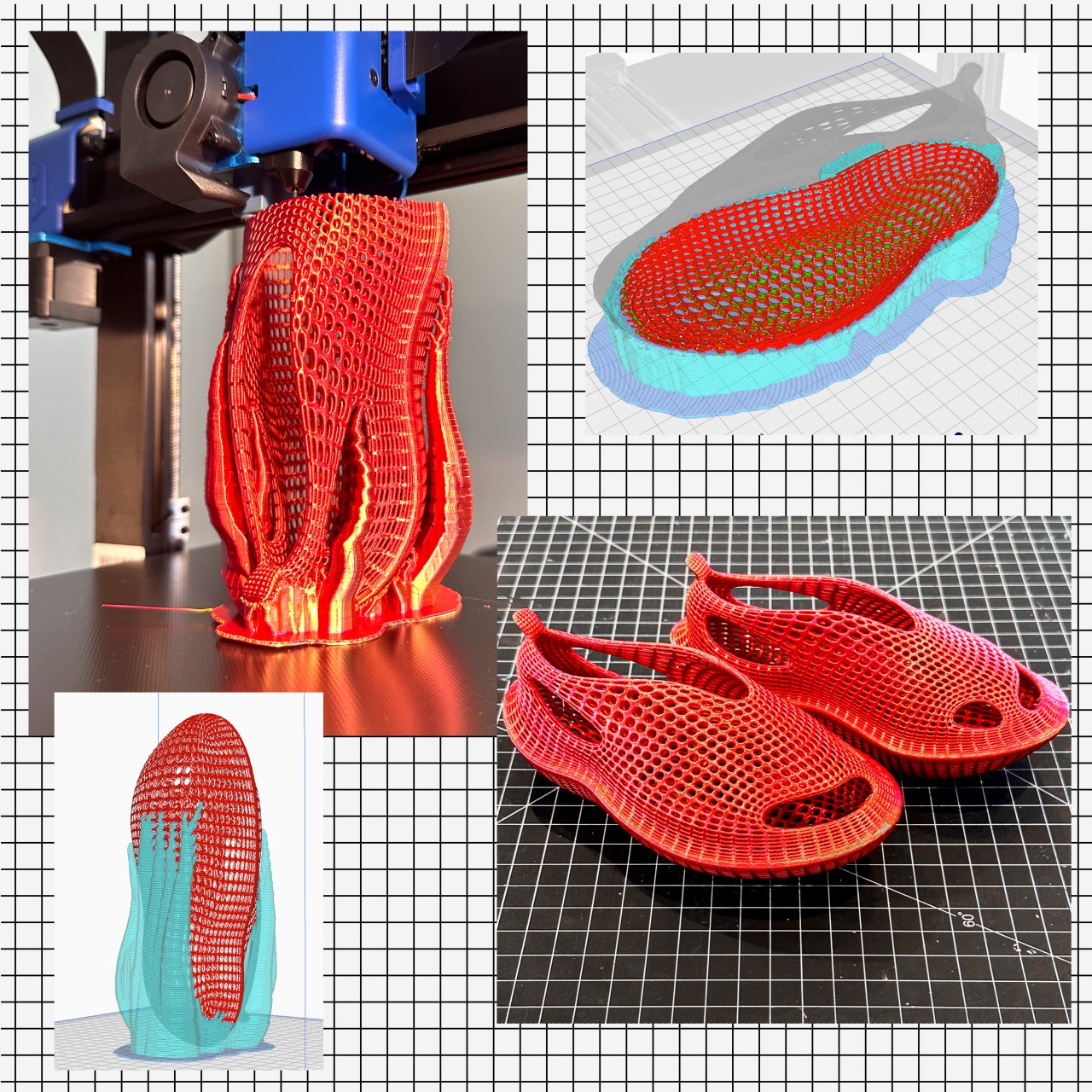
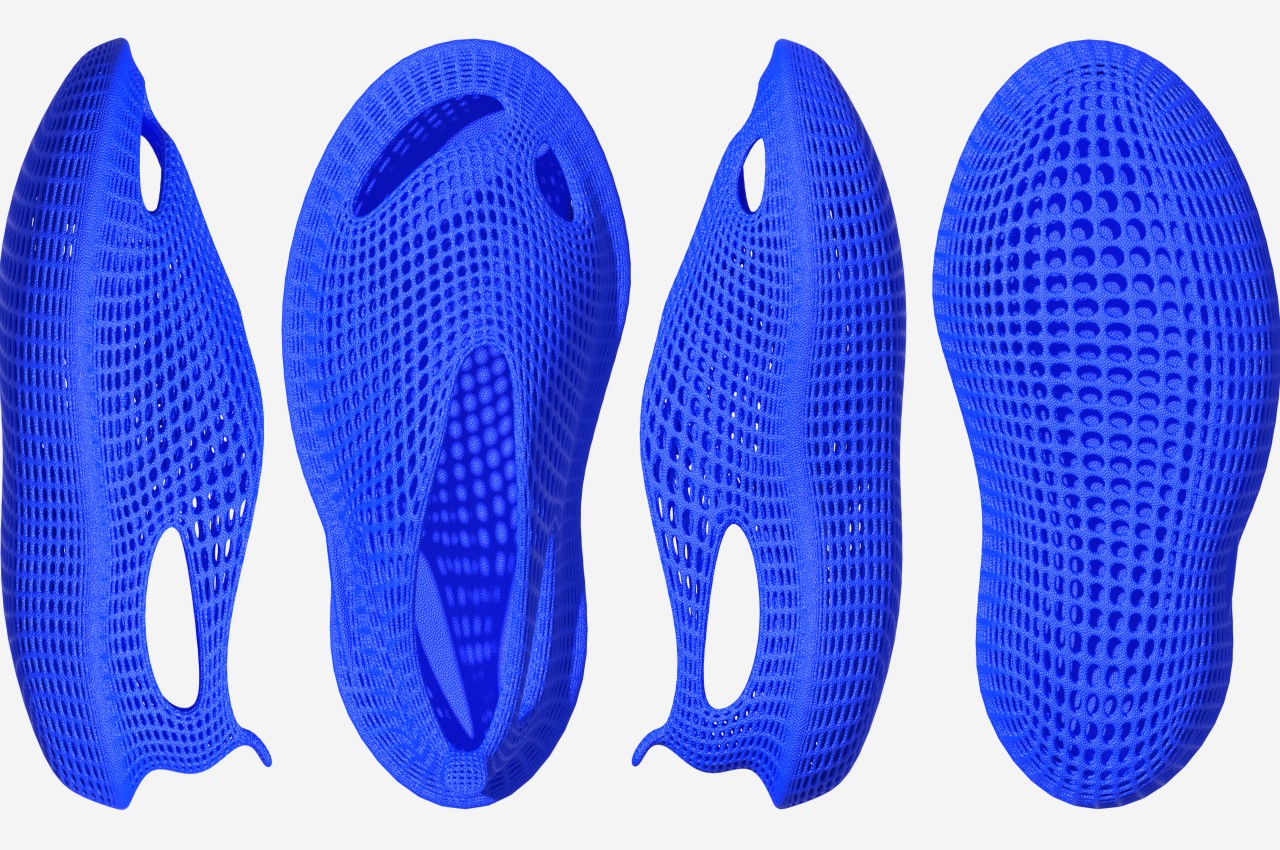
EXPLR 02 is a futuristic 3D-printed shoe blending wireframe-inspired aesthetics with organic elements. Crafted with advanced techniques, it epitomizes modern manufacturing’s versatility. While challenging footwear norms, questions linger about real-world durability. Yet, EXPLR 02 signifies a leap in innovative, personalized shoe designs, shaping the evolution of 3D-printed footwear.
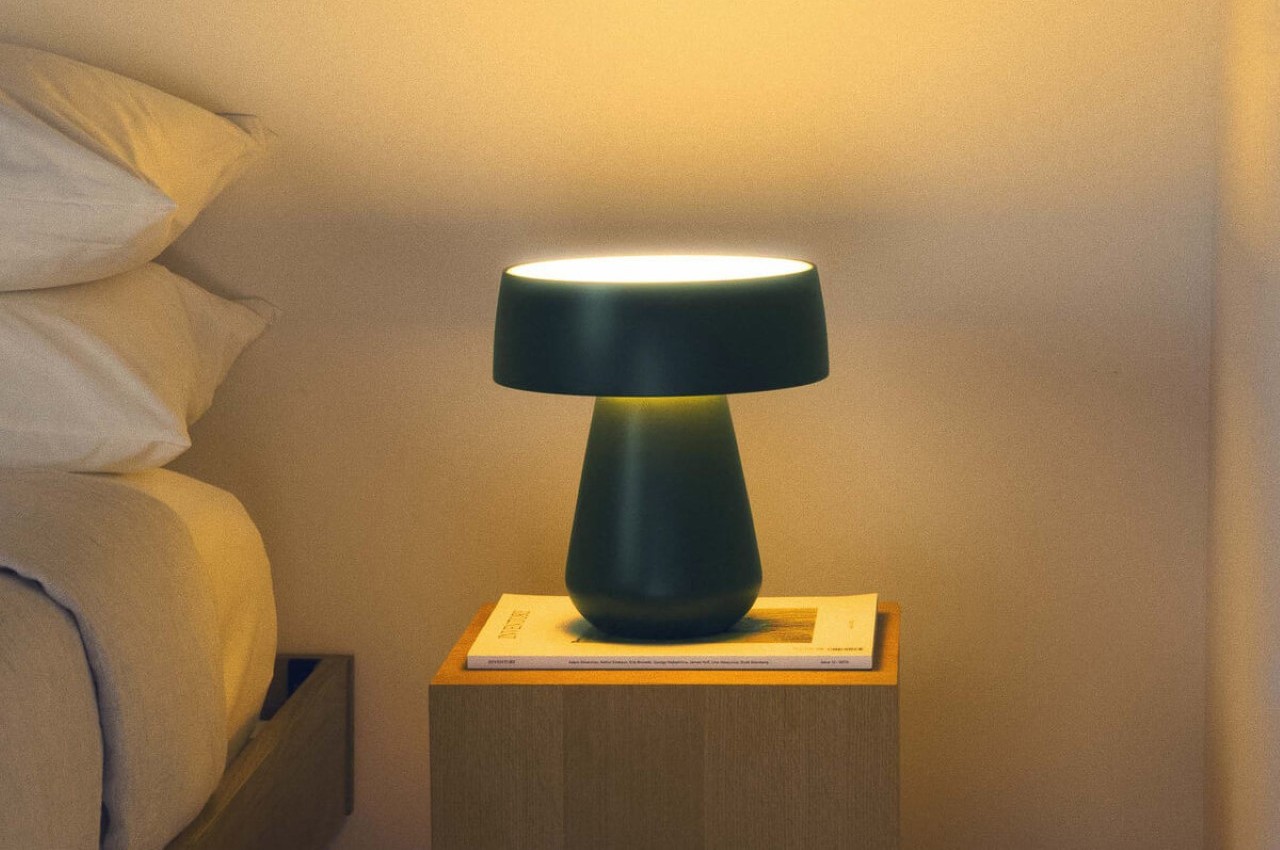
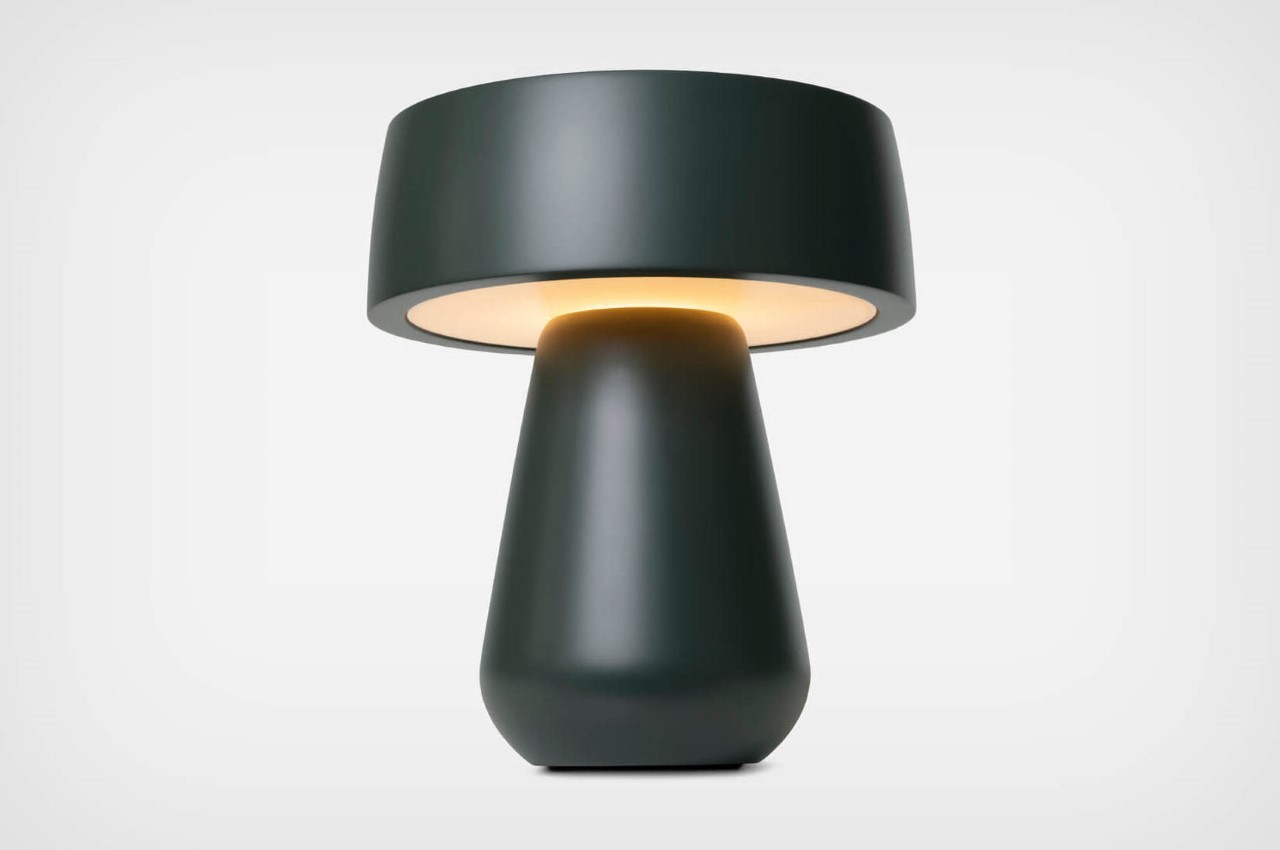
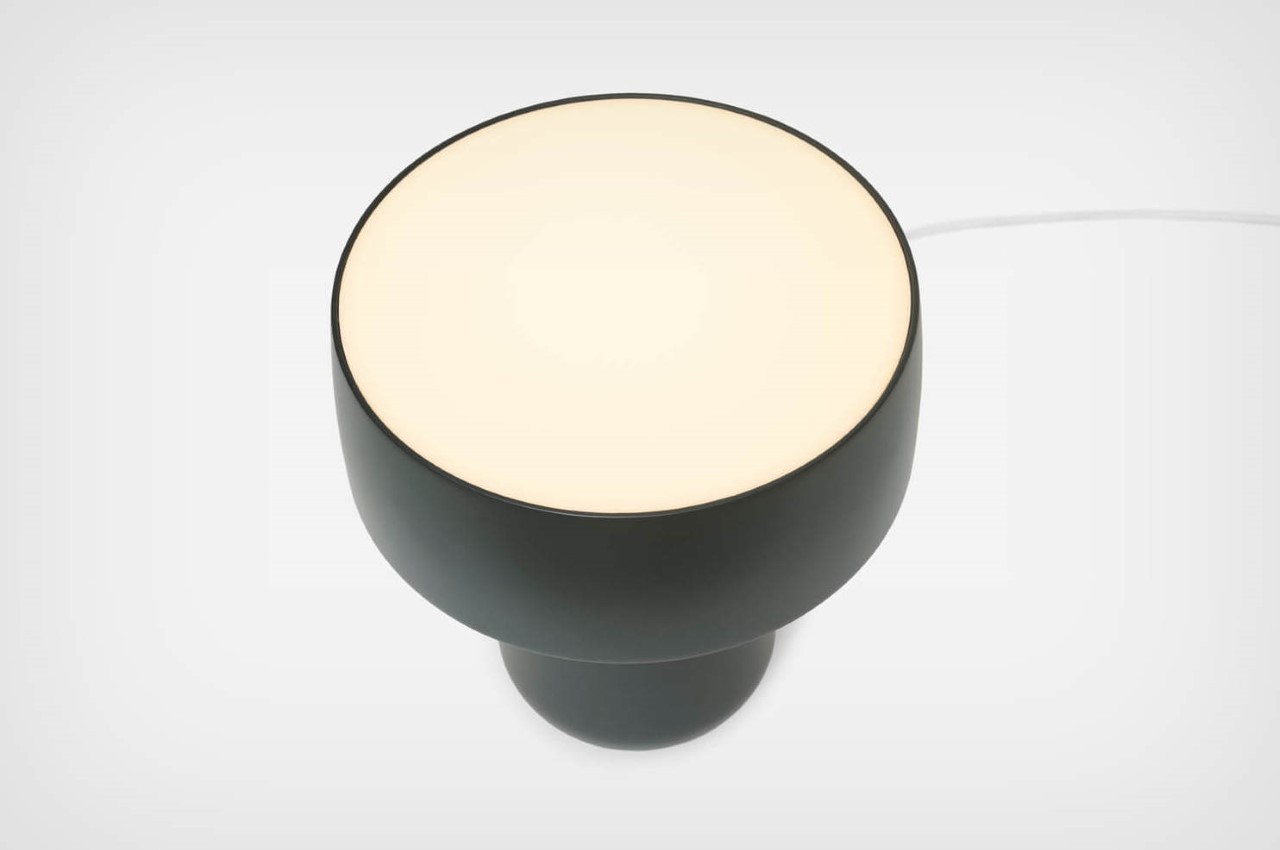
The 3D-printed Hula table lamp, envisioned by Felix Pöttinger, ingeniously merges direct and indirect lighting to efficiently illuminate spaces, tackling urban living challenges by minimizing glare. Its ring-shaped shade, reminiscent of a hula hoop, is available in Snow, Forest, and Blossom Pink, adding a distinct flair to any setting.
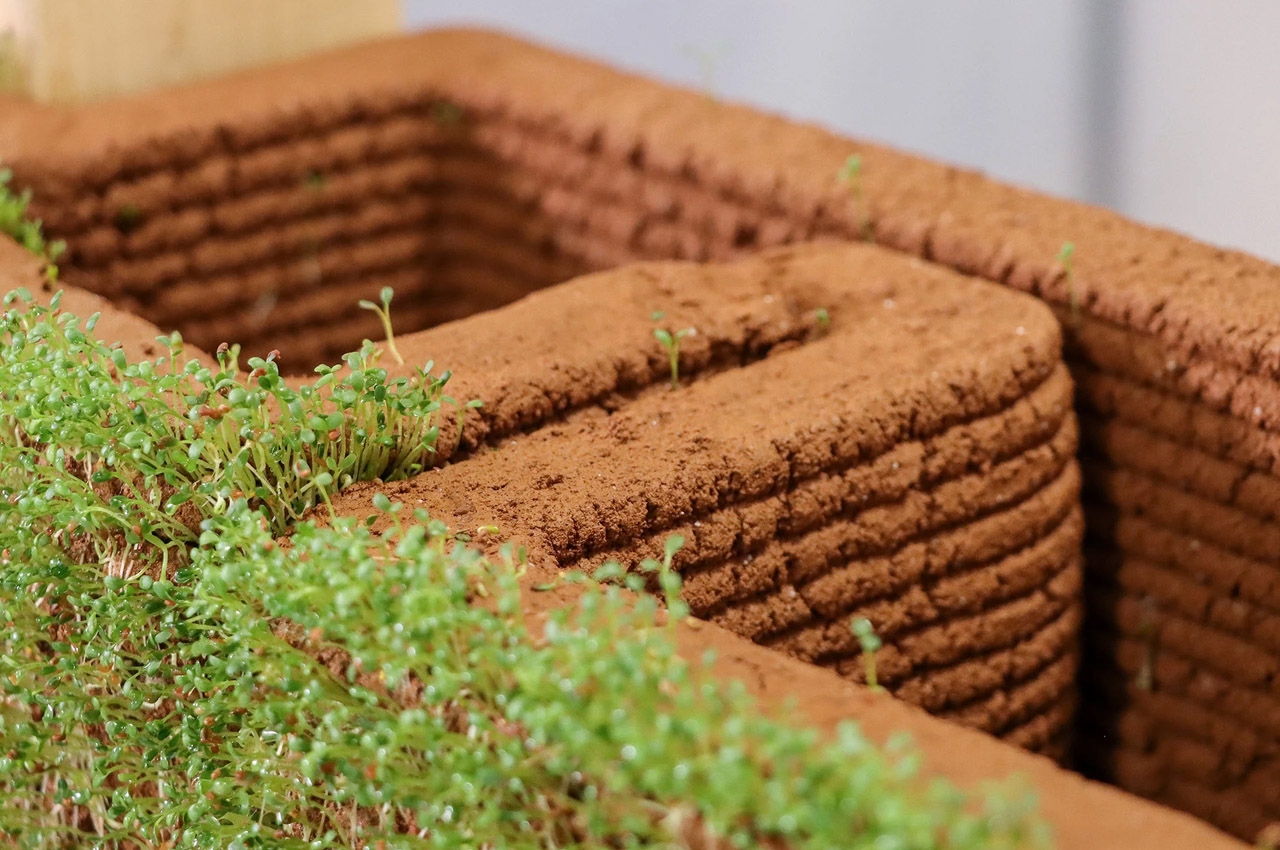
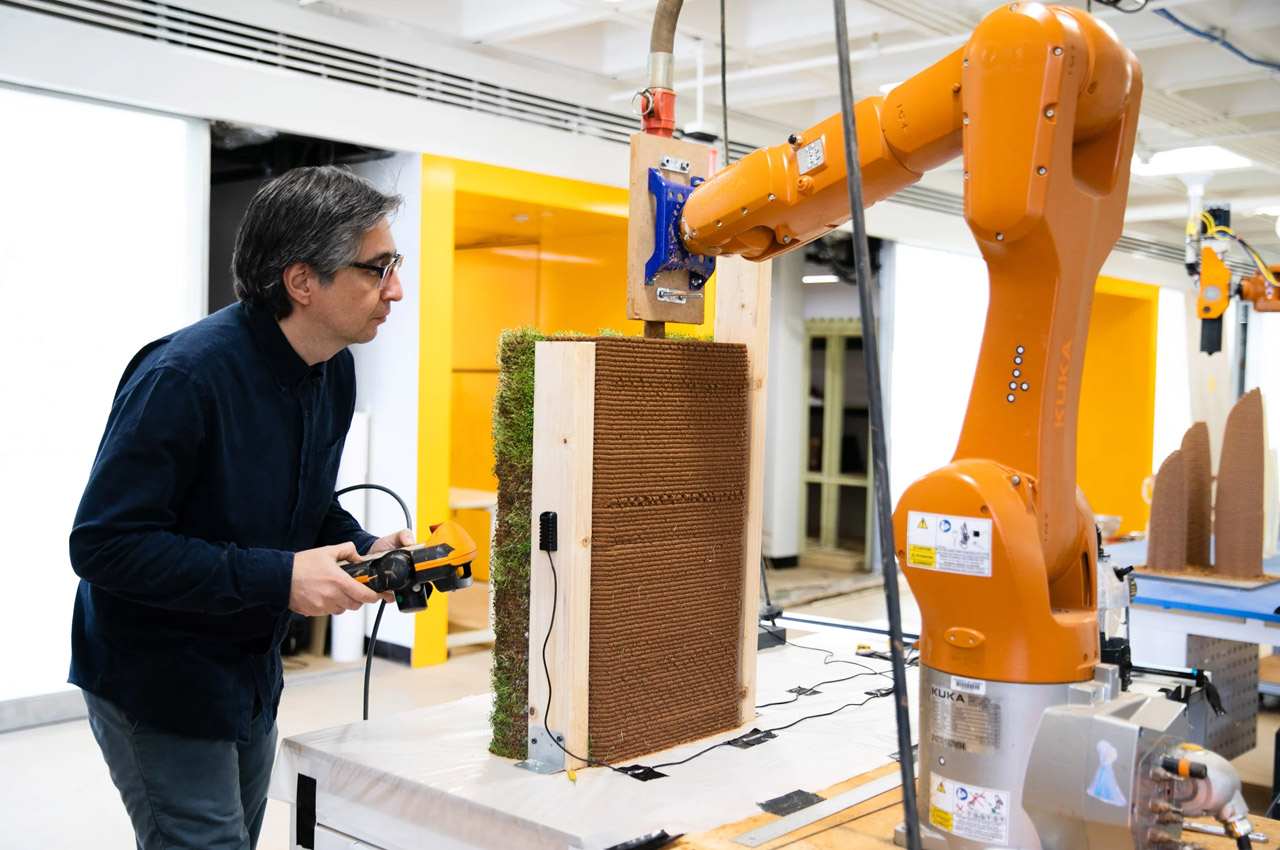
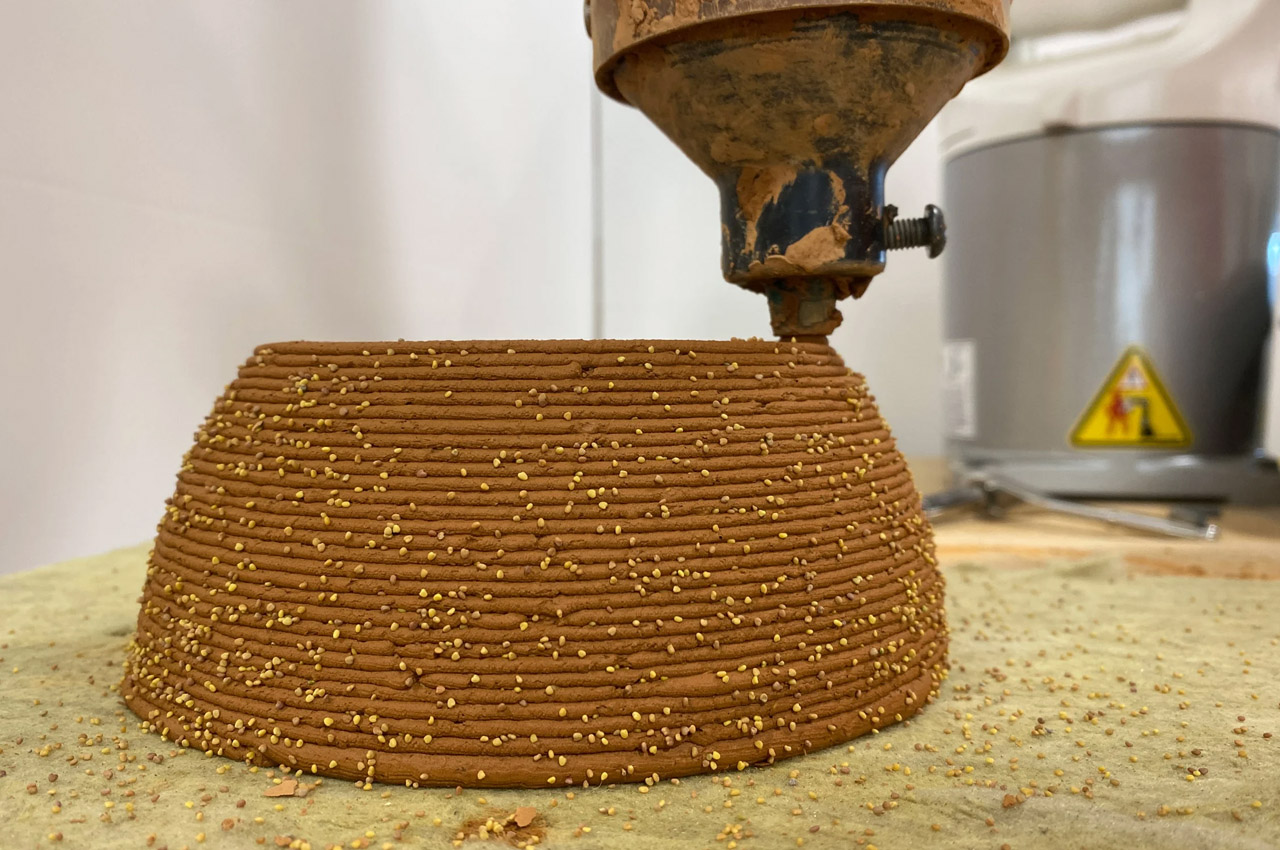
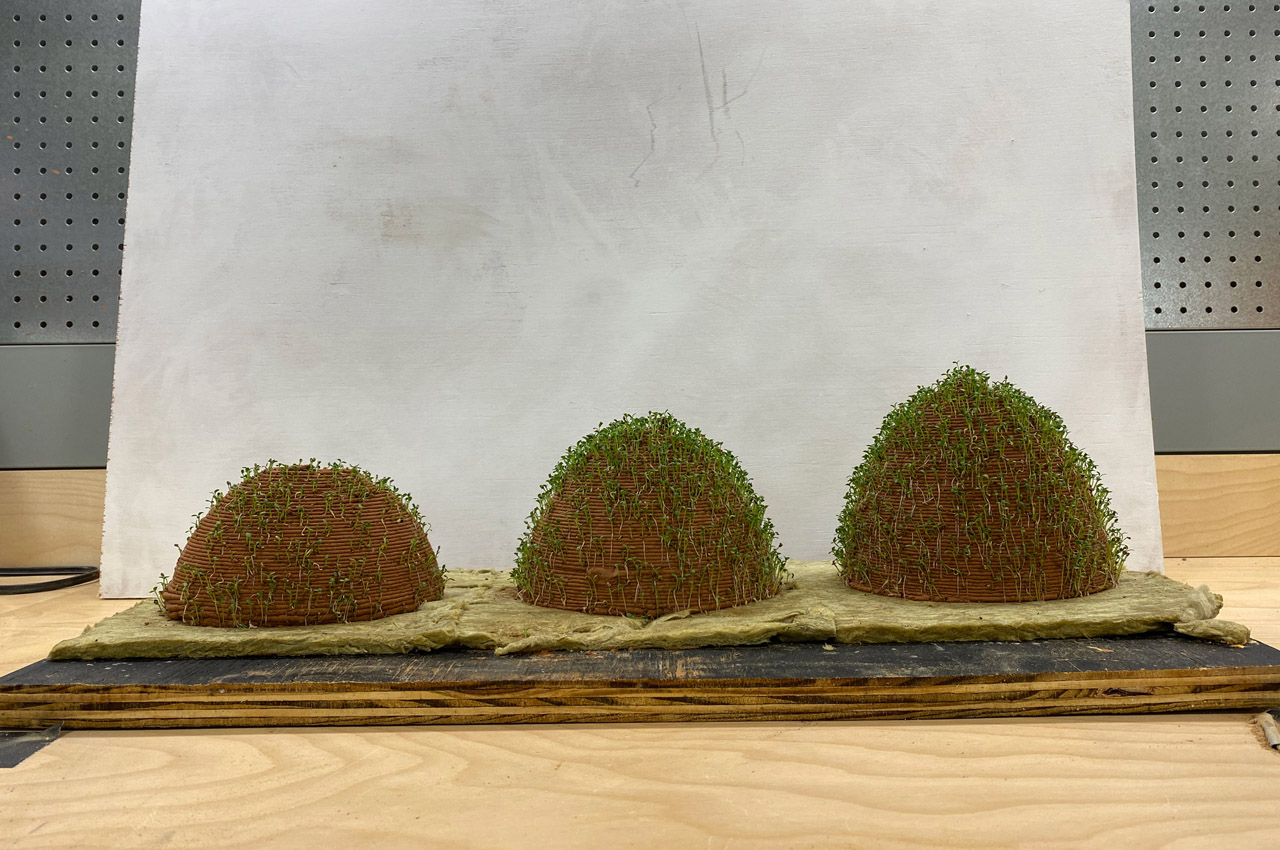
The University of Virginia research team has developed an innovative 3D printing method using soil infused with seeds to create plant-covered structures like walls and roofs. The team’s eco-friendly approach integrates greenery into architecture, providing natural insulation, flood prevention, and green spaces. By minimizing materials and utilizing locally sourced resources, their process reduces emissions and waste. With plans to expand their prototypes and improve their soil ink formula, the team aims to contribute to carbon-neutral construction.
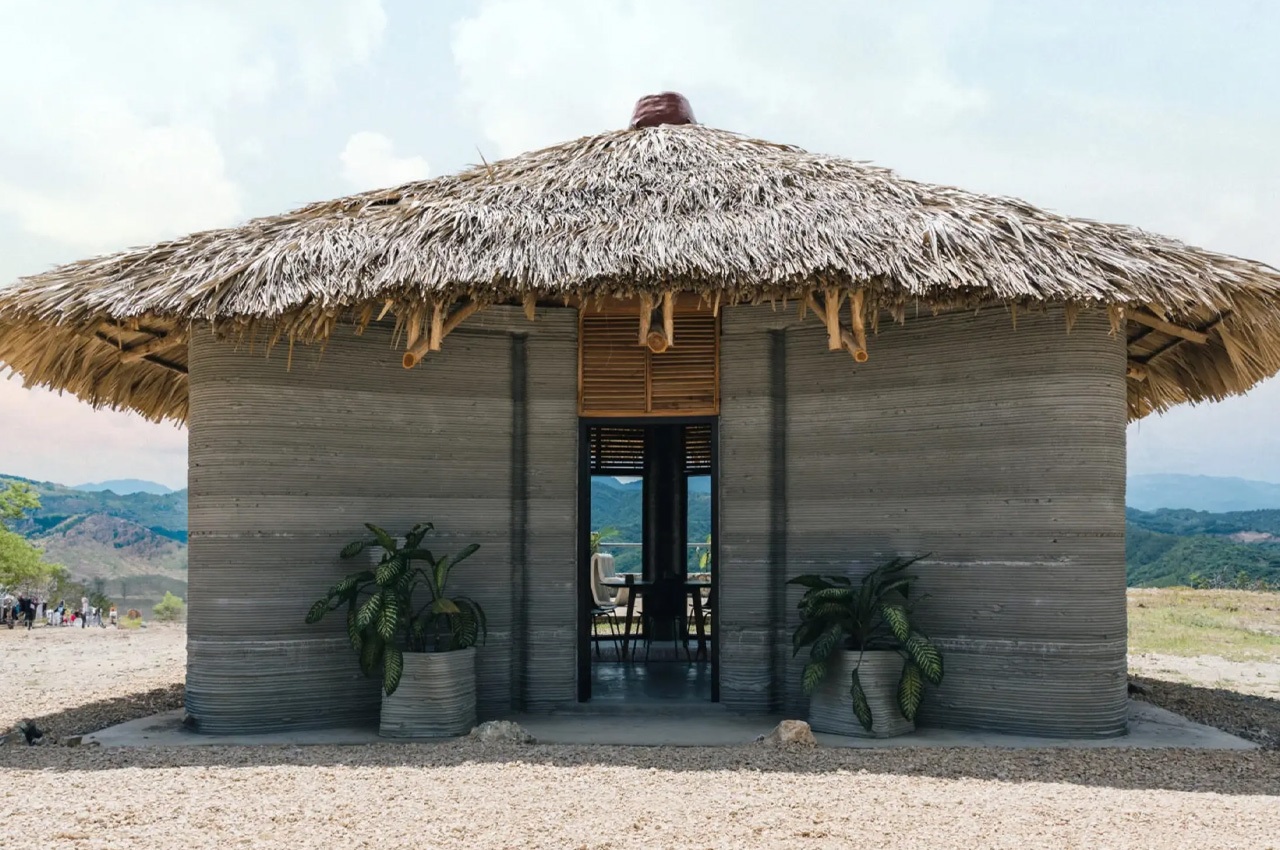
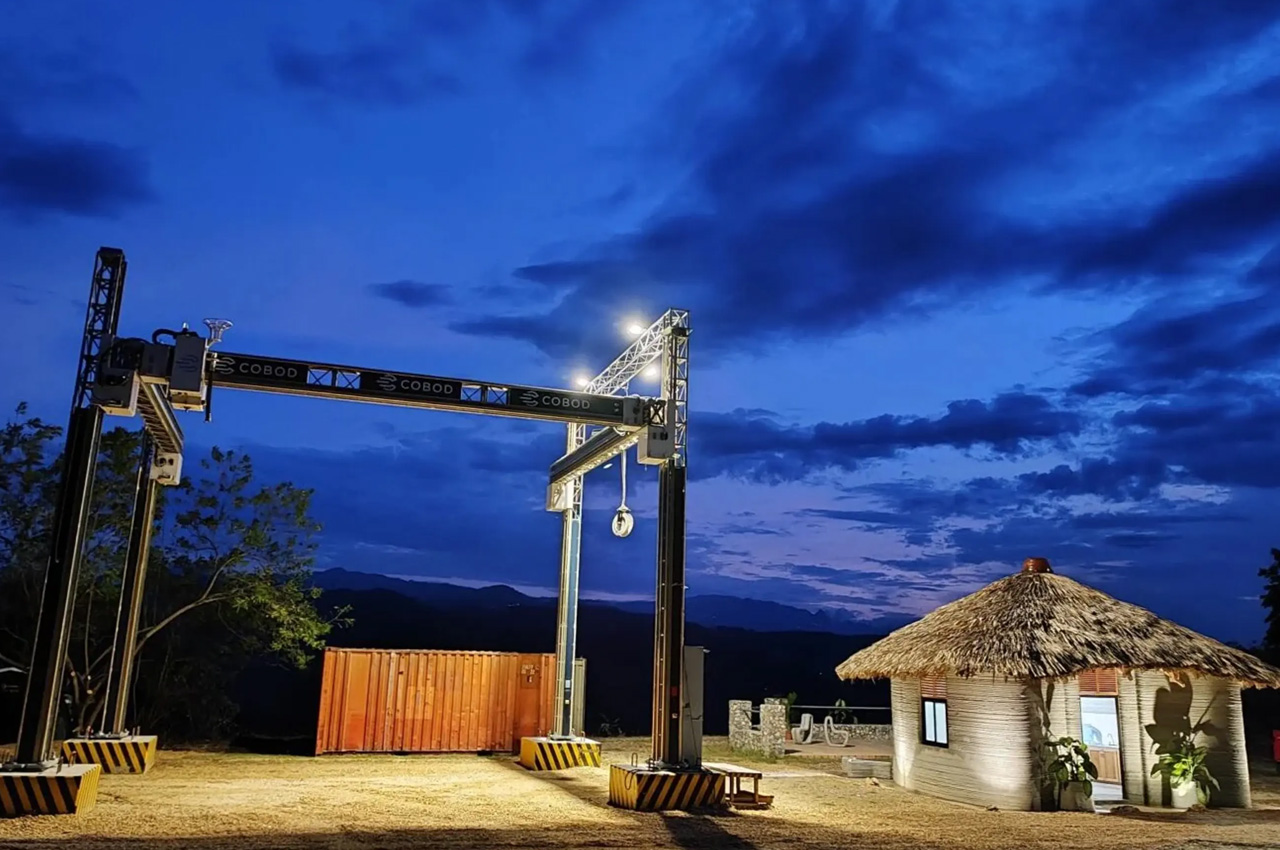
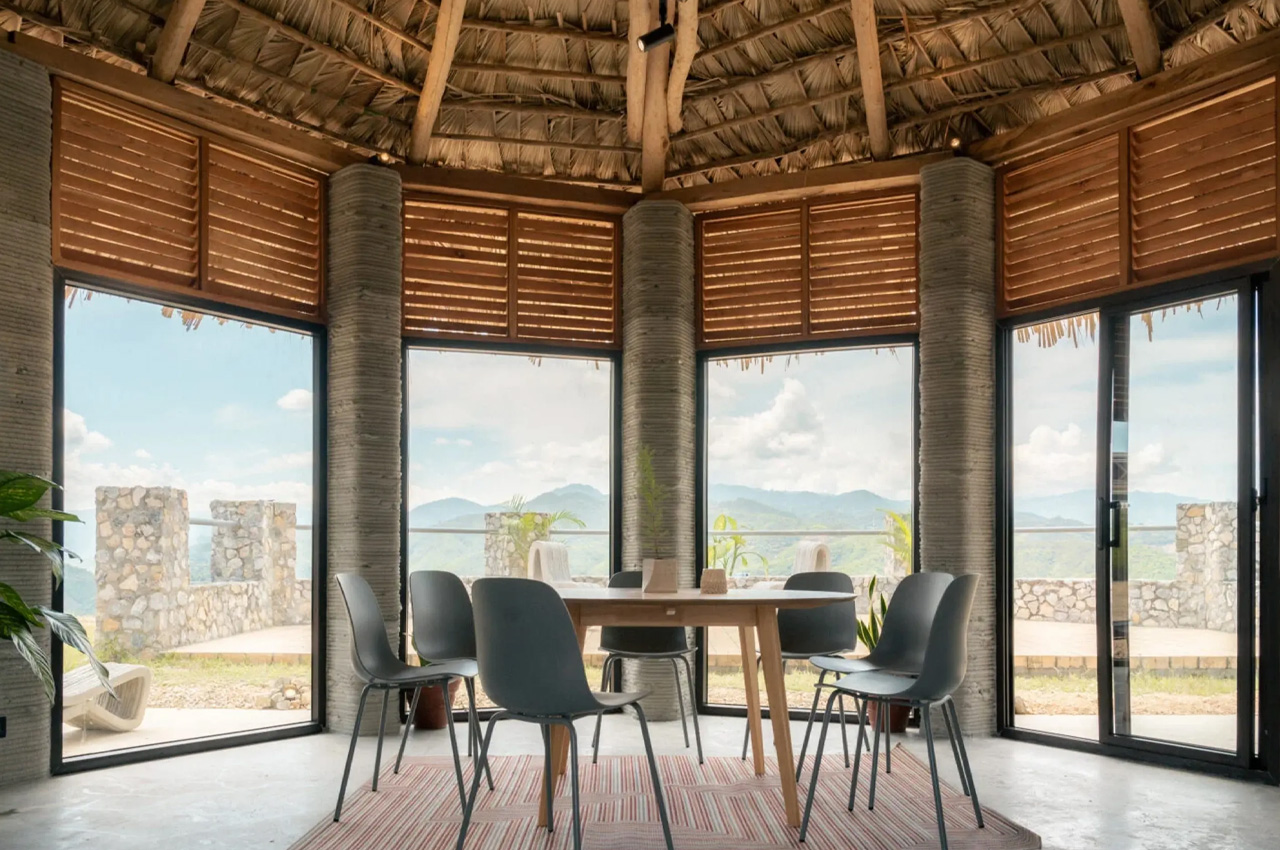
Architecture is no exception in the age of ubiquitous 3D printing, with many firms favoring this method for building structures. Cement company Progreso recently collaborated with COBOD to construct Guatemala’s first 3D-printed building to withstand seismic activity. This compact home, completed in just over 24 hours, merges modern construction techniques with traditional craftsmanship, featuring organic-shaped walls and a traditional palm leaf roof. With a footprint of 527 square feet, the structure operates as a fully functional living space capable of withstanding extreme seismic events.
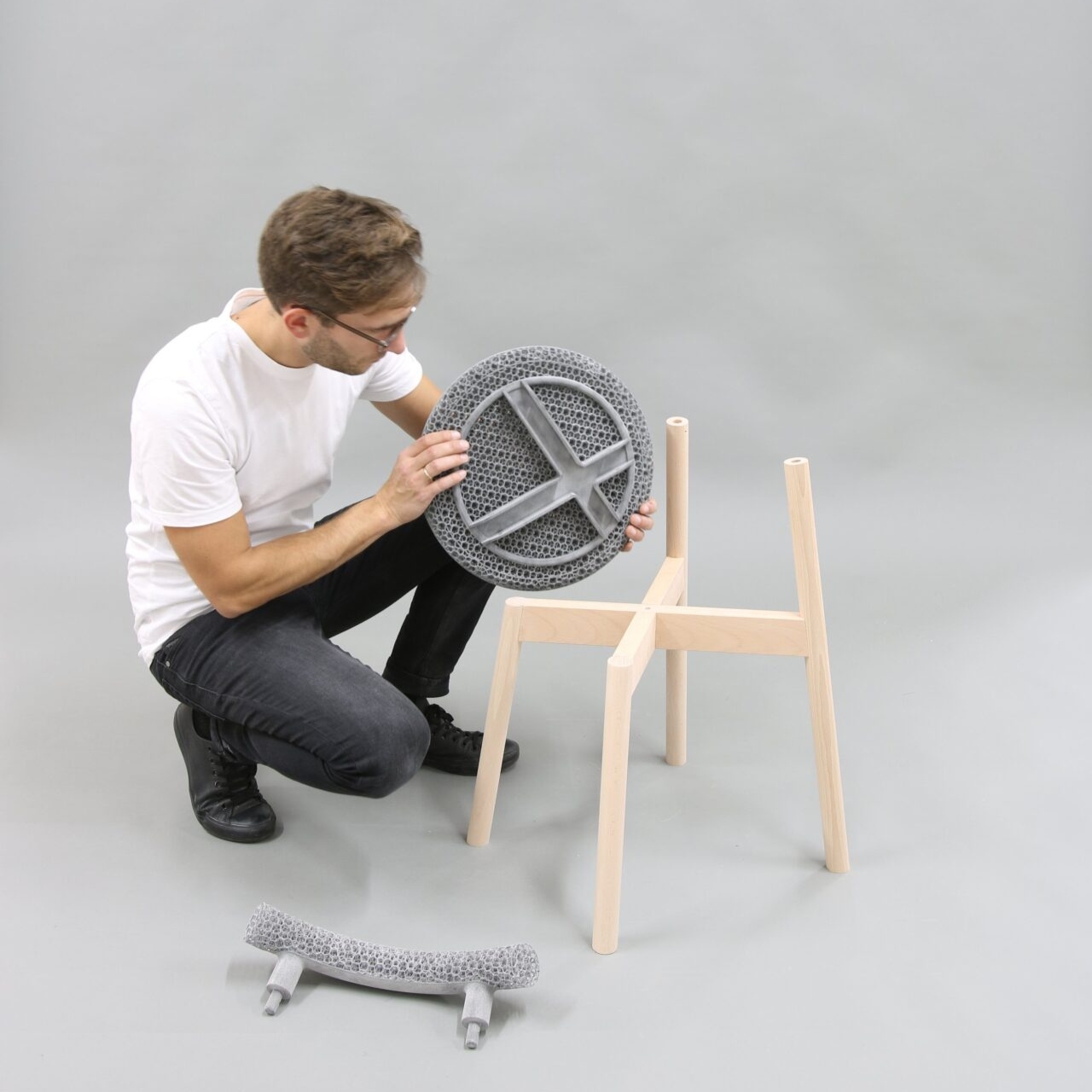
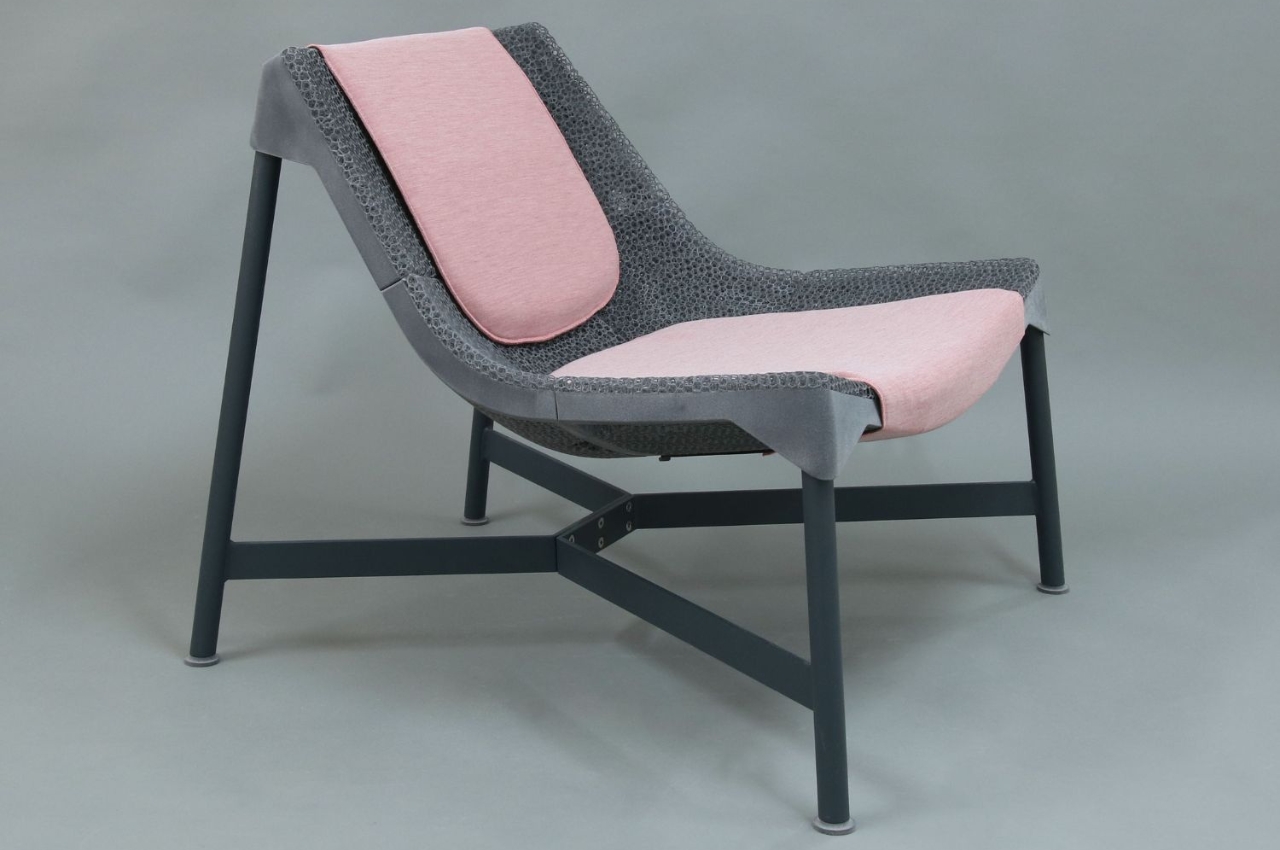
Oeschler’s new manufacturing technique, demonstrated in Johannes Steinbauer’s Office for Design’s 3D-printed seats, eliminates traditional materials while maintaining comfort and functionality. 3D printing is reshaping furniture design and manufacturing, introducing innovation in sustainability and functionality. With a simple yet versatile design, these chairs offer easy assembly and recyclability, signaling a promising future for 3D-printed furniture in the industry.
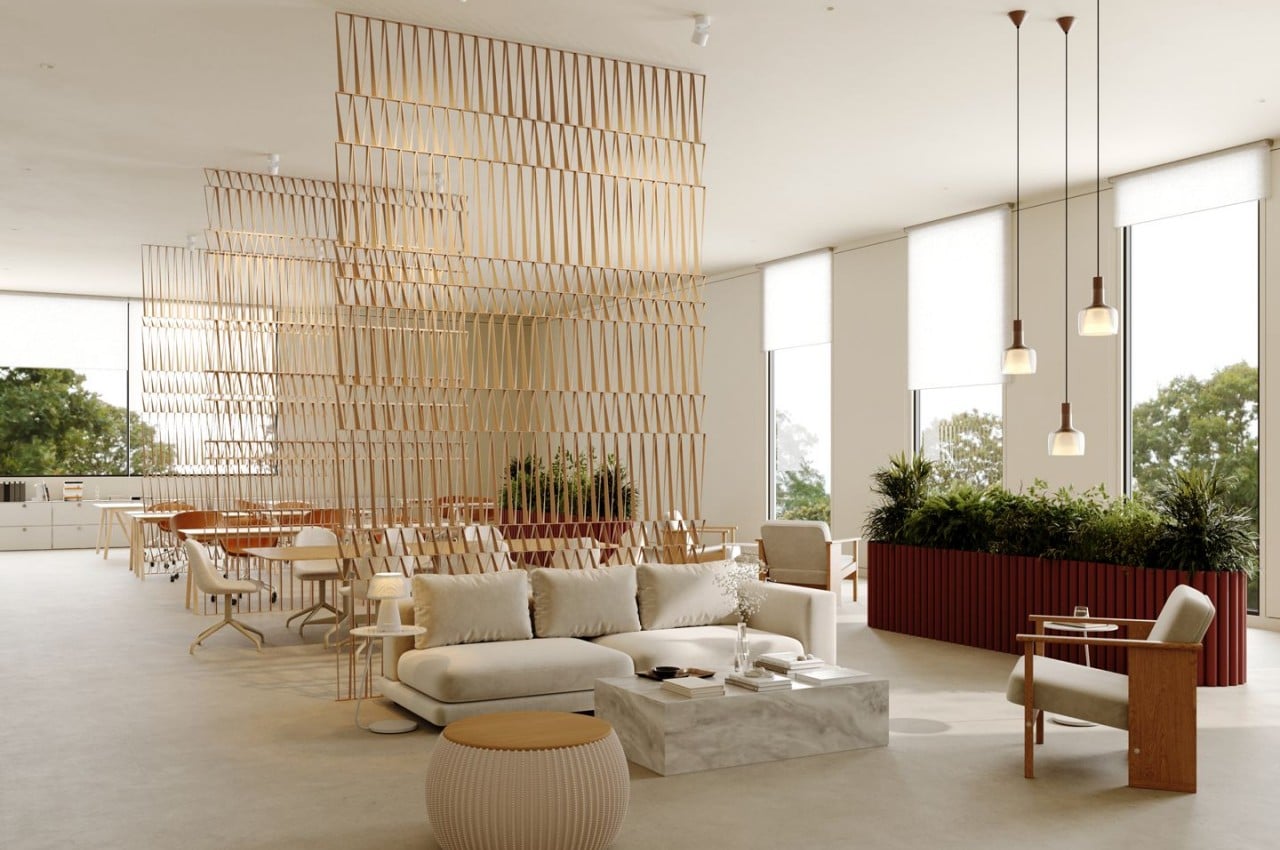
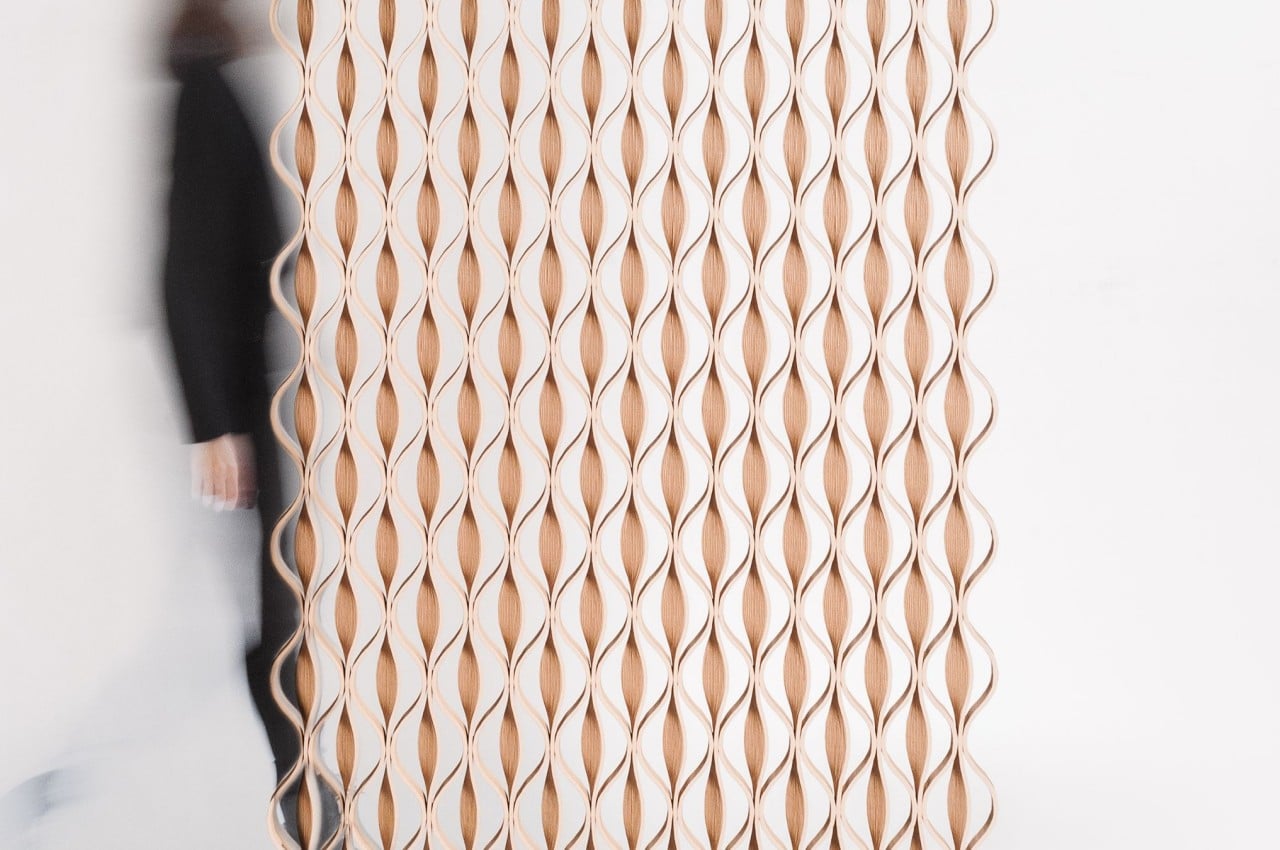
Wood is a preferred choice for its eco-friendliness, yet shaping and recycling pose challenges. Enter 3D-printed wooden partition screens and window coverings, offering a breakthrough solution. While 3D printing democratizes design, it also increases material waste, prompting a search for sustainable options. Crafted from wood waste and fortified with natural elements, this innovative material resembles wood in appearance, texture, and scent. Moreover, its circular lifecycle allows for recycling into new forms, minimizing waste. Despite potential production cost concerns, its promise for intricate designs and sustainability makes it attractive for environmentally conscious designers.
10. Homeware
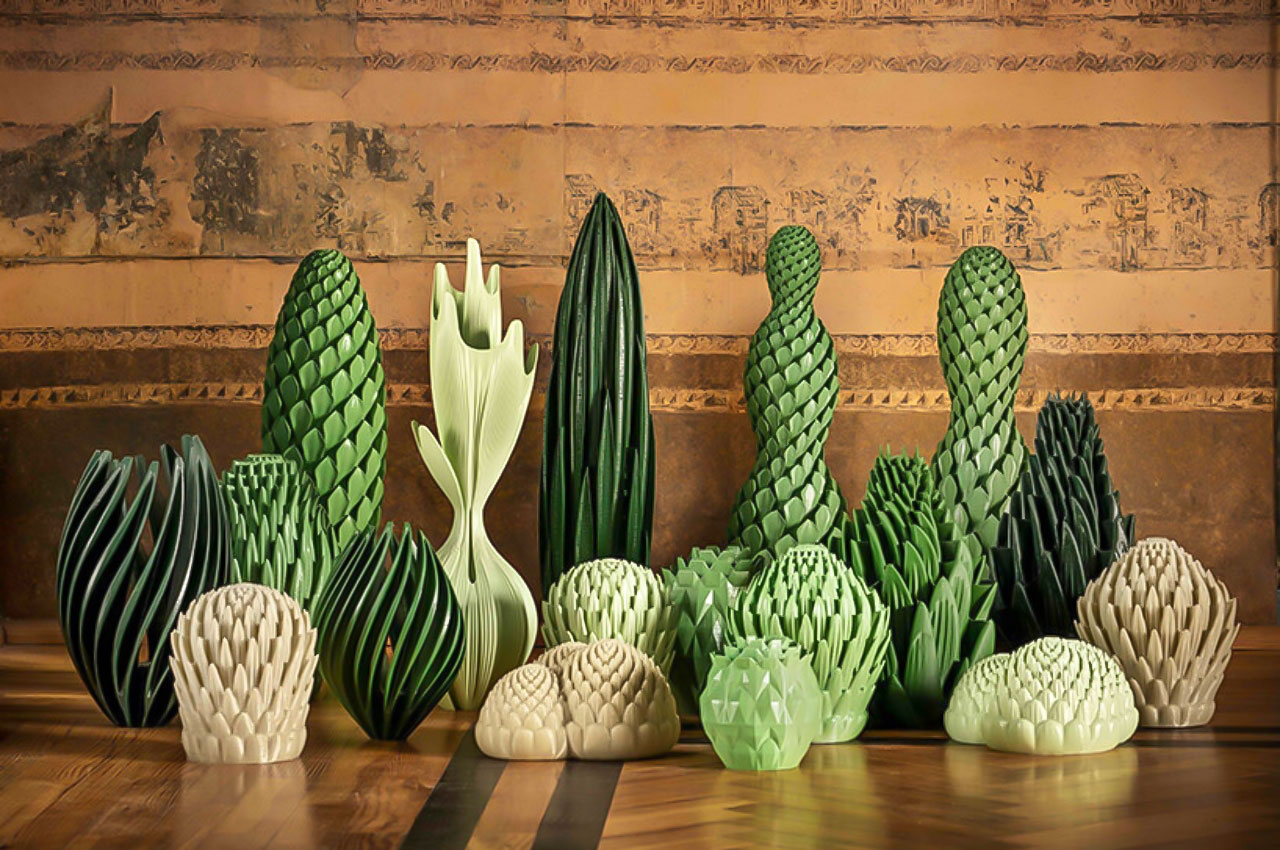
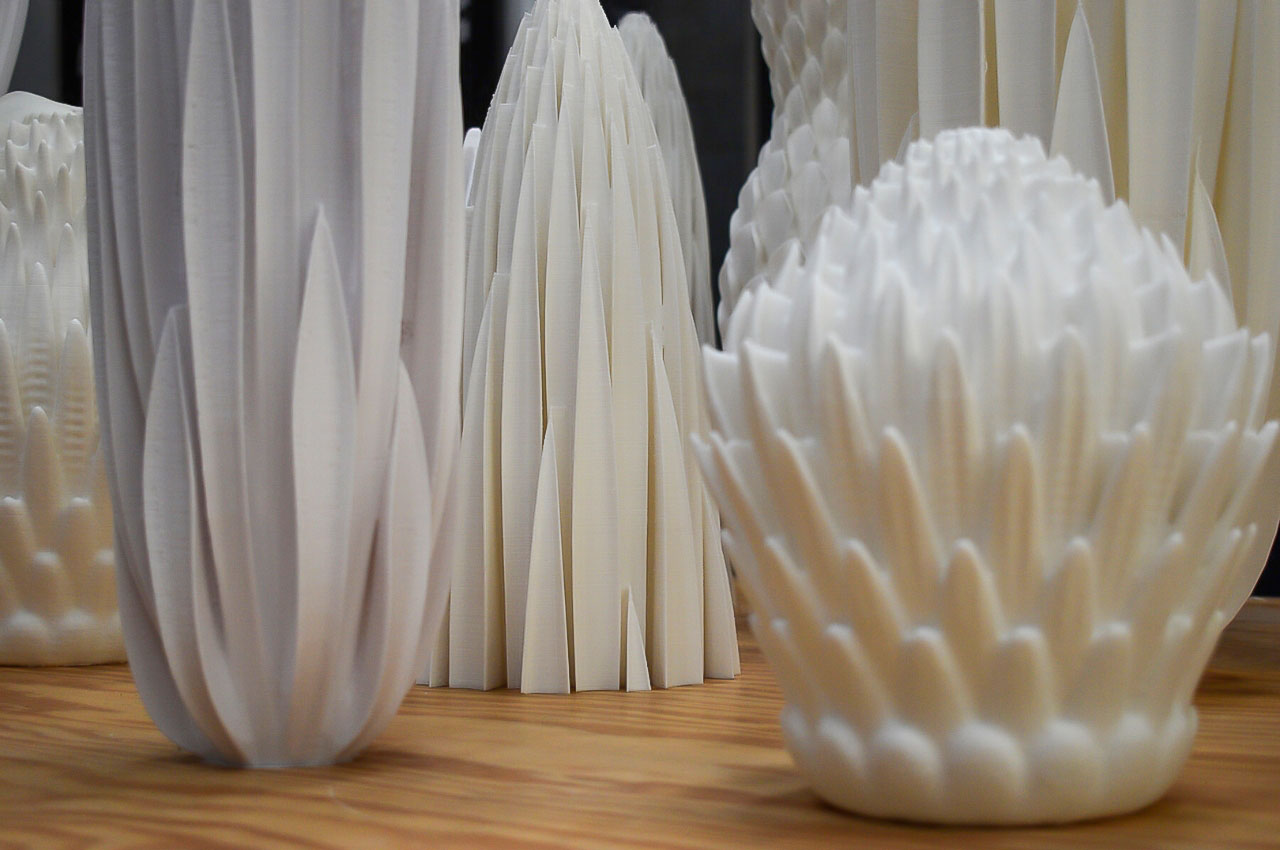
Crafted by Vienna-based designer Nicolas Gold, renowned for his expertise in “Tiny Furniture,” this collection employs 3D printing. The range comprises vases, bowls, planters, and lighting, all crafted from lightweight, recyclable bioplastic sourced from corn. This blend of architectural precision and modern technology results in sophisticated homeware where design, architecture, and 3D printing harmonize seamlessly. The Tiny Architecture collection showcases intricate patterns such as the asymmetrical Bloz and fabric-like Fald, crafted from partially recycled materials to enhance their individuality.
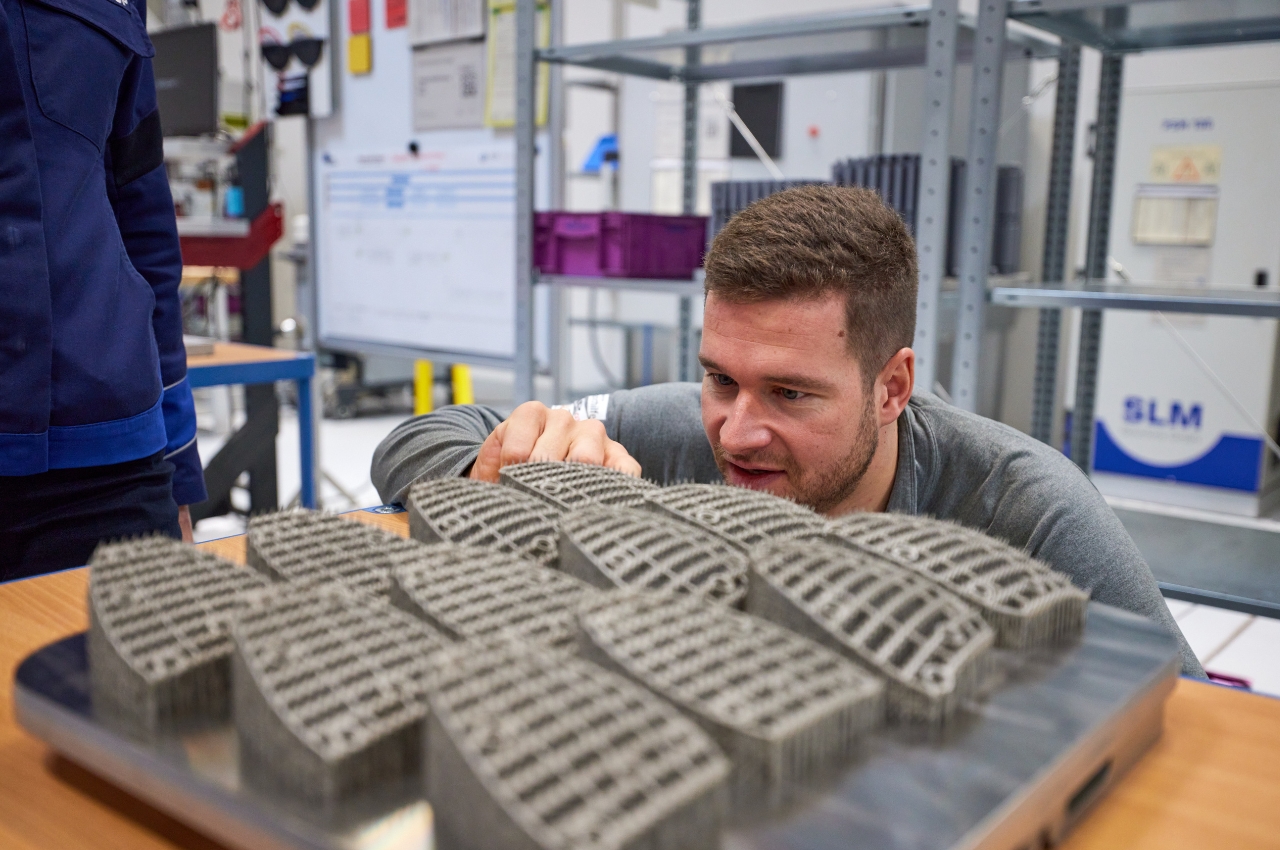
Most sports are dictated by the skill and prowess of the athletes competing but there are also some sports where the sportswear and footwear that they wear can contribute to how they perform. But not all of these sports have customizable or flexible footwear to help the athletes out. Bobsleigh is one such sport and with the Winter Olympics a year away, Germany is partnering with BMW to give their team better footwear to help them compete at the top level.
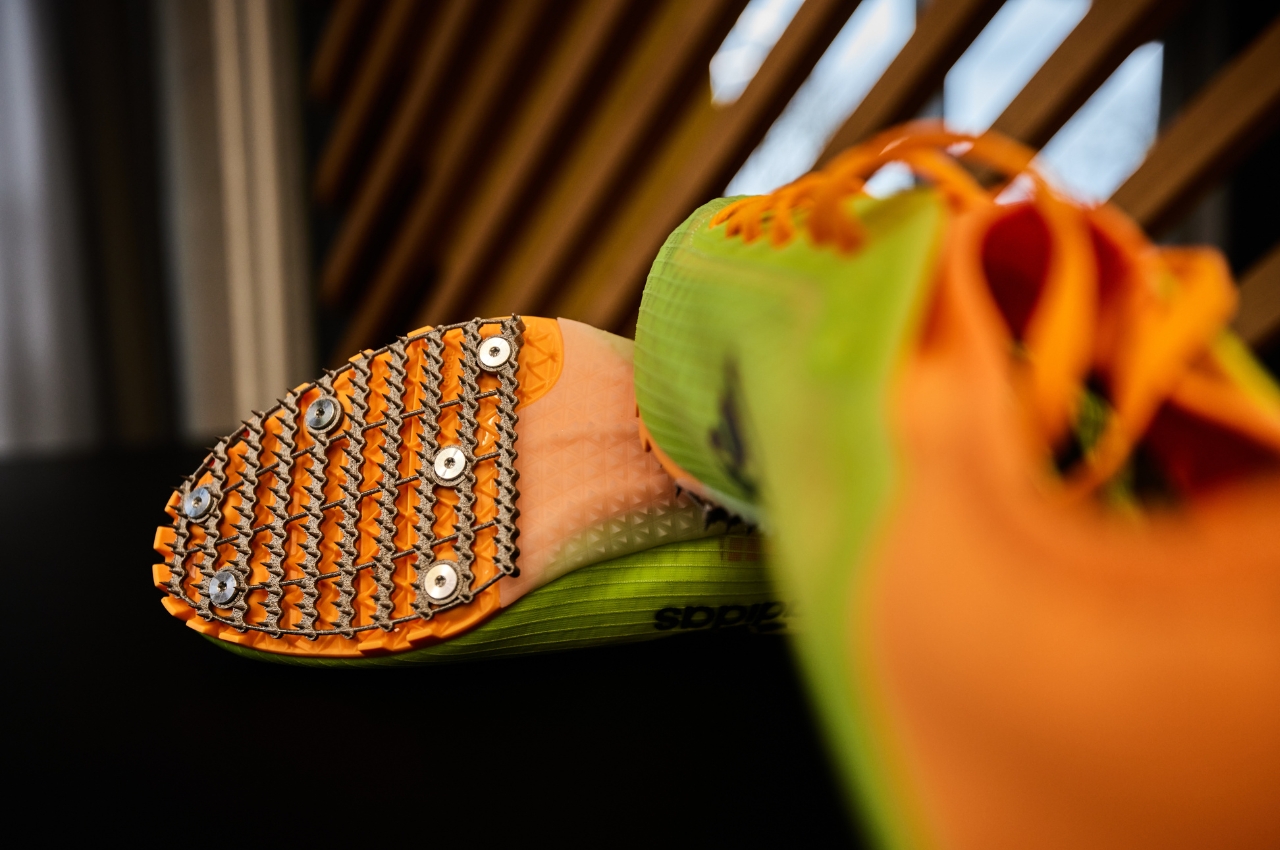
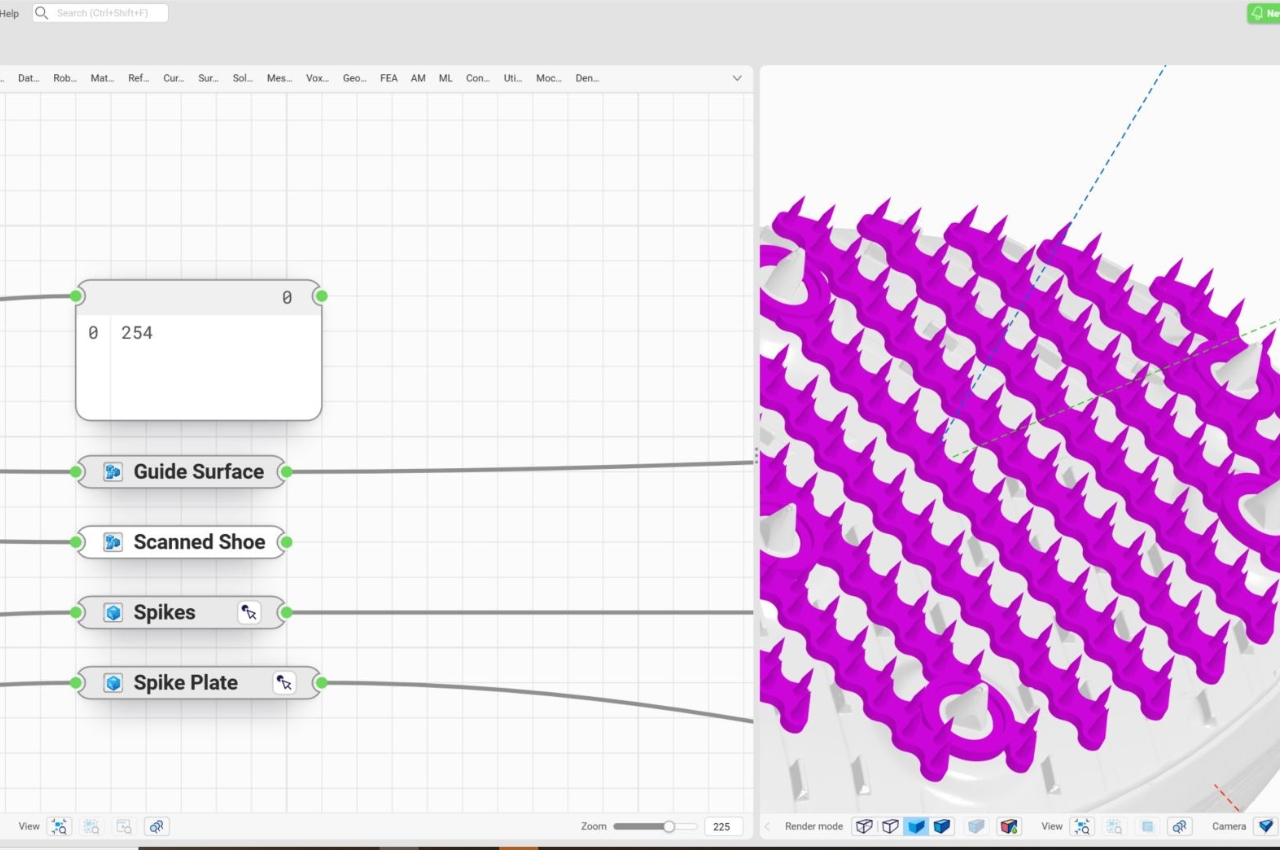
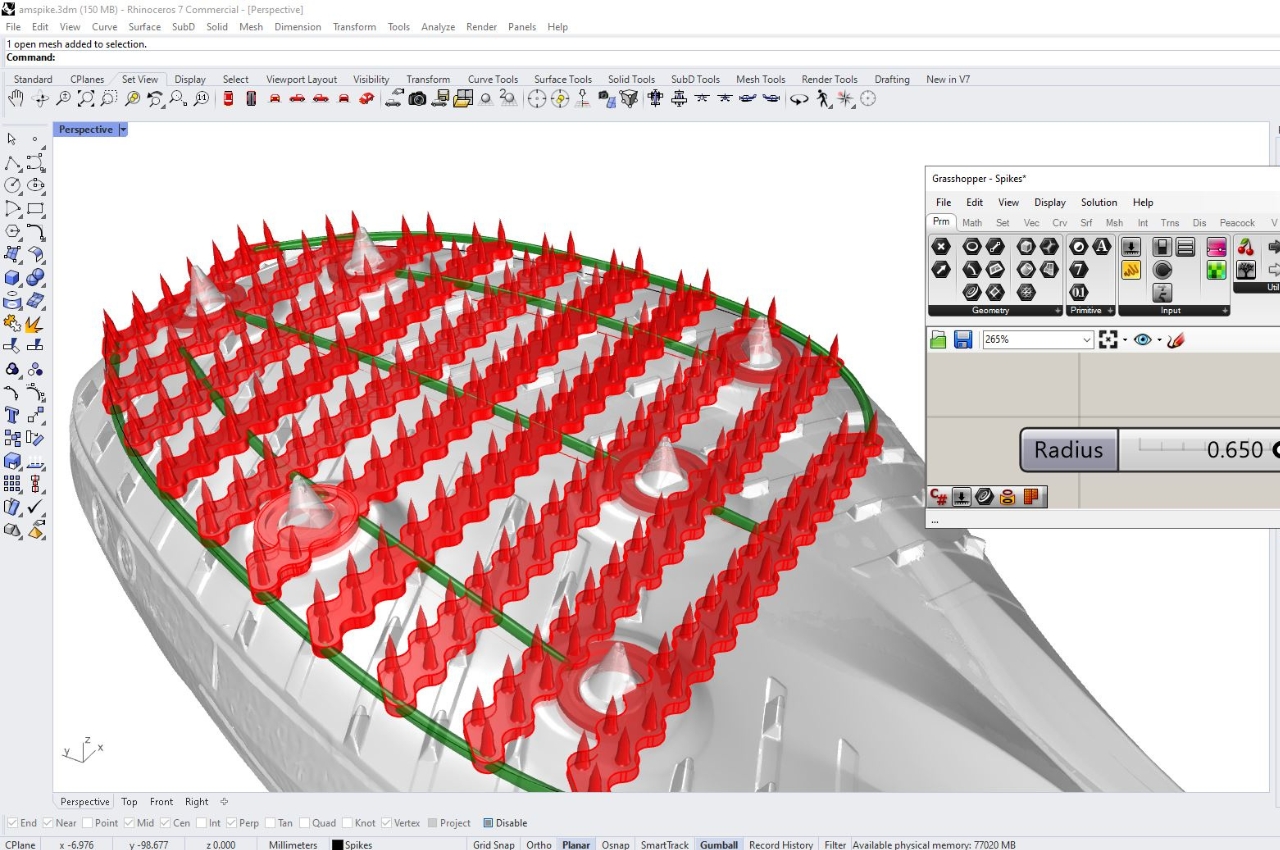
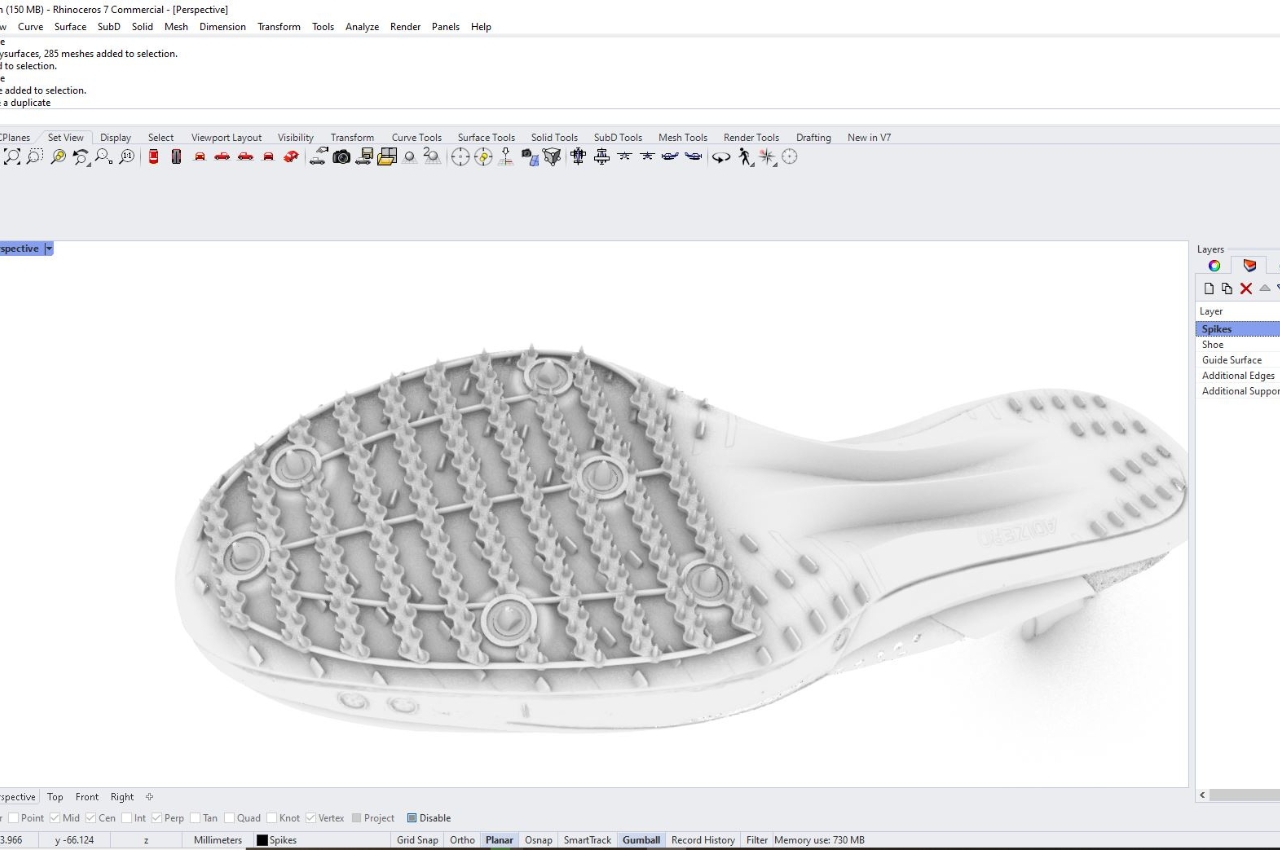
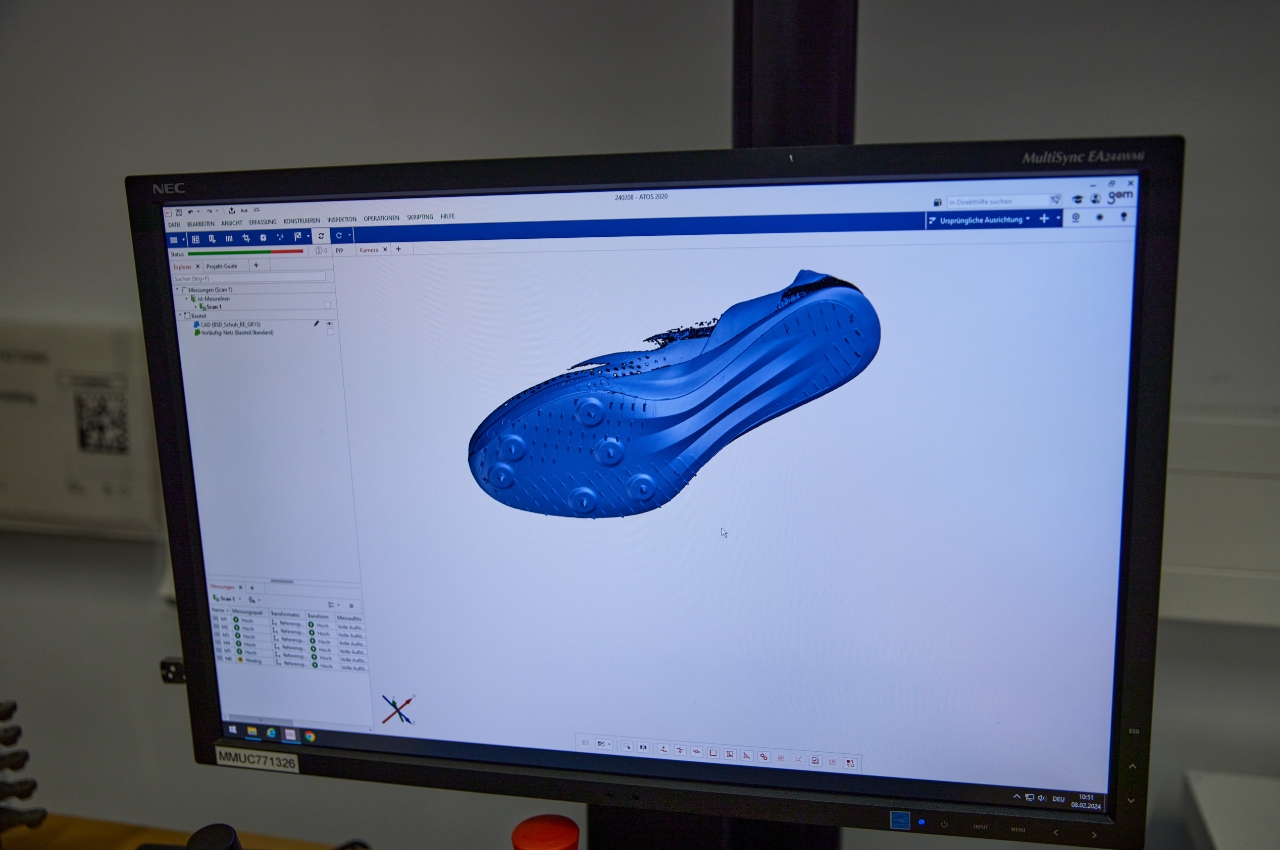
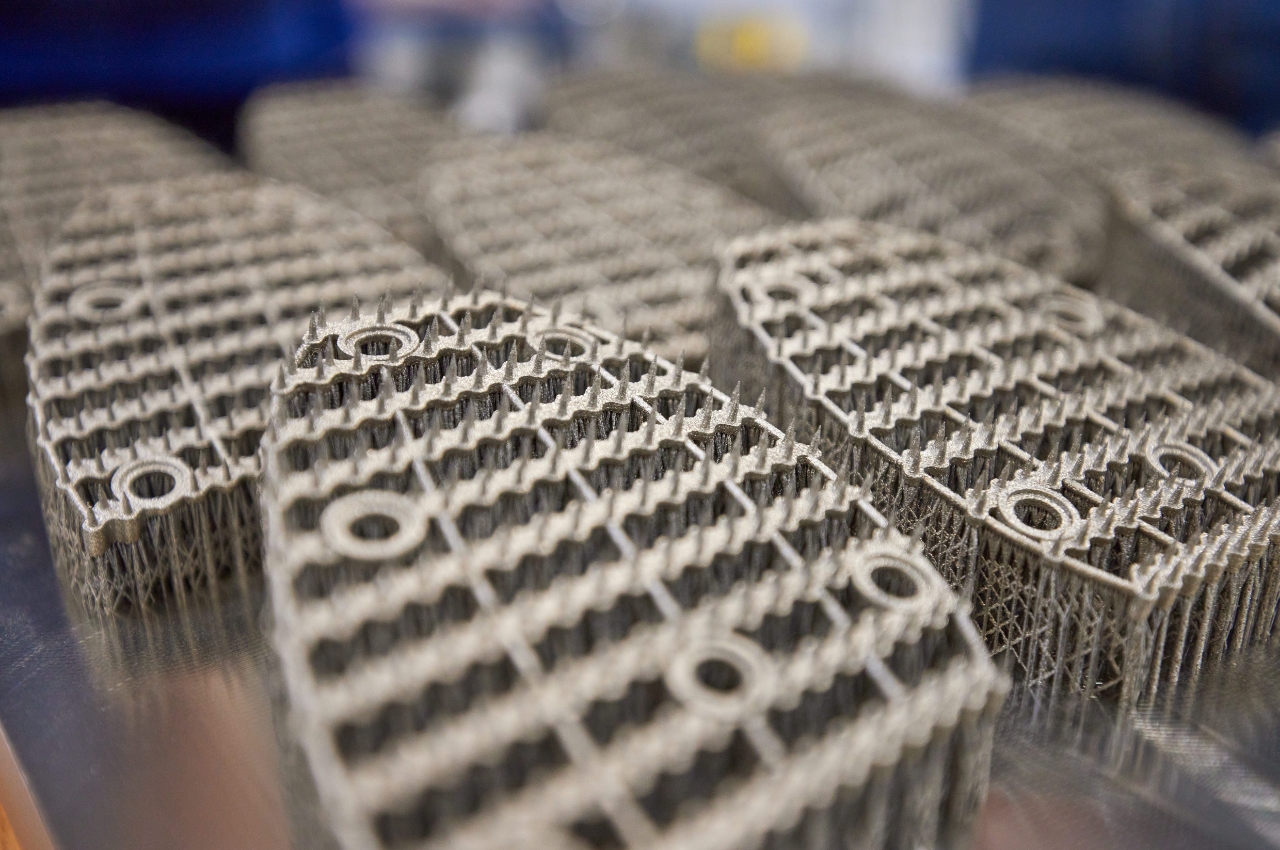
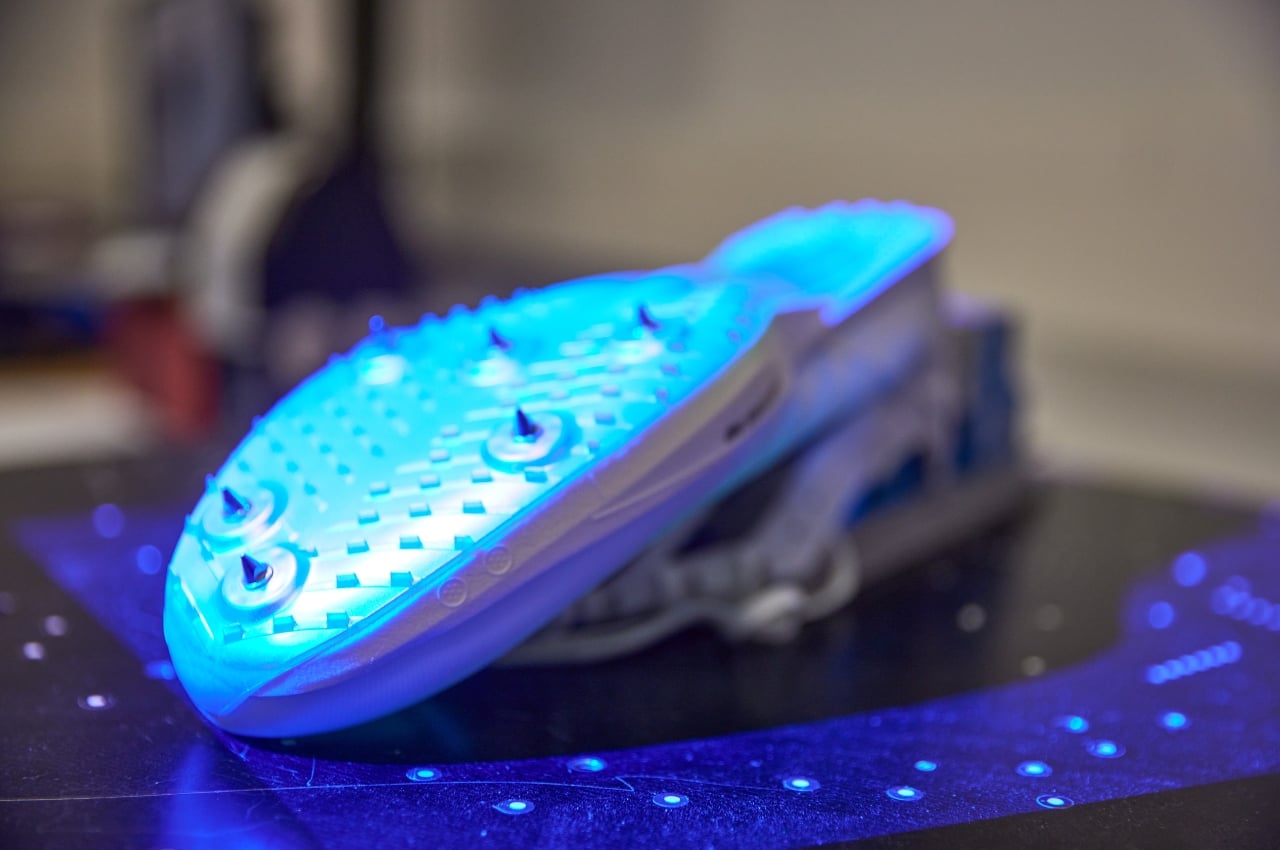
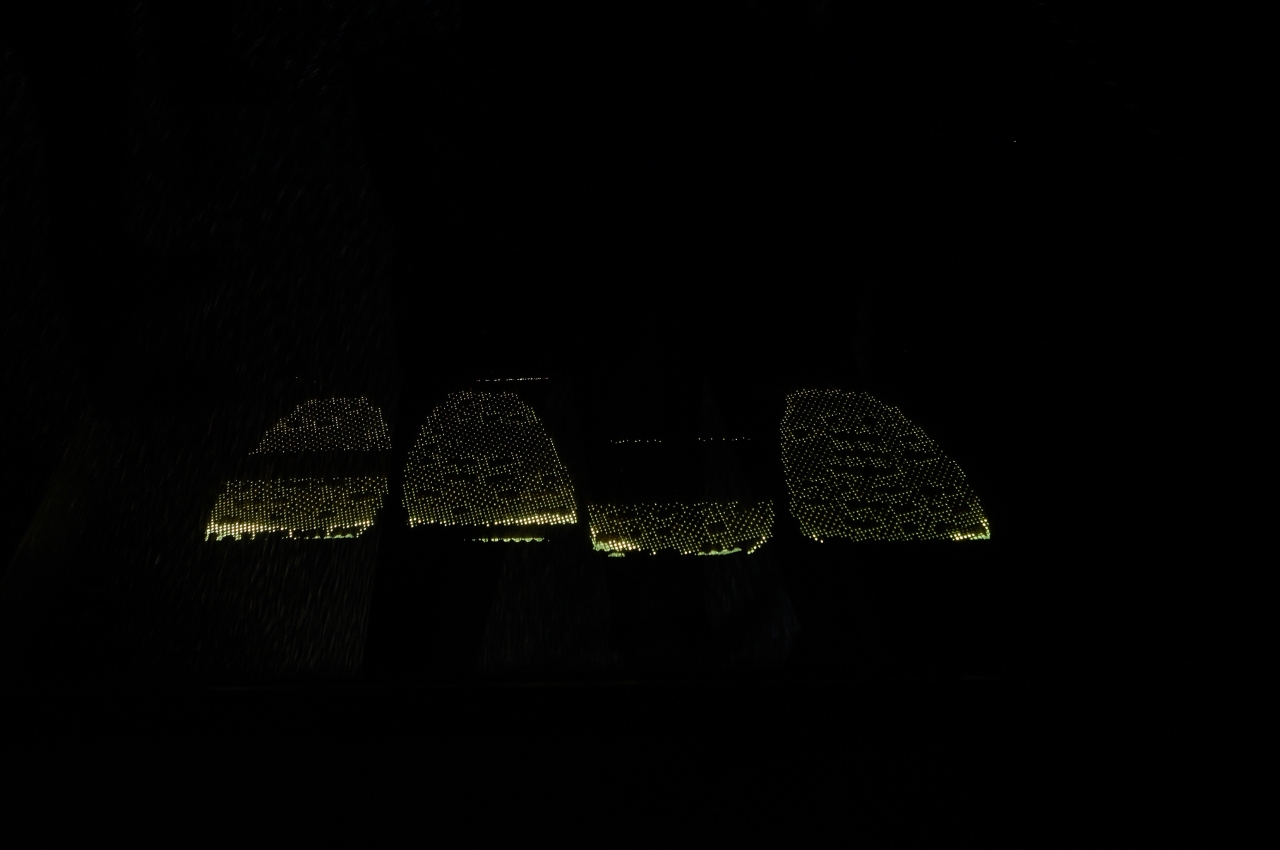
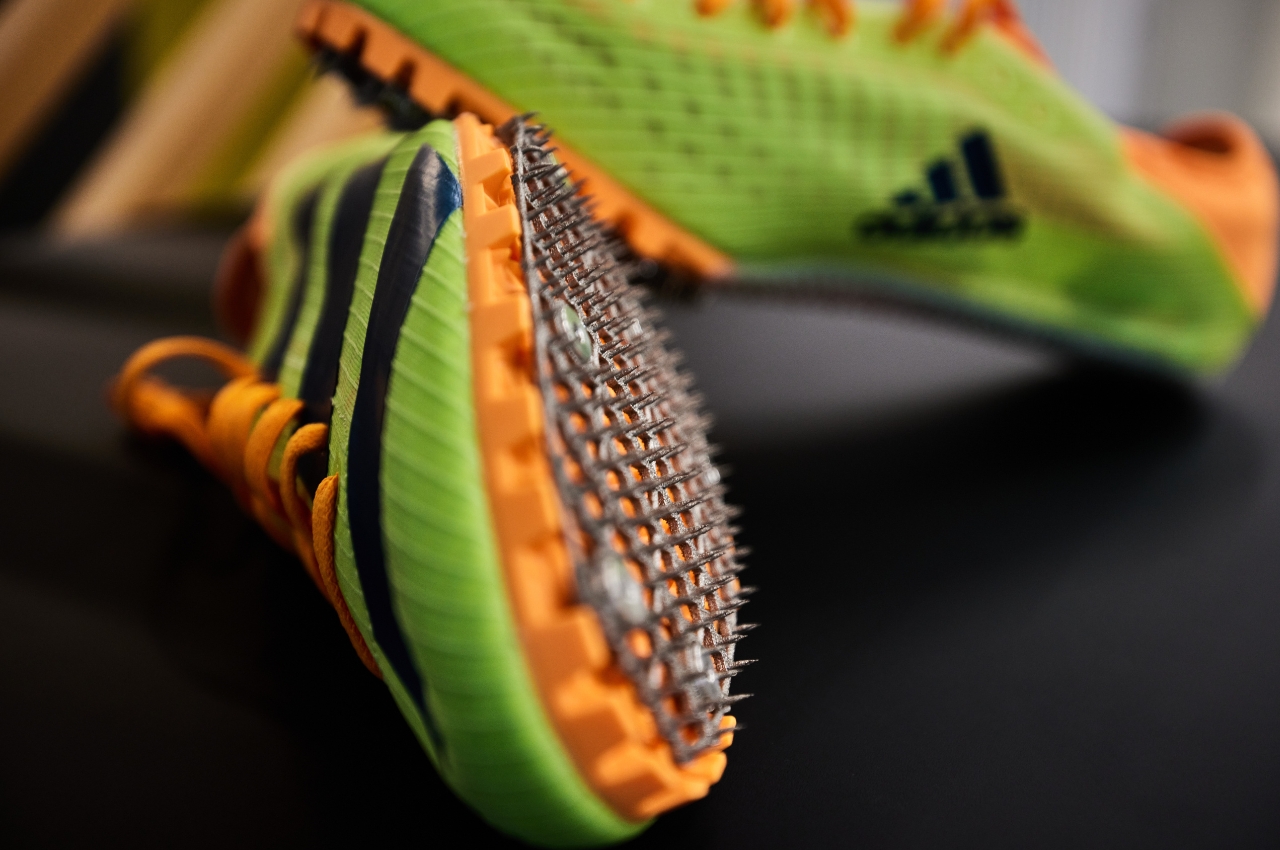
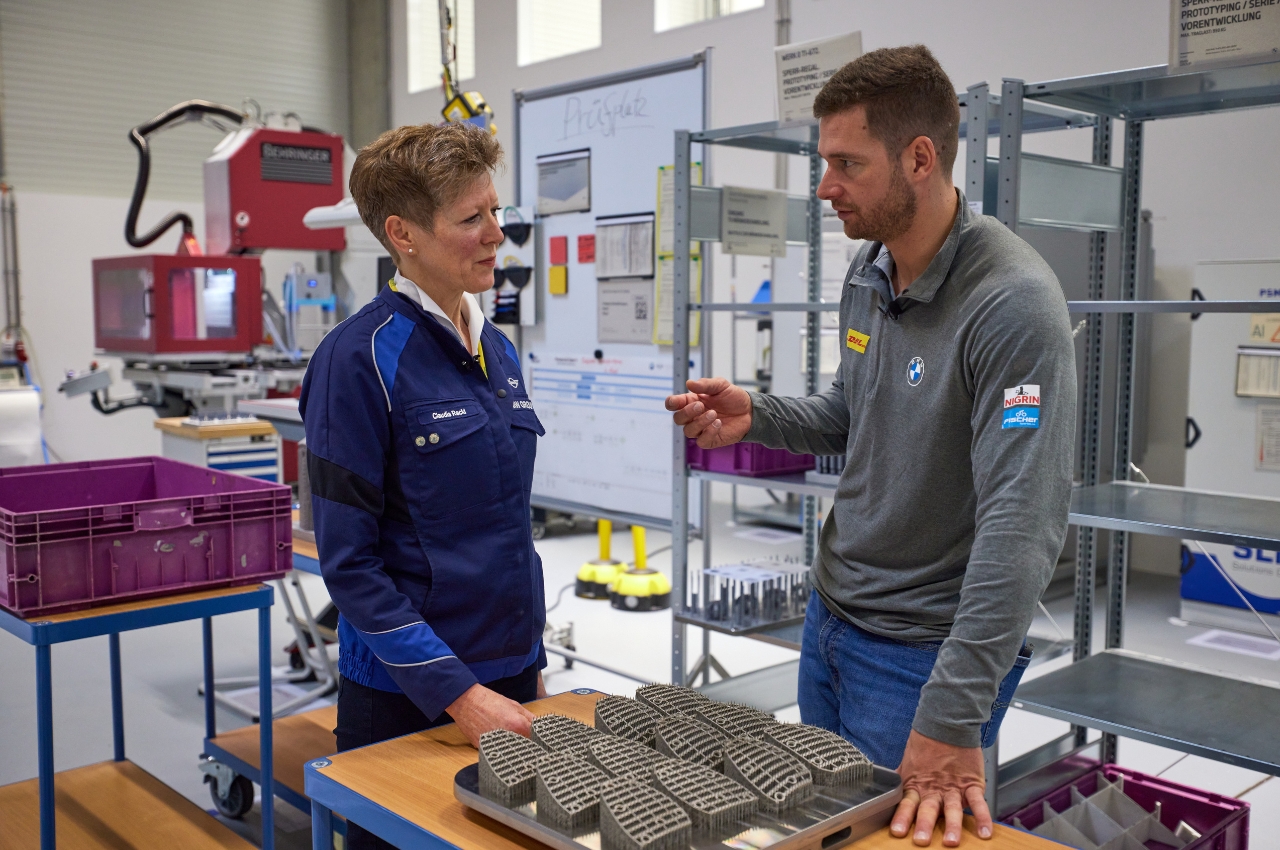
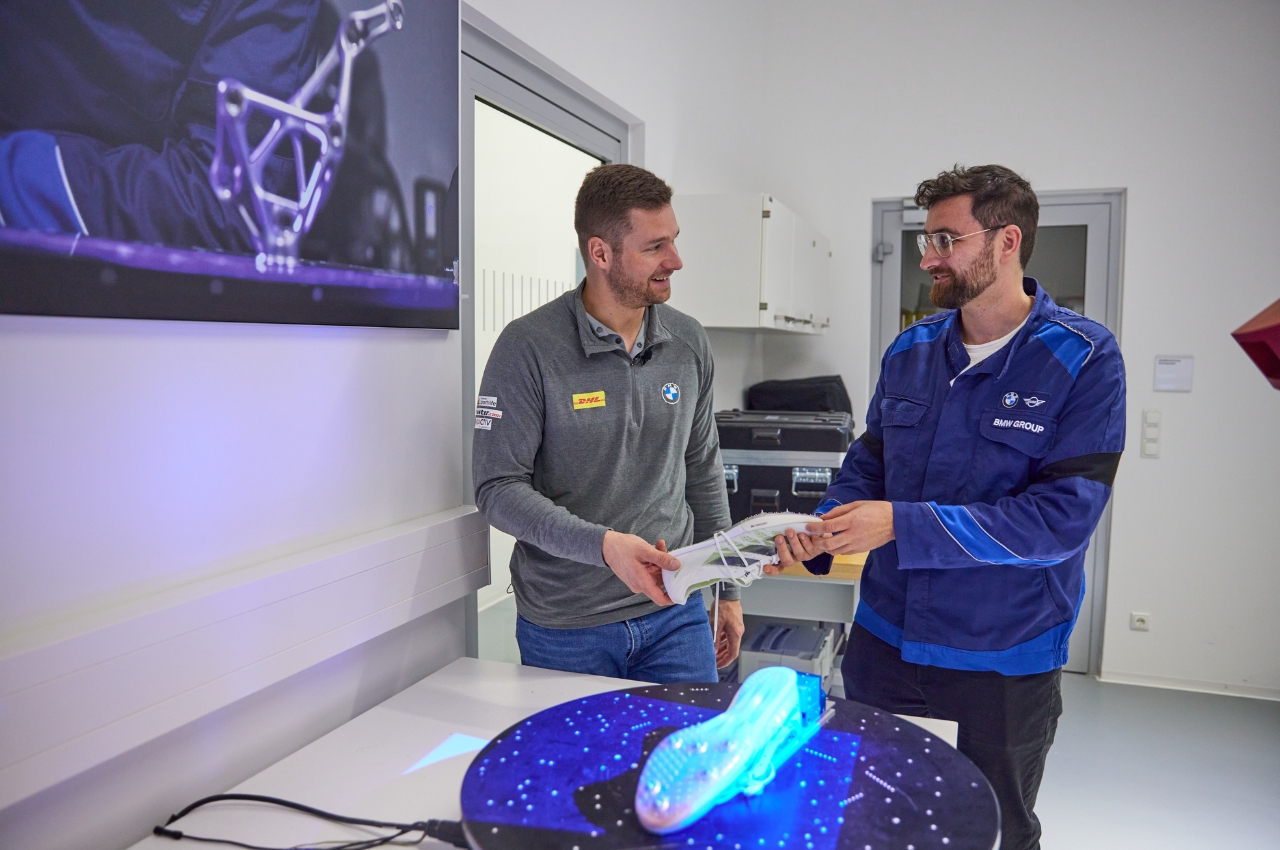
The BMW Group is the technology partner of the German Bobsleigh, Luge, and Skeleton Federatin (BSD) and they have come up with customizable spiked shoes for the bobsleigh team using the power of 3D printing. Regular bobsleigh footwear have defined rows of nails attached to the toe area but these are not replaceable or moveable. Based on track and field shoes, which are more flexible, they came up with threads for screw spikes which are used to attach spike plates on which spike nails can be distributed.
This means that the spikes can be adjusted to a large selection of shoe styles, sizes, and other aspects to make them more comfortable and suitable for the athletes’ needs. You can also adjust the material and geometry of the plates and the placement of the spike nails, giving better acceleration according to the power transmission on the ice. And since 3D printing is used, they get to be more flexible and test out the spikes and make adjustments, without having to spend a fortune and spend so much time manufacturing.
They were able to test out the spike plates during the Bobsleigh World Cup (which ends later this month) and so far, they were able to get positive feedback from the athletes that they made them for. Of course there are still changes that need to be made but they do have 11 months to go for it before the Winter Olympics in February 2025. We’ll also see by then what effect these spikes have on the German team’s performance.
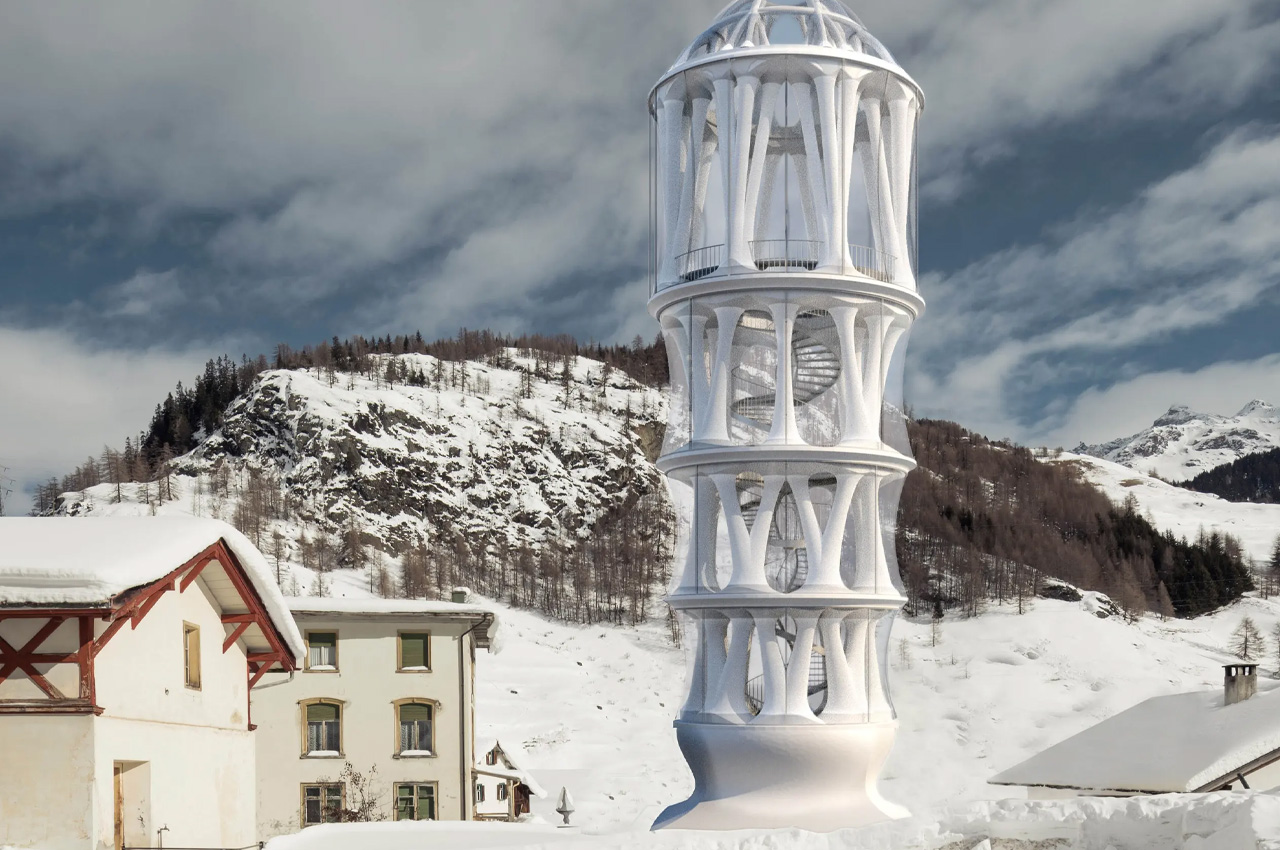
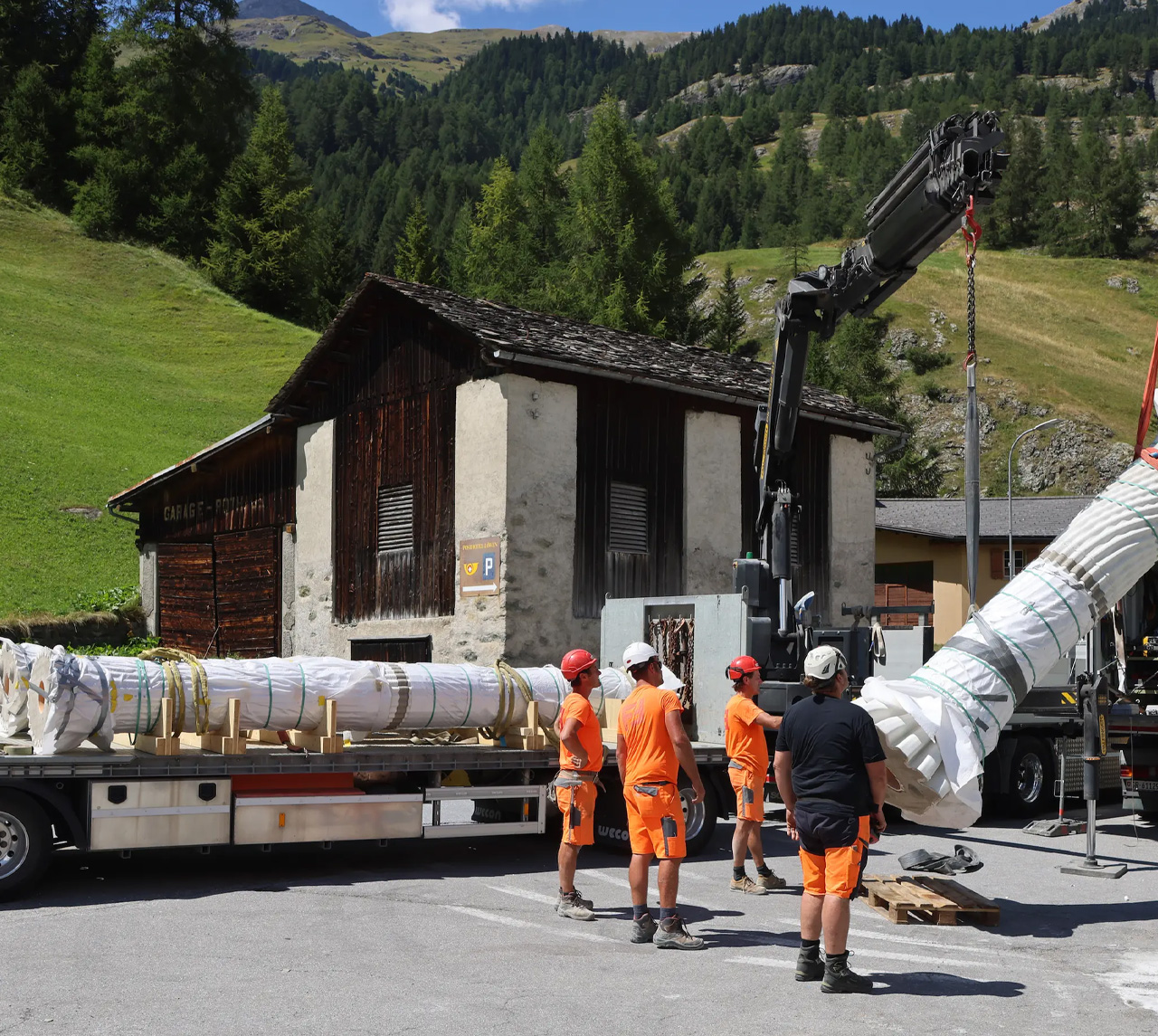
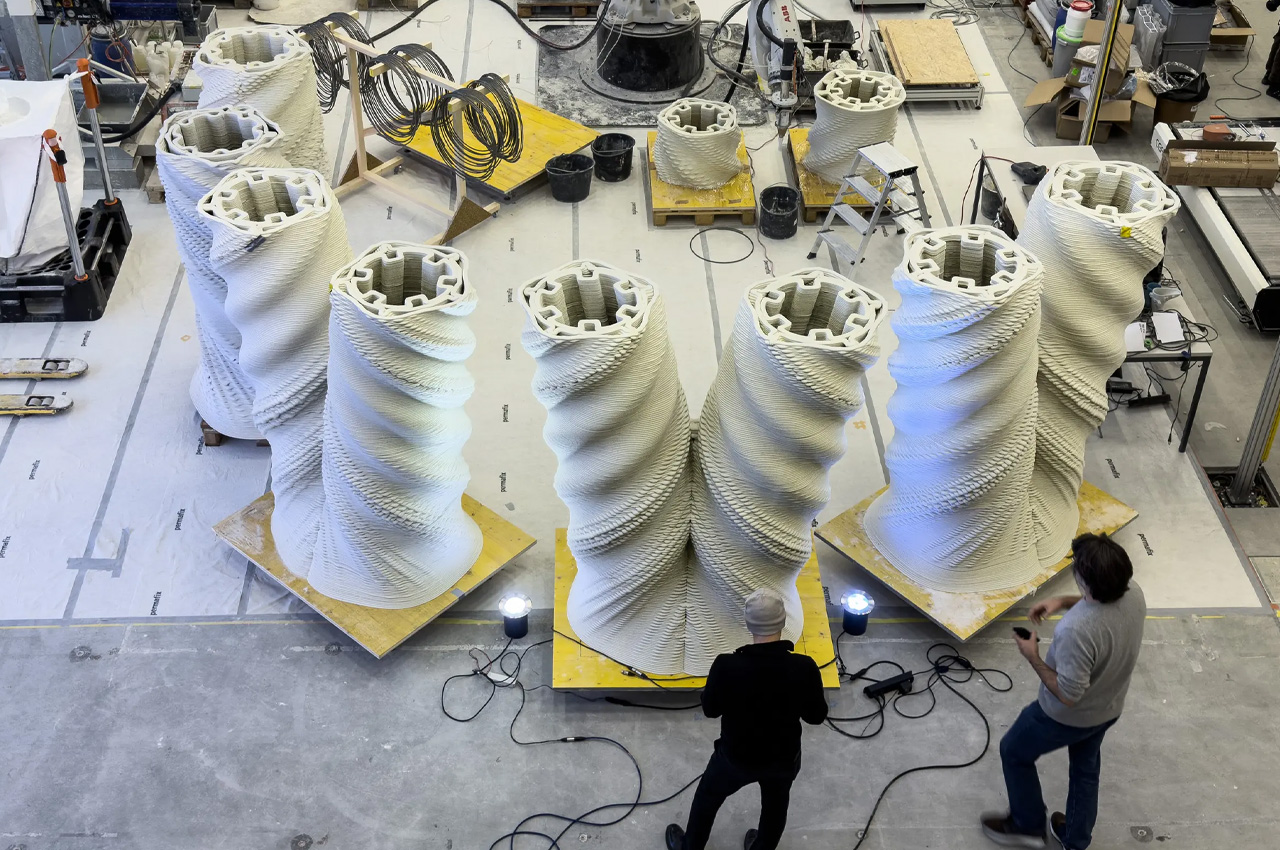
Coined the White Tower or Tor Alva, this majestic tower is said to be the world’s tallest 3D-printed building, and is currently being prepared for assembly in a Swiss village called Mulegns. Designed by researchers from ETH Zurich, the tower will be constructed from a hundred columns, with an impressive performance space perched on top. Created in collaboration with the cultural institution Nova Fundaziun Origen, the White Tower will be printed in different sections, then transported to the site, and assembled in the remote village in the Swiss Alps.
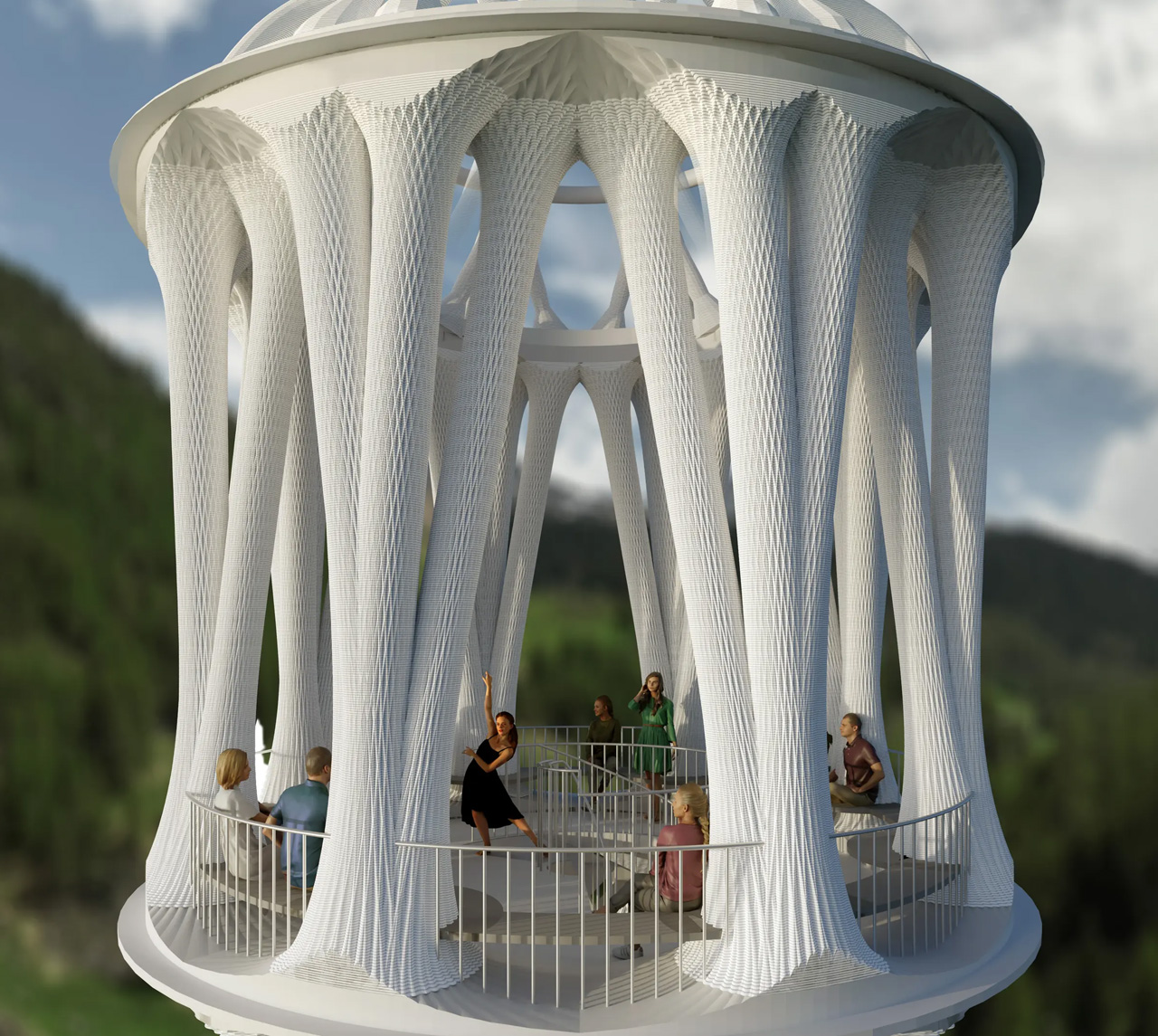
The White Tower has an interesting Baroque-inspired style and will have a height of 100 meters. Massive 3D-printed columns will uphold five floors, and a semi-open facade. The facade is a removable lightweight membrane that will protect the inside of the tower from weather conditions. Visitors will be welcomed into the lower floors, which will include large columns, that form smaller cozier spaces.
The White Tower will feature a spiral staircase, that will lead them up the various floors, with each separate floor becoming visibly airier, lighter, and free-flowing, before opening into a hall on the top floor. The hall will function as a performance space for concerts and theater and will accommodate 45 visitors, including seating for them and a stage. Once the performances end, the tower will be disassembled, and rebuilt somewhere else.
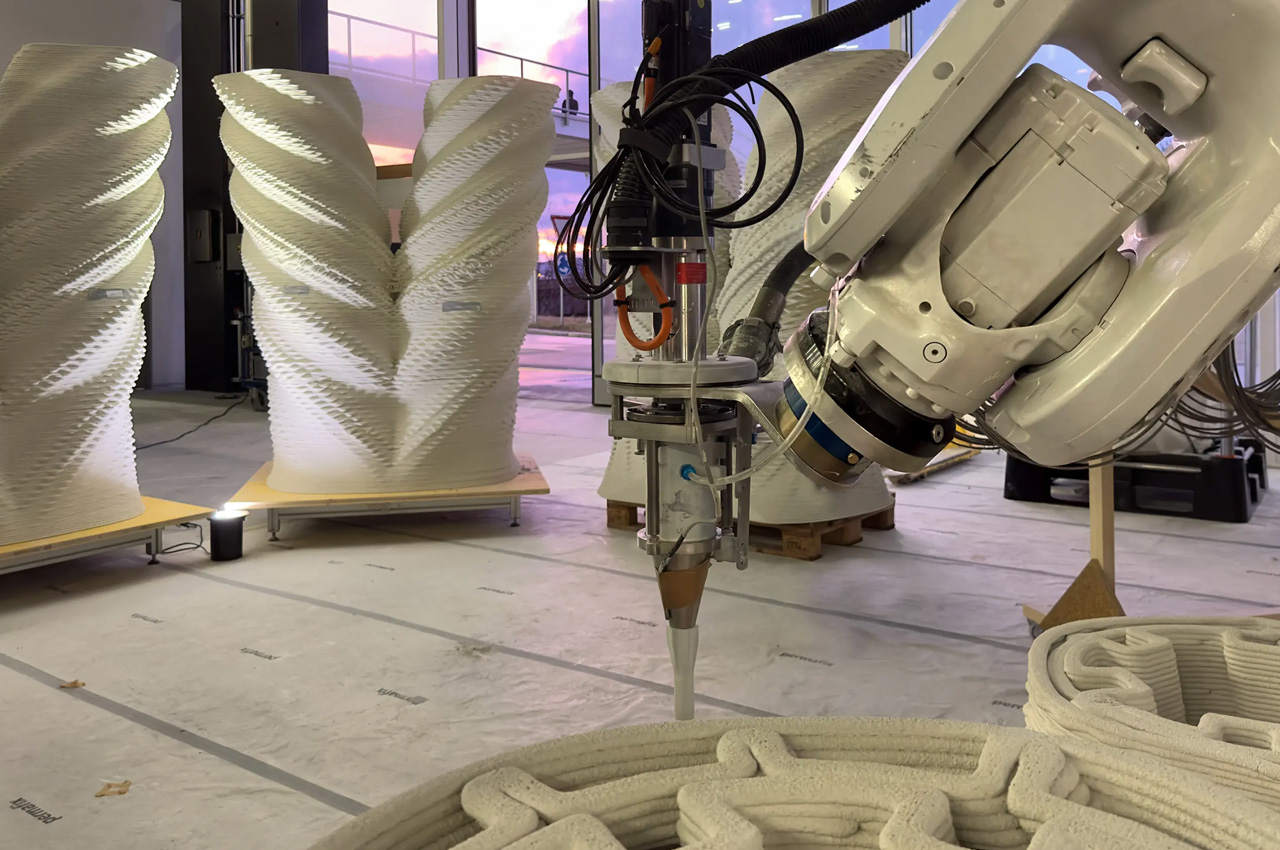
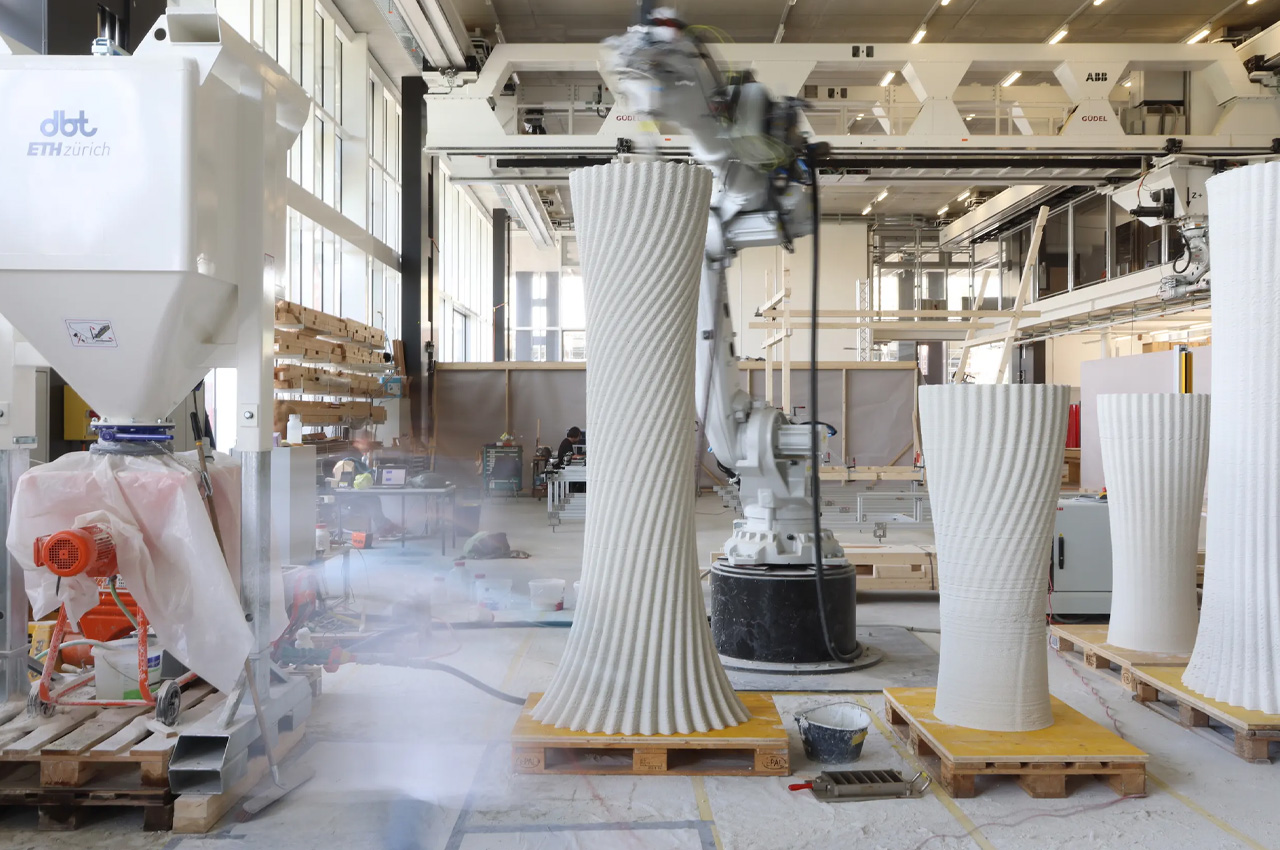
The 3D-printing process will take around 900 hours and will include robotic 3D printers that will release a soft cement-like mixture from its nozzle, extruding it in layers to form the basic structure of the different elements of the tower, which will later be assembled on-site, building the White Tower.
“The entire structure of the tower is designed using custom software that allows the precise definition of the geometry and can send the necessary data directly to the printing robots,” said ETH Zurich’s Digital Building Technologies. “This technology enables non-standard, tailor-made elements to be manufactured efficiently. These types of forms would be nearly impossible to produce at this scale using conventional technologies. In this new construction process, the tower will be assembled from 102 3D-printed individual columns. Elements are only filled with concrete where it is structurally required, which greatly reduces material use. This construction method avoids waste because no formwork for pouring concrete is necessary.”
3D printing has already come a long way since it was first introduced in the 80s. It still hasn’t reached the levels where almost every household has one like we now have with regular printers of course. But now we’re seeing consumer-level 3D printers as well as “templates” we can download and print on our own. Even if you only have a basic knowledge of how this technology works, it’s pretty easy to try it out on your own or at least find a tutorial online on how to do it. If you’re a fan of the old school transformers, these downloadable templates will be right up your alley.
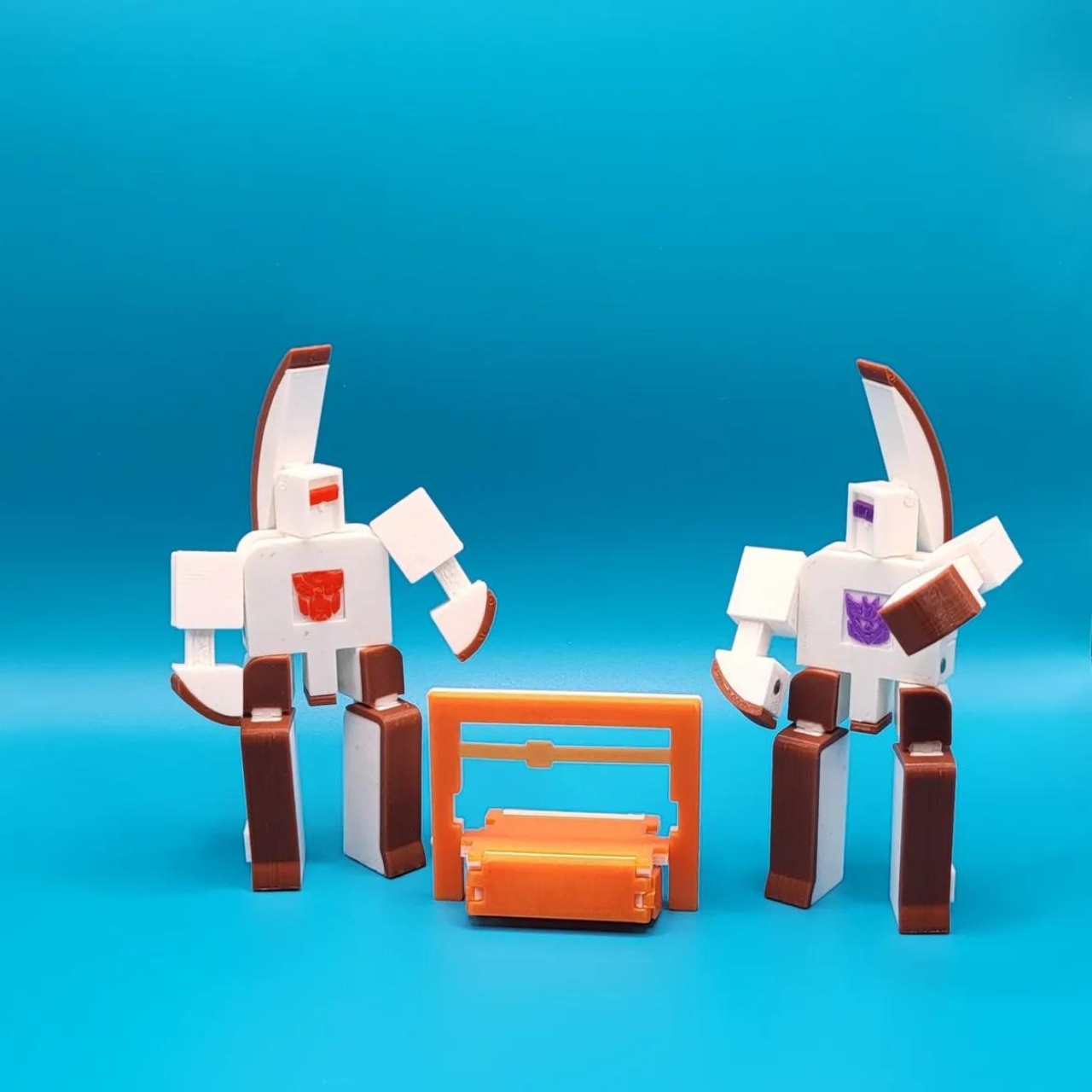
Dr. Operator has been publishing 3D model templates on Printables and they’re quirky and interesting, especially if you like toy collectibles. But instead of the usual IP-related collectibles that remain faithful copycats, you get his own take on things like Star Wars’ AT-AT, Scooby Doo’s Mystery Machine, Marvel’s M.O.D.O.K, etc. If you’re a fan of the Transformers series, then you’ll appreciate his latest series of 3D models that take inspiration from our favorite robots, but adding his own style and flair (and back story).
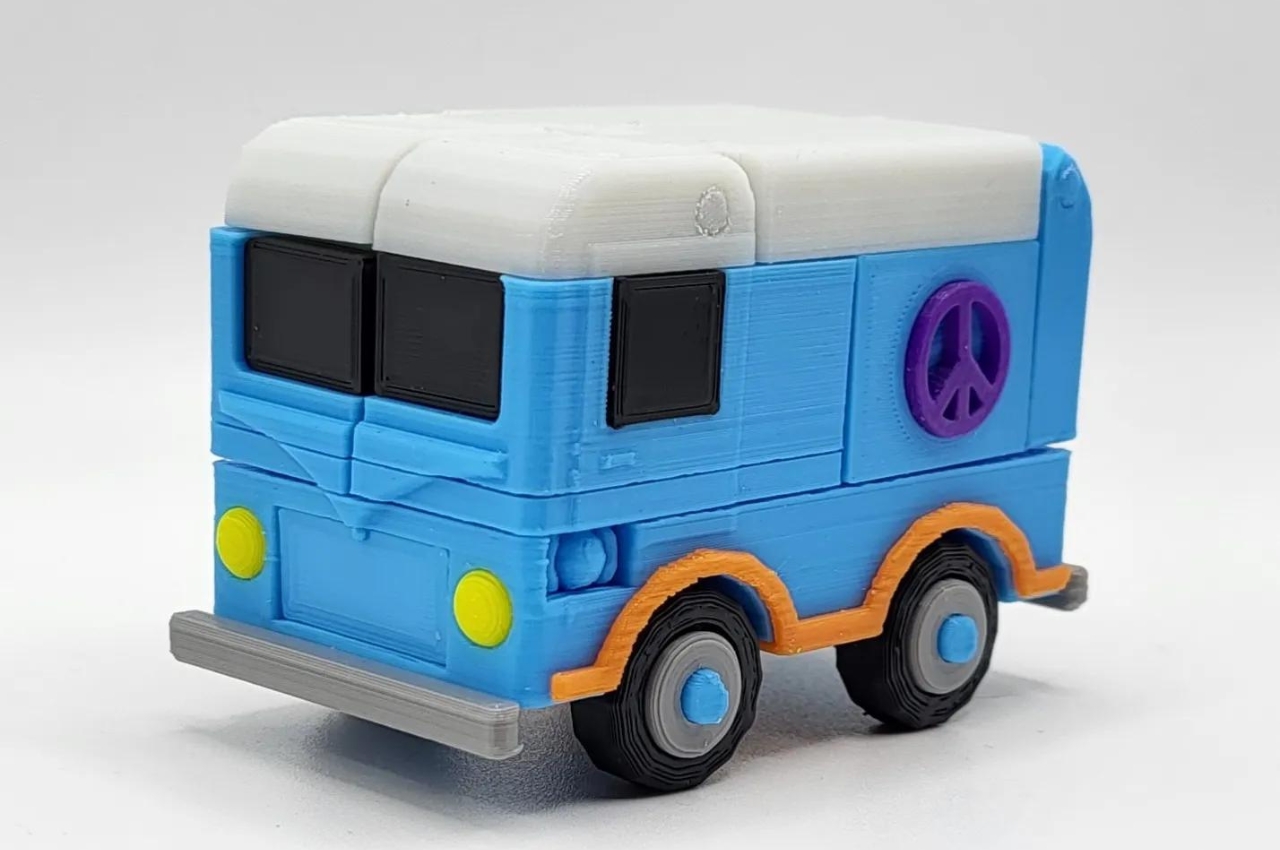
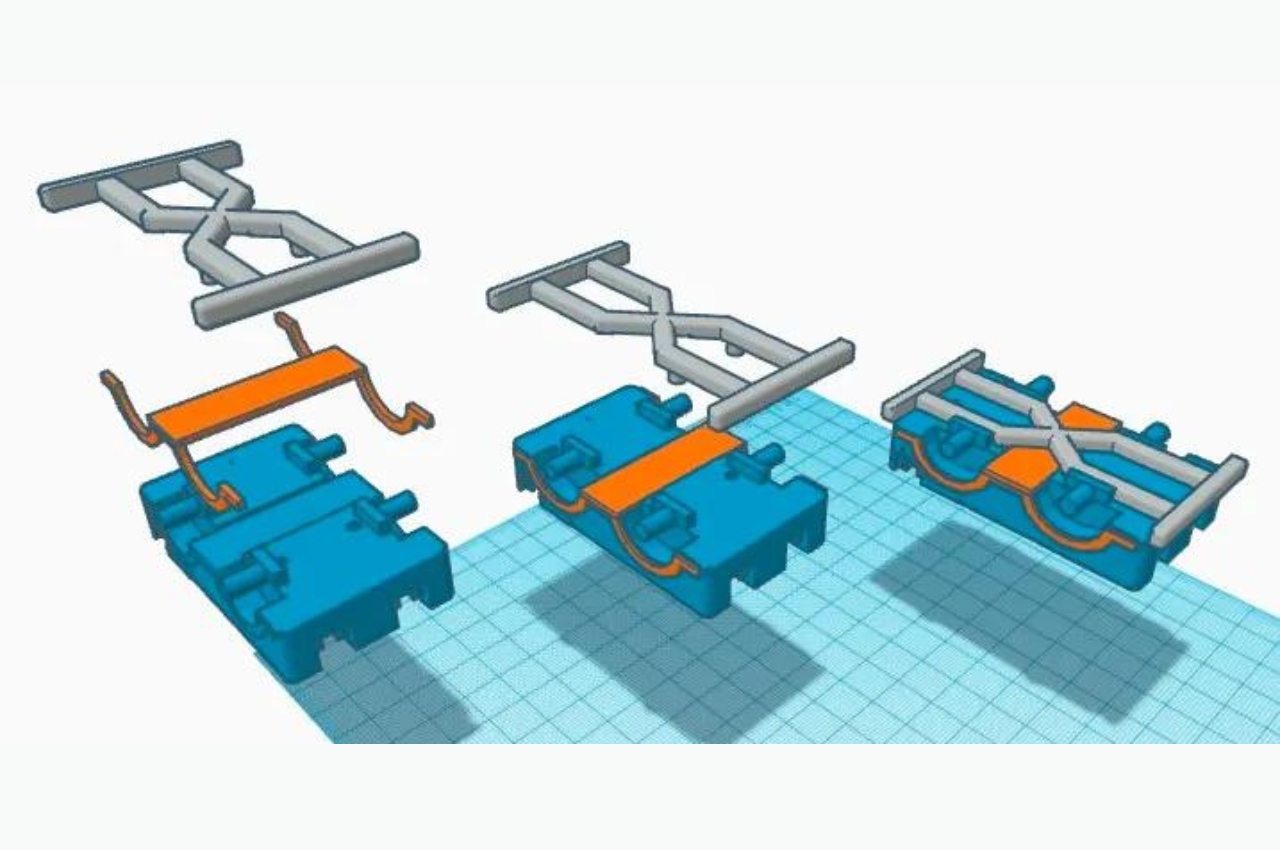
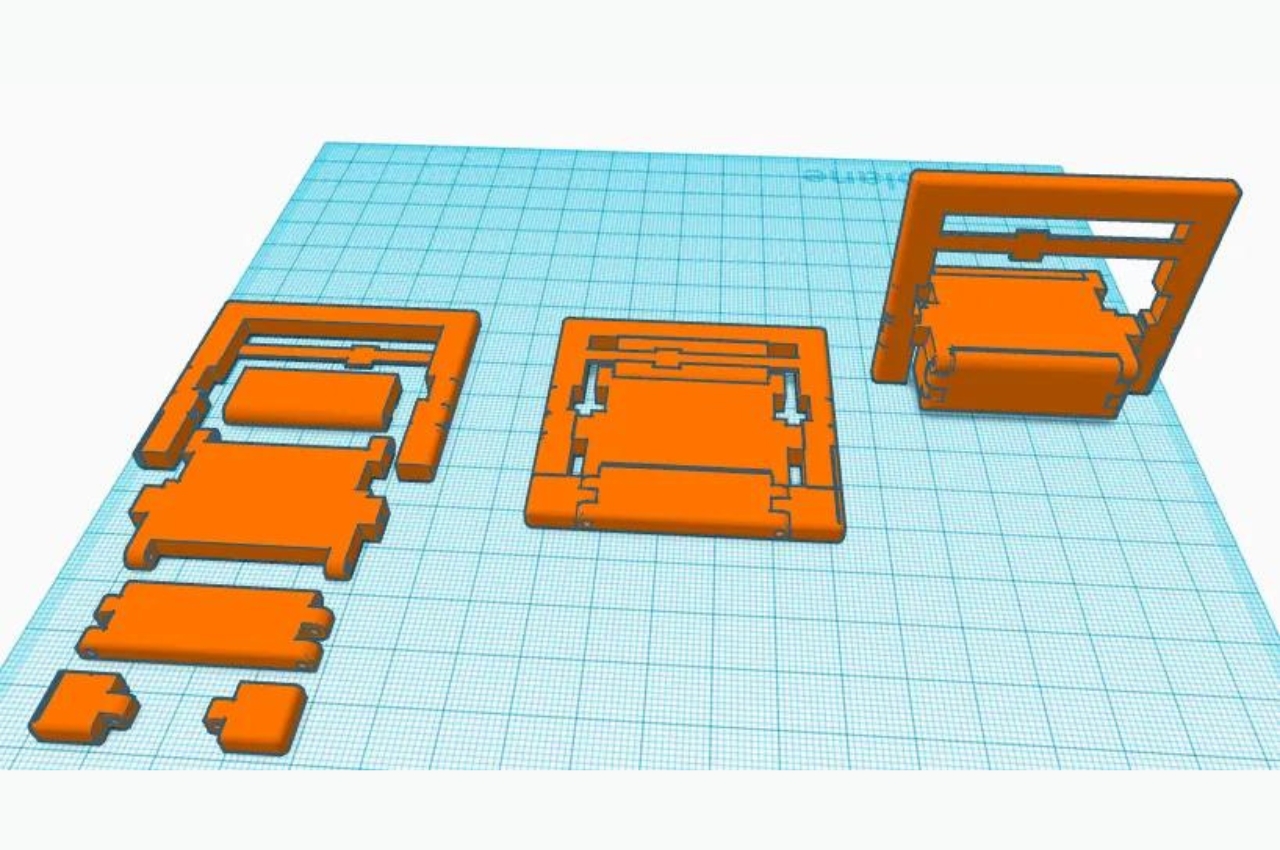
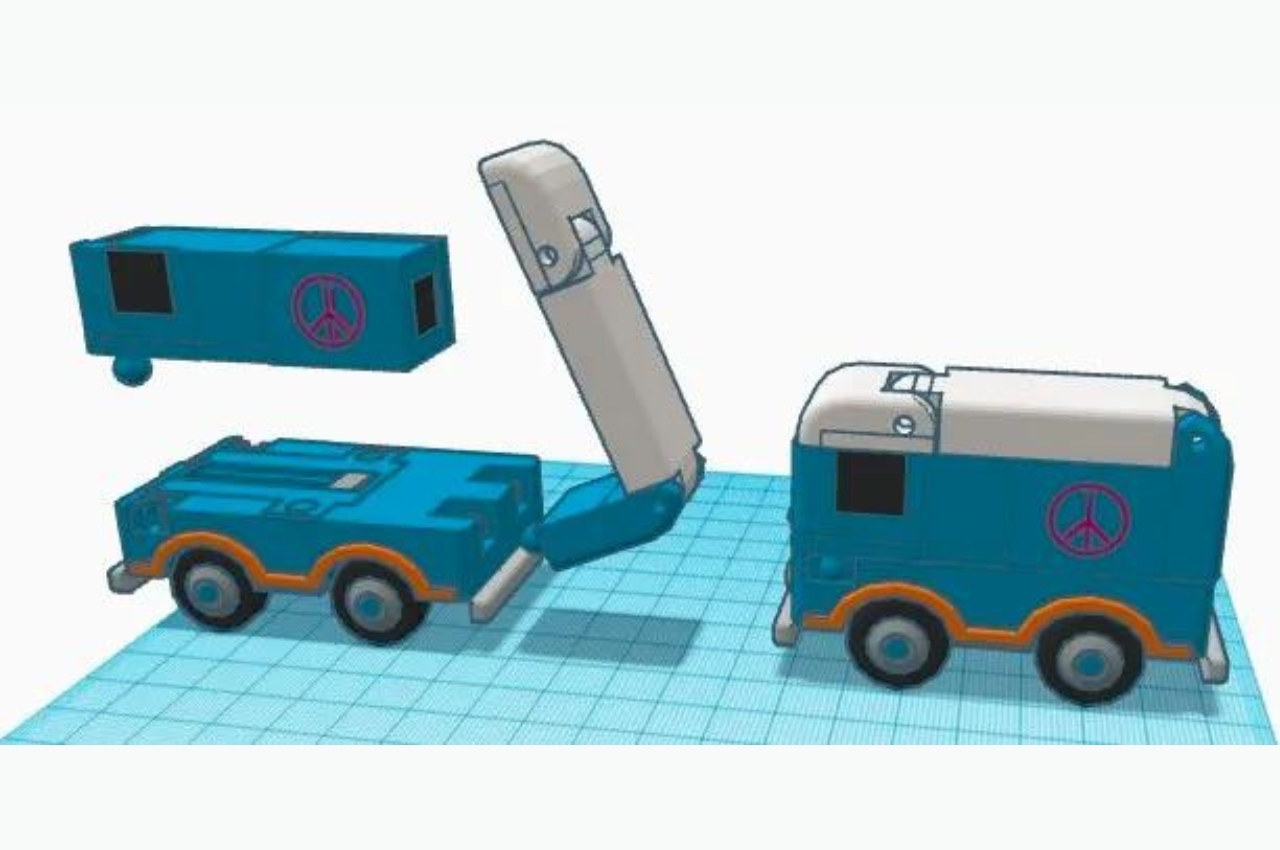
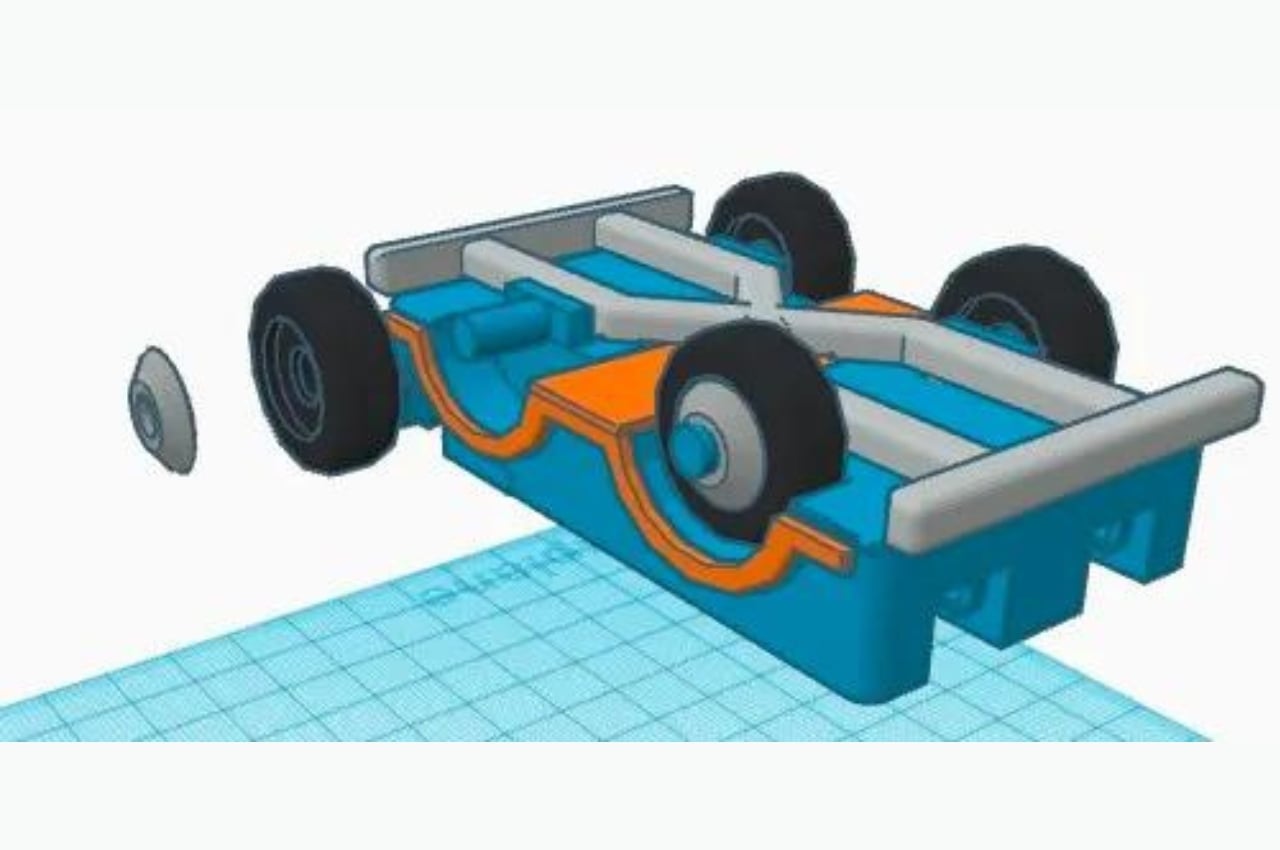
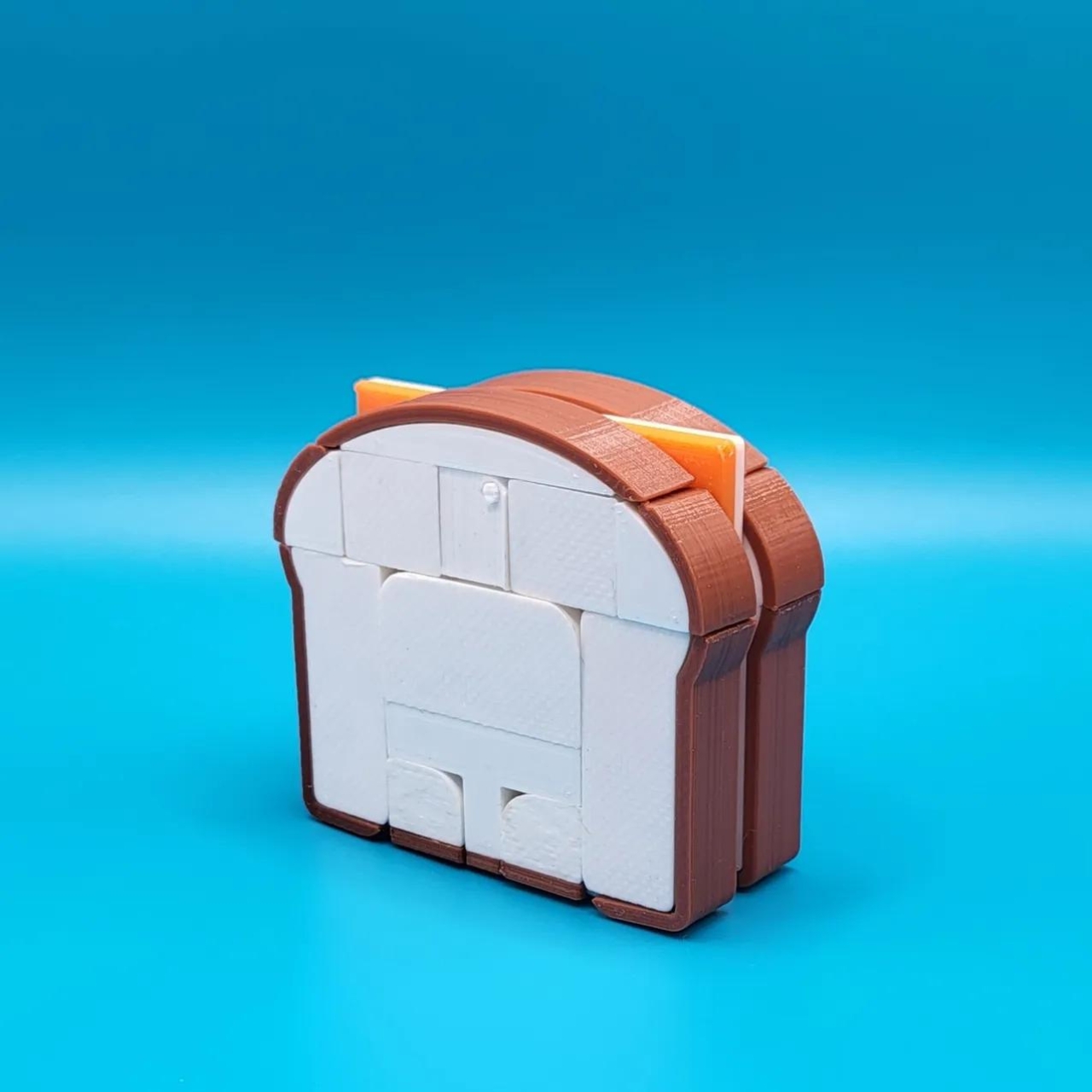
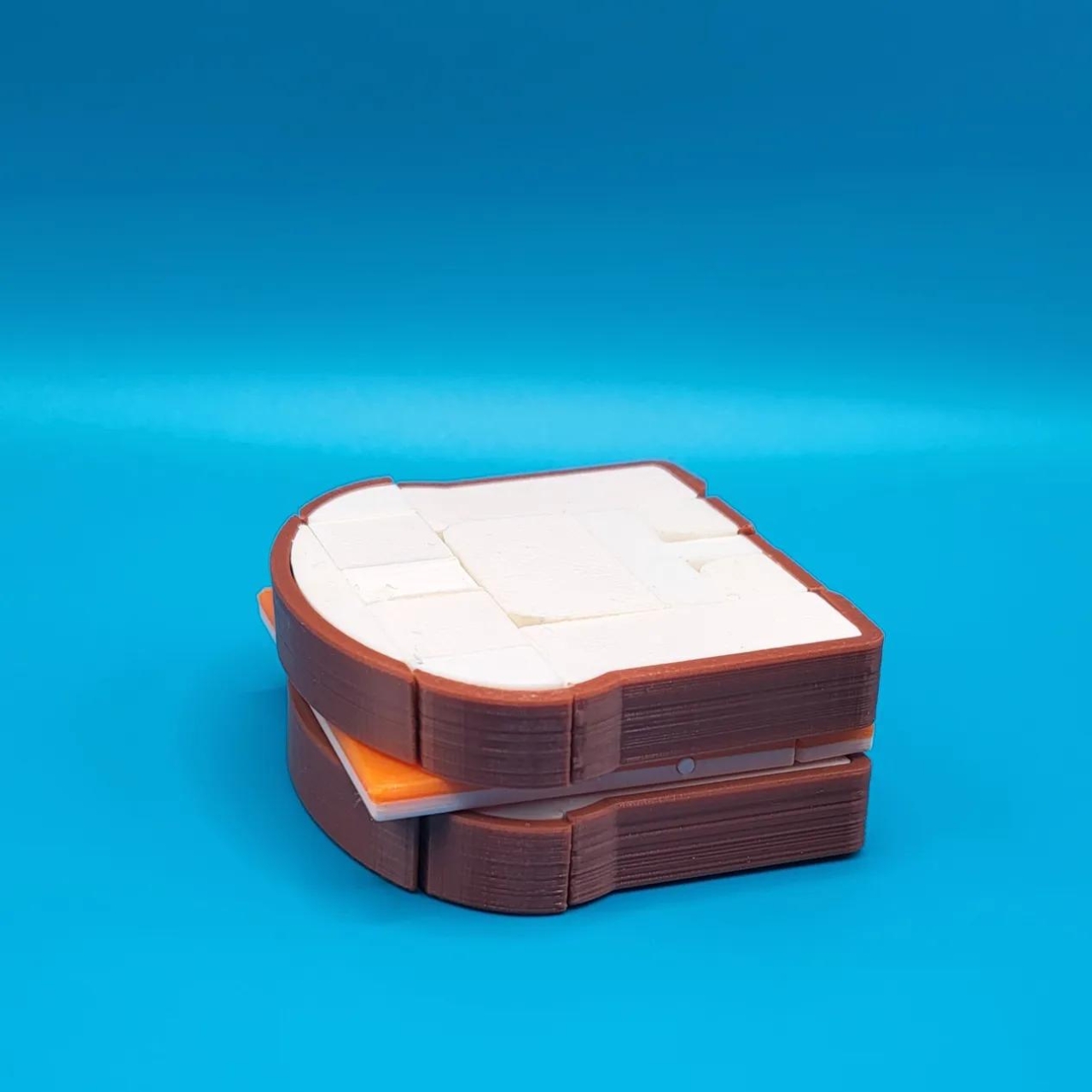
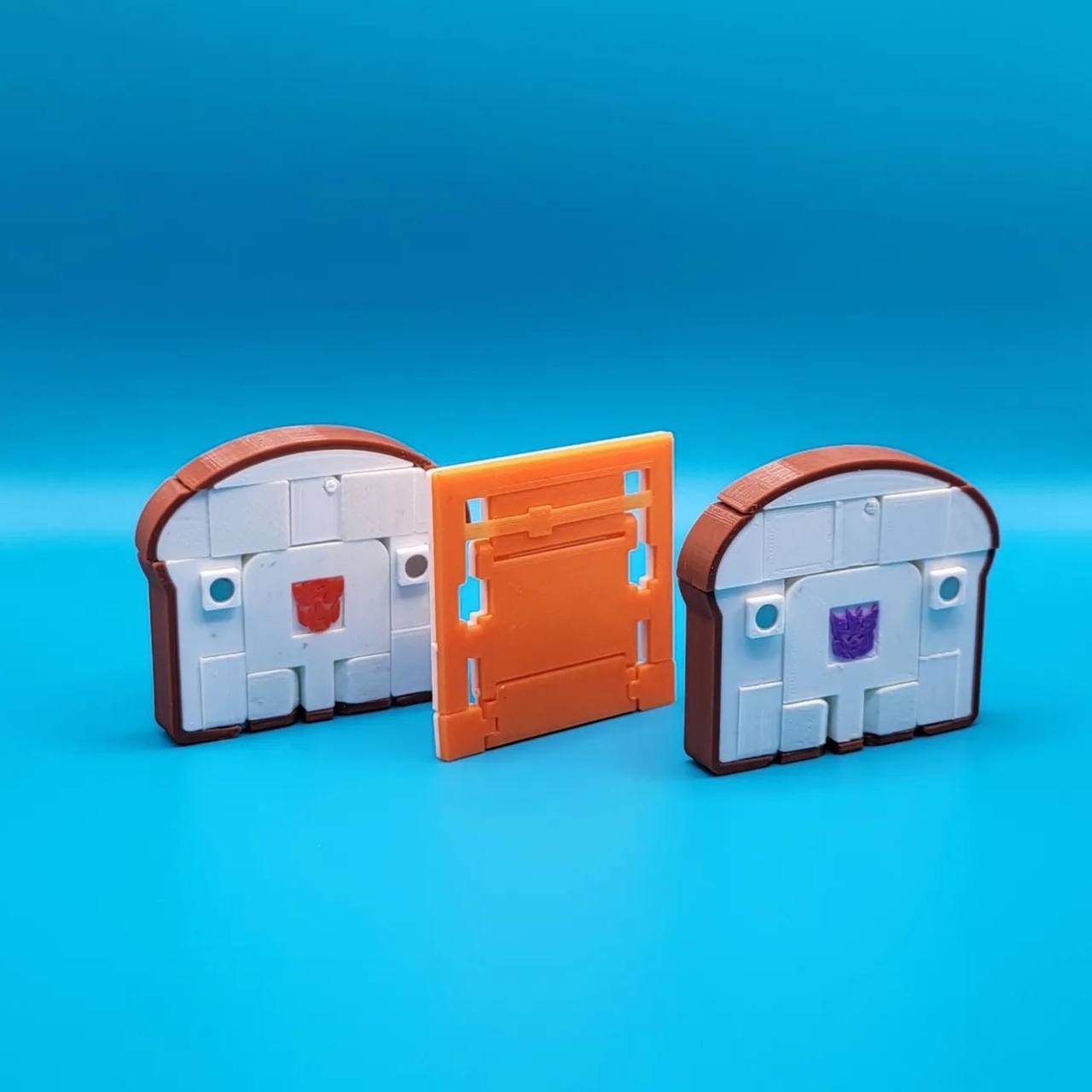
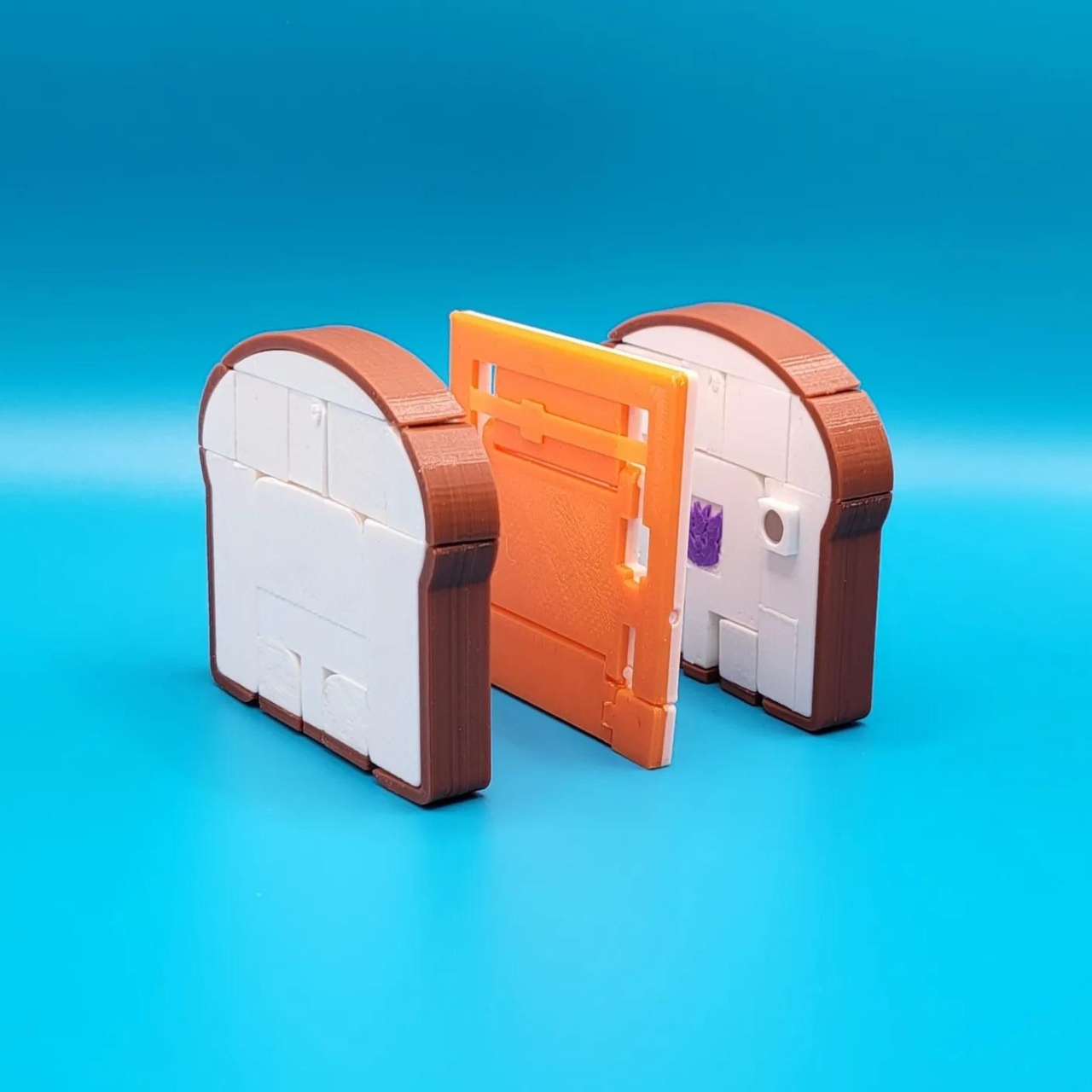
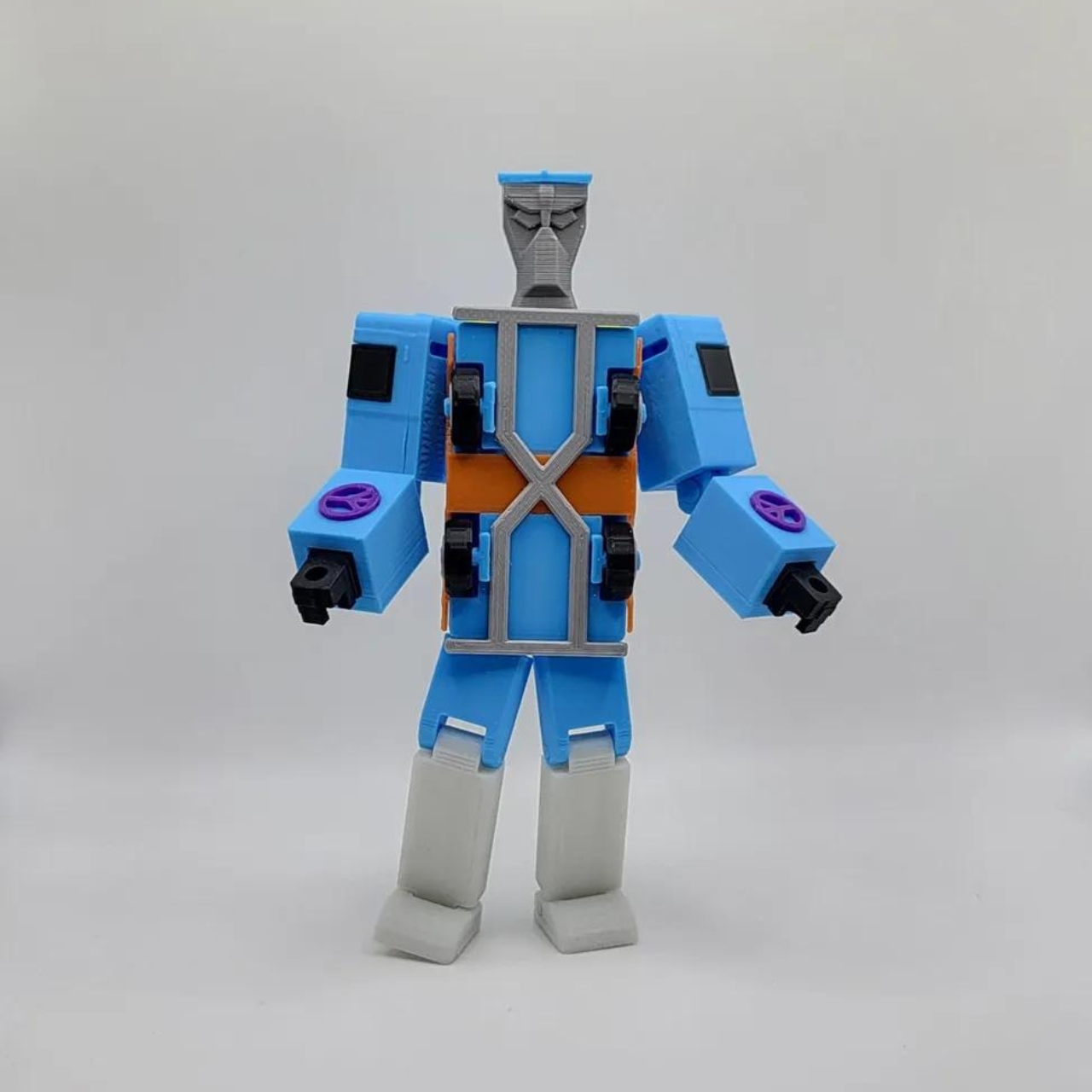
There are currently only two templates in this series but hopefully we get more robots soon. The Ham and Cheese model is a robot that turns into, you guessed it, a ham and cheese sandwich. It was inspired by the designer’s favorite Transformer, Soundwave. The “back story” is that the Ham is an Autobot and the Cheese is a Decepticon and they decide to abandon the fight and just become a sandwich. The Hippie Van Transformer is what exactly the name says it is. There are different toy car brands but the designer says that the Transformers are still the coolest so he created this.
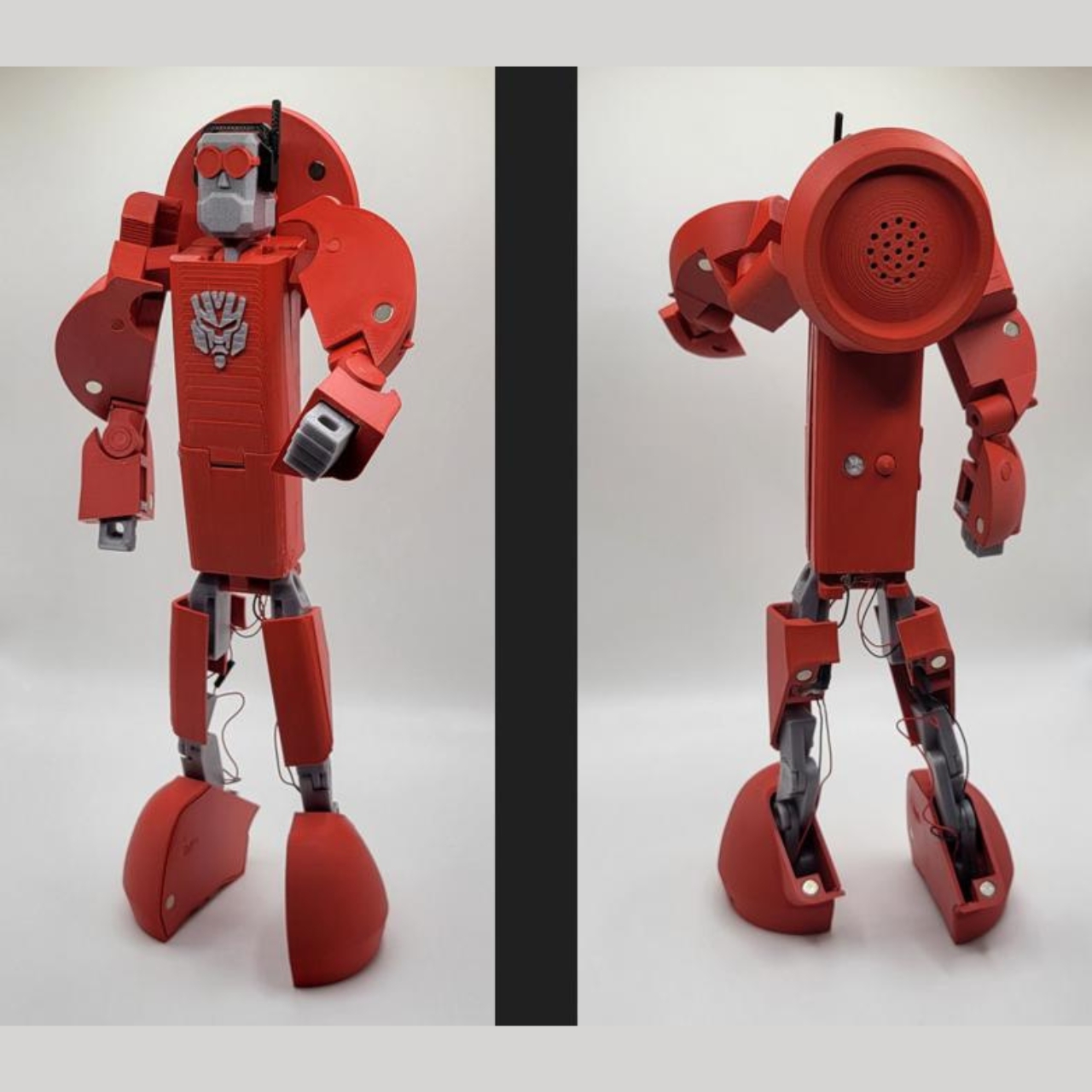
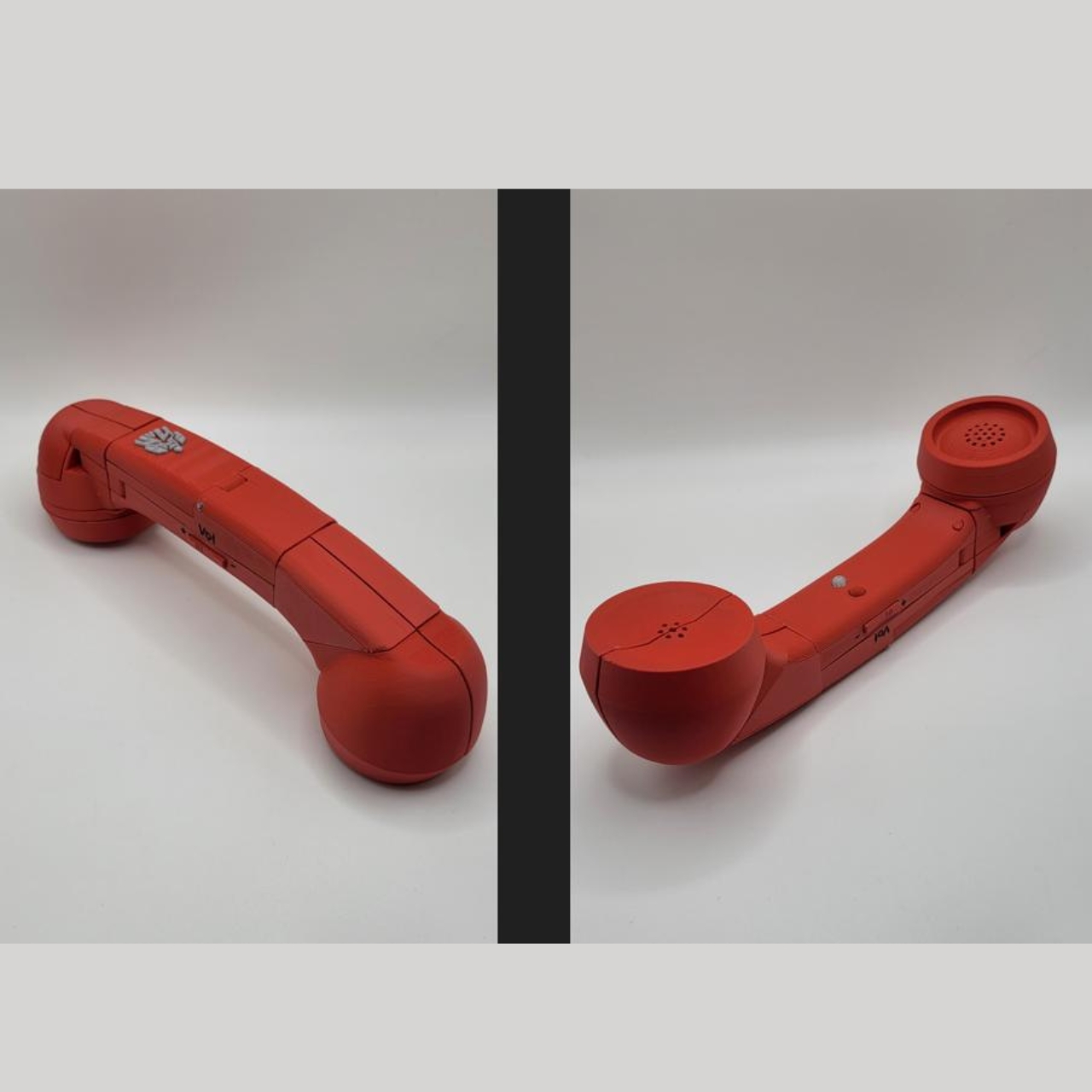
There is still an upcoming 3D model kit that isn’t available yet on Printables but it may just be the coolest. It’s a robot that turns into a telephone headset and may even have a built in Bluetooth module. For kids out there, a telephone is what we used to communicate before there were smartphones. We’re looking forward to what other Transformers templates he’ll be able to come up with eventually.