This £5,700 ‘Weightless’ Recliner Is So Sensitive, It Responds To Your Breathing Patterns

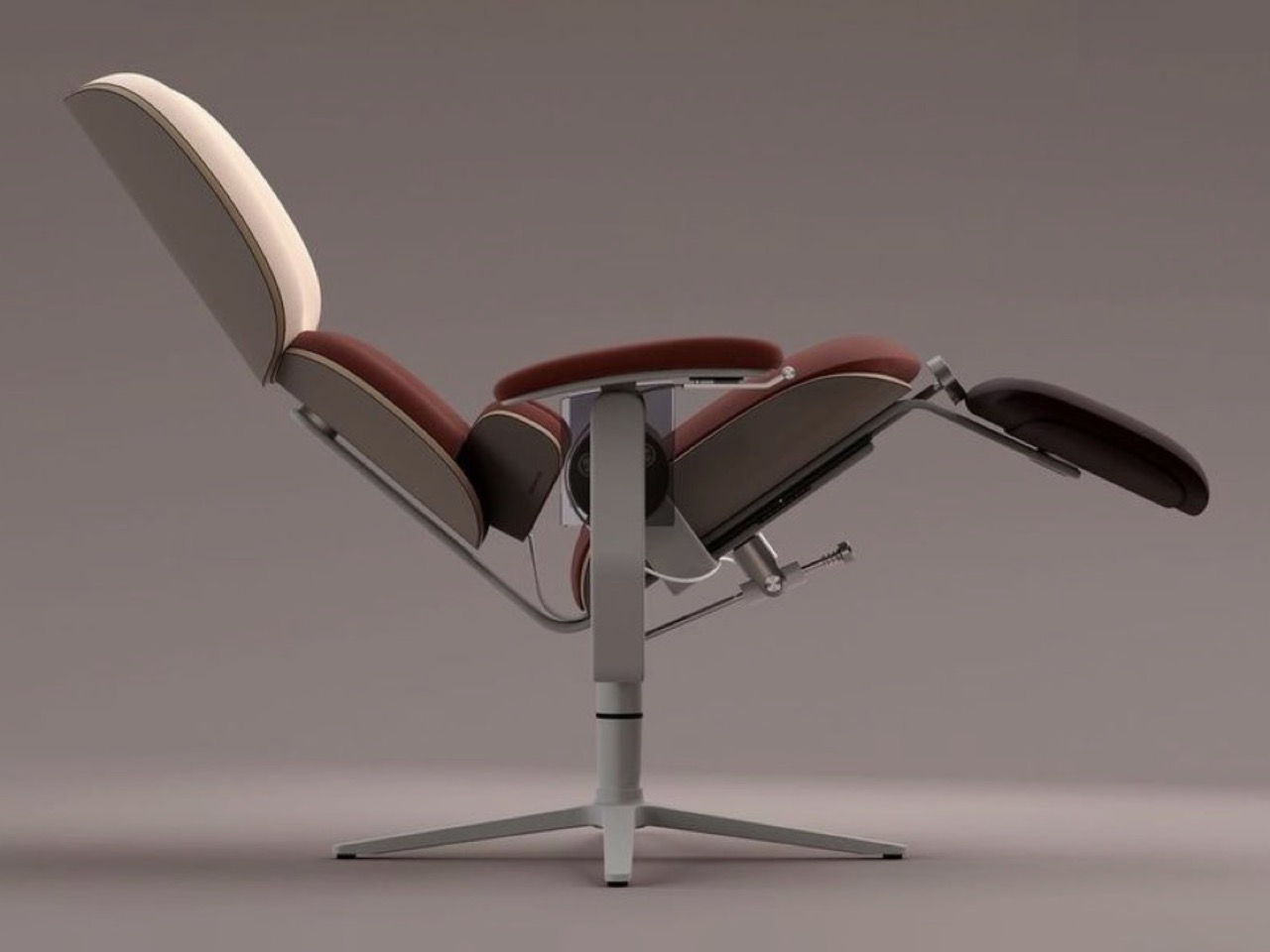
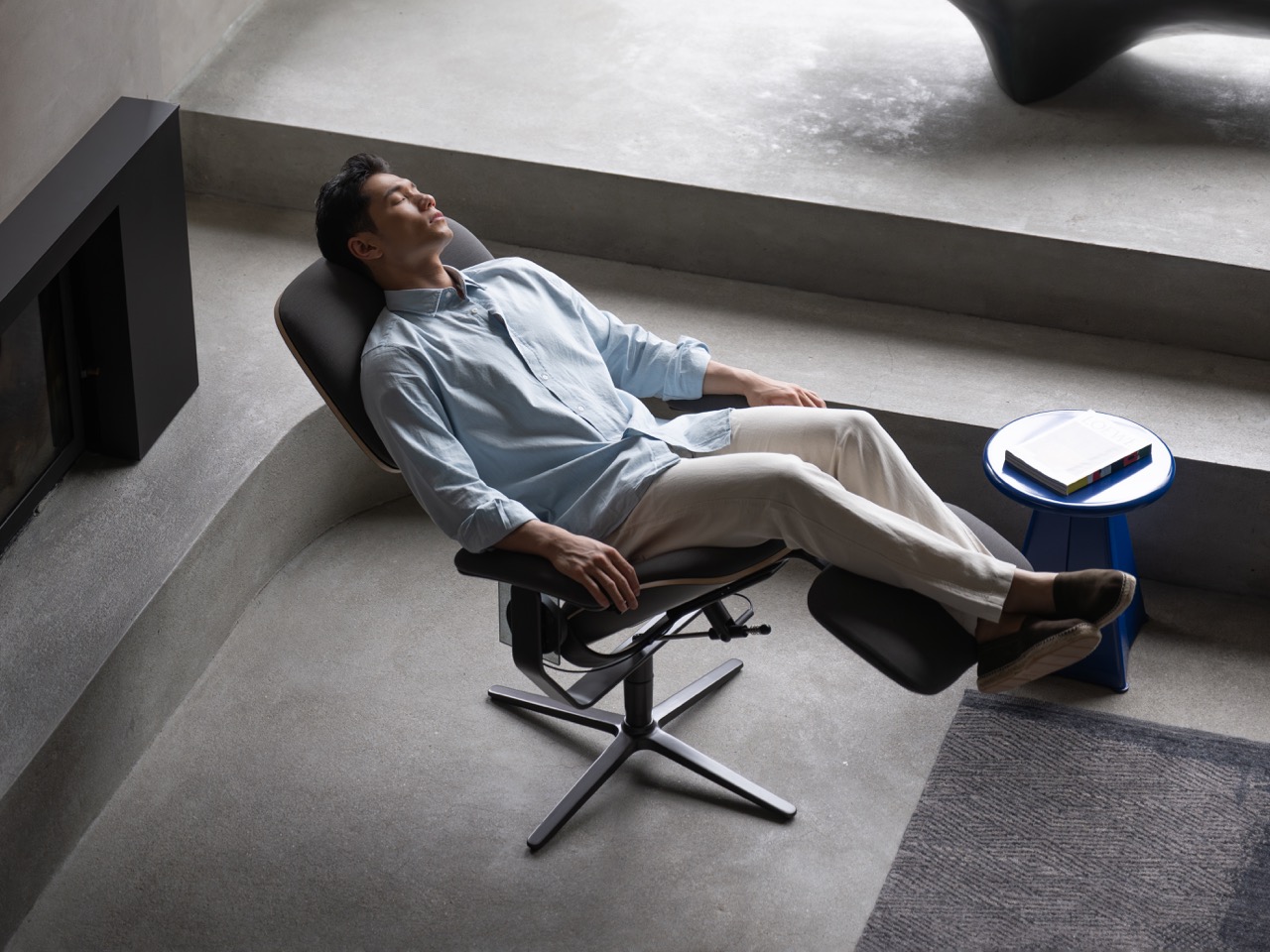
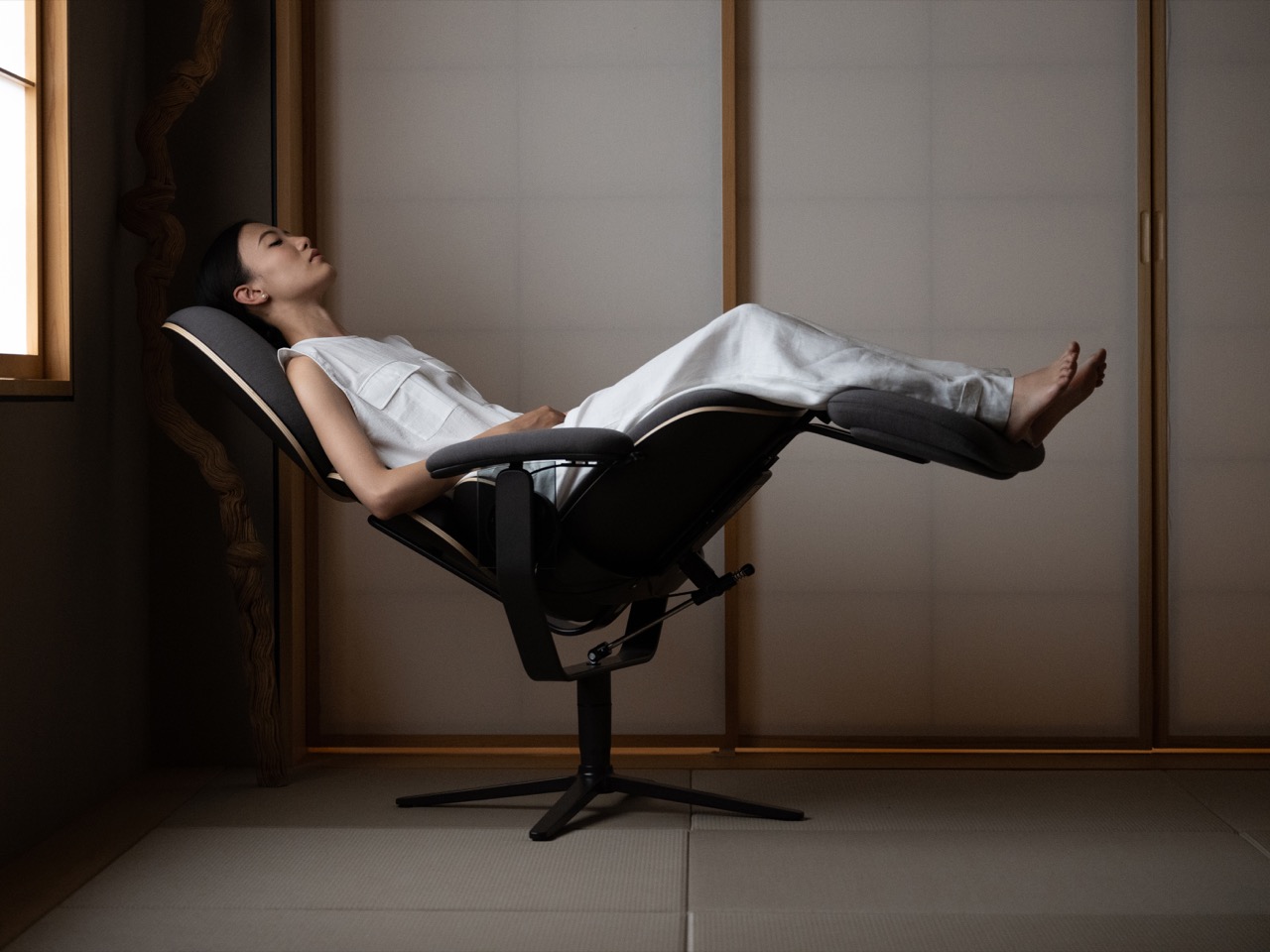
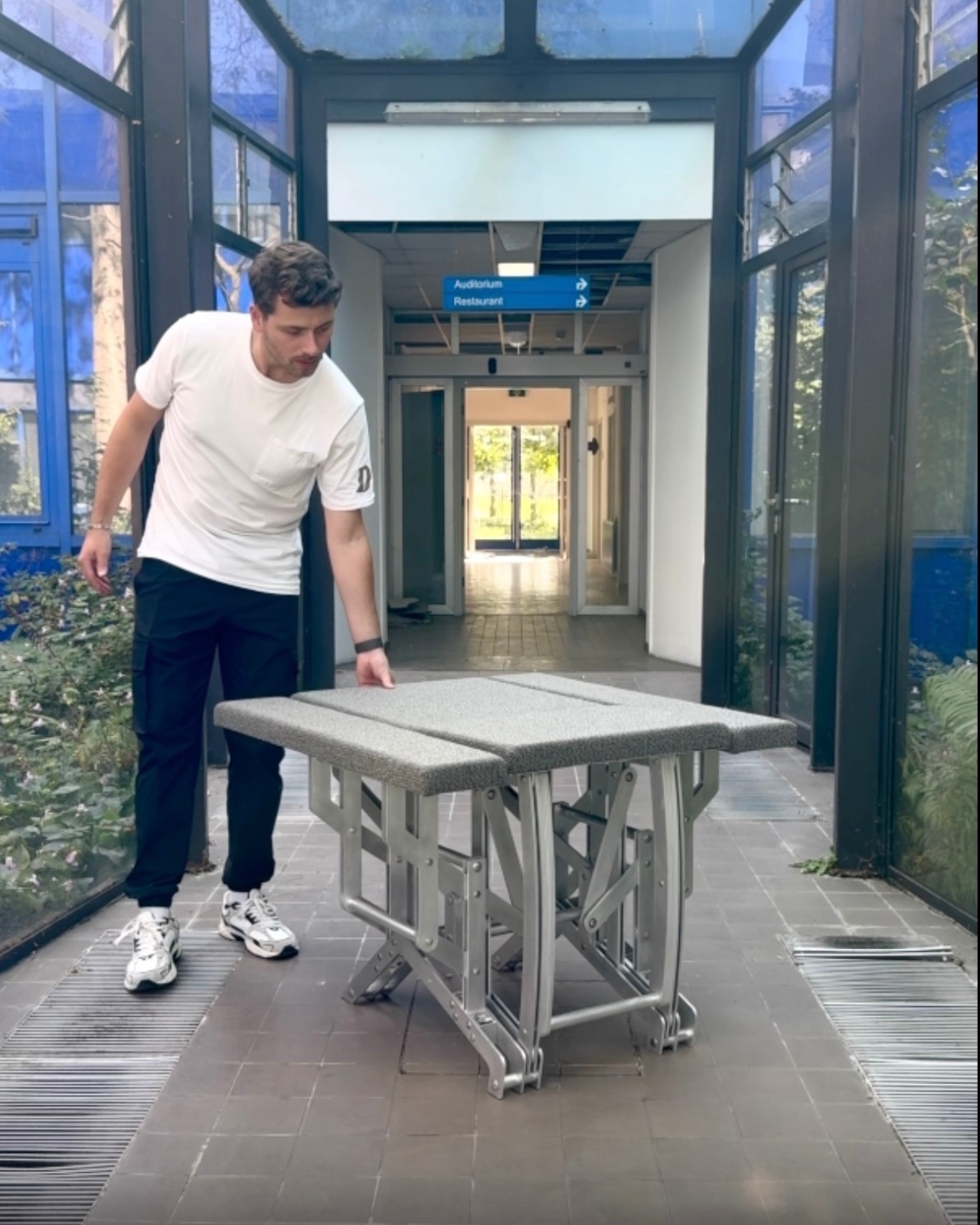
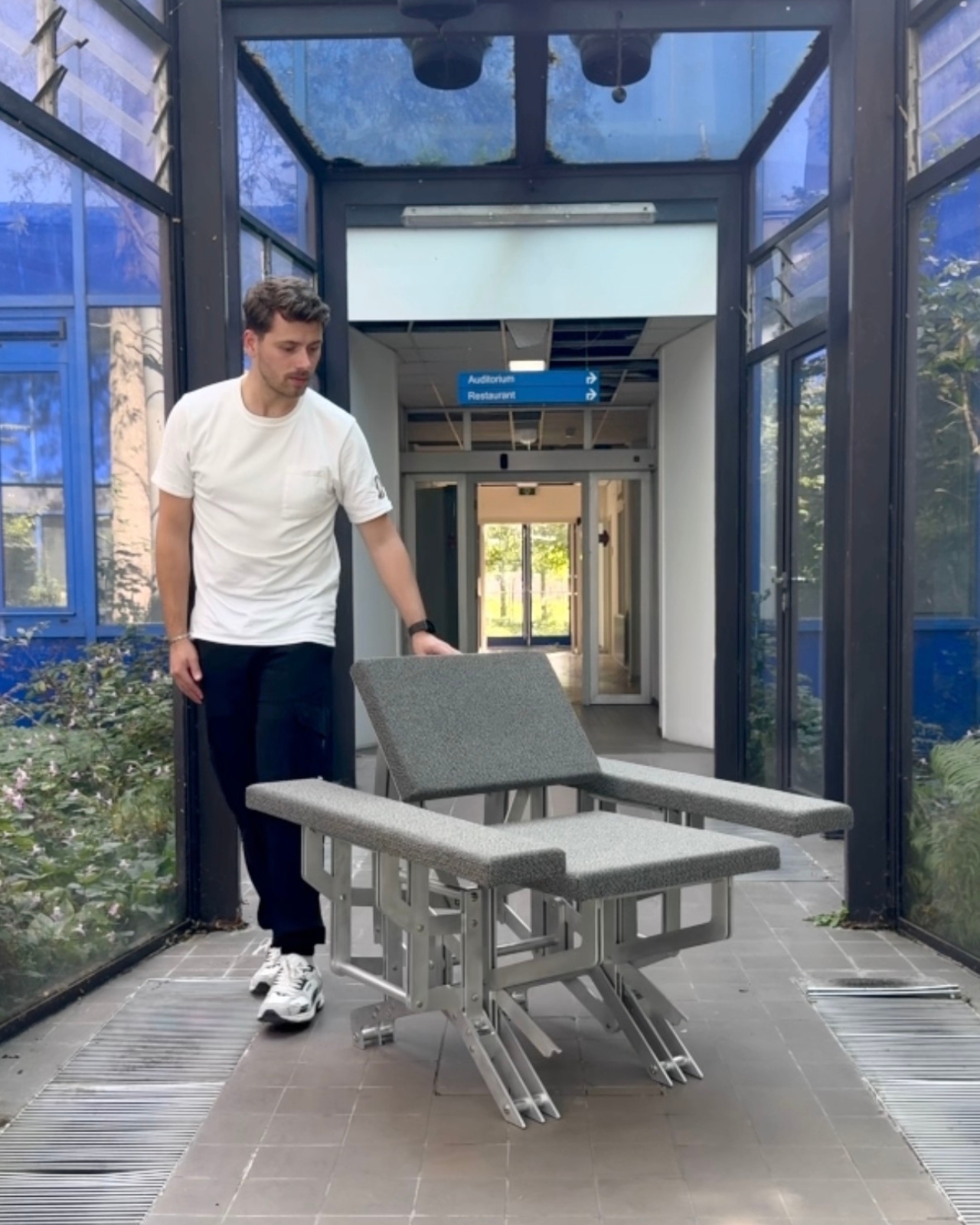
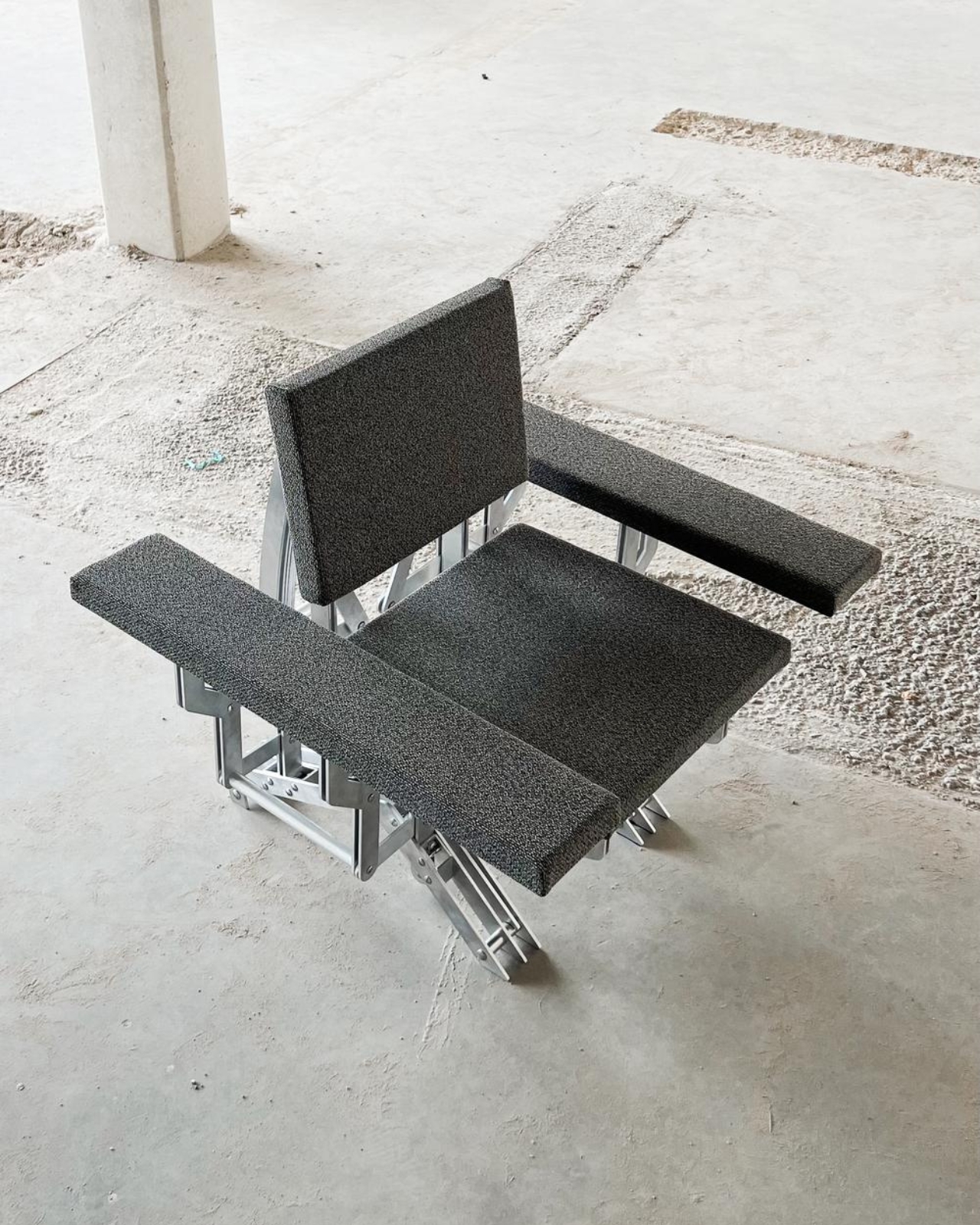
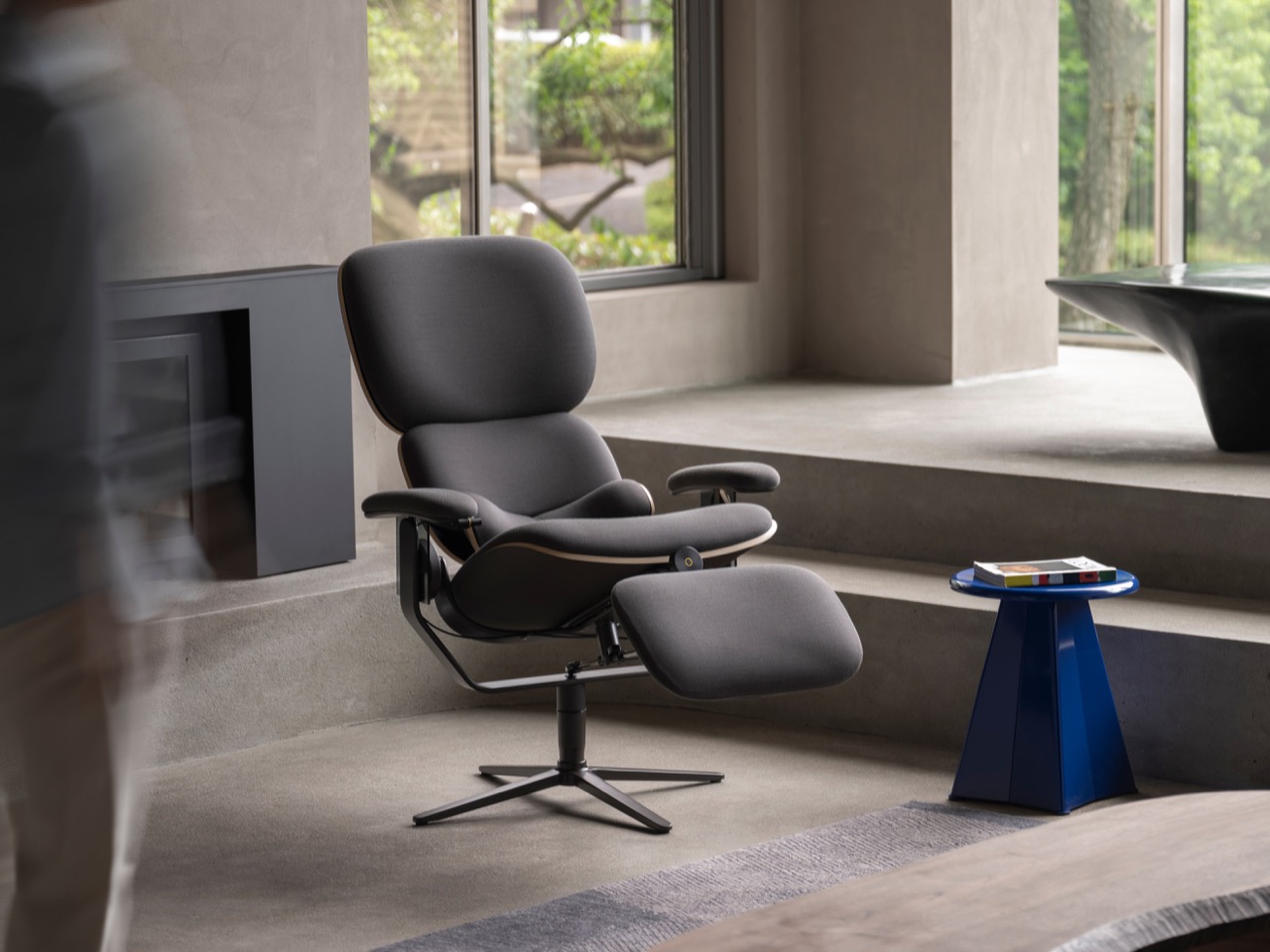
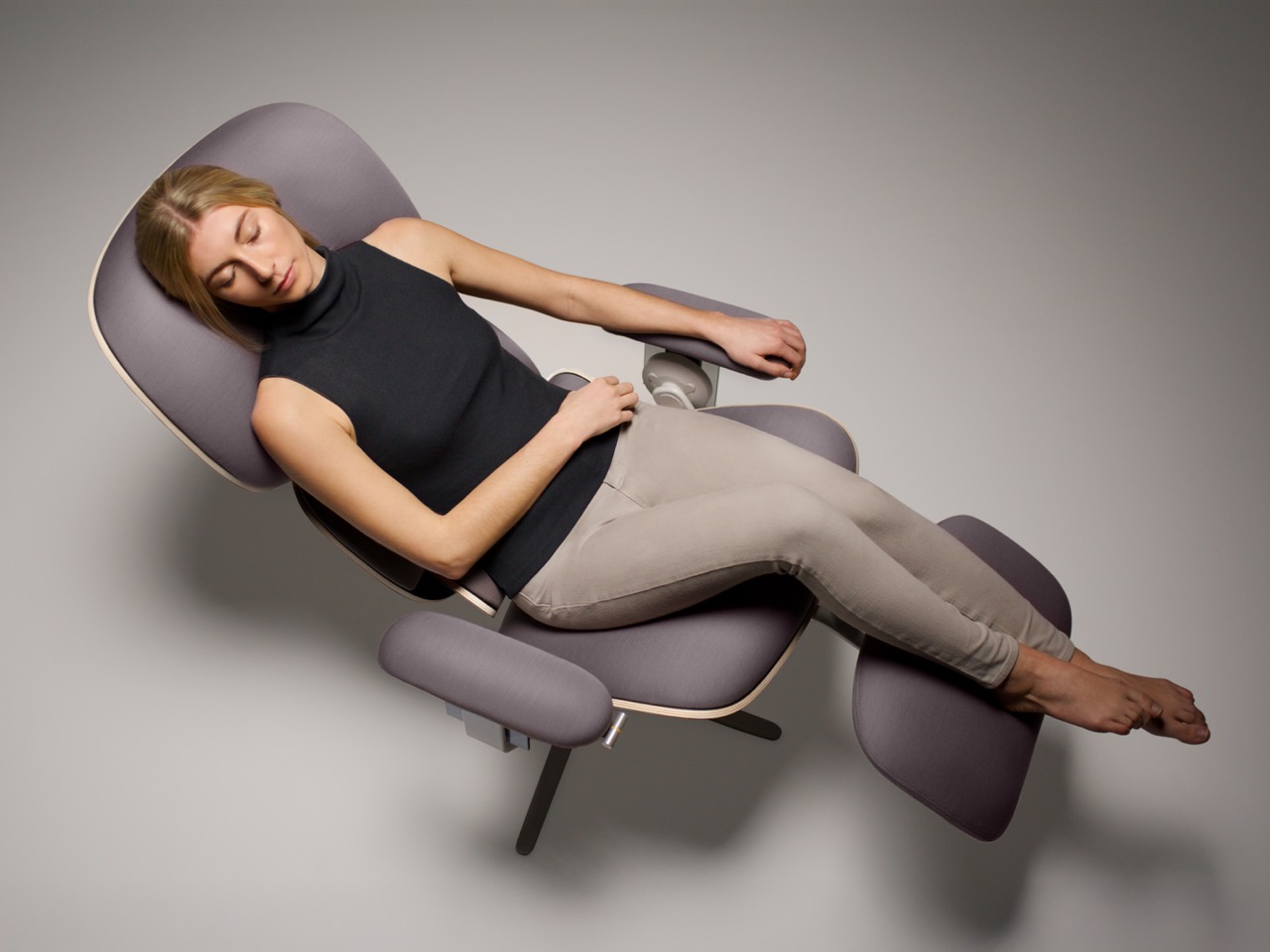
Weightlessness as a design goal is usually reserved for space agencies or sensory deprivation tanks. DavidHugh decided to build it into a chair. The Aiora uses what they call Floatation technology, a system of planar motion mechanics so sensitive that the act of breathing creates visible movement. You’re held in perfect equilibrium with zero external force, which sounds like marketing copy until you realize there are published neuroscience studies backing up their claims about induced meditative states.

This is the culmination of two decades of work from a Cambridge-based team that started in furniture design and ended up deep in biomedical engineering and consciousness research. The new model, priced at £5,700, follows their flagship Elysium chair and aims to be more accessible while maintaining the core technology that makes DavidHugh interesting: the ability to disconnect users from external sensory input and redirect their awareness inward, all through precision-engineered mechanics.

Designer: DavidHugh

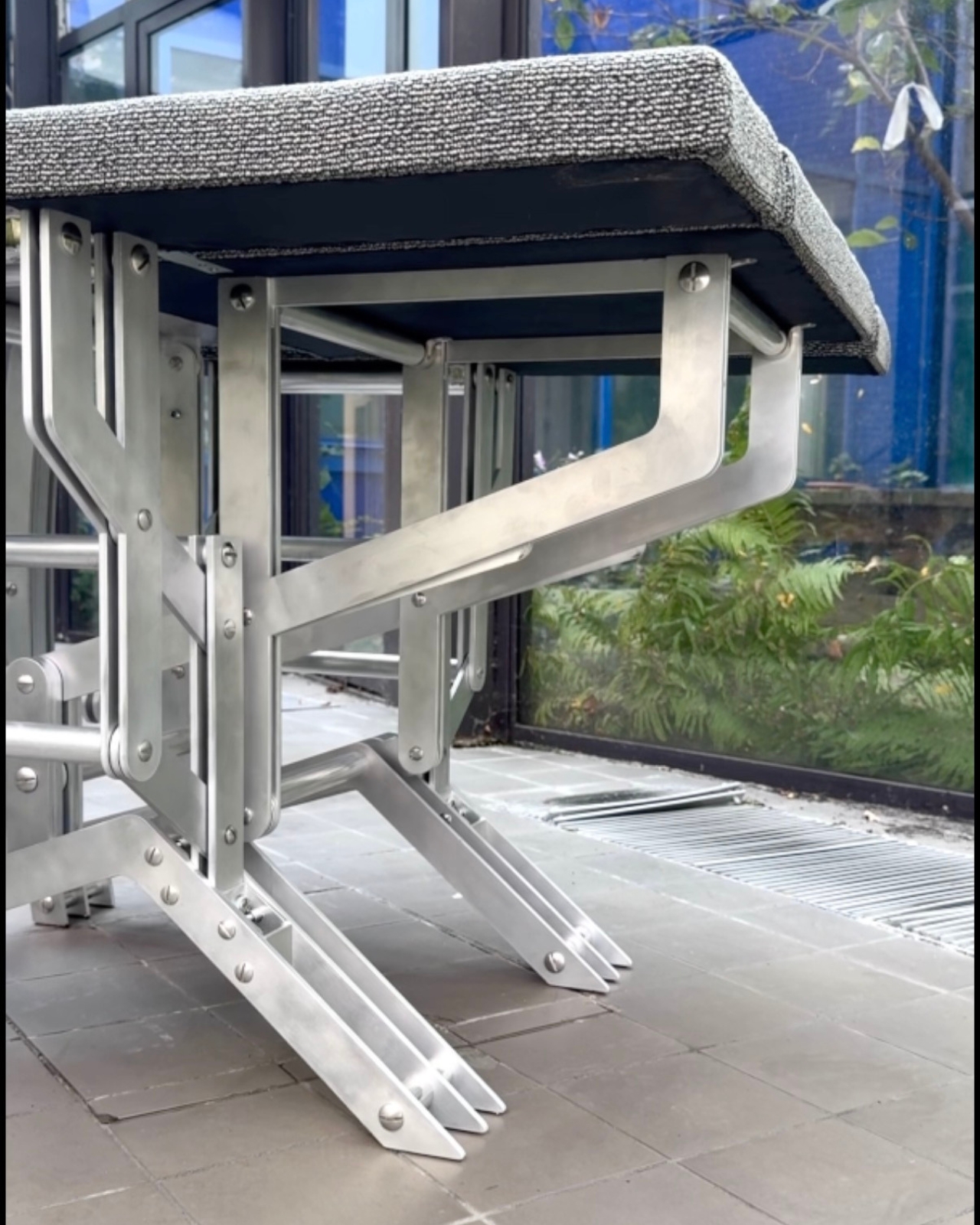
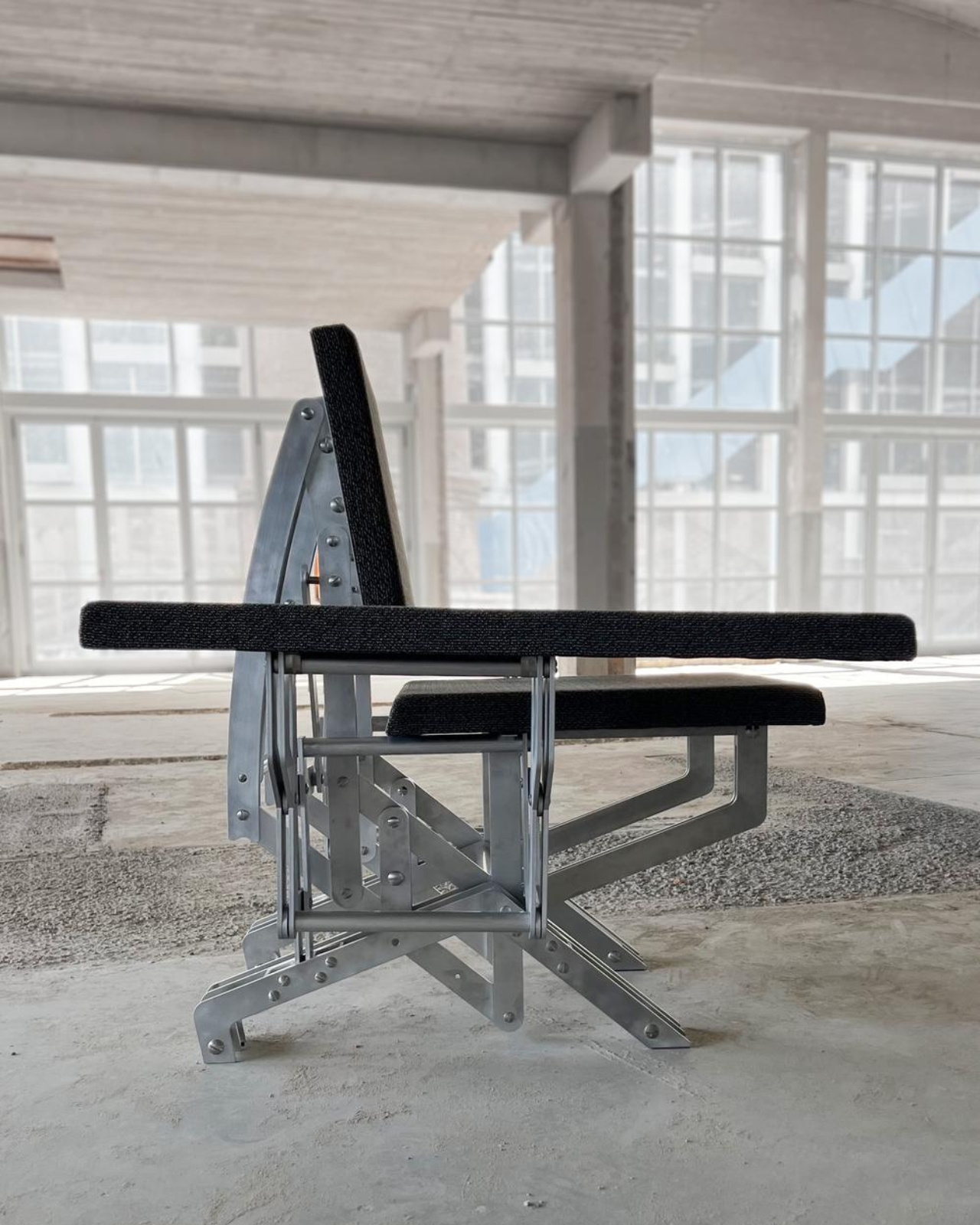
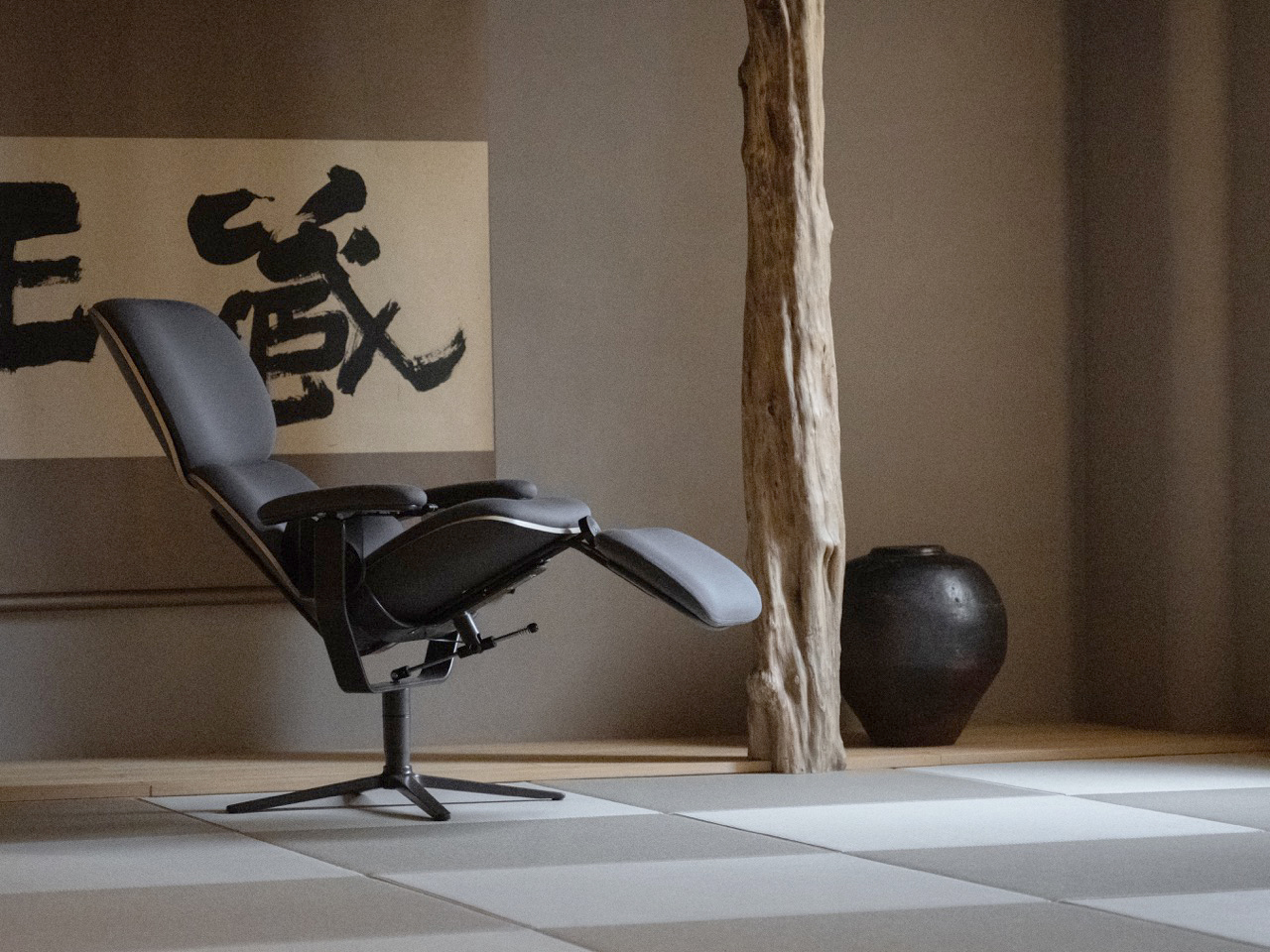
The tech itself is refreshingly analog in an era obsessed with app-connected everything. There are no motors, no springs, no batteries to charge. The Floatation system relies on roller bearings moving along a specific path to create what the company describes as frictionless continuous balance. In practice, this means you can shift positions without the usual resistance or effort, and the chair responds to the slightest movement, including the rise and fall of your chest as you breathe. The sensation has been compared to saltwater flotation, where the buoyancy removes the constant feedback your body gets from gravity and surfaces.

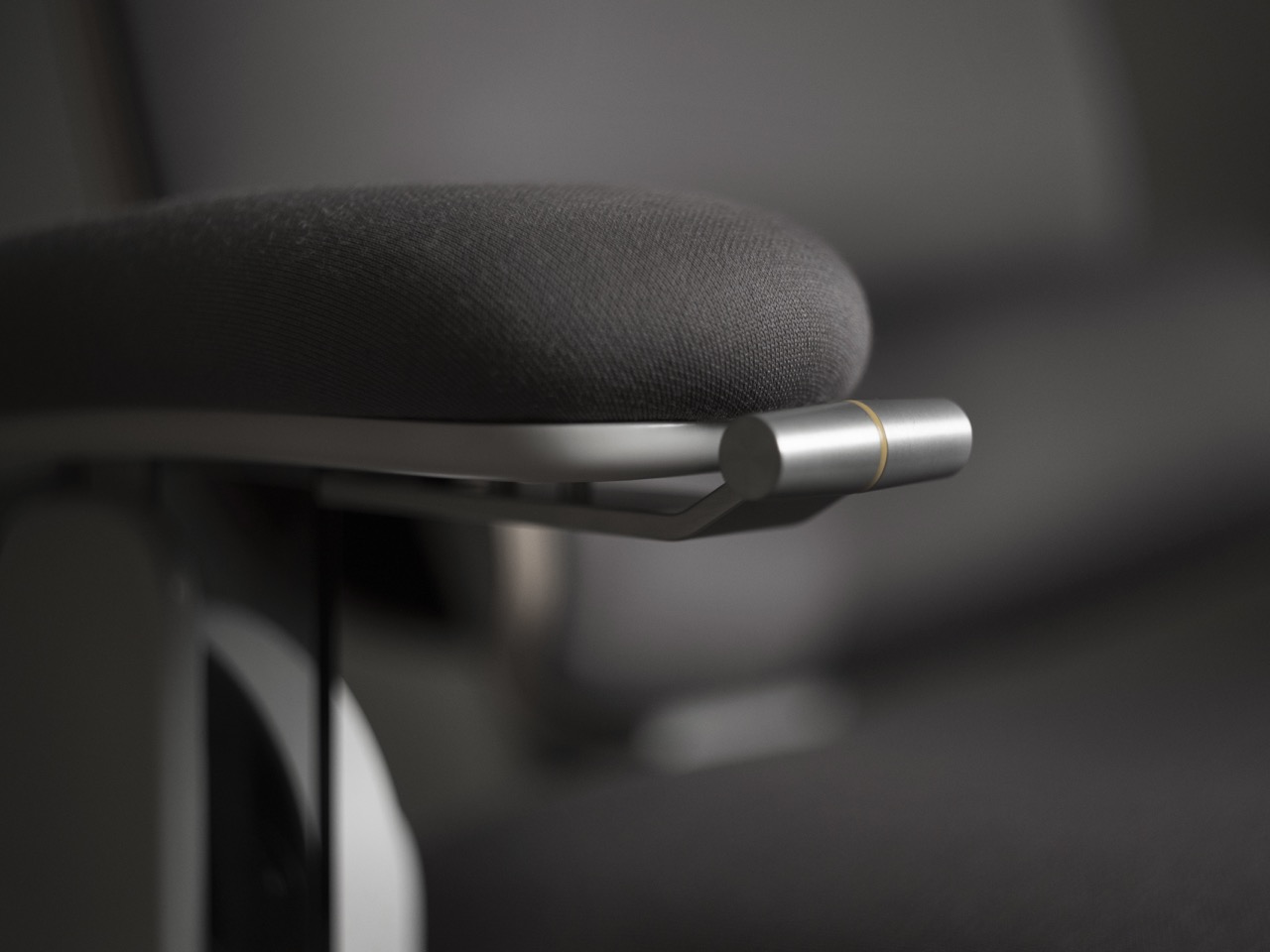
Construction-wise, the Aiora leans heavily into modular design and premium materials. The frame is precision-engineered aluminum and steel, double powder-coated for durability. The shells incorporate Fenix surfaces from Italy, known for their soft-touch matte finish and self-healing properties. Cushioning comes with options for Danish Kvadrat wool-blend fabrics or full Muirhead leather, depending on whether you’re going for the Monochrome collection (minimalist elegance), Soul (vibrant colors), or Signature (full leather craftsmanship). The modular approach also means the chair is designed for servicing, renewal, and upgradability, which is a smart counter to the usual luxury furniture model of “buy it once, keep it forever or landfill it.”

What’s compelling here isn’t just the engineering, though that’s certainly part of the appeal. It’s the way DavidHugh is positioning this as wellness technology rather than furniture. The neuroscience research they’ve published shows EEG patterns in first-time users that mirror advanced meditators, people who have spent years developing that capacity. If those findings hold up under scrutiny, it suggests the chair isn’t just comfortable, it’s actively creating conditions for specific brain states that are usually only accessible through extensive practice or pharmaceutical intervention.

That shifts the value proposition considerably. At £5,700, you’re not paying for a really nice recliner. You’re paying for access to a mental state that would otherwise require significant time investment or specialized environments like float tanks. Whether that’s worth it depends entirely on how much value you place on meditative states and whether you trust the research, but the ambition is undeniable.

The post This £5,700 ‘Weightless’ Recliner Is So Sensitive, It Responds To Your Breathing Patterns first appeared on Yanko Design.

This Designer Just Built Furniture That Blooms When You Sit

Picture this: you walk into a room, spot what looks like a sleek wooden ottoman, and press down on it. Suddenly, petals of wood bloom outward, transforming the compact stool into a full armchair that seems to welcome you with open arms. It sounds like something from a sci-fi movie, but it’s very real, and it’s the brainchild of recent Eindhoven graduate Aaron Preyer.

His project, called Blooming Furniture, is exactly what it sounds like. These aren’t your grandmother’s heirloom chairs or that boring IKEA bookshelf everyone owns. This is furniture with personality, furniture that responds to you, furniture that literally moves and transforms when you interact with it.

Designer: Aaron Preyer

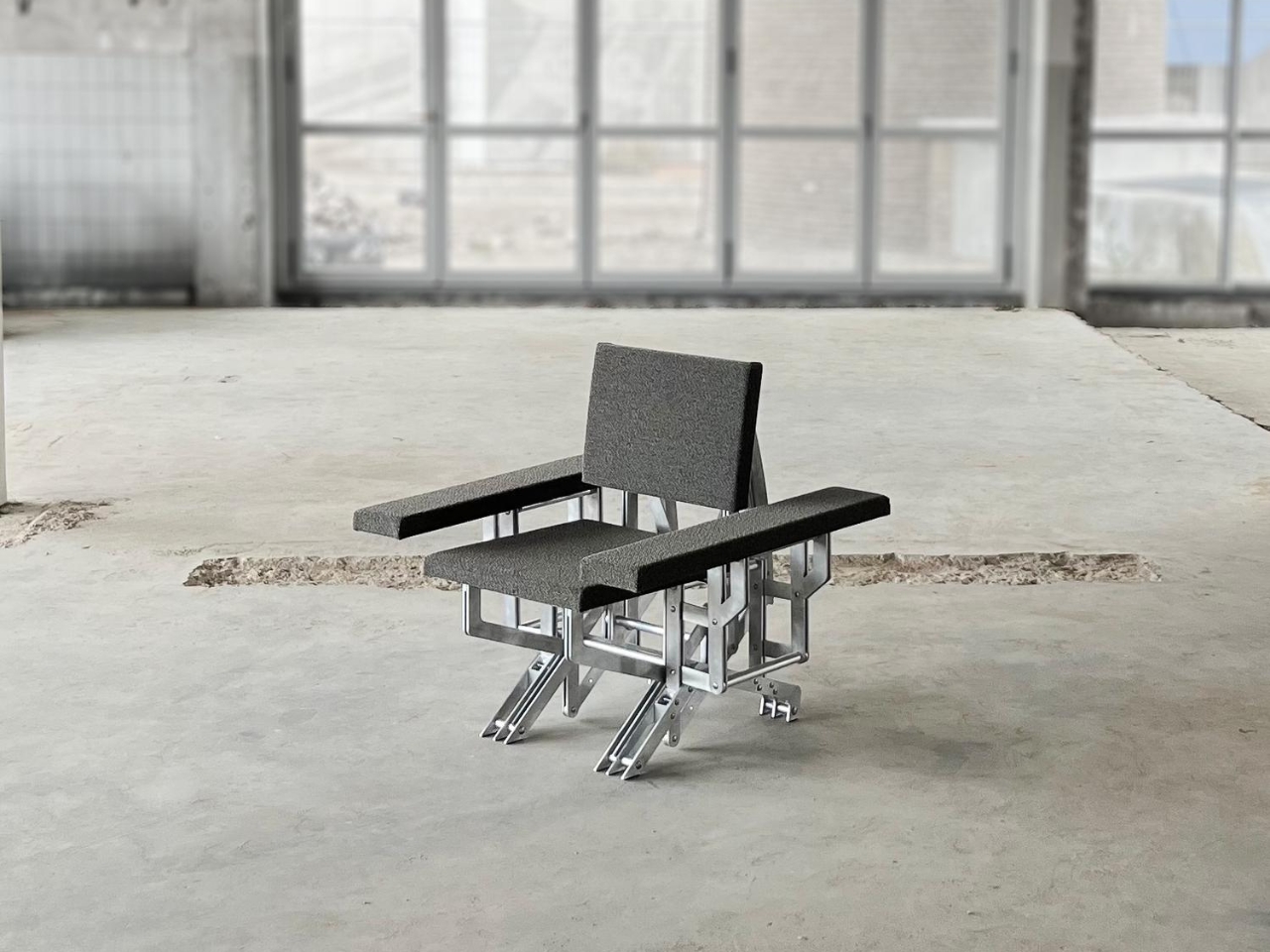
Preyer describes himself as someone fascinated by movement and transformation, and boy, does it show. The Blooming collection features several kinetic pieces that react to touch and weight through pressure-sensitive mechanisms cleverly embedded in metal bases. The magic happens when you apply pressure. Wooden segments that were neatly folded away suddenly fan out like a flower opening at dawn, creating entirely new shapes and functions.

What makes this project so compelling isn’t just the cool factor (though let’s be honest, watching furniture transform never gets old). It’s the way Preyer has thought about how we actually use furniture in our daily lives. We lean on things, we perch on edges, we need surfaces to adapt to different moments throughout the day. Instead of buying multiple pieces to serve different purposes, what if one piece could shift to meet your changing needs?

The technical execution is impressive too. Each piece demonstrates how movement and functionality come together in what Preyer calls “a playful and innovative design”. The mechanisms need to be smooth enough to feel intuitive, strong enough to support weight, and reliable enough to withstand repeated use. It’s one thing to create a transforming object as an art piece; it’s another entirely to make it functional furniture.

The project emerged from extensive research into moving mechanisms within furniture and objects. Preyer wasn’t just playing around in a workshop. He was systematically exploring questions about how furniture could be more responsive, more adaptable, more alive. The result is a collection where each piece has its own character, its own way of opening up to you. There’s something almost emotional about furniture that responds to your presence. In our world of smart homes and connected devices, we’ve gotten used to technology responding to us through screens and voice commands. But physical objects that change shape when we touch them? That hits differently. It’s tactile, immediate, visceral in a way that digital interactions just aren’t.

Some designers at Dutch Design Week 2025 noted that Preyer’s work explores the intersection between living systems and domestic design. That’s a fancy way of saying these pieces feel oddly organic, almost biological. They breathe and stretch like living things, even though they’re made from wood and metal. The practical applications are obvious. In our era of tiny apartments and multi-functional spaces, furniture that can transform from one thing to another is incredibly valuable. That ottoman that becomes a chair could also potentially shift into a side table or storage unit. We’re living in smaller spaces, working from home more, and constantly rearranging our lives. Why shouldn’t our furniture keep up?

But beyond practicality, there’s something delightful about objects that surprise us. In a world where most furniture is static and predictable, Blooming Furniture offers a sense of wonder. It reminds us that everyday objects don’t have to be boring. They can be playful, responsive, even magical. Preyer’s work sits at this fascinating intersection of craft, engineering, and experience design. It’s not just about making furniture move. It’s about creating moments of connection between people and objects, about reimagining what it means for something to be functional, beautiful, and interactive all at once.

The post This Designer Just Built Furniture That Blooms When You Sit first appeared on Yanko Design.

This Wood Chair Appears to Sprout From Grass, Where Art and Nature Converge

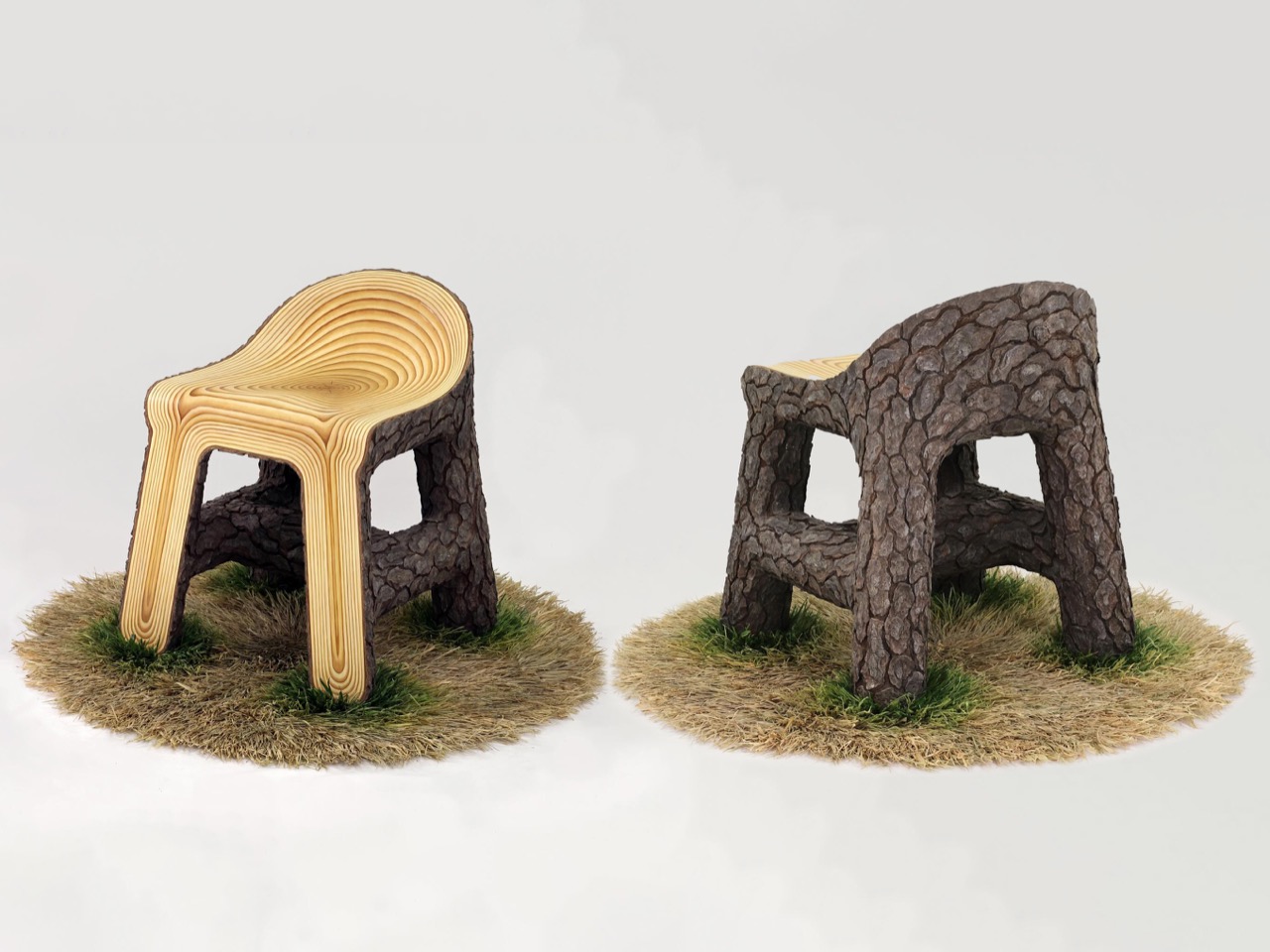
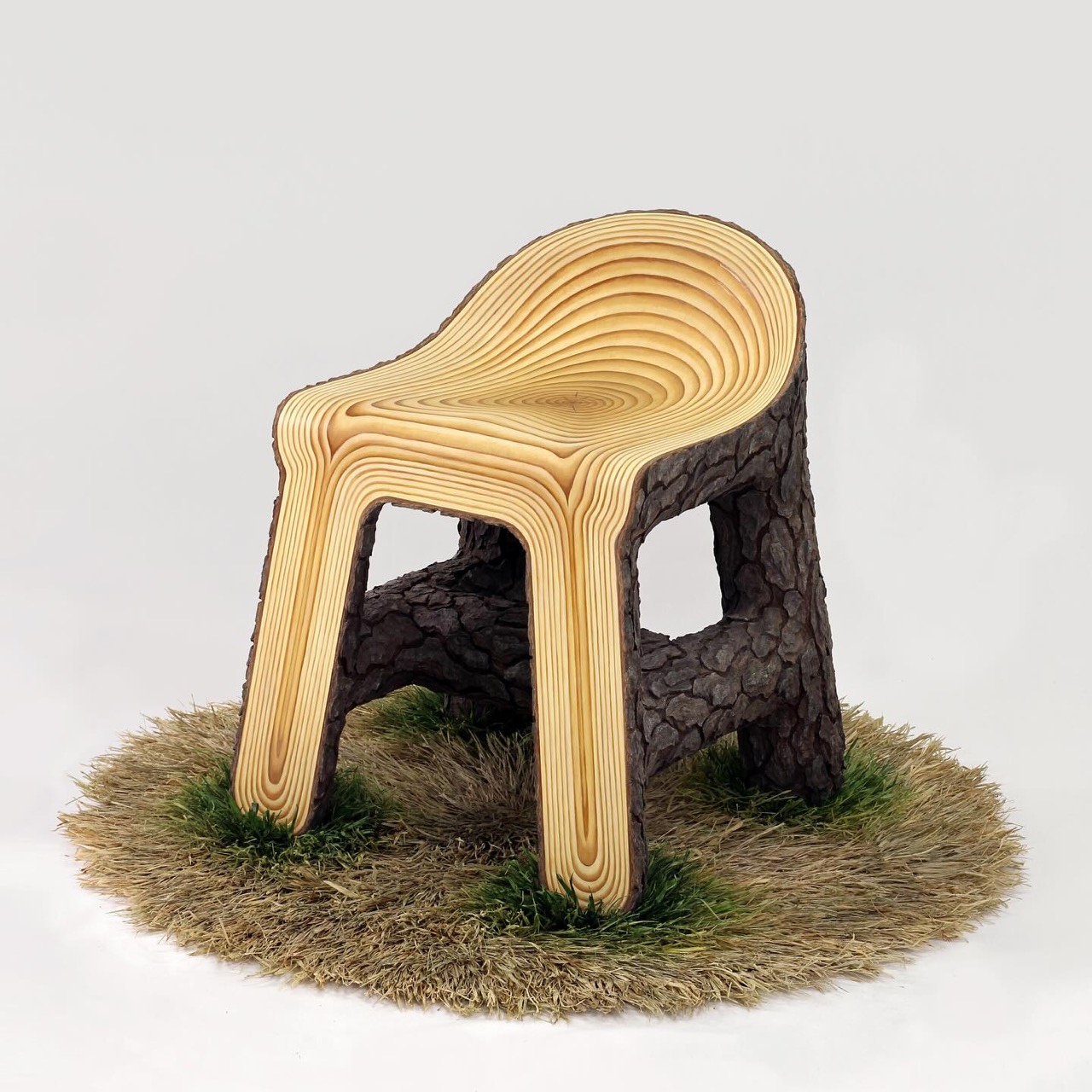
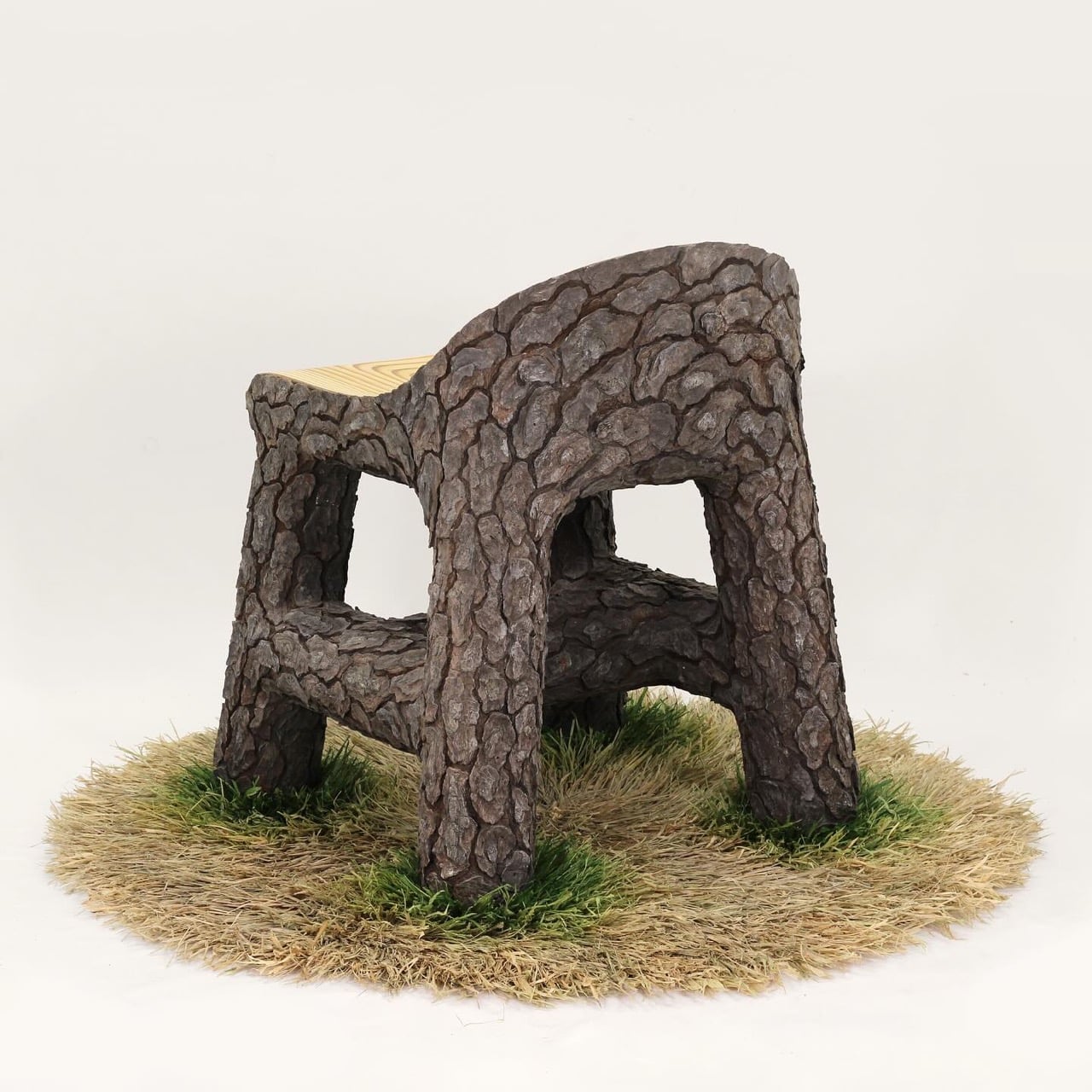
In Wood Chair on Grass, 2025, the artist extends the celebrated Wood Chair series into a deeply tactile meditation on nature, artifice, and the human instinct to create comfort out of raw material. This piece, crafted from oil paint, epoxy clay, plywood, wood, and raffia fibers, reveals the artist’s meticulous dialogue between the organic and the handmade, between illusion and touch.

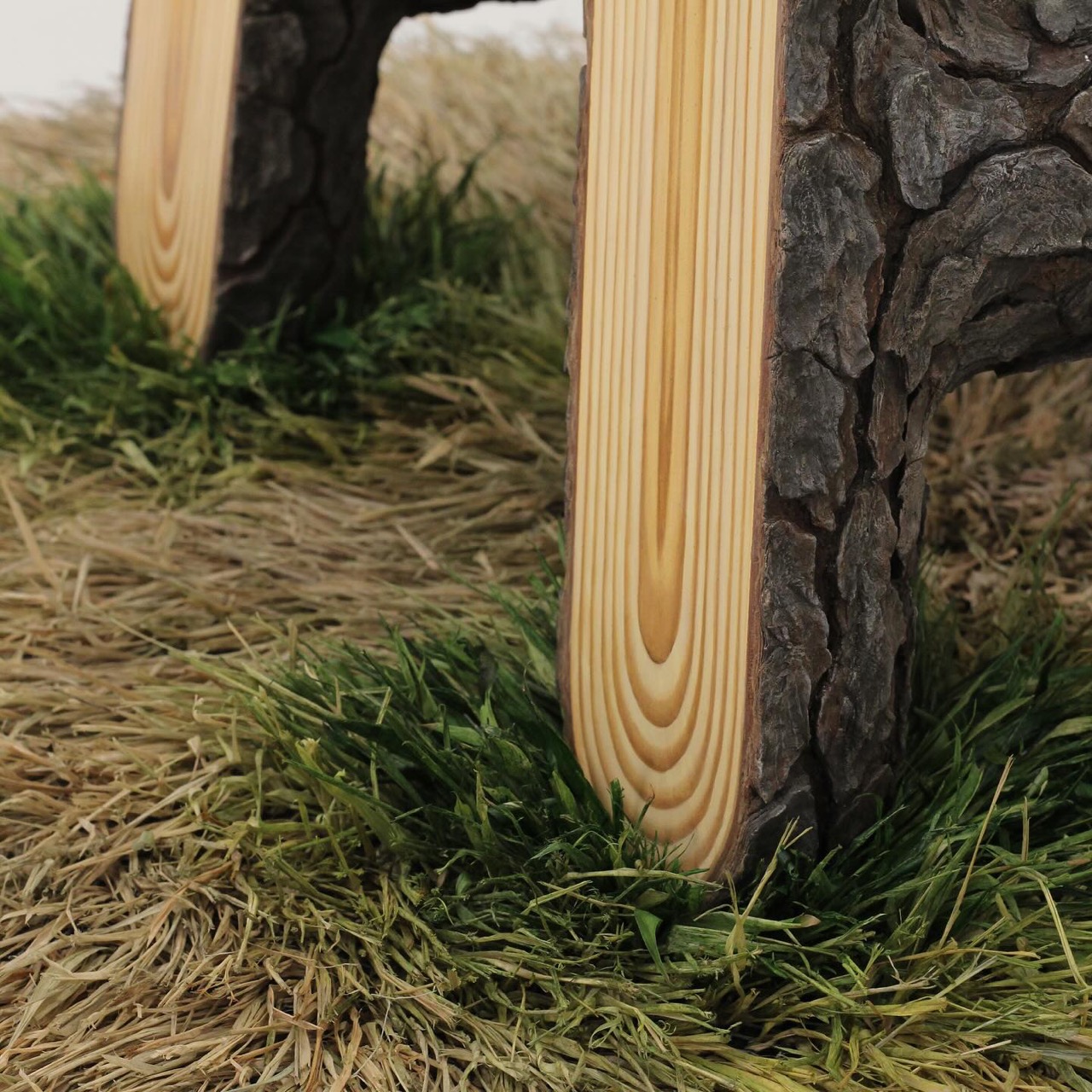
At first glance, the chair presents itself as a modest, almost familiar object, a low-back saddle seat resting calmly atop what seems like a patch of grassy earth. But upon closer inspection, it becomes clear that every element is a constructed illusion. The “grass” is not real, but a latch-hooked rug of dyed and painted raffia fibers. Each strand mimics the play of sunlit blades swaying in a breeze, but they are fixed in place, forever frozen in mid-motion. This deliberate tension between the natural and the artificial is what gives the piece its quiet power.

Designer: Joyce Lin

The seat itself is modeled after pine wood, yet it transcends imitation. Cracks are hand-carved into the surface, each line a gesture of imperfection that makes the chair feel lived-in, almost sentient. The wood grain alternates between matte and satin varnishes, an effect invisible under soft light but revealed dramatically when illuminated directly. This shifting visibility turns the viewer into an active participant, requiring them to move around the piece, to discover it rather than merely observe. It’s a subtle invitation to slow down, to look with intent, to feel the weight of craftsmanship.

The artist’s pride in the bark detail is well-earned. The bark, sculpted with epoxy clay and layered with oil paint, might be their most convincing and three-dimensional work yet. It clings to the seat’s edges like memory to an old tree, giving the illusion that the chair has grown from the ground rather than been placed upon it. There’s a certain poetry in this, an object designed for rest that itself seems to have taken root.

Beyond its technical mastery, Wood Chair on Grass captures the artist’s evolving relationship with materials. The raffia fibers, dyed and painted by hand, bring softness and unpredictability, contrasting the solidity of the wooden frame. The juxtaposition of natural texture with synthetic precision makes the work feel both ancient and contemporary, a bridge between folk craft and fine art.

Ultimately, this piece is an environment condensed into an object. It embodies the artist’s ongoing fascination with how we recreate nature within our own boundaries, how we seek to hold onto fleeting sensations through form and surface. In Wood Chair on Grass, 2025, the familiar becomes extraordinary, and the humble materials of wood and fiber transcend their physicality to evoke the emotional warmth of presence, patience, and place.

The post This Wood Chair Appears to Sprout From Grass, Where Art and Nature Converge first appeared on Yanko Design.

This Lucky Four-Leaf Stool Transforms Into Whatever You Need

You know that feeling when you rearrange your furniture and suddenly your whole space feels different? ARTA Architects just bottled that magic into something you can hold in your hands. Meet Clover Collective, a modular stool that’s basically the Swiss Army knife of seating, and it’s turning heads from Milan to Hong Kong.

Here’s the thing about good design: it shouldn’t just look pretty sitting in a museum. It needs to work for real life, adapt to your moods, and ideally, not destroy the planet in the process. The folks at ARTA clearly got that memo because Clover Collective checks all those boxes and then some.

Designer: ARTA Architects

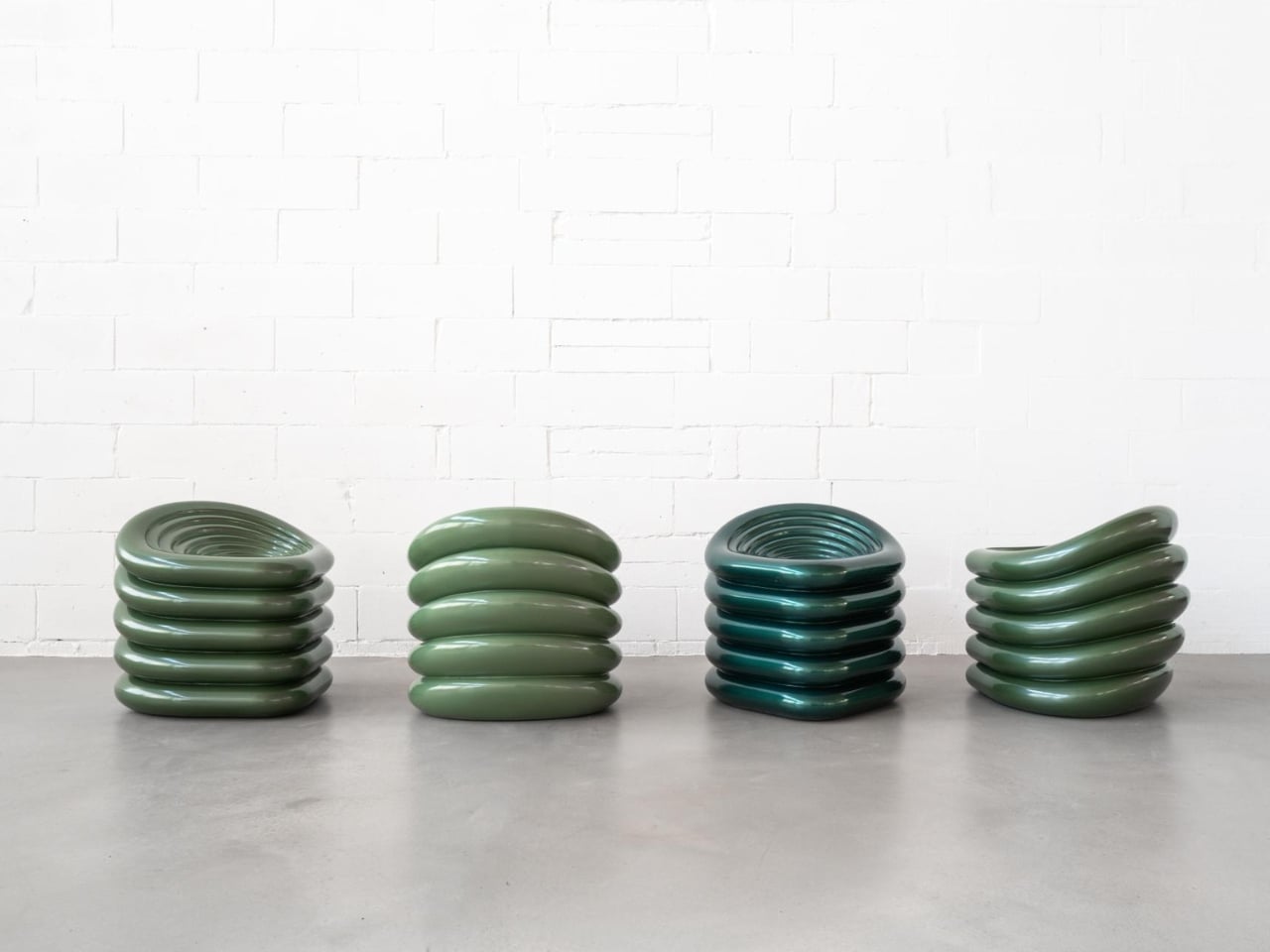
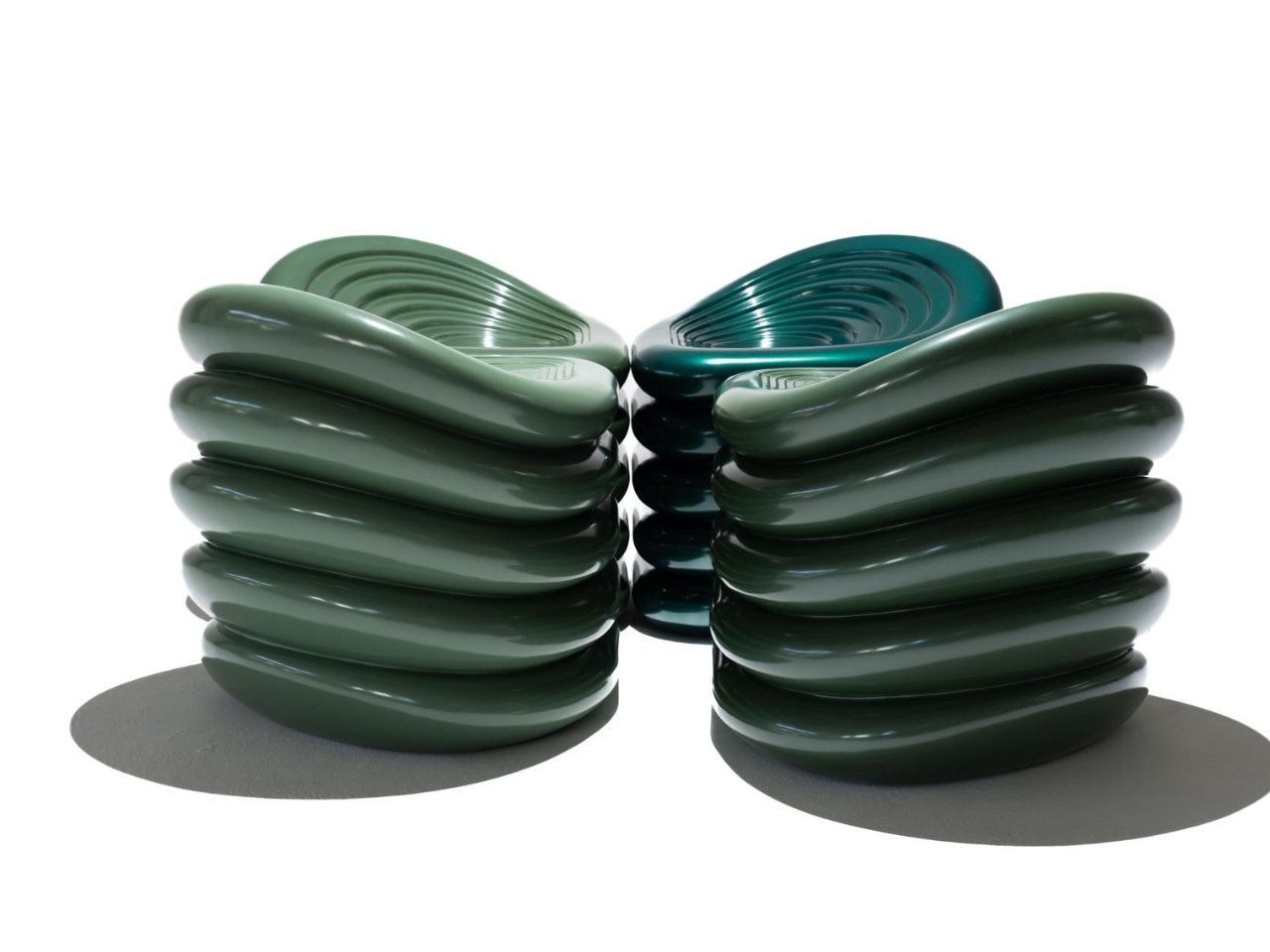
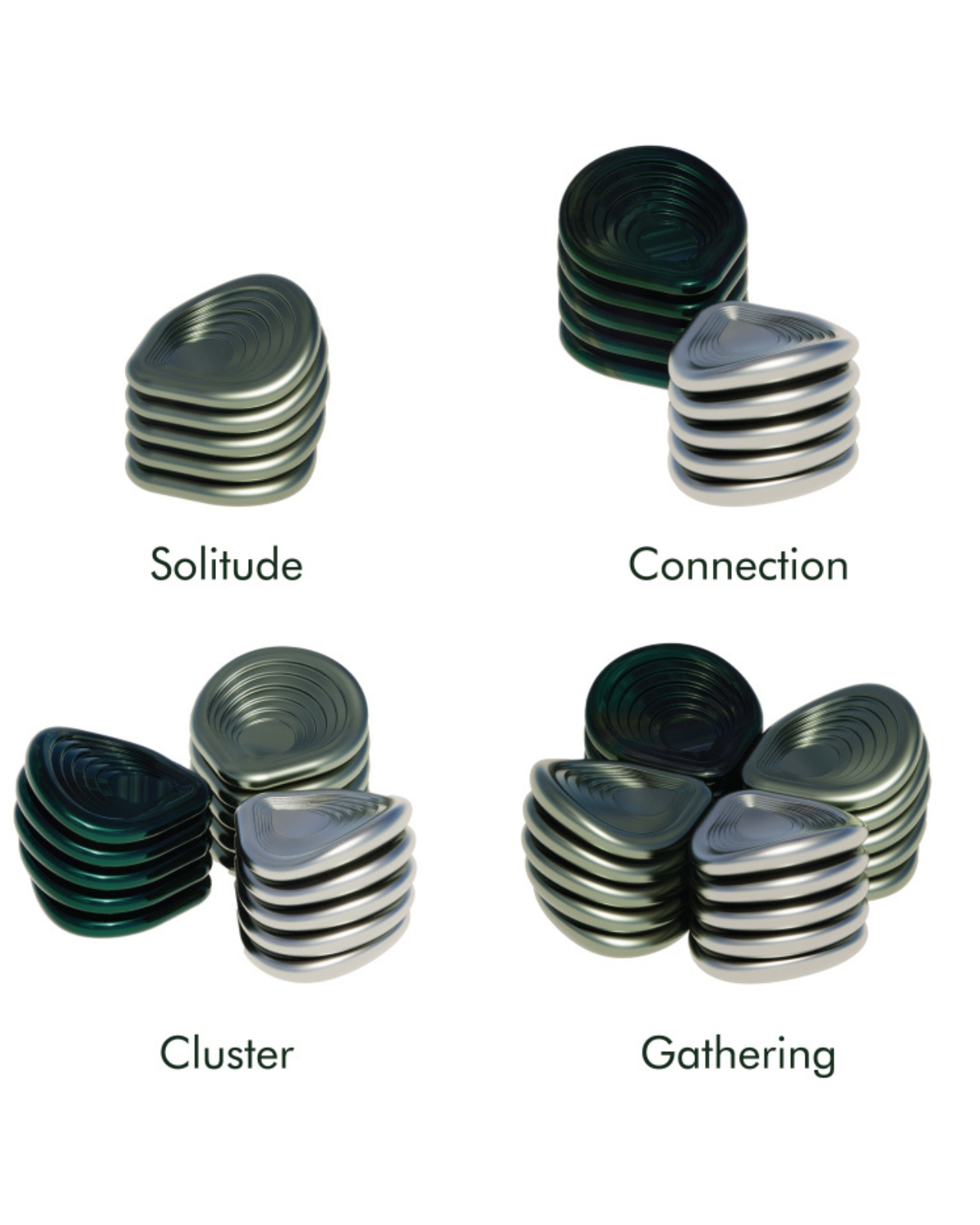
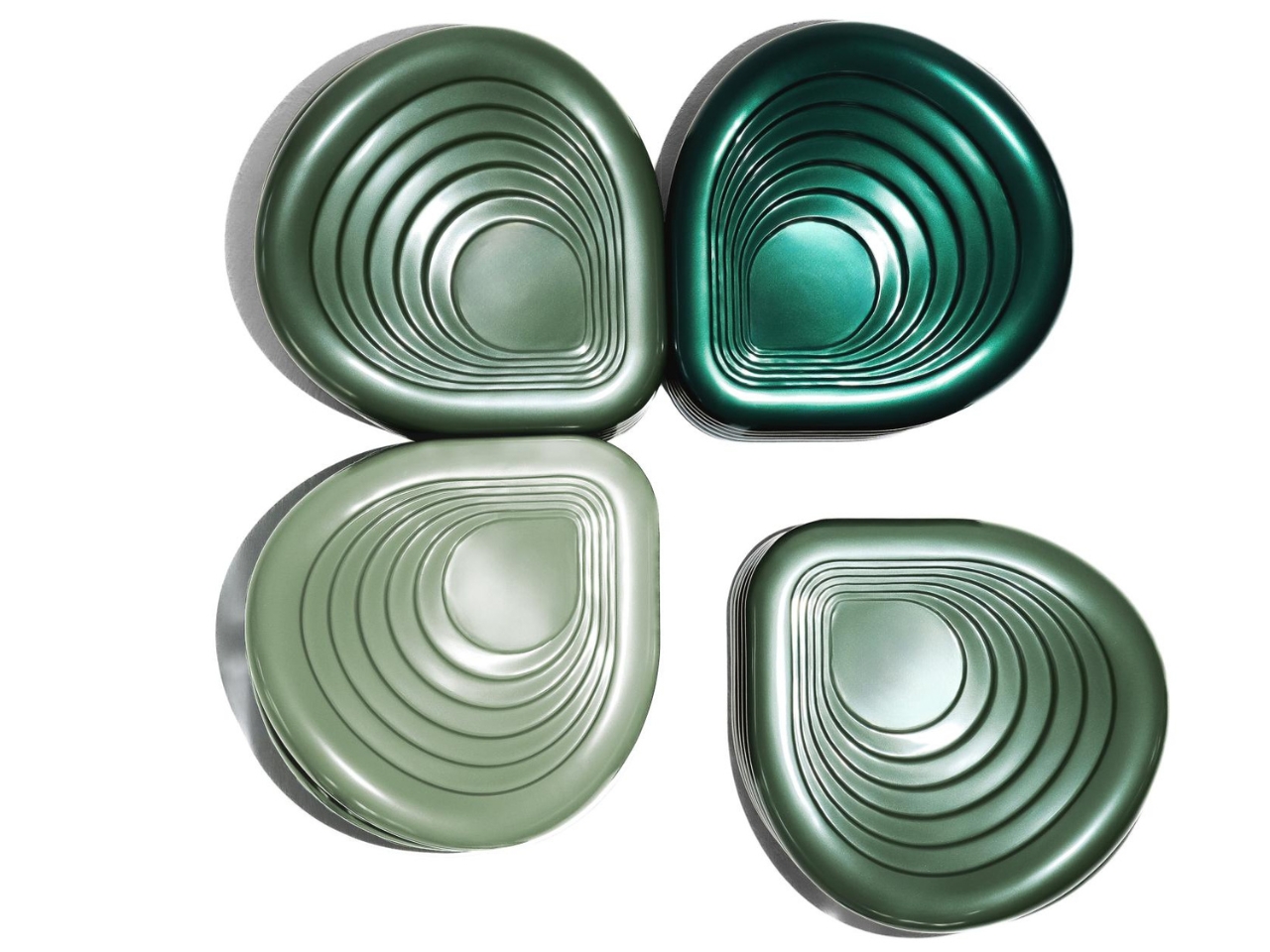
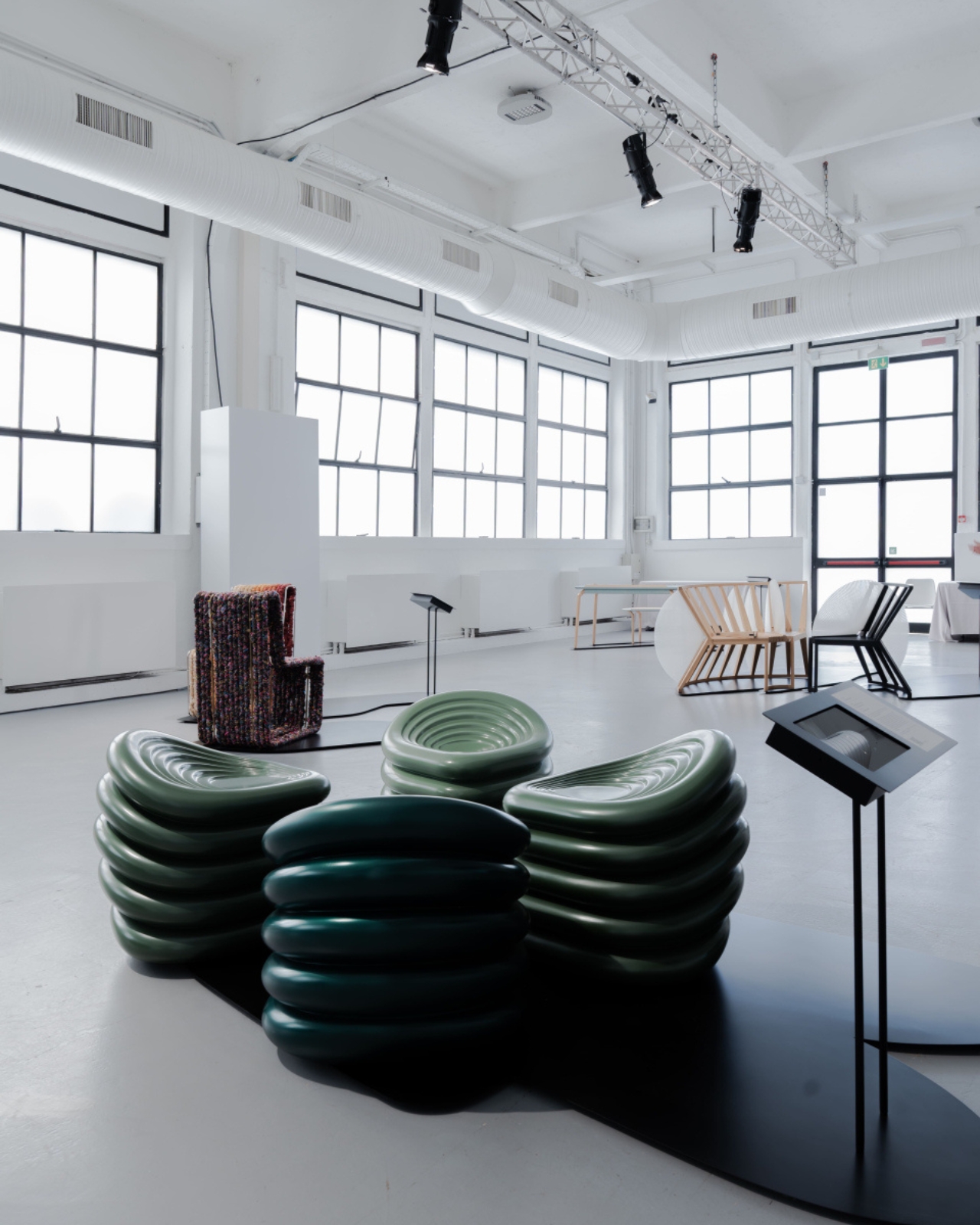
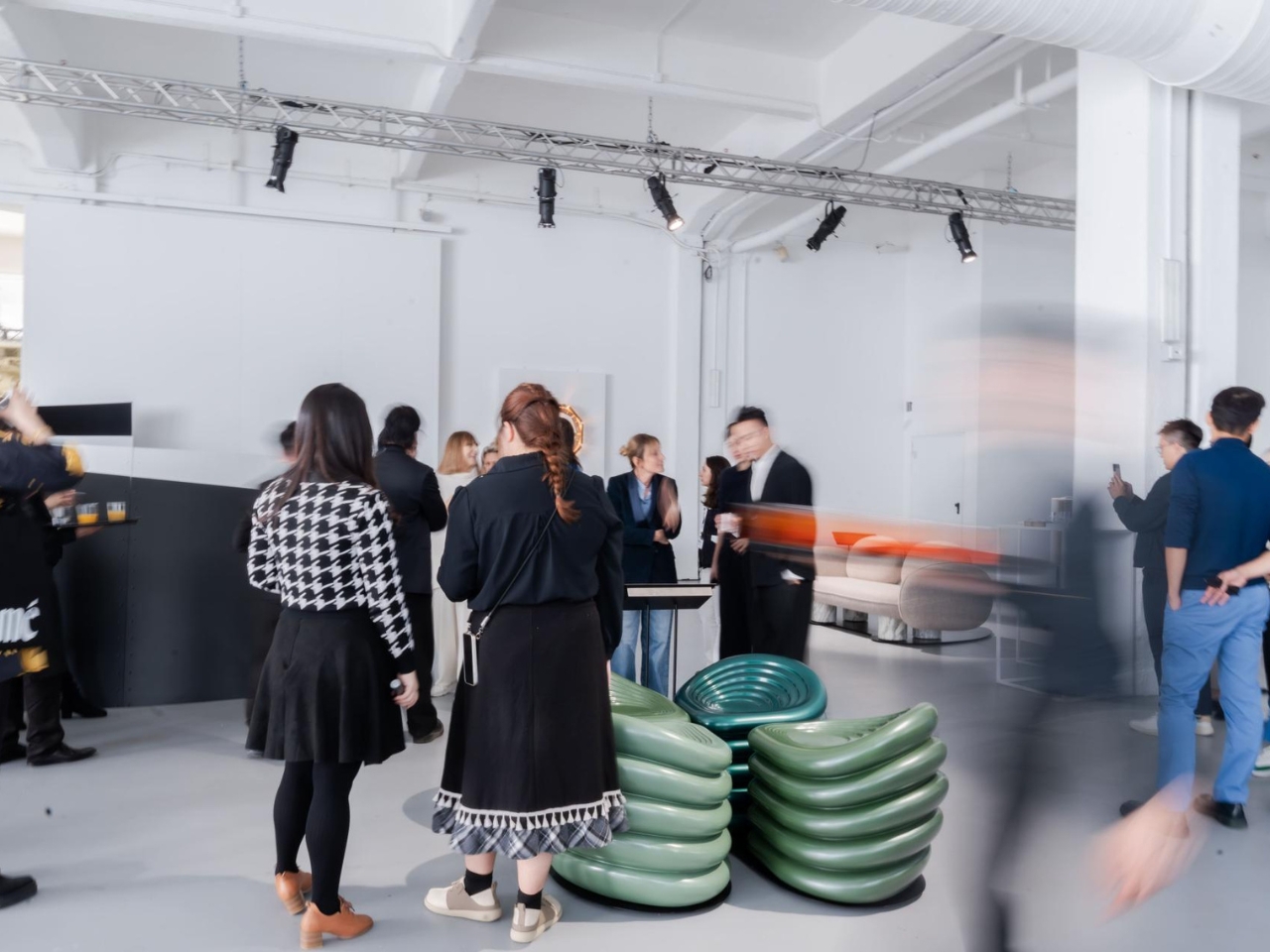
The concept is brilliantly simple. Inspired by the four-leaf clover (you know, that lucky little plant you spent hours searching for as a kid), each piece features five ergonomic layers that stack and connect in multiple ways. Think of it like grown-up LEGO blocks, but way more sophisticated and actually comfortable to sit on. You can use one stool solo for those introspective coffee moments, push several together for an impromptu dinner party, or arrange them into completely different configurations depending on whether you’re hosting book club or just need a spot to tie your shoes.

What really sets this design apart is its versatility. The modular nature means you’re not stuck with one static piece of furniture that only works in one spot doing one thing. Your living room setup today doesn’t have to be your living room setup tomorrow. Hosting friends? Reconfigure. Need more floor space for yoga? Stack them up. Moving to a smaller apartment? These pieces travel and adapt with you. It’s furniture that actually respects the fact that life isn’t static.

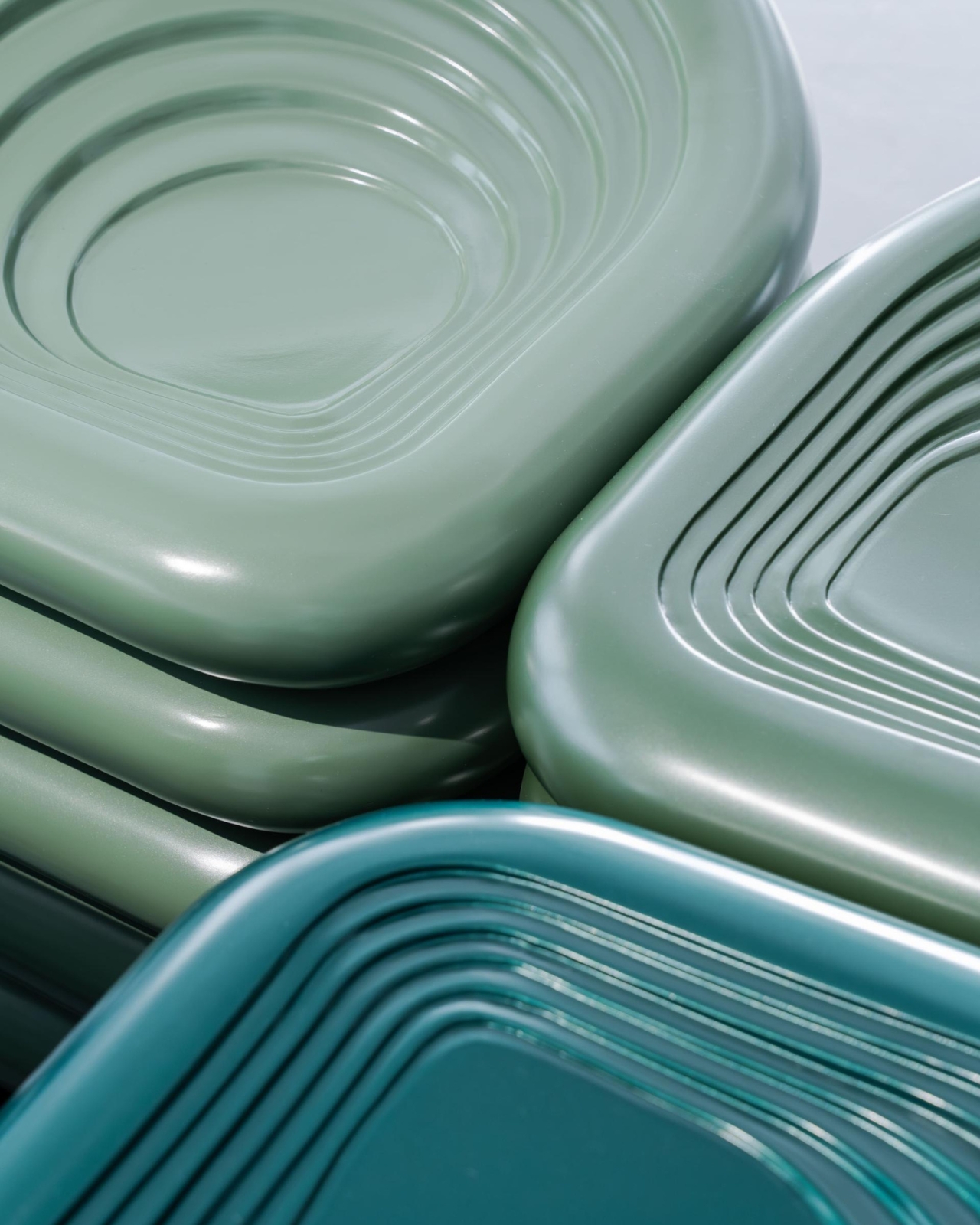
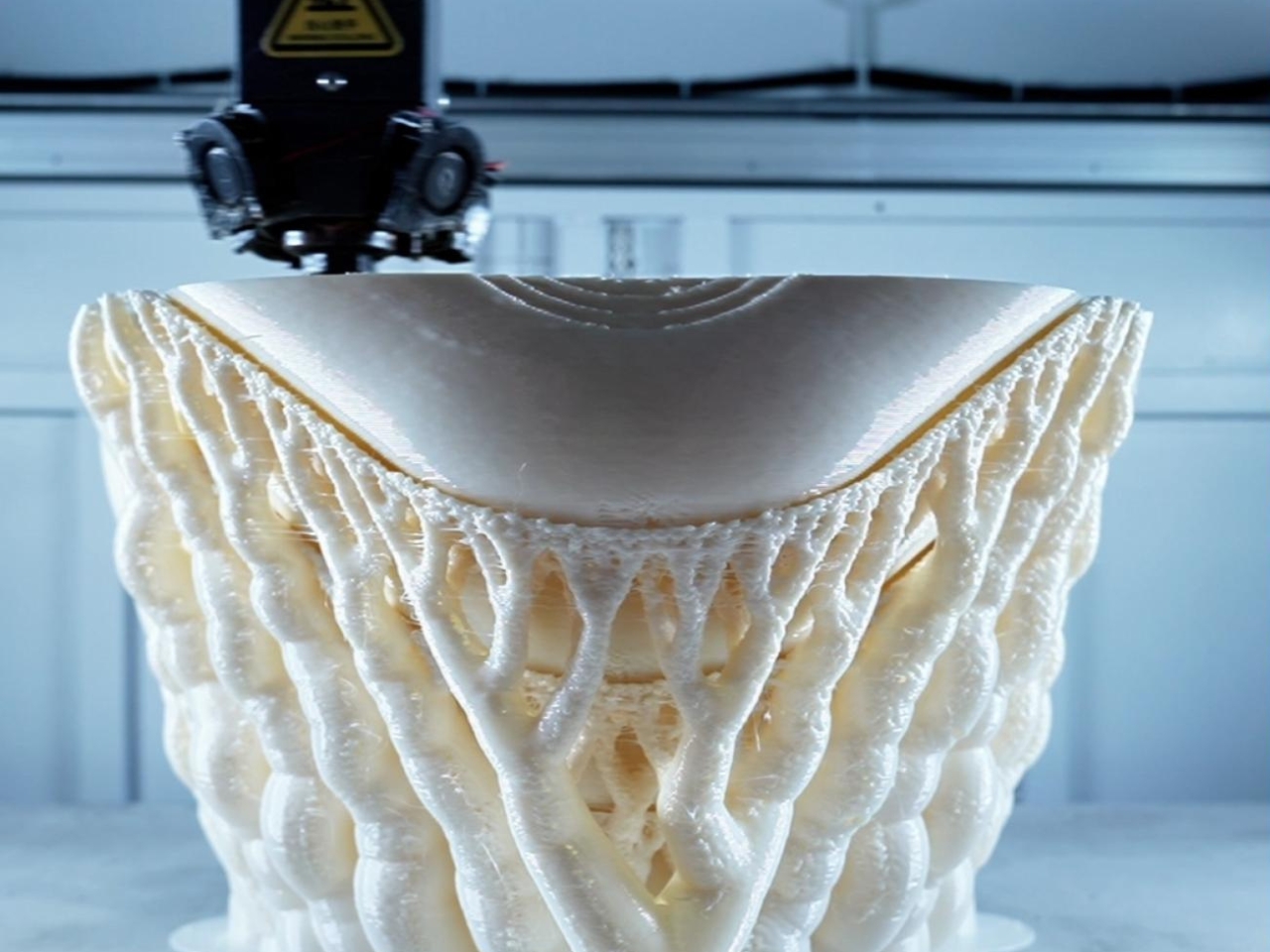
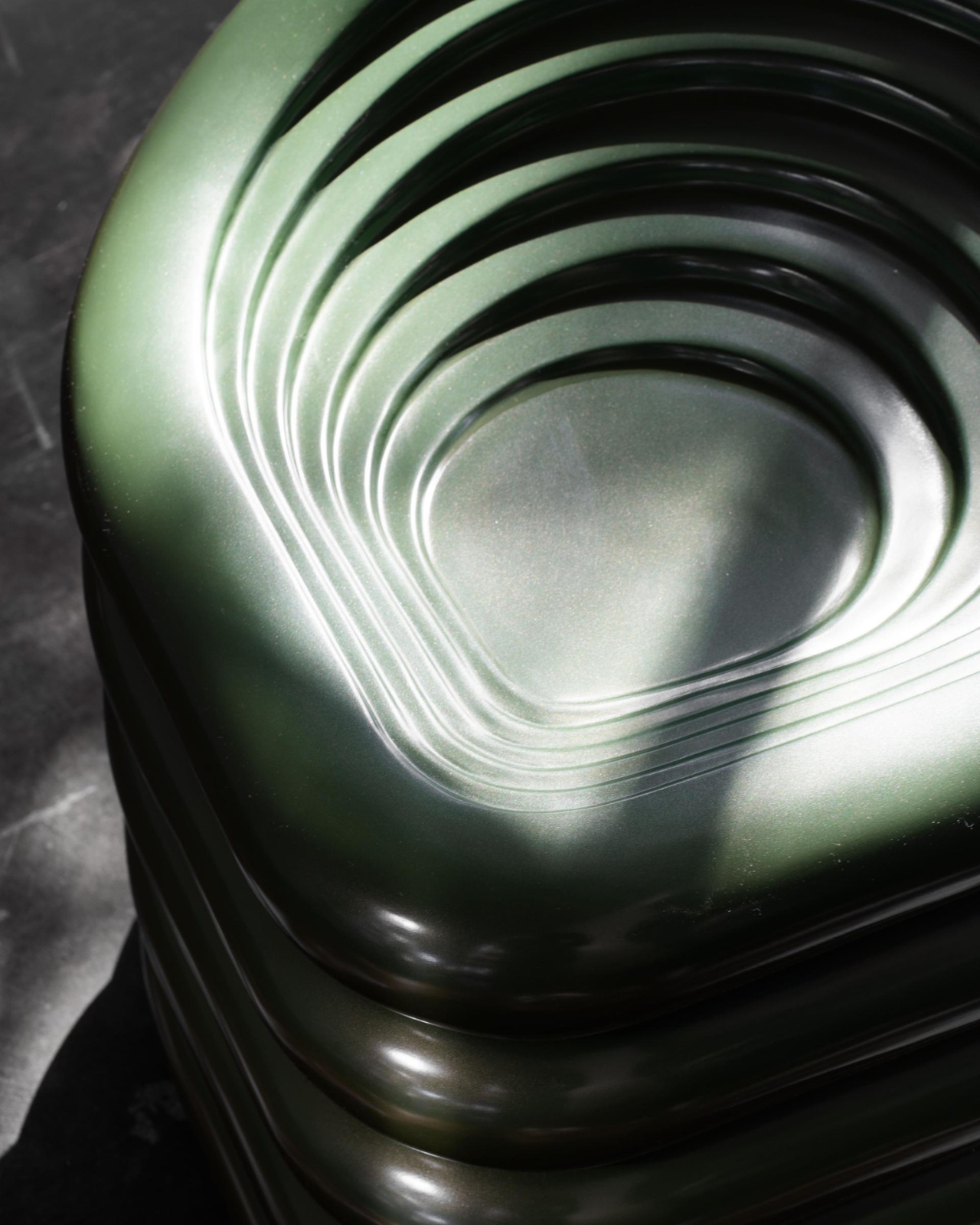
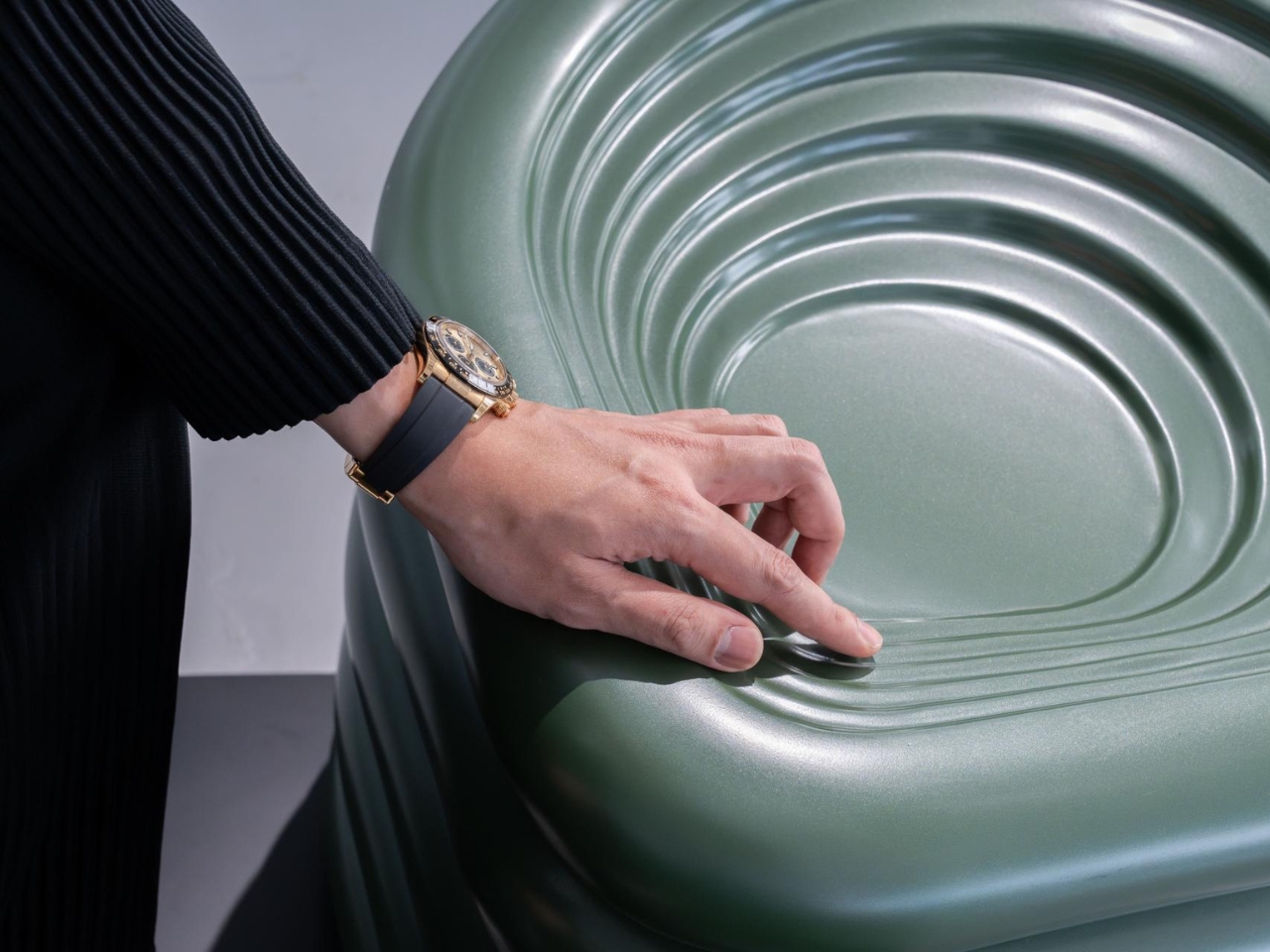
But here’s where it gets even better. ARTA didn’t just focus on form and function. They made these stools from 3D-printed recycled ABS plastic, the same stuff that’s in old consumer products that would otherwise end up in landfills. Every curve and contour of the Clover Collective represents hope, quite literally upcycling trash into treasure. In an era where we’re all trying to make better choices about consumption, having furniture that’s both beautiful and sustainable feels like a small victory. Beyond the accolades, what’s compelling is how this piece represents a shift in thinking about what furniture can be. We’re moving away from the idea that you buy a couch or a chair and you’re stuck with it for life. Instead, we’re embracing pieces that evolve with us.

The five-layered construction isn’t just aesthetic either. It creates stability while maintaining an elegant, almost organic silhouette that doesn’t scream “I’m recycled plastic!” The balance between structural integrity and visual lightness is tricky to pull off, but ARTA nailed it. These stools look like they could be at home in a minimalist Scandinavian loft or a colorful maximalist studio. What strikes me most is how Clover Collective embodies this broader cultural moment we’re in. We want flexibility. We want sustainability. We want things that can keep up with how we actually live, not how design magazines think we should live. Whether you’re in a tiny apartment where every square foot counts or you love rearranging your space on a whim, this kind of adaptive design just makes sense.

There’s something hopeful about furniture that refuses to be just one thing. In a world that often demands we fit into rigid categories, Clover Collective is over here saying “why not be everything?” It’s a stool. It’s a side table. It’s a conversation starter. It’s proof that sustainable design doesn’t have to be boring or preachy. ARTA Architects has created something that feels both timely and timeless, which is the sweet spot every designer dreams of hitting. It’s the kind of piece that makes you rethink what’s possible when creativity meets conscience, and honestly, we could use more of that energy in our homes and our world.

The post This Lucky Four-Leaf Stool Transforms Into Whatever You Need first appeared on Yanko Design.

A Side Table That Doubles as a Bookmark for Your Favorite Reads

Side tables typically end up holding whatever gets set down near them. Coffee mugs accumulate next to half-read novels that slide beneath remote controls and charging cables. Books in progress disappear into this visual clutter, creating friction between the intention to read and the reality of finding where you left off. Most furniture treats books as afterthoughts rather than priorities, offering no dedicated space that keeps them visible and within reach.

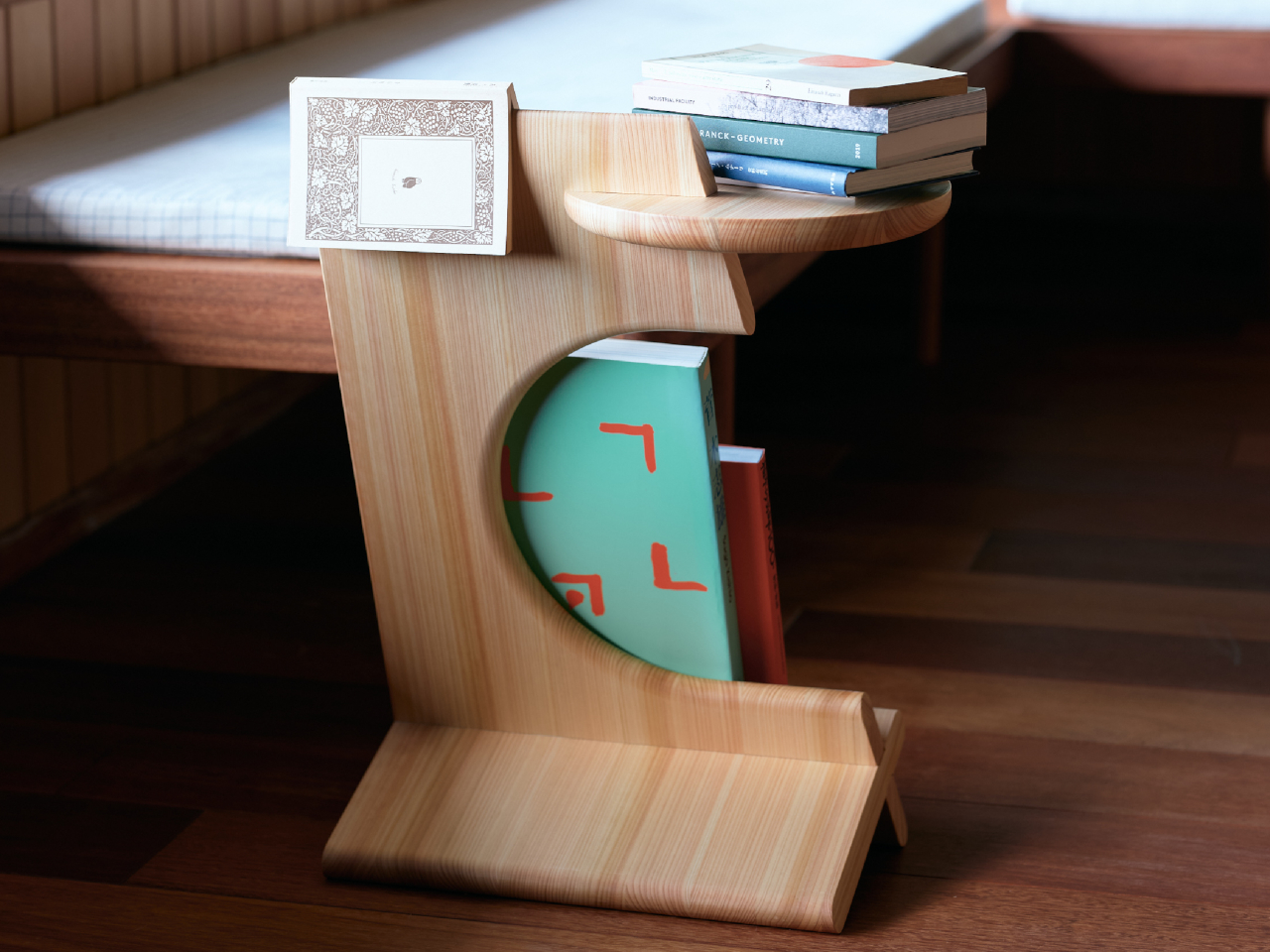
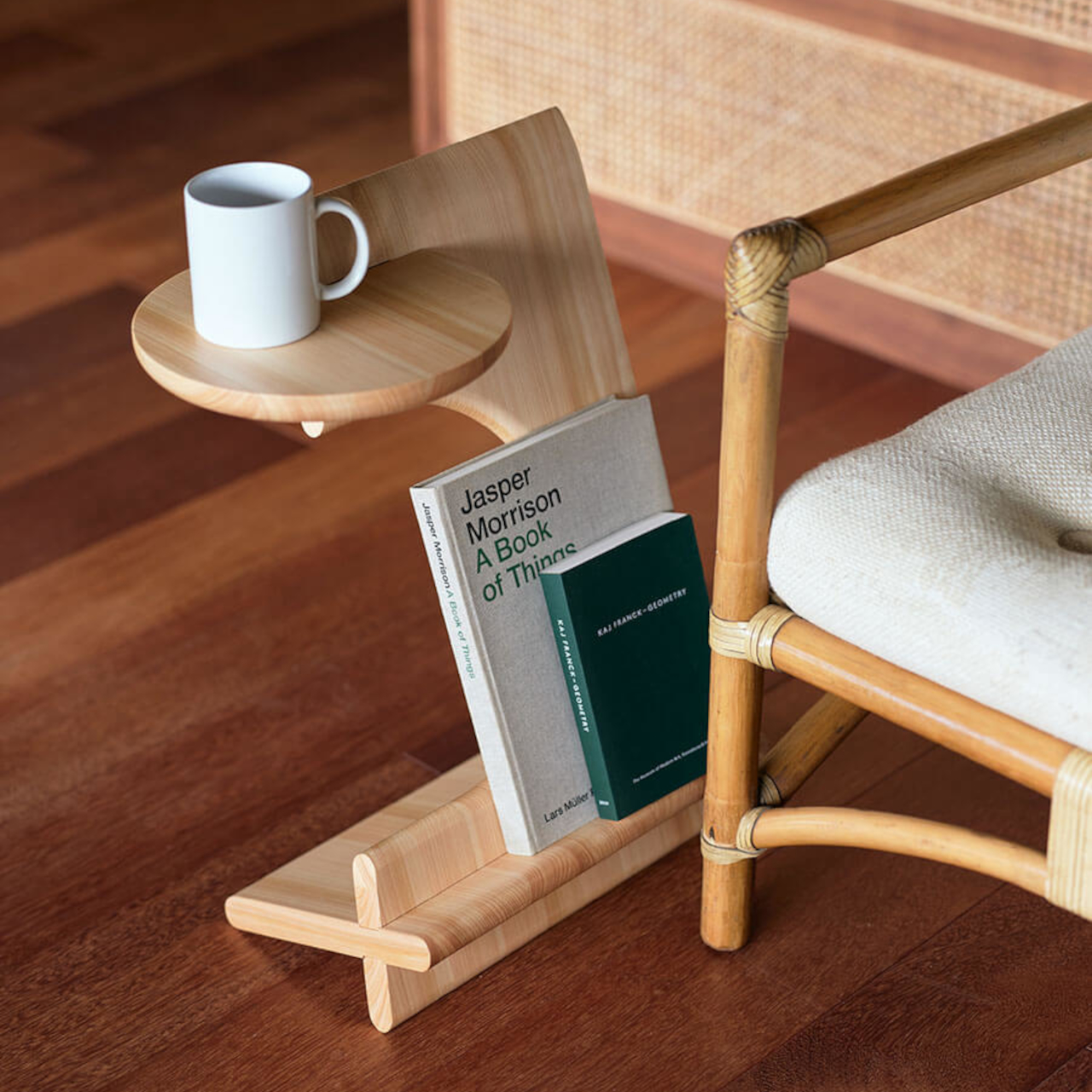
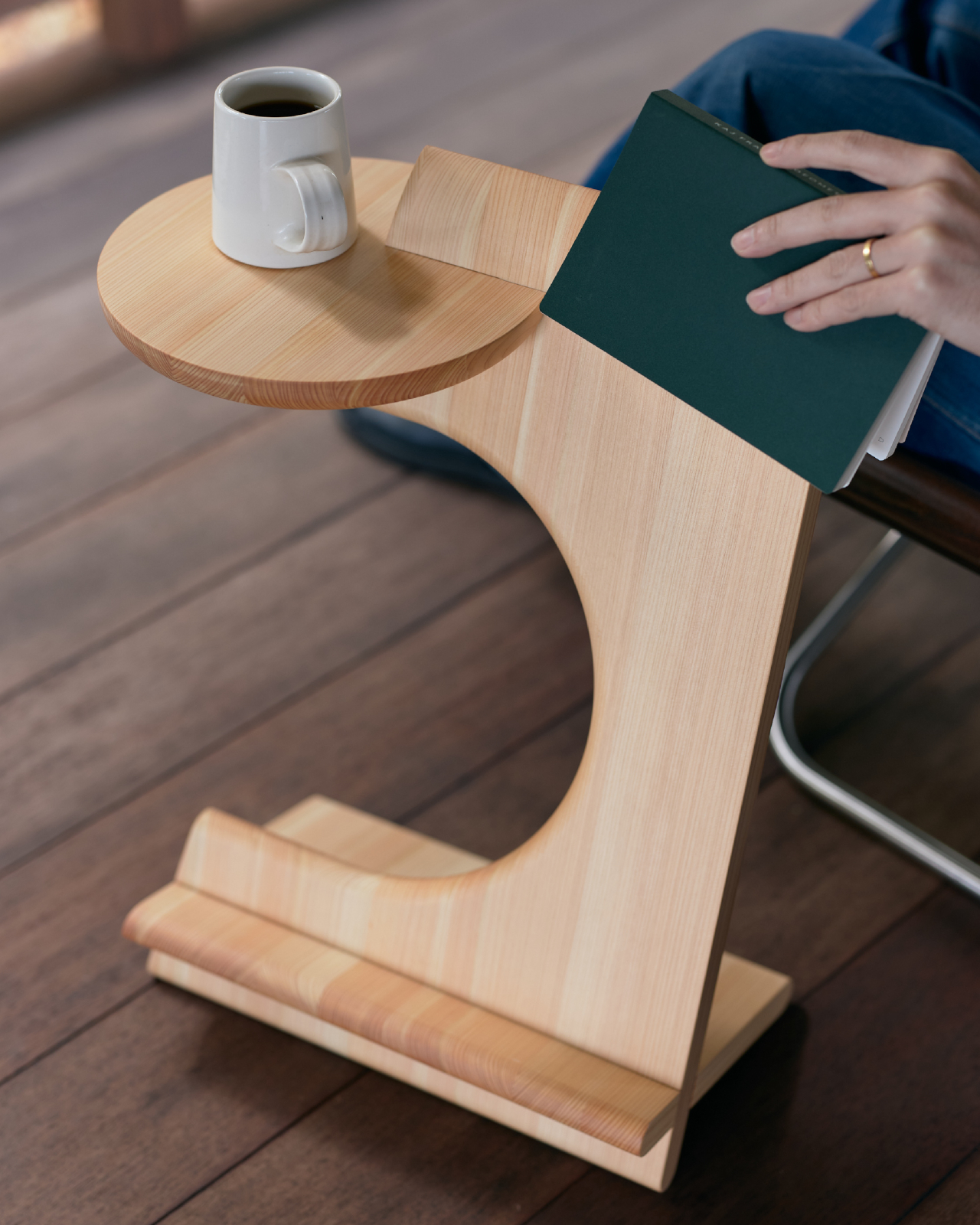
Bookmarker addresses this by treating reading as an activity worth designing for specifically. The table’s form creates a clear place for books in progress, making them visible rather than buried. Japanese cypress construction gives it a warm, tactile presence that reads as furniture first, while its cutouts and slots serve the practical needs of someone settling in with a novel and a drink.

Designer: studioYO for Bito

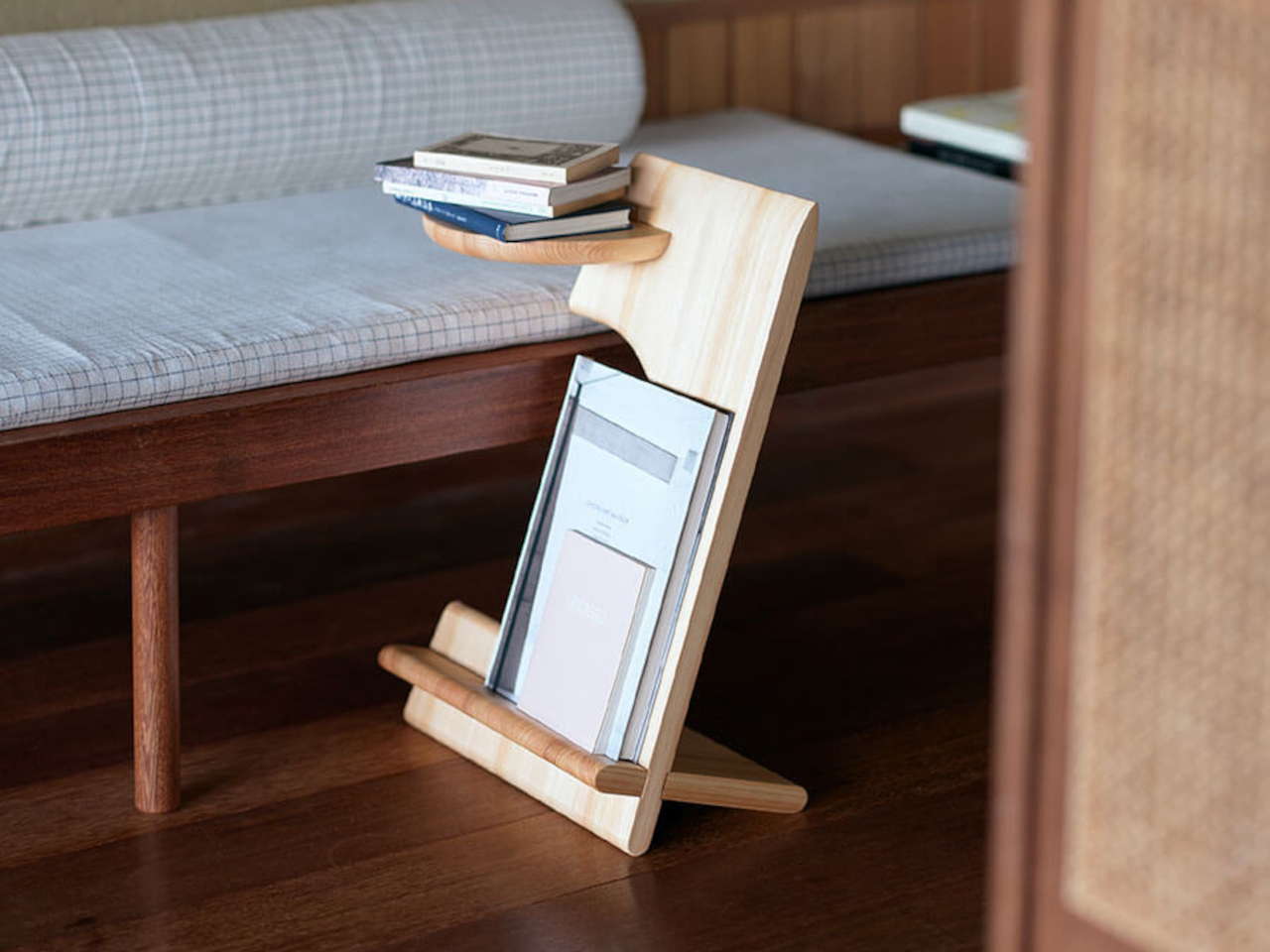
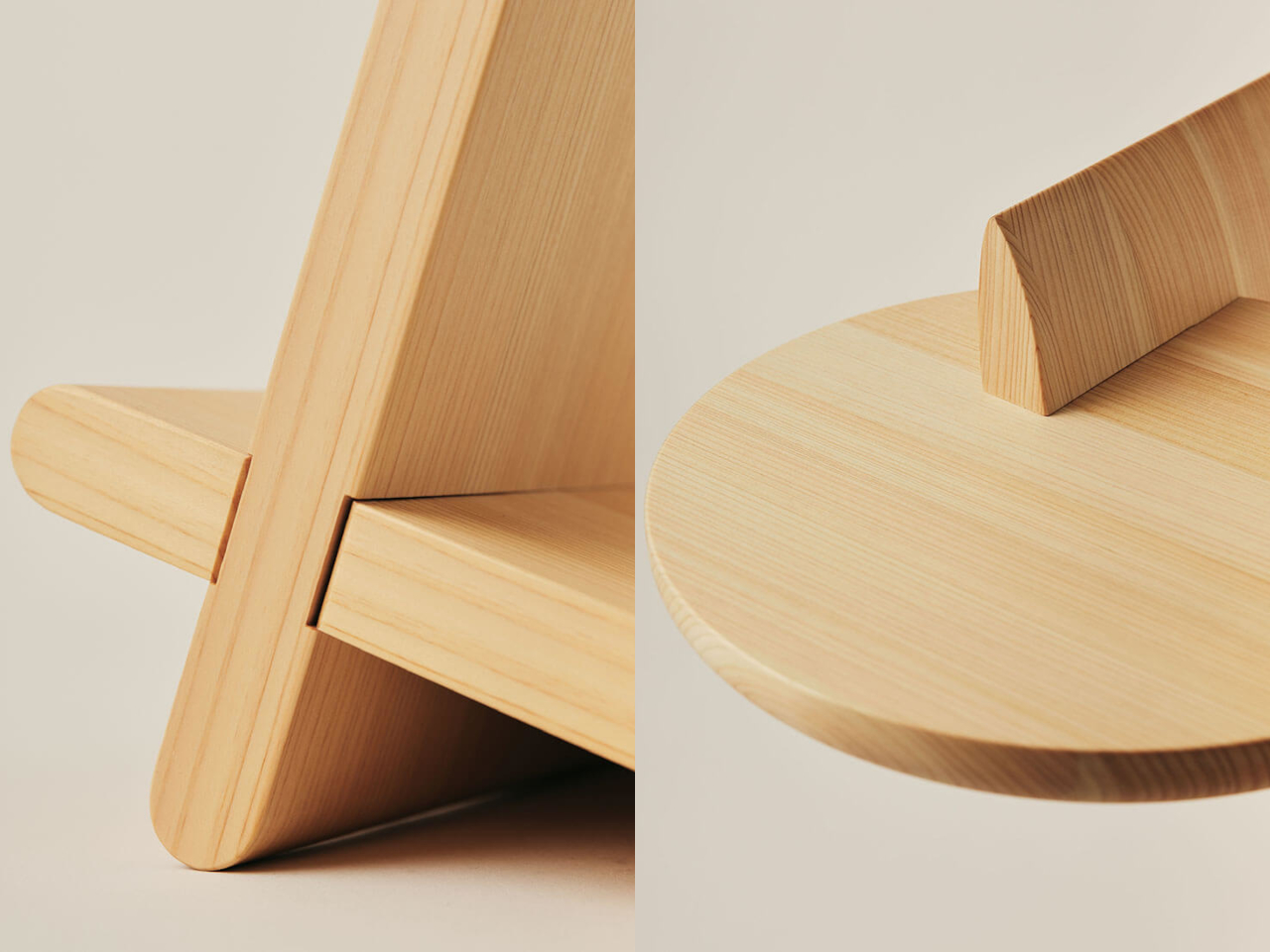
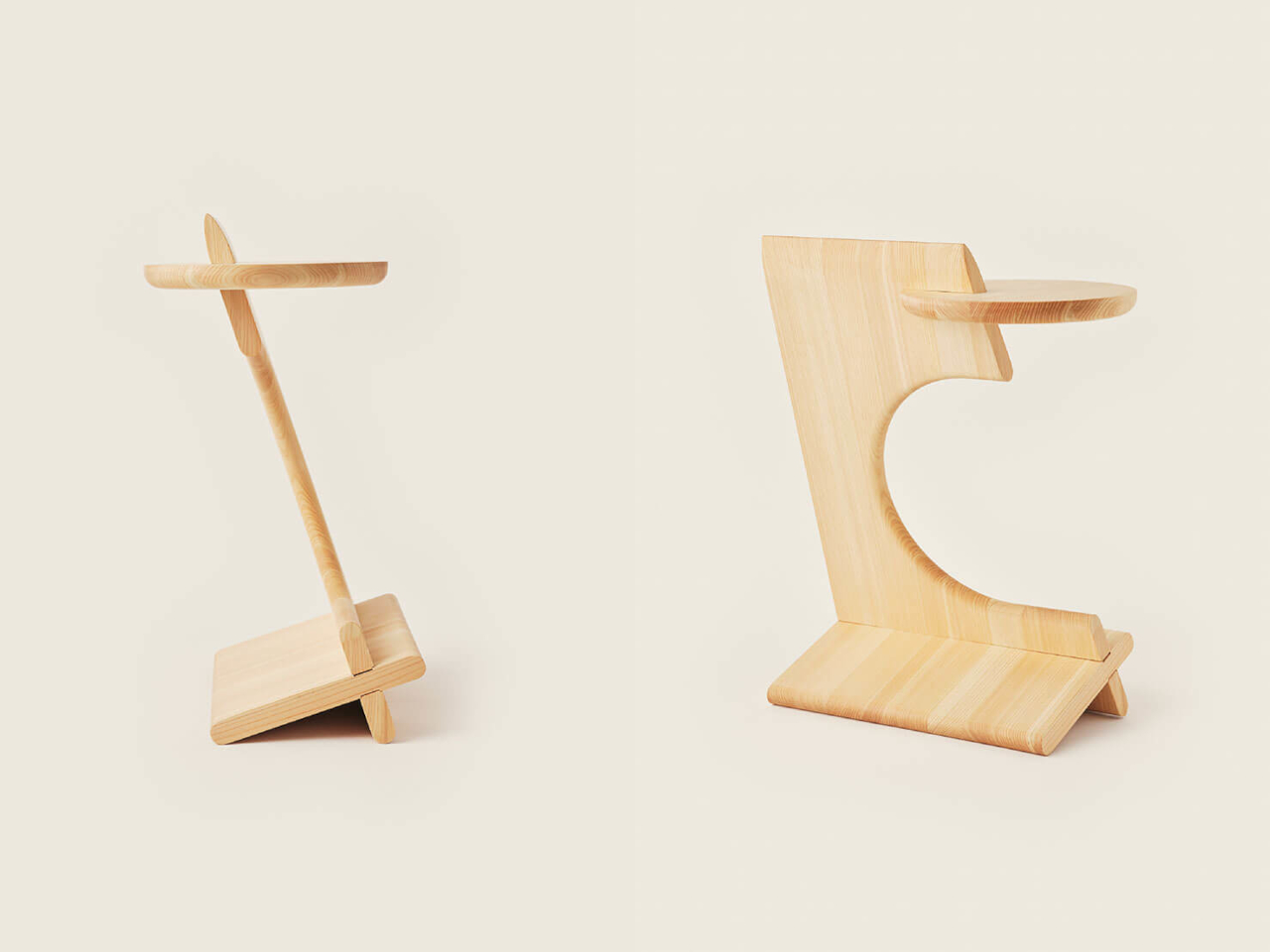
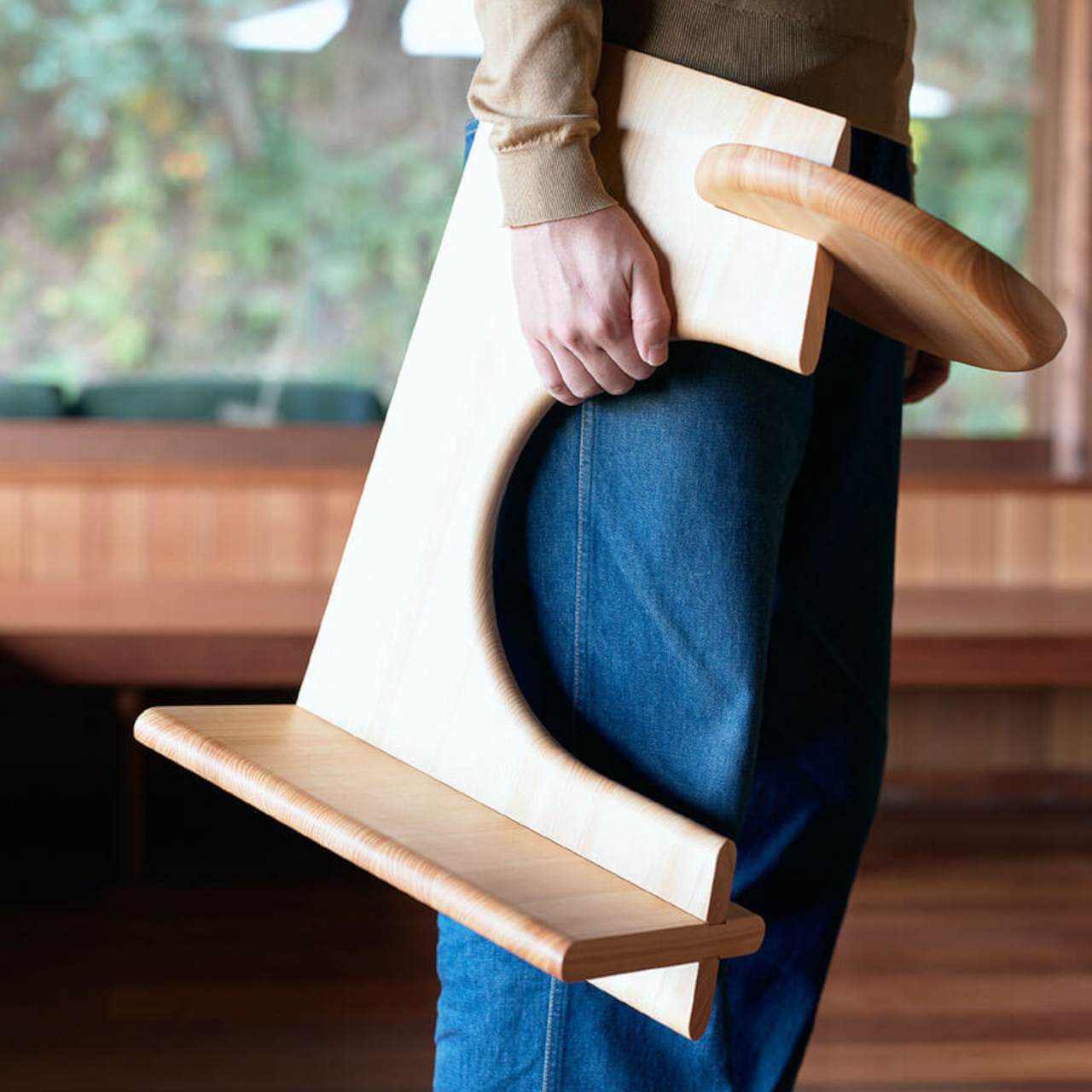
The entire piece cuts from a single board of vertically laminated cypress, producing three interlocking parts with minimal waste. This efficient approach allows the table to ship flat and assemble without hardware, reducing both material use and packaging volume. The cutouts that enable this nesting also define the table’s visual character, creating geometric negative space that feels intentional rather than incidental.

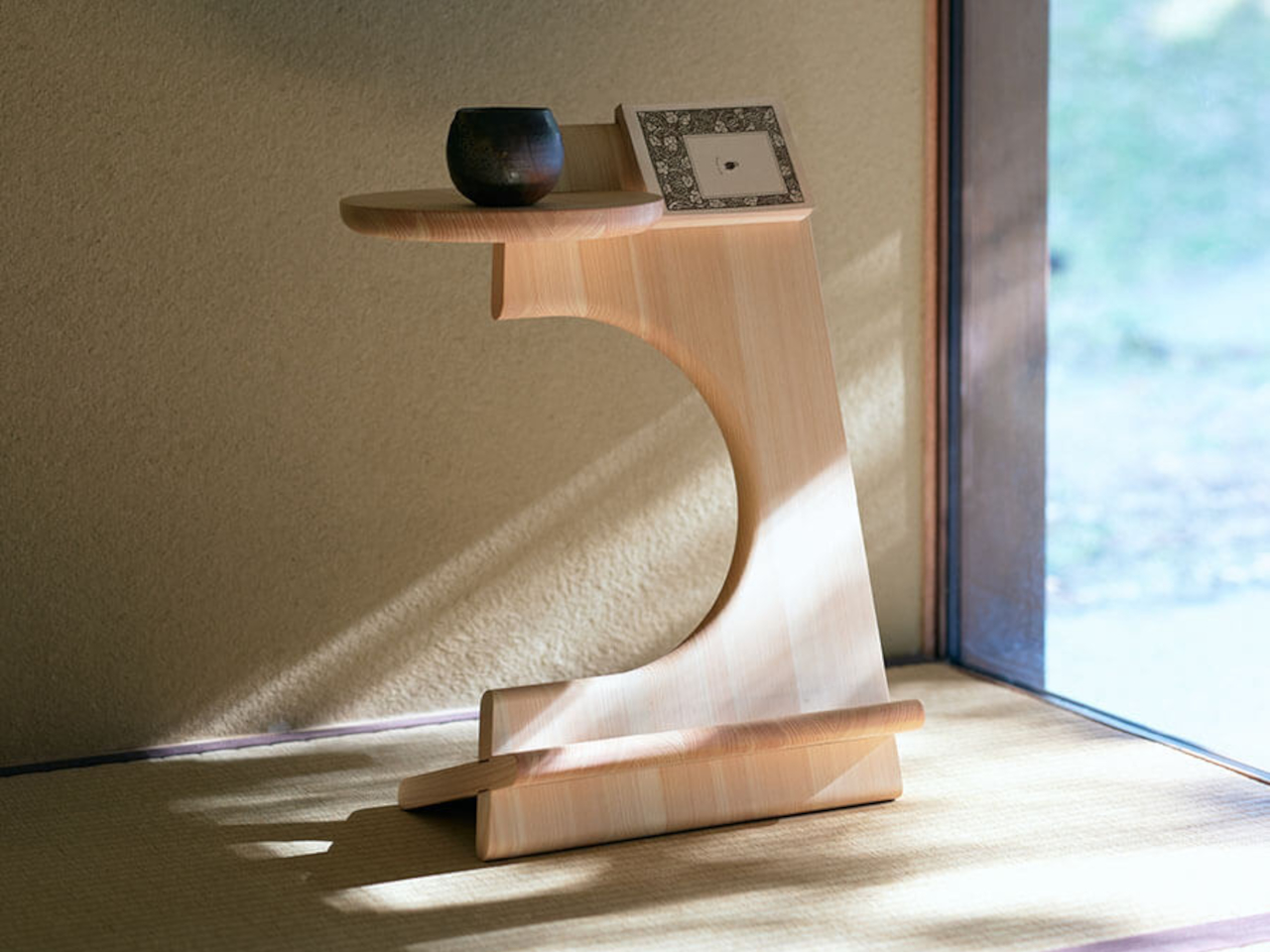
Assembled, the table forms a C-shaped profile with a circular opening and a vertical slot running through its center. Books slide into that slot and rest upright, accessible from either side depending on where you’re sitting. The circular cutout provides another grab point for reaching volumes stored within. This dual access removes the awkward leaning or reaching that happens with conventional side tables when you want a book stored underneath.

The top surface holds a mug, small plate, or reading glasses without crowding the book storage below. Water-repellent ceramic coating protects the cypress from condensation rings and accidental spills, which matters when hot drinks sit directly on wood. The coating maintains the natural wood finish rather than creating a glossy sheen that would feel out of place.

Leftover material from production becomes small cardholders included with each table, extending the zero-waste philosophy to packaging and accessories. The flat-pack design collapses the assembled table back into its three nested components, making storage or relocation straightforward if living situations change.

What distinguishes Bookmarker from typical side tables is how it makes reading visible in daily spaces. Books stored vertically in the slot create a small display of current interests rather than hiding beneath surfaces or leaning against walls. The table becomes a physical reminder of reading intentions, turning background clutter into foreground presence.

The cypress grain varies across each piece, ensuring no two tables look identical. Wood’s natural characteristics mean some sections show tighter grain while others spread wider. This variation reinforces the handmade quality and material honesty. The light tone works across different interior palettes without demanding specific color schemes.

Bookmarker occupies a specific niche between purely decorative furniture and purely functional storage solutions. It handles the practical needs of readers who want books and drinks close at hand while maintaining a sculptural quality that justifies its presence even when not in use. The table makes reading visible in daily spaces without forcing aesthetic compromises or demanding reorganization of existing routines.

The post A Side Table That Doubles as a Bookmark for Your Favorite Reads first appeared on Yanko Design.

7 Best Versatile Seating Solutions That Transform How We Live & Sit

Modern living demands furniture that adapts, evolves, and serves multiple purposes within our increasingly flexible spaces. The traditional single-function chair no longer meets the needs of contemporary homes where rooms serve multiple roles throughout the day. Today’s most innovative seating solutions transcend basic functionality, offering dynamic designs that transform alongside our lifestyles.

These seven exceptional pieces represent the cutting edge of versatile seating design, each bringing unique solutions to modern living challenges. From reimagined classics to experimental concepts, these chairs prove that versatility and beauty can coexist in remarkable ways.

1. IKEA POÄNG Redesigned Chair: Social Connection Redefined
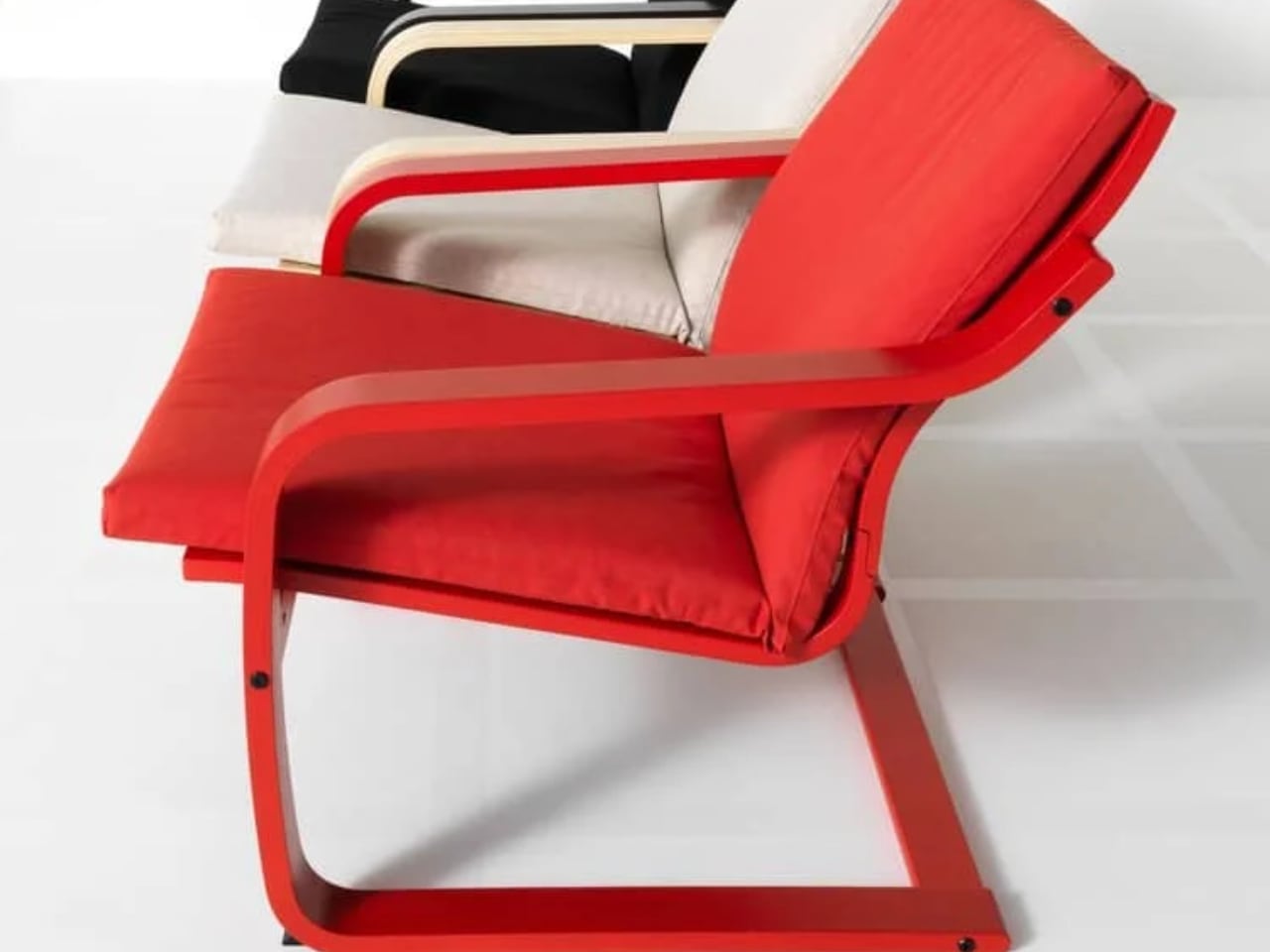
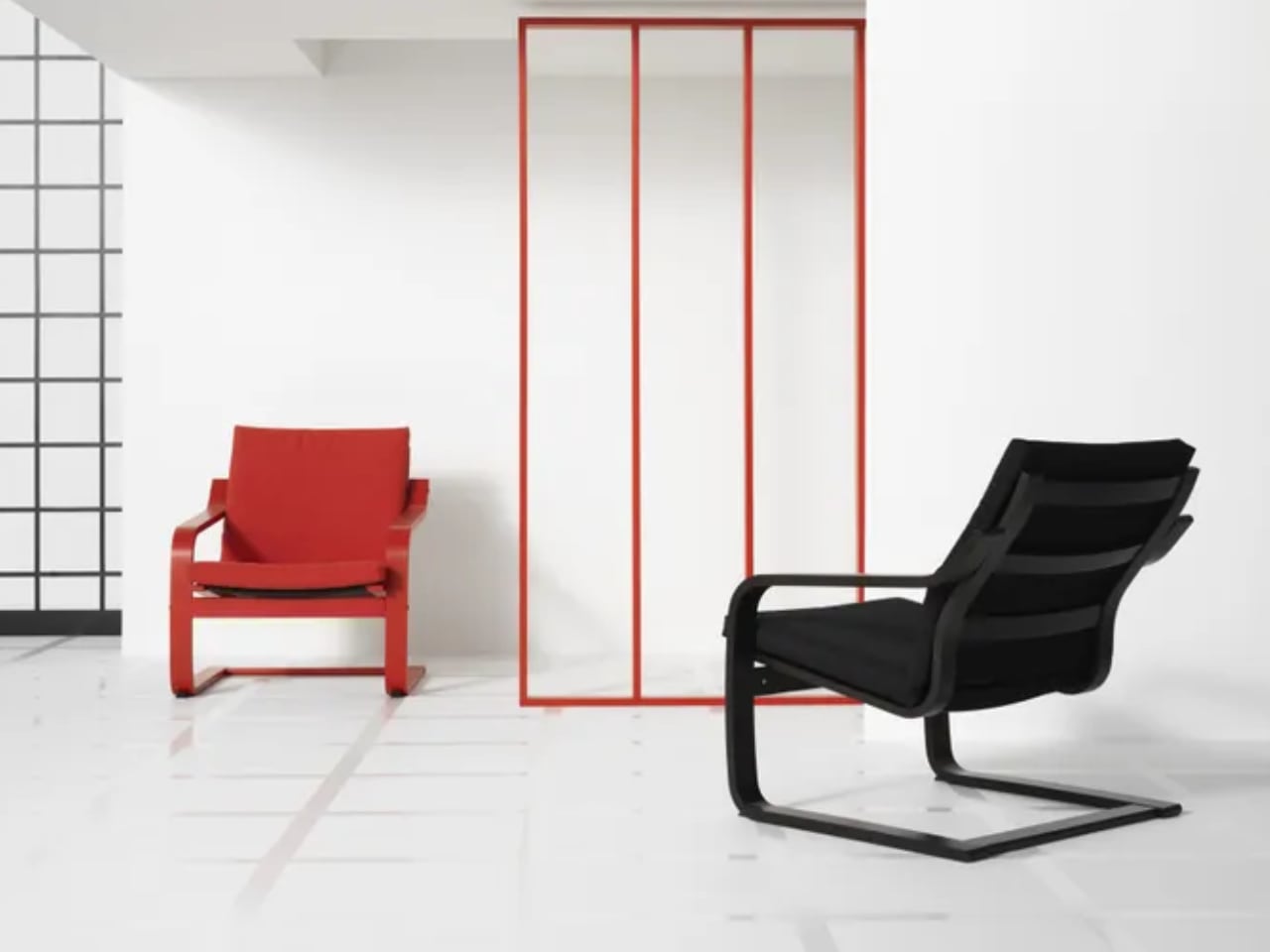
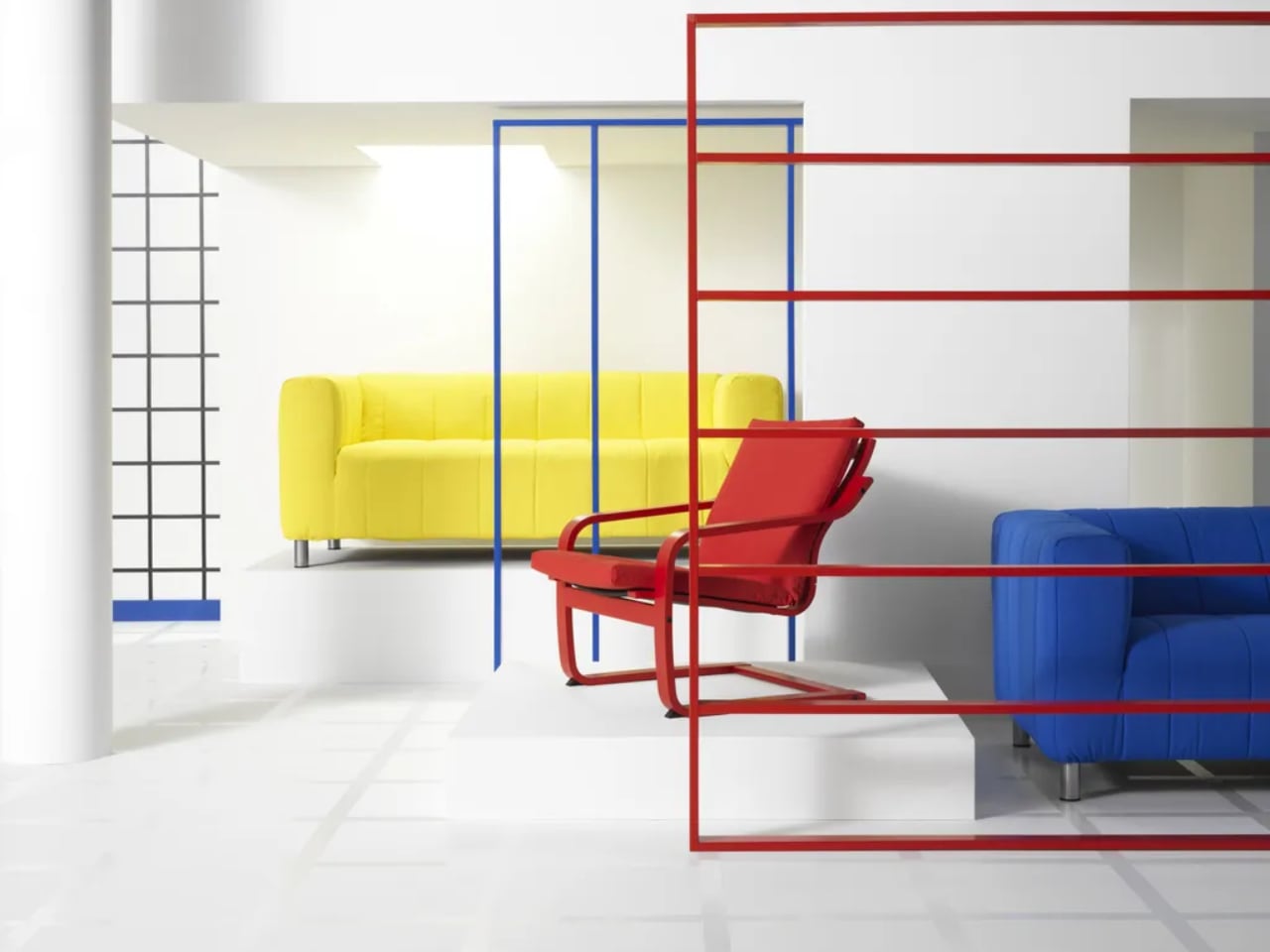
IKEA has fundamentally reimagined its most enduring furniture icon through a transformative redesign that prioritizes social interaction over solitary comfort. The POÄNG armchair received its most significant design evolution in nearly five decades when late designer Noboru Nakamura emerged from retirement to personally oversee this dramatic transformation. His final creative act involved removing the signature headrest entirely, creating a low-back version that encourages conversation rather than retreat.

The elimination of the headrest serves multiple purposes beyond pure aesthetics, fundamentally changing how people interact with both the chair and their surroundings. By lowering the overall profile and opening the back design, Nakamura created seating that transforms a personal sanctuary into an invitation for interaction. This modification reflects contemporary living patterns where multipurpose spaces demand furniture that adapts to various social contexts and encourages meaningful human connection.

What we like

• Promotes social interaction and conversation through open-back design.

• Maintains iconic comfort while adapting to modern living needs.

What we dislike

• Less head and neck support for extended relaxation sessions.

• May not suit those preferring private, enclosed seating experiences.

2. Color Roller Transparent Rolling Chairs: Dynamic Chromatic Design

Like De Stijl once deconstructed form and space into elemental purity, Color Roller reimagines that legacy through motion and transparency using primary colors red, yellow, and blue. This experimental furniture collection plays with relationships between geometry, light, and interaction, creating transparent forms that transcend boundaries and merge into endless new shades. The result transforms furniture into evolving chromatic sculpture that invites users to participate in environmental reconstruction.

Color Roller explores how color and form coexist as active agents in spatial design through three components, including a hexagonal chair, a rectangular table, and a triangular floor lamp. Made entirely from transparent acrylic panels intersecting in pairs, these forms create vivid and flexible compositions of color. Depending on light direction and intensity, the furniture transforms and casts overlapping shadows and gradients that turn interiors into interactive canvases.

What we like

• Creates dynamic color interactions that change throughout the day.

• Lightweight rolling design allows easy reconfiguration of spaces.

What we dislike

• Transparent acrylic may show fingerprints and require frequent cleaning.

• Limited cushioning options may affect long-term seating comfort.

3. Himalaya Pelvis Chair: Biomimicry Meets Elegant Function
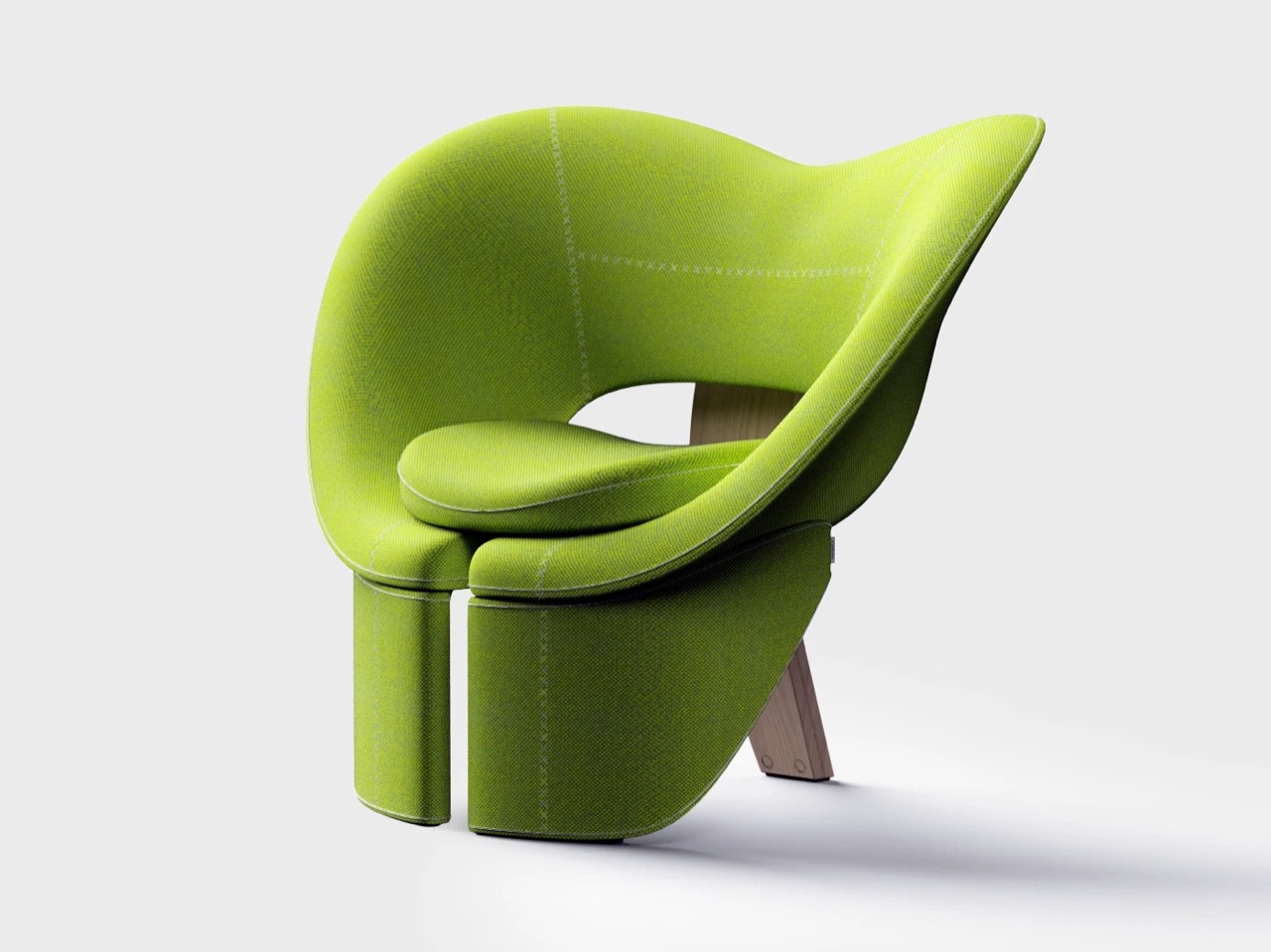
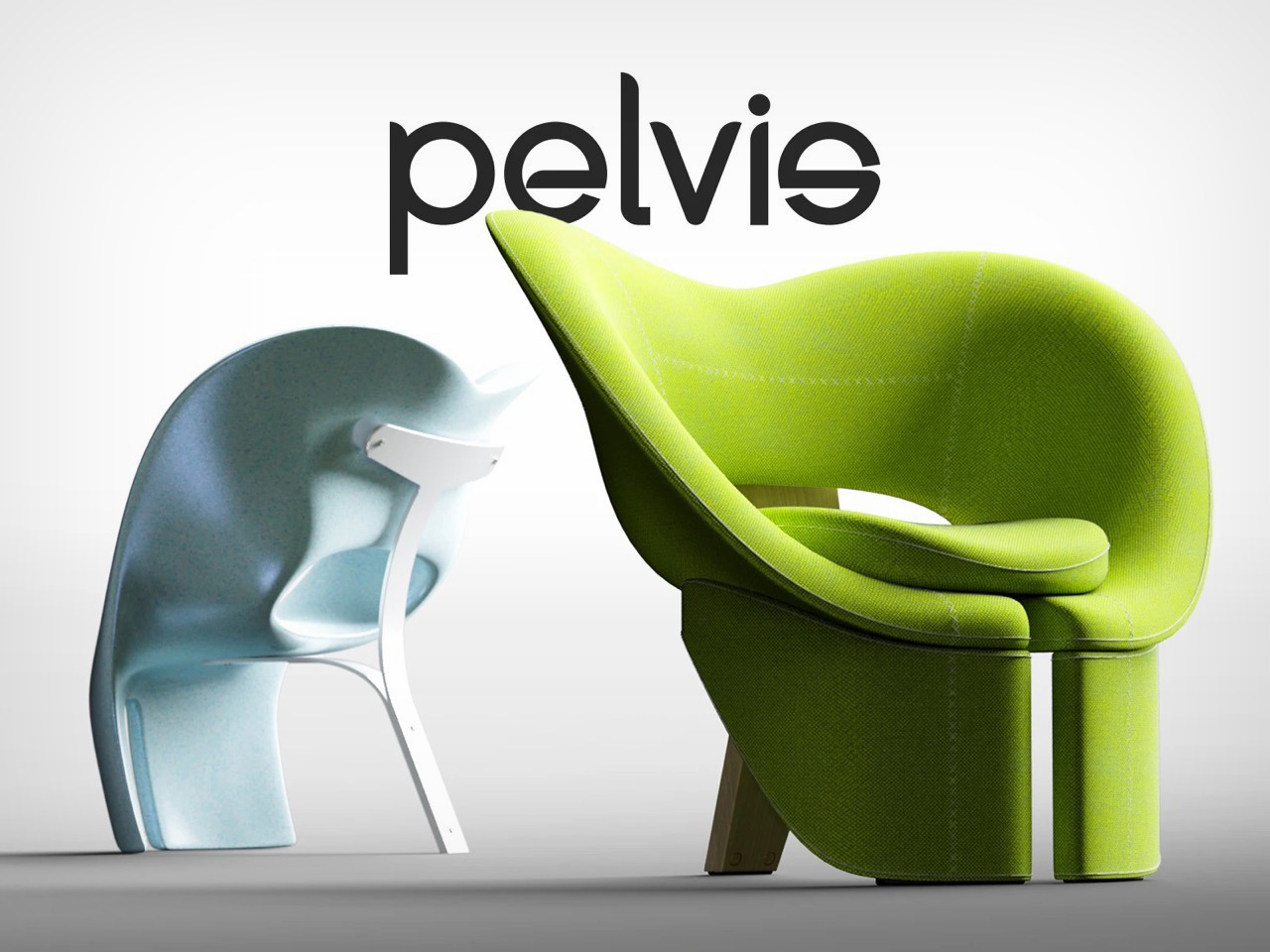
Furniture often aspires to fit the body, but the Himalaya Pelvis Chair goes further by finding its silhouette directly in pelvic bone structure. This direct translation from biology to design yields a chair that feels organic, functional, and distinctly new, where comfort and concept are literally intertwined. Designers Mingyu Seo and Eojin Jeon created this rare piece that genuinely makes you reconsider relationships between our bodies and daily objects.

The chair’s entire premise builds on the pelvic bone’s natural ability to cradle and support, translating anatomical engineering directly into refined seating design. This approach sidesteps abstract biomimicry by presenting clear, almost educational links between form and inspiration through unapologetically direct reference. The execution transcends its medical source material through such refined craftsmanship that it becomes genuinely elegant rather than clinical.

What we like

• Anatomically-inspired design provides natural ergonomic support.

• Unique sculptural form serves as a conversation piece and functional seating.

What we dislike

• Bold design may not integrate easily with traditional decor styles.

• Limited availability as a concept piece may affect accessibility.

4. Frank Lloyd Wright Reconstructed Chairs: Architectural Seating Heritage

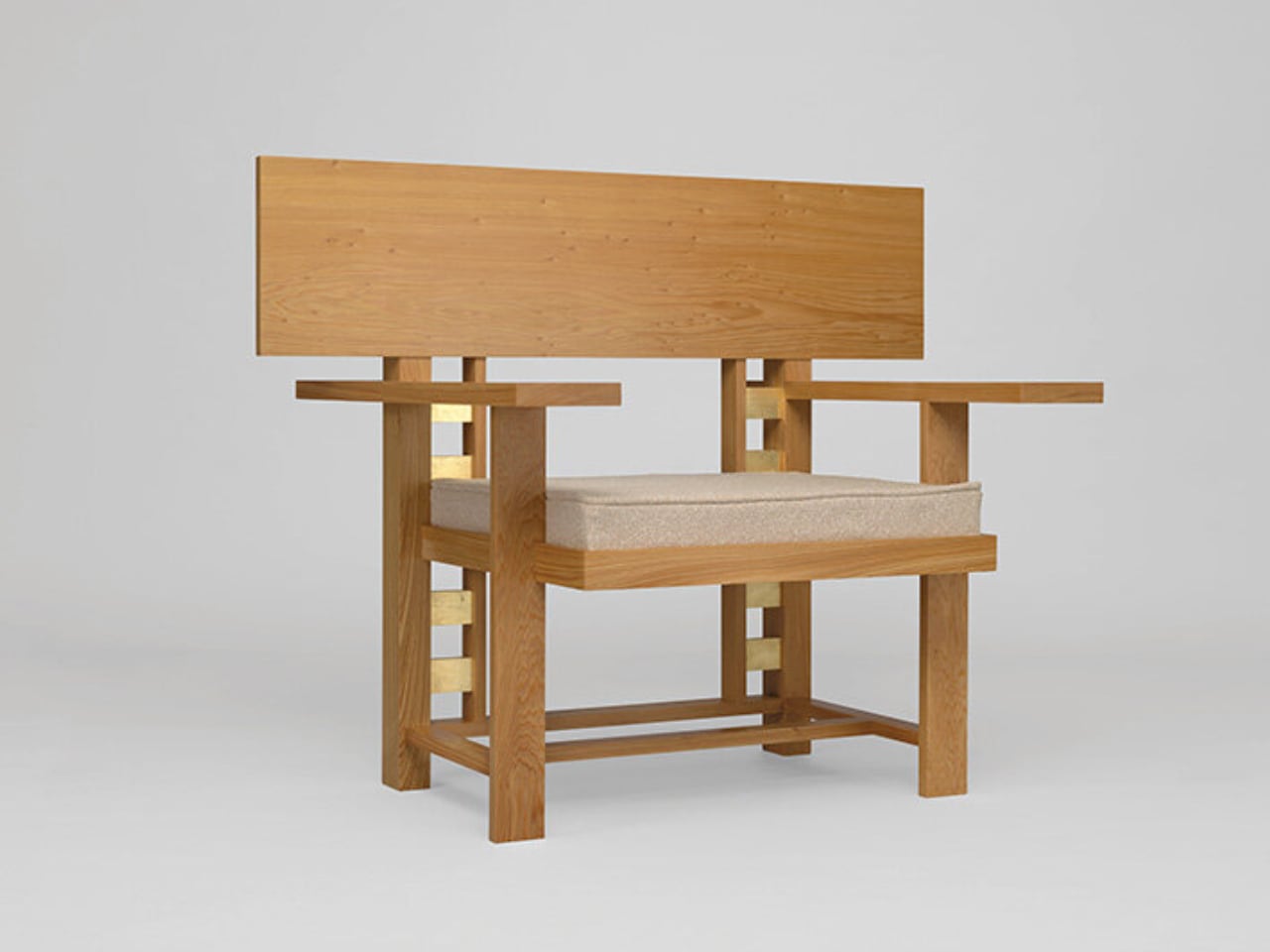
The reconstructed chairs illuminate Wright’s approach to furniture as architectural elements rather than standalone pieces, demonstrating his belief that furniture should emerge organically from the building’s overall design concept. Wright called this philosophy “integral ornamentation” and applied it consistently throughout his career, spanning five distinct periods from 1911 to 1959. The exhibition traces a dramatic evolution from Prairie School geometric vocabulary to later organic forms with flowing curves.

Highlights include first-ever fabrications of designs never built during Wright’s lifetime, such as cafe chairs originally envisioned for the Solomon R. Guggenheim Museum. These cafe chairs represent some of the exhibition’s most significant reconstructions, now realized through collaboration with Milwaukee metal-spinning firm. Early Prairie School pieces display right angles and linear elements complementing the horizontal prairie house emphasis, while later work reveals shifts toward organic forms.

What we like

• Historic design pedigree brings timeless architectural principles to modern spaces.

• Integral ornamentation philosophy ensures harmony with surrounding architecture.

What we dislike

• Limited production availability may result in higher costs.

• Period-specific styling may not suit all contemporary interior approaches.

5. LOOP Chair: Sculptural Minimalism in Motion
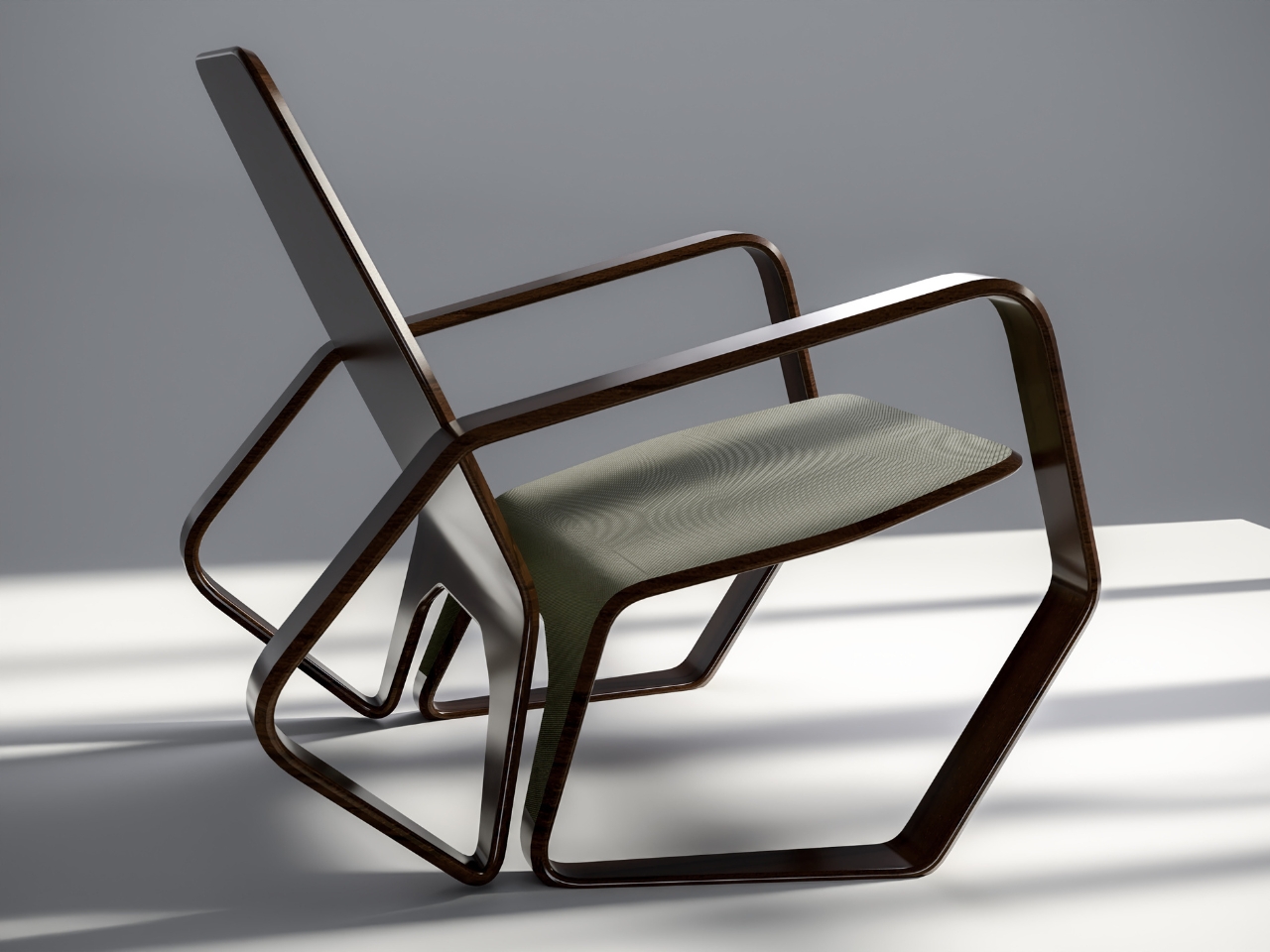
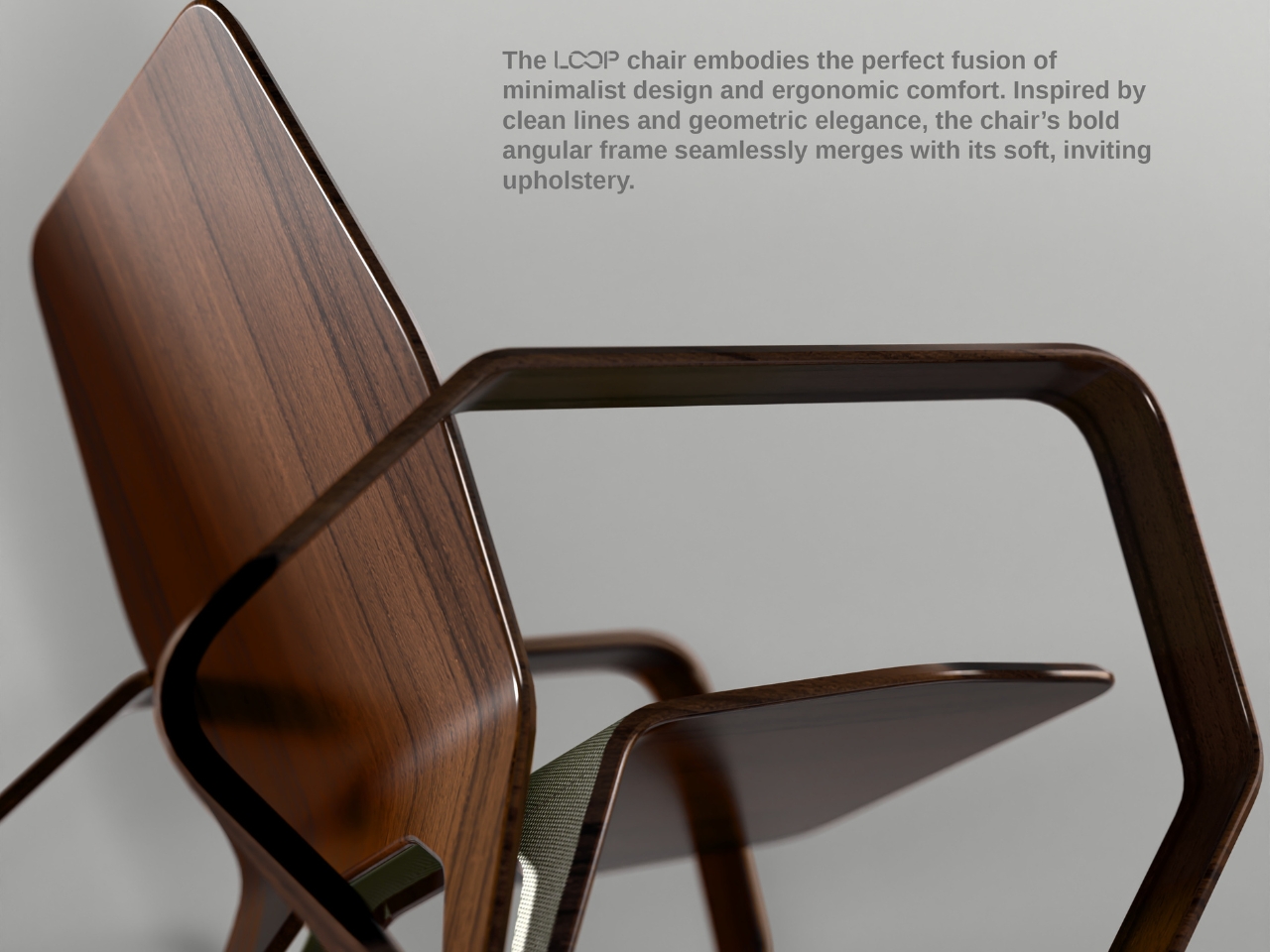
The LOOP Chair concept impresses with a bold, angular frame that feels both dynamic and airy while creating a continuous, flowing form that almost “loops” around the sitter. This unique vision transforms the chair from a functional object into a sculptural experience that serves as both structural support and artistic centerpiece. The proposed walnut wood veneer frame offers options for ash, oak, or black-stained finishes to complement various interior styles.

The chair’s geometry results from careful sketching and creative exploration, balancing soft curves for optimal comfort with sharp angles for modern, architectural aesthetic appeal. The flowing design creates visual lightness while maintaining structural integrity, making it suitable for both residential and commercial applications. This sculptural approach elevates everyday seating into an artistic statement that enhances rather than merely occupies space.

What we like

• Sculptural design serves a dual purpose as furniture and artistic centerpiece.

• Multiple wood finish options allow customization for different interior styles.

What we dislike

• Concept status may limit immediate availability for purchase.

• Angular design elements might not suit all body types comfortably.

6. Same Same Twin Chairs: Playful Minimalist Interaction
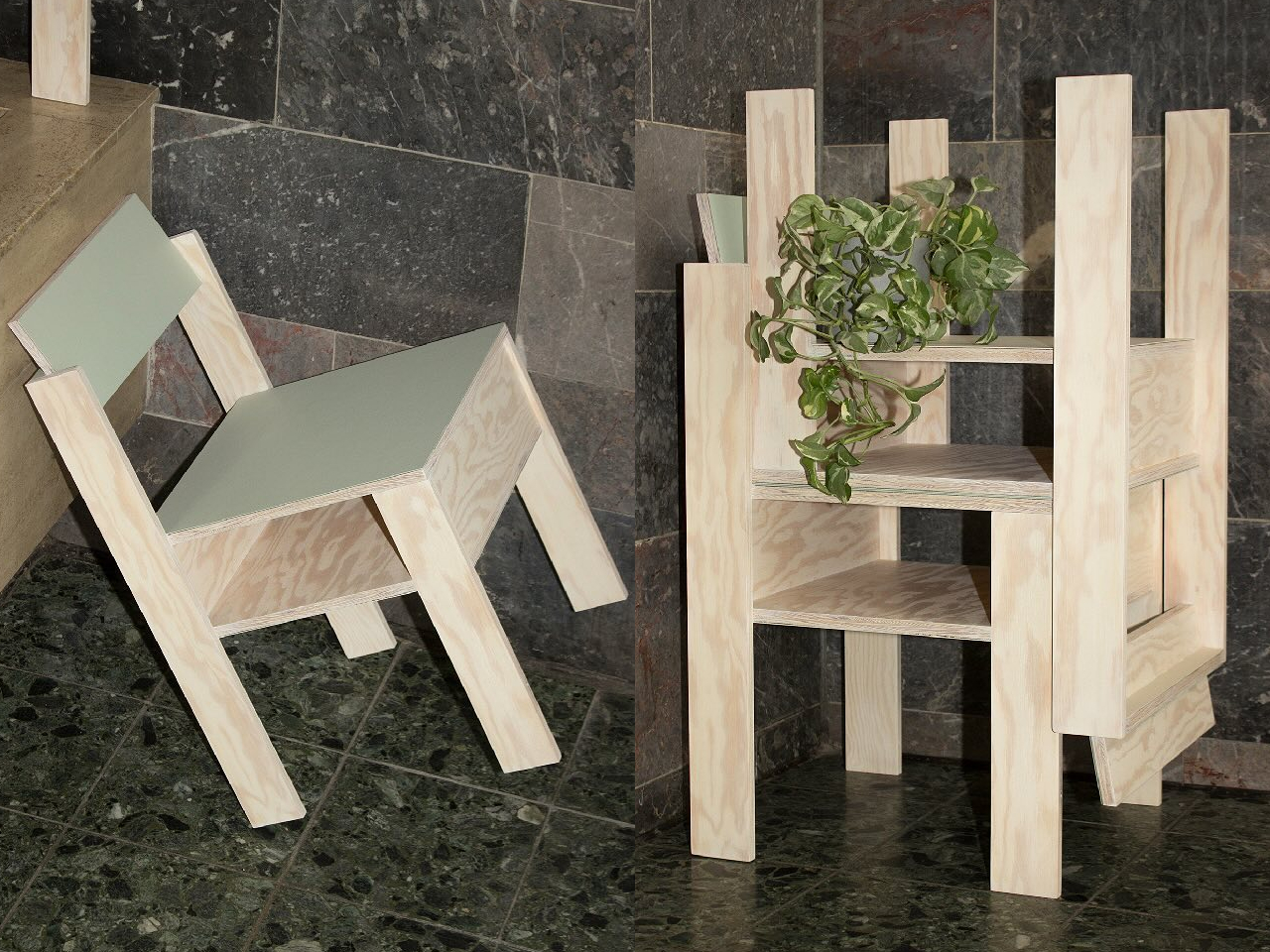
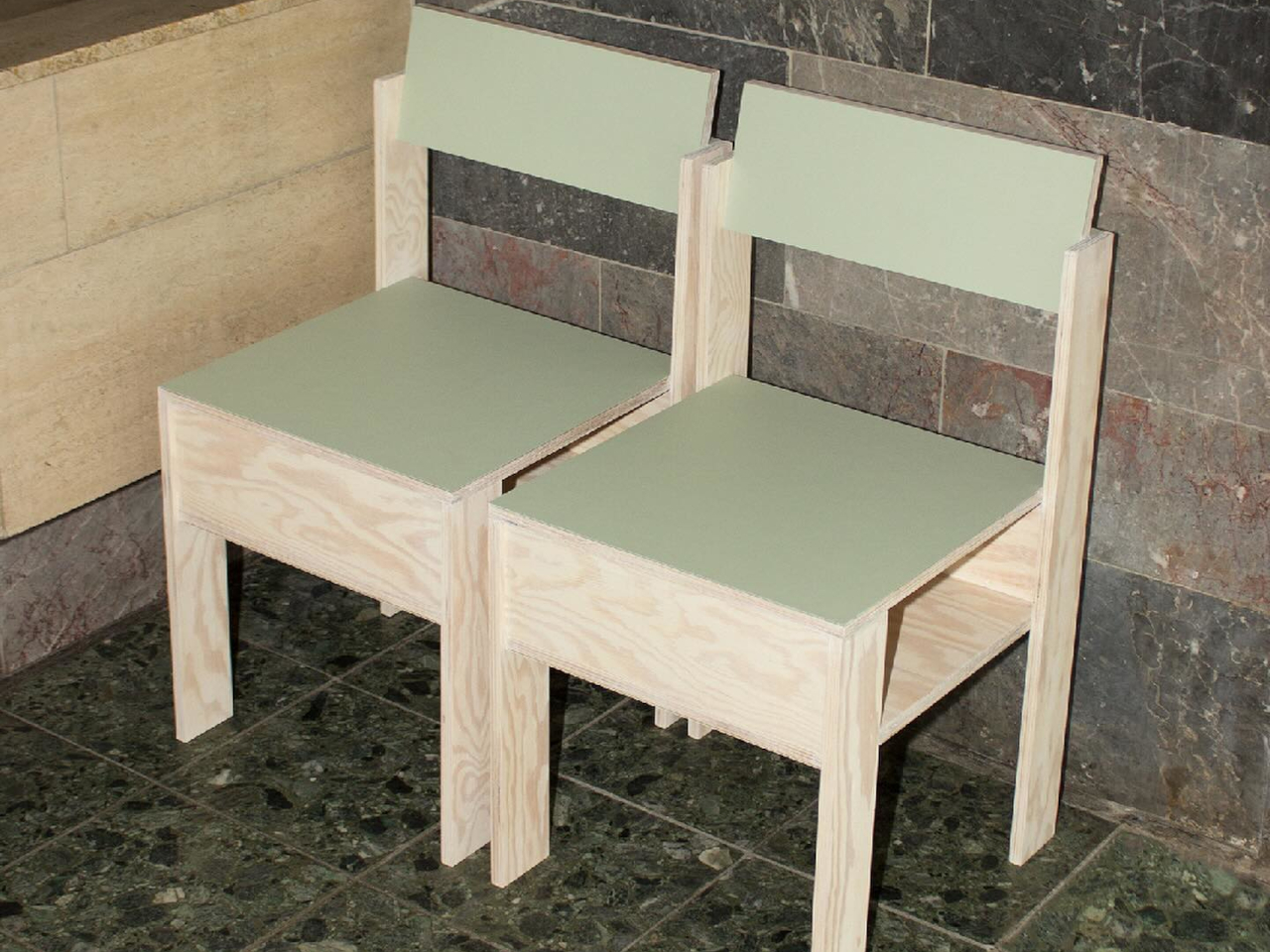
The Same Same twin chairs by A204 challenge traditional furniture limitations by functioning beautifully as standalone seating with built-in storage while unlocking playful possibilities when paired together. These minimalist wooden chairs transform from simple furniture into a creative toolkit that allows interaction, configuration, and use possibilities that adapt to changing needs. The design language speaks to Scandinavian minimalism with pale plywood construction and clean, geometric lines.

Each chair features a subtle sage green accent on the seat and storage surfaces, adding warmth without overwhelming natural wood grain characteristics. The under-seat storage space accommodates magazines, small objects, or standard Euro containers for organized solutions, making each chair genuinely useful beyond basic seating function. When paired together, the chairs create new possibilities for social interaction and spatial configuration.

What we like

• Built-in storage maximizes functionality in compact living spaces.

• Pairing capability creates flexible seating arrangements for various occasions.

What we dislike

• The twin chair concept requires purchasing multiple pieces for full functionality.

• Minimalist design may lack cushioning for extended sitting comfort.

7. Permanent Souls Chair Collection: Memory Made Tangible
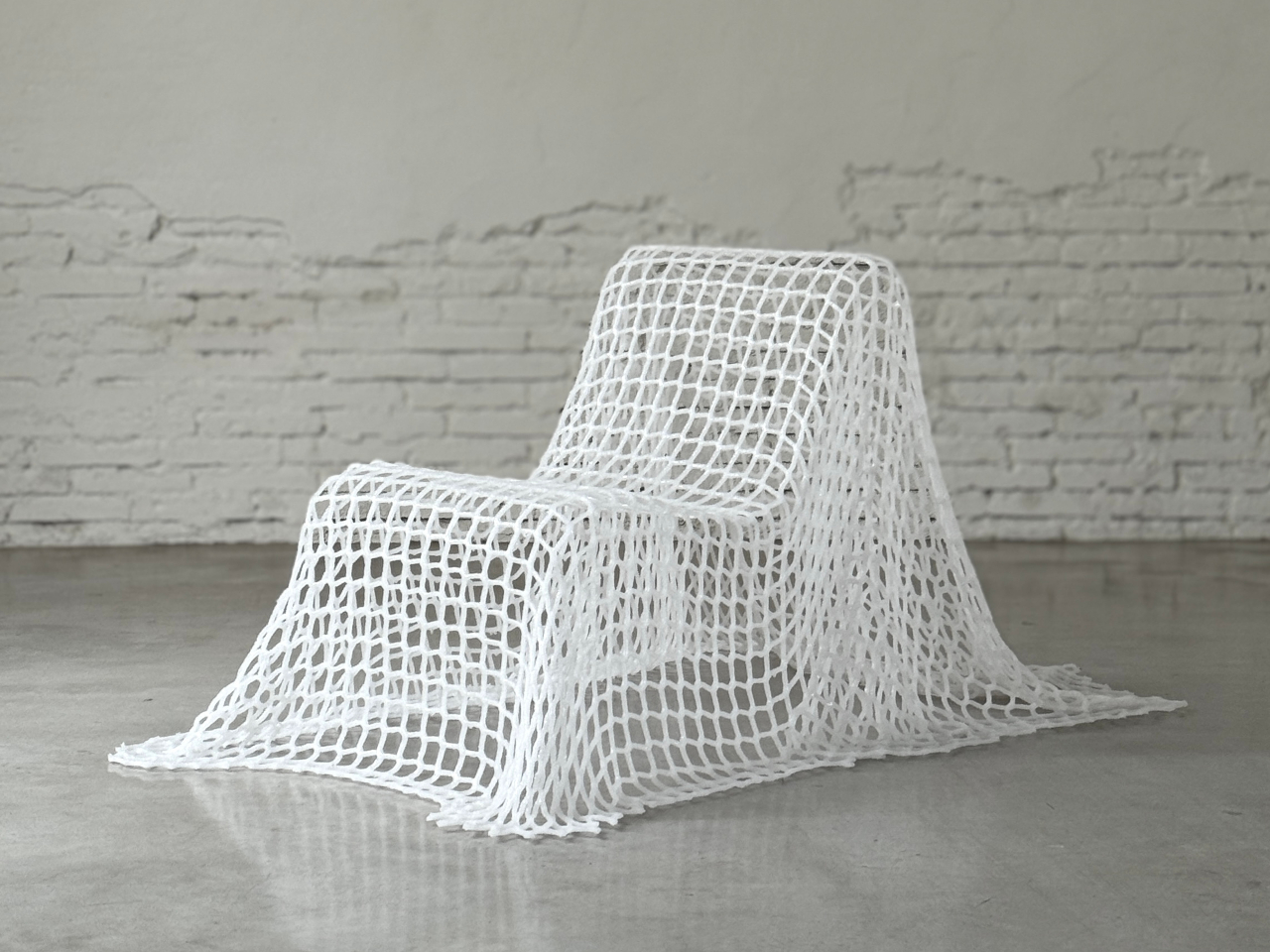
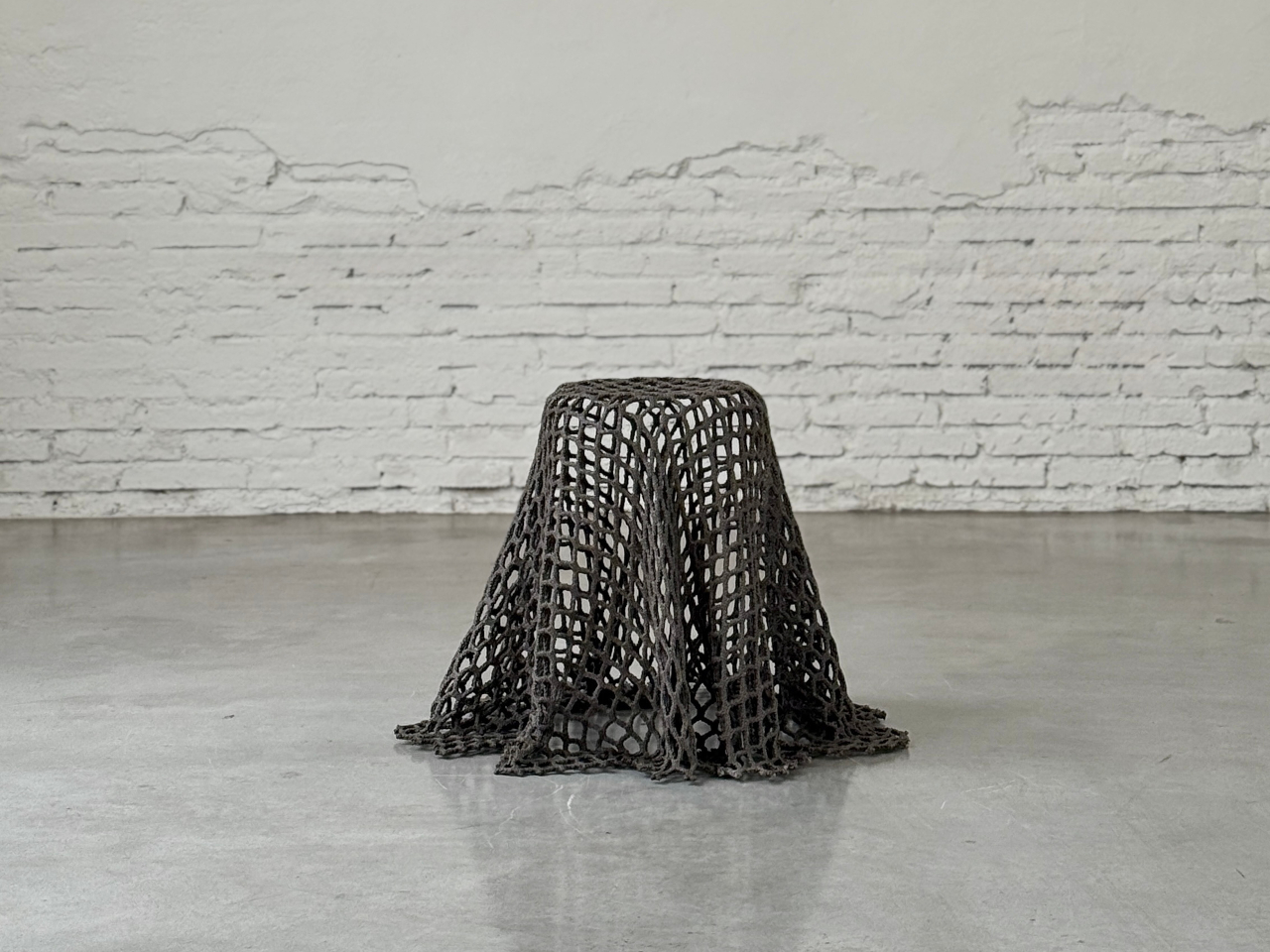
The visual impact is immediate and haunting as light passes through netting in patterns that shift as you move around each piece. These chairs appear solid from a distance but reveal their permeable nature up close, allowing you to see through them, around them, and into spaces they create. They exist in strange territory between presence and absence, like memories made tangible that question the very nature of traditional furniture function.

This collection explores what happens when objects lose their original purpose but somehow endure, transforming nets that once held things together into something that questions functional boundaries. The chairs challenge conventional seating expectations by creating pieces that exist both physically and conceptually, offering a unique perspective on how furniture can embody abstract concepts while remaining functionally relevant.

What we like

• Unique conceptual approach creates a truly distinctive seating experience.

• Permeable design allows light to create dynamic shadow patterns in spaces.

What we dislike

• Unconventional materials may not provide traditional seating comfort expectations.

• Artistic concept may prioritize form over practical everyday functionality.

The Future of Adaptive Seating

These seven innovative seating solutions demonstrate how contemporary designers are reimagining the fundamental relationship between furniture and daily life. Each piece offers a unique approach to versatility, whether through social interaction, dynamic color, anatomical inspiration, architectural heritage, sculptural beauty, playful modularity, or conceptual exploration.

The best versatile seating solutions for modern living transcend traditional boundaries, offering functionality that adapts to our changing needs while adding aesthetic and emotional value to our spaces. These designs prove that chairs can be simultaneously practical tools, artistic statements, and catalysts for human connection, making them essential components of thoughtfully designed modern homes.

The post 7 Best Versatile Seating Solutions That Transform How We Live & Sit first appeared on Yanko Design.
This Solar Bench Just Turned Every City Street Into a Charging Hub

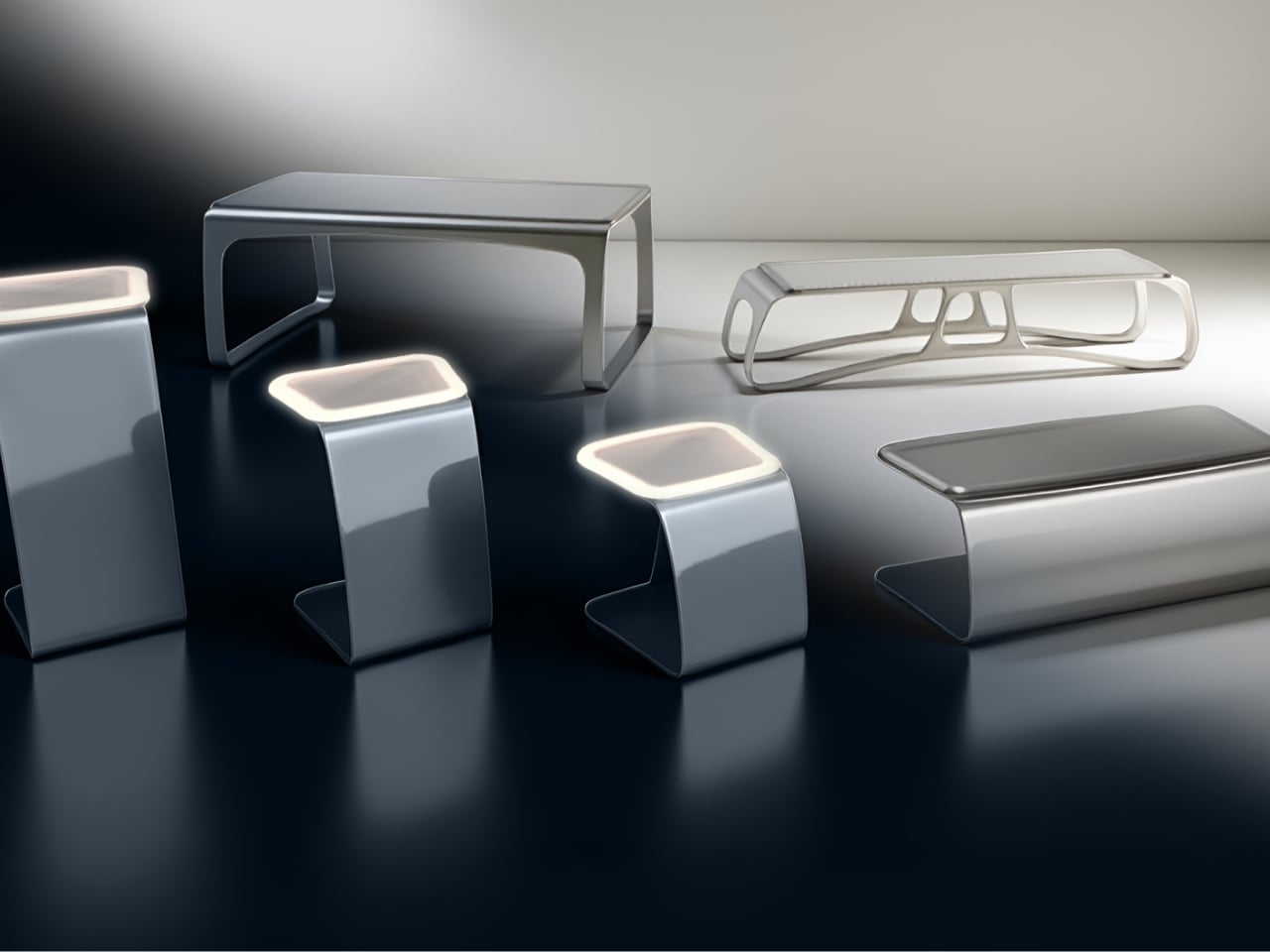
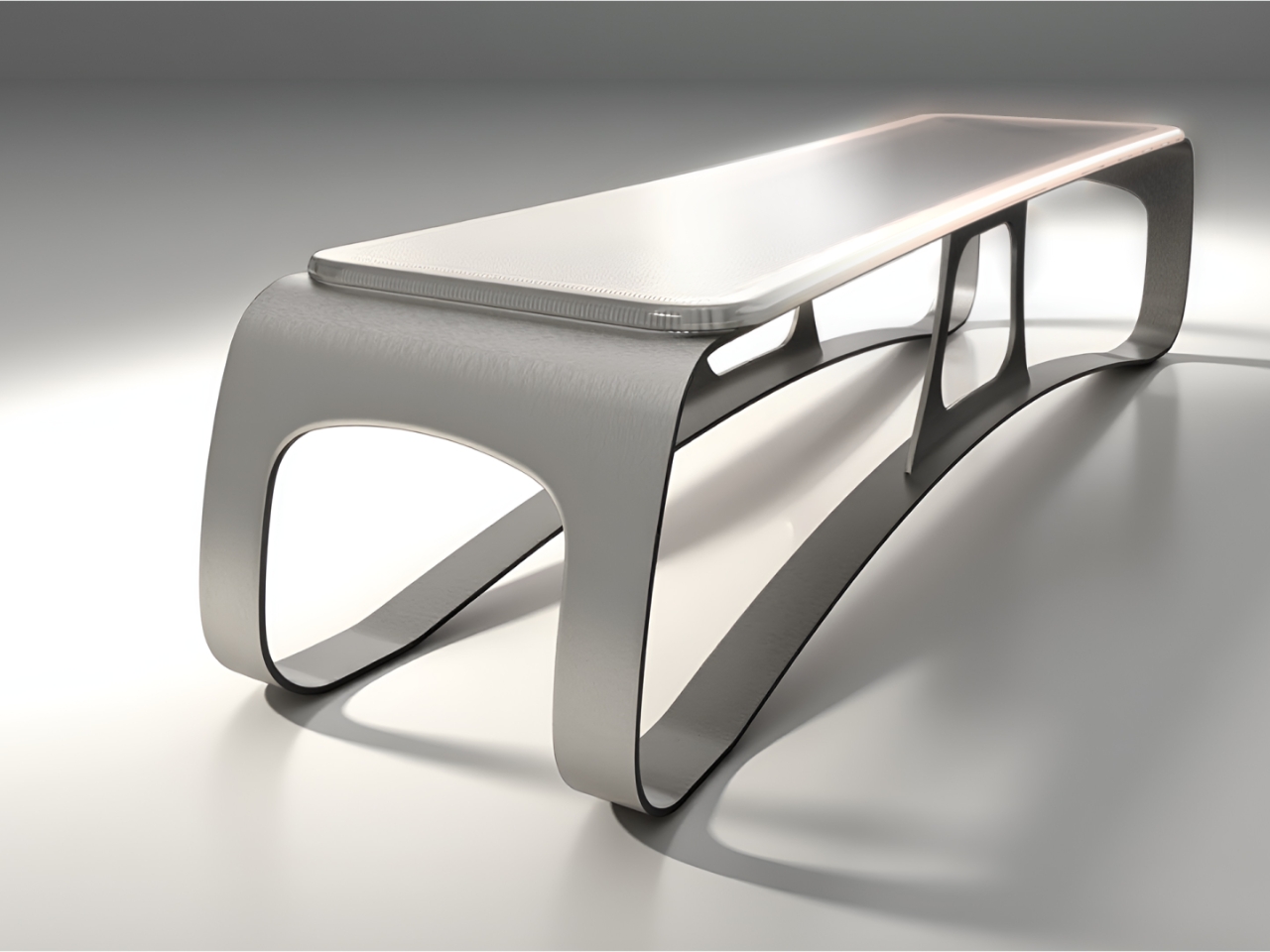
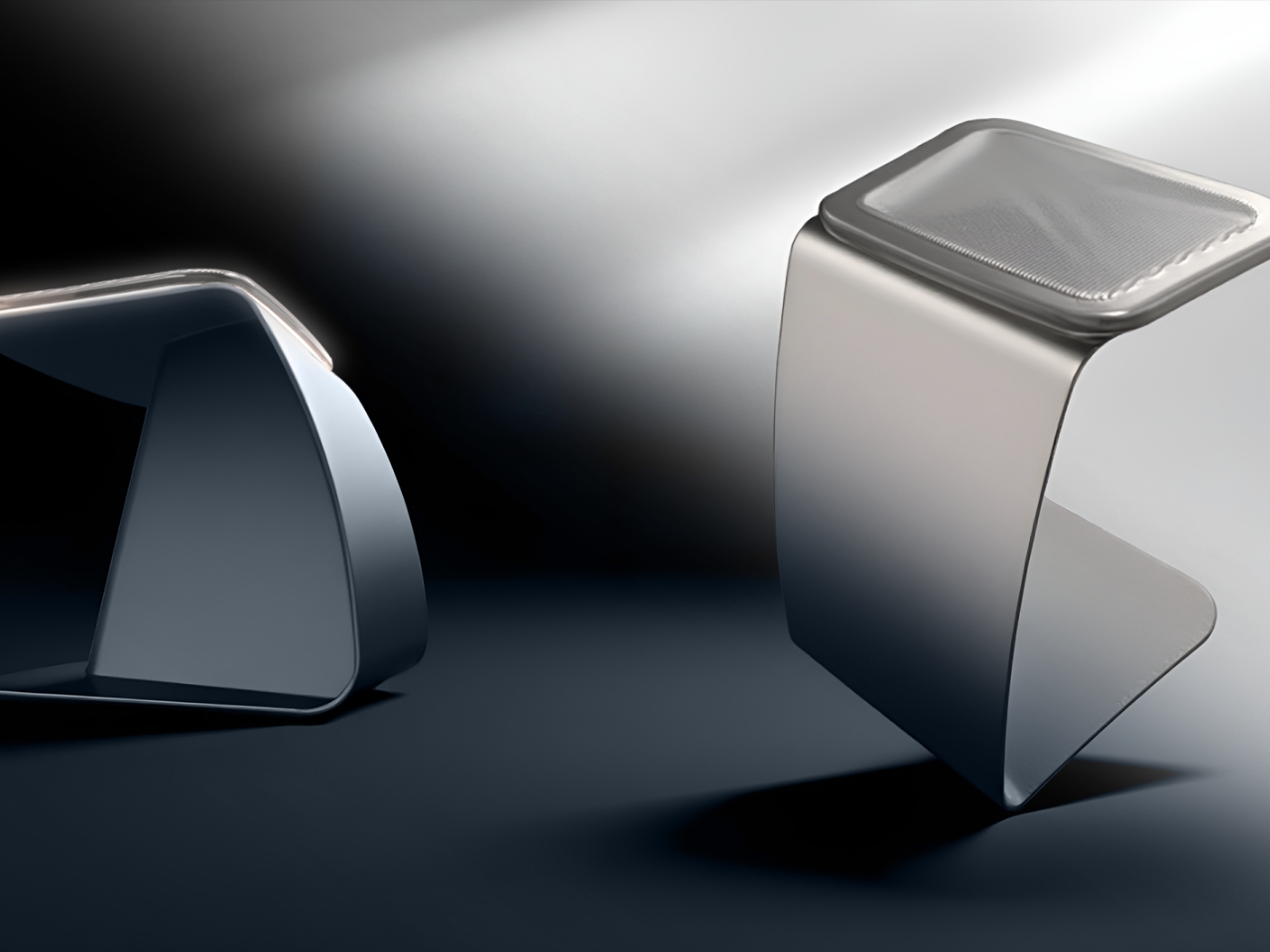
Picture this: you’re exhausted from walking through the city, desperately need to charge your phone, and suddenly spot the perfect bench bathed in soft light. You sit down, plug in, and realize this isn’t just any piece of street furniture. It’s actually harvesting energy from the sun and transforming the urban landscape around you. Welcome to Perovia, a design project that’s making us rethink what public spaces can be.

Created by TAIWA, a contemporary design laboratory that lives at the crossroads of technology, sustainability, and spatial aesthetics, Perovia is essentially an urban bench on steroids. But calling it just a bench feels like calling a smartphone just a phone. It’s so much more than that.

Designer: TAIWA

The name itself is a clever nod to perovskite, a revolutionary solar material that’s been causing quite a stir in renewable energy circles. Unlike traditional bulky solar panels, perovskite cells are flexible, efficient, and can be integrated into all sorts of surfaces. TAIWA took this cutting-edge tech and asked a simple question: what if our city furniture could work as hard as we do?

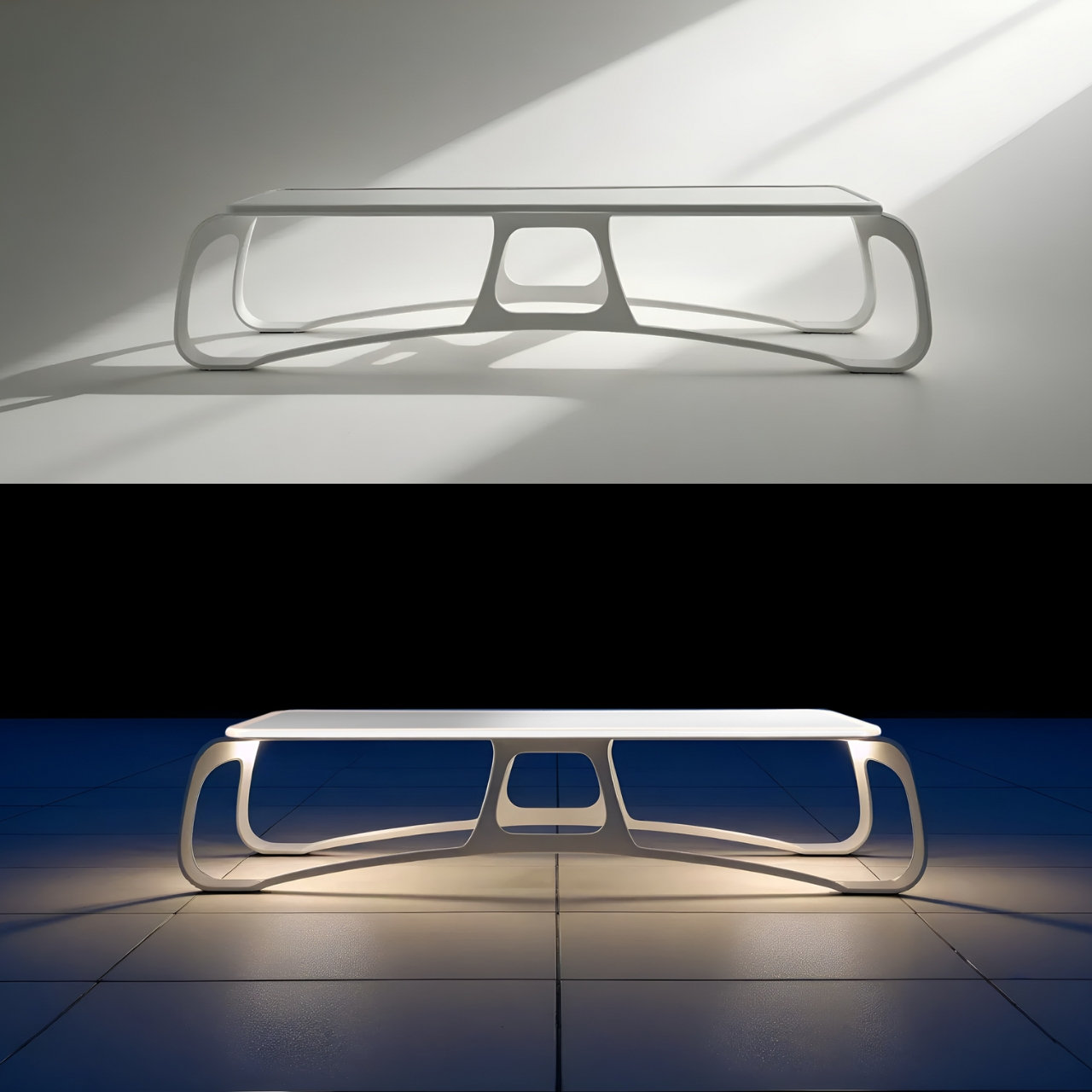
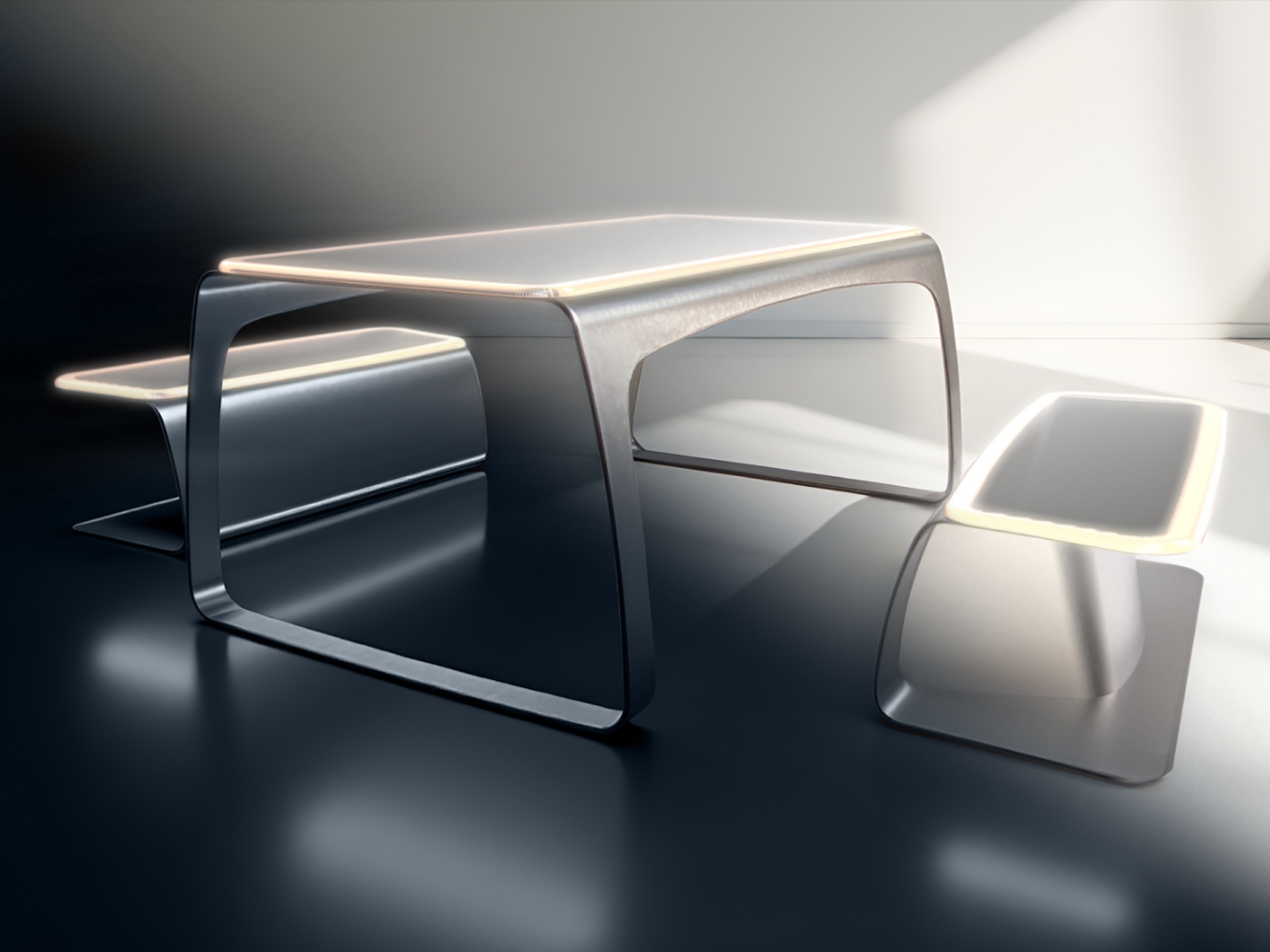
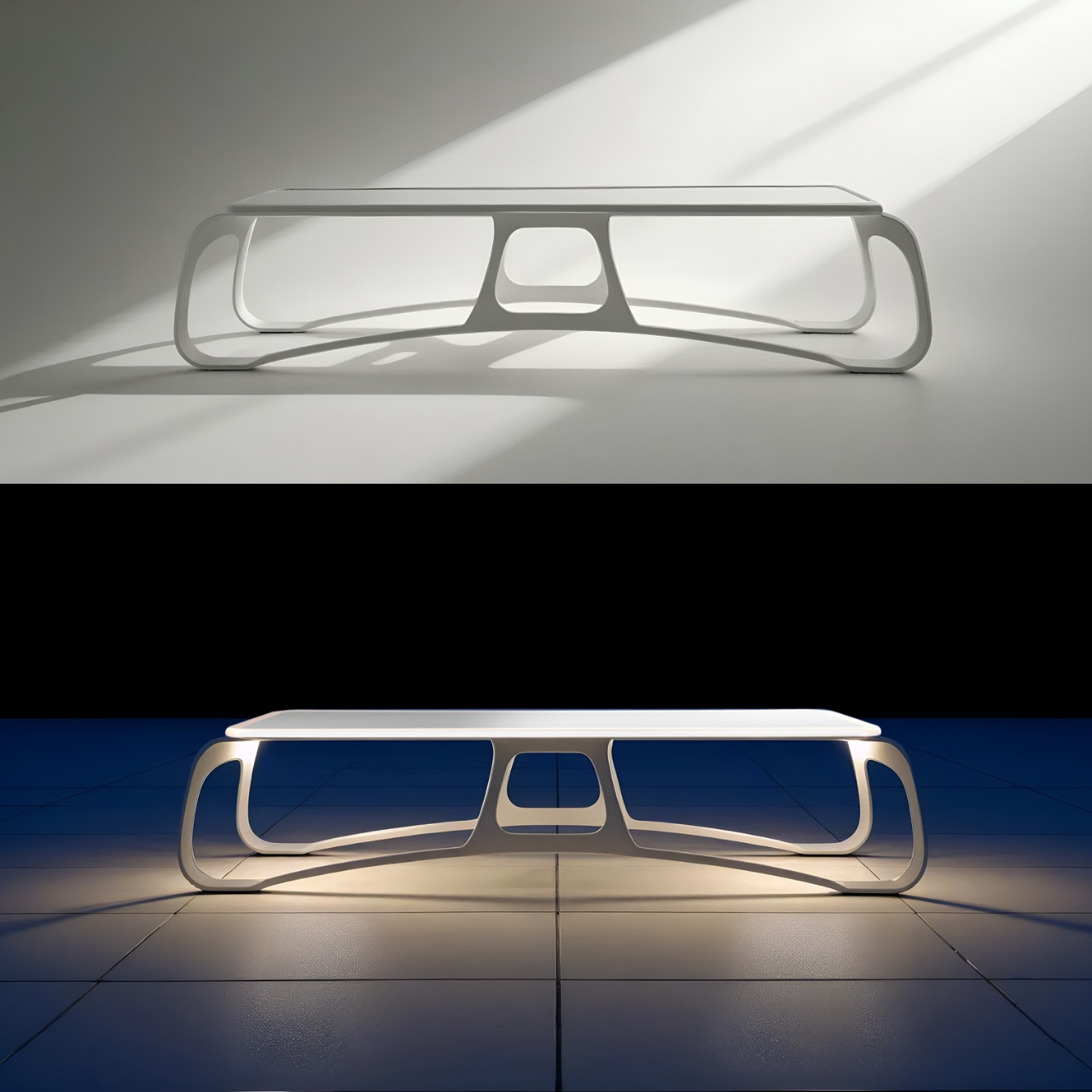
The result is something that looks like it rolled out of a sci-fi movie set. Perovia functions as what the designers call “a node of light in the urban circuit.” During the day, it quietly soaks up solar energy through its integrated perovskite cells. As evening falls, it transforms into a glowing beacon, providing ambient lighting that makes public spaces feel safer and more inviting. But it doesn’t stop there. The bench also features USB charging ports, because let’s be honest, in 2025, a dead phone battery is basically a modern emergency.

What makes this design particularly brilliant is how it addresses multiple urban challenges simultaneously. Cities everywhere are wrestling with sustainability goals, trying to reduce their carbon footprints while making public spaces more livable. Street lighting gobbles up enormous amounts of electricity, and providing public charging stations requires complex infrastructure. Perovia tackles both issues in one sleek package.

But beyond the recognition and the tech specs, what’s really exciting about Perovia is its philosophy. TAIWA describes being inspired by “the silent rhythm of cities,” and you can feel that in the design. Cities have their own pulse, their own flow of energy and movement. Most street furniture just sits there passively, but Perovia actively participates in that urban metabolism. It takes energy when the sun is high, gives light when darkness falls, and serves people whenever they need it.

This kind of thinking represents a fundamental shift in how we approach urban design. For too long, sustainability features have been add-ons, afterthoughts bolted onto existing infrastructure. Perovia shows what happens when you bake sustainability into the core concept from the beginning. The result doesn’t just work better, it looks better too. The bench manages to be both futuristic and inviting, high-tech without feeling cold or intimidating.

Of course, the real test will be seeing these benches roll out in actual cities, weathering real conditions and serving real communities. Will the technology hold up? Can it scale affordably? These are questions that only time will answer. But as a proof of concept and a vision of what’s possible, Perovia absolutely delivers.

We live in a world where climate change dominates headlines and cities struggle to reinvent themselves for a sustainable future. So we need designs that don’t make us choose between functionality and environmental responsibility. Perovia suggests we can have both, wrapped up in a package that actually makes our cities more beautiful and livable. That’s the kind of design innovation worth getting excited about.

The post This Solar Bench Just Turned Every City Street Into a Charging Hub first appeared on Yanko Design.
Modular Pet Stairs in Wood Finishes Won’t Clash With Your Décor

If you’ve ever watched your dog or cat leap onto the bed or sofa with reckless abandon, you know the mix of pride and worry that comes with it every single time they make that jump. Pets love being close to their humans and feel safest at elevated heights, but those jumps can put a lot of strain on their joints, especially as they age or if they’re recovering from injury or surgery.

Most pet stairs solve one problem while creating another entirely different headache for pet owners. They’re either clunky and impossible to store when guests visit for the weekend, plain ugly and clash with your carefully chosen furniture and decor, or just take up too much space in already crowded rooms. Finding stairs that actually help your pet without ruining your interior design feels nearly impossible for most pet owners.

Designer: The bPawrents Team

Click Here to Buy Now: $185 $265 (30% off). Hurry, only a few left!

PawStairs offers a smarter solution with modular, flat-packable stairs featuring swappable, scratch-resistant paddings that blend into your home seamlessly and unobtrusively. The system lets you build two or three steps depending on your furniture height and your pet’s climbing needs, adapting to beds, sofas, or any favorite nap spot throughout your home. Assembly is easy and intuitive, requiring just minutes even for people who struggle with furniture assembly.

When you need more space for guests or just want to reclaim floor area temporarily, the stairs pack completely flat for compact storage under beds or in closets. The clean lines and minimalist silhouette mean PawStairs looks right at home in living rooms or bedrooms without screaming “pet product” to everyone who visits. Two wood finishes let you match your décor, with Original offering light tones and Walnut providing warm, rich hues.

Each step is topped with a scratch-resistant, easy-to-clean padding in velvet or leather options for different textures and looks. If a cover gets worn from daily use or you want to switch aesthetics, just swap it out without replacing the whole stair. The non-slip base pads ensure secure footing on every step, and the stairs support pets up to 99 pounds, from tiny Pugs to large Golden Retrievers.

The swappable padding system means maintenance is simple and stress-free for busy pet owners juggling work and family. Muddy paws, shedding fur, or the occasional accident wipe clean in seconds, and when a cover needs refreshing, you just pull it off and snap a new one on. No complicated proprietary tools, no wrestling with awkward clips or zippers, just quick swaps that keep everything looking fresh and inviting.

Built from high-quality solid wood and scratch-resistant leather and velvet, PawStairs is engineered specifically for long-term durability under daily use from active pets. If any part ever wears out from enthusiastic climbing, you can replace just that component instead of tossing the whole unit. This modular approach reduces waste dramatically and extends the product’s life for years of reliable use without requiring complete replacement.

Imagine your senior dog climbing onto the couch without struggle, or your cat confidently reaching her favorite window perch for afternoon sunbathing sessions. PawStairs makes these moments effortless for them, reducing stress on aging joints and lowering anxiety in small breeds or pets with mobility issues who might otherwise avoid heights altogether. The stairs work equally well for young pets who need safe access.

For multi-pet households with different-sized animals sharing the same space, the modular design means everyone from tiny kittens to large dogs can find their perfect step height and climbing rhythm. The neutral wood tones, clean aesthetic, and swappable paddings let PawStairs blend naturally into your home while making your pet’s comfort and safety a visible, intentional part of your living space without sacrificing style or floor space.

Click Here to Buy Now: $185 $265 (30% off). Hurry, only a few left!

The post Modular Pet Stairs in Wood Finishes Won’t Clash With Your Décor first appeared on Yanko Design.
This Moving Furniture Just Solved The Co-Living Friendship Problem

Here’s a scenario you might know too well: You’re living in a co-living space with a bunch of strangers. You pass someone in the kitchen, make awkward eye contact, mumble “hey,” and retreat to your room. Sound familiar? Designers Ye Jin Lee, Jung A Park, and Yujin Lee definitely think so, because they created FURNY to solve exactly this problem.

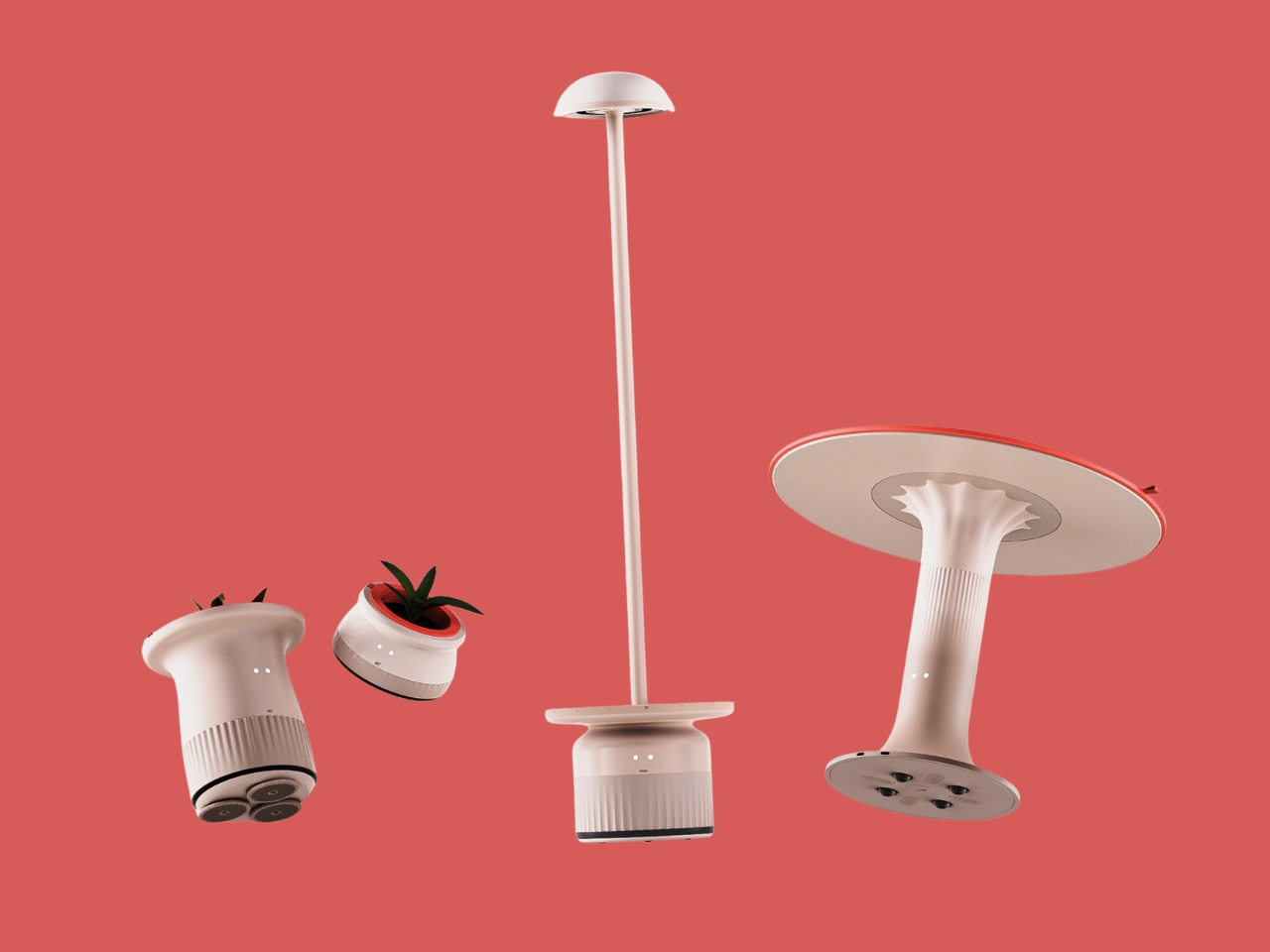
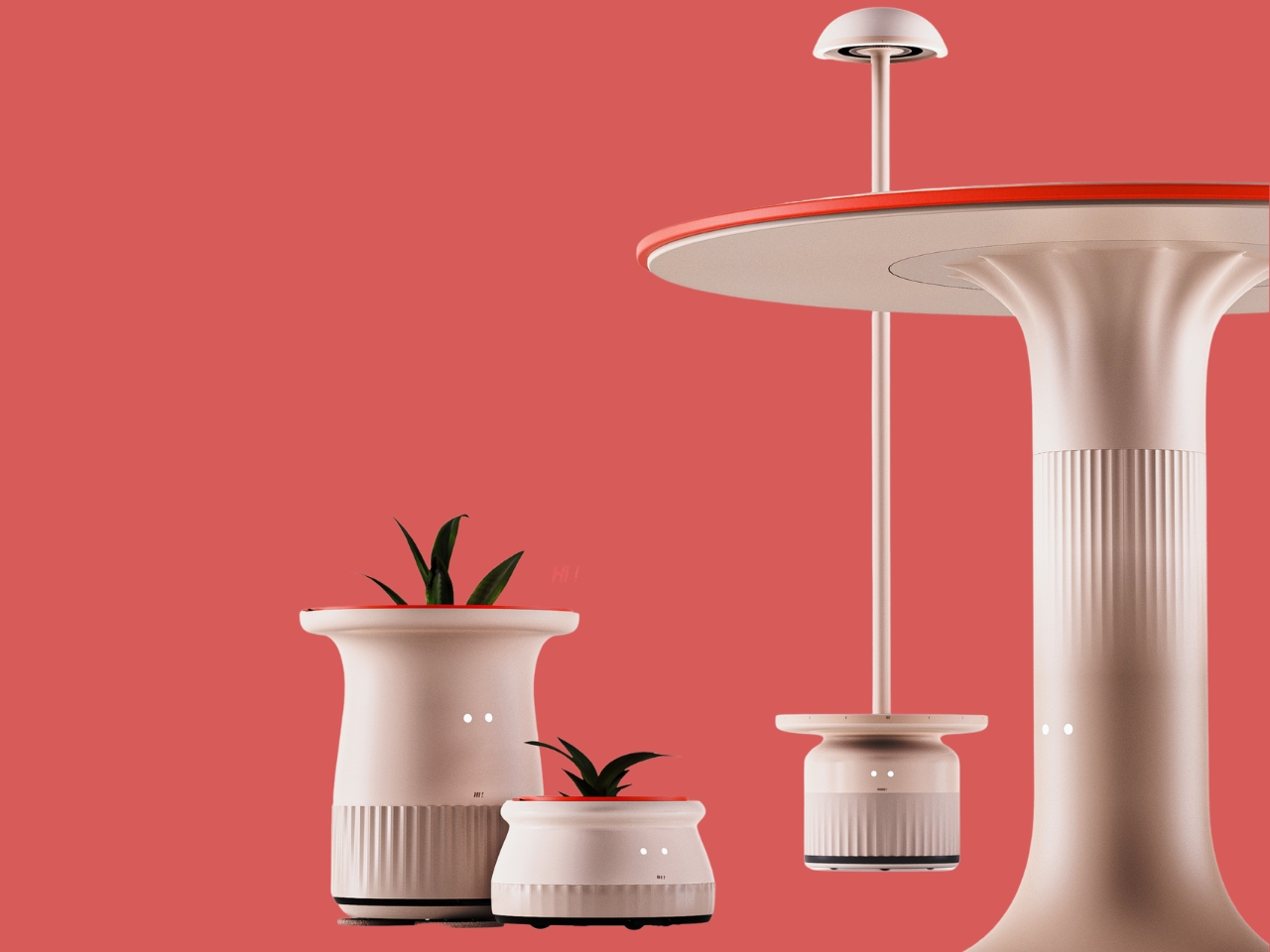
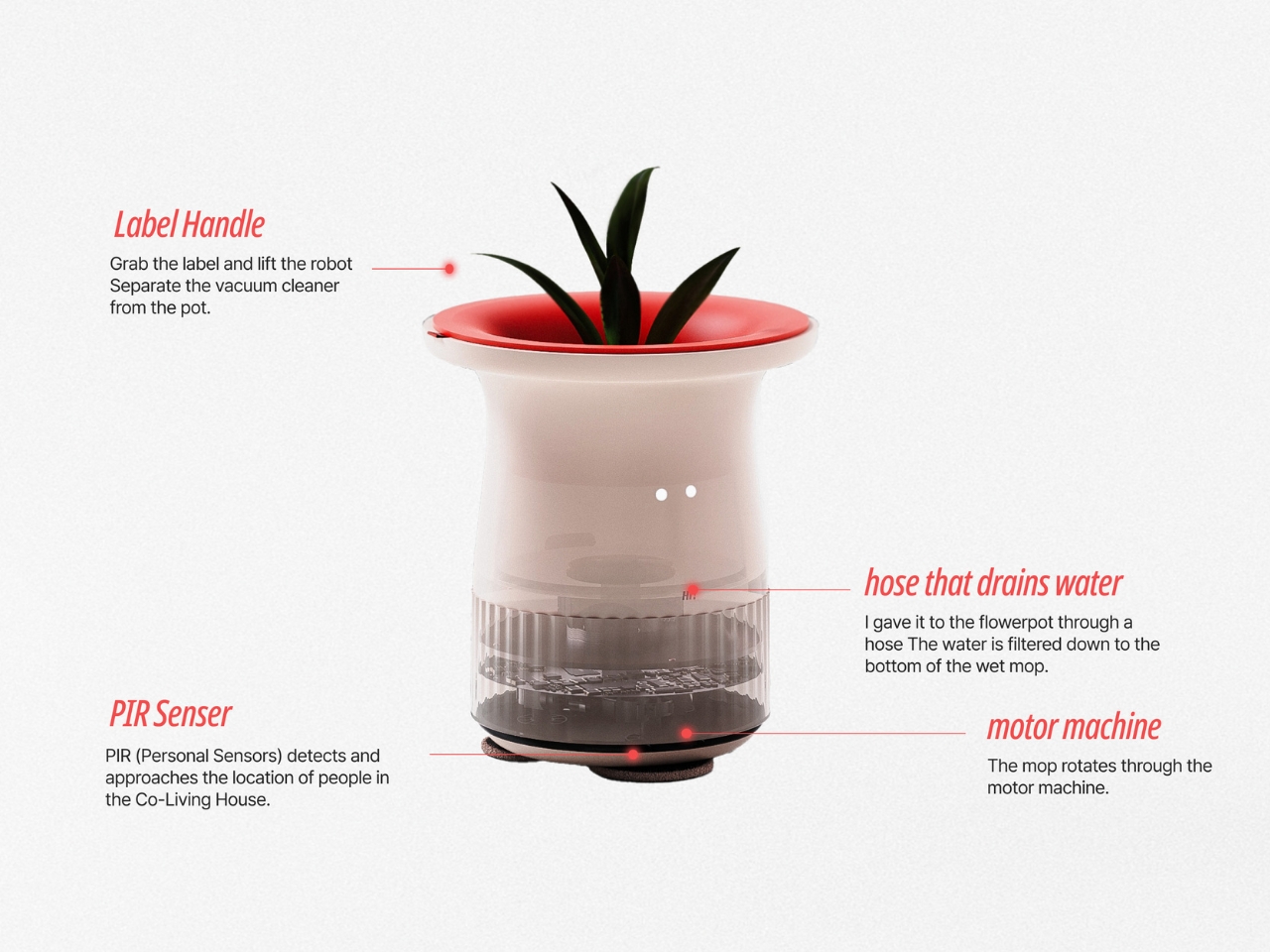
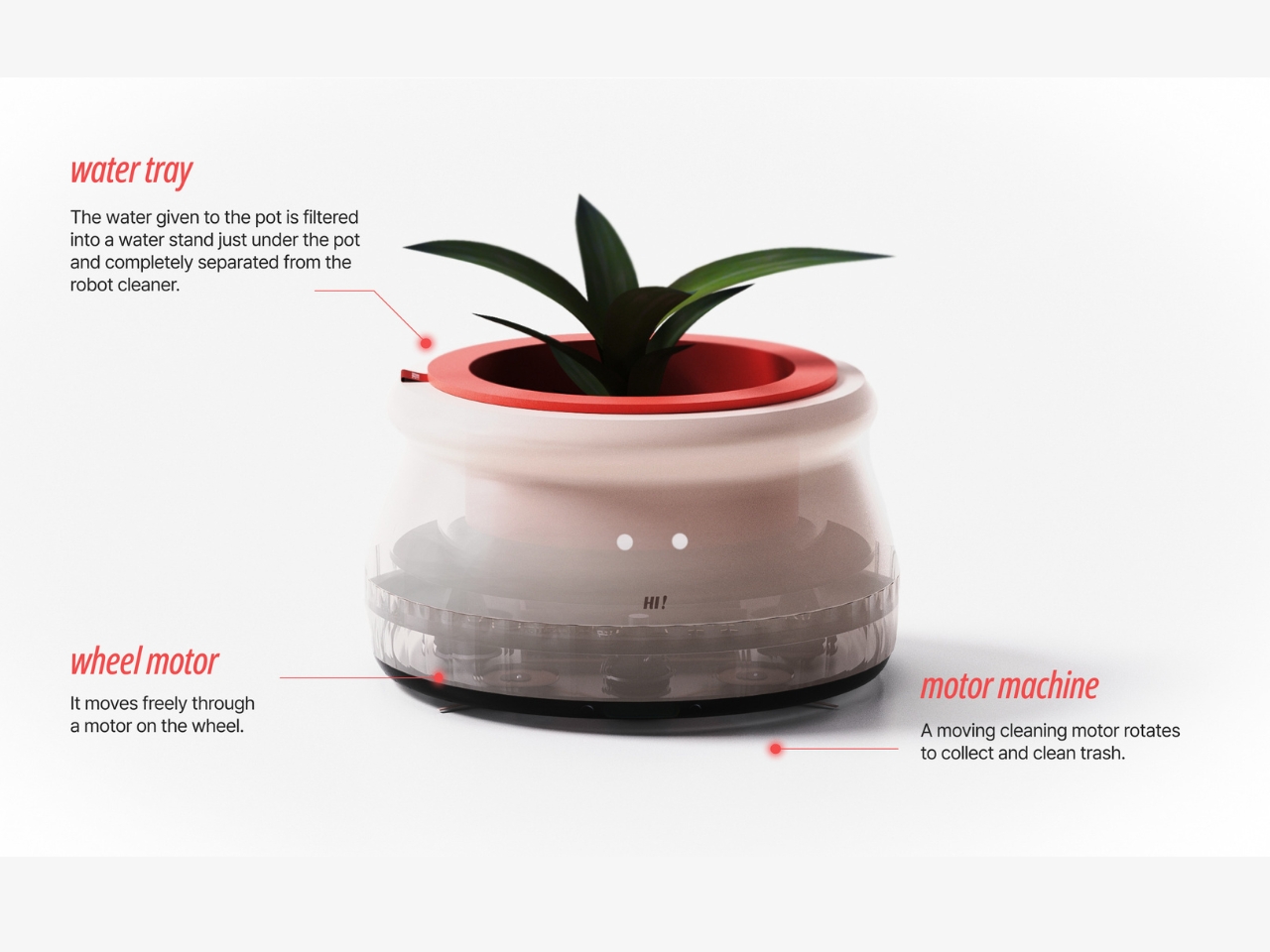
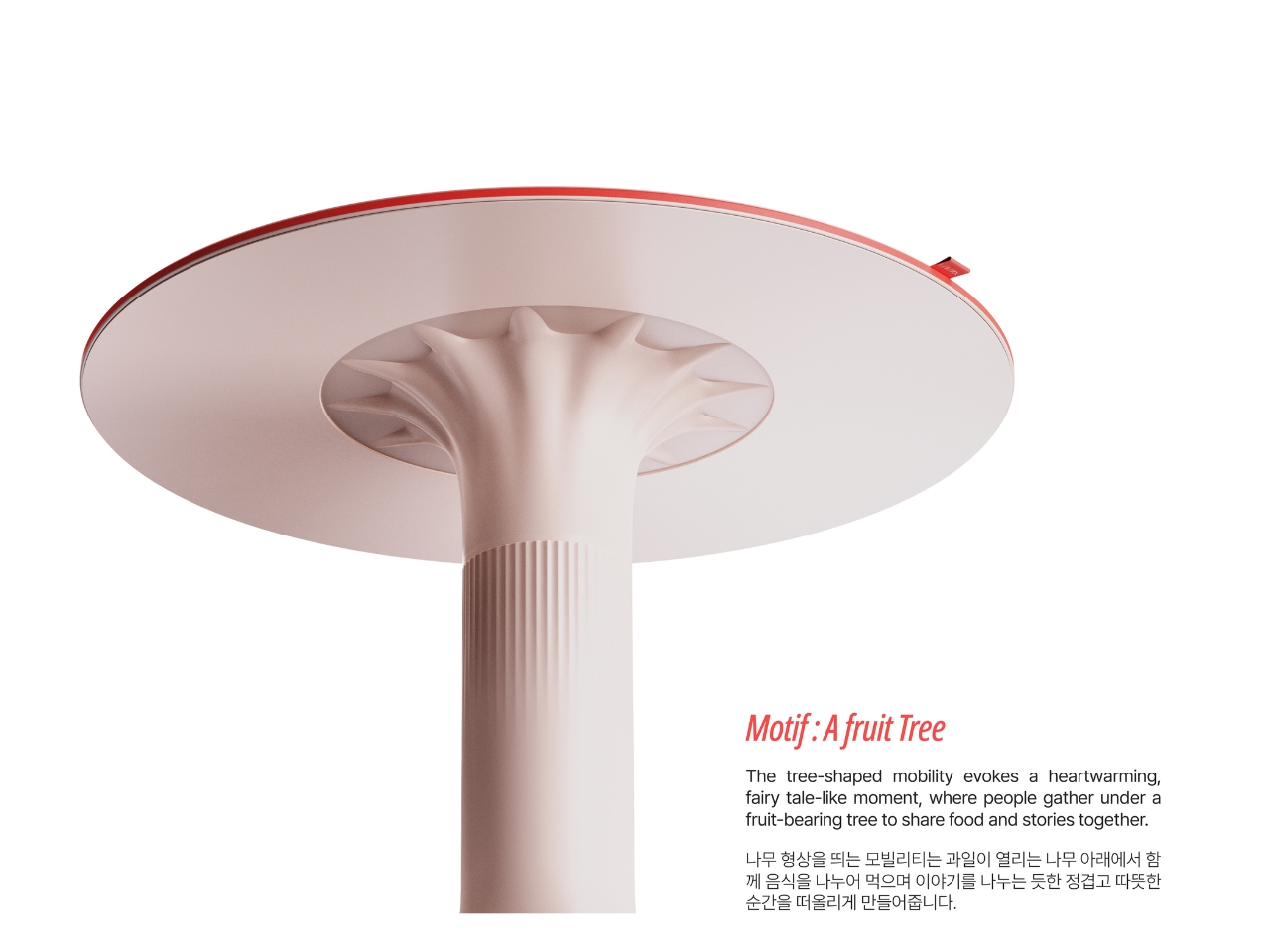
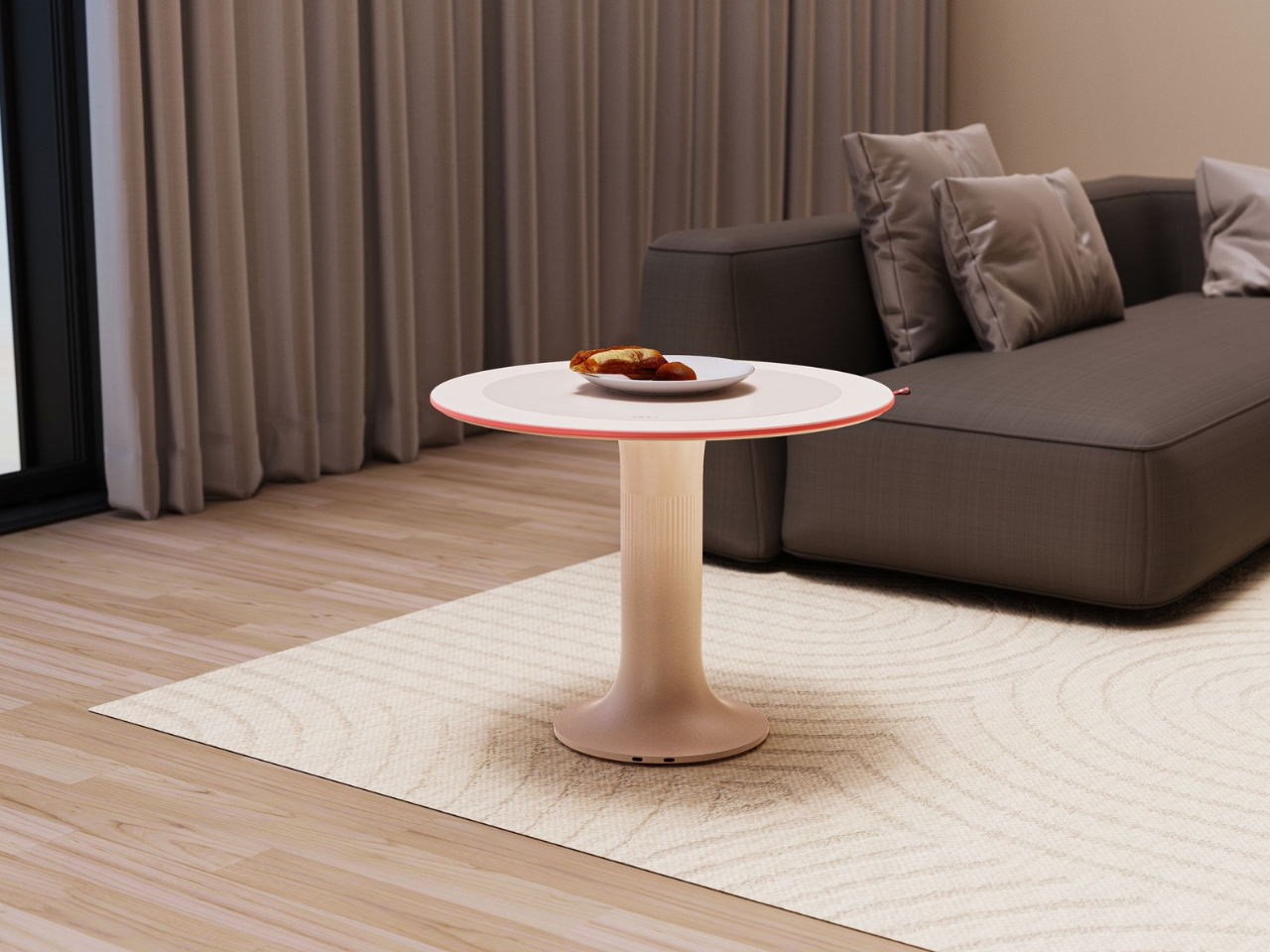
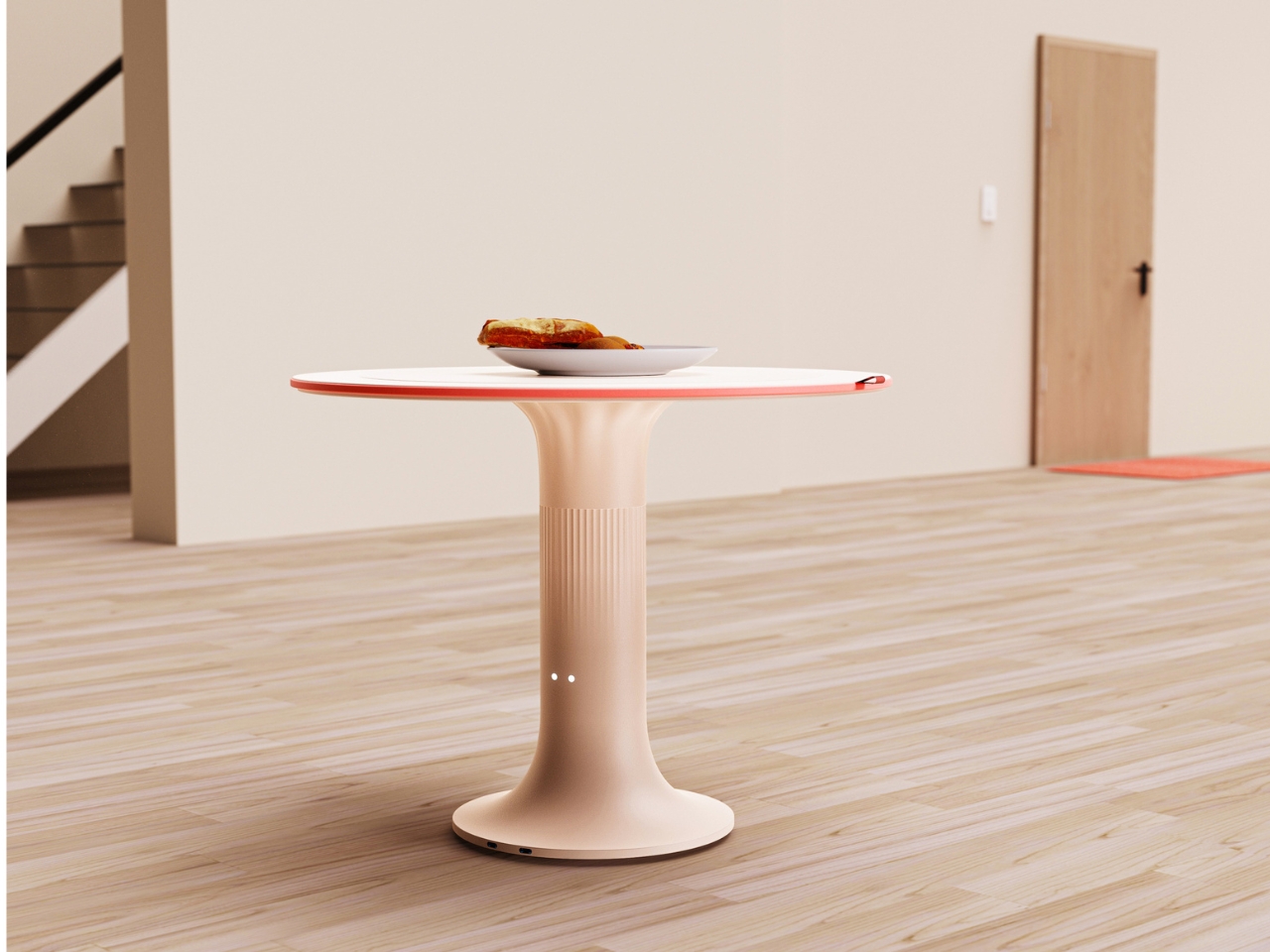
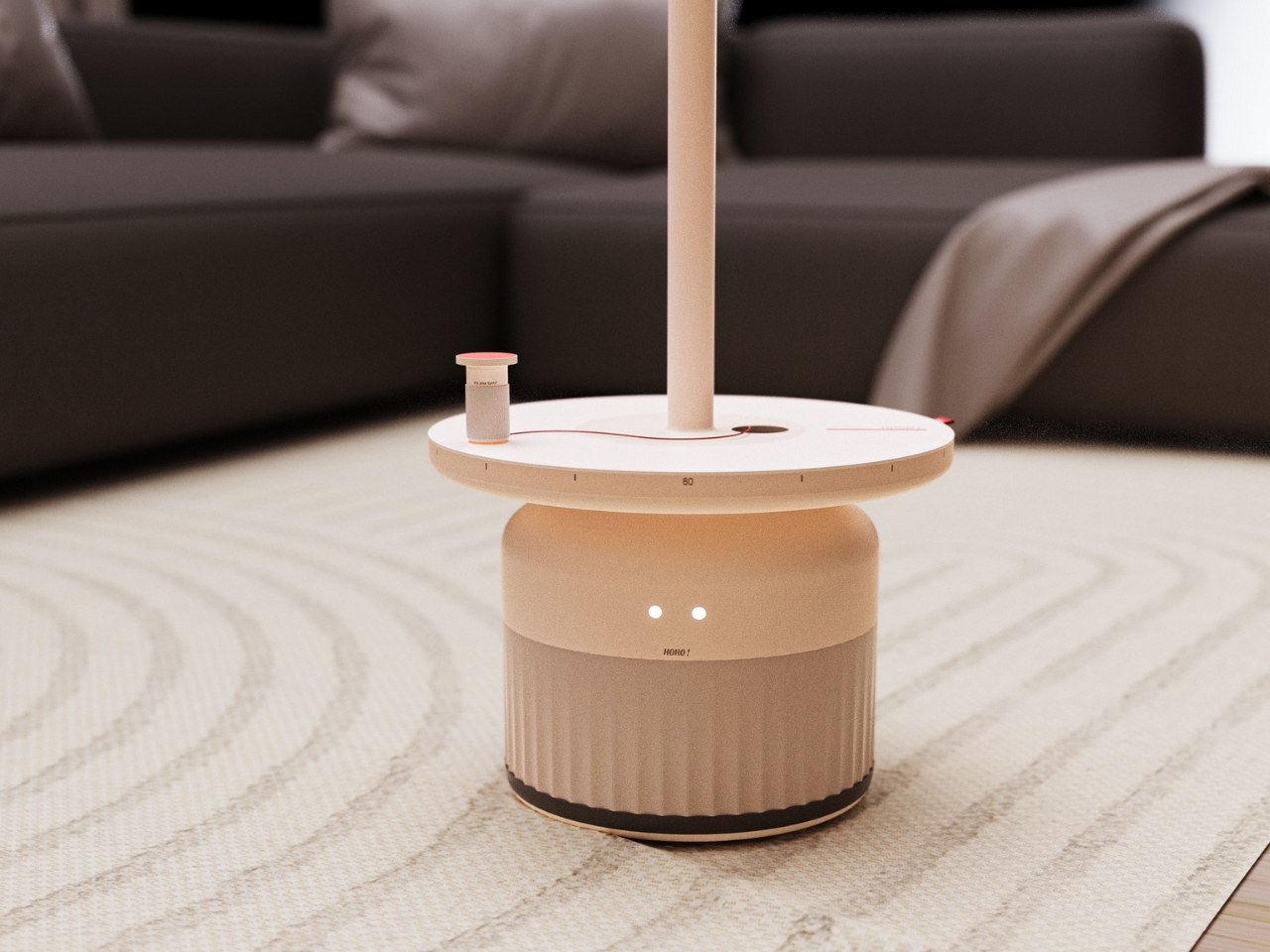
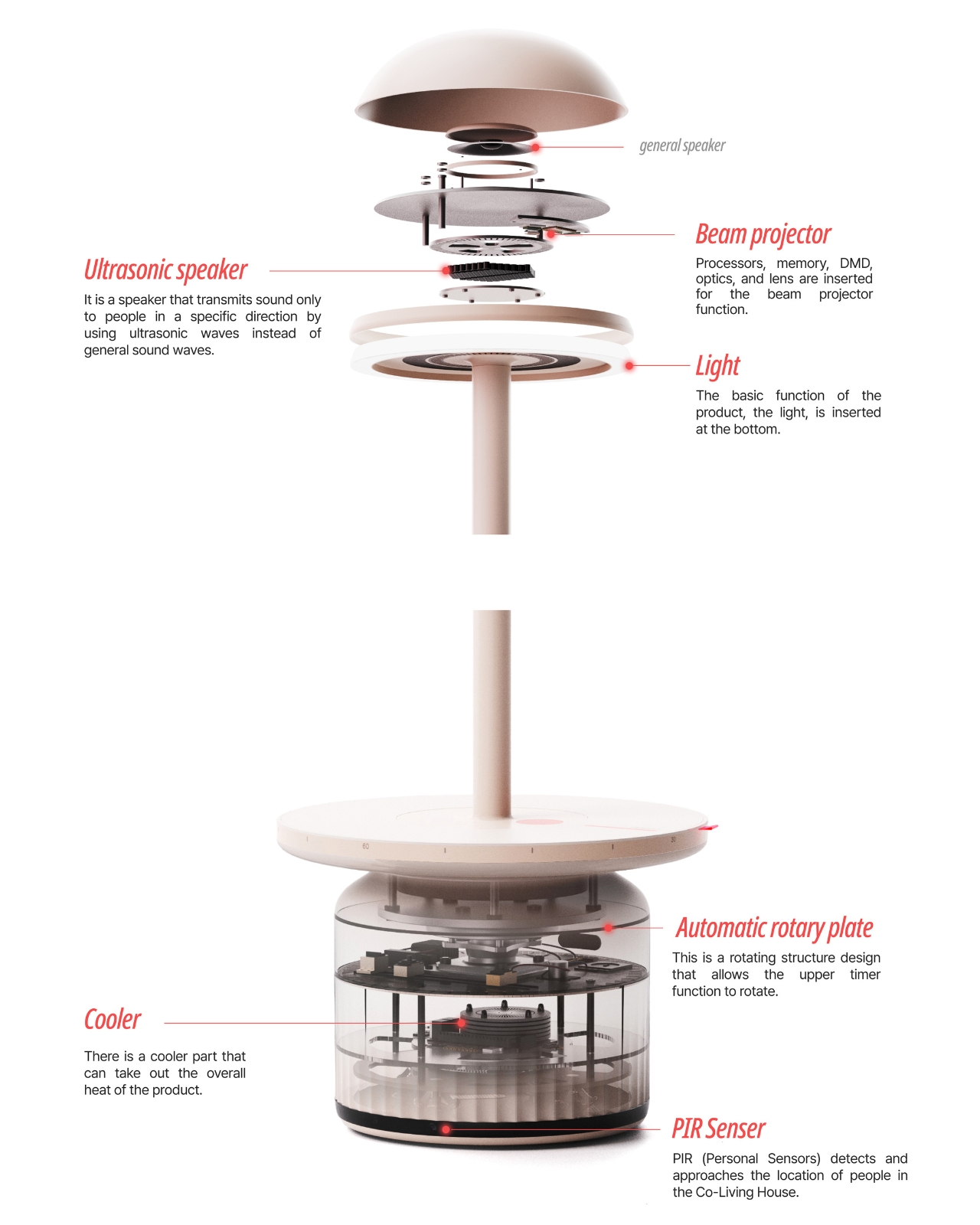
FURNY isn’t your typical furniture design project. It’s a mobile furniture system specifically built for co-living spaces, and its entire purpose is to help people start conversations without that painful awkwardness we’ve all experienced. The concept is simple but clever: what if furniture could be the friendly person who breaks the ice first?

Designers: Ye Jin Lee, Jung A Park, and Yujin Lee

Create your own Aesthetic Render: Download KeyShot Studio Right Now!

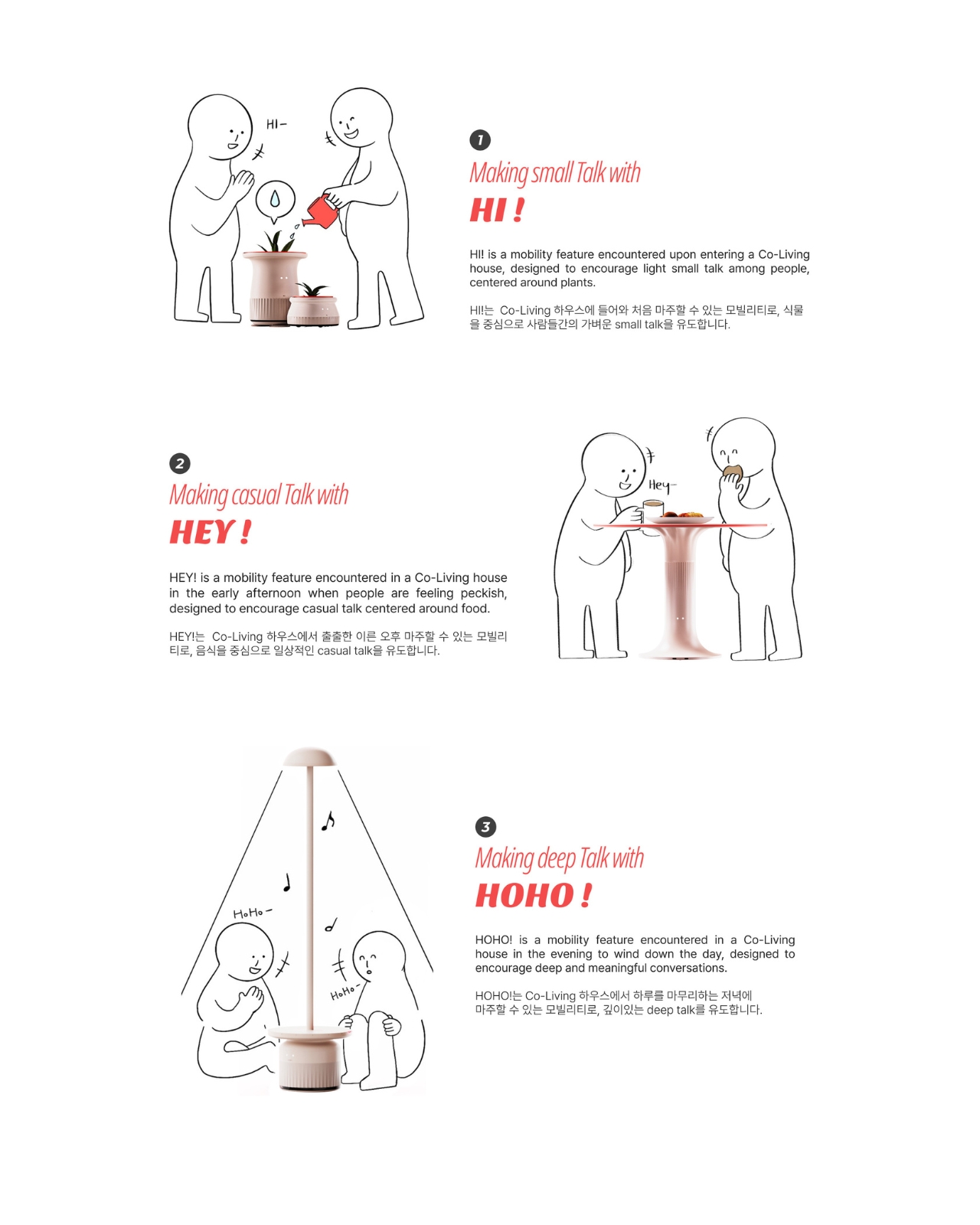
Think about it. Co-living spaces are designed to foster community, with all those shared kitchens and common areas. But having the space doesn’t automatically make connection happen. Most of us know the struggle of wanting to meet our housemates but not knowing how to start a conversation without seeming weird or intrusive. That “too long distance” between strangers in a shared space can feel impossible to cross. FURNY tackles this by being furniture that moves with purpose throughout the day, creating natural gathering points that give people an excuse to interact. The genius is in how it adapts to different times and moods, offering three distinct “conversation modes” that match the rhythm of daily life.

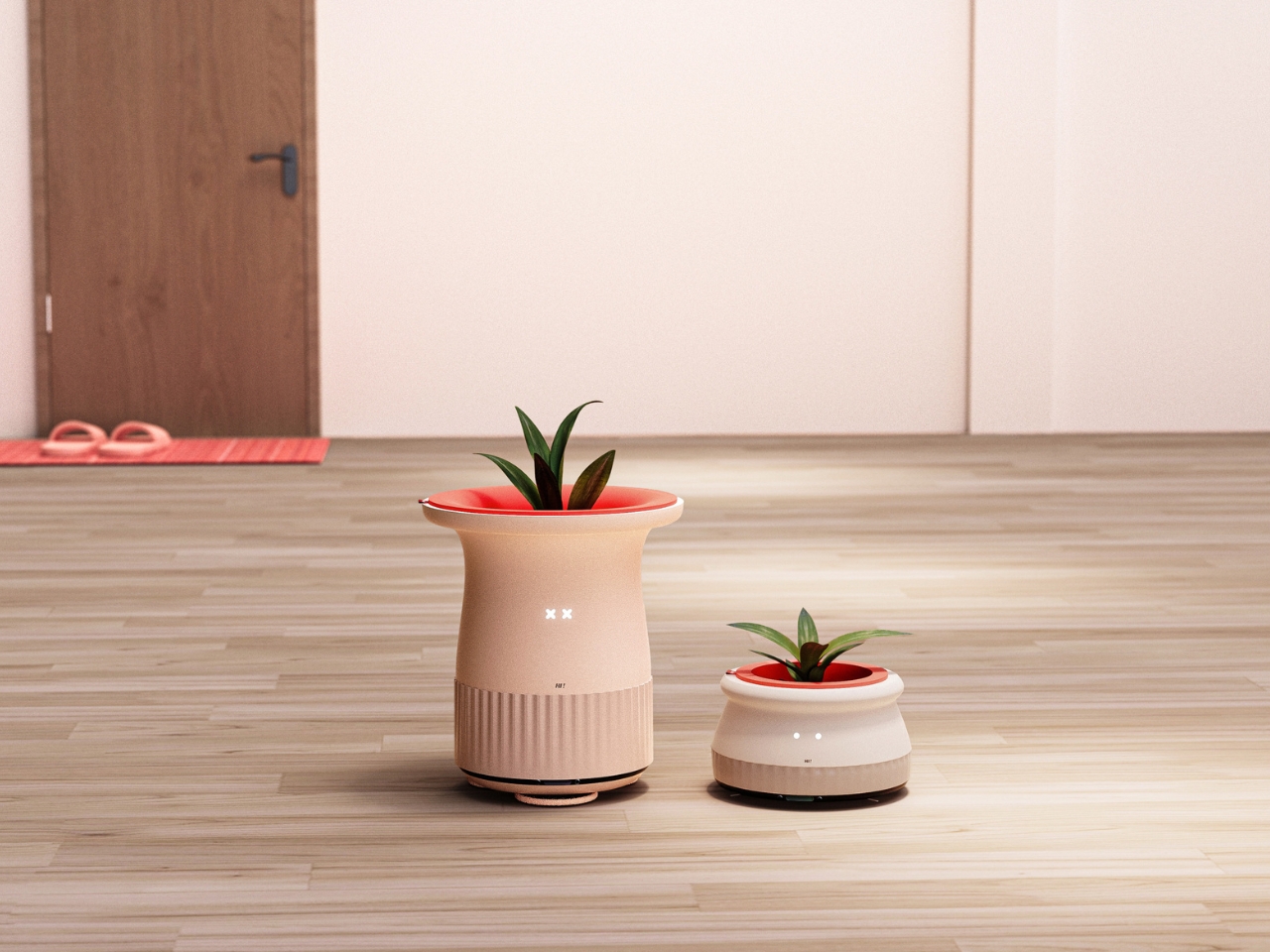
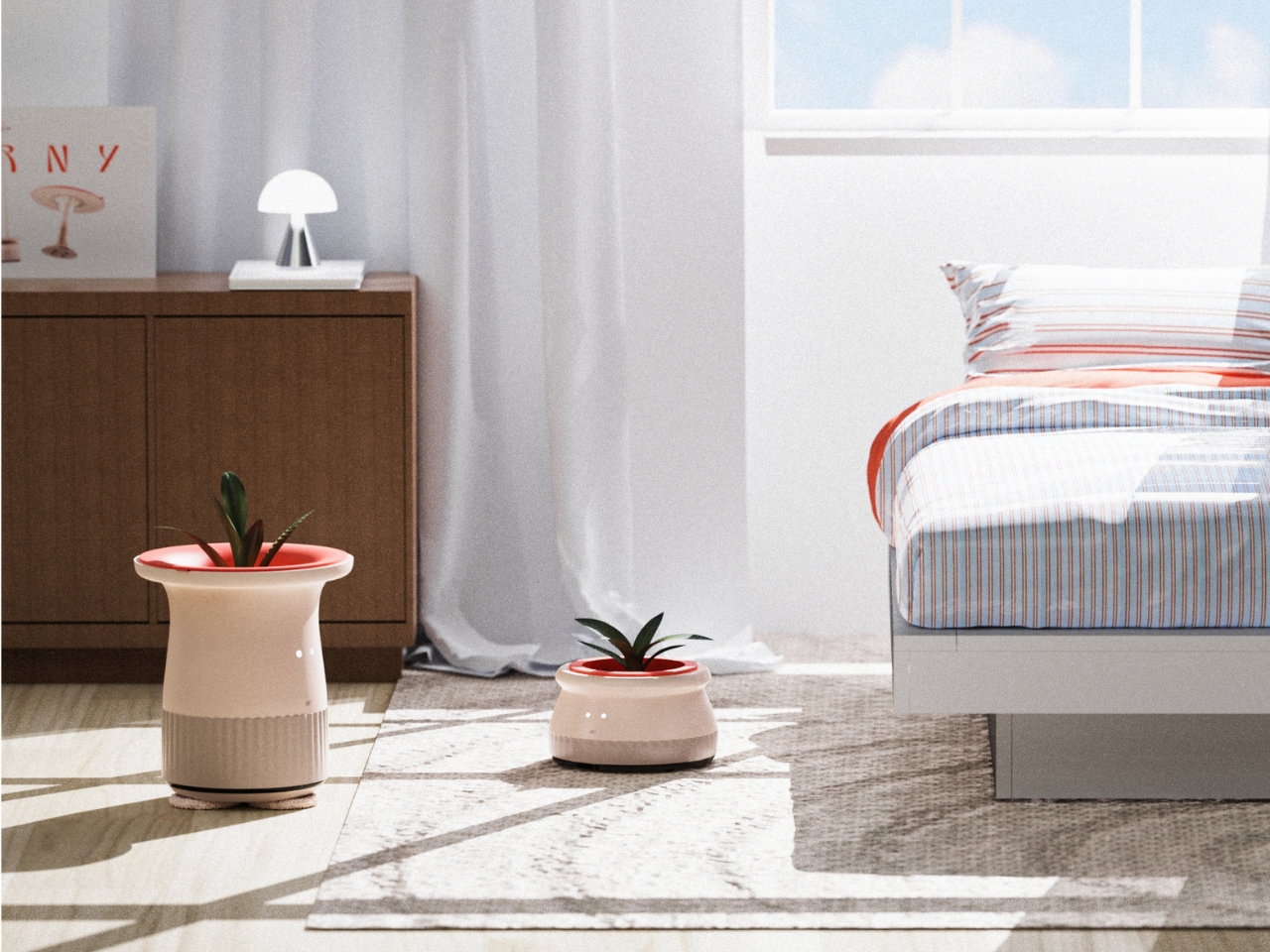
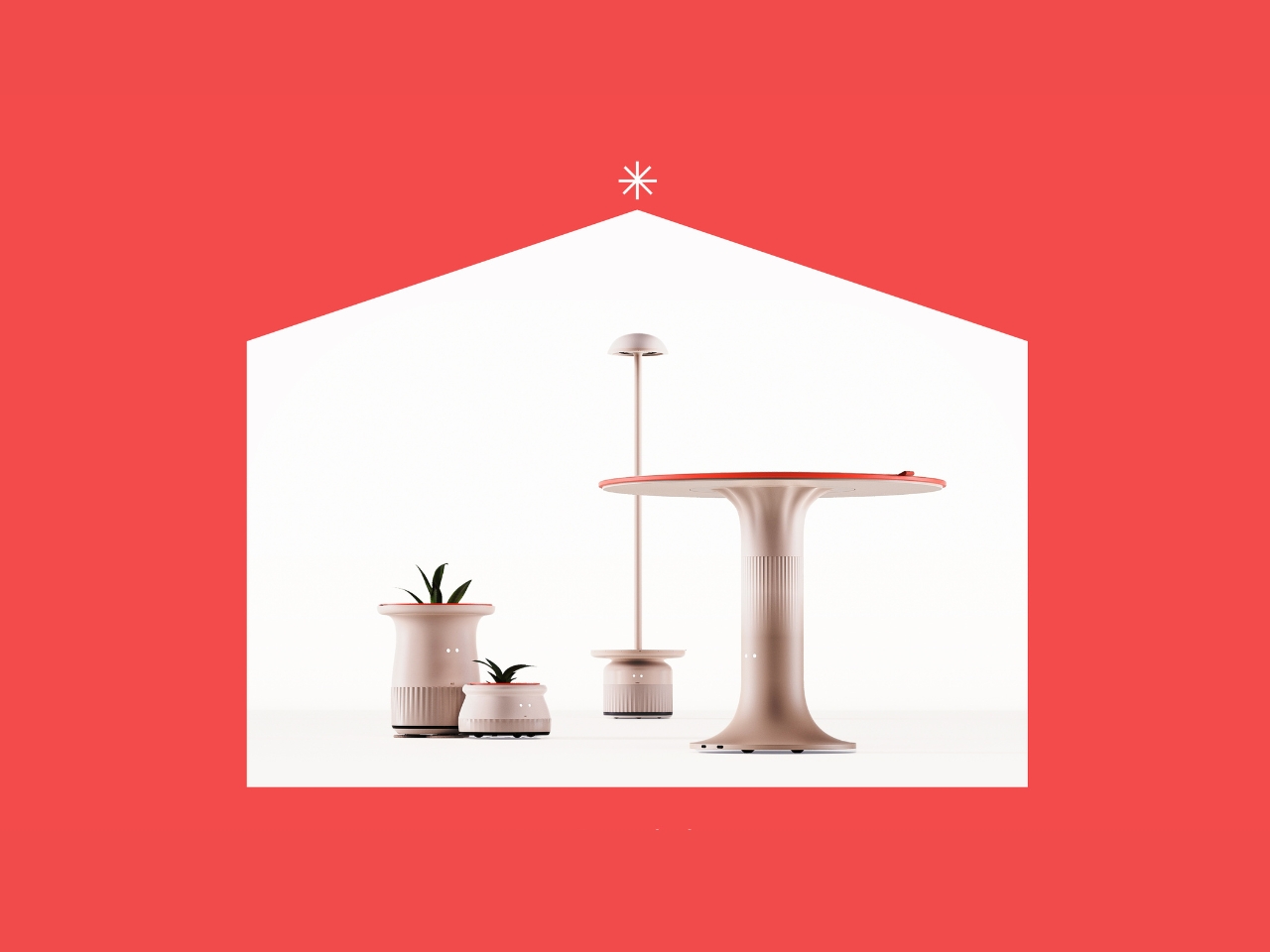
In the morning, when someone enters a common space, FURNY becomes “HI!” mode. It positions itself as a welcoming presence, often incorporating plants as a focal point. Plants are perfect ice breakers, right? Everyone can comment on how the succulent is doing or share watering tips. It’s the kind of small talk that feels natural and unforced, the kind that happens when you’re both just existing in the same space doing normal things.

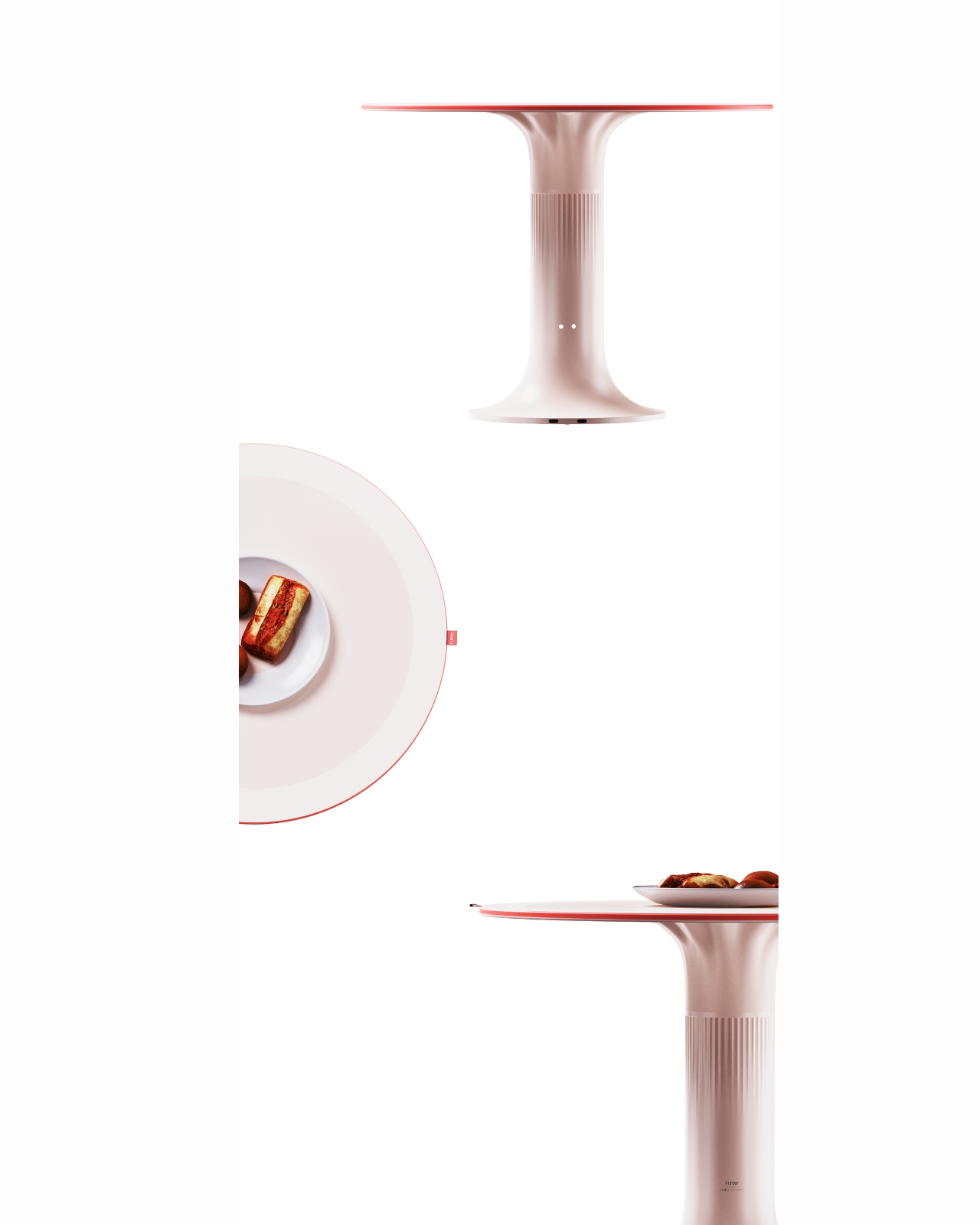
By early afternoon, when people start getting peckish and wandering toward the kitchen, FURNY shifts into “HEY!” mode. Now it becomes a casual gathering spot centered around food. Food is basically a universal conversation starter. Whether someone’s cooking something that smells amazing or you’re both scrounging for snacks, having a mobile piece of furniture that facilitates these food-centered interactions makes everything feel more communal and less like you’re awkwardly hovering.

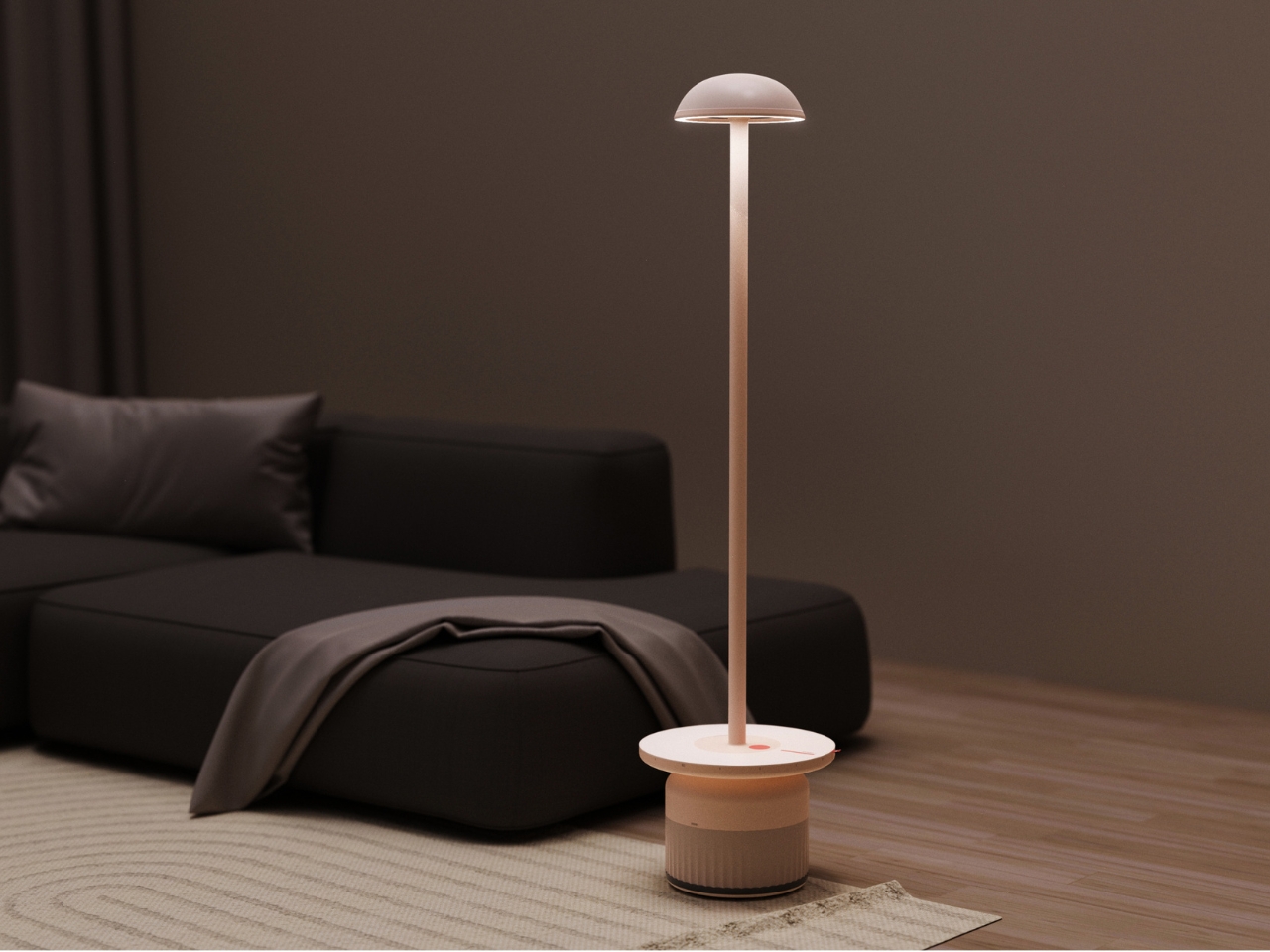
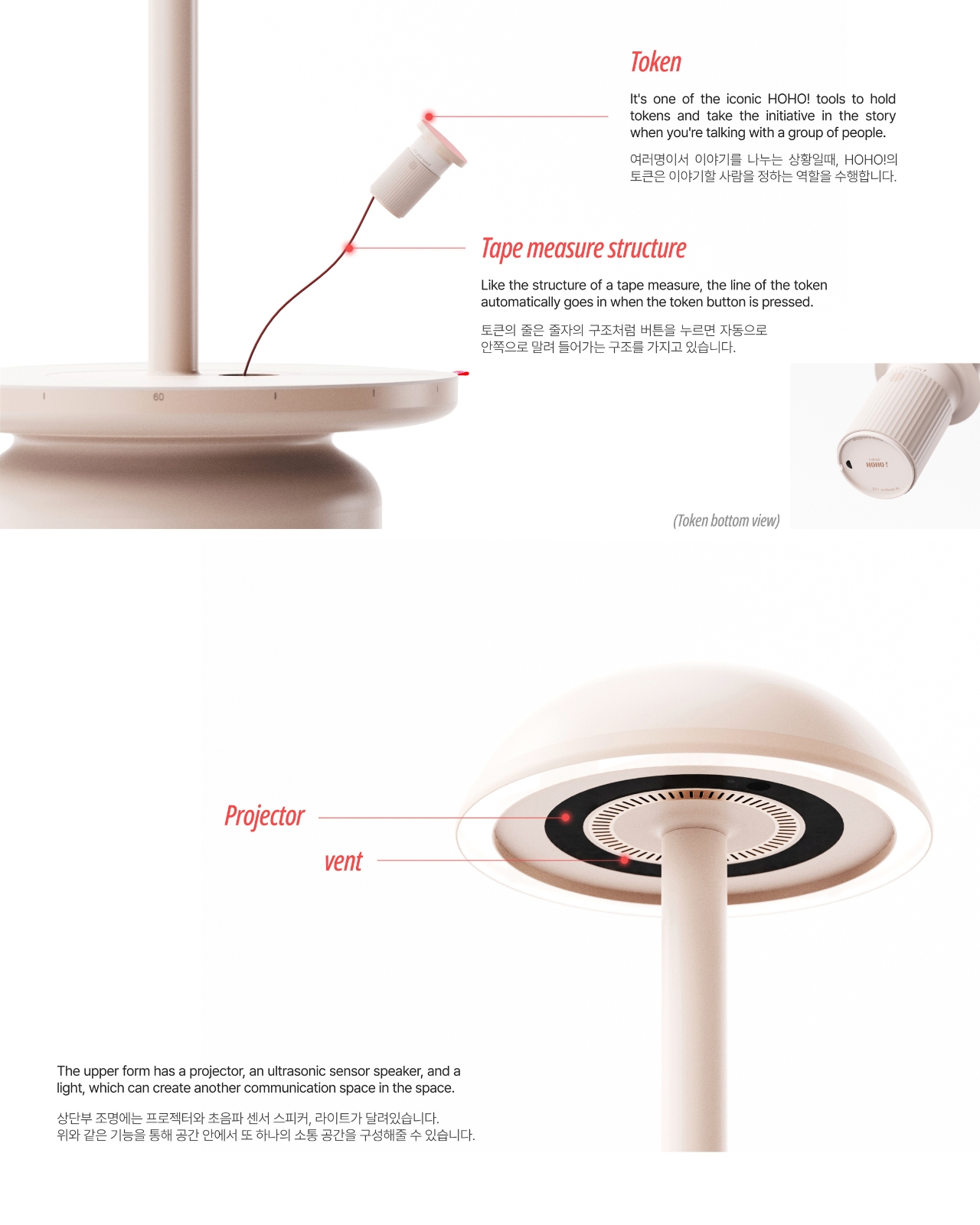
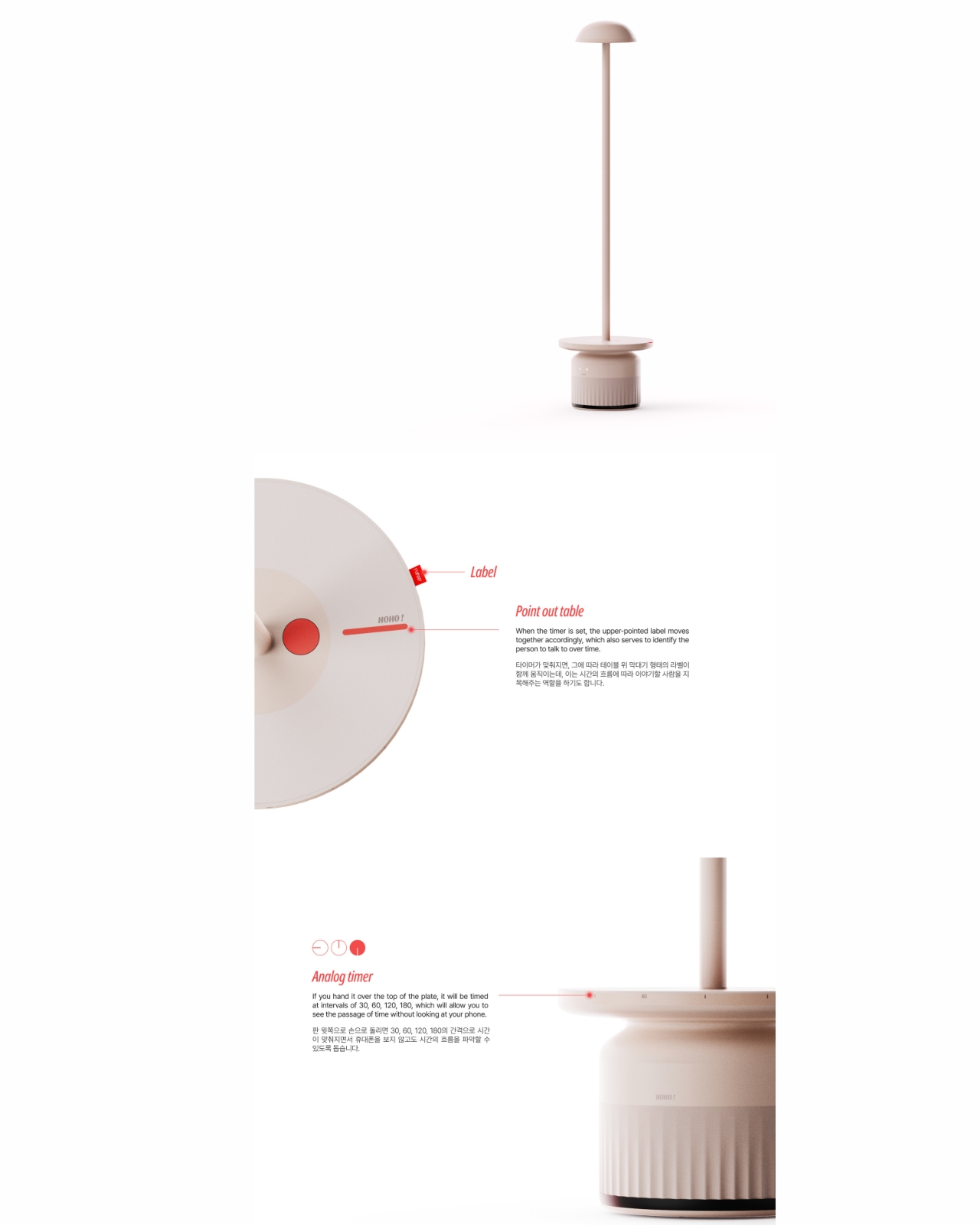
Then evening rolls around, and FURNY transforms into “HOHO!” mode. This is where the magic really happens. After a long day, people are more ready to wind down and have real conversations. FURNY creates an ambient, comfortable setting that encourages those deeper talks, the kind where you actually get to know your housemates beyond surface level.

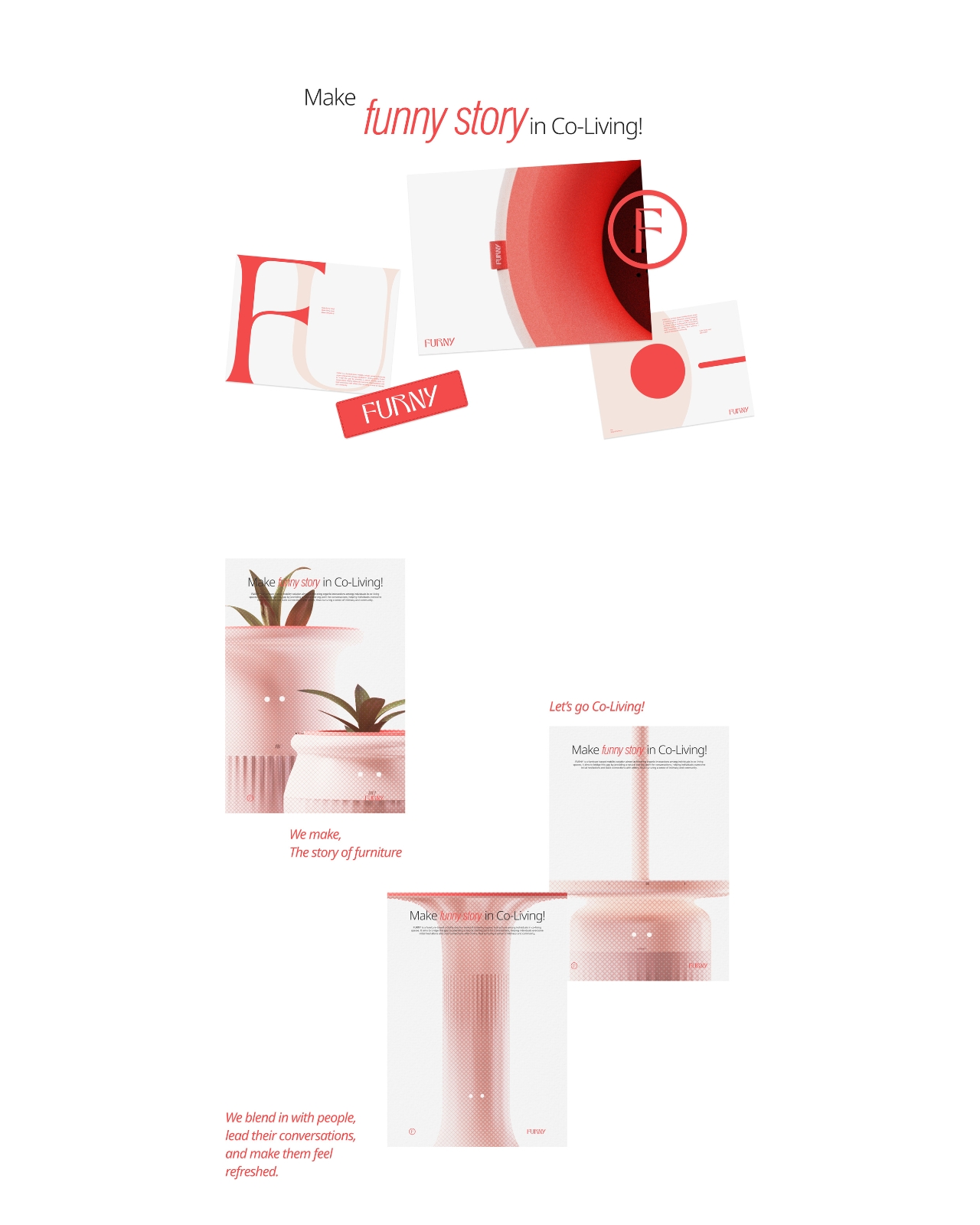
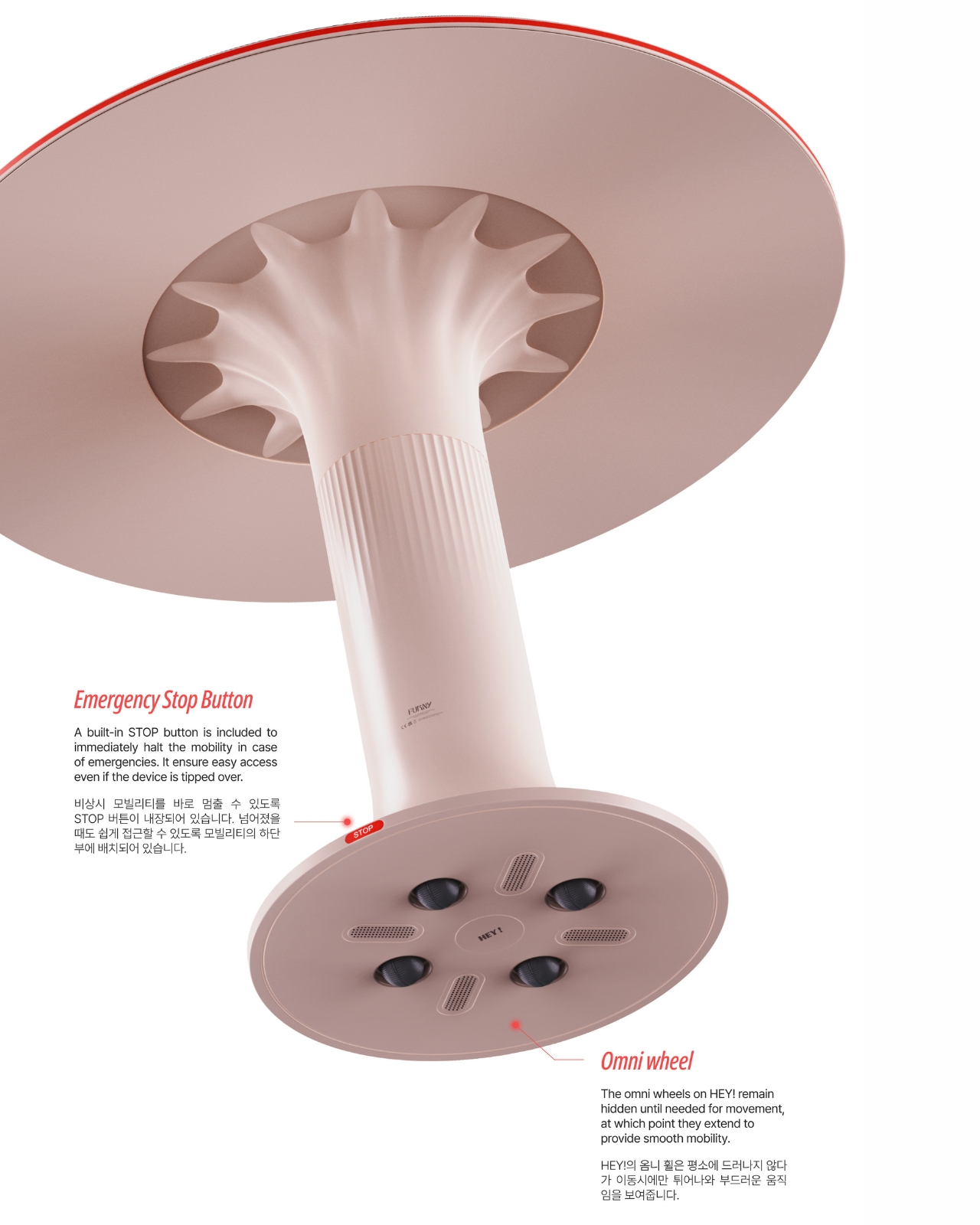
The mobility aspect is crucial here. FURNY isn’t stuck in one spot forcing interactions. It moves to where conversations naturally want to happen, adapting to how people actually use shared spaces throughout the day. When it’s not being used, the wheels tuck away so it blends seamlessly into the environment. It’s there when you need it, invisible when you don’t. The design itself reflects this approachable philosophy. The team chose ivory and beige as the main colors, keeping things neutral and calming. But they added red as an accent color to bring that lively energy without overwhelming the space. It’s furniture that wants to be part of the background until it needs to step forward and facilitate connection.

What makes this project particularly relevant right now is how many people are turning to co-living arrangements. Whether it’s for affordability, location, or the promise of built-in community, shared living is becoming increasingly common, especially in cities. But the reality often doesn’t match the dream. You move in hoping for friendships and end up with a bunch of people who live parallel lives under the same roof. FURNY addresses the fundamental problem: the gap between wanting community and knowing how to create it. By being that “friendly someone” who creates the atmosphere first, it gives people permission to join in without the anxiety of initiating. You’re not bothering someone, you’re just gravitating toward where things are already happening.

For anyone interested in how design can solve social problems, FURNY is a fascinating case study. It’s not trying to force interaction or manufacture community. Instead, it’s removing barriers and creating conditions where connection can happen organically. The furniture becomes infrastructure for friendship, a framework that supports the natural human desire to connect while respecting the equally natural hesitation we feel around strangers. In co-living spaces everywhere, furniture just sits there. FURNY asks: what if it did more?

The post This Moving Furniture Just Solved The Co-Living Friendship Problem first appeared on Yanko Design.
Morpheus Nightstand Hides a Kinetic Secret in Sculpted Wood and Brass

Most nightstands are content to be quiet companions, holding books, lamps, and the occasional midnight snack without fanfare or personality throughout their lifetime. But what if your bedside table could surprise you every time you interact with it, moving with a whisper and revealing a hidden compartment at the brush of your phone against its side? What if furniture could feel alive and responsive to your touch?

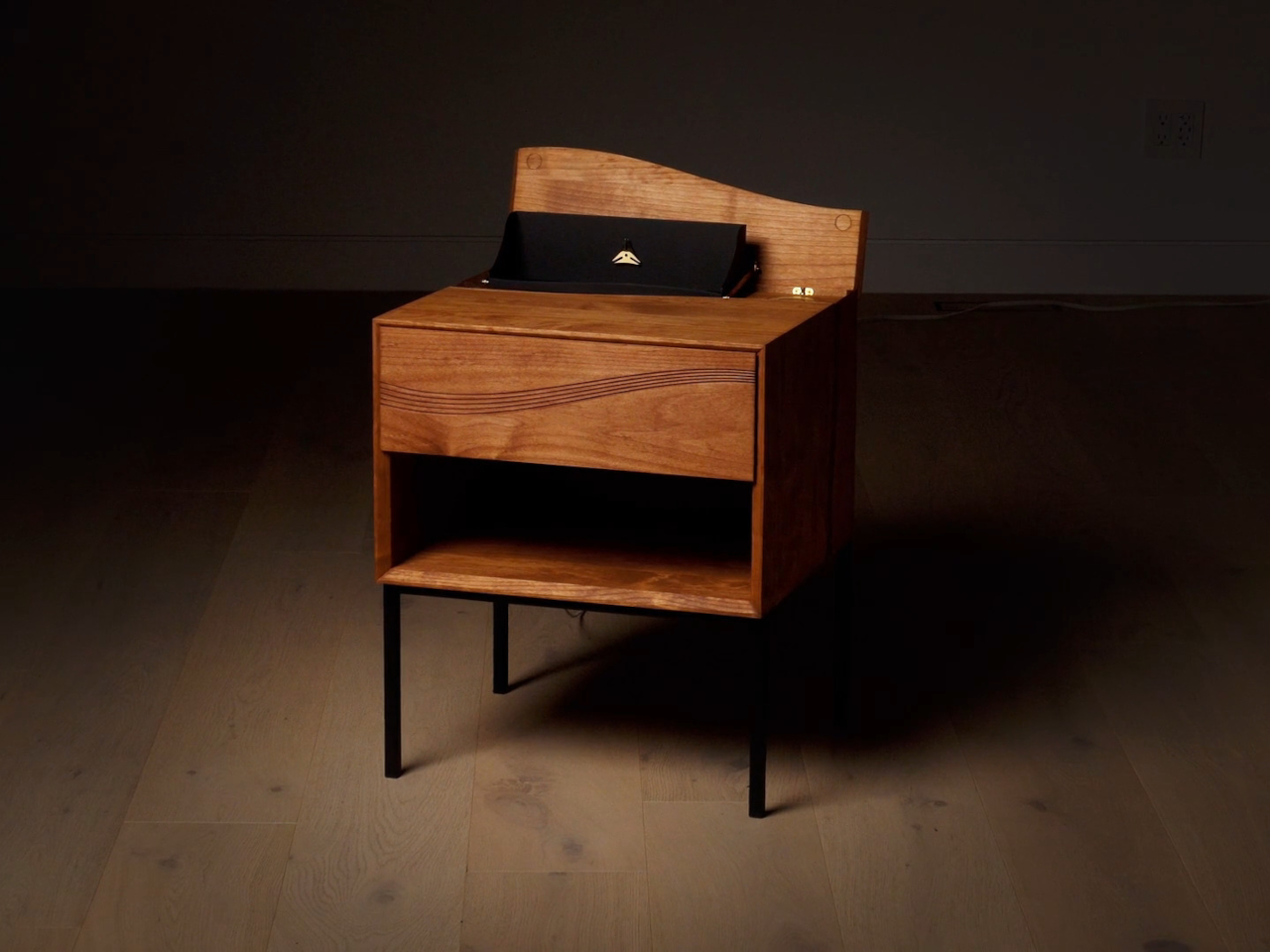
The Morpheus Nightstand goes beyond just being a place to stash your essentials and charge your devices overnight. It’s a kinetic sculpture, a feat of precision brass engineering, and a piece of furniture that turns daily routines into moments of wonder and discovery. On the surface, it looks like a refined, classical nightstand, but beneath the calm exterior lies something far more intriguing and delightful for those who appreciate mechanical marvels.

Designer: Alex Dufetel

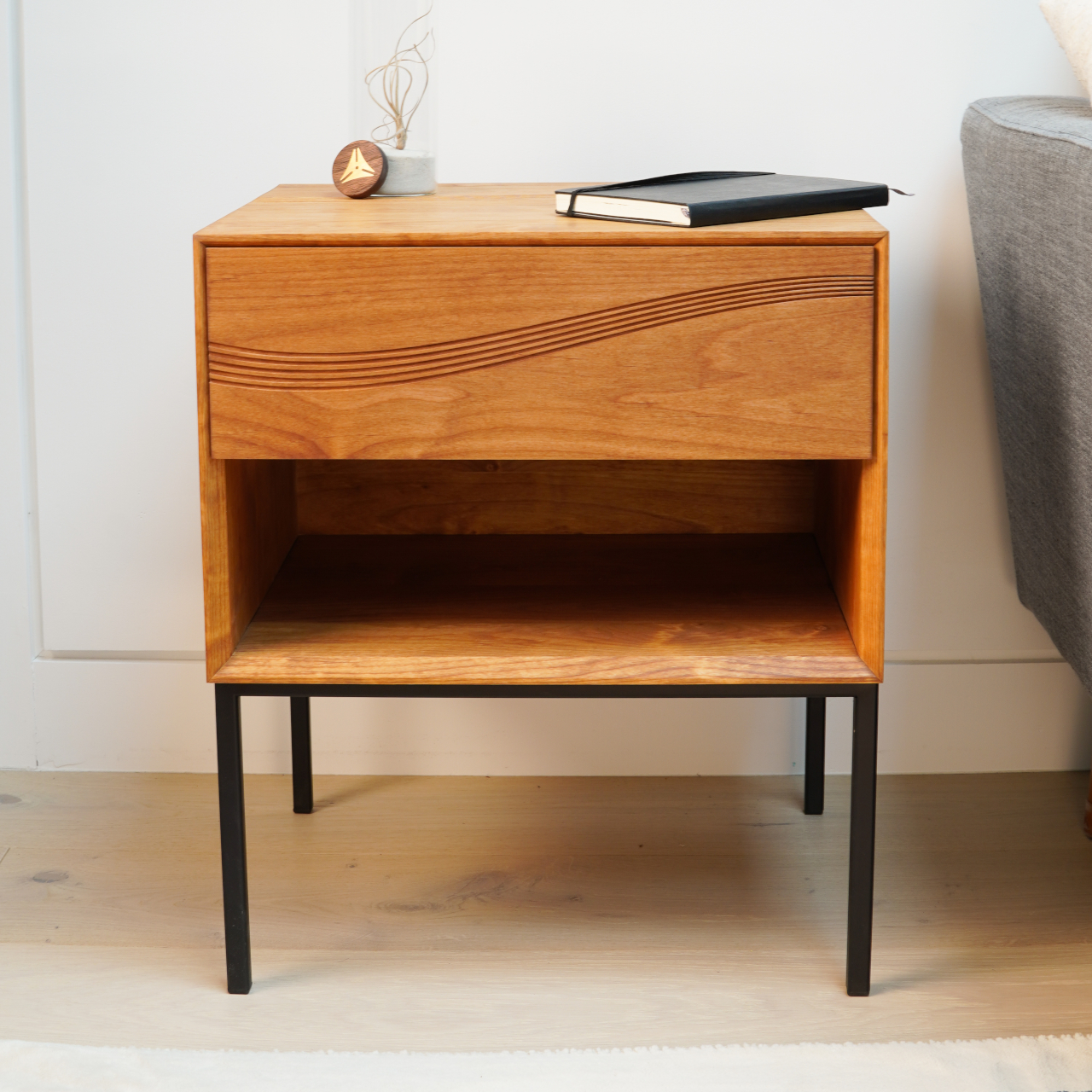
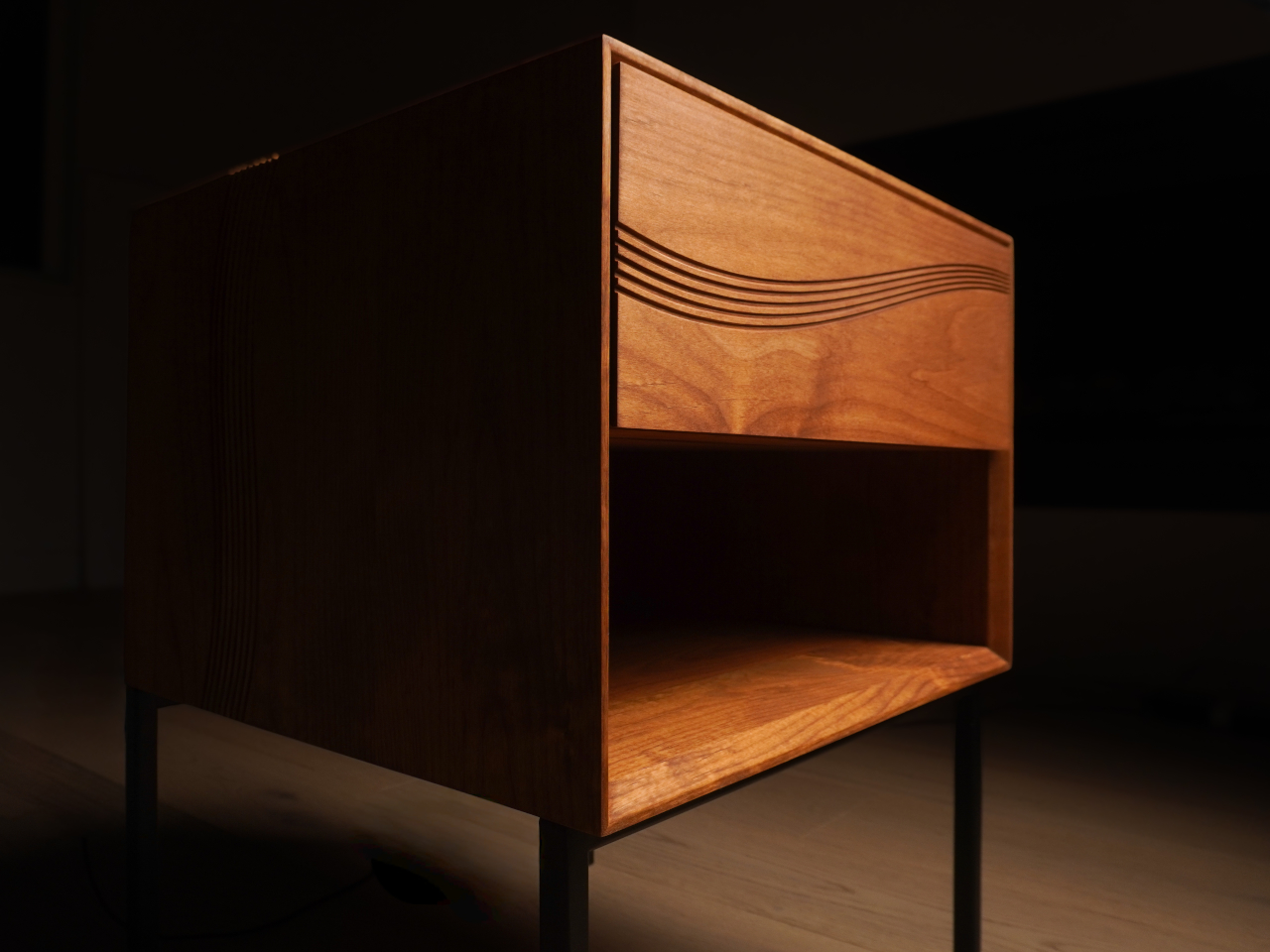
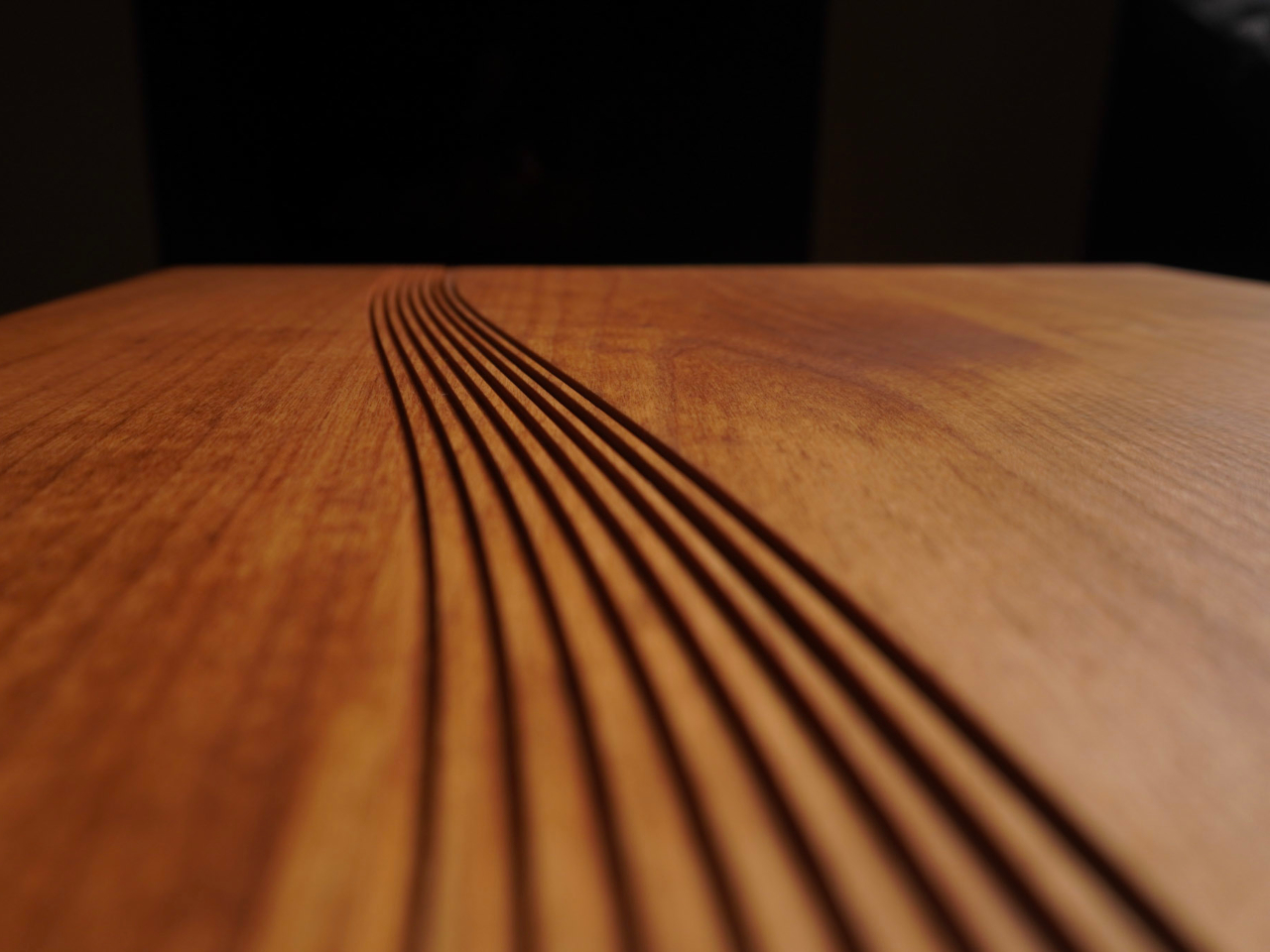
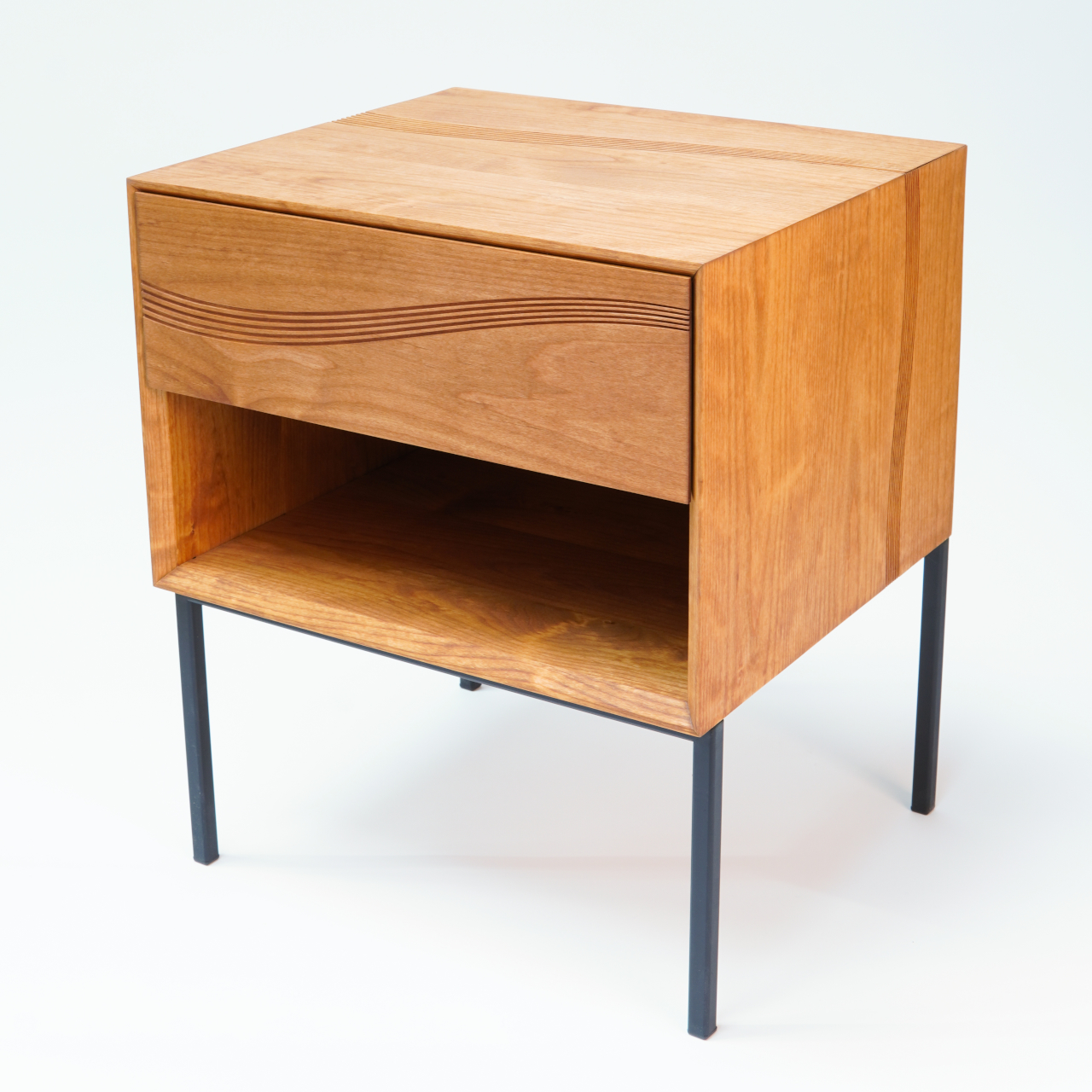
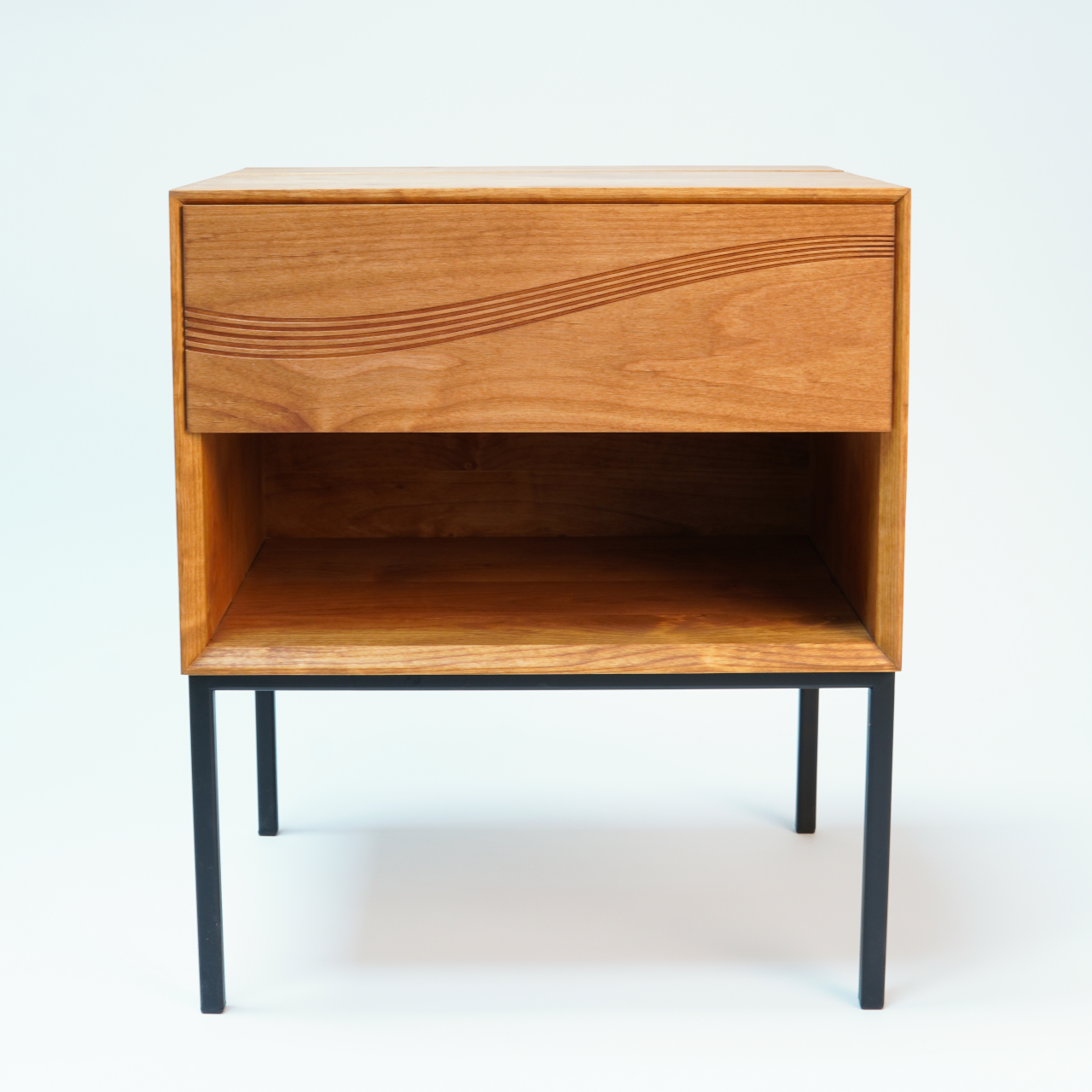
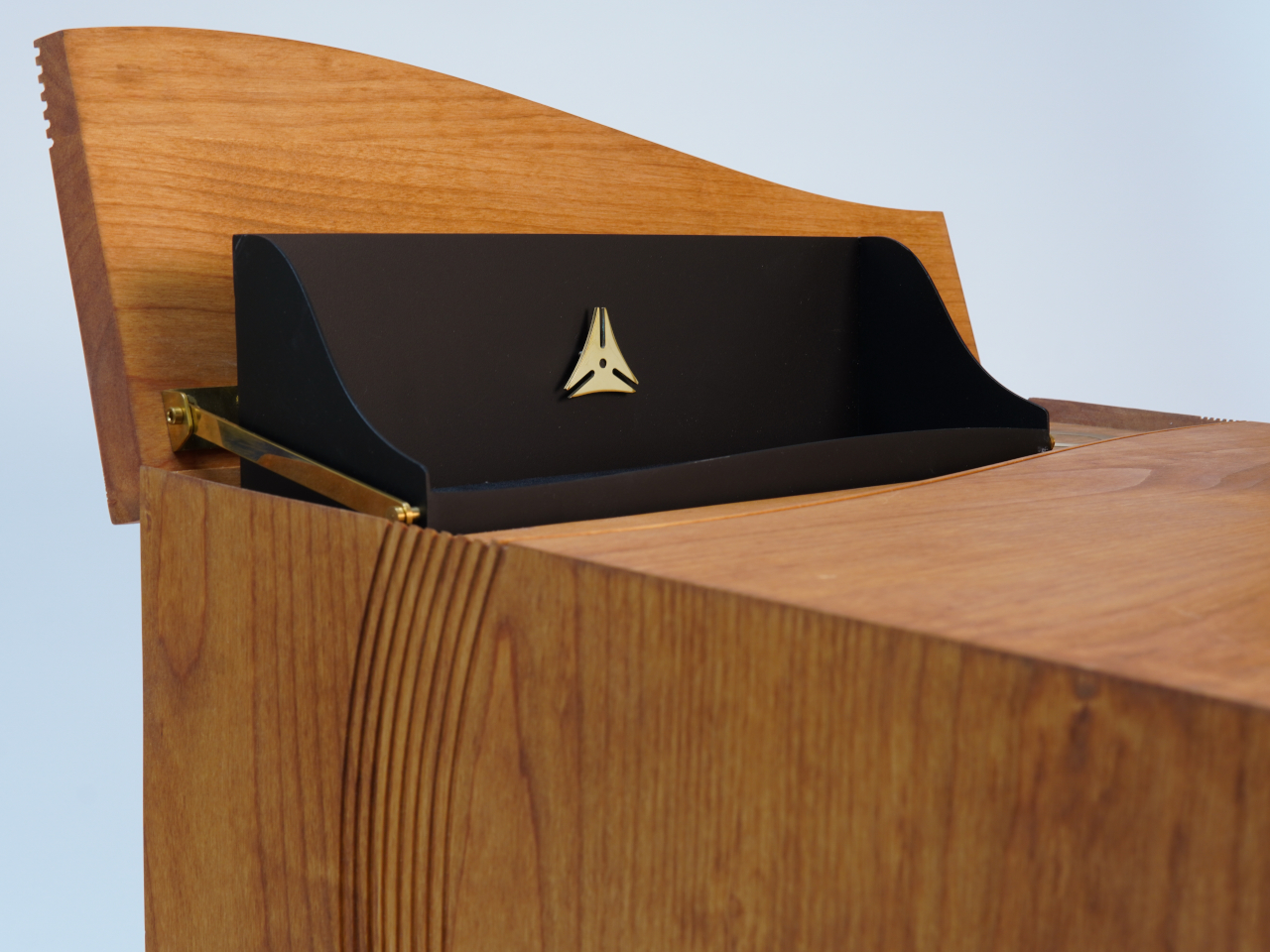
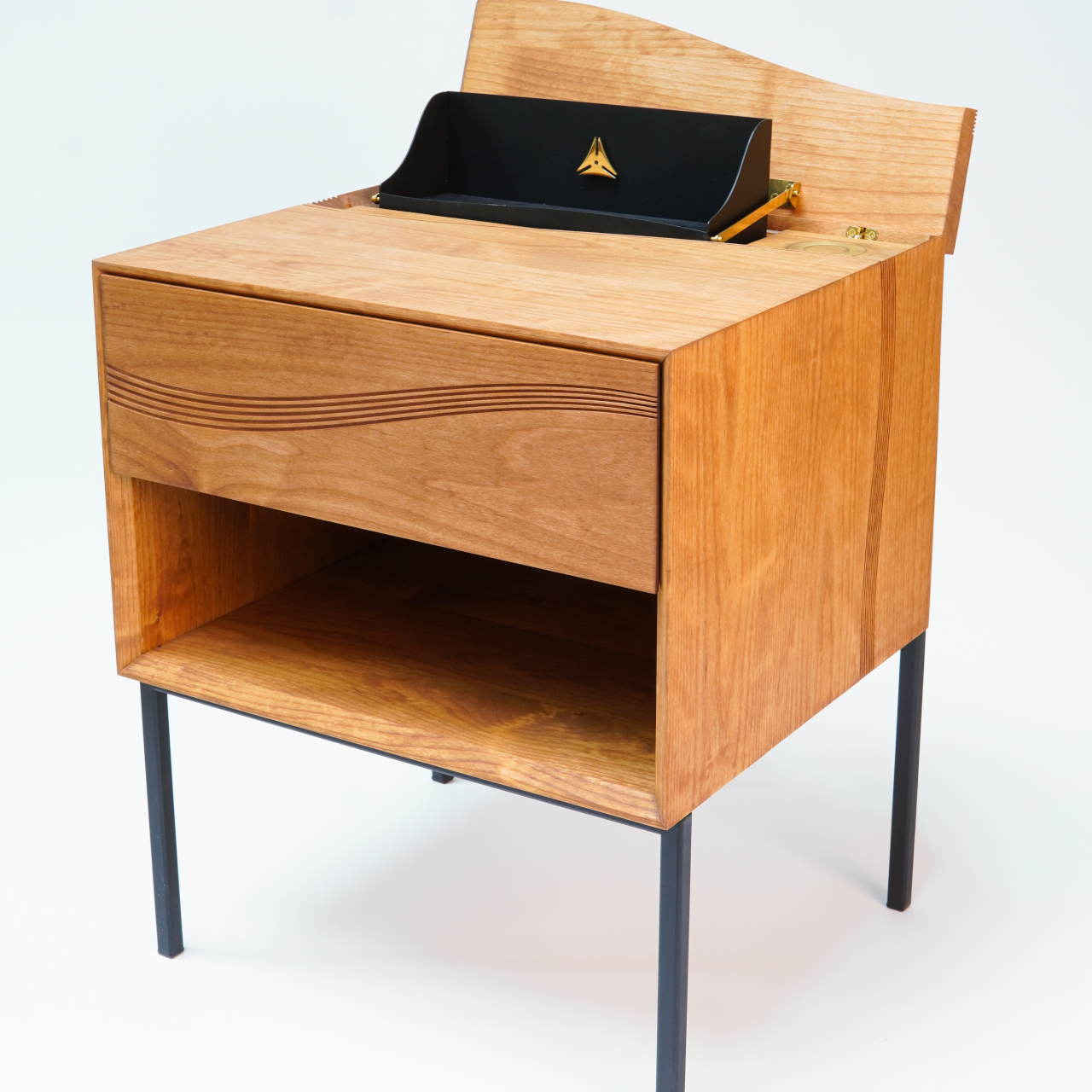
Morpheus appears calm and composed at first glance, with fluted wood surfaces, crisp geometry, and a refined silhouette that fits into any luxury interior seamlessly without demanding attention. The wave motif carved across the drawer front is both decorative and functional, disguising seams so perfectly that they seem to vanish into the surface completely. The craftsmanship is immediately apparent to anyone who appreciates fine furniture and attention to detail.
The nightstand is handcrafted from warm hardwood, with slender dark legs and brass accents that hint at the mechanical complexity hidden inside, waiting to be discovered through interaction. Every detail is finished to heirloom standards, blending classic cabinetmaking traditions with contemporary minimalism and modern sensibilities. The piece feels substantial without being heavy, refined without being cold, and modern without abandoning timeless design principles that make furniture last for generations.

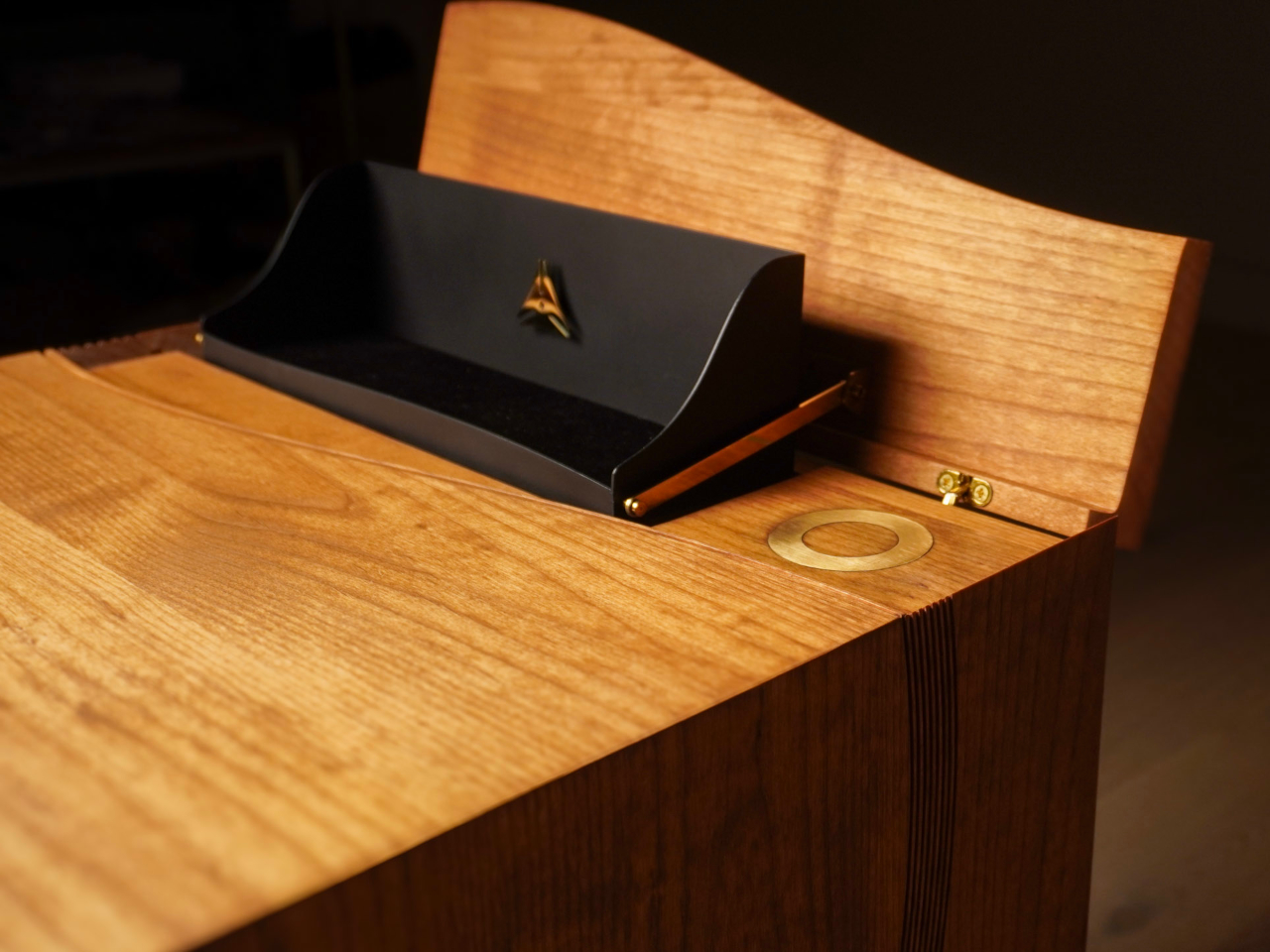
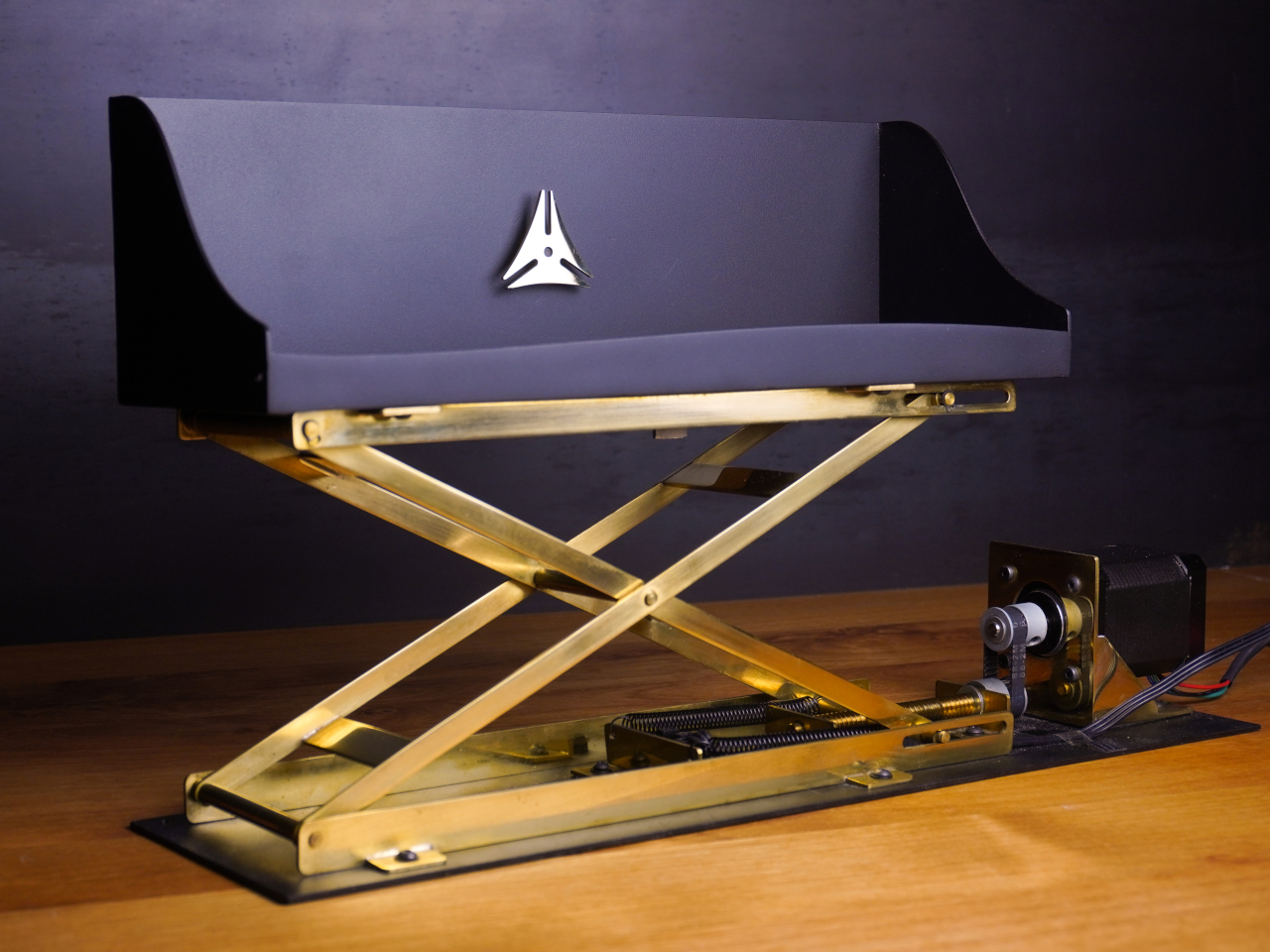
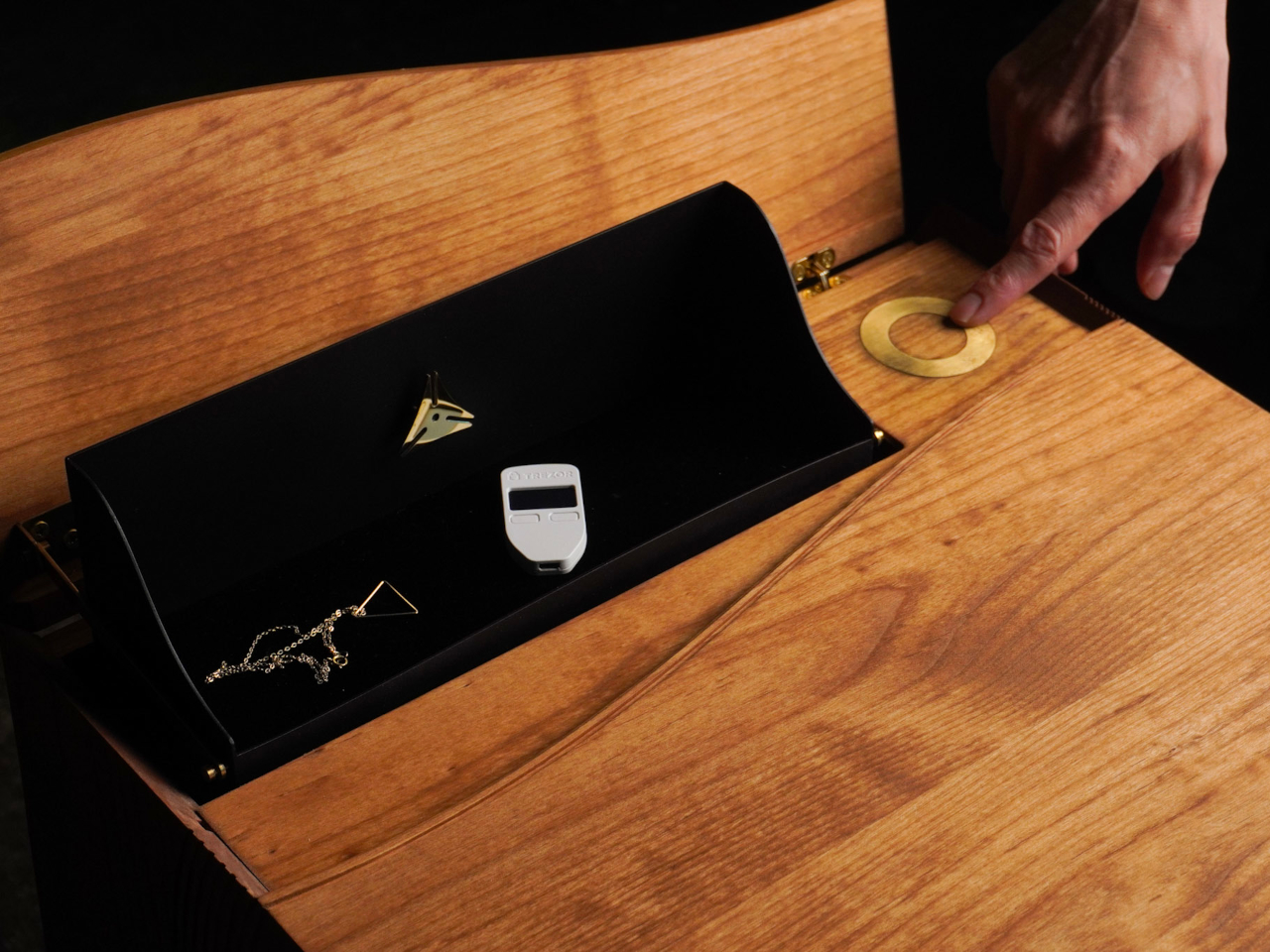
The real magic happens when you interact with Morpheus through its hidden NFC sensor embedded invisibly within the wood. Unlocking the secret compartment requires only a phone swipe on the nightstand’s side, activating integrated technology that feels almost magical. A custom brass scissor lift rises in complete silence, revealing a hidden space for valuables, keepsakes, or whatever you want to tuck away from view during the day when you’re not home.

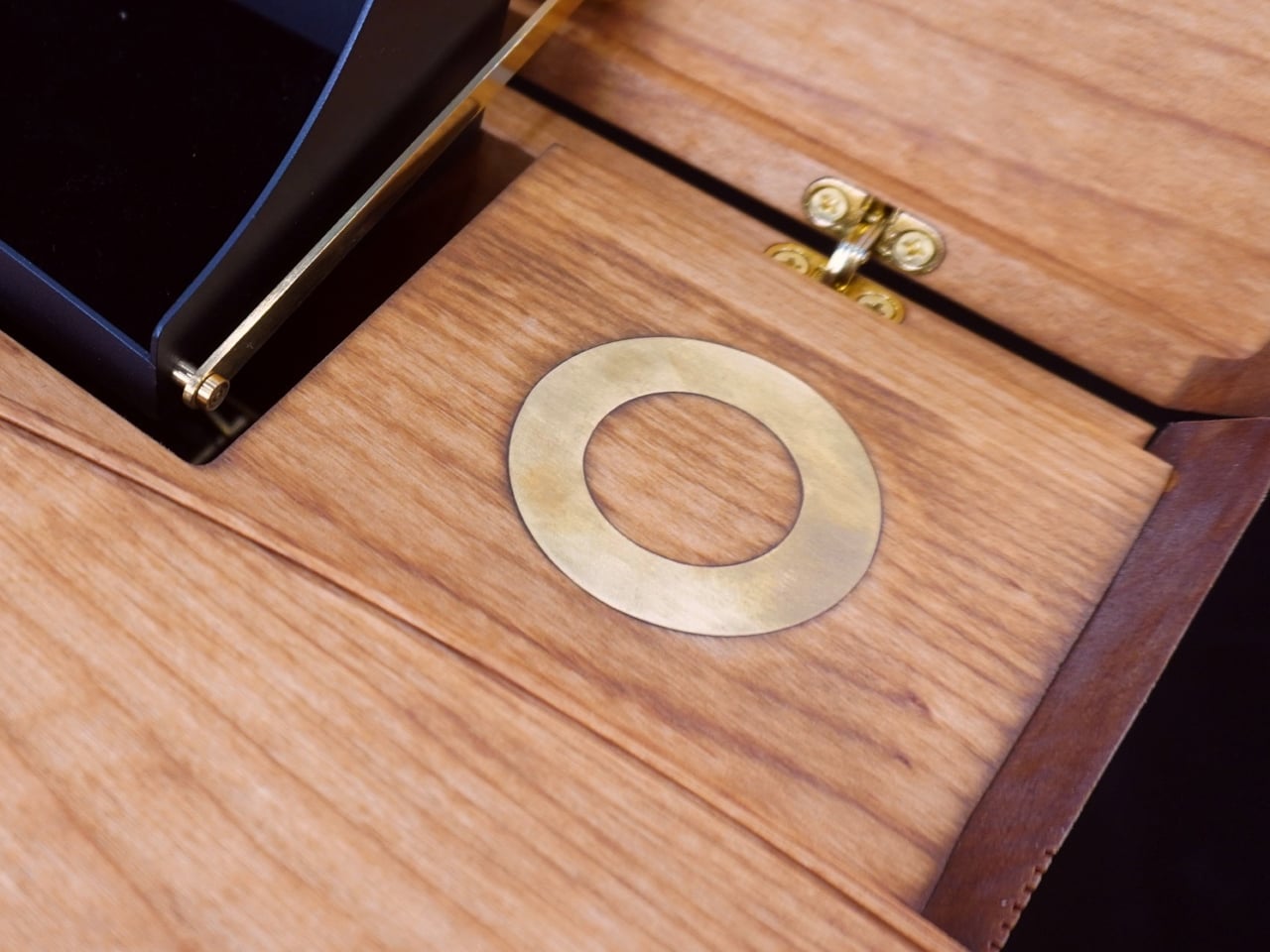
The mechanism folds into just two centimeters of space when closed, a timepiece-like marvel of precision brass engineering and craftsmanship. The compartment closes with a gentle touch on a brass inlay set into the wood surface, turning storage into a tactile, almost poetic ritual. Watching the mechanism unfold and retract is satisfying in a way that regular drawers simply cannot match, adding genuine delight to everyday function and making bedtime routines special.

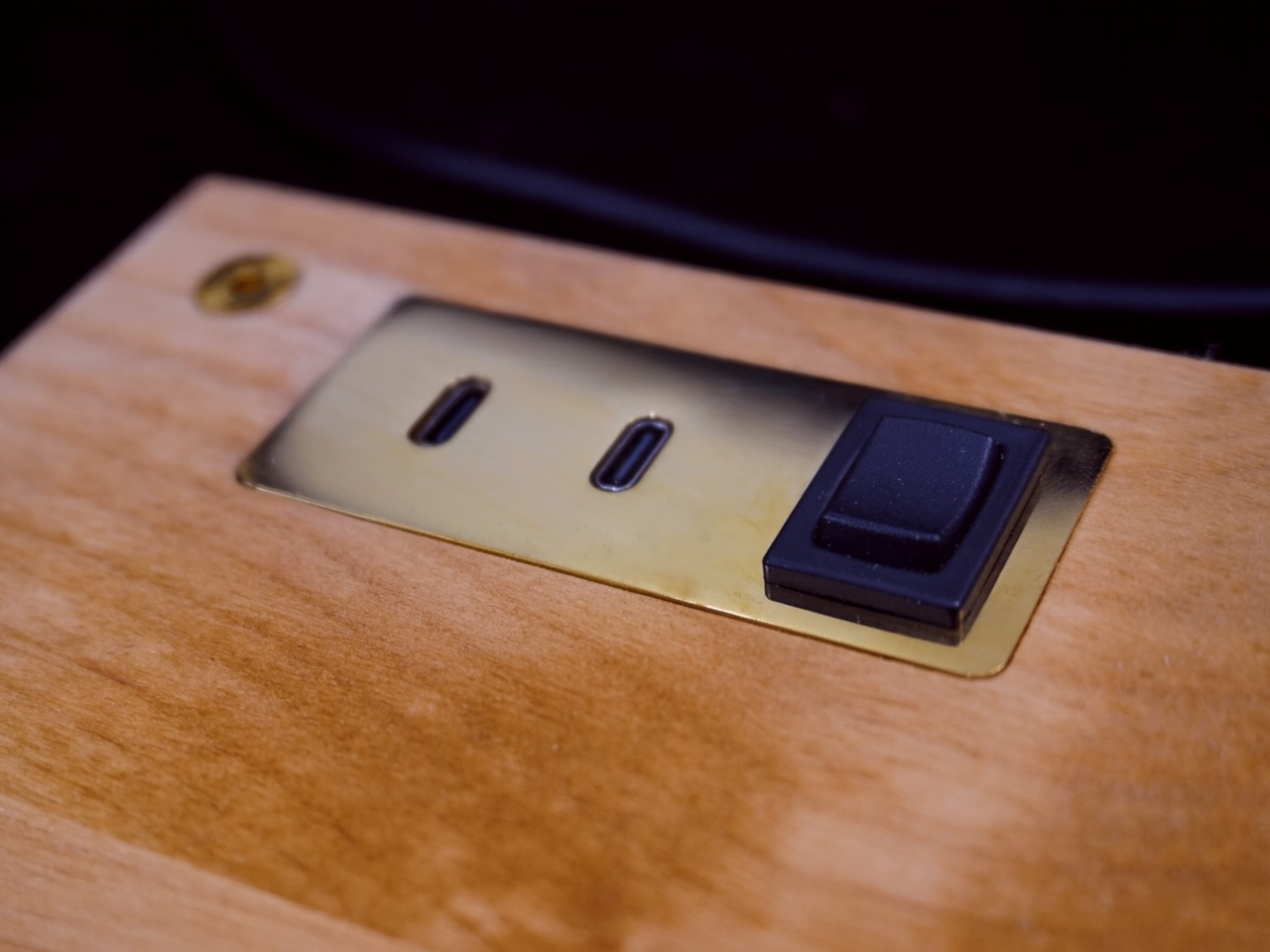
The nightstand isn’t just about secrets and hidden mechanisms that amaze guests. Integrated USB-C charging ports and a physical switch add modern convenience for phones and devices, while the open shelf and spacious drawer provide practical storage for books, reading glasses, or tech accessories. Morpheus is designed to be lived with daily, not just admired from afar like museum pieces locked behind glass cases.

Morpheus continues a centuries-old tradition of mechanical furniture with hidden compartments, but updates it with precision brass engineering and smart electronics for modern living and contemporary lifestyles. For those who believe furniture should do more than sit quietly in the corner without personality or interaction, this nightstand offers a compelling reminder that great design can surprise, delight, and move you both literally and emotionally every single day.

The post Morpheus Nightstand Hides a Kinetic Secret in Sculpted Wood and Brass first appeared on Yanko Design.