Cardboard water bottle concept shows a more sustainable way to stay hydrated

We’re often advised to drink lots of water every day, but that isn’t always feasible unless we have a bottle of water with us all the time. It’s for this reason that water bottles have become quite popular these days, but many of these containers are large, heavy, and sometimes unsustainable. The latter is especially true for PET bottles, the most overused kind of water container there is. Its small, lightweight size makes it easy to carry around and its plastic material might make it seem like a good idea to reuse the bottle over and over again. Whatever the context, plastic is a harmful material in the long run, so this reusable and sustainable water bottle looks elsewhere for inspiration, one that’s easily overlooked and taken for granted because we simply throw away milk and juice boxes the moment they’ve been emptied.

Designer: Rishikesh Sonawane

It might have different names in different countries, but “TetraPak” is a common sight in groceries and refrigerators, holding liquids like milk, juice, and sometimes even soup. These cardboard containers are indeed designed to be thrown away, but there’s no reason one can’t design a variant that can hang around for quite a while before you have to part ways, primarily by recycling its parts. It lets you keep yourself healthy by drinking lots of water while also keeping the planet healthy by reducing the number of PET bottles out in the wild.

reU is the design concept that puts those ideas together, utilizing a layer of cardboard, aluminum, and polyethylene to provide form and structure to the water bottle shaped like an overgrown flask. These three materials were specifically chosen after much consideration because of their long-term benefits and ease of production, despite there being more sustainable alternatives available. Cardboard is better than paper mache when it comes to integrity and finish, aluminum is cheap and easily stretched into extremely thin sheets, and polyethylene, which is used in only 5% of the total design, is easy to produce.

The design, however, goes beyond just using sustainable materials. The shape of the “bottle”, for example, was chosen for space efficiency and easier grip. The dotted bottle cap made from bioplastic offers not just texture for turning the cap but also a visual contrast to the vertical lines running down the side of the bottle. The rubber tab keeps the cap in place and functions as a strap to hold or hang the bottle, but it can also be retracted to keep the cap from swinging around while you’re drinking or pouring out its contents.

Despite being a reusable bottle, reU isn’t meant to last forever. In fact, it’s designed to wear out to the point that you’ll have to properly dispose of it by recycling each distinct component separately and properly. This ensures that the water you drink will always be clean and safe, something that PET bottles can guarantee after repeated use. And given how cheap it is to produce and how easy it is to recycle, there’s little harm in replacing the reU with another reU, over and over again.

The post Cardboard water bottle concept shows a more sustainable way to stay hydrated first appeared on Yanko Design.

Mercedes Benz Vision iMobility combines style and functionality for ultra-relaxed commutes in urban landscape

The future of level 5 autonomous mobility is largely going to revolve around relaxation and the whole experience of getting from point A to B.  Inspired by the protective shell of turtles, the Mercedes Benz Vision iMobility concept emphasises efficiency and resilience in a smooth curvy design. The form factor in particular is a combination of style and functionality, creating a bridge between cutting-edge automotive technology and the organic beauty of nature.

The designer imagines this vehicle to dot the landscape of four-wheelers in the year 2050 where cars communicate with the traffic systems, other vehicles and urban environment to optimize routes and bump-up safety. A time when autonomy, connectivity and sustainability are the driving force of innovation. Richard states, “Vision iMobility isn’t just a means of reaching a destination; it’s a dynamic and adaptive space that caters to individual needs.”

Designer: Richard Huang

The nature-inspired details don’t end there as the headlights get the reminiscence of a dwarf arrowhead flower. The front-open design of the vehicle makes it easy for the occupant to enter the cozy relaxing interiors and the compact shape gives the iMobility flexibility in tight urban spaces. Running out of juice in this electric vehicle is out of the question as it can be charged wirelessly just by parking on the readily available charging junctions.

Since we are talking about complete autonomy, there’s no need for driving hardware like a steering wheel, brakes or accelerator. The interior space is rather a personalized oasis for laying back, gaming in VR or simply exploring different realities in metaverse worlds. The small size no a limitation as there is enough tactically designed space for sleeping in comfort. In fact the interior is flexible enough to be arranged for different scenarios. Mercedes Benz Vision iMobility truly becomes an extension of the personal space for self-expression and fulfillment of the rider.

Richard has mustered up the idea of this compact autonomous vehicle for east Asian workforce who have to deal with demanding work cultures, long working hours and intense competition. I believe this EV could be the perfect personal transportation for individuals living in any urban space.

The post Mercedes Benz Vision iMobility combines style and functionality for ultra-relaxed commutes in urban landscape first appeared on Yanko Design.

Combining Nature And Technology For Sustainable Plant Care

In the realm of biomimicry, the Fog Smart Hydroponic Planter stands out as a futuristic marvel inspired by the incredible abilities of the fog-basking beetle. It is a masterpiece that seamlessly blends the brilliance of biomimicry, advanced materials, and smart technology. Inspired by the fog-basking beetle native to the Namibian deserts, this hydroponic planter is not merely a vessel for plants but a pioneering solution that promises a greener, more sustainable future.

Designer: Rishikesh Sonawane

Biomimicry is a practice that learns from and mimics the strategies found in nature to solve human design challenges. The fog-basking beetle, a tiny inhabitant of the Namibian deserts, can thrive in arid conditions by extracting moisture from the surrounding fog. Its microstructural adaptations, enhancing surface area by up to 60%, allow it to condense and redirect moisture, providing a source of sustenance in environments where water sources are scarce. This ingenious adaptation has become the inspiration behind the Fog Smart Hydroponic Planter.

This planter represents a harmonious convergence of biomimicry and modern design principles. Unlike traditional planters, it transcends mere functionality, aspiring to become a statement piece that marries aesthetics with technological innovation. The modular design, a hallmark of this project, not only facilitates ease of use but also underscores the commitment to adaptability and sustainable plant care.

The use of advanced materials fortifies the structural integrity of the Fog Smart Hydroponic Planter. The air intake module is meticulously crafted from Plexiglas, a polymer renowned for its resistance to sunlight (also used in aquariums and airplane windows), preventing yellowing over time. The main body incorporates Lightweight Expanded Clay Aggregate (LECA), a versatile clay composite with superior water retention properties, strength, and porosity. The aluminum 6063 base complements this ensemble, providing a stable foundation resistant to corrosion.

To achieve simplicity and practicality, the planter is ingeniously disassembled into four primary components. The drip tray, perforated ring, metal ring, and polymer cap collectively ensure easy maintenance and cleaning. The LECA planter’s internal structure, designed to mimic the fog-basking beetle’s shell, employs hydrophilic and hydrophobic elements strategically, optimizing moisture retention and distribution.

The planter introduces a groundbreaking approach to airflow dynamics by incorporating the Coanda Effect. As humid air courses through the planter, moisture is absorbed, contributing to increased turbine efficiency. This design concept draws inspiration from well-established technologies, such as Dyson fans and jet turbines, showcasing a commitment to energy efficiency.

Elevating plant care to new heights, the planter integrates intelligent features denoted as Smart+. A temperature and humidity sensor, intricately linked with the electronic components, dynamically adjusts the turbine speed, allowing users precise control over the plant’s microenvironment. The accompanying app, a technological companion, provides real-time data on humidity and temperature levels, offering insightful recommendations for optimal watering cycles based on the geographic location of the planter.

User interaction with the Fog Smart Hydroponic Planter is facilitated through an intuitive and user-friendly app interface. The app acts as a conduit between the user and the planter’s internal environment, allowing the monitoring of moisture concentrations, receiving water cycle recommendations, and tracking humidity and temperature levels throughout the day. This digital integration transforms the planter from a mere vessel into a sophisticated and futuristic table accessory.

The Fog Smart Hydroponic Planter is not merely a horticultural innovation; it is a testament to the symbiosis of nature and technology in the pursuit of sustainable living. As we navigate the complexities of modern existence, this planter stands as a beacon of hope, offering a glimpse into a future where our interaction with nature is characterized by thoughtful design, cutting-edge technology, and a commitment to environmental harmony. With each leaf it nurtures, it heralds a greener, more sustainable tomorrow, where biomimicry and technological ingenuity converge to create a better world—one plant at a time.

The post Combining Nature And Technology For Sustainable Plant Care first appeared on Yanko Design.

3D modeling device concept imagines what it’s like to create 3D with 2D tools

We live in a three-dimensional world, but we see the digital world through flat computer screens. That’s why 2D input devices like mice, trackballs, and pens are fine for most creative work that is made to be seen in 2D anyway. With the increase in 3D objects in mixed reality spaces, however, these tools are no longer sufficient and can even become painful to use. Our hands are used to manipulating real-world three-dimensional objects, but our computer tools are confined to the 2D space, making them inefficient and counterintuitive. For the new age of 3D, we need newer and better tools designed specifically for those needs, and this concept imagines a new device designed from the ground up to offer a better way to create those 3D models that will populate the virtual worlds of the future.

Designer: Jayesh Gaikwad

You might brush the Deco MX off as a glorified trackball, but that couldn’t be farther from the truth. After all, a trackball is still just like a mouse that moves a cursor on a 2D screen. You can use that cursor to move and rotate a 3D object, but it’s a clumsy and awkward gesture that doesn’t map what we have in our mind when we want to turn those 3D objects living inside our flat displays. That’s what that ball in the corner of the Deco MX is for, letting you rotate an object more naturally in all three axes, making it easier to see the 3D model from all angles.

The rest of the device is made to give easier access to the tools that a designer needs when building those 3D models. There are programmable buttons to set your own shortcuts within the app, as well as dials to switch tools quickly. The central dial is, in fact, the biggest control on the Deco MX, and it gives access to the most common building and editing tools in a program. You can change which tools those are to suit your workflow, of course.

What makes the Deco MX extra interesting is the amount of screen on it. There’s one that arcs to the side, showing a history of actions you’ve taken so far. The central dial also has a screen underneath that changes depending on the tools you’ve set to be your favorite ones. There’s also a small circular screen to the side that shows you the currently selected tool without having to squint your eyes too hard.

While this 3D modeling device offers an innovative interface, the software we use today still presumes a 2D input device like a mouse or a stylus. Deco MX still can’t replace that and is instead designed to supplement it, perhaps taking the place of a large and cumbersome keyboard. Admittedly, the existence of screens on the device might actually make it harder to actually produce, but the concept has enough strong points that manufacturers should consider, especially as we journey deeper into mixed reality worlds.

The post 3D modeling device concept imagines what it’s like to create 3D with 2D tools first appeared on Yanko Design.

Modular electric minivan is inspired by puzzles for a more sustainable design

Although electric cars are becoming more common, we’ve barely scratched the surface of what they’re capable of. Removing the need for traditional fuel and relying on batteries opens up new possibilities, and not just in terms of power sources. It can offer a bit more flexibility when it comes to the form and function of the vehicle, like cars with completely digital interfaces or screens all around. There might even be room for a modular design, as this concept for a tiny Japanese electric van tries to show, allowing the manufacturer or even the owner to switch out certain parts both outside and inside to match their needs, just like pieces of a puzzle.

Designer: HW Electro

To be fair, a modular car might be a bit far down the road considering the industry is hyper-focused on standardizing electric vehicles and making self-driving features more acceptable to the masses. That’s not to say that the design is a distant possibility only, especially when the features are made to be more practical rather than fantastical. Switching out panels is probably more feasible than switching out whole car parts or components, which is the kind of modularity that the Puzzle concept embodies.

At first glance, the boxy shape of the Puzzle will already look strange to those not used to so-called “Kei cars,” but this kind of van design is popular in Japan for striking a balance between large interior capacity and small compact size. It’s a design that screams practical efficiency, and making it modular is taking it to the next level. But unlike what you might be imagining, the Puzzle’s pieces, pardon the pun, are limited to swapping out certain panels at the sides, corners, and even inside. It’s a bit of a generic system that opens up quite a number of possibilities but, more importantly, it also doesn’t tie them down to a specific design or part. It also makes replacing damaged panels easier and more economical, something that you can only dream of with regular cars.

The Puzzle van also has secrets to reveal inside its extremely spacious cabin. The interior door panel has slots that make it possible to add and remove different modules, such as containers, cup holders, and the like. Even the dashboard has this kind of design, yielding a clean yet flexible space for expanding the van’s capabilities, especially in the infotainment aspect. The cargo space, which is practically a cube, is also more space-efficient for storing boxes and all sorts of large objects, making the EV a potential delivery vehicle.

Thanks to the boxy form of this Kei car, it’s possible to put a solar panel on the roof to really maximize its battery mileage. Modular and sustainable, the Puzzle minivan concept offers an extremely simple yet effective solution to the future of electric vehicles, one that espouses the Japanese spirit of minimalism and practicality where form clearly follows function.

The post Modular electric minivan is inspired by puzzles for a more sustainable design first appeared on Yanko Design.

A Unique Pet Toy Inspired By Nature To Keep Your Pets Engaged

Pet toys come in various shapes and sizes, but The Triangle Toy stands out as a unique creation that not only entertains your furry friends but also doubles as a work of art. This innovative pet toy is not just about play; it’s a visual experience inspired by the beauty of nature.

Designers: Second White, Ethan J Choi, Jihun Yoo, DK (Dukkeun An), Junha Kam, Ikhyeon Kim<, Maini Kwon yanko design images to size – Triangle_pet_toy_02

1

Triangle’s design is a testament to the creativity that can be infused into pet products. The triangular shape serves as a canvas for the motifs of clouds, mountains, and the sun. The towering mountains are represented by the overall triangular structure, while the rolling ball symbolizes the gentle flow of clouds. The transparent ball, a central element of the toy, represents the shining sun. Together, these elements create a harmonious scene reminiscent of a sunrise or sunset over a cloud-covered mountain.

The design language of Triangle is a careful blend of curved and angular lines. This combination imparts a sense of softness and brilliance to the toy, making it visually appealing. Crafted from high-quality materials and featuring a seamless harmony between its components, Triangle transcends the typical notion of a pet toy, resembling more of an objet d’art that seamlessly integrates into any space.

What sets Triangle apart is its interactive nature. The toy is designed to maintain your pet’s continuous interest through an ingenious treat-dispensing mechanism. By placing treats inside the transparent ball, your pet is enticed to engage with the toy. When the cloud-shaped plate is touched, the ball rolls along rails, dispensing treats as it moves. This not only provides mental stimulation but also turns playtime into a rewarding experience for your furry companion.

1

1

Adding to its innovative features, Triangle allows for difficulty adjustment. The three holes in the transparent ball can be resized by turning its top part. This feature enables pet owners to customize the level of challenge, ensuring that the toy remains engaging for pets of varying activity levels. It’s a thoughtful addition that caters to the diverse needs of pets, keeping them entertained and mentally stimulated.

1

1

1

Practicality meets design in Triangle, as it is not only an engaging toy but also easy to maintain. All parts, including the transparent ball, are detachable, allowing for convenient cleaning. This feature ensures that Triangle remains a hygienic and safe plaything for your pet. The ease of disassembly and reassembly makes the cleaning process a breeze, enhancing the overall user experience.

At its core, Triangle is a simple yet ingenious mechanism toy that harnesses the beauty of nature. The ball within the toy moves by tilting around a central axis based on the principles of gravity. This design, inspired by the natural world, incorporates inclined surfaces and curved shapes. By subtly tilting the toy, users can manipulate the ball, creating an interactive and enjoyable experience for both pets and their owners.

In conclusion, Triangle is more than just a pet toy; it’s a thoughtful creation that brings together design, functionality, and the essence of nature. Its ability to engage pets, adjustable difficulty levels, and easy maintenance make it a standout product in the world of pet accessories. Triangle not only adds joy to your pet’s playtime but also elevates your living space with its aesthetic appeal—a true testament to the potential for creativity in the world of pet products.

The post A Unique Pet Toy Inspired By Nature To Keep Your Pets Engaged first appeared on Yanko Design.
A Plant Companion That Moves With The Sun Fitting Perfectly Into The Korean Culture

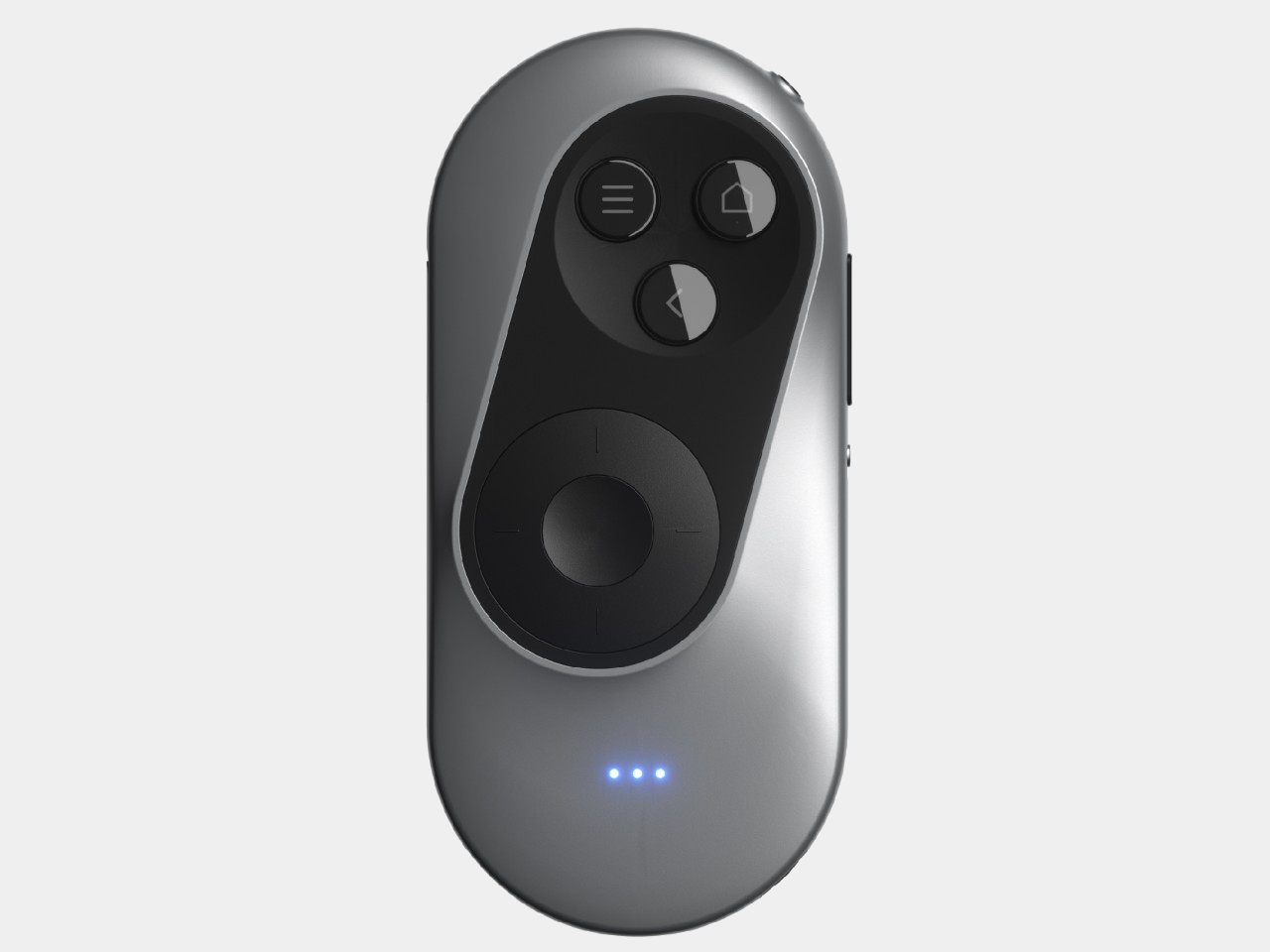
In a world where the sun plays a significant role in shaping preferences for living spaces, a unique product has emerged to bridge the gap between lifestyle and the desire for a sun-soaked environment. The innovative SPOT, a pet plant inspired by the beloved Toy Story, brings a touch of whimsy and practicality to the lives of those who are away from home during the day.

Designer: Dami Seo

1

Koreans have a cultural inclination towards south-facing directions for their homes, favoring abundant sunlight throughout the day. However, modern lifestyles often lead people away from home during peak daylight hours, creating a paradox between their preference for sunlit spaces and their absence during the sunniest times.

Drawing inspiration from Toy Story, SPOT takes on a personality of its own when the owner is away. Just like Woody and his adventures, SPOT enjoys the warm sunlight in the south-facing direction, making the most of the daylight hours that the owner might miss.

The creators of SPOT have ingeniously crafted its form based on Woody’s rhythmic hat line, adding an extra layer of charm and nostalgia for fans of the iconic movie series. This attention to detail enhances the emotional connection users may feel with their sun-loving companion.

SPOT’s design mimics a sunflower’s ability to move towards the sun. Equipped with sensors, SPOT can adjust its position to capture the optimal amount of sunlight, ensuring that users can enjoy the warmth without the need to move the plant manually. This dynamic feature aligns with the varying sunlight patterns throughout the day.

For users returning home, SPOT adds an element of surprise and delight. By detecting the SPOT’s location, users can playfully interact with their sun-loving companion, creating a unique and entertaining experience. The wheels at the bottom of the product enable SPOT to move towards the sunlight source, making it a dynamic and engaging addition to any home.

SPOT’s ability to move is not only entertaining but also practical. Equipped with sensors on both sides, SPOT can navigate around objects in the house, ensuring a seamless and safe journey towards the sunlight. The autonomy of movement enhances user convenience, aligning with the modern desire for smart and responsive home devices.

1

To keep SPOT energized and ready for its sun-seeking adventures, a user-friendly charging unit is provided. SPOT can effortlessly navigate to the charging station, making the recharging process a hassle-free experience. Additionally, SPOT’s easy-to-clean and disassemble design ensures that maintenance is a breeze.

SPOT not only adds a touch of magic inspired by Toy Story to your home but also addresses the practical challenge of aligning sunlight preferences with a dynamic lifestyle. With its adaptability, autonomy, and entertaining features, SPOT is more than just a pet plant; it’s a delightful companion that brings joy and sunshine into the lives of its users.

The post A Plant Companion That Moves With The Sun Fitting Perfectly Into The Korean Culture first appeared on Yanko Design.
Home tools displayed as chess pieces in unique metal display

When you’re living alone for the first time, one of the things that people advice you to have at home is a box of tools for whenever something needs tinkering or fixing. I do have one but it’s mostly just stuck in a drawer somewhere since I don’t really know how to tinker or fix things. But for those who use these tools a lot, this concept for a set of tools and how they are stored would be pretty interesting.

Designer: Seongjae Park

Tips for Chess combines metal tools and a chess set so fans of these two will probably be interested to have such a thing displayed in their homes. In fact, even if you don’t use them a lot, it’s still an interesting piece to have in your home and may fool people into thinking you’re a toolhead or a chess aficionado. This is mainly made from metal, from the “chess board” to the various tools included in the set.

The different chess pieces are represented by different kinds of tools. You get hexagonal wrenches with different sizes to serve as your pawns. The rook is the square and triangular wrench, the Bishop is the crosshead screwdriver, while the Knight is a a flat-blade screwdriver. Representing the main pieces are the hexagonal wrench as the Queen and the U-shaped screwdriver as the King. In case you won’t be able to remember which is which, the chess roles and the tool roles are imprinted on the bottom of the tip.

To make it even more interesting (or confusing to people like me) the chessboard itself also provides information. The coordinate system (right angle and straight line) provides a scale of cm and inches. I would probably just have this as a display since it’s too pretty to actually use although they are built to be functional. Also, as mentioned, I don’t know how to use them so they’ll just be on display at home.

The post Home tools displayed as chess pieces in unique metal display first appeared on Yanko Design.
Hyundai’s IONIQ Pixel Toy Illuminating the Future and the Evolution of EV Design

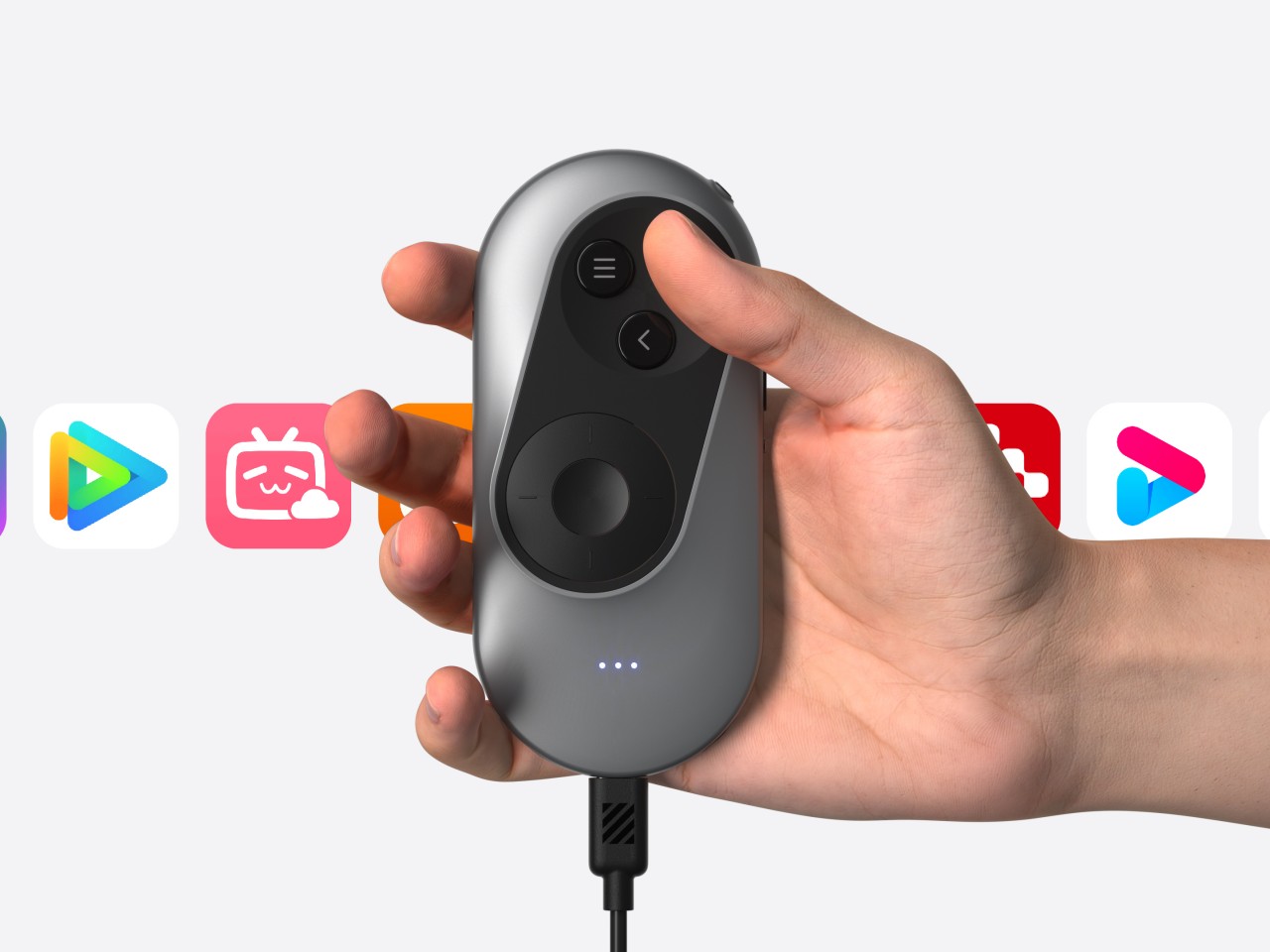
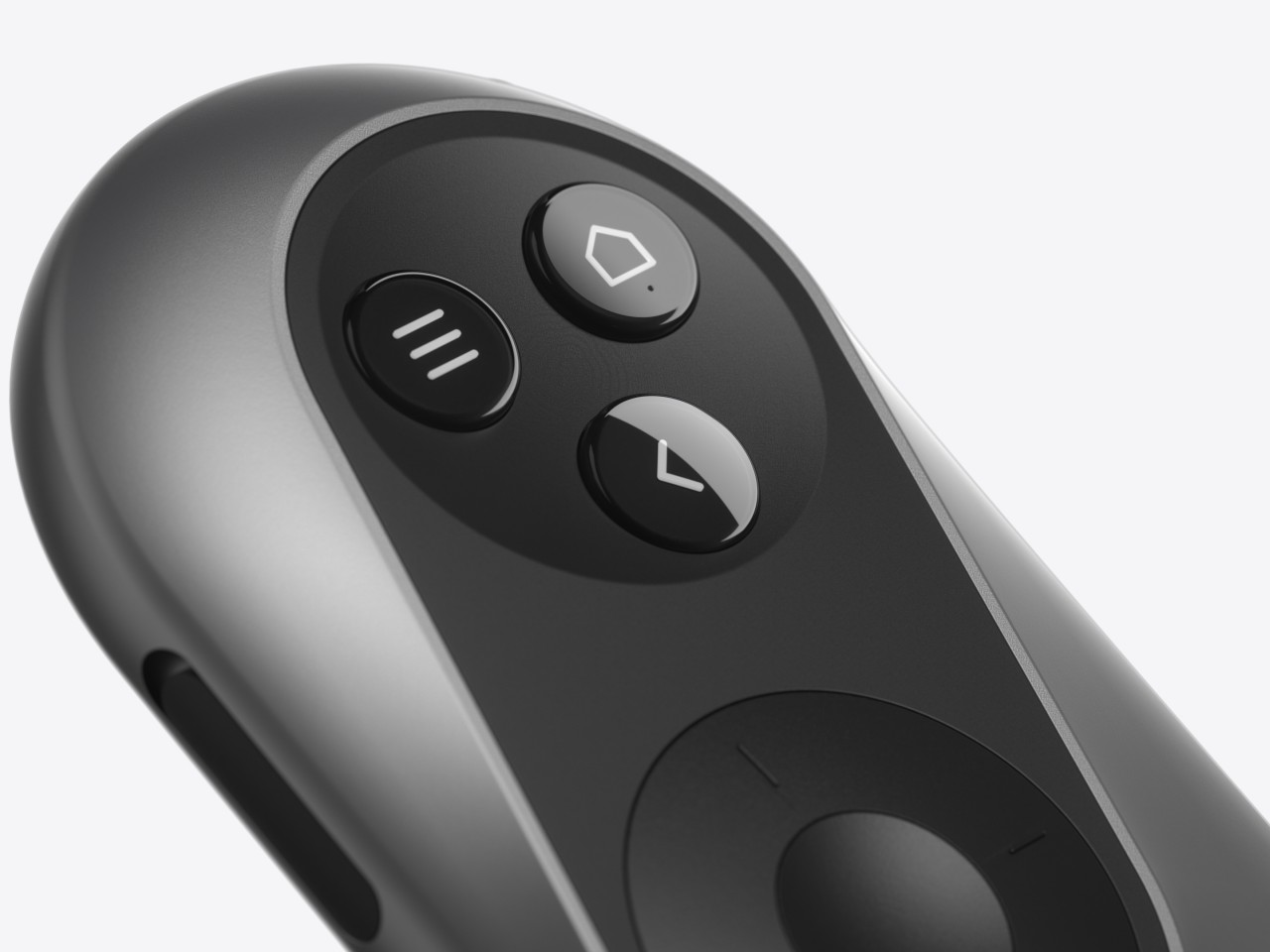
In a dynamic era of electrified mobility, Hyundai Motor Company has embarked on a groundbreaking journey with the launch of its dedicated electric vehicle brand, IONIQ. Committed to redefining the automotive landscape, Hyundai’s vision for the future is not only reflected in its state-of-the-art electric vehicles but also in the innovative and visually captivating accessories that accompany them. One such standout item is the IONIQ Pixel Toy Flashlight, a creation by Citrus that seamlessly encapsulates Hyundai’s commitment to pushing the boundaries of design and technology.

Designer: Citrus design

At the heart of the IONIQ Pixel Toy Flashlight lies the inspiration drawn from Hyundai’s main design theme, Pixel. The company has ingeniously utilized parametric pixel lights as a design signature across its award-winning electric vehicles. This unique design language is not just a visual delight but symbolizes a journey that connects the past (analog), present, and future (digital). This common thread is integral to Hyundai’s EV design philosophy, signifying a harmonious blend of heritage and futuristic innovation.

The distinctive front pixelated lights of Hyundai’s electric vehicles are not merely a design choice; they represent a unique and unmistakable signature for the IONIQ series. These small cubic light clusters showcased prominently on the ’45’ concept EV and IONIQ 5, have become synonymous with Hyundai’s commitment to innovation. These pixel lights aren’t confined to the exterior; they also make an appearance inside the charging door, providing illumination regarding the charging status and the amount of charge.

As Hyundai Motor Company continues to shape the future of electric mobility, the Pixel Toy Flashlight serves as a tangible representation of the brand’s dedication to creating a cohesive and visually stunning ecosystem around its electric vehicles.

In the world of electric mobility, Hyundai’s IONIQ Pixel Toy Flashlight stands out as more than just an accessory; it’s a symbol of innovation, design excellence, and a bridge between the past and the future. As Hyundai Motor Company continues to lead the charge in the electric vehicle revolution, the Pixel Toy Flashlight serves as a shining example of how cutting-edge design and technological advancements can be seamlessly integrated into everyday products, bringing the future of mobility into the hands of consumers.

The post Hyundai’s IONIQ Pixel Toy Illuminating the Future and the Evolution of EV Design first appeared on Yanko Design.
Duck Look-Alike Robots Will Revolutionise Waste Management And Help You Keep The Society Clean

In the rapidly evolving landscape of smart cities, the integration of technology into everyday life is becoming increasingly prevalent. One innovative solution to the challenges of urban waste management is “Qua” – a system of smart baskets designed to change the paradigm of garbage collection through a bio-inspired and playful approach to social robotics.

Designer: Luca Fiorentino

The creators of Qua have recognized the importance of seamlessly integrating robots into daily life. Unlike traditional robotic designs that may feel intimidating or too ‘robotic,’ Qua takes a different approach by drawing inspiration from nature, particularly the graceful and iconic single-file line movement of ducks. This design philosophy aims to make these robots a familiar and affable presence in urban environments, fostering acceptance and reducing the perceived intrusion of technology.

At its core, Qua is a system of autonomous waste collection baskets designed to move independently throughout the city. The baskets are equipped with sensors and artificial intelligence that allow them to recognize when a user needs to dispose of waste. Instead of requiring users to seek out a designated waste bin, it takes a proactive approach by approaching users when it detects the need for disposal.

The functionality of the robot extends beyond its bio-inspired design. Once it identifies a user ready to dispose of waste, it autonomously navigates towards them, streamlining the waste disposal process. After facilitating the user in discarding their waste, Qua then autonomously returns to a designated charging hub responsible for waste disposal.
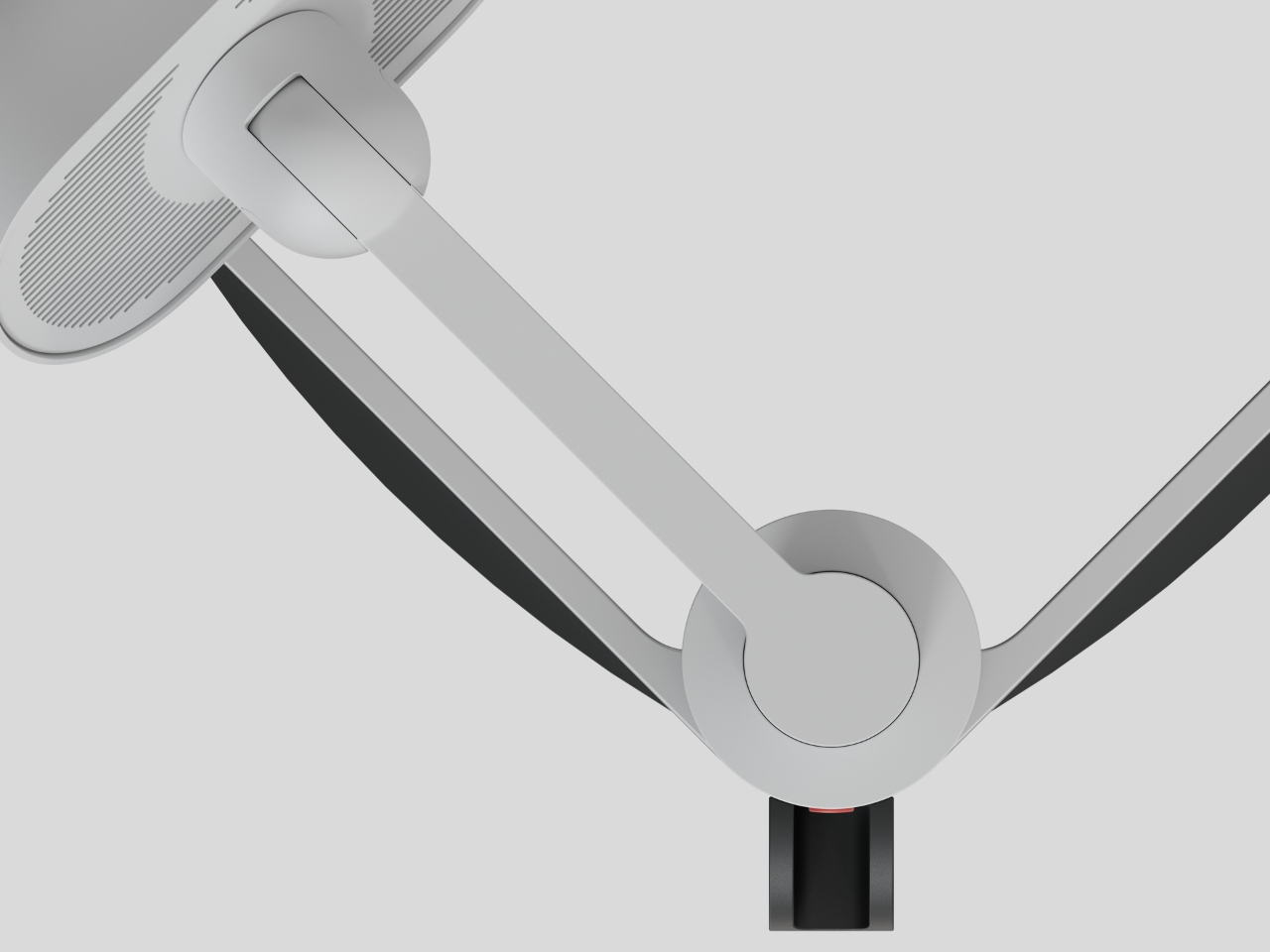
One of the key advantages of these robots is their potential to address the issue of littering, particularly among individuals who may be less inclined to walk the extra mile to find a waste bin. By bringing waste collection directly to the user, it offers a convenient and accessible solution to urban waste management. This is particularly beneficial in encouraging responsible waste disposal practices and minimizing littering in public spaces.
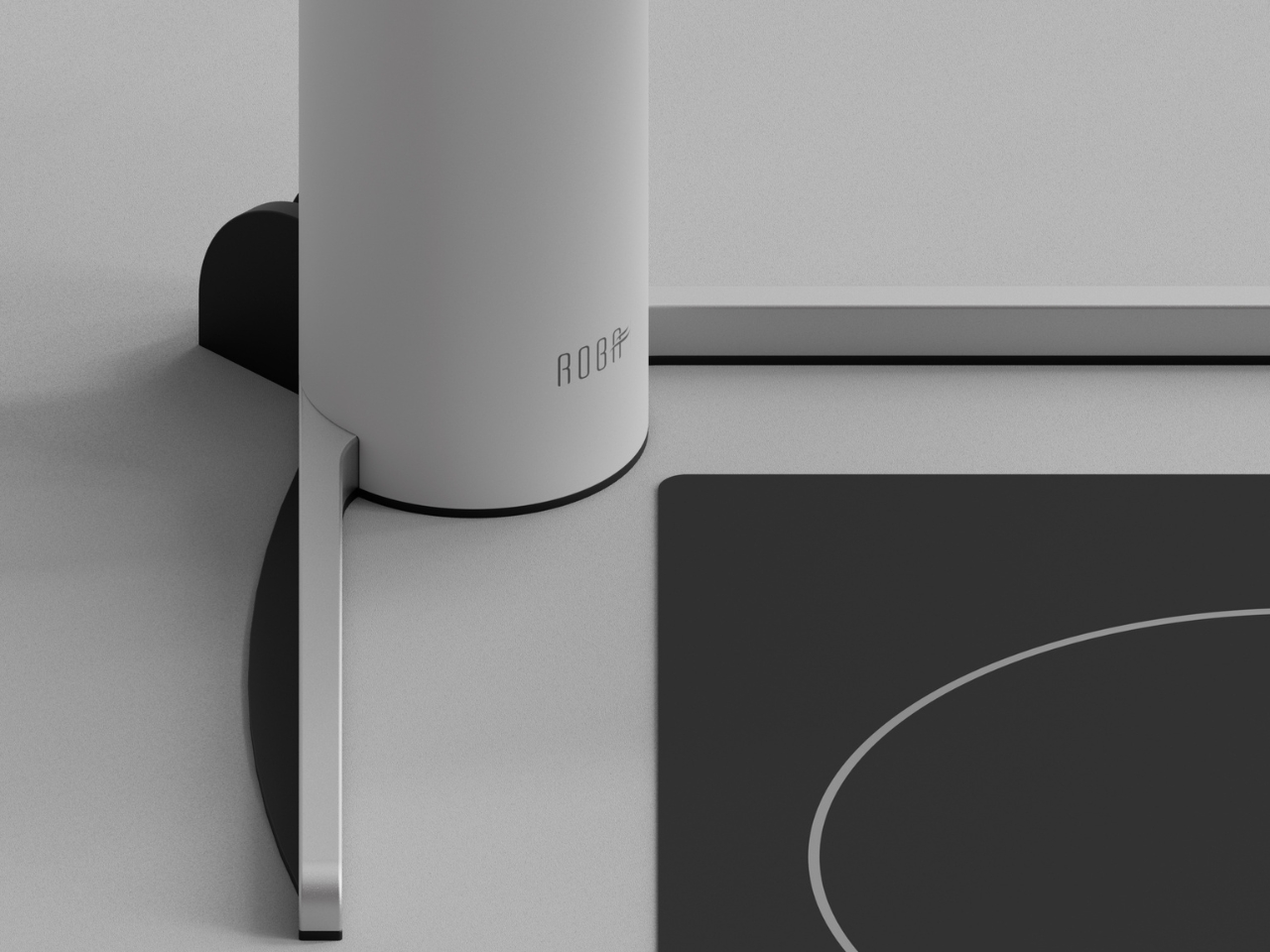
However, it’s essential to consider the potential downside of such technology. As noted, Qua could inadvertently cater to the convenience of those who are lazy or unwilling to make the effort to dispose of waste properly. It is definitely serving the larger purpose for society but it raises important questions about the role of technology in shaping behaviors and the need for a balance between convenience and responsibility.

Having said that, Qua represents a groundbreaking approach to waste management in smart cities. By combining bio-inspired design with advanced robotics, Qua aims to redefine the relationship between technology and urban living. As with any technological advancement, it’s crucial to consider the societal implications and strive for a balance that promotes convenience without compromising responsible behavior. The future of waste management may indeed be shaped by innovations like these robots, where technology not only serves a functional purpose but also harmoniously integrates with the natural flow of city life.

The post Duck Look-Alike Robots Will Revolutionise Waste Management And Help You Keep The Society Clean first appeared on Yanko Design.