Retro designs in technology continue to be a strong trend, from retro consoles to instant cameras to record players. Most of these products try to update the classic aesthetics to modern standards, reinterpreting them without straying too far from the original. In other words, they’re mostly modern devices simply paying homage to the past.
There might be times, however, the original designs still have a lot of pull, especially for eyes that have never seen them before. This series of concepts tries to imagine some of those with completely classic designs, save for the addition of 16-bit displays and a splash of 80s colors that make them funky and hip in their own unique ways.
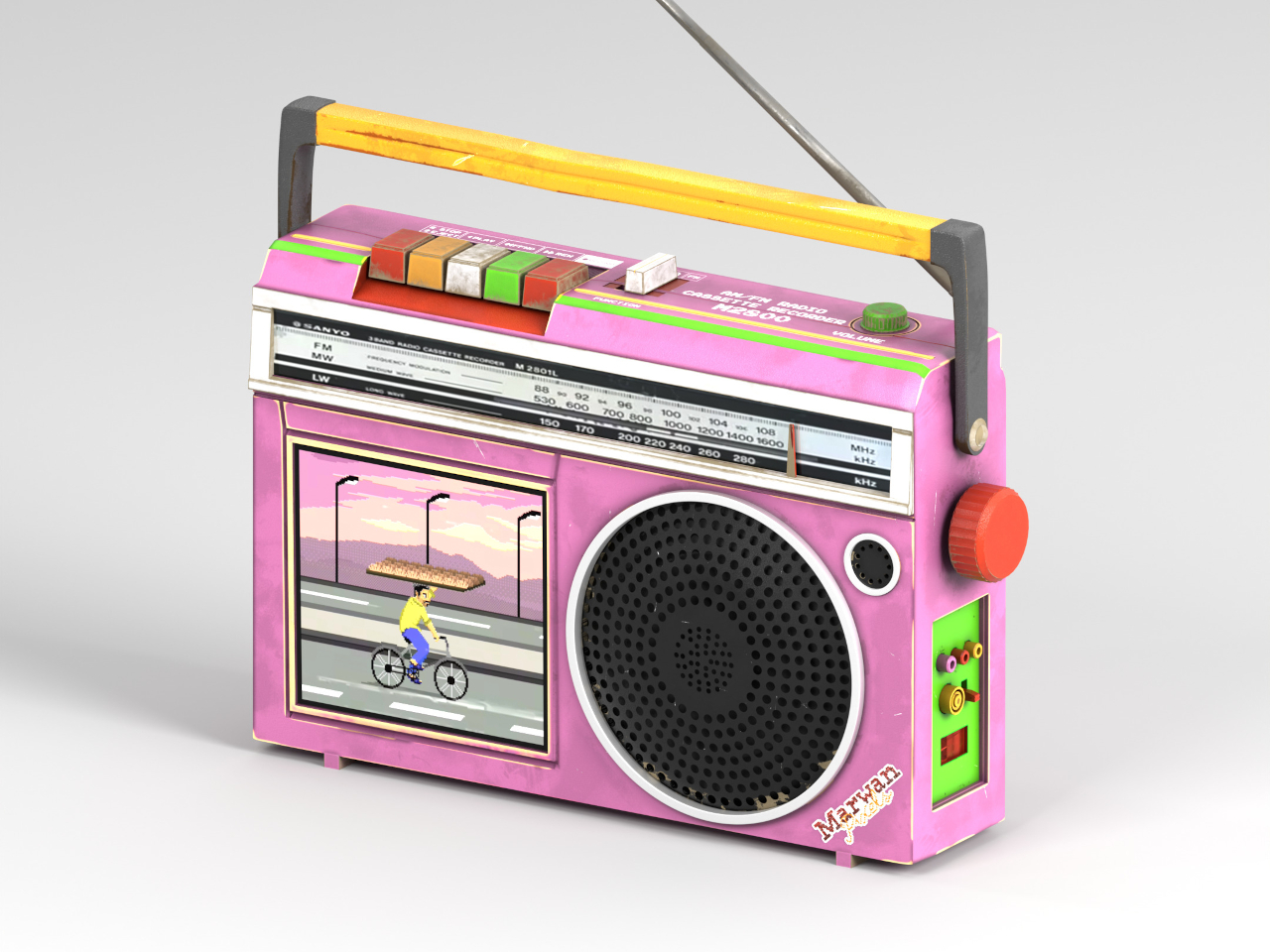
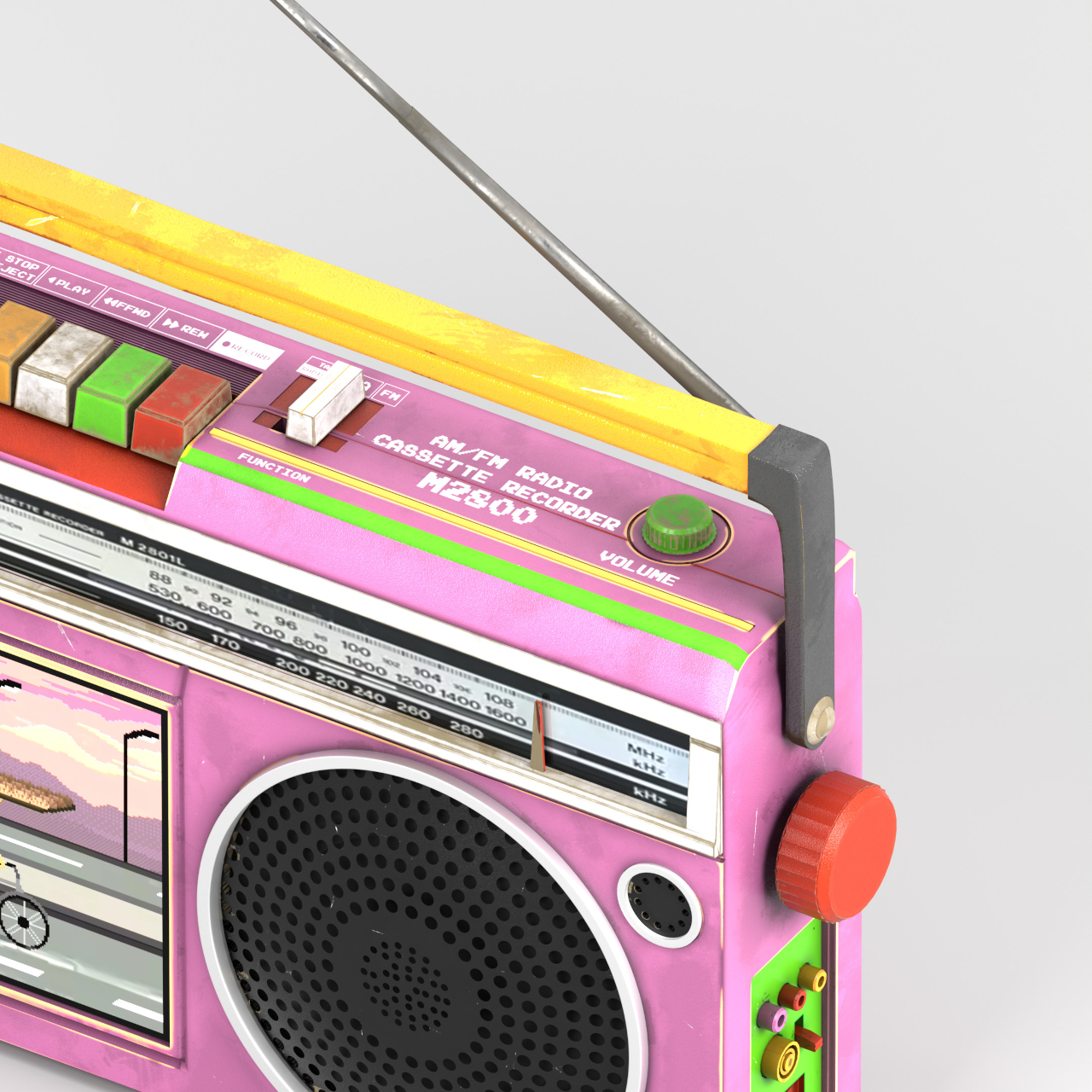
Music streaming has pretty much replaced the radio for most people, but the medium hasn’t completely died out. Radios, however, have become rarer outside of vehicles, and most designs these days tend to make the device almost invisible. This concept, in contrast, is as loud as it can be, both in sound and in appearance with its pink body and clashing color combinations.
What sets it apart, however, is the square display beside the circular front speaker. It’s not a modern touch screen for controlling the radio, but more of a useless but fun embellishment to the experience. It displays a 16-bit video that looks at home in games of that era, rendering an accompanying visual to the audio, whether it makes sense or not.
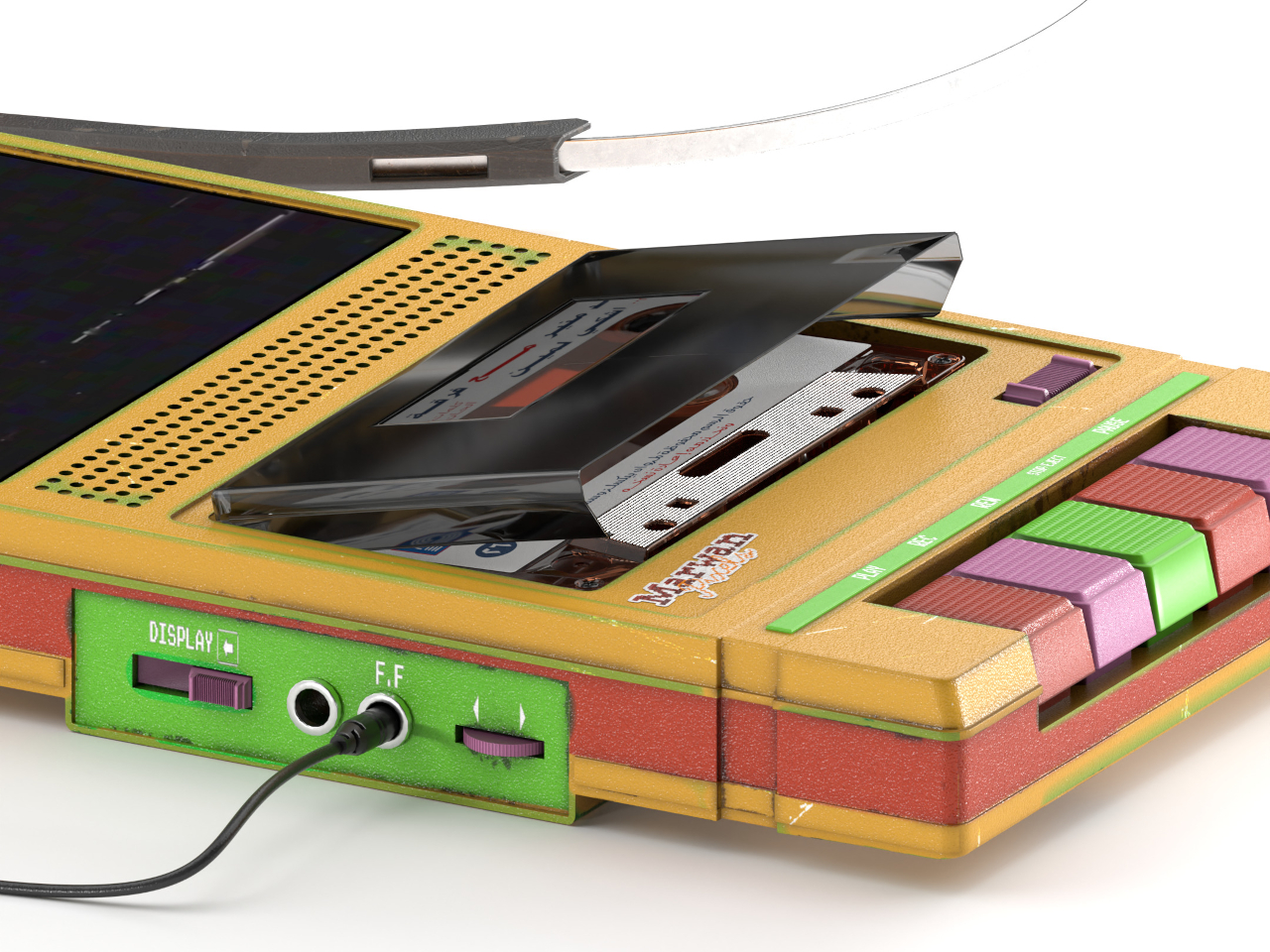
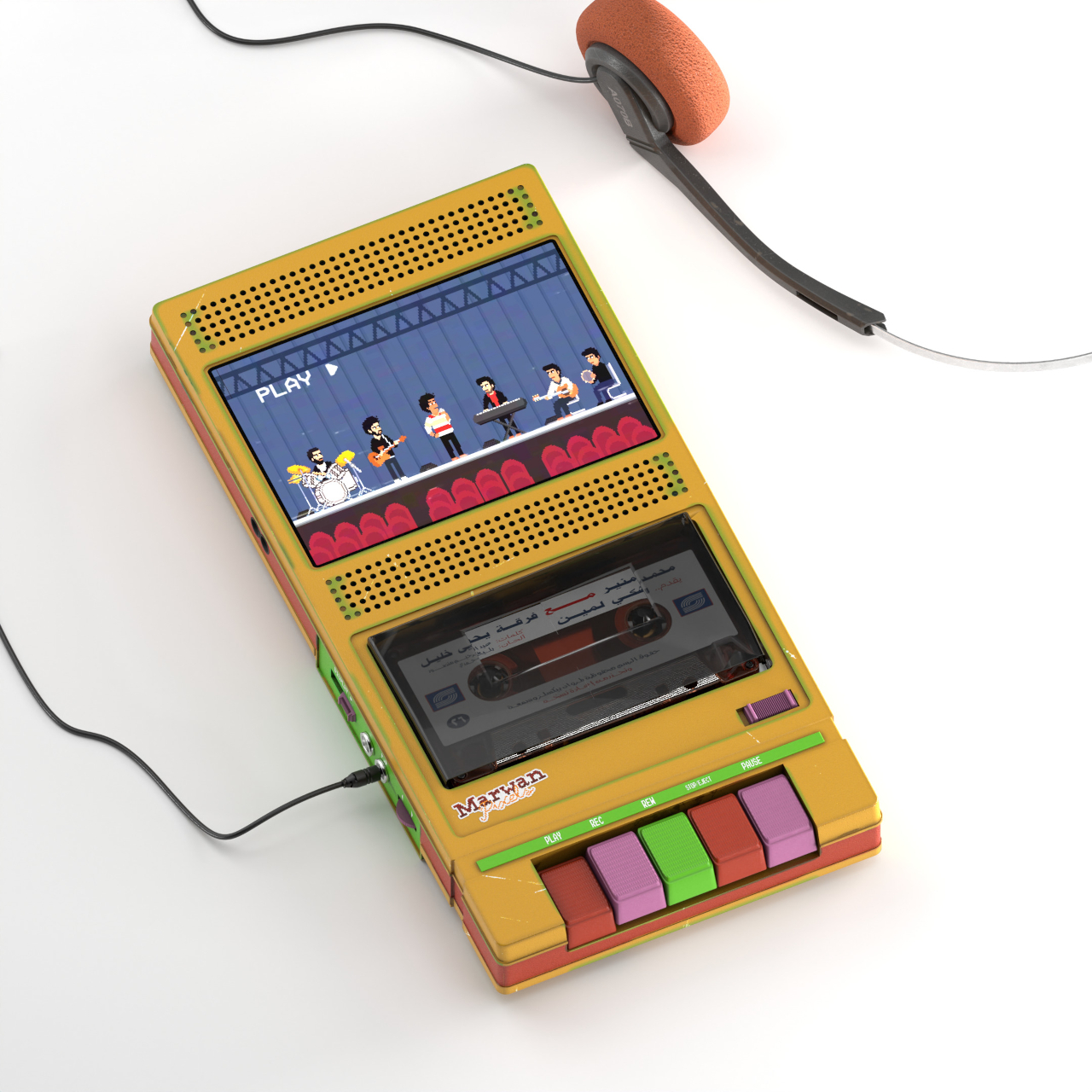
Very few people these days listen to cassette tapes. Unlike vinyl records, there’s almost no special audio quality to these small rectangular containers for brown tape that all too often gets tangled up. That said, some people still have a collection of these tapes, and this cassette player concept adds a unique twist to the device without twisting those tapes.
The color scheme for the device this time is a faded yellow, complete with green streaks of corrosion. But just like the radio above, the flat tape player integrates a screen that can play 16-bit videos. Although it doesn’t serve any practical function, it adds a bit of fun flavor to the music being played, making you want to look at the device even when it’s lying on the table.
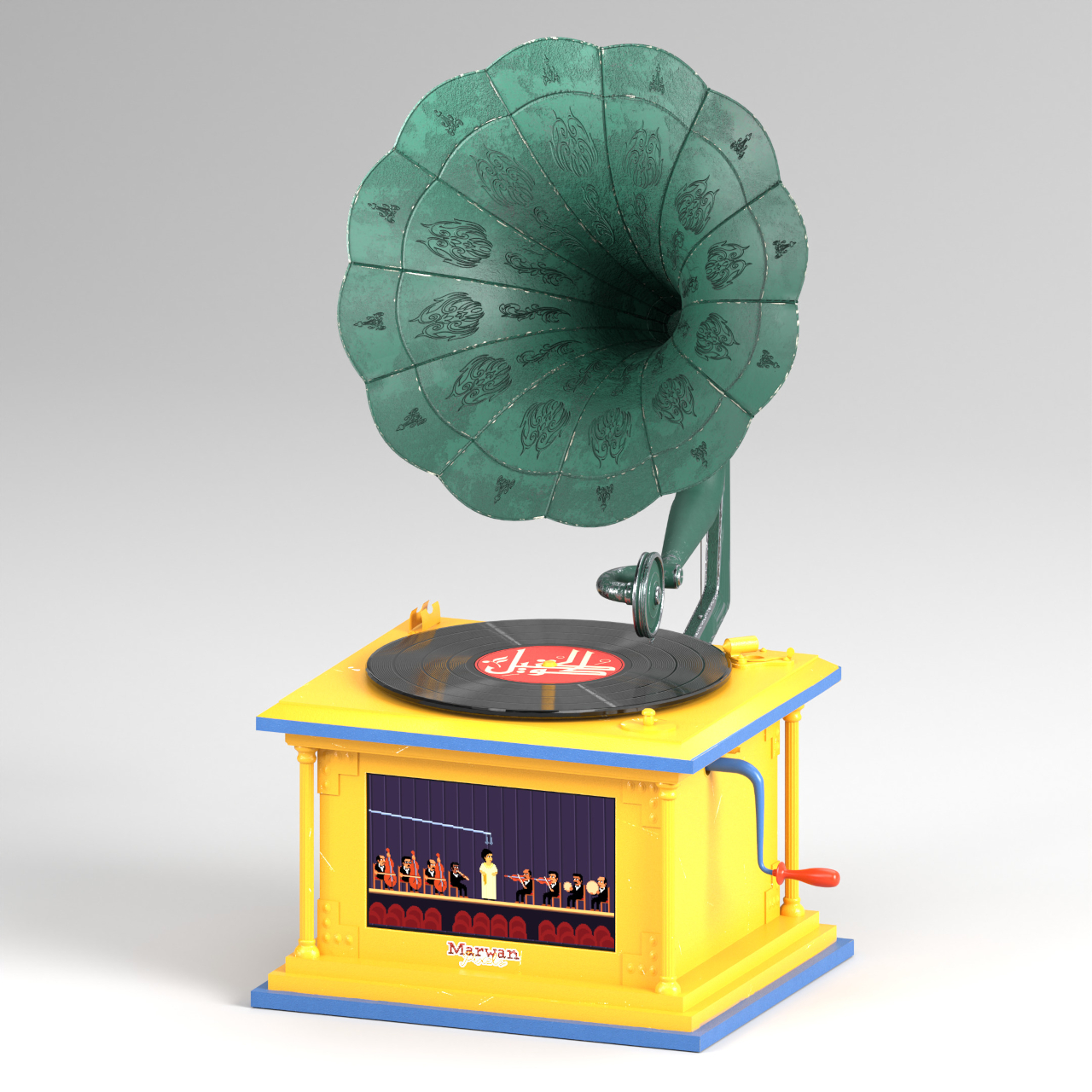
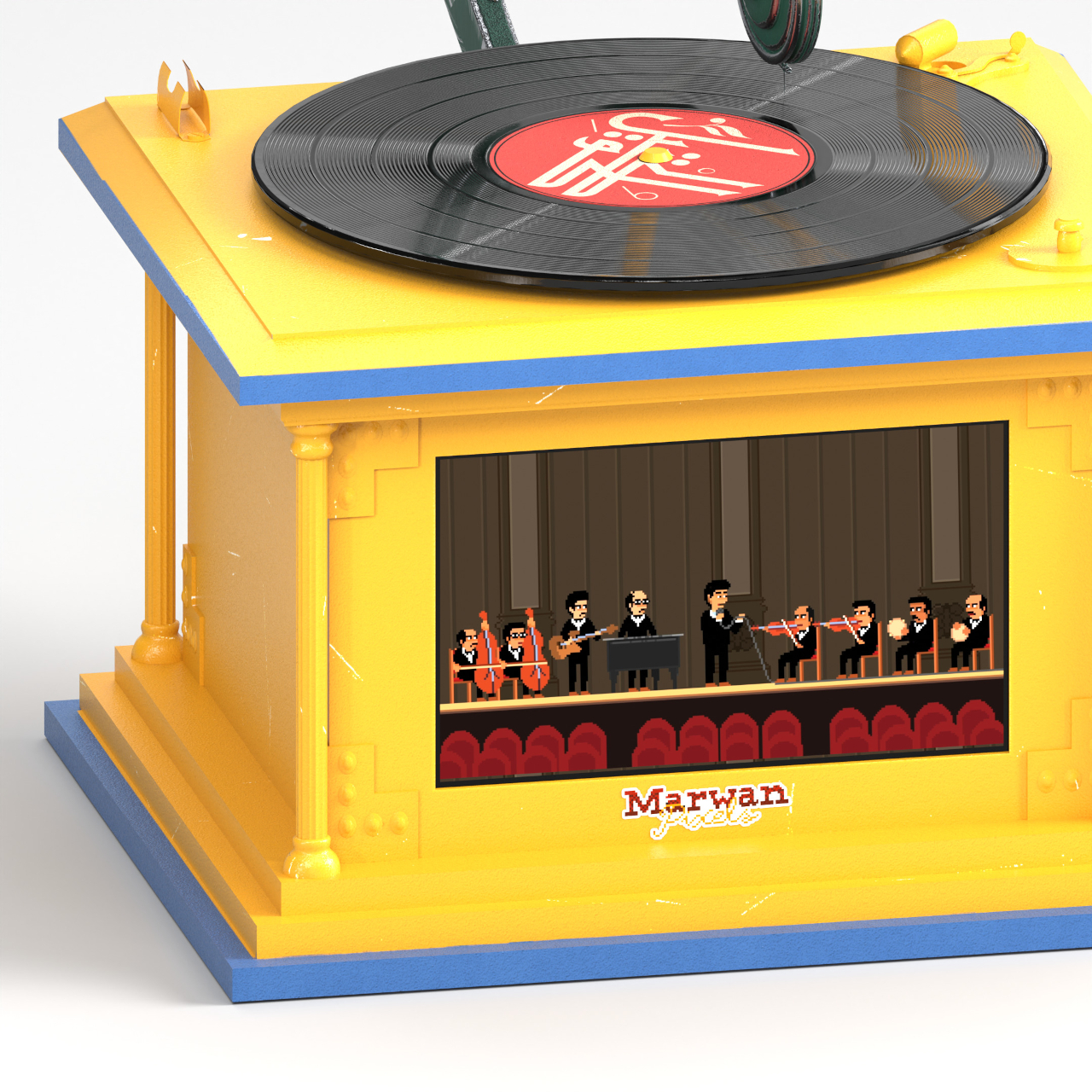
The record player in this Timeless Treasure collection steps farther back in time, adopting the form of a 40s gramophone. Its green, flower-shaped sound horn looks like copper that has aged over time, while the boxy platform has a mix of industrial and Art Deco details. Only the dominantly yellow color motif looks out of place and out of time, giving it an odd anachronistic flavor.
The large 16-bit display is again the center of attraction here, playing a pixelated video of an opera or orchestra performance. It could be related to the track being played, though it’s more likely a very generic clip for any and all kinds of records. It would probably be nice if each video was customized for different kinds of music, perhaps using some AI magic to make it happen.
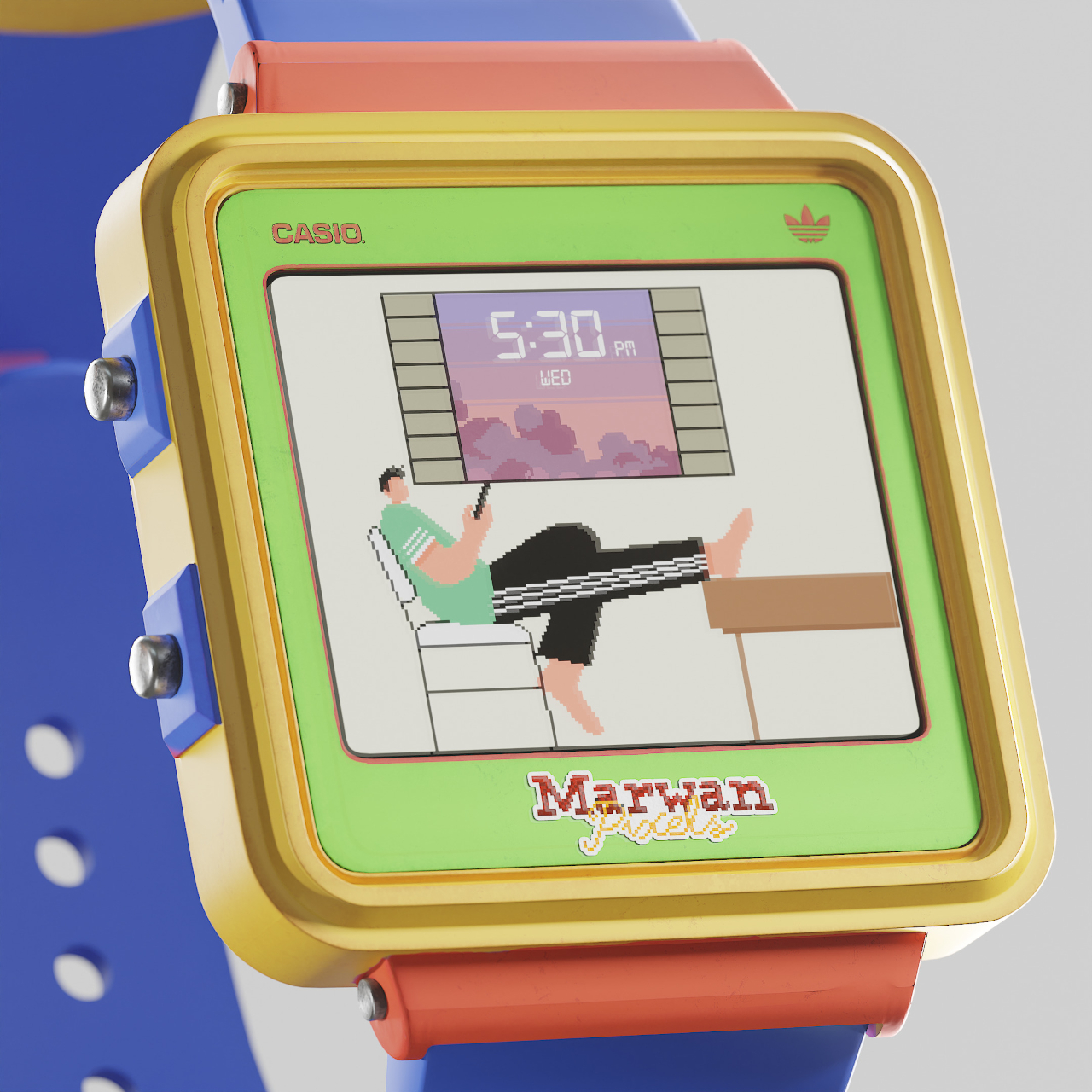
Old-school audio devices aren’t the only ones getting this 80s retro facelift, though a watch is hardly that old to qualify. More like an old-fashioned kids’ digital watch, this particular concept adds a lo-fi feel to this somewhat modern wearable, particularly when an alarm plays. Like the rest of the collection, it’s a fun touch that doesn’t add any functional advantage but gives the designs a new flavor.
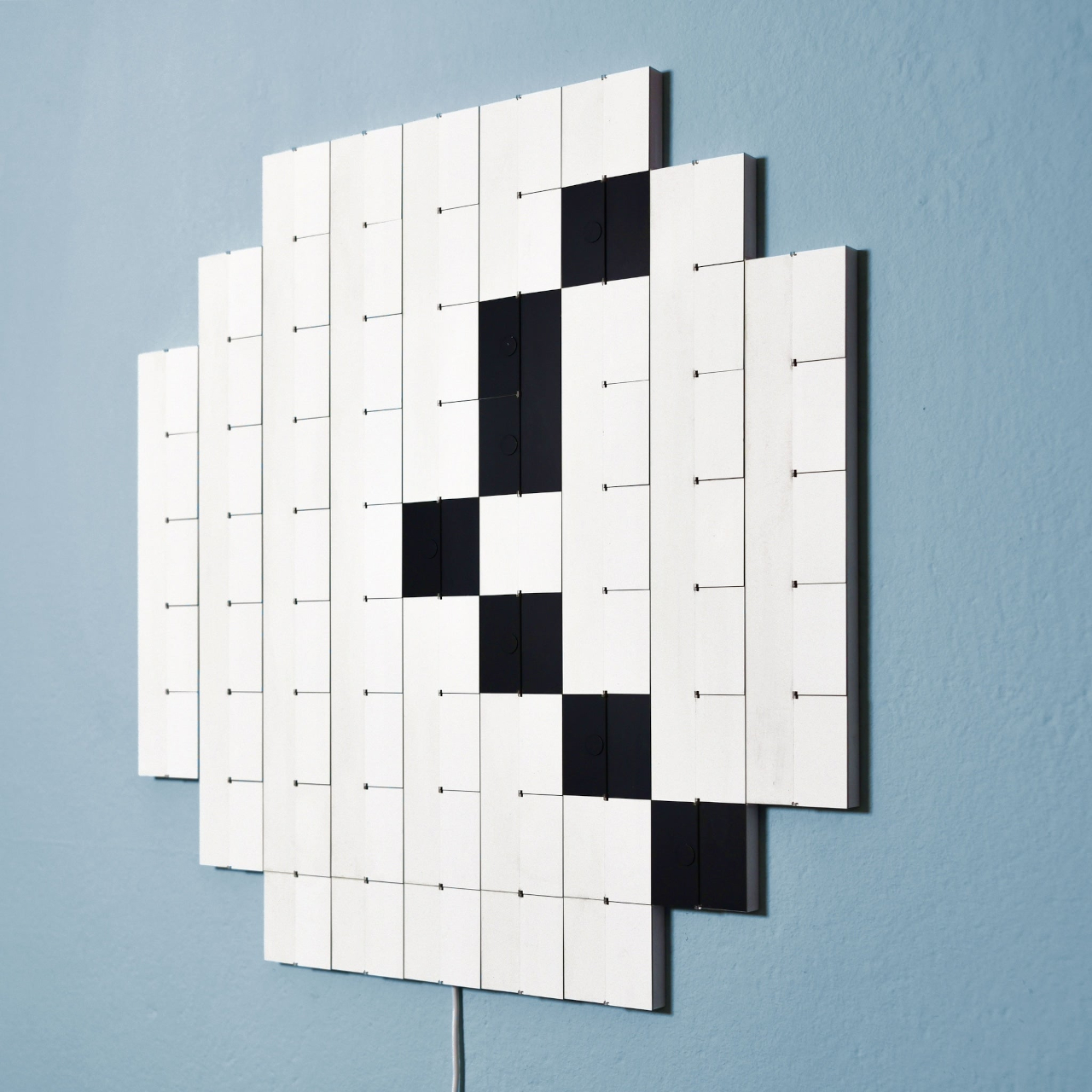
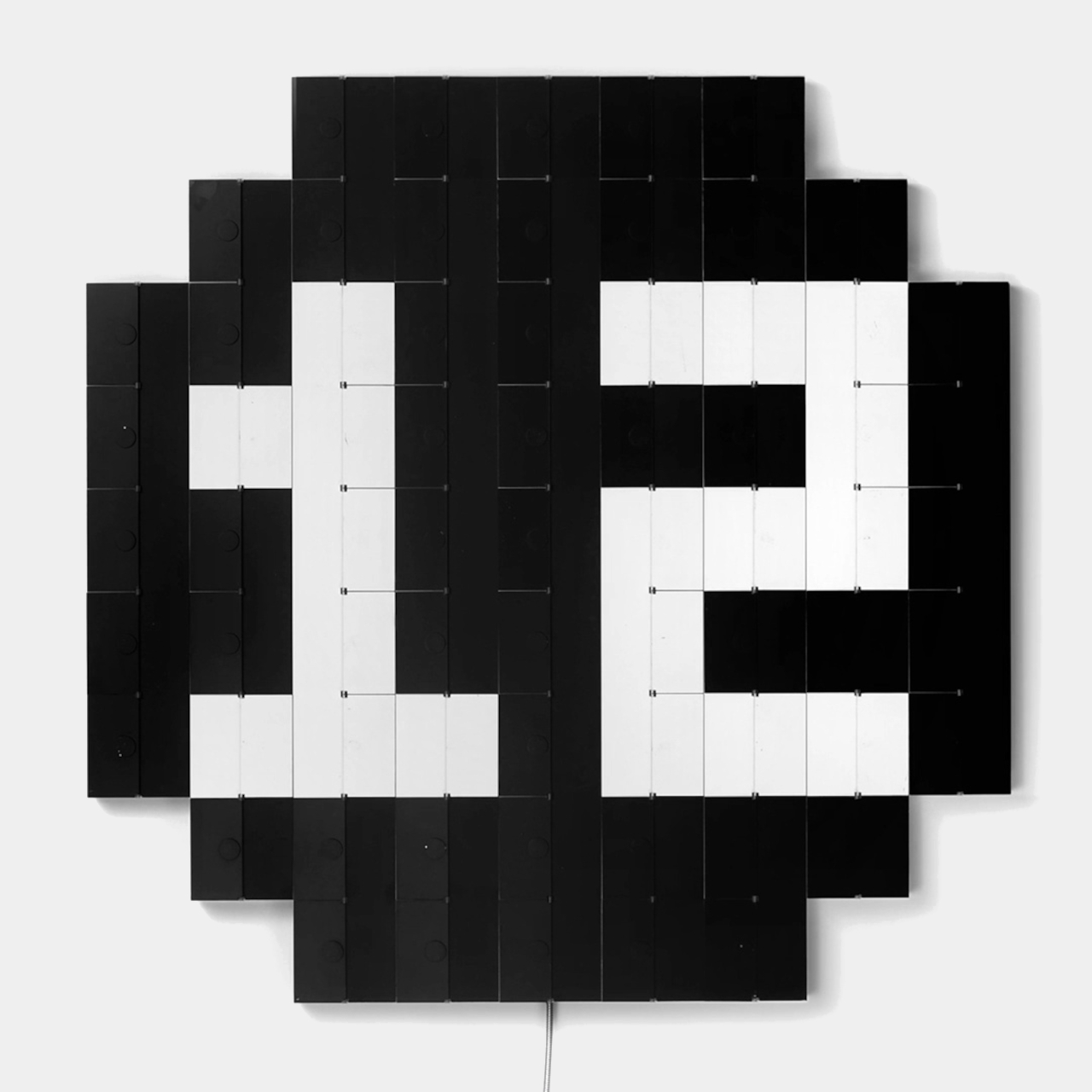
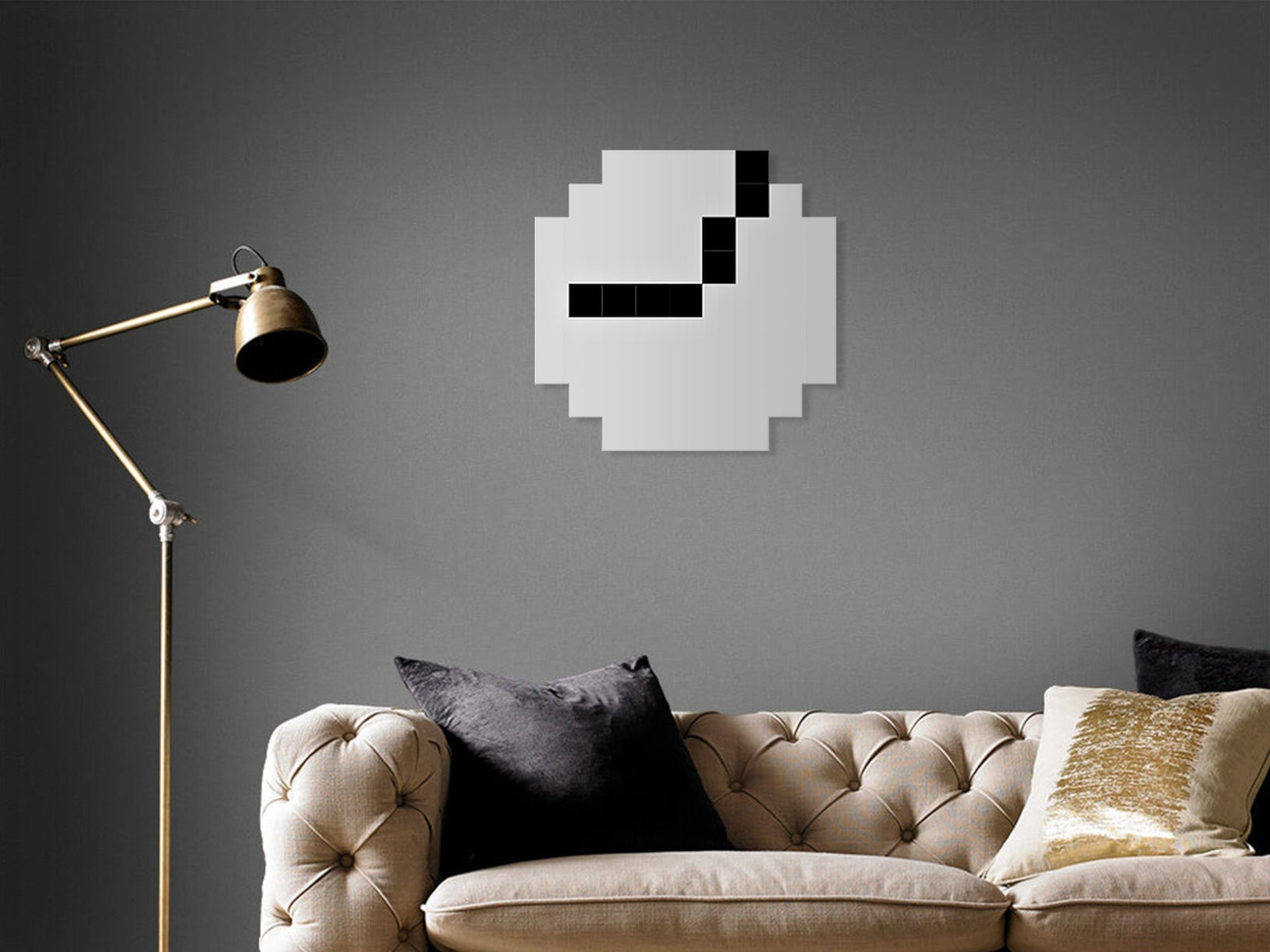
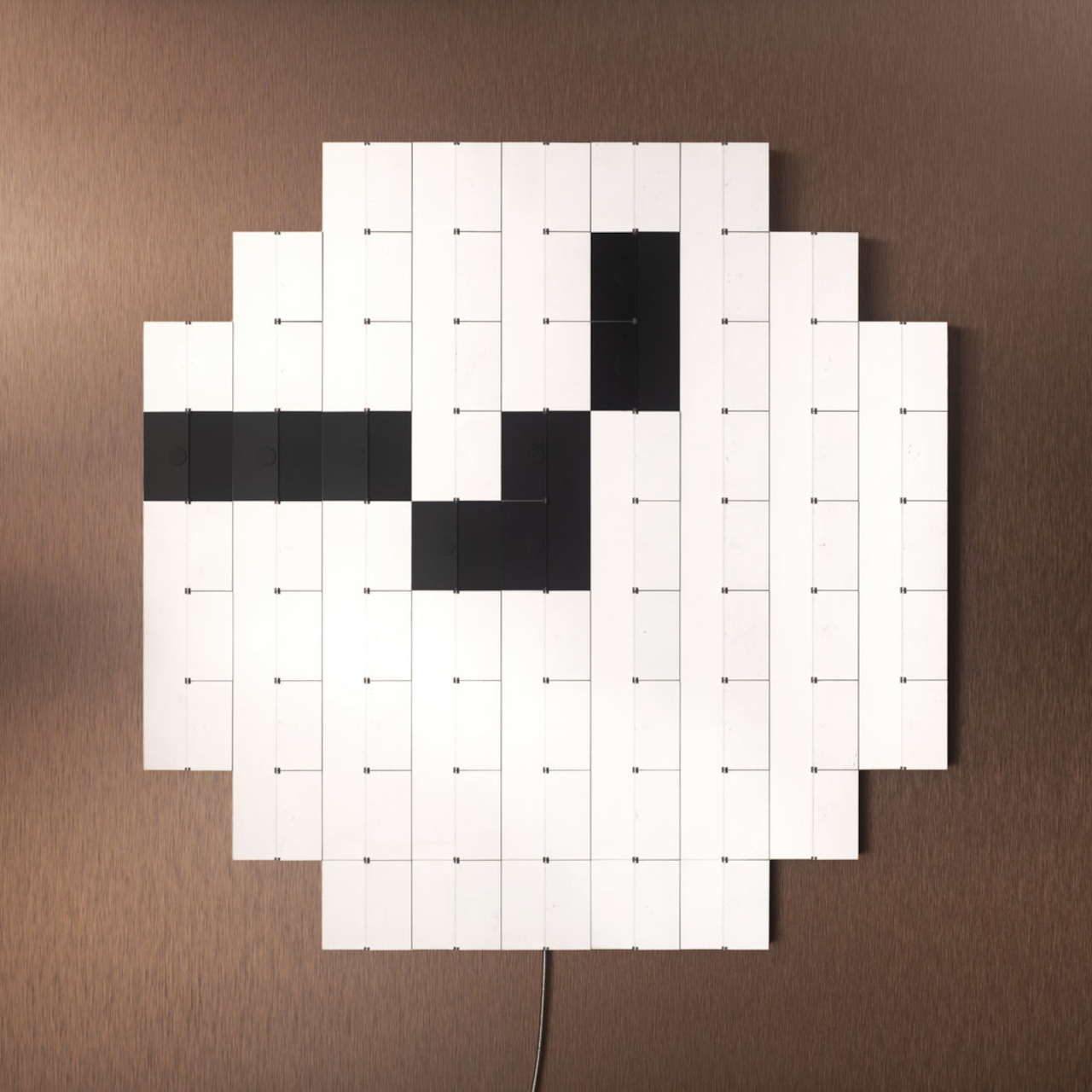
As if constantly checking the time wasn’t distracting enough, having a clock that encourages you to look at it all the time spells trouble for your productivity. Riding the retro wave, this clock brings the popular pixel graphics design of yesteryears to your living space. Waiting for the clock hands to “turn” almost becomes a tense waiting game, and you probably end up losing more time just by watching it.
Klapklok, however, is more than just a quirky-looking clock. It’s also a unique audiovisual experience that brings delight to the senses at the turning of the hour. It makes time feel more dynamic and palpable, perhaps creating a stronger relationship to the concept of time compared to just passively looking at a regular clock, no matter how beautiful that might be.
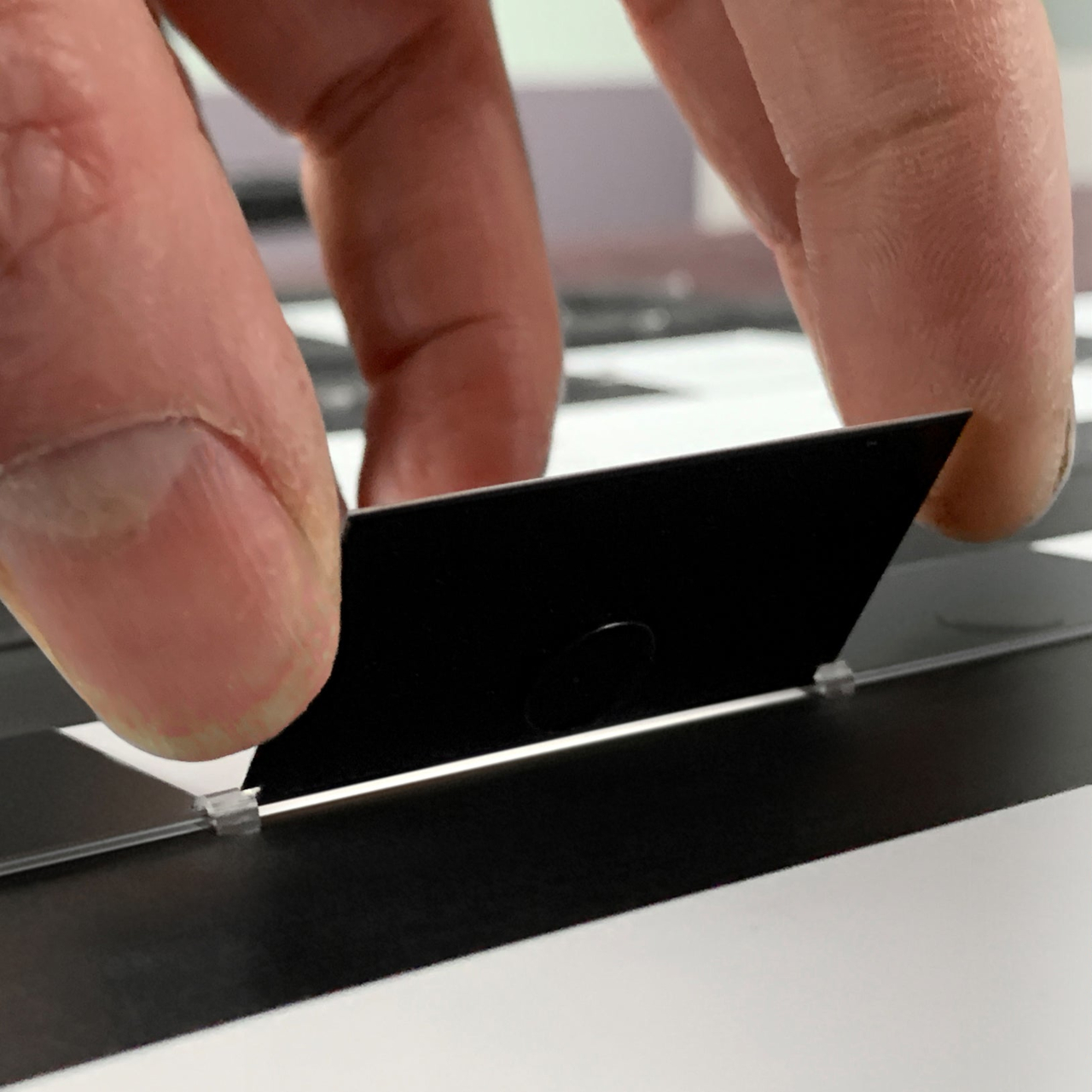
The split-flap mechanism used by old clocks and scoreboards is itself a blast from the past, but this clock employs it in a way that combines it with another retro design convention. Using 69 elements, the Klapklok creates what is practically a giant pixelated rounded square, where each “pixel” flips from white to black and vice-versa. Of course, the movement is anything but random, and the hands of the clock “move” every 2.5 minutes to tell the time.
The movement of the flaps is subtle but not altogether silent. It’s more like a gentle whisper than a rigid clank. Every hour, all 69 flaps quickly change to display the time as a number, creating a peaceful rustle like the flapping of butterfly wings. Despite the mechanical visual of flipping surfaces, the overall effect is more calming, almost mesmerizing.
It might all look simple, but this wonder clock is carefully handcrafted using premium materials. The base is milled out of high-performance bio polyurethane, while flaps are made from a paper-like yet durable composite material. The hinges are completely transparent to disappear from view and a metal USB-C cable for power perfectly complements the design, even if it’s always visible.
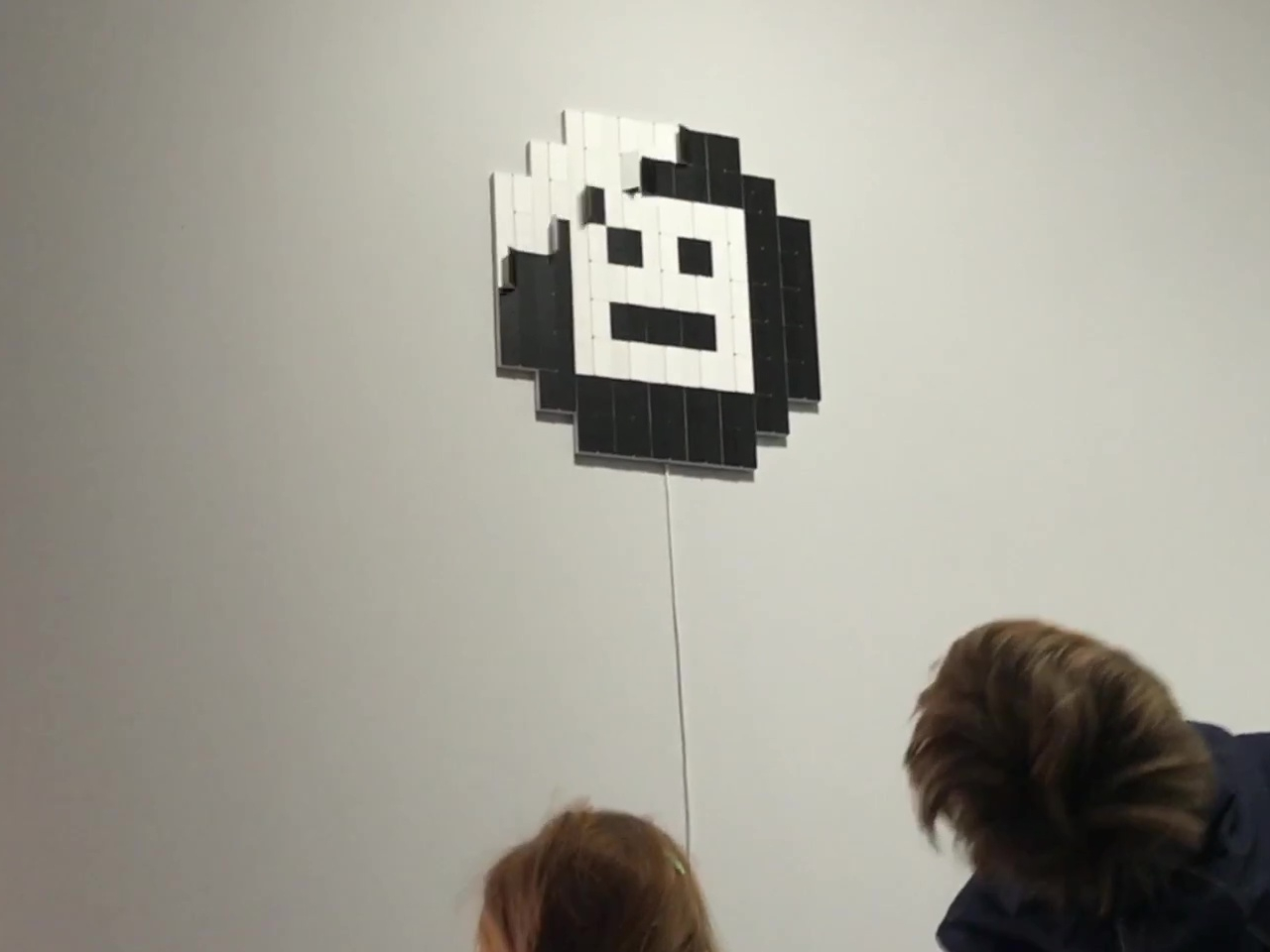
While its primary purpose is to tell time, Klapklok can also be used as a pixel art display. A smartphone app lets owners draw on that rounded square canvas, utilizing those 69 elements to show an icon or letters. It’s a fun and engaging feature that makes the clock useful even after you’ve grown tired of being distracted by its tempting design.
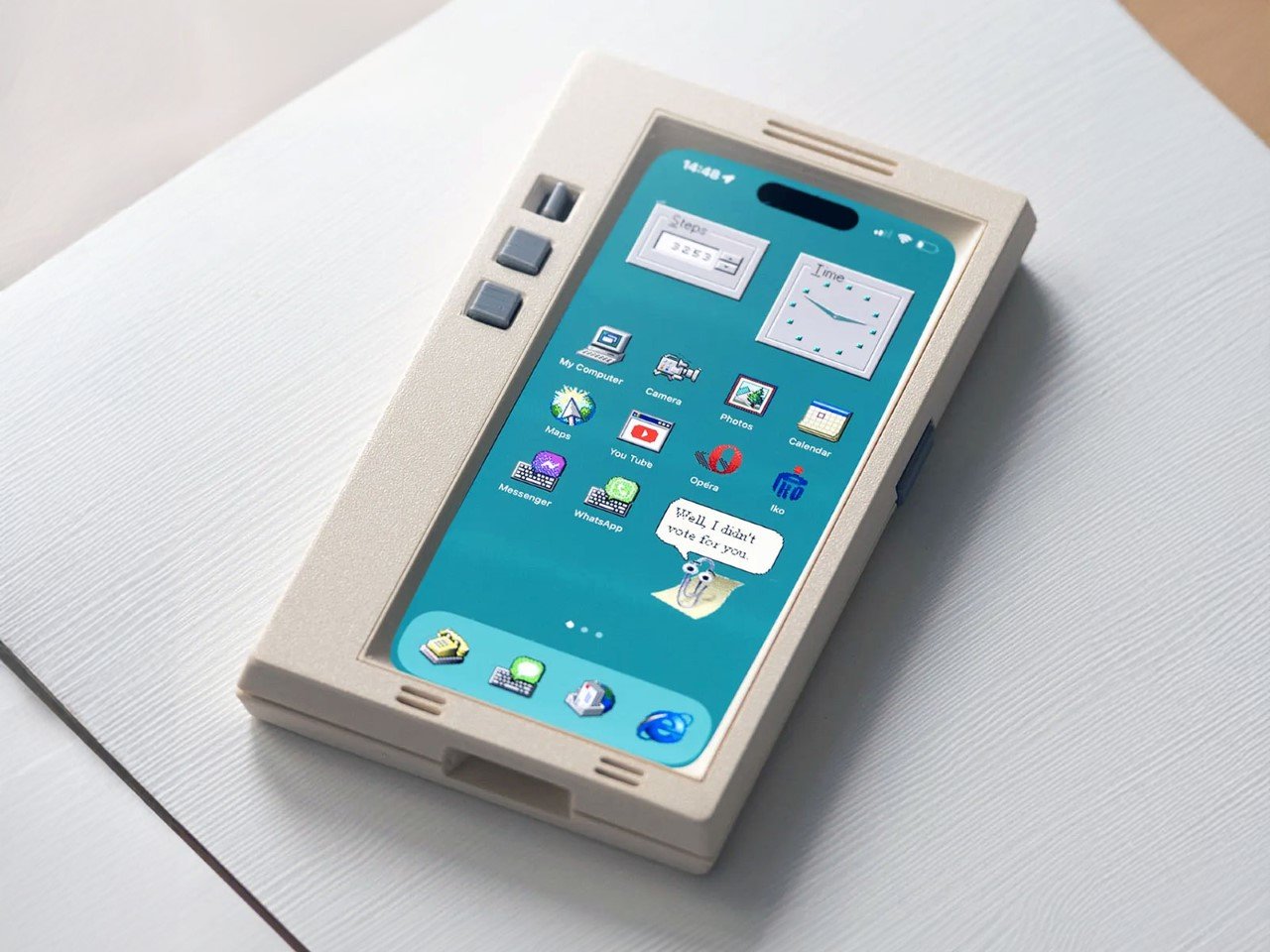
Quite literally the opposite of Back to the Future, this iPhone 16 Pro case is more like “Forward to the Past”.
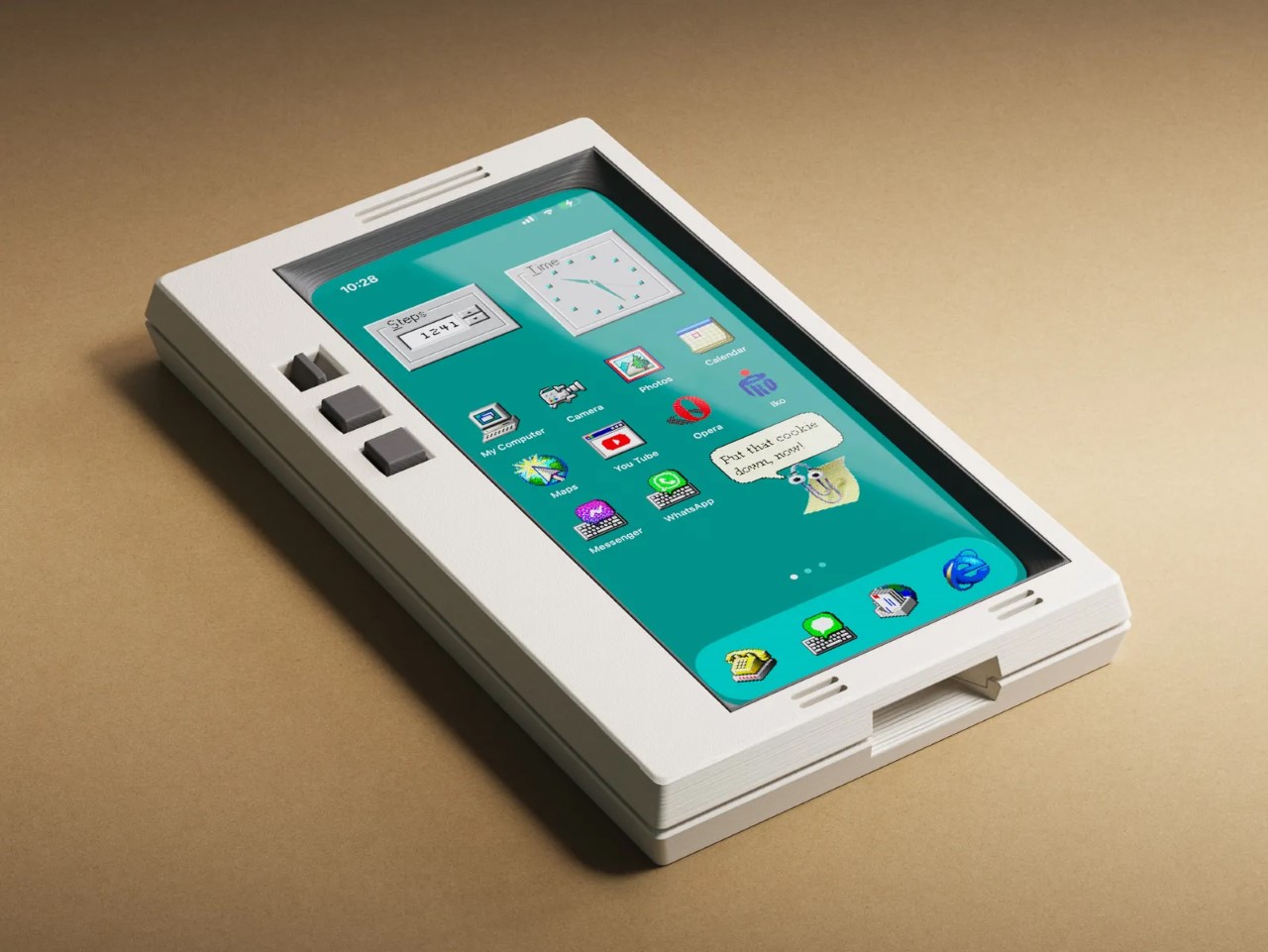
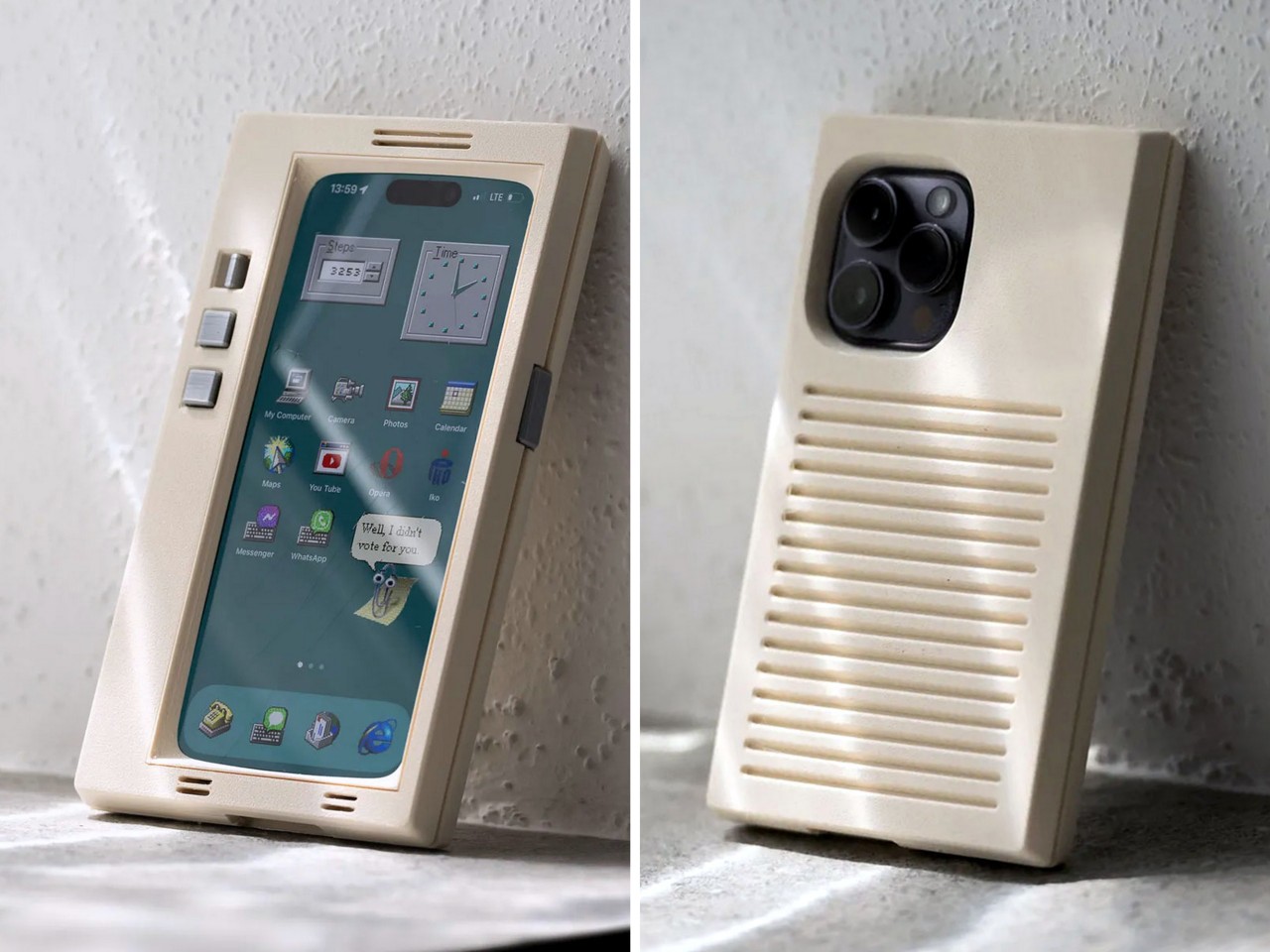
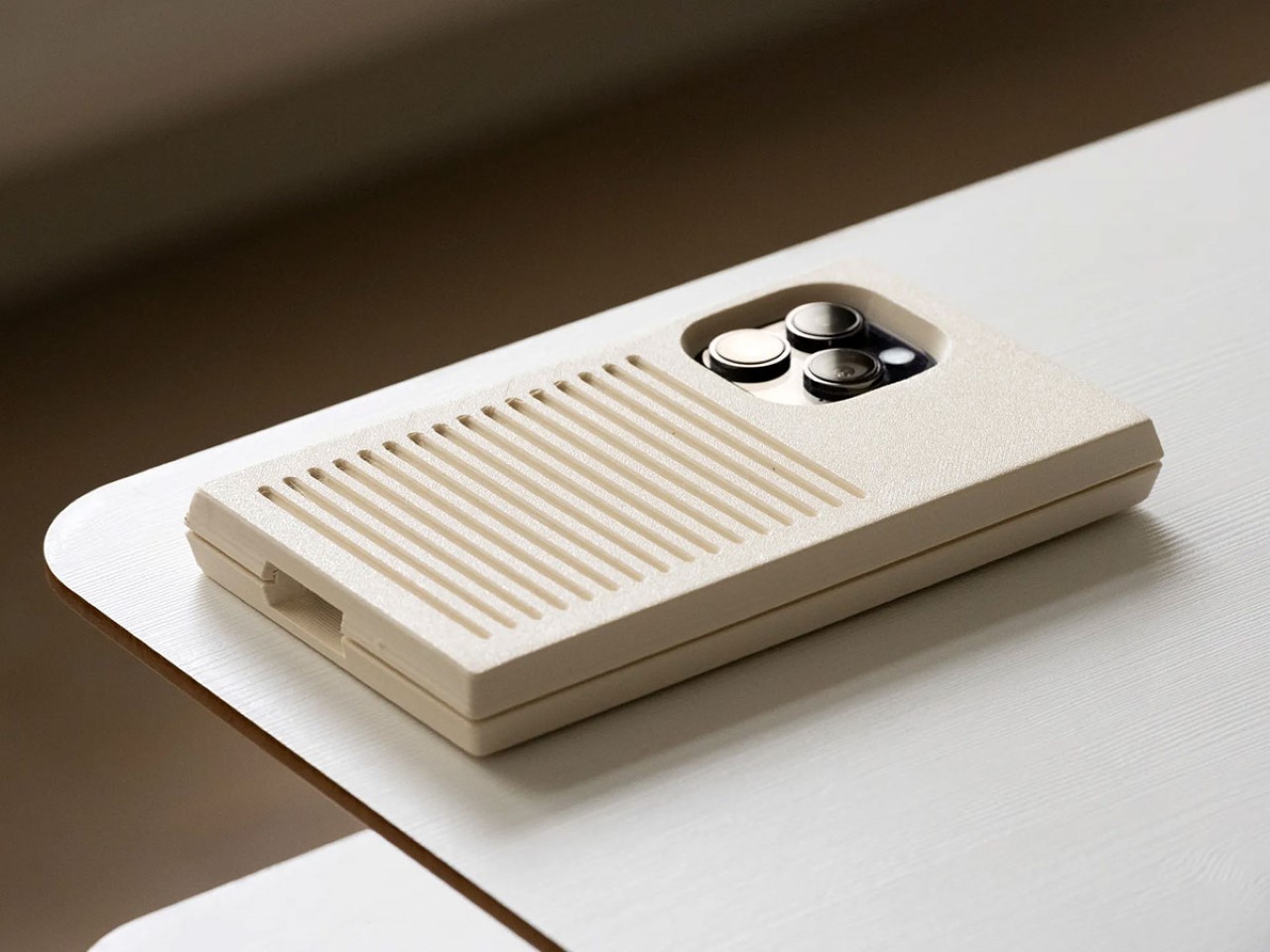
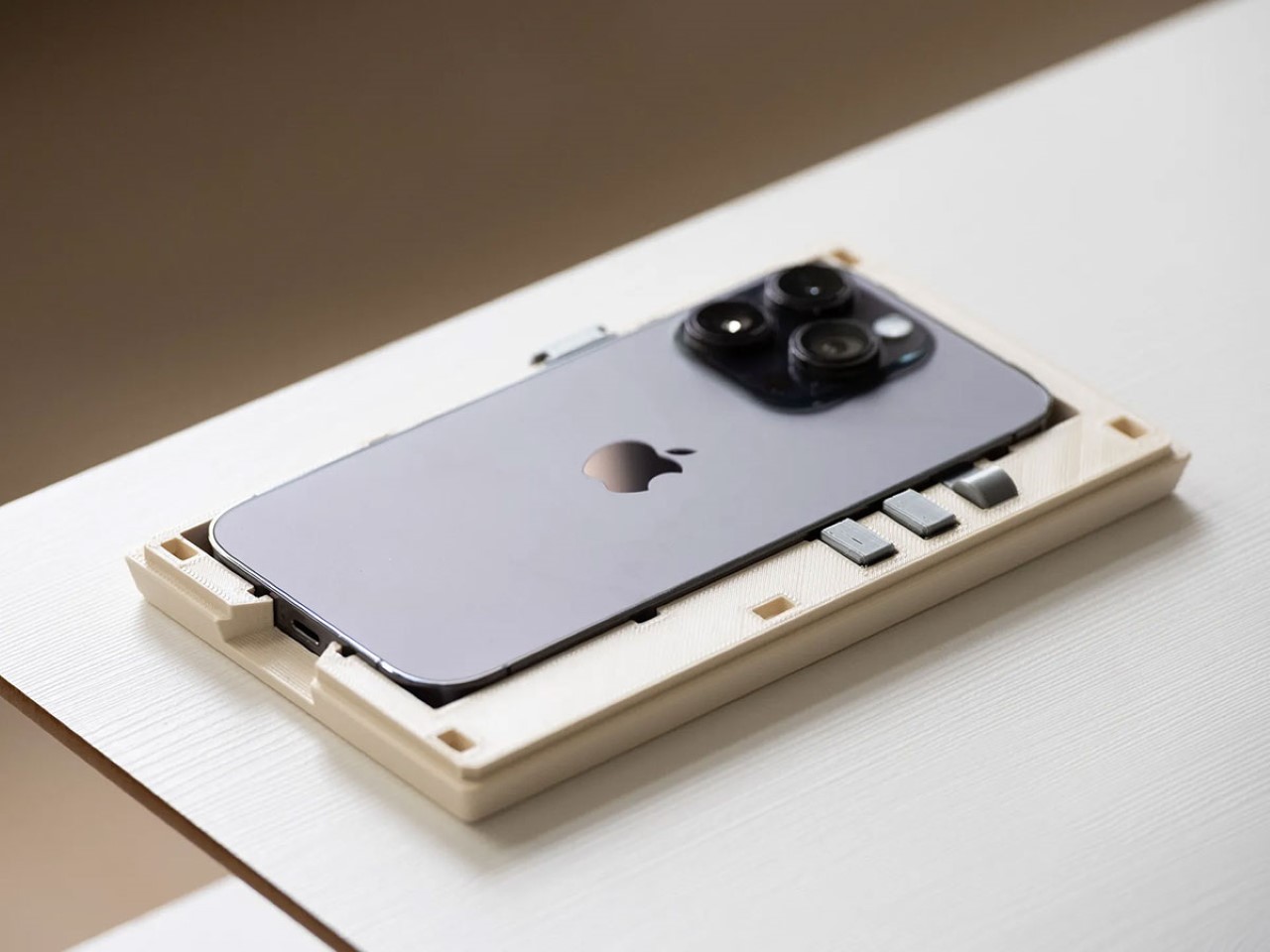
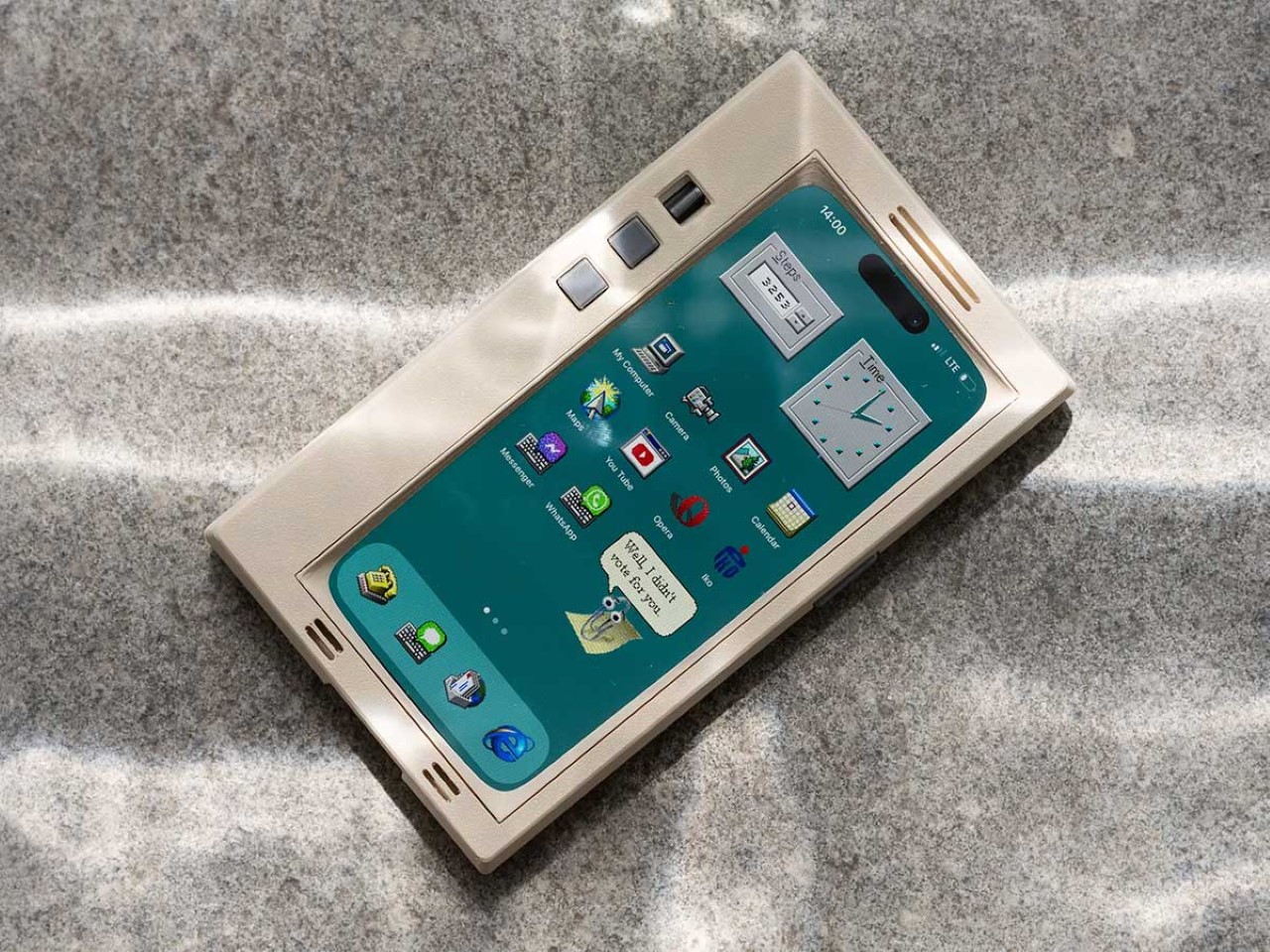
When you buy a phone, chances are you spring for a case immediately for one of two reasons – to either protect your phone, or to personalize it. However, Printables user Retron Print may have invented a new reason to add a case to your phone. Meet the iPhone Retro Case – a case that takes your cutting-edge smartphone and transforms it into a marvel of old-school technology. The two-part case sandwiches your phone in between, turning it into an old-timey CRT monitor (albeit with a functional main camera and dynamic island). To complement the case’s old-school design, Retron Print also equipped the phone with a retro home screen and custom icons and widgets. Although I’d personally love to have the iPhone stick to a Macintosh-based system, this one is unabashedly Windows, with a non-functional Clippy icon on the screen. Quite a downgrade from Siri and Apple Intelligence, no?
The beauty of the case is that it justifies every aspect of its retro design without compromise. Look at monitors from times of yore and they often had thick, chunky bezels. While most monitors came with a ‘chin’ which would either house a floppy disk reader or just control buttons, this retro case shifts the asymmetric chin to the side, with front-facing buttons that actually work. Built cleverly into the case’s mechanism are buttons that face forwards, but trigger the action and volume buttons on the side of the iPhone. The detailing’s prebuilt into the case’s design, and all you need to really do is 3D print and then assemble.
On the front, the case features an oval frame reminiscent of old CRT monitors, although it doesn’t obstruct the screen in any way. It’s a small but meaningful detail that gives the case a distinctly vintage vibe. Around the back, long, deep grooves evoke the look of classic desktop computers and also provide better grip. These thoughtful design elements ensure that while the case embraces nostalgia, it still offers the user a modern experience with improved functionality and tactile appeal. Meanwhile, speaker systems are accounted for too, with slots on the top and bottom that let you listen to audio from your iPhone.
When it comes to color options, Retron Print suggests using filament in shades like sandy beige, gray, or light brown to fully capture the retro essence. These muted tones are reminiscent of the classic electronics from decades past, enhancing the nostalgic appeal. This attention to detail extends to the print process itself. The case’s front and back panels are best printed on a textured print plate, adding an extra dimension to the overall look and feel, while the buttons should be printed on a smooth plate to maintain their tactile nature.
For those eager to bring a bit of retro flair to their iPhone, the case is available for iPhone 14 and iPhone 15 models. You can purchase the STL files for just $10 on Printables.com and print the case yourself, although this just includes the retro case’s 3D files and not the wallpaper and app icons. When it comes to color options, Retron Print suggests using filament in shades like sandy beige, gray, or light brown to fully capture the retro essence. These muted tones are reminiscent of the classic electronics from decades past, enhancing the nostalgic appeal.
However, commercial use of this model is restricted. To sell prints of this design, users must become a member of the Retron Print Commercial Club, ensuring that the creator, AndrzejG, receives credit and support for their work. This stipulation ensures that while the model is available for personal use, it remains protected against unauthorized distribution.
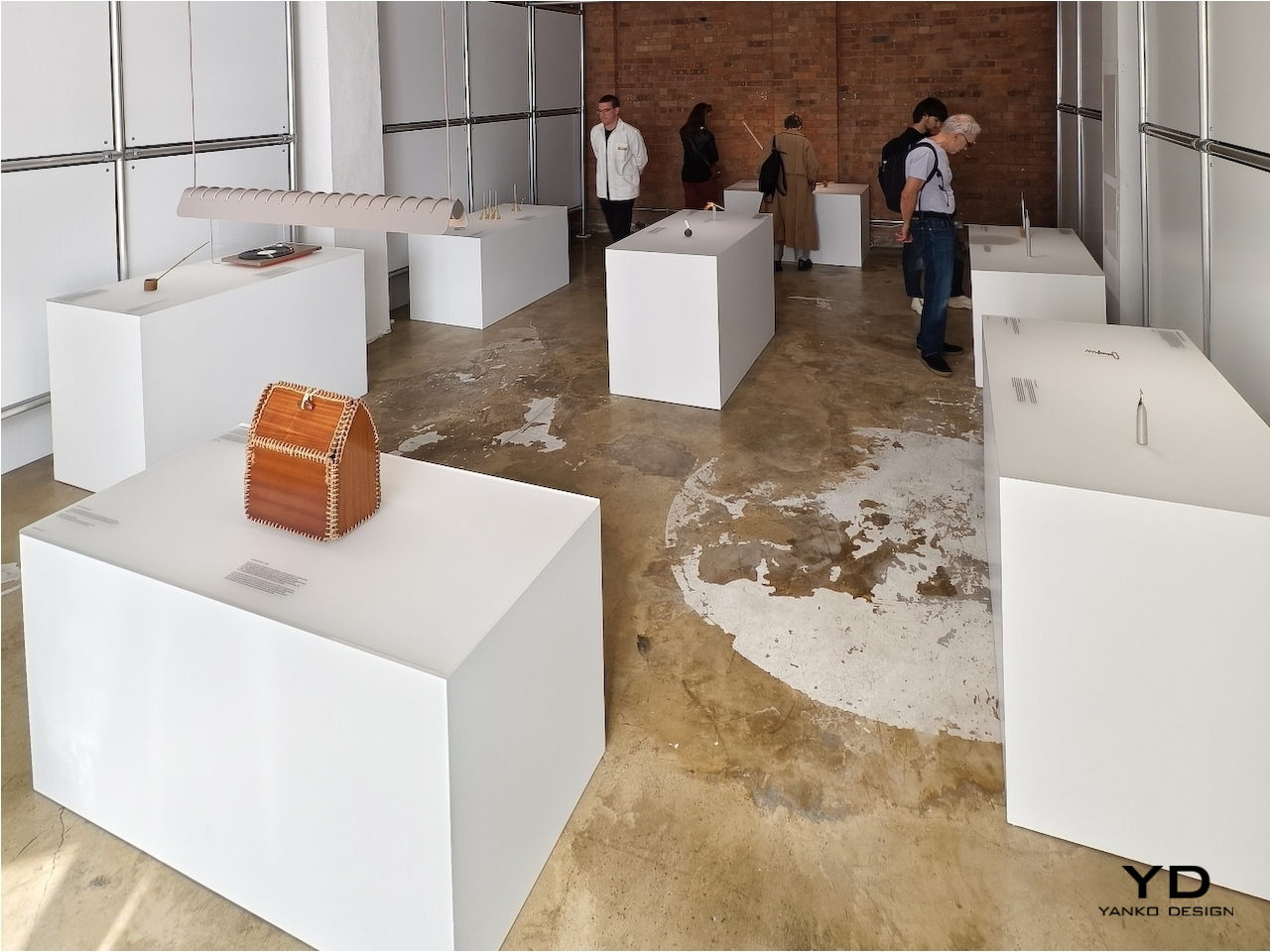
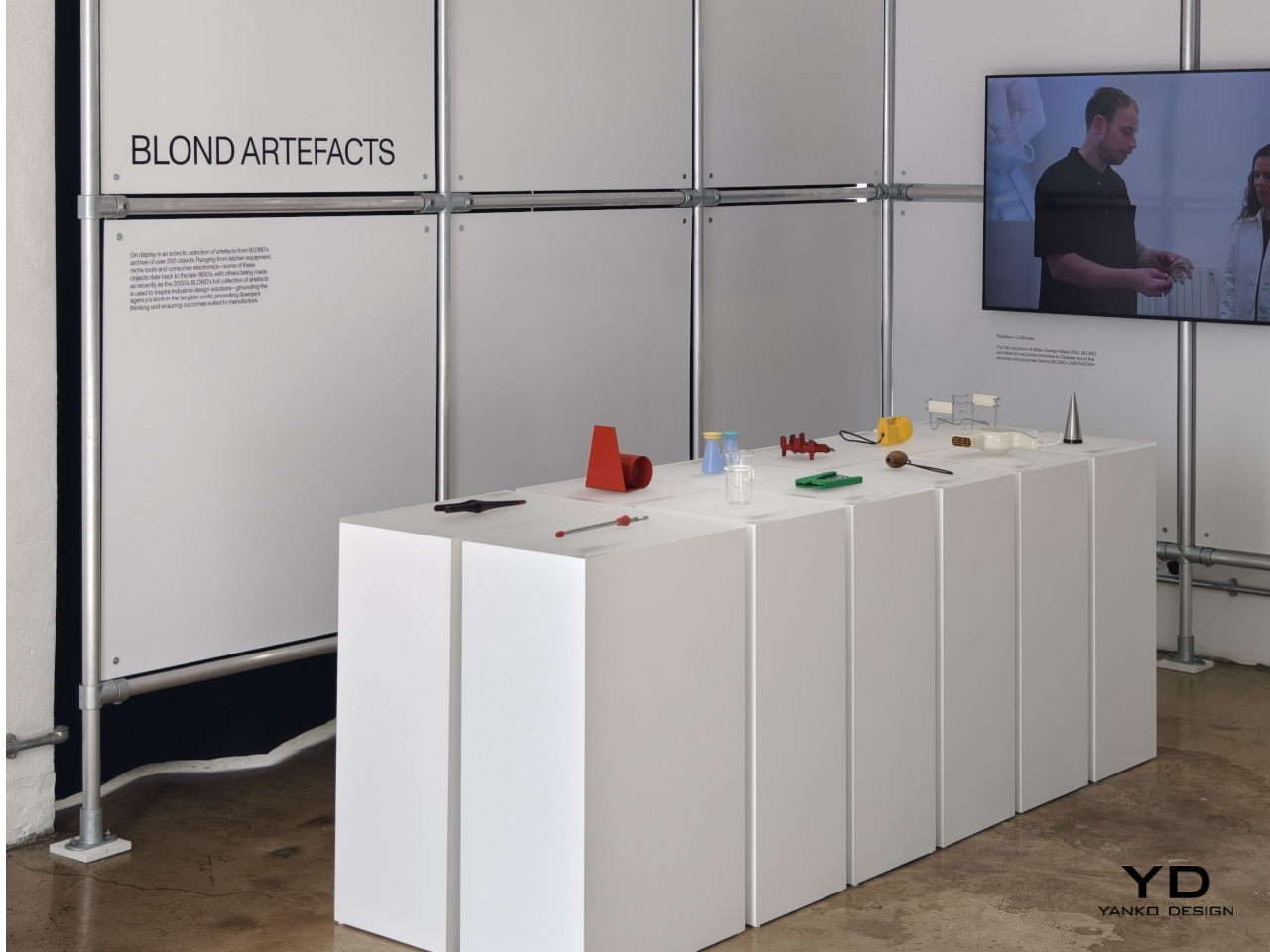
There are plenty of wise sayings about how the past guides our future, and nowhere is that perhaps more evident than in the design and fashion industries. “Retro” might seem like a passing fad, but this isn’t the first time that the design pendulum has swung back to the past for inspiration. This homage to the designs of our predecessors may be the guiding spirit behind famed London-based design studio BLOND’s ARTEFACT initiative, taking objects that are no longer in production or even in use and reimagining them in a completely different light. At the London Design Festival this week, the BLOND LABORATORY challenged a stellar roster of international designers and studios with this quest, and here are the responses that give these “offline” products a new kind of life in this modern world.
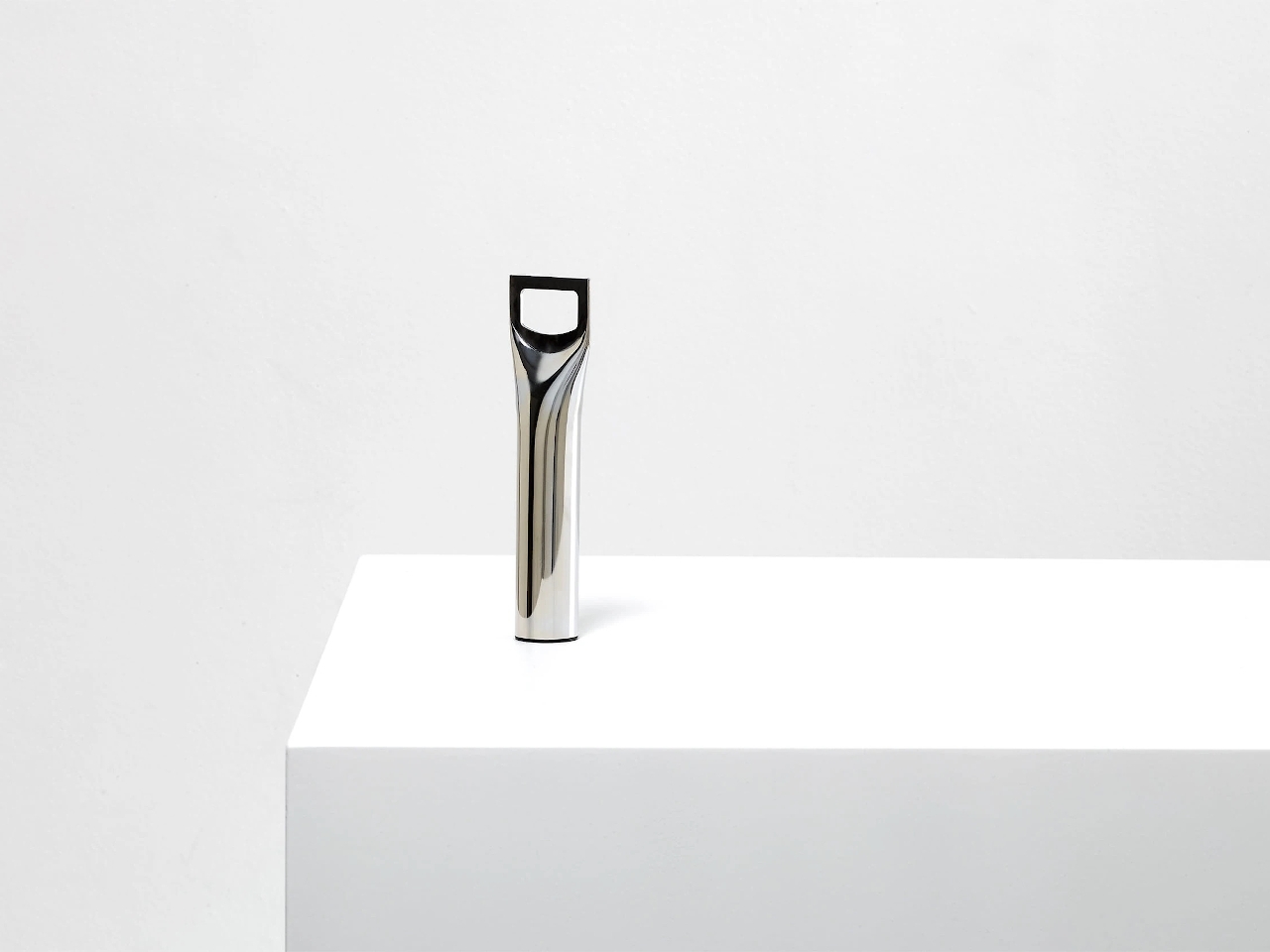
Opening wine bottles today is as easy as turning a cap, but true connoisseurs still prefer the classic cork that is just as difficult to remove as in the old days. Of course, we have it easy today as well with more modern tools, but the traditional corkscrew and its menacing metal spiral has always been the weapon of choice for that task. Even older designs used a single bent rod of metal, which is probably not as comfortable to use as those with wooden or even plastic handles.
Turning something crude into an art object is the feat that From Us With Love accomplished. Taking a single rod of metal, flattening its top, and cutting out a hole in the middle resulted in a simple yet functional bottle opener. It embraces the functional minimalism of the old-school corkscrew and imbibed with the elegance of modern tools, a true retro design if there ever was one.
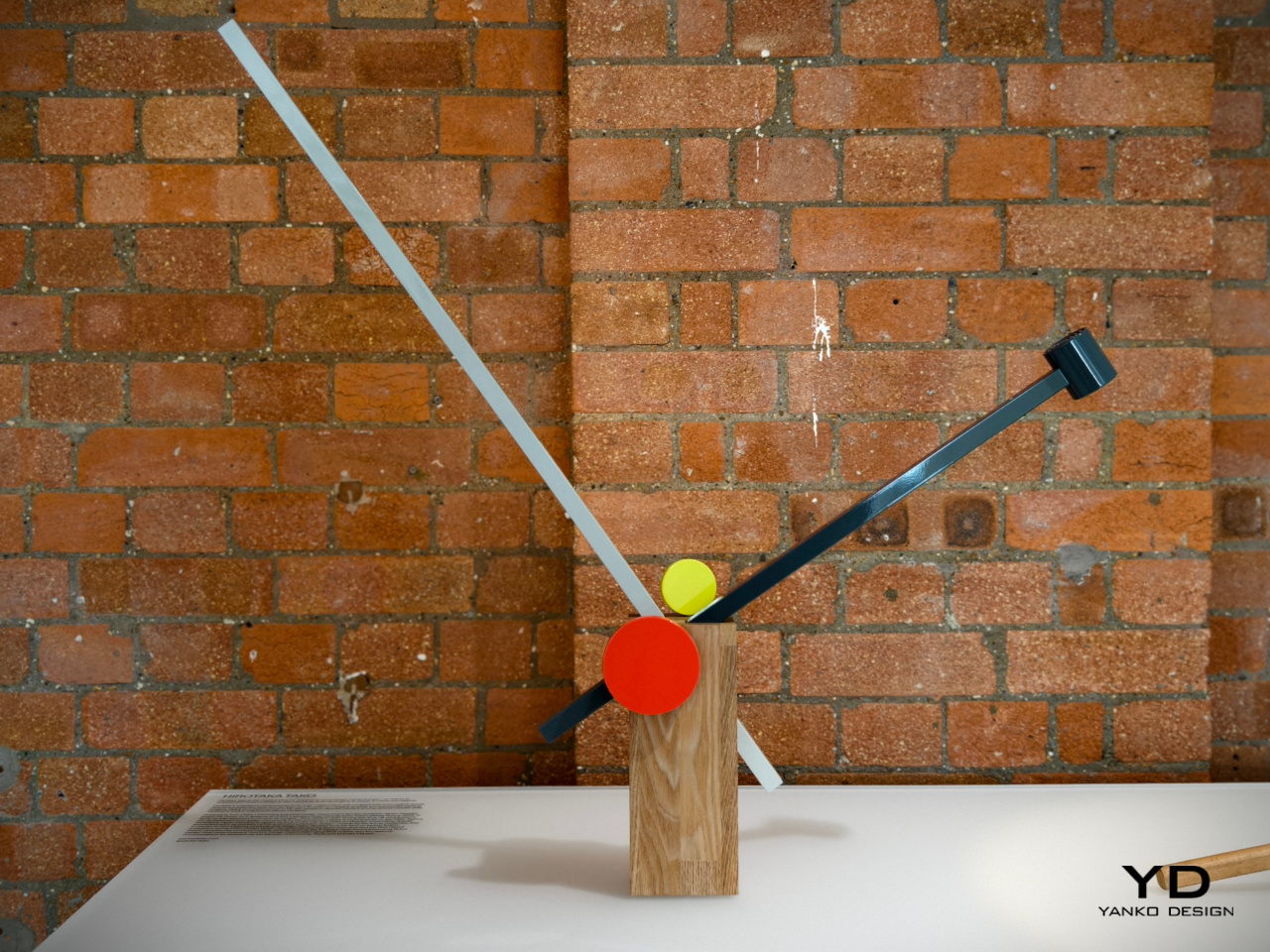
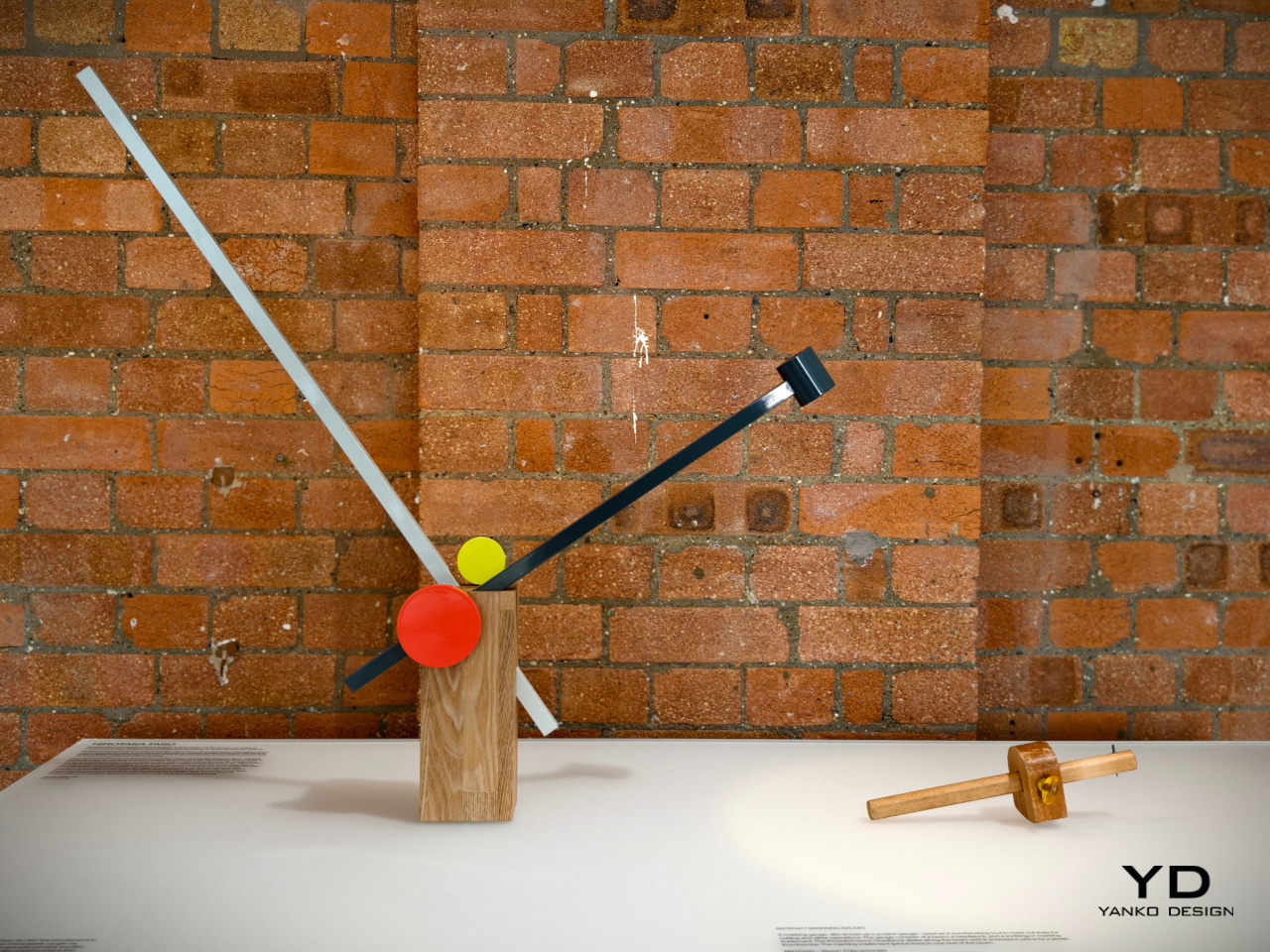
Hirotaka Tako: Marking Gauge Ikebana Lamp
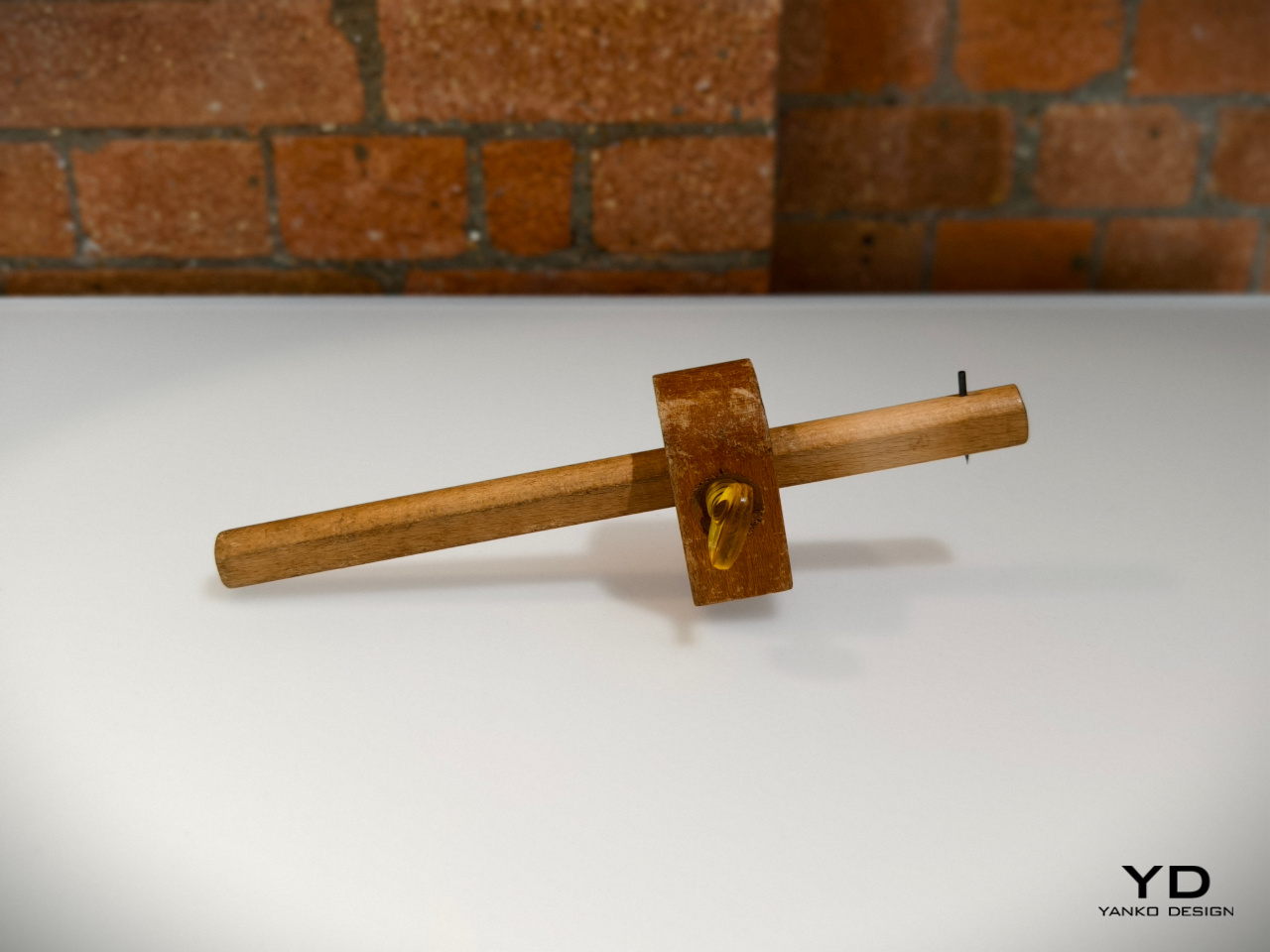
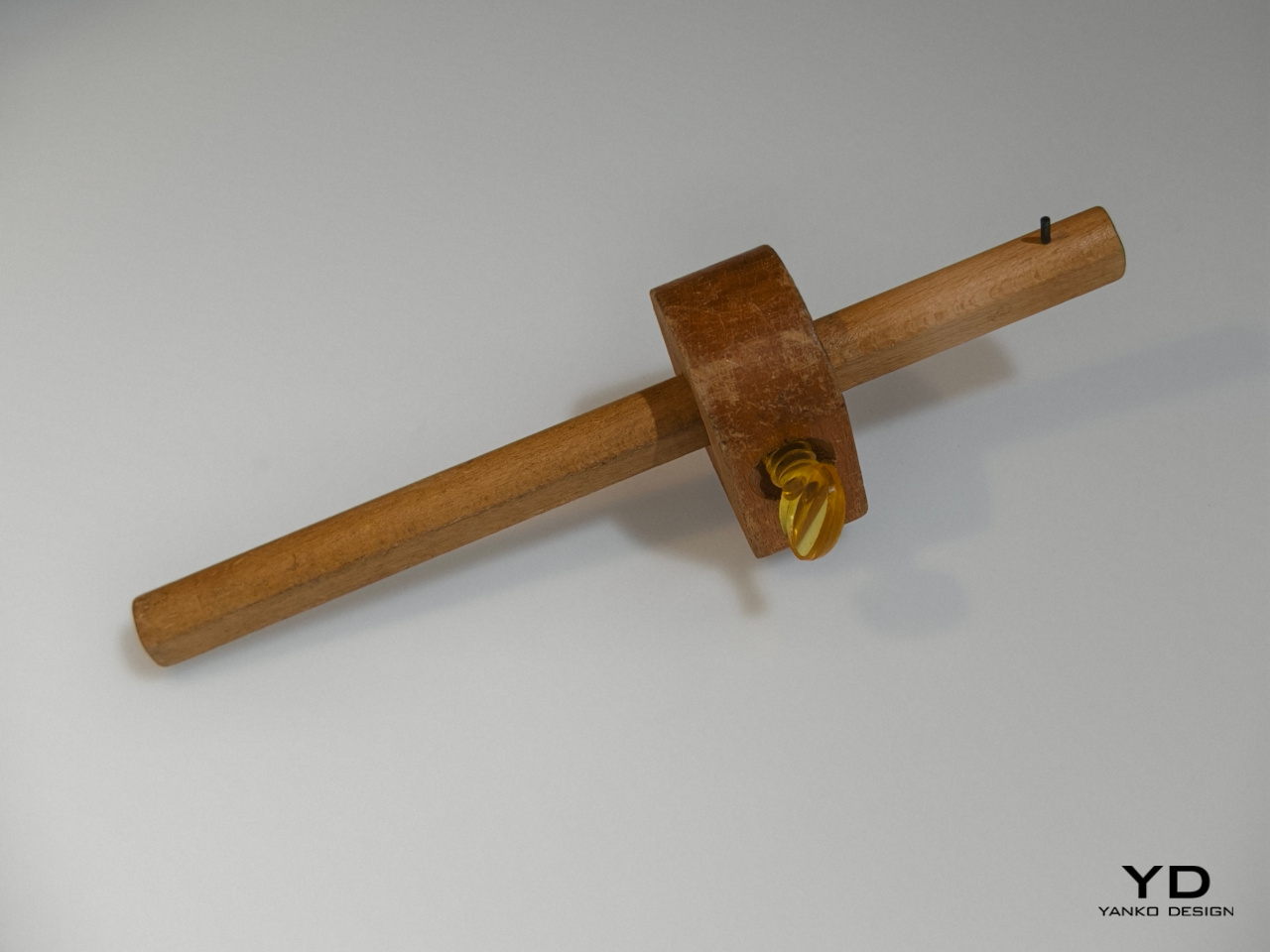
We enjoy a lot of convenient tools today that make it trivial to do things like measuring pieces of wood. In the old days before measuring tapes and meters, however, people had to make use of rather complicated tools that involved a wooden rod sliding inside a a block. This measuring gauge, though crude, created a rather interesting form that was not that different from a piece of art, which is exactly what inspired this rather geometric lamp design.
Taking inspiration from both this outdated tool as well as a Japanese art of floral arrangement, Hirotaka Tako designed a table lamp that similarly used the concept of inserting a long thin stick into something bigger. He likened the wooden rods to a flower stem inside a vase, exactly like an Ikebana arrangement. The result is a table lamp that is both functional and artistic, inspired by a tool that was anything but.
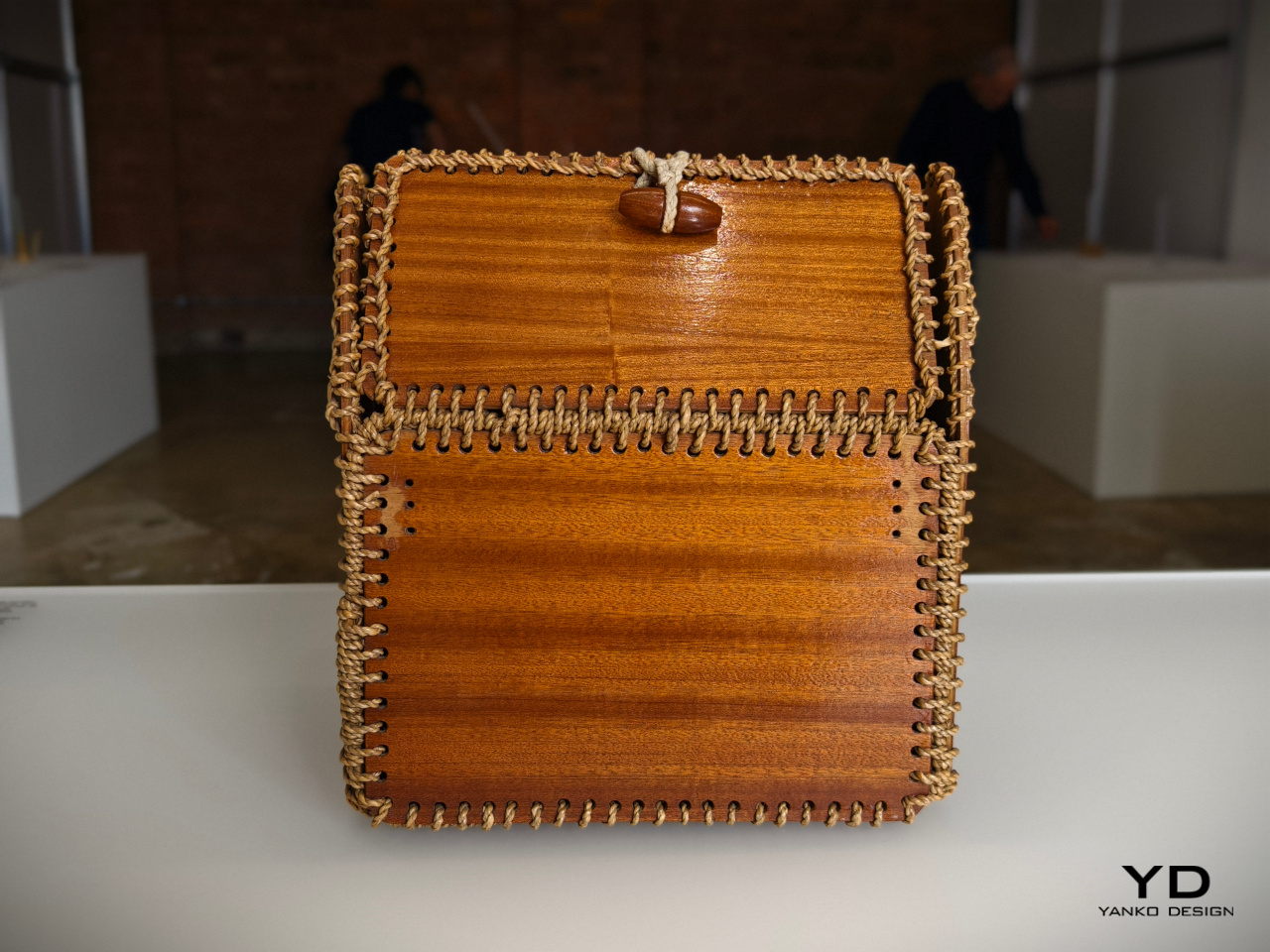
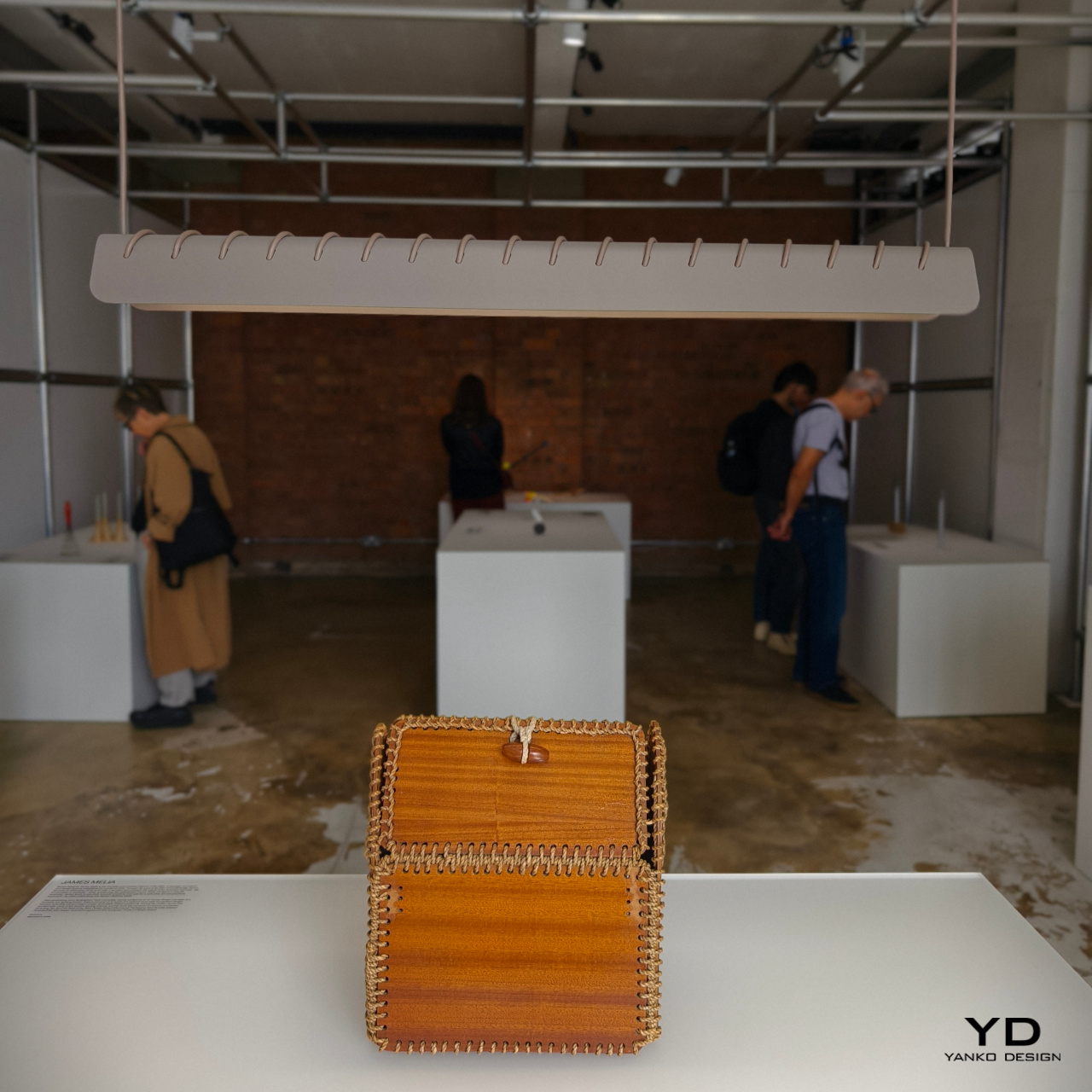
James Melia: Timber Basket Pendant Lamp
We take for granted the materials used to create modern products these days, not to mention the methods for making them. Today, we have machines that can print almost any shape imaginable, but past generations had to do things by hand, using stubborn and difficult materials. The rope patterns used to keep a timber basket together, for example, offered not only structural stability but also an interesting visual, one that can add a bit of a flair to an otherwise normal object.
James Melia takes a hanging lamp’s power cord and stitches it along the length of its shade, creating a row of diagonal stripes that turns a plain lamp into an art object. That same cord is used to actually hang the lamp from a ceiling, reducing the number of parts involved in designing the lamp and creating a simpler and more sustainable design.
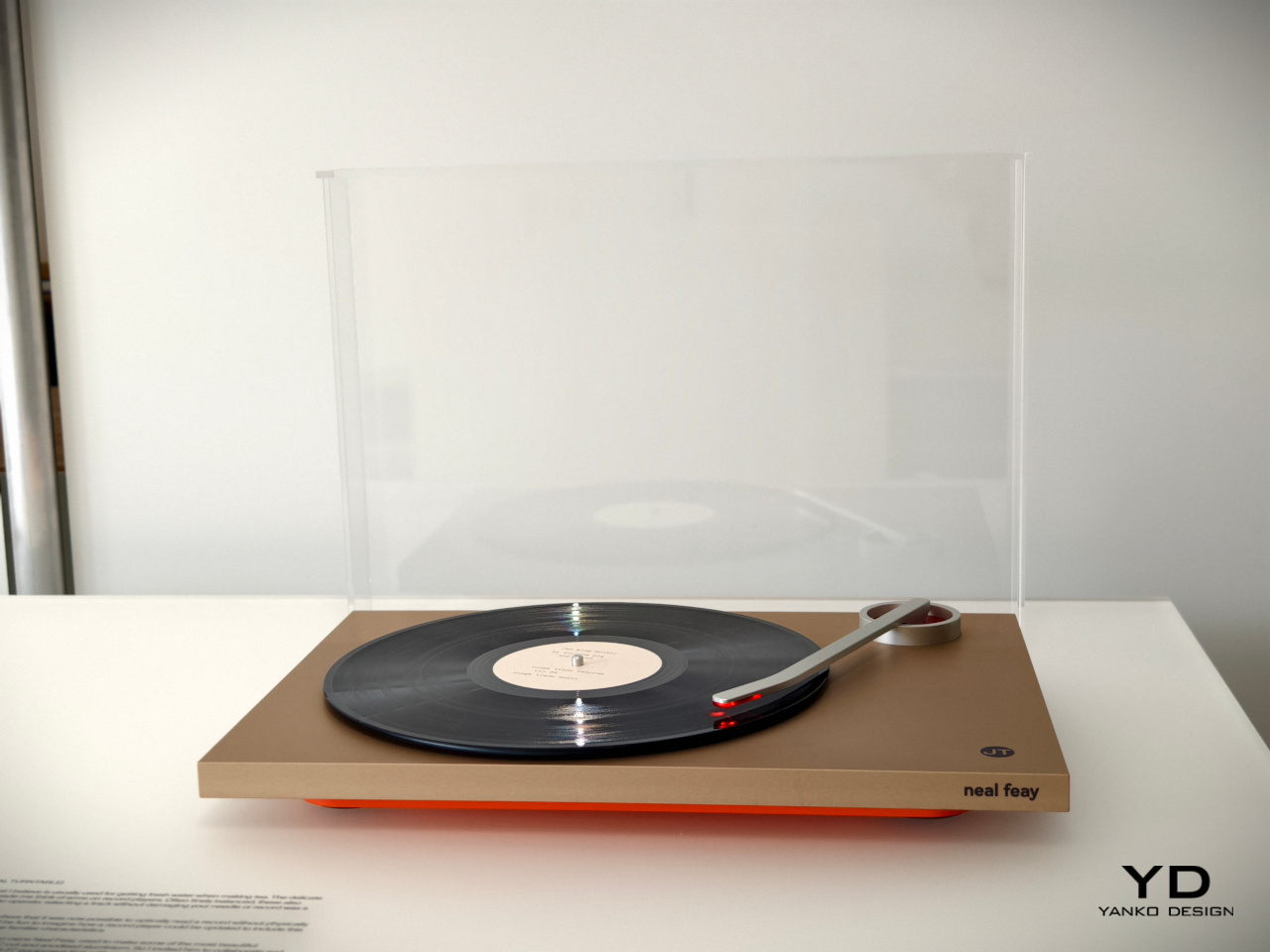
John Tree and Neal Feay: Tea Ladle Turntable
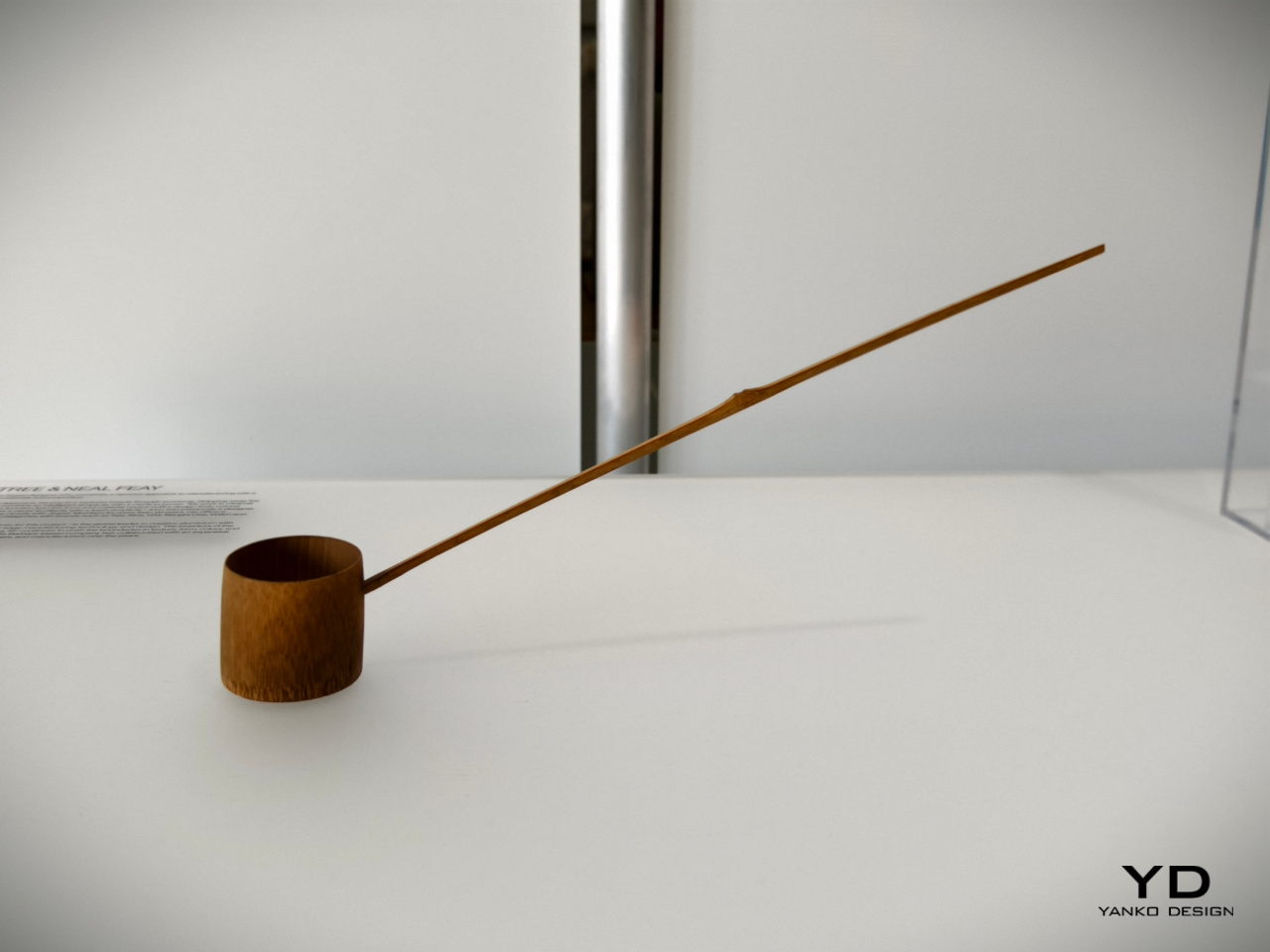
The Japanese are famed for their minimalist tools which are an art form in their own right. A simple scoop for tea powder, for example, takes the form of a bamboo ladle with a distinct charm. Though today’s tea lovers will probably use different tools, this traditional object still remains a staple in Japanese culture today as well as practices that recreate it. To some extent, it’s almost like the venerable turntable that has seen a renaissance and is getting some use even today.
This optical turntable takes that delicate-looking bamboo tea ladle and transforms it into a turntable arm that preserves that spirit of gentleness. Rather than using a sharp pin to read the grooves of the platter, it uses light to avoid any physical contact and help preserve the vinyl material. It’s a gentle and delicate spin on a classic retro design, no pun intended.
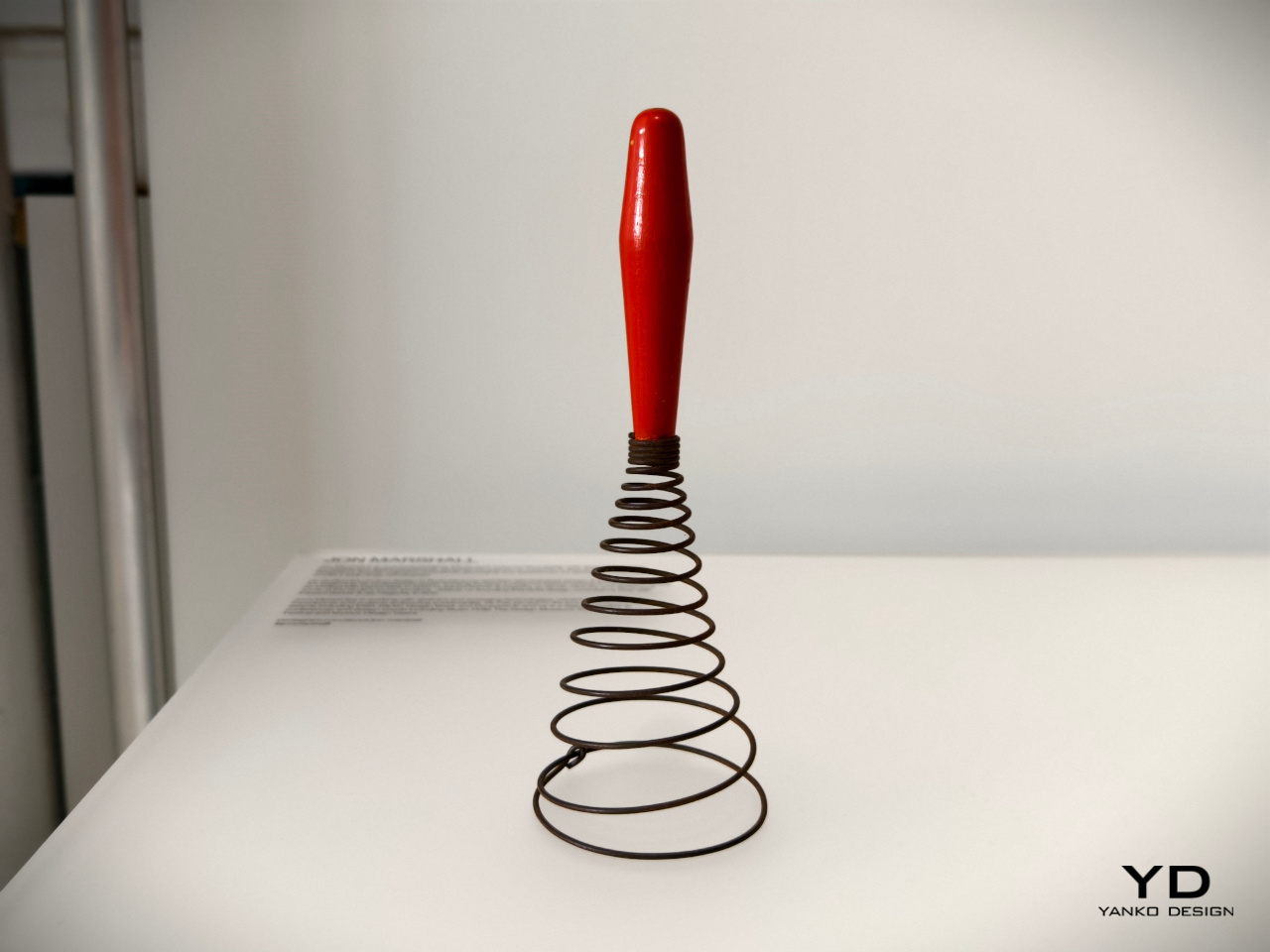
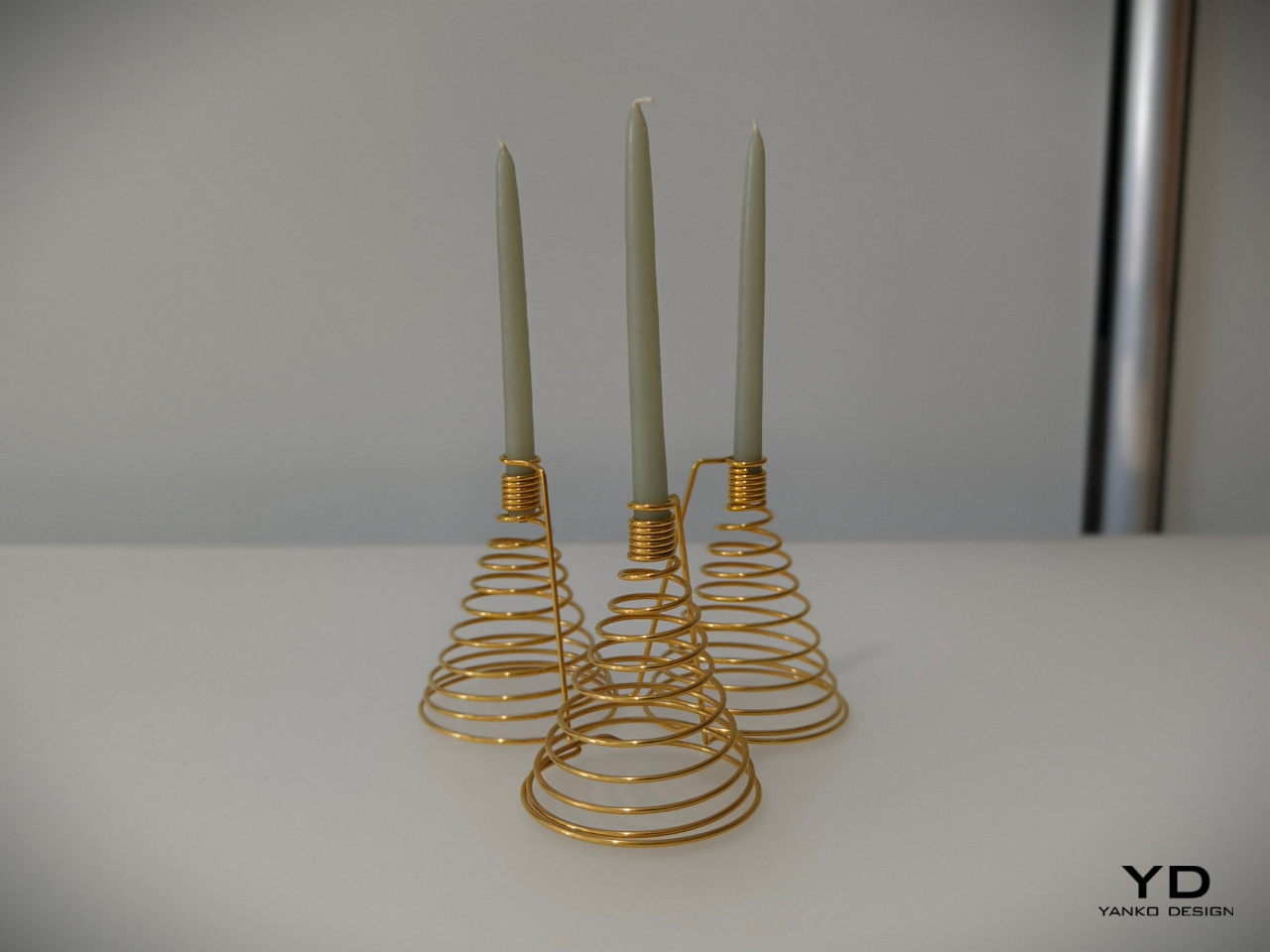
Jon Marshall: Whisk Candelabra
Today’s whisks are light, compact, and handy tools that use a few loops of bendable wire or plastic, a design that’s so far removed from the coiling iron wires of much older versions of the kitchen tool. Looking more like springs or even weapons, this antique whisk form isn’t very efficient at what it’s meant to do, but it admittedly looks novel and interesting to our modern eyes.
It might not make scrambled eggs, but this candelabra will definitely bring a bit of delight to your dinner table. The spiraling form of the base and the tight coils of the candle holder make for an interesting visual, but it’s when the candles are lit and the shadows dance that this rather luxurious-looking light fixture truly comes alive.
Julie Richoz: Balance Bird Balancing Lighter
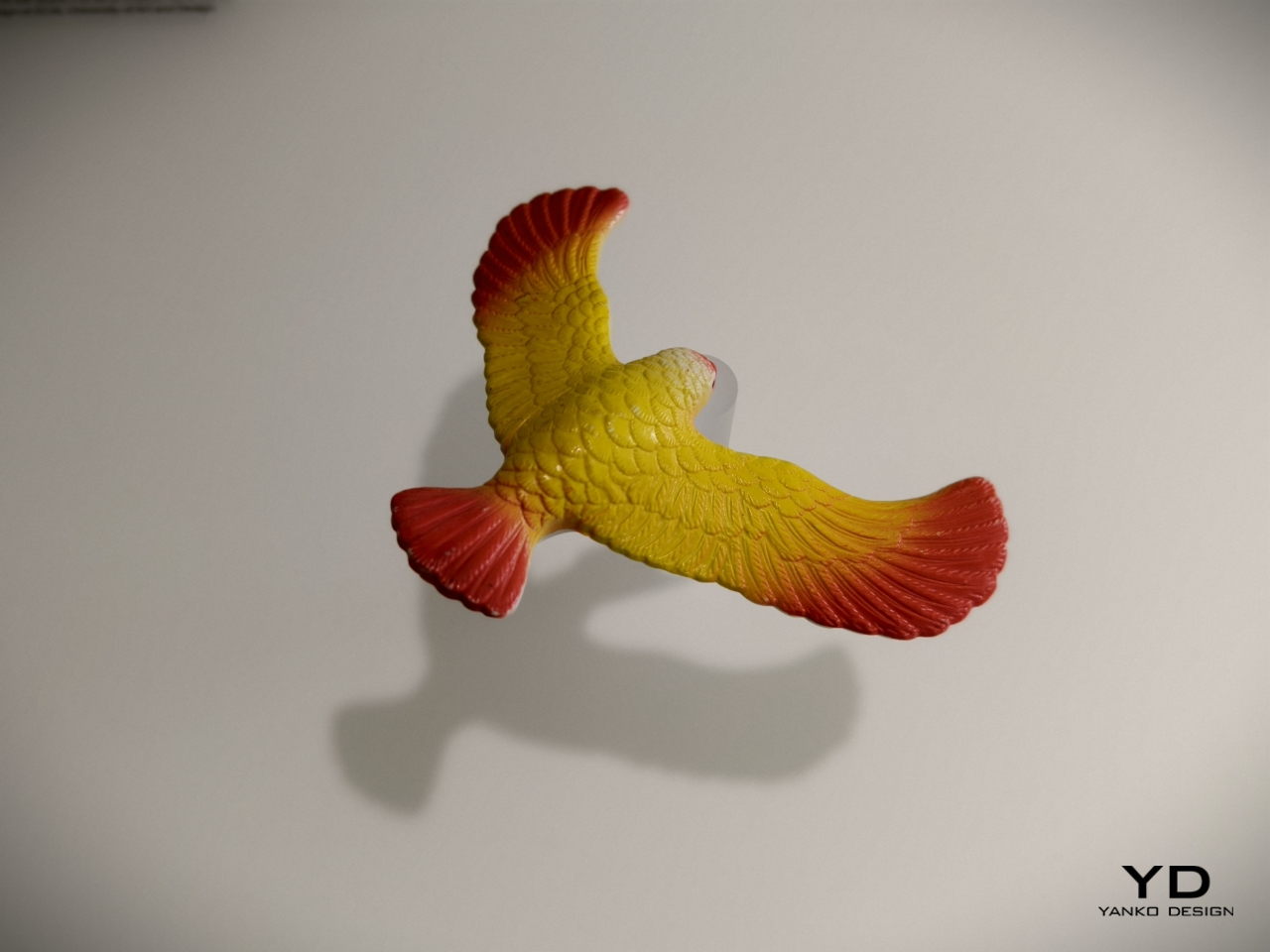
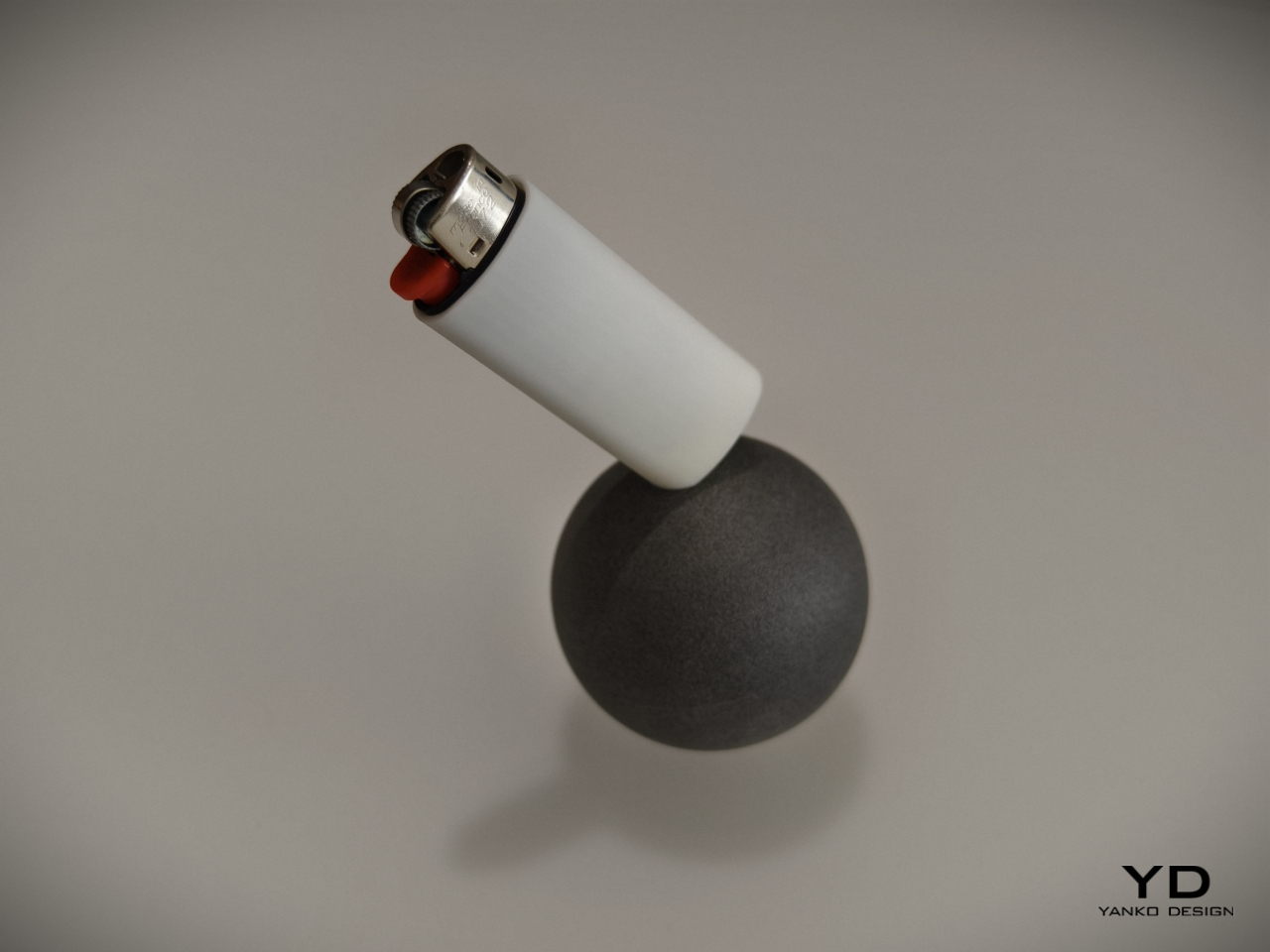
Kids tend to find science and math lessons boring until they encounter puzzles and feats that really blow their minds. Something as simple as a perfectly balanced eagle held up only by its beak is sure to pique curiosity, even those of adults. This ingeniously disguised pendulum is not an uncommon toy or desk ornament, but the same principles can be used to the same effect for other objects, including more utilitarian ones.
A lighter standing only one of its corners is definitely going to make you the talk of the party, and it provides not only an entertaining piece of decoration but also practical use. It will be easy to see if the lighter is missing from its base, and people who use it will be more likely to put it back on its perch just to marvel at its balancing act. It’s a very simple twist to a simple object but one that has a nontrivial effect on those who see it, all thanks to some inspiration from old objects we have taken for granted.
Maddalena Casadei: Mallet Flashlight
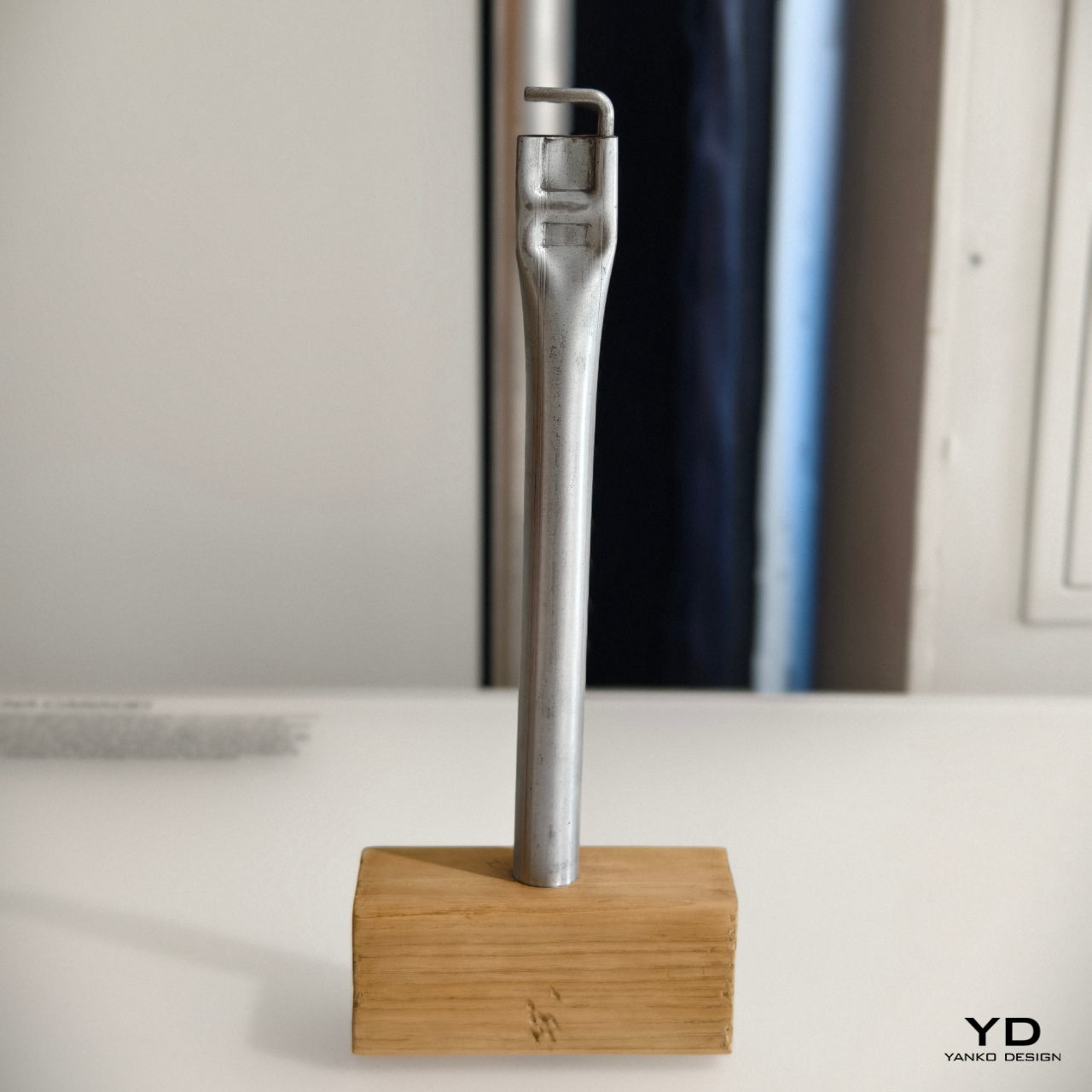
Most of us who have done any sort of handiwork may have used a hammer at one point in time or another. There are different kinds of hammers, of course, and one such type is the mallet. Often made with a heavy head to pound things flat, some old-school mallets would reverse the typical hammer design and use a steel rod handle with a wooden block for the head.
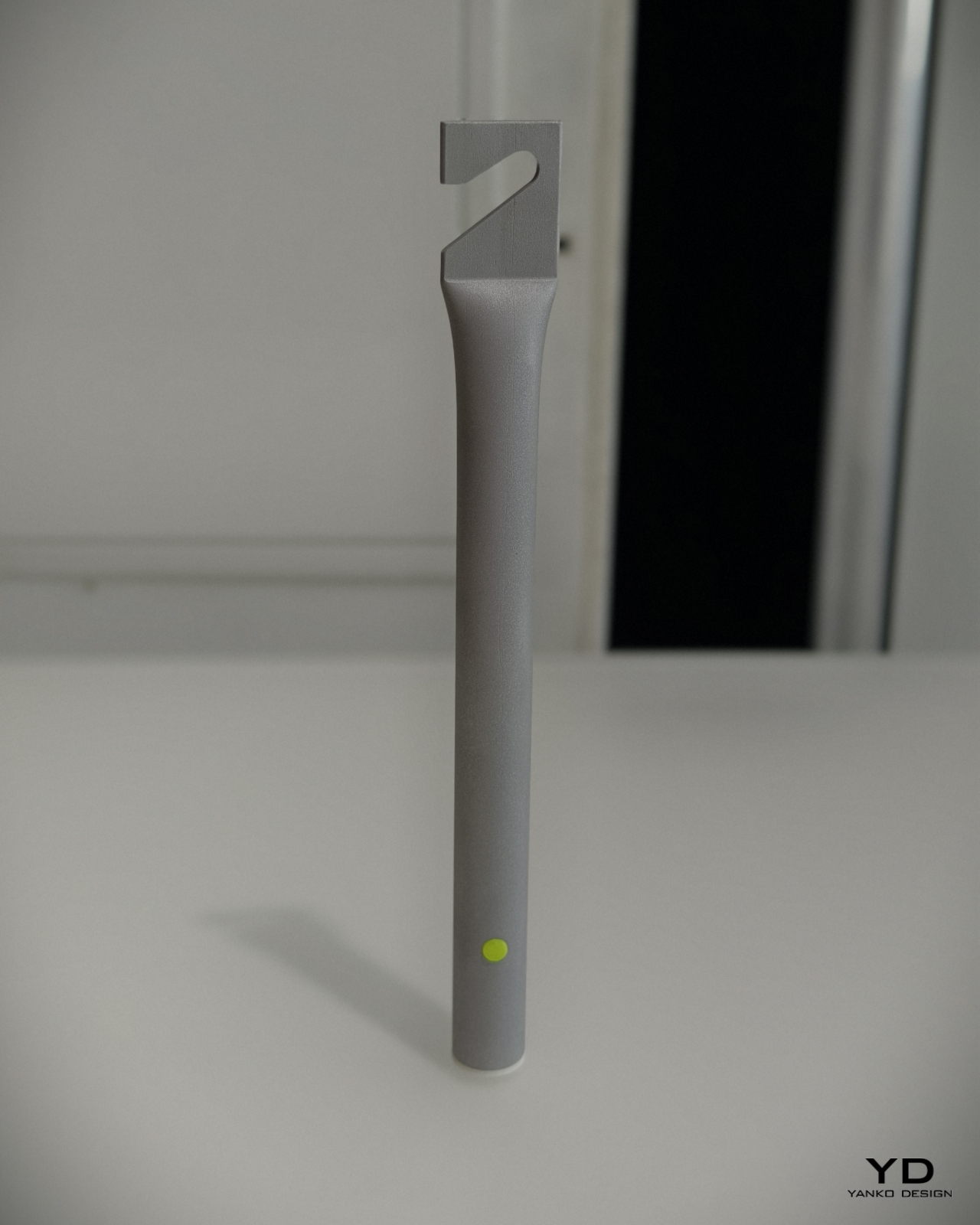
Maddalena Casadei took that raw-looking industrial metal handle to turn it into a cylindrical flashlight with similarly brutalist aesthetics. Instead of the wooden head, it has a small removable cone that serves as a diffuser for the light. On the opposite end is a flattened section with a hook that serves the same purpose as the hammer from decades ago: hanging the tool from walls or rods. It’s a rather interesting depiction of a flashlight that sheds off all the sleek and luxurious designs of its modern equivalents, embracing the utilitarian character of its inspiration.
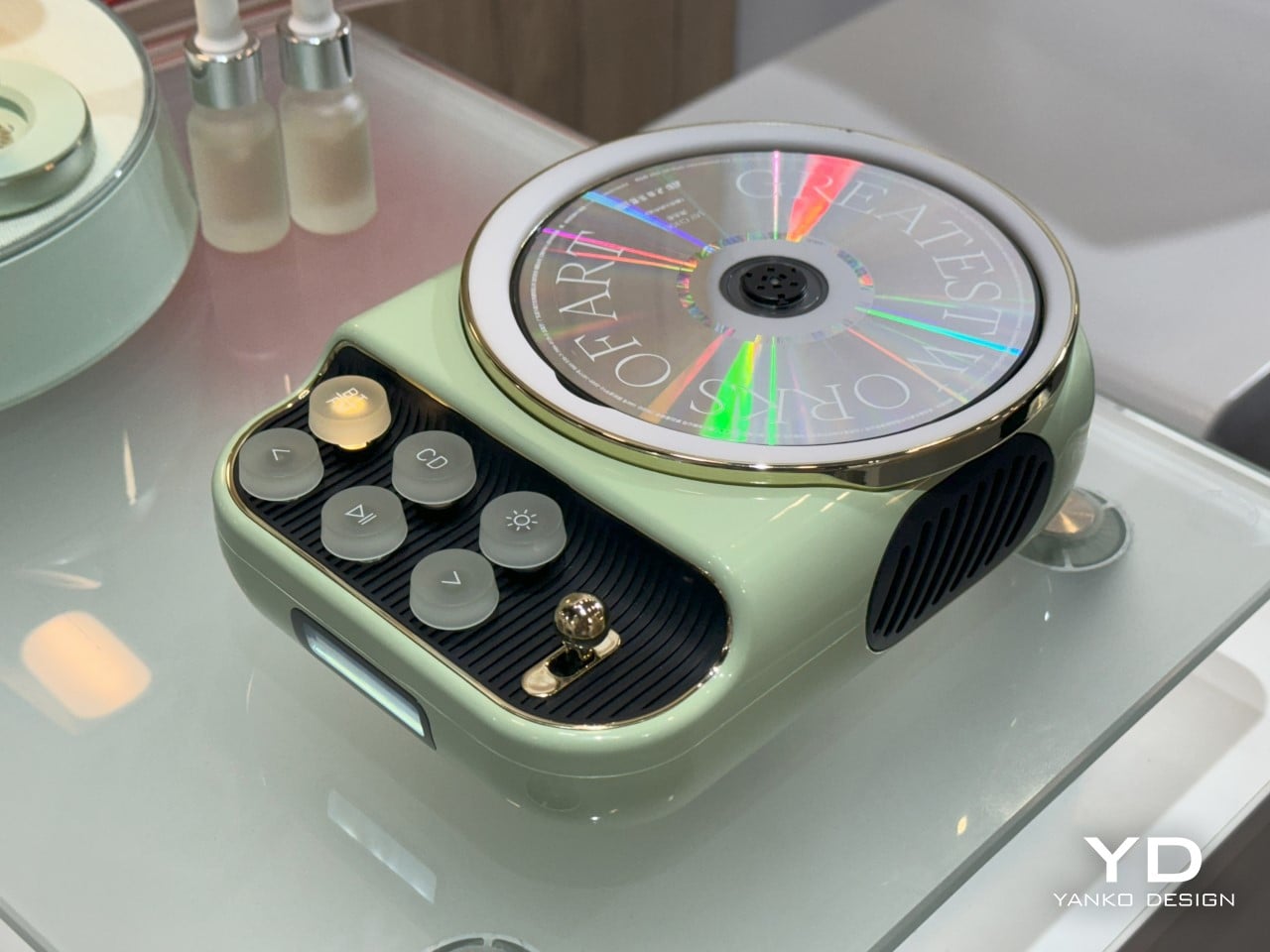
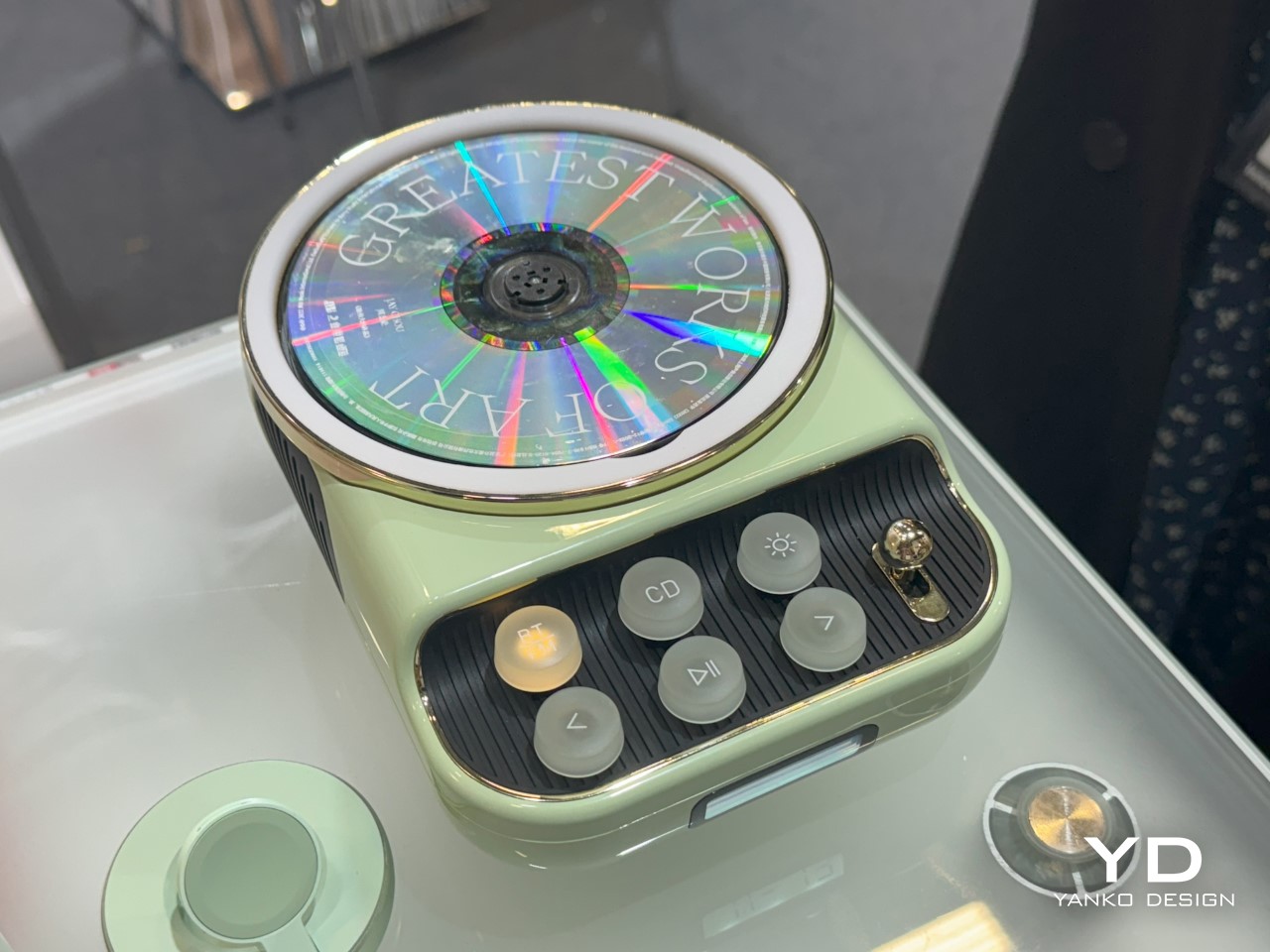
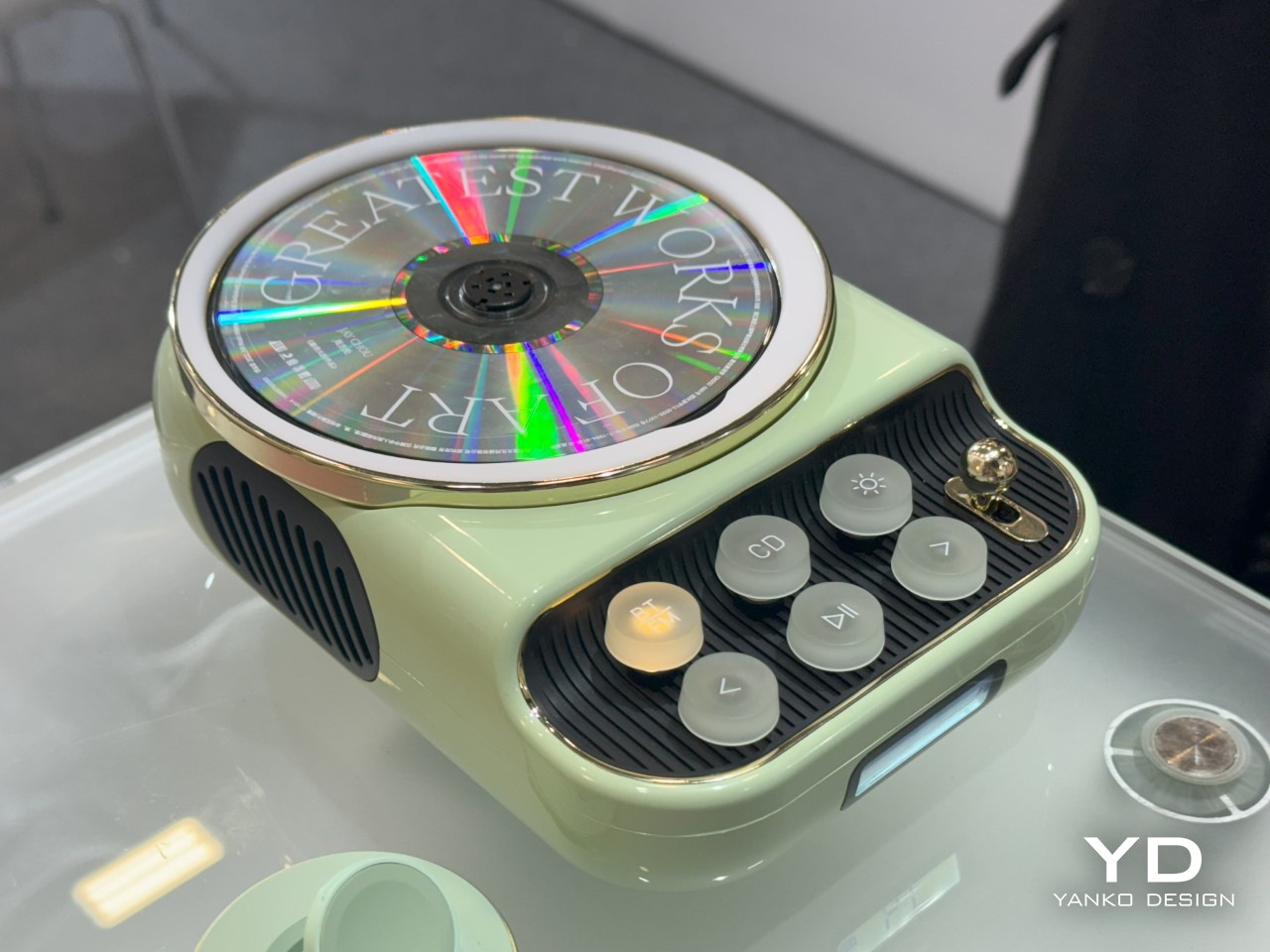
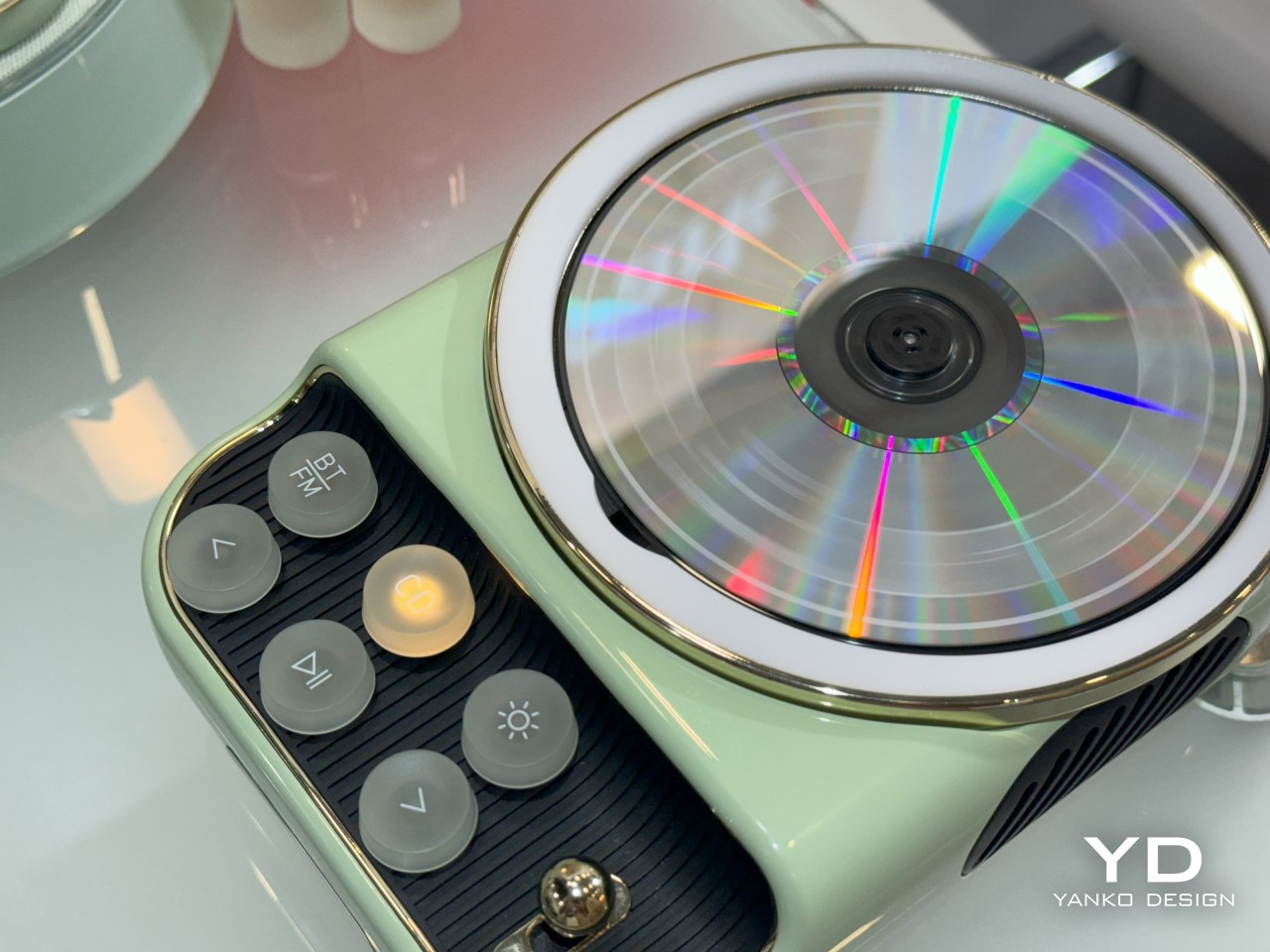
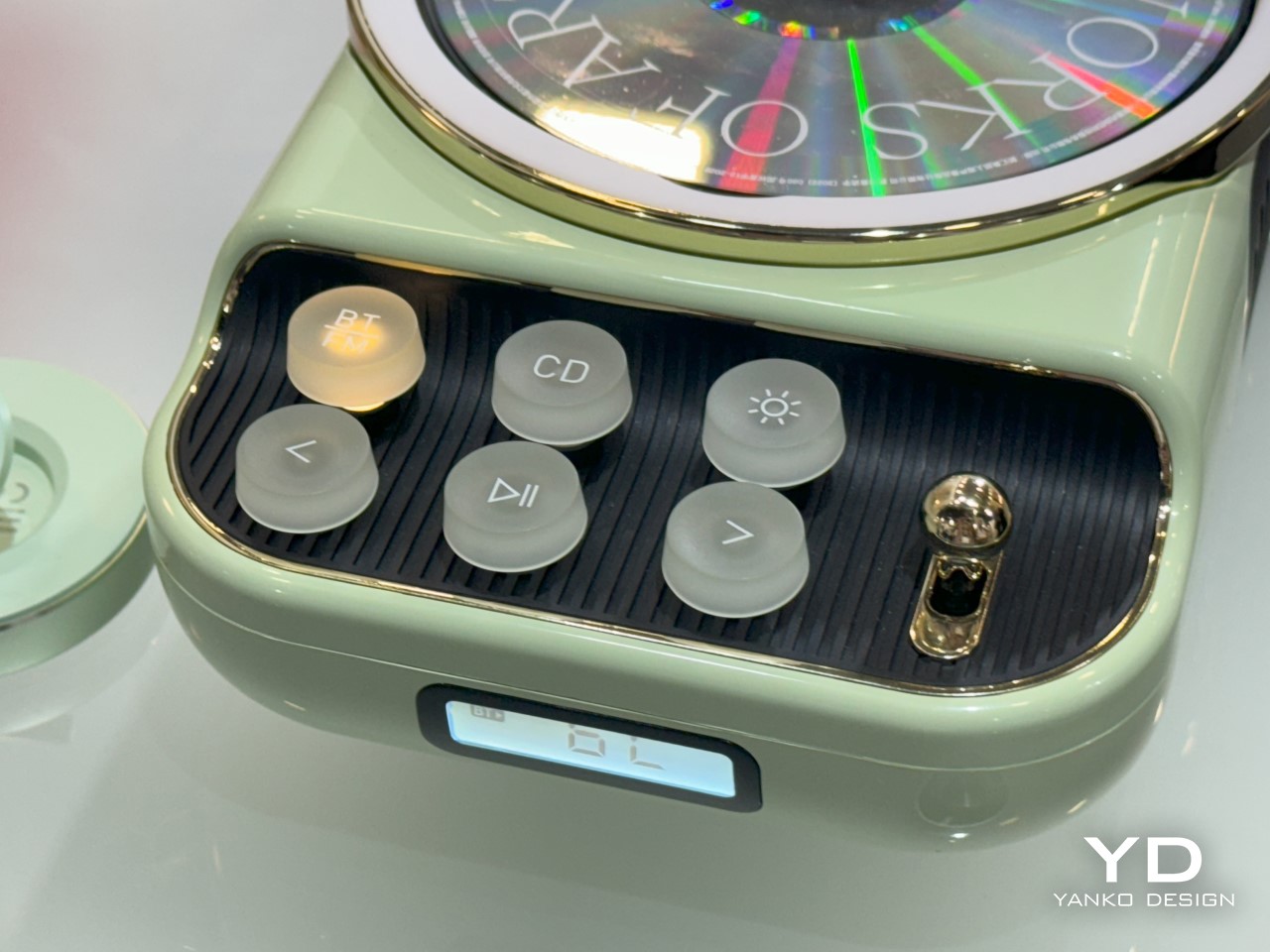
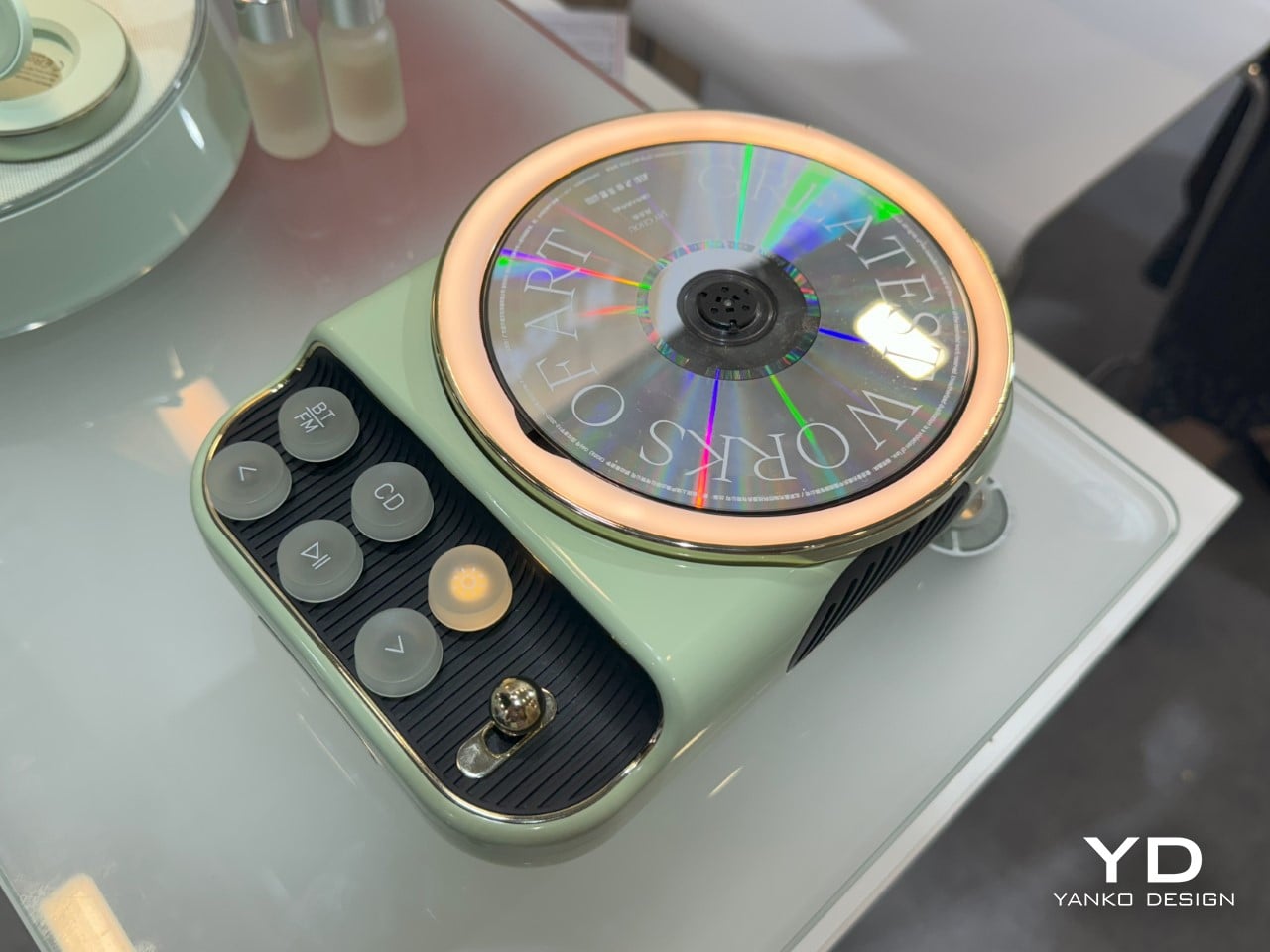
They say history always repeats itself. Vinyls are making a comeback right now, which means in a few years cassettes and CDs will make a resurgence all over again, and when compact discs do enter the mainstream, you’re going to be glad you had this cute CD player from Semetor. Spotted on the floor at IFA 2024, the K8 is a playfully retro CD player that embraces the design aesthetic of European appliances in the 50s. Designed with an open top that allows the CD to sit on its platter like a vinyl on a gramophone, the K8 comes with a few translucent typewriter-inspired buttons that let you control music playback. But wait, it’s 2024, and just being a CD player obviously won’t cut it… which is why the K8 also has an FM radio, a Bluetooth-enabled wireless speaker, and even an ambient lamp built into its adorable design.
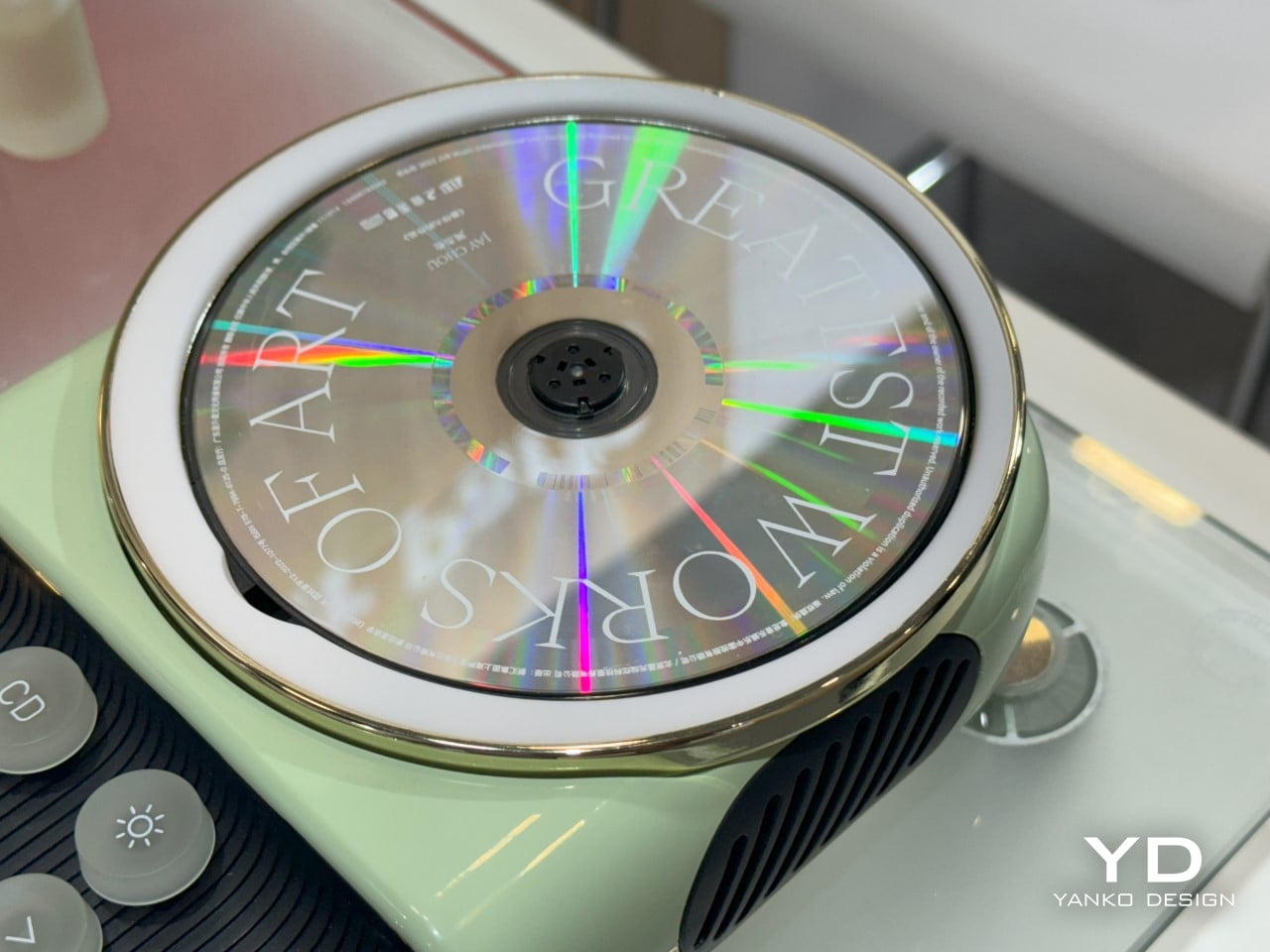
The K8 isn’t a cutting-edge CD player… but it’s cute. It has the adorable demeanor of one of lofree‘s older products, with its retro aesthetic that’s brought about by its rounded form and use of pastel shades. What instantly grabs your eye first is the open-top CD player. While most players usually conceal the CD within a casing, this one does not. You see the CD spin as you play music, and the disc’s radial spectral finish looks absolutely gorgeous.
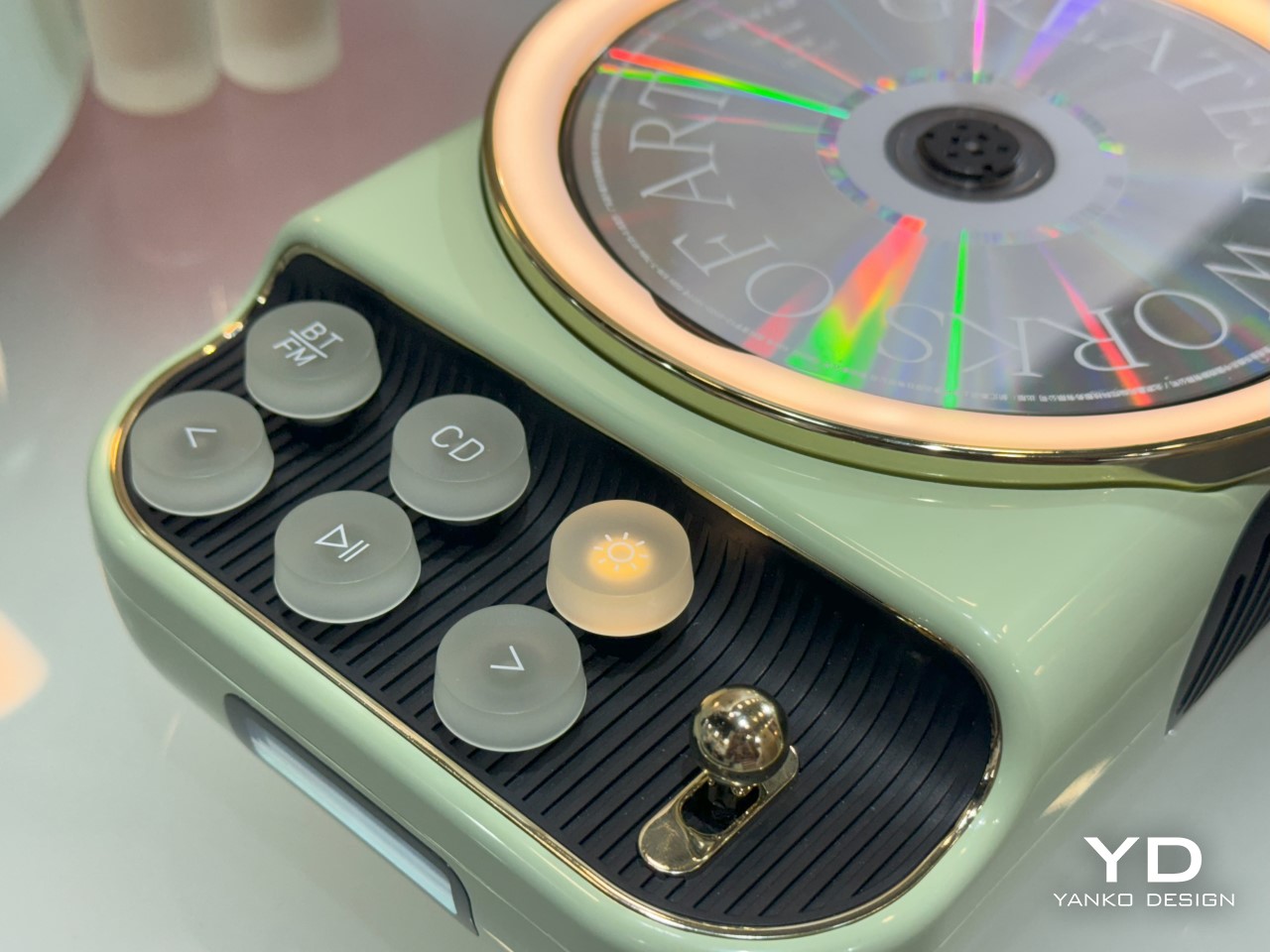
Playback is easy. For running a CD, just hit the CD button on the panel, and use the controls below to play/pause, or skip tracks. A BT/FM button lets you toggle the Bluetooth player or FM radio. Backlights in the button glow to let you know which mode you’re in, and a seven-segment LCD screen on the bottom allows you to see things like track number (for CDs) or radio station (for FM). A gold-plated ‘gear’ on the right side lets you switch on or off the K8.
If all that wasn’t enough, the K8 also packs a warm glow-light for ambient lighting. Hit the button on the top right and a halo around the CD player lights up. It isn’t enough to light a room, but it does bestow a warm wash of golden light in the immediate vicinity, perfect for late-night listening. Pair it with a nice soft jazz CD and you’re absolutely set!
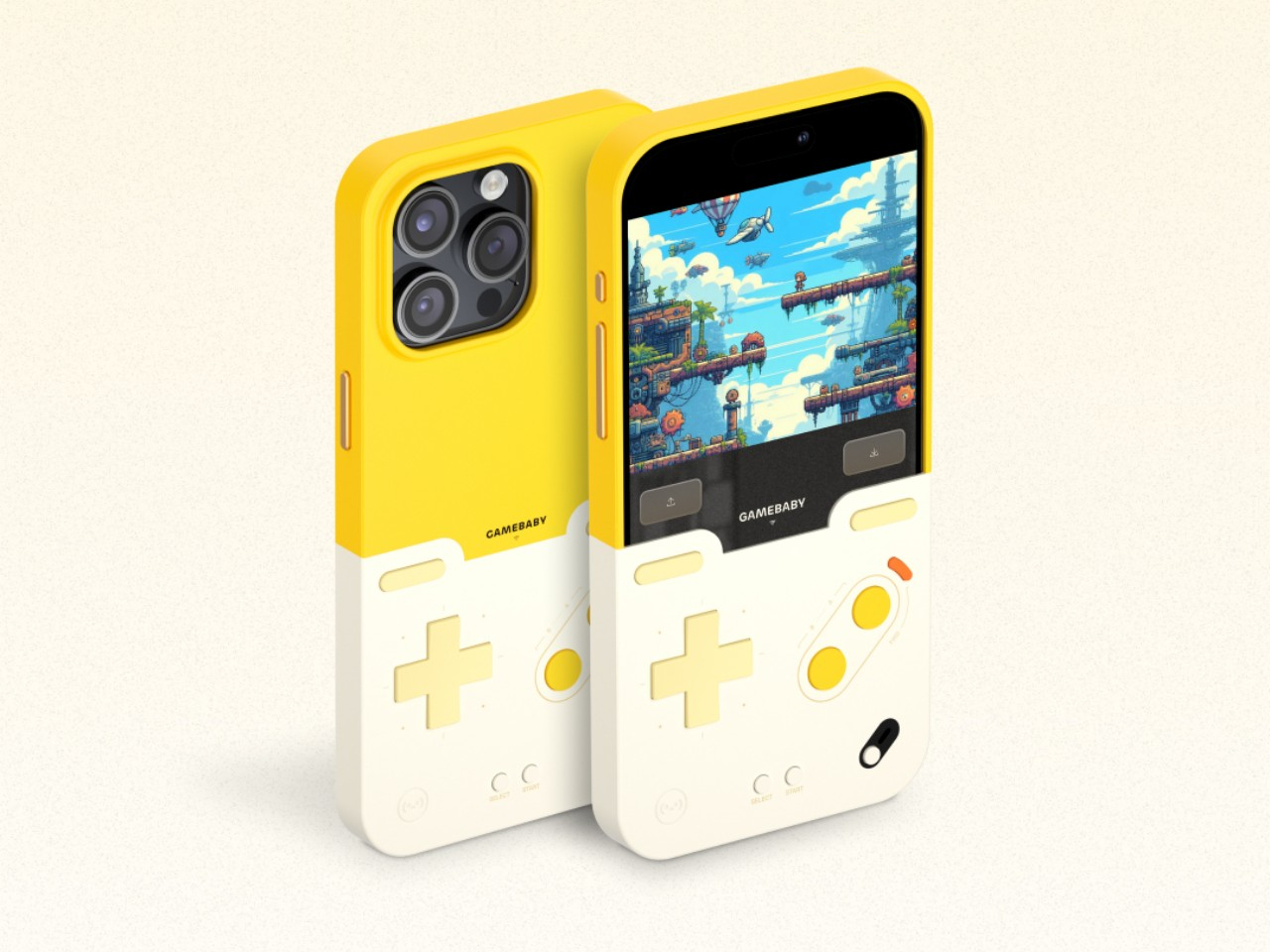
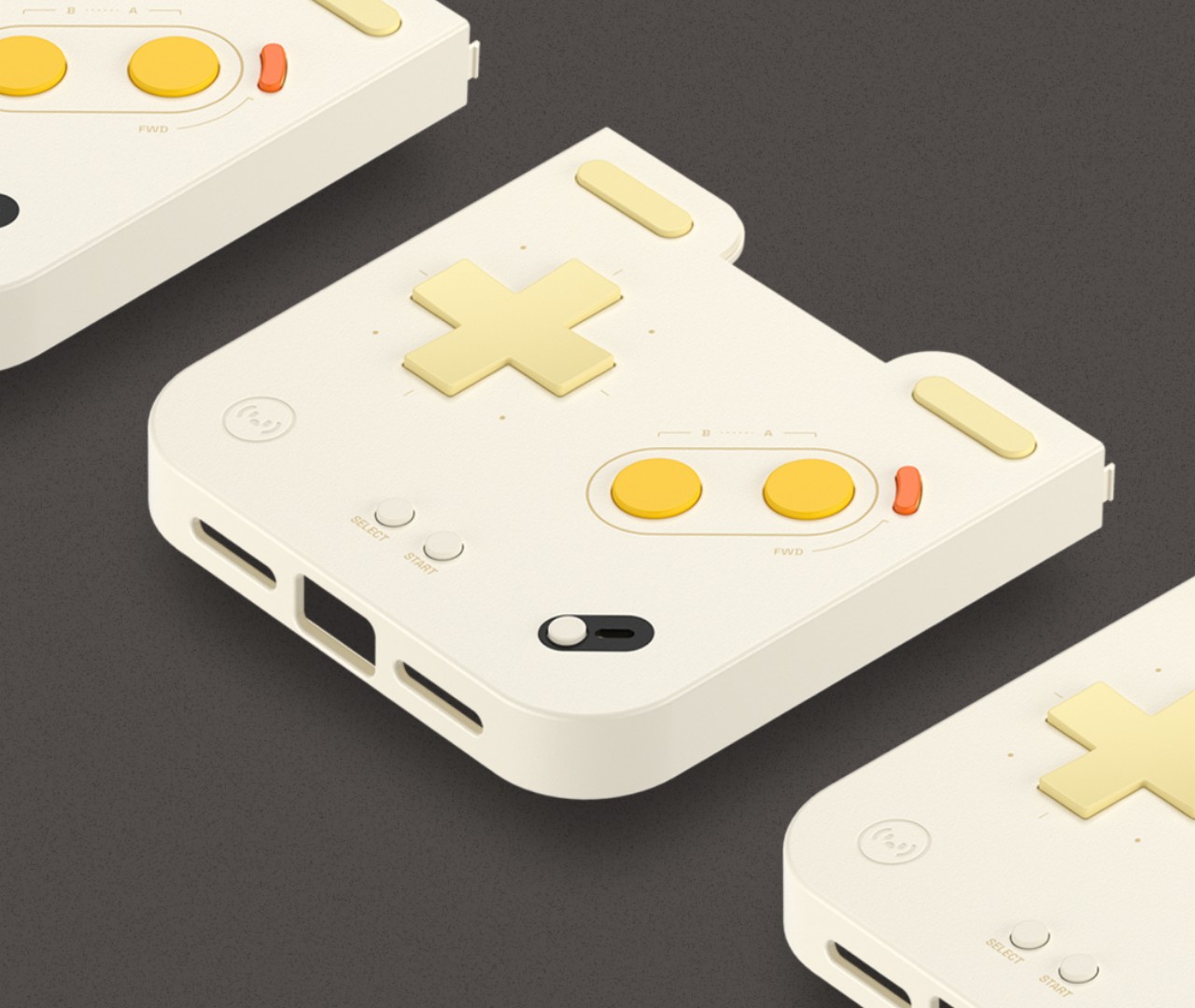
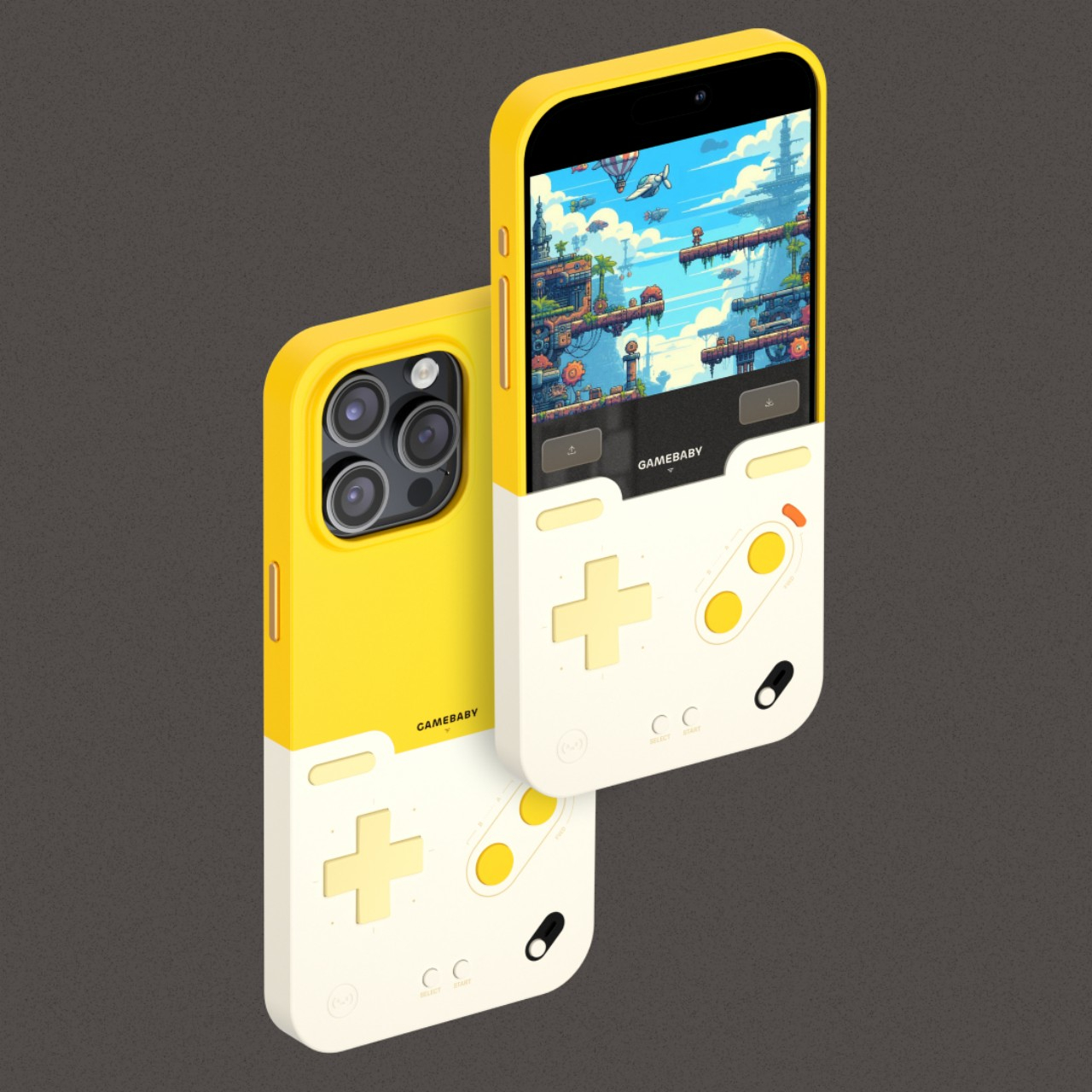
Video gaming is still a thriving and lucrative industry, and you don’t even need to own an expensive and heavy handheld PC to enjoy it. With Apple now allowing emulators into the App Store, there is a vast new source of titles to play, some of which aren’t exactly conducive to tapping on a flat screen. Game controllers for iPhones aren’t always the best solution, especially if it means carrying an extra accessory in your pocket. But what if you never had to remove that controller in the first place? That’s the idea behind this genius iPhone accessory that’s a GameBoy-like controller when you need it and a quirky protective case when you don’t.
There are iPhone-compatible game controllers that attach to the smartphone but only makes sense if you hold it sideways like a Nintendo Switch. You can’t leave these permanently on the phone, of course, which means you’ll have to make sure you always bring it with you when the craving to play strikes. That could be a fleeting moment, however, that quickly evaporates while you try to strap the controller, turn it on, and pair it with the phone. Plus, the landscape orientation really only works for modern mobile games, not the ones from decades past.
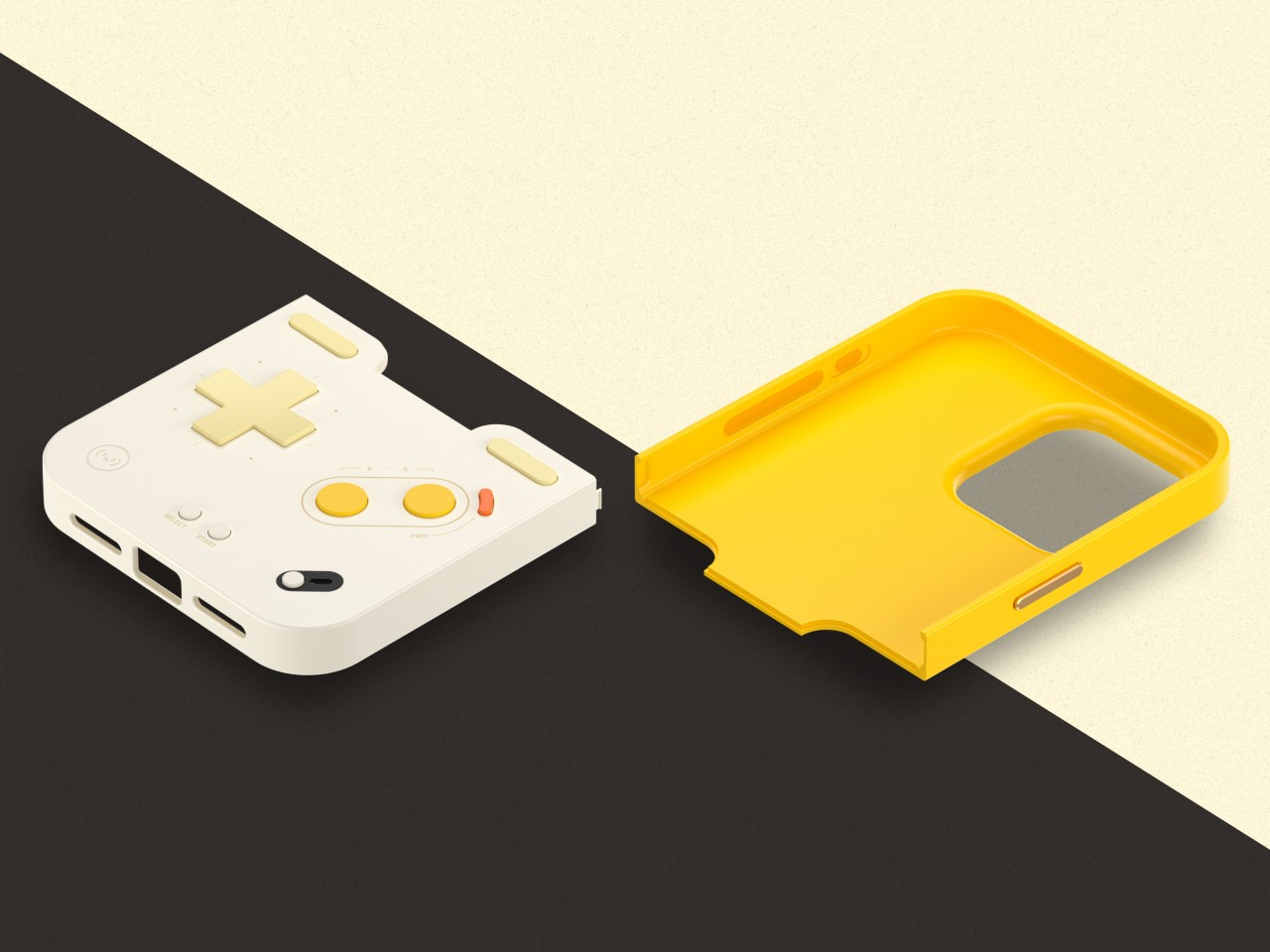
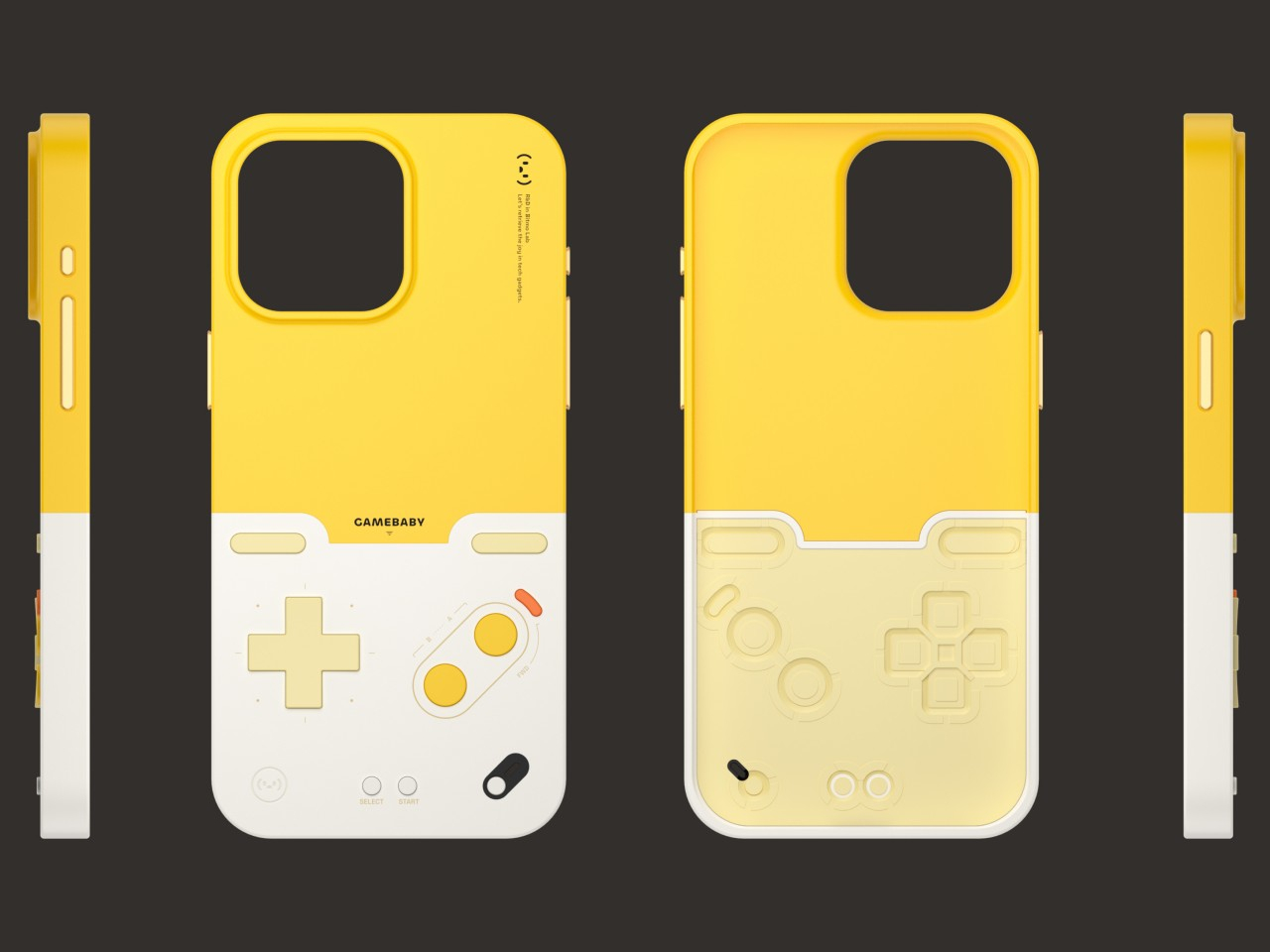
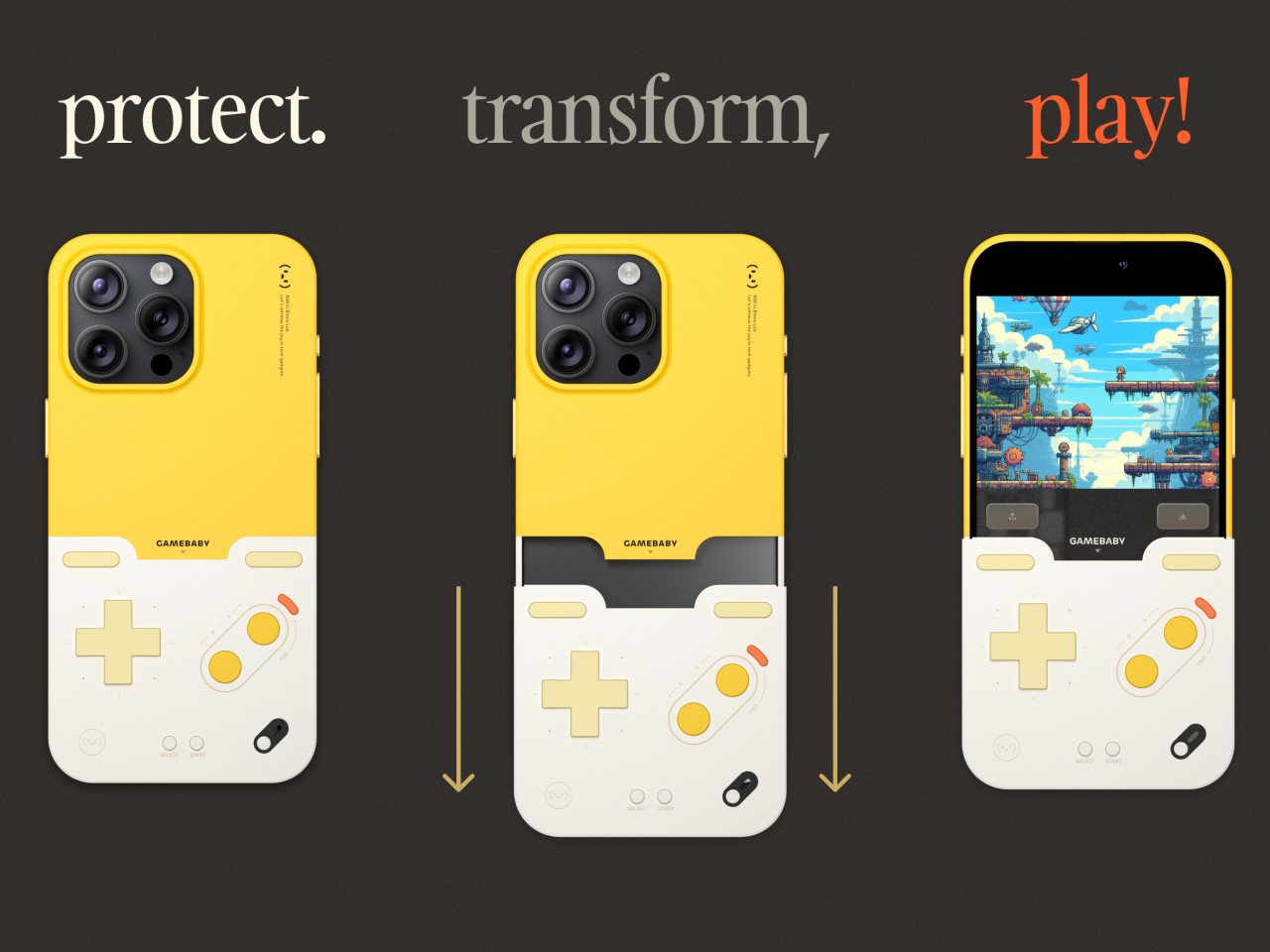
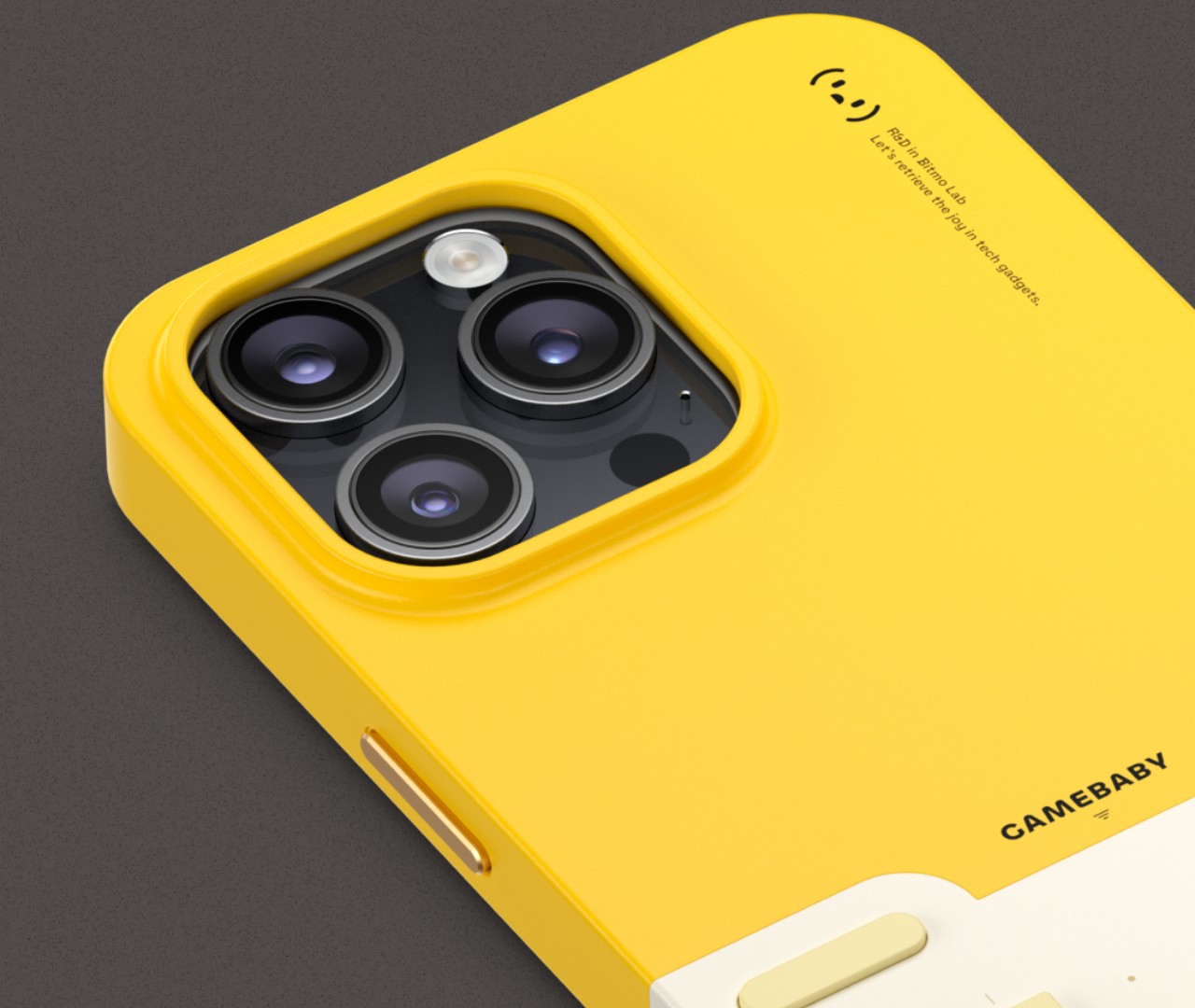
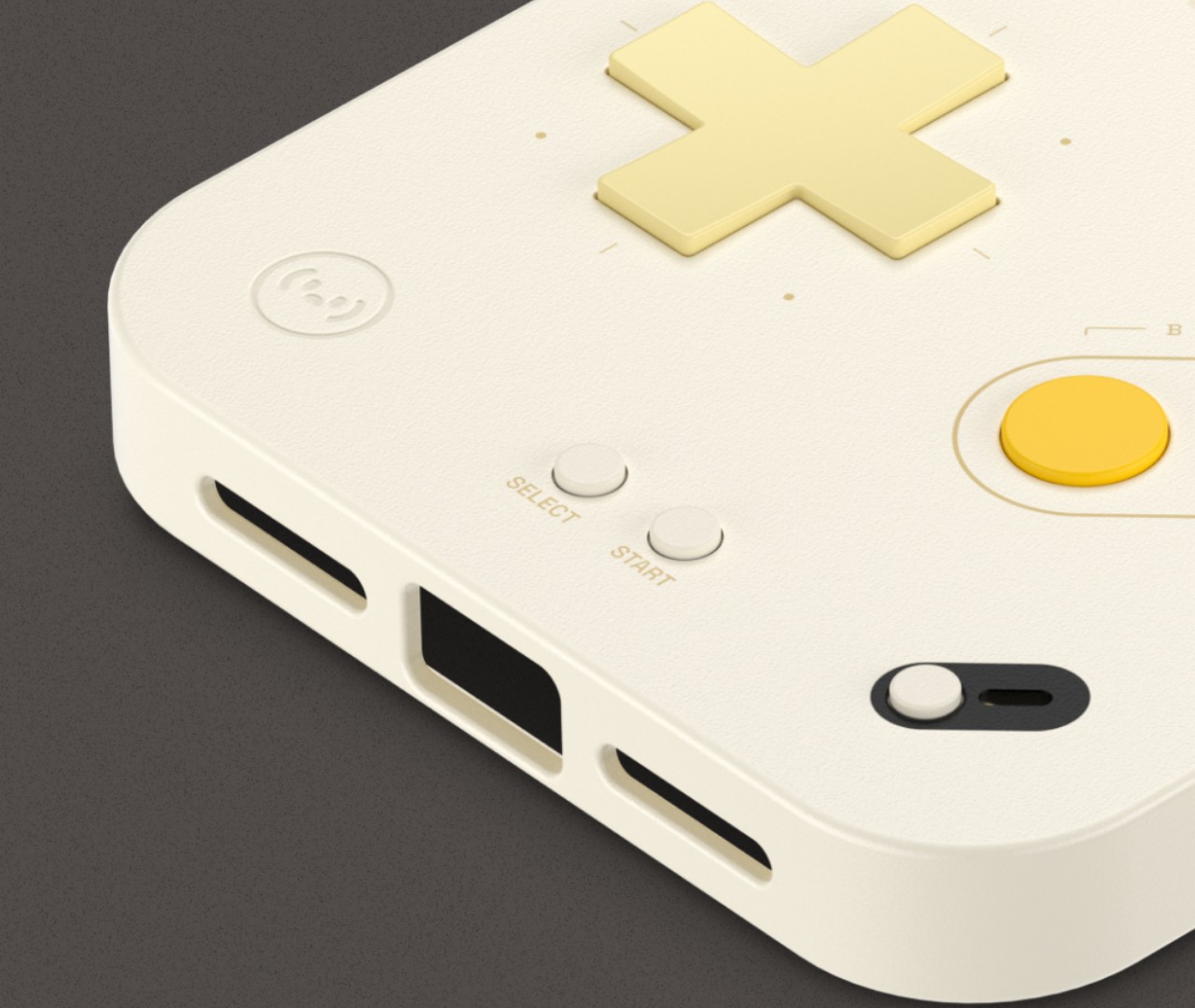
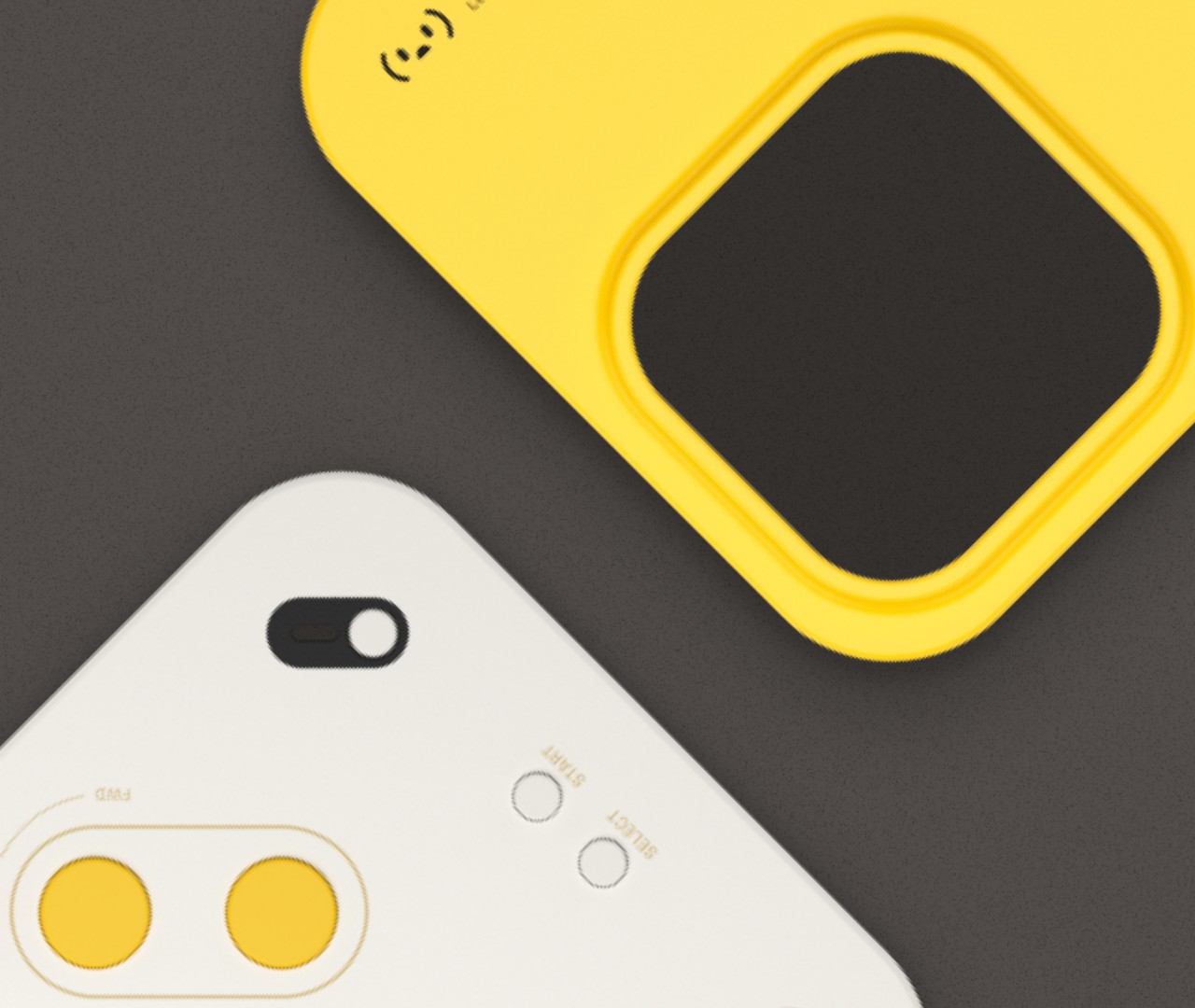
GameBaby is an innovative design that solves that problem while also paying homage to some of video gaming history’s greatest hits. It’s technically a two-part case for the phone that slides onto the top and bottom of the phone. The critical difference is that you can flip the bottom half around, revealing actual working buttons in the familiar layout of many old-school handheld consoles, particularly the GameBoy which served as this accessory’s inspiration.
Since the buttons go over the lower half of the iPhone screen, it offers direct input without the lag of Bluetooth or even USB connections. It also means there are no batteries to be worried about either. It’s really simply just a layer of buttons that give you a more tactile feeling than mashing your finger against the glass. And when you’re done playing, simply slide the case off, flip it again, and go on with your regular life.
The catch to this simple yet useful design is that it really only works with emulators that play retro games made for old consoles like NES, GameBoy, and similar. It works best with the Delta emulator now available on iOS, and Bitmo Lab has custom emulator skins designed specifically to match the layout of the physical buttons. The even bigger catch, however, is that GameBaby is only available for the iPhone 15 Pro Max and the upcoming iPhone 16 Pro Max, and only in a banana yellow and white color theme.
If you’re a hardcore audiophile or have a few hardcore music lovers in your life, then you know a true blue audiophile just needs a bunch of amazing audio devices to set his/her mood. All an audiophile needs is a collection of impressive audio designs to blast out their favorite tunes. Whatever your musical need may be, it is integral to own clear, distortion-free, nifty, and interactive audio devices. And if you manage to get retro-themed music players, then it’s a whole new experience for you! Retro-style music players take you to an era gone by while maintaining some modern functionality. And, we’ve curated a collection of our favorite retro music players for you. These gadgets are wonderfully retro-esque, they have been imbibed with modern functionality. Their aesthetics may be from their past, but their utility is embedded in the future.
1. Black Wheel
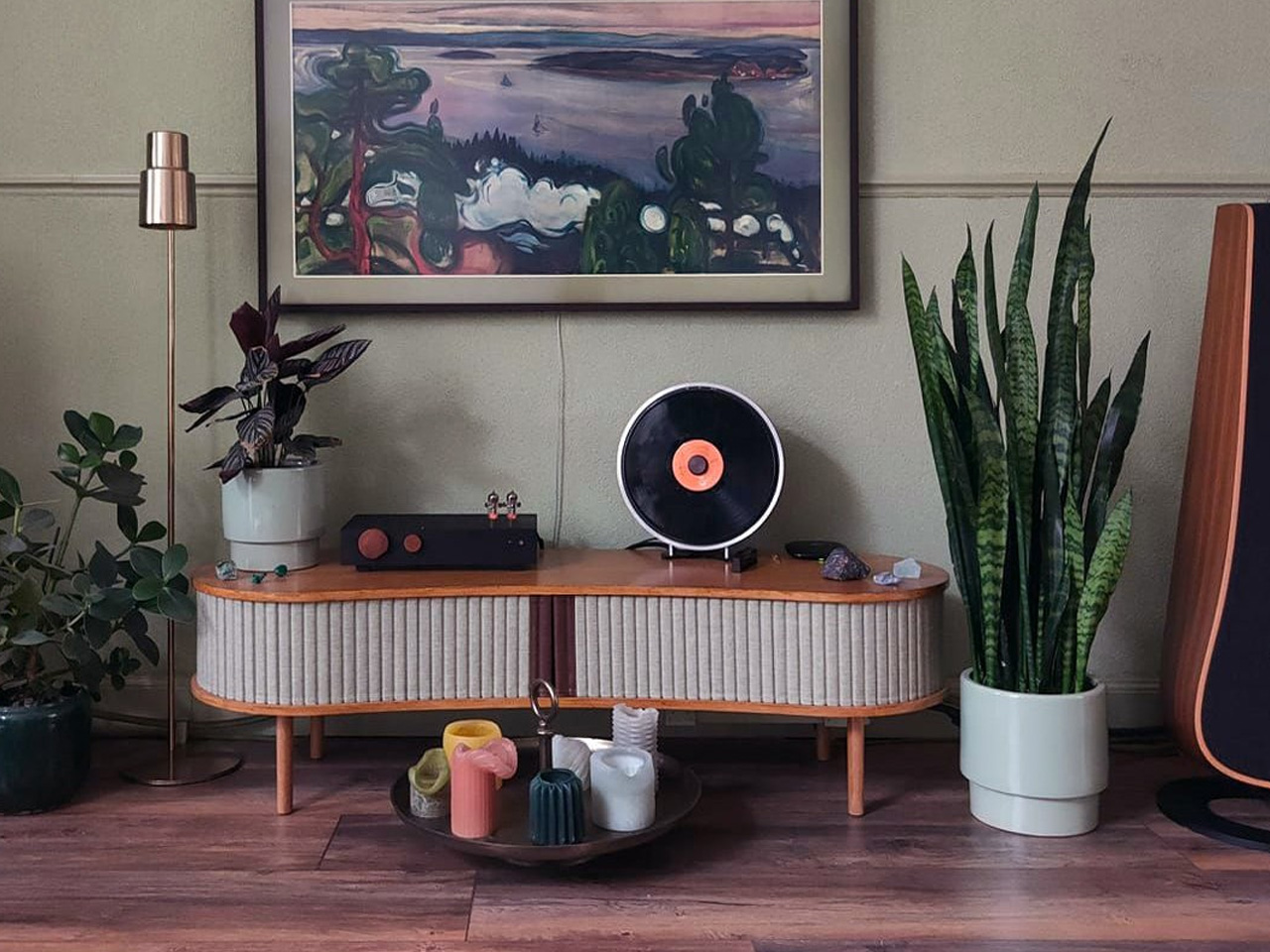
Named Black Wheel, this one-of-a-kind innovation is the latest iteration of the stunning Wheel design by Miniot. The turntable cleverly conceals the electronic and mechanical components beneath the record, which stores all the varied parts within a thin circular yet sturdy body, which vanishes once you put a record on.
Why is it noteworthy?
When placed upright, the Black Wheel creates a pretty apparent illusion. It features a minimal and classy charm that attracts you instantly, even when placed horizontally. It includes a unique control system that can be felt but not seen.
What we like
Equipped with a thin and compact body that doesn’t alter audio quality
Features a space-saving design
What we dislike
It has an old-fashioned charm which may not appeal to users of modern products
2. SP3000T
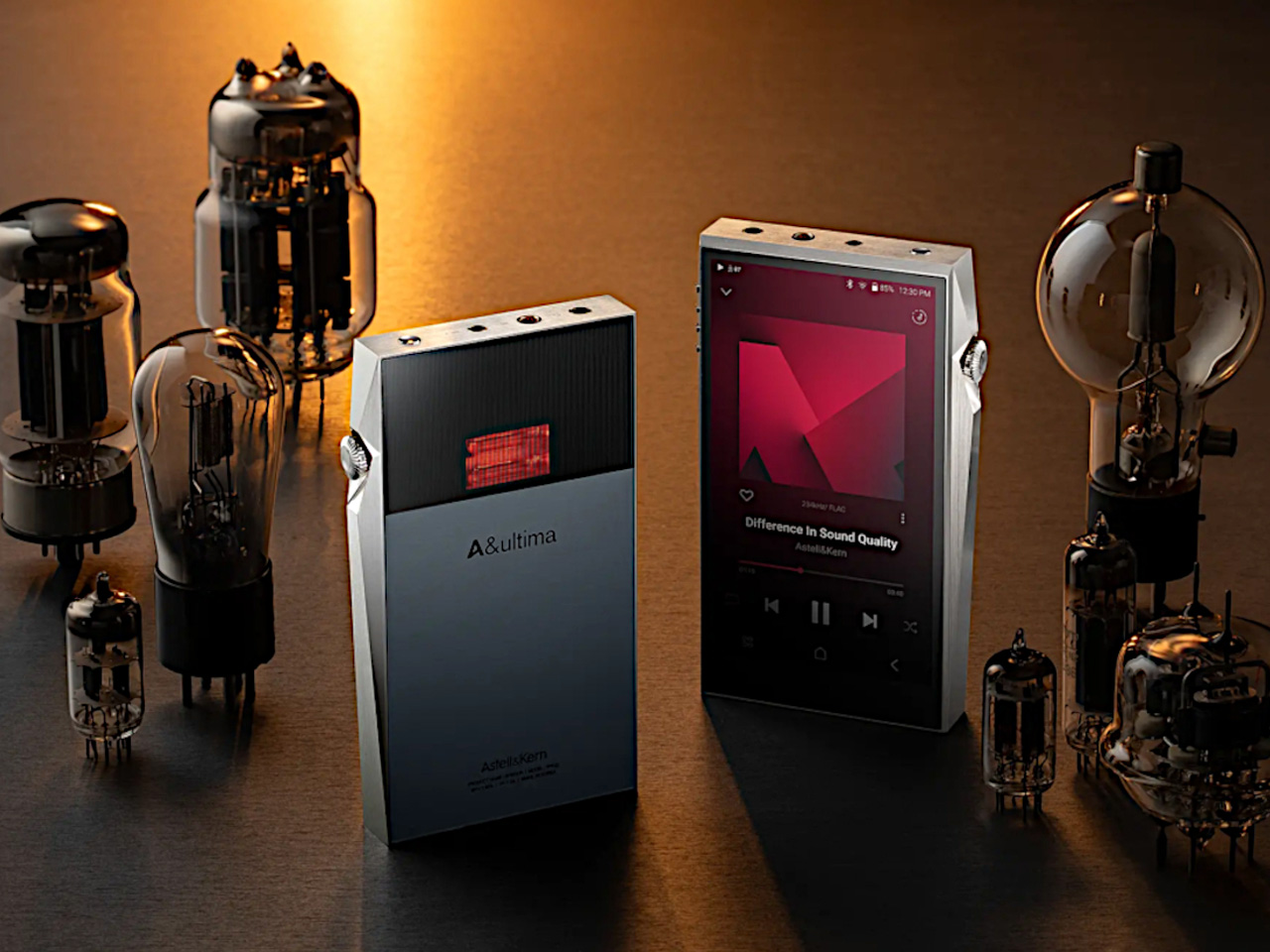
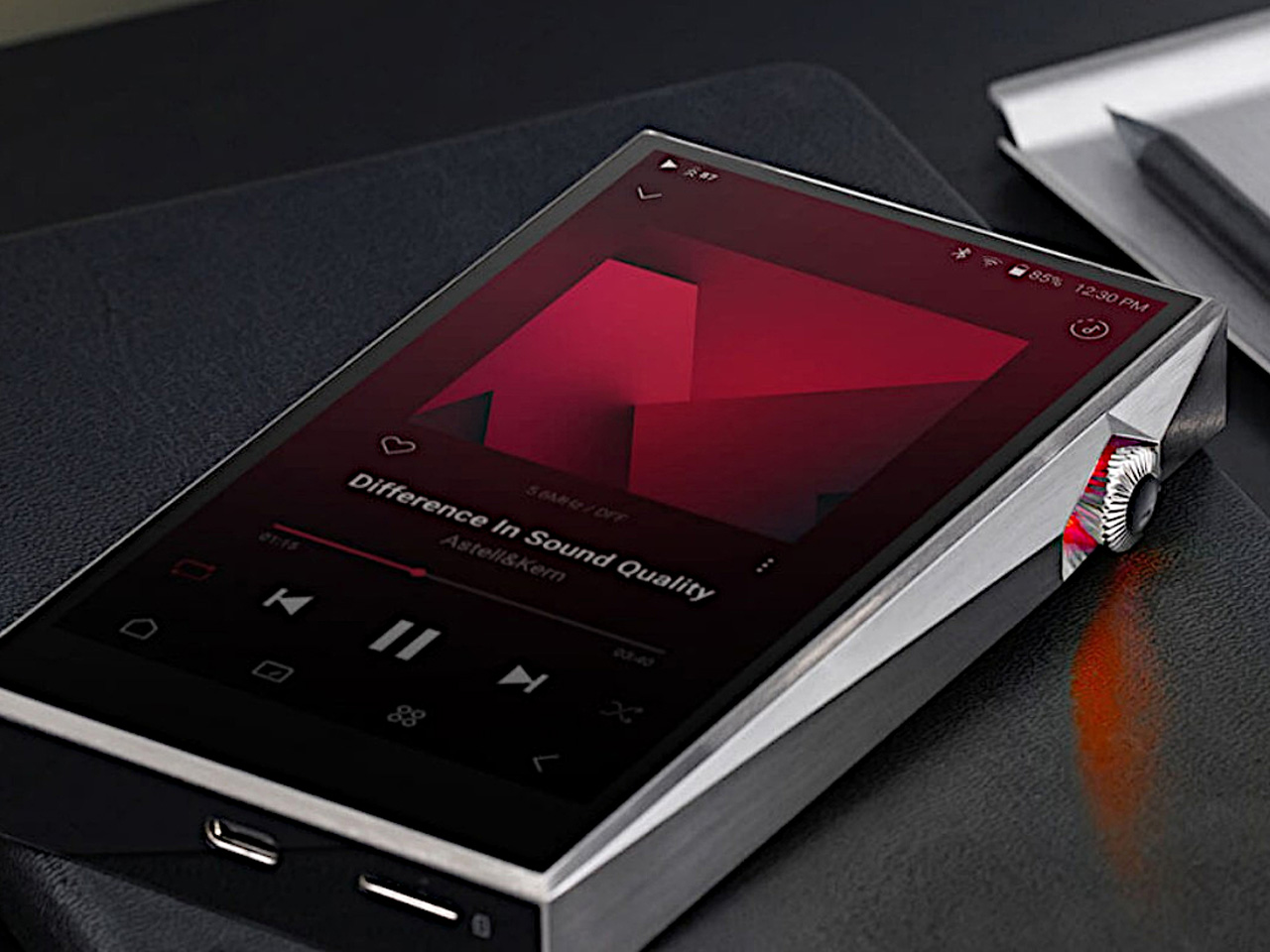
Say hello to Astell&Kern’s latest portable music player, which attempts to bring a modern device that looks retro on the outside but partially retro on the inside, creating a device that merges the past and present. Called the SP3000T, this device features a retro twist, since it incorporates dual vacuum tube amplifiers on the back.
Why is it noteworthy?
The tube amps aren’t just for sure, they function the way tube amps did in the past. They provide the device with an analog appearance and sound, offering a unique audio quality that is warm and pretty soothing, something that cannot be achieved by only digital sound.
What we like
You can switch between analog tube amplifiers and the digital op-amp mode
Equipped with 8GB of memory
What we dislike
Too large and heavy for a portable player
Expensive price tag
3. FUTURAHEAD Headset
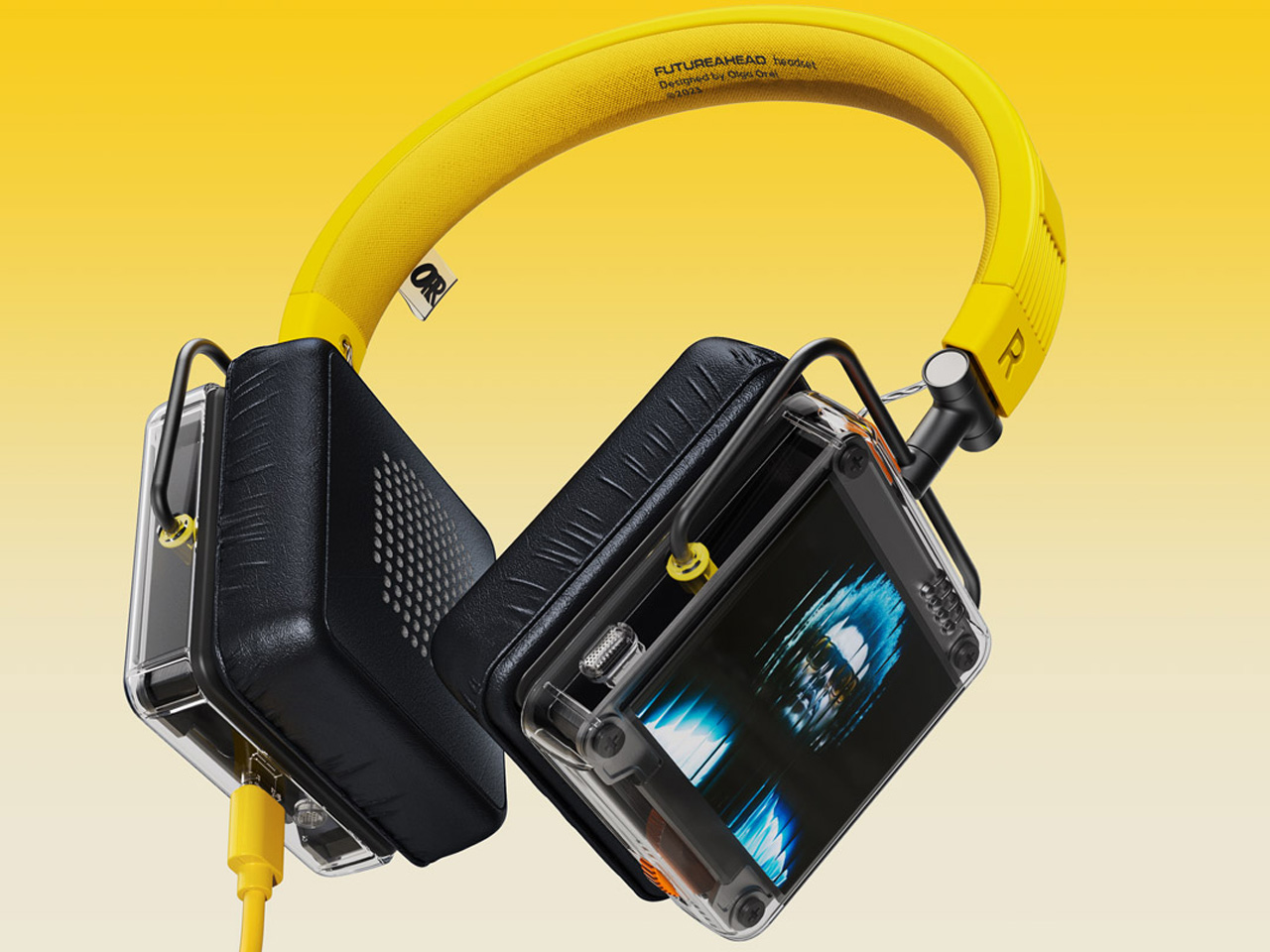
Say hello to the FUTURAHEAD headset, which provides a whole new music-listening experience. These conceptual headphones feature a digital screen that has been integrated into the outer shell to display playlists, videos, the user’s mood, as well as the rhythm of the music, genre, or images. The square shape of the cans is inspired by the retro design of headphones of the past.
Why is it noteworthy?
With the FUTURAHEAD headset, Olga wanted to create a product that merges retro looks and modern tech, while ensuring the functionality is top-notch. According to the designer, “Future Nostalgia as a visual style became a source of inspiration for this project.”
What we like
Amped with peppy details, and charming aesthetics
What we dislike
If you’re a private person, you may not like the fact that the music you’re listening to is being displayed on the digital screen
4. LEGO Radio
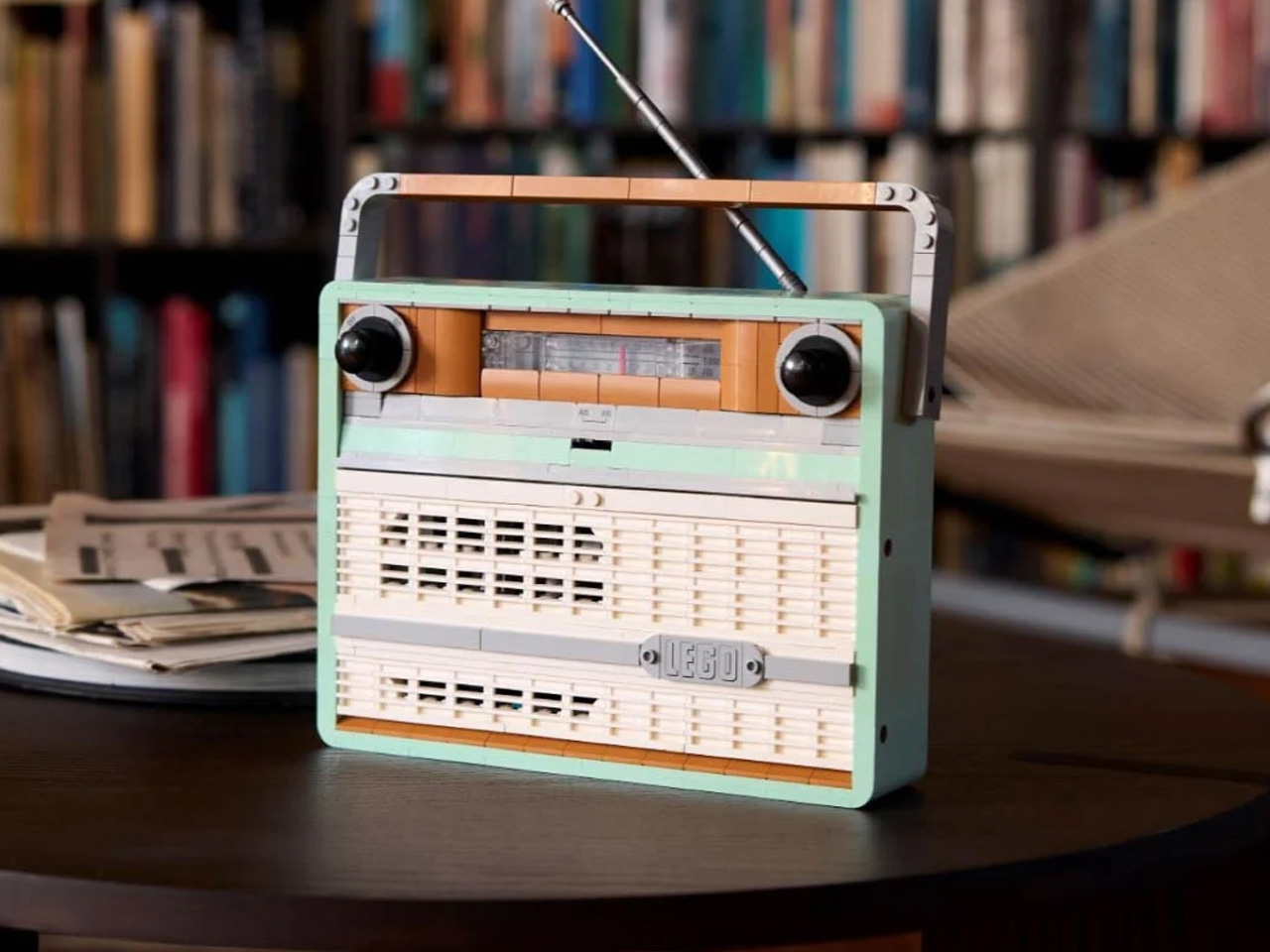
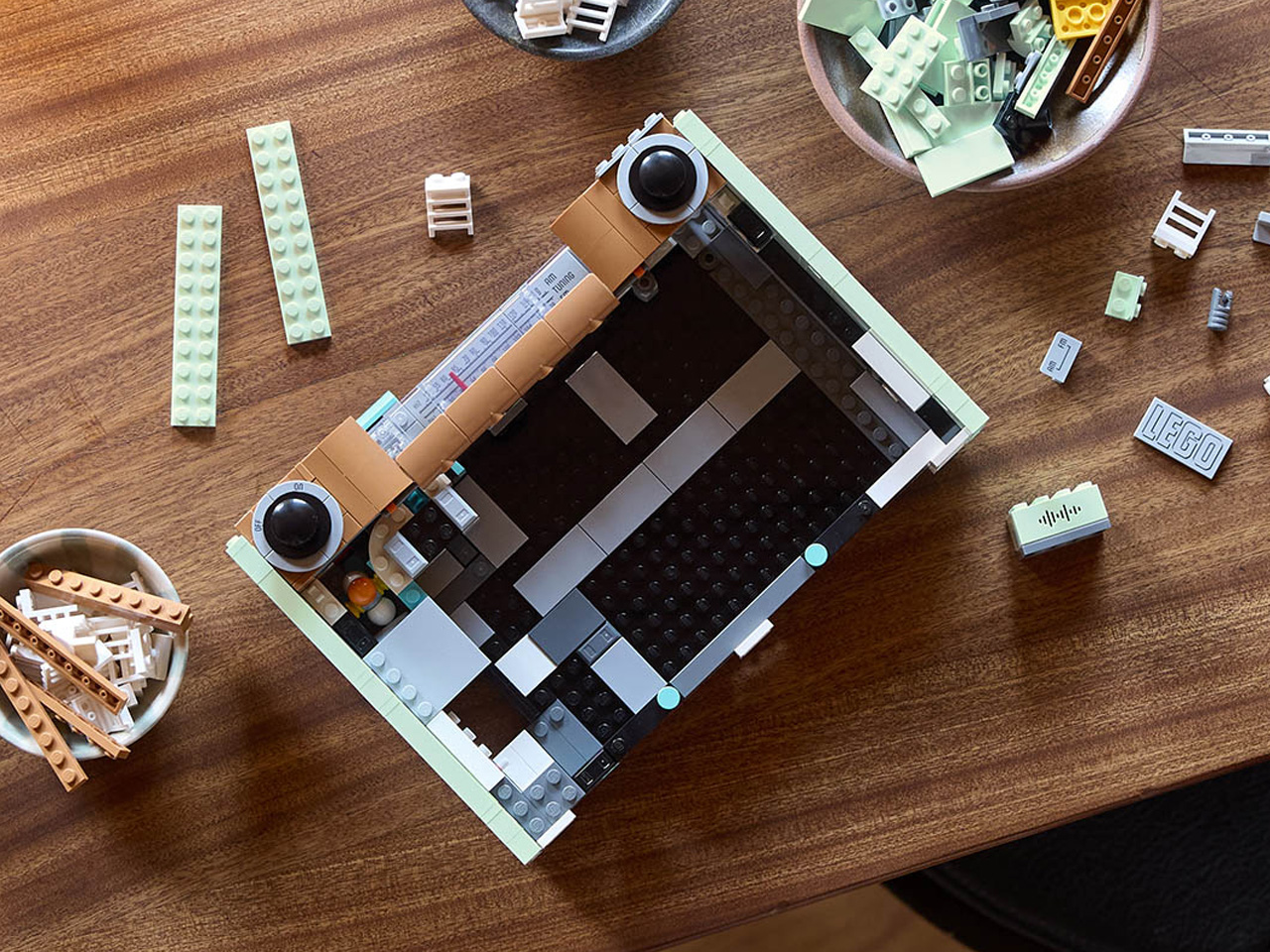
This LEGO Radio is the perfect retro-themed music player! It cannot play your local radio station, but you can play the pre-recorded tunes that come along with it. You can turn on the dial, and Spotify and Apple Music too. It is equipped with an extendable antenna and tuner window to offer some old-school feelings.
Why is it noteworthy?
The adorable LEGO Radio is functional and it is amped with Apple Music/Spotify support. It has a lovely color palette which elevates the whole nostalgic aesthetic. It is 13 inches high, 9 inches wide, and 2.5 inches deep.
What we like
Features a stunning vintage-inspired green and beige palette
You can connect your smartphone in the hidden compartment on the back, and play your fav tunes
What we dislike
It doesn’t have an actual transmitter to play live radio stations
5. Portable CD Cover Player
Say hello to the Portable CD Cover Player – a minimal CD player with a lovely retro design that provides an excellent listening experience, with the pleasure of pretty visual art. You can put in the CD jacket or sleeve within the specially-designed pocket, and showcase your favorite CD with pride.
The Portable CD Cover Player is essentially the physical equivalent of showcasing digital album art, with the extra benefit of being able to showcase your physical original CD.
What we like
Portable and easy-to-carry product with a 40mm full-range speaker and woofer unit
Equipped with a powerful battery which offers 7-8 hours of top-notch audio
What we dislike
You cannot sync it with any digital medium, it only supports analog music listening
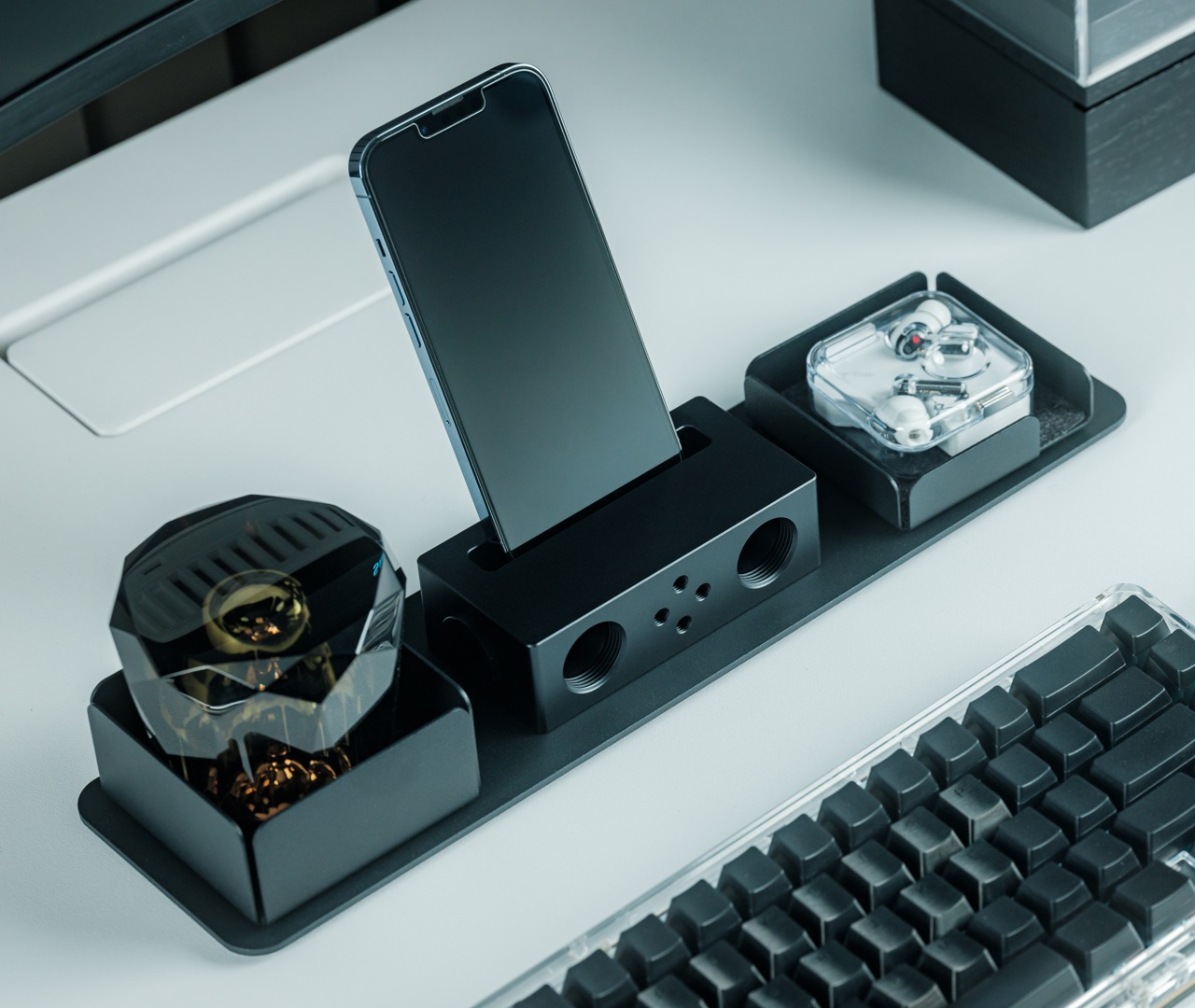
6. Battery-free Amplifying iSpeakers
These are the Battery-Free Amplifying iSpeakers, and they’re portable and battery-free. This iPhone speaker is a novel and exciting version of the conventional no-power smartphone speaker. It is made from metal, making it pretty functional and valuable, unlike typical speaker designs you see nowadays.
The speakers are built from Duralumin – an aluminum alloy that is used in aviation and aerospace industries since it has vibration-resistant properties. You can place the smartphone into the speaker, and the sound surrounds the room and you.
What we like
Does not require any power, and is electricity-free
Minimal, sleek, and unique aesthetics
What we dislike
Incompatible with bulky smartphone covers and cases
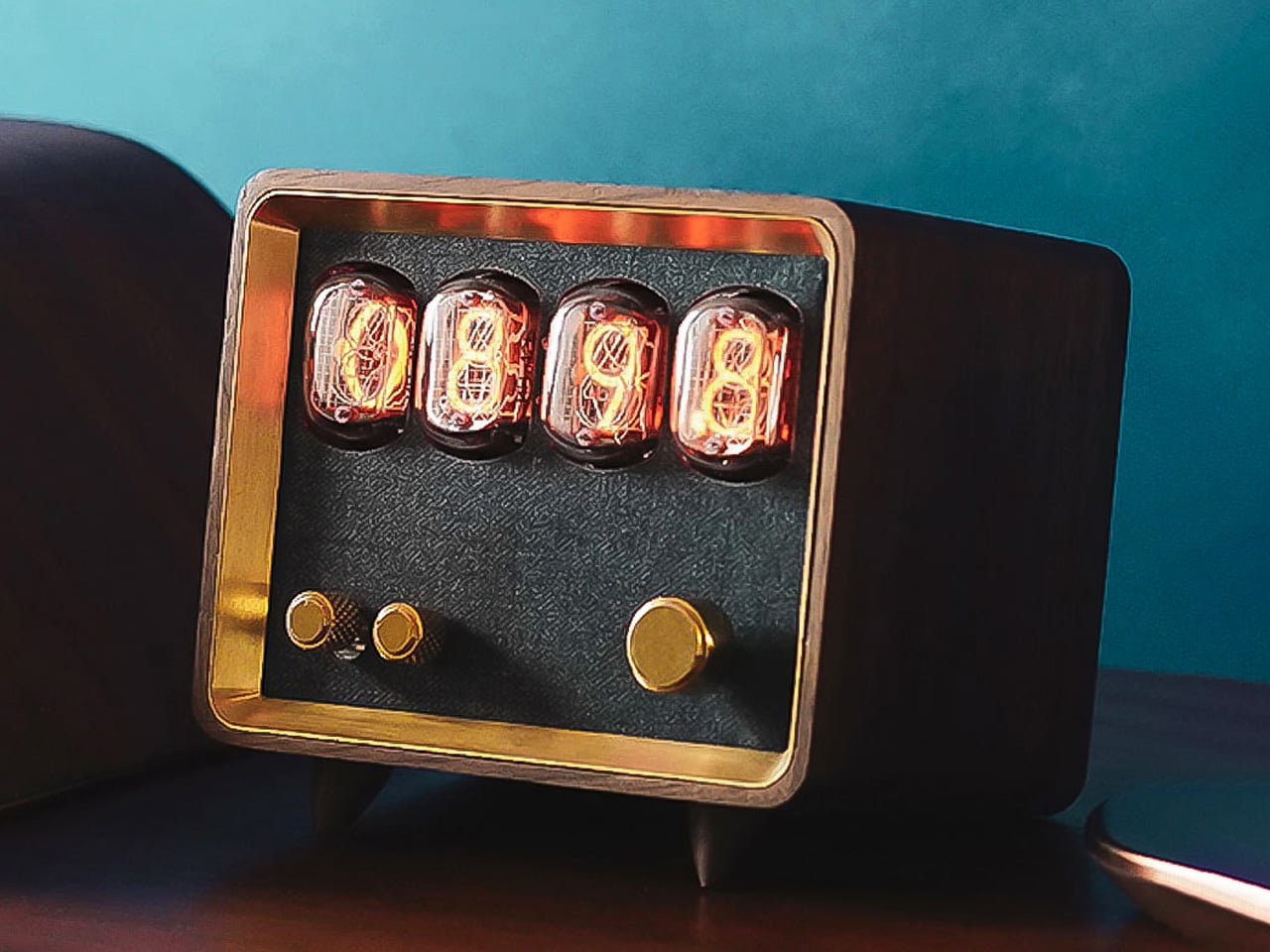
7. Retio
This stunning retro speaker is called Retio, and it is made using vintage Nixie tubes, creating a gadget that beautifully blends past aesthetics with modern utility. The Retio serves as a Bluetooth speaker and a clock. It features Nixie tubes that were made during the 70s to 90s, adding a hint of retro-ness to the product.
Why is it noteworthy?
The Retio is a portable product amped with 6 hours of playback time. It is powered by a 6800mAh battery, and the Nixie tubes have an impression lifespan of 22 years. The speaker is equipped with a powerful 10W Class-D amplifier and has been created with meticulous care and attention to detail.
What we like
Perfectly merges the past with modern functionality
Hand-crafted and amped with steampunk flavor
What we dislike
The numbers for the clock are difficult to read from a distance
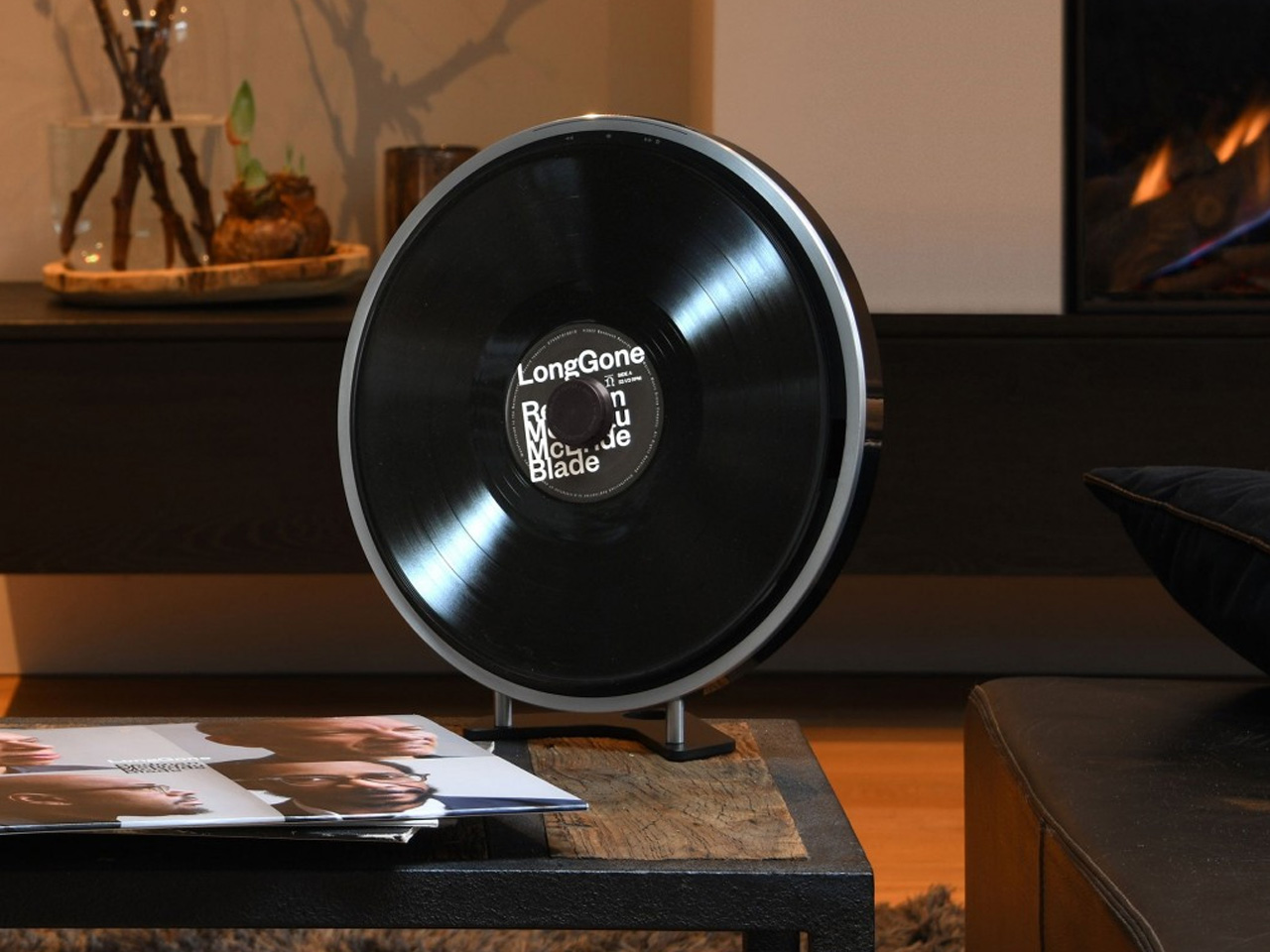
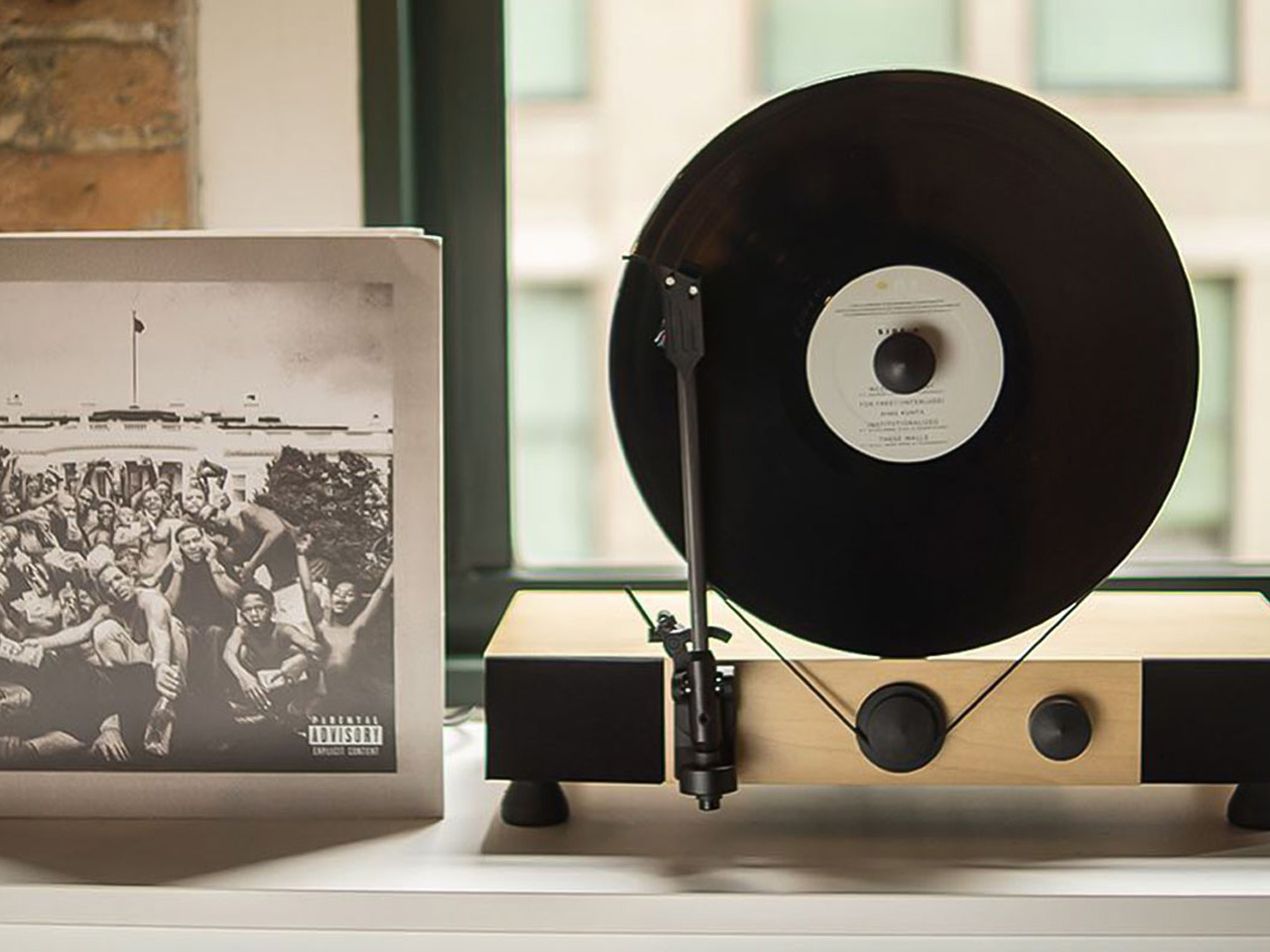
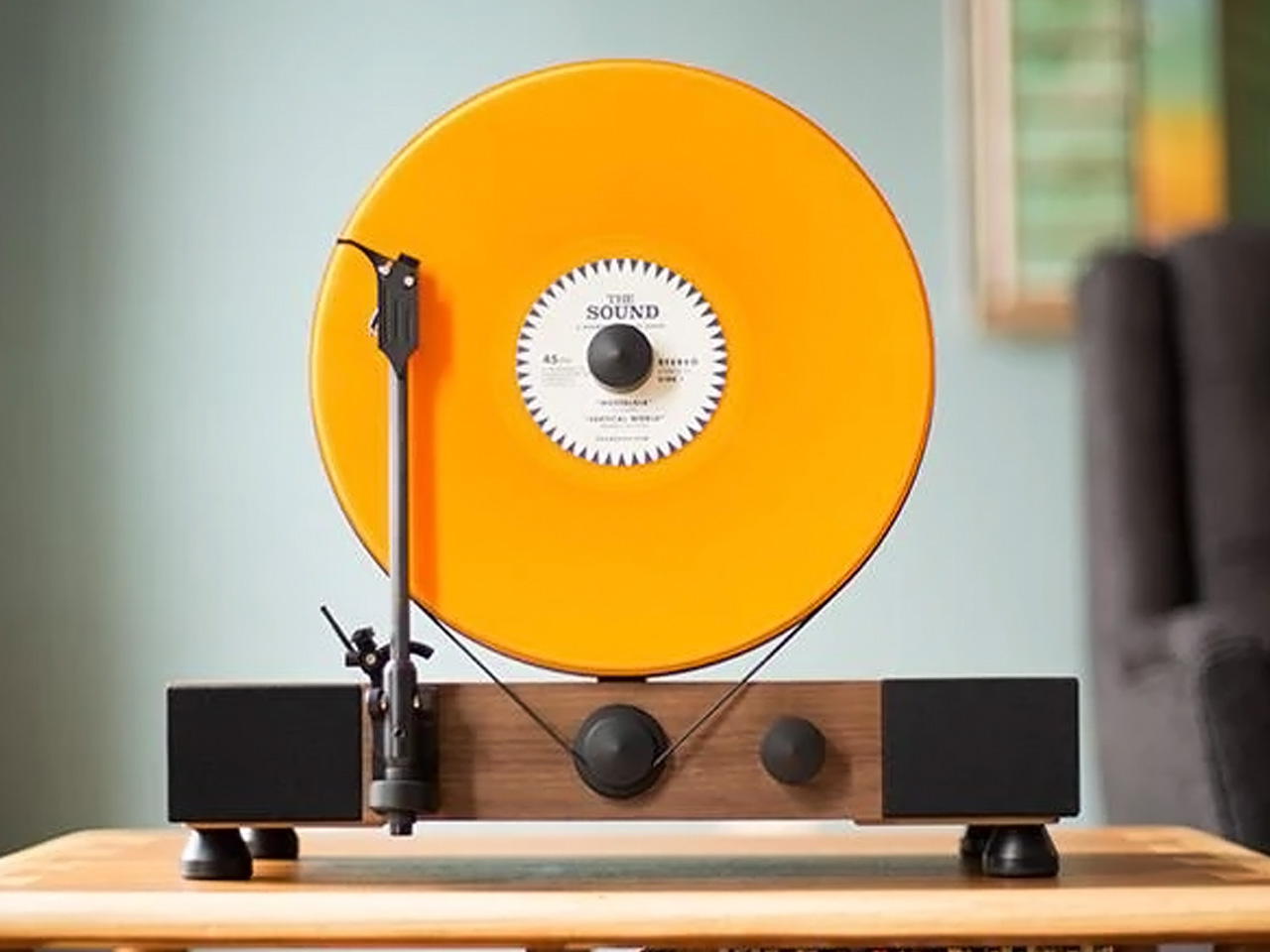
8. Floating Record
Called the Floating Record, this high-performance turntable plays your record vertically, with the help of built-in full-range stereo speakers. It features a walnut wood base and a Carbon Fiber tonearm. It is made using high-quality materials, which add a whole new level of class to your living space.
Why is it noteworthy?
The Floating Record is essentially turntable tech reimagined to create a visually and mechanically interesting way to experience vinyl music. It is a must-have for all the vinyl lovers out there – ranging from the first-time record listener to the seasonal vinyl enthusiast.
What we like
No external gear is needed, it’s all integrated into the design
Perfectly blends with different interiors and environments
What we dislike
The turntable is pretty fragile and can skip if you don’t position the record properly
9. VIBESPIN
Meet the VIBESPIN – a super cool portable record player. This compact record player is designed by vinyl lovers for all the vinyl lovers out there. It features an elegant and timeless design, amped with modern features and high-quality elements. It is the perfect turntable for camping trips, outdoor adventures, or even parties in your home!
Why is it noteworthy?
What makes VIBESPIN unique, is that it works well for the indoors and the outdoors. You can use it on a road trip, or if you’re simply chilling at home. It features a retro vintage design, and its style will bring to mind the image of a big 1950s car, despite this, the turntable is pretty lightweight and ergonomic.
What we like
Occupies half the area of a 12″ record
Among the smallest record players available today
What we dislike
The stylus is pretty basic and doesn’t have a true aux out
10. iBoy Retro Toy
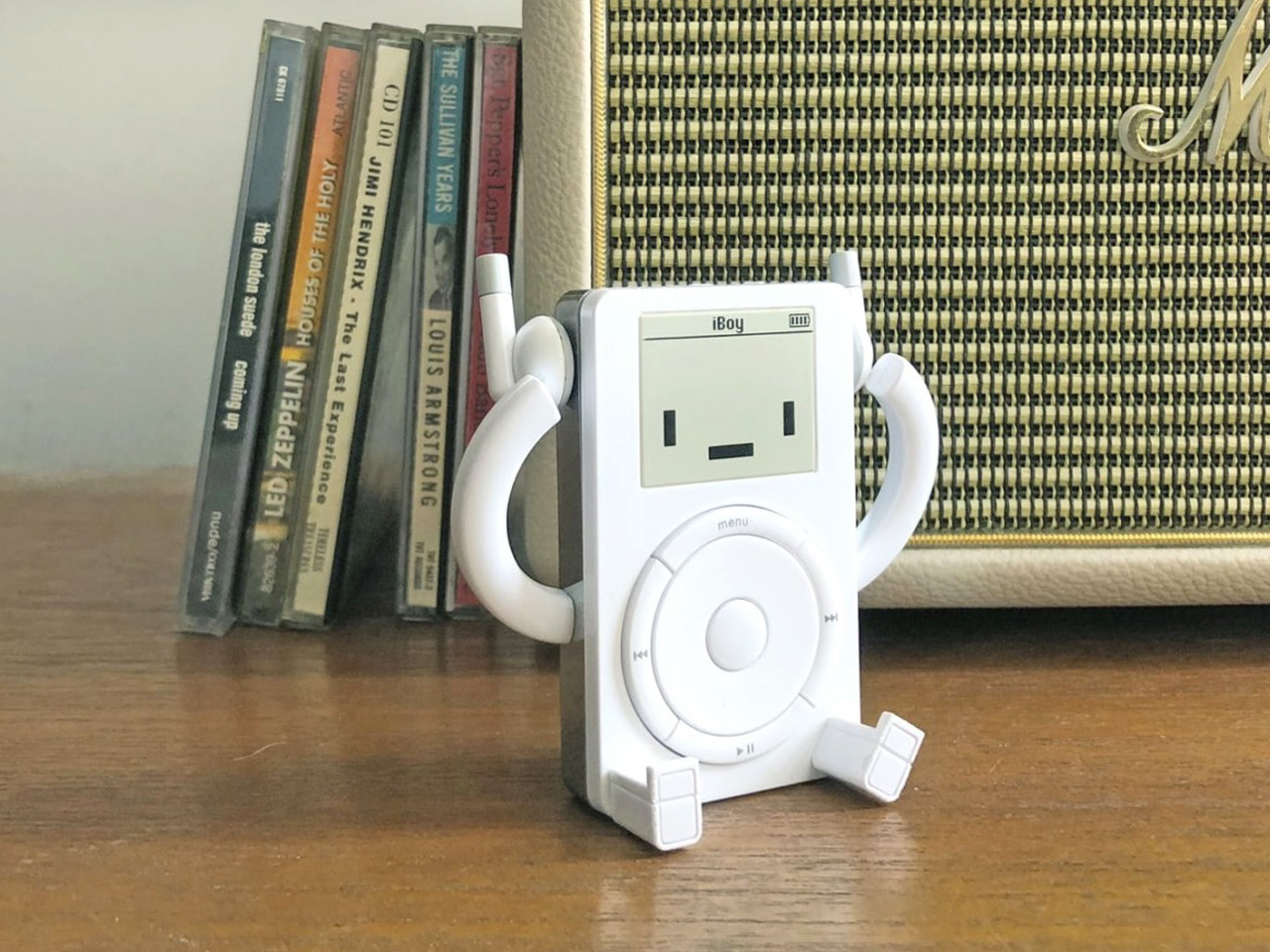
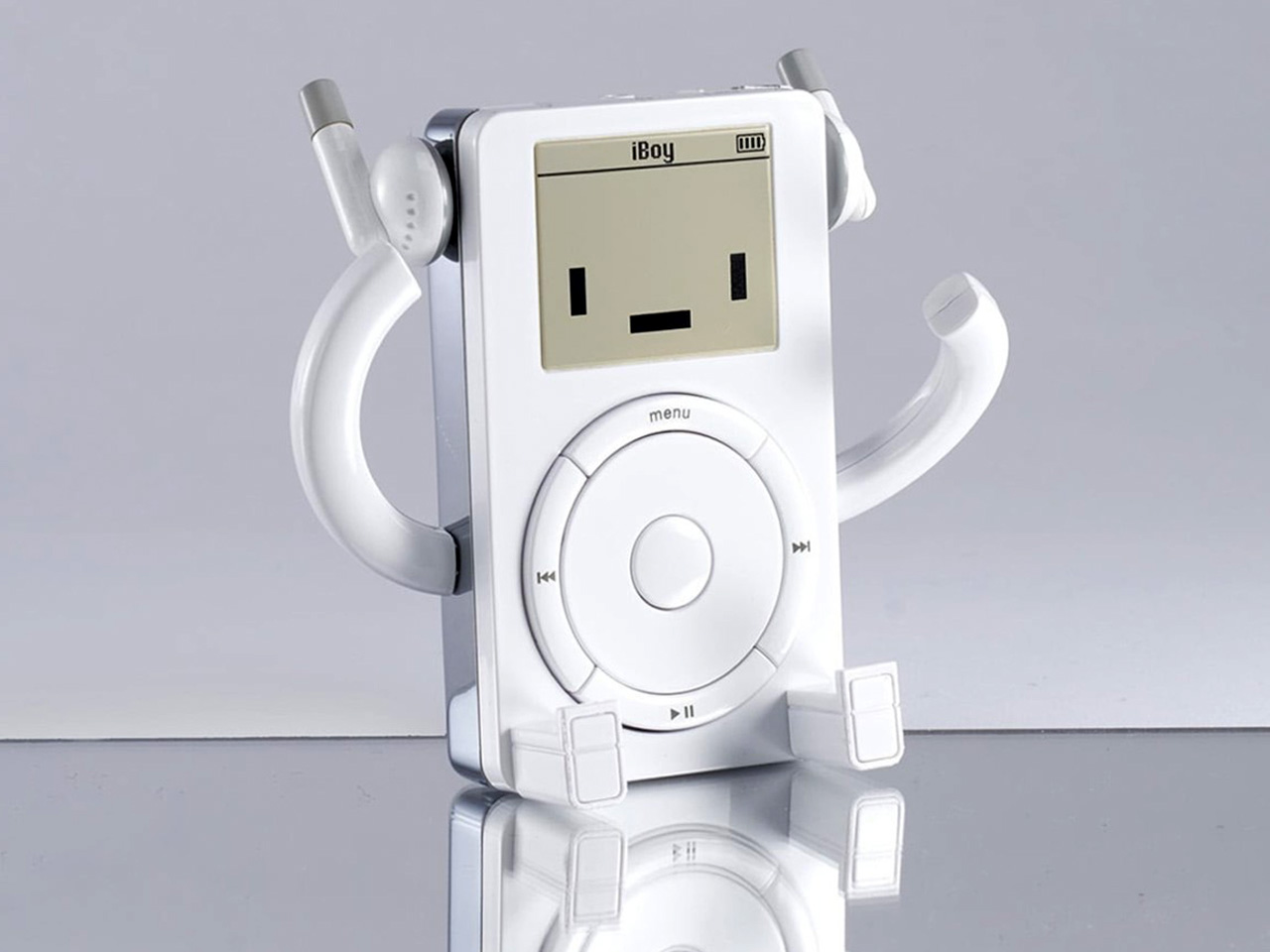
Designed by Classicbot, and called the iBoy Retro Toy, this adorable little product is a tribute to the iconic MP3 player. It features arms, legs, and earbuds for ears. He looks like a friendly little MP3 player! The Retro Toy can be used at home or in your office, adding a hint of nostalgia to both these settings.
Why is it noteworthy?
The iBoy features magnetic joints that support his arms and legs. He can be posed in any way you like. You can play around with the little toy, and get a whole bunch of poses, around a thousand! It serves as a helpful fiddling toy for when you’re stressed out, and need to distract and give yourself a little break,
What we like
Functions as a toy for grownups with detachable and lifelike headphones
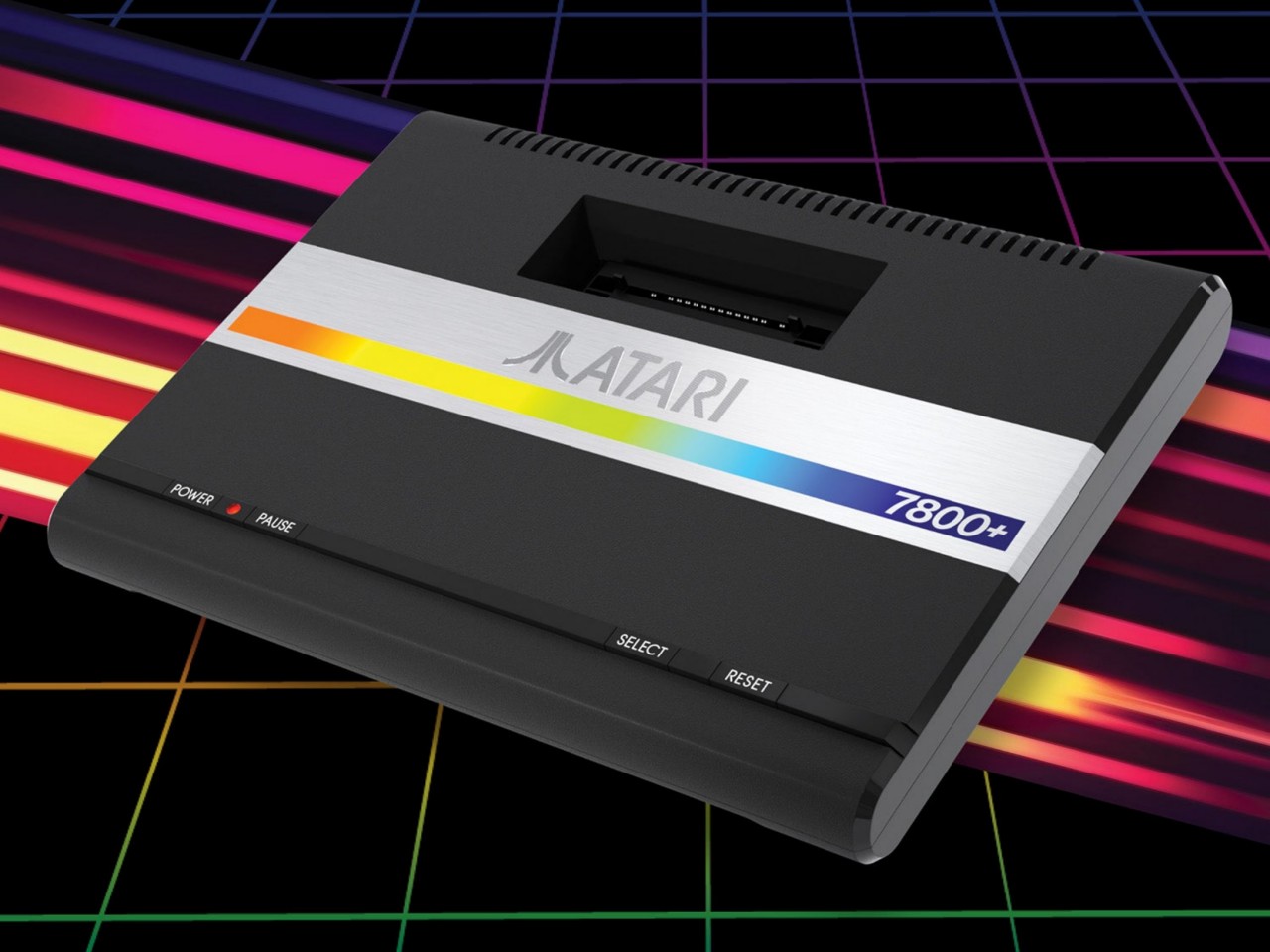
What is old is new again, or at least that’s the slogan for this wave of nostalgia trips washing over multiple industries today. Vinyl is selling again, Polaroid is now spelled “INSTAX,” and consoles that were famous before you were born are landing on shelves in miniature form. Interestingly enough, these retro designs prove just how powerful and lucrative nostalgia can be, especially if you can spin it in a way that makes sense in the present and for the foreseeable future. This recreation of one of Atari’s lesser-known home consoles, for example, doesn’t just pay homage to the past but actually supports the games of that era while also embracing titles that were made in the present for this decades-old platform.
Unlike its successful predecessor, the Atari 2600, the Atari 7800 from 1986 just came at the wrong time, just after the video game crash of 1983 and on the same year that the Nintendo Entertainment System, a.k.a. the Nintendo Famicom, launched. Regardless, the home console, which supported Atari 2600 cartridges to fill up its library, managed to make it into the annals of video game history, a chapter that Atari is now trying to revive in an interesting way.
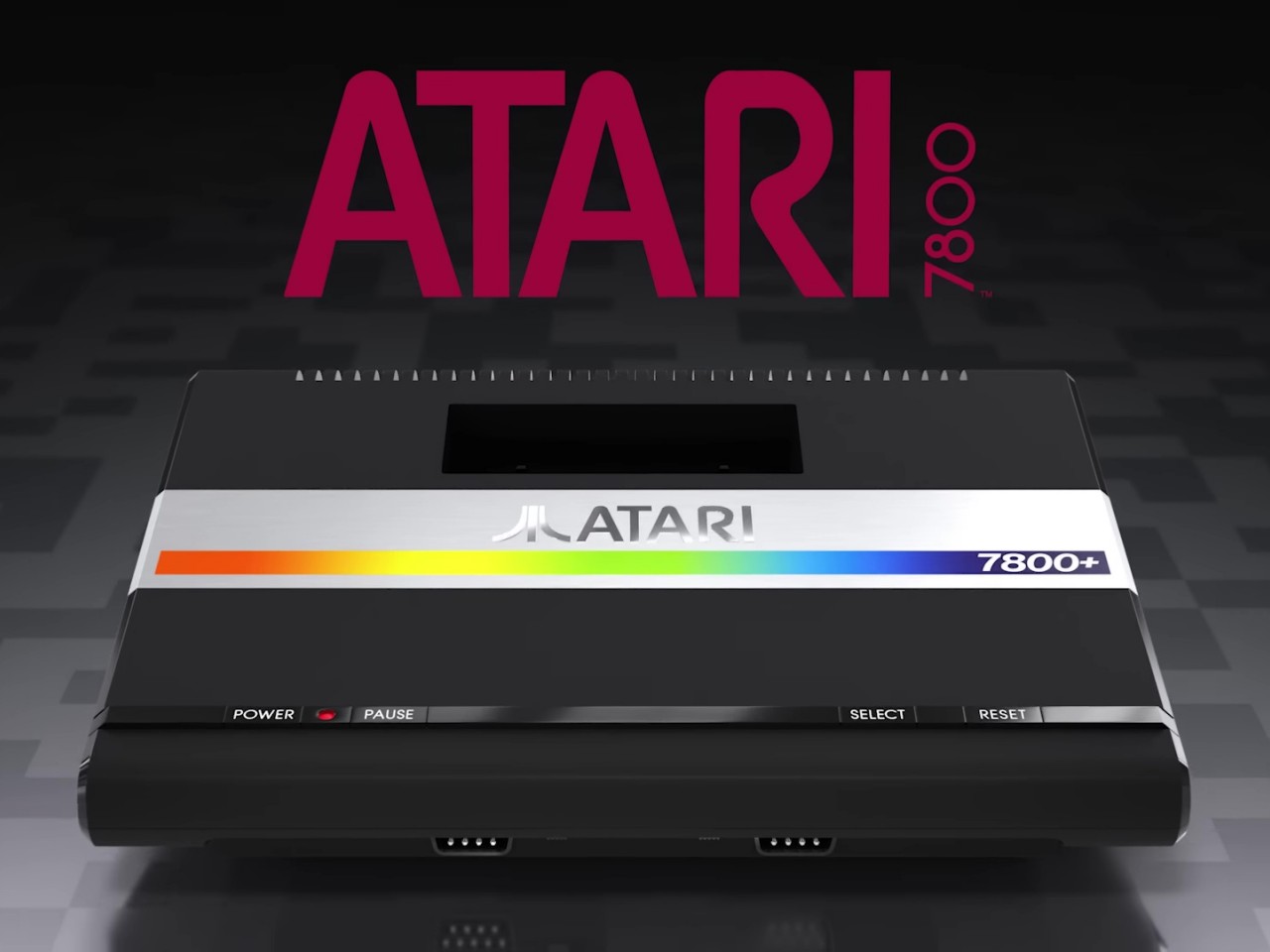
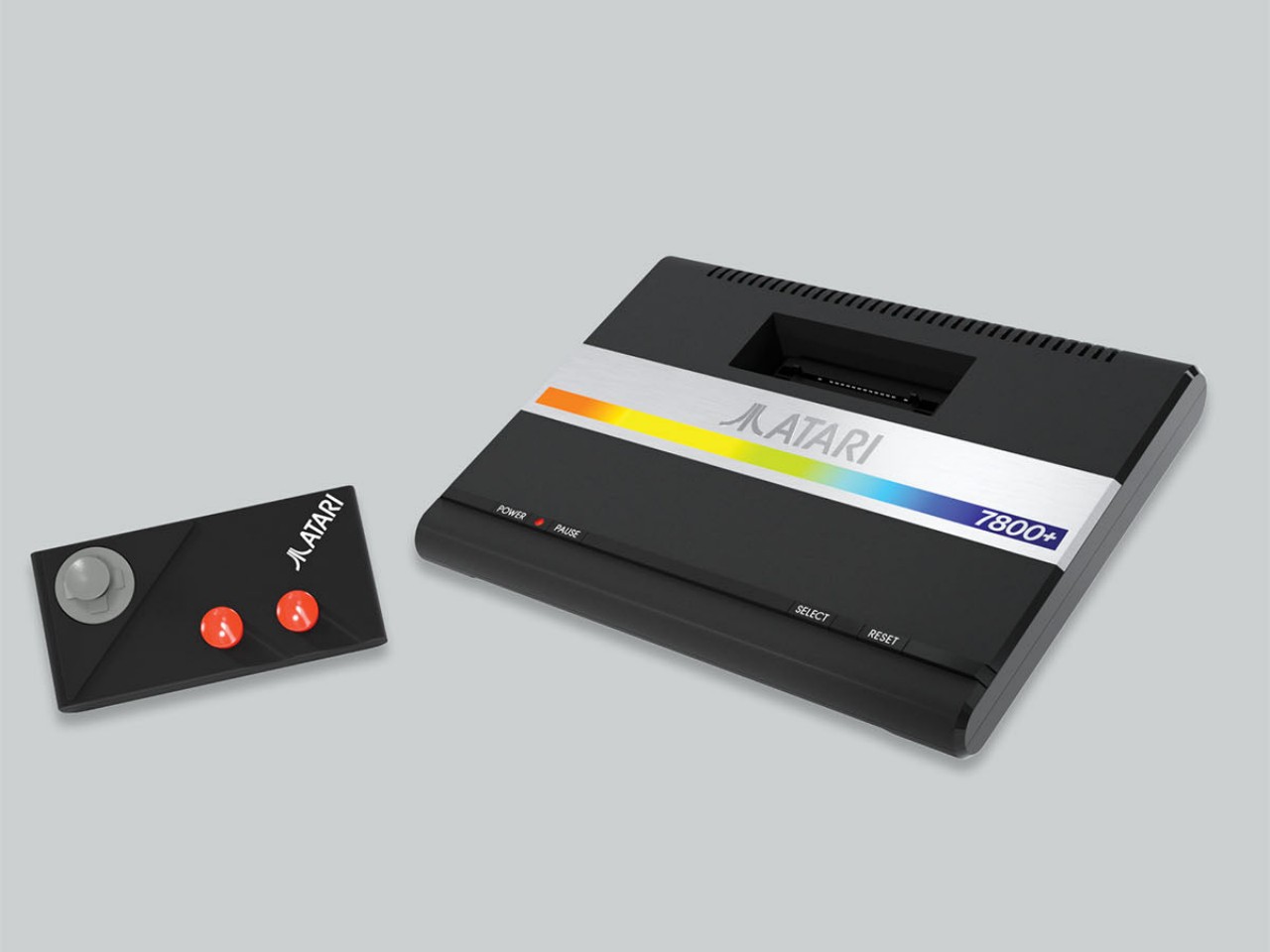
The Atari 7800+, like many retro recreations, is a smaller version of the original, designed to better fit today’s standard housing situation. It sticks closely to the shape and aesthetics of the 7800, down to the color spectrum strip that was the hallmark of the European version of the machine. It supports HDMI out and displaying games in the original 4:3 aspect ratio or switching to widescreen for modern monitors. Rather than coming with pre-installed games like other retro consoles that simply use emulators, the 7800+ offers an almost exact replica of the original to the point that you can run both 2600 and 7800 cartridges, presuming you have those lying around.
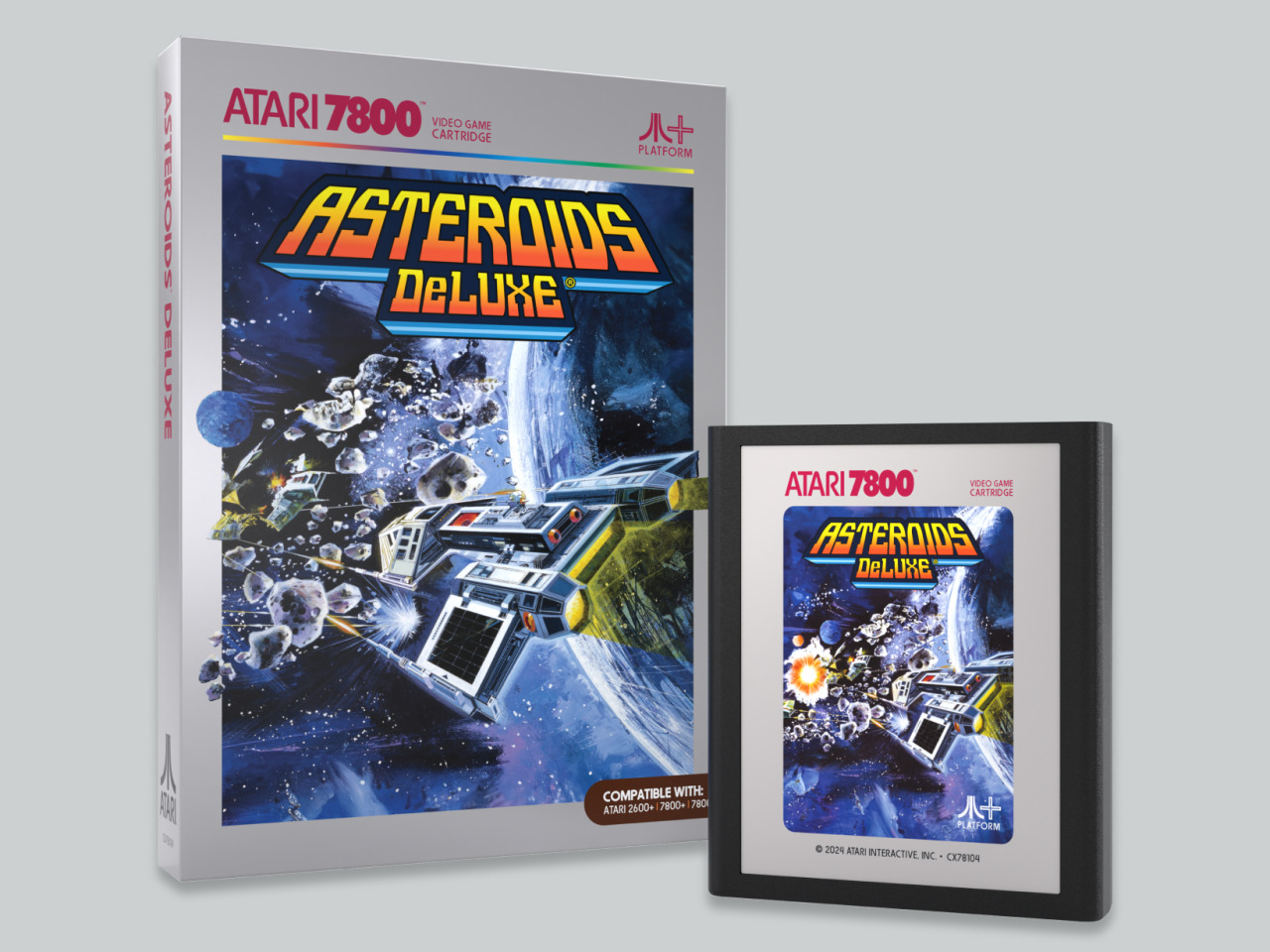
That’s not exactly a large selection of titles, so the Atari 7800+ also supports third-party Atari games as well. The company takes it even further and actually supports the official adaptation of some of these games sold as 7800+ cartridges. That includes Bentley Bear’s Crystal Quest, a homebrew Atari game developed in 2014 as an unofficial successor to the 80s Crystal Quest. This is the only cartridge that comes with the package, and the other nine titles will be sold separately at $29.99 a pop.
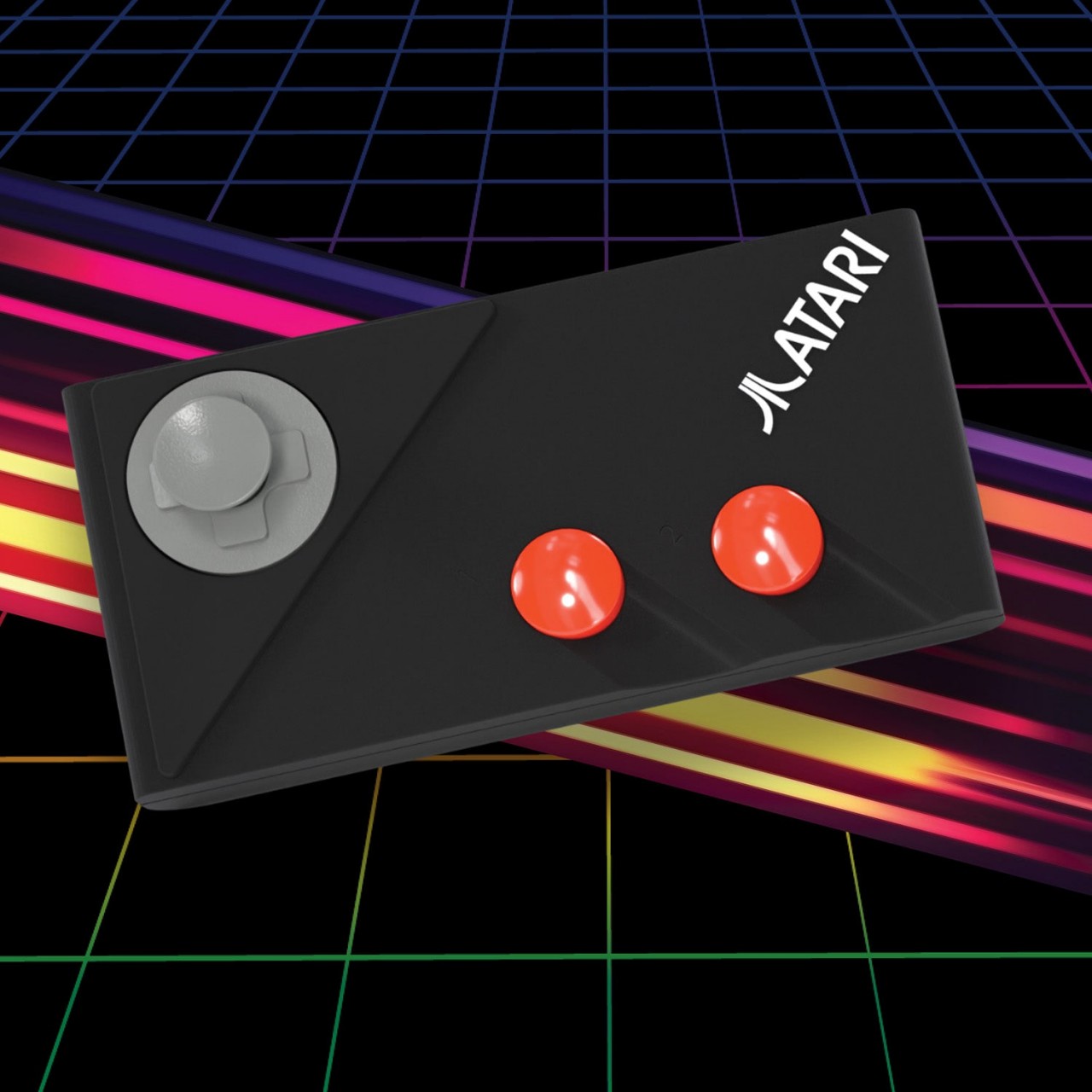
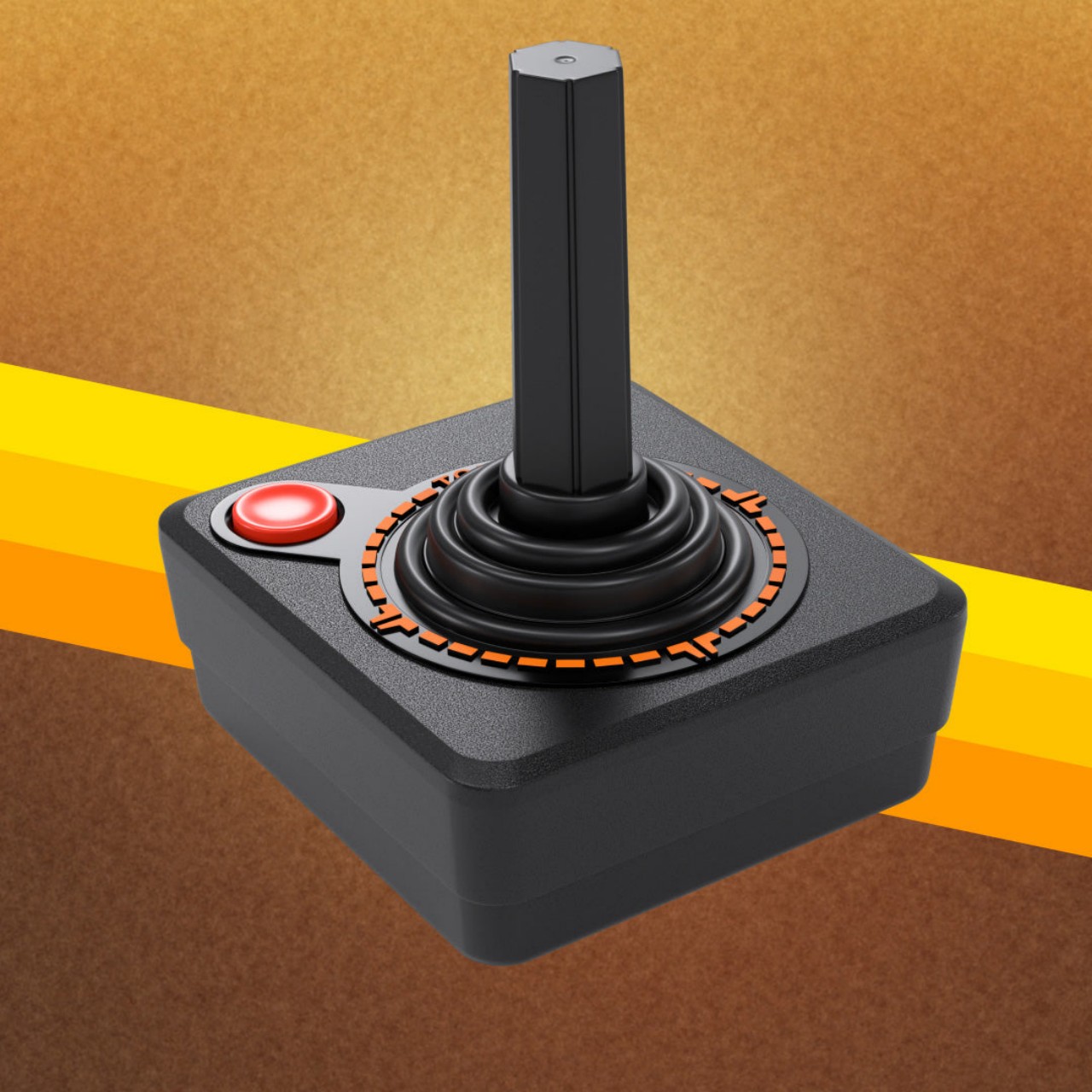
The Atari 7800+ also comes with the CX78+ controller, a wireless remake of the radical two-button control that Atari introduced with the 7800. There’s also a CX40+ wireless joystick available for purchase if you prefer to play that way. Both controllers are compatible with the original 2600 and 7800 and can also be hooked up to any PC via the USB receiver. The Atari 7800+ is available for pre-order now for $129.99 but won’t ship until Winter this year.
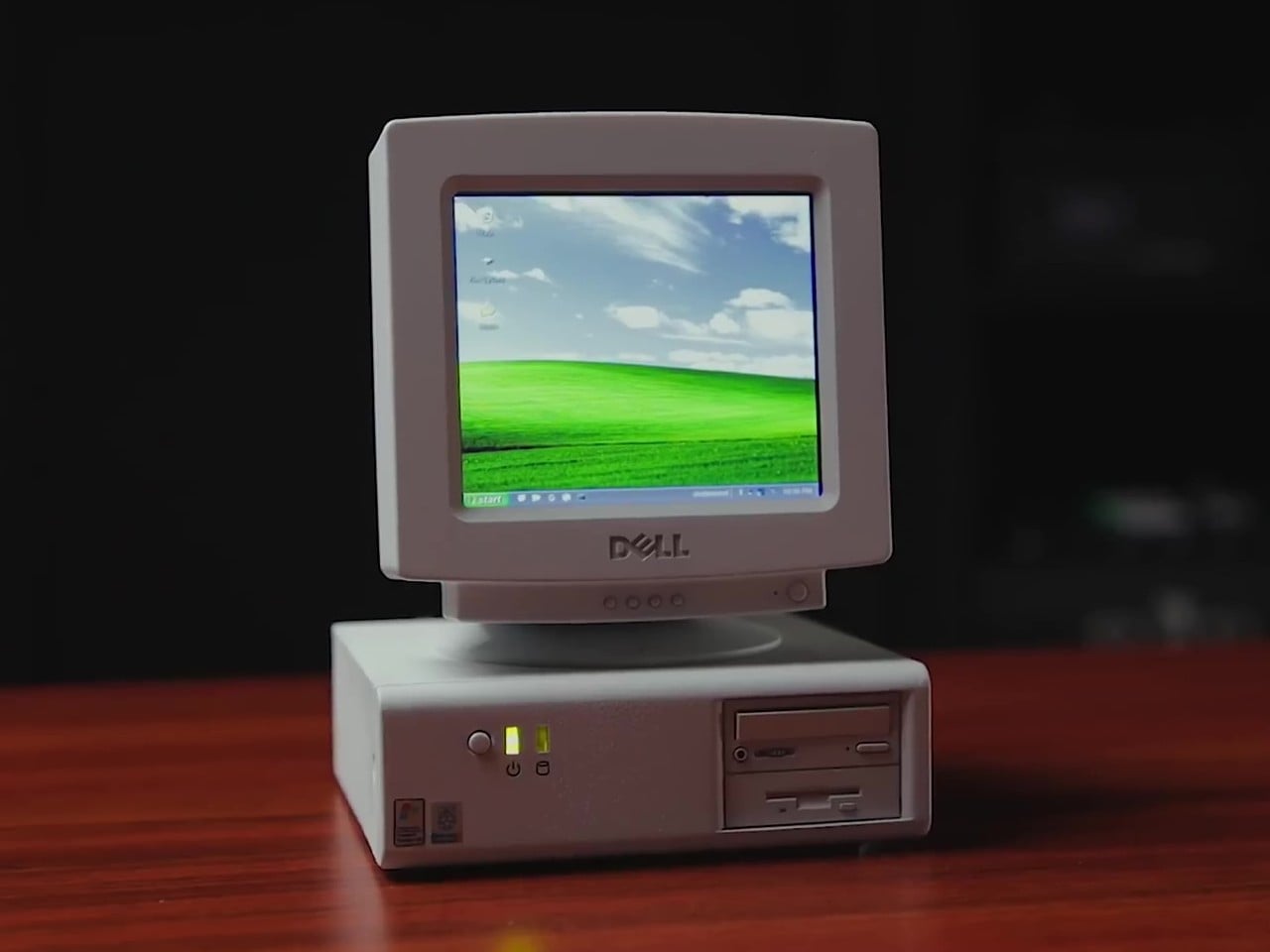
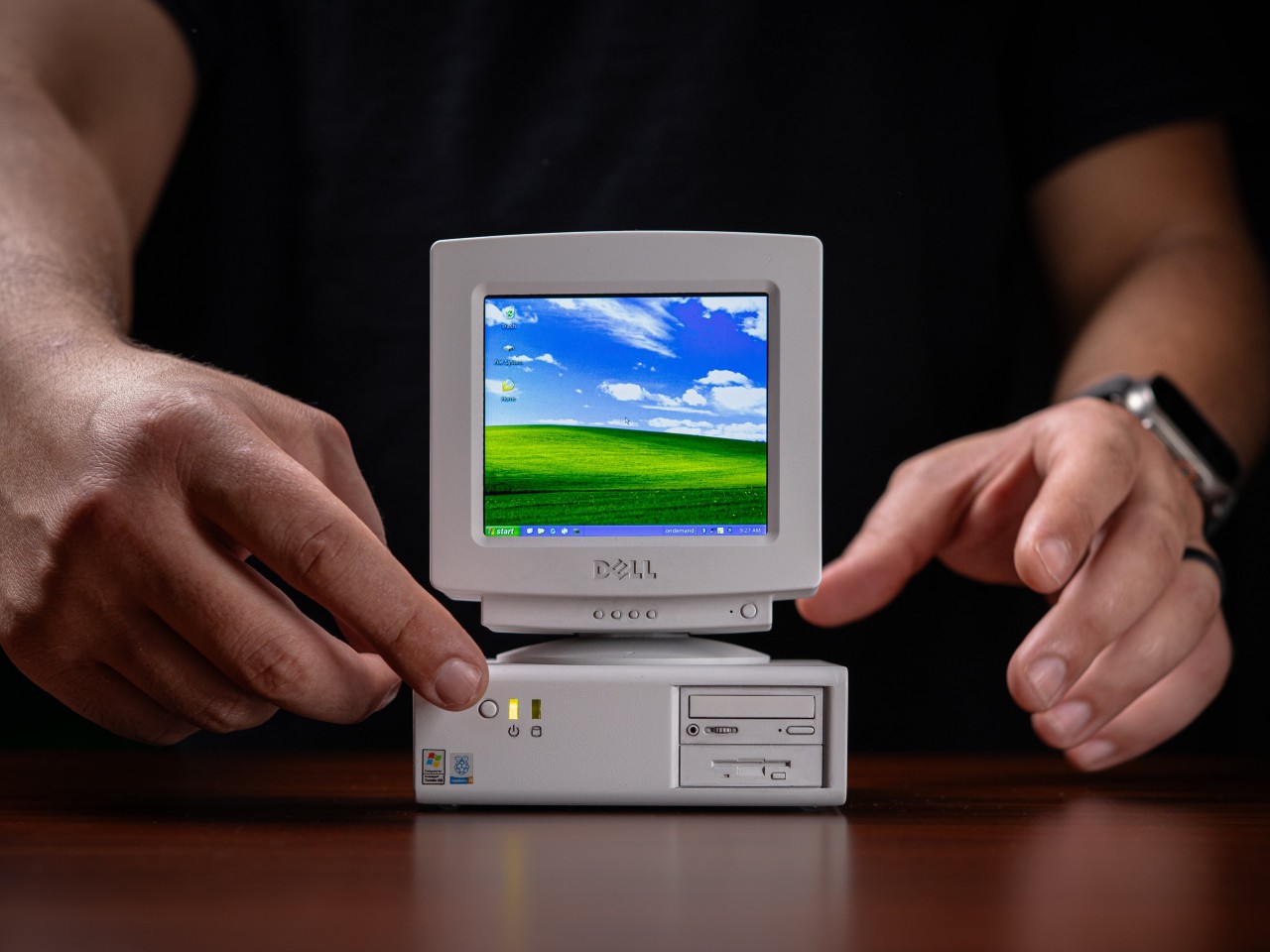
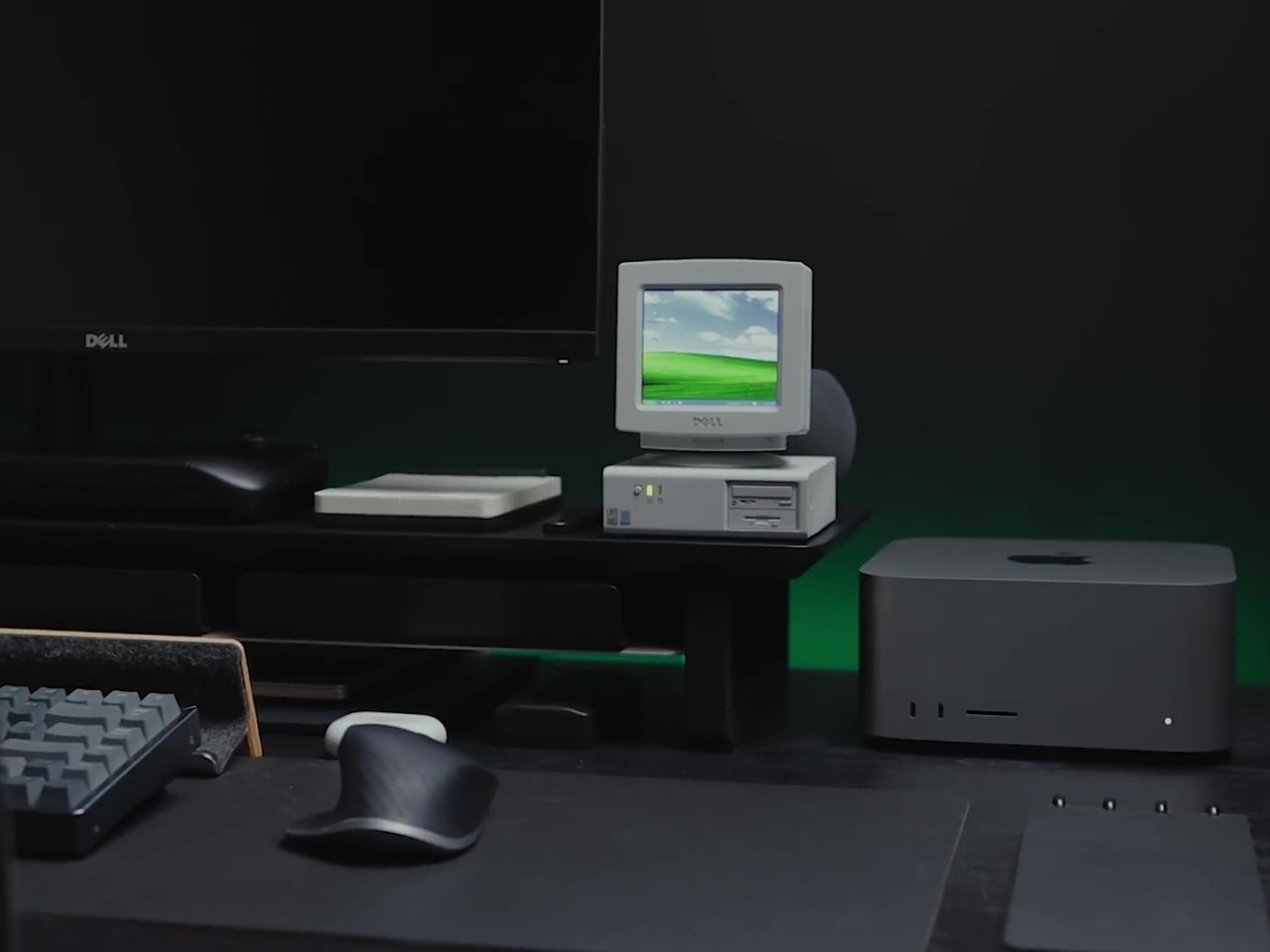
Although the craze for old “retro” designs has gripped many industries, it has taken a rather odd direction in the computing and gaming worlds. More than just recreating the designs and experiences of the past, many retro computers or consoles also strangely decided to shrink those products down to sometimes unusable sizes. Though manufacturers like Nintendo have jumped on that bandwagon, the biggest push comes from makers and modders who now have a wide arsenal of tools available at their disposal, giving them the freedom to create or recreate almost any design imaginable. This painstaking DIY project, for example, tries to bring back the iconic beige computer boxes of the 90s in a way that’s almost usable, at least if you can manage squinting at a 4-inch screen.
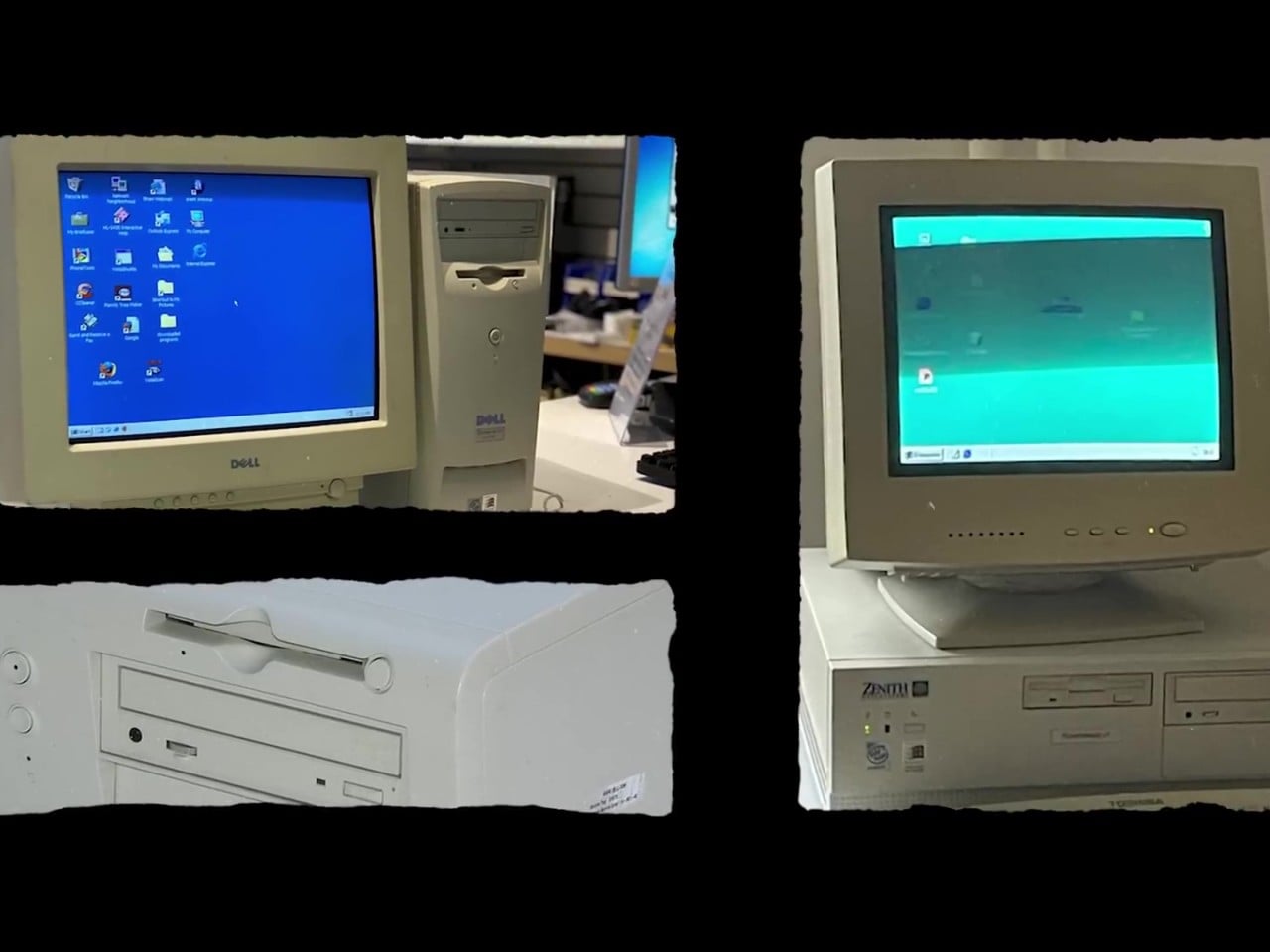
The PCs of the 90s and early 2000s aren’t really the epitome of inspired industrial design, which is why their rival Macs became the choice of designers, creators, and design-conscious users. Nonetheless, these geometric boxes were also the pinnacle of computing technology of that period, earning them their place not only in offices and homes but also in iconography. There are also quite a number of fond memories attached to these machines, which some more skilled craftsmen are now using to turn some of that nostalgia into a working PC, albeit a miniature one.
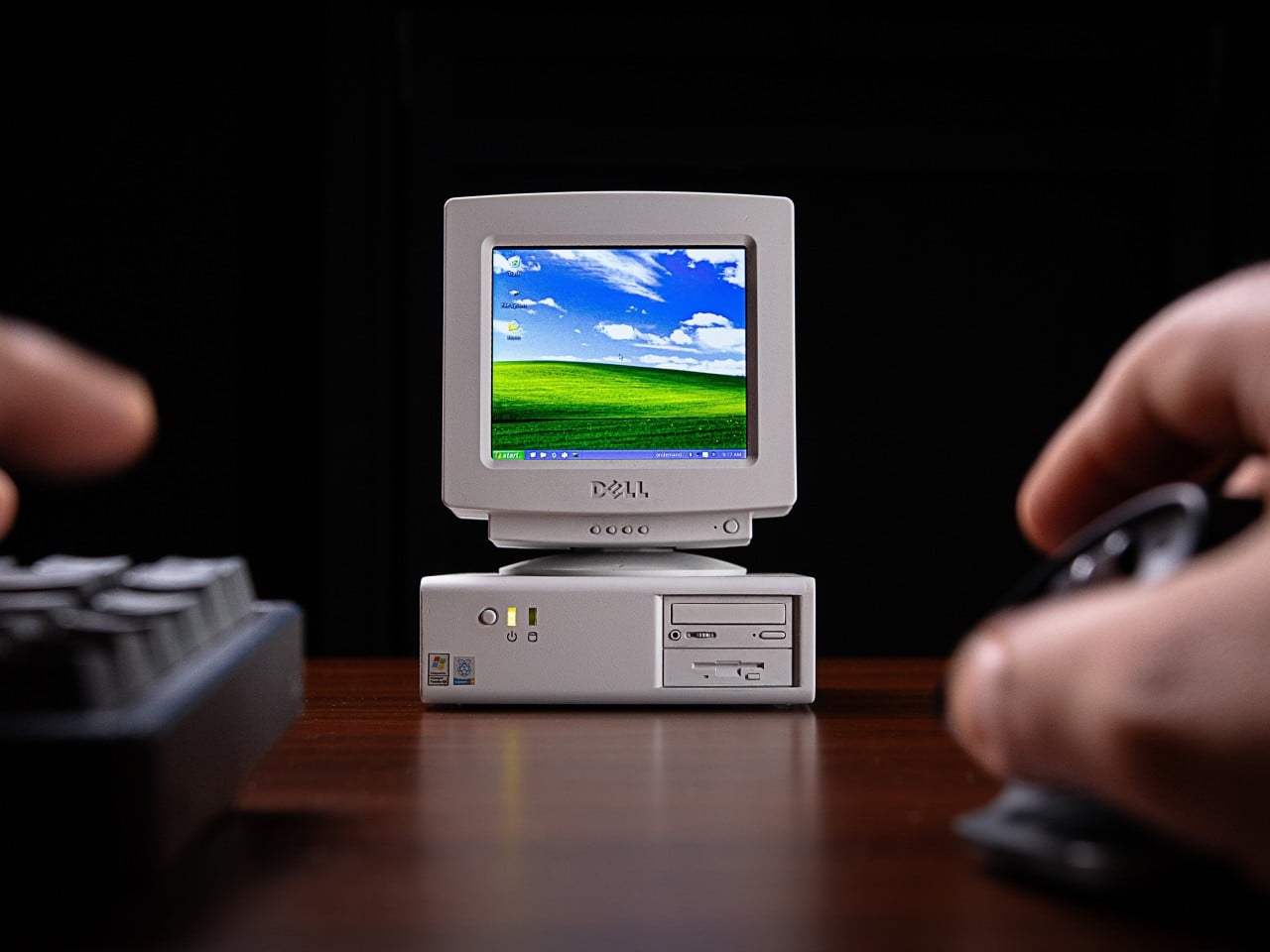
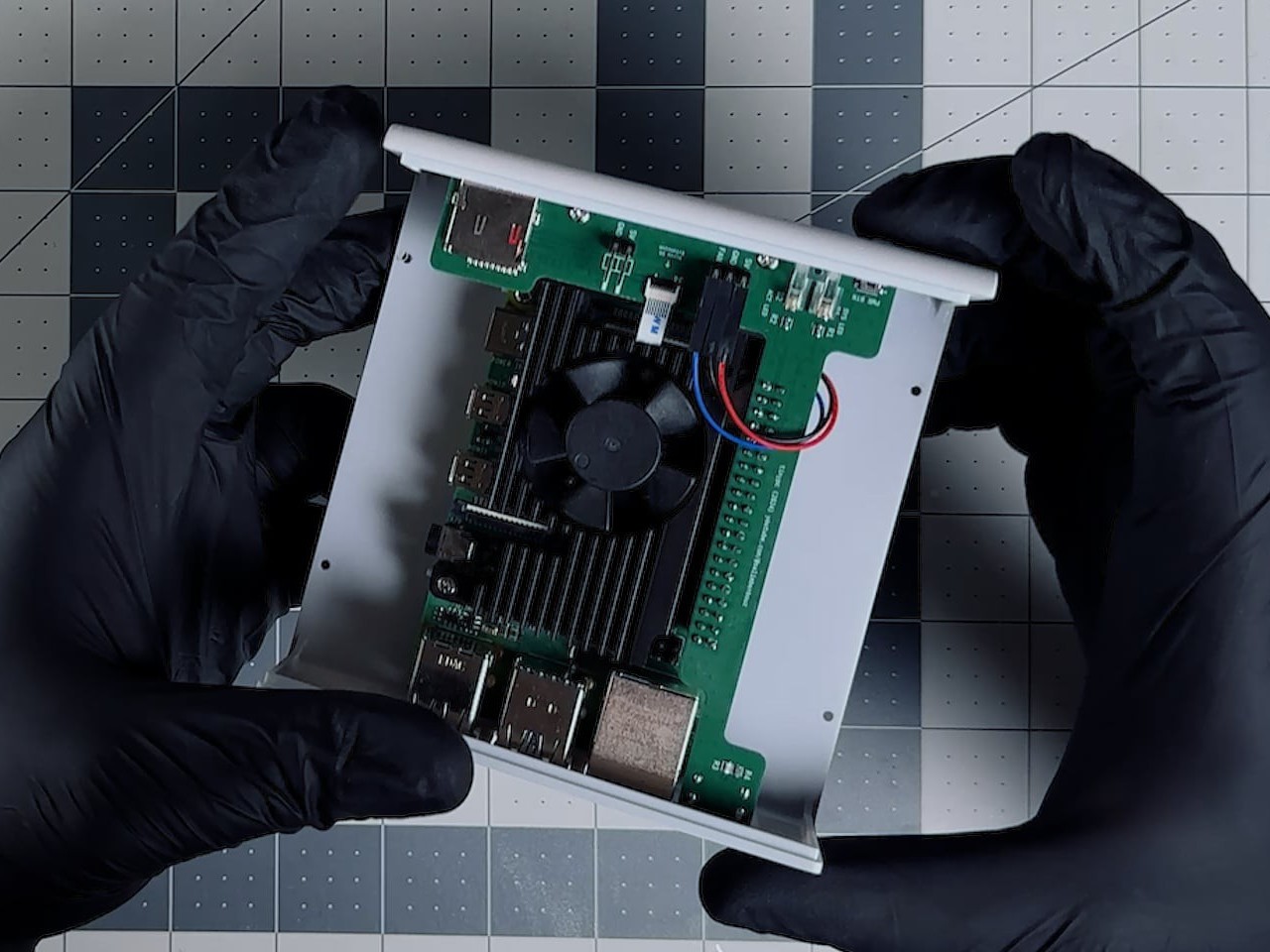
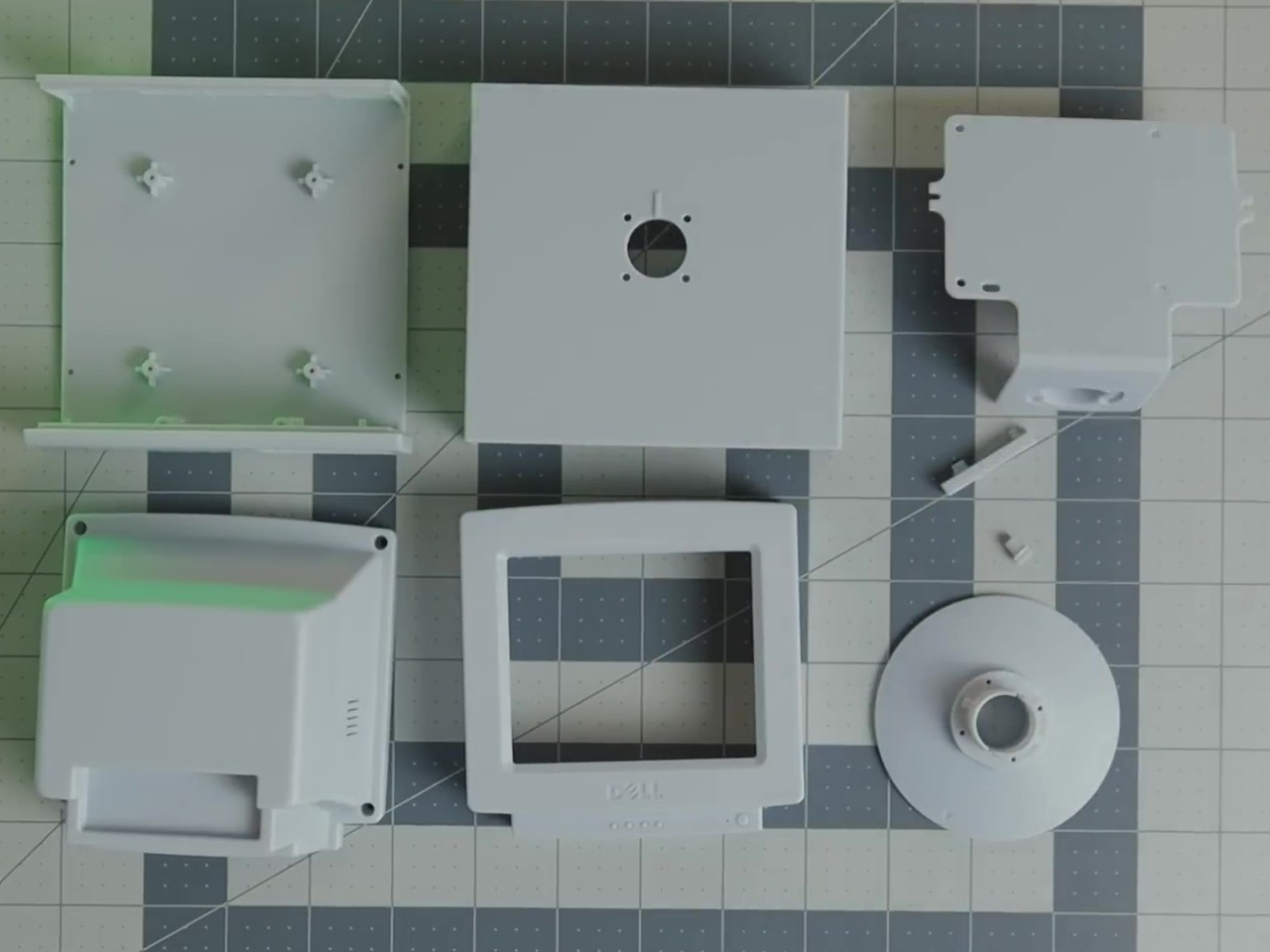
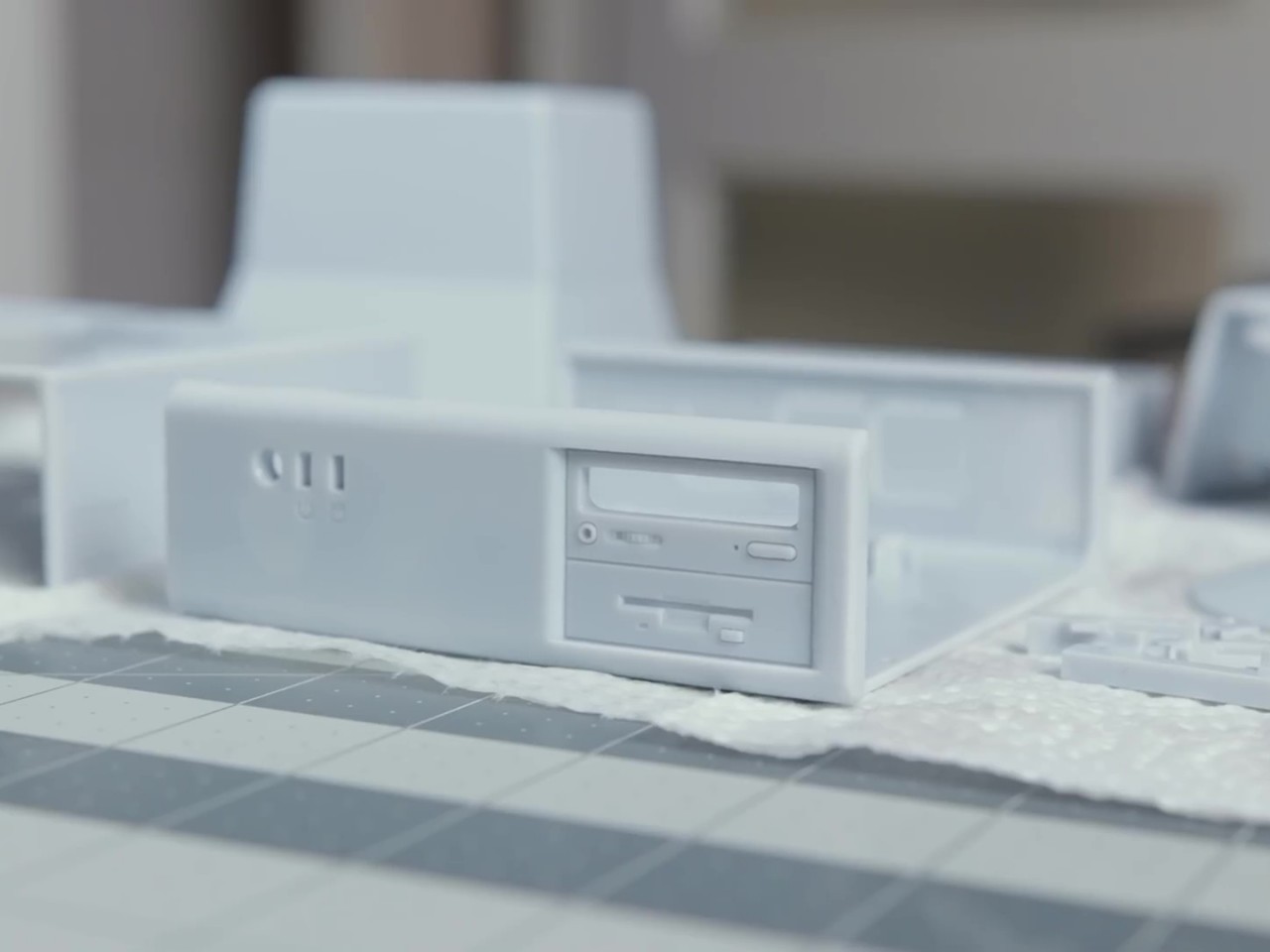
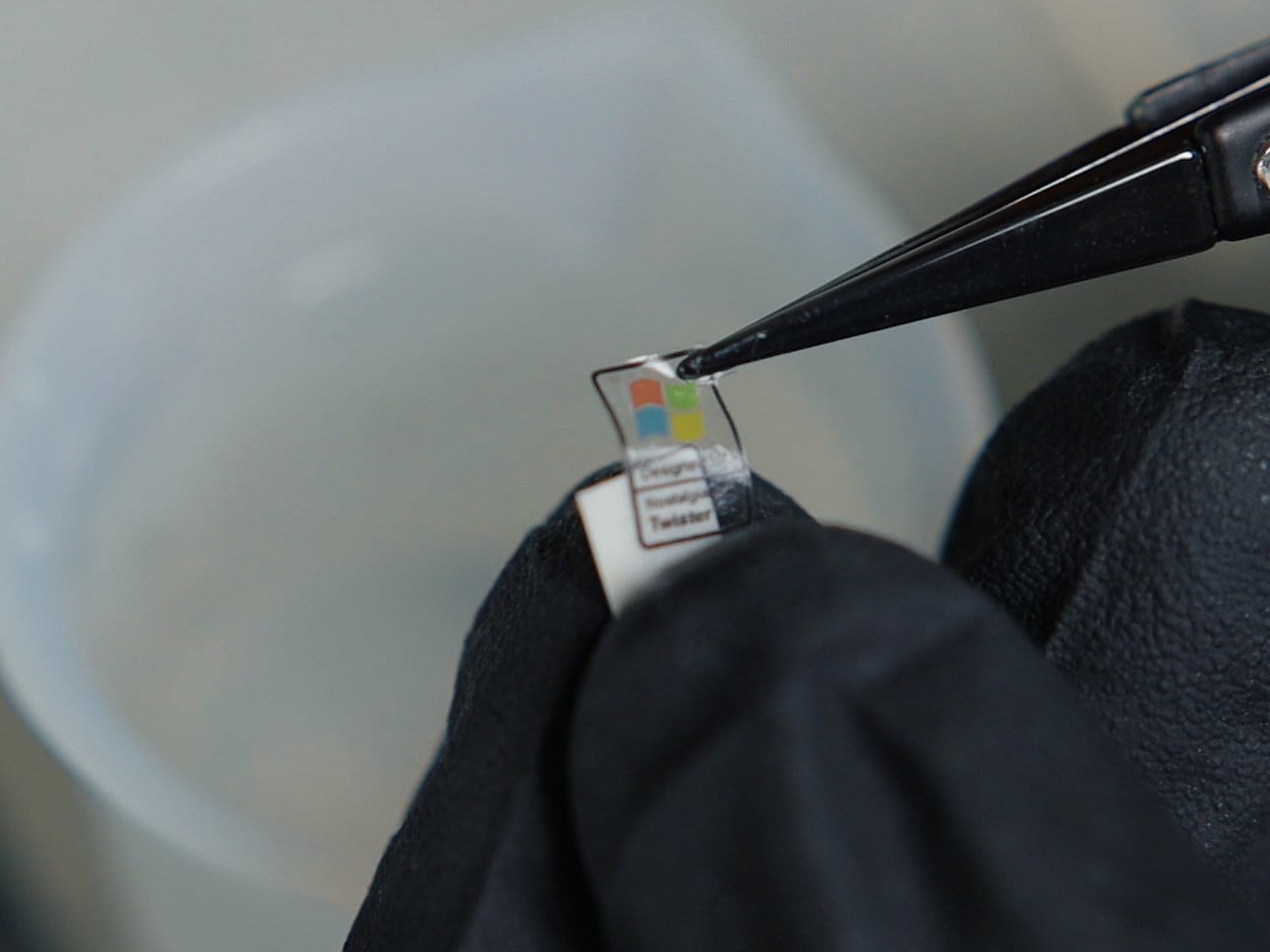
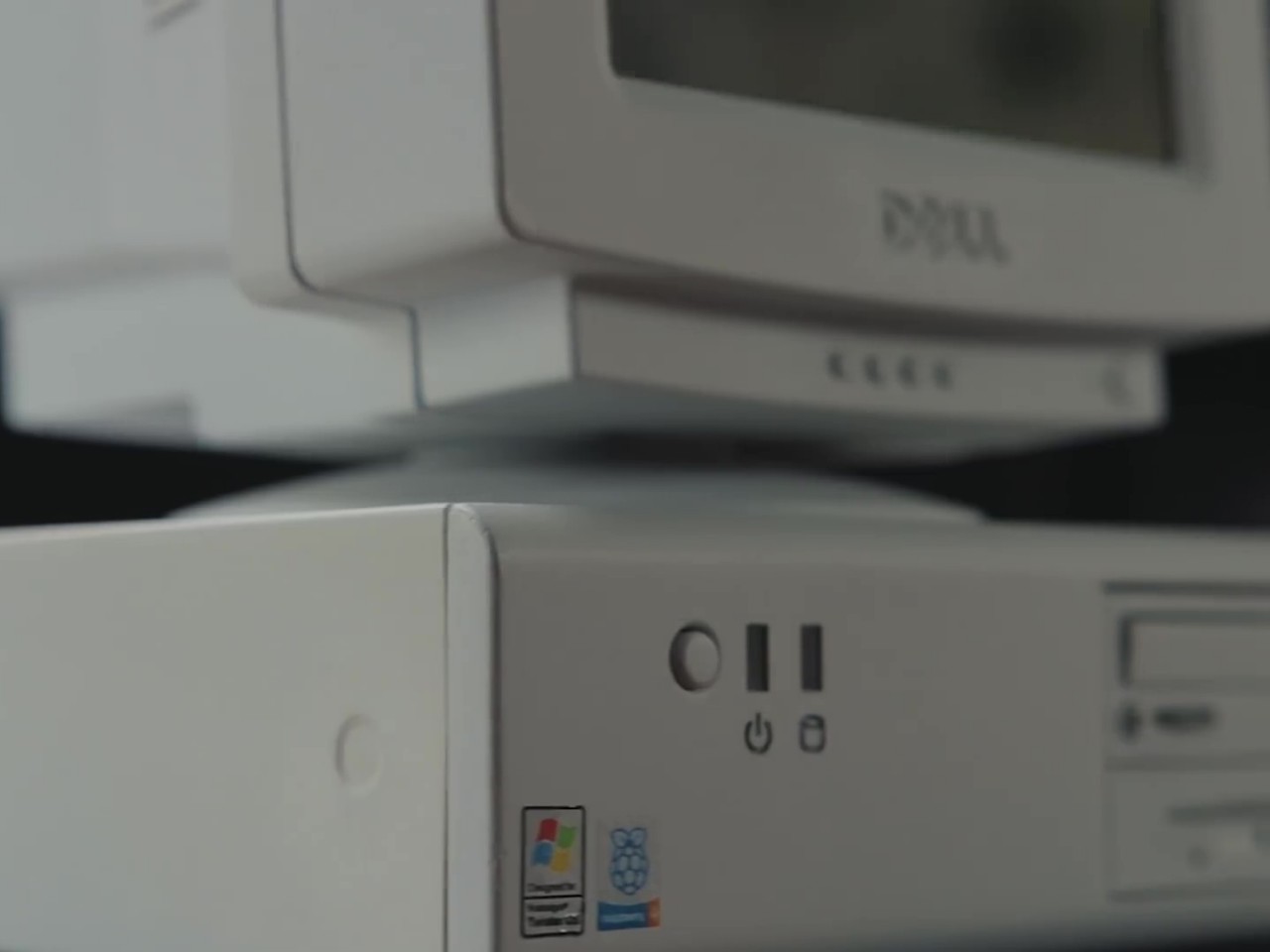
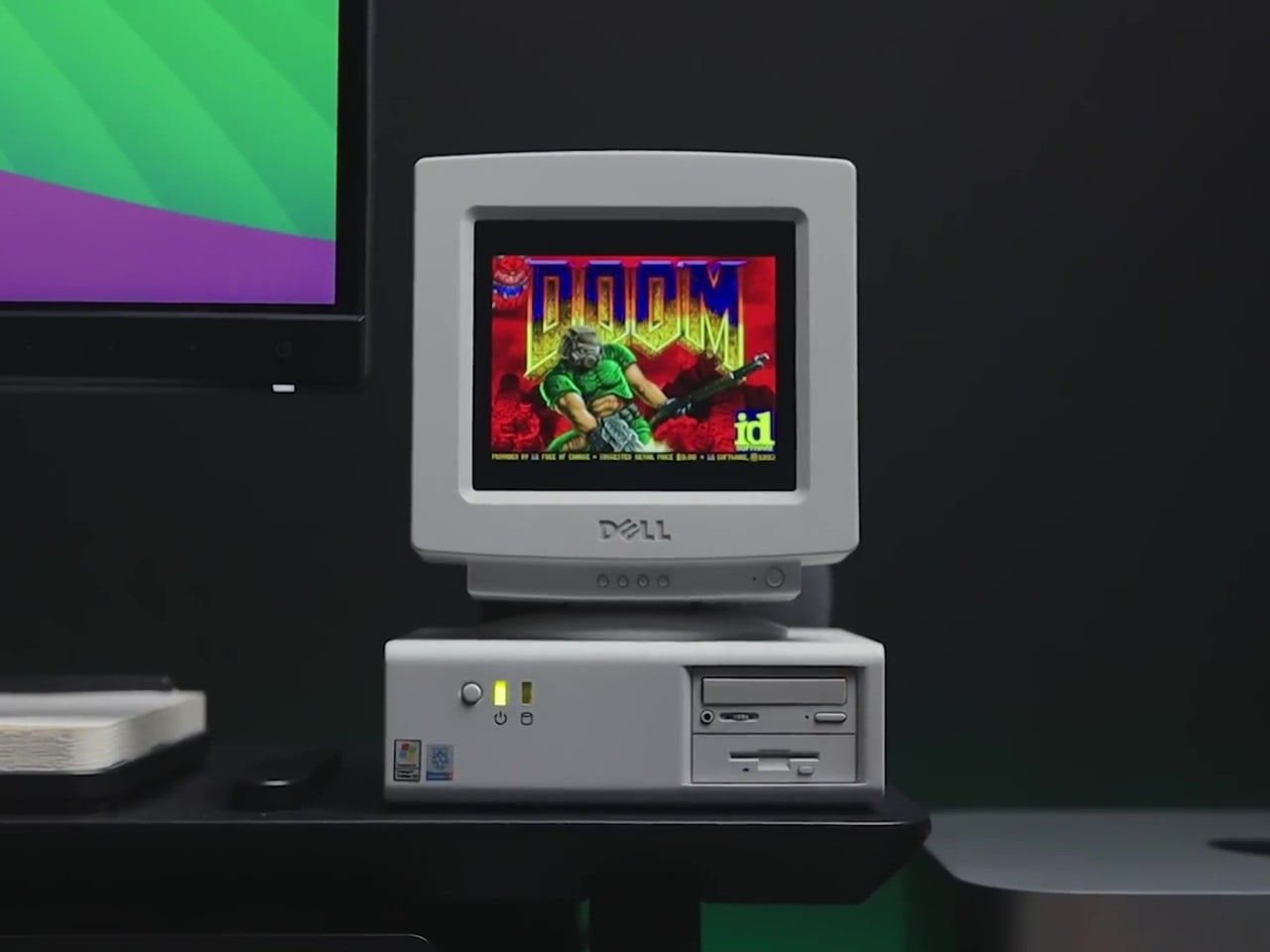
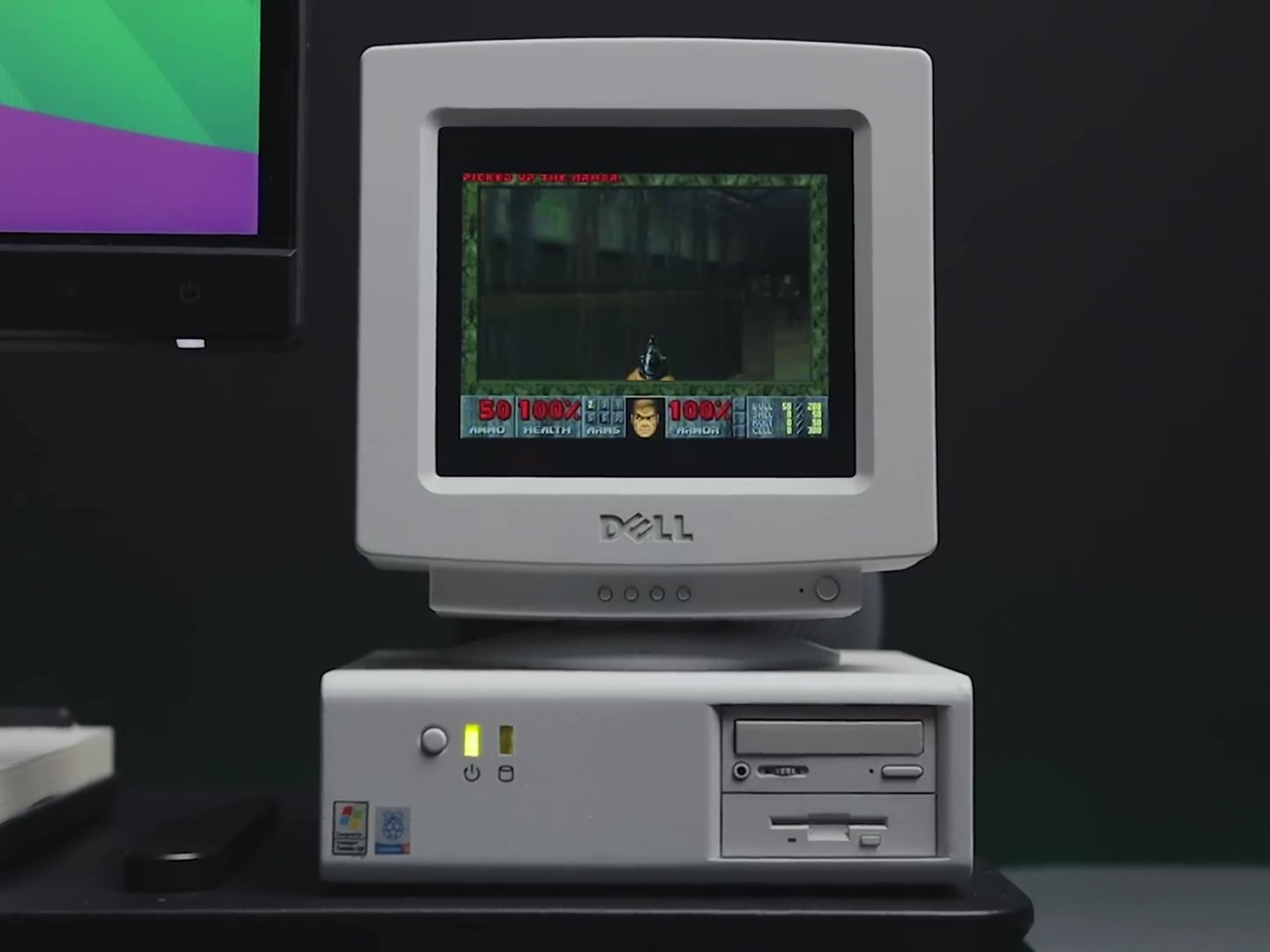
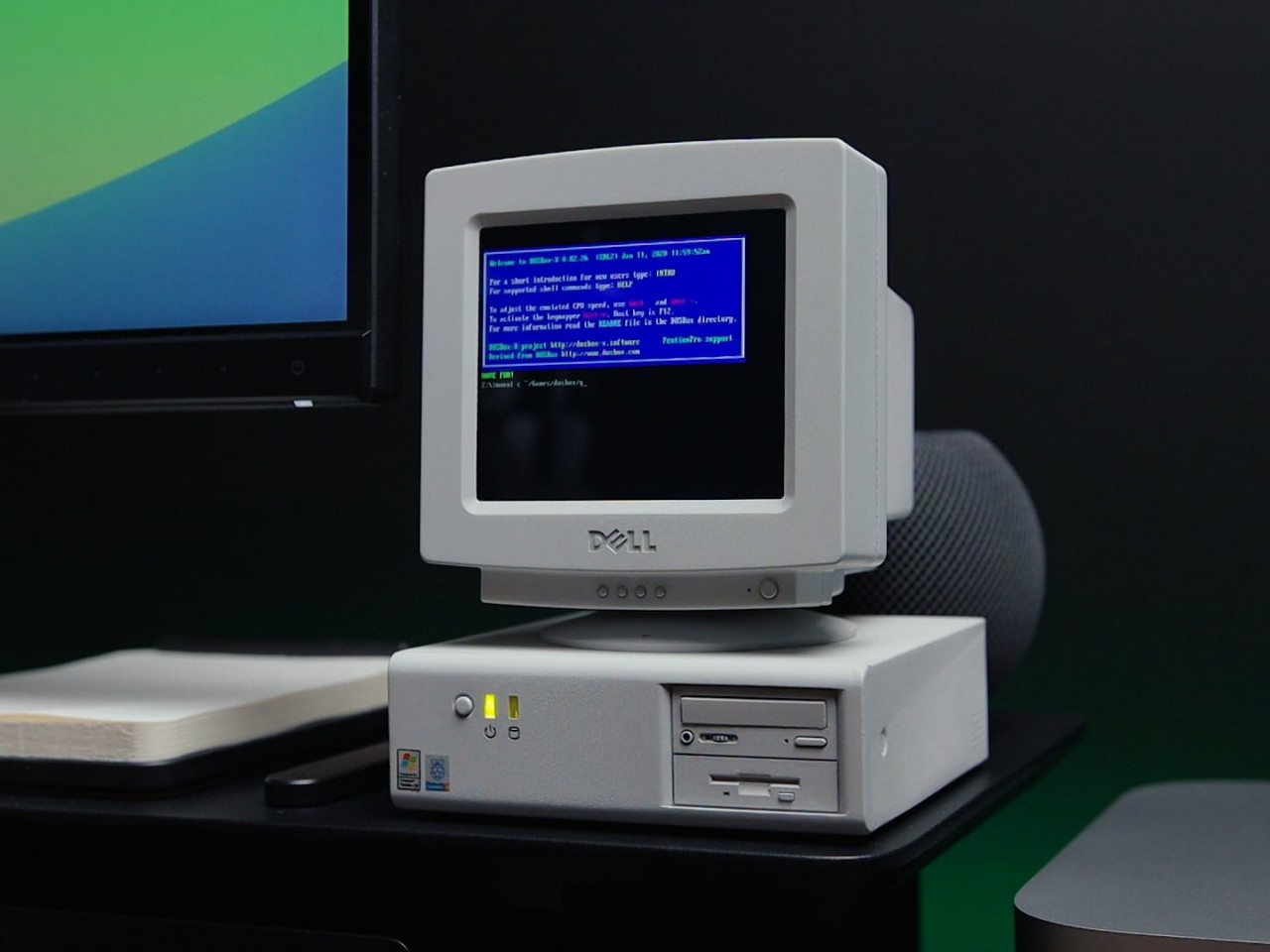
Patterned after one of the more common designs of Dell PCs, this tiny retro computer revives the spirit if not the function of those 90s computers. It’s pretty much a box-like CRT monitor sitting on top of another horizontal box which was the convention for desktop computers at that time. The attention to detail is pretty impressive, from the carved DELL branding to tiny “Intel Inside” and Windows decals.
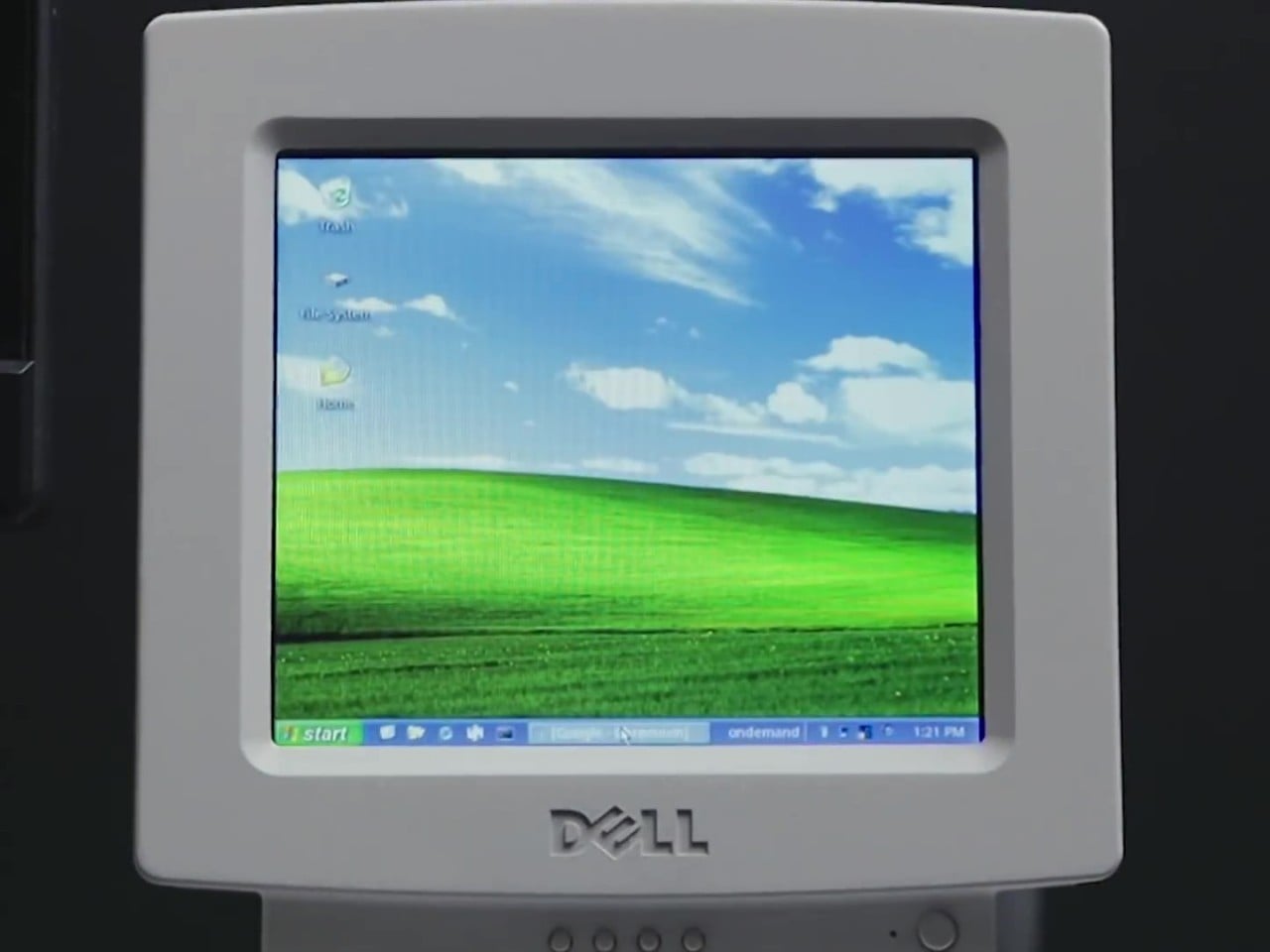
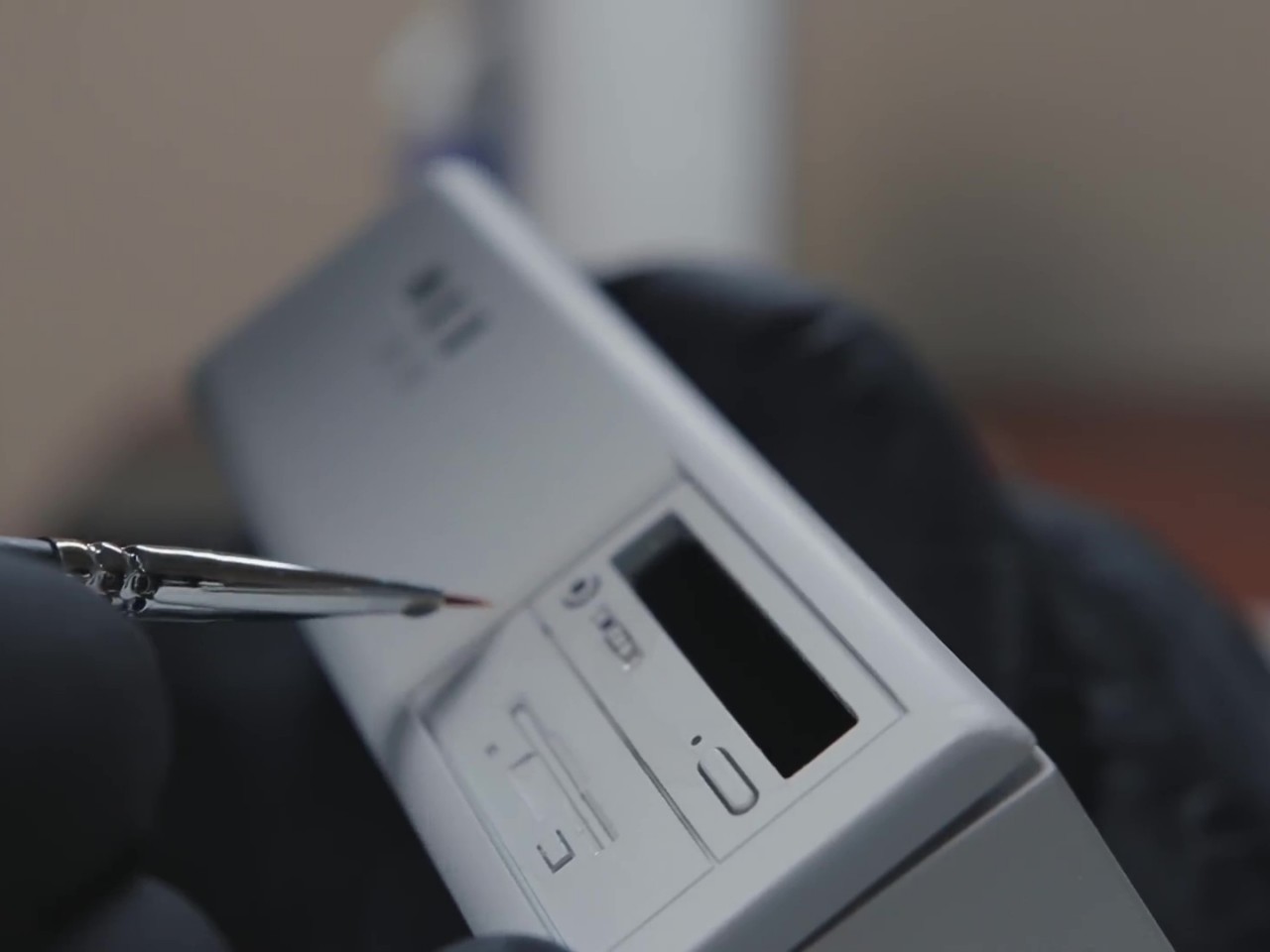
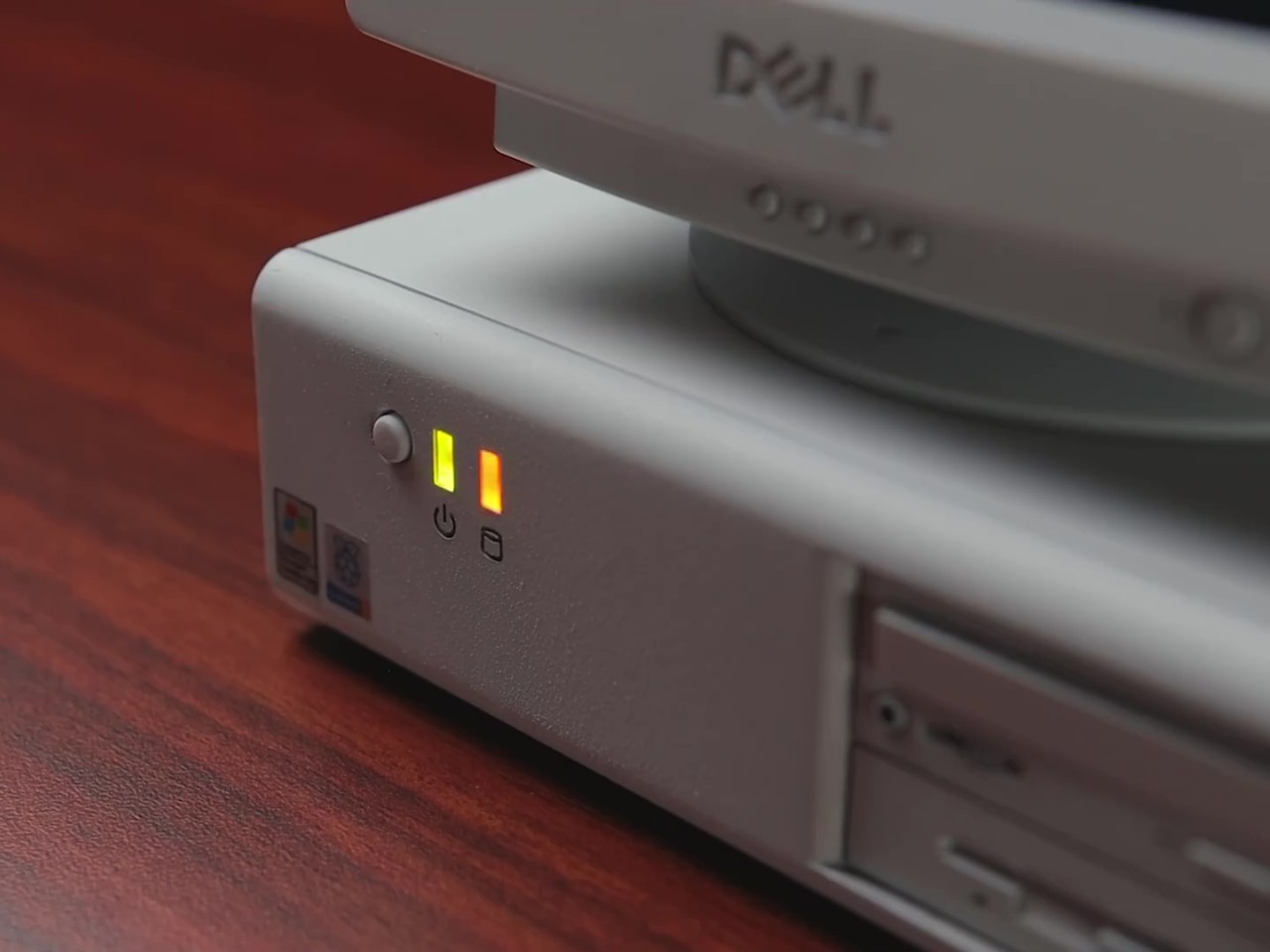
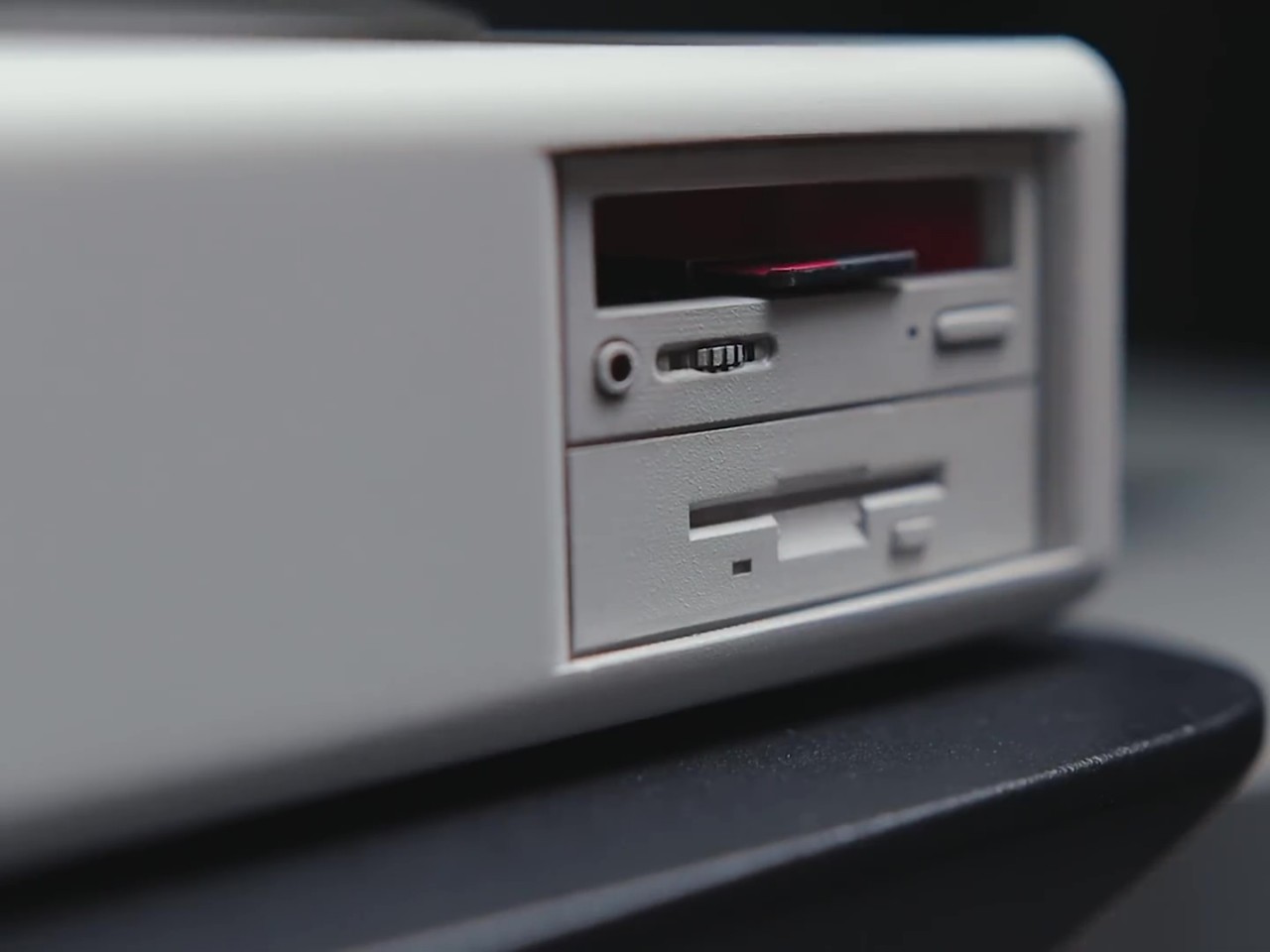
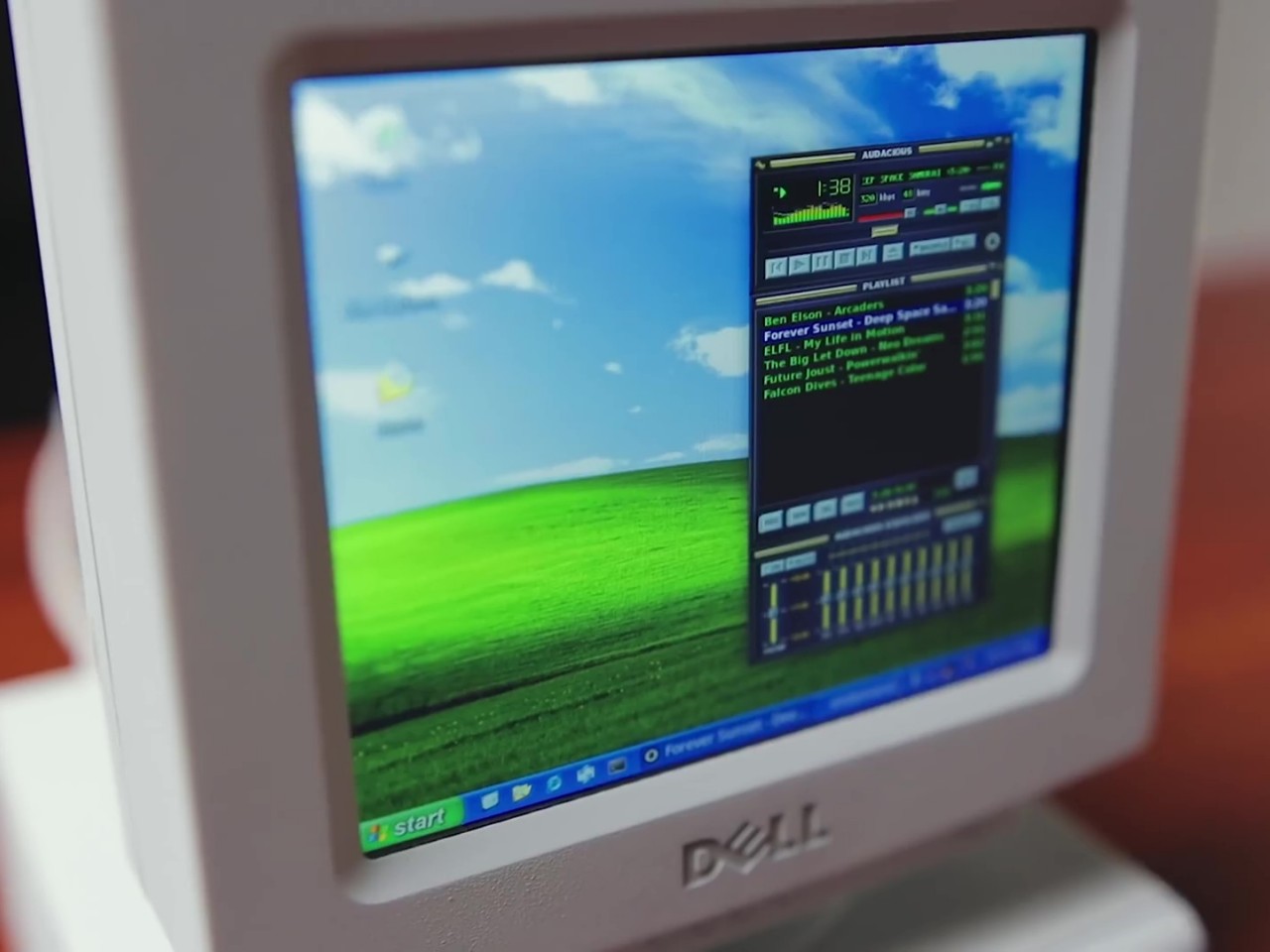
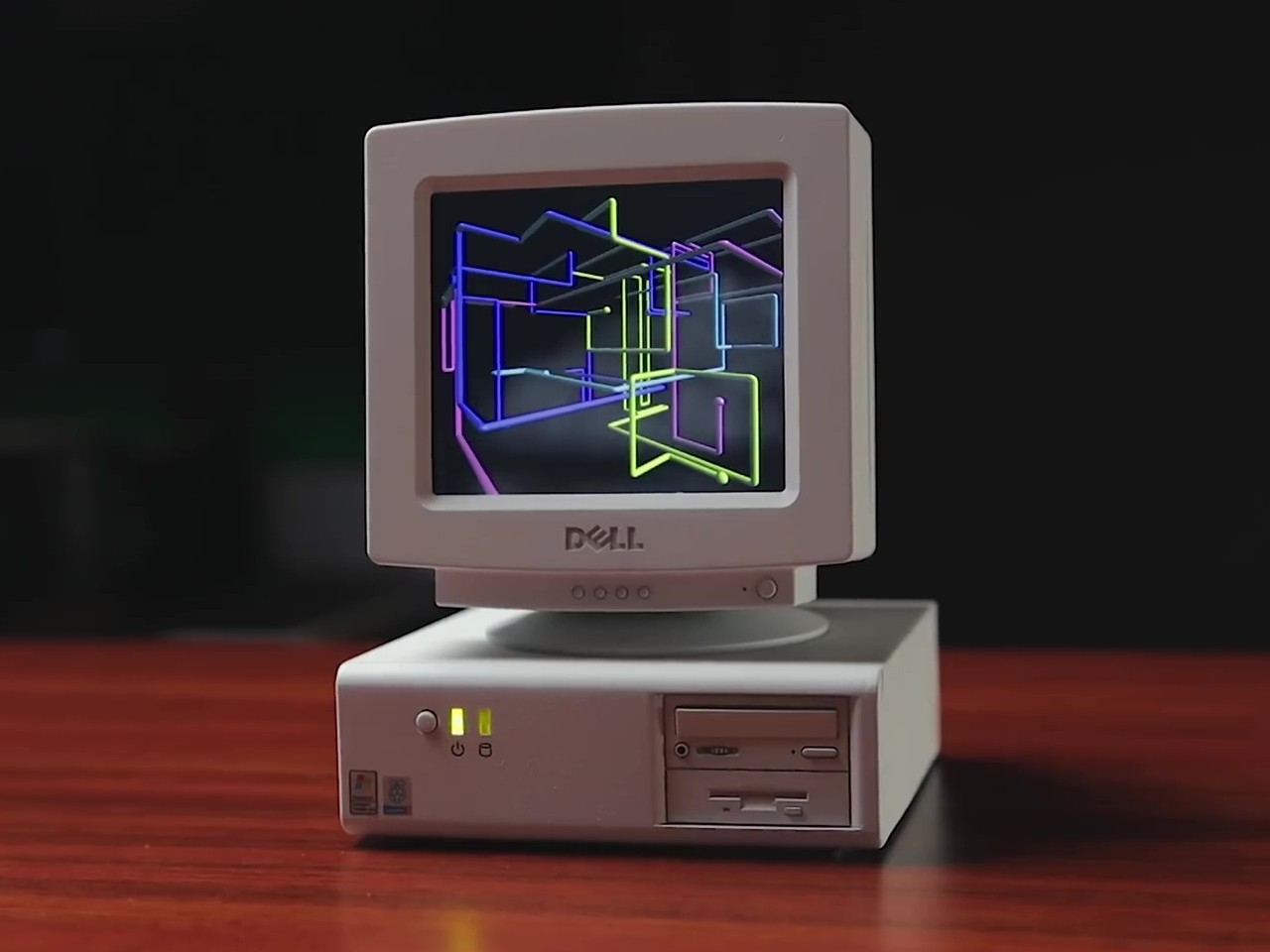
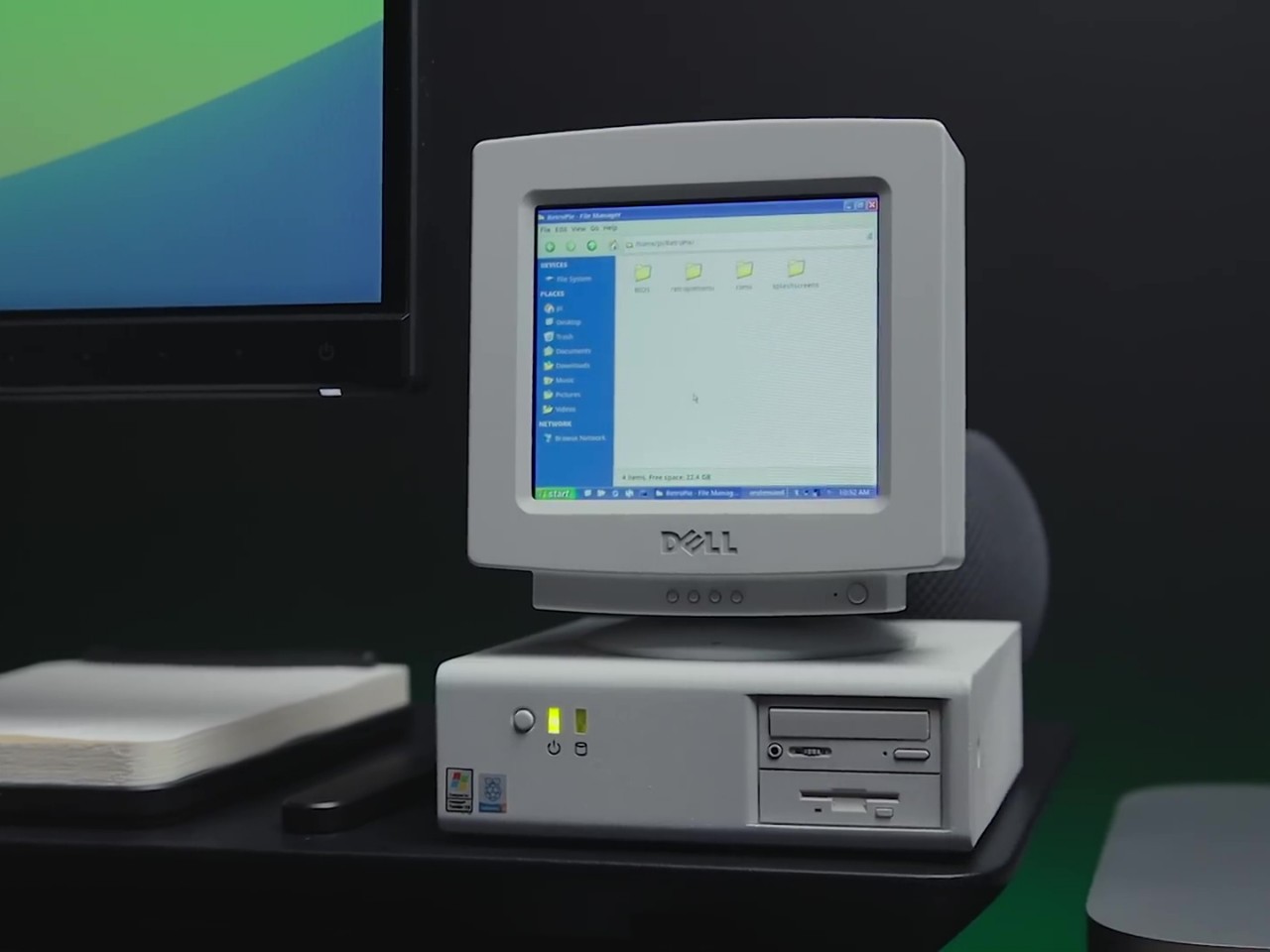
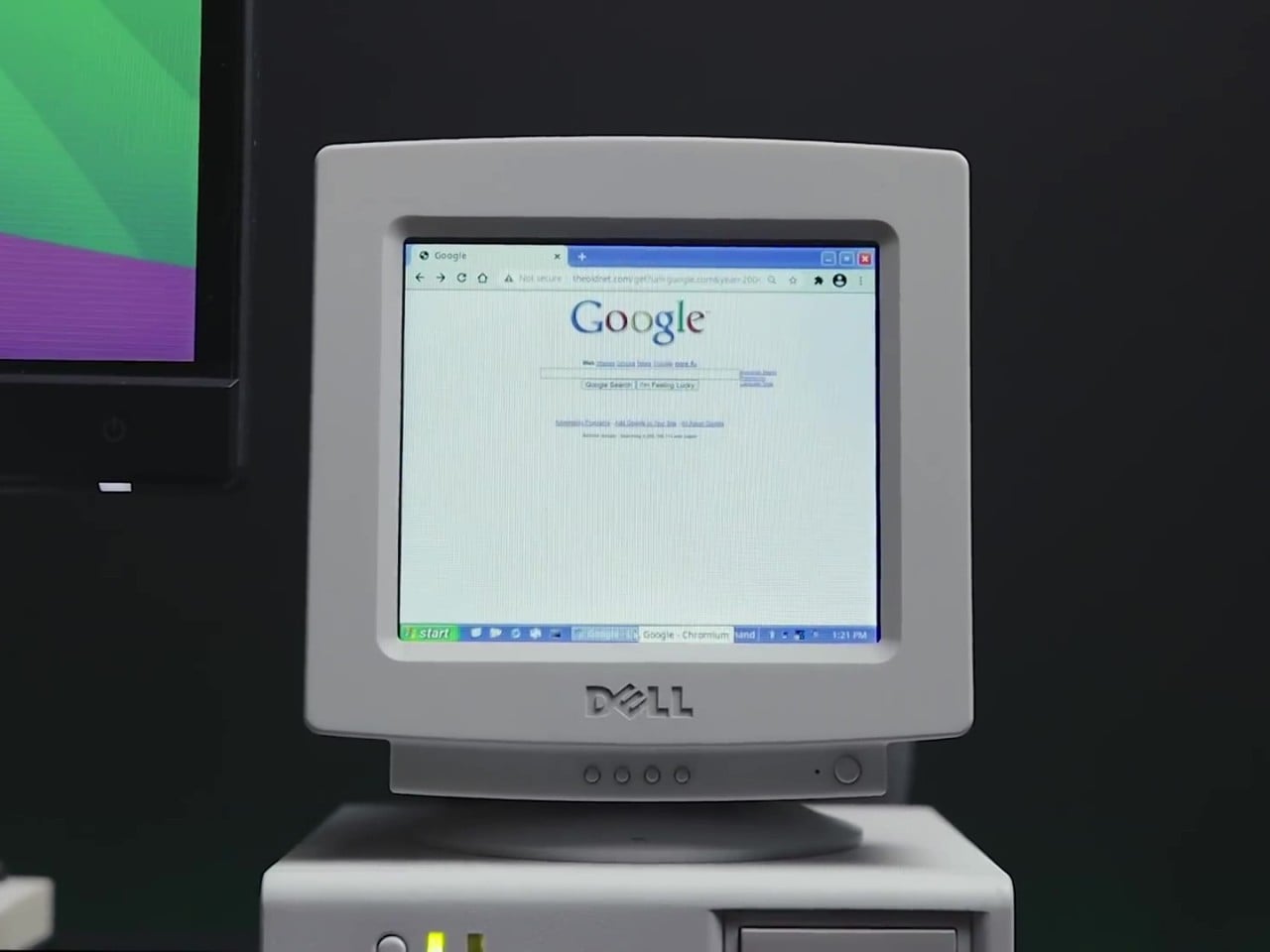
It’s a completely functional computer, though not all represented features actually work. The floppy disk drives, for example, are naturally too small for any disk, but they happen to be the right side to let a micro SD card through. There are LED lights to indicate power and mimic the flickering “hard drive spinning” activity. On the software side, it convincingly mimics the Windows XP look and feel, but it’s actually a flavor of Linux designed for the Raspberry Pi that’s running inside. And, of course, it can run DOOM, just like any self-respecting computer.
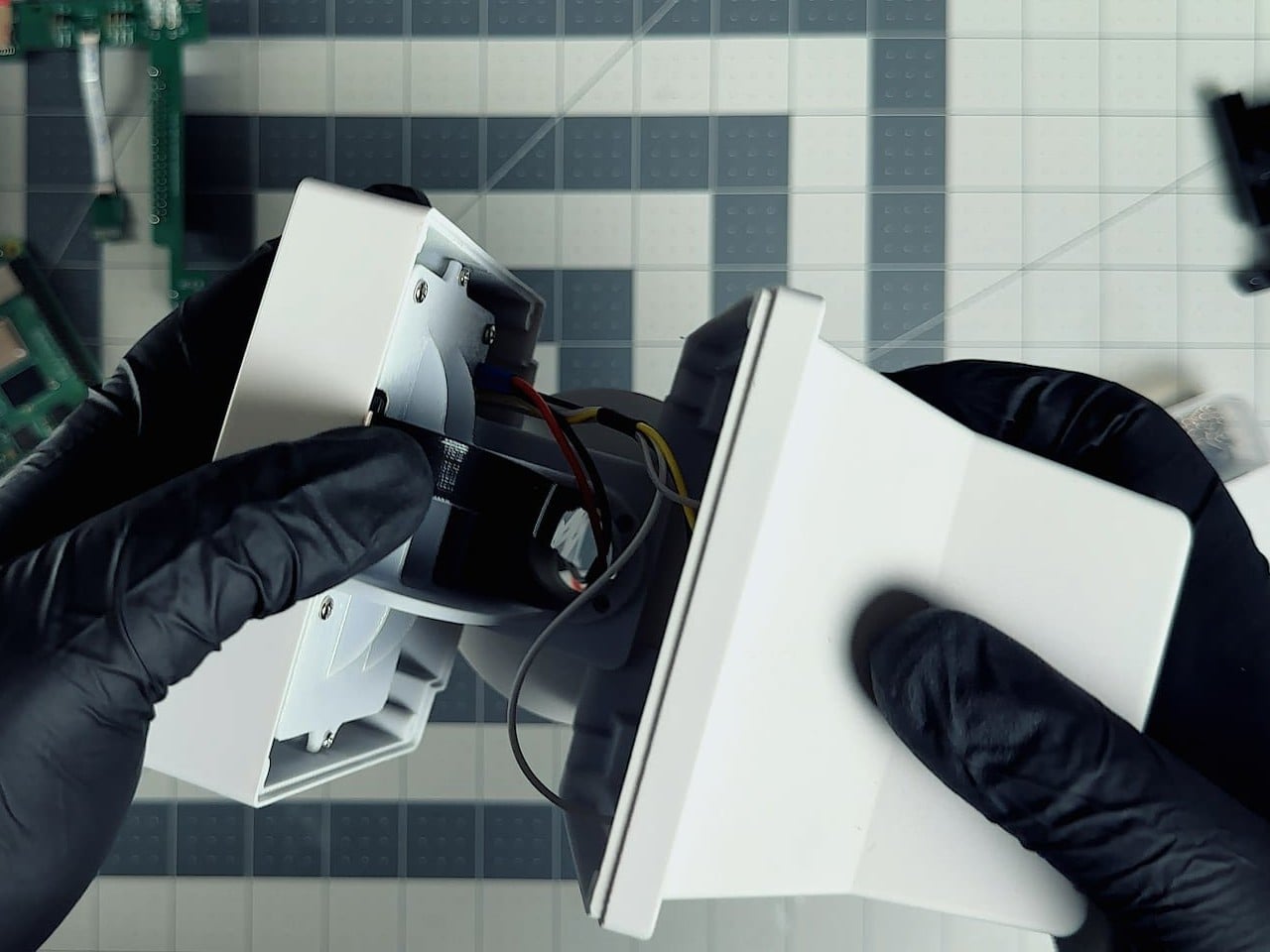
As impressive as this intricate recreation might be, it is also one that is a true labor of love. It requires a lot of 3D printing, custom soldering, and fiddling with electronics, so it’s not something that just about anyone can do on their own. Fortunately, the instructions and materials for this project are all listed and available for anyone to see, reliving the spirit of openness and exploration that was also alive during that period.
Although the craze for old “retro” designs has gripped many industries, it has taken a rather odd direction in the computing and gaming worlds. More than just recreating the designs and experiences of the past, many retro computers or consoles also strangely decided to shrink those products down to sometimes unusable sizes. Though manufacturers like Nintendo have jumped on that bandwagon, the biggest push comes from makers and modders who now have a wide arsenal of tools available at their disposal, giving them the freedom to create or recreate almost any design imaginable. This painstaking DIY project, for example, tries to bring back the iconic beige computer boxes of the 90s in a way that’s almost usable, at least if you can manage squinting at a 4-inch screen.
The PCs of the 90s and early 2000s aren’t really the epitome of inspired industrial design, which is why their rival Macs became the choice of designers, creators, and design-conscious users. Nonetheless, these geometric boxes were also the pinnacle of computing technology of that period, earning them their place not only in offices and homes but also in iconography. There are also quite a number of fond memories attached to these machines, which some more skilled craftsmen are now using to turn some of that nostalgia into a working PC, albeit a miniature one.
Patterned after one of the more common designs of Dell PCs, this tiny retro computer revives the spirit if not the function of those 90s computers. It’s pretty much a box-like CRT monitor sitting on top of another horizontal box which was the convention for desktop computers at that time. The attention to detail is pretty impressive, from the carved DELL branding to tiny “Intel Inside” and Windows decals.
It’s a completely functional computer, though not all represented features actually work. The floppy disk drives, for example, are naturally too small for any disk, but they happen to be the right side to let a micro SD card through. There are LED lights to indicate power and mimic the flickering “hard drive spinning” activity. On the software side, it convincingly mimics the Windows XP look and feel, but it’s actually a flavor of Linux designed for the Raspberry Pi that’s running inside. And, of course, it can run DOOM, just like any self-respecting computer.
As impressive as this intricate recreation might be, it is also one that is a true labor of love. It requires a lot of 3D printing, custom soldering, and fiddling with electronics, so it’s not something that just about anyone can do on their own. Fortunately, the instructions and materials for this project are all listed and available for anyone to see, reliving the spirit of openness and exploration that was also alive during that period.