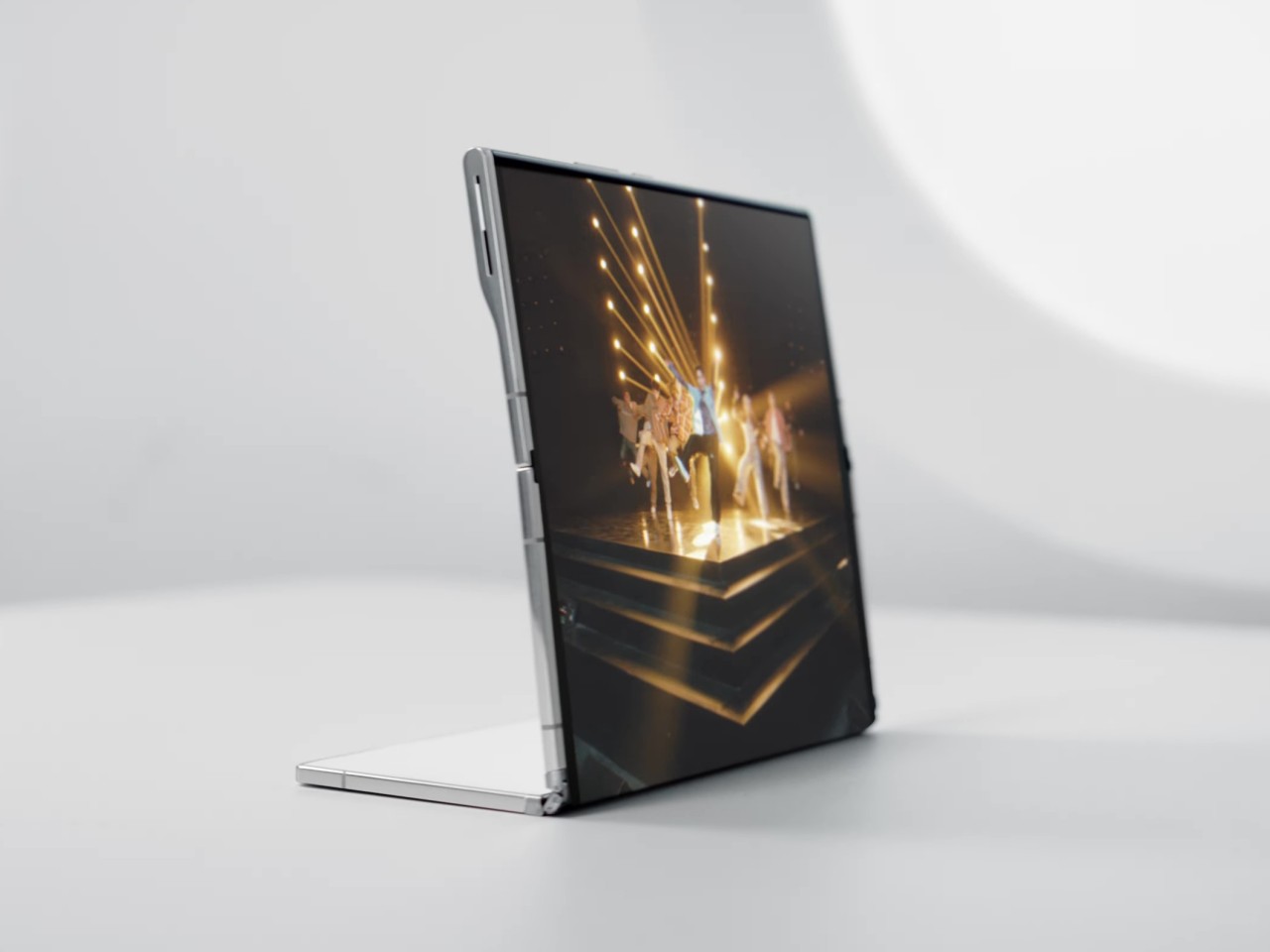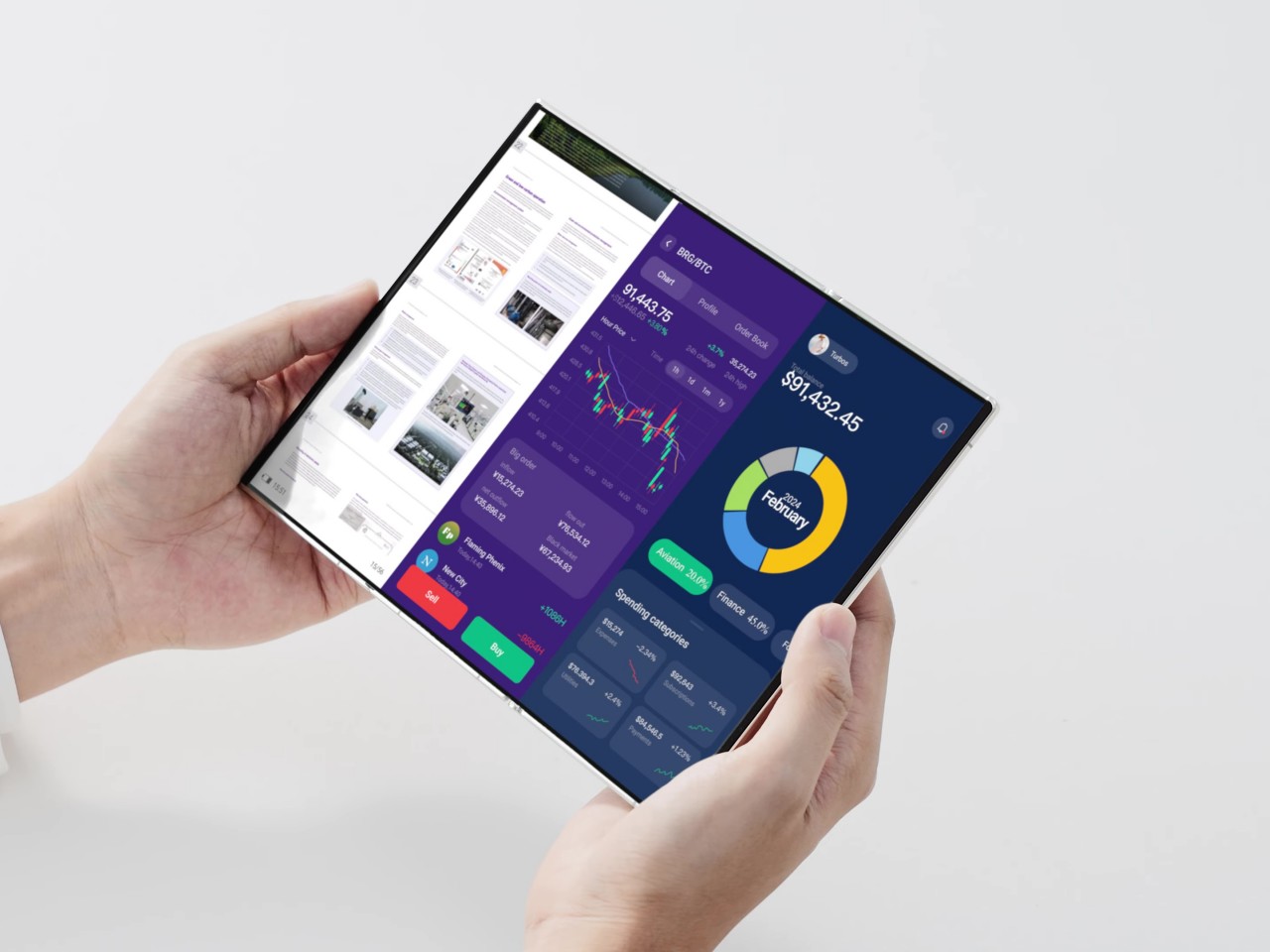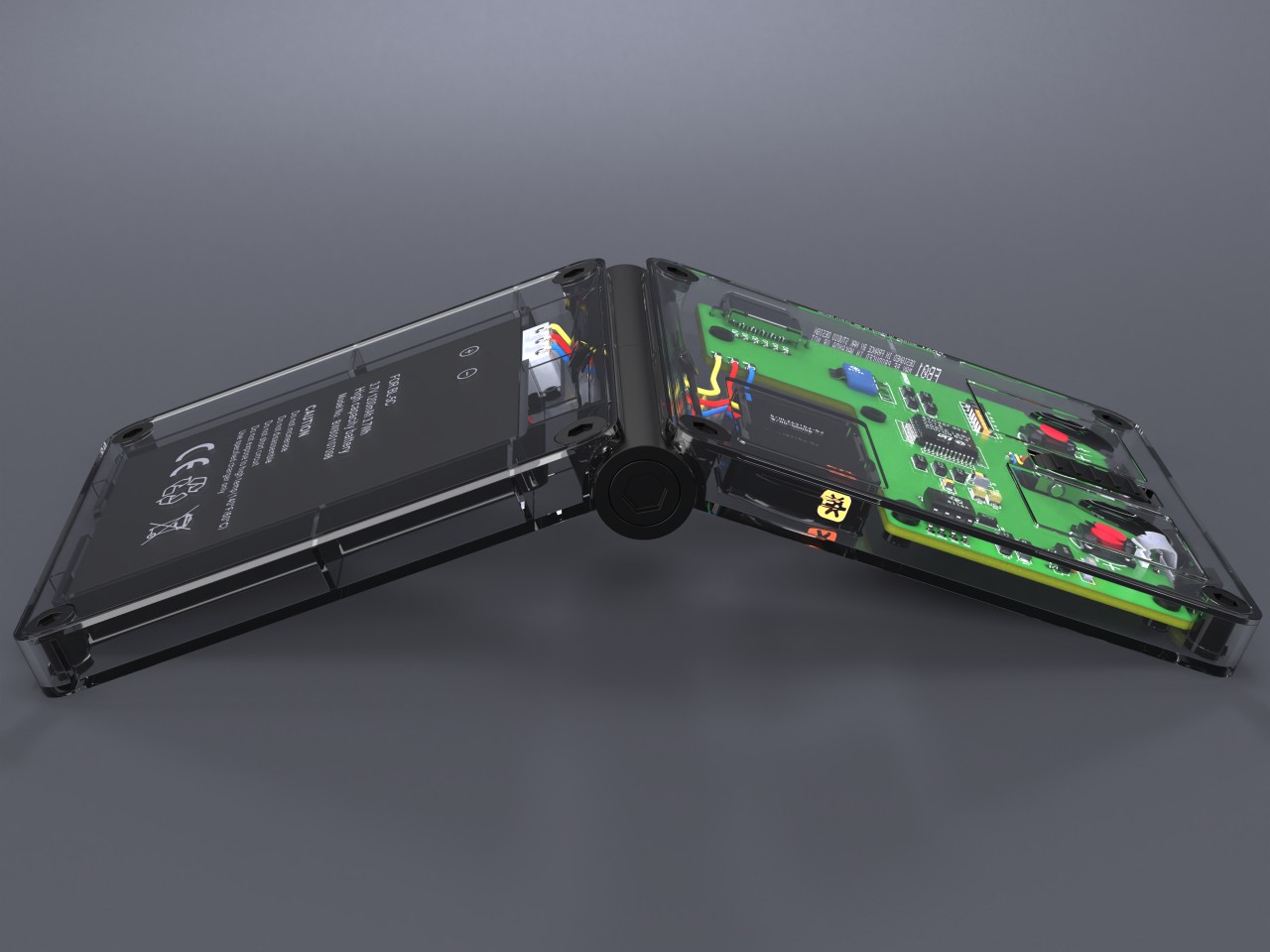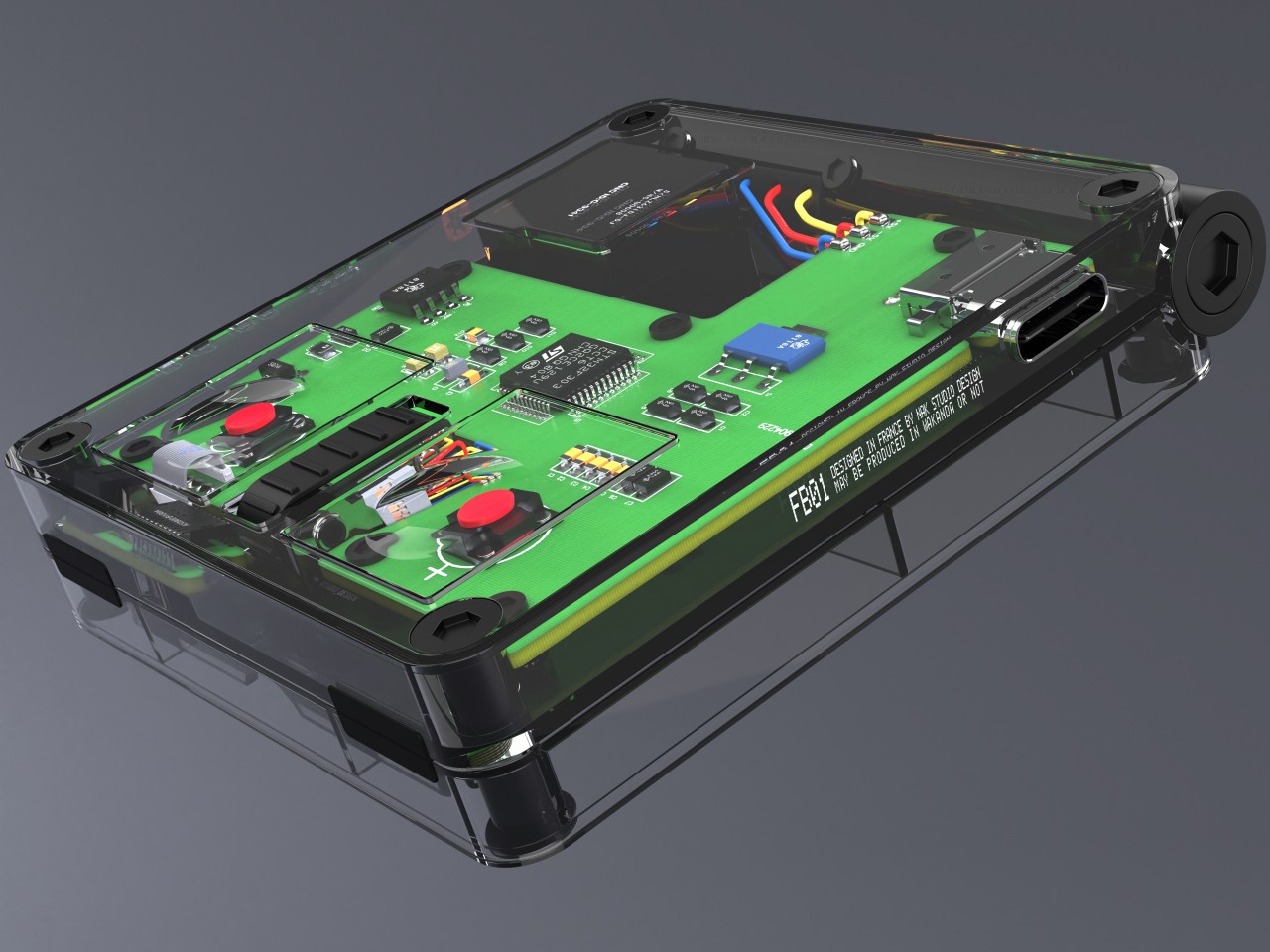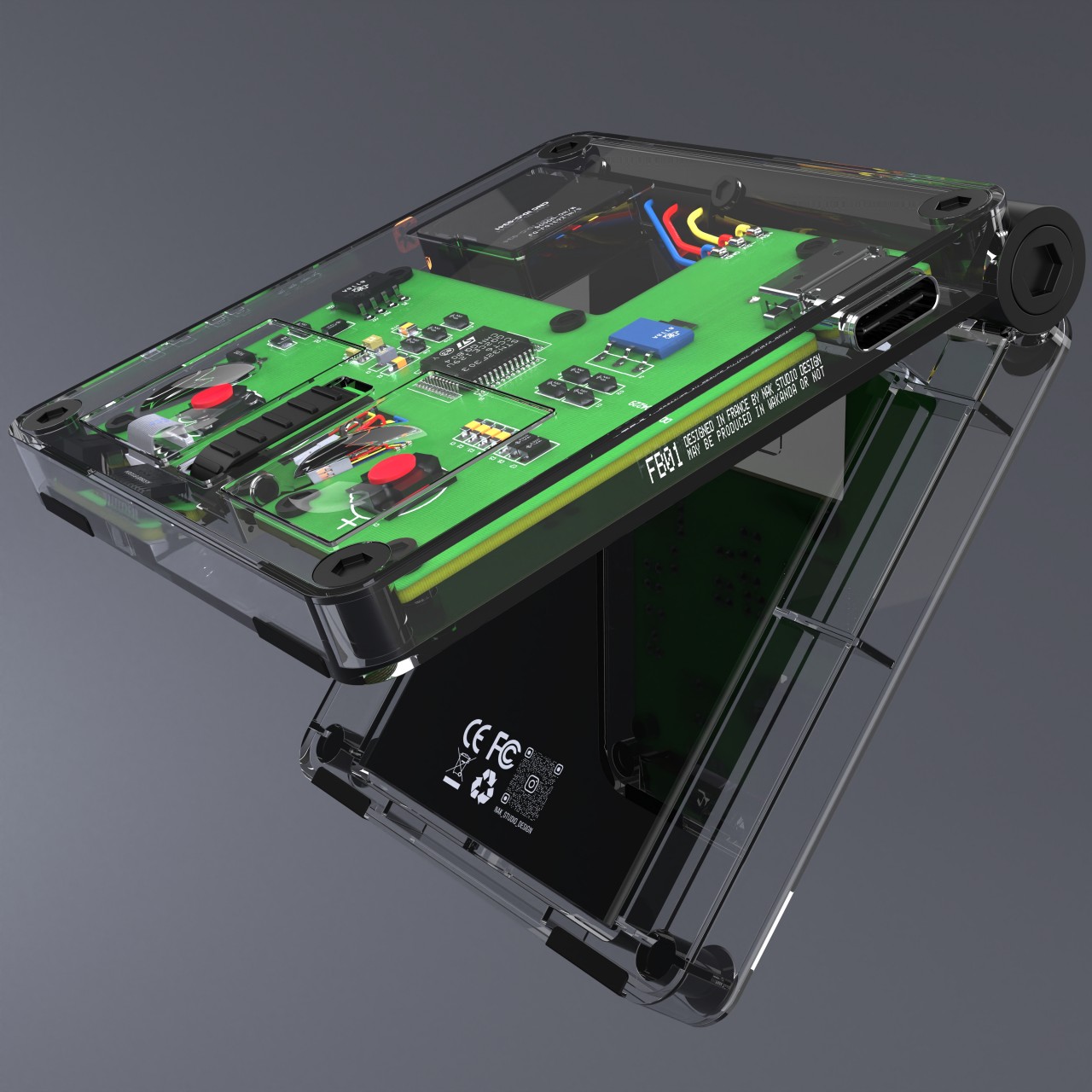
Foldable keyboard is actually a powerful pocket PC that just needs a screen

Small-form computers are becoming quite the fad these days, and not just the mini PCs that sit on our desks or hidden behind monitors. There are, of course, handheld gaming PCs like the Steam Deck and ASUS ROG Ally X that are full-fledged computers in their own right. Even the latter, however, might have some trouble being called portable because of their large sizes, at least compared to the sleek and thin Nintendo Switch. There are compromises to be made, however, the smaller you want the device to become, but this rather intriguing design eschews the part that you least expect. Masquerading as a thick and hefty foldable keyboard, this literal pocket PC will let you work or even play anywhere, as long as you have a monitor with you as well.

Designer: Linglong

It’s pretty amazing how far computing technology has gone when it comes to minimizing the space taken up by components. Handheld gaming PCs, for example, have hardware that you’d normally only find in gaming laptops from a few years back. Despite that, there’s no escaping the laws of physics, especially if you have to make room for things like a small display and controls. But if all you really want is a computer you can take with you anywhere, then this foldable keyboard PC is probably the way to go.

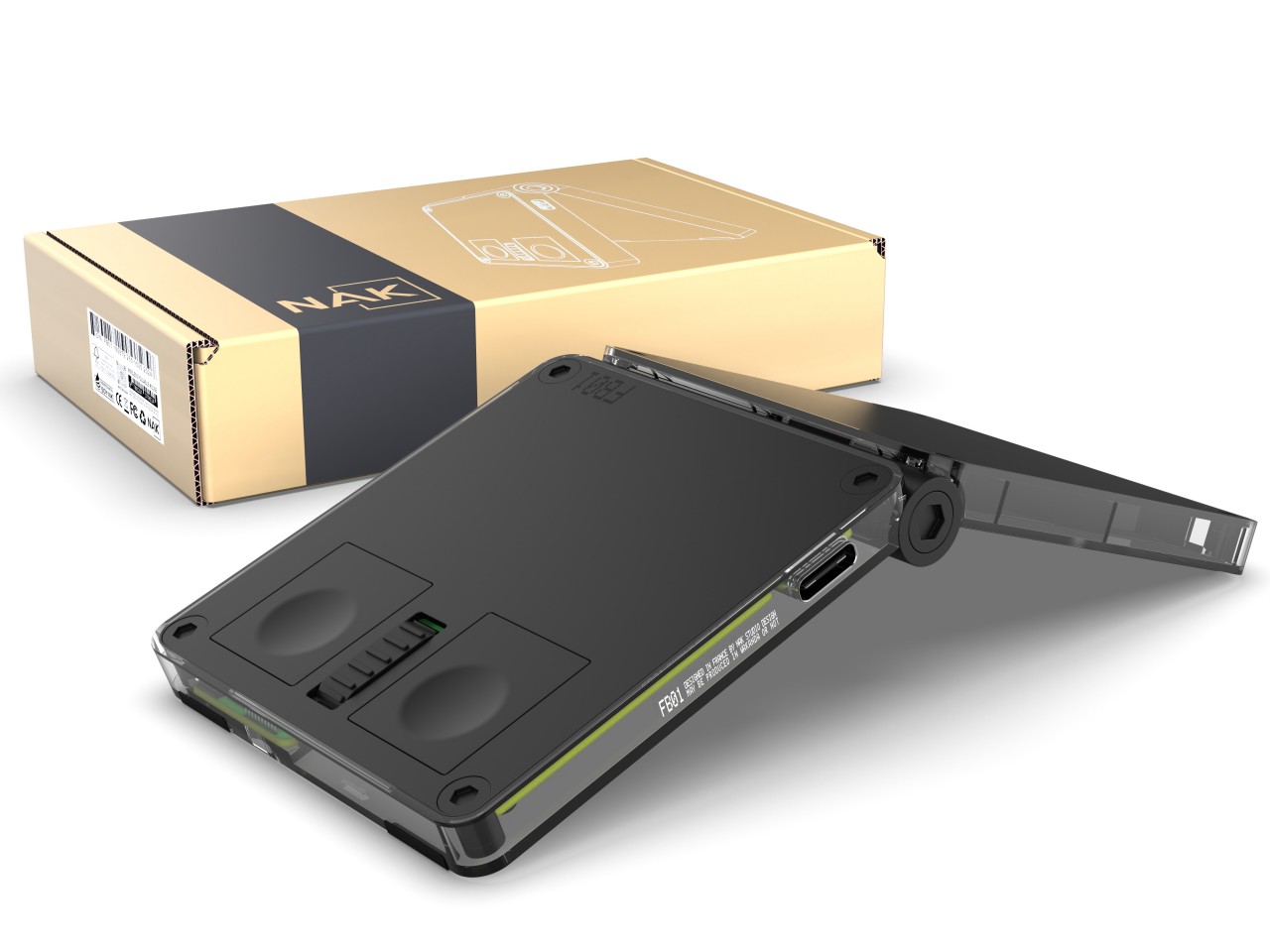
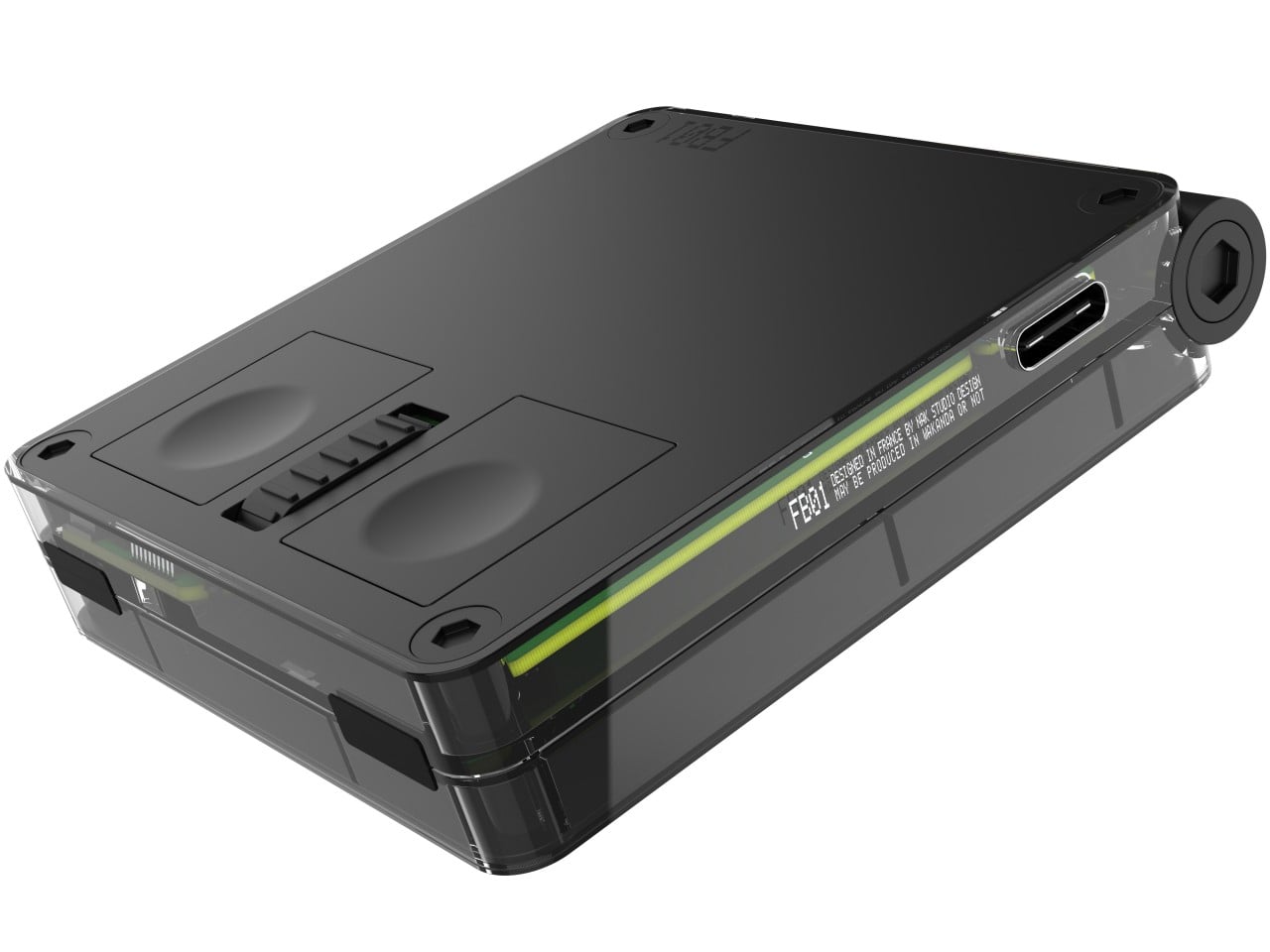
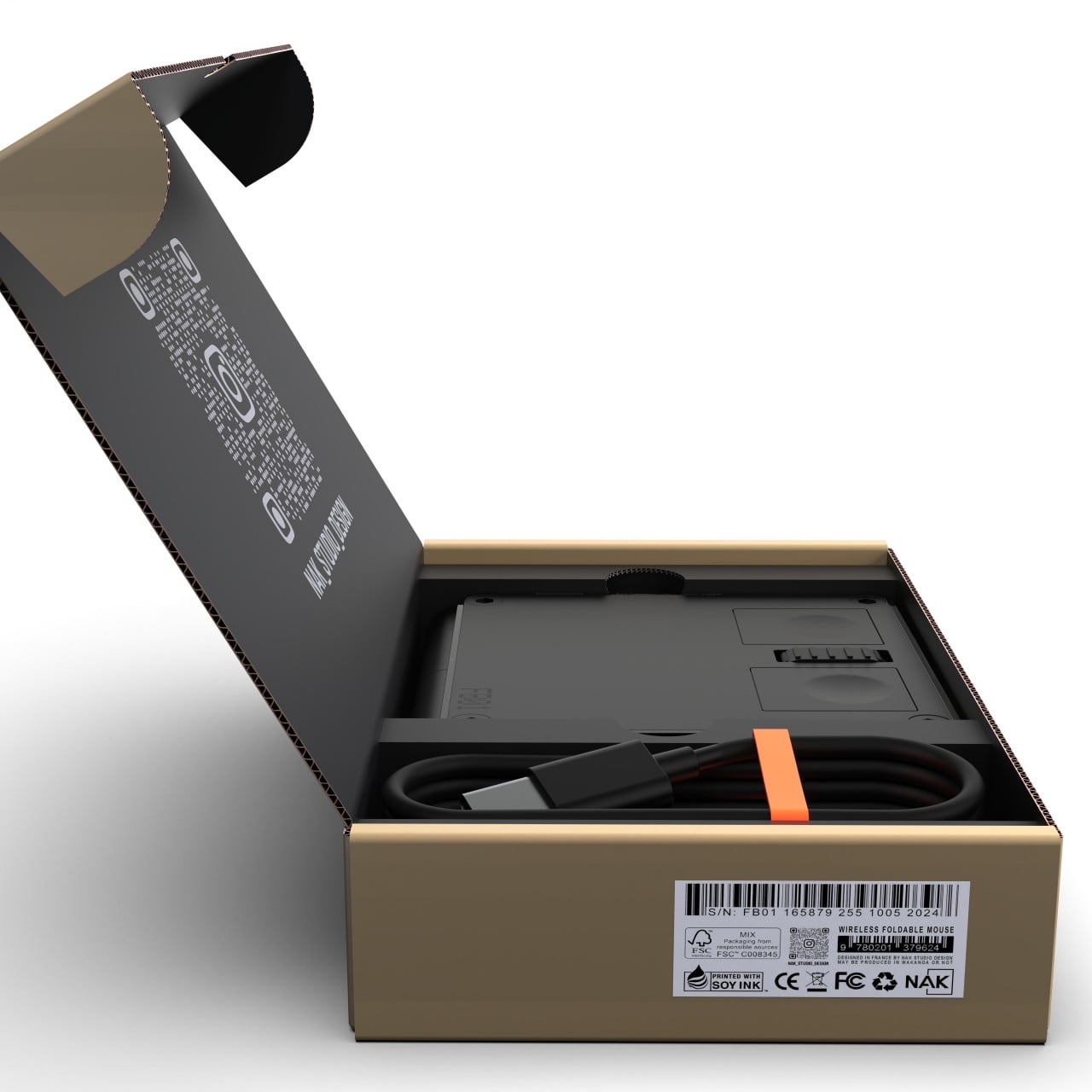
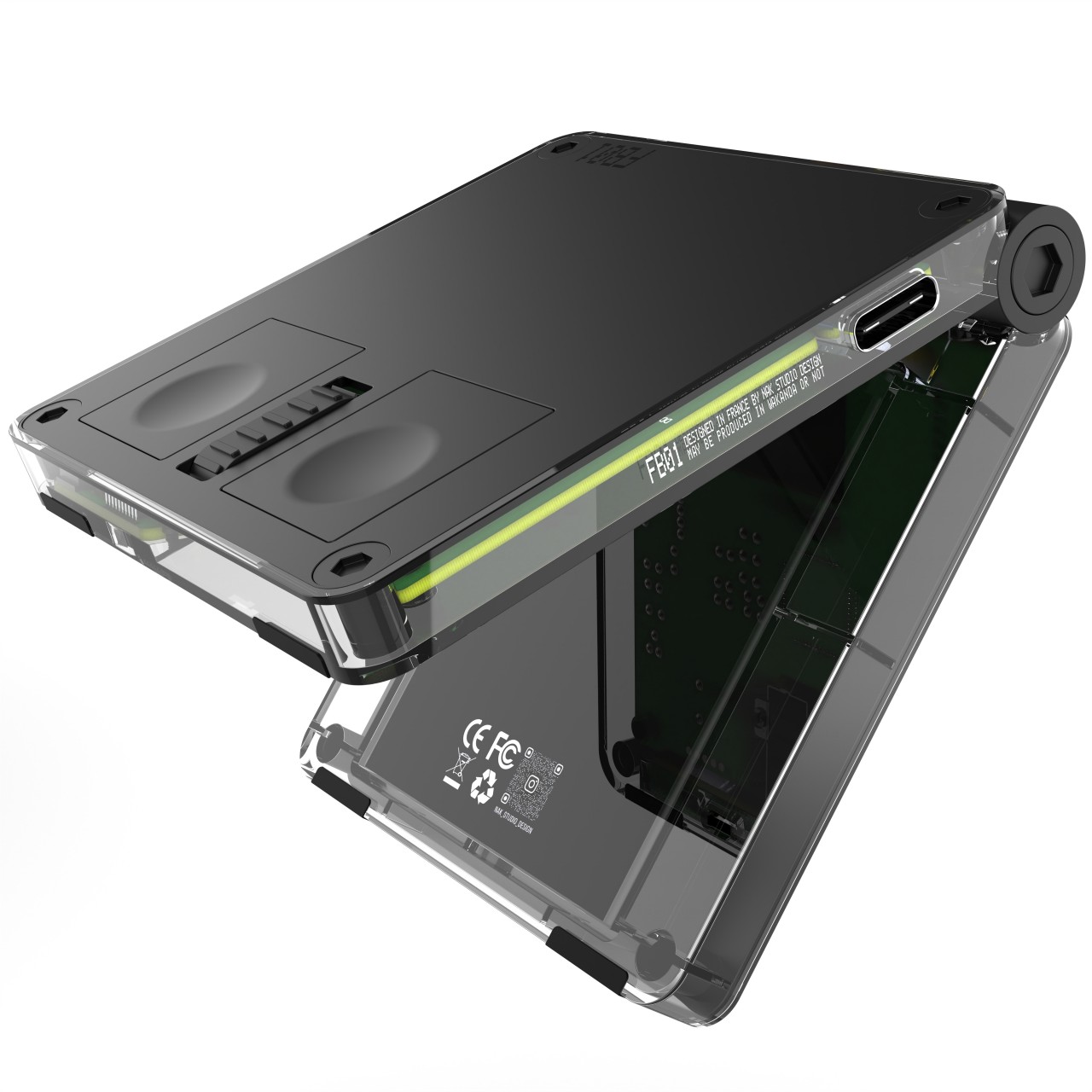
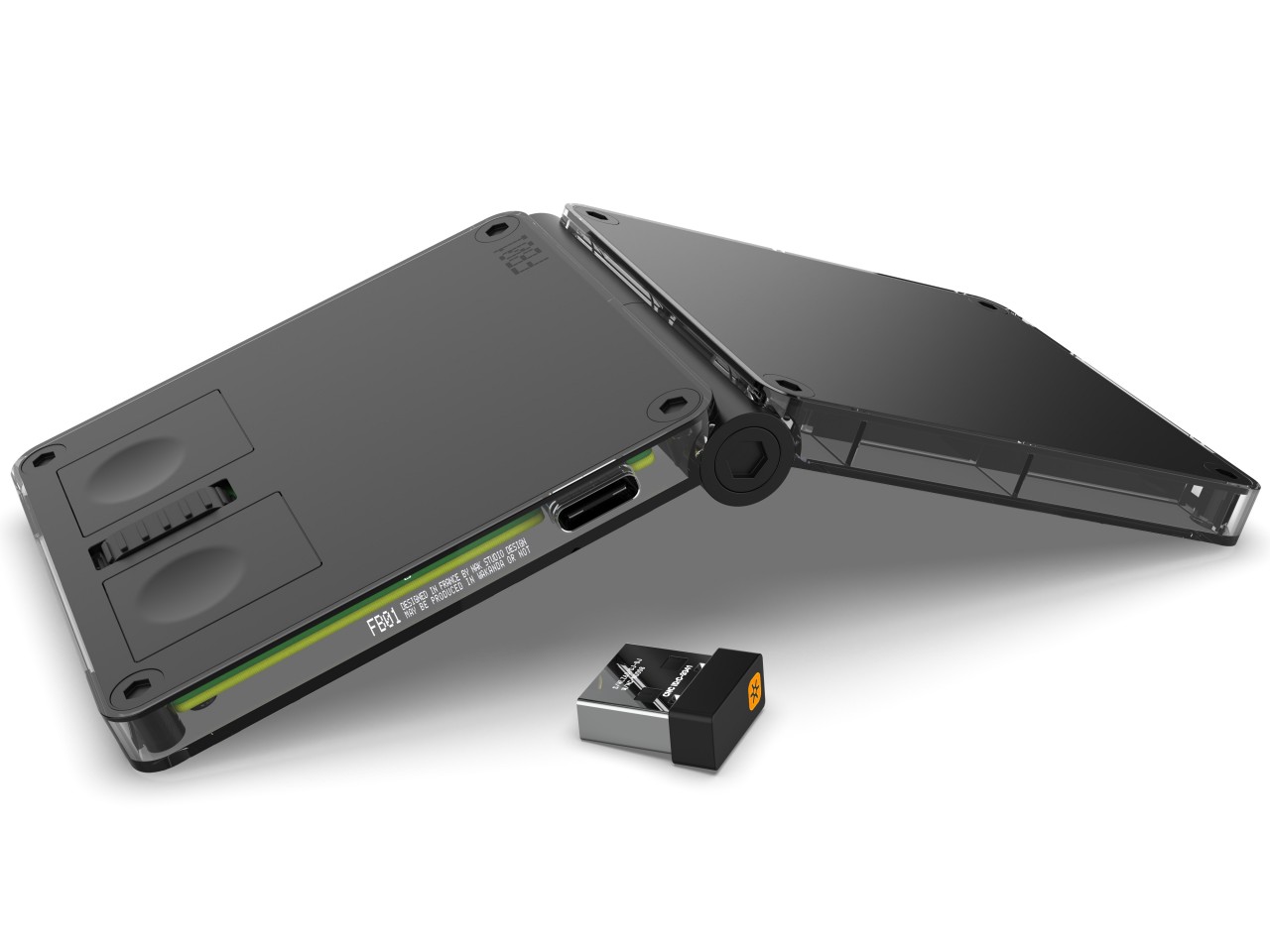
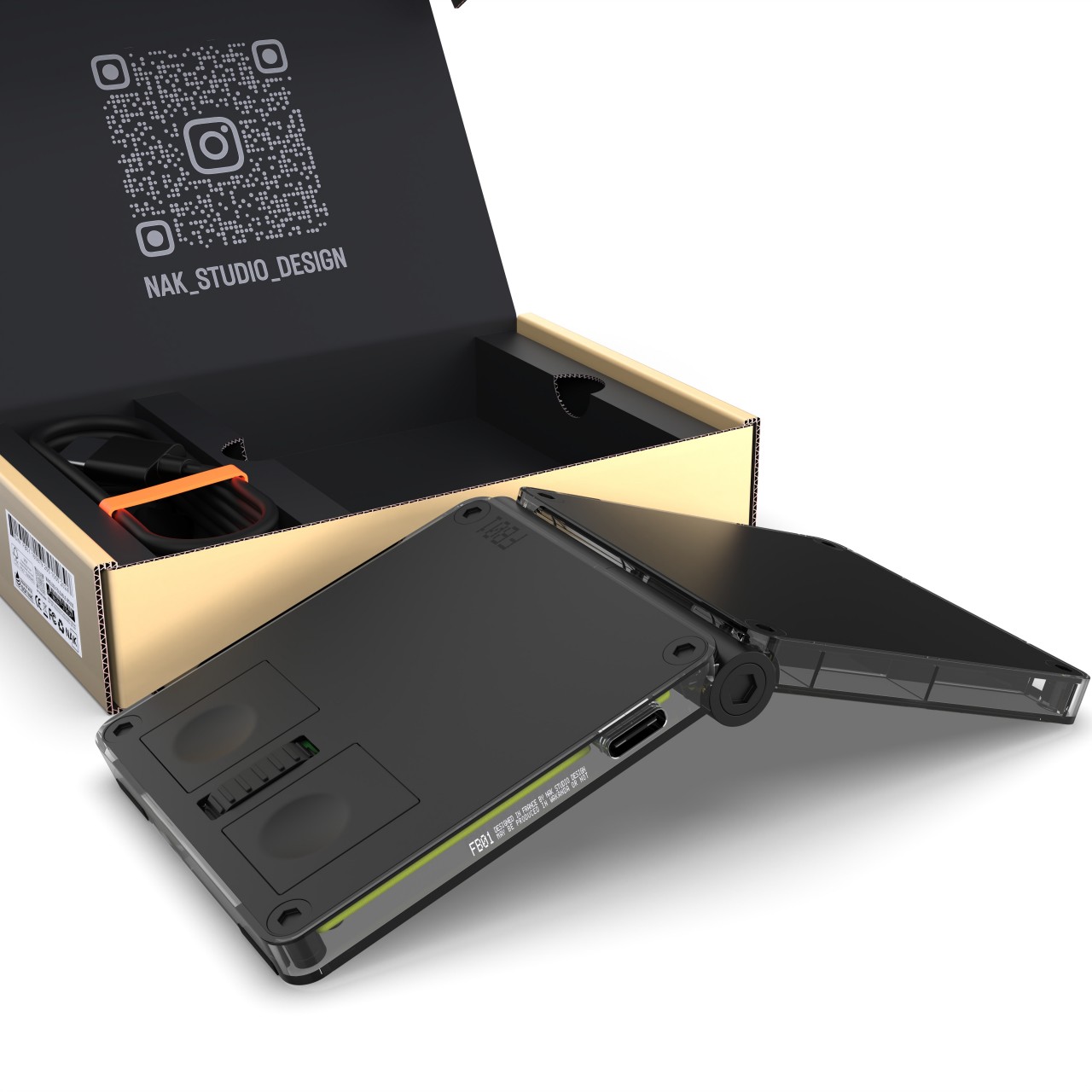
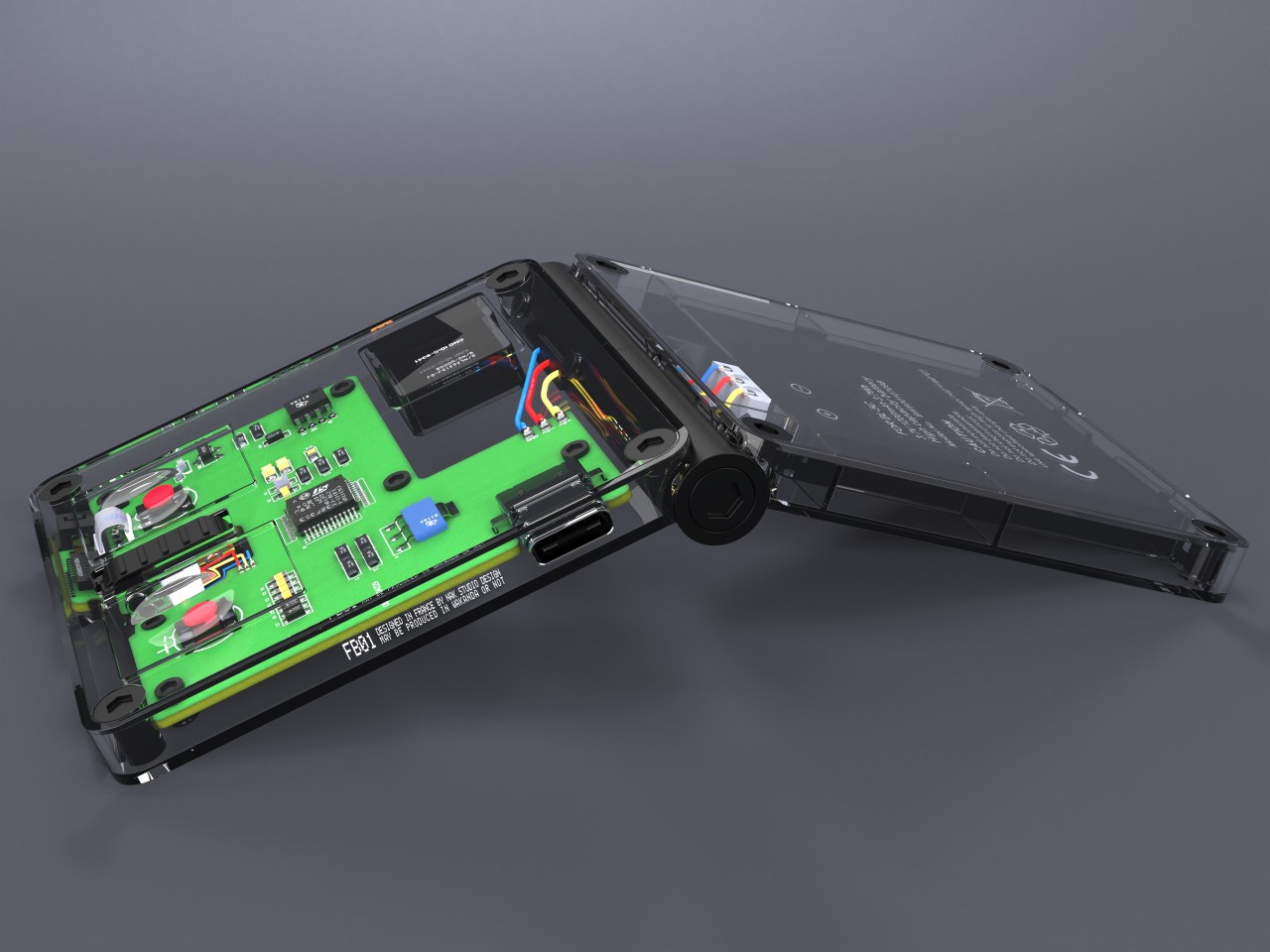
It’s small enough to fit in your back pocket, presuming you have very large pockets or don’t mind having a large bulge on your behind. It looks like and behaves like those typical single-fold foldable keyboards, except it’s quite thick and heavy in comparison. There’s a reason for that, of course, and that’s because it’s hiding an almost complete PC package, processor, memory, and even battery. All that’s missing is a screen.

It runs on an AMD Ryzen 7 8840U processor, the very same chip used by powerful gaming handhelds, with up to 32GB of RAM and 1TB of storage. These pieces fit inside one half of the keyboard, along with a fan and cooling system to keep the tiny computer running smoothly without burning up. The other half houses a 60W battery, advertised to run for up to 10 hours of light computing, presuming you don’t have a screen attached.

Unless you’re some kind of technomancer, you will, of course, want to connect it to a display, but that’s where the fun starts as well. That display doesn’t have to be a traditional traditional monitor after all. It could be a portable monitor, a pen display, or, better yet, smart glasses like the Xreal Airs. With a tiny touchpad and the built-in battery, this could very well be the perfect setup for these XR glasses, though the limited availability of this China-only device will have some probably just dreaming of better days.

The post Foldable keyboard is actually a powerful pocket PC that just needs a screen first appeared on Yanko Design.

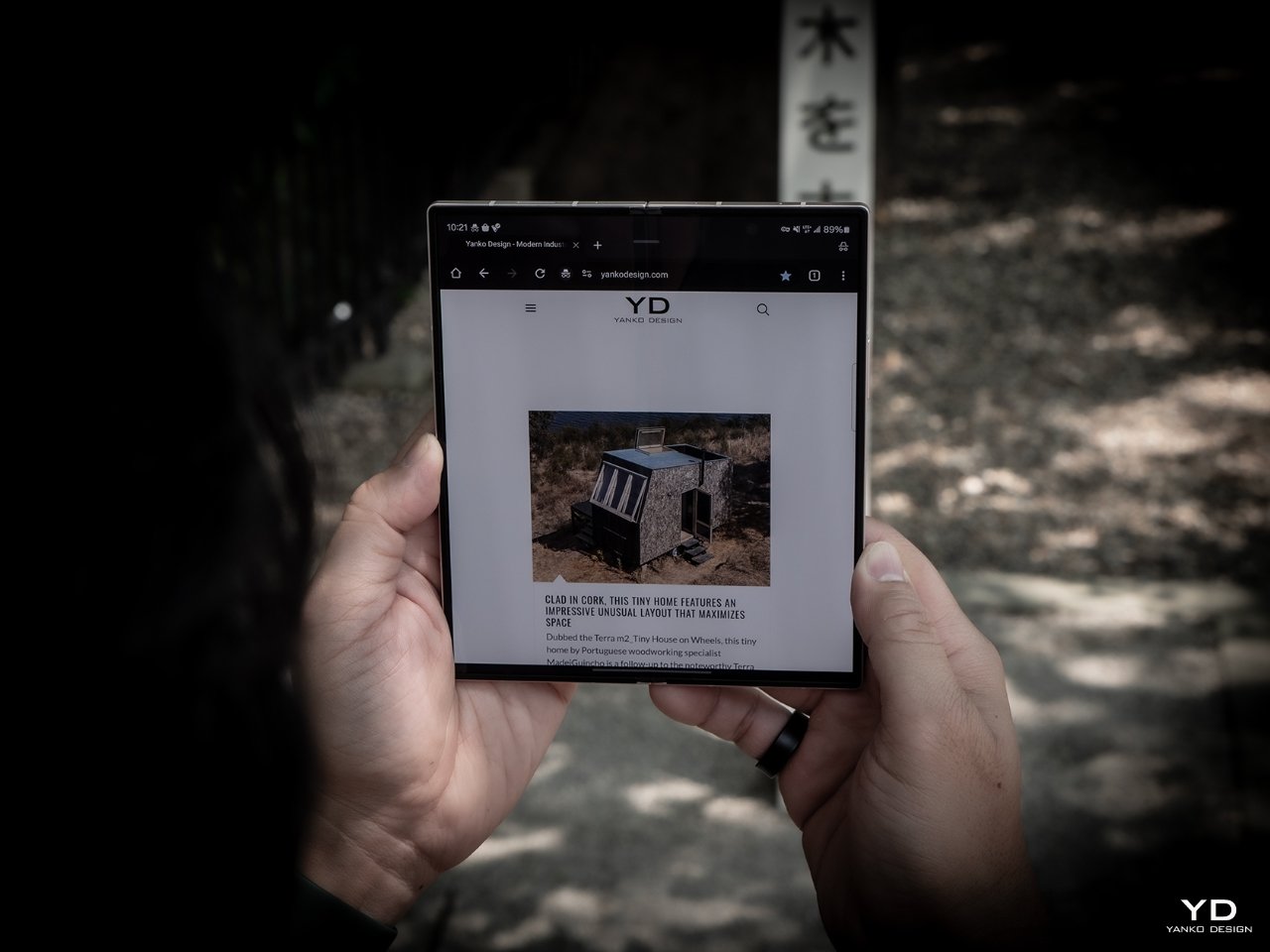
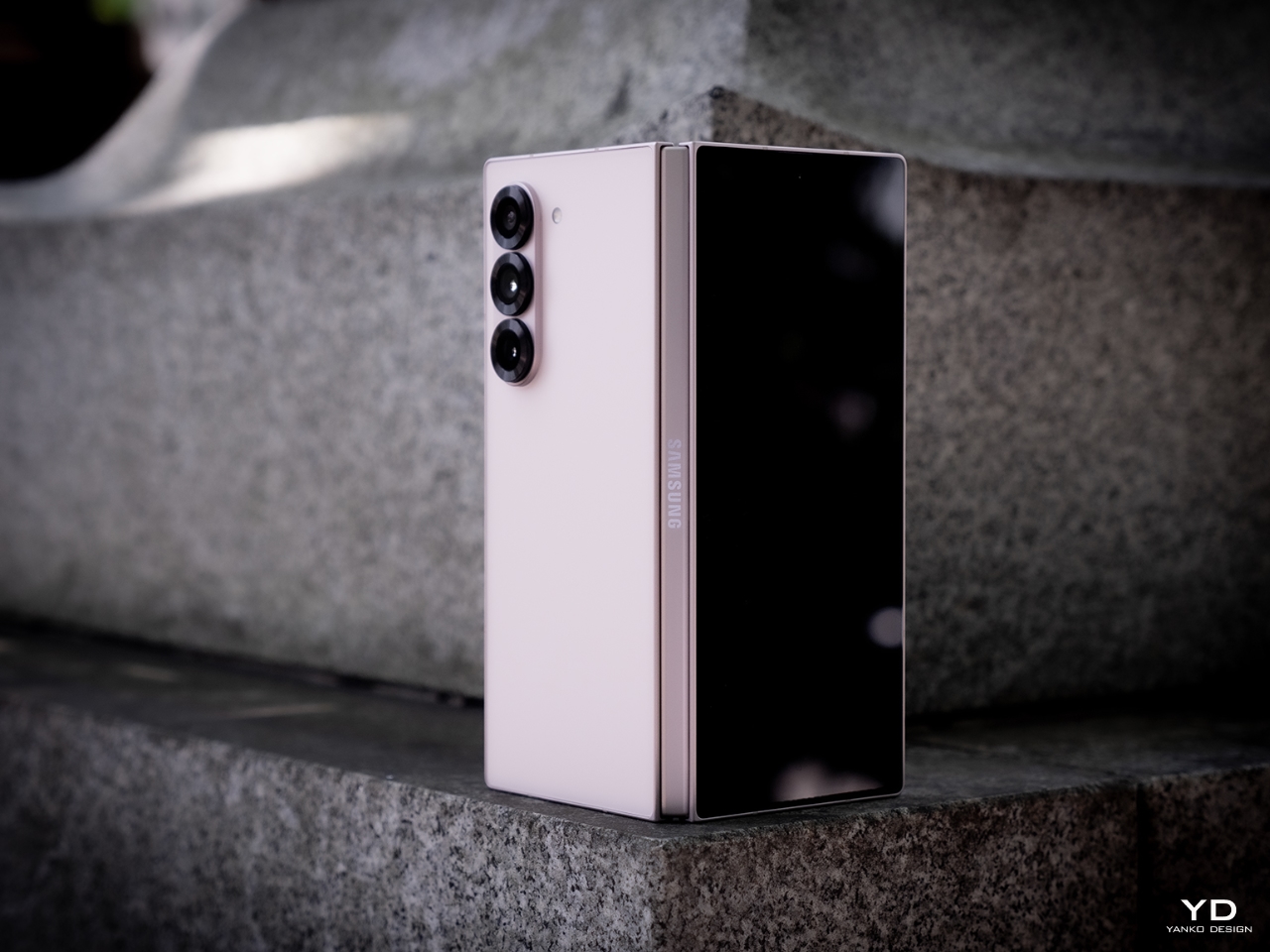
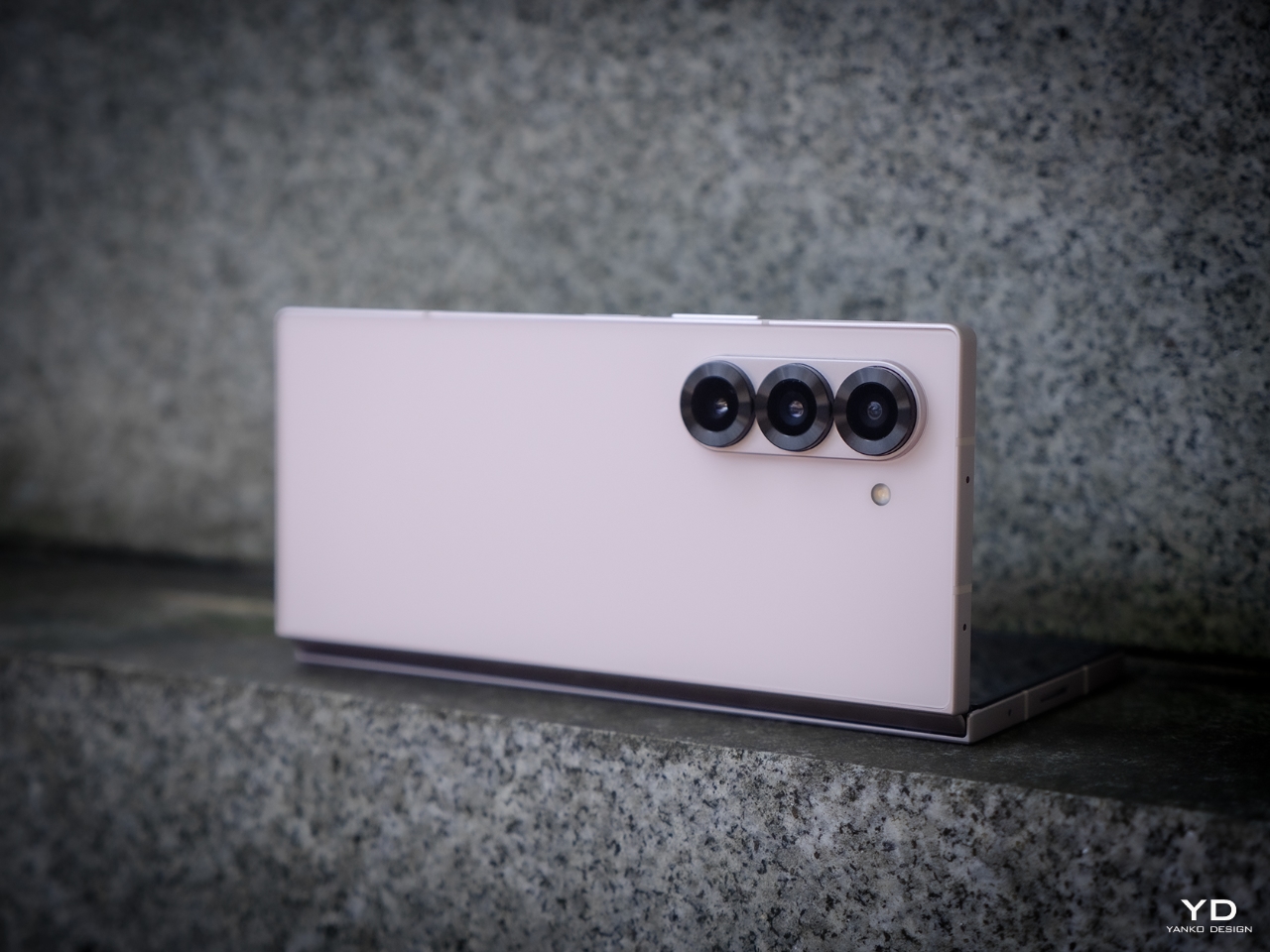
Vivo X Fold 3 Pro Foldable Phone Review: Putting the Competition on Notice

PROS:


  • Elegant, thin, and light design

  • Impressive photography performance

  • Premium specs, including a high-capacity battery

CONS:


  • Lack of dust protection might cause concerns

  • A bit pricey

RATINGS:

AESTHETICS
ERGONOMICS
PERFORMANCE
SUSTAINABILITY / REPAIRABILITY
VALUE FOR MONEY

EDITOR'S QUOTE:

With premium features wrapped in a thin and premium design, the Vivo X Fold 3 Pro is worth its equally premium price tag.
award-icon

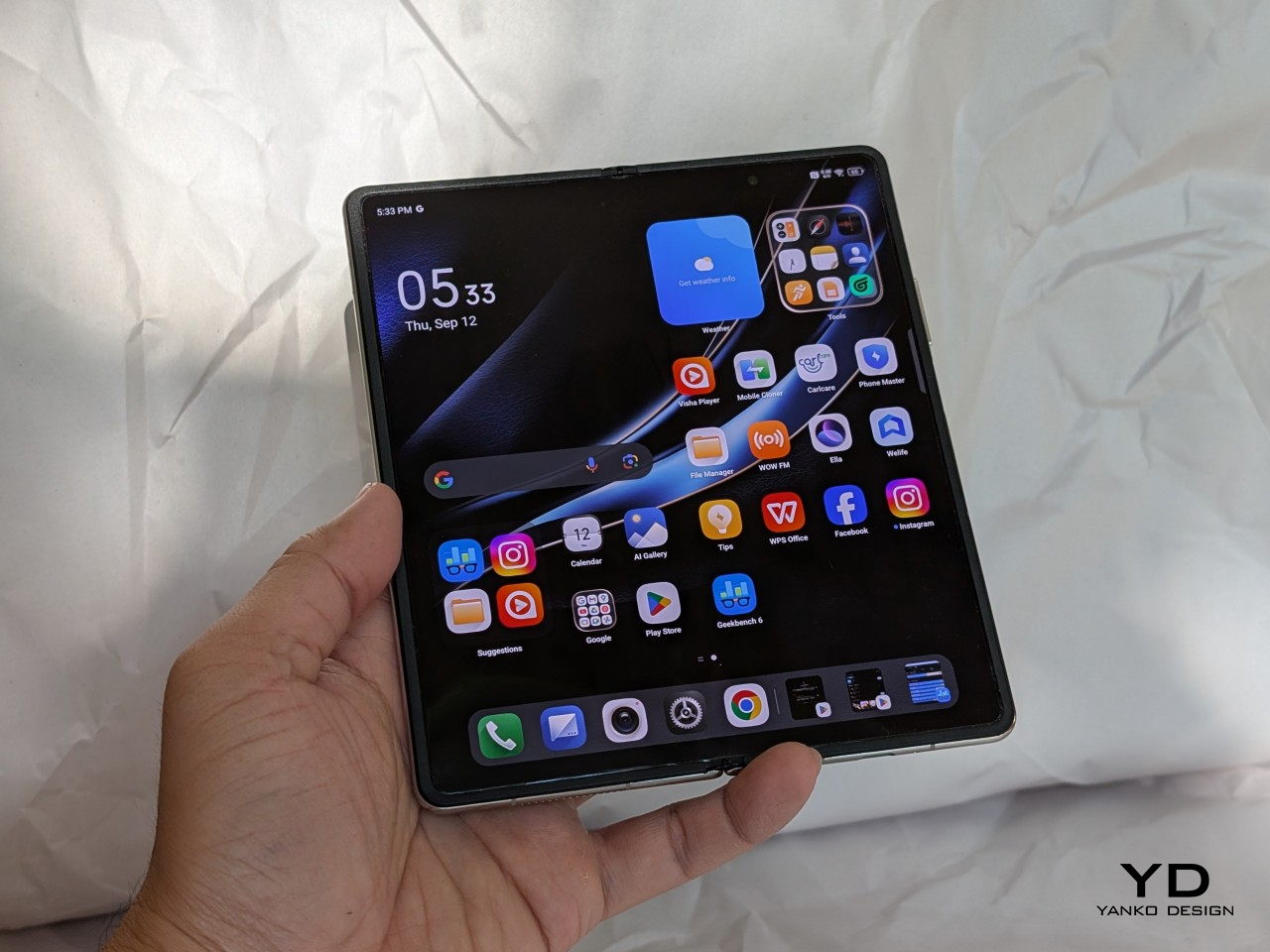
The foldable phone market has diversified over the past years, no longer a rat race between two giants. Many brands have jumped into the fray, each adding their own piece to complete the puzzle. Whether it’s imaging or durability, new foldables are addressing the concerns and doubts that consumers have about the viability of this kind of product. One thing that hasn’t exactly changed for the better is the price tag attached to these foldable phones, even years after rumors of cheaper options, at least of the non-clamshell kind. Rather than downgrade the experience to also push down the price, however, it might be more effective to offer a design that makes sense for a four-digit figure. That seems to be the premise behind the “pro-foldable” Vivo X Fold 3 Pro, so we take it for a good spin to see if it’s truly worth its weight in gold.

Designer: Vivo

Aesthetics

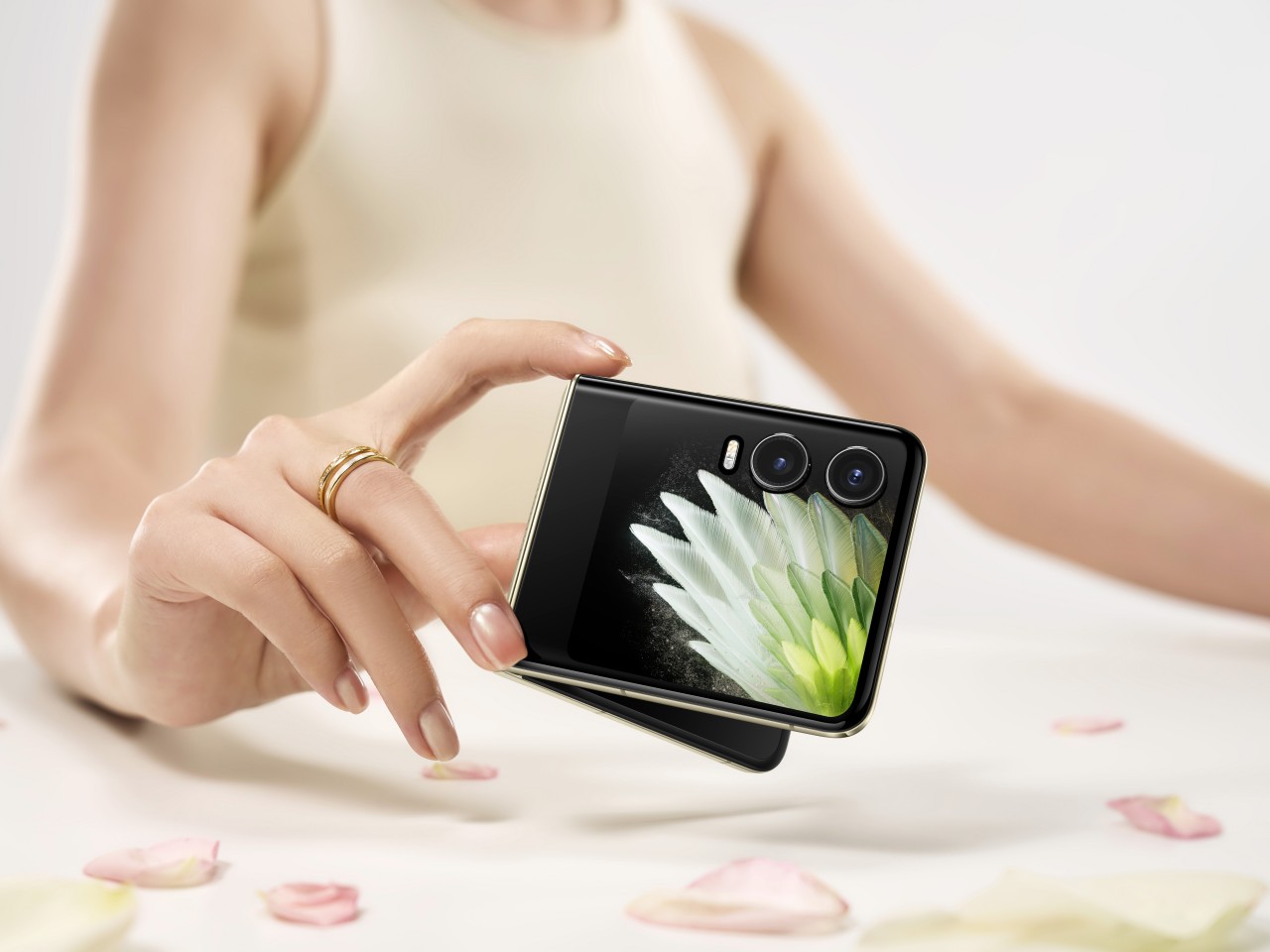
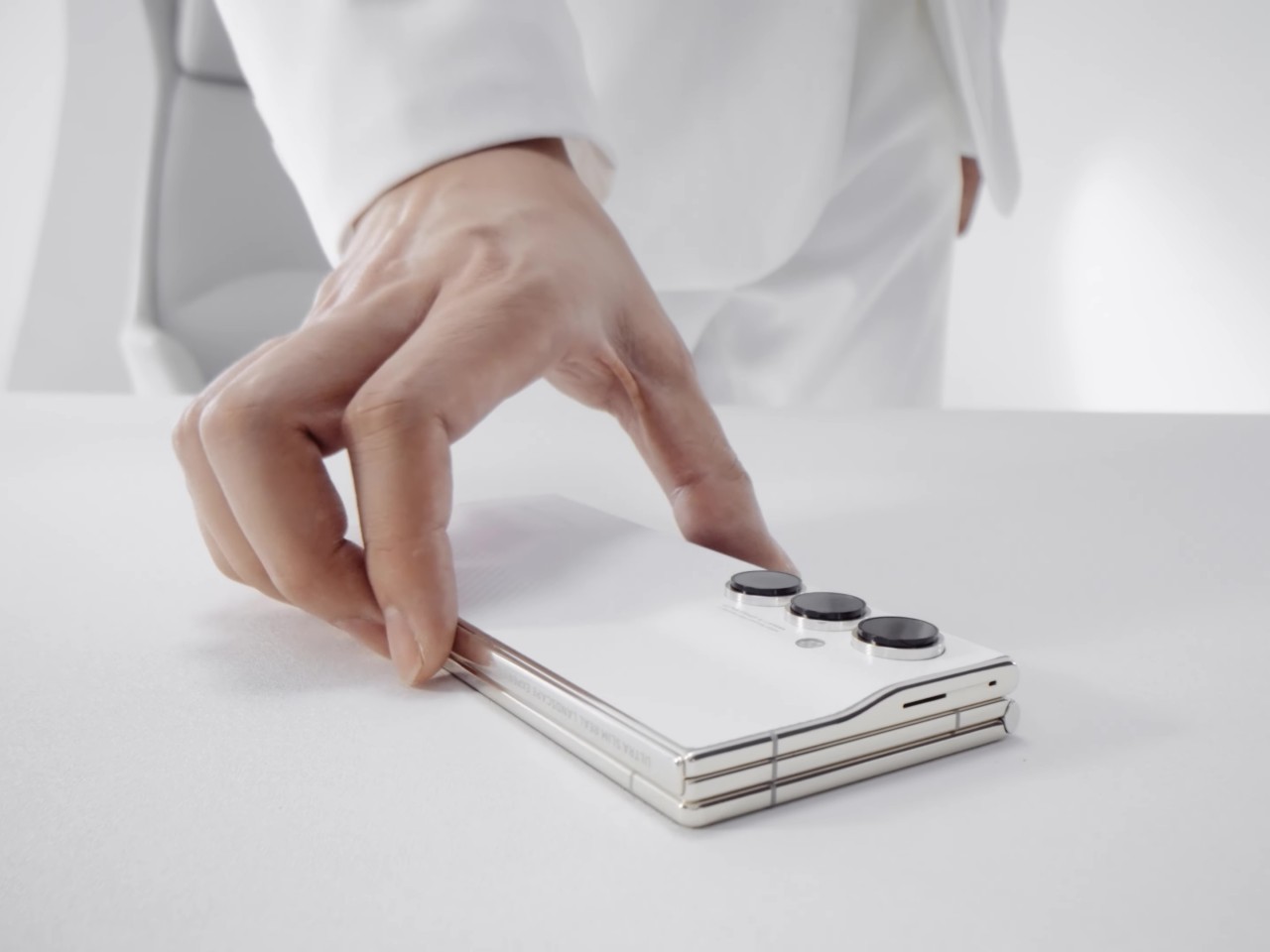
There is a certain elegance to the Vivo X Fold 3 Pro’s simple design. Gone are the extraneous lines and shapes, leaving only the essential elements of a stylish phone. By no means is it boring or plain, especially given the visual texture on the Solar White and Eclipse Black colorways, just that the design doesn’t distract you beyond the first brush nor does it hold your attention hostage.

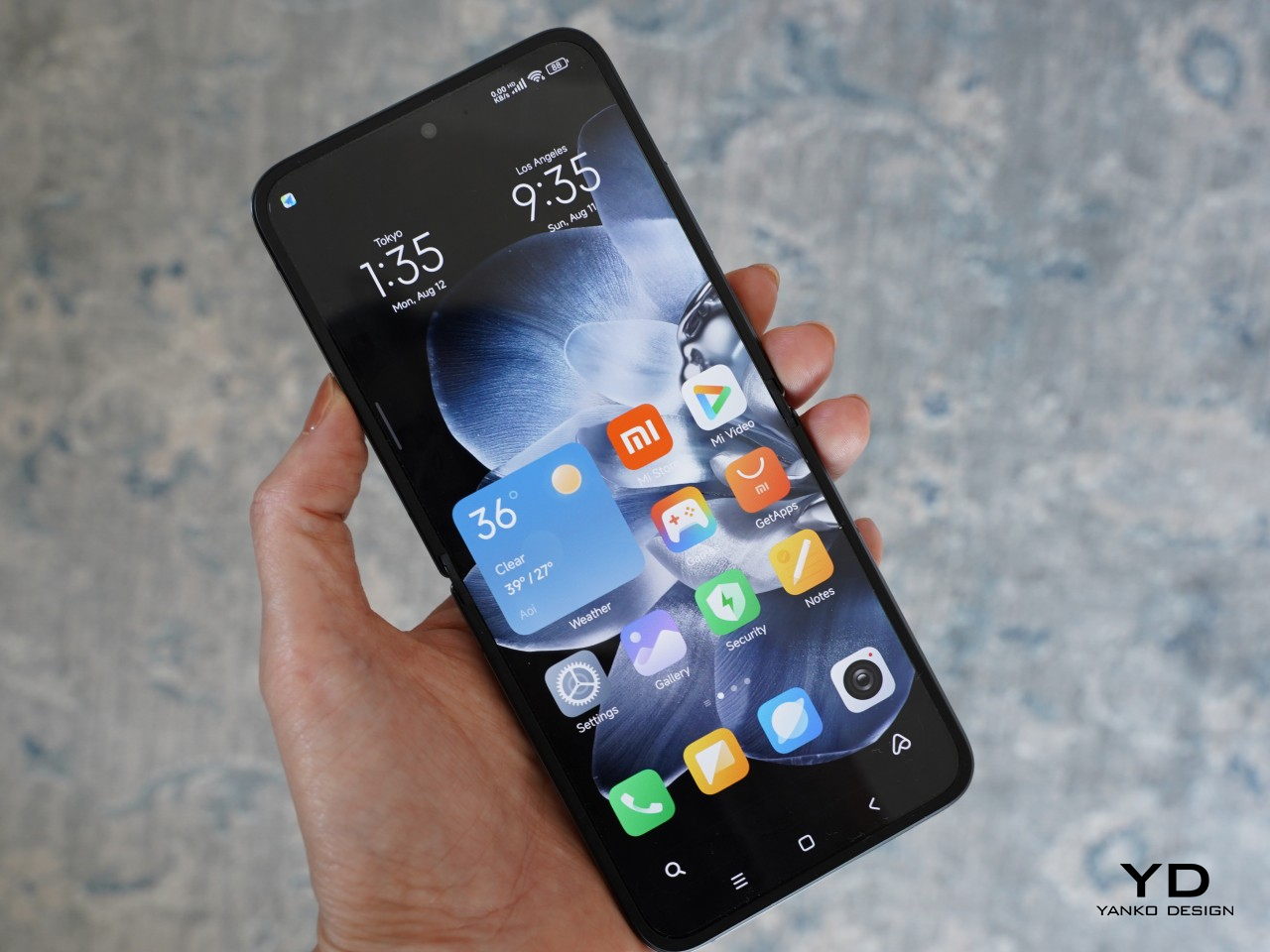
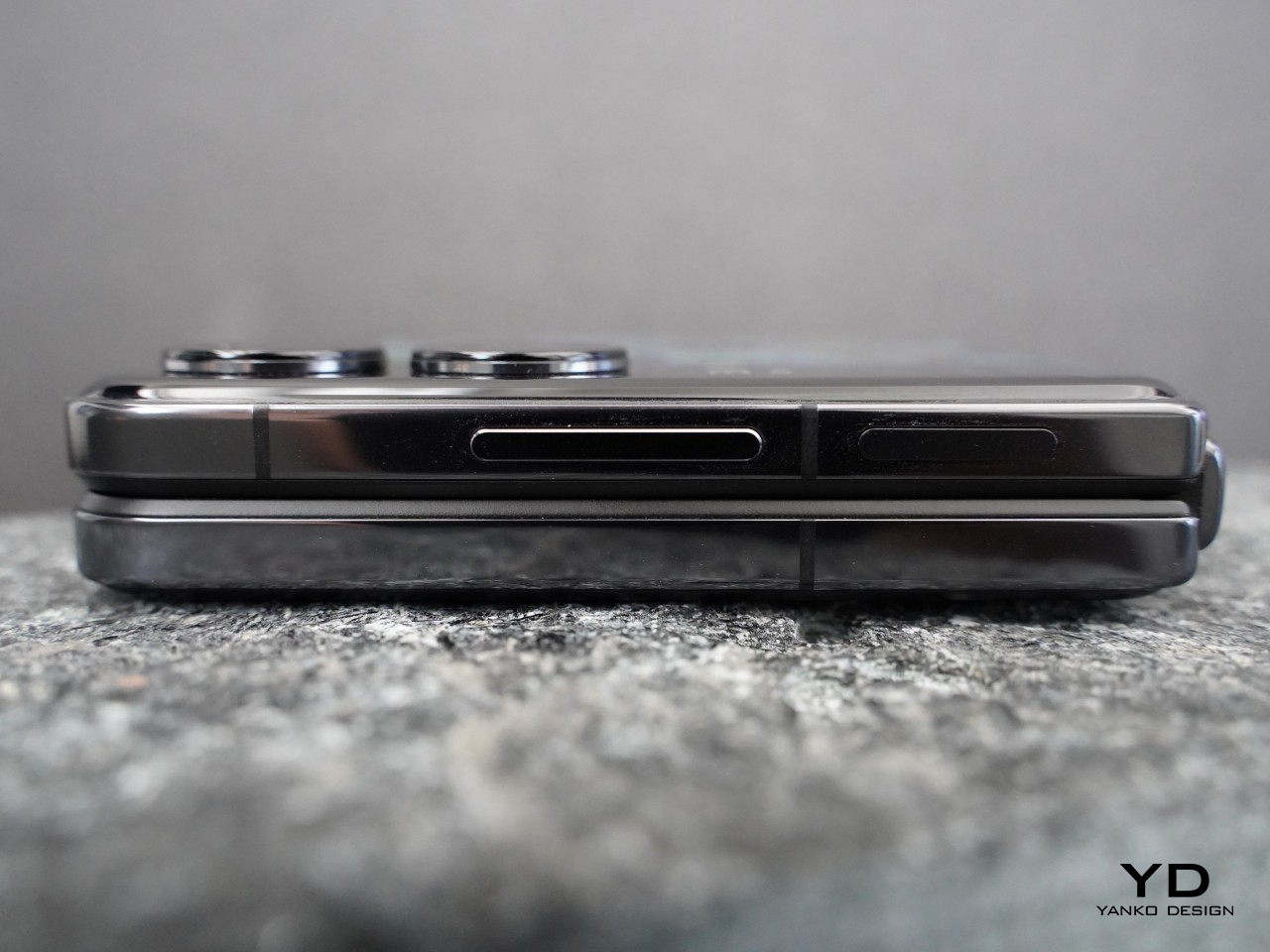
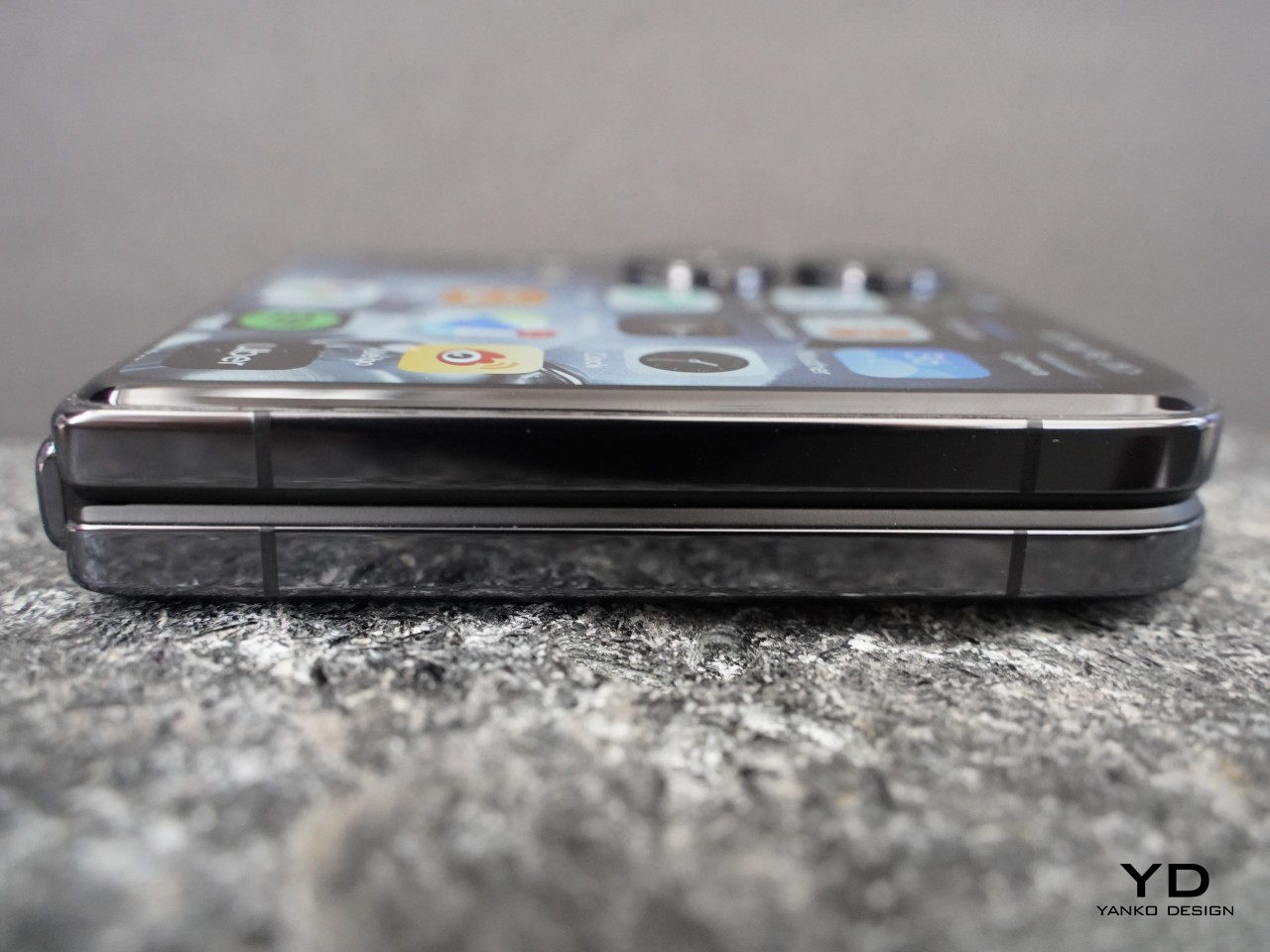
The phone is incredibly thin and, as we’ll see later, light, especially when unfolded flat at only 5.2mm thick, disregarding the equally thick camera bump. When folded, it does reach 11.20mm, though that’s not that far from the dimensions of regular slabs of metal and glass. In other words, you no longer look like you’re hiding two phones in the same pocket.

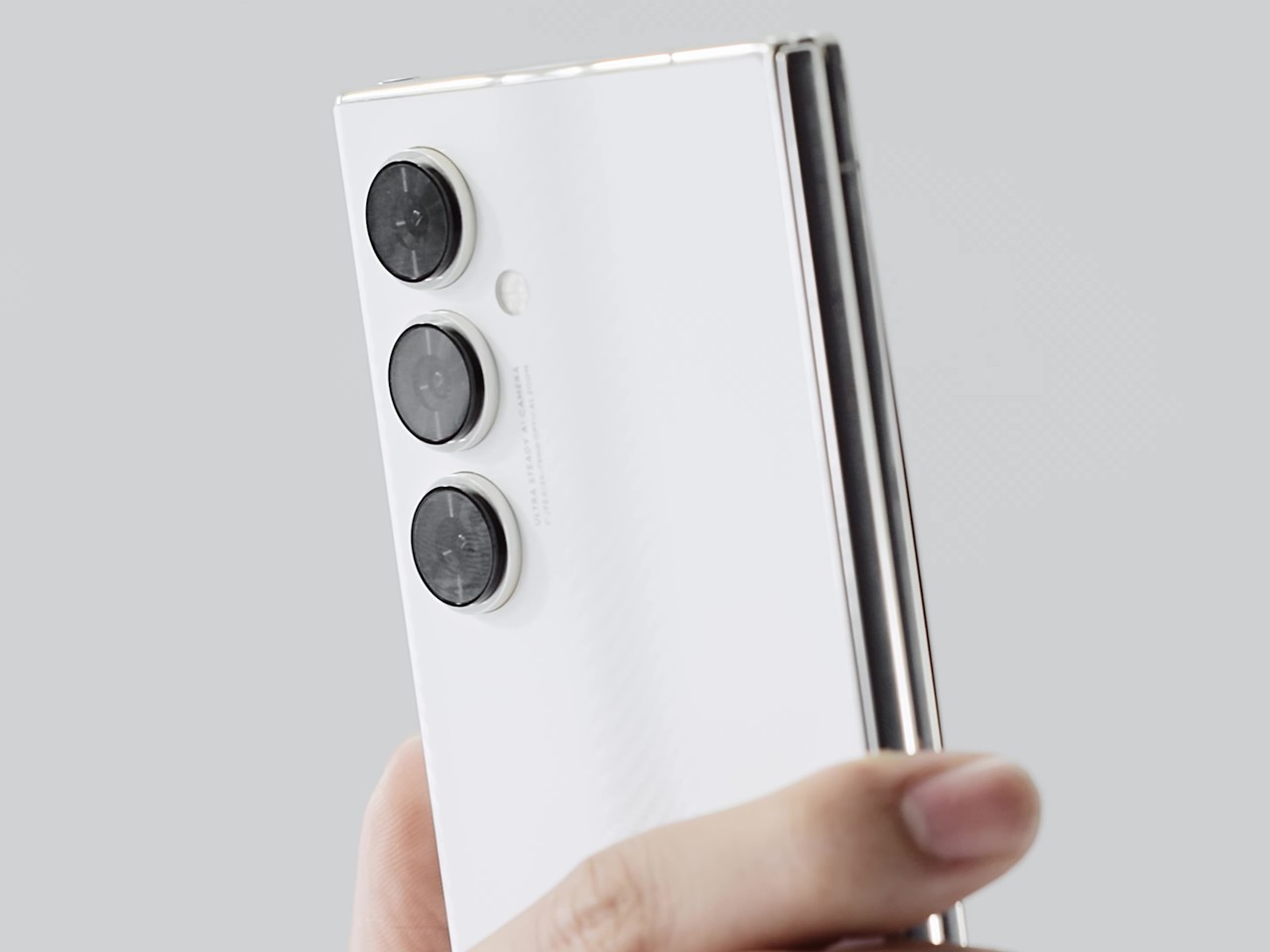
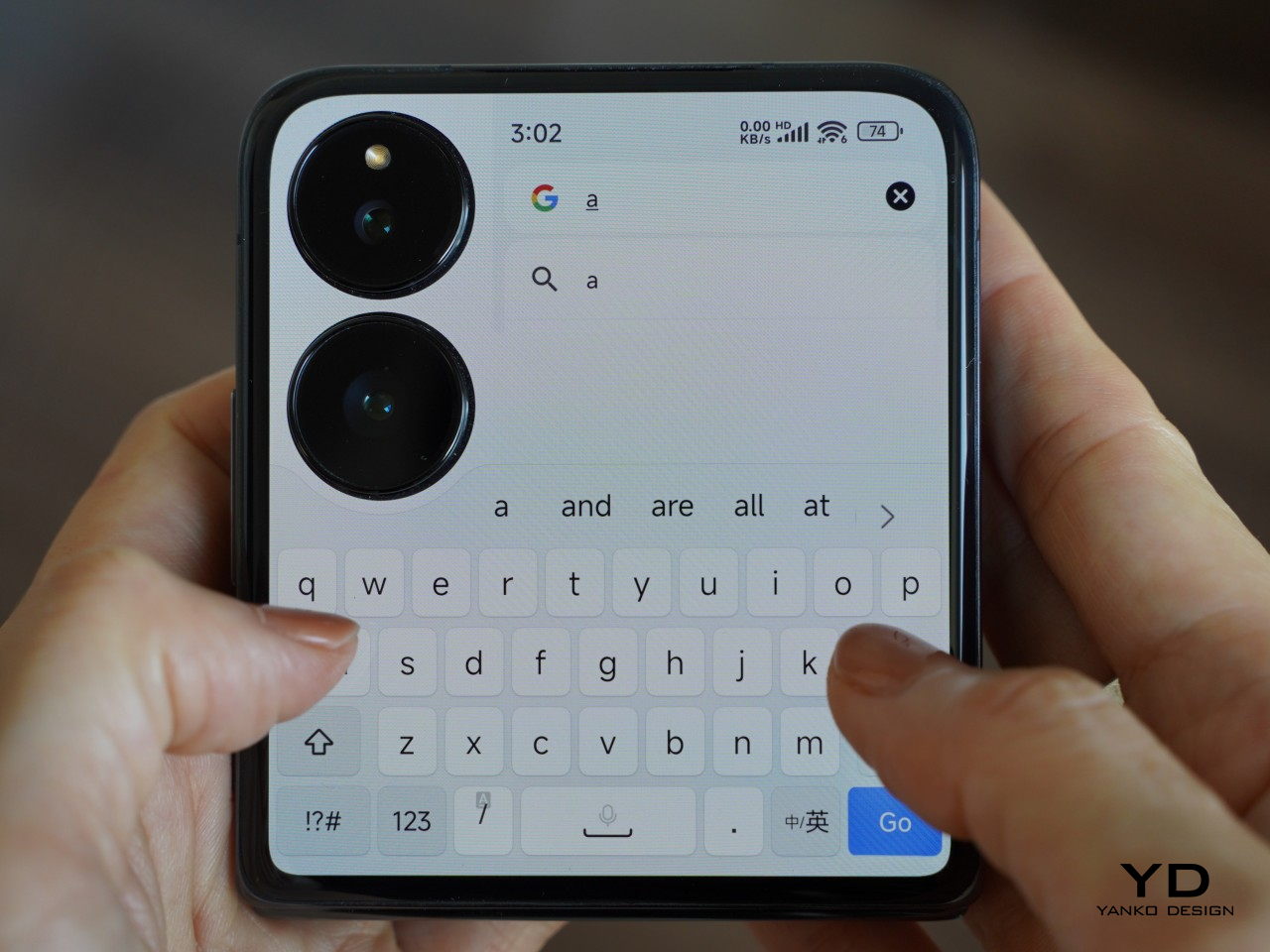
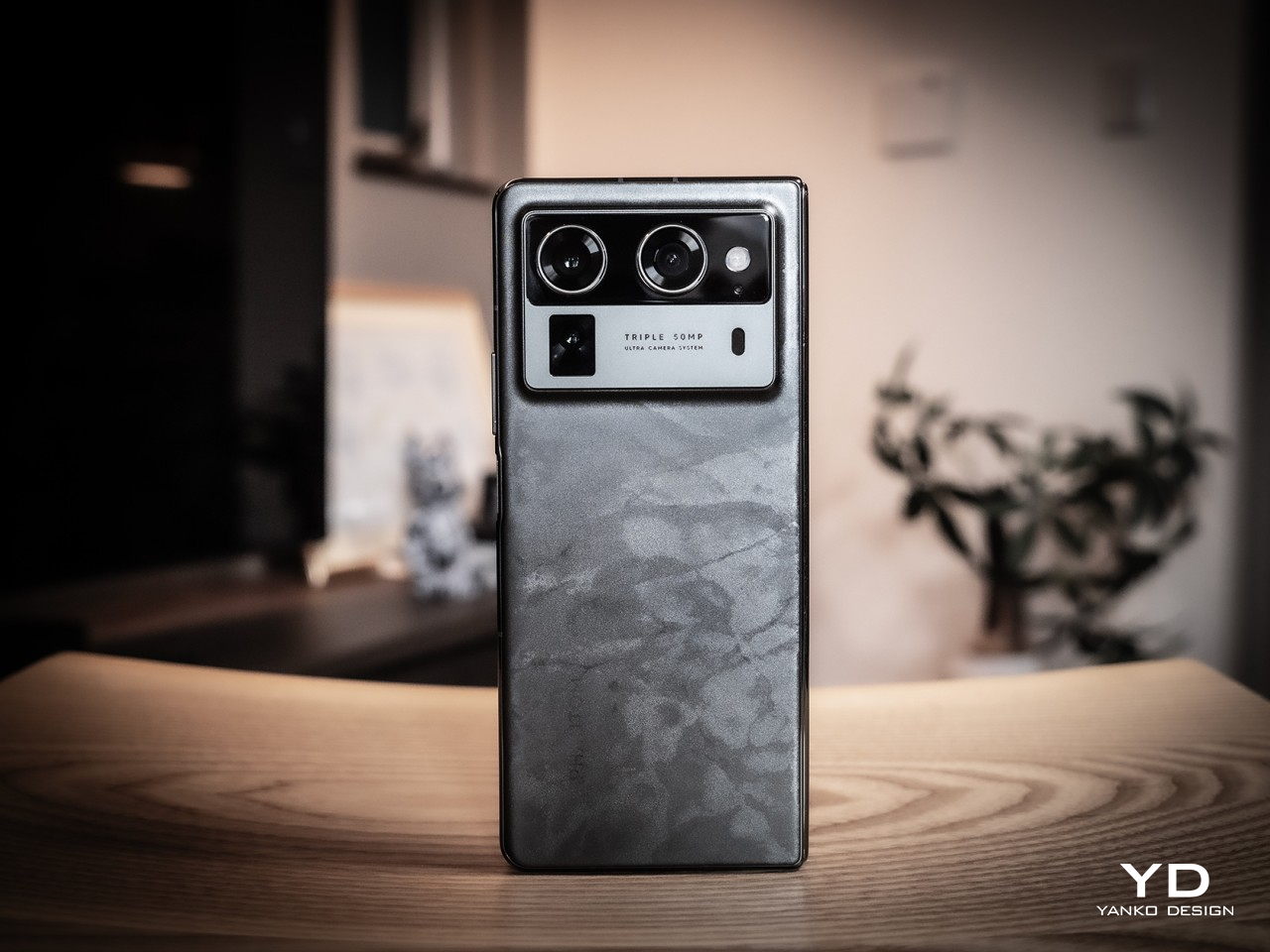
That aforementioned camera design, however, will be a bit divisive. On the one hand, it doesn’t look that awkward with a centrally positioned large circle that seems to mimic the lens of a traditional camera. On the other hand, it is still a very large circle on the back of the phone, which has some repercussions when it comes to handling the phone. Some would also consider such a large design element an eyesore, though it thankfully offers some significant benefit to its unavoidable presence.

Ergonomics

At only 236g light, the Vivo X Fold 3 Pro is pretty much on par with many premium flagships of the non-foldable kind, especially with “ultra,” “pro,” or “max” in their names. That makes this foldable phone feel comfortable to hold, especially when you consider how large their screens are. The external screen, in particular, has a 21:9 aspect ratio, which also puts it closer to regular candy bar designs. It’s still tall and narrow, though not as narrow as Samsung’s notorious design.

While the weight and shape of the phone lend it well for convenient and comfortable handling, there are a few features that may trip up a few users. Primary is that camera bump that could hinder the movement of your fingers on the back. Conversely, it also creates a protrusion that rests on your finger, helping avoid accidental drops. Either way, expect the phone to wobble on a desk when unfolded and lying flat on it. The alert slider, which gives a quick physical way to mute or unmute the phone, is also placed close to the top, which means you can’t easily reach it using the same hand you’re holding the phone with. They’re not huge deal-breakers, just small nitpicks that, when taken together, could take out the enjoyment of using the phone every day.

Performance

Vivo definitely didn’t pull punches when it came to making sure the Vivo X Fold 3 Pro could match other flagships this year. In some ways, it might even surpass them. Running on the current-gen Qualcomm Snapdragon 8 Gen 3 and paired with a generous 16GB of RAM, it can handle anything you throw at it with aplomb. In synthetic benchmarks, it can stand head-to-head with the Galaxy S24 Ultra, and it might even surpass the upcoming Galaxy Z Fold 6 if Samsung continues to keep memory down to 12GB max.

Battery is another department where Vivo is leading the race, cramming an unbelievable 5700mAh capacity inside such a thin and light device. This phone is guaranteed to last half a day, at least on “regular” and mixed usage, and thanks to 100W charging, it will only take an hour to get it back to full. There’s also fast 50W wireless charging, but you’ll need Vivo’s special charger to achieve that speed.

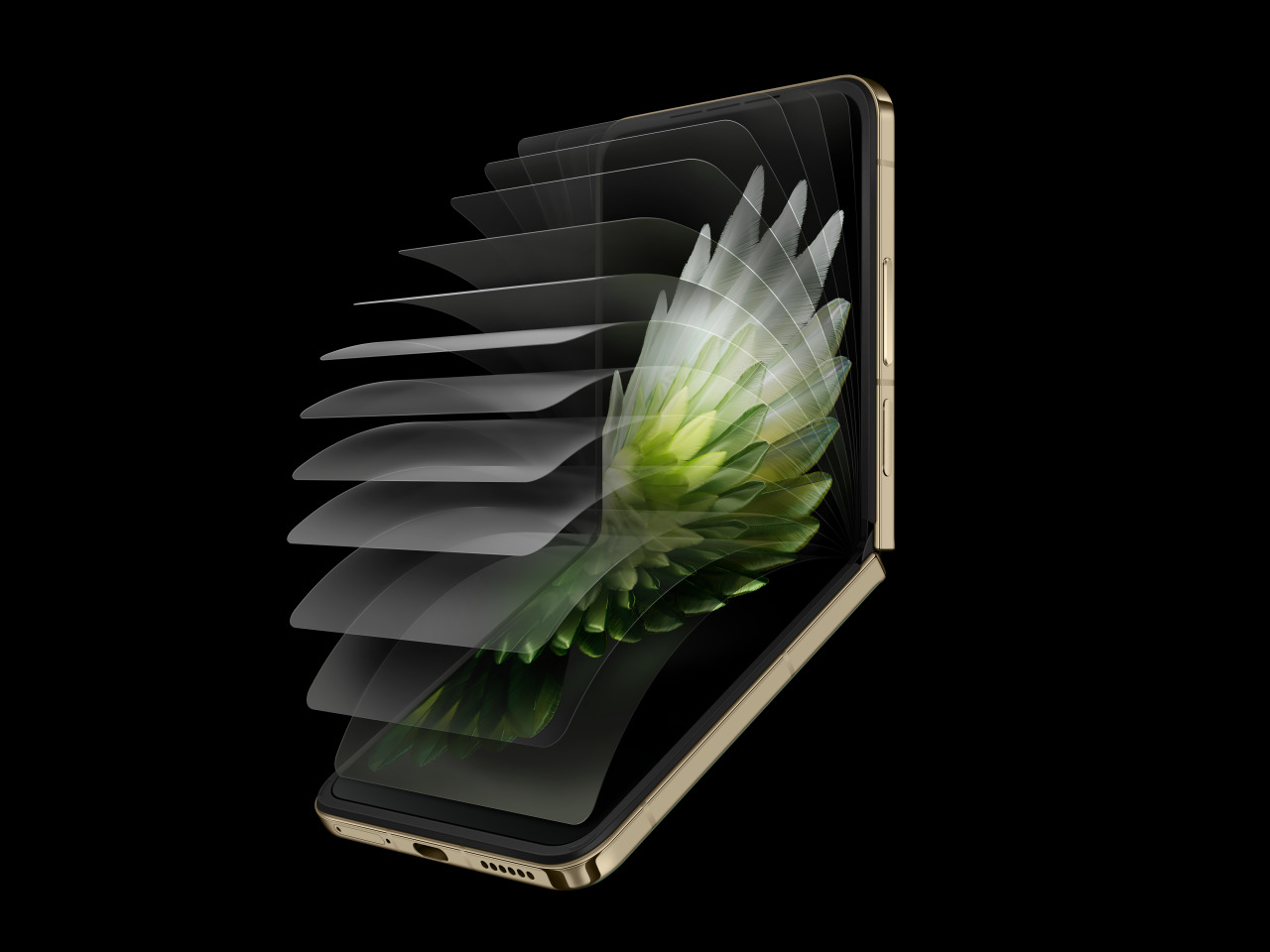
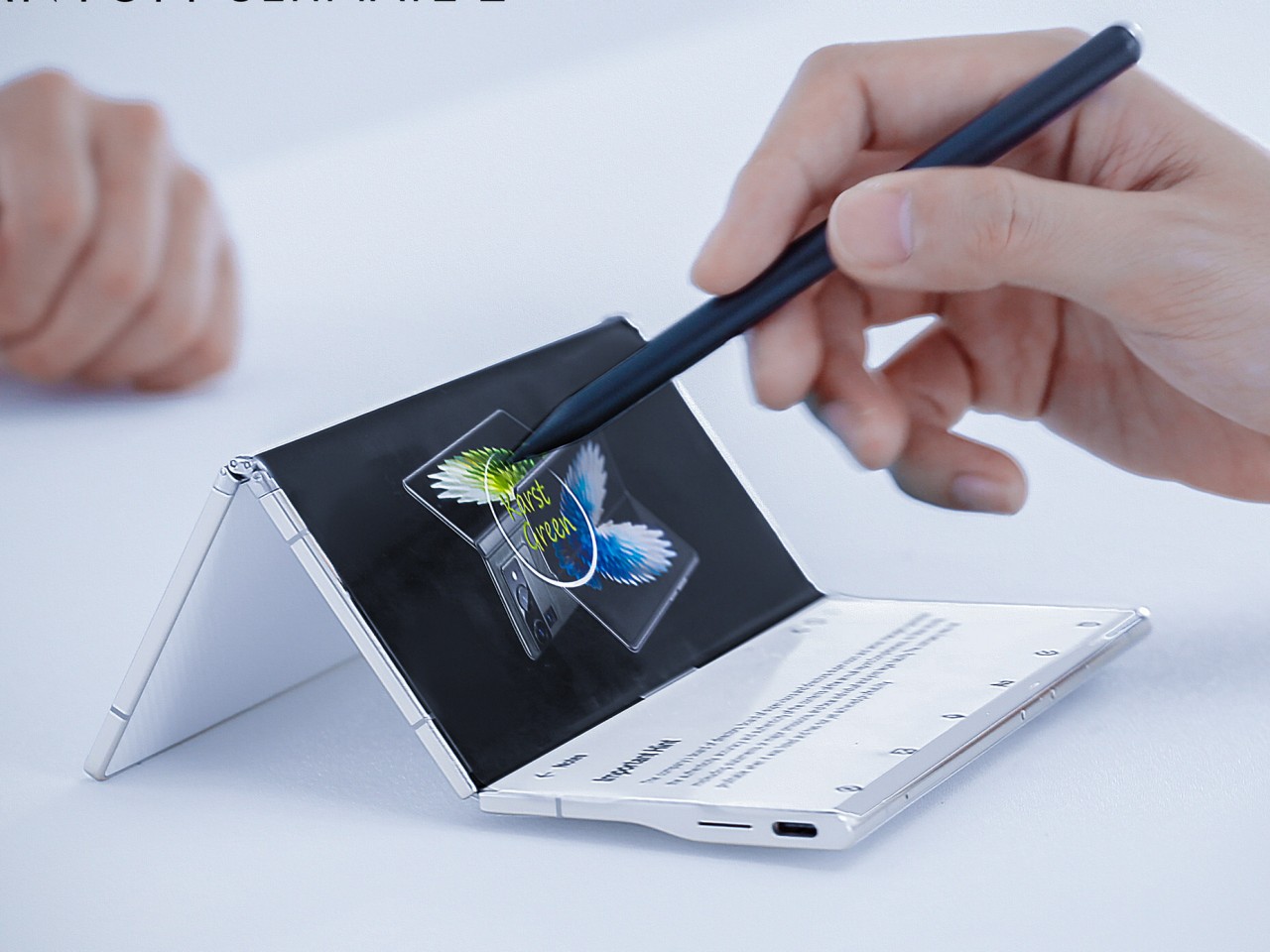
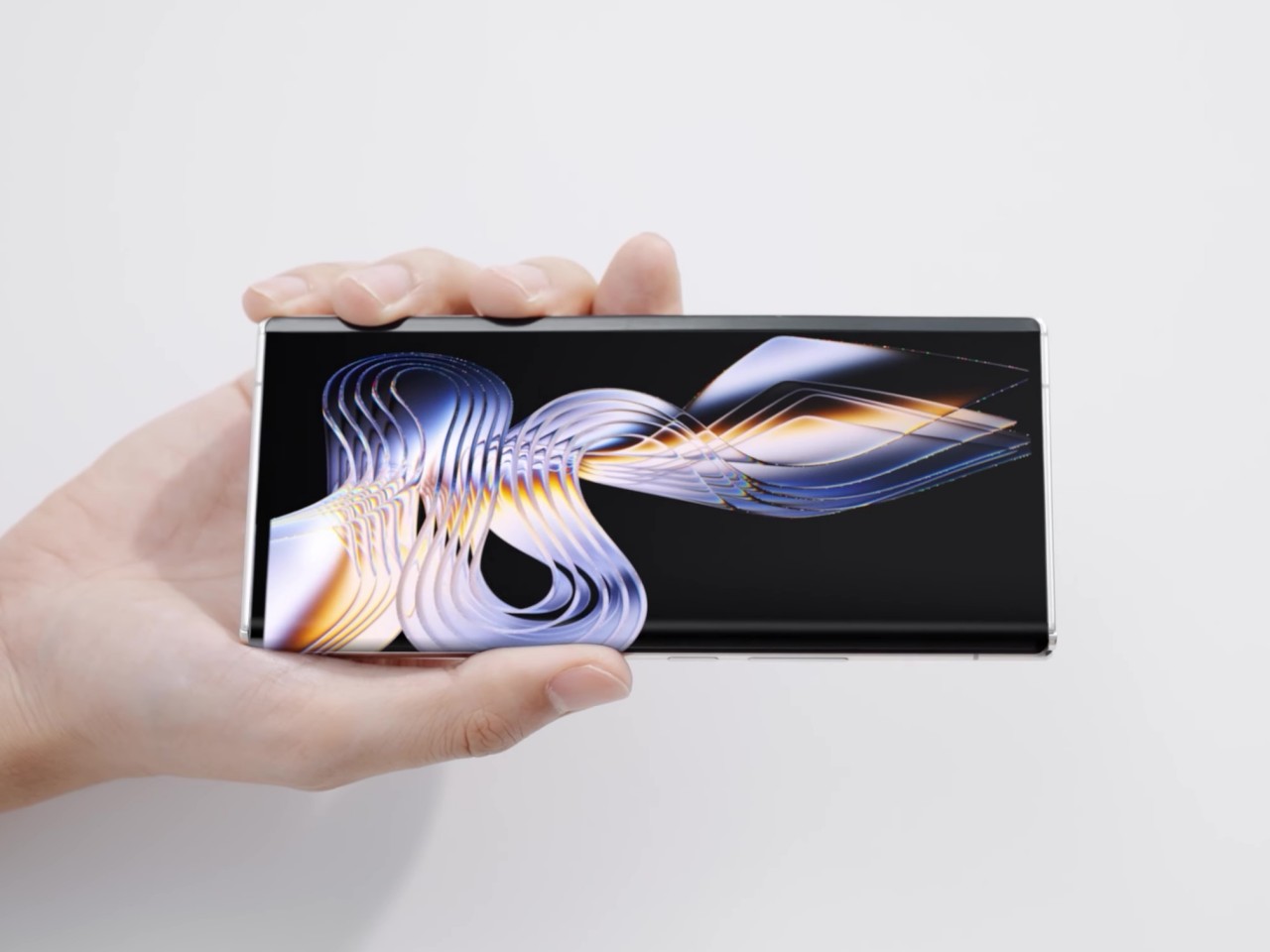
Both the external 6.53-inch 2748×1172 and internal 8.03-inch 2480×2200 screens are at the top of their class, showing vivid colors and exceptional brightness that make the phone a joy to use outdoors on either side of the fold. Thanks to Vivo’s engineering, the crease on the internal foldable display is barely visible. That hinge allows the fold to hover between 60 to 180 degrees without collapsing, creating that tiny laptop-like experience that you may or may not love. Vivo does have a “flex mode” to take advantage of that angle, as well as other features that only make sense for foldable phones. Quickly folding and then unfolding the phone again triggers the split screen feature where you can pick a second app to open side-by-side with the current one. It’s a bit gimmicky and probably won’t make owners feel comfortable about the longevity of that hinge.

The large bump on the back of the Vivo X Fold 3 is easily justified by the rather beefy sensors it houses there. Leading the pack is a 50MP wide sensor with autofocus and OIS, and it is joined by a 64MP telescope camera with a periscope lens, also with AF and OIS. The 50MP ultra-wide shooter sadly drops the optical image stabilization but still manages to perform well.

All in all, the foldable delivers impressive photos and videos, especially with the Vivo V3 dedicated imaging chip in action. Details are rich and colors are accurate, and you can also pick the mode of vividness that best conveys the message you want the photo to send. The camera system is also co-engineered with ZEISS, which not only means the famed ZEISS T* coating but also different presets that mimic the output of the optics maker’s most famous lenses. It’s definitely great to see foldable phone cameras finally stepping up to the challenge, though the price in design and literal cost will be something people will need to consider before making a purchase decision.

Sustainability

Vivo is one of the few smartphone manufacturers that are taking big steps in going green, though that is sadly not directly seen nor felt on the Vivo X Fold 3 Pro. Instead, we can only look to the company’s wider sustainability efforts, particularly in running its business on green energy and doing its part in replenishing the planet’s greenery.

What it does promise with its newest foldable, however, is that it’s not going to end up in the trash or even recycling centers quickly. Durability has been one of the biggest concerns consumers have with foldables, so it’s not surprising that Vivo spent a lot of resources on ensuring the Vivo X Fold 3 Pro will be as reliable as more traditional smartphones. Those measures include a light yet ultra-durable carbon fiber hinge, protective Armor Glass for the cover display, and glass-like UPE fiber for the back panel. The phone is also rated IPX8, which is great for water protection but not so much for dust, raising worries that these tiny particles could inflict fatal damage on the sensitive internals of the phone.

Value

It’s pretty clear that Vivo spared no effort in equipping the X Fold 3 Pro with the best of the best in smartphone technologies this year. On normal smartphones, that would be a given, but such features on a foldable raise the stakes and the prices higher. At around $1,600 to $1,900, depending on where you get it, it’s not exactly an easily accessible product, especially when you consider it’s not available in some global markets.

The Vivo X Fold 3 doesn’t exist in a vacuum, however, and when you consider that its peers ask for nearly the same figure, you begin to see some of the advantages the foldable phone has. It’s definitely not lacking much, and it cuts quite a striking figure with its slim profile and lightweight body. Suffice it to say, there’s a reason it has “Pro” in its name, and it’s that same reason you’ll need to pay a premium for it.

Verdict

Samsung and Huawei kicked off the foldable phone race, and although almost six years have passed, the prices for these products have barely gone down. What makes matters worse is that in some cases, the prices have remained the same or even increased but have very little to show for it. If you’re going to charge a premium for a product, you should be making sure the product is actually premium.

That’s the kind of promise that the Vivo X Fold 3 Pro offers, cutting almost no corners in the name of delivering the best foldable experience with current industry technologies, not those from two or three years ago. It’s not an easy promise to make, especially when you consider the need to also make the design slimmer and lighter, but Vivo seems to have actually pulled it off. For that feat alone, the Vivo X Fold 3 Pro definitely deserves your consideration, even with that hefty price tag.

The post Vivo X Fold 3 Pro Foldable Phone Review: Putting the Competition on Notice first appeared on Yanko Design.
Motorola Razr+ 2024 foldable phone upgrades might be invisible to the naked eye

After a short lull, we are entering the second half of this year’s batch of smartphones, most of which will be focused on foldable designs. While Samsung naturally grabs the spotlight, it’s hardly the only game in town. Motorola will try to beat Samsung to the punch next week when it reveals the latest iteration of the spiritual successor to its iconic RAZR clamshell, a foldable phone that some might even consider to have a better design. It seems, however, that expectations need to be tempered a little, as the 2024 Razr+, or the Razr 50 Ultra in other markets, might not carry any visible mark of being a new model, as the improvements will mostly be internal and invisible, at least based on this latest leak.

Designer: Motorola (va @MysteryLupin)

To give credit where credit is due, Motorola has always taken the bolder stance when it came to the design of its clamshell foldable. It was the first to use a large second screen on its back, and it’s now the only one that has a Cover Display that, well, covers the entire surface of the phone’s upper back. There will always be debates on whether having two holes on that screen for the cameras is better or worse than the tab-like cutout on the Galaxy Z Flip, but there’s little argument that it opens the door to more functionality, including displaying the same app on the outside that runs inside.

This signature feature of the Motorola Razr+ line isn’t going to change this year apparently, not even to slightly increase the screen size (the base Motorola Razr/Motorola 50, however, is getting the full-screen treatment this year). In fact, you might not be able to distinguish the 2023 and 2024 models just by looking at them. Of course, there will be upgrades, but most of them are the invisible features of the phone, and we’re not talking just about specs.

For example, this year’s Motorola foldable will bump up the water protection, though worryingly at the cost of dust protection. According to a leaked promotional video, the Motorola Razr+ (2024) will have an IPX8 rating that’s more in line with what Samsung offers. That means it will survive an accidental dip in a pool or sink, but there’s no guarantee it will be protected from dust or smaller particles. Unfortunately, some might argue that the latter is actually more fatal to foldable phones and their hinges than water damage.

There’s also an indication that one of the cameras will finally have a telephoto lens, but the number of cameras won’t be increasing by one either. That suggests that Motorola will either ditch the regular “wide” camera or the ultra-wide shooter, though the latter is probably more likely. Again, it trades one feature for another, and hopefully, the benefits will far outweigh the sacrifices for Motorola’s customers. The Motorola Razr+ or Razr 50 is expected to debut next week.

The post Motorola Razr+ 2024 foldable phone upgrades might be invisible to the naked eye first appeared on Yanko Design.

Dual screen laptop proposes a unique design to solve the laptop monitor problem

In exchange for portability and mobility, laptops give up some power and flexibility, especially when it comes to things you can connect to. Sure, you can still connect plenty of peripherals, but you’re limited not only by the amount of ports available but also by the space you have around your laptop. A dual monitor laptop, for example, is inconvenient and even impossible in some circumstances, so a few solutions have been designed to address that limitation, from portable monitors to laptops that are just two screens and nothing else. The latter has been billed as “dual laptops,” though their appearance and use are far from what most people expect from laptops. This “true dual screen laptop” wants to fix that problem with a design that is both intriguing but perhaps also questionable at the same time.

Designer: GPD

You can’t change a laptop’s screen after the fact, so you can only expand it with an external portable monitor that adds yet another thing to your bag. Dual-screen laptops like the ASUS ZenBook Duo and Lenovo Yoga Book 9i are actually more like two monitors with integrated computer hardware rather than like a laptop with two screens. One of the biggest problems is requiring the use of a Bluetooth keyboard in ways that are unfamiliar to most laptop users.

The GPD DUO’s solution is to combine all these parts into a single whole, delivering a completely traditional laptop experience when needed and a dual-screen or even tablet when wanted. It does this by actually having two folds, one with a traditional laptop hinge that can fold open up to 135 degrees, and another for the second monitor that can fully swing 360 degrees. This second screen is permanently attached to the top of the first, creating a vertically stacked dual-screen setup when unfolded. But unlike ASUS’s and Lenovo’s designs, the keyboard is still attached to the primary screen and functions as expected.

This rather unconventional design means that, if you don’t want or can’t use a tall dual-screen setup, you can simply fold back the second screen and use the GPD DUO as a regular laptop. That said, the second screen in that position could actually still be used to present content to people in front of the user, sort of like the “tent mode” of some 360-degree laptops. And when you close the laptop down in this configuration, you get a tablet that you can draw on.

While the design of the GPD DUO sounds reasonable, it does raise a few concerns, especially in terms of the weight and bulk of the laptop. Although GPD claims that the 13.3-inch laptop is only the size of an A4 paper when folded, it hasn’t yet revealed the thickness or weight of the device. The design also forces the dual screen orientation to only be vertical, and you have no other option on how to use or position the screens. It does seem that the GPD DUO trades one feature for another, so it remains to be seen how this design will resonate with laptop users.

The post Dual screen laptop proposes a unique design to solve the laptop monitor problem first appeared on Yanko Design.
Apple Foldables Are Coming, But Do We Need Them?

Rumors surrounding Apple’s potential foldable device, the Apple foldable Macbook, have stirred considerable excitement and speculation. The concept of a folding device, similar to a MacBook or an iPad with a foldable mid-section, promises to change the way we interact with technology. However, as details emerge, several questions and considerations arise.

Supply chain analyst Ming-Chi Kuo recently reported that Apple is preparing its supply chain for the production of a foldable device, possibly set for mass production as early as Q4 2025, with assembly in the first half of 2026. LG Display is the exclusive panel provider, with Apple considering 20.25-inch and 18.8-inch display options. When folded, these would correspond to the physical sizes of a 14-15 inch and 13-14 inch MacBook, respectively. The devices are expected to feature Apple’s M5 series chips and a high-specification design to ensure a crease-free display, which significantly increases production costs.

While the idea of a new form factor from Apple is thrilling, it brings several questions. One major concern is the typing experience. Will everything be typed directly on the display, and if so, will it incorporate localized haptics similar to those on the iPhone? This raises questions about the necessity of additional accessories, such as a physical keyboard, to enhance usability.

Moreover, most of us are just now accustomed to the near-perfect Magic Keyboard for the iPad Pro M4, and the introduction of a new foldable device could disrupt this familiarity, right? The foldable could essentially be an iPad with a larger screen that folds, but does this mean we are ready to transition to another device so soon? The potential benefits of the Apple Fold are immense, yet it necessitates careful consideration of user experience and practical application.

Although it is being referred to as the foldable MacBook, it’s worth noting that this might not be the final name. I speculate that Apple may “fold” this new product under the iPad line and call it the iPad Fold. This strategic move could create a new product line distinct from the MacBook, aligning more closely with the iPad’s existing user base and functionality.

The development of the Apple Fold isn’t happening in isolation. Apple is also reportedly working on foldable iPhones and iPads, indicating a broader strategy towards foldable technology. The challenges Apple faces include ensuring a seamless, crease-free display, a feat that companies like Samsung, HONOR, XIAOMI, and others are still striving to perfect.

As Apple ventures into the foldable space, it’s crucial to balance innovation with practicality. The anticipation for an Apple Fold, whether under the iPad or a new product line, is high, but so are the expectations. As always, Apple’s approach will likely focus on perfecting the user experience, even if it means navigating a complex landscape of new technology and user adaptation.

The post Apple Foldables Are Coming, But Do We Need Them? first appeared on Yanko Design.
Foldable game controller concept solves portability in a different way

Gaming on the go is quite popular these days, whether it’s on a mobile phone, a handheld device, or even a laptop temporarily parked at a cafe. While video games have traditionally been divided into PC and console camps, this latest trend has made many gamers reach for controllers or devices with built-in controllers, regardless of their platform of choice. Wireless game controllers have become quite numerous because of this, ranging from typical designs to telescopic mechanisms that stretch to grip smartphones or even tablets. Of course, these two aren’t the only designs possible for portable gamepads, and this concept tries to approach the problem from a different angle, one that takes a page out of one of the trendiest smartphone designs of late: foldable phones.

Designer: Przemysław Wolnicki

The basic problem with game controllers is their innate bulk. You can’t really shrink them without sacrificing comfort and ergonomics. This makes them less appealing to quickly stow in bags, much less pockets, as you dash out the door in the hopes of being able to play later on. Even those who prefer to game at home might find the permanent presence of a large chunk of plastic to be visually distracting and might look for ways to minimize their footprint when not in use.

Swift is a game controller design concept that adopts a folding mechanism to make the device more compact in transit. Despite the fact that foldables aren’t new, it’s curious that this design hasn’t been adapted for game controllers at all. There are, of course, advantages and disadvantages to such a design, but those can hardly be verified unless tested in the real world.

1

This controller concept adopts the more symmetrical button arrangement of a PlayStation controller, which would make the folded form also more balanced when folded. One curious detail about the design is the ribbed surface covering the middle and back of the controller. It’s not clear whether the choice of material is simply aesthetic, but it will definitely have an effect on the texture of the controller, which in turn affects comfort and ergonomics.

While a foldable controller design is definitely interesting and curious, it also raises a few questions as well. While the design does halve the width of the device, it doubles its thickness in turn. There might also be some concerns about the wear and tear this mechanism will incur over time, especially given the wires that have to run through the middle to connect the two halves. Perhaps that is the reason why a foldable design hasn’t been adopted for controllers, but this concept at least tries to encourage pushing the boundaries instead of just adopting the status quo.

The post Foldable game controller concept solves portability in a different way first appeared on Yanko Design.
Motorola Razr+ 2024 foldable phone: News, Rumors, Price, and Release Date

Google I/O 2024 has come and gone, and despite rumors and expectations, a new foldable phone was nowhere in sight. Of course, the Google Pixel Fold is hardly the only game in town, nor is it the only one that’s expected to debut really soon. Perhaps beating both Google and Samsung to the punch, Motorola’s next-gen foldable could be hitting shelves as early as June, though it will still be competing with the likes of the Samsung Galaxy Z Flip rather than the OnePlus Open and other larger foldables. Unofficial information about the device is quite thin, but the ones we’ve already heard are quite substantial and paint an interesting picture, one that could make the Motorola Razr+ 2024 or Motorola Razr 50 Ultra the clamshell foldable to beat this year.

Designer: Motorola

Motorola Razr+ 2024: Design

According to sources, this year’s Motorola foldable would look exactly like last year’s Motorola foldable, save for some changes in screen size. That means the Motorola Razr+ 2024’s external screen will still cover the entire surface of the upper half of the phone’s back, leaving only room for the camera lenses themselves. It might sound like a letdown and a sign of lack of innovation over at Motorola, but sticking to a design that works is also a sign of maturity, especially since the design is only a year old.

Image courtesy of: MSPoweruser

Motorola’s design for its Cover Screen is admittedly divisive. On the one hand, it’s the only foldable of its kind that utilizes the whole area, while others make do with tiny rectangles, even tinier circles, or a square with an uneven cutout to make way for cameras. On the other hand, this also makes for a weird arrangement that actually cuts out part of the display anyway, making the image or text in that area inaccessible.

Motorola is also the only brand that allows normal apps to run on that external screen, which is both an advantage and a disadvantage. Regardless, it seems to be sticking to its guns for one more year, offering an experience that, while faithful to the design spirit of the original RAZR, isn’t afraid to go beyond to offer something new and useful.

Motorola Razr+ 2024: Specs and Software

While the Moto Razr+ 2024, or Moto Razr 50 Ultra, won’t look any different on the outside, it will be a very different beast on the inside. Of course, there’s the new Qualcomm Snapdragon 8s Gen 3 leading the changes, and there will supposedly be a larger external screen at 3.9 inches up from last year’s 3.6-inch Cover Screen. There will also be 12GB of RAM paired with 256GB of storage, while the battery has been expanded from 3,800mAh to 4,000mAh.

Given the expected launch windows, the 2024 Razr will be running Android 14 out of the box, and while it might sound like Motorola would upgrade it once Android 15 comes out, there’s not really any certainty. After all, the Motorola Razr+ 2023, which launched with Android 13, still received Android 14 half a year later. Despite being once owned by Google (now under Lenovo’s stewardship), Motorola’s track record for Android updates sadly isn’t that impressive.

Motorola Razr+ 2024: Cameras

Part of the big upgrades coming to the Motorola Razr+ 2024 according to those rumors is an upgrade to the camera system. It will now have not one but two 50MP cameras, one of which has a wide lens while the other is capable of 2x telephoto zoom. Given how Motorola advertises its foldable phone as a sort of mini camcorder, more capable cameras are definitely in order. The 32MP selfie camera, on the other, might remain the same as last year.

Motorola Razr+ 2024: Price and Release Date

There has been no word on the exact date when the Motorola Razr+ 2024 will be launched, which might go by the name of Motorola Razr 50 Ultra in other markets, but all signs point to yet another June release. In fact, the device was spotted making its way through a certification process, suggesting that its debut is close at hand. The leak also confirms what we’ve heard about the design, that it would be a dead knocker for last year’s model.

Image courtesy of: 91mobiles

That leak also “revealed” the color options for the Razr+ 2024, which include Blue, Orange, and Green instead of last year’s Black, Magenta, and Peach. But the more interesting detail about the phone is its starting price of $999 for the base model with 12GB of RAM and 256GB of storage. That’s the same price for half the capacity last year, so it will definitely make the Motorola Razr+ 2024 the cheapest flagship foldable in the market.

Motorola Razr+ 2024: Final Thoughts

Although they are younger than the larger foldables like the Galaxy Z Fold, clamshell-style foldables have become better accepted and sought after. They’re usually more affordable and look more stylish, bringing to mind the flip phones of old. They’re pocketability makes a bit more sense to most people who don’t need a phone that turns into a tablet, and their accessible price tag makes them feel more like regular flagships rather than overpriced novelties.

Of the many foldable flip phones in the market right now, the Motorola Razr+ 2024 seems to offer a more reasonable balance of features and price, especially one from a reputable brand. It looks like this year will show a significant upgrade, at least internally, while still keeping the design that has won fans. That said, Motorola’s Android updates don’t inspire confidence, and we’ve yet to see it make any improvements in that regard.

The post Motorola Razr+ 2024 foldable phone: News, Rumors, Price, and Release Date first appeared on Yanko Design.

Top 5 Quirky Phone Designs That Actually Make Sense

Smartphones today seem to look very similar, varying only in the shape of the camera bump and the color of their backs. Sometimes, the materials might be different, too, but the same large-sized “candy bar” form factor has become the standard for all the smartphones currently in the market. There was a time, however, when companies were a bit more daring, experimenting with phone designs and features in an attempt to stand out from the crowd. That did lead to some rather eccentric and sometimes even ridiculous designs that make us question the sanity of the minds behind them. But there are times when those odd designs of the past actually have important relevance today. Here are five such phone design oddities that we wished existed or still exist, and some alternatives in case you may have been smitten by their quirky appearance.

Designer: Google, Motorola

Undying Handset: Project Ara

Google’s Project Ara inspired the idea of a modular smartphone whose components you can easily swap to upgrade or repair parts. In theory, this would make the phone last forever, or at least as long as the base is intact and parts continue to be manufactured for it. In practice, it was a very ambitious endeavor that could neither meet expectations nor present a viable business model that wouldn’t bankrupt manufacturers. In the end, that sustainable and immortal smartphone remained just a dream, at least in that idealistic and perfect form.

Alternative: Fairphone 5

Designer: Fairphone

Fortunately, a part of that dream is actually possible and even sustainable in more ways than one. Although you can’t hot swap components on the fly, the Fairphone 5 at least offers a way for owners to change important parts of the phone, like batteries or even cameras, to keep them running almost forever. There are some limitations, of course, but if all you want is a phone that will last you for almost a decade instead of just two years, this self-repairable design pretty much has that in the bag.

Mobile Shutterbug: Nokia N90

One of the biggest uses for smartphones today next to social media is taking photos and videos. In the days even before the term “smartphone” was coined, even the most advanced handsets from the likes of Nokia could barely hold a candle to point-and-click cameras. That’s why the quirky Nokia N90 was prophetic and way ahead of its time, envisioning a day when smartphones would be used like camcorders, though with a bit more awkwardness due to their inflexible designs.

Alternative: Nokia x Nothing Concept

Designer: Viet Doan Duc

While clamshell phones are back in season thanks to foldable screens, the folding and twisting design of the original Nokia N90 remains a distant memory. This concept tries to answer the question of “what if?” and mixes two famed brands’ design languages to craft what could be the perfect camera phone. It makes you feel like a pro photographer or cinematographer, holding up your phone not with shame but with pride, capturing not only the moment but also people’s attention in a good way.

Pocket Book: YotaPhone Dual-Screen Phone

Designer: YotaDevices

E Ink devices are becoming more popular these days, especially after the addition of features like stylus support and color. These displays are easy on the eyes and the battery, allowing the screen to show the same thing for days without requiring a recharge. A few years back, a small company tried to bring those benefits to the smartphone in the oddest way, by putting an E Ink screen on its back. Although it can be used for reading e-books on the go, its main purpose was to have a battery-saving always-on display that is a bit more dynamic and useful than typical AOD implementations.

Alternative: Onyx BOOX Palma

Designer: BOOX

That said, a phone-sized Android device with an E Ink display might be an even more efficient design, which is what the Onyx BOOX Palma is offering. Technically, it’s an e-book reader that’s the size of a regular phone and actually runs Android, which is the standard for BOOX’s devices. This means it has access to the same apps you have on your regular phone, but without color. You also don’t have cellular connectivity via a SIM card, which might be a deal-breaker for a phone but a great deal for distraction-free reading and mobility.

Productive Minimalism: Minimal Phone

Designer: The Minimal Company

BlackBerry might have joined the likes of Nokia and LG as just parts of the annals of mobile history, but its squarish shape and QWERTY keyboard are forever etched in the consciousness of even the least tech-savvy person on the planet. Many have tried to recreate that magic, but this rather elegant yet odd phone puts a twist to it. It combines the iconic BlackBerry design with an E Ink screen and a minimalist aesthetic, promising distraction-free productivity by actually limiting what you can do on the device. It can even make it easier to actually reply to or post on social media, though the drab grayscale screen is probably going to make that a little less enjoyable anyway.

Alternative: Clicks QWERTY Case

Designer: Clicks

The idea of a BlackBerry-like experience might tickle the fancy of smartphone users, but none of them will be willing to ditch their powerful, colorful, and highly functional smartphones. Clicks is a case that tries to bring the best of both worlds, and it’s practically just a case that slides onto an iPhone to provide that tactile typing experience. You won’t have to give up your favorite apps, especially the ones you need to actually be productive, but the burden of being disciplined and ignoring distractions is now on you instead.

Shapeshifting Multitasker: Astro Slide 5G

Designer: Planet Computers

A phone that opens like a mini typewriter has actually been around since the days of the Nokia Communicator and its kin, but that design proved to be more complicated than they’re worth. After playing with that same design, PlanetComputing shifted to a slider that still provides that typing experience while retaining the exact same functions as a phone. Unfortunately, such a mechanism proved to be just as clunky and unreliable, and the software platform didn’t exactly lend itself well to a landscape screen.

Alternative: Any Foldable Phone

Designer: OPPO

These days, you don’t have to rely on a physical qwerty keyboard to have that same mini laptop experience. With foldable phones now more common, you can tap away on a more flexible on-screen keyboard when the device is only half-folded. At the same time, however, you have both phone and tablet functionality in your hands. Admittedly, the design is far from perfect, and we’re still waiting for more affordable foldables coming in the very near future.

The post Top 5 Quirky Phone Designs That Actually Make Sense first appeared on Yanko Design.
Windows on ARM success can drive PC design innovation

Despite the power that smartphones and tablets have these days, PCs and their Mac equivalents remain the workhorses of the modern world. Not only do they have more power, they also offer more flexibility thanks to decades of research, development, and innovation. Market analysts, however, have long been pointing to the demise of the PC market, especially desktops, and there has indeed been a great deal of stagnation not only in hardware but even in product designs. It’s not that there haven’t been any improvements, just that designs have become predictable and even sometimes forgettable. You can’t, after all, change the design formula too much unless you also drastically change the internals as well. That’s the kind of burst in innovation that awaits the PC market, both laptops and even desktops, if running Windows on the same hardware as smartphones and tablets finally becomes reliable and productive.

Designer: Qualcomm

Rough Start: Microsoft Surface

It’s not like the combination of Windows and ARM-based processors, the same silicon that powers mobile devices, hasn’t been done before, but almost all past attempts have come up short of expectations. Disregarding the antiquated Windows CE and Windows Phone variants, Microsoft has time and again tried to bring the benefits of phones and tablets to PCs without much success. One of the first ones in recent memory is the smaller Microsoft Surface. Although the Surface Pro has become something of an icon today, its base model didn’t enjoy the same level of fame, attention, and sales.

Microsoft Surface RT

Designer: Microsoft

The Surface RT and Surface 2 both ran on ARM-based NVIDIA Tegra processors that were normally quite capable on Android tablets. Even those, however, couldn’t bear the weight of Windows, even the watered-down Windows RT version. To add insult to injury, the apps available for that platform were a dismal number which didn’t include the software that people needed to use on Windows. Thus, these first attempts at Windows on ARM were considered to be abject failures, but surprisingly, Microsoft didn’t give up completely.

Microsoft Surface Pro 9

Fast-forward to today, there have been numerous attempts to improve the situation, both from the hardware and the software side. The Microsoft Surface Pro 9 now has a version that runs an even more powerful ARM Qualcomm processor, and the Microsoft Store has quite a selection of popular apps. There are also some emulation solutions for running “normal” Windows software on ARM laptops and tablets, but that’s not exactly a panacea. All these sound like too much effort for what seems like a niche design, but it’s an effort that could yield a bountiful harvest if it succeeds.

Faster, Slimmer, Cooler

Qualcomm announced last month its new Snapdragon X Plus and Elite processors, and while the “Snapdragon” name is popular for smartphones and tablets, the “X” chips are earmarked for use in Windows computers instead, particularly laptops. Qualcomm boasts numbers that would make the likes of Intel and AMD worry, though it’s also aiming squarely for Apple’s M series processors. That’s definitely a tall order, especially with the launch of the new Apple M4 chip, but if theory proves to be even remotely near the mark, it will be a huge win for the Windows market and PCs in general.

Designer: Qualcomm

The new Snapdragon X Plus and Elite unsurprisingly boast about being able to do heavy-duty generative AI work, something that would require a lot of processing power that is traditionally only available on “regular” laptops and desktops. What would set it apart, however, is how it delivers that performance with lower battery consumption, heat, and space compared to equivalent Intel and AMD processors. It’s too early to say if Qualcomm will be able to deliver those promises, but it’s definitely a big leap compared to previous generations.

ARM-based processors like those from Qualcomm and MediaTek have been used in mobile devices precisely because of these traits. They can keep the product compact without impacting performance, something that laptop makers aim for every year. More importantly, however, these small form factors open the doors to less conventional designs, paving the way for dual-screen, foldable, or rollable PCs that don’t sacrifice their power for the sake of their novel appearance and features.

Thinking Outside the Box

The very first benefit of Windows successfully and smoothly running on ARM devices would be thinner laptops with longer battery lives. It can’t be understated how significant that will be for creatives, especially those who will rely a lot on that generative AI that everyone’s talking about these days. But even if you do much of your designs manually, the idea that you can bring your work anywhere without breaking your back and stay unplugged for more than half a day is going to appeal to a lot of people

Lenovo Yoga Book 9i

Designer: Lenovo

Once that has become the norm, however, it will be time to explore the possibilities that thinner, more compact, or smaller devices can bring. Imagine those handheld gaming PCs becoming thinner and smaller, almost down to tablet or even phone sizes. Admittedly, being able to play just about any PC game is going to be tricky today, but that’s not going to be the case in the future.

And then there are the current novelties like laptops with two screens or foldable displays, designs that have to sacrifice performance for the sake of super thin bodies. It hasn’t arrived yet, but a rollable screen might even become a thing for computers. In other words, Windows on ARM would enable all these forms beyond desktop towers and laptops to become possible without sacrificing too much performance. We seem to be heading in that direction already, but hardware is only half the battle.

Uphill Battle

No matter how powerful ARM chips are, enough to smoothly run Windows, all of that will fall on deaf ears if Windows on ARM isn’t able to support as much as 80% of regular Windows software, including games and especially content creation tools. That was what killed the Surface RT and Surface 2, after all, and things have improved considerably but not yet to most PC users’ satisfaction. One of the available solutions right now is emulation, like making the software or game think it’s running on an Intel/AMD computer, but that incurs penalties in performance.

AYANEO Flip DS

AYANEO Slide

Designer: AYANEO

There are also obstacles to be overcome on the hardware side. As strange as it might sound, PCs are a somewhat open ecosystem when it comes to the variety of things you can plug into a computer and have them working automatically. You lose some of that with Windows on ARM because of compatibility issues, and that might prevent less popular but heavily used peripherals from working, at least not at first. Unfortunately, that might be a huge deal breaker, especially for those who have already invested in devices for their workflow.

Designer: Qualcomm

Final Thoughts

Qualcomm’s announcement of the Snapdragon X Plus and Elite tried to preempt Apple’s new M4 chip and iPad Pros. Apple’s venture into the ARM world is both a boon and a bane for the likes of Qualcomm as it demonstrates what’s possible. But even Apple has remained within the boundaries of traditional devices like a tablet and a laptop. Not surprising for a company that is very meticulous and careful about the design of its products.

Designer: Apple

The Windows world, however, is a bit more daring thanks to the diversity of people involved. Unconventional and sometimes impractical designs pop up once in a while, but they’re all hampered by the limitations of hardware that’s commonly available for PCs. Windows on ARM isn’t new and it still has a long way to go to confidently match what Intel, AMD, and now Apple are selling, but stakeholders in the PC industry should probably consider rallying behind this if they want to breathe new life into the stagnating PC market.

Designer: Samsung

The post Windows on ARM success can drive PC design innovation first appeared on Yanko Design.

Foldable iPhone Needs to Happen: 5 Reasons Why Foldable Phones are Here to Stay

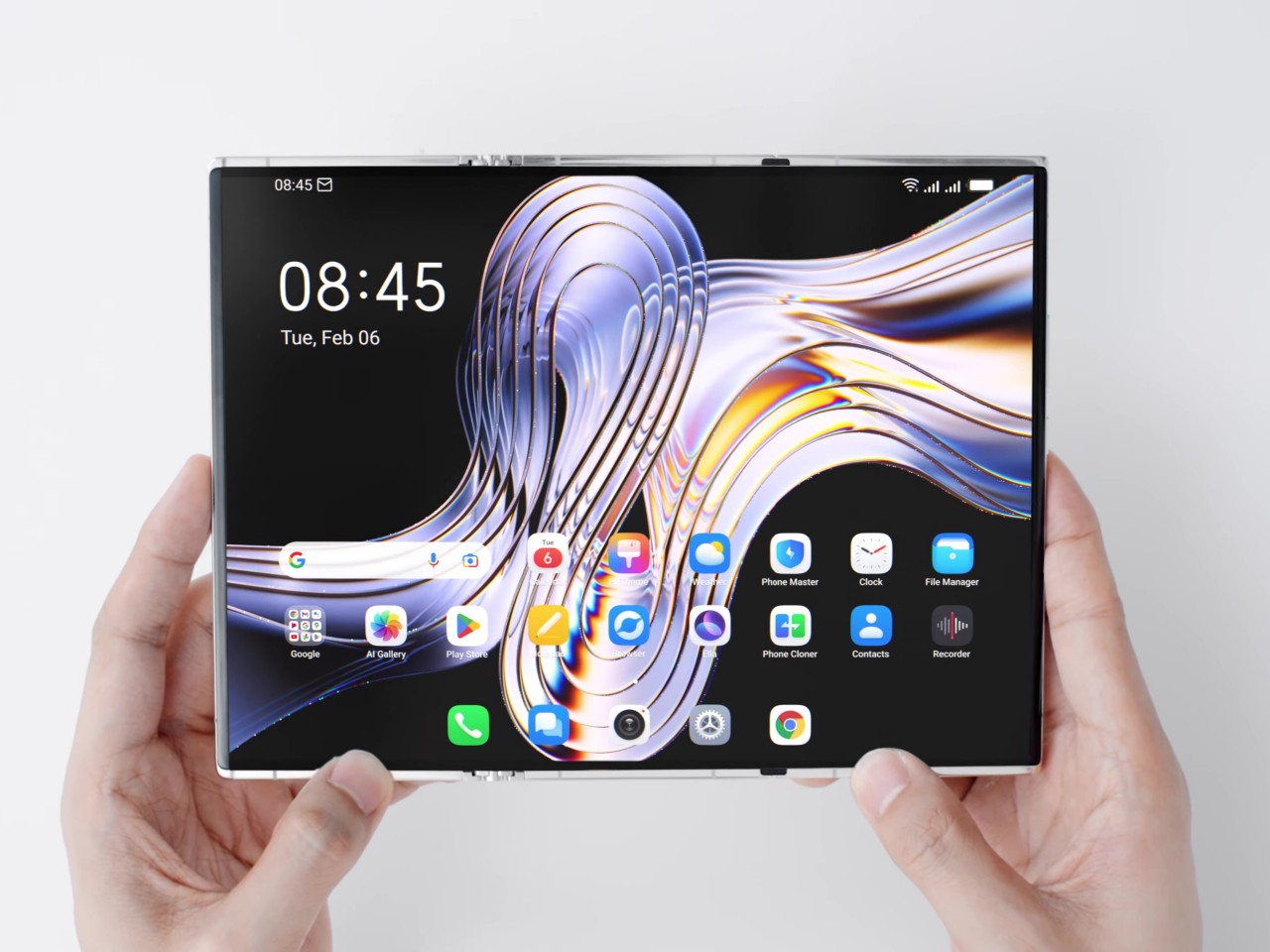
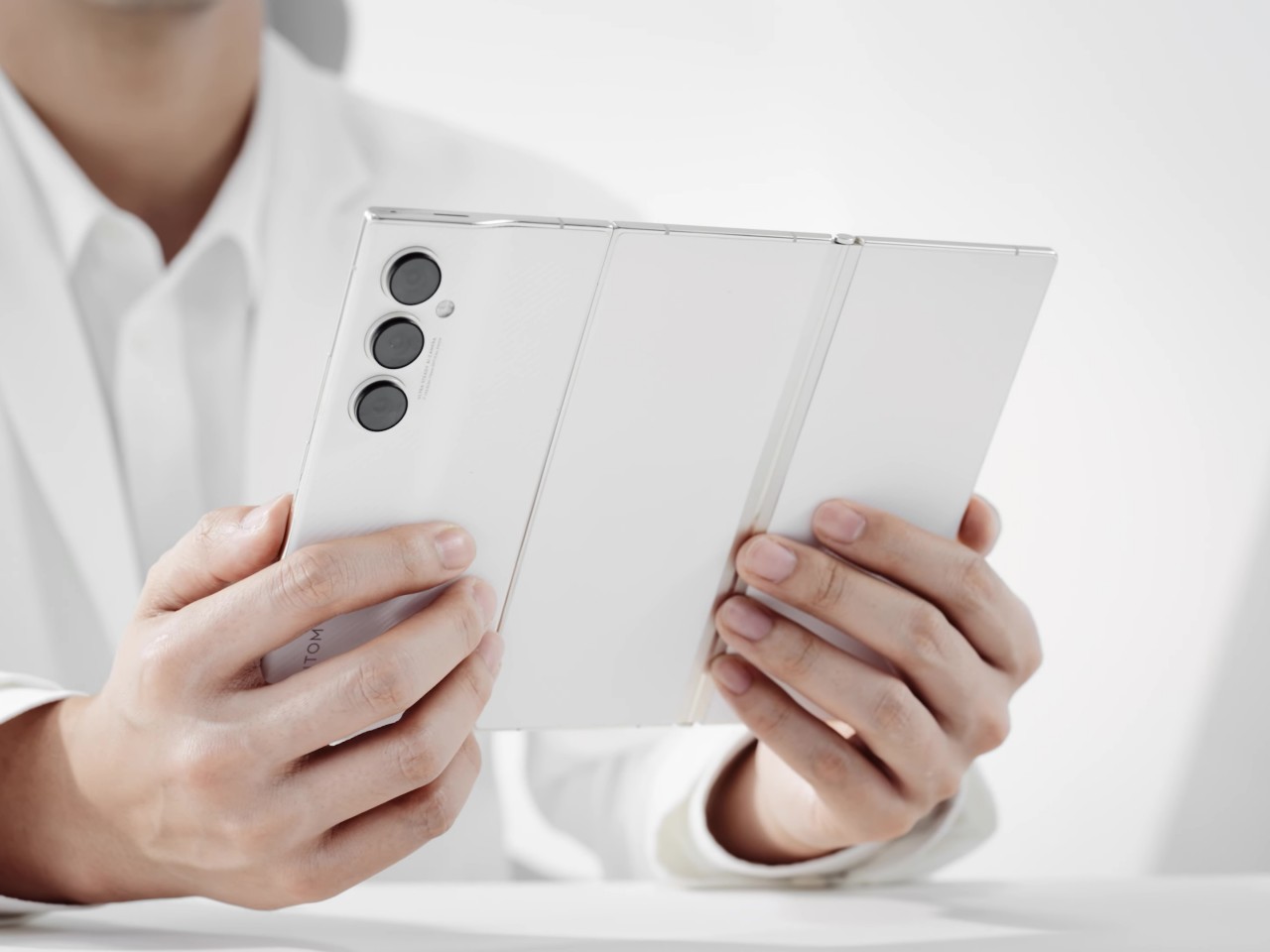
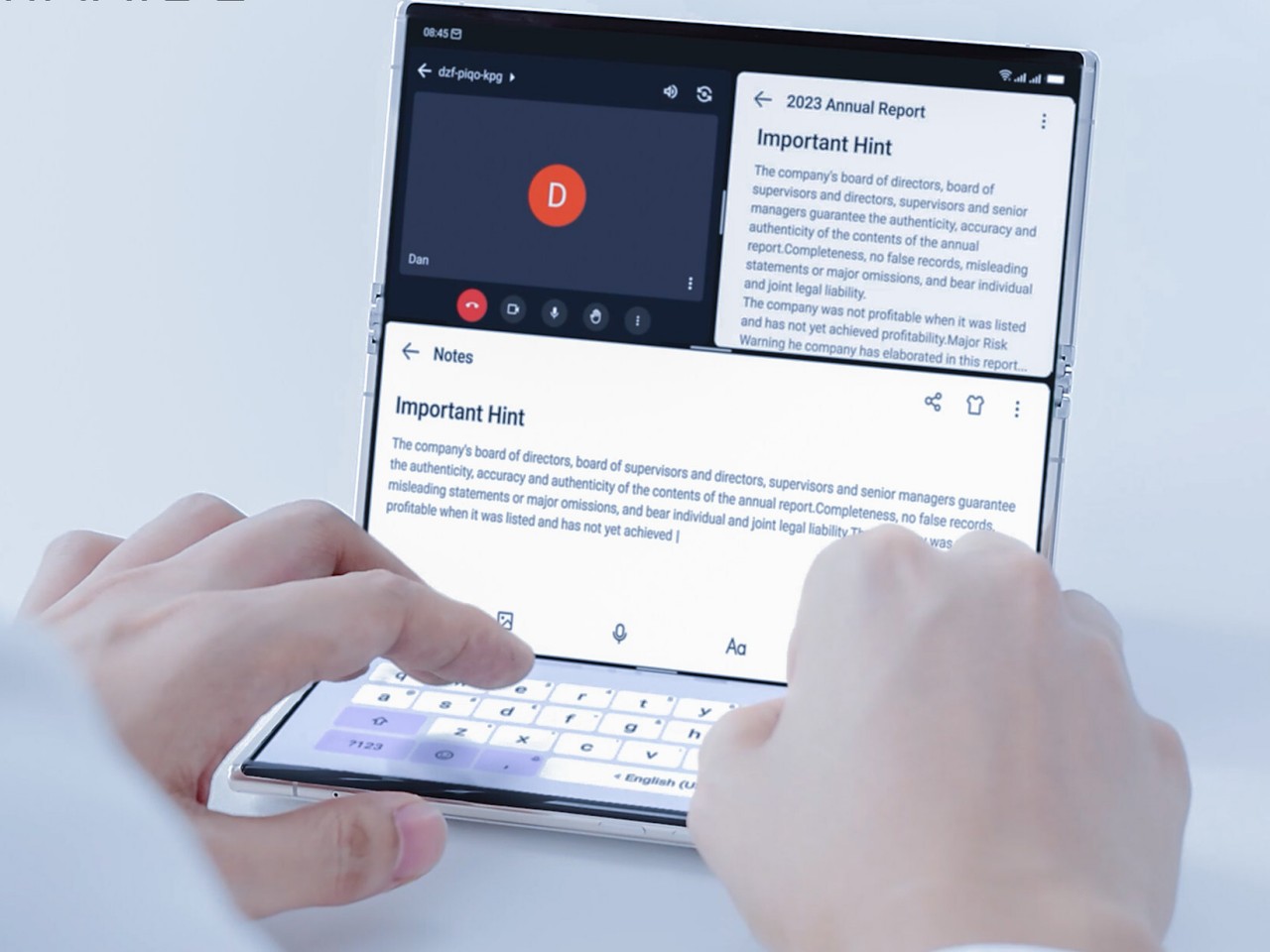
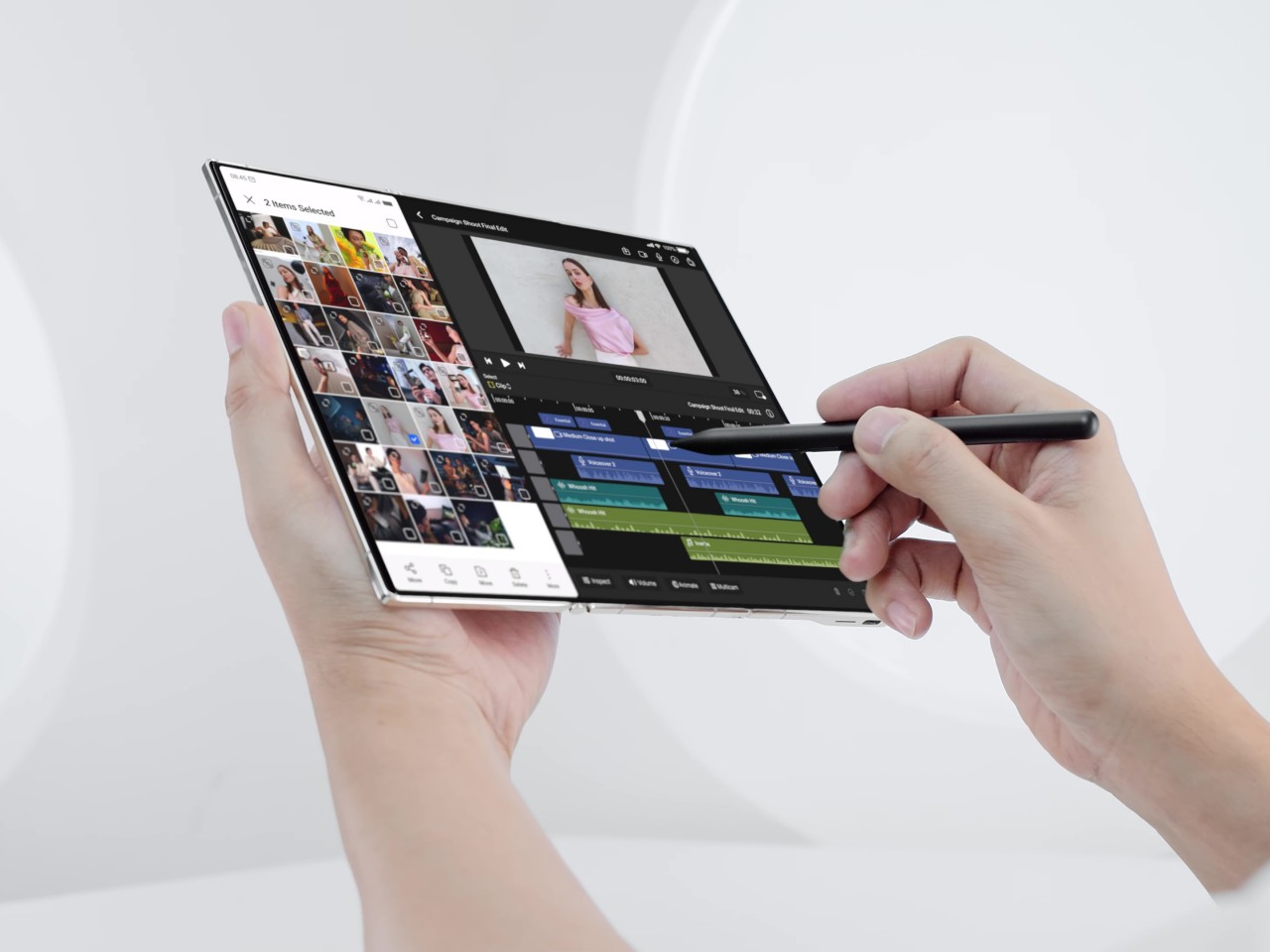
Apple just announced what might be the biggest upgrade to the iPad line since the iPad Pro was introduced in 2015. In addition to switching to an OLED panel, with all the benefits that it entails, as well as gaining a new Apple Pencil Pro, the new iPad Pro is possibly one of if not the thinnest tablets in the market, especially for its 13-inch size. But while Apple’s new tablets are definitely worthy of attention, the company’s fans are still holding their breath for a foldable iPhone. Rumors claim that could be coming in two years, but it could also be canned at the last minute, just like the AirPower wireless charging mat if the design and performance don’t meet the meticulous company’s standards. Then again, some probably consider foldable devices as a passing fad, but that couldn’t be farther from the truth. Apple should launch a foldable phone sooner rather than later because these devices aren’t going away, and here are the reasons why.

Designer: Semin Jun

1. Content is Still King

Chances are, you’re using your phone less for calls and more for content, which does include activities like instant messaging and chatting. The screen is the most important part of the device because it is the part that we see and use the most. Content is the primary reason for having a smartphone, whether it’s for consuming content or sometimes even creating it, so any technology that lets people enjoy more content or gives them more ways to enjoy content is always a winner. Is it any wonder, then, why phablets or phones with large screens are now the norm, despite how much Apple ridiculed its size at first?

Foldable devices solve this in two ways. Large foldable phones in the style of the Google Pixel Fold offer an experience similar to a mini iPad mini that you can still shove in your pocket and use as a regular phone to some extent. In theory, it delivers the best of both worlds, with a screen that can contain as much content as possible while still in a portable format.

Conversely, clamshell-style foldables like the Samsung Galaxy Z Flip series strike the problem from the opposite end. It provides a screen experience that’s exactly like a normal large phone but lets you conveniently cram the device in very small purses and pockets. It still prizes the role of content but delivers it in a design that doesn’t get in your way because of its size.

2. Falling Prices

One of the reasons why people avoid foldable phones and why they see them as luxurious fads is because of their rather mind-blowing prices. Yes, it’s expected that novel technologies and designs would cost more at the start, but foldable phones have been around for almost half a decade now, and yet most still cost a premium flagship and a half. Fortunately, things are changing for the better, even if slowly.

Designer: nubia

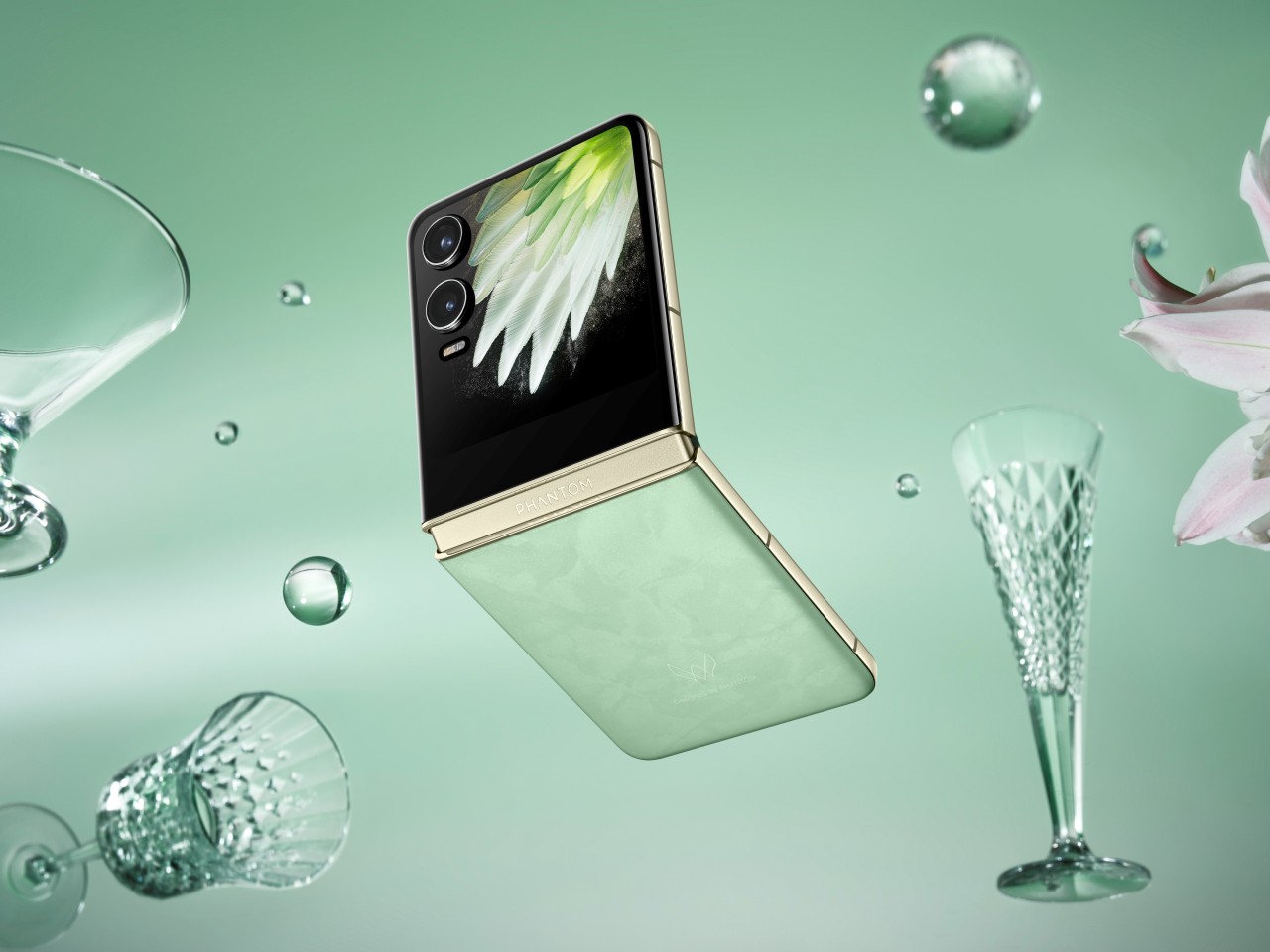
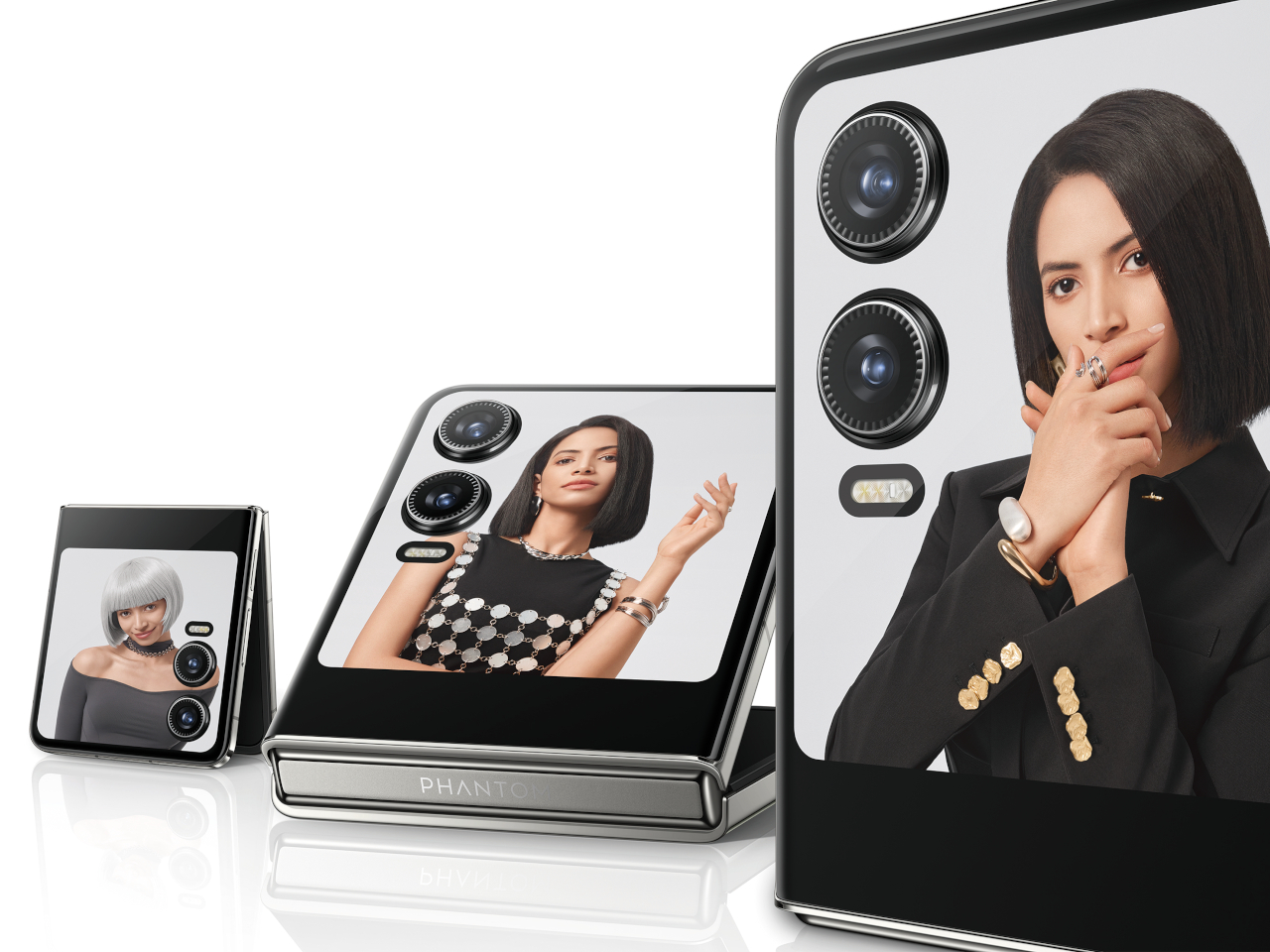
As the technologies and components become more common, the cost of their production will start to decrease as well. Given that there’s still plenty of room for newer designs that will involve more costs, high-end foldable phones won’t be going away any time soon. At the same time, however, that still leaves the door wide open for options on the lower rung of the price ladder. The new nubia Flip 5G, for example, is currently the most affordable among the relatively cheaper clamshell foldables. Sure, it does cut corners in a few aspects, but that is also proof that you can have “mid-tier” foldable phones in this market.

There’s definitely a great deal of interest in a cheaper book-style foldable, and that might be coming this year if not from Samsung then from its growing number of rivals. Admittedly, it might take another year before more affordable foldables become more common, but it’s something that will happen sooner rather than later.

3. Design Refinement

Even after five years, the foldable phone design is still relatively young. Given how it strays so far from normal phones, it’s not surprising that perfection still feels so far away. In other words, there’s still much to be done, and smartphone makers continue to push the boundaries, refusing to settle for the status quo. In a way, it’s a matter of pride for these brands, as well as refusing to admit defeat after investing so heavily in foldable designs.

Images courtesy of AppleInsider

Foldable phones are getting thinner to the point that a folded phone no longer feels like you have two regular phones stacked together. At the same time, others are cramming more powerful and larger cameras into these ultra-thin devices, trying to get them on the same playing field as any other flagship model. While standard smartphone designs seem to have settled down after many tumultuous years, things are just heating up for foldables. There’s still a lot to be explored, and we’re far from reaching the peak.

4. Stylish Trendsetters

Smartphones have graduated from being technological products that only tech-savvy people can truly appreciate to lifestyle items that reflect the owner’s design tastes and personal preferences. Smartphone expressiveness is becoming an important factor in how people choose devices these days, from the design of the cameras to the overall style of the phone itself. That’s part of the reason why “flip” foldable phones are reported to be outselling their larger cousins, precisely because they bring back that classy image of flip phones from decades ago.

Designer: Honor

Yes, you can dress up your regular phone slab as much as you want, but the way you open and close a foldable phone is going to be fashionable for quite a while. And you can also dress them up as much as you want, and may even offer more customization options and creativity with the styles of cases and accessories used. Everything you can do on standard phones, you can also do with foldables but with more pizzazz and a “wow!” factor.

There’s also the aspect of offering more customization options inside as well. The foldable screen is a bigger canvas you can play on, and some external Cover Screens can get creative with their designs as well. It’s a new playground for designers and creative users who want to truly make their smartphones an extension of themselves.

5. Innovation Has Just Begun

Foldable phones are just the start, however, because they are the most accessible and easiest to comprehend. Once the idea of foldable screens has become cemented in people’s minds, it will be easier to introduce newer designs that can provide even better solutions. The current foldable designs are far from perfect, but they’re paving the way for future foldable devices.

Designer: Samsung

We’re already seeing that in the PC market with the introduction of foldable laptops, but we don’t need to go that far for proof. Samsung has already shown off working prototypes of tri-fold devices that turn the phone into a larger, and more conventional tablet design. We’ll see other foldable technologies unfold (no pun intended) in the future as well, including a phone that folds both ways. And don’t forget those rollable screens that offer an alternative answer to the same screen size problem.
Apple is rumored to unveil a foldable laptop next year, with a foldable iPhone following in 2026. Honestly, the order should probably be reversed, given how MacBook owners are more meticulous about how new designs affect functionality, sometimes negatively. Either way, Apple really needs to jump on this train soon, not just because it’s trending but because it can have a significant impact in driving innovation in this space forward by leaps and bounds.

The post Foldable iPhone Needs to Happen: 5 Reasons Why Foldable Phones are Here to Stay first appeared on Yanko Design.