The media focus on rocket launches, moon landings, and Internet satellites has inspired many to look to the stars for the future of mankind. There are still plenty of areas on the Earth that can be explored, but our expansion can only expand upward at this point. But even before we get there, we are already filling our outer skies with dozens if not hundreds of small metal objects known as satellites, and their numbers are only expected to grow as we move forward.
Satellites have various applications, from communication to observation, but none of them so far remain in orbit in perpetuity. We are, thus, facing a two-headed problem of a myriad of these objects cluttering the space around our planet as well as plummeting back down, sometimes with disastrous results. To find out if there are more sustainable options, the world’s first wooden satellite just made its extraterrestrial voyage in the hopes of replacing metal with wood in the future.
Satellites can orbit the Earth for years, but they will eventually be decommissioned and fall back to Earth. Most of their mass will burn up on re-entry, but the burning metal will release dangerous aluminum oxide pollution into the atmosphere. Wood will also burn up, of course, but the effects on the environment will be significantly smaller.
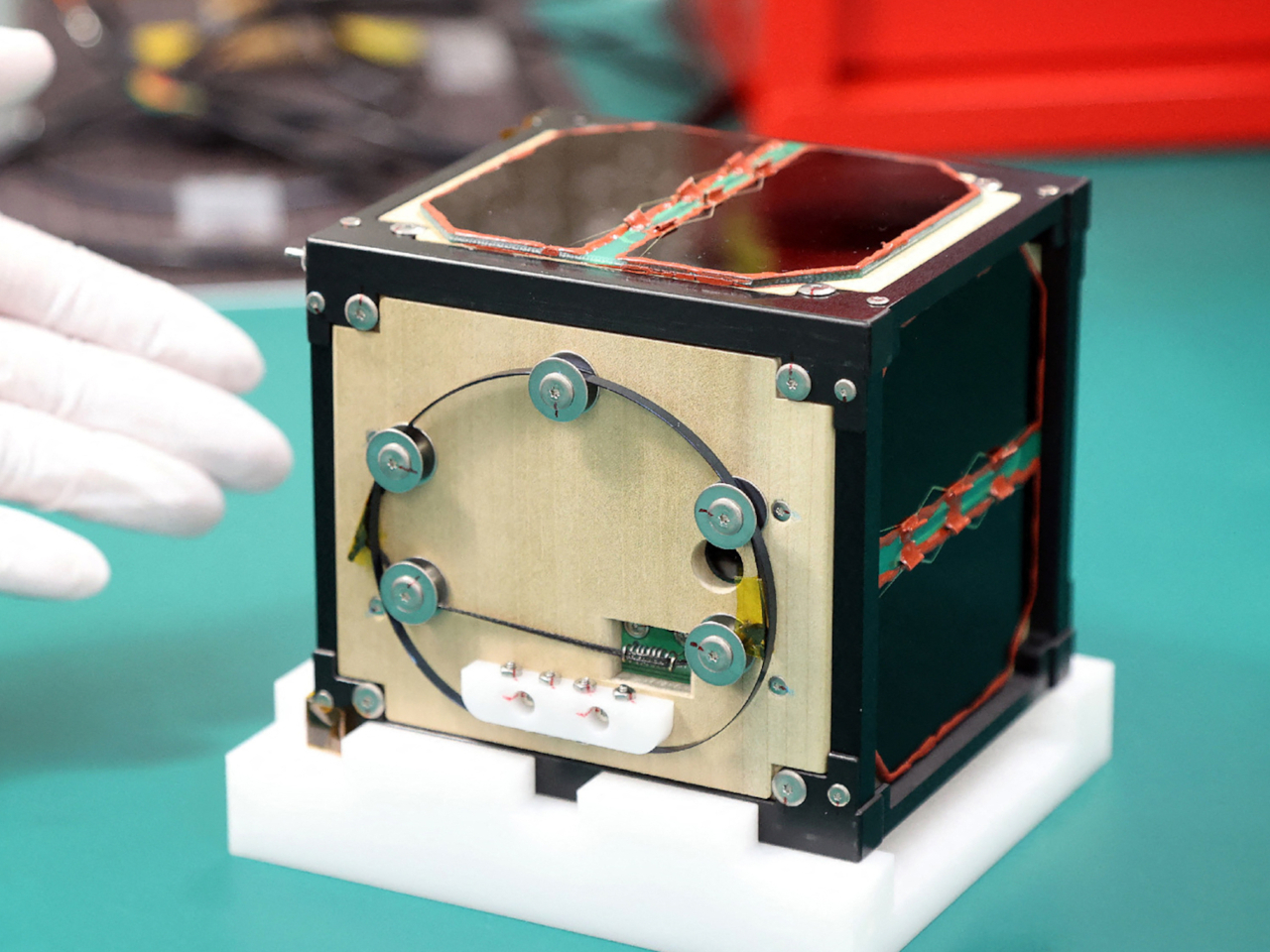
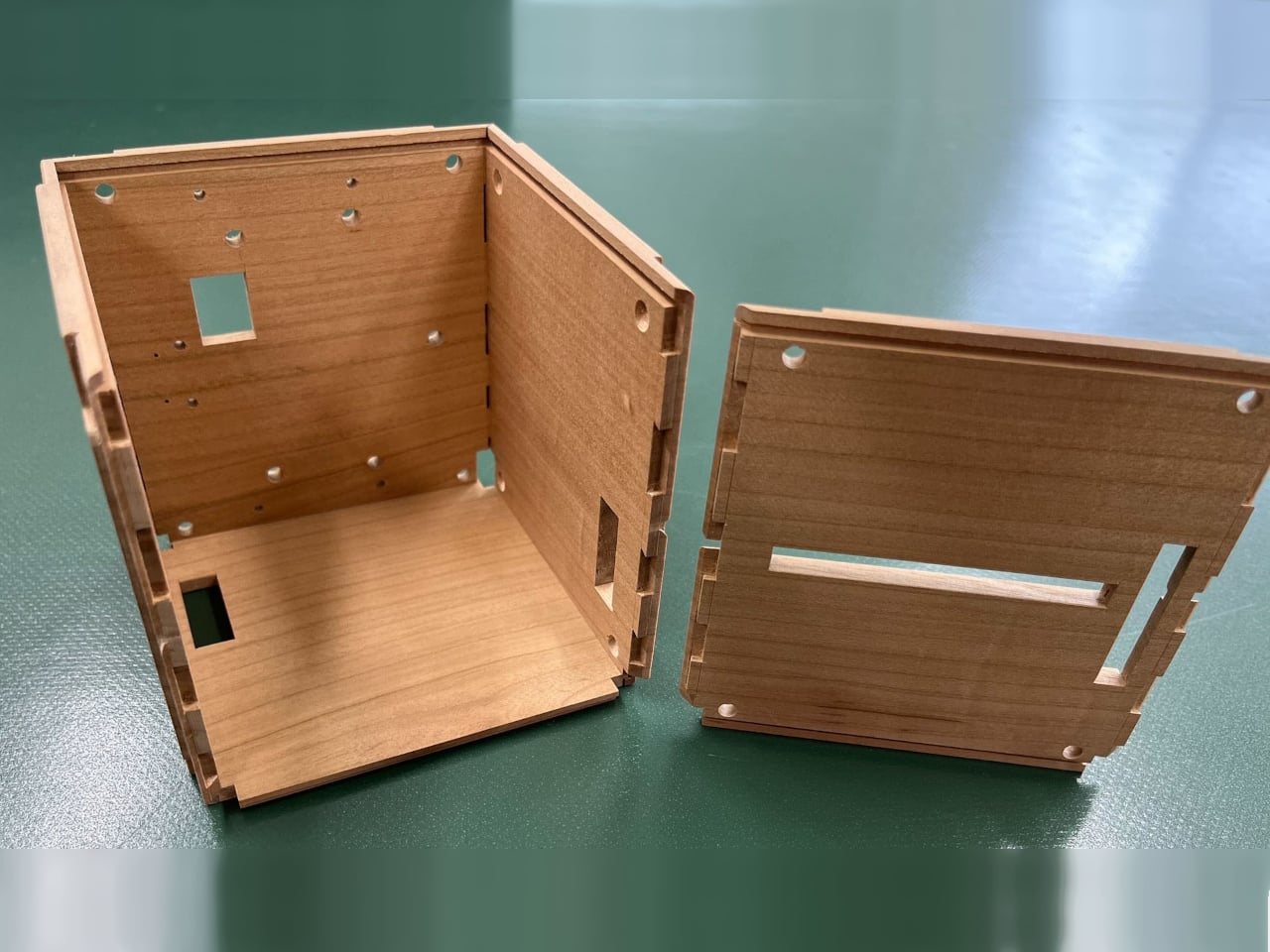
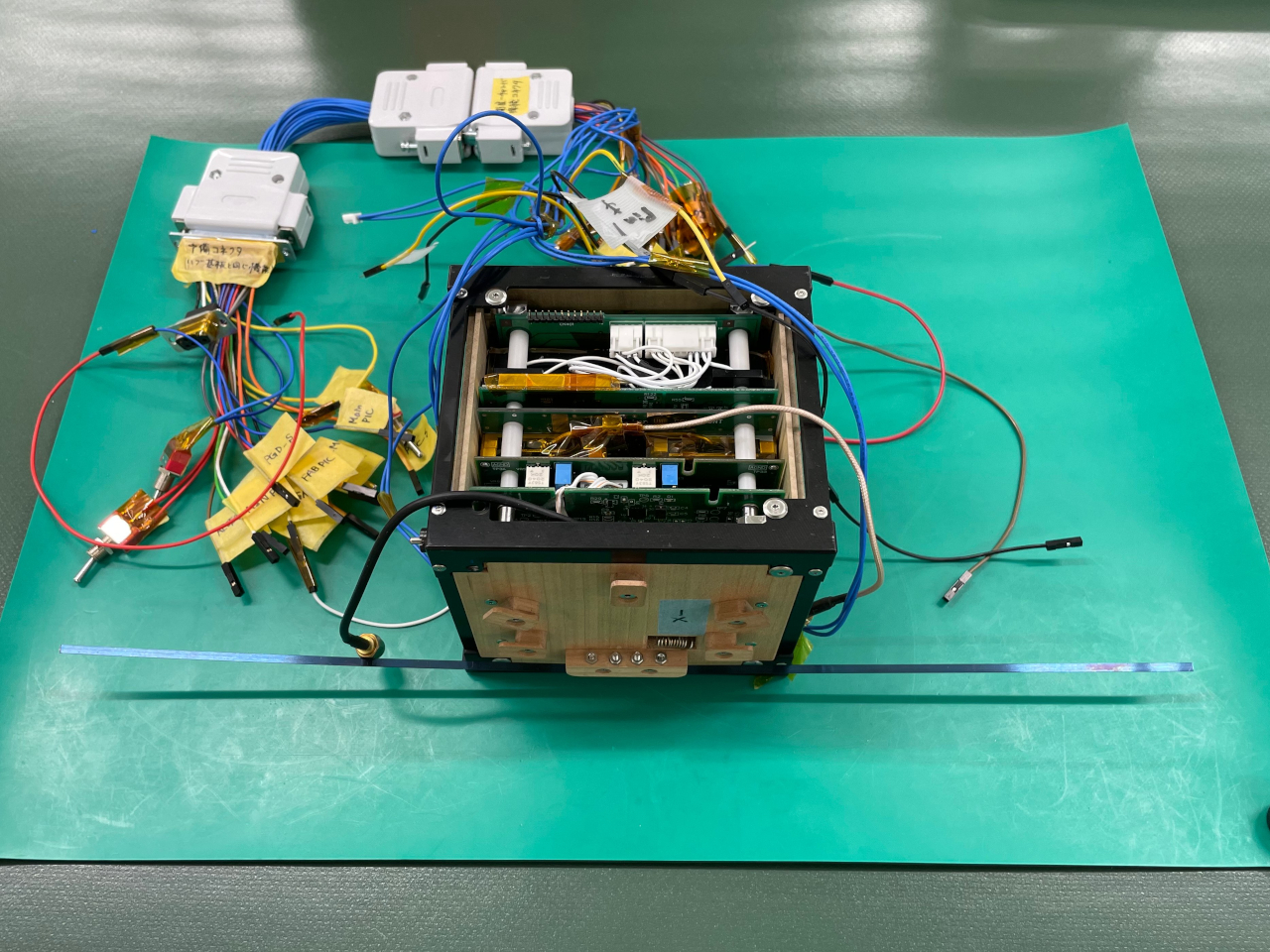
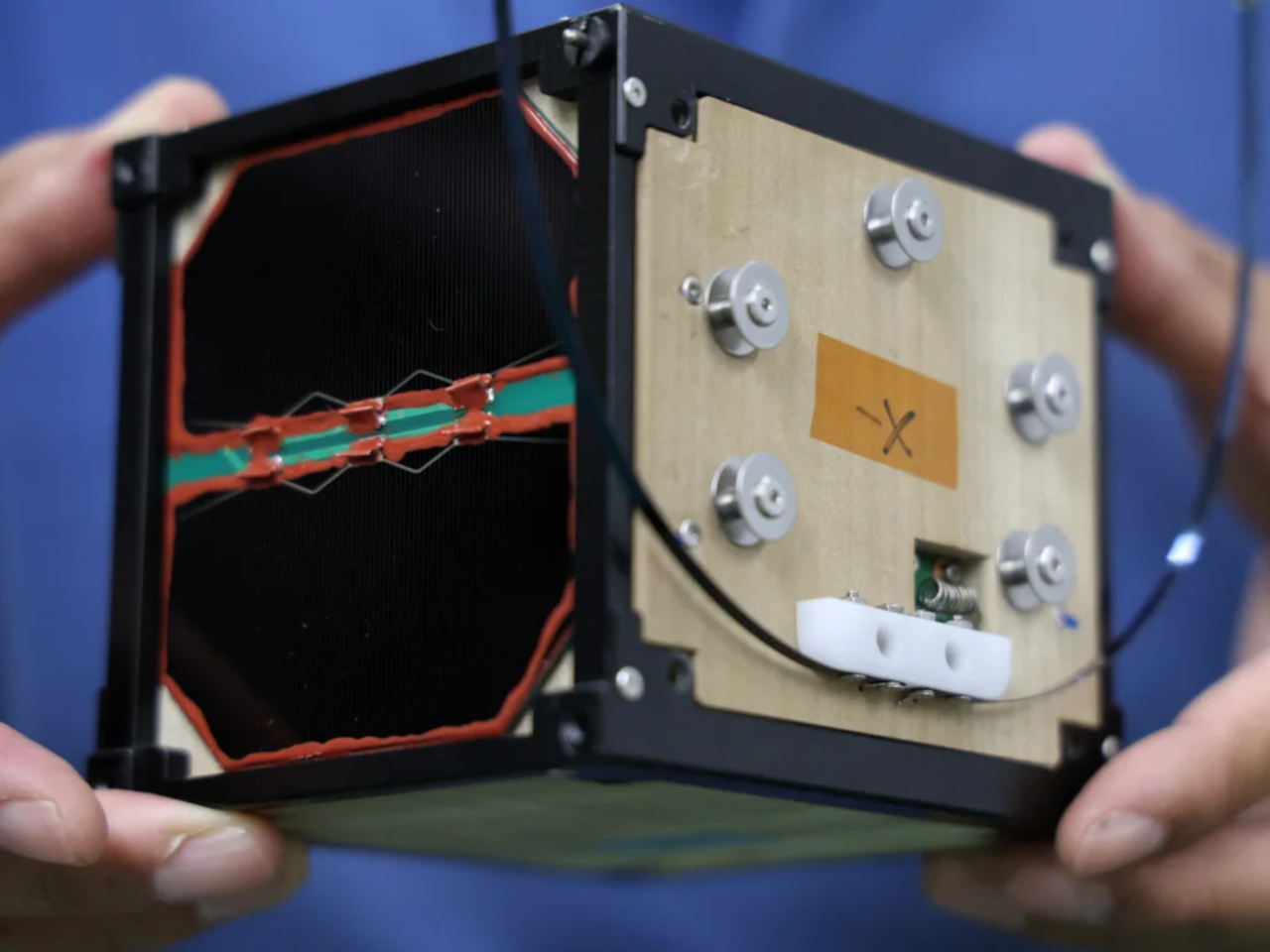
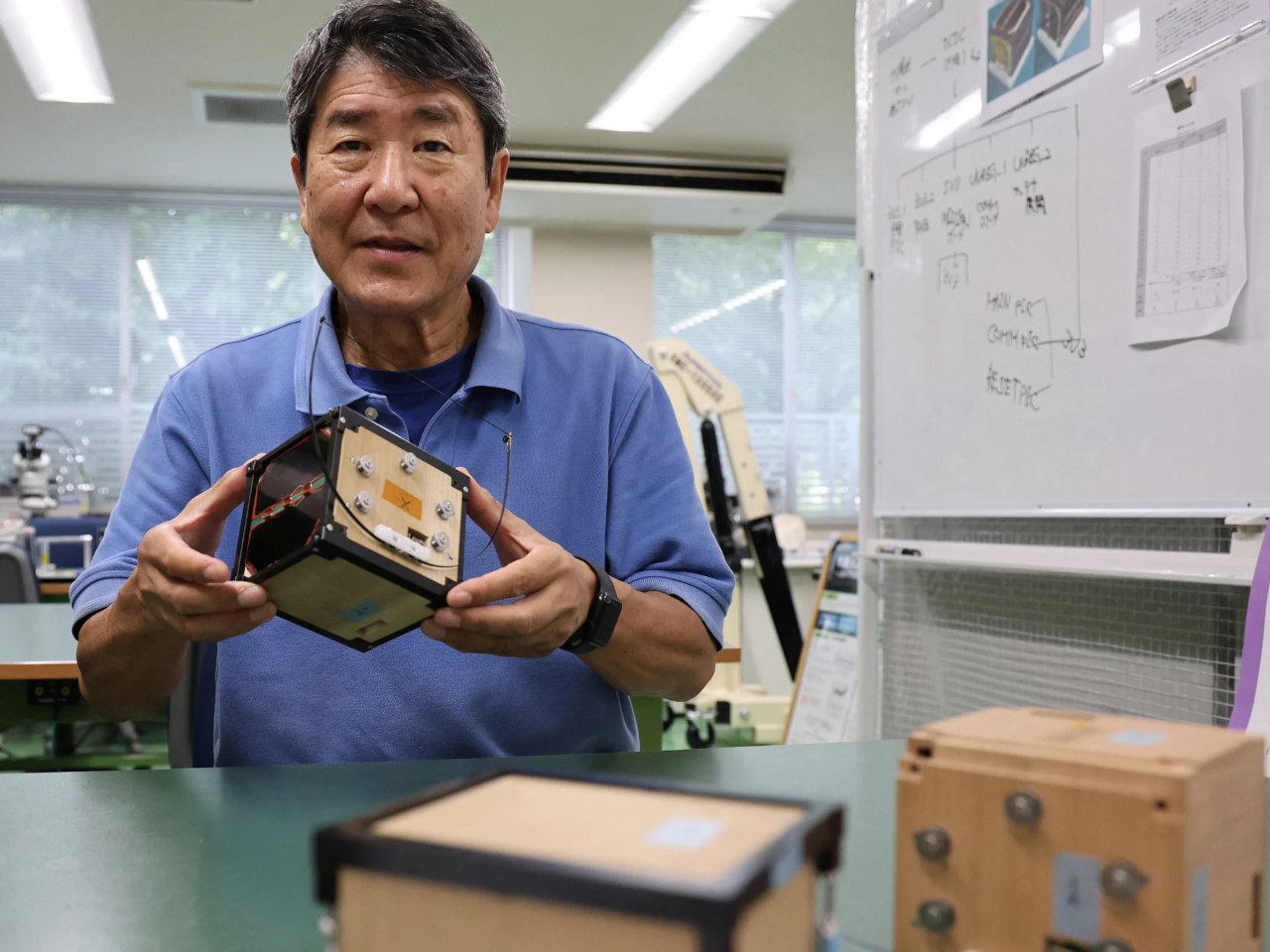
Made from Japanese hinoki or cypress wood, the boxy LingoSat satellite is designed to test the theory of replacing metal satellites with wood-enclosed versions. The sides of the box are held together without screws or glue, using a traditional Japanese craft technique similar to dovetail joints. This method will help minimize the use of metal or potentially toxic materials that would burn in the atmosphere.
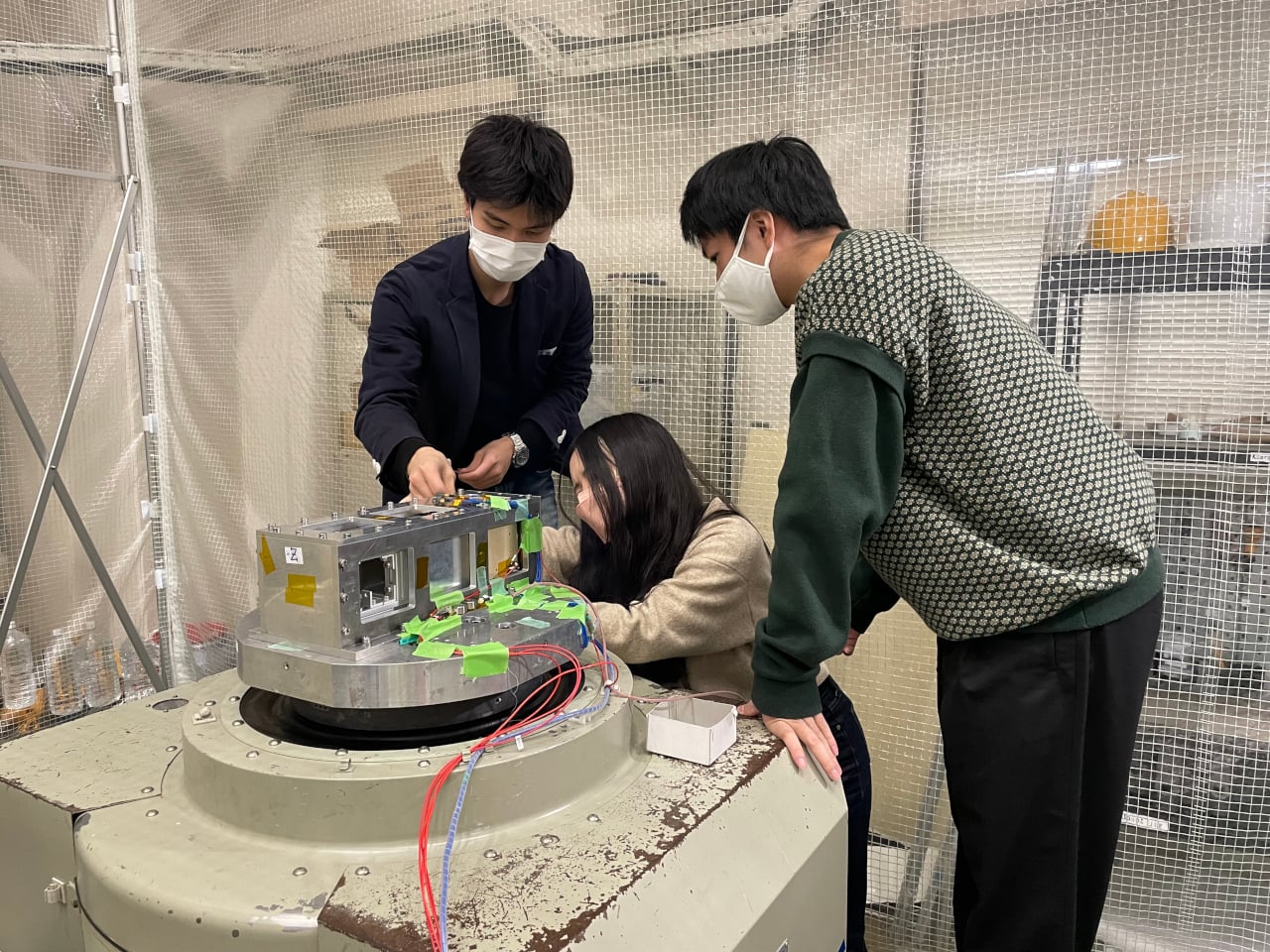
The experiment will test how well wood will fare in the harsh environment of space, such as extreme temperature fluctuations, and how well it can shield electronics inside from space radiation. The latter could have useful applications back here on Earth as shielding for semiconductors in data centers. If successful, this design could significantly help solve the problem of space trash and debris falling back down.
The LingoSat wooden satellite launched into space last Tuesday and will be heading to the International Space Station. From there, it will spend six months in orbit at a height of 400km (250 mi) above the Earth. Like any other satellite, it will eventually be decommissioned and fall down but with less fanfare.
Are you the kind of person who’s always sleepy when at the office but suddenly feels energized as soon as you leave? Then when it’s time to sleep, you have so much energy and you find it hard to fall asleep? It’s a vicious cycle that affects a lot of modern employees now. It may be that they just don’t like the work but it can also be because of things like insomnia and even Delayed Sleep Phase Syndrome (DSPS). It can affect your work, social life, and overall quality of life.
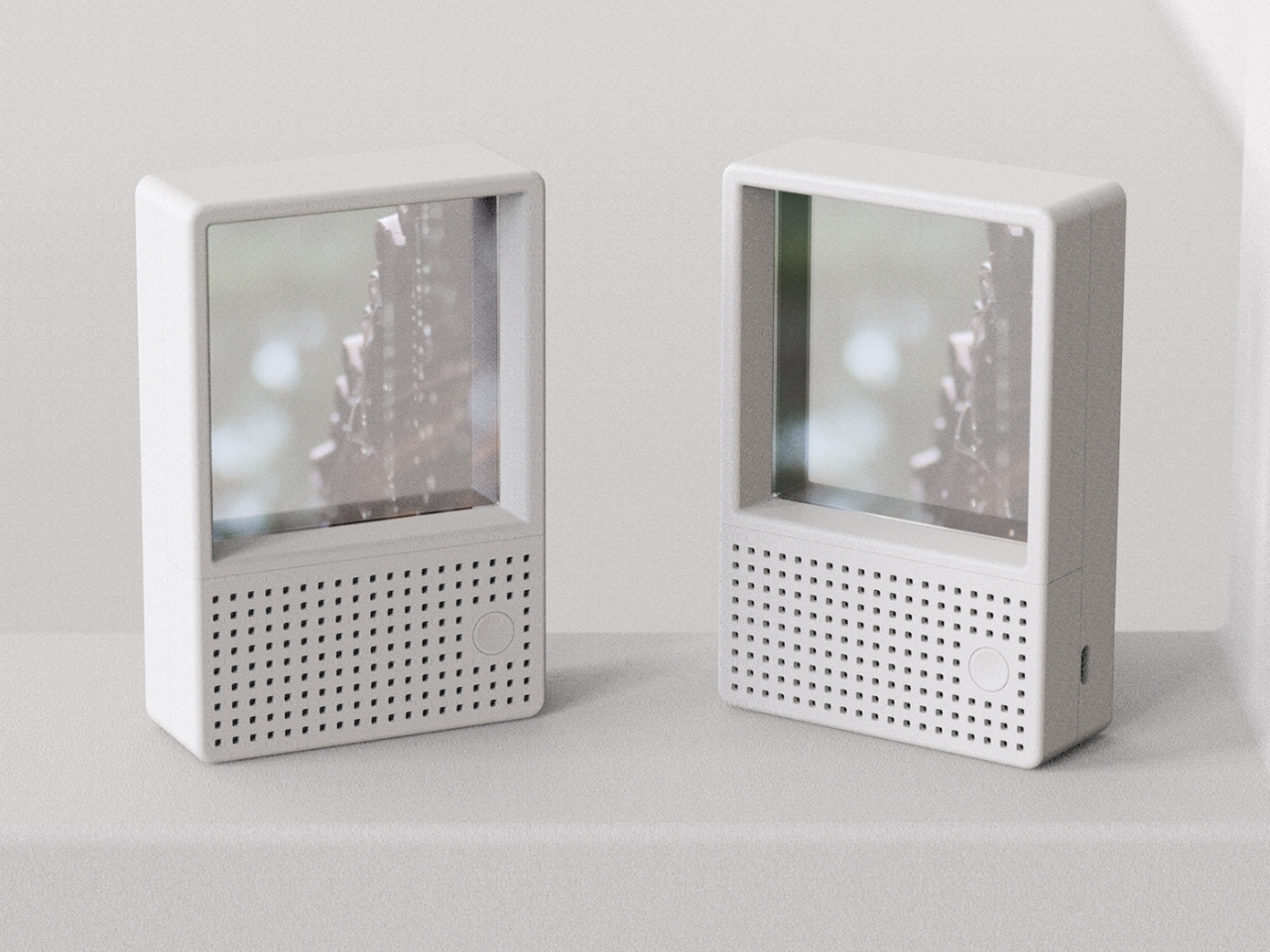
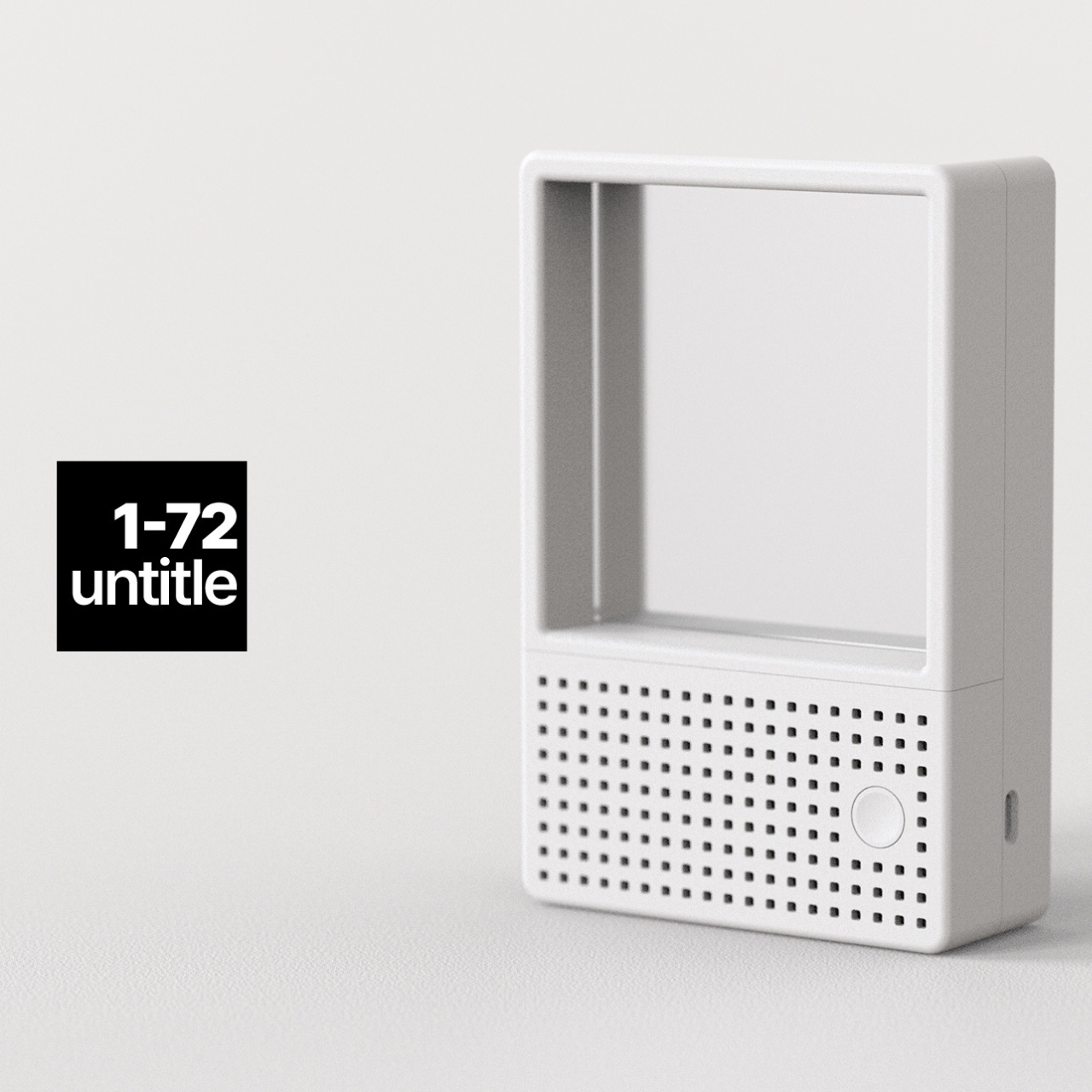
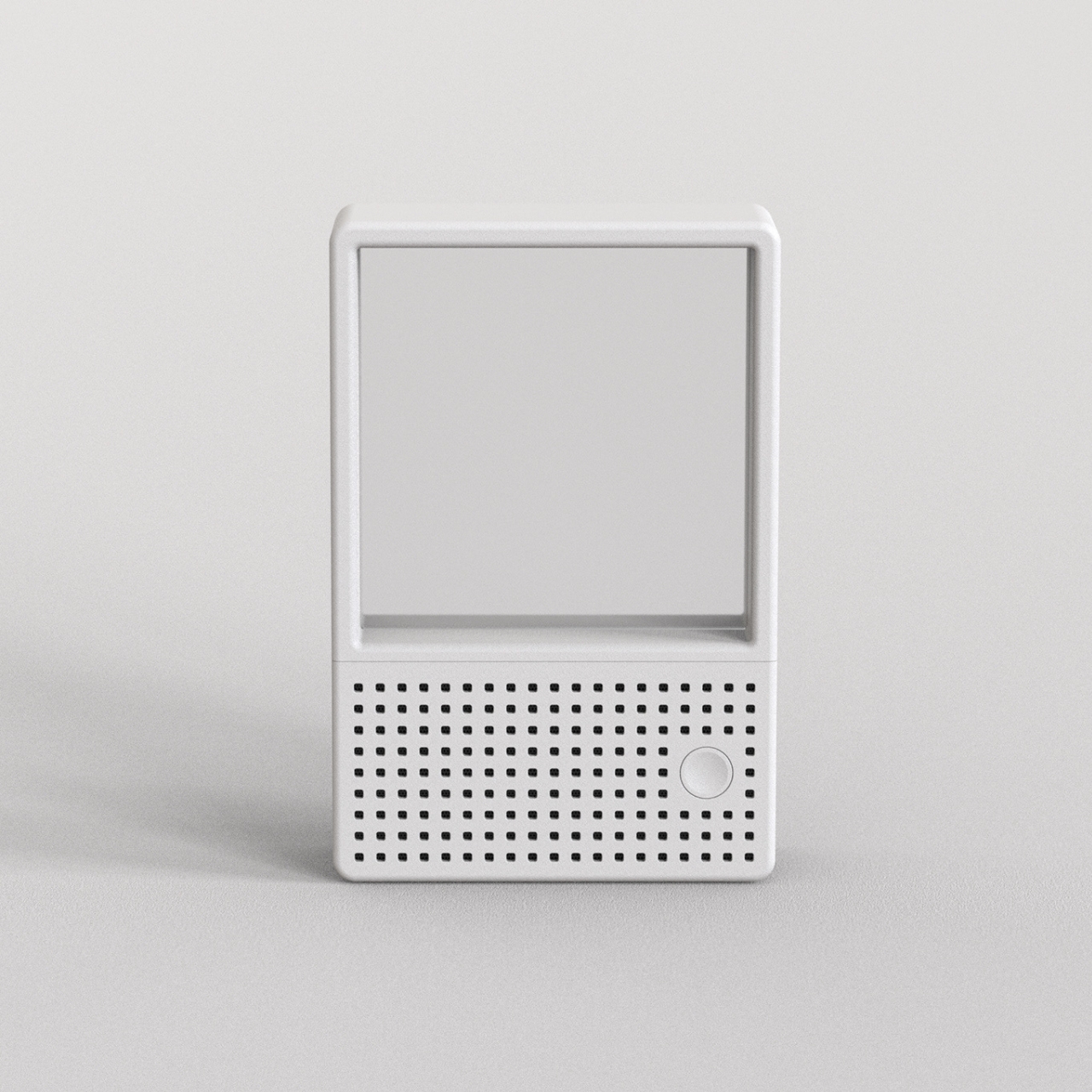
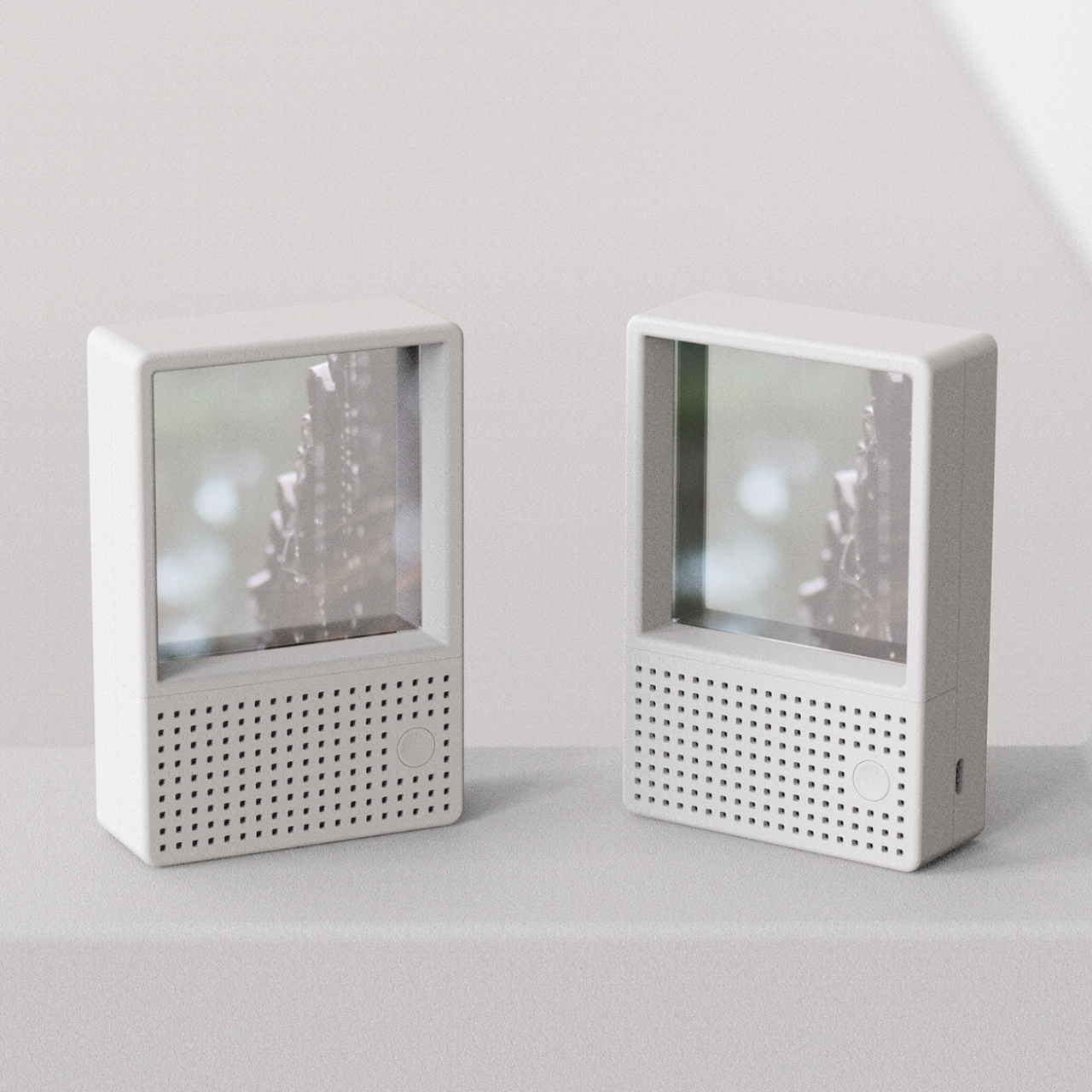
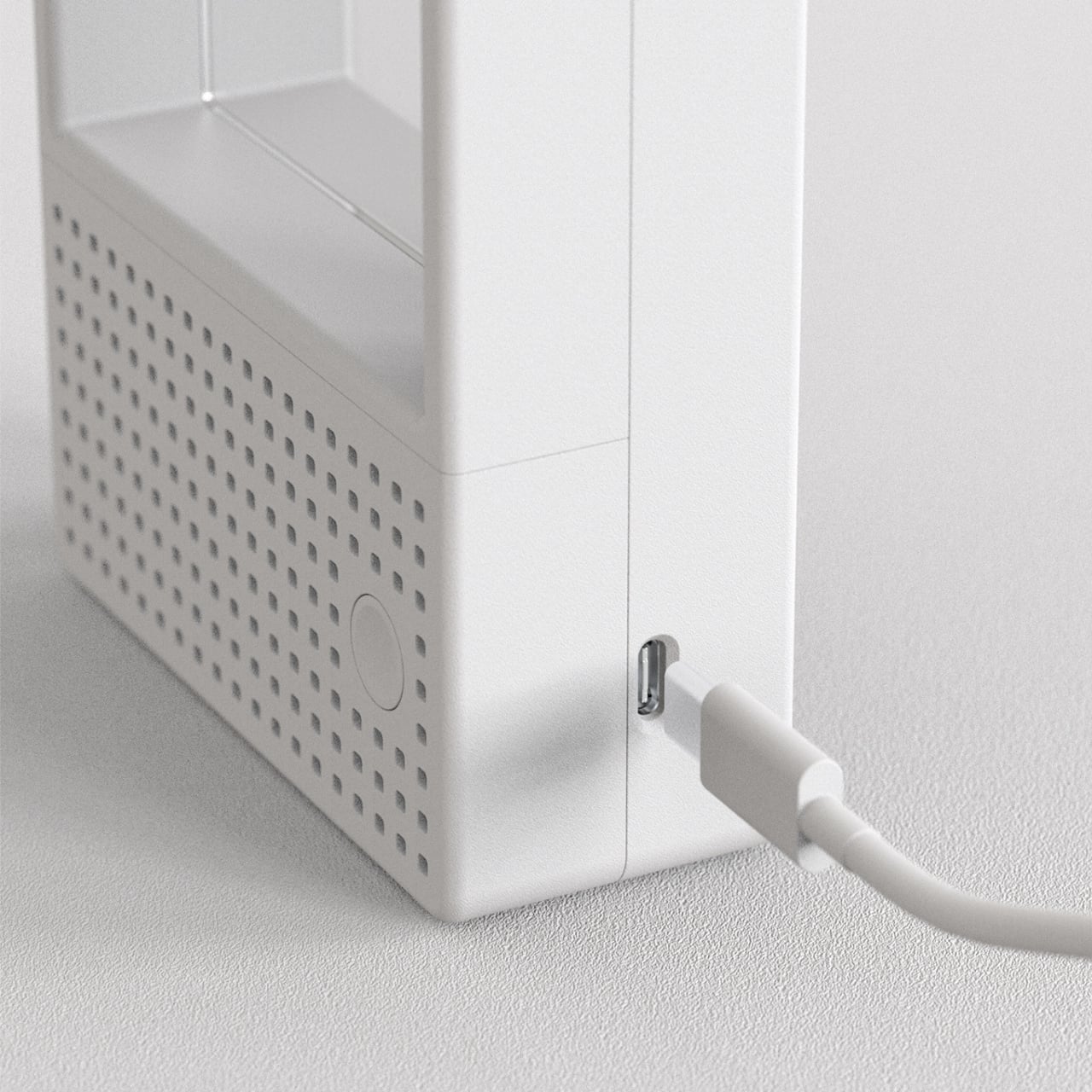
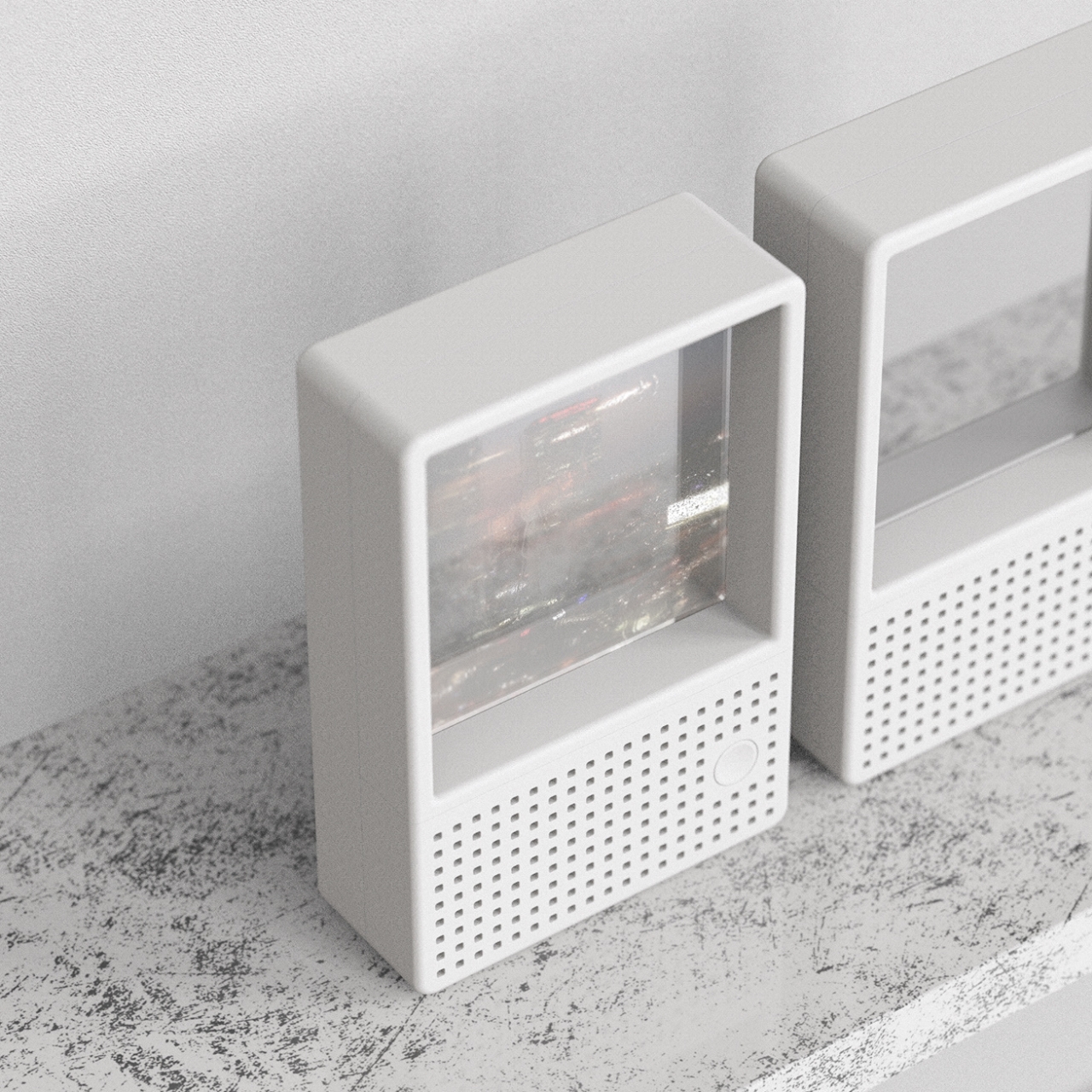
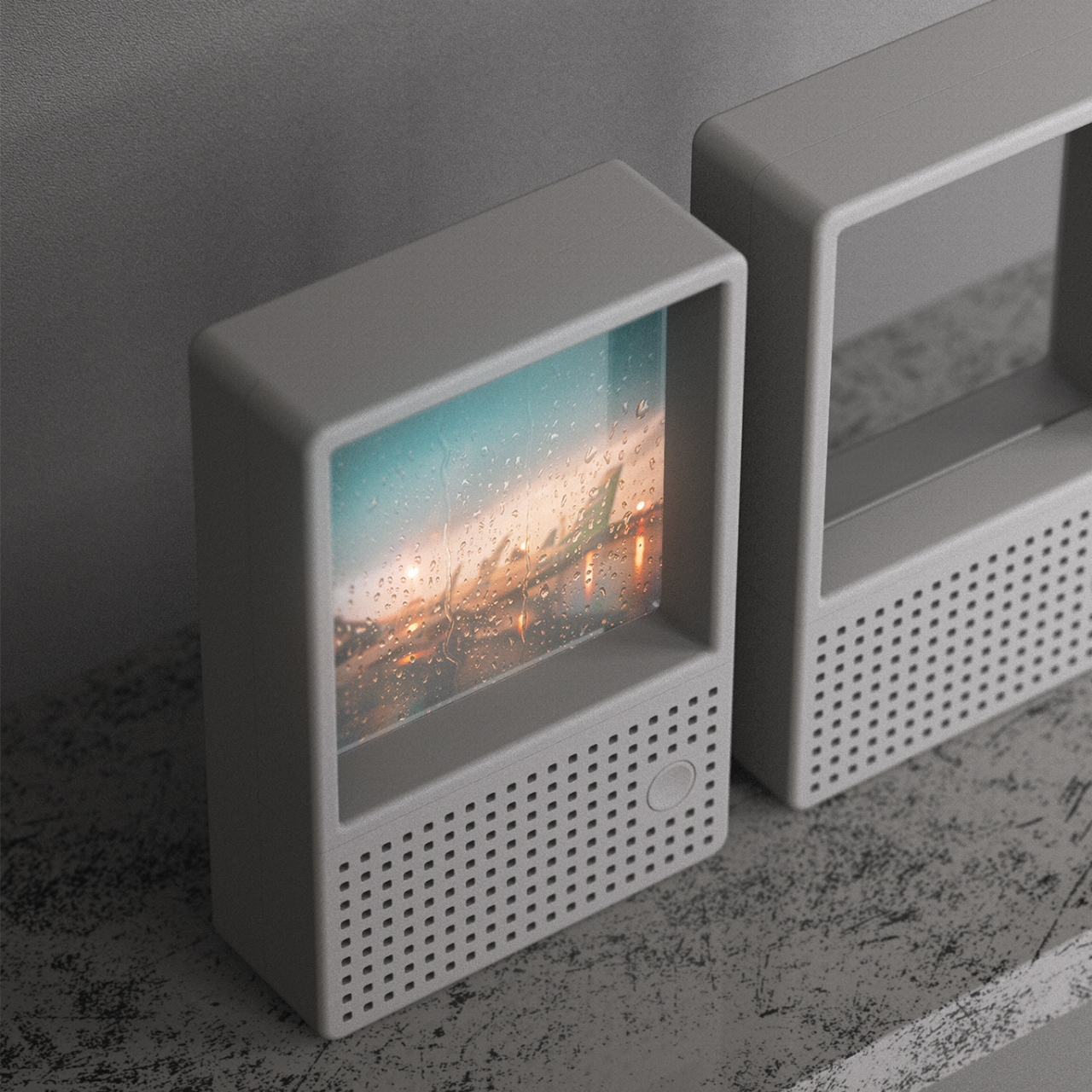
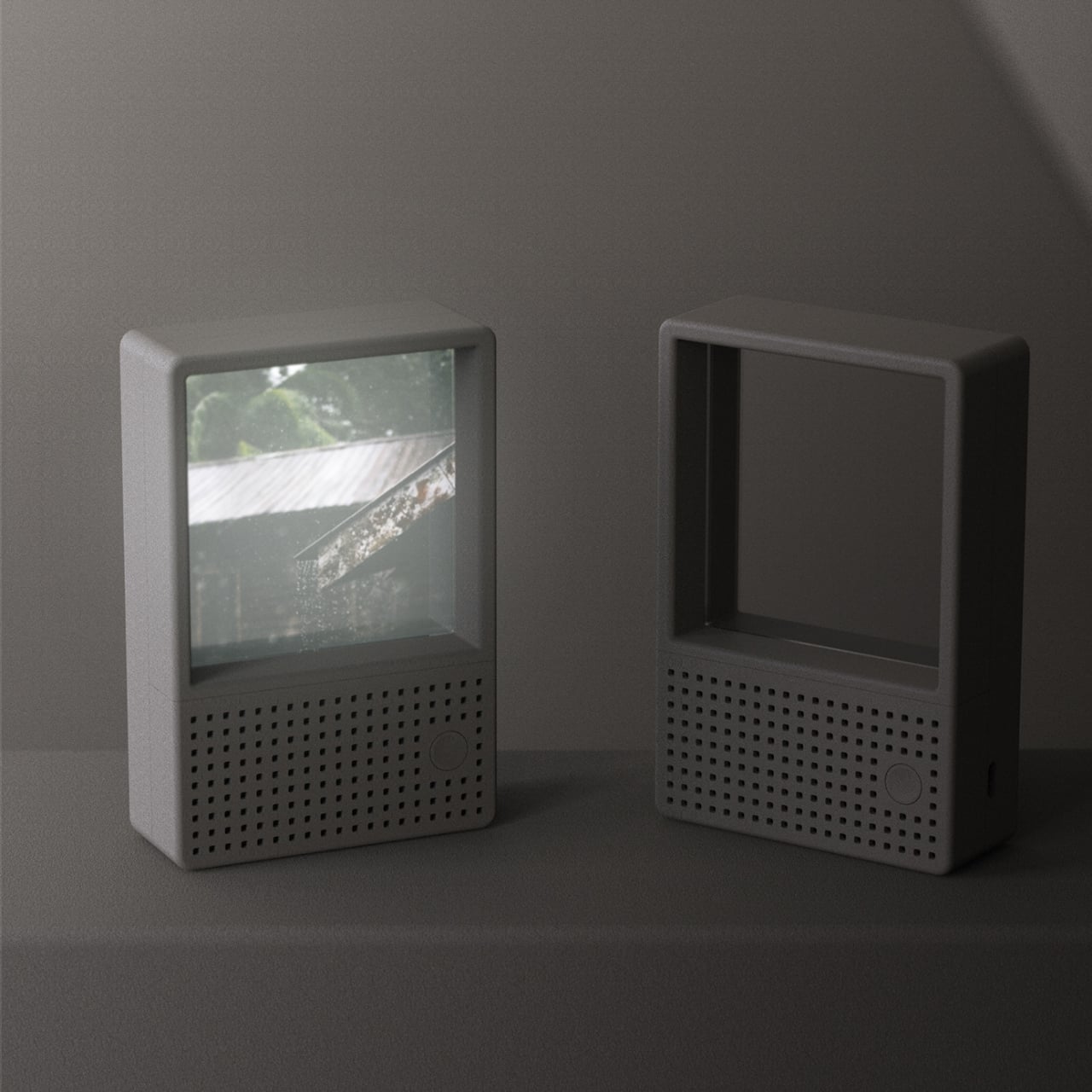
One thing that works for some people to help them fall asleep is having some kind of white noise playing in the background. You can use your phone or smart speaker to play white noise playlists but what if there’s a device that just does that? That’s the idea behind the concept for a white noise speaker. It doesn’t have any other purpose that may distract you from sleeping. All it’s supposed to do is play white noise and accompany you as you drift off to dreamland (hopefully).
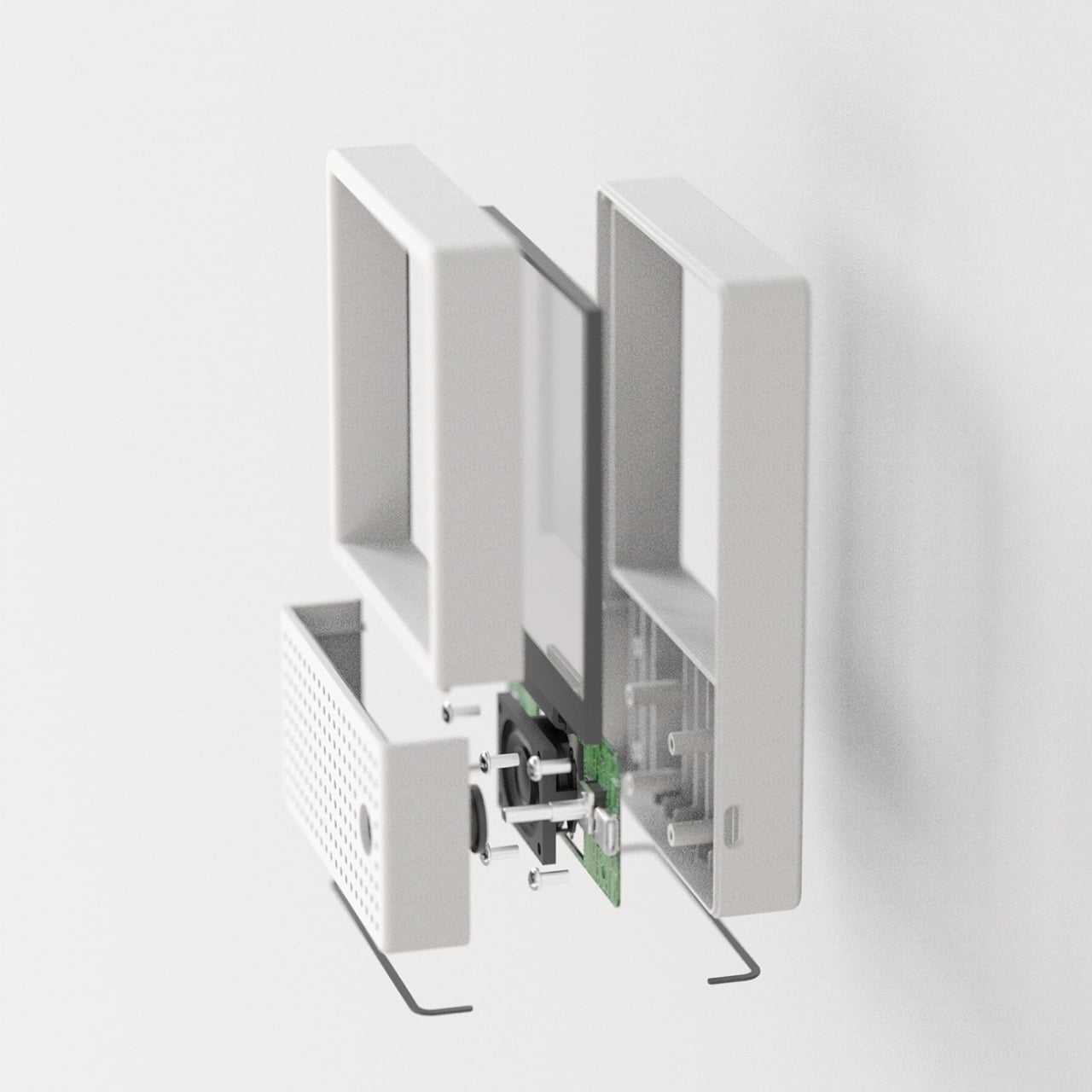
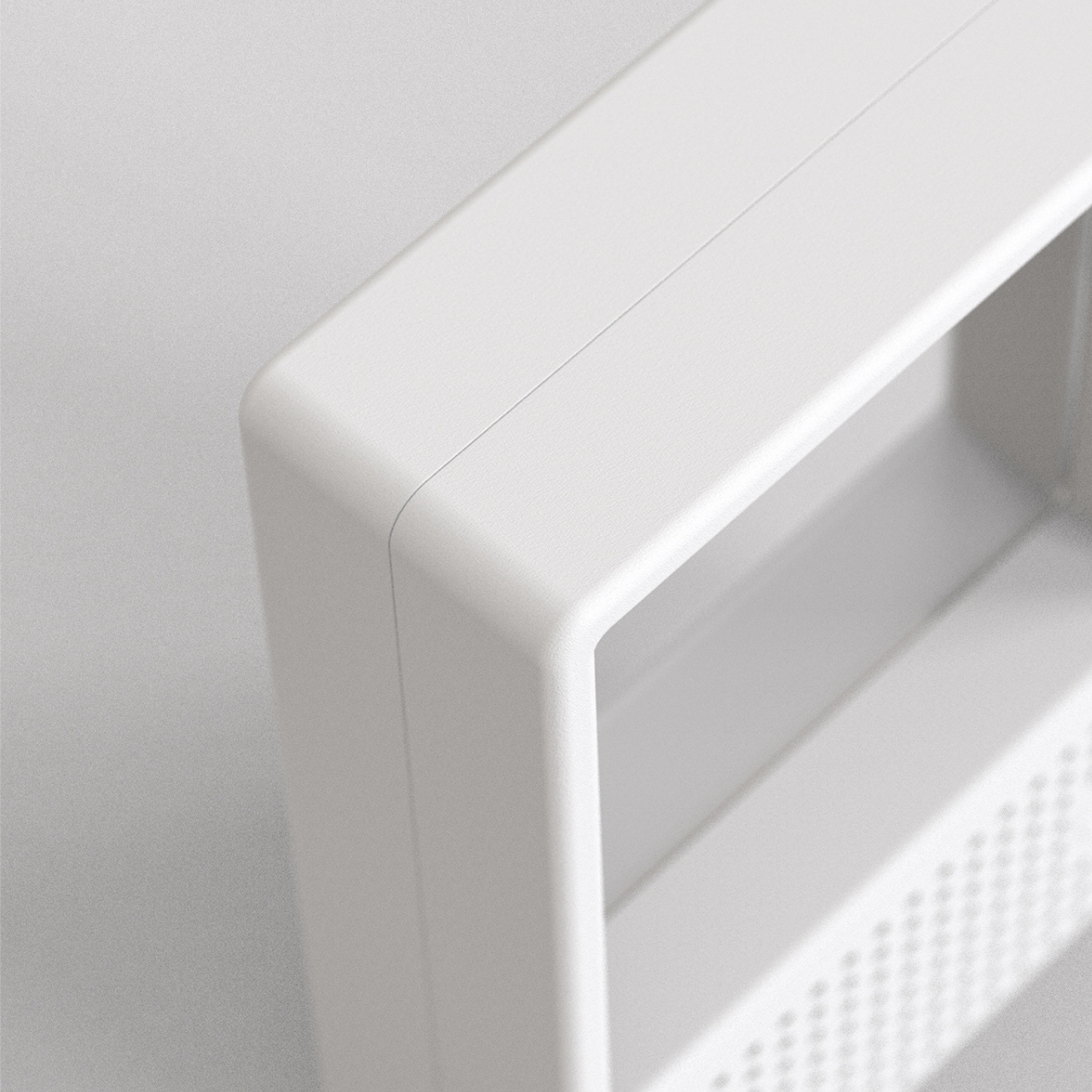
The speaker looks like one of those digital photo frames that can display random photos from your collection. The rectangular device has a glass frame at the top and then the speaker grill at the bottom where the white noise comes out. The glass seems like a screen where white-noise related videos can play (like falling rain, leaves blowing in the wind) that can accompany the white noise as it lulls you to sleep.
There wasn’t much information about the other features or aspects of the concept design but the product renders seem to be self-explanatory. As someone who also has much trouble sleeping at night (and then consequentially has problems waking up in the morning), this can be a pretty useful device to have.
In the world of technology, AI has been consistently making innovative and significant strides. It has positively impacted multiple domains including the creative industry. AI tools aren’t just novelties for creative professionals, they serve as transformative instruments that elevate productivity, precision, and creativity. We have curated five innovative AI tools and gadgets that are handy for creative professionals.
These AI tools offer innovative solutions that enhance productivity, creativity, and precision. Whether you are a musician, designer, digital content creator, or global communicator, these tools provide invaluable support in your creative endeavors. As AI technology continues to advance, the possibilities for creative professionals are boundless, promising a future where creativity and technology go hand in hand.
1. ASUS ProArt PZ13
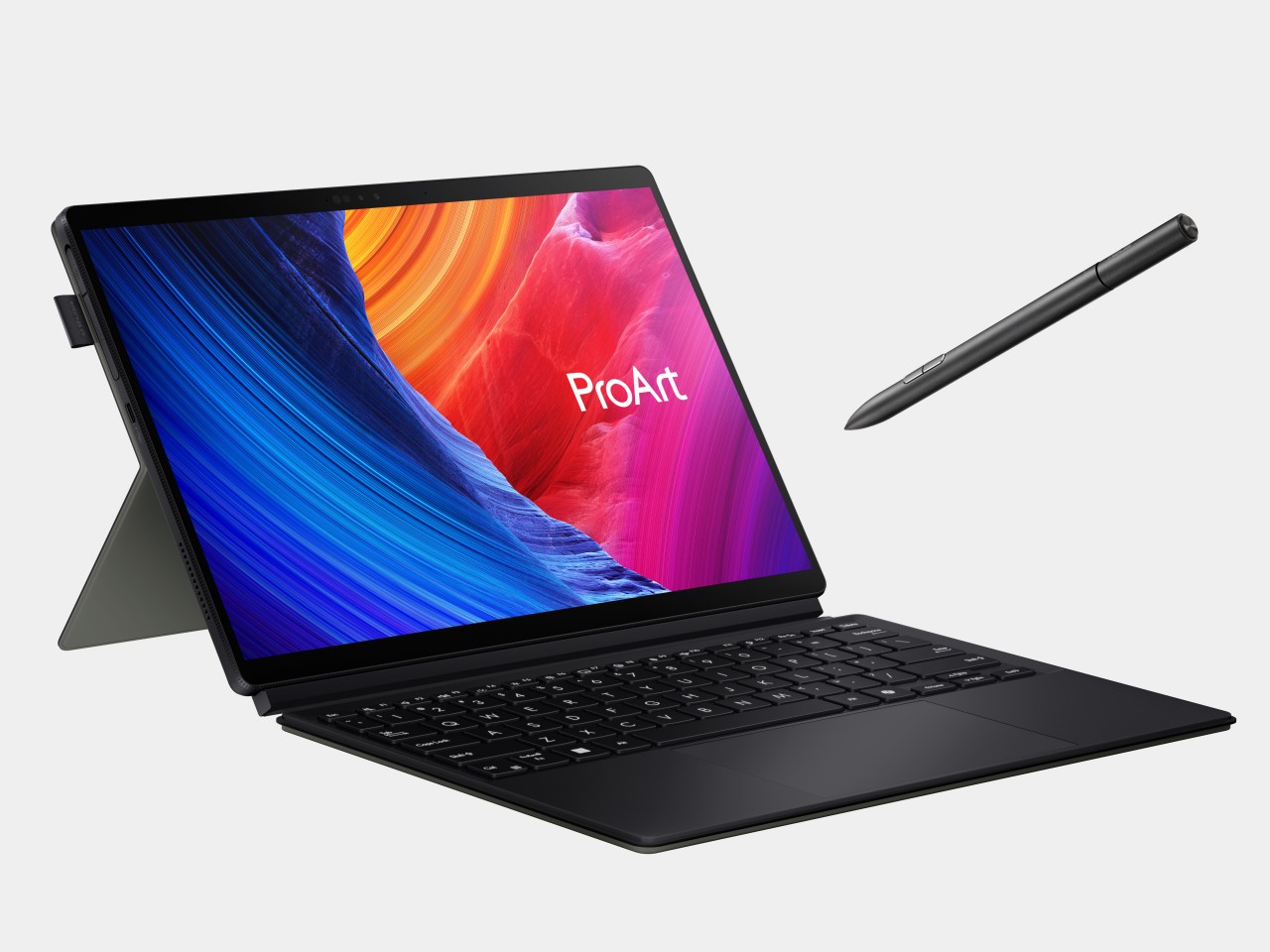
Say hello to the ASUS ProArt Pz13 – a 2-in-1 tablet designed to meet the demands and requirements of creative professionals. The PZ13 is tailored for designers, artists, streamers, and writers who need portability and performance. This sleek device is equipped with a detached keyboard cover and kickstand, ensuring you can use it in different environments.
The PZ13 is amped with the Qualcomm Snapdragon X Plus – an octa-core processor that balances performance and power efficiency, making it perfect for creative tasks. It is amped with a robust feature set including a 70Wh battery, IP52 dust and water resistance, and MIL-STD-810H certification.
Why is it noteworthy?
The ProArt PZ13 can seamlessly integrate AI features into the creative workflow, thereby improving productivity, and supporting new forms of artistic and creative expression. It also includes a Neural Processing Unit and integrated graphics processor which enables the tablet to deal with complex creative tasks with ease.
The PZ13 is a powerful sidekick for content creators, as it also features a lightweight design and long battery life, allowing creators to work virtually from anywhere. This makes it a flexible and valuable purchase for creatives who are always on the move, enabling them to capture and execute ideas wherever they may be.
What we like
Lightweight and compact design for easy transport.
Enhances creative processes with integrated AI capabilities.
What we dislike
It may not be able to match the performance of more powerful devices.
2. AIMake
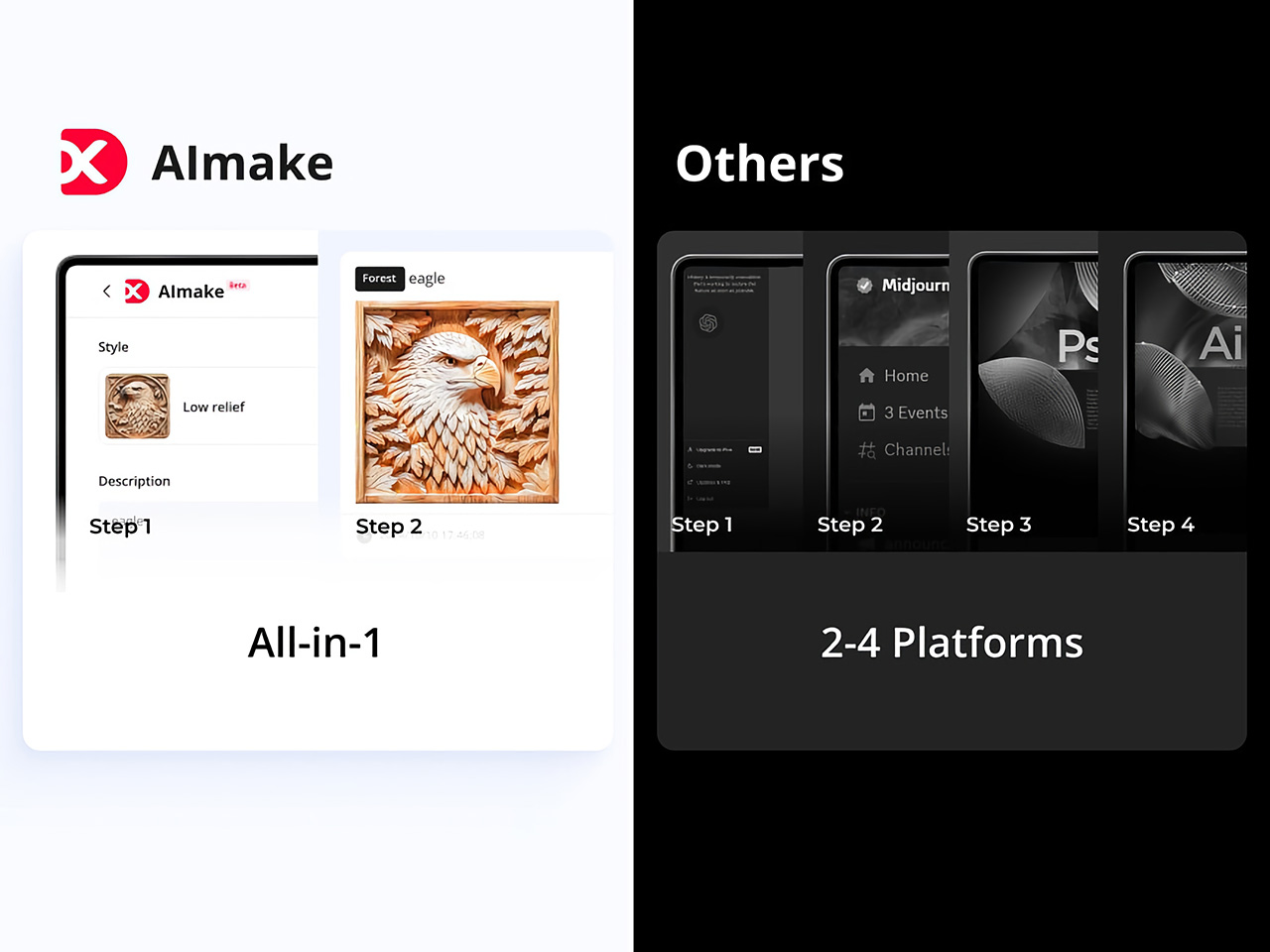
AIMake is a generative AI tool designed especially for industrial design applications. It provides a prompt-based interface that allows users to effortlessly and easily create graphical outputs. It is great for working on 2D printing, laser-etching, engraving, or embossing, as it offers a streamlined solution to bridge the gap between concept and execution. It provides a choice between 70 different styles.
The platform is designed to meet a whole bunch of design needs and requirements, ranging from ready-to-print logos to editable SVGs for screen-printing and low-relief 3D engravings. AIMake is a versatile and invaluable tool for professional creators and DIY lovers, as it helps them bring their creative visions to life.
AIMake’s ability to democratize and simplify the design process makes it invaluable. It leverages AI, to cut down the need for extensive technical expertise, helping you focus on the creative aspect of your project. It features an intuitive prompt-based design system that helps users generate complex designs with a simple text description.
AIMake is integrated with DesignFind, an asset marketplace, offering users access to a whole range of free and paid project files from creators around the world. This helps build a collaborative and interactive environment where designers can share ideas and inspire one another. This elevates the platform’s utility even more.
What we like
Features an intuitive prompt-based interface that simplifies the design process.
Supports various output formats and styles.
What we dislike
It may not offer a lot of control over the finer and more intricate design details.
3. ROLI Airwave
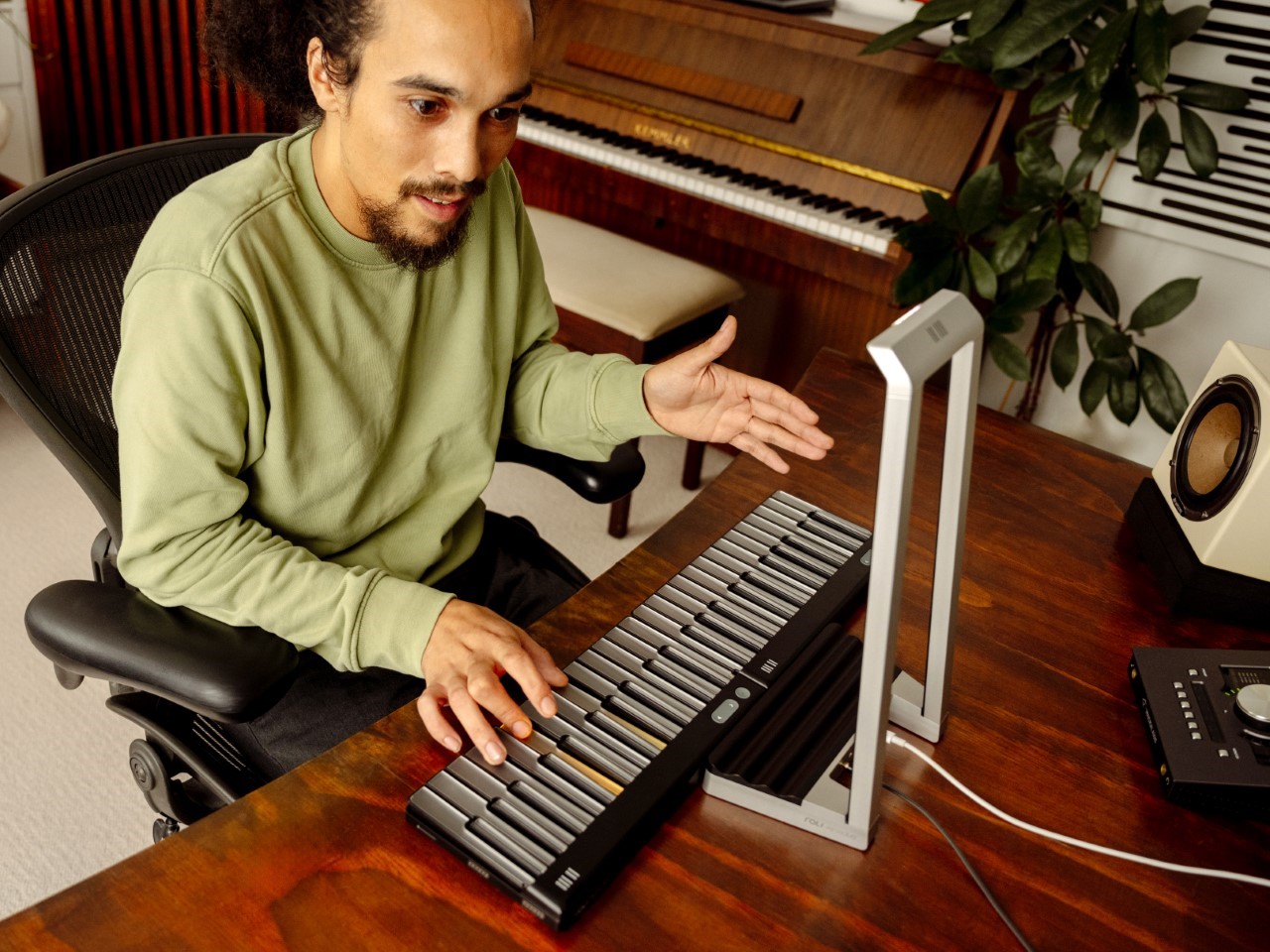
Meet the ROLI Airwave – an impressive tool that harnesses the power of AI to completely rejuvenate music education and production. It isn’t an ordinary instrument, it is a comprehensive music-learning ecosystem powered by ROLI’s Music Intelligence (MI) platform. It merges AI with advanced vision and voice technology, providing an immersive learning experience that is interactive, intuitive, and fun.
It functions as an “intelligent piano” concept, that pushes the boundaries of traditional music learning, helping musicians interact with their instruments and instructors seamlessly and intuitively. It is equipped with 3D infrared cameras and Vision technology, which captures intricate finger movements and gestures, offering real-time feedback and guidance.
Why is it noteworthy?
The ROLI Airwave offers a novel and transformative approach to music learning and production. It provides dynamic, interesting, and real-time feedback to users, helping them improve their skills. The guidance is extremely personalized and tailored to each musician’s needs and requirements.
This level of guidance and help is provided on account of the sophisticated AI algorithms, which analyze and study the musician’s technique. Irrespective if you are a beginner having an issue with finger positioning or an advanced player fine-tuning your skills, the AirWave will be the coach you need.
Users may take some time to adjust to the new system.
4. AnkerMake M5
The AnkerMake M5 is a state-of-the-art 3D printer that provides an impression combination of high-speed printing and exceptional detail. It is created for professionals and DIY enthusiasts and is engineered to deliver flawless prints with efficiency. It features a PowerBoost technology, which optimizes energy through a Y-axis transmission system.
The system is equipped with a powerful stepper motor, double-belt driveshaft, and a stabilized motion algorithm, thereby generating extra power for high-speed printing without compromising on quality.
Why is it noteworthy?
The M5 is equipped with an advanced AI Camera Recognition System which ensures your prints are on track while making the entire printing process seamless and reliable. It can print at five times the usual speed while maintaining a 0.1mm precision. This enables users to produce high-quality prints in no time.
This is excellent for industries where rapid prototyping and production are essential, like product design and engineering. It features an ultra-direct extruder which always ensures precision, reducing the distance between the extruder and nozzle to enhance control and minimize errors.
What we like
Can print at 5X the normal speed significantly reduces production time.
Provides real-time monitoring and error detection.
What we dislike
The intricate components and systems, such as the ultra-direct extruder, may require maintenance.
5. VocaEase
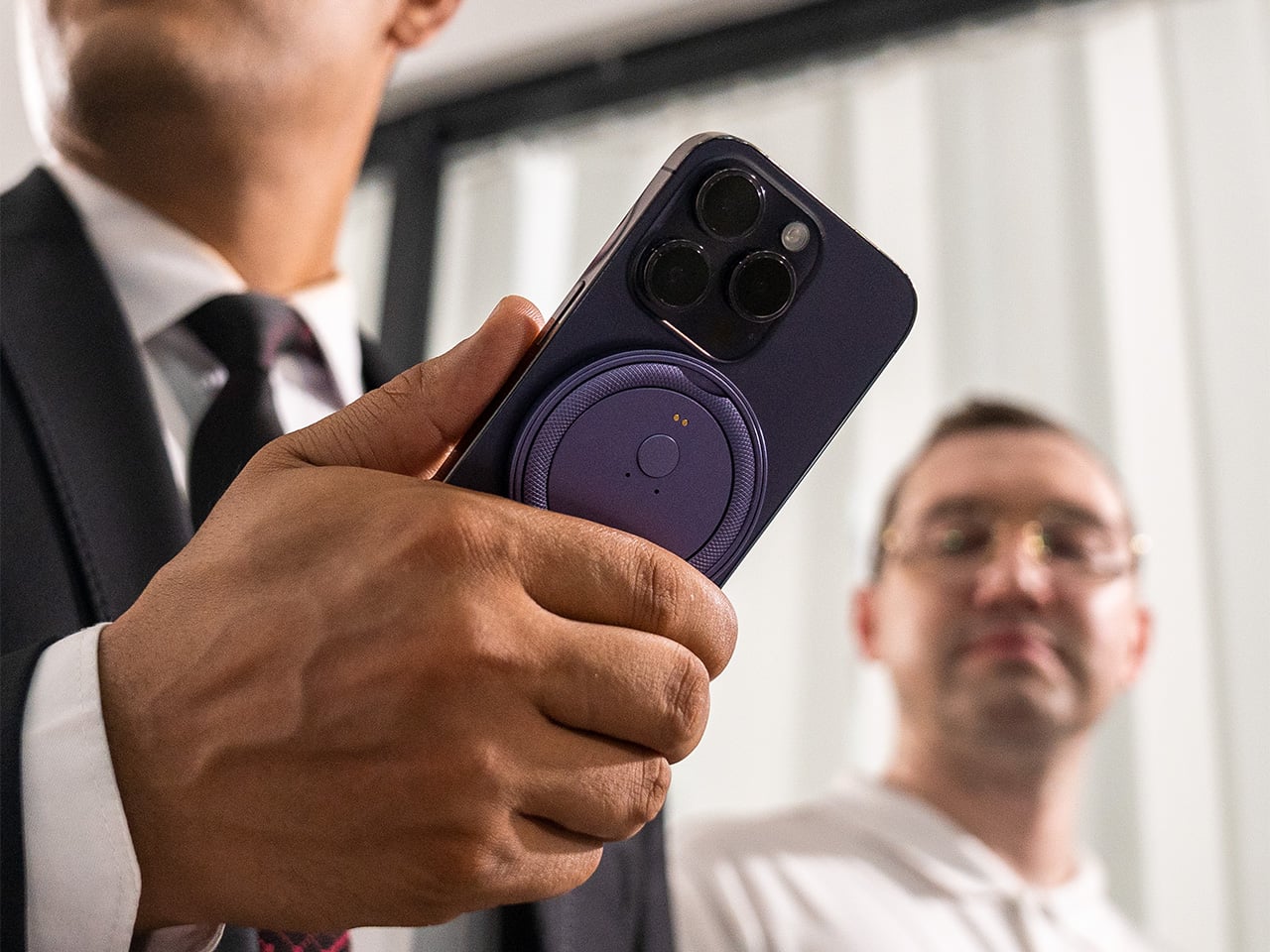
For creators and creative professionals who often find themselves on the go, the VocaEase is a handy tool. It is an innovative AI-powered translation tool that supports seamless communication, bridging linguistic gaps in spoken and written formats. It provides a comprehensive suite of features to meet the needs of global communicators.
Whether you’re having voice or video calls with clients, or attending international conferences, VocaEase will provide real-time translations with a 0.5-second response time. It also features ChatGPT’s Whisper function, which improves its transcription abilities, and creates summaries of meetings, conferences, and conversations for users.
Why is it noteworthy?
If you’re someone who travels a lot, then the VocaEase will transform the way you communicate across languages. It delivers a whole new level of speed and accuracy. It can deal with multiple languages and formats easily, providing utility in a wide range of applications, from meetings to social media interactions.
It is quite handy for professionals who need to quickly collect information from multilingual sources, saving valuable time, and reducing the risk of miscommunication. It features a user-friendly design, which allows users to operate it easily, using varying levels of technical expertise.
What we like
Provides fast translations, facilitating smooth conversations.
Handles multiple languages and formats effectively.
What we dislike
Requires reliable internet connectivity.
May sometimes struggle with complex or nuanced translations.
When it comes to choosing speakers to adorn your home and play your favorite music in your space, the look or design is not always the priority. The first thing you’re probably looking at is the sound quality (or maybe the cost if you’re working on a tight budget) and how it looks is just an afterthought. There are brands though that have teamed up with designers to make their speakers stand out in the sometimes overly crowded audio market.
Designer: Tom Fereday for Pitt & Giblin
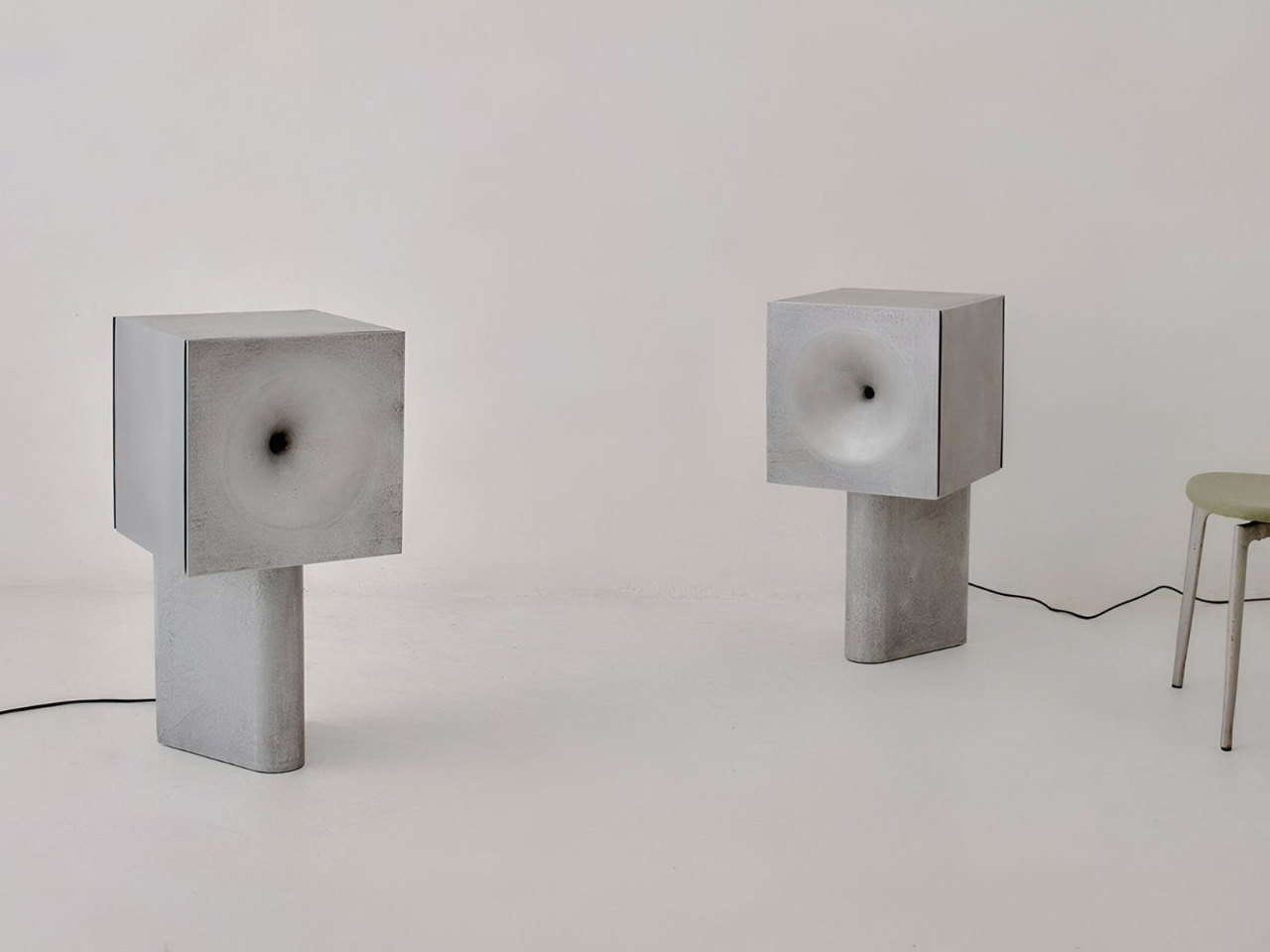
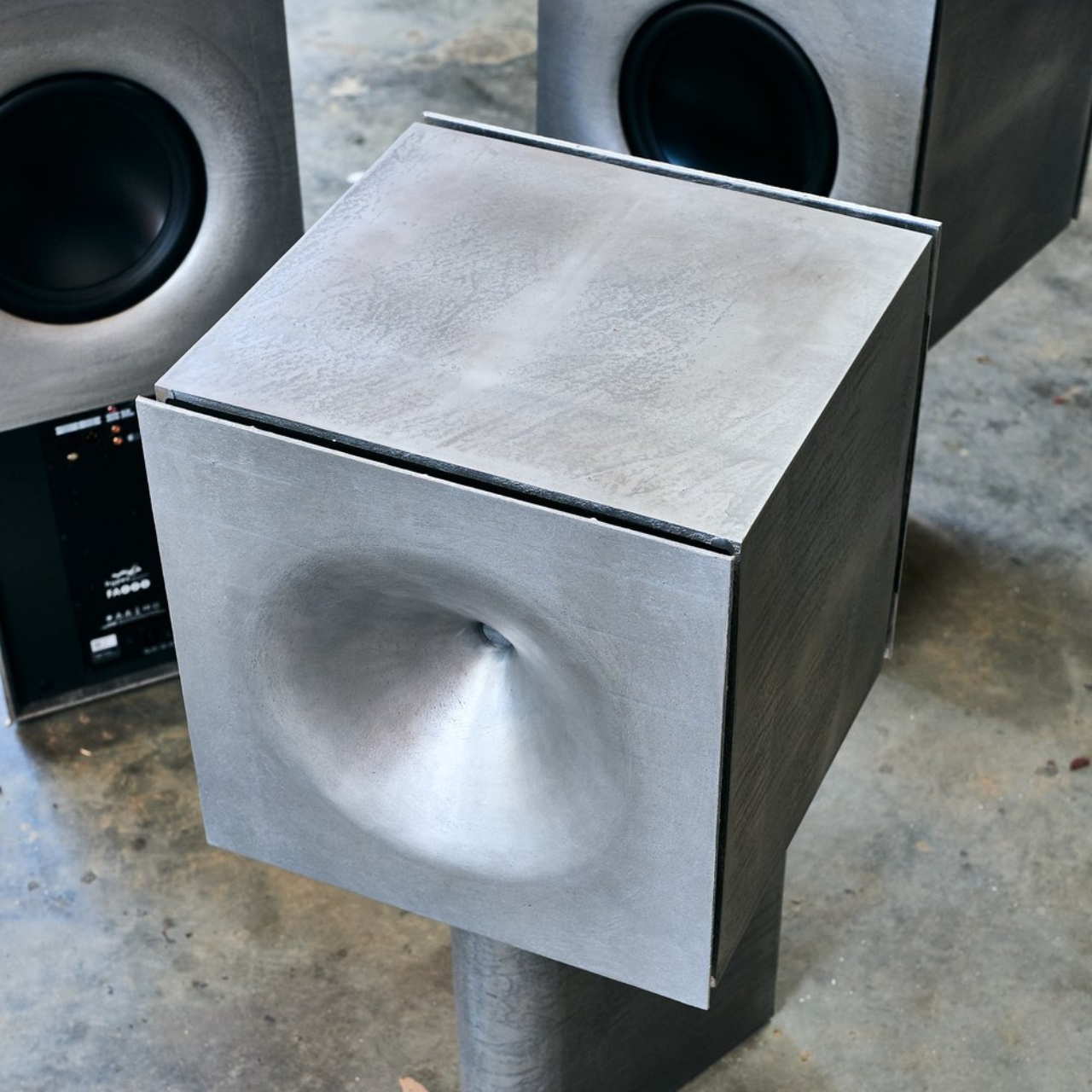
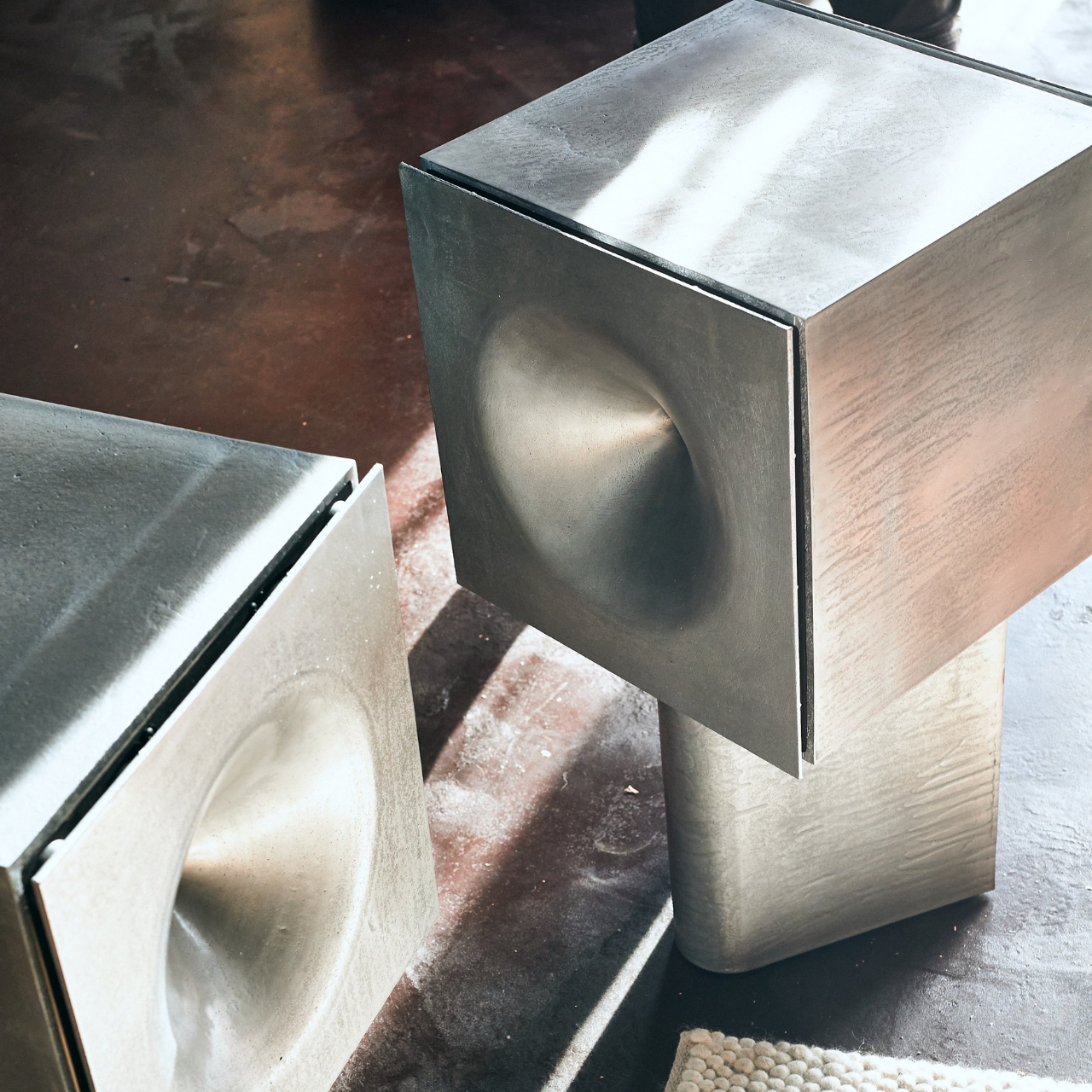
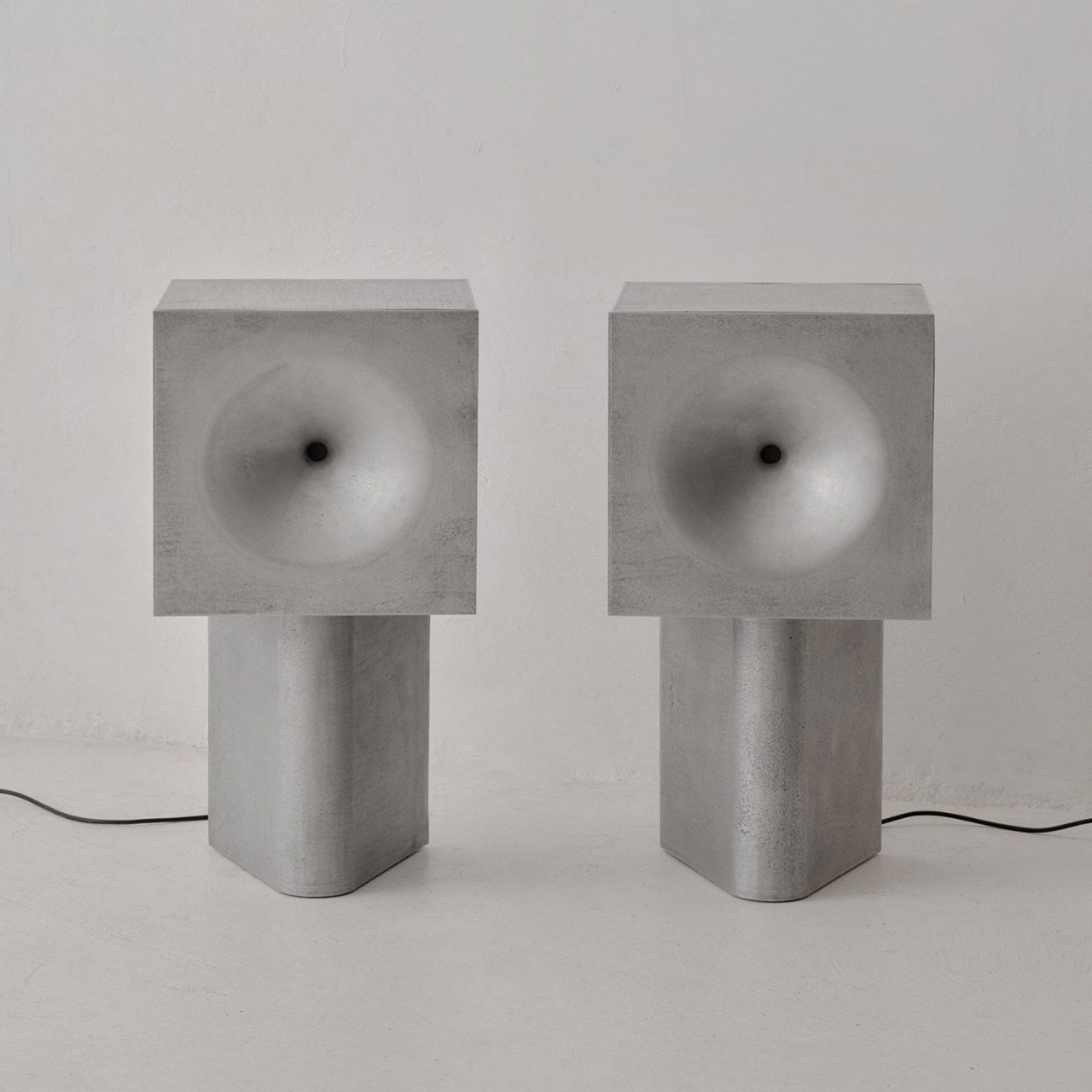
Tasmanian audio brand have teamed up wtih Australian designer Tom Fereday to bring something called the Cast speaker. It has an industrial but aesthetic design, if the look you’re going for is simple but steely. The speaker is mostly made from marine-grade aluminum that not only adds to the acoustic properties of the device but also makes it more durable. This kind of aluminum can combat oxidation and degradation so it can last for a long time without looking so old.
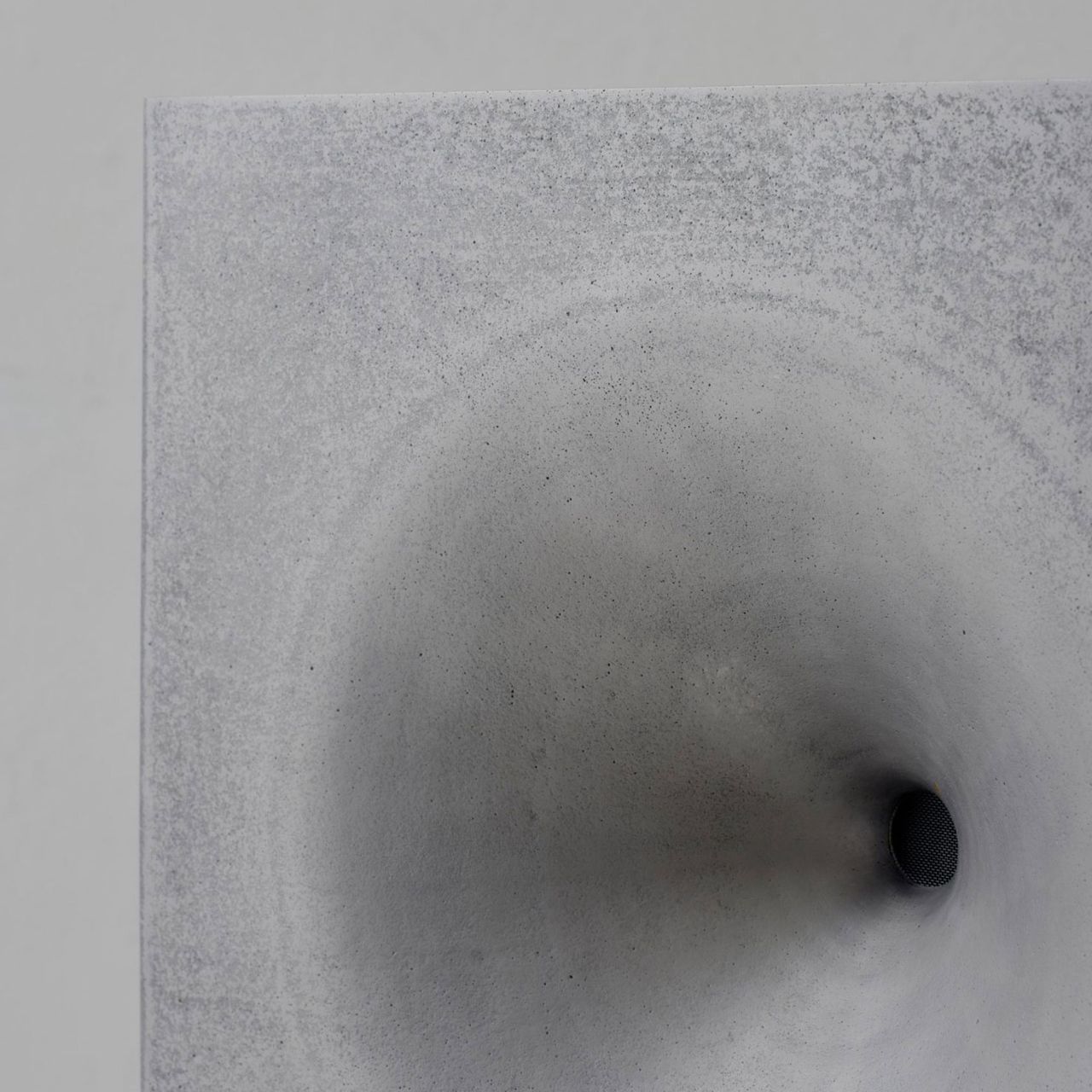
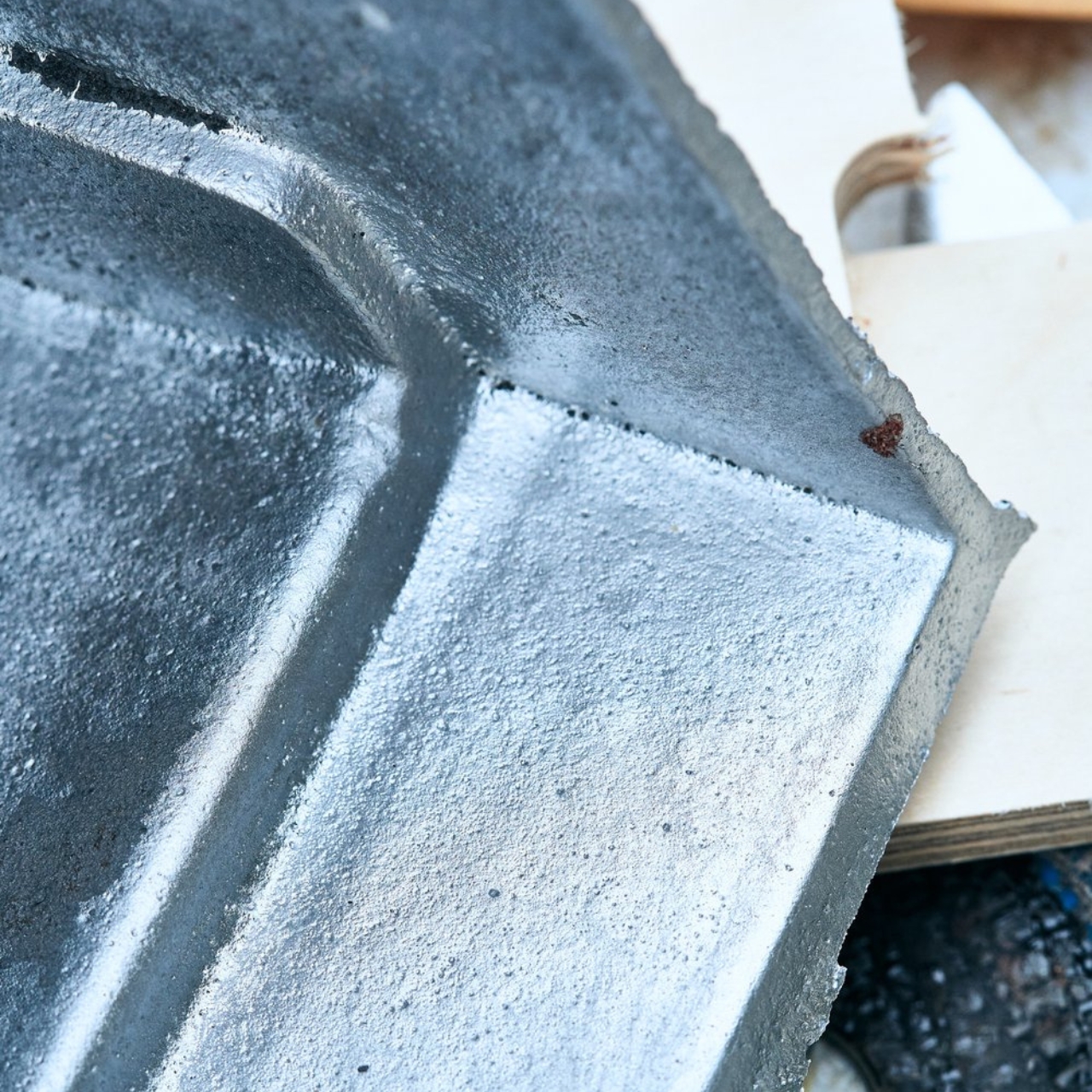
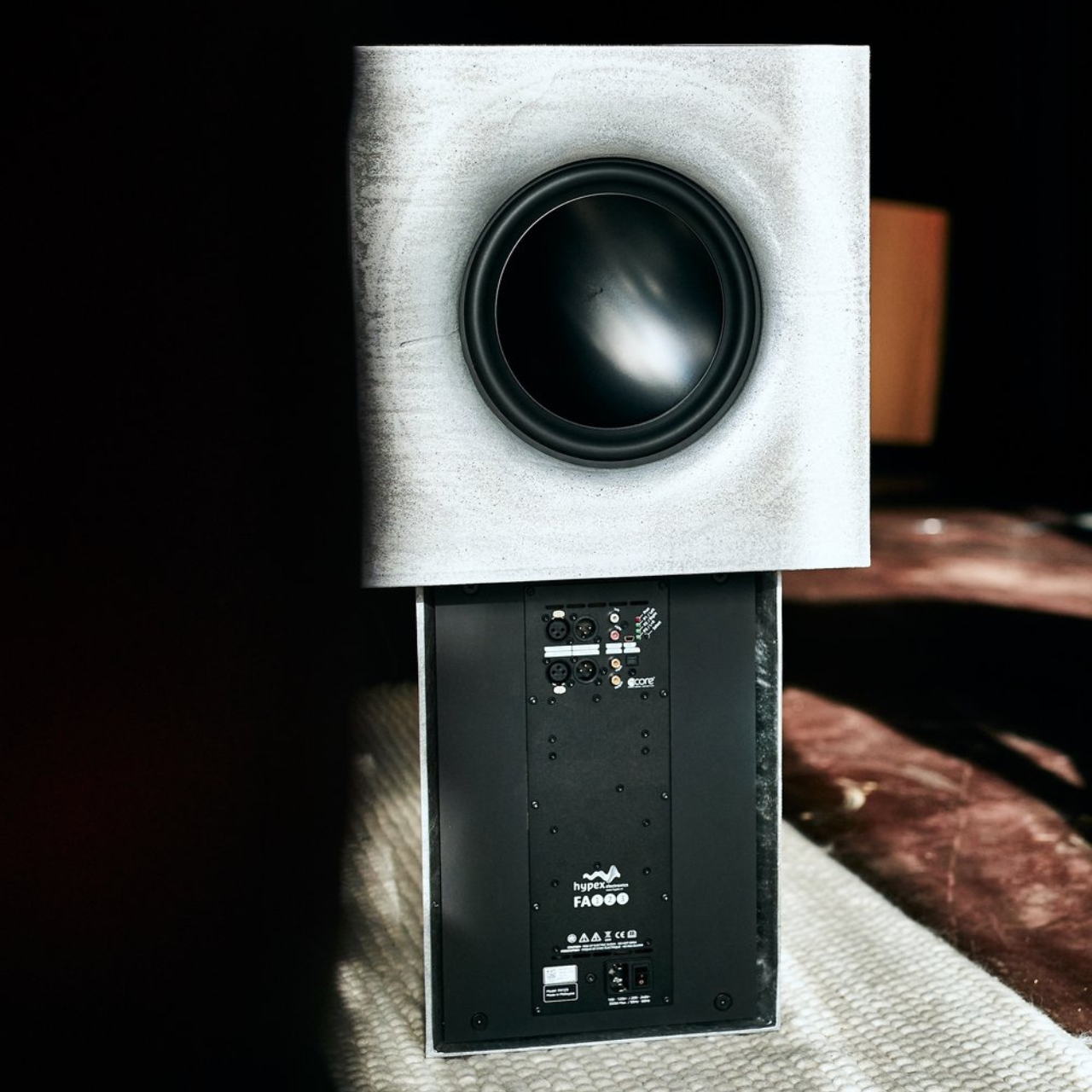
Each speaker is made from four aluminum elements whose casting brings about a soft texture with a certain sheen. This is because the external surfaces are honed and hot waxed. The speaker itself has a complex curve on a circular pattern with a small opening at the center, the only interruption in its cohesive design. The casting is both the cubic framework and the acoustic design for the speaker.
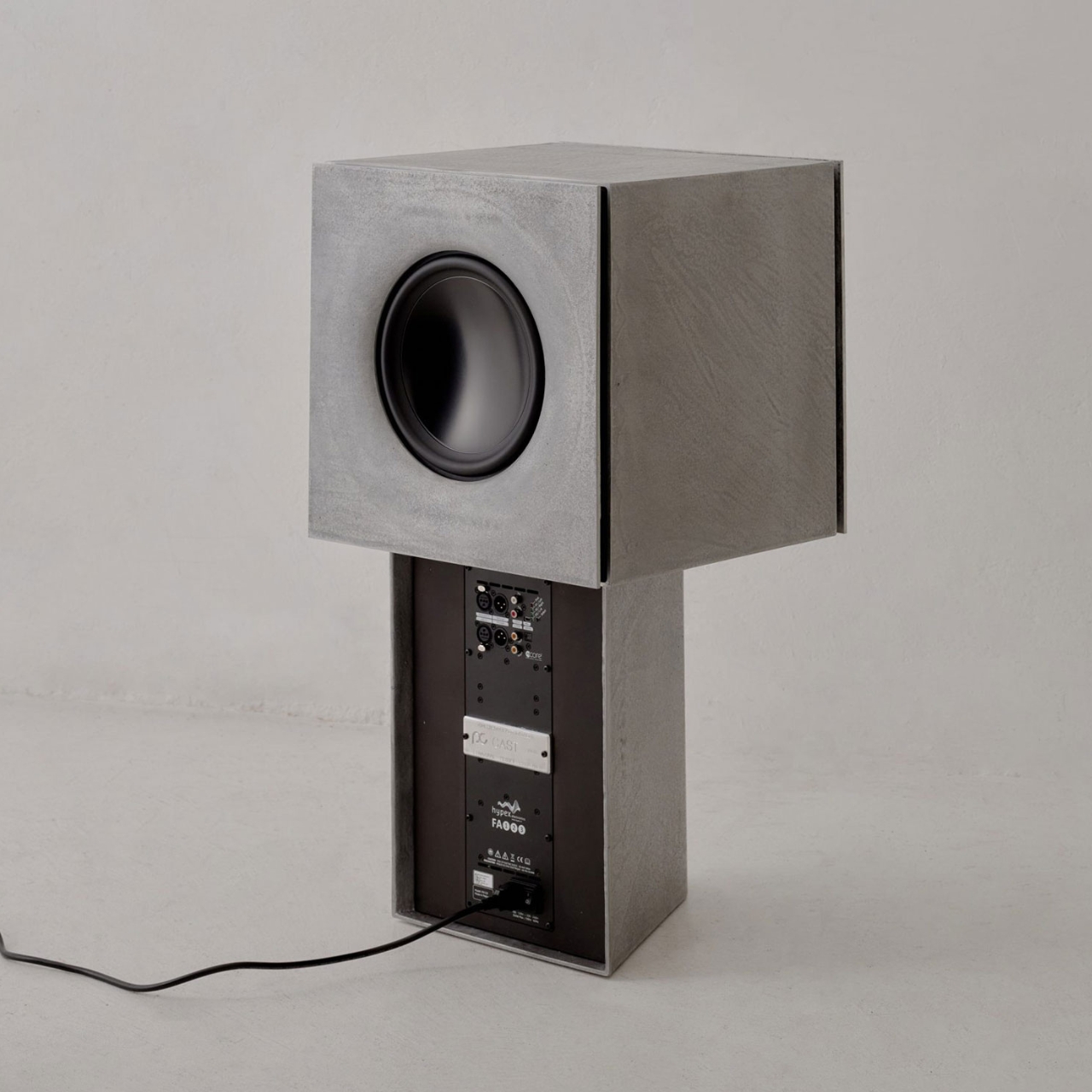
When it comes to quality, the Cast speaker has a Hypex FusionAmp module that is able to power a 10″ subwoofer, four 4″midrange drivers, and a high frequency unit. The Digital Signal Processing is able to re-align the 3-way geometry that powers the unit. It’s a pretty high-end piece of audio equipment so the price is pretty steep. But if the look and the quality is what you’re looking for, you wouldn’t mind spending that much,
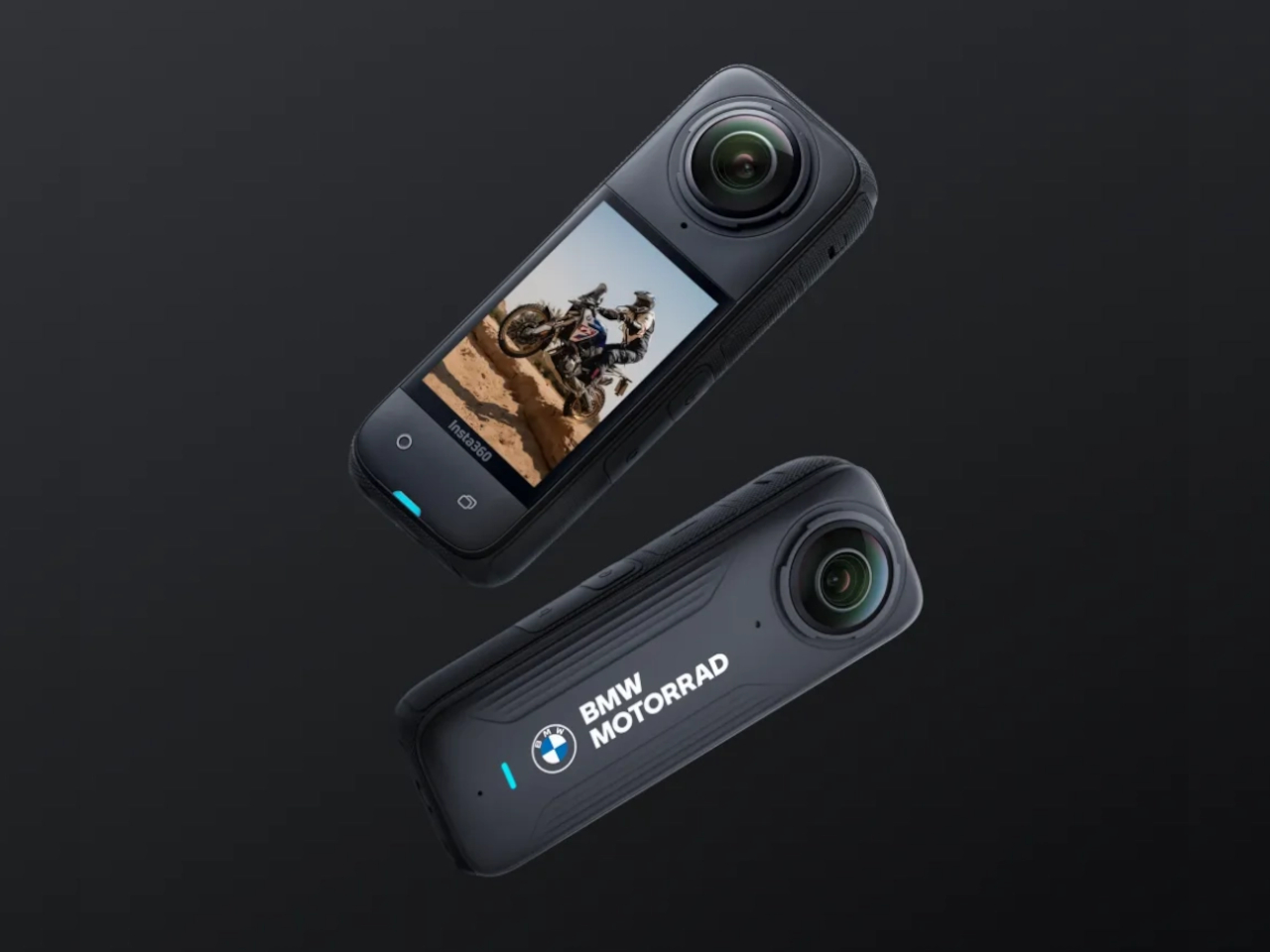
Action cameras are pretty much in demand now in the age of content creation as they are more practical compared to using digital cameras or even smartphones. We see the more adventurous type of creators or even just “ordinary citizens” as they do things like surfing, mountain climbing, skydiving, or even something more mundane like walking. One of the more popular brands out there is Insta360 and now they have released a limited edition version in collaboration with BMW Motorrad.
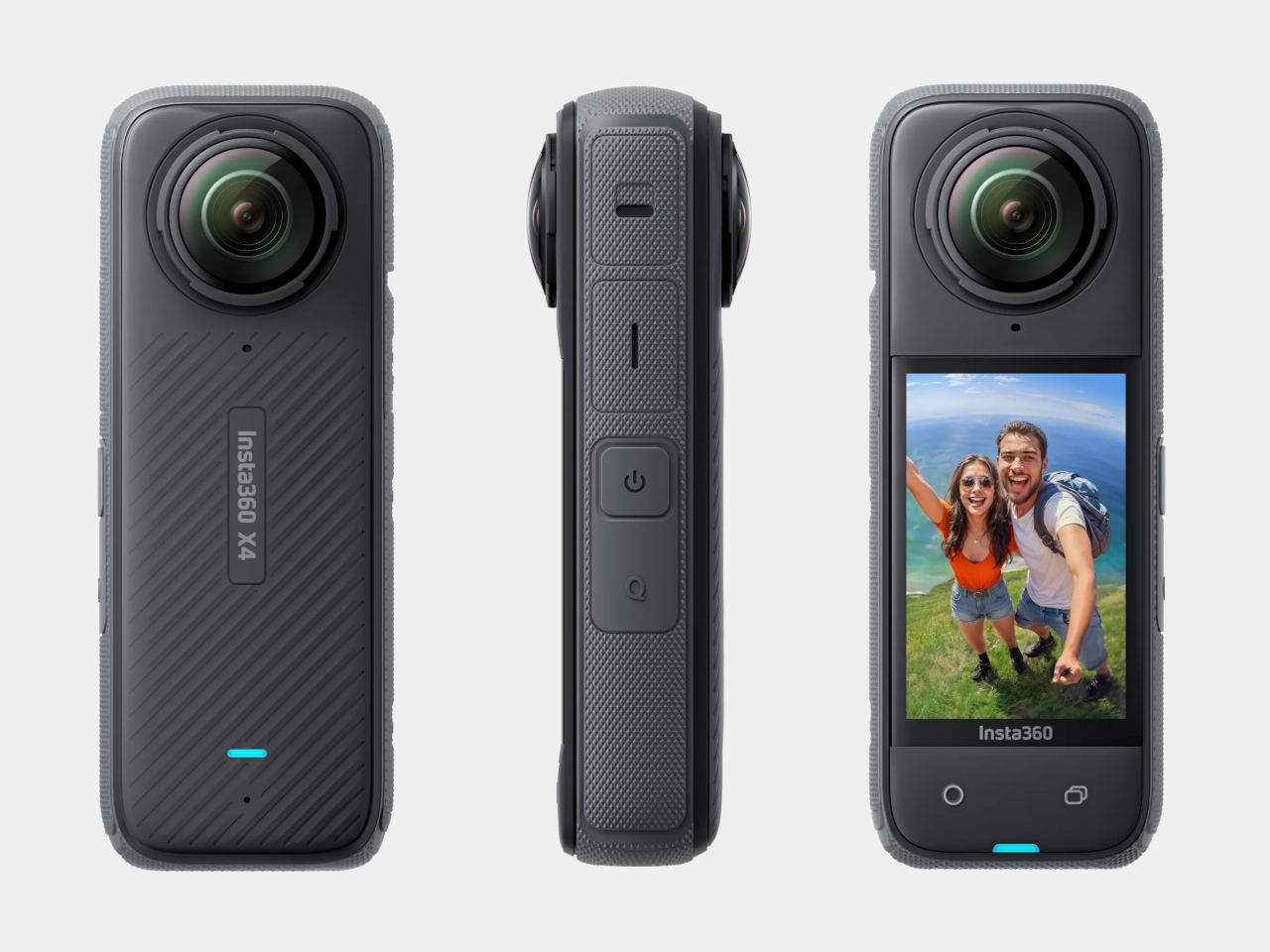
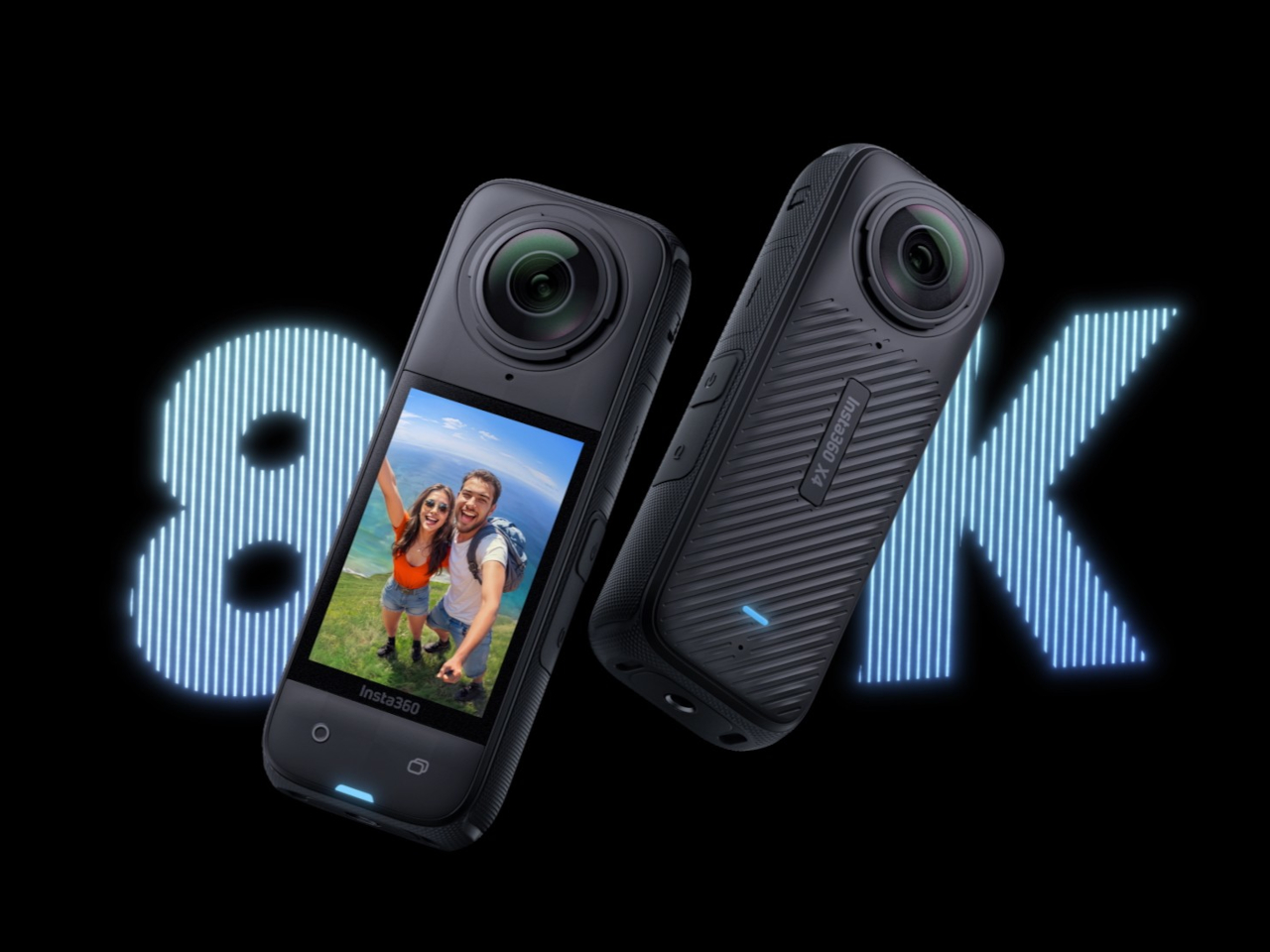
The Insta360 X4 BMW Motorrad Limited Edition is similar to the original version. The main difference is that you have the BMW Motorrad branding on the back, in case you want to flex that as you’re shooting. They don’t really specify if they want it to be used as you’re cruising on your expensive motorcycle, but those who will get this variant will probably use it for that purpose. The two brands previously collaborated on creating motorcycle action shots content.
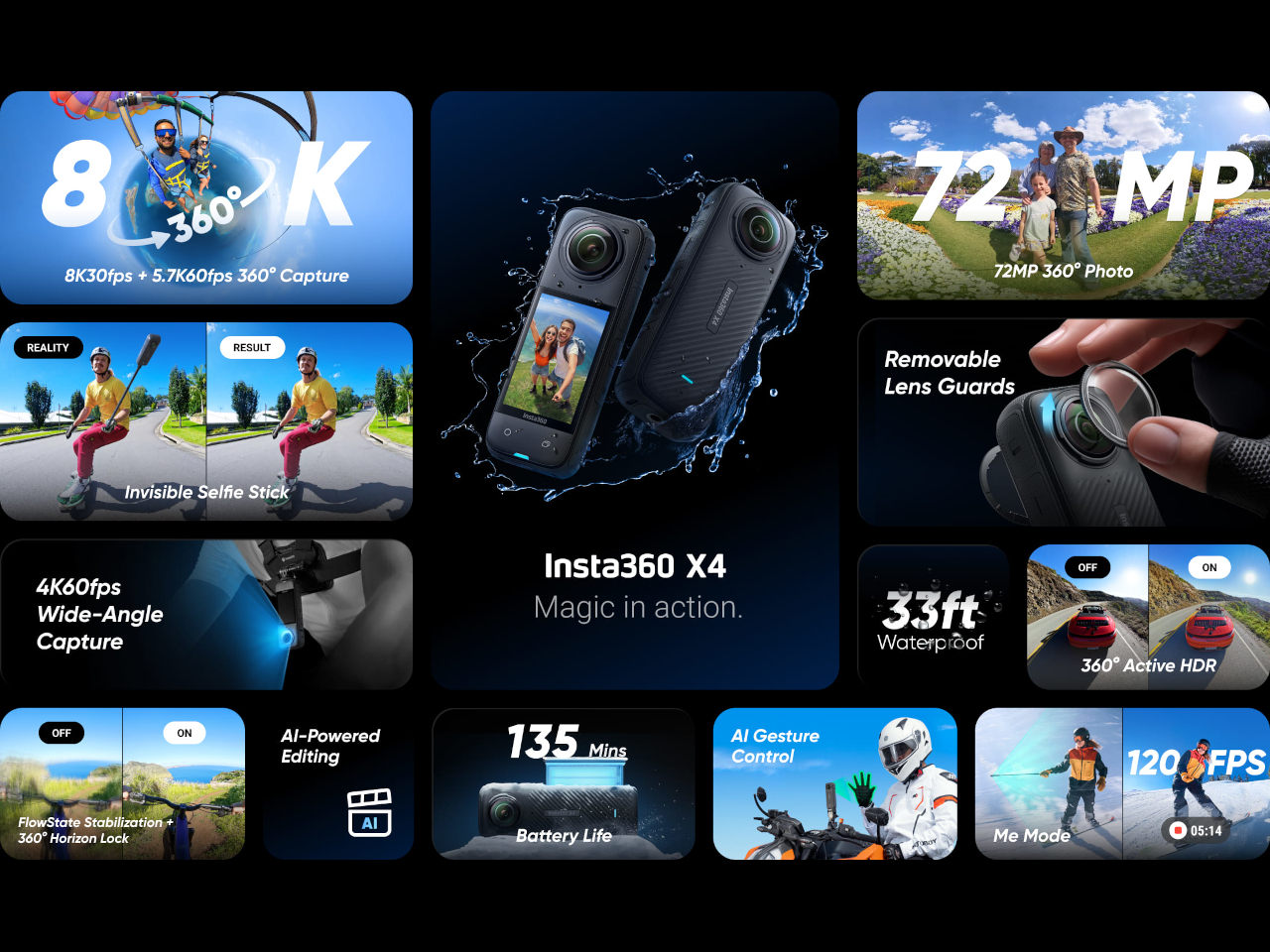
But otherwise, it’s basically just the Insta360 X4 which is not bad in itself as it boasts of impressive features like it’s 72MP 360-degree lens system that can capture 8L 30fps videos and 5.7k 60fps videos. You can even do some slow-motion videos as it supports 4K 100fps, 5.7K 120fps, and 3K 240fps recording. Other things you can do with it is shoot 4K 30fps ultra-wide-angle videos with a 170-degree field of view and 11K time-lapse videos.
This action camera has other advanced features like a 360-degree active HDR, Flow State stabilization, 360-degree horizon lock, wind noise reduction, and an invisible selfie stick. So if you didn’t have this camera yet but would like to have one to go on adventures with you, and if you’re a BMW Motorrad fan, then this would be a good sign to get one. Well, that is, if you’re in China since they don’t have information yet if it will be available in other markets.
Usually, we don’t really think of where to place WiFi routers since they just look like ordinary devices. It doesn’t matter where they are placed as long as it does what it’s supposed to do. They’re also not that well-designed anyway so it’s better to hide them away. But what if the router’s design is actually well thought out and can actually be part of your decoration?
Designer: In Je Lee
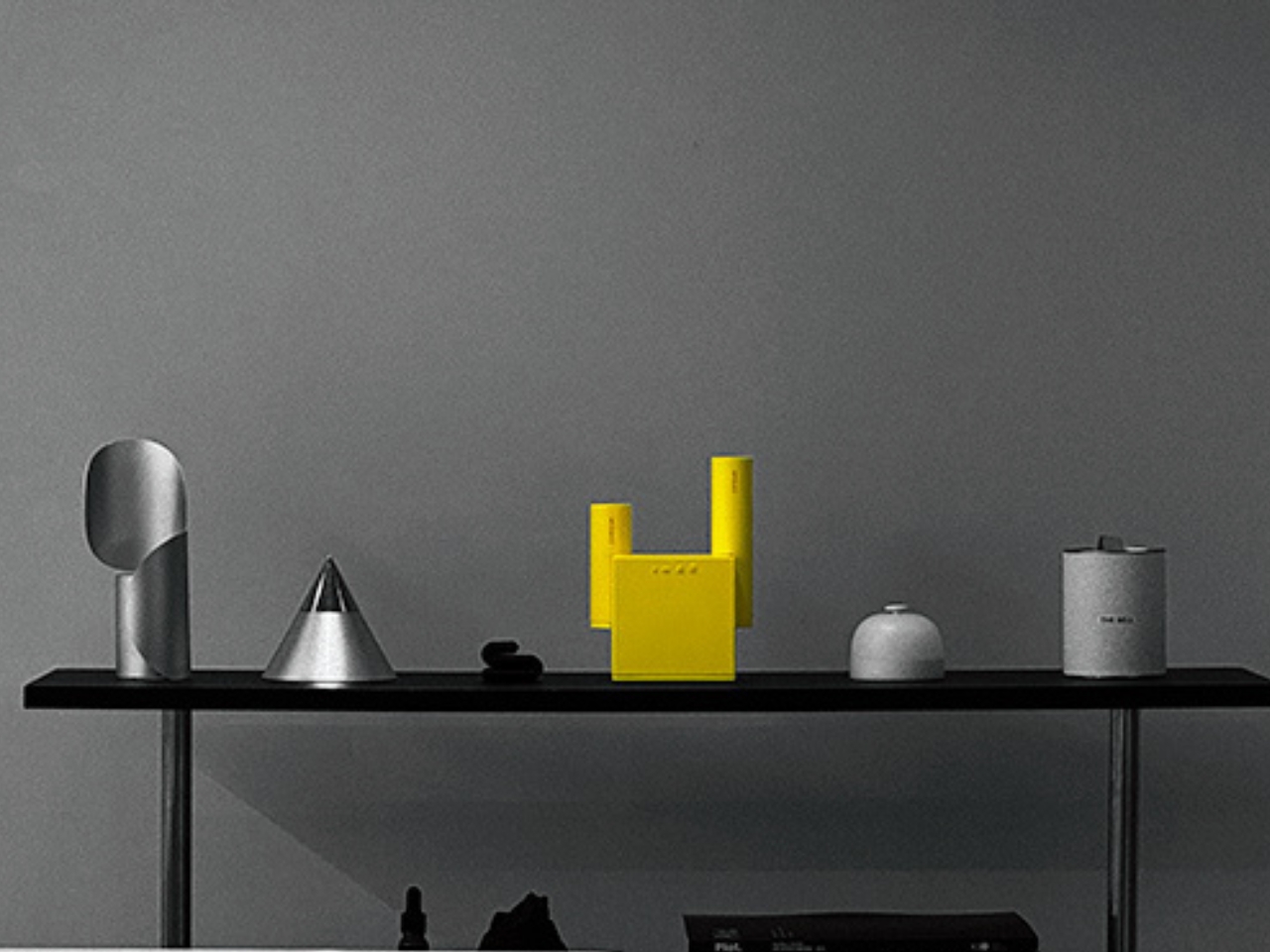
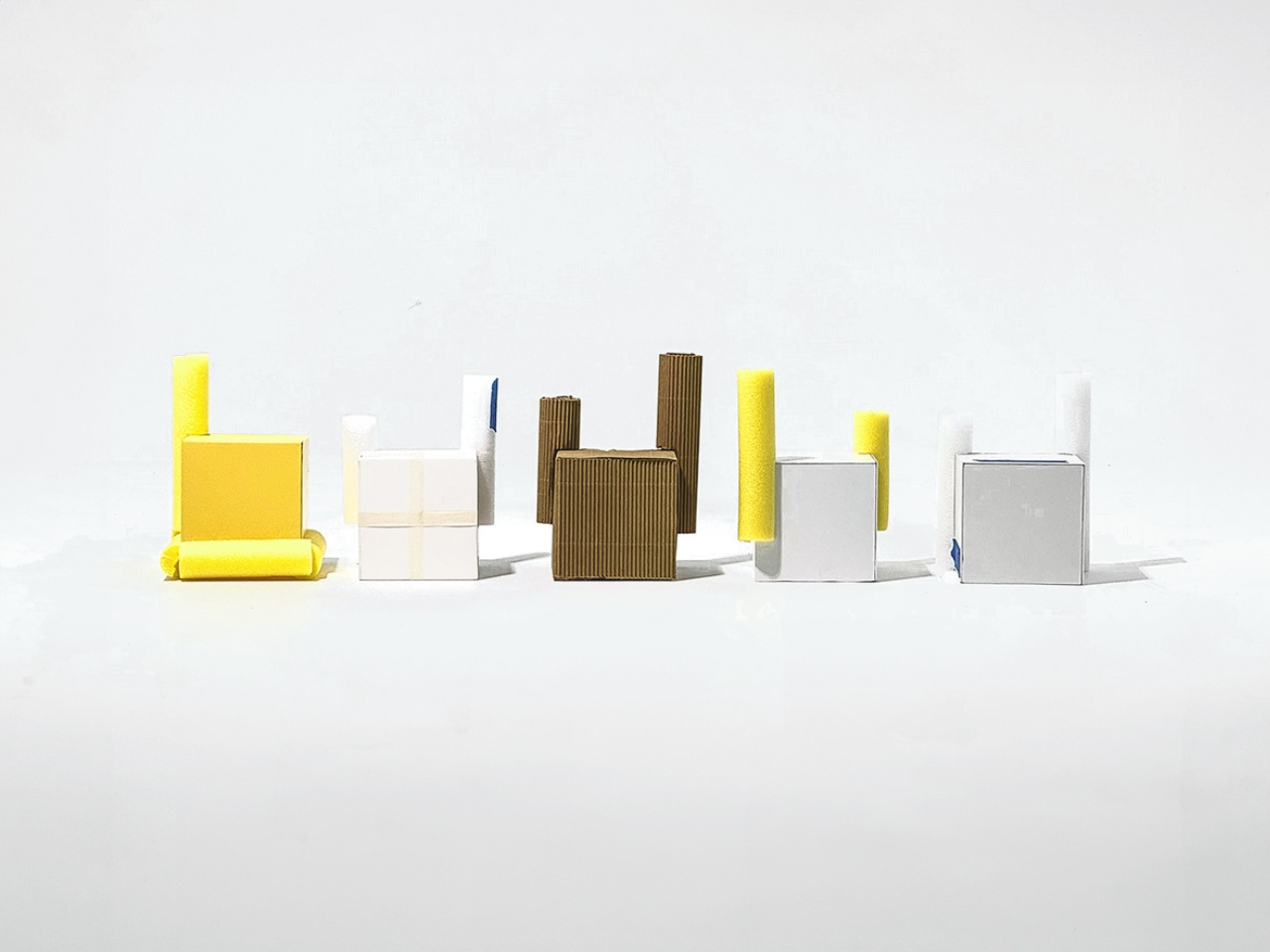
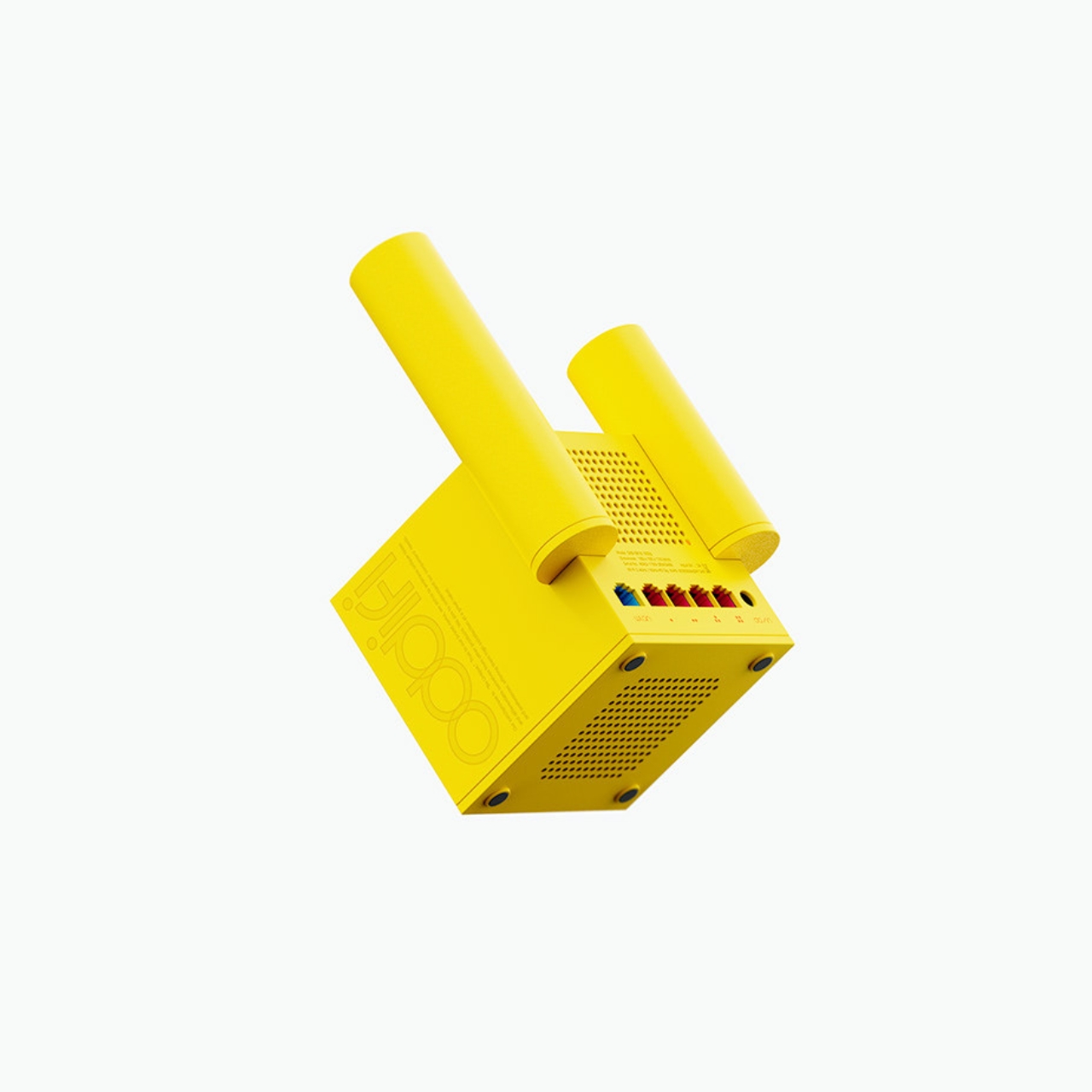
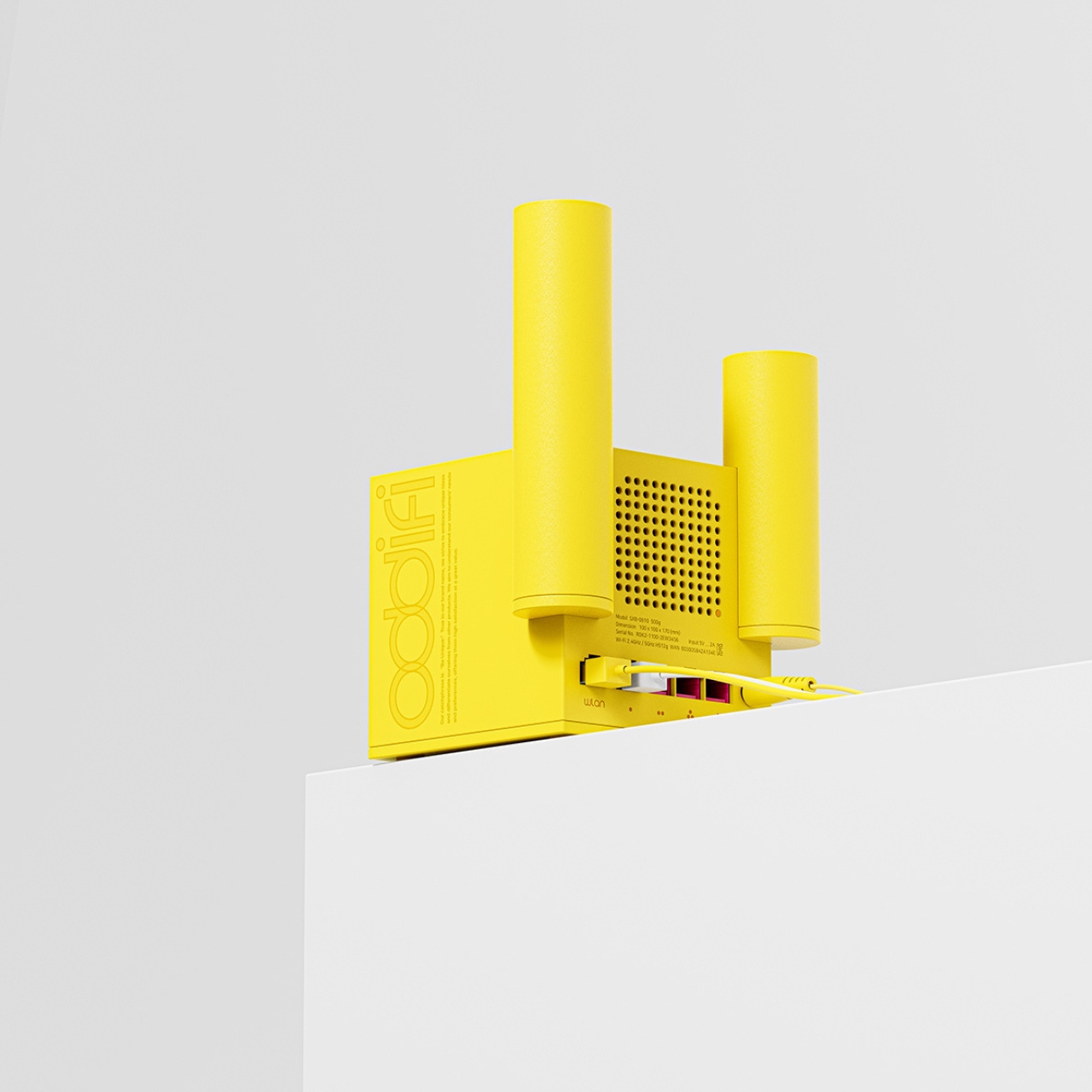
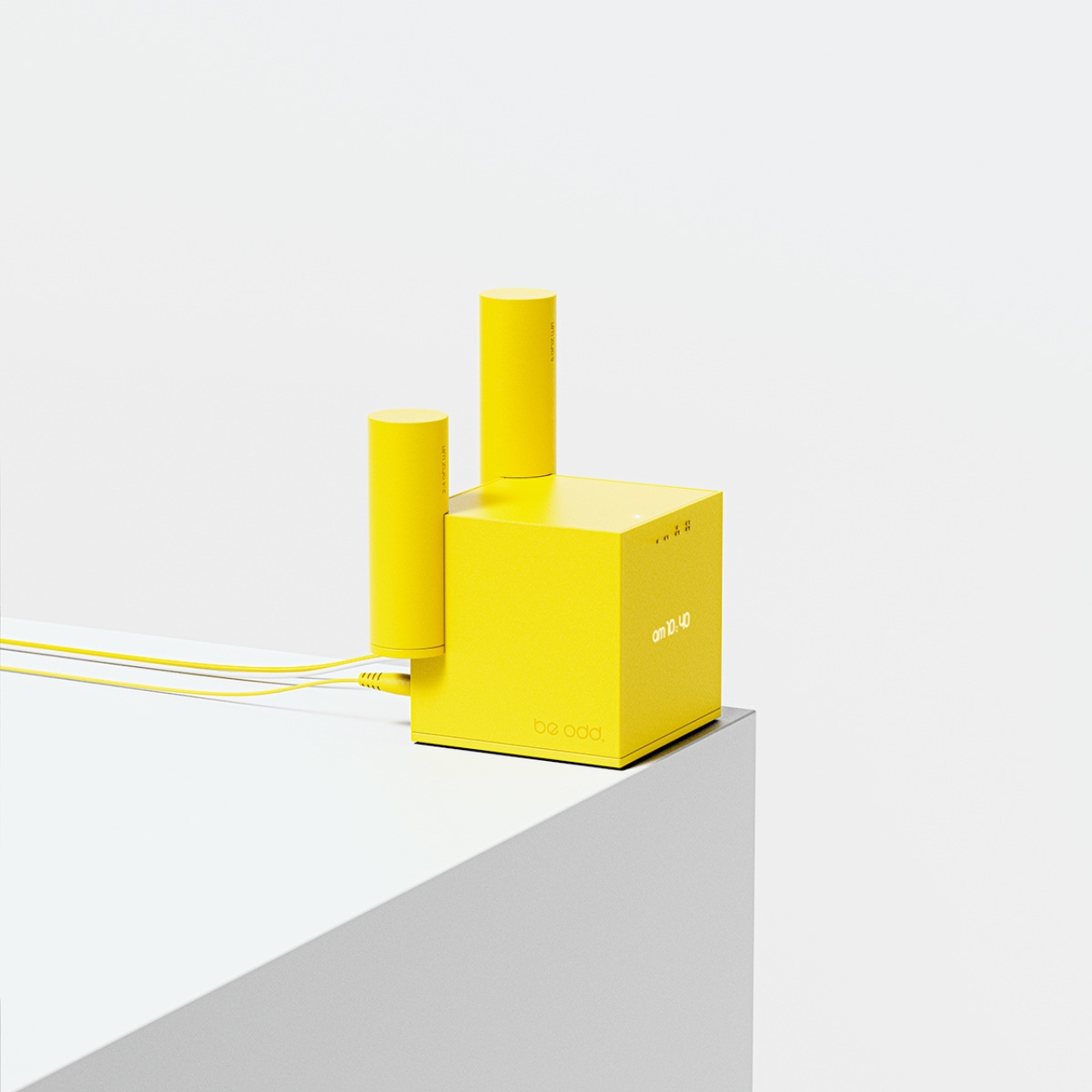
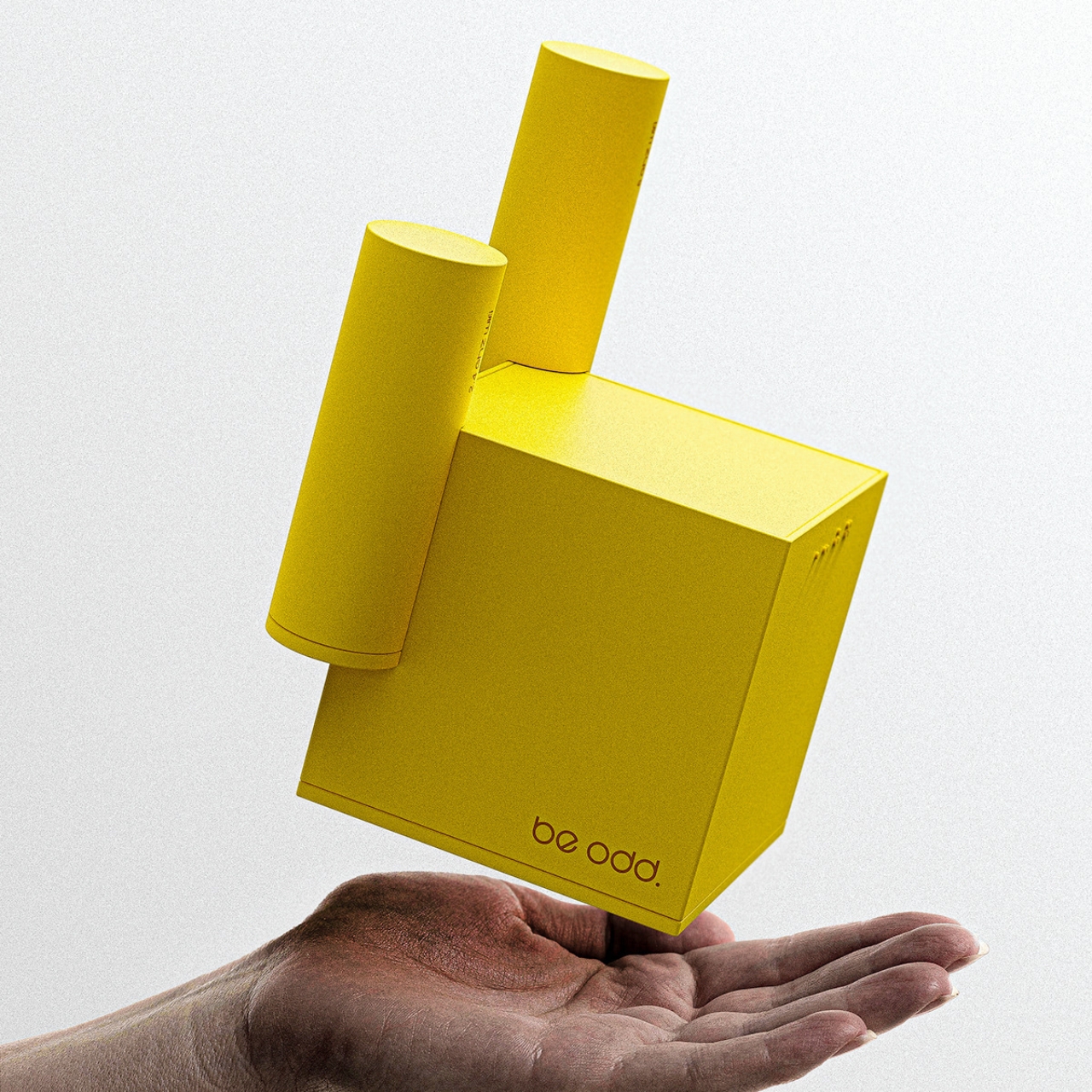
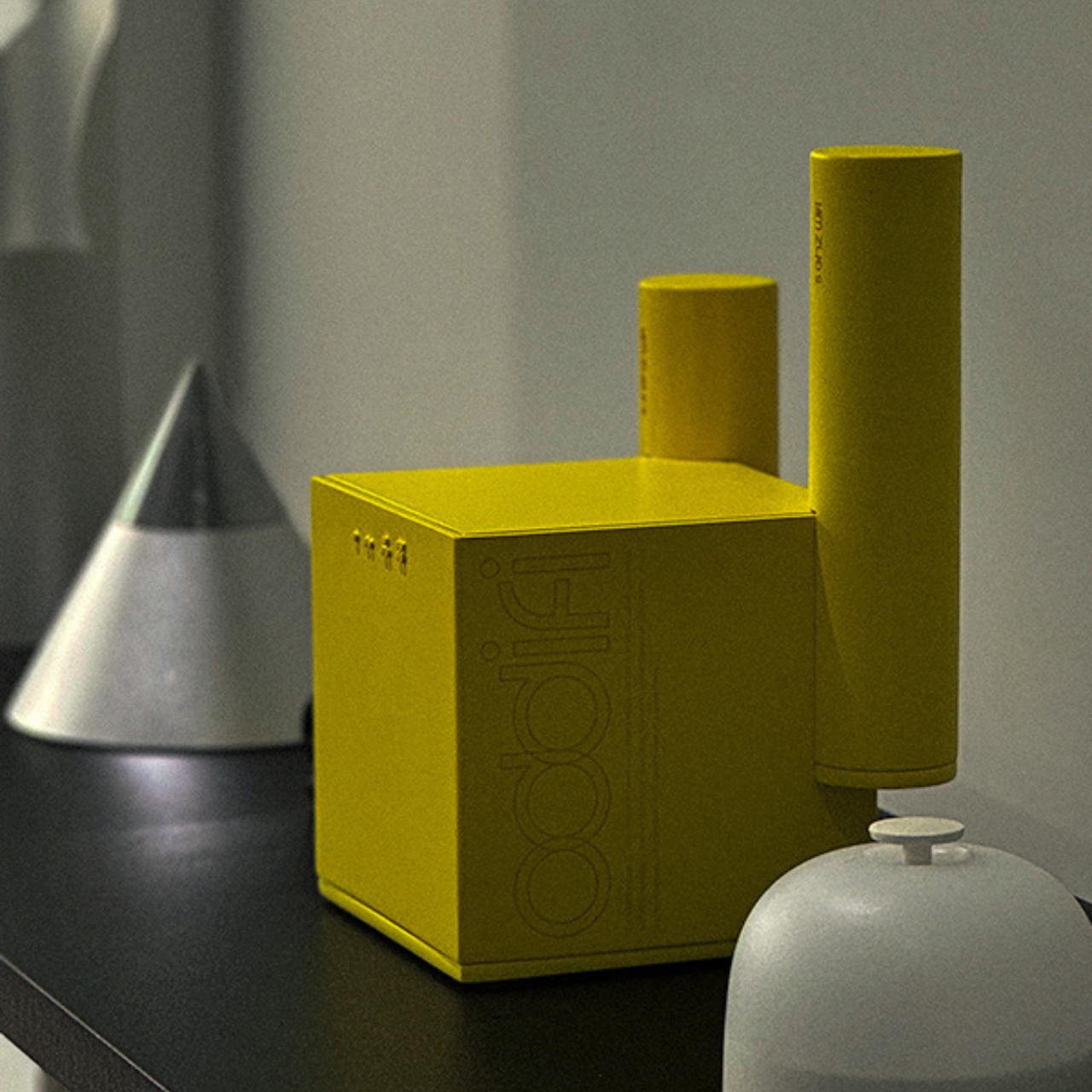
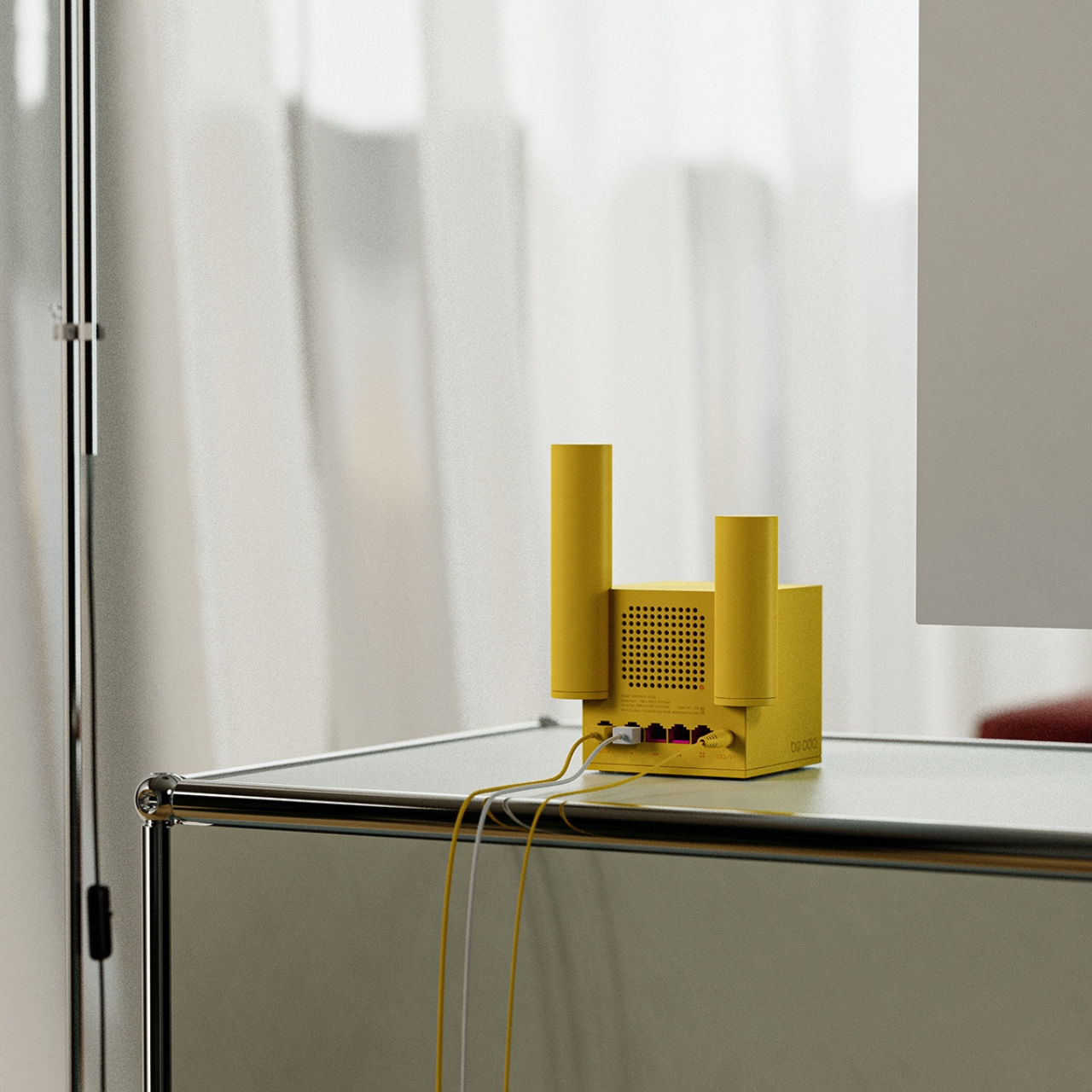
This is the idea for the Wi-Fi router concept called Complex ‘1’ which has found inspiration in the most unlikely places: a factory smokestack. The designer says that just like the chimney diffuses the smoke, the antenna of this router spreads the Wi-Fi signal throughout your space. There is really no direct correlation between the two of course except that he got the cylindrical shape inspiration from the smokestacks.
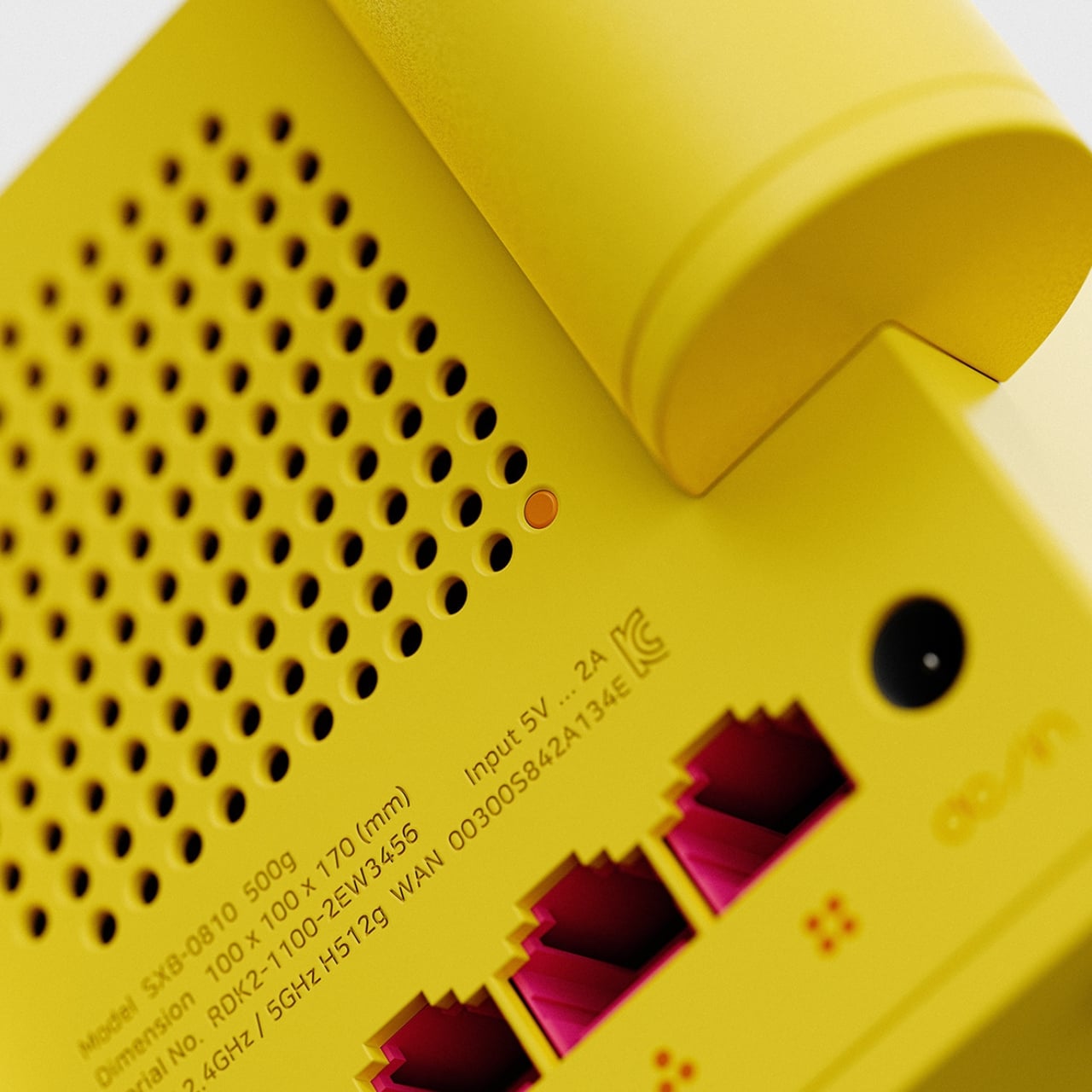
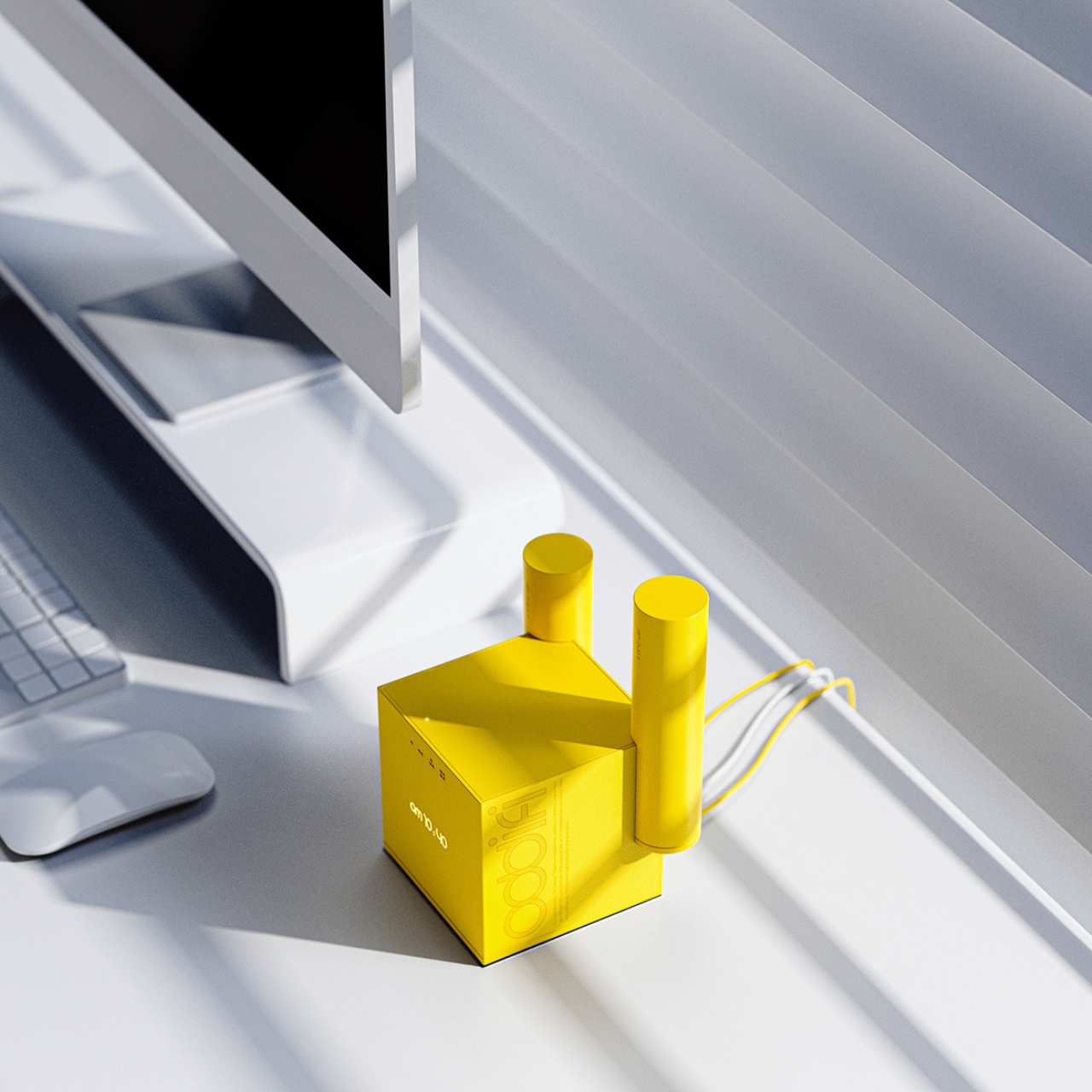
Instead of the usual slim antennas that you see on routers, this one actually looks like a lego piece, with the square body and the two cylindrical and asymmetrical antennas. It also comes in a bright, yellow color so if you display it on your desk or shelf, you can get a spot of color in your space. It also has a clock on it so you can use it for another purpose. There’s a small, orange button at the back for resetting or toggling the clock on and off.
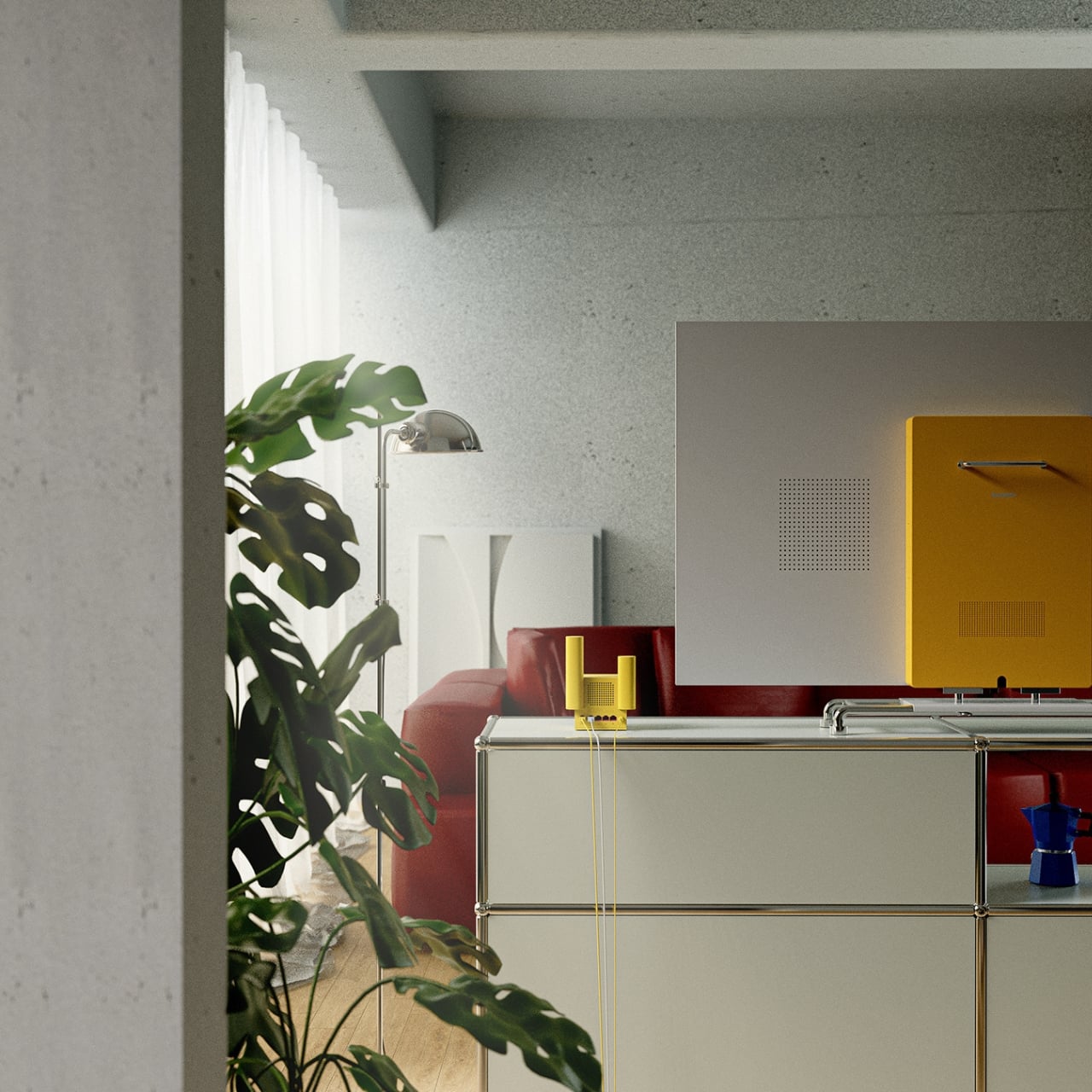
This is an interesting take on the common router, which is usually hidden under or behind stuff because it’s not that aesthetic. This way, since you’ll display it in the open, there’s no interference with the signal reception. Well, hopefully there will also be other colors since not everyone is fond of this kind of yellow.
When you look at products in the market that are meant for parent-child bonding, it can be a little skewed towards mothers. But of course most fathers also want to spend quality time with their kids, especially with activities like camping or being in the outdoors. This product concept comes out of that idea for some “emotional” bonding between dads and their kids, but can also be used by any parent, regardless of gender.
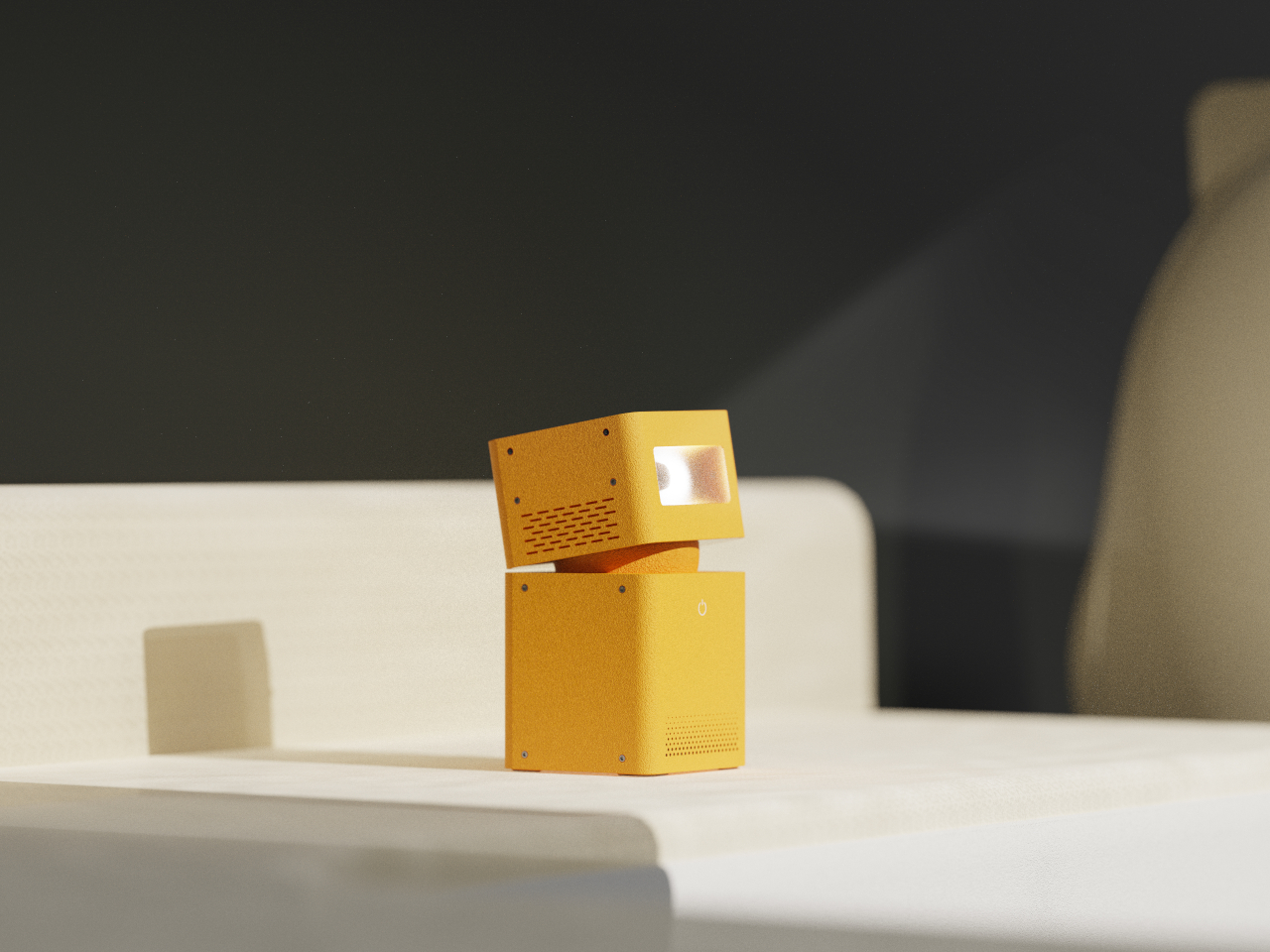
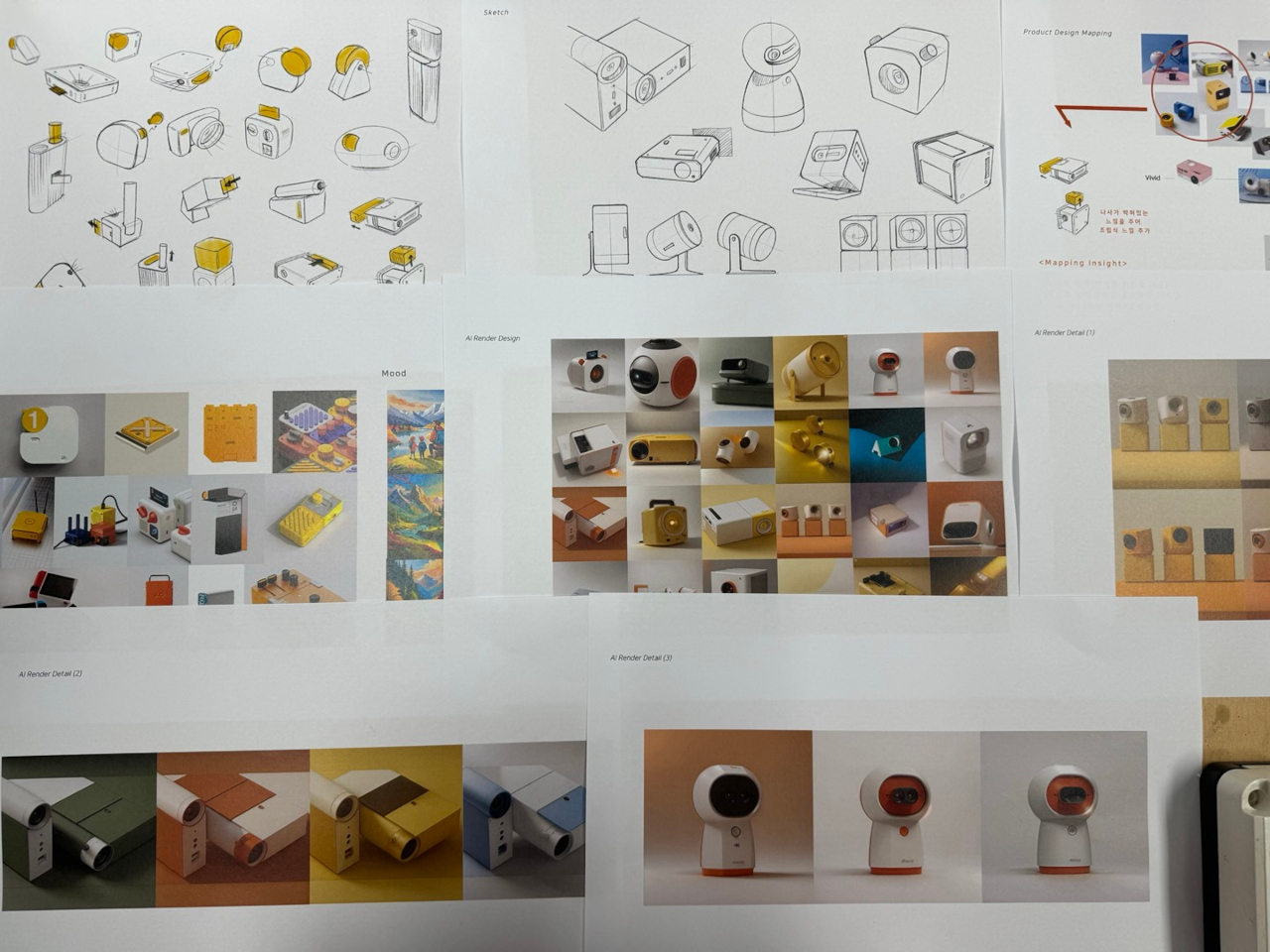
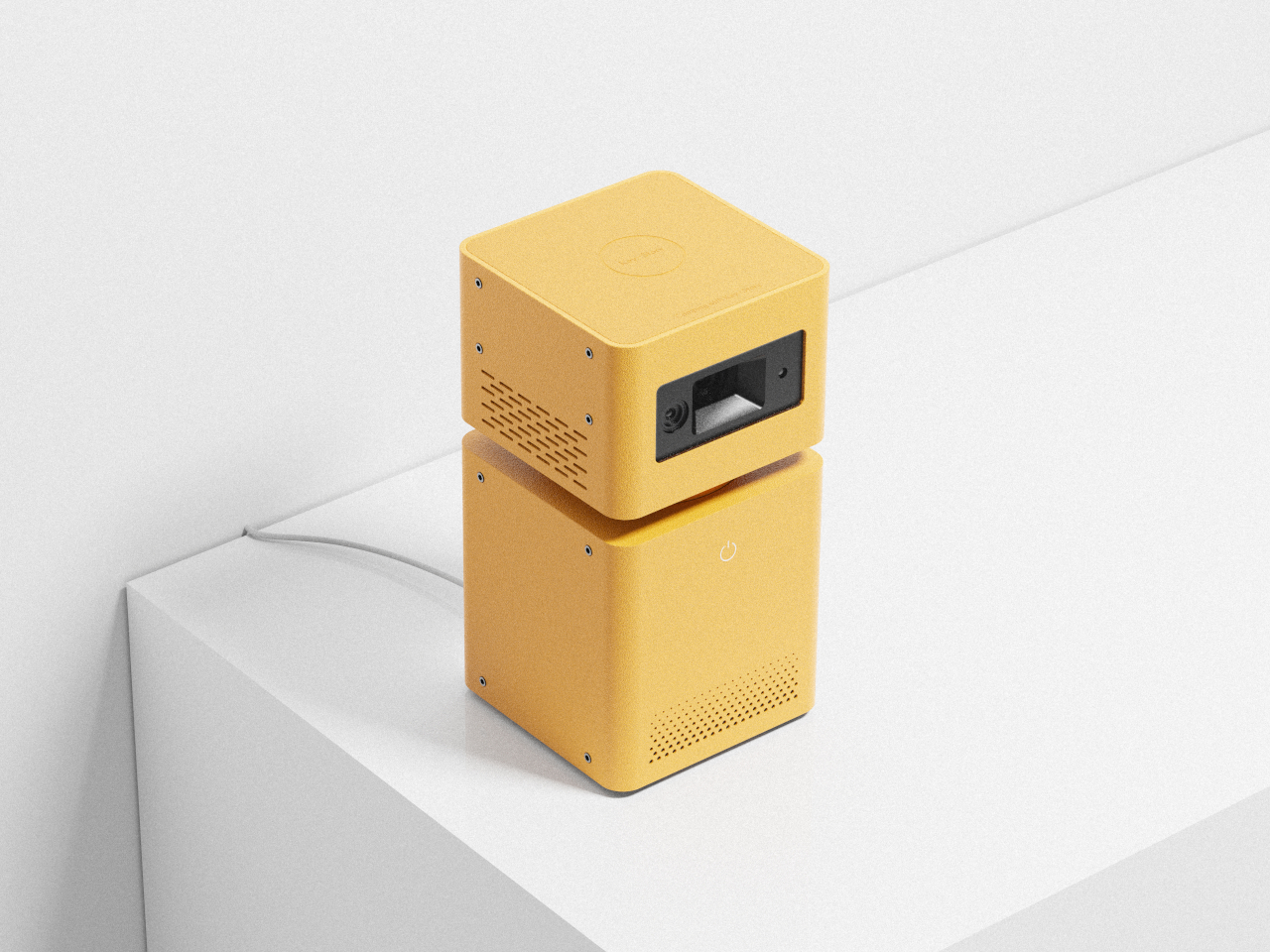
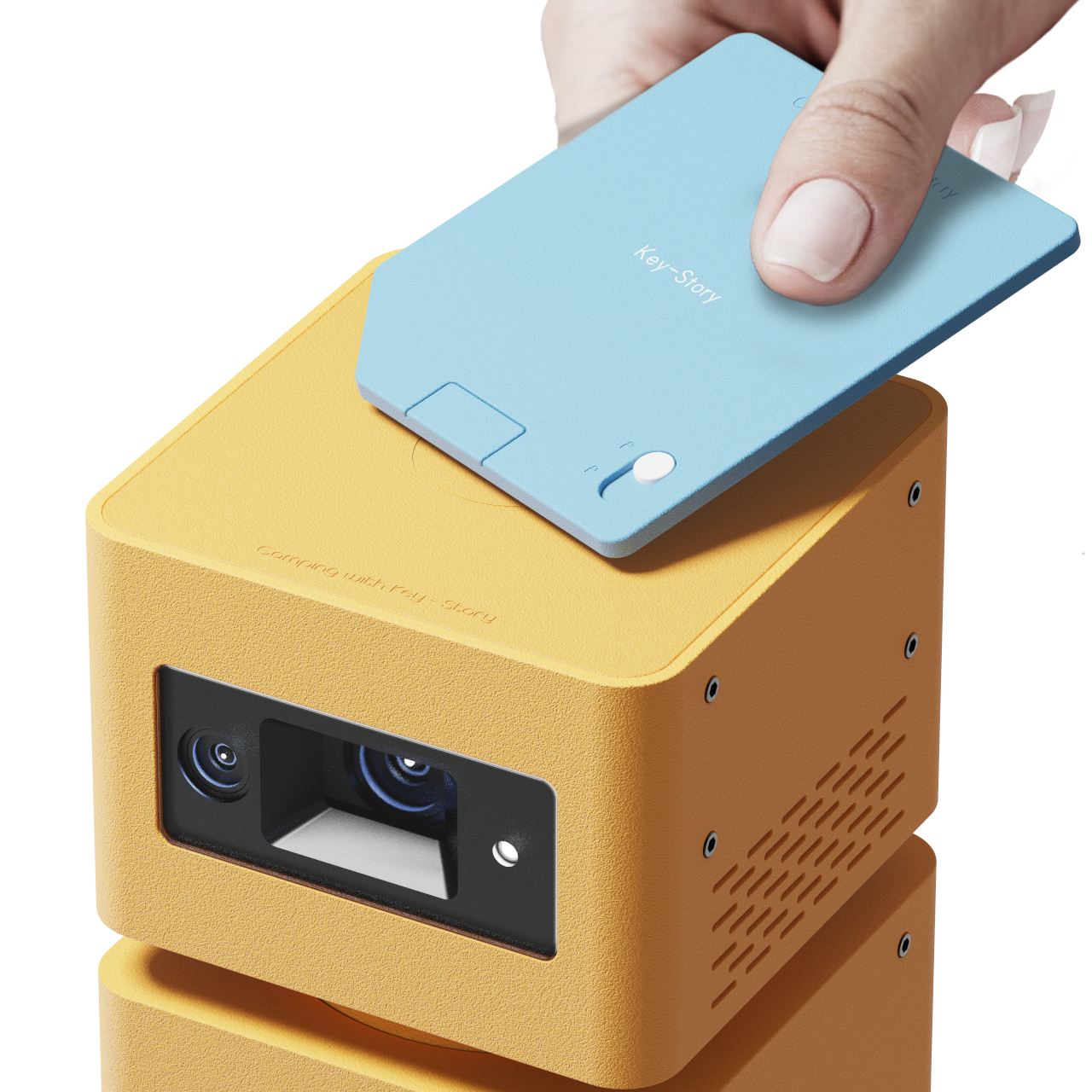
Key_Story (or Key-Story, which are both indicated in the concept page) is a concept for a beam projector that you can take along to your camping trip or to any outdoor activity. It is meant to foster an emotional, bonding moment between father and children by watching videos projected on a surface. We assume that you need a wall or a cloth to project of course.
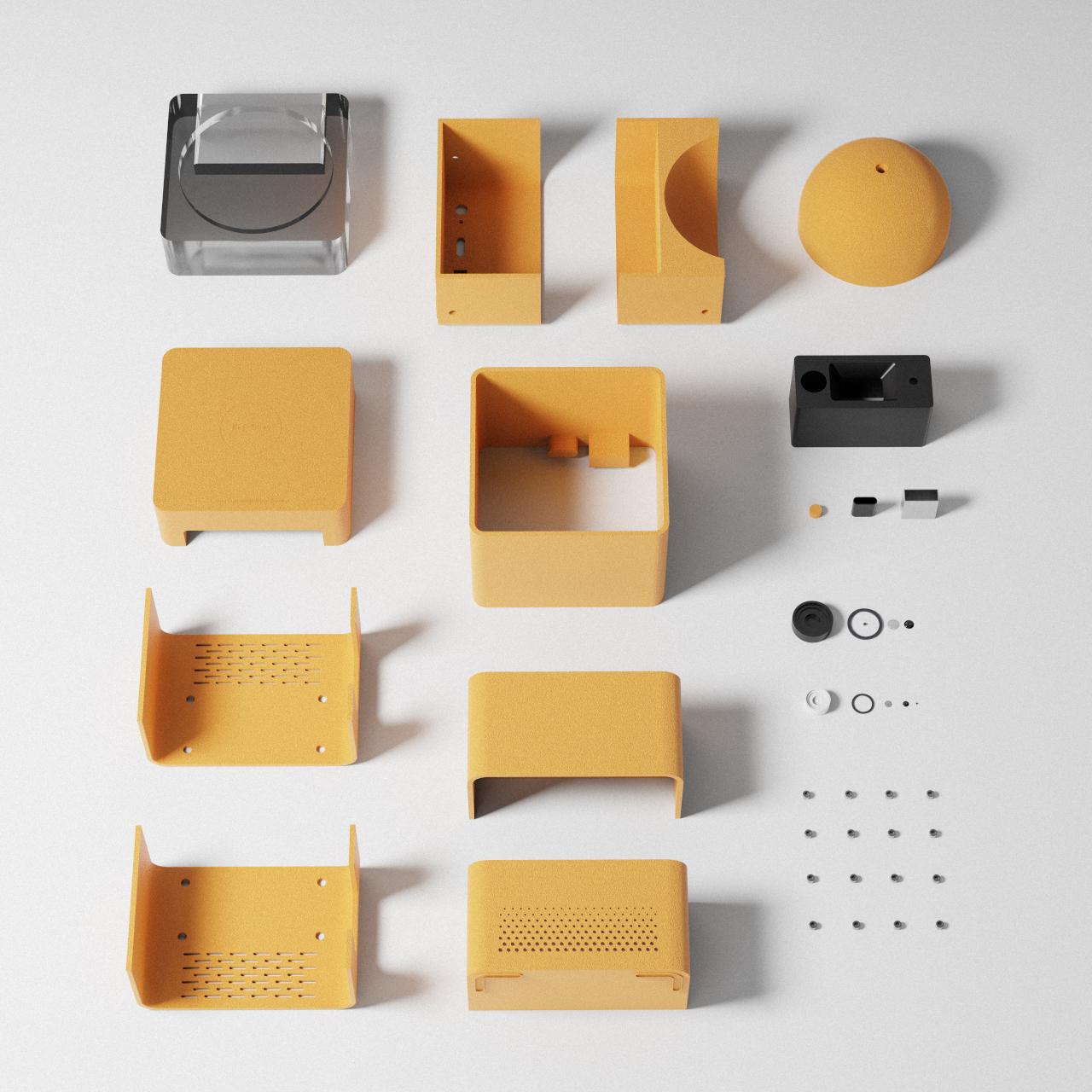
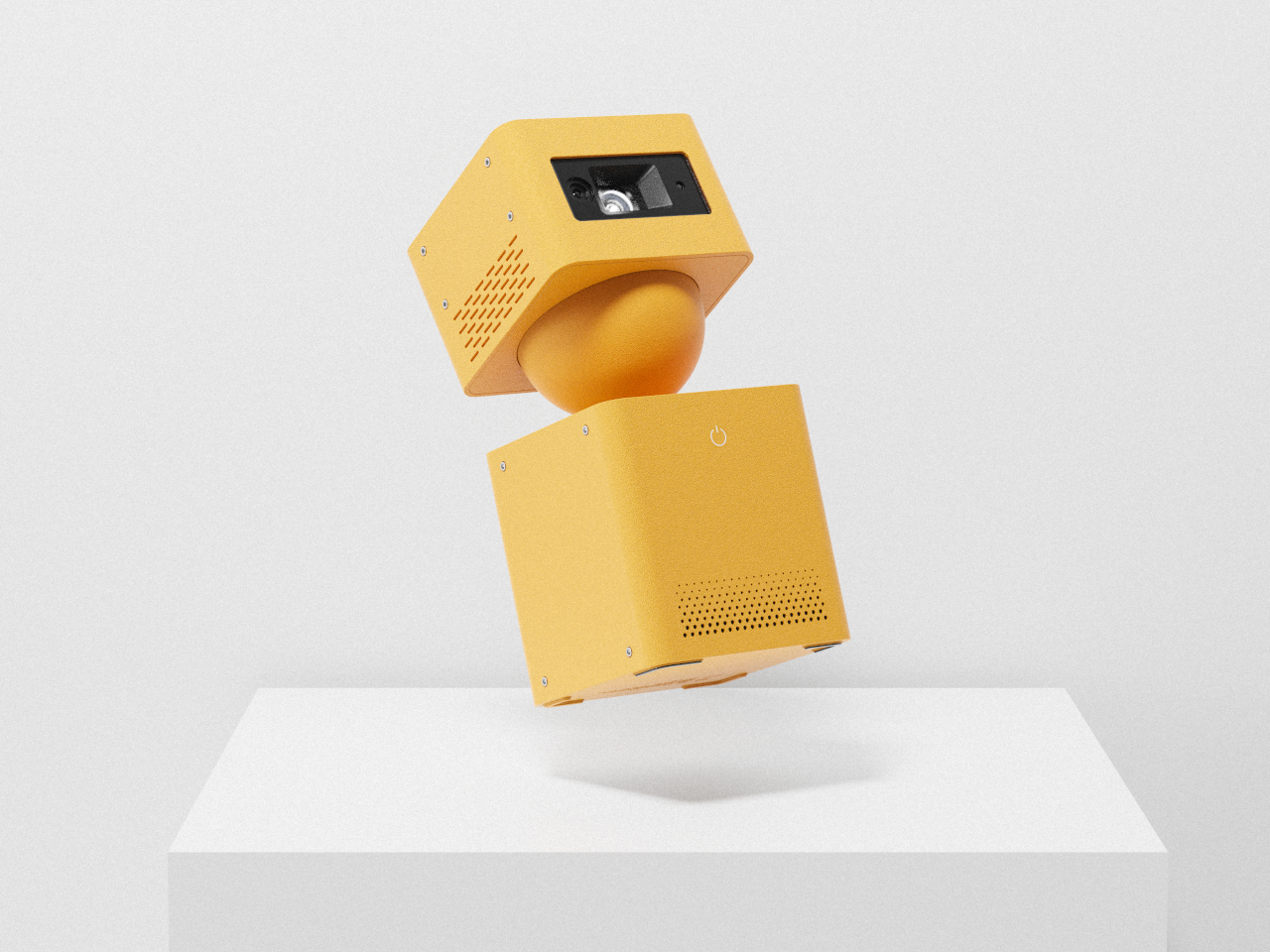
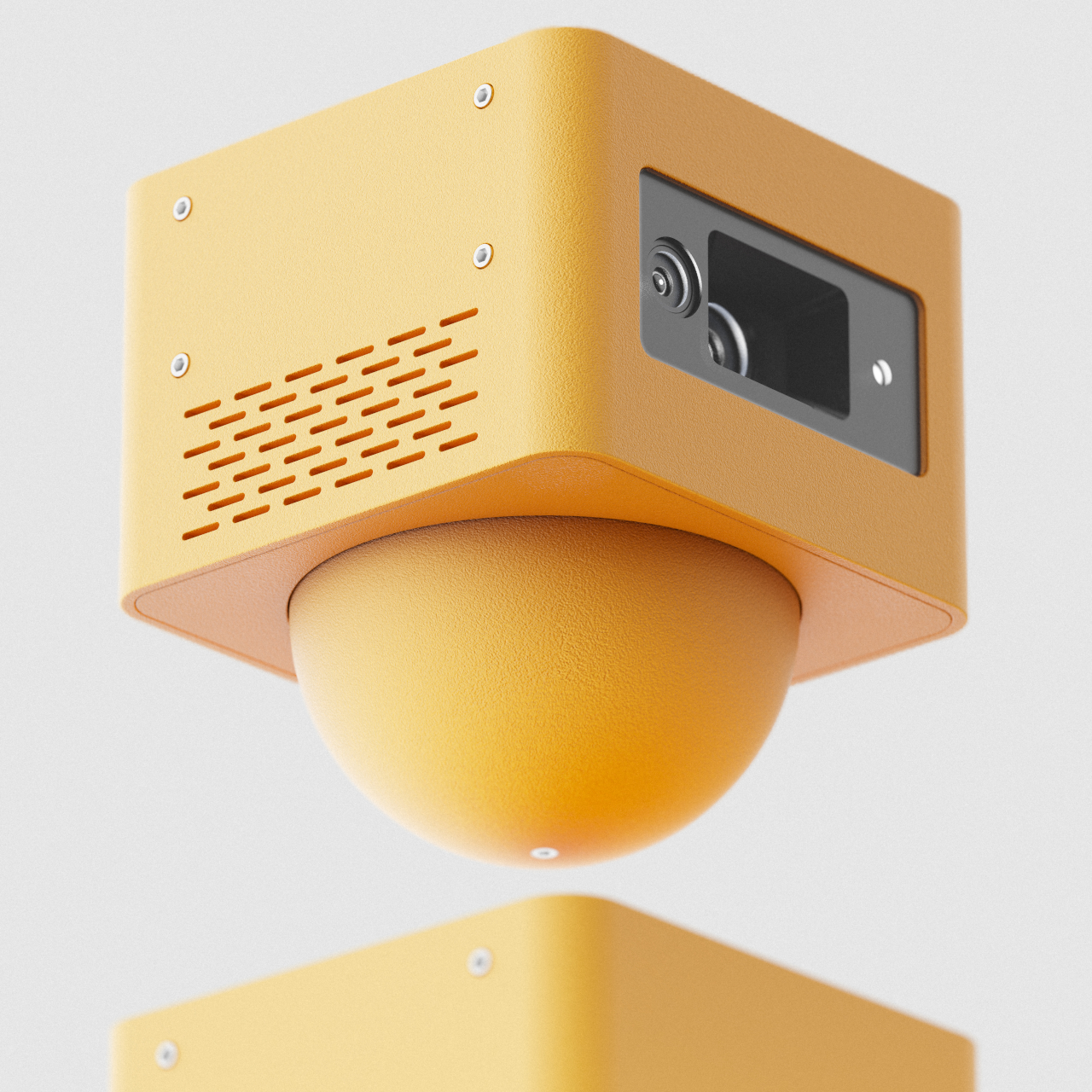
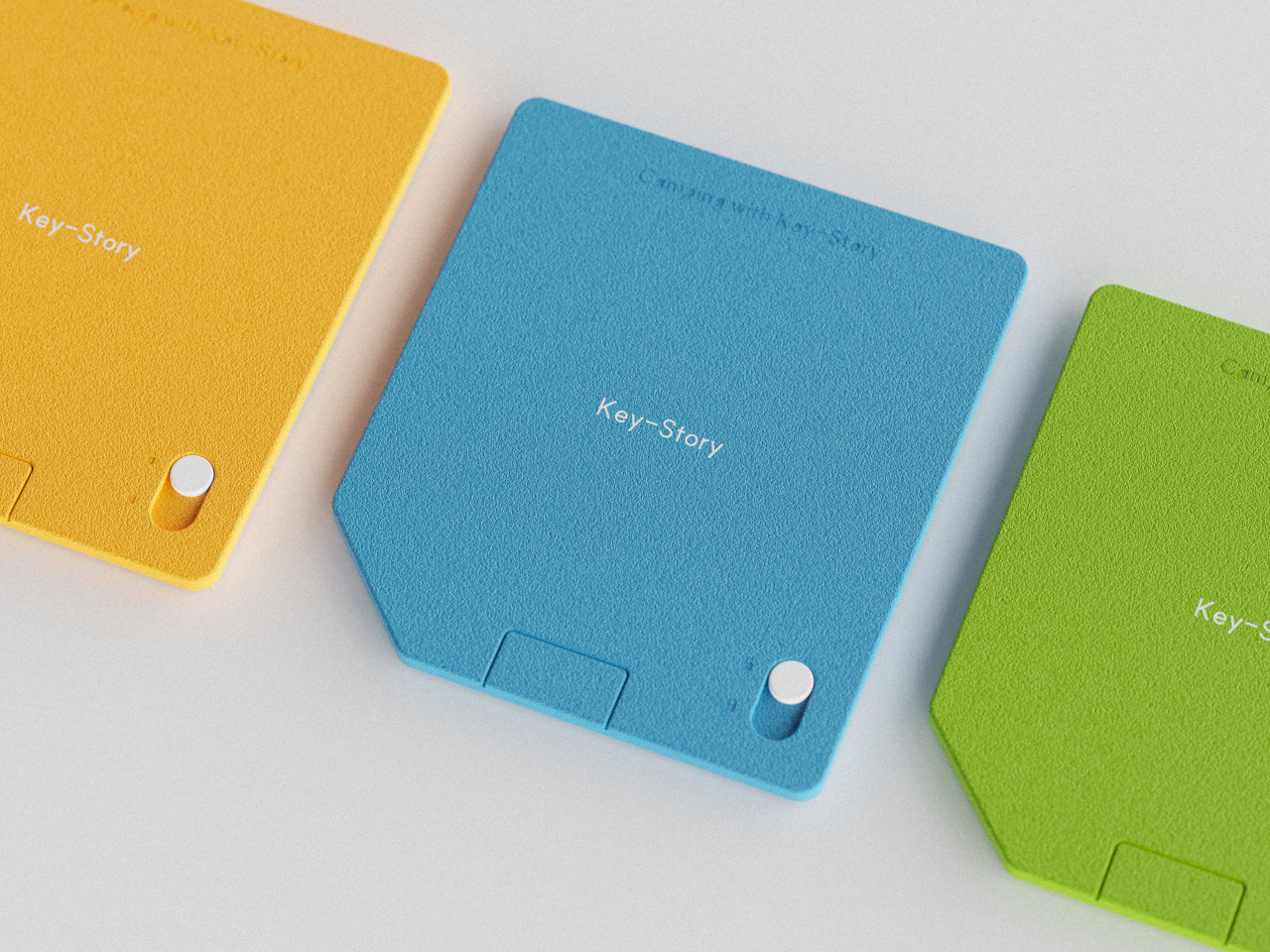
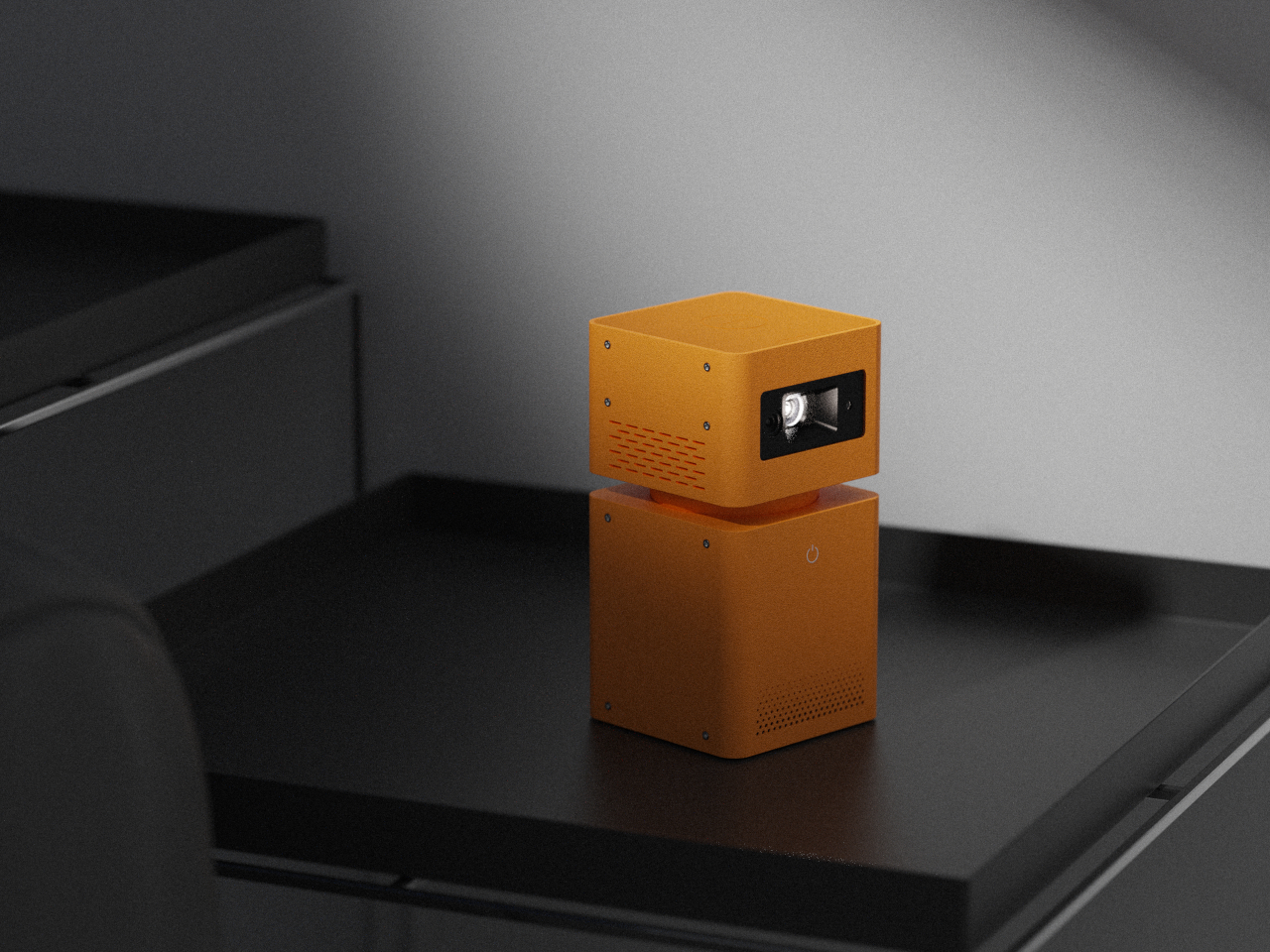
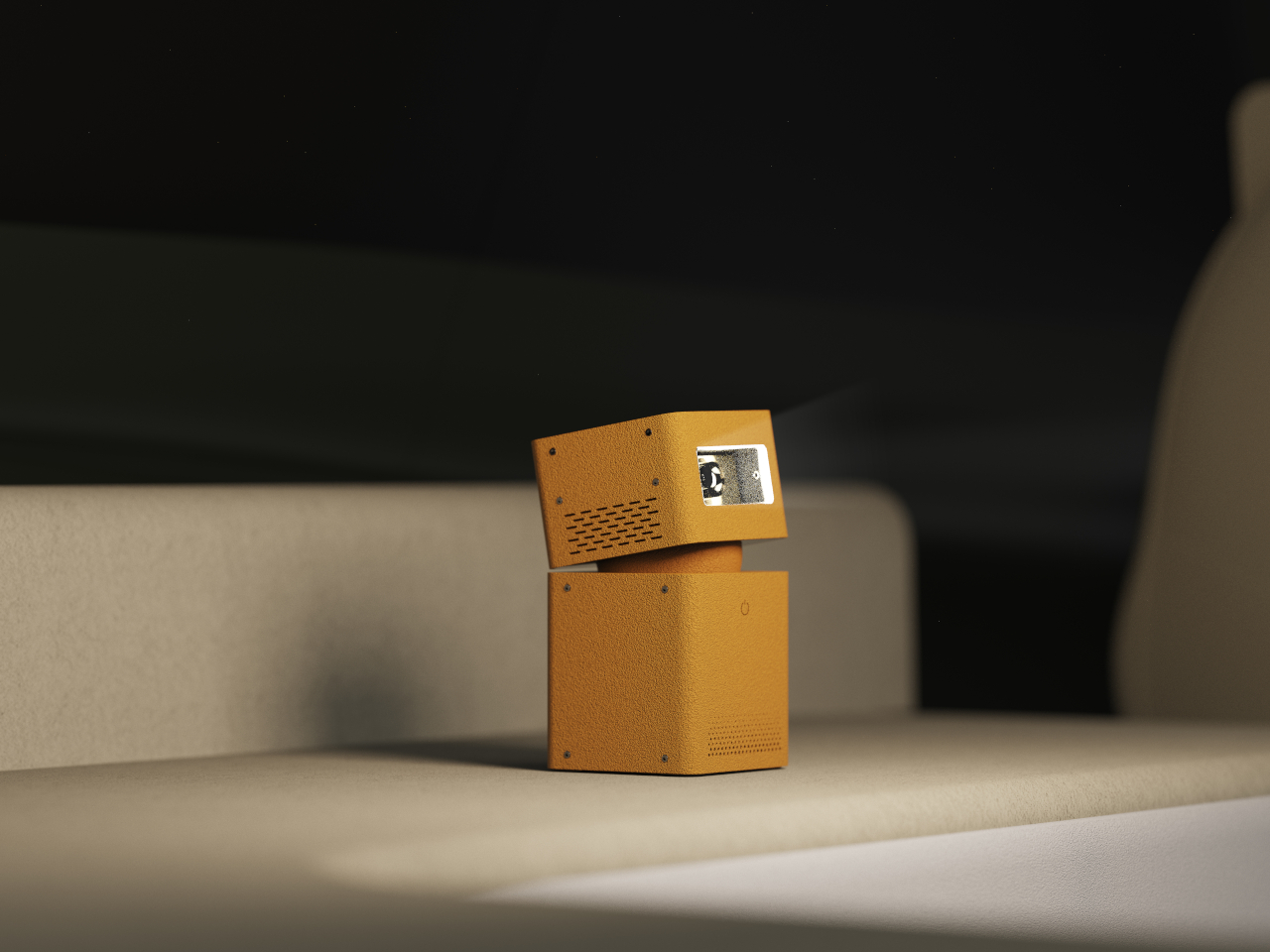
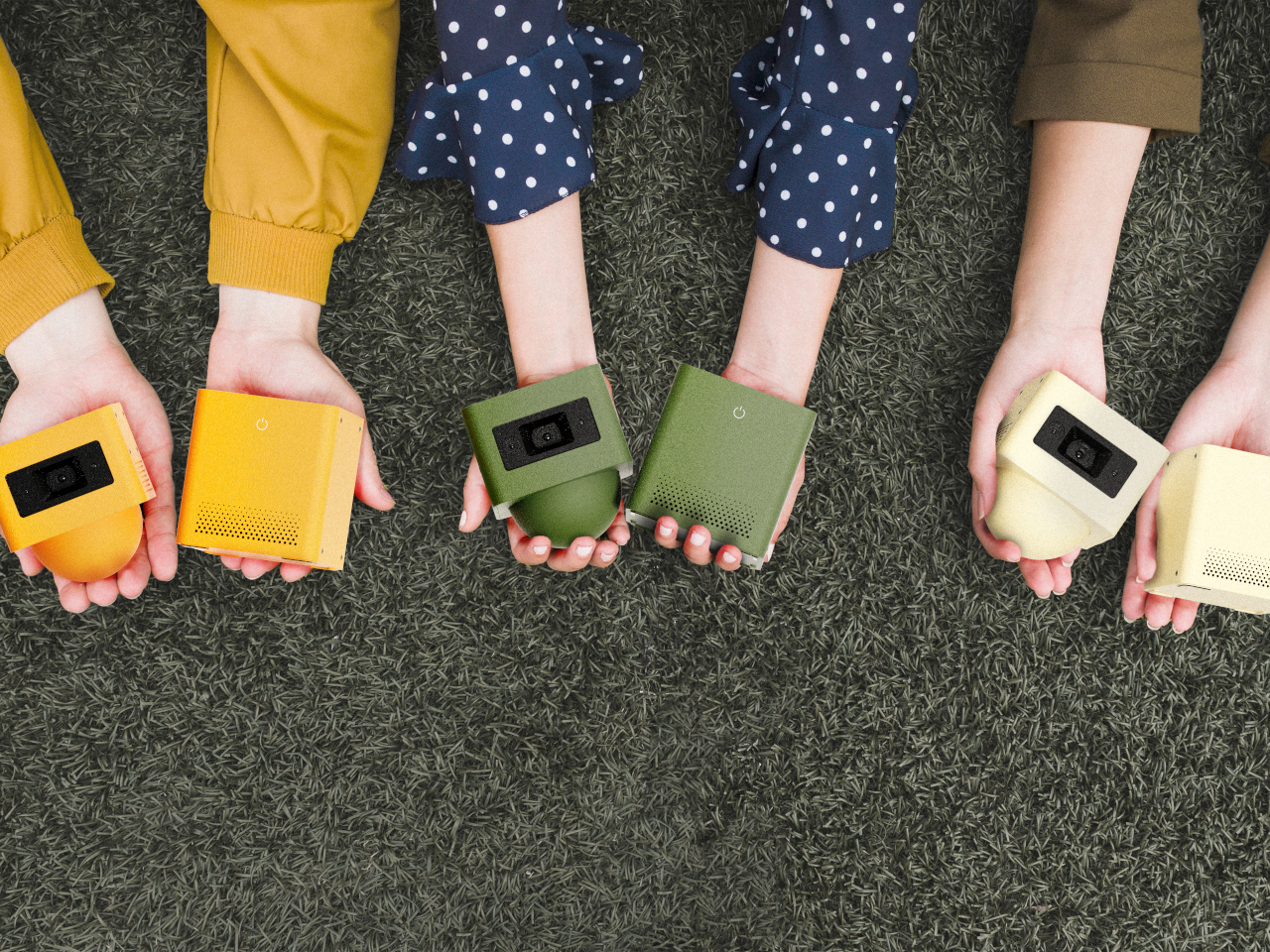
The device is designed to look like a robot and has bright colors in order to attract the attention of the kids, especially the younger ones. The top part, which looks like the robot head, is the beam projector and the bottom part is the speaker for “vivid sound”. The package will supposedly come with three Keys that have different content available. You touch the key to the top of the projector to view the videos.
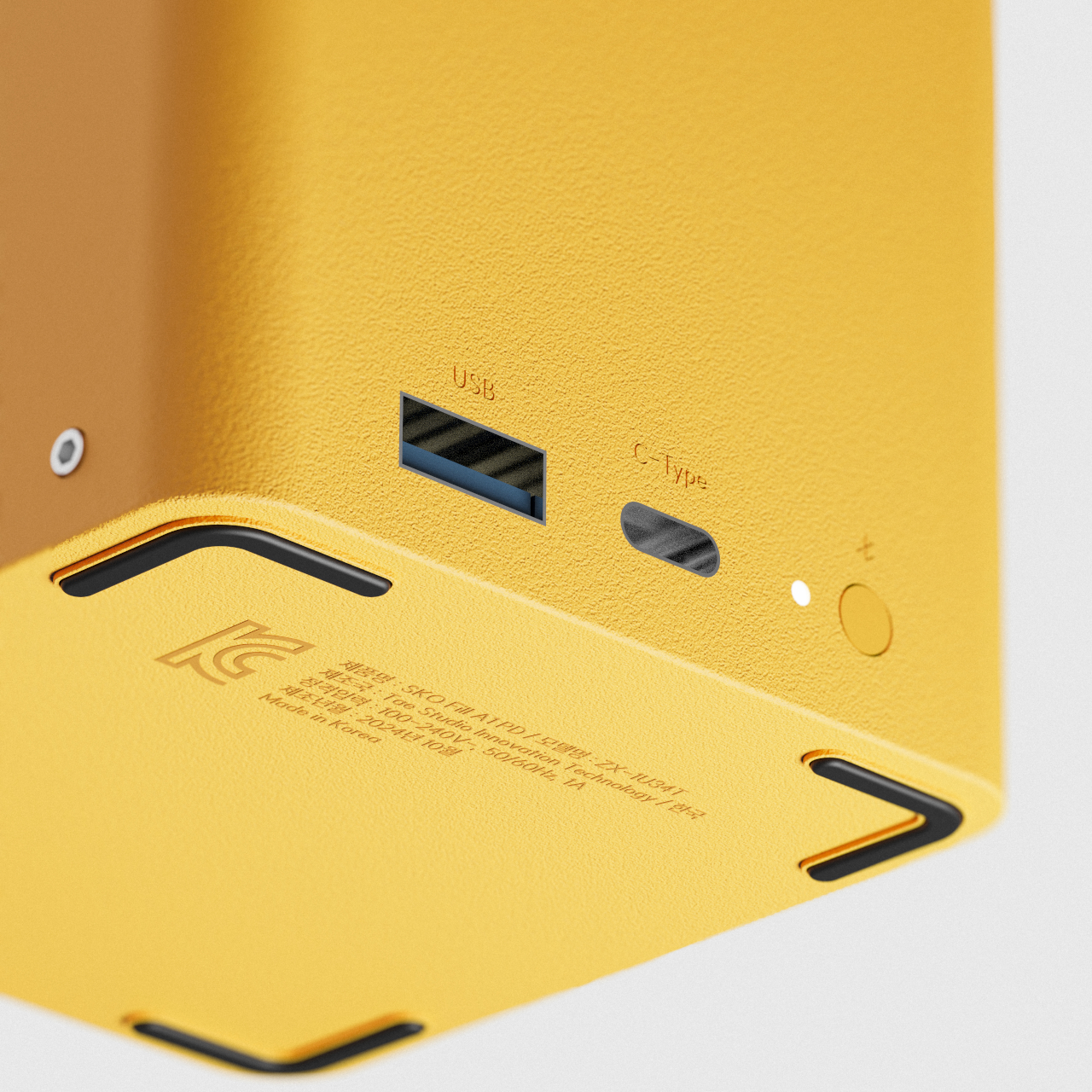
There’s also USB and Bluetooth connectivity in case you have your own video content and you can charge the projector on a C-type port. The two parts have “free movement” because of magnets which should make kids more interested to operate it, but hopefully not break it.
Handheld gaming devices are quite the fad these days, especially now that major PC makers have all joined the bandwagon. Although we’re reaching a point where all internal specs are becoming identical, there’s still a variety of designs and features available. Just like laptops, however, these designs are fixed and you can only select from what others have already made.
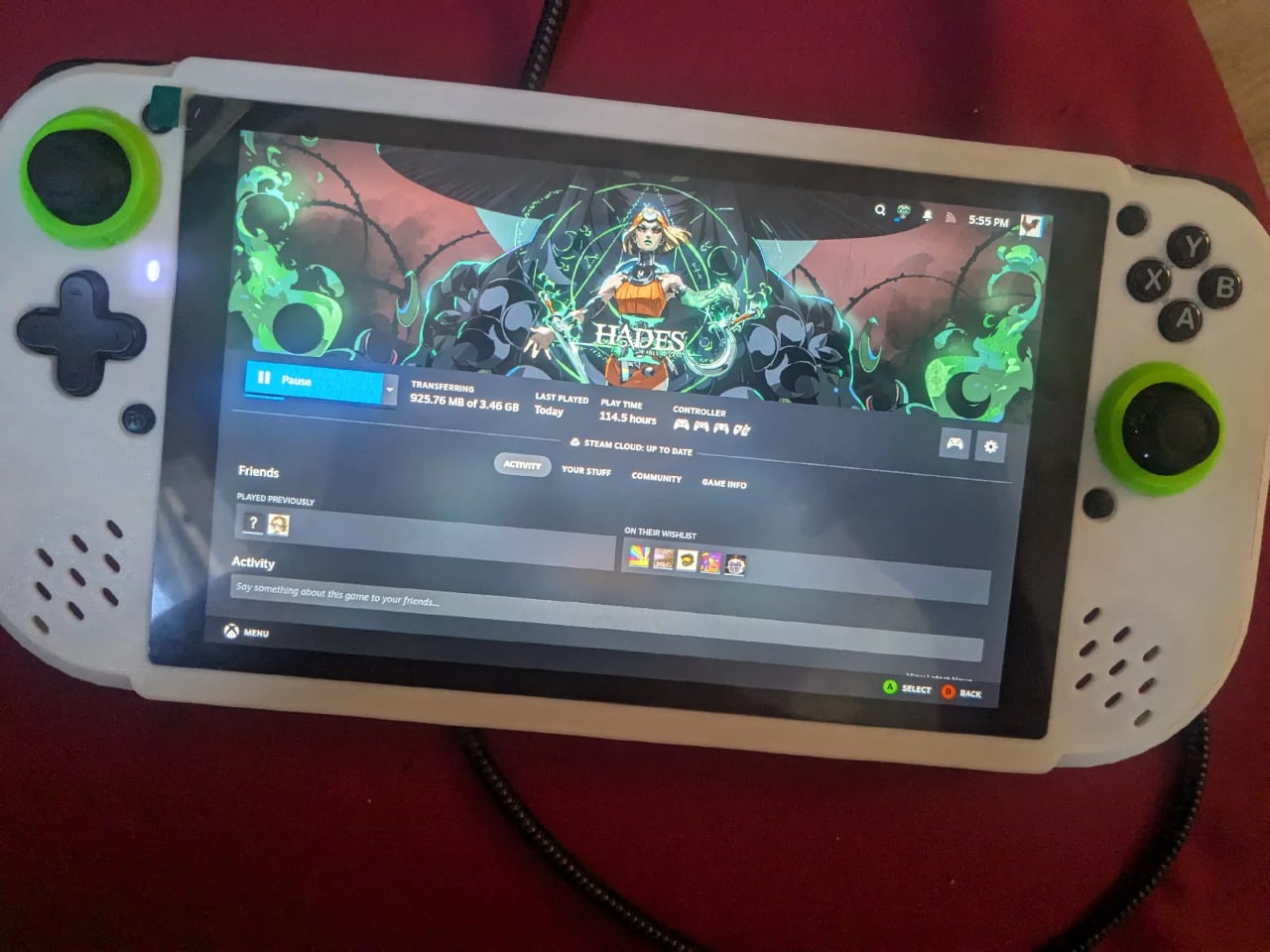
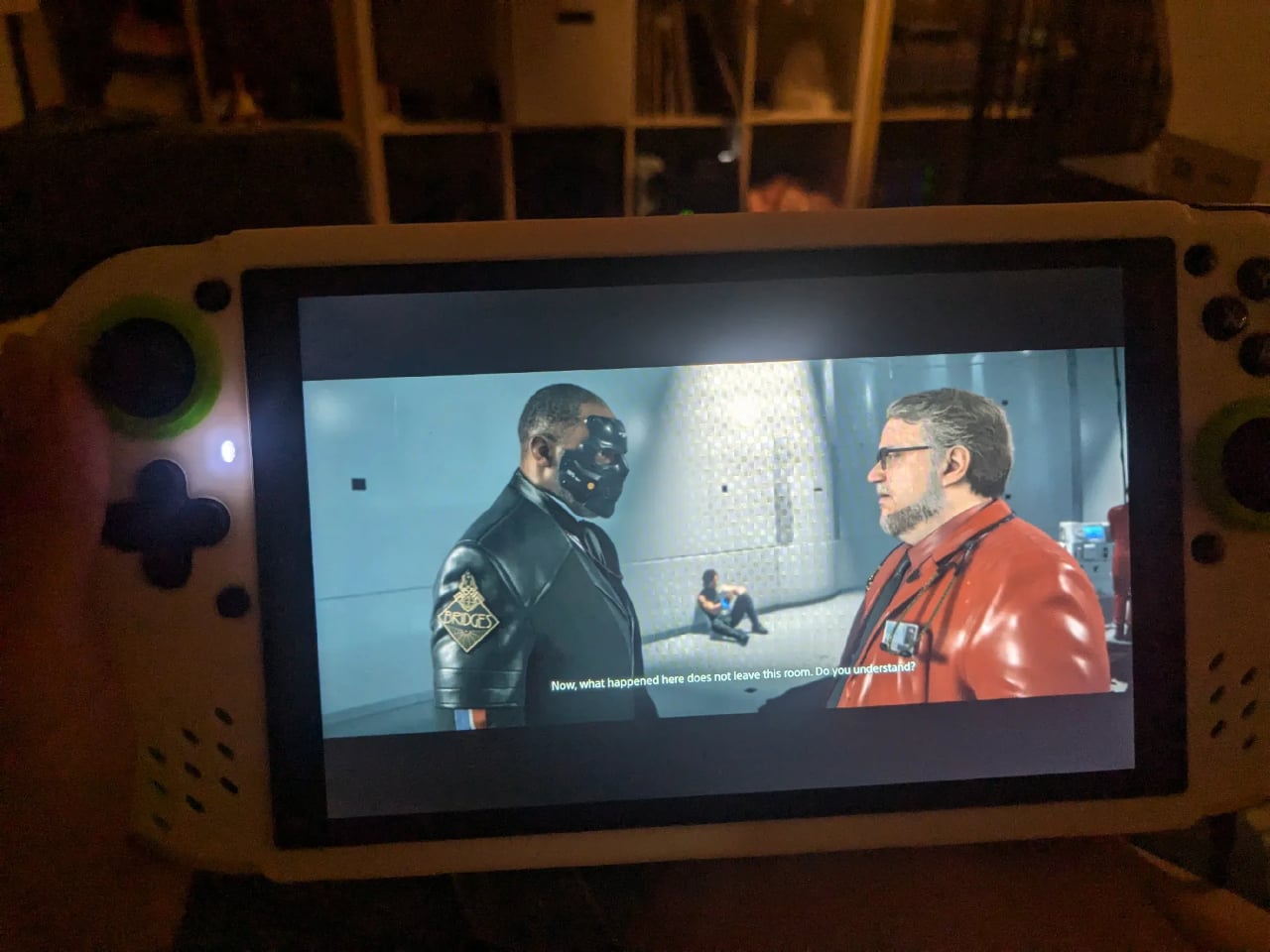
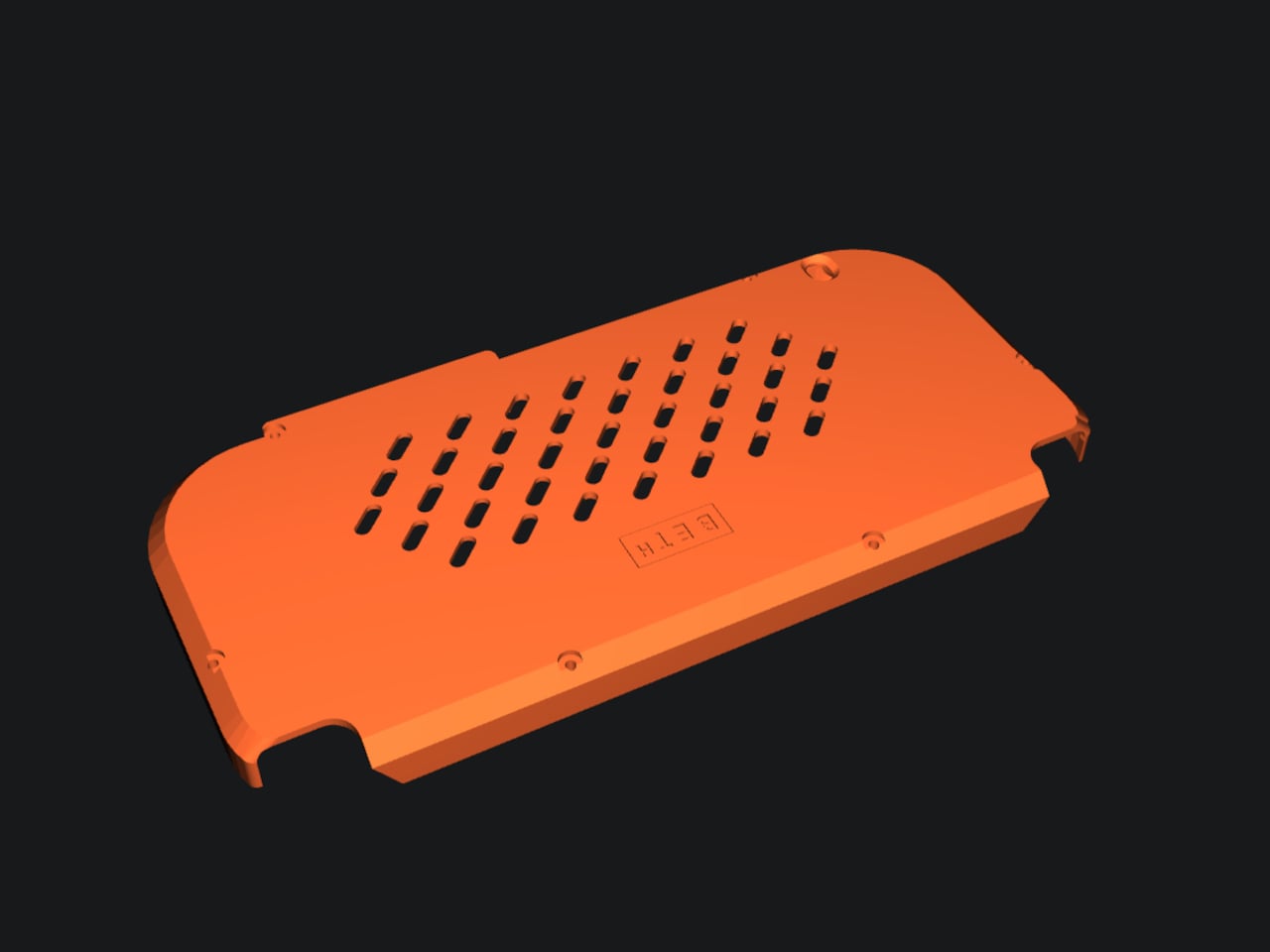
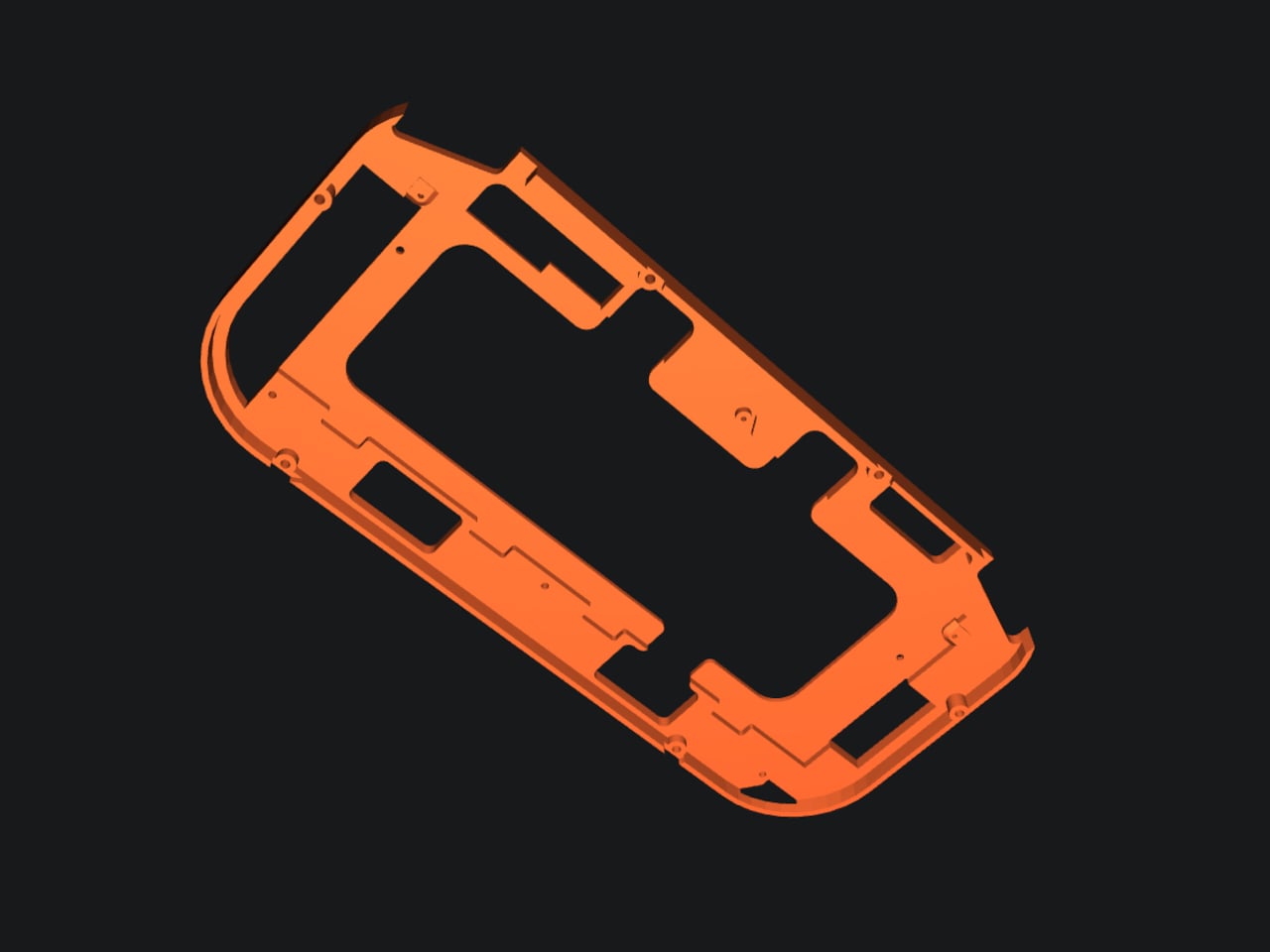
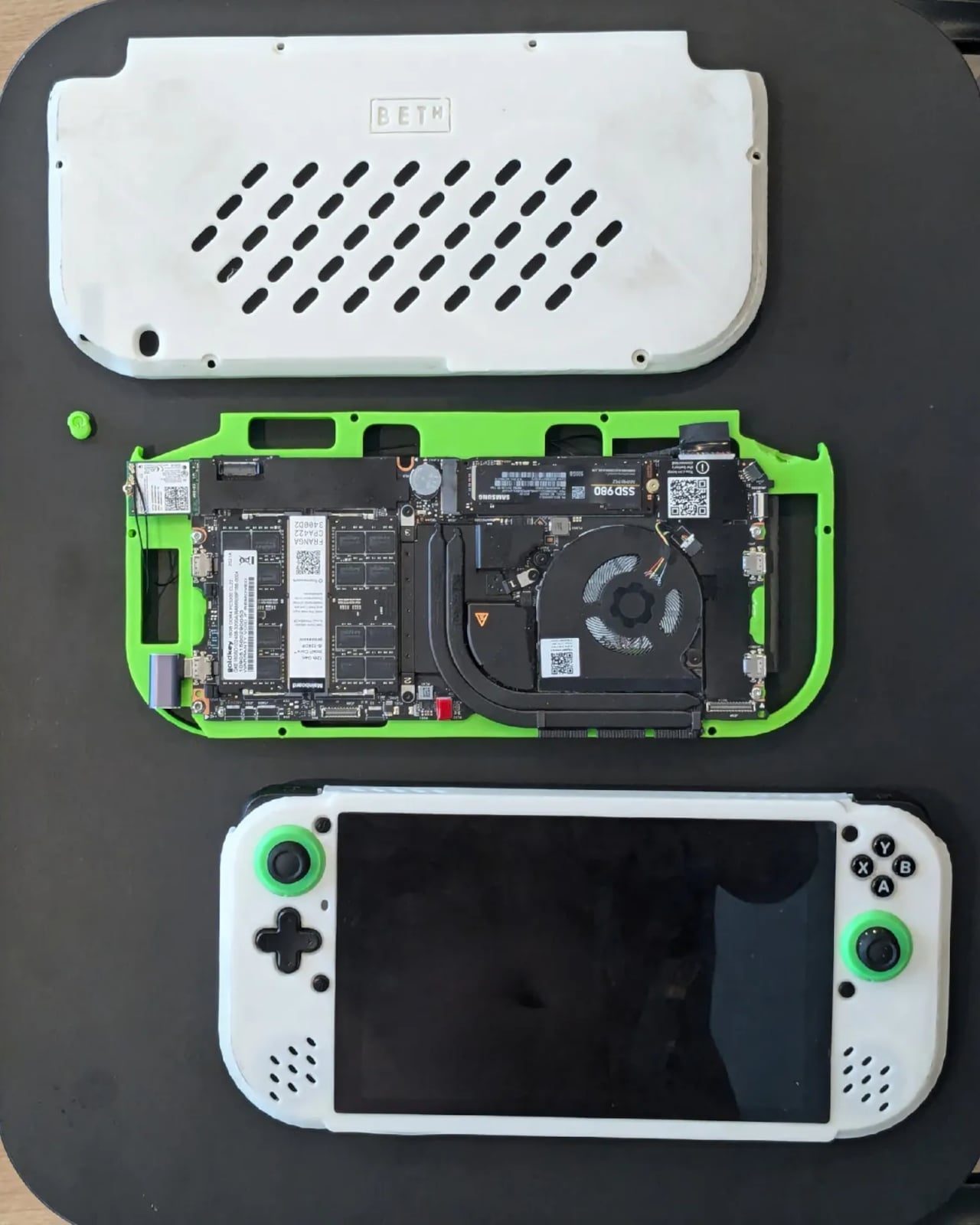
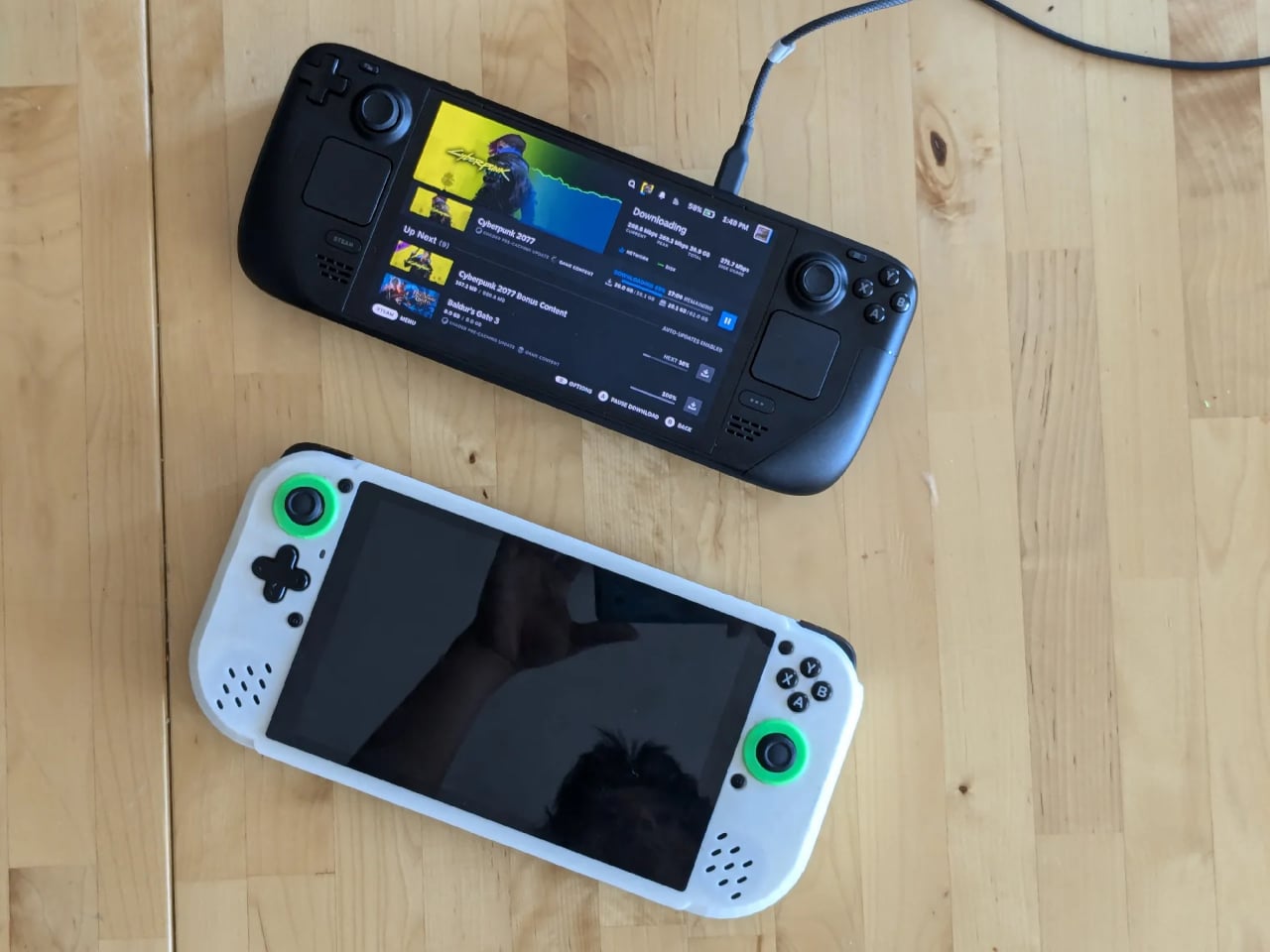
Embodying the spirit of desktop computers, this latest DIY project enables you to build your own Steam Deck clone, presuming you have the parts and skills to assemble one. Unlike other configurations, however, this isn’t relying on some low-power computer like the Raspberry Pi but instead leans on the power provided by a modular laptop design.
There is no shortage of mods and projects to build custom handheld PCs, whether for gaming or light computing, but the majority of these use small but under-powered single-board computers or SBCs. These are cheap, easy to cram into small shells, but will hardly be able to play any games outside of retro emulators. The problem is that there isn’t an SBC powerful enough to support that use case.
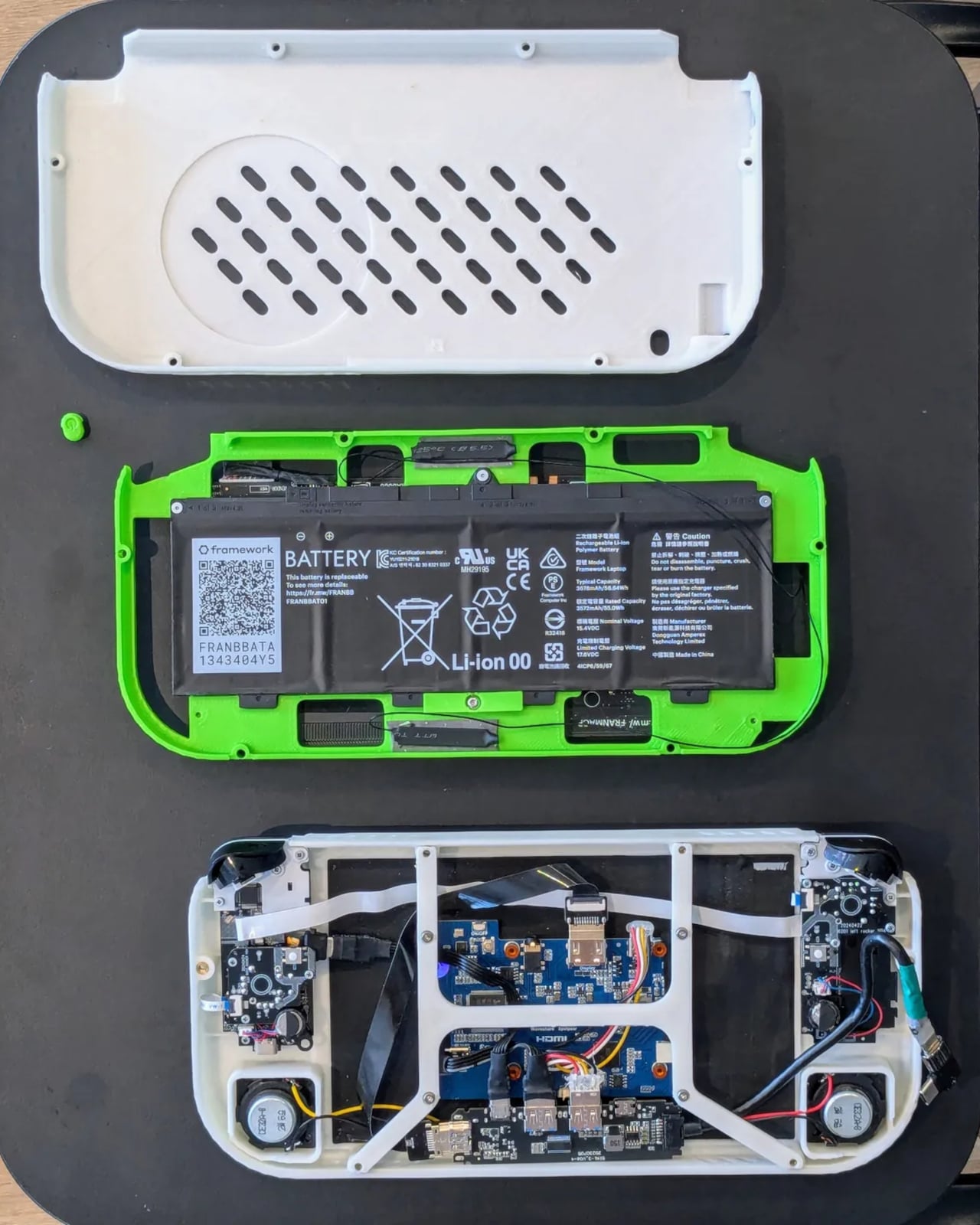
That’s where the Framework modular laptop comes in. Thanks to its modular design, it is possible to actually purchase the mainboard of such a powerful computer, and the 13-inch variant happens to be an adequate size to stuff inside a 3D-printed gaming handheld shell. Although it doesn’t exactly have gaming-worthy specs, it’s still powerful enough to run some AAA games with low settings.
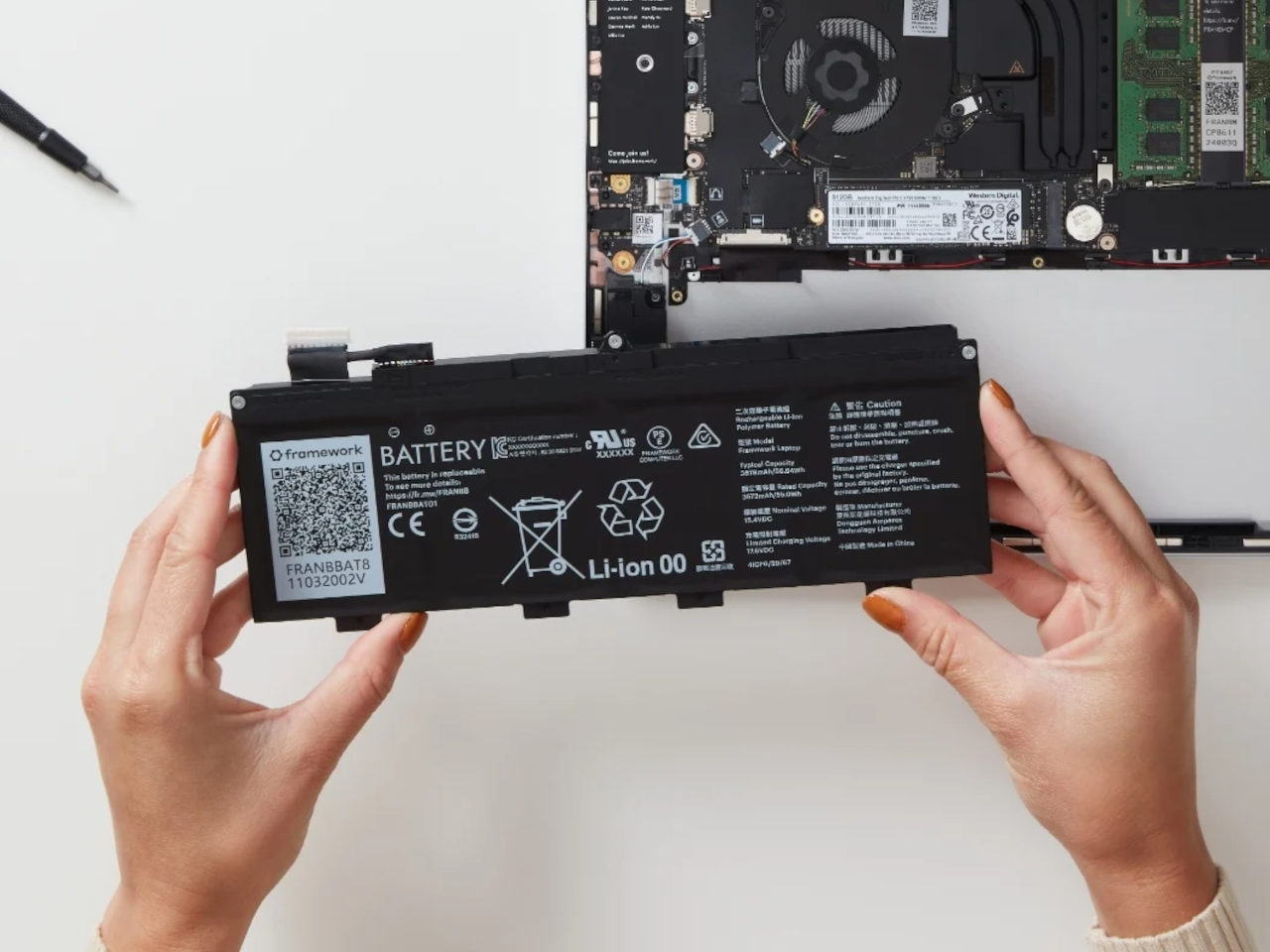
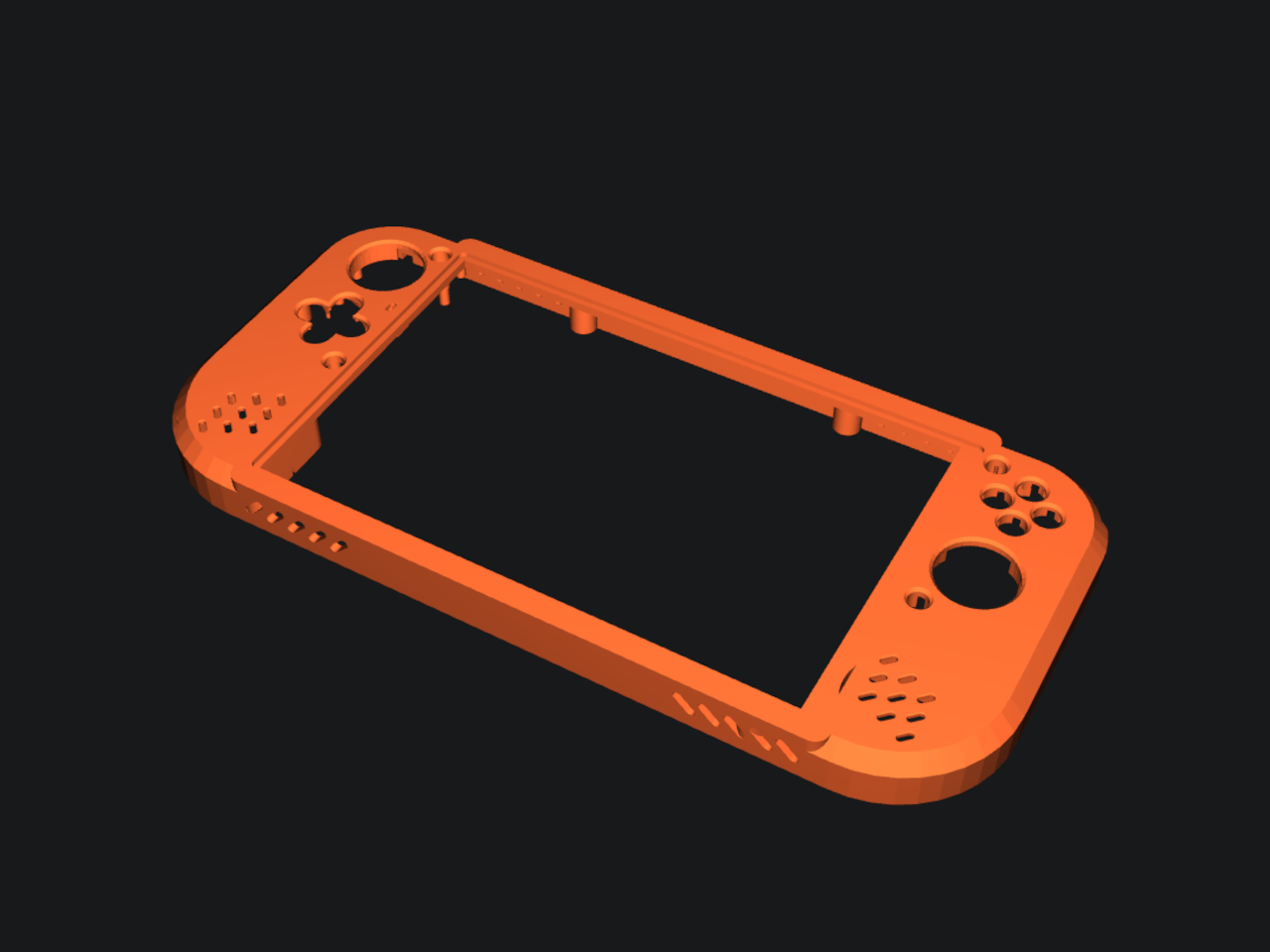
The Beth Deck, which is the name for this hot new build-it-yourself handheld PC, doesn’t stop there. It also uses a matching Framework 13 battery and many off-the-shelf parts. Everything that can’t be bought can be 3D printed, and the claim is that you barely need to solder anything. You could almost say it’s like playing with LEGO, except with computer parts instead of bricks.
It’s not the perfect handheld design, of course, since the Framework 13 mainboard isn’t designed for that purpose. It does, however, reveal the possibilities available with such a modular component available for as low as $199. It might even inspire other designs that customize not just the appearance but also the controls. After all, if you can easily make a Steam Deck clone, why stop at being just a Steam Deck clone?
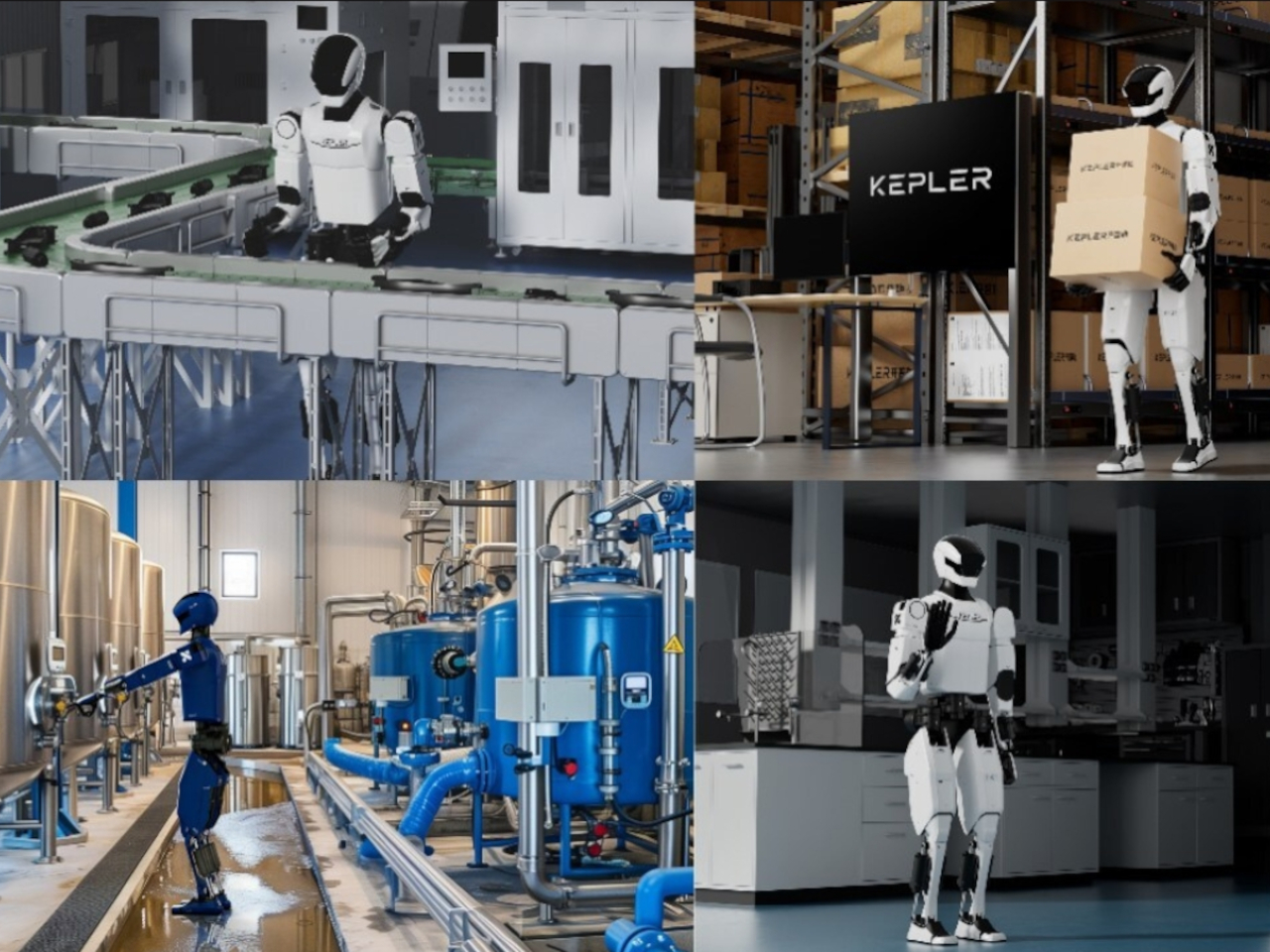
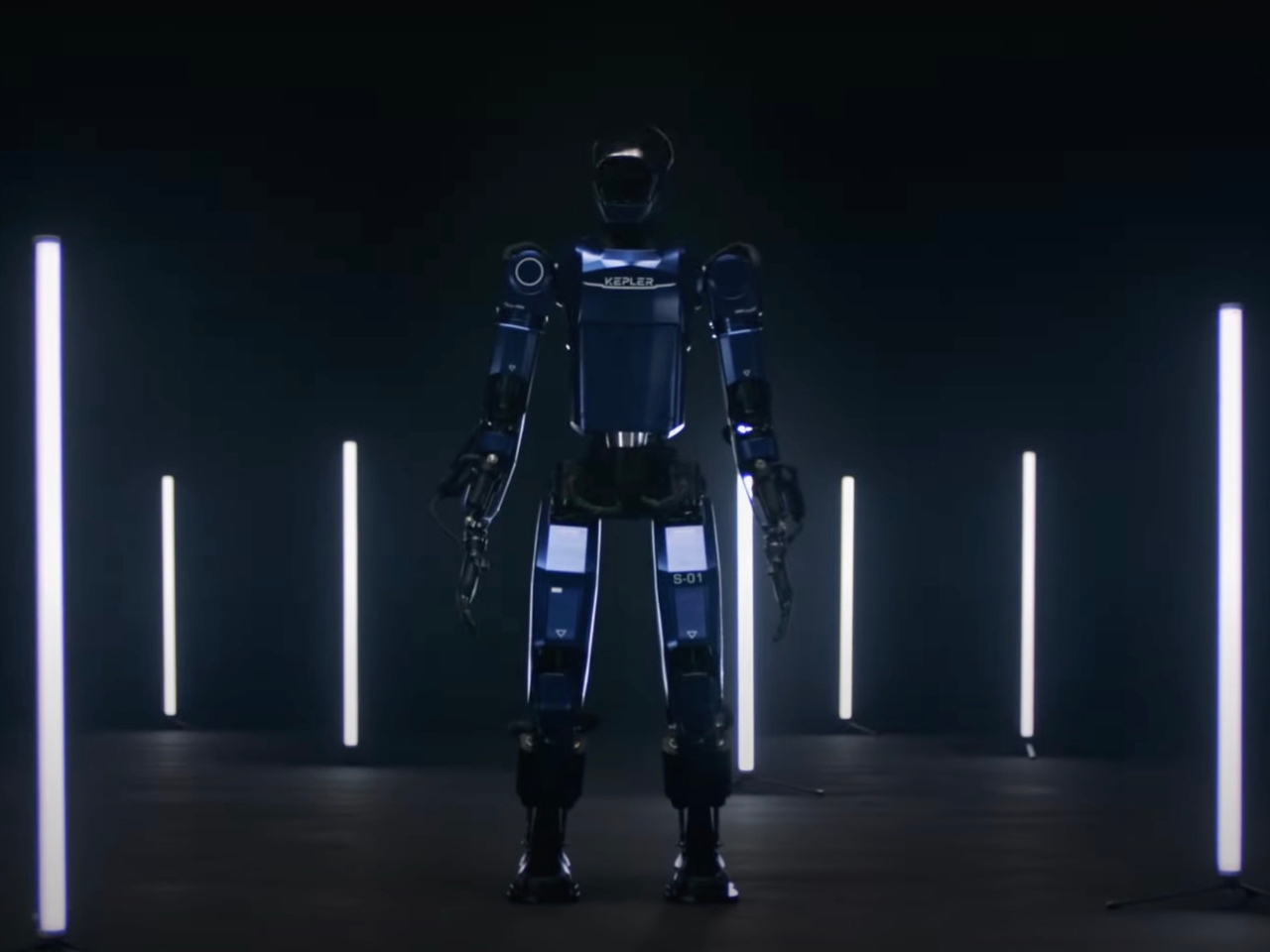
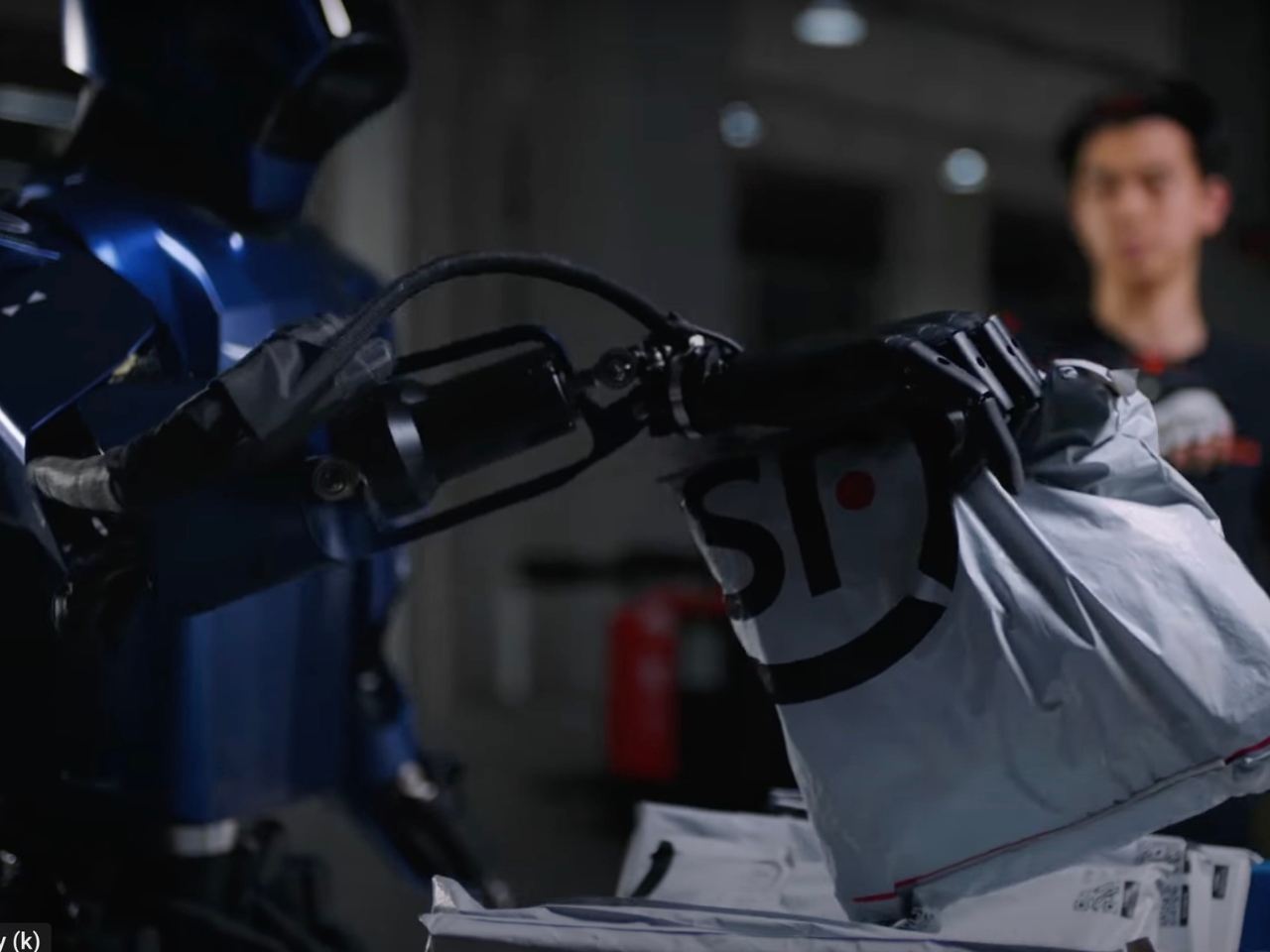
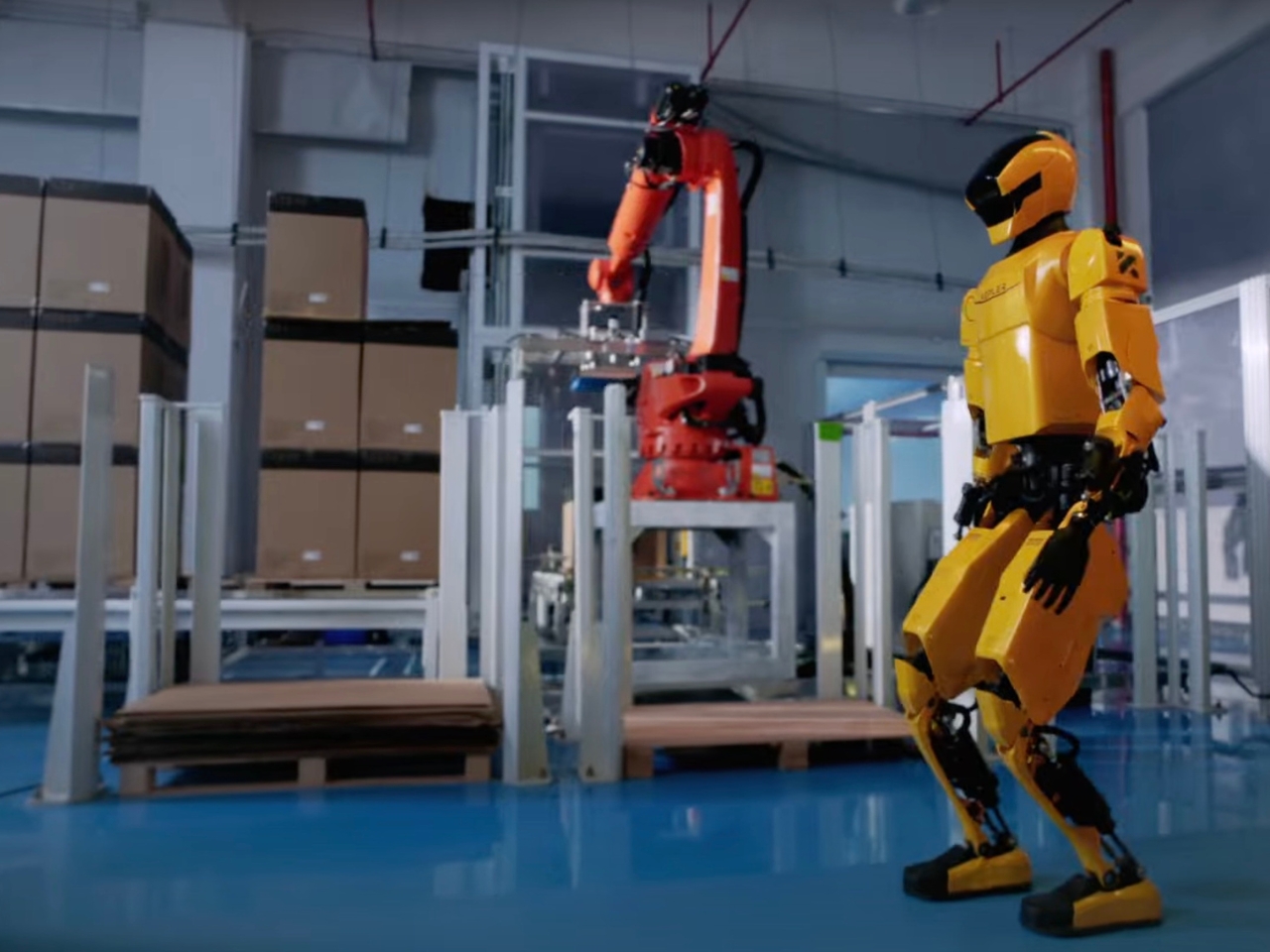
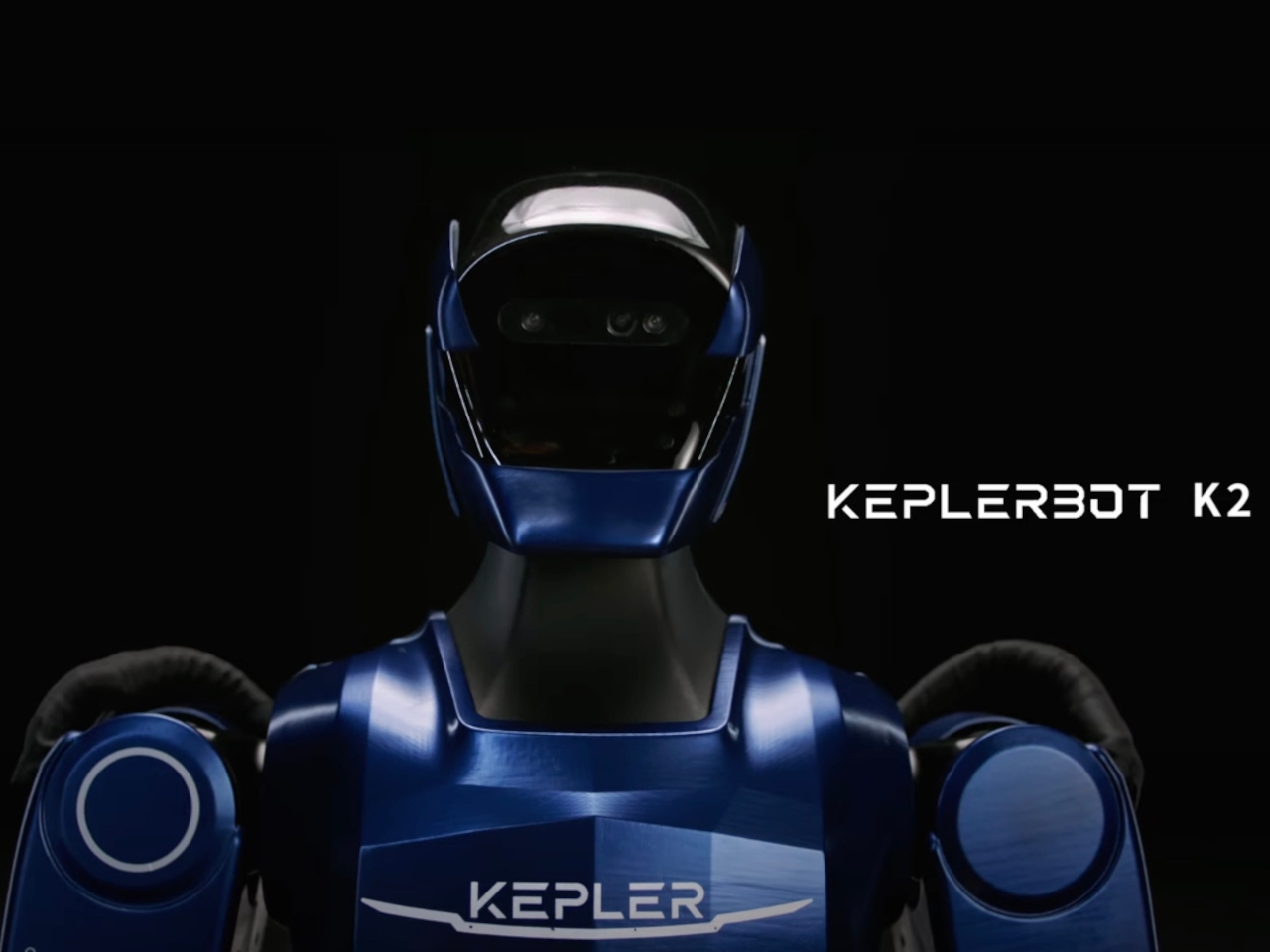
The battle for the best humanoid robot has been heating up lately with companies like Agility Robotics, Neura Robotics, Boston Dynamics, Apptronik, Reflex Robotics, and of course Tesla developing their own versions of robots that will hopefully not take over the world but help humans in their tasks. Chinese robotics company Kepler has launched the newest version of their Forerunner humanoid robot and it wants to give these other companies a run for their money.
Designer: Kepler
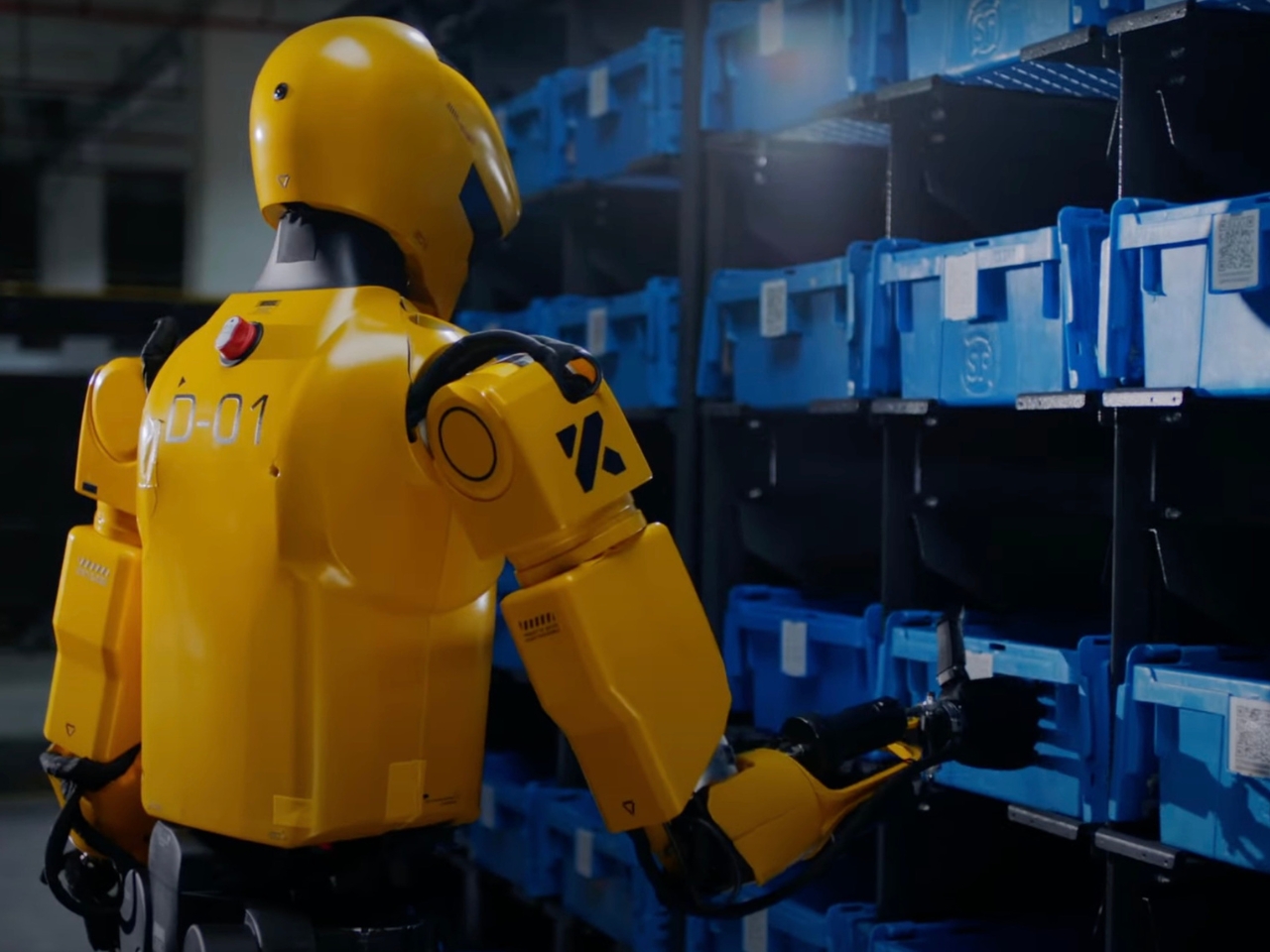
The Forerunner K2 is actually the fifth generation model of the original Forerunner and they say it has been updated to tailor fit commercial applications. It has undergone “extensive software and hardware enhancements” to challenge the latest robots in the market, notably Tesla’s Optimus which has received mixed reviews. This is mostly due to a “stunt” gone wrong wherein people though the black-and-white robots were moving autonomously at an event but were in fact controlled by humans behind the scenes.
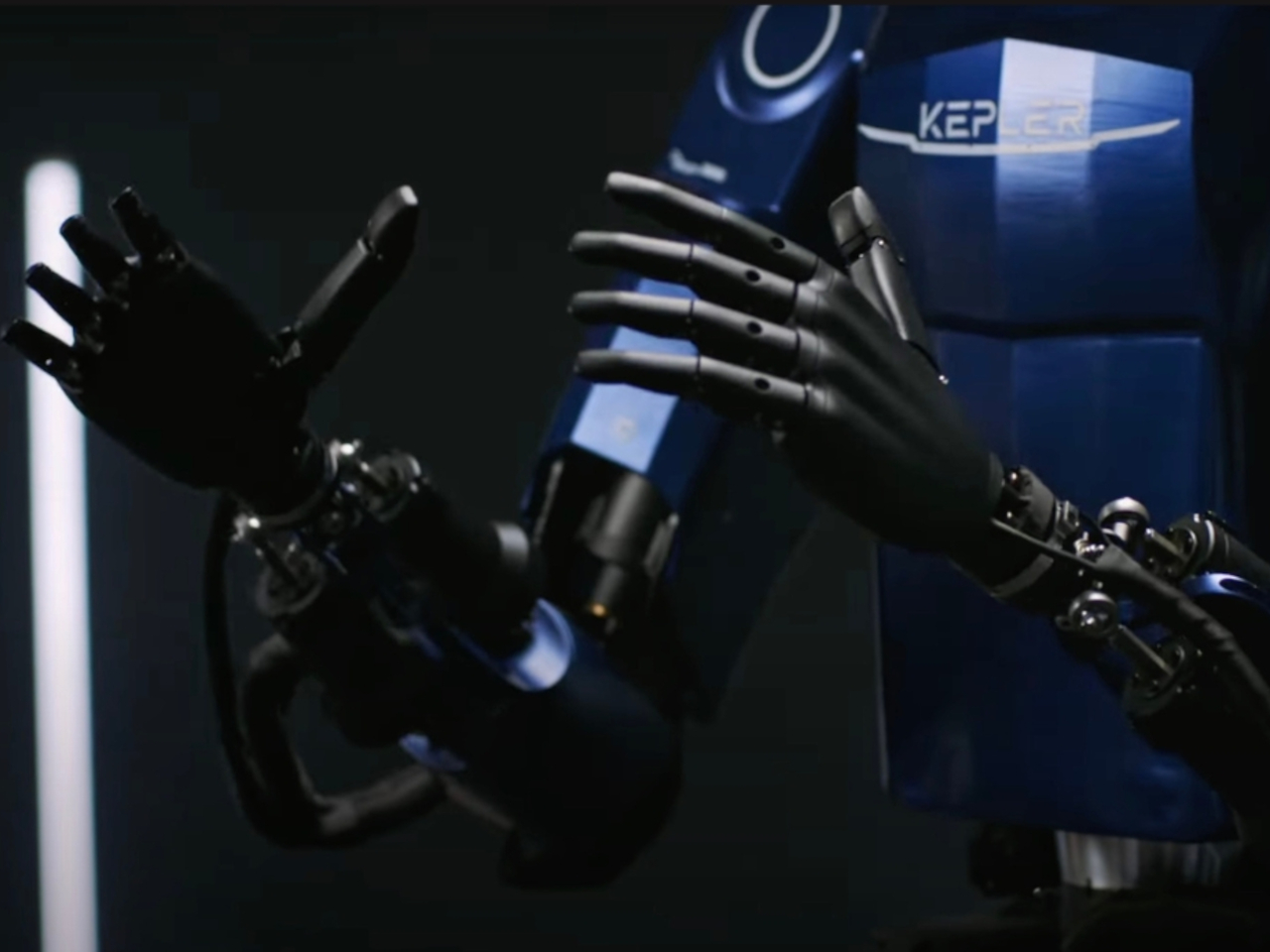
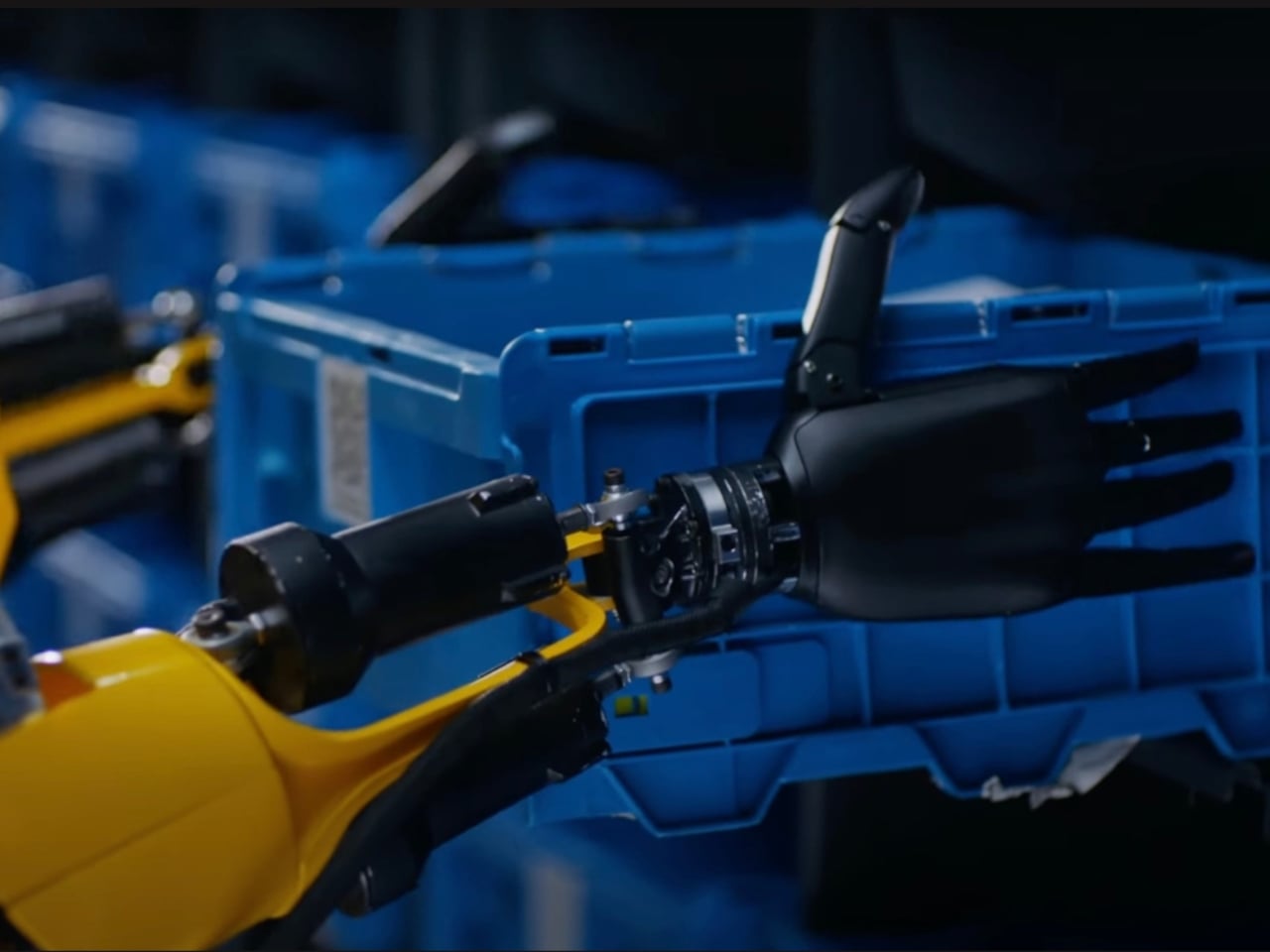
Well the latest Forerunner, it now has “52 degrees of freedom” and has a totating and tilting head module which lets it move more naturally. Well, as naturally as a humanoid robot can move for now. Each hand can support up to 11 degrees of active and passive freedom and they can carry up to 15 kg. Battery life is still the same as its predecessor, with the 2.33-kWh battery lasting up to 8 hours before it powers down.
Tesla is expected to deploy its Optimus robot to production lines by next year so companies like Kepler are working doubly hard to create robots that may have better reviews than the former. The Chinese company is currently testing their Forerunner K2 at different customer facilities and later on deploy it in more companies to do things like handling of products, quality control, inspection, etc. As long as there are no robot wars, we’ll happily look at how this humanoid robot competition goes along.
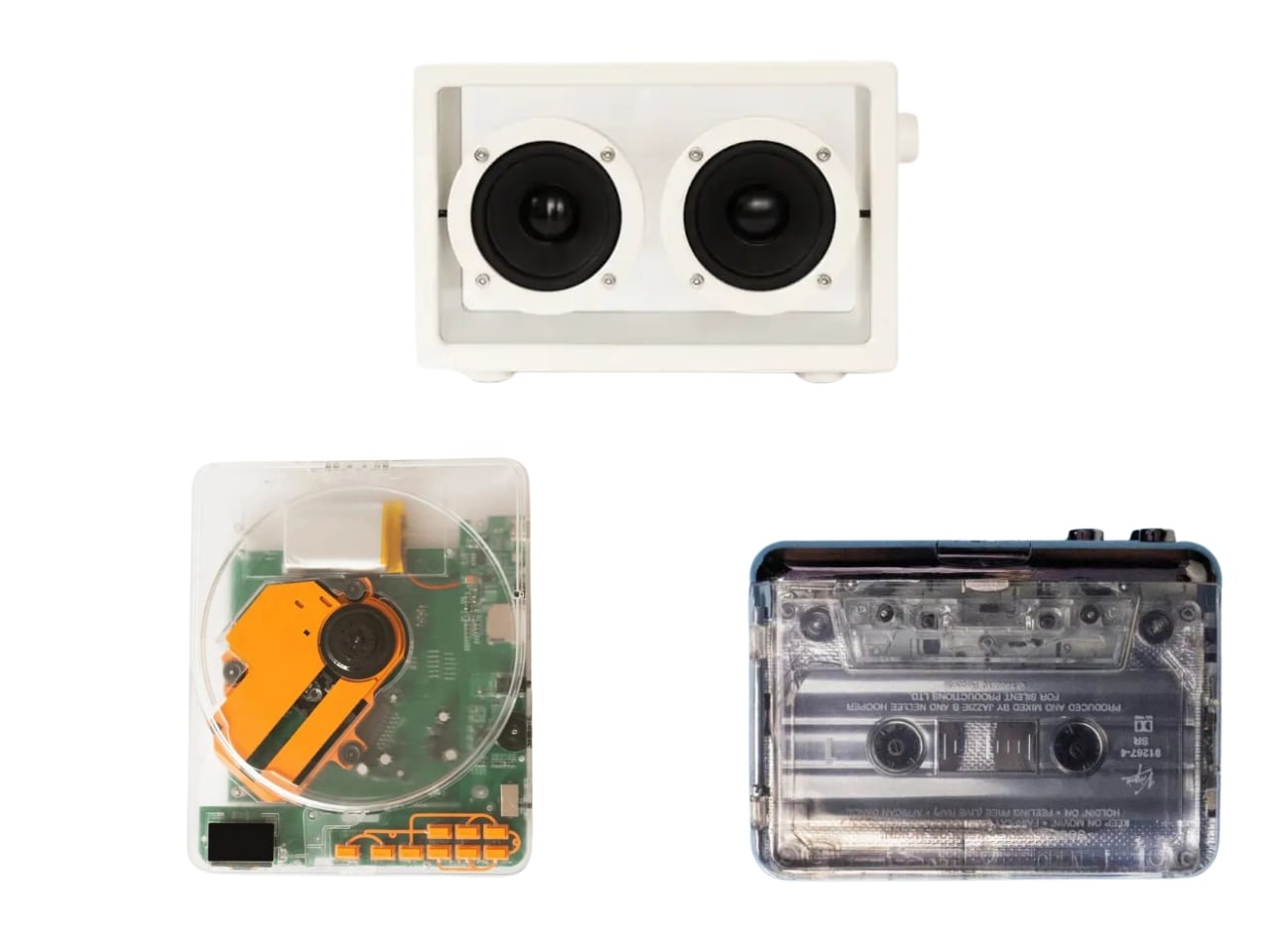
Anyone who has ever done spring cleaning knows that you will still find some old compact discs and cassette tapes in your pile of junk. CDs are also still pretty popular now specifically in the K-pop and J-pop industry. The challenge though is to find devices that can still play these “artifacts”. Kickback is a brand that banks on nostalgia with its line up of retro products. Three of the more popular ones are the Discman, Portable Cassette Player, and the Jukebox Mini.
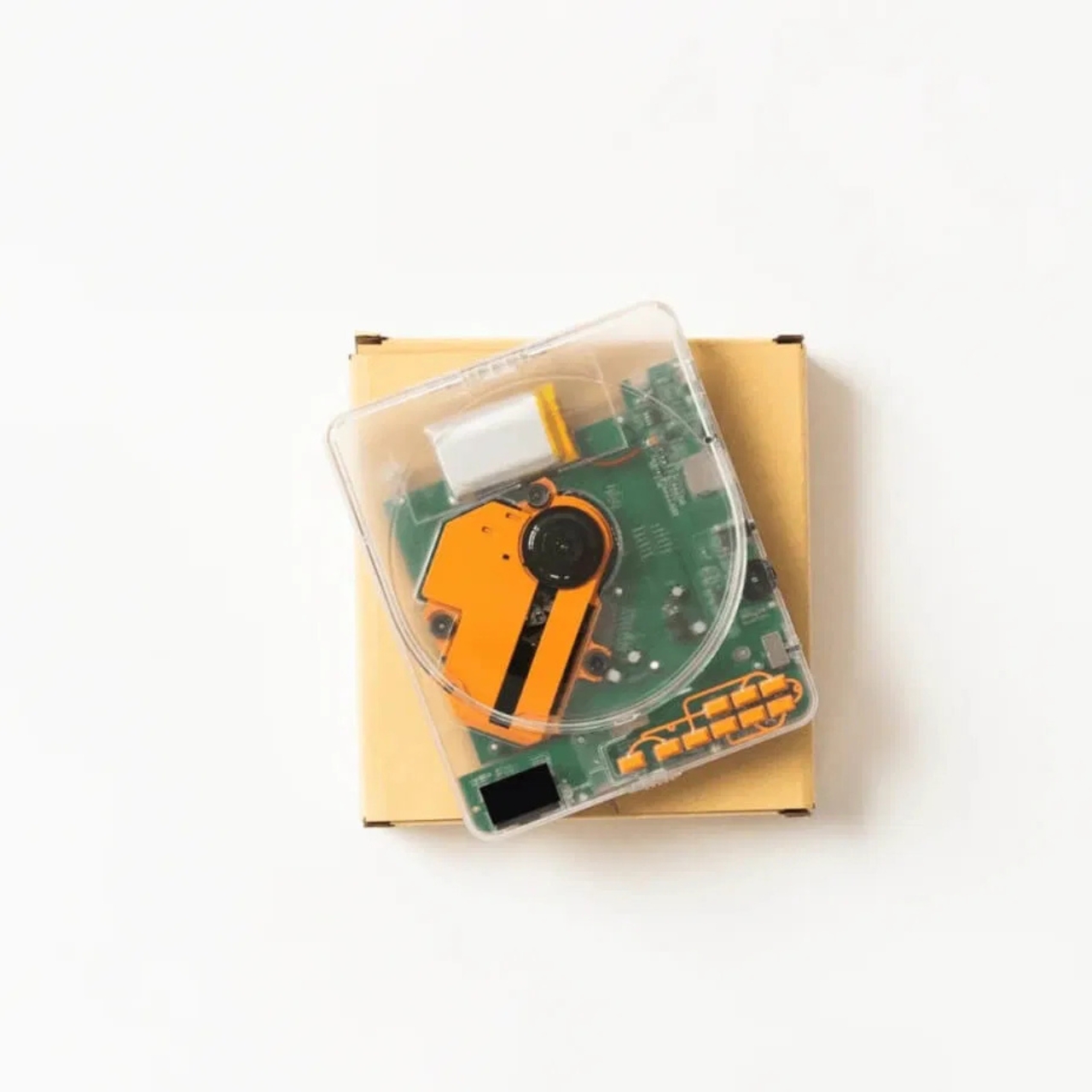
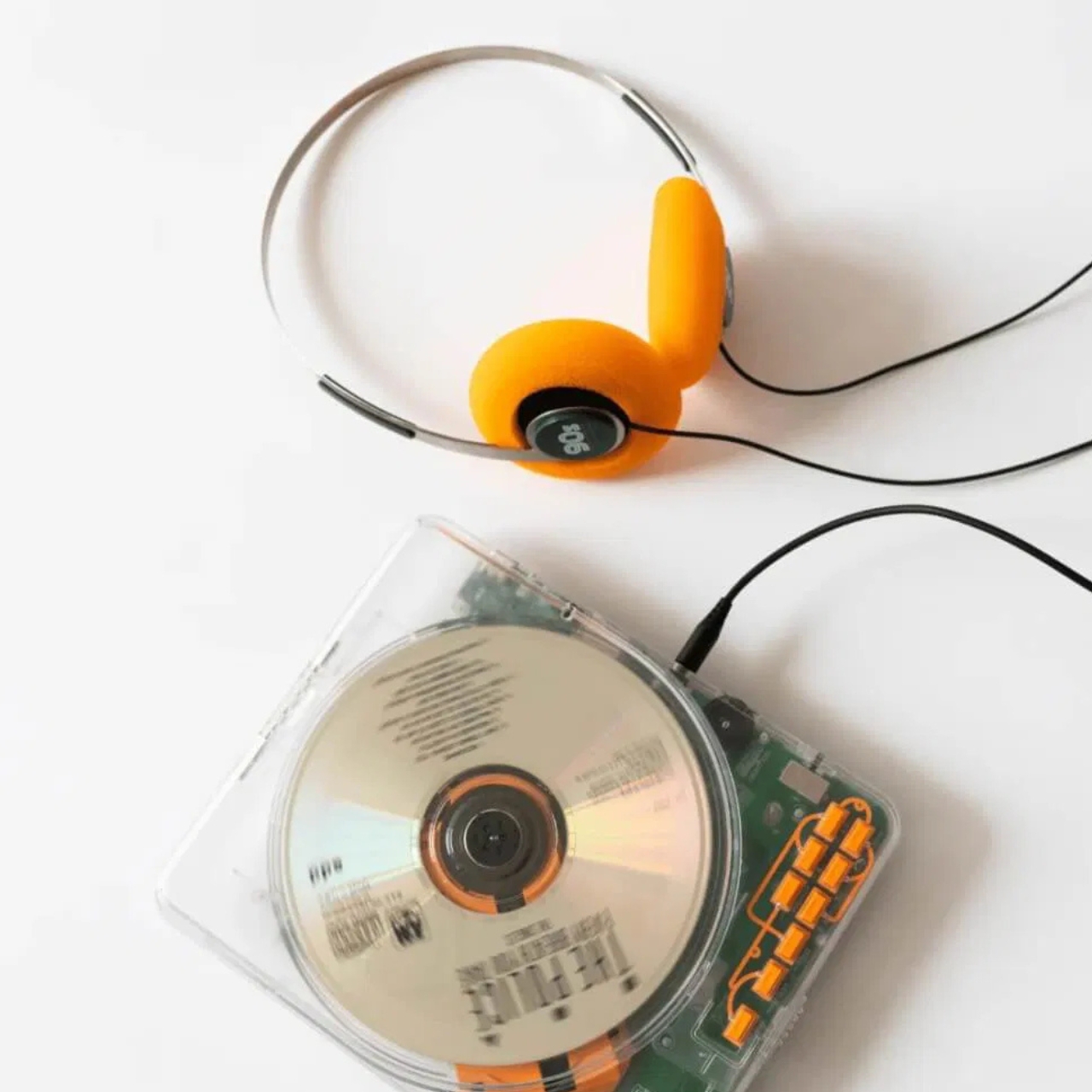
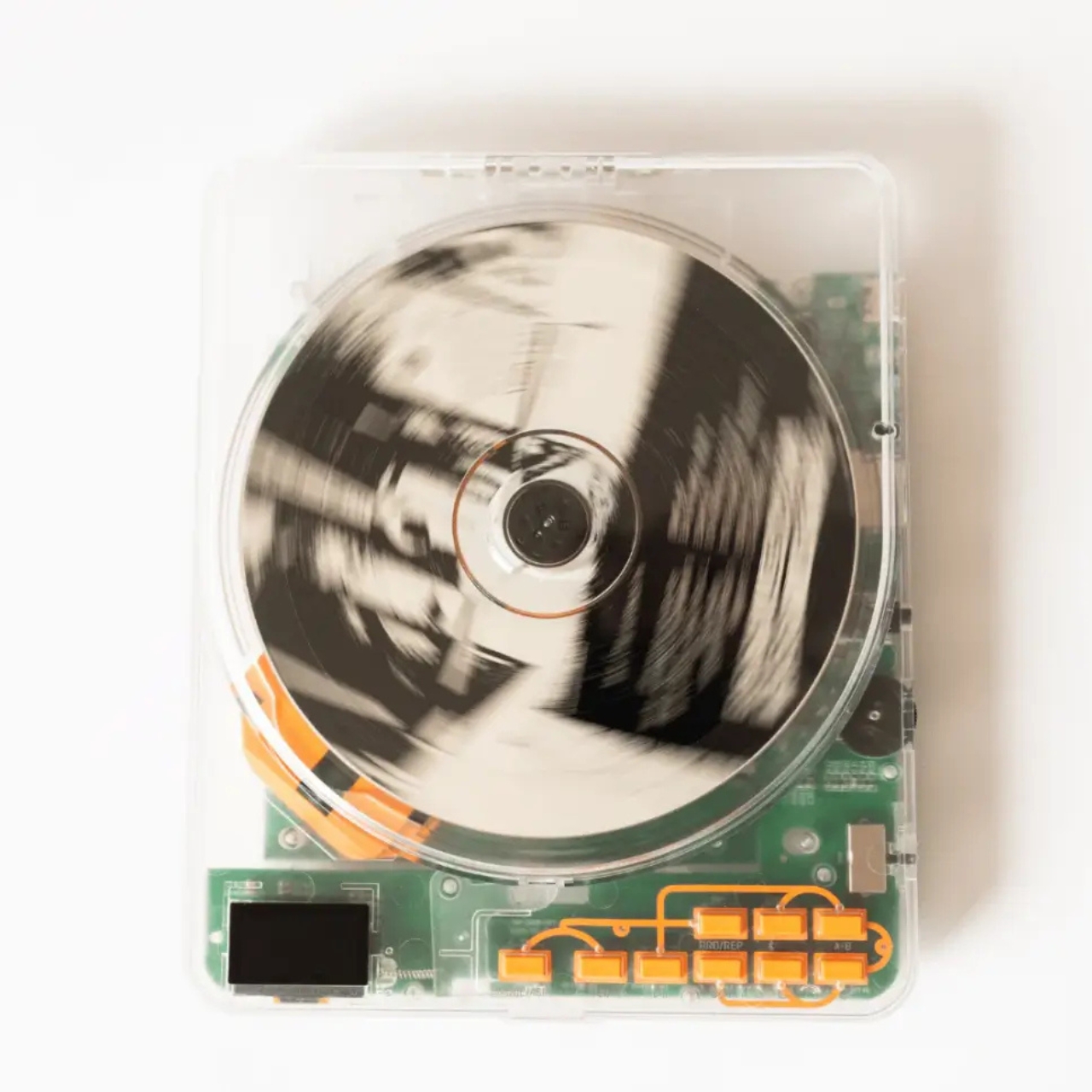
The Discman is inspired by the Sony portable CD player that was very popular back in the days. Aside from being named after it, the design sensibilities is also taken from that particular CD player. What makes this different is that it has a fully transparent exterior so you can see your disc spinning around as you play it. The Bluetooth-enabled device also has a small digital display so you can see what track is playing and some buttons for various controls.
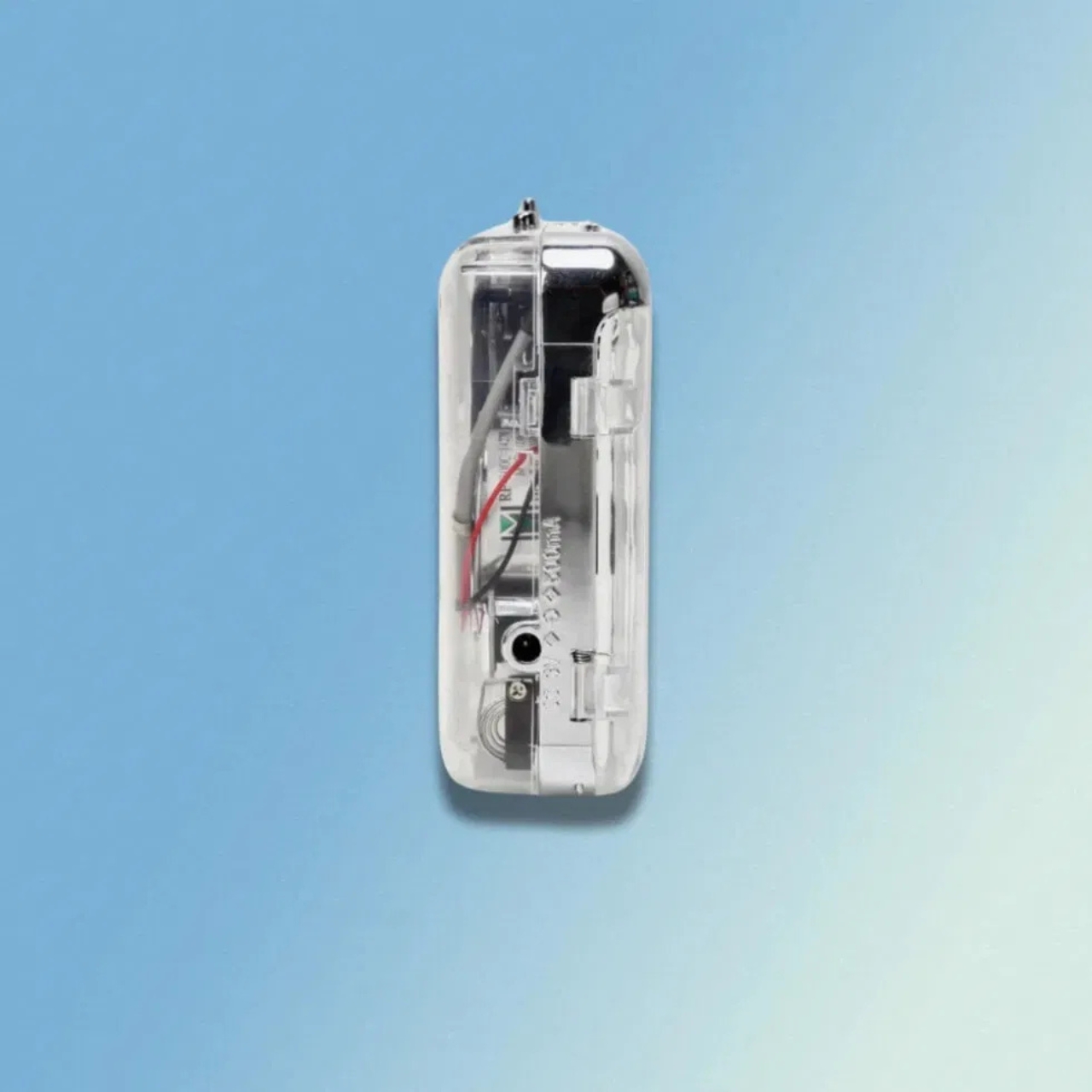
The Portable Cassette Player has a simple name enough so you can understand what it is. Well, that is, if you still know what a cassette tape is. For though of us who know what it is, it is also a portable device with a simple and minimalist design. Just like the Sony Walkman where it draws its design from, it is small enough to fit into your pocket. Well, if you still have cassette tapes of course.
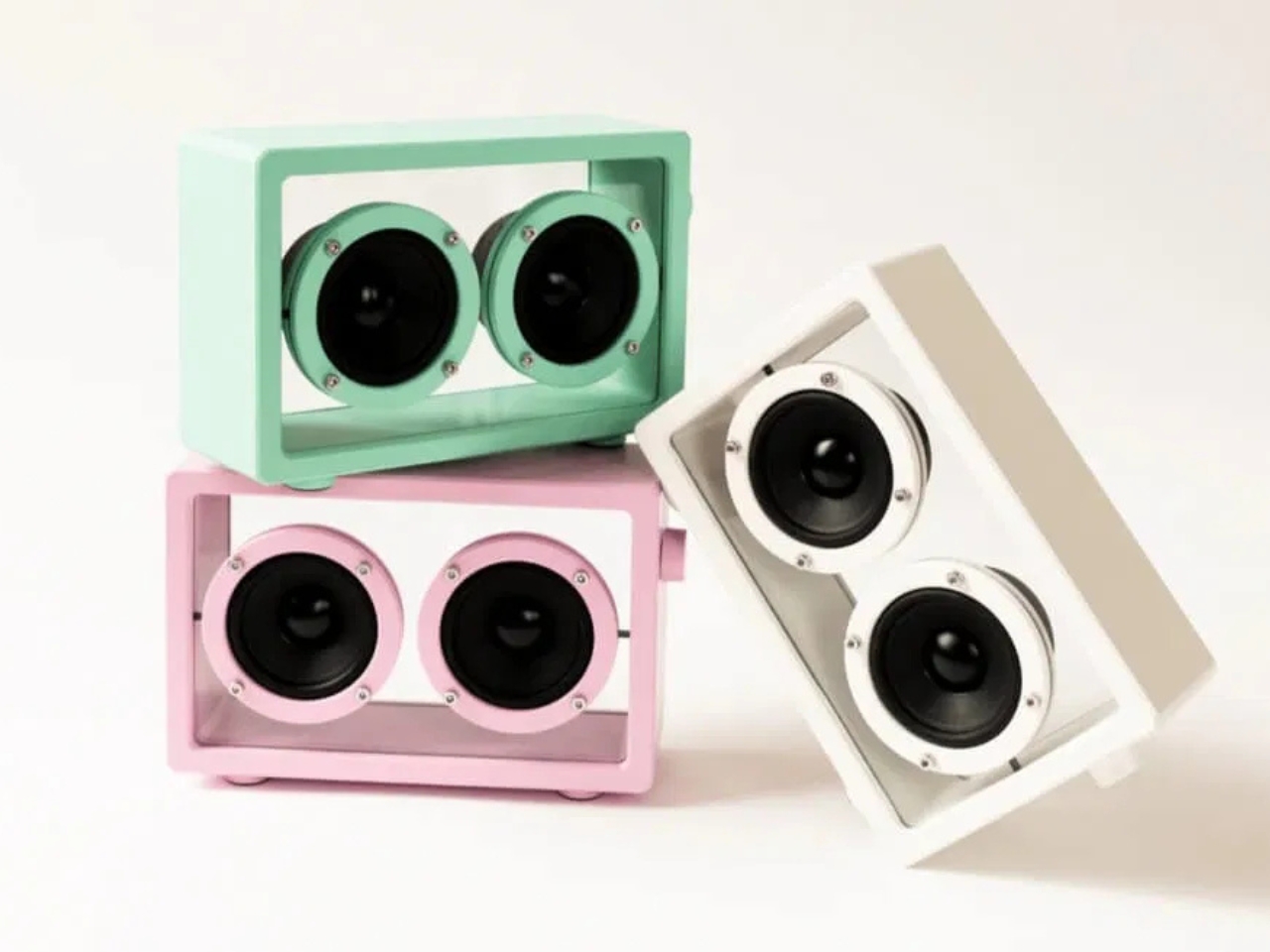
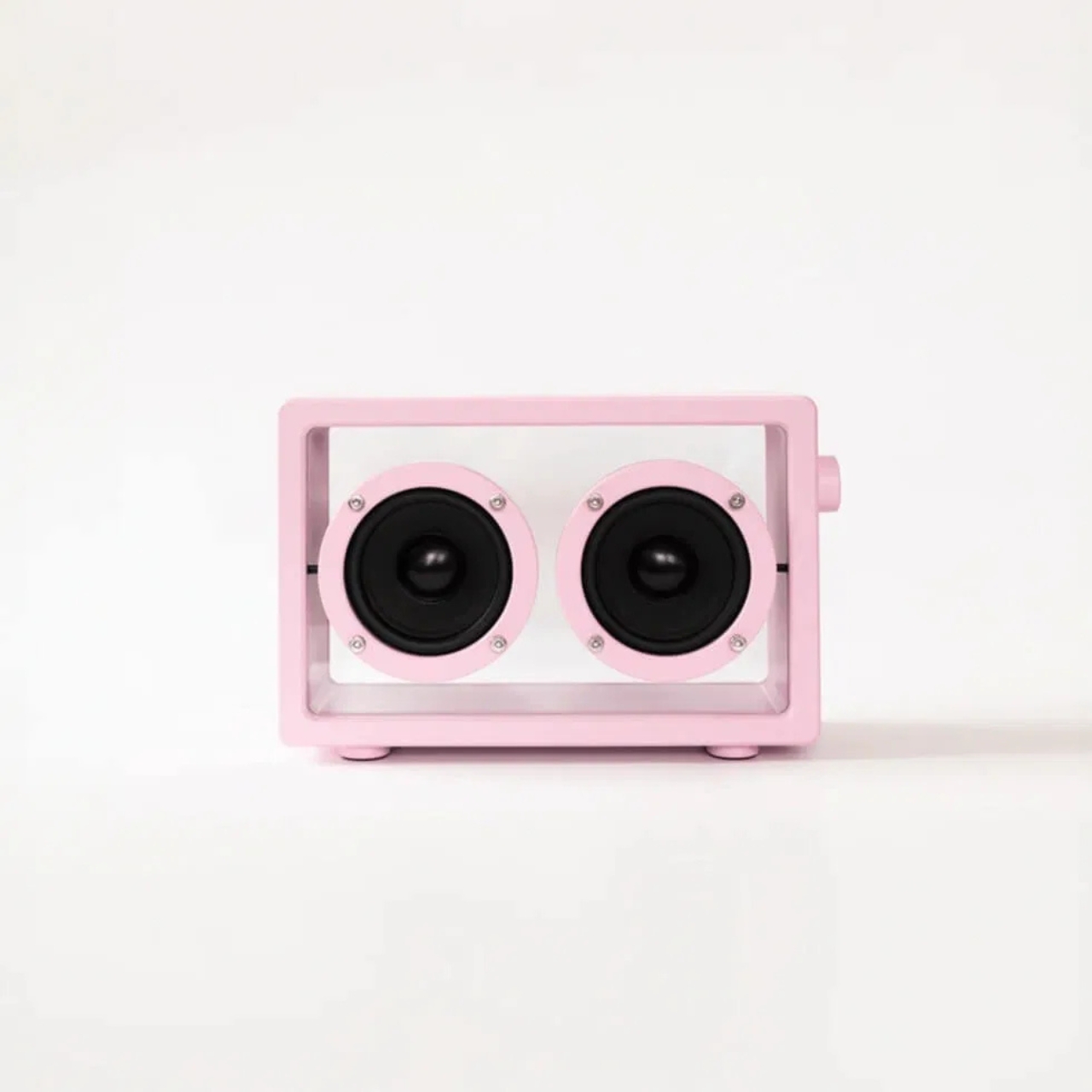
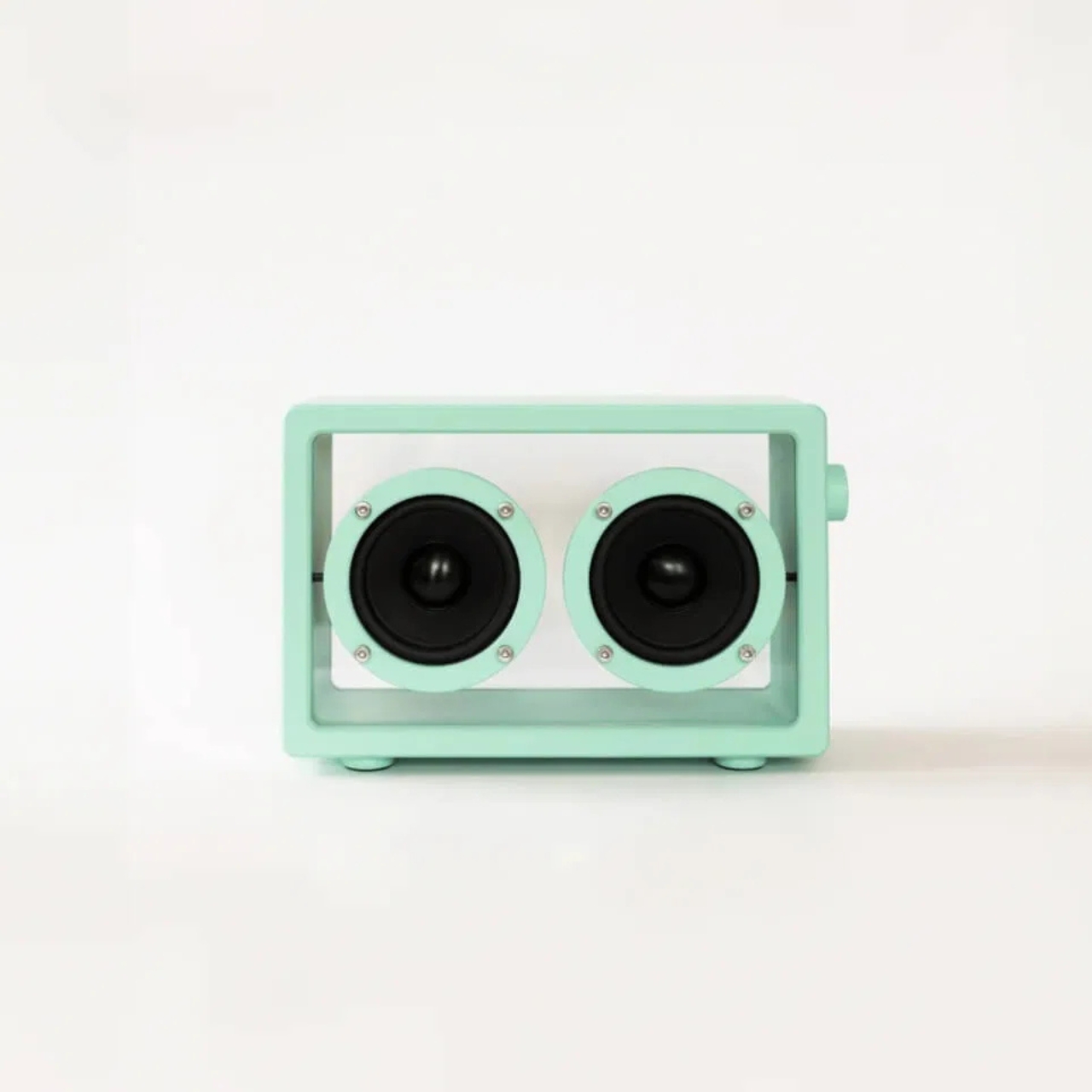
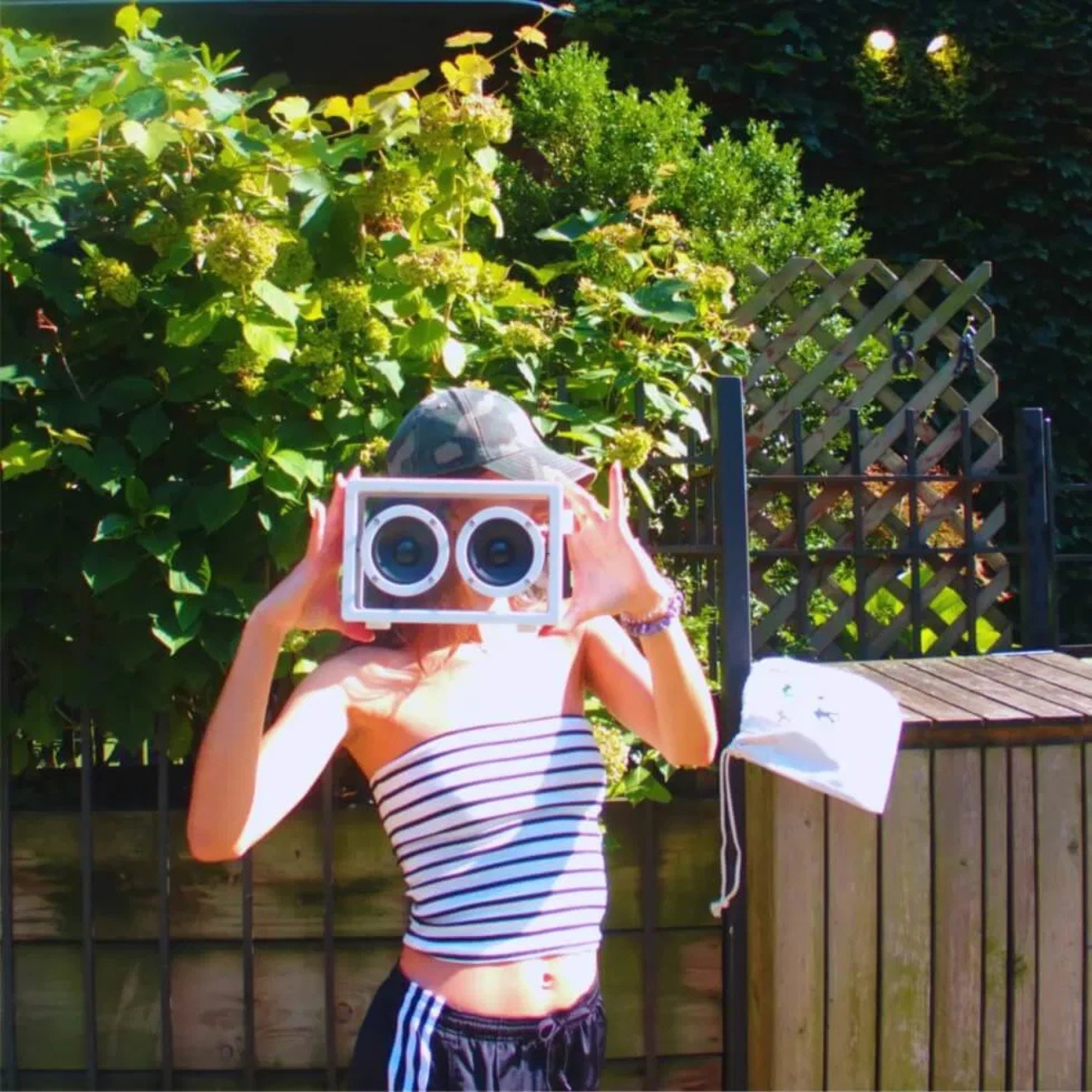
Lastly, we have the Jukebox Mini, which is just semi-nostalgic when it comes to its design. It’s a Bluetooth speaker but with a retro design with two round speakers encased in a rectangular case. It claims that it carries the same quality as speakers from Sonos or Beats Pill. It can be placed on a shelf or desk or mounted on the wall, or you can also carry it around. It comes in cute mint, white, and pink colors.