True full-color night vision goggles turns night into day with AI

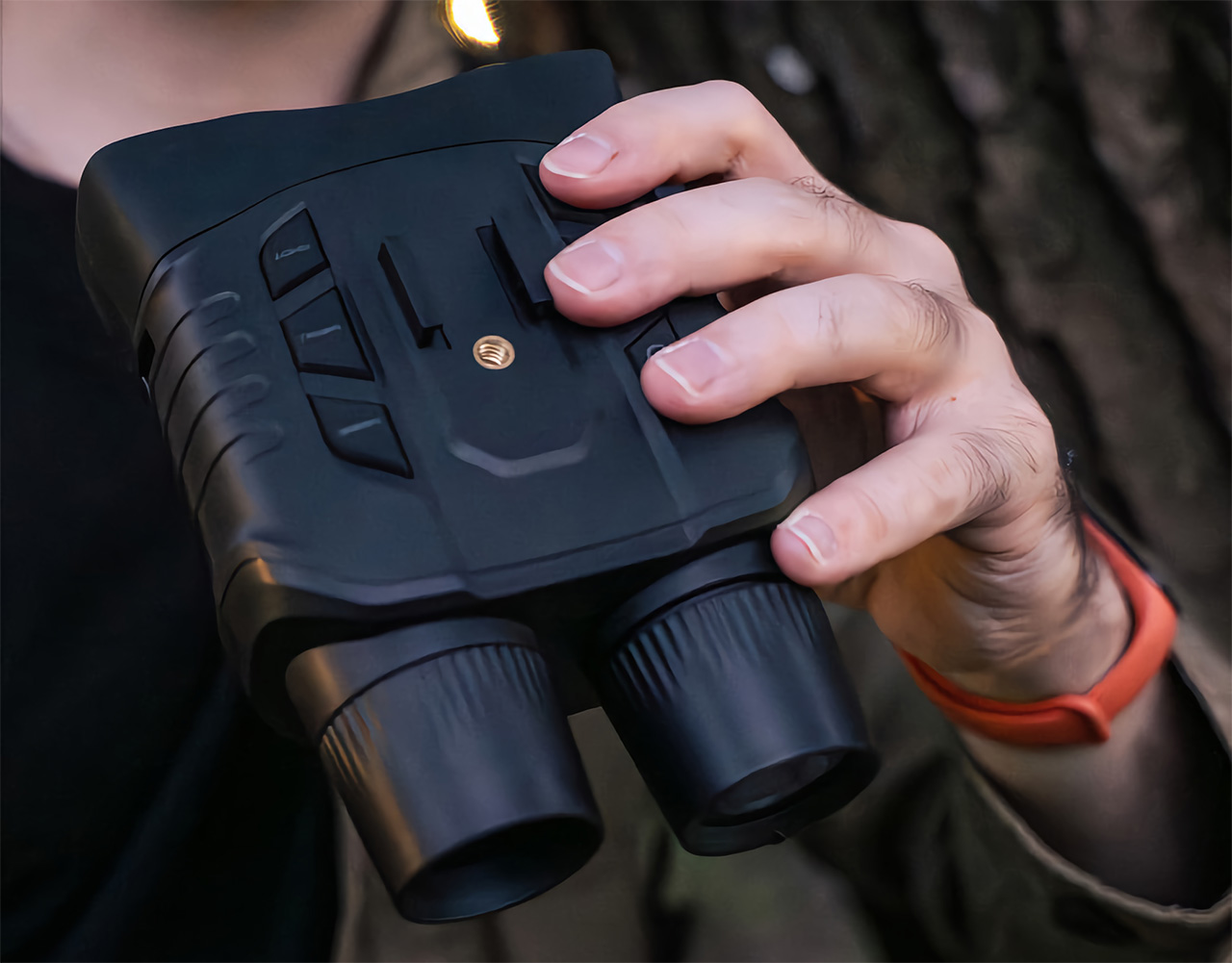
There are 24 hours in a day, but almost half of those remains shrouded in mystery and, in some cases, fear. The darkness of the night makes us feel a little less secure because we can barely see anything, especially in areas away from bright city night lights. It’s an almost literally different world that’s just begging to be explored and enjoyed, provided we can see safely and adequately. Night vision cameras and equipment do shed some light on the subject, but they paint the world in dull shades of gray that make it impossible to actually enjoy the experience. That’s where the AKASO Seemor Night Vision Goggles come in, revealing the beauty and wonders of the night as if it were daytime, with some help from AI.

Designer: AKASO

Click Here to Buy Now: $189 $302 ($113 off). Hurry, less than 72-hours to go! Raised over $655,000.

You need light to see things, and that’s true for both our eyes as well as the cameras that turn light information into the beautiful images and videos we enjoy. Of course, there isn’t much light at night, so cameras need to either add more lights or use a different kind of light. This is why most night vision cameras, including security cameras, only see the world in shades of black and white, because the light that they get is only enough to see the forms but doesn’t have sufficient color information.

Ultra-low Light Full-color Night Vision

Fortunately, we have come to a point where what can’t be fully accomplished in hardware can be enhanced by software, particularly with artificial intelligence. The AKASO Seemor Night Vision Goggles is, in fact, the first of its kind to harness the power of AI for this very purpose. Labeled as “AI-ISP,” the technology integrates advanced AI algorithms with the binoculars’ Image Signal Processing (ISP) to enhance image and video quality. The result is a breathtaking view of the night in true full color, with rich hues and 99% color reproduction that blows any night vision camera out of the water. It accomplishes this without requiring more lights that would have disturbed the serenity of the night world and chased nocturnal creatures away.

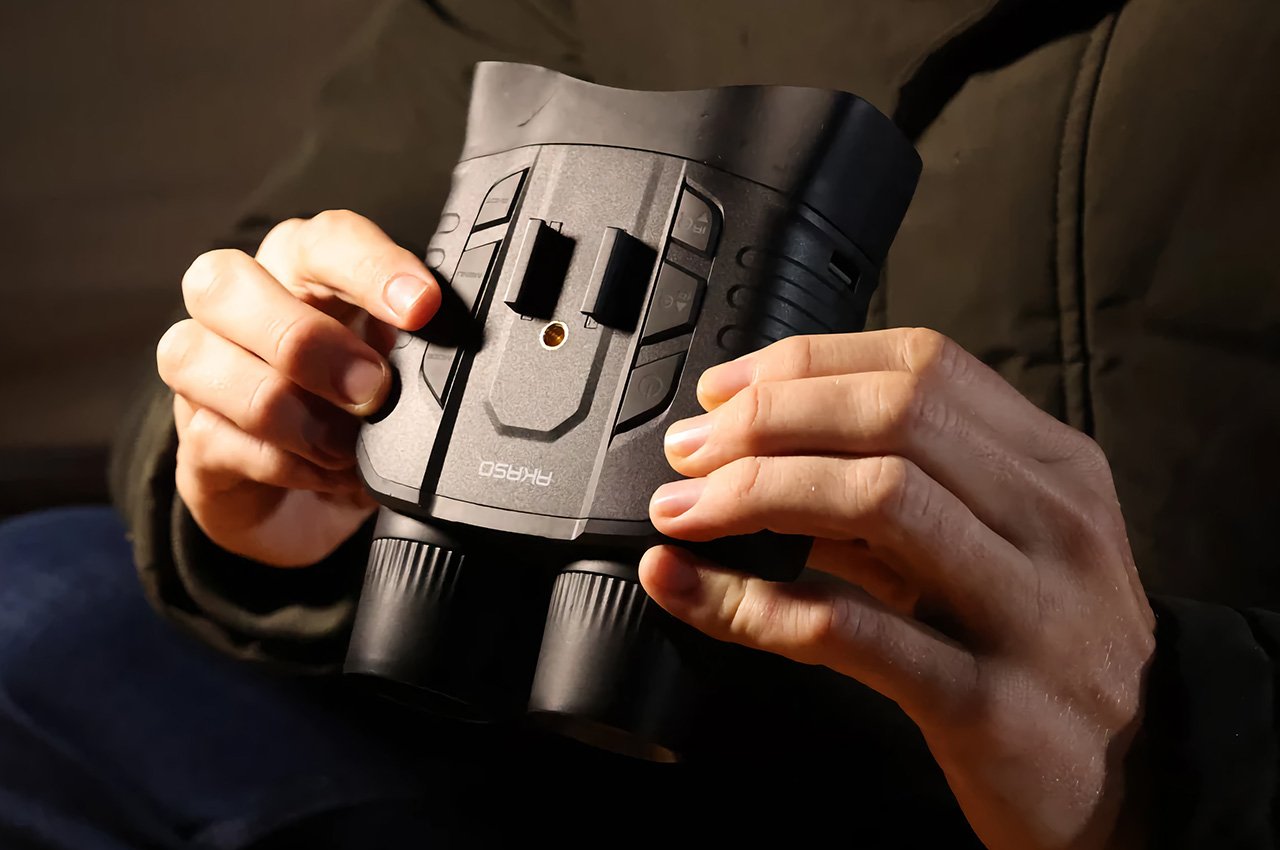
Of course, AI can only use what it’s given, and the AKASO Seemor, fortunately, has solid foundations, starting with a large 1/1.79″ CMOS sensor that can “see” even with weak light. The more light it can gather, the more data the AI-ISP has to work with in order to create that magical experience of seeing the night in color. The visual range of the Seemor goggles is also mind-blowing, allowing you to spot human or animal movement 1,640 ft (500m) away or identify the outline of buildings that are 3,280 ft (1km) in the distance. All these stunning scenes can be recorded in high-resolution 4K, both for photos and videos, ensuring that those enchanting nighttime memories will be preserved in as high a quality as you saw them with your eyes.

The AKASO Seemor Night Vision Goggles isn’t just powerful, it is also simple and convenient to use. Built-in 2.4GHz Wi-Fi lets you connect to your smartphone both for remote monitoring of what the goggles see as well as fast transfer of photos and videos. Two 3,200 mAh batteries give you up to 8 hours of uninterrupted enjoyment, and two 1/4 nut ports at the top and bottom of the Seemor let you easily mount the device on tripods or even helmets. Whether you’re trying to observe the mysterious creatures of the night, chasing down urban legends, or simply trying to discover beauty in the darkness, the AI-powered AKASO Seemor True Full-Color Night Vision Goggles opens your eyes to a whole new world you could never see before.

Click Here to Buy Now: $189 $302 ($113 off). Hurry, less than 72-hours to go! Raised over $655,000.

The post True full-color night vision goggles turns night into day with AI first appeared on Yanko Design.
Dasung introduces a portable color E Ink monitor for eye-friendly computing anywhere

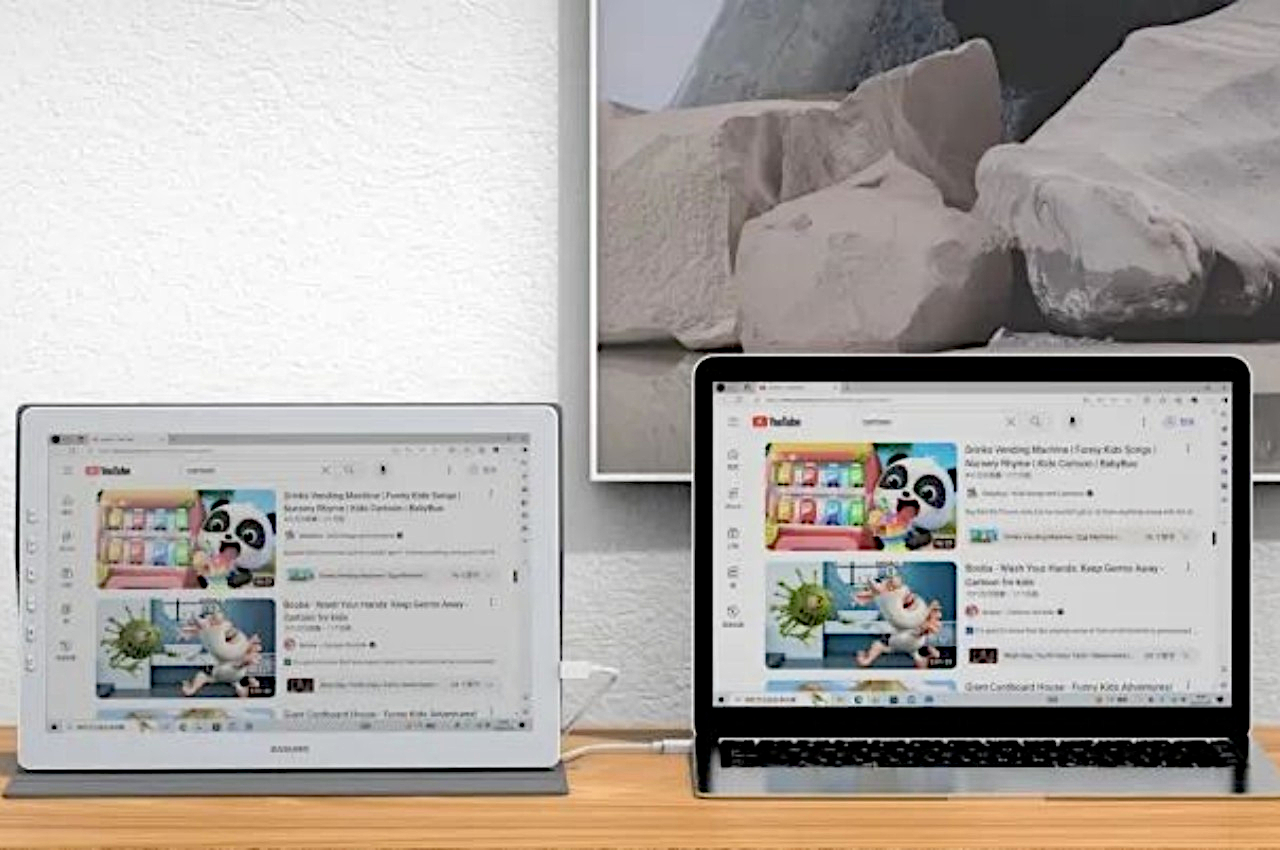
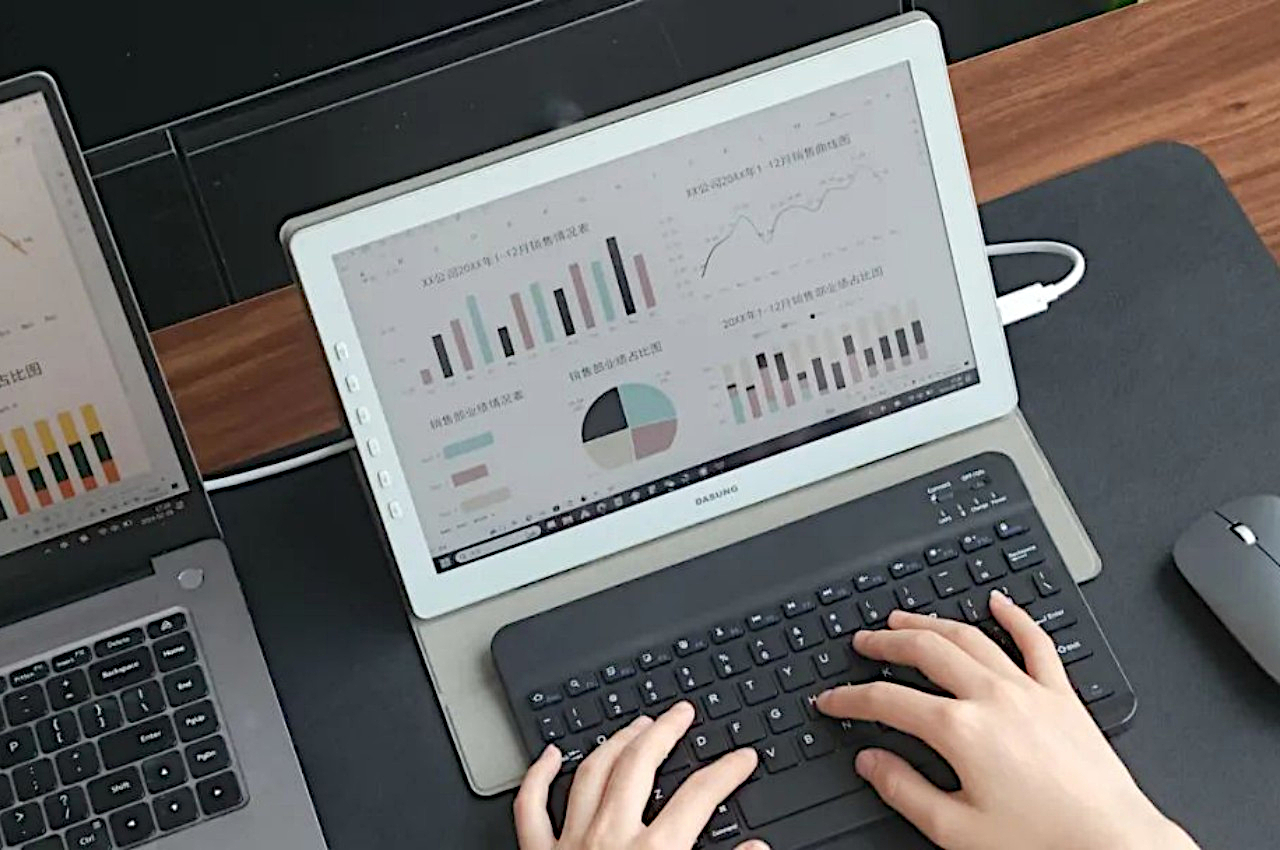
We have become very dependent on our computers, including the ones we keep in our pockets, but these powerful devices come with very harmful impacts on our health and lifestyle. Never mind the poor posture and negative social practices we develop through the use of computers and smartphones, even the very screens we look at affect not just our eyes but also our sleeping patterns. E-paper displays like E Ink have long been praised for their eye-friendly technology, but the old generation of these screens were so bad that they were good only for text that barely changes, like those in books. E Ink has thankfully evolved significantly over the years to the point that you can now have a portable monitor that combines E Ink and color to give your eyes a break when using laptops or smartphones.

Designer: Dasung

E Ink devices are getting larger and more complex as seen with the variety of color E Ink readers moonlighting as powerful Android tablets now available in the market. Despite their benefits in terms of comfort and power savings, E Ink screens are still significantly slower and show considerably fewer colors than even the most basic and cheapest LCD panel. That’s why selling an E Ink monitor for regular computer use sounds almost outlandish if not impractical, but that’s exactly the proposition that Dasung has been making with its line of Paperlike Color E Ink monitors.

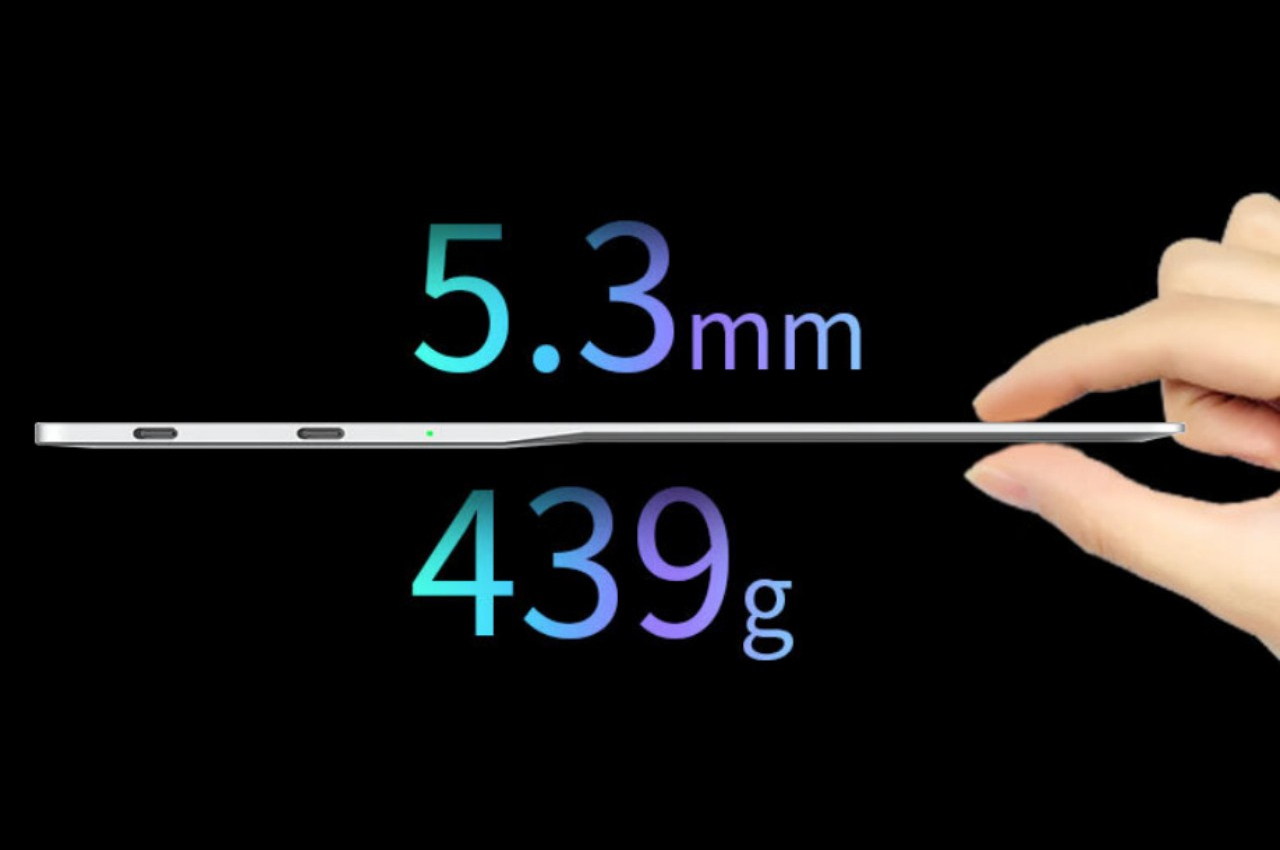
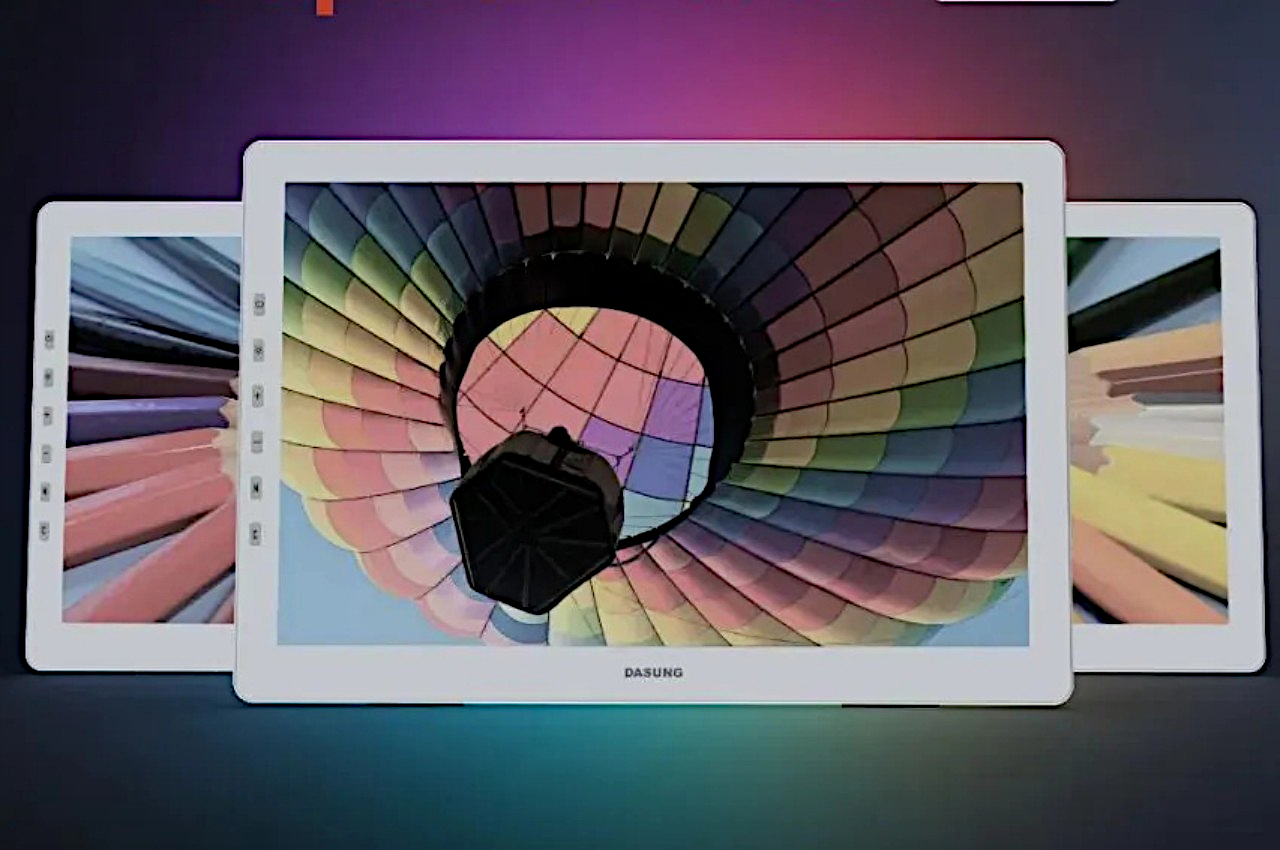
The new 12-inch Paperlike Color takes that idea to a whole new level by making that E Ink monitor portable. It has a 12-inch screen that has an impressive 2560×1600 resolution, but only if you’re viewing black and white (or grayscale) images and text. The E Ink Kaleido 3 technology that it uses is able to display only 4,096 colors and usually at half the resolution, so it won’t exactly be mind-blowing. Of course, that’s the price to be paid for a screen that won’t tire out your eyes, at least not as much and as often as regular monitors.

The Paperlike Color (12-inch) also has other benefits, like an extremely light and slim profile made possible by having no battery at all. E Ink uses very little power, only when changing what’s being displayed, so it won’t drain your laptop or phone too much. Then again, if you will be using it like a regular monitor, that means content will be changing a lot, which would nullify this benefit and possibly produce visual artifacts. That said, companies that use color E Ink have strategies to address and improve the speed performance, but not to the same level as LCDs and OLEDs.

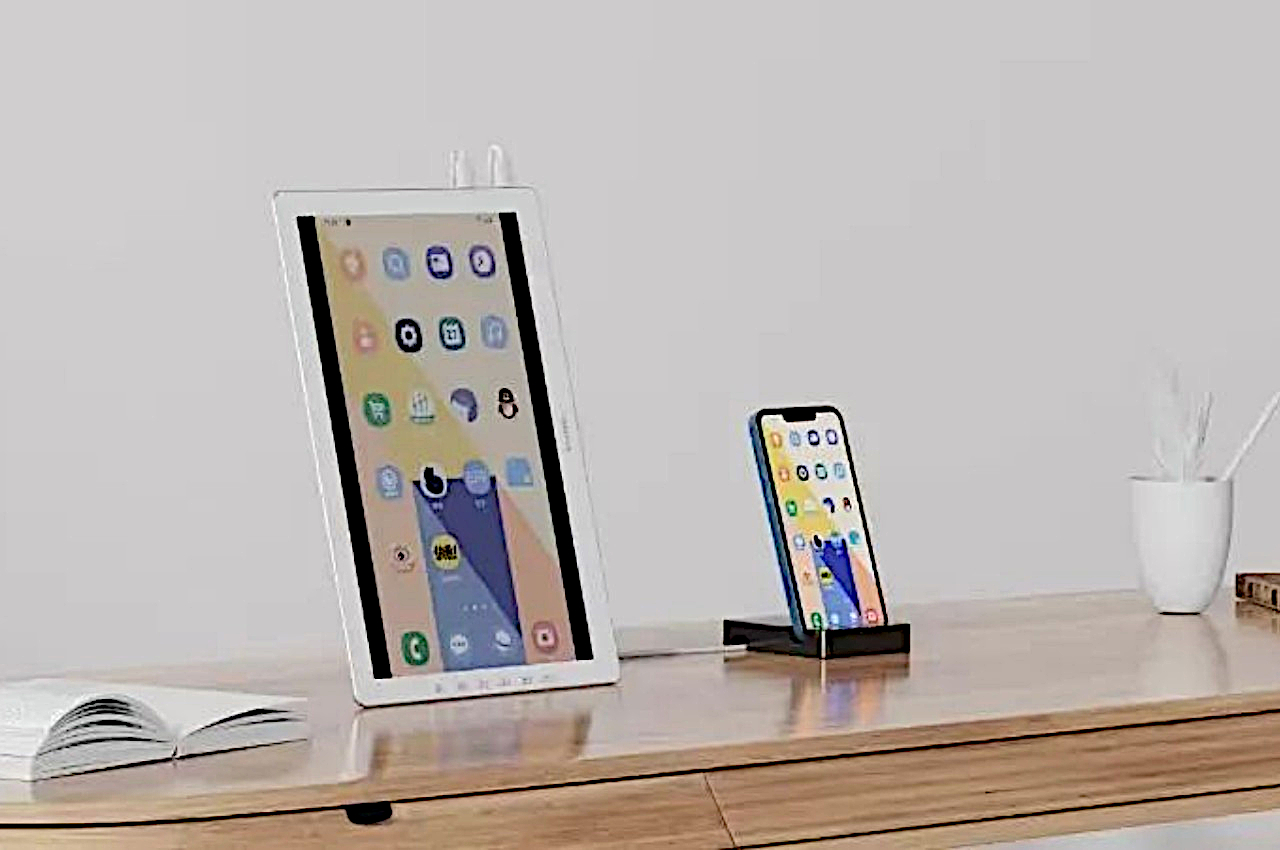
And therein lies the biggest question mark on this curious design, whether the benefits far outweigh the costs, both figurative and literal. Reading mostly static content and text is definitely more pleasurable, but it will only make sense if you use it on the side as a second monitor for your laptop. But then, it won’t really help you give your eyes much of a break if you’ll be using the laptop’s regular screen most of the time anyway. The E Ink monitor could be a nice external display for your smartphone, but that would run into the same limitations as color E Ink eReaders today. And with Dasung’s typical pricing, the Paperlike Color (12-inch) will probably be out of reach for many computer users, limiting it to a few enthusiasts who might find a place for it in their workflow.

The post Dasung introduces a portable color E Ink monitor for eye-friendly computing anywhere first appeared on Yanko Design.
Teenage Engineering-inspired Nintendo Switch feels like the minimalist handheld console we deserve

Teenage Engineering has created a niche in the music tech market with rule-defiying products that tap into the inquisitive nature of things. No matter if it’s a field system, wireless audio, or synthesizers; if it’s from Teenage Engineering, it’s got to be worth talking about. That’s the sole reason we just love everything from the Stockholm-based audio wizard.

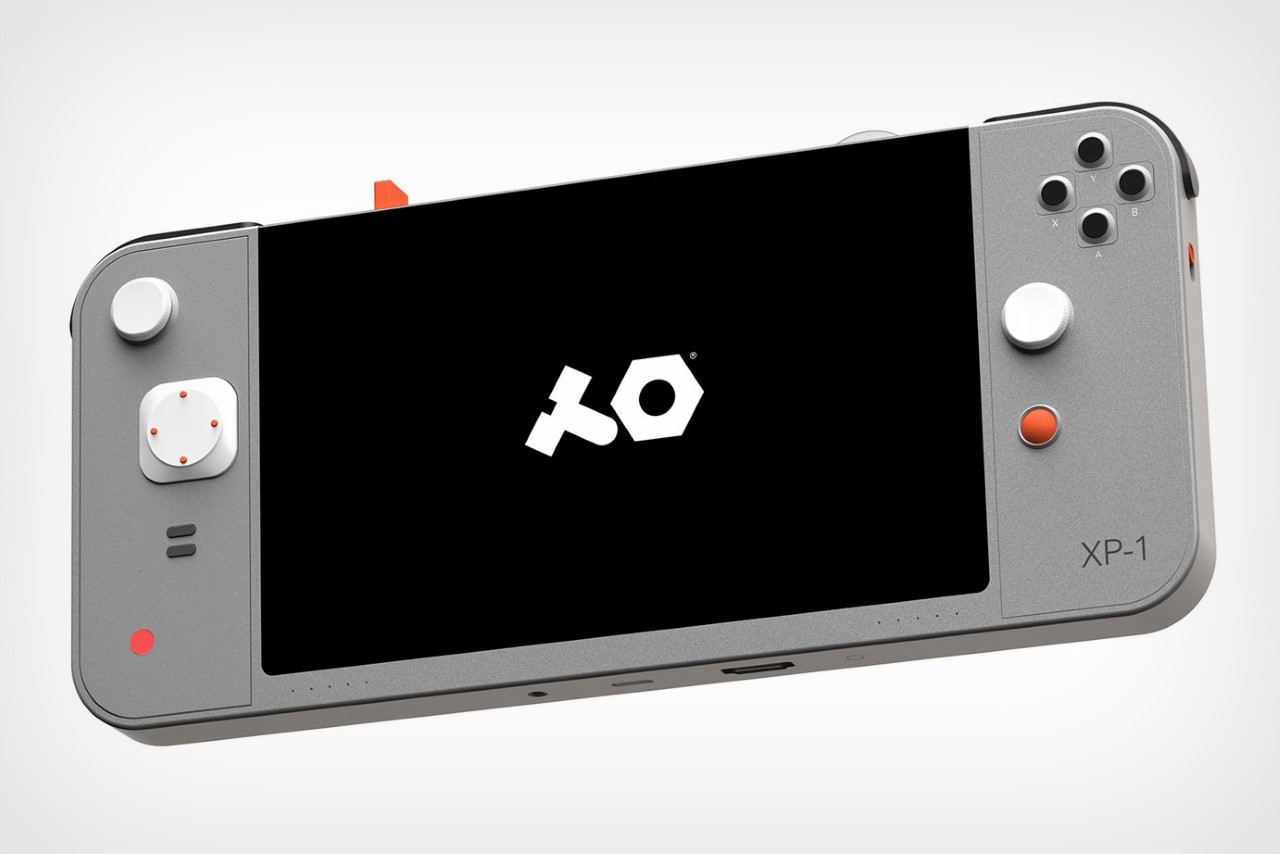
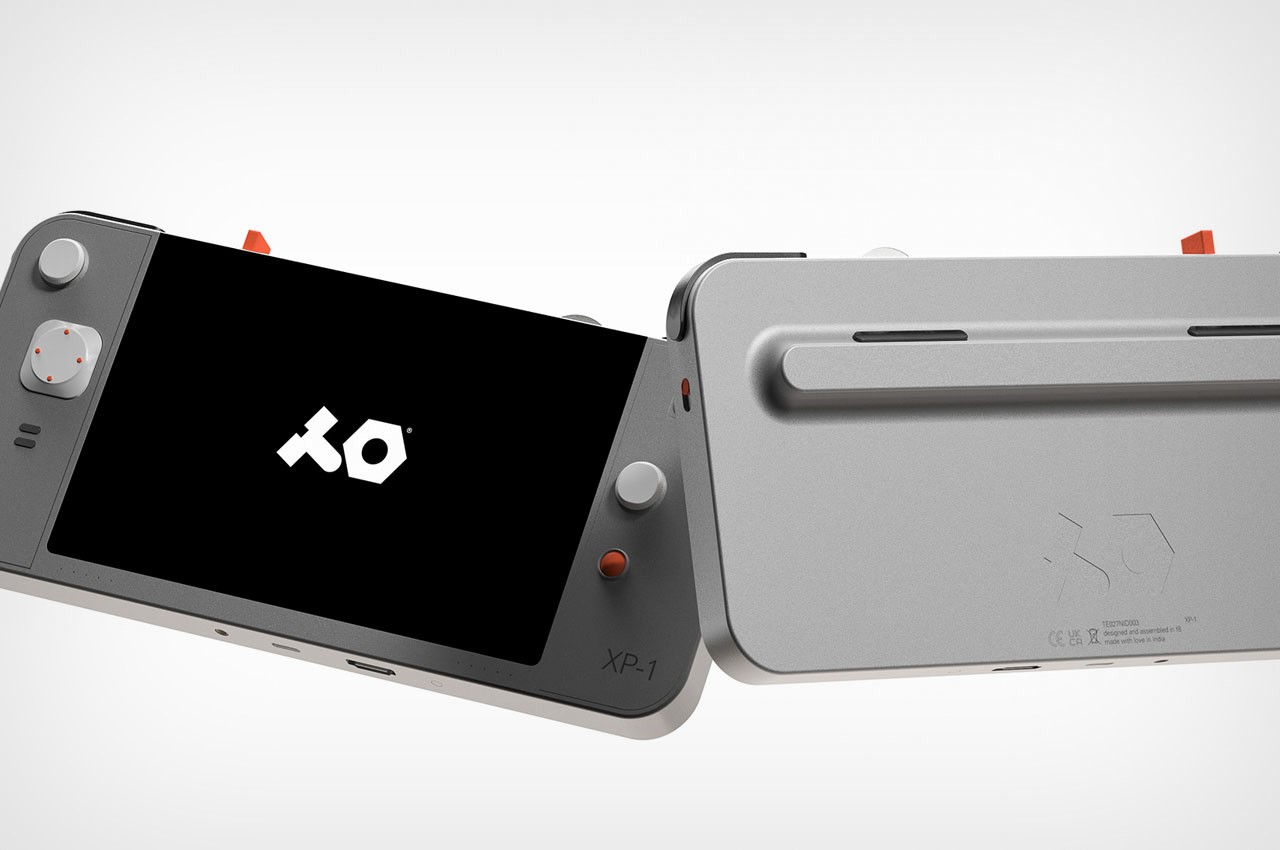
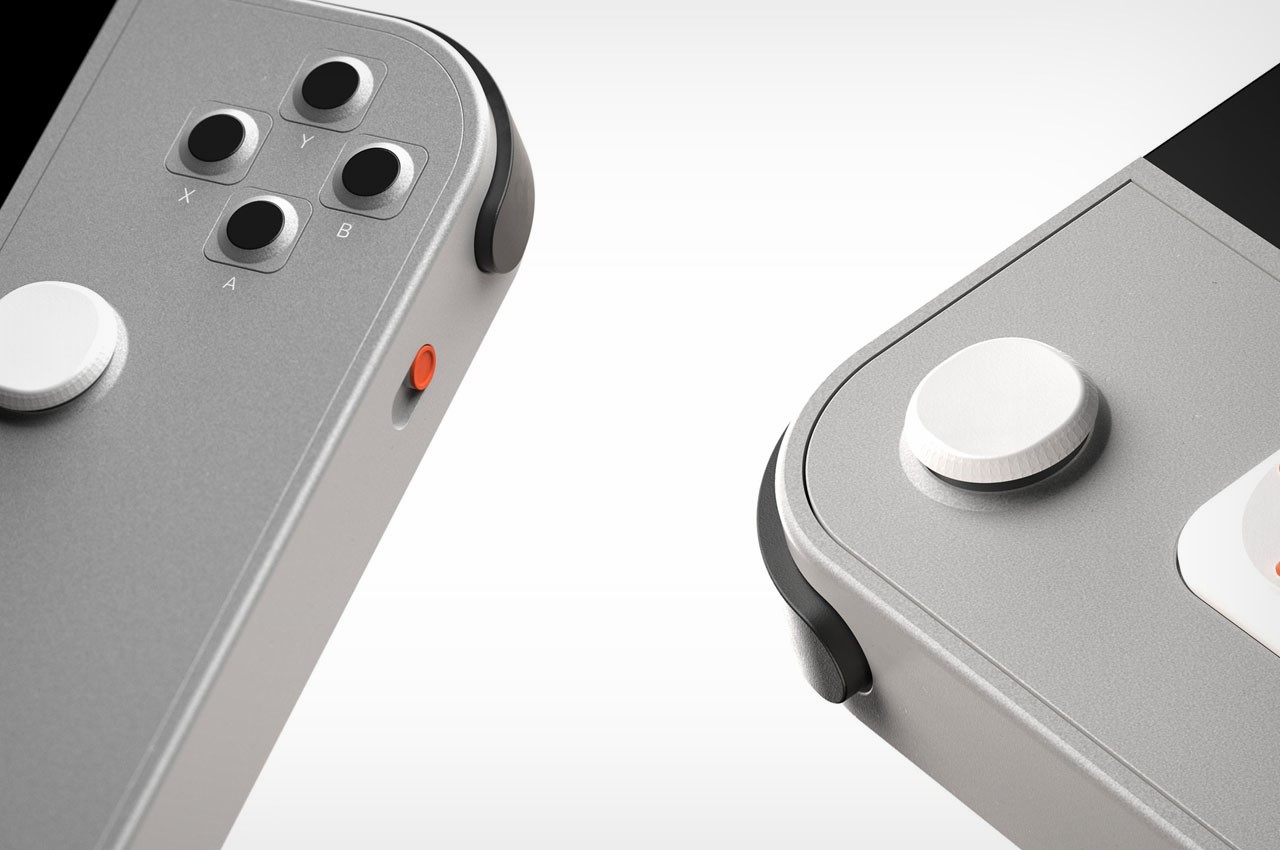
This time around though, it’s not something coming out of their creative factory, but rather a culmination of creative thoughts from a designer to muster up a winning product envisioned for TE. A handheld gaming console that’s fun to play around with and also one that doesn’t deviate from the core ethos of the brand. According to the designer the handheld blends into any environment, “triggering the nostalgic feeling and providing fun to the users.”

Designer: Nidharshan Suresh

The primary motivation behind this concept gaming console carrying the DNA of Teenage Engineering is to break the monotony in the design of current handheld consoles and refresh the market with a product that’s a delight to savor. The initial research identified the reason for playing games as an escape from the daily stresses of life. Another couple of motivators are the ability to boost problem-solving capabilities and live a story in pseudo-reality. One fact that was clear from the data was the end-users who are either on-the-go gamers, tech geeks, softcore gamers, or socializers.

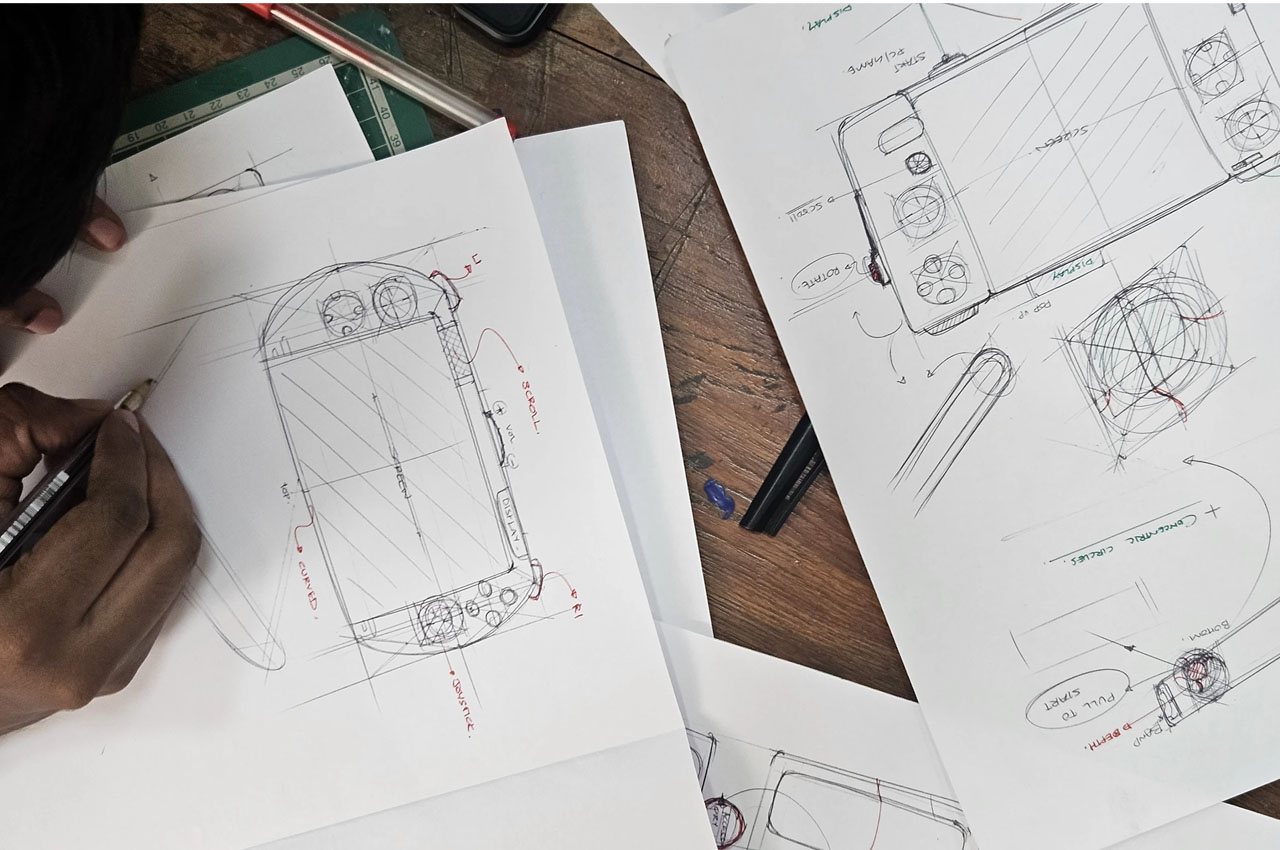
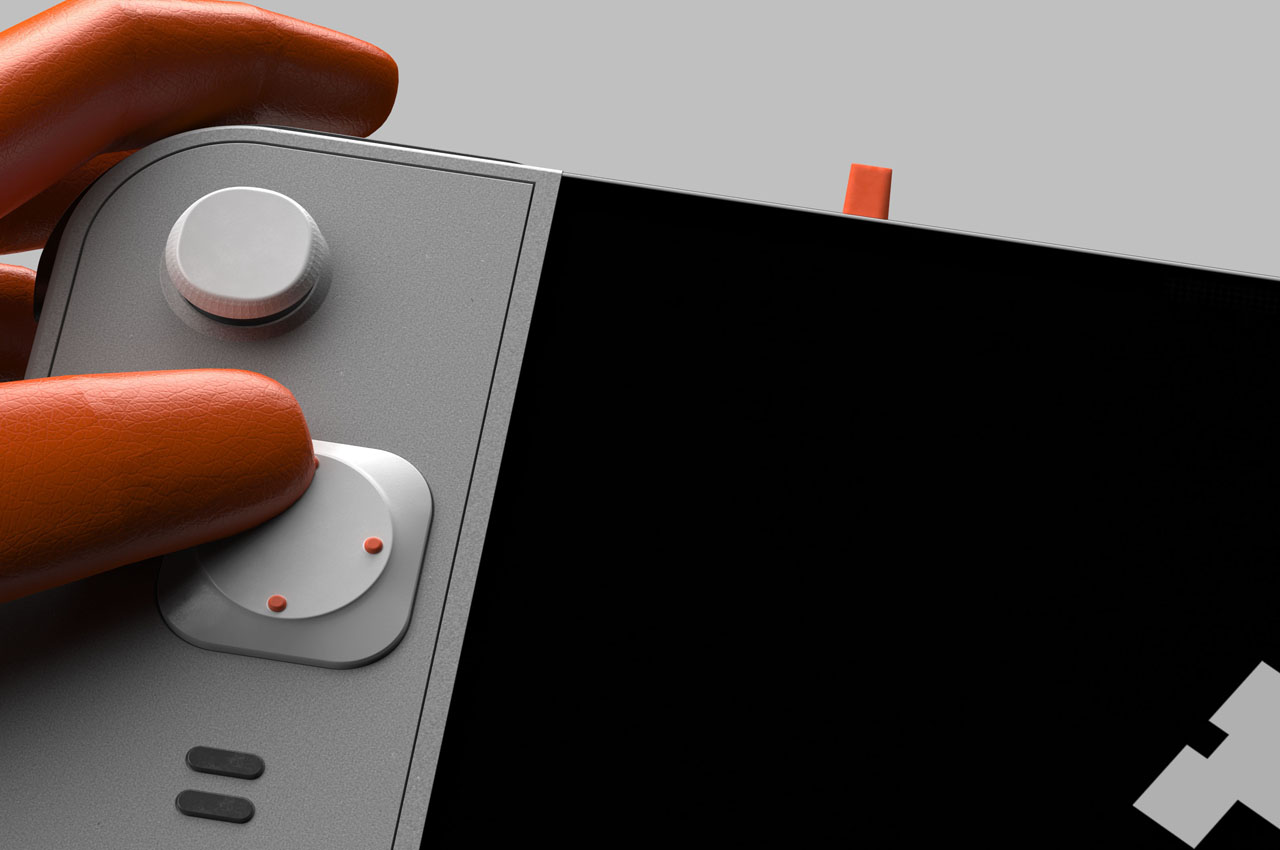
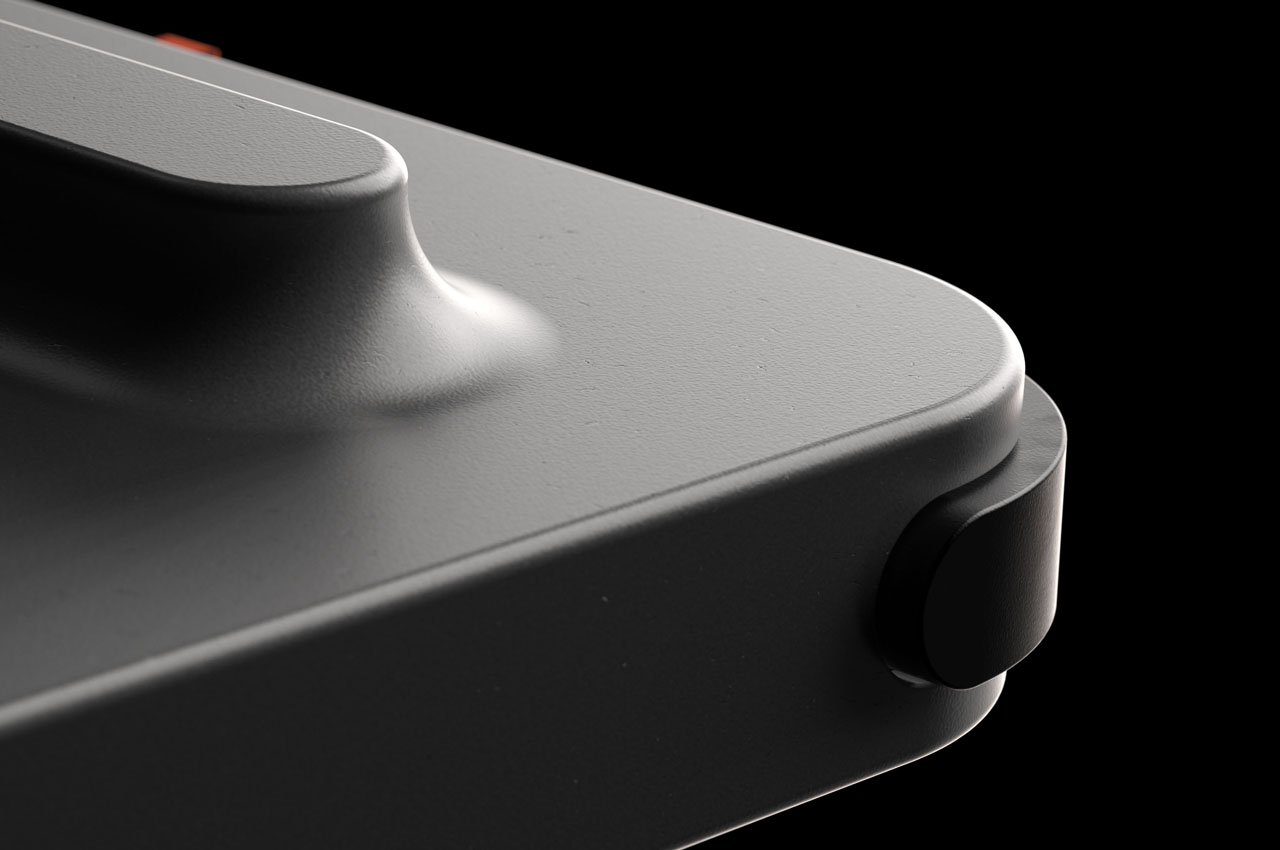
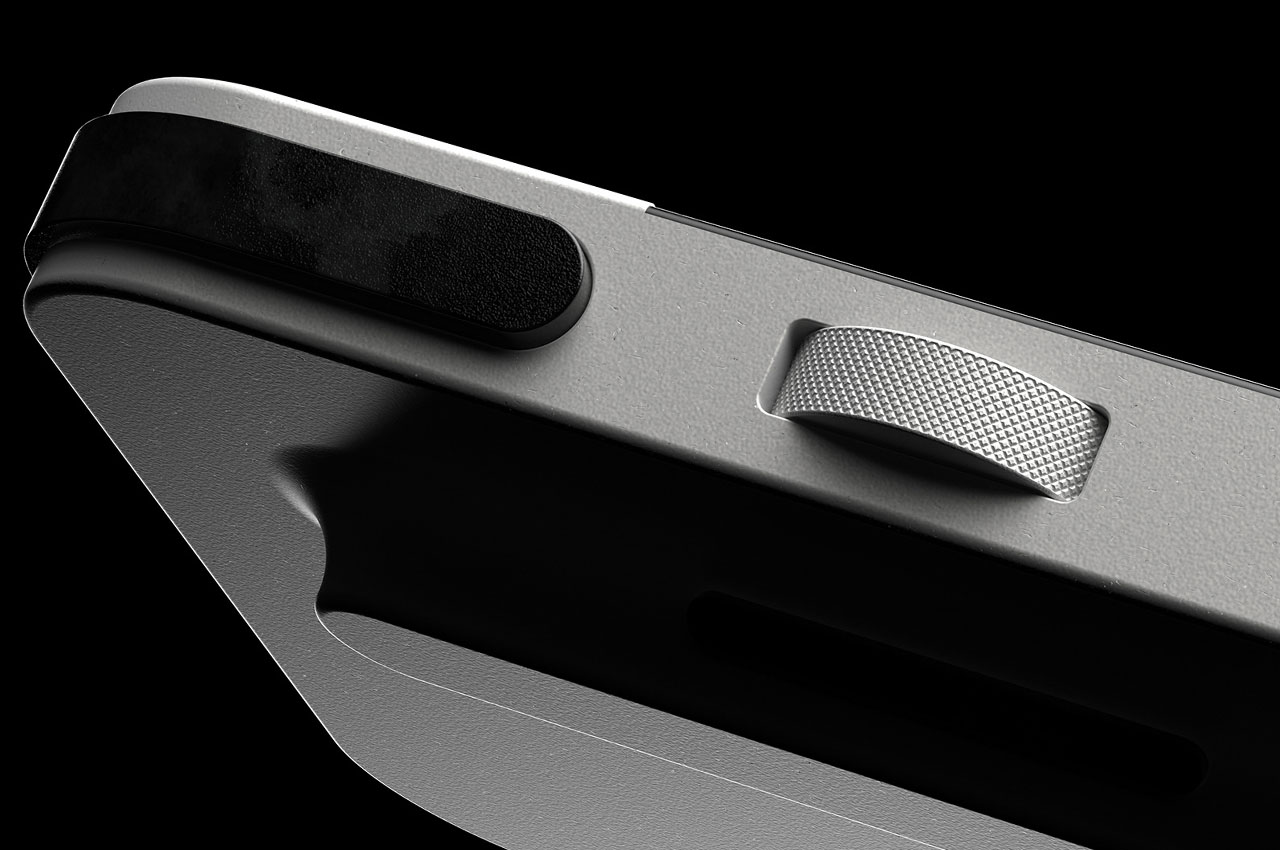
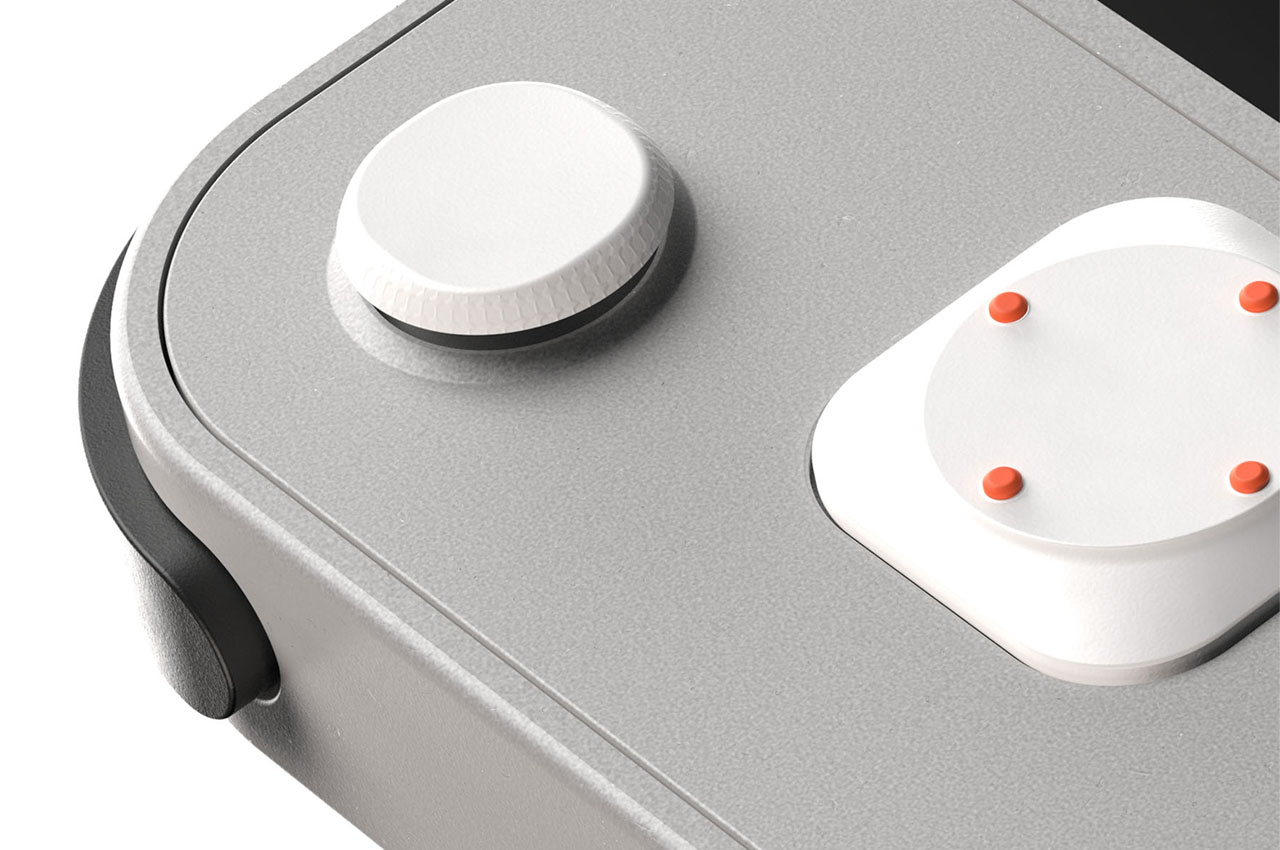
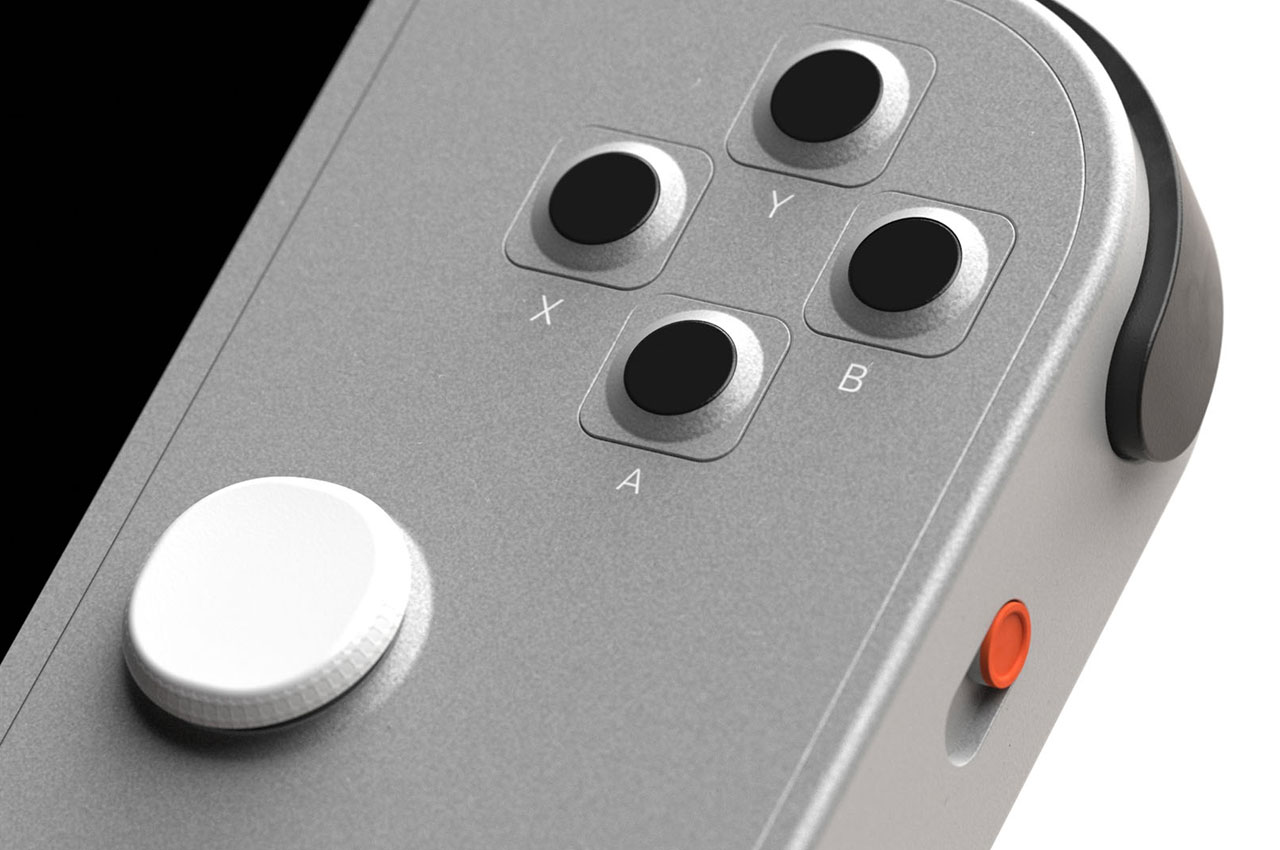
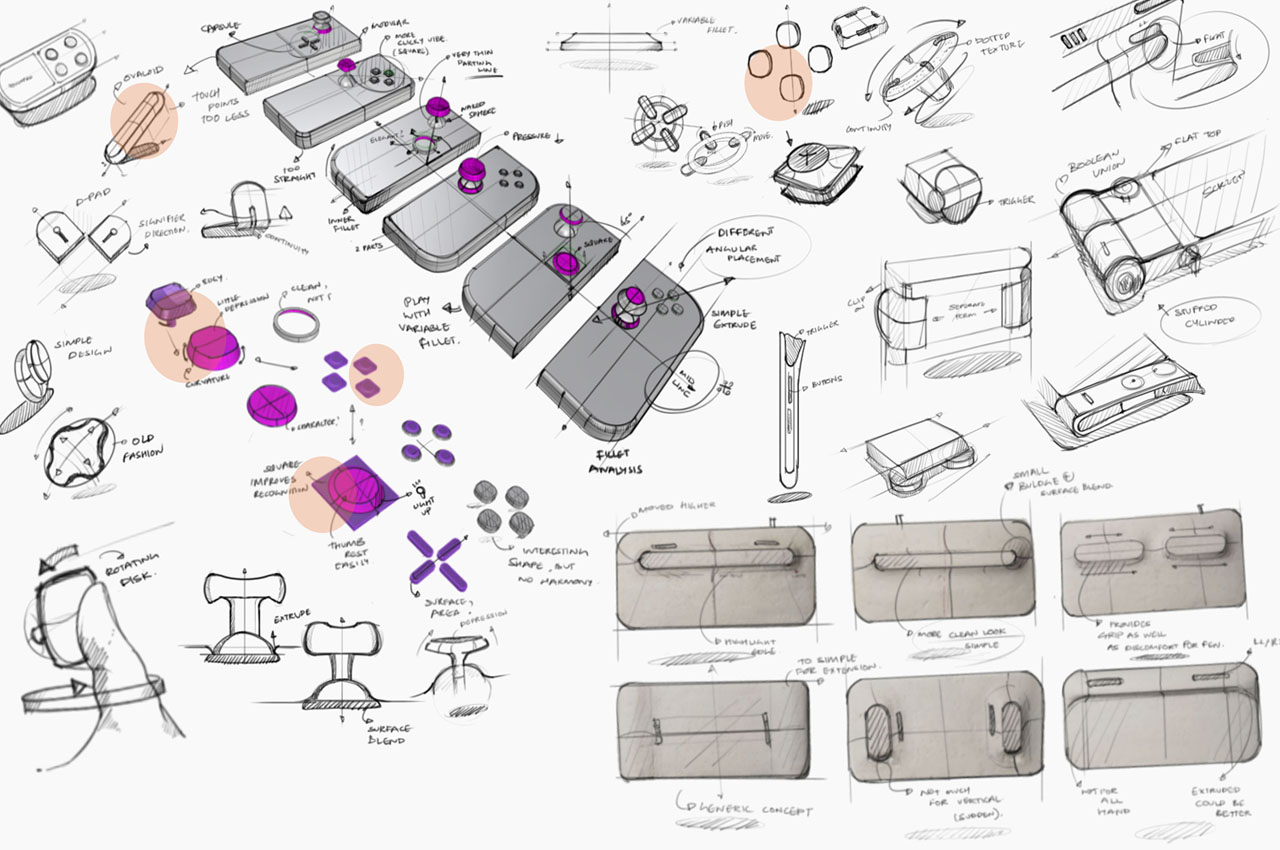
Nidarshan employed parallel prototyping using thermocol models to fine-tune the final handheld design that falls right into place. As a TE fan, I immediately found a connection between two different worlds of audiophile bliss and gaming frenzy in this product. A cohesive form that’s minimal while retaining the ergonomic comfort of playing games for extended sessions. The color theme also piques interest in the form of orange, black and white buttons for the joystick and D-pad buttons.

The slim form factor ensures your fingers never get fatigued from constantly hitting the trigger buttons on the top. From what’s apparent this handheld gaming console is quite compact compared to the current market leaders like Steam Deck, Asus ROG Ally, or Nintendo Switch. That alone is a win for someone like me with small hands.

The titanium silver grey finish brings a new look to the arena which I absolutely love. Whether or not such a handheld is going to disrupt the market, only time will tell, that is if, Teenage Engineering ever designs a handheld gaming console in the near future!

The post Teenage Engineering-inspired Nintendo Switch feels like the minimalist handheld console we deserve first appeared on Yanko Design.
WiFi router concept uses cork as material and design aesthetic

A wifi router is one of those devices that every house needs but we don’t really think about how it’s designed, what materials are used to make it, and other factors that come into it. As long as it does what it’s supposed to do, which is get you connected to the internet, then we’re almost always fine with it. However, most routers have a lifespan of 2-3 years and so it contributes to the million tons of e-waste that is generated annually by people who constantly change their gadgets and devices.

Designer: Connor Rusnak

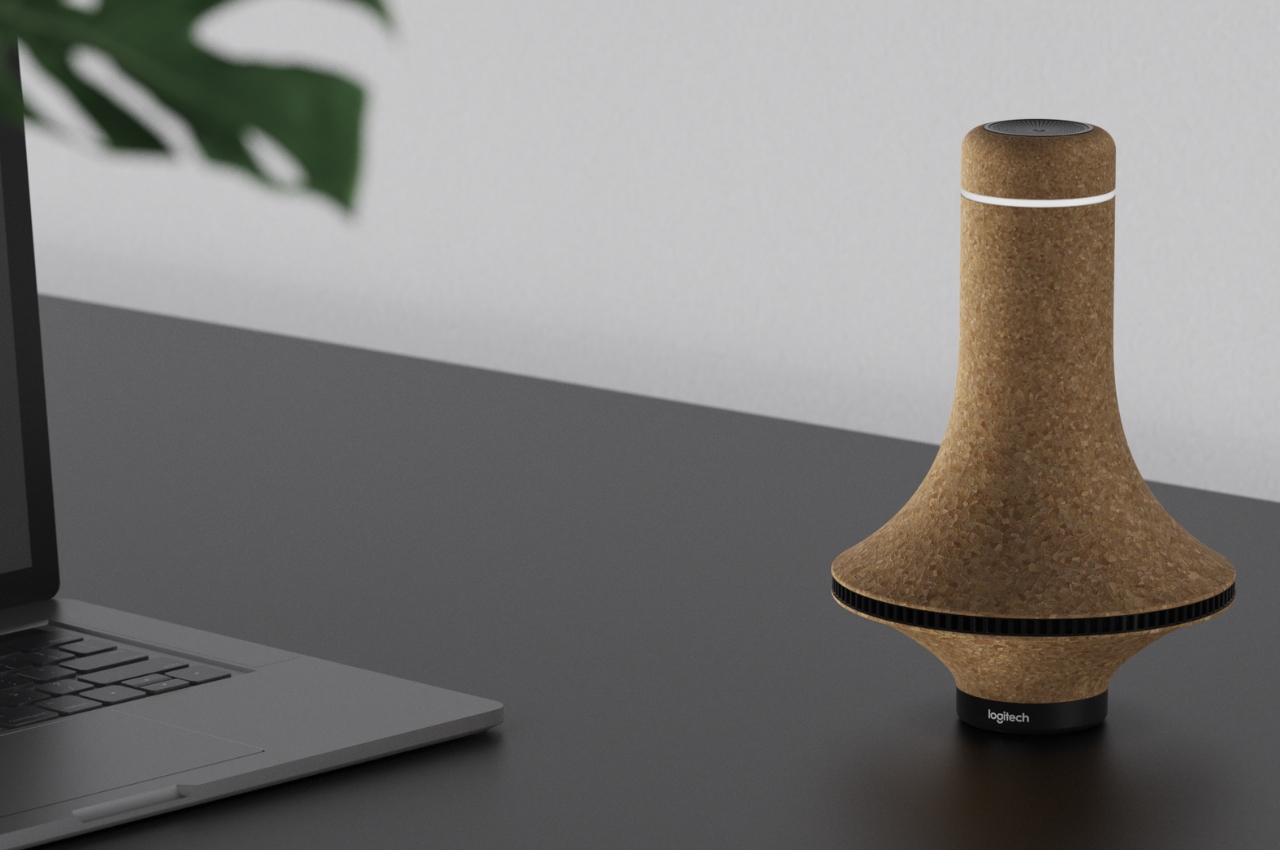
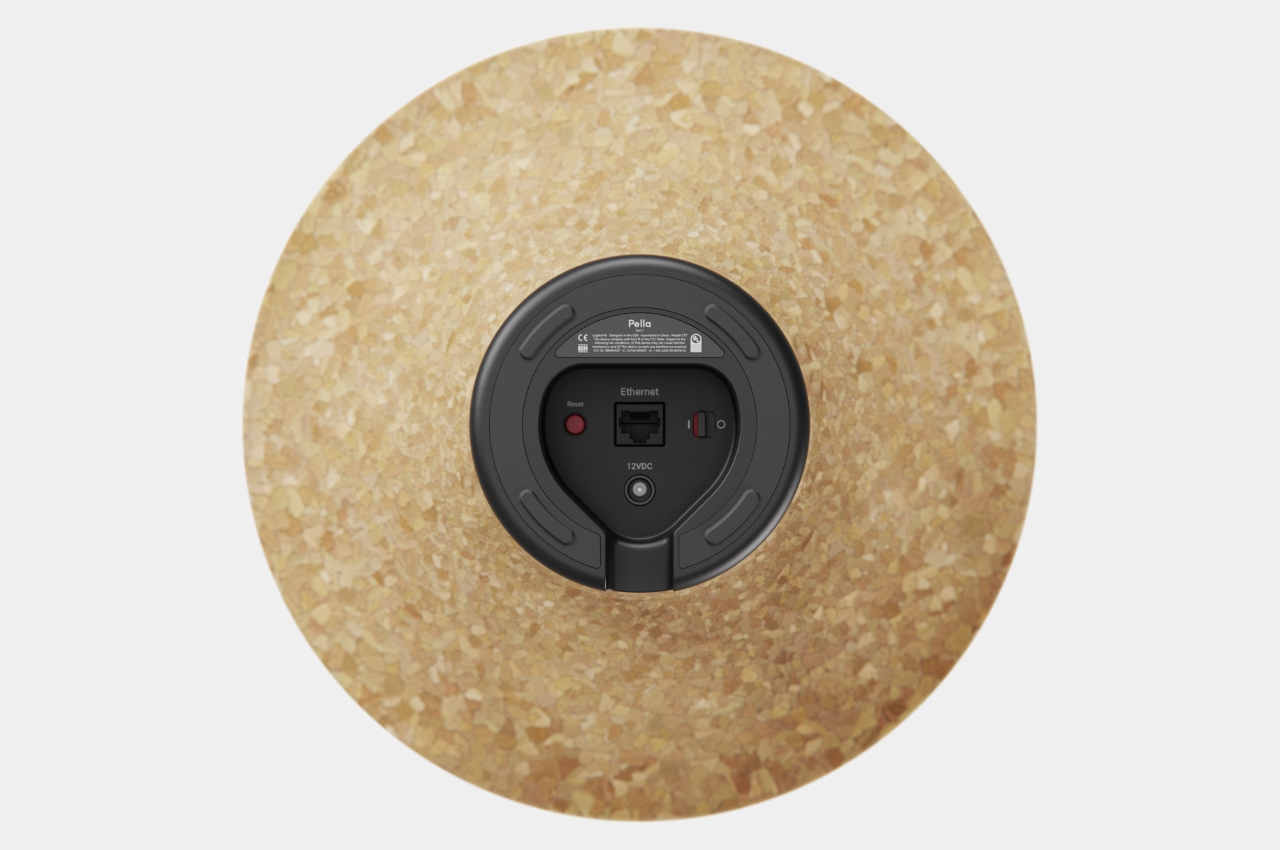
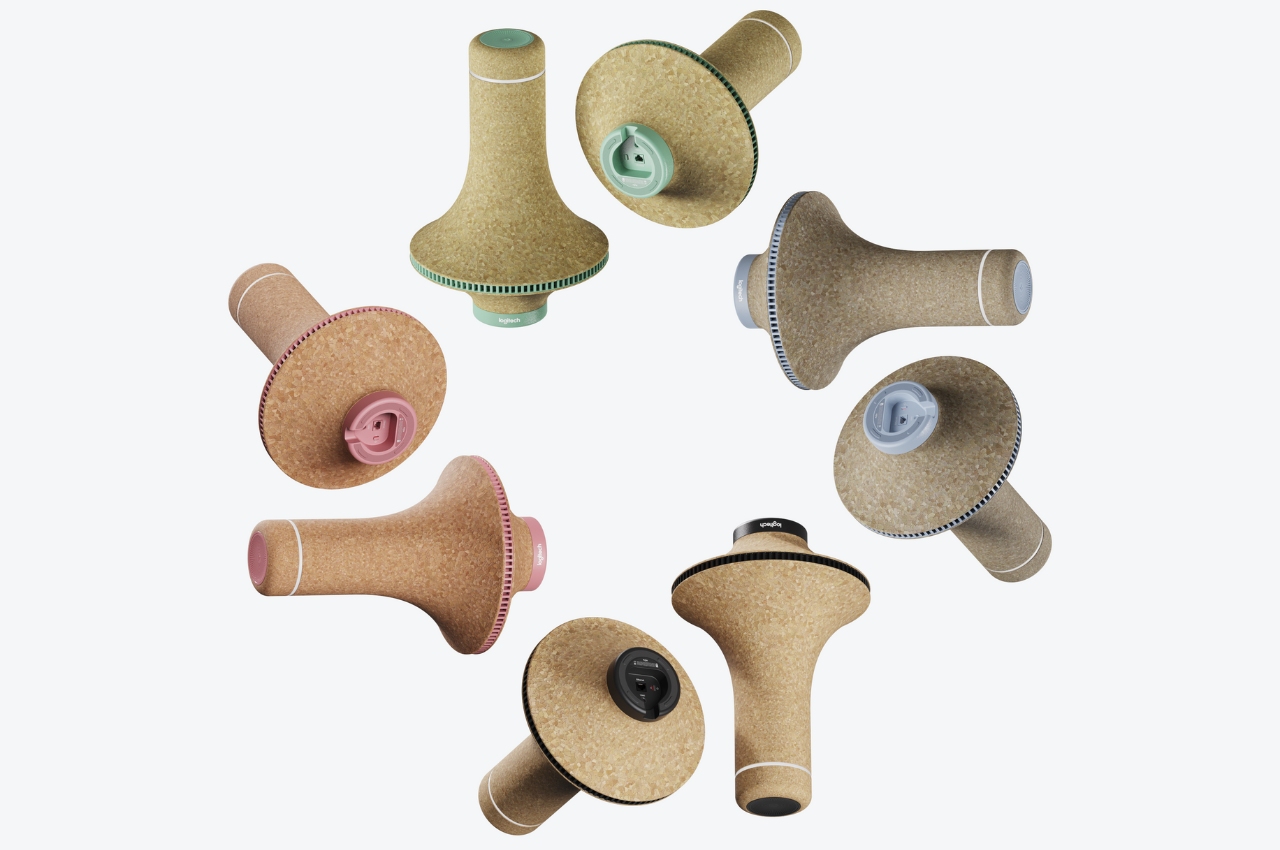
A concept for a sustainable wifi router tries to solve that issue and at the same time give us a well-designed one that you will proudly display in your home office. The Pella uses cork in the design so you get an eco-friendly material that can also look good on your device. In theory, using this material should not interfere with the functionality of the device which is of course important since the only reason you’ll get a router is to be able to connect all your devices to the WiFi.

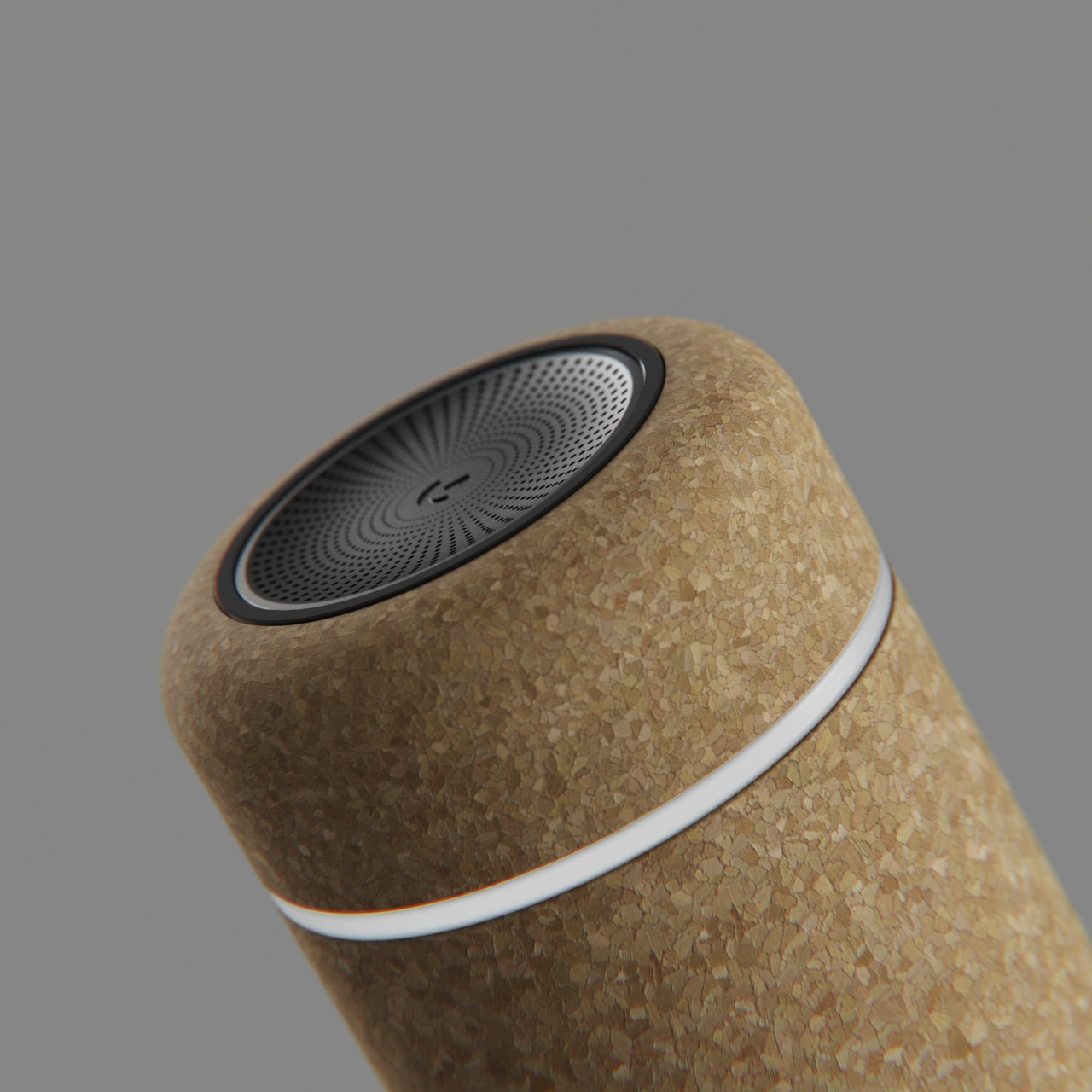
The cork is not just a building material but an integral part of the design. The router looks more like a smart speaker with its spherical shape which is also reminds me of a top but with a stable base. The basic controls, which are mainly the on/off button and what seems to be a reset button, are located on the base. There’s no need for any other controls or buttons so you get a pretty minimalist design, as all routers should probably have.

More often than not, these routers are hidden away in our home not just because it needs to be near a wall socket but because there isn’t any decorative aspect to it. But something like the Pella, which was designed with the brand Logitech in mind, can be something you put on your desk especially if you have an earthy or cork-like aesthetic.

The post WiFi router concept uses cork as material and design aesthetic first appeared on Yanko Design.
A Groundbreaking 5-Driver Wireless Earbuds is Sweet Music to Your Ears

Wireless earbuds generally have no more than one driver, and it might be safe to assume that the TE-ZX1, featuring five drivers, is among the highest, if not the highest, number of drivers currently available in wireless earbuds. Having more drivers can enhance sound quality by allowing for more precise sound separation and clarity across different frequencies. According to the company’s recent update, this project is already in the mass-production stage.

If you’re an audiophile like me, you’ll appreciate the analog technology used in custom in-ear monitors (IEM). Their entry model typically starts with a 3-driver setup, designed to deliver balanced sound with a dedicated driver for lows, mids, and highs. On the high end, they offer a model with 12 drivers per ear – yes, 12! Considering this, the introduction of wireless earbuds with 5 drivers in each ear, priced under $300, is a game changer.

Designer: AVIOT

Click Here to Buy Now: $251 $335 (25% off). Hurry, only 31/100 left! Less than 72 hours to go.

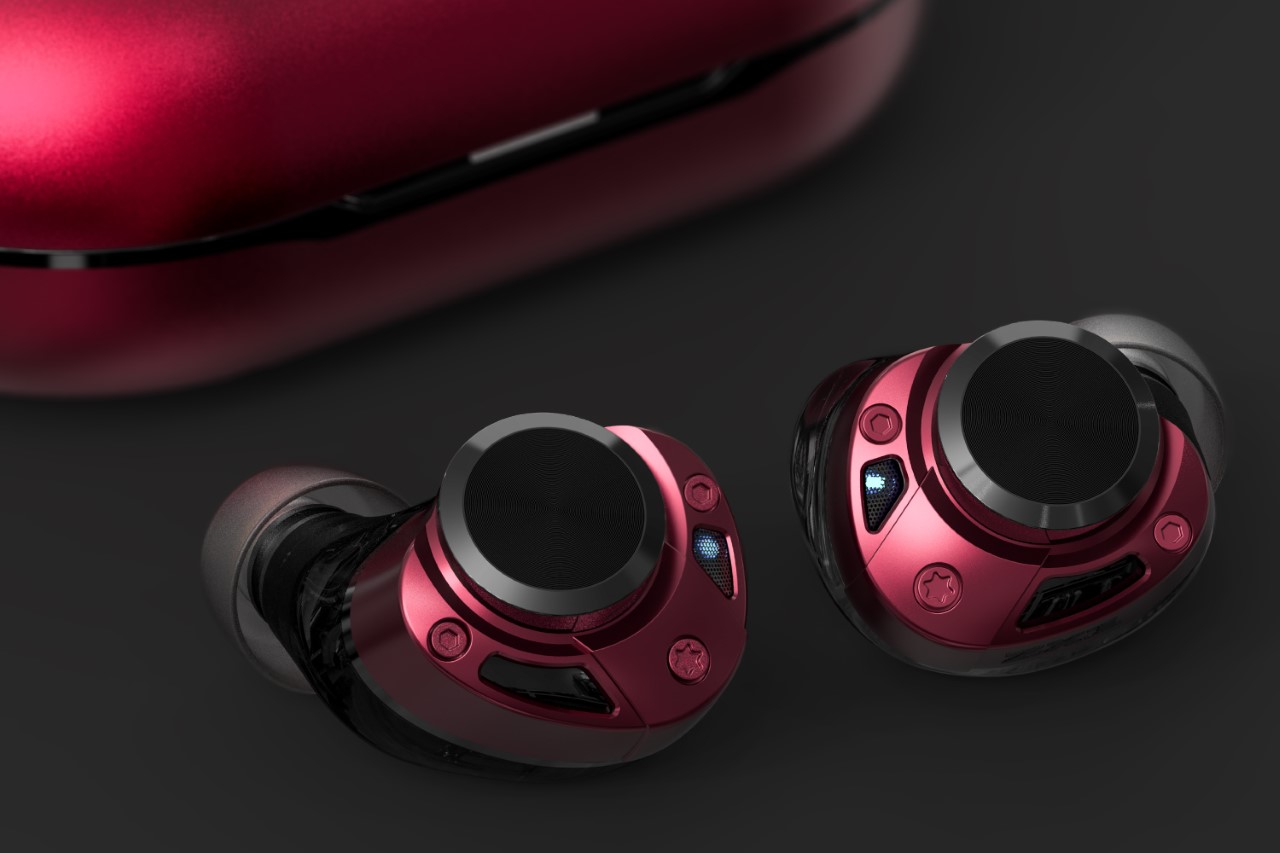
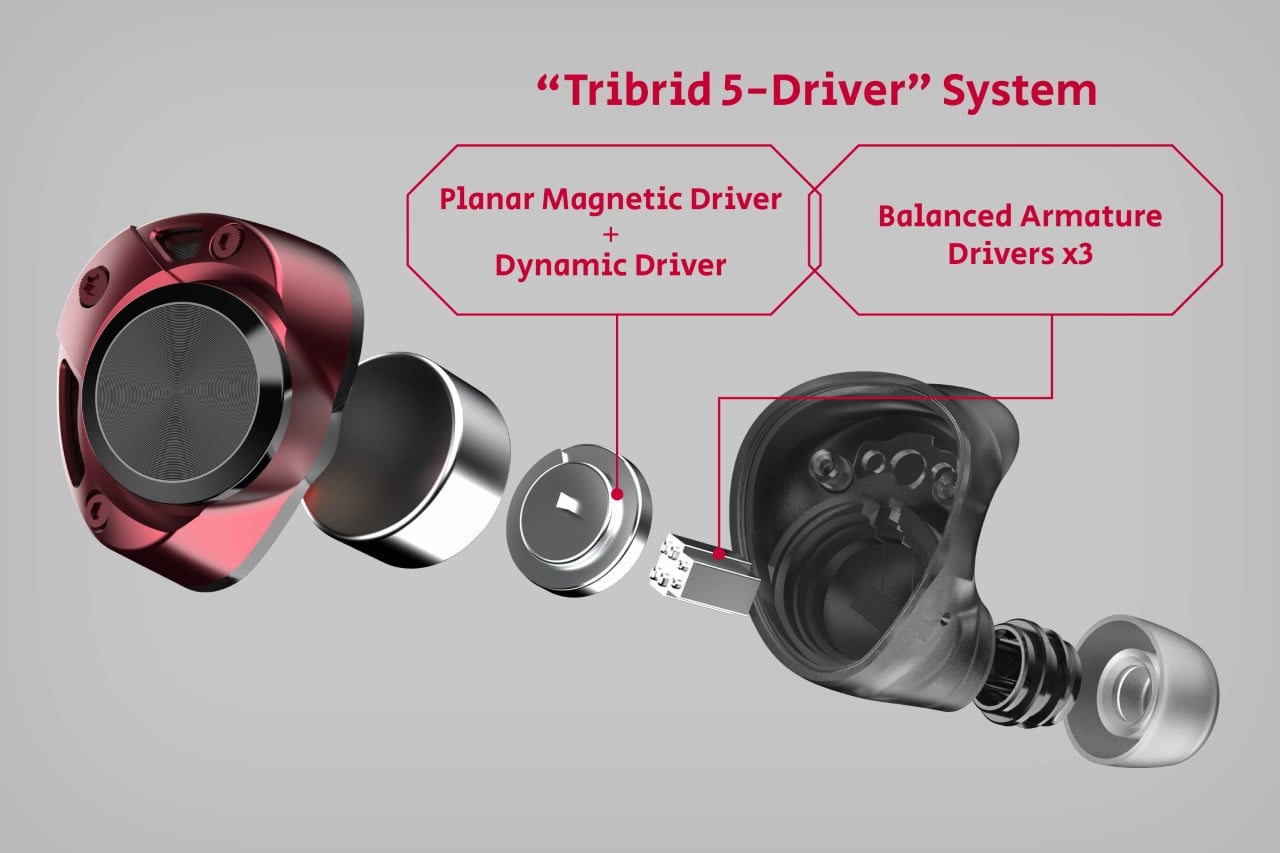
The newly developed system is known as the “Tribrid 5-Driver”. It includes a planar magnetic driver, three balanced armature drivers, and one dynamic driver. Planar Magnetic Drivers, Balanced Armature Drivers, and Dynamic Drivers each uniquely contribute to the audio quality. First, the Planar Magnetic Driver is known to produce superior sound quality, by utilizing a thin, lightweight diaphragm that’s able to cover a large surface area to deliver clear, detailed sound and excellent response times. The diaphragm’s size and thinness allow it to produce sound evenly across the frequency spectrum, contributing to a smoother, more natural sound.

Enjoy Wireless High-Resolution Audio with LDAC

Second, the three Balanced Armature Drivers are smaller and more efficient than other types. Due to their size, they are often used in in-ear headphones. These drivers can be tuned to specific frequencies, making them ideal for producing high-frequency sounds with precision. Multiple balanced armature drivers can be combined in a single earphone to cover a wide range of frequencies.

Lastly, the Dynamic Driver in the TE-ZX1 earbuds is 10mm in diameter, which contributes to superior sound quality and realistic low frequency. Dynamic drivers are known for their ability to produce strong, impactful bass and handle a wide frequency range. A significant advantage of dynamic drivers is their ability to handle a lot of power without distortion, which contributes to a louder, more powerful sound.

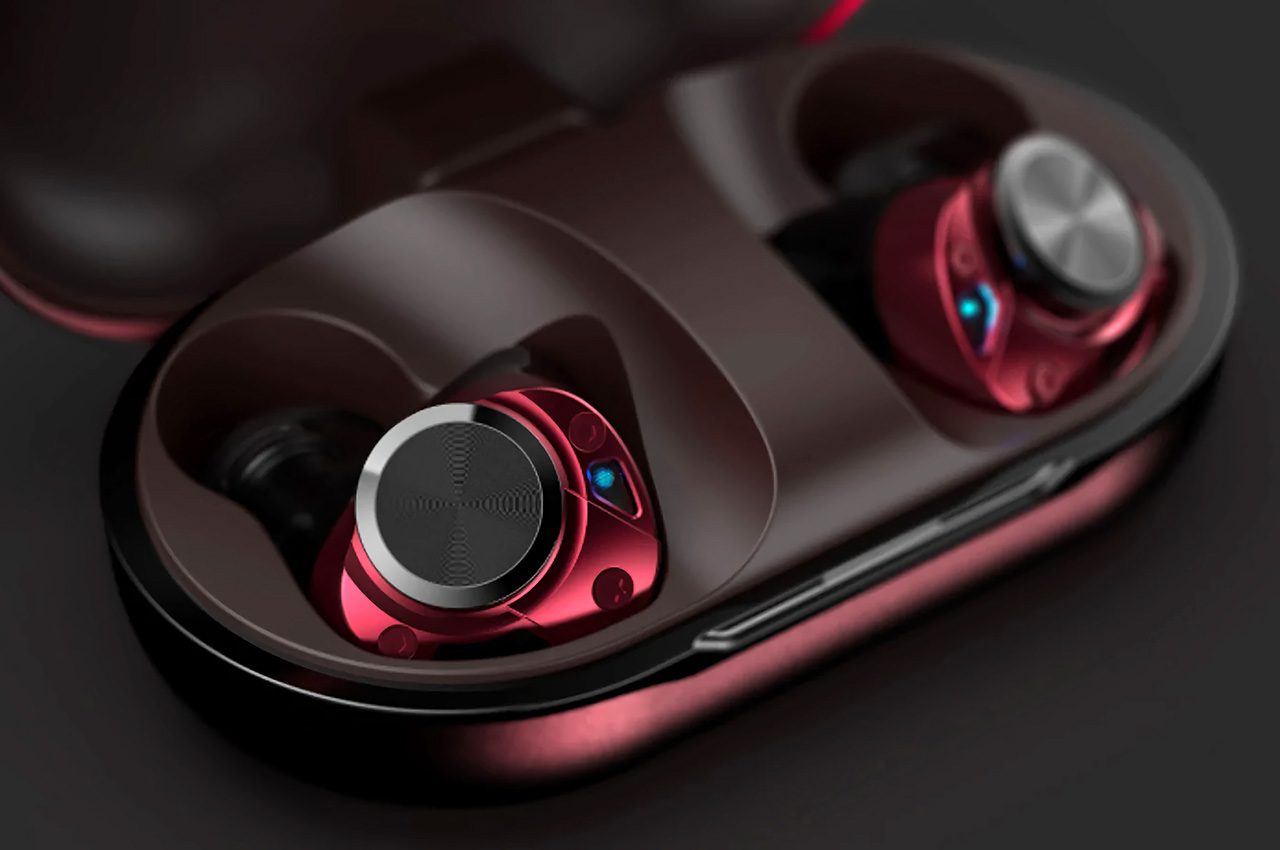
When working together, these three types of drivers should deliver dynamic and expansive sound quality across the frequency range, thanks to their complementary characteristics. I’m a big fan of in-ear-monitor (IEM) earphones, mainly because of the near-custom fit they offer. They provide a more enjoyable listening experience during long flights, extended office hours, or lengthy hiking trips. The high-speed combat ship “Swordfish II” from the hit anime series ‘Cowboy Bebop’ inspires the design, presenting a balanced yet high-tech and cutting-edge feel. When a product’s weight is distributed throughout the entire device, particularly something that sits in a compact space like your ear, it needs to feel balanced. This balance is what the designer has strived to achieve. The semi-hard case housing the earbuds is well-designed and features an integrated recharge function, providing up to 20 extra hours of listening enjoyment. The earbuds alone offer up to 8 hours of playtime and require only a 10-minute charge to gain another 60 minutes.

Regarding listening pleasure, having high-end drivers alone won’t guarantee rich sound quality without LDAC technology. Meanwhile, thanks to the 5 drivers, the use of a Digital Signal Processor (DSP) has been meticulously minimized By using LDAC – an audio coding technology developed by Sony that enables the transmission of High-Resolution (Hi-Res) Audio content, even over a Bluetooth connection. Unlike other Bluetooth-compatible coding technologies, such as SBC, it operates without down-converting the Hi-Res Audio content and allows approximately three times more data than those other technologies to be transmitted over a Bluetooth wireless network. This results in enhanced sound quality, more detailed and nuanced audio reproduction, and an overall superior listening experience.

Click Here to Buy Now: $251 $335 (25% off). Hurry, only 31/100 left! Less than 72 hours to go.

The post A Groundbreaking 5-Driver Wireless Earbuds is Sweet Music to Your Ears first appeared on Yanko Design.
Smart home camera and router concepts look like ghosts to be less conspicuous

Our homes are starting to get filled with smart gadgets, and not just the usual culprits like smartphones and tablets. From smart lamps to smart refrigerators, a lot of devices in our houses are now connecting to the Internet. While some of these try to blend in with the rest of your decor as much as they can, others just stand out like a sore thumb. Devices like home security cameras and routers still carry the aesthetics of their predecessors, which is impersonal, technical, and at times even disconcerting. While these products might be important in modern smart homes, they don’t need to be seen in order to function, which is why this concept design tries to make them almost literally fade into the background as if they were ghosts.

Designers: Seokhyun Ahn, Yejee Park, Cho Yumi, Yumin Shin, Myeongryun Kim, Dohyun Park, Lee Dahye, Kim Geonhee, Yang Yurim

We easily take for granted how things that look out of place can affect our minds and moods. Whether it’s a messy desk, a less-than-appealing piece of decoration, or clashing designs, the visual discomfort and confusion can actually bleed into your physical and mental state. They say that the best interfaces and designs are the ones that you barely notice, and what is the least noticeable thing if not a ghost?

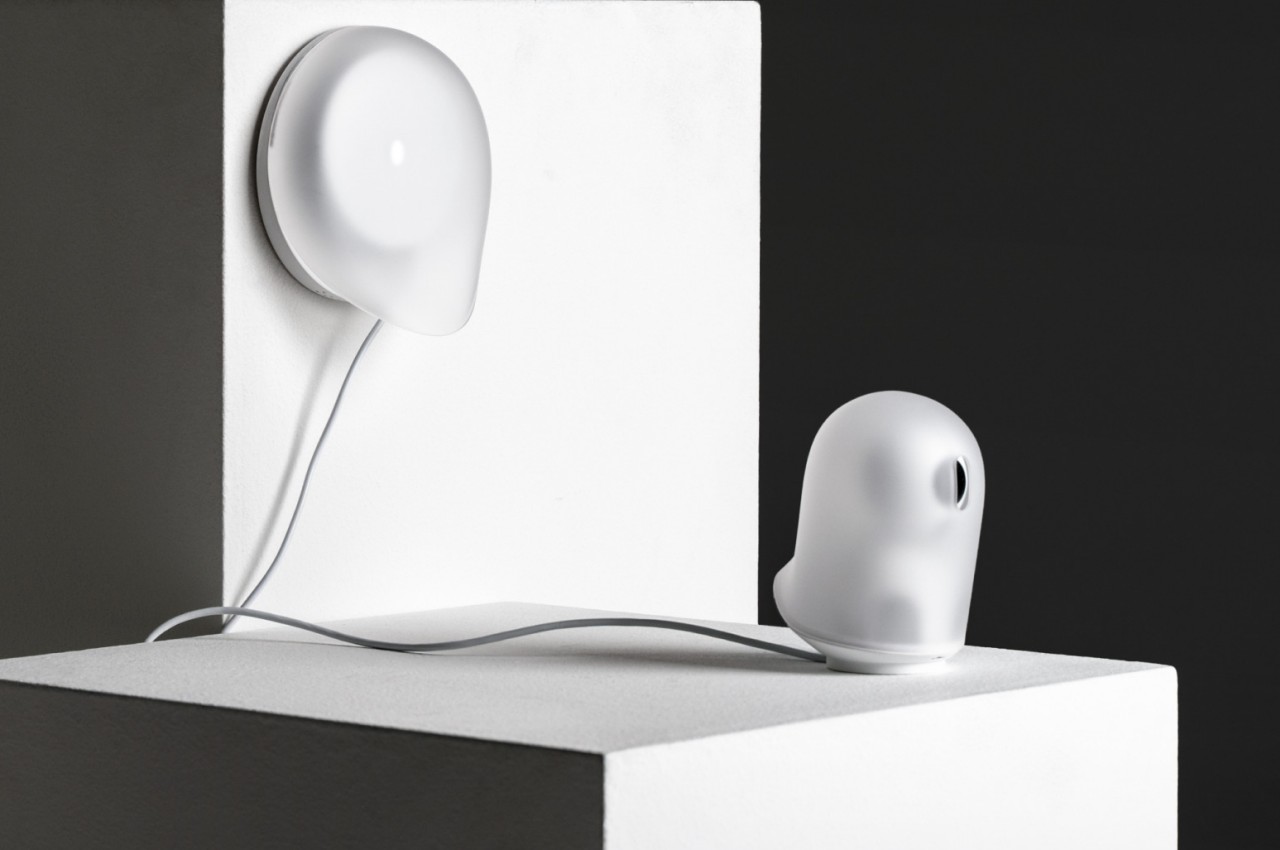
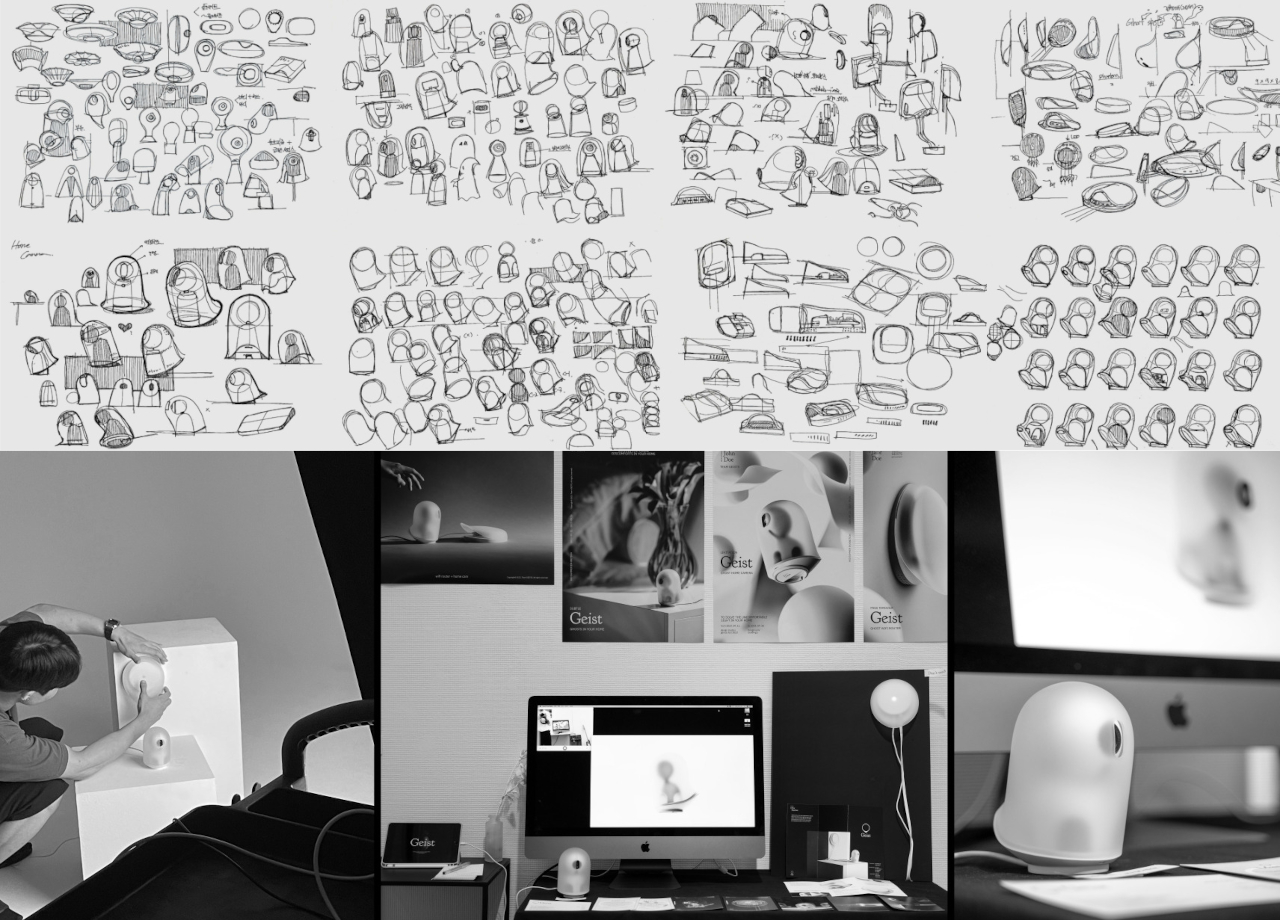
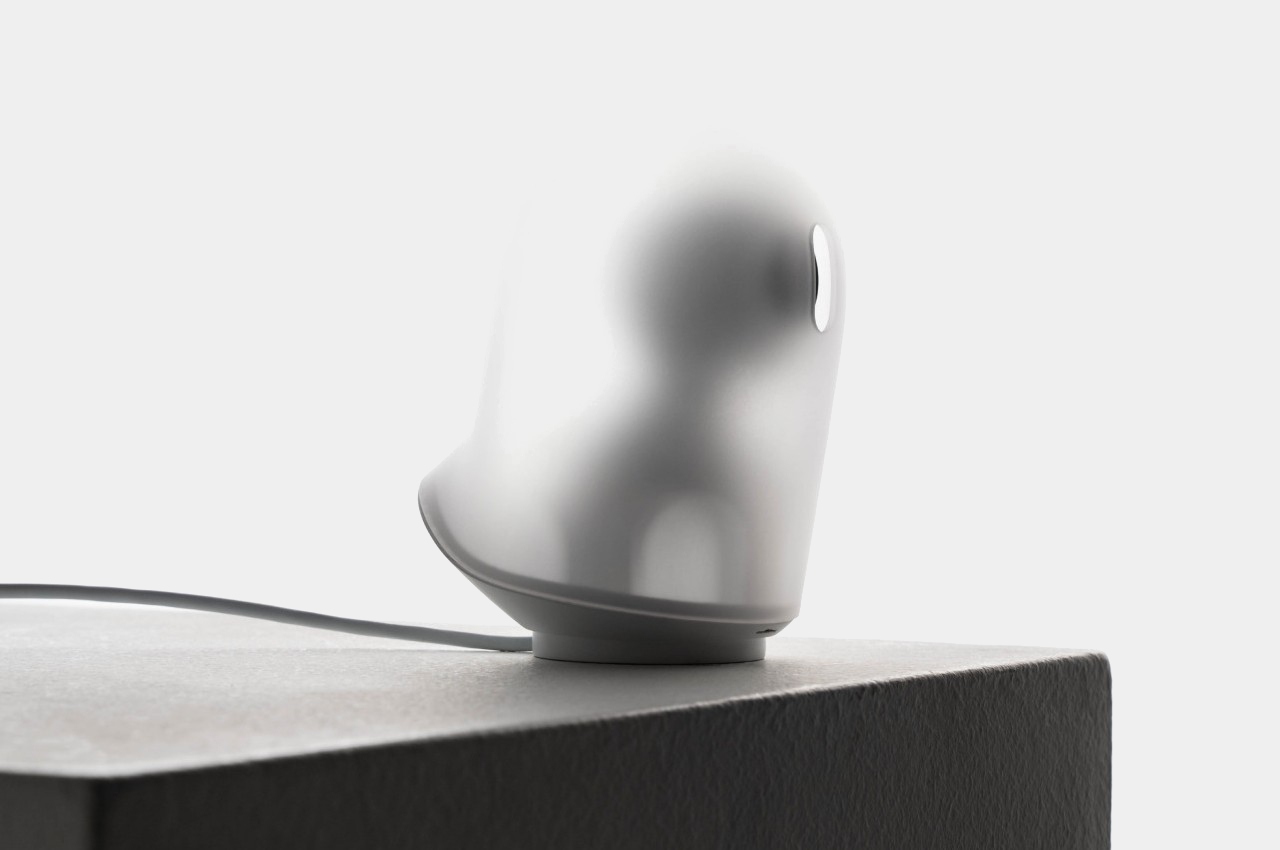
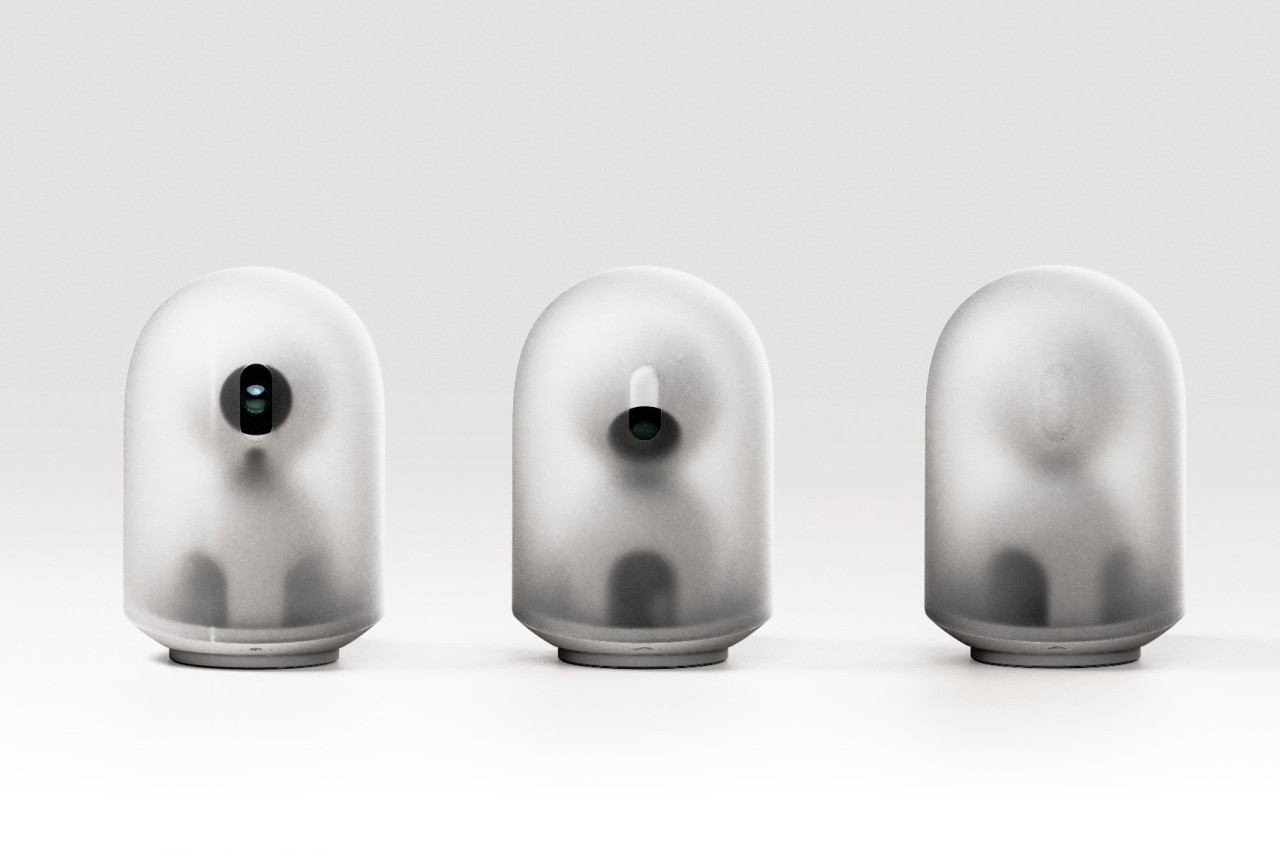
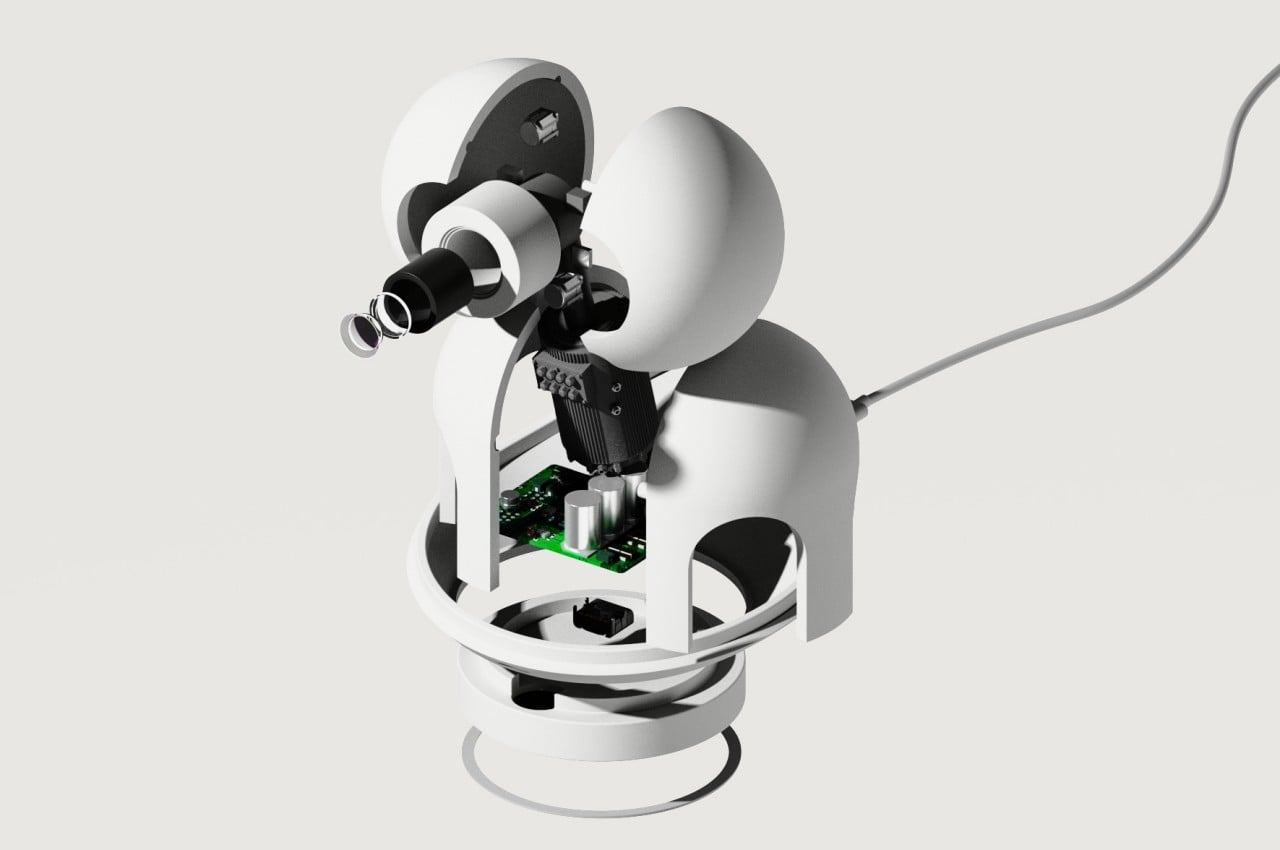
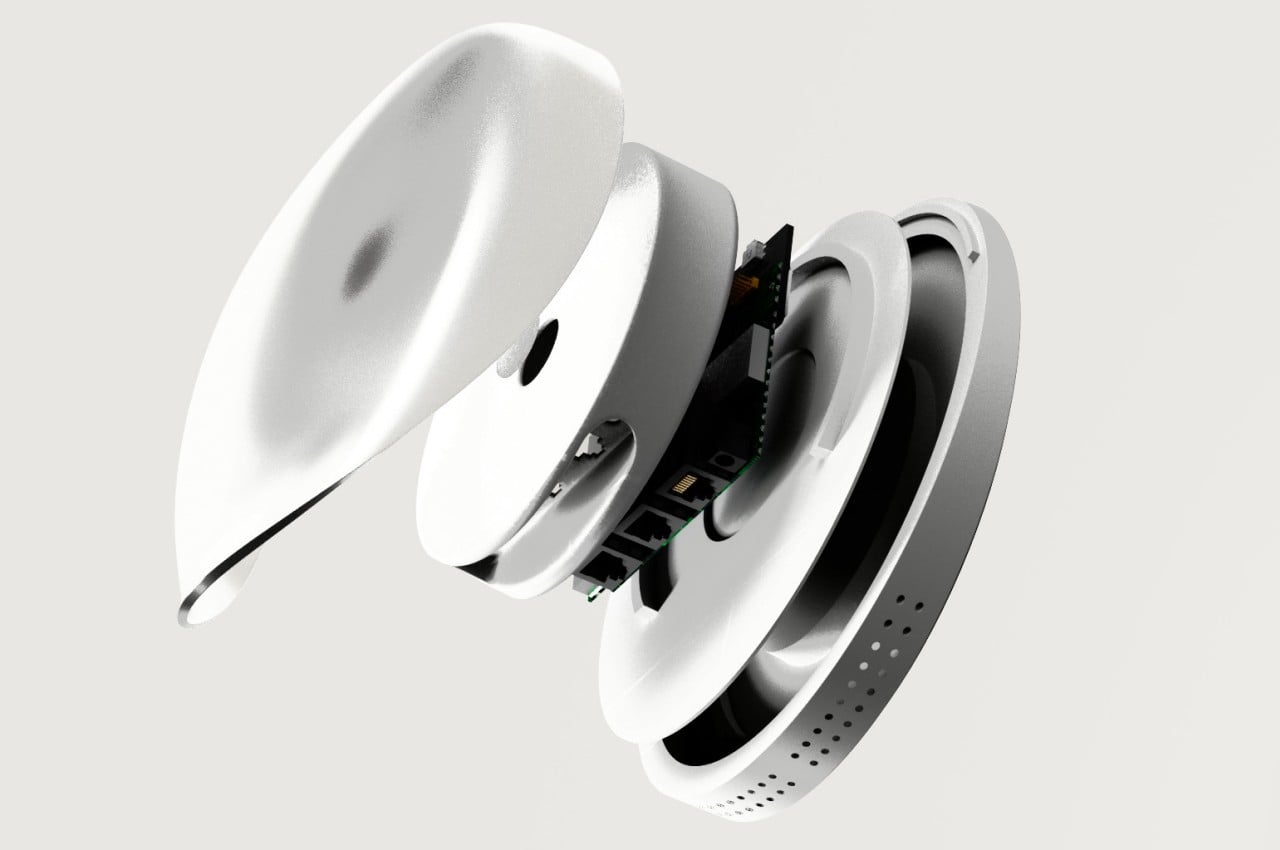
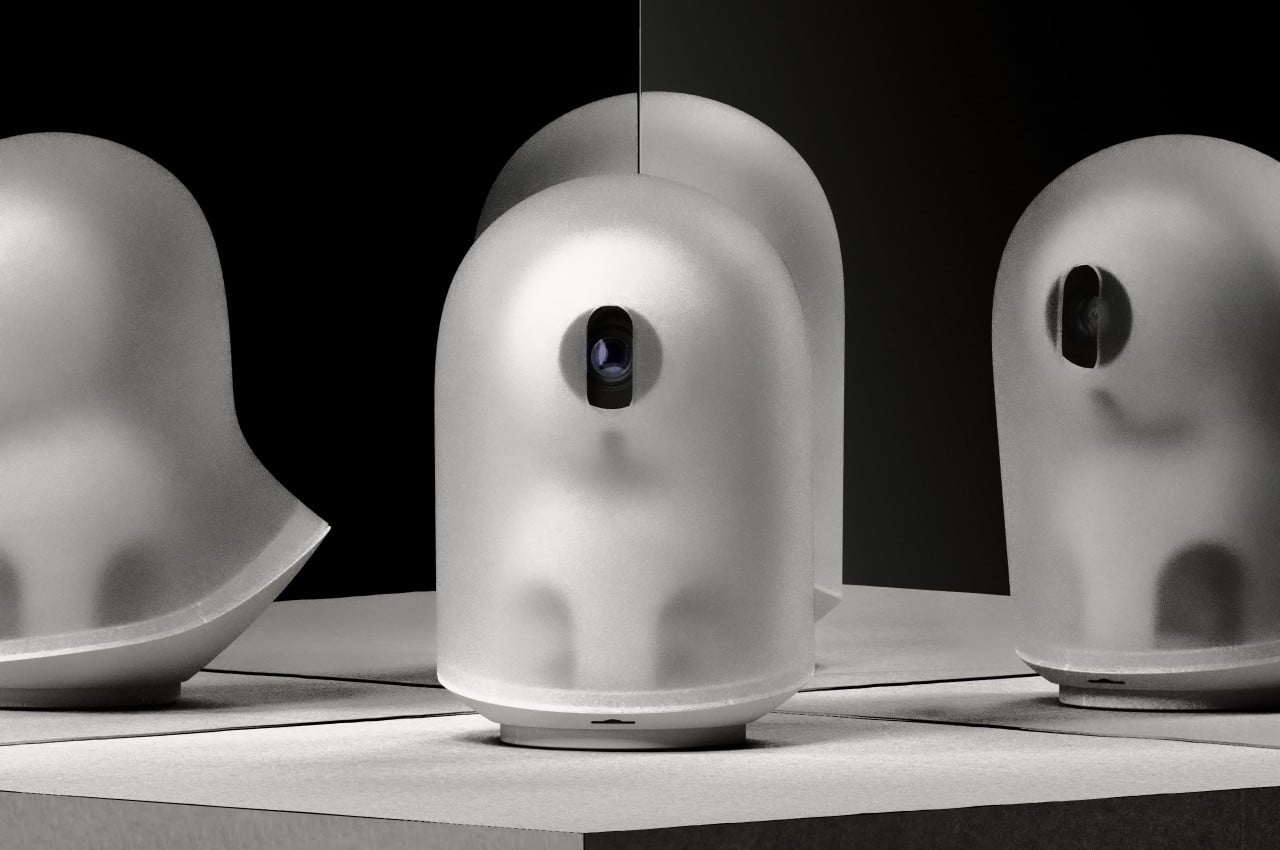
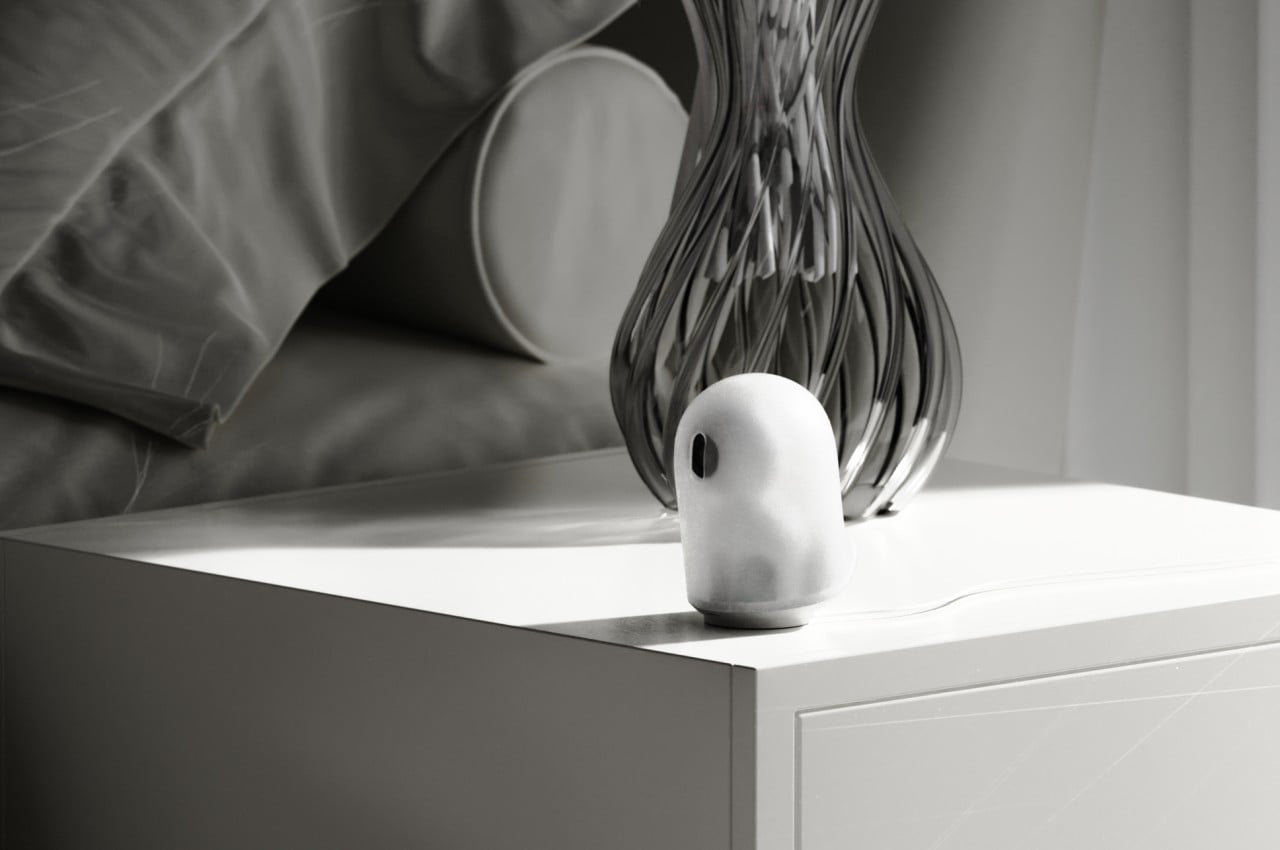
Geist, which literally means “spirit” or “ghost,” is a concept design that tries to make those smart home devices less noticeable. Rather than having a black sphere or rectangle that feels like it’s spying on you, the John Doe ghost camera has a translucent body that almost looks like a piece of cloth flying in the wind, just like your stereotypical ghost from cartoons. It is even slanted at an angle to give the impression that it’s levitating and floating as it moves forward. It does have an “eye” for the camera, but it can turn it down to protect your privacy, indicating that it isn’t recording at the moment.

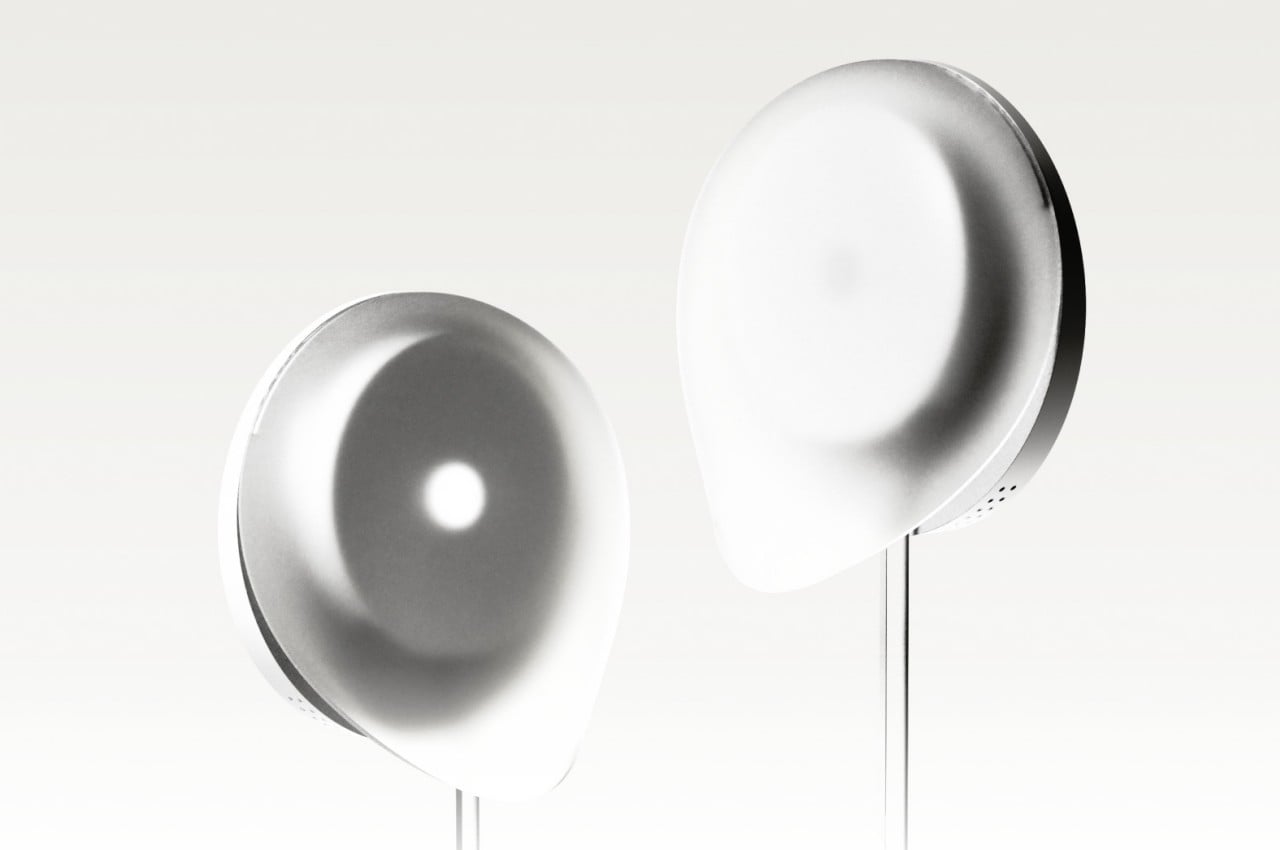
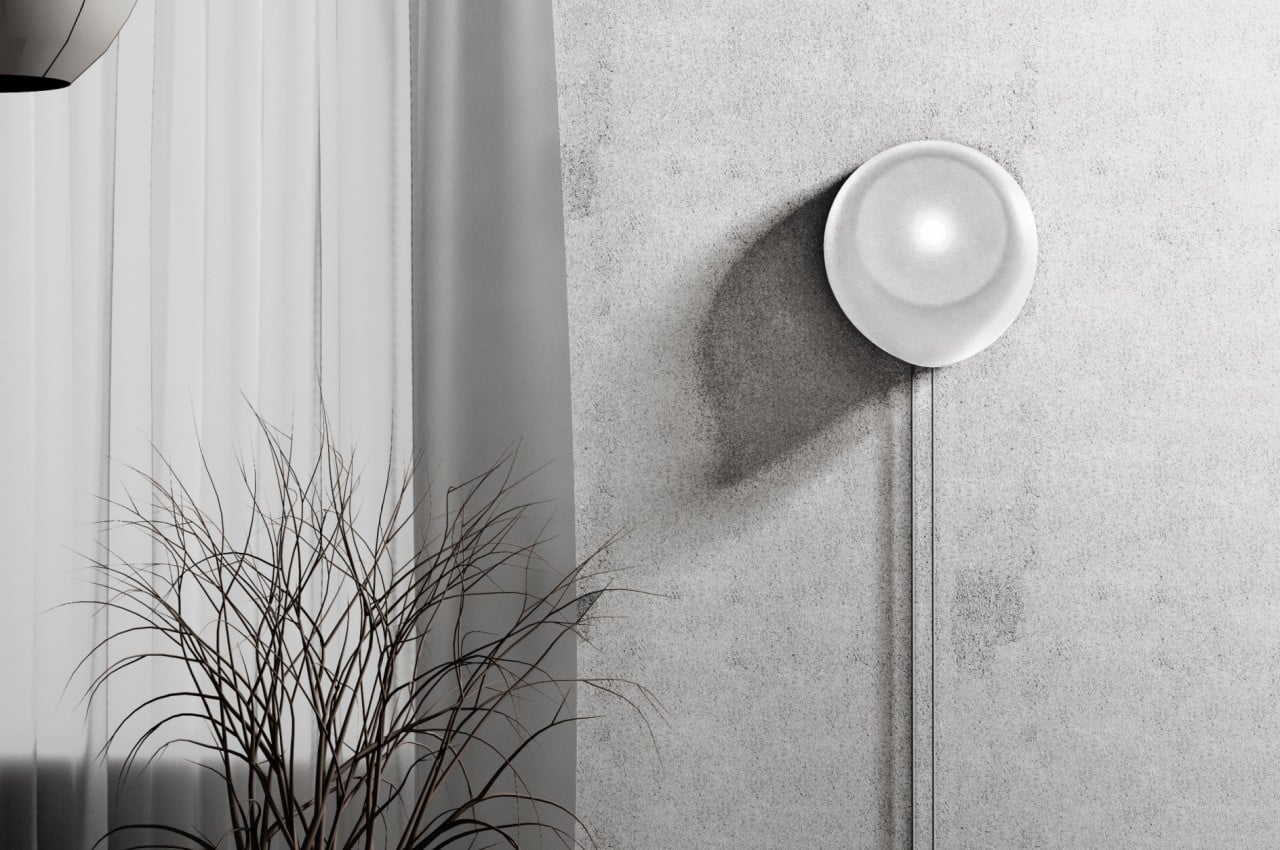
The Wi-Fi router Jane Doe takes on the shape of a gentle wisp of smoke or cloud. With an asymmetrical shape that is mounted vertically on a wall, it almost looks like a ghost passing through a solid surface. It’s impossible to completely hide some of the cables, particularly the power cable, but it at least forces these wires to go in a straight vertical line rather than ending up in a tangled mess.

Although the Geist concept design is actually meant to be less conspicuous and reduce visual discomfort, they can actually also have the opposite effect, depending on the person. Some might not be keen on seeing any representation of the paranormal, so anything that might remind them of ghosts might be even more uncomfortable. That said, the designs are aesthetically pleasing on their own, if you leave out the ghost association, so they still present a more pleasing aesthetic compared to the typical designs of these devices.

The post Smart home camera and router concepts look like ghosts to be less conspicuous first appeared on Yanko Design.
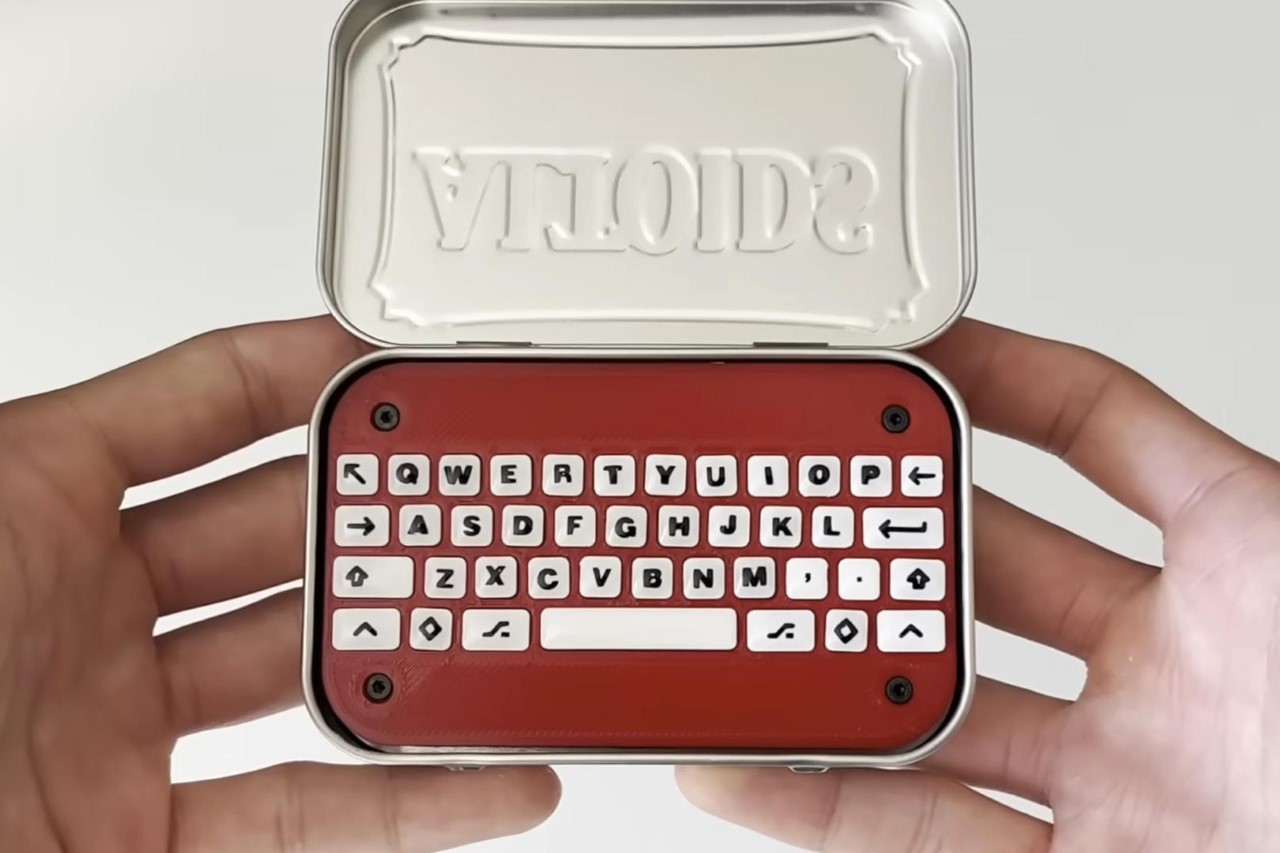
Wireless Keyboard Inside An Altoids Tin Is Perfect For People Missing Their Blackberry Phones

Remember the Clicks Keyboard from earlier this year? What if you could somehow build your own and carry it around in an Altoids tin??

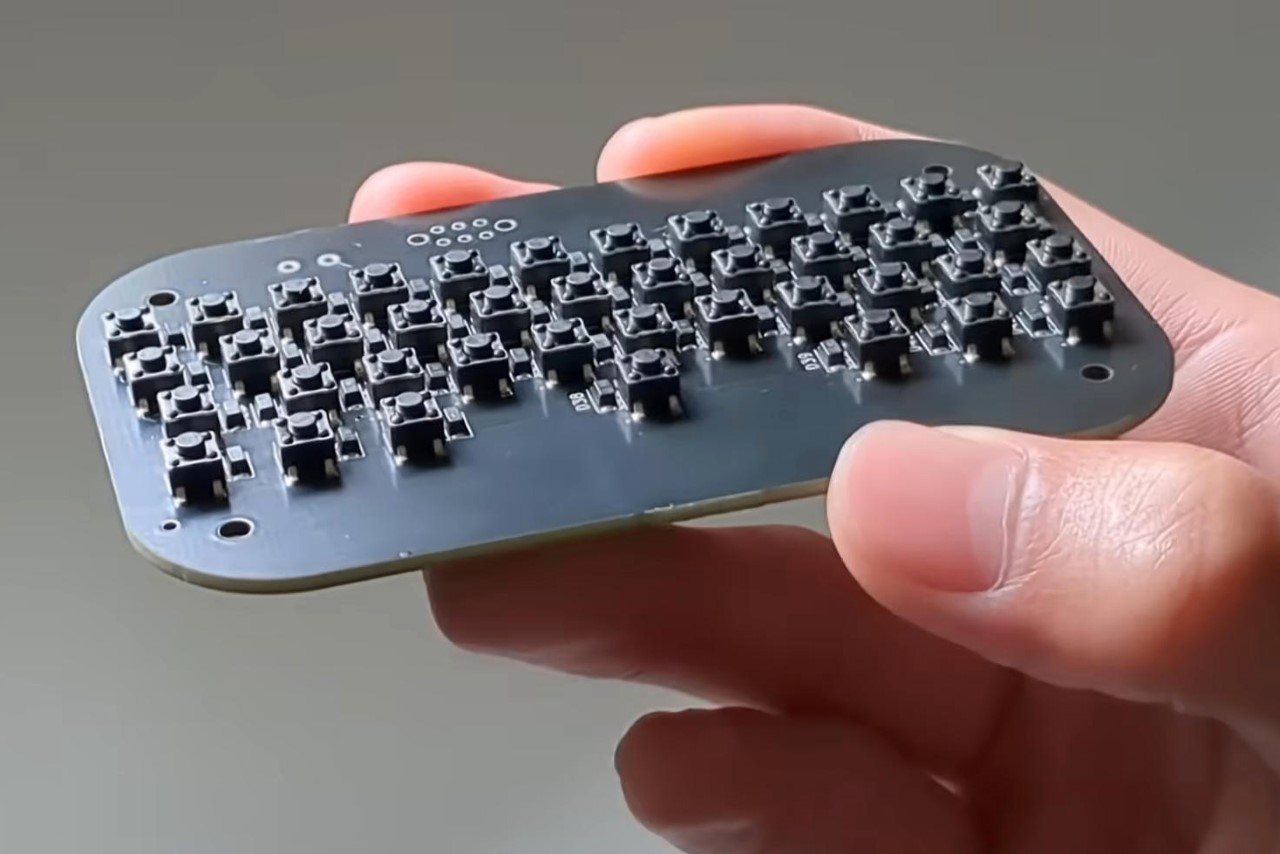
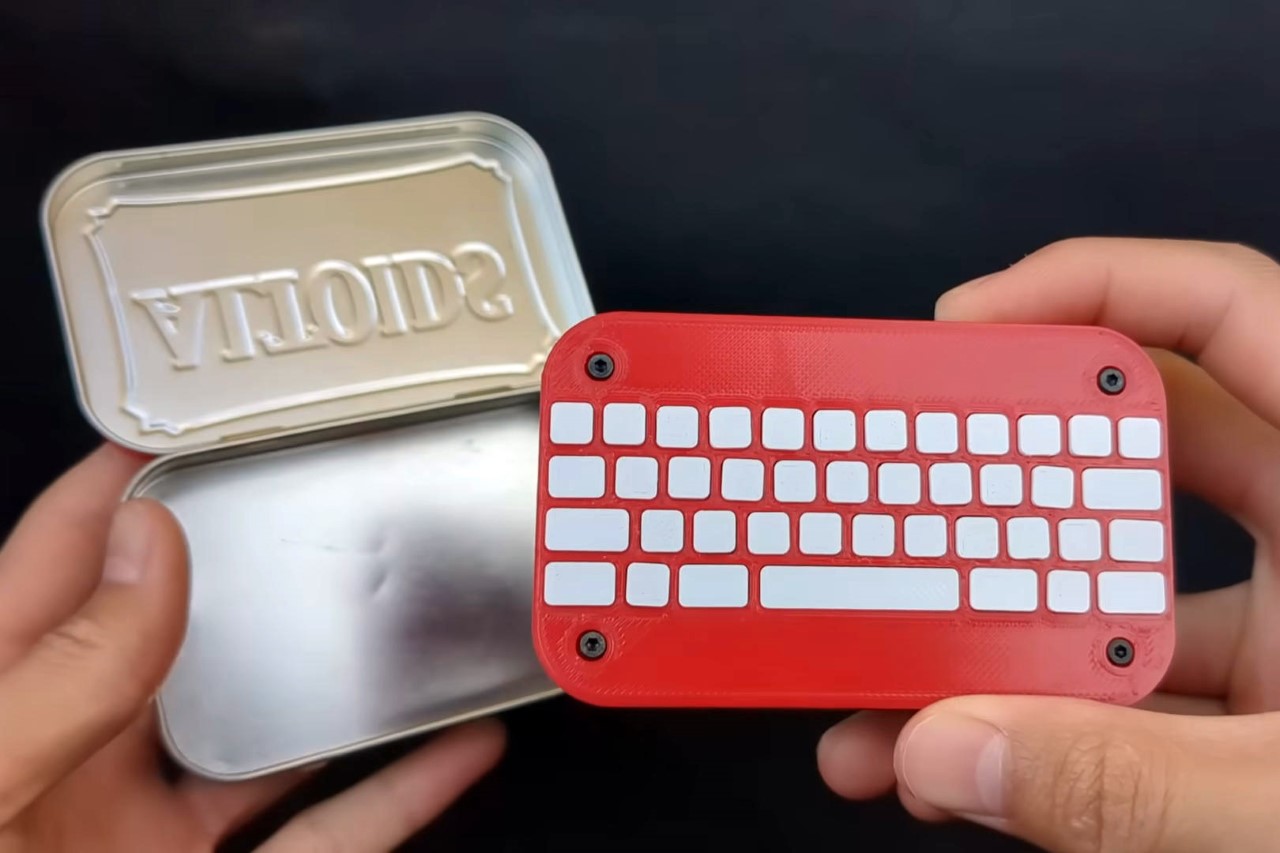
YouTuber ‘Flurples’ decided the Altoids tin was honestly the perfect vehicle for this miniature keyboard. It was roughly the width of your standard Blackberry phone, which means the keys would be perfectly thumb-sized, and it had the added benefit of coming with its own metal case and lid that made carrying it around incredibly easy. The only thing left was to actually build the keyboard.

Designer: Flurples

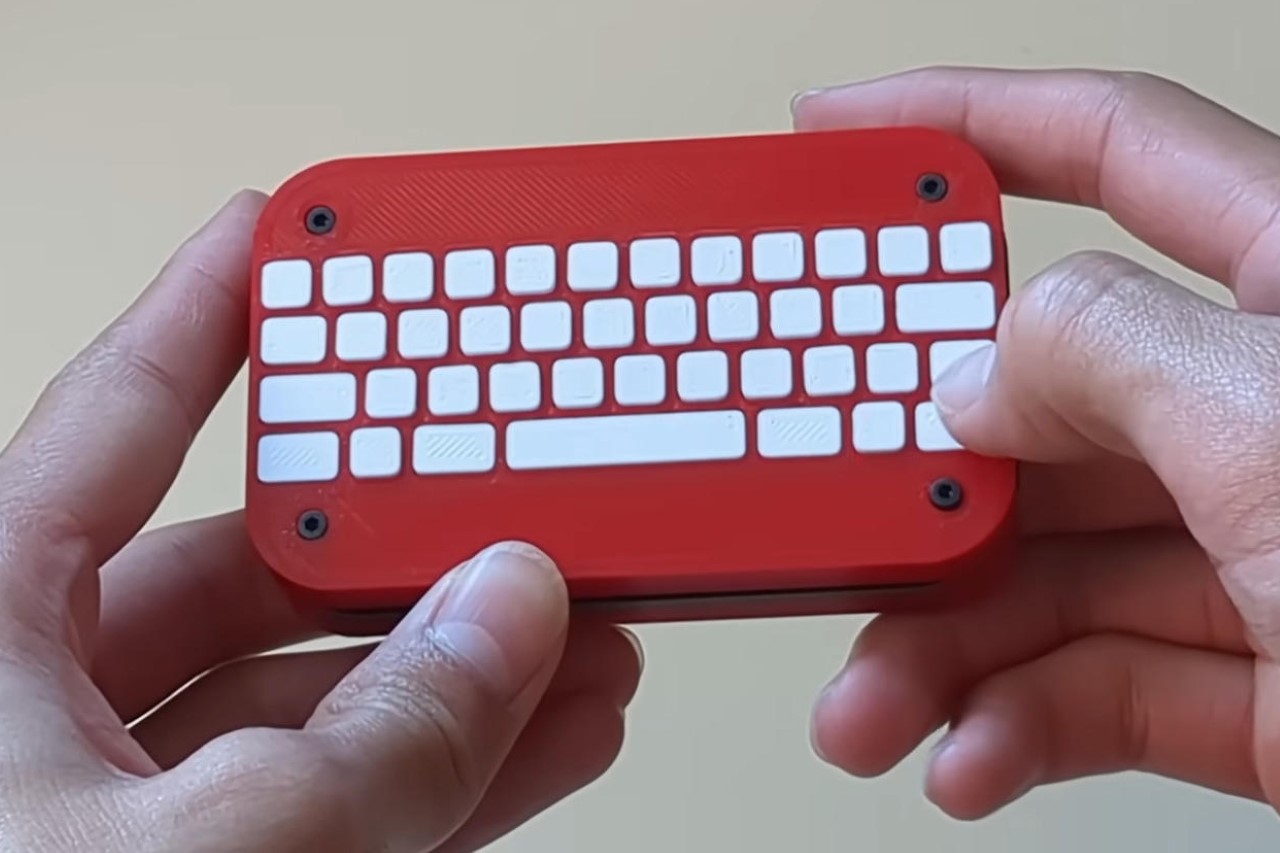
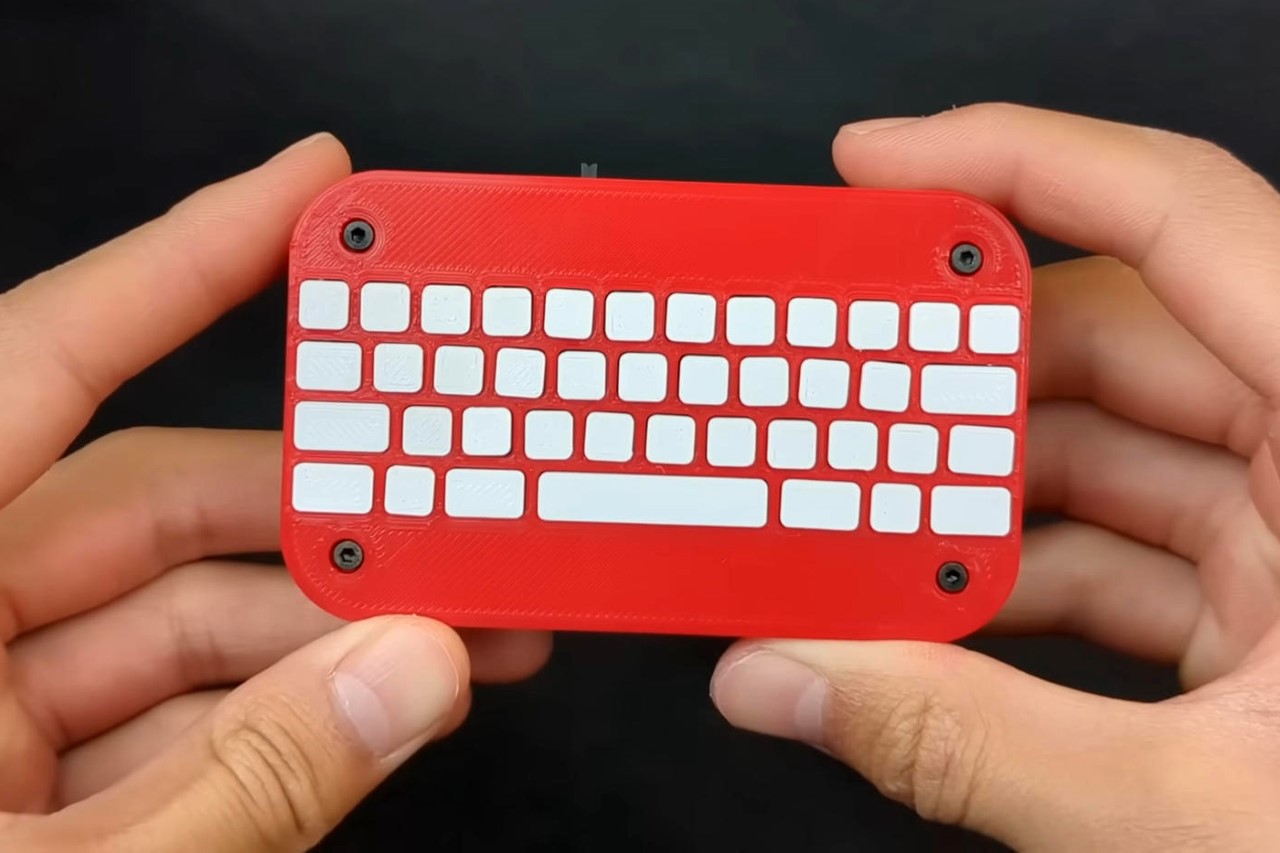
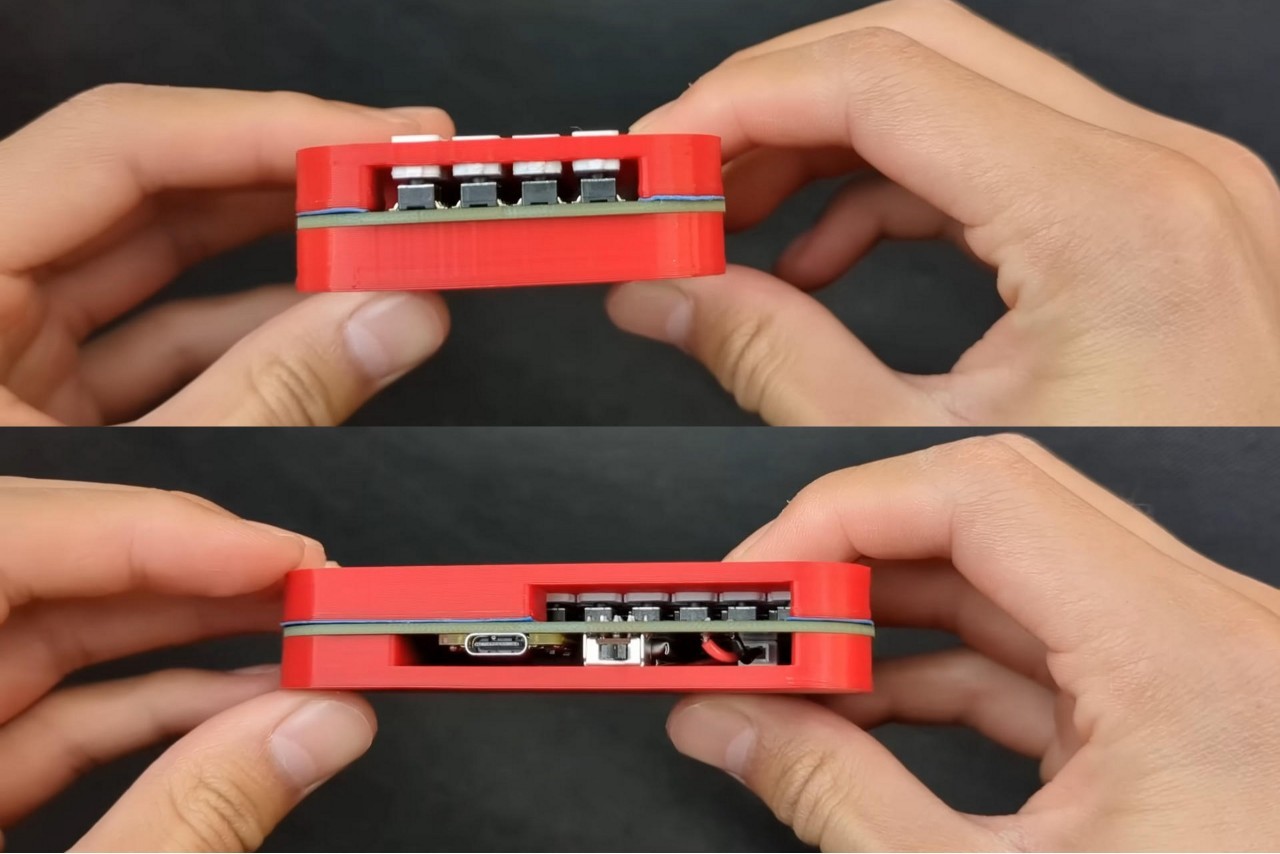
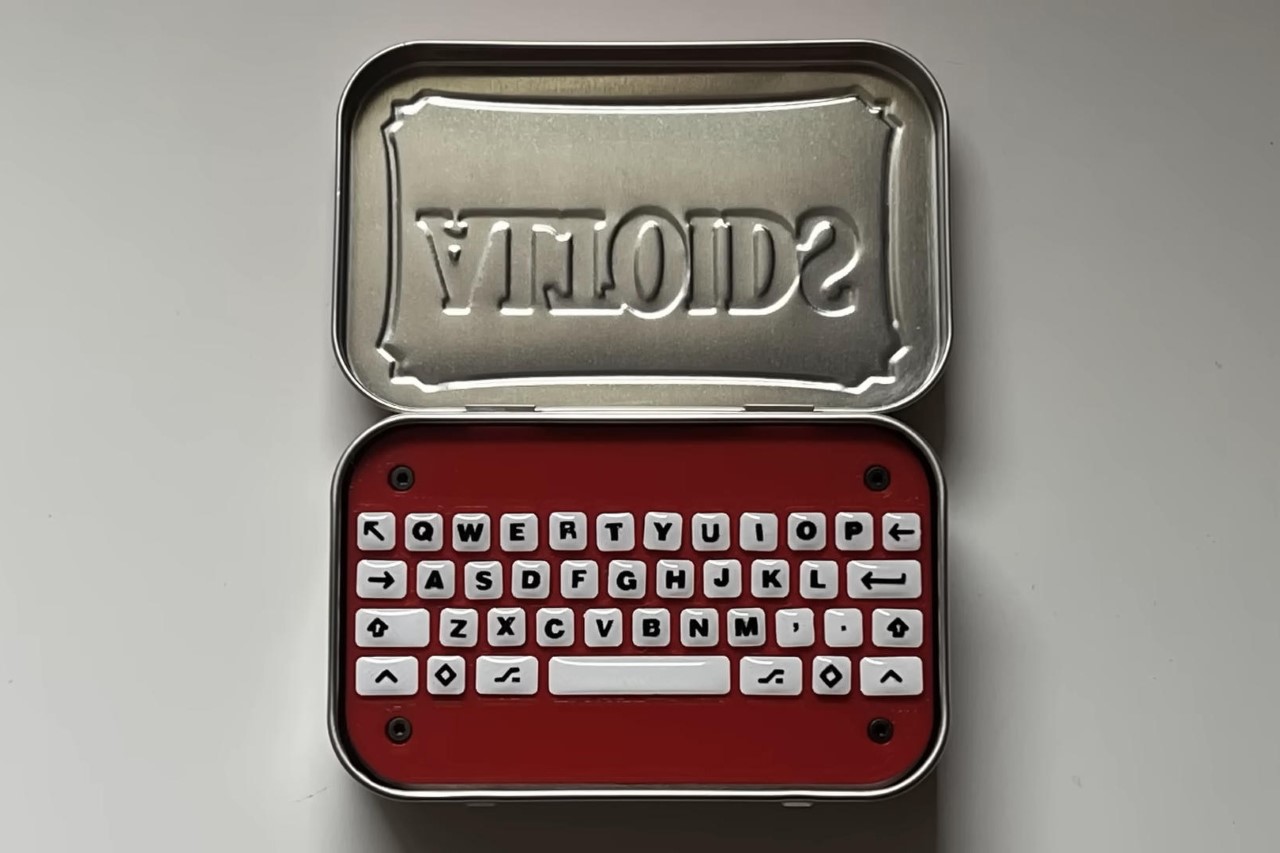
Dubbed the Mint Board, this tiny keyboard is quite the tactile dream come true. It fits in your pocket, has an on/off switch, and wirelessly connects to any Bluetooth-capable device to turn into a keyboard. While it’s incredibly small, it’s perfectly usable (even more so than those godawful touchscreen keyboards) although most people will sorely miss the presence of a number row on top. The Mint Board also charges via USB-C, although Flurples didn’t mention what the battery life of the keyboard is on a full charge.

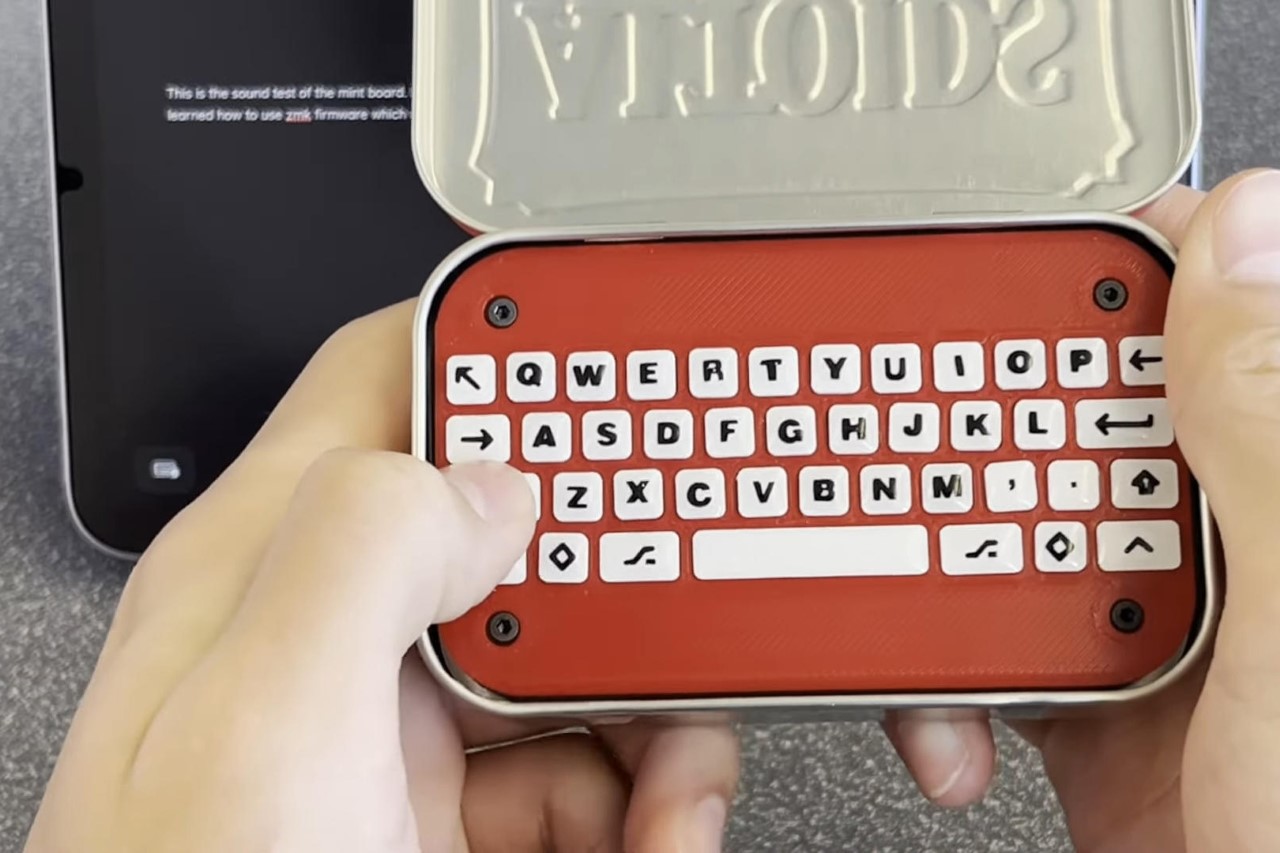
The Mint Board works with an iPad, allowing you to type on a tactile surface and have the letters appear on screen

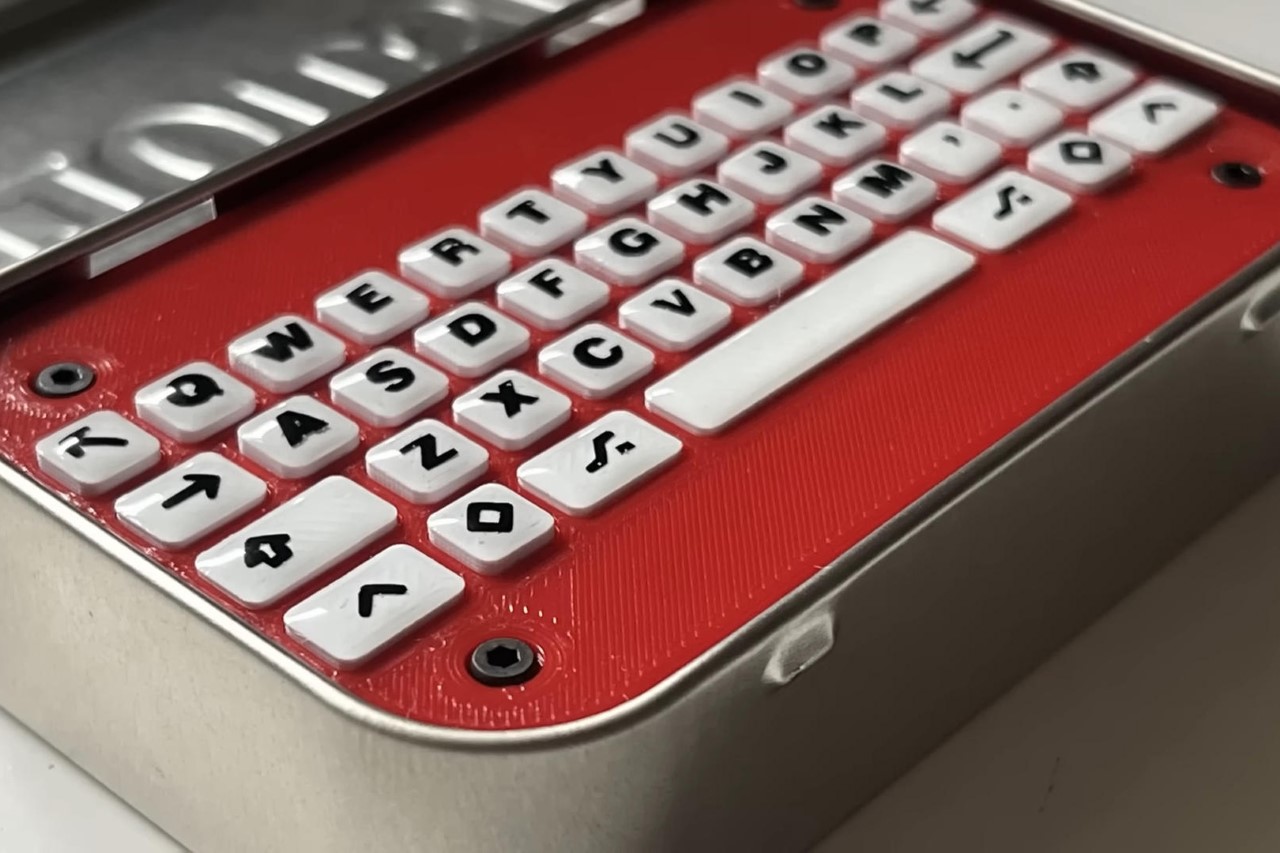
Initially conceptualized as a 60% layout keyboard, the Mint Board’s design journey was marked by meticulous planning and adaptation to spatial constraints, ultimately settling for a 40% layout that would only feature the essential Qwerty and special keys (no numbers either). Key spacing and switch selection were pivotal considerations when it came to choosing this layout, ensuring optimal utilization of the limited space within the tin.

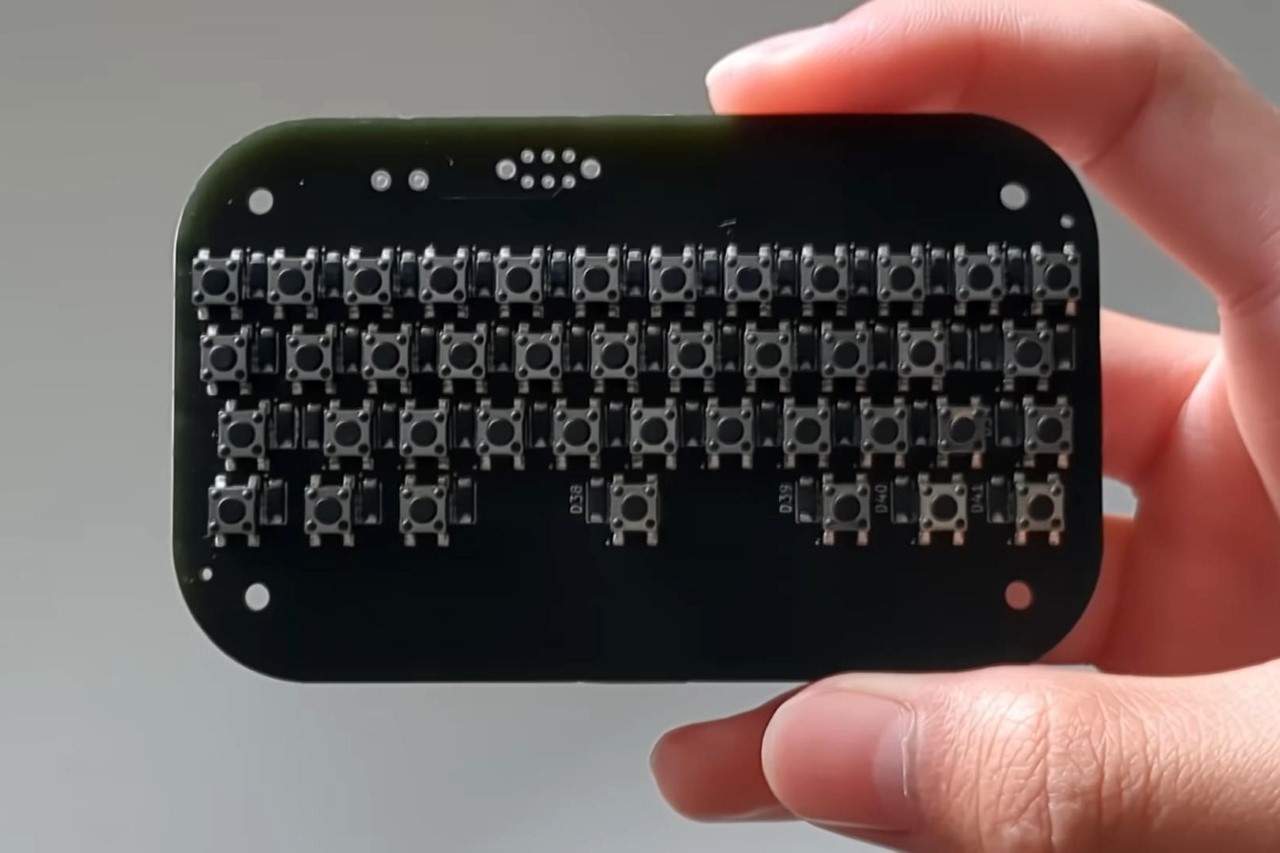
At the core of the Mint Board lies a meticulously crafted PCB, meticulously designed to accommodate switches, diodes, a microcontroller, and an on/off switch. Firmware development was a strategic endeavor, with Flurples opting for a Nice Nano microcontroller and ZMK firmware to enable Bluetooth connectivity. Despite the transition from the familiar QMK firmware, Flurples found solace in the shared conceptual framework, facilitating a seamless integration process. The assembly process proved to be both a challenge and a triumph, as Flurples meticulously soldered each component, including the microcontroller and battery, with precision and finesse. However, unforeseen challenges arose, such as tight keycaps, prompting Flurples to undertake a redesign.

Once the inner workings were ready, Flurples built the outer housing, relying on a 3D printer to make the upper and lower halves of the keyboard body, as well as the 41 individual keys. The keyboard was secured together using four screws that sandwiched the PCB in between the plastic components, and glued into the Altoids tin, whose sides had cutouts made to coincide with the ports and switches on the Mint Board’s PCB.

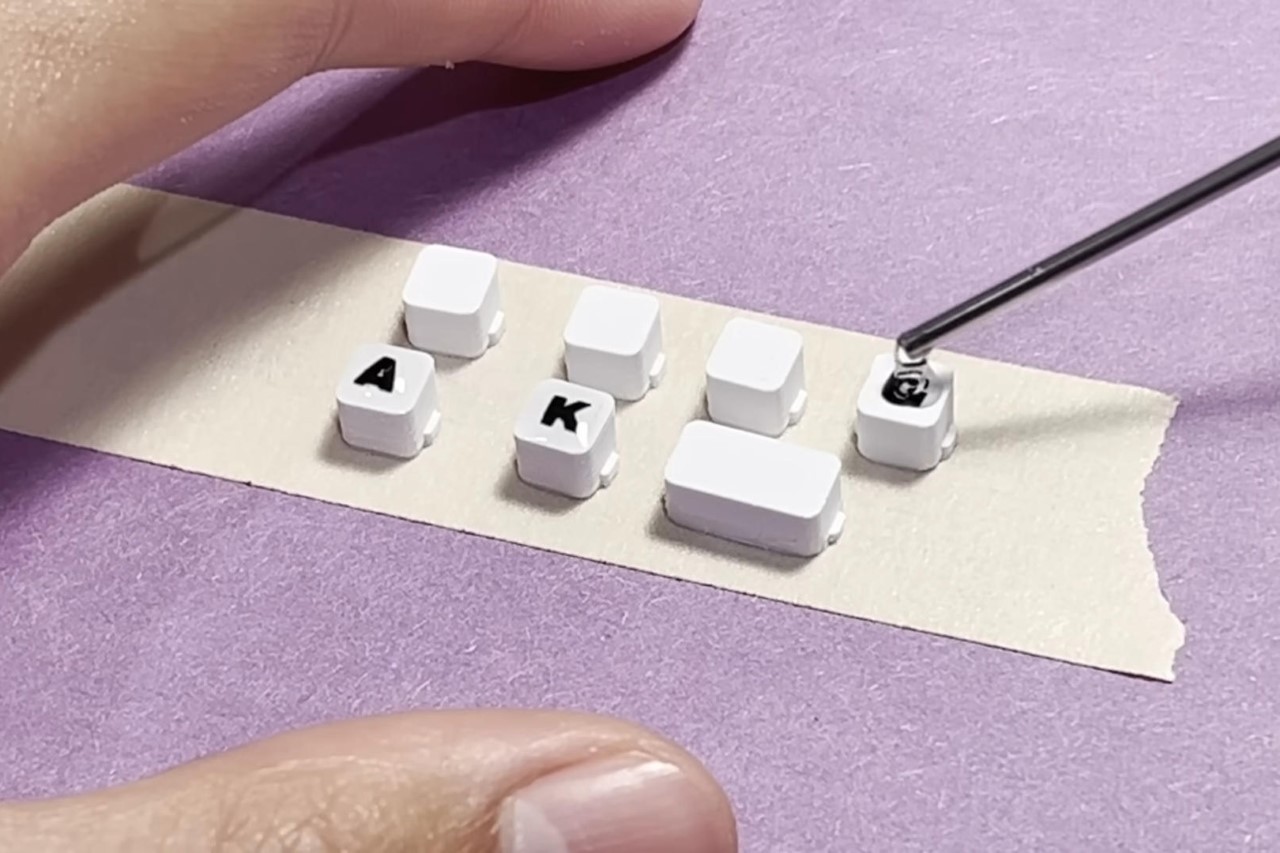
Yet, the true pièce de résistance of the Mint Board lies in its personalized keycaps, each painstakingly crafted with legends created in Illustrator, cut using a Cricut Machine, and finished with a layer of clear-coat resin to give it its signature domed shape. Using the keyboard proved to be gorgeously tactile too, with satisfying click sounds that most Blackberry users will fondly remember. The best part, the entire keyboard could wirelessly connect to pretty much any device, giving you a familiar typing experience on everything from your smartphone to even your iPad.

Flurples should seriously consider building a screen into the lid and turning this into a miniature laptop!

The post Wireless Keyboard Inside An Altoids Tin Is Perfect For People Missing Their Blackberry Phones first appeared on Yanko Design.
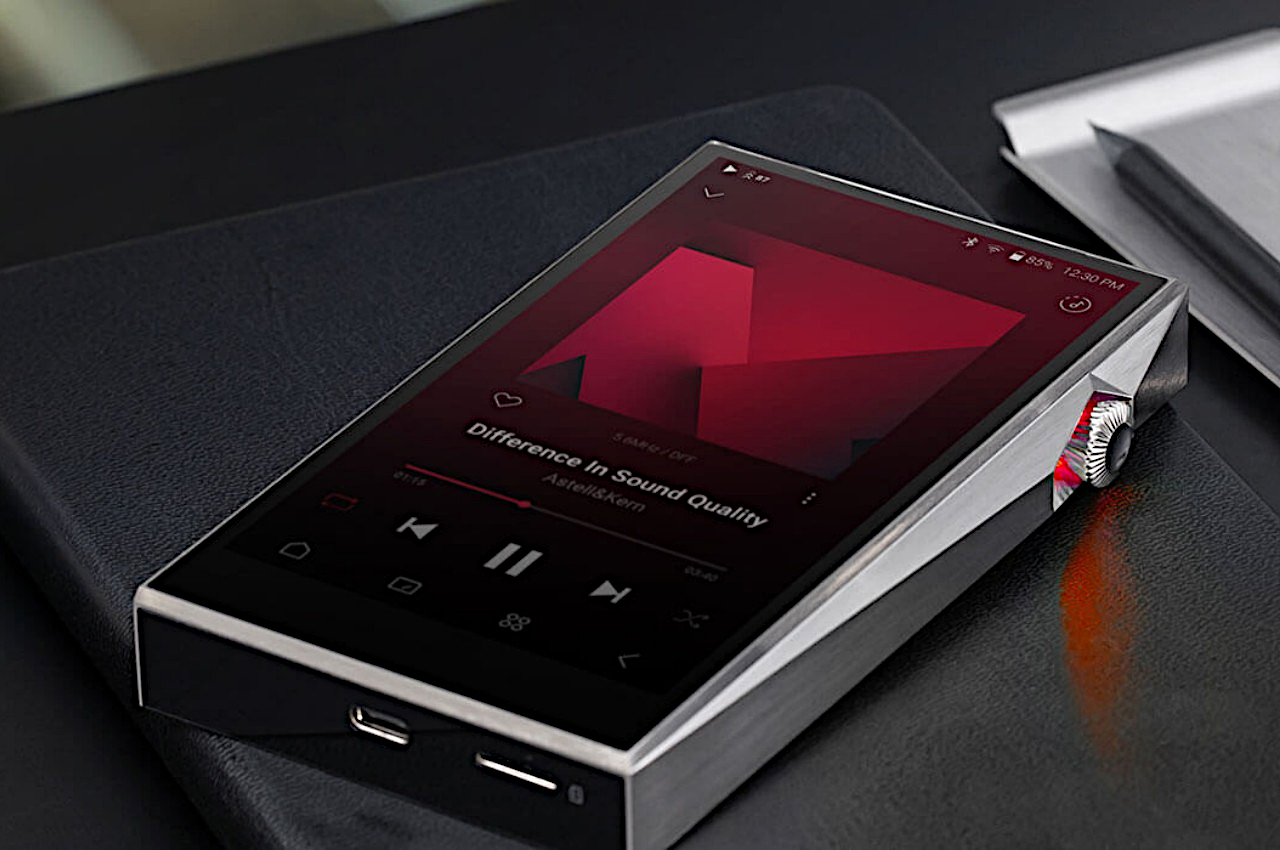
Astell&Kern SP3000T is a modern music player with retro vacuum tube amps

It’s not unusual these days to see plenty of retro-themed designs and products, all trying to capitalize on the strong emotions that nostalgia can bring. Most of these simply slap on a facade that mimics the aesthetic from decades past, but some do try to also recreate the experience by using what would be considered vintage technology or components. Of course, it’s not enough to just use old-school technologies, they also need to be properly integrated into today’s features. That’s the kind of balance that Astell&Kern’s latest portable music player tries to deliver, bringing a modern device that not only looks retro on the outside but partly on the inside as well, blending the present and the past in perfect harmony.

Designer: Astell&Kern

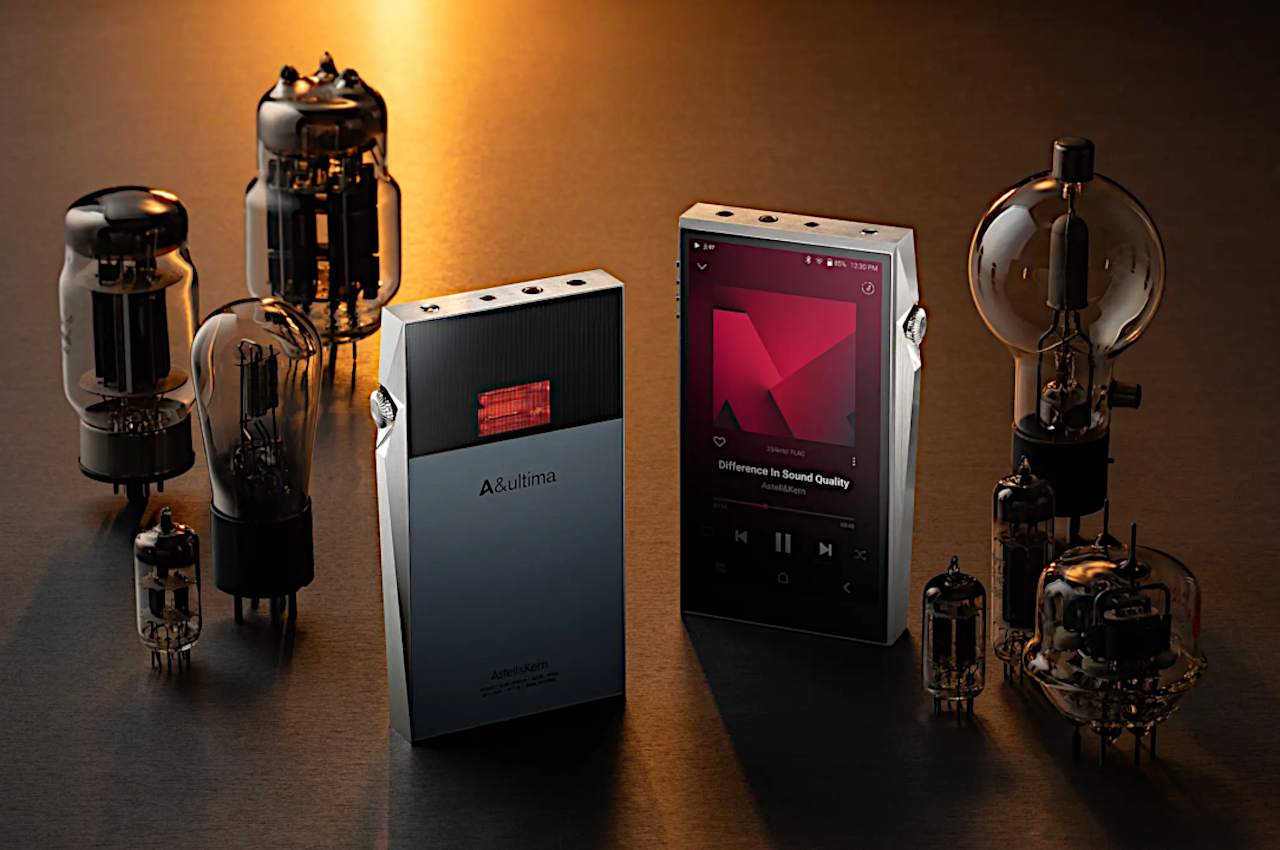
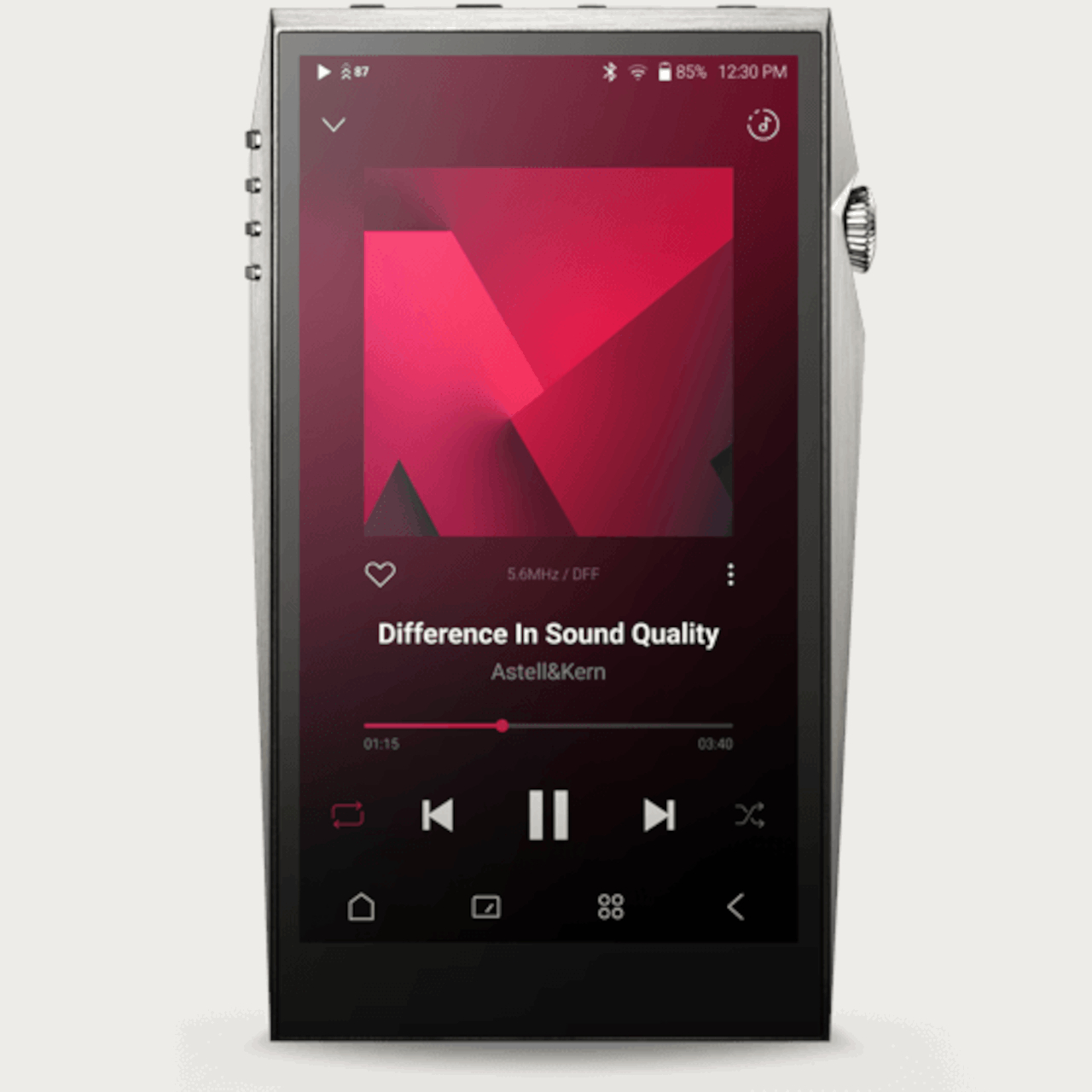
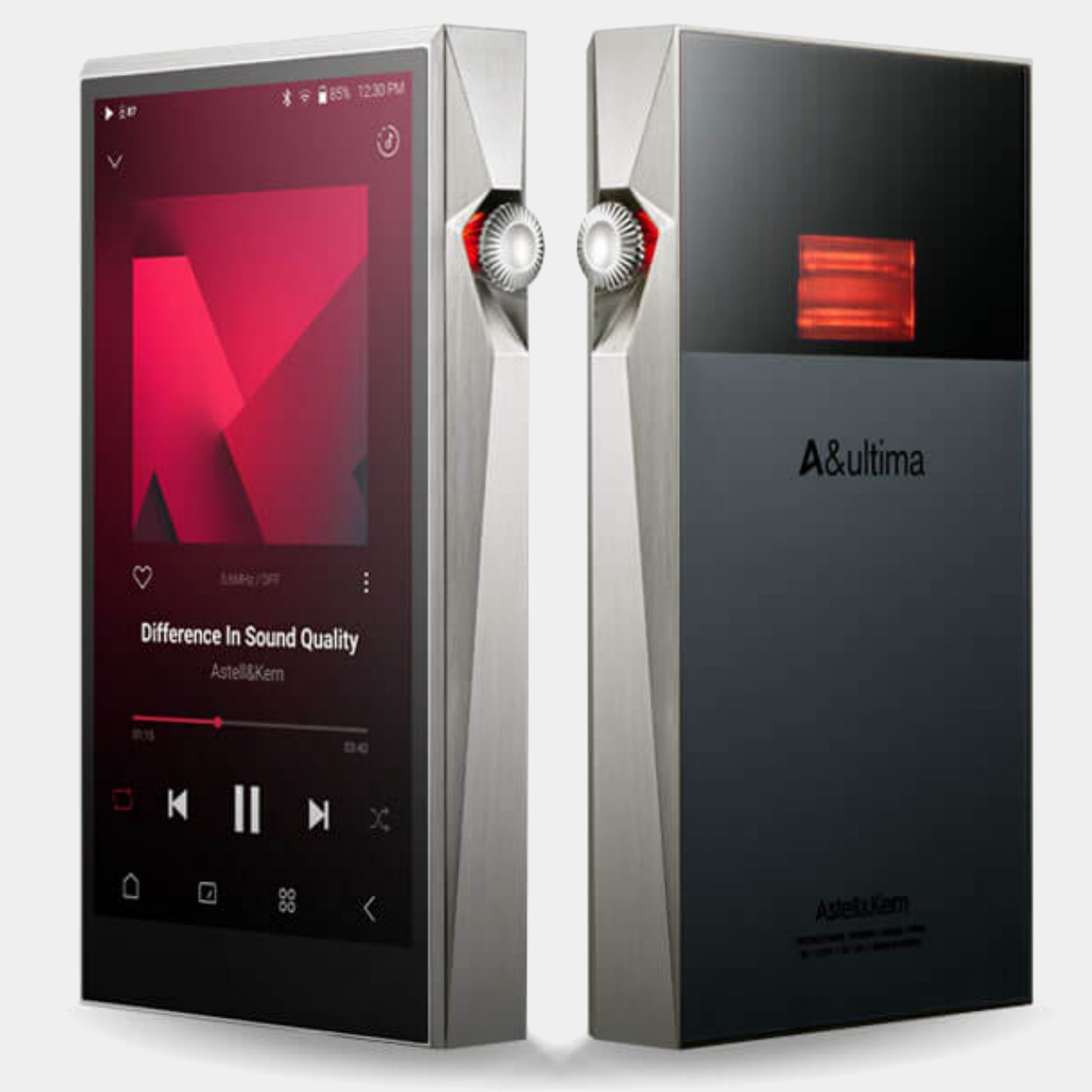
It might come as a surprise in the age of smartphones, but there are still companies producing music-playing devices that do only that. It allows the brand to focus solely on perfecting the listening experience without having to worry about cameras, cellular networks, and apps. As far as those portable music players go, Astell&Kern’s existing SP3000 is already quite distinctive with its hard, faceted, and angular design, giving it an almost industrial aesthetic, especially with its stainless steel body and 99.9% pure silver plating.

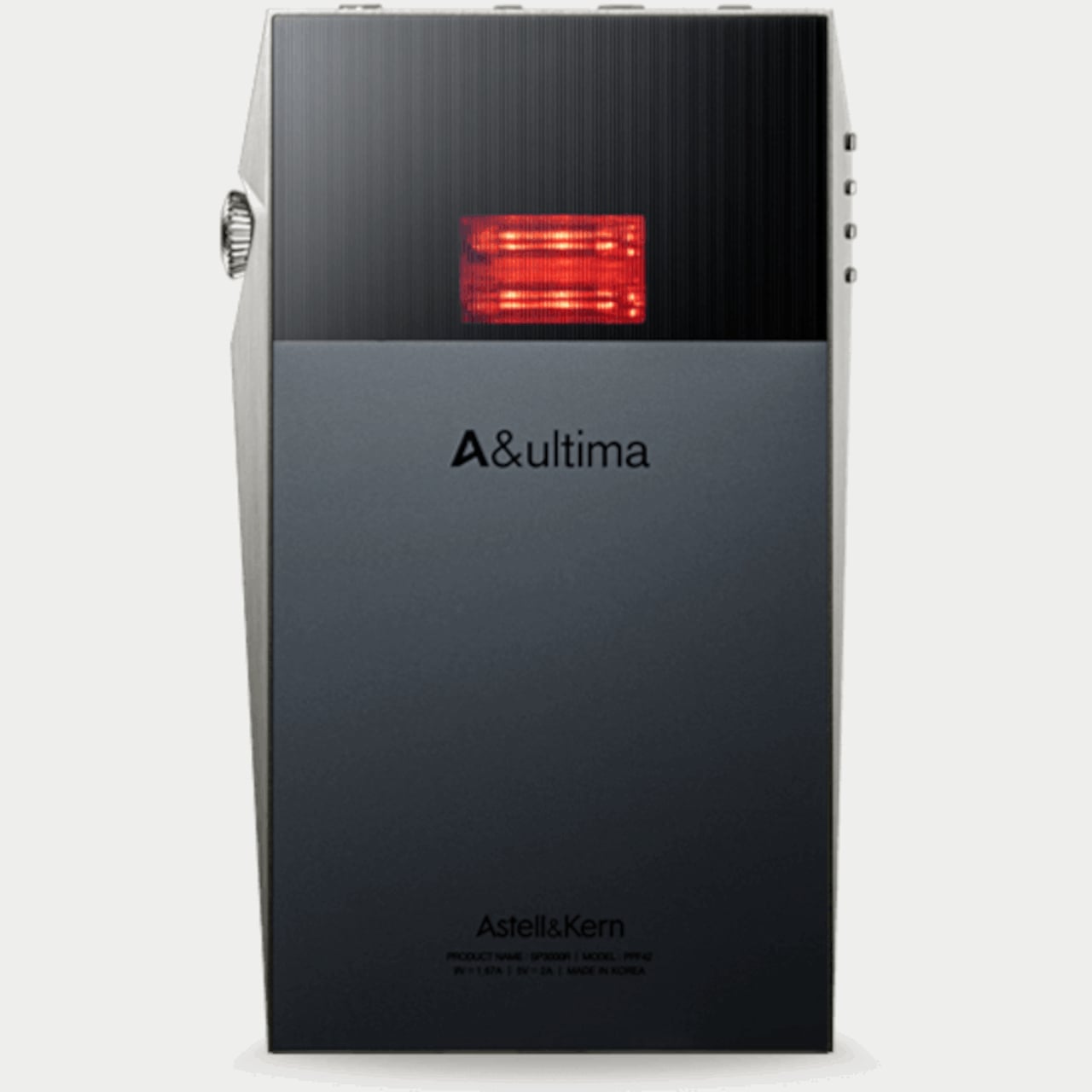
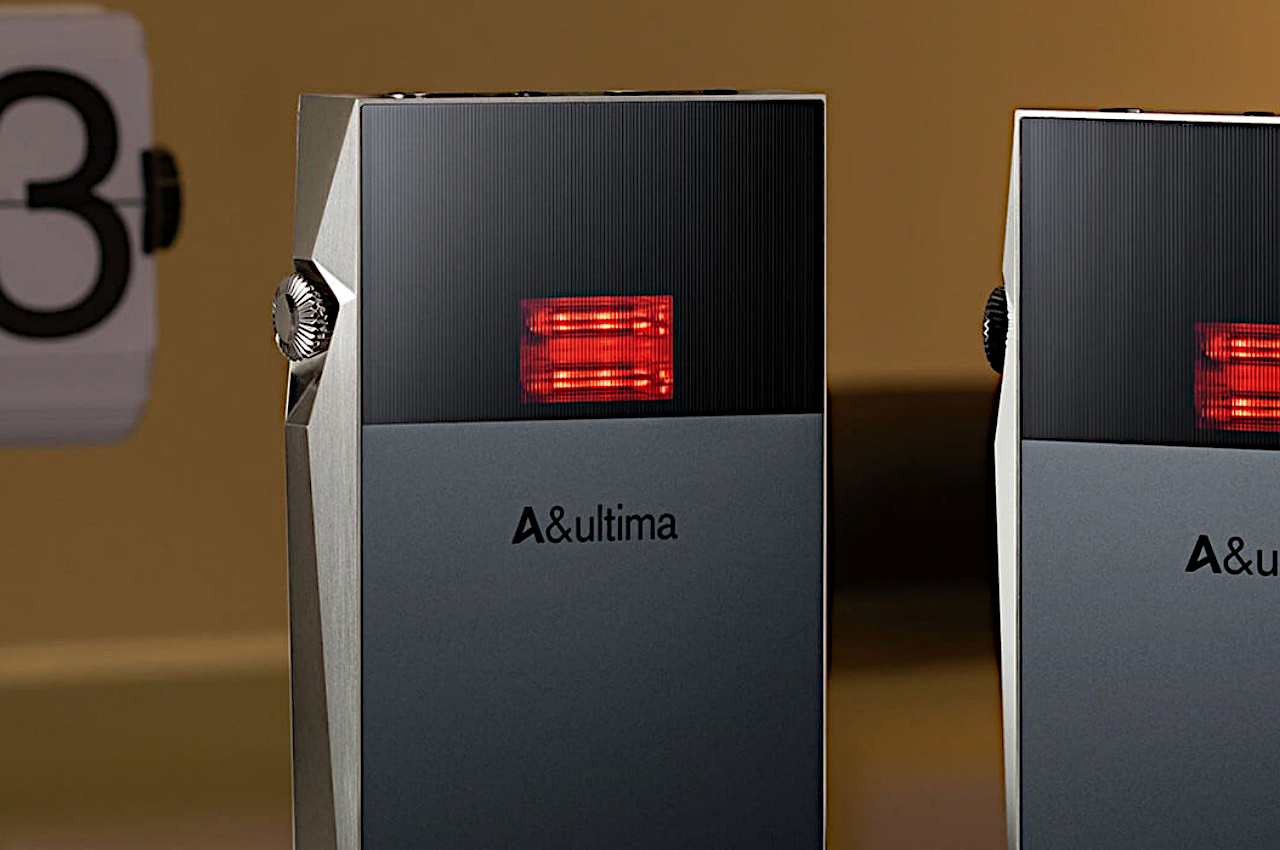
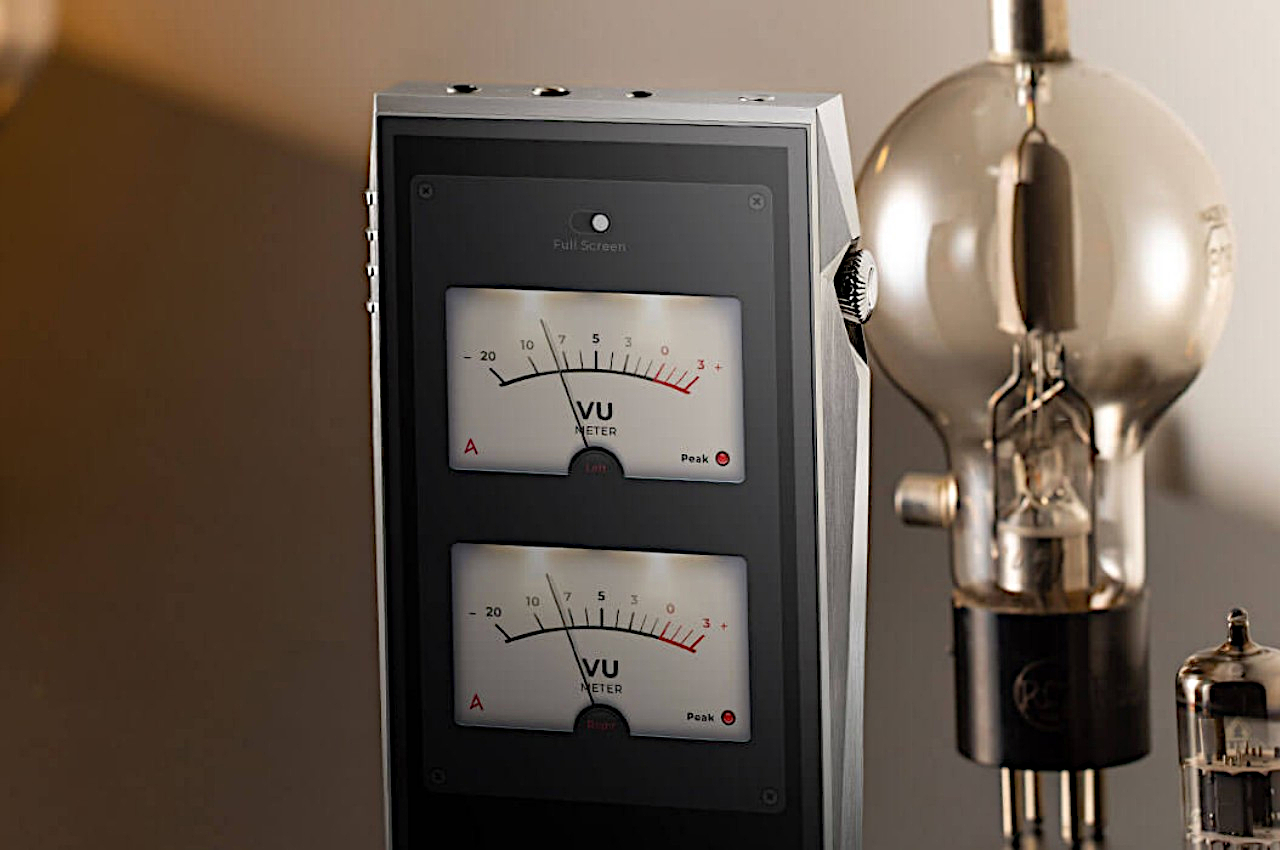
The SP3000T, however, gives that design a retro twist by adding dual vacuum tube amplifiers on the back of the device. These aren’t just for show, though, as they actually function the way the tube amps did in the past, using modern techniques and materials, of course. The tubes bring not just an analog appearance but also an analog sound, delivering a unique audio quality that can be best described as warm and soothing, qualities that are difficult to achieve simply using digital sound.

What’s even more interesting is that listeners won’t have to choose between one or the other. Yes, the SP3000T lets you switch between these analog tube amplifiers and the digital op-amp mode, but there is also a third hybrid option that mixes the two together. What you get is a combination of the precision and high-resolution output of the digital amp mixed with the warm tonal qualities of the analog vacuum tubes.

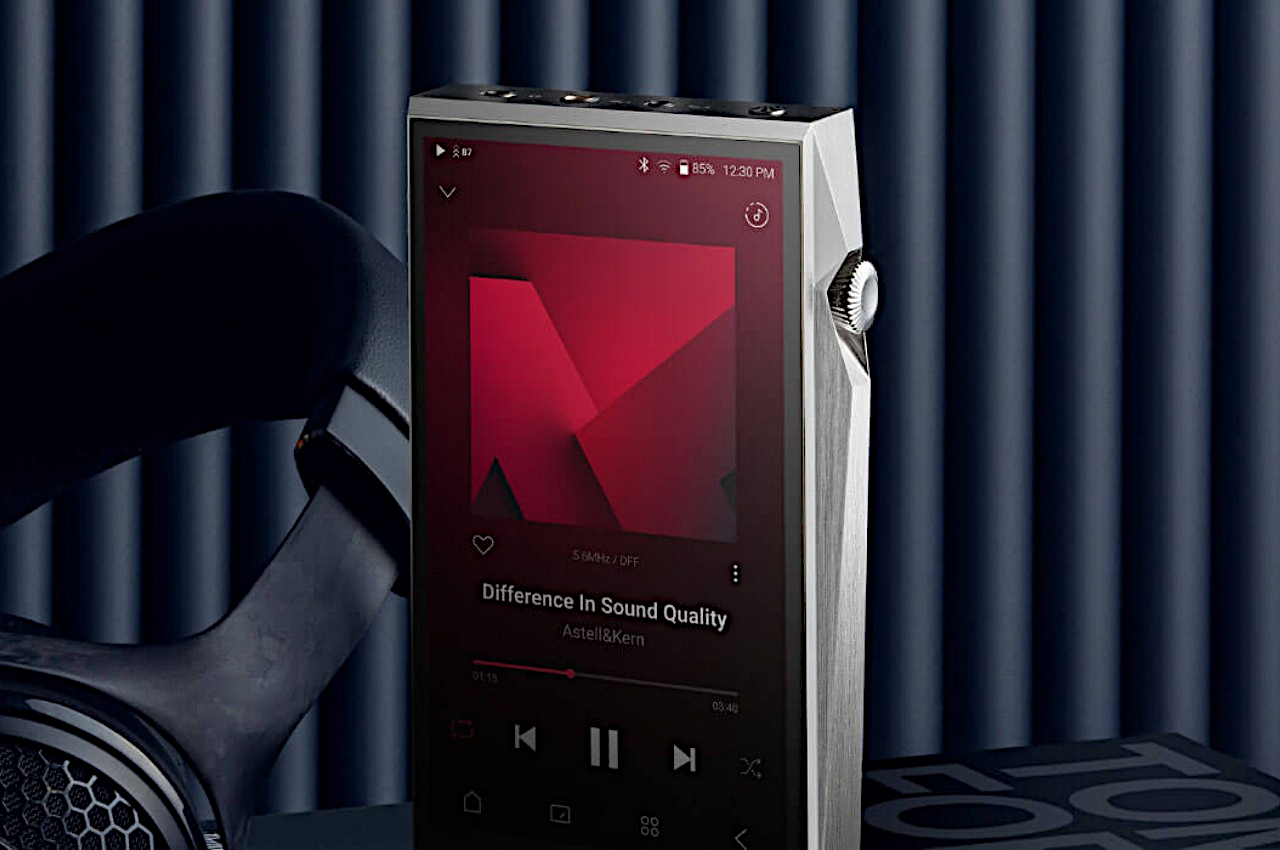
The Astell&Kern SP3000T also carries the brand’s latest audio technologies, including a digital-to-analog converter that promises a complete separation of digital and analog signals for the cleanest sounds. It also has 8GB of memory, boasted to be the highest in digital audio players, for smoother operations. And, yes, it also has a touch display, almost like a smartphone, that lets you enjoy not only album art but also themes, adding a bit of joy to this retro-modern listening experience.

The post Astell&Kern SP3000T is a modern music player with retro vacuum tube amps first appeared on Yanko Design.
Saturn-inspired Bluetooth speaker brings a unique look to your music

There are a lot of Bluetooth speakers in the market, from simple and minimalist ones to the more luxurious and expensive-looking ones. When it comes to design though, there aren’t that many that go out of the box so to speak so we see either circular, box-shaped, dome-shaped, spherical, and other common shapes. So when we see uniquely-designed ones, even if they’re still just in the concept stage, then it catches our attention.

Designer: Hyunjae Noh

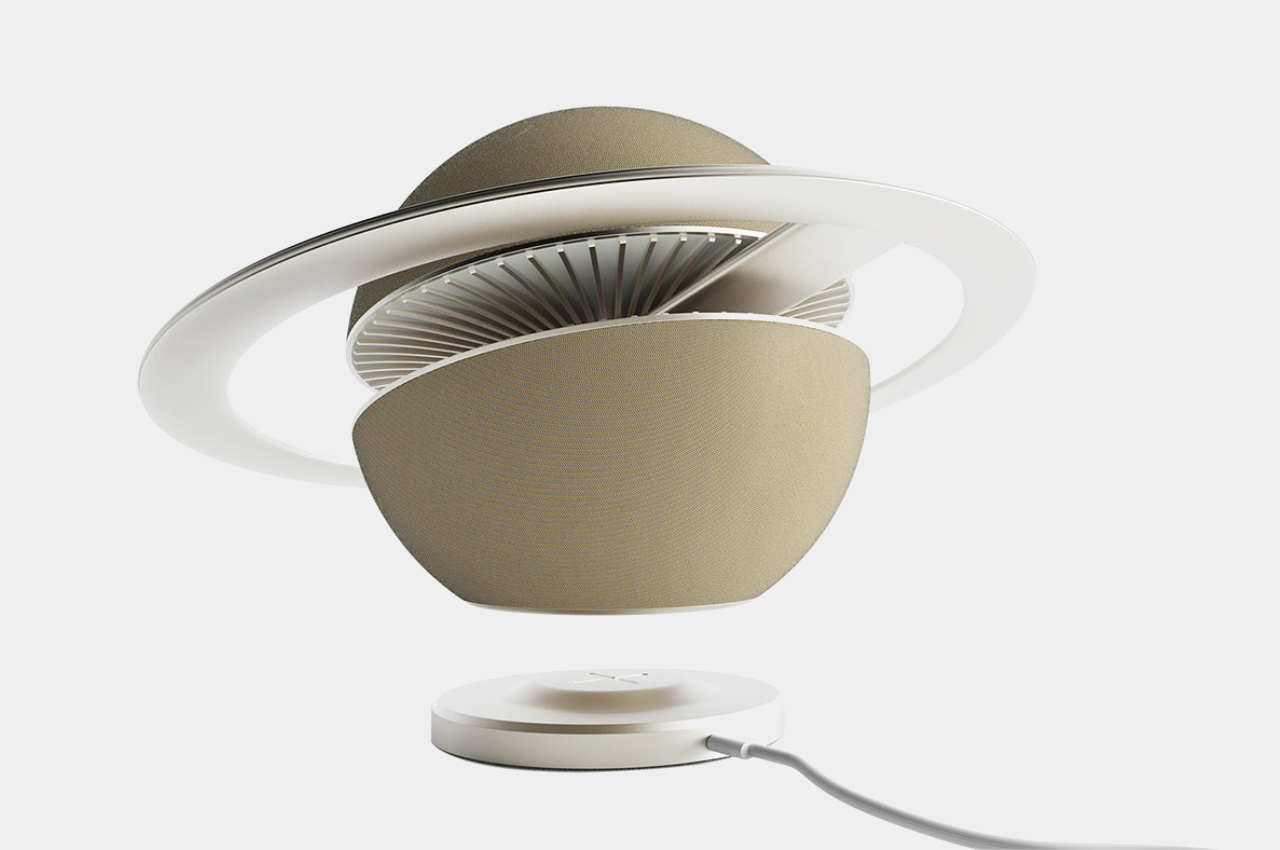
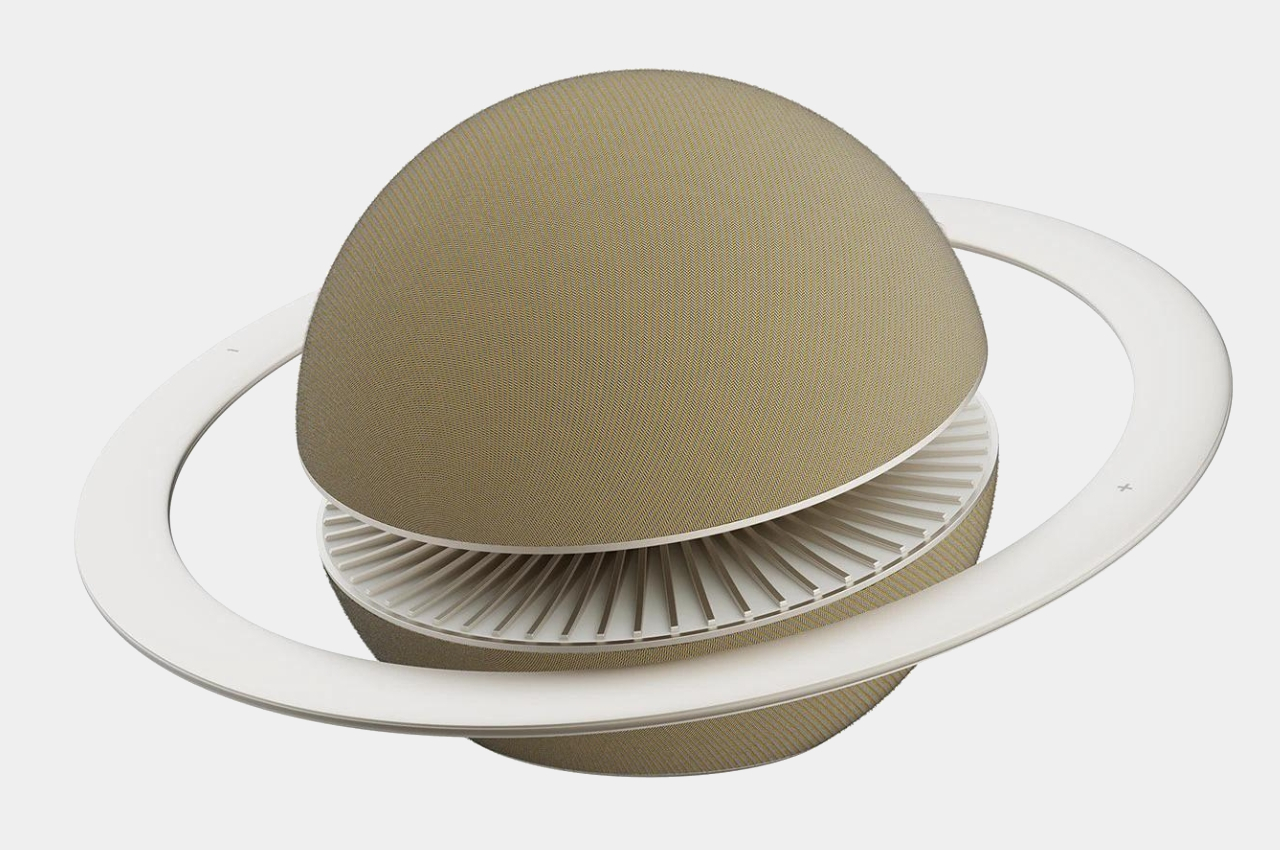
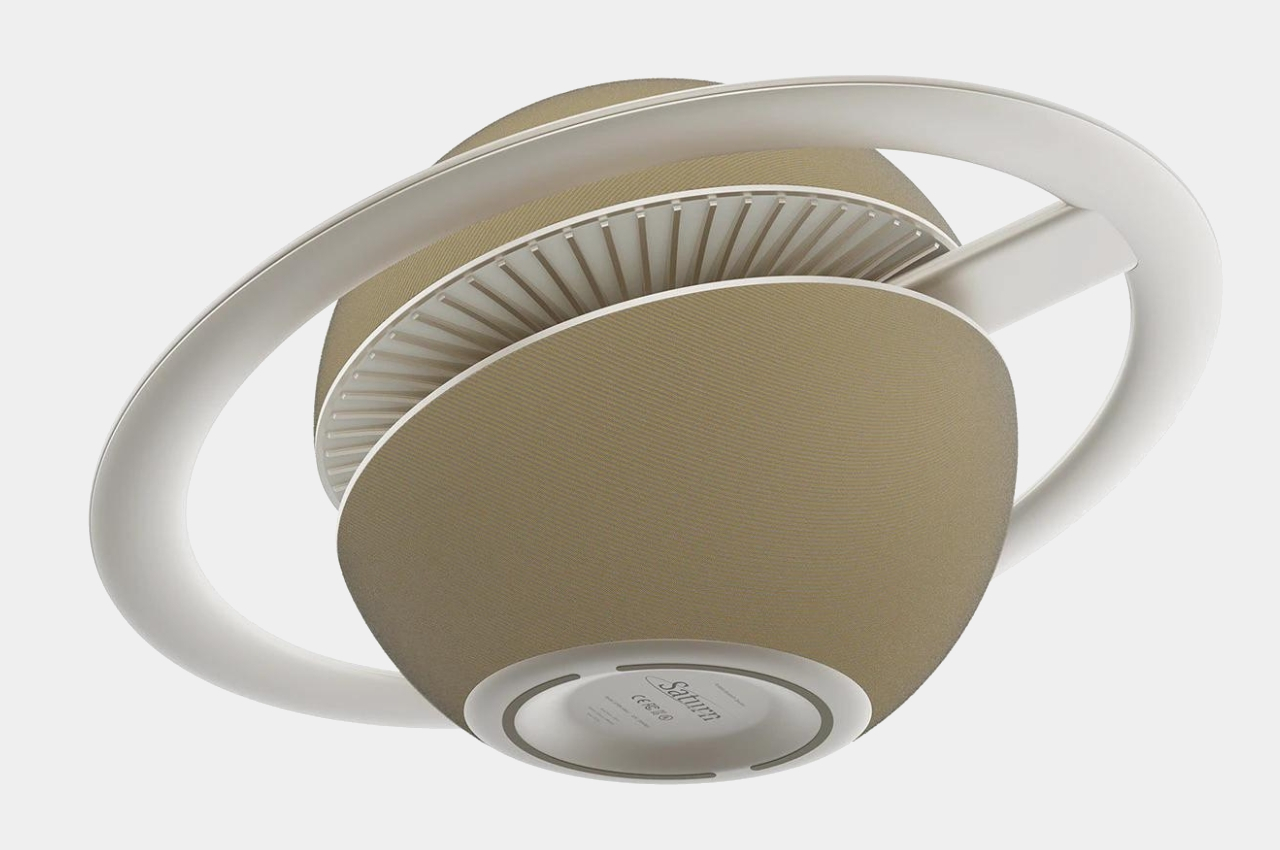
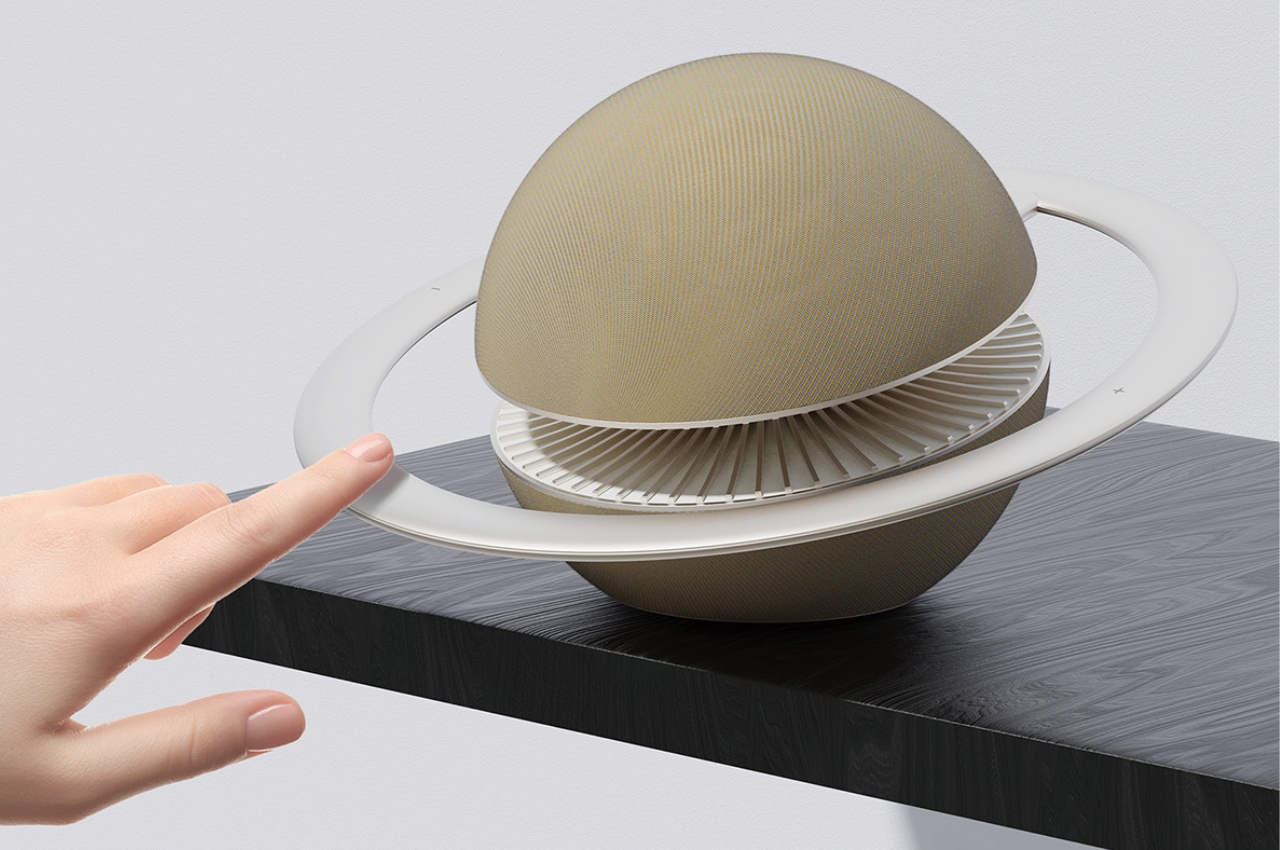
The concept for the Saturn Bluetooth speaker is inspired by, you guessed it, the planet Saturn. It’s one of the more “unique” planets in a sense that it has countless rings surrounding it made from ice and rock particles. It also has a yellow-brown golden hue when viewed from earth because of gases like helium and hydrogen. The designer was able to adapt these qualities into a design for a speaker that would most likely stand out. It would look like a sculpture of the planet but once you start playing music from it, then it would be a conversation starter as well.

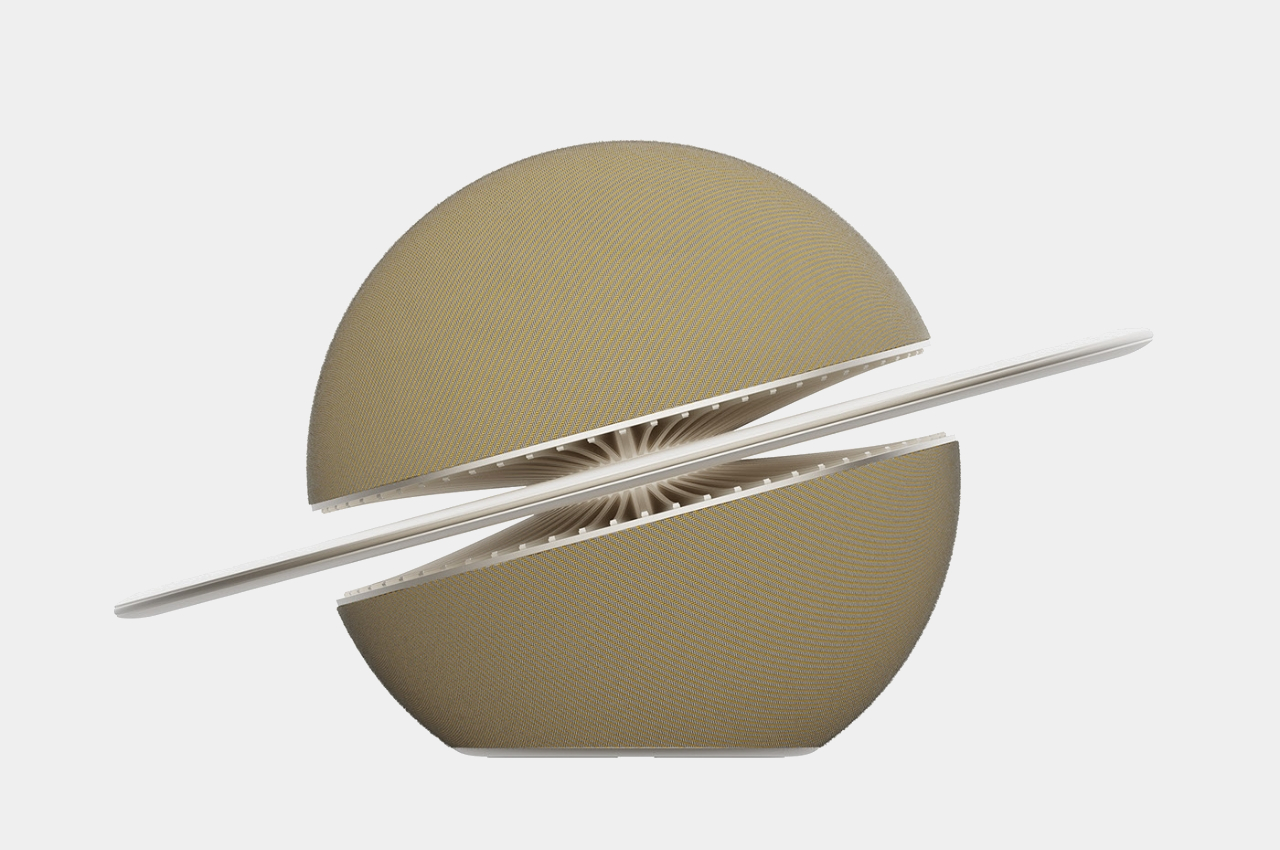
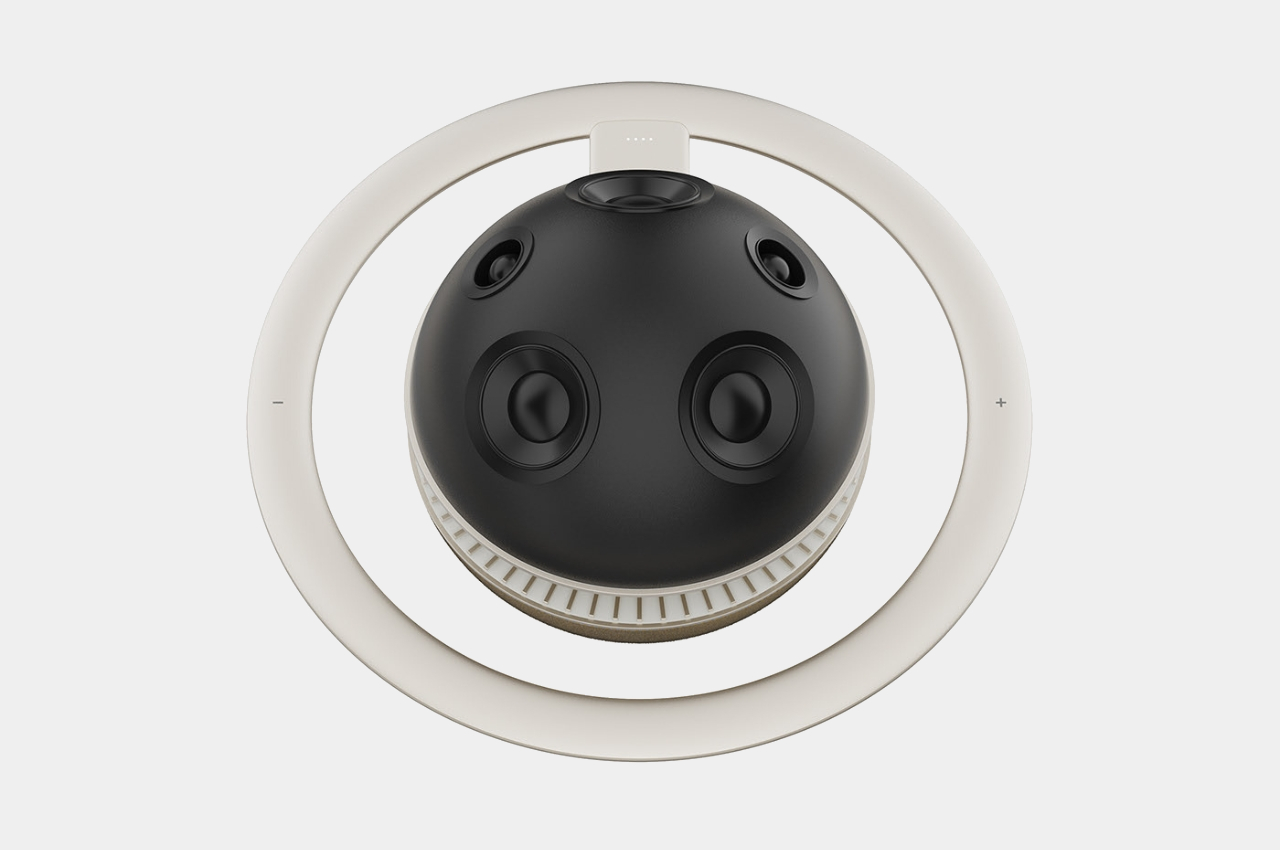
But it just doesn’t emulate the look of Saturn. There’s a functional purpose for the parts as well. There is an upper body, a lower body, and a singular ring. The last one is what you will use to adjust the volume of the music or podcast streaming from the speaker. Because there is an upper and lower part, the support between the two is there to minimize the vibration interference from the woofer, midrange, and tweeter as well as minimizing interaction between them. This means there should be better sound quality and accuracy of sound reproduction.

The 360 degree speaker placement means your sound can be distributed around the room. The multi-way system is also able to accurately separate low, mid, and high-frequency ranges. You get 10 hours of playback on a full wireless charge, so it means you can also bring it around with you if you don’t mind carrying around a planet.

The post Saturn-inspired Bluetooth speaker brings a unique look to your music first appeared on Yanko Design.
LAYER Design and Deutsche Telekom unveil the future of communication devices

As a huge fan of science fiction content, from books to movies to TV shows, I am excited to see which things from what I’ve read and seen will come true one of these days. And with the advances in technology, a lot of them are not far-fetched ideas anymore. There are some things that may be scary or at least creepy but it’s still pretty interesting to see what we’ll see next which we thought were just works of science fiction before.

Designer: Layer Design for Deutsche Telekom

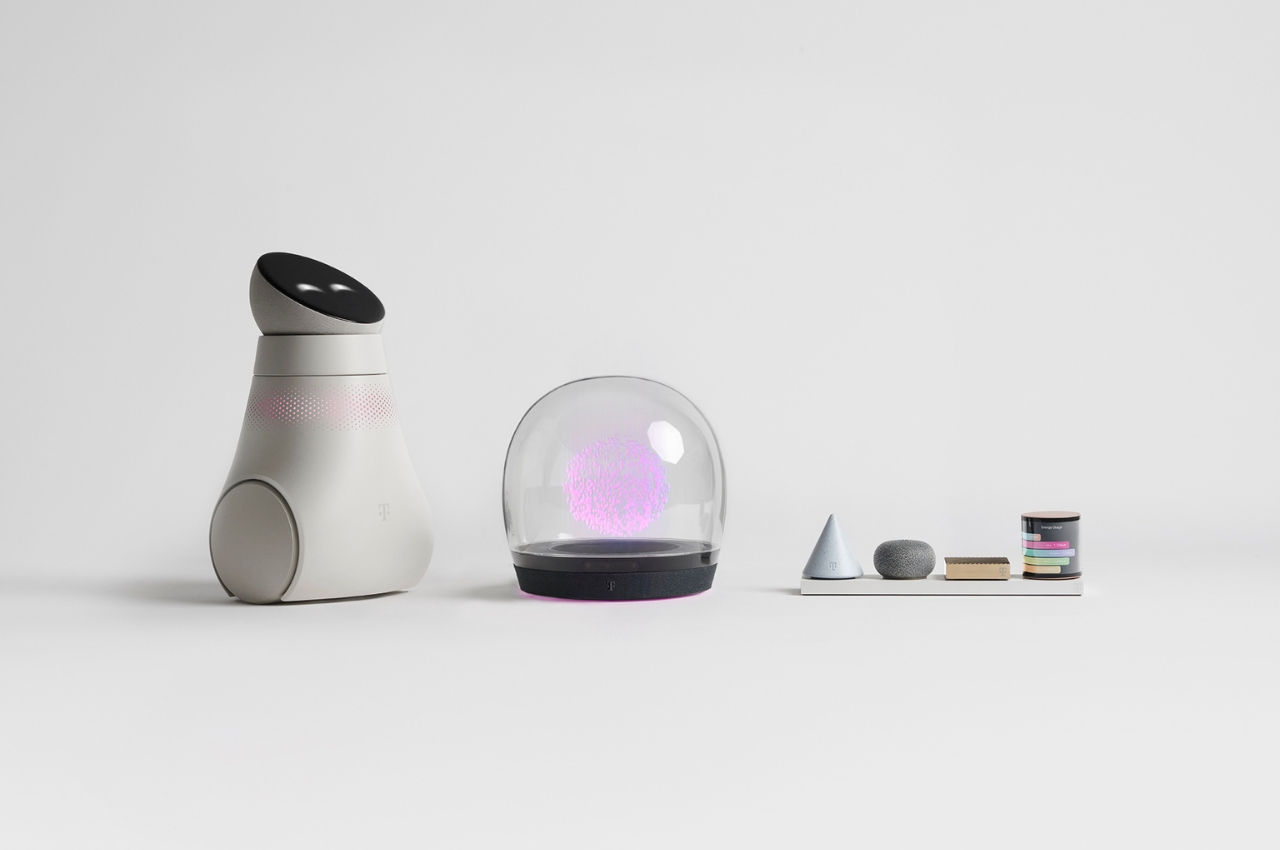
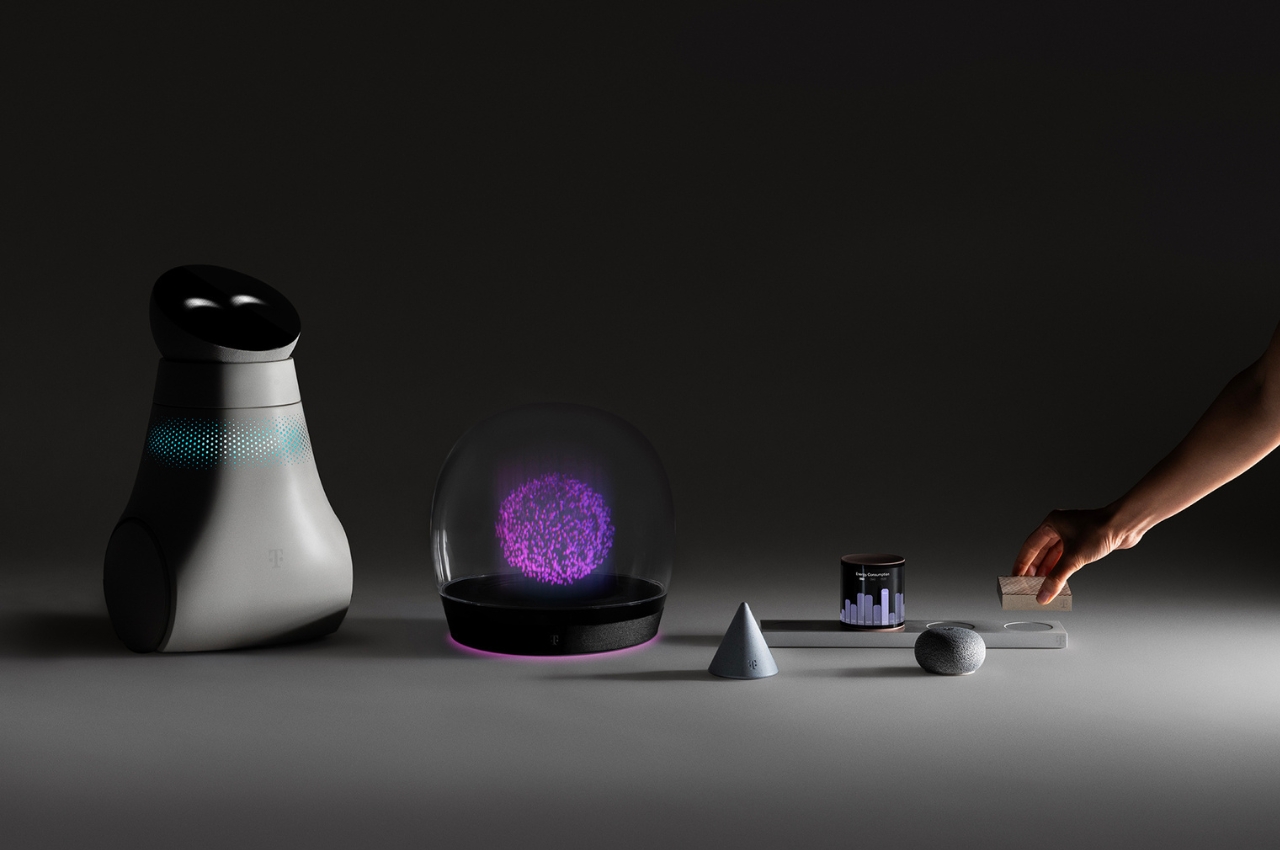
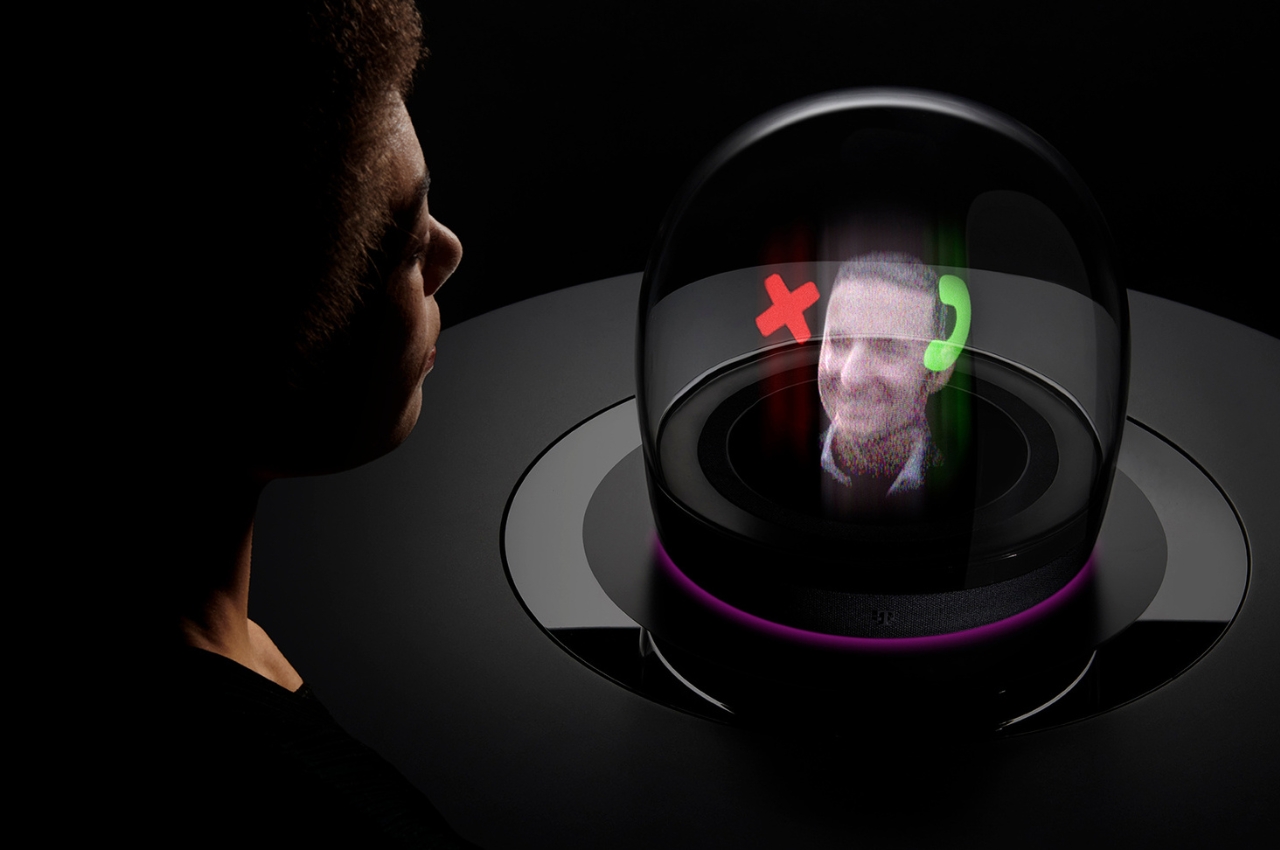
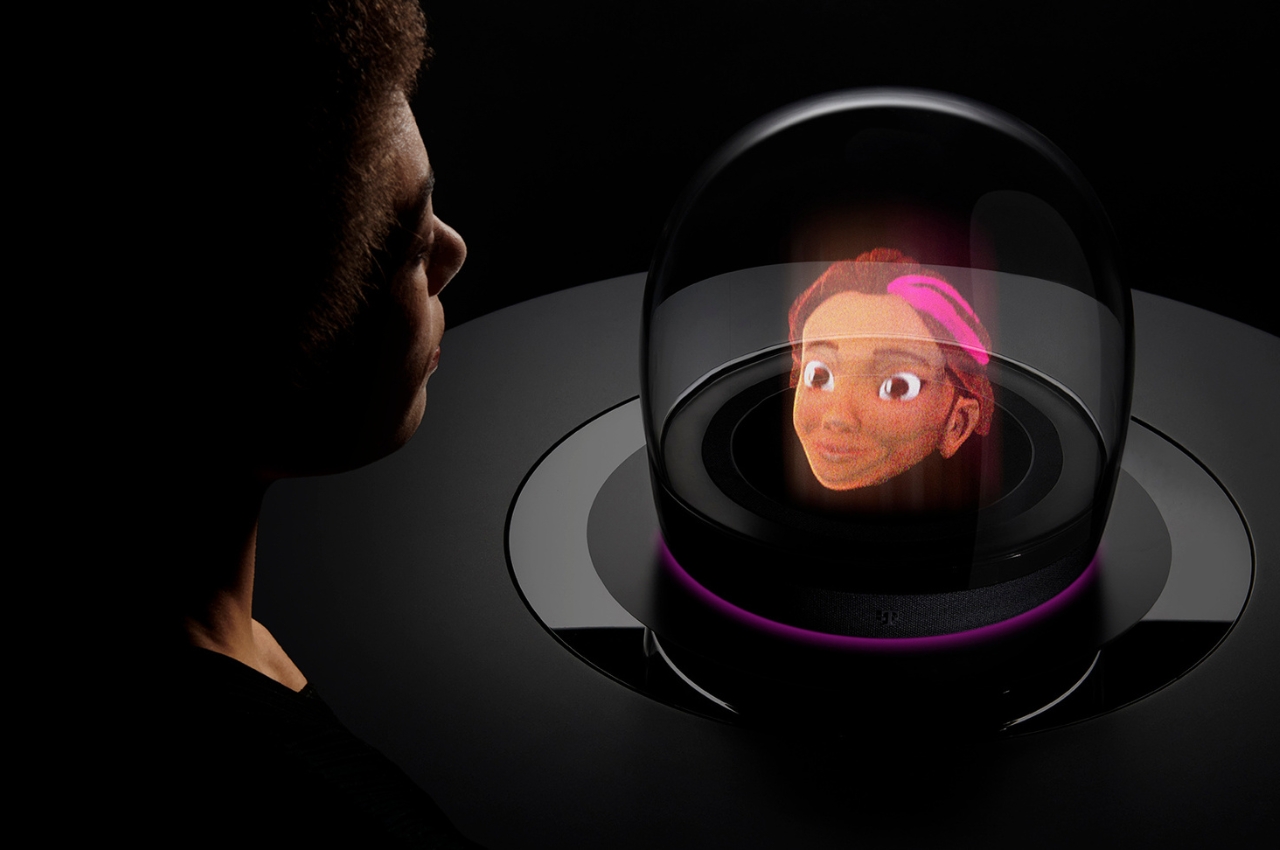
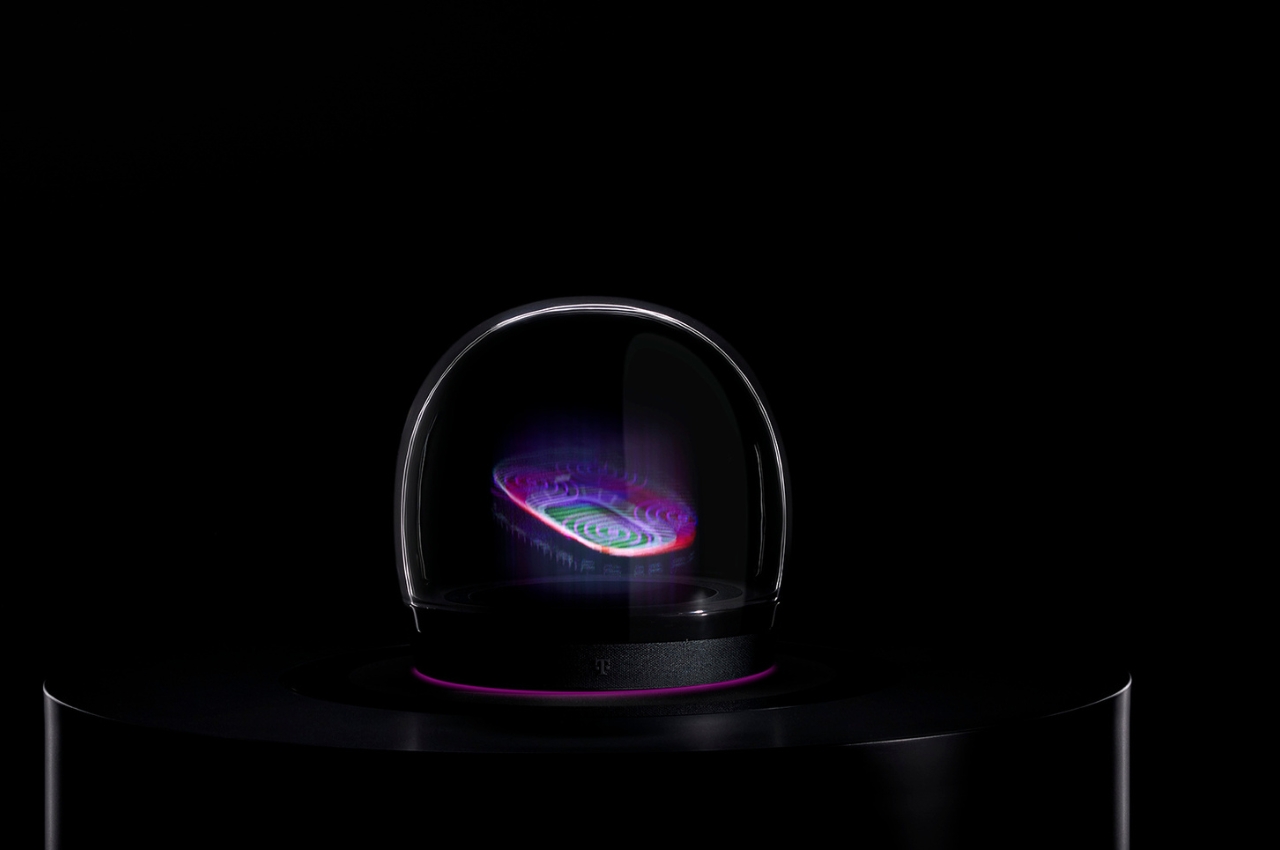
German telecommunications company Deutsche Telekom recently unveiled the Concept T project which is a collection of advanced technology and gadget concepts that will show consumers what may be the future of communications. Concept View is a home hub with a twist: it has a 3D holographic AI-equipped virtual assistant called Emma to guide you through things like video calls and other digital world activities. It looks like a cross between a crystal ball and the Palantirs from Lord of the Rings but instead of showing you what the future holds, it will show you the future of technology.

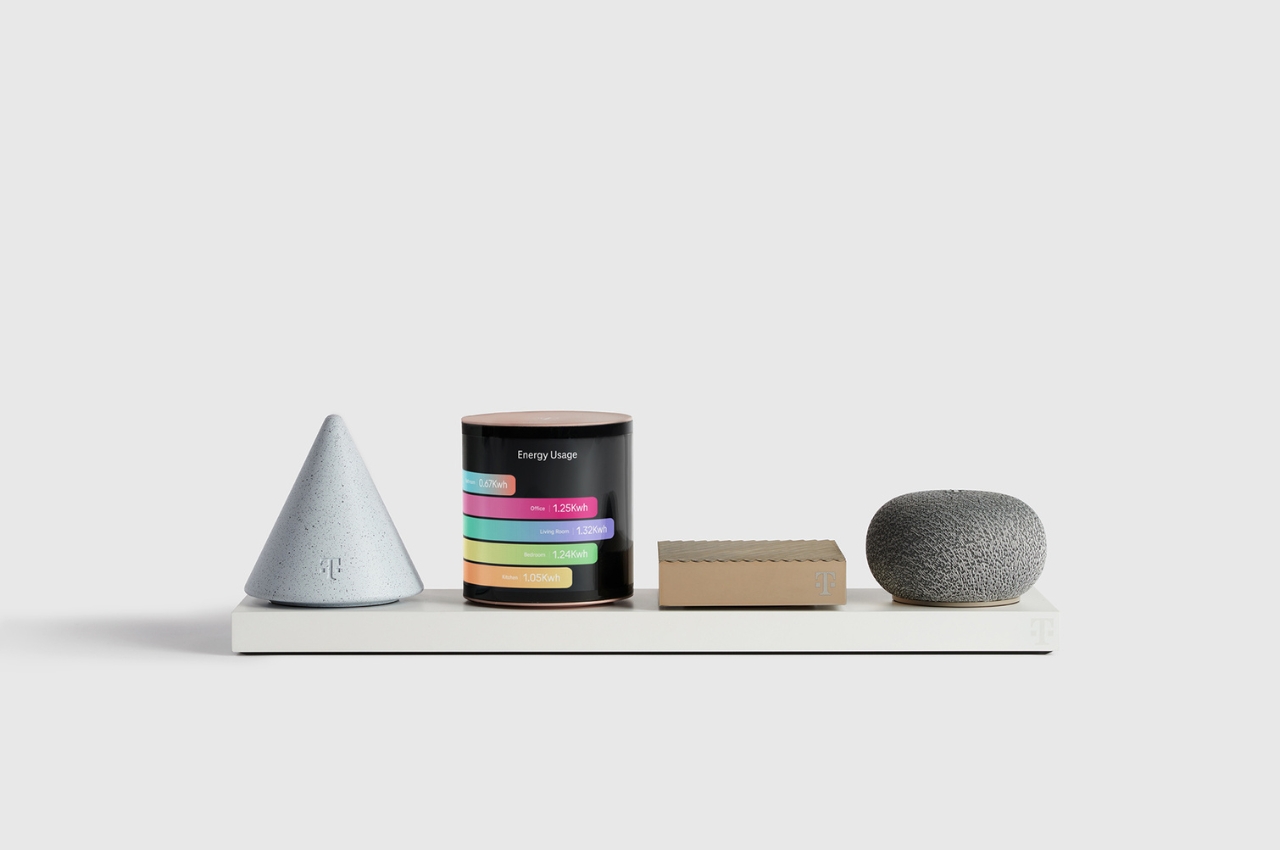
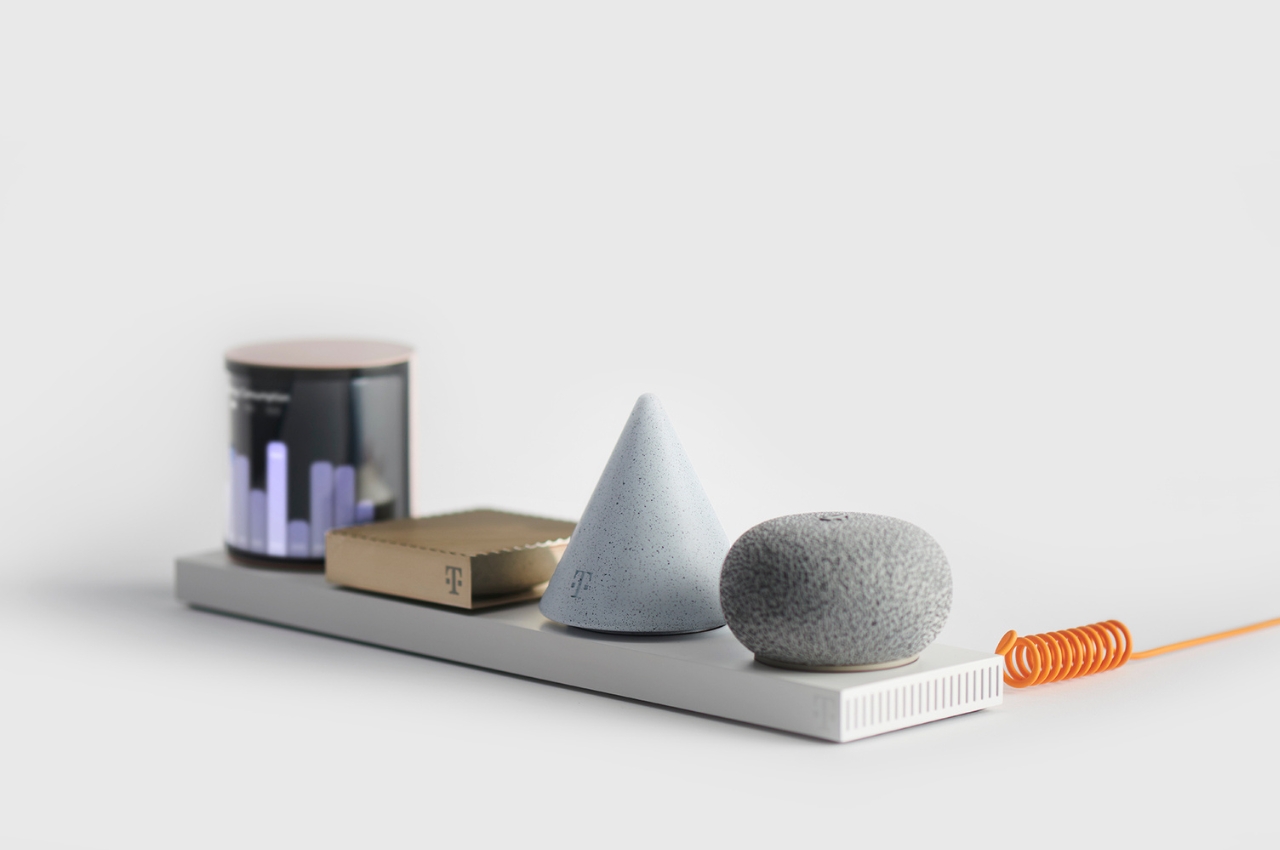
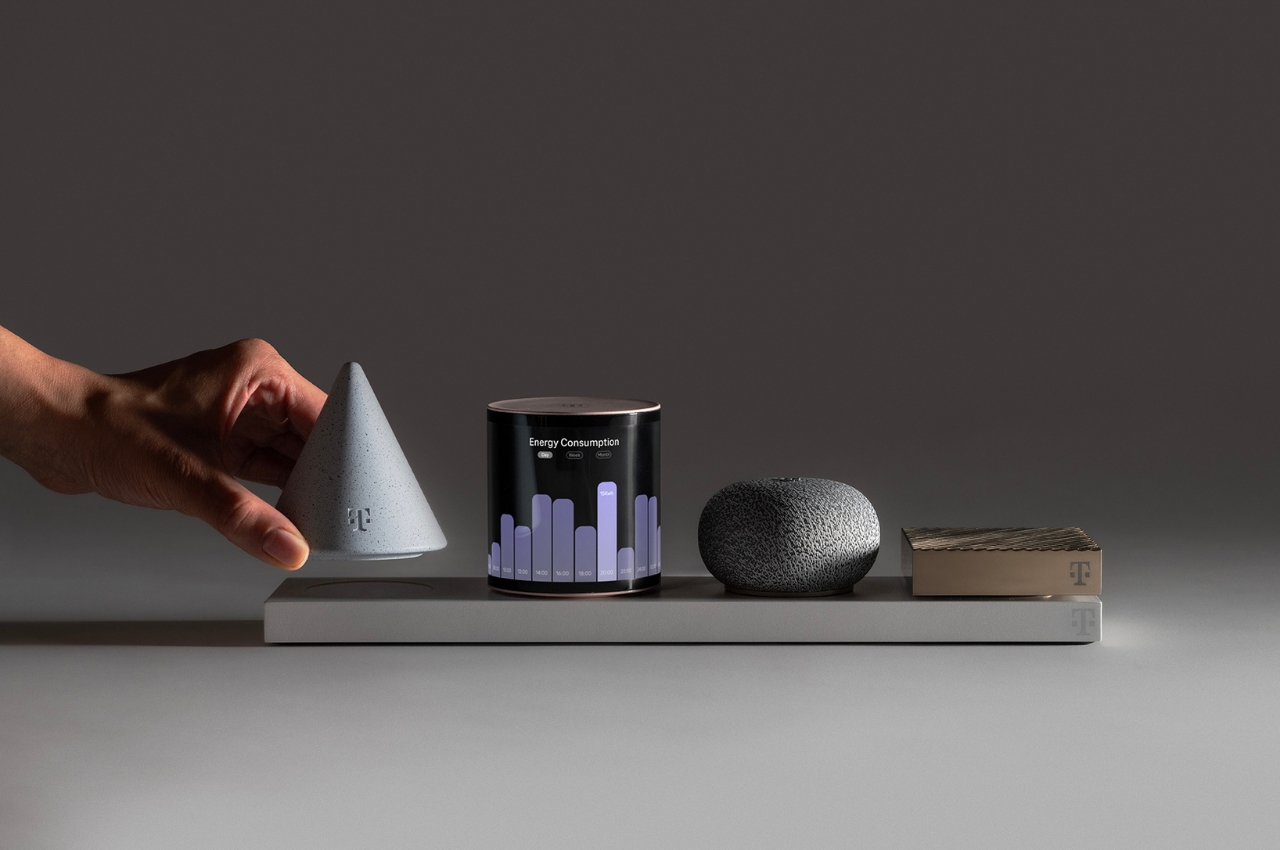
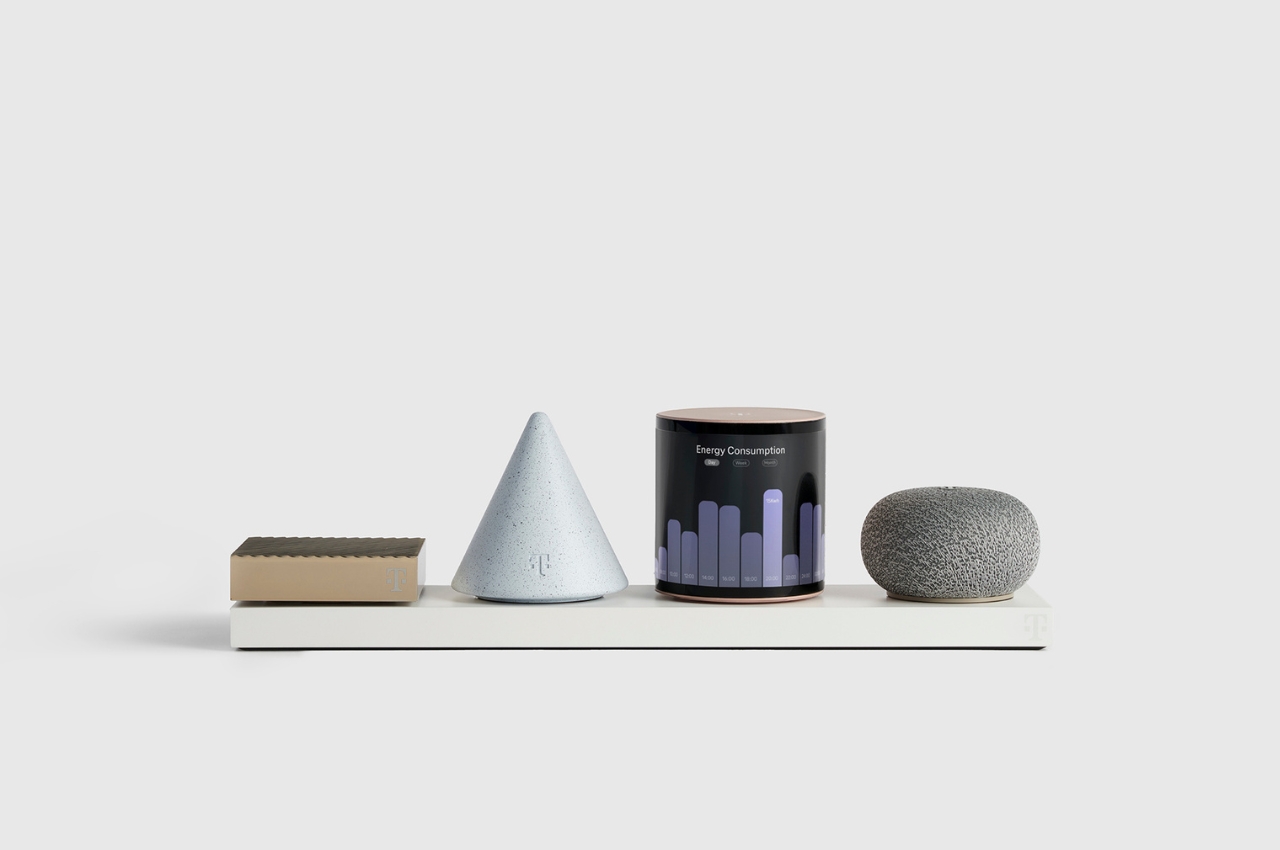
A Wi-Fi router isn’t the sexiest gadget out there but Concept Level definitely makes it more interesting. It is a re-configurable router that is made up of different interchangeable, modular elements. The set includes a display unit, Wi-Fi sensing element, mesh repeater, and computational module for Web 3 use cases. The elements are designed using different geometric forms so it looks like you have interesting mini sculptures rather than an actual router.

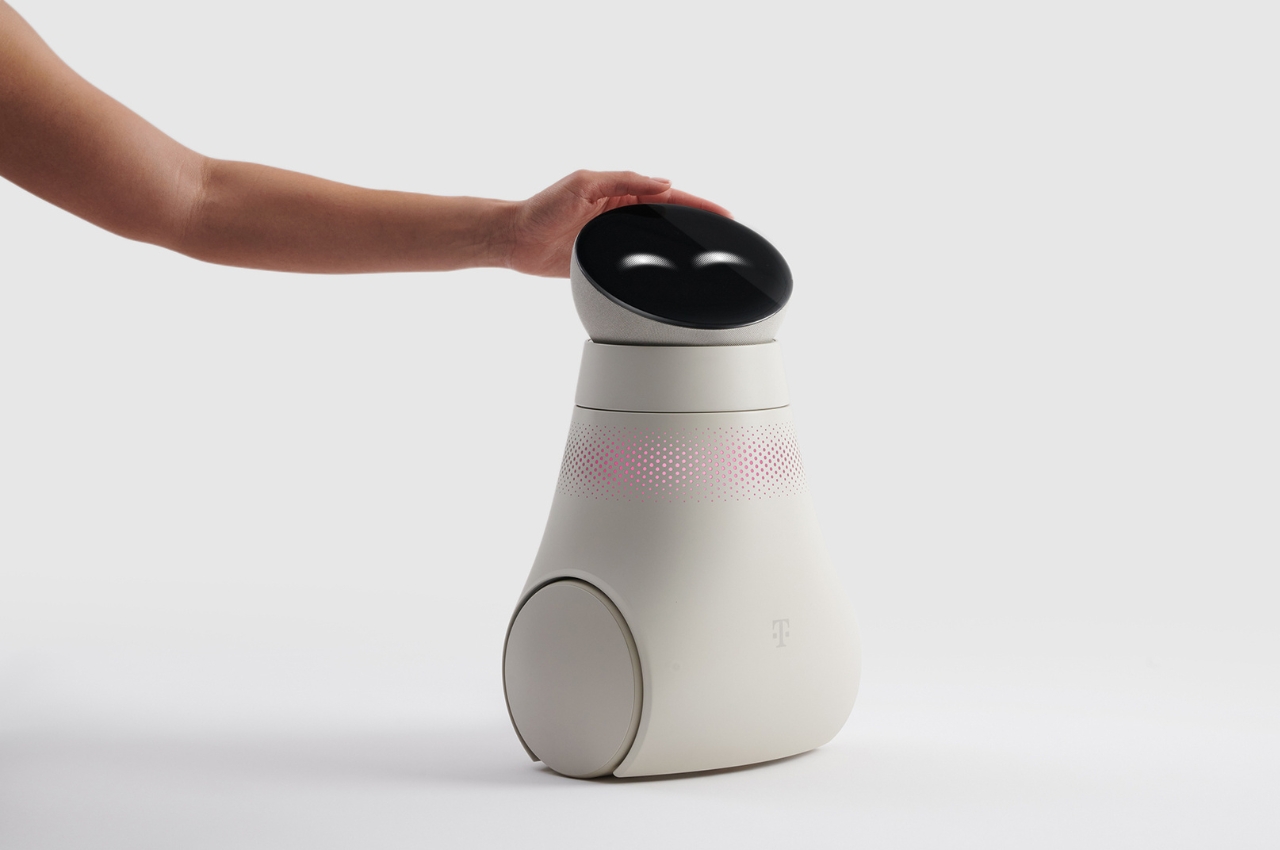
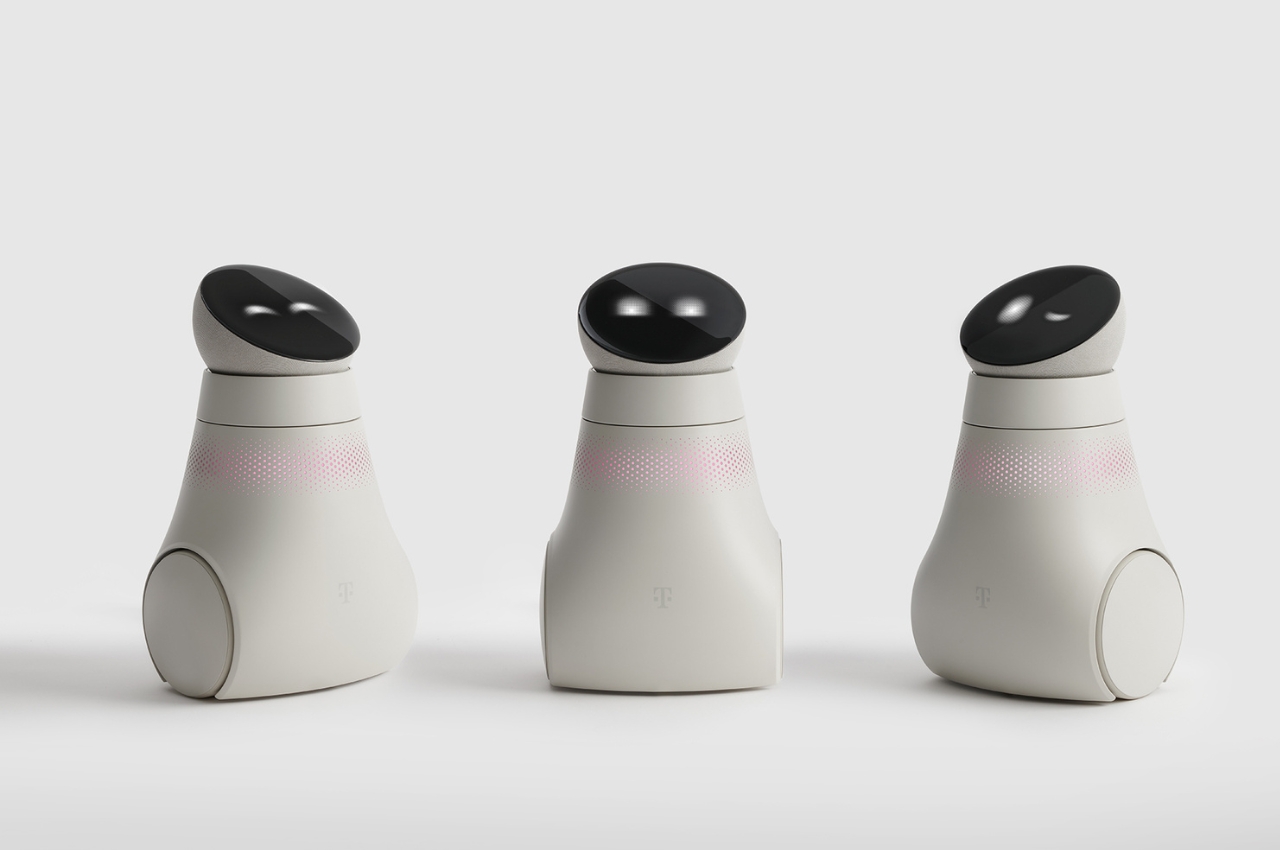
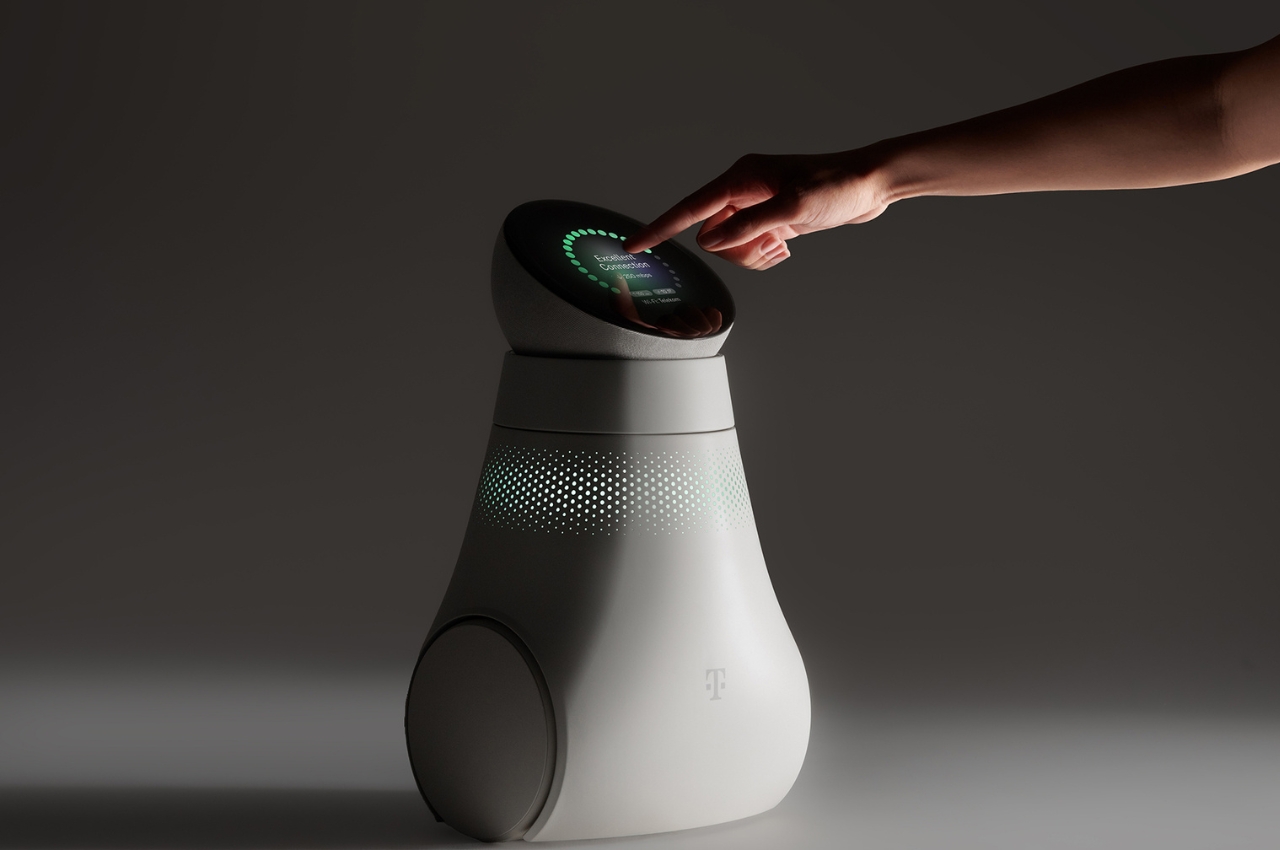
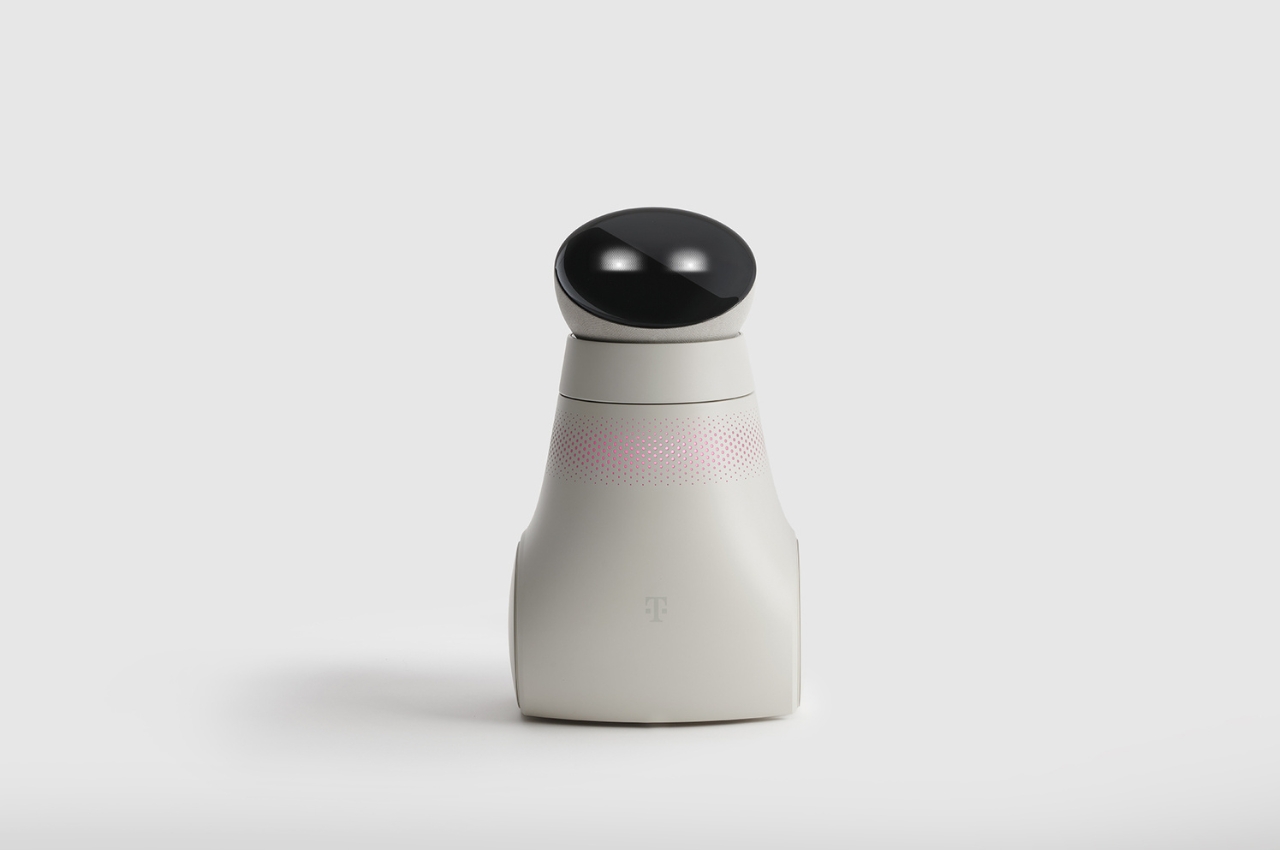
Concept Buddy is your own personal robot at home, similar to the ones you see in malls and airports. It’s an AI-based digital assistant companion that is able to communicate through the “emotion and information display”. It is able to give reminders like taking medication and household chores and can also assist in calls, online shopping, and other tasks you may need assistance. It can even warn you of potential hazards and contact emergency services if needed. It is able to adapt to your routine and will only “come alive” when it is engaged with.

The post LAYER Design and Deutsche Telekom unveil the future of communication devices first appeared on Yanko Design.