Water quality and sustainability are growing concerns for modern households, but most purifiers still rely on tap water with inconsistent quality, bulky filter systems, and plastic jugs that clutter up the kitchen and generate waste. For anyone who wants pure hydration without the hassle, plastic waste, or aesthetic compromises, traditional systems can feel like choosing between wellness, the planet’s well-being, and the visual harmony of your carefully curated space.
Kara Pure 2 offers a new vision for home hydration that eliminates these trade-offs entirely. By pulling water straight from the air, mineralizing it with essential nutrients, and presenting it in a sculptural stainless steel form, it changes the simple act of pouring a glass of water into a daily wellness ritual that’s as beautiful as it is sustainable and convenient.
Kara Pure 2’s tall, brushed steel silhouette and oval pouring window bring a sculptural presence to any kitchen or office space. The sleek, minimalist design, with clean lines and premium materials, fits seamlessly into modern interiors without dominating valuable counter space. The 7-inch touchscreen is 40 percent larger than the original model, offering intuitive control over water temperature, filter status, and system settings with smooth, responsive interaction.
Inspired by the Stenocara beetle from the Namib Desert, which harvests water from air using specialized shell structures, Kara Pure 2 uses advanced desiccant technology to extract up to 10 liters of water from ambient air each day. Every drop is filtered through a new ultrafiltration system that removes 99.99 percent of impurities, microplastics, and bacteria before being enriched with essential minerals for optimal health.
The water is balanced to a 9.2 pH alkaline level and enriched with calcium, magnesium, potassium, zinc, sodium, and silica for smooth, great-tasting hydration that supports overall wellness and proper body function. The commercial-grade EPA air filter purifies intake air before it becomes water, offering dual benefits by improving both your drinking water quality and indoor air quality simultaneously.
Kara Water’s air-to-water innovation has earned recognition that few companies achieve: two TIME “Best Inventions” awards and two CES Innovation Awards, placing it alongside just 14 other companies in history like Apple, Tesla, and Samsung. The technology has already found homes in prestigious venues including House of Sound NYC, the luxury Gotham Hotel, and Hilton’s Conrad Hotel, proving that design-conscious hospitality and wellness spaces trust Kara Pure for both performance and presence.
There’s no plumbing installation, no refilling large tanks, and no waiting for delivery trucks to bring heavy bottled water to your door every week. Just plug in Kara Pure 2 and enjoy bottleless hydration on demand without lifting heavy jugs, storing bulky containers, or dealing with the environmental impact of single-use plastics piling up in recycling bins, or worse.
The 20 percent larger pouring area accommodates pitchers and bottles up to 64 ounces, making it easy to fill larger containers for family meals, workout sessions, or office meetings. Adjustable temperature settings provide instant hot water for morning coffee and tea or refreshing cold water down to 45 degrees Fahrenheit for afternoon hydration, all controlled through the intuitive touchscreen interface.
Kara Pure 2’s thermoelectric cooling technology is significantly more energy-efficient than traditional compressor systems and uses no harmful refrigerants, reducing both electricity bills and environmental impact for eco-conscious households. The upgraded recirculating system eliminates quarterly descaling maintenance, while the easier filter change design and single removable tank make upkeep straightforward and quick without requiring professional service.
The whisper-quiet 32 decibel operation means Kara Pure 2 can sit comfortably in bedrooms, home offices, or open-plan living spaces without disrupting conversations, sleep, or focused work throughout the day. Families with young children appreciate the instant access to clean, mineralized water for bottles and snacks, while busy professionals enjoy having both hot and cold hydration ready throughout long workdays.
Kara Pure 2 reimagines hydration as a centerpiece of modern living, combining air-to-water innovation, health-conscious mineralization, and sustainable design in a device that makes drinking water feel intentional, satisfying, and effortless. For homes that value both performance and presentation equally, it offers a refreshing alternative to the hidden appliances and plastic-dependent systems most people simply accept as unavoidable compromises in daily life.
Books in progress disappear easily in daily life. They slide beneath magazines, stack horizontally until the pile tips, or close flat on nightstands where they compete with phones and glasses for space. Bookends organize collections but ignore single volumes being actively read. Most stands prop books at awkward angles or take up more surface area than they deserve for what they accomplish.
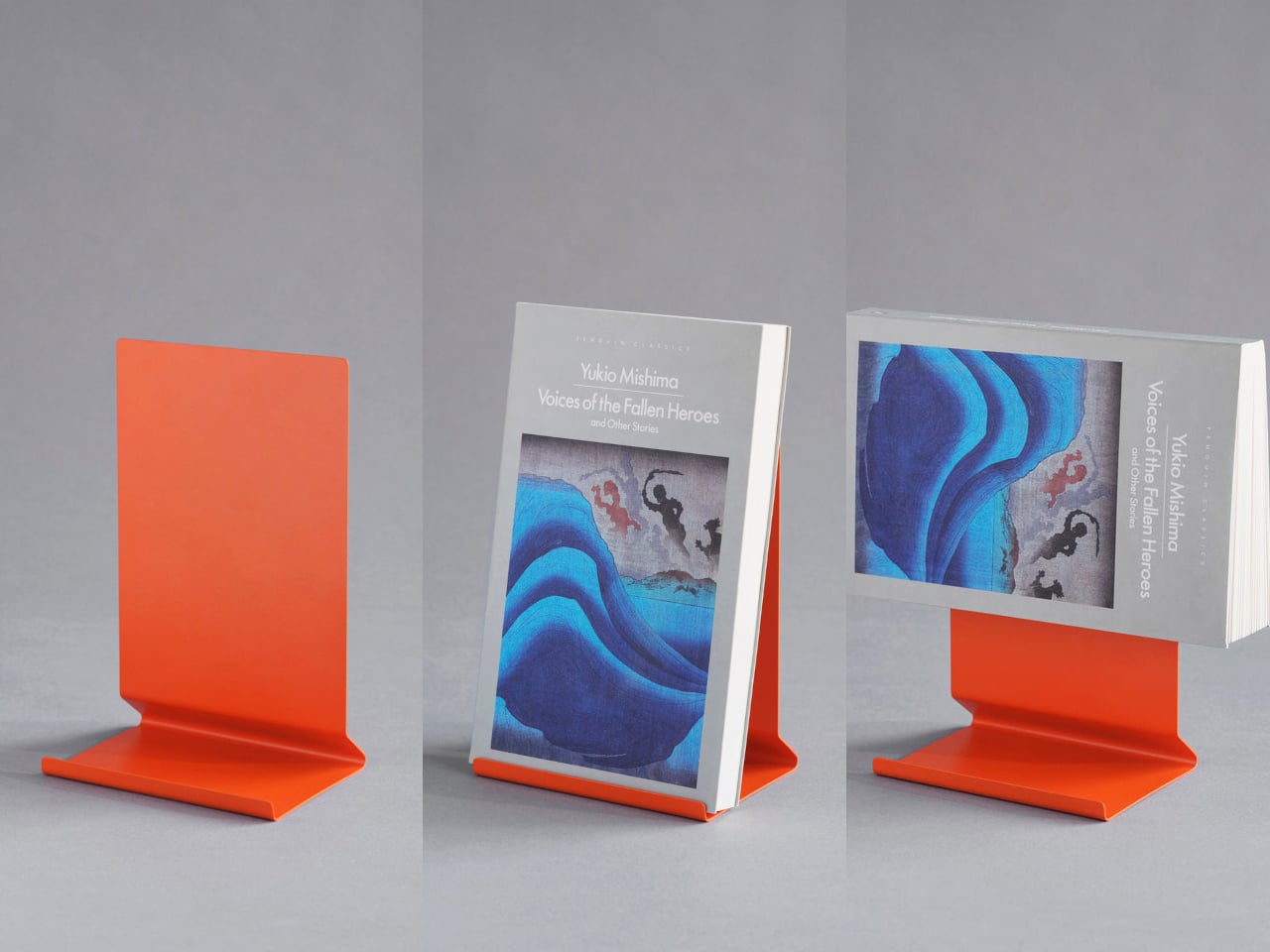
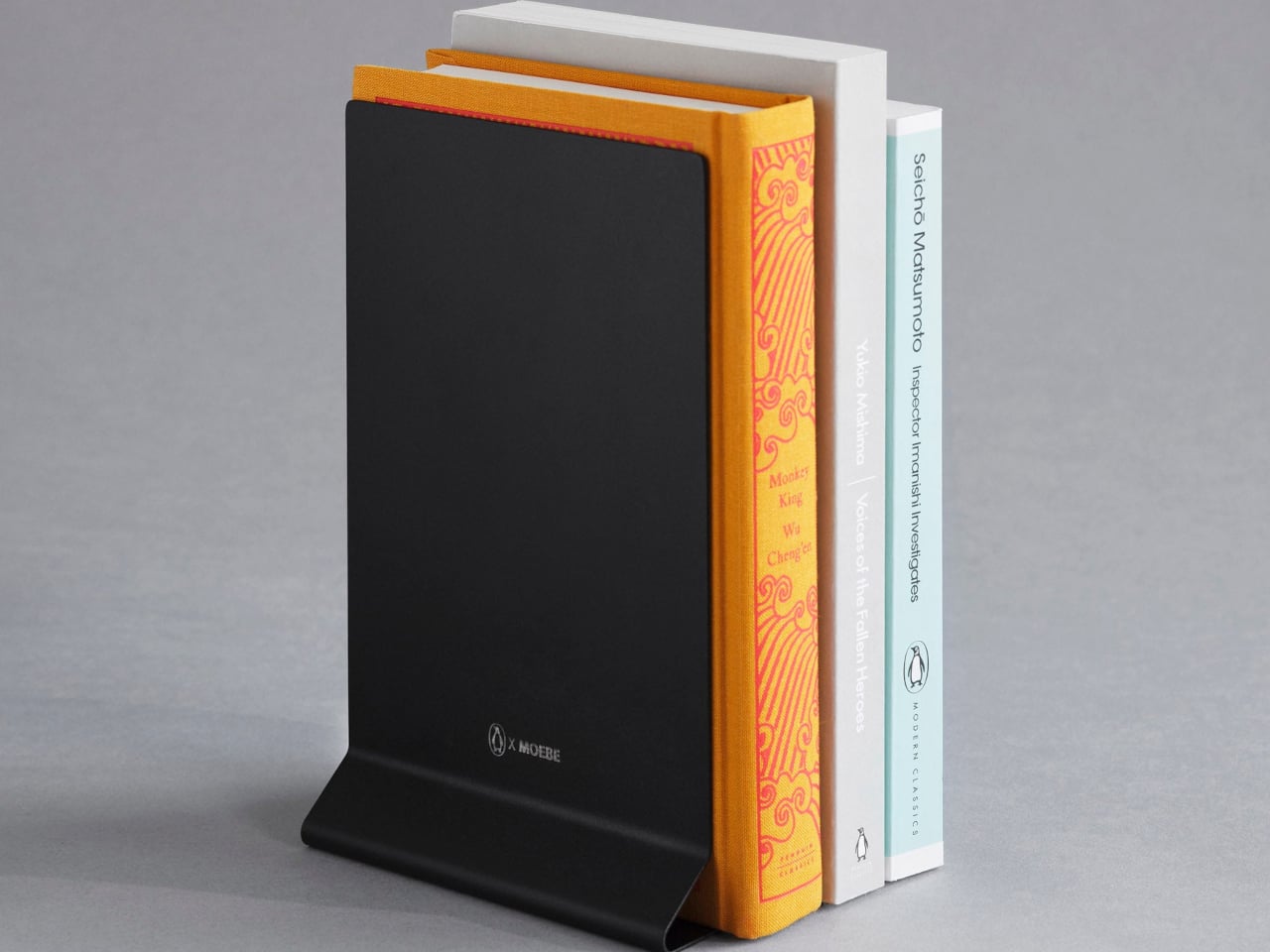
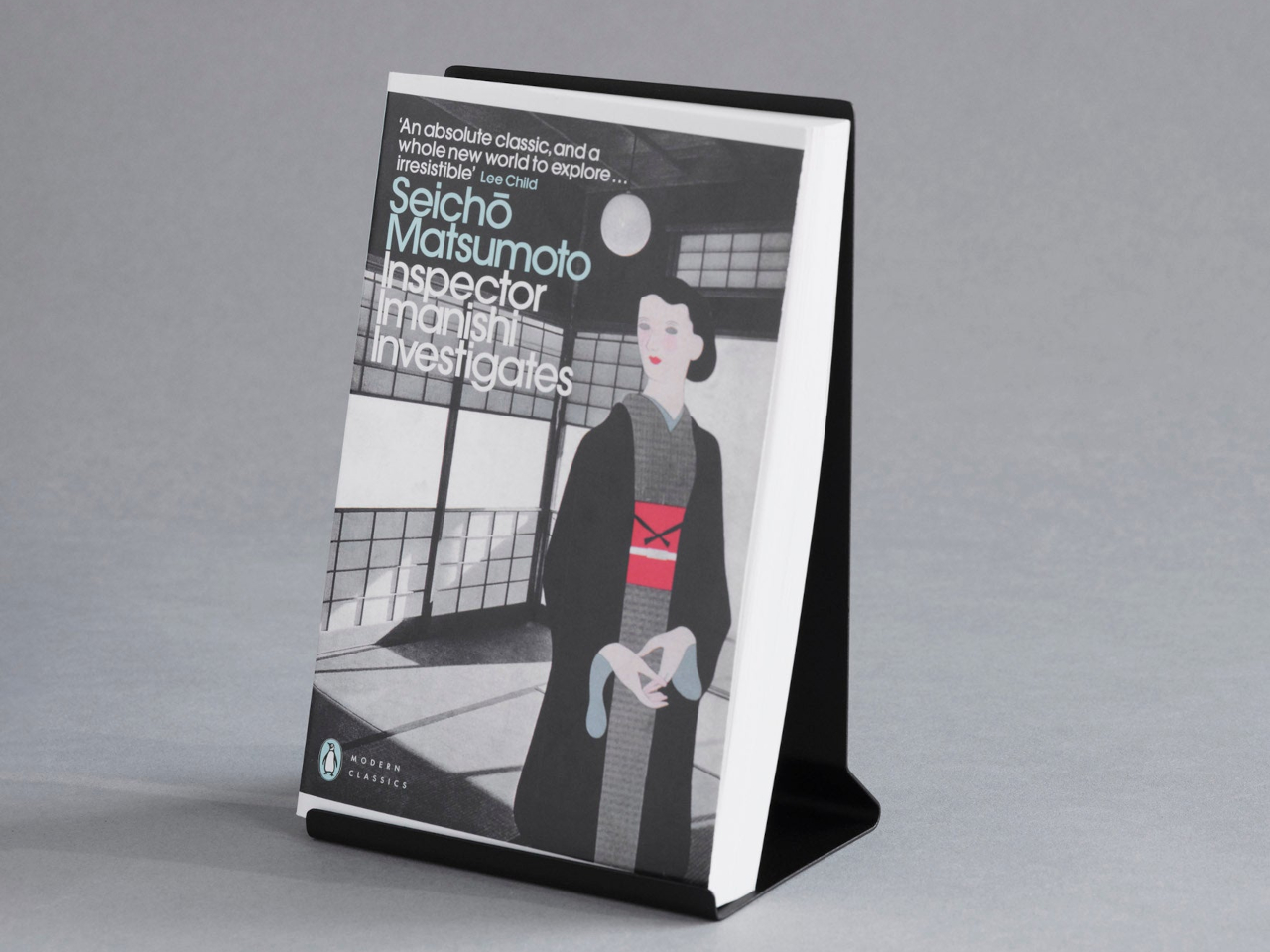
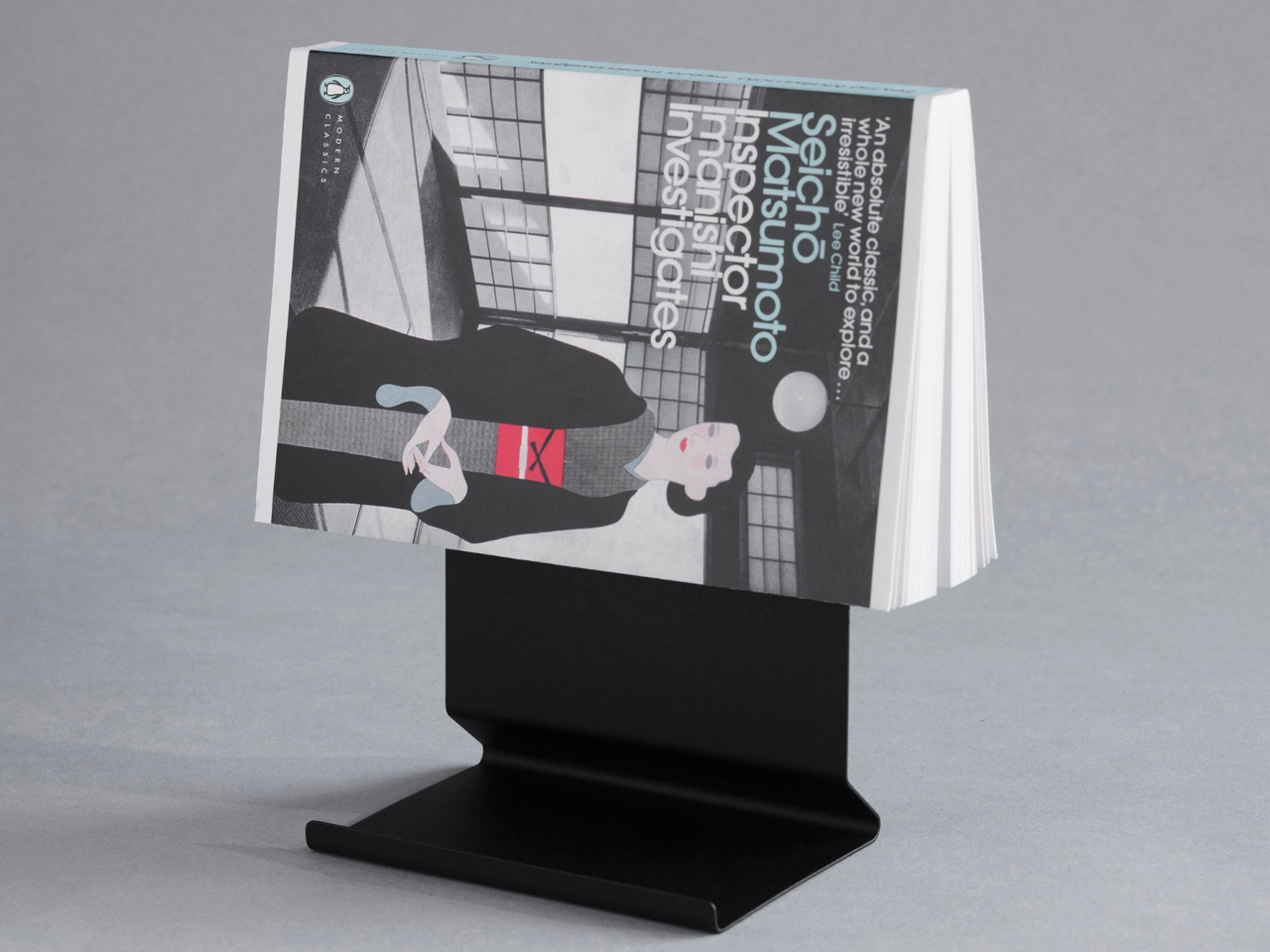
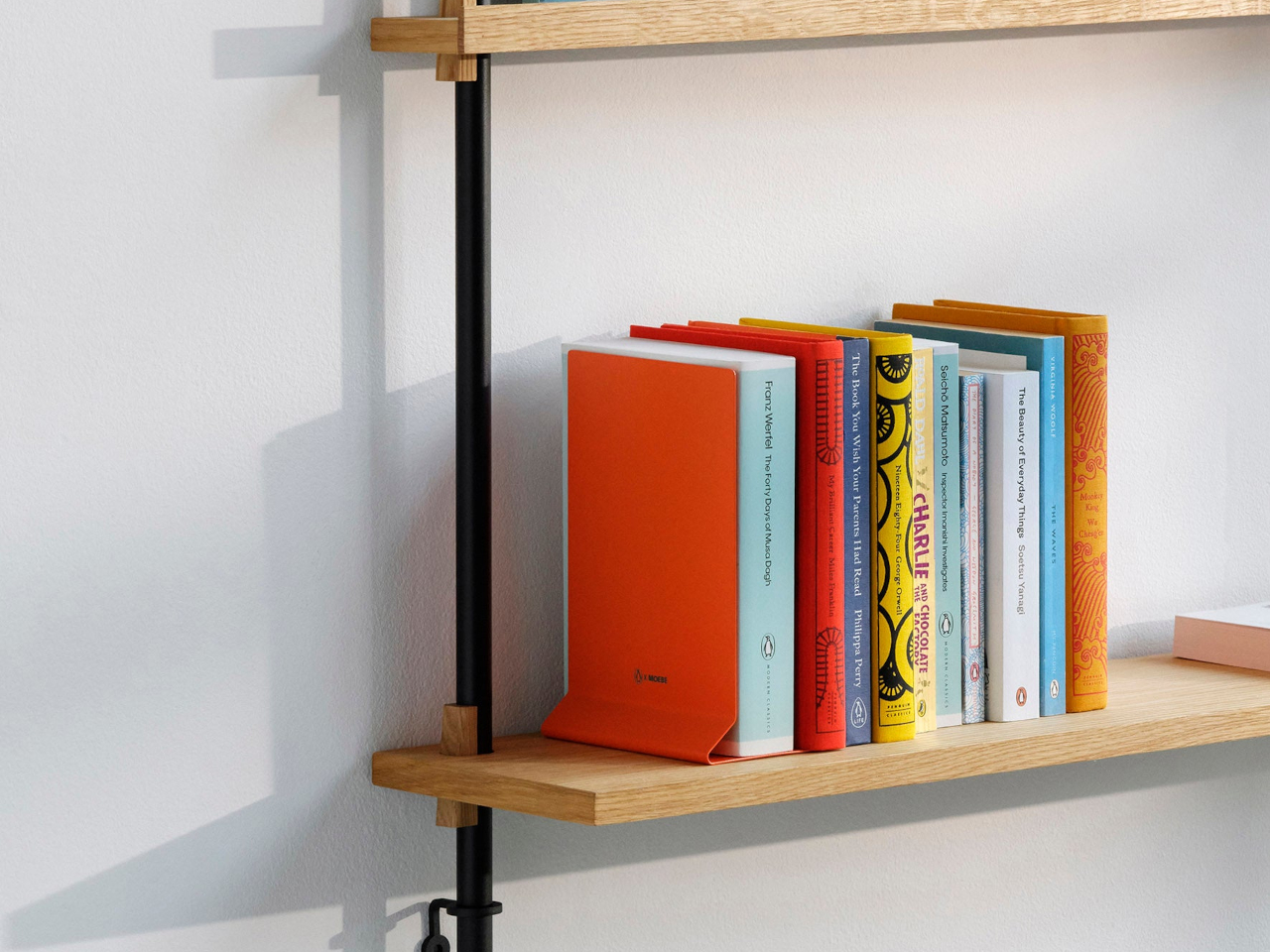
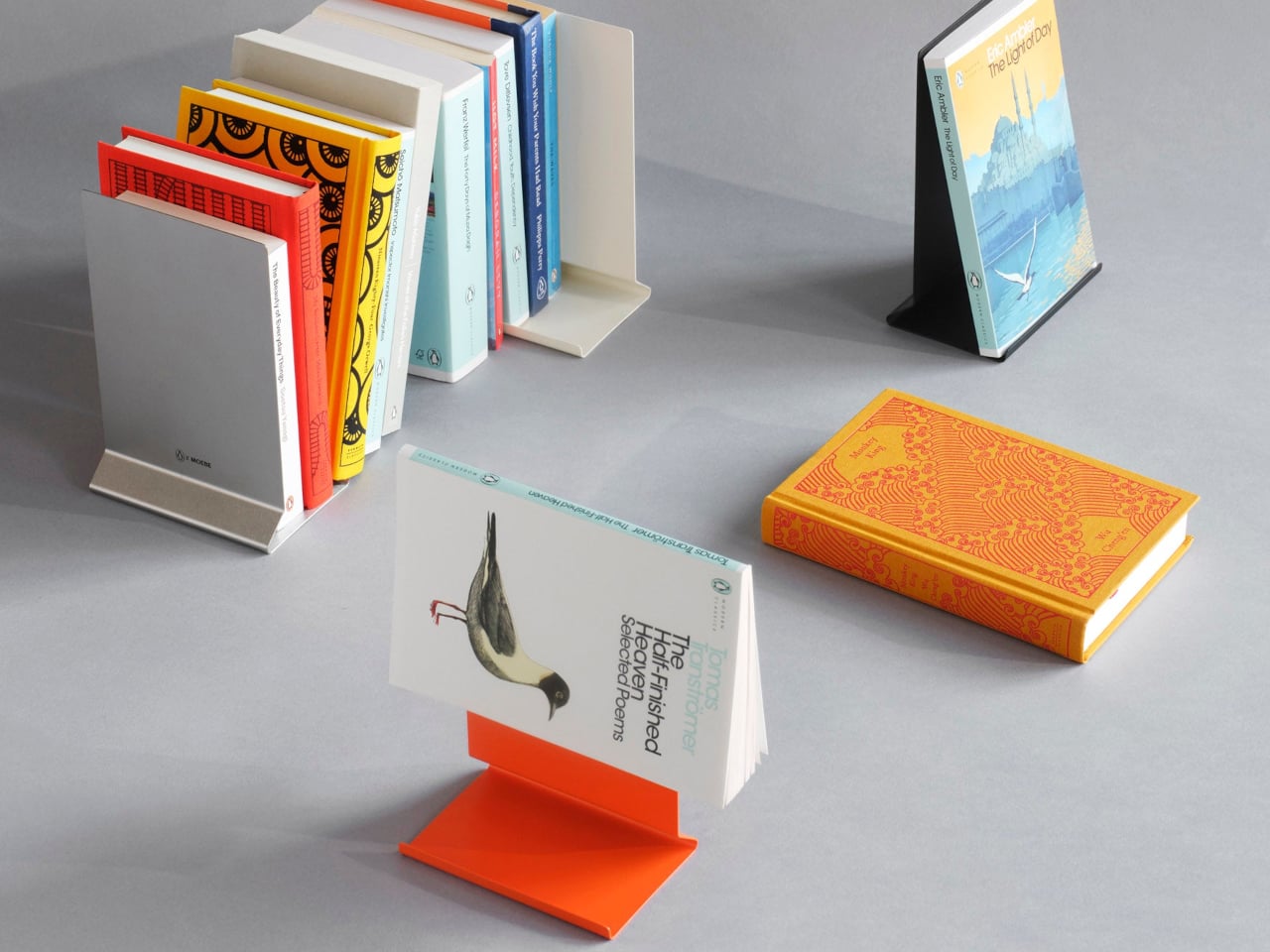
The Penguin x MOEBE Book Stand treats books as objects worth displaying rather than just storing. Created to celebrate Penguin’s 90th anniversary, the stand gives reading material a visible place that makes returning to your current page feel natural. Its bent steel construction holds books open, displays single volumes upright, or works in pairs as bookends depending on what you need.
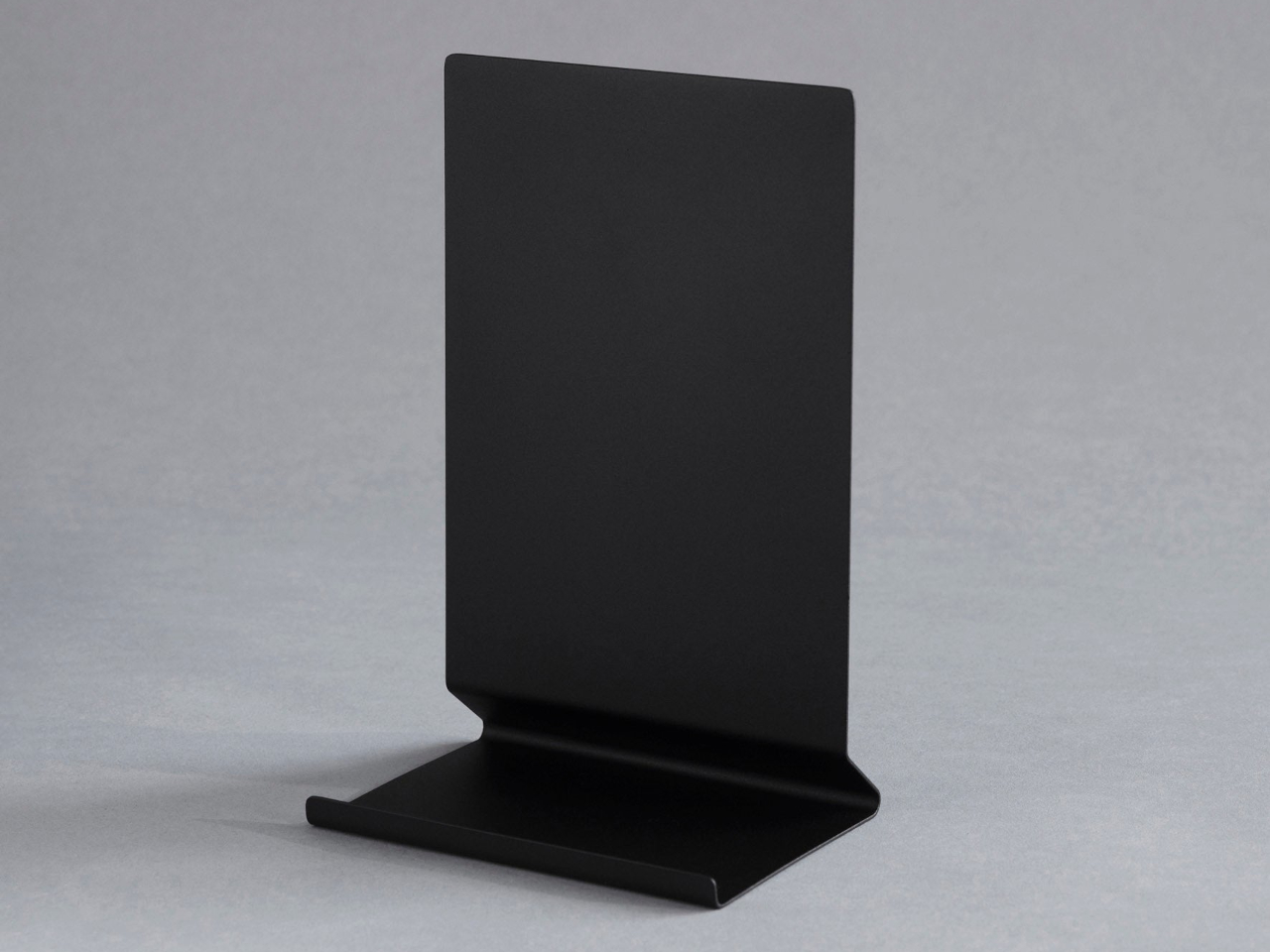
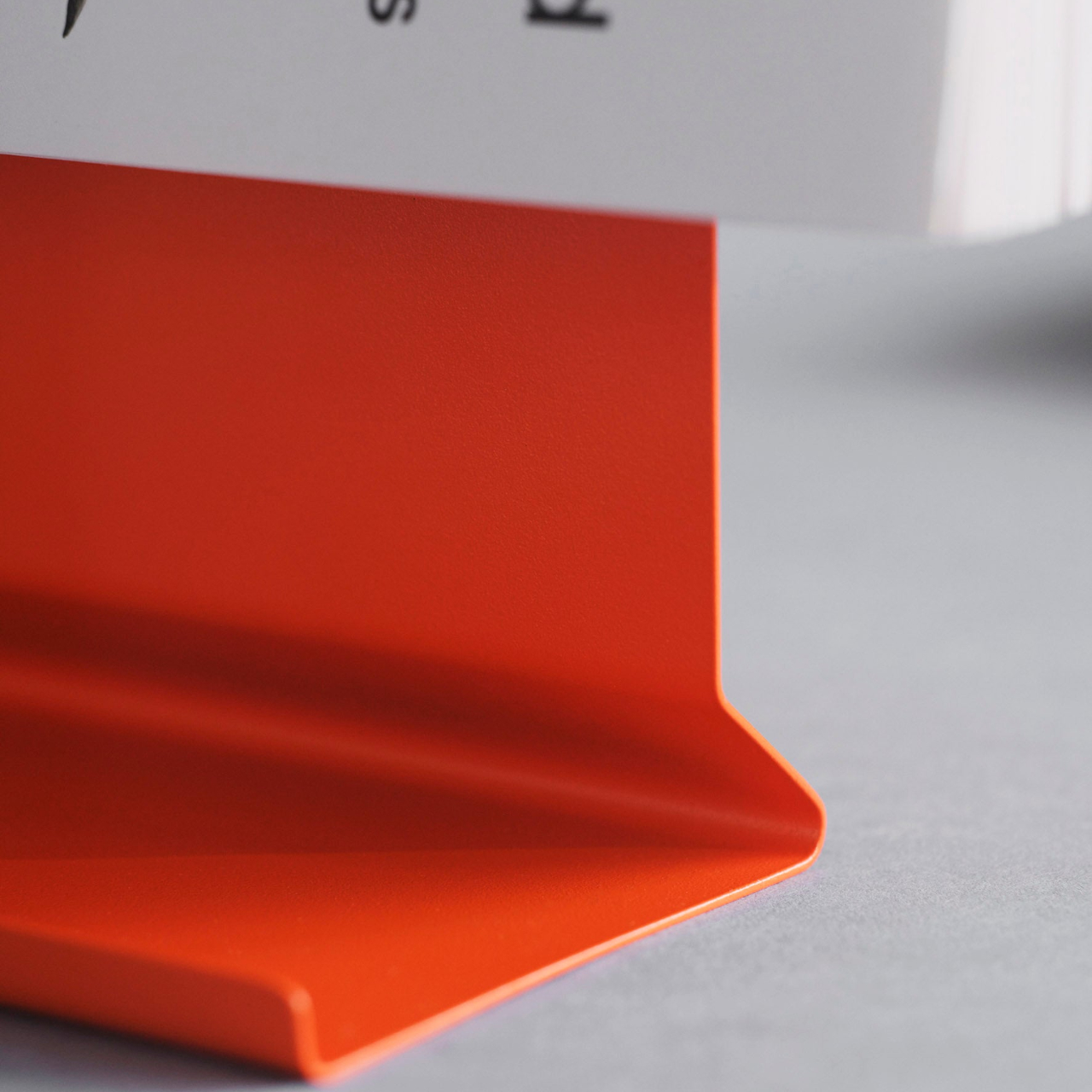
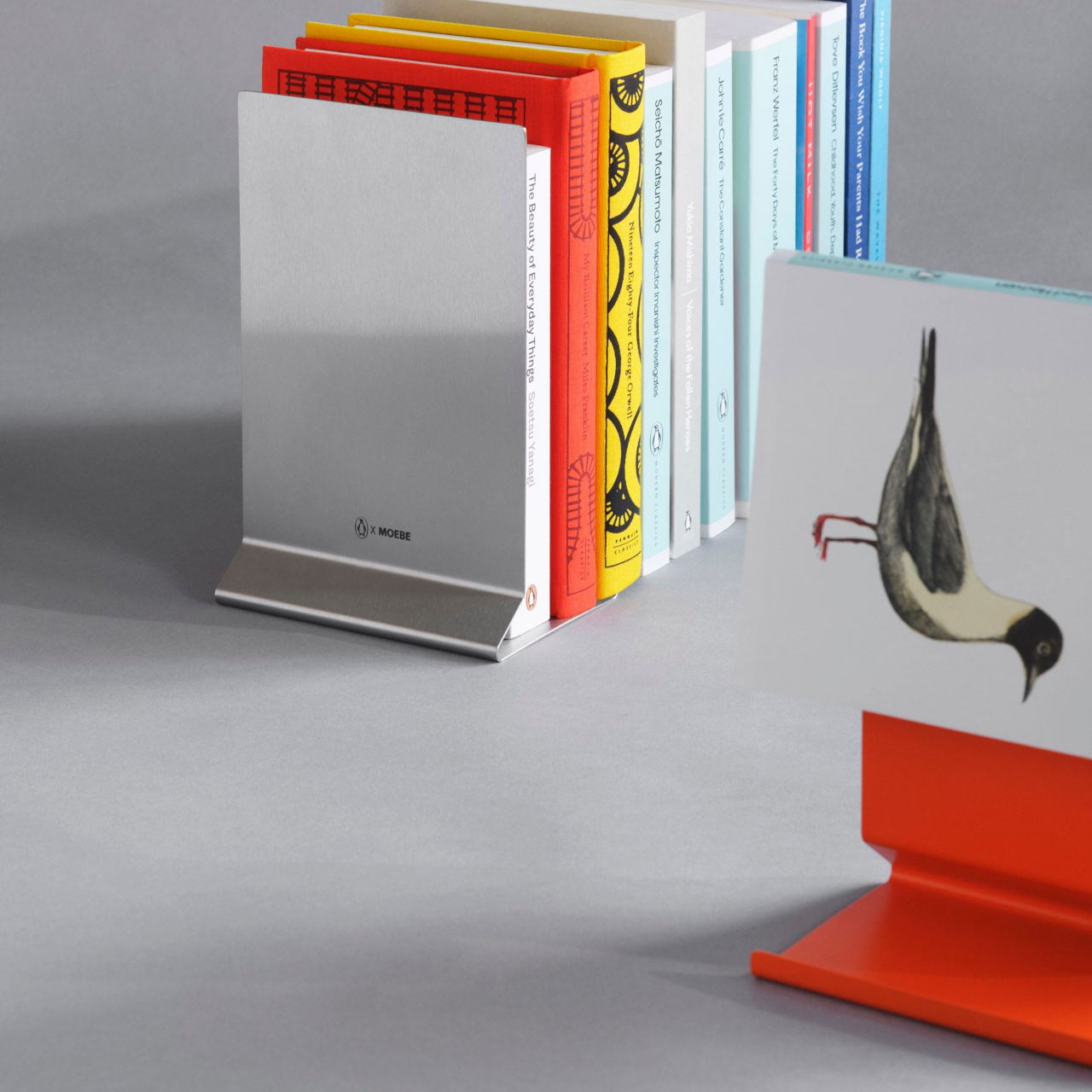
The stand comes in stainless steel, cream, black, and Penguin’s signature orange. Each version uses a single bent sheet of steel, creating a seamless L-shape with no visible fasteners. The matte finish stays quiet visually while the angled base supports books of different thicknesses without wobbling. Subtle Penguin and MOEBE marks sit on the base where they don’t interfere.
Functionally, the stand adapts without adjustment. Prop a novel open to your current page and it holds position, removing the need to constantly relocate your place. Stand a hardcover upright to display its cover temporarily. Pair two stands to bookend a small collection on a desk, with everything staying secure. The same object shifts between these roles depending on what you’re reading.
The compact footprint fits bedside tables, narrow shelves, or kitchen counters where cookbooks get referenced mid-recipe. The vertical back supports books without hiding spines or covers entirely. The open form lets you grab volumes from either side depending on where you’re sitting, which removes the awkward reaching that happens with conventional stands when books sit facing one direction.
Books become the primary visual element when the stand holding them stays minimal. A colorful Penguin paperback in the orange version creates complementary color pairings. Hardcovers with interesting artwork get framed rather than buried. The stand recedes visually while making whatever sits in it more noticeable, which feels backwards from typical accessories that announce their presence louder than their contents.
Using the stand shifts how books exist in rooms. Instead of closing a novel and setting it somewhere to get buried later, you leave it propped open where it stays visible. That reminder makes picking it back up feel easier than hunting through stacks for where you abandoned it last. The ritual around reading becomes slightly more deliberate without requiring extra effort.
The Penguin x MOEBE Book Stand handles practical storage while maintaining enough visual restraint to work on surfaces where aesthetics matter. It gives books presence without making the stand itself compete for attention, which most reading accessories struggle to balance properly. The bent steel form stays minimal while adding genuine utility to spaces where people actually read rather than just collect.
Most of our favorite memories live on tiny screens, buried in albums we never open anymore, or lost in endless camera rolls and grids we rarely revisit. The digital photo frame tried to bring them back into our lives, but always with a border, a size limit, and a sense of separation from the room around it that made memories feel confined and distant rather than integrated.
PixyBeam reimagines what it means to display your moments and the stories they tell about your life and relationships. Instead of a frame that confines images to a fixed size, it uses projection to turn any wall or ceiling into a living gallery, filling your space with the stories, colors, and faces that matter most.
Imagine family moments being projected on the ceiling above your child’s bed, family photos drifting across the living room wall during quiet evenings together, or a creative portfolio that turns your studio into a dynamic showcase for clients and collaborators who visit. PixyBeam makes memories part of your everyday environment, blending nostalgia with the present in a way that feels immersive and emotionally present throughout your day.
The device’s minimalist, rounded design with its soft white finish fits anywhere without demanding attention or clashing with your carefully chosen decor and furniture. It sits quietly on a shelf or table until it’s time to bring your space to life. The compact form means you can move it from room to room as your needs change throughout the day or week.
Setting up PixyBeam is as simple as placing it on any flat surface, plugging in USB-C power, and opening the companion app on your phone. Within minutes, your space becomes a living gallery. There’s no need for wall mounts, complicated menus, or learning curves that take hours to master before you can enjoy your first projection. The app lets you upload photos and short clips, organize galleries by mood or event, and invite friends to share moments.
Over 20 animated gallery styles turn slideshows into expressive, moving displays that feel fresh and alive with personality. The app’s dynamic templates let you match the vibe to any occasion, whether it’s a birthday celebration, holiday gathering, or just a quiet evening reflecting on travels and adventures you’ve had. Each style brings personality and movement to your photos rather than simply fading between static images.
With the innovative Guest Share feature, photo sharing becomes an experience, not a chore. A simple scan of a QR code lets friends and family beam their own photos and short clips straight onto your wall, no cables, no accounts to juggle. It’s instant, intuitive, and social: a living gallery that grows with every visit, where everyone contributes to the story unfolding across the room.
PixyBeam’s all-glass short throw lens projects vivid, 1080p images up to 200 inches across, even in small apartments or bedrooms with limited space. The 900 ANSI lumens engine ensures images are bright and clear throughout the day or night, while adaptive color calibration keeps photos looking true-to-life on any wall, whether it’s white, beige, or painted in bold hues you’ve chosen.
Autofocus and keystone correction mean you always get a sharp, perfectly aligned picture with just a tap on the device or through the app without manual fiddling. The 90-degree rotating lens lets you project upward to the ceiling or out across the room without moving the base, adapting to wherever the moment feels right without complicated repositioning or manual adjustments that interrupt the experience.
The magic of PixyBeam is how it dissolves the boundaries between technology and home entirely, making digital memories feel organic and present. A birthday slideshow becomes part of the party atmosphere, vacation photos turn a hallway into a visual travelogue, and creative work finds a new canvas that’s as big as your imagination allows without physical constraints.
PixyBeam’s compact body, soft finish, and zero-hardware setup blend into any decor without permanent installation or visible mounting brackets. The device includes 32GB of internal storage for offline playback, smart home integration via Matter for automation, and intuitive controls that anyone can master immediately. For anyone who wants their home to feel more personal, PixyBeam offers a compelling new way to turn your empty space into a canvas for the moments that matter most.
Side tables typically end up holding whatever gets set down near them. Coffee mugs accumulate next to half-read novels that slide beneath remote controls and charging cables. Books in progress disappear into this visual clutter, creating friction between the intention to read and the reality of finding where you left off. Most furniture treats books as afterthoughts rather than priorities, offering no dedicated space that keeps them visible and within reach.
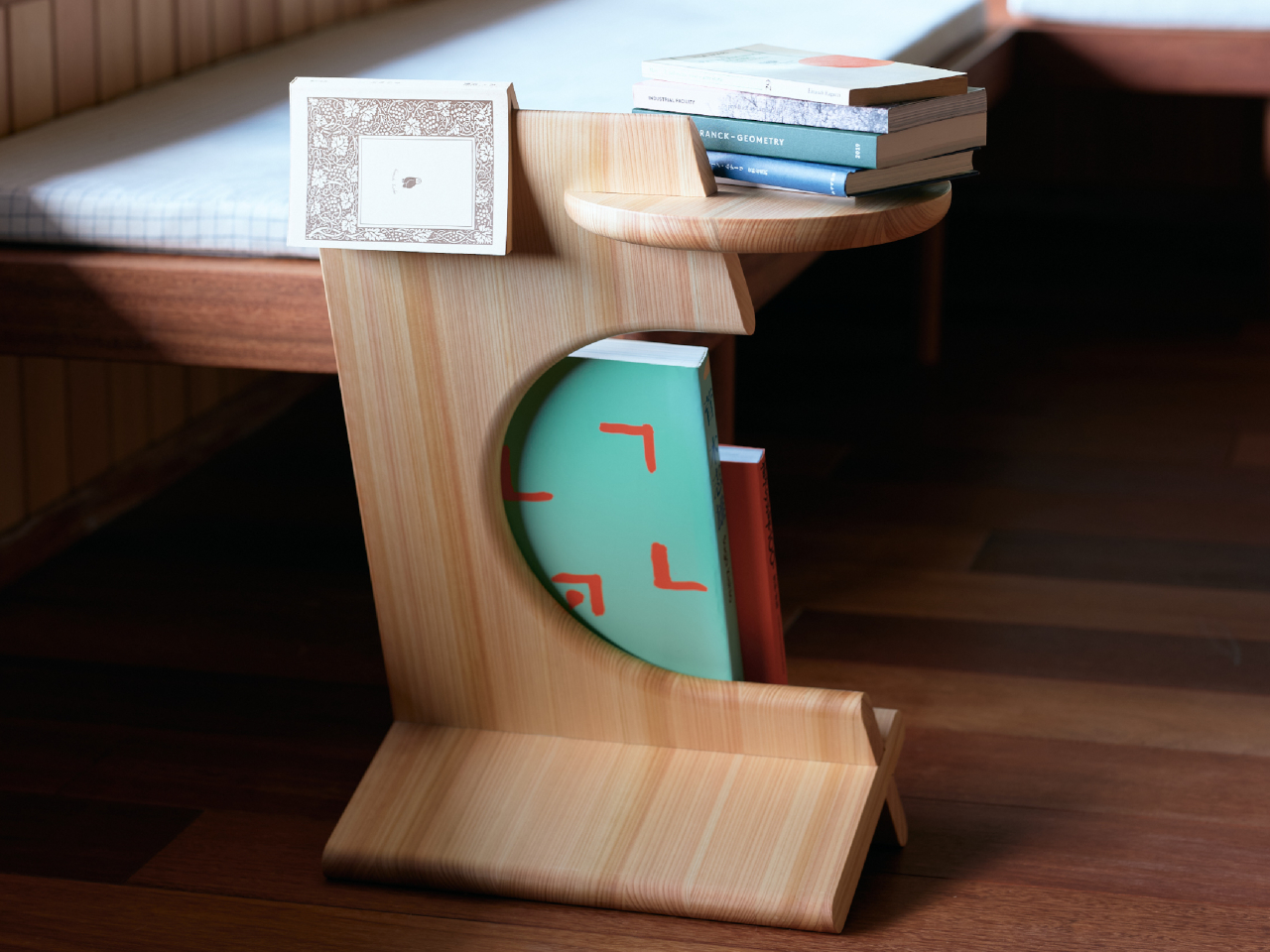
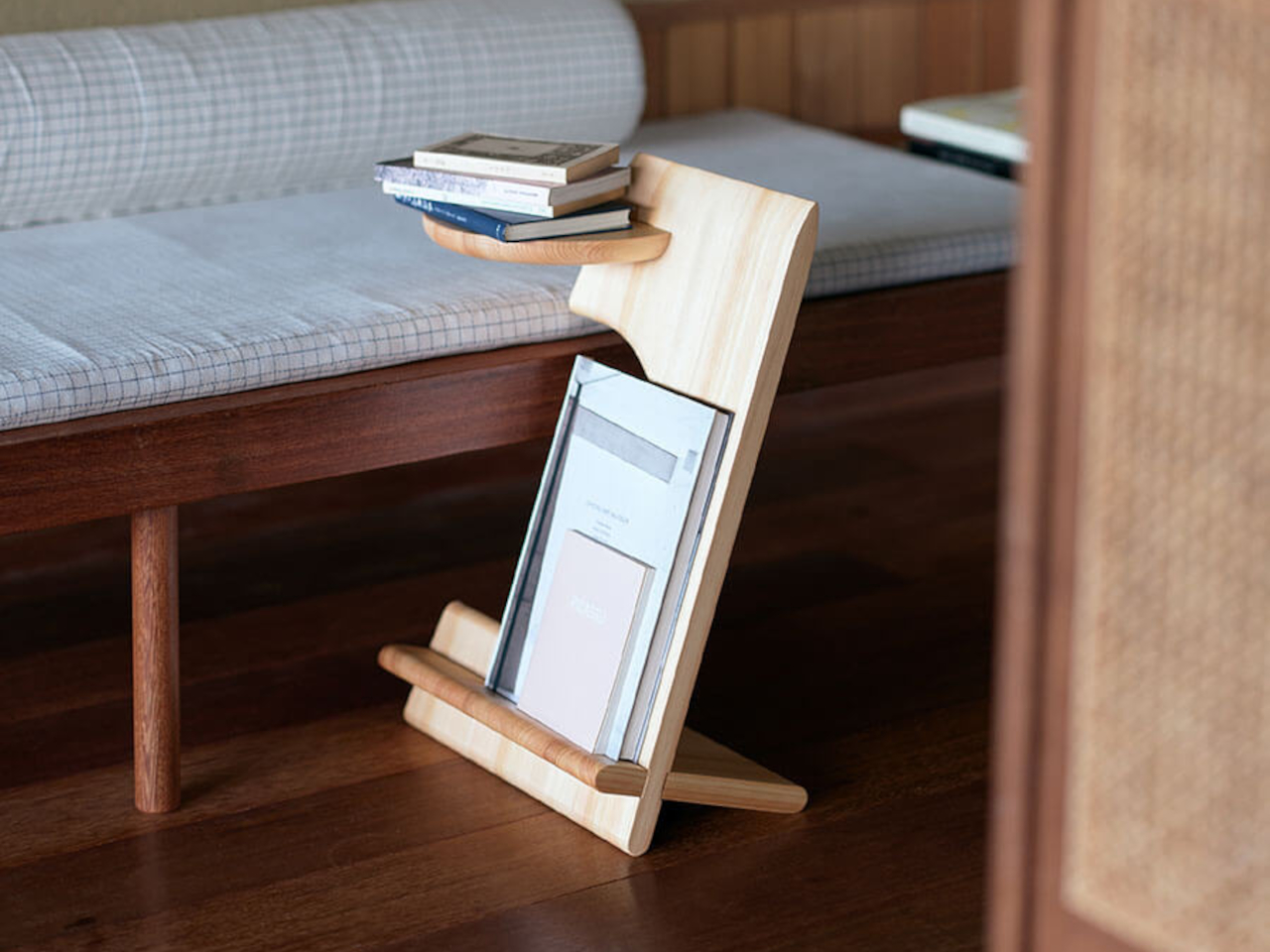
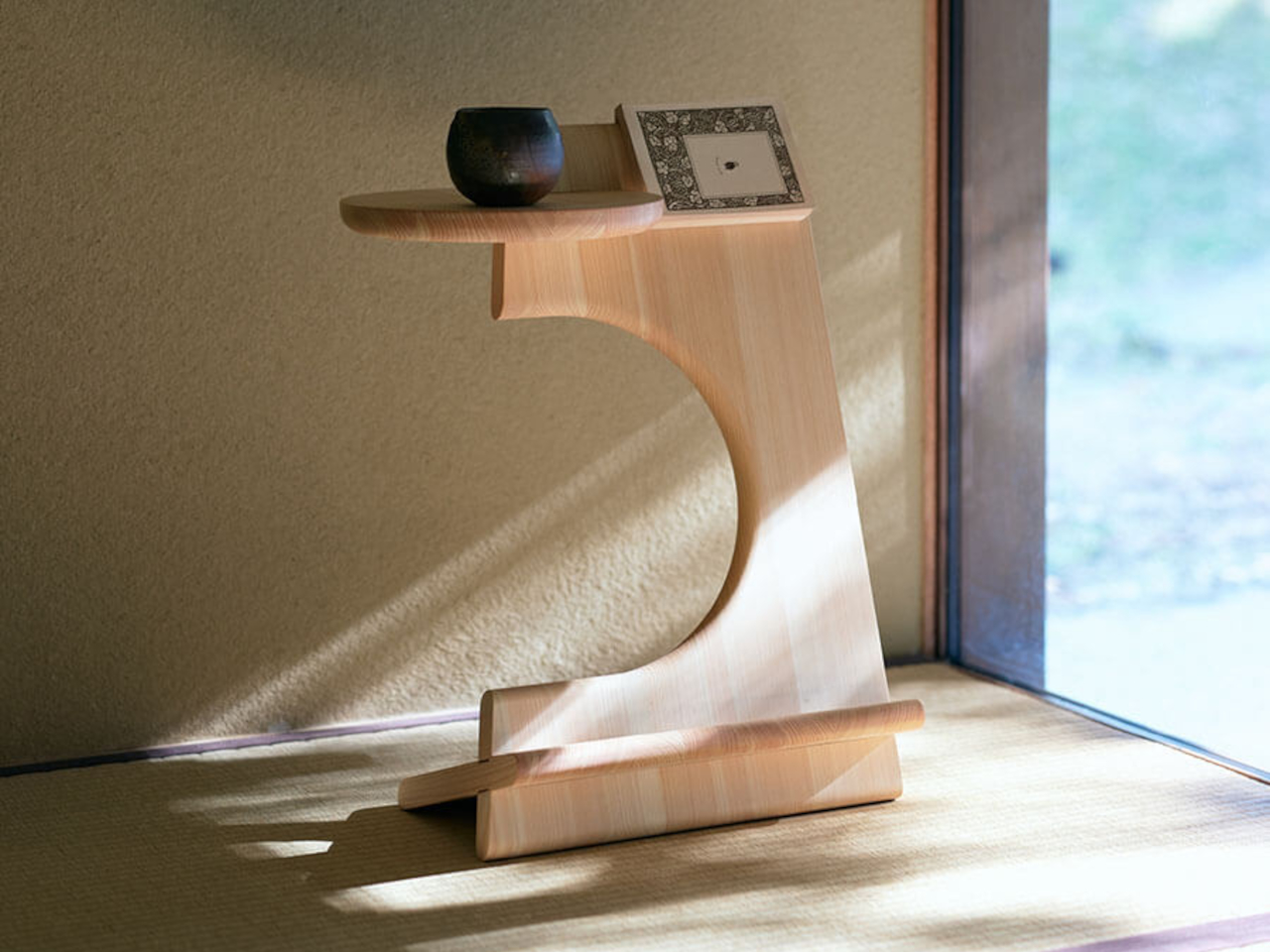
Bookmarker addresses this by treating reading as an activity worth designing for specifically. The table’s form creates a clear place for books in progress, making them visible rather than buried. Japanese cypress construction gives it a warm, tactile presence that reads as furniture first, while its cutouts and slots serve the practical needs of someone settling in with a novel and a drink.
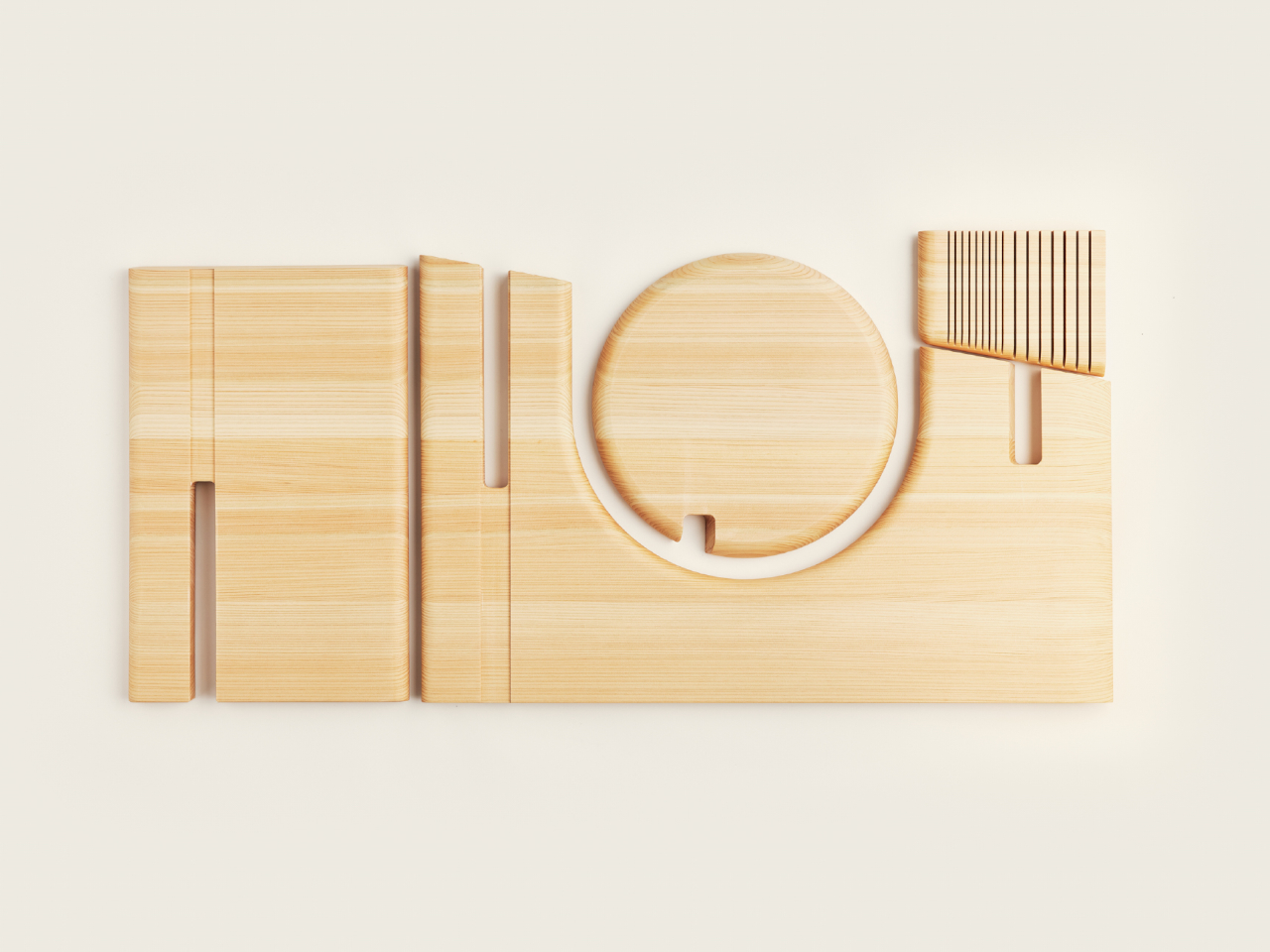
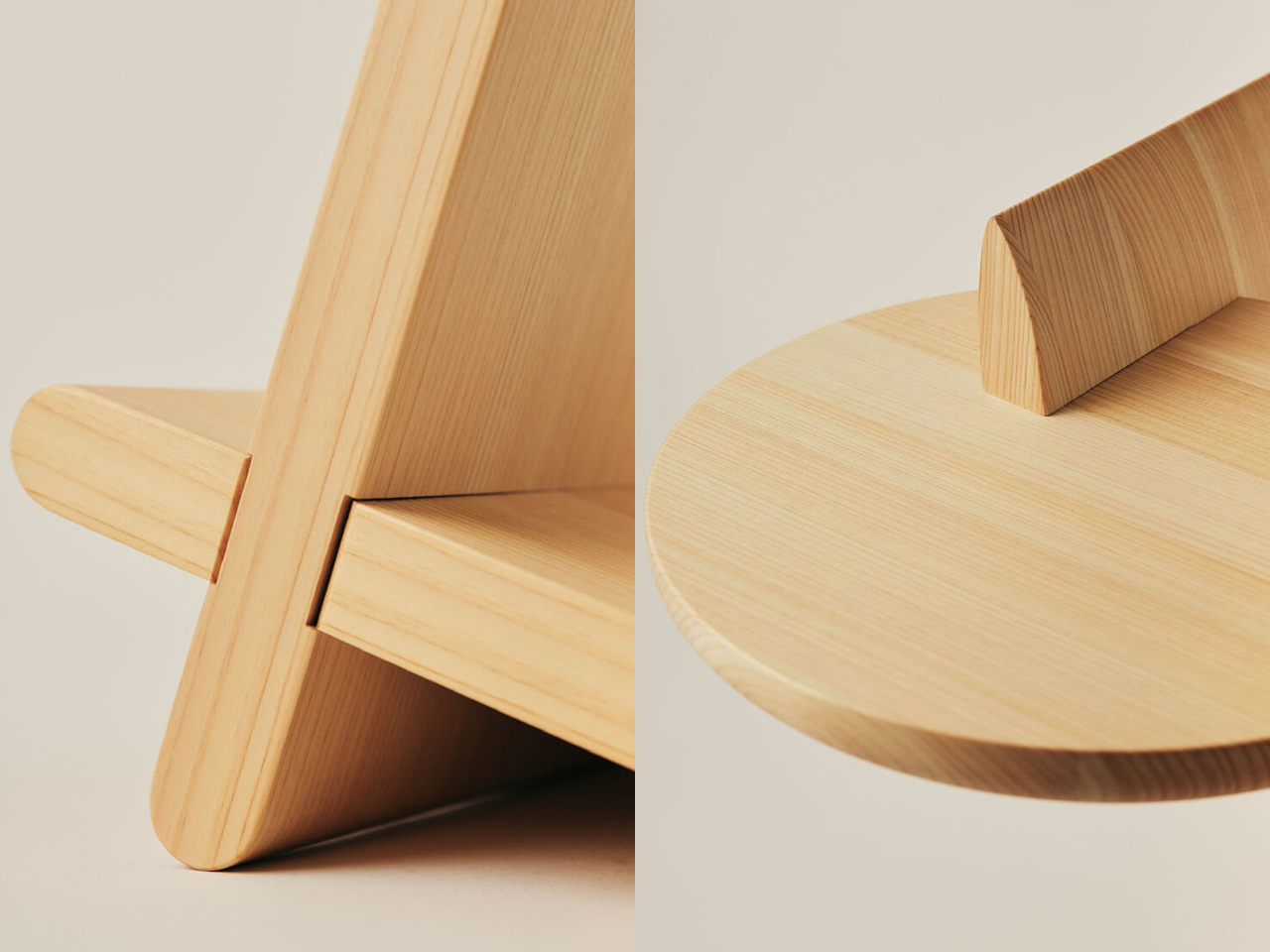
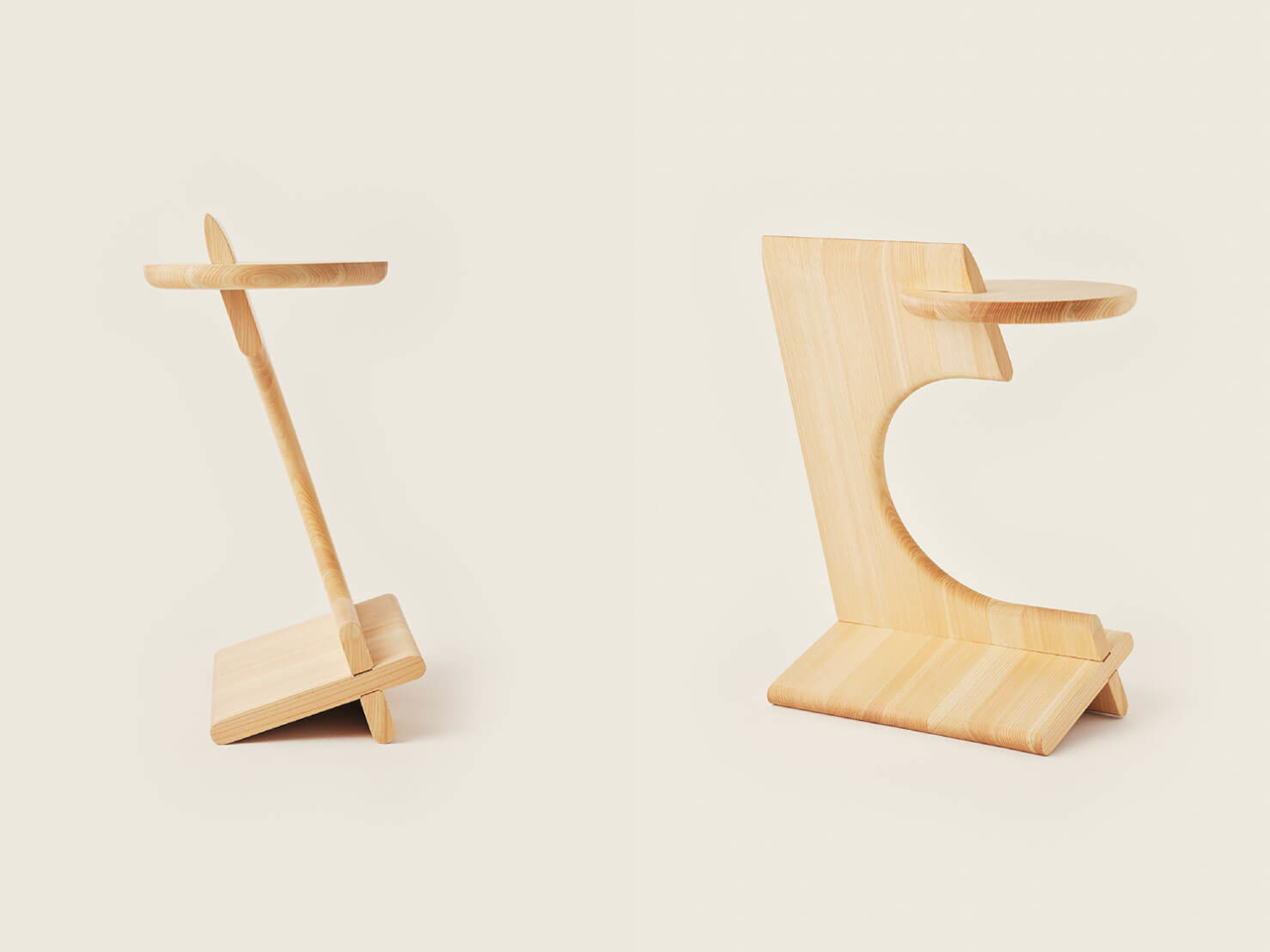
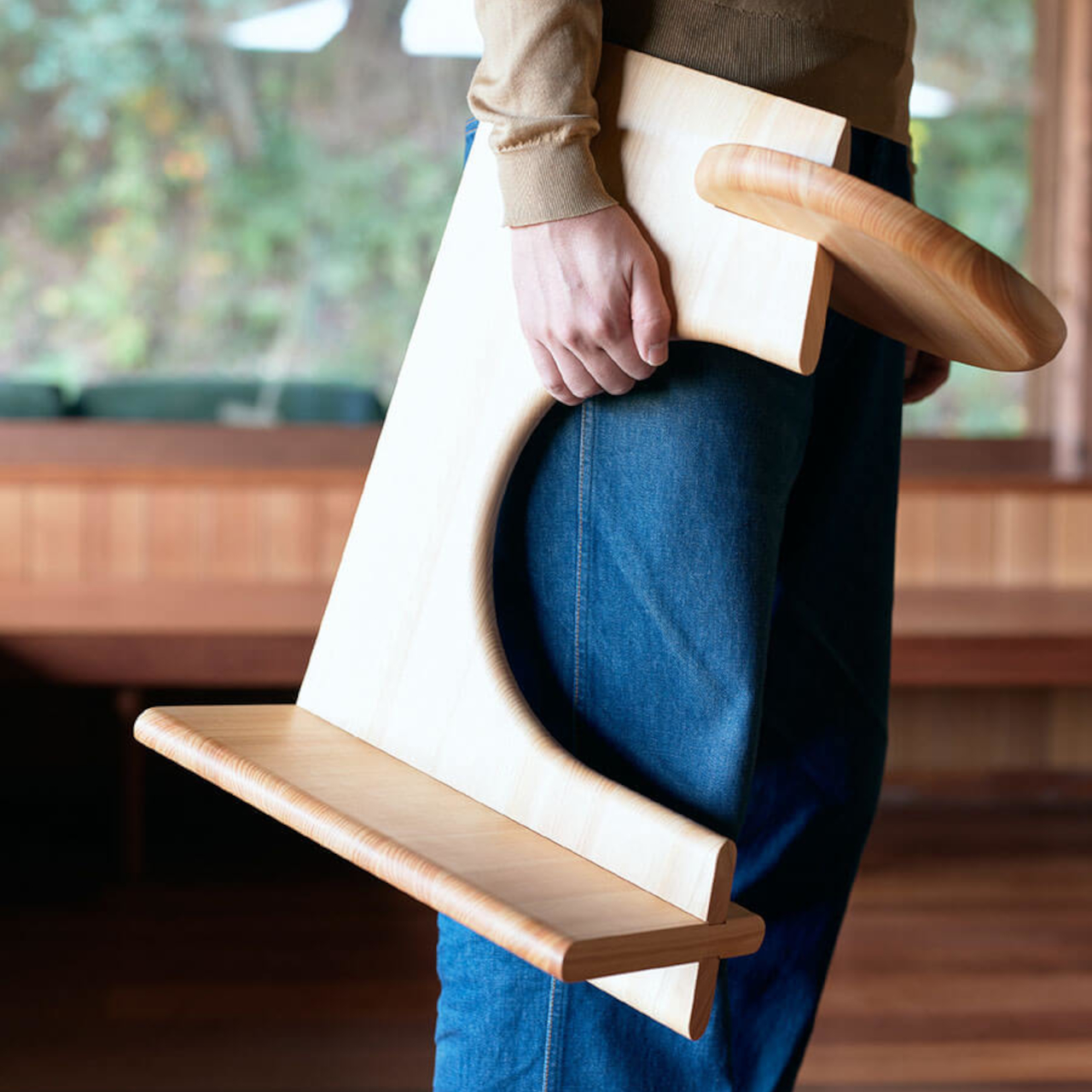
The entire piece cuts from a single board of vertically laminated cypress, producing three interlocking parts with minimal waste. This efficient approach allows the table to ship flat and assemble without hardware, reducing both material use and packaging volume. The cutouts that enable this nesting also define the table’s visual character, creating geometric negative space that feels intentional rather than incidental.
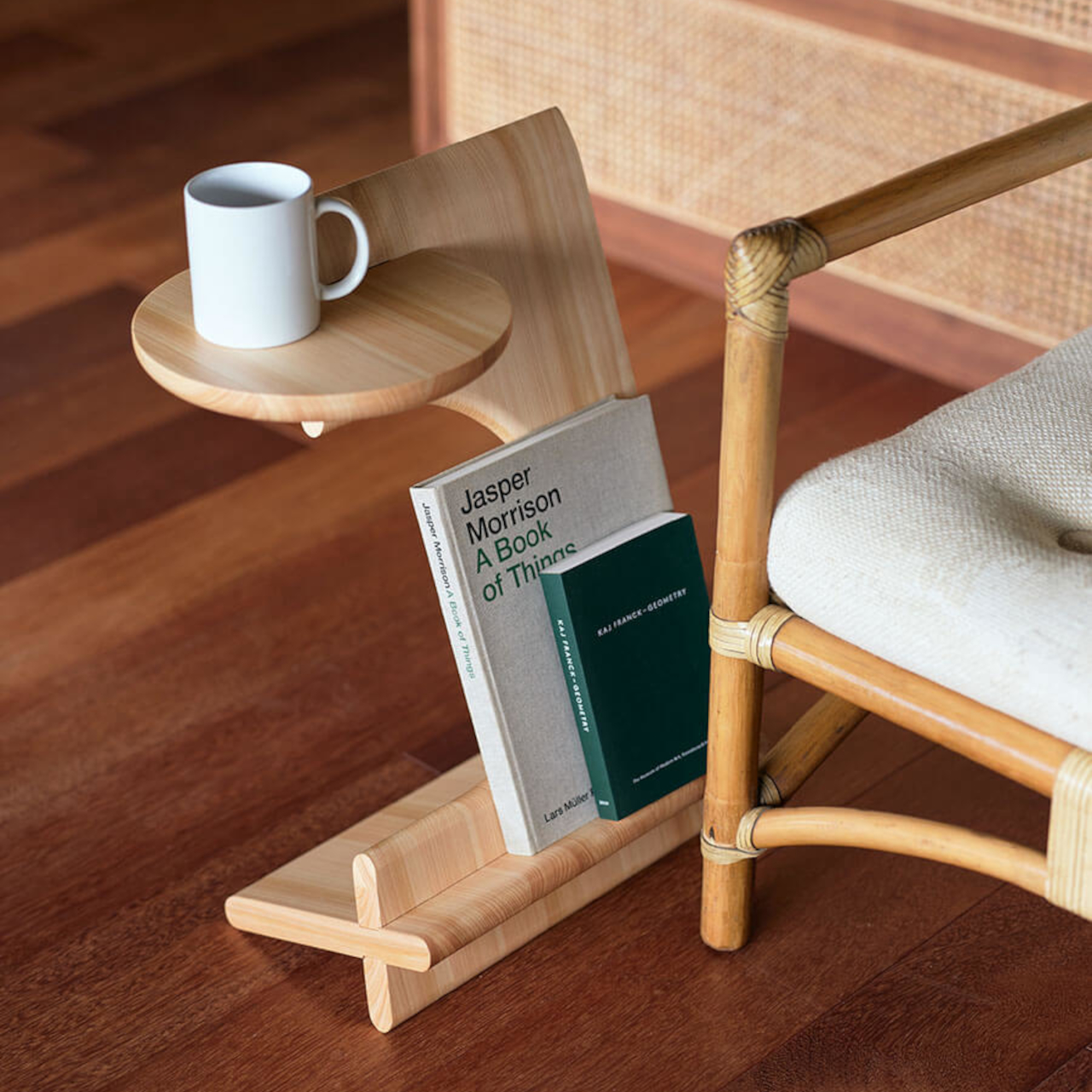
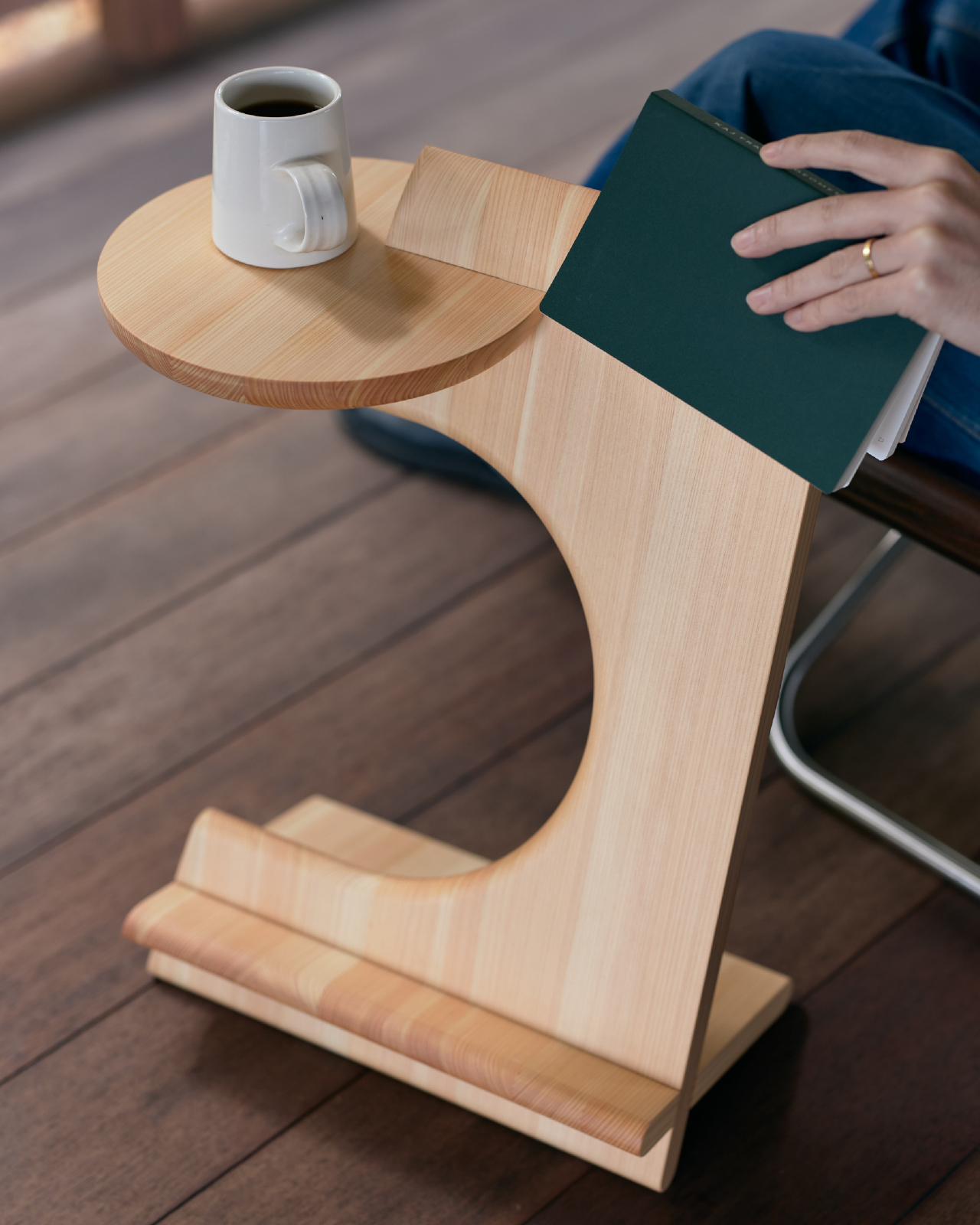
Assembled, the table forms a C-shaped profile with a circular opening and a vertical slot running through its center. Books slide into that slot and rest upright, accessible from either side depending on where you’re sitting. The circular cutout provides another grab point for reaching volumes stored within. This dual access removes the awkward leaning or reaching that happens with conventional side tables when you want a book stored underneath.
The top surface holds a mug, small plate, or reading glasses without crowding the book storage below. Water-repellent ceramic coating protects the cypress from condensation rings and accidental spills, which matters when hot drinks sit directly on wood. The coating maintains the natural wood finish rather than creating a glossy sheen that would feel out of place.
Leftover material from production becomes small cardholders included with each table, extending the zero-waste philosophy to packaging and accessories. The flat-pack design collapses the assembled table back into its three nested components, making storage or relocation straightforward if living situations change.
What distinguishes Bookmarker from typical side tables is how it makes reading visible in daily spaces. Books stored vertically in the slot create a small display of current interests rather than hiding beneath surfaces or leaning against walls. The table becomes a physical reminder of reading intentions, turning background clutter into foreground presence.
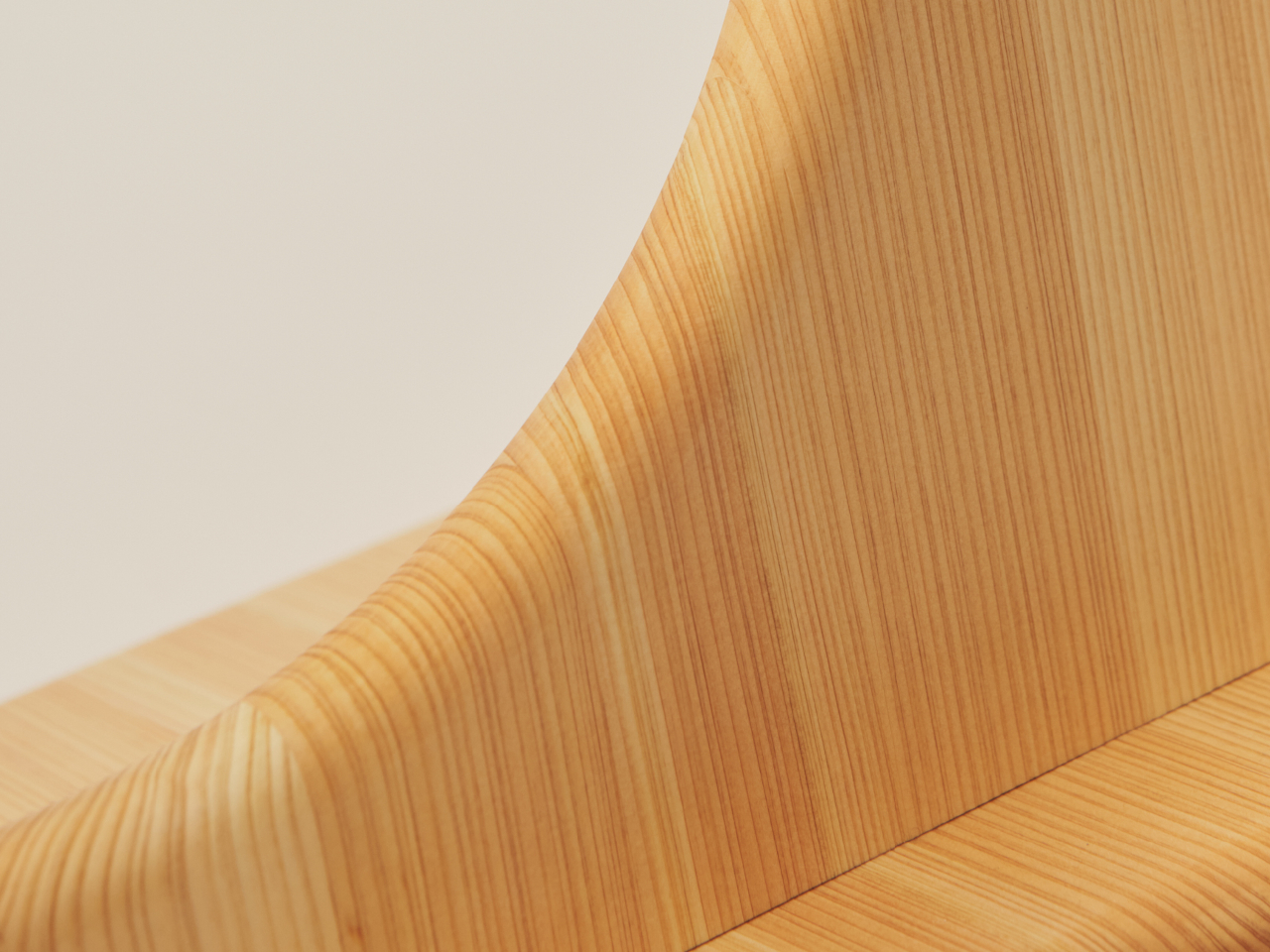
The cypress grain varies across each piece, ensuring no two tables look identical. Wood’s natural characteristics mean some sections show tighter grain while others spread wider. This variation reinforces the handmade quality and material honesty. The light tone works across different interior palettes without demanding specific color schemes.
Bookmarker occupies a specific niche between purely decorative furniture and purely functional storage solutions. It handles the practical needs of readers who want books and drinks close at hand while maintaining a sculptural quality that justifies its presence even when not in use. The table makes reading visible in daily spaces without forcing aesthetic compromises or demanding reorganization of existing routines.
The mechanical keyboard market has split into factions that rarely speak to each other. Gaming boards chase millisecond advantages with features most people will never configure, while design-focused options prioritize clean lines at the expense of functionality. Premium keyboards exist in both categories, but they seldom bridge the gap between looking appropriate in a minimalist workspace and delivering the kind of technical depth that competitive players actually use.
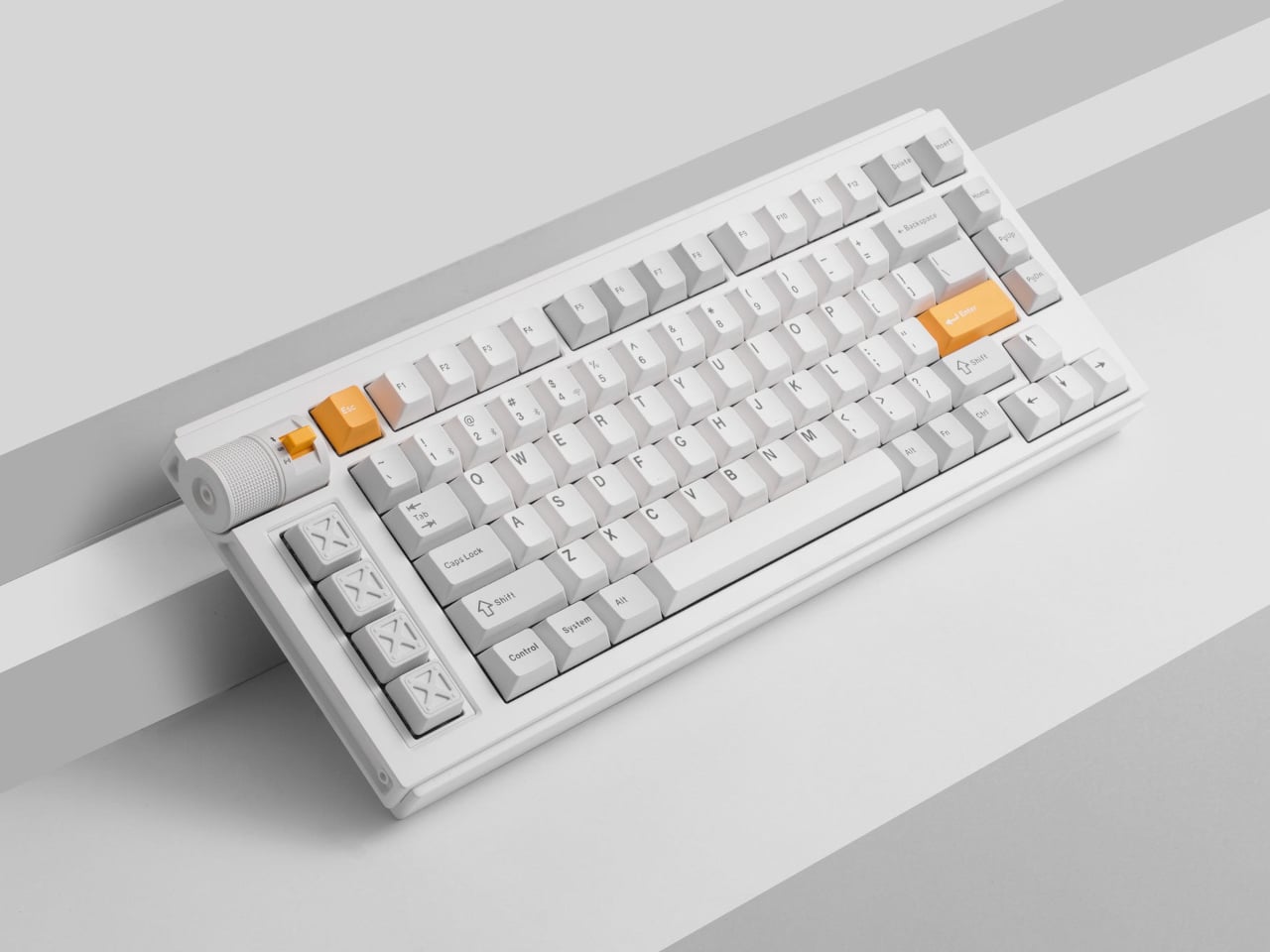
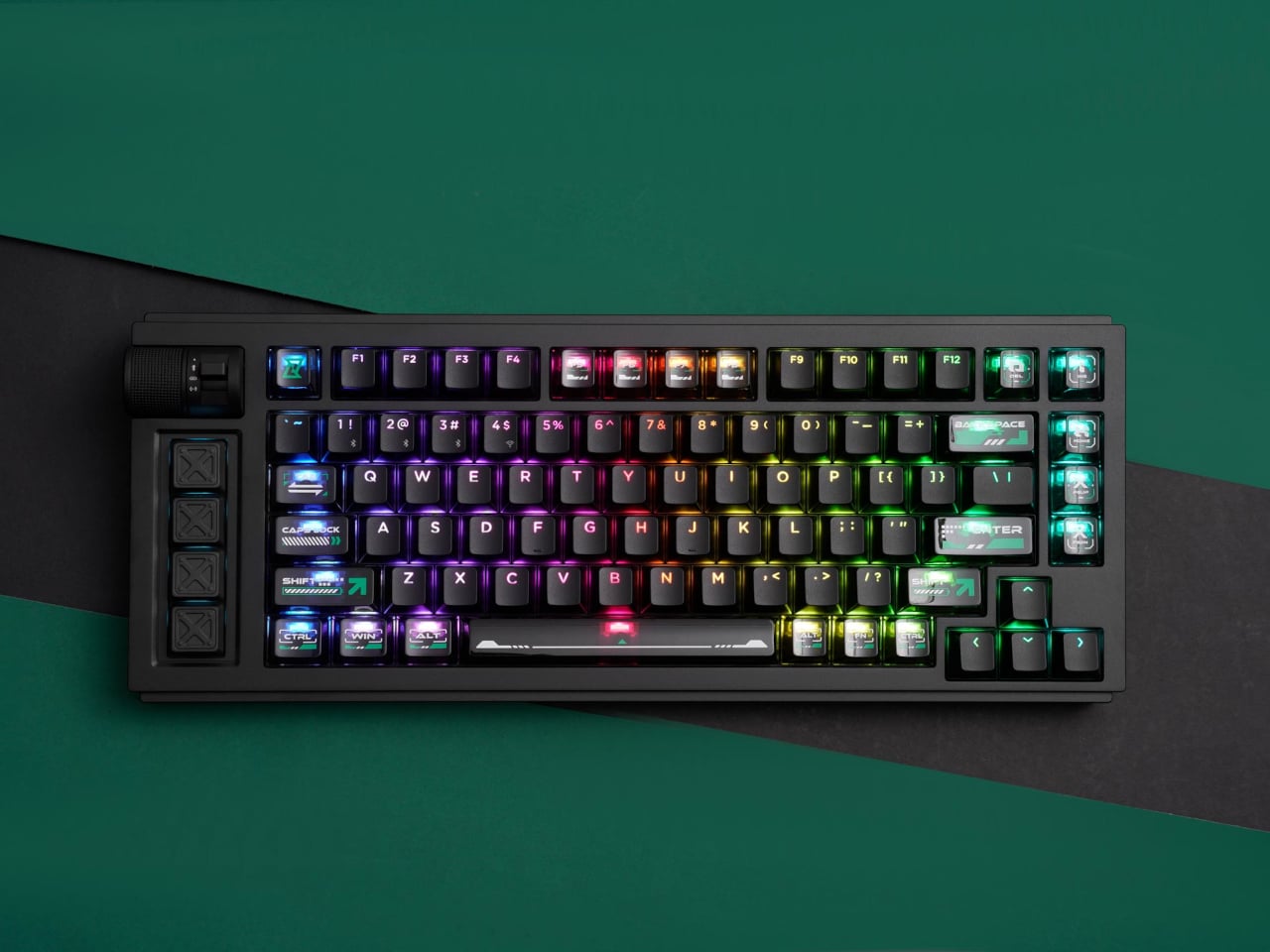
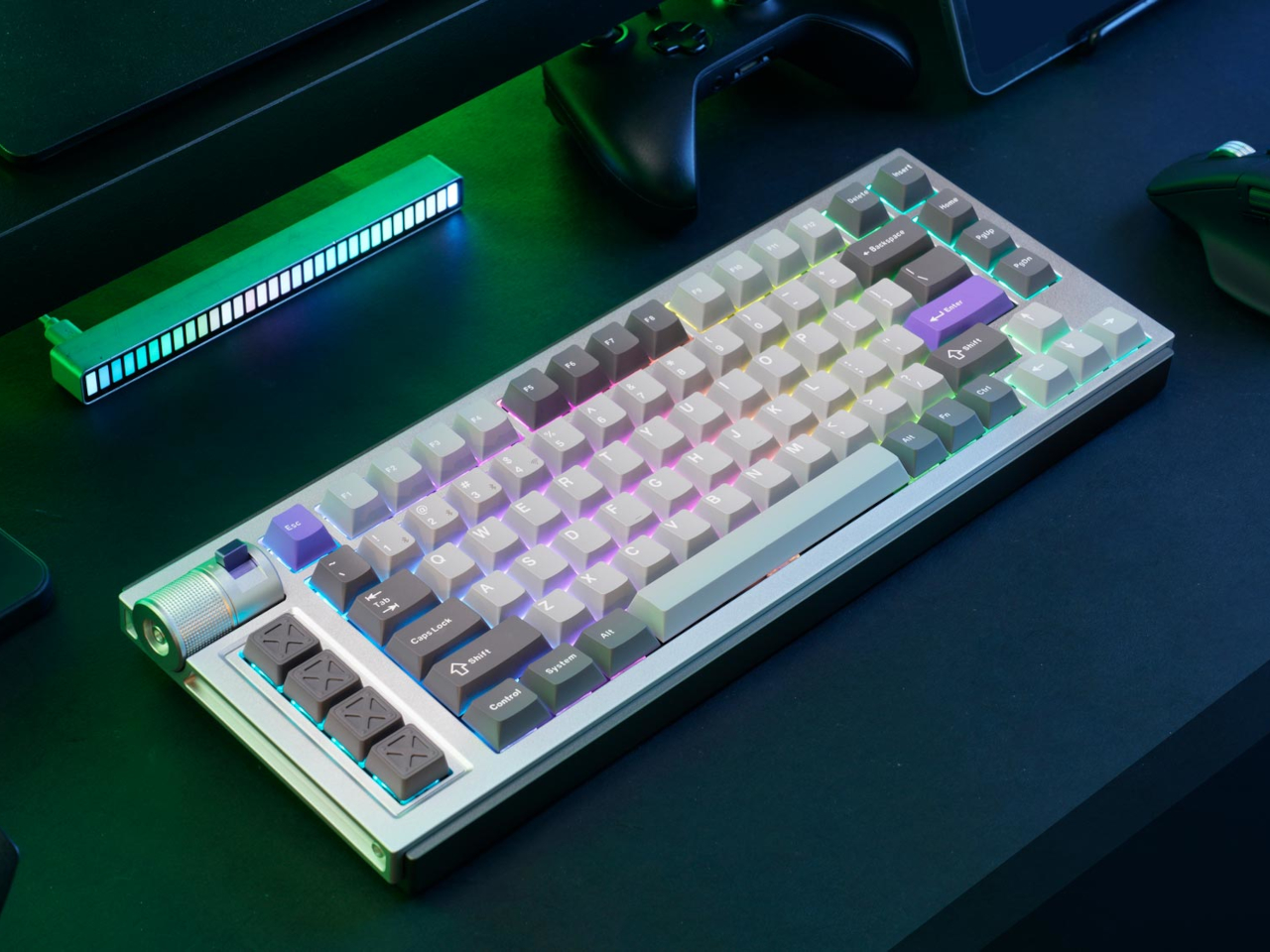
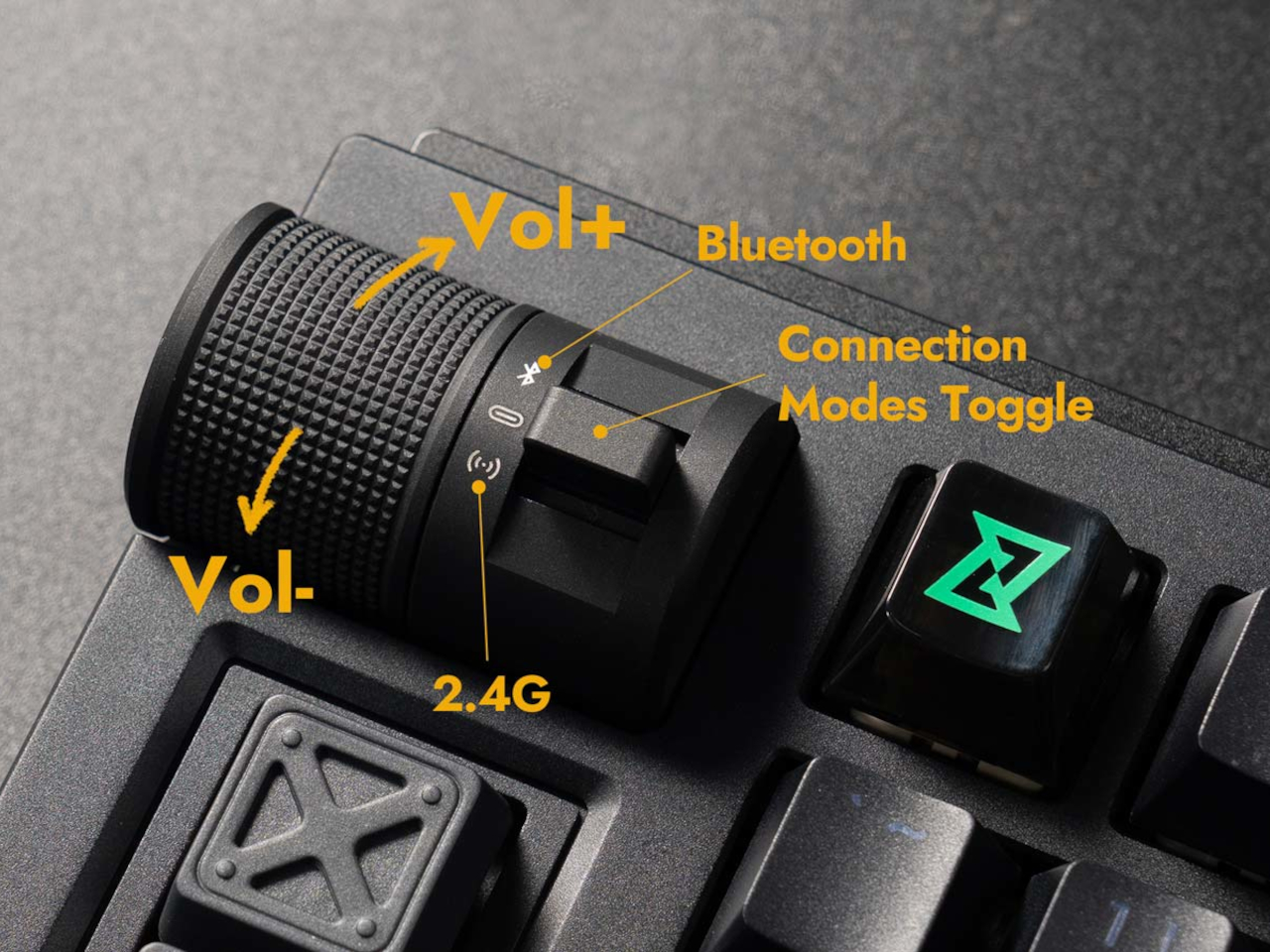
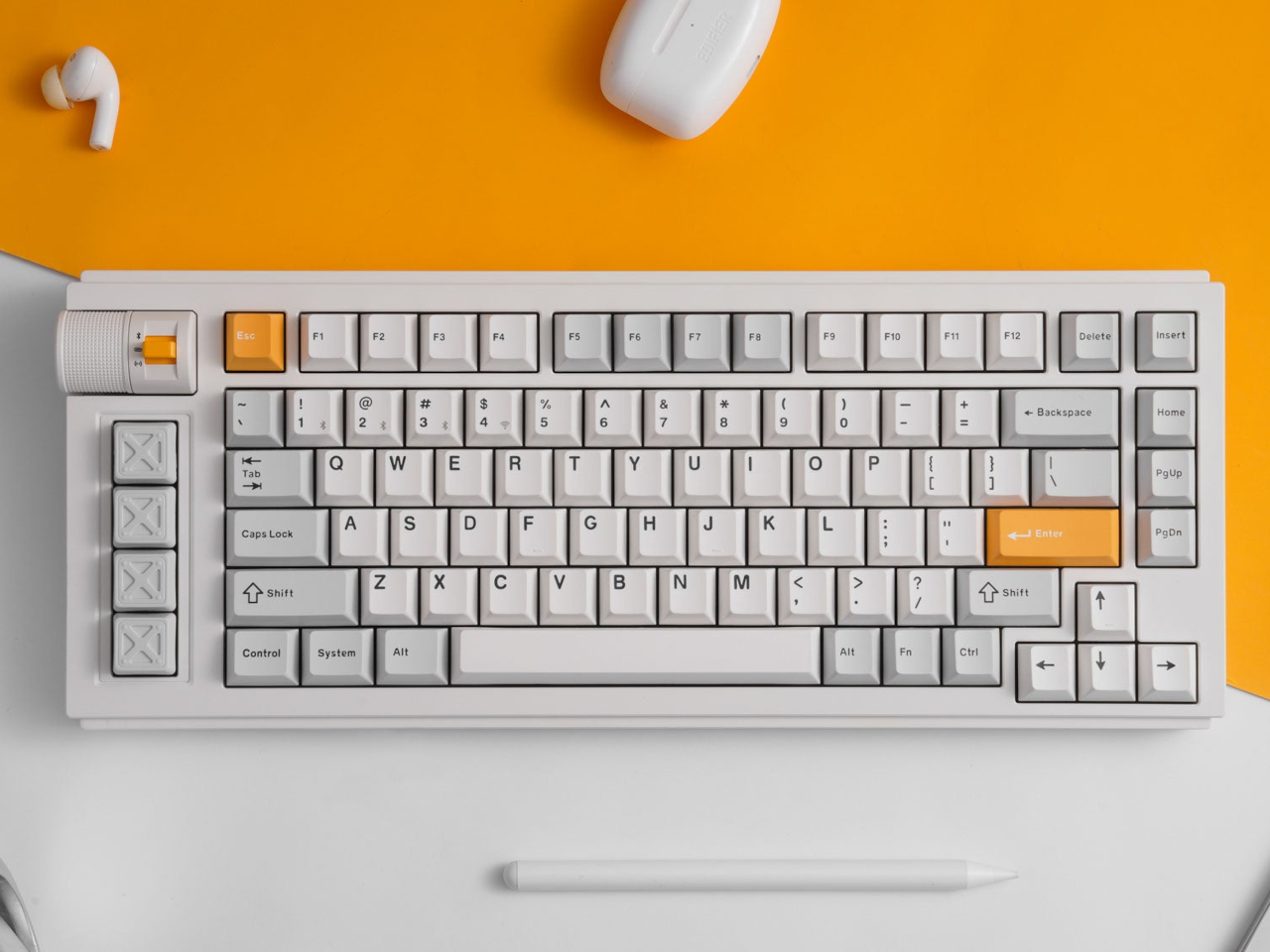
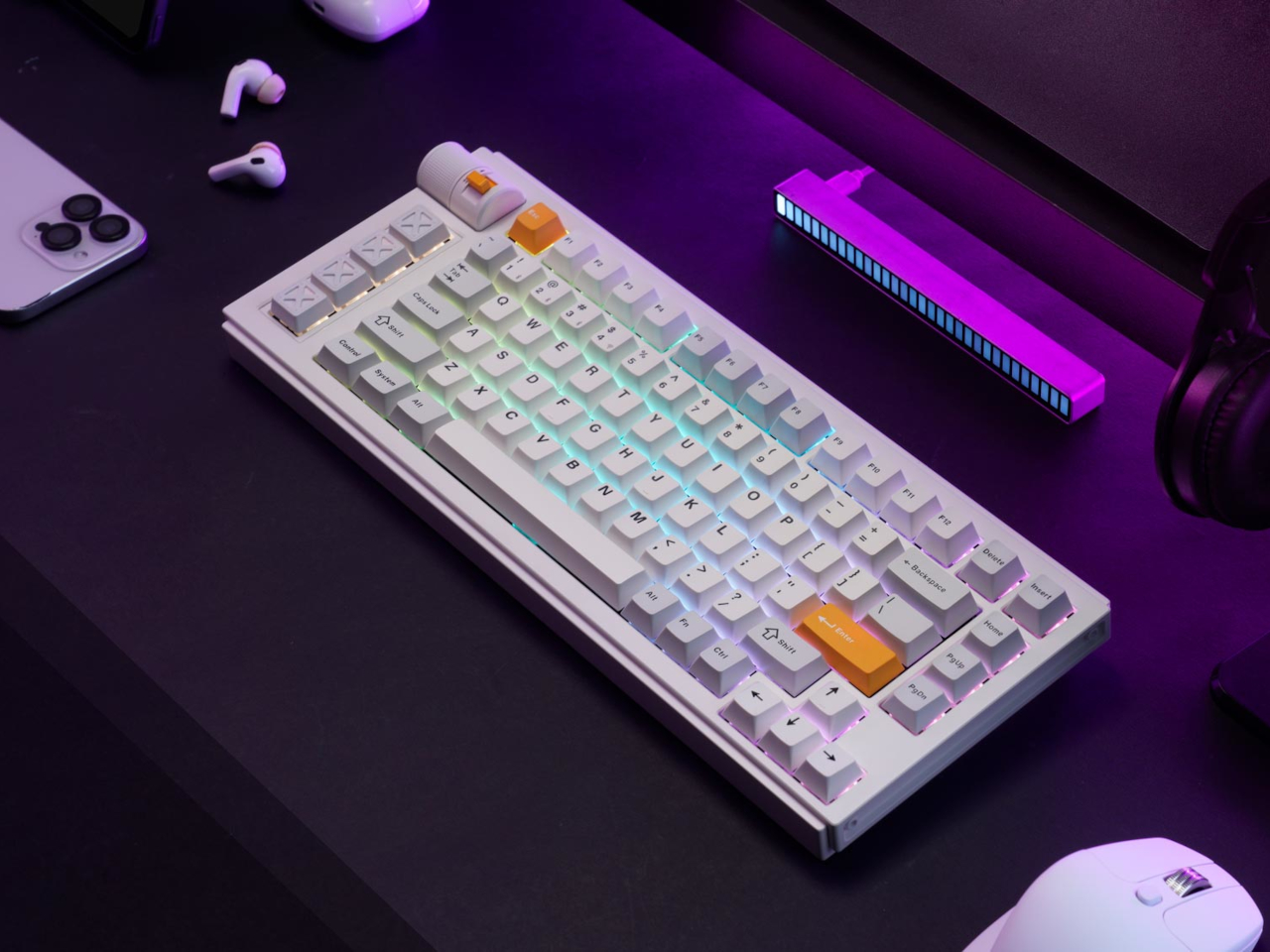
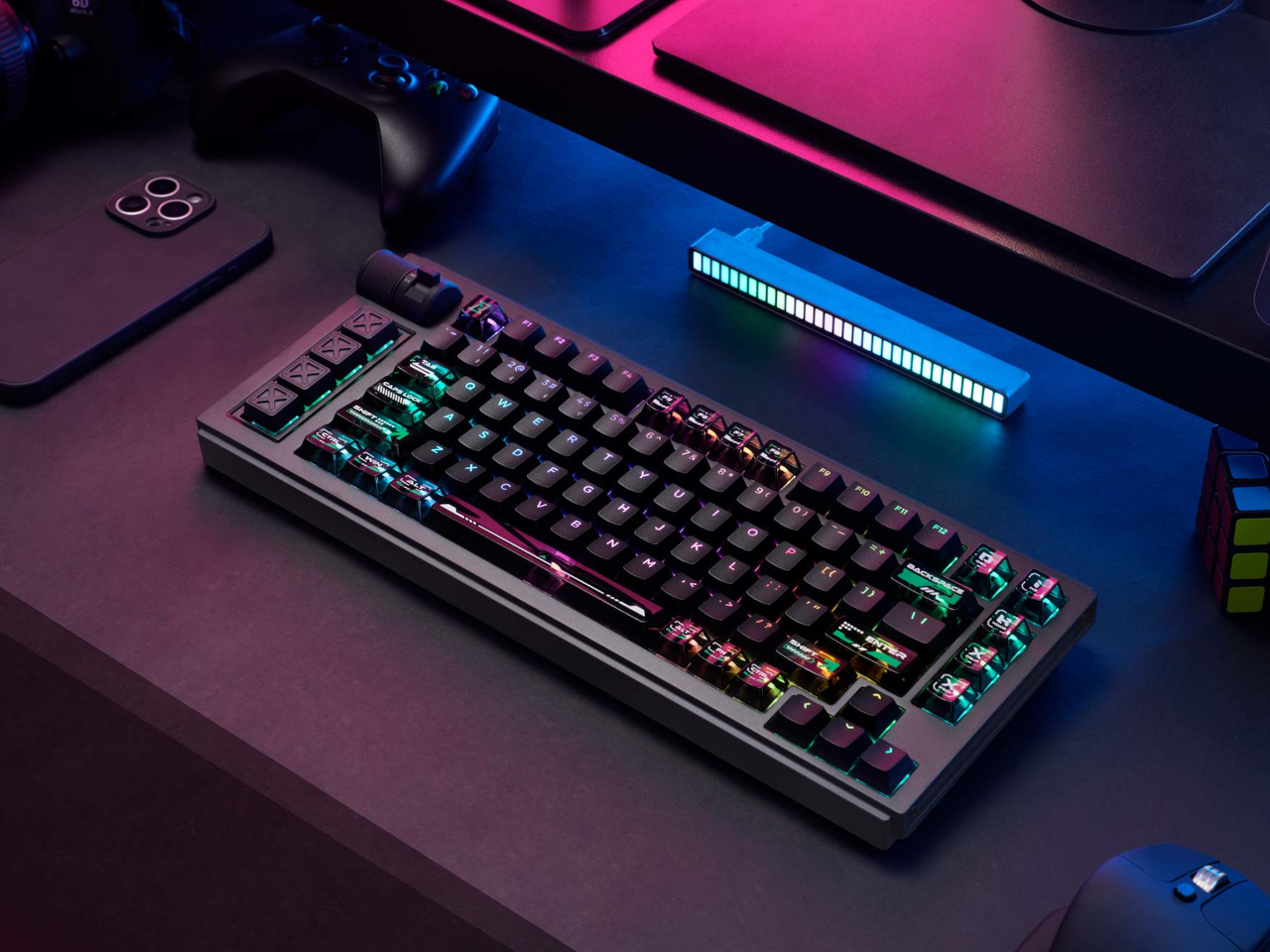
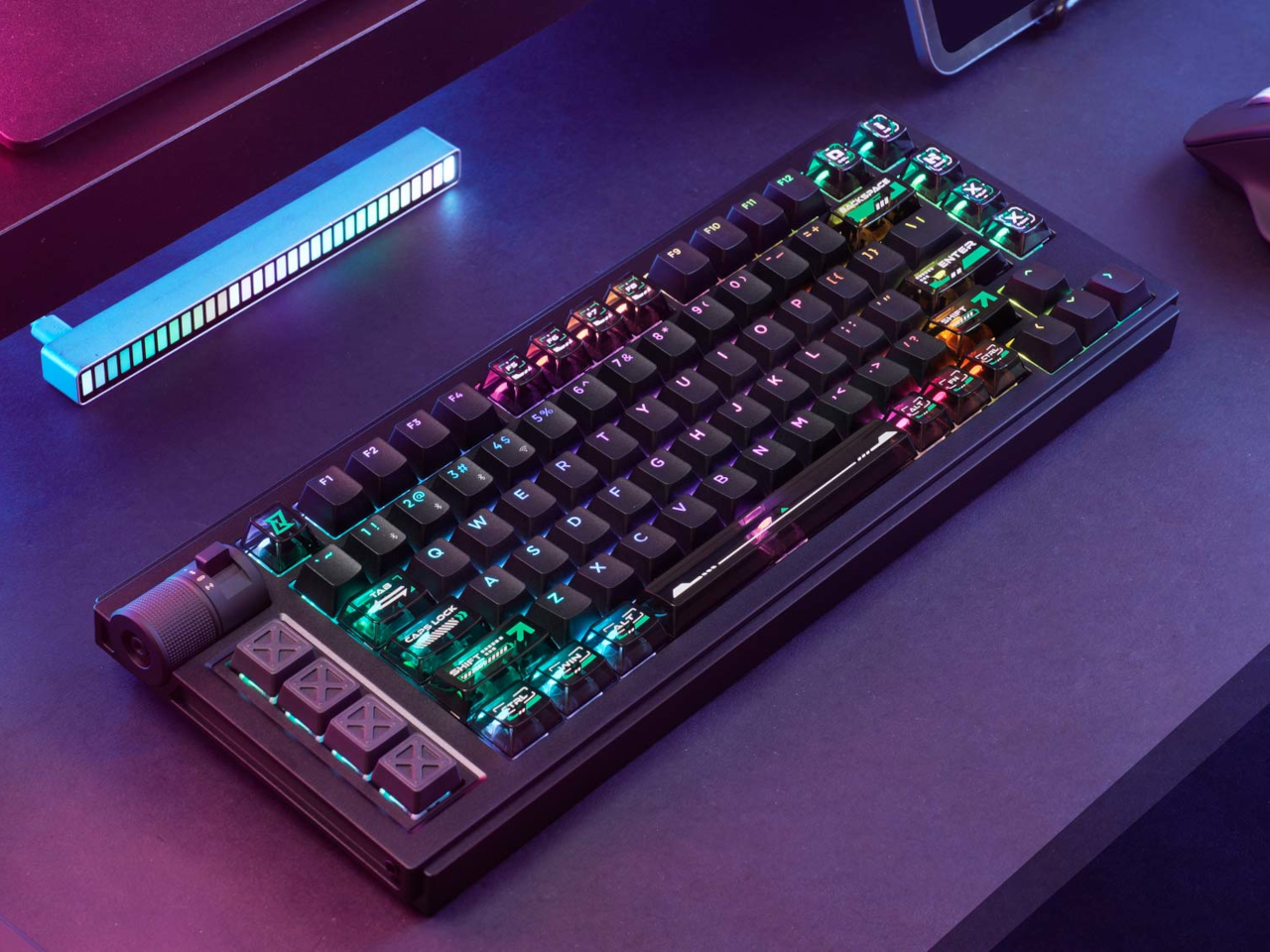
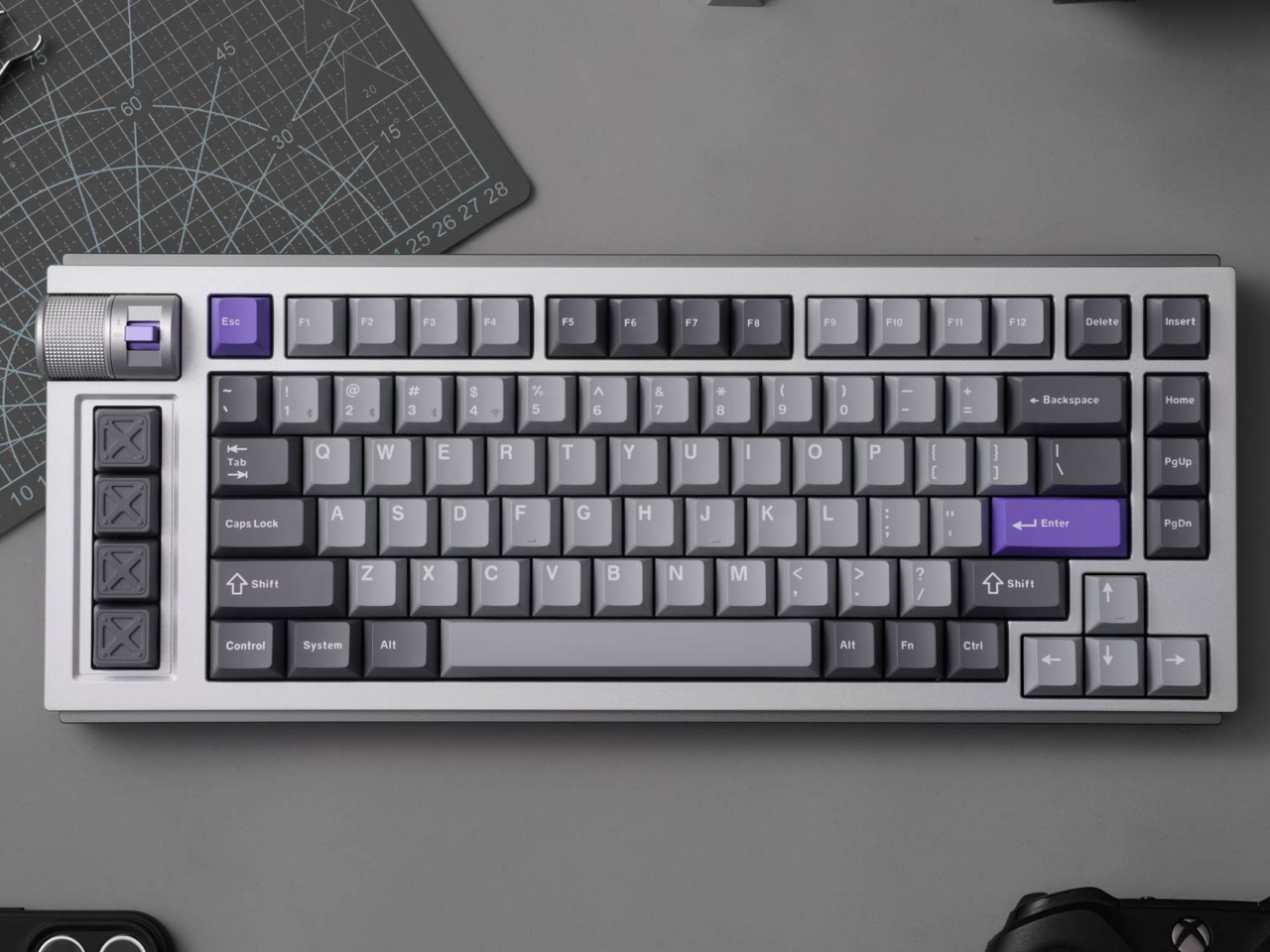
The Lemokey L1 HE addresses this gap with a CNC-milled aluminum chassis that weighs nearly two kilograms and looks deliberate rather than flashy. Available in white with yellow accents, black, or silver, the 75% layout includes macro keys and a programmable roller on the left side that defaults to volume control but accepts custom assignments. The metal construction and clean lines work on desks where aesthetics matter.
The switches underneath are where things get interesting. Gateron’s double-rail magnetic switches use Hall Effect sensors instead of physical contact points, which sounds technical until you realize what it enables. Every key’s activation point adjusts from feather-light to deliberate across a 3.6mm range. Set your movement keys to hair-trigger sensitivity. Configure typing keys deeper so resting fingers don’t accidentally fire off characters. The keyboard adapts to how you work rather than forcing adaptation the other way.
Press a key partway, and one action triggers. Press deeper, and a different command fires. Deeper still, another. Release at the right depth and a fourth activates. This isn’t theoretical; it changes how certain games and workflows operate once you stop thinking in binary keypresses. Walking versus running becomes pressure instead of separate keys. Multi-key shortcuts collapse into single presses with varying depth. Finger gymnastics get replaced by pressure control.
Switching to analog mode turns the keyboard into something closer to a controller. Racing games suddenly respond to how deeply you press acceleration keys, not just whether they’re pressed at all. The magnetic switches detect these pressure variations smoothly enough that steering feels genuine rather than approximated. People who prefer keyboards over controllers gain functionality that previously required switching input methods entirely.
The web-based configurator runs through any modern browser without installation, working identically across operating systems. Remapping happens quickly. Macros are built through straightforward menus. The keyboard connects wirelessly at 1000Hz polling for gaming or switches between three Bluetooth devices for productivity. Battery lasts long enough that charging becomes a weekly task rather than a daily concern.
Typing produces sounds that feel dampened and substantial rather than hollow or sharp. Multiple foam layers and gasket mounting create that quality, along with stabilizers that keep larger keys smooth. The double-shot PBT keycaps handle daily wear without developing shine, and the metal body prevents any flex during aggressive typing sessions. RGB lighting exists but stays subdued enough not to dominate the aesthetic.
The L1 HE occupies unusual territory between gaming keyboards and professional boards. It delivers rapid trigger modes and analog control alongside a build quality and appearance that work in spaces where RGB unicorn vomit would draw complaints. The programmable roller, magnetic switches, and four-action keys make it technically ambitious, while the design keeps it visually restrained.
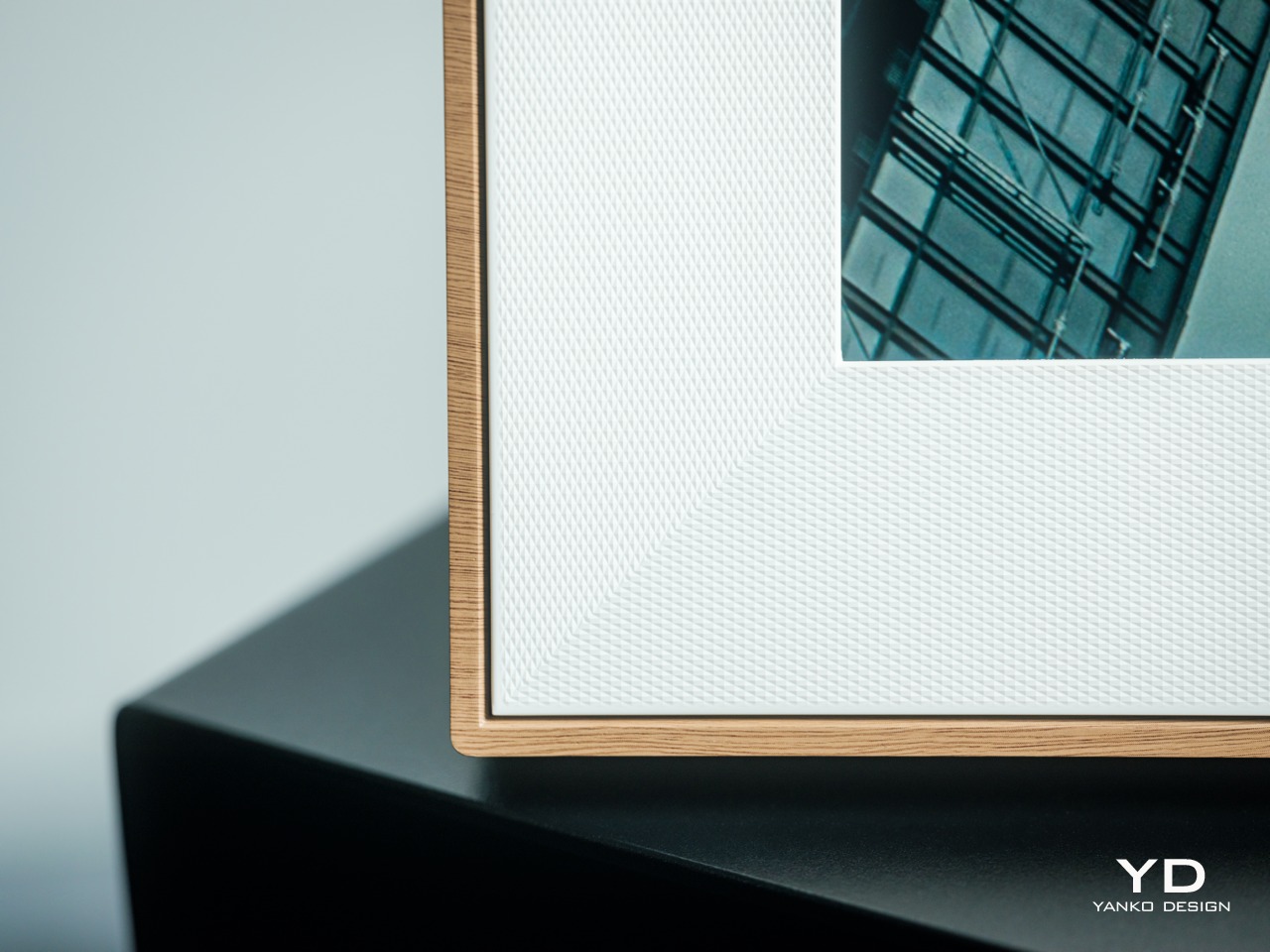
Premium design with wood grain finish and canvas-like matting
Rear LED Gallery Lighting adds warmth and dimension to photos
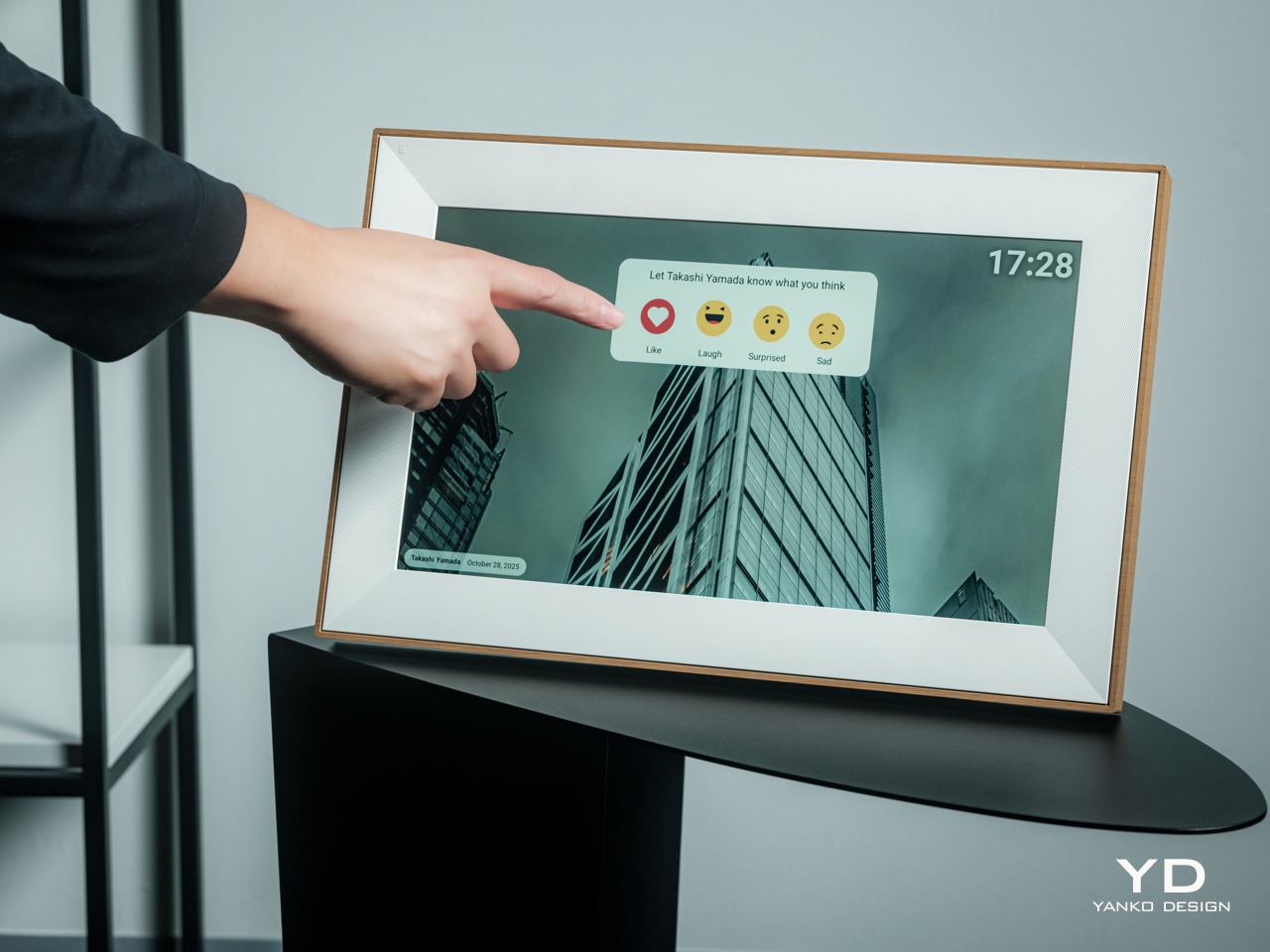
Large 15.6-inch anti-glare display with excellent visibility
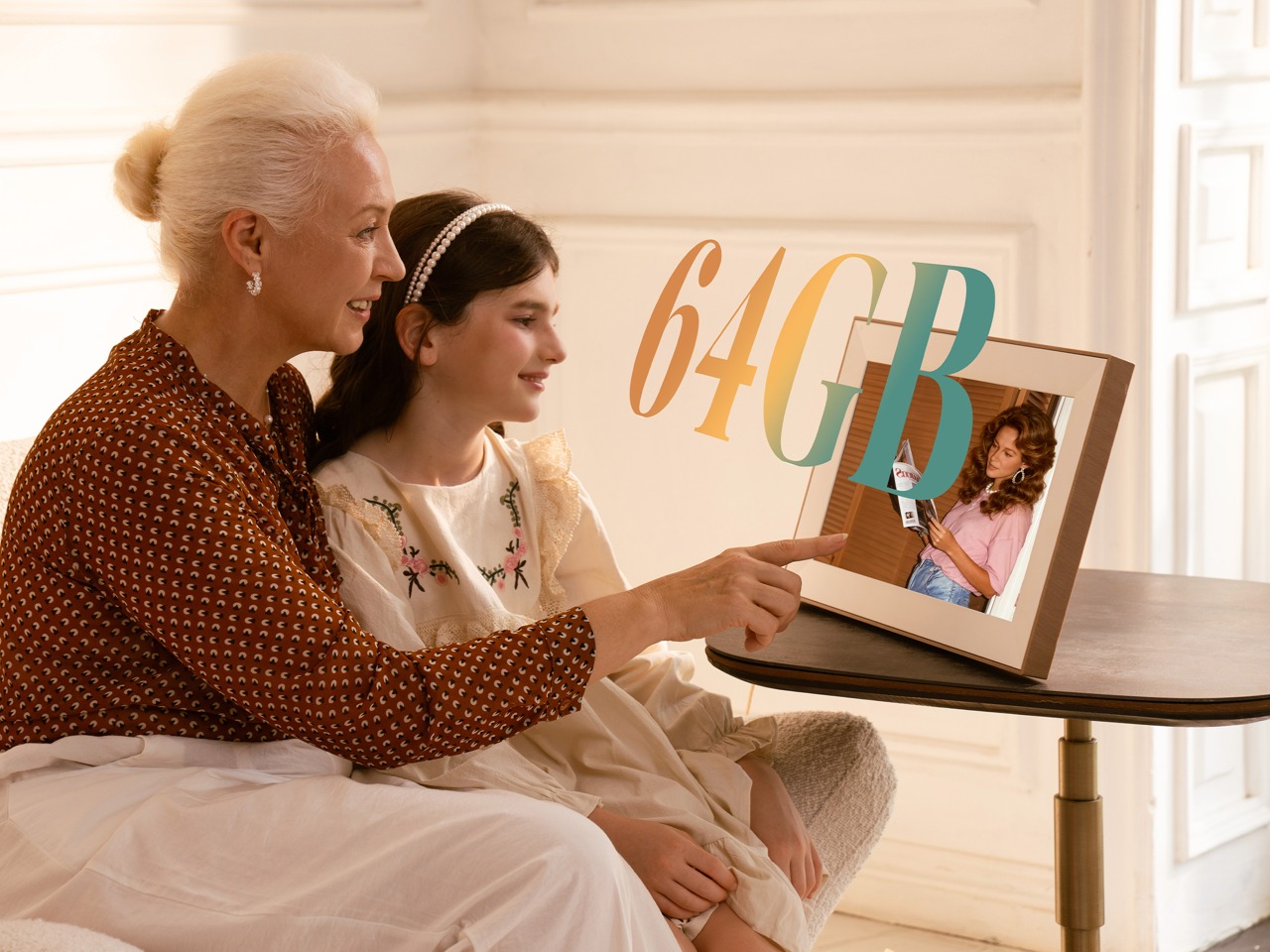
Generous 64GB internal storage
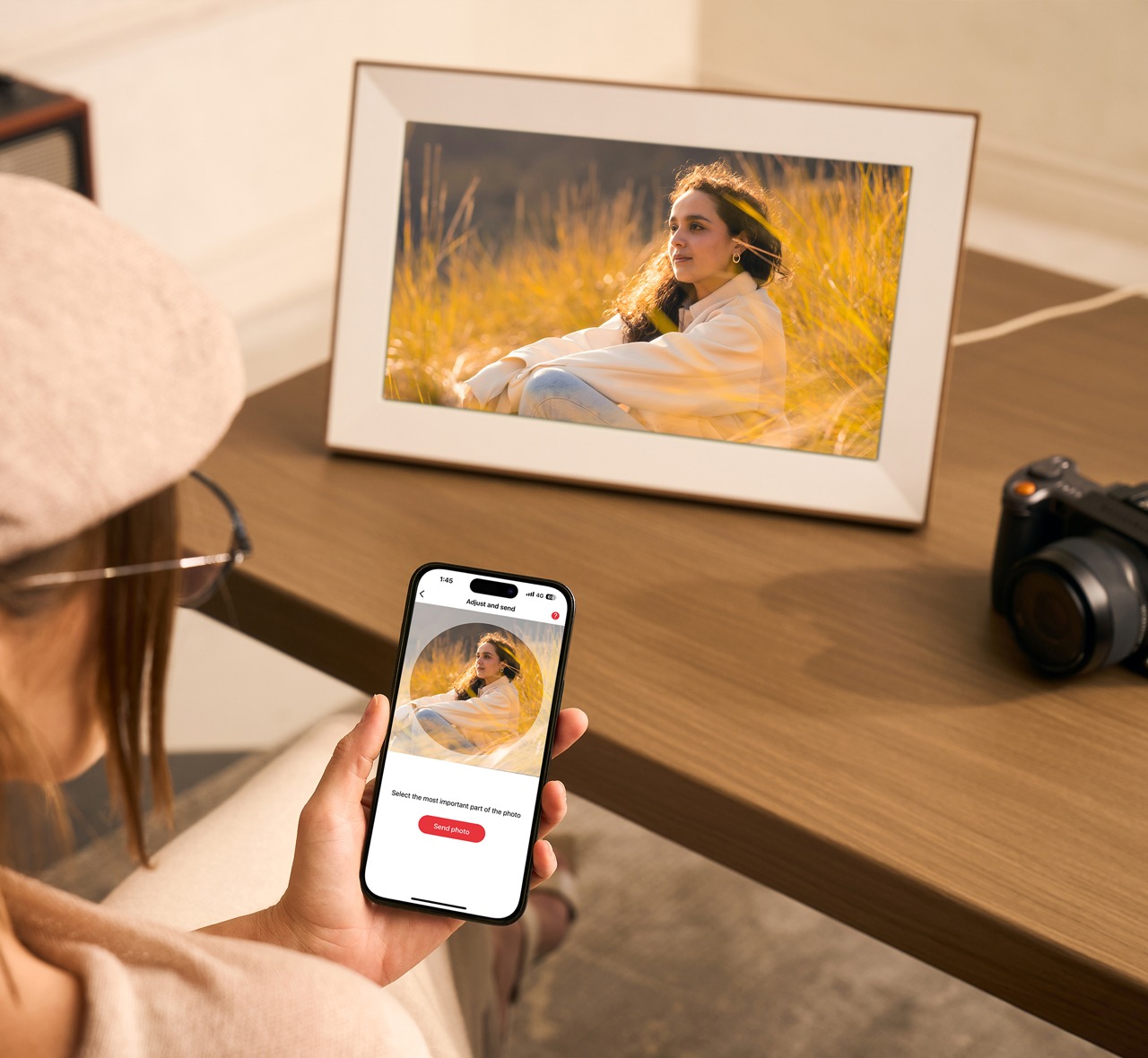
Simple setup and effortless sharing via the Frameo app
CONS:
No built-in battery
Video playback is capped at 15 seconds
Uploading more than 10 photos at once remotely requires the optional Frameo+ subscription
RATINGS:
AESTHETICS
ERGONOMICS
PERFORMANCE
SUSTAINABILITY / REPAIRABILITY
VALUE FOR MONEY
EDITOR'S QUOTE:
The Pexar Starlight blends premium design and an all-new gallery lighting into a digital frame that finally feels as special as the memories it displays.
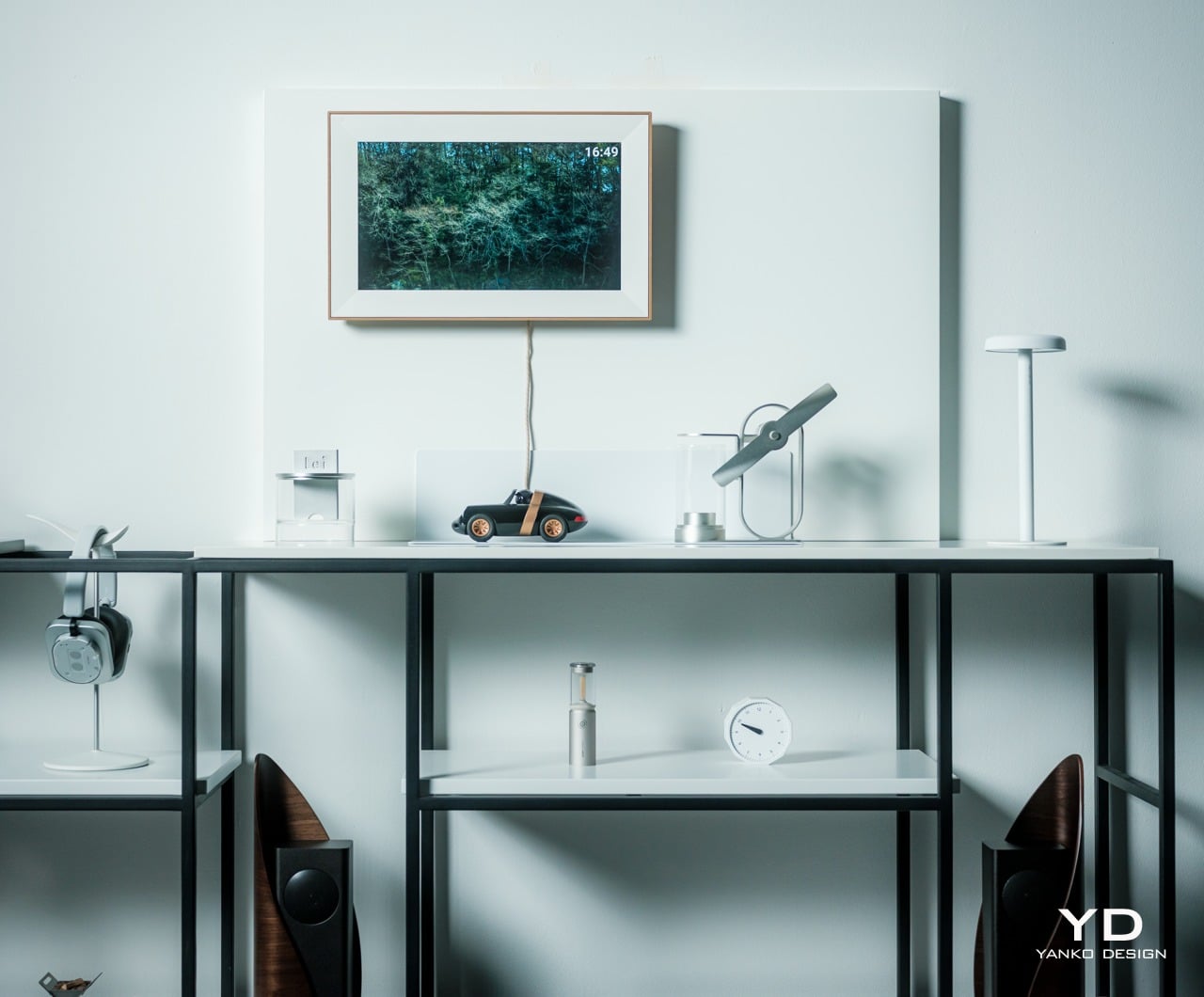
Digital photo frames have been around for years, but finding one that actually looks good in your living room remains surprisingly difficult. Most feel like gadgets that happen to show pictures rather than thoughtful décor pieces. They display photos well enough, but they rarely inspire the kind of emotional connection that makes you want to give them the best spot in your home.
The Pexar Starlight 15.6-inch Digital Picture Frame approaches photo display differently by adding integrated lighting that makes memories glow like gallery pieces. Born from Lexar’s imaging expertise, this frame combines a generous screen with thoughtful design details that celebrate photos rather than just showing them. Let’s see how it actually fares in practice.
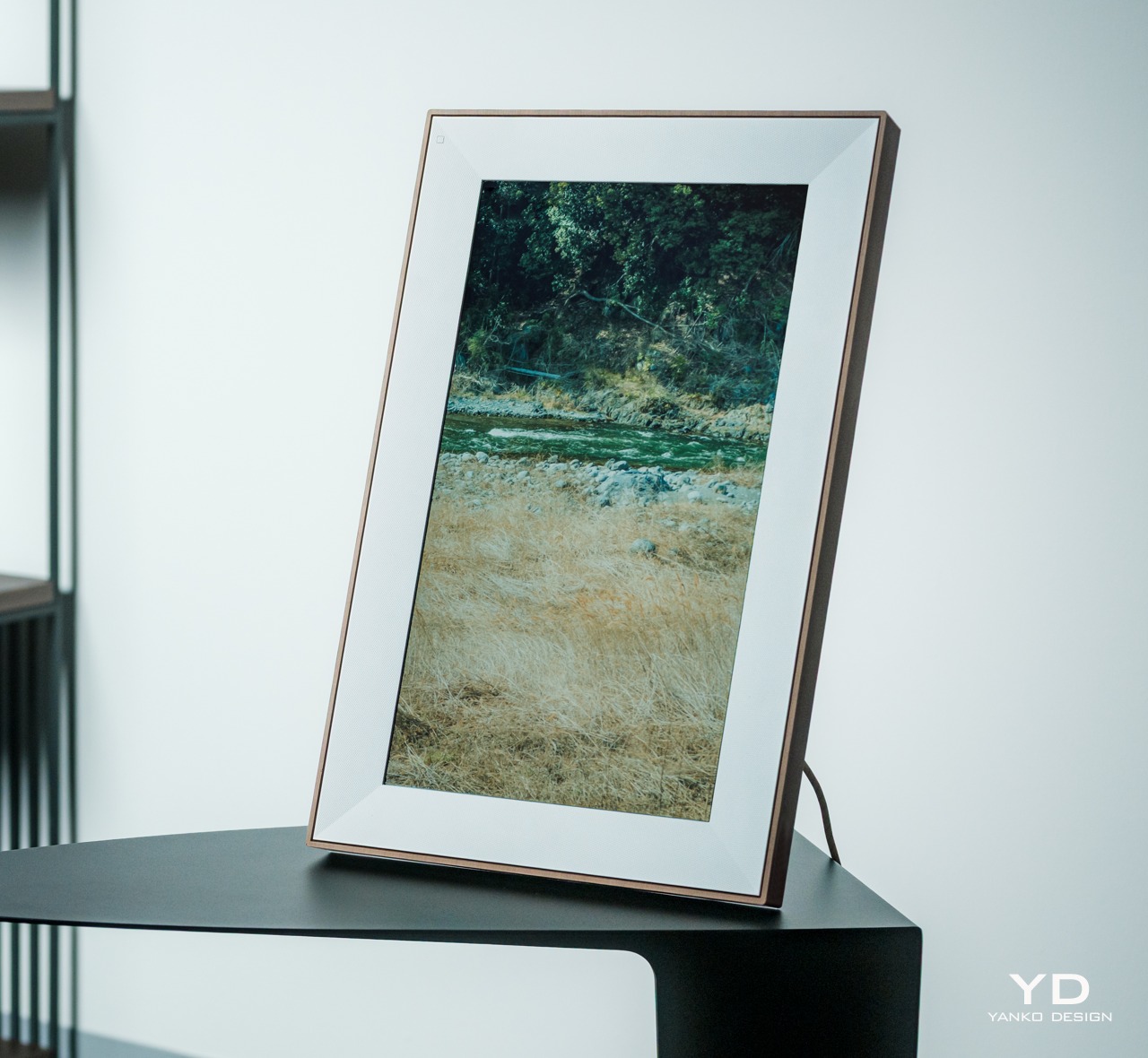
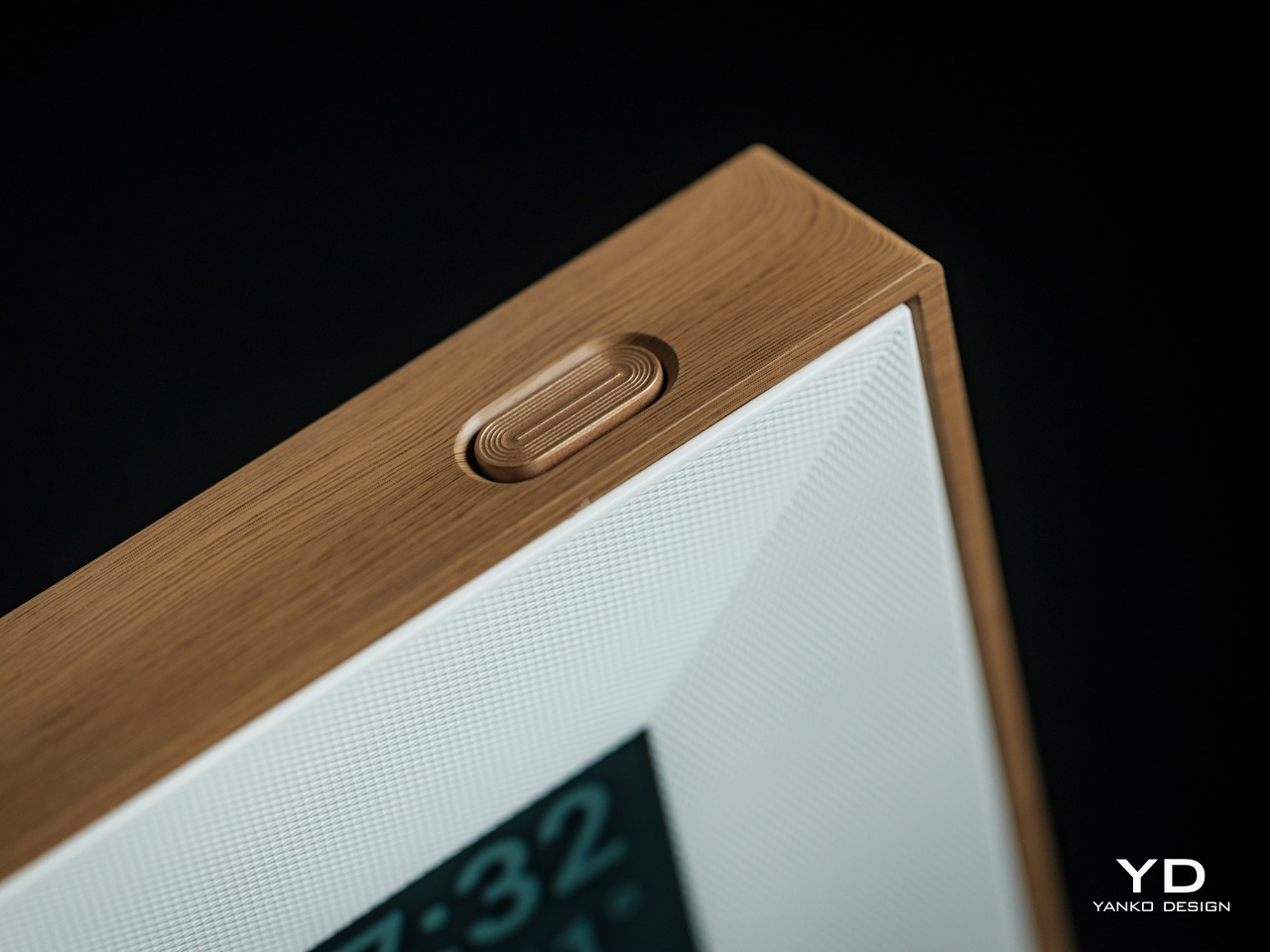
Unboxing the Starlight reveals a wood-grain finish that immediately separates it from typical digital frames dominated by glossy plastic. The texture has genuine depth and character, not just a printed pattern attempting to mimic wood. Running fingers across the surface reveals a tactile quality that makes the frame feel substantial, like furniture designed to last rather than disposable tech.
The canvas-like matting surrounding the display creates instant gallery vibes without trying too hard. Every photo cycling through looks intentional and curated, as if someone carefully selected each image for exhibition. This presentation quality works magic on even casual smartphone snapshots, making everyday moments feel more special than they did when scrolling through a camera roll mindlessly.
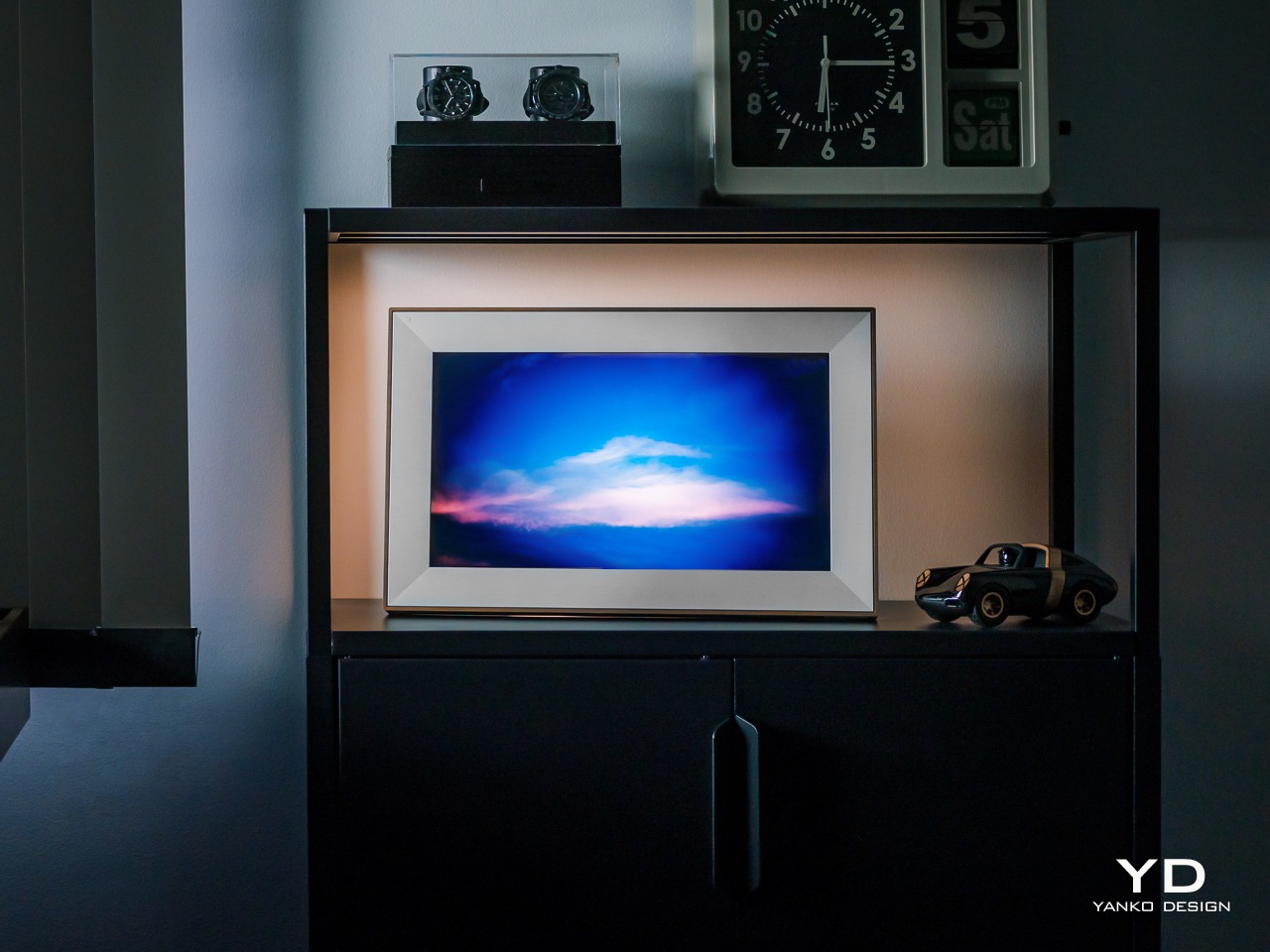
Placing the frame on a living room shelf shows how the thin bezel maximizes screen space without screaming for attention. The proportions feel balanced, with enough frame to provide visual weight but not so much that it dominates nearby objects. The design quietly commands attention rather than demanding it, which matters more than expected when living with something daily.
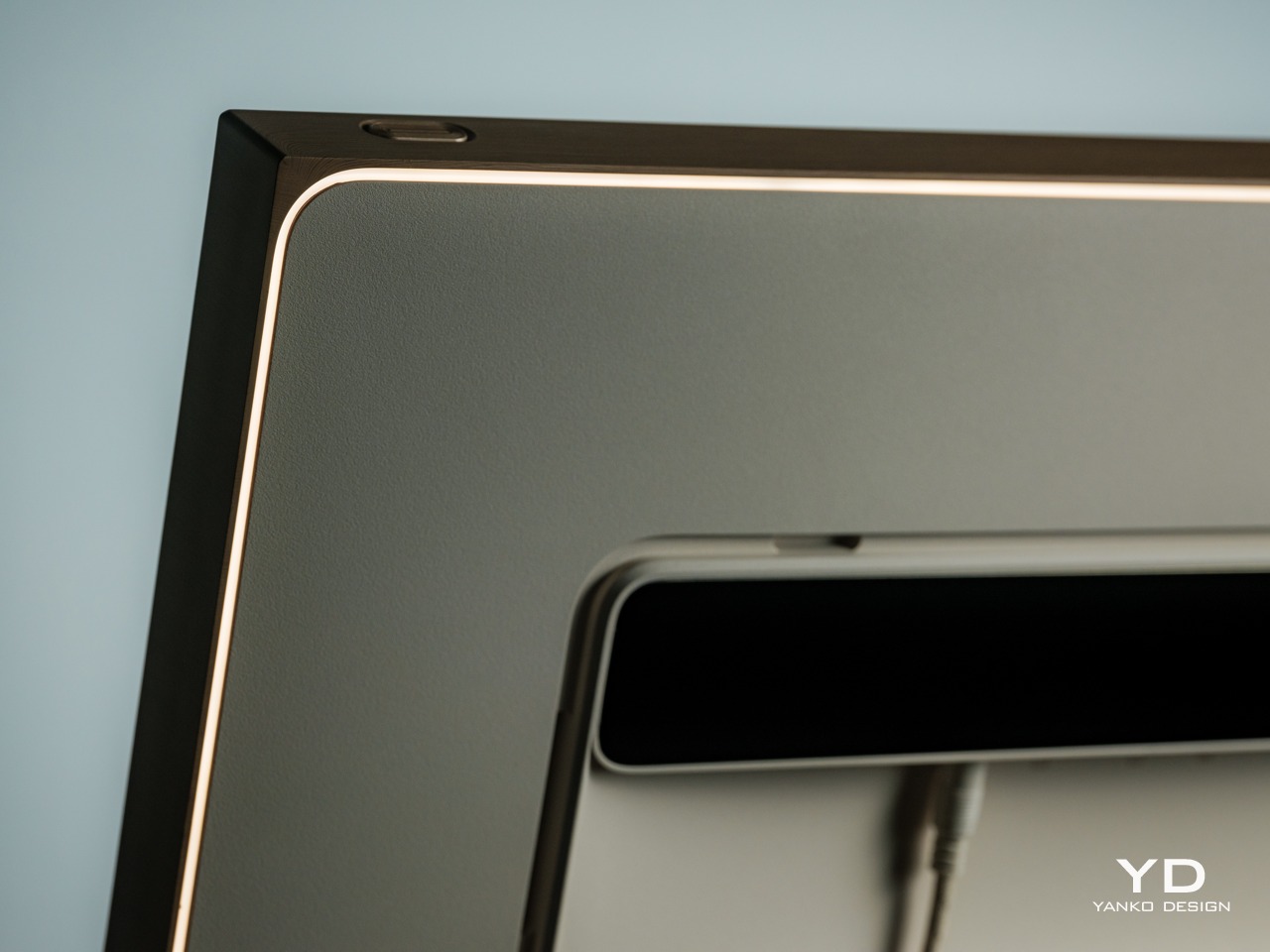
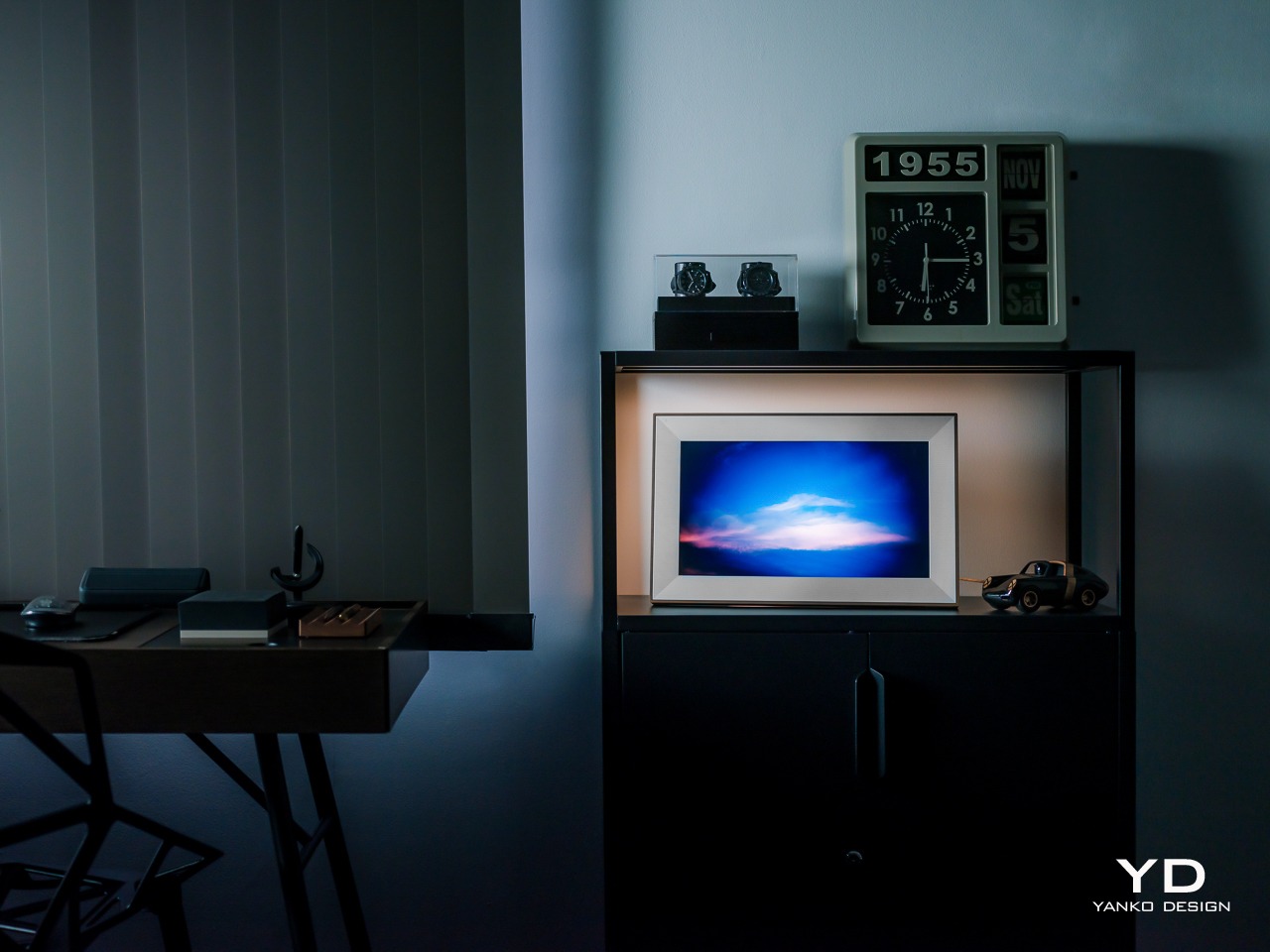
The innovative gallery lighting changes how photos feel in a room entirely. During daylight hours, the warm glow adds a subtle dimension that makes images pop against the wall behind them. As evening arrives and ambient light fades, the lighting becomes more prominent, casting a soft halo that naturally draws the eye toward whatever memory is currently on display.
Watching the lighting interact with different photos throughout the day reveals careful tuning and attention to detail. The warmth complements skin tones beautifully while enhancing golden hour sunsets and cozy indoor shots taken during winter evenings. The lighting never fights with images but rather supports them, creating depth without becoming a distraction from the actual photographs.
The anti-glare screen proves its value in challenging lighting conditions that would ruin most displays. Positioning the frame near windows or under bright overhead lights doesn’t create reflective hotspots that make screens unreadable. Photos remain clearly visible from multiple angles throughout the day, maintaining their visual impact regardless of how sunlight shifts across rooms.
The packaging deserves special mention for winning the 2025 MUSE Design Awards with its completely eco-friendly design. The gift box uses 100 percent recyclable materials with a green fiber coating and sand-gold metallic accents, drawing on Nordic and Japanese aesthetics for a premium unboxing experience. The paper pulp construction eliminates plastic entirely while feeling surprisingly luxurious, making the Starlight especially thoughtful for holiday gifting when presentation matters as much as the gift itself.
Ergonomics
Setup takes barely a minute from opening the box to displaying your first photo on screen. Power on, pick language and time zone, connect to Wi-Fi, name the device, finished. The whole process feels refreshingly simple, with clear prompts that don’t require consulting manuals or watching tutorial videos to figure out what’s happening.
The Pexar Starlight’s touchscreen responds accurately to every tap and swipe without the frustrating lag that makes cheap displays annoying to actually use. Navigating settings, albums, or display options feels smooth and predictable throughout. The interface clearly borrows from modern smartphones, making it immediately familiar even for people who typically struggle with new technology and avoid anything labeled “smart.”
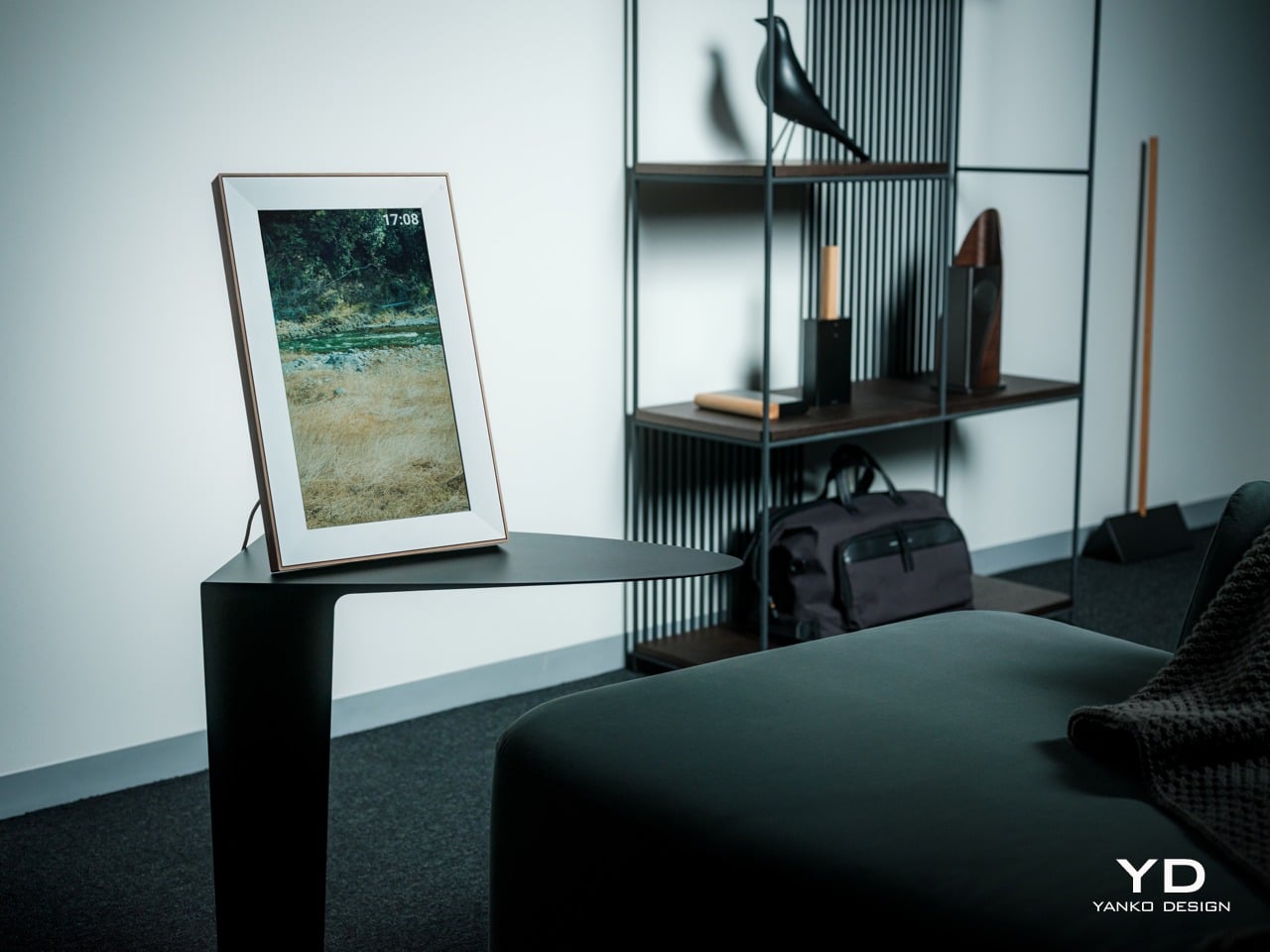
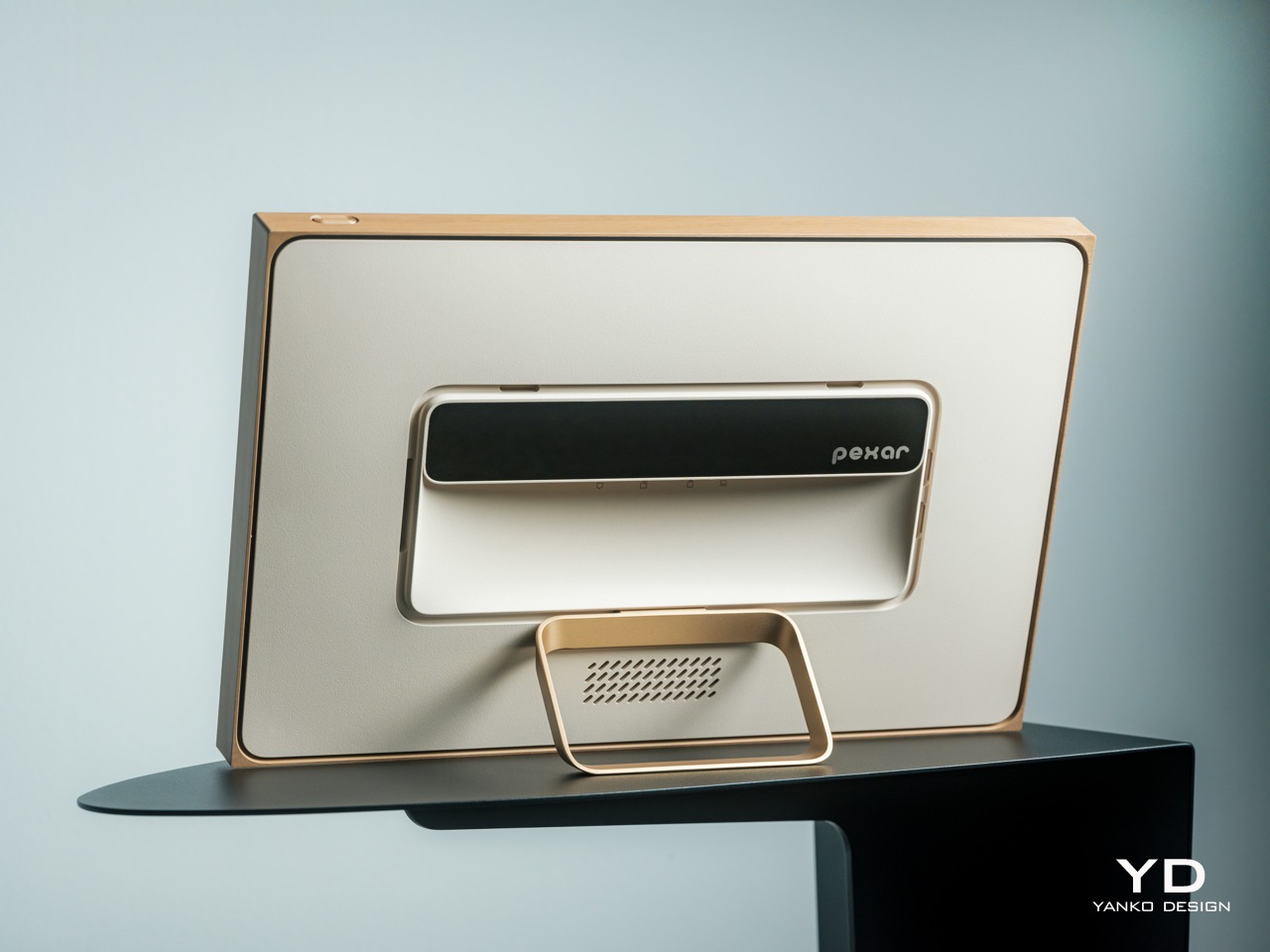
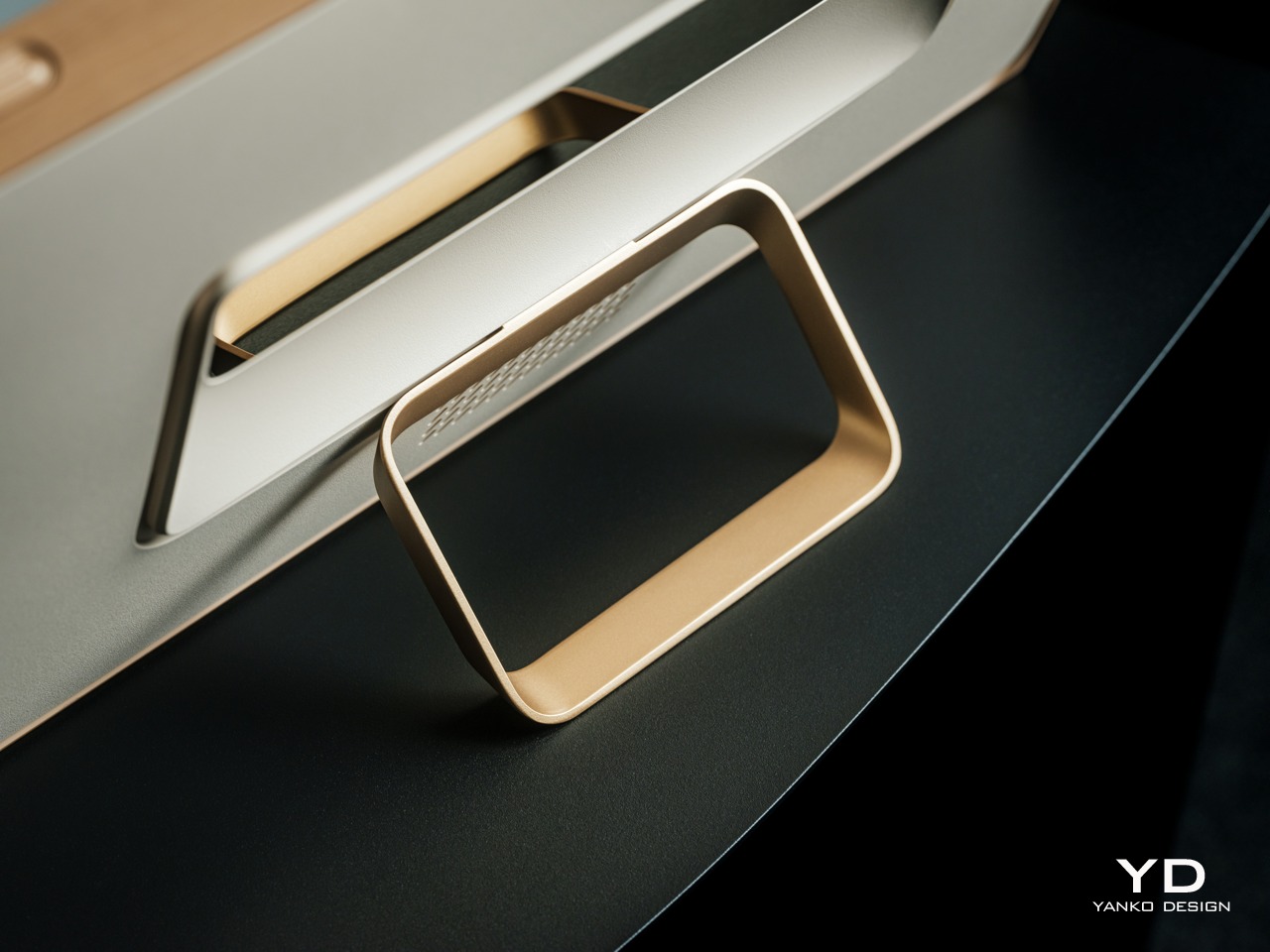
The metal stand holds the frame securely in both portrait and landscape positions without complaint. Switching orientations reveals smooth, stable positioning without wobbling or tipping concerns that would make you nervous about bumping the table. The stand’s minimal footprint doesn’t hog surface area, fitting easily on crowded shelves or narrow surfaces without requiring furniture rearrangement.
Wall mounting keeps everything flush while allowing proper clearance for the gallery lighting to project its characteristic glow. The hardware feels robust enough to trust with a device this size and weight. Once mounted, the frame looks intentional rather than like tech equipment awkwardly stuck to the wall, which becomes important when it’s a permanent fixture in your space.
Auto-rotation works like magic when repositioning the frame between portrait and landscape orientations. Pick it up, turn it sideways, and the display adjusts instantly without requiring button presses or menu navigation. The automatic sensing means photos always display correctly regardless of orientation, whether you’re trying different placements or just moved it to a new room.
Performance
With a 1920×1080 screen resolution, the Pexar Starlight delivers sharp, detailed images that look great from typical viewing distances across the room. Fine details in photos remain crisp and clear, while text in captions or greeting cards stays perfectly readable. The pixel density feels well-matched to screen size, providing clarity without that overly processed digital look that sometimes makes photos feel artificial.
Colors pop with vibrancy that feels realistic rather than artificially boosted like oversaturated TV displays. Photos show rich, engaging hues that don’t cross into unrealistic territory that makes images look fake. Skin tones appear natural and flattering, while blue skies and green landscapes maintain the depth and richness you remember from actually being there.
The 64GB internal storage swallows photo libraries without breaking a sweat or showing performance issues. Loading several thousand images reveals no slowdown, stuttering, or lag during transitions. The frame cycles through photos smoothly, maintaining quick changes and responsive controls regardless of how many memories are crammed into storage over months.
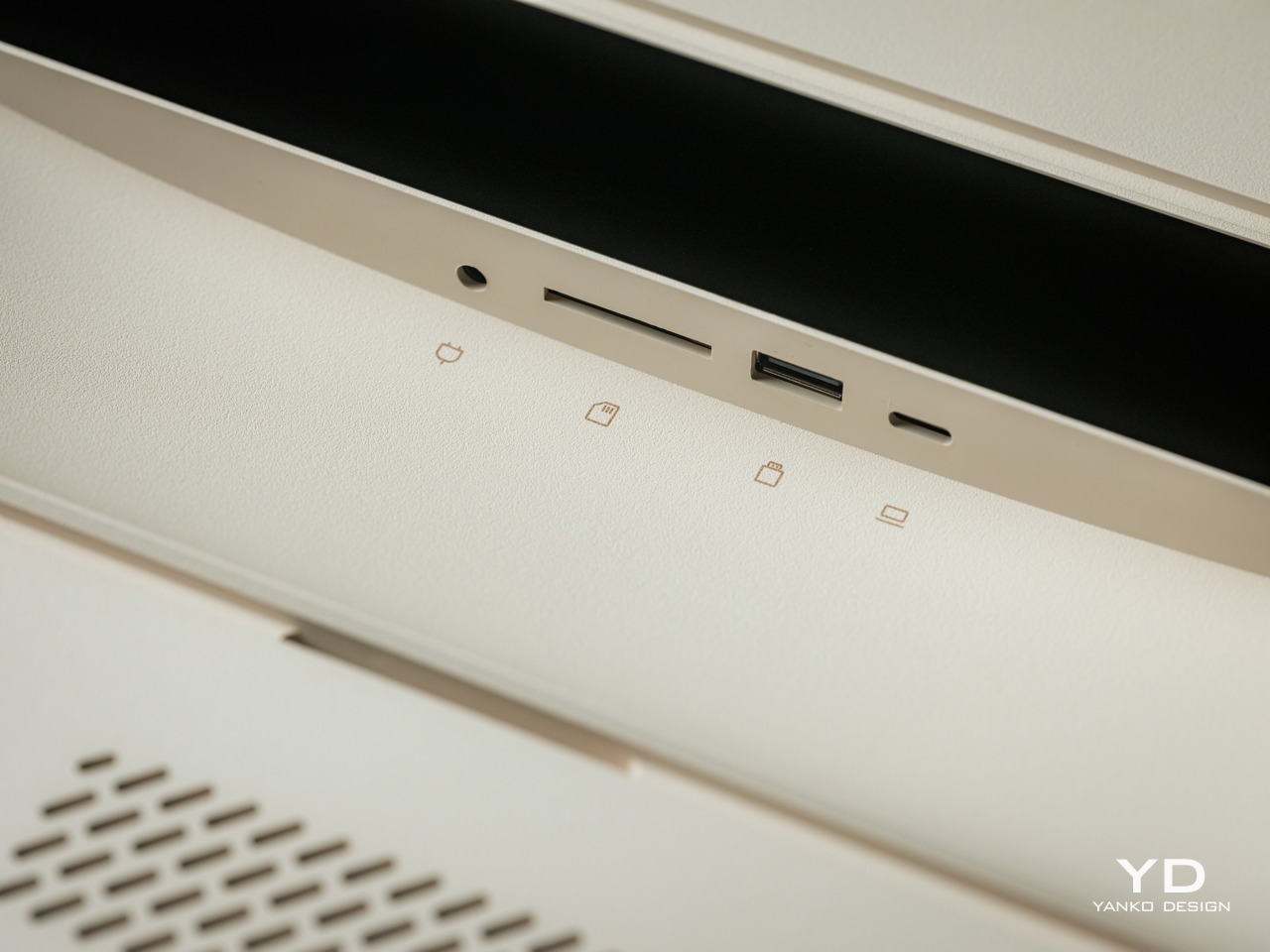
Loading photos via SD card or USB feels straightforward and surprisingly quick for large batches. Insert the storage source, navigate to Settings, select Import Photos, choose your images, and let the frame handle everything else. The interface makes it easy to select all photos at once or cherry-pick specific favorites, depending on how curated you want the current collection.
Of course, sending photos to the Starlight from your phone makes the experience feel almost magical, thanks to integrated Frameo support. The mobile app connects to the frame instantly without drama or confusion. Scan the QR code or type in the frame code, and your phone recognizes the device immediately. Sending photos becomes as natural as texting pictures to friends, which matters enormously for getting family members to actually contribute images regularly rather than forgetting about the frame.
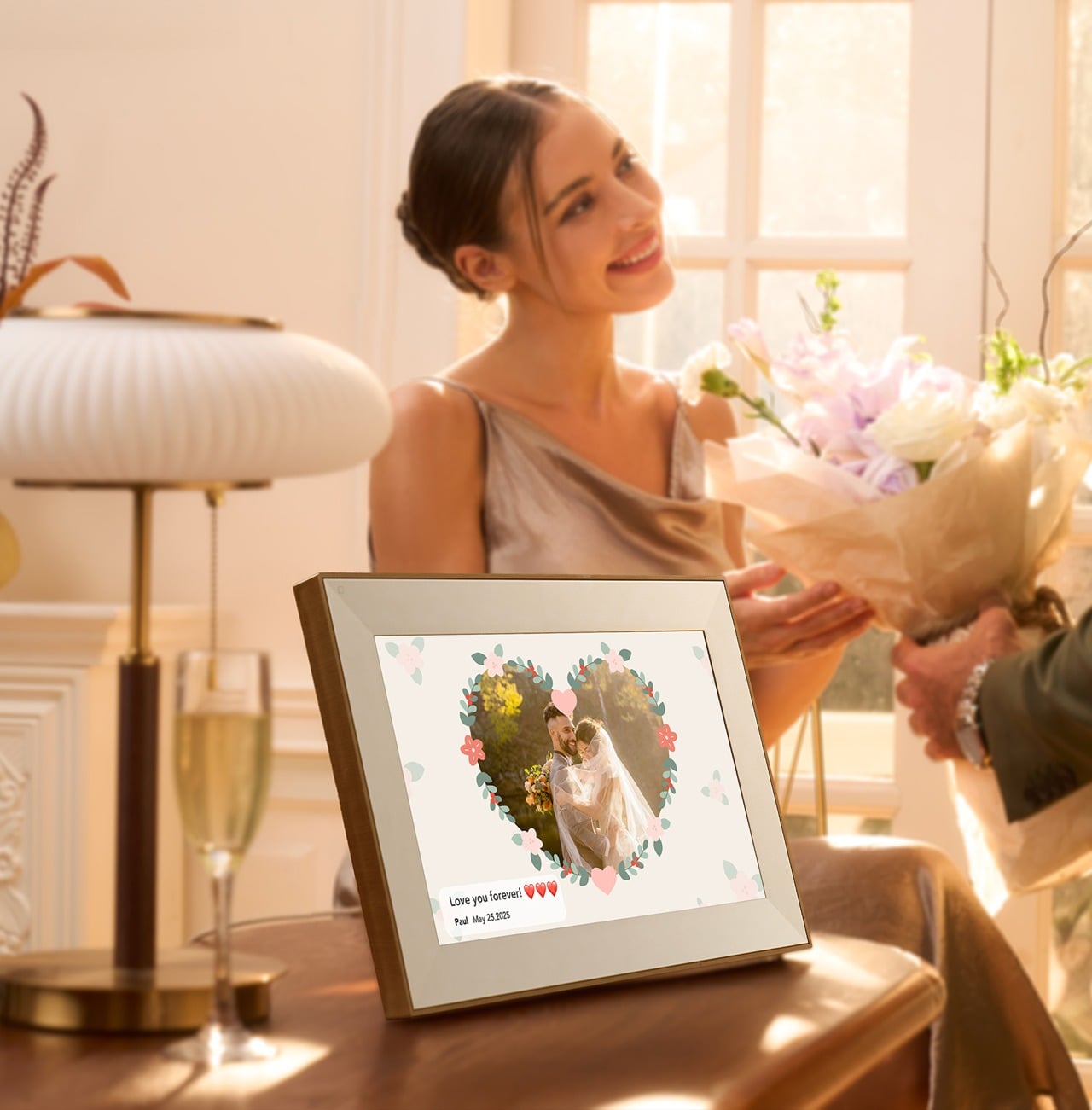
The Frameo ecosystem makes sharing photos feel effortless and genuinely social rather than technical. Family members in different cities or countries send images that appear on the frame within seconds of tapping send. The system handles multiple contributors gracefully, organizing incoming photos by sender and allowing everyone to see who shared what without confusion.
Video clips up to 15 seconds capture brief, meaningful moments that photos alone can’t convey completely. While longer videos would expand creative possibilities, the time limit encourages sharing highlights rather than full recordings nobody watches. The built-in speaker provides clear audio for these short clips, adding voices and context that bring moments back to life.
The ten-photo limit for remote uploads seems restrictive initially but rarely causes problems during everyday use. Most sharing happens in small batches anyway: a few shots from dinner, a handful from the weekend trip. For complete vacation albums with hundreds of images, the SD card slot and USB connection handle bulk transfers without making you babysit uploads or watch progress bars creep forward.
Sustainability
The frame’s construction suggests durability designed for years of daily use rather than quick obsolescence. The wood grain finish shows remarkable resistance to fingerprints, smudges, and general wear from regular touchscreen interaction. After days of handling, the surface maintains its original appearance without visible degradation, dulling, or wear patterns that would diminish its premium look.
Storage expansion capabilities prevent the frame from becoming obsolete as photo libraries grow from thousands to tens of thousands. Rather than hitting capacity limits and requiring complete replacement, the frame adapts to increasing storage needs through affordable SD cards. This flexibility supports sustainable consumption by extending the useful lifespan instead of forcing upgrades.
The digital format reduces environmental impact compared to traditional photo printing and physical framing habits. A single Starlight displays thousands of memories that would otherwise require paper, ink, shipping materials, and physical frames. For households that previously printed select favorites, the frame offers a more sustainable way to enjoy entire collections.
The frame’s offline functionality provides independence from cloud services that could potentially disappear or change. Once photos are loaded onto internal storage, they remain accessible forever regardless of internet connectivity or ongoing service availability. This autonomy means memories stay safe and visible even if business models change or companies discontinue cloud support unexpectedly.
Value
The Starlight occupies premium territory in the digital photo frame market, and pricing reflects the larger screen and distinctive features. Comparing gallery lighting, screen quality, and storage to similarly priced options reveals competitive positioning that justifies the investment. The feature combination makes sense for people who prioritize design and want tech that enhances spaces.
Gallery lighting alone differentiates the Starlight from most frames in any price range currently available. Competing products focus exclusively on display quality without considering how the device impacts room ambiance and atmosphere. The integrated lighting makes the Starlight both a photo display and a mood lighting element, effectively serving two purposes simultaneously.
The 64GB storage outpaces many frames offering 8GB or 16GB that charge extra for expansion cards. Starting with a generous internal capacity avoids constant photo management or forced deletions to accommodate new images. This abundance provides better long-term value by eliminating storage anxiety that ruins the experience of actually owning and enjoying the frame.
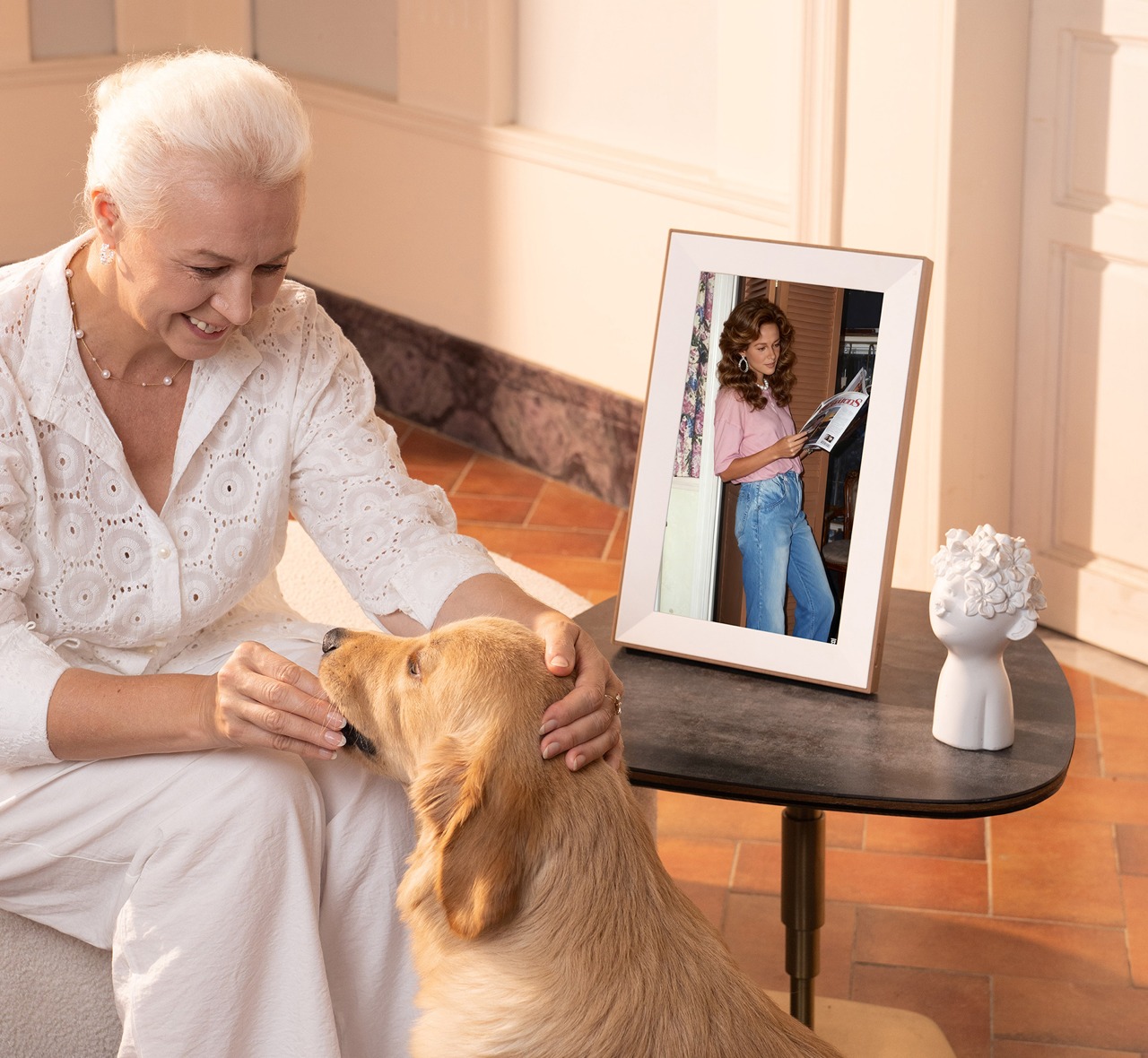
The Pexar Starlight works beautifully as a gift for parents, grandparents, or distant family members who might struggle with complicated tech. The simple setup and multi-contributor functionality make it especially valuable for keeping families connected across distances. The thoughtful packaging and premium presentation reinforce its identity as a meaningful gift rather than just another gadget.
Unlimited distance sharing adds genuine practical value for families spread across different cities, states, or countries. Grandparents receive photos from grandchildren instantly without wrestling with email attachments or complicated file transfers that confuse them. This simplicity increases the likelihood that the frame actually gets used regularly rather than gathering dust after initial novelty fades.
The wood grain finish and gallery lighting ensure the frame enhances home décor rather than detracting from carefully curated spaces. This design consideration adds real value for people who view their purchases through an aesthetic lens first. Premium looks justify premium pricing when the alternative means compromising on how your living space feels, functions, and welcomes guests.
Verdict
Living with the Pexar Starlight reveals a frame designed by people who understand both technology and how families actually interact with their memories. The gallery lighting, thoughtful materials, and anti-glare screen create experiences that go beyond simply displaying photos. Small design choices add up to something that feels special rather than utilitarian, making the frame something you want to show off.
The Starlight shows how digital frames can contribute to atmosphere and aesthetics without sacrificing useful features. For anyone seeking a way to display memories that enhances their space while keeping loved ones connected, it delivers on both fronts convincingly. The frame makes digital memories feel as meaningful as the moments they preserve, which is ultimately what any photo display should accomplish.
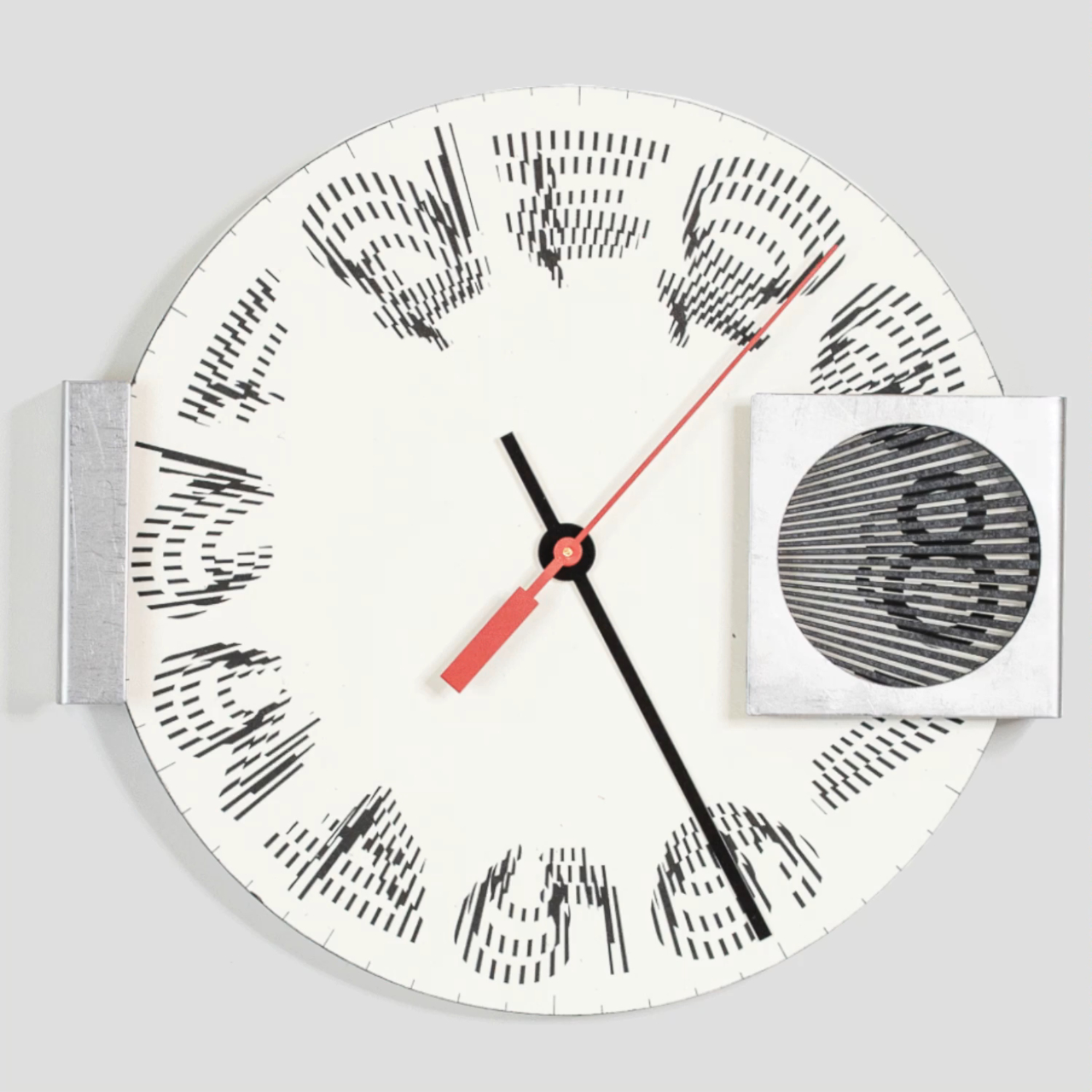
Most clocks are content to quietly tick away in the background, marking the hours with little more than a glance from you throughout the day and night. But what if telling time could be mesmerizing instead, an experience that draws you in, sparks curiosity, and turns your wall into a living gallery worth watching? What if checking the time felt less like a chore and more like appreciating kinetic sculpture?
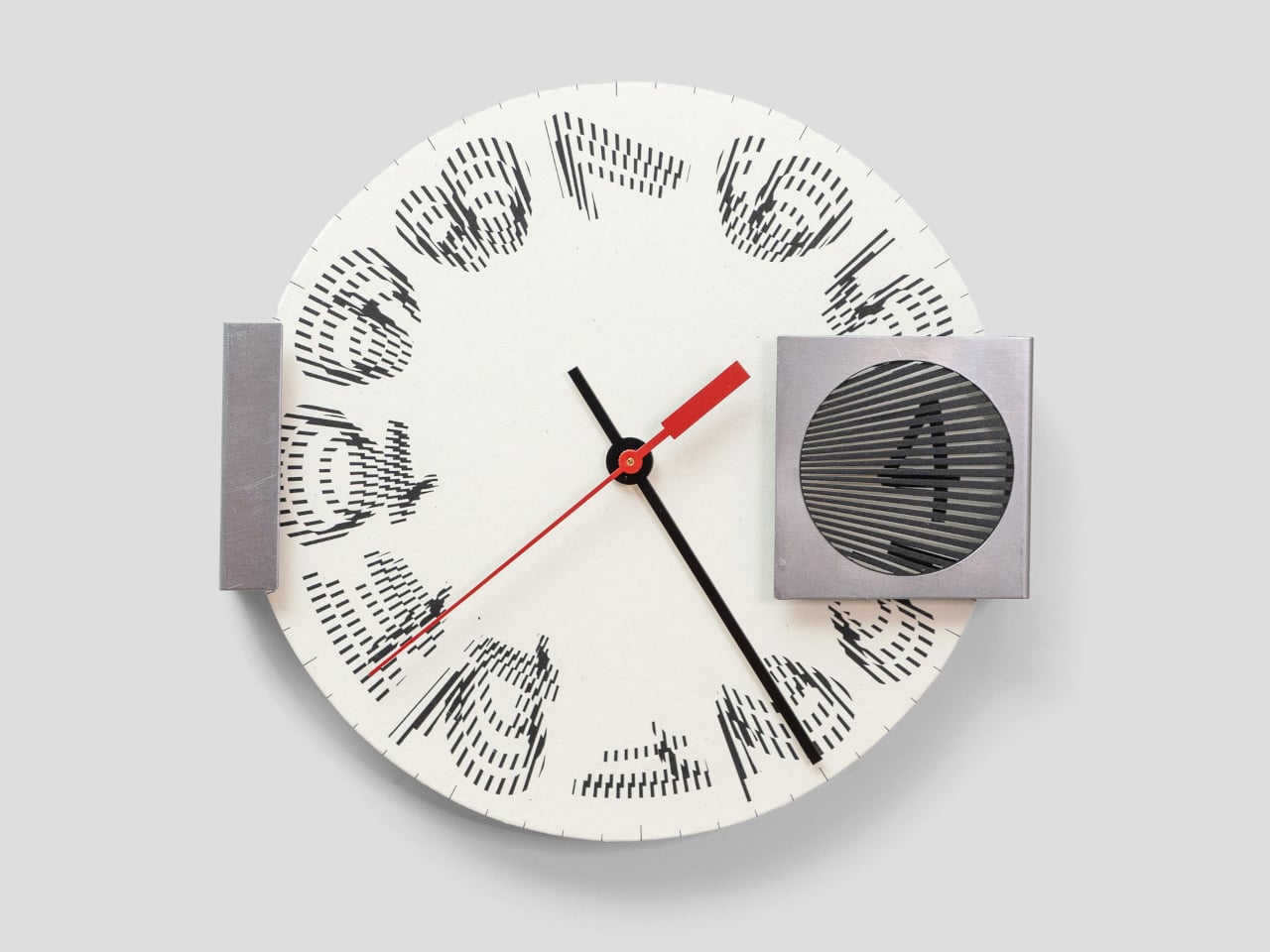
The Moiré Clock is a kinetic timepiece that turns the passage of time into a visual illusion worth watching throughout your day. Using overlapping patterns and continuous motion behind a striped filter, it animates each hour through optical phenomena, making time feel less like a number on a dial and more like a moment to savor. The design explores how perception and movement can create meaning beyond simple functionality.
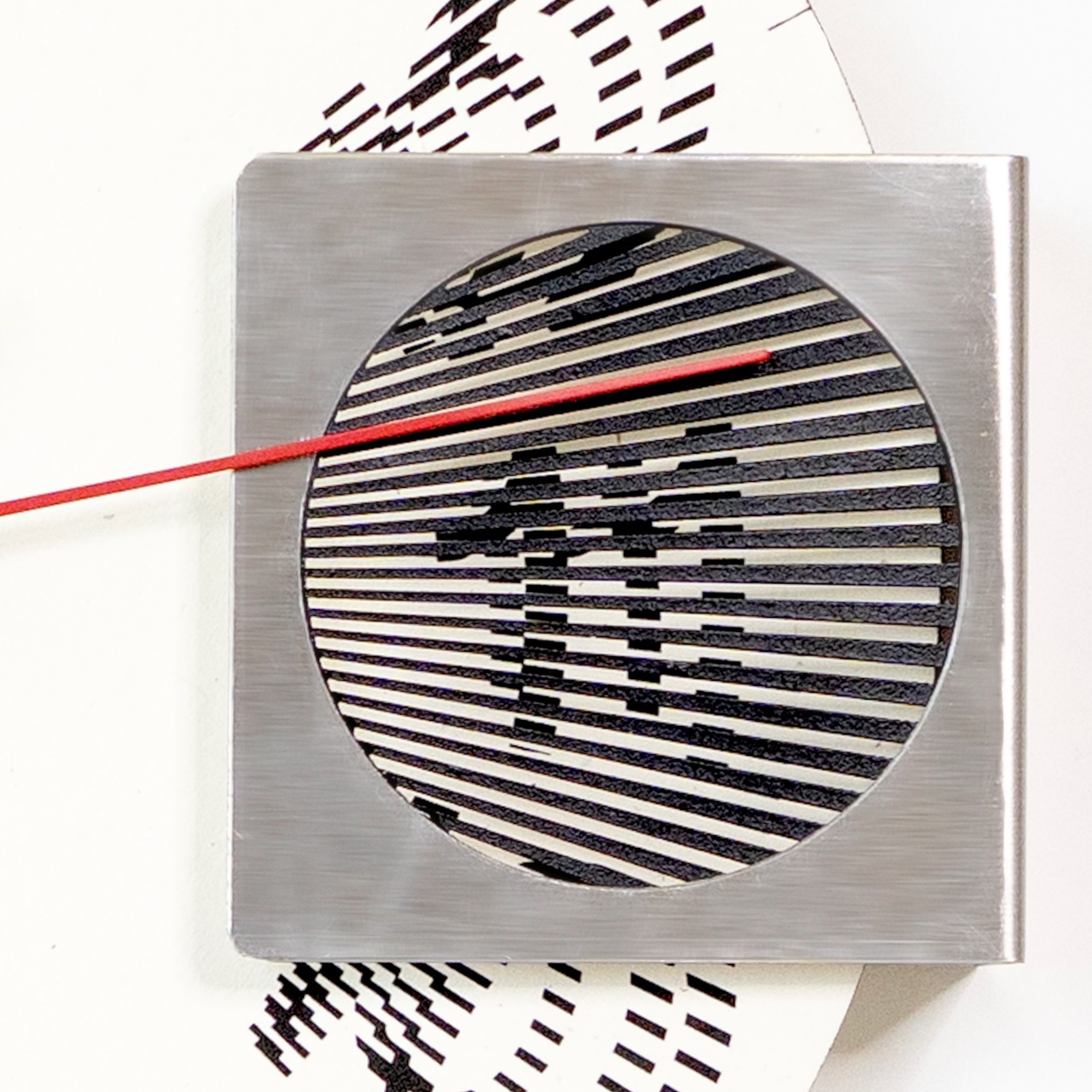
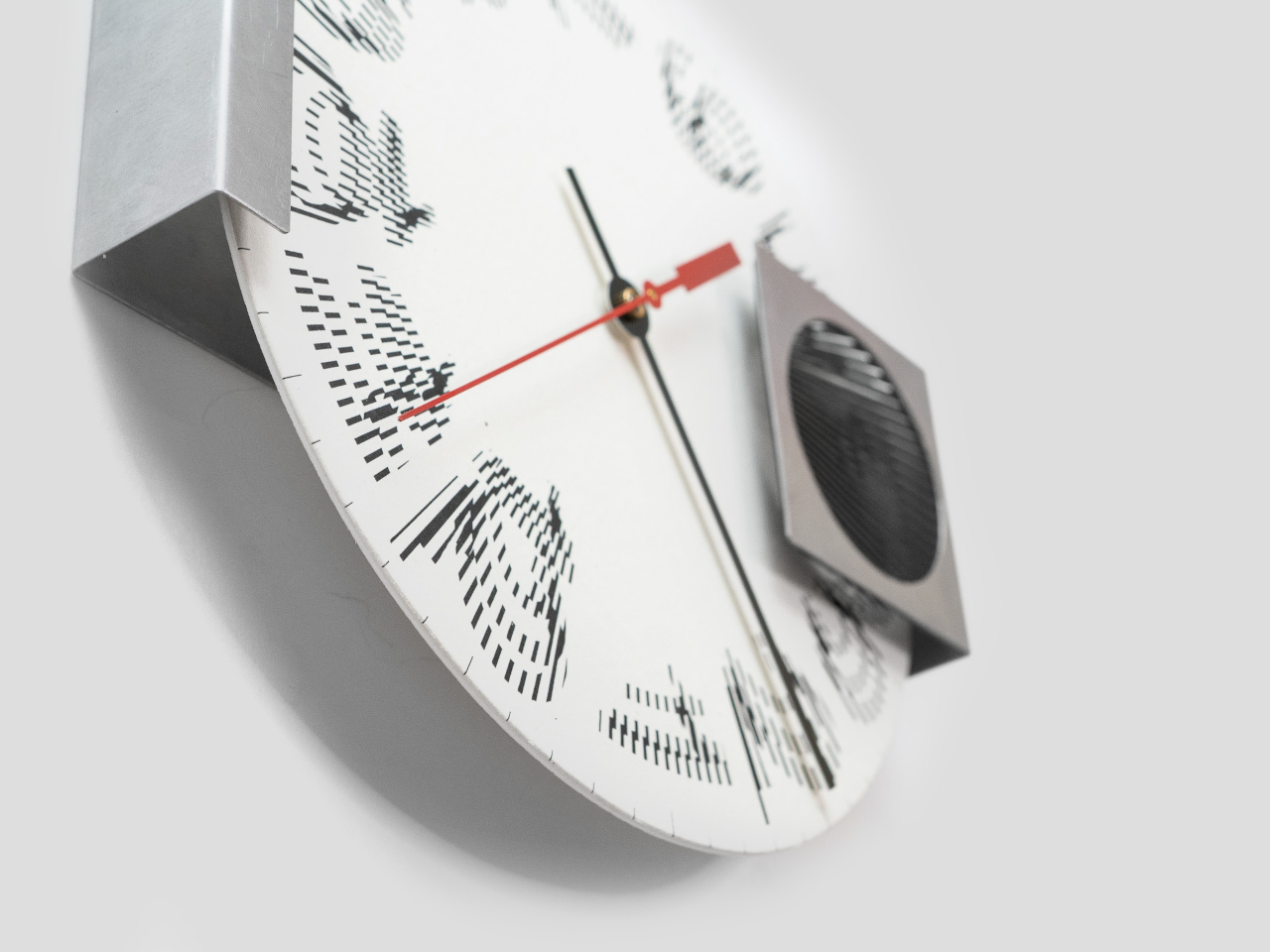
At the heart of the Moiré Clock is a rotating paper disc, printed with custom numerals and set behind a striped steel window that creates the optical magic through interference patterns. As the disc turns throughout the day, the moiré effect causes the hour numerals to morph, dance, and reveal themselves in a hypnotic display that changes with every passing minute behind the filter screen.
The minute and second hands ground the illusion in familiar movement while the hour appears and disappears in a mesmerizing rhythm behind the stationary filter window. The bold red second hand adds a pop of color and visual anchor, making the clock easy to read despite its unconventional hour display created by optical interference. The interplay between traditional clock elements and the animated moiré numerals creates a unique timekeeping experience.
The clock is a study in material contrasts between industrial and artisanal manufacturing traditions. Crisp white paper milled by French Paper Company in Michigan, American-made steel sourced from Pennsylvania, and a quartz movement from Takane, the last US manufacturer of clock mechanisms still producing domestically. The tactile paper face and brushed steel housing give the piece a sense of warmth and industrial substance that goes beyond typical wall clocks.
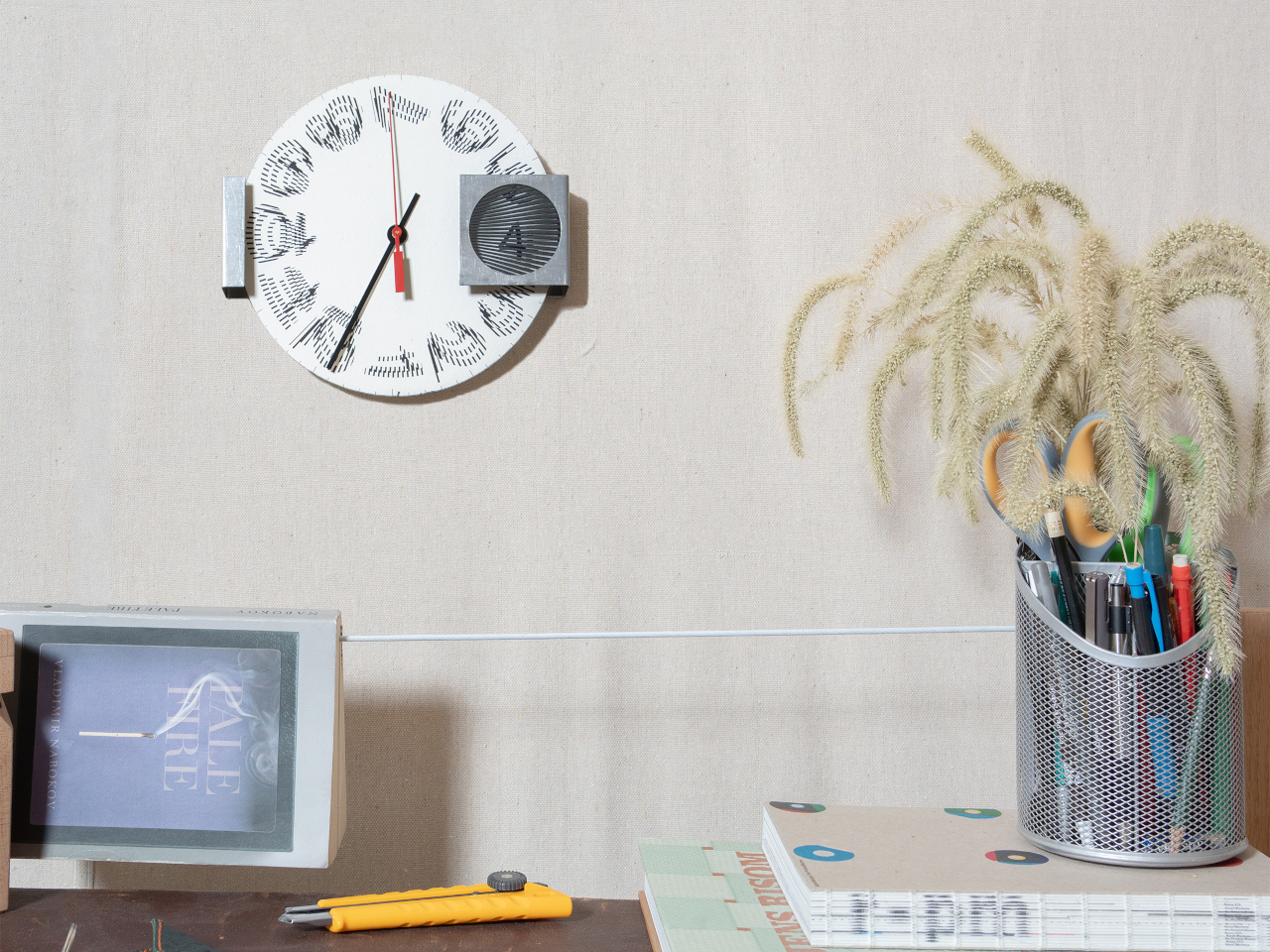
At 8.5 inches wide and just 2.5 inches deep, it’s compact enough for a home office, studio, or hallway without dominating the wall space, but bold enough to stand out as functional art that deserves attention. Setting up the clock is straightforward: add a single AA battery, set the time using the rear dial, and hang it with a nail or push pin. The paper components invite gentle handling.
The kinetic numerals and bold red second hand make each glance at the clock a small event worth experiencing, turning routine time checks into moments of visual delight throughout your day at home or in creative spaces. For anyone who wants their home to feel creative and alive with kinetic energy, the Moiré Clock brings a sense of play and wonder that traditional clocks simply cannot match or replicate with static designs.
Eye-catching Van Gogh-inspired Starry Night design
50MP camera with 35mm optical lens gives a more natural "human eye" output
Dual-stage physical button mimics tactile camera experience
CONS:
Not available in markets like the US, UK
Ultra-wide camera has no OIS
RATINGS:
AESTHETICS
ERGONOMICS
PERFORMANCE
SUSTAINABILITY / REPAIRABILITY
VALUE FOR MONEY
EDITOR'S QUOTE:
The nubia Z80 Ultra delivers the rare combination of professional 35mm optics, multi-day battery stamina, and a truly notch-free display in a design that refuses to blend in.
Flagship smartphones have become predictable, with most settling into the same design language, camera arrays, and battery compromises that force users to choose between power and portability every year. The nubia Z80 Ultra breaks from that pattern with a phone that bets big on three things other flagships often sacrifice: a truly immersive, notch-free display; a massive 7200mAh battery that lasts days; and a 35mm optical lens that brings a professional photographic perspective to smartphone photography.
Powered by the Snapdragon 8 Elite Gen 5, the nubia Z80 Ultra targets users who want a device that excels at gaming, photography, and endurance without forcing compromises. Available in Black, White, and a limited Starry Night Blue edition, the phone blends bold design with technical innovation, aiming to stand alongside the best from Samsung and Apple while carving its own path through unique features and design philosophy. But does it deliver its promises beyond the juicy spec sheet? We take it for a spin to find out.
Designer: nubia
Aesthetics
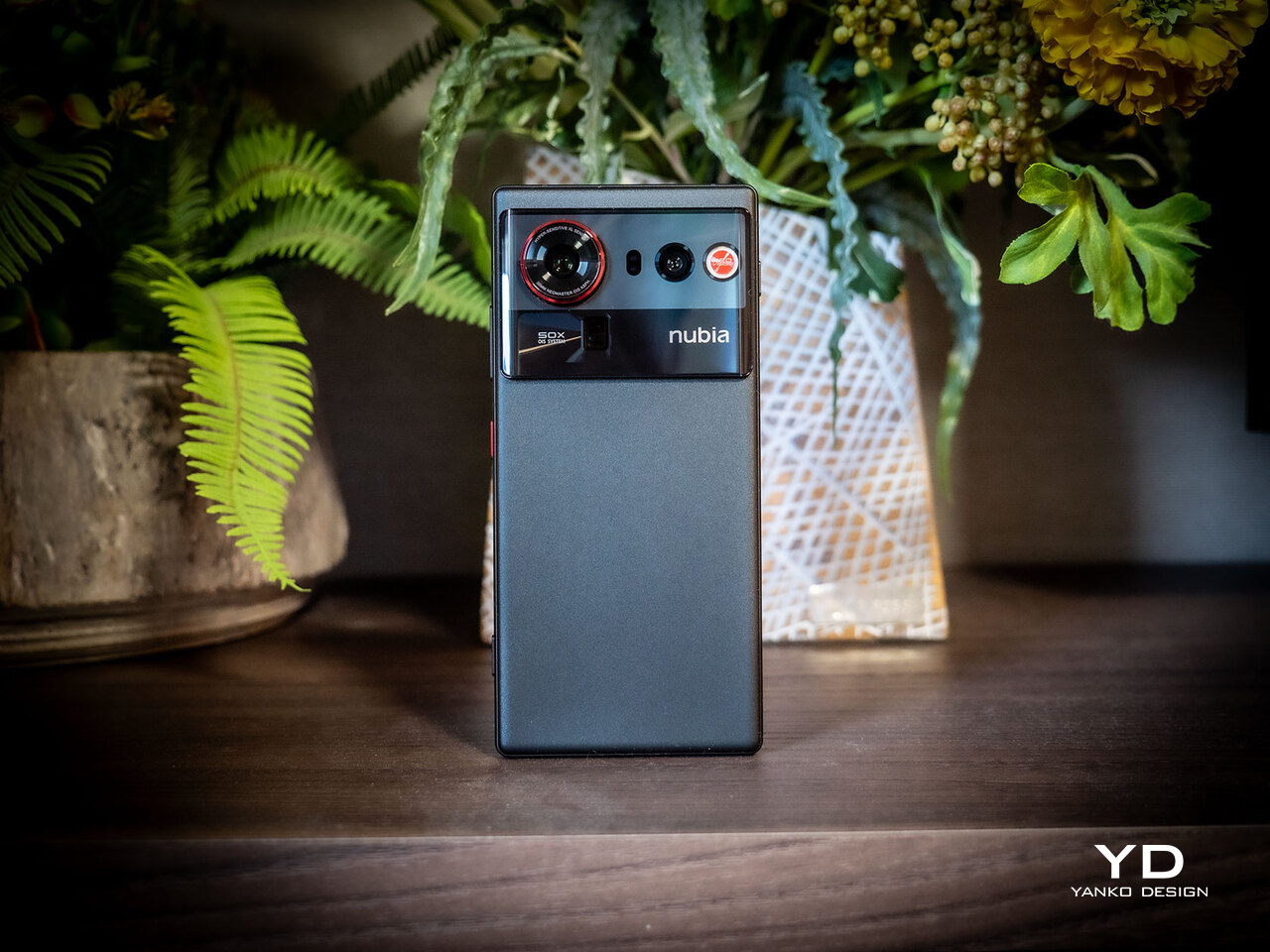
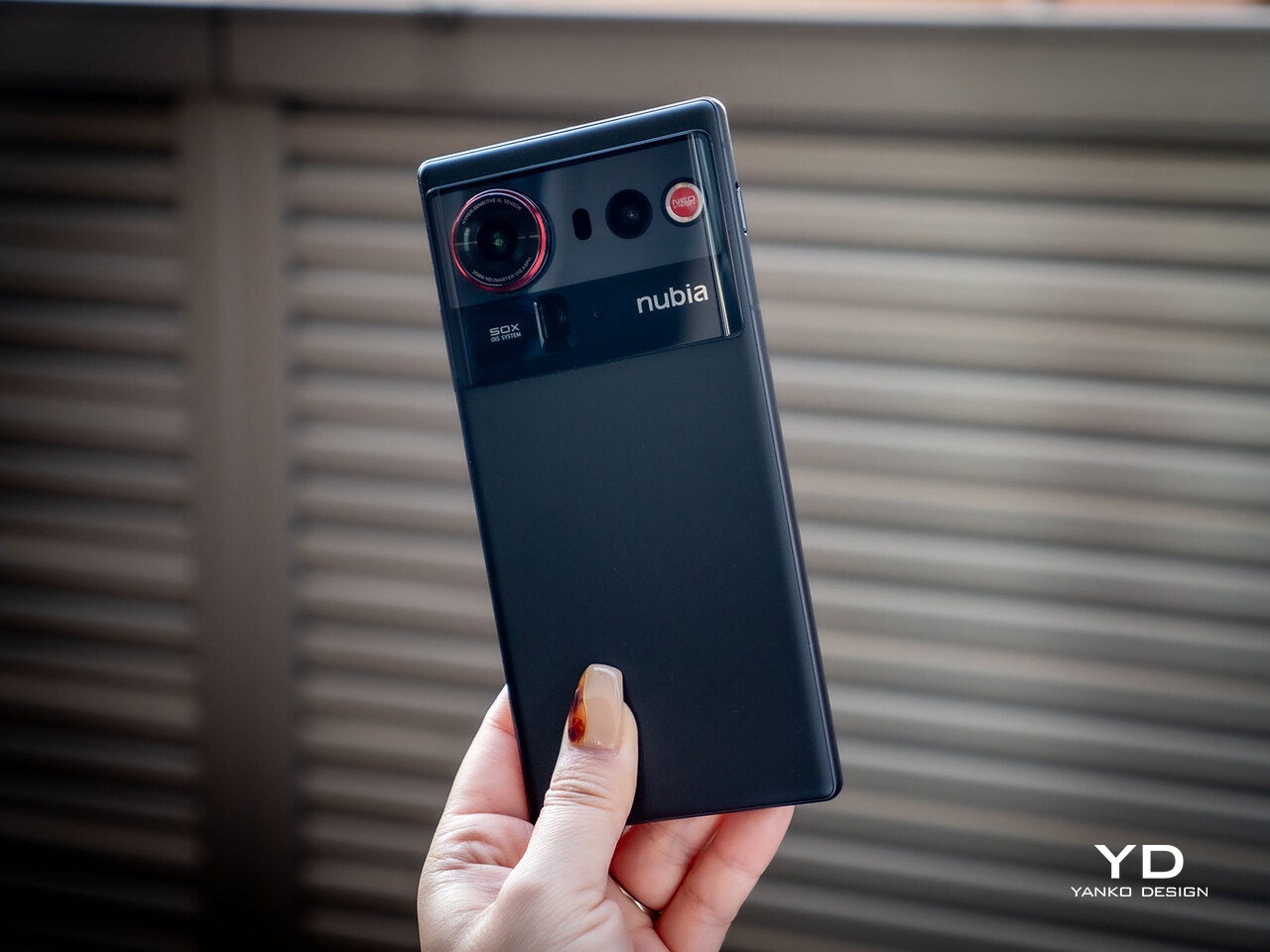
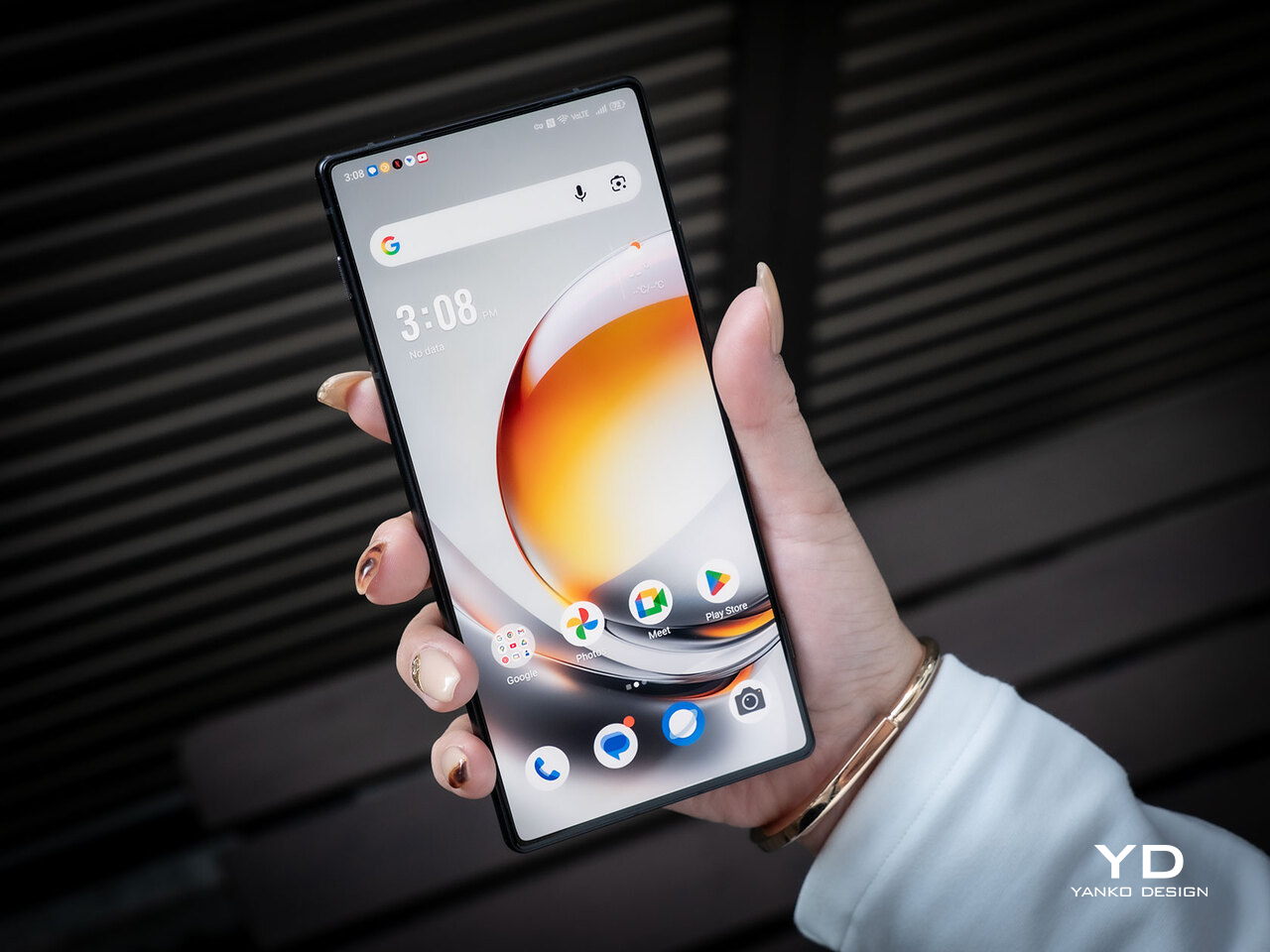
The Z80 Ultra’s design immediately sets it apart from the sea of glass-and-metal rectangles dominating the flagship space right now. The review unit in black showcases a soft stardust matte finish that resists fingerprints and feels warm to the touch rather than cold and clinical. The luminous red ring encircling the main camera creates a visual anchor, drawing the eye without overwhelming the minimalist rear panel’s clean geometry.
The camera module occupies slightly less space than previous-generation nubia flagships, giving the back a more balanced, less top-heavy appearance. The arrangement of three lenses, flicker sensor, and laser autofocus module within the raised island feels considered and symmetrical. The DECO area occupies just 13 percent of the back, leaving plenty of room for the nubia branding and the distinctive red physical button on the right edge.
The four-sided curved bonding process and subtle arc edges give the nubia Z80 Ultra a refined, ergonomic profile. The 2nd-generation Longxi glass front is smooth and flat with a 2.5D flexible display that curves gently at the edges, creating a seamless transition between screen and frame. The crystal fiber body feels substantial and premium, while the rounded corners prevent any sharpness or discomfort during extended holding periods.
The Blue Starry Night edition takes the aesthetic in a dramatically different direction, with a Van Gogh-inspired swirling pattern across the entire back panel. This artistic approach makes the phone feel like a collectible statement piece rather than just a communication device. The black variant reviewed here offers understated elegance for those who prefer subtlety, while the white version provides a clean, modern alternative for minimalists.
Ergonomics
Despite the large 6.85-inch display, the Z80 Ultra manages to feel balanced and manageable in daily use. The curved back and tapered edges nestle comfortably in the palm, distributing the 227-gram weight evenly across the hand. The device never feels unwieldy during extended gaming sessions or prolonged photo walks, thanks to the thoughtful weight distribution and grip-friendly curves that encourage natural hand positioning.
The dual-stage physical camera button on the right edge provides tactile control that touchscreen shutters simply cannot match. Half-pressing focuses and locks exposure, while a full press captures the shot with satisfying mechanical feedback. For mobile photography enthusiasts who miss the feel of dedicated cameras, this button brings back the ritual of deliberate shooting. The button’s placement is natural for index finger access during landscape shooting.
Button placement follows a logical pattern, with the power button and volume rocker positioned for easy thumb access during normal holding. The ultrasonic fingerprint sensor embedded in the display responds instantly, unlocking the phone in well under a second. The customizable shortcut key can be programmed for quick camera access, flashlight activation, or any frequently used function, adding convenience without cluttering the minimal design.
The phone slips into jeans pockets without excessive bulk, though its width may challenge smaller pockets or hands. The slim 8.6mm profile helps offset the large footprint, and the matte finish prevents the phone from sliding on smooth surfaces when placed face-up on tables or desks during meetings and meals.
Performance
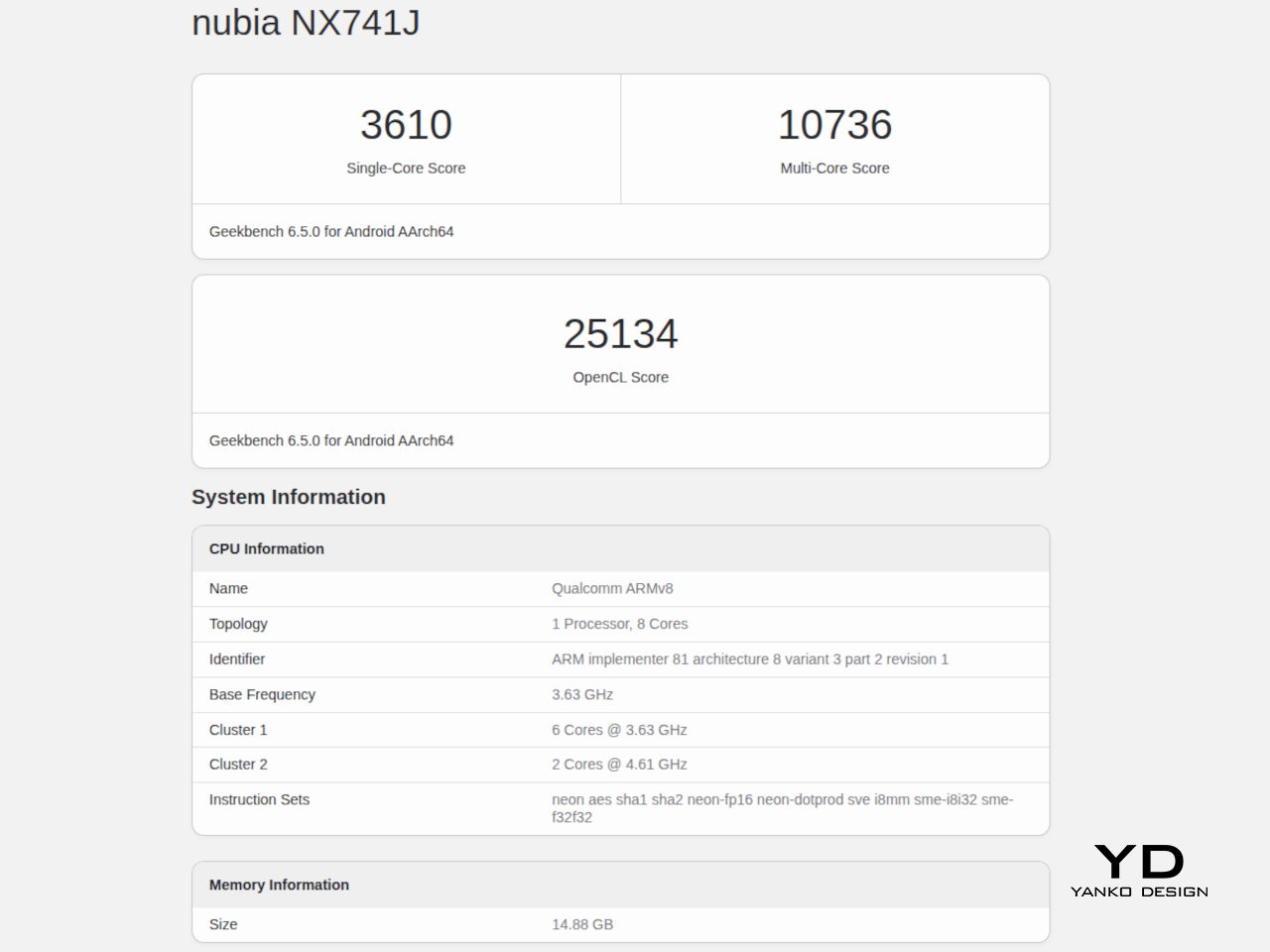
The Snapdragon 8 Elite Gen 5, paired with up to 24GB LPDDR5X RAM and 1TB UFS 4.1 storage, delivers flagship performance that handles everything from intensive gaming to rapid photo editing without breaking stride. App launches are instantaneous, multitasking between dozens of apps feels seamless, and sustained gaming maintains stable frame rates thanks to the advanced cooling architecture working quietly in the background.
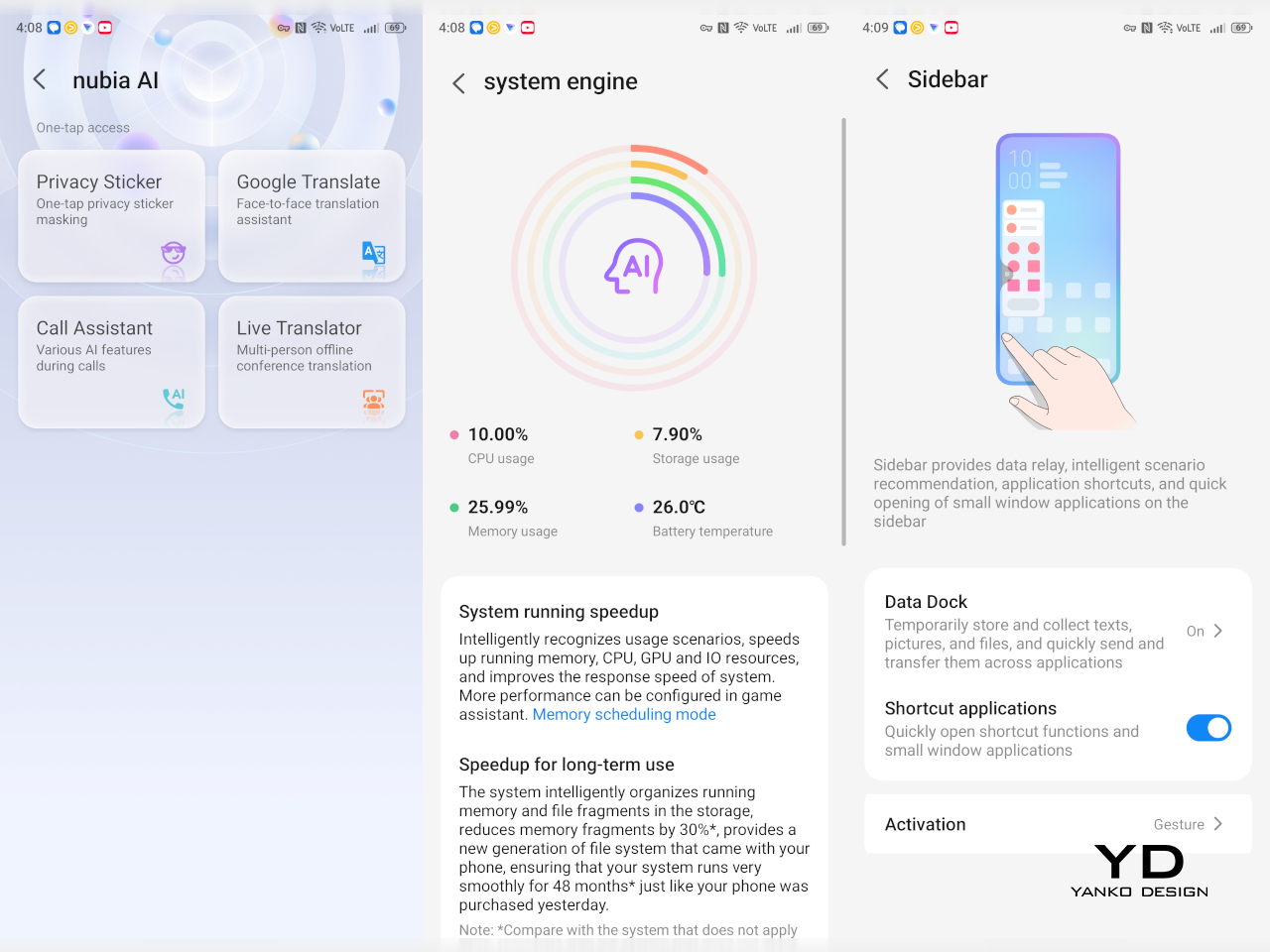
The REDMAGIC CUBE Gaming Engine optimizes power delivery and thermal management during gameplay. Running demanding titles like Genshin Impact at maximum settings with the 144Hz display active, the phone maintains smooth performance with minimal frame drops. The AI Super Frame Stabilization keeps motion fluid even during fast-paced action, while the 3000Hz touch sampling rate ensures every tap and swipe registers immediately for competitive advantage.
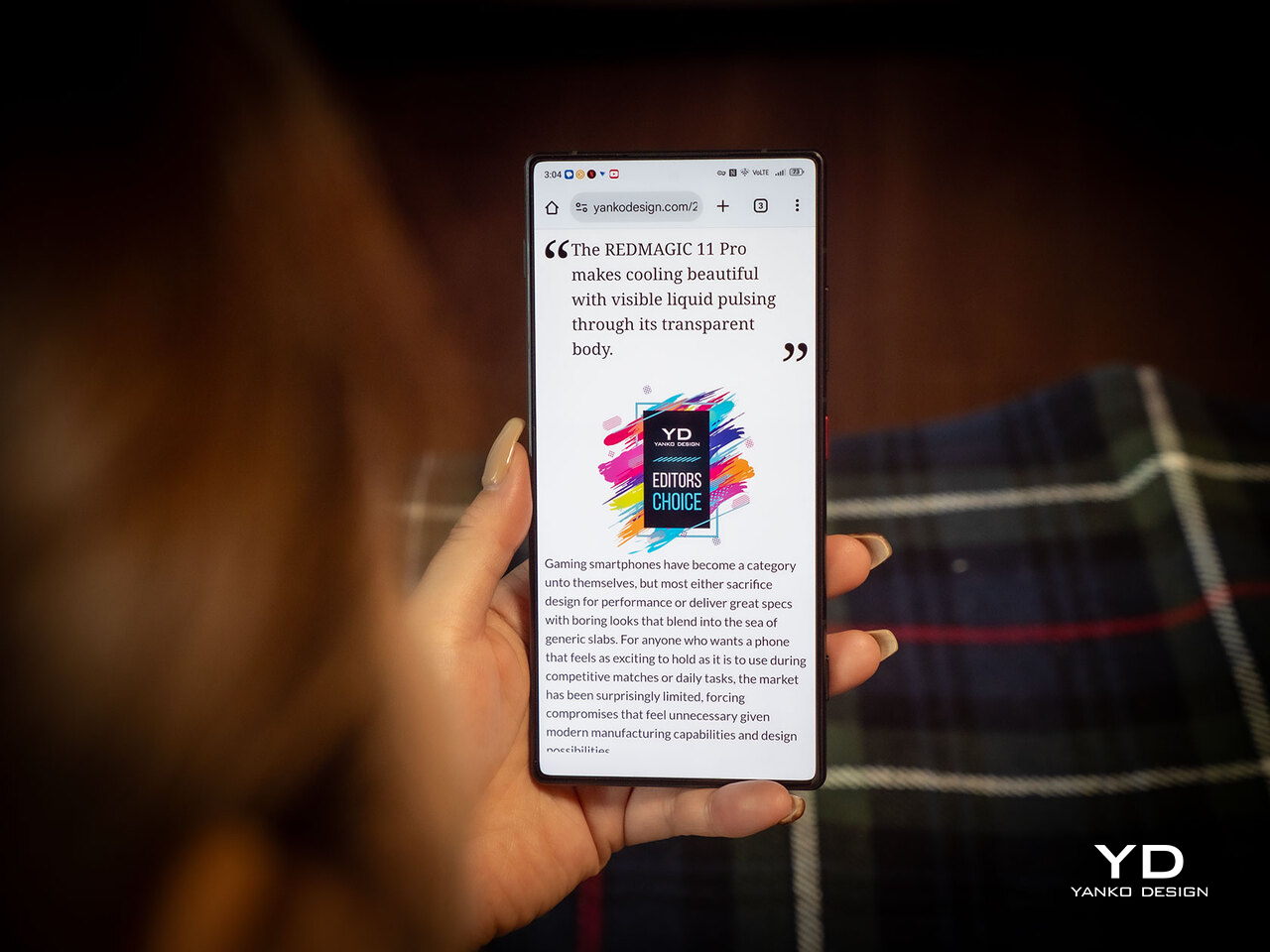
The advanced composite liquid metal and oversized 3D Ice Steel vapor chamber cooling system represents a significant upgrade, increasing cooling area by 35 percent over previous models. This thermal management prevents the performance throttling that plagues thinner flagships during sustained loads. During extended gaming sessions lasting over an hour, however, the phone got a little warm to the touch, but not so much to be uncomfortable.
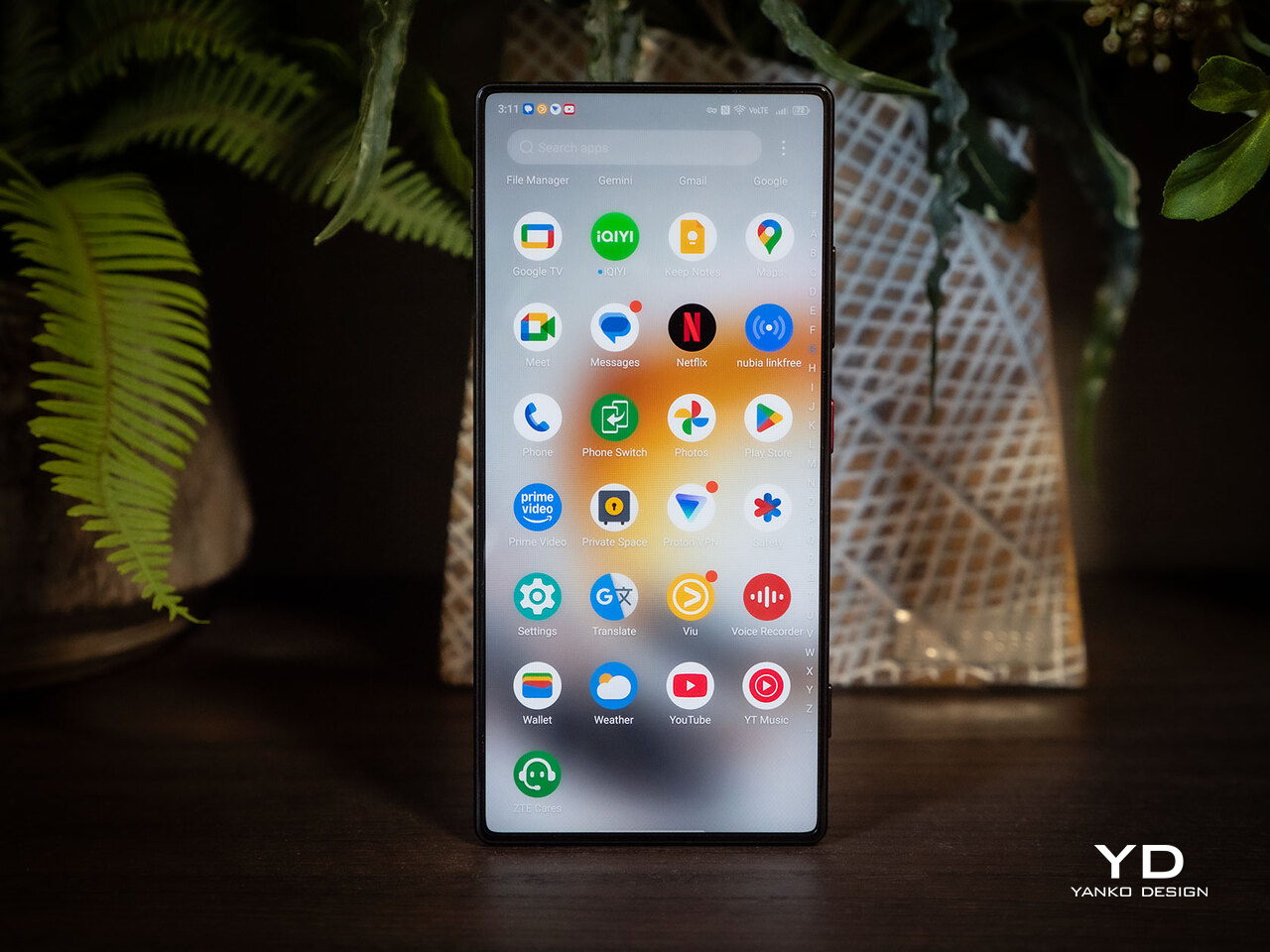
The 6.85-inch BOE X10 AMOLED display is the star of the show, offering a truly immersive, notch-free viewing experience. The 1.5K resolution (2688×1216) delivers sharp text and detailed imagery, while the 144Hz refresh makes scrolling and gaming feel buttery smooth. Peak brightness of 2000 nits means the screen remains visible even in direct sunlight, and the 100 percent DCI-P3 color gamut ensures photos and videos look vibrant and accurate.
The under-display camera technology hides the 16MP selfie camera beneath the screen, preserving the seamless visual experience. While selfie quality in challenging low light doesn’t quite match dedicated punch-hole cameras, the trade-off for an uninterrupted display feels worthwhile for content consumption, gaming, and the overall visual aesthetic. Outdoor and well-lit selfies remain sharp and detailed, making the compromise reasonable for most users.
The triple camera system built around the 35mm f/1.7 main lens offers a perspective that feels natural and professional compared to the wider 24mm or 26mm lenses most flagships employ. Street photography, portraits, and documentary-style shots benefit from the reduced distortion and beautiful subject isolation that 35mm provides. The focal length matches human vision more closely, making compositions feel intuitive and authentic rather than artificially wide or compressed.
The 50MP ultra-wide and 64MP telephoto round out the system, providing versatile coverage from macro close-ups at 5.5cm to 85mm equivalent for portraits and distant subjects. The dual-stage camera button, combined with over 21 creative filters and Pro mode controls, makes the nubia Z80 Ultra feel like a dedicated camera that happens to make phone calls rather than the other way around. Strangely, while both main and telephoto cameras tout optical image stabilization or OIS, the ultra-wide shooter doesn’t.
The massive 7200mAh silicon-carbon battery delivers multi-day endurance that surpasses virtually every flagship competitor. Moderate use with mixed gaming, photography, and streaming easily stretches to two full days, while lighter use can push three days between charges. The 80W wired charging reaches 50 percent in about 20 minutes, and the 80W wireless charging (with nubia’s wireless charging kit) offers cable-free convenience without sacrificing speed.
Sustainability
Build quality inspires confidence from the moment the phone comes out of the box. The crystal fiber construction feels solid and resistant to flex, while the Longxi glass front shows excellent scratch resistance during daily use. The matte back finish hides minor scuffs and maintains its appearance even after weeks of handling without a case, though the included magnetic case adds protection without bulk.
The IP68 and IP69 ratings provide exceptional durability for real-world conditions. The phone survives accidental spills, rain exposure, and even high-pressure water jets during testing scenarios, emerging unscathed and fully functional. This level of protection adds confidence for daily carry in any weather, at the beach, or during outdoor photography sessions where conditions can’t always be controlled. The robust sealing around ports and buttons maintains integrity without compromising accessibility.
Value
The nubia Z80 Ultra positions itself as a flagship alternative that offers premium features without commanding the absolute highest prices in the market. The combination of the 35mm optical lens, 7200mAh battery, truly full-screen display, and advanced cooling system creates a value proposition that stands out from competitors who often sacrifice one or more of these features for slimness or cost savings.
For photography enthusiasts, the 35mm lens alone justifies consideration. Where most flagship cameras default to wider 24mm perspectives that distort faces and architecture, the nubia Z80 Ultra’s 35mm provides the “humanist eye” perspective prized by professional photographers for natural, pleasing compositions. The dual-stage physical button and extensive manual controls add value for users who want creative control rather than purely computational photography.
One significant limitation affects the Z80 Ultra’s global value proposition: regional availability. The phone is not officially sold in some countries, such as the United States, Canada, the United Kingdom, or Japan, limiting access for many potential buyers. This limited availability means warranty support, software updates, and customer service may be challenging for buyers outside official markets. Network band compatibility and potential import costs could also affect value for those considering gray-market purchases.
Verdict
The nubia Z80 Ultra delivers on its promise of blending style, stamina, and photographic substance in a package that stands apart from mainstream flagships. The combination of a truly immersive notch-free display, professional 35mm camera optics, and exceptional battery life creates a phone that excels at the things that matter most for daily use: consuming content, capturing memories, and staying powered throughout extended days without constant charging anxiety.
For design-conscious users who value innovation over brand familiarity, nubia the Z80 Ultra offers a refreshing alternative with its bold aesthetic choices, tactile controls, and technical features that prioritize user experience over spec-sheet bragging rights. While limited regional availability may restrict its audience, those in supported markets will find a flagship that confidently competes with the best while carving its own distinctive identity through thoughtful design and engineering choices.
Anyone who has shared a bed with a snorer or tried to sleep in a city apartment knows how fragile nighttime silence can be. Most earplugs force you to choose between blocking noise and staying comfortable, leaving you either wide awake from unwanted sound or unable to sleep from constant pressure against your ear canal throughout the night.
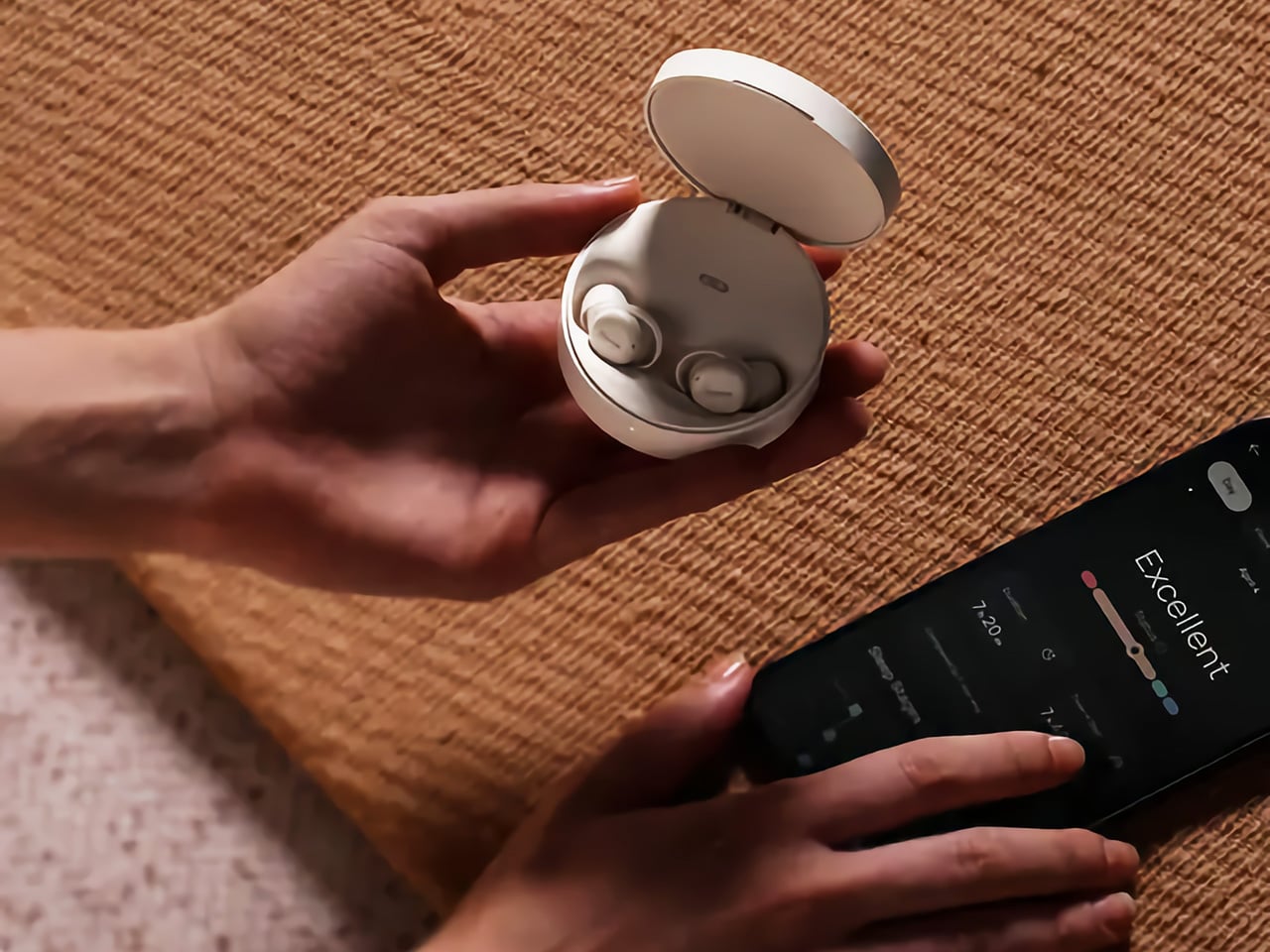
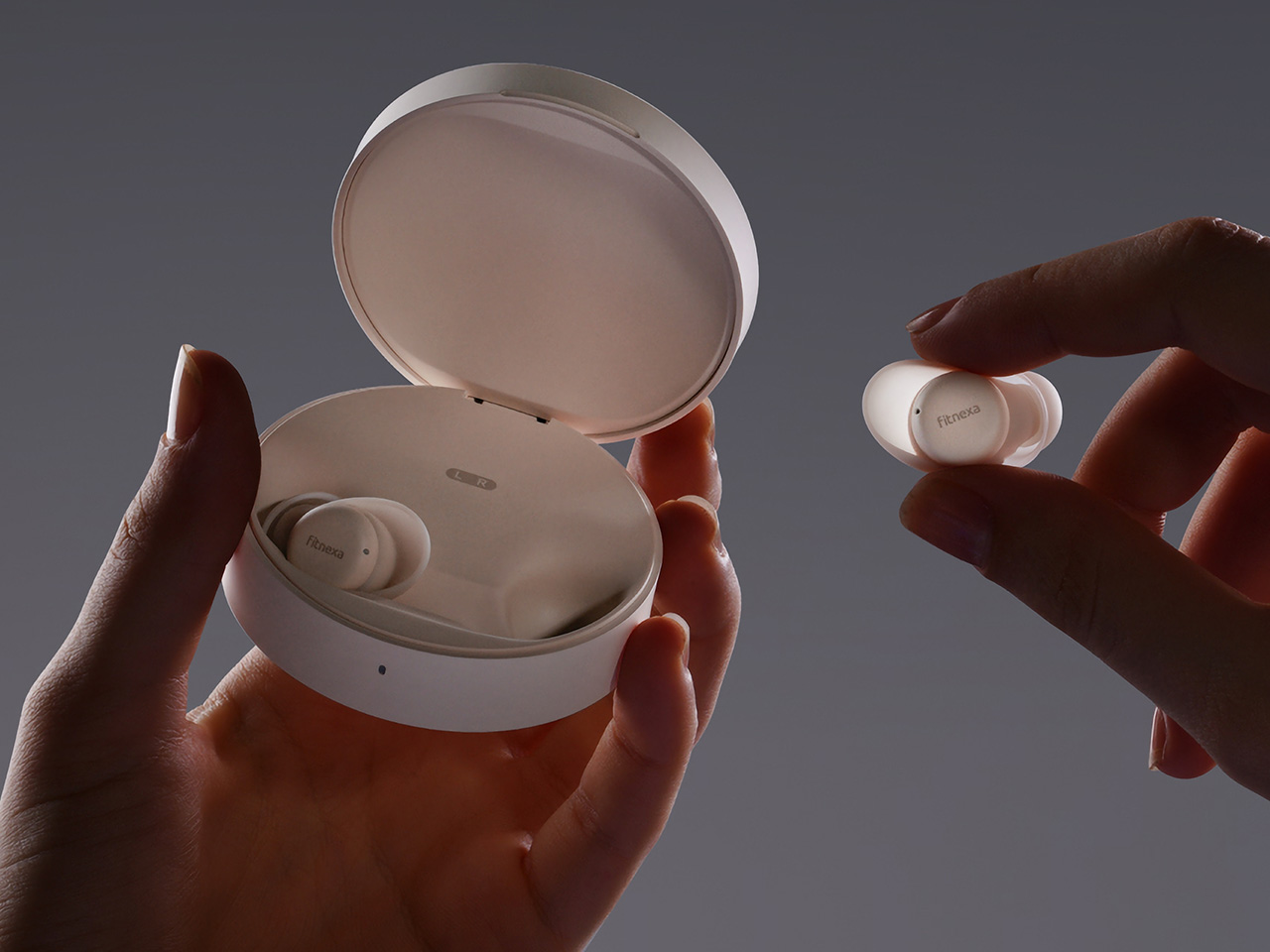
Fitnexa SomniPods 3 was designed as a solution to that trade-off by making silence and comfort coexist rather than compete. Every curve and contour is shaped around one core idea: earbuds that disappear against your pillow while the world around you fades to quiet, without forcing you to sacrifice either aspect for the other during extended wear.
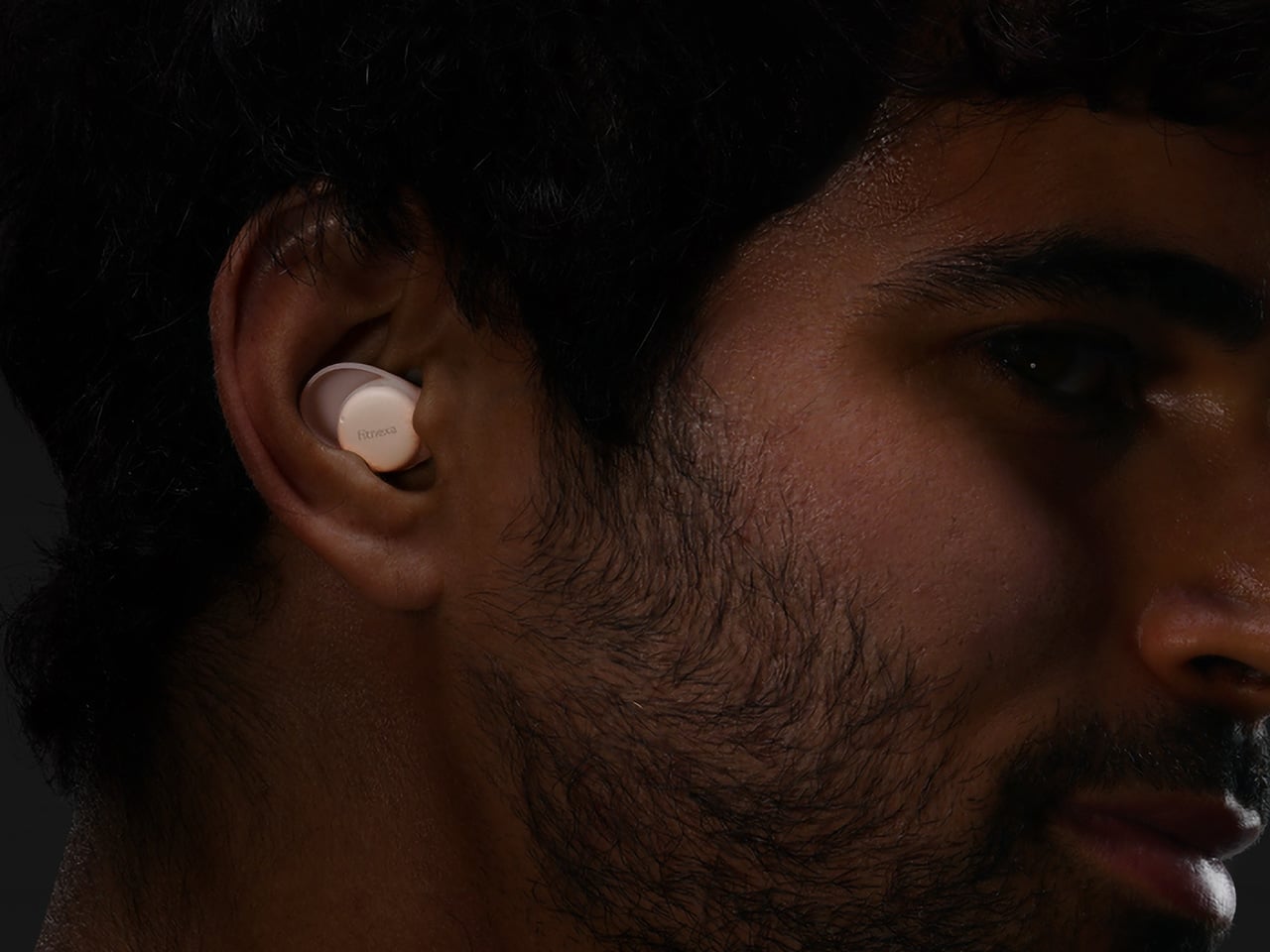
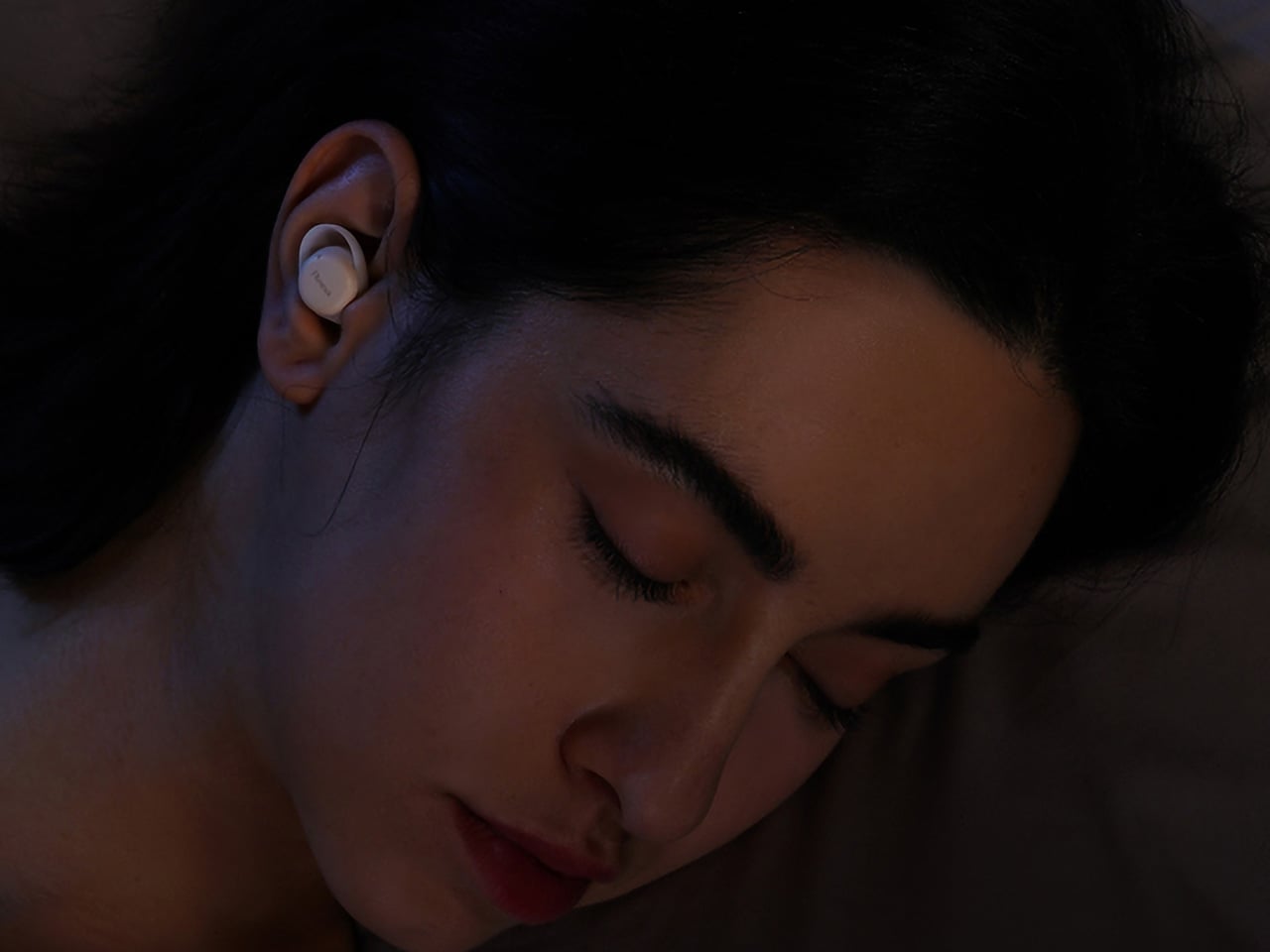
The design starts with a fundamental question: how do people actually sleep, rather than how engineers typically design for performance first. Each earbud reflects that thinking through its proportions: just 3.3 grams and under 9.9 millimeters thin, with a softly rounded form that avoids creating pressure points when your head rests sideways on a pillow for hours at a time. The medical-grade silicone tips feel gentle against your skin, while the compact footprint ensures the earbuds never protrude or press uncomfortably as you shift naturally through the night.
Fitnexa includes ten pairs of ear tips in two distinct shapes and five sizes each, plus four sizes of ear wings for additional stability options. This variety addresses the reality that ear canals vary significantly between people, while multiple size options ensure proper acoustic seal without creating pressure or discomfort during overnight wear when you can’t easily adjust fit.
This variety does more than improve comfort alone. It establishes the foundation for effective passive noise cancellation by ensuring a secure, well-sealed fit that blocks ambient sound naturally. This proper seal gives the adaptive ANC system the stable acoustic base it needs to perform at its best throughout the night without gaps or inconsistencies.
Building on that passive isolation foundation, the hybrid ANC system uses feedforward and feedback microphones to detect and cancel noise from both outside and within the ear canal itself. A low-latency processor generates counter-phase signals in real time to maintain consistent quiet as you move or change sleeping positions naturally throughout the night.
Within the ANC system, Adaptive Leak Compensation continuously senses subtle changes in ear canal pressure or seal integrity and automatically adjusts the ANC response in real time. The result is up to 42 decibels of noise reduction across different sleeping positions. Snoring, traffic, the hum of air conditioners, all fade into natural silence while SomniPods 3 hold the soundscape steady, whether you’re on your back or on either side.
The IPX4 water resistance extends design thinking beyond the bedroom into real-world scenarios where sleep happens in imperfect conditions. After-workout naps and long flights no longer require worry about moisture damage. Hi-Res Audio with LDAC and aptX Lossless keeps sound quality rich and detailed, while the 10-band EQ lets you adjust the experience precisely to match preferences.
Battery life reaches up to 12 hours in Sleep Mode, extending to 48 hours with the charging case for multiple nights without interruption. Integrated sensors quietly track sleep stages and positions throughout the night, while the Fitnexa app translates that data into AI-driven insights that help you build better sleep habits gradually over time without overwhelming you with information.
Fitnexa SomniPods 3 bring together comfort, advanced noise cancellation, and smart sleep coaching into a discreet package that actually works for real-world use. For anyone tired of restless nights and noisy environments, these earbuds offer a smarter, quieter way to sleep, no matter where life takes you or what challenges your bedroom environment presents.
Most clocks and watches fade into the background, quietly marking the hours without much personality or visual presence on your desk or wrist throughout the day. But what if timekeeping could be playful, sculptural, and as expressive as the rest of your space or personal style choices? What if checking the time felt less like a utilitarian glance and more like appreciating a piece of functional art?
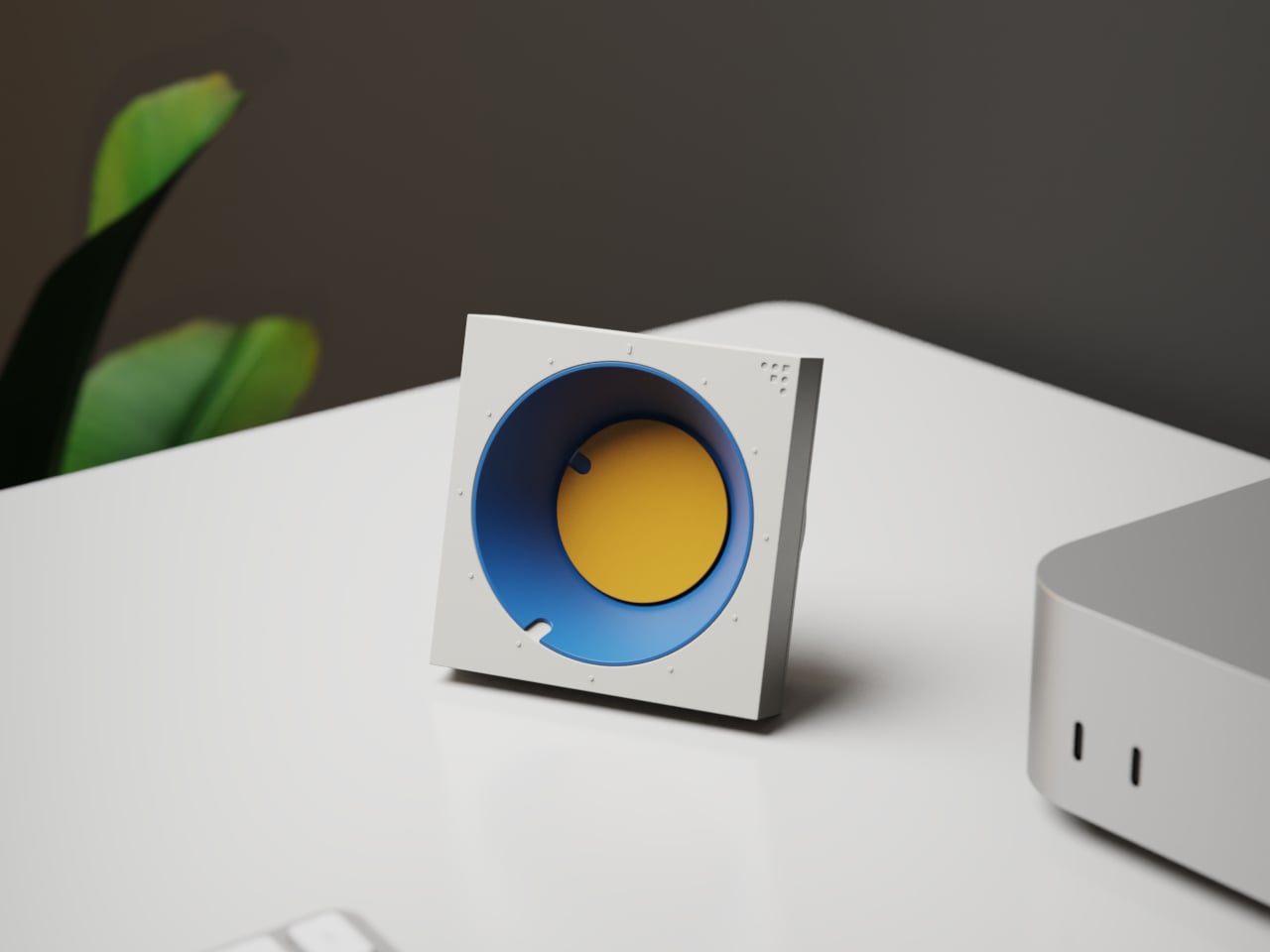
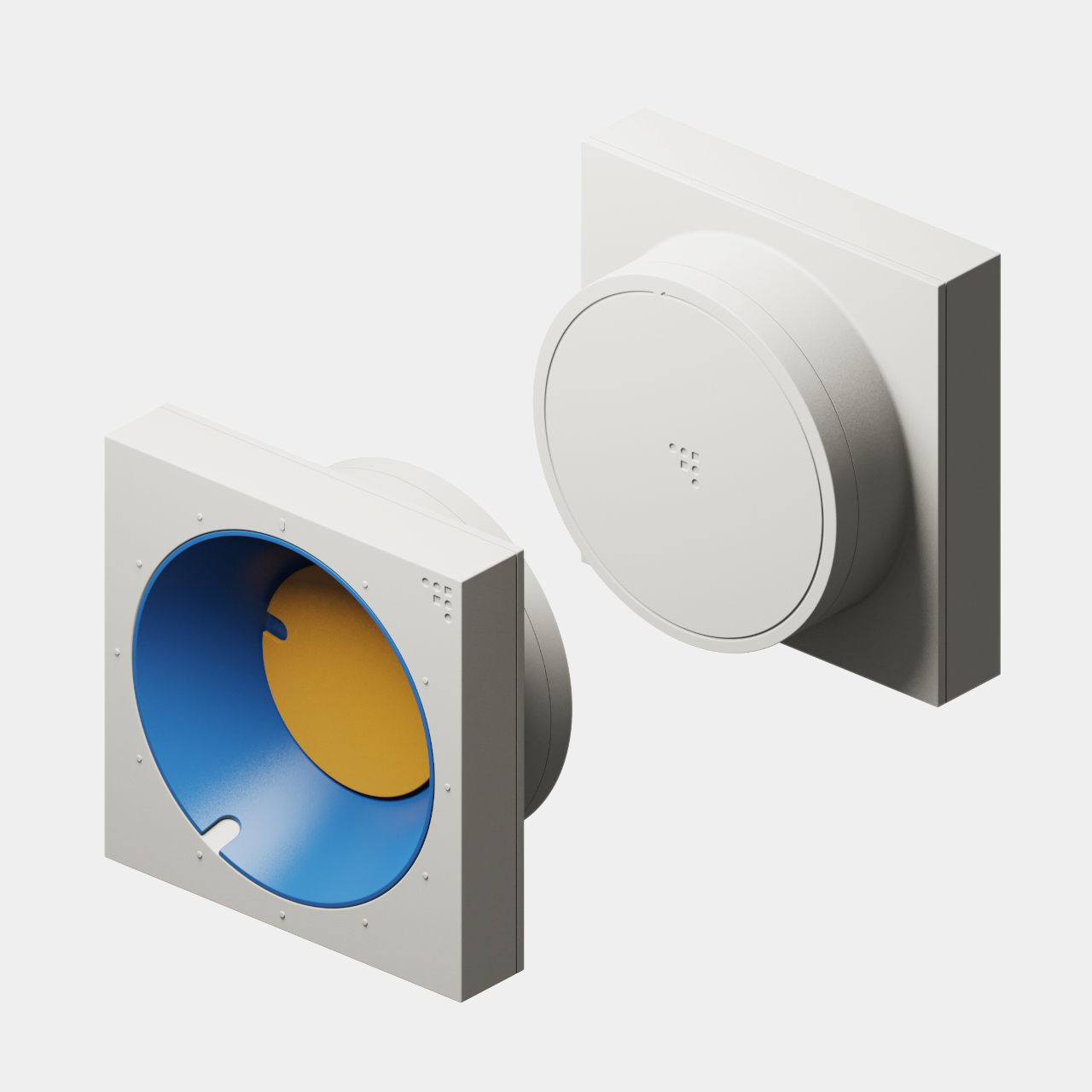
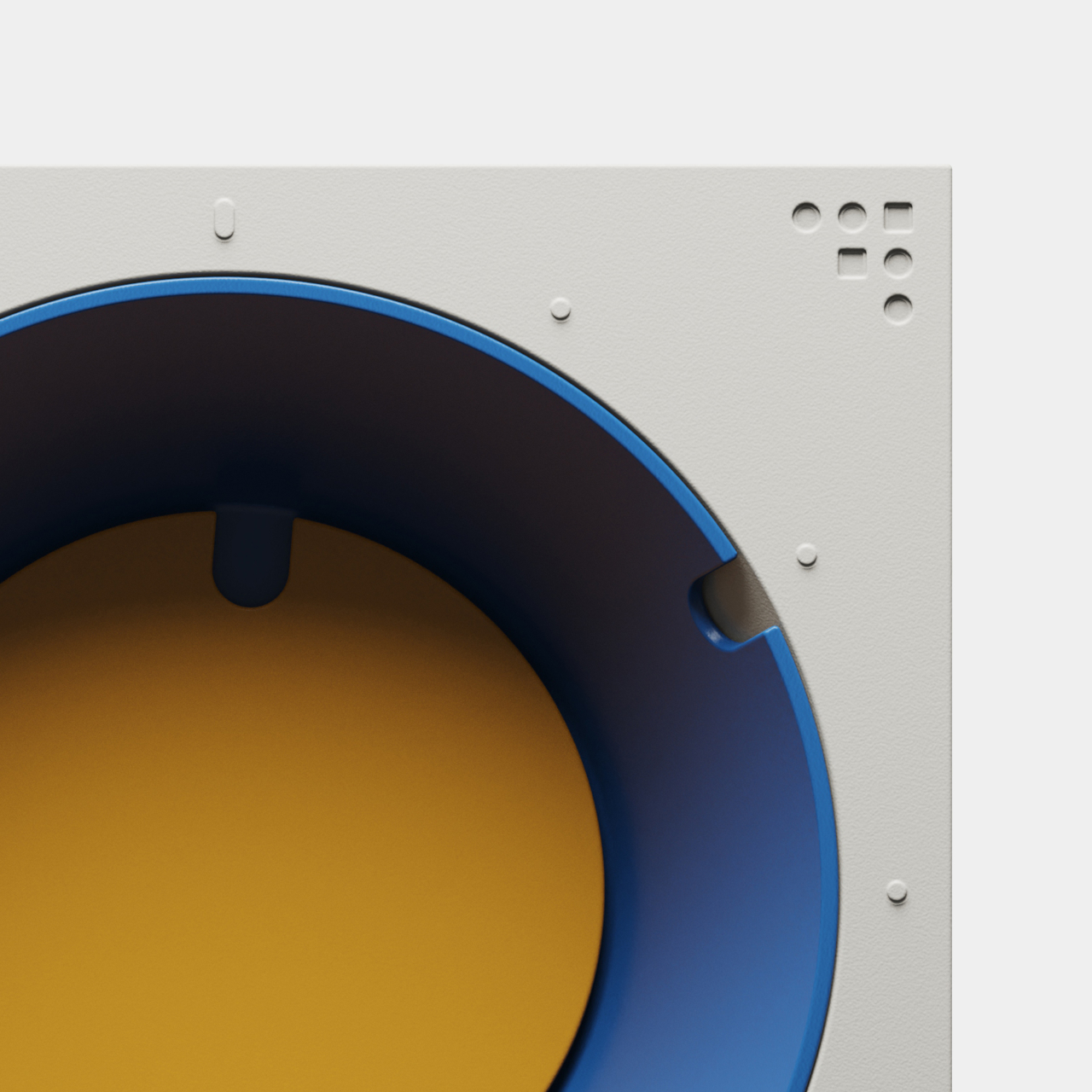
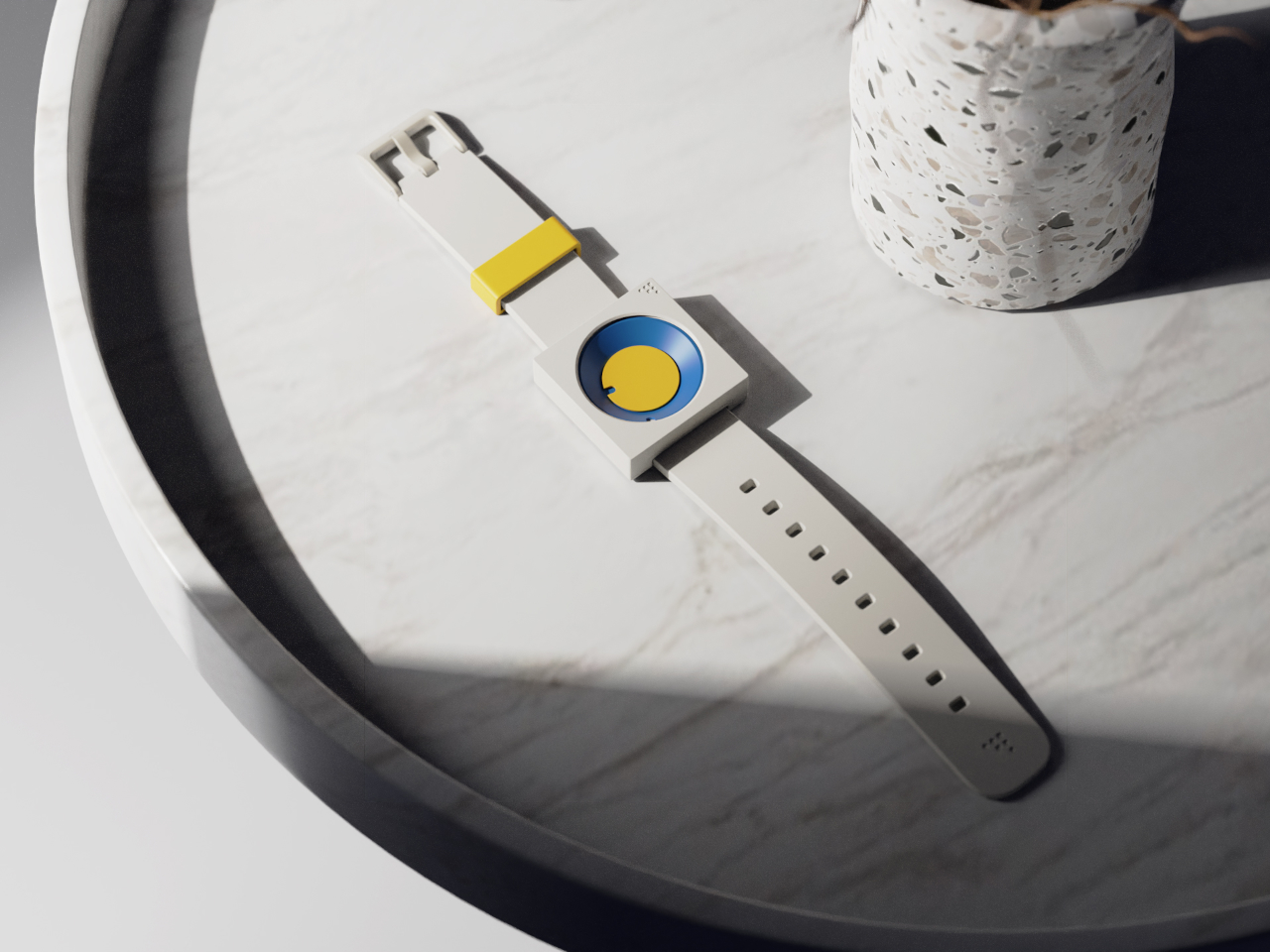
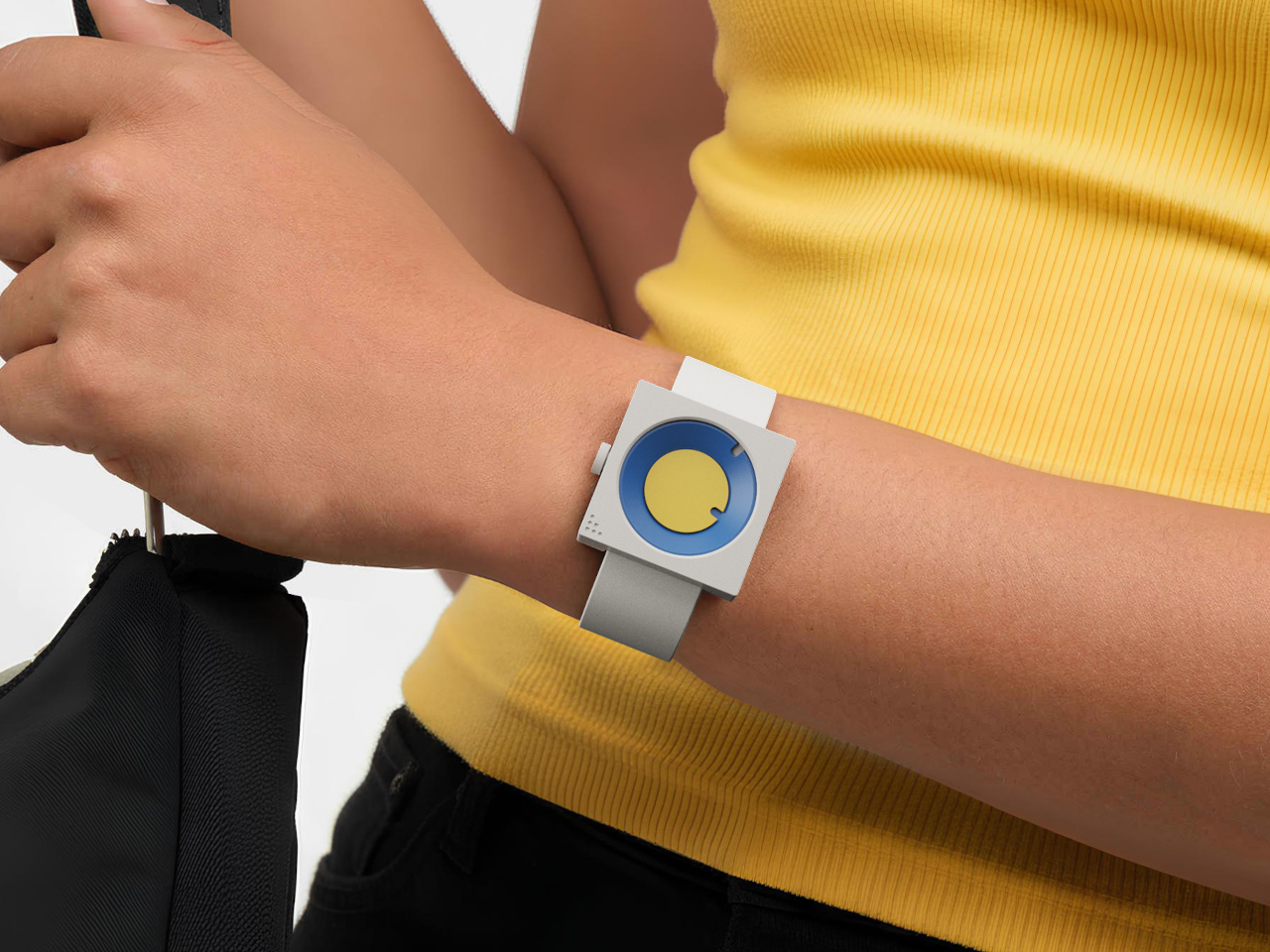
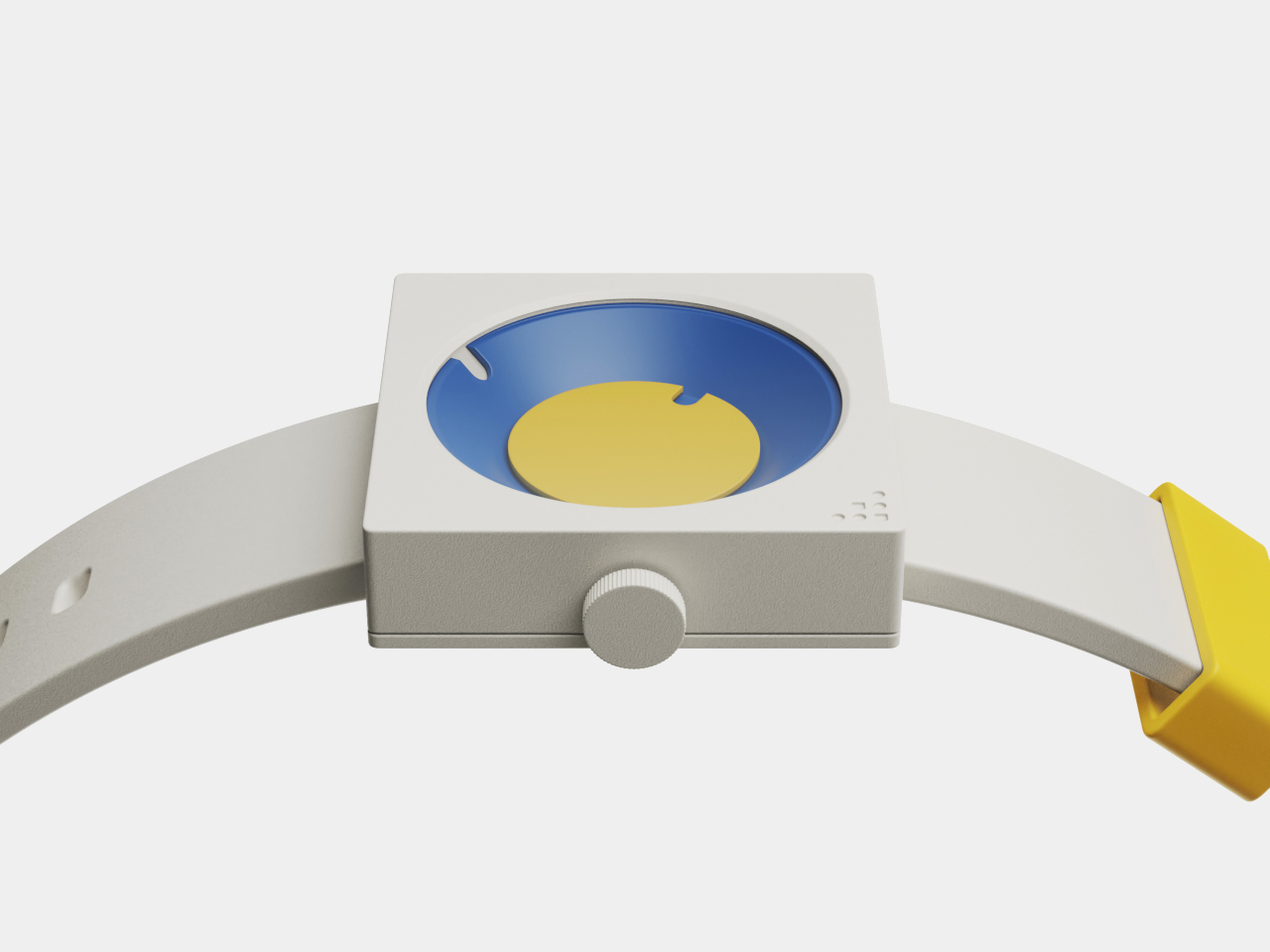
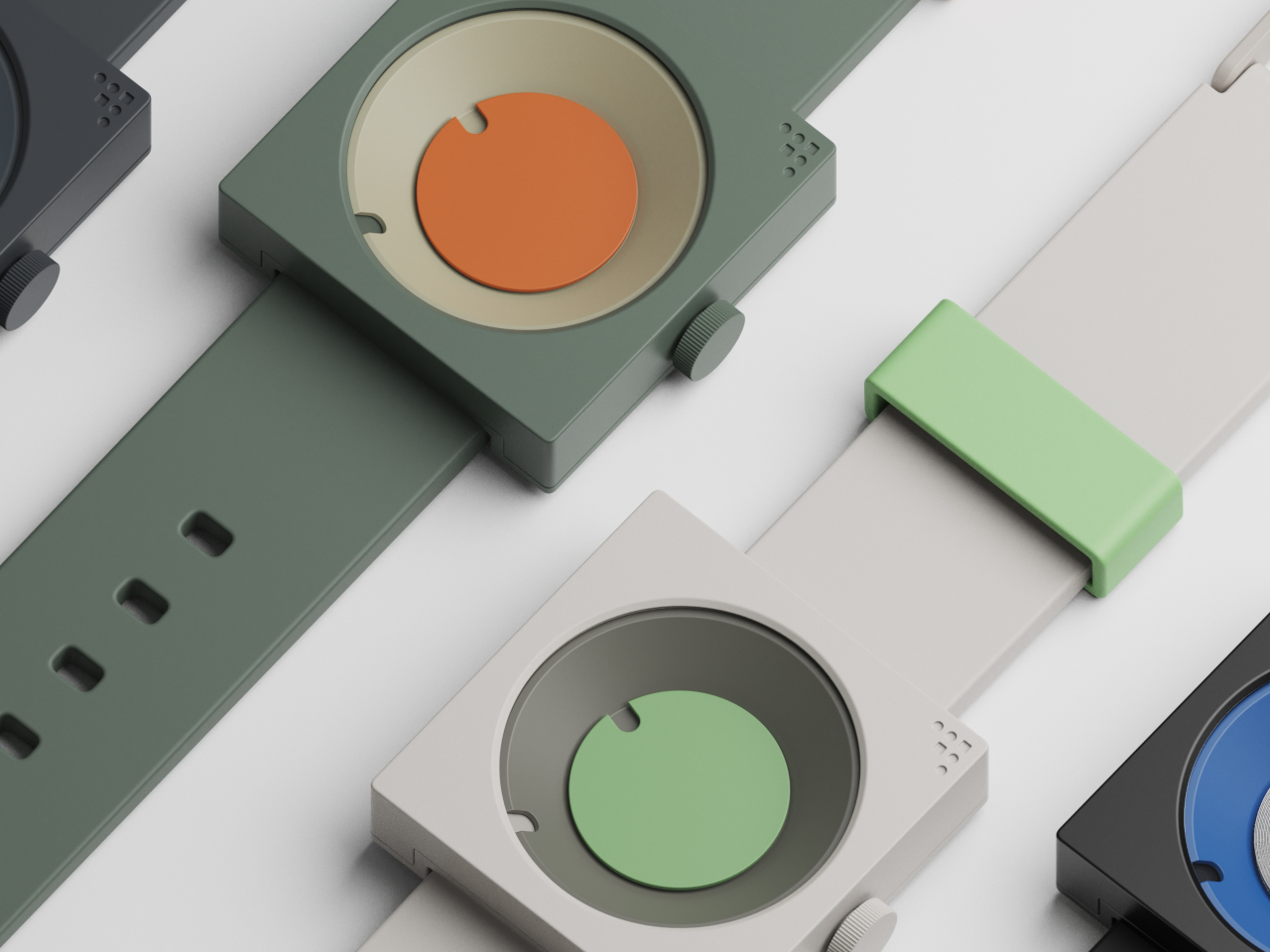
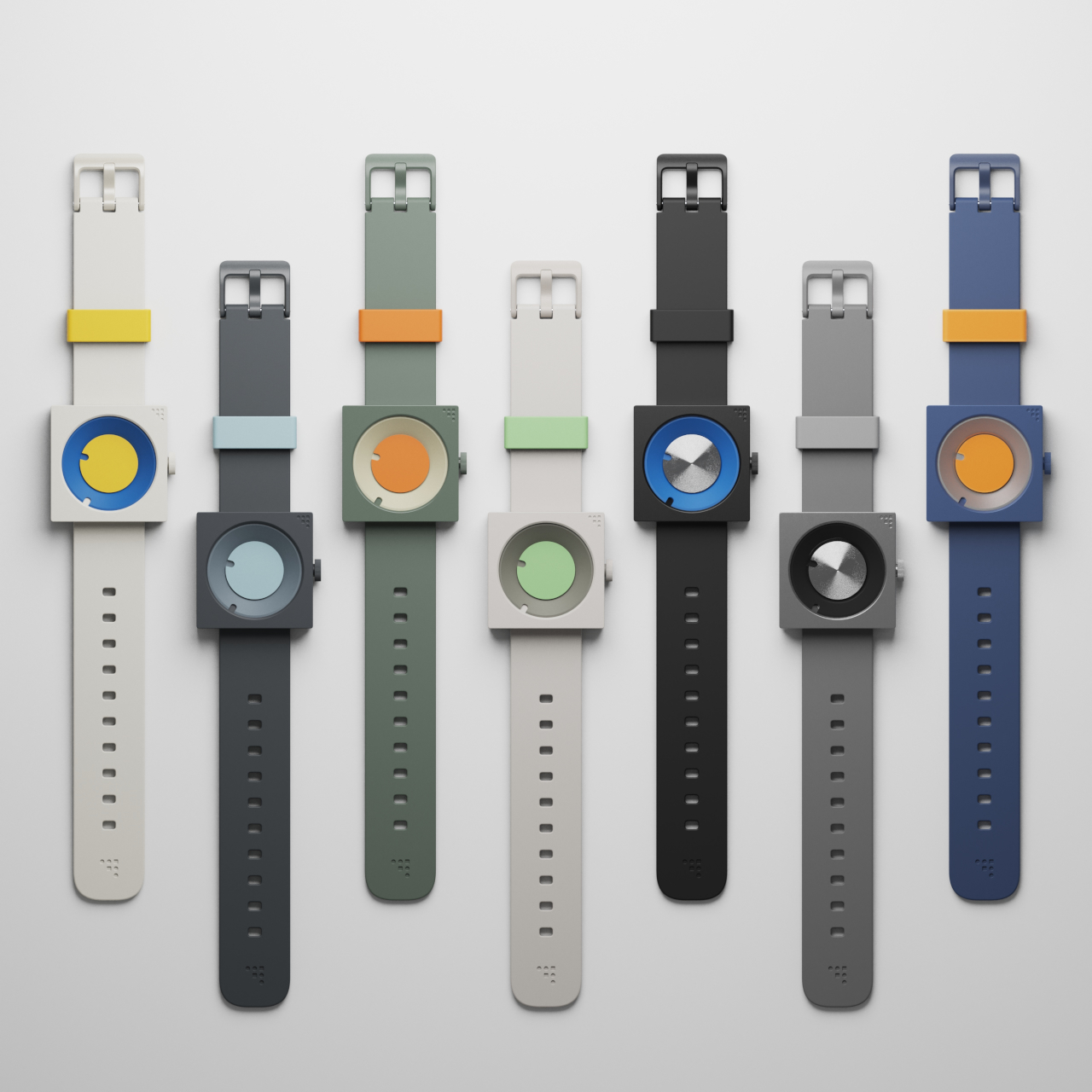
The FC-30 Desk Clock and FW-50 Wrist Watch concepts flip the script on conventional timekeeping, using bold geometry, vibrant color, and tactile design to turn telling time into a daily ritual worth savoring. Inspired by mid-century modern design principles from the 1950s and 60s, both pieces are as much about art as they are about function, bringing sculptural presence to everyday moments throughout your routine.
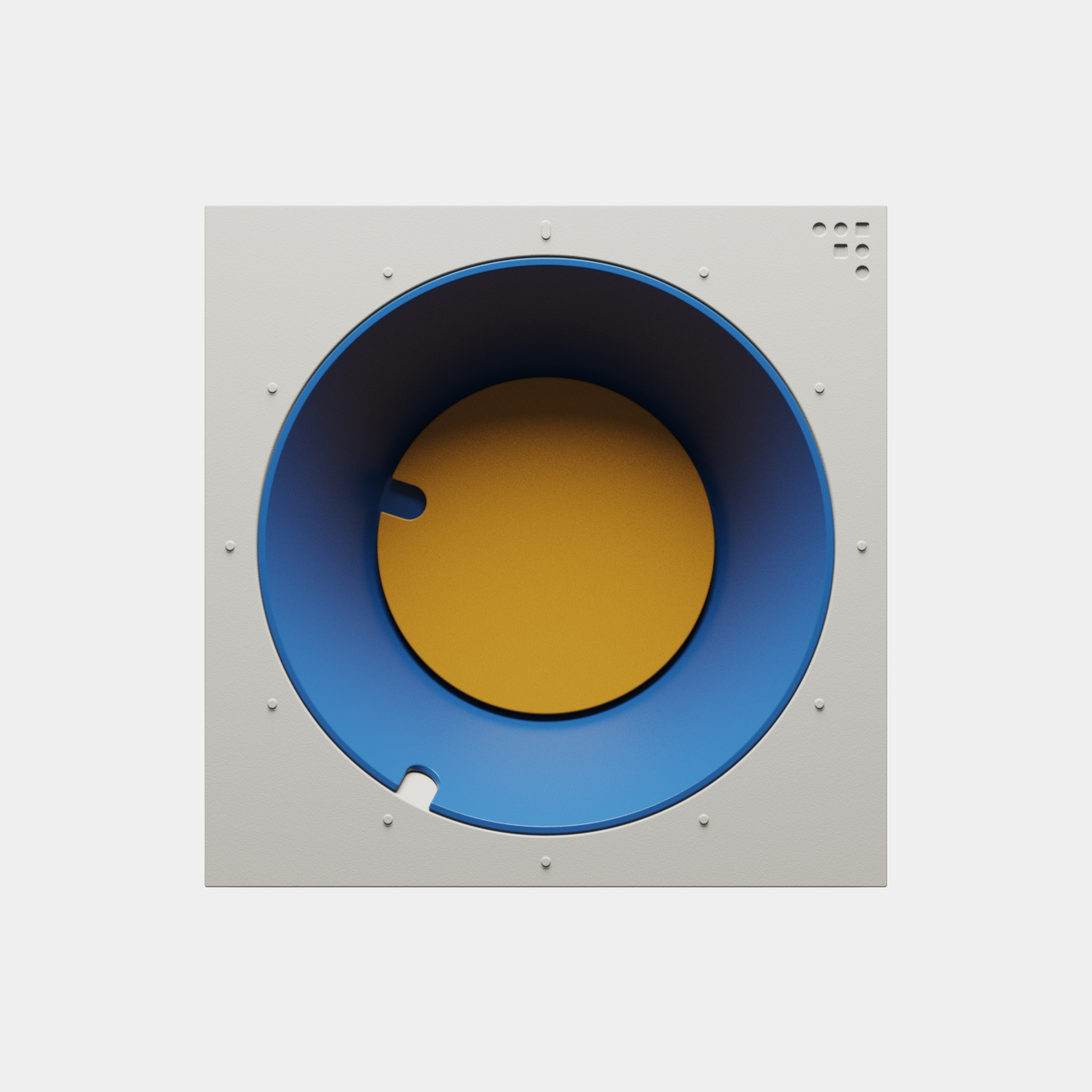
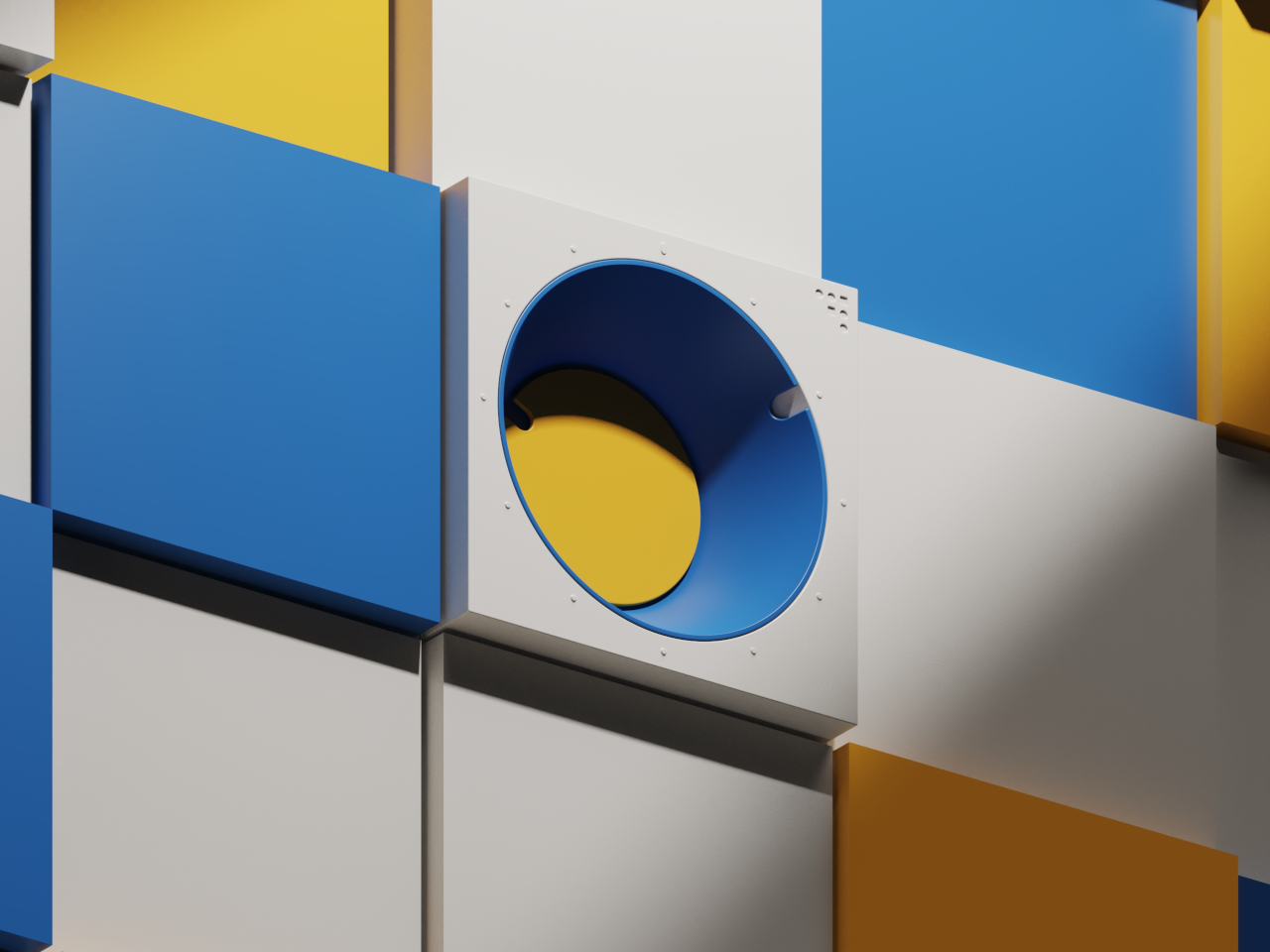
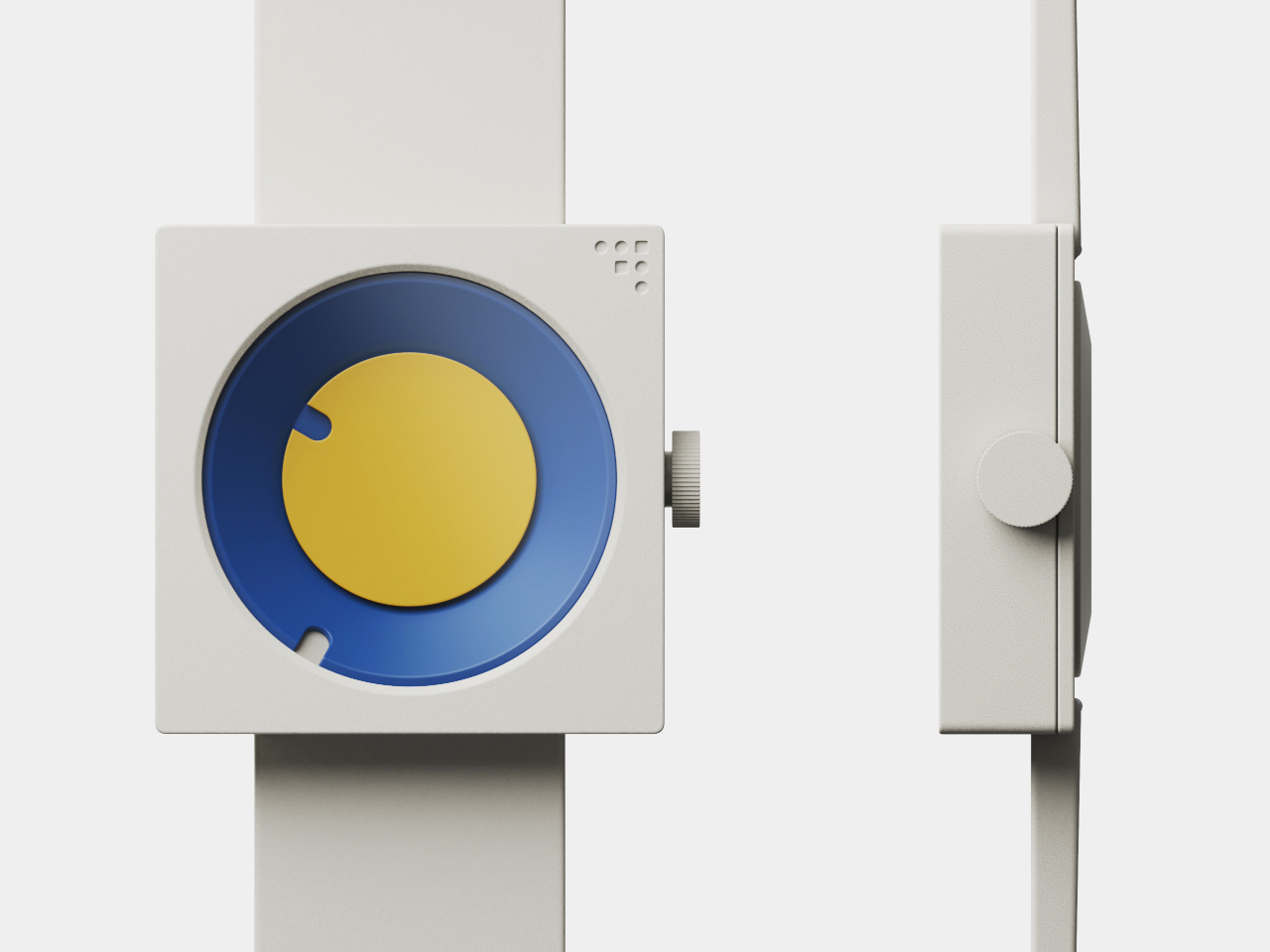
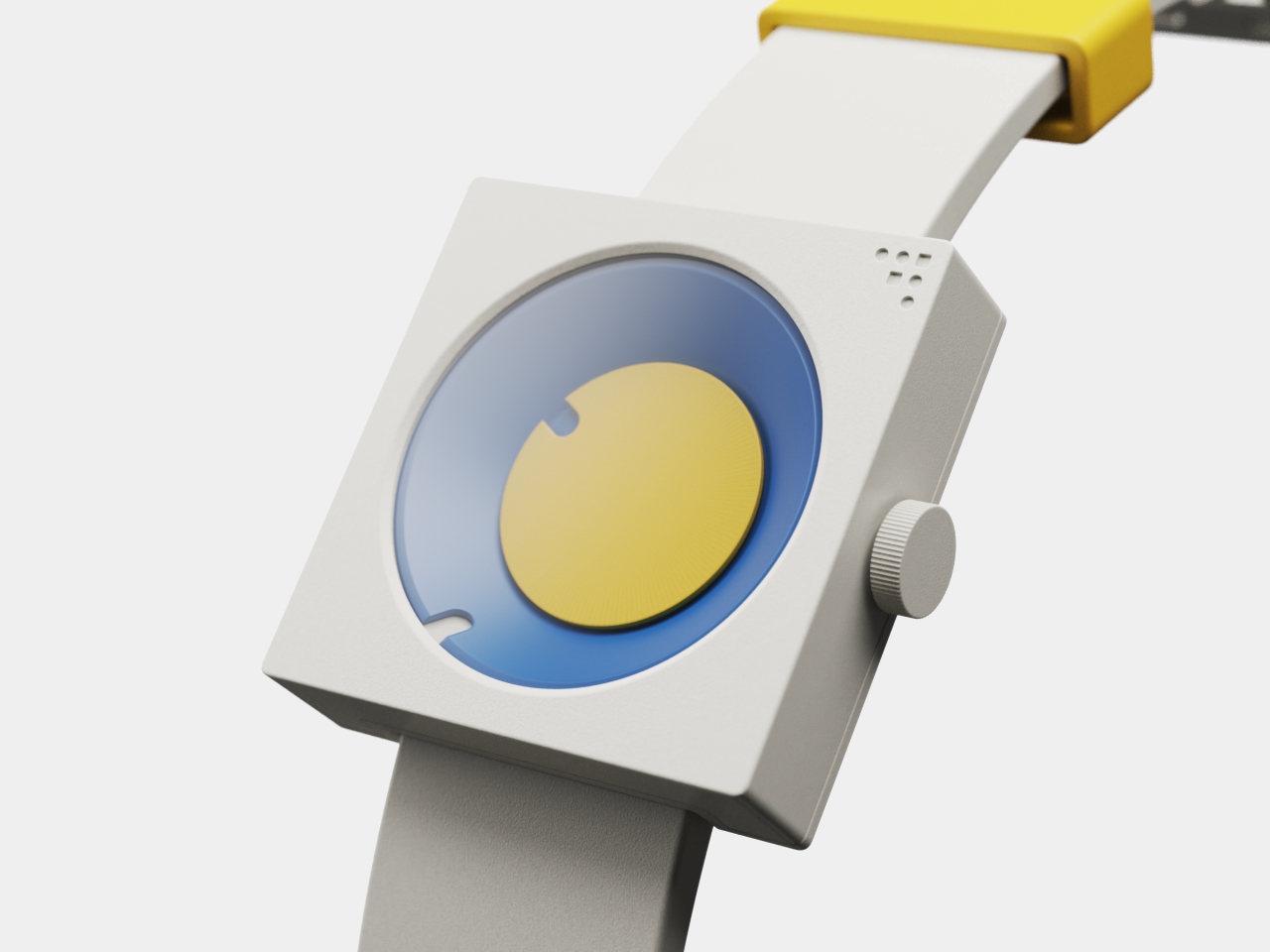
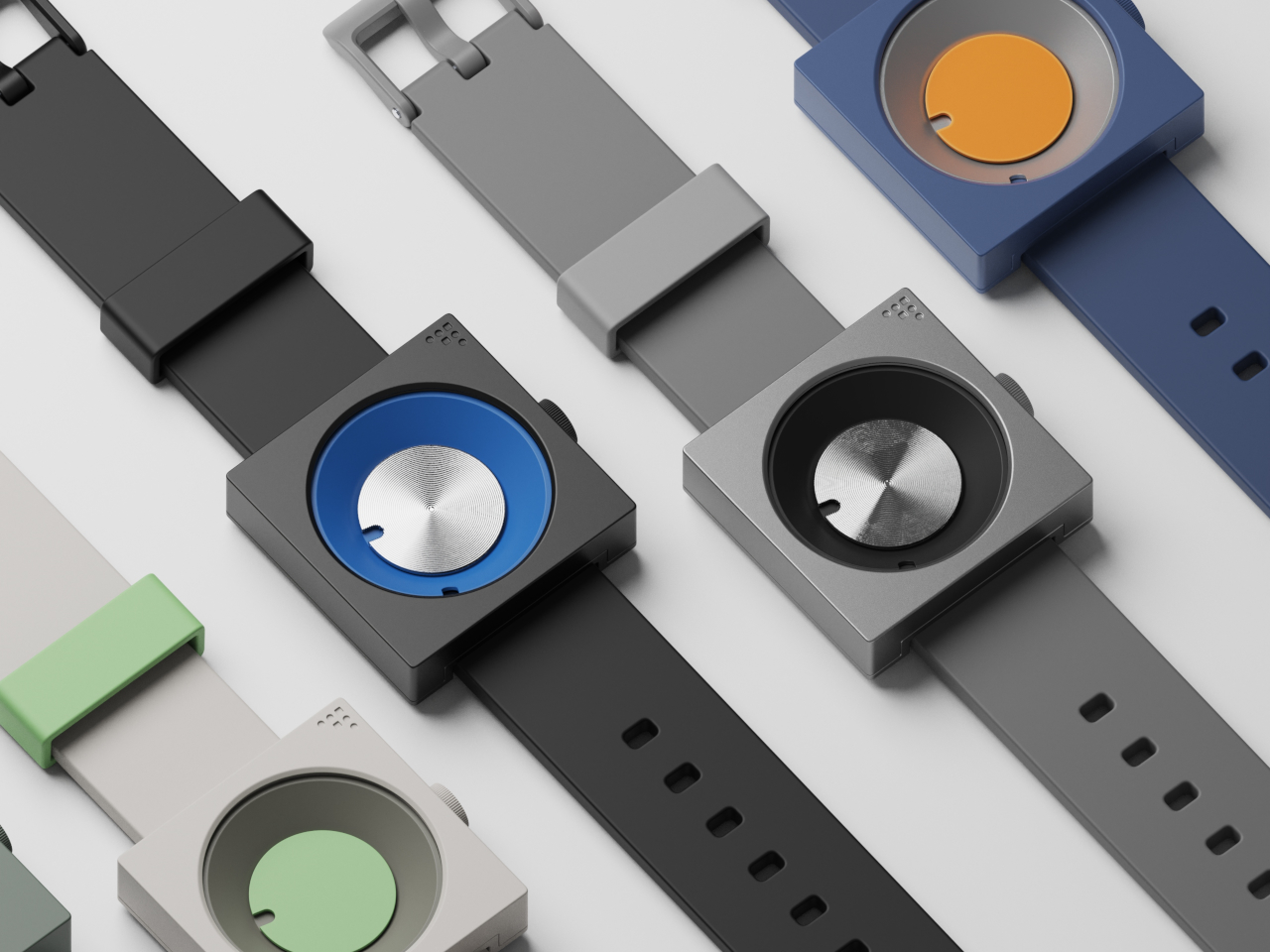
Both pieces are built around the frustum, a geometric form with an angled face that creates visual interest and dynamic readability throughout the day. The FC-30 uses a 30-degree incline for the minute indication, while the FW-50 adapts the idea to a 50-degree angle optimized for wrist wear and comfort. The hour is shown by a colored disc housed inside the frustum, while the sloped edge indicates minutes.
The result is a visual experience that feels fresh and interactive, inviting you to engage with the object every time you check the hour rather than passively glancing at digits. The unconventional layout is intuitive once you spend a moment with it, turning time-telling into something more tactile and memorable than reading digital numbers or traditional clock hands that blend into the background of modern life.
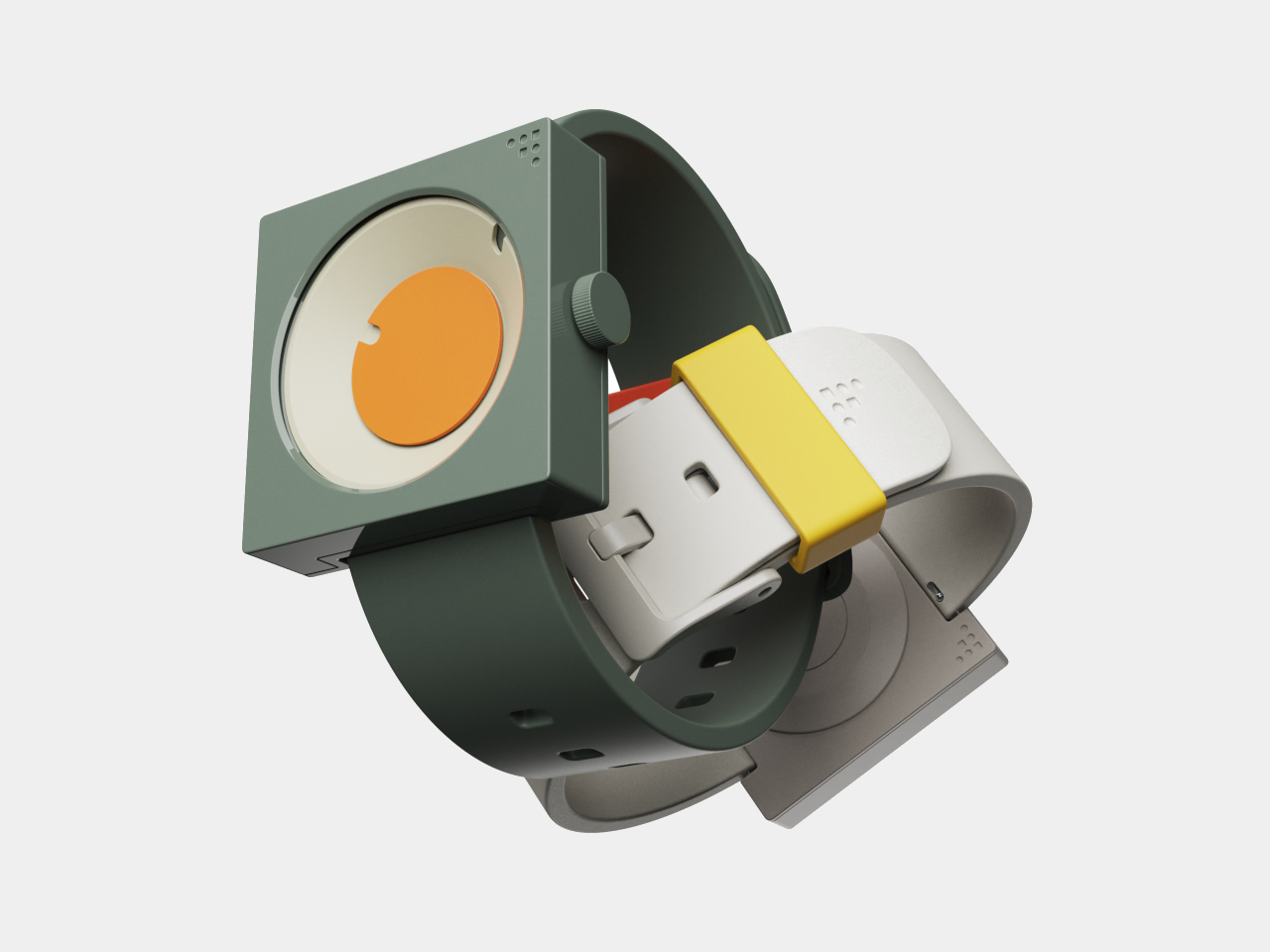
Inspired by mid-century modern classics from the golden age of product design, both the clock and watch feature a palette of bold blues, yellows, greens, and oranges, set against matte white or gray cases with clean edges and visible fasteners. The color blocking and clean lines make each piece stand out visually, whether positioned on a desk, mounted on a wall, or worn on the wrist.
The FC-30’s sculptural form with its angled frustum is as much a statement piece as a practical timekeeper for workspace organization and visual interest. The FW-50’s playful colorways, ranging from sage green to vibrant orange, and tactile crown turn a daily accessory into a personal expression of style and taste. Both designs celebrate the visual language of functional design from classic mid-century product eras.
The absence of numerals and reliance on form and color encourage users to interact with the pieces differently from conventional timepieces. The disc hour and sloped minute readout are learnable at a glance, but different enough to spark curiosity and conversation with visitors or colleagues. Both designs can be oriented or worn in multiple ways for varied visual effects, depending on mood.
The FC-30 and FW-50 concepts bring a little more art into daily routines and personal environments for those who appreciate design. For anyone curating a workspace or searching for a unique statement piece, these timepieces offer a compelling vision where timekeeping becomes an opportunity for visual and tactile delight rather than just a practical necessity.