Although the handheld gaming trend has been going strong recently, especially with the likes of the Nintendo Switch and the Steam Deck leading the market, major console makers haven’t taken the plunge completely yet. Granted, Xbox isn’t too concerned because every Windows gaming handheld PC can theoretically run some of its titles, but Sony introduced a rather odd and quite unsatisfying version of this idea. The PlayStation Portal isn’t being “portable” for a reason, since it basically just streams games from the PS5 sitting somewhere in your house. Take it to more enterprising creators to bring the PlayStation 5 Portable dream to life, like this rather impressive gigantic PlayStation 5 “Tablet Edition” that is very much worth all the hard work involved.
The PlayStation 5 diverges from generations of console design with a sleek, futuristic, yet also alien aesthetic that some have compared to a trophy. But it’s especially thanks to that new design, especially the improvement Sony quietly made after launching the console, that makes this creative endeavor even possible. In a nutshell, Sony trimmed the PS5 motherboard down to a smaller size that could be made to fit inside a thick and hefty 14-inch tablet. That, however, was the least of the project’s problems, considering the things inside that actually make the bulk of the PS5’s, well, bulk.
The PlayStation 5 generates around 200W of heat at full power, so the majority of the console’s internals are actually devoted to thermal management. These include bulky fans and a strange-looking heatsink that would never fit any portable design. That’s why the majority of the effort around this PS5 tablet was spent on figuring out an equally efficient thermal management system that didn’t take up too much vertical space. Thanks to some creative thinking and a lot of research, that problem was eventually solved to much satisfaction.

With the biggest engineering hurdle out of the way, putting the rest of the giant tablet was relatively easier. A 3D-printed shell had to be made that matched the black-and-white aesthetic of the PS5. The screen of choice for this project was a 14-inch OLED salvaged from a broken laptop, allowing game graphics to really shine. Finally, an external power source had to be designed since the original PS5 power supply was just too large and too weird to use as is.
After much work, the PS5 Tablet Edition, a.k.a. PS GO, was ready to be put to the test, and the end result is truly impressive, both from the thermal aspect and especially in performance and visual quality. It’s a truly portable system that can fit inside a backpack, though you’ll have to plug it somewhere to actually use it. Then again, the idea was to create a more social console that you can take to your friend’s or relative’s house so that you can enjoy the experience together, rather than sitting in a corner, alone in the dark, mashing the buttons on your handheld PC.
Unlike the daytime, people are split on what they think of the night. Some find solace in the rest that it offers, while others are wary of the dangers that lurk in the corners. The latter is mostly due to the uncertainty that the unknown brings to our minds, which is often associated with the dark of night. But nighttime as well as dark places are just as filled with treasures to discover, adventures to be experienced, and discoveries to be made, as long as you’re not stumbling in the dark, literally. Being able to see at night is often painted as a superpower, but you can actually gain that ability quite easily with today’s technologies. Harnessing decades of experience in optics and photography, YASHICA is opening the doors to new and exciting experiences with a pair of binoculars that brings the night to life in full color and stunning 4K quality.
There have been cameras that can see in the dark of night for years now, but most of them fail to impress or captivate budding explorers. The majority can only see in green or monochrome hues, not to mention lack enough detail to really make you appreciate the wonderful world that the night holds. The YASHICA Vision easily sets itself apart from the crowd by breaking down these barriers to deliver a photography experience that’s truly out of this world, letting you see at night as if it were day.
YASHICA Vision reveals a radiant spectrum of colors, even under the most challenging lighting conditions.
With an impressive 0.0037lux sensitivity and F/1 wide lens aperture, the YASHICA Vision binoculars can take in as much light as they need to capture detailed, sharp, and high-resolution visuals. And thanks to advanced optics and a powerful CMOS sensor, these images won’t be stuck with a dozen shades of green or gray, painting the night in full color and creating a picture that you wouldn’t otherwise see with your naked eye. Best of all, you can record that picture or video in stunning 4K quality, leaving no detail unturned.
Clarity in complete darkness.
The YASHICA Vision further redefines night-time exploration with its remarkable aperture size of F/1. This feature is crucial as it allows for a higher light intake, especially under low-light conditions.
These qualities are more than enough for urban exploration, delving into creepy basements, or watching the coast in the dark of night, but the YASHICA Vision still has more to offer, especially for those who want to get close to nature in the dark. With the ability to see objects 600 meters away even in pitch darkness and a 3x optical zoom and 5x optical zoom, wildlife photography at night becomes not only possible but also safe and enjoyable. What’s even more impressive is that YASHICA Vision’s ability to see in full color is also made possible with the use of AI analyzing and understanding a vast amount of data to automatically improve the image by reducing noise, enhancing contrast, and compensating for light. This results in images with natural color reproduction and a higher dynamic range, even under low light and at low lux levels. There is almost literally nothing you can’t see in the dark, and the night becomes your playground rather than a source of fear and anxiety.
It might look like a pair of bulky binoculars, but the YASHICA Vision is a truly innovative photography device designed to accompany you on your nocturnal adventures. A 16-hour battery life and support for up to 512GB microSD cards promise very few downtimes as you go about your way in the dark. An intuitive and convenient binocular design allows users to have a comfortable and enjoyable time focusing on seeing instead of fumbling around the controls. Finally, a robust construction, an IP65 dust and water resistance rating, a built-in compass, and SOS guiding lights all mark the device as a reliable companion for your most daring exploits at night.
Whether you’re trying to discover what nature has to offer once the sun has set, trying to debunk urban legends and mysteries, or simply trying to enjoy the world after dark, the YASHICA Vision offers a ground-breaking tool that breaks wide open the doors to a whole new world filled with life, color, and wonders even in the dark of night.
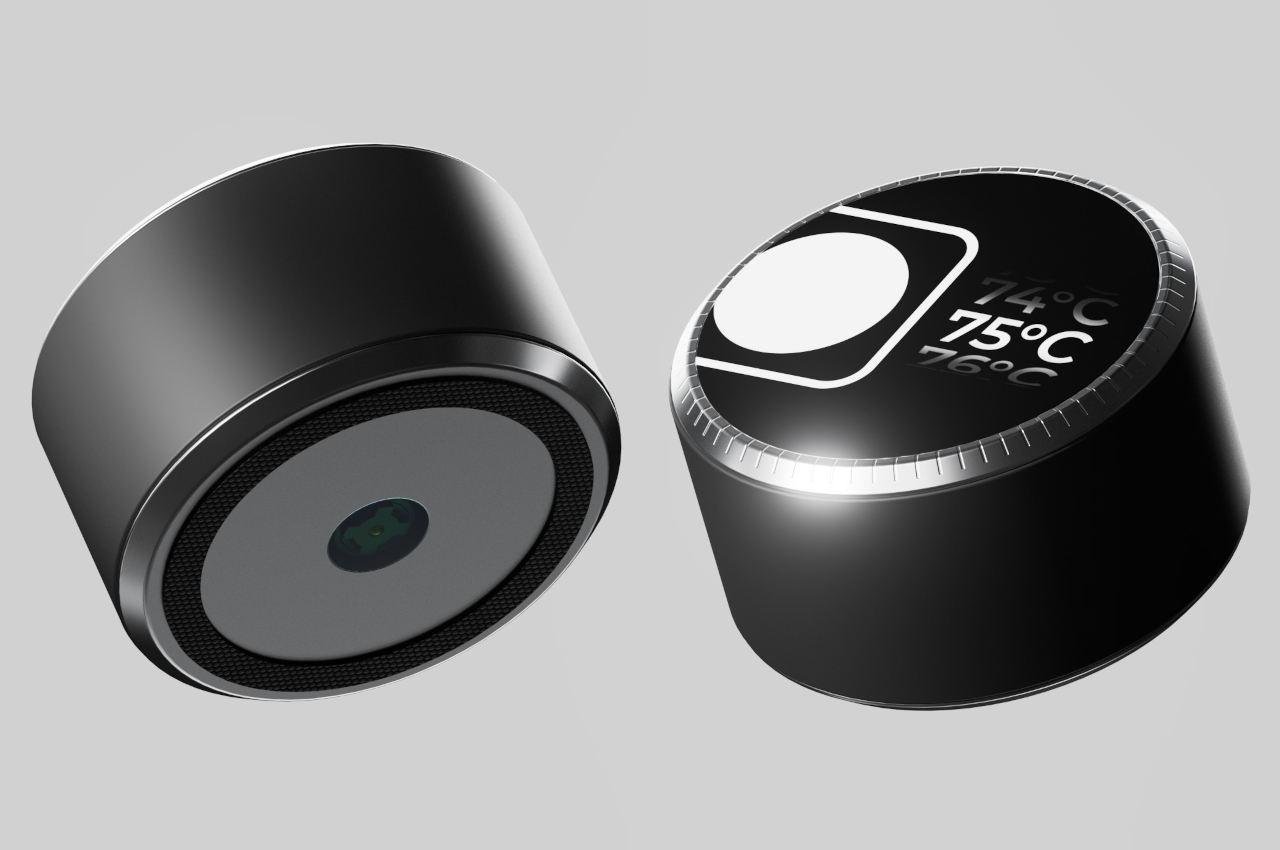
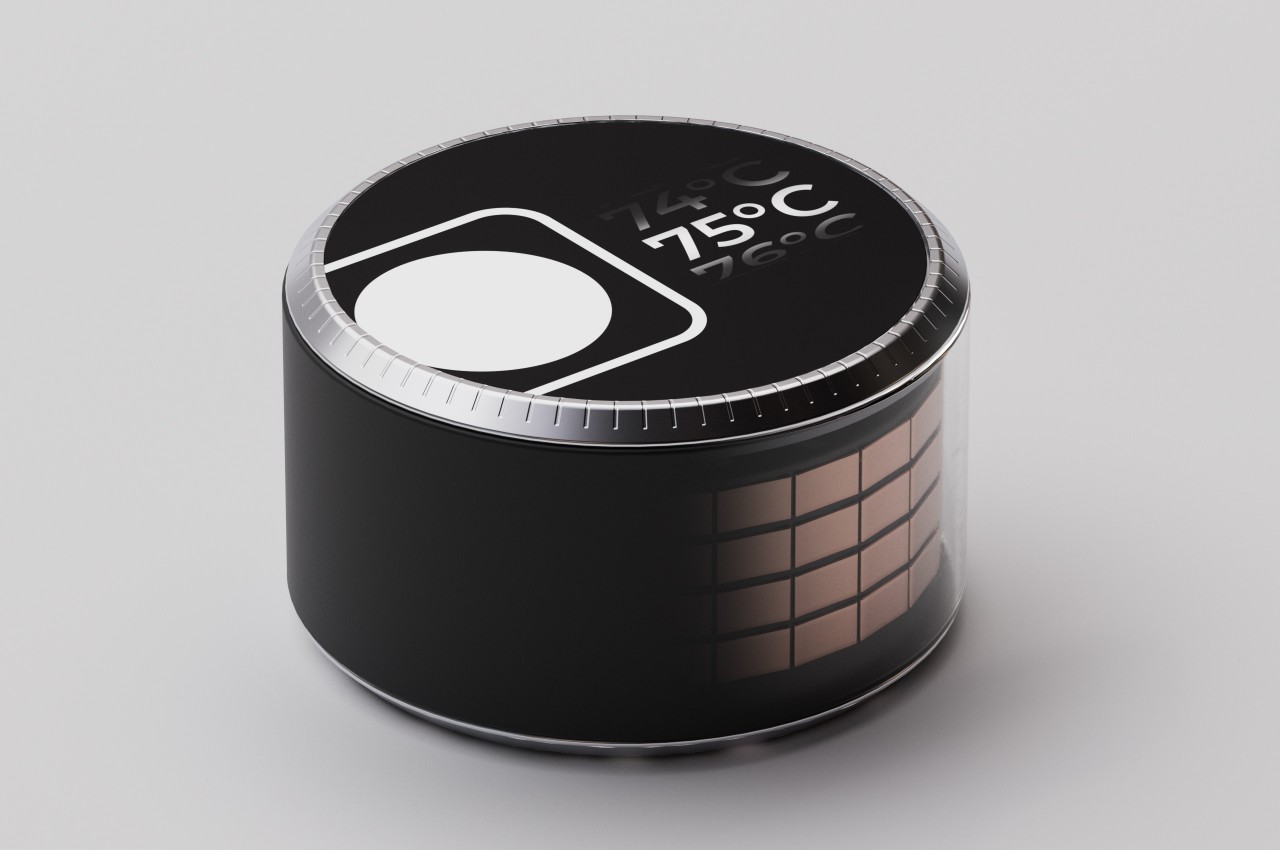
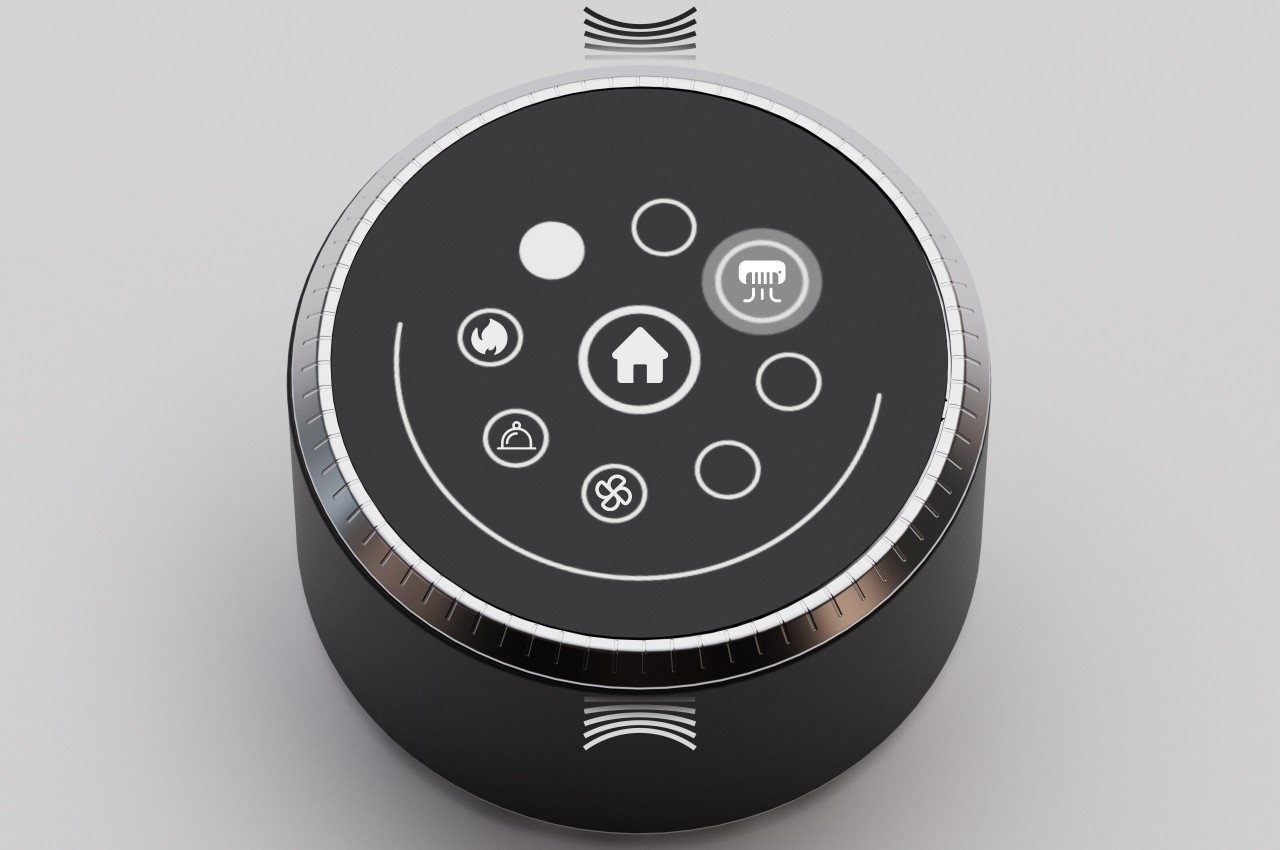
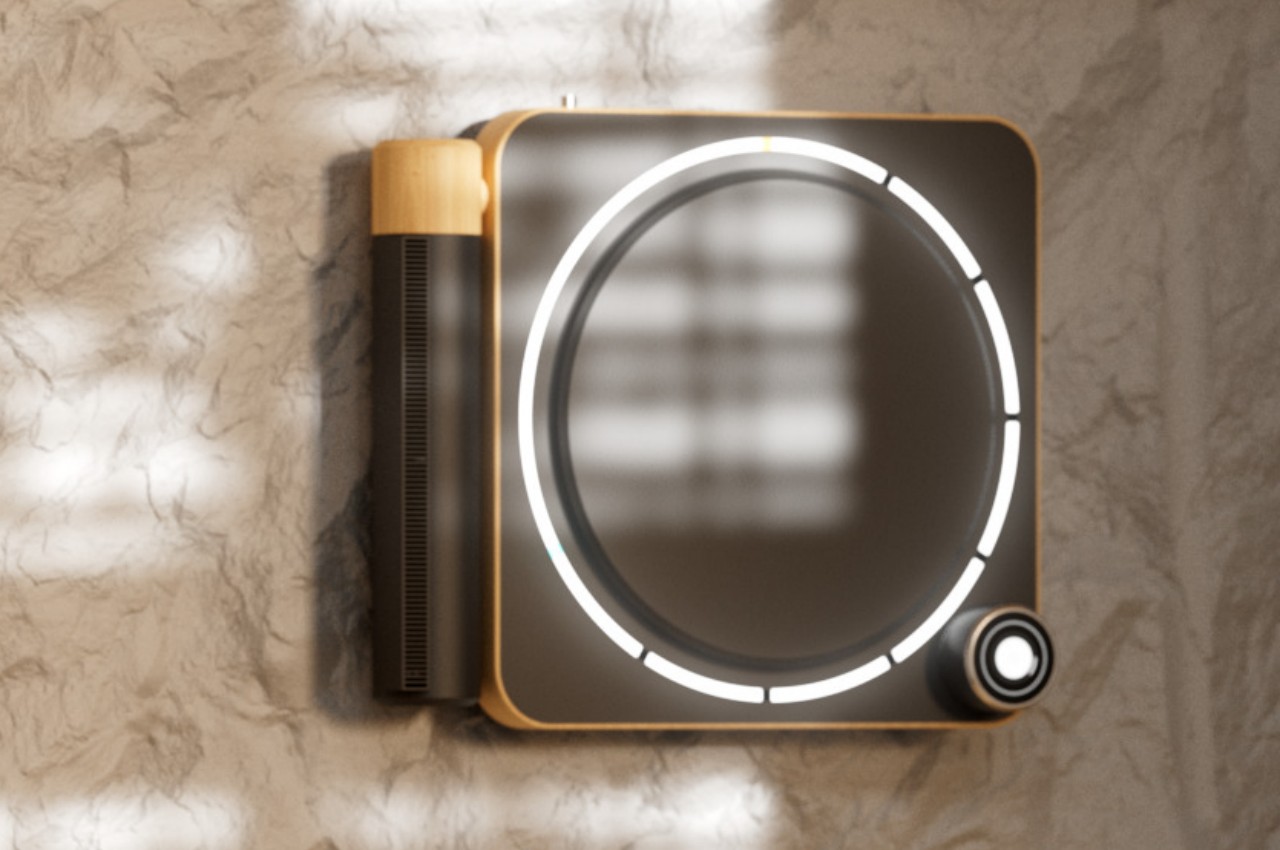
Magnetic attachments allow more freedom where to use the transmitters
Eye-catching touch screens allow for showing brand logos in addition to recording information
Supports both real-time streaming and on-board recording
CONS:
Extra strong magnets can easily pinch the skin if not careful
RATINGS:
AESTHETICS
ERGONOMICS
PERFORMANCE
SUSTAINABILITY / REPAIRABILITY
VALUE FOR MONEY
EDITOR'S QUOTE:
Magnetic attachments and customizable touch screens add incredible value to an already excellent wireless microphone.
With plenty of focus being lavished on cameras, optics, and image sensors, you’d almost think that all we have on our heads are eyes. While the visual quality of content is definitely important, it’s also easy to demonstrate how poor or even no audio can completely ruin an experience. Audio recording equipment, particularly microphones, sometimes comes as an afterthought, a decision that filmmakers and creators often immediately regret. Finding the right mic can be a daunting experience, especially when you’re forced to choose between small lavaliers with discrete designs but barely passable recording and large mics with studio quality but distracting sizes. The Saramonic BlinkMe B2 promises to save you from that dilemma with the promise of a small yet distinctive design and unbeatable audio recording, so we naturally had to put it through the test to see how it measures up to real-world use.
Designer: Saramonic
Aesthetics
If you were expecting a small clip or some small rectangular box, you’ll be pleasantly surprised that it isn’t the case at all. The entire Saramonic BlinkMe B2 system comes in a rather unique package that is closer to some hi-tech gadget than what you’d normally see in wireless microphones. When joined together, the three parts look like a short square box with two smaller discs at the top and the bottom. You’ll probably be too focused on production to actually appreciate how distinctive the BlinkMe B2 looks, but it definitely puts the product a level higher than its peers.
The wireless mic’s personality, however, really shines the moment you use it, particularly when you separate these three pieces. You’ll immediately discover that they aren’t held down by flimsy locking mechanisms that get in the way but only by the sheer power of very strong magnets. These make it easy to remove the transmitters from the receiver base while still holding them securely when not in use or when charging. Once you pull off the transmitters, however, you immediately see the most visible feature that makes the BlinkMe B2 extra special.
Both transmitters have circular touch screens covering their faces, making them look like smartwatches without straps. In fact, you operate them exactly like smartwatches, swiping and tapping through controls and options. There are, of course, also physical buttons on the side that, unsurprisingly, might also remind you of smartwatch buttons. This is more than just an embellishment, though. While it’s definitely dandy to see the mic’s gain levels from a distance as you record an interview, its real value shines when you realize that you can actually customize what’s shown on the screen.
In essence, you can upload your studio’s logo or any other graphic (that fits a circle area) from the Saramonic mobile app to the transmitters and have it always on display while shooting. Considering how conspicuous this disc-shaped mic will be on your chest, it’s a great opportunity to do some subtle advertising. Conversely, that also means that the BlinkMe B2 transmitter will always be visible, though not everyone will actually realize that it’s a mic and presume it’s just some sort of fancy LCD badge.
Ergonomics
Saramonic’s use of magnets and touch screens isn’t just for show. They actually make the BlinkMe B2 one of the easiest wireless microphones to use. Need to start recording almost immediately? Simply pop off the transmitters. Need to charge one of the little pucks? Just have them snap back onto the top of the receiver. And since the transmitters can record audio on their own, you don’t even have to worry if you accidentally left the cables that would connect the receiver to a camera. It’s as simple as that.
Operating the three pieces themselves is a piece of cake thanks to the touch screens, though there are also physical buttons for the most important actions you need to have quick access to. What actions would those be? Actually, you get to decide that since you can customize what each button does through the Saramonic mobile app. The distinctive yellow button on the transmitters, however, has a single function, and that’s to toggle Noise Reduction on or off. That color might seem garish, but you won’t miss it even in a dark environment.
The magnets on the transmitters aren’t just a one-trick pony. Thanks to this design, you can easily stick the transmitters anywhere on a shirt, not just the edges. The package comes with four magnetic attachments that let you sandwich clothing between these two discs, though there’s also a magnetic clip in case you do need to go old school. You can even stick it to doors, posts, and any other metallic surface if you want to keep it out of the way. One word of caution, though. The magnets are so strong that you risk pinching the skin of your finger or, worse, certain body parts if you’re not careful how you connect two pieces together.
For all its ease of use, this magnet-based design does have one drawback. To charge the transmitters, you have to attach them to the receiver, which functions as the charging station. You can’t charge them independently using some accessory, so you’ll probably want to keep tabs on their battery levels. Given how the receiver is usually mounted on top of a camera, it also means you can charge only one transmitter at a time. Then again, if you do need to charge both, you’ve probably stopped recording anyway.
Performance
If we stopped at the BlinkMe B2’s unique aesthetic, people would simply pass it off as a pretty face. Fortunately, that is definitely not the case, because Saramonic’s smartest wireless definitely punches above its weight. You get clear and usable audio recordings even when there’s some busy activity around you, as we ourselves experienced on the hectic CES 2024 floor.
Even more impressive is that neither the signal nor the quality actually drops from a distance, even with some obstacle between the transmitter and the receiver, making it an excellent tool for sports or action footage. With the transmitter’s built-in recording functionality and 8GB of storage each, you don’t even have to worry when the stream does get cut off. As a bonus, the transmitter also has a “Safety Track” that’s recording at -6dB that’s meant to buffer against clipping and distortion, ensuring you will always have usable audio no matter the condition.
With wireless mics, battery life becomes just as important as audio quality, and fortunately, the BlinkMe B2 doesn’t skimp in that area either. Of course, Saramonic’s advertised 24 hours for the receiver and 8 hours for the transmitter are a tad too generous, but even hitting 22 hours and 6 hours, respectively is already quite an accomplishment. They charge fast, too, so you can be up and running for an additional hour with just a few minutes charge.
As mentioned earlier, controlling all the pieces of the BlinkMe B2 system is as easy as pie thanks to the sensitive touch screen. The transmitters, in particular, operate almost like smartwatches, with a swipe from the top revealing quick toggles and a swipe from the bottom going back to the main screen. The only slight complication is the smaller screen on the receiver, which is better used for displaying information rather than controlling the device. All in all, the BlinkMe B2 offers an unbeatable experience, not just in the quality of audio it produces but especially in the unique features it offers.
Sustainability
Saramonic introduced many features in the BlinkMe B2 that you won’t find in other wireless microphone systems, and thankfully, they’re all useful and essential to delivering an excellent audio recording experience. Unfortunately, that also makes the design of the device a little bit more complicated, which also means that repairs are going to require more specialized skills and components.
Although a wireless mic such as this is expected to be able to weather different environments, the presence of screens actually puts their durability at more risk. And the use of plastics and less eco-friendly materials are present all around, though not surprising considering it’s still the status quo in consumer electronics. Hopefully, the day will come when Saramonic puts sustainability as a major bullet point on its marketing material, allowing creators to make great content while also feeling good about their positive impact on the planet’s future.
Value
The Saramonic BlinkMe B2 is hardly a cheap kit, setting you back at about $249. There are definitely more accessible streaming mics in the market right now, with some of the popular ones just under $200. That said, those also have plenty of flaws of their own, like taking the form of a traditional mic that you need to place on a table. If you need something that can go the distance, literally, there are few that can outdo the BlinkMe B2.
The audio clarity and volume are just impressive, especially considering how crazy it always is at CES in Las Vegas. The fact that it can deliver more than just decent recordings at great distances is a huge boon for those who want to record more dramatic footage from a safe distance. Magnets make using and placing the transmitter easier and more hassle-free, and the ability to turn these recording devices into advertisements is definitely a great help for creators and studios. Even better, that price includes an entire kit, from four magnetic attachments to two magnetic clips to even a handy carrying case that lets you bring your precious equipment with security and convenience.
Verdict
It’s almost too easy to take the importance of quality audio for granted until that dreaded moment when you realize you barely recorded anything intelligible. Reliable audio that you can use is even more critical for those moments that will never come to pass again, including interviews you might not be able to retake. It’s in those moments that you’ll wish you had an audio recorder you could also rely on, just like your camera or smartphone.
The Saramonic BlinkMe B2 smart wireless microphone system is definitely ready to step up to the challenge. It breaks away from mic design conventions to deliver a product that has just enough tech to deliver convenience and a unique aesthetic without overburdening the user with inessential details and options. It’s powerful, a little bit quirky, and, most importantly, reliable, delivering quality audio recordings even in the most trying conditions. Yes, it’s also a bit pricey, but it’s an investment that will pay for itself throughout the coming years of creating high-quality audiovisual content.
Most people today probably only know of the Xbox, PlayStation, and Nintendo Switch, but there was a time when the market was littered with countless gaming consoles, each with their own distinct designs. Many of them look almost outlandish by today’s standards, but it’s exactly because of these that these old machines have become today’s novelties again. The retro console craze has died down a bit, but it still exists and there are plenty of designs still left untouched. One of those is the rather distinctive Atari 400, which now finally comes in a mini recreation that brings yet another bunch of classic titles from one of gaming history’s biggest giants.
You might already be quite tired of hearing about all these classic games being made available to a newer, younger audience, but the console that this batch comes in is definitely worth noting. The Atari 400 and 800, after all, made many firsts in the industry, bringing what is practically a personal computer into homes with a focus on gaming. That objective was what informed the machine’s design, giving it a peculiar appearance even among its peers.
In essence, the Atari 400, or the 800 rather, looked more like a giant typewriter than a computer of any sort. Atari eschewed the typical joysticks and gamepads associated with gaming machines (and its own Atari 2600) and gave its first 8-bit family a keyboard for tasks beyond just playing. The Atari 400 itself was quite peculiar because it didn’t use real keys but a membrane keyboard, basically a seemingly flat, pressure-sensitive surface that could be considered the ancestor of touch-sensitive controls today. Suffice it to say, the typing experience was anything but enjoyable.
The Atari 400 Mini brings this one-of-a-kind design down to half the size of the 1979 original, which means you get all the looks but none of the quirks or the functionality. Yes, that miniaturized membrane keyboard is just for show, which is probably for the best. Imagine typing not only on a small space but also on a surface you have to press hard to even register a key. Fortunately, you can connect a USB keyboard if you really need to type something. With five USB ports, you can connect almost any controller, though thankfully the package ships one Atari CX-40 joystick for good measure.
The small machine comes with 25 titles from the original already pre-installed, though can also run other Atari classics provided you know how and where to get them. The Atari 400 Mini isn’t available yet, but you can already put down $119.99 to pre-order this recreation of a piece of gaming history before it hits the shelves on March 28th.
Power banks might be so common and boring these days, but there was a time when people thought they were more trouble than they were worth. Having to fumble around for a battery pack and cable to quickly plug in a phone may sound like too much of a hassle, so mophie, one of the oldest players in this game, came up with an alternative solution a long, long time ago. The battery case was the answer to that problem, making the iPhone “wear” its extra battery at all times. That design, however, hasn’t been seen for years, making you think battery cases have gone extinct. That was almost the case, pardon the pun, until the recent announcement that the mophie Juice Pack is making a comeback, but apparently only for three out of four iPhone 15 models.
When you first hear about it, battery cases sound like the best of both worlds. You get an extra battery to make sure your phone never runs empty, but you also don’t have to juggle with a separate pack like with a normal power bank. That’s theoretically true until you realize just how much that extra power will cost you in other aspects. Especially when you consider that batteries from five years ago were pretty thick despite having low capacities.
With significant improvements in this area, mophie thought it was time to bring its juice pack back to life, offering a battery case for the current generation of iPhones. The basic concept remains the same, with the battery “hiding” inside the sizable case that wraps around the iPhone like a very thick bumper. Of course, it also functions as a protective case, so that rugged and bulky appearance isn’t without its merits.
Like in previous iterations of the juice pack, there are LED dots on the back to indicate just how much charge the case has left. It also supports passthrough USB-C charging, so you don’t have to worry about having to remove the case just to charge the iPhone itself. That said, given the thickness that the battery adds to the back, it shouldn’t be a surprise to learn that it also prevents any sort of MagSafe functionality from working.
The mophie Juice Packs will go for $99.95 for all three iPhone models, though there are different capacities, starting at 2,400 mAh. The iPhone 15 Plus is notably missing from the list, apparently because mophie didn’t want to waste resources on a model that isn’t even selling well. Then again, it remains to be seen how many iPhone users will be willing to bulk up their phones and lose MagSafe compatibility at the same time just for the convenience of not having to plug in a power bank.
There’s a great deal of interest in essential oils and diffusers these days, but some people tend to prefer the distinct scent of incense. Incense sticks are simple and economical ways to enjoy such fragrances, but actually using and managing these very thin sticks can be a bit of a hassle, considering the different parts that could be involved. Some incense holders practice extreme minimalism to the point holding the burning stick is really all that they can do. These tend to try to match the incense’s aesthetic by utilizing wooden materials, but there is no hard rule that it is the only way to design incense holders, as this rather classy design concept tries to prove.
The most basic incense holder design is simply a strip of wood that can hold an incense stick at an angle so that its ashes fall in a single place only (presuming there’s no gust of wind). The shape is a bit concave to make sure that the ashes don’t simply roll or fall off. This simplistic design makes the incense holder itself extremely portable, but then you’d also have to carry around a container for unused sticks as well as a lighter or match for lighting the stick.
In contrast, this design concept incorporates all three elements into a single design that quickly sets itself apart not just in function but also in aesthetics. Instead of wood, the design uses metal, most likely polished aluminum, to give the incense holder a reflective and luxurious appearance. The black top surface is probably some heat-resistant material, but it doesn’t take away anything from the product’s elegant looks. The silver and black colors contrast and complement each other nicely, but there is also room for other color combinations as well.
Just as interesting as its uncommon appearance is how a single product performs three functions. A hidden drawer at the bottom reveals space for holding reserve incense sticks, while a hole opposite the spherical stick holder is actually a lighter. This way, you need to bring one and only one thing with you so that you can enjoy your favorite incense scents anytime, anywhere. It would have been nice, however, if there was also a way to store the ashes temporarily so that you can keep your area clean until you’re ready to throw away those ashes in a proper bin.
We can take a lot of ideas from nature, but sometimes the source of inspiration can be our own selves. The human figure, after all, is a truly complex design, and it’s capable of portraying a wide range of forms and emotions. Sometimes, that spark even comes from the most mundane of situations, like sitting on a park bench or walking under the rain with an umbrella. The latter is apparently what gave birth to a rather cute little lamp designed to stand on your desk, table, or shelf, generating a sense of playfulness and calm, emotions that some people feel on a rainy day.
Designer: Heeyeol Yang
Different people associate rainy days with different emotions. Some feel lethargic and sleepy while others are their most productive in the midst of the pitter-patter. Some feel a bit of anxiety, especially when trapped under the rain, but there are actually those who can stay still and calm while standing under an umbrella. This is the inspiration for Rain Man, a concept design for a lamp that is truthfully more open to interpretation than what the designer intended.
On the one hand, the name alone directly points to the form that the lamp tries to imitate. The flat cone on top is like an umbrella, while the lever that supports it is the figure’s arm. The lamp itself is an extreme generalization of the human head, and plenty of metaphors can probably be drawn from how a person’s face and presence can light up those gloomy, rainy days.
At the same time, it’s also possible to see the figure a bit differently if you don’t take the name into consideration. The umbrella becomes a wide-brimmed hat commonly found in Asian countries, held high in greeting when coming across another person. In either interpretation, the focus is on the human figure and its relationship with its surroundings, be it rain or shine.
The concept design has other interesting features beyond its anthropomorphic shape. The umbrella (or hat) can be lowered or raised as desired, scattering the light or focusing it toward a single direction. Overall, the lamp has a certain charm that makes it a lovely piece for your living space, greeting you and your visitors with a simple, calm gesture.
Before the current craze of ChatGPT, image generators, and AI-powered services, the world was obsessed with personal assistants like Siri, Alexa, and Google Assistant. That fad has died down a bit, though mostly because these voice-controlled disembodied voices have become so common and so ubiquitous in many smart home devices these days. That said, most personal AI assistants can only be accessed either from a stationary device at home, such as a smart speaker or TV or from your smartphone, which means you can’t call on your digital friend when you’re outside and can’t pull your phone out. That’s the problem that the Rabbit r1 aims to solve by putting a smart, AI-powered personal assistant in a cute little gadget that feels like a Tamagotchi made for serious purposes.
You wouldn’t immediately associate the Rabbit r1 with AI when you first see it. It initially looks like a simple toy with a pixelated rabbit that’s actually just a blocky head with long ears in a square orange device that fits in your hand nicely. That this rabbit head can show some expressions, blink, wink, or even wear headphones further cements its image as a toy, but it’s actually the face, or rather the head, of what may be the cutest AI assistant to grace the market.
The Rabbit r1 is basically a dedicated AI-powered assistant, formally marketed as “your pocket companion,” that makes the usual AI features more accessible by divorcing them from your phone or home speaker. The idea is that you’d simply pull this less conspicuous (if not for its bright orange color) device out of your pocket or bag, push and hold down a button to talk to the rabbit, and then wait for its response both on the screen as well as via audio. Rabbit OS, as the software platform is being called, seems plenty capable and can answer almost any question, and the rotating camera even does image recognition so you can identify viral personalities or get a suggestion on what to cook based on what you have in your fridge.
If the r1’s aesthetic looks familiar, then you might have recognized Teenage Engineering’s design DNA in it. The Swedish company is best known for its distinctive music-creation devices, and it is indeed the creative genius behind this pocket AI device’s equally distinctive design. Suffice it to say, you won’t be embarrassed to be seen in public using this device, especially in places where a smartphone would be even more impolite or impossible.
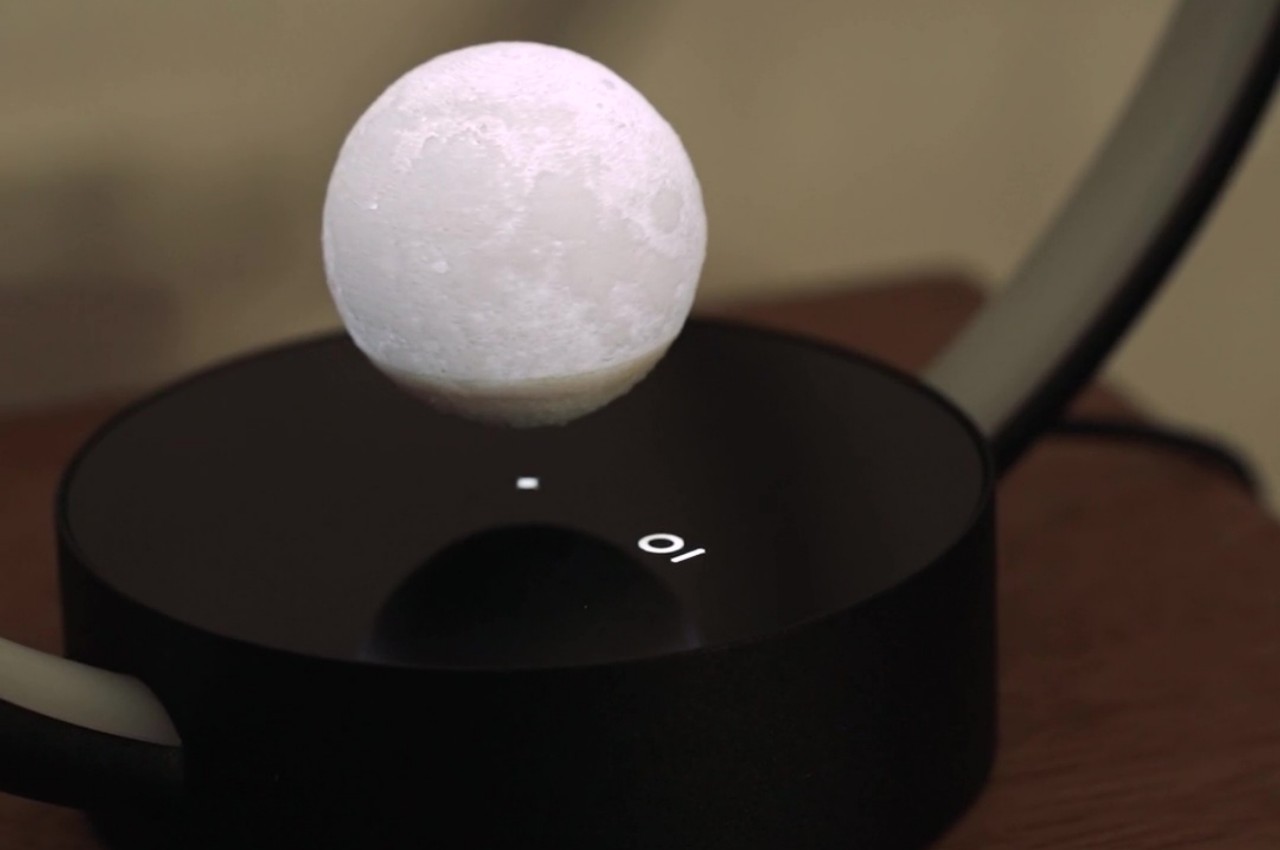
The Rabbit r1 is designed to be super simple to use, which is why it only has a single push button and an analog scroll wheel, though the screen is, of course, touch-enabled. In addition to the usual queries, Rabbit OS will also be able to connect with the same apps and services as typical AI assistants, though it’s still a work in progress. It seems that the concept and the design have resounded with many people and the initial batch of 10,000 pre-orders for this $199 sold out on the first day. Whether it will be able to deliver on its promise, we’ll have to wait for initial reviews to see, and hear.
Now that smartwatches have more or less become more acceptable in society, it seems that the wearable tech market is setting its eyes on less conspicuous and less distracting designs for monitoring one’s health and fitness. And just like smartwatches in their early years, smart rings just aren’t resounding yet with people, though that could only be a matter of time. There hasn’t been much variety yet in this nascent market, which isn’t surprising given the physical limitations of a ring. Wearable tech brand Amazfit, however, believes it has something unique to offer, at least to athletes and very active people who are just as concerned with their mental health and recovery as they are with their steps and heart rate.
The niche that smartwatches have found themselves in seems to revolve around fitness and health, with features like activity tracking, health monitors, and the like. While those are indeed important metrics, they only represent a part of one’s overall well-being. Mental health is just as important, and giving your body and mind time to rest and recover is critical as well. Those are the points that the Amazfit Helio Ring is trying to emphasize in order to differentiate it from the likes of the Oura Ring, currently the leading name in this very young and small market.
In a nutshell, the Amazfit Helio Ring takes the same data collected by sensors inside the ring but interprets them in a slightly different way. Of course, it still records your steps, tracks your blood oxygen levels, and even monitors your sleep, but it frames that information in light of stress levels, your mental health, and most importantly, how well you’re taking steps to recover from those. Amazfit will propose actionable steps to guide you toward recovery, which unsurprisingly include getting enough sleep and meditation.

As for the device itself, the Amazfit Helios Ring is a bit of an outlier in that it doesn’t try to masquerade as a piece of jewelry. The dotted pattern on its surface is a dead giveaway that it is anything but luxurious, giving it a more rugged appearance that its target audience won’t mind anyway. In fact, it is intentionally designed for this group of people, using “skin-friendly” titanium alloy and ensuring water resistance of up to 10ATM, for those times when you need to take a swim.

The Amazfit Helios Ring can be used on its own, with or without an Amazfit smartwatch. Of course, you will need to pair with the mobile app, but you will also need to subscribe to the Zepp Aura rest and wellness service to really use the data it gives. A purchase of the ring will include a three-month free trial, but there are no pricing details available yet.
The Nintendo Switch may have rebooted the whole handheld gaming craze, but it was the Steam Deck that brought that fever to PCs. It was a strange device from a company famed for its game distribution platform but notorious for its spectacular Steam Machine failure. The doubt was further increased by Valve’s decision to install its own Linux-based Steam OS on the handheld PC instead of a more gaming-ready Windows. That’s why it came as a bit of a surprise that the Steam Deck was a resounding success, enough for major manufacturers like Acer, Lenovo, and now MSI to follow suit. Although not a giant, AYANEO has been churning out handheld gaming PCs for quite a while now, and it now has its sights on challenging the one that started it all with what is the world’s second-ever Steam OS handheld gaming PC.
The Steam Deck was a rather odd and ambitious product. It was huge, especially compared to the lightweight and slim Nintendo Switch. It ran the Linux operating system, which meant some games from Steam’s own library might not even run on it. It partnered with AMD for a custom mobile chip that no one has heard of, let alone tested for gaming. And it launched with a $349 price tag, at least for the eMMC storage model, which sounded too good to be true. By all accounts, it would have been yet another failure like the Steam OS consoles Valve tried to turn into a business, and yet the Steam Deck will now forever be remembered as the one that started it all.
Although major PC makers like Acer and Lenovo weren’t quick to jump on the trend, other brands were already launching similar devices every year, sometimes even more than once a year. GPD, which started out with Android gaming handhelds, breached that market even before the Steam Deck came to be. AYANEO followed not long after and now has half a dozen models under its name with different designs and approaches to gaming. Of these, the AYANEO NEXT from 2022 was its flagship product, and it’s now following it up with a “Lite” version that is trying to beat Steam at its own game.
The company is playing coy with many of the device’s specs, revealing only its 7-inch 800p display and 47Wh battery which are exactly the same as the existing AYANEO NEXT. The design looks exactly similar as well, down to the color options. The only real difference is that it would be running that Linux-based Steam OS, which is actually quite a critical change. That means that software features will be worlds apart once you step outside the Steam interface for anything other than gaming. Given the popularity of the Steam Deck, you can at least be sure you’ll find solutions for most of the tasks and problems you might encounter, at least when it comes to software compatibility.
The AYANEO NEXT Lite and the Steam Deck, however, are also worlds apart because of the hardware. Valve has opted to keep its handheld PC quite modest and has yet to even talk about a Steam Deck 2. If its older Windows-toting sibling is to be considered, then the AYANEO NEXT Lite will house more recent, more powerful, more battery-hungry, and more expensive specs. That doesn’t bode well for the price, though AYANEO assures that it will be cost-effective, but that could still mean hundreds of dollars more than what the Steam Desk asks for.