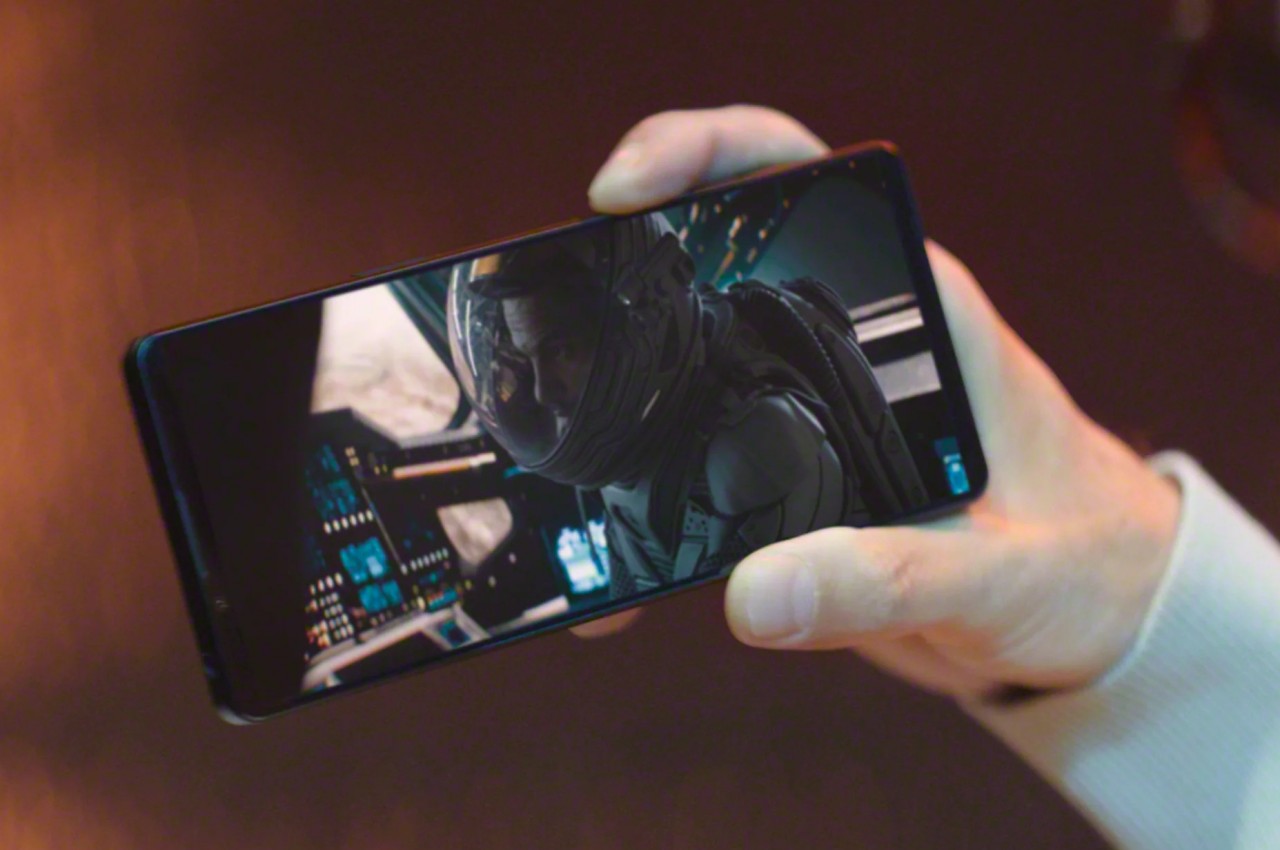
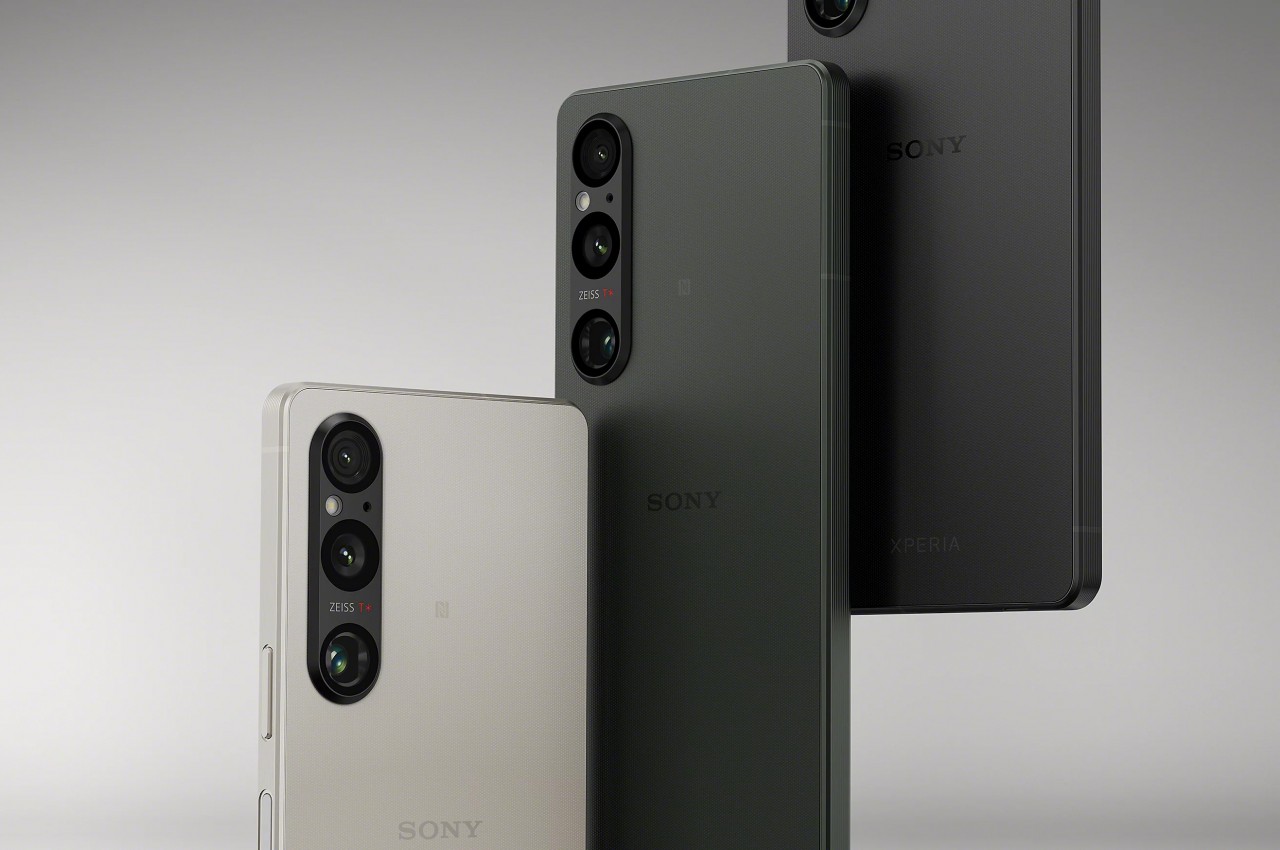
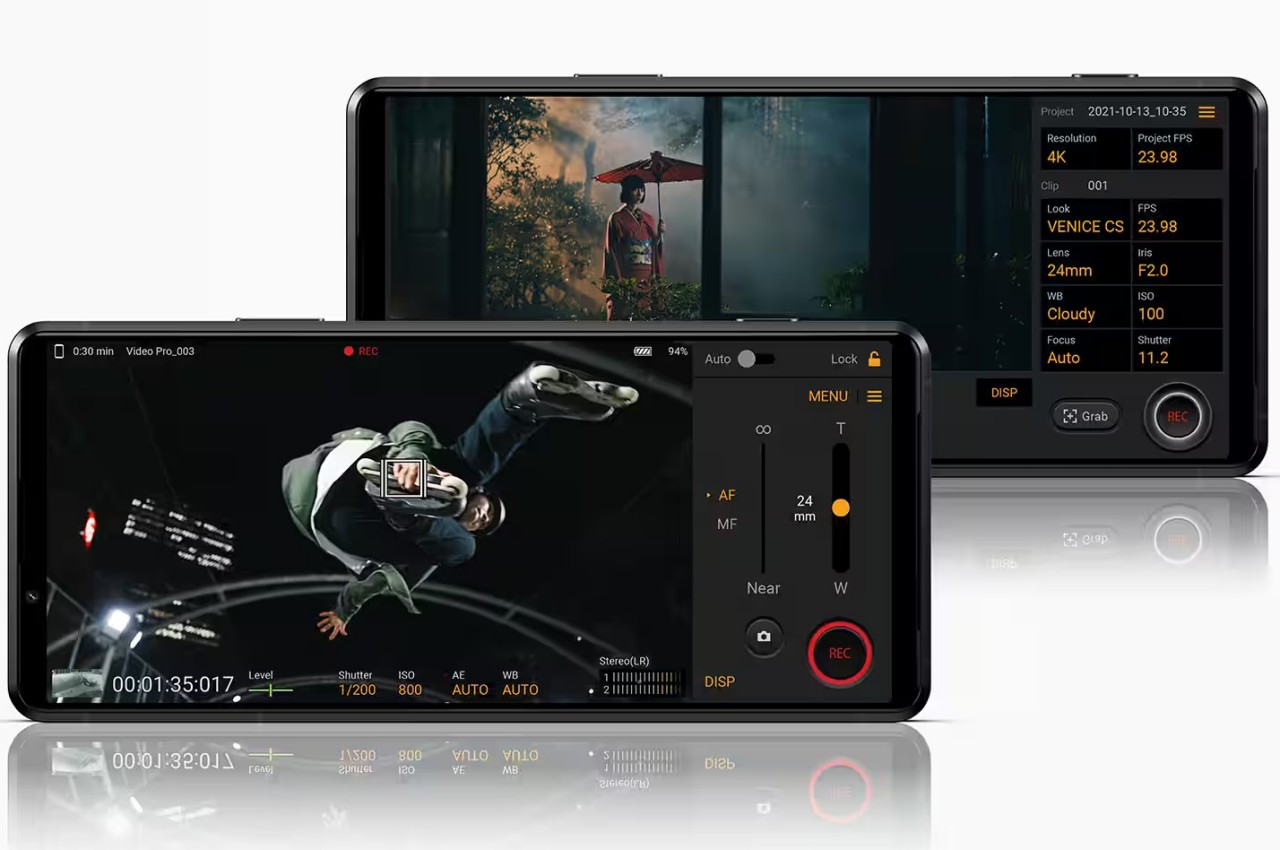
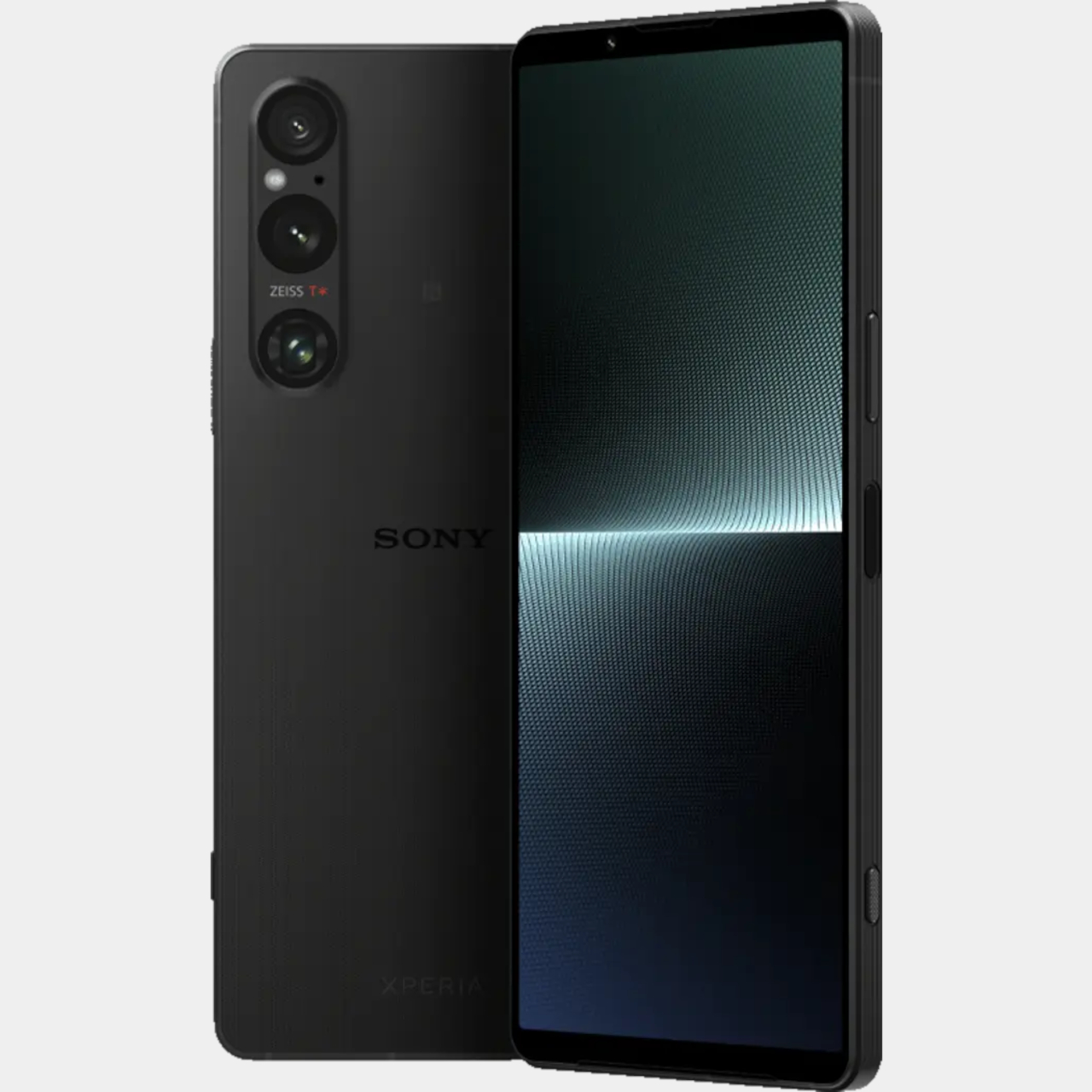
It might come as a surprise to some that Sony actually makes smartphones. Actually, it might even come as a bigger surprise that it still makes smartphones at this point in time. Its mobile business has definitely fallen on hard times, forcing the brand to exit some global markets and sell only through online channels in others. Despite all that, Sony still believes that a smartphone has a place in its portfolio, especially as a means to access its treasury of entertainment-related content. That has been the guiding principle behind the design of its premium Xperia 1 smartphone series, but it seems that the product line’s sixth iteration will make some small but significant changes that almost undermine all of that in one fell swoop.
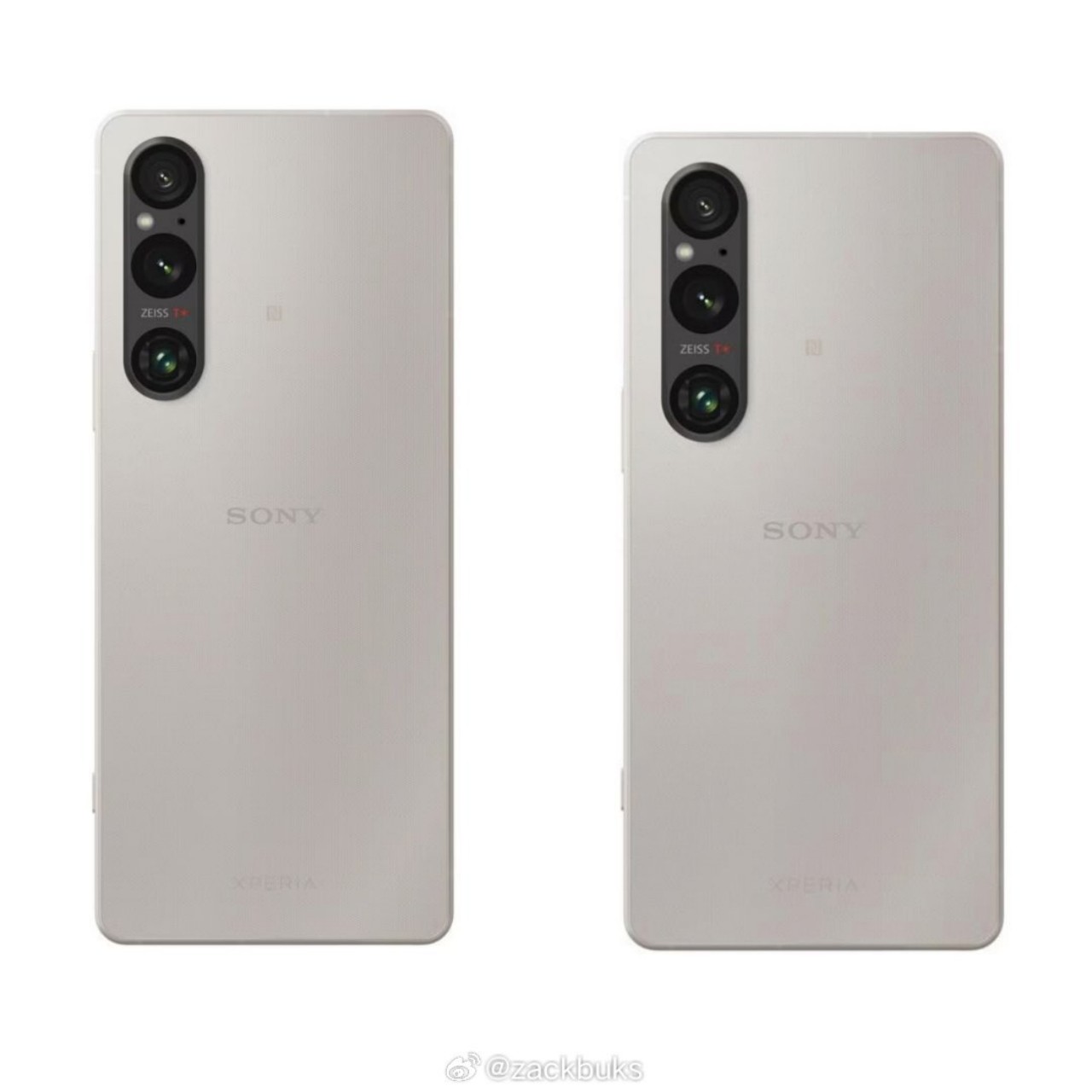
Designer: Sony (via zackbuks on Weibo)
Truth be told, the Sony Xperia 1 design has always been an oddity among its peers even today. It easily stands out from the crowd almost literally because of its extra tall and narrow body, designed to support a 21:9 screen aspect ratio that Sony has been advertising as the perfect format for ultra-wide content. It also distinguished itself with its 4K display resolution when all its competitors continue to play in 2K or even 2.5K figures only.
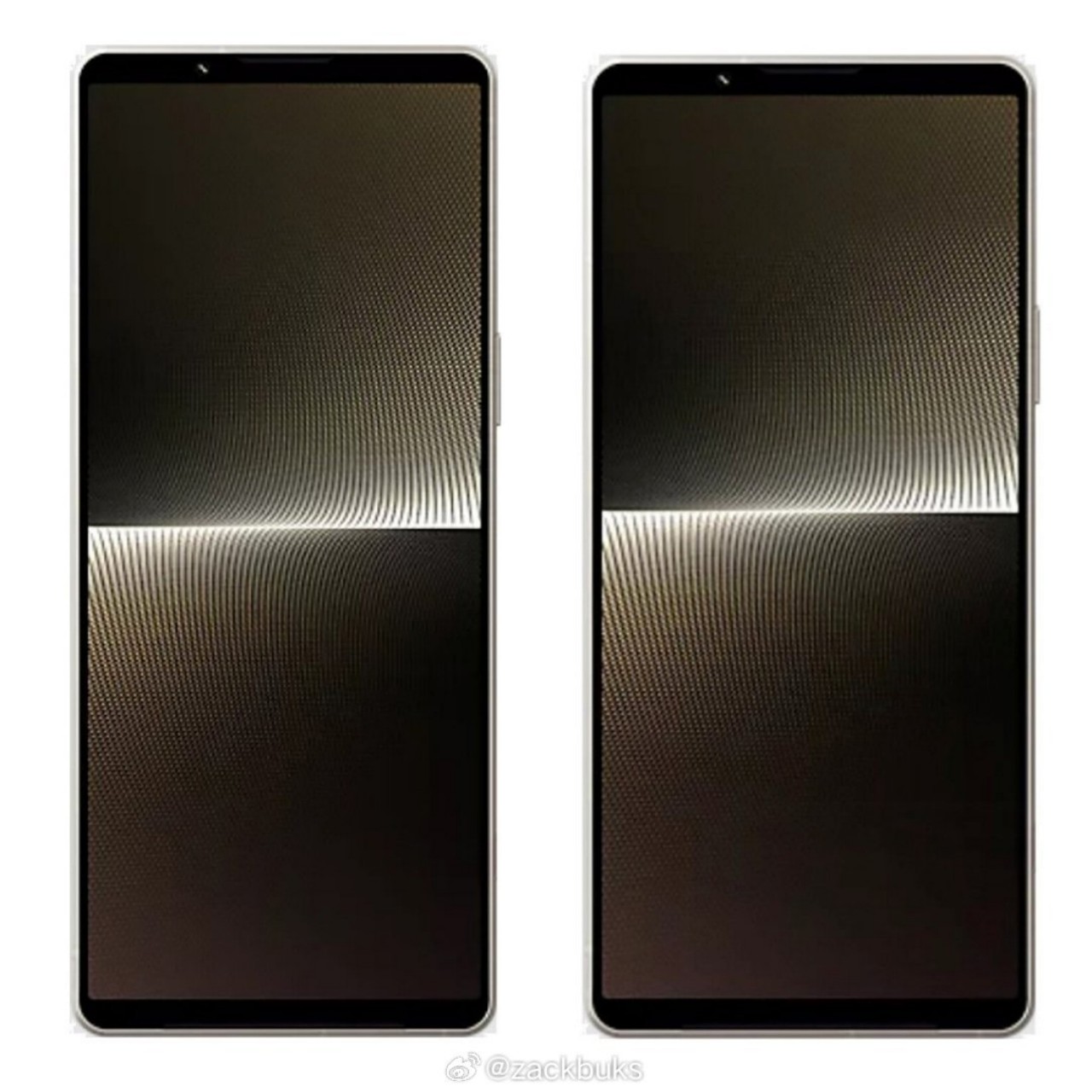
The latest rumor, however, changes the narrative a bit. According to the source, Sony will be downgrading that 4K resolution to something like 2K+ or QHD+, more in line with other high-end smartphones in recent years. More importantly, it is also making the screen a bit wider and shorter to achieve a more “normal” 19.5:9 aspect ratio, again similar to flagship devices from the likes of Samsung and Apple. It’s by no means going to be significantly smaller, as these leaked images show, but it definitely changes the shape of the phone to be less distinctive.
It sounds perplexing that Sony, which has never really minded smartphone trends and fads, would make such drastic changes, but it might all boil down to price. Sony Xperia phones have been notorious for their higher price tags compared to their peers, so downgrading one of the most expensive and uncommon components could actually do a lot to drive the cost down. Unless, of course, Sony decides to offset those savings by including features and hardware that incur just as much expenses.
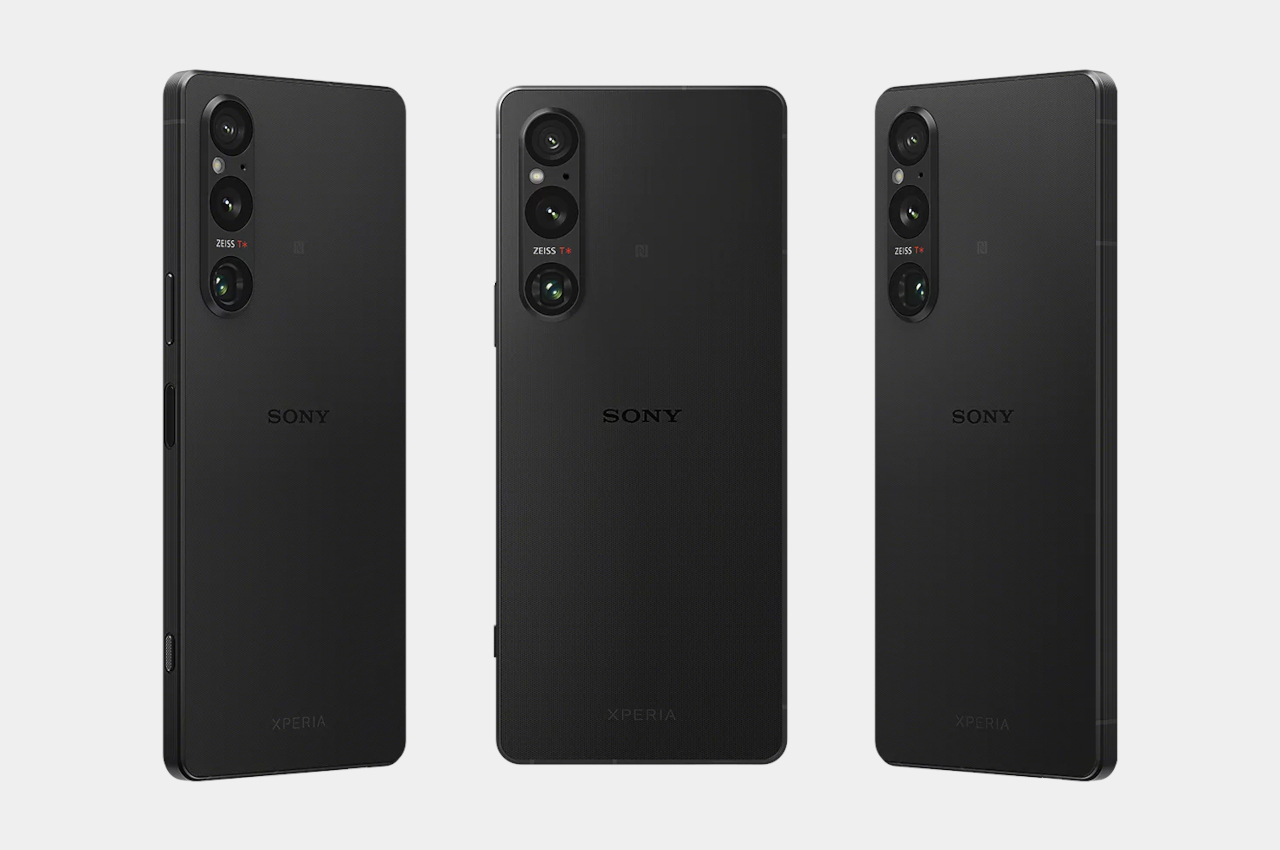
That’s not to say that the Xperia 1 VI will be bereft of any notable features. Another selling point of the phone is its use of camera hardware close to Sony’s own Alpha line of mirrorless cameras. That said, its photography prowess has rarely been praised mostly because the phone barely reaches people’s hands, so making the next Xperia flagship more affordable could actually help remedy that situation.
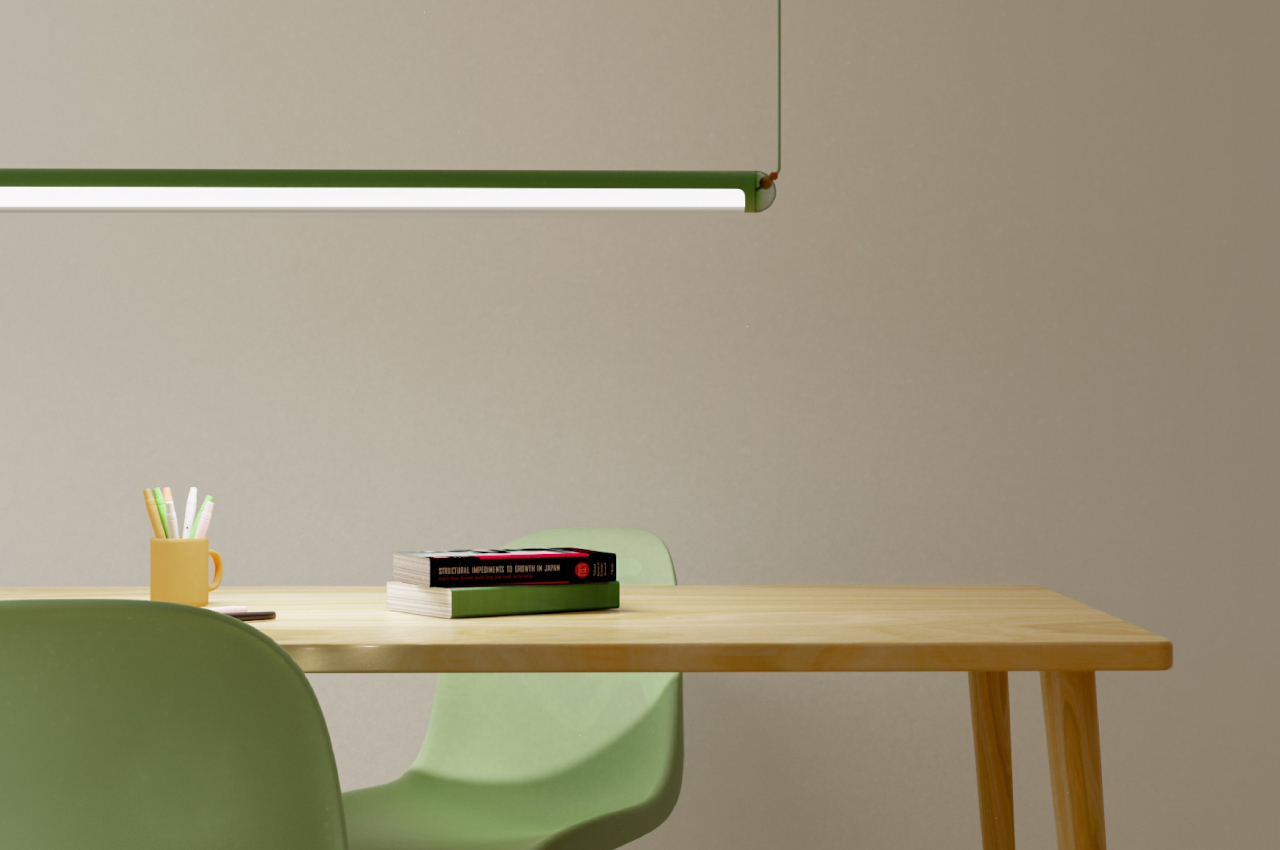
Lamps these days come in all shapes and sizes, especially ones that are designed to elicit certain positive responses through their aesthetic. That said, most of these lamps are also designed to be used in a single manner only, especially if they’re mounted on walls or hung from ceilings. That’s why it’s interesting to come across lamp designs that offer a bit more flexibility, even if it’s just in the way they’re made to hang from ceilings. This concept, for example, tries to add a bit of whimsical fun to a room’s atmosphere by calling to mind the ethereal beauty and joy that floating bubbles bring to the air.
Designer: Begüm Kılınç
There are lamps that try to literally imitate the appearance of bubbles, and while they might be things of beauty, these chandeliers aren’t always the most practical lighting solutions. Just as bubbles convey characteristics of fragility, this kind of lamp is, more often than not, used for more delicate and posh settings. They are beautiful, yes, but they also don’t bring the kind of flexibility and fun that this lamp concept proposes.
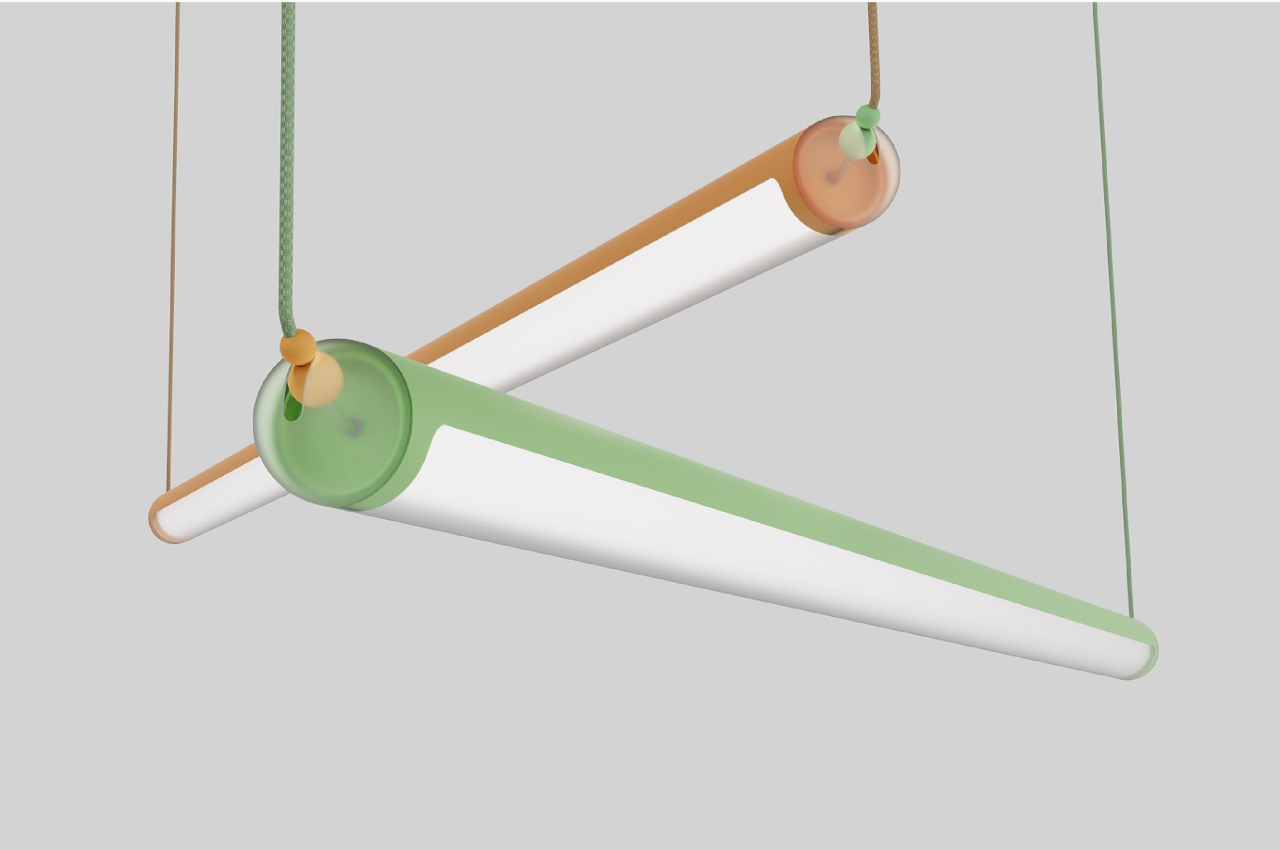
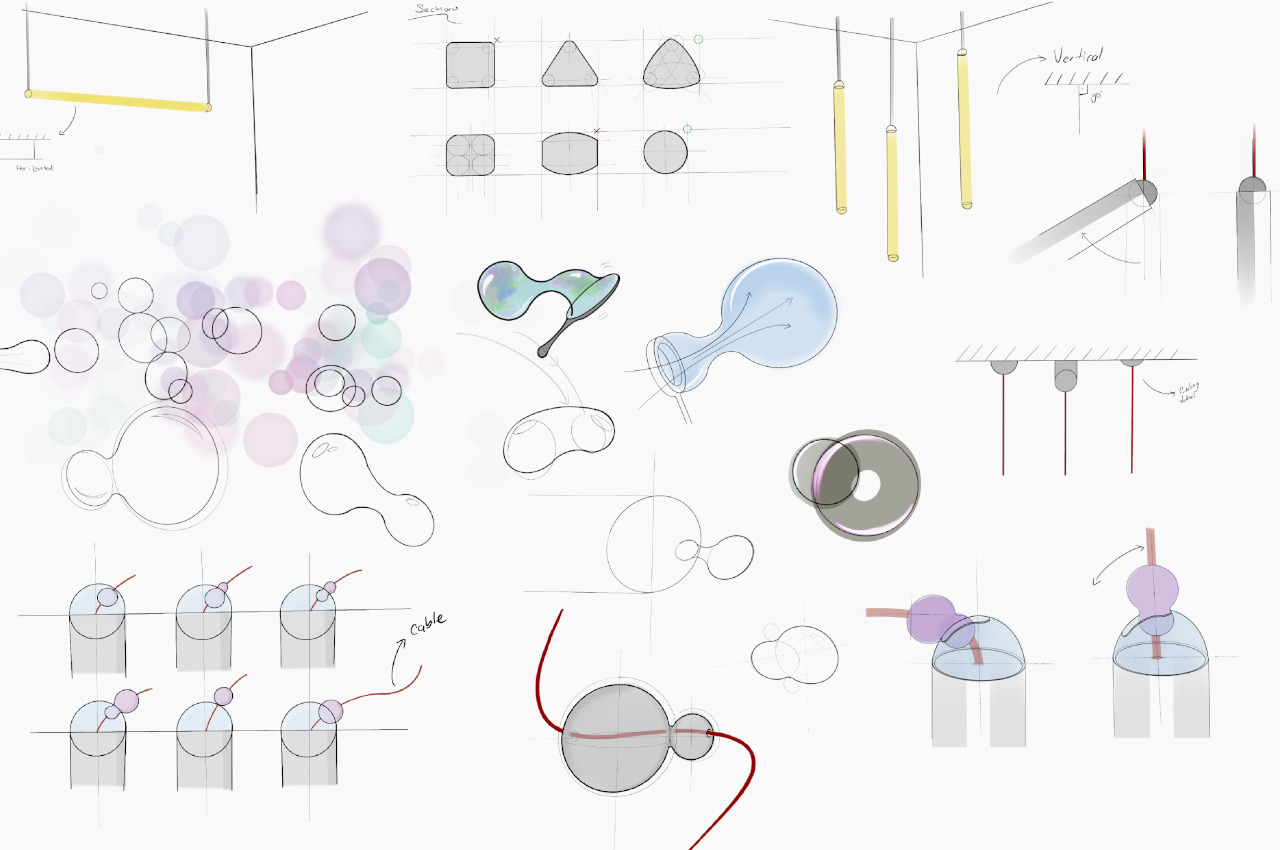
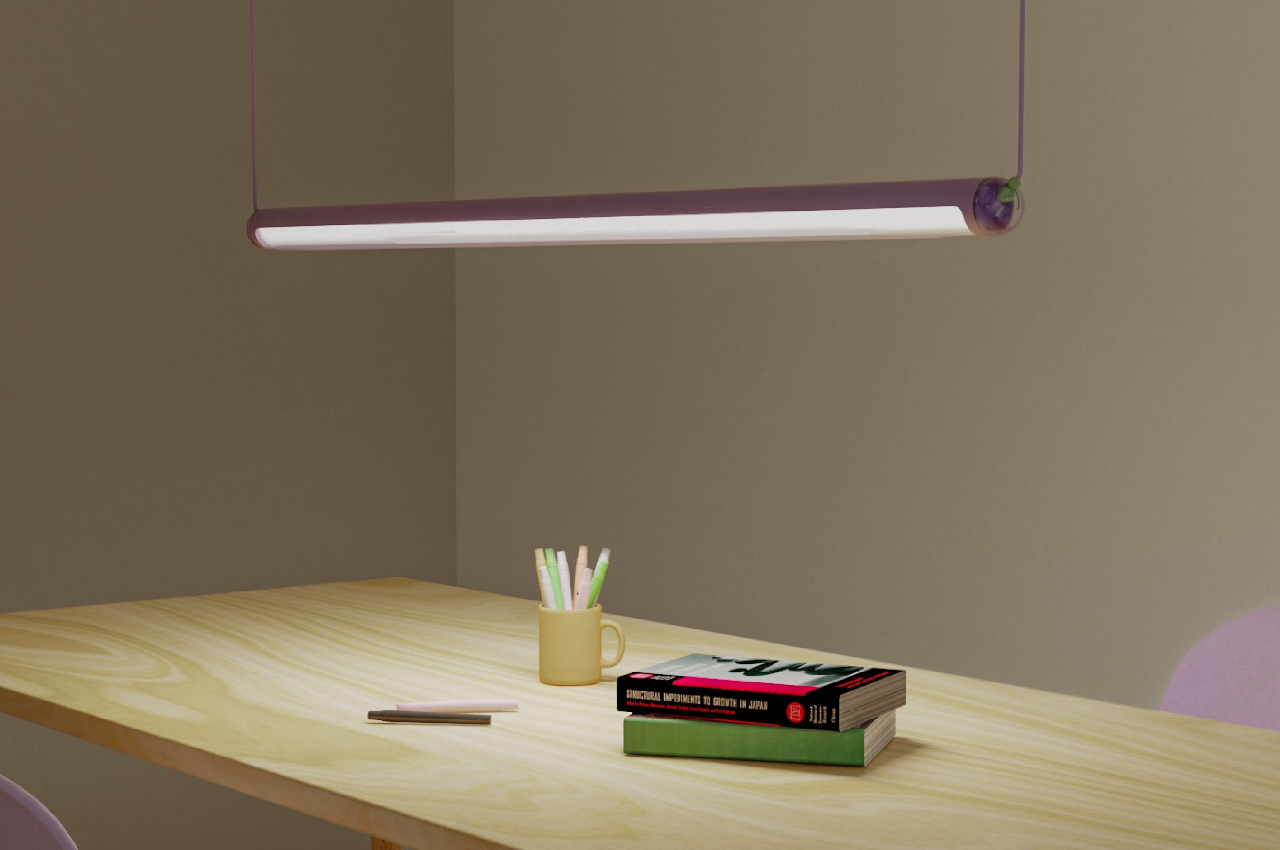
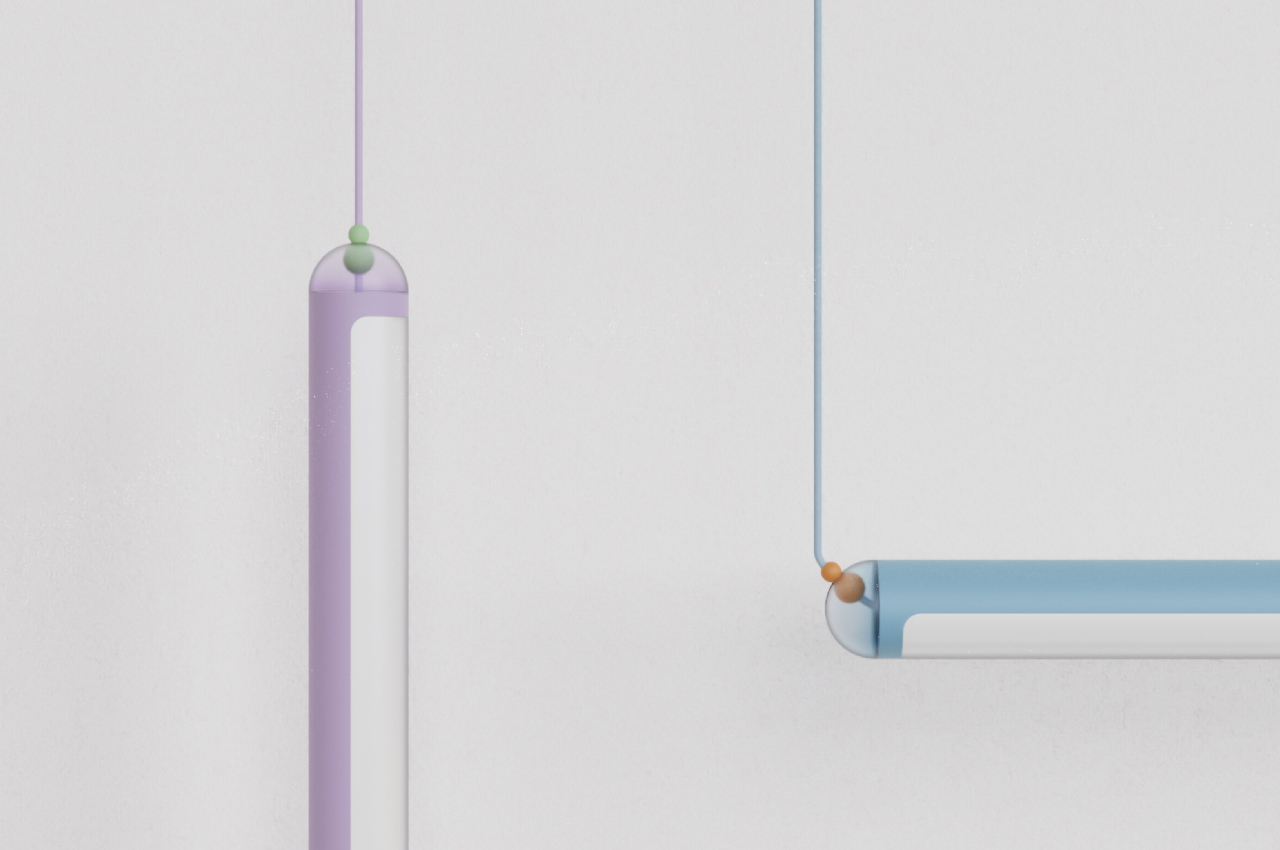
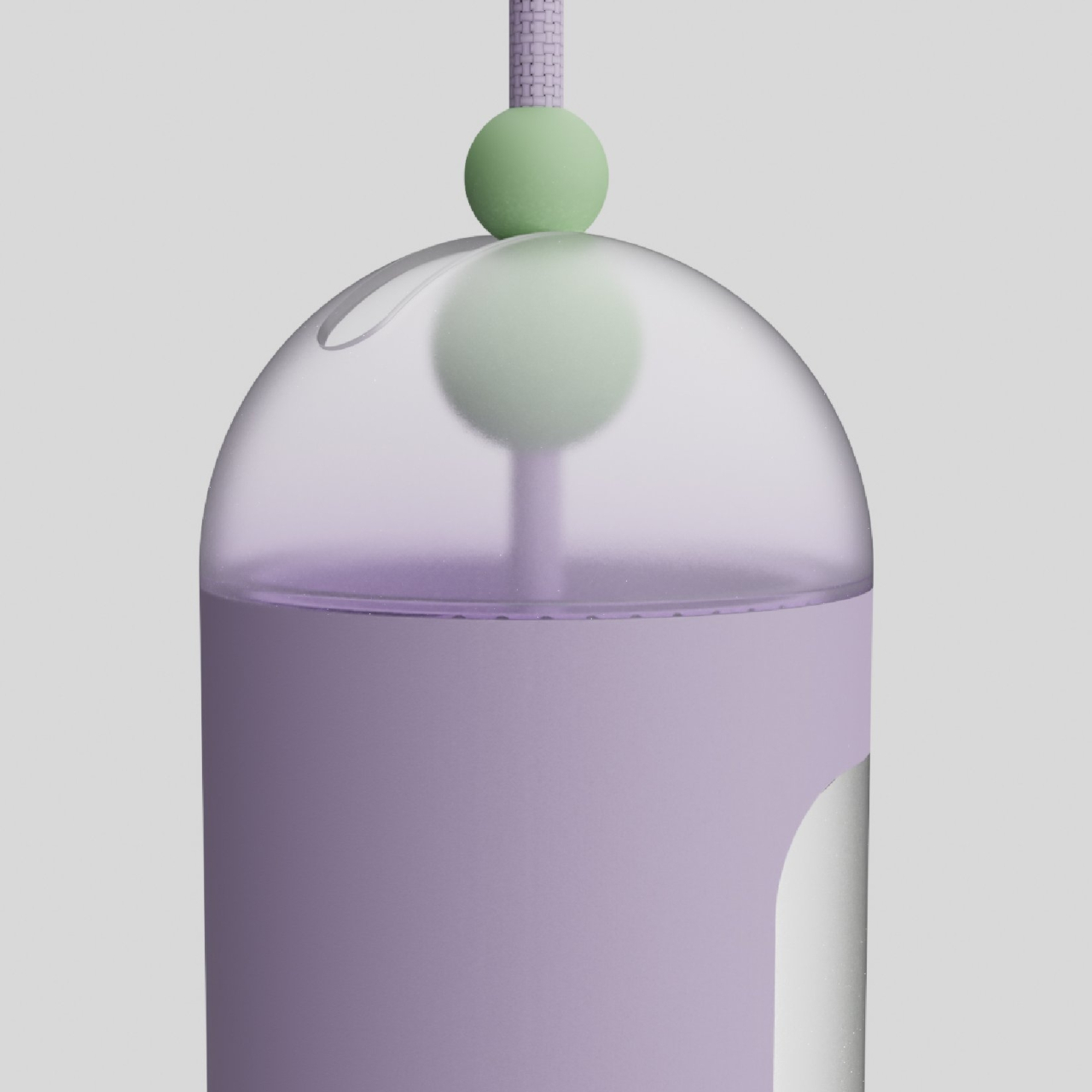
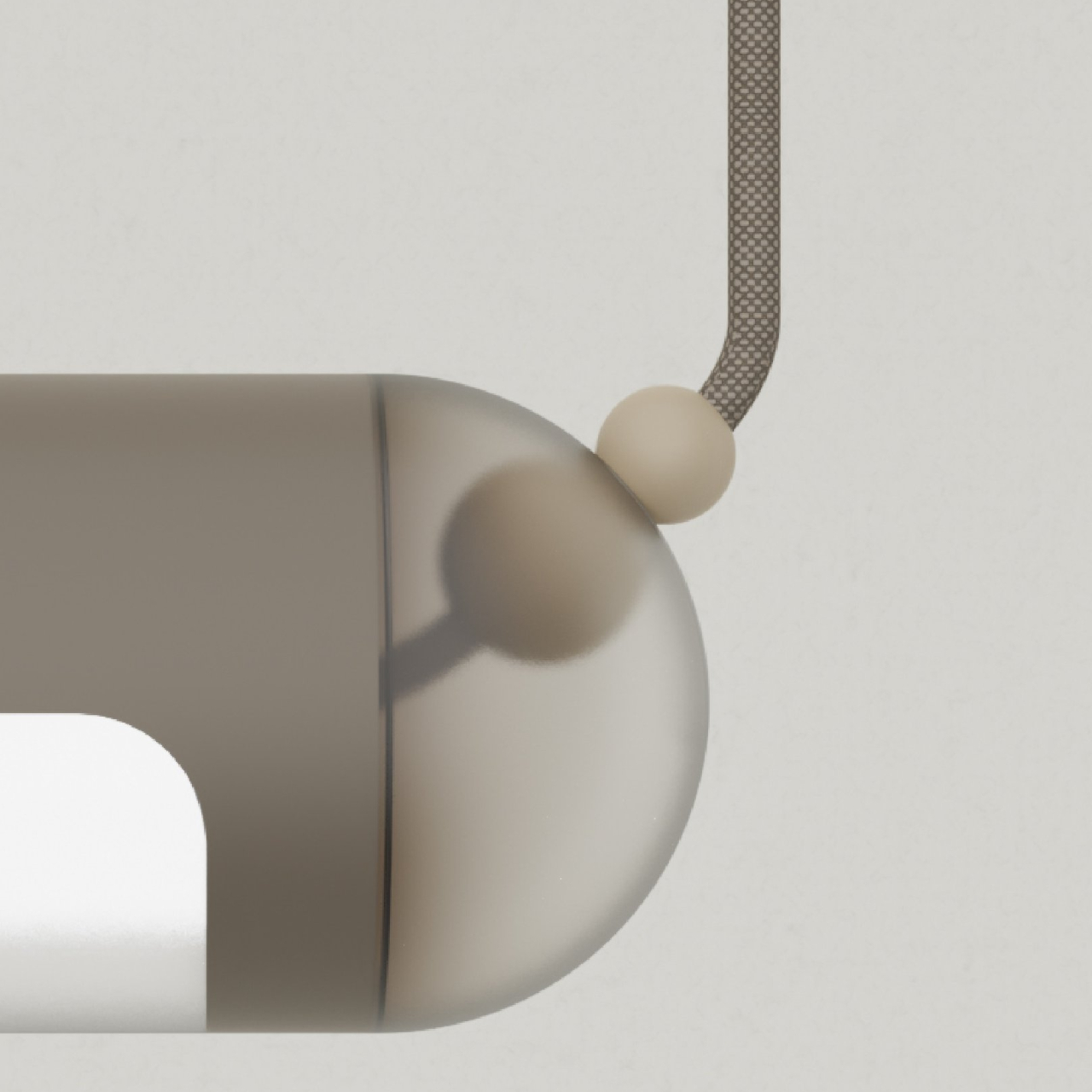
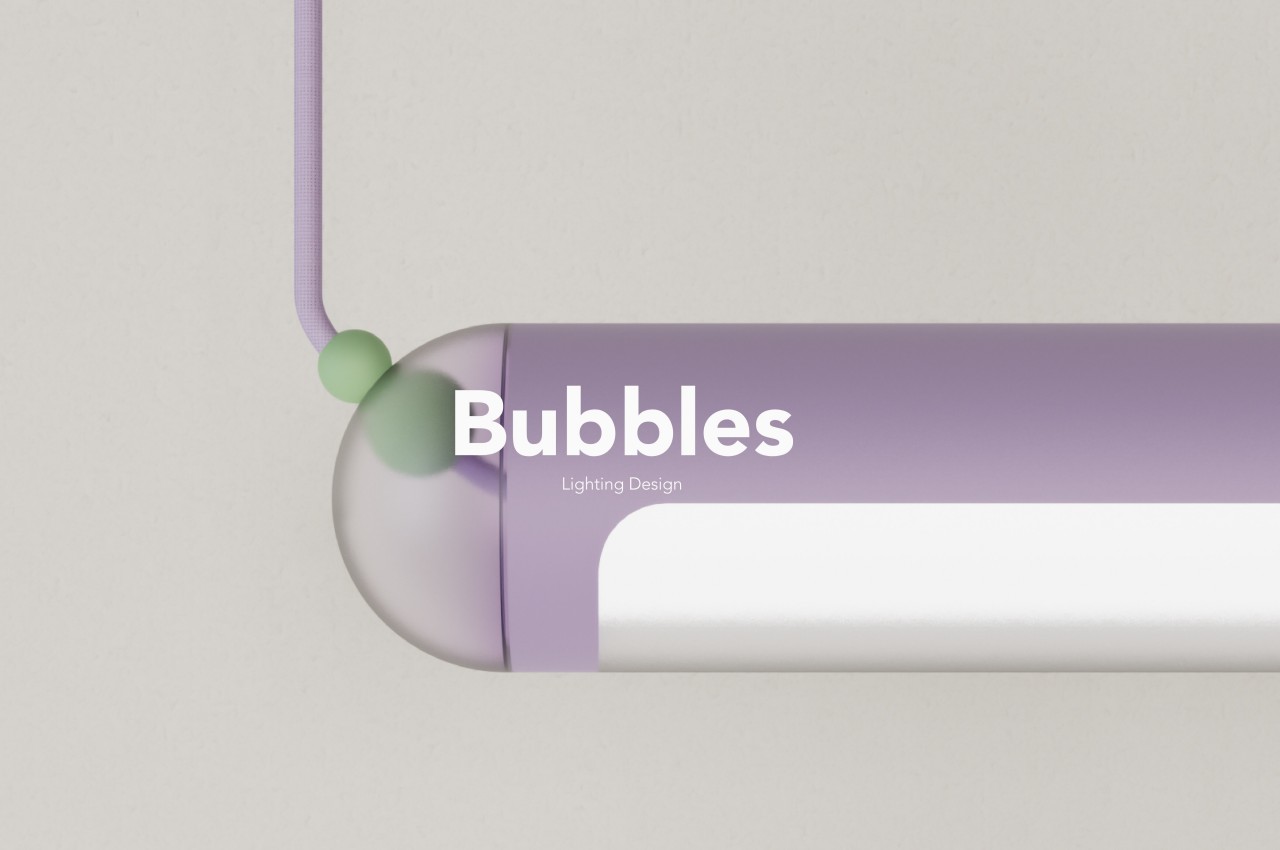
The Bubbles pendant lamp design looks more like a toy than a luxurious crystal-clear chandelier. Bubbles, after all, tend to bring out the inner child of anyone who sees or plays around with them. The pastel colors represent some of the hues reflected off the surfaces of bubbles, though toned down a bit to be a bit more discreet with some interior designs. The cylindrical body and rounded ends are akin to bubbles that, despite normally spherical, would sometimes join with other bubbles to form a longer mass.
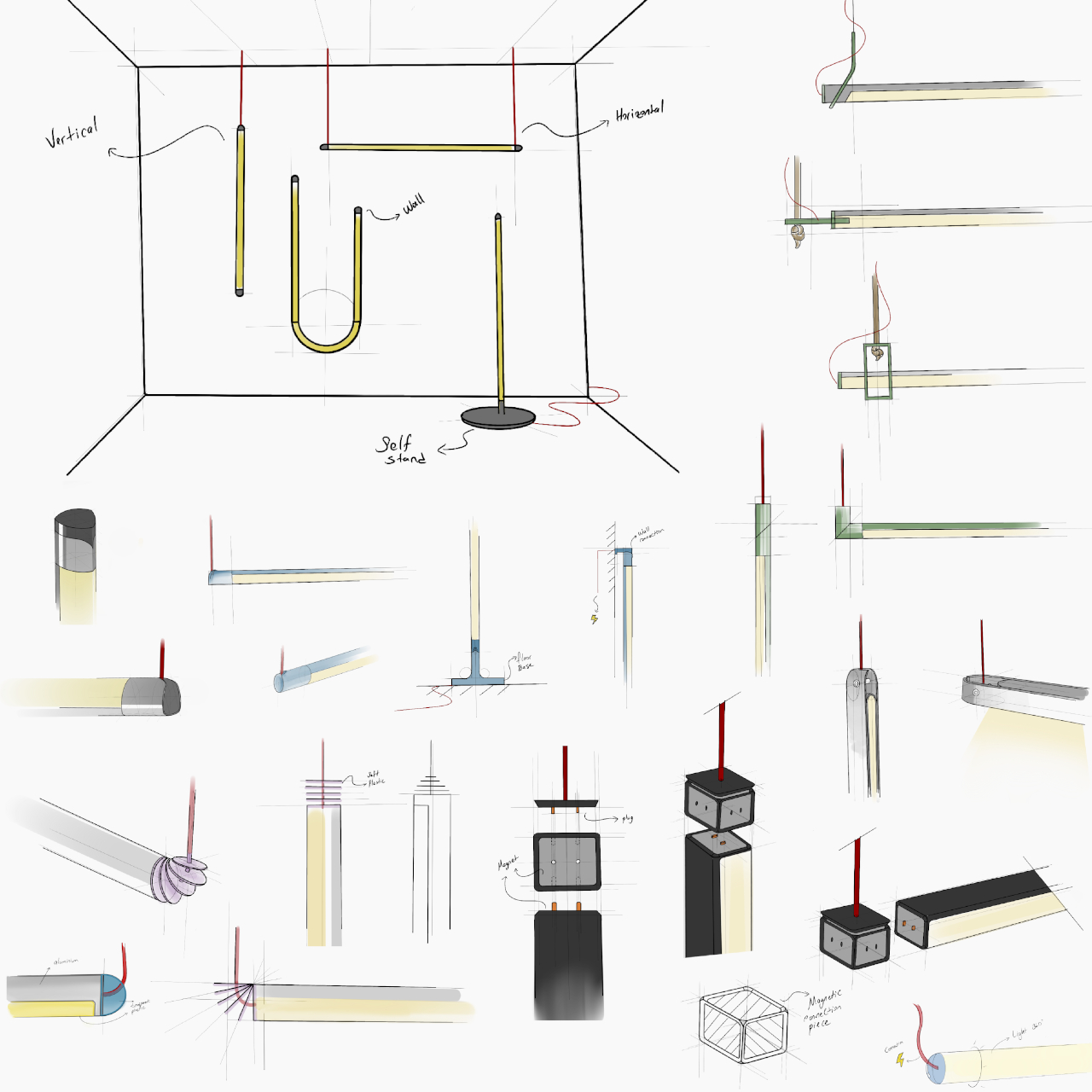
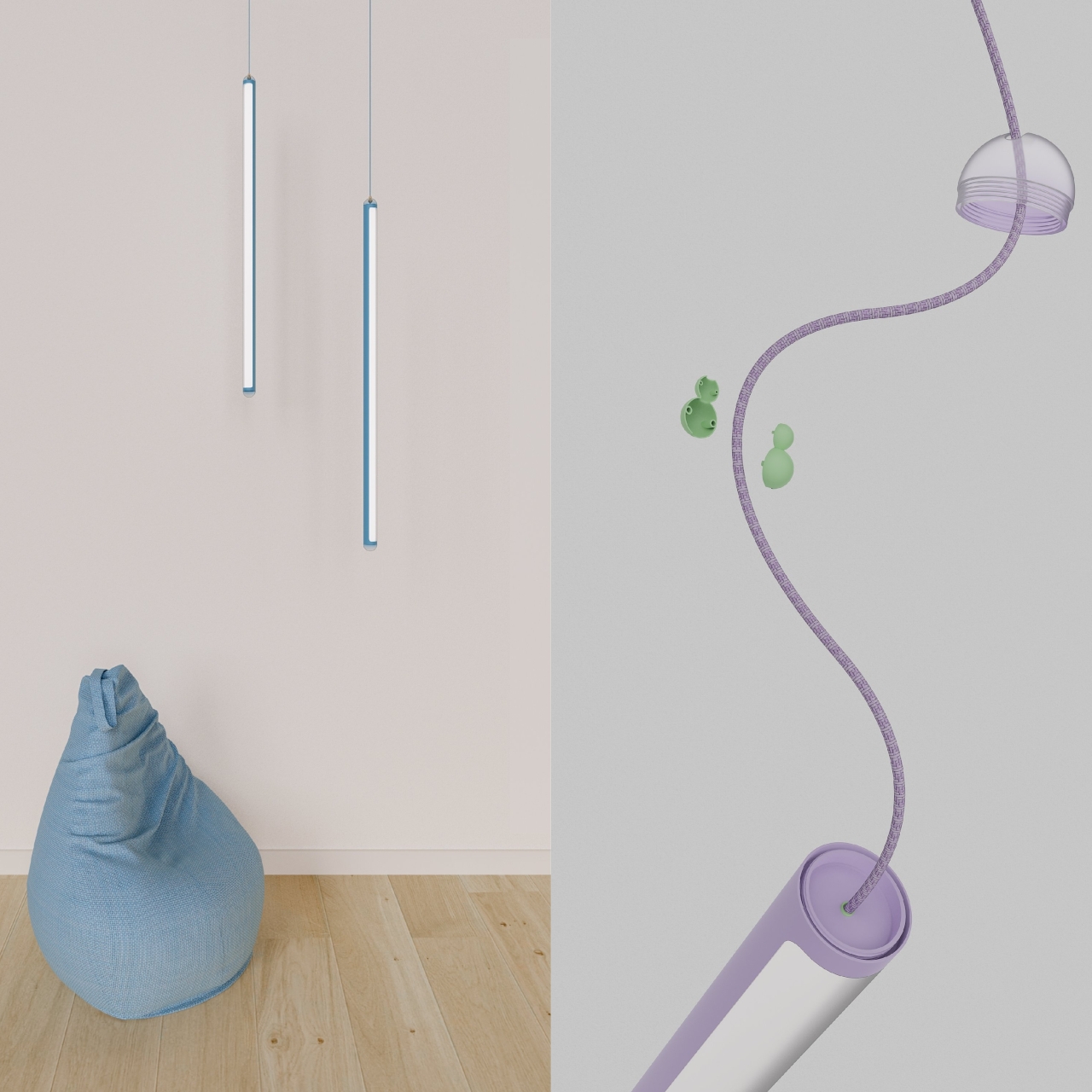
And just like how bubbles can float vertically or horizontally depending on how the wind blows, these lamps can hang either way as well. When it is held up by two cords, it can hang horizontally as you would expect from such a long lamp. However, it can also hang from a single cord to hang vertically, giving it a more striking presence, especially if the lamp is now at eye level. Interestingly, the clear ends of the lamp have spherical “stoppers” that let you adjust how those cords behave.
Such a simple difference can have a profound effect on the ambiance of a room. Imagine multiple Bubble lamps hanging vertically, creating an almost magical atmosphere with their collective lighting. It’s definitely not a ground-breaking feature, and there might be practical and safety issues with such a design. It’s still an interesting experiment that tries to take inspiration from the ordinary things in life that bring us joy and translate that into a product design that does the same.
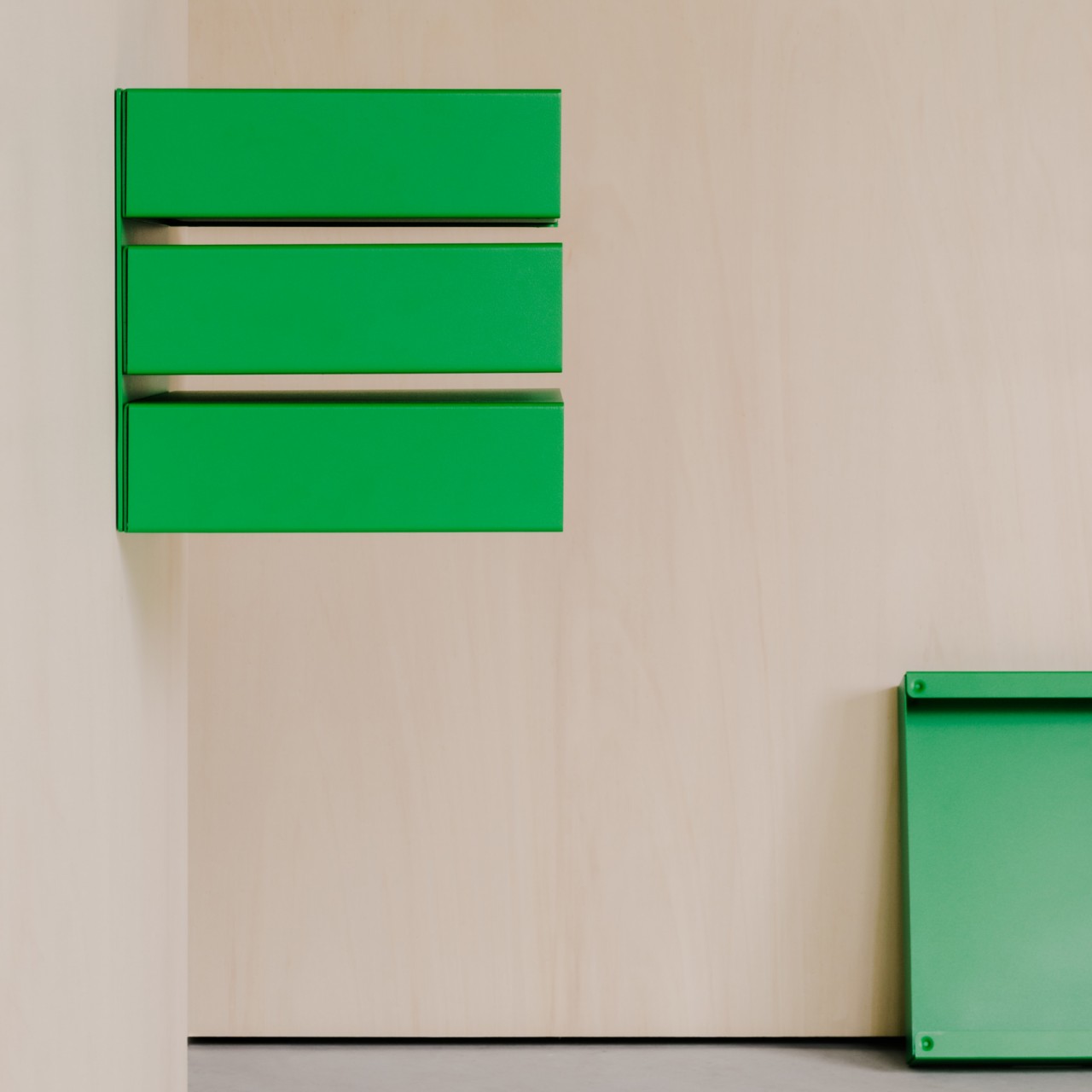
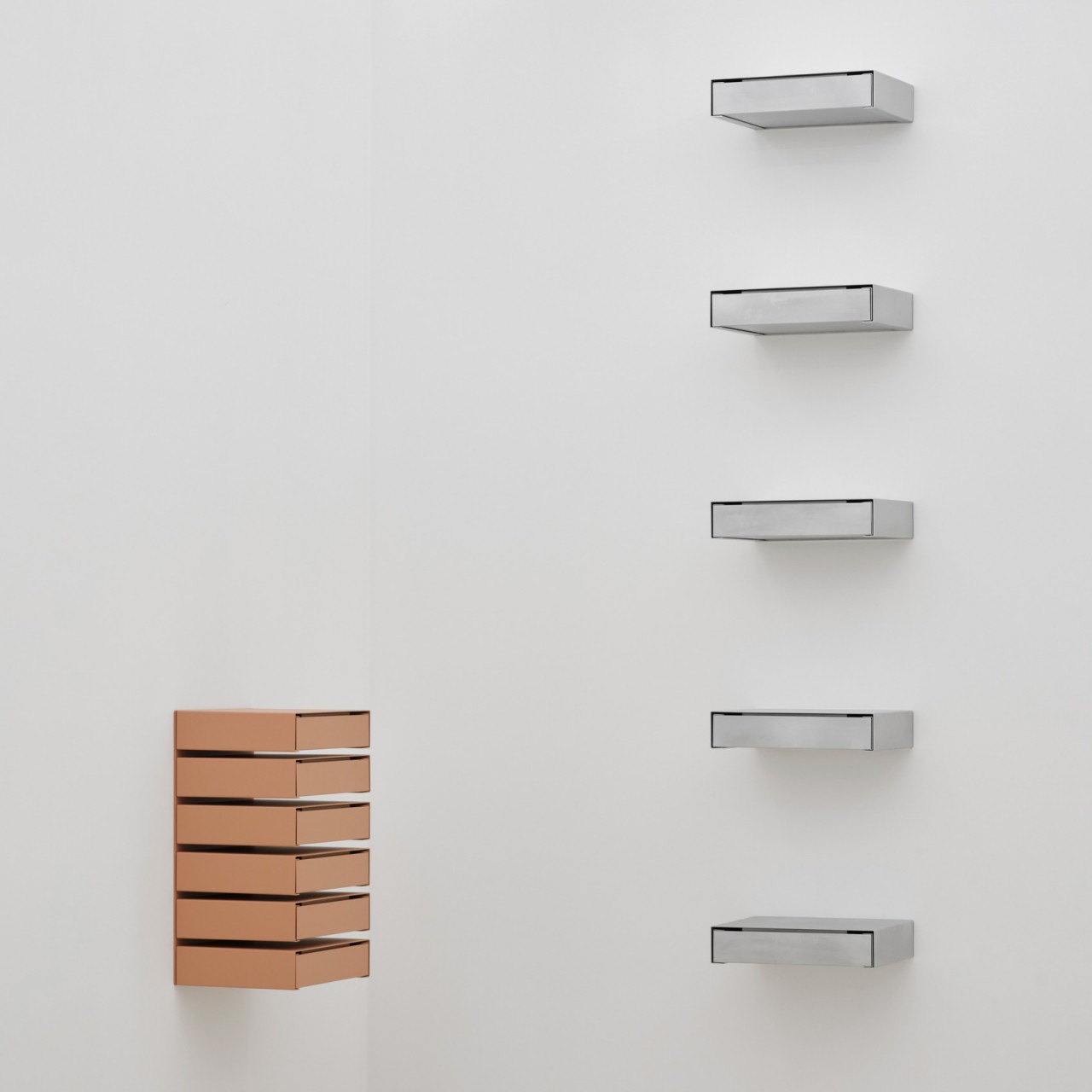
Storage containers are inescapable facts of life, especially in this day and age where we collect so many material possessions. These vessels can range from plastic boxes to wooden furniture like shelves and cabinets, all of which trade floor space for that storage capacity. Unfortunately, floor space is also becoming a luxury these days, and we can’t simply expand the area in proportion to our growing storage needs. We need to be smarter about the way we use storage and what we use for storage, and no, stacking them up to the ceiling isn’t a viable solution nor a safe one. These drawers, in contrast, do offer a better alternative by taking advantage of the free space that we have found on our walls.
Storage boxes are a common sight in many households. They’re simple, convenient, and often stackable. They also take up precious floor space, and stacking them so high can become a safety hazard if left unchecked. Ideally, we’d “Marie Kondo” our excess possessions, but we’ll always still end up with stuff we can’t simply throw out. We obviously need more storage, but we also don’t have more floor space to use. What we do have, however, is plenty of free wall space that isn’t even taken up by decorations.
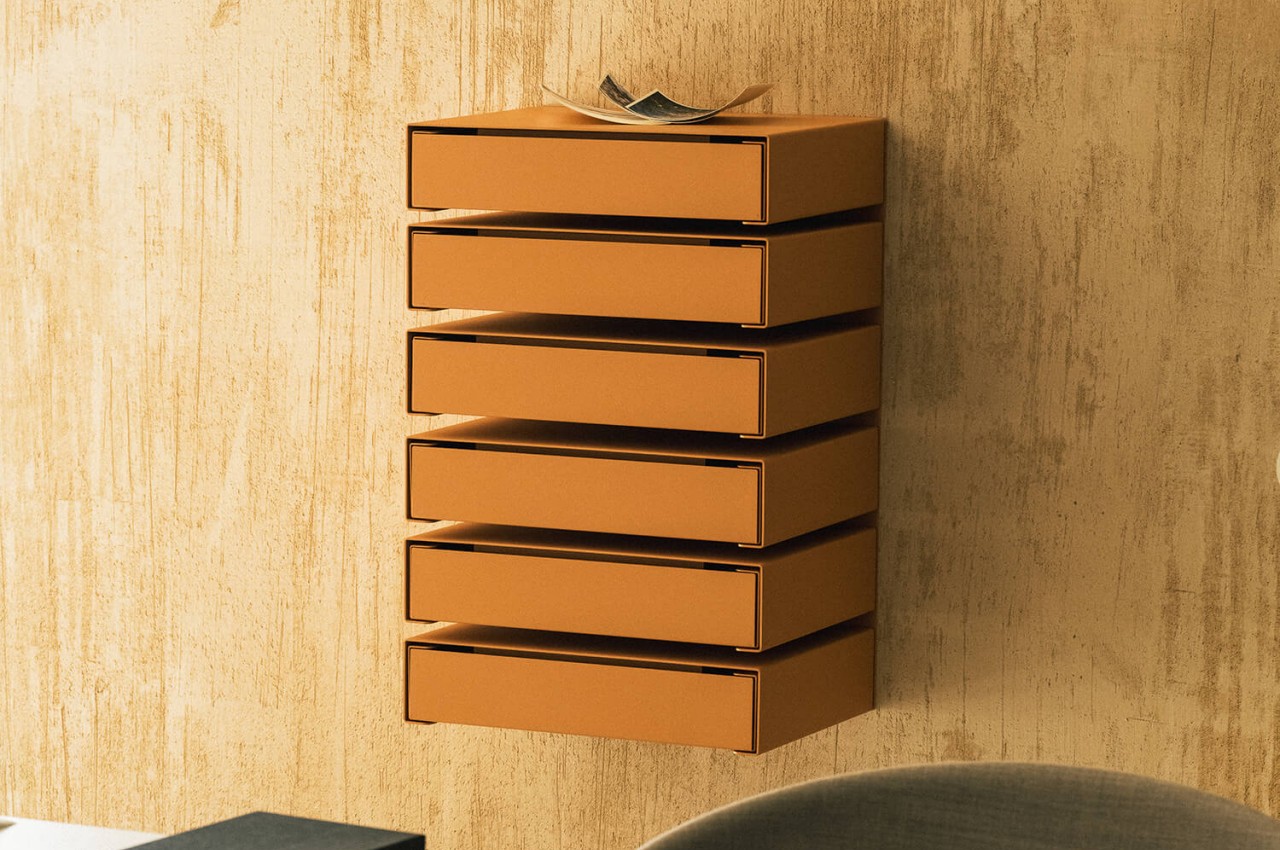
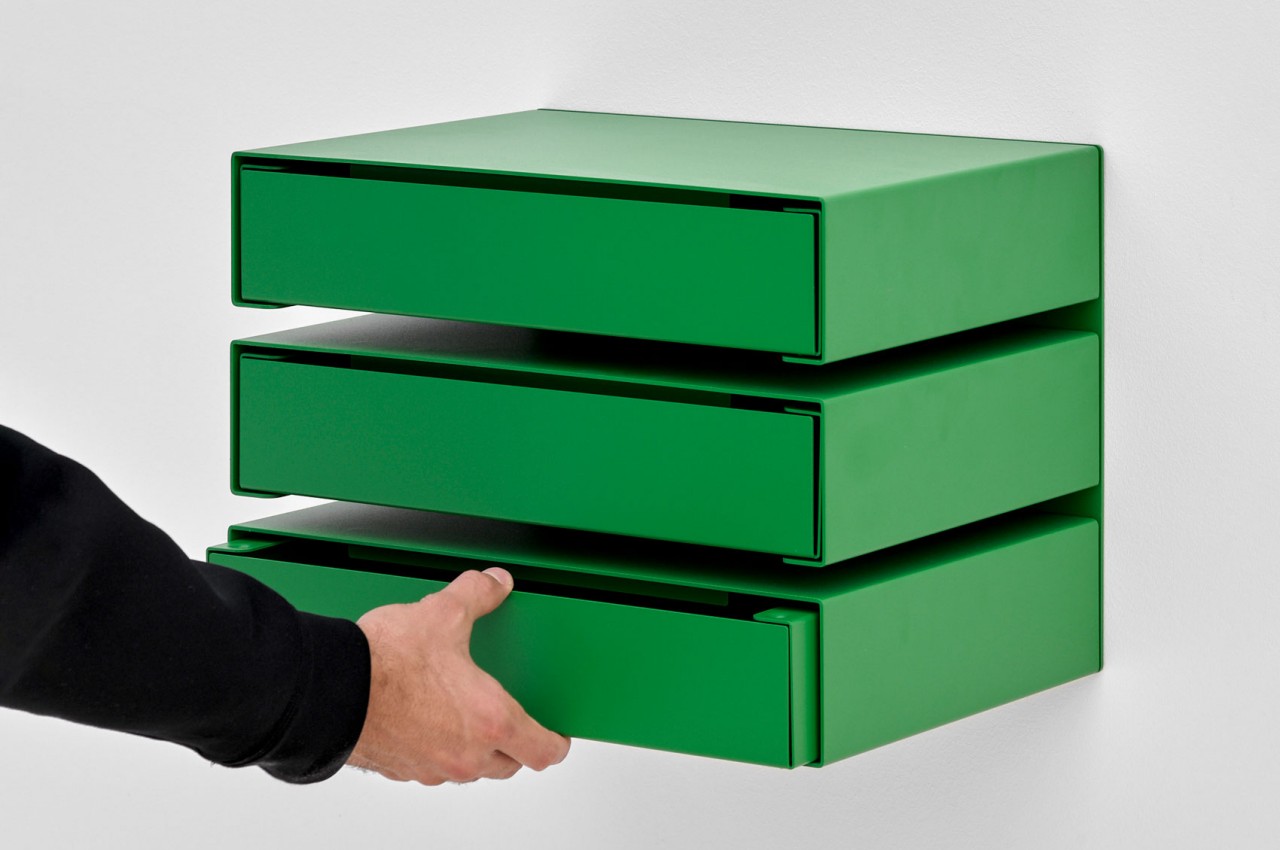
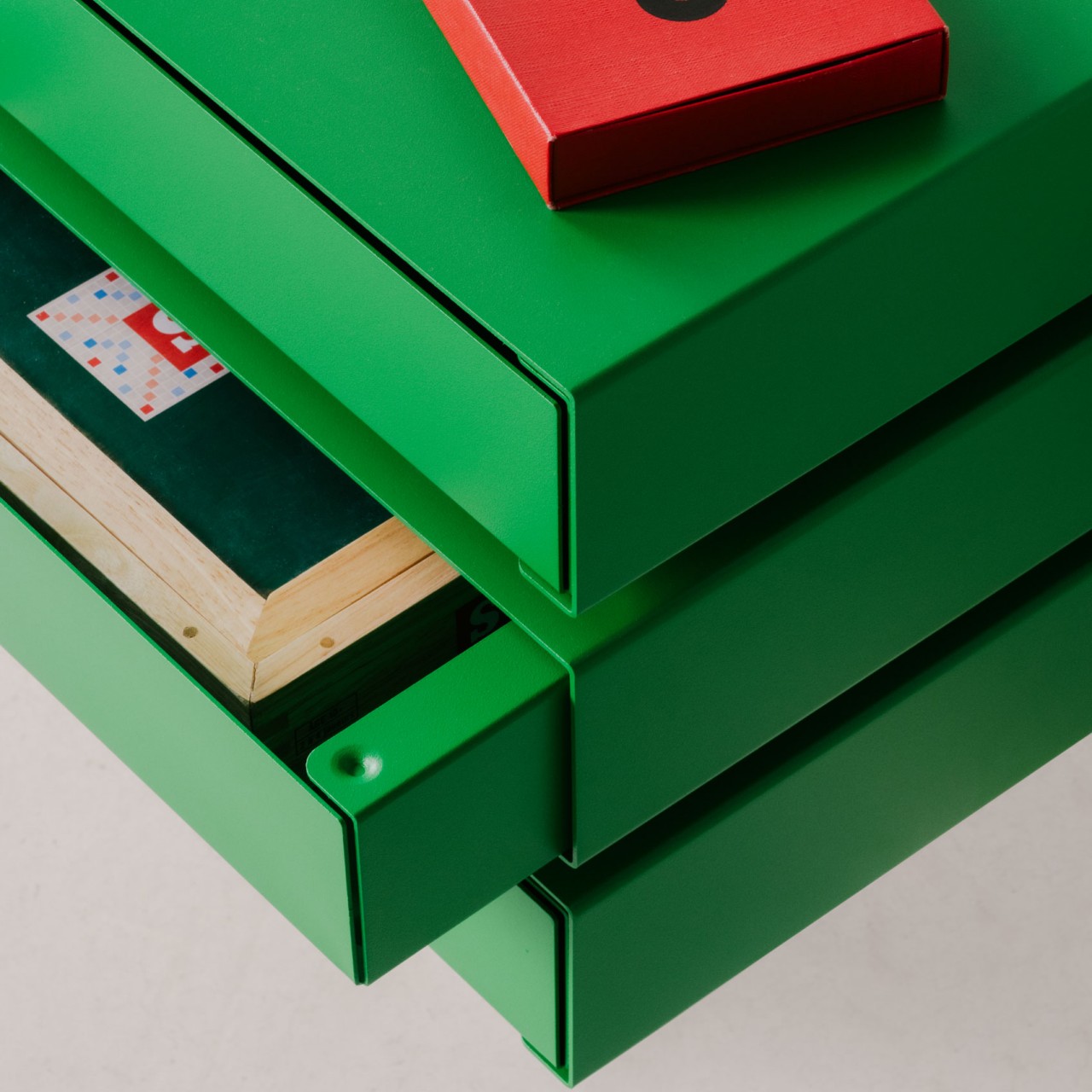
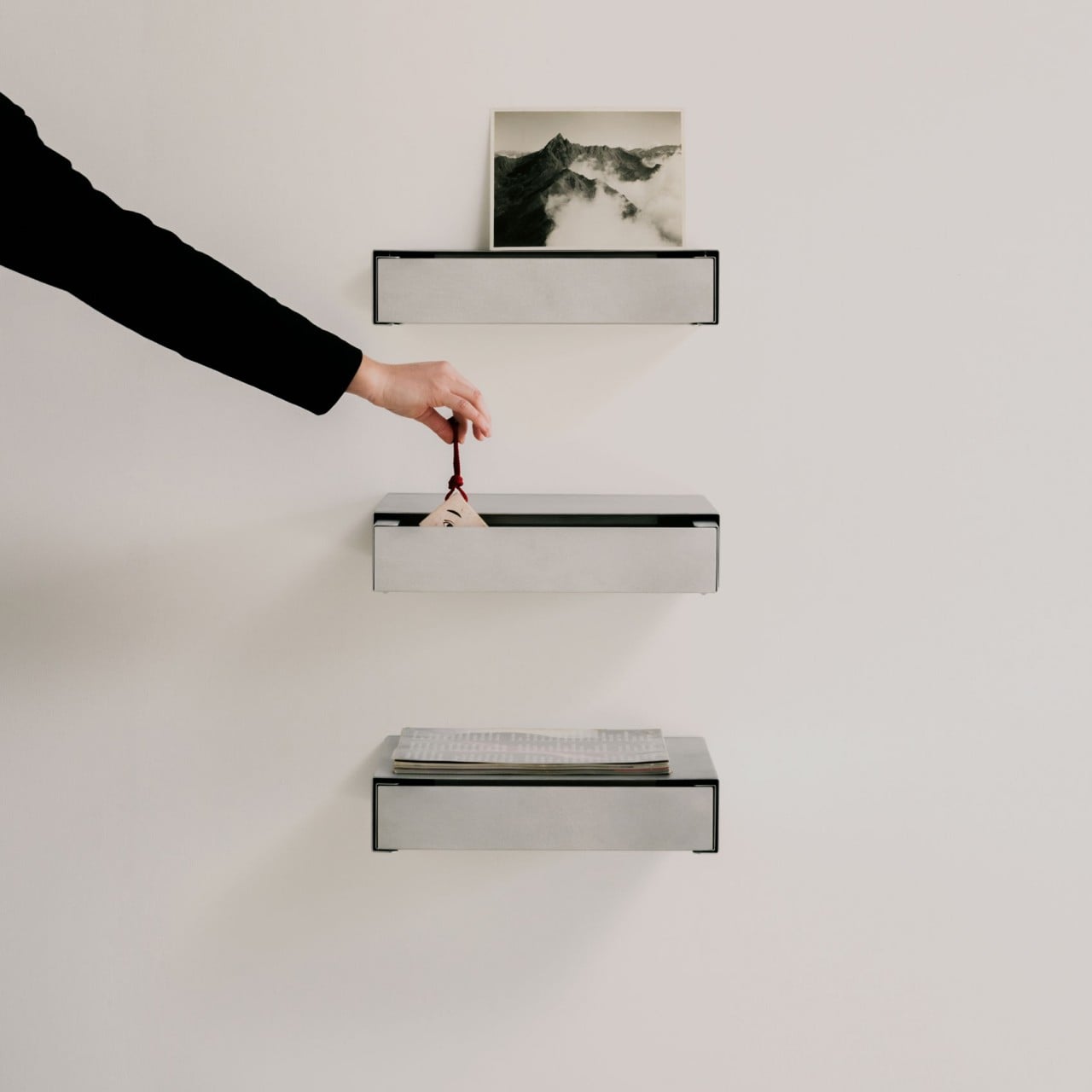
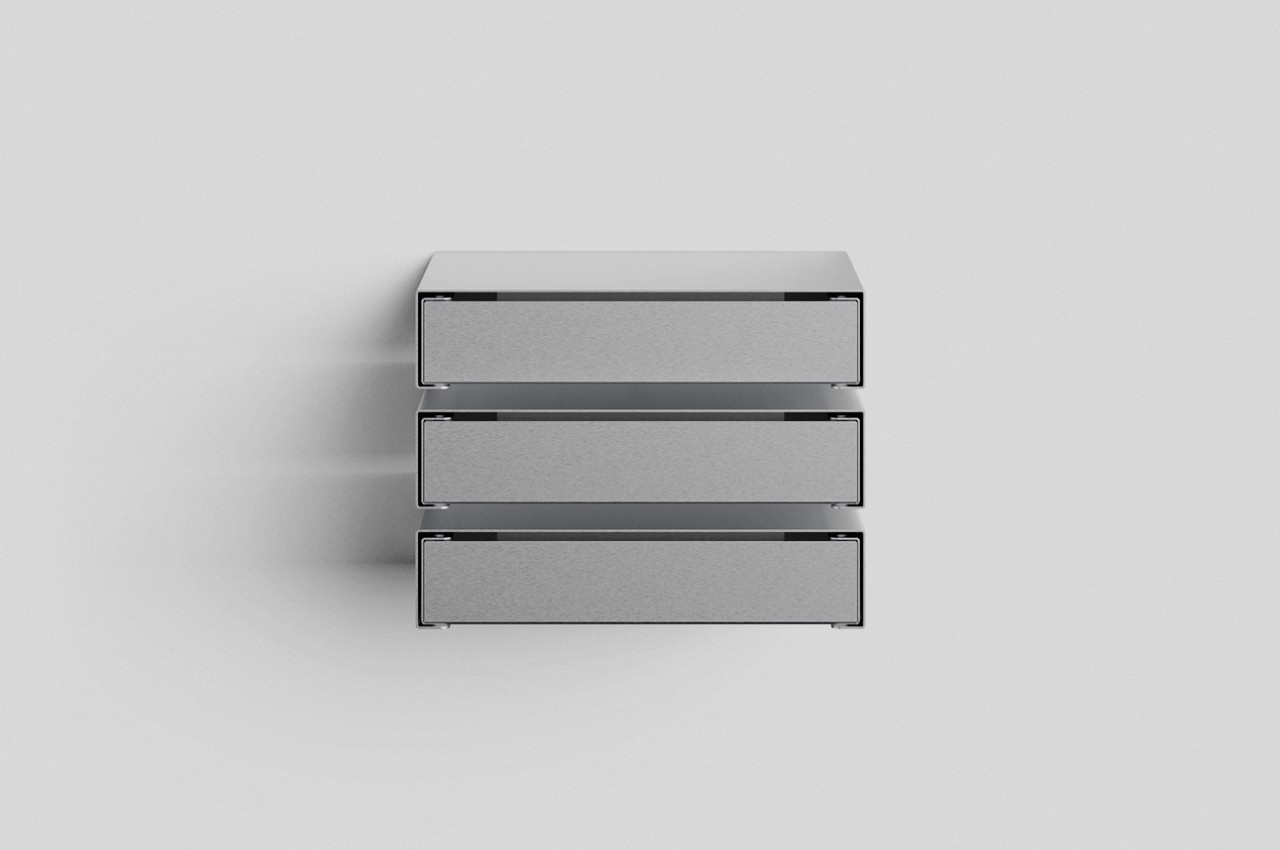
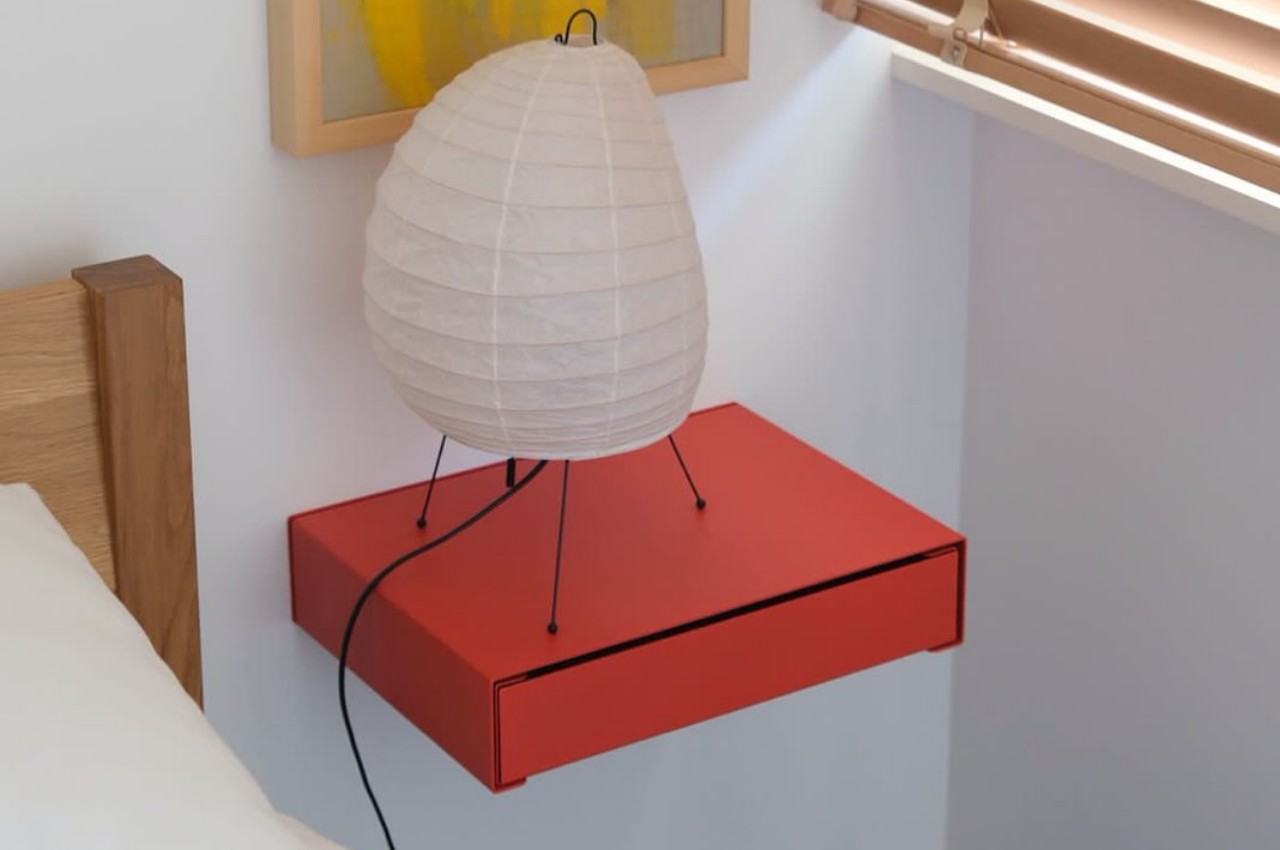
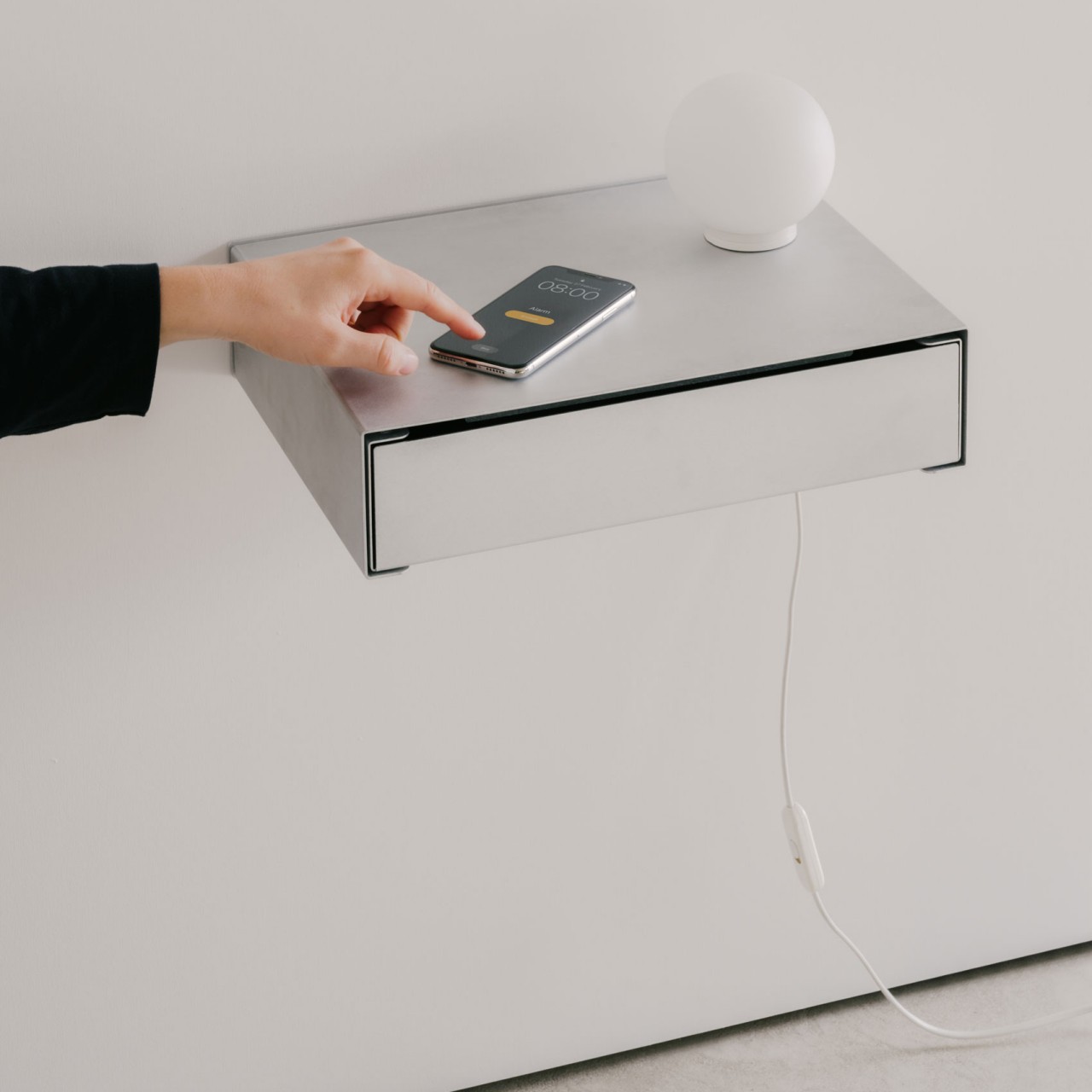
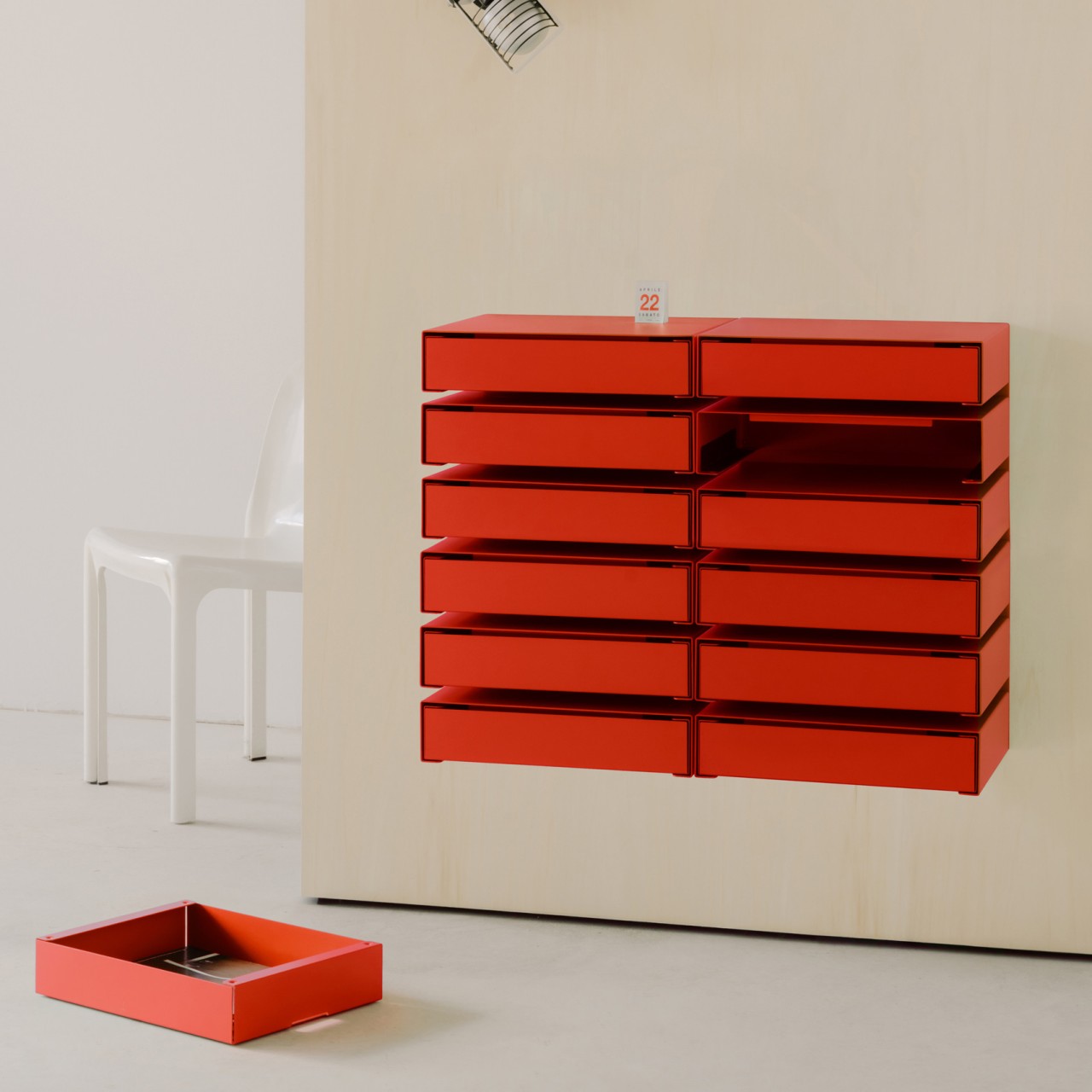
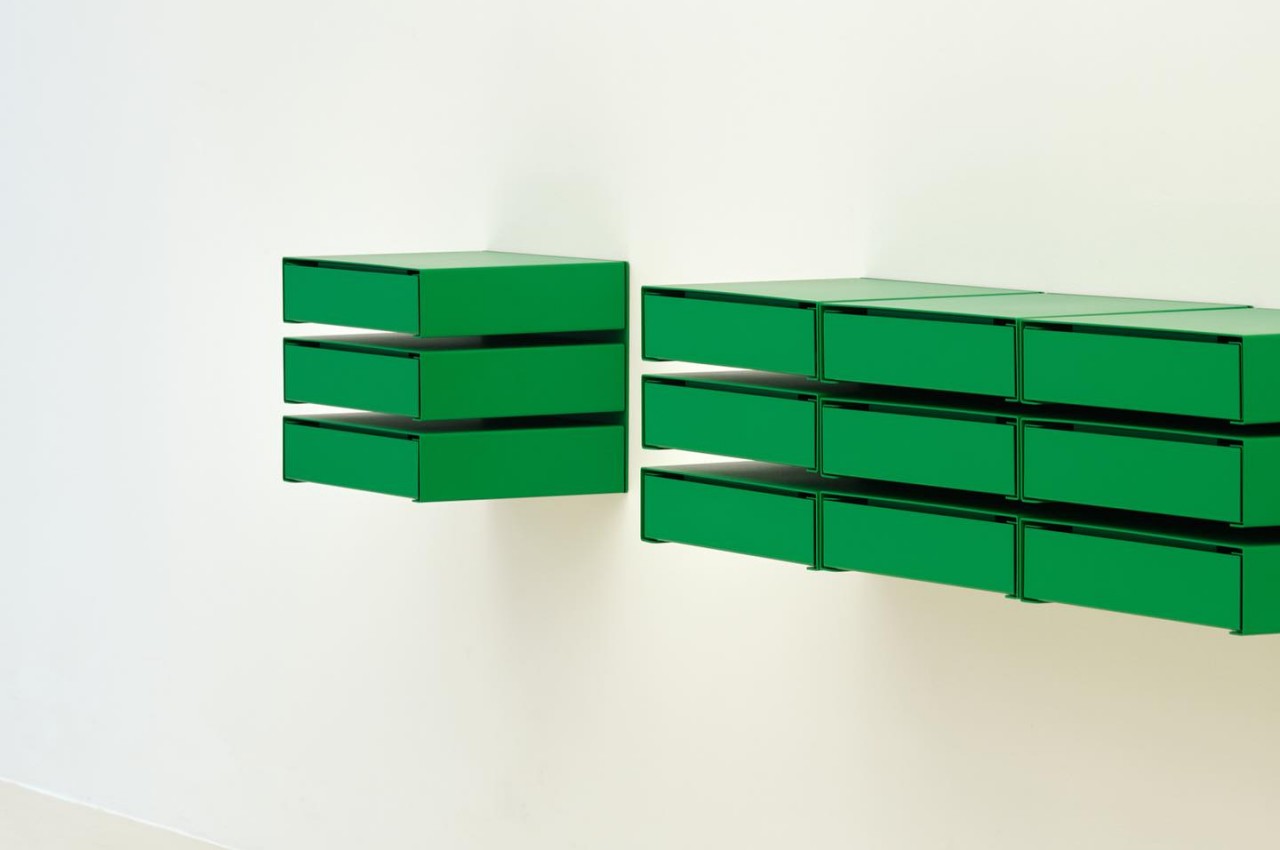
The KGT Wall Units evolved from metal storage boxes that could be individually stacked just like any conventional storage box. As the name implies, these boxes are mounted on a wall rather than lying on the floor. In this manner, they actually behave more like drawers rather than boxes, but the function and purpose are the same: to hide your possessions from view.
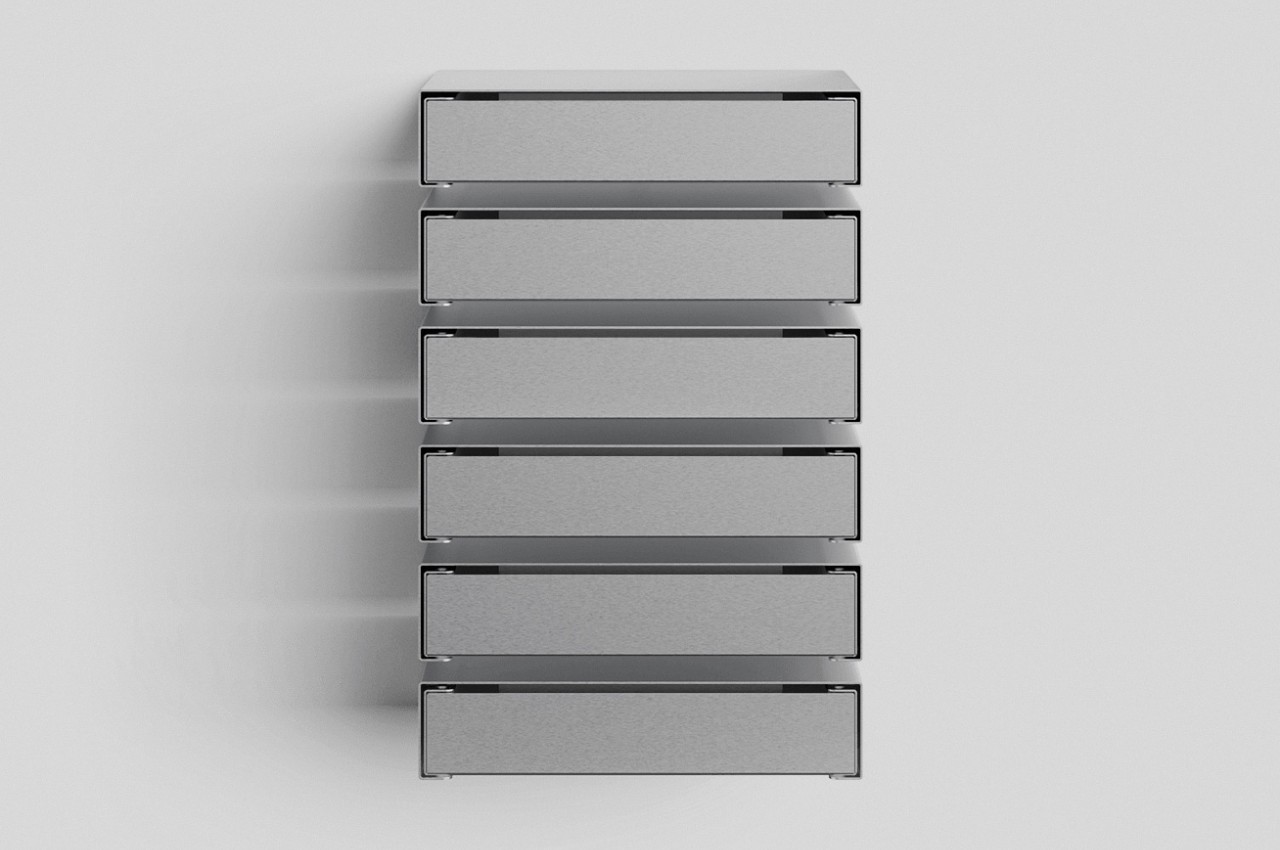
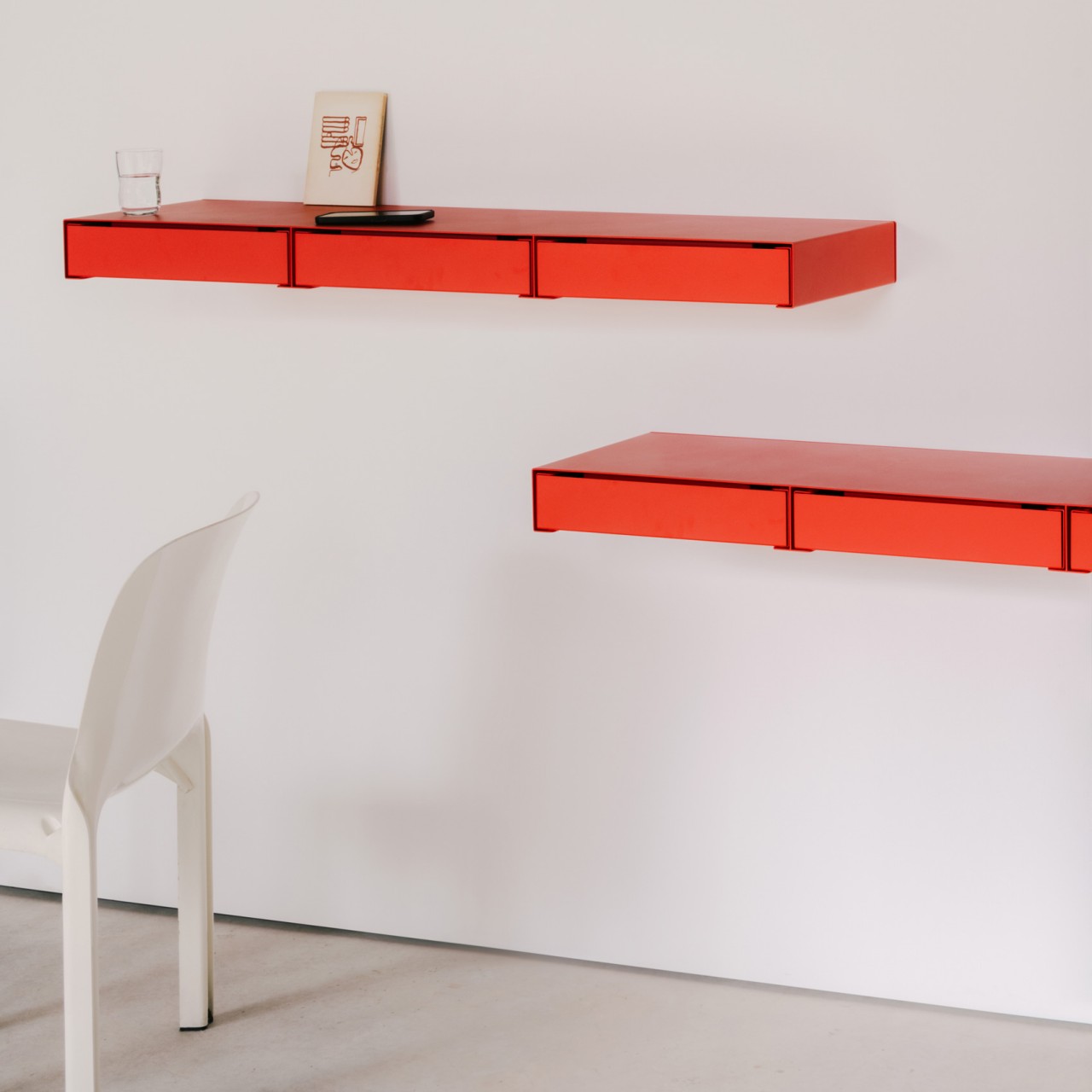
Of course, these can’t be stacked like normal boxes because they have to be screwed to a wall for stability. In fact, each unit has a fixed number of drawers, either one, three, or six in a vertical arrangement. There is one other variant where the drawers line up side-by-side, creating a long horizontal row instead. Of course, there’s no limitation on how you combine those units and how many you use. You could even have a whole stack of three six-unit drawers for a total of 18, or 18 individual drawers, presuming you have enough vertical clearance.
More than just their practical utility, however, these wall-mounted drawers add aesthetic value to a space, something ordinary stacked boxes don’t often provide. The gaps between each drawer bring some negative space that visually balances the unit, and the top of each unit becomes yet another space to utilize for things you want people to see. With a powder-coated finish, these seemingly floating drawers provide more than just smart storage but also visual interest to your space, all without cluttering your floor even further.
We all know it’s bad for our physical and mental health, but there will always be times when we have to go through the late-night crunch at home. That’s not even considering how some actually have work hours that begin only after the sun has set. Working long hours into the night in the solitude of your home or room can be physically taxing and emotionally draining, which is why there’s now a trend to bring some joy into workspaces through accessories and decorations. This “deskterior” movement tries to energize and even help people remain productive even in the dead of night, and this collection of dark-themed product design concepts injects a little ingenuity and even some attitude to your nighttime quests.
Designers: Jiye Lee, Seoyeong Jang, Junhong Yang, Taeyoon Kim, Jeongeun Kim
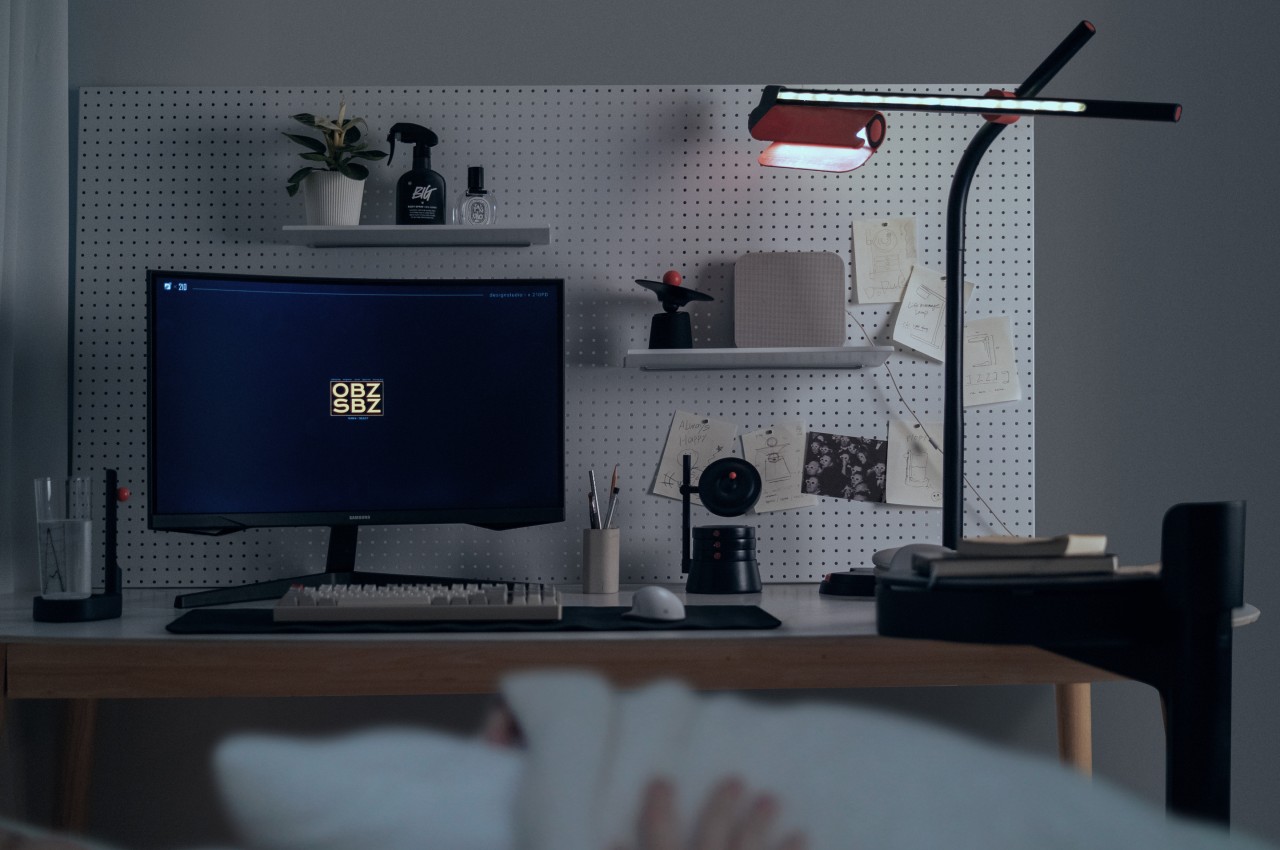
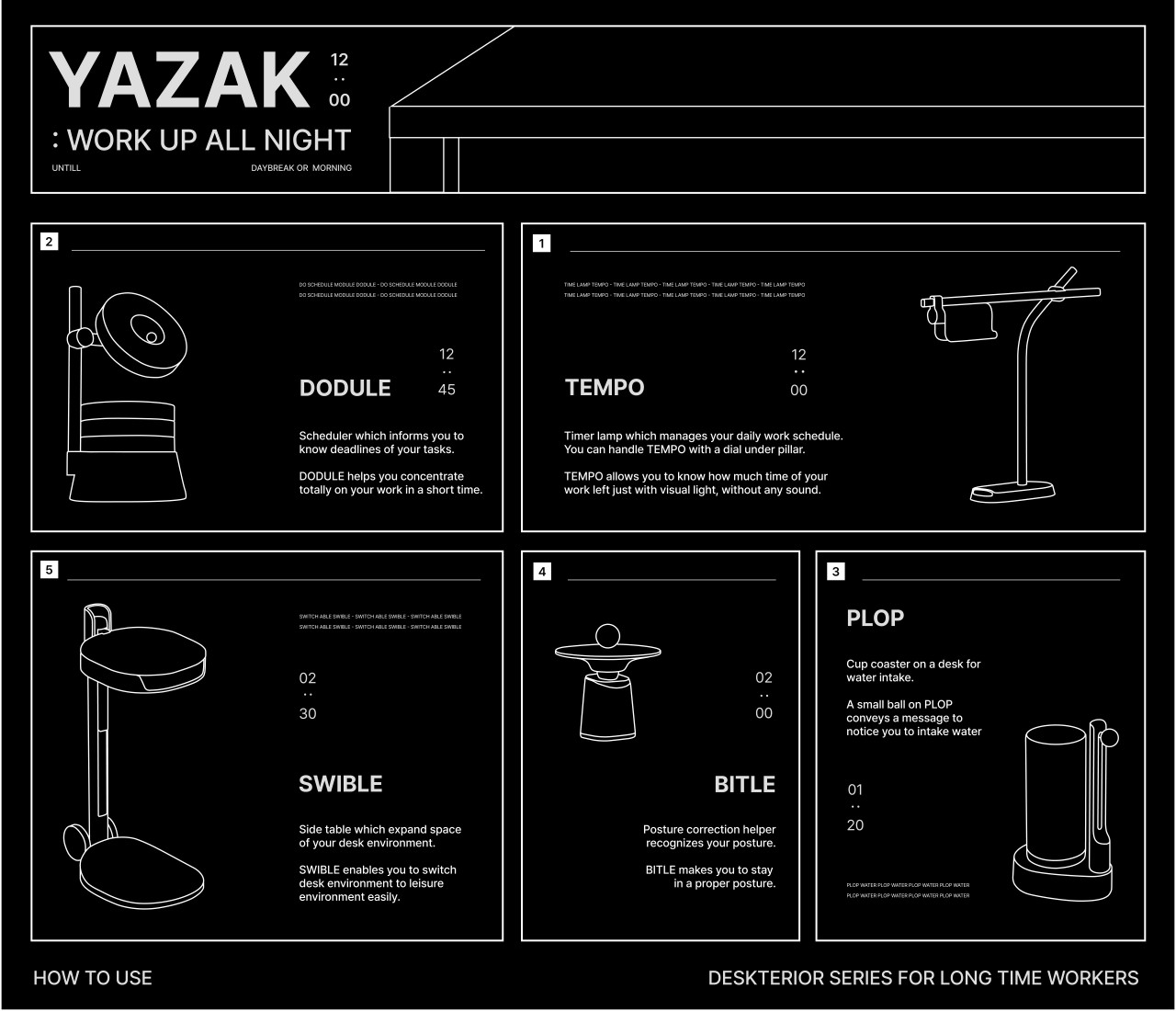
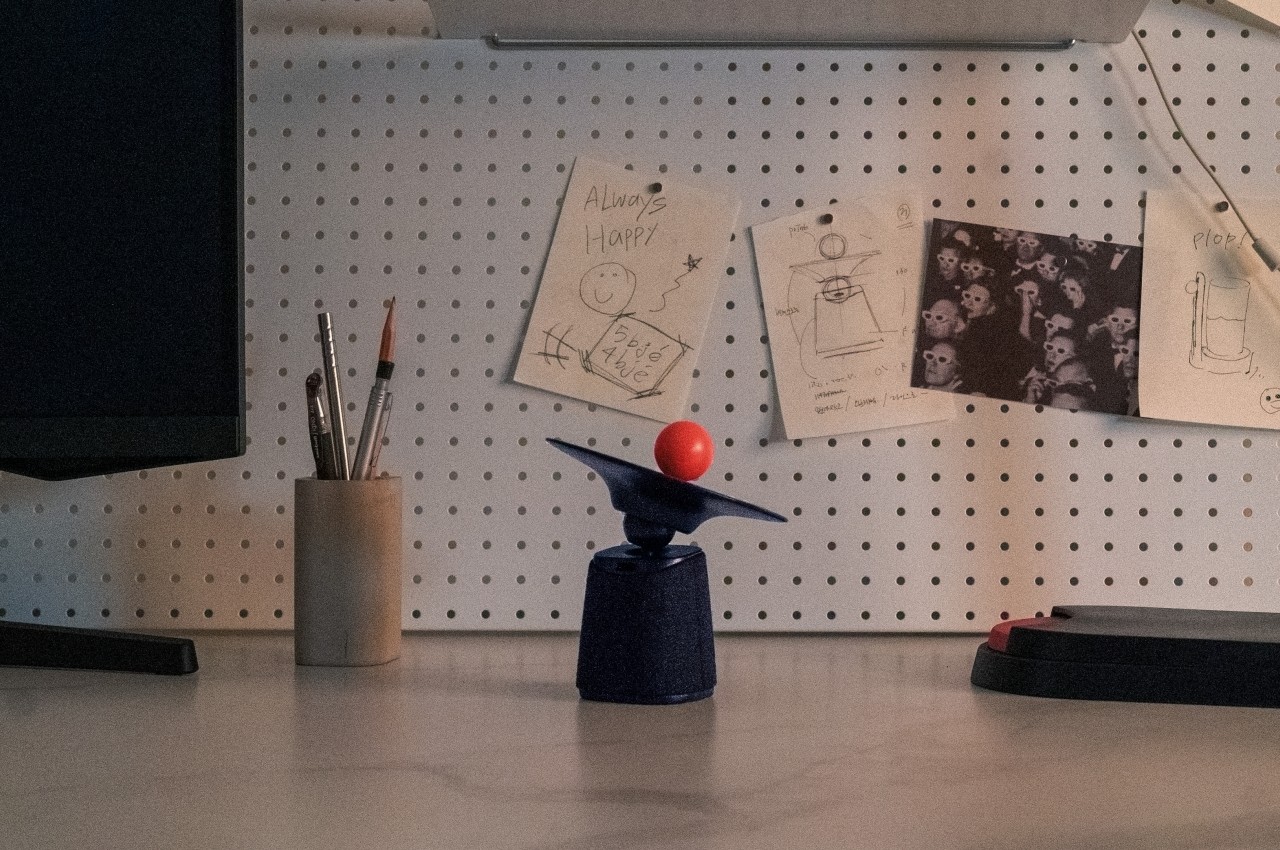
There’s no shortage of desk accessories and gadgets that try to boost your productivity at work, but most of them make the presumption that you’re on a regular 8 to 5 clock. Of course, those products would work any time of the day, but there’s something to be said for products designed for a specific purpose or around a certain theme. YAZAK, which is a play on the Korean word for midnight snacks, is a collection of these “deskterior” accessories that help keep you company and stay productive during those late-night shifts, and not just because they have a dark color scheme that better fits that time of the day.
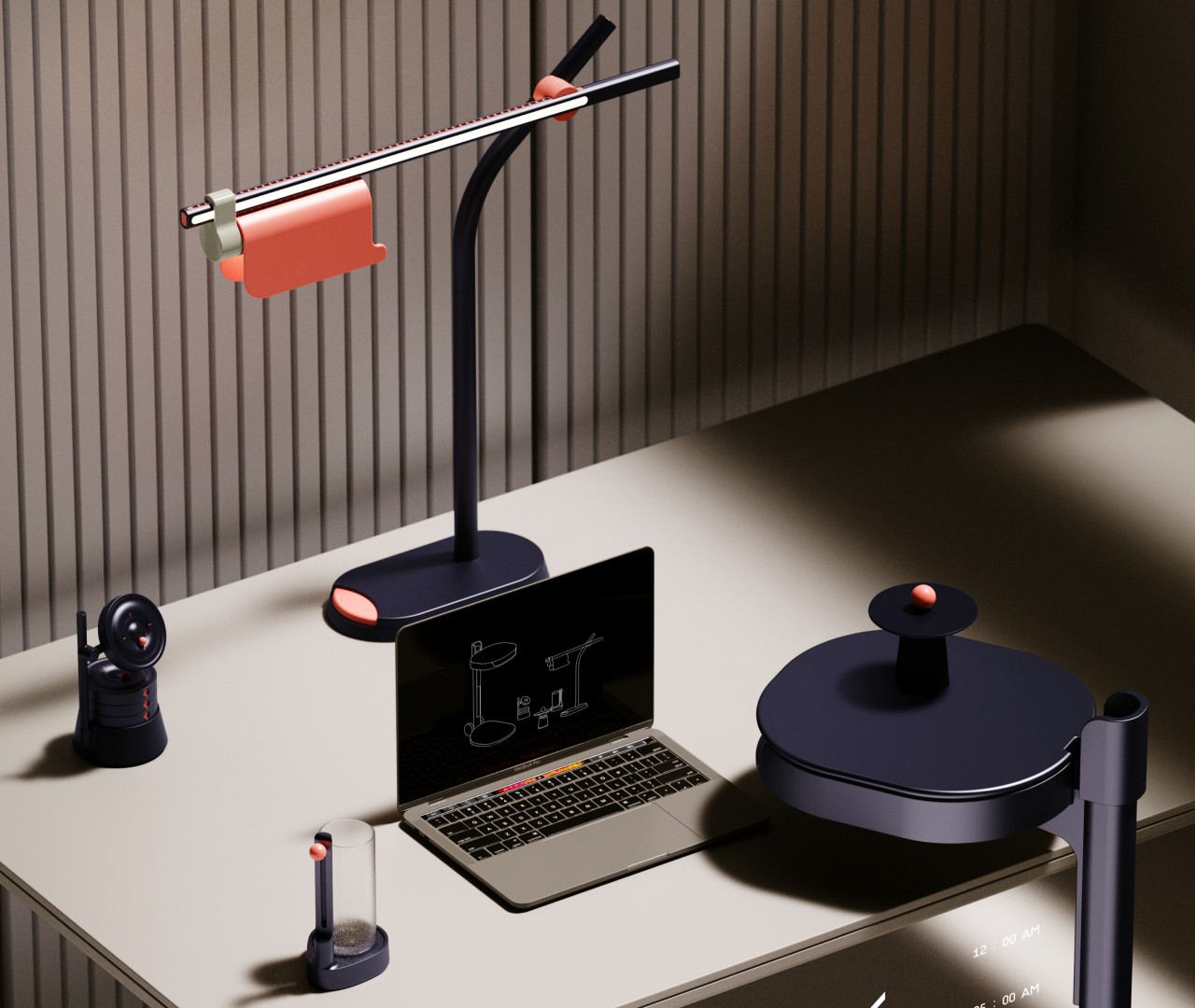
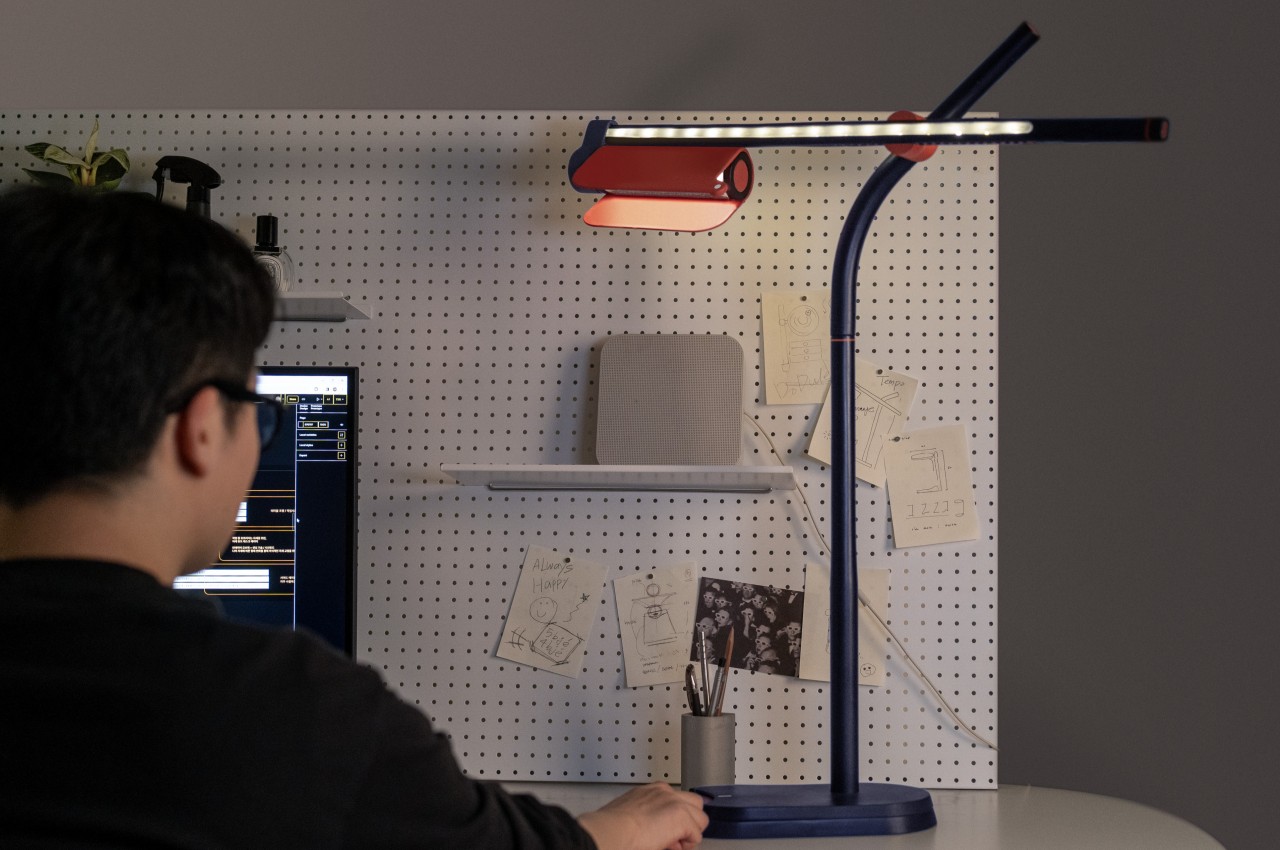
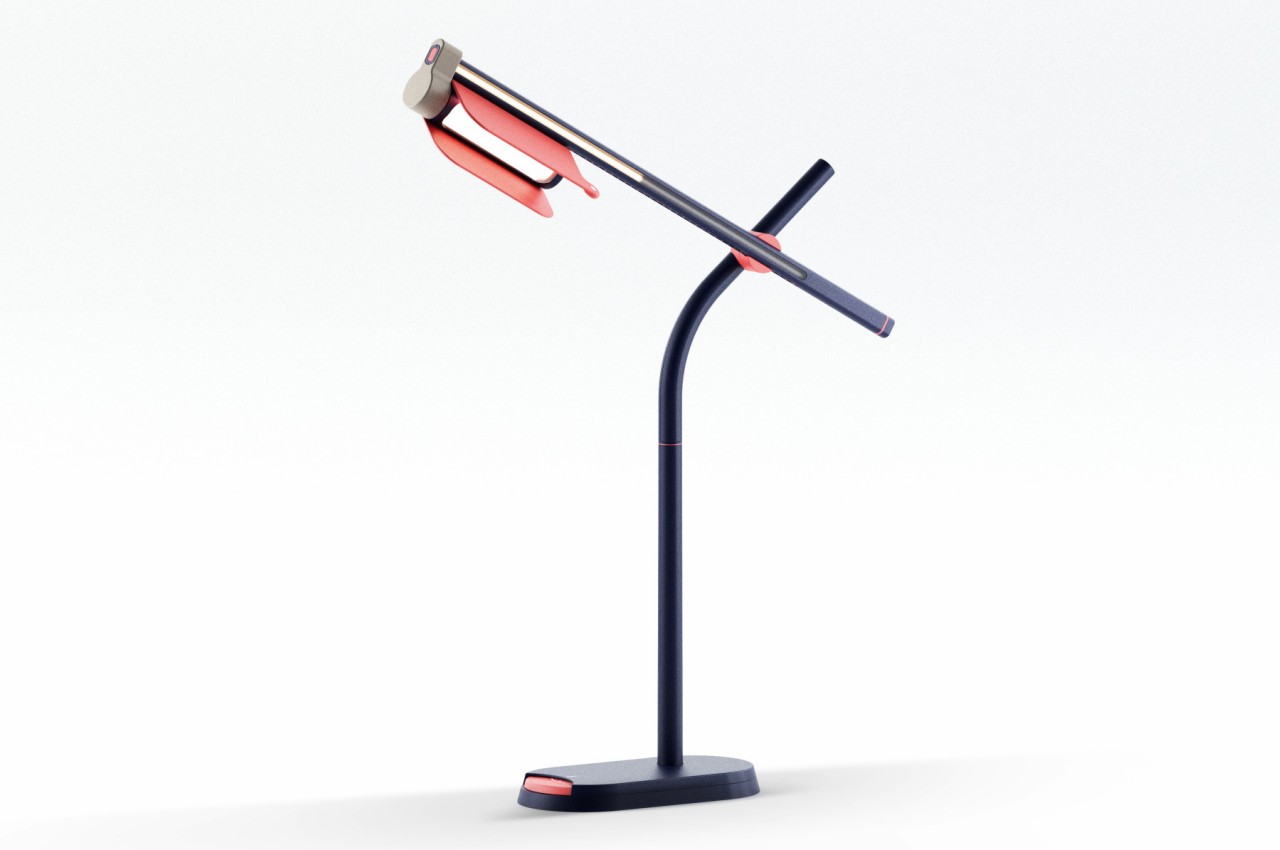
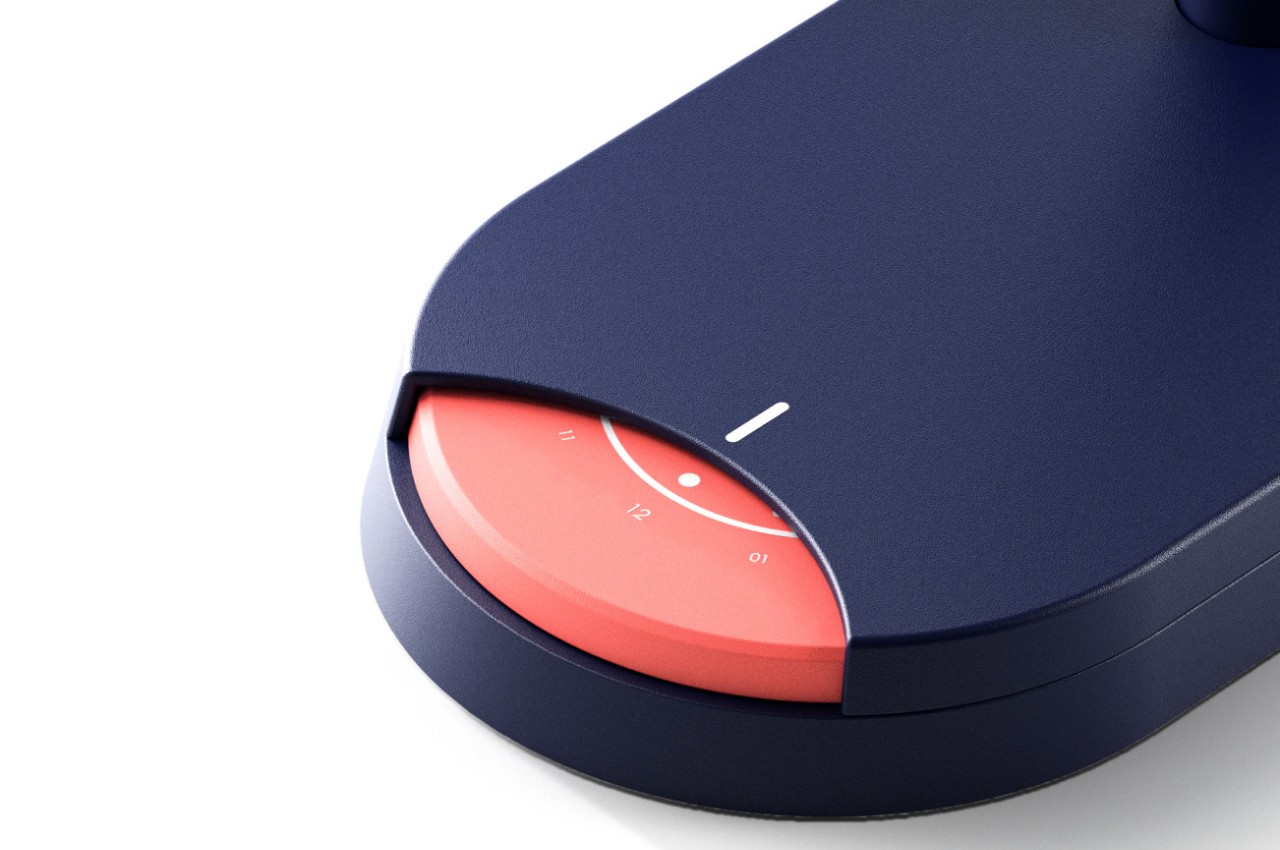
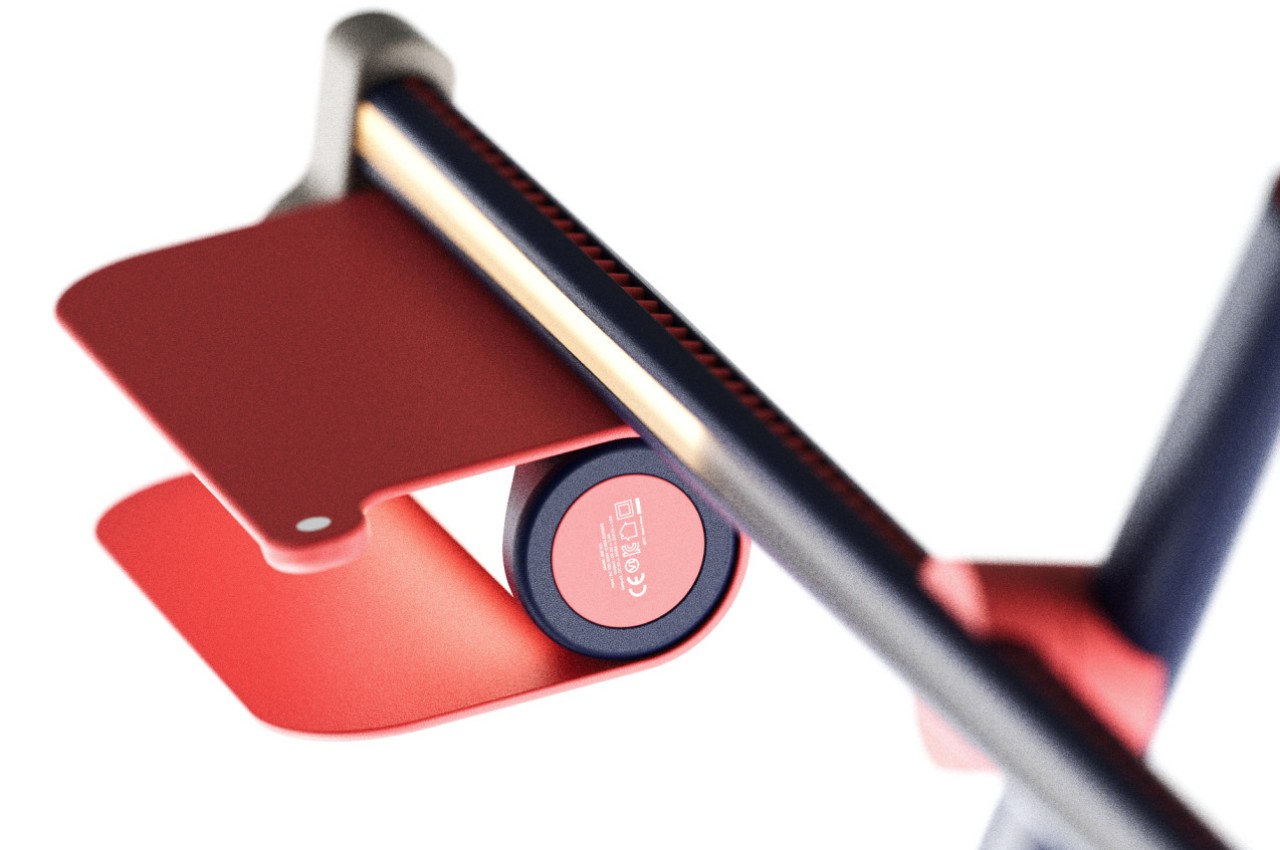
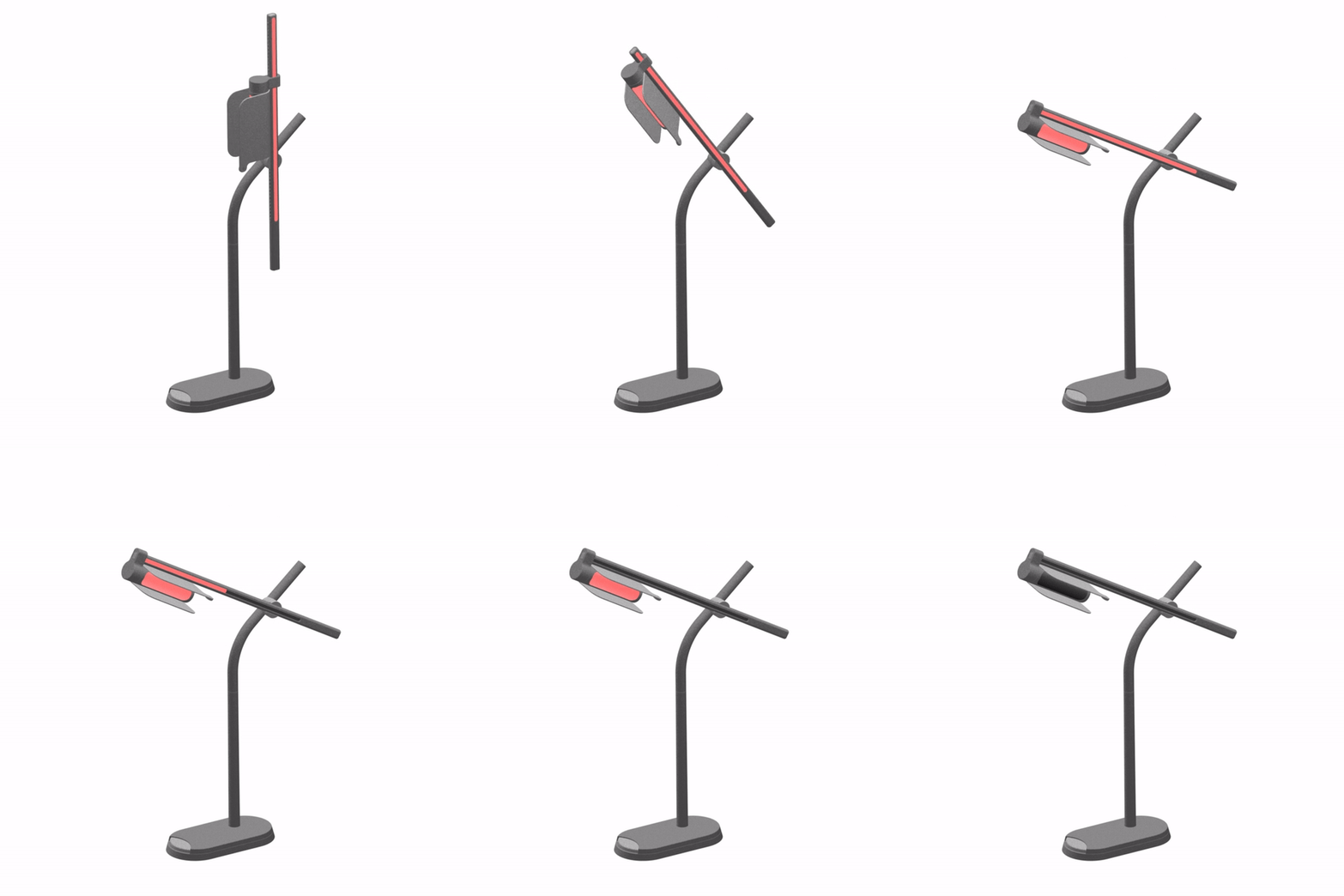
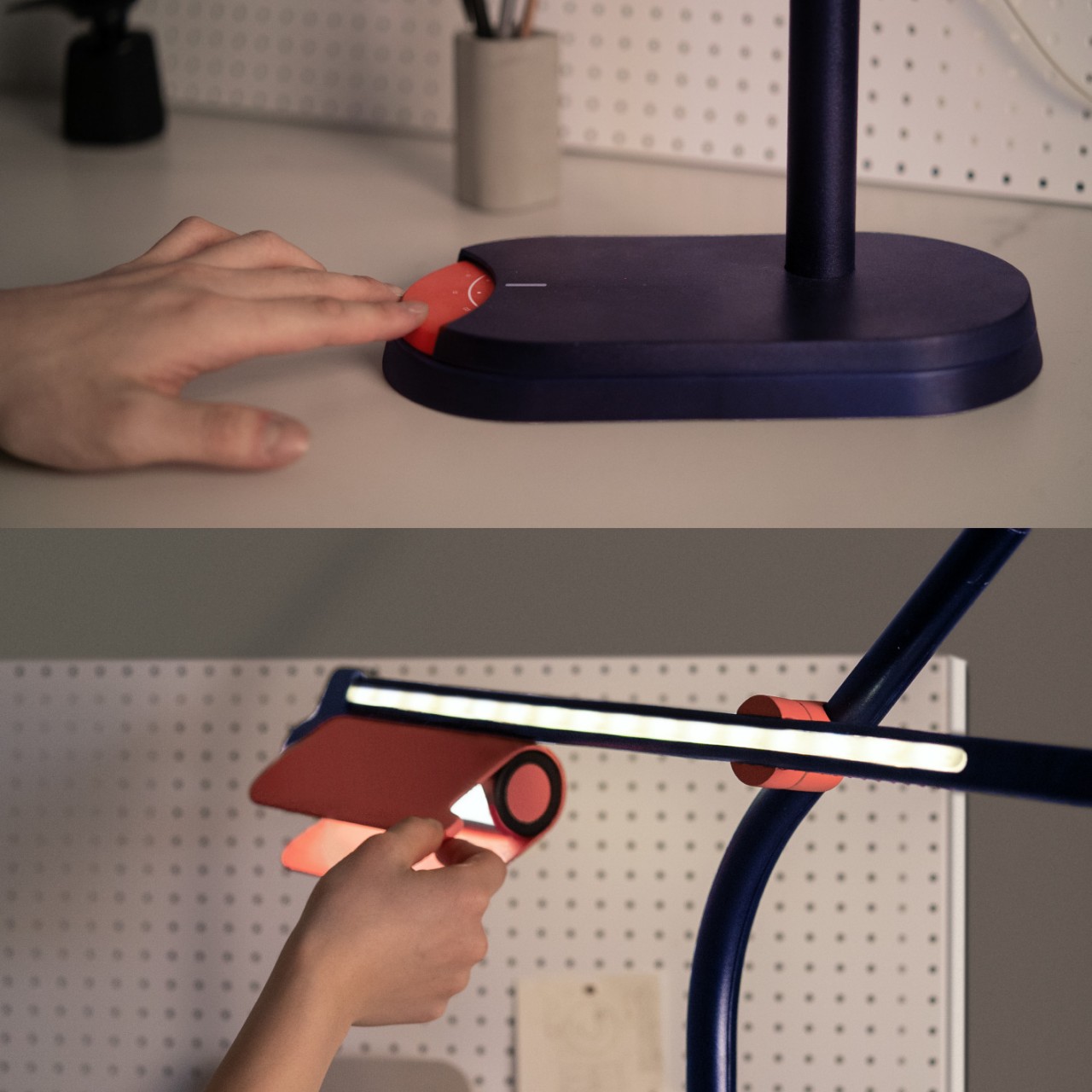
TEMPO, for example, is both a desk lamp and a timer. In addition to the main overhead light, its arm also has a trail of light that decreases as time passes until it’s completely empty, at which point the lamp itself turns off. It’s meant to tell you to take a break and visually inform you of the passing of time.
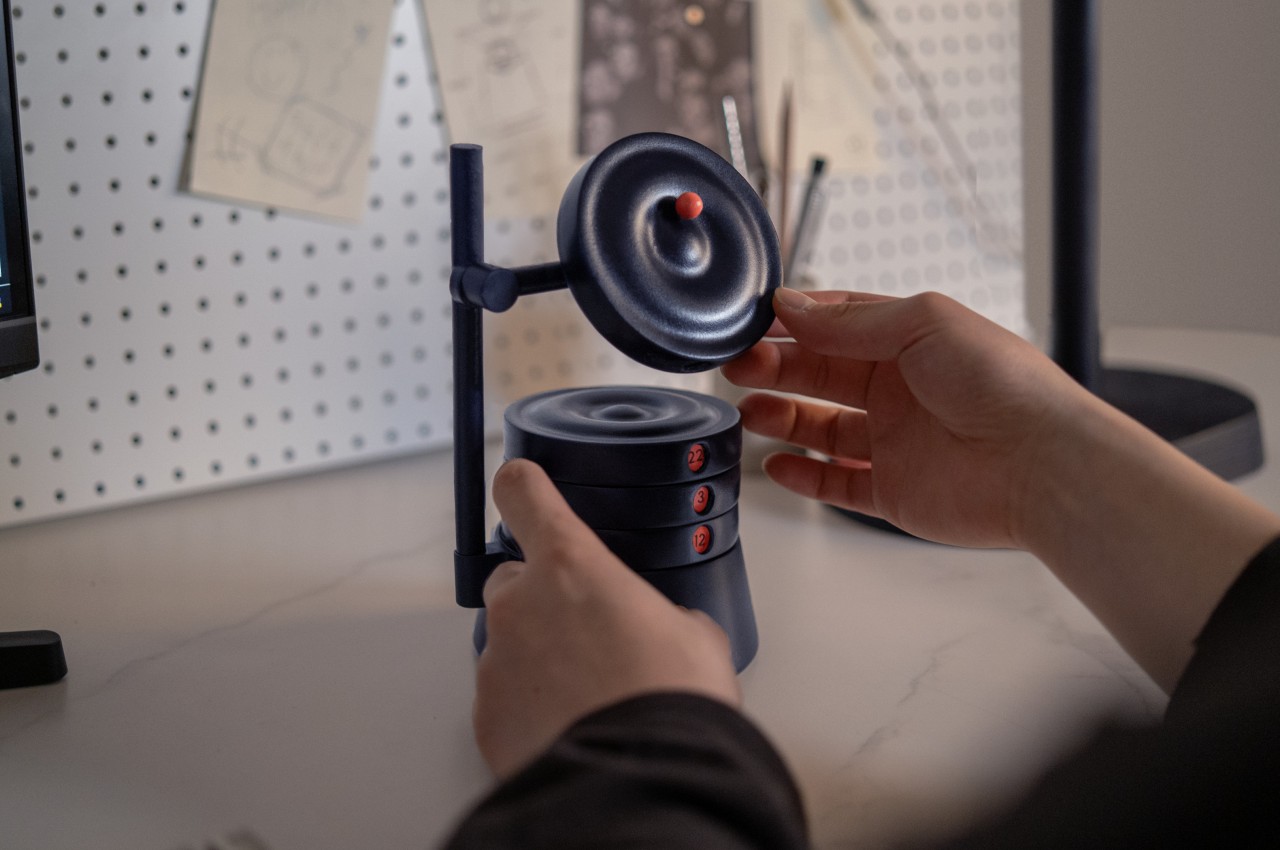
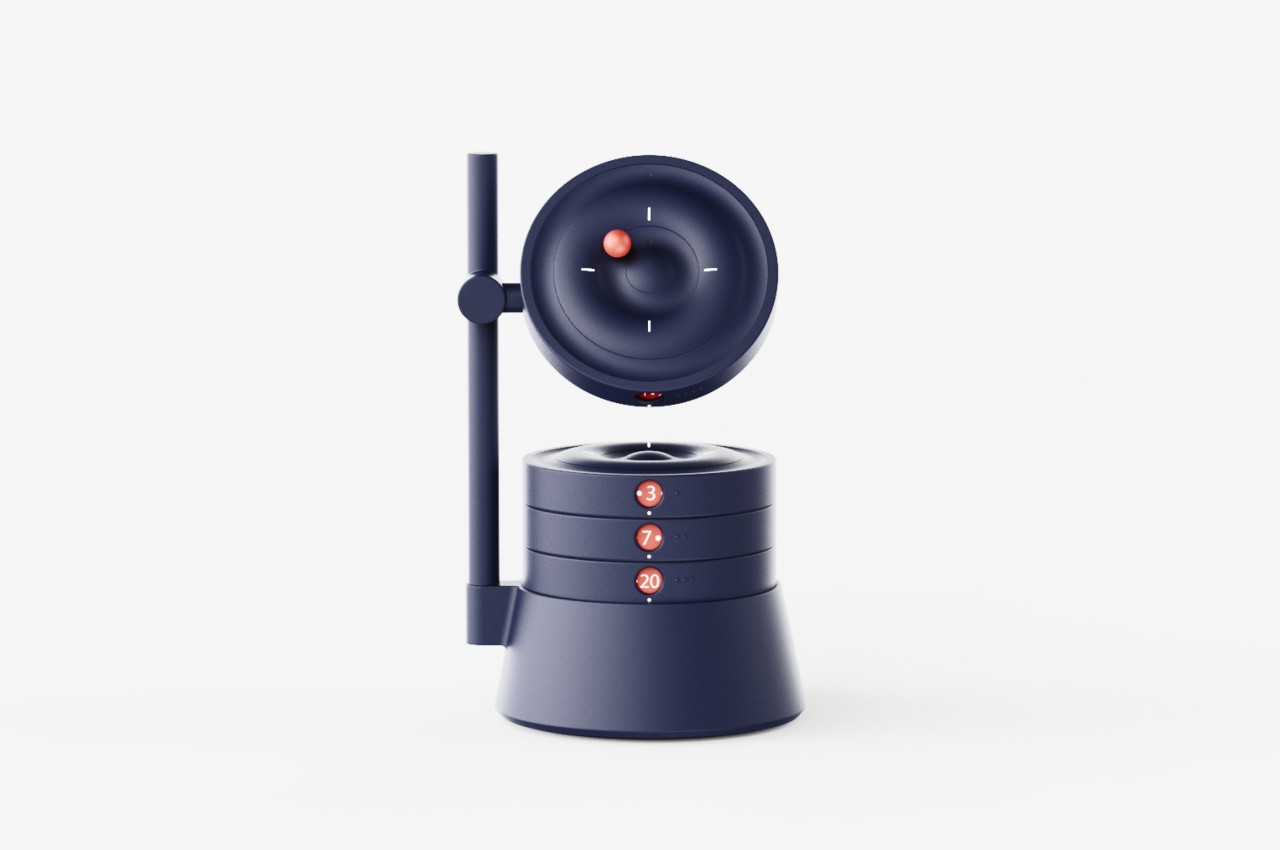
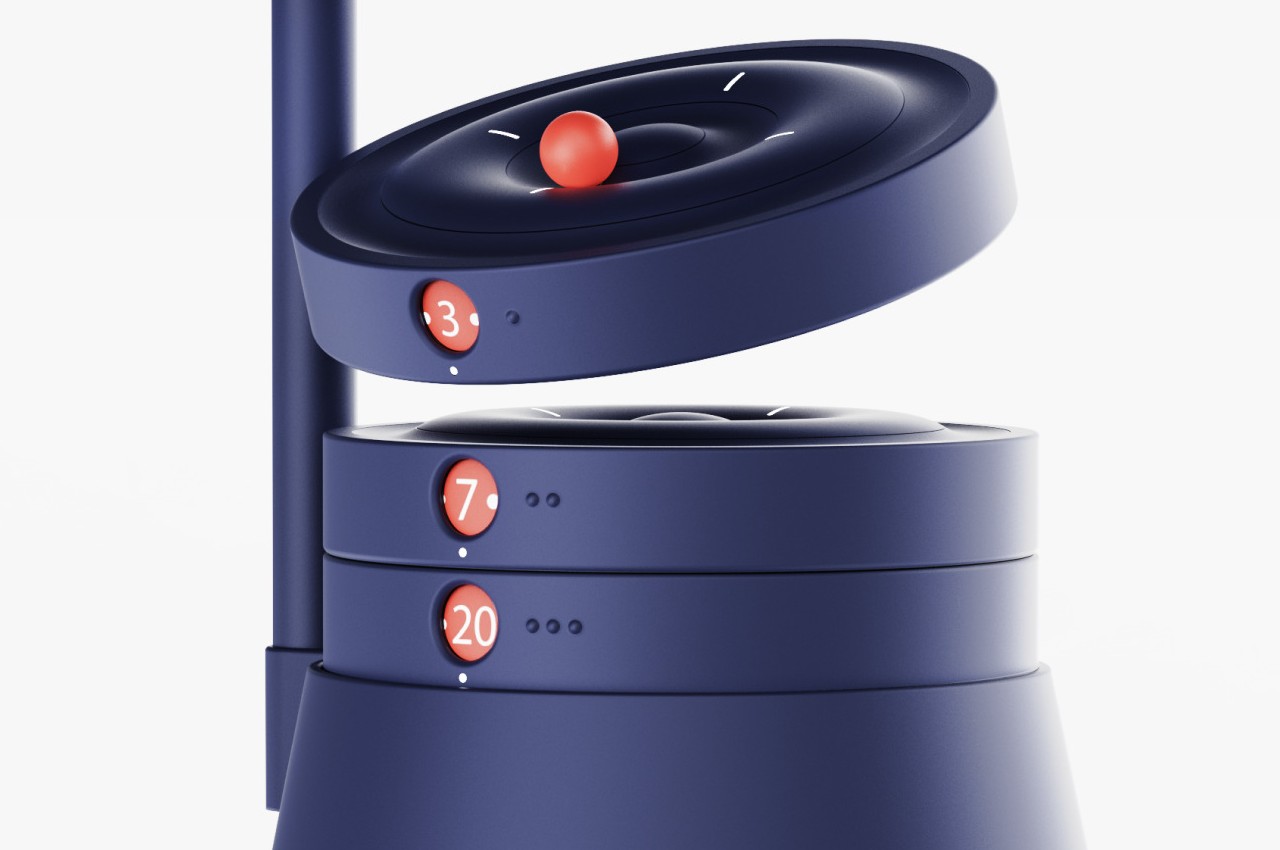
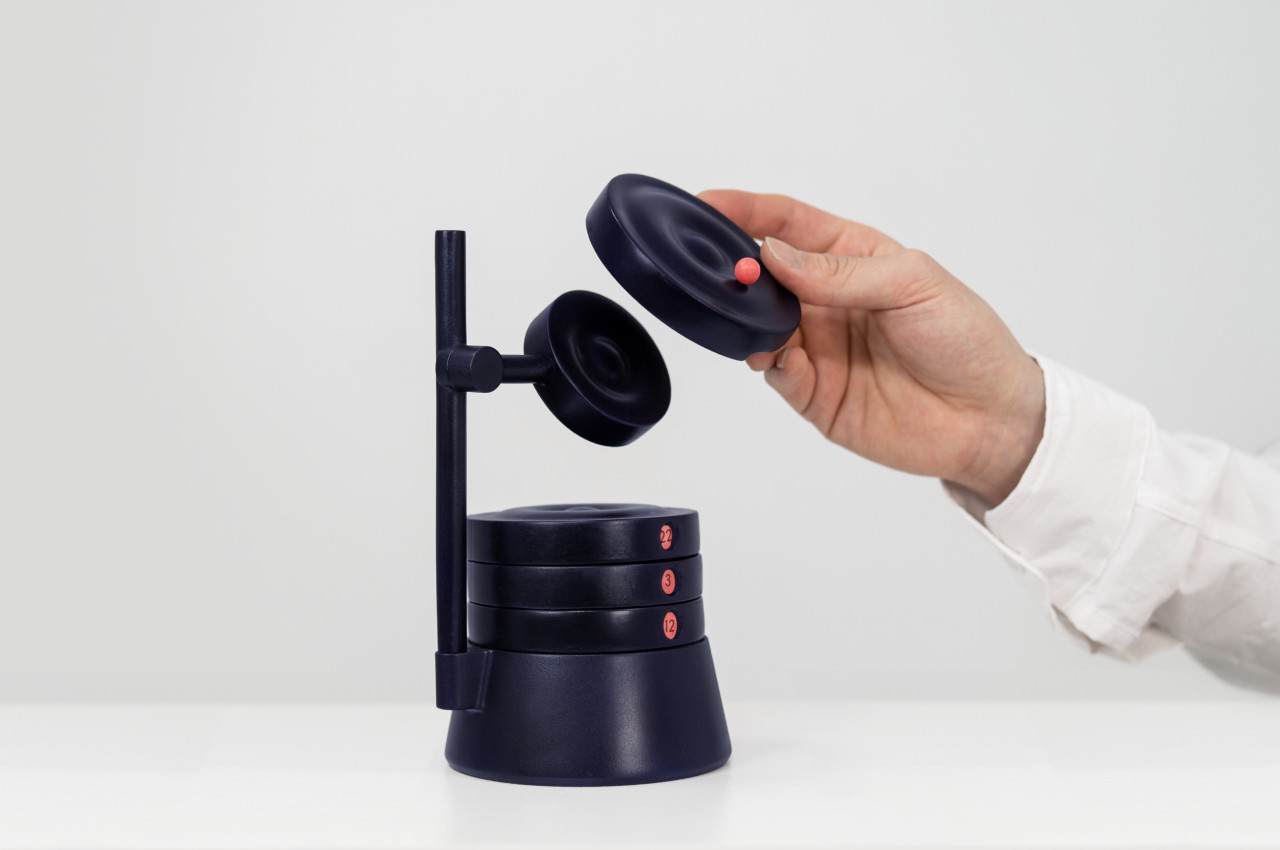
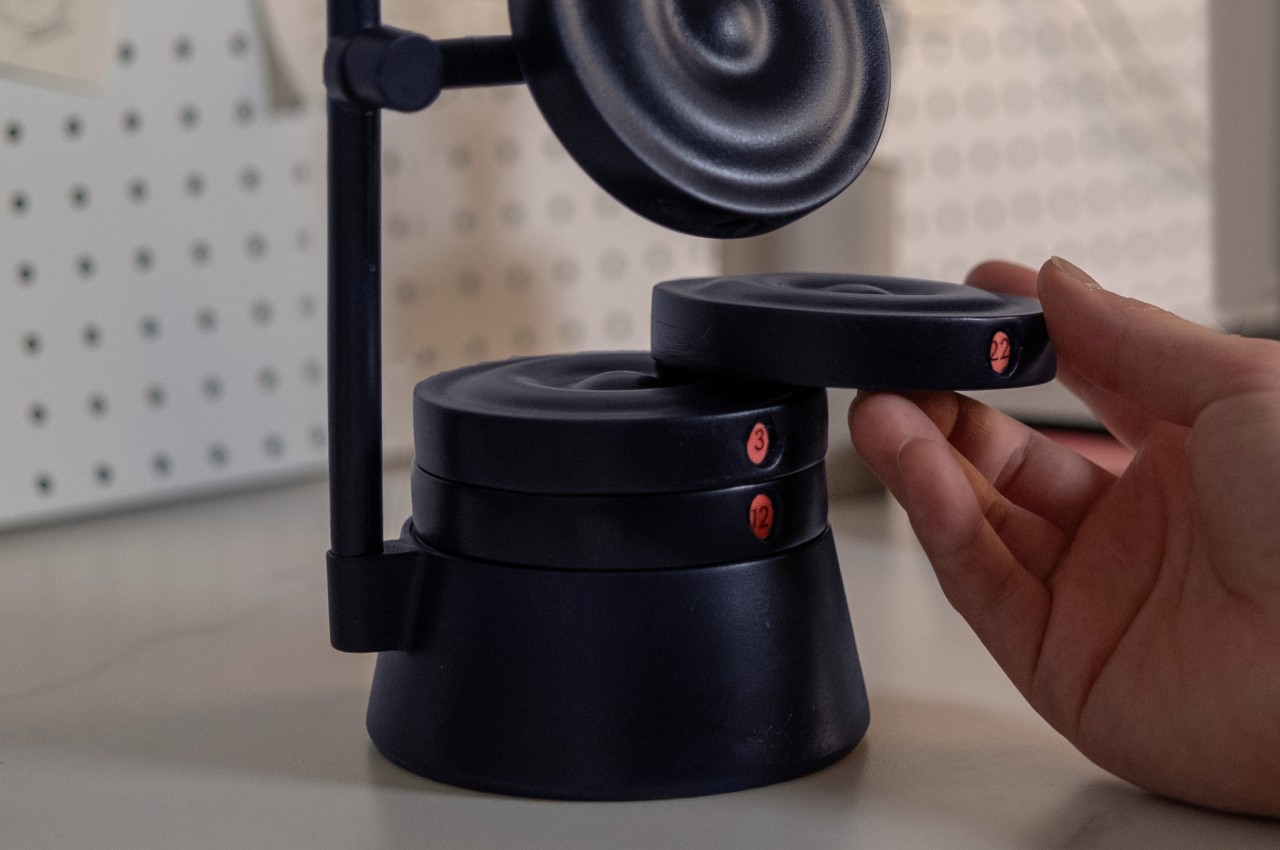
TEMPO probably works well with DODULE, a modular scheduler that’s made up of a stack of discs. Each disc represents a project and the deadline for that project. A tiny ball that sits on top marks the passage of time, letting you know how long it will take to finish the project that the disc represents.
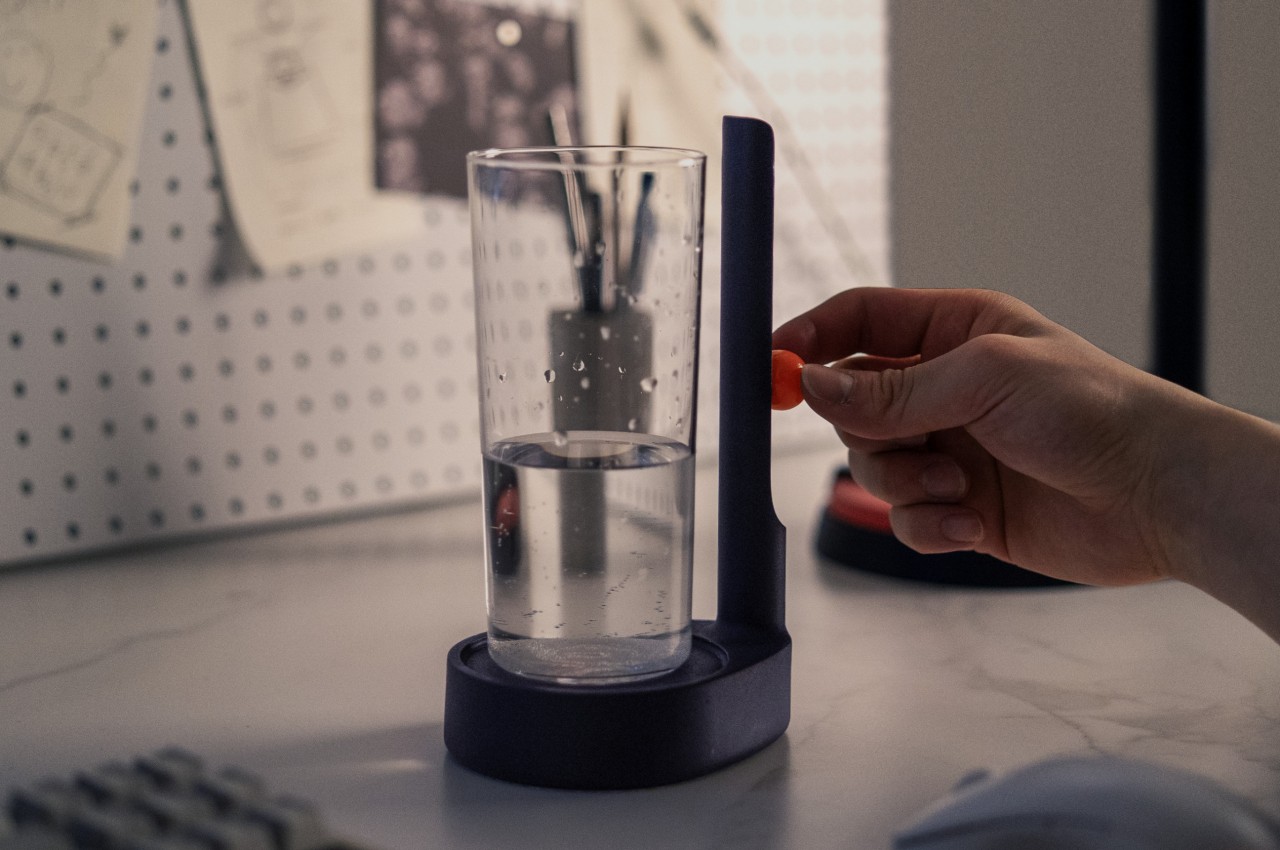
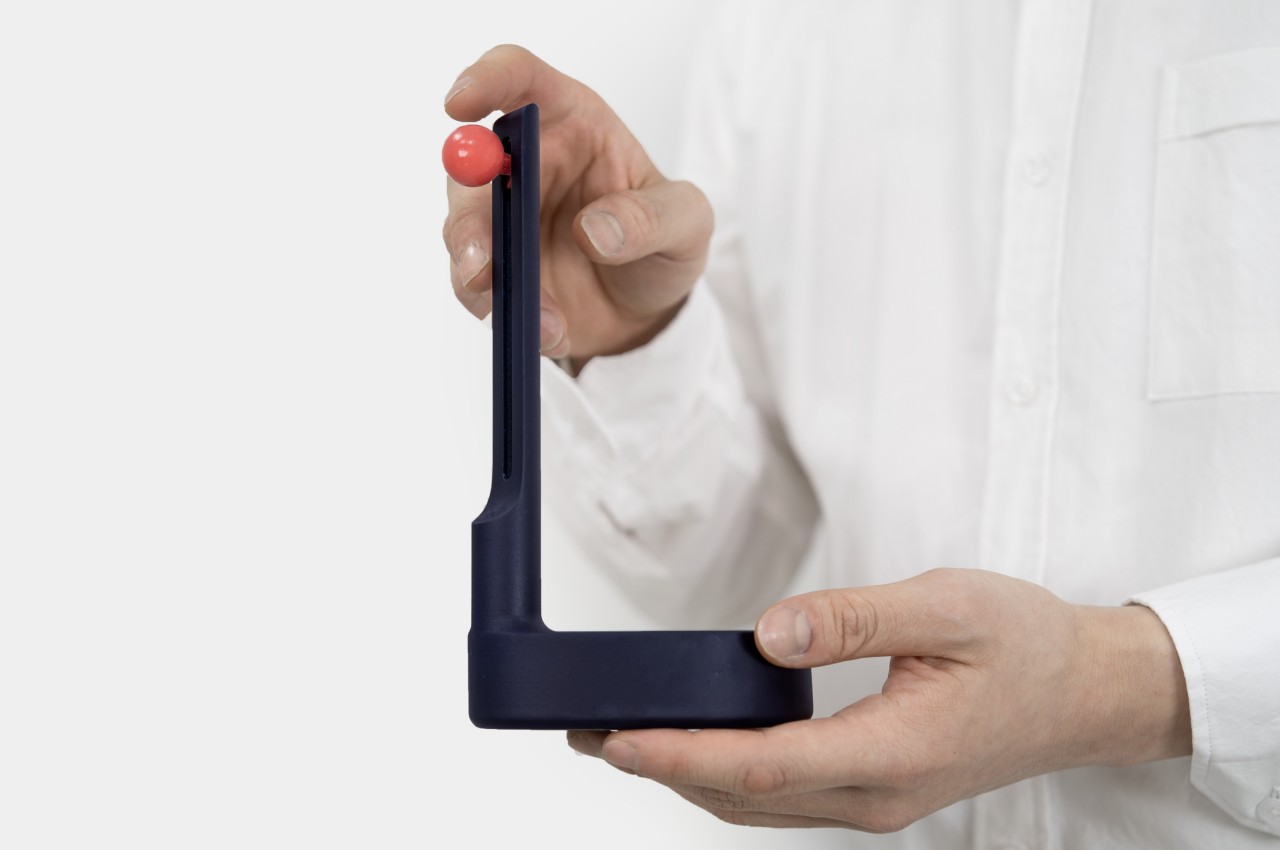
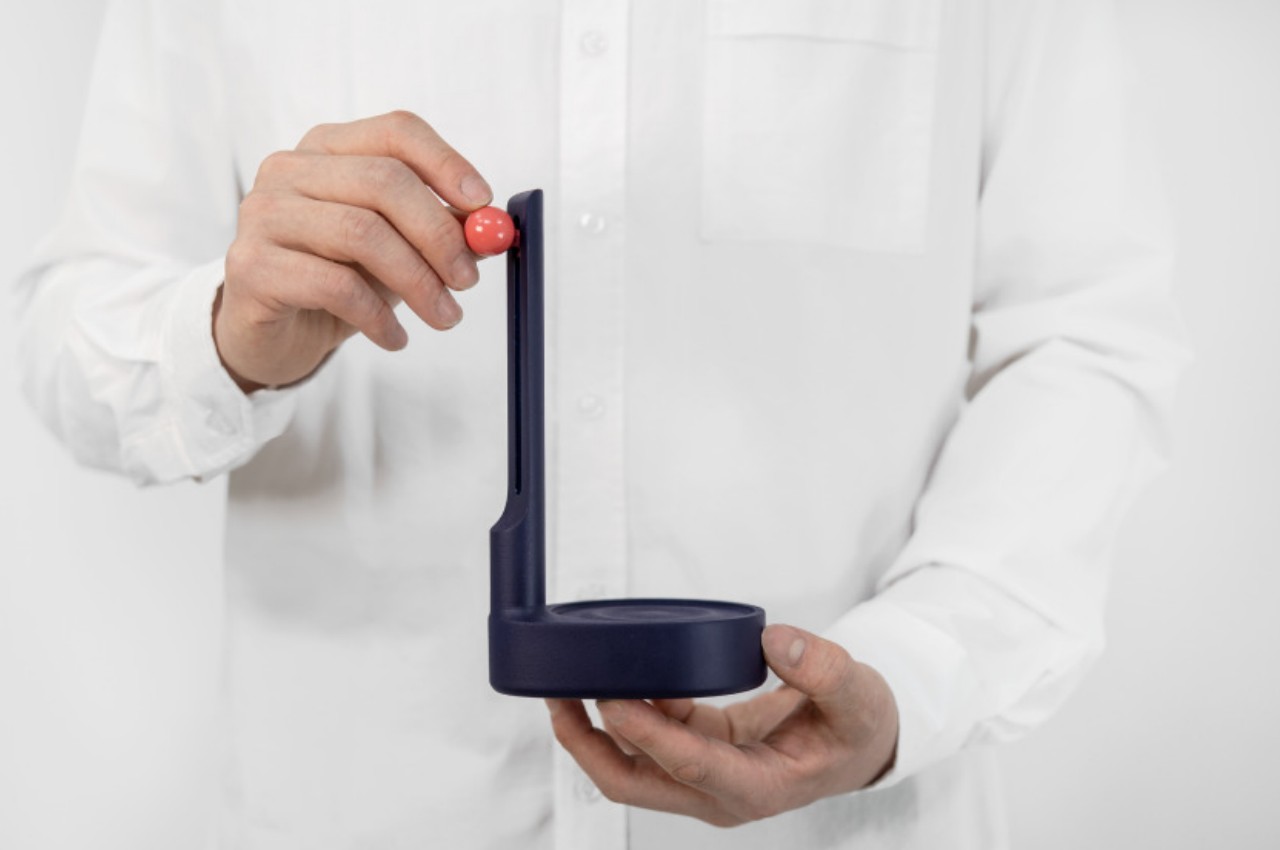
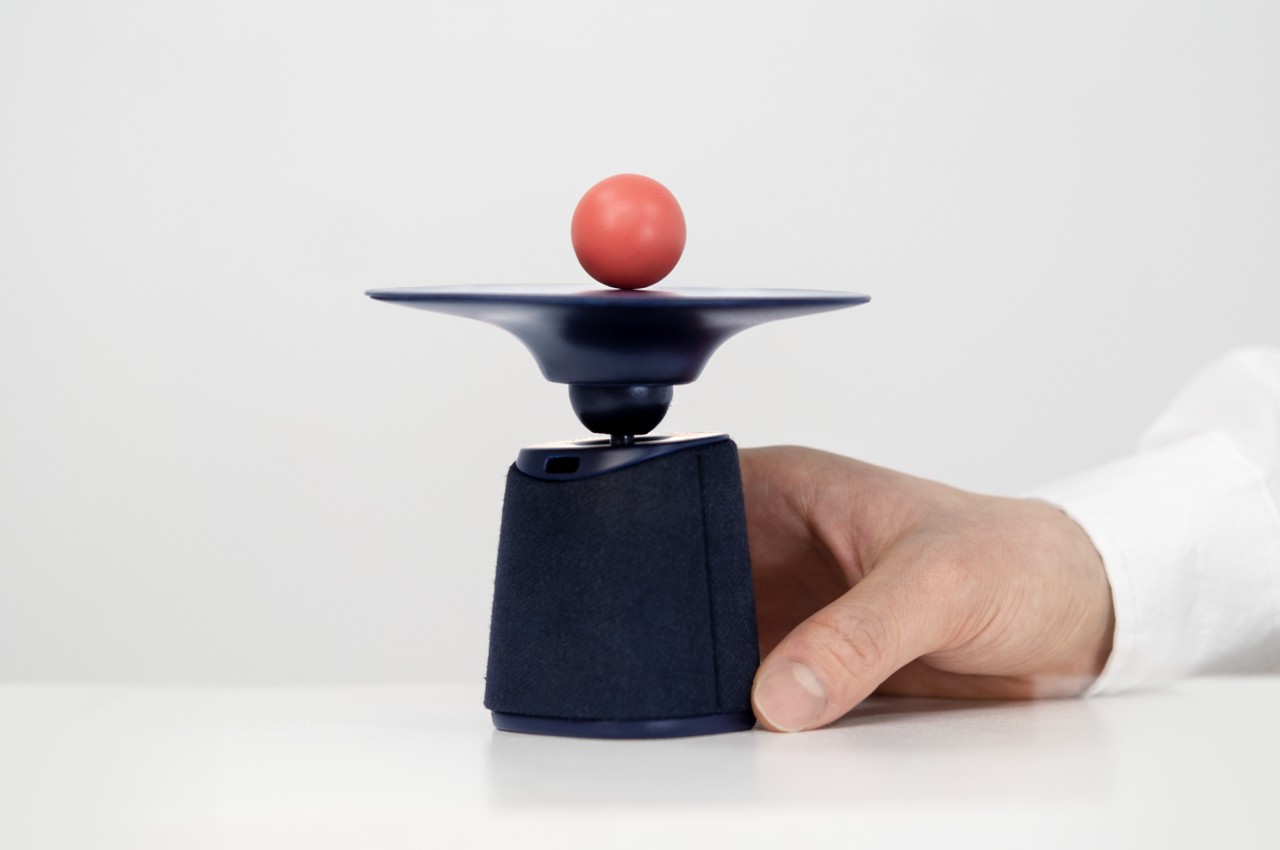
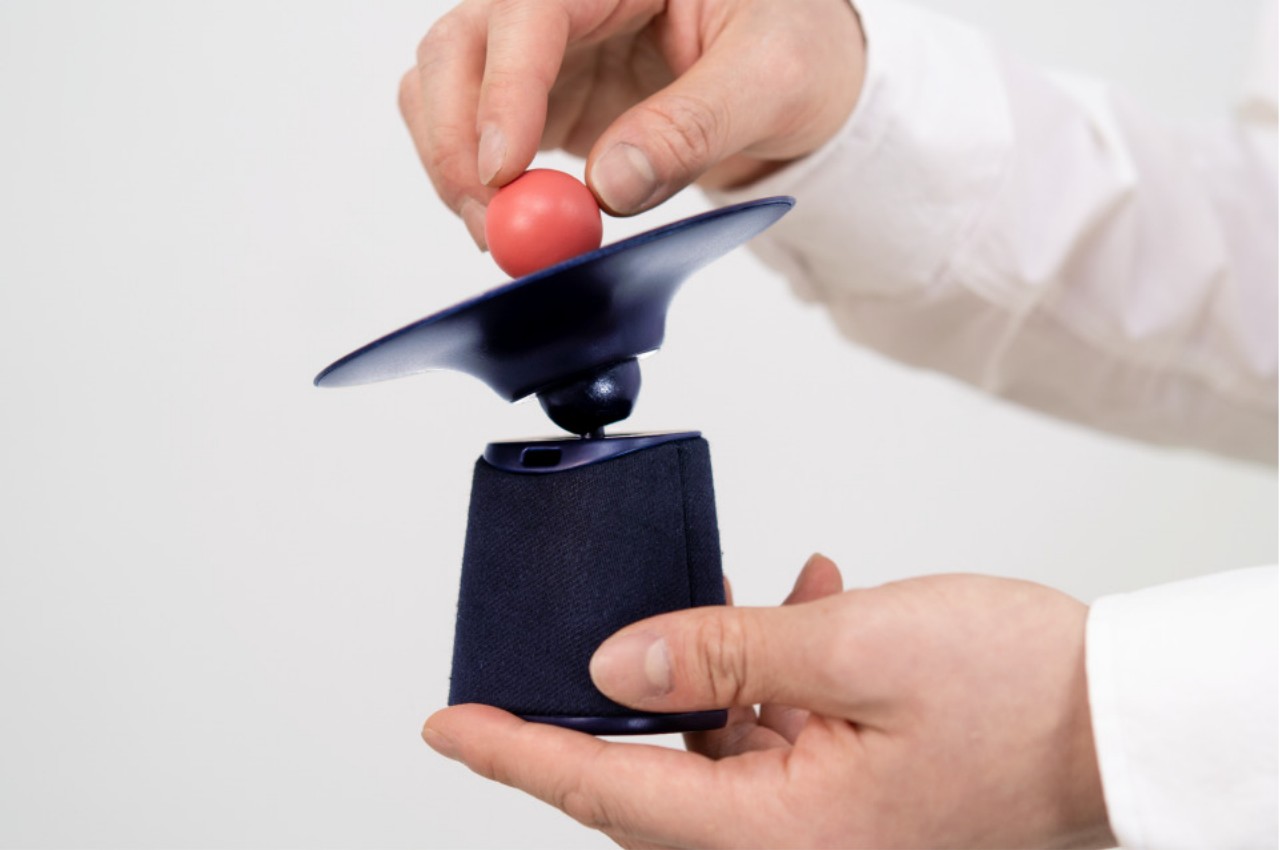
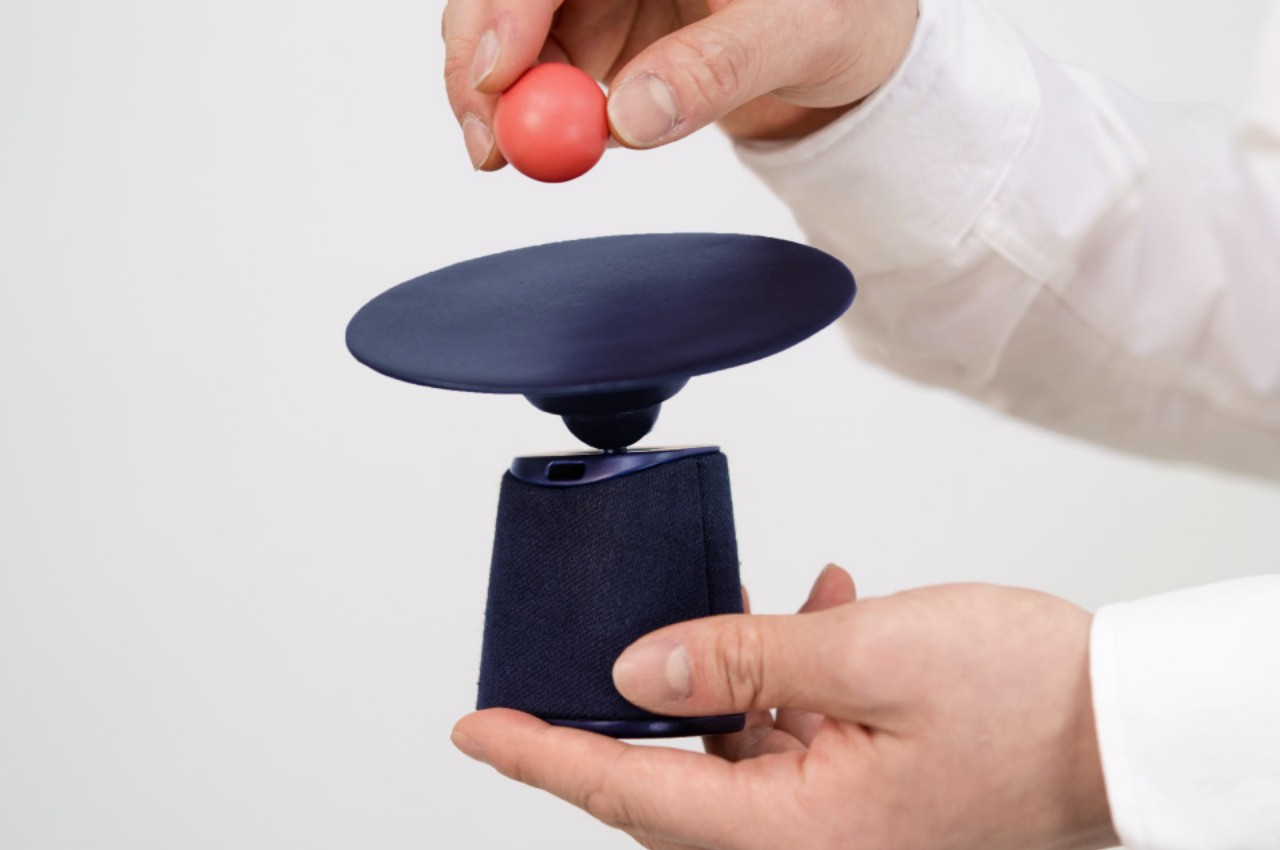
Still somewhat related to the notion of time, PLOP is a cup coaster that has a simpler mechanism. You simply push the ball down to its lowest point to start the timer. The sphere will slowly rise and give you a signal when it reaches the top. That’s time for another break, this time to reach for a glass of water to keep you hydrated.
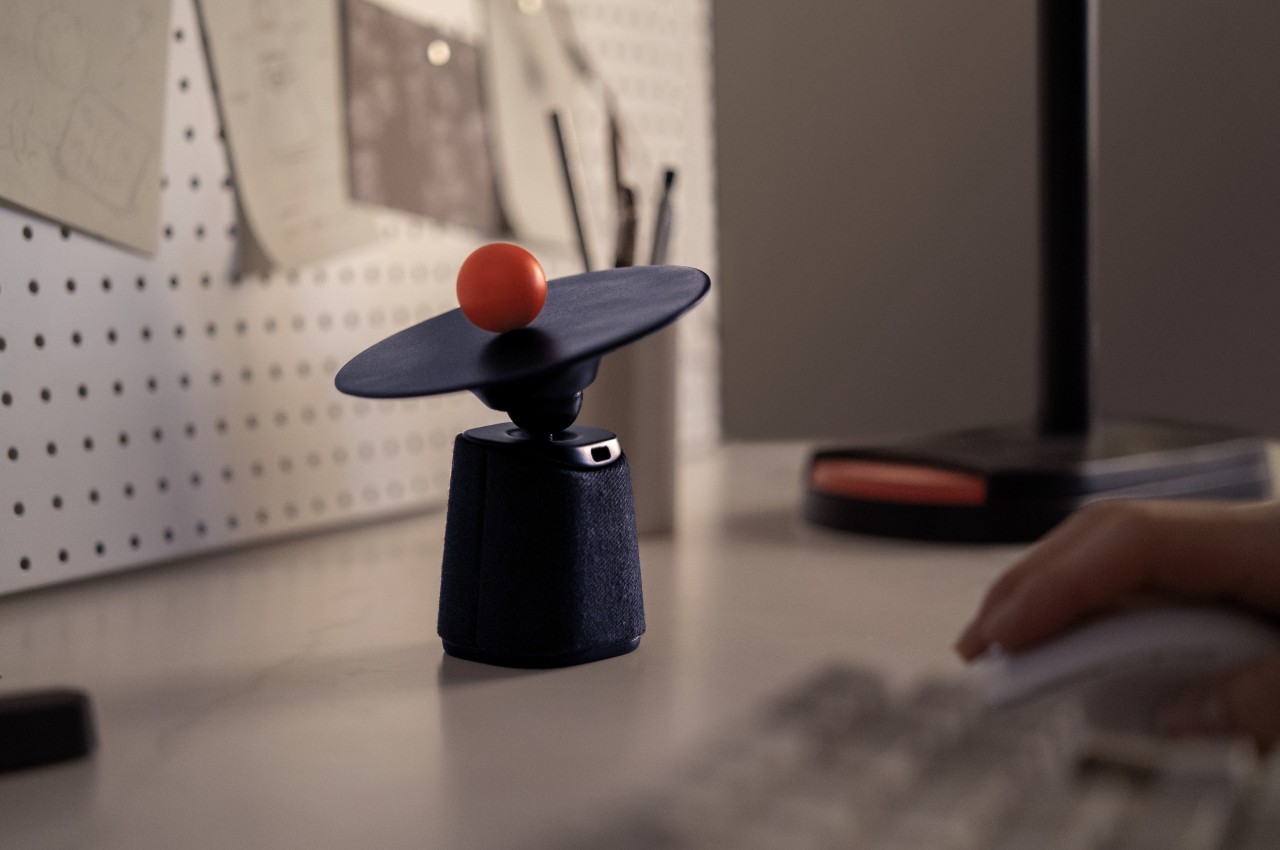
BITLE is a bit more sophisticated and abstract, a device that’s meant to let you know if you’re not sitting properly. It uses sensors to detect your body’s posture and move the top plate to symbolize the lack of balance. The concept doesn’t indicate if the ball will fall off unless you sit with the correct posture, though that’s more likely to increase your stress rather than relieve it.
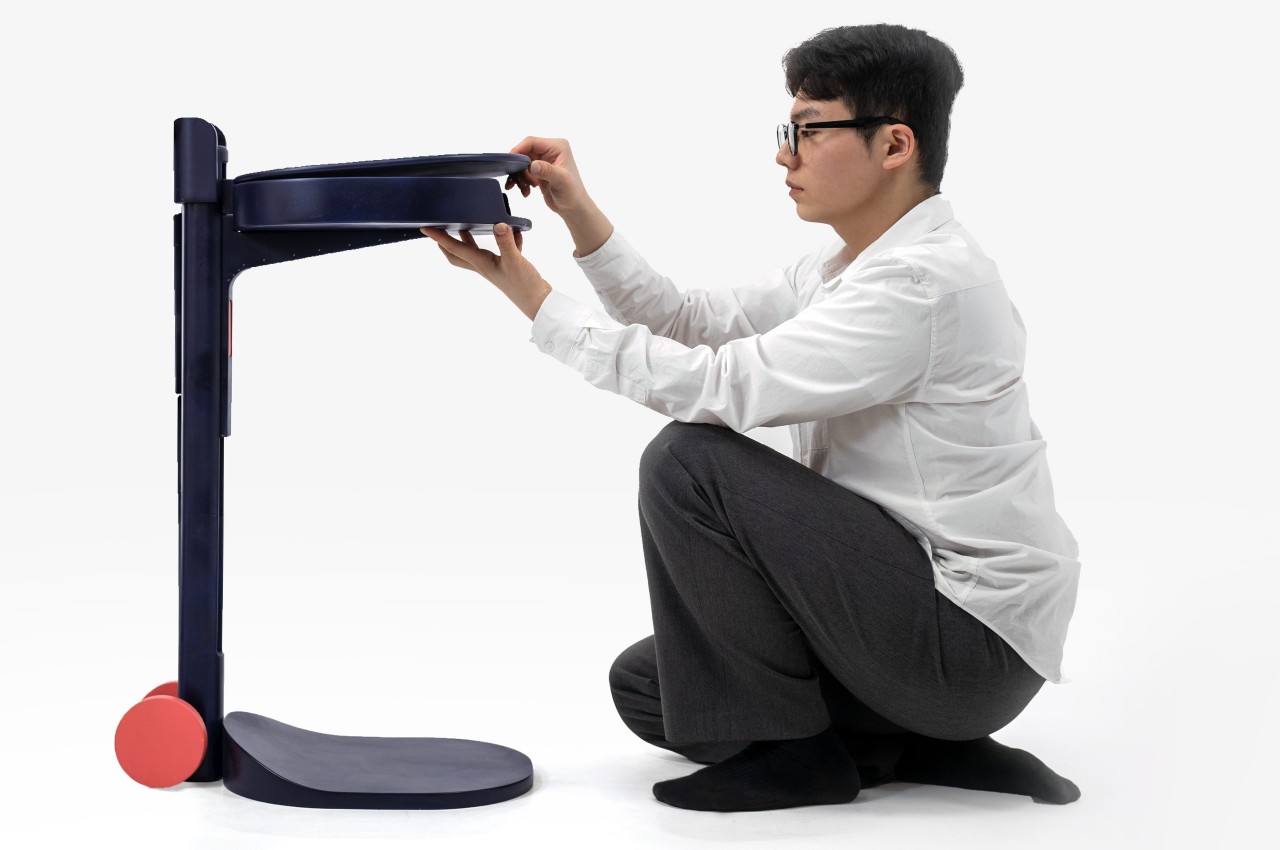
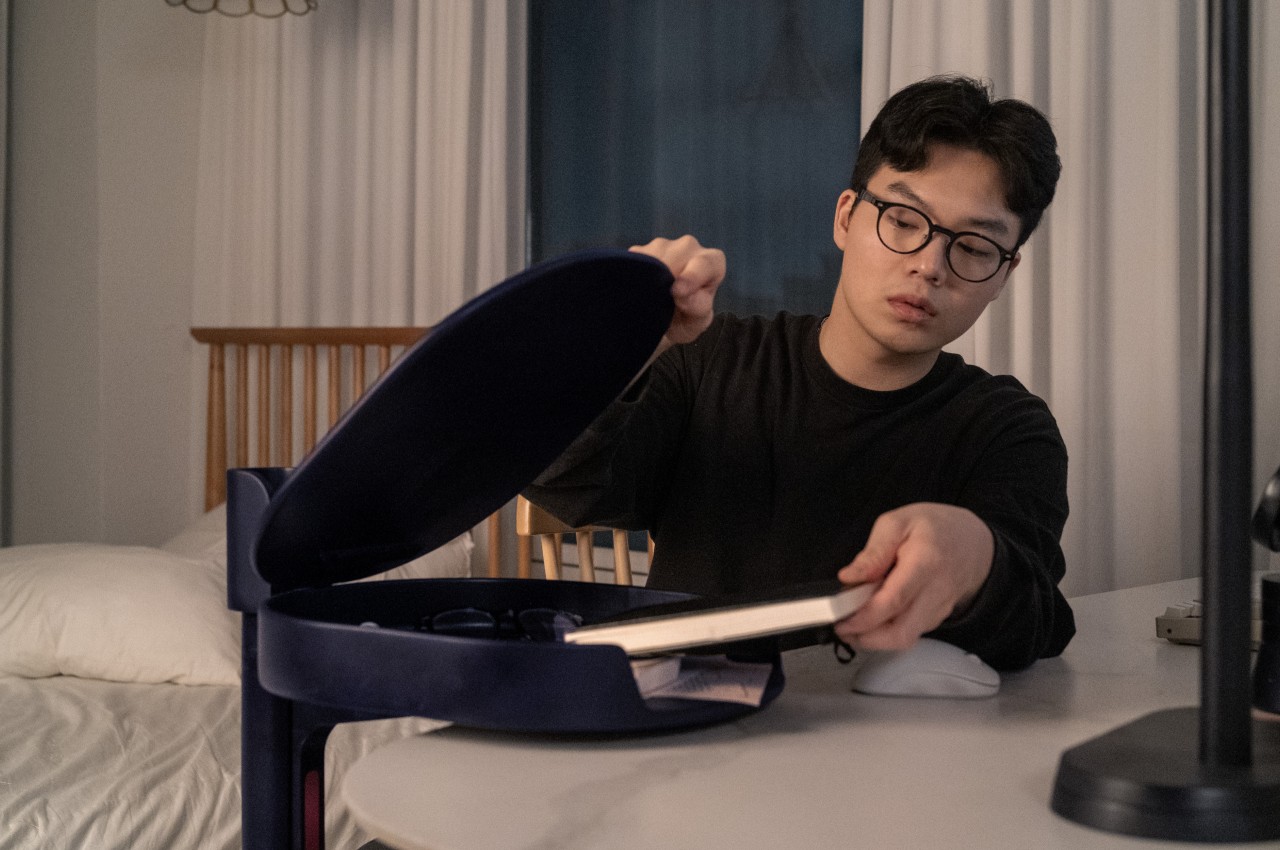
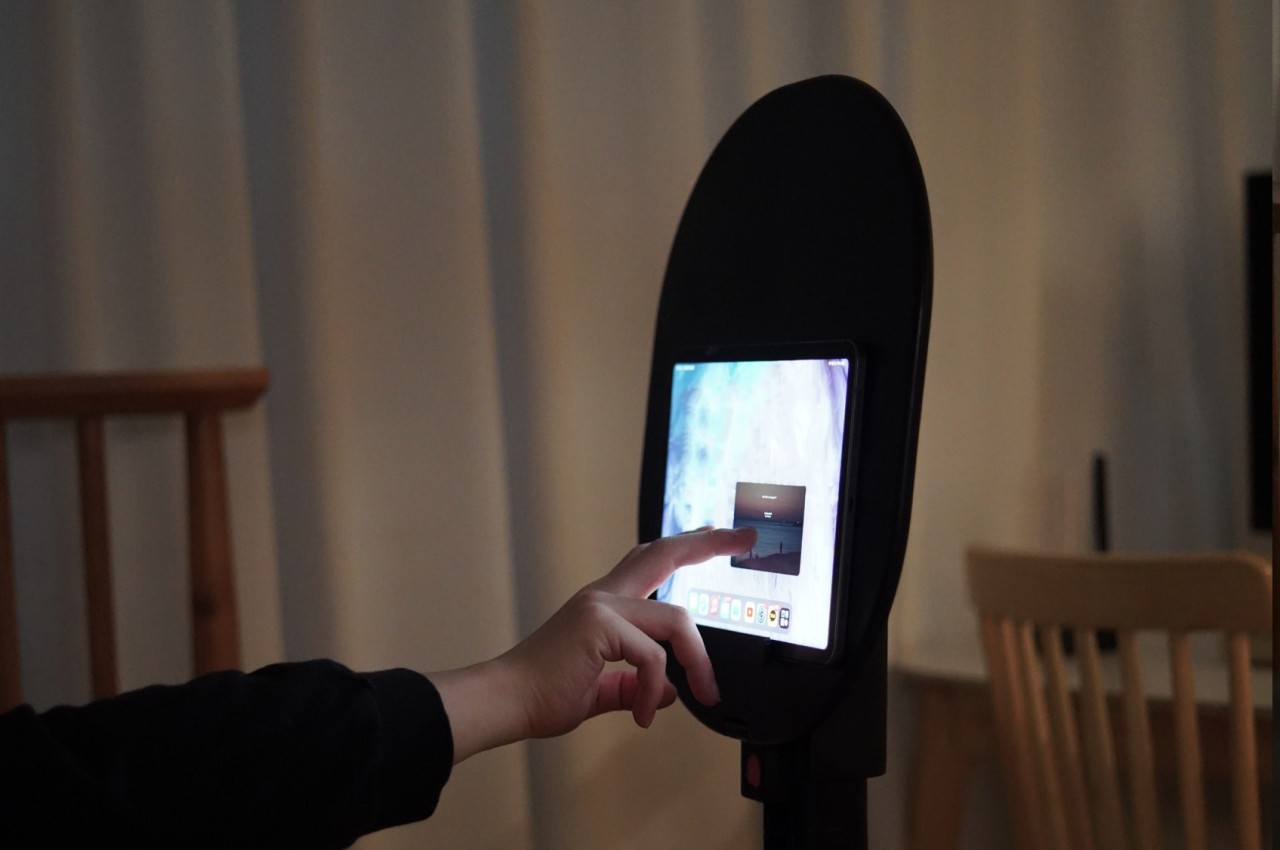
Last but definitely not least, SWIBLE is a side table with a swiveling top, offering extra space to place other things without messing up your desk, including those “Yasik” snacks you might need to keep yourself awake. It also has a hidden compartment under the lid for even more storage, though you probably need to remember to take things off it before opening it up. And when you’re work is finally done, the underside of the table can actually hold a tablet so you can sit back and relax with your favorite shows.
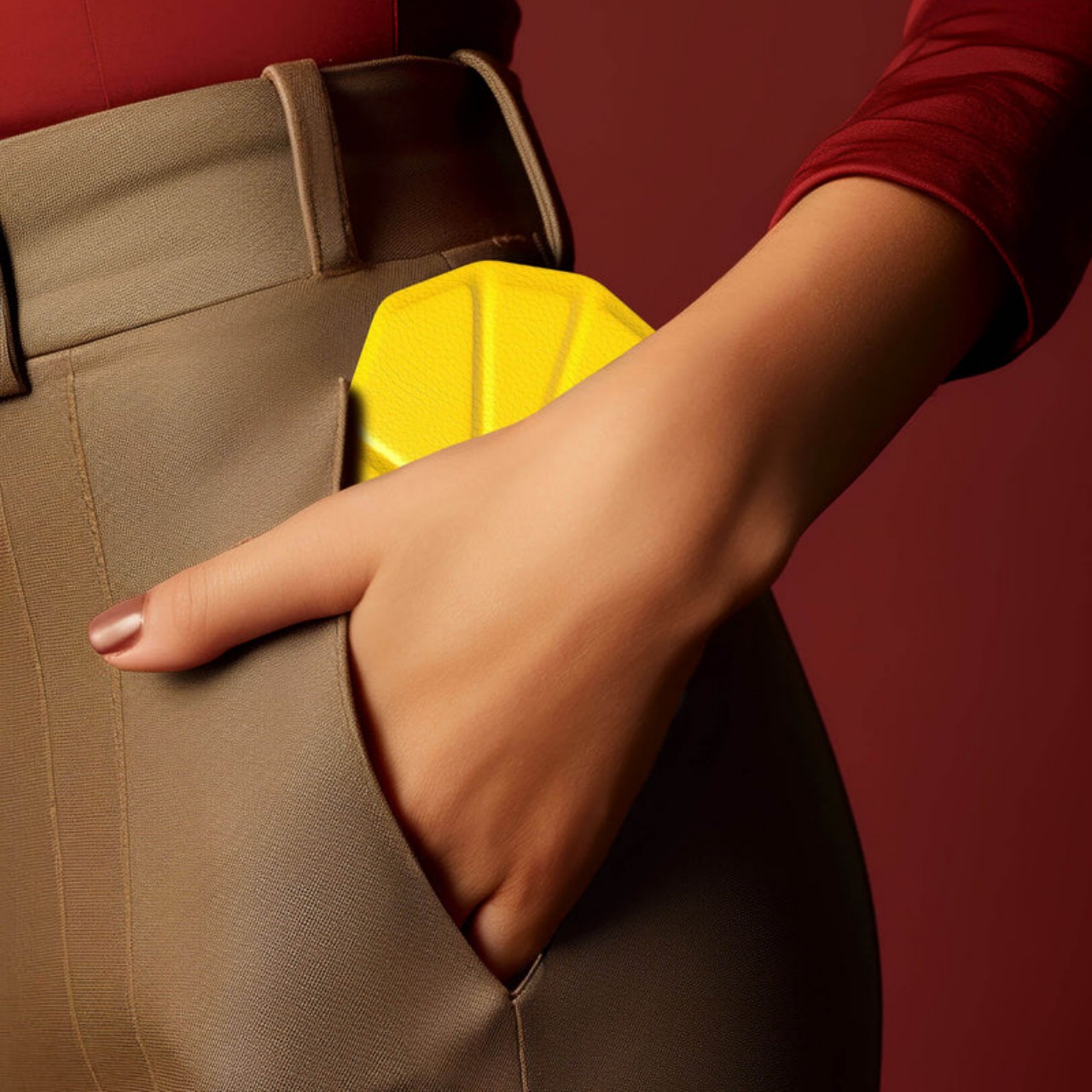
As odd and unnatural as the computer mouse might be, it has become the standard input device second only to the keyboard. For decades, however, the design of the mouse has changed very little except when modified in the name of ergonomics. There has been a recent spate of concepts that try to breathe new life into mouse design, but many of those remain in the conceptual realm only. This peculiar design almost looks like one of those, but it’s surprisingly a product you can really get your hands on, figuratively and literally. It’s definitely unlike any Bluetooth mouse you’ve ever laid eyes on because when it’s not in use, it can fold so perfectly flat that you can even slip it into your pocket and make it look like a part of your fashionable attire.
Designer: Horace Lam
We’ve actually seen quite a few mice that can fold or lay completely flat, but few have ever made it into production because of the surprising complexity of mouse design. Origami, the ancient Japanese art of paper folding, might be great for paper, but not for something that needs to withstand the wear and tear of daily use, not to mention being carried around in bags or even pockets. That’s the rather impressive feat that the myAir.0 OriMouse claims to have achieved, offering a wireless mouse that is flat, functional, and fashionable.
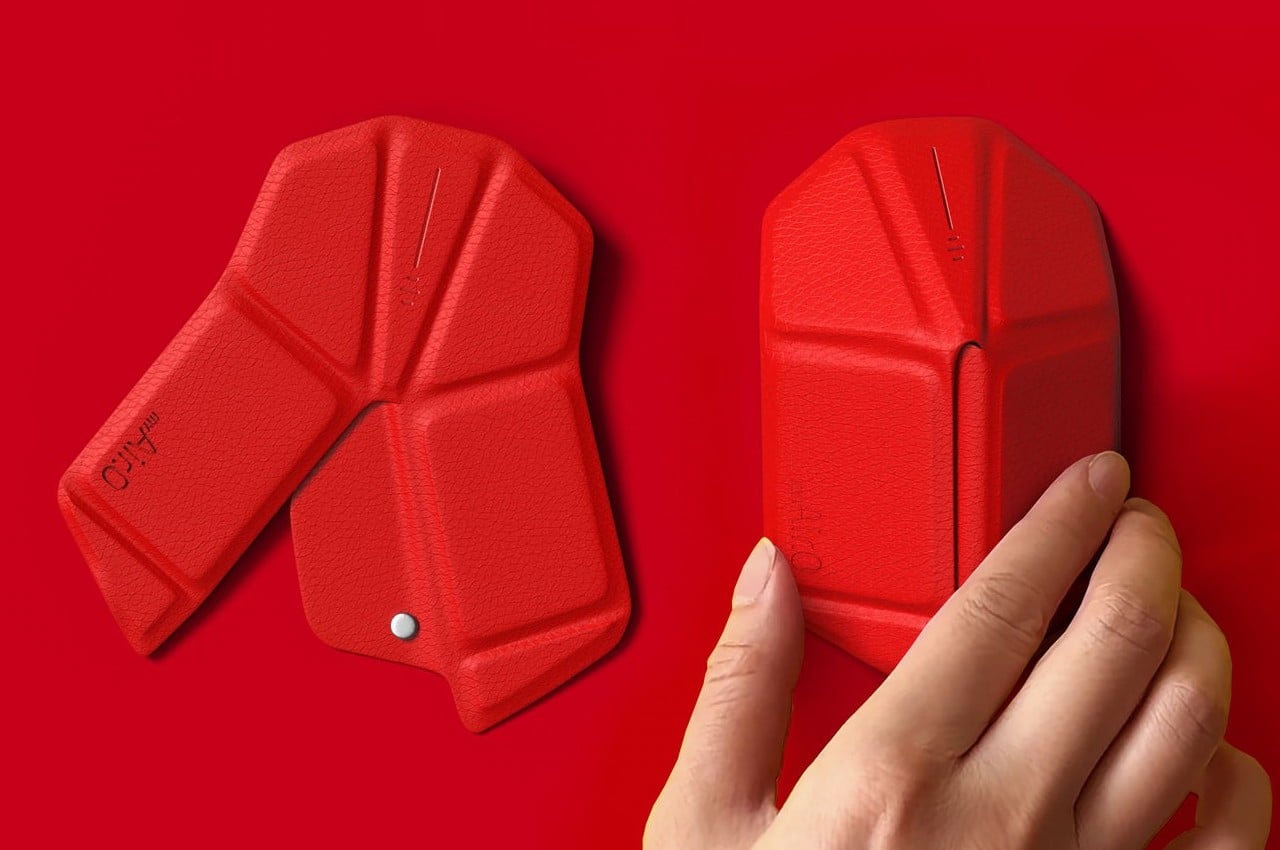
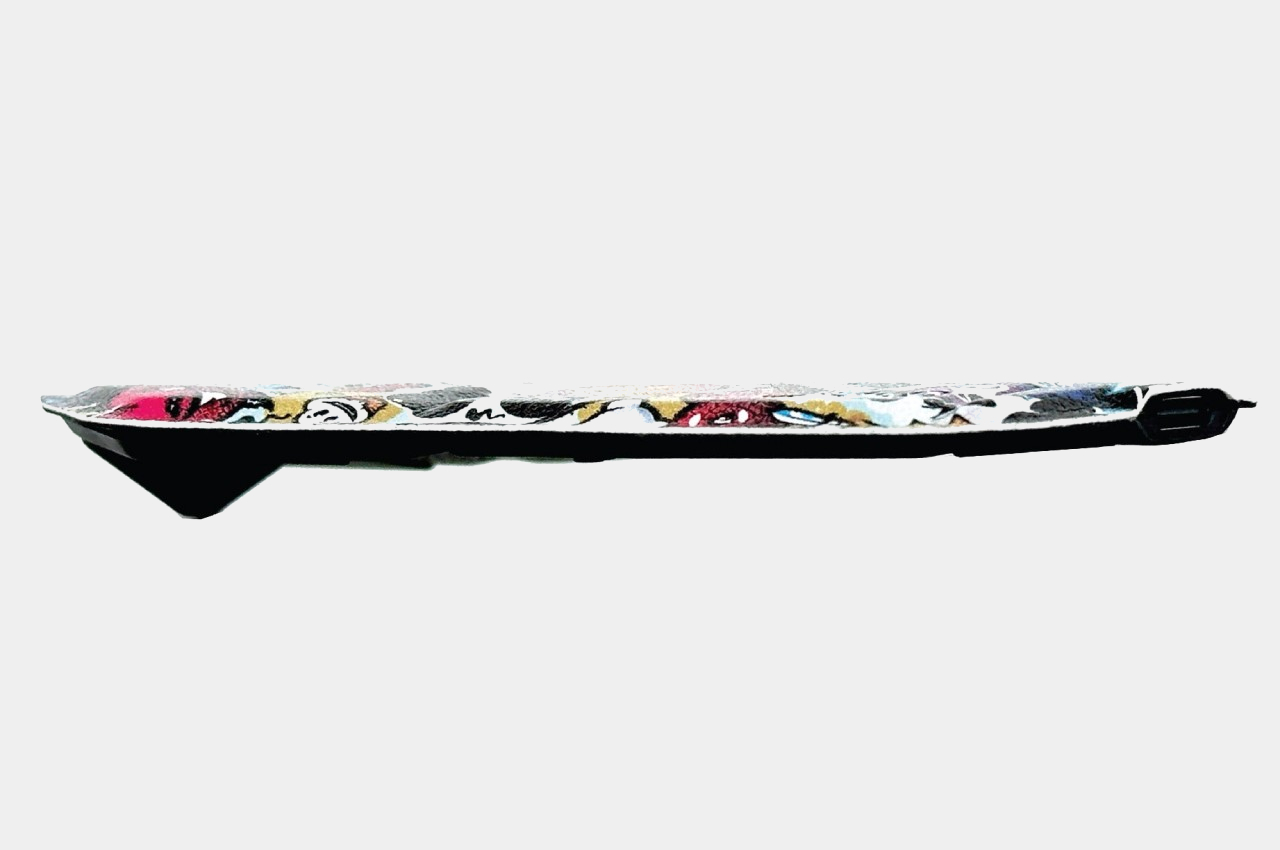
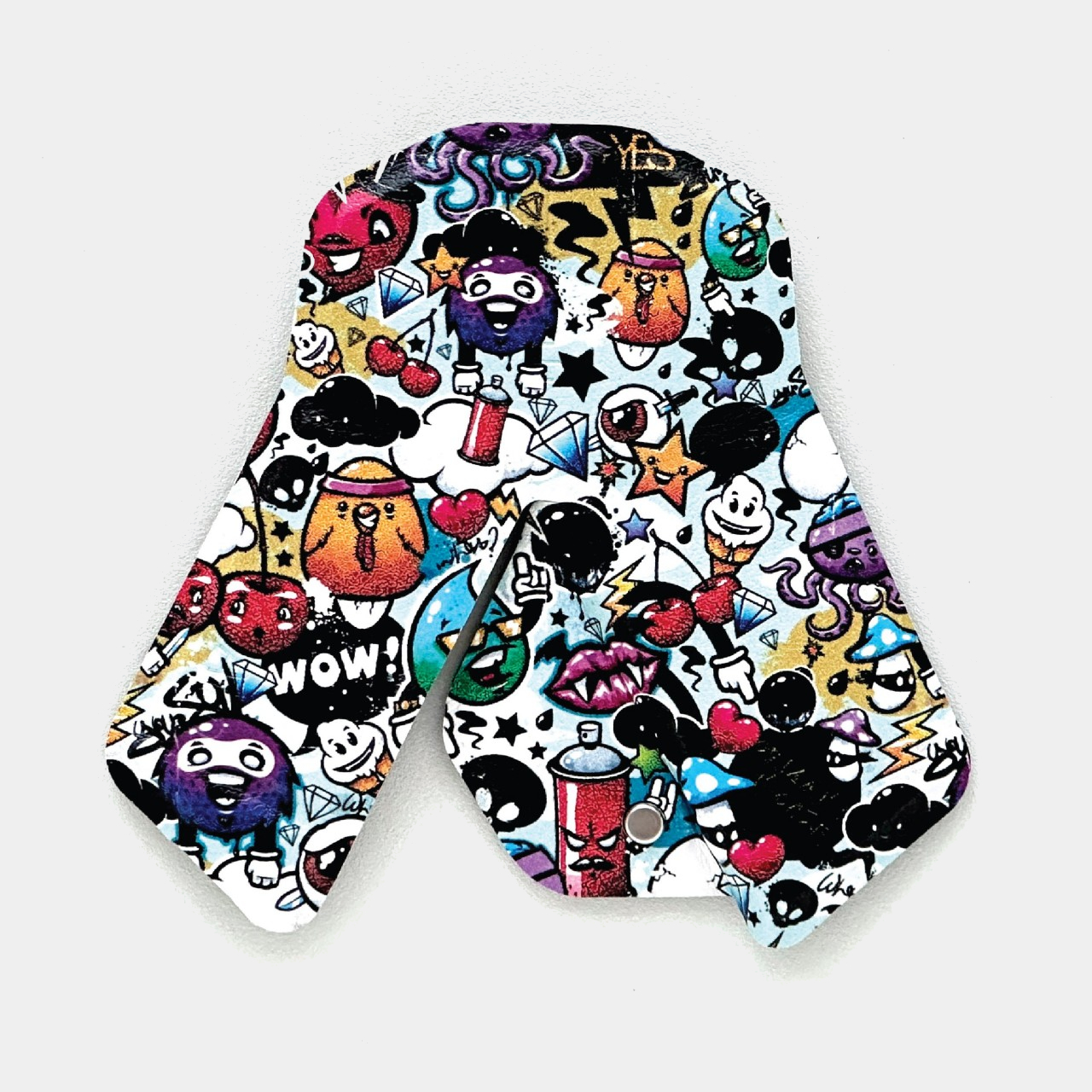
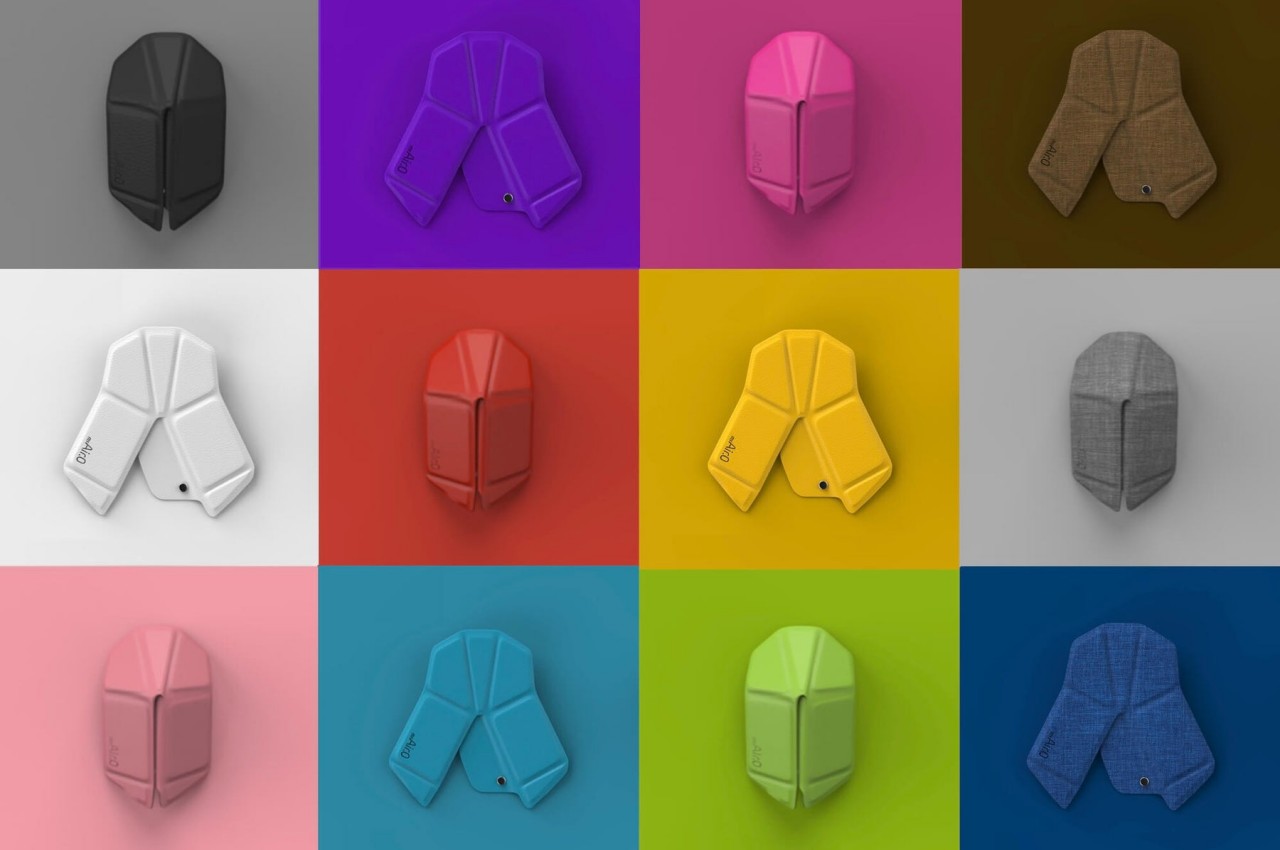
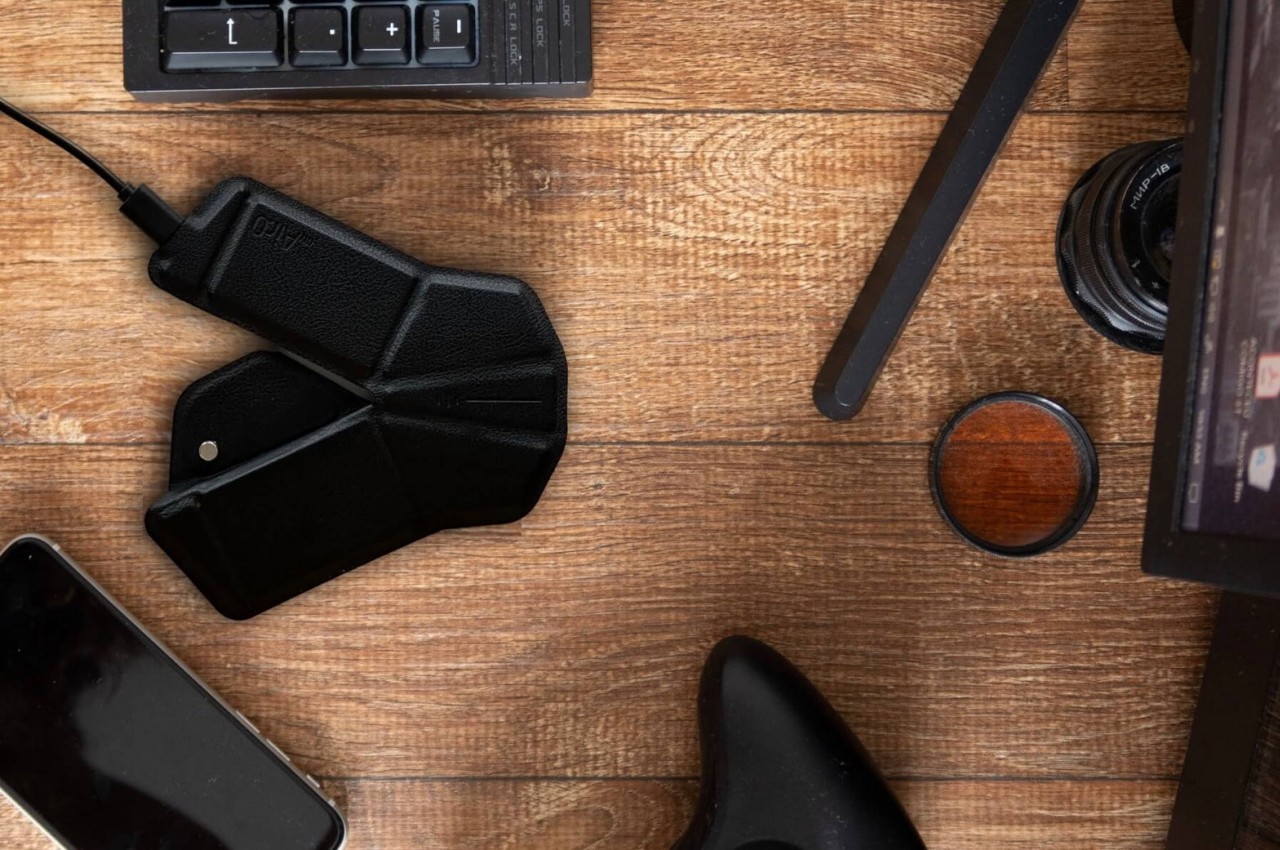
In its flat and deactivated state, the OriMouse has a “V” shape with a faceted surface. Covered in vegan leather or textile, it doesn’t even look anything like a mouse. Weighing only 40g and less than 5mm thin, it looks and feels more like an art object that you carry in your pocket or in your bag. But with a simple pinching gesture that joins the two divergent ends together, the OriMouse rises to the occasion, literally, to become an essential tool for productivity.
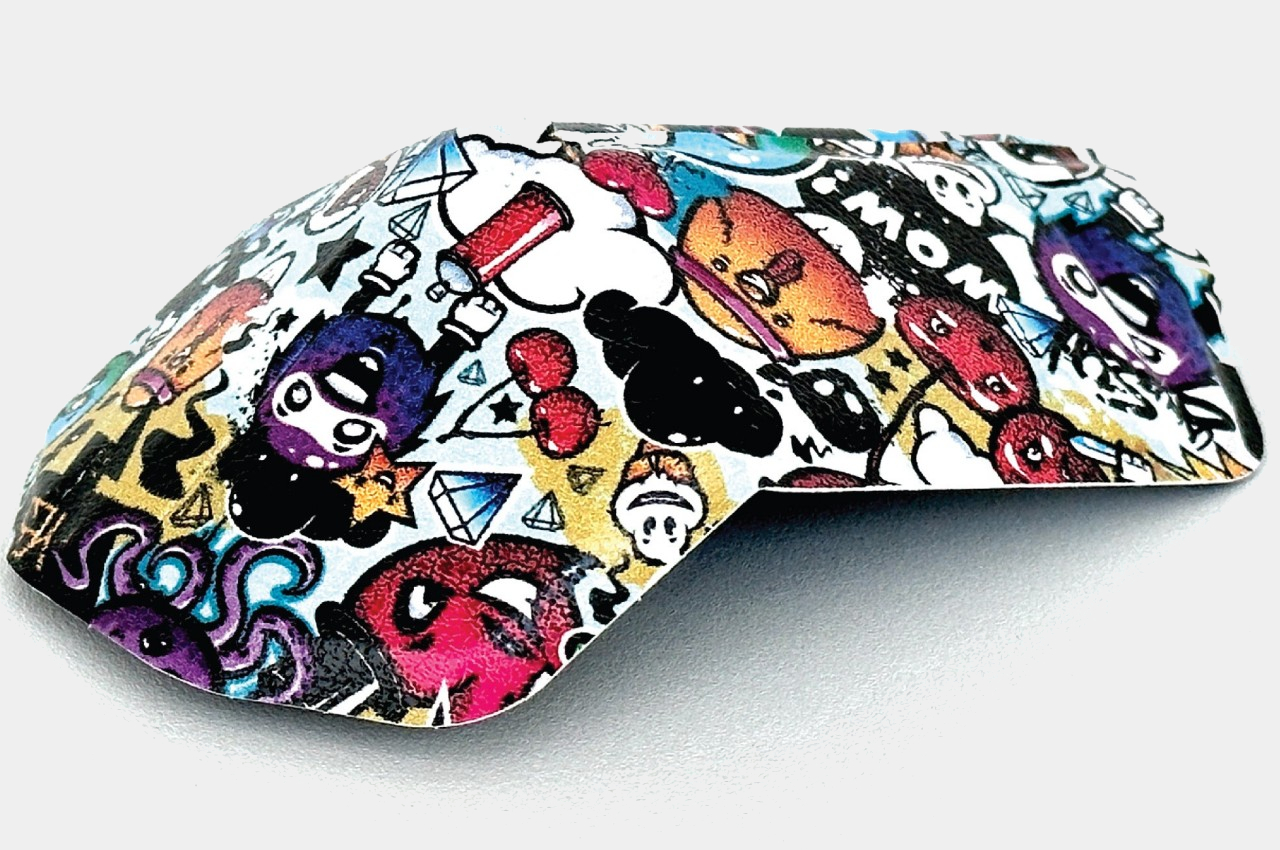
Using the same principles that give origami designs innate stability, this foldable mouse can withstand a lot of pressure from your hand without buckling from the weight. At the same time, however, a simple push at a specific and strategic spot disengages the two neodymium magnets and collapses the structure back to its flat state. In addition to this shape-shifting trick, the OriMouse promises a more ergonomic design thanks to the polygonal structure inspired by the folds and facets of an origami object.
Although the various options available make use of textured materials to give the mouse an even more tactile experience, the OriMouse’s foldable design also lends itself perfectly to more artistic expressions. In fact, one model even has a graffiti graphic printed on its surface, and it’s not hard to imagine branding opportunities for such a design. Granted, the actual ergonomics of such a mouse will probably be a matter of debate, but if you are looking for a highly portable Bluetooth mouse, it won’t hurt to take a hard look at something that’s also so unique and beautiful that you will easily become the envy of the crowd around you.
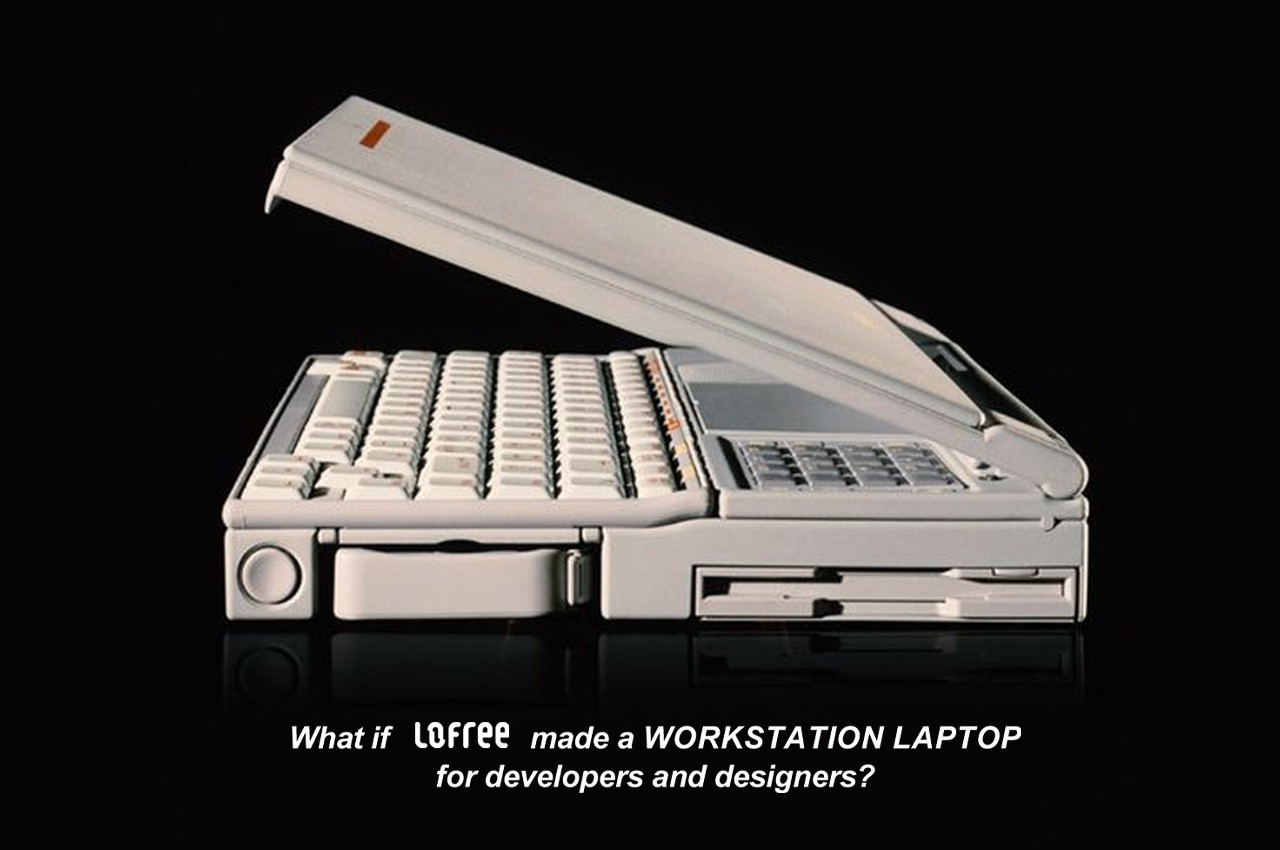
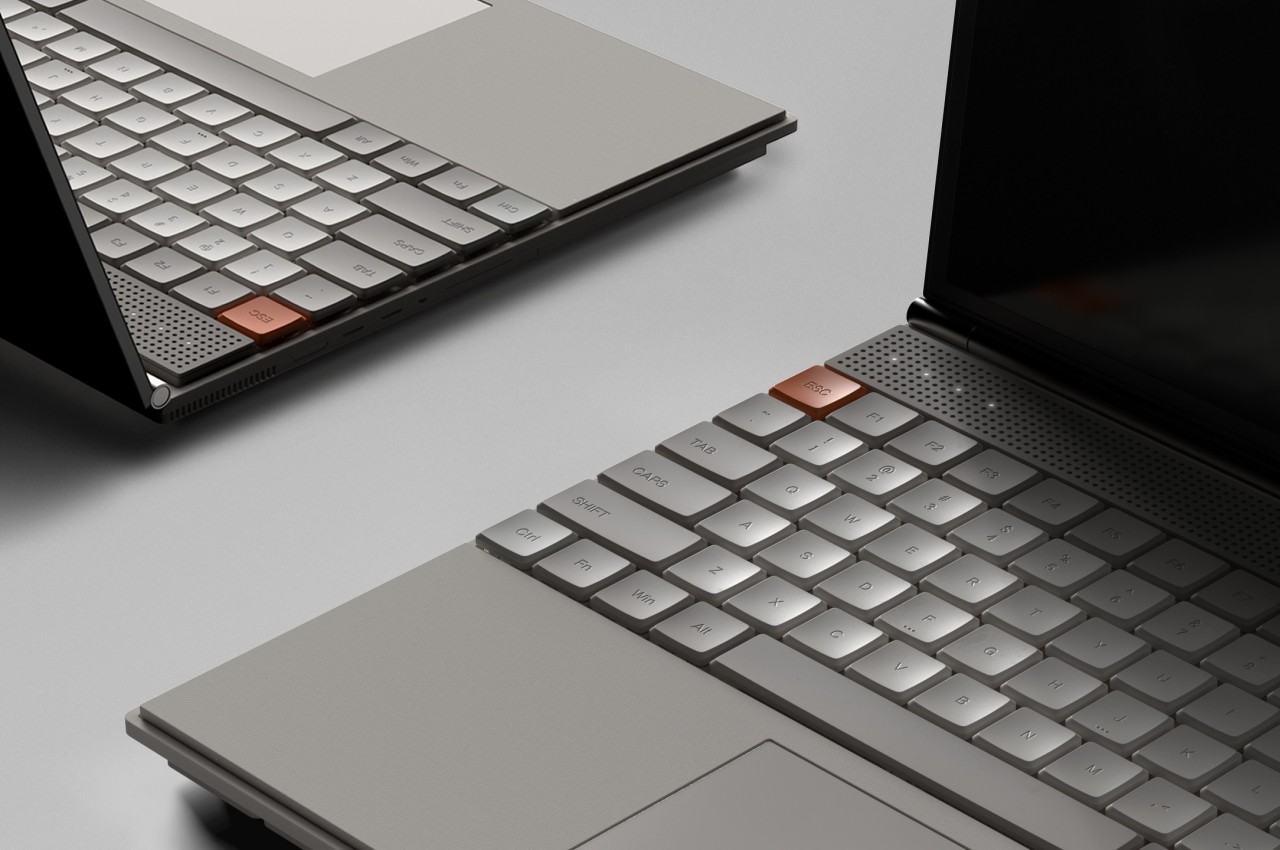
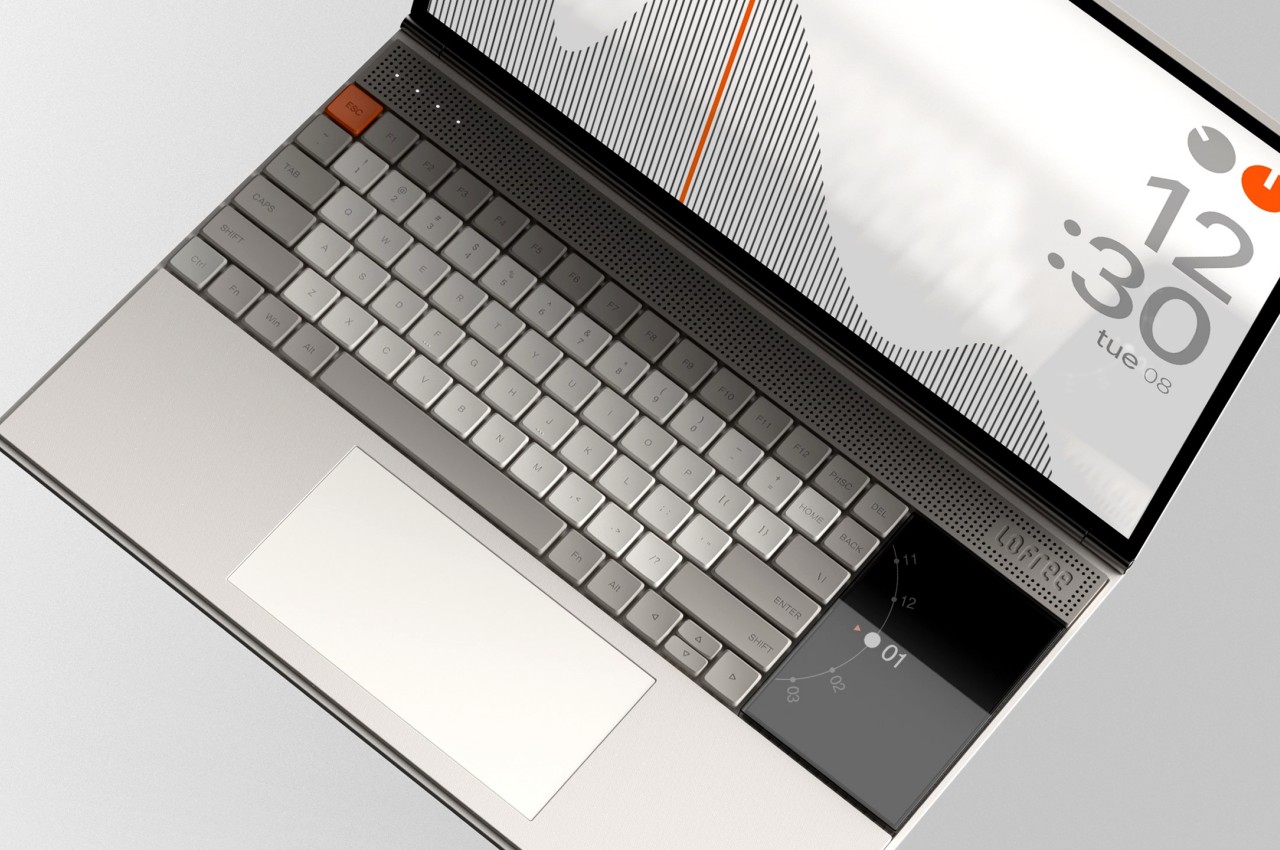
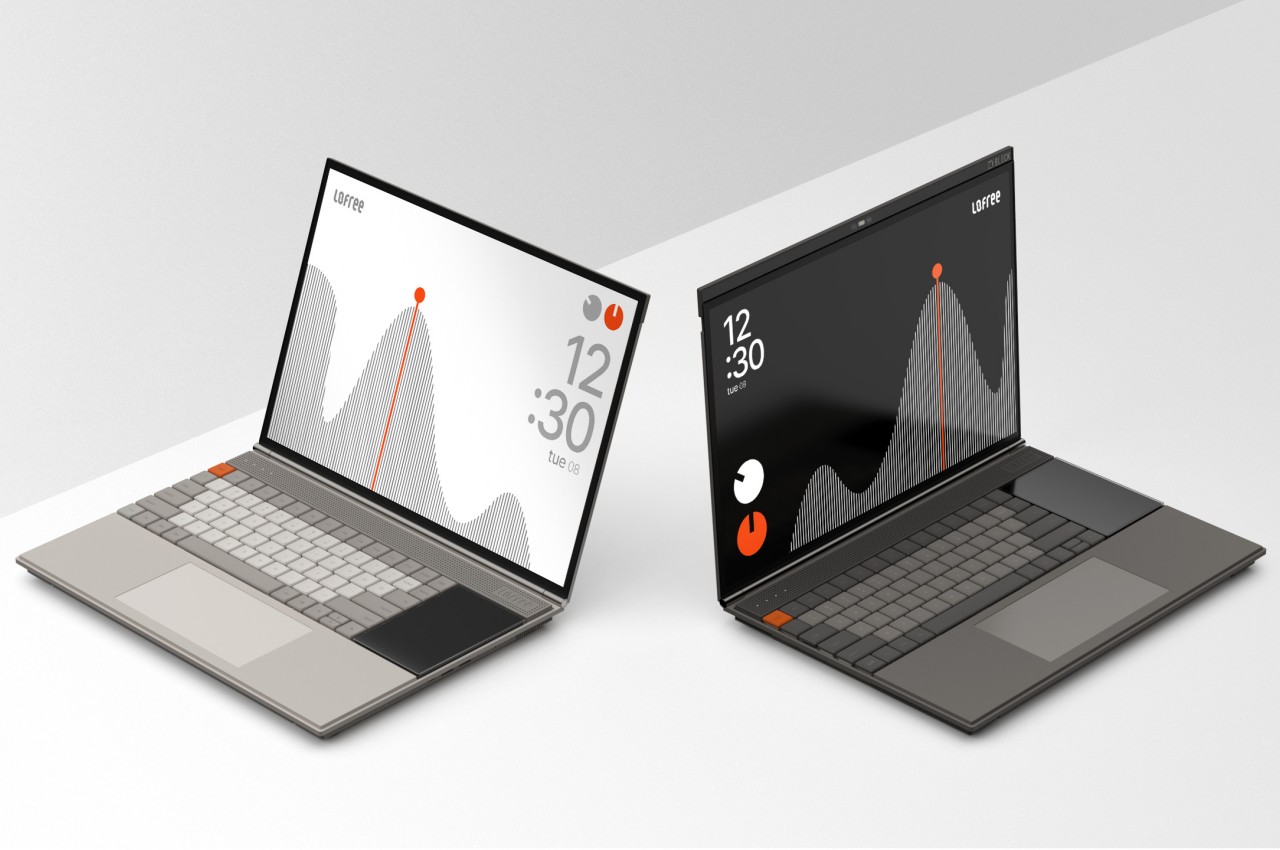
The retro craze shows no sign of slowing down as more people discover the wonderful quirks of designs from the past. It has even reached a point where designs are being applied to things that are somewhat unrelated to the original. We’re seeing computers that look like gaming consoles from the 90s, for example, or media players that would make you think they could play cassette tapes. This laptop has the same feel, although it barely looks like the workstations of Eld. Instead, it takes its cue from the design trend that’s gripping the computer accessories industry, applying not just the aesthetics but even the materials of retro mechanical keyboards to envision a workstation that, while powerful, isn’t made for gamers but especially for developers.
Designer: Wonjae Kim
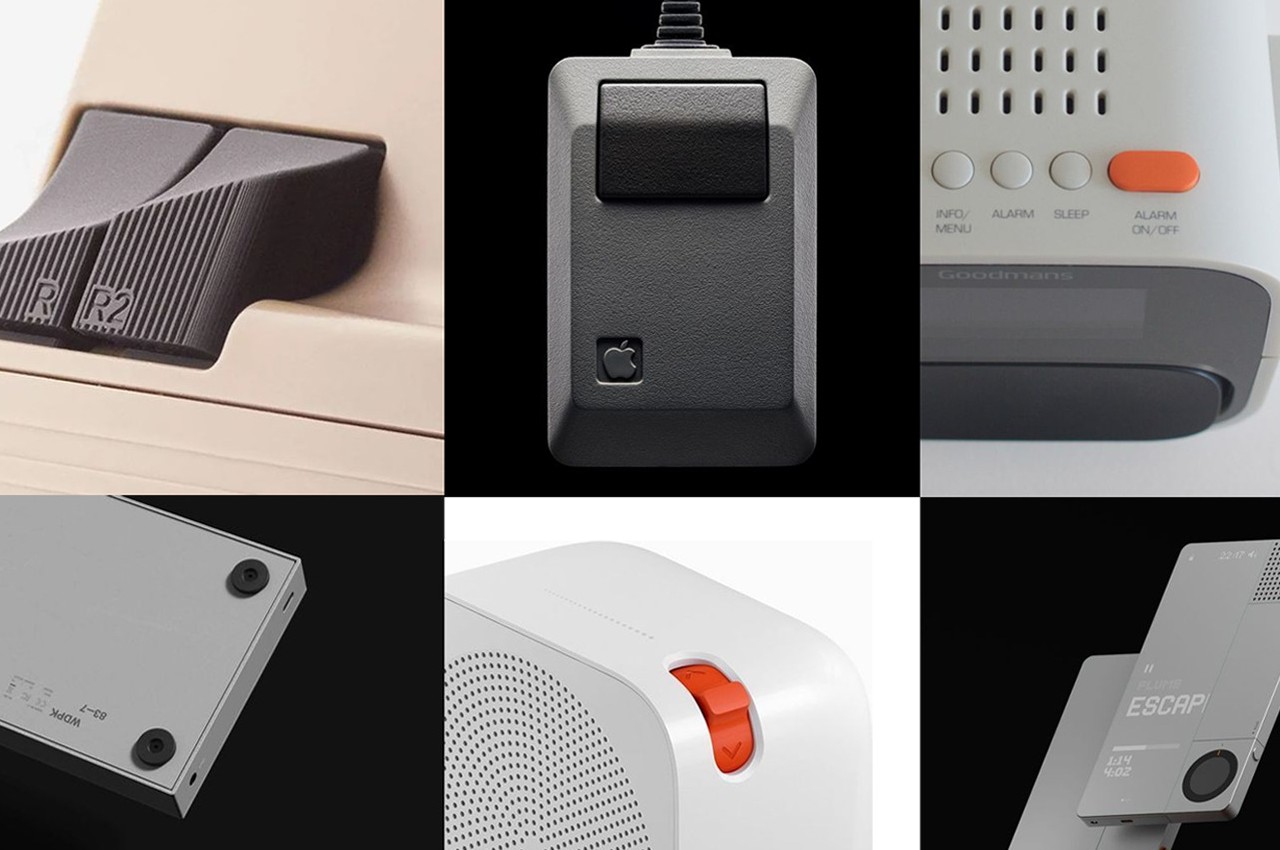
Mechanical keyboards have always had an old-school ring to them, literally and figuratively. Their chunky keycaps and metallic sounds feel like just a few steps away from typewriters, especially with the prevalence of “chiclet” keyboards with soft sounds and short travel. Some accessory makers have taken that association even further by embracing the designs of keyboards from decades ago, and that same gray and literally edgy aesthetic is being applied to a laptop aimed at people who code more than those who play games.
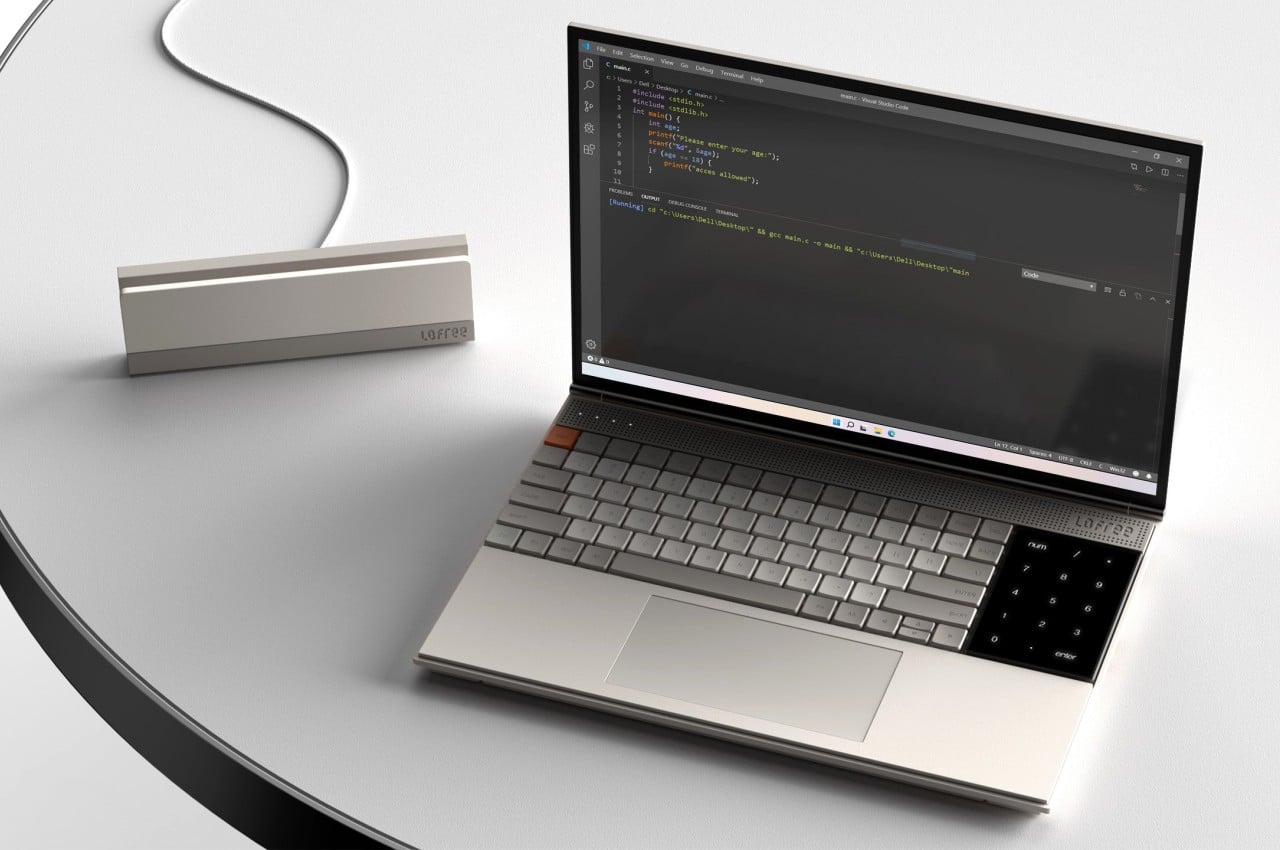
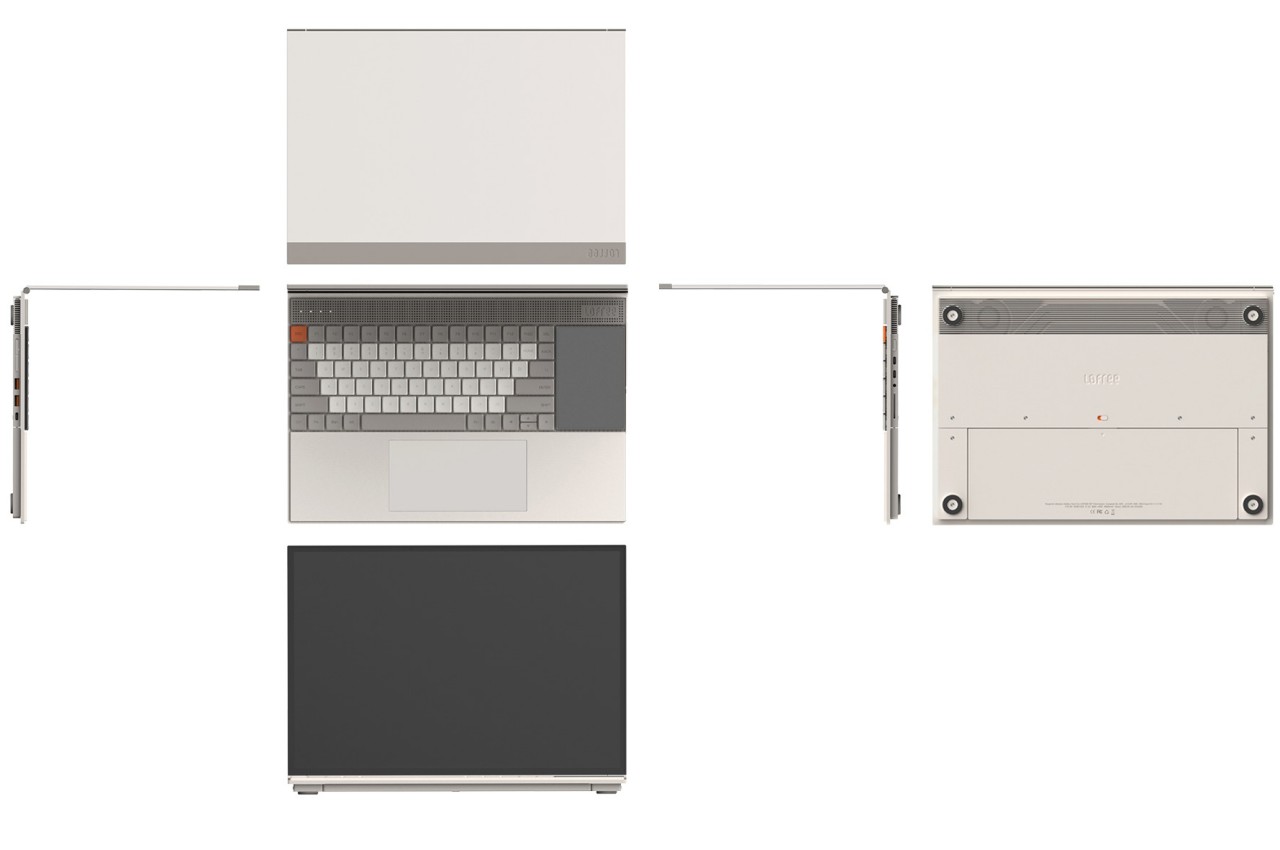
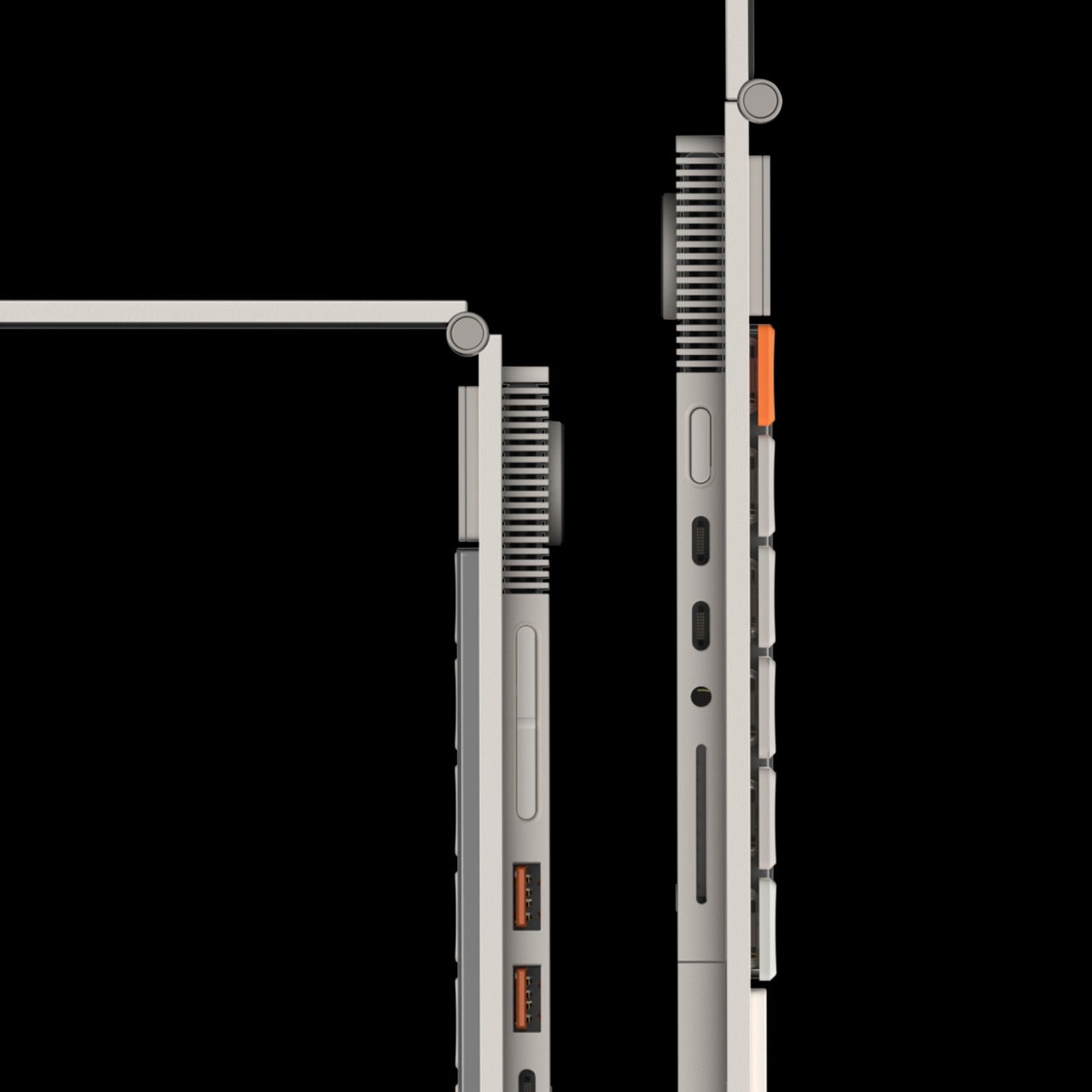
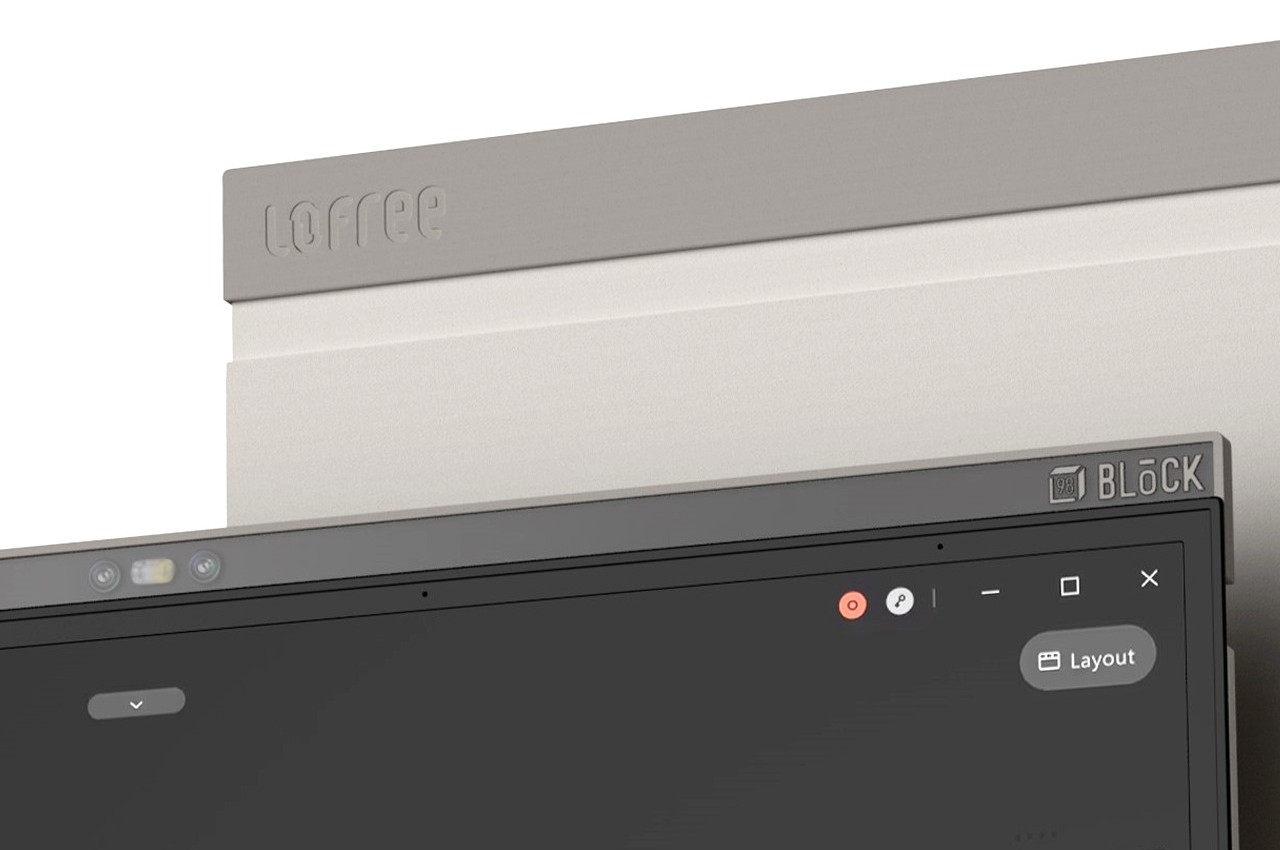
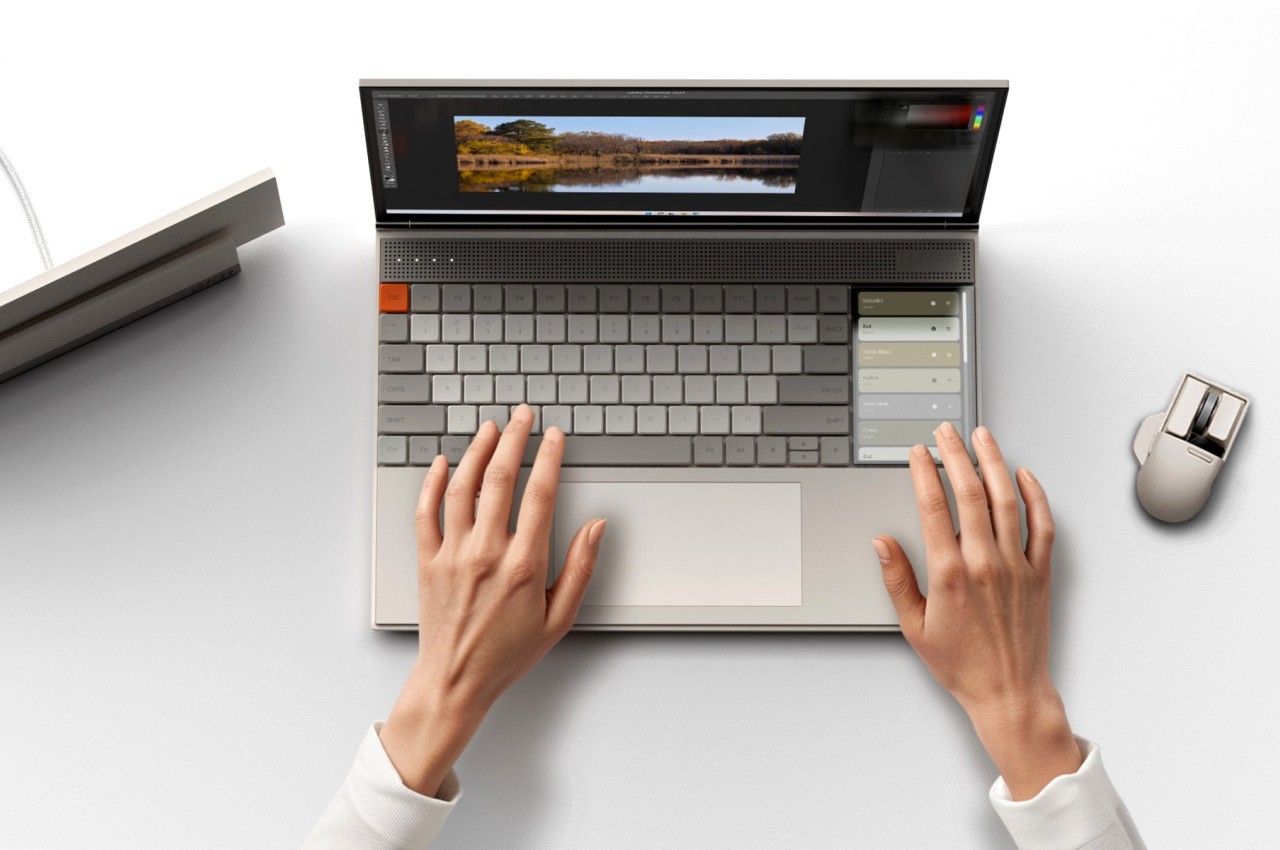
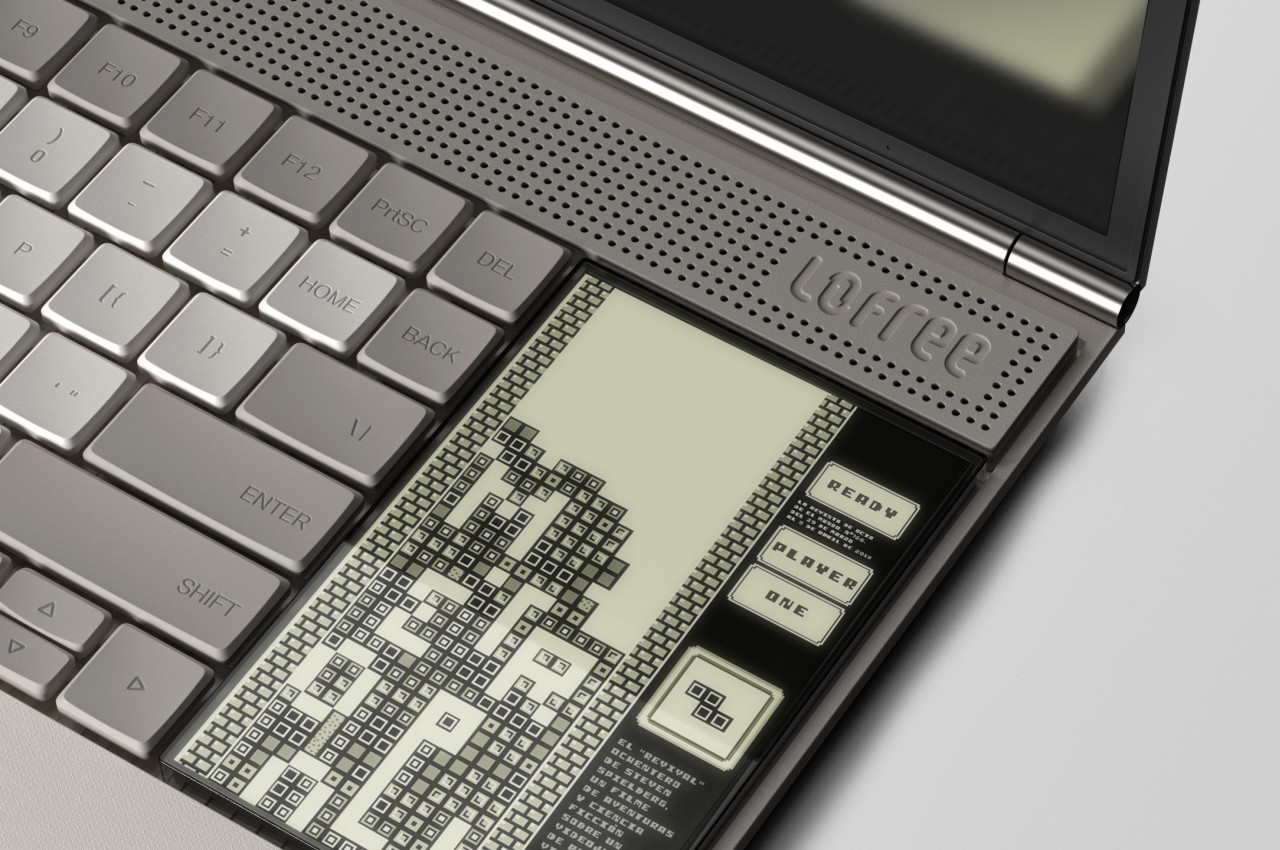
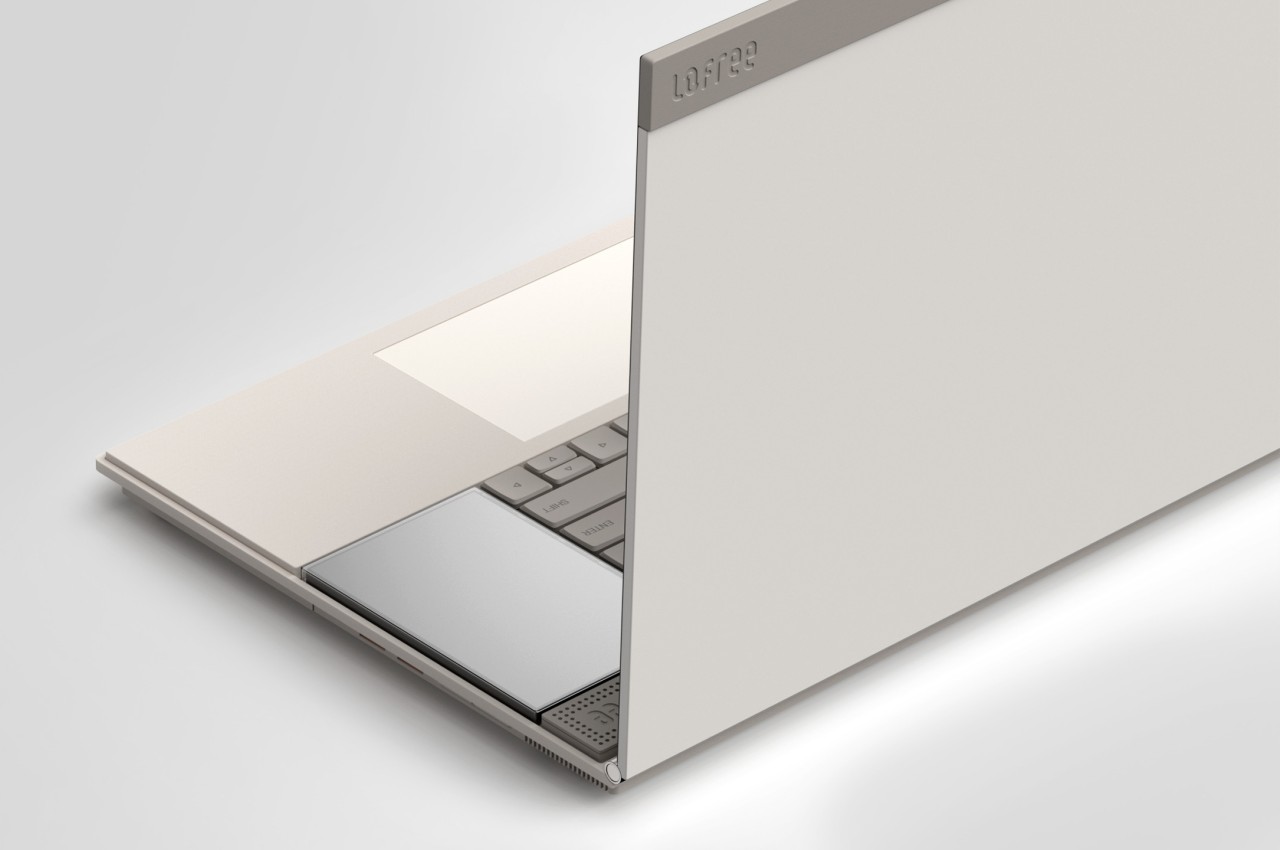
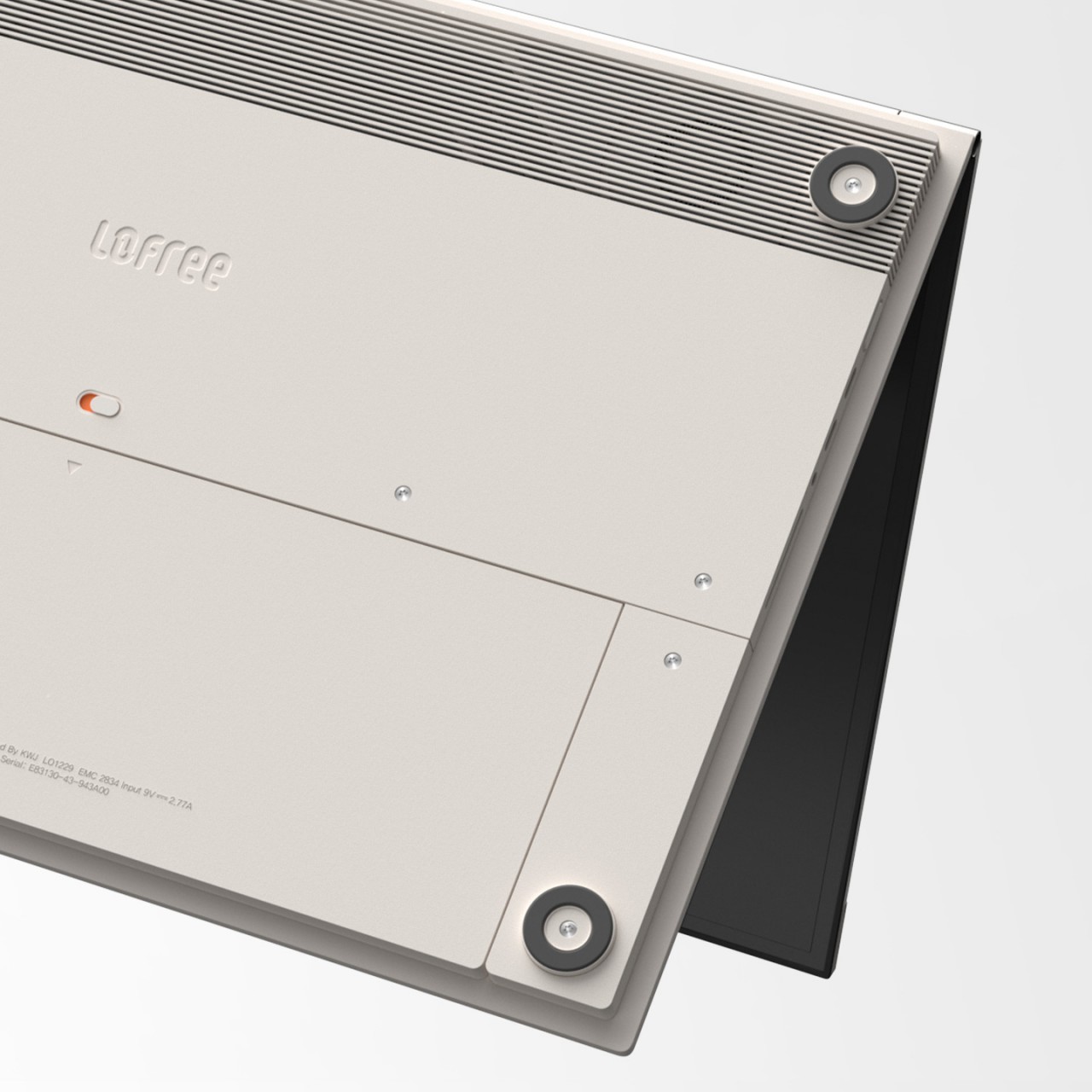
Inspired by Lofree’s line of PBT (Polybutylene terephthalate) retro mechanical keyboards, this workstation concept has the same shapes, colors, and even materials that would remind one of those old-school keyboards, particularly with the use of blocky forms and a limited number of shades of gray with a single orange accent to break the monotony. The design isn’t apologetic about being a little bit thicker than most laptops that are aiming to grab the “slimmest” title at the expense of performance or flexibility.
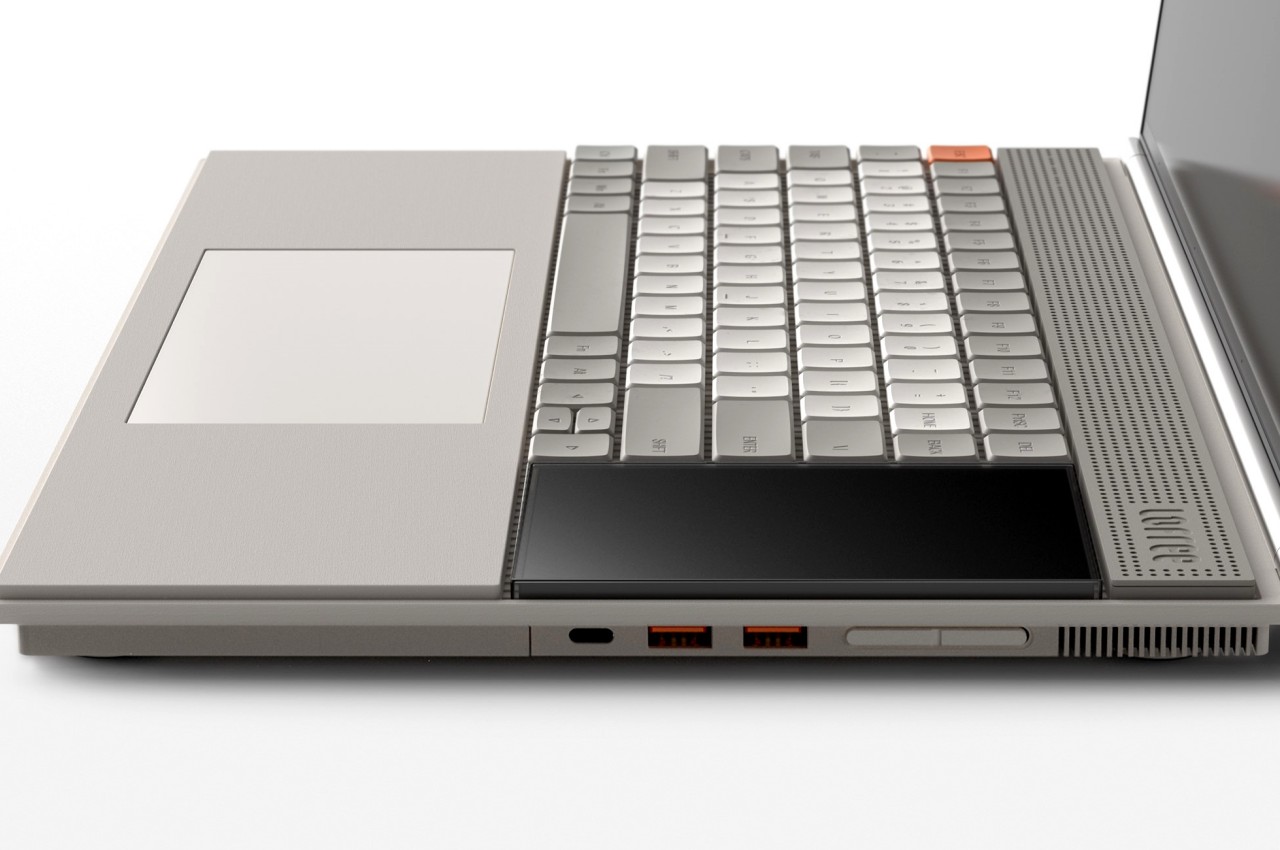
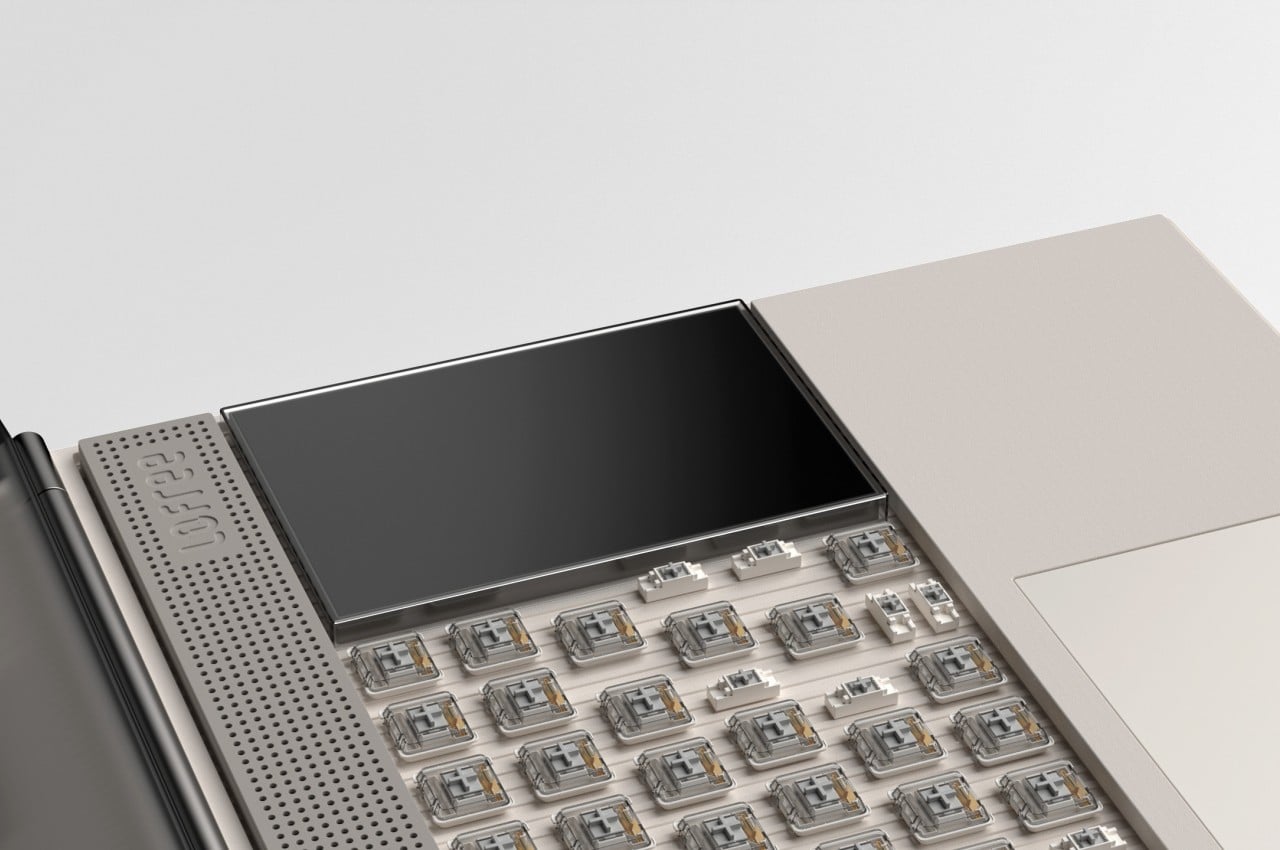
That said, the laptop only looks retro but the concept is actually quite forward-looking. The bezels around the screen, for example, are thin, something that would have been inconceivable in older laptops. The most notable feature, however, is the touch display on the right side of the keyboard that can be used for different purposes, depending on the situation. It can be a numeric keypad, a to-do list, or even a game to give your brain time to breathe after a long and intense coding marathon.
Despite trying to evoke retro aesthetics, this Lofree-inspired workstation is quite clean and minimalist so you won’t stand out from the crowd in a negative manner. Using the same PBT material for the keyboard would make the emulation more authentic, but it wouldn’t be practical for a laptop chassis that needs to be a bit more durable. It’s definitely an interesting design and one that will easily rise from a sea of black and white laptops that have flooded the market today.
Although wireless charging has been around for years, it was only until Apple finally joined the fray that the technology really became popular. Of course, it was Apple’s MagSafe spin on wireless charging that really caught on, but it still sparked interest in a future where wires and cables are a thing of the past. We’re still a long way from that future considering how wireless charging works today, but that’s not to say that there is no progress to improve the situation. These wireless charging product designs, for example, are based on such ongoing development and prepare us for a world where desks can be completely devoid of cables, especially those for charging your multitude of devices.
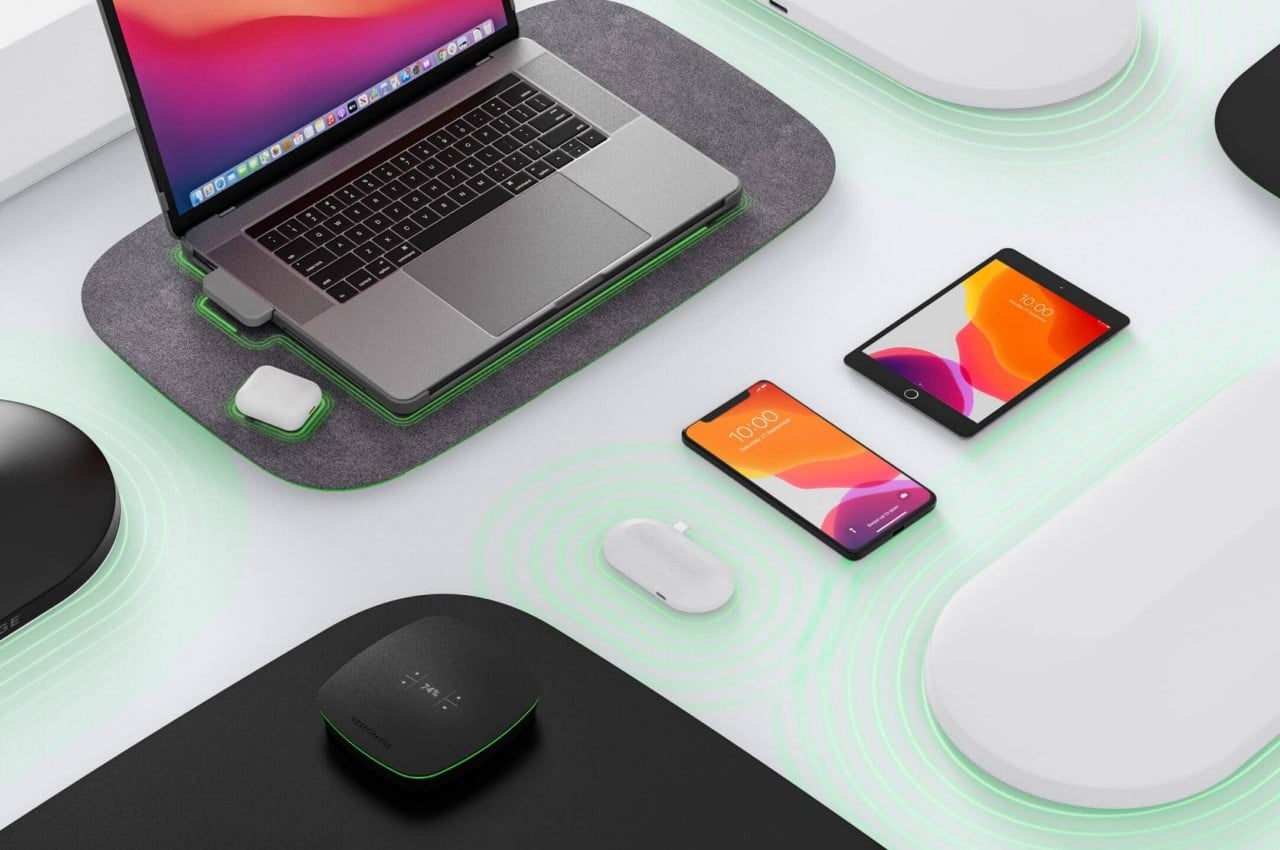
As convenient as wireless charging might be, especially magnetic wireless charging, the requirement to have the device and the charger touching is still quite restricting. Not only that, you still have to make sure that the charging coils are aligned properly, which is what made it necessary for Apple to implement MagSafe in this way. But what if you could get rid of that restriction? Then every surface or anything on your desk can become a wireless charger.
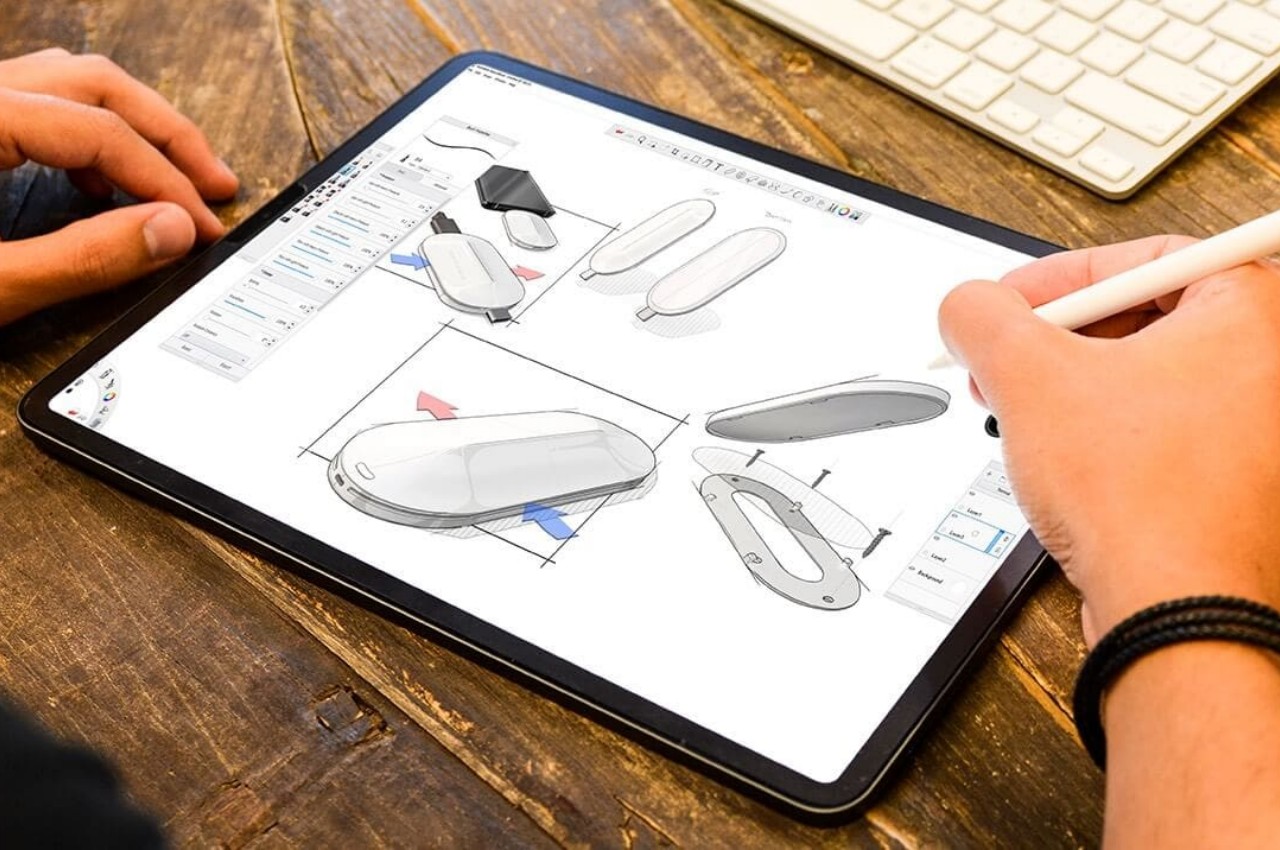
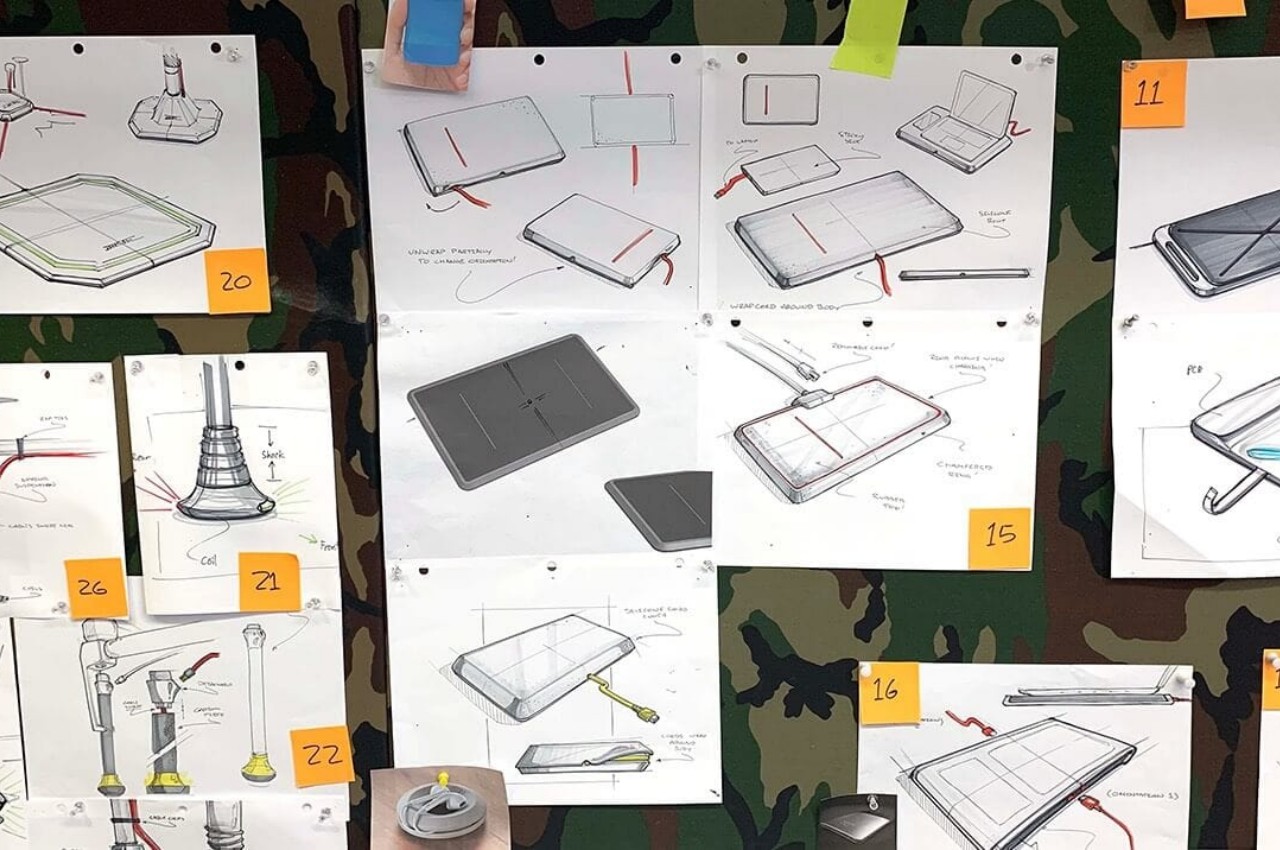
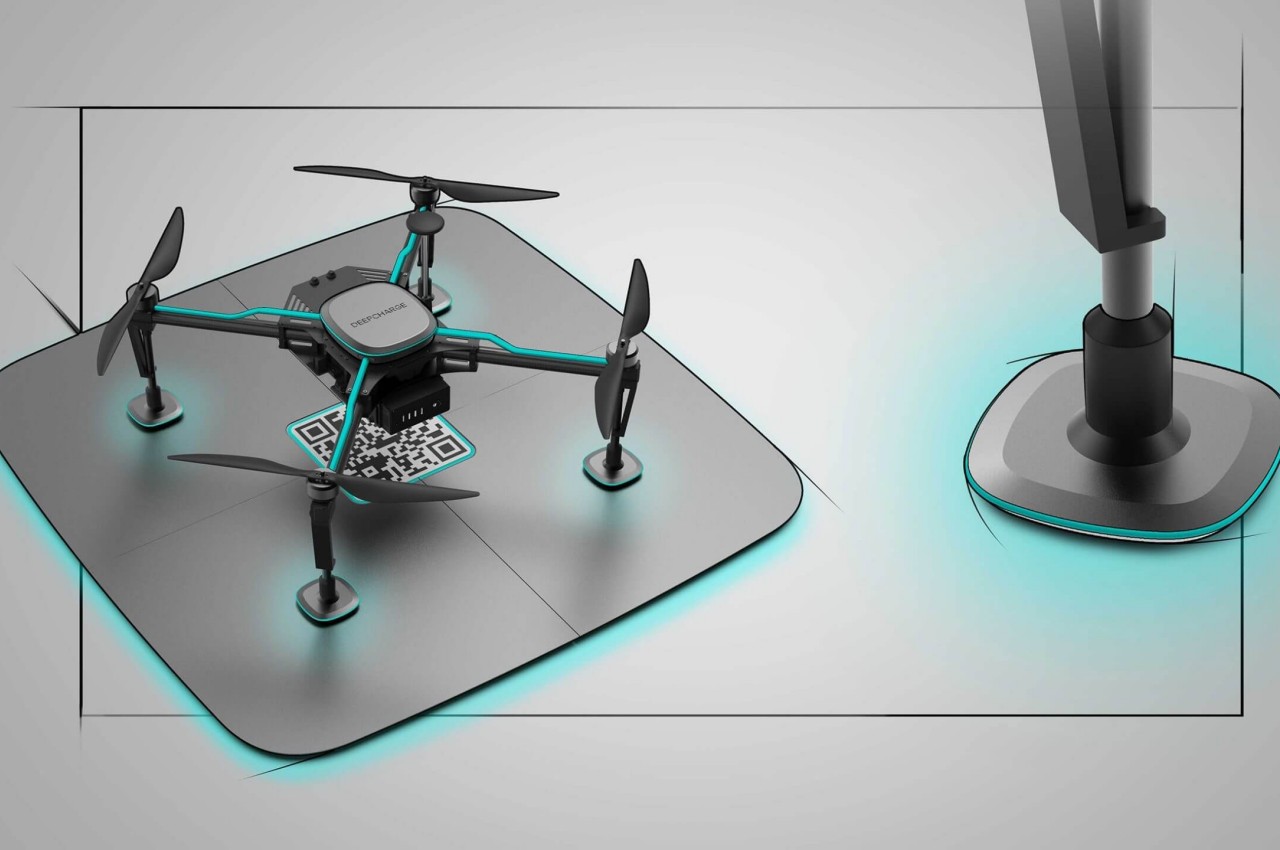
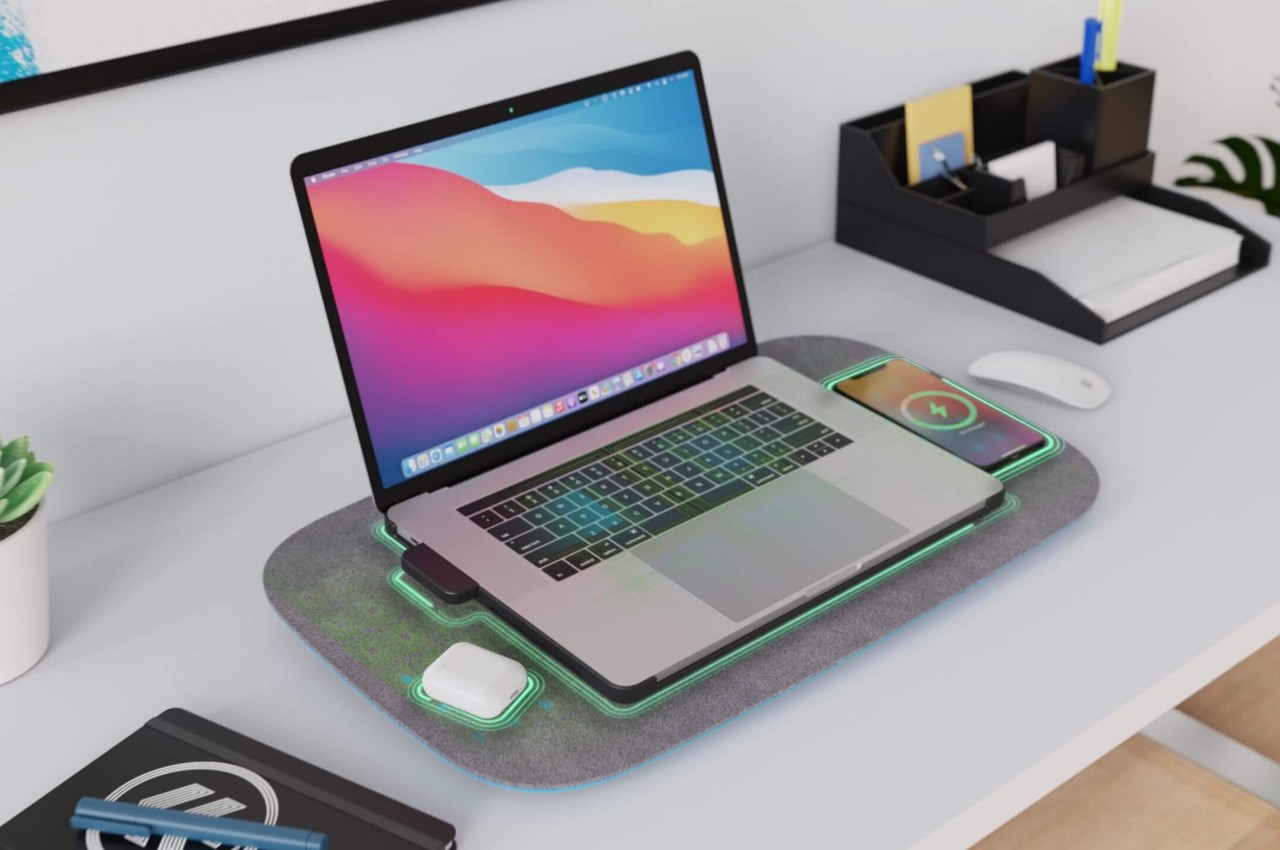
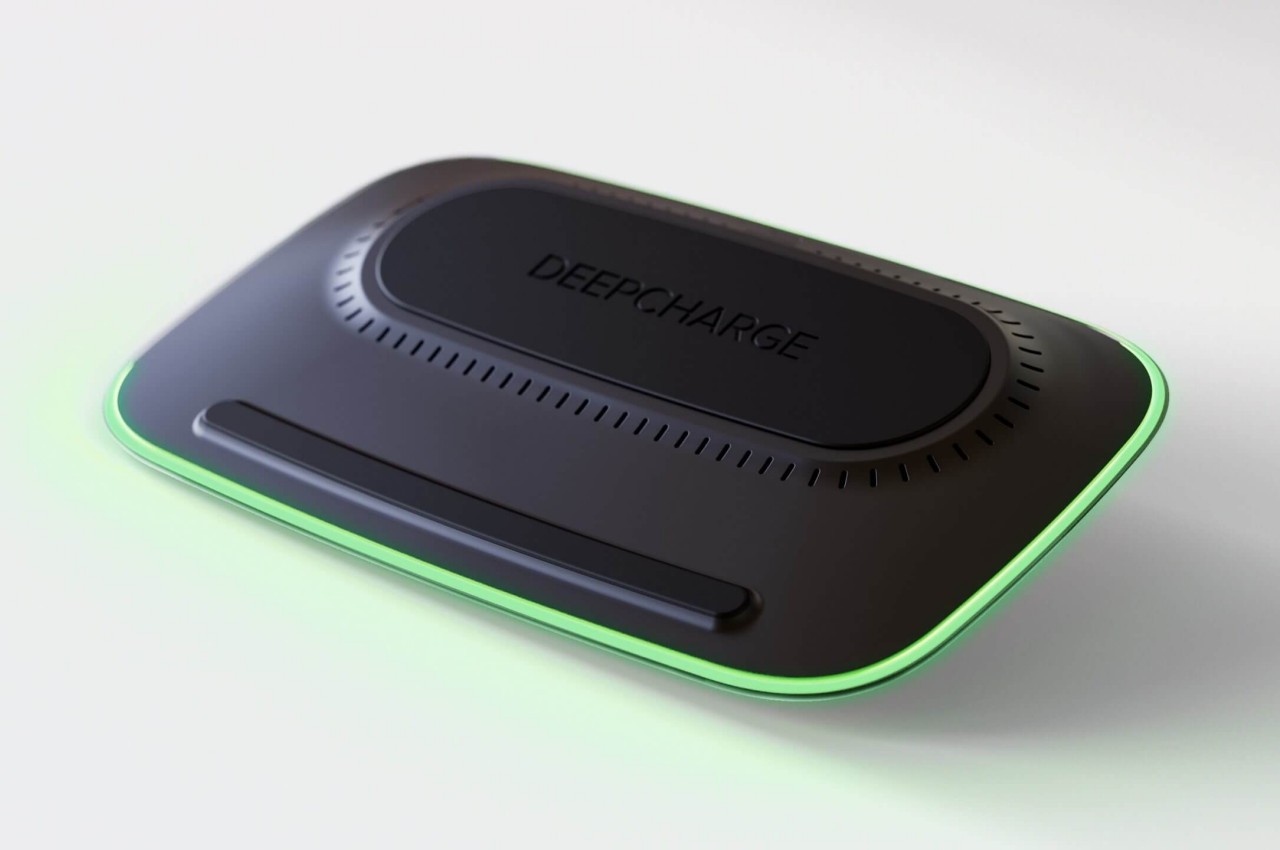
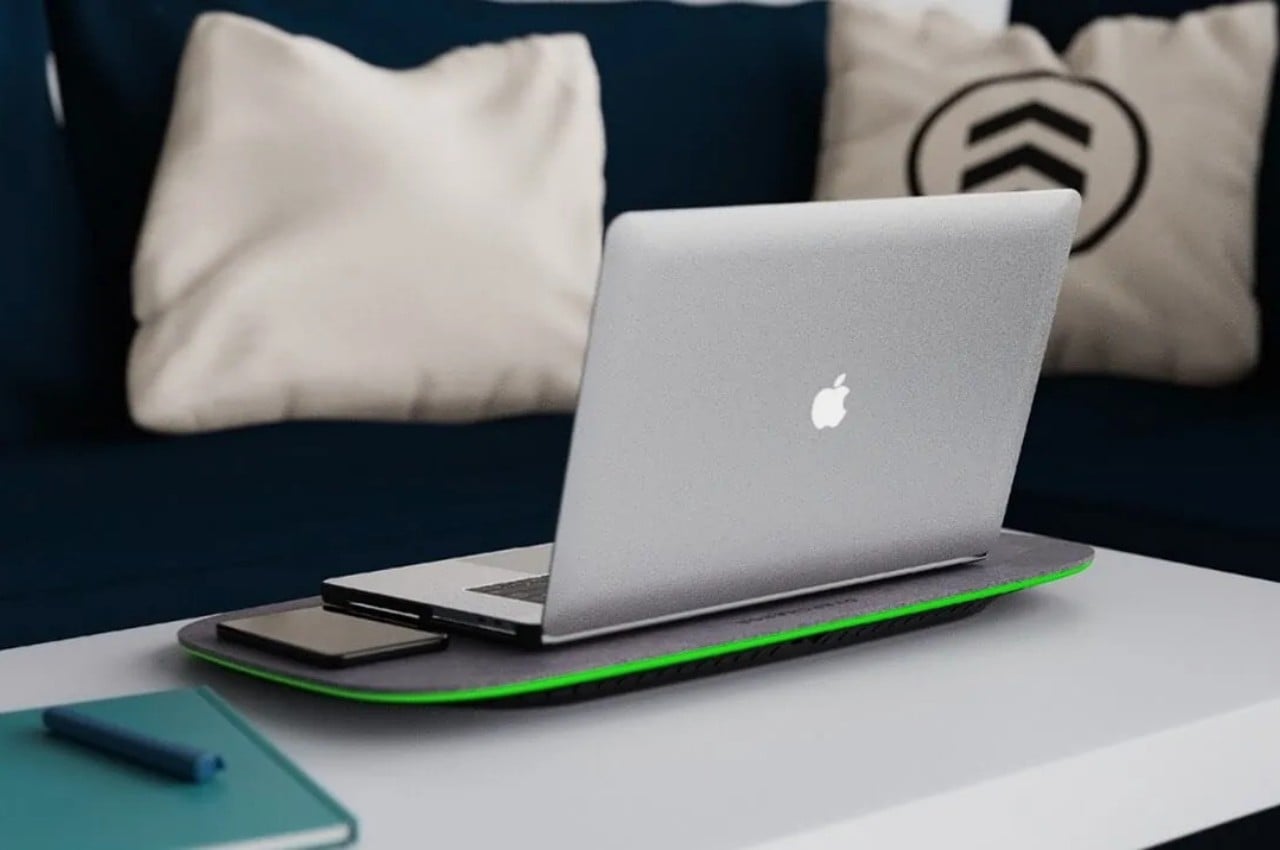
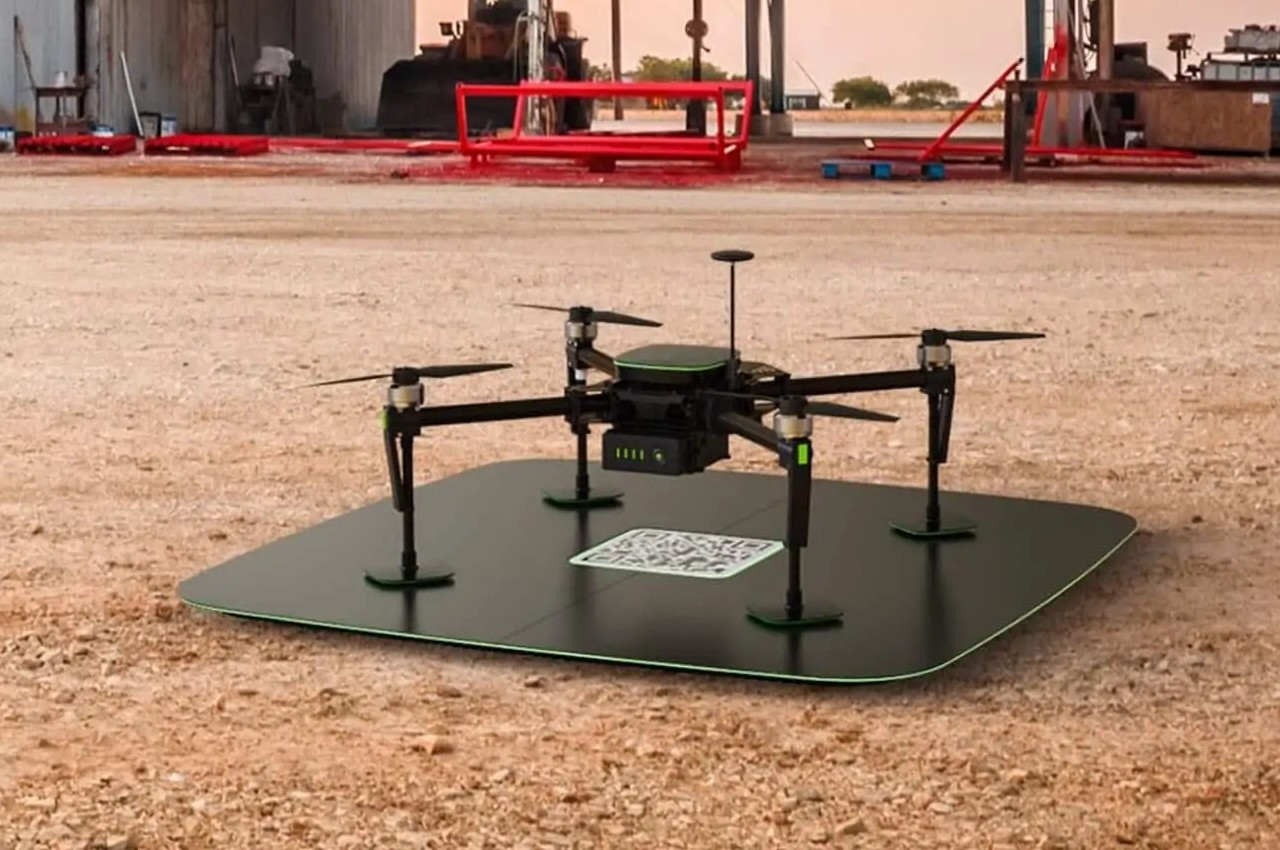
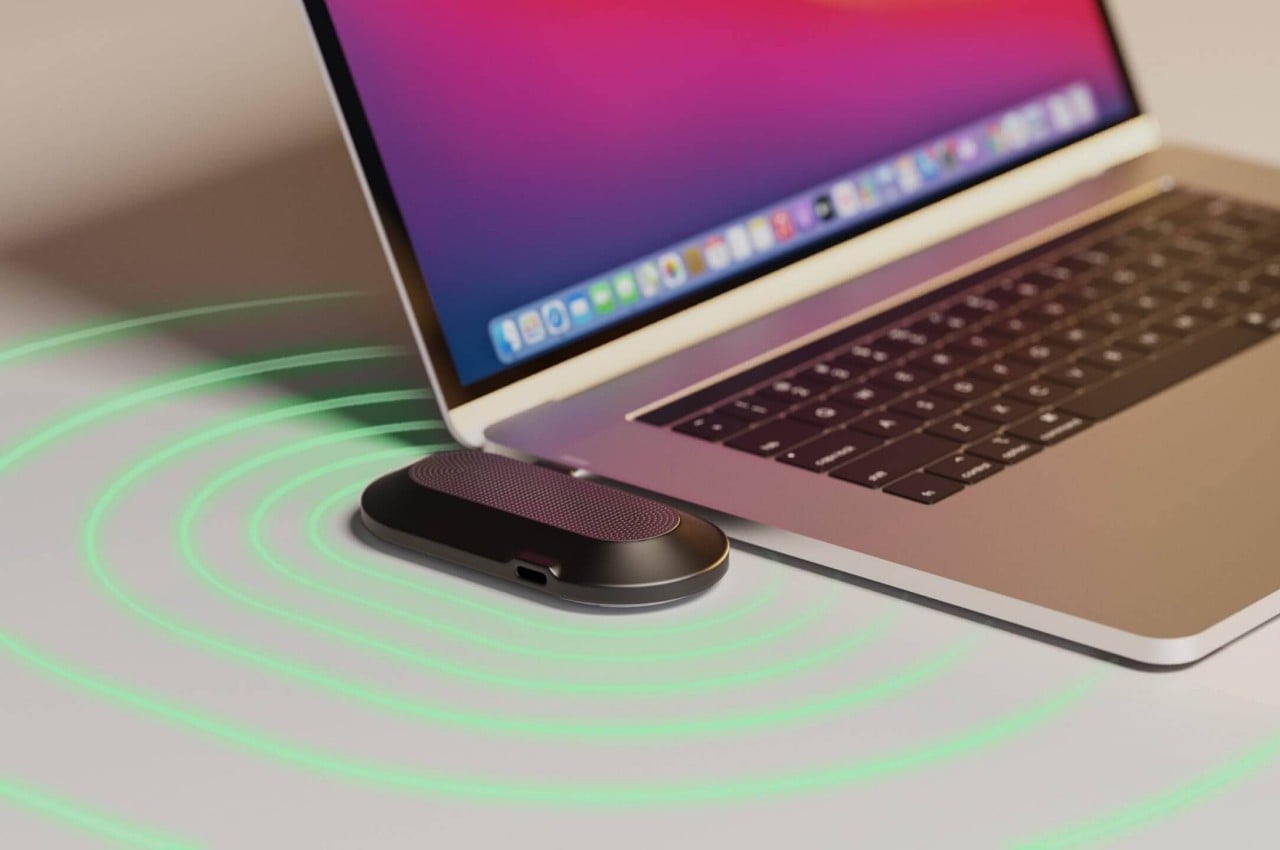
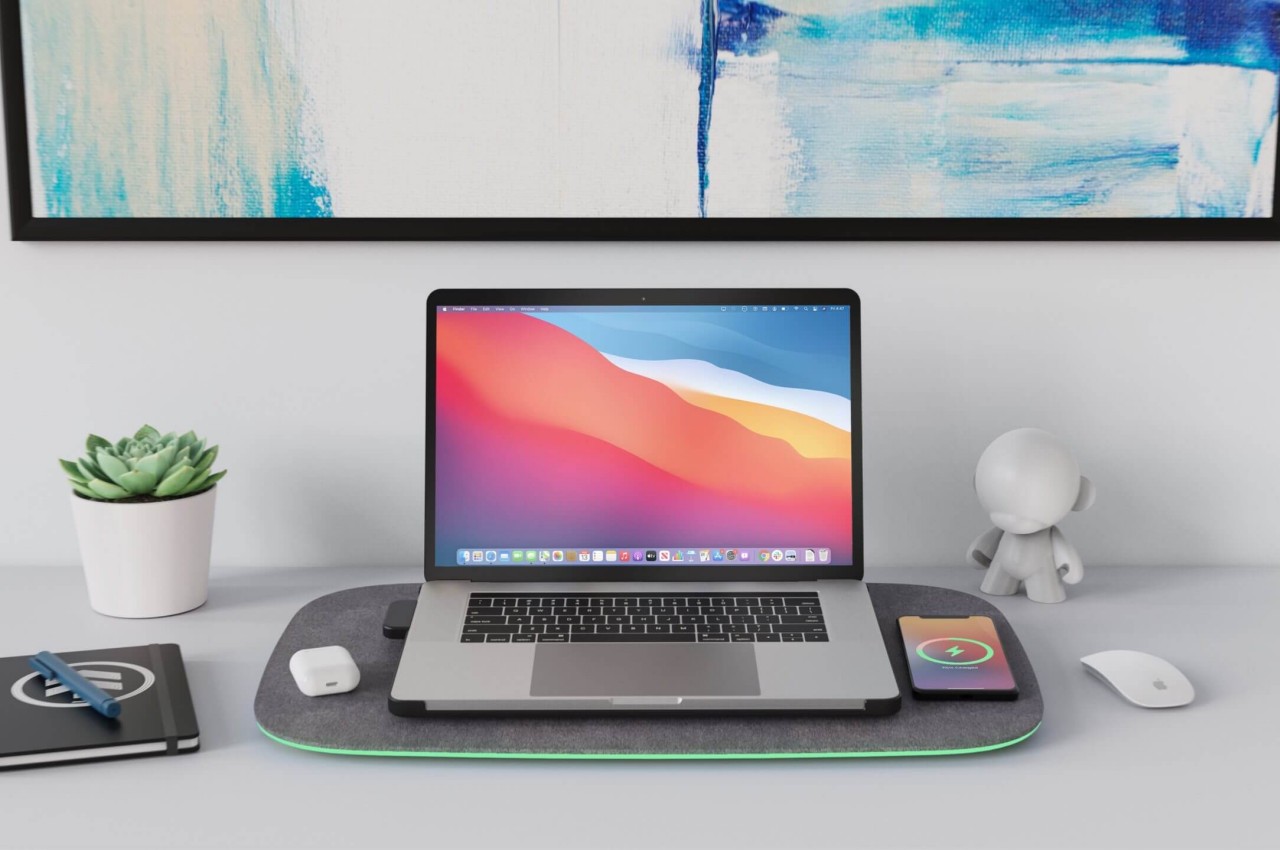
That’s exactly what these designs are proposing, based on technology being developed by startup DeepCharge. Even a laptop mat, for example, can become a wireless charger that can accommodate phones, earbuds, and other devices as well. This Laptop Pad also has extra features like an antimicrobial frantic top and LED lighting to indicate charging status. You don’t have to ensure that devices are in the right area. Simply place them on the mat and watch the LED indicator light up. Another design involves a charging pad that also acts as a landing pad for drones, though that requires attaching some feet to the quadcopter.
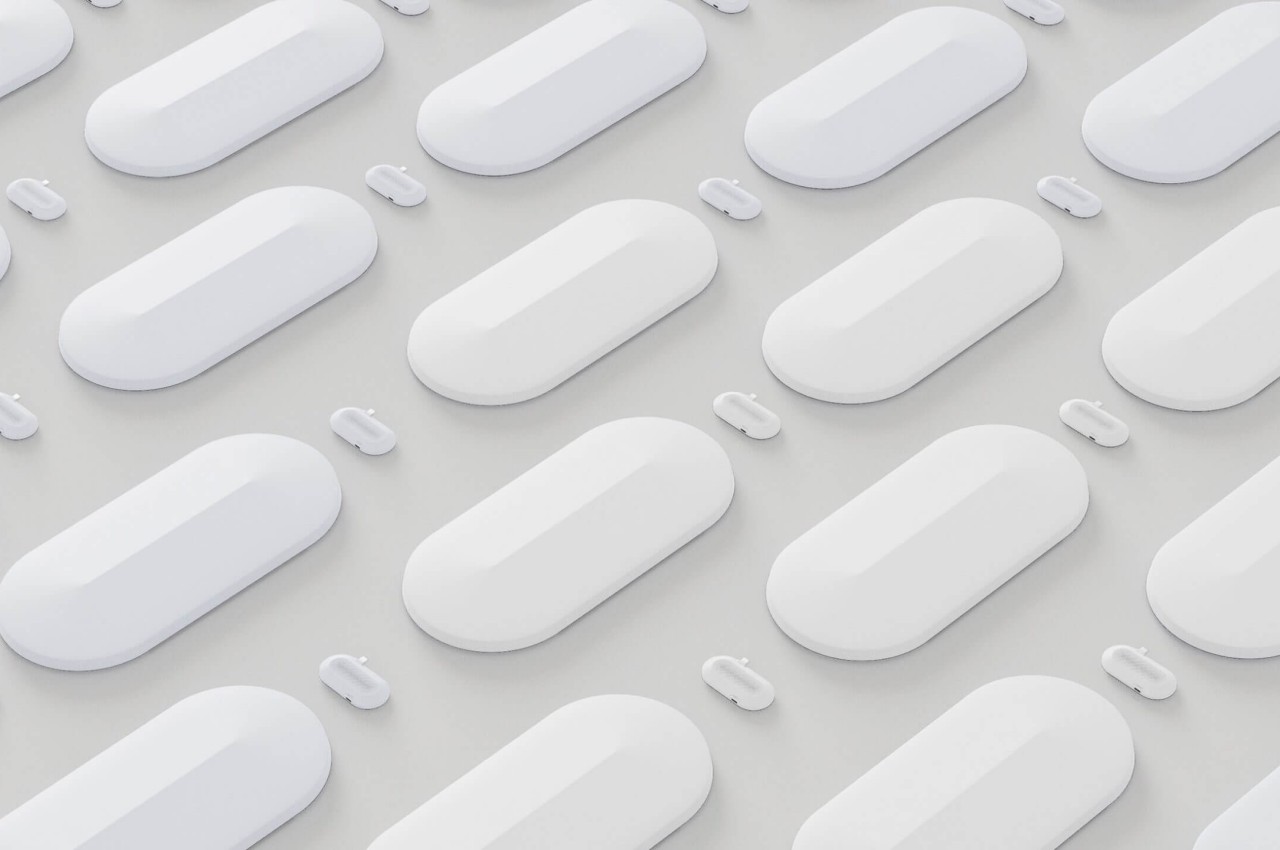
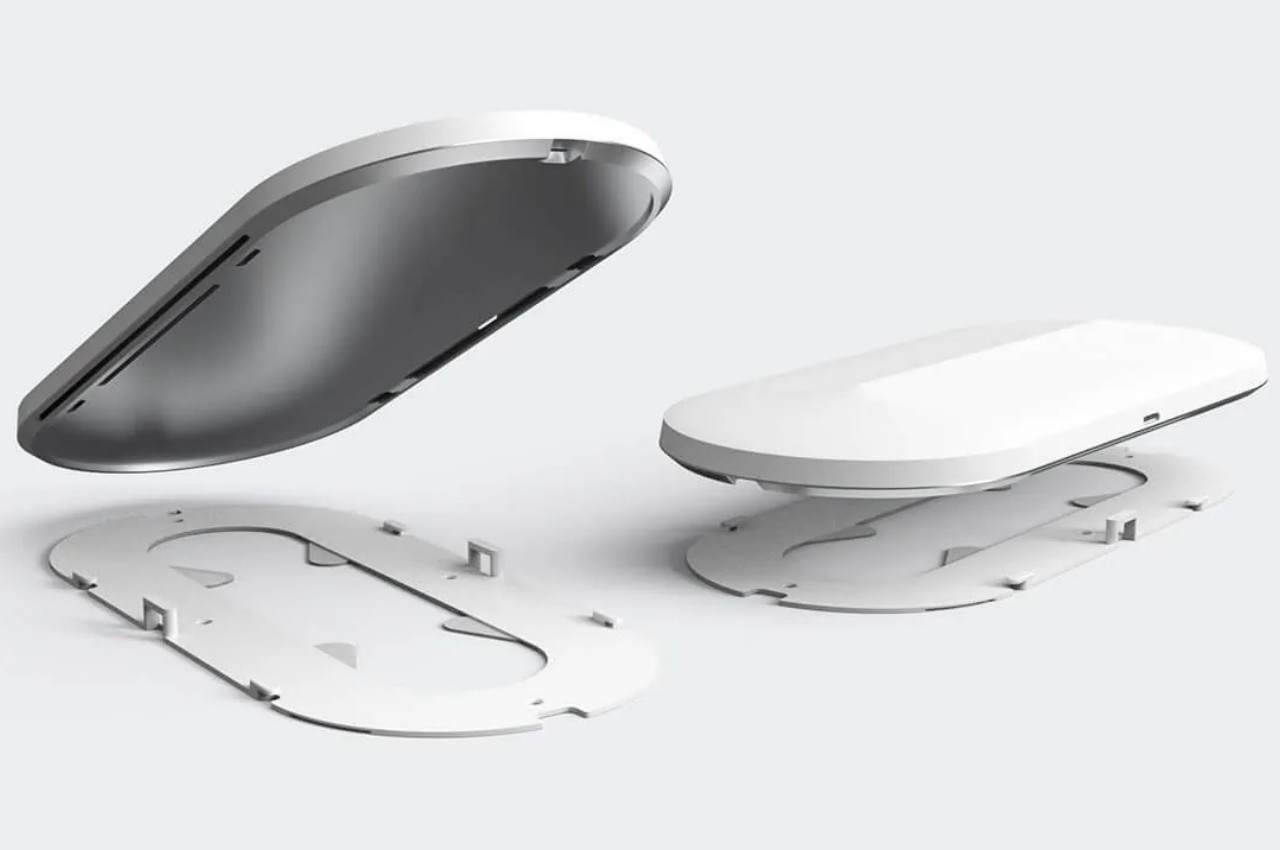
A more ambitious design, however, is based on “transmutation” and “energy hopping” technologies that are still being developed. In a nutshell, it could turn any surface, like a desk or a shelf, into a wireless charging area. Then you have small wireless charging stations that can transfer power from a central hub and distribute it even in areas out of reach of your desk. Pretty much like how mesh routers work today, except spreading electrical power instead of data.
Although the concepts in this collection still look like your conventional technical products, the technology it relies on opens the door to even more flexible designs. Anything on your desk or shelf, be it an accessory or even a piece of decoration, can become one of those satellite charging hubs. With wireless computer peripherals and data connections, such a design could lead to cleaner and tidier workspaces, unless of course, you start cluttering your table with even more devices to charge.
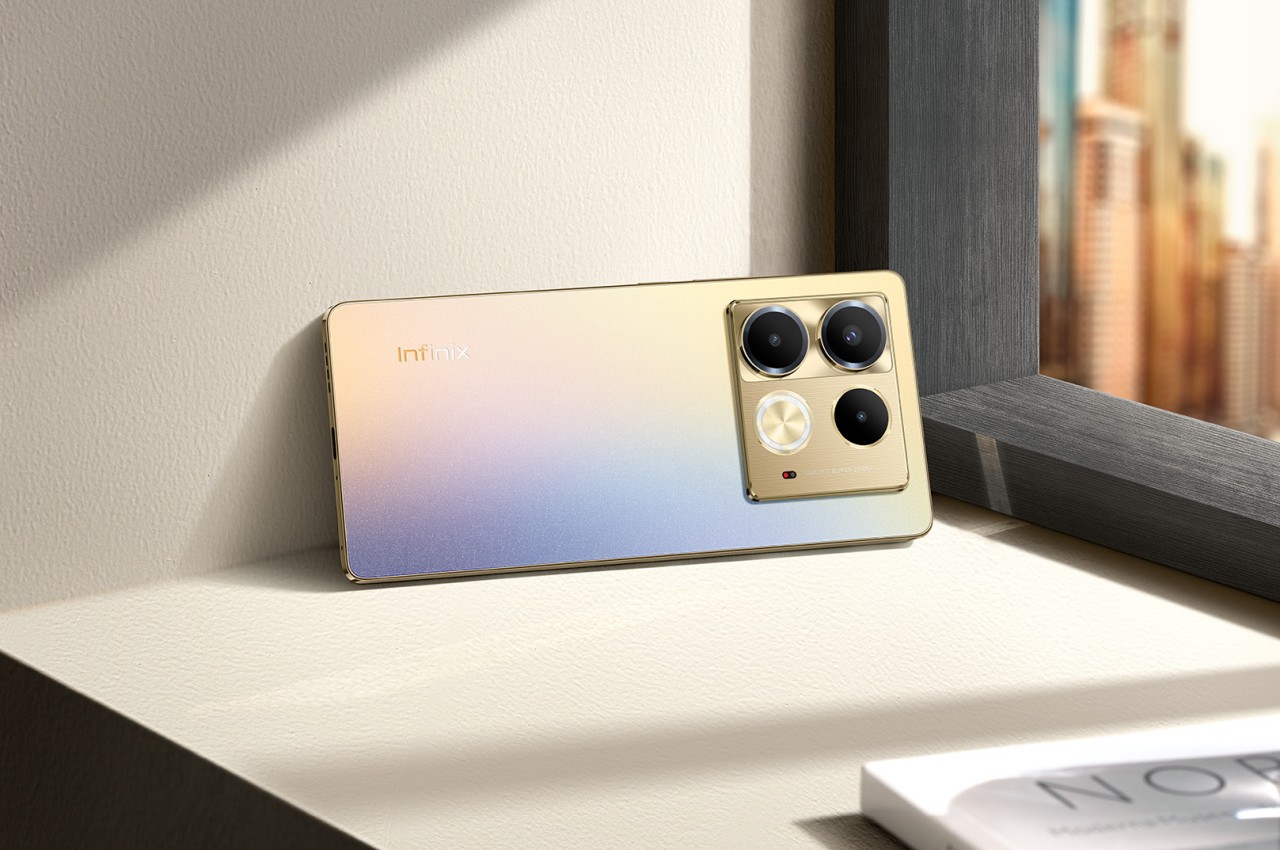
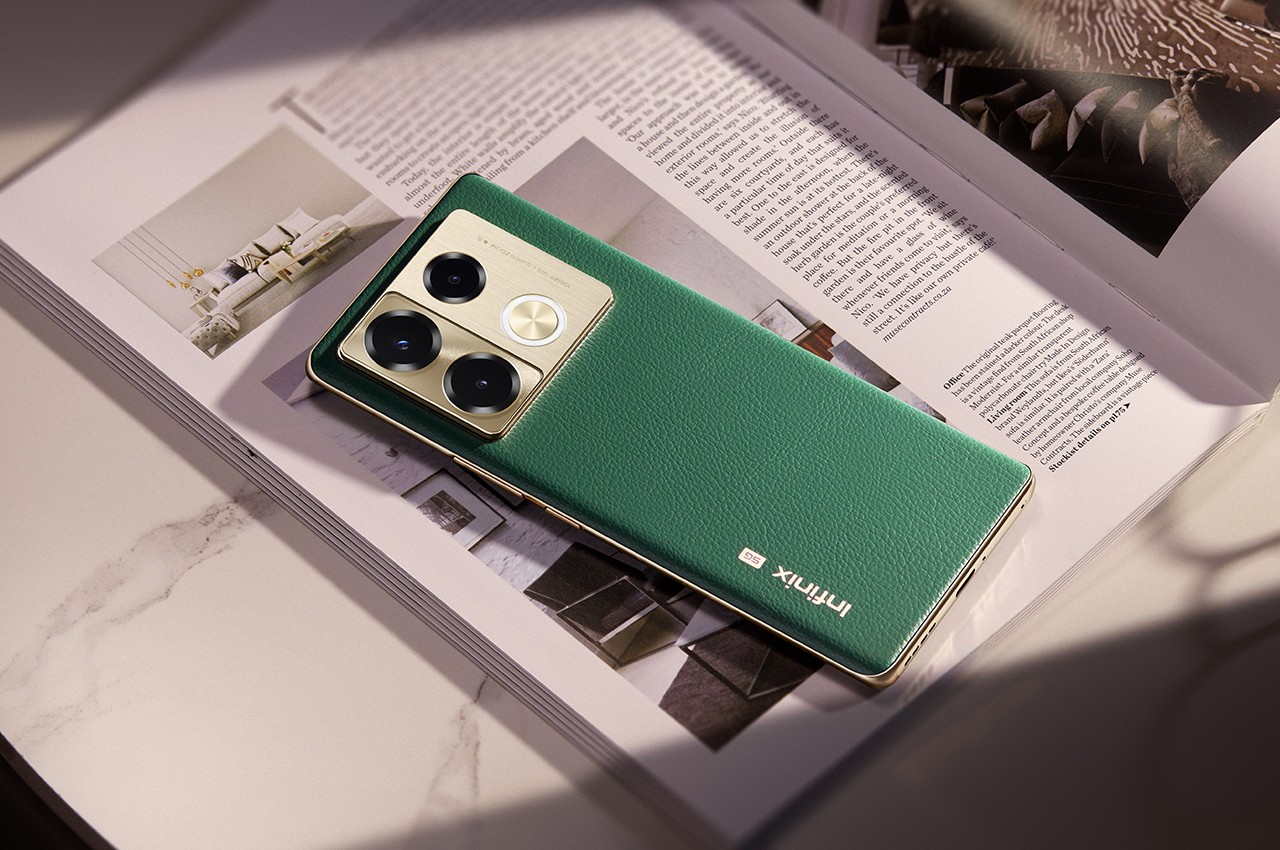
Of the many things that smartphone buyers look for, cameras and battery life probably rank the highest, even over display quality. Capturing memories is a very important part of what people use smartphones for, but an extremely short battery life can ruin even the most powerful smartphone. In fact, the more powerful a device is, the faster it will drain its battery. While batteries themselves haven’t evolved as fast as smartphones, charging technologies have been growing in leaps and bounds. In the past, super-fast charging speeds have been exclusive to high-end, premium phones, but the new Infinix NOTE 40 smartphones are bringing that technology and convenience to a wider and younger audience that also cares just as much about style as they do the rest of the phone’s specs.
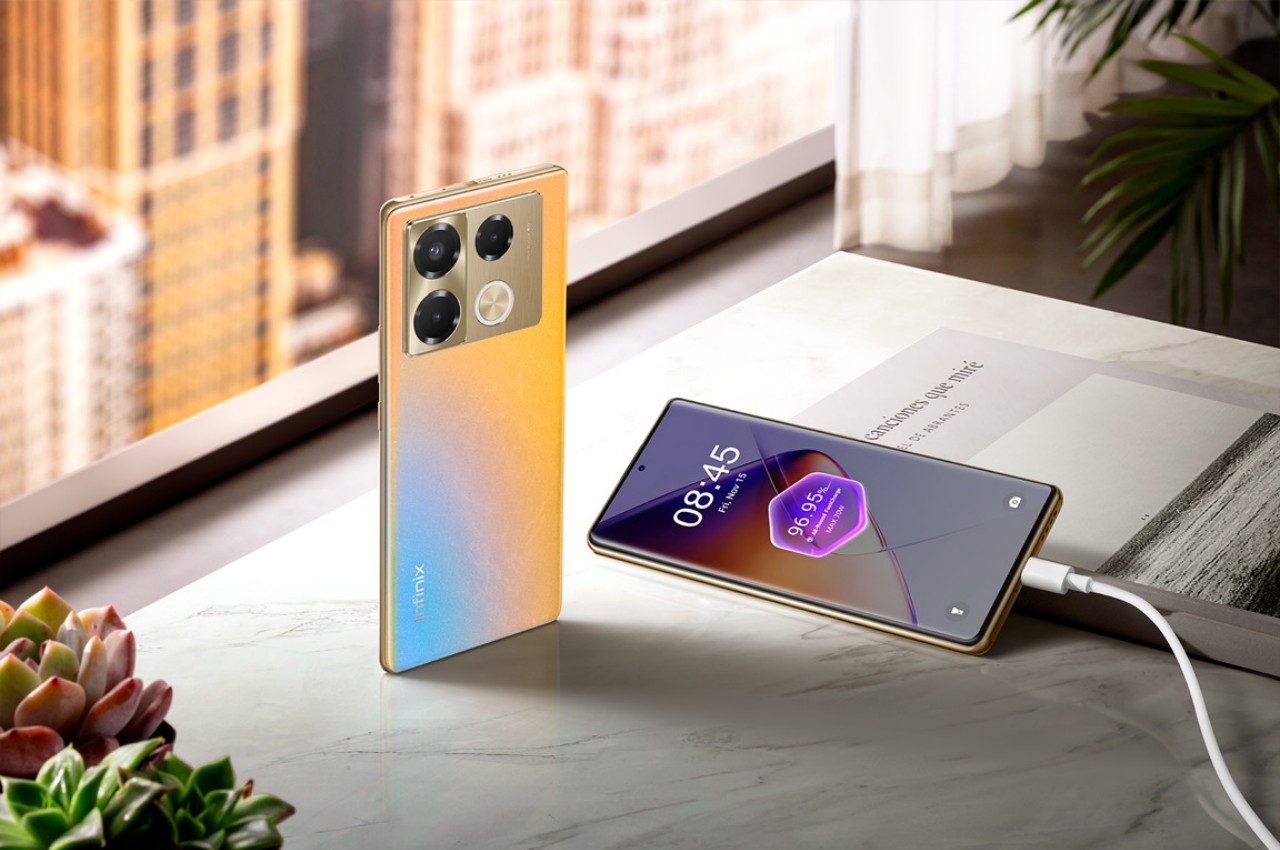
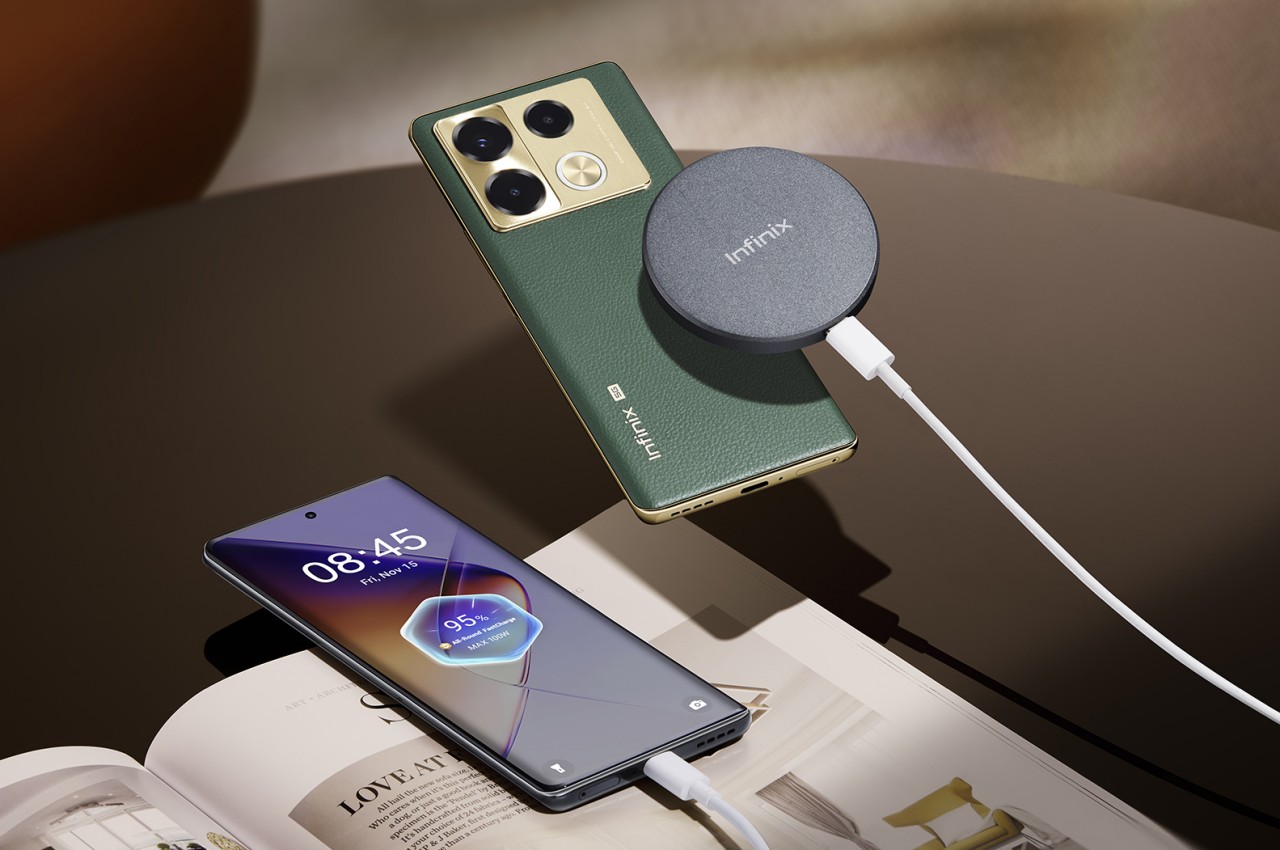
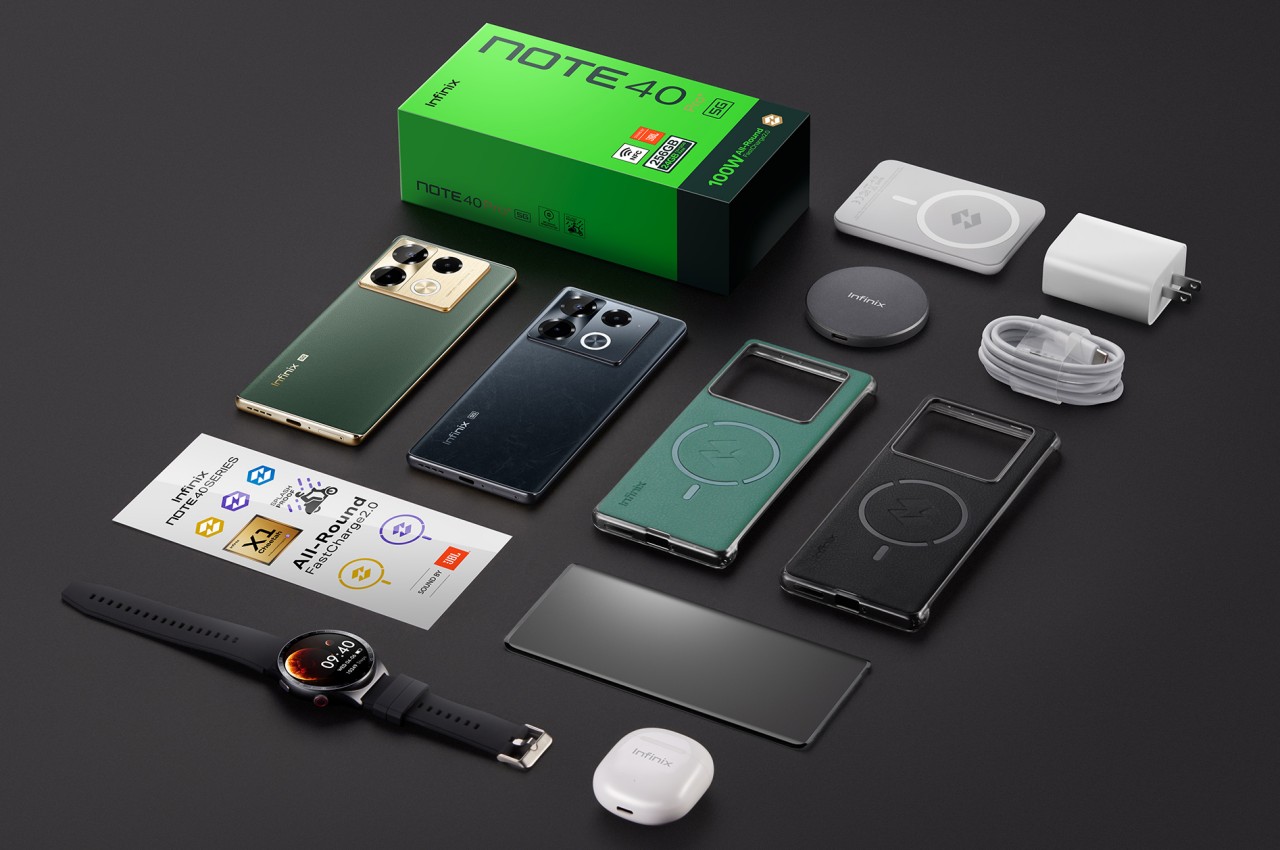
Although there are research and innovations that attempt to improve the quality of smartphone batteries, they’re pretty much still the same packs that we’ve been using for years. Manufacturers have poured their efforts into improving charging speeds instead, making sure that people spend as little time as possible when they do need to plug the phone in. That’s what Infinix’s new All-Round FastCharge 2.0 technology is trying to accomplish, bringing speed and versatility to users’ charging experience.
Infinix NOTE 40
Infinix NOTE 40
This technology supports rapid charging at 70W for the new Infinix NOTE 40 and NOTE 40 Pro (4G), as well as blazing fast 100W speeds for the Infinix NOTE 40 Pro (5G) and NOTE 40 Pro+ 5G. Thanks to Infinix’s self-developed Cheetah X1 chip, these phones can boast reaching 50% in just minutes (8 minutes for the Infinix NOTE 40 Pro+ 5G, to be precise) while still providing safety and longevity. Additional charging highlights include Bypass Charging 2.0 to minimize heat generation when playing games while the phone is plugged in, 20W wireless charging, and, perhaps most interesting, Infinix’s own brand of magnetic wireless charging technology, MagCharge.
Infinix NOTE 40 Pro (4G)
Infinix NOTE 40 Pro (4G)
Infinix NOTE 40 Pro (5G)
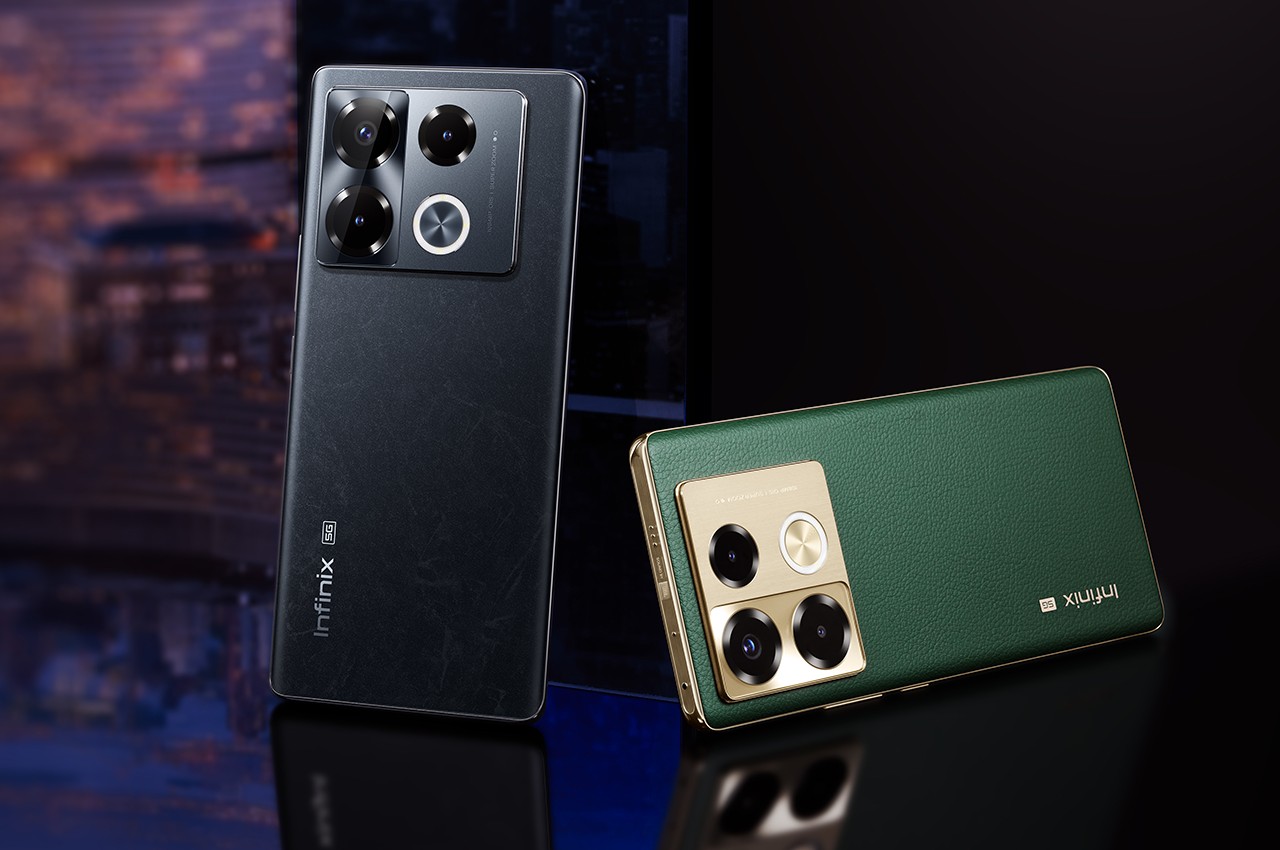
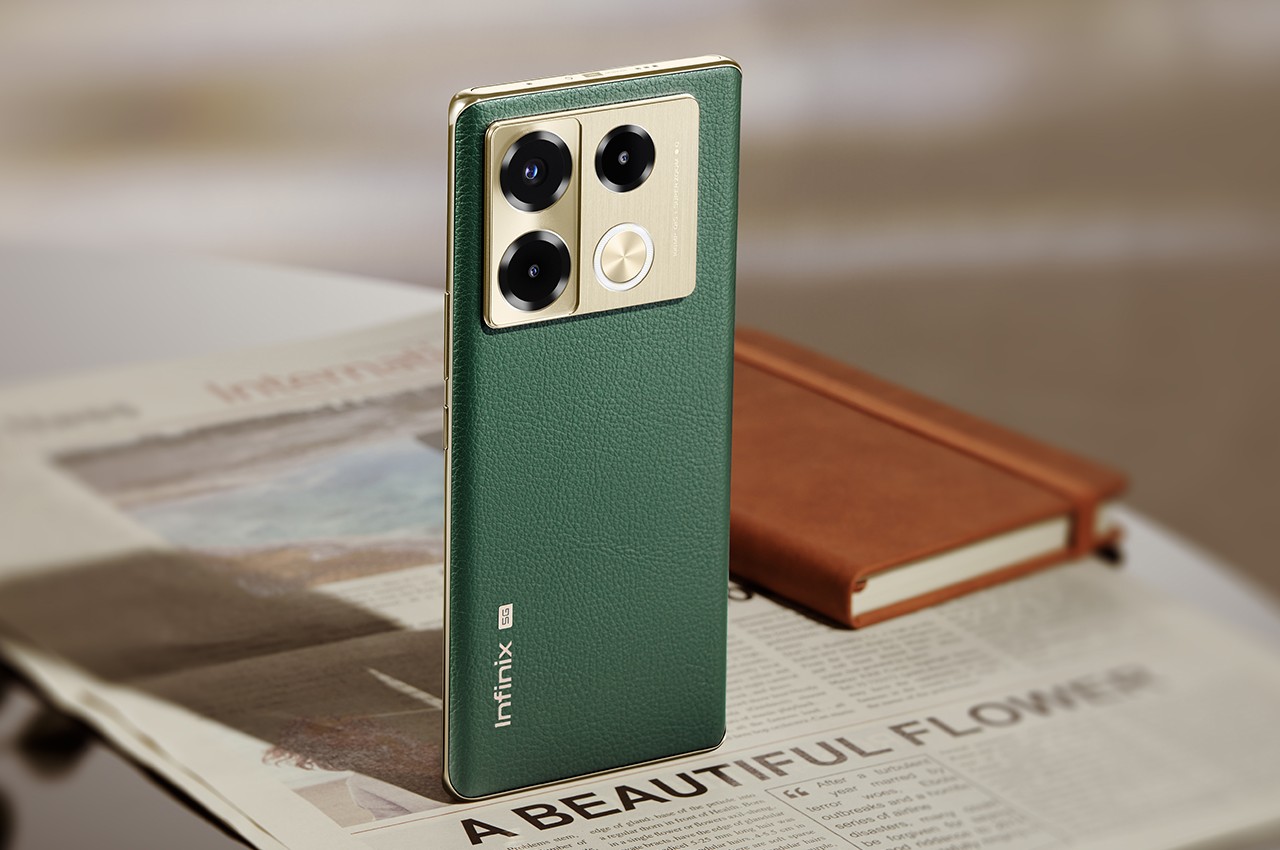
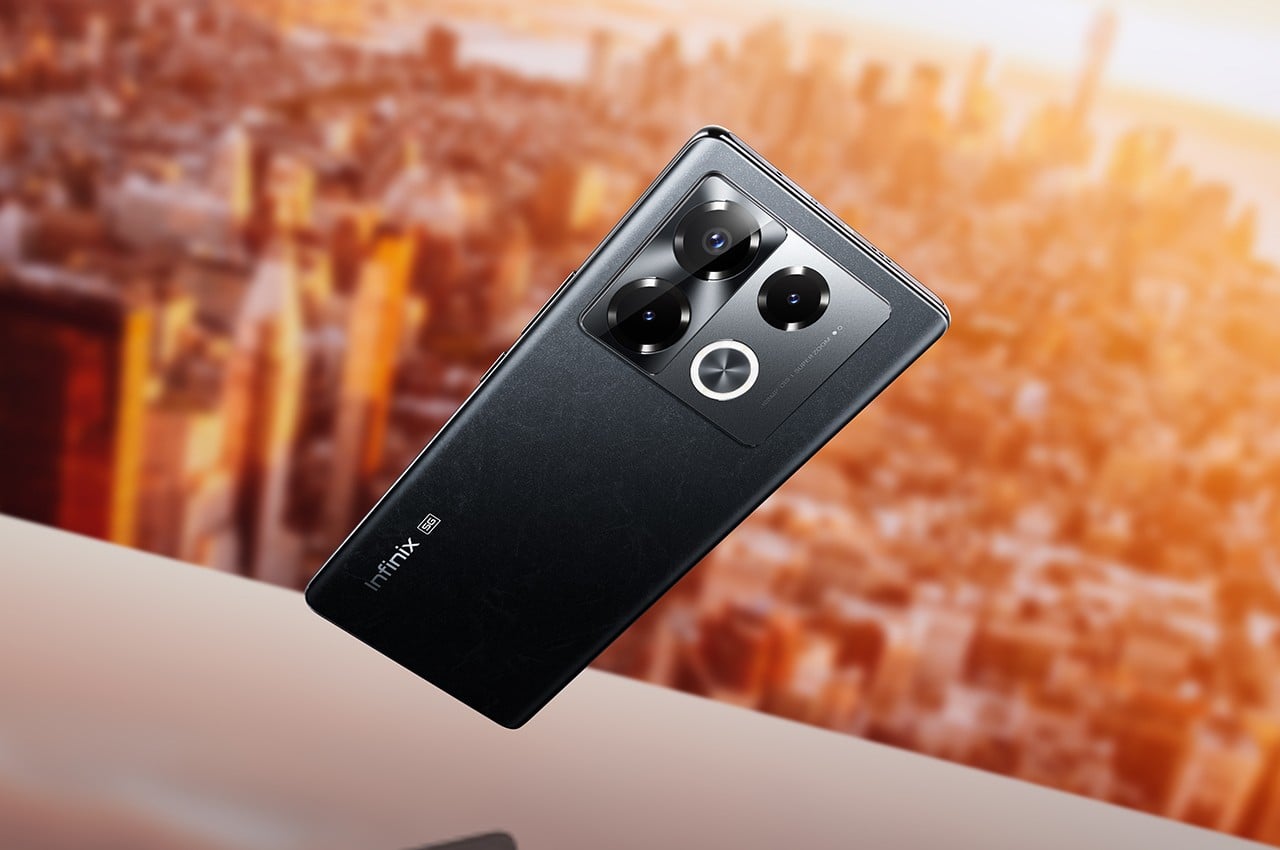
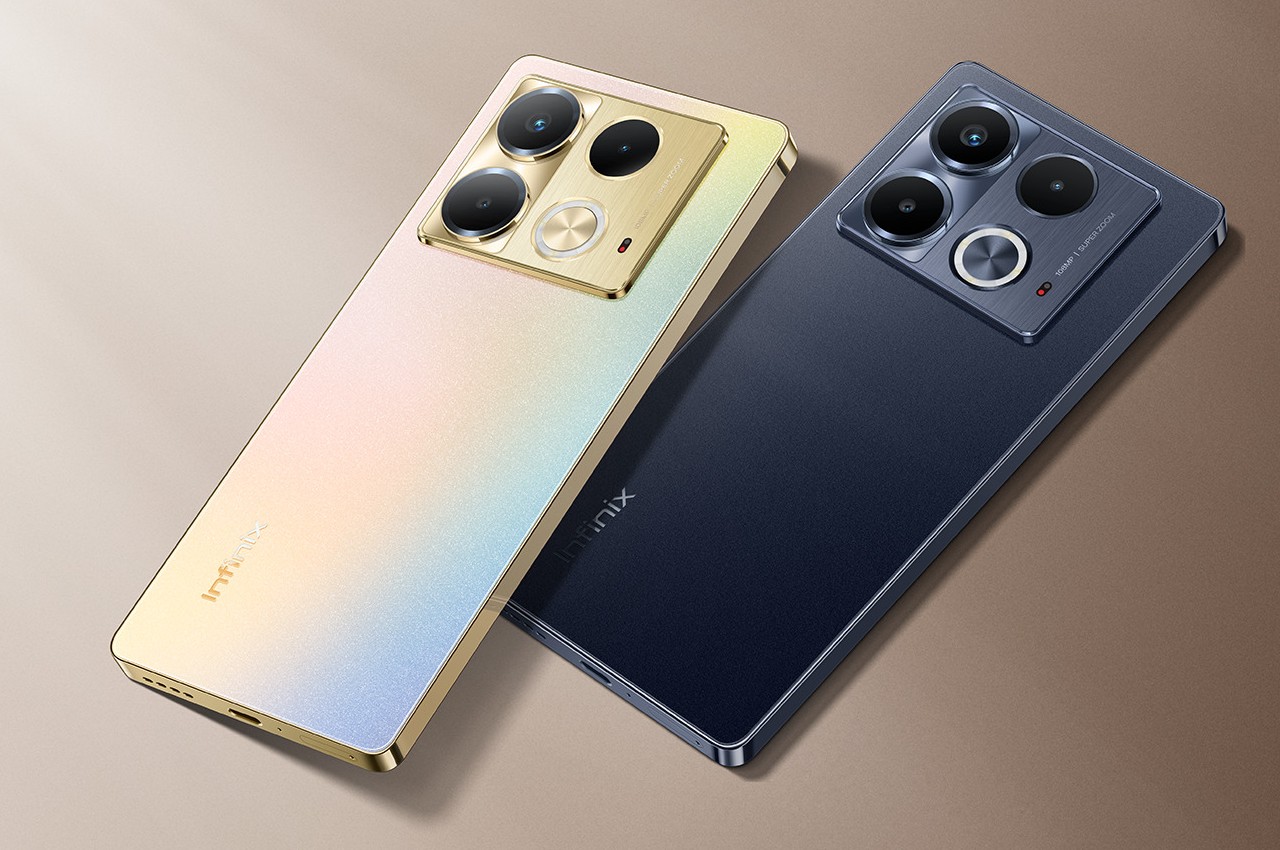
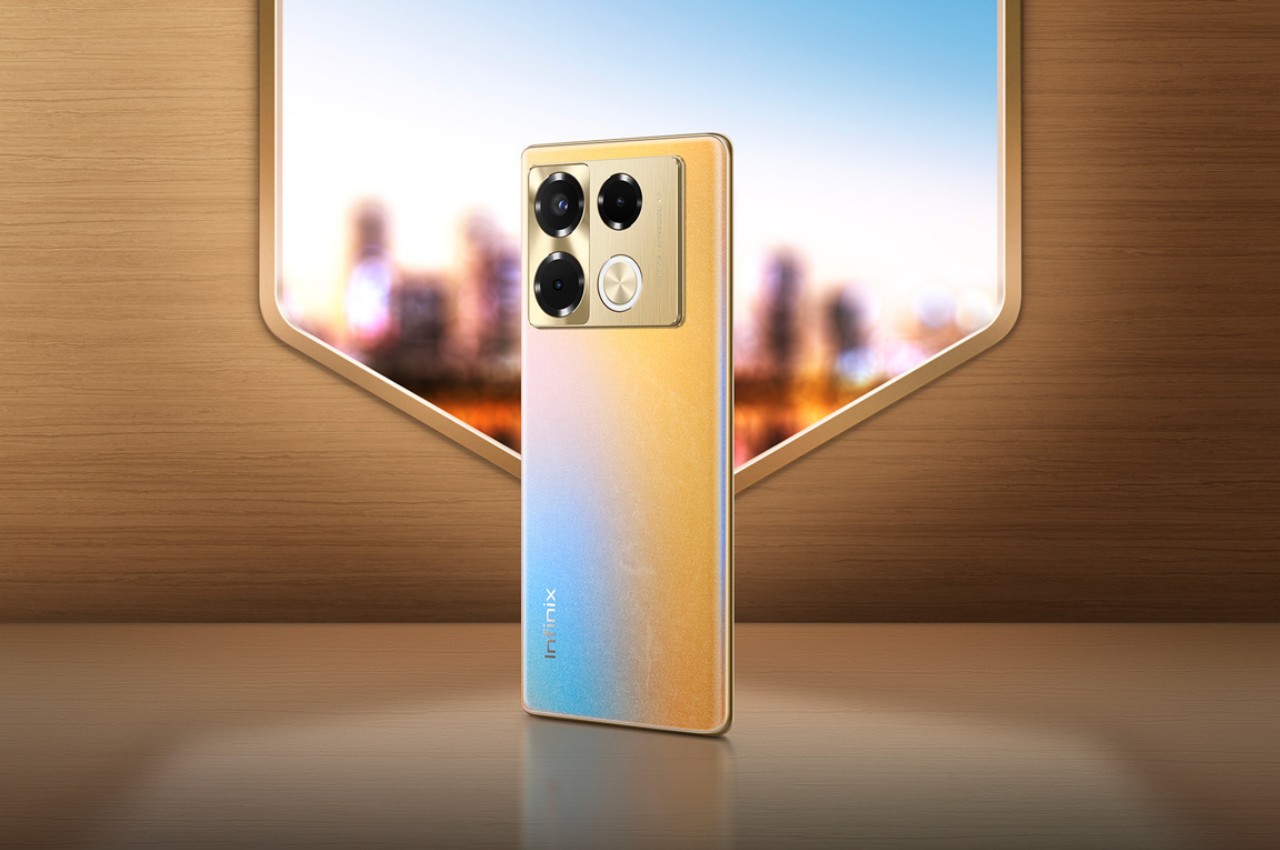
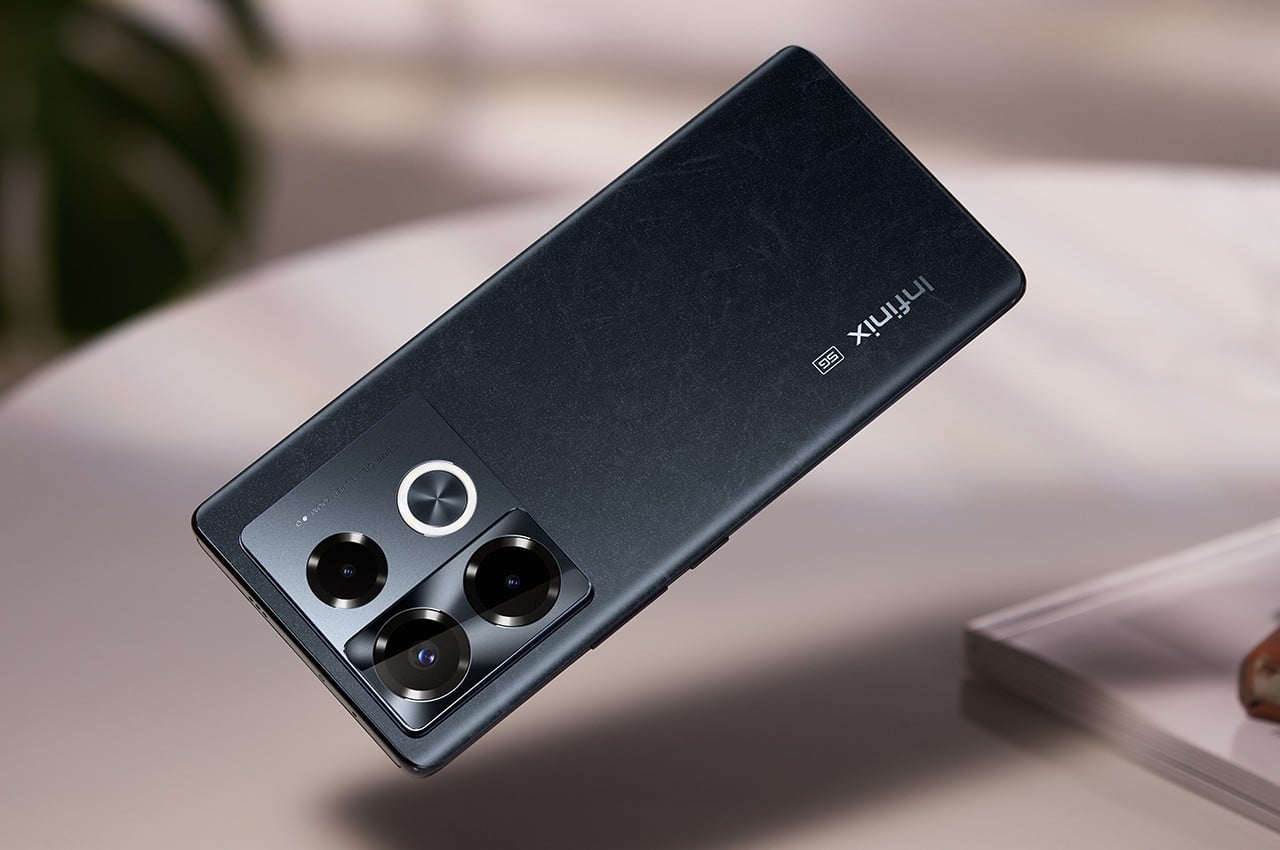
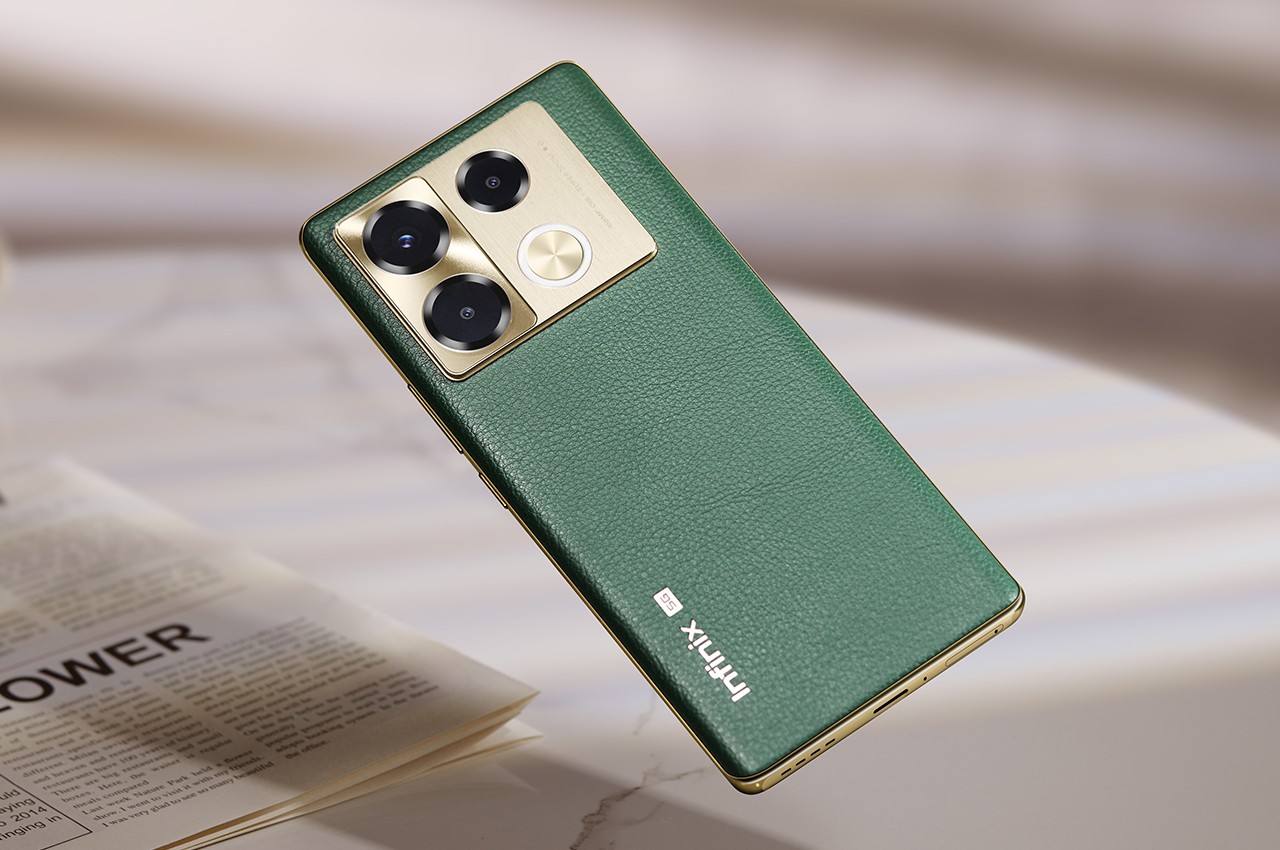
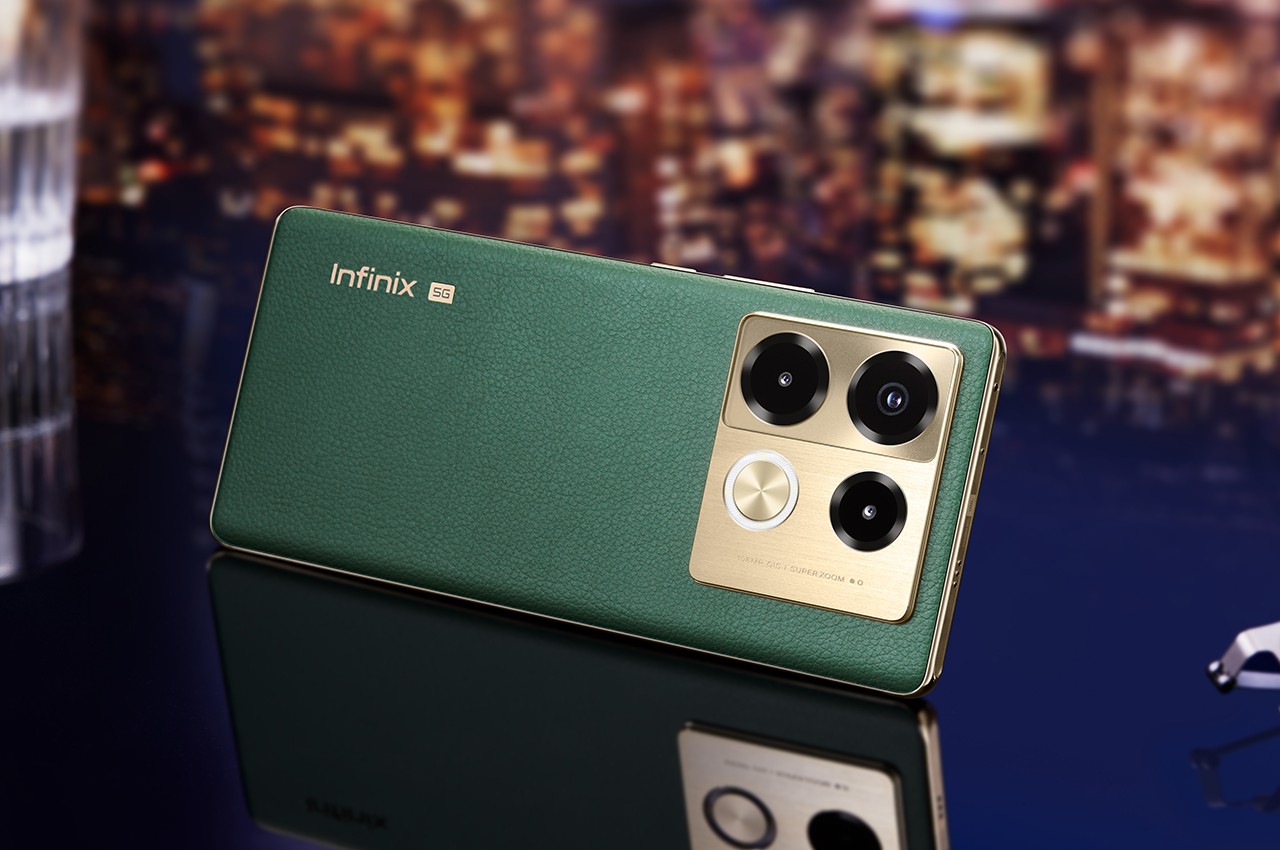
The Infinix NOTE 40 series is designed to cater to a younger audience that appreciates a more distinctive and livelier aesthetic than most gray, black, or even white phones in the market. That’s why Infinix adopted an urban theme for the phone’s designs, creating a sleek and modern appearance through smooth curves, colors, and materials. The Vintage Green, for example, tries to evoke a sense of charm for retro styles and uses vegan leather to add a bit of luxury to the finish. Titan Gold’s mix of blue and yellow tries to capture the image of the sun setting over the city’s horizon.
Infinix NOTE 40 Pro+ (5G)
Infinix NOTE 40 Pro+ (5G)
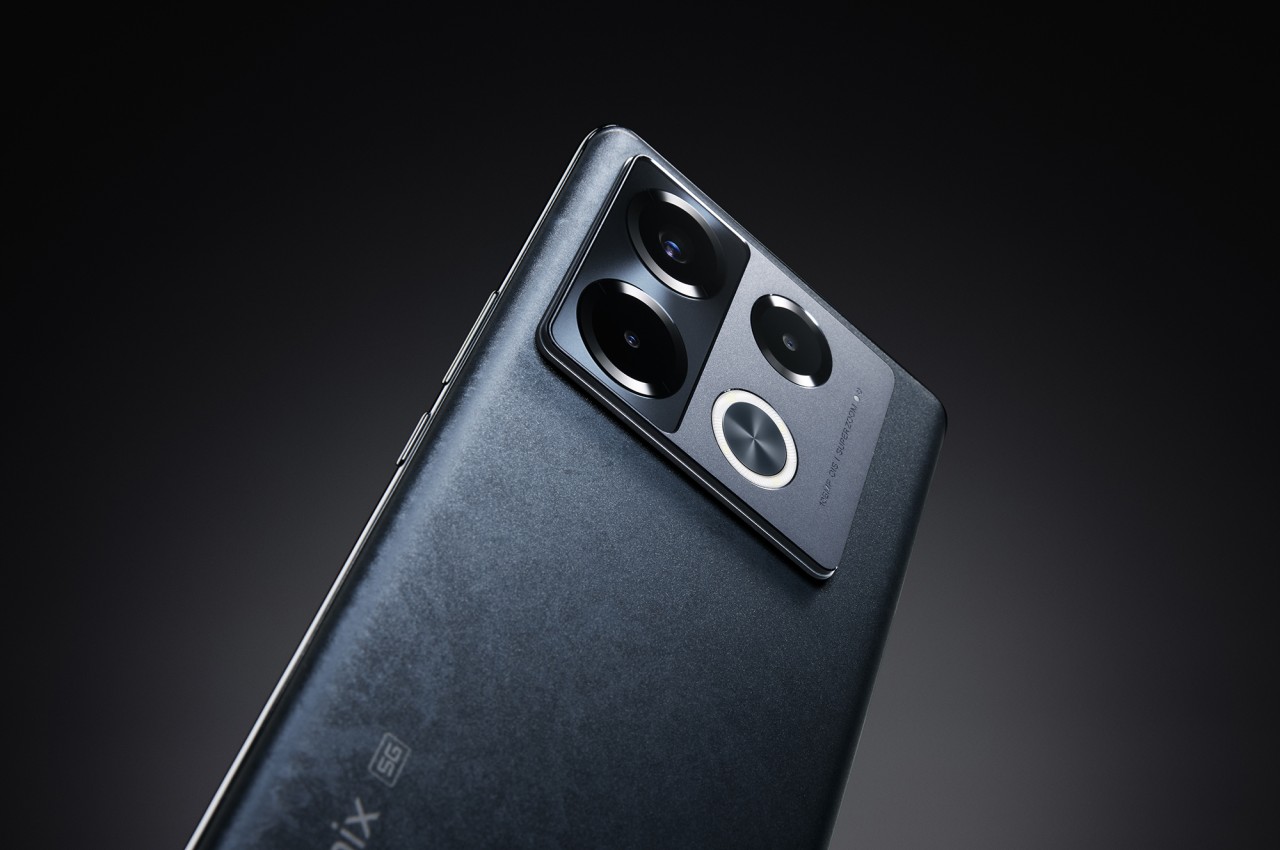
In terms of hardware, the Infinix NOTE 40 runs on MediaTek’s mid-range chips, paired with 8 or 12GB of RAM. All four models in this series get a 108MP main camera, though only the Pro variants put optical image stabilization (OIS) on it. The brand also introduces an AI-powered Active Halo lighting feature for dynamic notifications and accents to give a little life to your smartphone usage. The Infinix NOTE 40 series launches globally this month, available in Vintage Green, Obsidian Black, and Titan Gold colorways. A special BMW DesignWorks Racing Edition will be coming later this year to truly drive home the phone’s super-fast charging speed.
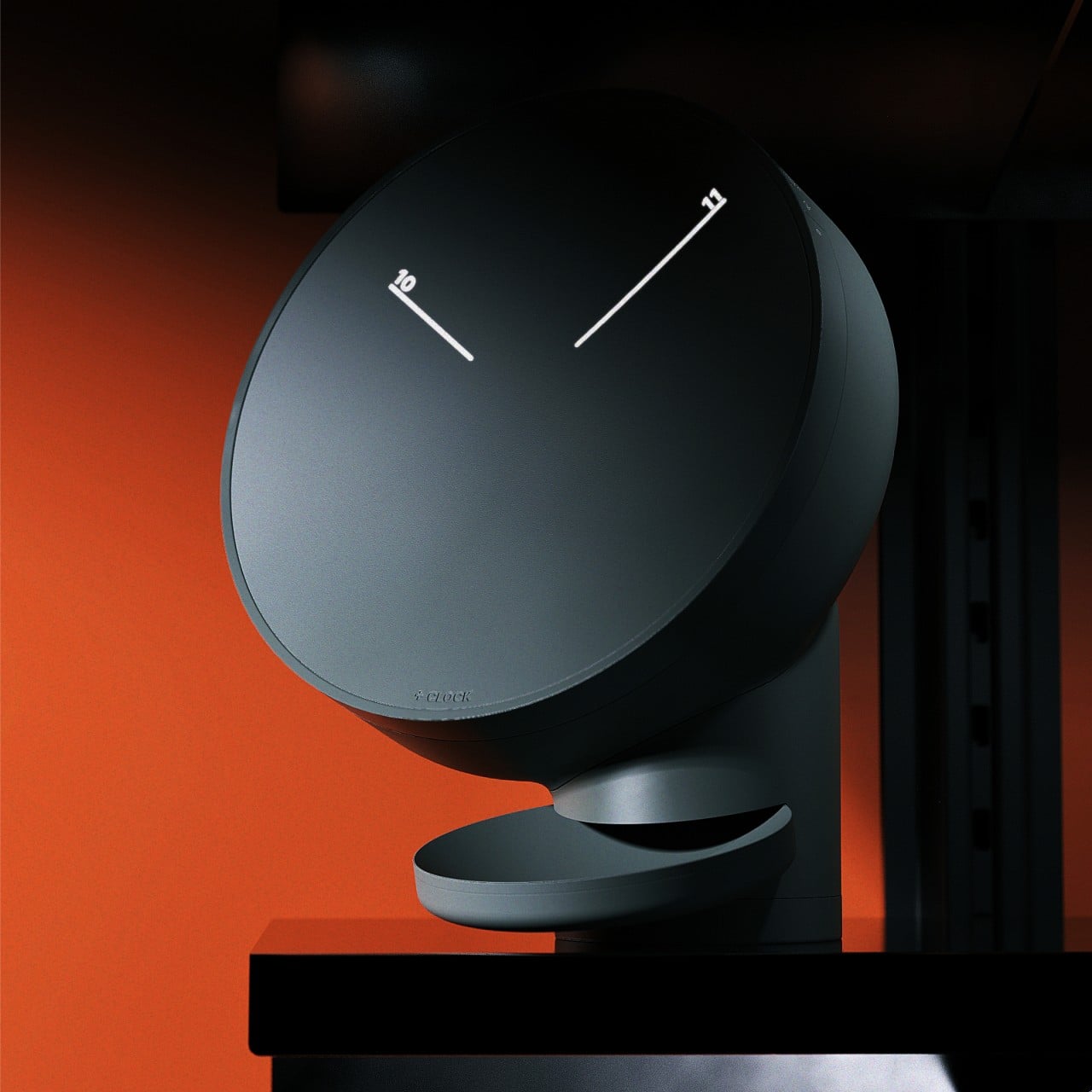
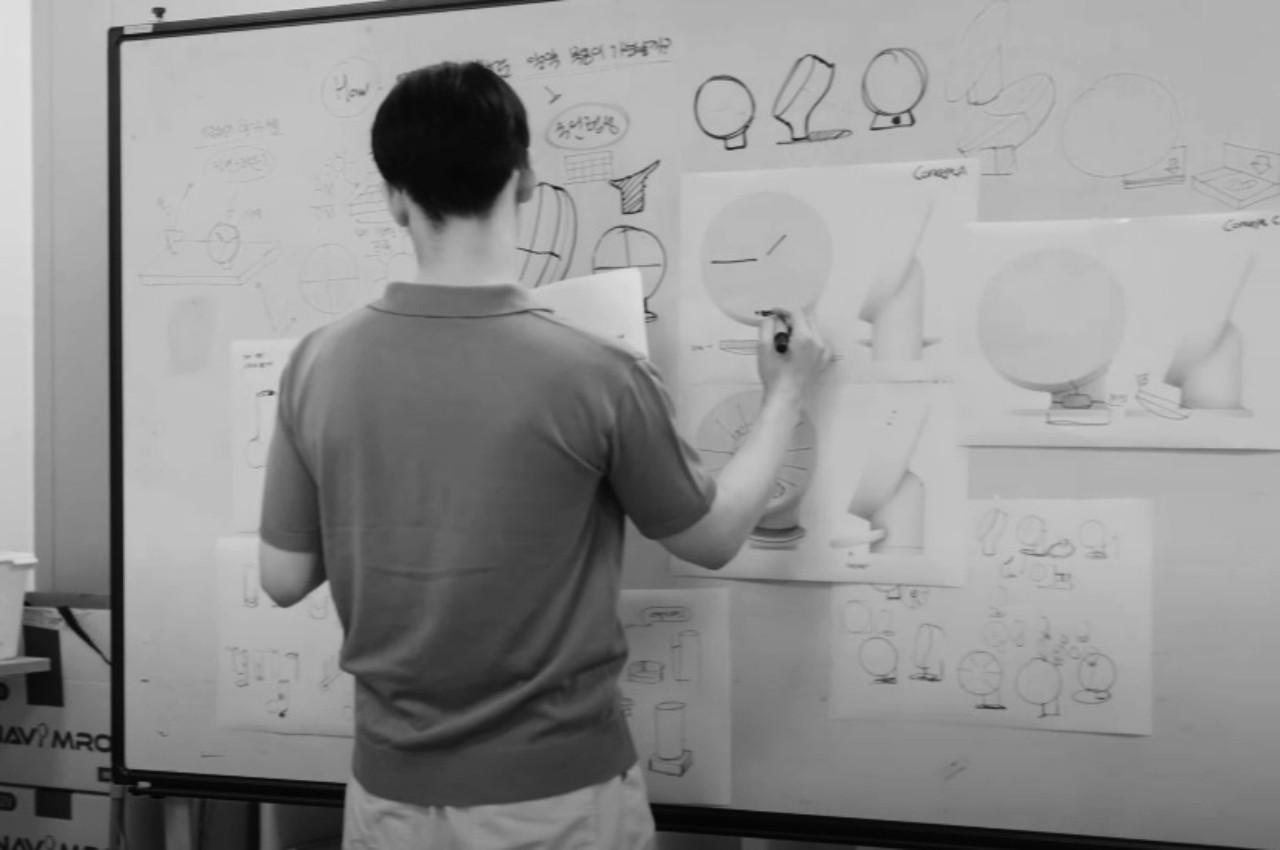
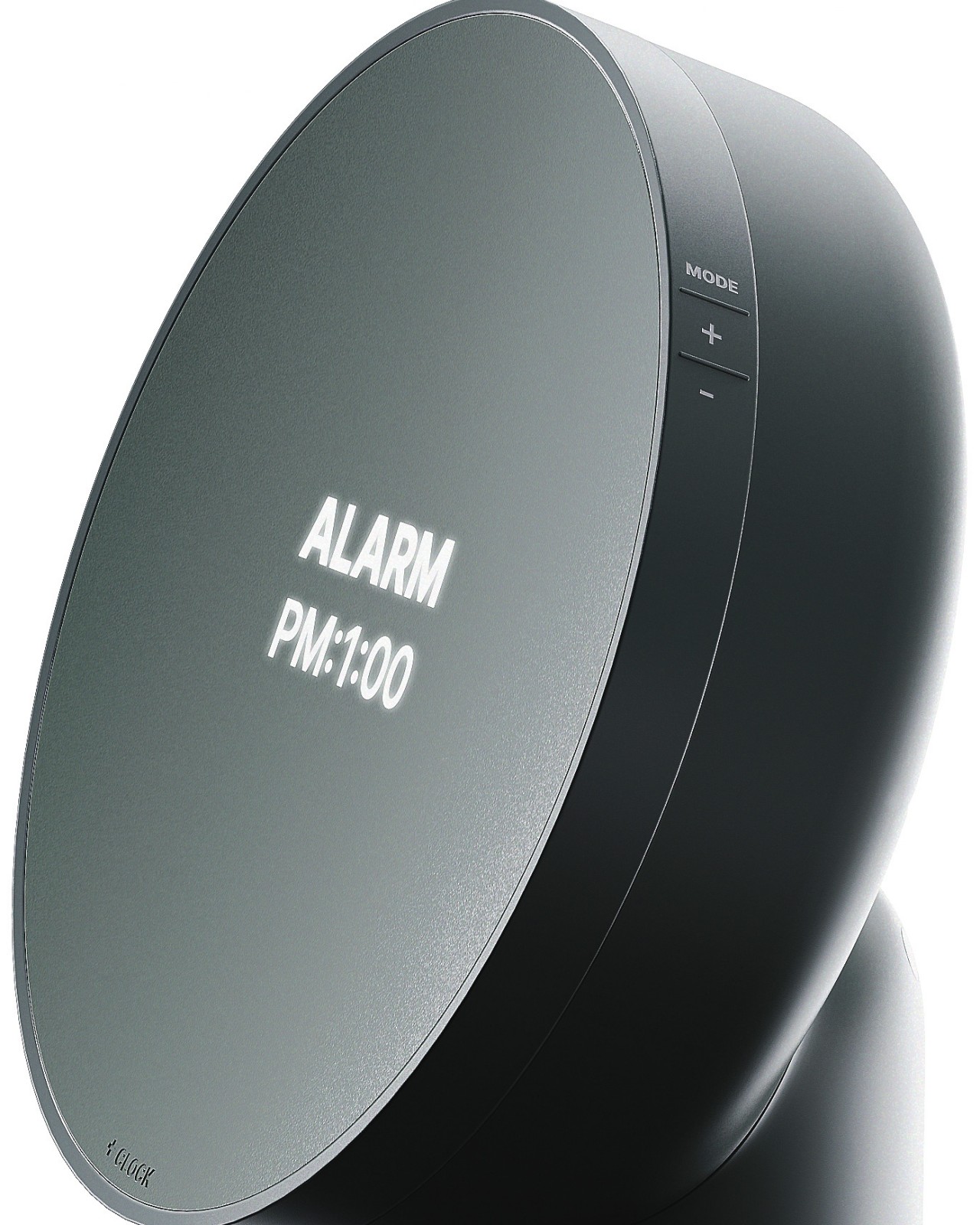
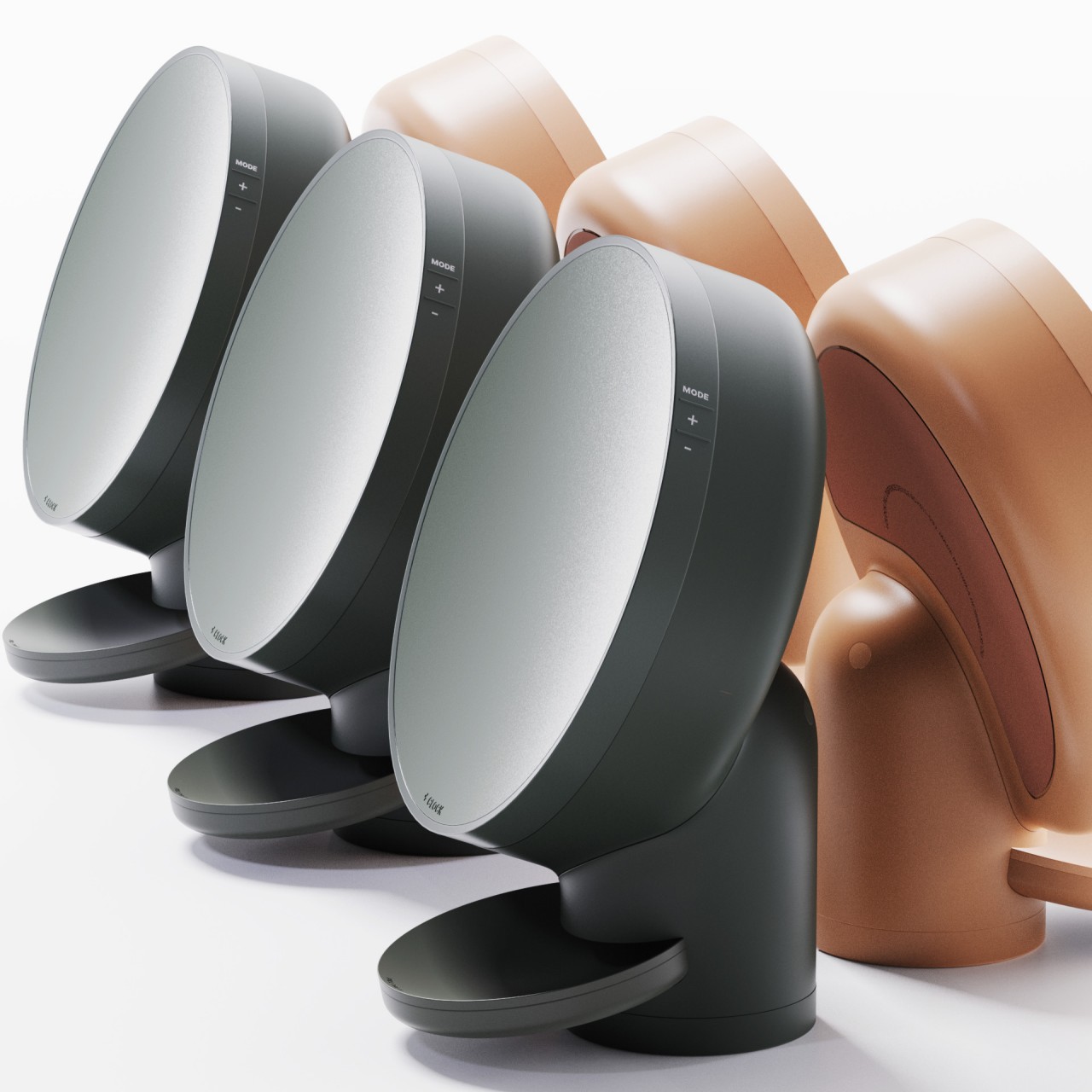
Sooner or later, we will all need to take some pills regularly, whether it’s for medication or even just daily supplements. But unless you live a very disciplined life or have a sharp mind all the time, there will be times that you miss taking the proper dosage at the right time. Pillboxes try to save us time by splitting pills and tablets into their appropriate days, while smartphone apps give us the timely nudges to take them. The distance between these two objects, however, can lead some people to actually forget to drink those pills, especially if they’re stored in a less accessible place to avoid exposure to sunlight. Smart pill dispensers are becoming more common these days, but this twist on that concept proposes a design that is simpler, more aesthetic, and possibly more accessible since it lets you conveniently place the clock exactly where you need to take those pills.
Designer: Chanho Ju
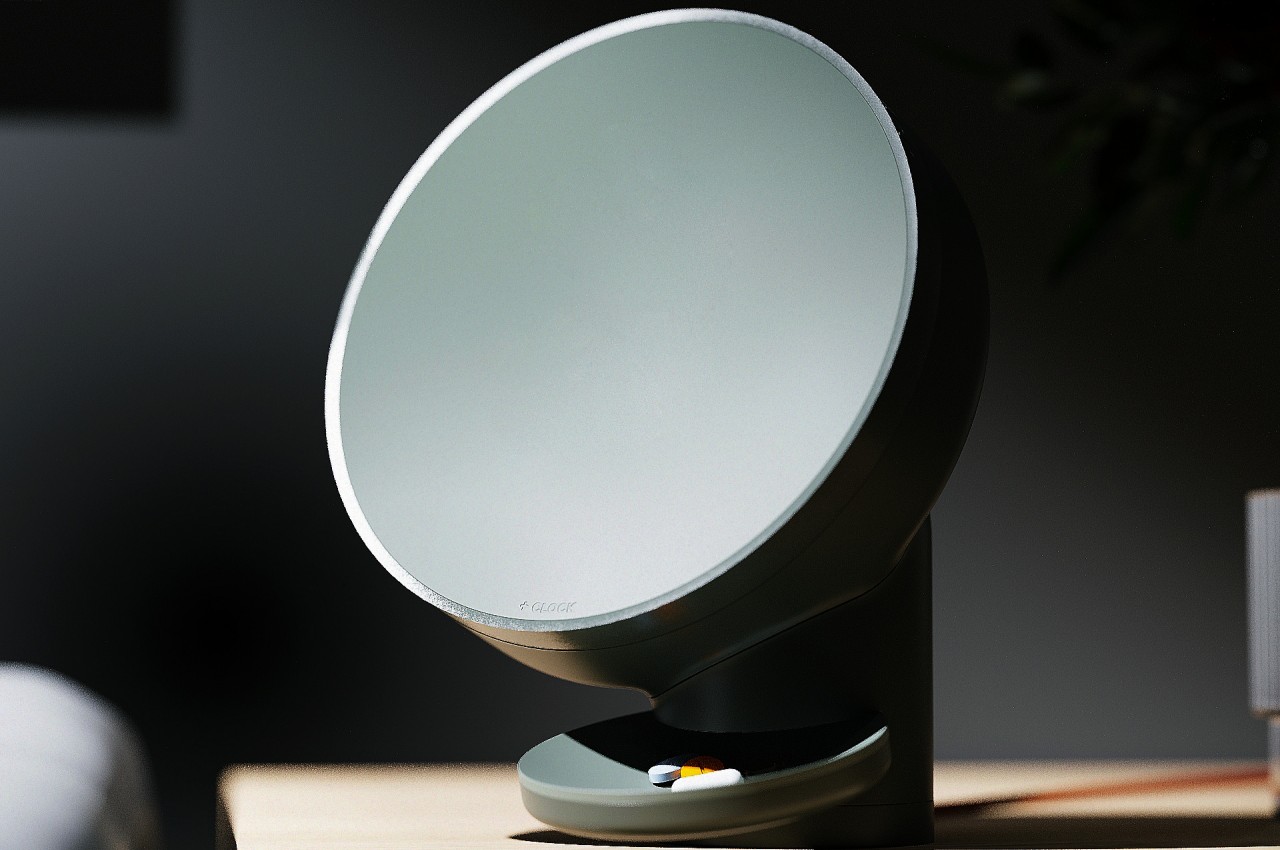
Yes, the design looks like a huge clock, albeit an extremely minimalist one that doesn’t show the conventional numbers around its face. That face is actually an LCD screen that only displays the clock hands as glowing lines, along with the actual number they’re pointing at for a bit of readability. The display does change its contents when it’s time to take those pills, showing the current alarm time and other necessary information.
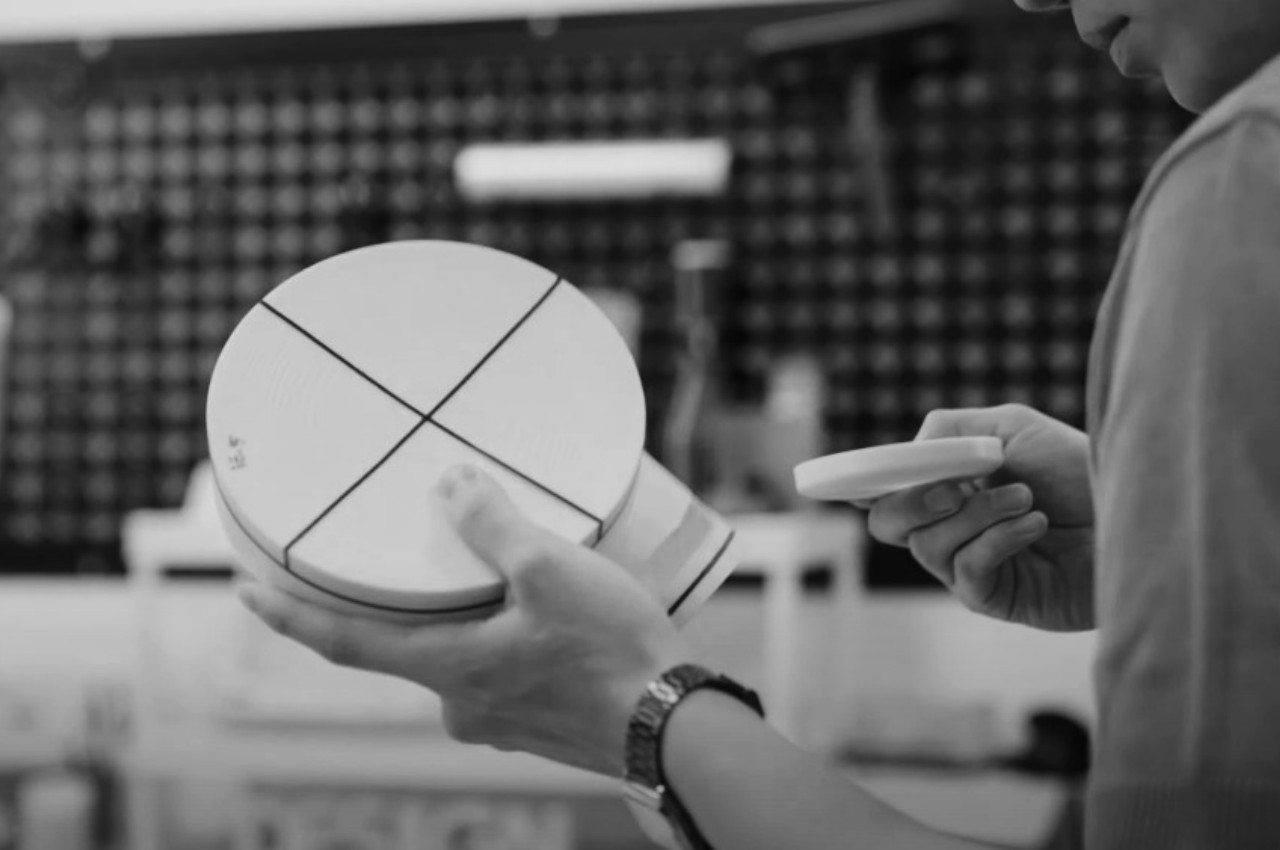
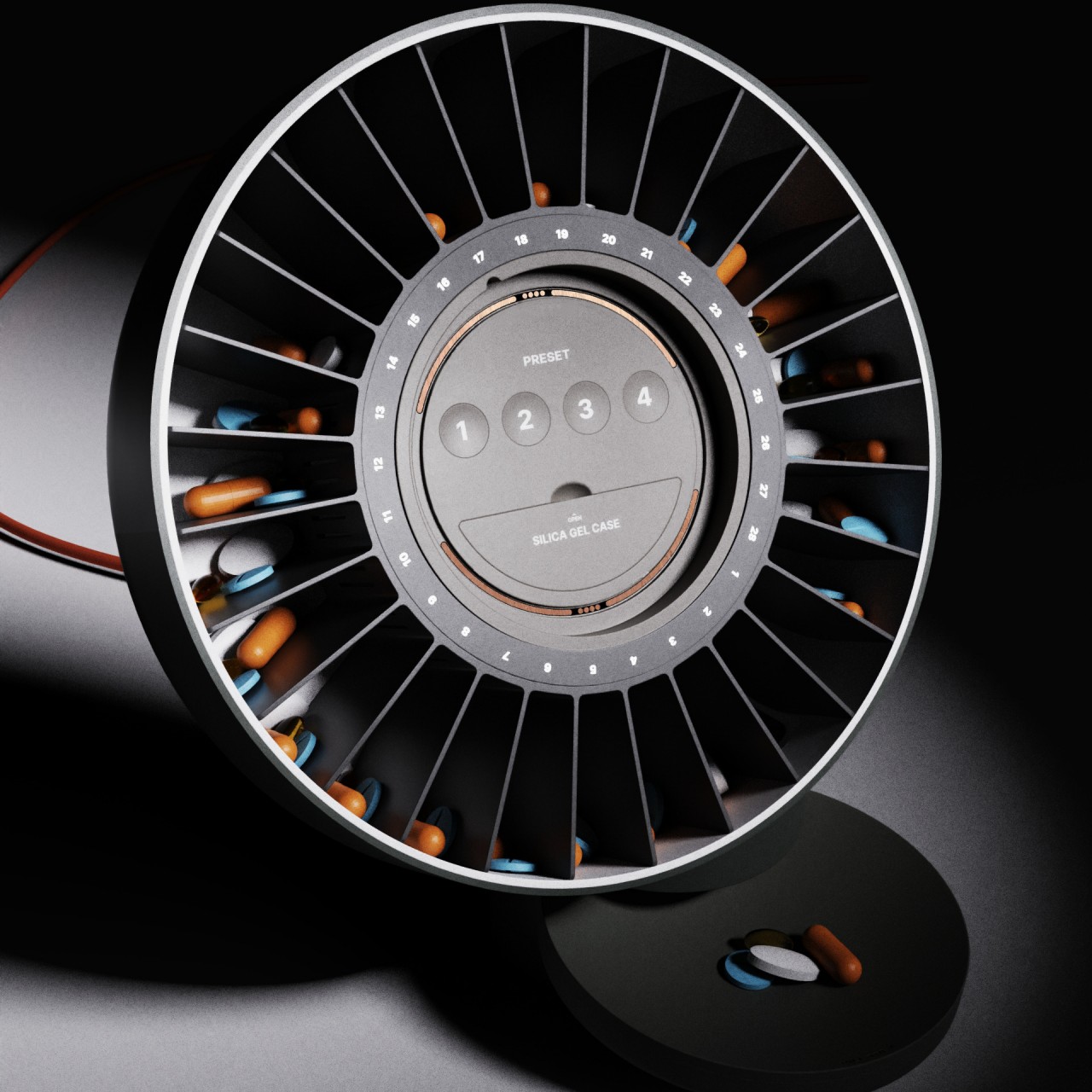
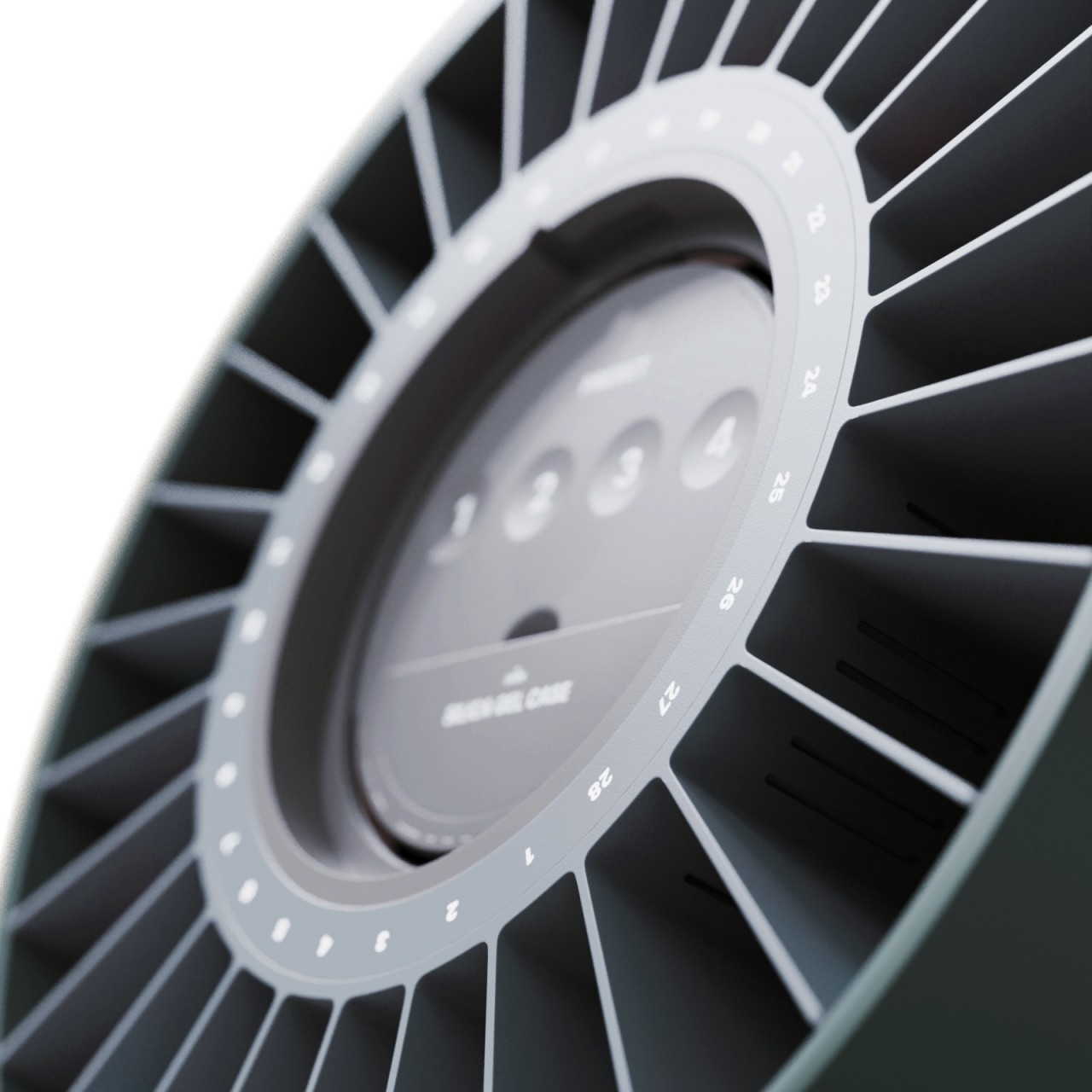
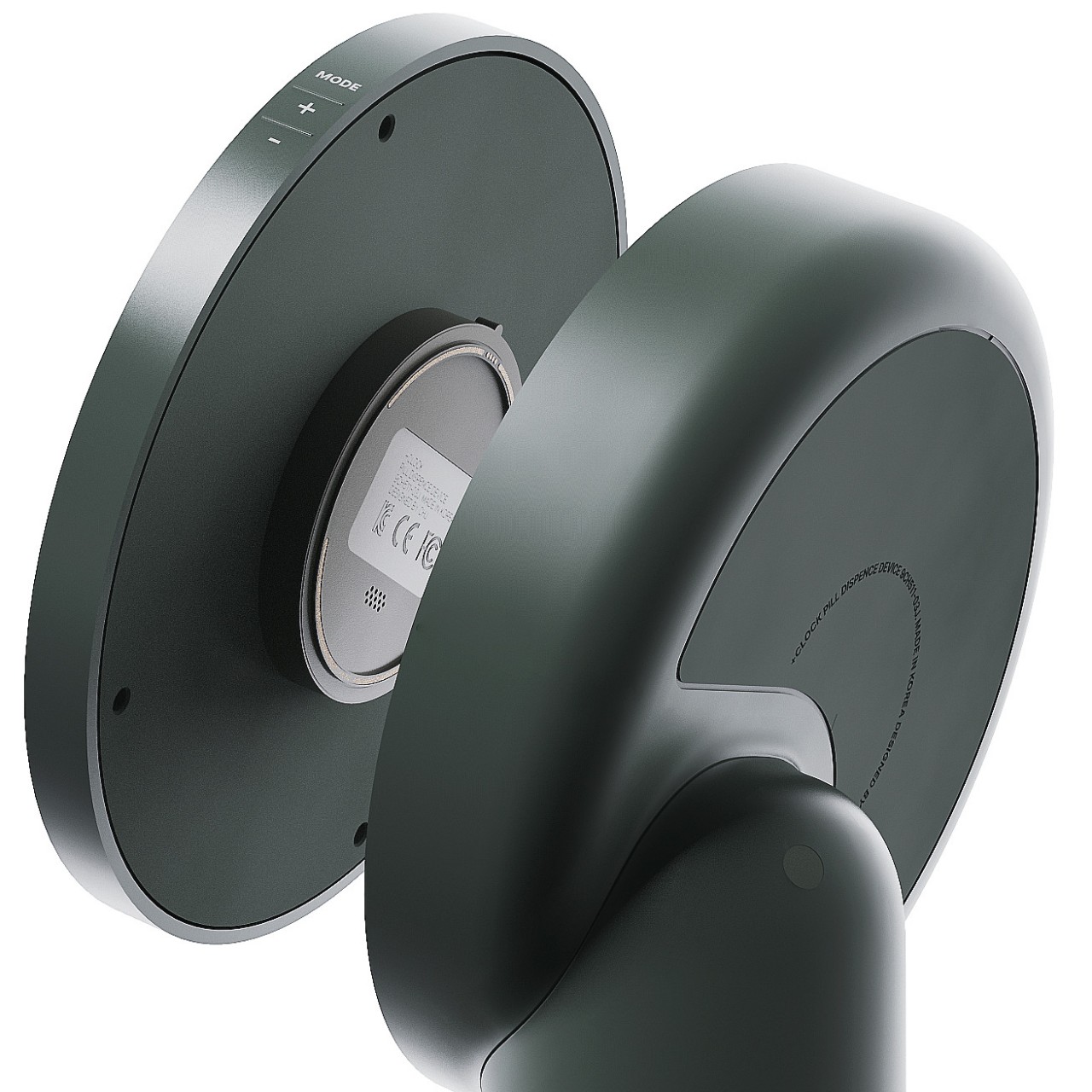
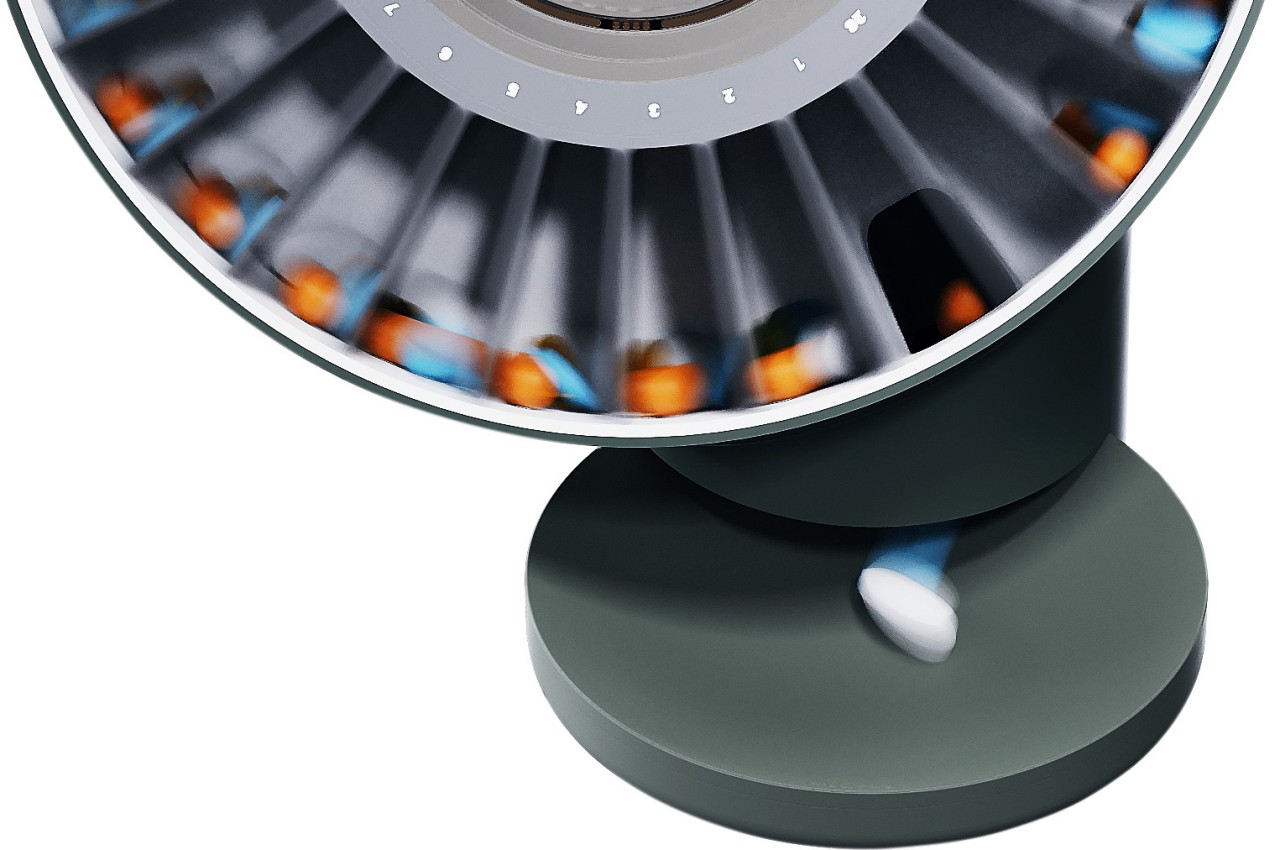
While it might sound a little underwhelming when it comes to constantly telling the time, its real worth shines when it comes to dispensing medicine. Simply twist the front to detach the clock, revealing 28 compartments for 28 days’ worth of medication. There are four buttons that let you set how many tablets you take per day, anywhere from one to four pieces. There’s also a special compartment for silica gel to make sure the interior of the clock remains dry and prevent pills from spoiling in humidity.
Combining a clock and a pill dispenser isn’t just some random design decision. Unlike a typical pill box, you can place this +CLOCK concept design anywhere it makes sense, whether it’s near the table, a kitchen counter, or a shelf. Its minimalist aesthetic makes it double as a decorative piece so it won’t exactly stick out like a sore thumb, especially since it also minimally tells the time anyway.
More importantly, however, when it does call your attention, you will be in the right place and at the right time to actually receive the pills that drop from the dispenser. There’s no physical gap between the two actions, so you’re less likely to forget to actually take the pills after you’ve automatically turned off the alarm by habit. It’s a simple yet elegant design that addresses the core problem of forgetting to take medication without having to use sophisticated and ultimately more expensive solutions.
Ceramic ball bearings deliver smooth and satisfying deployment
CONS:
Pocket clip can't be moved for ambidextrous use
Straight handle might feel too slim for a solid grip
RATINGS:
AESTHETICS
ERGONOMICS
PERFORMANCE
SUSTAINABILITY / REPAIRABILITY
VALUE FOR MONEY
EDITOR'S QUOTE:
With its handsome looks, a sharp blade, and a satisfying deployment mechanism, the Tekto F2 Bravo easily carves a place for itself in any EDC.
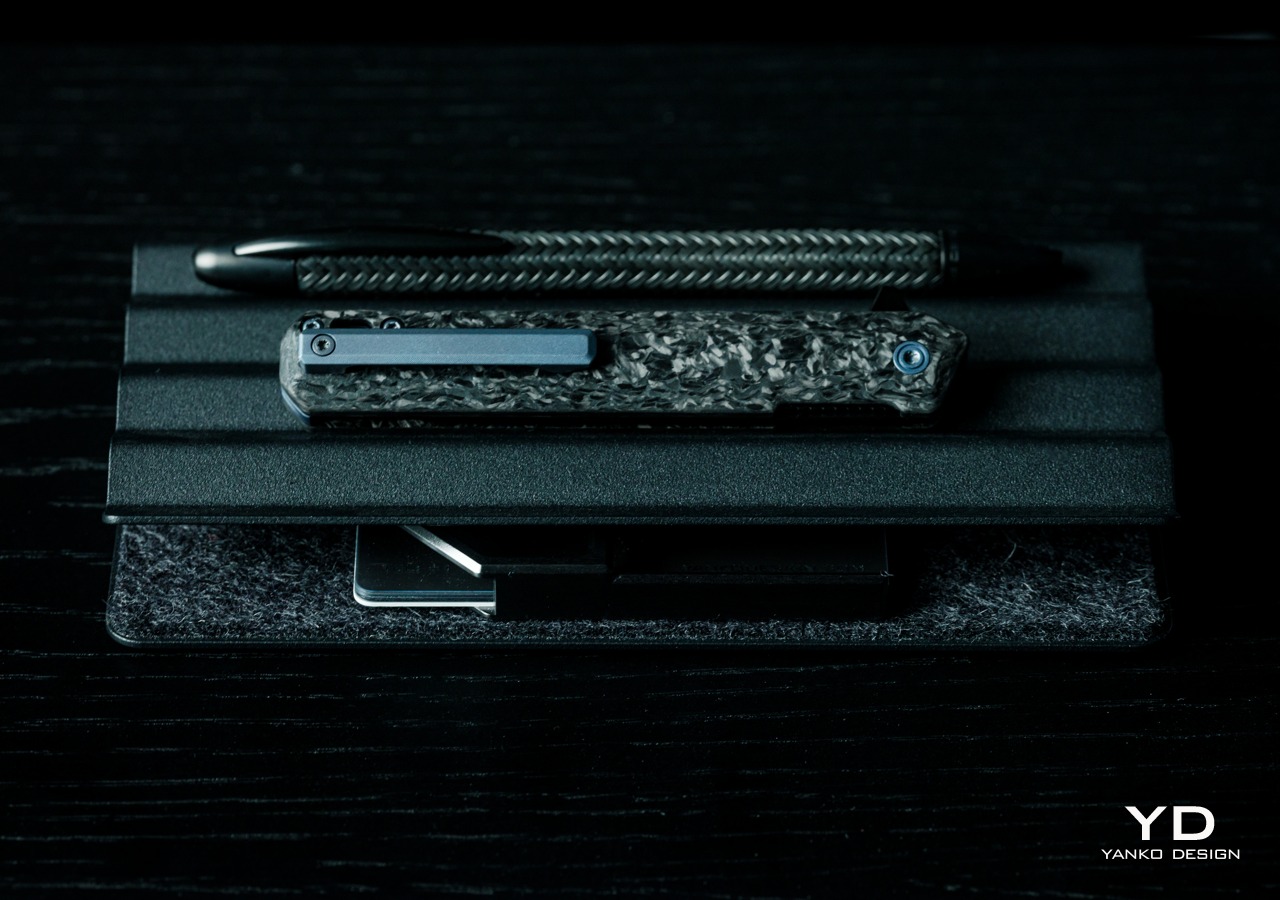
The EDC or Everyday Carry trend has been around for quite a while and there’s no sign of it slowing down anytime soon. Just like with paper notebooks and organizers, each collection of items and tools uniquely reflects the characters that own them. Some have simple packs filled with analog writing tools while others go fully digital with the latest gadgets and accessories. Still, some have an EDC that’s ready to face any task or problem, which sometimes involves cutting or slicing things. There might be a few who are hesitant to add a knife to their kit because most of the designs that can fit in an EDC often look like they’re geared for battle. Tekto has been making a few “tactical” knives designed to cater to this market, so we give the Forged Carbon version of its F2 Bravo folding knife a few flips to see if it makes the cut.
Designer: Tekto
Click Here to Buy Now: $127.50$149.99 (15% off with coupon code “YANKO”). Hurry, deal ends in 48-hours! Fedex 2 day shipping to all USA orders for free.
Aesthetics
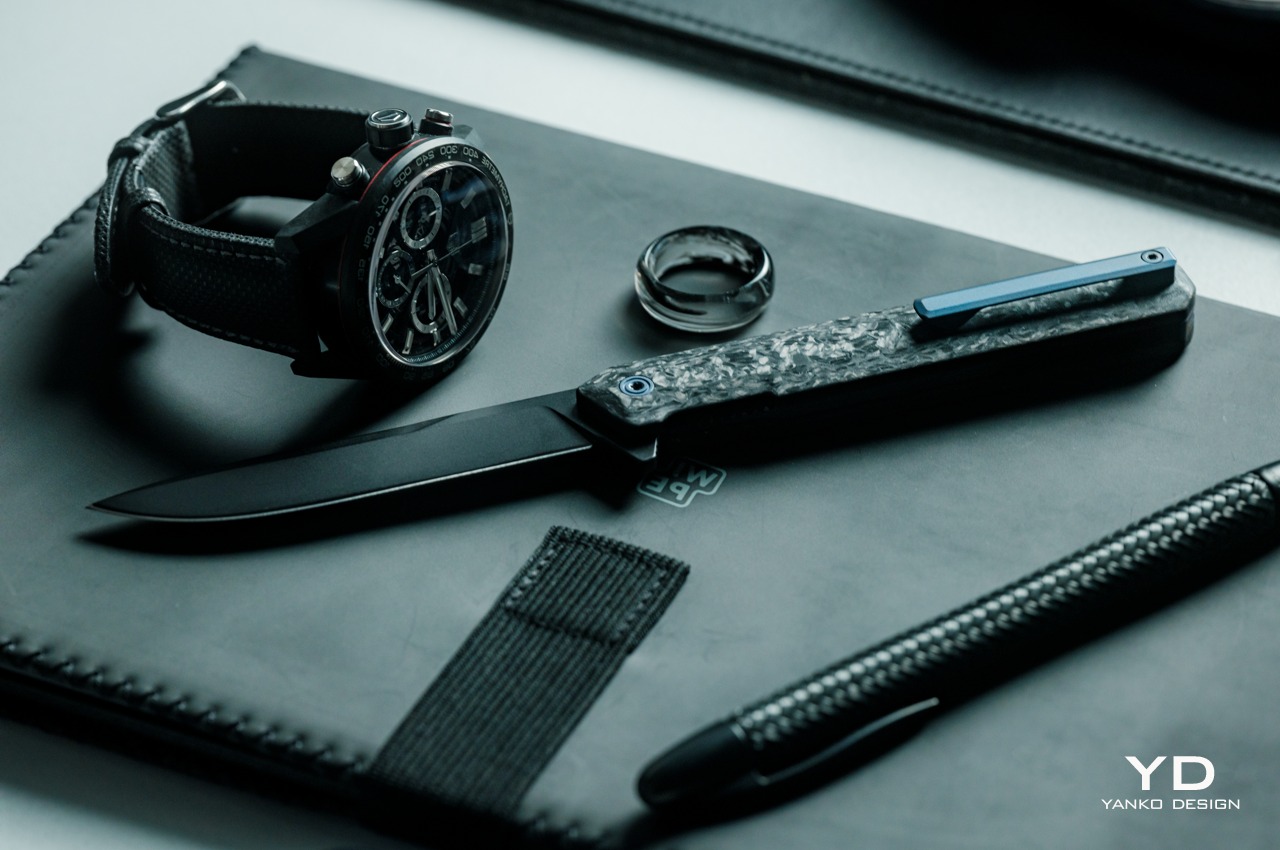
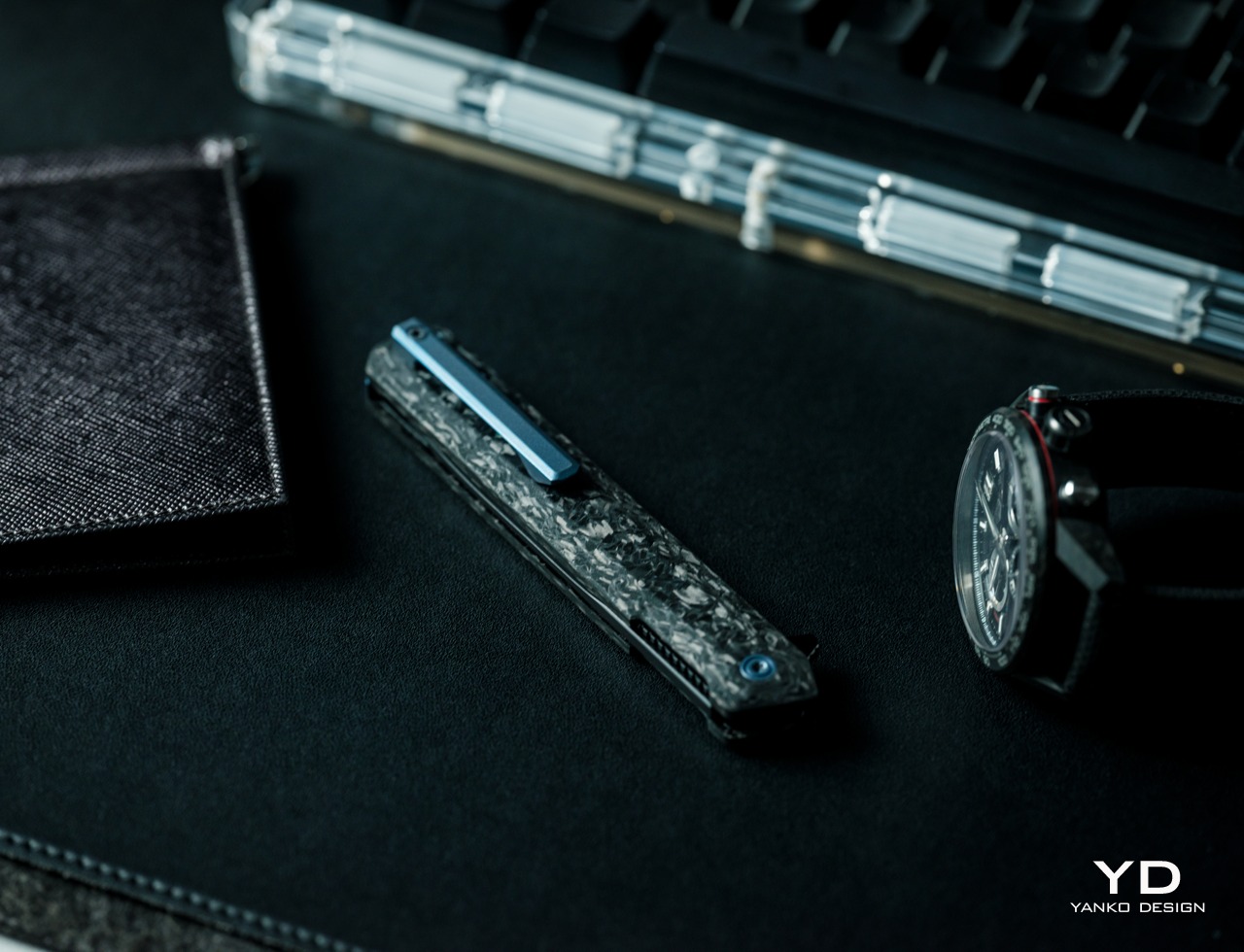
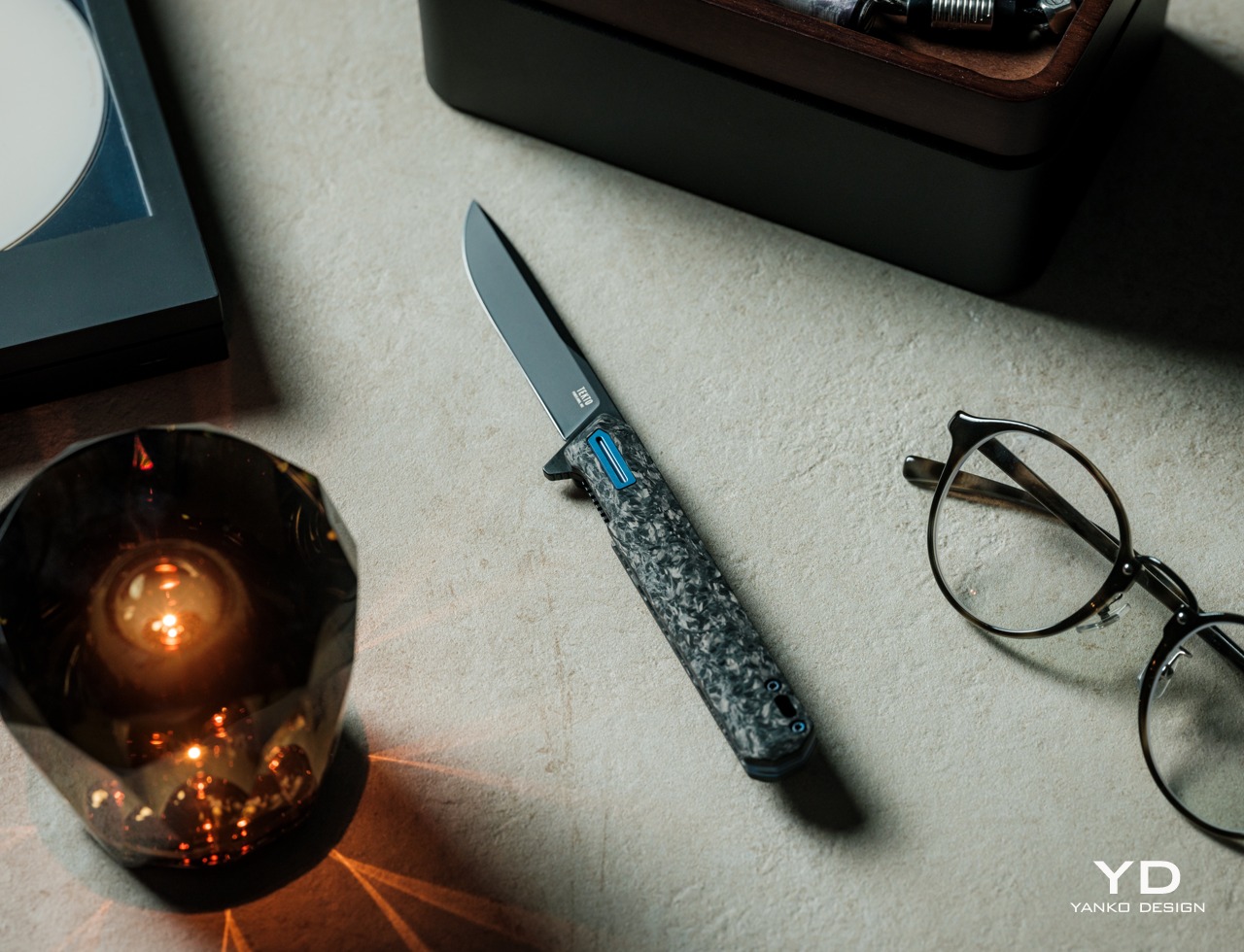
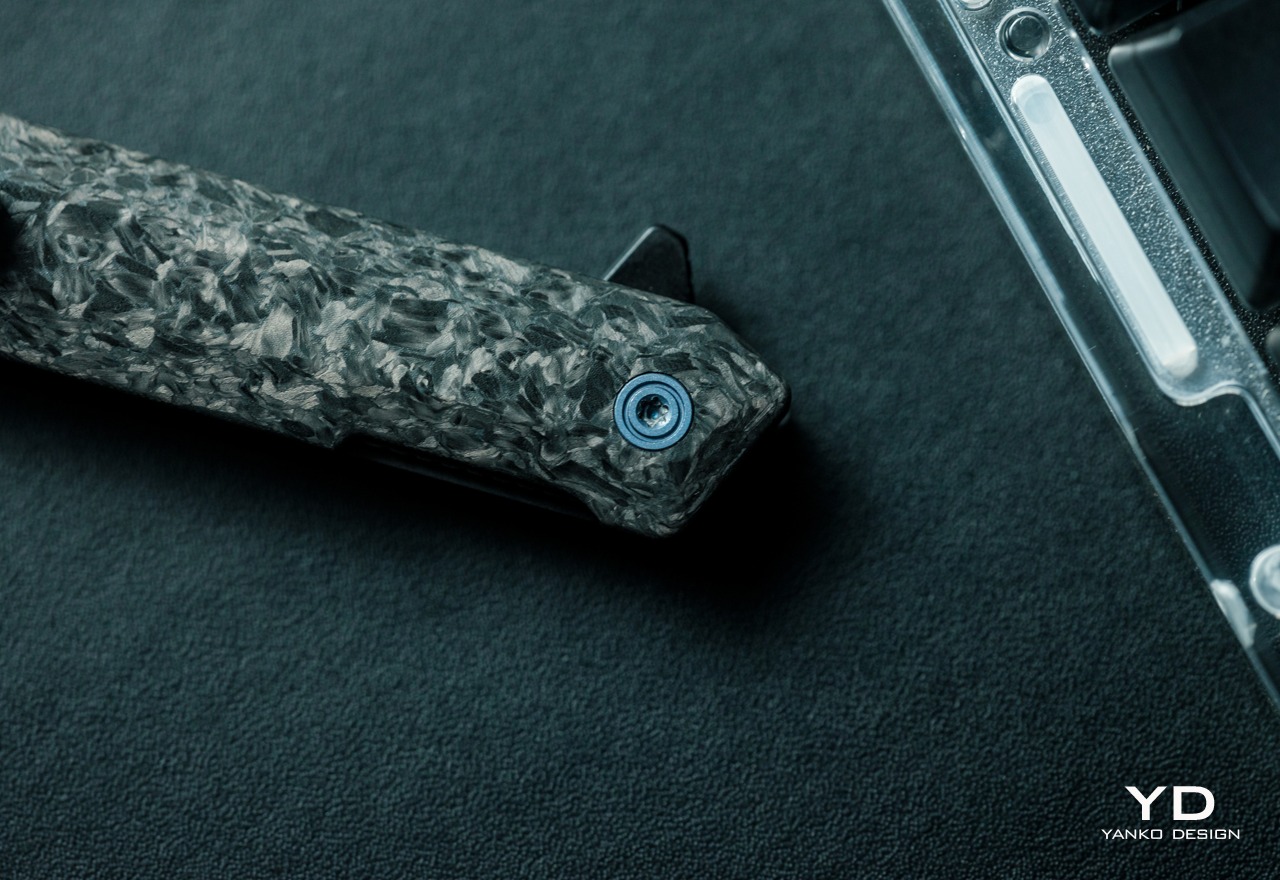
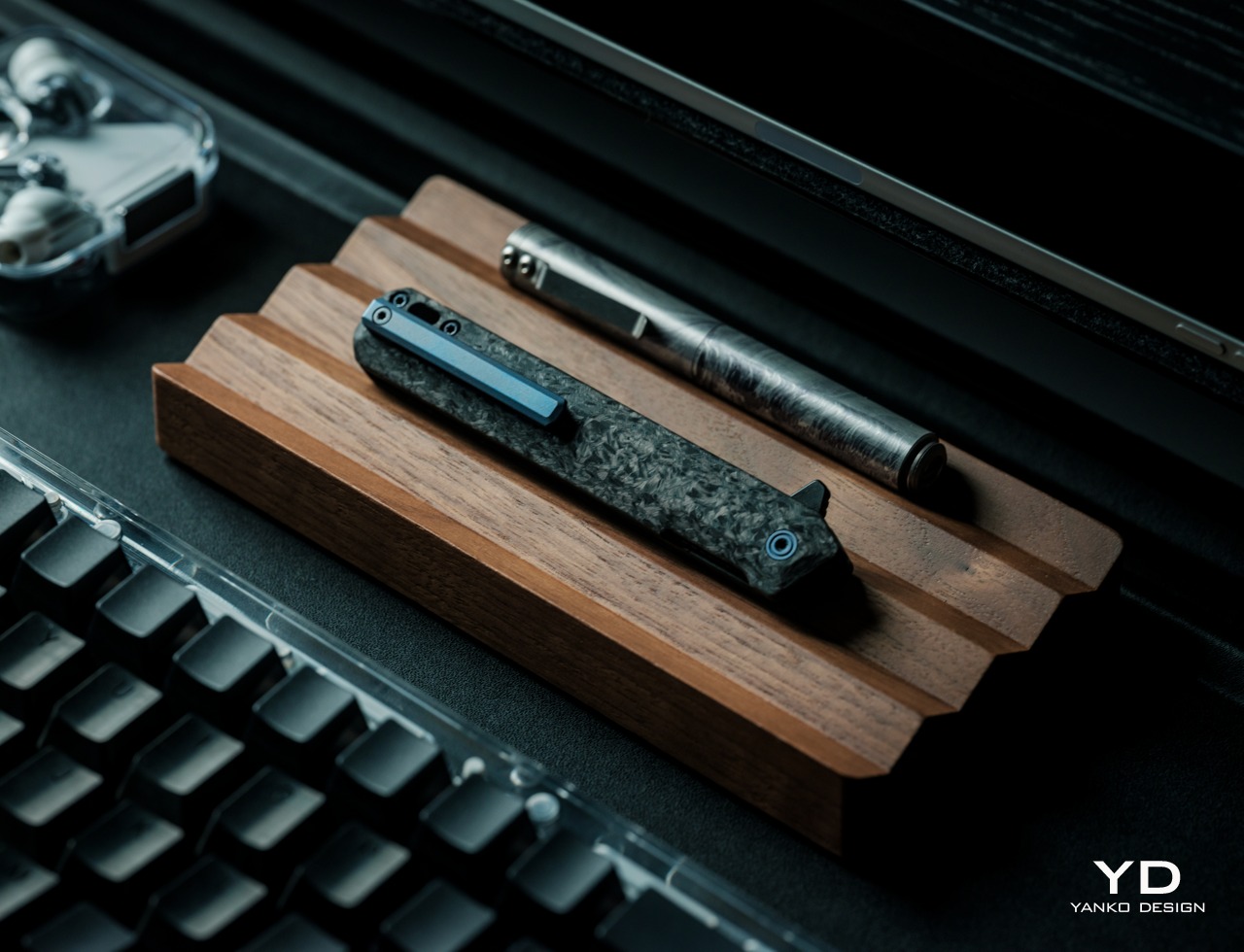
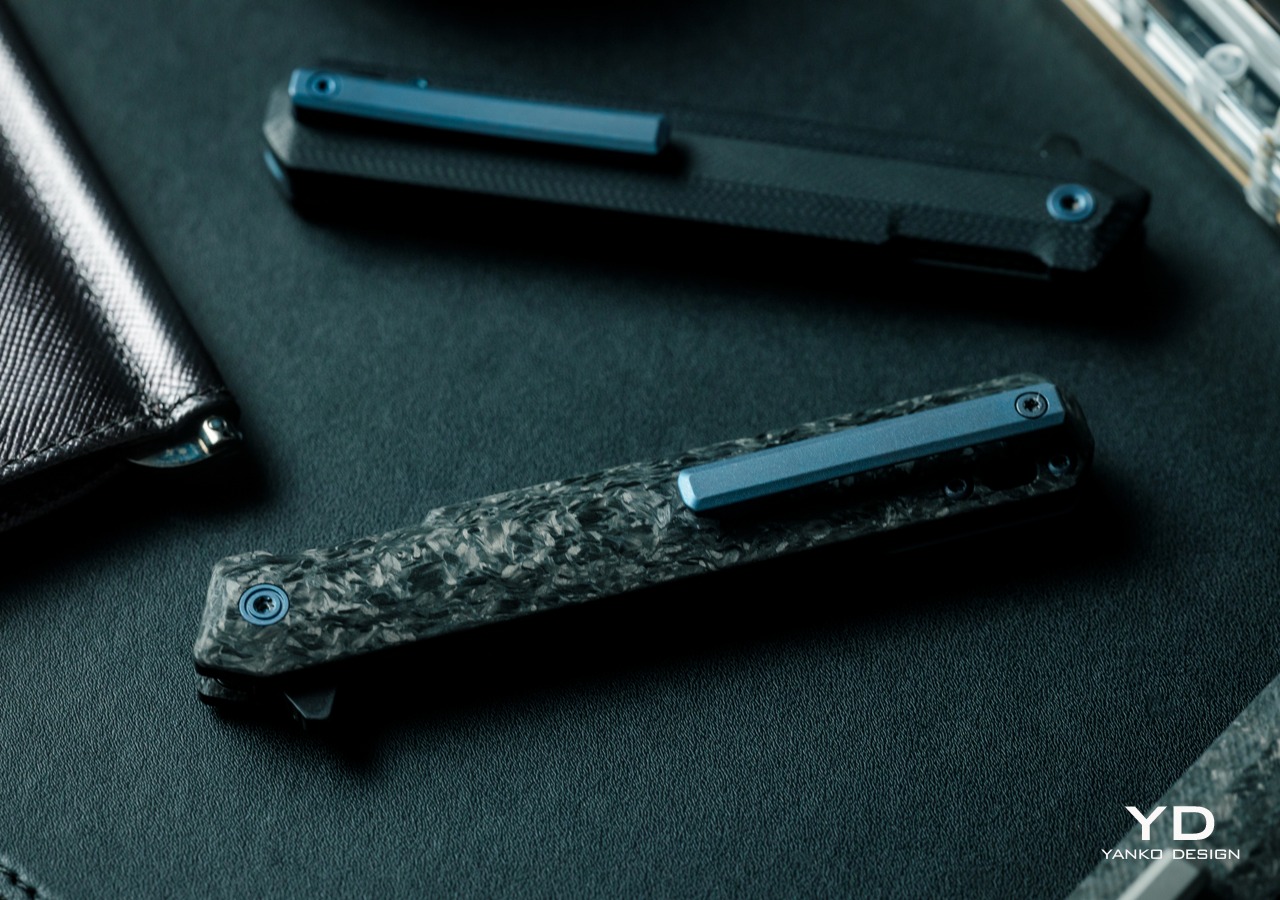
Calling the Tekto F2 Bravo a tactical knife might be a little bit confusing, though depending on the exact variant you’re going for, it does fit the bill in terms of looks. The Forged Carbon with Blue Accents that we have for this review does have that camo-like appearance to the handle, but that’s pretty much the extent of the association with tactical gear. Because at the end of the day, the F2 Bravo is a handsome tool that carries both finesse as well as strength in its appearance alone.
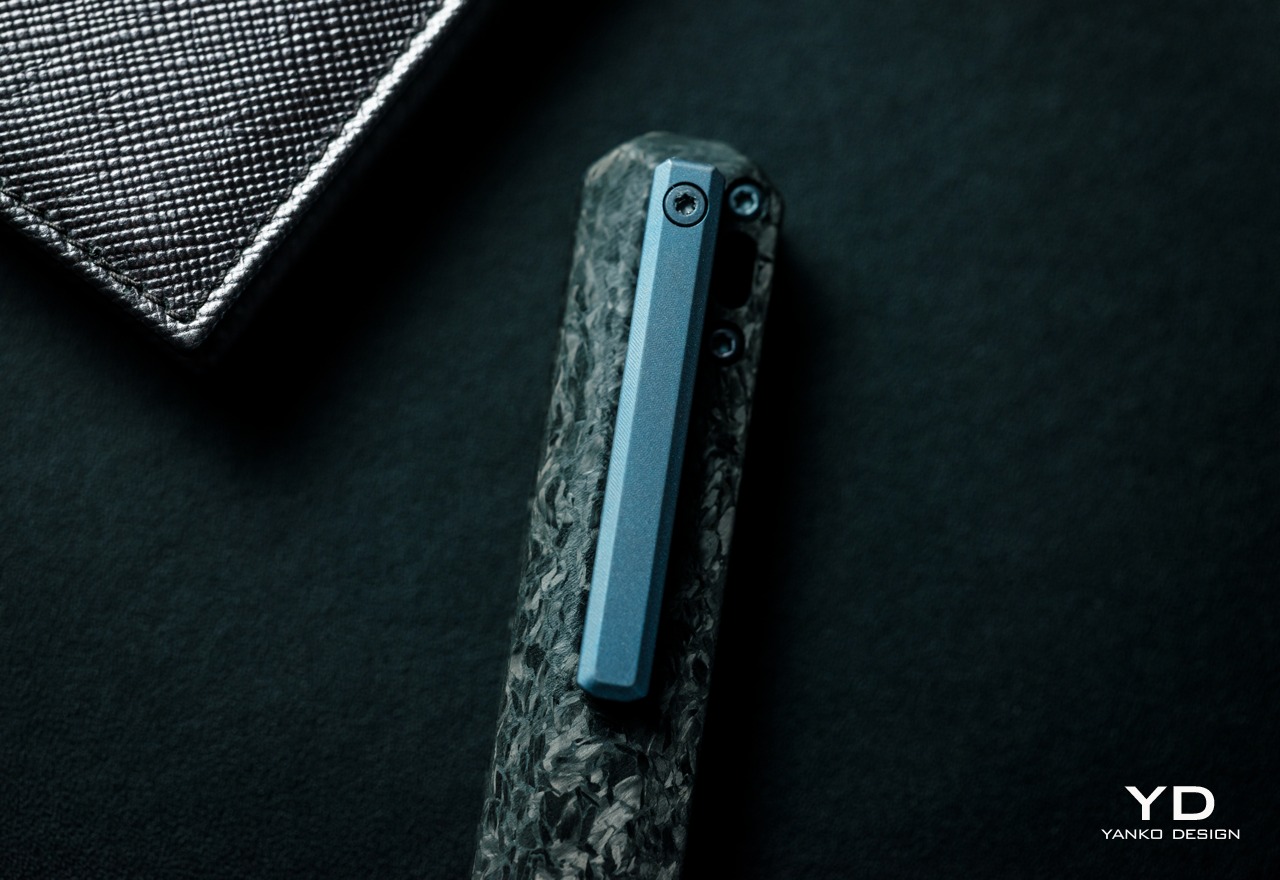
Unlike what you might think of tactical knives or folding pocket knives in general, the Tekto F2 Bravo uses straight, clean lines to portray an image of sharpness and simplicity. The handle itself has a simple and straight structure that avoids excessive curves and embellishments that only get in the way of the knife’s utility. Titanium accents used for the custom pivot, machined clip, and milled spacer add a premium quality to the knife, again an unexpected trait for something labeled as a tactical tool.
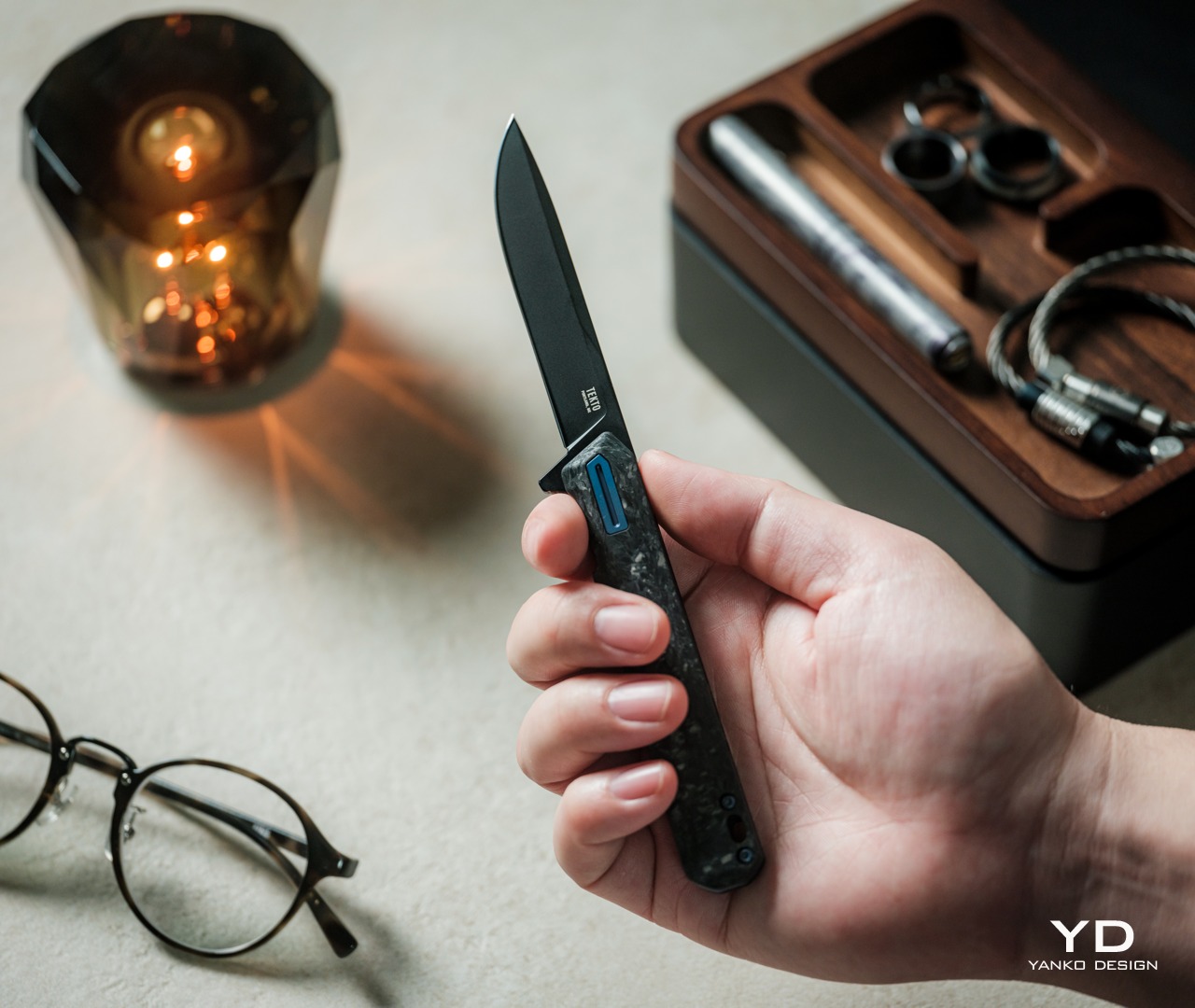
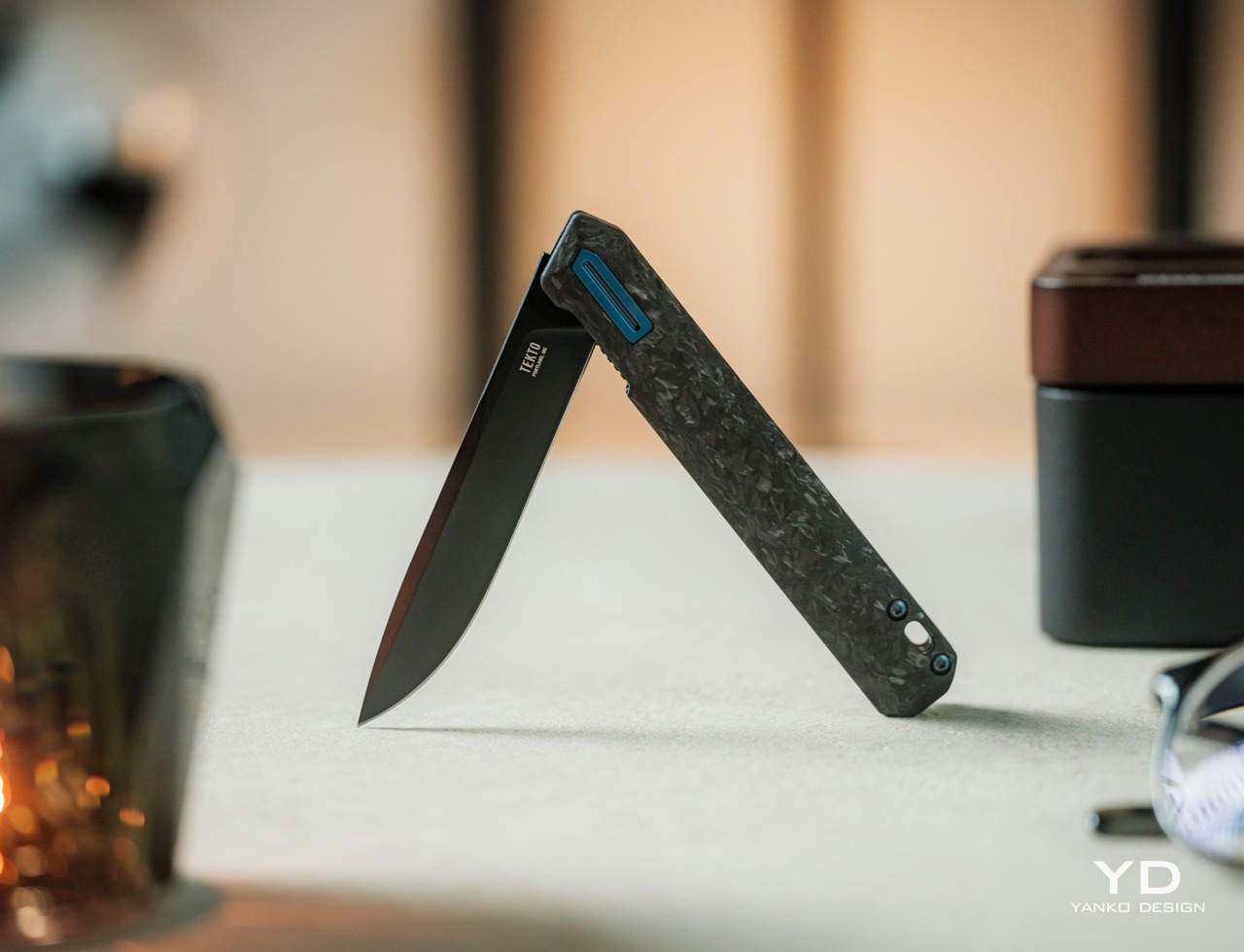
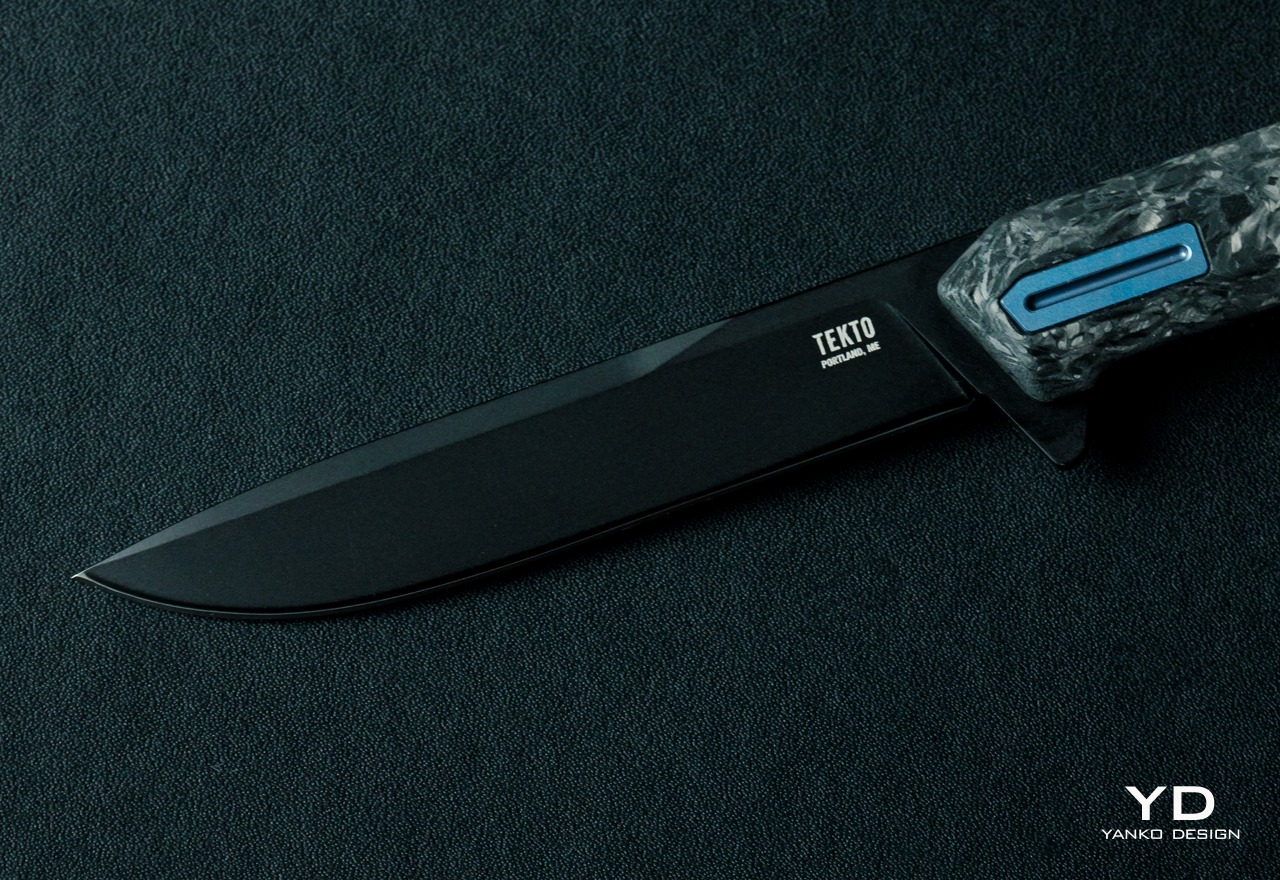
Even the blade, made from durable D2 steel, is a cut above the rest, pun intended. While most EDC knives prefer to show off their flashy blades with shiny silver, the F2 Bravo prefers a dark, black titanium coating. It gives the knife a distinctive appearance that is cold yet also precise, perfectly complementing whatever color the handle has. While it does catch your attention, it doesn’t distract you from the task at hand without a shiny surface to reflect light or the surface of what you’re cutting through.
With its slim profile, simple geometrical shape, and handsome looks, the Tekto F2 Bravo definitely stands above other EDC knives. It’s neither flashy nor flimsy, perfectly balancing aesthetics and a solid feel that we’ll get to in a bit.
Ergonomics
Just like its comparatively small size, the F2 Bravo is also surprisingly lightweight at only 2.04oz (68g). That’s not an insignificant number, considering this knife will take up space in small EDC bags or even pockets. For the latter, there’s a deep-carry titanium clip that makes it easy to secure in pants or shirts. That clip, unfortunately, is also one of the very few flaws in this knife’s design. You can’t remove the clip to switch it to the other side, unlike Tekto’s other ambidextrous clips. It’s not a deal-breaker definitely, but it’s something that buyers might want to consider when it comes to their comfort.
Despite its lightweight body, the knife still feels solid in your hand, especially when you deploy and close the blade. The one thing you might want to take note of is the size and shape of the handle. Unlike some of those more rugged knives, the F2 Bravo’s body doesn’t have specialized nooks and crannies to rest your fingers, except for the front guard for your index finger and jimping for the thumb. Some larger hands might even find the handle too small for a secure hold, and they might find themselves gripping it more forcefully and experiencing strain over time.
In most cases, however, the Tekto F2 Bravo offers a design that gives you confidence every time you grip the handle and deploy the blade. Exactly what you need for a sharp, cutting tool
Performance
The F2 Bravo’s fine edge drop point blade is quite a beast. It easily cuts through paper, cardboard, fabric, ropes, and other materials you might meet in your day-to-day travels. Given its size and purpose, it’s not fit for heavy-duty work, especially if you need some tooth to saw through harder materials. Then again, it’s an EDC knife more than an actual outdoor “tactical” blade, an aspect that might cause some confusion due to the name chosen by Tekto’s marketing.
Ceramic Ball Bearings – Enables quick and smooth blade deployment.
A sharp blade, however, is pointless if you can’t get it out of its hiding place fast enough and with little difficulty, and this is where the F2 Bravo really shines the brightest. It uses a ceramic ball bearing mechanism to rapidly and smoothly deploy the blade, and it definitely works as advertised. The action is smooth and the trigger is easy, giving you a satisfying feeling each and every time you make the blade spring into action. It might sound like a simple thing, but you shouldn’t underestimate the feeling of fulfillment from using a tool that not only works well but also gives you joy.
In addition to its rapid deployment, the F2 Bravo also delivers much-needed safety so that you can confidently slip it in your EDC bag or even your pocket. The discreet liner lock gives all the assurance you need that the sharp blade won’t just accidentally deploy or fold at the slightest pressure. At the same time, the strategically placed jimping makes it just as stable to close the blade when you’re done with your task. More than just its handsome looks, every part of the Tekto F2 Bravo is designed to provide maximum comfort without sacrificing its cutting performance.
Sustainability
For a tool that will most likely be used for rough purposes, it’s only reasonable to expect the Tekto F2 Bravo to be made to last. It uses plenty of durable materials, primarily Forged Carbon and D2 steel, that provide longevity while also making the folding knife lightweight and comfortable to hold. And thanks to its premium design, it uses very little plastic materials, making the knife inherently sustainable.
Sooner or later, however, the knife will meet some mishap that can’t be solved simply by sharpening the blade. Unfortunately, the F2 Bravo isn’t made to be easily repairable, at least not by untrained hands. The good news is that for most damages, Tekto accepts repairs or refurbishing, though you’ll have to ship the knife back to them. That said, you can replace lost screws on your own, but you’ll have to contact Tekto to get official replacement parts. Given that Tekto has a very responsive in-house customer service center, which responds within hours and usually ships parts on the same day, getting a replacement part should be a relatively quick and painless process.
Value
There are many pocket knives presenting themselves as EDC-friendly, but most of them fall under two categories. There are larger knives that are clearly made for outdoor use, and there are smaller knives that feel like they’ll break even before you finish cutting. The Tekto F2 Bravo proudly stands somewhere in the middle, with a tactical guise that speaks to its durability and performance, all while keeping a stylish and elegant design. It’s almost the perfect EDC knife, but there are a few things you’ll want to consider before committing to buying one.
The first is that it’s not a “one size fits all” affair and larger hands might find the knife a bit uncomfortable to hold for long periods of time. It’s also not the most affordable option of its kind, give or take around $140, depending on sales or discounts. That said, you do get a quality product that looks handsome in any EDC toolbox, so if you’re the type that needs to cut or slice a lot, the Tekto F2 Bravo definitely pays for itself in the long run.
Verdict
Something billed as a “tactical” knife is probably something you’d never consider for your EDC collection. It conjures up images of rugged or militaristic tools, probably more than you’ll ever want or need for everyday use. Fortunately, that’s really just a marketing strategy, because the Tekto F2 Bravo is anything but bulky and menacing.
It has a simple yet elegant design that belies the power it hides within, literally. Its lightweight yet durable Forged Carbon body makes it a pleasure to hold, while the black titanium-coated D2 steel blade looks as cool and sharp as it really is. Ceramic ball bearings make deployment swift and smooth, while the liner lock provides the confidence you need in every cut. With its handsome looks, a sharp blade, and a satisfying deployment mechanism, the Tekto F2 Bravo easily carves a place for itself in any EDC.
Click Here to Buy Now: $127.50$149.99 (15% off with coupon code “YANKO”). Hurry, deal ends in 48-hours! Fedex 2 day shipping to all USA orders for free.