Why This Air Conditioner Filter Took Design Cues from Your Toolbox

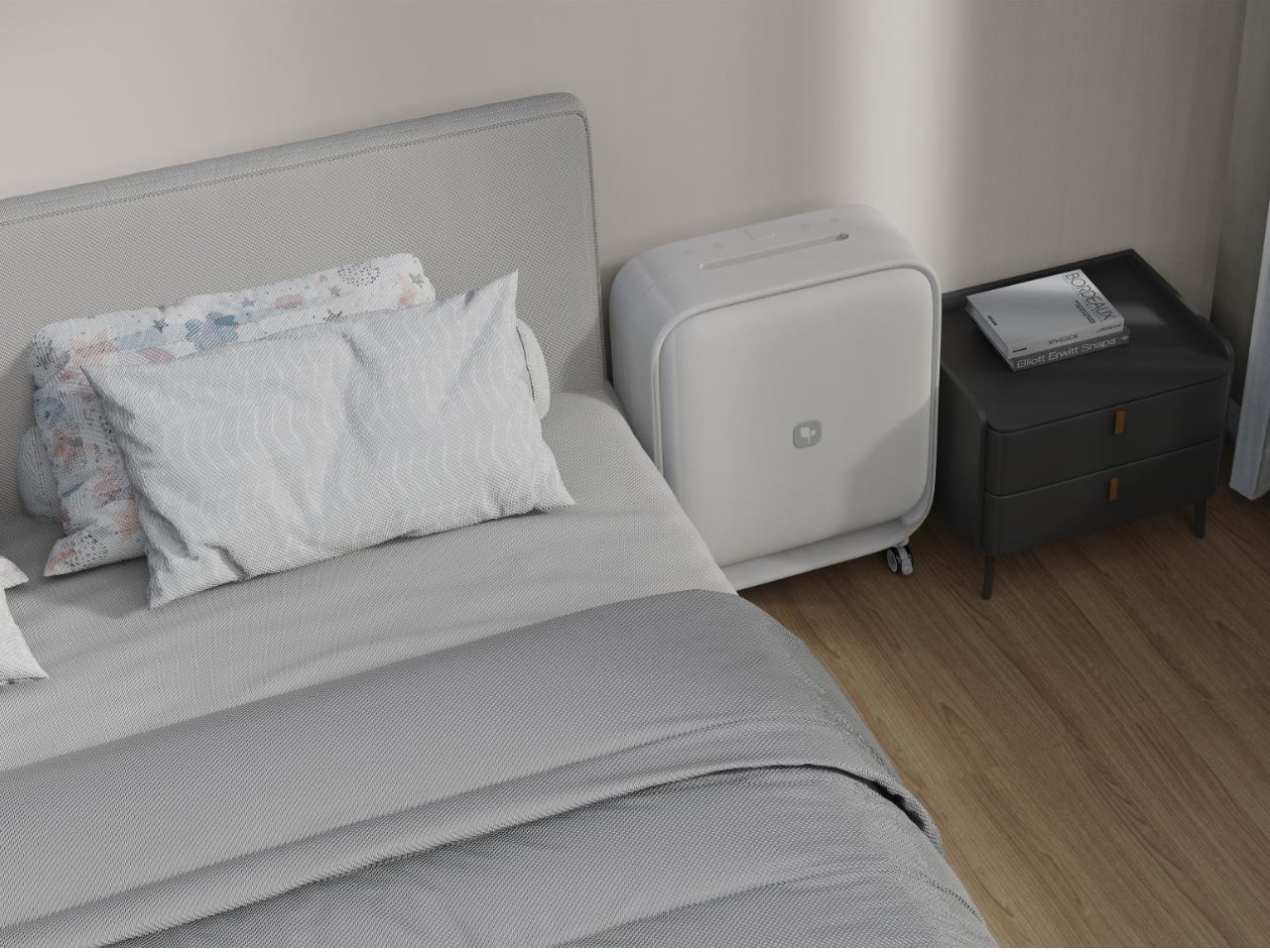
Let me tell you about something that caught my eye recently. When was the last time you actually looked forward to cleaning your air conditioner filter? Yeah, I thought so. But the folks at ZHEJIANG ZHONGGUANG ELECTRICAL CO.,LTD have done something pretty clever that might change how we think about one of home maintenance’s most tedious tasks. Their Snapcool air conditioner just won a Golden A’ Design Award, and here’s why it deserves your attention.

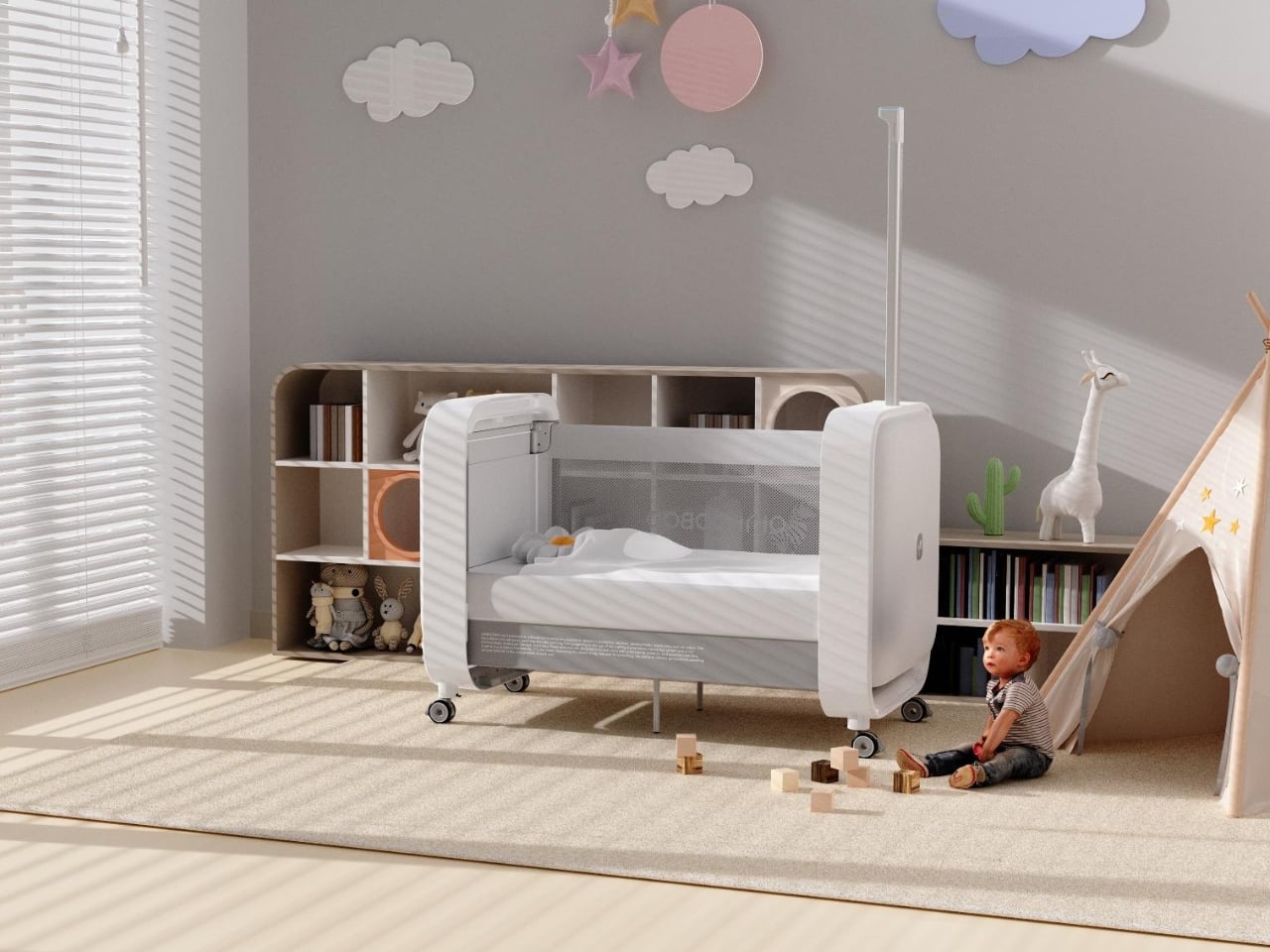
Picture a tape measure. You know that satisfying feeling when you pull out the metal strip and it snaps back into place with a smooth click? Now imagine that same mechanism applied to your AC’s filter system. That’s exactly what the design team behind Snapcool did, and the result is both practical and surprisingly delightful.

Designer: ZHEJIANG ZHONGGUANG ELECTRICAL CO.,LTD

The whole concept flips conventional air conditioner design on its head. Most AC units hide their filters behind awkward panels that require tools, patience, and sometimes a bit of cursing to remove. Snapcool mounts its filter system on the side, where it slides in and out with the ease of extending a measuring tape. This isn’t just about making maintenance easier (though it definitely does that). It’s about turning a chore into something almost fun.

What really makes this design sing is the eye-catching orange filter compartment. It’s not just there to look cool, though it certainly does that. The bold color serves as a constant visual reminder to check your filter status, which means you’re more likely to keep up with maintenance and enjoy better air quality. It’s the kind of thoughtful detail that shows someone actually considered how people interact with these machines in real life, not just in a sterile testing environment.

The aesthetics matter here too. Traditional air conditioners tend to be those white boxes we tolerate but don’t exactly love. Snapcool breaks that mold with its sleek, modern shape that actually looks like it belongs in a contemporary home. There’s something inherently futuristic about its design language. It feels less like an appliance and more like a piece of tech you’d actually want to show off. This project came to life through collaboration between six team members: Jinghong Zhang, Yuxin He, Menglin Xie, Yuhui Xu, Haiping Hou, and Xiaojun Yuan. Their collective vision demonstrates what happens when designers stop treating home appliances as purely functional objects and start seeing them as opportunities for innovation and delight.

The recognition from the A’ Design Award isn’t just a trophy for the mantle. It’s validation of a broader shift happening in product design right now. We’re moving away from the idea that utilitarian objects should be invisible or purely functional. Instead, designers are asking why everyday items can’t be both beautiful and practical, why they can’t spark a little joy even as they perform mundane tasks.

ZHEJIANG ZHONGGUANG ELECTRICAL CO.,LTD, operating under their OUTES brand, has been building a reputation for integrated climate control solutions across hotels, universities, factories, and residential buildings. This isn’t their first rodeo with design excellence either. They’ve racked up six A’ Design Awards, proving that Snapcool isn’t a fluke but part of a consistent commitment to pushing boundaries in HVAC design.

What strikes me most about Snapcool is how it challenges our assumptions. We’ve collectively decided that air conditioners should be forgettable white boxes tucked into corners. But why? There’s no rule that says climate control can’t have personality. There’s no law stating that filter maintenance must be annoying. The tape measure inspiration is genius because it’s so obvious in hindsight. We’ve had this perfectly functional, satisfying mechanism sitting in our tool drawers for decades, and it took creative thinking to realize it could solve a problem in a completely different context.

Snapcool represents a future where even the most utilitarian objects can bring a smile to our faces. Where maintenance becomes less of a burden and more of an experience. Where our living spaces are populated by thoughtfully designed products that respect both our intelligence and our desire for beauty. Sometimes the best innovations aren’t about inventing something entirely new. They’re about looking at old problems through fresh eyes and borrowing brilliance from unexpected places.

The post Why This Air Conditioner Filter Took Design Cues from Your Toolbox first appeared on Yanko Design.

This Designer Just Made Paper Clips Adorable With A Magnetic Tabletop Sheep

Your desk probably looks like everyone else’s. You’ve got the same black stapler, the same boring paper clip holder, maybe a pen cup that once held something else. There’s nothing wrong with functional, but there’s also nothing memorable about it. That’s precisely what makes Shearing Magnetic Absorption so refreshing.

Designed by Xin Se and awarded the Golden A’ Design Award in 2025, this magnetic paper organizer does something most desk accessories fail to accomplish: it makes you smile. The concept is beautifully simple. Picture a small sheep standing on your desk, and those mundane silver paper clips you usually ignore become its fluffy wool. It’s one of those ideas that feels so obvious once you see it, yet nobody thought to do it before.

Designer: Xin Se

The genius lies in the transformation. Most organizers are just containers, passive objects that hold your stuff. Shearing actively reimagines what paper clips are. When you attach them to the magnetic sheep body, they cluster and create texture that genuinely resembles wool. The visual metaphor isn’t subtle, and it doesn’t need to be. The name itself, Shearing, plays on the dual meaning of sheep shearing and the act of gathering or organizing. It’s clever without trying too hard.

What’s particularly interesting about this design is how it taps into emotional engagement. We spend massive amounts of time at our desks, surrounded by objects that serve purely utilitarian purposes. Keyboards, monitors, staplers, they’re all tools designed to disappear into the background. Shearing takes the opposite approach. It wants your attention. It invites interaction. When you reach for a paper clip, you’re not just grabbing office supplies, you’re “shearing the sheep.” That tiny narrative moment transforms a mundane task into something playful.

The brand behind Shearing is Niceobject, and if you look at their philosophy, it tracks. They focus on small items that contain what they call “a touch of emotion.” It’s not about making big statements or revolutionary products. It’s about finding joy in the details, turning everyday objects into what they describe as “beautiful encounters” and “warm companionship.” That might sound a bit precious, but when you’re staring at spreadsheets for eight hours, having a little sheep companion on your desk actually matters more than you’d think.

From a design perspective, Shearing succeeds because it balances form and function perfectly. It’s not sacrificing practicality for aesthetics. The magnetic mechanism works, paper clips stay organized and accessible, and the footprint is small enough that it won’t clutter your workspace. But it also doesn’t hide what it is. The sheep silhouette is immediately recognizable, giving it personality without becoming cartoonish or juvenile.

This is part of a broader trend we’re seeing in product design where personality and emotion are becoming key differentiators. Technology has made manufacturing more accessible, which means the market is flooded with functional but forgettable products. Standing out requires more than just working well. It requires creating a connection, telling a story, or sparking a feeling. Shearing does all three.

Designer Xin Se has spent over two decades in product design, bringing numerous products to market. That experience shows in Shearing’s execution. It’s not trying to reinvent the wheel or force innovation where it’s not needed. Instead, it takes something familiar and adds a layer of delight. That restraint is harder than it looks. It would be easy to over-design this concept, to add too many features or make the sheep too detailed. The design stays simple, letting the core idea shine.

Shearing represents a philosophy worth paying attention to. Not every design needs to solve massive problems or disrupt entire industries. Sometimes the best design simply makes ordinary moments a little more enjoyable. Next time you’re organizing paper clips or reaching for office supplies, you might think differently about what those objects could be. That’s what good design does. It changes how we see the world, even in the smallest ways. And sometimes, that’s exactly what we need.

The post This Designer Just Made Paper Clips Adorable With A Magnetic Tabletop Sheep first appeared on Yanko Design.

When Perfect Imperfection Becomes Your Living Room Centerpiece

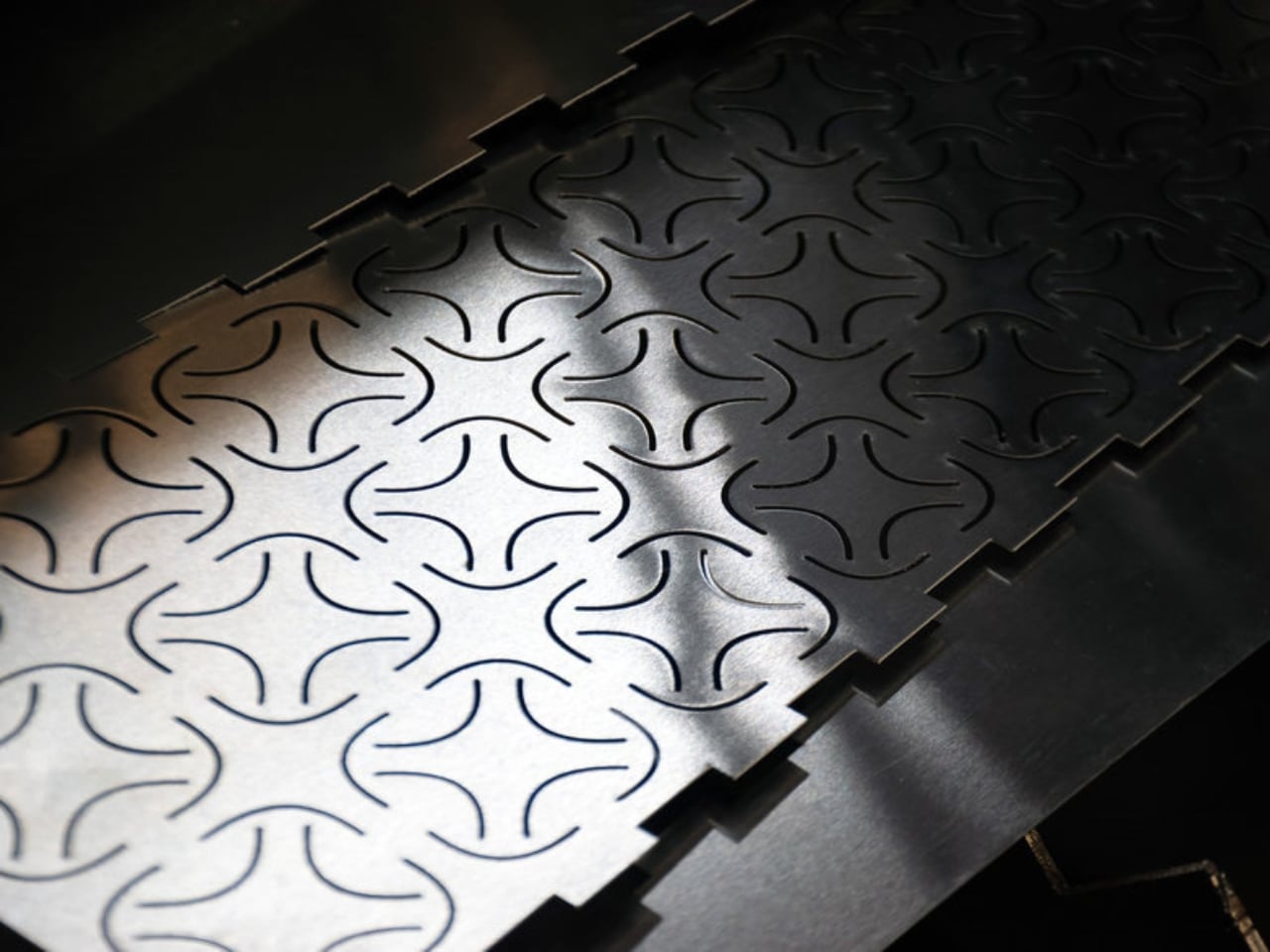
There’s something quietly revolutionary happening when a designer teams up with traditional artisans to create furniture that looks like it exists in two realities at once. Dhruv Agarwwal’s Blur Coffee Table is exactly that kind of beautiful paradox. Picture this: a coffee table that appears to shift and shimmer depending on where you’re standing. Not through fancy electronics or LED tricks, but through the marriage of precise steel mesh and centuries-old Meena enamel techniques. It’s the kind of piece that makes you do a double-take, wondering if your eyes are playing tricks on you.

The story behind Blur is rooted in Moradabad, a city in India known for its metalwork heritage. Agarwwal didn’t just commission artisans to execute his vision. He collaborated with Meena craftspeople for months, experimenting and problem-solving together to develop a thicker coat of enamel that could interact with steel mesh in completely new ways. This wasn’t about slapping traditional techniques onto modern forms. It was about pushing both the craft and the material into uncharted territory.

Designer: Dhruv Agarwwal

What makes this table so visually arresting is the tension between precision and imperfection. The steel mesh is cut with exacting accuracy, creating a consistent, geometric foundation. But the hand-applied enamel? That’s where the magic happens. Each brushstroke, each slight variation in thickness creates zones where colors appear to float, disappear, and reappear. The technical precision becomes the canvas for human imperfection, and together they create something that feels alive.

This play between control and spontaneity echoes a larger conversation happening in contemporary design right now. We’re surrounded by machine-made perfection, products that look identical whether you buy them in Tokyo or Toronto. Blur pushes back against that uniformity without being precious about it. It’s not trying to be rustic or nostalgic. Instead, it uses traditional craft to create something thoroughly contemporary, a visual experience that couldn’t exist without both the old techniques and new thinking.

The shifting colors and optical effects serve a purpose beyond aesthetics. They transform the table into a kind of mood ring for your living space. Different lighting throughout the day reveals different aspects of the enamel work. The table you glance at during morning coffee looks subtly different from the one you see during evening drinks. It’s furniture as timekeeper, marking the day’s passage through color and light.

There’s also something to be said about what this project represents for traditional artisans. The Meena craftspeople weren’t just executing someone else’s design. They were active collaborators, bringing their expertise to bear on technical challenges. Developing that thicker enamel coat required their deep knowledge of materials and techniques. This kind of partnership offers a sustainable path forward for heritage crafts, one that doesn’t trap them in amber but allows them to evolve and remain economically viable.

Agarwwal has built his practice around this intersection of heritage and innovation, creating work that sparks what he calls “cross-cultural dialogues.” Blur succeeds because it doesn’t pander to either tradition or modernity. It respects the craft enough to let it be challenging and experimental. It’s contemporary enough to fit in spaces that have never seen a piece of traditional Indian metalwork.

The coffee table format itself is interesting here. It’s domestic furniture, the kind of piece that sits at the center of everyday life rather than on a gallery pedestal. You’ll set your coffee mug on it, stack magazines on its surface, prop your feet up during movie night. This integration of serious craft and optical artistry into functional daily life feels democratic in the best way. Beauty and innovation aren’t cordoned off in museums. They’re right there in your living room. That’s what makes this coffee table more than just a pretty piece of furniture. It’s a manifesto in steel and enamel about collaboration, evolution, and the enduring power of imperfect human hands to create something that no machine ever could.

The post When Perfect Imperfection Becomes Your Living Room Centerpiece first appeared on Yanko Design.

This Platinum-Winning Glass Stacks Like a Chalice

There’s something incredibly satisfying about a drinking glass that just feels right. You know what I mean: the perfect weight in your hand, a shape that fits naturally to your lips, and maybe even a little something extra that makes you smile every time you reach for it. Austrian designer Florian Seidl gets this, and his Cali glassware series just won a Platinum A’ Design Award, proving that even the simplest everyday objects deserve serious design love.

The Cali series comes from Officina Endorfino, Seidl’s creative playground where curiosity meets experimentation. These aren’t your standard kitchen glasses. Made from borosilicate glass (the same stuff used in lab equipment and high-end cookware), they’re surprisingly lightweight yet durable enough to handle hot and cold liquids without breaking a sweat. But what really catches your eye is how they play with light and perception. The material’s unique properties create captivating reflections that mess with your sense of volume and weight, making each glass look almost sculptural on your table.

Designer: Florian Seidl

What makes this collection particularly clever is its stackable design. The glasses come in three distinct sizes that nest together beautifully, solving that eternal kitchen cabinet space problem we all deal with. But Seidl didn’t just think about storage. The way these glasses stack actually references the elegant form of a chalice, giving them a subtle sophistication that elevates your everyday water or morning juice into something more special.

Seidl brings an interesting background to this project. With years of experience across various industries, including automotive and product design, he knows how to balance form with function. His multidisciplinary approach shows in the Cali series, where practical considerations never overshadow the aesthetic vision. Each glass manages to have personality without being fussy, and functionality without being boring.

The sustainability angle is worth mentioning too. While the glasses themselves are built to last (borosilicate glass is notably resistant to thermal shock and everyday wear), the packaging gets its own eco-friendly treatment with recycled cardboard. It’s a thoughtful touch that shows consideration for the entire product lifecycle, not just the glamorous end result.

What strikes me most about Cali is how it represents a growing shift in design culture. We’re moving past the idea that everyday objects should just blend into the background. Instead, designers like Seidl are asking why our daily rituals shouldn’t involve beautiful, well-considered pieces. Your morning coffee, your afternoon iced tea, your evening wind-down beverage all of these moments can be enhanced by thoughtful design that respects both your practical needs and your aesthetic sensibilities.

The Platinum A’ Design Award recognition is particularly significant here. This isn’t a participation trophy. It’s an acknowledgment from design professionals that Cali represents something genuinely special in the kitchenware category. The award highlights how the series addresses contemporary needs for space-efficient, versatile solutions while pushing creative boundaries in material exploration.

For anyone who cares about the objects they live with (whether you’re a design enthusiast, a minimalist who values quality over quantity, or simply someone who appreciates when things are done right), the Cali series feels relevant. It’s not about status or showing off. It’s about recognizing that the small choices we make about our everyday surroundings actually matter. They accumulate into an environment that either energizes us or drains us, delights us or just exists.

Seidl’s work with Cali suggests that good design doesn’t require complexity or gimmicks. Sometimes it’s about understanding a material deeply, respecting functional requirements completely, and then adding just enough personality to make something memorable. The result is a drinking glass series that works beautifully in practice while looking like something you’d want to display even when you’re not using it. That’s the kind of everyday magic worth celebrating.

The post This Platinum-Winning Glass Stacks Like a Chalice first appeared on Yanko Design.

This $175 Bike Stand Finally Solved Our Garage Storage Mess

If you own a bike, you’ve probably played the garage Tetris game at least once. You know the drill: your bike leans against a wall, falls over at 2 AM with a crash, or blocks the path to literally everything else you need. It’s the kind of everyday design problem that makes you wonder why nobody’s come up with something better.

Well, someone finally has. British industrial designer George Laight created the Flip, a freestanding bike stand that’s so cleverly designed, it makes you question why we’ve been settling for wall hooks and pulley systems all this time.

Designer: George Laight for BikeStow

The origin story is pretty relatable. Laight was studying Product Design Engineering at Loughborough University when he hit a wall, literally and figuratively. He had a bike and a tiny student flat with a strict no-holes-in-the-walls policy. Vertical storage made the most sense for his cramped space, but he couldn’t use traditional wall-mounted solutions without losing his security deposit. So he did what any frustrated design student would do: he invented his own solution.

The Flip is essentially a portable bike stand with wheels that lets you store your bike vertically or horizontally, depending on what works for your space. The genius is in its flexibility. Unlike fixed storage solutions that require you to commit a specific area of your garage or apartment to bike storage forever, the Flip rolls around wherever you need it. Cleaning out the garage? Wheel it aside. Reorganizing your storage shed? Move it in seconds. It’s bike storage that adapts to your life instead of demanding you work around it.

Here’s how it works: you roll your bike into the stand while it’s in the horizontal position, then rotate it upright if you want vertical storage. There’s a slider mechanism that locks the bike in place, keeping it stable in either orientation. The wheels on the base make maneuvering surprisingly easy, even in tight spaces. And when you’re not using it at all, the entire stand folds flat for storage.

That last feature is particularly brilliant for anyone dealing with limited space. Heading out on a bike trip and your bike won’t be home for a week? Fold the stand flat and tuck it away. Living in a city apartment where every square foot counts? Same deal. The Flip essentially disappears when you don’t need it, which is more than you can say for permanent wall hooks or ceiling-mounted systems.

The stand is made from plywood, giving it a clean, modern aesthetic that doesn’t look out of place in contemporary homes. Customer reviews consistently mention that it’s attractive enough to display openly, whether you’re storing your bike in a hallway, office, or living space. One reviewer specifically noted that they’re “more than happy to have it on display in the office, with or without a bike in it.”

The Flip works with pretty much any bike you throw at it: road bikes, mountain bikes, electric bikes, even fat bikes with tires up to five inches wide. Multiple stands can be nested close together if you’ve got a household with several bikes, creating an organized parking area that doesn’t devolve into the usual tangled-handlebars chaos.

At around $175, it’s not the cheapest bike storage option out there, but it’s also significantly more versatile than a basic wall hook. BikeStow backs it with a two-year warranty and includes a custom Restrap securing strap to keep your bike stable. Customer ratings sit at a perfect five stars, with reviewers praising both its functionality and build quality.

Most bike storage solutions fall into two categories: cheap and flimsy, or expensive and permanent. The Flip occupies an interesting middle ground. It’s well-made and thoughtfully designed, but it doesn’t require you to drill holes in your walls or dedicate a chunk of your home to bike storage forever. It’s the kind of practical, human-centered design that solves a real problem without creating new ones.

For anyone tired of tripping over their bike or playing storage Tetris every time they need garage space, the Flip offers a refreshingly simple solution. Sometimes the best designs aren’t revolutionary, they just make everyday life a little bit easier.

The post This $175 Bike Stand Finally Solved Our Garage Storage Mess first appeared on Yanko Design.

When Your Speaker Is Also a Statement: The Tresound Mini

Sometimes the best tech isn’t the loudest. It’s the one that makes you pause and actually look at it before you press play. That’s what designers Yong Cao and Jianfeng Lv have managed to pull off with the Tresound Mini, a desktop Bluetooth speaker that refuses to be just another black box on your desk.

At first glance, this compact speaker looks like it wandered in from a modern art gallery. Its cone-shaped design is clean, almost architectural, with a minimalist aesthetic that feels intentional without being precious about it. The form isn’t just for show, either. TRETTITRE, the emerging HiFi brand behind the speaker, describes itself as bridging traditional audio quality with something more forward-thinking, and you can see that philosophy at work here.

Designers: Yong Cao and Jianfeng Lv

The Tresound Mini recently won the Golden A’ Design Award in the Audio and Sound Equipment Design category, which is one of those achievements that signals serious design cred. But awards aside, what makes this speaker interesting is how it thinks about the desktop experience differently. Instead of trying to dominate your workspace with aggressive angles or flashy lights, it takes a more refined approach. The design integrates seamlessly into your environment, whether that’s a home office setup, a creative studio, or just a corner of your apartment where you actually get things done.

Art Director Yong Cao and Designer Jianfeng Lv, both from China, approached this project with a focus on what they call the “deep integration of brand design and product design”. That sounds like design speak, but what it really means is that every element serves a purpose. The cone shape isn’t arbitrary. It contributes to the audio performance while also giving the speaker a distinctive profile that stands out without screaming for attention. It’s the kind of design that works equally well in a carefully curated Instagram photo or just sitting there doing its job.

Let’s talk about the packaging, because this is where things get genuinely clever. Instead of going with the typical cardboard box and foam inserts, the Tresound Mini comes with a carrying bag that’s wet-pressed from bamboo fiber pulp. This isn’t just packaging in the traditional sense. It’s designed to double as a carrying case, making the speaker genuinely portable. The bamboo fiber approach is both environmentally friendly and cost-effective, reducing packaging waste while providing actual protection for the product. It’s the kind of thoughtful detail that shows someone was actually thinking about the full lifecycle of the product, not just the unboxing moment.

The portability factor is key here. Desktop speakers traditionally live in one spot, tethered to your workspace. But the Tresound Mini was designed with the understanding that people move around now. You might want it on your desk in the morning, out on a balcony in the afternoon, or in your kitchen while you’re cooking dinner. The compact size and that bamboo fiber carrying bag make that kind of flexibility possible.

TRETTITRE positions itself as catering to “the new generation of HiFi enthusiasts”, which is a smart read of where audio culture is heading. There’s a growing audience that cares about sound quality but doesn’t want to sacrifice design or deal with the bulk and complexity of traditional HiFi setups. They want something that sounds good, looks intentional, and fits into spaces that might not have room for a full speaker system. The Tresound Mini seems built specifically for that demographic.

What’s interesting about this design is how it challenges the assumption that good audio equipment needs to look technical or industrial. There’s no display screen, no visible screws, no aggressive branding. Just a clean geometric form that happens to deliver quality sound. It’s the audio equivalent of those minimal tech accessories that proved you don’t need to sacrifice aesthetics for function.

The success of the Tresound Mini might signal a broader shift in how we think about desktop audio. As more people work from home or create hybrid living and working spaces, there’s an appetite for products that perform well without dominating the visual landscape. We want our tech to be good at what it does, but we also want it to feel like it belongs in our actual lives, not in a showroom.

Yong Cao and Jianfeng Lv have created something that manages to be both functional and thoughtful. The Tresound Mini proves that when you approach product design with real consideration for how people actually use things, you can create something that transcends its basic function and becomes worth talking about.

The post When Your Speaker Is Also a Statement: The Tresound Mini first appeared on Yanko Design.

Your Dog Can Now Turn On the Lights (No, Really)

We’re living through a strange moment where our refrigerators are smarter than ever, our thermostats learn our habits, and now, apparently, dogs can control household appliances. The Dogosophy Button, developed by researchers at The Open University’s Animal-Computer Interaction Laboratory, is a wireless switch designed specifically for canine use. Think of it as a smart home device, but instead of asking Alexa, you’re teaching your golden retriever.

This isn’t some novelty gadget cooked up to go viral on TikTok. The button is the result of years of serious research led by Professor Clara Mancini, who runs the ACI Lab. Initially created for assistance dogs who need to help their owners turn on lights, fans, or kettles, the button has now been launched to the public for any dog owner who wants to give their pet a bit more agency. The philosophy behind it, called “Dogosophy,” centers on designing technology around how dogs actually experience the world, rather than forcing them to adapt to our human habits.

Designer: The Open University’s Animal-Computer Interaction Laboratory

So what makes this button dog-friendly? Start with color. Dogs see the world differently than we do, and blue happens to be one of the colors they can recognize most clearly. The button’s push pad is a bright blue, set against a white casing that creates high contrast, making it easier to spot against floors, walls, or furniture. The slightly curved, raised shape means dogs can press it from various angles without needing pinpoint accuracy, which anyone who’s watched a dog enthusiastically miss their water bowl can appreciate.

The button itself is built to handle the reality of being used by an animal. The outer casing is sturdy plastic designed to withstand repeated nose-booping and paw-whacking. The push pad has a textured surface that helps dogs grip without slipping, whether they’re using their snout or paw. Inside, a small light flashes when the button is pressed, soft enough not to hurt their eyes but clear enough to confirm the action worked. It’s the kind of thoughtful design that comes from actually studying how dogs interact with objects, not just shrinking human tech down to pet size.

The system is refreshingly simple. Each set includes the button, a receiver, and basic mounting hardware. The receiver plugs into whatever appliance you want your dog to control, from a lamp to a fan to a kettle. The button connects wirelessly up to 40 meters away, giving you flexibility in where you place it. Press the button once, the appliance turns on. Press it again, it turns off. No app required, no monthly subscription, no “please update your firmware” notifications.

For assistance dogs, this kind of tool is genuinely useful. A dog trained to help someone with mobility issues could turn on a light when their owner enters a dark room or switch on a fan during hot weather. But the public release opens up more playful possibilities. Your dog could theoretically learn to turn on a fan when they’re overheated, activate a toy dispenser when they’re bored, or signal when they want attention by flipping a lamp on and off like a furry poltergeist.

Of course, training matters. Professor Mancini tested the button with her own husky, Kara, noting that huskies are notoriously stubborn compared to more biddable breeds like Labradors. The button works if your dog is motivated and you’re patient. This isn’t plug-and-play; it’s more like plug-and-train-with-treats-and-repetition.

The Dogosophy Button is priced at £96 (including VAT) and is currently available through retailers like Story & Sons. Whether it becomes a legitimate tool for pet owners or just an interesting experiment in animal-computer interaction remains to be seen. But there’s something appealing about the idea of designing technology that considers more than just human needs. Professor Mancini puts it plainly: humans have built a world measured for ourselves, often pushing other species out. A button that meets dogs on their terms feels like a small step toward sharing space more thoughtfully.

The post Your Dog Can Now Turn On the Lights (No, Really) first appeared on Yanko Design.

This Award-Winning Bookstore Looks Like a Portal to Outer Space

Picture walking through a bustling marketplace in China and suddenly stumbling upon what looks like a giant celestial machine that’s crashed through the ceiling. That’s exactly the vibe designer Li Xiang was going for with the Huai’an Zhongshuge Bookstore, and let me tell you, this place is absolutely wild.

Located in Jiangsu Province and completed in 2023, this isn’t your typical cozy corner bookshop with reading nooks and potted plants. Instead, Li Xiang of X+Living studio created something that feels like you’ve stepped through a portal into another dimension. The bookstore just snagged the 2025 Platinum A’ Design Award in Interior Space and Exhibition Design, which is basically the design world’s way of saying “this is incredibly special.”

Designer: Li Xiang

What makes this space so mind-blowing? It’s all about those massive three-dimensional structures that look like astronomical instruments floating inside the store. Imagine concentric rings and geometric forms inspired by celestial mechanics, all reimagined as bookshelves and display areas. The books themselves seem to defy gravity, positioned on these dramatic structures in ways that make you feel like you’re browsing a library floating somewhere in deep space.

But here’s the thing that really gets me about this design. Li Xiang didn’t just want to create something that looked cool for Instagram (though it absolutely does). There’s a deeper philosophy at work here. He describes the project as tearing open a spacetime rift in the midst of everyday city life, which sounds dramatic but actually makes total sense when you think about it.

Li Xiang believes that in our fast-paced modern world, many people have lost the ability to dream. We get stuck in routines, moving through identical concrete cityscapes, dealing with the mundane realities of daily life. His idea was to create a space where people could detach from all that, even just briefly, and rediscover something more imaginative within themselves. As he puts it, the architectural space becomes an extension of dreamlike reality, a spiritual revelation suspended above the ordinary city below.

That’s pretty powerful stuff for a retail space, right? But it works because the design truly commits to the concept. Those exaggerated celestial forms aren’t just decoration. They break up the monotony of reinforced concrete and rectangular spaces that dominate urban architecture. When you’re surrounded by these cosmic structures, your brain kind of has no choice but to shift gears and enter a different mental space.

What I really appreciate is how this fits into the broader Zhongshuge philosophy. This bookstore chain follows a principle of “chain but not replicate, each store with its own cultural style.” So while there are other Zhongshuge locations across China, each one tells its own story and creates a unique experience. The Huai’an location chose to go full sci-fi spectacular, and the results speak for themselves.

From a technical standpoint, pulling this off wasn’t simple either. The project had to overcome some seriously complex spatial and structural challenges to create that feeling of cosmic vastness within what’s actually a confined retail area. Those massive rings and irregular geometric forms needed precise engineering to work safely while maintaining that surreal, gravity-defying aesthetic.

There’s something really special about seeing retail design pushed this far. We’re used to stores being functional, maybe pleasant, occasionally stylish. But Li Xiang took a different approach entirely, creating an environment that prioritizes experience and emotion over conventional retail logic. It’s architecture that values your mental space, that wants you to feel something beyond just the transaction of buying books.

If you’re someone who gets excited about the intersection of design, technology, and culture, this bookstore represents something important. It shows us that commercial spaces don’t have to be boring or predictable. They can be destinations, experiences, even forms of art that make us think differently about the everyday spaces we move through. And maybe, just maybe, they can help us remember how to dream a little.

The post This Award-Winning Bookstore Looks Like a Portal to Outer Space first appeared on Yanko Design.

FloX: The Hair Tool That Thinks Like a Tech Product

There’s something refreshing about a hair tool that doesn’t try to hide what it is. FloX, designed by Hyeokin Kwon, sits comfortably at the intersection of industrial design and everyday beauty routine, looking more like a precision instrument than another pink gadget drowning in curved plastic. It’s the kind of product that makes you stop and think about why we’ve accepted mediocre design in our bathrooms for so long.

At first glance, FloX reads as almost severe in its minimalism. The body splits into two distinct halves: a cool silver exterior paired with matte black accents that house the business end of the tool. This isn’t decorative contrast for the sake of looking expensive. The two-tone design actually signals function, showing you exactly where to grip and where the heat lives. It’s honest design that respects your intelligence.

Designer: Hyeokin Kwon

What really sets FloX apart lives inside that sleek body. Kwon has integrated 13 aluminum fan blades powered by a BLDC motor, the same type of brushless technology you’d find in electric vehicles or high-end drones. This isn’t just spec sheet bragging. Those fans actively cool the device while you’re using it, addressing one of the most annoying aspects of hair styling tools: the fact that they get uncomfortably hot to hold and can turn your bathroom into a sauna.

The technical sophistication continues with the temperature indicator system. Instead of a clunky digital display or vague heat settings, FloX uses a subtle LED strip that glows orange for hot and blue for cool. It’s intuitive without being childish, giving you the information you need without cluttering the design. The indicator sits flush with the body, maintaining those clean lines even when the device is active.

Look at the head of the tool and you’ll see Kwon has rethought the traditional straightener form. The plates have a gentle taper rather than being perfectly parallel, which means you can create straight styles or loose waves without needing a separate curling iron. It’s versatility built into the geometry itself, not added as an afterthought with a bunch of attachments you’ll lose within a month.

The ergonomics deserve attention too. FloX has this balanced weight distribution that makes it comfortable to hold at different angles, which matters more than you’d think when you’re working on the back of your head or trying to get volume at the roots. The grip area has a subtle texture that keeps the tool secure in your hand without resorting to rubberized grips that inevitably get grimy or sticky over time.

What strikes me most about FloX is how it treats hair styling as a legitimate design challenge rather than a frivolous women’s product that doesn’t deserve serious engineering. The hair tool market has been stuck in a pattern of adding more colors, more “technology” buzzwords, and more unnecessary features while ignoring fundamental issues like overheating, poor weight balance, and cluttered interfaces. Kwon strips all that away and focuses on what actually matters: precision heating, active cooling, and a form that makes sense for how people actually use these tools.

The monochromatic photography in the design presentation reinforces this approach. By removing color from the context, Kwon forces you to look at form, shadow, and proportion. It’s a confident move that shows the design can stand on sculptural merit alone. You could display this on a shelf next to a nice speaker or a piece of modern furniture and it wouldn’t look out of place.

This is industrial design thinking applied to personal care, and it points toward a more interesting future for everyday objects. When designers stop assuming that products for styling, beauty, or self-care need to be softened or feminized or hidden away, they can create tools that are genuinely better. FloX proves that a hair straightener can be as thoughtfully designed as a smartphone or a coffee maker, with the same attention to materials, mechanics, and user experience.

Whether FloX makes it to production remains to be seen, but as a design statement, it’s already succeeded. It challenges both the industry to do better and consumers to expect more from the objects they use every day. Sometimes the most radical thing a product can do is simply be well designed without apology.

The post FloX: The Hair Tool That Thinks Like a Tech Product first appeared on Yanko Design.

Pilot Just Turned a 400-Year-Old Japanese Craft Into Living Art

There’s something hypnotic about watching things change color. Remember those mood rings from the 90s? Or those hypercolor t-shirts that turned purple wherever you got warm? That same technology just got a serious upgrade, and it’s sitting on the cutting edge where centuries-old craftsmanship meets modern science.

Enter TimeVase, a collaboration between Pilot Corporation (yes, the pen company) and traditional Arita porcelain artisans in Japan. This isn’t your grandmother’s ceramic vase, even though it’s made using techniques that have been perfected over 400 years in one of Japan’s most historic pottery towns.

Designer: Pilabot

The concept is beautifully simple. The entire surface of the porcelain vessel is coated with Pilot’s thermochromic ink, the same temperature-reactive technology they developed for their erasable pens. At room temperature, the vase appears as a deep, rich navy blue. But pour in hot water, and something magical happens. The heat triggers a color transformation that gradually reveals a stunning celadon glaze underneath, one of the most prized colors in traditional Arita ware.

What makes this particularly fascinating is how the change unfolds. It’s not an instant flip from one color to another. The transformation is organic and unique each time, with different patterns emerging as the heat spreads through the ceramic. Then, over the next 30 to 60 minutes, you watch as the color slowly returns to its original deep blue state as the water cools. It’s like having a living piece of art that breathes with temperature.

Thermochromic ink has been around since the 1970s, initially showing up in novelty items. The technology works through leuco dyes that change their molecular structure when heated, typically becoming translucent or shifting to lighter shades. Pilot has been a pioneer in this field, particularly after developing erasable ink pens in 2006 that used thermochromic properties to create ink that disappears above 65°C.

But applying this technology to traditional ceramics required something different. The ink had to work at the right temperature range for hot beverages and withstand the demands of daily use while maintaining the aesthetic integrity of Arita porcelain. Arita ware has a reputation for its delicate beauty and that distinctive celadon color, a jade-like blue-green that has captivated collectors for centuries. Covering it entirely with color-changing ink and trusting it to reveal that beauty at just the right moment takes both technical precision and artistic courage.

The practical applications are surprisingly versatile. Sure, it works as a traditional vase for flowers, but it’s also designed to function as a tea vessel or even an aroma pot. Add a few drops of essential oil to the hot water, and you’ve got a piece that engages both sight and smell, creating what the designers call “luxurious blank time” for contemplation.

There’s something distinctly Japanese about this design philosophy. The concept of finding beauty in transience, of appreciating the moment as it unfolds and then lets go, feels deeply connected to traditional aesthetics like mono no aware (the pathos of things) or wabi-sabi (finding beauty in imperfection and impermanence). You’re not just using a vase. You’re watching time made visible through color.

This fusion of old and new, analog and digital, craft and chemistry represents a growing trend in contemporary design. We’re seeing more collaborations where traditional artisans partner with tech companies to create objects that honor heritage while pushing boundaries. It’s not about replacing one with the other but finding where they can amplify each other’s strengths. TimeVase launched in January 2026 through Pilot’s creative division, Pilabot, which focuses on experimental projects that explore new applications for their ink technology. It’s part of a broader movement where stationery and office supply companies are thinking beyond paper, asking what else their specialized materials can do.

For anyone interested in design, this piece sits at a fascinating intersection. It’s functional art that performs differently each time you use it. It’s tech that doesn’t scream its presence but quietly enhances the everyday ritual of making tea or arranging flowers. It’s a reminder that innovation doesn’t always mean adding more features or screens but sometimes means taking technologies we’ve mastered and applying them in unexpected ways. The TimeVase proves that magic doesn’t require batteries. Sometimes it just needs hot water and patience.


The post Pilot Just Turned a 400-Year-Old Japanese Craft Into Living Art first appeared on Yanko Design.