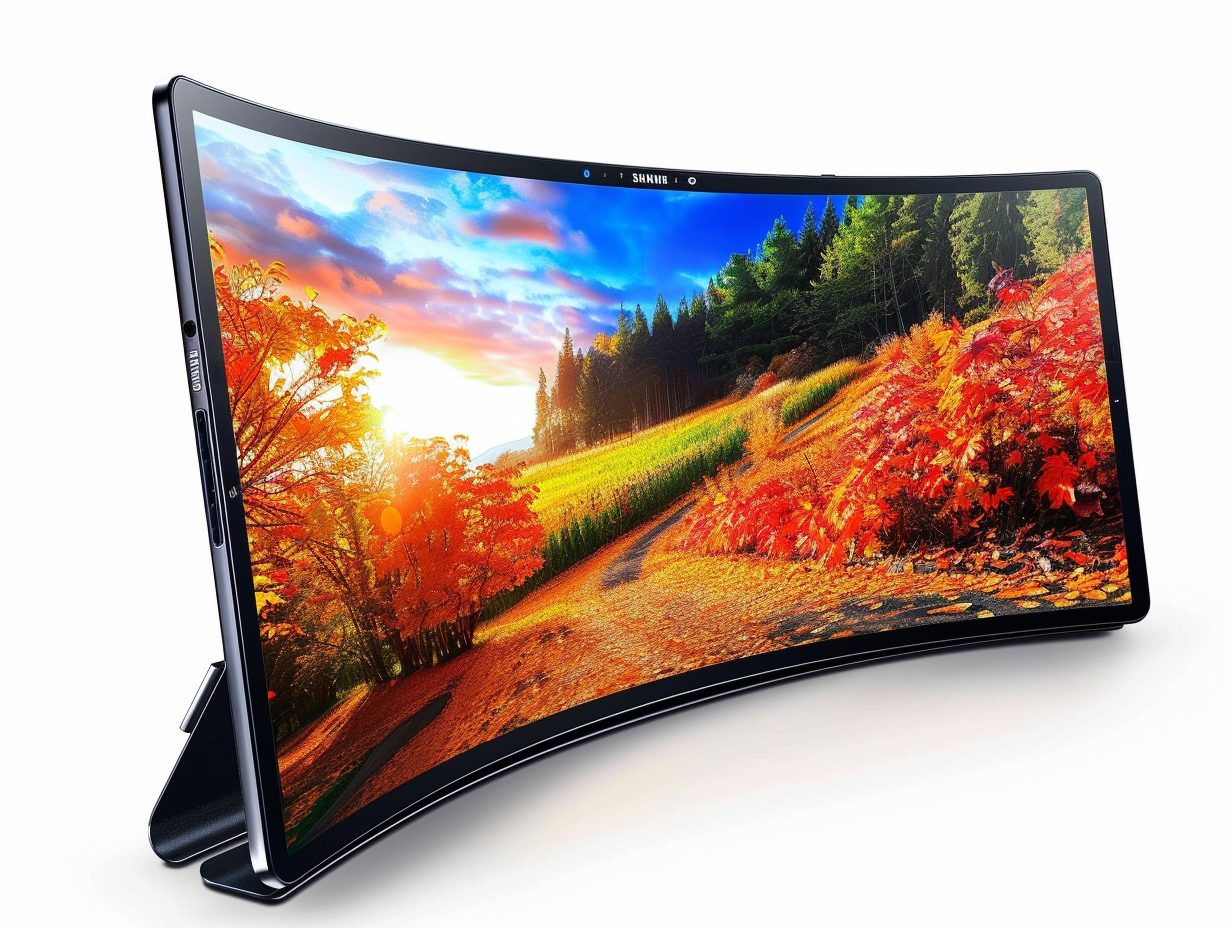
In the unrecorded race for perfecting the foldable smartphones, and even tablets – in some distinct parts of the world, – Samsung is taking a leap of faith. The South Korean tech company, if the leaked patent filing is to be believed, is planning a flexible display tablet, which would be capable of expanding in either direction, on the same plane, giving the user the freedom to control the size of the display at will.
Imagine you are in the middle of searching the mysteries of Mariana Trench and suddenly the tablet buzzes with a notification, your friend’s ready to take you on a game of chess. From a usual-size tablet, you pull the device’s shell and expand the screen in both directions and place your pieces on a digital perspective not fathomed before. Knock-knock, back to reality! Samsung only has a patent application filed for such a tablet.
Samsung has filed a patent application for a new tablet with an expandable display on the World Intellectual Property Organisation (WIPO) website. Such a display device should “solve the issues” that users generally face with foldable smartphones that compel one to choose between a larger display or a smaller one when folded. The tablet – with a shell capable of expanding – Samsung would give the user convenience to pick their size according to the need of the application they are interacting with.
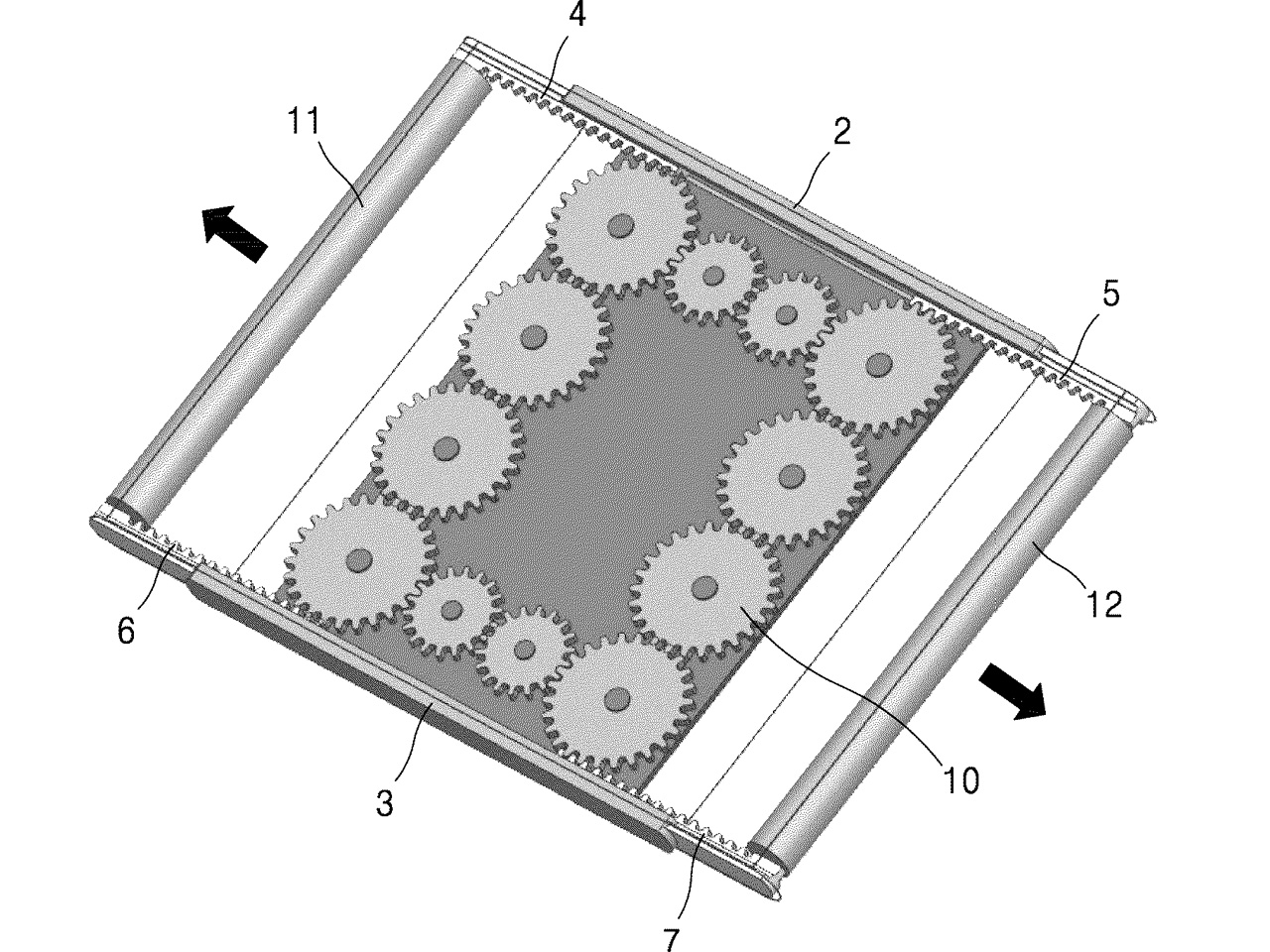
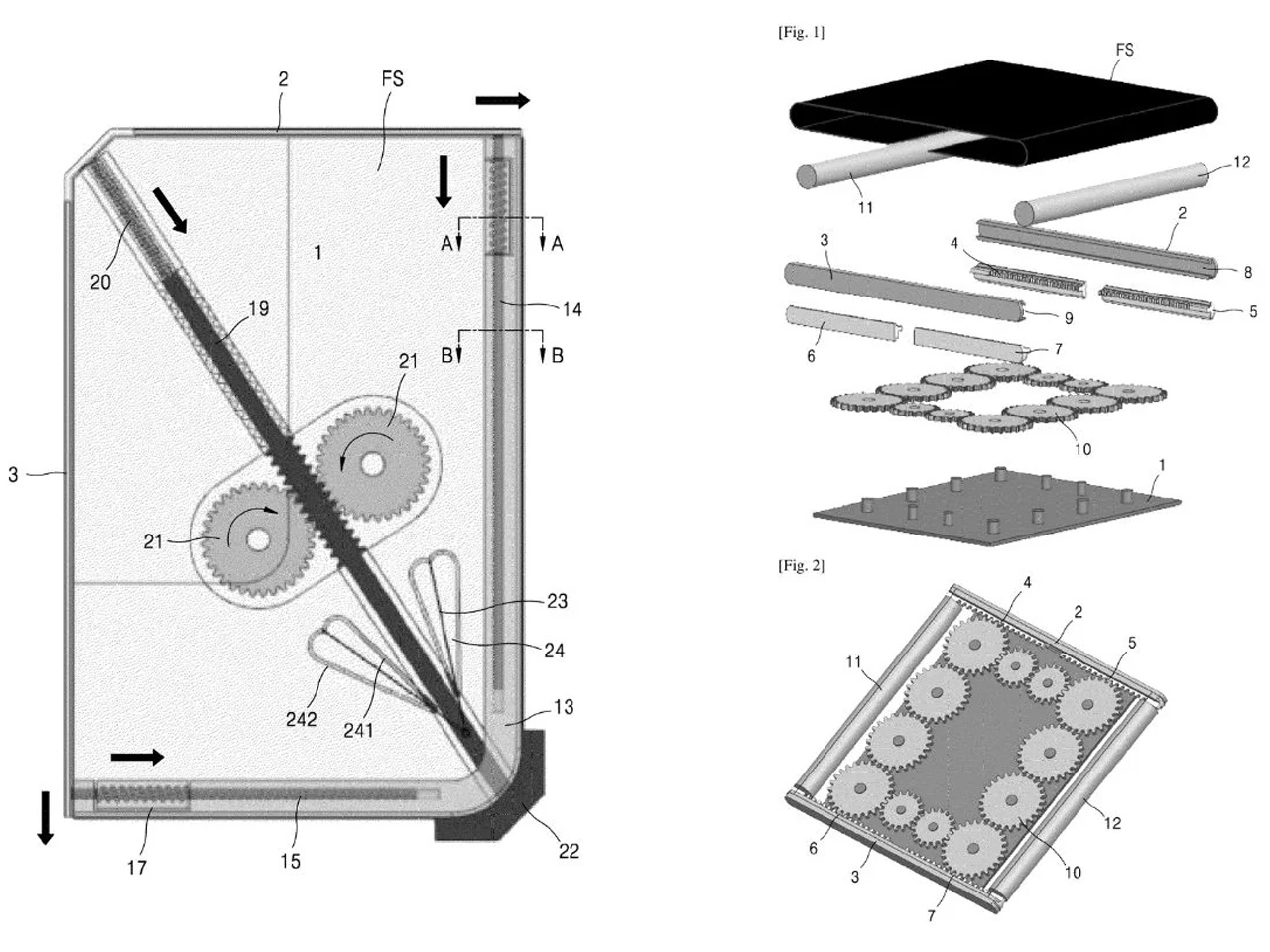
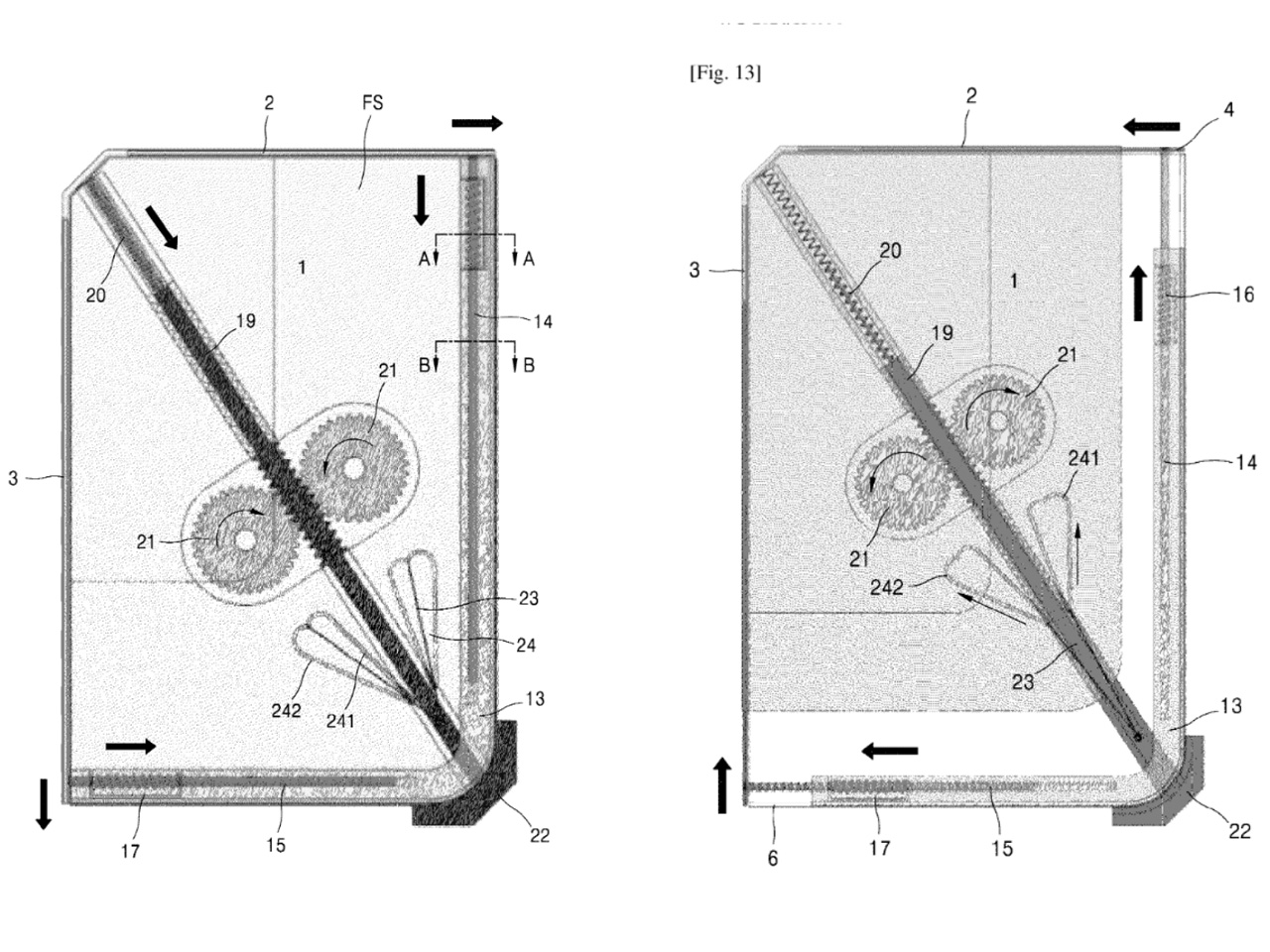
According to the patent drawing shared by Patently Apple, the display mechanism of such a tablet has been vividly explained. The device will include a flexible screen arranged in its shell, so when the user needs, the exposed display screen on the outside can be expanded and shrunk on the same plane, effortlessly increasing or decreasing the size on both sides or independently on either side (later made possible with a diagonal mechanism used, according to the patent).
Of course, the applications of such a tablet-like device featuring a flexible screen with adjustable size is manifold. Samsung has been at the forefront of mobile display technology and it’s evident from those used in its fold and flip series. We can back Samsung to pull off a screen like this, but for now, it’s only in a patent and no one knows if and when Samsung will reveal the new form factor for a tablet.
Tesla car culture is full of hacks and shortcuts, some more effective than others. One, known as the “wet towel” trick, required the Tesla Charging department — or whatever remains of it — to publicly tell customers to knock it off.
The “wet towel” trick involves wrapping a damp, cool cloth around a Supercharger cable handle as a way to presumably speed up the charging time. The Supercharger has temperature monitors that keep it from overheating as it charges Tesla vehicles. Some Tesla owners believe that cooling down the charging handle will trick the temperature monitor into topping off their vehicles faster.
Here's the problem, at least in Tesla's telling: If the sensor in the charging handle believes that the temperature is lower than it actually is while it’s charging, the towel-wrapped charger can create a "risk of overheating or damage" according to the company.
This may sound like the biggest “duh” statement in tech news history but it’s taken more than two months for Tesla to warn its customers not to do the “wet towel” trick on their cars, even after it became a well known “hack” on other auto news websites and Reddit forums. The official Tesla Charging account on X posted a warning on Wednesday in response to an article from InsideEVs.com explaining the dangerous car charging trick.
Placing a wet cloth on Supercharger cable handles does not increase charging rates and interferes with temperature monitors creating risk of overheating or damage. Please refrain from doing this so our systems can run correctly, and true charging issues can be detected by our…
This kind of epic communication breakdown is what happens when a major automaker doesn’t have a public relations department. Tesla dissolved its entire PR team in 2020 and Elon Musk publicly refused to hire one on his X account the following year saying he didn’t want to “spend money on advertising & manipulating public opinion,” according to Electrek.
This article originally appeared on Engadget at https://www.engadget.com/tesla-warns-against-wet-towel-charging-trick-two-months-too-late-190237430.html?src=rss
I rarely used WhatsApp before moving from the United States to the United Kingdom a couple of years ago, opting for the built-in messaging app on my iPhone or fellow Meta-owned platform Messenger. No one I knew in the US used it, and, in fact, I had to get friends and family members to download it when I moved so we could communicate without being charged — you're welcome, Mark Zuckerberg. Well, that seems to be changing, with the head of Meta announcing WhatsApp has reached 100 million monthly active users across the United States — with about 10 million in Texas alone. WhatsApp has more than two billion users worldwide.
Meta enlisted former Modern Family cast members for an ad in June that highlighted frustrations when some people have an iPhone, and others have an Android. Now, a very targeted PR stunt accompanies the 100 million user milestone, with Meta installing a 200-foot bubble between the Apple and Samsung stores in The Americana Mall in Los Angeles. Zuckerberg previously took aim at Apple, allegedly once stating, "We need to inflict pain" on Apple and claiming that his company's products were superior.
In my experience, it's true that WhatsApp creates a more streamlined experience between different phone models, with easier reactions and formatting and no worries about being charged when traveling internationally. Meta claims that a WhatsApp-commissioned survey found one in four Americans don't communicate with a close friend or family member as regularly due to incompatible devices. We can take a survey undertaken by a for-profit company that demonstrates why said company is good with a grain of salt. However, as a daily WhatsApp user, I am excited about the idea of more Americans using it.
This article originally appeared on Engadget at https://www.engadget.com/whatsapp-hits-100-million-monthly-active-us-users-185541159.html?src=rss
AI company Runway reportedly scraped “thousands” of YouTube videos and pirated versions of copyrighted movies without permission. 404 Mediaobtained alleged internal spreadsheets suggesting the AI video-generating startup trained its Gen-3 model using YouTube content from channels like Disney, Netflix, Pixar and popular media outlets.
An alleged former Runway employee told the publication the company used the spreadsheet to flag lists of videos it wanted in its database. It would then download them without detection using open-source proxy software to cover its tracks. One sheet lists simple keywords like astronaut, fairy and rainbow, with footnotes indicating whether the company had found corresponding high-quality videos to train on. For example, the term “superhero” includes a note reading, “Lots of movie clips.” (Indeed.)
Other notes show Runway flagged YouTube channels for Unreal Engine, filmmaker Josh Neuman and a Call of Duty fan page as good sources for “high movement” training videos.
“The channels in that spreadsheet were a company-wide effort to find good quality videos to build the model with,” the former employee told 404 Media. “This was then used as input to a massive web crawler which downloaded all the videos from all those channels, using proxies to avoid getting blocked by Google.”
Runway
A list of nearly 4,000 YouTube channels, compiled in one of the spreadsheets, flagged “recommended channels” from CBS New York, AMC Theaters, Pixar, Disney Plus, Disney CD and the Monterey Bay Aquarium. (Because no AI model is complete without otters.)
In addition, Runway reportedly compiled a separate list of videos from piracy sites. A spreadsheet titled “Non-YouTube Source” includes 14 links to sources like an unauthorized online archive of Studio Ghibli films, anime and movie piracy sites, a fan site displaying Xbox game videos and the animated streaming site kisscartoon.sh.
In what could be viewed as a damning confirmation that the company used the training data, 404 Media found that prompting the video generator with the names of popular YouTubers listed in the spreadsheet spit out results bearing an uncanny resemblance. Crucially, entering the same names in Runway’s older Gen-2 model — trained before the alleged data in the spreadsheets — generated “unrelated” results like generic men in suits. Additionally, after the publication contacted Runway asking about the YouTubers’ likenesses appearing in results, the AI tool stopped generating them altogether.
“I hope that by sharing this information, people will have a better understanding of the scale of these companies and what they’re doing to make ‘cool’ videos,” the former employee told 404 Media.
When contacted for comment, a YouTube representative pointed Engadget to an interview its CEO Neal Mohan gave to Bloomberg in April. In that interview, Mohan described training on its videos as a “clear violation” of its terms. “Our previous comments on this still stand,” YouTube spokesperson Jack Mason wrote to Engadget.
Runway did not respond to a request for commeInt by the time of publication.
At least some AI companies appear to be in a race to normalize their tools and establish market leadership before users — and courts — catch onto how their sausage was made. Training with permission through licensed deals is one thing, and that’s another tactic companies like OpenAI have recently adopted. But it’s a much sketchier (if not illegal) proposition to treat the entire internet — copyrighted material and all — as up for grabs in a breakneck race for profit and dominance.
This article originally appeared on Engadget at https://www.engadget.com/ai-video-startup-runway-reportedly-trained-on-thousands-of-youtube-videos-without-permission-182314160.html?src=rss
Blizzard has provided an update that will be music to the ears of many Overwatch 2 fans. The publisher plans to experiment with a range of team compositions beyond the role-locked 5v5 format that the game currently has. That includes a potential revival of six-player teams from the original Overwatch.
"The community has, juuuust once or twice, suggested a test," Overwatch 2 game director Aaron Keller wrote in a blog post. "Why not put various forms of 6v6 in the game in order to gauge the results? We agree, and based on your feedback, we’re exploring how we can test different forms of 6v6 in the game to gauge the results."
Keller is quick to point out that it may take some time before the team runs a 6v6 trial. Overwatch 2 was designed from the ground up for five-player teams, with hero balancing and map designs (and redesigns) taking into account the reduced damage mitigation from having one fewer tank on each side.
There are technical considerations here too, as features such as visual upgrades, more technically demanding hero kits and the ability to see outlines of allies through walls impact Overwatch 2's performance. As such, shifting from 10-player to 12-player lobbies could have a negative impact on performance, particularly on older or less-powerful systems.
"Overwatch is a fast-paced game, and maintaining a game that runs smoothly across all our platforms is important for the player’s experience," Keller wrote. "While a limited-time test could arrive sooner, the team is still investigating exactly how long it would take to permanently increase performance across the game. This would be a large effort that would most likely take at least several seasons to accomplish."
Blizzard Entertainment
The possibility of lengthier queue times is also a concern if 6v6 tests are a success and the format sticks around in some way for the long haul. Keller's blog post is a lengthy read, but well worth taking the time to check out if you're interested in how we ended up at 5v5 with players locked to specific roles in the core modes. One of the reasons why Blizzard ditched a tank from each team with the launch of Overwatch 2 two years ago was that it was the least popular of the three roles, with damage in first place and support in between. Having one fewer tank has helped to reduce queue times across the board.
Keller notes that his team does have some ideas about how to tackle potentially longer queue times if 6v6 returns for the long haul, but it wasn't a problem that was solved in the past and it's not a sure thing that the fresh strategies will work. "Is there a world where people are willing to live with long queue times to play this format? Maybe, but that’s a pretty risky move to make," Keller wrote. "We also have tens of millions of new players that have only played 5v5. We want to be openly mindful not to frustrate those who like the game as it is today."
There are other reasons why Blizzard changed to a 5v5 format including that it wasn't necessarily fun to play against a team that used two shield-based tanks. Chokepoints could feel oppressive with two tanks blocking the path. Dropping one of them and placing more of an emphasis on things like flanking, individual impact and a little thing called first-person shooting (with more opportunities to actually shoot at opponents instead of barriers) was designed to make gameplay more fluid and fun. Team fights with multiple tanks on each side also were often a war of attrition until ultimate abilities became available, especially during the infamous GOATS meta.
Still, many fans spent years playing the game in groups of six, and having to lose one of those from the gang with the shift to 5v5 sucked for a lot of people. Plus, the synergy of two tanks could make for really fun moments — the Earthshatter/D.Va Bomb combo was always a personal favorite. Given that Blizzard has always prided itself on taking player feedback into account and fostering the concept of building Overwatch 2 together with the fans, it's great to see that the team is willing to at least test how 6v6 could work in the modern landscape.
However, 6v6 isn't the only alternate approach to the current team composition that Blizzard plans to try. "Besides running experiments with 6v6, we’d like to run some that re-examine the ways we tried solving previous problems, specifically with the goal of bringing some of the freedom back to an Overwatch match without the severity of issues that accompanied it," Keller wrote. "For instance, we think there could be other ways of putting a team together that aren’t quite as rigid as a set composition, but not as loose as Open Queue." Blizzard will try at least one version of this idea in an experimental Quick Play mode during Season 13, which will take place this fall.
Any permanent changes to the current format, whether or not that means a shift back to 6v6, won't happen overnight. Blizzard would run any 6v6 tests for a few weeks at a time to gauge feedback from players, and then see how that format impacts the game beyond core gameplay, such as in arcade modes.
"We’d take the lessons from this playtest to see what we can learn about the mode within the current game ecosystem and for the future of Overwatch," Keller wrote. "We would reflect carefully on the learnings from whatever test we run and explore how to best give players what's being asked for. Whether that’s a world of 5v5, 6v6 or even both, is for future us to figure out."
This article originally appeared on Engadget at https://www.engadget.com/overwatch-2-may-test-a-return-to-six-player-teams-180021753.html?src=rss
The long-anticipated Stalker 2: Heart of Chornobyl has been delayed yet again, this time until November 20. It was supposed to come out on September 5. This is just the latest delay in a development cycle that stretches all the way back to 2010. That’s 14 years. The longest delay in gaming history is Duke Nukem Forever, at 15 years.
What’s taking so long? At first, it was funding issues. Developer GSC Game World nearly shut down, but managed to weather the storm. Next, the makers spent a whole lot of time perfecting various mechanics and features, including a new way to render human teeth.
Real world events intervened to continue the delay. Russia invaded Ukraine and GSC was based in Kyiv. The game was put on hold as the staff relocated to Prague, eventually picking back up on development in 2022. After that, the game was supposed to (finally) release in December of last year.
However, there were some kinks to work out, so the launch was pushed to September 5, 2024. It looks like the bugs are still popping up, because now it’s set for November.
“We know you might be tired of waiting, and we truly appreciate your patience. These two additional months will give us the chance to fix more ‘unexpected anomalies’ (or simply ‘bugs’ as you call them),” wrote Yevhen Grygorovych, Game Director at GSC Game World, in a press release. “We’re just as eager as you are to finally release the game and for you to experience it for yourself.”
Who knows if it’ll actually come out this November, but it’s looking more and more likely. GSC also announced the pending release of a deep-dive video that will offer “the most comprehensive look yet into the game," with a premiere date of August 12. This video will include developer interviews, new in-game footage and a full walkthrough of a story quest.
For the uninitiated, Stalker 2: Heart of Chornobyl is a sequel to the hit 2007 FPS. The forthcoming follow-up brings some survival horror mechanics into the mix, which should be fun. There are plenty of trailers to check out which, you know, tends to happen when a game has been in development for 14 years.
This article originally appeared on Engadget at https://www.engadget.com/stalker-2-has-been-delayed-again-until-november-20-173259981.html?src=rss
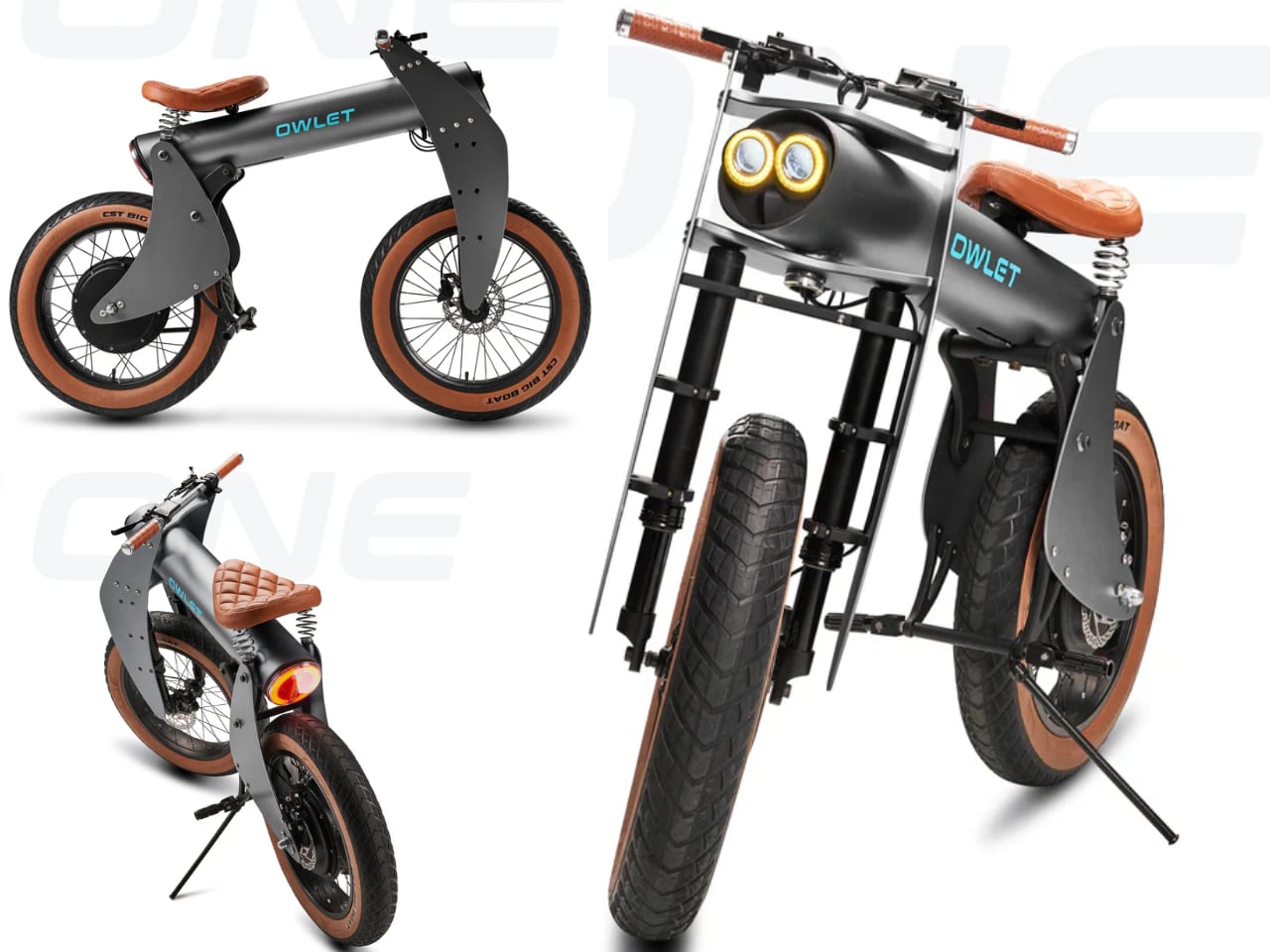
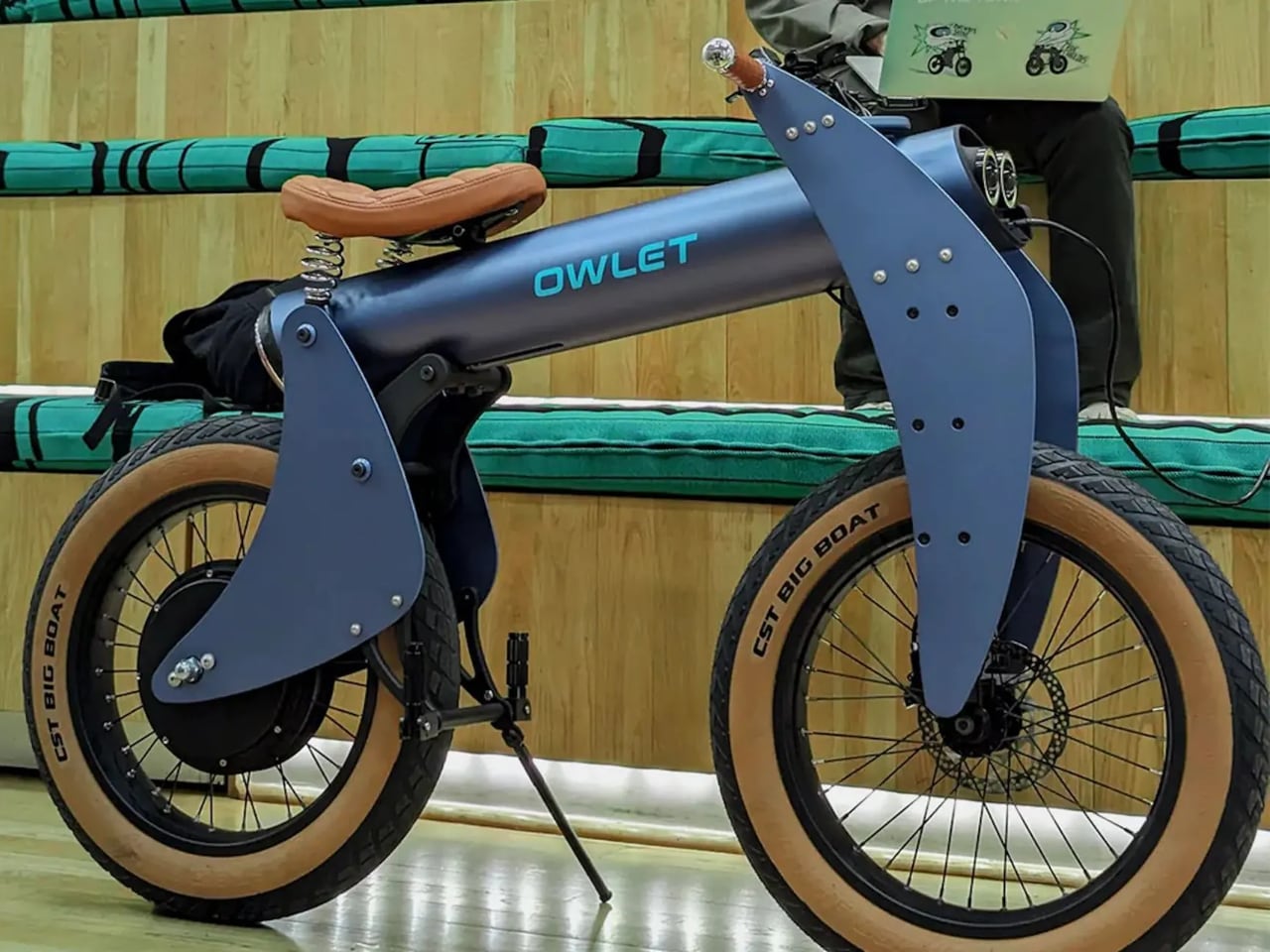
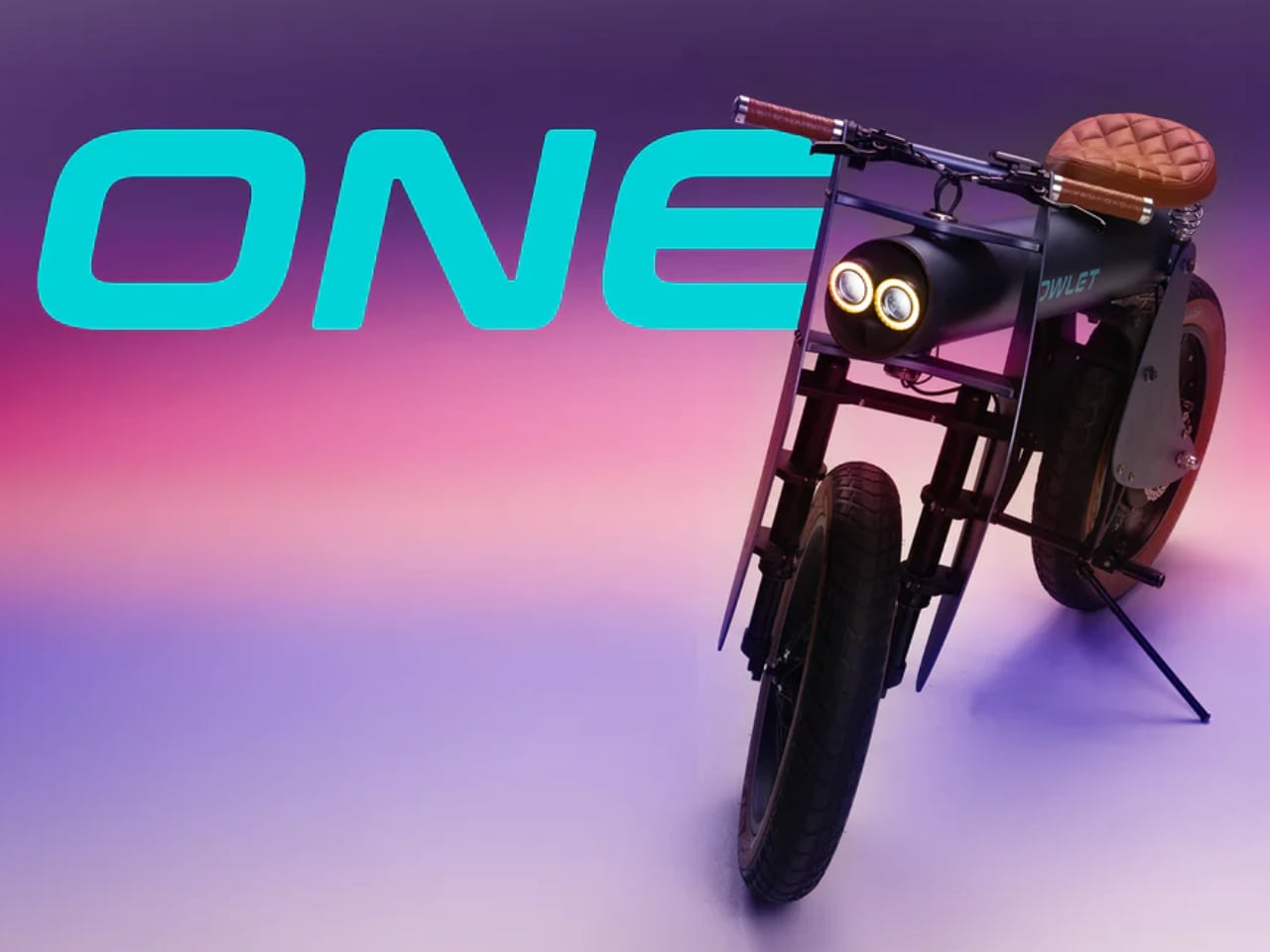
The Owlet ONE is a striking blend of minimalism and functionality, designed to offer a modern yet nostalgic riding experience. Crafted from high-quality, matte-finished aluminum, the bike’s robust frame provides durability while maintaining a sleek, clean look. One of the most interesting aspects of the Owlet ONE is its cylindrical central frame, which houses the battery and essential components. This design streamlines the bike’s appearance and protects its core elements from environmental damage, providing a smooth visual flow and making the bike appear sturdy and aerodynamic.
Designer: Owlet
Owlet ONE
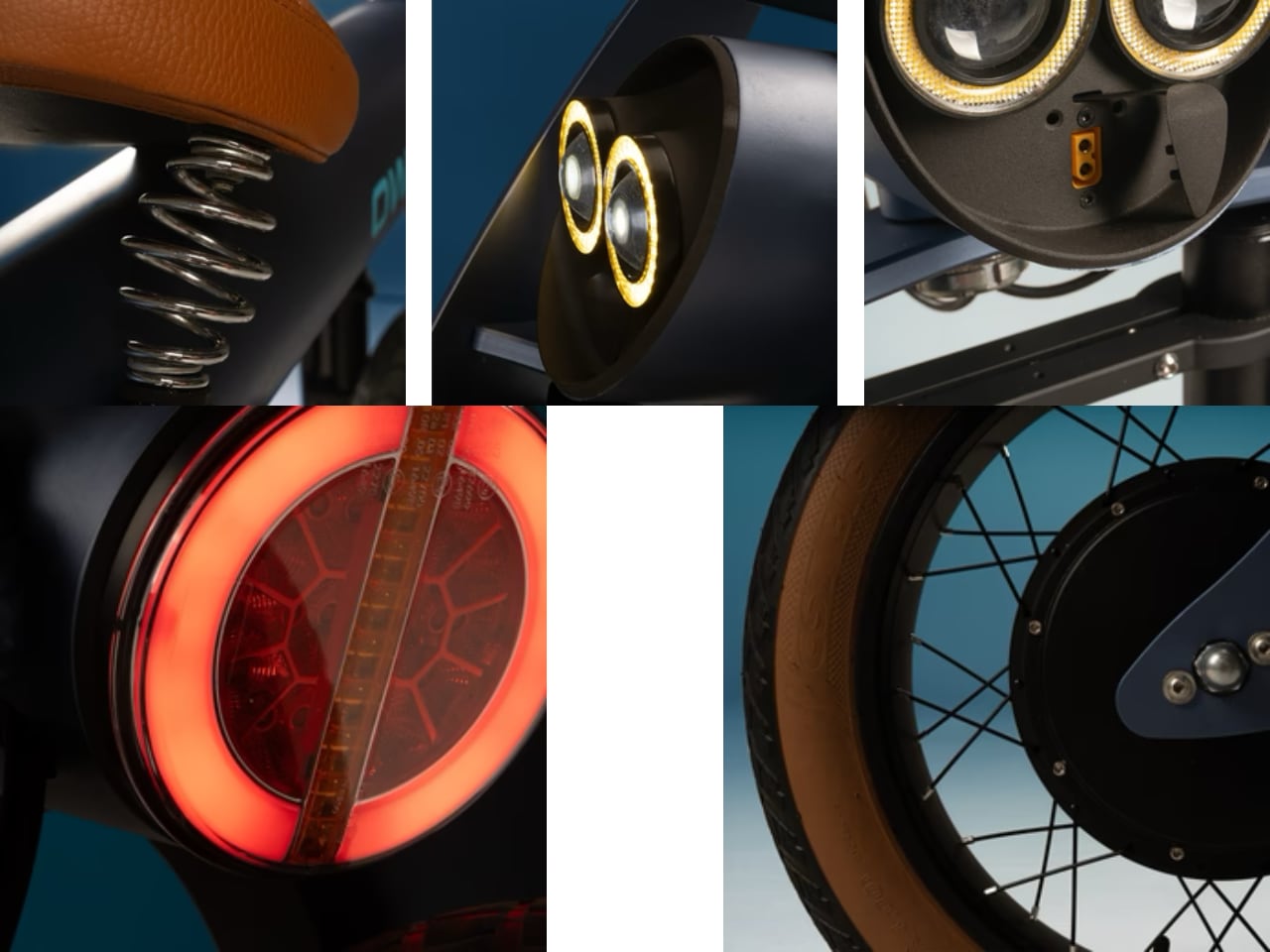
Attention to detail is evident throughout the Owlet ONE’s design. The retro-inspired brown leather saddle offers a comfortable ride, while the spring suspension beneath the seat absorbs shocks from rough terrains. The 31-inch seat height ensures a comfortable position for riders of various sizes, promoting an upright and relaxed posture. The slim handlebars, wrapped in matching brown leather, are ergonomically designed for a comfortable and secure hold, making the bike elevator-friendly and easy to maneuver in tight spaces.
OWLET ONE Details
Designed with convenience in mind, the Owlet ONE features foldable footrests, allowing it to be stored easily in a car trunk or at home. The aviation-grade aluminum construction, designed with sustainable manufacturing processes, minimizes metal processing and welding, reflecting a commitment to eco-friendly production. Owlet engineering is both functional and visually stunning, setting a high standard in micro-mobility. Owlet ONE reflects a dedication to a greener, cleaner future. Sustainability is integral to its engineering philosophy, focusing on reducing environmental impact while enhancing the joy of riding.
The Owlet ONE is equipped with wide 20-inch fat bike wheels and CST grippy road tires, which enhance the bike’s visual appeal while promising excellent traction and stability. These wheels provide outstanding performance both in the city and off-road, making the bike versatile for different terrains. Shimano hydraulic disc brakes ensure reliable and responsive braking performance, adding an extra layer of safety.
Functional components are seamlessly integrated into the bike’s design. The dual 30-watt LED “Angel Eyes” headlights and the blinker feature enhance visibility and safety during nighttime rides. The rear light follows a similar design language, integrating smoothly into the bike’s structure. The front side panels mask a suspension fork with air dampening, improving ride quality over uneven urban terrain.
The bike’s unique geometry and customizable wheelbase allow agile handling and a tailored riding experience. The ability to adjust the wheelbase from 25 inches to 40 inches lets riders choose between a more compact setup for urban environments and a stretched configuration for stability at higher speeds. The 6-degree to 10-degree rake angle and significant trail size contribute to the motorbike-like thrill, ensuring a responsive and engaging ride.
Recognizing that many e-bike riders prefer to throttle through commutes and urban adventures, LA-based startup Owlet designed the Owlet ONE without pedals. This high-torque, angular bike weighs 86 pounds and operates more like a sit-down electric scooter, reflecting the observation that pedals are seldom used in high-power e-bike riding. This new class of urban transportation is lightweight, mobile, compact, and powerful.
The 750-watt continuous 3,000-watt peak direct drive motor delivers up to 180 Nm of torque, providing great acceleration and hill-climbing performance. This setup creates an engaging “fly-away” feel, while the whisper-quiet operation ensures a smooth and silent ride. The motor is also service-free and reliable, enhancing the overall riding experience.
It boasts an impressive 1,500 Wh (56V 30Ah) battery, offering a range of 40 to 60 miles depending on usage. The 400-watt charger can bring the battery to 70% in 2 hours and fully charge it in 3.5 hours. The battery case, made from fire-safe aluminum, houses LG battery cells with pure nickel and copper contacts, ensuring durability and safety. The bike also features a smart BMS for battery management, further enhancing its reliability. Charging is convenient as the battery can be charged without removal using a standard XT60 connector.
GPS tracking adds an extra layer of security, allowing riders to track the bike’s location. This feature, combined with the stealthy and silent direct drive motor, makes for a discreet yet powerful ride. The bike is also Class 2 e-bike compatible, eliminating the need for a driving license, registration, or insurance, making it perfect for grab-and-go riding.
For those interested in owning an Owlet ONE, joining the waitlist guarantees a reservation between 1 and 100, securing a top spot in the delivery queue. The first 100 customers will enjoy personalized branding with their initials on the product, ensuring a unique and exclusive Owlet Bikes experience.
Overall, the Owlet ONE’s design blends thoughtful engineering and aesthetic coherence. It balances modern technology with retro elements, creating a practical and visually captivating product. Whether for daily commuting or leisure rides, this bike promises a blend of style, comfort, and functionality, making it a great choice if you’re in the market for an e-scooter.
There’s no way around it: Samsung copied Apple in multiple ways on its Galaxy Buds 3 ($180) and Galaxy Buds 3 Pro ($250). Not only do the physical designs echo the third-gen AirPods and AirPods Pro, respectively, but Samsung also mirrored a few features, too. The Galaxy Buds offer Adaptive Active Noise Cancellation (ANC), Adaptive EQ and Voice Detect, which just happen to do the same thing as Apple's Adaptive Audio and Conversation Awareness. And just like Apple does with AirPods and iOS, the best features here are reserved for recent Samsung devices. If you have a newer Galaxy phone, that's the saving grace of these earbuds: They're the de facto AirPods you've probably always wanted.
Galaxy Buds 3 and Galaxy Buds 3 Pro design
The Galaxy Buds 3 are the most obvious AirPods copycat of the pair, sharing a striking resemblance to the third-generation “regular” model that Apple debuted in 2021. The shape and location of the speaker and other components are but two examples of the replication on display here. Samsung’s “blade” design for the stem does offer some variation, but not a ton, and there’s a gray option for more contrast. On the Galaxy Buds 3 Pro, there’s a lot of resemblance to the AirPods Pro. Once more, the angular nature of the stem and the gray color are the two biggest differentiators.
Samsung’s “blade” stem accepts both swipes to adjust volume and pinches for playback and noise controls. While the sliding action works well, the pinching takes some getting used to. My tendency is to place my index finger on the flat panel opposite the back side where you pinch, but that doesn’t provide enough pressure to activate the controls. Instead, you have to wrap your finger around the blade to hold it in place. Once you figure out how to grip them securely, pressing on them is a much easier task.
The case for both Galaxy Buds 3 models has a similar shape to that of the AirPods, but Samsung’s choice to go with a clear lid creates some separation, and I liked being able to see if the buds were inside without having to open it. Samsung also put the USB-C port and the Bluetooth pairing button on the bottom where Apple puts the latter component on the back of the case.
The Galaxy Buds 3 Pro vs. Apple's AirPods Pro.
Billy Steele for Engadget
One weird thing about the case is how the earbuds sit in it. When you take the Galaxy Buds 3 out of your ears, you have to rotate them 180 degrees to put them in the case. This doesn’t sound like a huge inconvenience until you have to do it a few times a day. Samsung did this to make the Blade Lights visible when the Galaxy Buds 3 Pro are in the case, which, to me, doesn’t justify the annoyance.
Speaking of the Blade Lights, let’s discuss that design choice. They’re completely unnecessary. As the user, you only see them when the Galaxy Buds 3 Pro are in the case. In that position, they function as a second indicator that the earbuds are in pairing mode, which isn’t needed because the case already has its own LED for purpose on the front. You can set them to stay on when you’re wearing them, or either fade in/out or blink, but I’m not personally into drawing more attention to my earbuds.
Both sets in the Galaxy Buds 3 series are IP57 rated so they’ll withstand sweaty workouts with no problems. However, the Pro version is the better option for activities as the ear tip helps keep them in place when moisture comes into play. What's more, I didn’t encounter any discomfort with either Galaxy Buds 3 model when wearing them for hours at a time. They both remained comfortable and I never felt like I was enduring some degree of pain to keep them in.
Samsung is also dealing with some quality control issues on the Galaxy Buds 3 Pro. It’s nothing to do with functionality, but the company paused shipments due to overly fragile ear tips. This component has a tendency to tear when you remove them from the earbuds, which is a problem if you need to go back to a pair of tips you were using previously. Since the Galaxy Buds 3 don’t use these, they’re not affected. I’ve asked Samsung for an update on the ear tip saga and will update this review when there’s more info.
Notable features
Billy Steele for Engadget
Besides design, Samsung also took a page from Apple when it comes to features on the Galaxy Buds 3 series. First, both models have Adaptive EQ and Adaptive ANC — two key tools on AirPods. These features constantly monitor sound and adjust both the tuning and the noise cancellation based on what you encounter. They mostly run in the background and the only time you might notice a change is when music or a podcast suddenly seems slightly louder because of the earbuds doing their thing.
Samsung went a step further on the Galaxy Buds 3 Pro with some more advanced features. Adaptive Noise Control automatically adjusts a mix of ANC and ambient sound based on your surroundings while Voice Detect will lower the volume and activate transparency mode when you start speaking. As noted above, these are basically Samsung’s take on Apple’s Adaptive Audio and Conversation Awareness features, respectively. There’s also a Siren Detect that does the same auto volume reduction and ambient sound thing when it hears an emergency vehicle.
All of these work as described, but I would like the volume reduction and activating ambient sound to happen simultaneously. Instead, the volume lowers and then a couple seconds later transparency mode kicks in. So, once you start talking, you might feel the need to speak louder until you can hear yourself better when the full capability of Voice Detect kicks in. Additionally, I’m happy to report that Voice Detect isn’t easily triggered by coughing like comparable features on other earbuds tend to be. The Galaxy Buds 3 series voice features also accommodate simple commands without pressing any buttons or muttering a trigger word. You can just say things like "play music," "volume up" or "answer call" for basic tasks. These work well once you memorize the accepted phrases, like the fact that "stop music" works but not "pause music."
The Galaxy Buds 3 series also has a Real-Time Interpreter akin to what Google offers on its Pixel Buds. In Samsung's case, the feature can read and translate other languages. When the tool is active, you can pinch and hold the stem and the setup with continue to interpret while someone is talking. The downside is this whole thing currently requires a Galaxy Z Fold 6 or Flip 6 as those are the only phones running One UI 6.1.1. Due to this, I wasn't able to test it as my companion device is an S24 Ultra.
Galaxy Buds 3 and Galaxy Buds 3 Pro sound quality
Billy Steele for Engadget
The Galaxy Buds 3 offer solid audio performance, mainly due to a pleasant amount of low-end tone. The bass tuning here provides a nice backbone to songs and keeps pace with the punchy highs and full mids. That said, how the Galaxy Buds 3 sit in my ears affects overall sound quality. I could make them sound a little better with a small positioning adjustment, but that’s not how they’d rest on their own.
If sound quality is your primary concern though, the Galaxy Buds 3 Pro is the better option. Samsung’s choice to use two-way speakers and dual amplifiers creates deep sound that’s immersive and detailed. You’ll get the best performance from a recent Samsung phone where you can employ Ultra High Quality (UHQ) audio and 24-bit HiFi. The higher-resolution streaming is also available on the Galaxy Buds 3, but it’s better suited to the Pro model. Both models also offer 360 Audio with direct multi-channel support. However, I don’t think that particular mode sounds good on either set of earbuds. The audio is thin and favors treble, making it less balanced, zapping the oomph out of the excellent bass tone.
When you deploy the Galaxy Buds 3 Pro at their maximum potential with lossless audio, you get robust, enveloping sound that rivals some of the best earbuds I’ve tested. I still prefer the tuning of the Sennheiser Momentum True Wireless 4 to these, but Samsung has really flexed its muscle here. There’s beefy bass when a track like Balance and Composure’s “Cross To Bear” demands it, but the echo-y guitars and vocals cut through cleanly. Plus, there’s ample fine detail in the texture of the bass line and the crisp drum sounds.
Active noise cancellation performance
The Galaxy Buds 3 have ANC even though they are open-type earbuds that don’t completely seal off your ears. Samsung has done this before on previous models and I still don’t understand why. The ANC on this model is more like slight noise reduction as it barely makes a difference with any background ruckus you might encounter. I’m guessing Samsung read the reports about Apple bringing ANC to an upcoming version of its “regular” AirPods and felt like it needed to beat Apple to the punch. Either way, if you want true, helpful noise-canceling earbuds, the Galaxy Buds 3 Pro are the better option here.
You won’t find ANC performance that rivals Bose and Sony on the Galaxy Buds 3 Pro, but the noise-blocking ability is good enough to combat a low-to-moderate constant roar. The earbuds struggle mightily with human voices, which is a stumbling block for a lot of the competition. I will point out that transparency mode works really well, providing a natural option for ambient sound that almost rises to the level of the AirPods Pro. I think Apple still has the upper hand there, but Samsung has done well to give us something that makes calls easier and doesn’t make environmental noise sound overly muted when you actually want to hear it.
Call quality
Billy Steele for Engadget
The quality of transparency mode on the Galaxy Buds 3 Pro makes them a great option for hands-free calls. You can chat without feeling like you need to shout to hear yourself. The open nature of the Galaxy Buds 3 also makes them a solid choice for voice and video for you, the user. For the person on the other end, you’ll sound slightly better than if you were on speakerphone on both sets, which is about average for earbuds these days. It isn’t pristine, but it gets the job done in most circumstances.
Battery life on the Galaxy Buds 3 and Galaxy Buds 3 Pro
Both the Galaxy Buds 3 and the Galaxy Buds 3 Pro had no trouble hitting Samsung’s stated battery figures during my tests. That’s five hours for the former and six hours for the latter, and I tested them with ANC on and the volume between 50 and 75 percent. Each model gets around 20 additional hours of noise-canceling use from the case. The cases for both models support wireless charging, but Samsung doesn’t mention any expected times for full charging from zero or any quick-charge features that might be available. I’ve asked the company for more details here and I’ll update this review if there’s more to share.
The competition
Despite all of the comparisons to AirPods that Samsung has heaped upon itself, Apple’s earbuds aren’t the main competition for the Galaxy Buds 3 and Galaxy Buds 3 Pro. That’s because Apple headphones aren’t good choices for Android users because the company reserves the best features for iPhone, iPad and Mac. Samsung used to cater to iOS users, but it took the same walled garden approach of its rival. Galaxy Buds will work with your iPhone, but without all the bells and whistles.
Instead, Sony’s WF-1000XM5 is the best alternative to the Galaxy Buds 3 Pro. Android and iOS users both get access to the most attractive features, which include Speak-to-Chat voice recognition, DSEE Extreme audio upscaling and automatic settings adjustments based on either activity or location. iPhone users only miss out on head tracking. The 1000XM5 is more comfortable than its predecessor thanks to a smaller overall design and battery life is longer than both Samsung and Apple at eight hours with ANC on.
Wrap-up
I’ll be honest, when Samsung revealed two sets of earbuds that bear resemblance to two models of AirPods, I wasn’t expecting much in terms of performance. However, the company certainly surprised me. Audio quality is great on both sets of Galaxy Buds 3, though the Pro model nears spectacular in its sonic capabilities. Samsung could use some more polish on its features like Voice Detect, but the company clearly sees the value in giving its Galaxy phone customers an analogous experience to what iPhone users get with AirPods. Ultimately, though, the company’s previous earbuds were good on their own merits. Samsung would be better served by making the next version of Galaxy Buds stand out because of their own unique features, rather than just aping the AirPods across the board.
This article originally appeared on Engadget at https://www.engadget.com/samsung-galaxy-buds-3-and-galaxy-buds-3-pro-review-airpods-clones-that-actually-deliver-171024116.html?src=rss
Google is making its Gemini AI faster and more efficient across the board. You now have access to 1.5 Flash, its generative AI model designed to be able to generate responses more quickly and efficiently, even if you're not paying for Gemini Advanced. The company says you'll notice improvements in latency, as well as the tool's reasoning and image understanding, on both the web and mobile.
In addition, it's expanding the AI assistant's context window, so that you can have longer conversations with it and ask it more complex questions. In the near future, Google will also give you the ability to upload files to Gemini from Google Drive or from your device. If you give it access to your notes, for instance, it will be able to create a study guide or a practice exam for you. Plus, the assistant will be able to analyze data and make it easier to digest with graphics and charts.
As part of its work to reduce hallucinations, Google is now displaying links to related content if you ask it questions that require factual answers. It will display a "gray chip" at the end of a paragraph in its response that links to websites where you can read more about the topic. Those chips could even lead to your emails, if you've linked Gemini to your Gmail account. The feature is currently limited to select locations for English prompts only.
The company is making Gemini more accessible overall, as well. It has started gradually rolling out Gemini in Google Messages for Android devices in the European Economic Area (EU, Iceland, Liechtenstein and Norway), the UK and Switzerland. You'll now also be able to chat with Gemini in French, Polish and Spanish within the Messages app. Finally, Google is expanding access to Gemini's mobile app to more regions and is giving more teenagers the ability to use the AI tool. As long as you meet its minimum age requirement of 13, you'll be able to chat with the assistant. Google has even introduced a teen-specific onboarding process and an AI literacy guide, so you can get an idea on how to use the tool to accomplish your tasks.
This article originally appeared on Engadget at https://www.engadget.com/google-gives-free-gemini-users-access-to-its-faster-lighter-15-flash-ai-model-160006705.html?src=rss
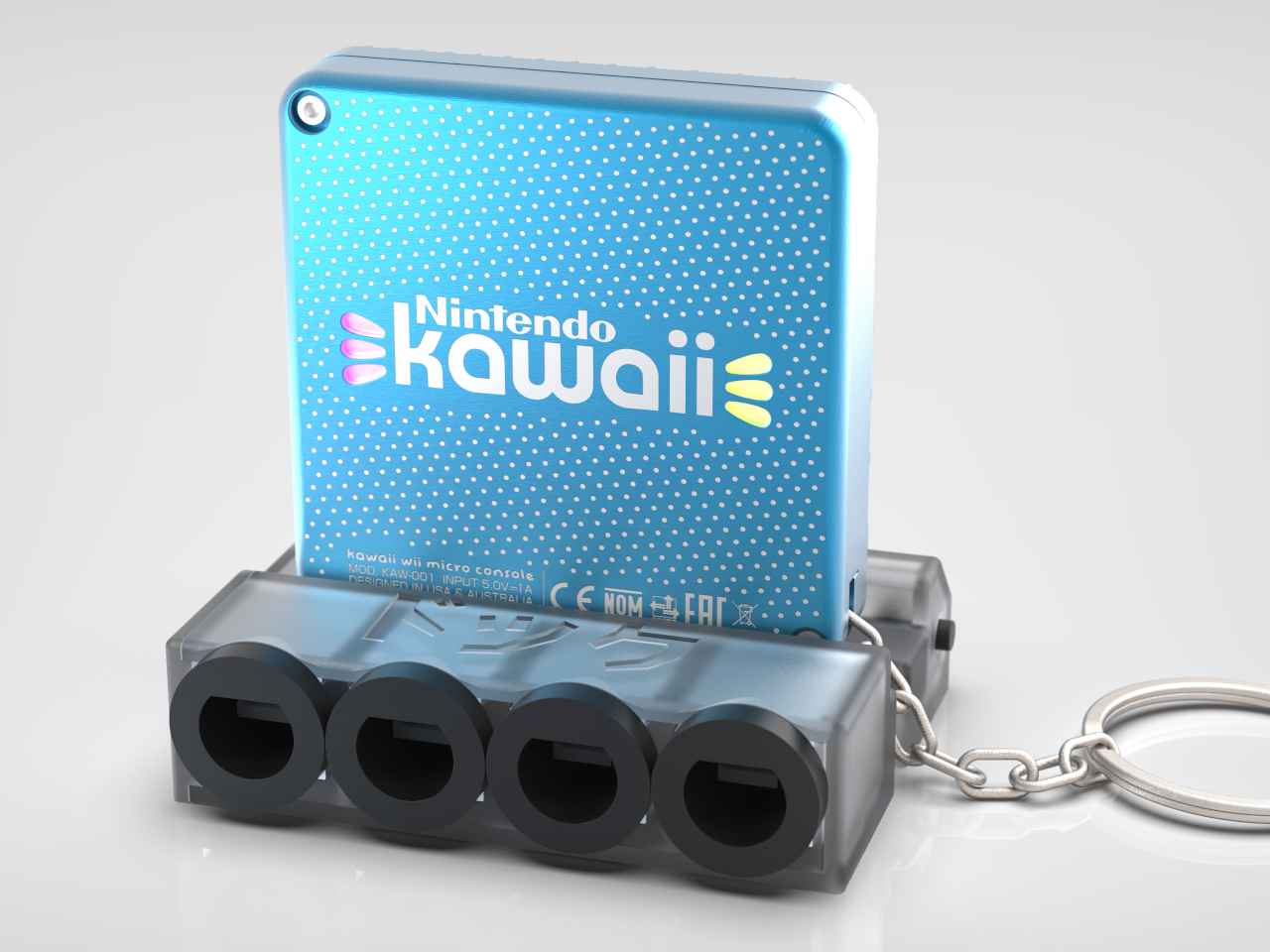
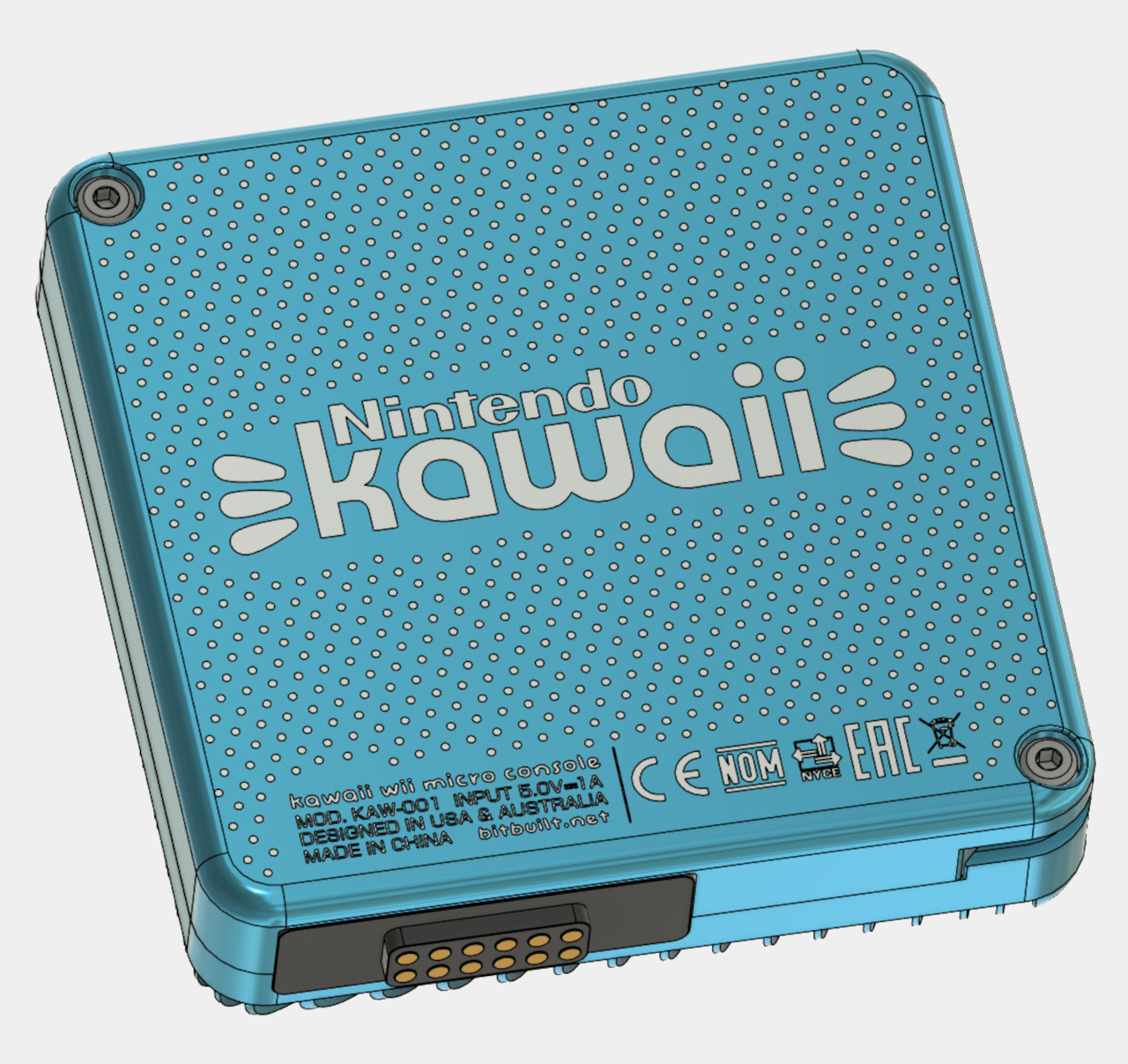
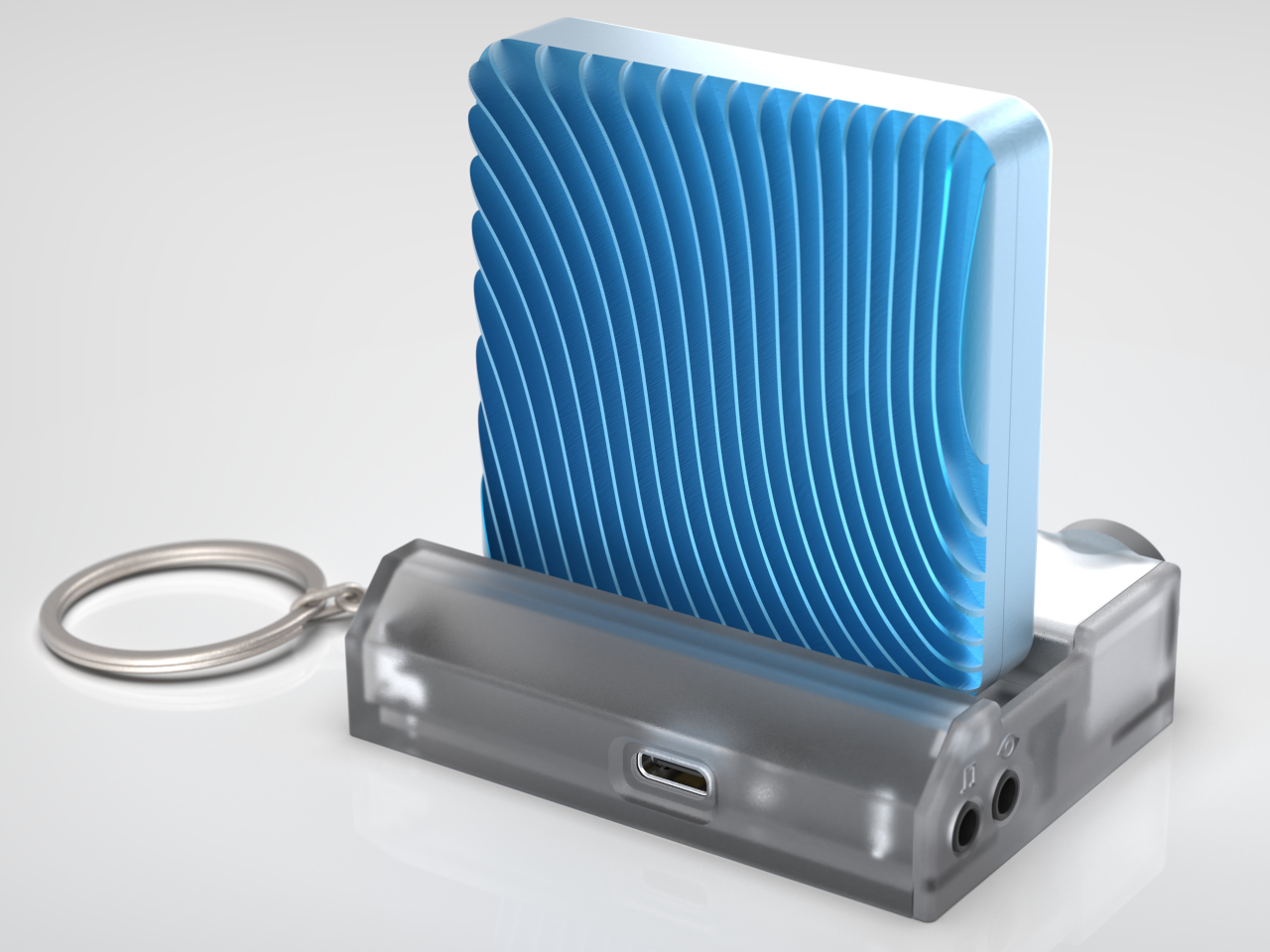
Arguably, the Wii was one of Nintendo’s oddest yet most successful gaming consoles, mostly thanks to the novelty and ingenuity of its “Wiimote” controller, the ancestor of today’s Joy-cons for the Switch. Like any other Nintendo gaming machine, it had a number of titles under its belt, including a few notable exclusives that took advantage of that unique controller design. Of course, its time has long passed, and the Wii is nothing more than a footnote in video gaming history, or so it would seem. It’s unsurprising to hear that it is now the subject of no small amount of mods and DIY projects that try to give the historic console a different flavor, and one of the oddest and most adorable is probably this perfectly named “Kawaii” mod that shrinks the book-sized machine down to portable keychain.
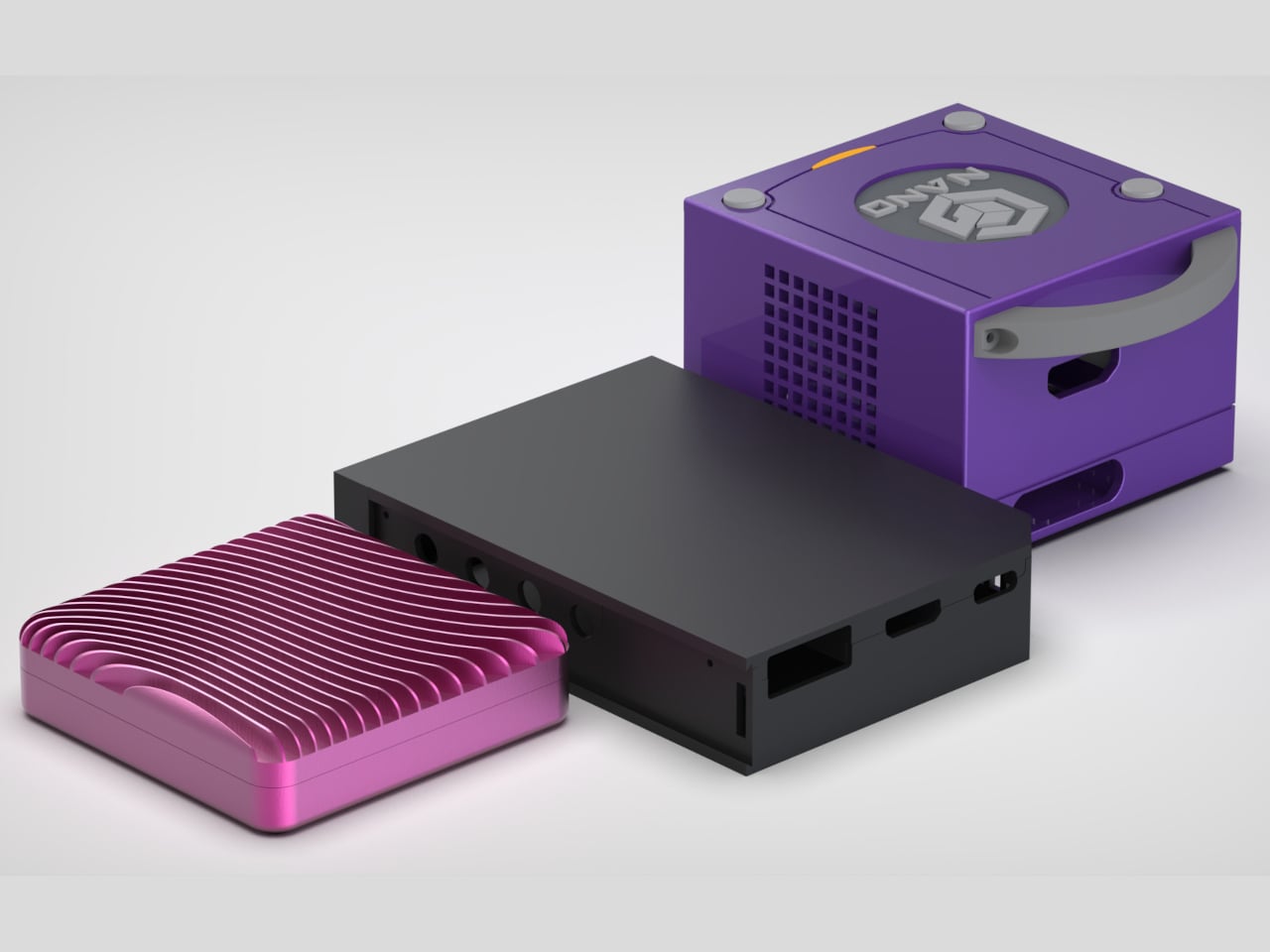
Despite its odd controller, the Wii itself wasn’t exactly that distinctive in terms of its design. It came as a rather plain, compact box that had just enough room for important hardware, which included a cooling fan and an optical disc reader. Remove these two, however, and you can probably cram the console into a tiny box, or at least most of it. That’s exactly what the Kawaii project did, a play on the Japanese word for “cute” and the Wii name, turning the large boxy console into a cute keychain accessory.
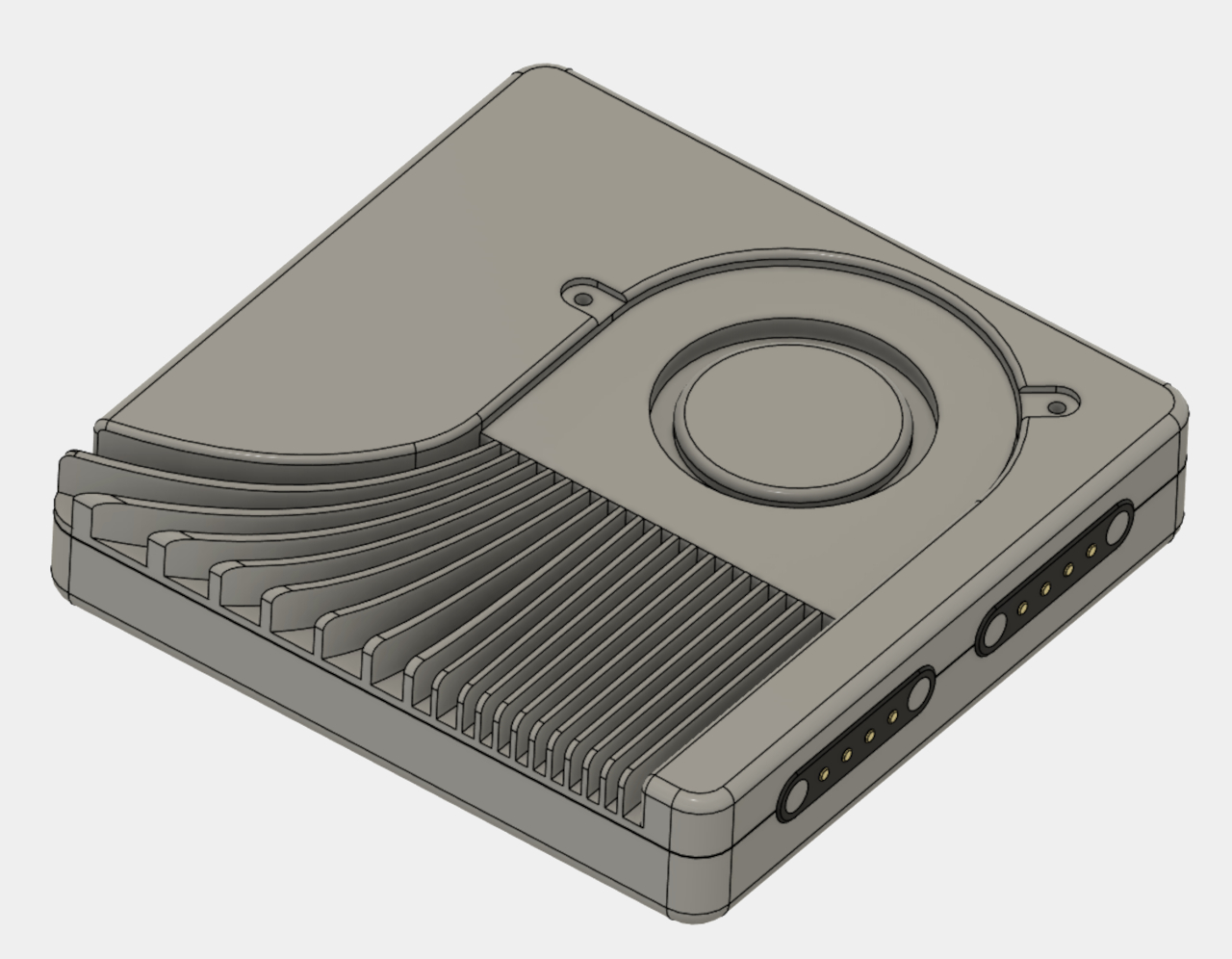
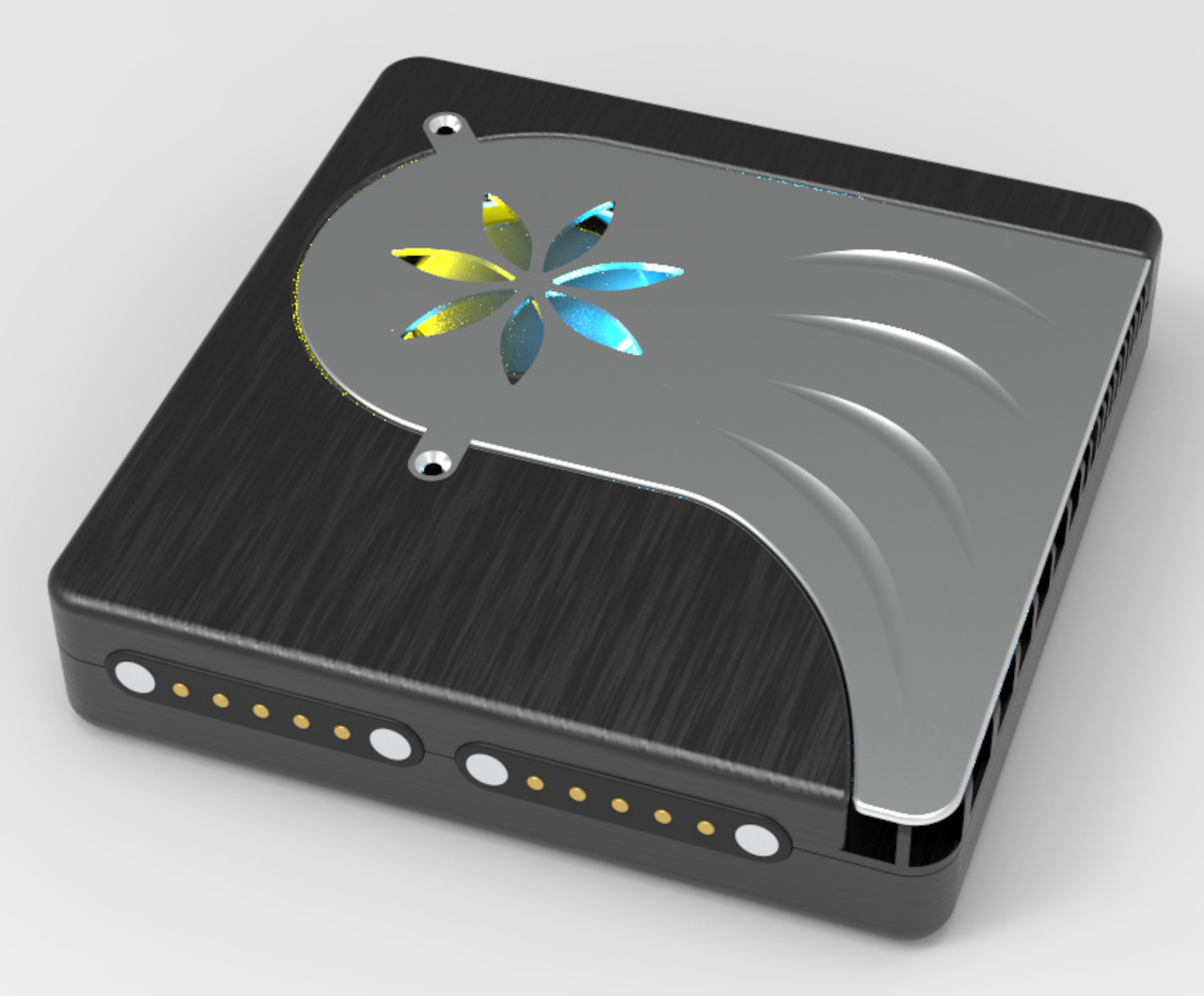
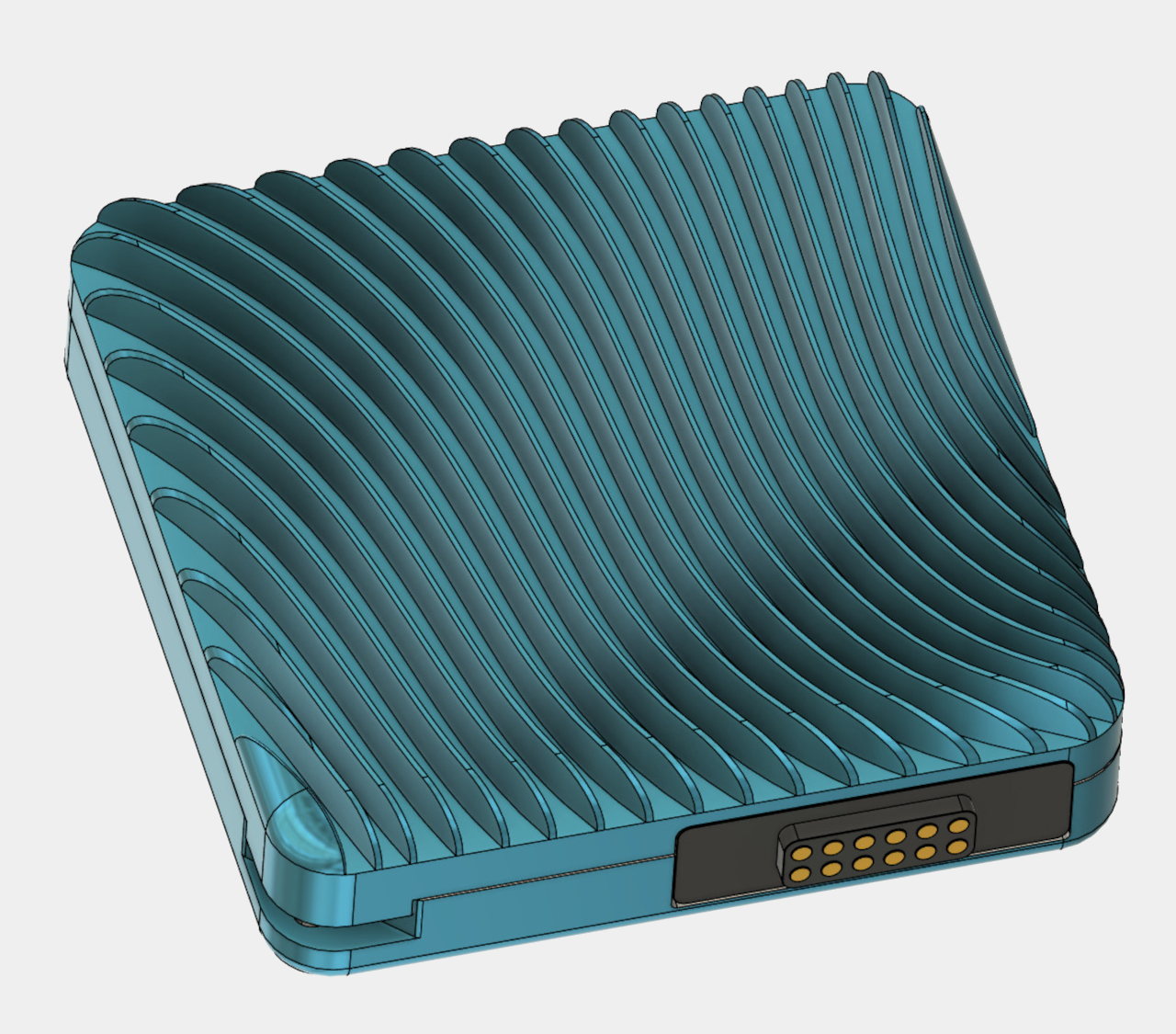
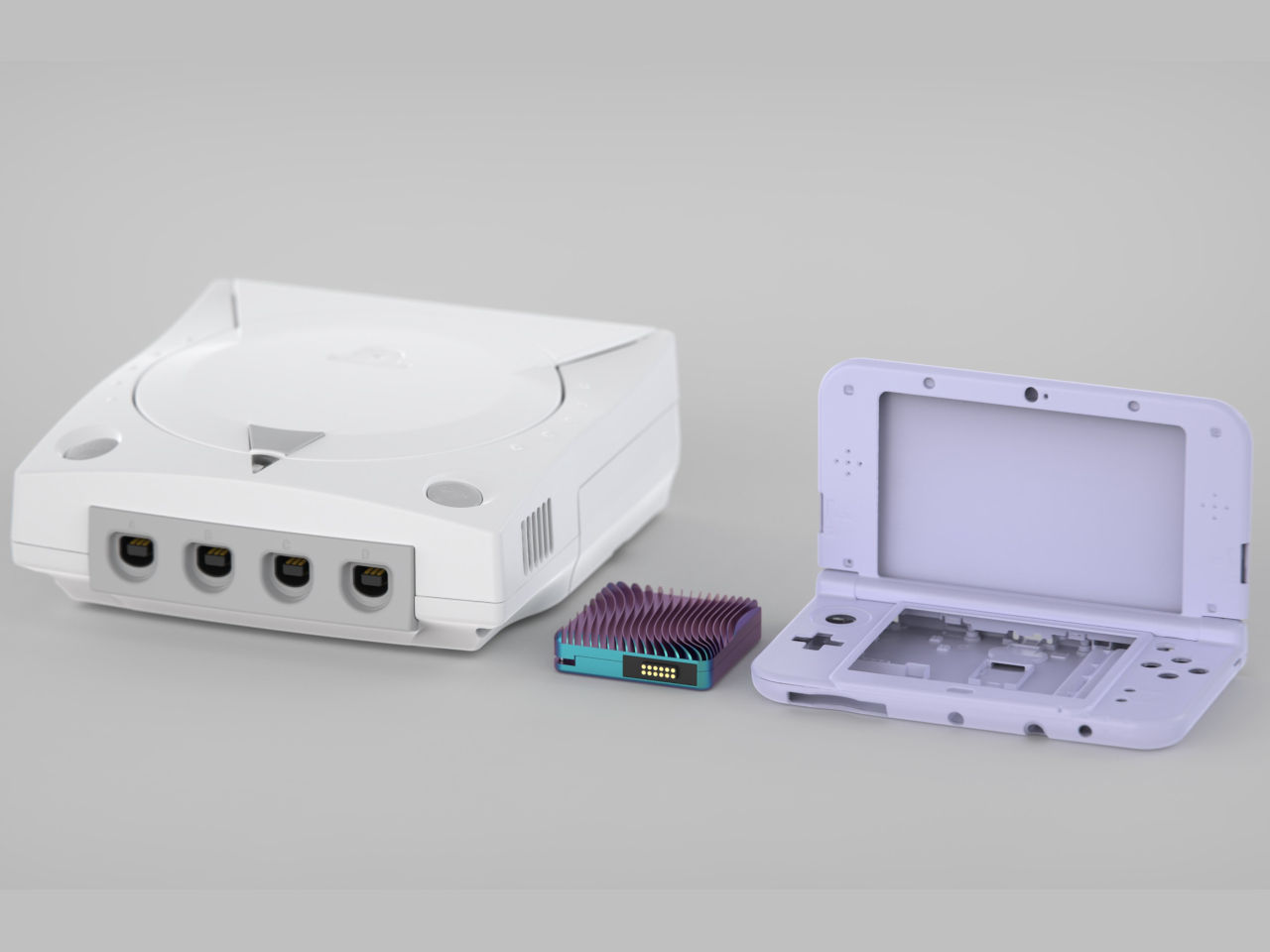
Kawaii is only 60mm x 60mm big and 16mm tall, not that much larger than keyfobs. Its body is CNC machined from aluminum and has these wavy fins on one side that do more than make the small box look eye-catching. They also function as a passive cooling system since the Kawaii doesn’t have room for any fan of any size at all. Obviously, there’s no space for an optical disc reader either, but that’s not the only thing missing from this tiny console.
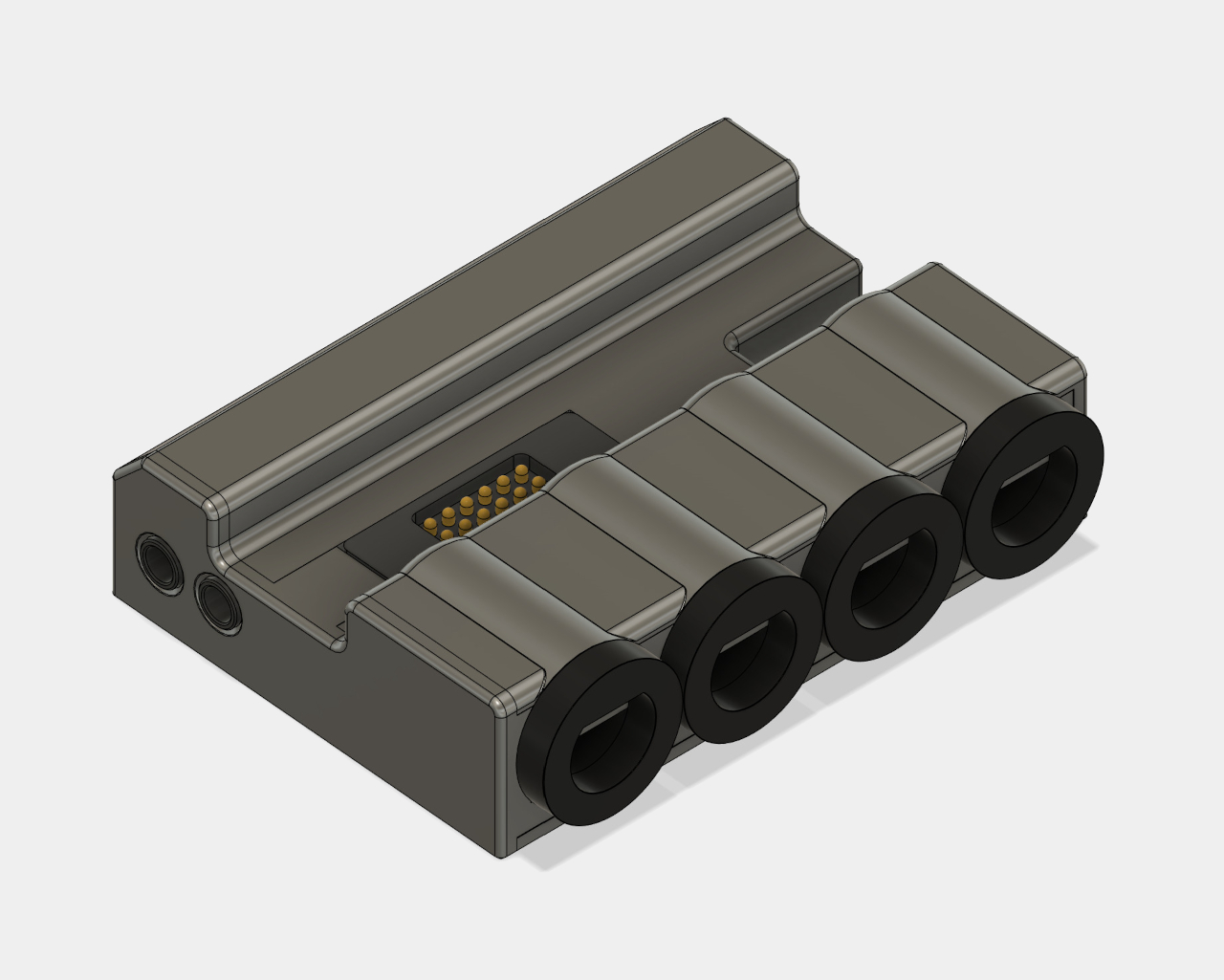
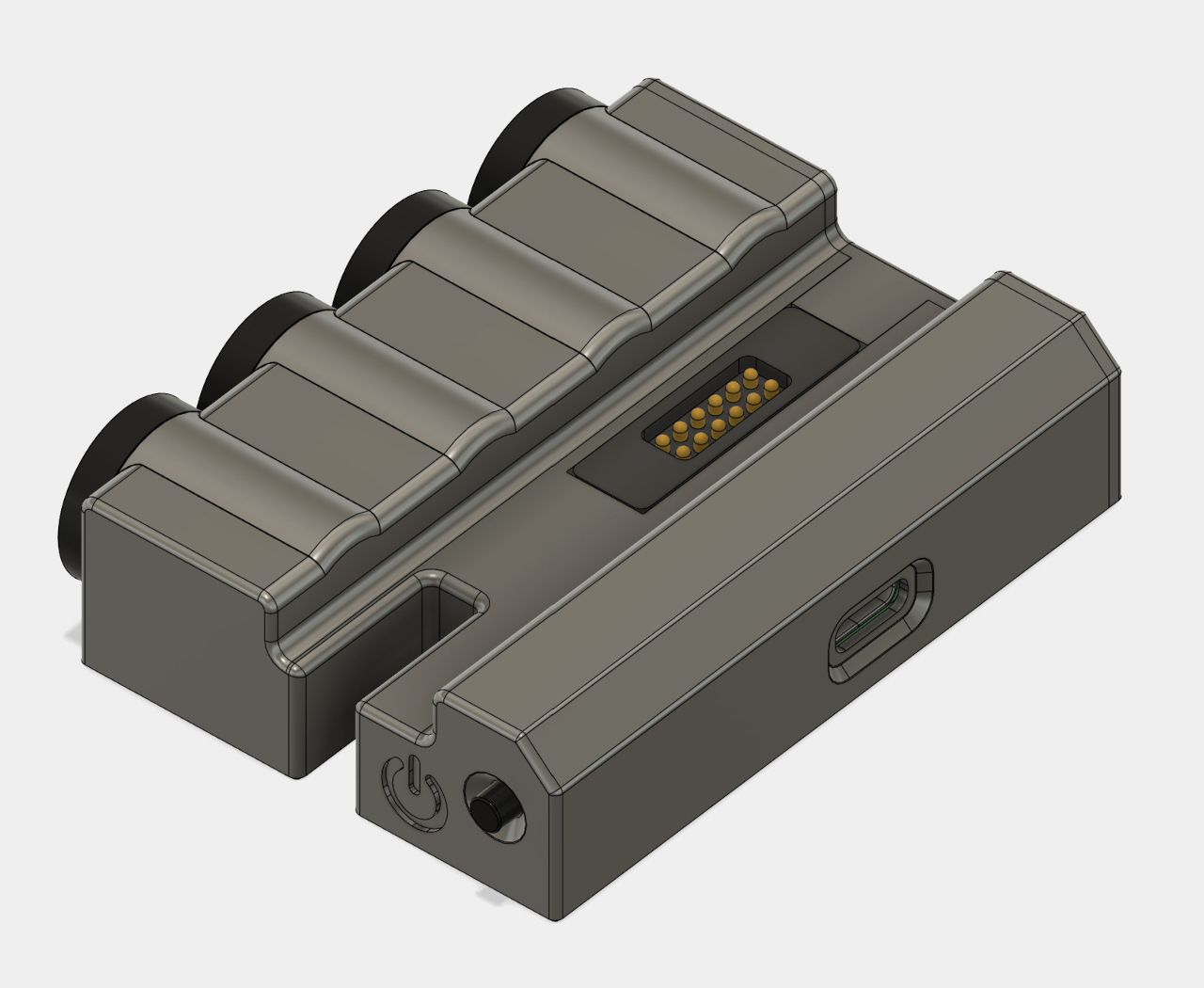
It doesn’t have any direct power source or any ports for that matter, leaving it pretty barebones save for the main board that runs the whole show. To actually make it useful, you have to connect it to a dock via pogo pins, and then you’ll have power, video out, and USB ports for controllers. The dock itself is just a little larger than the keychain console, but it’s still a portable setup, presuming you have a way to power it up or connect it to a display.
Sadly, the adorable Kawaii won’t fulfill your dreams of playing Wii games on the go, at least not the ones that need a disc or use a Wiimote, since there’s no Bluetooth connectivity in there either. That leaves you mostly with downloaded games that work fine with a USB controller, and there’s not much of those going around at this point. Still, it looks like an interesting journey to design a cool-looking console you can hang your keys on, one that preserves the spirit of novelty and playfulness of the Wii, even if it doesn’t exactly have its defining features.