The Modular Cat Habitat That Turns Playful Curiosity Into Living Architecture

What if we designed homes the way cats would design them? Not human homes with a token scratching post in the corner but true spatial systems built around curiosity, vertical exploration, territorial comfort, and play. The N Plus Magic House begins precisely at that question, reframing pet furniture not as an accessory but as architecture scaled for feline psychology. Instead of treating a cat house as a static object, this project treats it as a living spatial framework, one that evolves alongside its inhabitant.

Today’s pet owners increasingly see their cats as emotional companions rather than animals that merely coexist in domestic space. That shift has quietly created a design problem. Traditional cat houses, even elaborate ones, tend to be fixed structures. They may be visually impressive, but they impose constraints on placement, adaptability, and long-term usability. The N Plus Magic House flips that paradigm by introducing modularity as its core philosophy. Rather than selling a finished form, it offers a system of standardized units that can be assembled, rearranged, expanded, or reduced as needed. The result is less like furniture and more like a customizable habitat kit.

Designer: Taizhou Hake Technology Co., Ltd
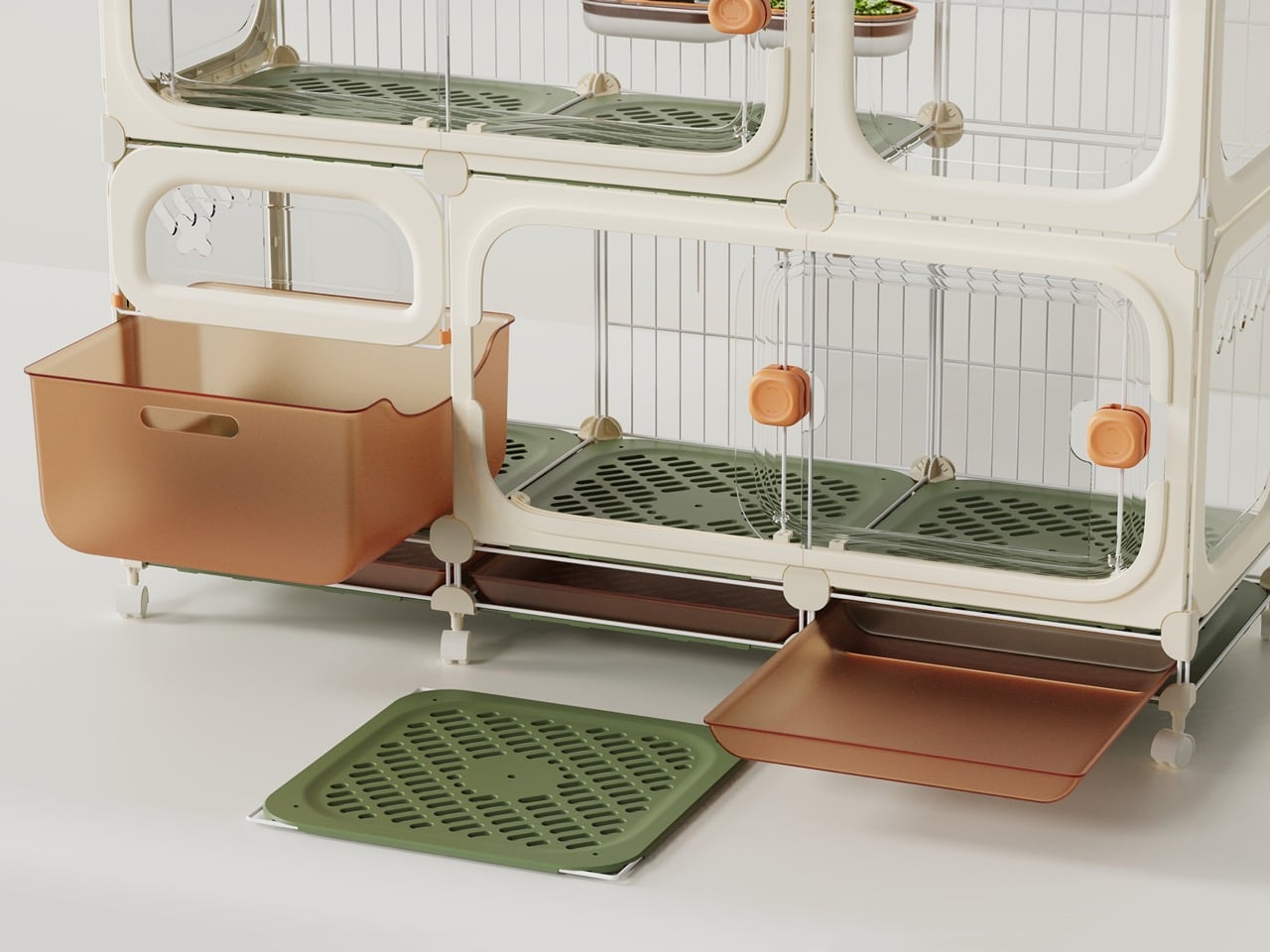
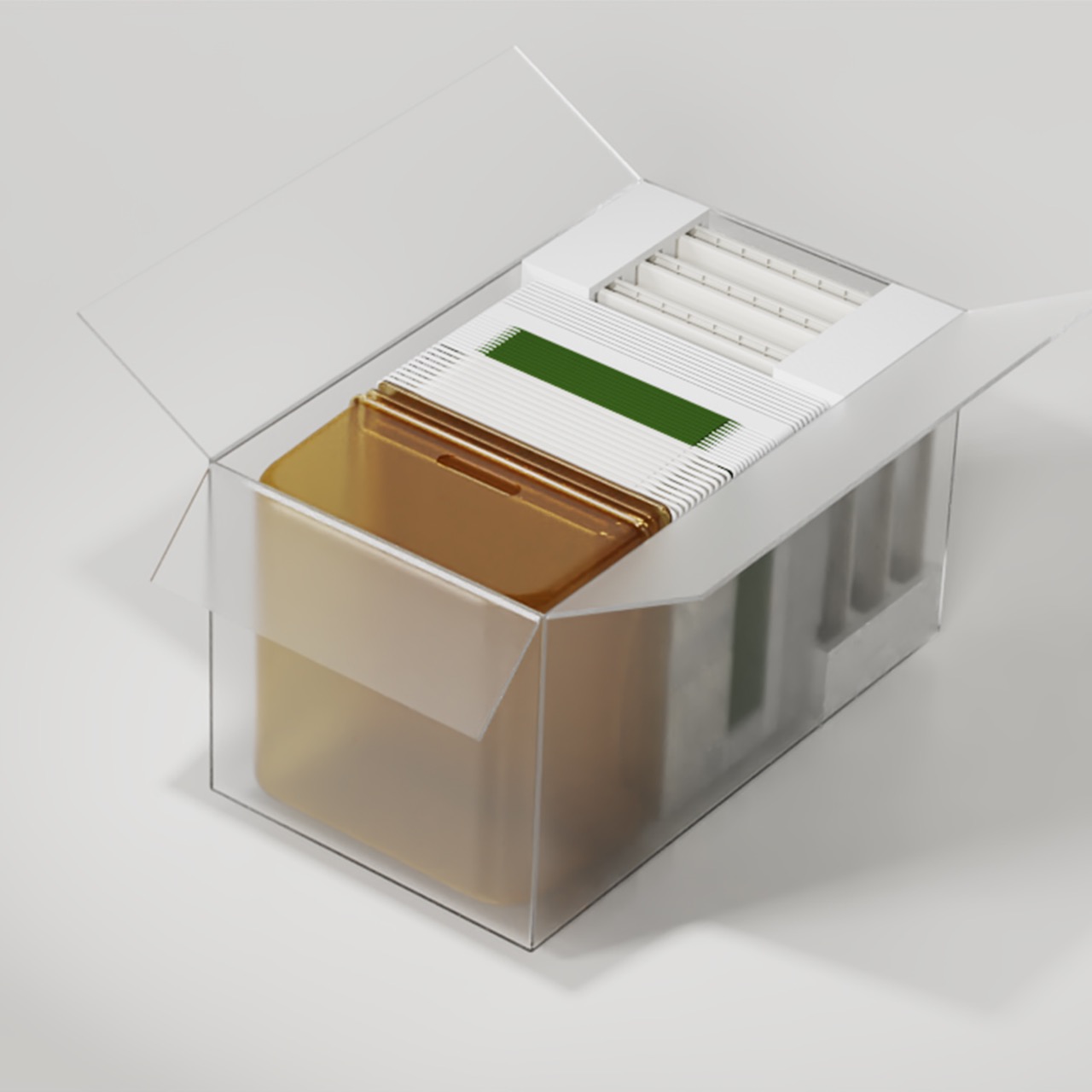
The genius of the design lies in its simplicity. Each module functions independently yet connects securely through precision-engineered connectors. Owners assemble structures by inserting panels into slots and stacking them like building blocks. No technical expertise, tools, or installation manuals are required. This intuitive construction method does something subtle but powerful. It turns pet care into participation. Instead of buying a finished object, users become co-designers of their cat’s environment. That interaction strengthens the emotional bond among the owner, the pet, and the space.
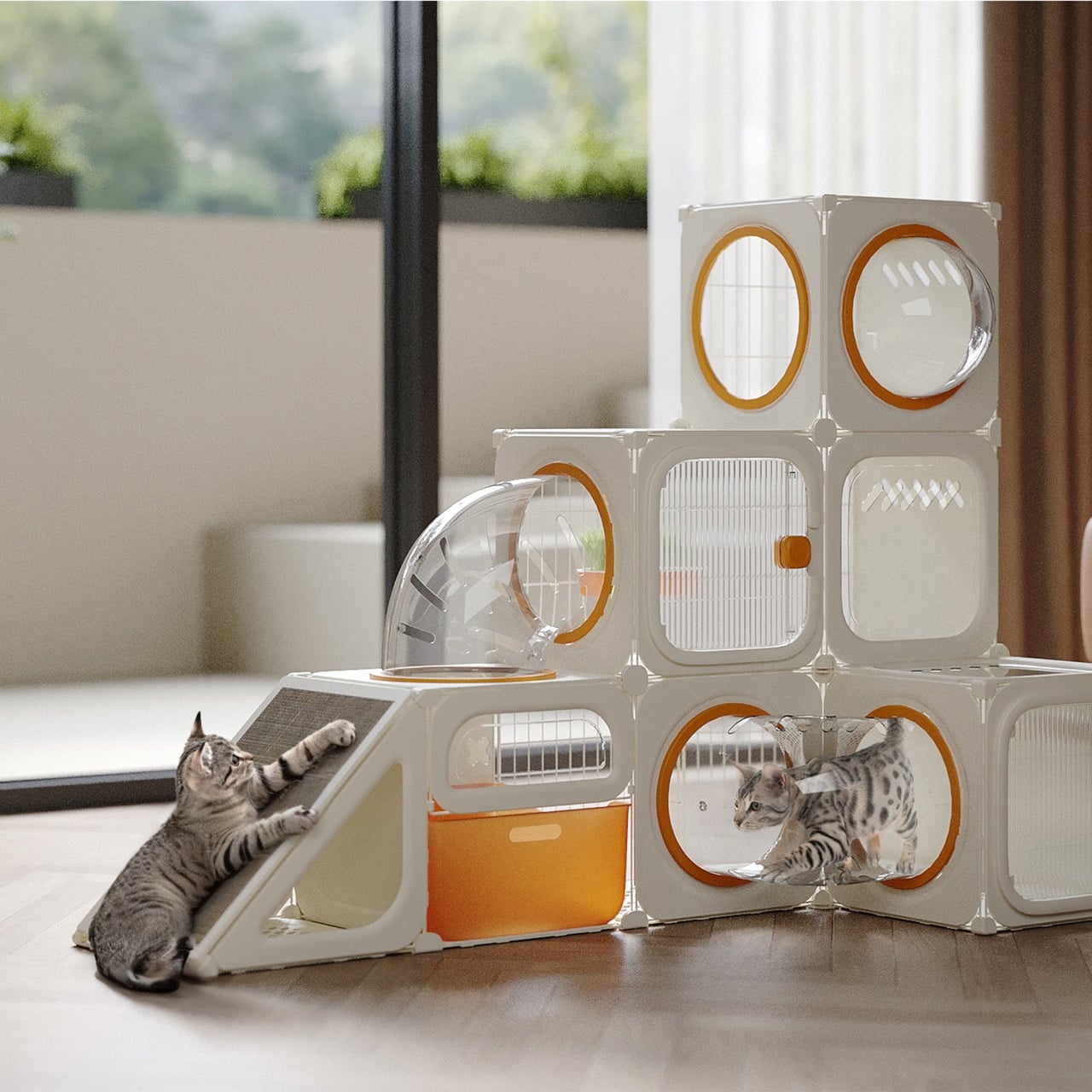
Material choices reinforce the system’s practicality. The structure combines impact-resistant PP resin, transparent PET panels for visibility, and carbon steel mesh for structural integrity. These materials balance durability with safety while allowing owners to monitor their pets without disturbing them. The manufacturing processes, such as injection molding and automatic wire welding, ensure consistency, precision, and reliability across units. Every element reflects careful alignment with feline behavior and safety requirements.

Behind the scenes, the development team approached the project with a research-driven mindset. They studied cats’ behavioral patterns, analyzed existing products on the market, and mapped owner expectations. One of the biggest technical challenges was maintaining structural stability while preserving modular flexibility. The solution was a custom connector engineered to withstand pressure and weight while preventing slippage. Its textured surface increases friction, ensuring modules remain firmly locked during use. This small component is arguably the system’s unsung hero. It transforms a playful concept into a reliable architectural structure.
Developed in Taizhou, Zhejiang Province, between July 2023 and November 2024 and later exhibited internationally, the N Plus Magic House represents a broader shift in product design thinking. It signals a move away from static ownership toward adaptive systems, objects that respond to changing needs over time. In a world where personalization defines modern consumer expectations, this approach feels less like a novelty and more like a glimpse into the future of domestic product design.

The post The Modular Cat Habitat That Turns Playful Curiosity Into Living Architecture first appeared on Yanko Design.


2026 Mercedes-Benz Marco Polo camper van arrives with smarter pop-up roof and luxury upgrades

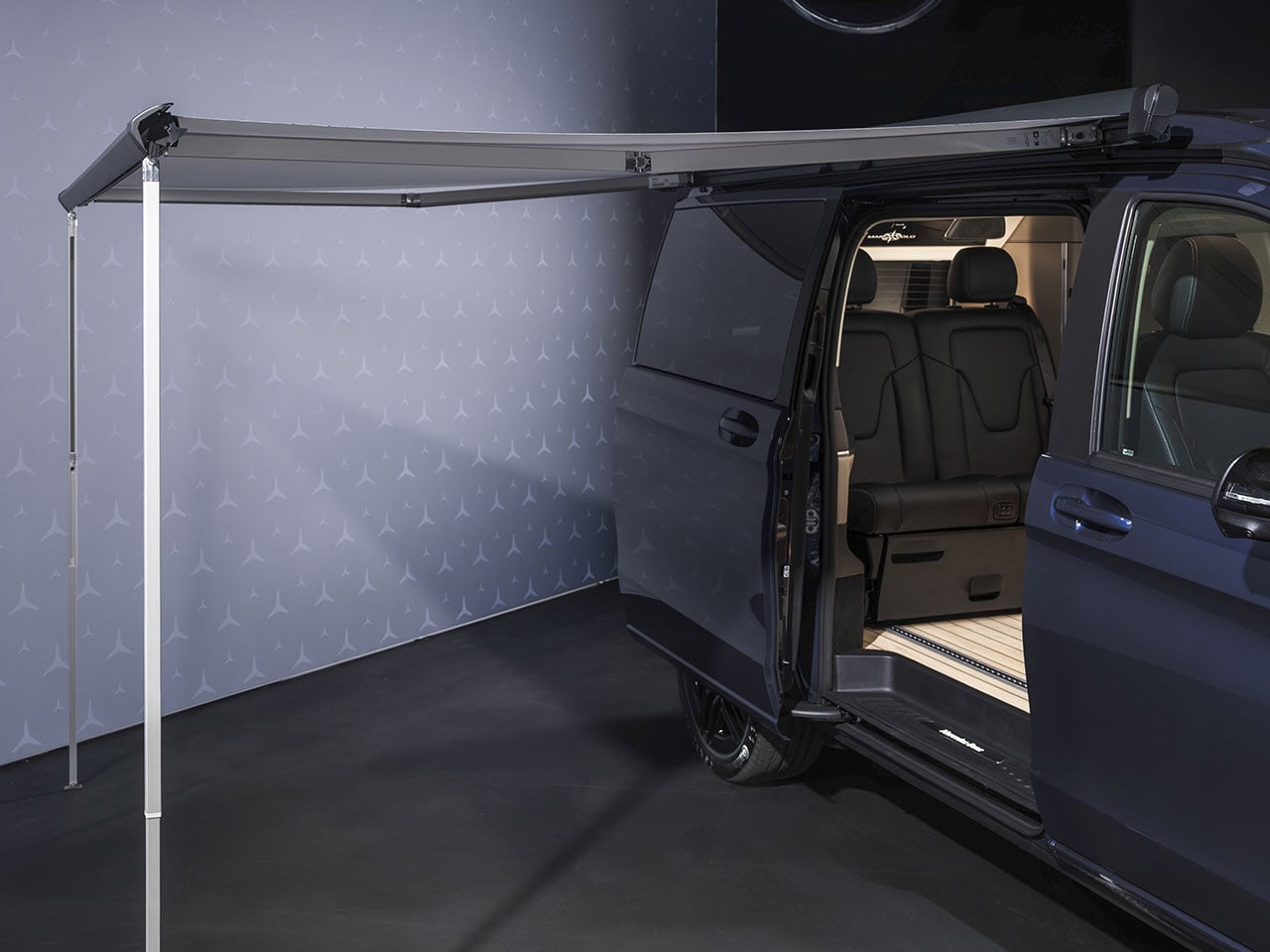
Mercedes-Benz and Volkswagen have produced some of the best camper vans on the market, and they’ve long shared a common collaborator. Now, with Mercedes-Benz taking the complete production of its Marco Polo under its wings, Volkswagen and other competitors can expect some serious competition. The newly updated 2026 Marco Polo is the first new addition to Mercedes in-house van life portfolio and flaunts an interesting pop-up roof, which is its main talking point.

According to Mercedes-Benz press information, the body of the V-Class Marco Polo is built at the company’s Vans plant in Vitoria, Spain. The vehicle is then converted into a pop-up camper van at the Ludwigsfelde plant in Germany. The overall in-house production of the Marco Polo means it’s of the “highest quality standard” and that the company has complete control over every detail and pace at which it is produced.

Designer: Mercedes-Benz

Substantiating the fact, Sagree Sardien, head of sales & marketing Mercedes-Benz Vans said, it is a “Mercedes-Benz through and through,” which is designed to offer buyers a more sophisticated home on wheels. “A home that effortlessly combines travel and everyday life – while making a stylish statement,” he said.

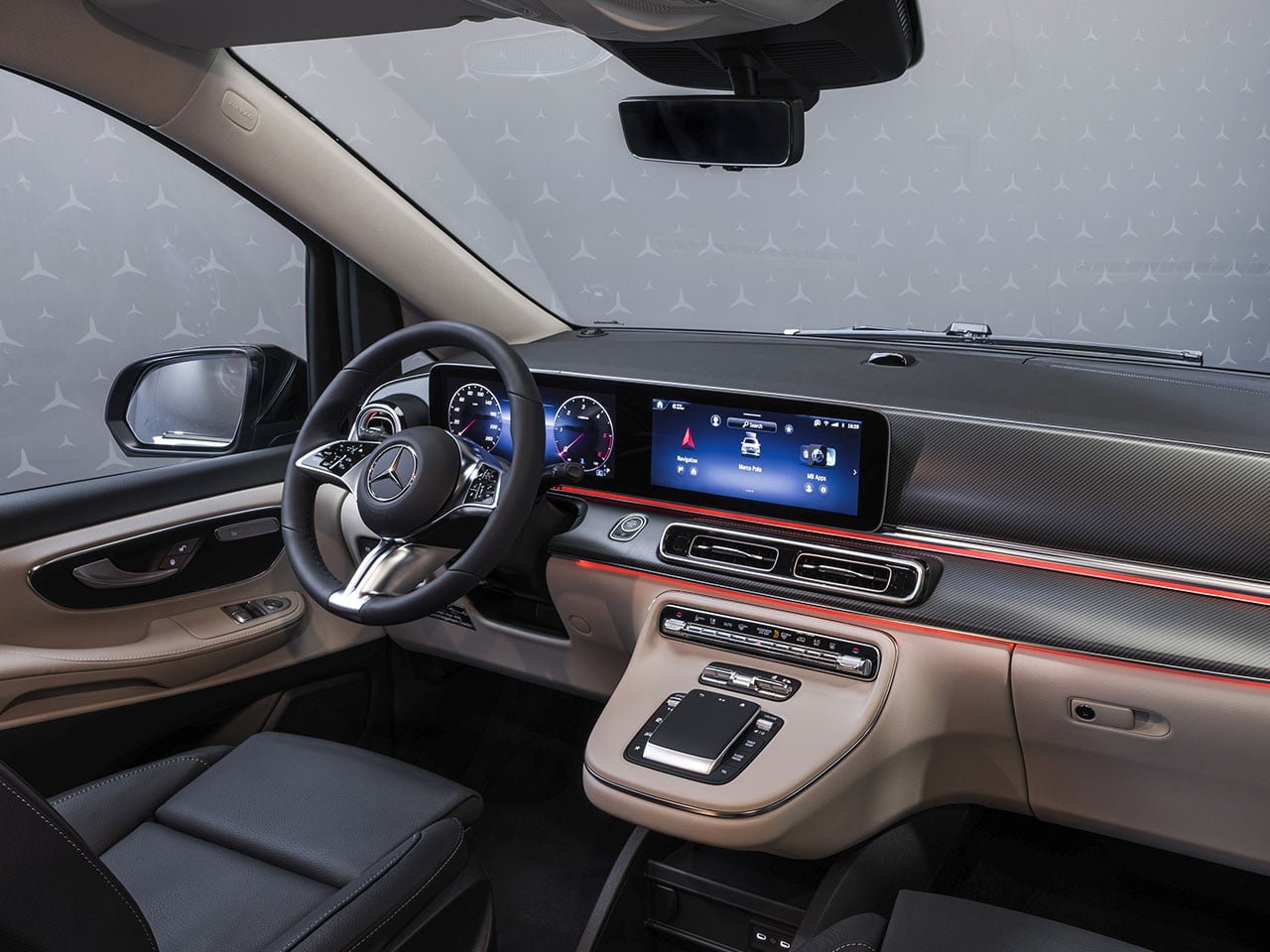
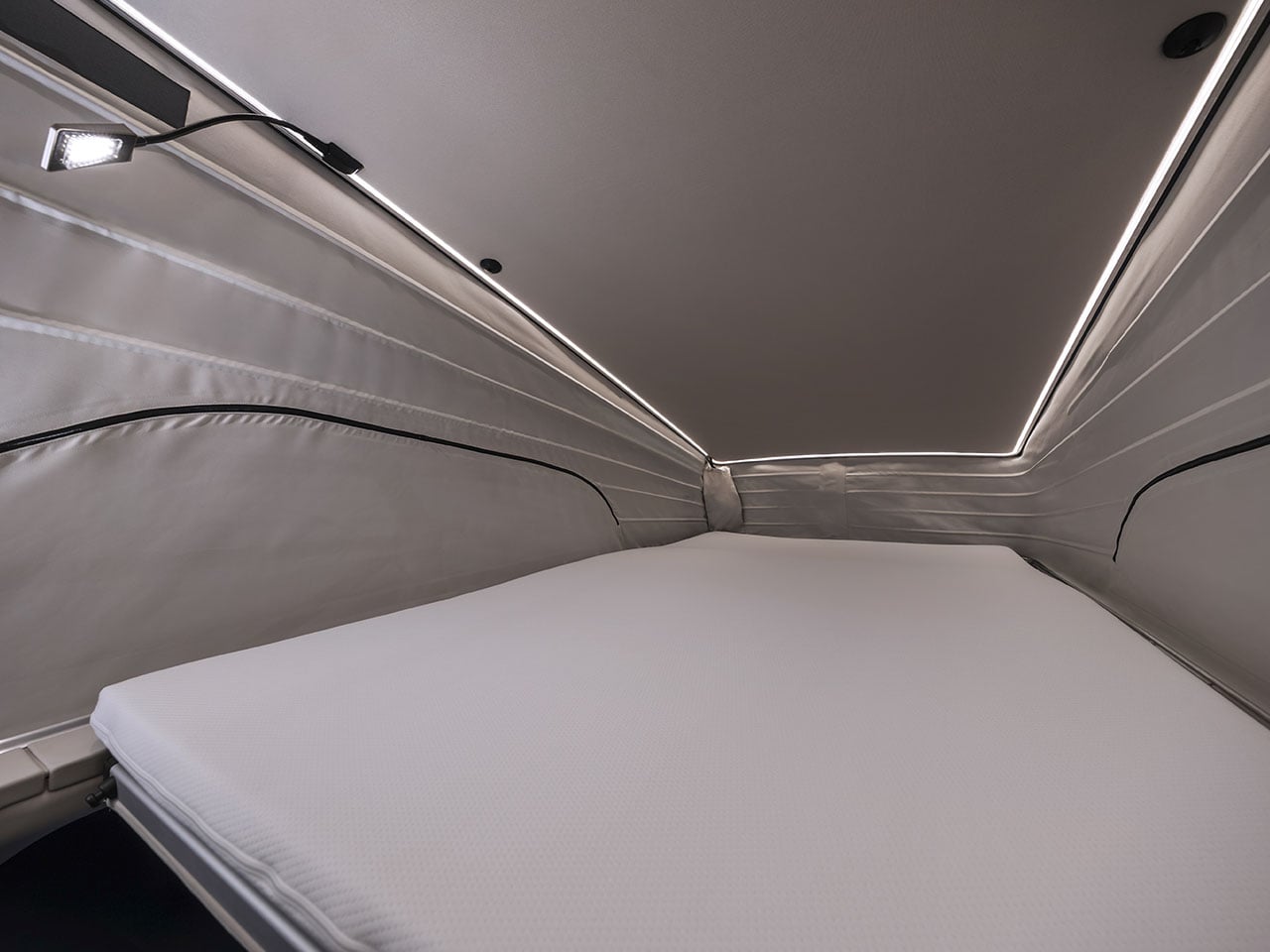
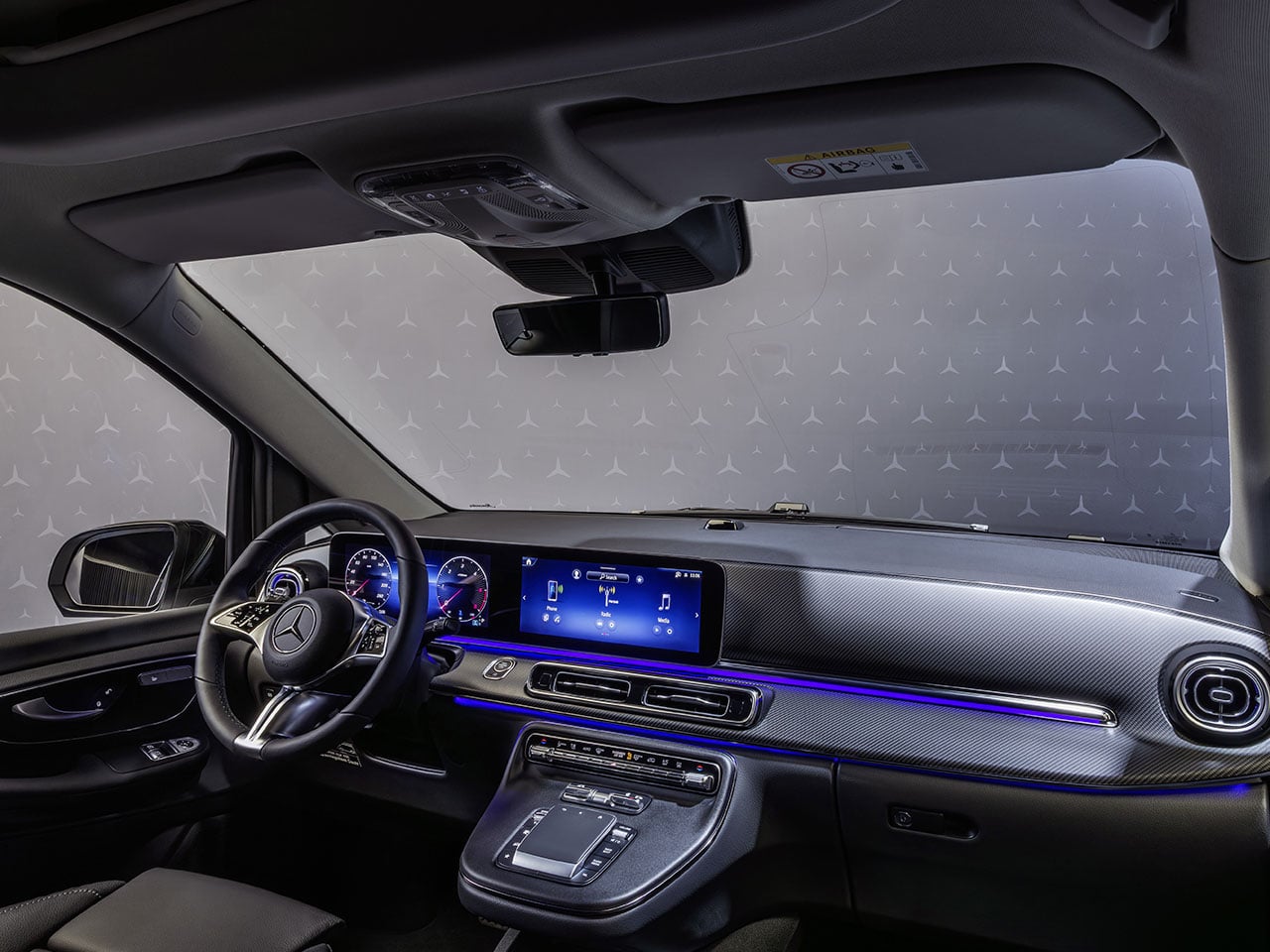
To that accord, the Mercedes-Benz 2026 Marco Polo is a compact, luxury camper van featuring a pop-up roof, convertible downstairs seating, kitchen, and ambient lighting to uplift the mood when you’re inside the van. The major update from the 2024 model of the van is focused around the improvement to the lifting roof space. The double-skinned aluminum pop-top makes for an additional 4 inches of headroom and is provided with an ambient LED system that allows the space to feel lively and inviting.

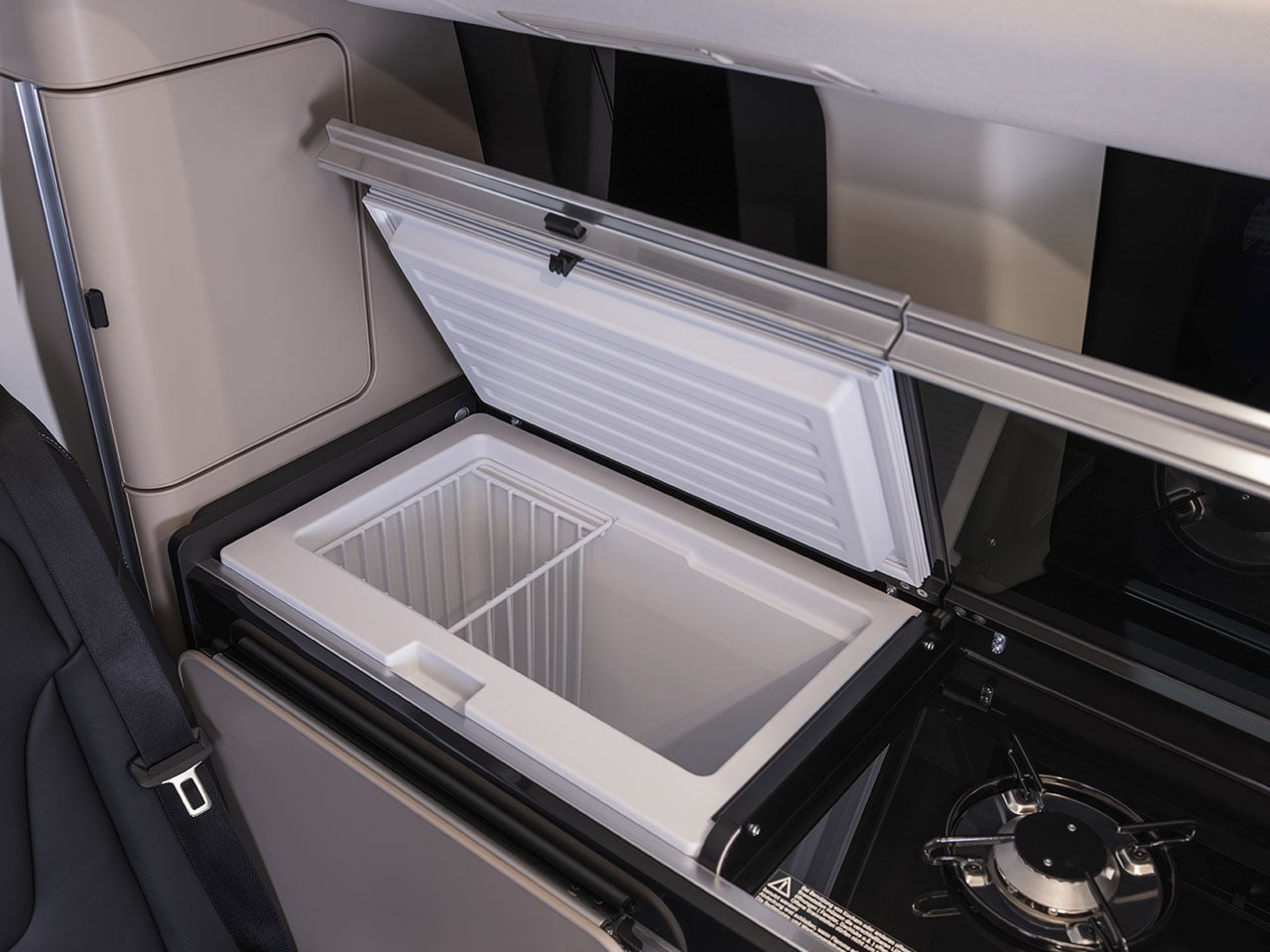
Downstairs, the Marco Polo doesn’t make many changes. It comes equipped with a kitchen featuring double burner gas stove, a sink, mini fridge, and a swiveling bench that can easily facilitate dining and sleeping. During mealtime, you have a folding table that reaches out of the kitchen block, and during the night it folds up to make room for the convertible sofa to create a double bed.

MBAC infotainment suite is another interesting facet of the new Mercedes camper van. Sitting in the cockpit, the smart touchscreen can control the interior components like the vehicle’s upgraded eight-speaker audio system and pop-up roof lighting. The infotainment system also has instant control to pop-up roof. You can deploy or retract the lifting roof remotely, while also maintaining the temperature of the van home.

The new Marco Polo will be available to order soon, Mercedes notes. It also mentions in the press release that the launch of Marco Polo Horizon is also on the cards. This model shares similar features except for the built-in kitchen unit, making it suitable for weekend outings or short holidays only.

The post 2026 Mercedes-Benz Marco Polo camper van arrives with smarter pop-up roof and luxury upgrades first appeared on Yanko Design.

Gemini can now generate a 30-second approximation of what real music sounds like

Google has announced that using its newly incorporated Lyria 3 model, Gemini users will be able to generate 30-second music tracks based on a prompt, or remix an existing track to their liking. The new model builds on Gemini's pre-existing ability to generate text, images and video, and will also be available in YouTube's "Dream Track" feature, where it can be used to generate detailed backing tracks for Shorts.

Like some other music generation tools, prompting Gemini doesn't require a lot of detail to produce serviceable results. Google's example prompt is "a comical R&B slow jam about a sock finding their match," but after playing with Lyria 3, you can definitely get more granular about individual elements of a track — changing the tempo or the style of drumming, for example — if you want to. Outside of text, Gemini can also generate music based on a photo or video, and tracks can be paired with album art created by Google's Nano Banana image model.

Google says that Lyria 3 improves on its previous audio generation models in its ability to create more "realistic and musically complex" tracks, give prompters more control over individual components of a song and automatically generate lyrics. Gemini's outputs are limited to 30-second clips for now, but given how Google's promotional video shows off the feature, it's not hard to imagine those clips getting longer or the model getting incorporated into other apps, like Google Messages.

Like Gemini's other AI-generated outputs, songs made with Lyria 3 are also watermarked with Google's SynthID, so a Gemini clip can't as easily be passed off as a human one. Google started rolling out its SynthID Detector for identifying AI-generated content at Google I/O 2025. The sample tracks Google included alongside its announcement are convincing, but you might not need the company's tool to notice their machine-made qualities. The instrumental parts of Gemini’s clips often sound great, but the composition of the lyrics Lyria 3 produces sounds alternately corny and strange.

If you're curious to try Lyria 3 for yourself, Google says you can prompt tracks in Gemini starting today, provided you're 18 years or older and speak English, Spanish, German, French, Hindi, Japanese, Korean or Portuguese.

This article originally appeared on Engadget at https://www.engadget.com/ai/gemini-can-now-generate-a-30-second-approximation-of-what-real-music-sounds-like-204445903.html?src=rss

Google Released a New Pixel 10a and It’s Basically the Same Phone From Last Year

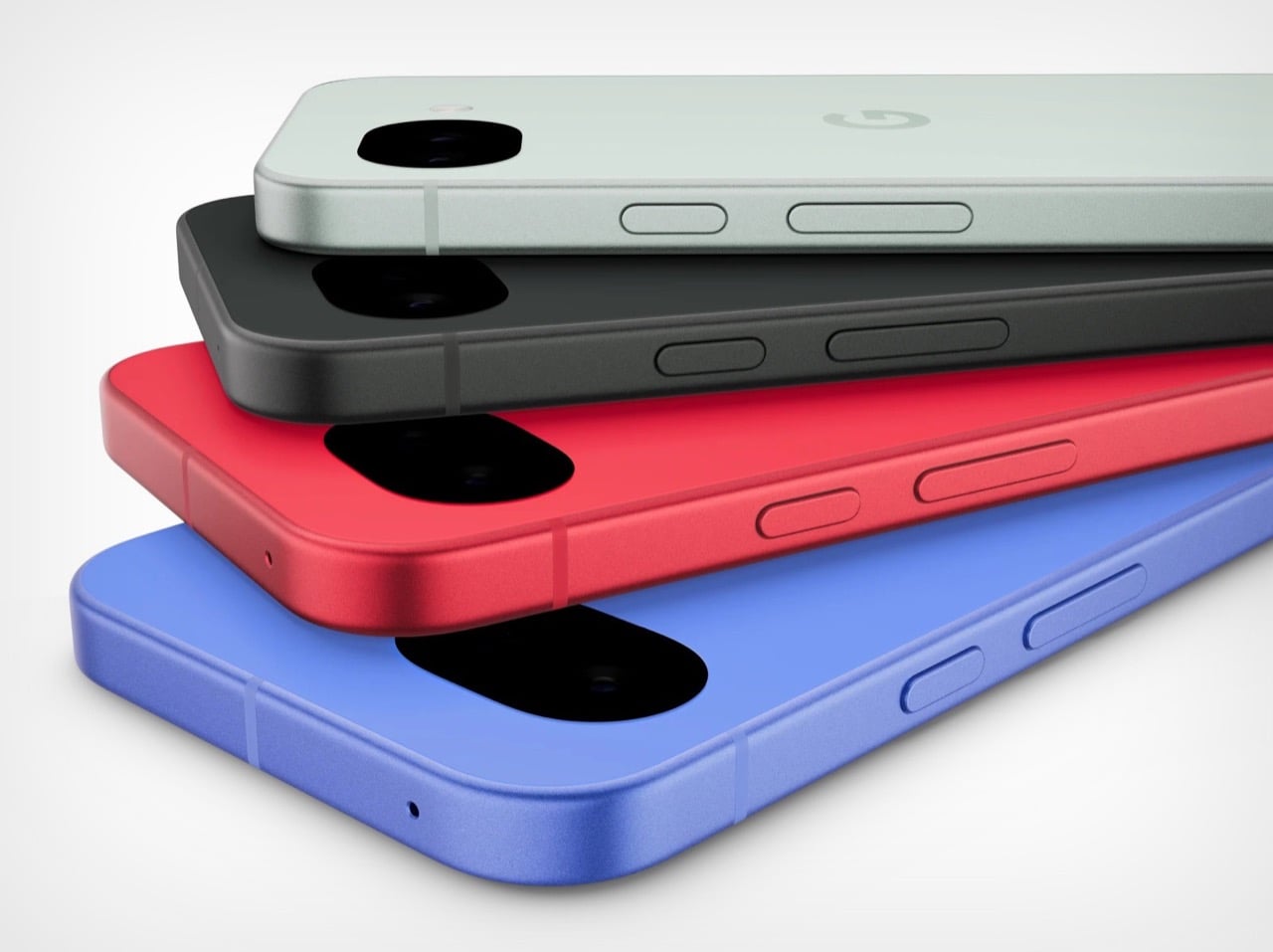
Google would like you to meet the Pixel 10A. It has a new name, new colors, and a press release that runs to several pages. It costs $499, which is exactly what the Pixel 9A cost. It weighs the same. It measures the same. It has the same cameras, the same battery, the same chip, and the same 6.3 inch display. There is a episode of The Office where Pam preoccupies Michael by presenting two identical photo printouts as a spot-the-difference puzzle. Google has essentially done that, except the printout costs five hundred dollars.

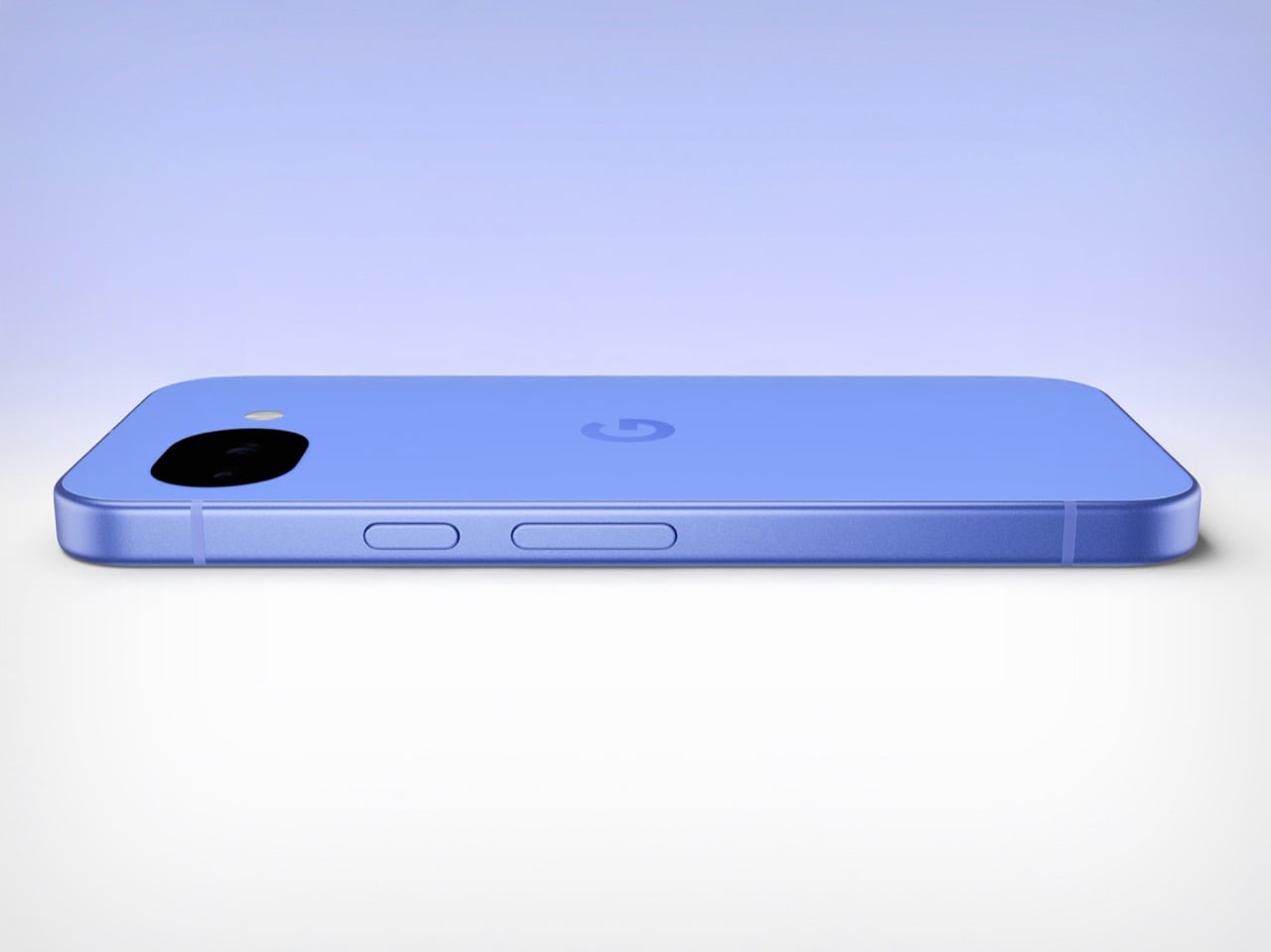
To be precise about what actually changed: the display is about 10% brighter, the glass protecting it moved from Gorilla Glass 3 to Gorilla Glass 7i, wired charging climbed from 23 watts to 30, and wireless charging went from 7.5 watts to 10. The camera bump, already barely perceptible on the 9A, is now completely flush. In some regions, satellite SOS is supported. That is the complete list. Google did not forget to send the rest of it.

Designer: Google

The Pixel 10 and Pixel 10 Pro both run on the Tensor G5. The Pixel 10A runs on the Tensor G4, the same chip from last year’s A-series, and the year before that in the Pixel 9 Pro. For years, buying the A-series meant getting the current flagship chip in a cheaper body. That was a genuinely good deal. Google has decided, apparently, that it was too good.

Best Take, Camera Coach, Call Screening, Clear Calling, Now Playing, Gemini as a built-in assistant, and seven years of updates add up to an experience that Android competitors at this price genuinely struggle to match. The Pixel ecosystem has real pull, and Google knows it. The 10A is banking on that pull being strong enough to carry a spec sheet that would embarrass a 2024 phone.

Google looked at the Pixel 9A, decided it had not been wrong about any of it, and shipped it again with brighter glass and a new colorway called Fog. In an industry that routinely invents problems to solve, there is something almost philosophical about a company that simply refuses to fix what it considers unbroken. The Pixel 10A does not have an identity crisis. It has its predecessor’s identity, and it is completely comfortable with that.

It will sell because the cameras are good, the battery lasts, the software support is unmatched at the price, and most people upgrading to it will be coming from something two or three generations older where the difference feels significant regardless of which Tensor chip is inside. Google understands its buyer perhaps better than its buyer understands the spec sheet. The Pixel 10A is a perfectly competent phone that knows exactly what it is. But also… this smartphone announcement could have been an email.

The post Google Released a New Pixel 10a and It’s Basically the Same Phone From Last Year first appeared on Yanko Design.
Cyberpunk platformer Replaced has once again been delayed

The long-awaited cyberpunk platformer Replaced just got hit with a short delay. The pixel-art game was supposed to come out on March 12, but will now be released on April 14. That's just a month, which isn't that big of a deal considering this game has been on our radar for five years.

Why the delay? Developer Sad Cat Studios notes that the game is "technically finished" but the team needs a few more weeks for polish. The company says it wants the day-one release to be "polished, stable and true to the vision" of the original concept. This is something to be commended, in my opinion, given the sad state of many game launches in recent years.

This is just the latest delay for the game. However, previous delays have been for a very good reason. The development team had to relocate from Belarus to Cyprus after Russia invaded Ukraine in 2022.

Replaced is an absolutely gorgeous-looking 2.5D platformer set in a dystopian alternative 1980s America. You play as an AI unwillingly trapped in a human body. There looks to be plenty of cinematic action, with a blurb promising a combination of "precise melee strikes with satisfying ranged attacks."

The game will be available for Xbox Series X/S, Xbox One and PC via Steam, Epic Games Store, GOG and the Microsoft Store. It'll also be a day-one Xbox Game Pass release.

This article originally appeared on Engadget at https://www.engadget.com/gaming/cyberpunk-platformer-replaced-has-once-again-been-delayed-190621246.html?src=rss

Forget Mindfulness Apps, This Desk Top Spins for 2 Minutes Instead

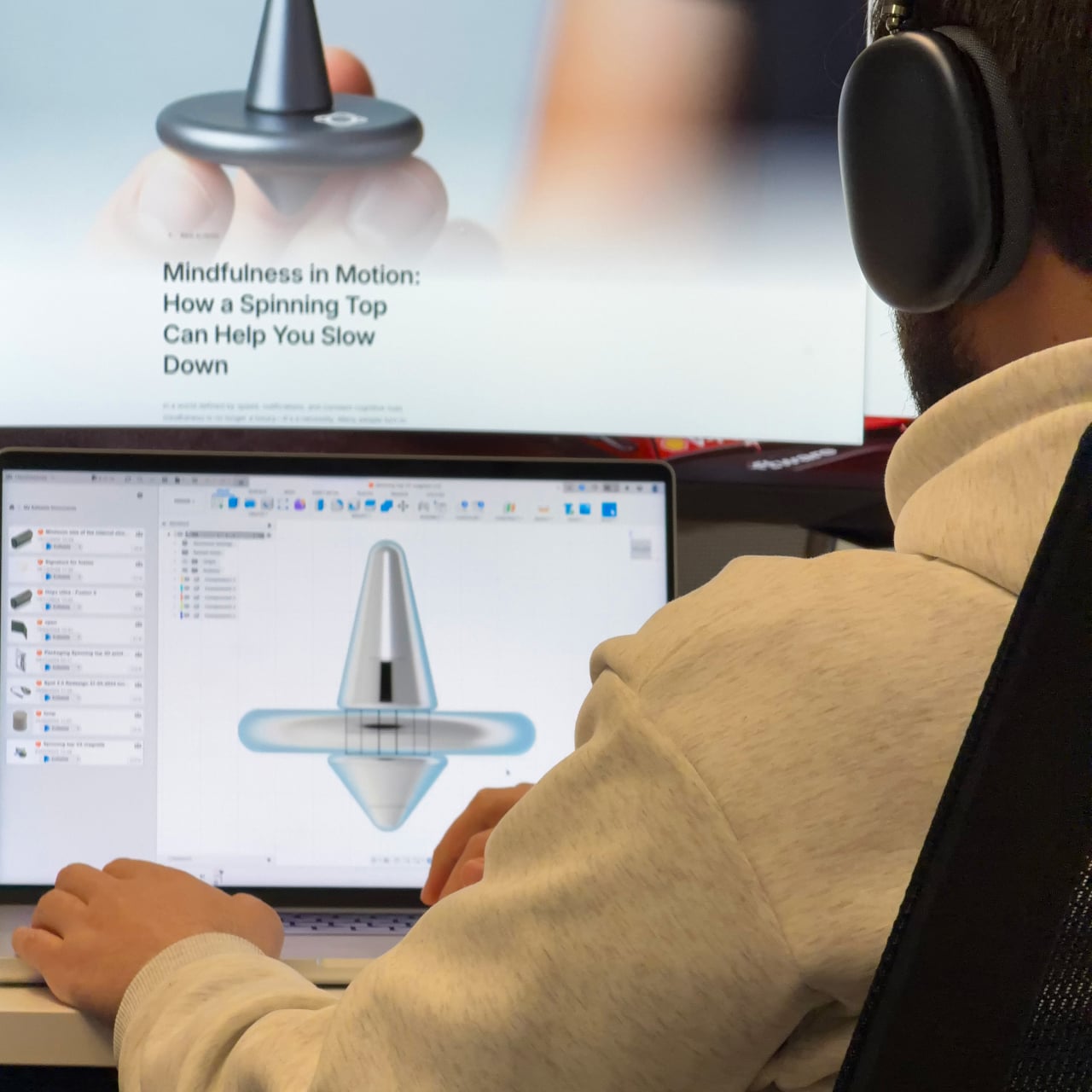
Screens are on all day, and hands tend to find something to do when focus slips. Pen clicking, phone picking, knuckle cracking, the nervous tics of modern desk work. Most “mindfulness” solutions are still apps, which is a bit ironic when the problem is too much screen time. There’s something to be said for a small mechanical object that gives your brain a reset without asking for any attention in return.

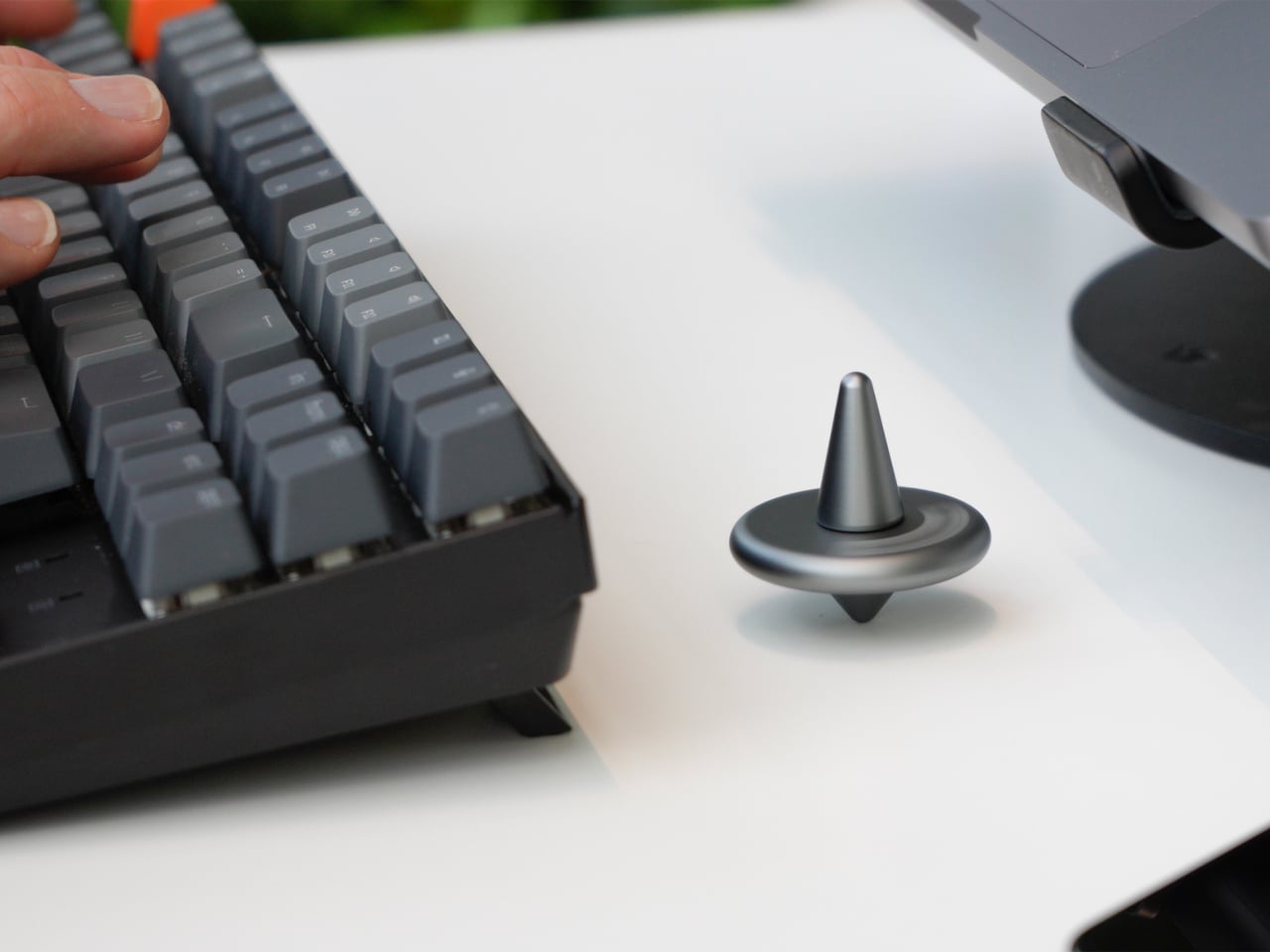
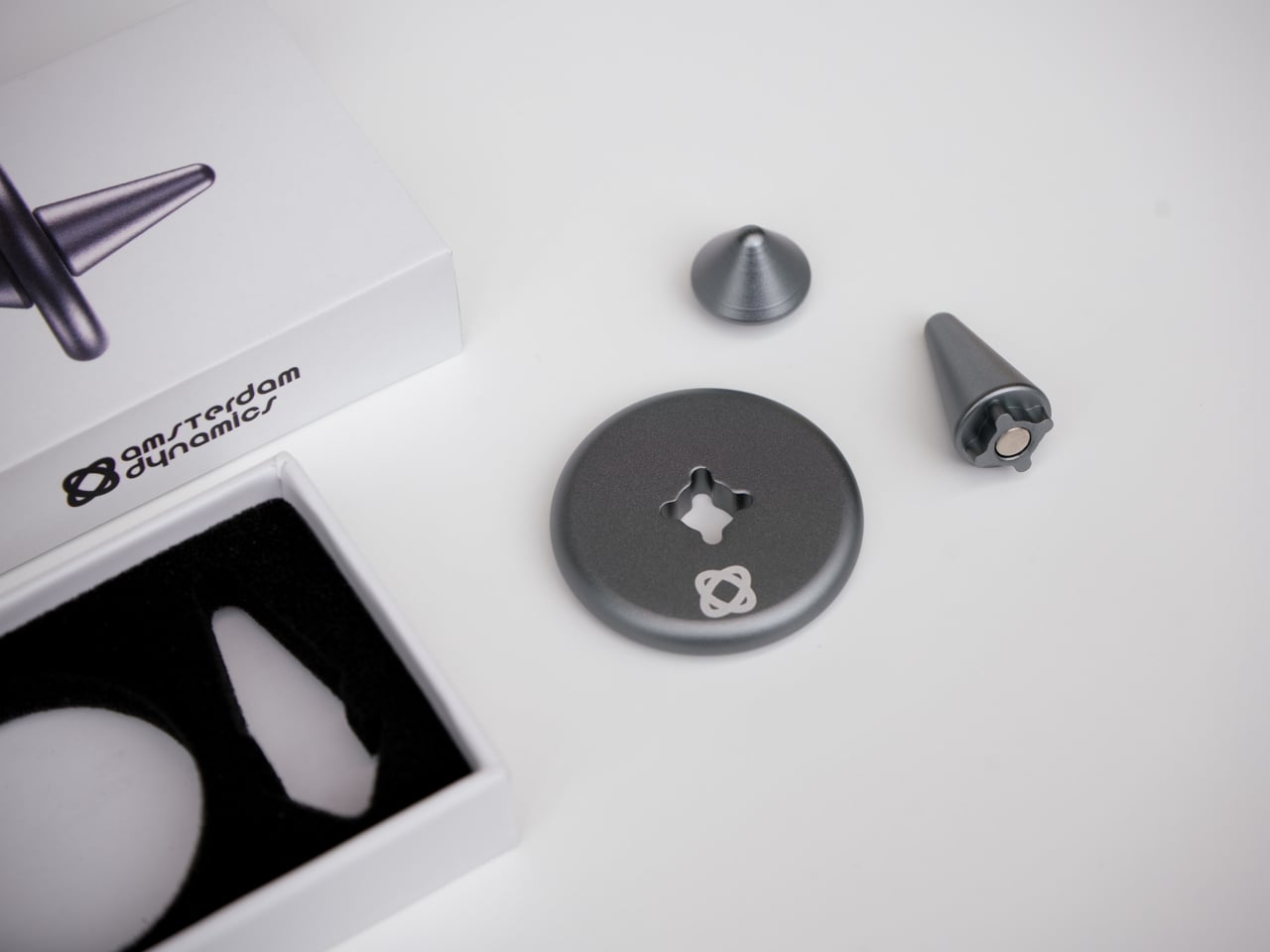
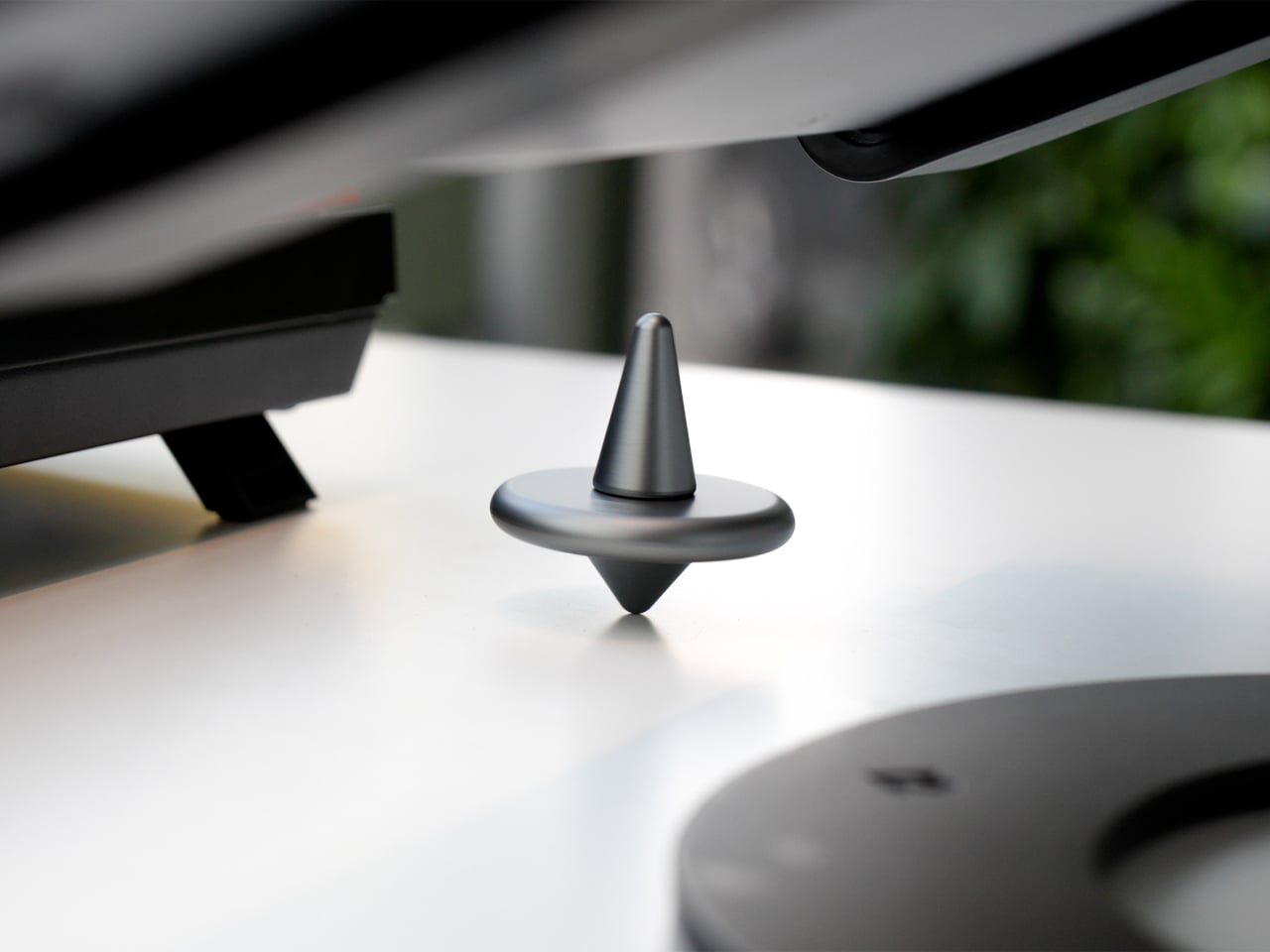
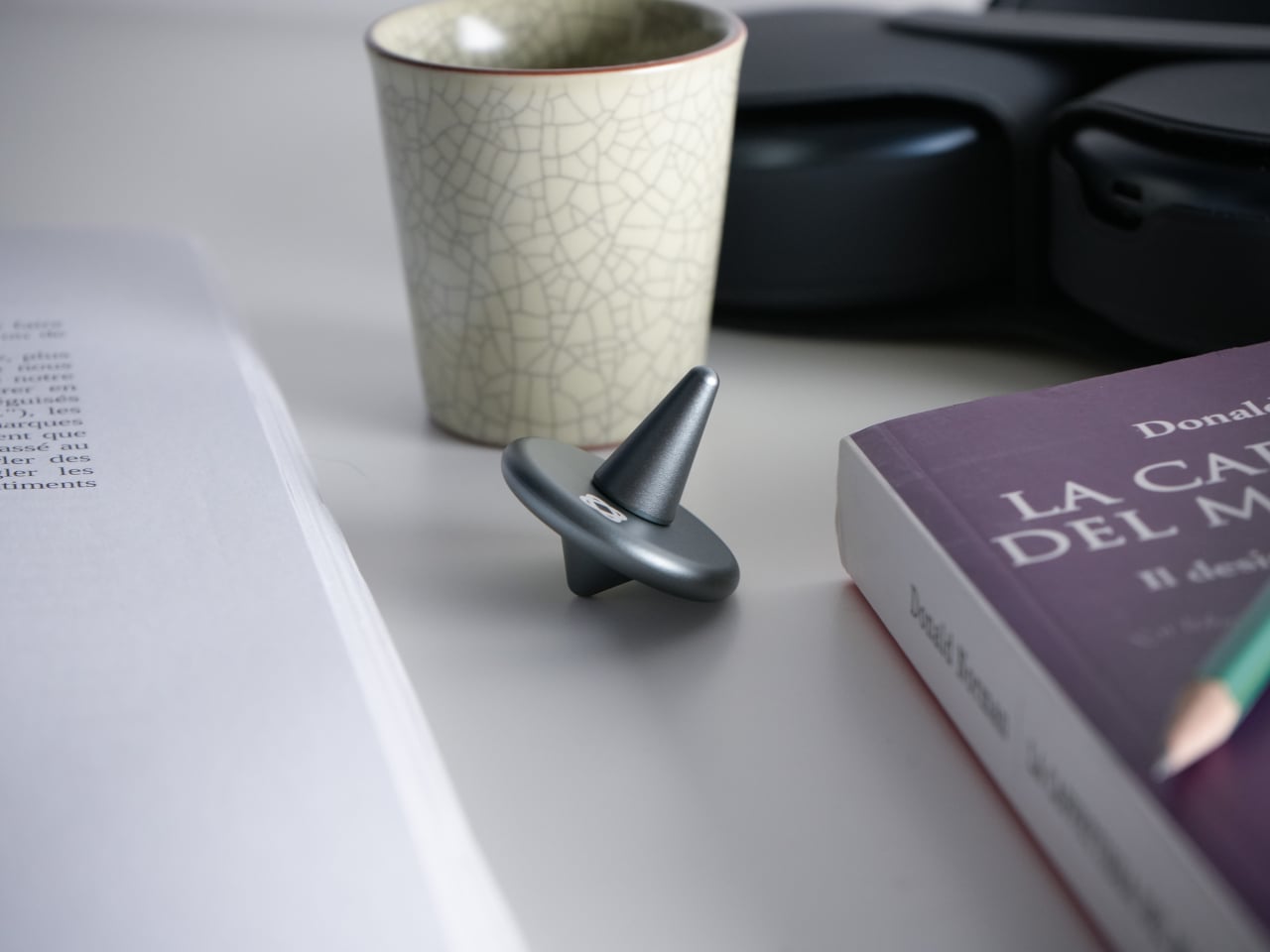
Amsterdam Dynamics’ ST-01 is a modular spinning top and tactile focus object built for desks, hands, and minds that rarely get a break. It’s intentionally simple but not single-purpose, offering multiple mechanical interactions with no correct sequence. You use one when you need it or work through all of them. No app, no setup, no instructions, just the object and whatever your hands feel like doing with it.

Designer: Antonio Lo Presti (Amsterdam Dynamics)

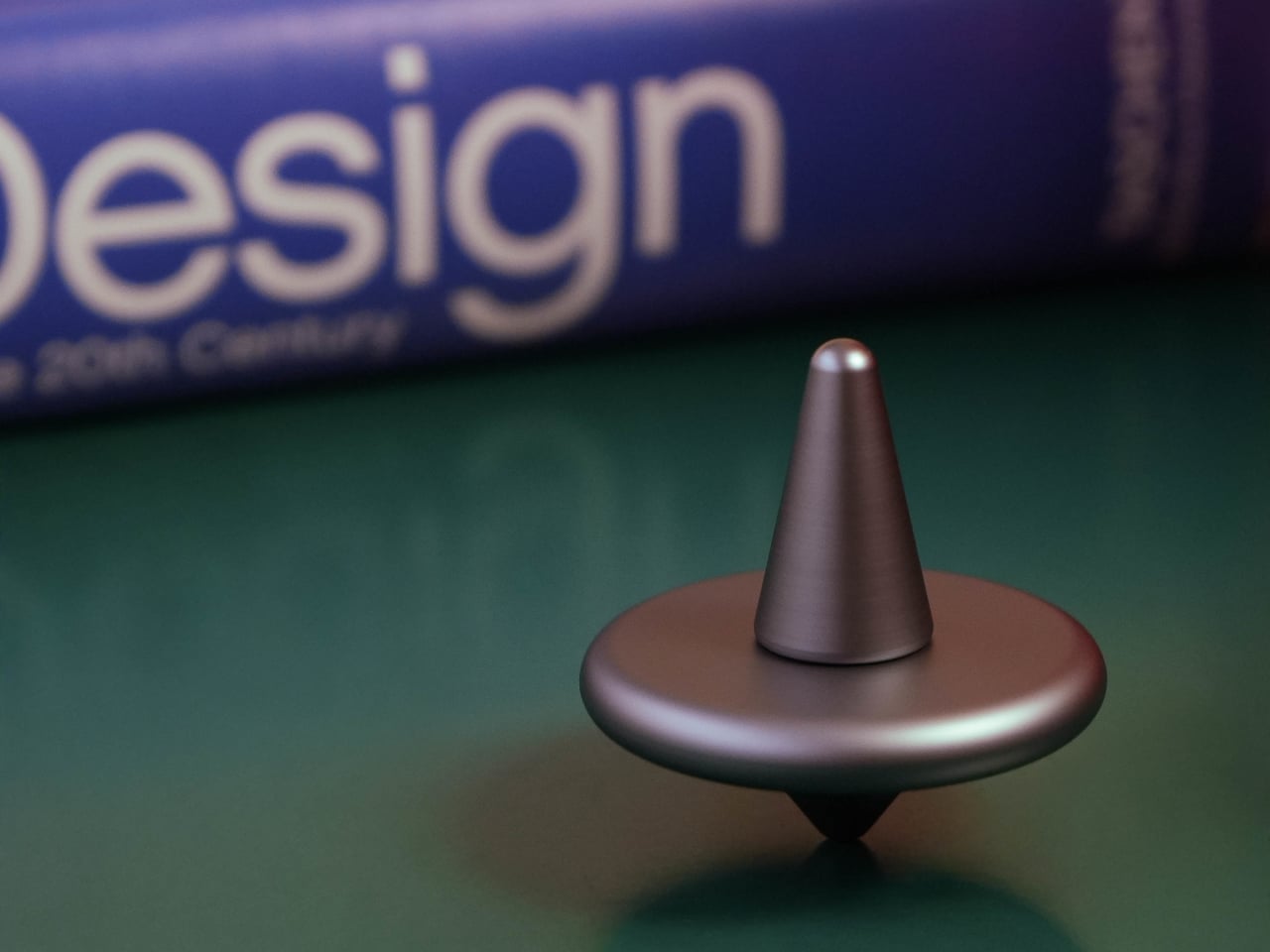
A gentle twist sets ST-01 rotating smoothly, and it’s engineered to keep going for over two minutes. That’s long enough to watch while thinking through a problem, waiting for a file to render, or cooling down after a difficult meeting. It functions as a visual anchor, something calm and physical in a field of notifications and browser tabs that all want something from you.

Pressing the top triggers a satisfying mechanical click with clear tactile feedback, the kind of repeatable, purposeful sensation that replaces the nervous habit of clicking pens or tapping a keyboard. Amsterdam Dynamics calls it “reset focus,” which is accurate if not exactly humble. The middle disc can also be flipped like a coin, adding a small decision-making tool and another texture to the interaction when you need a nudge in either direction.

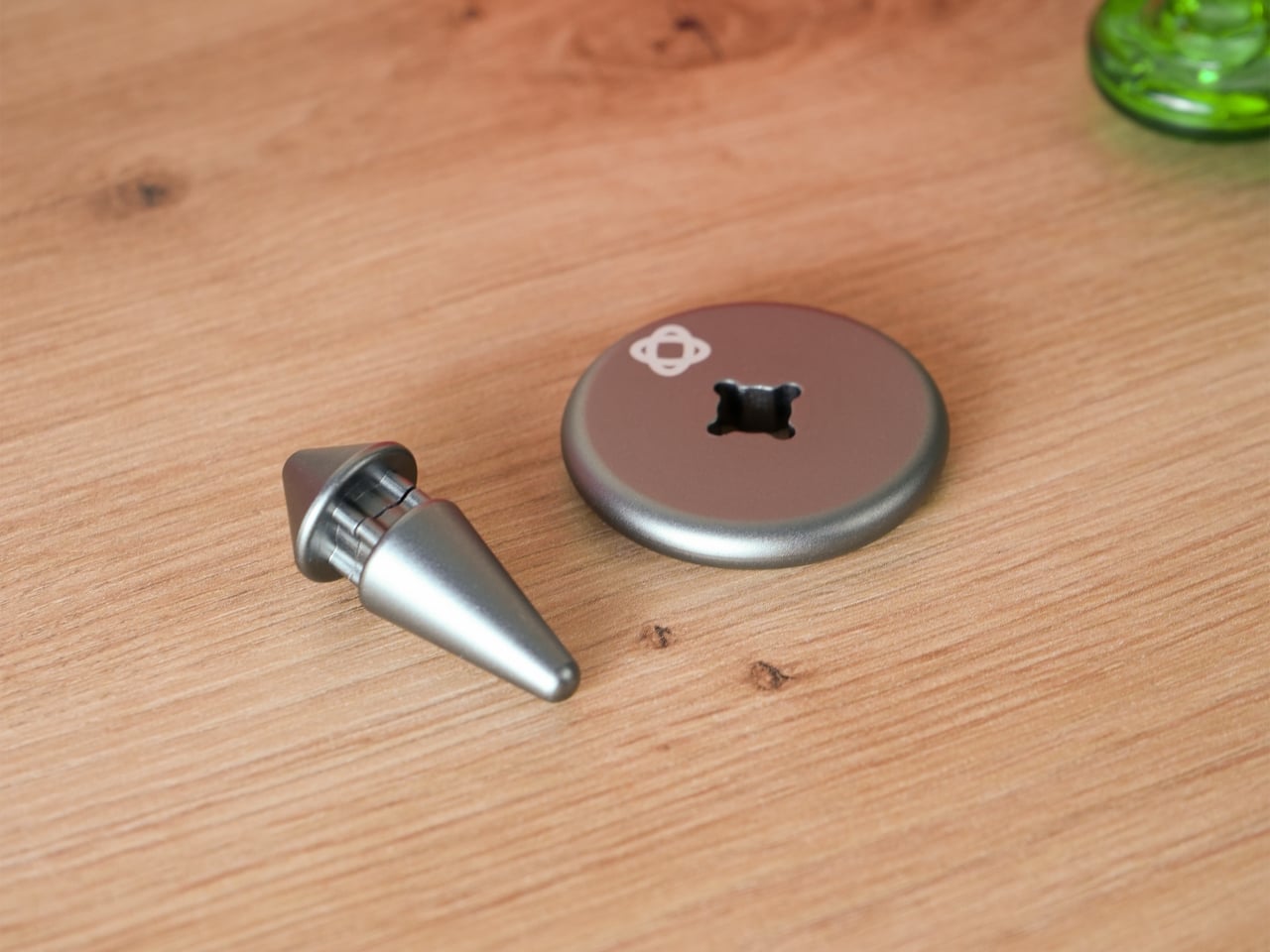
Of course, there’s a modular construction underneath all of that. ST-01 is built from three parts that can be taken apart and snapped back together, held in alignment by two precisely positioned magnets. That magnetic core keeps the structure stable during spinning while making it easy to disassemble by hand. There’s also a built-in magnet that lets it stick to metal surfaces, which is either a neat trick or a genuinely useful parking spot depending on your desk.

CNC-machined, anodized aerospace-grade aluminum means it’s solid in the hand, balanced, and finished in a way you notice the first time you pick it up. Cheap fidget toys flex, squeak, and wear out quickly. ST-01 is designed to stay on the desk for a long time, with Amsterdam Dynamics framing it as “a beautiful object, made to last a lifetime” and something that can eventually be passed on.

That’s an unusual positioning for what is essentially a desk toy, but it fits the overall idea. ST-01 doesn’t ask for a lifestyle change, a daily streak, or a subscription. It just gives your hands a few repeatable interactions and a place to return when the work gets loud, which turns out to be the kind of quiet, mechanical company a desk actually needs.

The post Forget Mindfulness Apps, This Desk Top Spins for 2 Minutes Instead first appeared on Yanko Design.

Nevada sues Kalshi for operating a sports gambling market without a license

Nevada is taking action against the rapidly growing Wild West of prediction markets. The state's gambling regulators and attorney general sued Kalshi on Tuesday. They accuse the company of bypassing Nevada law by operating a sports gambling market without proper licenses. In addition, they say Kalshi provides services to individuals under 21, which violates state law.

The lawsuit follows a federal appeals court’s rejection of Kalshi's request to prevent the state from pursuing legal action. And it comes a day after the Trump administration claimed that only the federal government has the right to enforce the industry.

Prediction markets, which allow users to bet on events such as sports, political outcomes and wars, have exploded in popularity. Business Insider reports that Kalshi did 27 times as much business during this year's Super Bowl as last year's. Some of that growth has been at the expense of regulated gambling; Nevada's gambling operations did less business during this year's game.

"Kalshi has continued to dramatically expand its business, rather than attempting to maintain any kind of status quo," Nevada regulators wrote in a letter this month.

Kalshi and rival Polymarket insist that their businesses are "event contracts" and should be regulated as financial investments rather than gambling. The Trump administration, rife with conflicts of interest in this area, agrees. The Chair of the Commodity Futures Trading Commission (CFTC) filed an amicus brief on Tuesday, claiming that it alone has the authority to enforce the prediction market.

"The CFTC will no longer sit idly by while overzealous state governments undermine the agency's exclusive jurisdiction over these markets by seeking to establish statewide prohibitions on these exciting products," CFTC Chair Michael Selig wrote in a Wall Street Journal op-ed.

Donald Trump Jr. speaks on stage during Turning Point's annual AmericaFest conference in Phoenix, Arizona on December 21, 2025. This year's conference commemorates the late right-wing activist Charlie Kirk, who was fatally shot on a Utah college campus in September, sparking an outpouring of grief among conservatives and prompting President Donald Trump to threaten a crackdown on the "radical left." (Photo by Olivier Touron / AFP via Getty Images)
Donald Trump Jr. (Photo by Olivier Touron / AFP via Getty Images)
OLIVIER TOURON via Getty Images

Not coincidentally, prediction markets are a growing part of the Trump family business. Donald Trump Jr. is a paid adviser to Kalshi. He's also an investor in and unpaid adviser to Polymarket. In January, his family's social media business said it would launch its own prediction market platform.

Prediction markets have the potential to be a hotbed of insider trading. According to blockchain analyst DeFi Oasis, fewer than 0.04 percent of Polymarket accounts have captured over 70 percent of the platform's total profits, totaling over $3.7 billion.

Last month, The Guardian highlighted the case of a Polymarket user who bet tens of thousands of dollars on "yes" to the question, "Israel's military action against Iran by Friday?" Within 24 hours, Israel bombed Iran, leaving hundreds dead. The user made $128,000 on that bet. The Guardian traced the blockchain data to a wallet associated with an X account. Its location on the social platform was set to Beit Ha'shita, a northern Israeli settlement. The user later transferred their bets to two other accounts, apparently to avoid detection. In January, the accounts held 10 live bets on Israeli military strategy.

Another anonymous user made over $400,000 by betting that Nicolás Maduro would be ousted by the end of January. The bets were placed in the hours and days leading up to the US strikes on Venezuela. In another case, eight jointly owned accounts collectively generated over $161,000 by betting on the country's María Corina Machado Parisca winning the Nobel Peace Prize. The accounts' handles used names such as "fmaduro," "madurowilllose," "striketheboats" and "trumpdeservesit".

This article originally appeared on Engadget at https://www.engadget.com/big-tech/nevada-sues-kalshi-for-operating-a-sports-gambling-market-without-a-license-175721982.html?src=rss

What to expect at Apple’s product launch event on March 4

Apple has scheduled a product launch event, dubbed an "Apple Experience", for March 4 at 9AM ET. The company is reportedly holding this event in NYC, London and Shanghai.

Everyone loves shiny new products, so what can we expect to see at Apple's first launch event of 2026? We don't know anything for certain, but we have plenty of educated guesses that have been sourced from industry reports and speculation from analysts.

Editor's Note (on March 2 at 9:45AM ET): Apple has officially announced the iPhone 17e and iPad Air (M4). It's expected to continue to unveil new hardware in the following days, per the rest of this article.

There have been rumors swirling that Apple is preparing to launch a cheaper alternative to the MacBook Air. Bloomberg reported on this all the way back in November. Industry rumors indicate that Apple will be stuffing this laptop with an iPhone processor, the A18 Pro, to keep the price down.

It's also been suggested that this laptop will only include 8GB of RAM, which kind of flies against the company's recent stance to outfit all Macs with at least 16GB of RAM. However, that would certainly help with the cost. You might have heard about a little thing called AI that chomp chomps on all RAM it can find.

TechRadar has reported that this could be Apple's biggest laptop launch in years, with potential initial shipments hitting 8 million units. The price is likely to be somewhere in the $699 to $799 range, which is pretty nifty. However, I'd still go for an Air at $999. They are absolute workhorses.

It's likely that Apple will release more powerful MacBook Pro models this year and the timing seems to match up. Bloomberg's Mark Gurman has suggested a March launch and the event is on March 4.

The company has already released a MacBook Pro with an M5 chip, but both the M5 Pro and Max are likely on the horizon. We could be getting new laptops outfitted with these chips in various display sizes.

A laptop on a table.
Devindra Hardawar for Engadget

There have also been reports that both of the higher-end M5 chips are getting a redesign to help improve heat dissipation and reduce defective chip rates. Additionally, the new chiplet design would allow the M5 Pro and Max to raise the total number of CPU and GPU cores. The Max is expected to have more cores than the Pro.

This idea is helped along by the fact that MacBook Pro M4 Max orders are currently delayed. This is typically the case with an outgoing model as stock dries up to make room for new releases. Also, the Pro and Max variants typically get announced in the Fall, so we are due. 

Rumors have been circulating that we are about to get new iPads, including an update to the base model and the Air. The standard model, which would be the 12th-gen release, is expected to upgrade the A16 chip to an A18. This should also allow for the integration of Apple Intelligence tools, if that's your bag.

An iPad.
Nathan Ingraham for Engadget

As for that iPad Air, rumors suggest an upgrade to the M4 chip from the M3. An extremely light tablet with an M4 would be fairly notable in my estimation, as only the newest iPad Pro has that chip.

It was almost exactly a year ago that Apple announced the iPhone 16e, so you know what that means. It's time for a refresh. Recent reports have suggested that an announcement regarding the iPhone 17e is imminent, so this launch event seems like as good a place as any to reveal the latest "budget-friendly" smartphone.

As for specs, Mark Gurman has suggested that it'll be getting an upgrade to the A19 chip, which is nice. Also, it could be getting MagSafe support. That sounds like an iterative upgrade, but the price is expected to remain steady at $599.

The following stuff is less likely, though certainly possible. There have been rumors that Apple is currently preparing a revamped Studio Display and Mac Studio desktop. The reports suggest a release sometime in the first half of the year, and March is right in the middle of that timeframe.

It's also possible that the company will reveal an upgrade to the MacBook Air with the M5 chip. Reports indicate that this is unlikely to happen during this event, but it is worth noting that the M4 Air came out in March of last year. In other words, it's a toss up.

What's not a toss up? You shouldn't expect anything regarding the long-anticipated Siri refresh. This looks to be a hardware event, so any software updates will likely have to wait until WWDC this summer. In any event, Engadget will be on hand to report on all of Apple's new products. 

Update, March 2 2026, 9:45AM ET: This story has been updated to add an Editor's Note with the latest news from Apple this week.

This article originally appeared on Engadget at https://www.engadget.com/computing/what-to-expect-at-apples-product-launch-event-on-march-4-173612816.html?src=rss

This Air Purifier Concept Looks Like Scandinavian Audio Gear

Air purifiers tend to look like medical equipment and come with apps you didn’t ask for. They arrive with dashboards, push notifications, and Wi-Fi setup rituals that turn “cleaner air” into another thing to manage on a phone. Most of them sit in corners behind plants because they look clinical, and no one wants to acknowledge the white plastic box while having guests over for dinner.

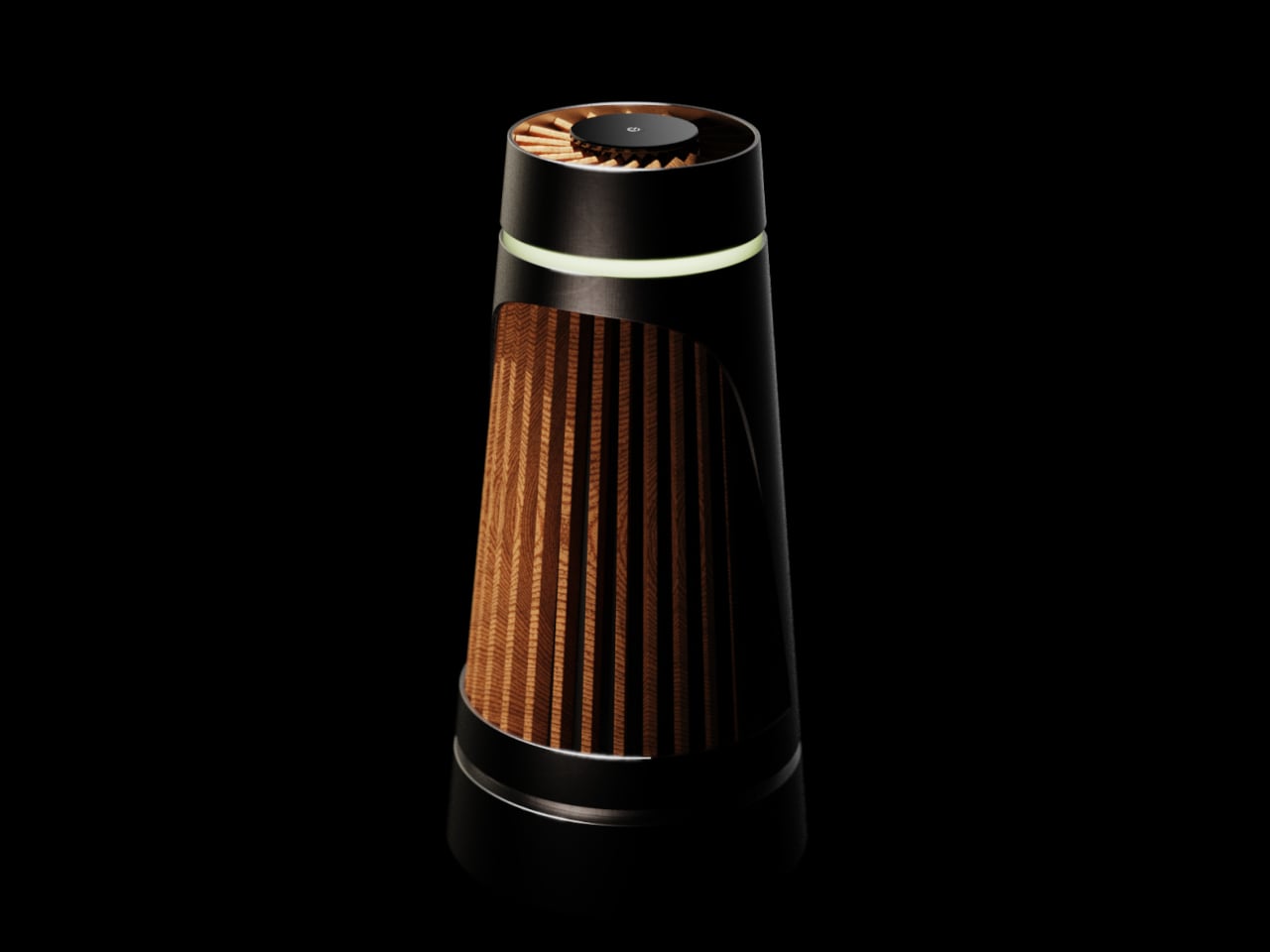
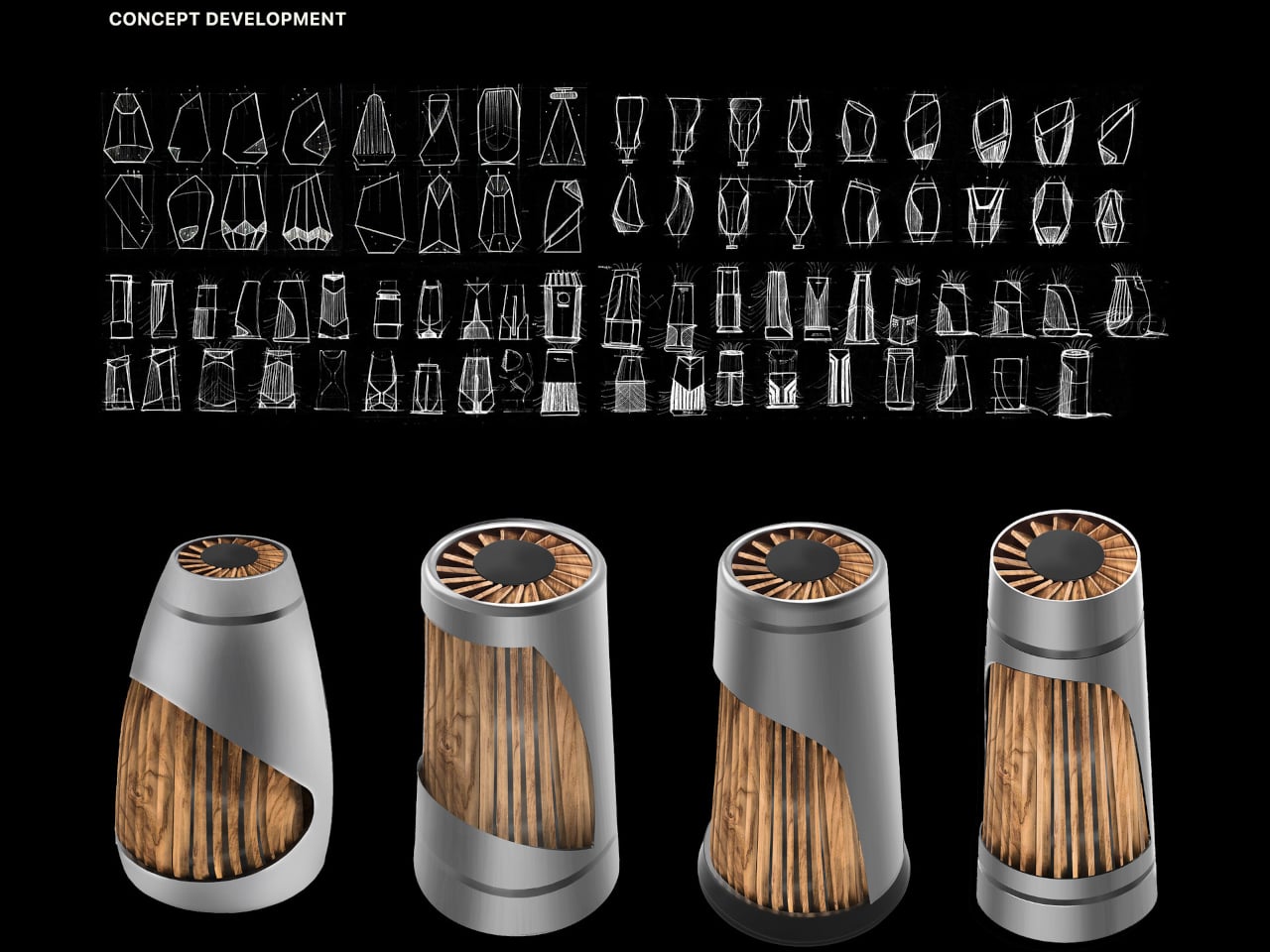
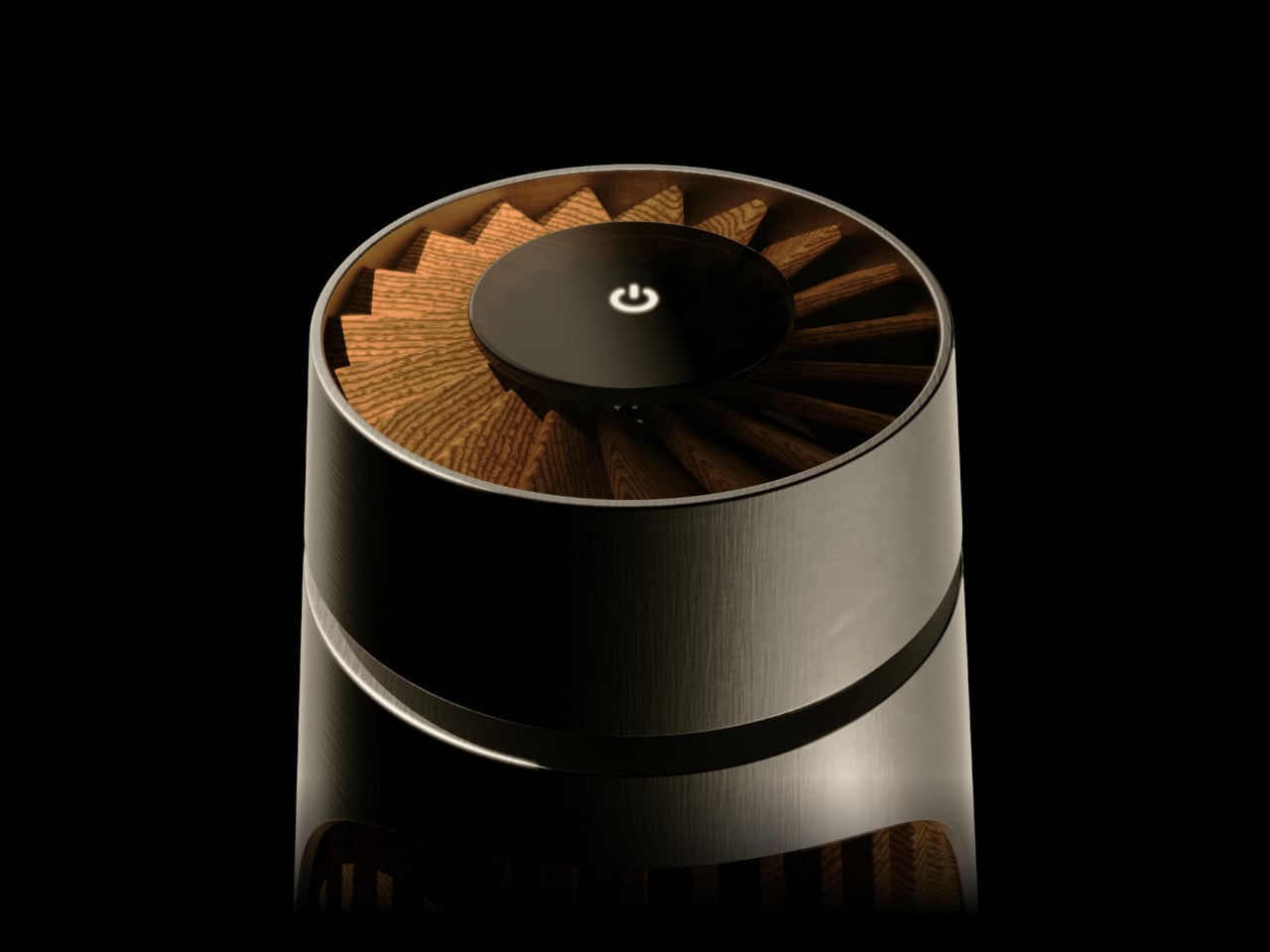
The Beolab Air 1 is a concept air purifier designed to sit in a room without announcing itself. It was developed as a student project and draws inspiration from the calm, material-driven design language of Bang & Olufsen’s Beolab line, though it’s not affiliated with the company in any way. The goal was to see what happens when you apply that kind of sculptural thinking to clean air, instead of just adding another screen to the wellness toolkit.

Designers: Ahaan Varma, Malhar Gadnis, Michelle Sequeira, Sharanya Karkera

The most refreshing part of the concept is the interaction model. A single button press is all it takes to start, with no app pairing, no IoT setup, and no onboarding routine. The project frames this as “digital detox,” which is a reasonable description when most purifiers try to sell you sensor graphs and weekly air quality reports. You turn it on the way you’d turn on a lamp or a speaker, then leave it to work.

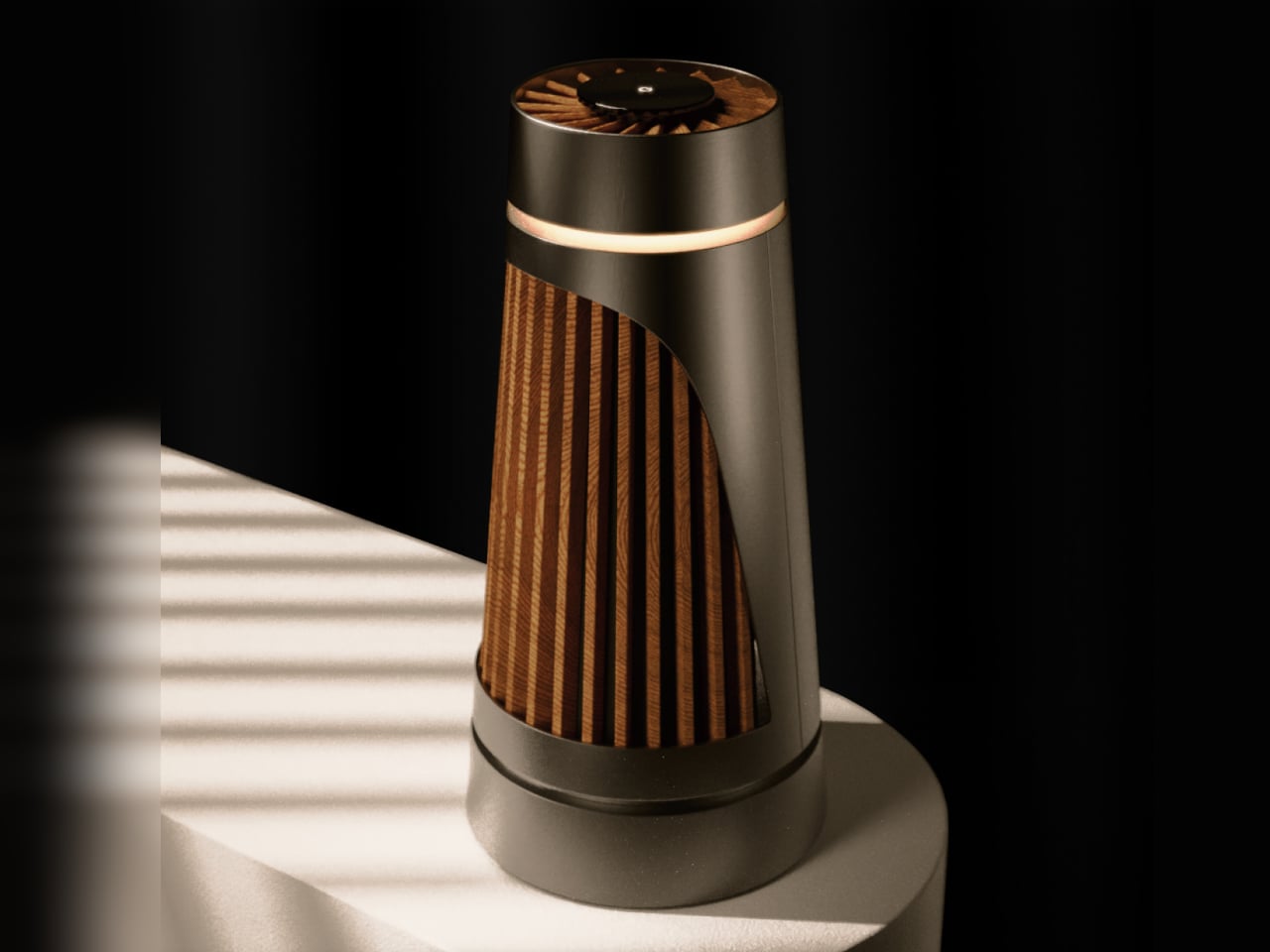
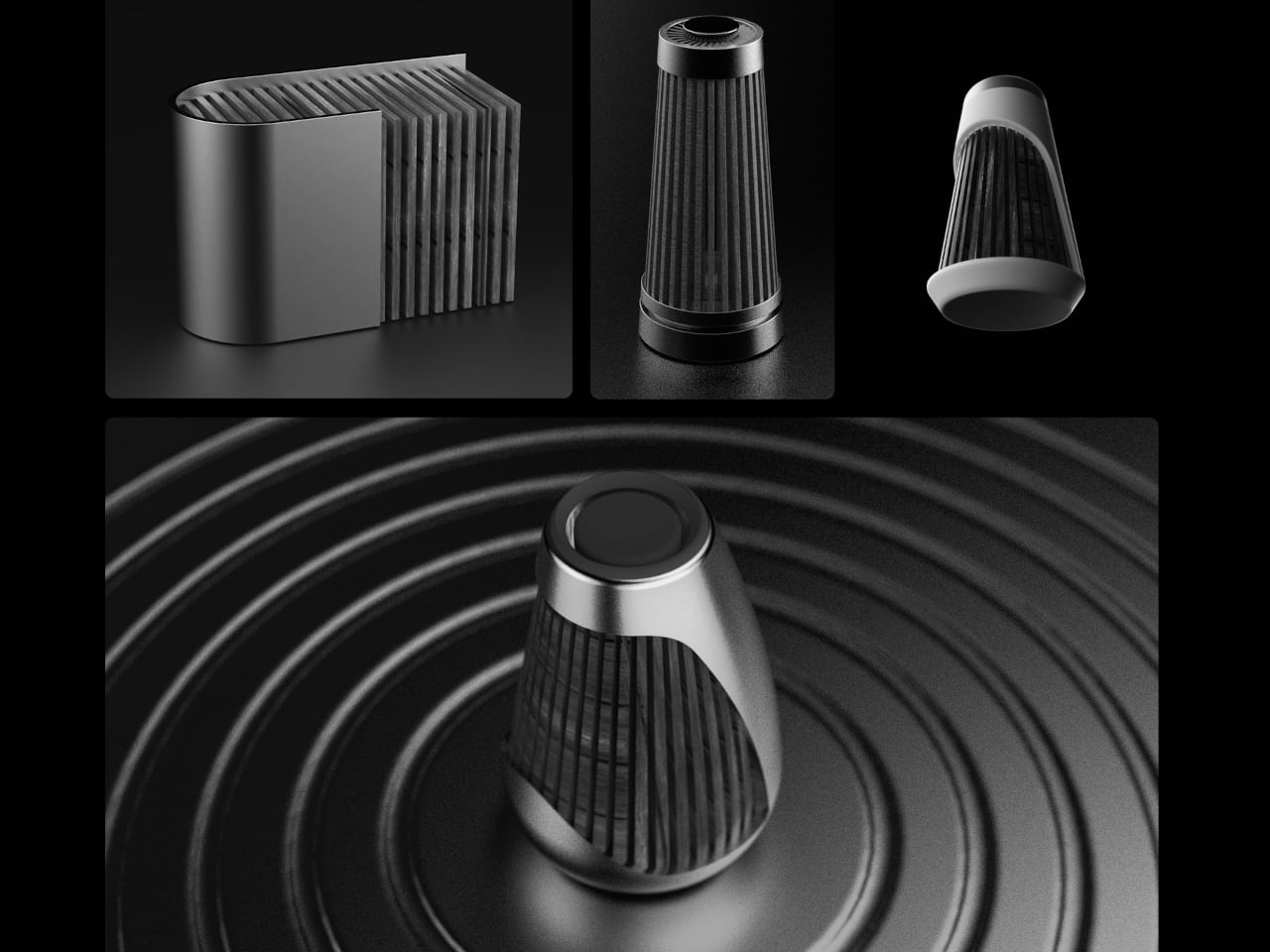
The materials do a lot of the talking. Angled teak wooden ridges wrap the body and function as vents for filtered air, so the aesthetic choice also serves a purpose. Textured aluminum handles the rest of the exterior. The project’s own critique of the category is blunt: plastic yellows and looks cheap over time, while wood and metal age better. A purifier built to look like a piece of considered furniture has a better chance of earning a spot on a sideboard than one that resembles a hospital accessory.

Under the surface, there’s a plausible engineering stack. A high-efficiency BLDC fan delivers strong airflow while staying quiet, a HEPA filter handles particulate capture, and an MQ135 gas sensor pairs with PM2.5 sensing to monitor air quality without forcing anyone into an app. The concept keeps the monitoring internal and the feedback subtle, a soft ambient light band that changes gently rather than a display demanding attention.

Of course, that ambient feedback is the whole point. Clean air is invisible and usually silent, and a purifier that communicates the same way feels more appropriate than one with a scrolling PM2.5 count on a bright panel. You can check in when you feel like it, and the rest of the time it just works.

The concept calls out a genuine gap in the category: people want wellness that integrates quietly into a room, not hospital aesthetics, and yet another app. Whether or not Beolab Air 1 ever gets built, asking what a purifier looks like when treated with the same care as a premium speaker is a question the category probably needed someone to ask.

The post This Air Purifier Concept Looks Like Scandinavian Audio Gear first appeared on Yanko Design.

Spotify debuts SeatGeek integration for concert ticket sales

Ticketing marketplace SeatGeek has announced a partnership with Spotify that will direct an artist's fans to its platform from the Spotify app. The integration is currently limited to a few participating venues for which SeatGeek is the primary ticket seller.
While SeatGeek is one of the largest online marketplaces for the secondary ticketing market, the company's announcement makes clear that this Spotify integration only applies to venues where it's the primary ticketing company. For now, that's just 15 US partner venues, primarily professional sports arenas like AT&T Stadium in Arlington, Texas.

Spotify has experimented with direct ticket sales in the past, but now focuses on signing on partners to integrate into the streaming experience. The company currently lists 46 ticketing partners, including Ticketmaster, AXS and others. The app also allows users to follow specific venues to be notified about upcoming concerts and events.

The world's largest music streaming service has added a glut of new features recently. One helps listeners learn more about a song, while another new addition finally added group messaging. The platform, which now boasts some 750 million monthly users, has also been trying to address AI slop in its library, although not very hard by the looks of it.

This article originally appeared on Engadget at https://www.engadget.com/entertainment/streaming/spotify-debuts-seatgeek-integration-for-concert-ticket-sales-162248870.html?src=rss