Pickup trucks are one of the few vehicles people buy specifically to keep their options open. The whole point is hauling, versatility, doing whatever comes up. So it’s a little ironic that the moment you add a cap, you’ve kind of locked yourself in. A traditional hard shell covers the bed beautifully, keeps everything dry, and then asks you to commit. Removing it involves at least two people, a chunk of your afternoon, and then figuring out where a several-hundred-pound fiberglass or metal shell is going to live in a garage that already has a lawnmower situation going on.
Enrique Giner, the automotive veteran behind Modular Truck Gear, built the ADV-BOX around a fairly simple idea: a truck cap should go on and come off on your schedule, not the cap’s. So they split it into six composite panels, designed a latch system inspired by military cargo hardware, and got the whole install-or-remove process down to under 15 minutes solo. The part that earns the most double-takes is the storage. Disassembled, the panels mount to a dolly or wall rack and take up about a quarter of its assembled size, letting you park your truck inside as well. Your truck gets its cap back whenever you need it, and your garage gets its wall back when you don’t.
Designer: Enrique Giner
Click here to Buy Now: $4899 $5699 ($800 off). Hurry, deal ends in 48-hours!
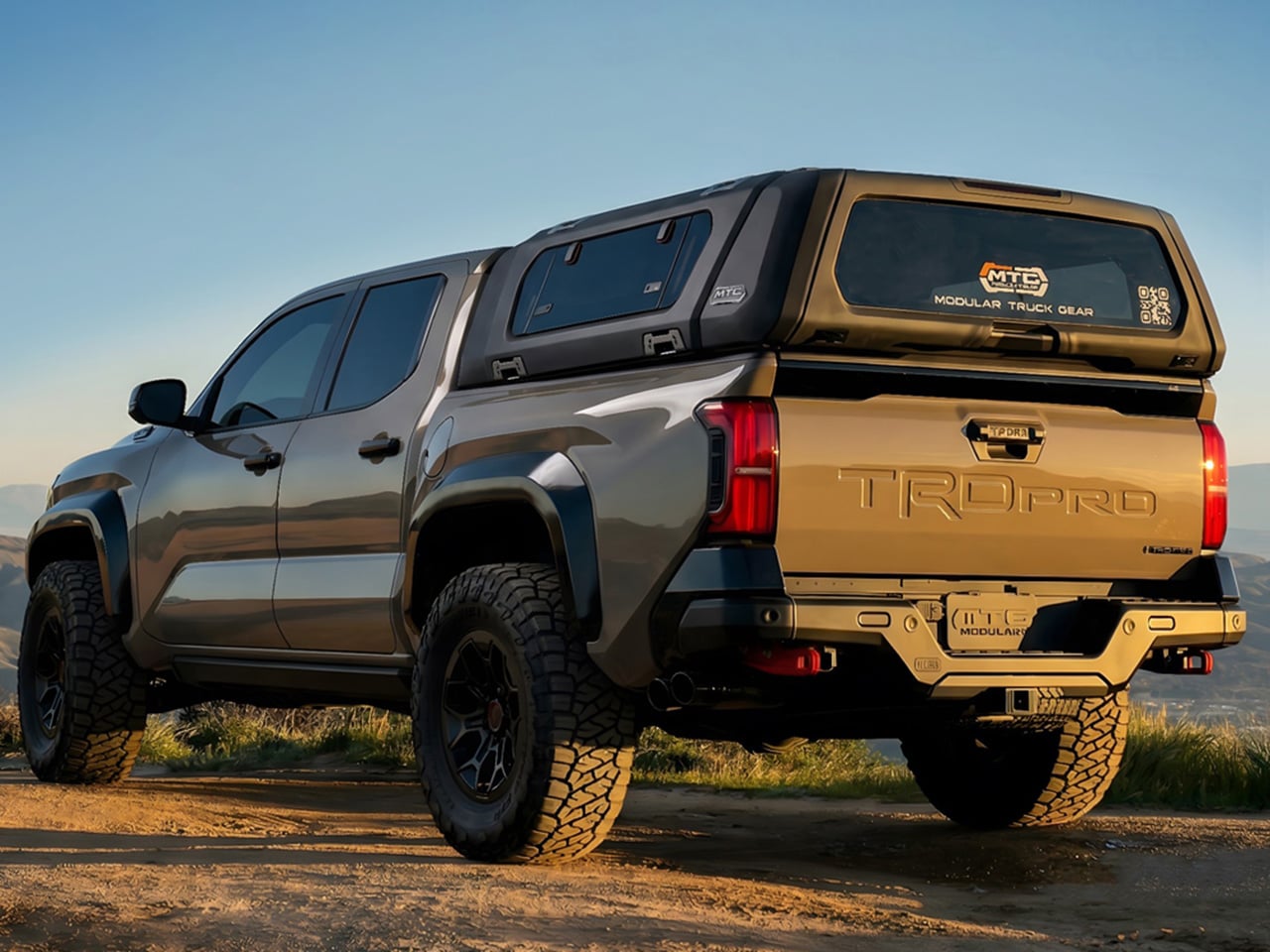
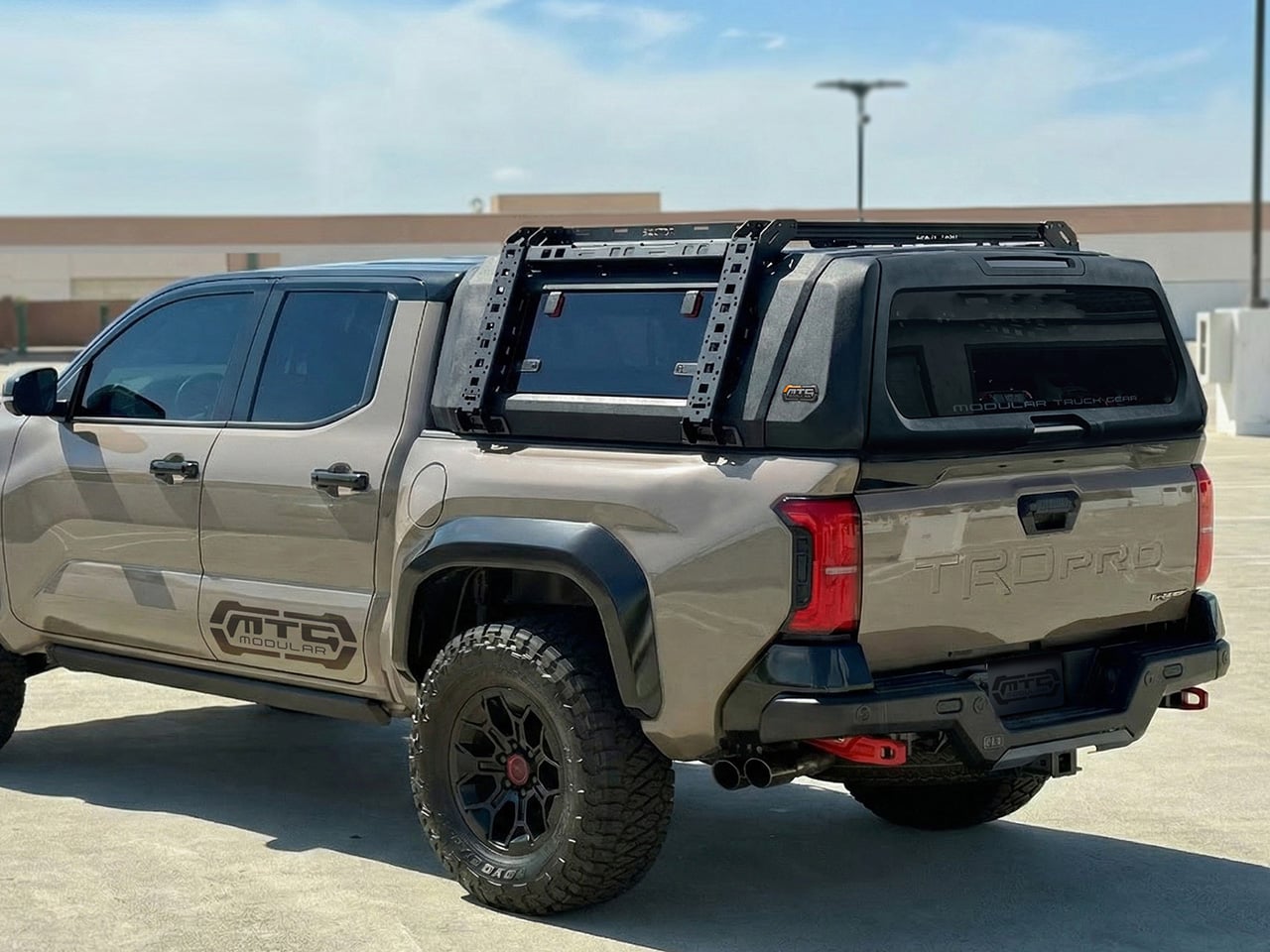
Giner drew design cues directly from tactical military cargo boxes and heavy-duty quick-latch hardware, and the ADV-BOX makes no effort to hide that lineage. It’s blocky, angular, and has zero interest in blending into the soft compound curves of a modern Tacoma or Ranger. The gullwing side windows swing up for easy access, the profile sits tall to maximize internal headroom, and the whole thing reads more mission-ready container than traditional topper. Giner spent over 25 years leading design programs at GM, Kia, and Ford/Lincoln before co-founding MTG, so when he says every detail has a purpose, there’s a resume behind it. The aesthetic is unapologetically tactical, and honestly, on a lifted Tacoma TRD Pro, it looks right at home.
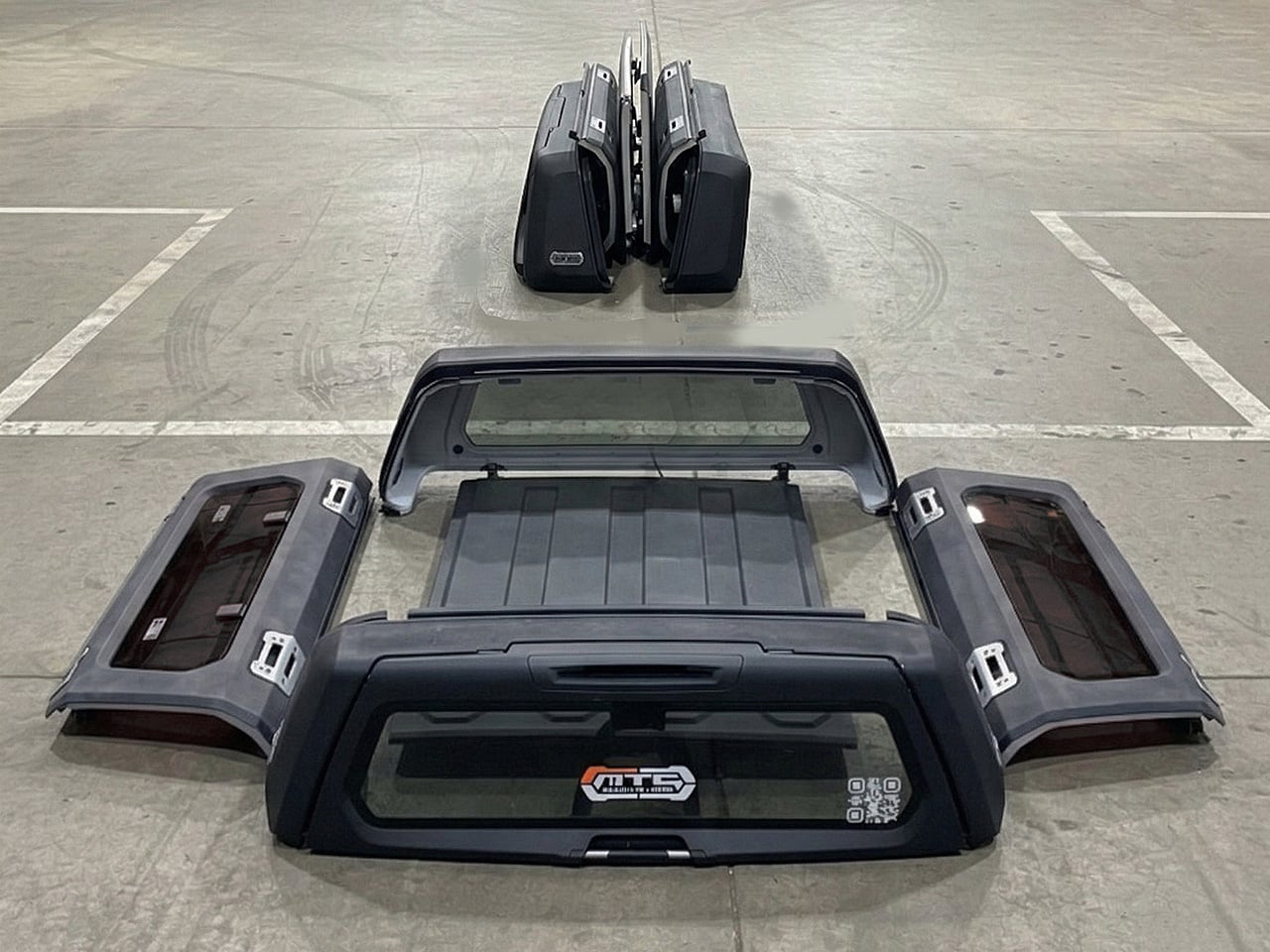
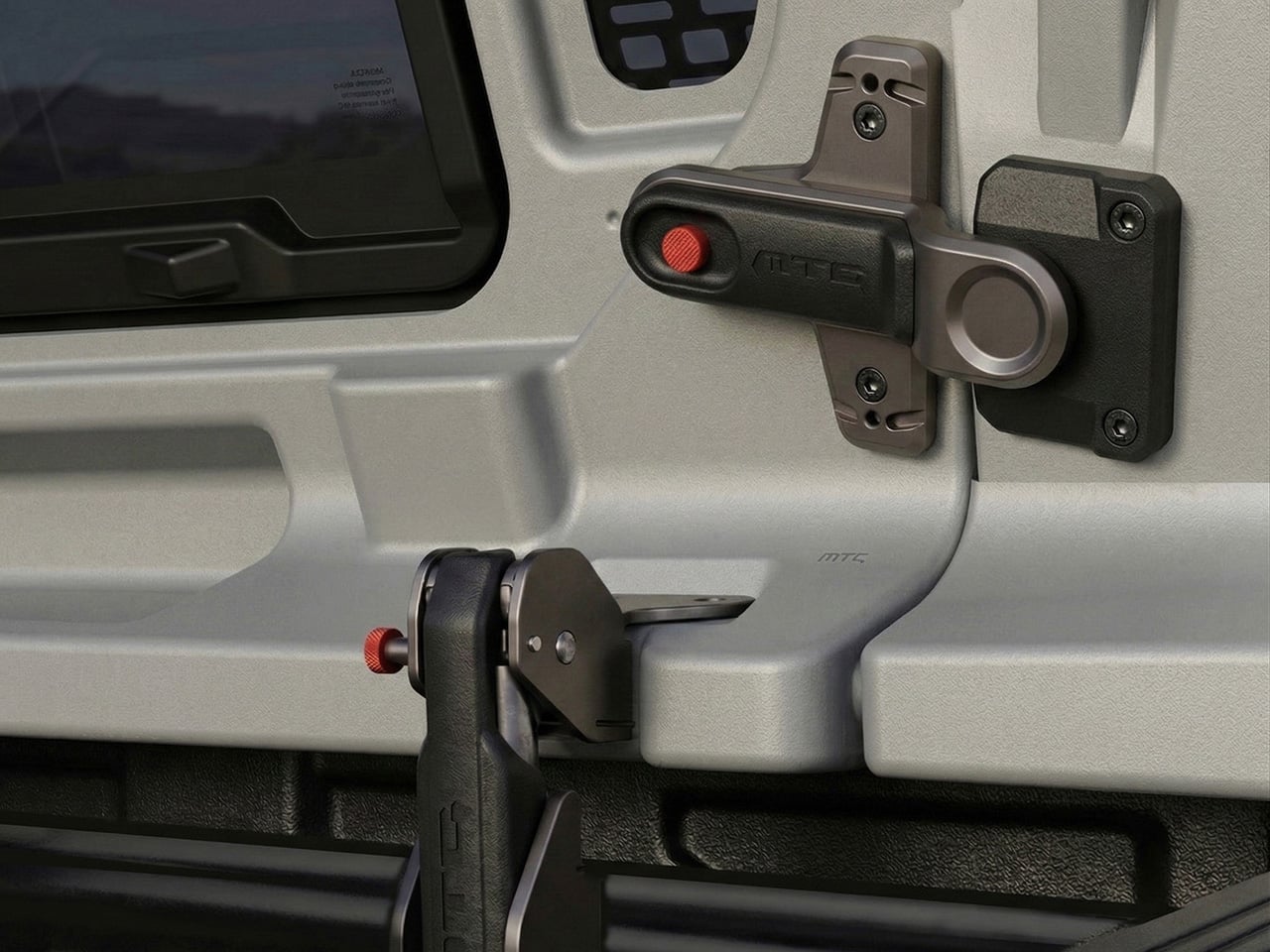
The panels are built from DRTM composite. Dual Resin Transfer Molding (RTM) liquid resin is injected into vacuum-sealed molds lined with fiberglass and targeted carbon fiber patches, forming ultra-precise interior and exterior shells that fuse into a strong, insulated composite structure that’s lighter than traditional fiberglass and better insulated than aluminum. The whole assembled cap lands at around 175 lbs split across six panels, which means each piece is genuinely manageable solo without the usual two-person ceremony. Structurally, the modular architecture does something smart: each modular panel connects to its neighbors through patented heavy-duty aluminum latches with dual safety locks, building a rigid unified structure once everything is clicked into place. The latch design went through multiple iterations during development, allowing MTG to make its ‘removal under 15 minutes’ claim… without any tools, no less. Once locked, they hold in whatever conditions you’d actually drive through.
Position and latch the front and rear panels to the bed anchors, connect the side panels and link them to the front and rear, then drop the roof panels into place and rotate the turn latches closed. That’s the three-step install in full. MTG claims under-15 minutes solo, with no tools, and based on the design logic it tracks, because nothing in the process requires drilling, specialty tools, or anyone’s help but your own. The cap ships pre-assembled to your door with all hardware included, no more dealer visits, no more installation fees, it comes with bed anchors that serve as the mounting foundation that stay on the truck permanently, and every subsequent install gets faster. Removable roof panels are also a separate feature, popping off independently in seconds if you need to load something tall without pulling the whole cap off the truck.
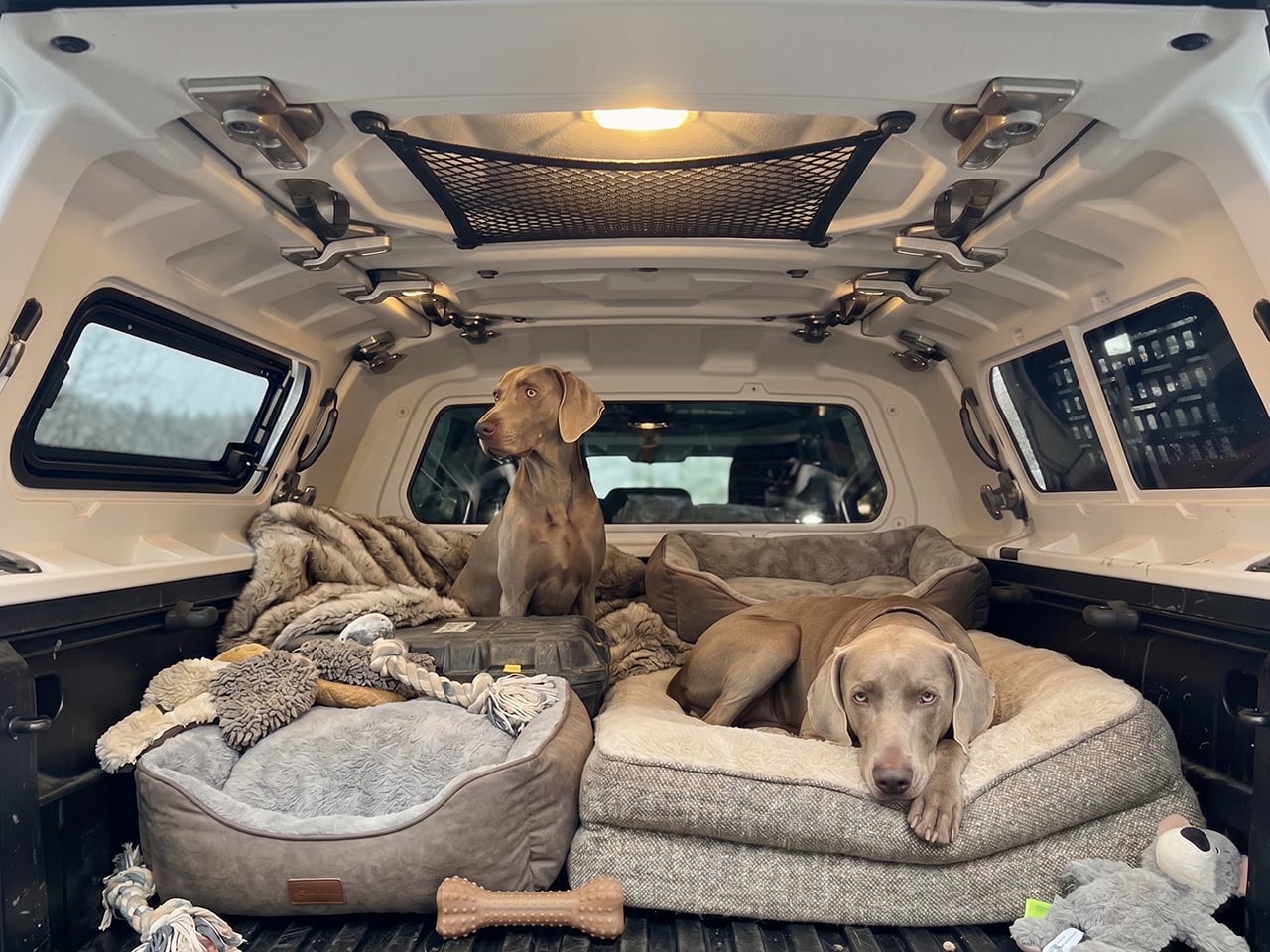
Rather than relying on edge seals alone, the ADV-BOX routes water through engineered channels at every panel joint, keeping the interior dry even during bed torsion, the frame flex that happens when a truck is working rough terrain. Metal caps tend to fail this way over time, vibration loosening screws and compromising seals until water finds its way in. MTG water-tested this extensively during development and rebuilt the sealing system based on exactly where those tests revealed vulnerabilities. The commercial configuration carries an IP56 rating for dust and water resistance, the kind of spec you’d see cited on jobsite power tools. Internal volume runs about 15 percent taller and wider than traditional hard caps, and an overhead cargo net is included in the core package to help you actually use that headroom.
MTG claims the ADV-BOX is the first hard-shell truck cap with a fully integrated roof rack system that attaches to the cap brackets rather than bolted on as an afterthought. The four-pillar architecture is the key here: load transfers directly down to the truck’s bed rails instead of stressing the cap shell, pushing the static capacity past 800 lbs and the dynamic load rating to 400 lbs while driving. That’s enough to support a full rooftop tent setup plus gear, and MTG explicitly designed for that via 80/20 aluminum extrusion crossbars compatible with most standard RTT mounting systems. Removable MOLLE panels attach to the sides for traction boards, recovery gear, or whatever else you want within arm’s reach on the trail. The entire rack comes off alongside the modular panels during removal, keeping the whole system logically consistent from top to bottom.
LEER, the biggest name in truck toppers, launched a modular cap of their own called the NexCap in late 2025, starting at $3,149 in precision-formed aluminum at roughly 240 lbs assembled. The fact that the dominant player in the category moved in this direction at all is useful confirmation that the modular concept has legs, but the two products land quite differently. The NexCap requires standard tools to assemble and doesn’t collapse for dolly or wall-mount storage the way the ADV-BOX does. At 175 lbs, fully tool-free, with a purpose-built dolly and wall storage system that takes the whole thing down to a quarter of its assembled size, the ADV-BOX pushes the modular logic considerably further. Giner brings over 50 combined years of OEM automotive experience to the project, which probably explains why this reads more like a second-generation product than a first attempt.
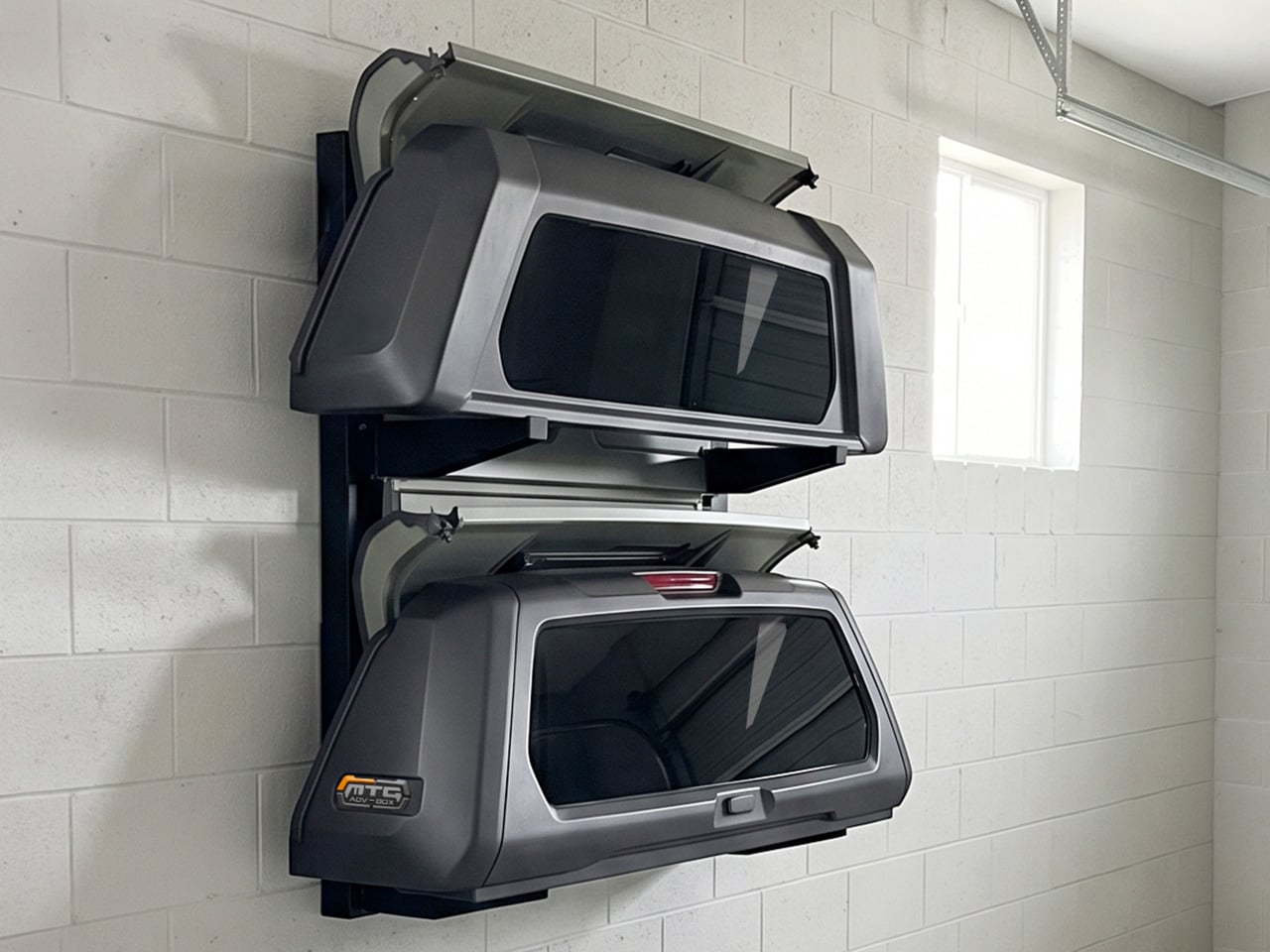
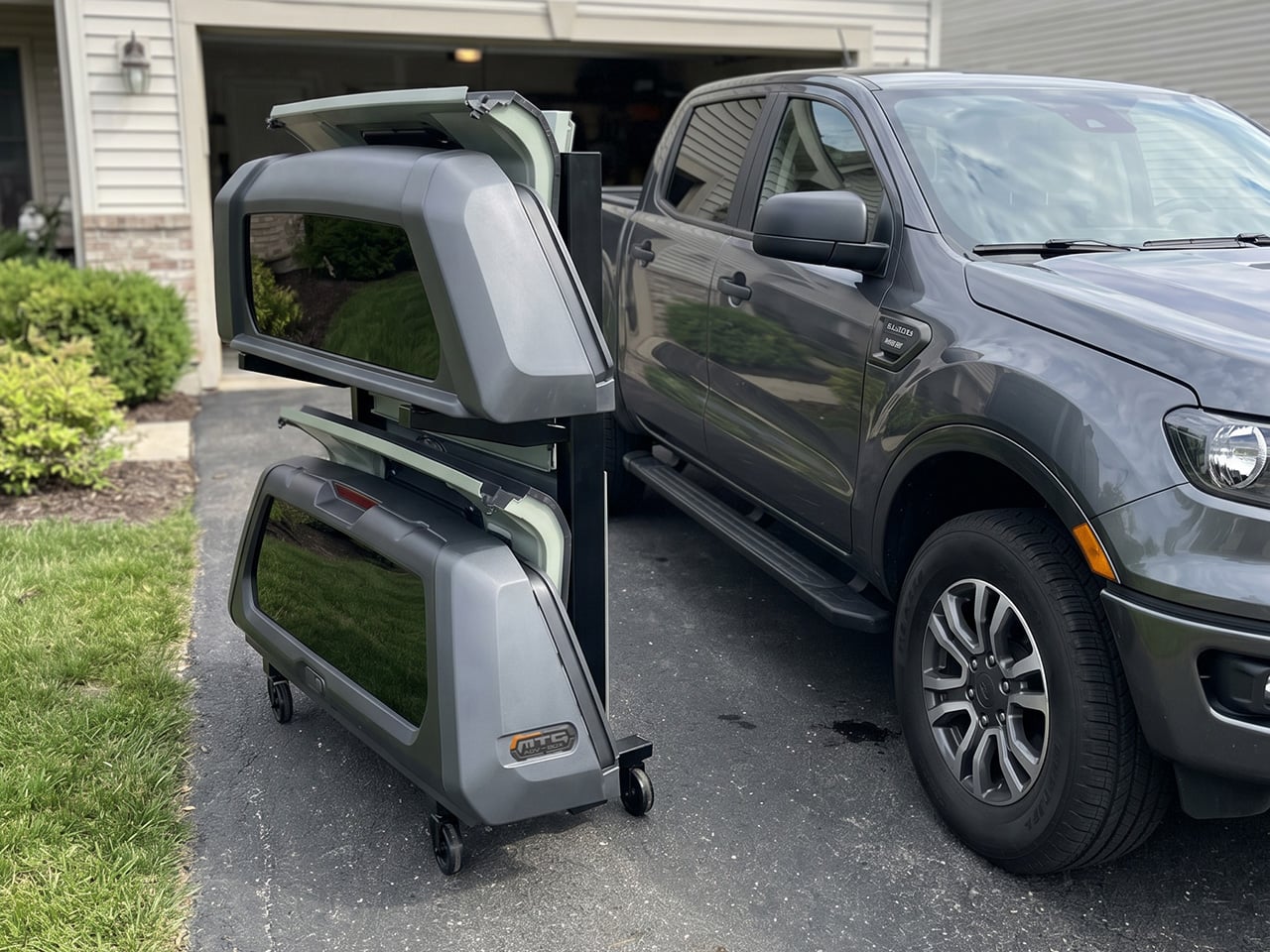
The ADV-BOX is available now directly through MTG’s website. The core package is available at a discounted $4,899 price tag with free US shipping (you can knock another $200 off the core package with the coupon code ‘211ADVBOX’), covering five mid-size 5-foot truck platforms: Toyota Tacoma (2005-2026, generations 2 through 4), Ford Ranger (2019-2026), Nissan Frontier (2022-2026), Chevy Colorado (2015-2026), and GMC Canyon (2015-2026). Add-ons include the Storage Rack at $469, two Cross Bars at $359, two MOLLE Panels at $249, and the full Rack System at $949, all with free US shipping. A 3-year warranty is included with the core package. Full-size platforms including the F-150, Silverado, RAM 1500, Tundra, and Jeep Gladiator, along with 6-foot mid-size bed variants, are confirmed for a separate future launch.
Click here to Buy Now: $4899 $5699 ($800 off). Hurry, deal ends in 48-hours!
The post Modular Truck Cap Comes Off in Under 15 Minutes and Hangs on a Wall in your Garage first appeared on Yanko Design.