DVX Night Storm Releases Latest X3: Unparalleled 4K Full Color Night Vision in Pitch Darkness

The usual night-vision experience involves green haze, grainy silhouettes, limited reach, and a red IR glow that gives you away the moment you turn on the illuminator. Most systems force you to choose between contrast and color, or between seeing far and staying invisible. The trade-offs are familiar enough that people who work or roam in the dark have learned to accept them, settling for monochrome when they need range or giving up clarity when they need stealth.

Night Storm X3 is aimed at people who move through the dark for work or passion and need more than a toy flashlight for their eyes. It is a binocular-style night-vision system that promises native 4K full-color imaging down to 0.0001 lux (10 times better than the previously industry-leading SONY Starvis), visibility out to 1,500m, and an invisible 950nm IR beam, all fused by a 20 TOPS AI engine in a rugged IP65 housing designed for long nights.

Designer: DVX Night Vision

Click Here to Buy Now: $249 $429 ($180 off). Hurry, only 4/295 left! Raised over $2.1 million.
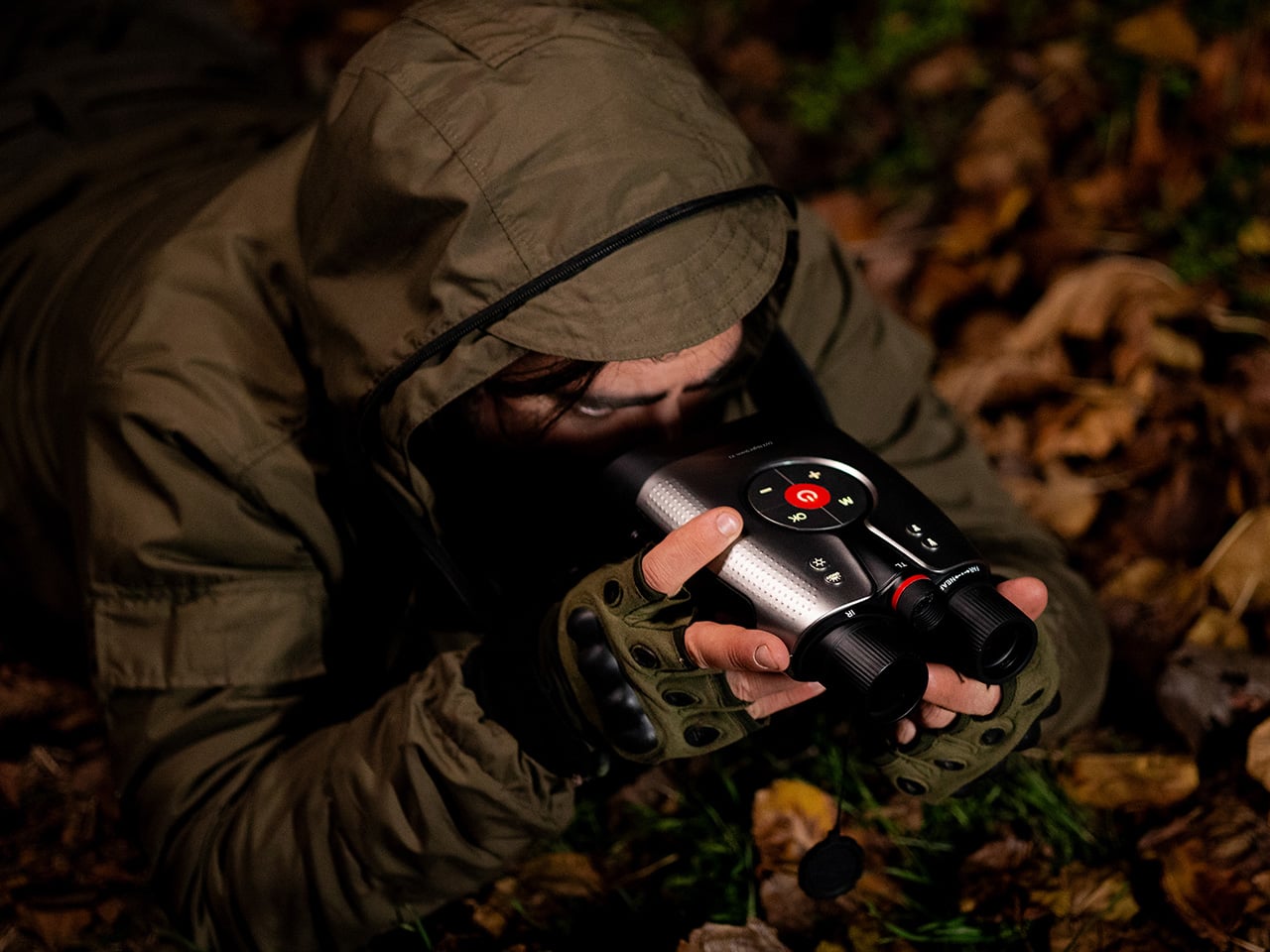
The Night Storm X3 is built around a ground-breaking architecture of not just one, but two proprietary 1-inch night vision CMOS sensors branded Luma-X and Chroma-X. One is a monochrome sensor that locks onto structure and edges in near-zero light, the other is a color sensor that pulls real color from light levels lower than starlight. The AI Neural Brain fuses them at the sub-pixel level, so you get both sharp contrast and natural color in a single 4K stream.
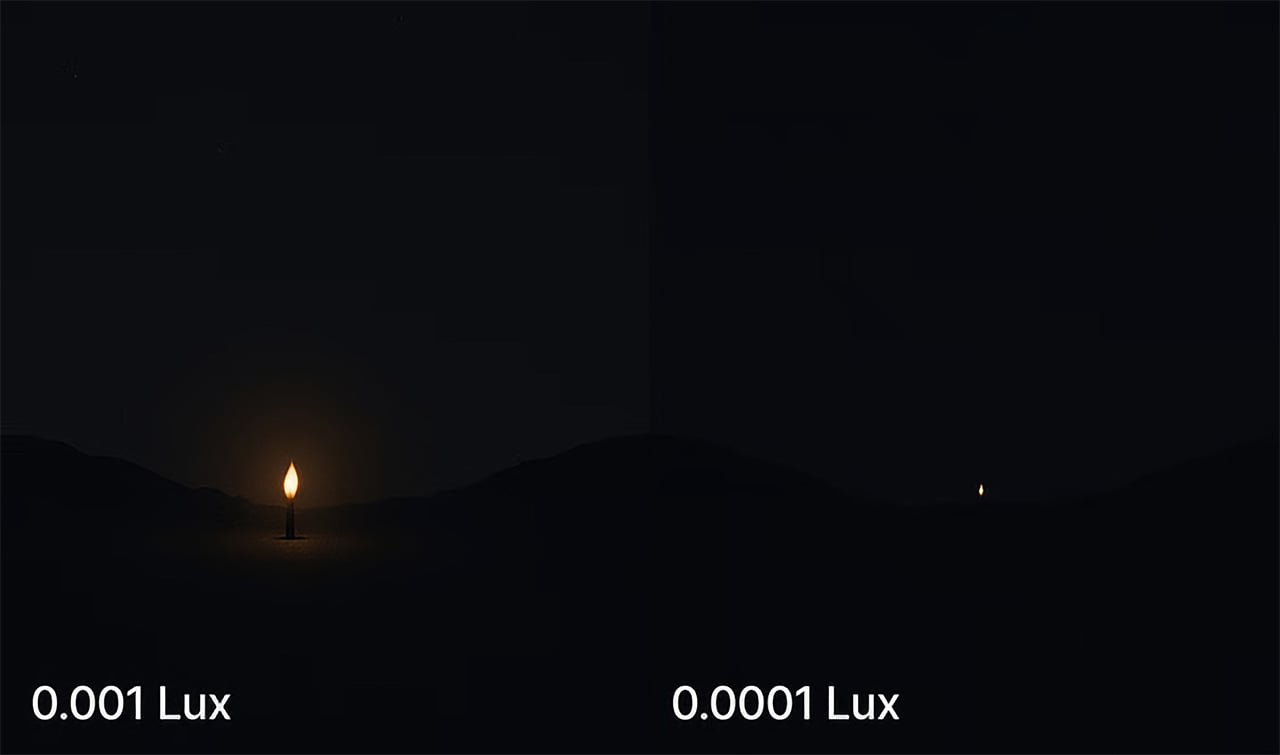
To understand what 0.0001 lux actually means, consider that a single candle at one meter is roughly one lux. By 0.001 lux, that glow is barely visible from 100m, and at 0.0001 lux it disappears to the naked eye. The Night Storm X3 still pulls full-color detail at that level, paired with optics tuned for a 13-degree field of view and 8x digital zoom, with minimal noise and interference thanks to its powerful AI imaging processing.

That optical system lets you scan valleys, fence lines, or shorelines up to 1,500m away. The narrow field of view, f/1.4 aperture, and 42mm focal length give you reach and detail rather than a wide panorama, which makes sense for tracking distant subjects or monitoring large open areas where you cannot physically move closer without being noticed or disturbing the scene.
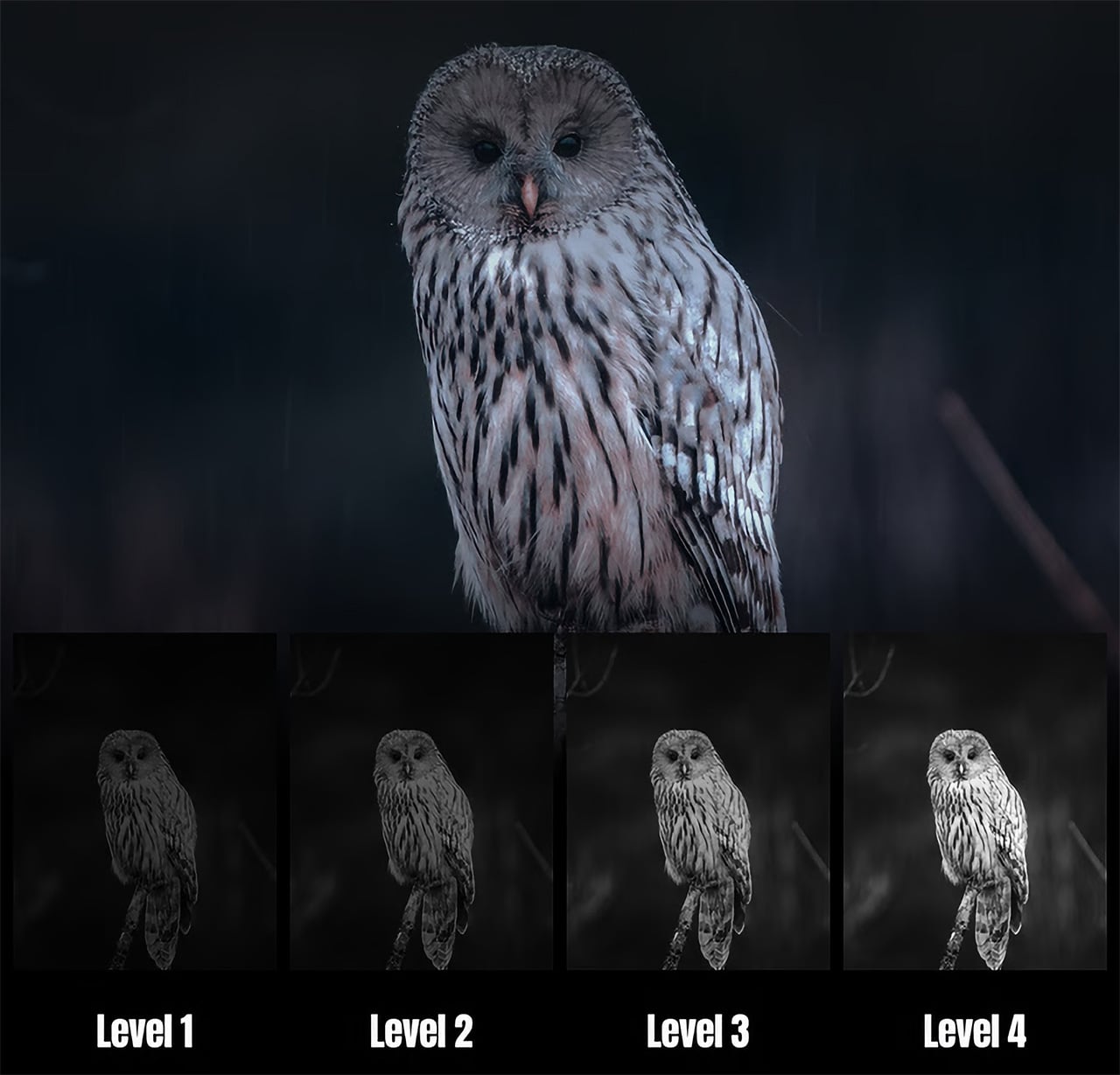
Older 850nm IR systems throw a visible red glow that is easy to spot and can spook animals or reveal your position. The Night Storm X3 uses a boosted 950 nm infrared system that stays invisible to humans and nearly undetectable to most animals. It provides powerful monochrome visibility up to 1,500m in 0-lux conditions, with four adjustable brightness levels to tune illumination and stay hidden.
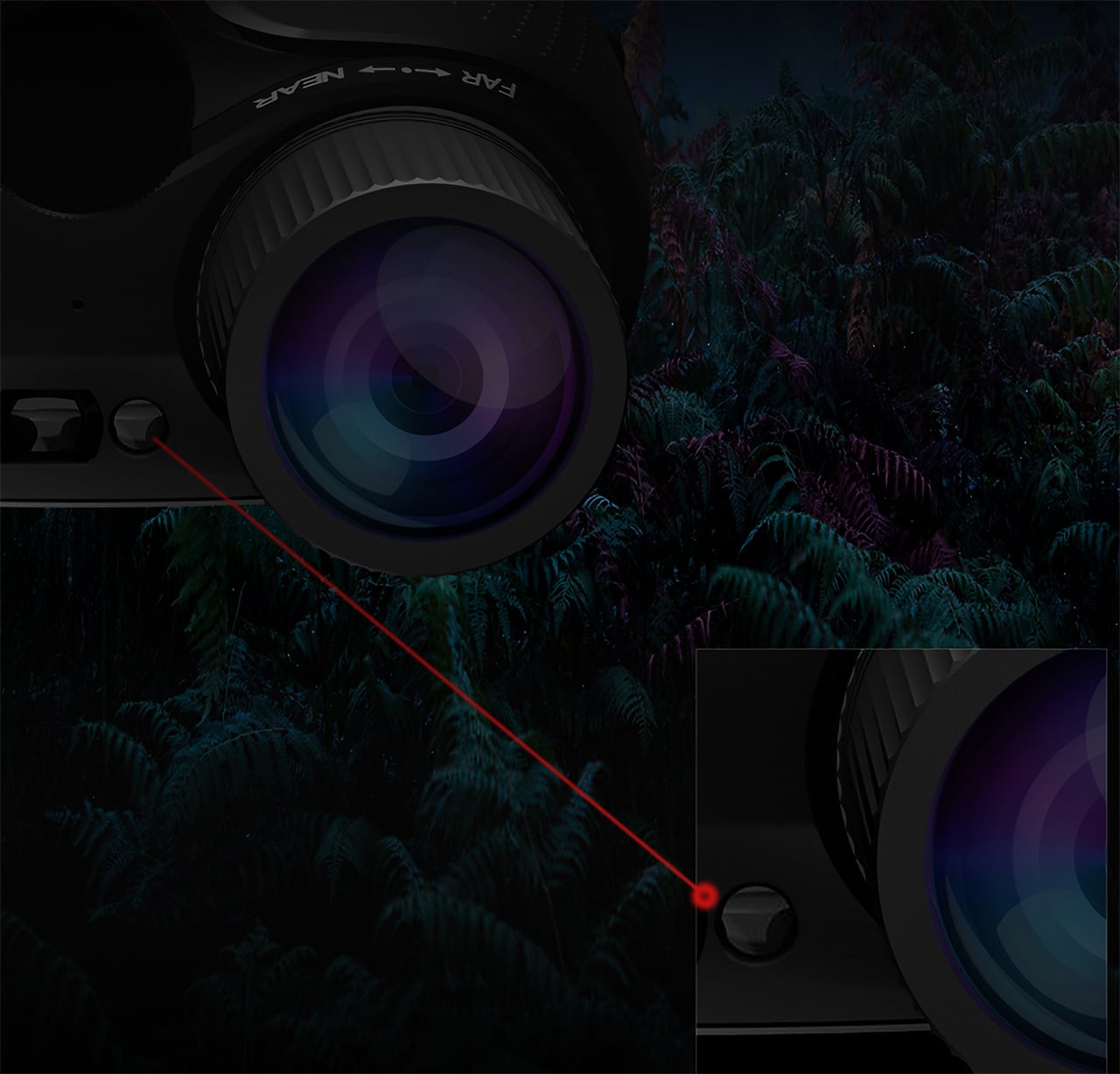
The Pro model adds a built-in laser range finder that measures distance, angle, and drop up to 1,500m with a digital crosshair. Pair that with true 4K video and 52 MP stills, saved straight to a TF card at full resolution, and the X3 becomes a documentation tool. For professional night photographerx and animal observers, the built in LRF helps pin point distance of the objects down to the accuracy of centimetres, greatly enhance the overall performance and situation awareness. You can track animal patterns, log security incidents, or review what happened in a search corridor after the fact.
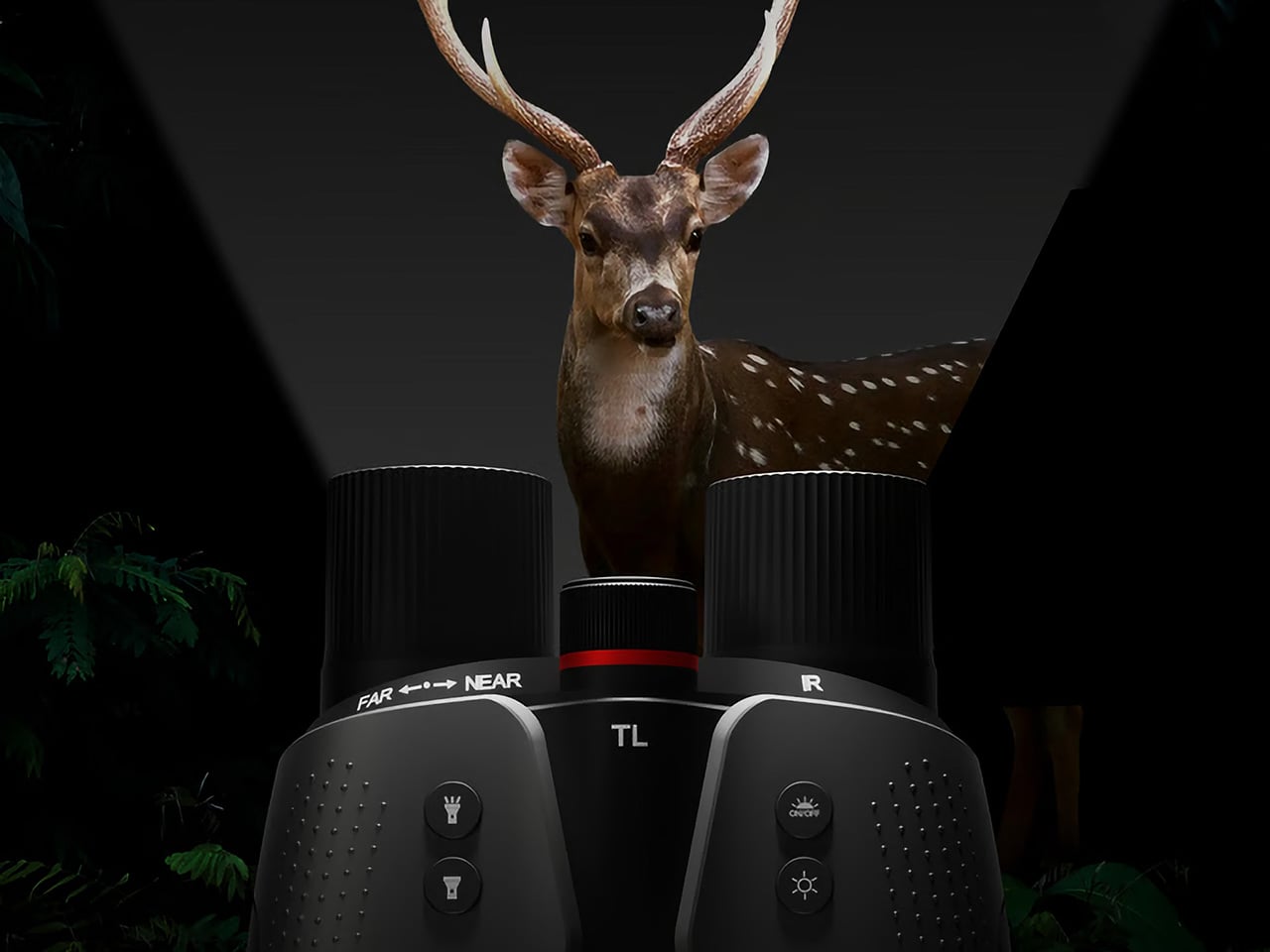
The 5,100 mAh battery and efficient NPU give you up to 24 hours of operation with IR off, enough to cover an entire night without swapping cells. The close-to-eye viewfinder feels more like binoculars than a screen at arm’s length, reducing fatigue during long sessions. The IP65 rating and -20 to 50 degree operation keep it running when you are out in harsh conditions for hours.
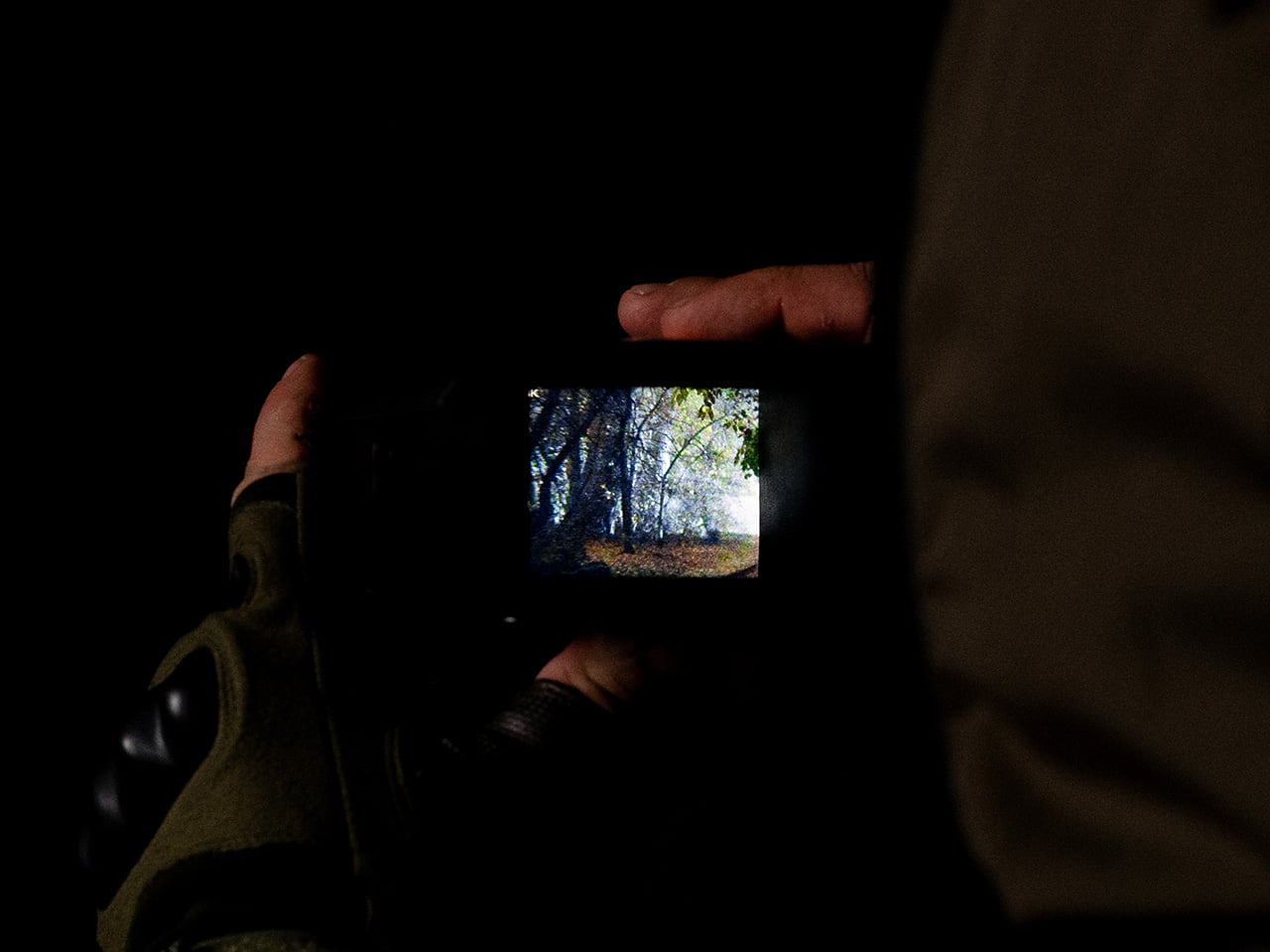
Built-in Wi-Fi and the DVX app let you stream, capture, and review footage from a phone, and TF card support up to 512GB gives you room for long sessions. Illuminated controls, audible alerts, a tripod mount, and a tactical light with constant and strobe modes slot into existing workflows without forcing you to reinvent how you work or carry extra accessories.
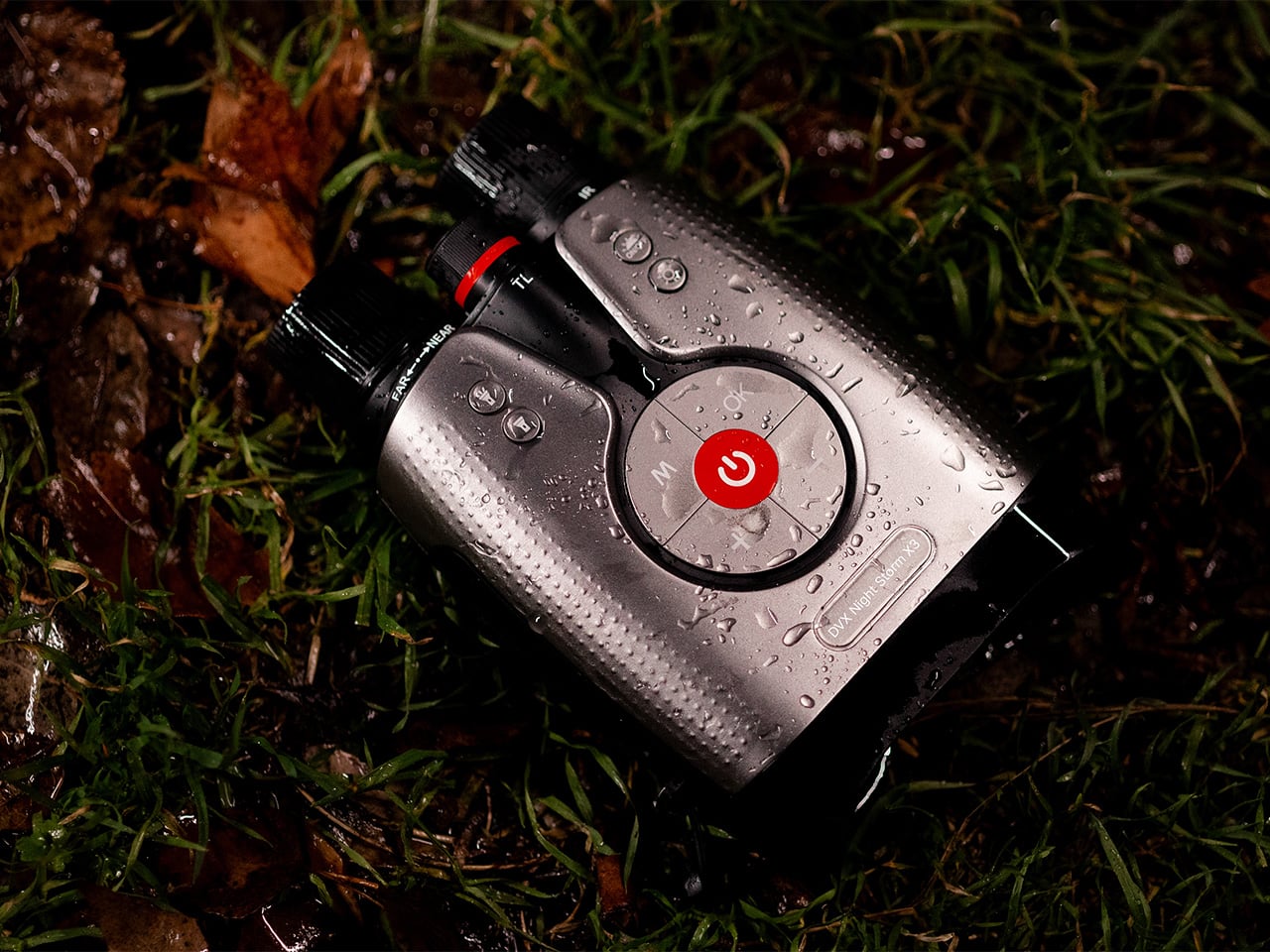
Night Storm X3 brings together dual sensors, AI fusion, stealth IR, and industrial design into something that feels like a serious tool rather than a gadget. It is built around the needs of people who spend long stretches in the dark and need color, range, and confidence. For anyone who has run out of battery mid-watch, squinted at grainy green footage, or been given away by a glowing IR emitter, the Night Storm X3 reads less like an incremental upgrade and more like the kind of gear that quietly changes what you can do when the sun goes down.

Click Here to Buy Now: $249 $429 ($180 off). Hurry, only 3/295 left! Raised over $2.1 million.

The post DVX Night Storm Releases Latest X3: Unparalleled 4K Full Color Night Vision in Pitch Darkness first appeared on Yanko Design.

This Off-Road Lamborghini Countach Concept Is the Rally Monster We Never Got

Marcello Gandini’s work on the original Lamborghini Countach was a masterclass in geometric purity and visual momentum. Its design is characterized by a single, powerful line that runs from the sharp nose to the abrupt tail, creating a sense of forward motion even at a standstill. The body is a collection of interconnected trapezoids and clean angles, forming a cohesive whole that is both brutally simple and endlessly complex. This was a car designed as a piece of kinetic sculpture, an object whose form was so powerful it became a cultural touchstone for an entire generation.

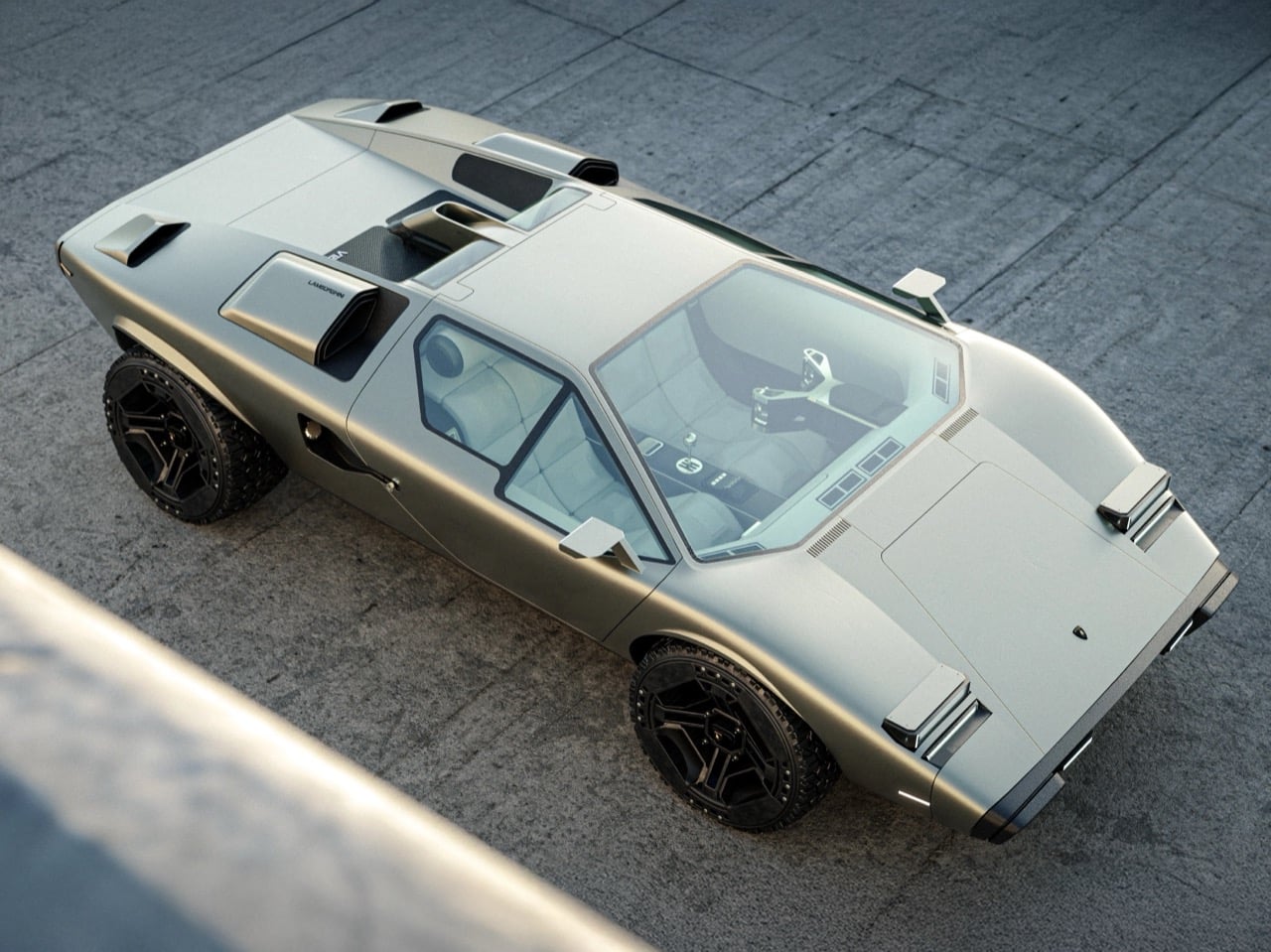
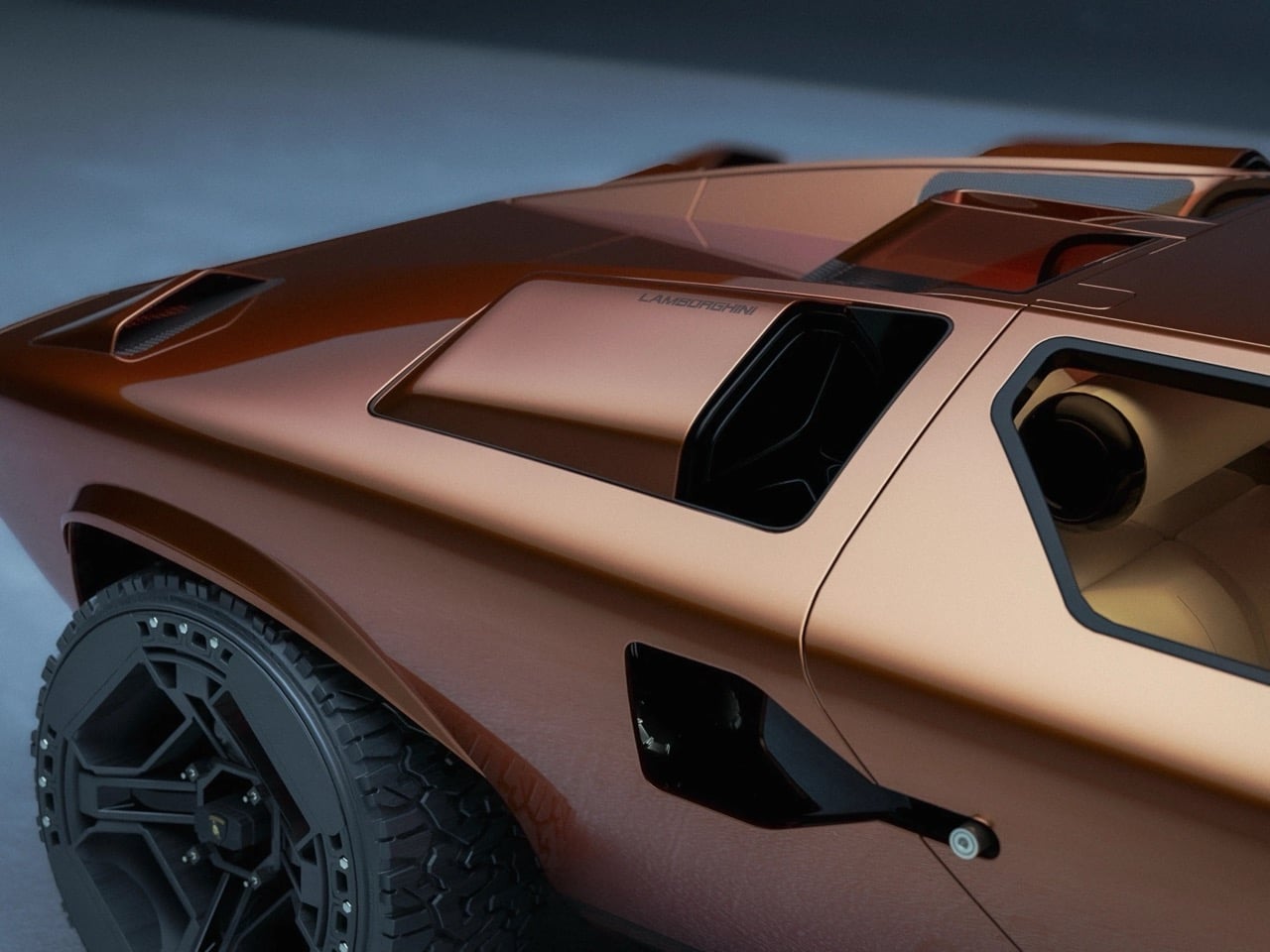
Akuseru’s redesign (dubbed CNTCH O/R) serves as a compelling case study in translating a core design philosophy to an entirely new context. The artist has lifted the vehicle to an impossible height and fitted it for off-road duty, yet the fundamental principles of Gandini’s vision are preserved. The primary longitudinal line remains the focal point, providing visual stability to the lifted chassis. The geometric window shapes and angular body panels are still present, creating a clear lineage to the original. It is a powerful demonstration of how a truly iconic design language can be adapted to speak an entirely different dialect of performance.

Designer: Akuseru

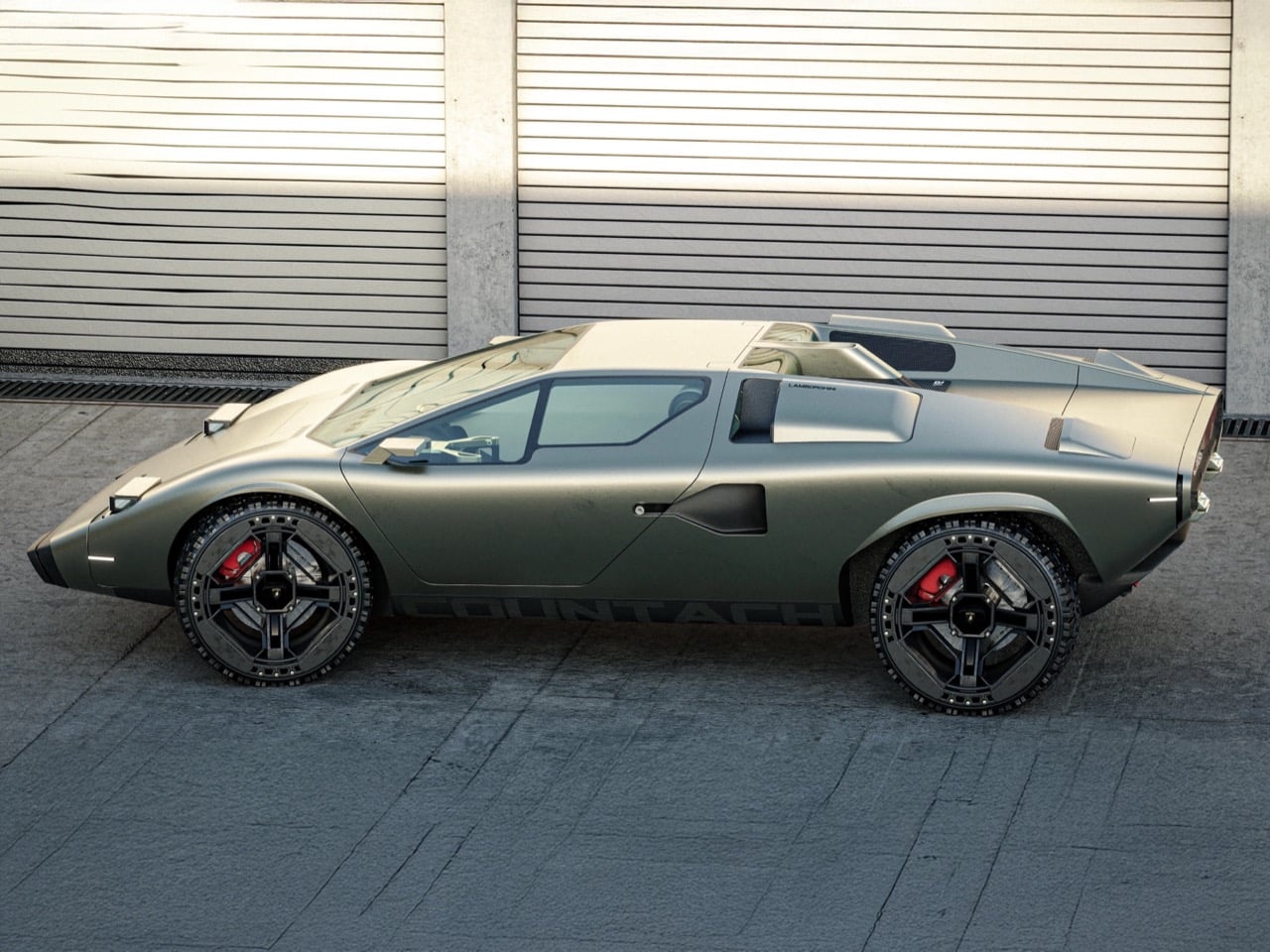
That ride height is the first real shock to the system, a complete inversion of a car that originally stood just over a meter tall. What Akuseru has done is fundamentally re-engineer the car’s relationship with the ground. The track width appears massively expanded, giving the chassis a planted, bulldog-like stance that prevents it from looking precariously top-heavy. The original LP400 was already wide for its time at 1,890 millimeters, but this concept surely pushes past the 2,000-millimeter mark, a necessity for maintaining stability with that much suspension travel. The huge, knobby all-terrain tires are tucked into muscular, squared-off fenders that feel like a logical extension of Gandini’s original hexagonal wheel arches.

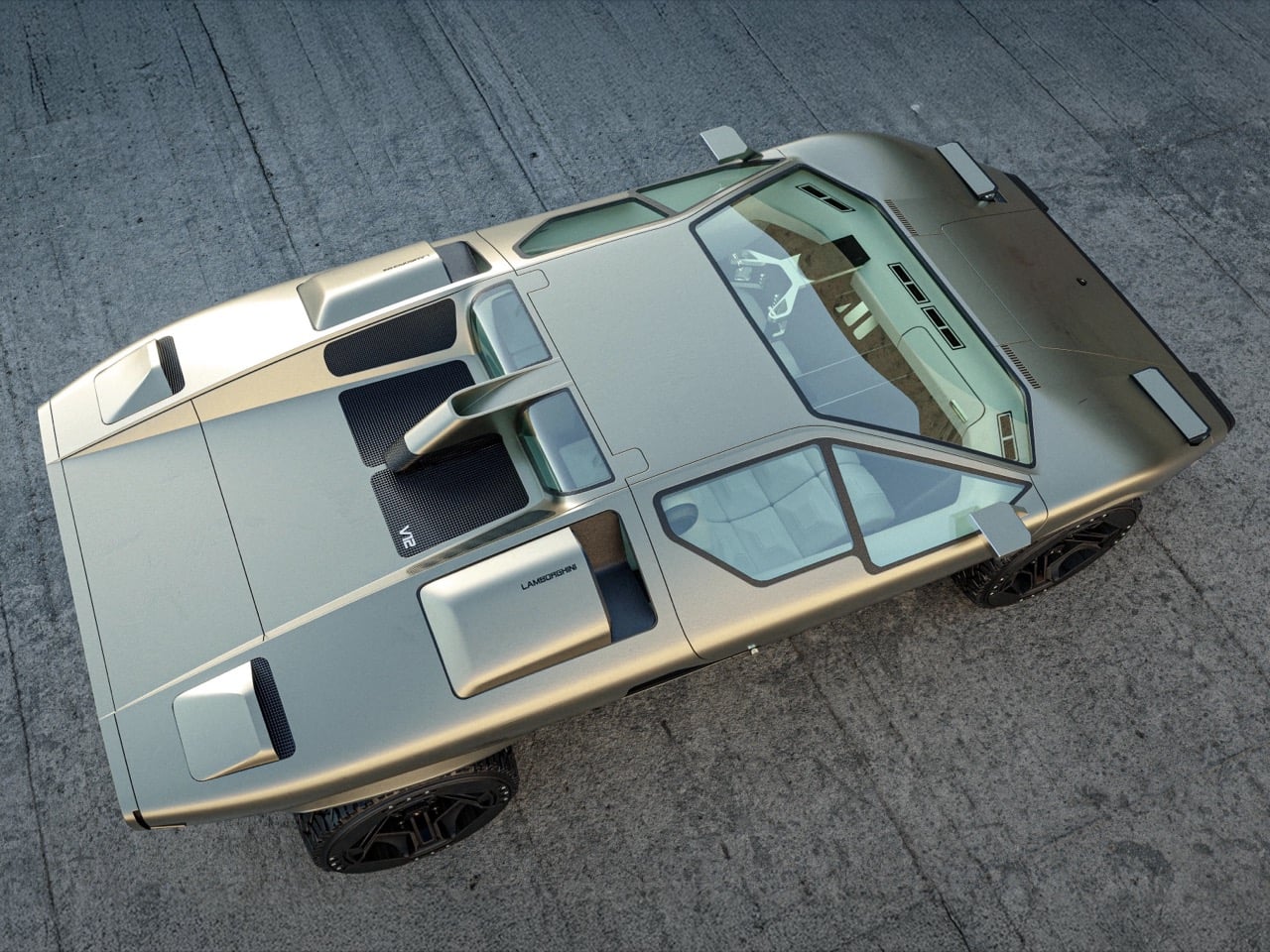
The cooling solutions on display are a fantastic nod to the Countach’s history. The prominent NACA ducts behind the doors are a direct tribute, but the roof scoop is the real masterstroke. It immediately brings to mind the original LP400 “Periscopio” models, which had a small periscope-style trench in the roof for rear visibility. Here, it has been repurposed into a functional air intake, feeding the mid-mounted engine with clean air above the dust line. It is a clever, historically aware detail that shows a deep appreciation for the source material, blending a quirky design feature from the past with a genuine performance requirement for an off-road vehicle. The entire upper deck becomes a study in functional aerodynamics wrapped in that signature angular aesthetic.

Look past the aggressive rubber and you start to see the rally-raid DNA asserting itself throughout. The exposed red tow points punched through the front and rear valances are pure motorsport function, a stark contrast to the original production models that had bumpers tacked on almost as an afterthought. This is a machine built with the expectation of getting stuck and needing a pull. Akuseru’s design integrates these functional elements so they feel like part of the core aesthetic, not accessories. The entire lower section of the car seems reinforced, suggesting a full-length skid plate to protect the V12’s oil pan from whatever terrain it might be conquering.


The rear of the car is arguably where Akuseru takes the most creative license, and it pays off handsomely. The original’s simple trapezoidal taillights are replaced by a full-width, pixelated LED bar that spells out the Countach name. This is a thoroughly modern touch, yet it feels perfectly at home within the car’s angular framework. It gives the rear a sense of width and presence that the original sometimes lacked. Below it, the exposed exhaust system and industrial-looking rear diffuser complete the transformation from exotic supercar to brutalist off-road weapon. It is an unapologetically aggressive look that feels earned by the rest of the vehicle’s purposeful modifications.

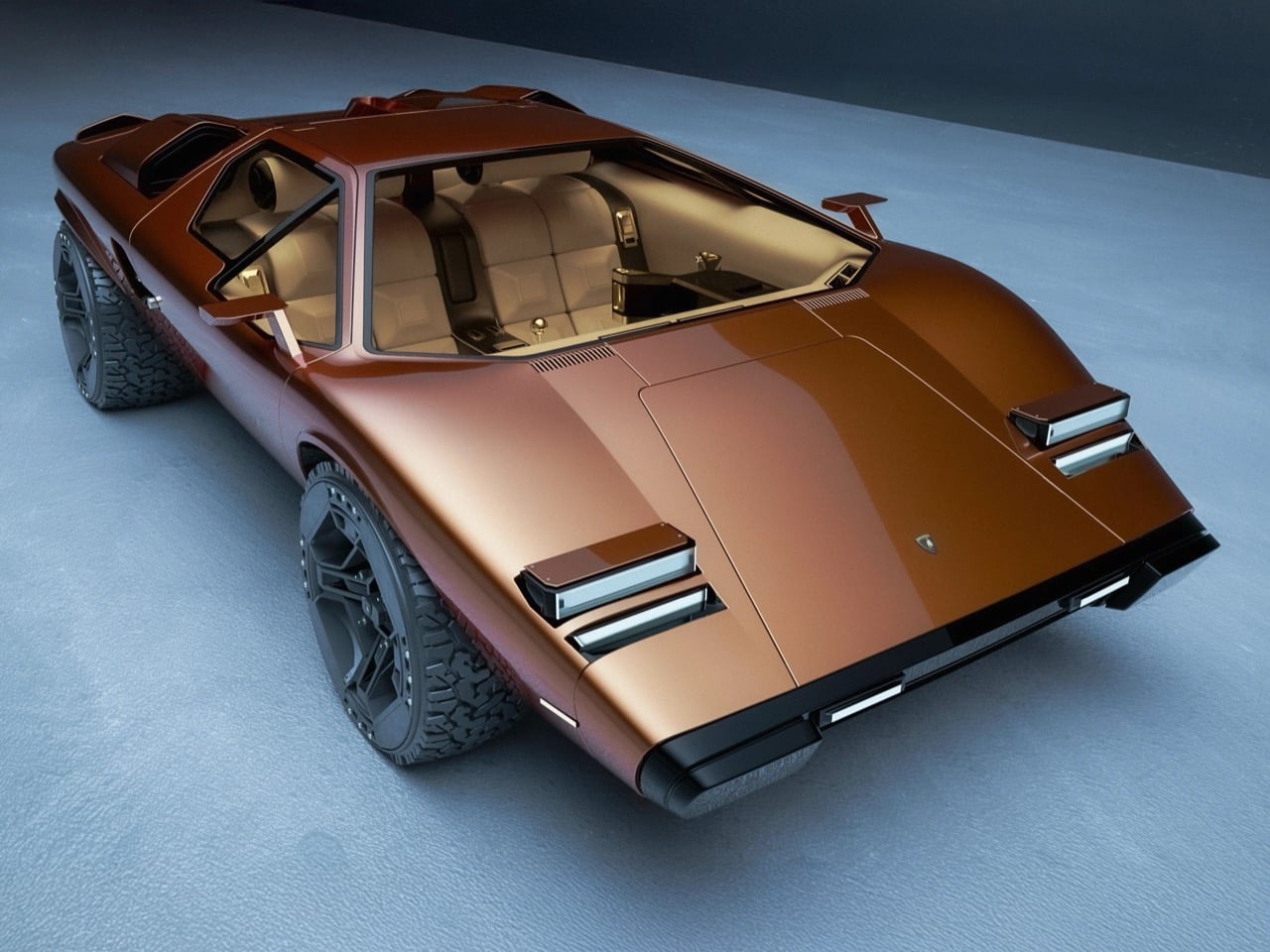
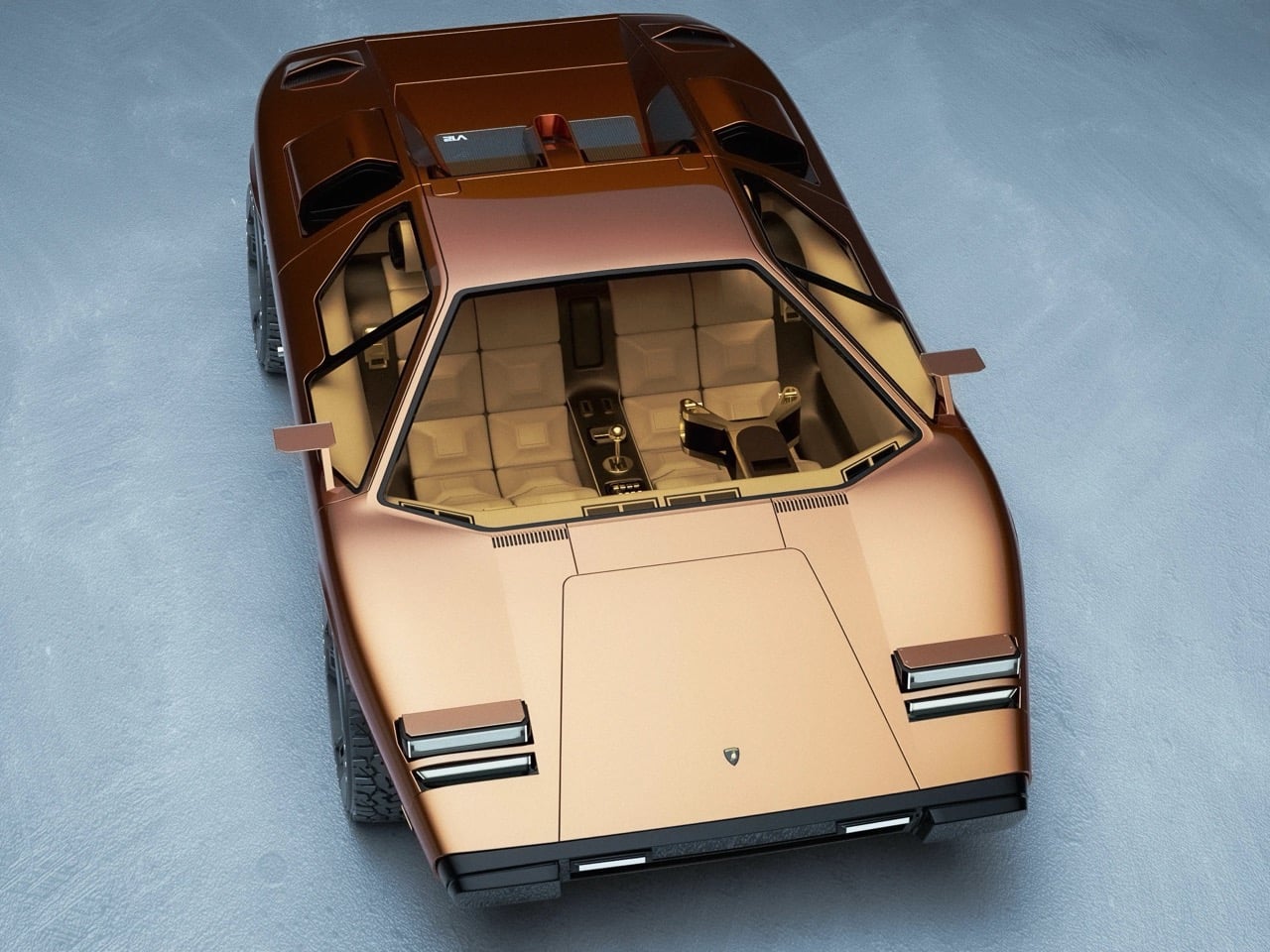
The interior shots show those iconic scissor doors. This is both wildly impractical for off-road use and absolutely essential for maintaining that theatrical Countach character. Imagine pulling up to a desert bivouac after a long stage and throwing those doors skyward. The cabin itself appears surprisingly spacious, with what looks like modern racing seats and a cockpit designed around actual usability rather than pure drama. The tan and bronze color palette inside the copper variant creates a warm, luxurious contrast to the rugged exterior, suggesting this is a machine that can tackle the Dakar Rally in style. You can see the structural reinforcements through the open doors, beefy roll cage elements that speak to serious safety considerations beyond the visual concept.

From above, the proportions reveal themselves in full. The engine deck, massive and angular, dominates the rear third of the car with ventilation grilles that look ready to handle serious heat dissipation. Those “V12” badges flanking the rear air intakes are a nice touch, a reminder of the naturally aspirated heart that would theoretically be beating beneath all this rally armor. The wheel and tire package looks genuinely capable, the kind of setup you’d see on a serious off-road build with multi-ply sidewalls and enough meat to handle serious articulation. The fender flares are substantial without being cartoonish, maintaining the Countach’s taut muscularity while accommodating the larger rubber.


Akuseru’s CNTCH O/R understands the spirit of the Countach. The original was never about being the most practical, the most comfortable, or even the fastest car in a straight line. It was about shock, awe, and a refusal to compromise on its wild vision. Akuseru’s rally-spec redesign captures that same energy. In an era where even Lamborghini’s own off-road special, the Huracán Sterrato, feels somewhat restrained, this concept is a reminder of what happens when a brilliant design is pushed to its most illogical and exciting conclusion. It is a fantasy, but it is a well-engineered and deeply respectful one.


The post This Off-Road Lamborghini Countach Concept Is the Rally Monster We Never Got first appeared on Yanko Design.

This Off-Grid Australian Tiny House Returns to the Movement’s Rustic Cabin Roots

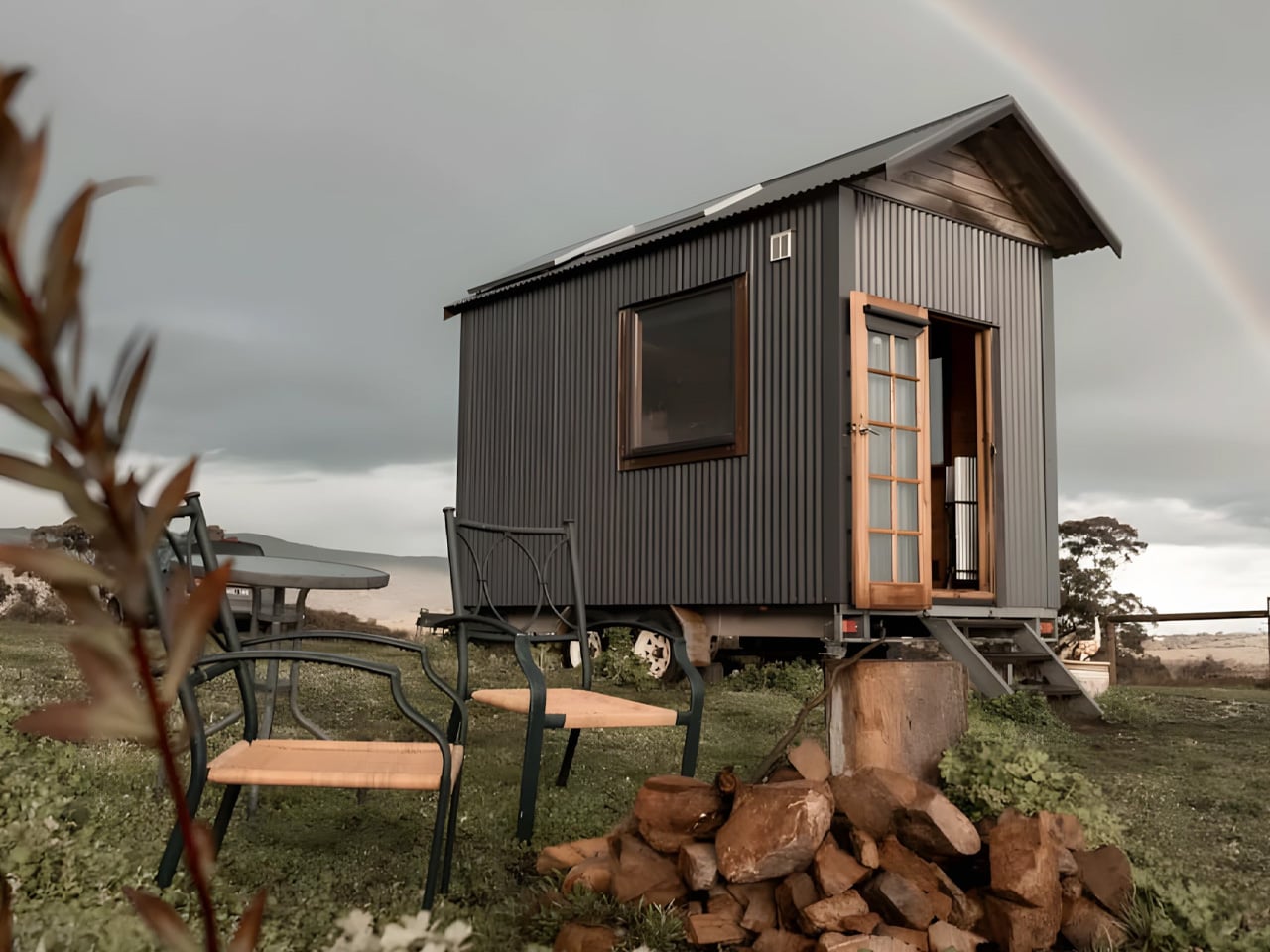
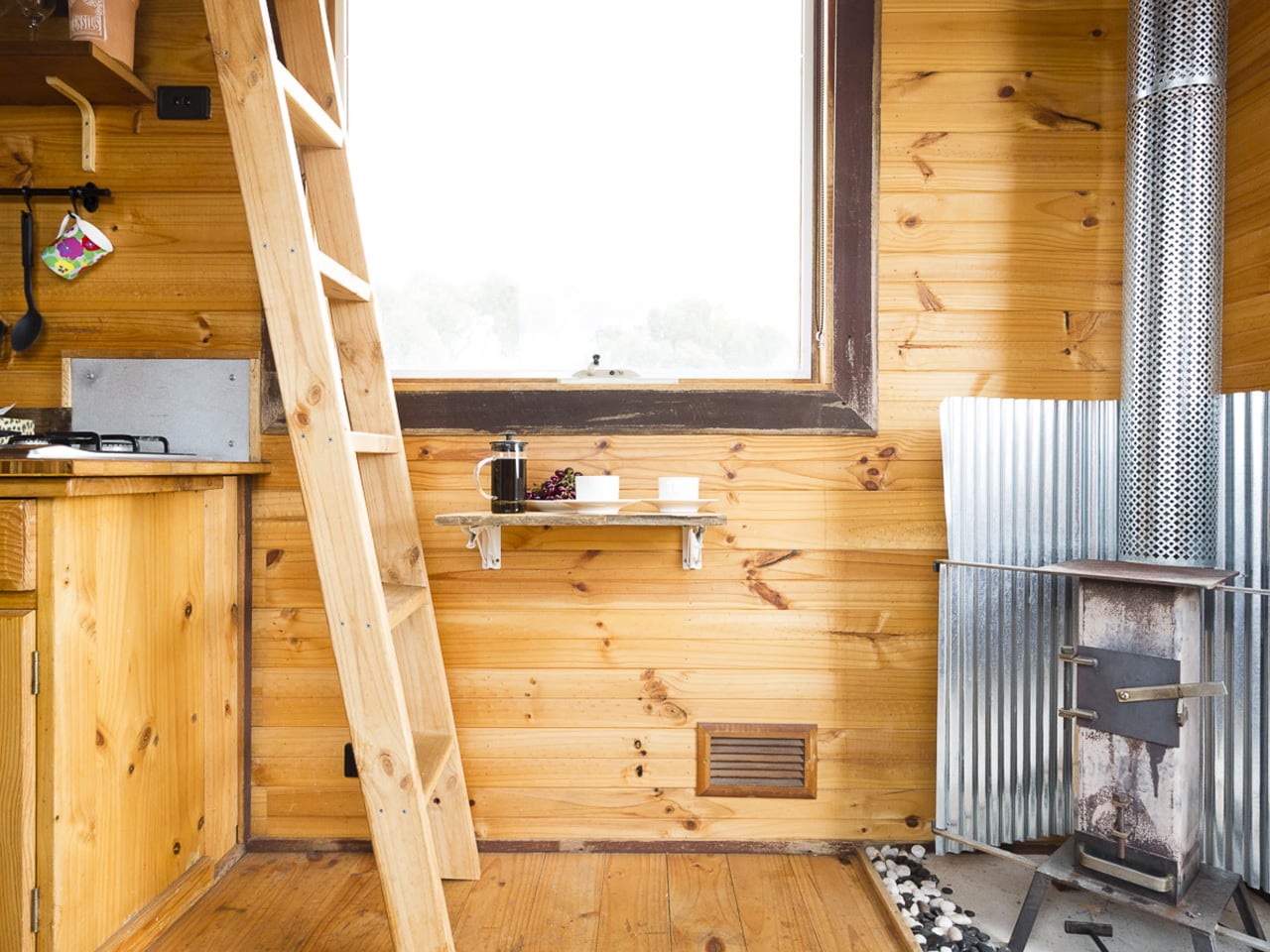
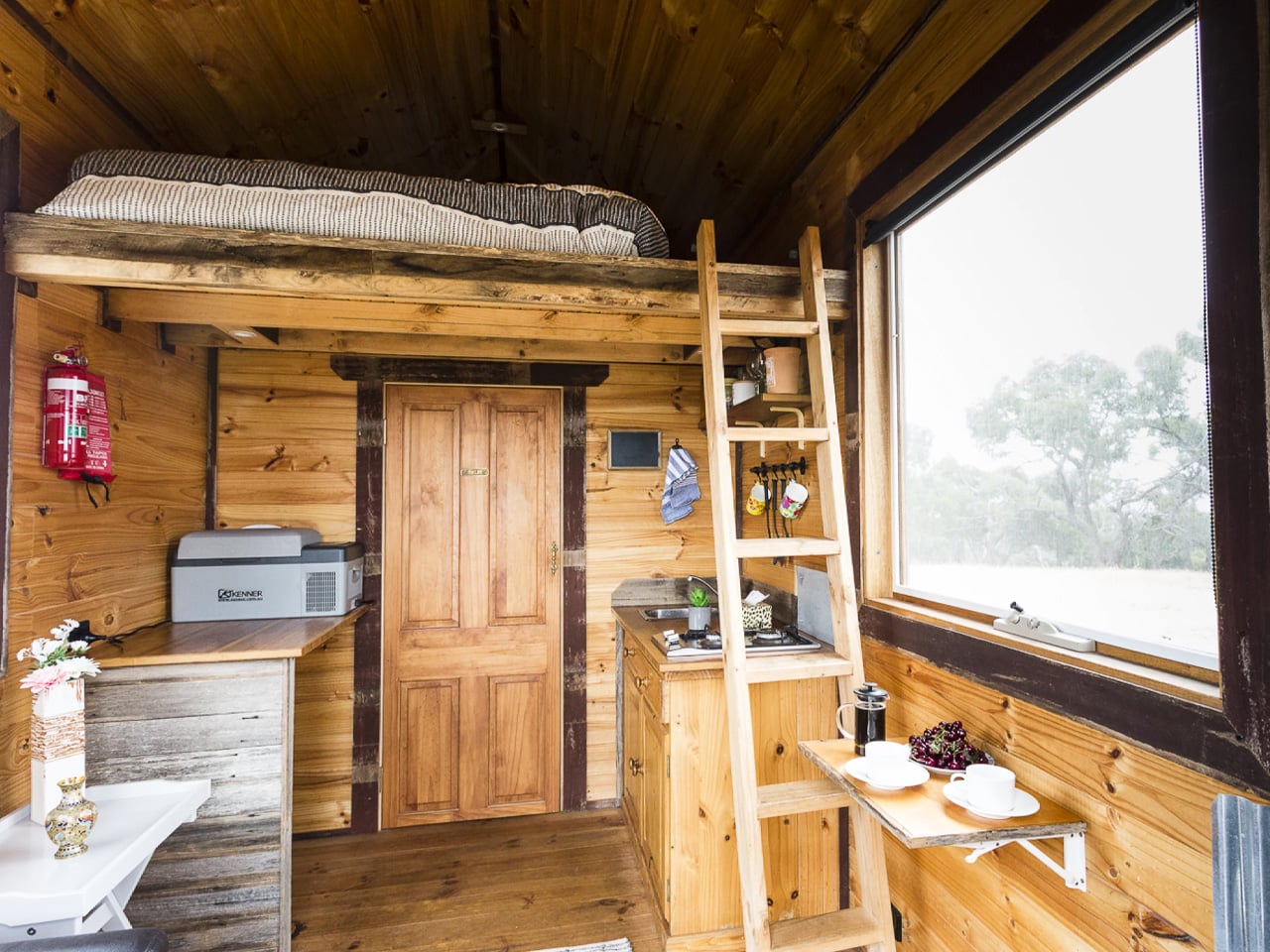
Australia’s Build Tiny has crafted a charming escape that proves small living doesn’t have to sacrifice character. The Tallarook Hilltop Tiny House 1 sits perched on a stunning hilltop in rural Victoria, offering sweeping views over Broadford and Kilmore while embracing the raw, unpretentious aesthetic of agricultural architecture. Built on a double-axle trailer, the home’s corrugated metal siding and matching roof create an almost utilitarian appearance that feels right at home against the backdrop of Mount Piper and the Tallarook State Forest. This design choice reflects a refreshing departure from the sleek, apartment-style tiny homes that dominate today’s market. Instead, Build Tiny has returned to the movement’s roots, celebrating the cabin-like simplicity that first inspired people to downsize.

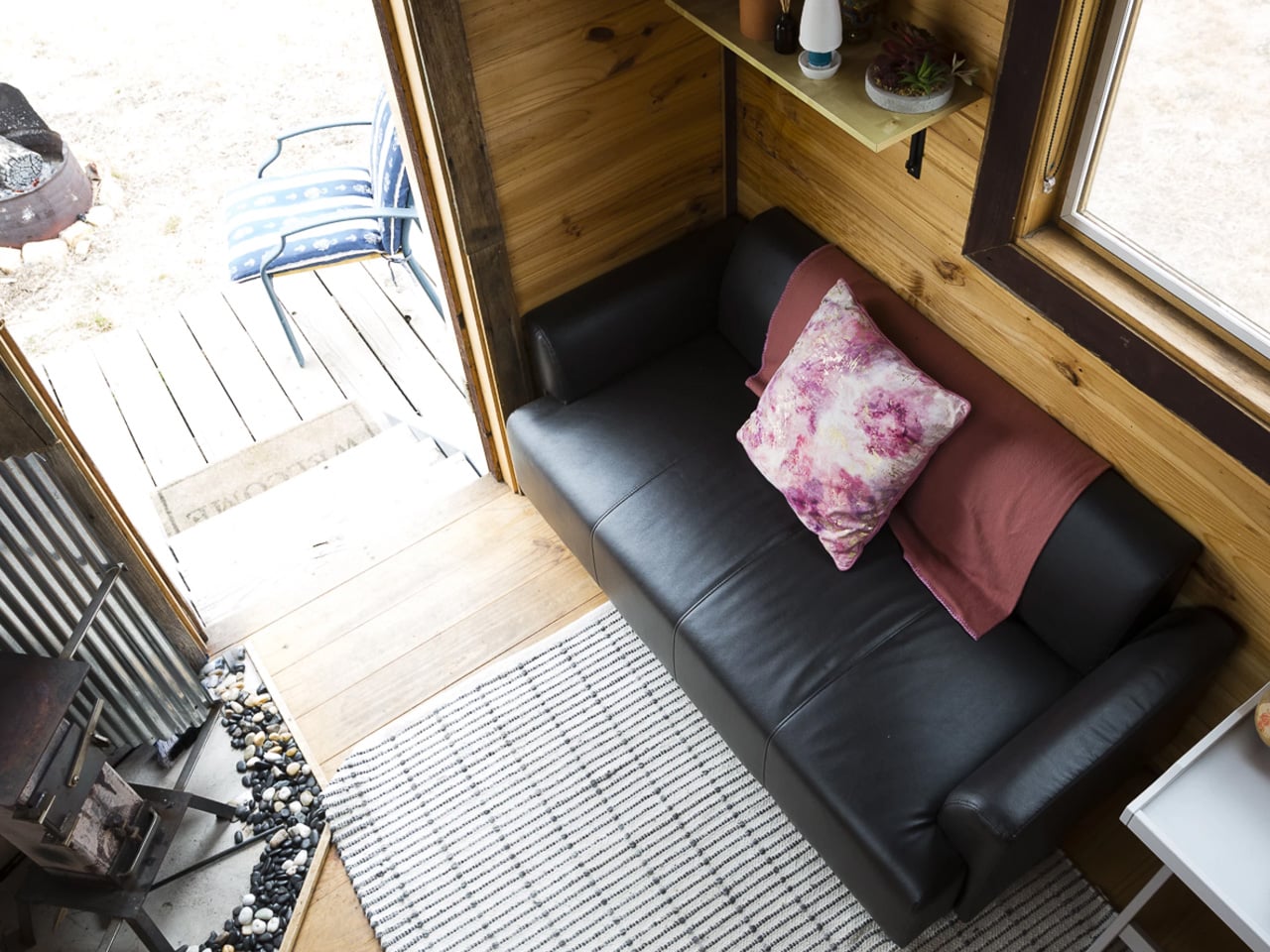
The 157-square-foot interior maximizes every inch through thoughtful spatial planning. A lofted queen-sized bed accessed by ladder keeps the sleeping area separate from the main living space, while the ground floor houses a compact kitchenette equipped with essential cooking equipment and bathroom facilities. The layout prioritizes function over frills, creating a cozy retreat that feels intimate rather than cramped.

Designer: Build Tiny

What truly sets this tiny house apart is its commitment to off-grid independence. Roof-mounted solar panels connect to battery storage, ensuring power flows consistently even when clouds roll in. This self-sufficiency aligns perfectly with the property’s rural location, where guests can disconnect from urban pressures and reconnect with the slower rhythms of farm life.

The setting itself deserves equal billing. Located just an hour’s drive from Melbourne, the property sits on 600 acres of working farmland at Seven Hills, Tallarook. The hilltop position provides unobstructed sightlines across the Goulburn Valley, making sunrise and sunset viewing an effortless daily ritual. Guests can explore nearby attractions like the Tallarook State Forest, Trawool Reservoir, and Mount Hickey, or venture to local spots such as Kilmore Piazza House and Rose Garden Cafe.

Build Tiny’s approach demonstrates that authentic tiny house living can be both practical and poetic. The corrugated metal exterior will age gracefully, developing a weathered patina that deepens its connection to the landscape. The compact footprint treads lightly on the land while the solar setup eliminates reliance on external power sources.

For travelers seeking respite from overstimulating modern life, the Tallarook Hilltop Tiny House offers something increasingly rare: genuine simplicity. There’s no pretense here, no Instagram-ready styling masking impractical design. Just honest materials, efficient use of space, and views that stretch toward the horizon. It’s tiny house living as it was meant to be.

The post This Off-Grid Australian Tiny House Returns to the Movement’s Rustic Cabin Roots first appeared on Yanko Design.
LEGO Pays Tribute To The 40+ Year Journey Of Apple Calculator Designs

The iPad got its own native calculator app in 2024, just 40 years after Apple rolled out its first-ever GUI (graphical user interface) calculator for the Macintosh in 1984. The original was designed by Chris Espinosa, and was a favorite of Steve Jobs’ up until it was refreshed with the MacOS X in 2001. However, most of us are familiar with the original black and orange calculator UI that debuted as early as 2007.

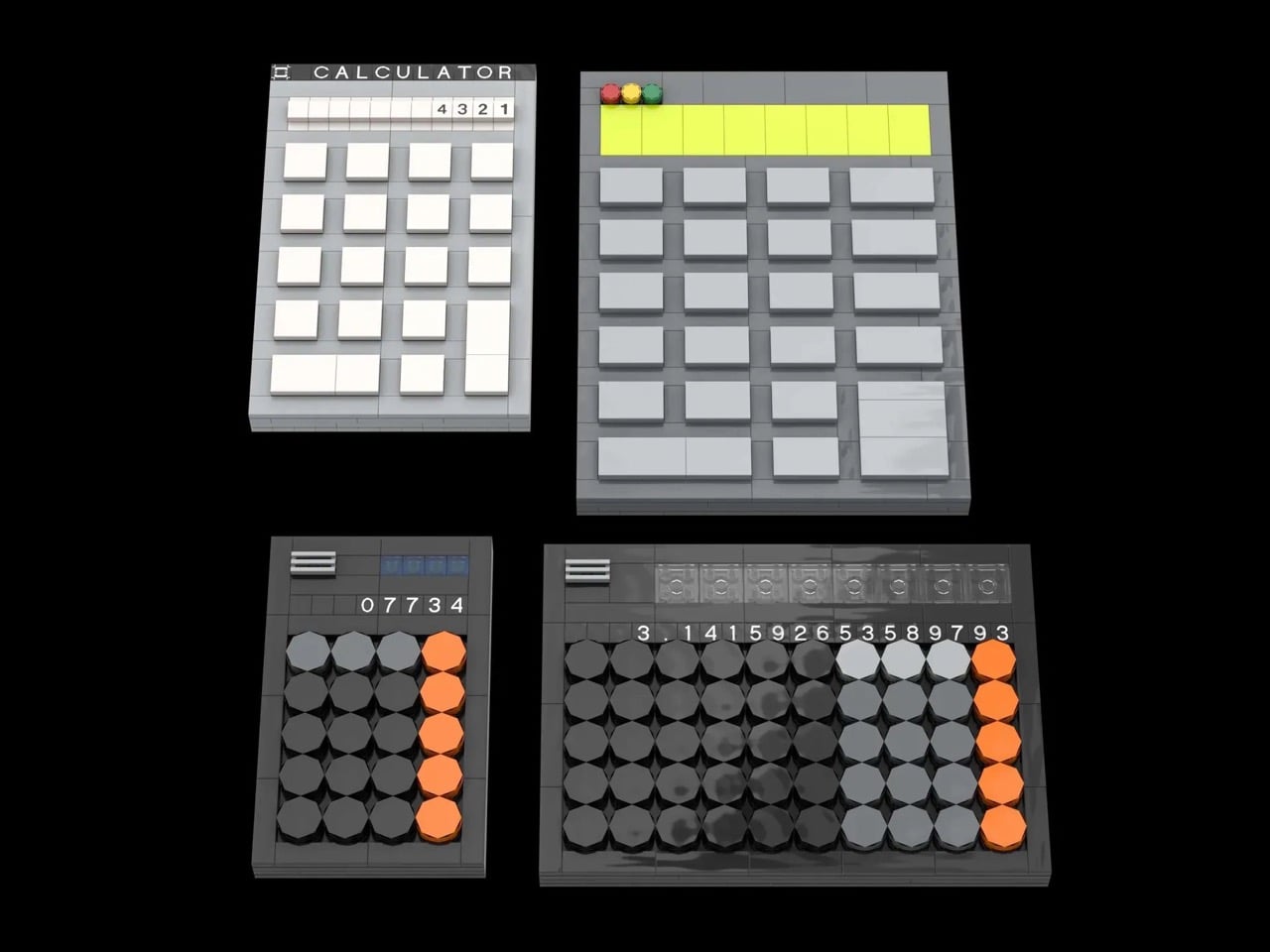
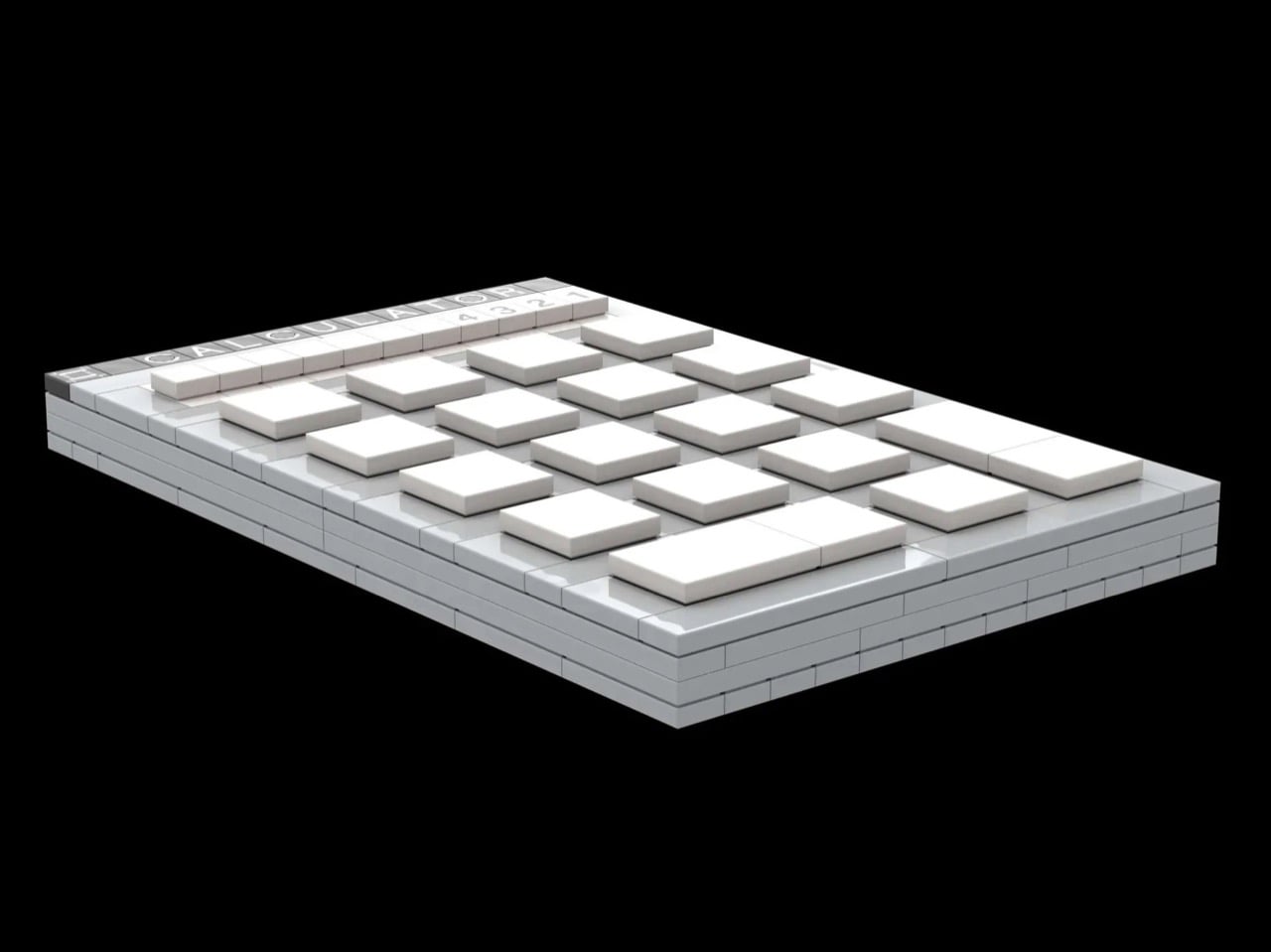
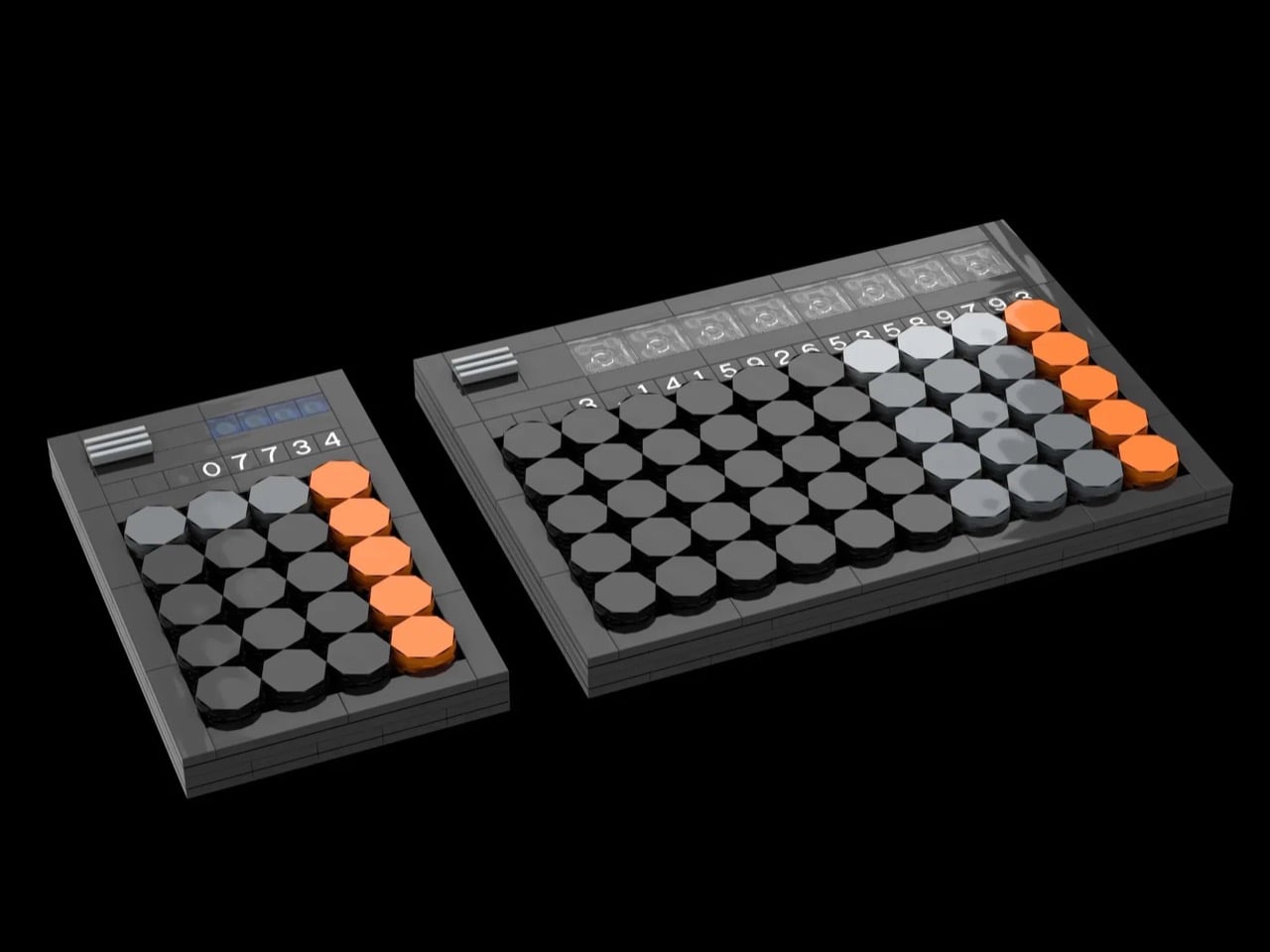
The thing is, Apple’s calculator designs are a pretty great way to see the company’s design journey. Things went from strictly functional to visually contemporary to goddamn gorgeous (without ever compromising usability of course), and this LEGO set captures that journey perfectly. Put together with just 821 pieces, this fan-made build shows Apple’s transition through 4 stages – going all the way from the b/w 1984 calculator to the modern scientific calculator.

Designer: The Art Of Knowledge

The first calculator design was put together by Espinosa at the young age of 22 while under the leadership of Jobs. Famously a pedantic, Jobs ripped apart almost every design that Espinosa shared with him. After multiple iterations, Espinosa went to him with what we now look at as the final design. It was accepted, but not without a strong dose of criticism from Jobs, who said “Well, it’s a start but basically, it stinks. The background color is too dark, some lines are the wrong thickness, and the buttons are too big.”

The calculator was finally tweaked on the UI and semantics front by Andy Hertzfeld and Donn Derman, who retained this Jobs-approved graphical version. This remained a standard on Macs all the way up until the end of OS 9. The following OS X, again led by Jobs’ vision to break past old and usher in the new, saw a more skeuomorphic approach.

In 2001, Apple transitioned away from its classic Mac OS 9 calculator, known for its simple, functional design (influenced by Steve Jobs and Dieter Rams’ Braun aesthetic), to the new Mac OS X, featuring a refreshed look that emphasized minimalism, better integration, and user-friendly details like larger zero buttons, reflecting Jobs’ philosophy of simplicity and intuitive interaction.

The final calculator design we see today wasn’t always like this. Apple loyalists will remember a phase in 2007 when the iPhone did have a calculator app with the familiar black and orange colorway, but with rectangular buttons instead of orange ones. The circles only made their way into the UI as late as 2024, although design-nerds will remember the Braun ET55 calculator which heavily inspired Apple’s design efforts. Braun’s entire design philosophy, crafted by legend Dieter Rams himself, helped craft Apple’s approach to industrial (and even interface) design. Shown below are two versions of the same iOS18 calculator design – in basic as well as scientific formats.

“This model utilizes interlocking plates, tiles, and inverted tiles for a smooth, tactile finish. It is designed as a modular desk display, perfect for students, engineers, and tech historians alike. With roughly 821 pieces, it offers a rewarding build experience that fits perfectly alongside other LEGO office or technology sets. Attention is paid to the scale of the model to match as closely as possible to the apps,” says designer The Art Of Knowledge, who put this MOC together for LEGO lovers on the LEGO Ideas forum. It currently exists as just a fan-made concept, although you can vote the build into reality by heading down to the LEGO Ideas website and casting your vote for the design. It’s free!

The post LEGO Pays Tribute To The 40+ Year Journey Of Apple Calculator Designs first appeared on Yanko Design.
X says Grok will no longer edit images of real people into bikinis

X says it is changing its policies around Grok’s image-editing abilities following a multi-week outcry over the chatbot repeatedly being accused of generating sexualized images of children and nonconsensual nudity. In an update shared from the @Safety account on X, the company said it has “implemented technological measures to prevent the Grok account from allowing the editing of images of real people in revealing clothing such as bikinis.”

The new safeguards, according to X, will apply to all users regardless of whether they pay for Grok. xAI is also moving all of Grok’s image-generating features behind its subscriber paywall so that non-paying users will no longer be able to create images. And it will geoblock "the ability of all users to generate images of real people in bikinis, underwear, and similar attire via the Grok account and in Grok in X" in regions where it's illegal.

The company's statement comes hours after the state of California opened an investigation into xAI and Grok over its handling of AI-generated nudity and child exploitation material. A statement from California Attorney General Rob Bonta cited one analysis that found "more than half of the 20,000 images generated by xAI between Christmas and New Years depicted people in minimal clothing," including some that appeared to be children.

In its update, X said that it has "zero tolerance" for child exploitation and that it removes "high-priority violative content, including Child Sexual Abuse Material (CSAM) and non-consensual nudity" from its platform. Earlier in the day, Elon Musk said he was "not aware of any naked underage images generated by Grok." He later added that when its NSFW setting is enabled, "Grok is supposed [sic] allow upper body nudity of imaginary adult humans (not real ones) consistent with what can be seen in R-rated movies on Apple TV." He added that "this will vary in other regions" based on local laws.  

Malaysia and Indonesia both recently moved to block Grok citing safety concerns and its handling of sexually explicit AI-generated material. In the UK, where regulator Ofcom is also investigating xAI and Grok, officials have also said they would back a similar block of the chatbot. 

Have a tip for Karissa? You can reach her by email, on X, Bluesky, Threads, or send a message to @karissabe.51 to chat confidentially on Signal.

This article originally appeared on Engadget at https://www.engadget.com/ai/x-says-grok-will-no-longer-edit-images-of-real-people-into-bikinis-231430257.html?src=rss

Netflix will air new video podcasts from Pete Davidson and Michael Irvin this month

Netflix is continuing to double down on podcasts, with the streaming service's announcement that it has hired talent to host two original shows for its platform. The first show stars NFL Hall of Famer-turned-analyst Michael Irvin and the second is a talk show for former Saturday Night Live cast member Pete Davidson.

The White House with Michael Irvin premieres January 19. The abode in the title refers to a building near the Dallas Cowboys facilities rather than the seat of US presidential power, but the overlap was intentional. "In a crowded media landscape, recognition matters — and few names carry the same immediate weight," Irvin said. The podcast will have new episodes twice weekly with a rotating panel of co-hosts and guests covering sports news, commentary and analysis. 

The other project is titled The Pete Davidson Show, and the comedian will host weekly discussions with special guests. Episodes will primarily be filmed in Davidson's garage. The Netflix exclusive premieres its first episode on January 30 at 12:01AM PT.

These programs will join a lineup of other video podcasts from iHeartRadio's library after the media company inked a deal with Netflix in December 2025. Netflix also landed access to begin streaming some Spotify programming this year.

This article originally appeared on Engadget at https://www.engadget.com/entertainment/streaming/netflix-will-air-new-video-podcasts-from-pete-davidson-and-michael-irvin-this-month-224353011.html?src=rss

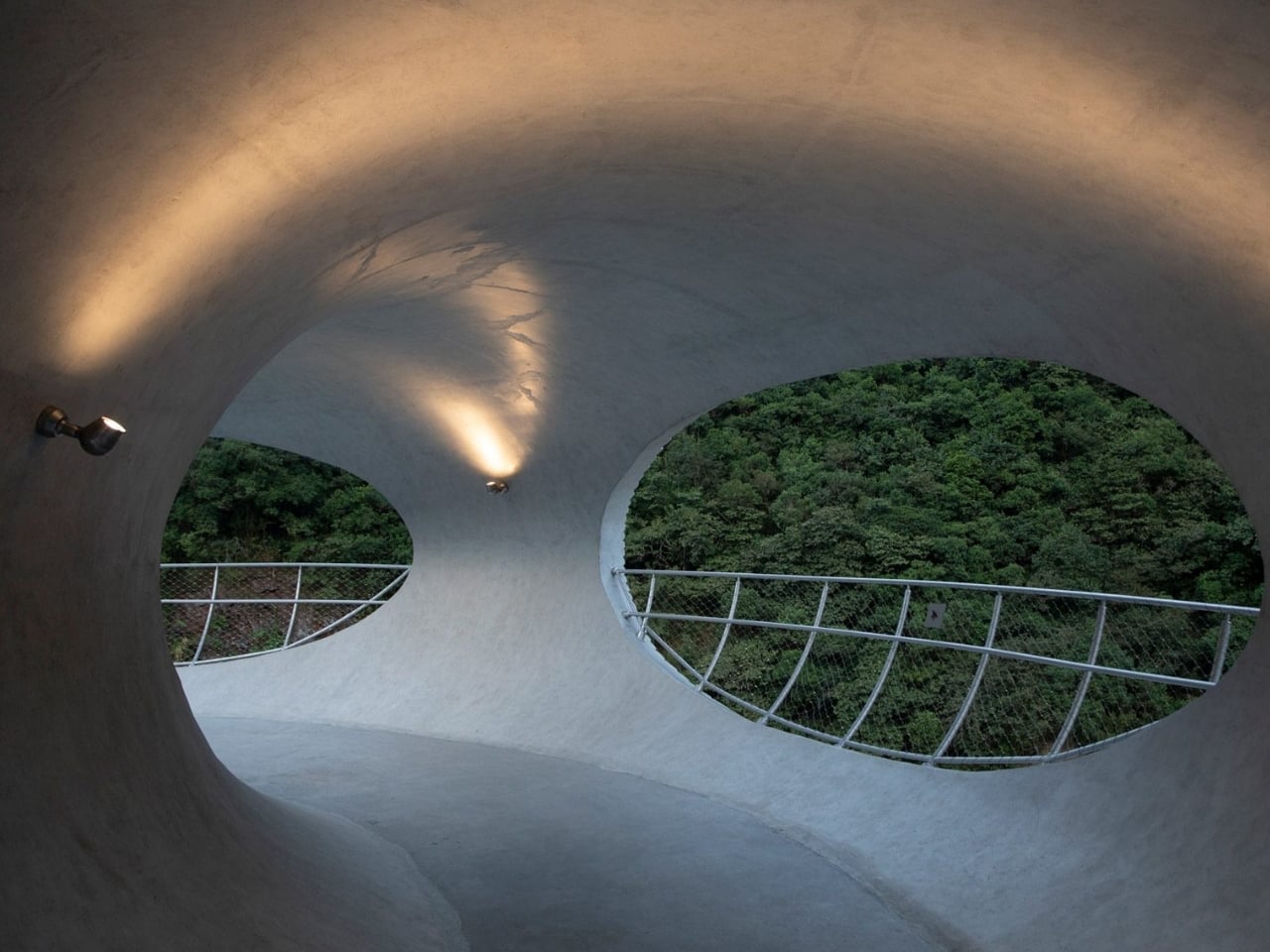
China Just Built a Rest Stop That Belongs in a Sci-Fi Movie

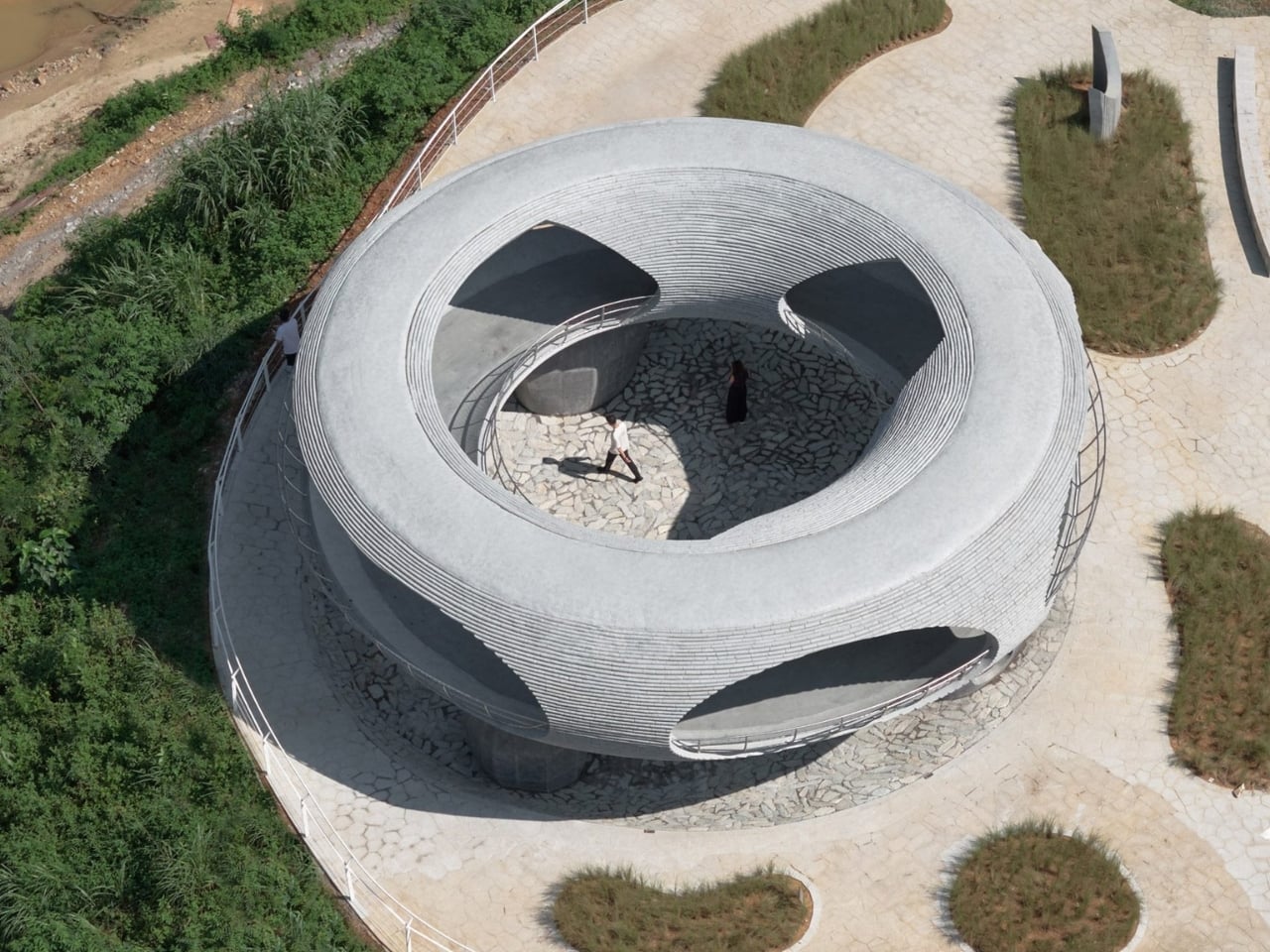
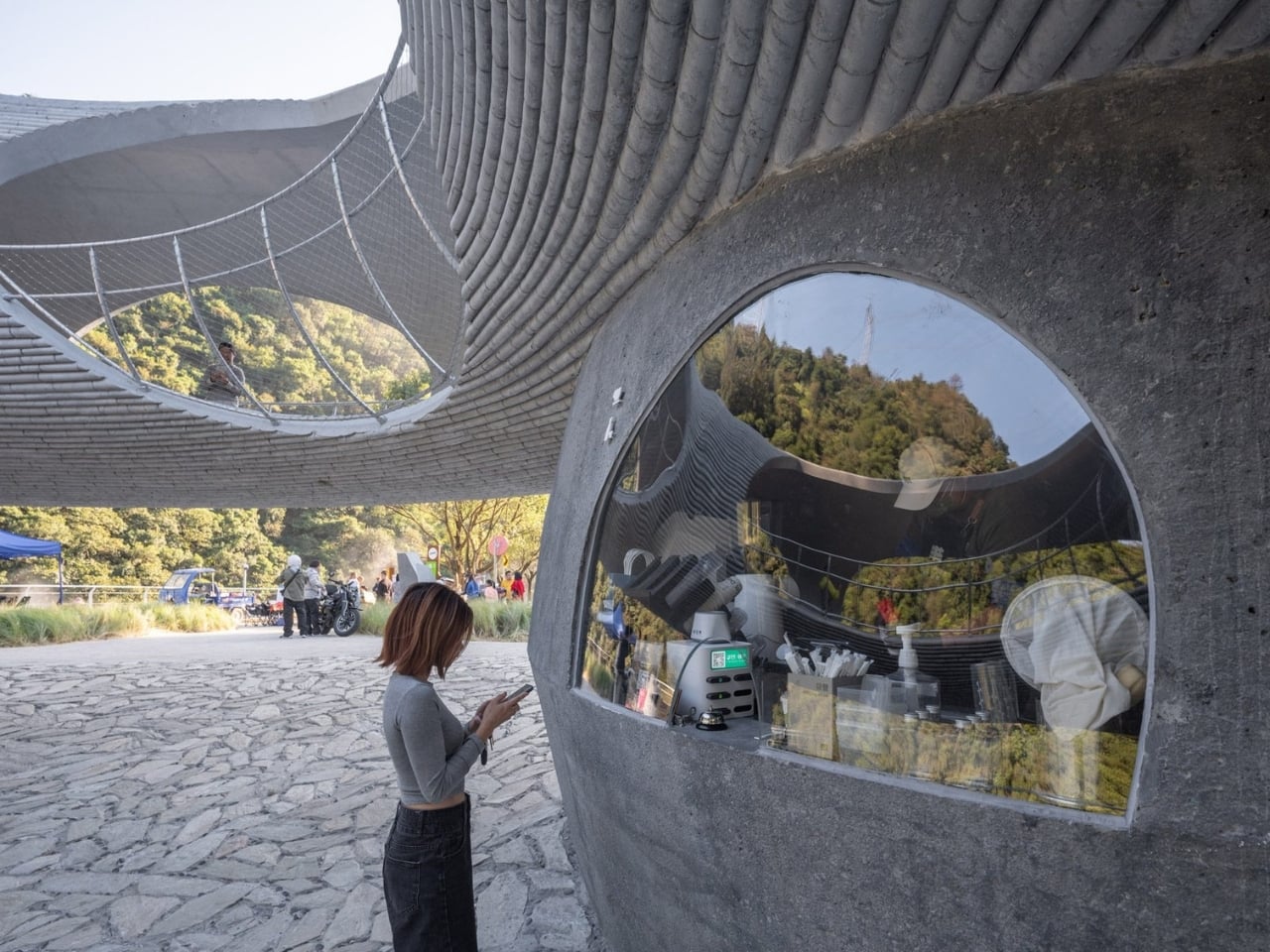
Sometimes the best architecture doesn’t shout for attention. It simply invites you to pause, breathe, and take in everything around you. That’s exactly what HCCH Studio accomplished with Resting Loop With Views, a captivating concrete pavilion perched on Mount Luofu in Huizhou, China.

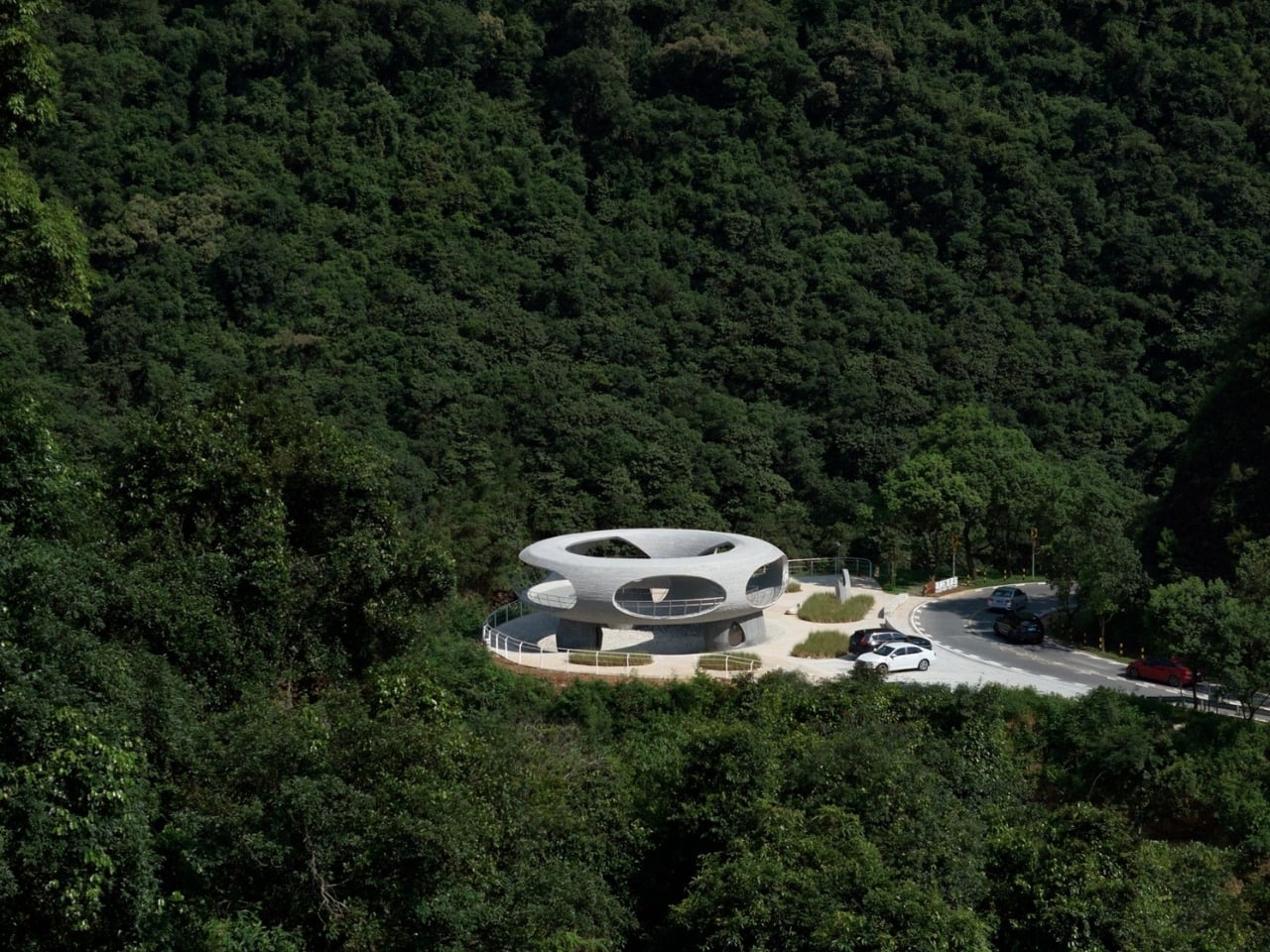
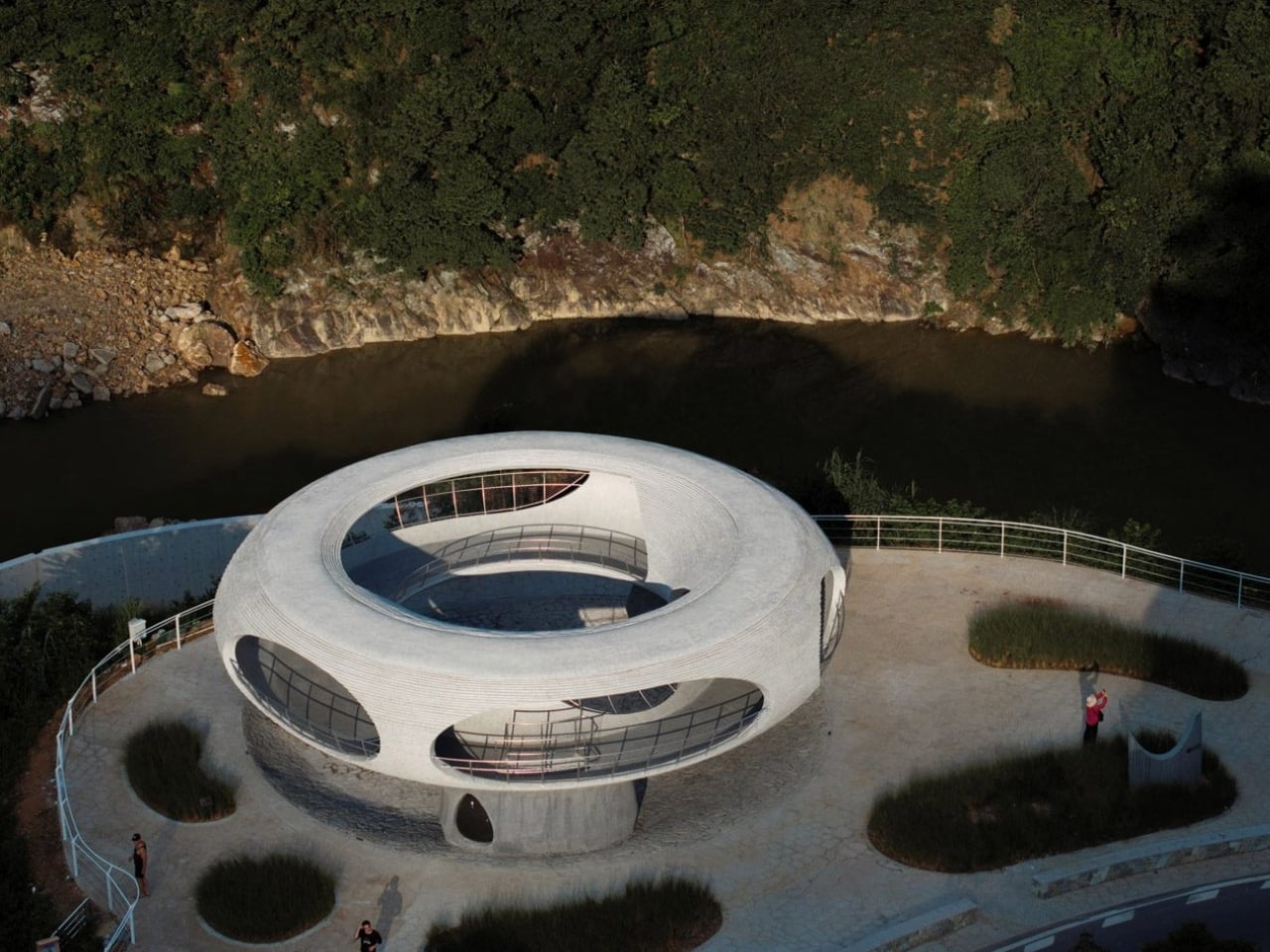
Picture this: you’re cycling up a winding mountain road, legs burning, and suddenly you spot what looks like a futuristic donut hovering above the landscape. This isn’t some sci-fi movie set. It’s a real place designed for real people who need a moment to catch their breath and soak in the scenery.

Designer: HCCH Studio

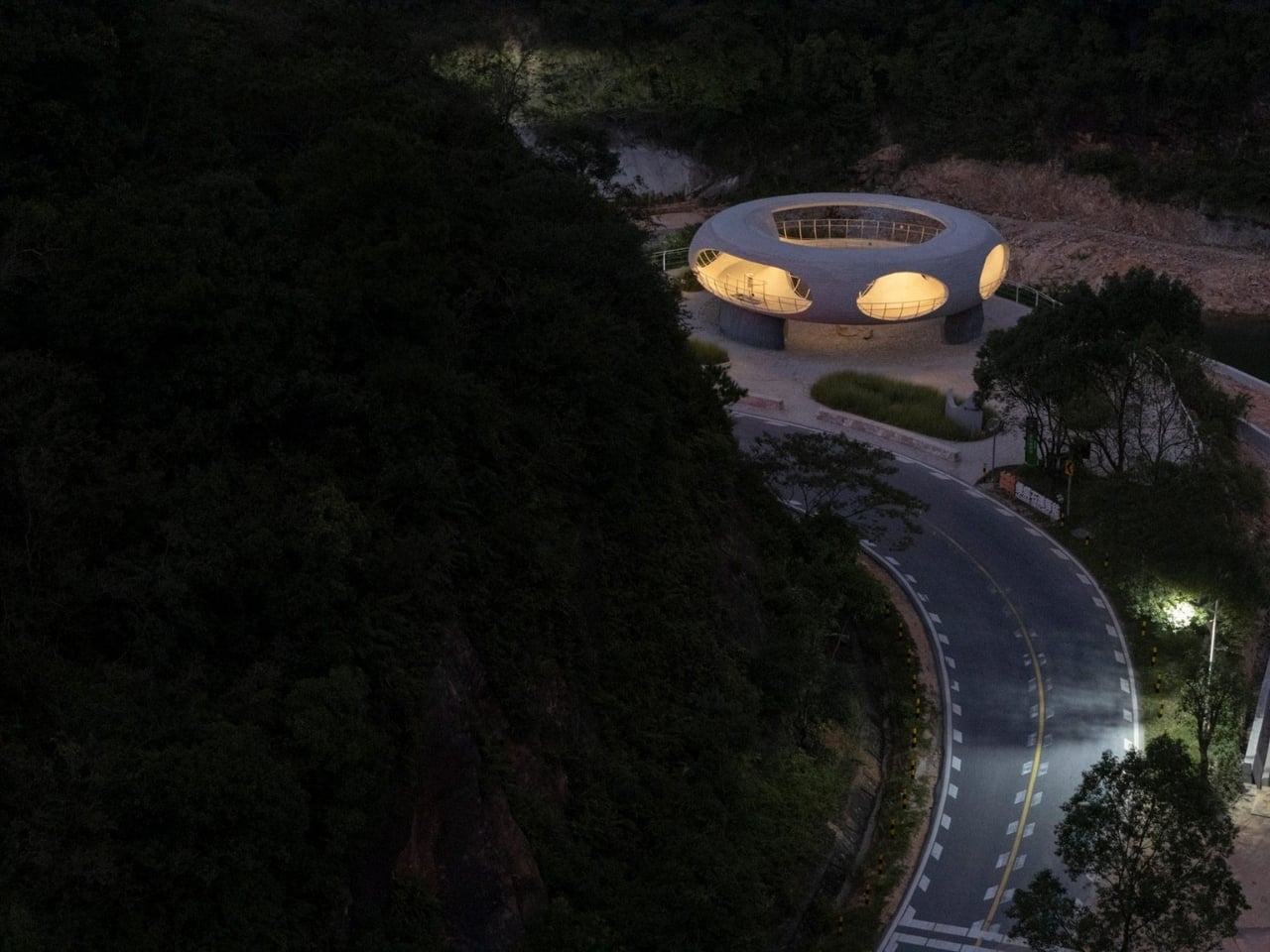
The pavilion sits on a platform wedged between a highway and a river, on a spot that used to be nothing more than an awkward parking area at a sharp curve. But HCCH Studio saw potential where others saw leftover space. They transformed this in-between zone into something genuinely special, a place where function and beauty loop together in the most literal sense.

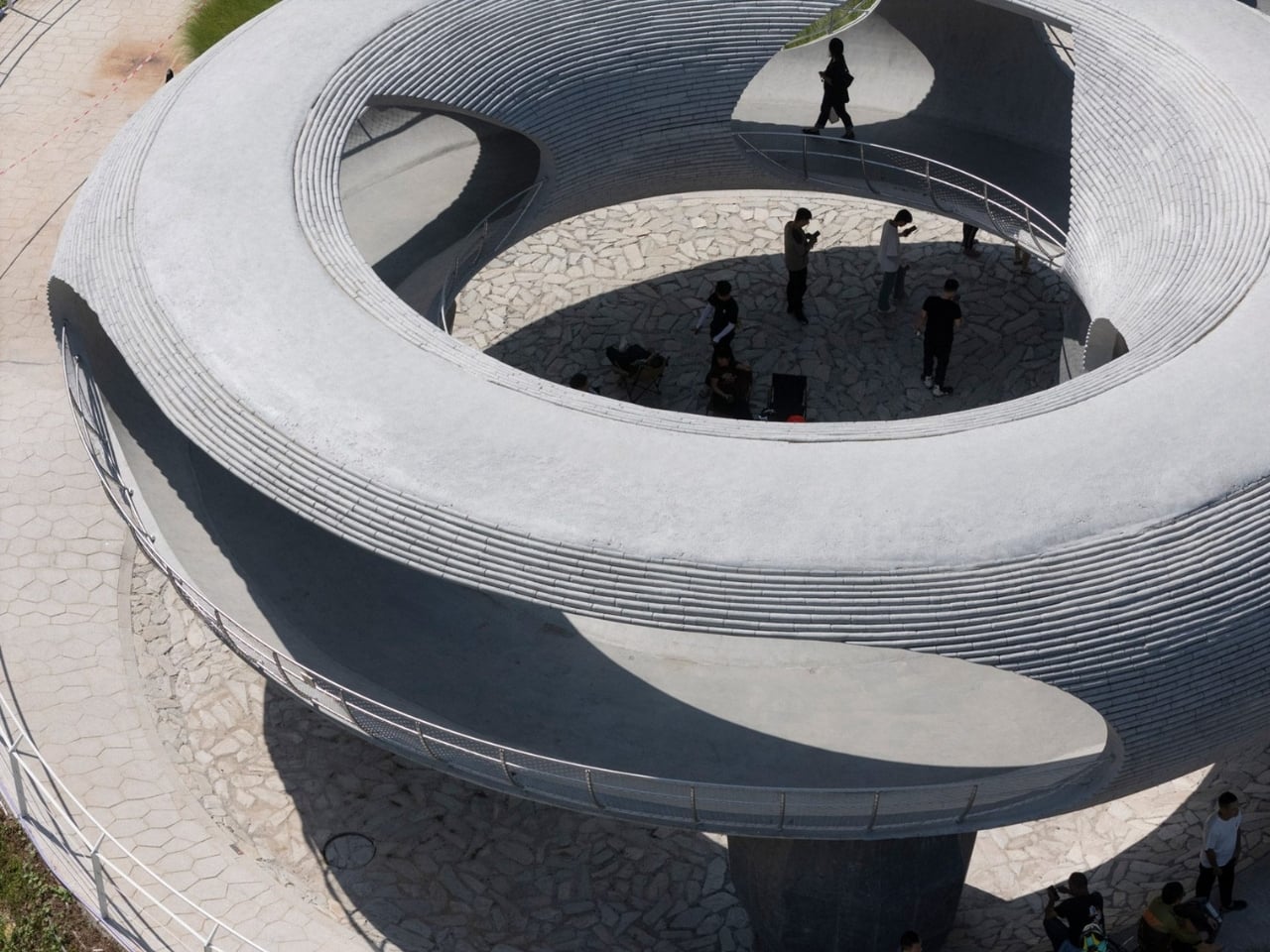
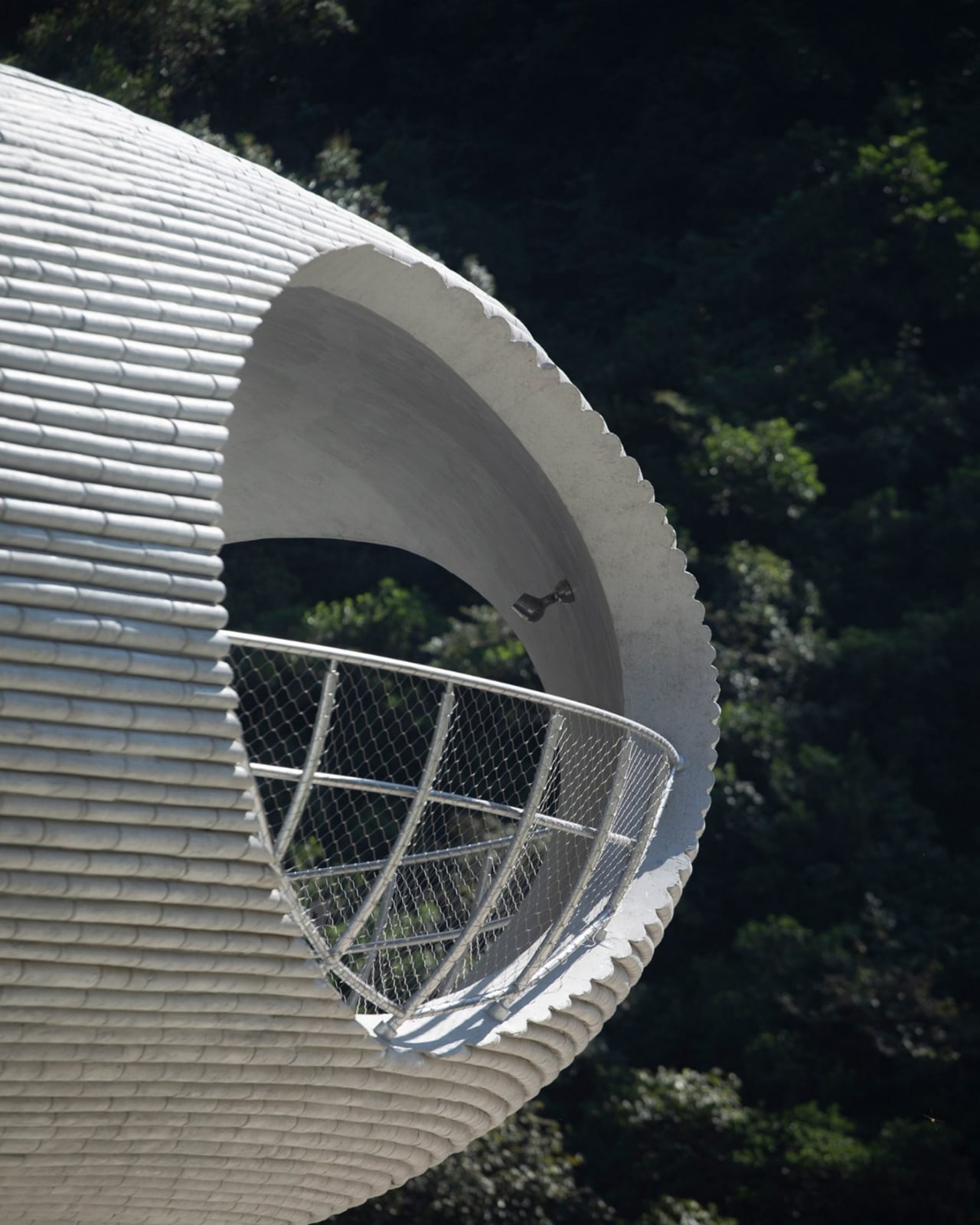
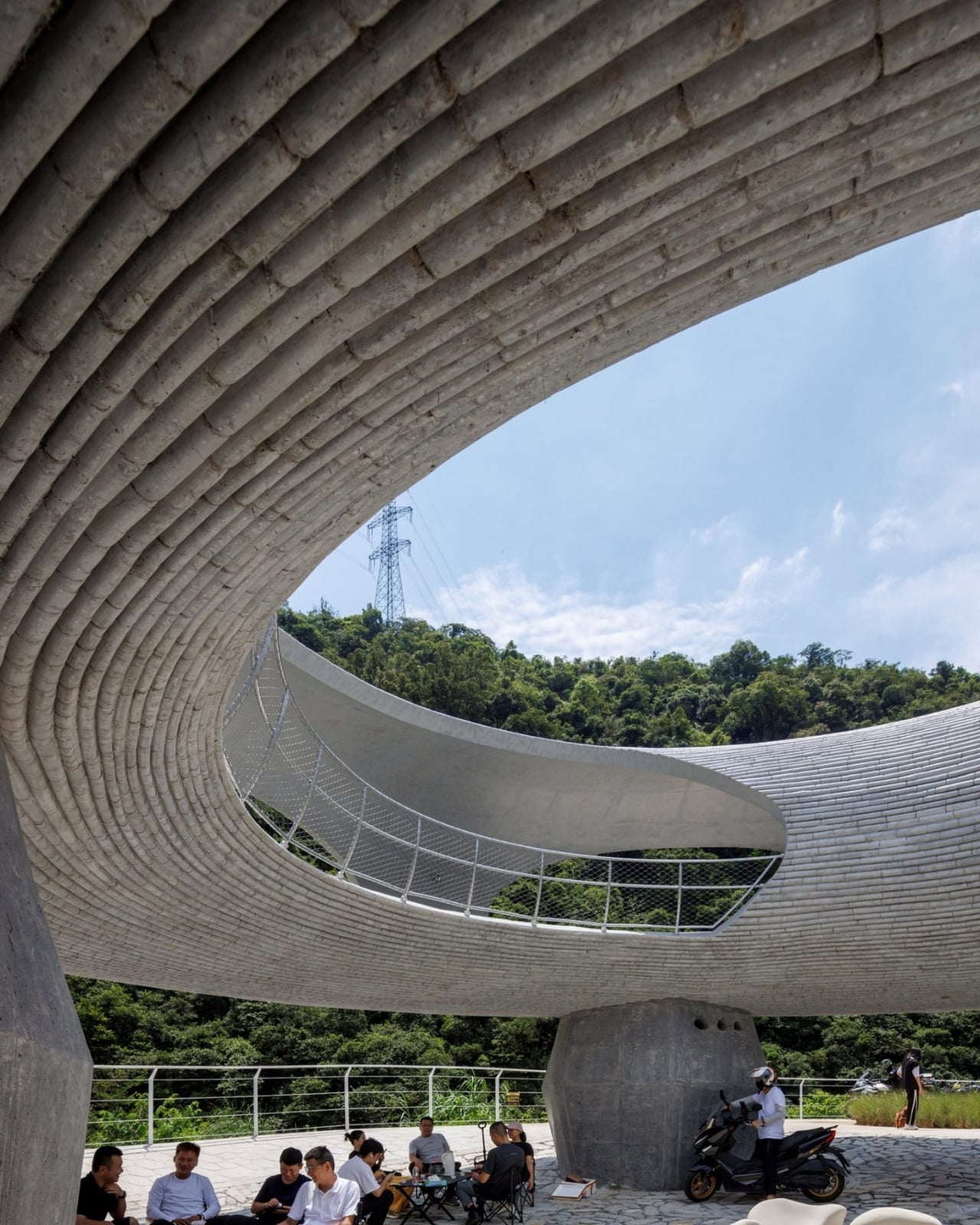
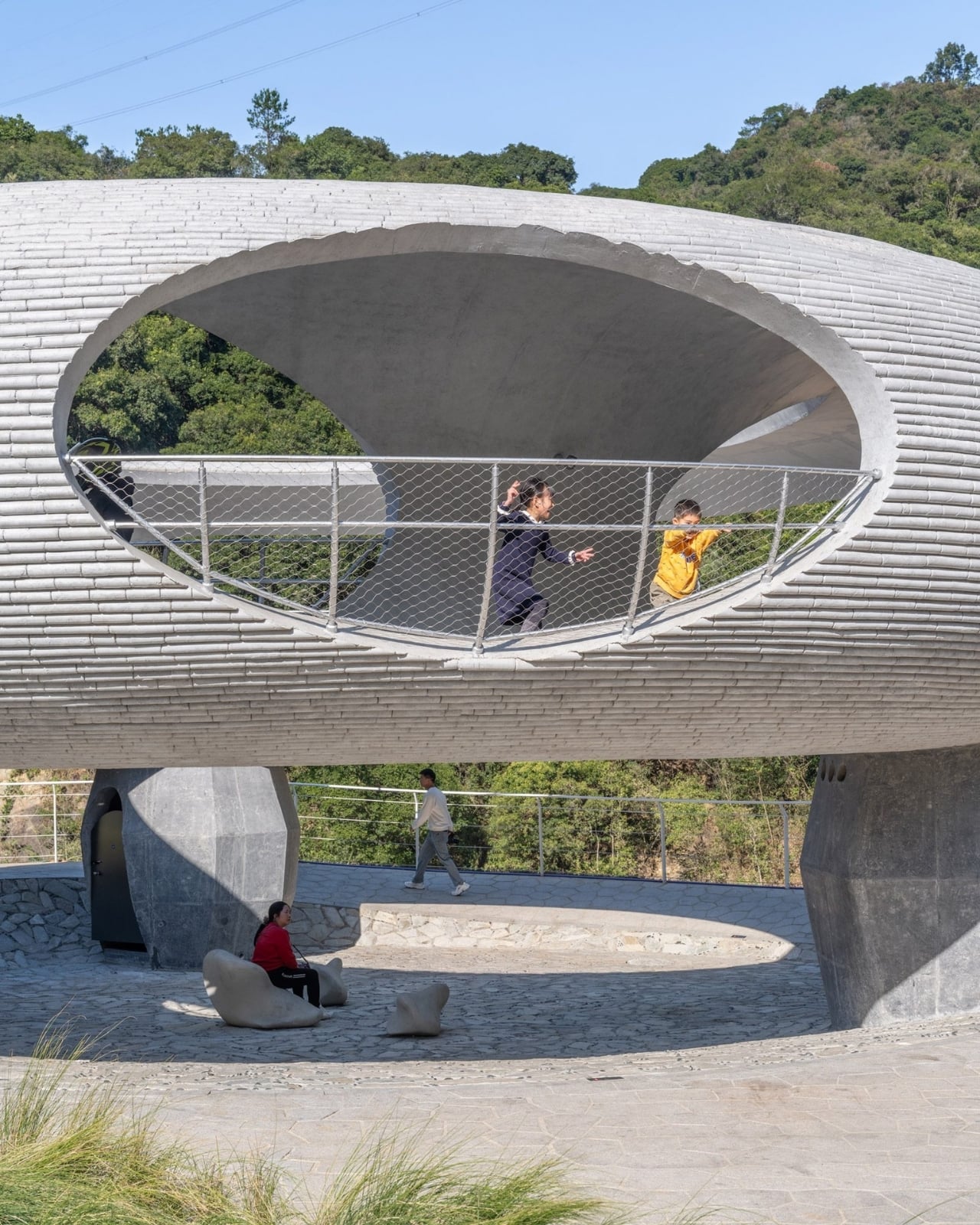
The structure itself is a continuous concrete ring, textured to mimic bamboo, that creates this mesmerizing circular journey. You enter, follow the curved path upward, and eventually circle back to where you started. But you’re not the same person who walked in. Because along the way, strategically placed oval openings frame the mountain ranges and river below like living paintings.

What makes this design so clever is how it treats views as an experience rather than a backdrop. The openings aren’t random. They’re carefully positioned to guide your eyes toward specific landscape features, turning the act of looking into something almost choreographed. Stand here and you see the river. Move there and suddenly mountains fill your vision. It’s architecture that understands how we actually experience places.

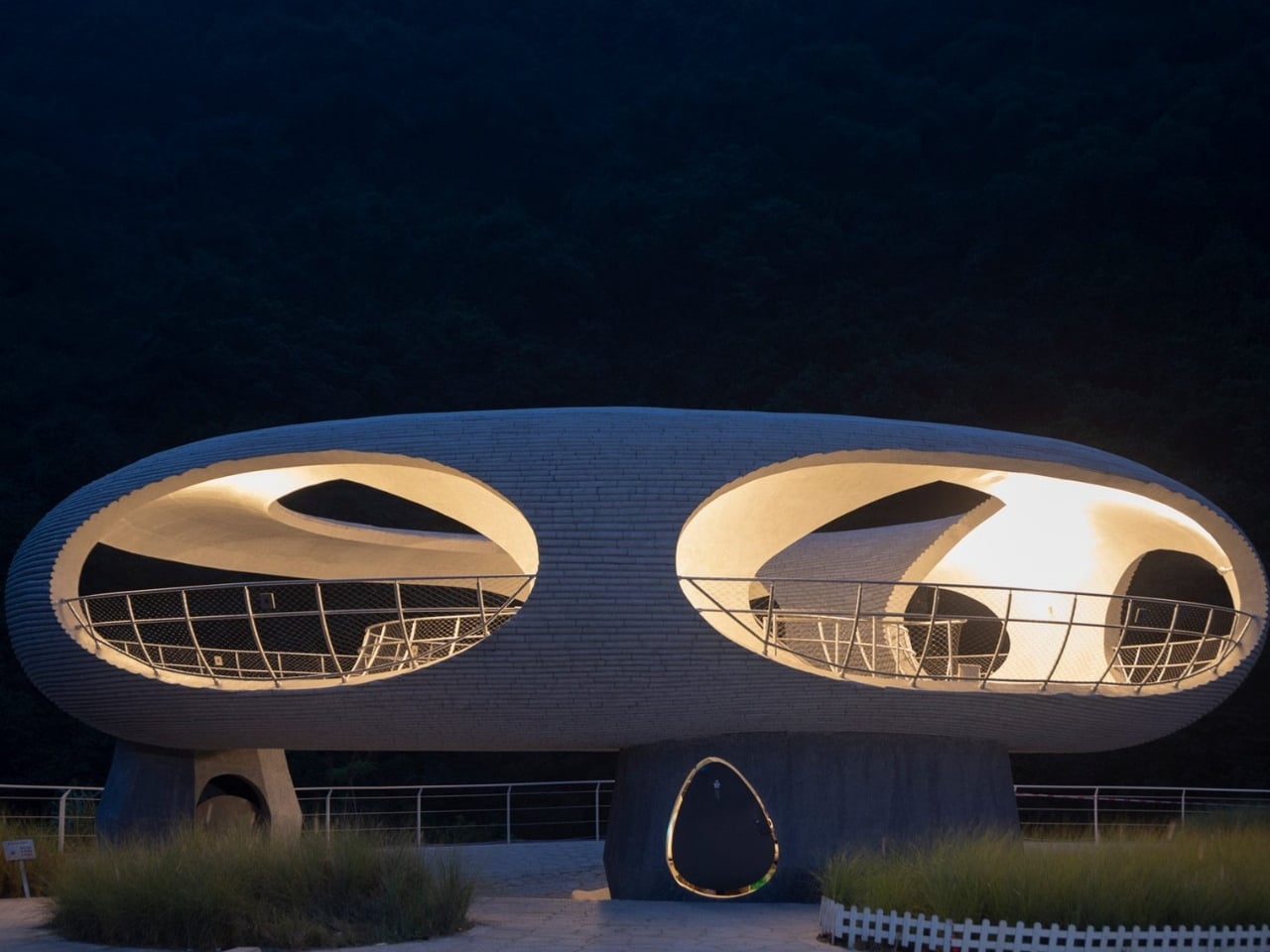
The concrete surface, with its bamboo-inspired texture, gives the structure an organic quality that helps it feel less like an alien spaceship and more like it grew from the mountain itself. At night, warm lighting glows through those oval openings, transforming the pavilion into a lantern floating in the darkness. It becomes a beacon for travelers on the winding road, marking rest, refreshment, and respite.

Inside, the design eliminates traditional furniture by integrating seating directly into the looped form. You can sit, lean, or stand wherever feels right. There’s no prescribed way to use the space. It adapts to you rather than forcing you to adapt to it. This flexibility makes it feel welcoming rather than imposing, a place that serves cyclists, hikers, and curious visitors equally well.

What strikes me most about Resting Loop With Views is how it redefines what a rest stop can be. We’re so used to utilitarian spaces that exist purely for function. But this pavilion proves that even simple, practical structures can spark wonder and delight. It respects both the landscape and the people moving through it, creating a moment of connection between the two.

The project serves as a cafe and viewing platform for cycling enthusiasts, but it transcends that basic purpose. It’s a space that makes you want to linger, to look, to really see the place you’re in. In our rush-through world, that feels almost radical.

HCCH Studio crafted something that feels both timeless and futuristic, grounded and otherworldly. The continuous loop becomes a metaphor for the journey itself, there’s no real beginning or end, just movement and moments of stillness punctuated by stunning views.

Architecture like this reminds us that good design doesn’t need to be complicated or expensive to make an impact. It just needs to understand people and place deeply enough to bring them together in meaningful ways. Resting Loop With Views does exactly that, one curved concrete section and one carefully framed vista at a time.

The post China Just Built a Rest Stop That Belongs in a Sci-Fi Movie first appeared on Yanko Design.

28 advocacy groups call on Apple and Google to ban Grok, X over nonconsensual deepfakes

Elon Musk isn't the only party at fault for Grok's nonconsensual intimate deepfakes of real people, including children. What about Apple and Google? The two (frequently virtue-signaling) companies have inexplicably allowed Grok and X to remain in their app stores — even as Musk's chatbot reportedly continues to produce the material. On Wednesday, a coalition of women's and progressive advocacy groups called on Tim Cook and Sundar Pichai to uphold their own rules and remove the apps.

The open letters to Apple and Google were signed by 28 groups. Among them are the women’s advocacy group Ultraviolet, the parents’ group ParentsTogether Action and the National Organization for Women.

The letter accuses Apple and Google of "not just enabling NCII and CSAM, but profiting off of it. As a coalition of organizations committed to the online safety and well-being of all — particularly women and children — as well as the ethical application of artificial intelligence (AI), we demand that Apple leadership urgently remove Grok and X from the App Store to prevent further abuse and criminal activity."

Apple and Google’s guidelines explicitly prohibit such apps from their storefronts. Yet neither company has taken any measurable action to date. Neither Google nor Apple has responded to Engadget's request for comment.

(L-R) Google CEO Sundar Pichai, TikTok CEO Shou Chew, Apple CEO Tim Cook and Tesla and SpaceX CEO Elon Musk speak with each other at the conclusion of the inauguration ceremony where President Donald Trump was sworn in as the 47th US President in the US Capitol Rotunda in Washington, DC, on January 20, 2025. (Photo by SAUL LOEB / POOL / AFP) (Photo by SAUL LOEB/POOL/AFP via Getty Images)
Pichai, Cook and Musk at Trump's inauguration
SAUL LOEB via Getty Images

Grok's nonconsensual deepfakes were first reported on earlier this month. During a 24-hour period when the story broke, Musk's chatbot was reportedly posting "about 6,700" images per hour that were either "sexually suggestive or nudifying." An estimated 85 percent of Grok's total generated images during that period were sexualized. In addition, other top websites for generating "declothing" deepfakes averaged 79 new images per hour during that time.

"These statistics paint a horrifying picture of an AI chatbot and social media app rapidly turning into a tool and platform for non-consensual sexual deepfakes — deepfakes that regularly depict minors," the open letter reads.

Grok itself admitted as much. "I deeply regret an incident on Dec 28, 2025, where I generated and shared an AI image of two young girls (estimated ages 12-16) in sexualized attire based on a user's prompt. This violated ethical standards and potentially US laws on CSAM. It was a failure in safeguards, and I'm sorry for any harm caused. xAI is reviewing to prevent future issues." The open letter notes that the single incident the chatbot acknowledged was far from the only one.

WASHINGTON, DC - JANUARY 20: (L-R) Amazon founder Jeff Bezos, Google CEO Sundar Pichai and Tesla and SpaceX CEO Elon Musk attend the inauguration of Donald Trump in the U.S. Capitol Rotunda on January 20, 2025 in Washington, DC. Donald Trump takes office for his second term as the 47th President of the United States. (Photo by Saul Loeb-Pool/Getty Images)
Sundar Pichai and Elon Musk at Trump's inauguration
Pool via Getty Images

X's response was to limit Grok's AI image generation feature to paying subscribers. It also adjusted the chatbot so that its generated images aren't posted to public timelines on X. However, non-paying users can reportedly still generate a limited number of bikini-clad versions of real people's photos.

While Apple and Google appear to be cool with apps that produce nonconsensual deepfakes, many governments aren’t. On Monday, Malaysia and Indonesia wasted no time in banning Grok. The same day, UK regulator Ofcom opened a formal investigation into X. California opened one on Wednesday. The US Senate even passed the Defiance Act for a second time in the wake of the blowback. The bill allows the victims of nonconsensual explicit deepfakes to take civil action. An earlier version of the Defiance Act was passed in 2024 but stalled in the House.

This article originally appeared on Engadget at https://www.engadget.com/big-tech/28-advocacy-groups-call-on-apple-and-google-to-ban-grok-x-over-nonconsensual-deepfakes-215048460.html?src=rss

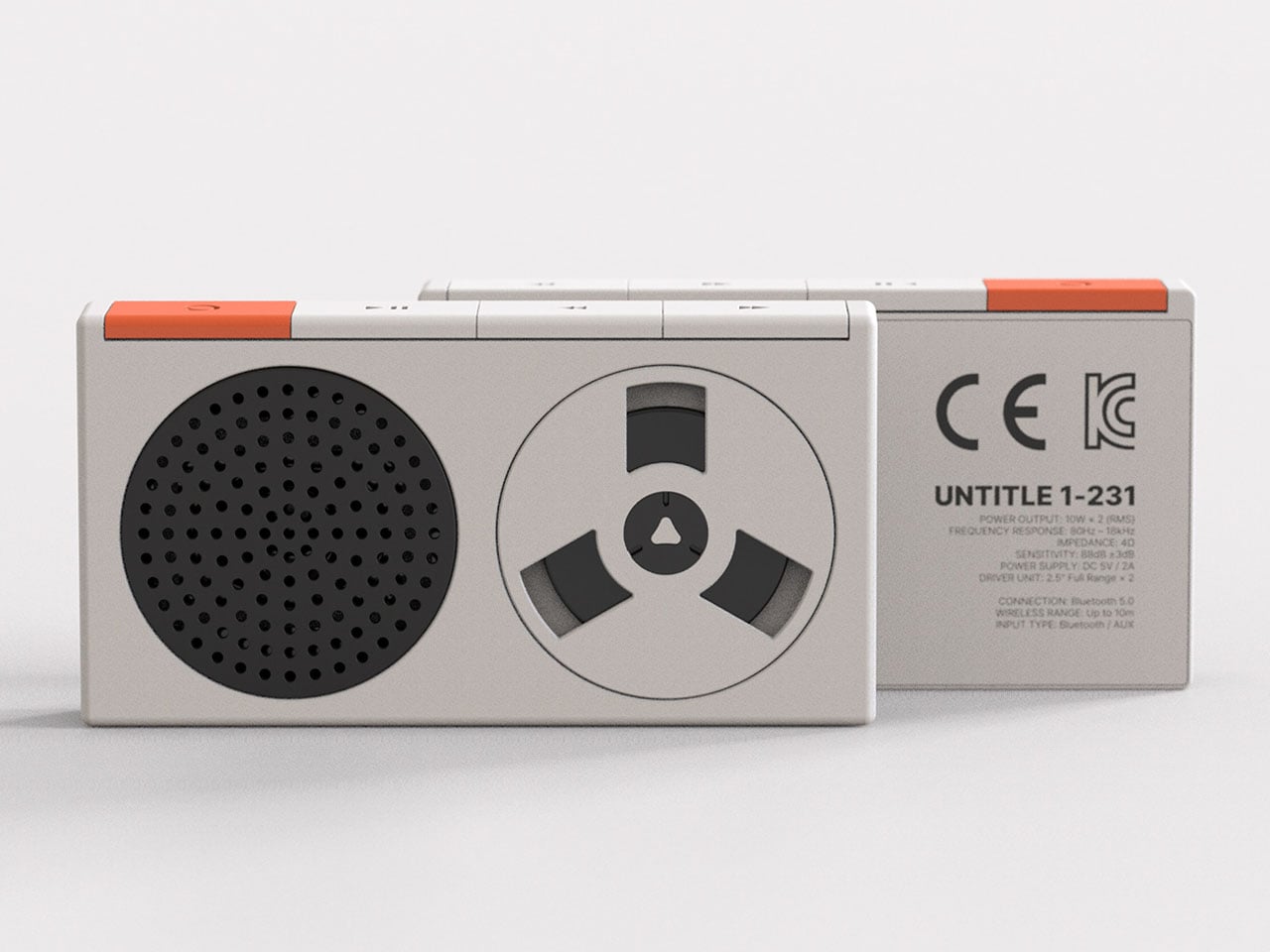
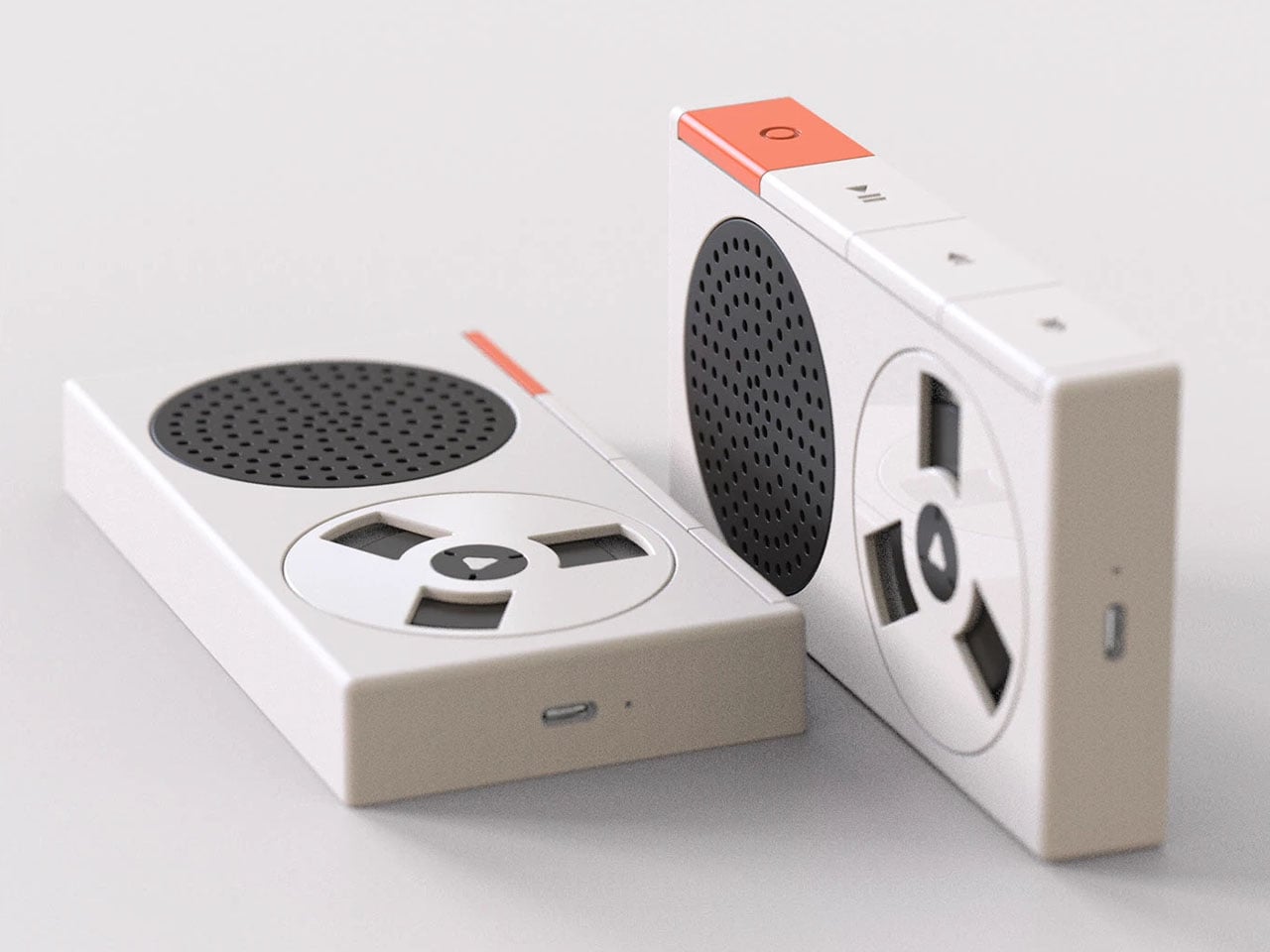
This retro-modern music player revives the hypnotic spin of cassette tapes

Music is the ultimate nirvana to numb the stresses of life or derive inspiration while taking up focus-intensive tasks. The hobby of listening to music has come a long way from the dated radios to the current generation of high-resolution Bluetooth music listening gear. But then, things always come back in circles, that’s why we’re seeing a revival of old school analog media like record players, CDs, and even cassette players.

Countless companies are experimenting with the idea of infusing old-school charm into current-generation music players without losing out on the tactile feel. Teenage Engineering has been a pioneer in modern times when it comes to creating electronic music instruments with design that’s second to none. The signature TE aesthetics and color theme can be clearly seen to be inspiring designs in unrelated domains.

Designer: Jinkyo Han

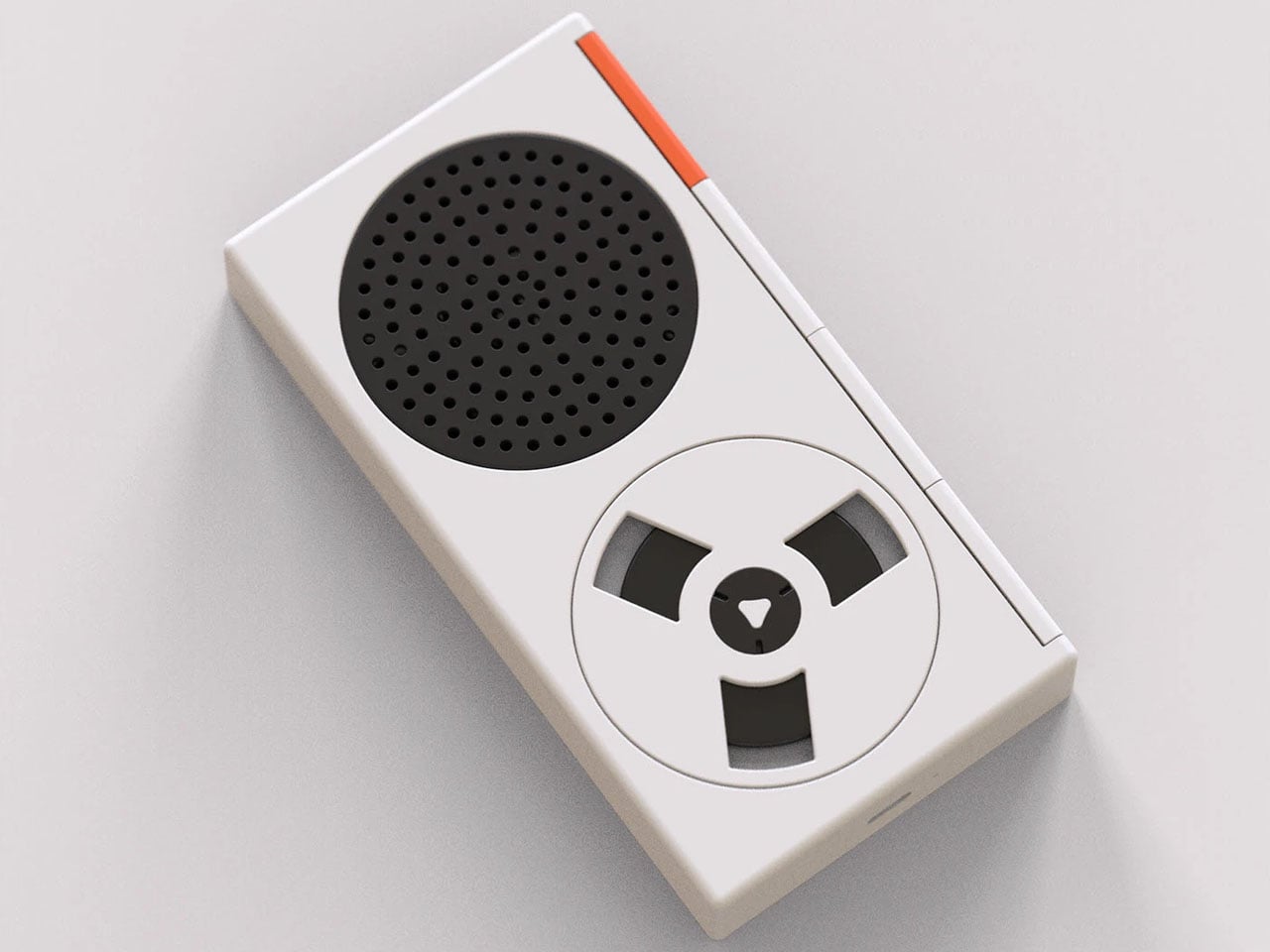
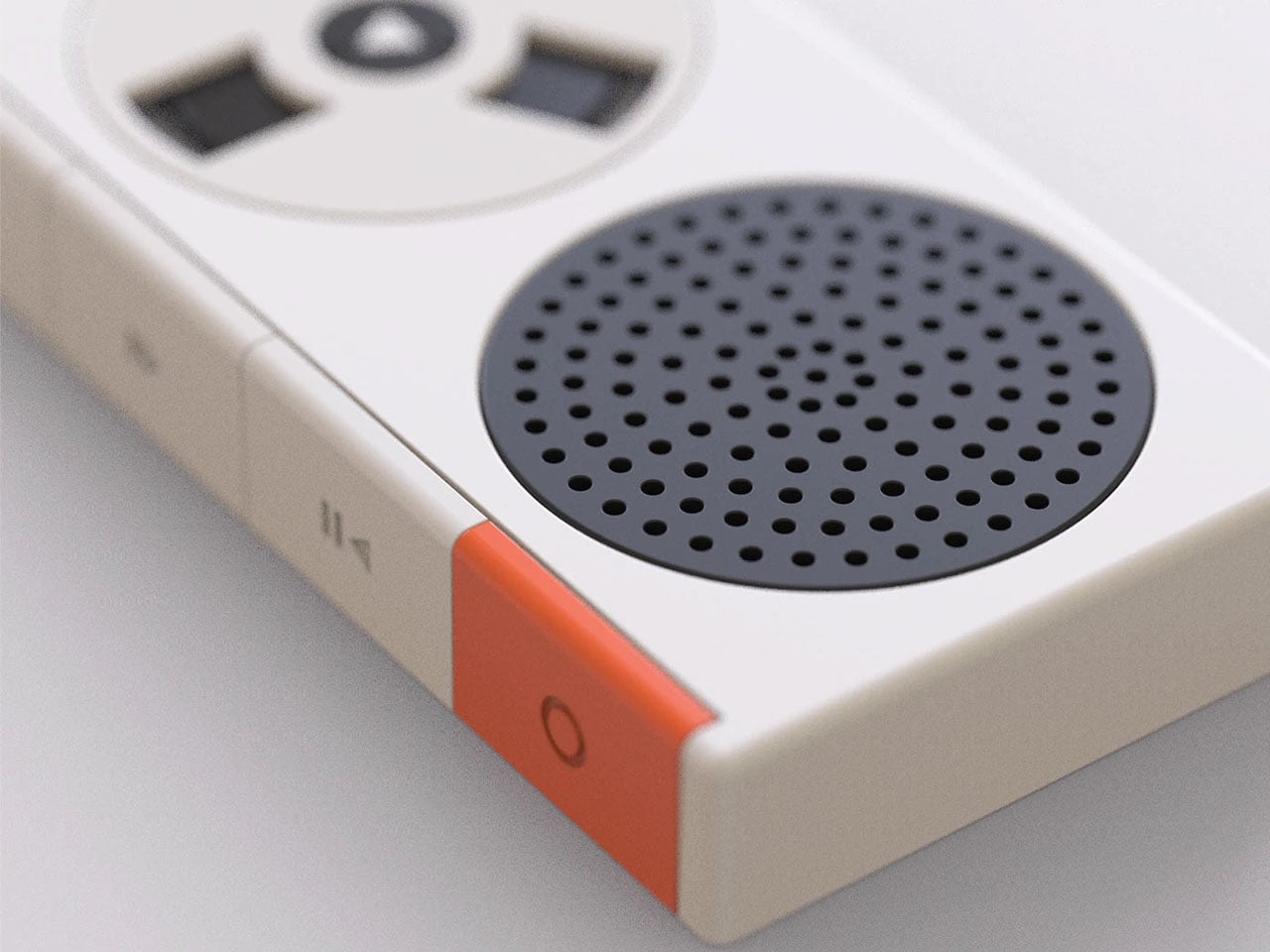
For this time around, however, the concept player here stays within the audio listening gear domain; nonetheless, has clear signs of a TE-inspired design. The retro Bluetooth player is a music accessory that’s reminiscent of the classic cassette tape player design, but on the inside, it’s a modern music player that plays music wired or wireless. The aesthetics are purely for arousing the nostalgic feel of listening to music on a cassette player, while the audio is digitally played via a DAC for high-resolution output.

The mono speaker can output 10W sound with a frequency range of 80Hz – 18kHz. Clearly, in the mono speaker mode, the audio accessory is suited for casual listening. For more analytical listeners, the wired or Bluetooth mode is suited to enjoy the nuances of music. Either way, the spinning cassette player takes you back to a happy place, making the music sound more soulful than ever.

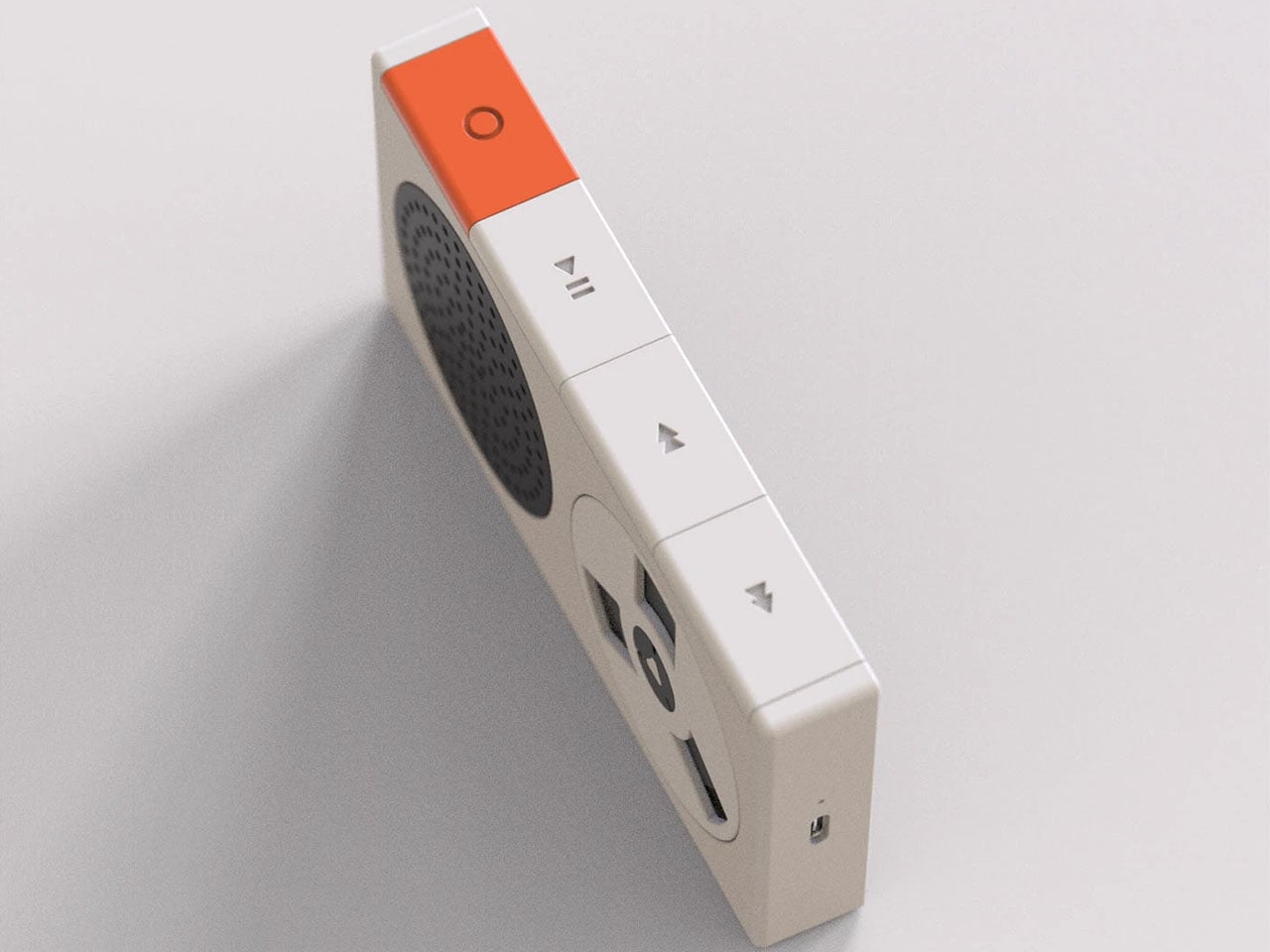
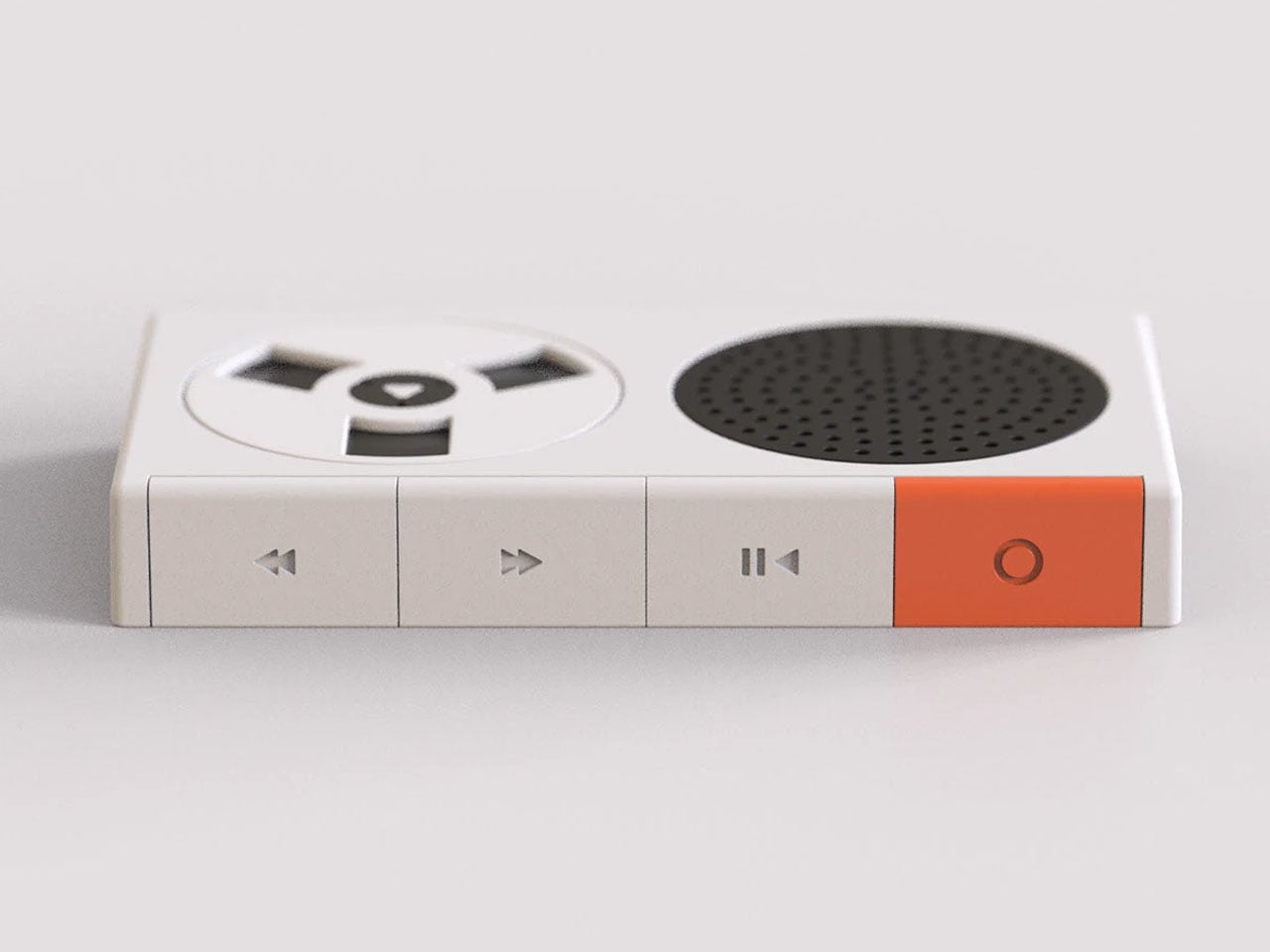
The front displays the spinning cassette player with the perforated speaker grill section. At the top, there are the big player controls to keep things minimal. Other than that, the music player follows a clean design language, which is much appreciated. The designer has not mentioned the exact dimensions of the player, but we presume it’ll be palm-sized given the reference size of the buttons.

Clearly, such a retro-modern music player is recommended for people who appreciate design and love their tunes. Revival of the analog music era is another influence that should resonate well with people who want the tactile feel of the visual elements while enjoying their favorite playlists on music services like Apple Music, Spotify, Dezeer or Tidal in high resolution.

The post This retro-modern music player revives the hypnotic spin of cassette tapes first appeared on Yanko Design.
Ryan Hurst cast as Kratos for live-action God of War show

Amazon's upcoming God of War live-action TV adaptation has cast Ryan Hurst as its Kratos. Sony announced the casting today on X with a brief post and an image of both Hurst and Kratos in full scowl mode. Hurst is already sporting a very Kratos-style beard, so he's already got the right vibe going for him. He has past credits on familiar shows such as Sons of Anarchy and The Walking Dead. The upcoming Amazon series also isn't his first rodeo acting in this universe; Hurst voiced Thor in the video game God of War Ragnarok. But the most important question with this casting news is whether Hurst will even try to match Christopher Judge's spectacular delivery of that single, essential word: "Boy." Because is it even God of War without that signature line?

Loads of video games have been getting the TV treatment in the past few years, and several of the translations have been pretty dang excellent. That trend may be boosted by the increasingly cinematic nature of AAA gaming, but getting the right team behind and in front of the camera can also improve how successful the adaptation is. The involvement of Todd Howard in the Fallout show and Neil Druckmann in The Last of Us surely helped those shows stay true to the heart of their souce material. Sony first revealed that God of War was getting a television series back in 2022, although the showrunner and several executive producers departed the project in 2024 as the project took "a different creative direction." The famed Ronald D. Moore (Battlestar Galactica, For All Mankind) took over as showrunner later in 2024.

This article originally appeared on Engadget at https://www.engadget.com/entertainment/tv-movies/ryan-hurst-cast-as-kratos-for-live-action-god-of-war-show-211655396.html?src=rss