Analog Lamps Were Born From Lego Play and Now Sell at MoMA

Most workspaces end up messy, with serious task lights that look like they belong in a lab and a general lack of objects that feel genuinely happy. A lot of lighting is either ultra-technical or purely decorative, rarely landing in the sweet spot where a lamp can handle focused work and still make you smile when you glance over at it. Analog was born from a designer who wanted a light that could sit in the middle of that chaos and still feel joyful.

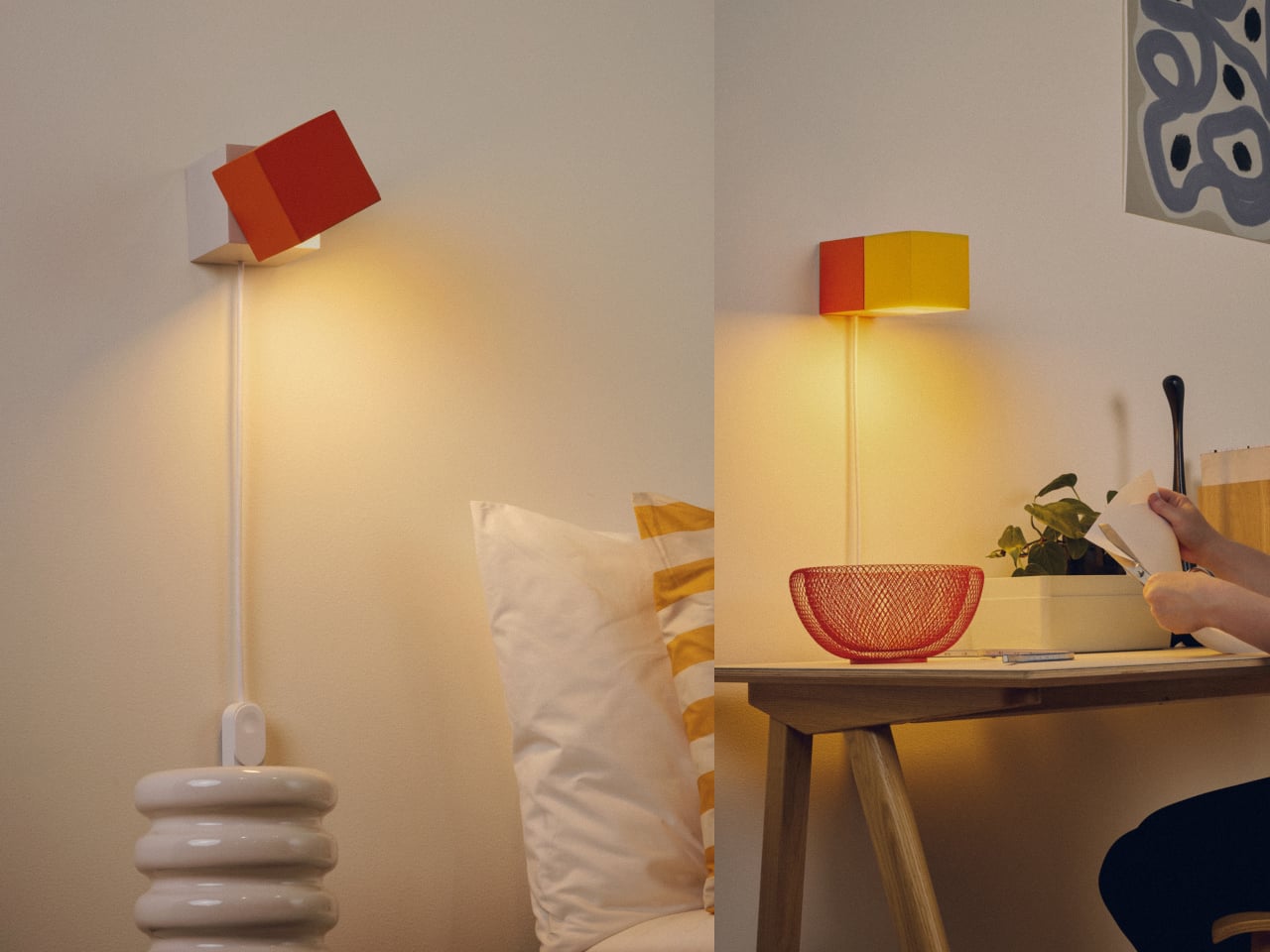
Chris Granneberg was sitting at his messy desk in 2021 after playing Lego with his daughter when he sketched a stack of four cubes with another cantilevered off the side. That sketch became the Analog Task Light, a geometric lamp built from 10cm cubes, with a small footprint, a pop of color, and a form you want to look at during the day, even when it is off, which is exactly what he was after.

Designer: Chris Granneberg

The task light turned into a family, with floor and wall versions built from the same cube language. The floor light stretches the stack into a tall stem with a cube head at the top, while the wall light compresses it into two cubes side by side, one as a mount, one as shade. The result is a collection that can move from desk to sofa to bedside without losing its identity or feeling like three different products that happen to share a name.

The three colorways shift the mood without changing the form. A bright orange and yellow combination leans into the toy reference, an all-black version feels more architectural, and a light grey body with an orange head sits between playful and neutral. The same geometry reads differently depending on the palette, which lets Analog slip into a MoMA-style white box or a more casual home office without feeling out of place.

Granneberg’s line about wanting something fun he would enjoy looking at during the day is the key. The stacked cubes and bold color blocking nod to Lego and building blocks without becoming literal toys. They are serious enough to light a desk or a reading corner, but soft enough in shape and proportion that they feel like characters in the room rather than anonymous fixtures you ignore until you need to turn them on.

What started as an Instagram render became a real collection when Gantri reached out to produce the lights, handling engineering details like how to remove the diffuser to change the bulb. The fact that Analog is also sold at the MoMA Store gives it a certain cultural stamp, but the story still traces back to a designer, a messy desk, and a sketch of cubes that felt joyful instead of just functional or serious.

Analog fits the current moment, where many people are rethinking their workspaces and looking for objects that do not feel purely utilitarian. A lamp that stacks cubes like a kid’s toy, throws a warm glow, and holds its own as an object when it is off fits that brief neatly. Analog makes the case that a task light can be both a tool and a small, daily source of joy, proving that even something as mundane as a desk lamp can feel happy if you build it from the right shapes and colors.

The post Analog Lamps Were Born From Lego Play and Now Sell at MoMA first appeared on Yanko Design.
EMIT Marble Lamp Rises for Work, Glows Green When You’re Done

The typical desk lamp is a metal stalk on a base that does nothing but hold it up, plus a switch somewhere along the cord. Most lamps are either on or off, with the base becoming dead weight that competes with notebooks, pens, and devices for space. EMIT is a concept that treats the base and the shade as active parts of how you work and how your desk feels when you are not working, giving the lamp two distinct postures instead of just one static stance.

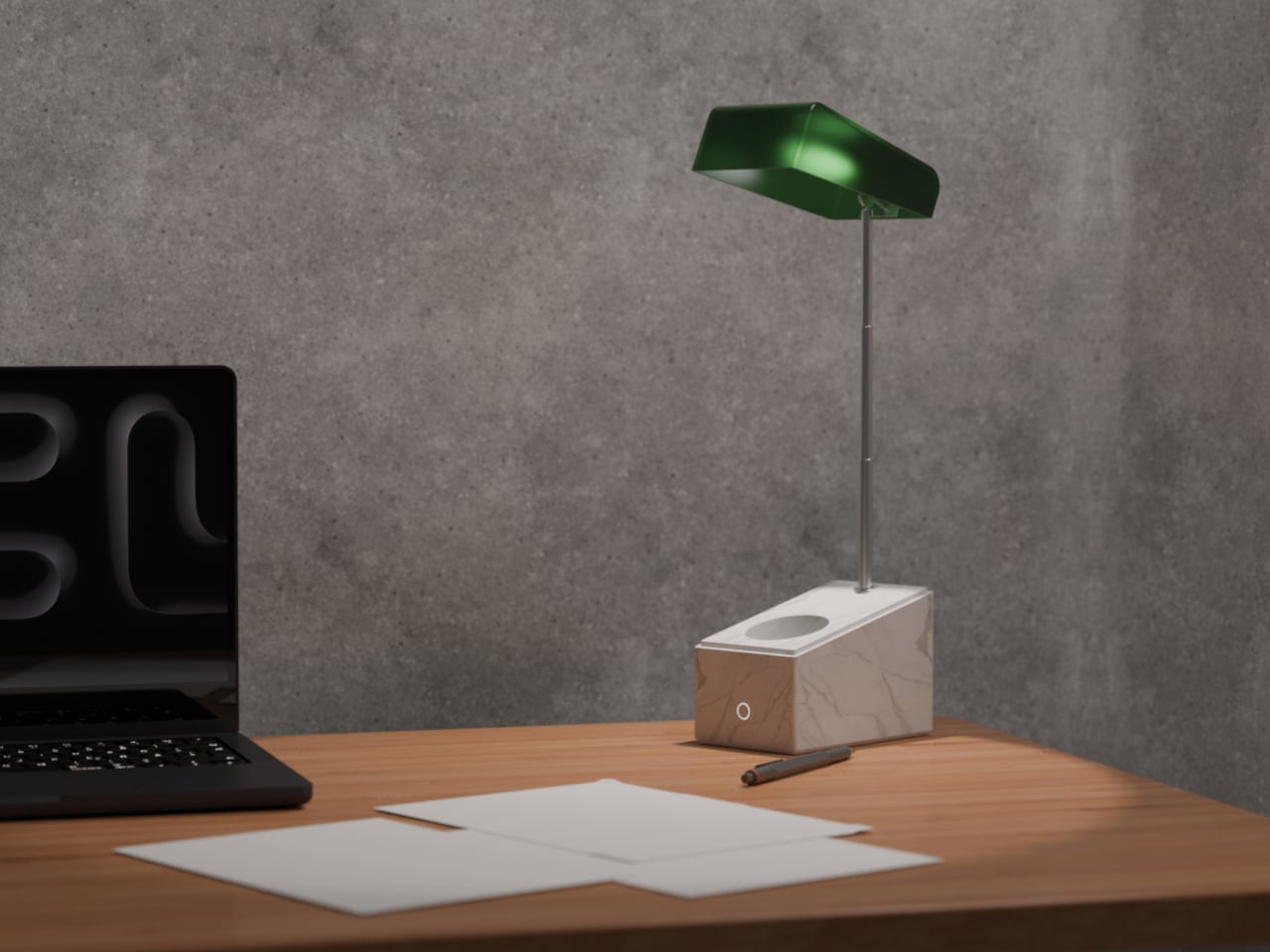
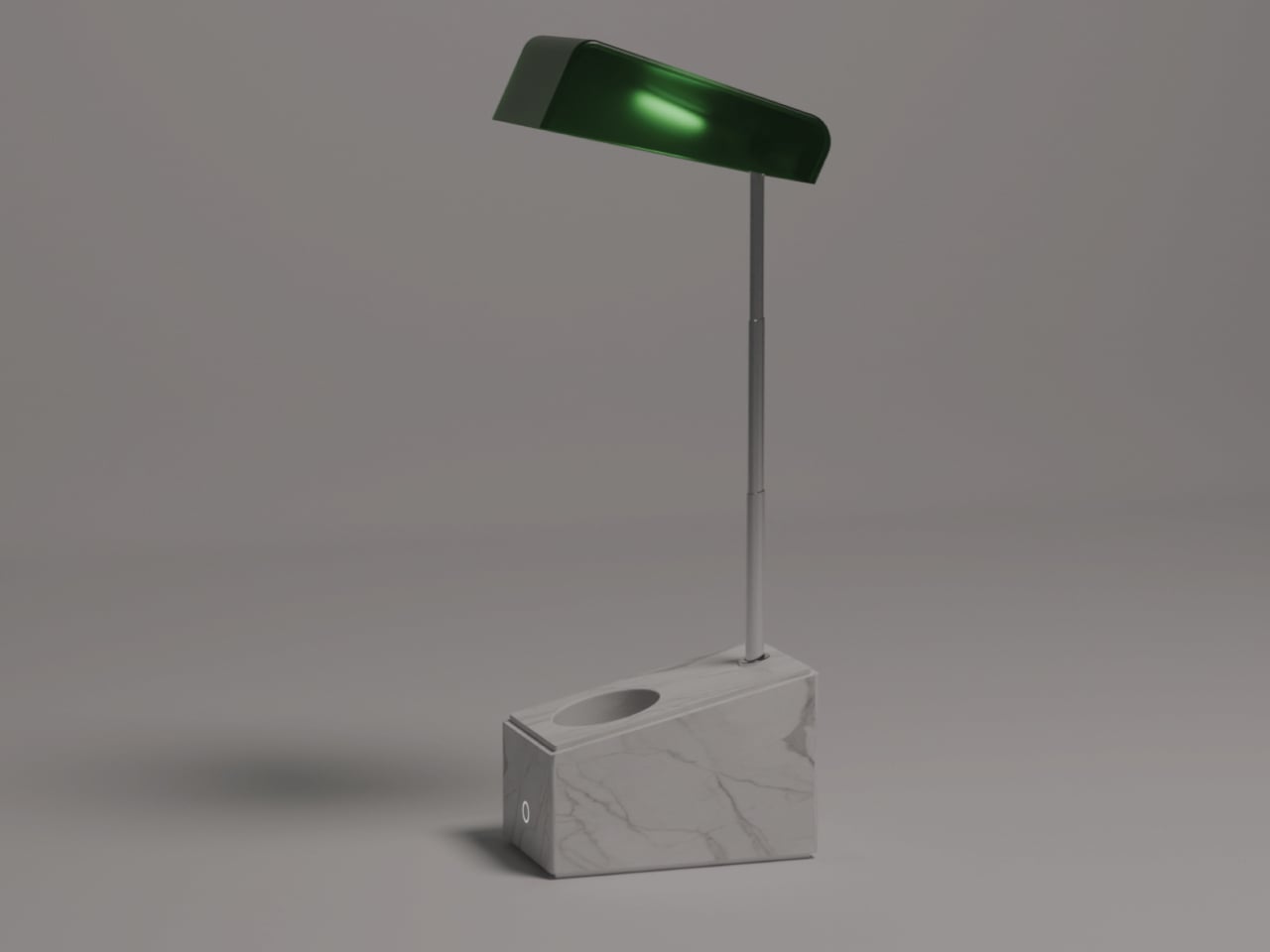
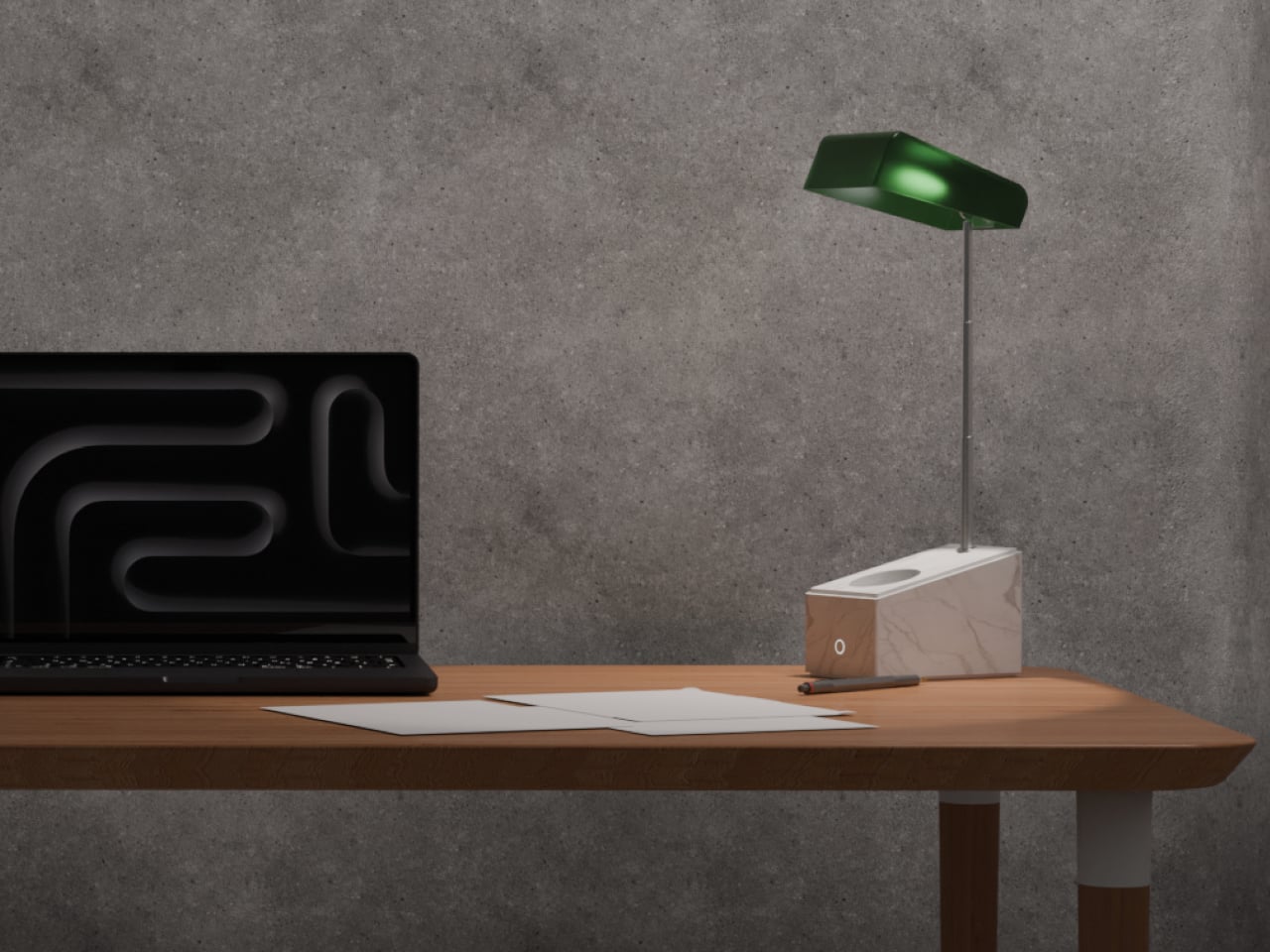
EMIT is a desk lamp concept that pairs a carved block of white Carrara marble with a translucent green shade connected by a telescopic metal stem. The name hints at emission and time, and the design leans into that by giving the lamp two distinct postures, one where it behaves like a focused task light and another where it becomes a quiet, glowing object in the corner of your eye when the work is done.

Designer: Alexios Kamaris

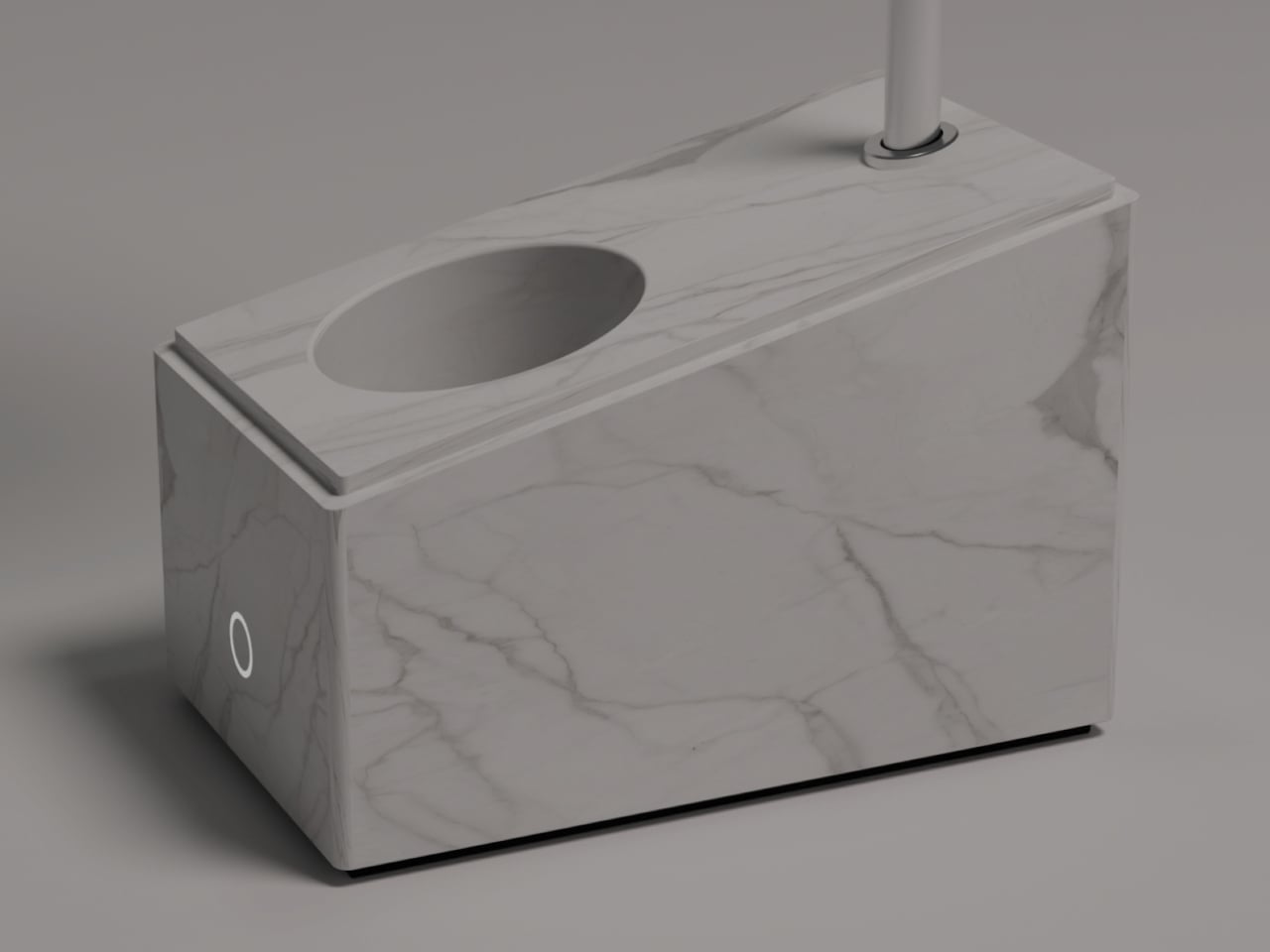
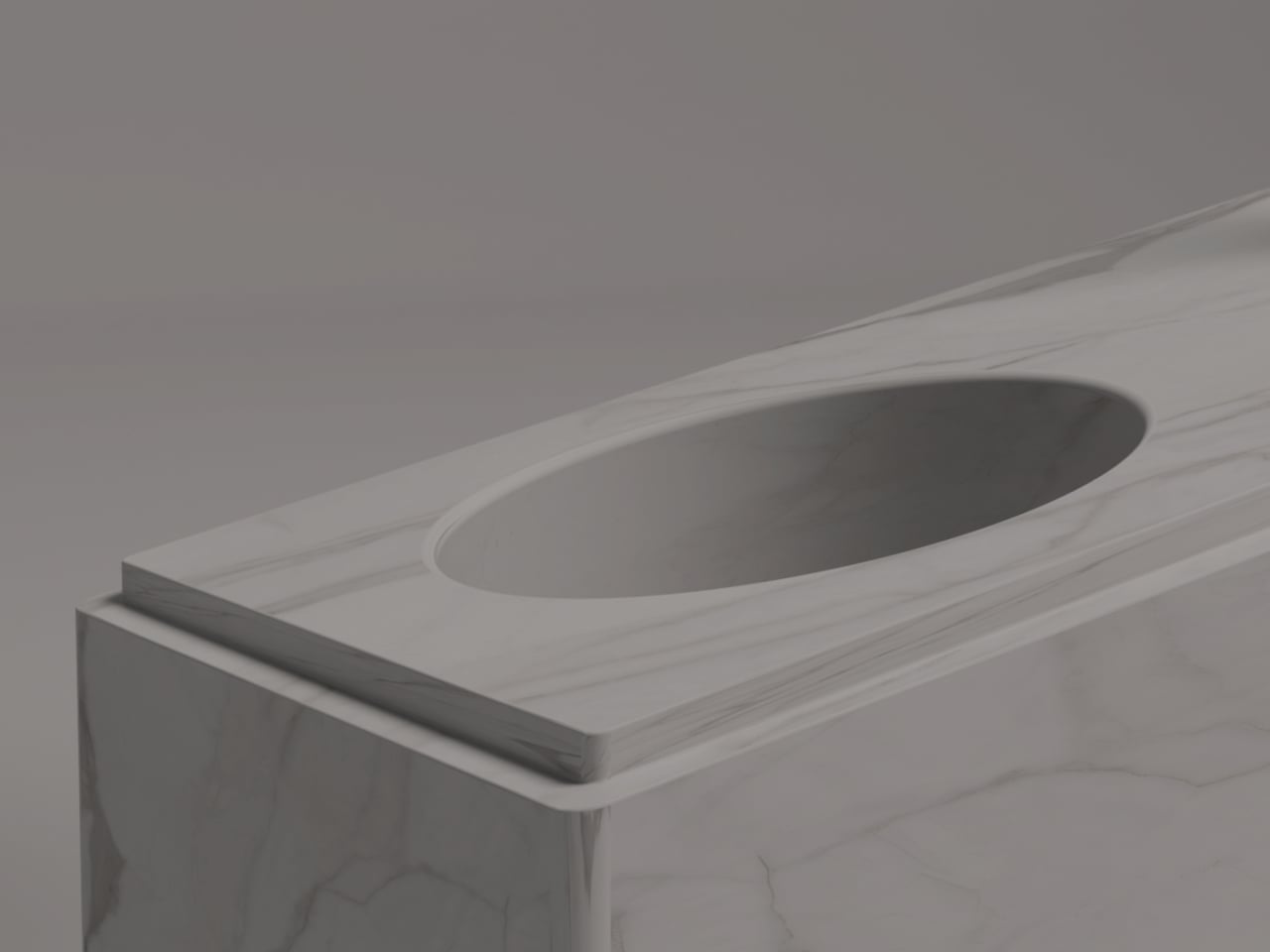
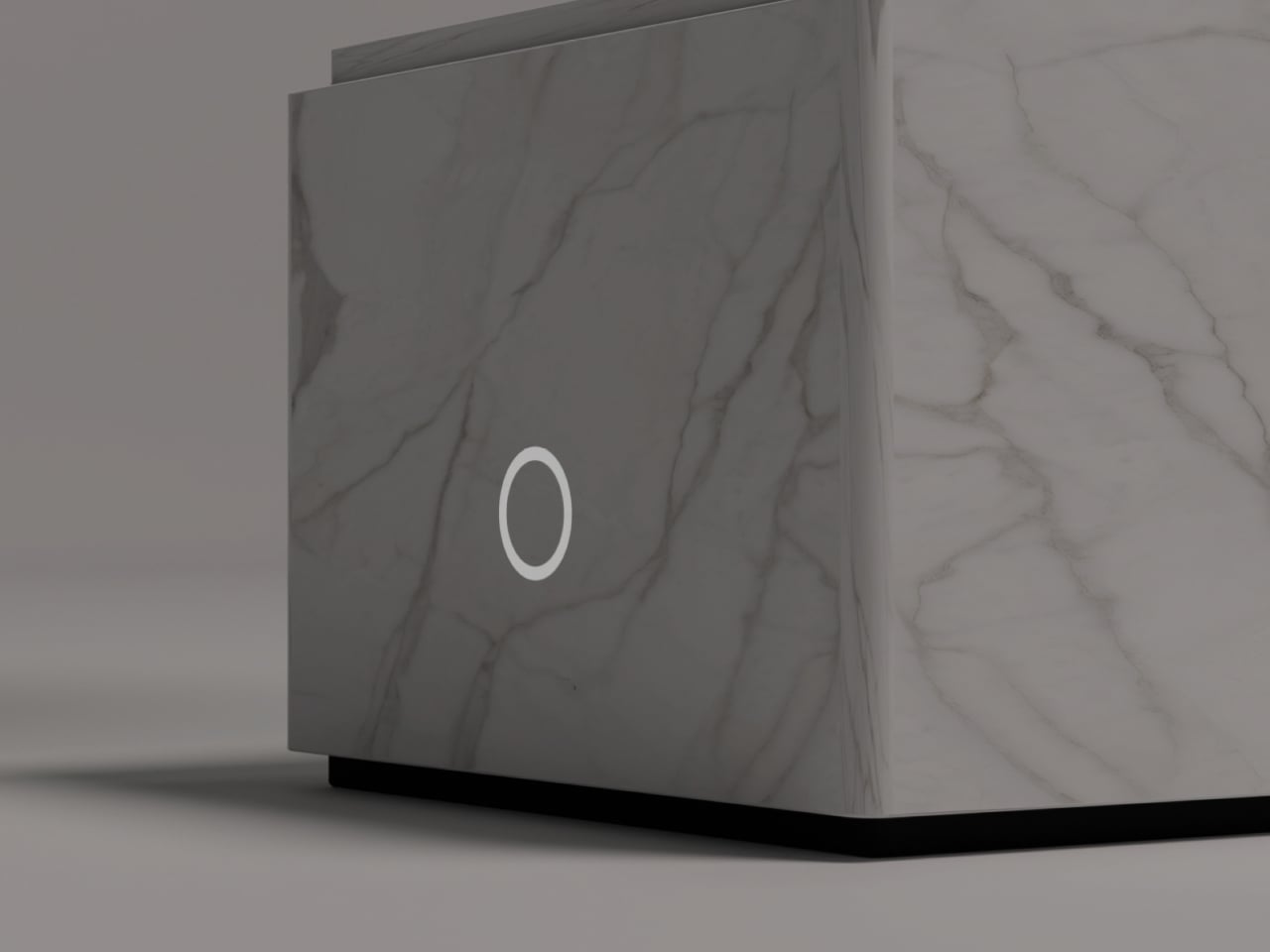
The marble base is more than a plinth. Its geometry is reduced to a simple volume with minimal machining, but a recessed pen holder is carved into the top, turning it into a small organizer. A touch sensor is integrated into the body, so you tap the stone to control the light. The base becomes a calm, heavy anchor that still earns its footprint on a crowded desk by holding pens and offering a gestural interface.

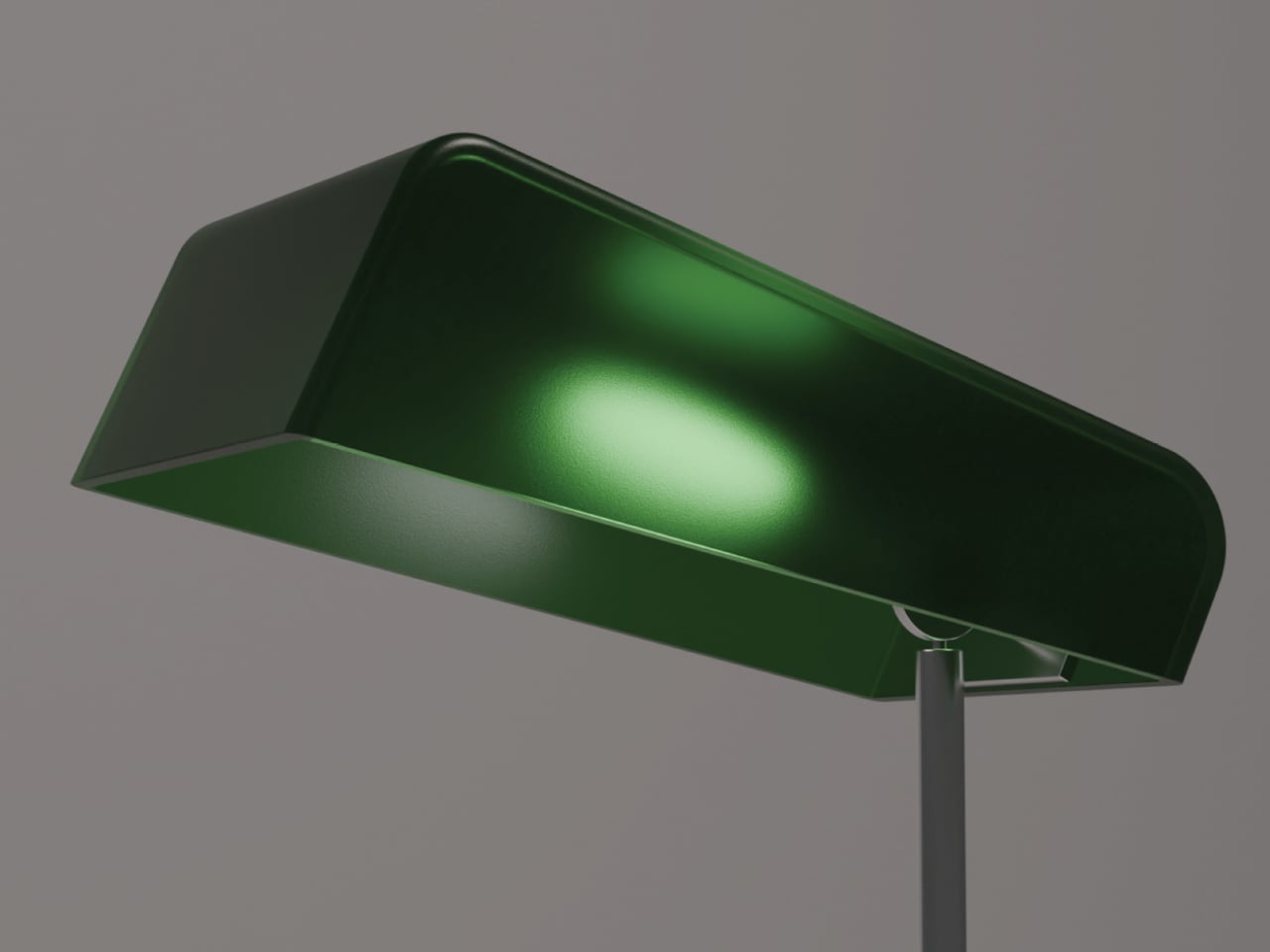
In working mode, the telescopic metal stem rises from the marble and holds the green shade above the surface. The shade references traditional desk lamps in silhouette, but is stripped down to a minimal, monolithic hood. In this posture, light is directed down onto the work area, while some of it diffuses through the translucent material, giving a soft edge to the beam instead of a harsh spotlight that flattens everything under it.

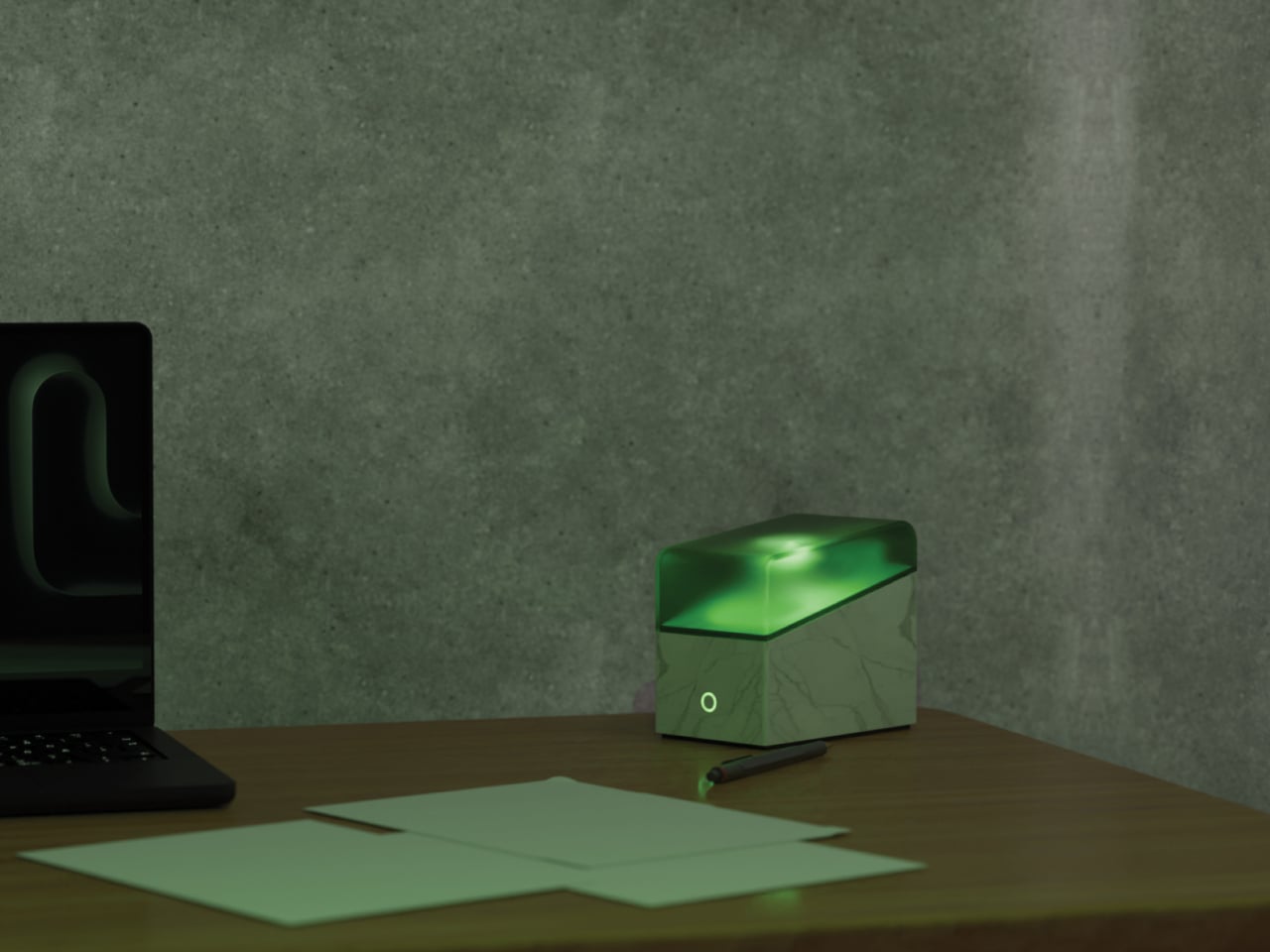
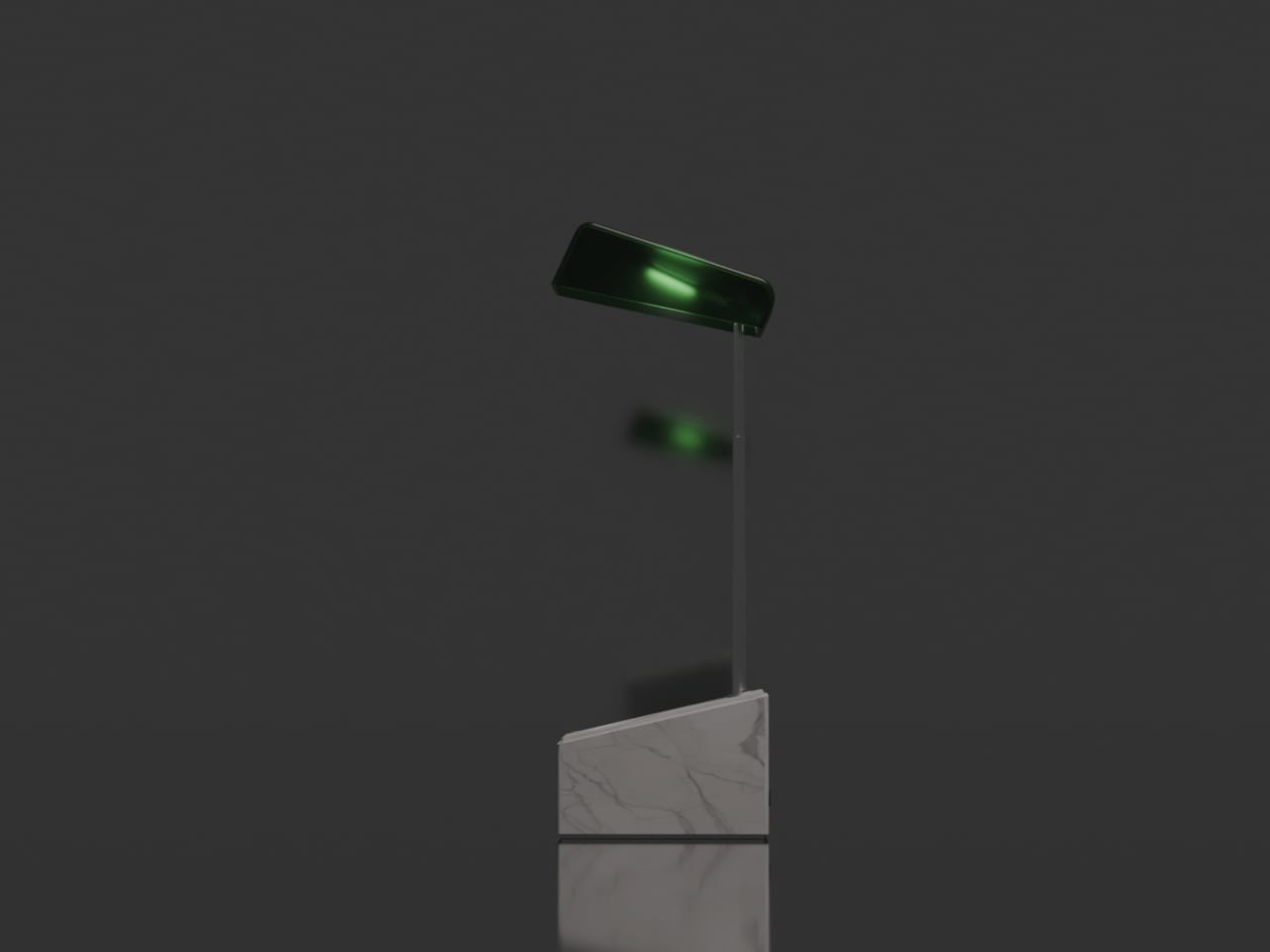
When you are done working, the stem collapses and the shade lowers until it almost meets the marble, forming a compact volume of white and green. In this closed state, EMIT switches to a dedicated mode where the translucent glass emits a soft, diffused glow. The lamp stops acting like a tool and starts behaving like a quiet presence, more sculpture than task light, adding a gentle wash of green to the room without demanding attention.

The deliberate opposition between the cold, veined marble and the soft, glowing green shade frames a small narrative about control and looseness, work and rest. The base reads as natural and solid, the shade as artificial and controlled. Together they explore what it means for a lamp to have a day self and a night self, with the telescopic stem literally mediating between the two modes.

EMIT sits on a contemporary desk next to a laptop and a notebook. During the day, it is a precise, marble-anchored task light with a place for your pen and a tap-to-wake interface. At night, it collapses into a compact green glow that keeps the room from going completely dark without feeling like you left a work light on. It is a small reminder that even a lamp can shift its personality, and that good lighting design can choreograph both focus and calm without needing to look like two different objects.

The post EMIT Marble Lamp Rises for Work, Glows Green When You’re Done first appeared on Yanko Design.
EMIT Marble Lamp Rises for Work, Glows Green When You’re Done

The typical desk lamp is a metal stalk on a base that does nothing but hold it up, plus a switch somewhere along the cord. Most lamps are either on or off, with the base becoming dead weight that competes with notebooks, pens, and devices for space. EMIT is a concept that treats the base and the shade as active parts of how you work and how your desk feels when you are not working, giving the lamp two distinct postures instead of just one static stance.

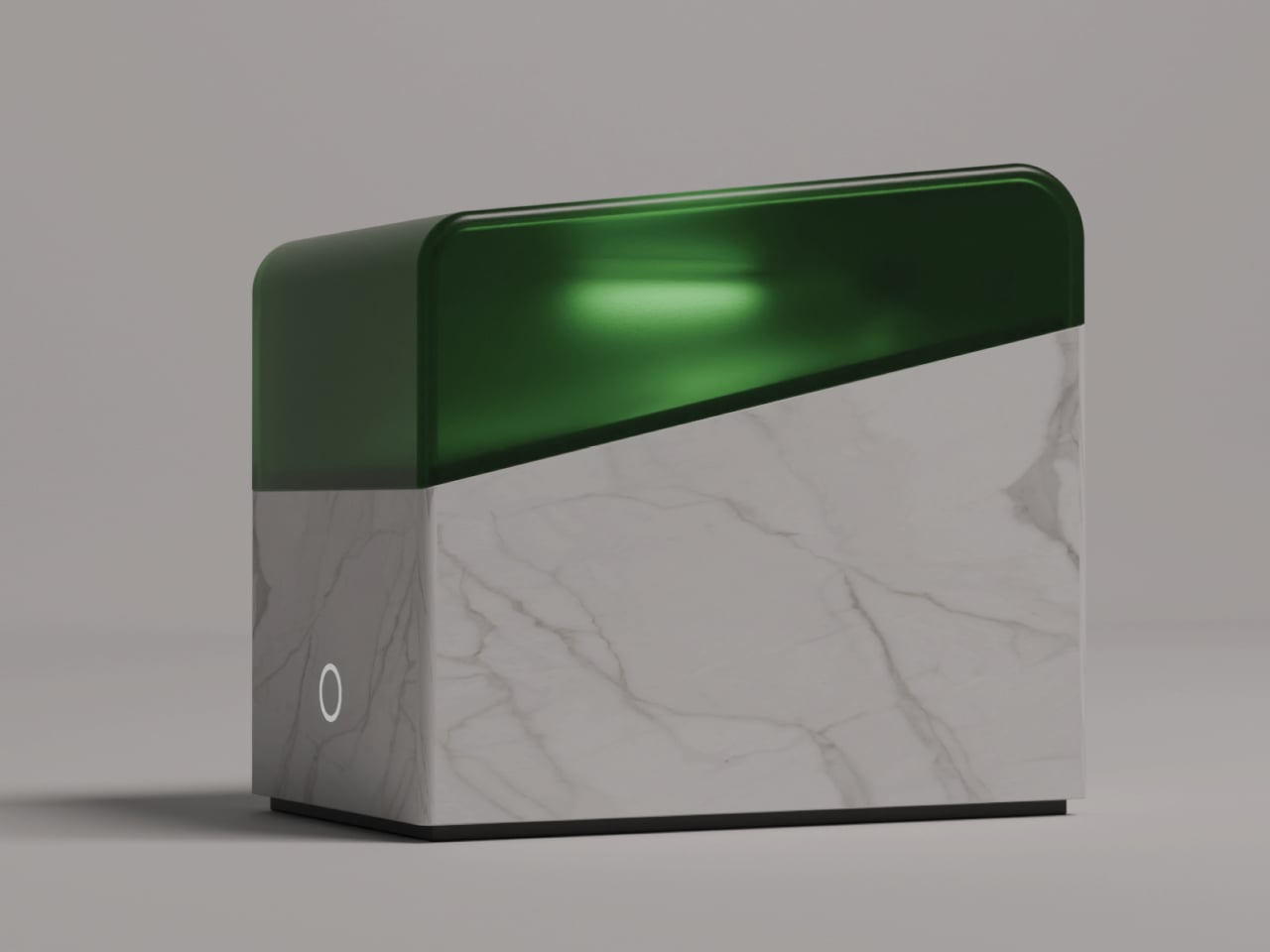
EMIT is a desk lamp concept that pairs a carved block of white Carrara marble with a translucent green shade connected by a telescopic metal stem. The name hints at emission and time, and the design leans into that by giving the lamp two distinct postures, one where it behaves like a focused task light and another where it becomes a quiet, glowing object in the corner of your eye when the work is done.

Designer: Alexios Kamaris

The marble base is more than a plinth. Its geometry is reduced to a simple volume with minimal machining, but a recessed pen holder is carved into the top, turning it into a small organizer. A touch sensor is integrated into the body, so you tap the stone to control the light. The base becomes a calm, heavy anchor that still earns its footprint on a crowded desk by holding pens and offering a gestural interface.

In working mode, the telescopic metal stem rises from the marble and holds the green shade above the surface. The shade references traditional desk lamps in silhouette, but is stripped down to a minimal, monolithic hood. In this posture, light is directed down onto the work area, while some of it diffuses through the translucent material, giving a soft edge to the beam instead of a harsh spotlight that flattens everything under it.

When you are done working, the stem collapses and the shade lowers until it almost meets the marble, forming a compact volume of white and green. In this closed state, EMIT switches to a dedicated mode where the translucent glass emits a soft, diffused glow. The lamp stops acting like a tool and starts behaving like a quiet presence, more sculpture than task light, adding a gentle wash of green to the room without demanding attention.

The deliberate opposition between the cold, veined marble and the soft, glowing green shade frames a small narrative about control and looseness, work and rest. The base reads as natural and solid, the shade as artificial and controlled. Together they explore what it means for a lamp to have a day self and a night self, with the telescopic stem literally mediating between the two modes.

EMIT sits on a contemporary desk next to a laptop and a notebook. During the day, it is a precise, marble-anchored task light with a place for your pen and a tap-to-wake interface. At night, it collapses into a compact green glow that keeps the room from going completely dark without feeling like you left a work light on. It is a small reminder that even a lamp can shift its personality, and that good lighting design can choreograph both focus and calm without needing to look like two different objects.

The post EMIT Marble Lamp Rises for Work, Glows Green When You’re Done first appeared on Yanko Design.
The Solar Touch Light That Hides Its Tech in Plain Sight

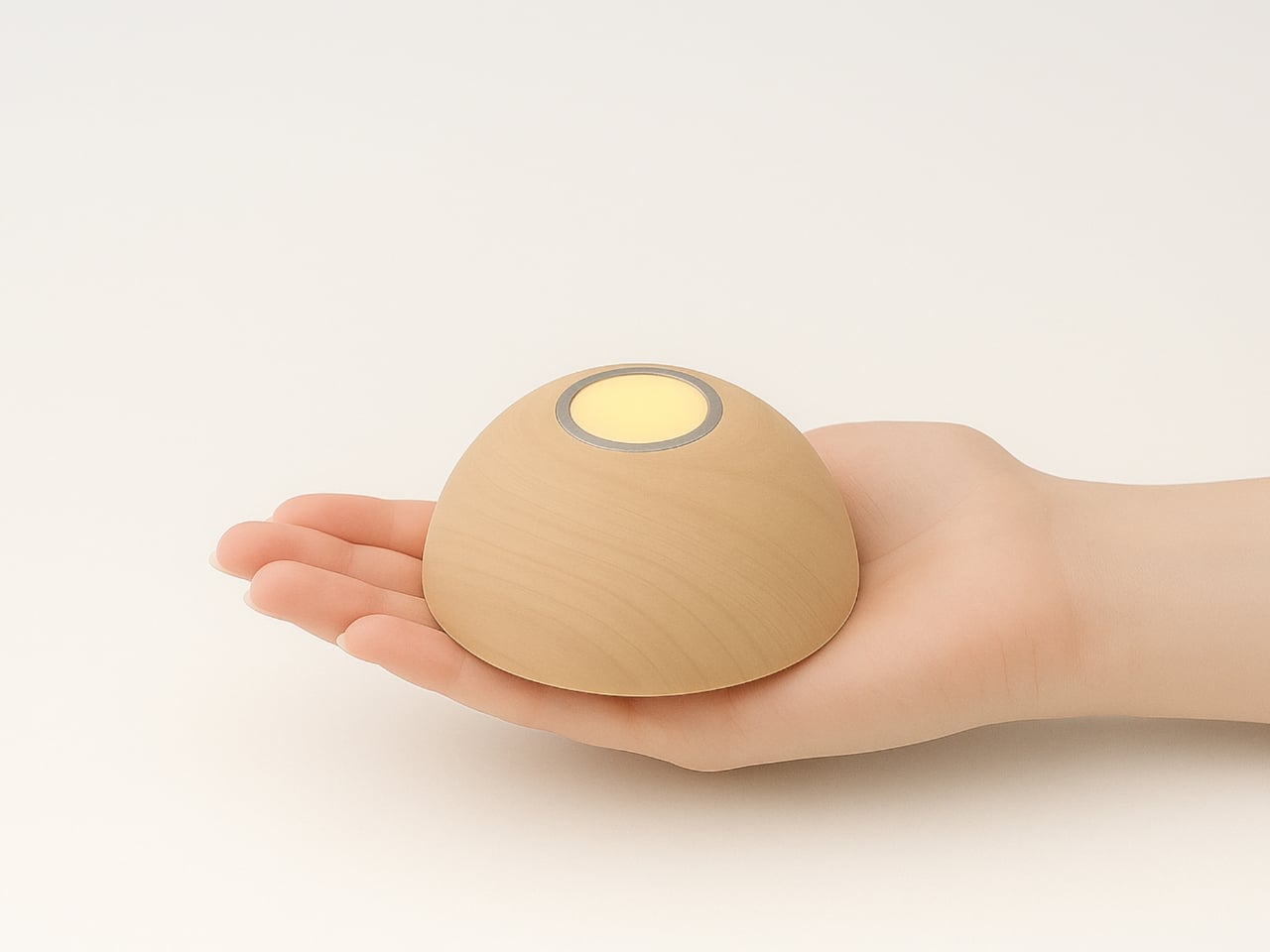
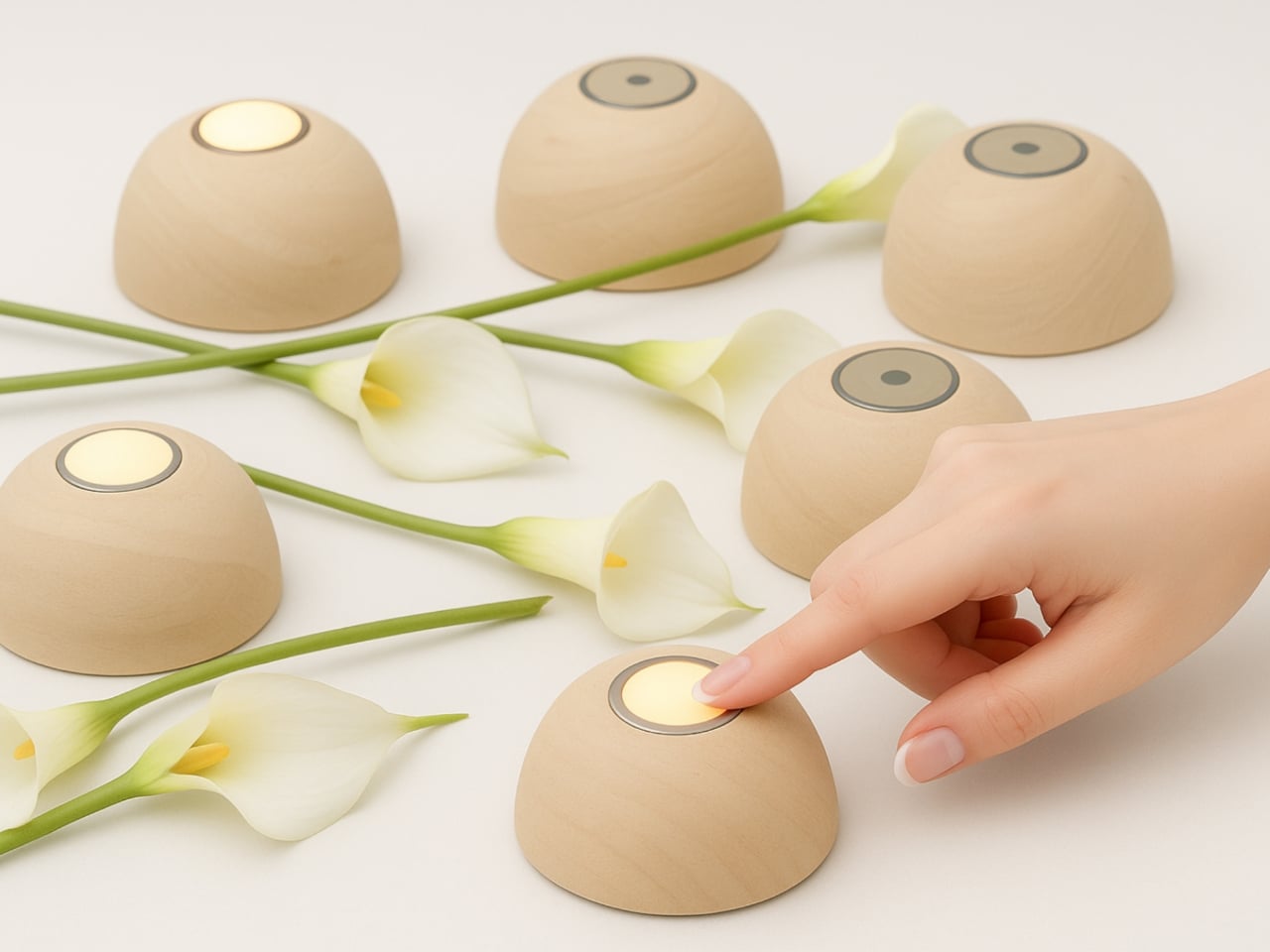
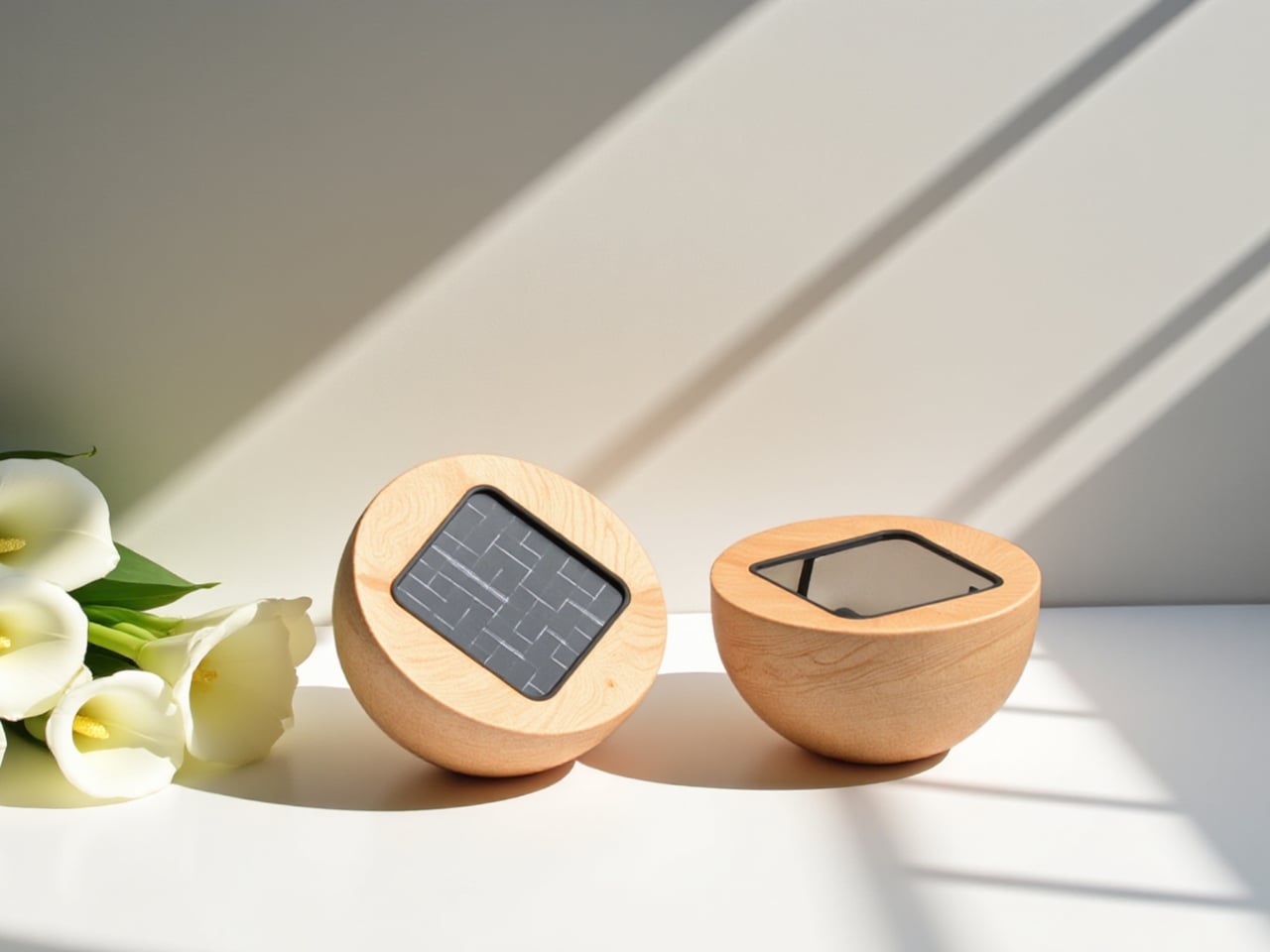
There’s something quietly revolutionary happening in the world of ambient lighting, and it looks like a smooth wooden pebble you’d want to hold in your palm. Meet Sula, a solar touch light designed by Maryam Mozafari that’s making the case for sustainable design without sacrificing an ounce of beauty or simplicity.

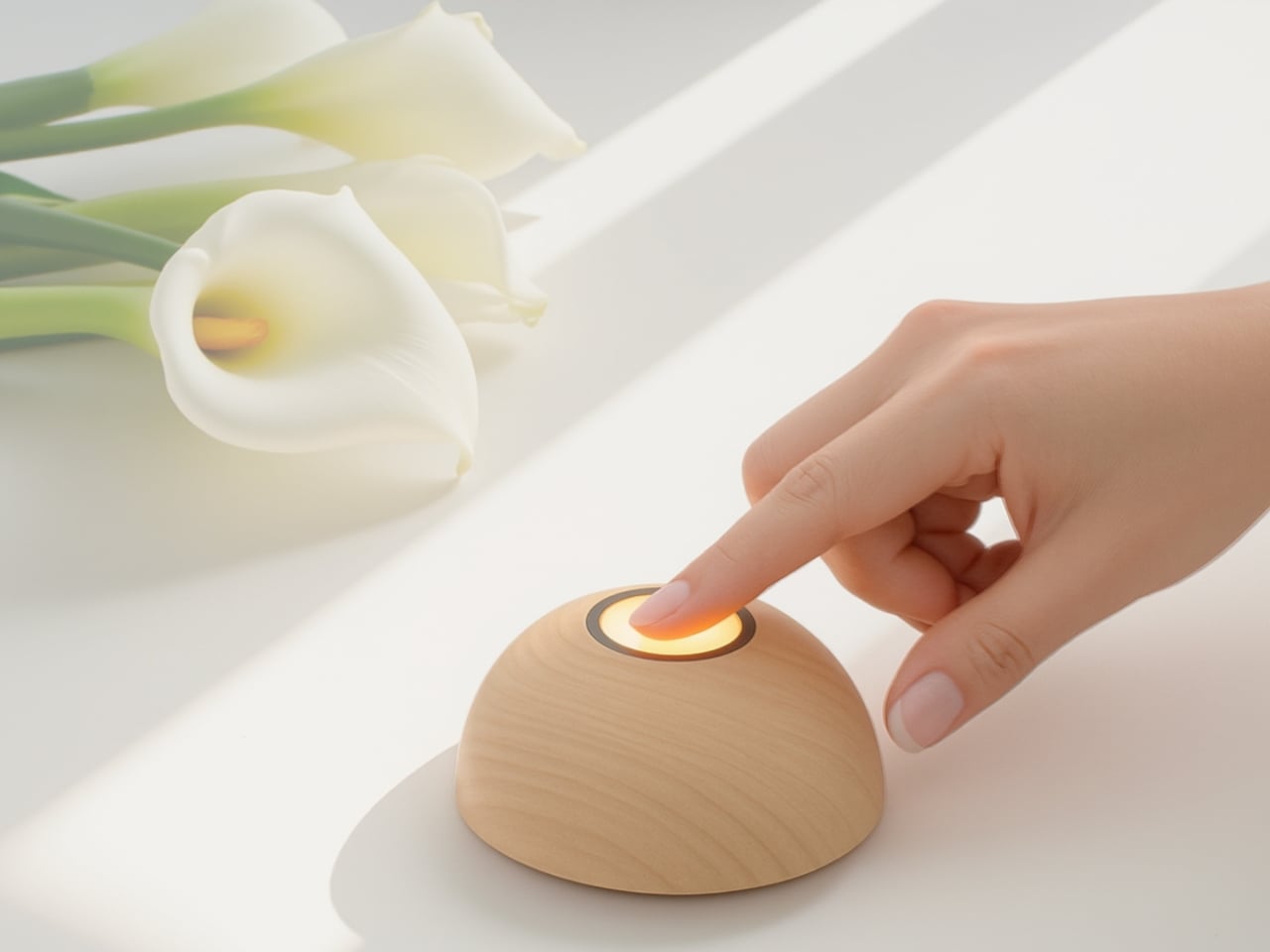
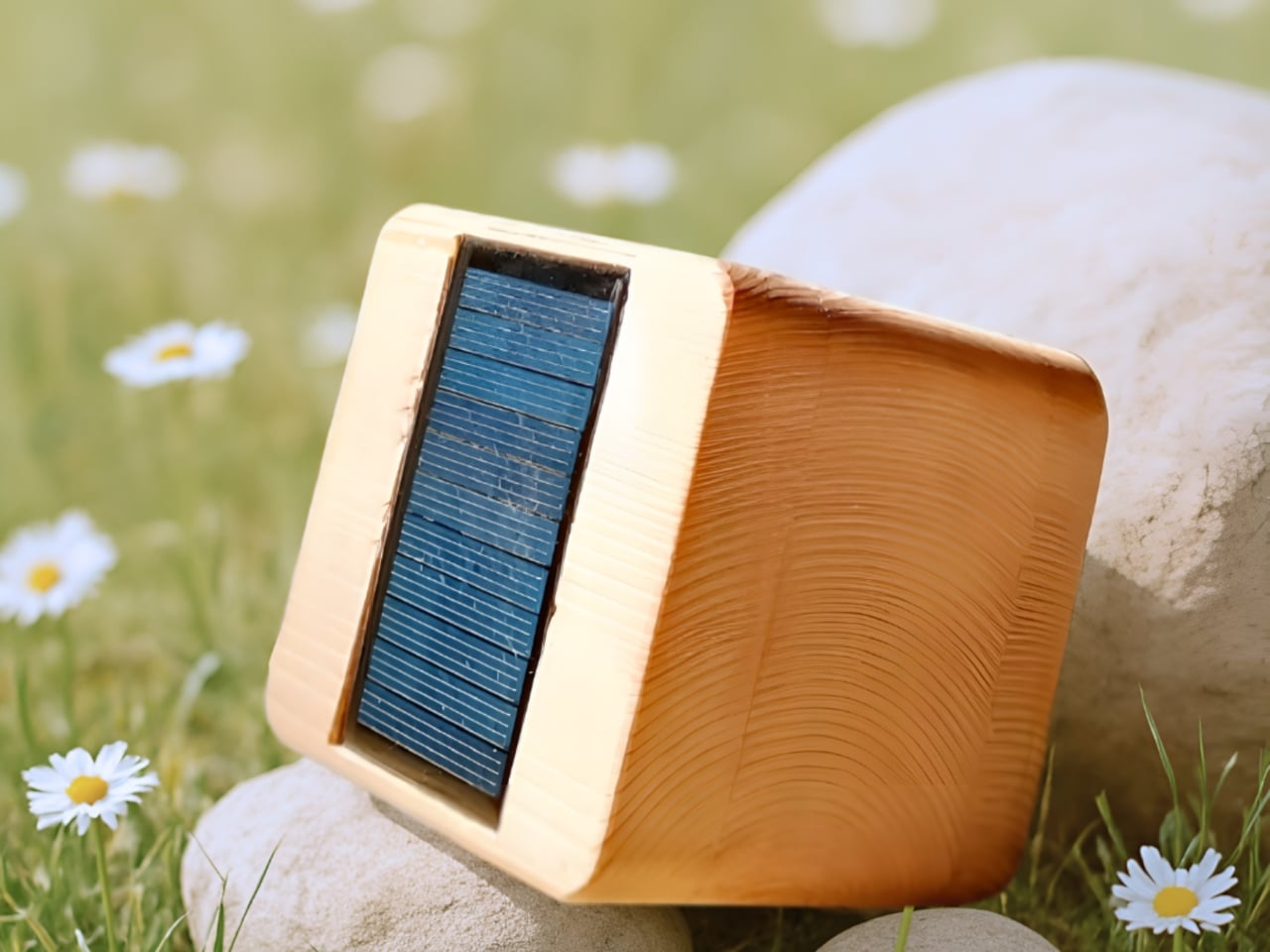
At first glance, Sula resembles a decorative candle that’s been reimagined for the 21st century. Its organic, rounded form sits comfortably in your hand, and the warm wood finish gives it that luxurious, handcrafted quality that makes you want to keep it on display even when it’s not lit. But flip it over or lay it on its side, and you’ll discover its secret: a hidden solar panel that soaks up sunlight and stores energy in its lithium battery.

Designer: Maryam Mozafari

The genius of Sula lies in how effortlessly it integrates sustainability into everyday life. We’re living in an era where solar panels still feel like clunky additions to our homes, awkward compromises between function and form. Sula challenges that assumption entirely. Instead of treating the solar panel as an eyesore to hide, Mozafari designed the entire object around the idea that charging should be as natural as setting something down. Want to power up your light? Just flip it upside down on a sunny windowsill. That’s it. No cords, no outlets, no apps to download.

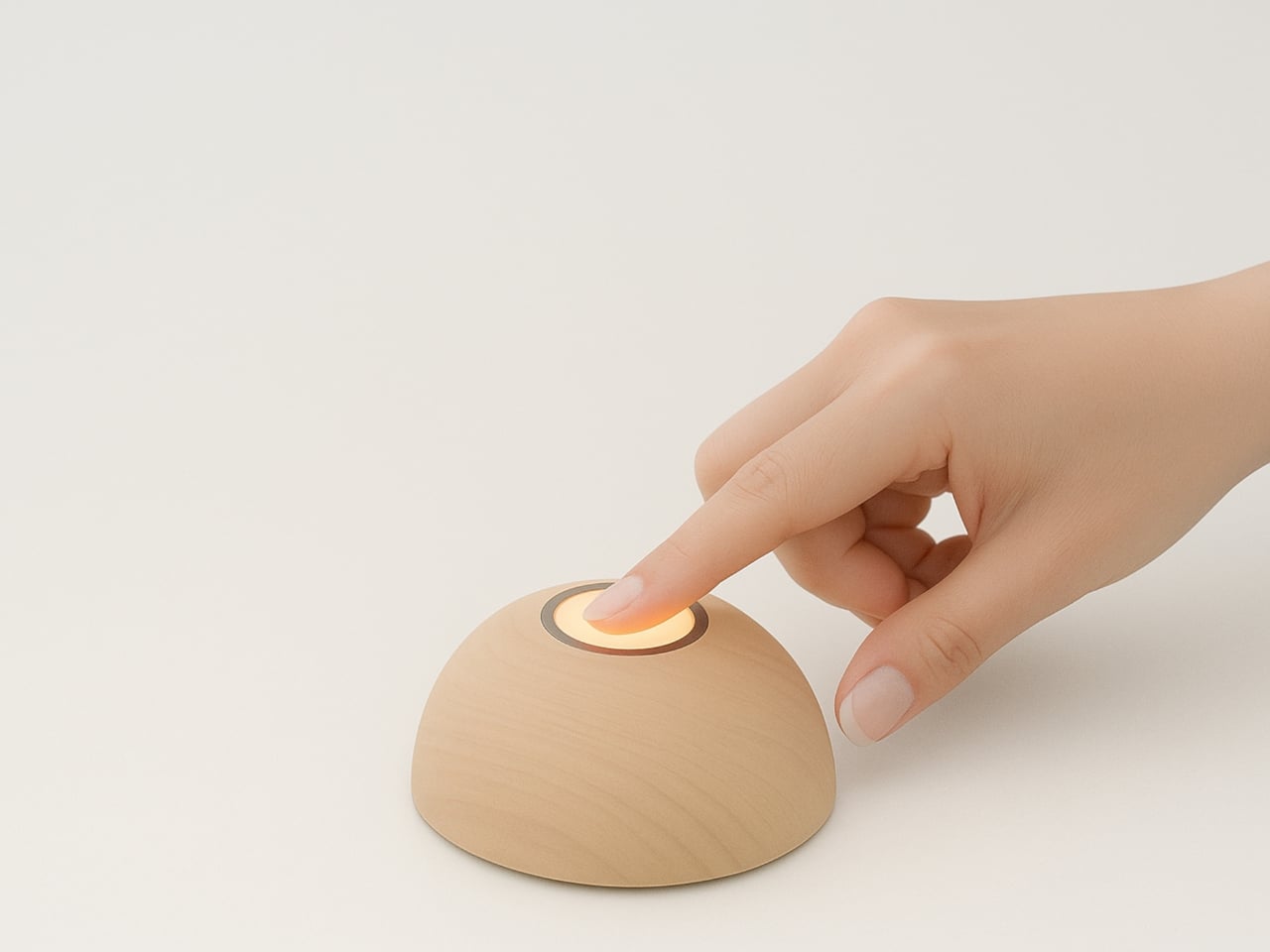
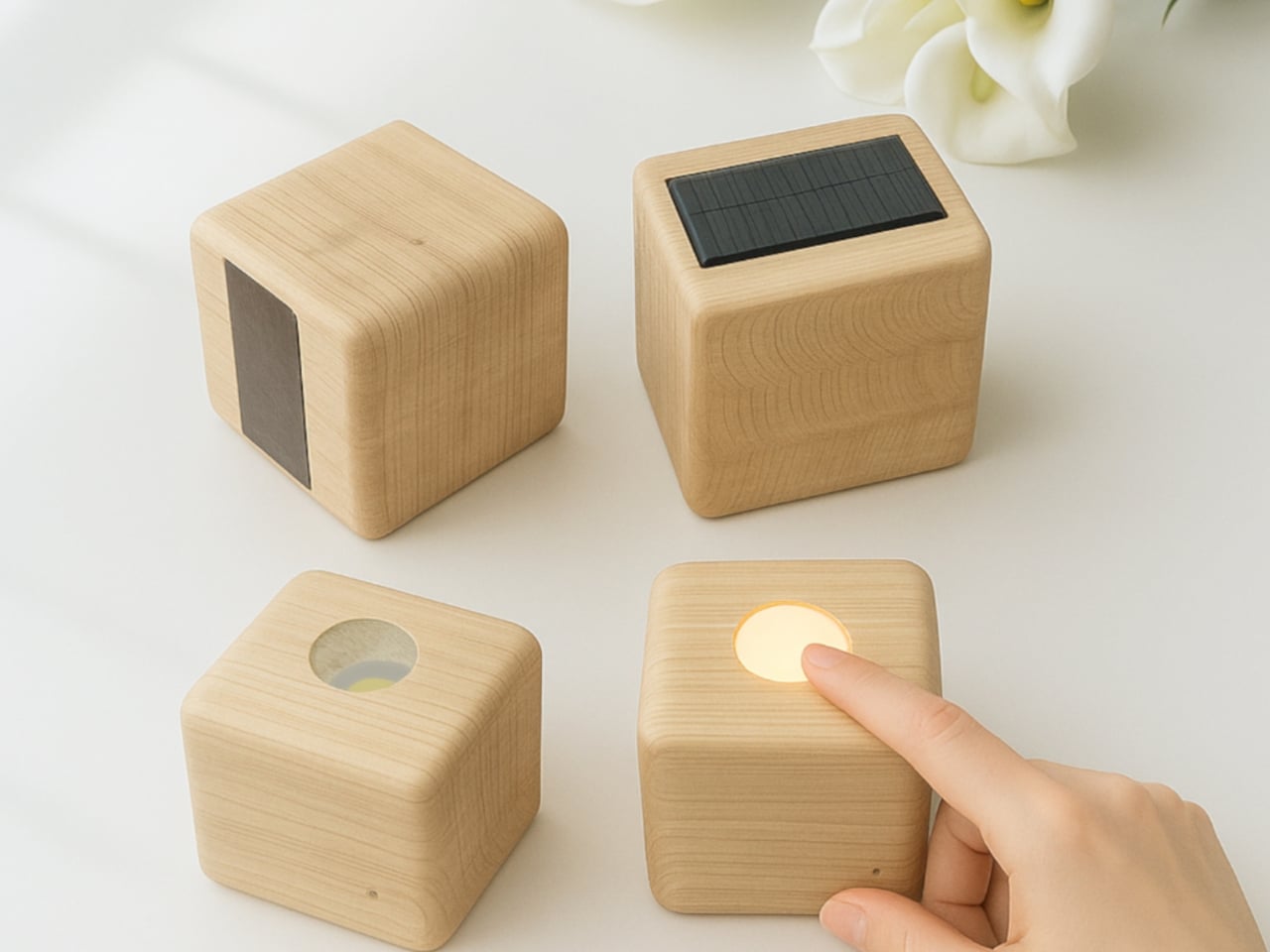
This simplicity extends to how you actually use the light. A gentle touch activates the soft glow, creating that intimate, relaxing atmosphere we usually associate with candlelight but without the fire hazard or melting wax. There’s something deeply satisfying about touch activation. It makes you feel more connected to the object, more intentional about the mood you’re creating in your space.

The design comes in different forms too, giving it versatility that most ambient lights lack. The classic dome shape looks like a smooth river stone, while the cubic version brings a more contemporary, architectural vibe. Both variations share that same philosophy: beautiful objects that happen to be functional, rather than functional objects trying to look beautiful. It’s a subtle but crucial distinction that separates good design from great design.

What makes Sula particularly relevant right now is how it addresses our complicated relationship with technology and sustainability. We want to make better choices for the environment, but we don’t want those choices to feel like sacrifices. Solar power often comes with baggage: it’s expensive, it’s complicated, it requires installation. Sula strips all that away. It’s a light that charges itself using the sun, and the whole process is so seamless you barely think about it.

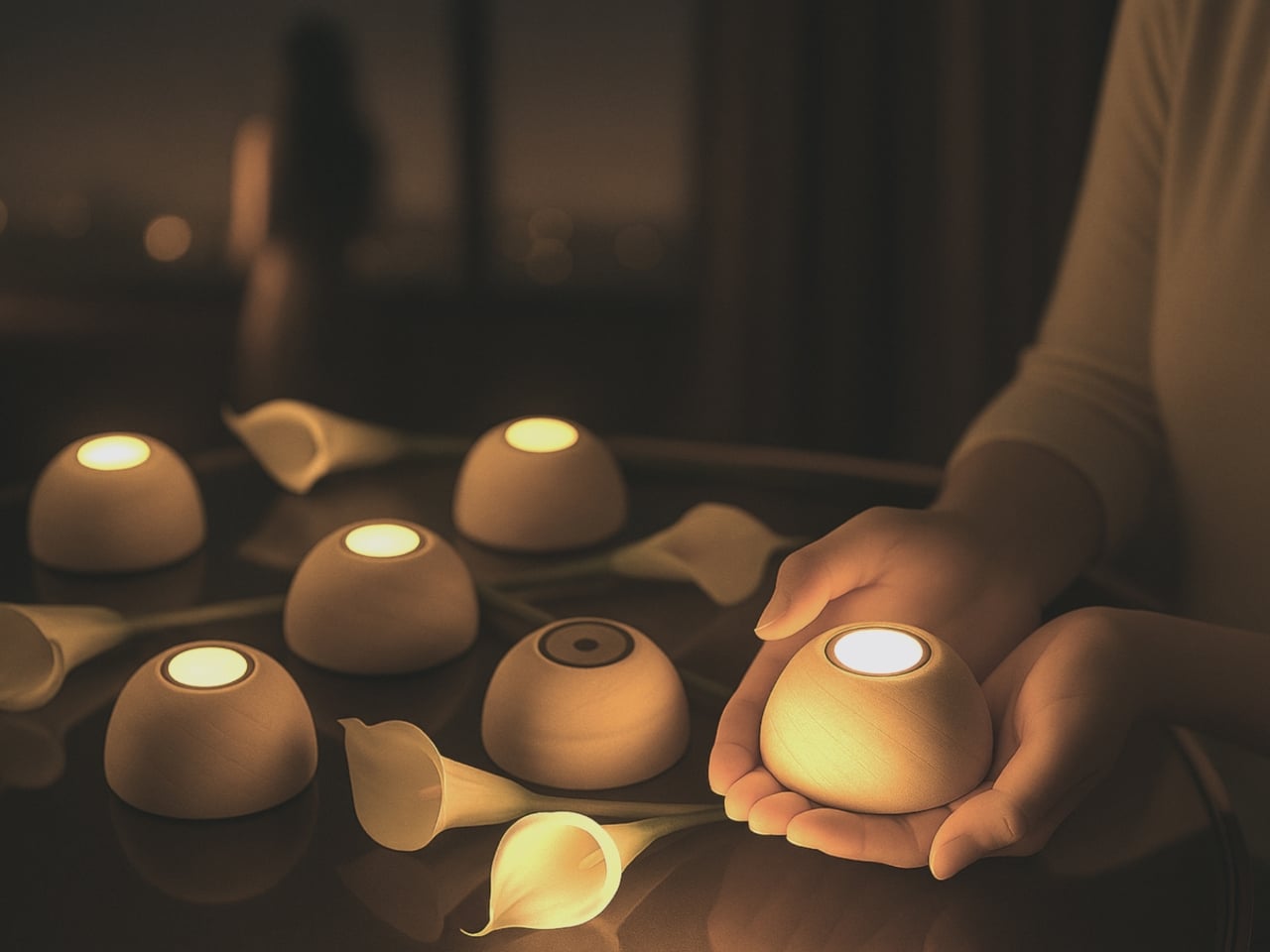
The ergonomics deserve attention too. The light is sized perfectly to be portable, to move from room to room as you need it. Imagine bringing a cluster of them to an outdoor dinner as the sun sets, or keeping one on your nightstand for gentle reading light that won’t blast you awake like your phone screen. The soft illumination creates pockets of warmth without overwhelming a space, which is exactly what good ambient lighting should do.

There’s also something wonderfully analog about Sula in our increasingly connected world. It doesn’t ping you with notifications, it doesn’t need updates, and it won’t become obsolete when a new model comes out. It’s just a light that runs on sunshine and responds to your touch. In a market saturated with smart home devices that promise to make life easier but often just add complexity, Sula’s straightforward approach feels refreshingly honest.

Mozafari’s design proves that sustainability doesn’t have to announce itself loudly to be effective. Sula isn’t covered in green leaves or covered with “eco-friendly” labels. It’s simply a beautifully crafted object that happens to run on renewable energy. That quiet confidence is what makes it work. It fits into modern homes not because it’s making a statement about sustainability, but because it’s genuinely lovely to look at and use.

For anyone who’s ever fumbled for a light switch in the dark or dealt with the anxiety of leaving candles burning overnight, Sula offers something better. It’s proof that the future of sustainable design isn’t about compromise. It’s about creating objects so well-designed that their environmental benefits become just one more reason to love them.

The post The Solar Touch Light That Hides Its Tech in Plain Sight first appeared on Yanko Design.
This 3D-Printed Lamp Was Designed to Feel Like Mom’s Hug

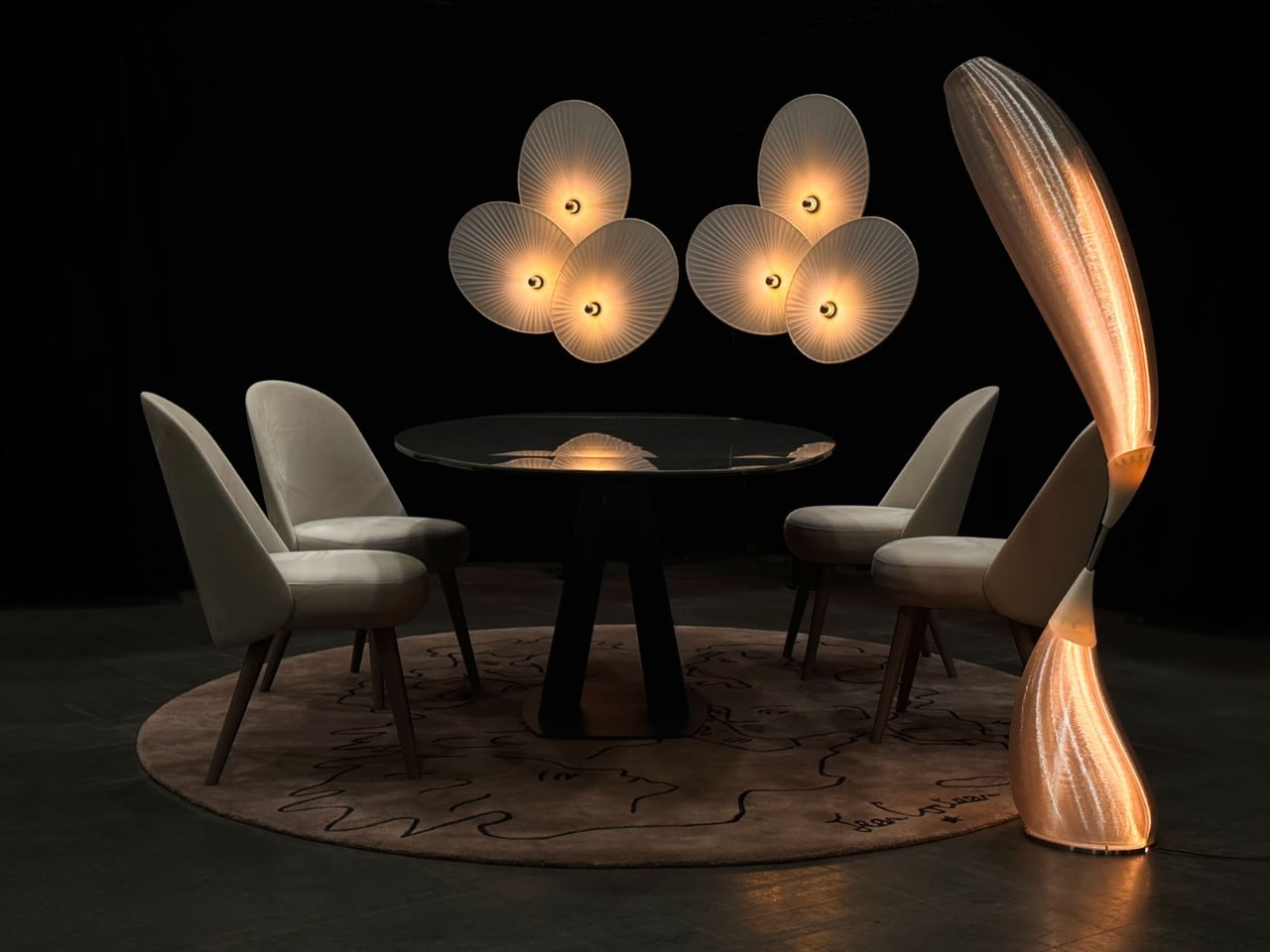
There’s something quietly revolutionary happening in design right now, and it doesn’t involve flashy colors or radical shapes. Instead, it’s about something far more intimate. Hu Yuanlin’s HER Floor Lamp proves that the most innovative designs often emerge from the most personal places, bridging the gap between cutting-edge technology and deep emotional resonance.

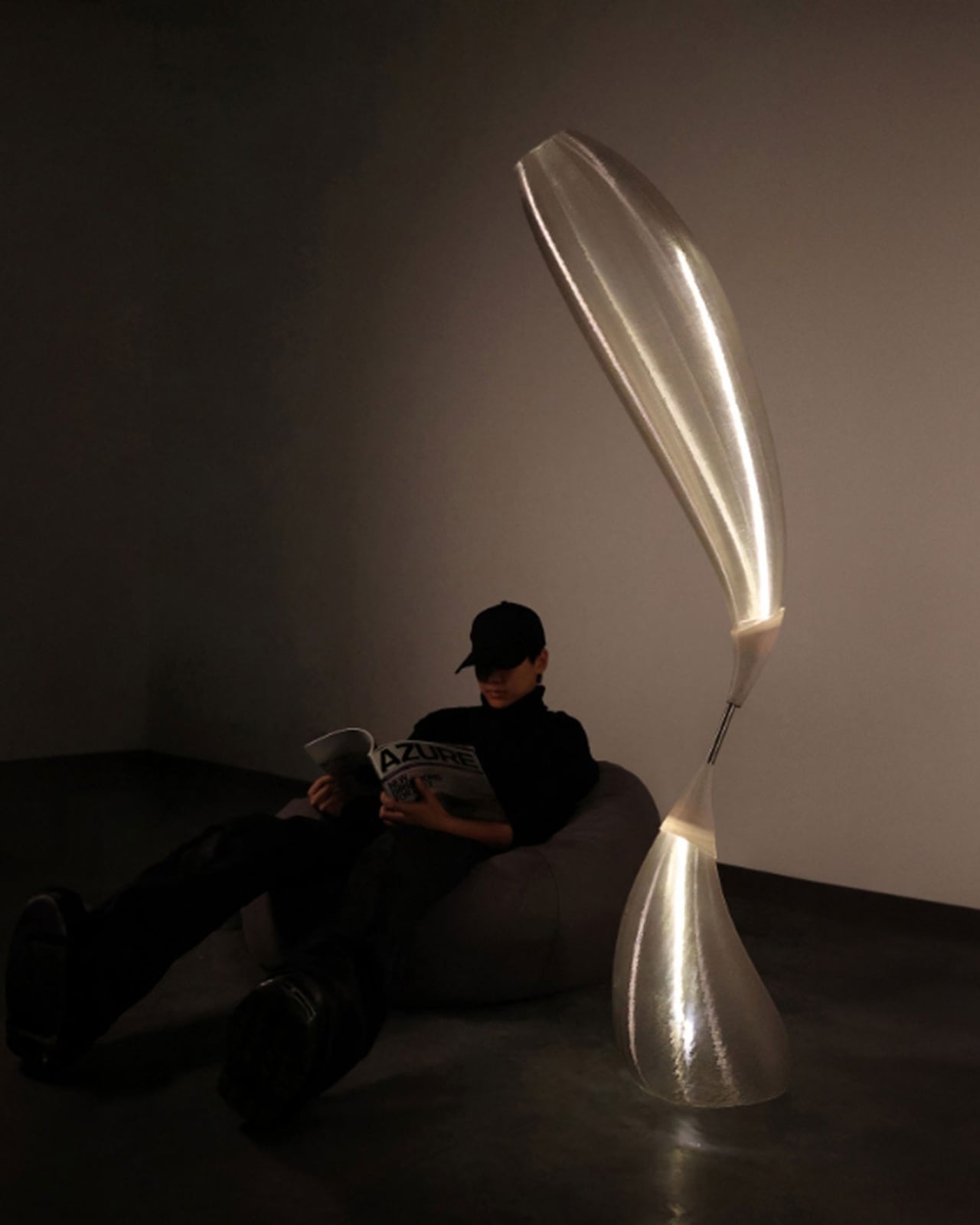
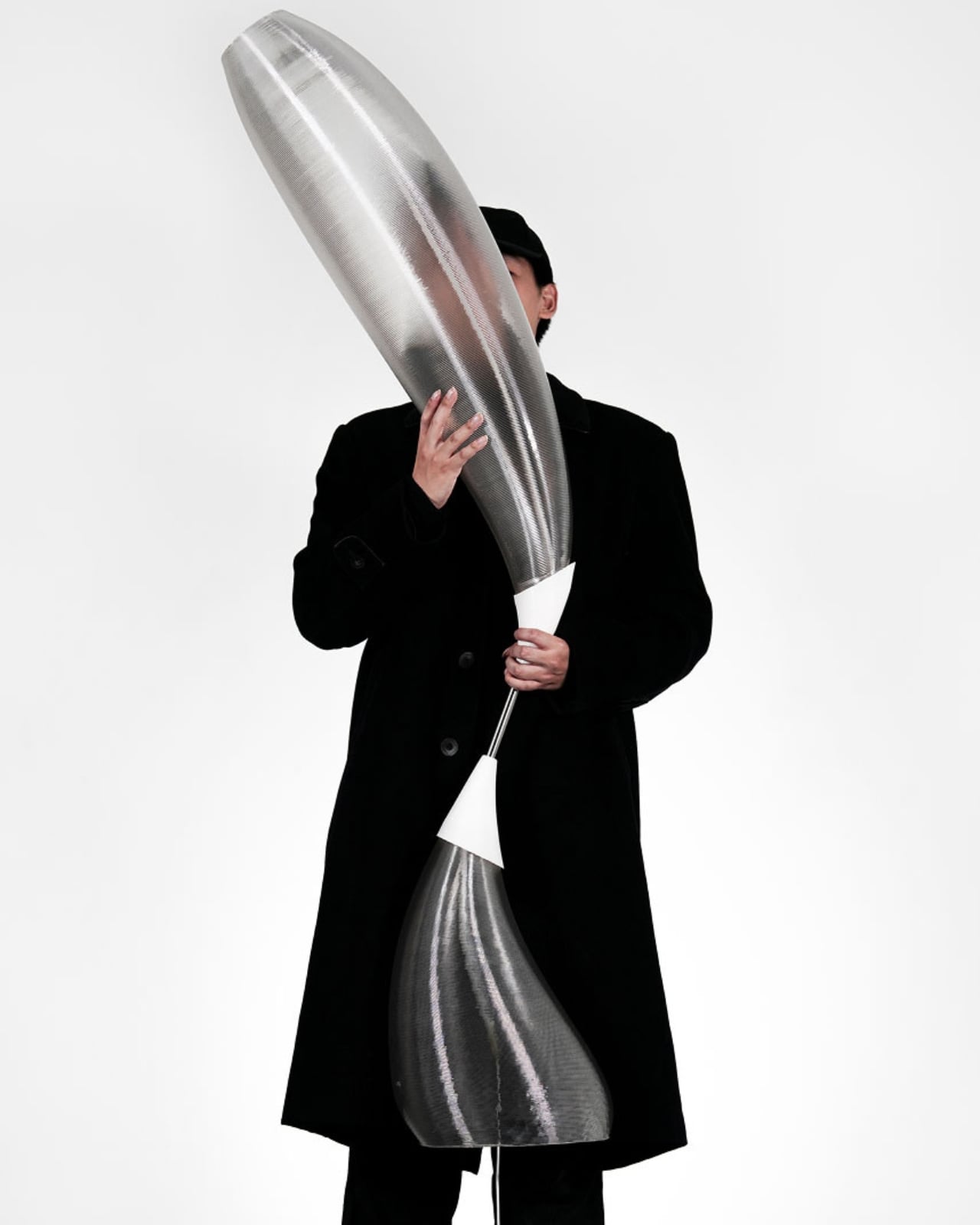
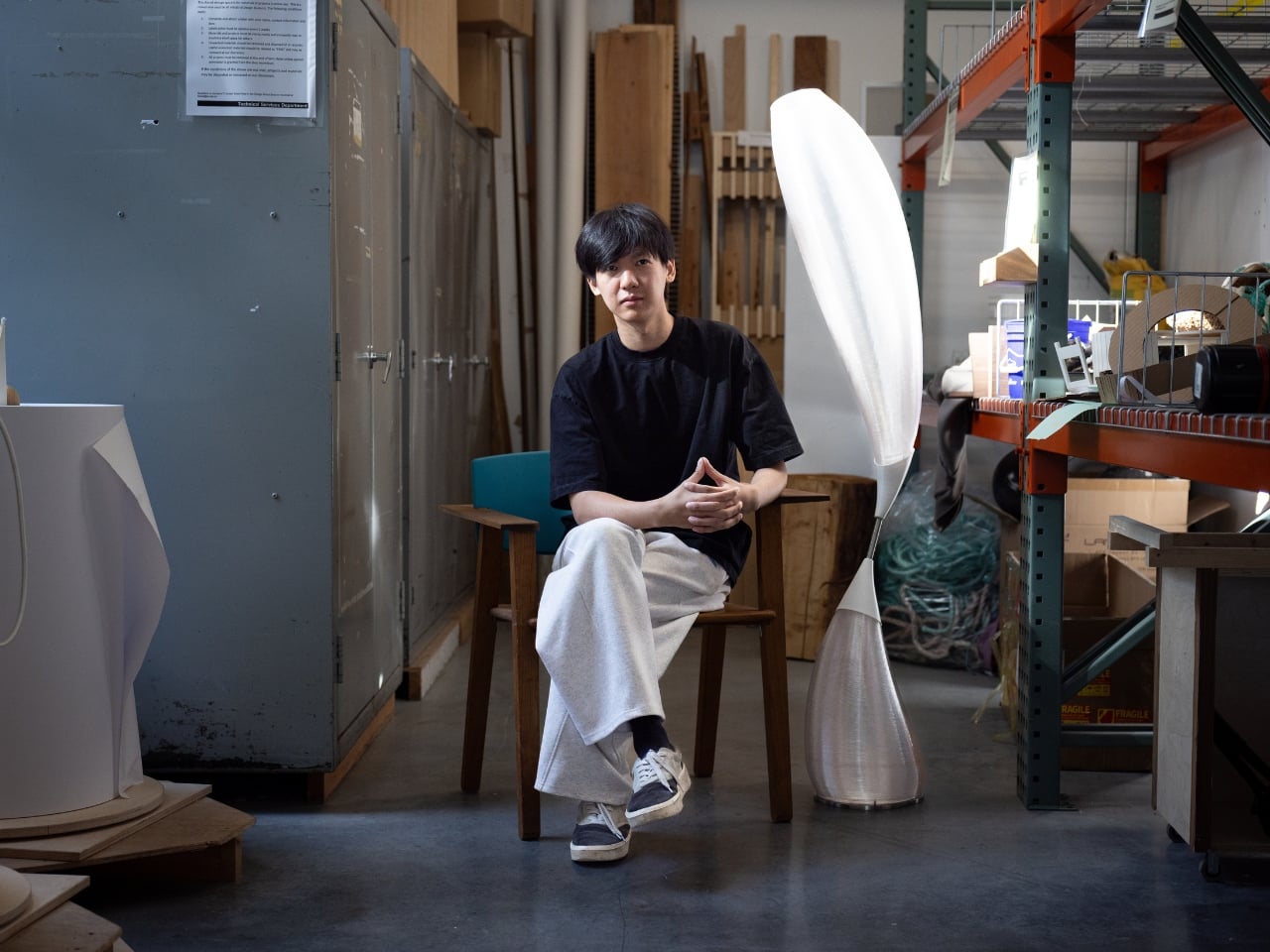
The story behind HER is achingly simple yet profoundly universal. While studying abroad, Hu found himself missing his mother’s presence, that comforting silhouette that represents home and safety. Rather than simply enduring that longing, he transformed it into something tangible. The lamp’s gracefully curved form echoes the protective stance of a maternal figure, creating what he calls a “quiet emblem of safety and peace at home”. It’s a reminder that the objects we surround ourselves with can do more than illuminate rooms or look aesthetically pleasing. They can hold memories, evoke emotions, and provide companionship.

Designer: Hu Yuanlin

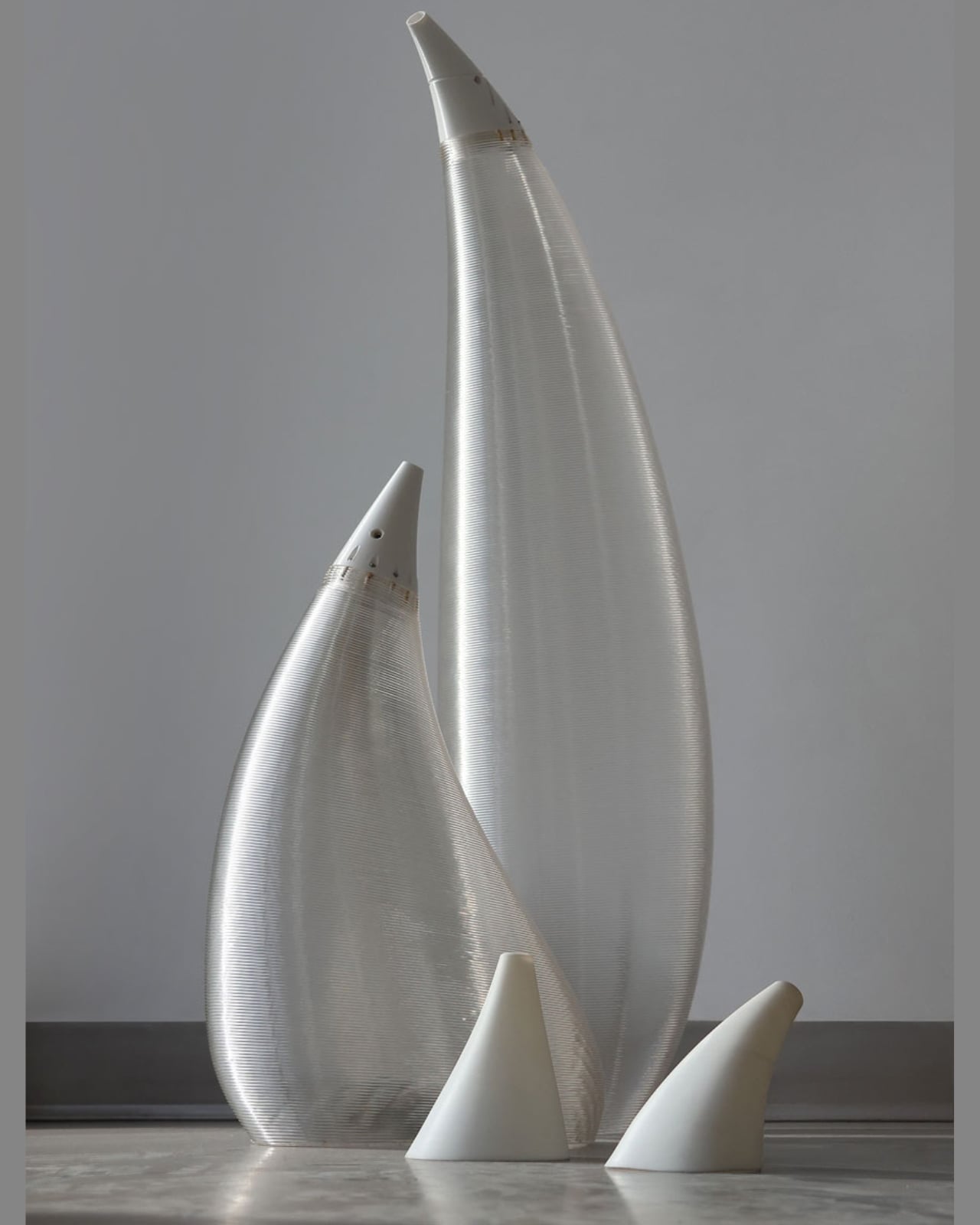
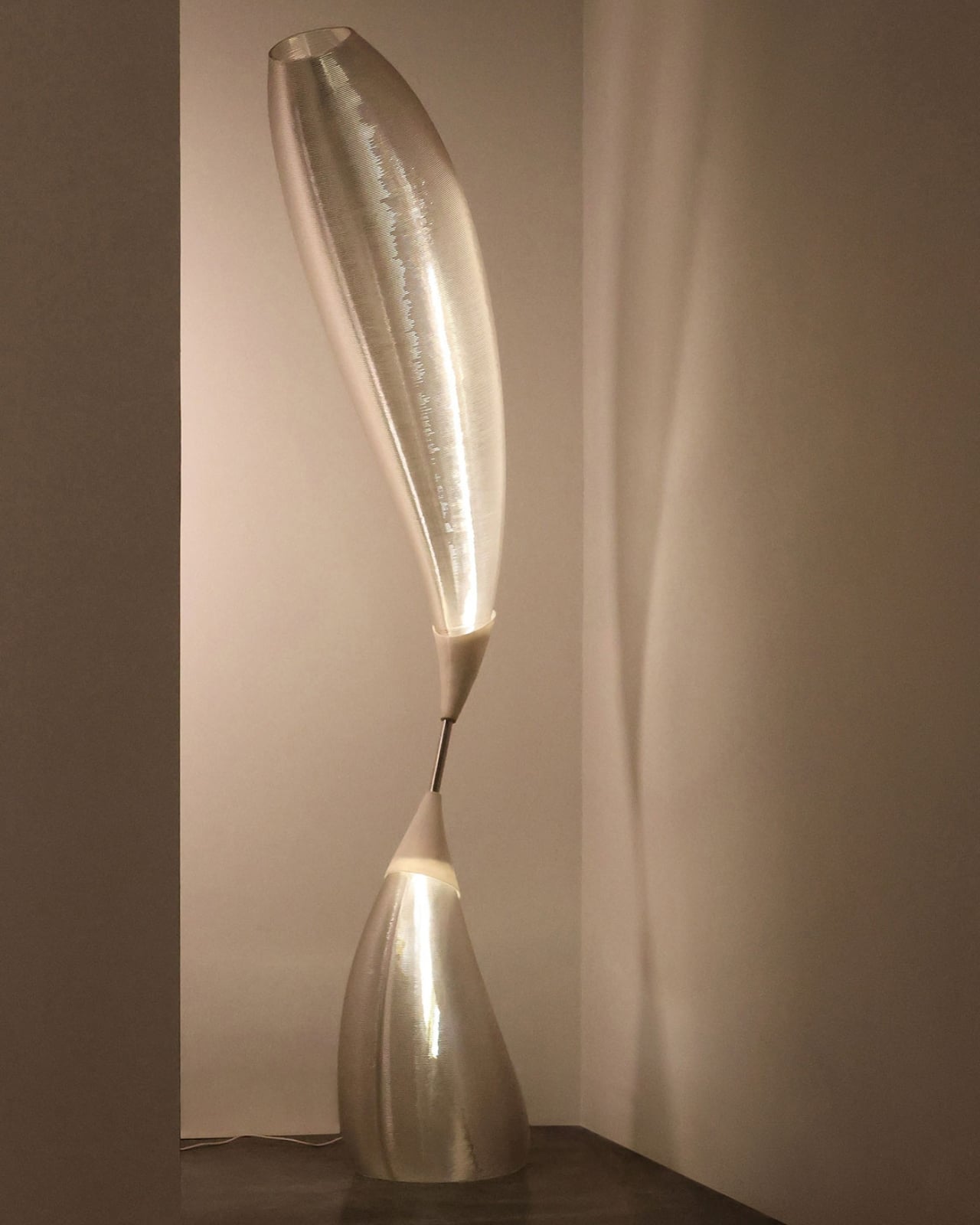
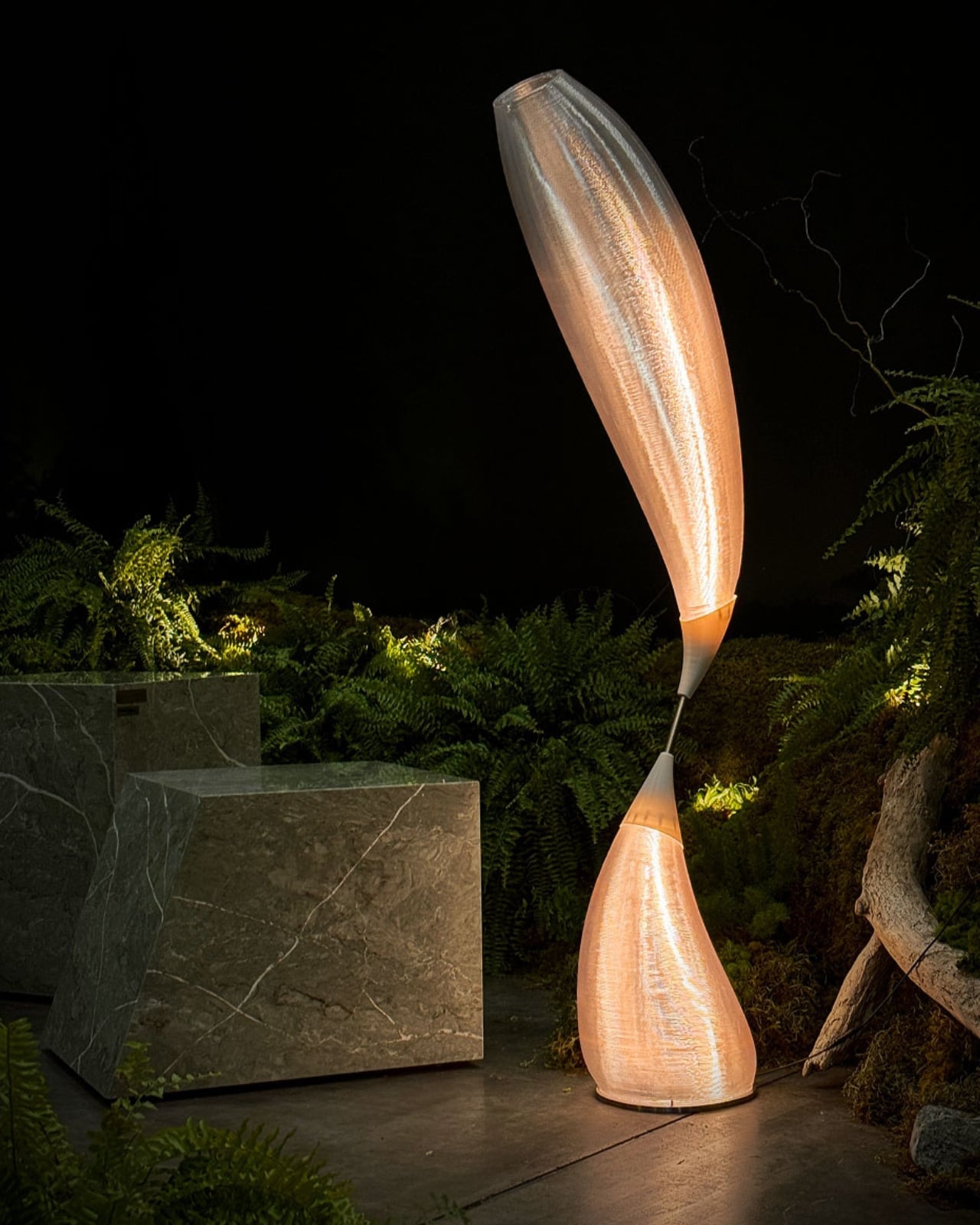
What makes HER particularly fascinating is how it marries this emotional depth with technological innovation. The lamp isn’t just symbolically sustainable through its emotional longevity. It’s literally made from recycled materials, with its segmented lampshade 3D-printed from recycled PETG sourced from old eyeglass frames and disc cases. This choice transforms what might have become waste into something beautiful and functional, proving that sustainability and design excellence aren’t mutually exclusive.

The technical execution deserves attention too. The crystal-clear shade refracts light in ways that create flowing shadows and an atmosphere of serenity. It’s not harsh or clinical despite its modern manufacturing method. Instead, the lamp combines streamlined structural design with organic, leaf-like details that express natural vitality within a minimalist framework. This balance between the organic and the technological, between warmth and precision, feels distinctly contemporary.

HER has already garnered significant recognition in the design world. The lamp won a 2025 Red Dot Design Award, one of the most prestigious accolades in the field, while Hu was still a student. That’s no small achievement. It signals that the design community is hungry for work that doesn’t just look good in a portfolio but carries genuine meaning and innovative thinking about materials and manufacturing.

The timing feels right for a design like this. We’re living in an era where people increasingly crave authenticity and connection, where the sterile perfection of mass-produced items often feels empty. Meanwhile, technology like 3D printing has matured to the point where it can produce objects with both technical sophistication and artistic nuance. HER exists at this intersection, using advanced manufacturing to create something that feels handcrafted and personal.

There’s also something poignant about a lamp designed to evoke maternal presence. In our hyper-connected yet often isolated modern lives, especially for those living far from family, objects that provide emotional anchoring become increasingly valuable. HER doesn’t just light a room. It occupies space with a presence, standing sentinel like a protective figure. It’s the kind of design that transforms a house into a home, that makes a lonely apartment feel less empty.

What Hu has achieved with HER suggests exciting possibilities for the future of product design. As 3D printing technology becomes more accessible and sustainable materials more refined, designers have unprecedented freedom to create forms that would be impossible through traditional manufacturing. More importantly, they can create limited runs or even custom pieces that maintain deeply personal narratives without sacrificing quality or sustainability.

The lamp has already been exhibited at events like TCT Asia 3D Printing and Shanghai Design Week, introducing it to broader audiences and manufacturing partners. It’s moving from student project to commercial reality, which means more people might soon have the opportunity to bring this piece into their homes and lives. HER Floor Lamp reminds us that great design doesn’t need to shout. Sometimes the most powerful statements are quiet ones, standing in the corner of a room, casting gentle shadows, and making us feel a little less alone.

The post This 3D-Printed Lamp Was Designed to Feel Like Mom’s Hug first appeared on Yanko Design.
Sintesi by Artemide Brings Ernesto Gismondi’s 1975 Tool Lamp Back to the Desk

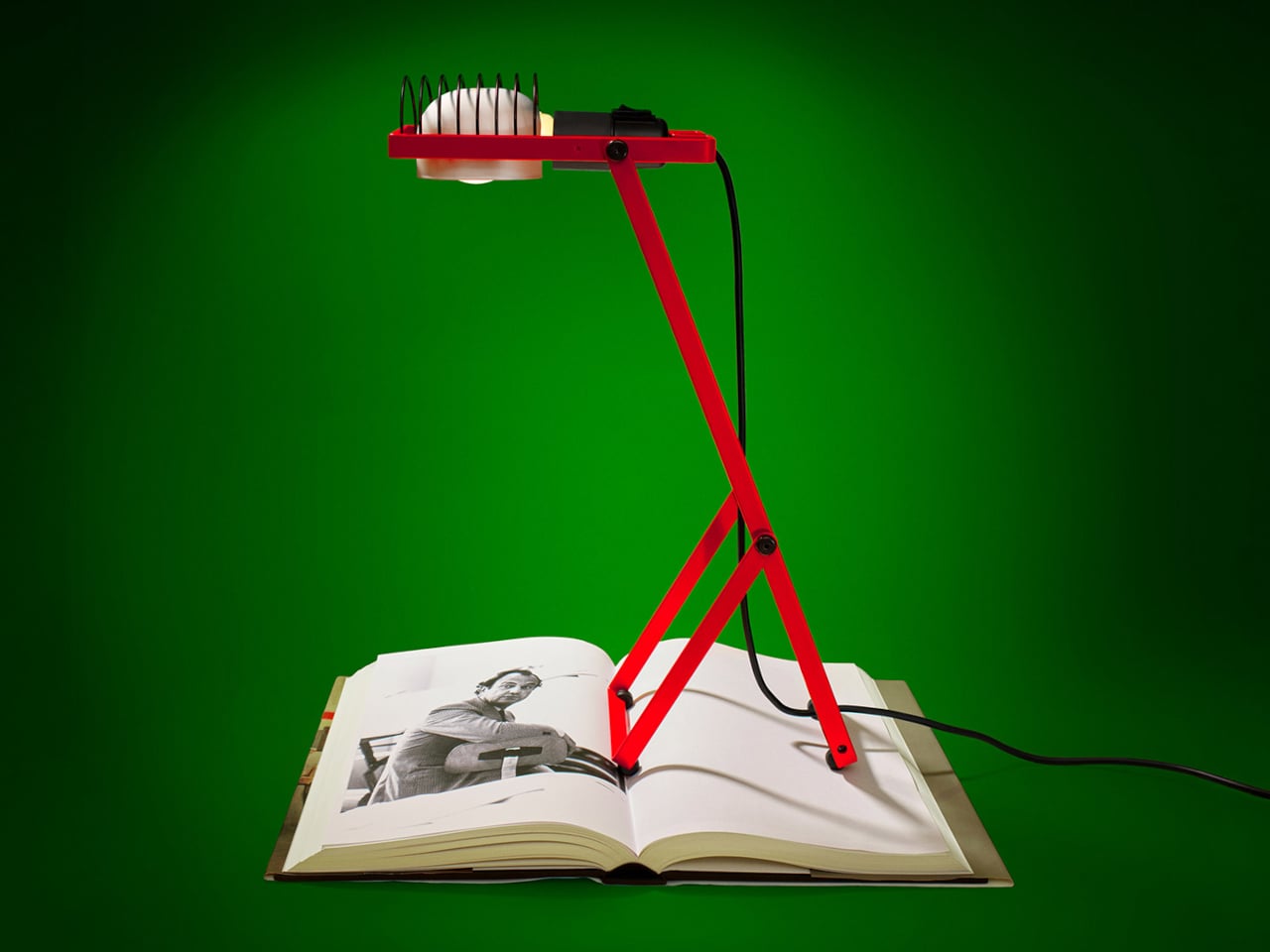
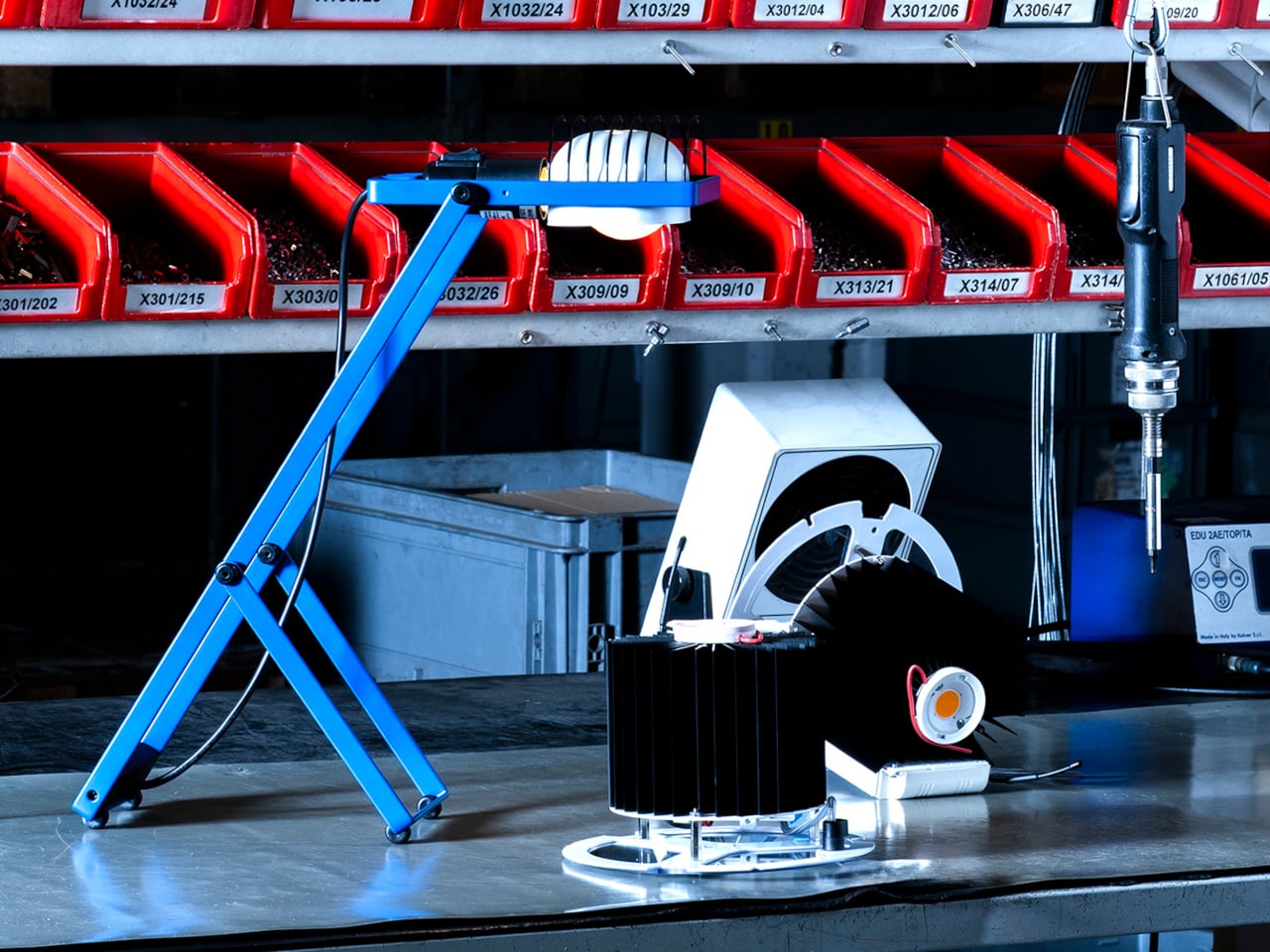
Artemide is celebrating its history, and Sintesi, introduced in 1975, was the first lamp signed by founder Ernesto Gismondi. His background was engineering and manufacturing, and he approached lighting like a system problem rather than a single object. The reissued Sintesi table lamp revisits that mindset, showing how a few bent-metal parts and a standard socket can still feel relevant in a world of sealed LED fixtures.

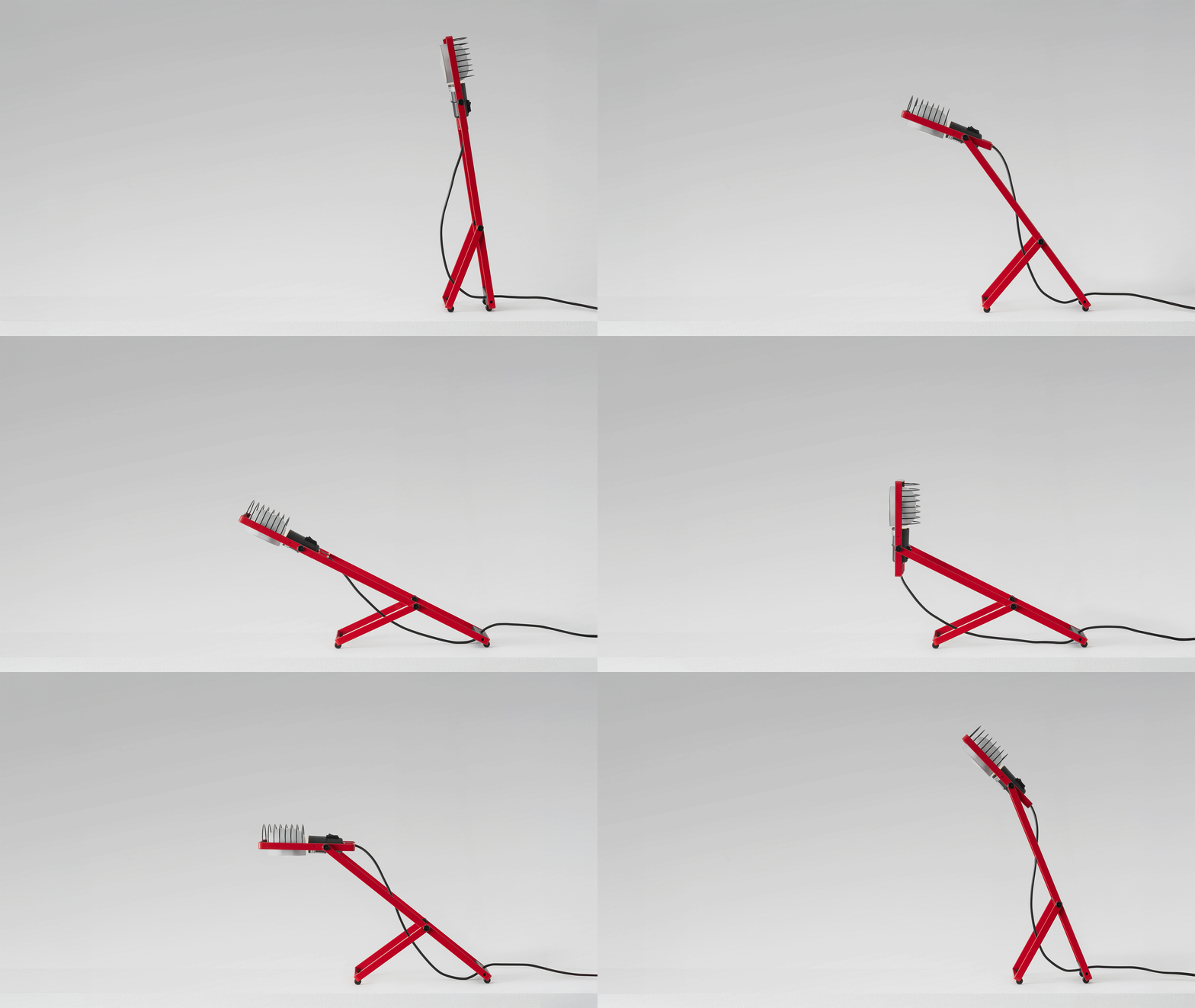
Sintesi was conceived as an intelligent system built around simple, shared components that could become table, floor, wall, or clamp versions. The new edition focuses on the table version, the core from which the rest of the family evolved. Its appeal lies in how a few bent-metal profiles and a standard E27 head can cover a surprising range of uses, from low reading light to taller task light, without complex joints or hidden mechanisms.

Designer: Ernesto Gismondi (Artemide)

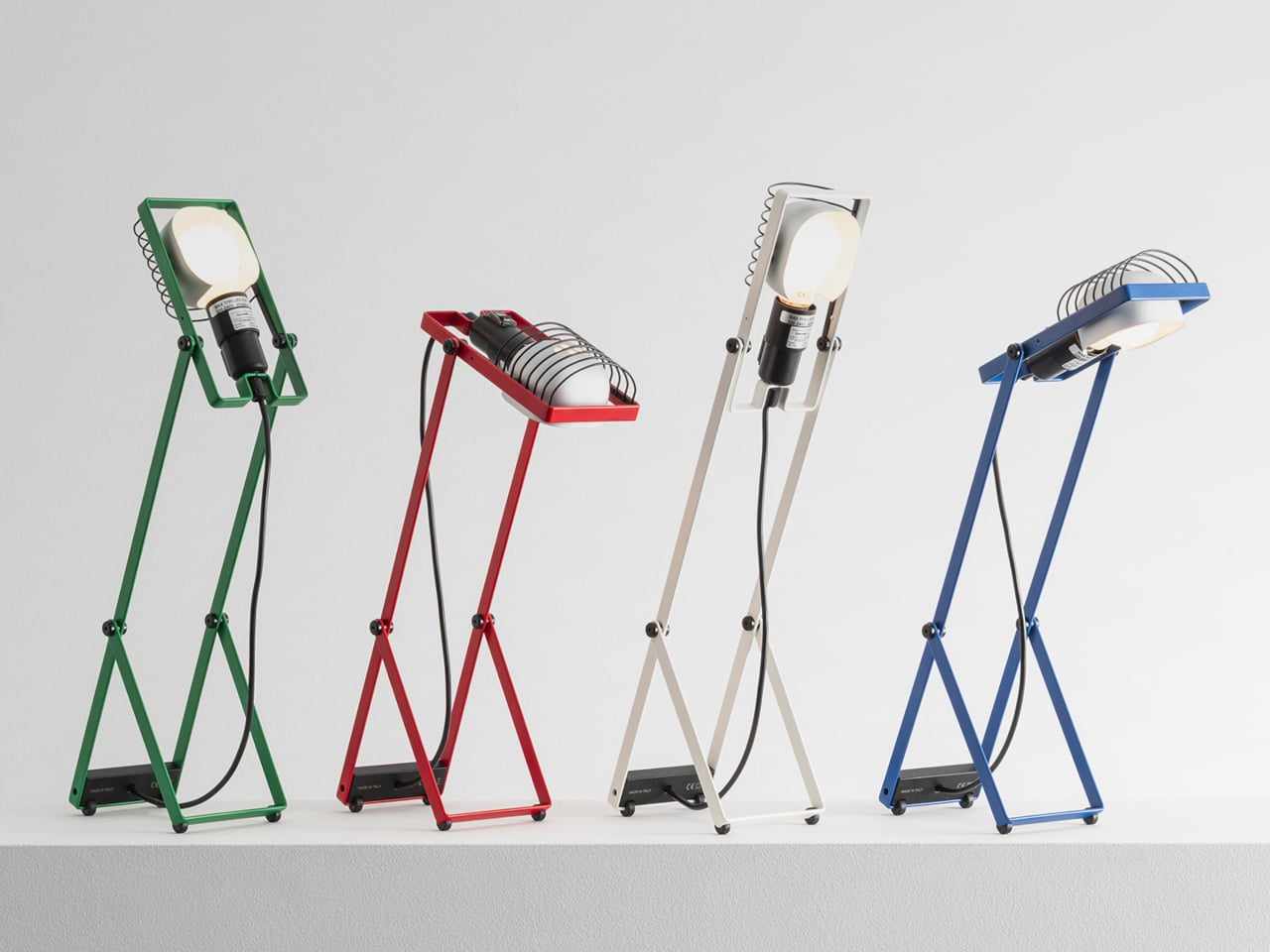
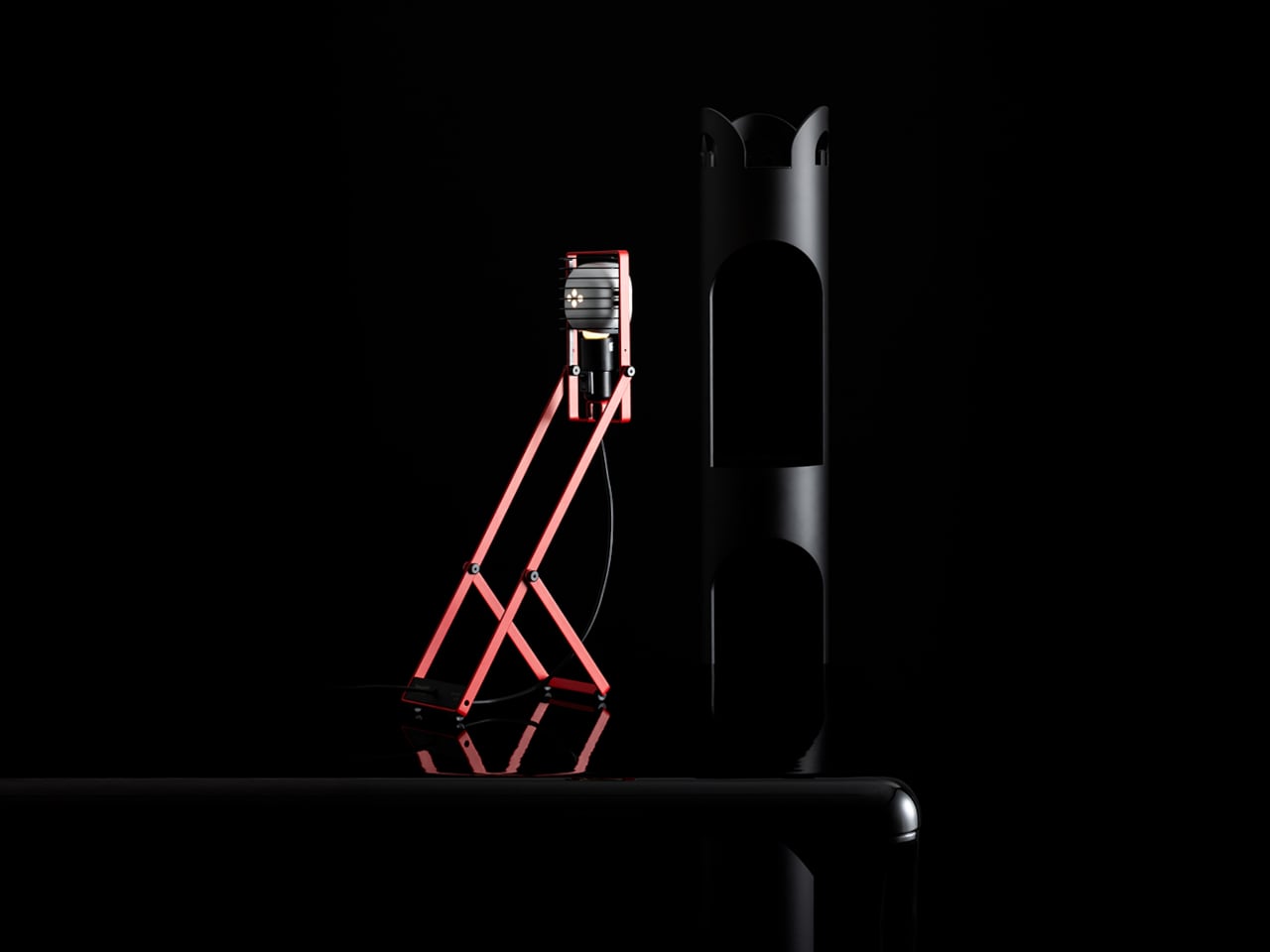
The structure is two C-shaped steel profiles of different lengths hinged together to form a Y-shaped support. Opening and closing that scissor-like frame raises or lowers the head and changes the angle in one motion. The geometry is minimal, yet it gives enough adjustment to move from a low, horizontal reading beam to a taller, more directional light without adding slides, springs, or counterweights.

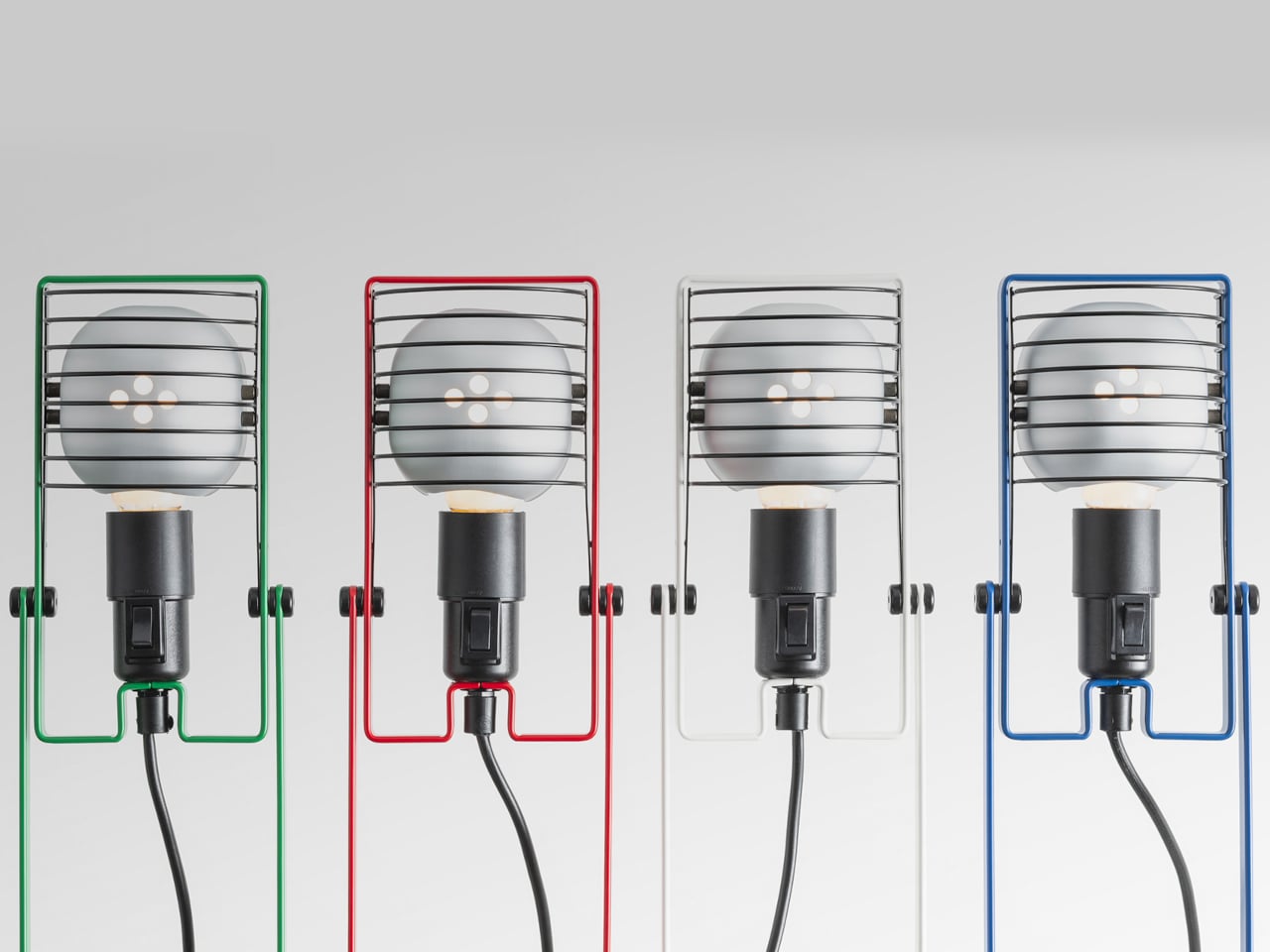
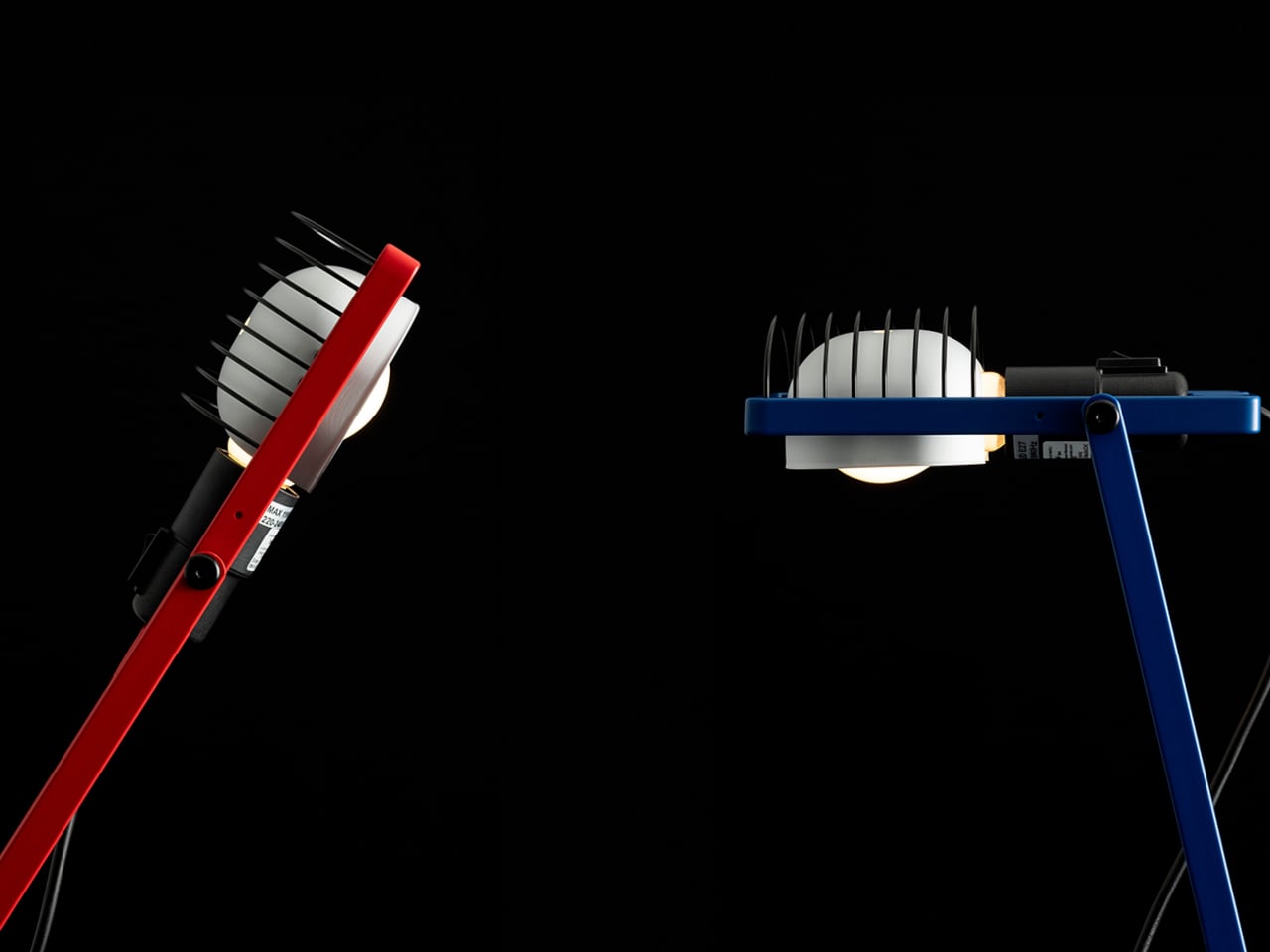
The head is a simple frame that holds an E27 socket, a reflector, and a protective grid. The standard socket means you can use different bulbs over time, from warm LED globes to smart lamps, keeping the lamp adaptable as light sources change. The reflector shapes the beam, while the grid protects the bulb and adds a technical, almost industrial character that fits the rest of the structure.

Sintesi can fold in on itself for compact packaging, the Y-frame collapsing so the lamp becomes a flat bundle of metal and a head. That foldability reflects Gismondi’s interest in production efficiency and logistics, making it easier to store, transport, and service the lamp, and aligning with contemporary concerns about material and shipping footprints that were less visible in 1975 but feel urgent now.

1

The reissue keeps the painted-steel structure and aluminium reflector, offered in colours like green, red, white, and blue. The exposed hinges, visible screws, and open cage around the bulb make no attempt to hide how the lamp works. It feels closer to a piece of technical equipment than a decorative object, which is exactly what makes it interesting on a desk or workbench where function matters more than mood lighting.

A 1975 design can sit comfortably next to laptops and LED strips today because Sintesi’s reliance on a standard socket, its adjustable geometry, and its foldable, efficient structure all speak to ideas that are even more relevant now: repairability, adaptability, and honest construction. The bent-metal tool lamp from Gismondi feels quietly timeless because it was never trying to chase fashion, only to solve a problem with the fewest parts and the most flexibility.

The post Sintesi by Artemide Brings Ernesto Gismondi’s 1975 Tool Lamp Back to the Desk first appeared on Yanko Design.
Music-reactive LED Christmas tree turns holiday decor into an interactive display

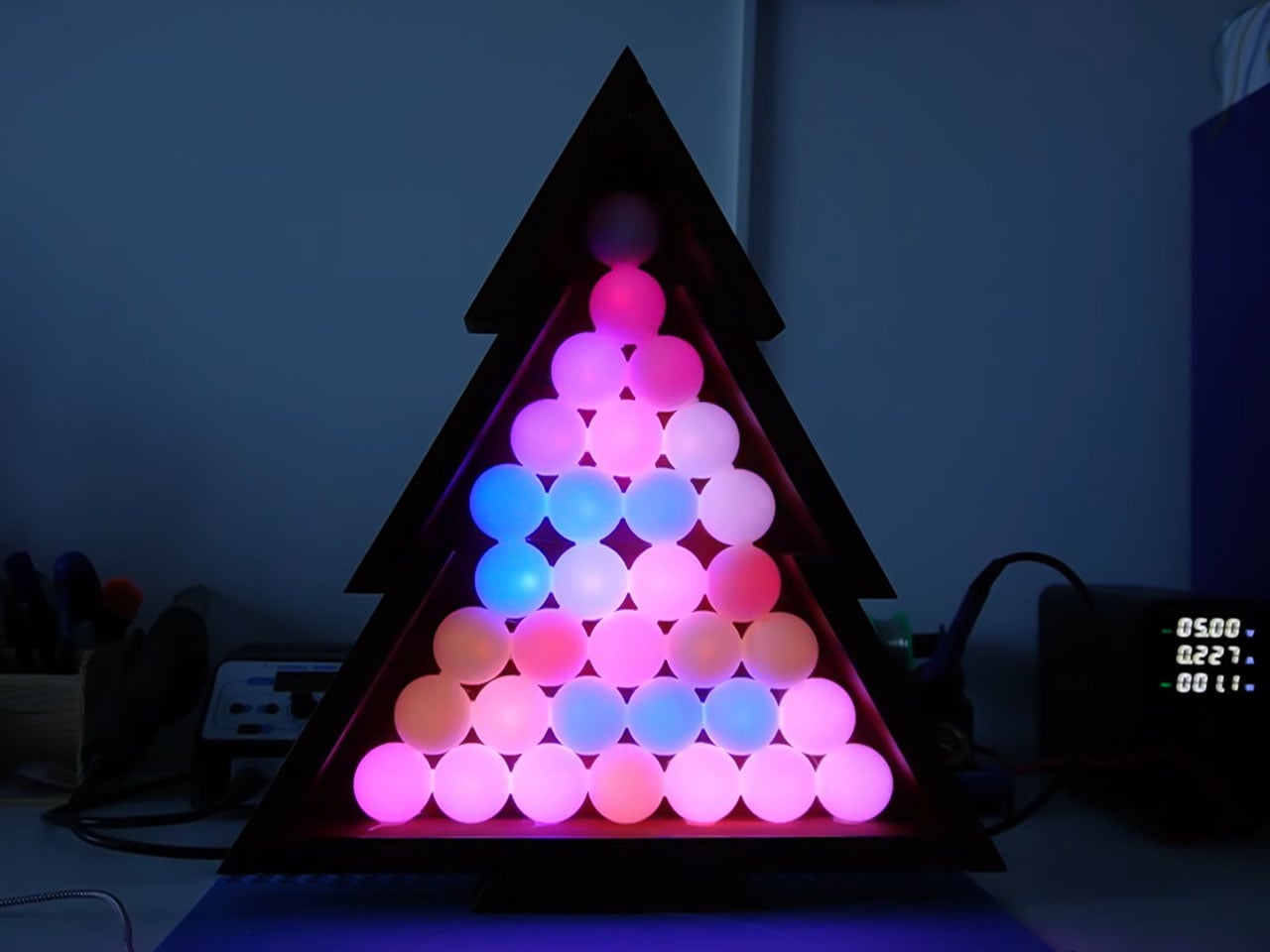
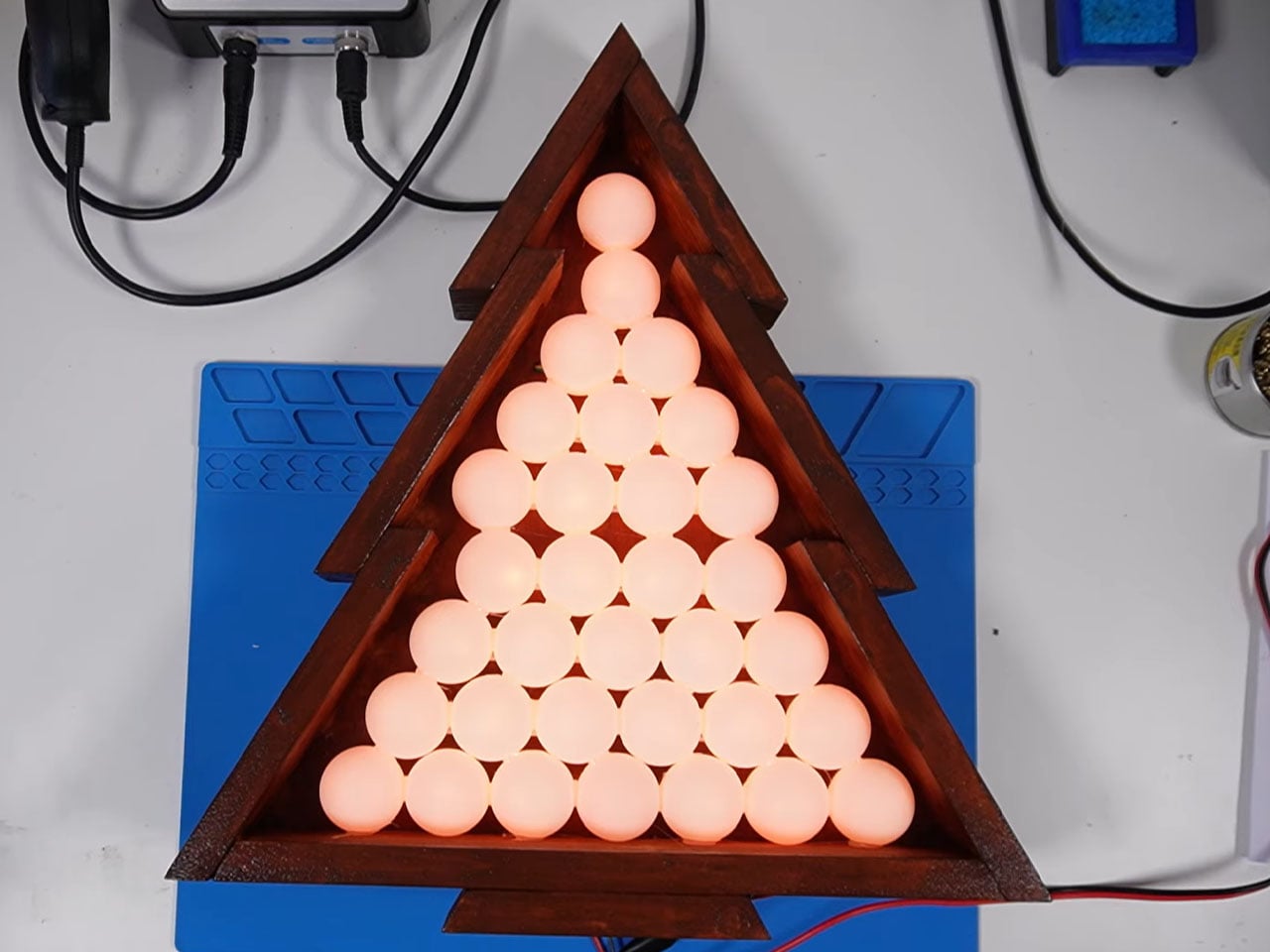
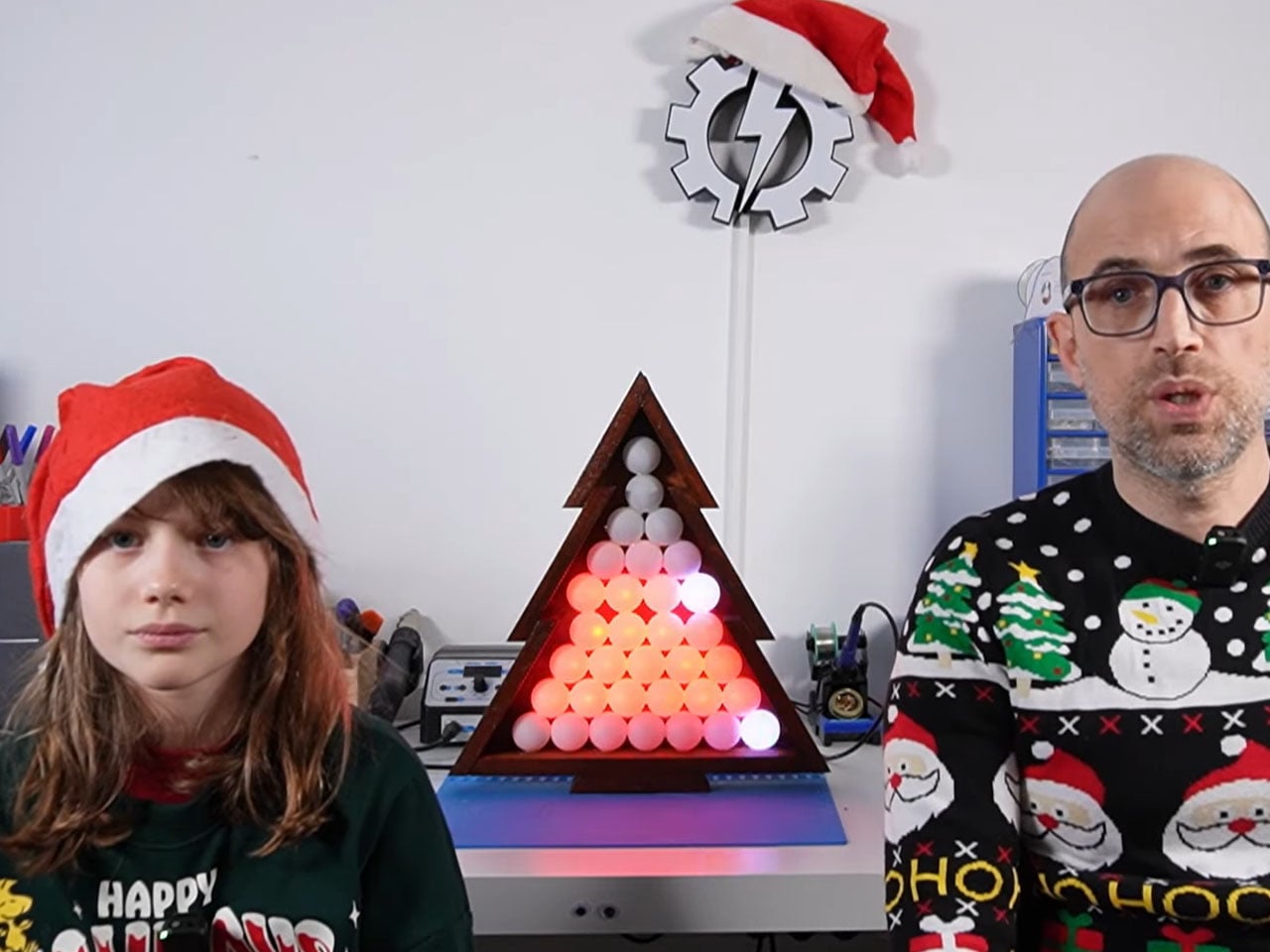
Holiday lighting has long relied on repeated patterns and static effects, but this music-reactive LED Christmas tree brings a new dimension to seasonal decor by turning sound into visual effects. The project is a simple wooden frame with off-the-shelf LEDs and an audio sensor to create a festive display that animates in real time with sound. Built around an ESP32 microcontroller running the open-source WLED software, the assembly combines woodworking, basic electronics, and wireless configuration into a project that is both instructive and visually striking.

The core of this DIY is an ESP32-D1 mini microcontroller, chosen for its built-in Wi-Fi, processing capability, and compatibility with WLED, a flexible lighting control platform. WLED runs on the ESP32 and provides a web-based interface for configuring LED lighting effects, colors, and patterns without requiring deep coding knowledge. In this tree, WLED’s audio-reactive mode analyzes sound input and drives the LED effects so that the lights flash, pulse, and change in response to music playing nearby. A small INMP441 digital microphone module is wired to the ESP32 to capture ambient audio, enabling this interaction between the physical decorations and sound.

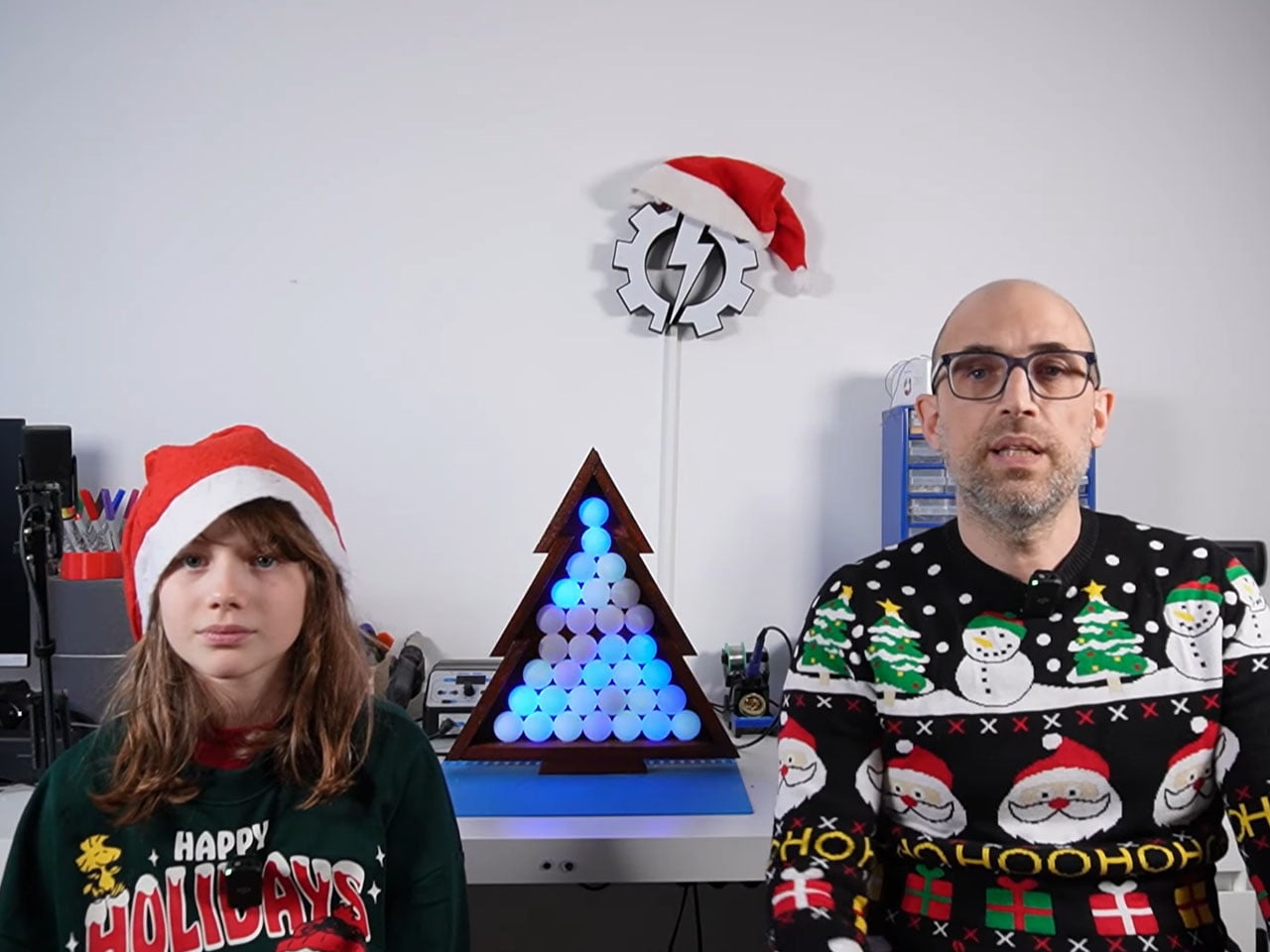
Designer: DB Making

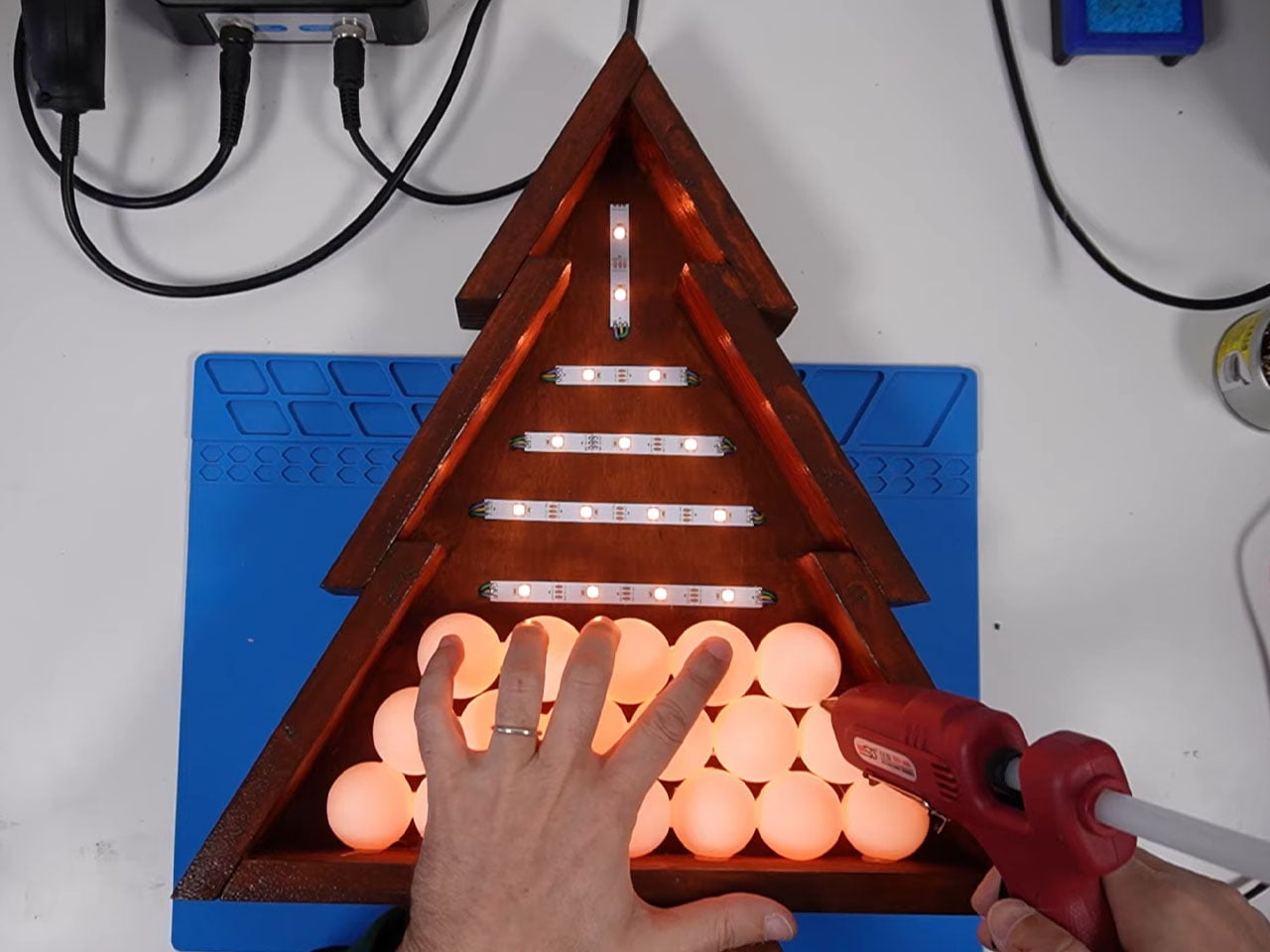
Structurally, the tree is made from common materials. A wooden frame cut into the triangular silhouette of a Christmas tree serves as the backbone. Addressable WS2812B LED strips are mounted along this frame, arranged to expose each LED through a round opening in a corresponding ping-pong ball acting as the light diffuser. These balls soften and spread the light emitted by each LED, creating a uniform glow rather than pinpoint beams. A 3D-printed jig assists in cutting consistent openings in the balls, which are then glued in orderly rows to complete the tree’s face.

Electronic assembly happens on a small perfboard, where the ESP32, microphone module, power connector, and LED strip connector are soldered together. Wiring the LEDs to follow the correct data flow direction and securing the controller board in a neat enclosure ensures reliable operation. Once built, a 5V DC supply powers the tree, and the ESP32 is connected to a computer or network to install WLED firmware via the official web installer. Within WLED’s setup interface, users enter Wi-Fi credentials, set the total number of LEDs, assign the correct data pin, and enable audio-reactive settings along with microphone parameters.

After configuration, the tree’s lighting can be controlled from a smartphone or computer, allowing owners to adjust brightness, choose effects, or simply enjoy music-responsive visuals. The sound-reactive mode responds to ambient audio captured by the microphone, translating beats and rhythms into dynamic light patterns that bring an interactive element to holiday decorations.

Beyond its immediate festive appeal, the project provides a learning platform for hobbyists seeking hands-on experience with microcontrollers, programmable lighting, and real-time sensor integration. By using off-the-shelf components and open-source software, builders can expand or modify the design. This can be done by increasing the number of LEDs, experimenting with alternative diffuser materials, or adding networked effects.

The post Music-reactive LED Christmas tree turns holiday decor into an interactive display first appeared on Yanko Design.
Norm Lamp’s Body and Pods Are Cut From the Same Aluminum Tube

Many contemporary pendant lamps hide a surprising amount of complexity, multiple materials, custom housings, and plastic diffusers layered around a simple LED strip. That often leads to wasteful production and tricky recycling once the fixture breaks or goes out of style. Norm is a response that asks what happens if you commit to a single aluminum profile and let that decision drive both the form and the sustainability story, from manufacturing to the last scrap.

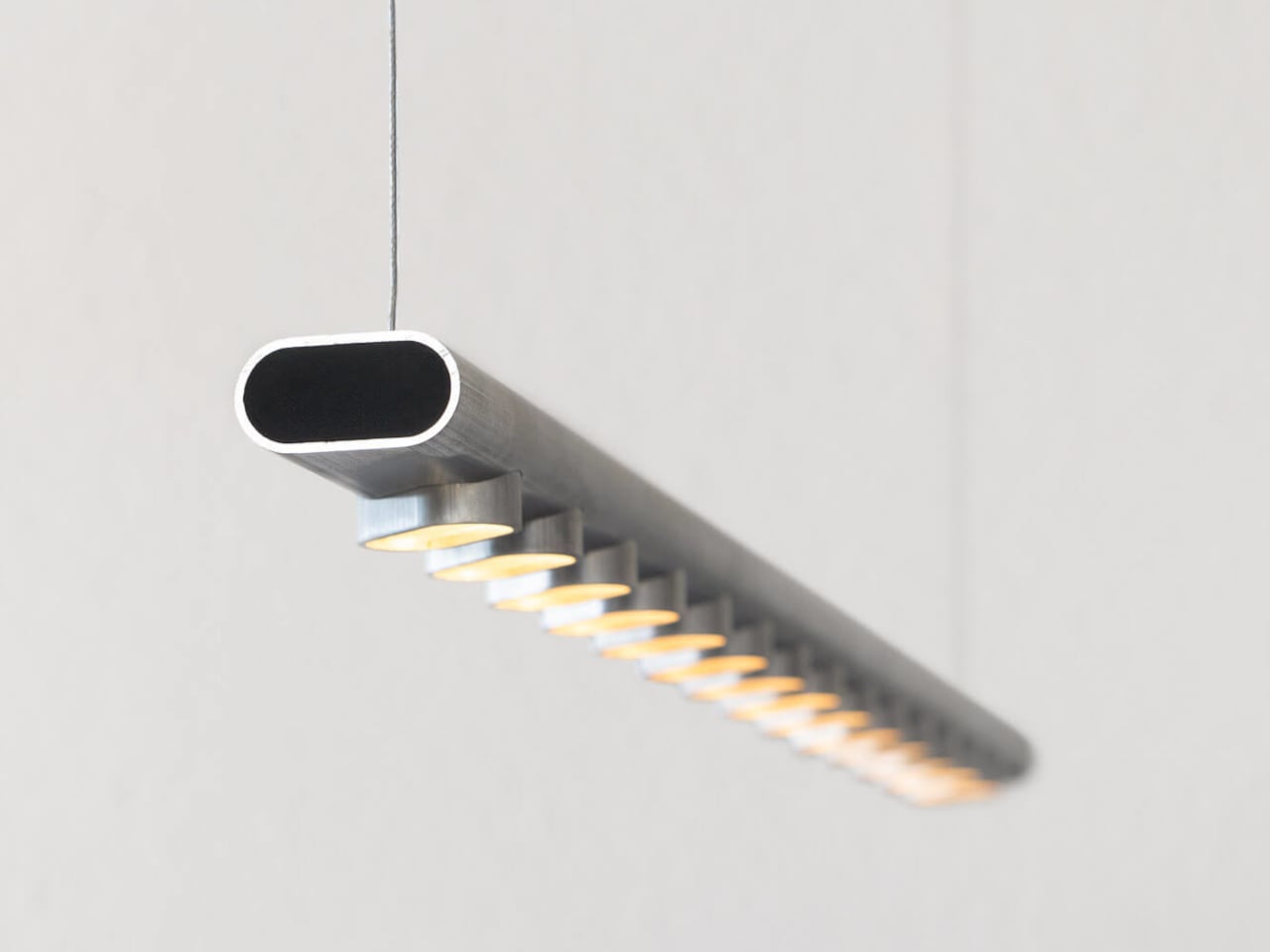
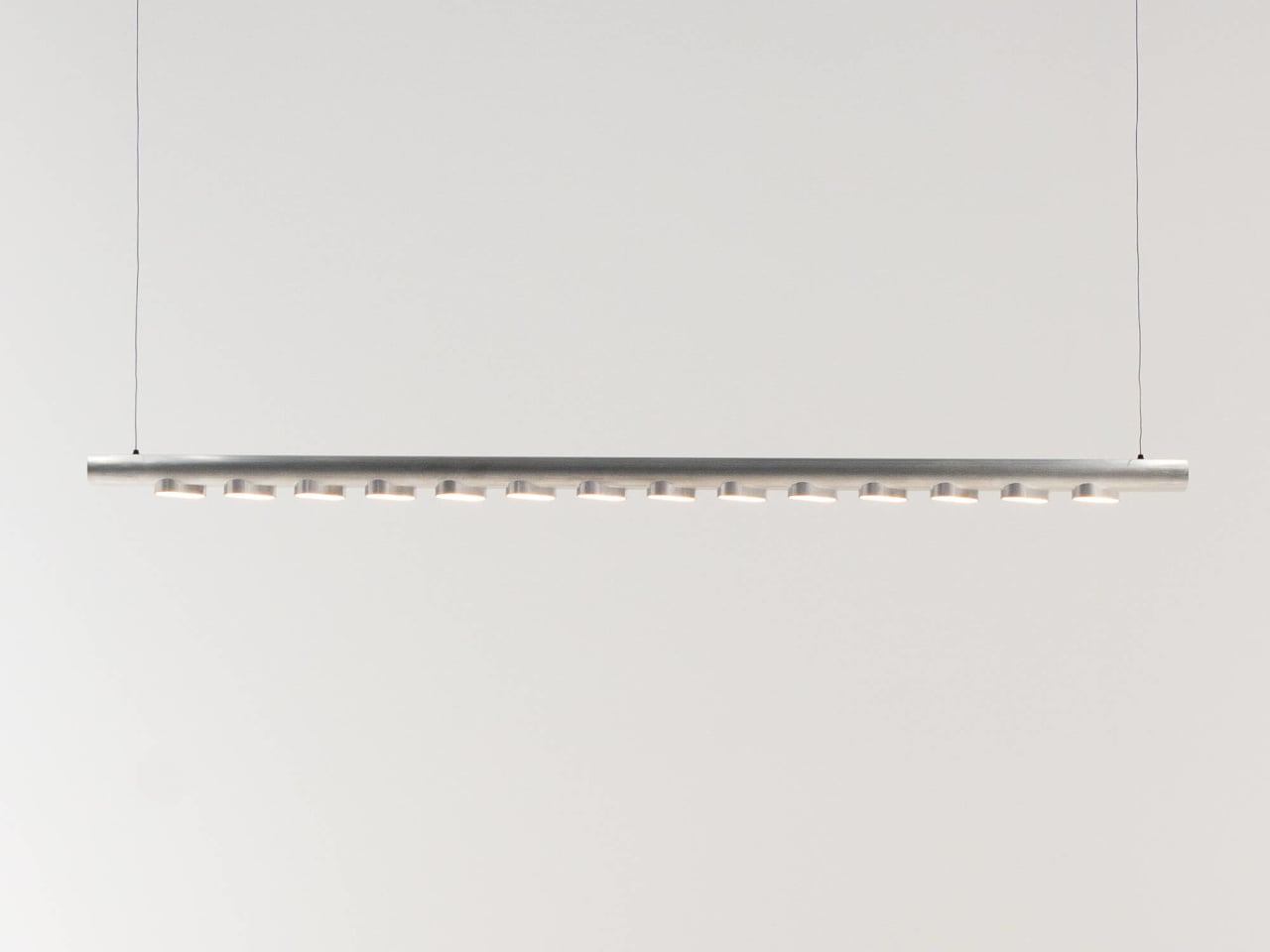
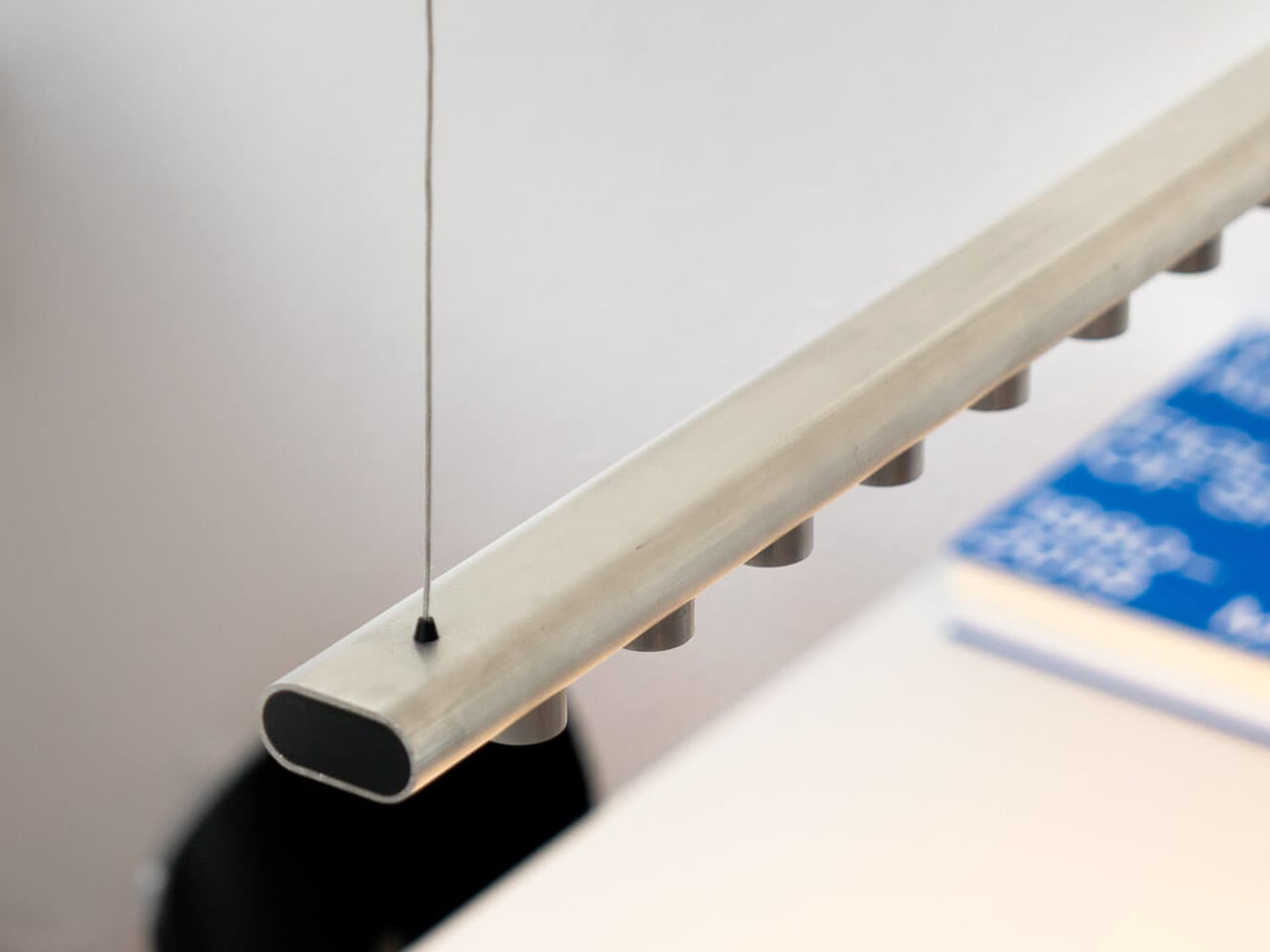
The Norm pendant lamp by Moritz Walter is a fixture whose entire outer body is made from one extruded aluminum profile. The same oval tube becomes the main beam and the housings for the LEDs, which keeps production simple and scrap low. The widespread LED array is tuned for both work and living environments, so it is not just a workshop experiment or a concept that sacrifices performance for purity of idea.

Designer: Moritz Walter

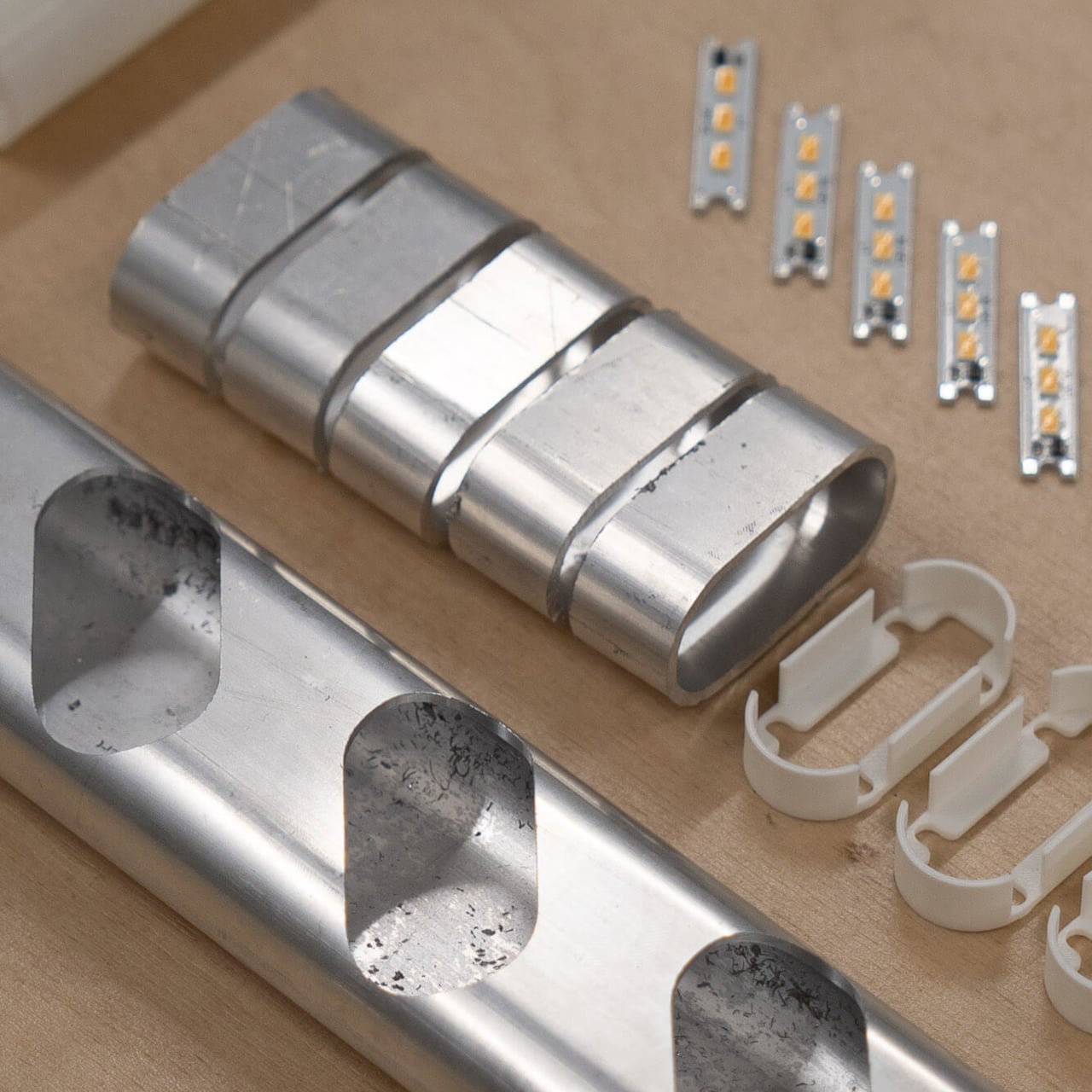
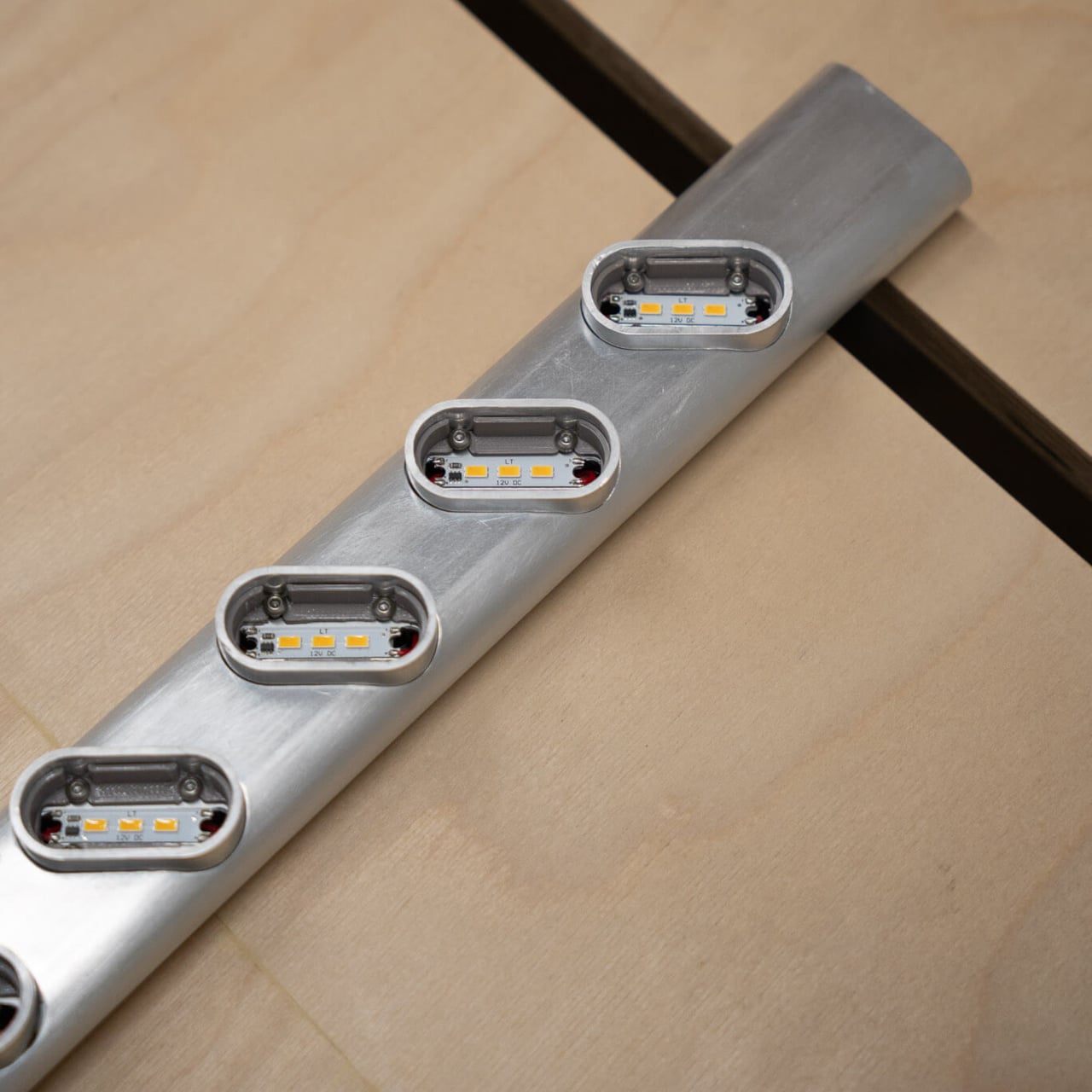
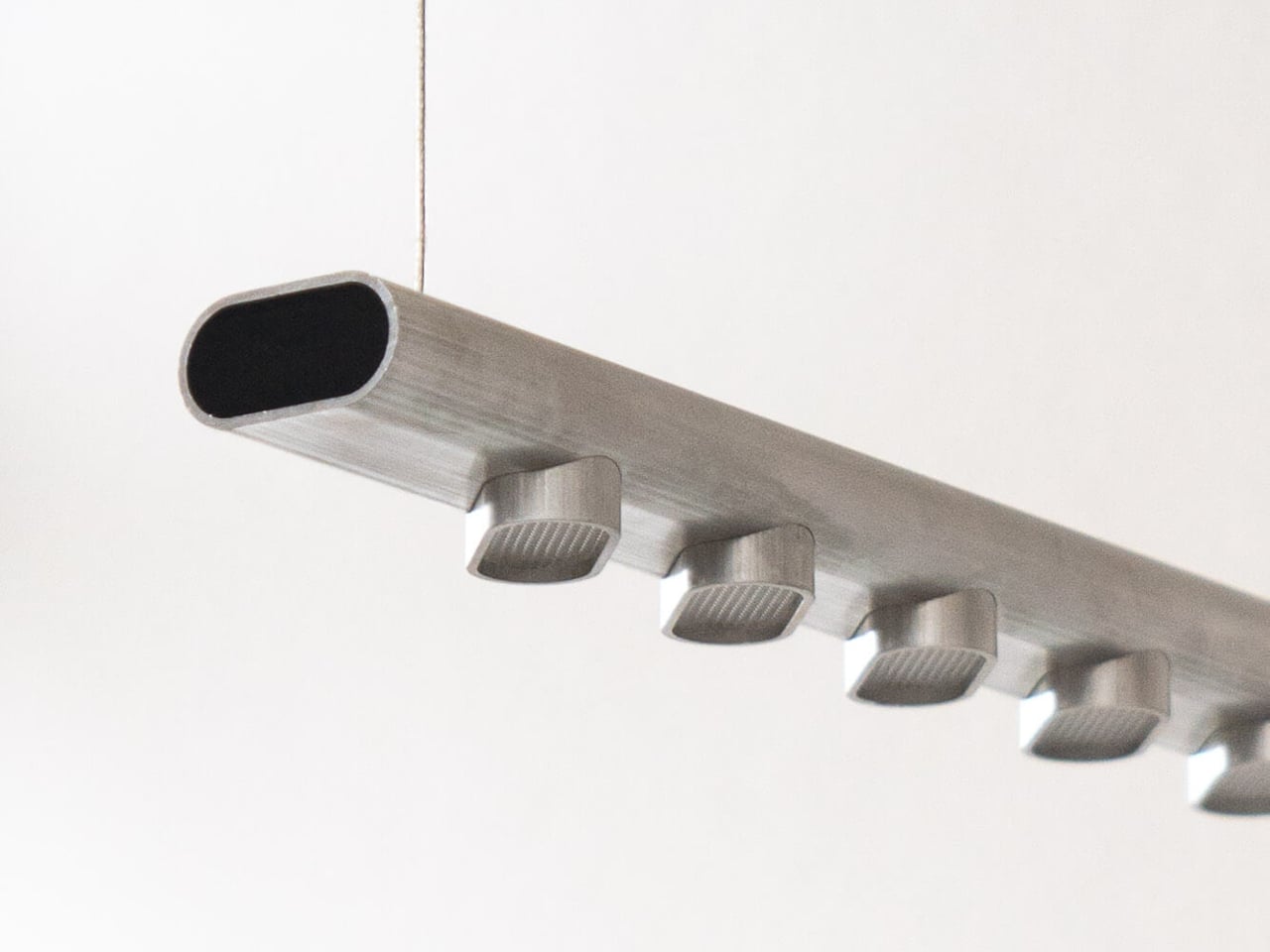
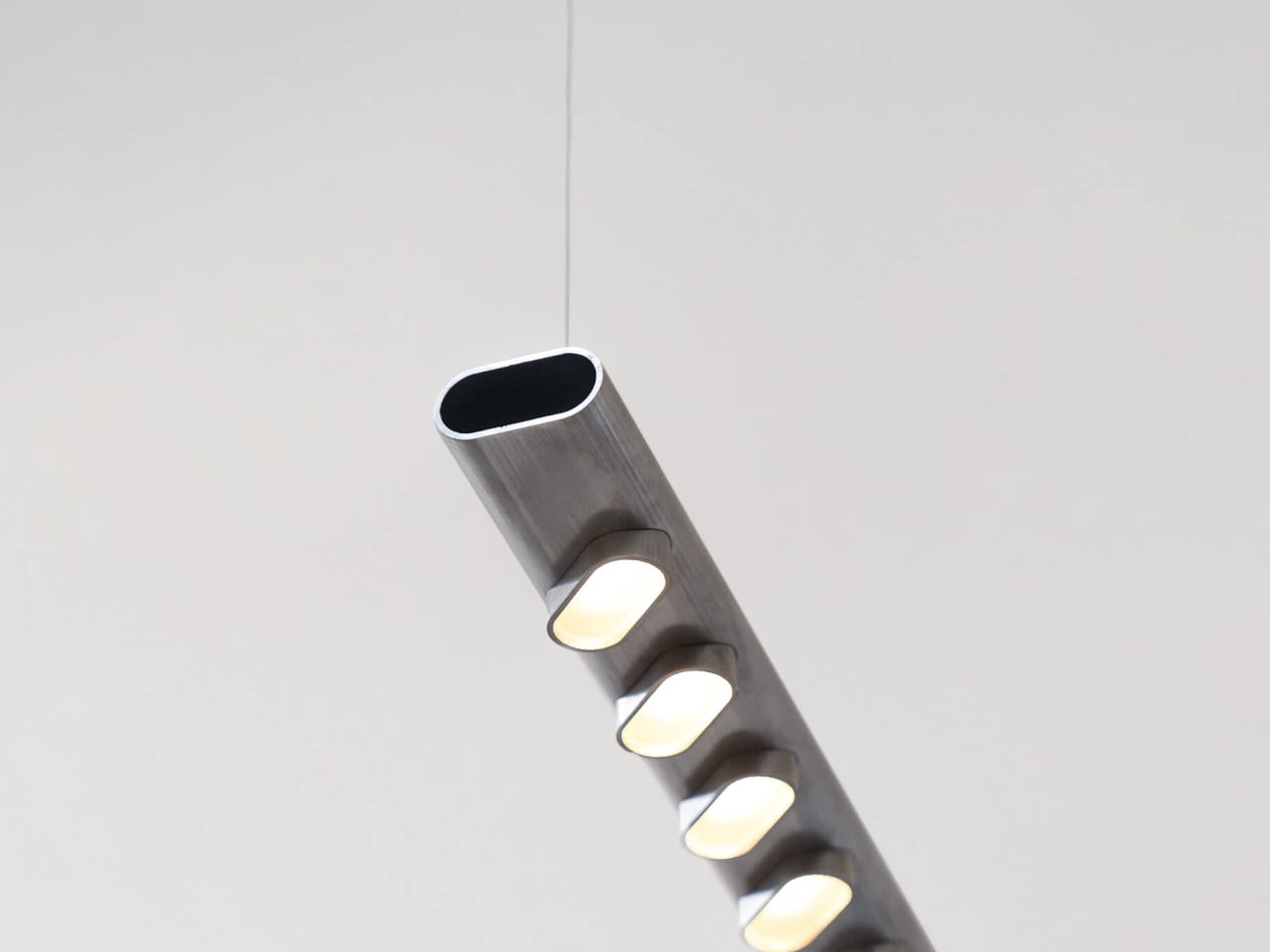
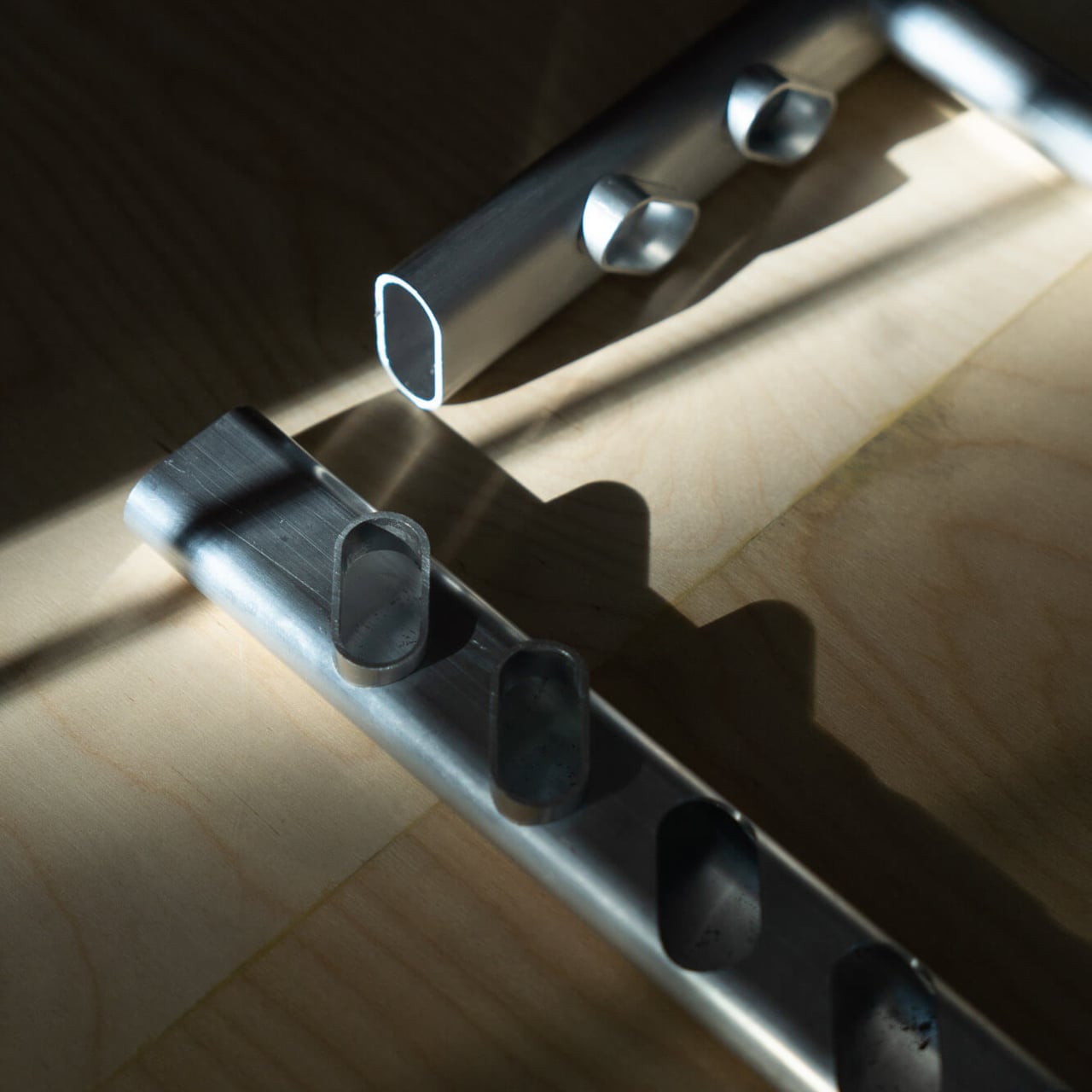
A straight length of the oval tube forms the pendant body, while shorter sections are cut, sliced, and re-attached as small pods along the underside. Those pods frame the LED boards and act as mini reflectors, directing light downward and shielding the diodes from direct view. The repetition of identical pieces creates a calm rhythm without introducing new geometries or extra parts, keeping the material strategy legible in the finished object.

Instead of a single continuous strip, Norm uses a series of small LED boards spaced along the beam, spreading light evenly across a desk or table. The pods help with glare control, making the lamp comfortable over workstations, dining tables, or kitchen islands. The color and intensity can be tuned to suit task lighting or softer ambient settings, so it can move between office and home without feeling out of place or overly industrial.

Using one aluminum profile for all visible parts simplifies tooling, reduces offcuts, and makes recycling straightforward. There is no mix of plastics and metals glued together, just an extruded tube and its derivatives acting as structure, housing, and heat sink. At the end of its life, the body can be disassembled and recycled as aluminum, which is a cleaner story than most multi-material luminaires can tell once they are thrown out.

The raw, brushed aluminum finish and soft rectangular cross-section keep the lamp from feeling too cold or technical. The extrusion lines and subtle tooling marks are left visible, turning the manufacturing process into part of the visual character. The overall effect is a slim, industrial bar of light that can disappear into a white ceiling or stand out over a warm wooden table, depending on how you style the space around it.

Norm shows that sustainability does not always require exotic materials or complex tech. Sometimes it is about committing to a simple constraint, in this case, one aluminum profile, and letting that rule shape everything from the silhouette to the way light is distributed. The idea of a pendant that is honest about how it is made, yet still precise and adaptable, feels quietly refreshing when so many fixtures are over-designed, hard to disassemble, and destined for a landfill within a few years.

The post Norm Lamp’s Body and Pods Are Cut From the Same Aluminum Tube first appeared on Yanko Design.
These Pendant Lamps Are Cast From Recycled Lava in 8mm Thin Shells

Foscarini has a habit of pushing lighting beyond glass and metal, experimenting with concrete, fabric, and now molten rock. The brand often treats materials as the starting point rather than the afterthought, asking what unexpected substances can become when wrapped around a light source. The Eolie collection continues that line by looking at the volcanic charisma of the Aeolian Islands and asking what happens when lava waste becomes the main ingredient for a pendant lamp.

Alicudi, Filicudi, and Panarea are three compact suspension lamps designed by Alberto and Francesco Meda, cast from recycled lava and named after islands in the Aeolian archipelago. They are part of the Eolie family, where each name carries a quiet narrative thread that ties the objects back to their geological origin, turning stone-cutting waste into sculptural downlights that sit between industrial production and handcraft.

Designers: Alberto + Francesco Meda

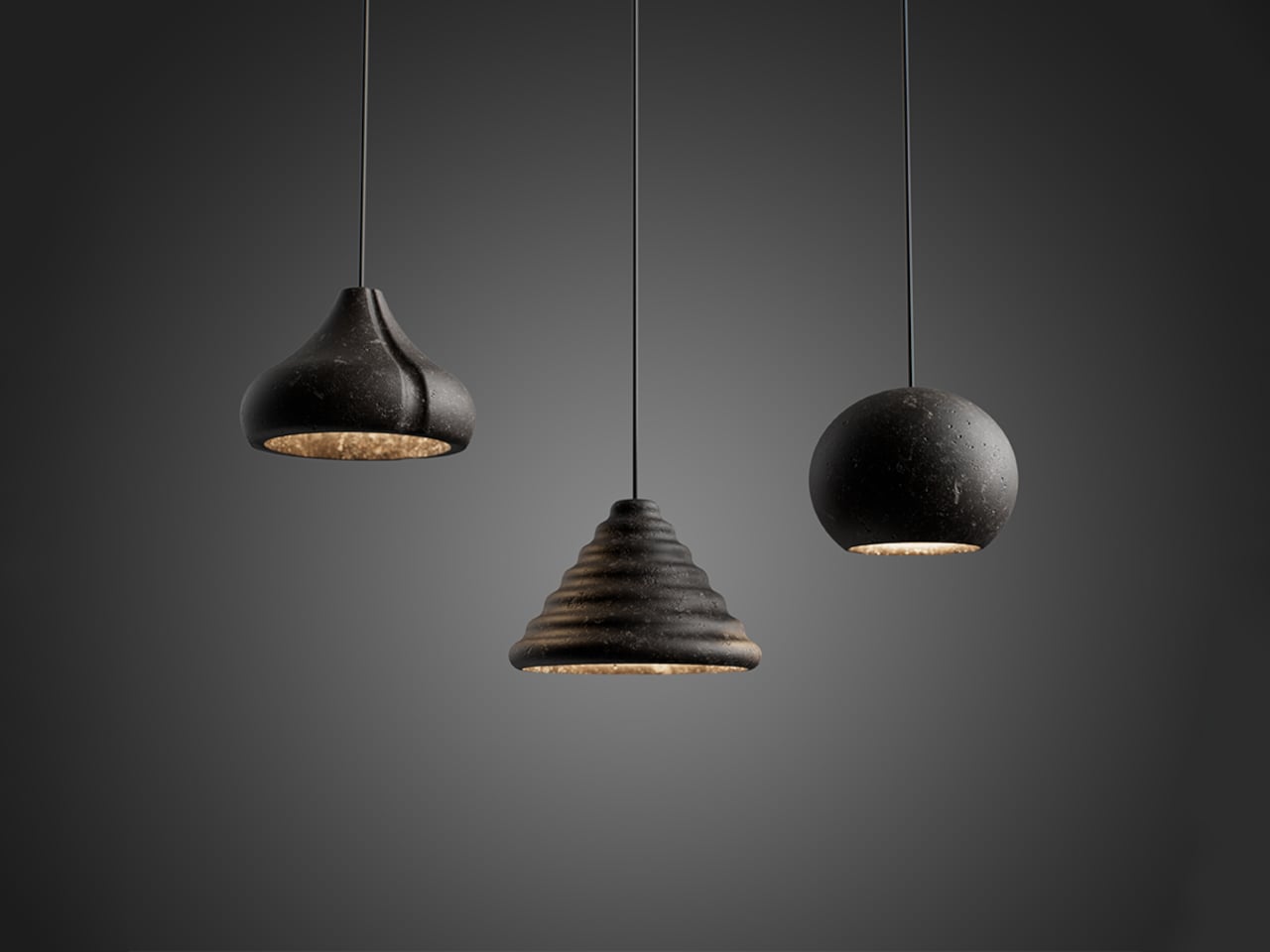
Lava, unlike marble, is gathered from the mountain after eruptions and cut into blocks, a process that generates a large volume of surplus chips. The project, in collaboration with stone specialist Ranieri, rebinds those chips into a patented composite that can be cast into thin shells, around 8 to 10 mm thick, strong enough for lighting while keeping the expressive, porous character of natural lavic stone.

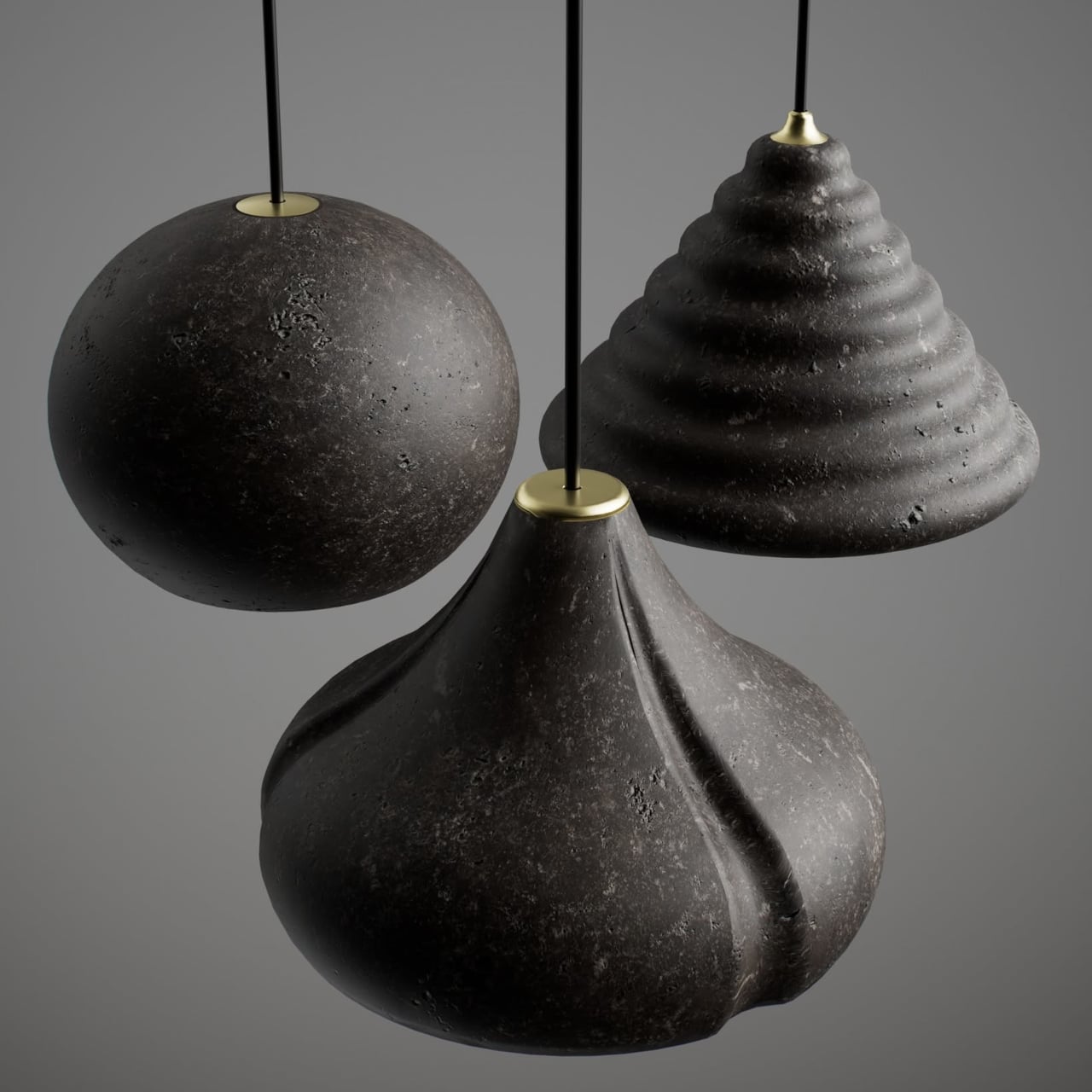
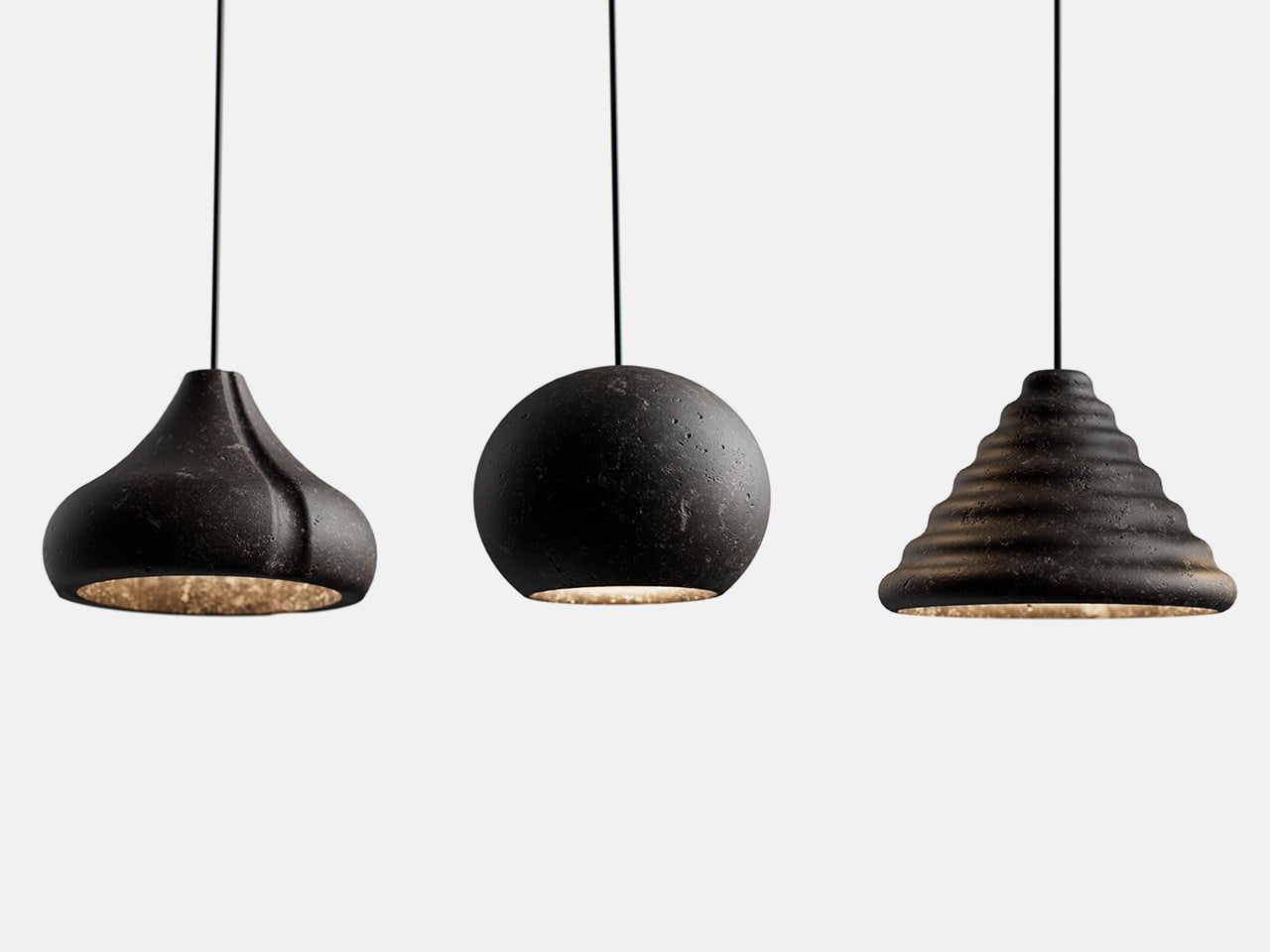
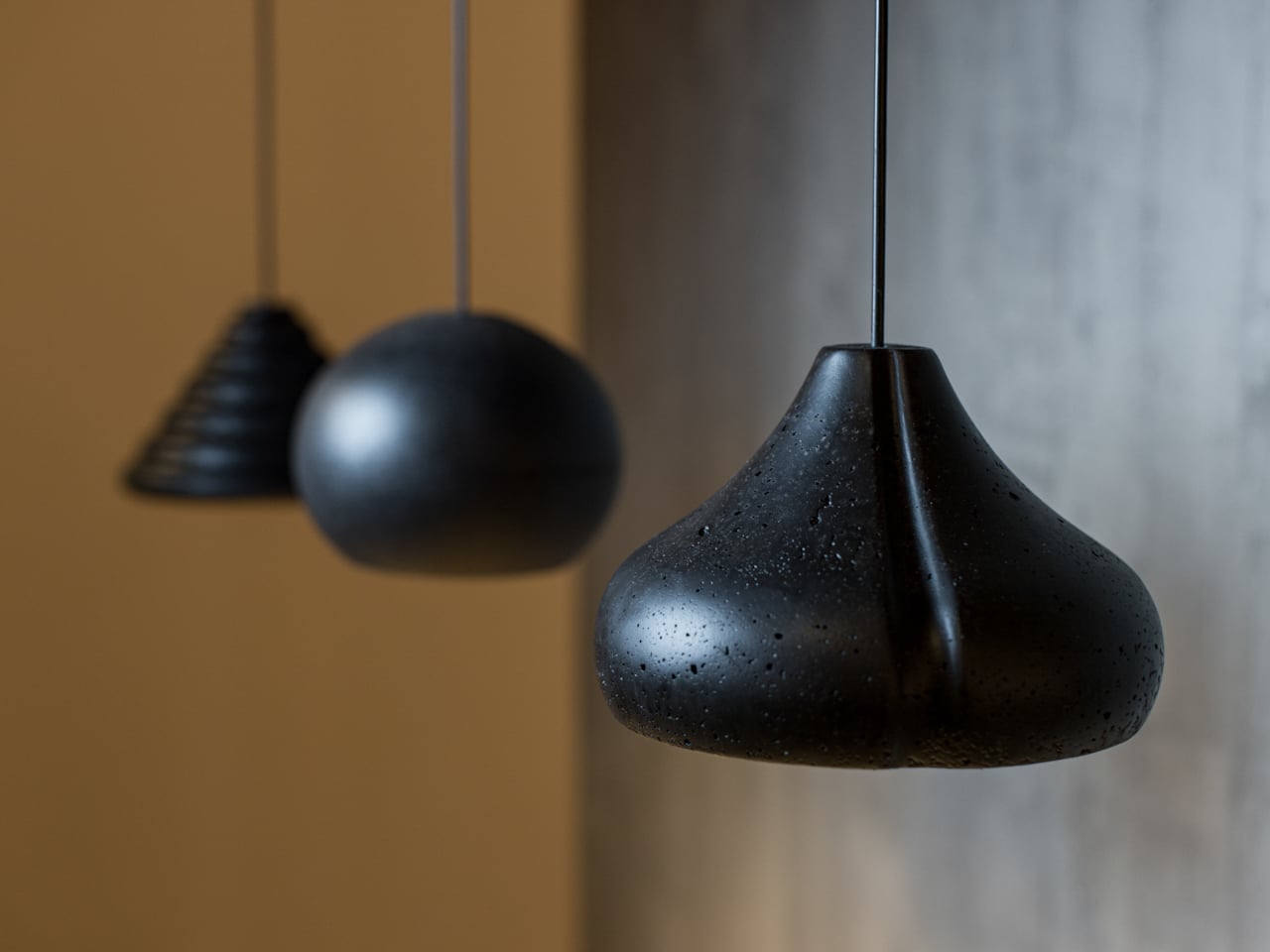
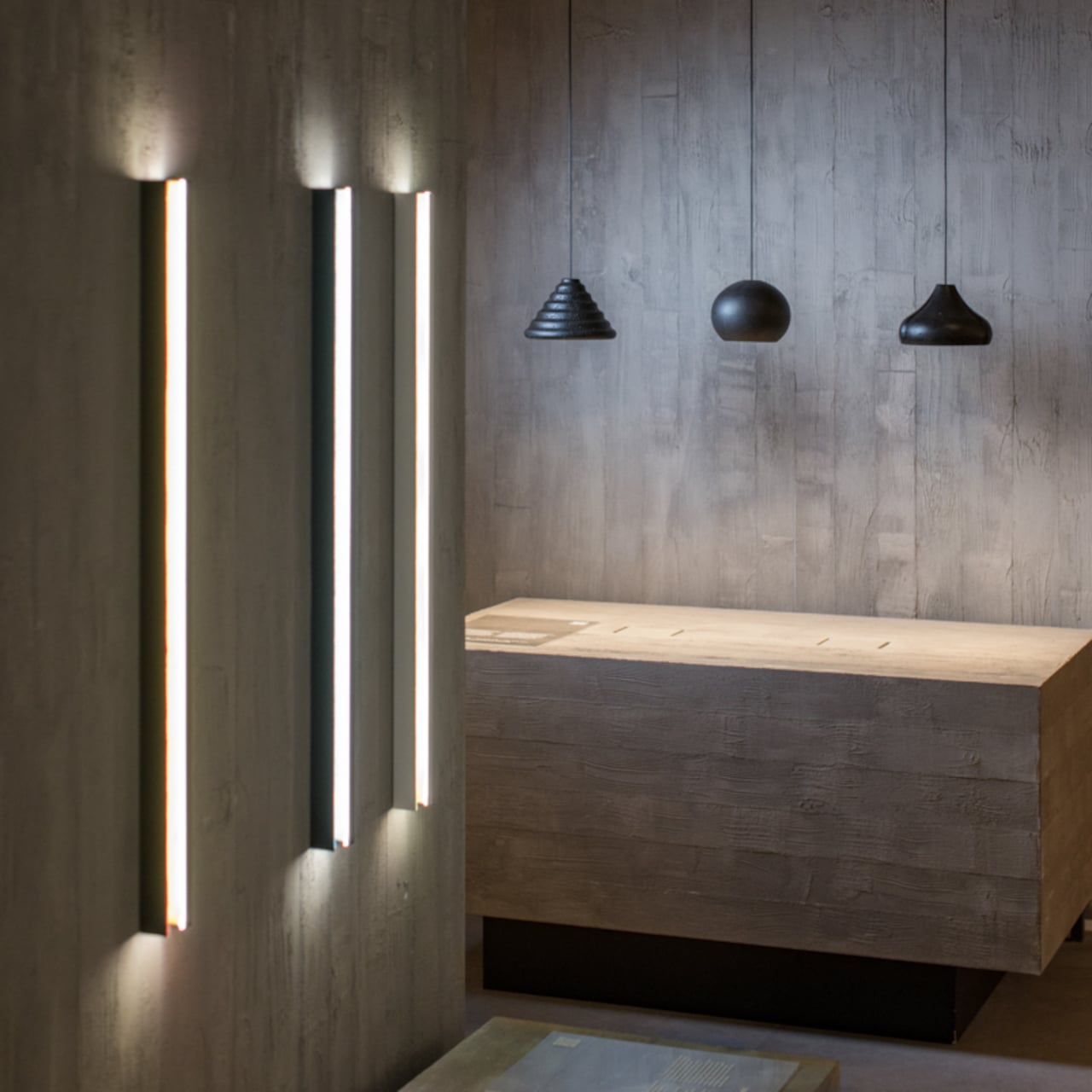
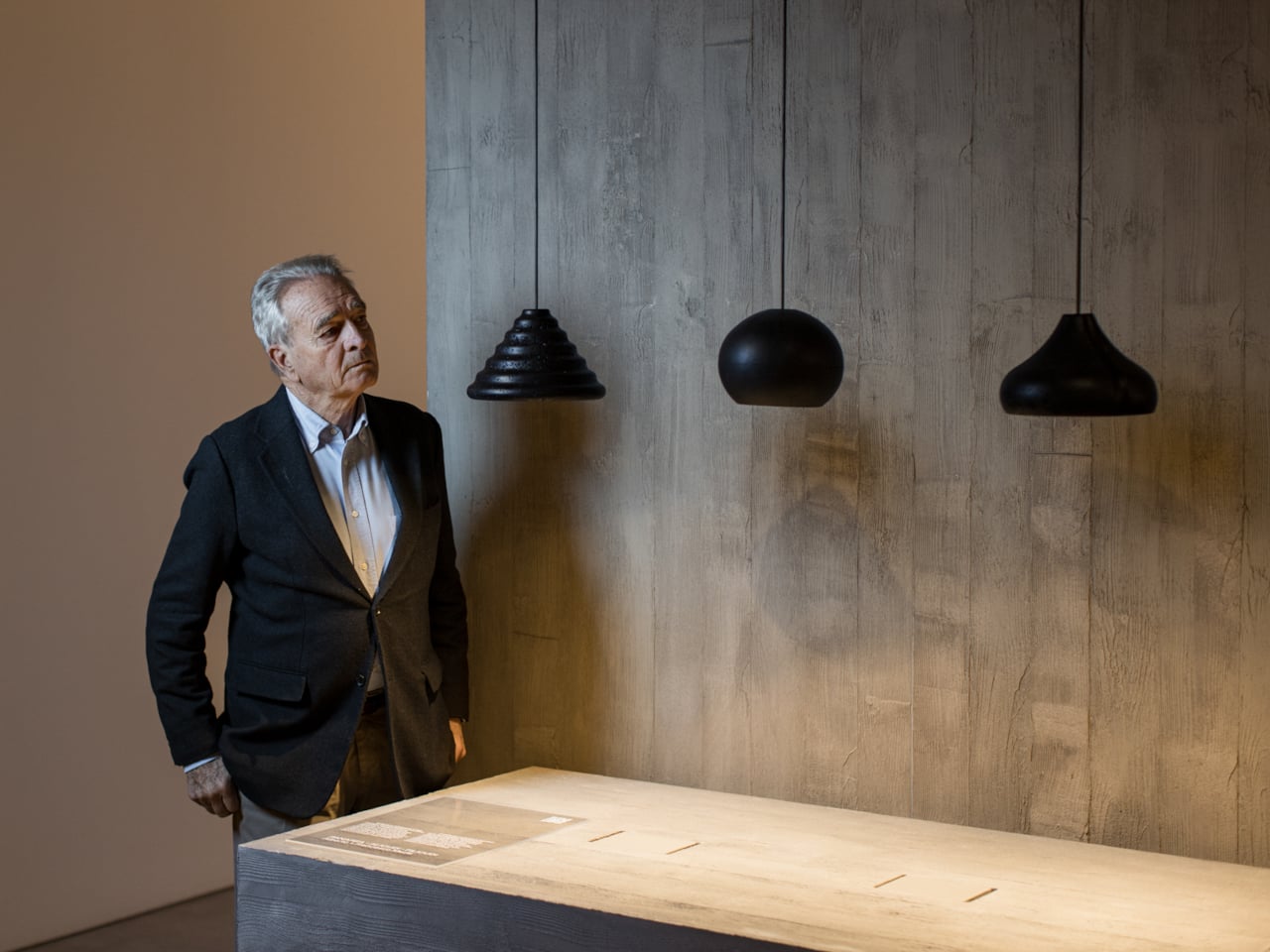
The three silhouettes test different aspects of the material. Alicudi is a near-perfect sphere, Filicudi is a stepped cone with horizontal ridges, and Panarea is a softer, lobed form that curves gently inward. The designers chose these shapes to explore the potential and limits of the composite, from smooth continuous curves to pronounced ribbing, and together they read like a small family of volcanic forms, each one a different take on how lava can be tamed into a lamp.

The variegated, cratered surfaces make each piece unique. The industrial casting is followed by hand-working, which introduces small, irreproducible variations, so no two lamps are exactly alike. The porosity and tiny craters are not hidden but are celebrated as evidence of the material’s origin, giving the lamps a tactile presence that feels closer to rock than to a typical smooth shade or polished ceramic.

All three are compact downlights, with warm light spilling from the underside while the dark exterior stays quietly in the background. Over a table or counter, they create focused pools of light, while by day they read as small volcanic sculptures hanging in space. The combination of rough, dark shells and soft, warm light makes them feel equally at home in domestic and hospitality settings, adaptable without being loud.

Alicudi, Filicudi, and Panarea turn a waste stream from stone cutting into a high-value, expressive material for lighting. The project sits at the intersection of industry and craft, using a patented process to make thin shells and hand finishing to keep each piece individual. In a market full of anonymous metal cylinders, the idea of a pendant lamp that carries the memory of cooled magma feels both grounded and quietly radical, connecting the ceiling to the mountain with 500 million years of geological history compressed into a few millimetres of recycled stone.

The post These Pendant Lamps Are Cast From Recycled Lava in 8mm Thin Shells first appeared on Yanko Design.
Hourglass Solar Lamp Has No Switch, Just Flip It to Charge or Light

Solar power usually shows up as something big and remote, panels on roofs, fields of photovoltaics, or chunky outdoor lanterns that live on balconies. Very little of it feels like part of everyday indoor life. Nomad is a portable solar lamp that tries to shrink that idea down to the scale of a desk or bedside table, making daylight into a small daily habit instead of infrastructure you install and forget about.

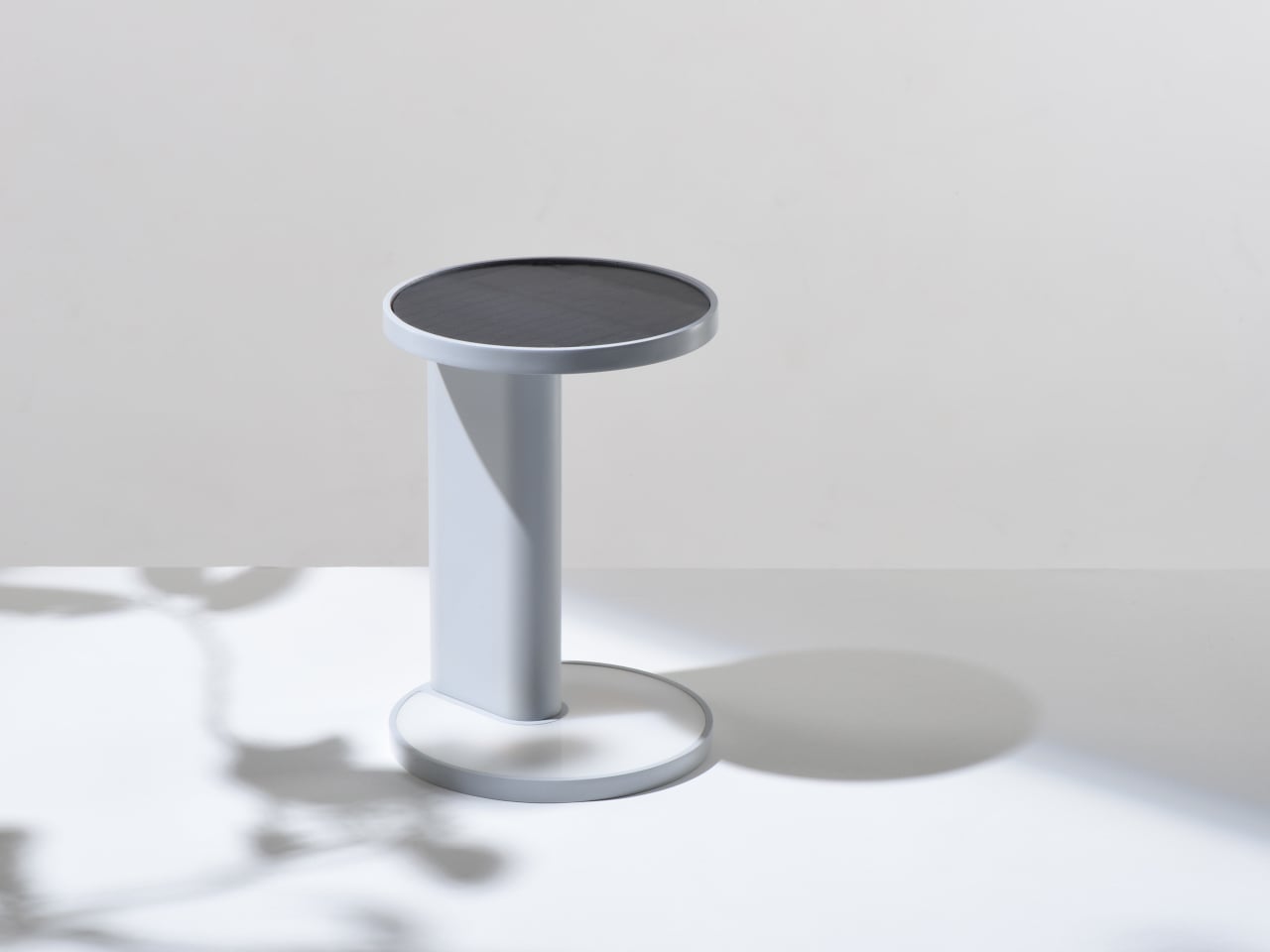
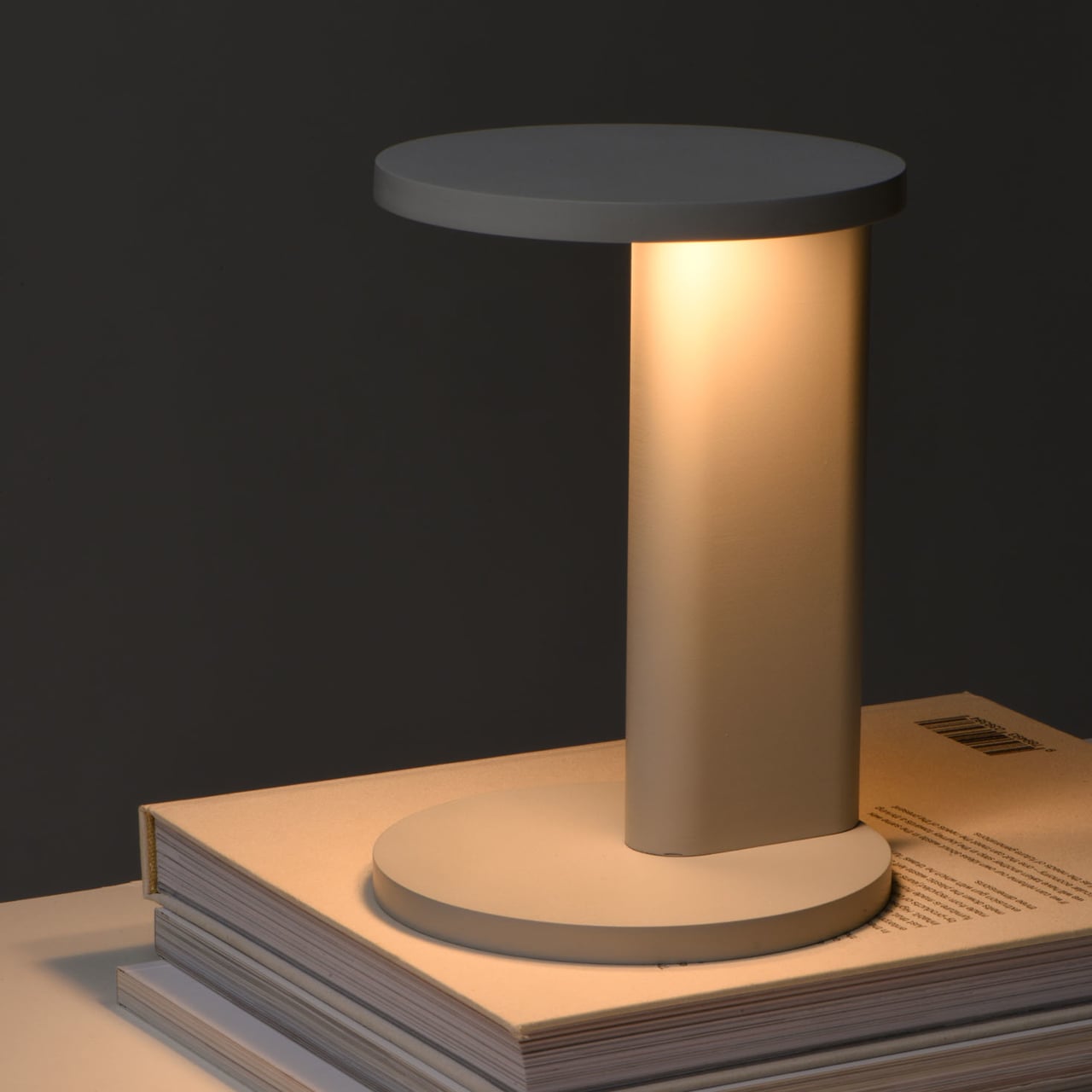
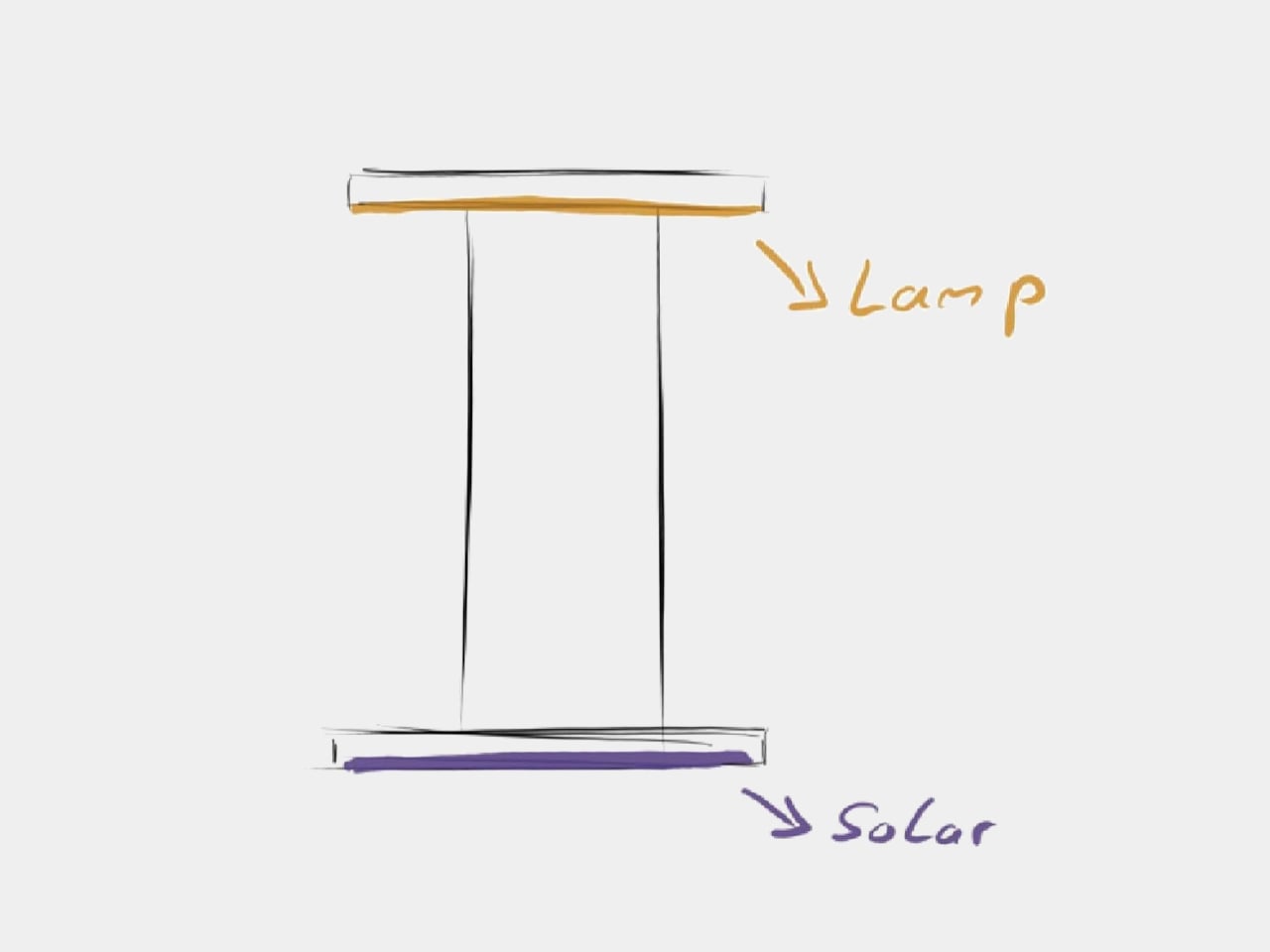
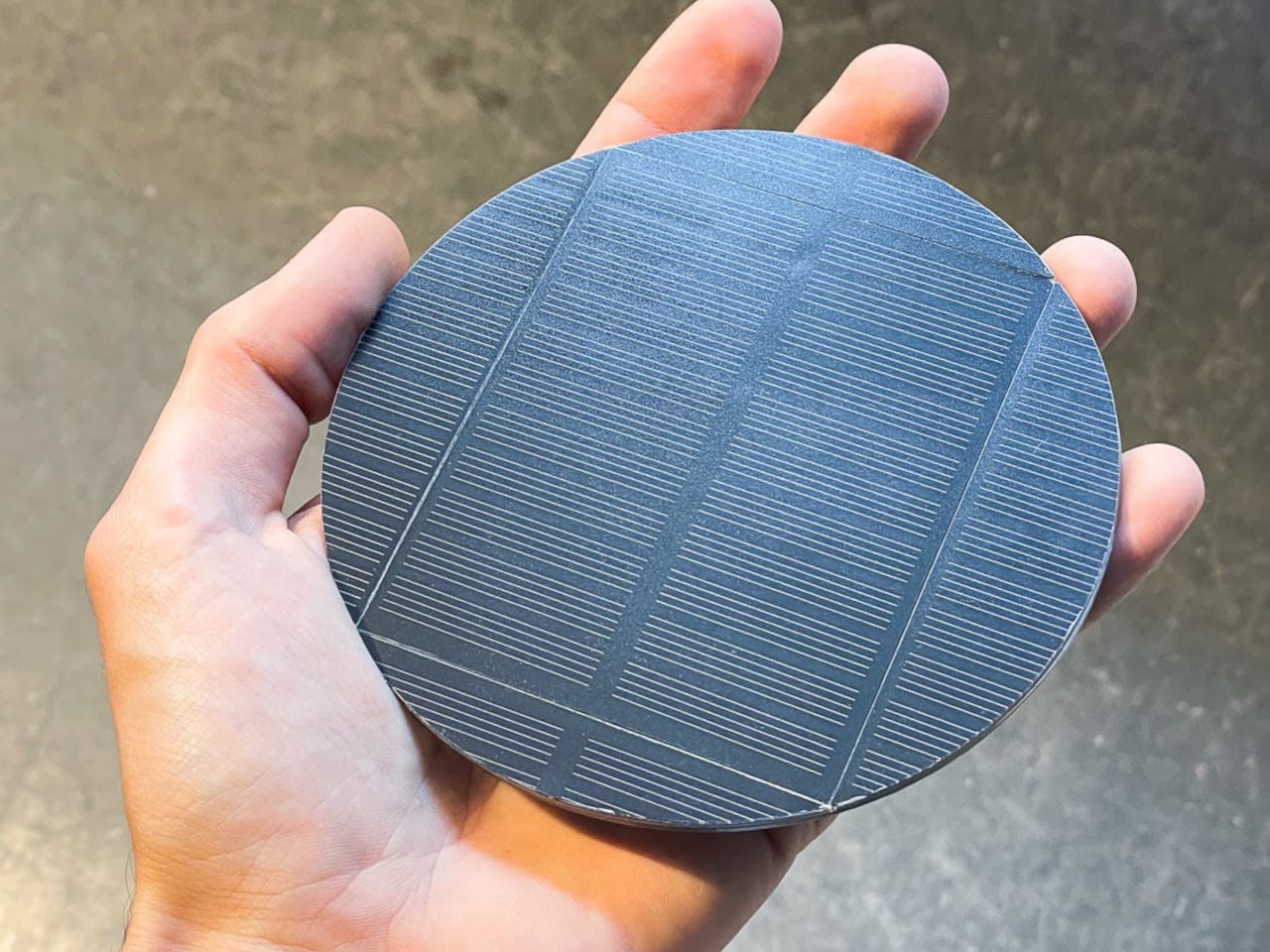
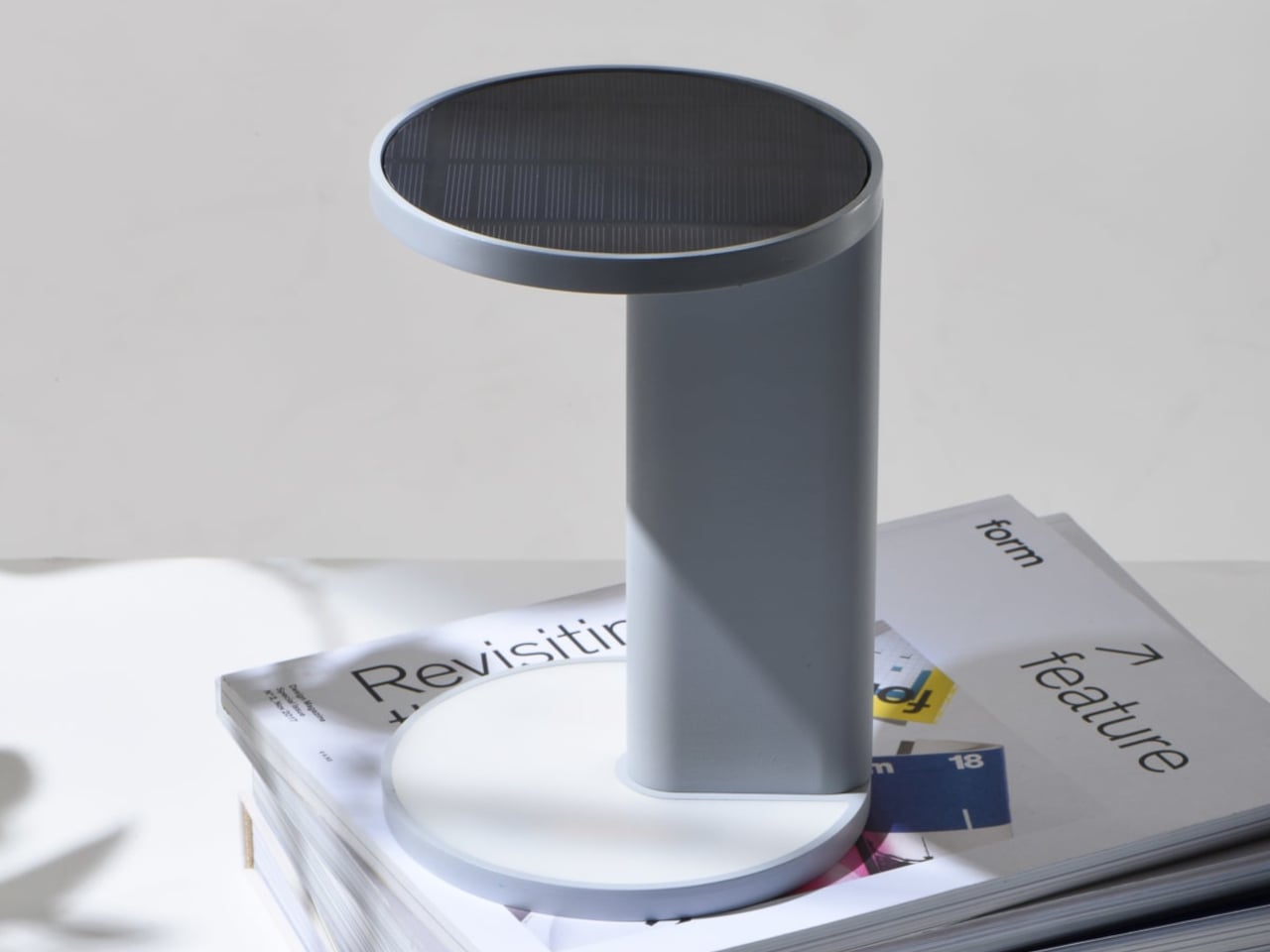
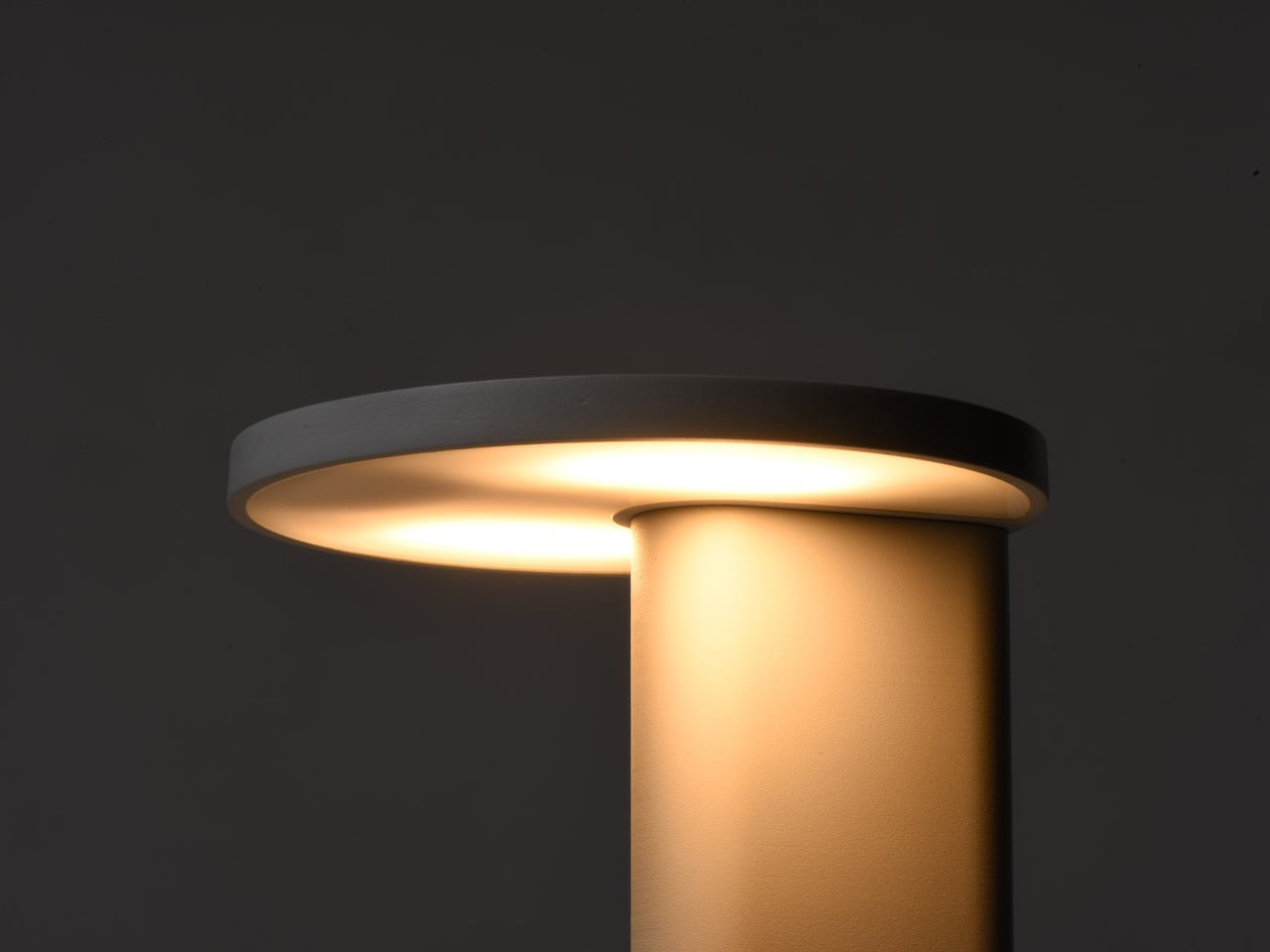
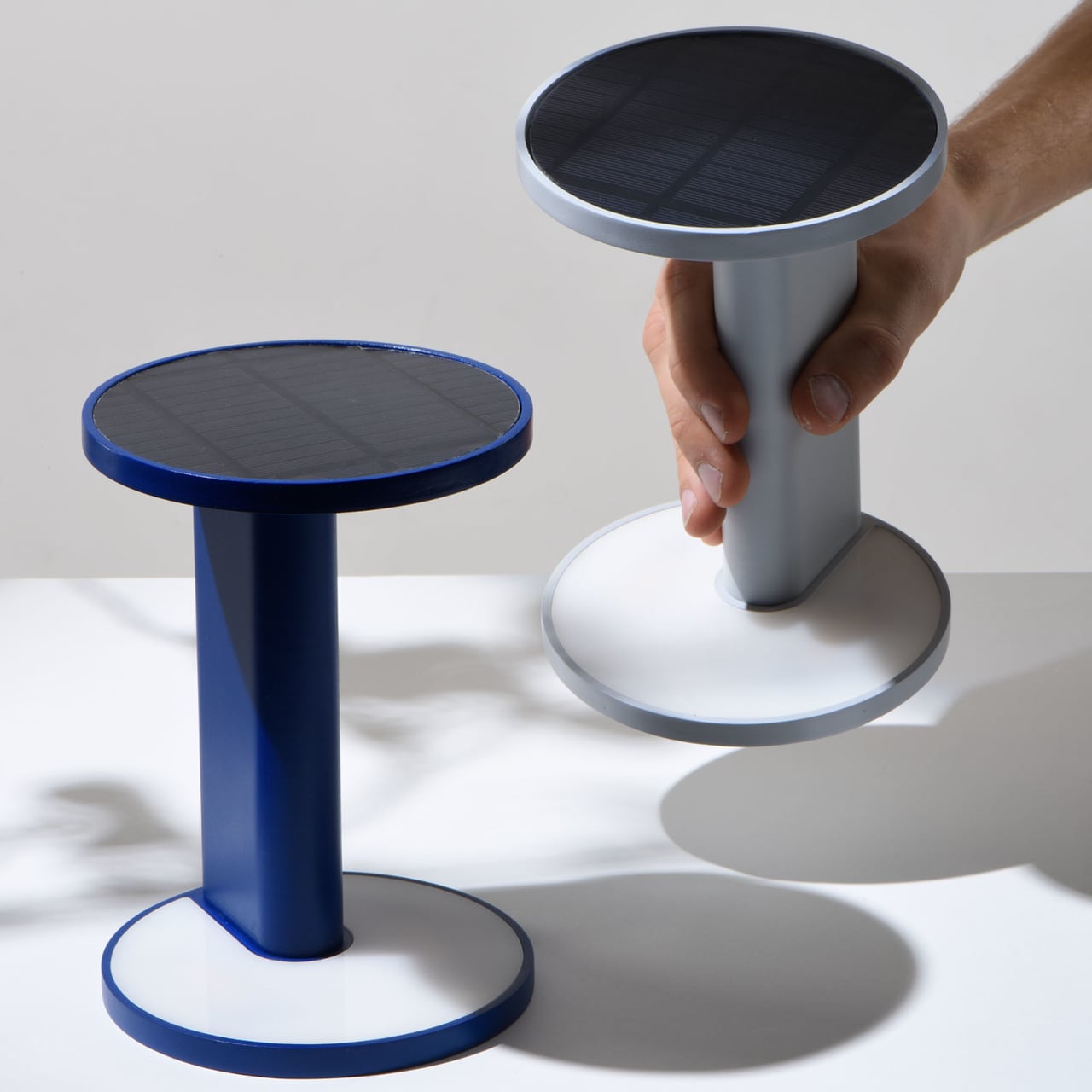
Nomad is a portable solar lamp charged indoors by natural light, with a symmetrical shape understood like an hourglass. Turning the lamp over switches between two modes, solar charging and ambient lighting, and this flip is the only real interaction. The lamp becomes its own panel and its own shade, depending on which disc is facing up, so the ritual of using it is also the ritual of charging it.
Designers: Moritz Walter, Michelle Muller

In charging mode, the solar panel disc faces upward, and the lamp stands on its light-emitting base, soaking up whatever daylight the room offers. In lighting mode, you flip it so the light disc faces up and the panel becomes the base. There is no separate switch; the act of turning the object over is how you decide whether you are storing light or spending it, which makes the interaction feel almost automatic after a few days.

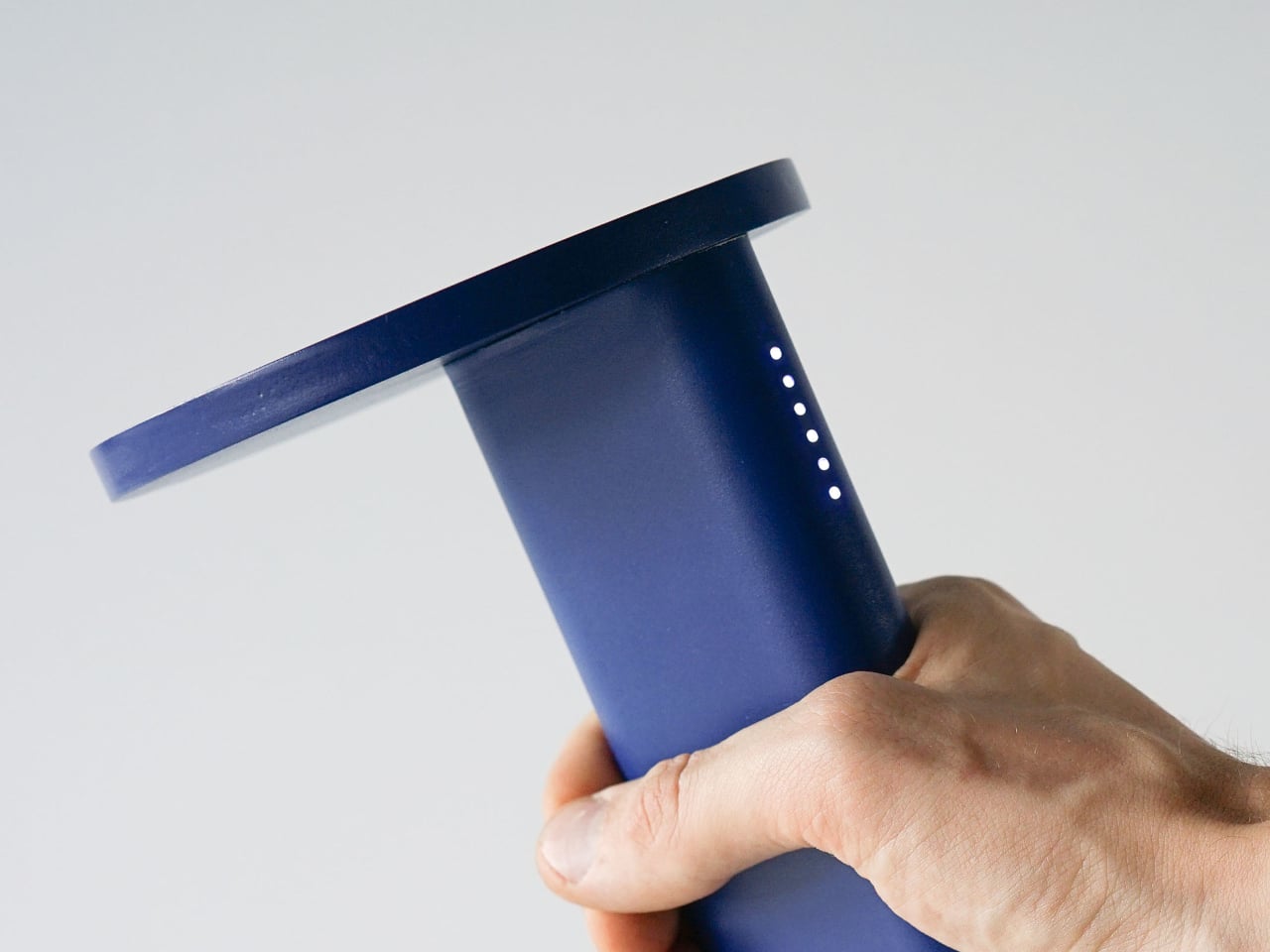
The subtle LED display on the side of the column is a vertical row of dots that visualizes the light quality in a room. In charging mode, more or brighter LEDs mean better solar potential. This invites you to move the lamp around, onto a windowsill, a stack of books, or a shelf, and see where it charges fastest. Over time, you build a mental map of where your home is secretly good at catching sun.

The visual language is a matte-finished column and two discs in muted colors like light grey and deep blue, with the solar panel flush in one disc and a warm, diffuse light in the other. The lamp looks more like a small side table or plinth than a gadget, which matters if it is going to live in a living room. The tech is present but quiet, so it can sit on books or a credenza without shouting solar device.

Nomad is an autonomous object that draws on solar energy, a freely available, sustainable resource, and makes it usable on a small scale for indoor use. It is not trying to power your house; it is trying to power itself. That autonomy means you can have a pool of warm light in the evening that owes nothing to the grid, just to where you left the lamp during the day and how well the sun reached it.

Nomad quietly reframes daylight from background condition to something you can actively harvest and read. Instead of an app full of charts, you get a lamp you flip and carry, and a line of LEDs that tell you when you have found a good spot. It is a small, almost toy-like way of making solar feel tangible indoors, turning the light already in your home into a resource you can actually use instead of just measuring it on a weather app.

The post Hourglass Solar Lamp Has No Switch, Just Flip It to Charge or Light first appeared on Yanko Design.