Laser engravers have always come with a catch. Getting one typically means dedicating a chunk of workspace to it, running a cable to the nearest outlet, and putting on protective goggles before pressing start. For makers who don’t have a proper workshop, that’s a lot of overhead just to personalize a wooden keychain or stamp a logo onto a leather patch.
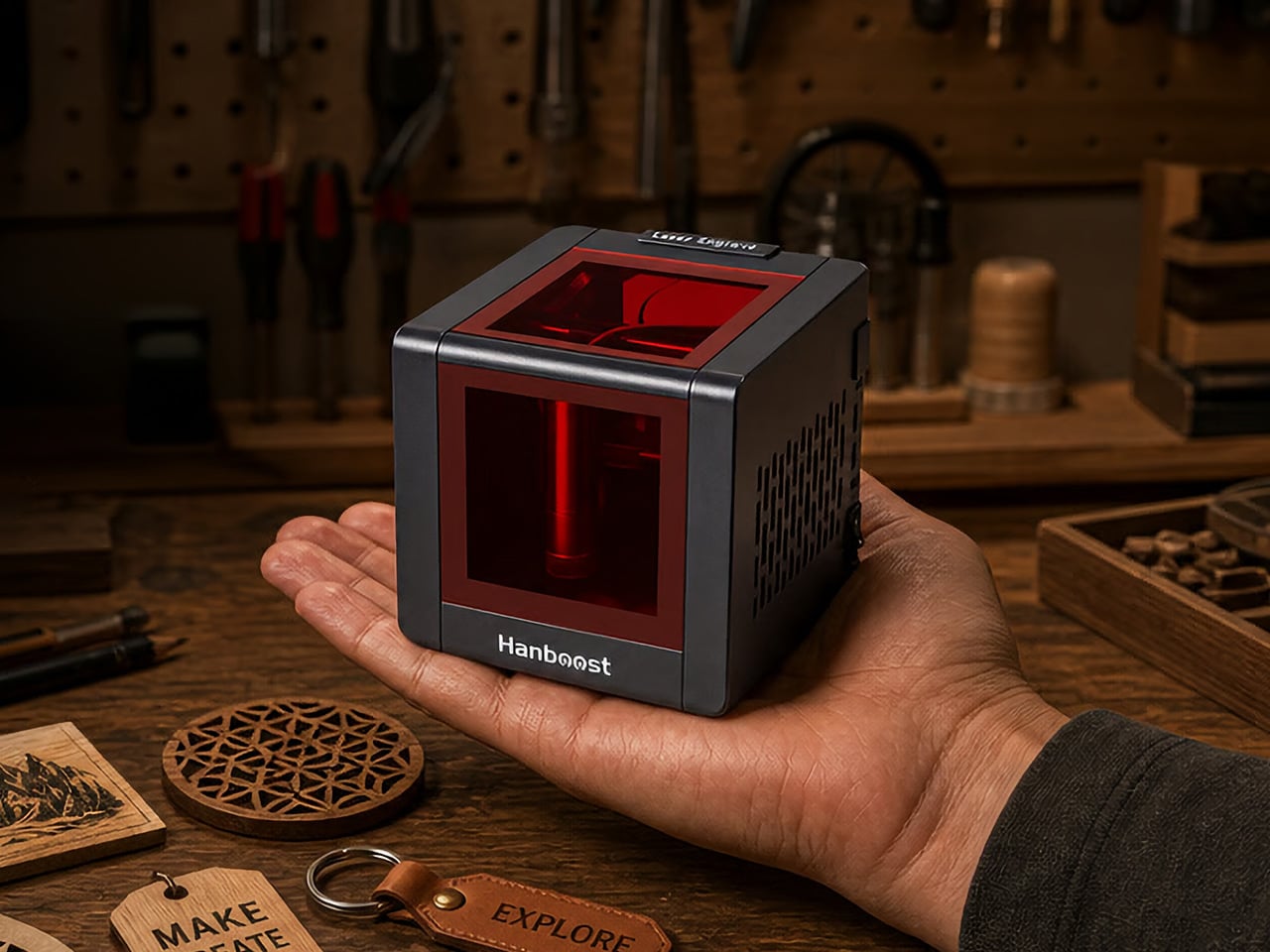
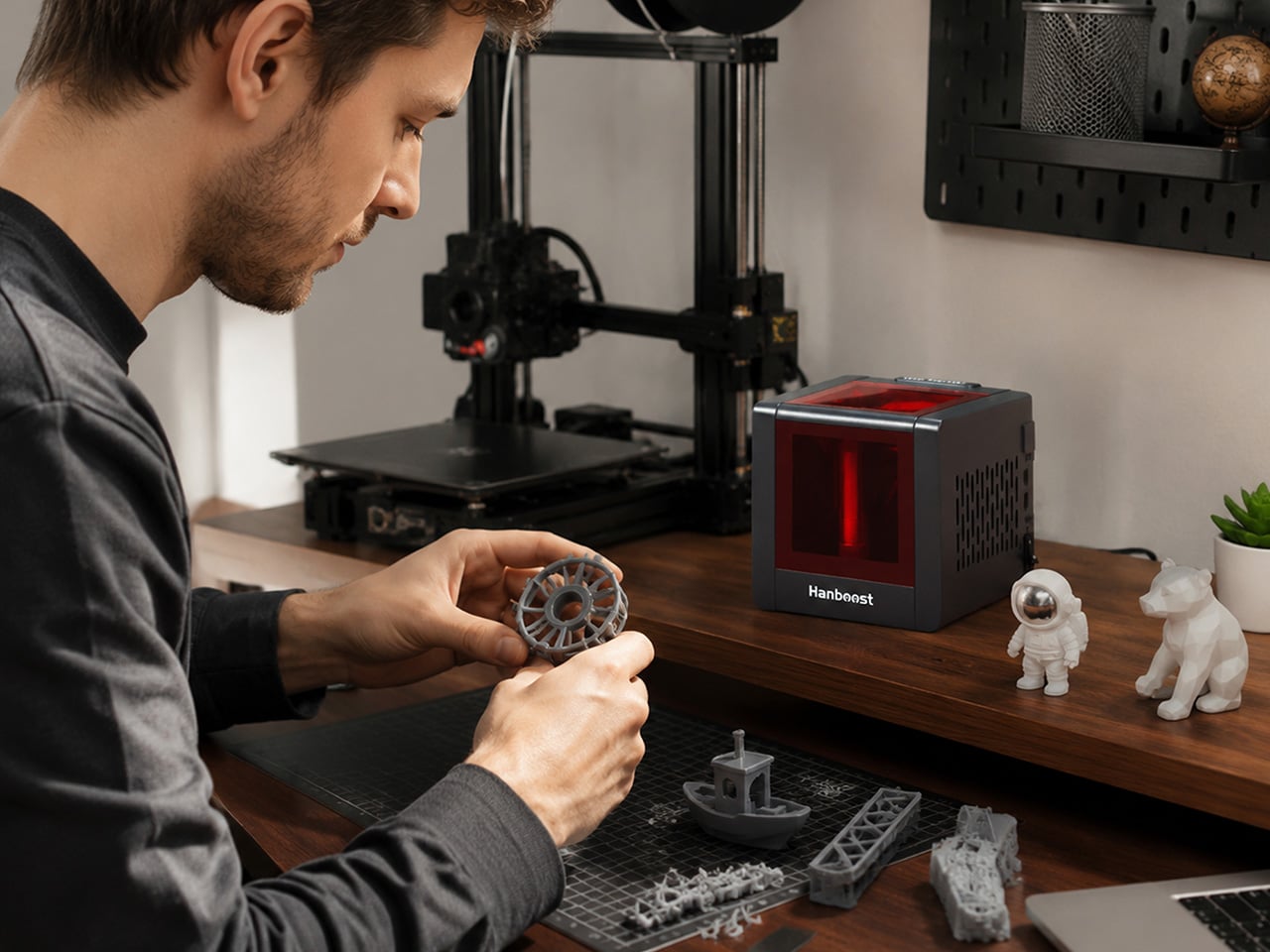
The Hanboost T1 is designed with exactly that frustration in mind. It’s a fully enclosed mini laser engraver measuring 115mm x 115mm x 115mm, weighing roughly 400g, and running off a standard USB-C connection, so a power bank is all you need to get it going. The idea is simple: a capable, portable engraver that fits into a backpack and doesn’t demand a dedicated room.
The T1 has a clean cube silhouette that doesn’t look out of place next to a laptop or a set of studio monitors. Its dark body, vented side panels, and tinted front window give it the feel of a precision instrument rather than a hobbyist gadget. The viewing cover is swappable, available in red, orange, or green, with custom-pattern options for anyone who wants to personalize the unit itself.
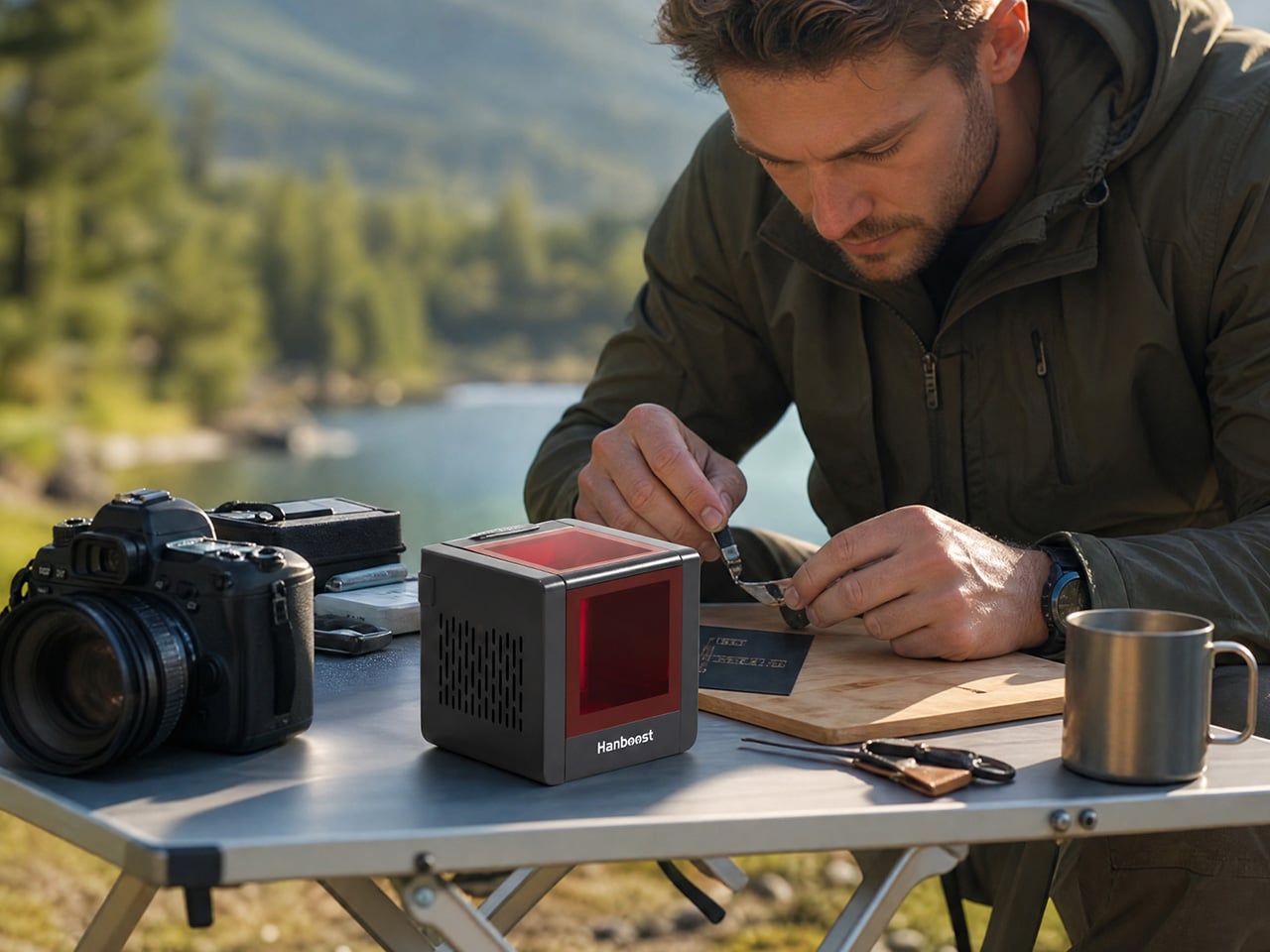
Close to the weight of a full can of soda, the T1 is light enough that you’d barely notice it in a bag. Because it draws power from any USB-C source, including the power banks most people already carry, you can set it up on a kitchen table, a café counter, or a folding table at a craft fair without worrying about finding a wall outlet nearby.
The T1’s engraving area measures 60mm x 40mm, which keeps things focused on smaller objects: gift tags, leather patches, wood coasters, cork pieces, cardstock, and phone cases. The standard 500 mW version handles wood, leather, fabric, and kraft paper well, while the 1.6 W Pro module, available as an upgrade, opens things up to bamboo, painted metal, and dark acrylic without needing a special coating.
The T1 uses a blue diode laser rather than the red diode type found in many entry-level machines. The distinction matters because blue diode lasers absorb more deeply into organic materials, producing sharper contrast and cleaner lines. Pair that with a 0.05mm engraving accuracy, and the results are detailed enough to render fine botanical illustrations or small portrait engravings you’d normally expect from something considerably larger.
The fully enclosed body is one of the T1’s more thoughtful design choices. The observation window carries an OD4+ rating, so you can watch the engraving process without protective eyewear. A built-in tilt sensor cuts the laser automatically if the machine tips beyond 15 degrees, and an active cooling fan keeps temperatures stable during longer sessions, which matters outside of a ventilated workshop.
On the software side, the T1 works with LightBurn and LaserGRBL, which are already the go-to platforms for most experienced makers. It also connects wirelessly to the MKSLaser mobile app for those who prefer controlling things from their phone on Android. File format support covers PNG, SVG, DXF, PDF, and G-code, among others, and getting started through the app takes just three steps.
There’s also an optional height extension stand for working on taller objects like wooden boxes and small frames, which rounds out a product that’s been thought through beyond the basics. The T1 isn’t built for cutting thick timber or marking deep into metal, and it doesn’t pretend to be. For makers who’ve wanted laser engraving to fit into an everyday creative routine, that honesty is refreshing.
What’s perhaps most telling about the T1 is where it ends up living. Not tucked away in a storage bin between projects, but sitting on a desk next to a sketchbook, ready whenever an idea shows up. That kind of casual accessibility is harder to engineer than it sounds, and it tends to be the difference between a creative tool that actually gets used and one that doesn’t.
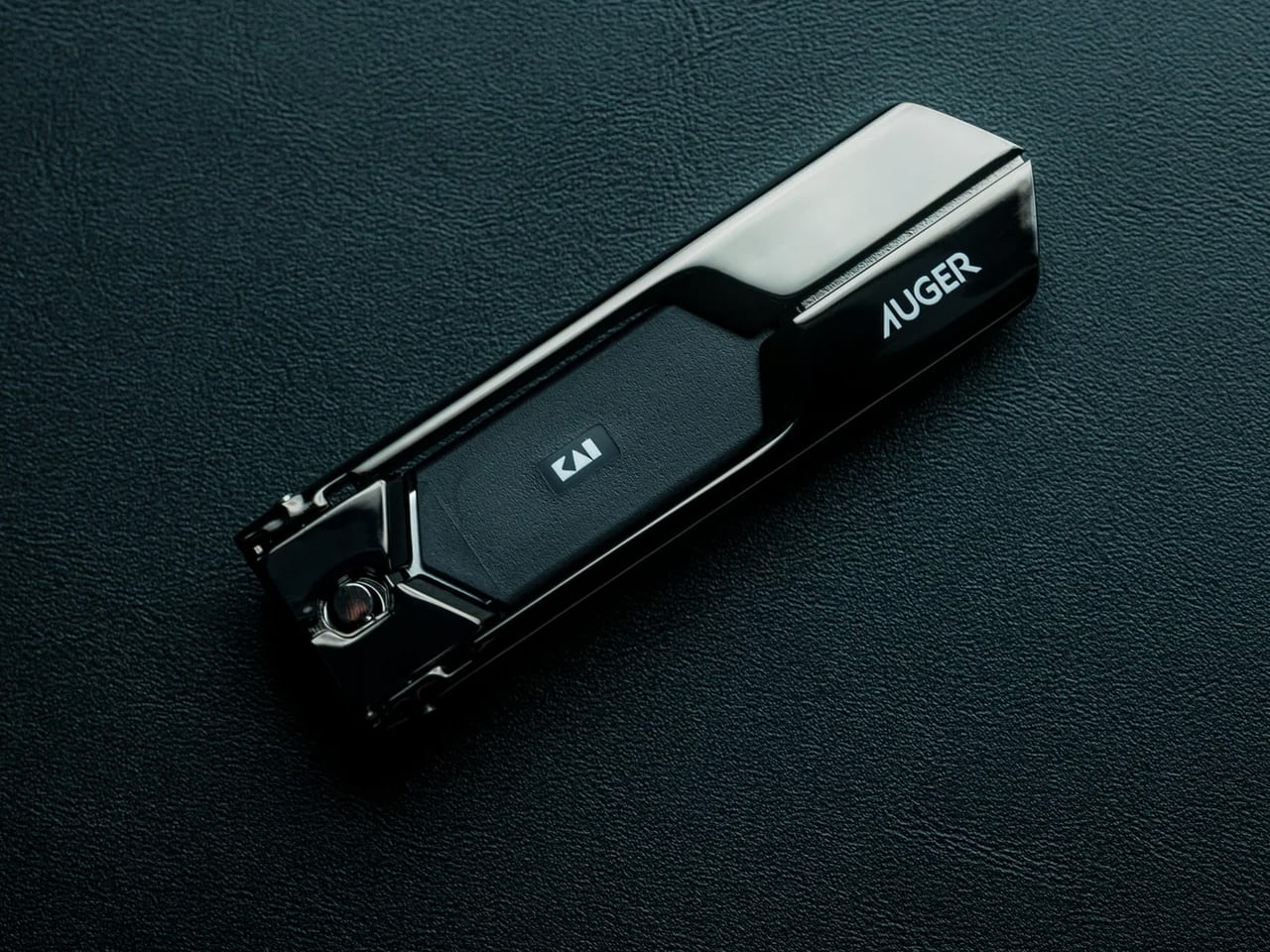
Most nail clippers are an afterthought. Picked up at a pharmacy checkout, tossed in a drawer, forgotten until needed. The Auger PrecisionLever Nail Clipper belongs in a different conversation entirely. Designed by Shogo Ochiai and developed by Kai Corporation, Japan’s blade-making authority since 1908, it brings over a century of cutting expertise to the smallest grooming tool most men never think twice about.
What makes it worth the attention is not just the credentials behind it. It is how a single mechanical decision — a patented rotating lever that shifts the pivot closer to the blade — changes the entire experience. Thicker nails clip cleanly in one press. The motion is smooth and quiet. The result is precise and controlled. At 67 grams and 86 millimeters, it disappears into a dopp kit and reappears every time as the best tool in it.
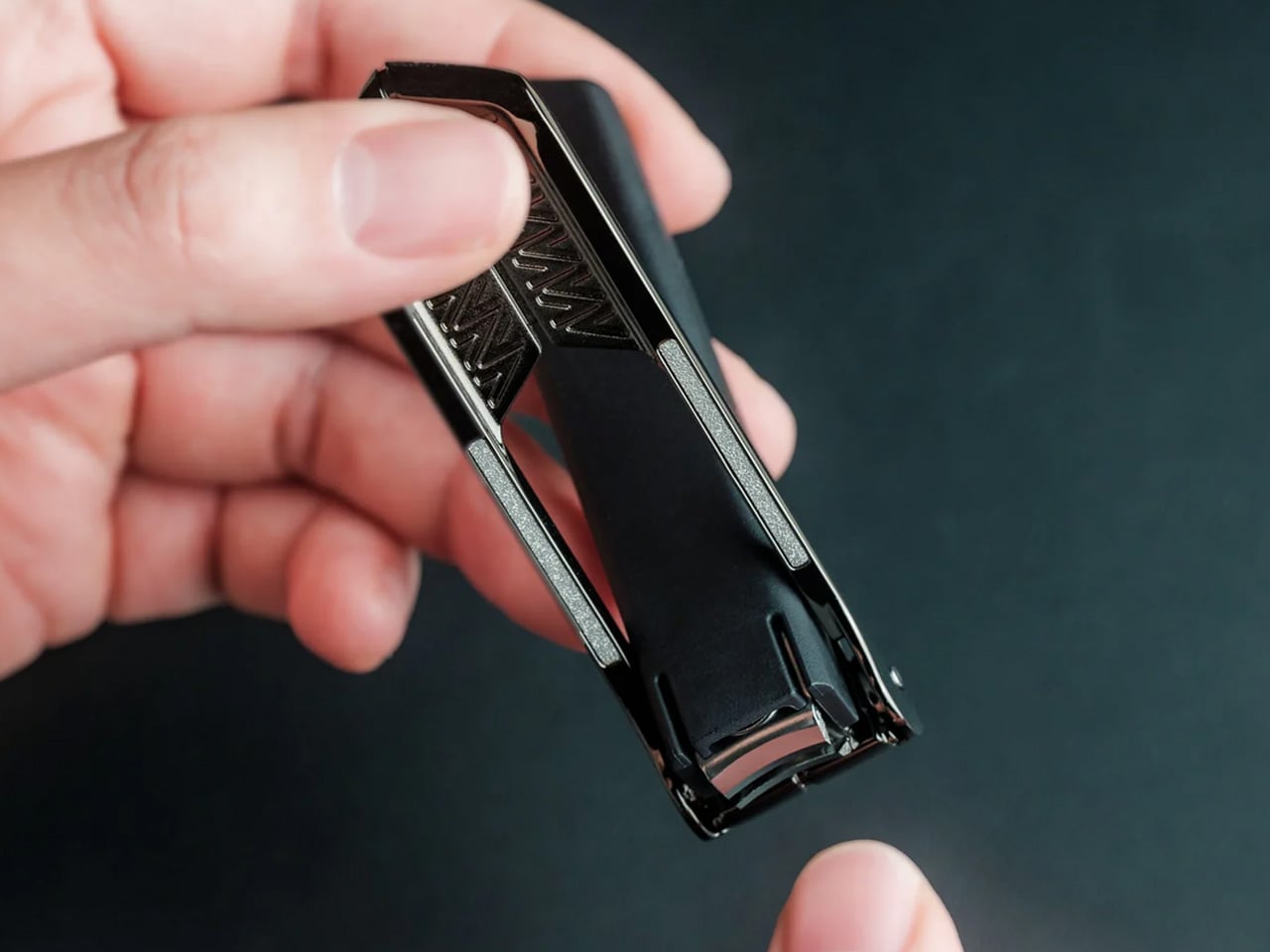
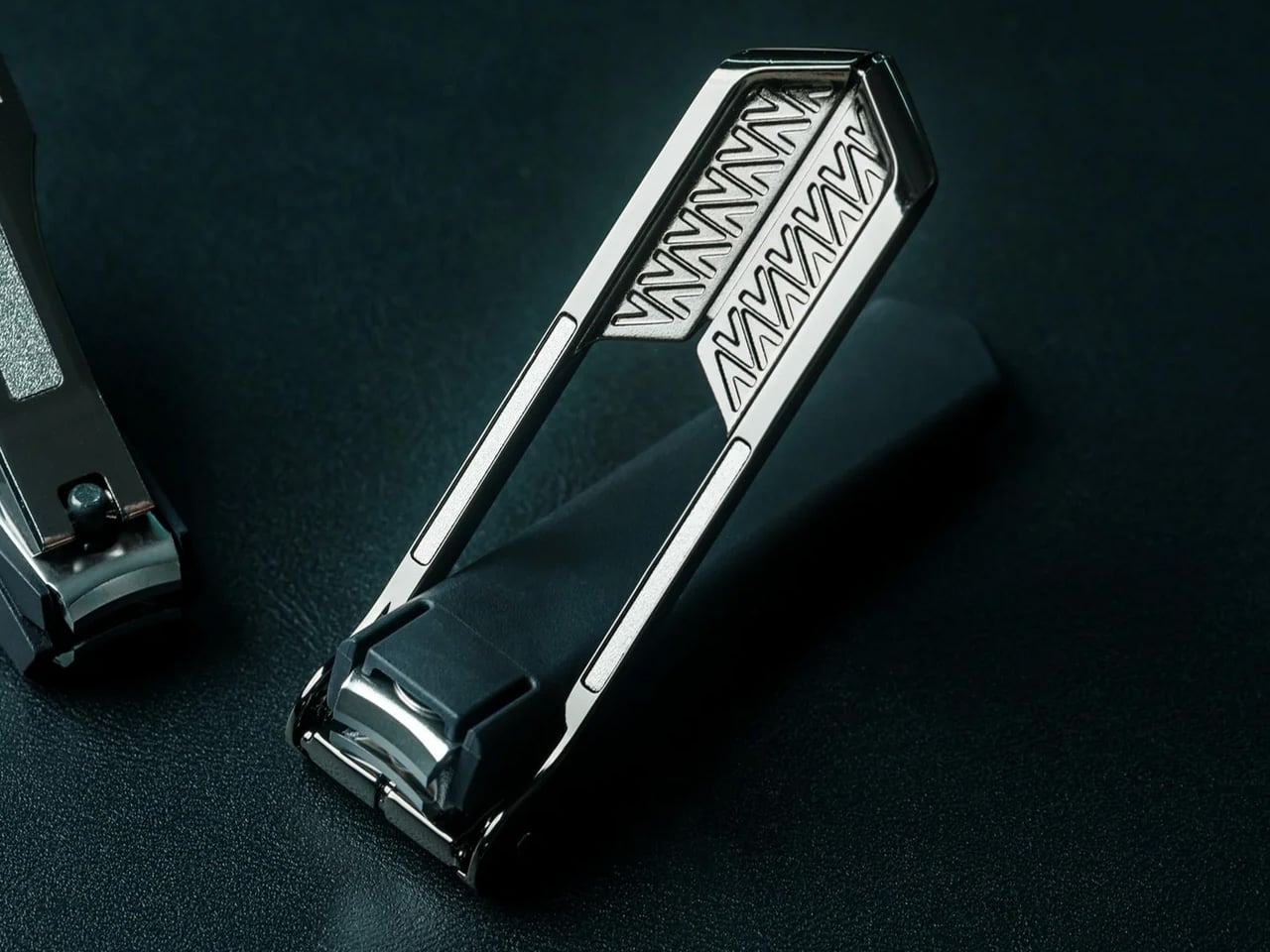
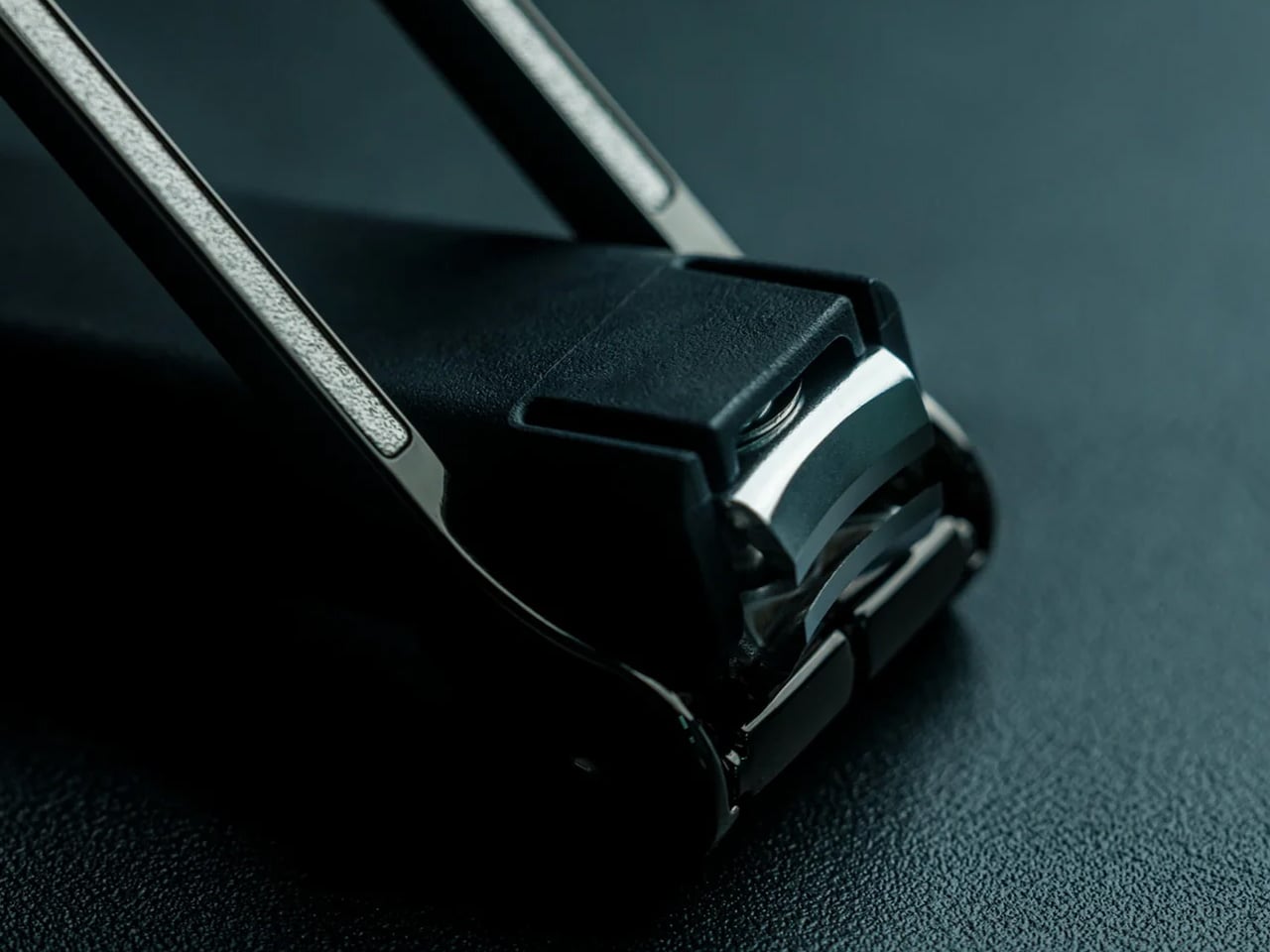
The rotating lever is the engineering story at the center of this clipper. By moving the pivot point closer to the blade, it optimizes pressure distribution across the entire cutting surface, which means less effort from the hand and a cleaner result on the nail. Where standard clippers require force and often leave a split or a rough edge, the PrecisionLever delivers a single, deliberate cut without tearing or jagging. The blades are 420 stainless cutlery steel, the same category of steel used in quality kitchen knives.
The motion itself reflects Kai Corporation’s century-long understanding of how a blade should behave. Smooth on the press, clean on the release, quiet throughout. No jolts, no clicks, no resistance that makes you second-guess the angle before you commit. It is the kind of tool that makes a routine task feel settled and intentional rather than rushed and functional, which is a distinction most grooming tools at this price point never manage to make.
Built for the Details That Show
At 86 millimeters, the PrecisionLever sits in the hand without feeling flimsy or oversized. The zinc die-cast lever carries a plated finish that holds up over time without losing its appearance, and the stainless filing surface built into the body means one tool handles the full task. The thermoplastic stopper keeps clippings contained, which is a small detail that matters more in practice than it sounds on paper.
Shogo Ochiai designed the form around the idea that grooming tools should perform as well as they look. The weight is deliberate — 67 grams is enough to feel stable without adding bulk to a travel bag. The proportions are restrained. Nothing about the design overreaches or decorates for the sake of it. It is a tool that communicates precision before you even press down, and then confirms it the moment you do.
What We Like
Patented rotating lever shifts the pivot closer to the blade, delivering cleaner cuts on thick nails with significantly less effort than a standard clipper mechanism
420 stainless cutlery steel blades slice without tearing or splitting, the same material standard used in quality kitchen cutting tools
67g weighted body at 86mm feels stable and intentional in the hand without adding any real bulk to a travel kit or drawer
Built-in stainless filing surface means the tool is complete on its own, no separate file needed
Developed by Kai Corporation, a Japanese blade-making house with over 117 years of cutting expertise behind every design decision
What We Dislike
Only 3 units currently available, which makes this a limited purchase rather than a reliable restock situation
The Smallest Tool That Changes the Most
The Auger PrecisionLever Nail Clipperdoes not fix a problem most men know they have. It reveals one. Once you clip with a blade engineered by over a century of Japanese cutting expertise, the pharmacy clipper in the back of your drawer feels exactly like what it is — a compromise you never had to keep making. That is the quiet authority of a tool designed with genuine precision behind it.
For the detail-oriented, it is a Kai Corporation product carried by a designer who understood that grooming tools deserve the same intentionality as anything else in a considered kit. For everyone else, it is a fifty-dollar upgrade to a daily routine that your hands will make visible every single day. Either way, once it earns its place in the drawer, nothing else comes close.
Most portable tech exists on a spectrum of compromise. It is either capable but too heavy, light but too fragile, or designed so carefully for the desk that the real world breaks it within a year. The products in this list started from a harder question — what does this need to survive a construction site, a remote field deployment, or a category-five weather event — and solved backward from there. The answers turned out to be better than anything built with easier conditions in mind.
What happens when you build something to those standards and then bring it somewhere ordinary is the story this list is actually telling. An 800-nit gloved-touch tablet designed for warehouse logistics turns out to be the best thing you can take camping. A power bank built to disappear into a pocket started life as a silicon-carbon engineering challenge. Extreme design requirements have a way of producing exceptional objects, and the people who benefit most are the ones who never set foot on a job site.
1. Lenovo ThinkTab X11
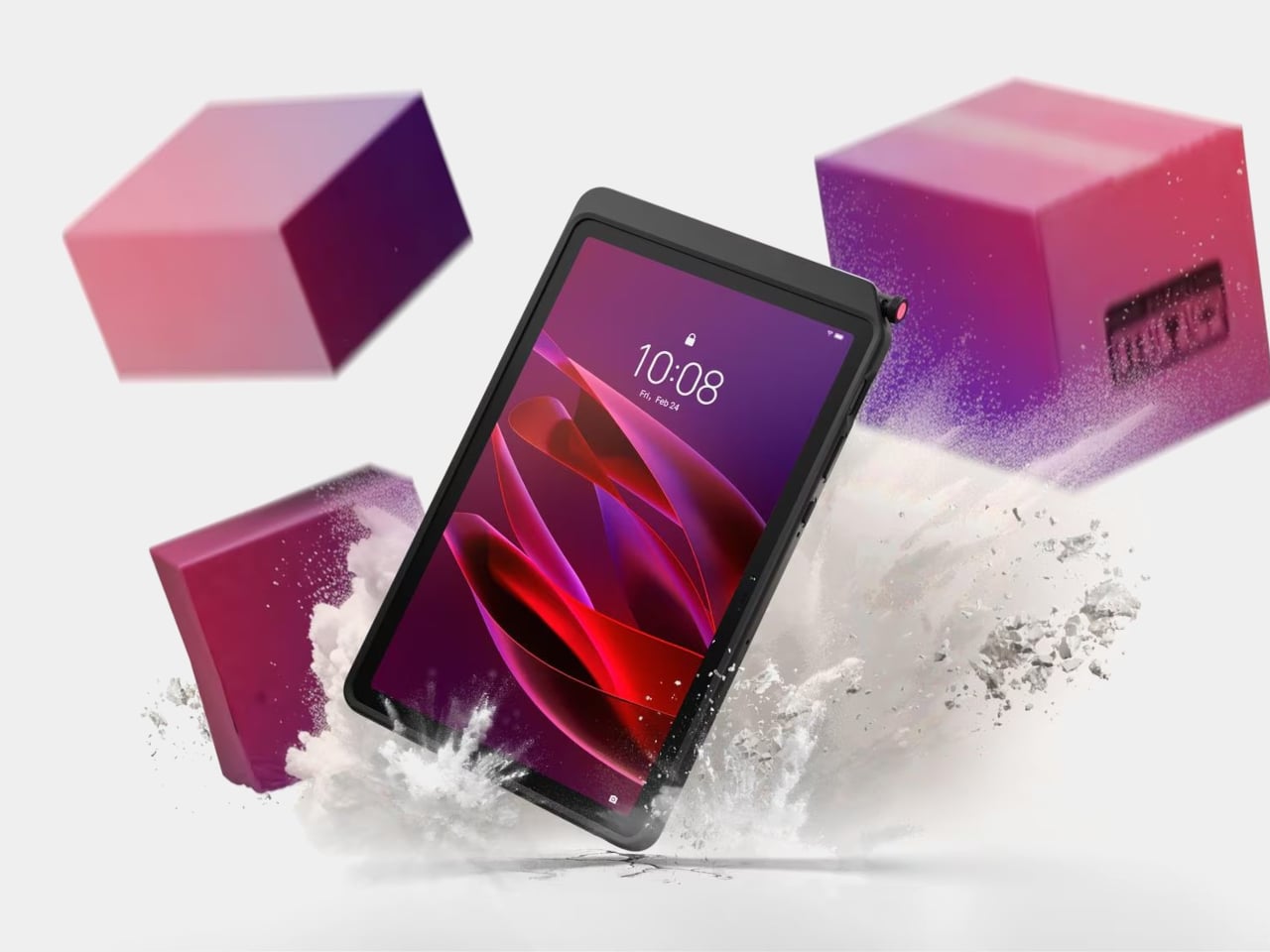
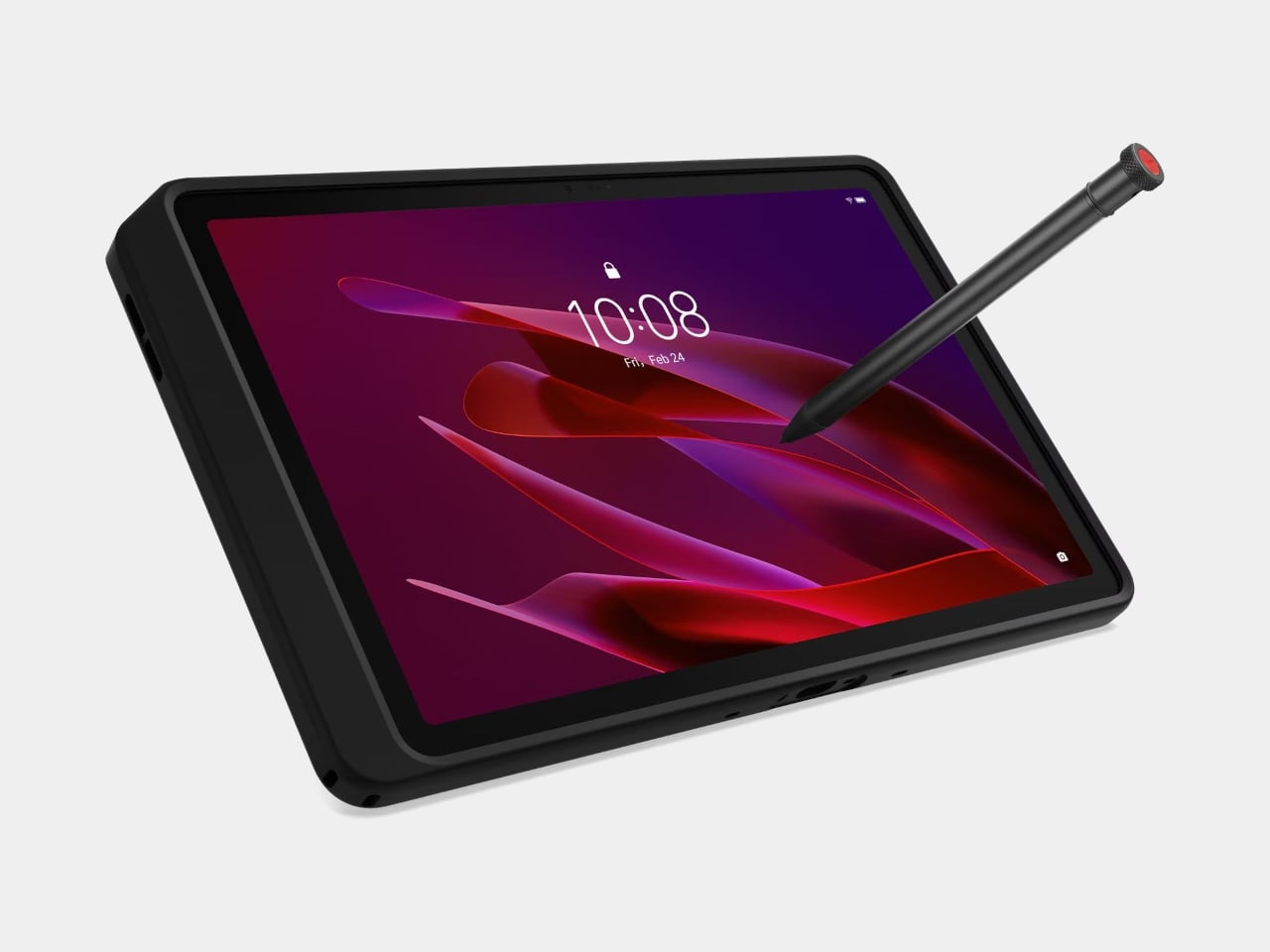
The ThinkTab X11 is the first device to carry Lenovo’s Think name in rugged Android territory, and it makes a strong case for why that should have happened sooner. At $499, it brings MIL-STD-810H certification, IP68 water and dust resistance, a 10.95-inch 90Hz display running at up to 800 nits behind Corning Gorilla Glass, and a touch layer calibrated for gloved hands and wet fingers. These are the specifications that matter on a logistics dock, but they matter just as much on a camping trip, a rainy commute, or the moment a tablet slides off a kitchen counter at exactly the wrong angle.
The design decision that separates it from everything else at this price is the battery. A 10,200mAh cell removes without tools through a screwless mechanism that lets a worker swap a depleted pack for a fresh one mid-shift without losing a step. It goes further with a battery-less operating mode: when mounted in a vehicle or fixed workstation, the ThinkTab X11 runs directly from DC power with no battery installed at all, reducing heat during continuous use and removing battery degradation from fixed deployments entirely. These are not features written for enterprise procurement brochures. They are simply better answers to how devices actually get used.
What we like:
Screwless hot-swap battery, and battery-less DC operating mode solve power dependency where it starts, rather than managing around it
MIL-STD-810H and IP68 certification delivered at a price point significantly below comparable enterprise hardware
What we dislike:
The included rugged case adds substantial thickness compared to consumer tablets of similar screen size
Rugged form factor and enterprise-first design language may feel over-specified for casual home use
2. OrigamiSwift Foldable Mouse
A full-sized mouse that folds completely flat is a more radical design proposition than it sounds. Most portable mice solve the carry problem by making the mouse smaller, which just trades one compromise for another and leaves you working on a cramped surface. The OrigamiSwift, designed by Horace Lam and drawing on the structural logic of origami, keeps the mouse full-sized in use and removes the footprint entirely when you’re done. A triangular structure that locks open with a satisfying click and collapses flat in a single motion is the kind of mechanism that makes every other portable mouse feel like an incomplete answer.
At $85, the Bluetooth connection is seamless, and the tracking is accurate enough for a full workday, but the real value is what it does to your bag. Most portable mice shift bulk from the desk into a dedicated pocket. The OrigamiSwift genuinely disappears — flat enough to slip between a laptop and a notebook without reorganizing anything. For anyone working across multiple locations, hot-desking in office environments, or simply refusing to carry more than a bag actually requires, it is the mouse that finally solves the carry problem without asking you to accept smaller performance as the price.
Folds completely flat without sacrificing full-sized performance or reliable Bluetooth tracking across devices
Triangular origami structure locks securely open and collapses cleanly in a single motion every time
What we dislike:
The folding mechanism requires brief adjustment for users accustomed to a traditional fixed mouse shape
Limited color options compared to the wider range available with standard portable mouse alternatives
3. HMD Terra M
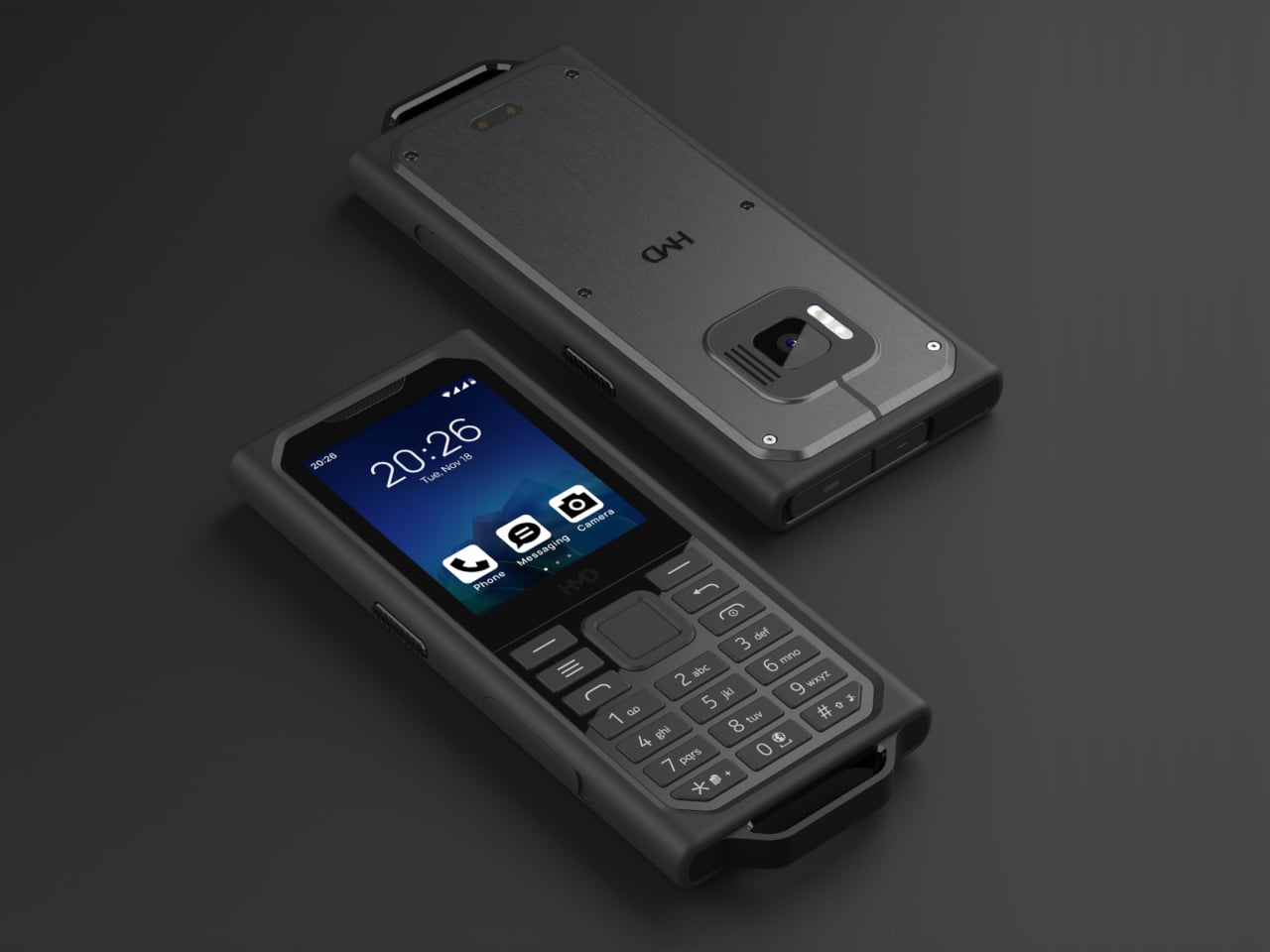
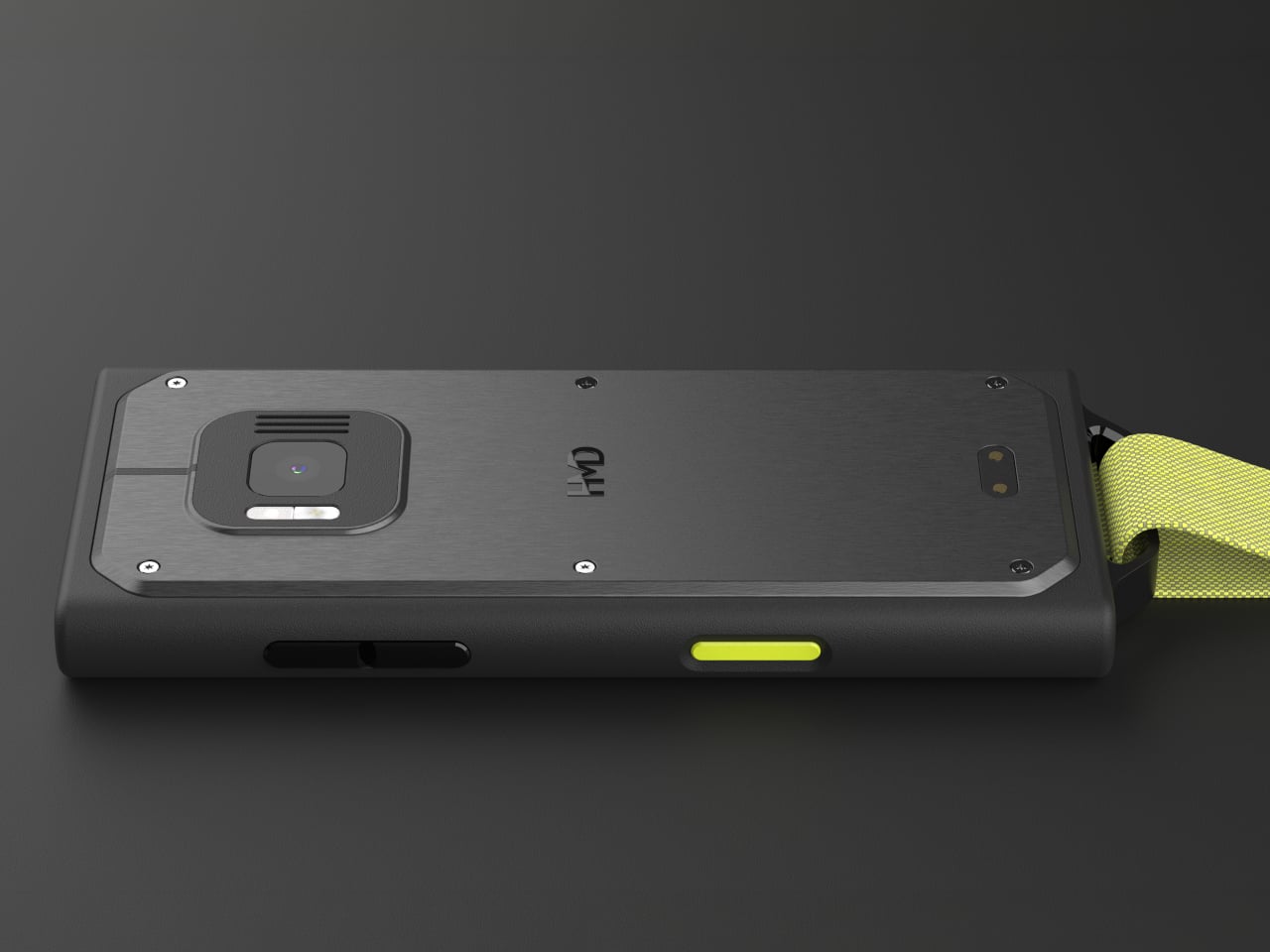
Most rugged phones solve the wrong problem. They add external armor, lose usability, and end up too bulky to carry without making a deliberate statement about it every time it comes out of your pocket. The HMD Terra M builds its field credentials directly into the design rather than bolting them on afterward. IP68 and IP69K ratings cover submersion and high-pressure water jets at 100 bar and 80 degrees Celsius. MIL-STD-810H military certification covers drop resistance from 1.8 meters. Resistance to gasoline, industrial solvents, and medical-grade sanitizers completes a durability profile that most flagship phones would quietly fail to meet.
Where it builds genuine daily value is in the smaller decisions. Large physical keys respond to gloved hands when fingers are too cold or too wet for a touchscreen to register. A 550-nit display behind Corning Gorilla Glass 3 reads clearly in direct sunlight without shielding it with your hand. A non-slip textured grip reduces the fumbling that costs seconds in a fast-moving work environment. All of that translates directly to everyday life without requiring any adjustment. The Terra M does not care whether you are wiring a commercial building or navigating a trailhead in autumn rain.
What we like:
IP68, IP69K, and MIL-STD-810H certifications handle conditions that eliminate most consumer devices from consideration
Glove-compatible physical keys and a high-brightness display designed for real-world outdoor and industrial use
What we dislike:
The 2.8-inch screen limits usefulness for media consumption and app-heavy daily workflows
The feature phone format means a second smartphone is still necessary for full platform functionality
4. Xiaomi UltraThin Magnetic Power Bank 5000
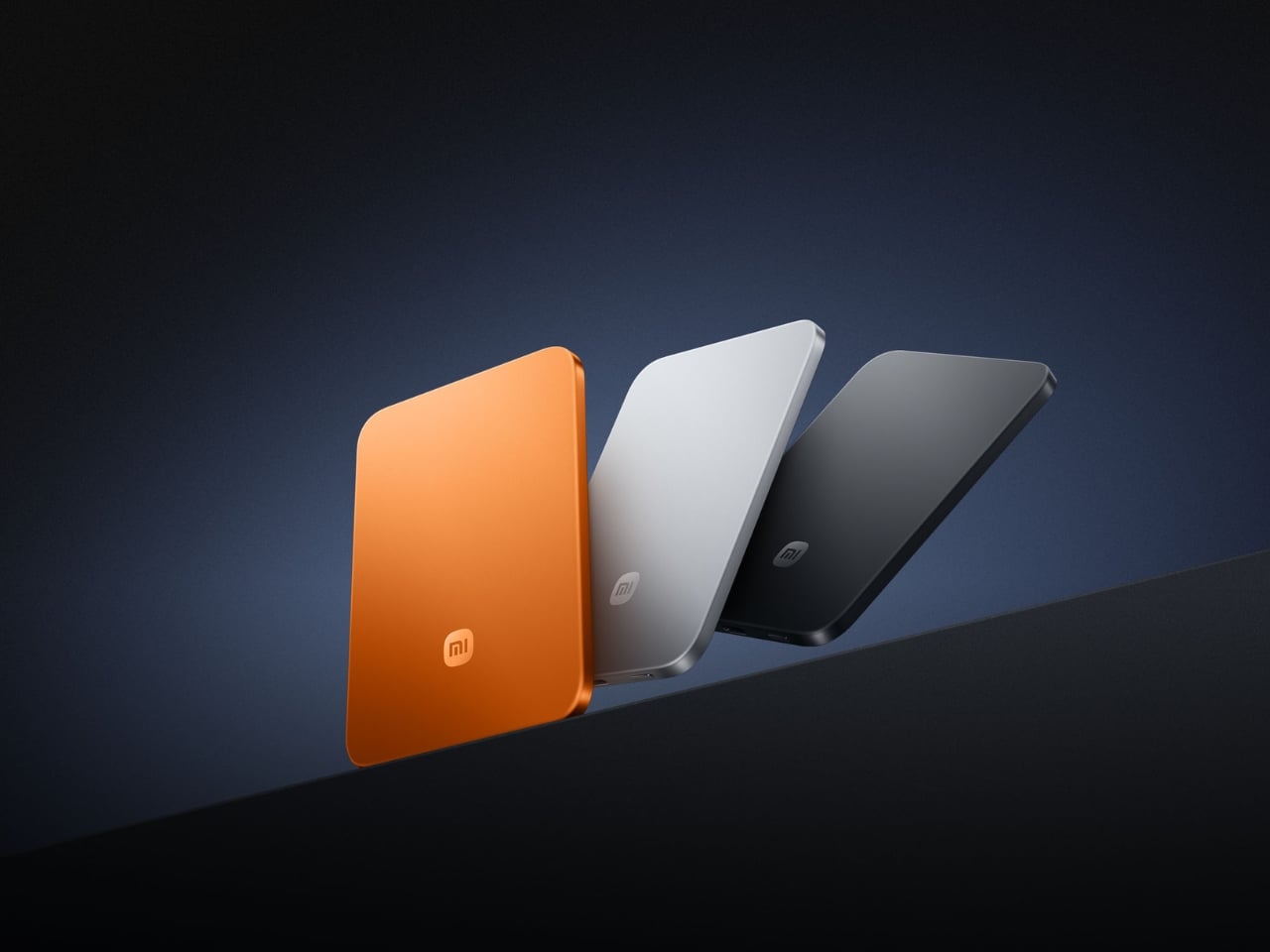
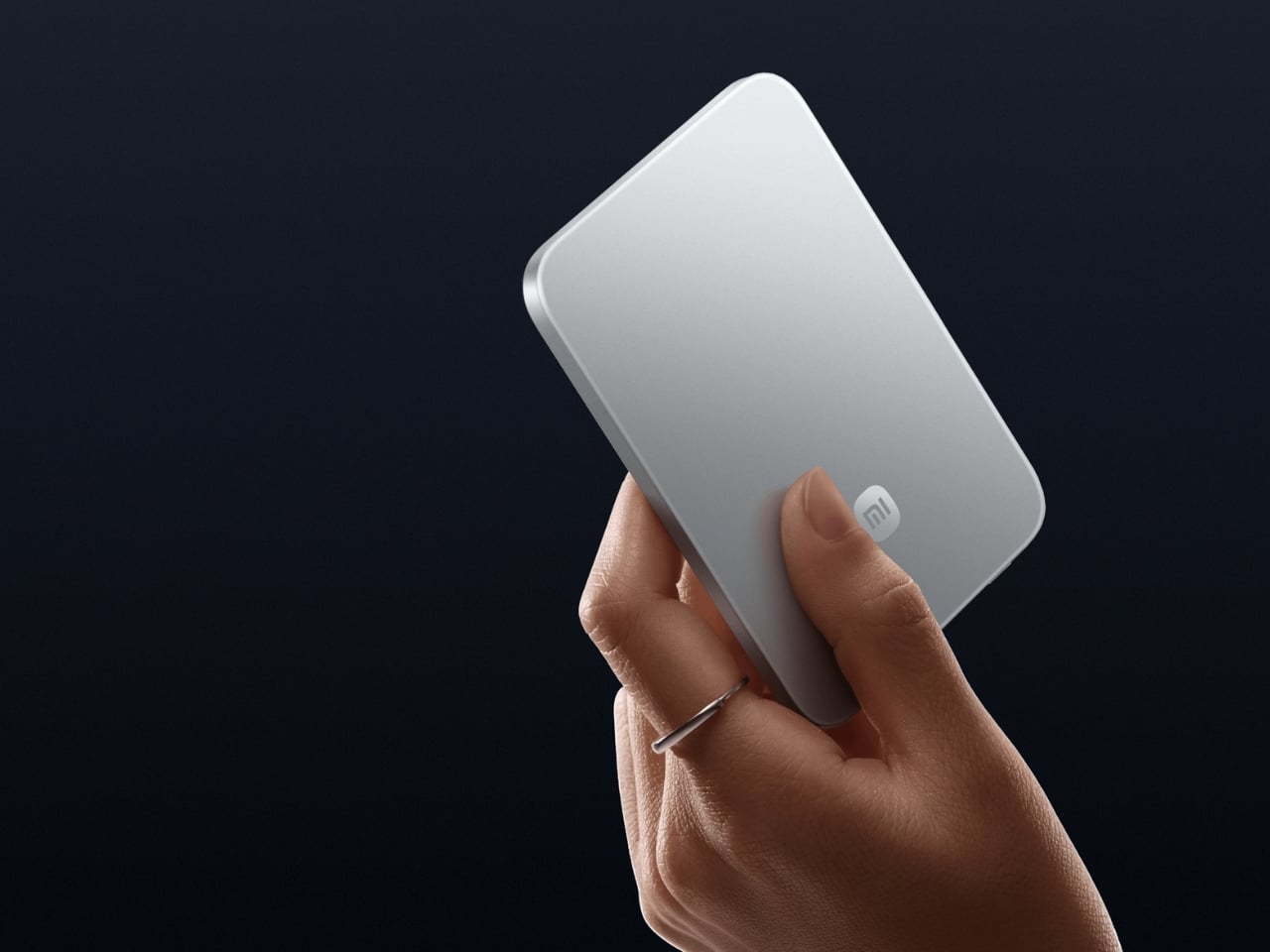
A 6mm power bank sounds like a specification claim until you hold one and feel that it is thinner than the phone you are about to charge. The Xiaomi UltraThin Magnetic Power Bank weighs 98 grams, makes a 5,000mAh capacity possible at that profile through silicon-carbon battery chemistry at 16 percent silicon content, and wraps it in an aluminum alloy shell with a fire-resistant fiberglass phone-facing surface. A photolithographically etched logo is the kind of finishing detail that signals a product someone cared about making, not just engineering. Showcased at MWC 2026 in Barcelona and available in Europe at around 60 euros, it reached Japan and Australia first.
Snapping it magnetically to the back of your phone and forgetting it is there is the intended experience, and it earns that description. Up to 15W wireless output is available with the Xiaomi 17 series; iPhone users land at 7.5W due to Apple’s own MagSafe ceiling. A USB-C port handles 22.5W wired, and the bank charges two devices simultaneously when the situation calls for it. Ten layers of protection cover overvoltage, overcurrent, overheating, and short circuits, with dual NTC temperature sensors and a 4,369mm² graphite sheet managing thermal dissipation across the ultra-thin body. The power bank category spent years making capacity the story. Xiaomi carried the story instead.
What we like:
At 6mm and 98 grams, it is genuinely the thinnest power bank available at this capacity level
Silicon-carbon battery chemistry achieves 5,000mAh without the bulk that traditionally defines the category
What we dislike:
iPhone MagSafe compatibility is capped at 7.5W due to Apple’s ecosystem restrictions, not Xiaomi’s
5,000mAh capacity will not fully recharge most current flagship smartphones from zero in a single pass
5. Battery-Free Amplifying iSpeakers
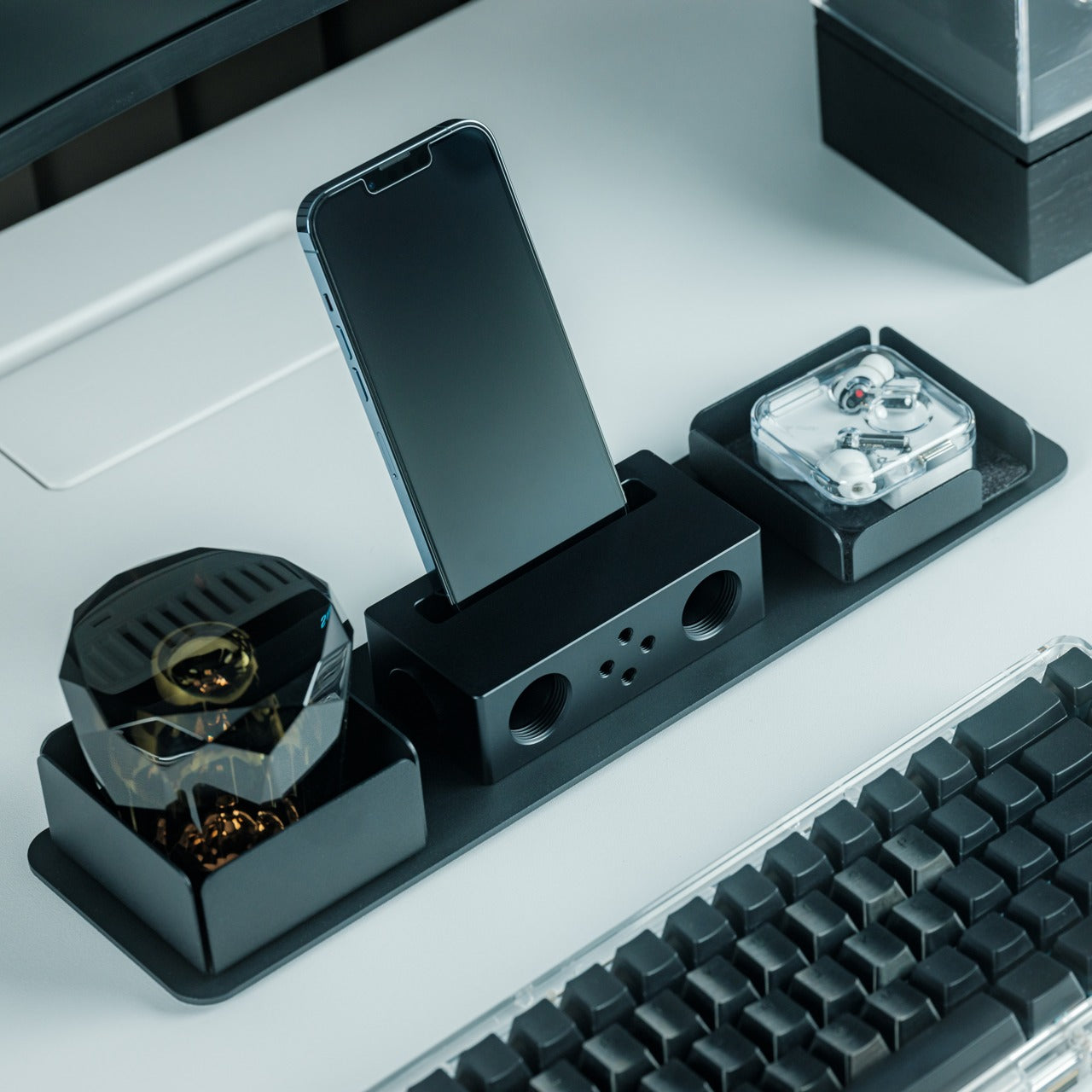
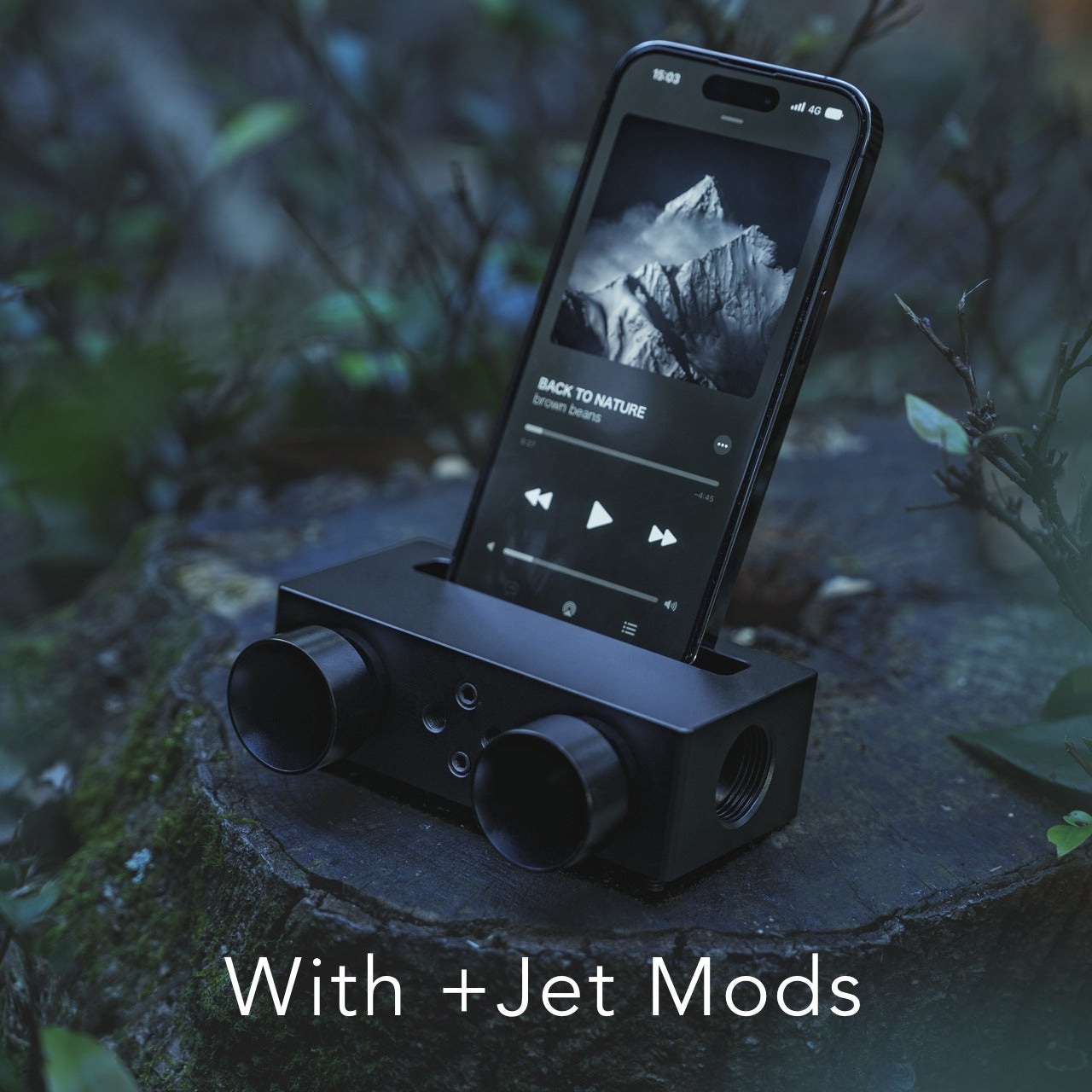
Every portable speaker eventually runs out of charge, usually at the exact moment you most want it not to. The Battery-Free Amplifying iSpeaker removes that problem by having no battery to run out. Set your phone into the slot and the Duralumin body — the same aircraft-grade aluminum alloy used in aerospace construction — channels your phone’s audio through its form, adding warmth and volume without drawing a single watt of power. Golden ratio proportions give it a visual presence on a surface that most speakers trailing cables and charging bricks never quite manage. At $299, it is considered an object as much as it is a functional one.
The simplicity is entirely deliberate, and it produces a kind of reliability that connected audio gear simply cannot replicate. There is nothing to configure, nothing to pair, and nothing to charge before you use it. It is ready at any moment, in any room, at any location, with no setup and no thought required. Optional Bloom and Jet modular accessories let you adjust how sound disperses if more directional control suits the space. For the home desk, the kitchen counter, the campsite table, or a van where an outlet is not guaranteed, this is the speaker that is always just there.
No battery, no electricity, and no pairing required — permanently ready with zero setup or maintenance overhead
Aircraft-grade Duralumin shaped to golden ratio proportions earns permanent shelf or counter placement as a display object
What we dislike:
Amplification quality is entirely dependent on the output of your phone’s own built-in speaker hardware
Bloom and Jet modular sound-directing accessories that expand their utility are sold separately at additional cost
6. O-Boy Satellite Smartwatch
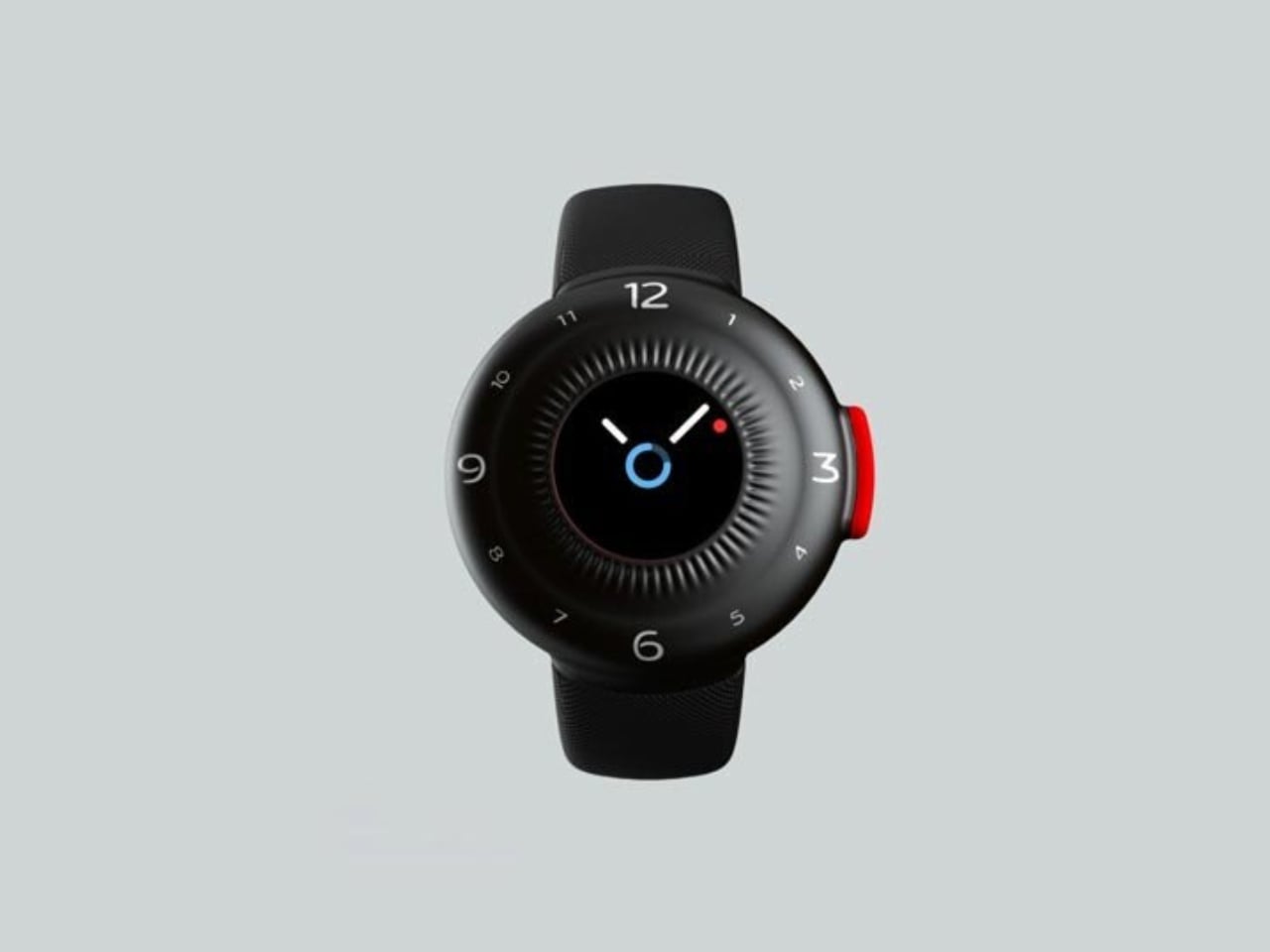
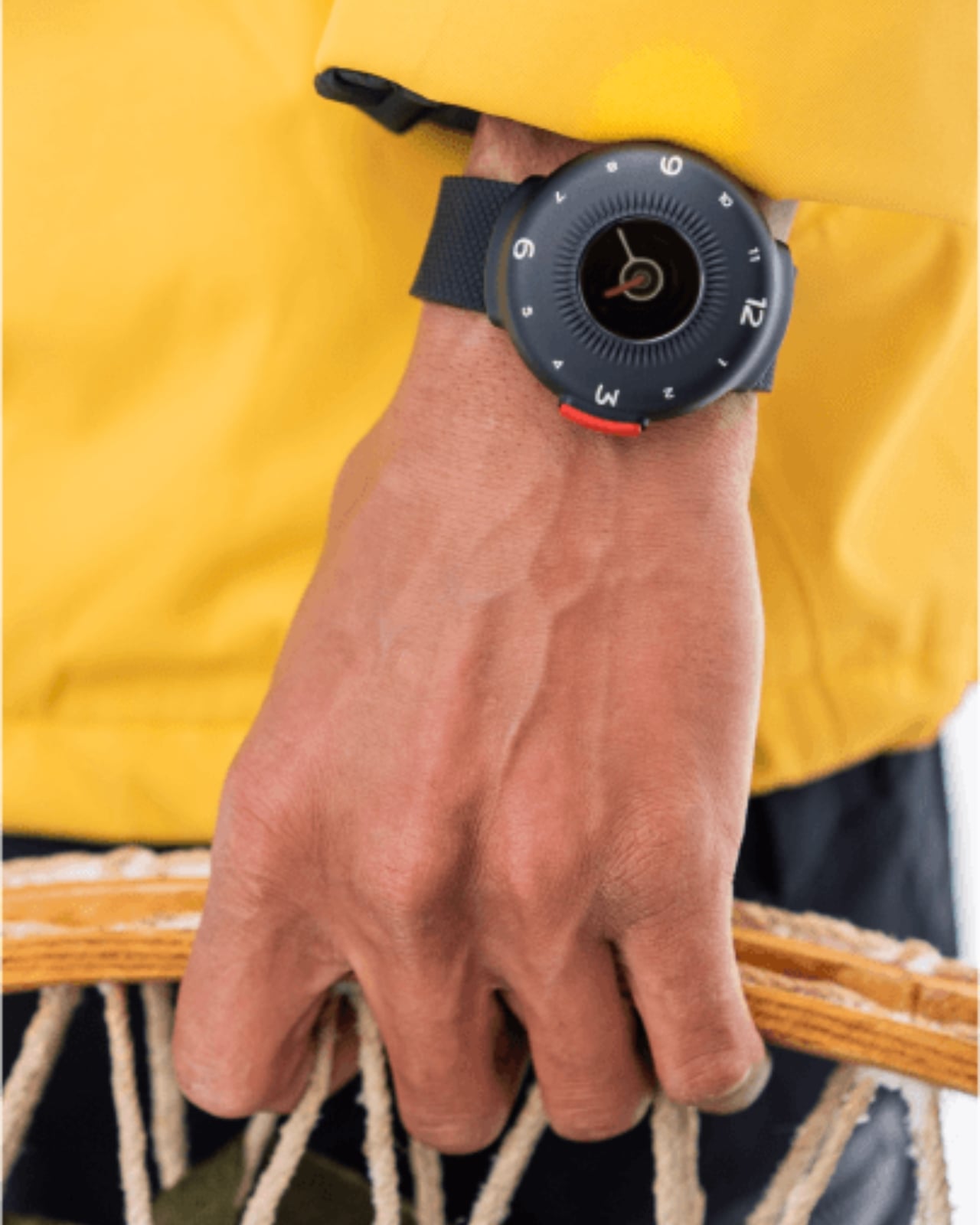
Most wearable safety technology carries its purpose visibly. It bulks up, goes tactical, and ends up being gear you wear only when you genuinely expect to need it. The O-Boy, developed by Brussels-based studio Futurewave, refuses that convention. It is a satellite-connected smartwatch that functions as a direct satellite communication link in environments where mobile networks simply stop existing — mountains, open ocean, remote construction and survey sites, maritime operations. The satellite connectivity transmits an emergency alert from anywhere on Earth, completely independent of carriers, towers, signal strength, or what infrastructure exists beneath your feet.
What Futurewave got right, beyond the technology, is the design brief. The O-Boy does not read as survival gear. It looks like something a person who regularly spends time in remote environments would choose to wear rather than something they reach for when a trip turns serious. That distinction matters more than it appears on the surface, because the people who most need a reliable safety layer are not all extreme athletes. They are field engineers, remote workers, offshore technicians, and anyone who has been somewhere and understood for the first time that their phone was not a plan. The O-Boy is built for all of them.
What we like:
Satellite connectivity operates independently of mobile coverage in any location on the planet
Design language is genuinely wearable across everyday and professional contexts without tactical visual signaling
What we dislike:
Satellite communication requires an ongoing subscription service to remain active beyond initial setup
Smartwatch battery management becomes a daily consideration for a device that functions as a primary safety tool
7. BLUETTI Handsfree 2 Solar Generator Backpack
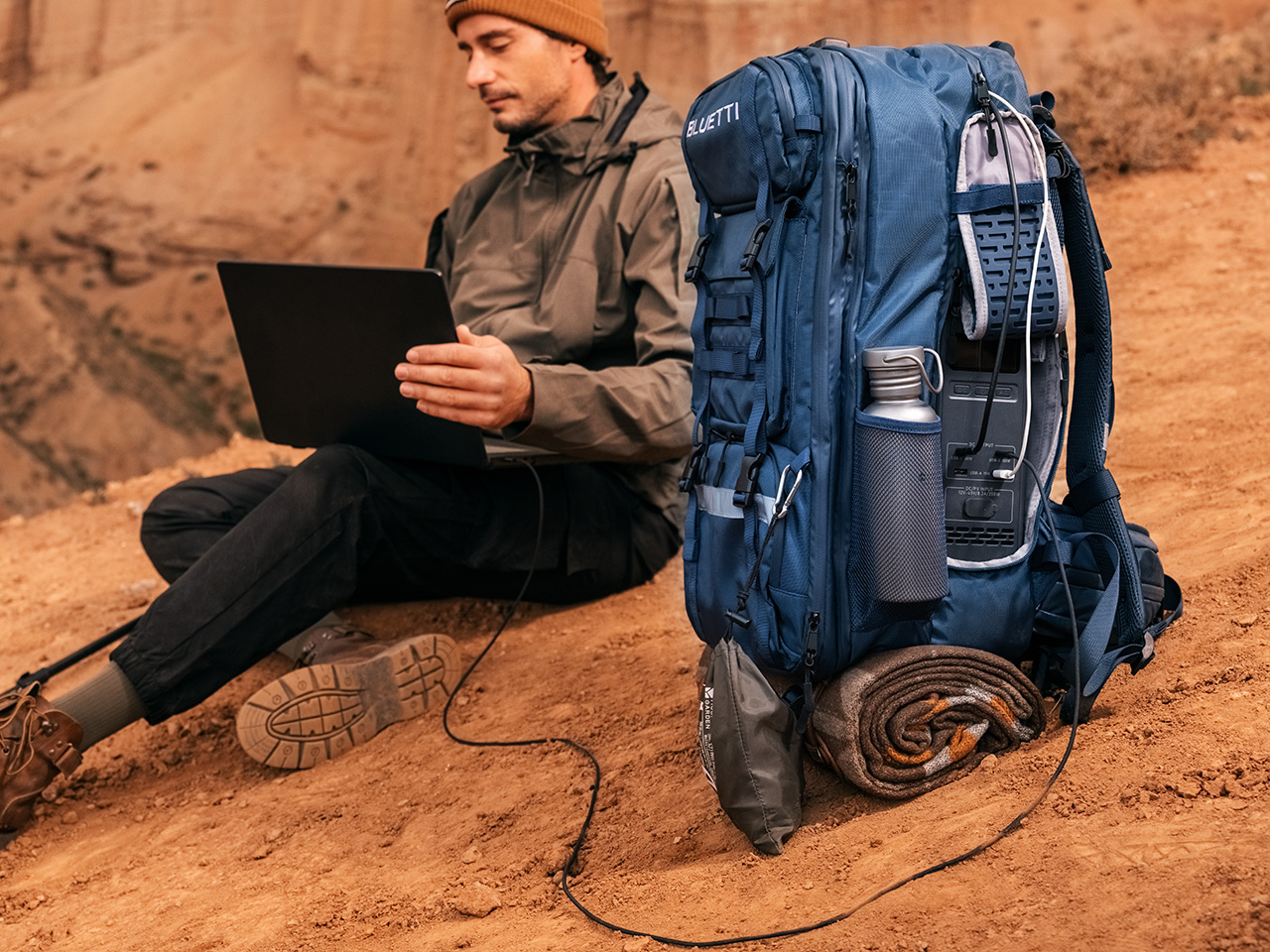
A 512Wh power station built into a 60-liter backpack is the kind of product that takes one sentence to explain and several minutes to fully appreciate. The BLUETTI Handsfree 2 integrates an LFP battery delivering 700W continuous output rated to 4,000 charge cycles at 80 percent capacity, dual 100W USB-C ports, dual USB-A, and a full AC outlet in a carry system that holds your gear alongside it. Solar panels mounted directly to the pack accept up to 350W of input, achieving a full charge in roughly three hours of sun. The design requirement that field workers never run out of power while moving produced something genuinely useful for everyone who moves.
The practical difference between this and a power station you remember to put in the bag is that the Handsfree 2 charges while you walk. Transit becomes charging time, which is a consequence of starting from job site requirements rather than outdoor recreation ones. Fragmented solar panel technology handles overcast days with reasonable efficiency. At 21.4 pounds for the full system, it is not a light carry, but for photographers hiking to remote locations, van-lifers managing continuous power, and digital nomads building a setup that never depends on finding an outlet, the BLUETTI Handsfree 2 changes the math on what portable power actually means.
What we like:
Solar panels mounted to the pack charge the battery while walking, turning transit itself into productive charging time
4,000-cycle LFP battery is engineered for sustained daily use over years rather than seasonal or occasional carry
What we dislike:
The full system weight of 21.4 pounds becomes a real consideration on longer trails or extended travel days
Premium price sits well above basic portable power station alternatives, offering similar output specifications
The Job Site Always Had Better Design
The consistent argument running through all seven products is that designing for a harder use case raises the floor for everyone. A tablet engineered for warehouse logistics turns out to be the best device for a camping trip. A power bank built for engineering-grade thinness becomes the one you carry without noticing. A speaker designed around having no power source at all is the most reliable speaker you will ever own. Solving problems at the end of a use spectrum produces objects that handle everything beneath it without effort or exception.
None of these products asks you to care about where they came from. They simply work better because of it. The rugged phone that survives industrial solvents and 100-bar water jets does not need that context to be a better everyday companion — it just is one. That is the quiet argument this list makes, and it holds across every category here. The best portable tech you own was probably built, at some point, to answer a question far harder than the one you are currently asking it.
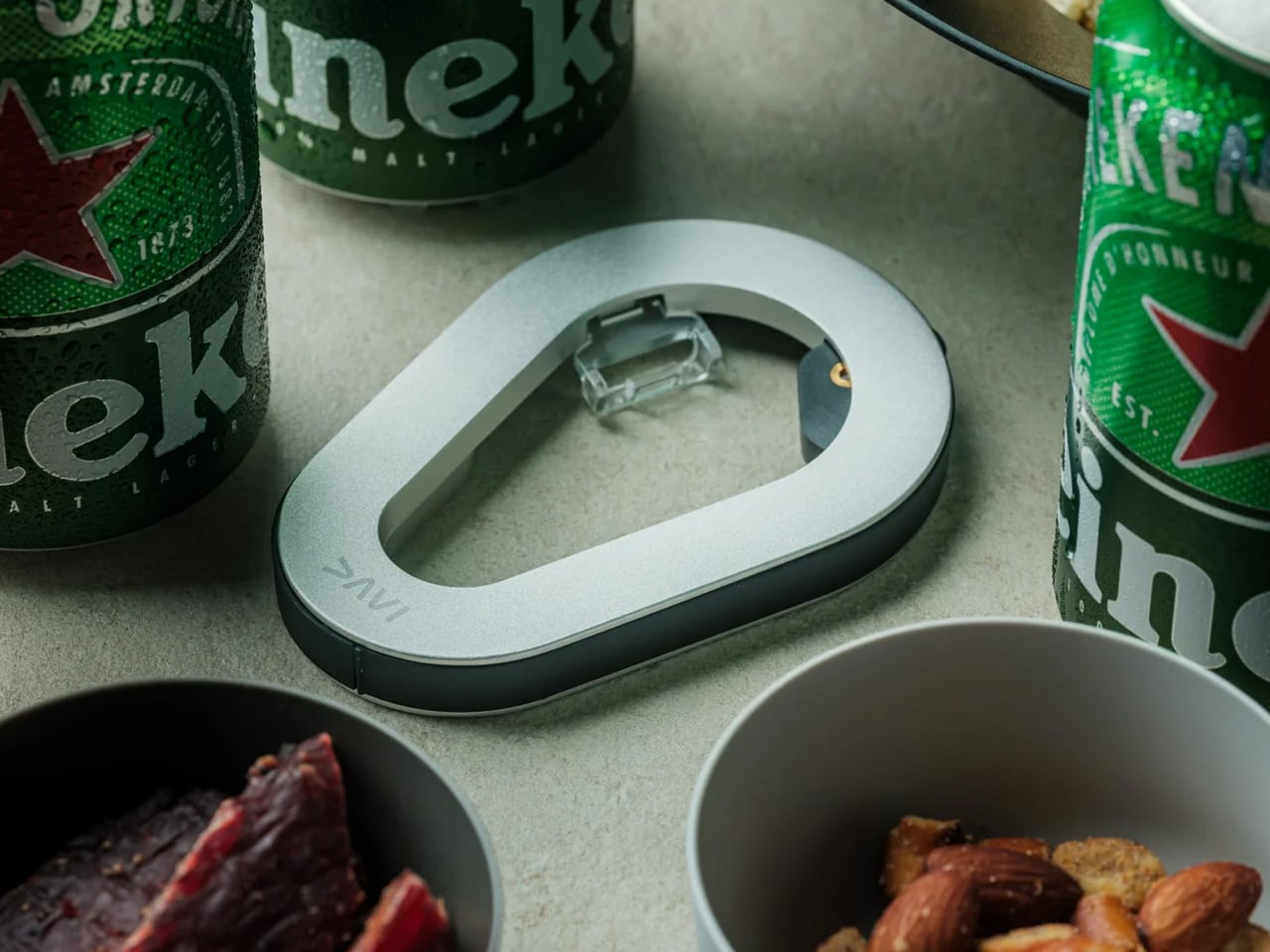
Some can openers live at the back of a kitchen drawer, pulled out once a year and quickly forgotten. The DraftPro Top Can Opener belongs somewhere else entirely. Designed by award-winning Japanese designer Shu Kanno and built in Japan, it removes the entire top of a can in a single smooth motion, turning any beer, sparkling water, or canned cocktail into something that drinks far closer to a glass.
What makes it worth talking about is not the novelty of a fully open can. It is how that one change compounds everything. Aroma lifts. Flavor opens. Ice slides in cleanly. A cocktail comes together directly in the can without a shaker or a glass to clean. This is not a gadget built for effect. It is a considered object, designed with the discipline Japanese craft demands, and built to earn its place.
The drinking experience changes the moment the top comes off. A full wide-mouth opening releases aroma the way a pint glass does, without the pour. The edge left behind is clean and smooth, safe to drink from directly, which means you are not trading the convenience of a can for a sharp, dangerous lip. The opening motion reflects the Japanese design philosophy behind the product: smooth, quiet, and completely controlled. No grinding, no force, no jagged result.
That precision is not accidental. Shu Kanno designed the grip for subtle comfort, shaped to sit naturally in the hand without slipping or requiring an awkward angle. The mechanism produces the same clean result every time, domestic or international, standard size or otherwise. Nothing about the design announces itself or overclaims. It simply does exactly what it should, at the moment you need it to, without asking anything more from the person holding it.
Built for More Than One Moment
The full open top is the headline feature, but the practical range goes further than it first appears. Drop ice directly into the open can, and it chills faster than waiting on the fridge. Build a cocktail right in the can, no shaker, no glass, no surface to clean. That same clean cut turns an empty can into a planter, a pen holder, or something ready to rinse and recycle without any extra effort.
Universal fit means it works with domestic and international cans without adjustment, which matters when you are traveling or reaching for something unfamiliar at the back of a cooler. The lightweight build disappears into a bag without adding bulk, making it as practical on a hiking trail or cabin trip as it is at home. Shu Kanno designed it to go where the drink goes. It does exactly that.
What We Like
Full top removal creates a wide-mouth opening that genuinely improves aroma and flavor, the same principle behind drinking craft beer from a proper glass rather than directly from a sealed can
Clean, smooth edge means you can drink directly without concern, the baseline the product needs to clear and the one it meets without compromise
Universal compatibility across domestic and international cans removes the guesswork before you even need it
Lightweight and portable build makes it practical for outdoor settings, travel, and hosting without adding anything unnecessary to what you carry
What We Dislike
No reseal option once the top is removed, so it works best when you intend to finish what you open rather than save it for later
No sizing specifications published, which makes it harder to confirm fit for unusually shaped or specialty cans before purchasing
A Tool That Earns Its Place
DraftPro does not fix a problem most people knew they had. It reveals one. Once you taste a beer with the top fully removed, aroma open and flavor fully present, the sealed can version feels like a compromise you were accepting without realizing it. That is the quiet power of intentional design. It does not announce itself. It just makes every drink noticeably and permanently better.
For the design-minded, it is a precision tool from a serious designer, built in Japan, with the restraint and finish that craft demands. For everyone else, it is a small, permanent upgrade to one of the most ordinary moments in the day. Either way, it earns its place, and once it does, you will not want to open a can any other way.
Gen Z didn’t just grow up with technology. They grew up suspicious of it, bored by it, and quietly determined to make it feel like something personal again. The gadgets that resonate most with this generation tend to share one quality: they treat the person holding them as someone worth designing for, rather than someone to optimize for engagement. That distinction is small on paper and enormous in practice.
The five products here span a circular phone display, a cassette-shaped Bluetooth speaker, a tactile digicam concept, a pair of headphones built around ritual, and a pocket-sized hacking tool. What connects them has nothing to do with price or category. Each one asks a question that mainstream consumer electronics stopped asking somewhere along the way: what does it feel like to actually use this thing?
1. Oppo Bubble
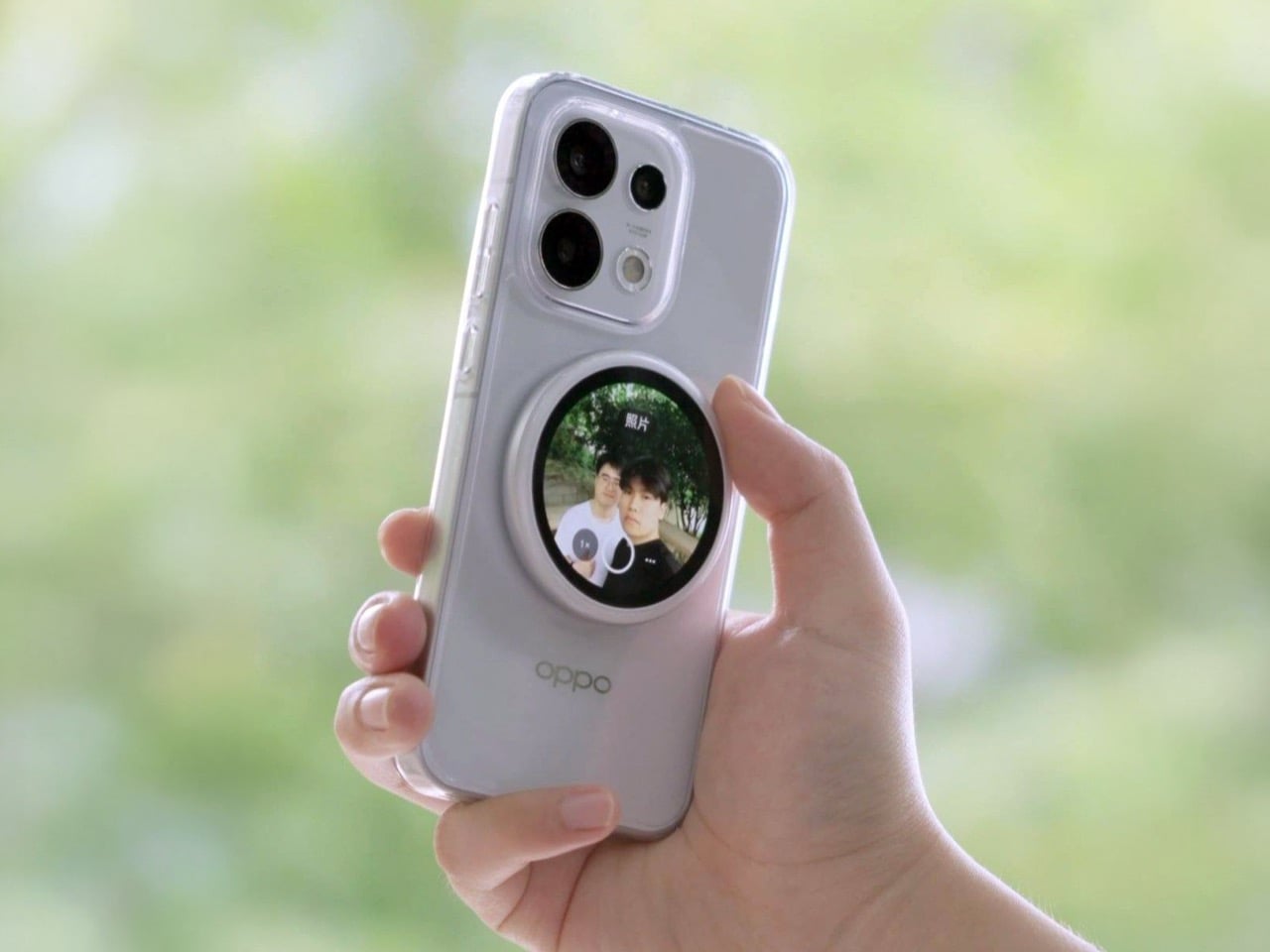
The rear camera has been the better camera for over a decade. Every benchmark confirms it, and yet selfie culture settled for the front lens because seeing what the rear camera captures while it faces away from you was never solved at the hardware level. Oppo’s answer is a circular magnetic display that snaps to the back of the phone and streams the rear camera’s live feed directly to your face. Frame the shot, check your composition, tap to shoot.
Launched in China in May 2026, the Bubble runs on a 550mAh battery and connects wirelessly up to 10 meters away, which repositions it as a remote shooting monitor rather than a narrow selfie tool. The screen is circular AMOLED, which earns its keep on both image quality and visual identity. When the camera is off it displays wallpapers, video, live photos, or a boarding pass. Apple has had the magnetic infrastructure for something like this since 2020. The most ambitious thing they shipped with it was a card holder.
What we like
The circular AMOLED silhouette reads as tech jewelry rather than a utility panel, which matters for a product that lives on the back of your phone in public.
Ten meters of wireless range and a built-in shutter trigger make this genuinely useful for tripod work and group photography, well beyond arm-length selfies.
What we dislike
The live camera preview is gated to select Oppo Reno 16 devices, limiting the headline feature to a short compatibility list at launch.
There is no confirmed international release date. Most readers outside China cannot buy or test it yet.
2. Side A Cassette Speaker
The cassette tape had no right to come back, and yet here we are. The Side A speaker is shaped exactly like a real mixtape — transparent shell, side A label, every visual cue intact — and inside it hides a Bluetooth 5.3 speaker with microSD playback and a sound profile tuned to echo the warm, slightly rounded tone of analog tape. It weighs 80 grams, sits comfortably in a jacket pocket, and costs $49.
The speaker ships with a crystal-clear case that converts into a display stand, giving it a second life as a shelf object between listening sessions. Six hours of playback at full volume and a two-hour full recharge means it cycles through a day and recovers quickly. The microSD slot lets you load a playlist locally and leave the phone in another room entirely. For a generation that grew up streaming everything and then started quietly buying vinyl and thrifting Walkmans, this lands exactly where it should.
The clear case converts to a display stand, so the cassette has a presence on a desk or shelf without needing to be plugged in or actively playing anything.
MicroSD support means the speaker functions entirely offline. No phone, no app, no stream required.
What we dislike
Six hours of battery is honest for the size but will not last a full day of continuous use without a recharge.
Sound output is warm and characterful but limited in volume ceiling. It is not a room-filling speaker.
3. Camera (1)
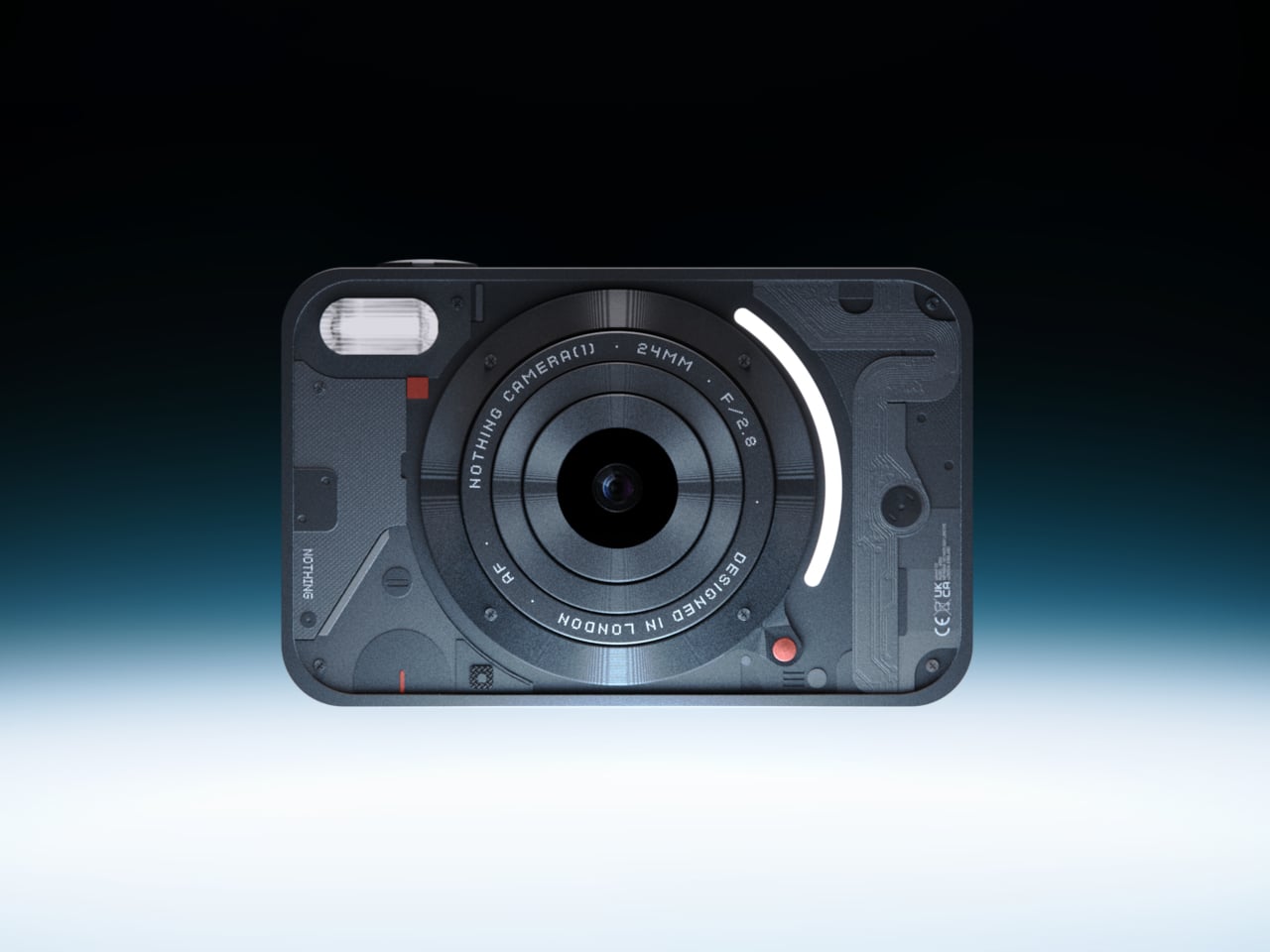
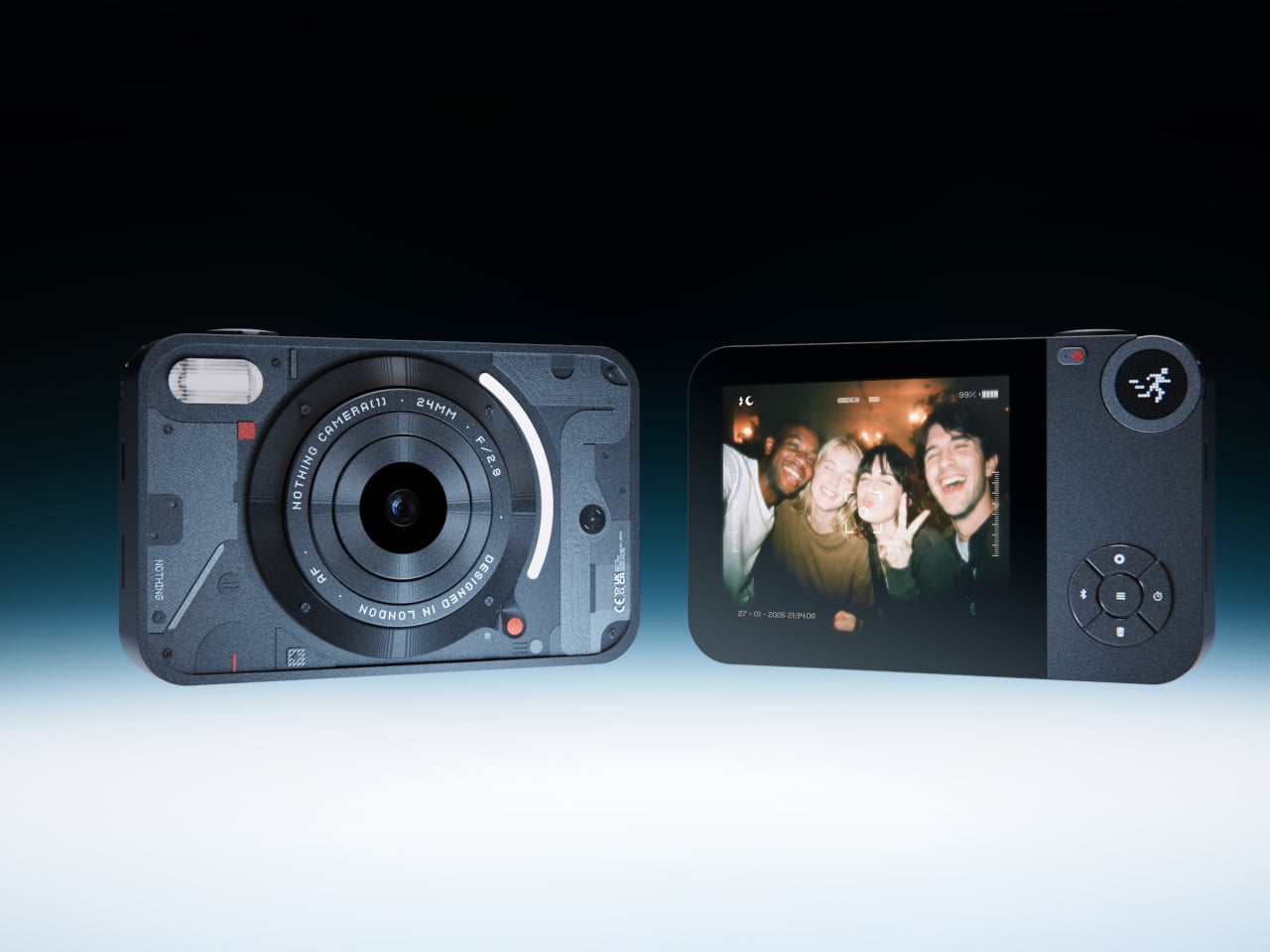
The impulse to pick up a standalone camera again is not about megapixels. It is about separating the act of taking a photograph from the act of being on your phone. Camera (1) is a concept by designer Rishikesh Puthukudy that imagines what a modern compact could feel like if it were built around physical controls rather than touchscreen menus. Metal body, softly rounded corners, every main function reachable without shifting your grip.
A circular mode dial carries a dot-matrix glyph display showing simple icons for stills and video. A light strip around the lens pulses for the self-timer, confirms focus, and signals when recording is live. The engraved lens ring adjusts focal length and aperture through actual resistance under your fingers, making composition a deliberate physical act rather than an absentminded on-screen pinch. The design borrows the transparent, hardware-forward language that Nothing made mainstream. Camera (1) is a concept and is not currently available to buy.
What we like
All main controls sit within reach of one thumb and index finger, which keeps your eyes on the scene rather than hunting across a menu.
The light strip communicates camera states through peripheral vision, replacing multi-layer software navigation with immediate, readable feedback.
What we dislike
Camera (1) is a design concept with no confirmed manufacturer, production timeline, or pricing.
The visual language is closely referential to Nothing’s aesthetic, which may read as derivative to anyone already familiar with that design direction.
4. StillFrame Headphones
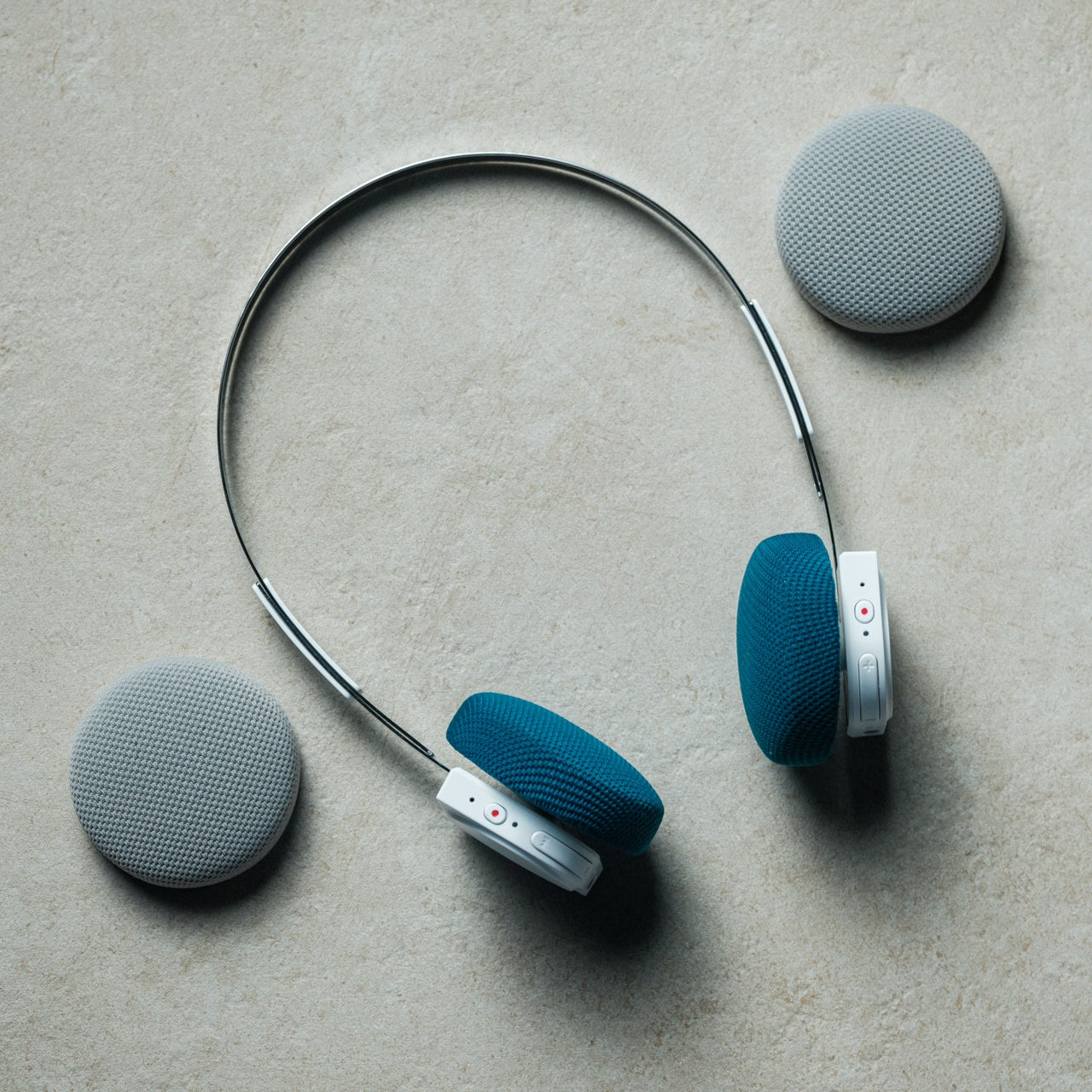
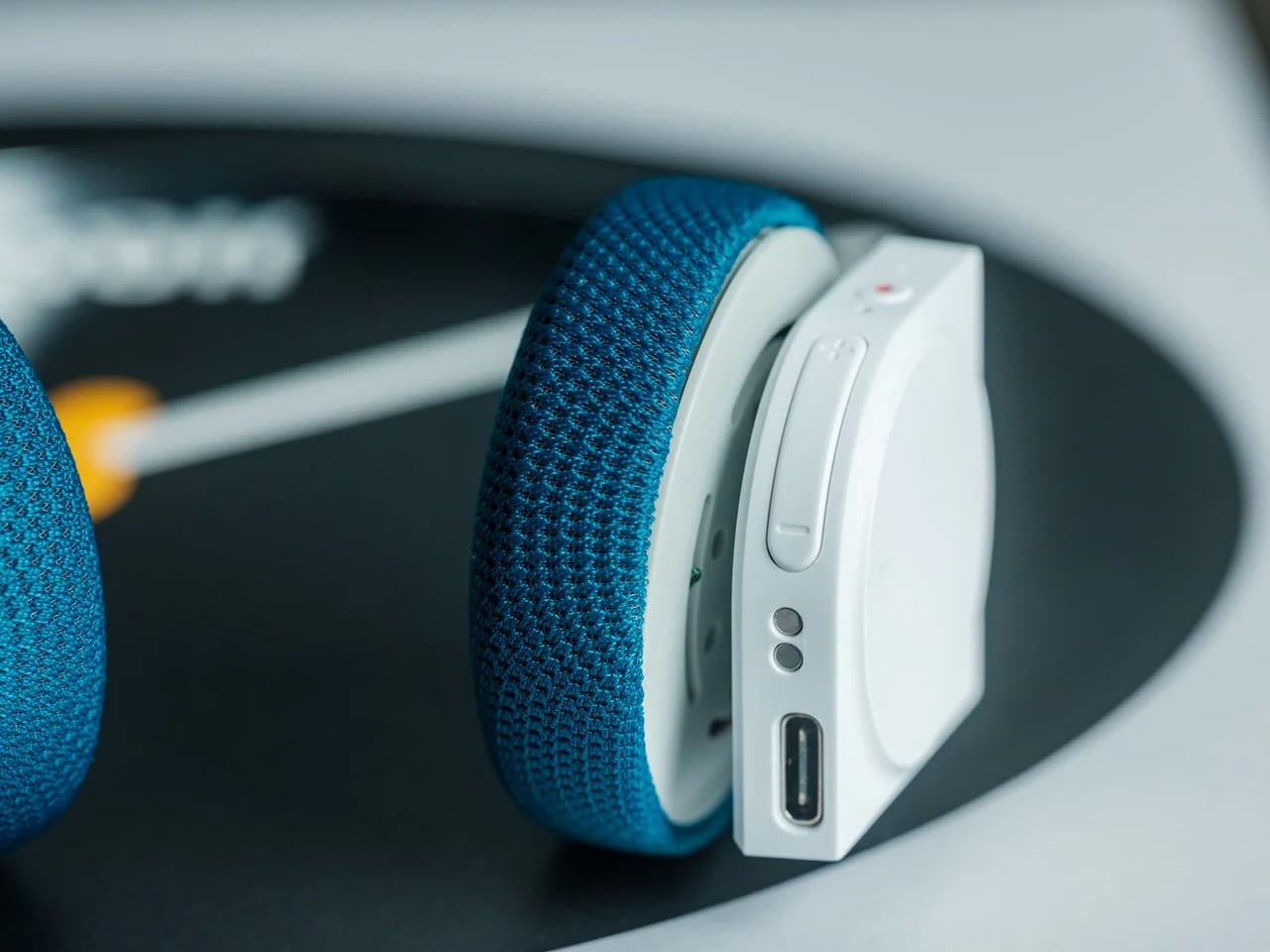
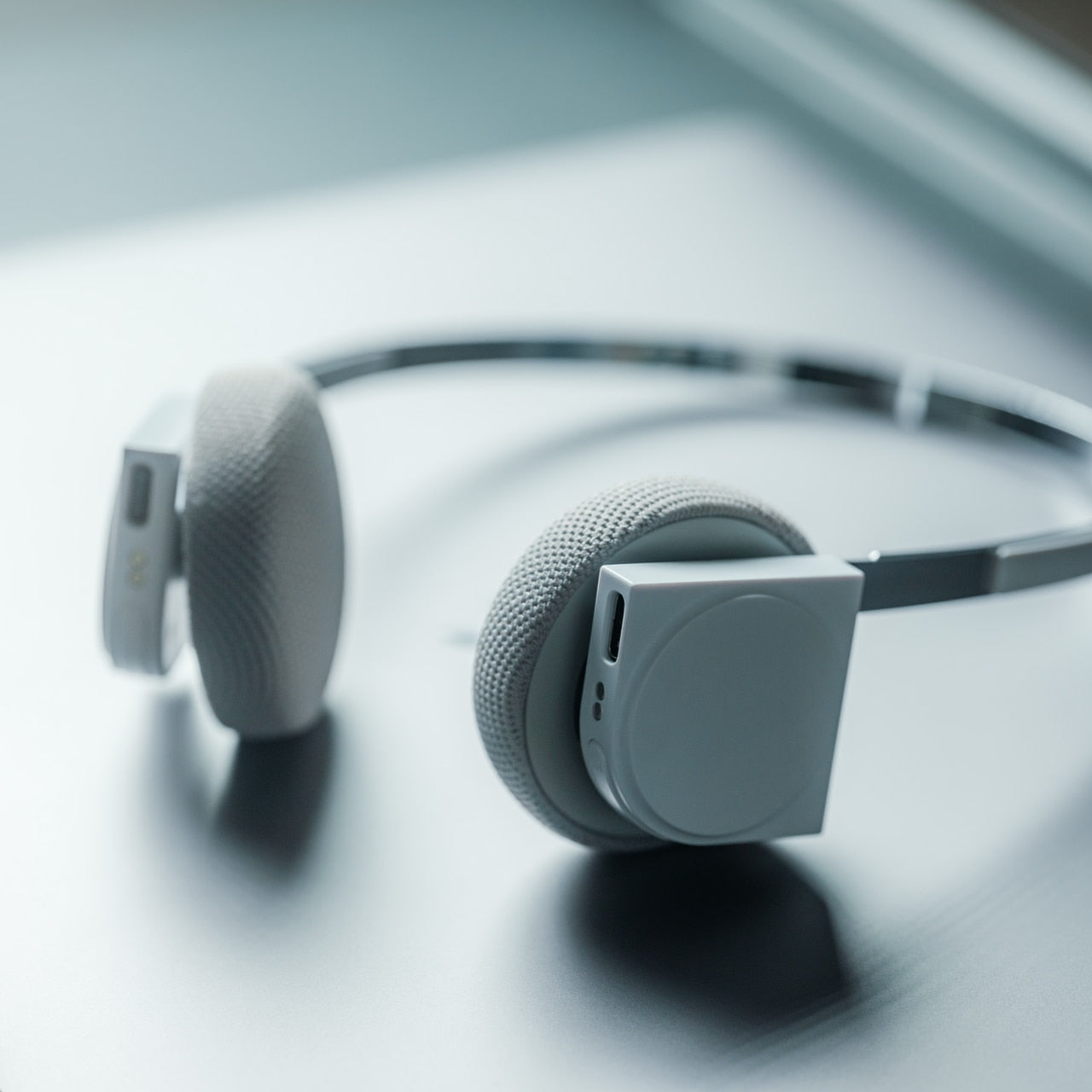
Designed by Tatsufumi Funayama, the StillFrame headphones are part of a series that treats listening as a physical ritual rather than a background task. The form references the geometry of CDs from the 1980s and 1990s, sitting in deliberate conversation with a companion CD player from the same design family. At 103 grams, the headphones rest on-ear without pressure, and the stainless steel headband sits at the exact threshold where strength and lightness stop working against each other.
The 40mm drivers produce a wide, open soundstage that suits melodic and ambient listening more than aggressive bass-forward tuning. Noise cancelling and transparency mode both run off a single tap, switching between solitude and awareness as the room changes around you. Battery life reaches 24 hours. Bluetooth 5.4 handles wireless streaming and a USB-C cable supports high-resolution playback for sessions where latency matters. The fabric ear cushions swap magnetically between Light Gray and Turquoise. The internal circuit board is deliberately exposed, treating the electronics as part of the aesthetic rather than something to be hidden behind housing.
Magnetic ear cushion swaps take seconds and shift the headphones between color variations without tools or friction.
The exposed circuit board treats the engineering as a design feature, which is a more honest visual decision than a sealed plastic shell.
What we dislike
On-ear fit at 103 grams stays comfortable across extended sessions but will feel firmer than over-ear alternatives during long listening.
At $245, the StillFrame sits at the upper end of the on-ear wireless category. The design rationale justifies it, but the price is real.
5. Flipper Zero
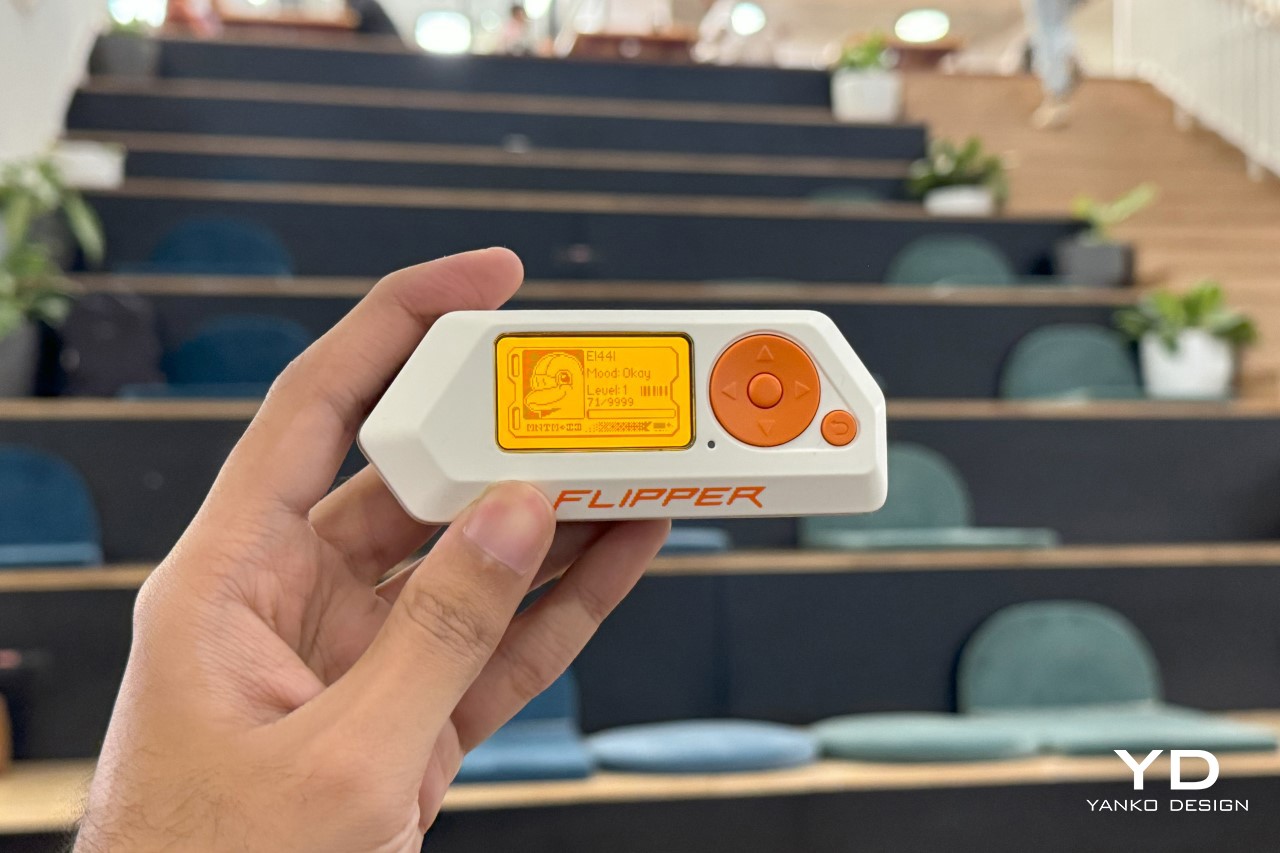
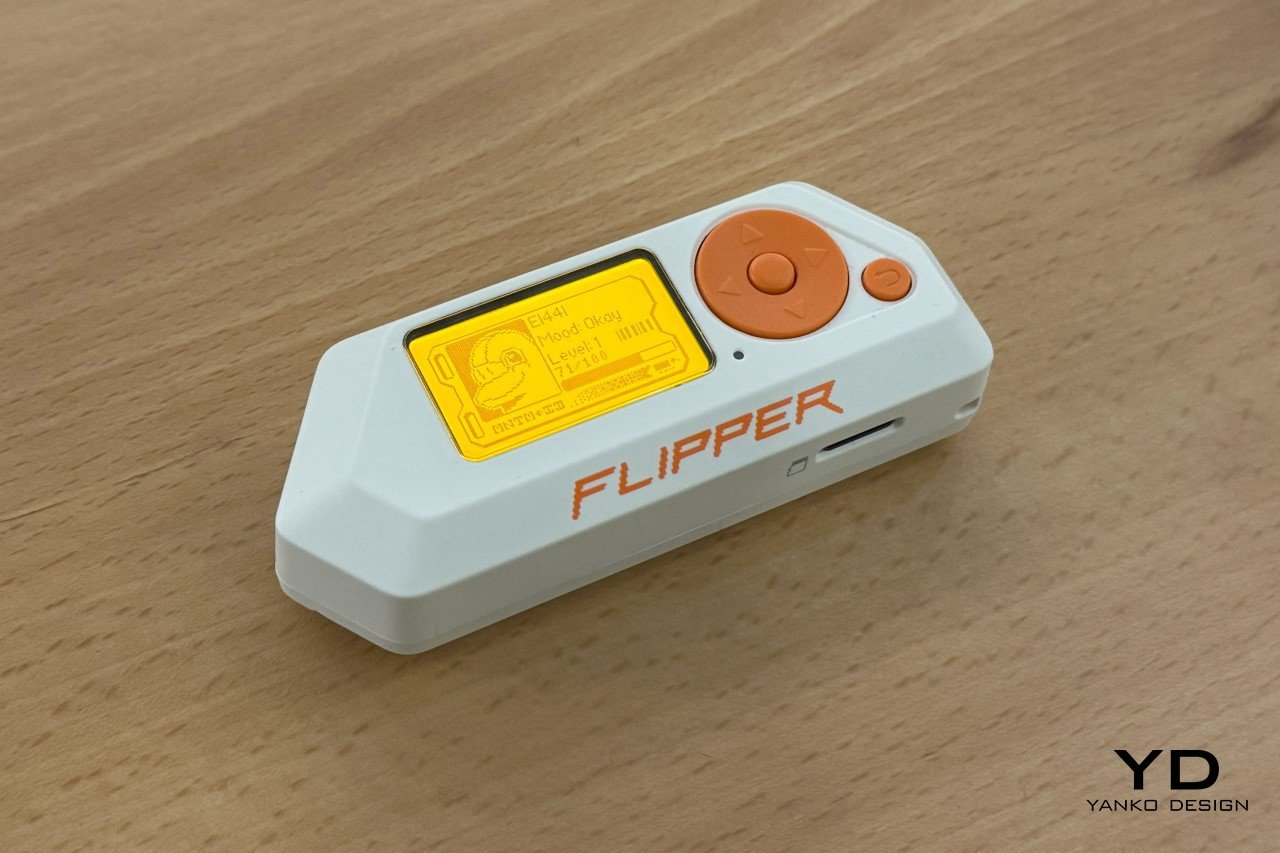
The Flipper Zero became a TikTok phenomenon in 2022 when videos showed it cloning RFID cards, controlling air conditioners, and toggling traffic infrastructure through infrared, and governments immediately panicked. The more accurate reading is that a small pocket device was pointing out how easy it is to interact with the invisible electronic layer of everyday objects, and that turned out to be an uncomfortable thing to demonstrate publicly. The Flipper Zero was built to make that layer visible and approachable to anyone curious enough to try.
Shaped like a Tamagotchi and governed by a cyberpunk dolphin mascot that grows more capable the more you explore it, the Flipper Zero packs a 125kHz antenna, sub-GHz radio, NFC module, Bluetooth Low Energy, infrared transmitter, iButton reader, and a GPIO header for attaching external hardware modules into a device that fits in a pocket. The monochrome orange screen is a deliberate nod to the Siemens C55. The menu navigates like a Nokia phone from 2003. Both of those choices are entirely intentional, and they are a large part of why the device developed a community of over half a million users without a single mainstream marketing campaign.
What we like
The GPIO header on top means the base device is a starting point. External modules continue to expand what it can do years after the first purchase.
The dolphin mascot and Tamagotchi structure make something genuinely technical feel approachable without softening what the device actually does.
What we dislike
The Flipper Zero’s reputation draws attention in airports and public spaces. Carrying it casually requires a willingness to explain it on the spot.
The software learning curve is real for anyone without a technical background, even with an accessible interface.
The Best Tech Right Now Feels Like It Was Made for You Specifically
The throughline across these five products is not aesthetics or price. It is the sense that each was designed by someone who thought about the relationship between person and object before they thought about the spec sheet. That quality is rare in consumer electronics, and it tends to surface among smaller brands, independent designers, and companies that build for communities rather than quarterly targets.
Gen Z is not chasing the next iPhone upgrade. They are chasing the feeling that a piece of technology was made for them specifically, understands how they actually move through the world, and earns its place in the pocket rather than demanding attention from it. These five products do not all succeed equally on every count, but each one makes a credible case that the feeling is still achievable.
Remote work has fundamentally changed how often people need access to devices they aren’t sitting in front of. The tools built for this, however, haven’t kept up. Software-based remote access drops the moment a device sleeps or the screen locks, traditional KVMs demand a tangle of HDMI, USB, power, and Ethernet cables, and phones and tablets have been left out of the picture entirely.
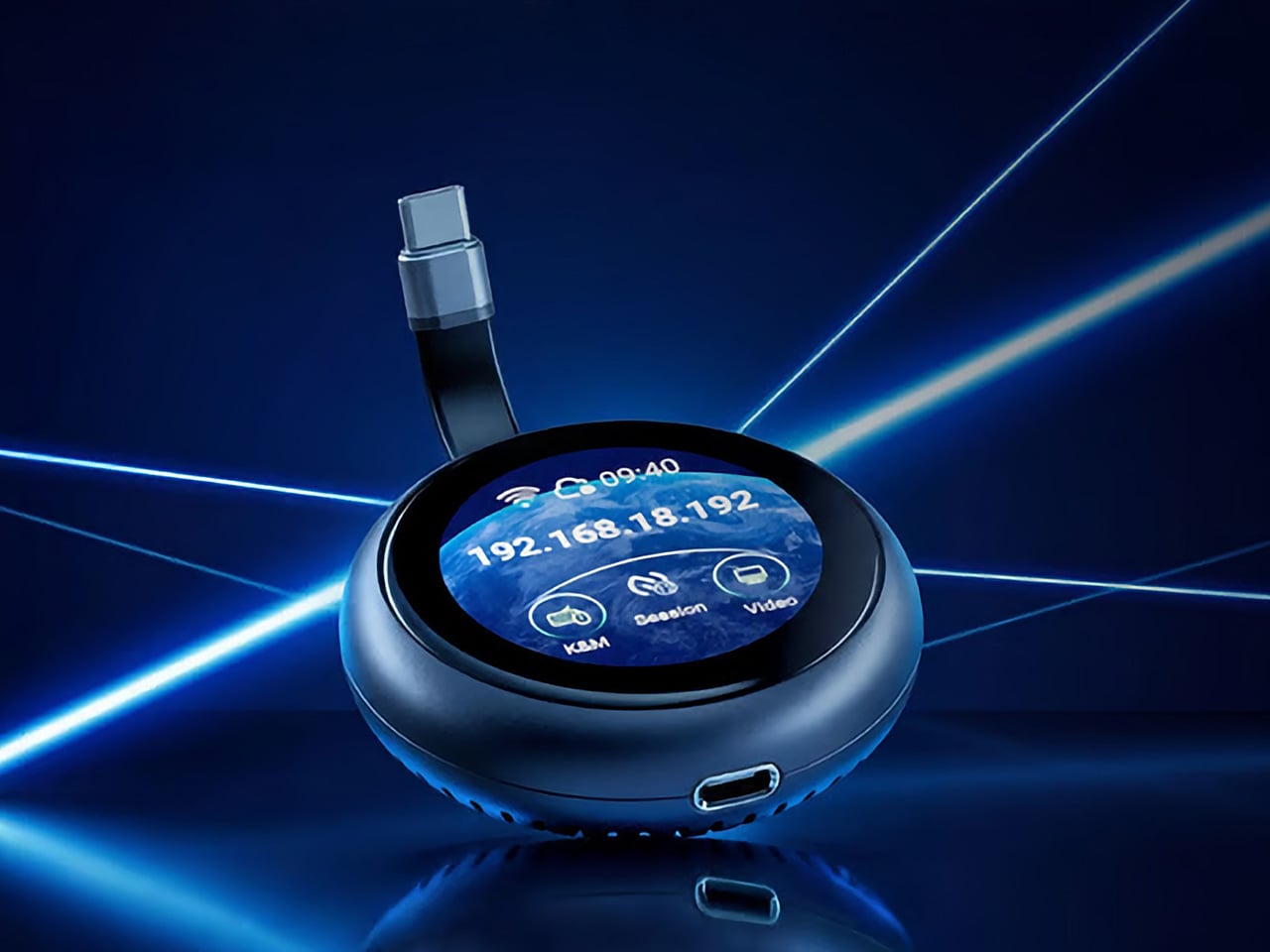
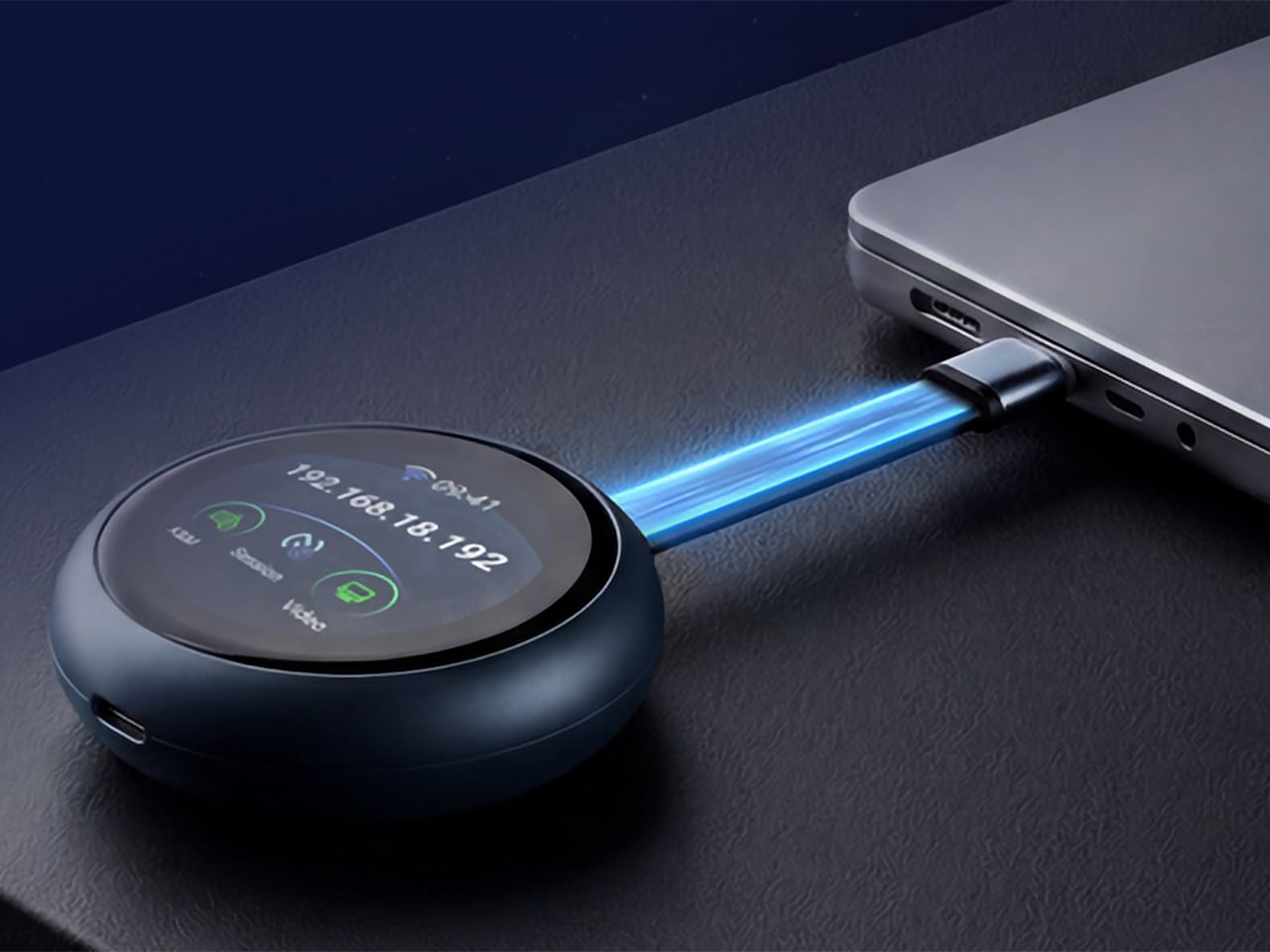
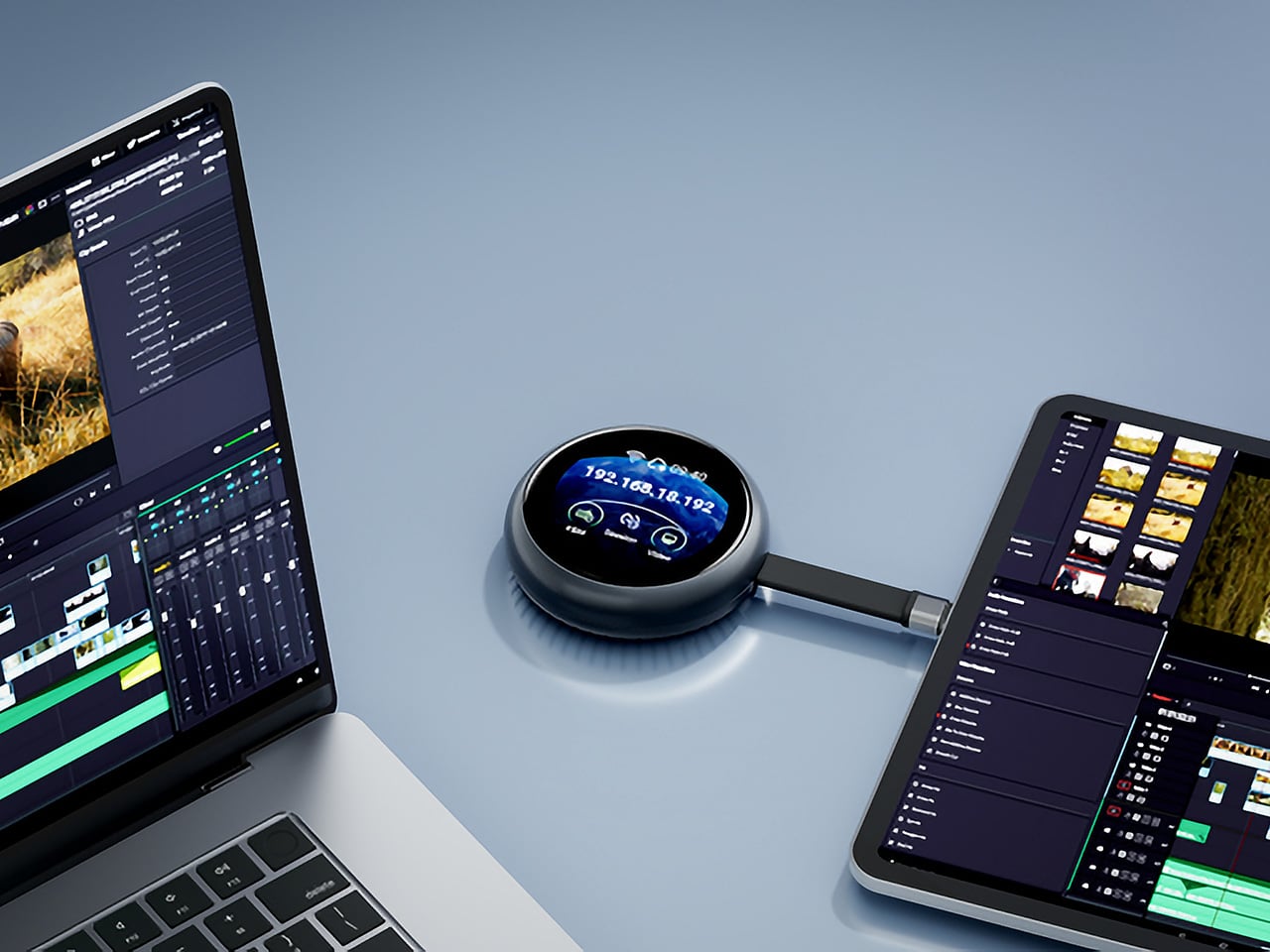
GL.iNet, the Hong Kong-based networking company behind a range of popular OpenWrt routers, has built the Comet Q to tackle all three of those problems at once. Officially designated the GL-RMQ1, it’s described as the world’s first browser-based, pocket-sized remote-control device built specifically for USB-C devices, covering laptops, phones, tablets, and Mac minis. You plug it in, open a browser, and you’re in.
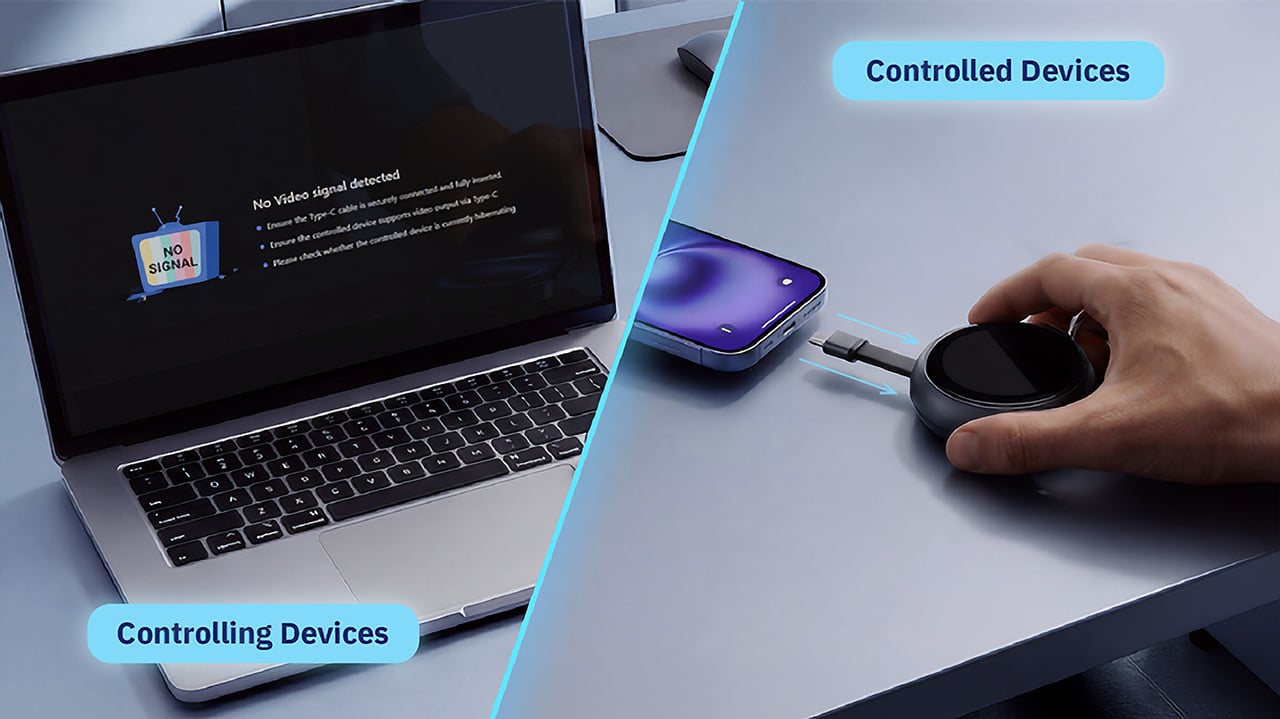
What sets the Comet Q apart is that it operates at the hardware level, not through software installed on the target device. That distinction matters more than it sounds. Traditional remote desktop software relies on the operating system and an active network connection, failing the moment a device sleeps, locks, or loses Wi-Fi. The Comet Q keeps working through all of that, as long as the device stays powered on and hasn’t entered a hibernation state that cuts off its HDMI/USB output.
That control comes through a single USB-C cable that simultaneously carries video, data, and power, doing away with the HDMI dongle and USB hub that traditional KVMs require. Video output reaches up to 2K at 60 fps with two-way audio, and a built-in USB-C passthrough port means the device being controlled stays charged throughout the session. It’s a genuinely pocket-sized setup that actually earns that description.
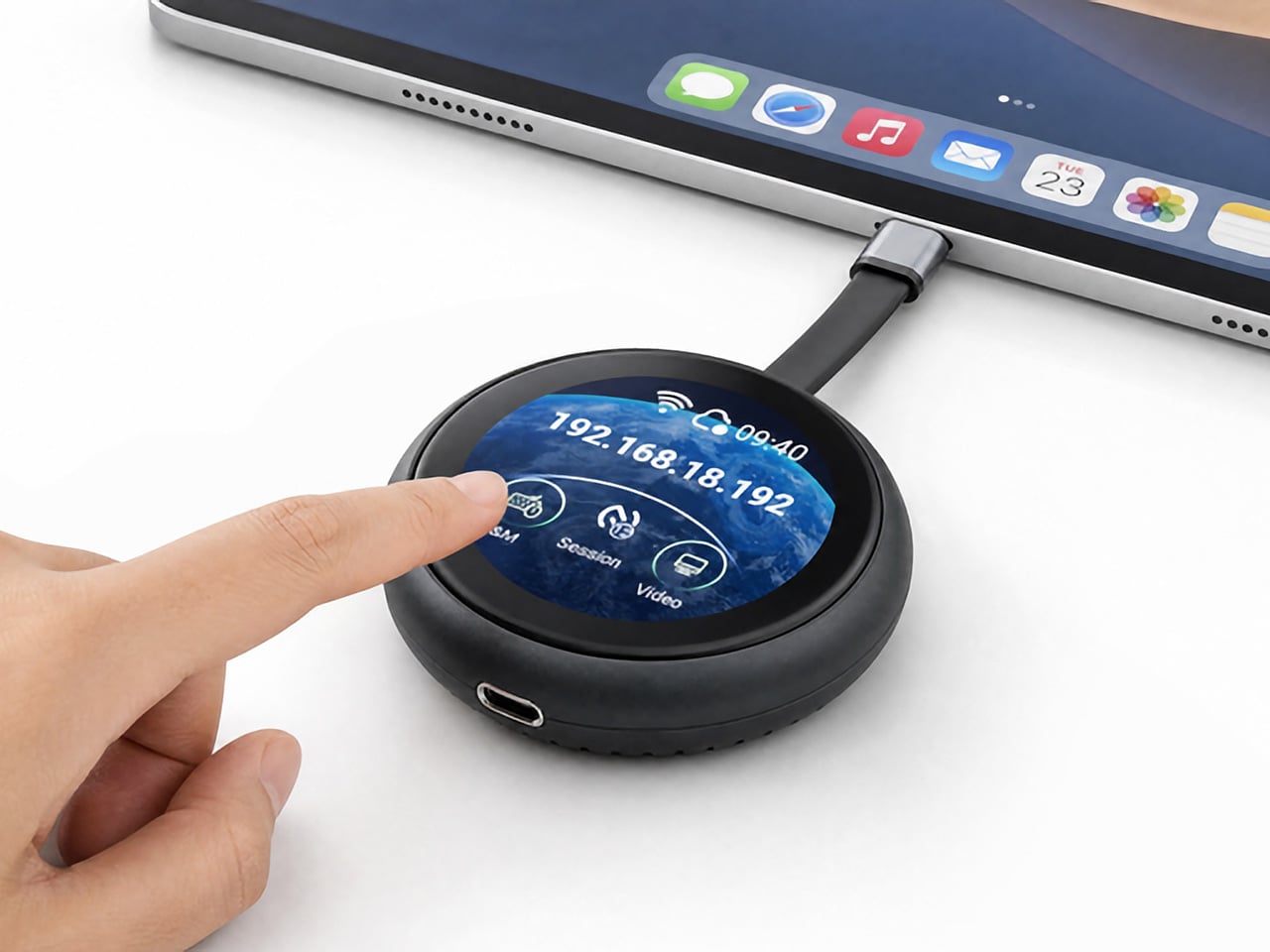
Where the Comet Q breaks new ground is with mobile devices. No KVM was ever built for them, and if something went wrong remotely, there was no clean solution short of being physically present. It connects directly through the USB-C port, working with iPhones from the iPhone 15 onward (excluding the iPhone 16e and later budget models), iPads, and a wide range of Android phones and tablets, provided the port supports DisplayPort Alt Mode.
All of that also means the OS combination no longer matters. Users can control an iPhone from a Windows PC, a MacBook from an Android tablet, or an iPad from a Linux machine. Developers can manage test devices without being at their desks, IT teams can monitor a fleet of phones from one interface, and content creators can run a dedicated recording device from anywhere in the same room.
There’s a surprisingly personal side to this. If you’ve ever tried walking a parent through a tech problem over the phone, knowing you could take over their screen remotely would have saved everyone a lot of stress. The Comet Q makes that possible, and since Wi-Fi credentials can be preset before shipping the device, the person receiving it doesn’t need to set it up.
Accessing the Comet Q doesn’t require any downloads. From a laptop or desktop, any browser pointed to glkvm.com is enough to take full control, with no account creation needed. When controlling from a phone or tablet, the GLKVM app, available on Windows, macOS, App Store, and Google Play, handles touch gestures more precisely. A 1.8-inch circular touchscreen on the device also makes initial setup possible without opening a laptop.
Security runs through every layer of the design. Each session ends the moment the Comet Q is physically disconnected, leaving no residual access or background processes behind. Built-in support for Tailscale, ZeroTier, and WireGuard VPN keeps remote connections encrypted and firewall-friendly, while two-factor authentication adds yet another layer on top. Remote access that works through hardware rather than software has been a long time coming for phones and tablets.
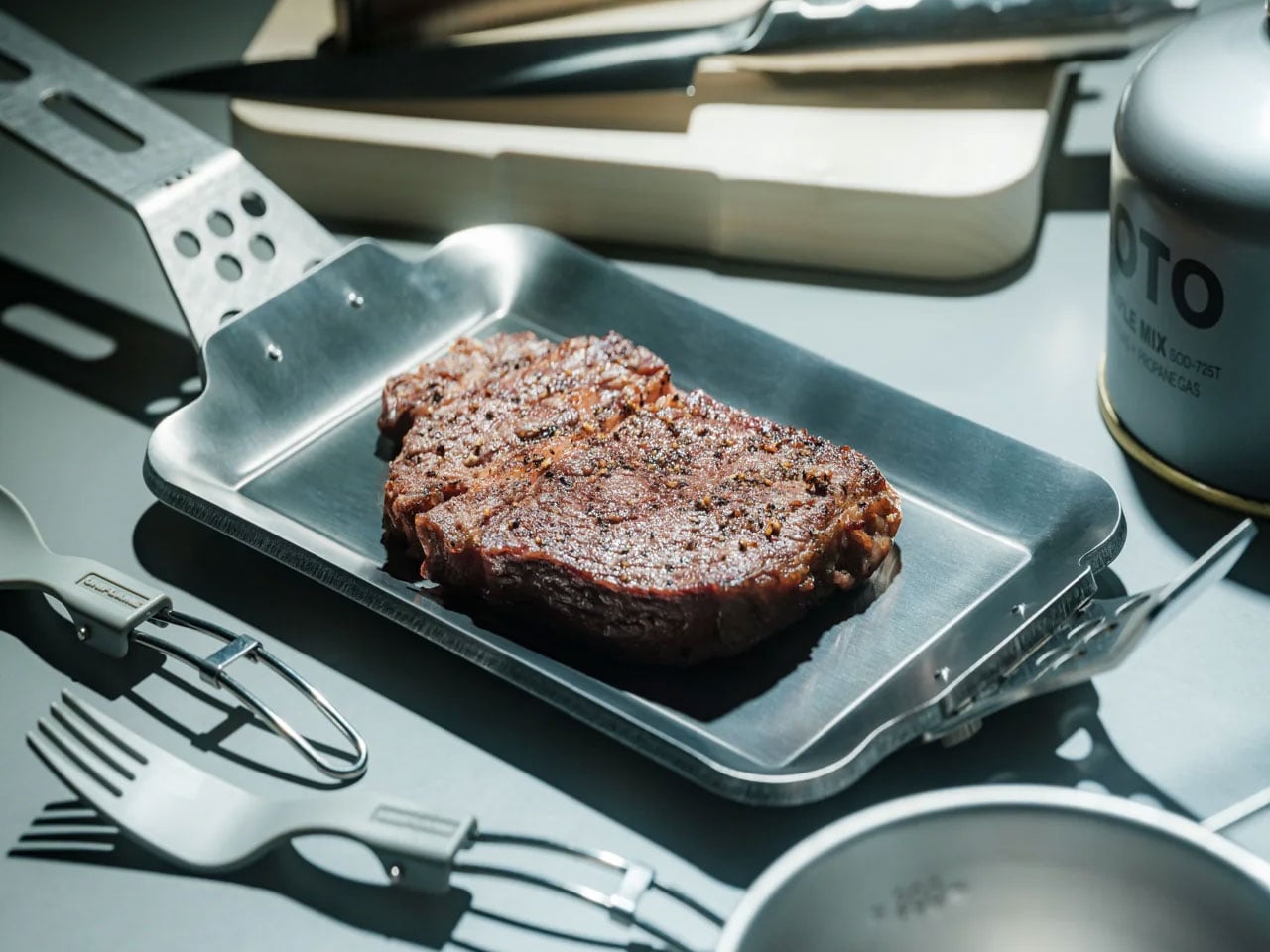
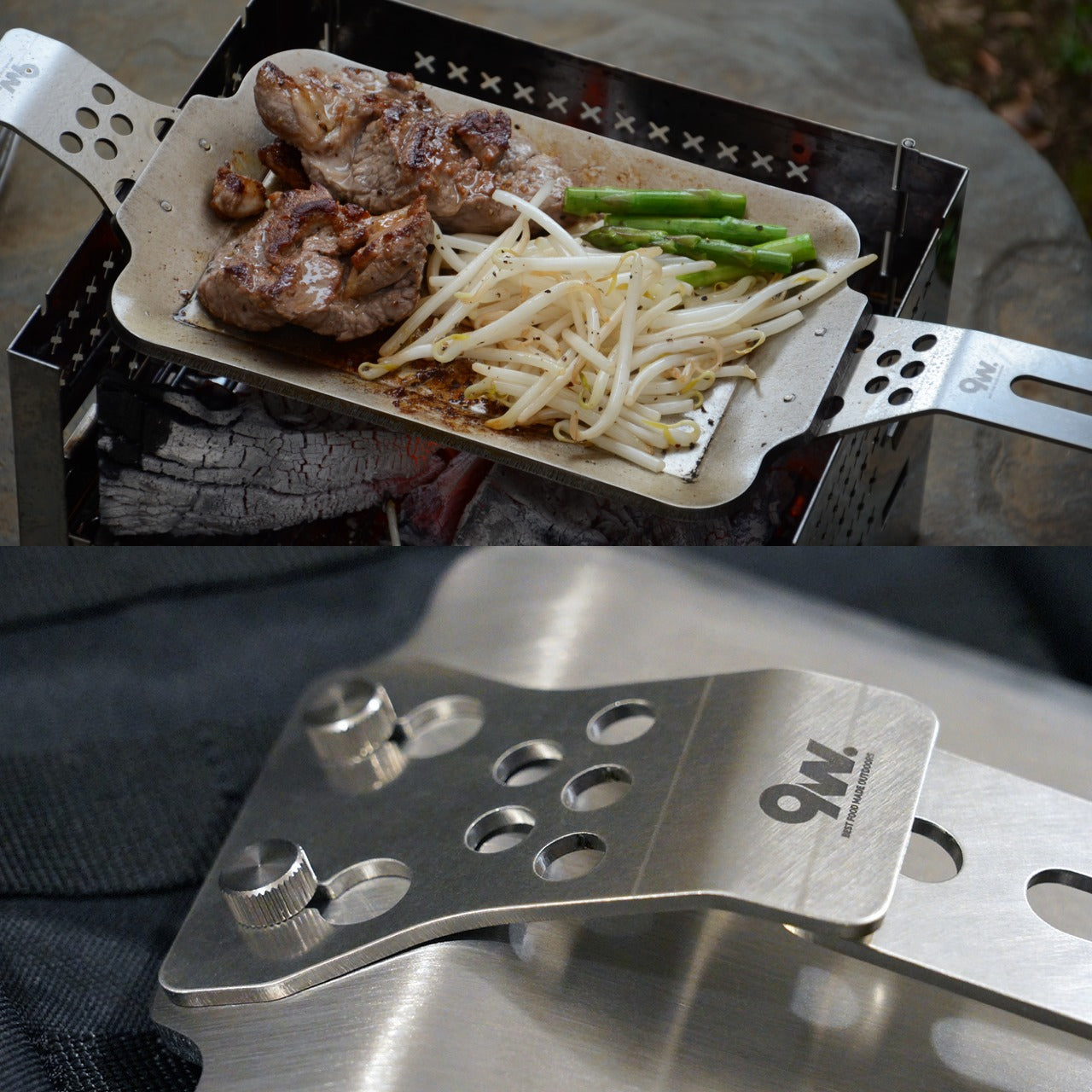
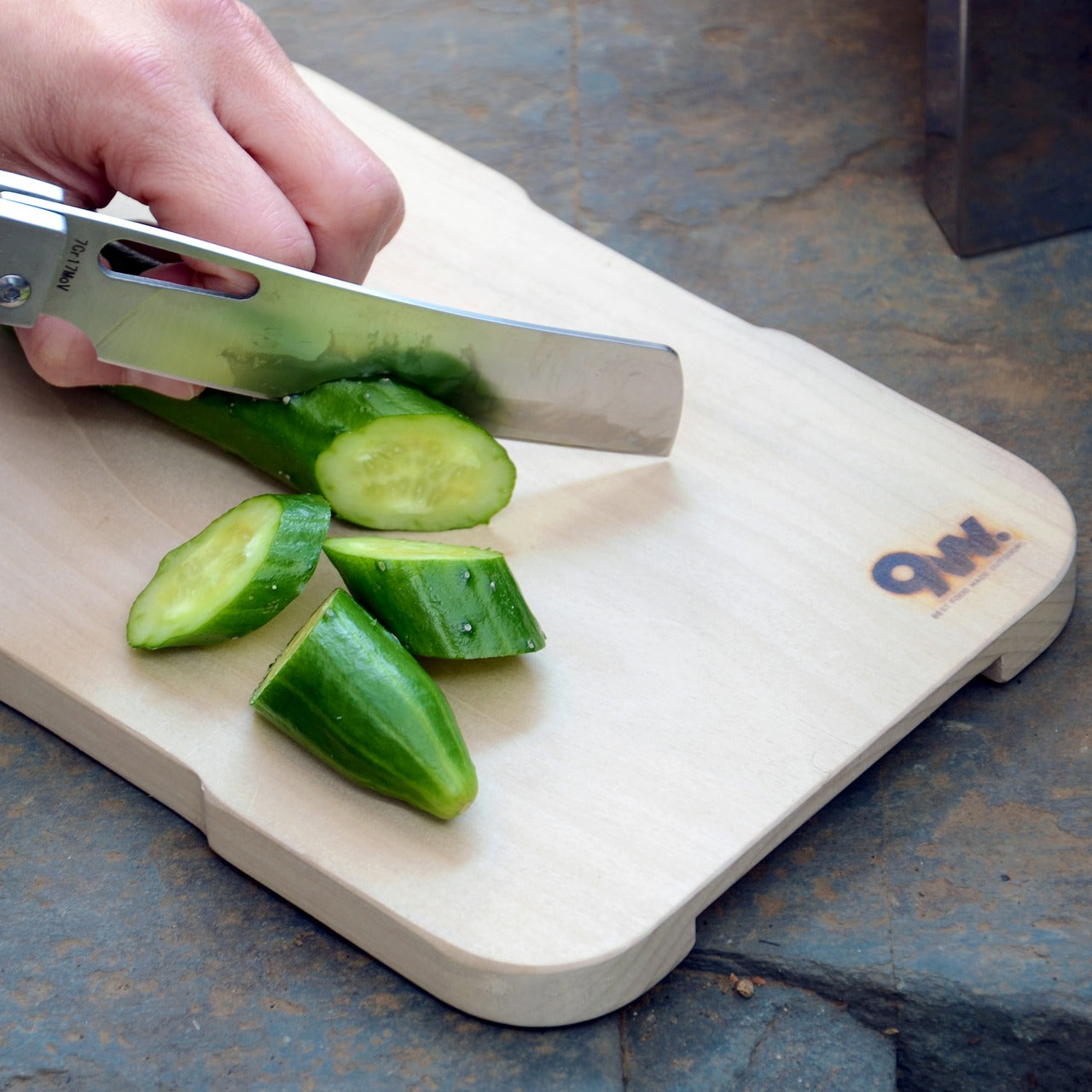
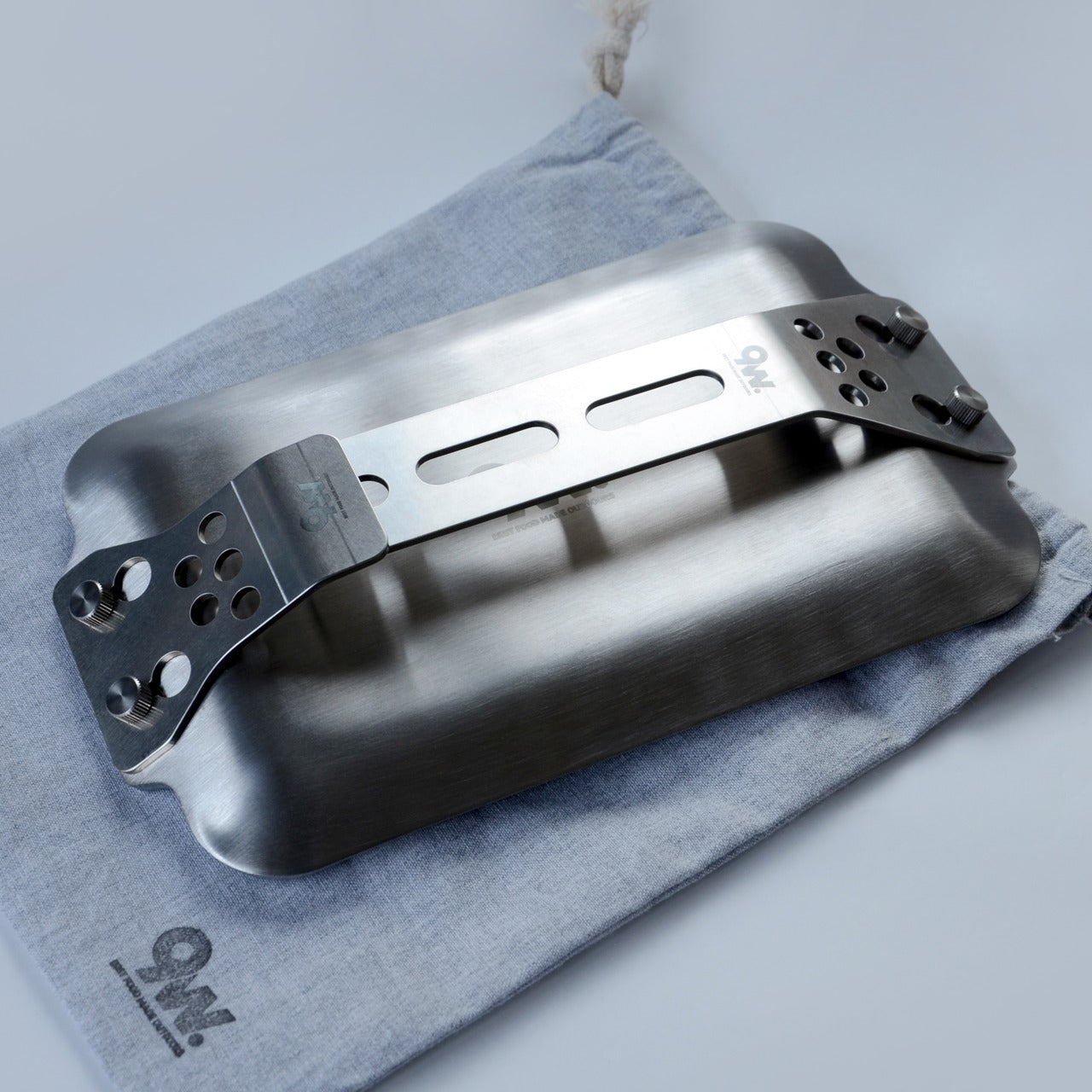
Some grill pans spend their days at the back of a cabinet, too heavy to bother with and too uneven to trust. Then there are the ones that earn a place on the stove every single time. The Compact Modular Grill Plate belongs to the second category. Built with a three-layer steel construction that spreads heat evenly across its entire surface, it closes the gap between a proper kitchen sear and a campfire meal, without making you choose between the two.
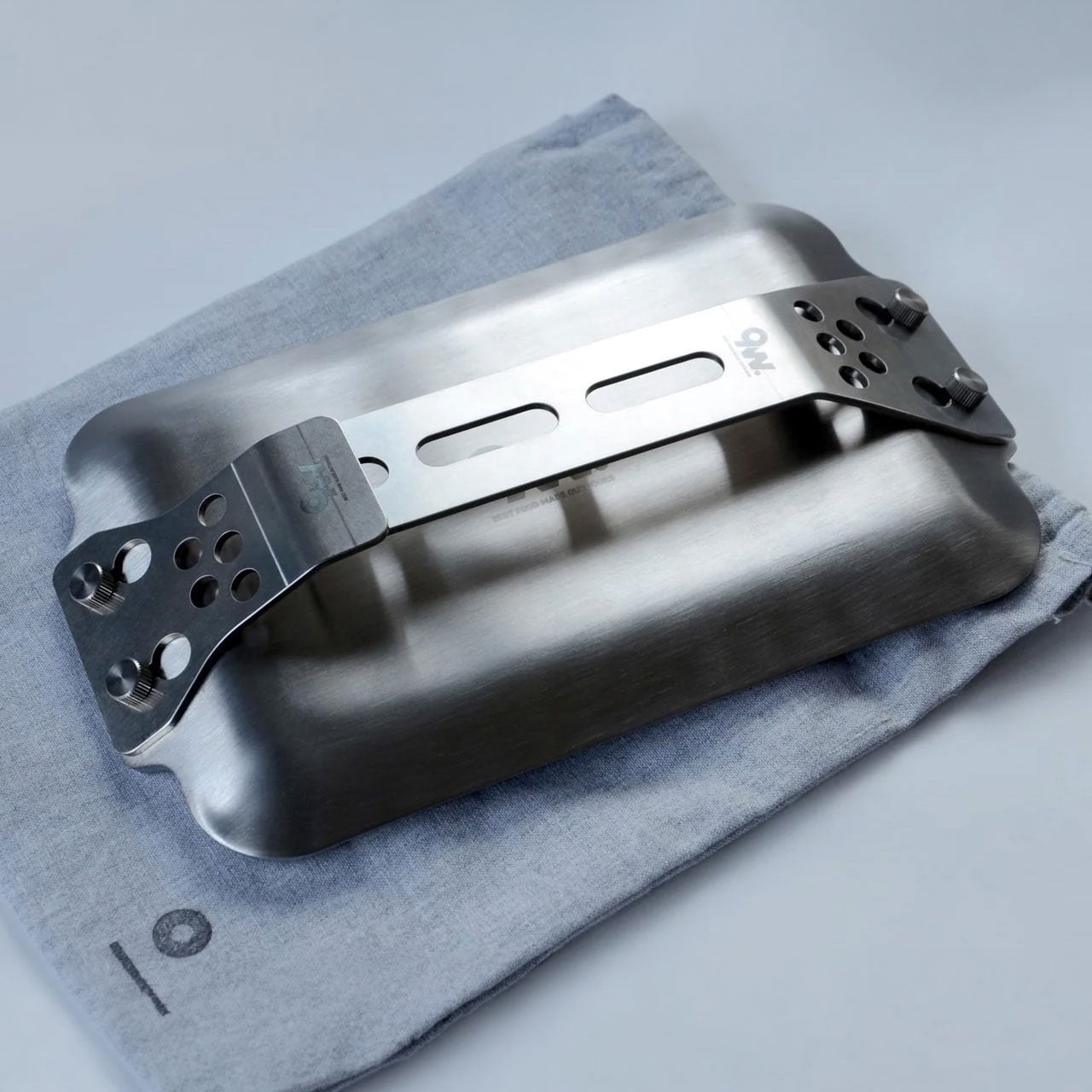
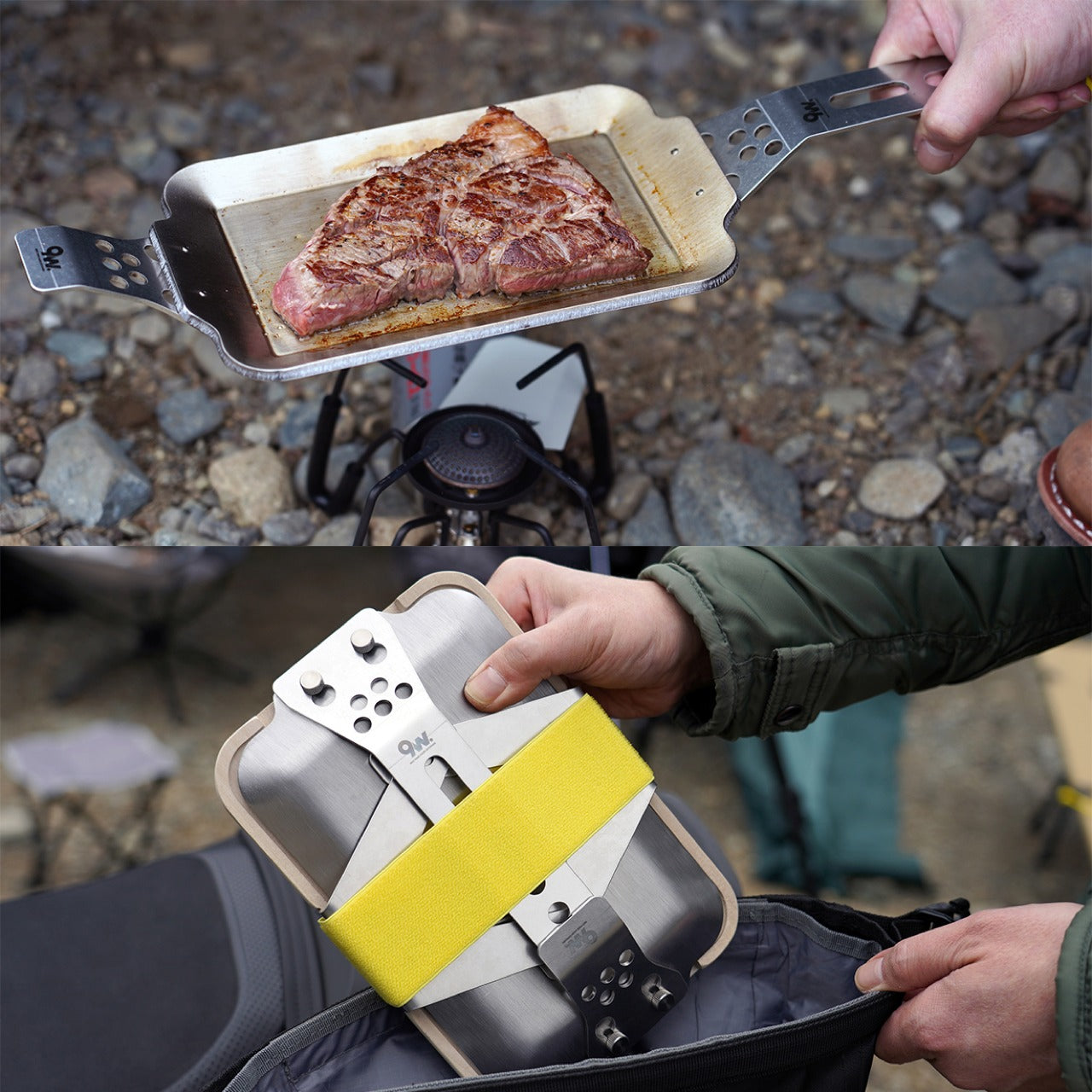
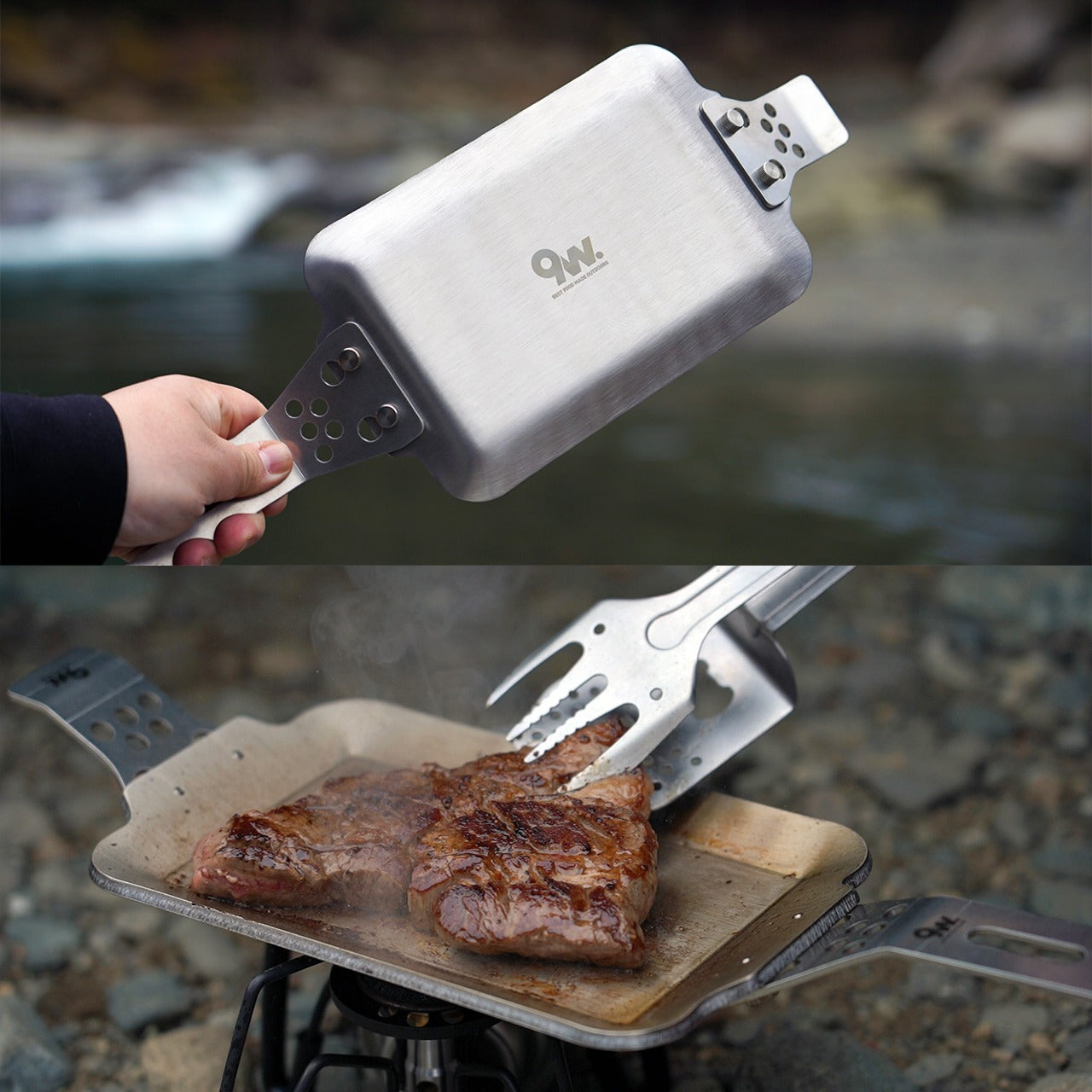
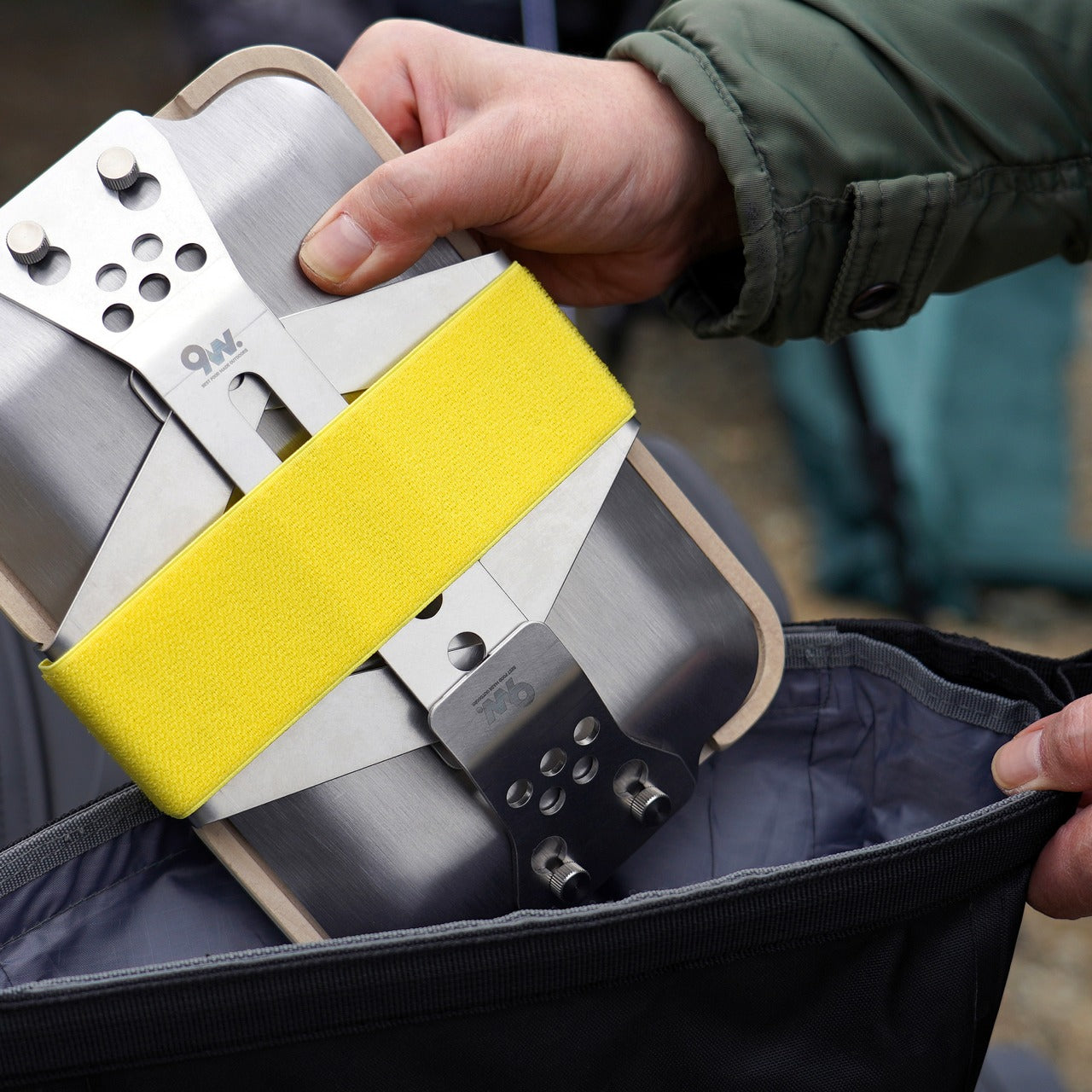
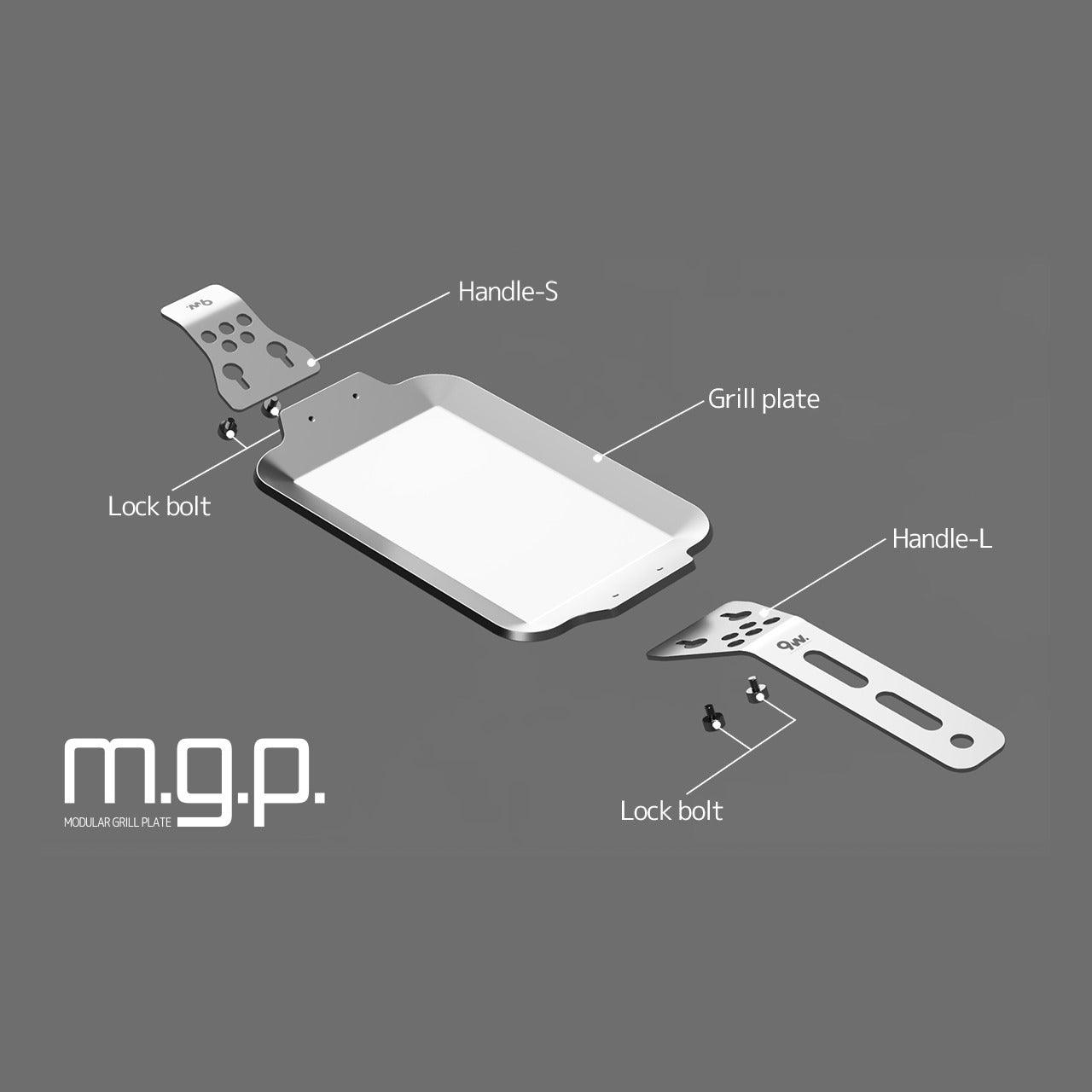
What makes it worth owning is the adaptability. Handles swap out depending on the situation. The plate runs on campfires, gas burners, and induction stoves without modification. When cooking is done, the whole setup packs flat, small enough to fit in a bag without reorganizing everything around it. That level of flexibility does not happen by accident. It is the result of a design that actually solves the problem rather than merely describing it.
The three-layer steel plate is where the performance begins. Single-layer pans burn where the flame sits and fade everywhere else, which is how a good cut of meat ends up patchy and dry in the wrong places. The layered construction here distributes heat uniformly from the edge to the center, keeping the temperature consistent across the entire cooking surface. The result is a better sear, better moisture retention, and food that actually tastes the way it should. Compatible with campfires, gas burners, and induction stoves, it performs just as well in a small apartment kitchen as it does over an open fire on uneven ground.
Modular, Compact, Actually Practical
Most portable cookware treats portability as a footnote. The Compact Modular Grill Plate starts there. The handle system swaps out depending on the setting, so the plate adjusts to whatever the cook needs rather than the other way around. Remove the handles for cleaning, and pack everything flat for travel. There is a specific kind of satisfaction in gear designed to disappear when you are done with it, and this plate earns that cleanly. It comes in a Basic set and a Special set for those who want more to work with from the start.
What We Like
Three-layer heat distribution: a properly engineered cooking surface that keeps temperature uniform for consistent sears and better moisture retention from edge to center
Multiple heat source compatibility: campfire, gas, and induction in one plate with no adapters and no compromise between settings
Swappable handle design: takes seconds to change and genuinely adapts the plate to whatever situation the cook is working in
Compact pack-down: flat storage with handles removed; the kind of practical detail that determines whether gear actually makes the trip
What We Dislike
No surface treatment specified: the product does not clarify whether the cooking surface has a non-stick finish, which matters for cooking delicate proteins and for cleanup expectations
Limited set configuration: Basic and Special cover the range well, but there is no option to add a single accessory without committing to a full set upgrade
The Cookware That Goes Where You Go
The Compact Modular Grill Plate was built for cooking that happens outside the ideal. An unpredictable campfire. A countertop induction burner in a small space. A situation where the cookware needs to adapt before you do. It handles all three without changing what it is, which is a rarer quality in portable cookware than it should be.
If what you are currently cooking with makes the meal harder than it needs to be, this is the straightforward fix. Pick upthe Basic or Special set and take the guesswork out of the next meal.
Most portable speakers resolve the outdoor brief in one of two ways. They build something tough enough to survive whatever summer throws at it, then let design take care of itself. Or they craft something that looks considered and hope it never meets moisture. These five refuse that tradeoff. Each earns its place outdoors on visual merit alone, a bar that very few speakers in this category have the confidence to clear.
The selection spans passive acoustic amplification to hard-anodized Danish aluminum, retro broadcast aesthetics to science fiction metalwork, and an outdoor warrior that floats face-up in a swimming pool. What ties them together is a conviction that a portable speaker should be worth looking at when the music stops. Whether you pack one for the long weekend or set one up on the rooftop, these speakers make the setup look considered before anyone hits play.
1. Retrowave Radio
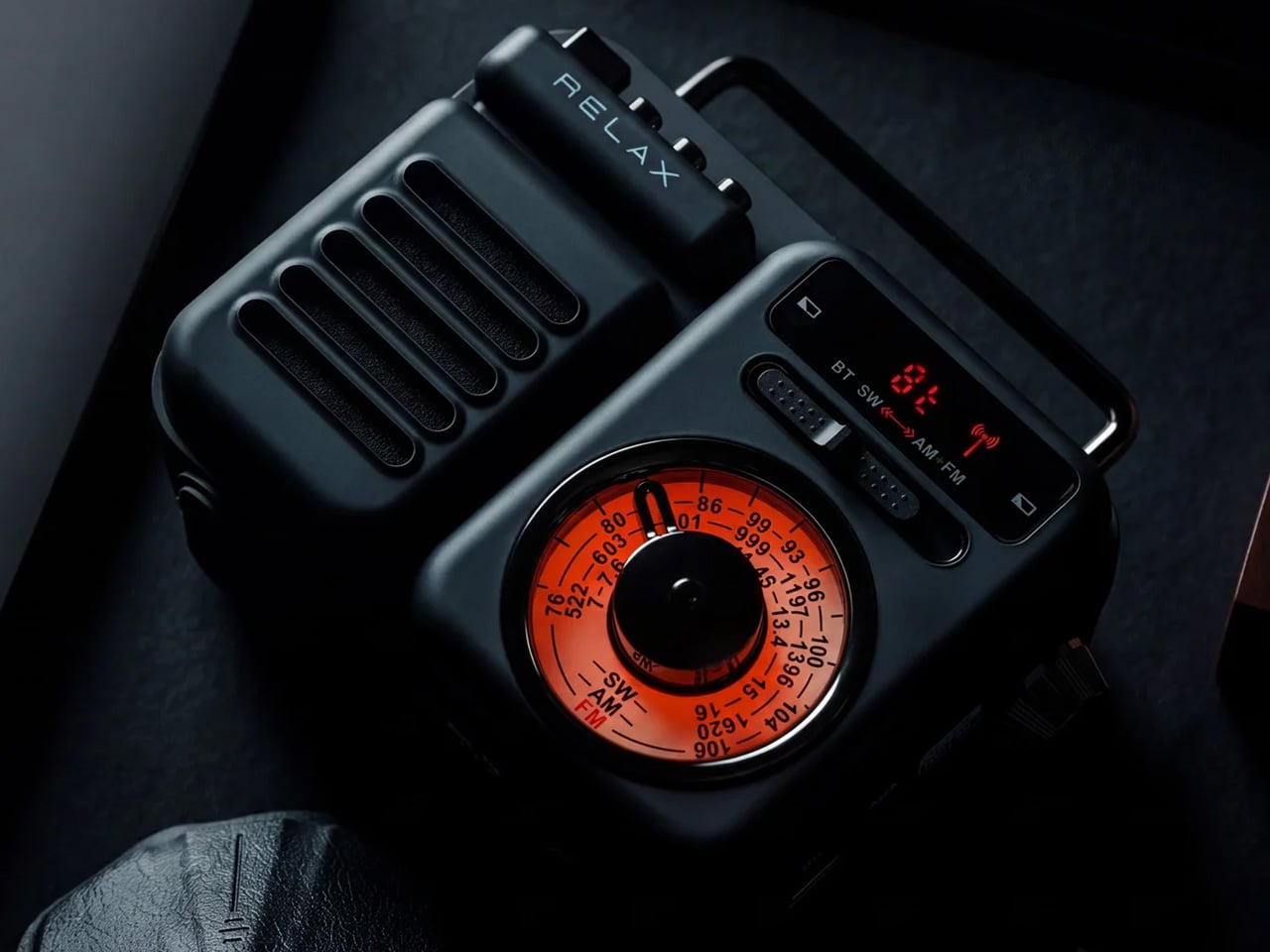
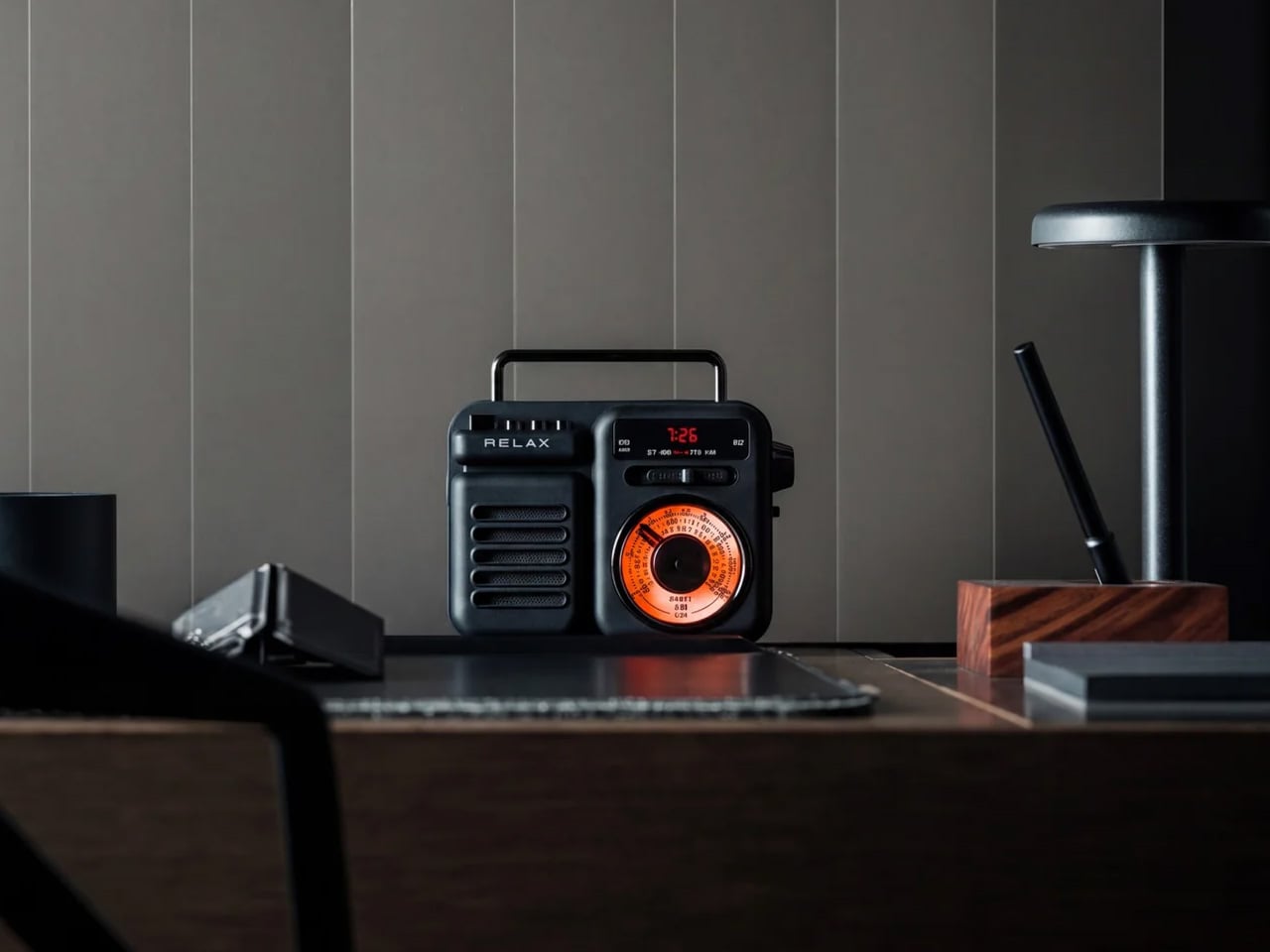
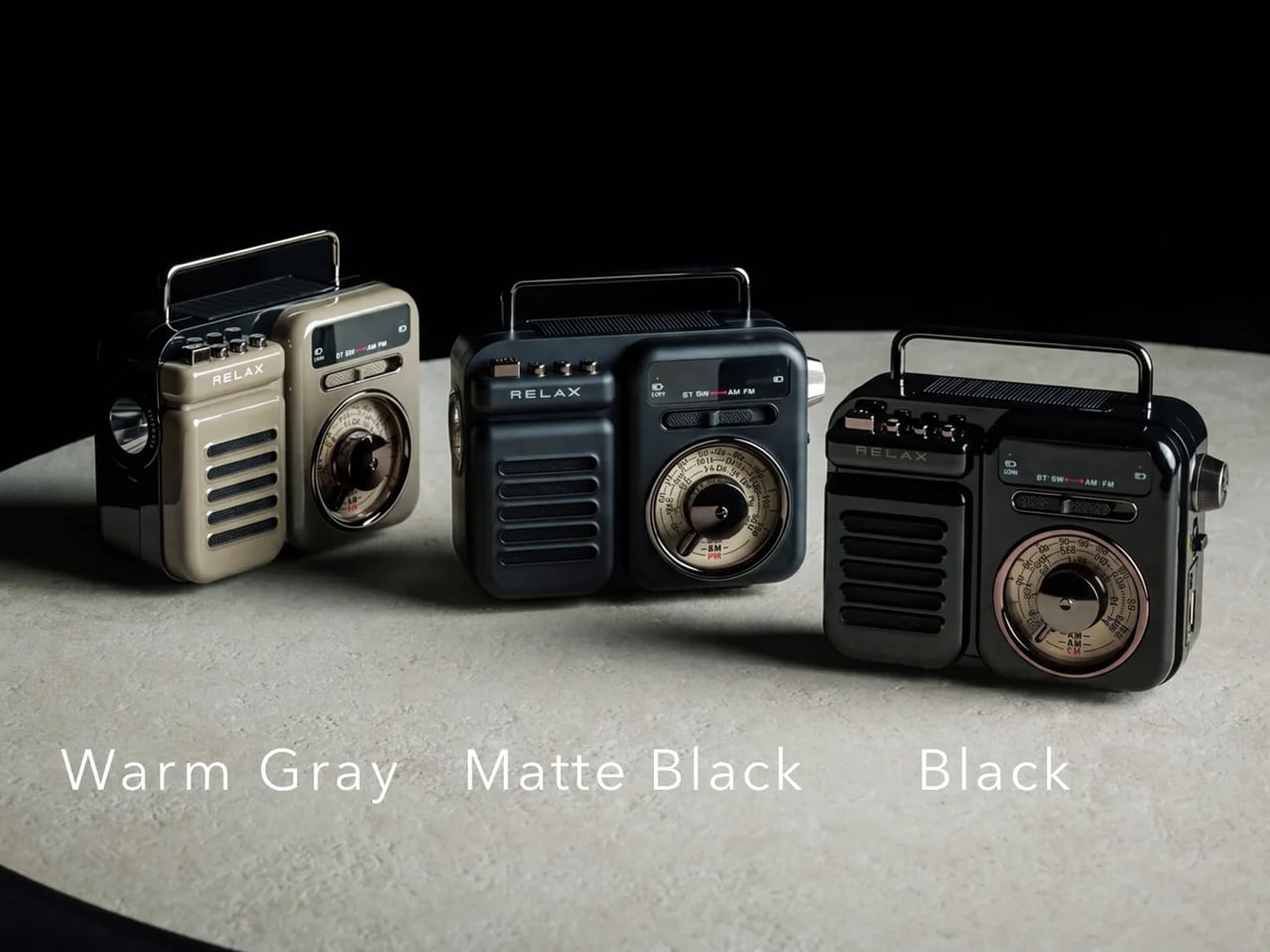
There is a specific pleasure in a speaker that looks like it predates Bluetooth by thirty years. The Retrowave Radio brings that cabinet sensibility into a summer that runs on playlists and wireless connectivity, giving you the best of both. Its proportions and analog-styled face sit more comfortably on a picnic blanket or campsite ledge than most modern speakers manage, which tend to read as tech accessories rather than objects genuinely worth looking at.
The FM tuner adds a layer the streaming era forgot. Scanning local frequencies somewhere without a strong data signal is its own kind of discovery, the kind no algorithm delivers. Bluetooth connectivity keeps it relevant to every device you already own, so the retro shell is not a compromise so much as a philosophy about what listening outdoors should feel like. It is the speaker most likely to draw a question from whoever walks past, which is the highest compliment any piece of audio design can receive.
The retro cabinet reads as a considered aesthetic statement rather than a novelty gimmick, and holds its own in any outdoor setting
Dual functionality as a Bluetooth speaker and FM radio opens it up to genuine off-grid situations where streaming is not an option
What We Dislike
The analog-inspired styling may not suit those who prefer a contemporary minimal look in their audio gear
FM reception quality depends entirely on local signal strength, which varies considerably depending on where summer takes you
2. Anker Soundcore Boom 3i
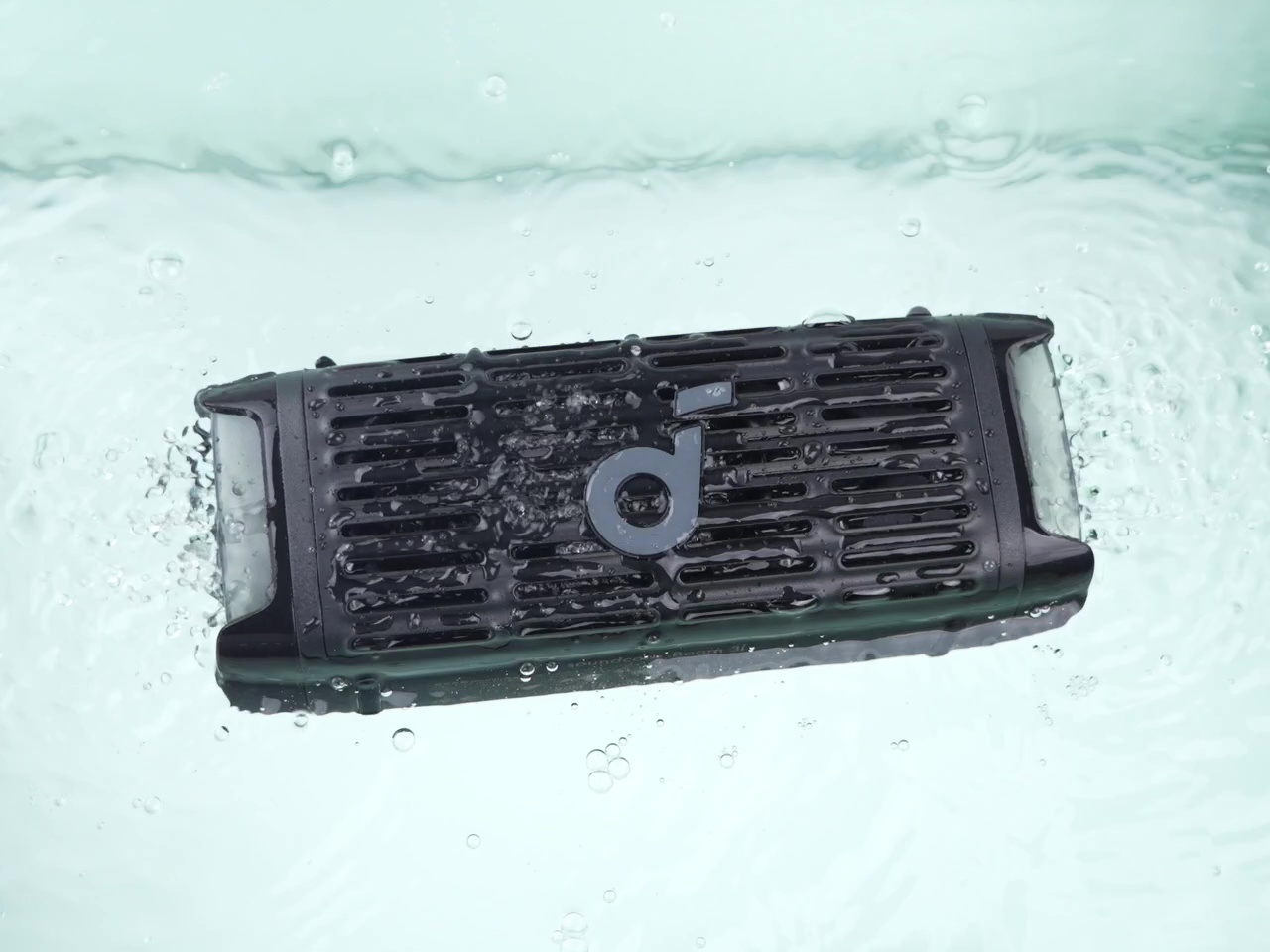
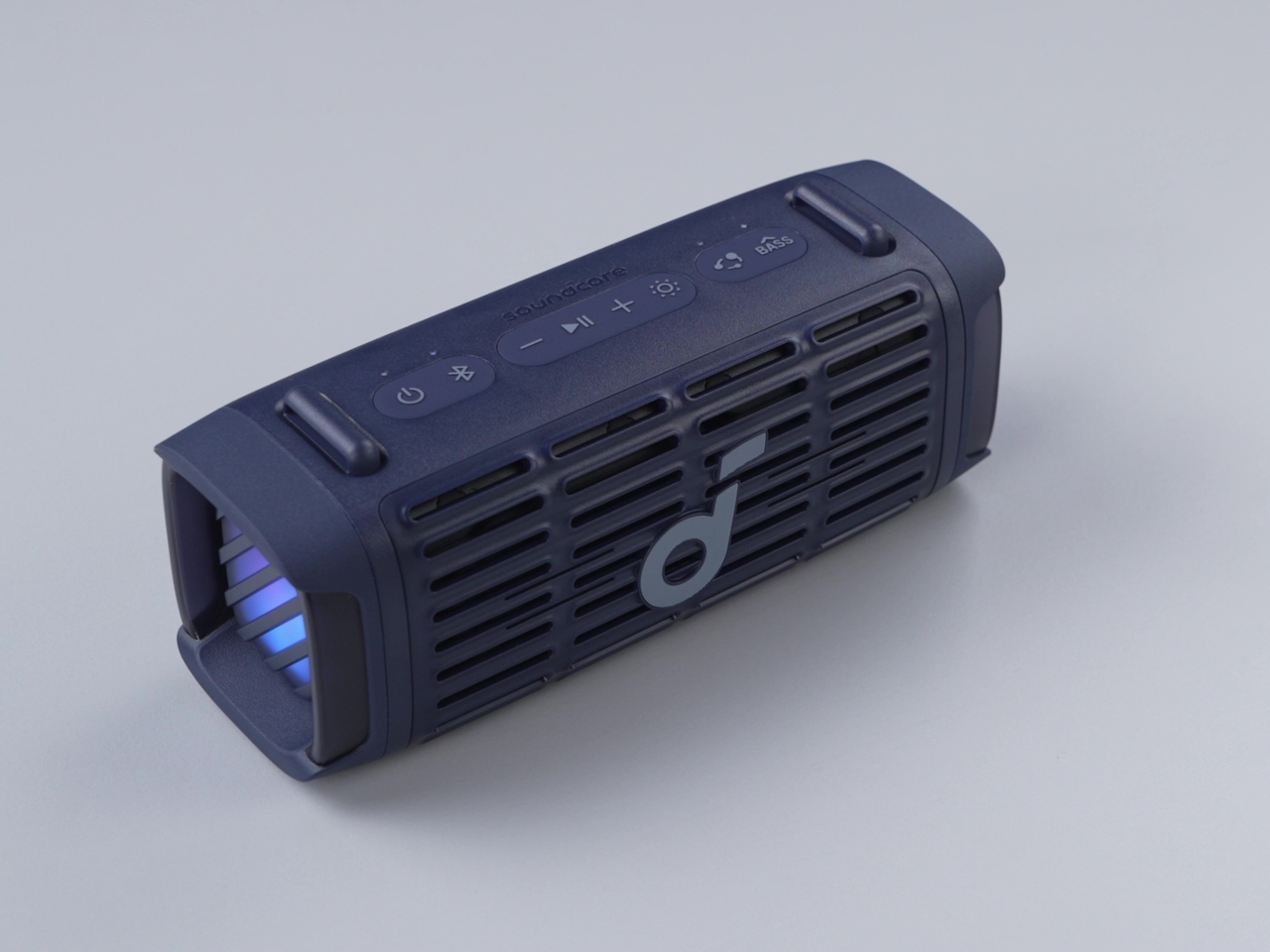
The Soundcore Boom 3i solves a problem most outdoor speakers refuse to acknowledge. Pools, lakes, and beaches are exactly where you want music most and also the worst possible environments for most electronics. Anker’s answer is a speaker that floats and self-orients so the audio always faces upward, keeping sound clear whether it was placed there deliberately or went in during a particularly competitive game of volleyball. That kind of design honesty about actual use is rare.
Beyond the floating, it includes Buzz Clean, a feature where the speaker vibrates on command to shake sand and debris out of the grille. It is a small addition that solves a genuine frustration without tools or disassembly. Sixteen hours of battery life and LED lighting that pulses with your music make it a speaker clearly built by a team that has spent time at actual beaches, not imagined them from an office.
What We Like
The self-orienting float design solves a real outdoor audio problem rather than just marketing waterproofing that most owners never actually test
Buzz Clean is genuinely useful in sandy environments and requires no tools, disassembly, or anything beyond pressing a button
What We Dislike
The LED lighting, while effective at night, adds visual busyness that may not appeal to those who prefer their gear to sit quietly in the background
Its larger footprint makes it less suited to compact bags or minimalist packing situations where every cubic inch matters
3. Bang & Olufsen Beosound Explore
Bang & Olufsen built the Beosound Explore from hard-anodized aluminum, and that material choice explains everything else about it. Reaching for aluminum where every competitor defaults to polycarbonate communicates a specific set of values about longevity, texture, and what outdoor gear can look like when it is not trying to appear durable but simply is. At 631 grams with a rubberized base and carabiner strap, it travels without ceremony and arrives looking like it belongs wherever you set it down.
The True360 sound from dual full-range drivers means there is no bad angle at a campsite or on a rooftop, and 27 hours of battery life removes the anxiety that shadows every other portable speaker on a long weekend. IP67 water resistance covers submersion up to one meter for thirty minutes, which handles every realistic outdoor scenario. Designed in Denmark and built to outlast seasons rather than one summer, the Beosound Explore is the speaker you eventually stop having to replace.
What We Like
Hard-anodized aluminum construction gives it a material quality and cool-to-the-touch feel that no polycarbonate competitor comes close to matching
27-hour battery life is genuinely class-leading at this form factor, removing charging from the weekend equation entirely
What We Dislike
The price sits at the premium end of the portable speaker category, which may not align with every budget on this list
The compact driver configuration prioritizes audio fidelity over sheer volume ceiling, so those expecting a party speaker may find it more refined than powerful
4. Battery-Free Amplifying iSpeakers
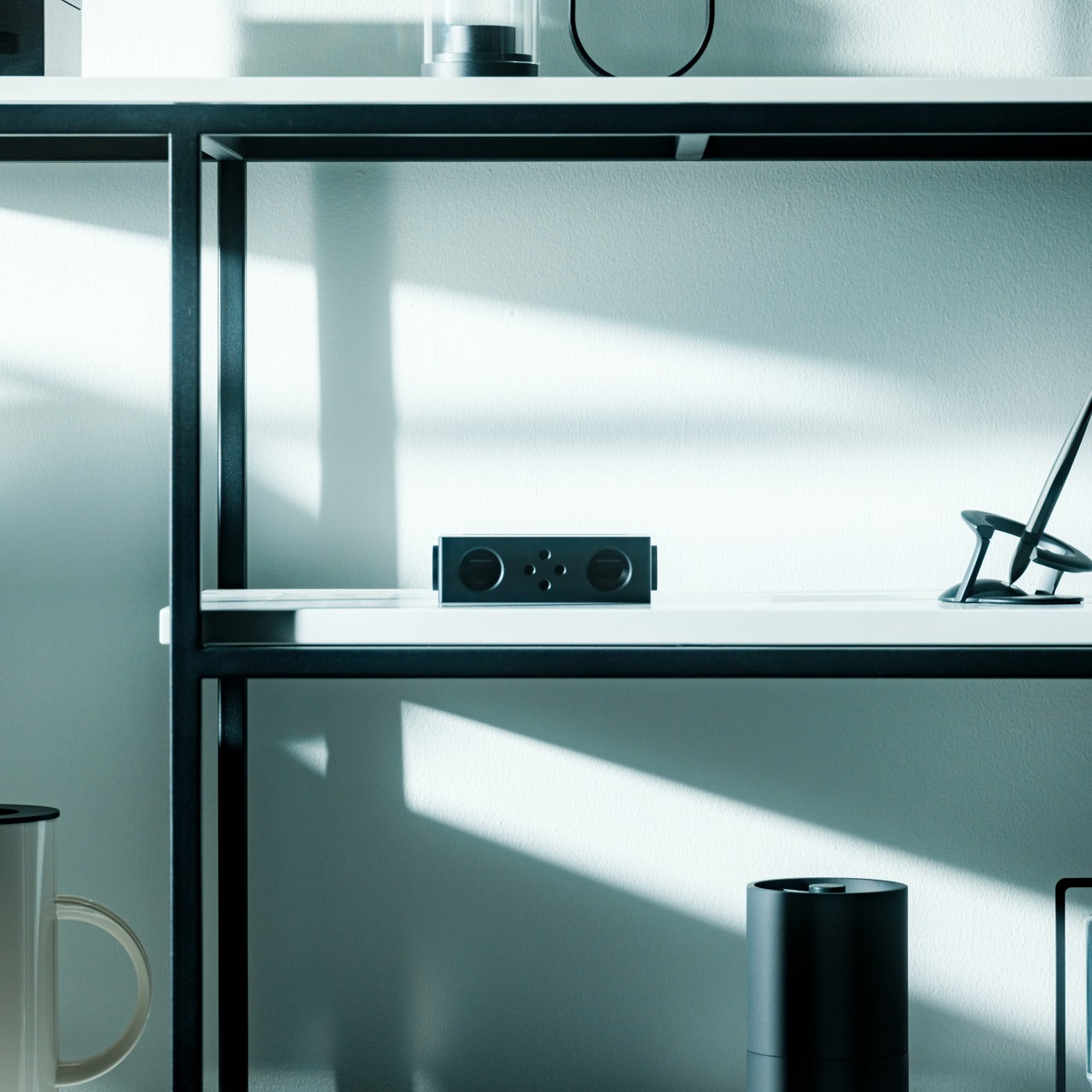
The Battery-Free Amplifying Speaker starts from the most honest premise in portable audio: what if the speaker needed nothing from you except the sound you already had? Using passive acoustic amplification, it channels audio from your device through a shaped resonance chamber without a Bluetooth receiver, a charging cable, or a battery to manage. The result is a speaker that is always ready because there is genuinely nothing about it that can run out.
Its design logic sits closer to a musical instrument than a consumer gadget. Every curve and internal chamber proportion is there to do acoustic work, which means every formal decision has a functional one sitting behind it. For a long morning on the balcony or an afternoon at the beach where you forgot to charge everything, it removes the one variable that always causes friction. You set it down, rest your phone inside, and the sound arrives without a single button pressed.
Zero dependency on charging makes it genuinely grab-and-go in a way no battery-powered speaker on this list can claim
Passive acoustic construction makes it one of the most durable options here by virtue of having no electronics to fail
What We Dislike
Volume ceiling is naturally limited compared to powered speakers, making it less suited to larger outdoor gatherings where you are competing with ambient noise
Performance is tied directly to the speaker quality of the host device, which varies considerably from one phone to the next
5. GravaStar Mars Pro
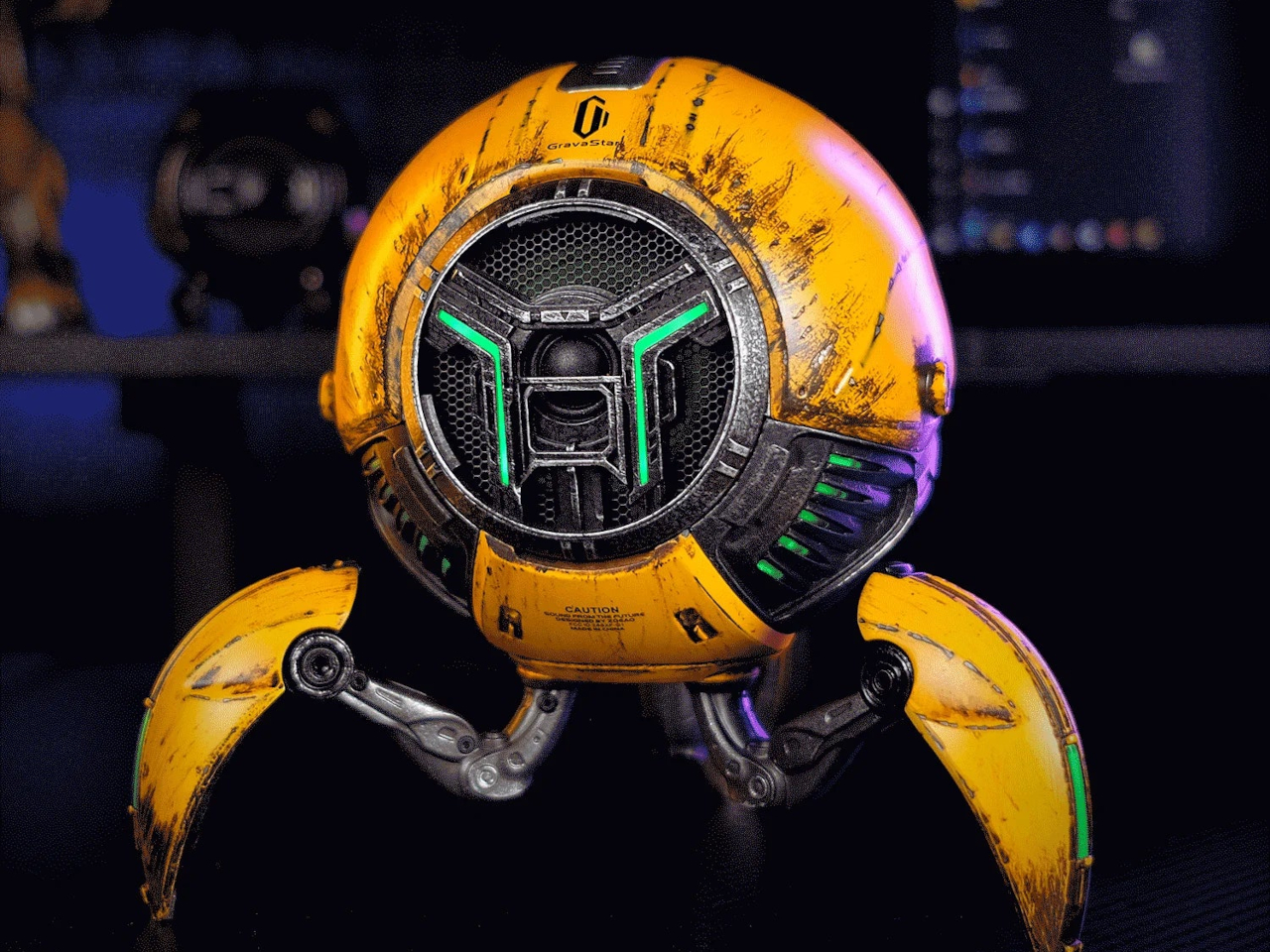
The GravaStar Mars Pro does not attempt to blend in, and it is entirely correct not to try. Its zinc alloy body, war-damaged finish options, tripod legs, and exposed mechanical detailing sit somewhere between industrial design and a film prop, which is precisely what makes it worth owning. Most portable speakers are designed to disappear into their surroundings. The Mars Pro is designed to become the focal point of wherever it is placed, and its 20W dual speaker system backs that visual confidence with real audio substance.
A full-range driver paired with a passive bass radiator gives the Mars Pro low-end presence that its dimensions should not produce. The RGB lighting system runs through six dynamic modes, pulsing with your music and making it a natural fit for evening rooftops and outdoor gatherings. At 5.5 pounds, it is the heaviest option here, which places it at the center of a setup rather than inside a bag. That is exactly where it wants to be.
What We Like
The zinc alloy construction and sculpted mech aesthetic make it one of the most visually distinctive portable speakers available at any price point
20W dual speaker output delivers bass presence well beyond what the physical size suggests is acoustically possible
What We Dislike
At 5.5 pounds, it is not a speaker you carry around a site; it is the one you set up and gather around, which limits where it fits on a summer itinerary
The dramatic visual language is polarizing and will not appeal to anyone who wants their audio gear to sit quietly in the background
The Best Summer Speaker Is the One Worth Looking At When the Music Stops
A portable speaker is one of the few objects that has to perform twice over. It has to sound right and look right in the same moment and the same light. The five here clear that bar without any of them feeling like a compromise in either direction. Summer is short enough that whatever you bring outdoors should be worth the trip, and each of these makes that case without any difficulty.
Whether you reach for the passive simplicity of the battery-free amplifier, the engineered restraint of the Beosound Explore, or the unapologetic presence of the Mars Pro, the underlying conviction is the same. Good design does not ask you to choose between form and function. These speakers already made that decision, and it shows from the moment you set them down somewhere they have no business looking this good.
The airport shop is a tax on poor planning. Everything in it exists to solve a problem you should have solved at home, at a price that reflects the fact that you have no other option. The five products here are the ones you pack deliberately, not desperately. Each one earns its place through considered design, genuine function, and the kind of quality that makes the airport version of the same thing look like a last resort.
The selection covers everything a considered travel kit needs: audio that travels without apology, power that performs at wall adapter speed, a passport holder that knows where it is, grooming that does not give up precision for portability, and a lock that reports back. None of these products compromised on design to get the job done. That discipline is exactly why they belong in the bag and not on the shelf at Departures.
1. StillFrame Headphones
Travel headphones occupy a strange middle ground in most product ranges. They are either serious audio equipment that was never meant to leave the studio, or they are designed for portability at the direct expense of everything that makes headphones worth wearing. The StillFrame headphones resolve that tension with a form that travels without folding into an awkward configuration and audio that does not require an apology when someone asks what you are listening through. They make the journey part of the experience rather than something to endure.
The design reads as confident without being loud, which is exactly the register a pair of headphones should occupy when you are moving through airports, hotels, and meeting rooms in the same day. Noise performance keeps the outside world at a suitable distance without the artificial pressure that makes some active noise cancellation tiring over long flights. The StillFrame headphones are the kind of product that makes you realize how much you were tolerating from whatever you were using before.
The form does not compromise on aesthetics to achieve portability, which is rarer in this category than it should be
Audio performance holds up across the variety of environments that a travel day actually produces
What We Dislike
Headphones at this design level carry a price that reflects the intention behind them, which may exceed what some are willing to spend on travel audio
The considered aesthetic means they draw attention in a way that more anonymous options do not
2. INIU SnapGo Air MagSafe Power Bank
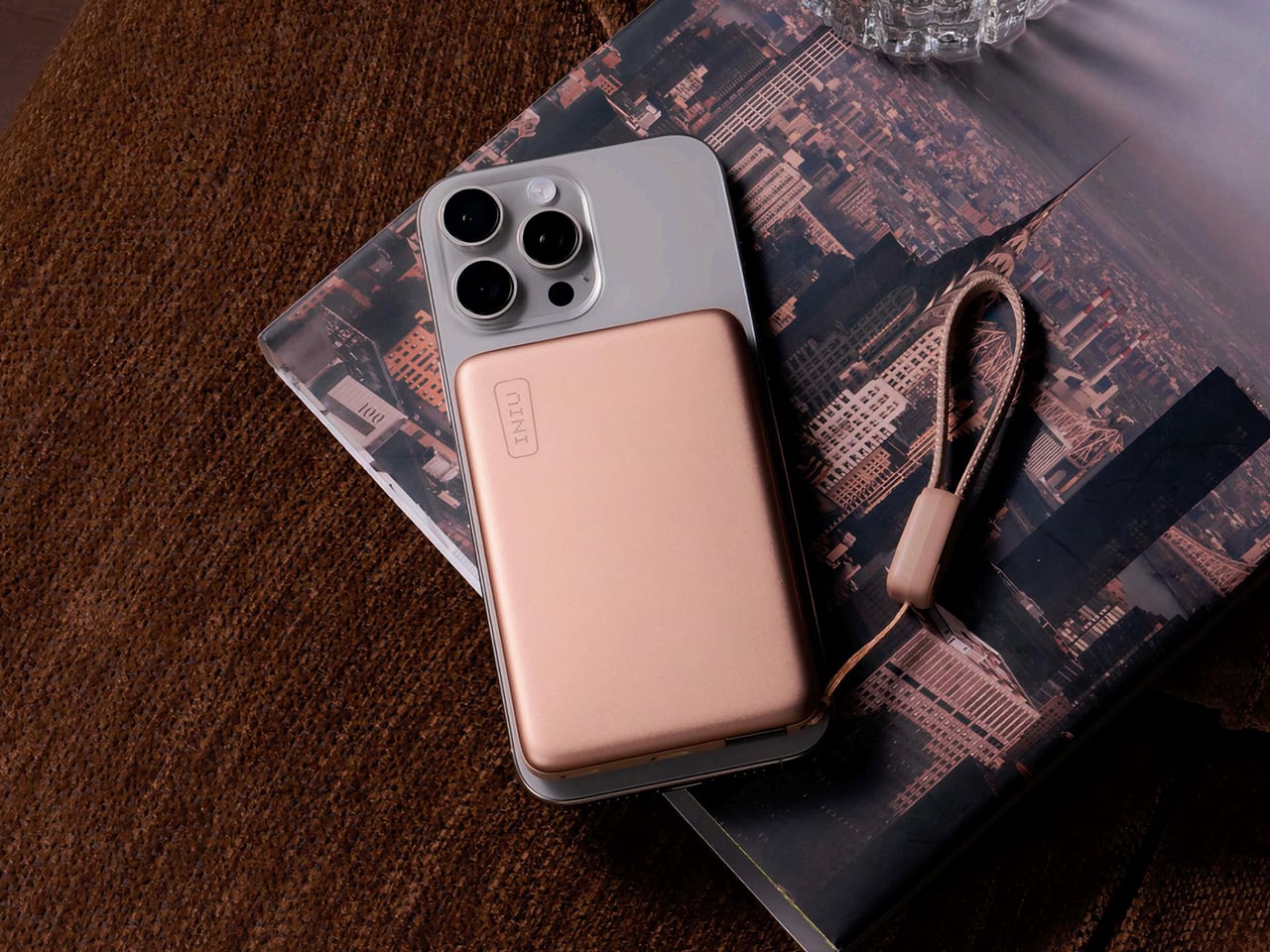
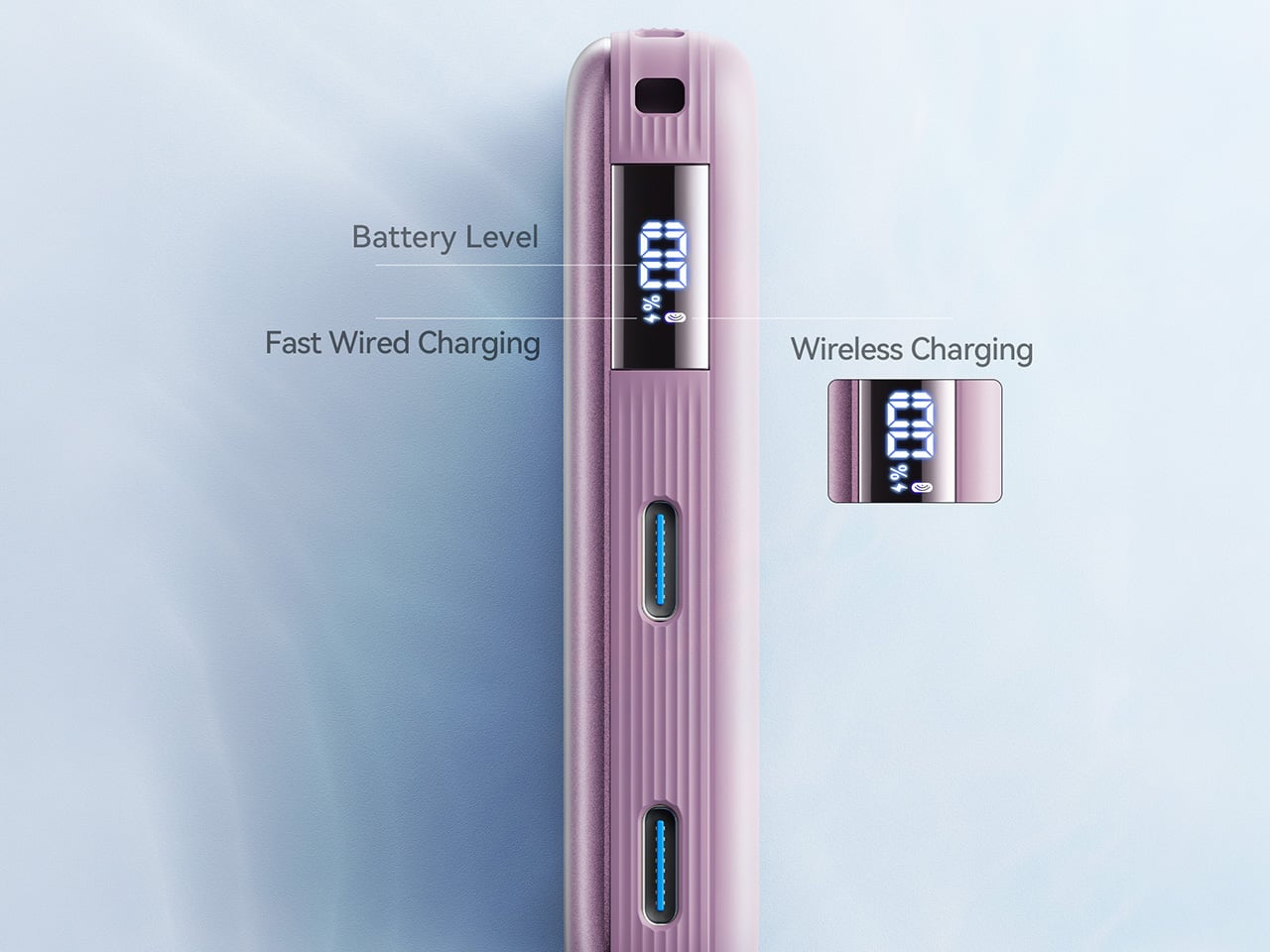
The problem with most power banks is not the capacity. It is the experience of using them: the cables that go somewhere, the bulk that announces itself in a jacket pocket, and the heat that builds up when wireless charging is pushed past its natural ceiling. The INIU SnapGo Air addresses all three. At half an inch thick and finished in anodized aluminum, it sits flush against the back of a phone without the visual chaos that makes most battery packs feel like a concession.
The GoCord, a built-in USB-C cable that sits color-matched in a recessed channel along the body, means there is no separate cable to locate when you need wired charging at 45 watts. Wireless output runs at 25 watts via Qi2.2, fast enough to get a phone to usable capacity in the time it takes to clear customs. Temp Guard 3.0 monitors internal temperature 9,000 times per second and keeps the surface under 104 degrees Fahrenheit during use. At $54.99, it sets a new expectation for what a power bank should be.
What We Like
The GoCord cable sits flush and color-matched, removing the loose cable from the carry equation entirely
25W wireless and 45W wired output means it performs at wall adapter speed in a half-inch profile
What We Dislike
The 10,000mAh capacity covers phones and earbuds comfortably but falls short for anyone who also needs to top up a tablet or laptop
The premium finish makes this a product worth protecting, which adds a small layer of care to how you pack it
3. Satechi FindAll Passport Cover
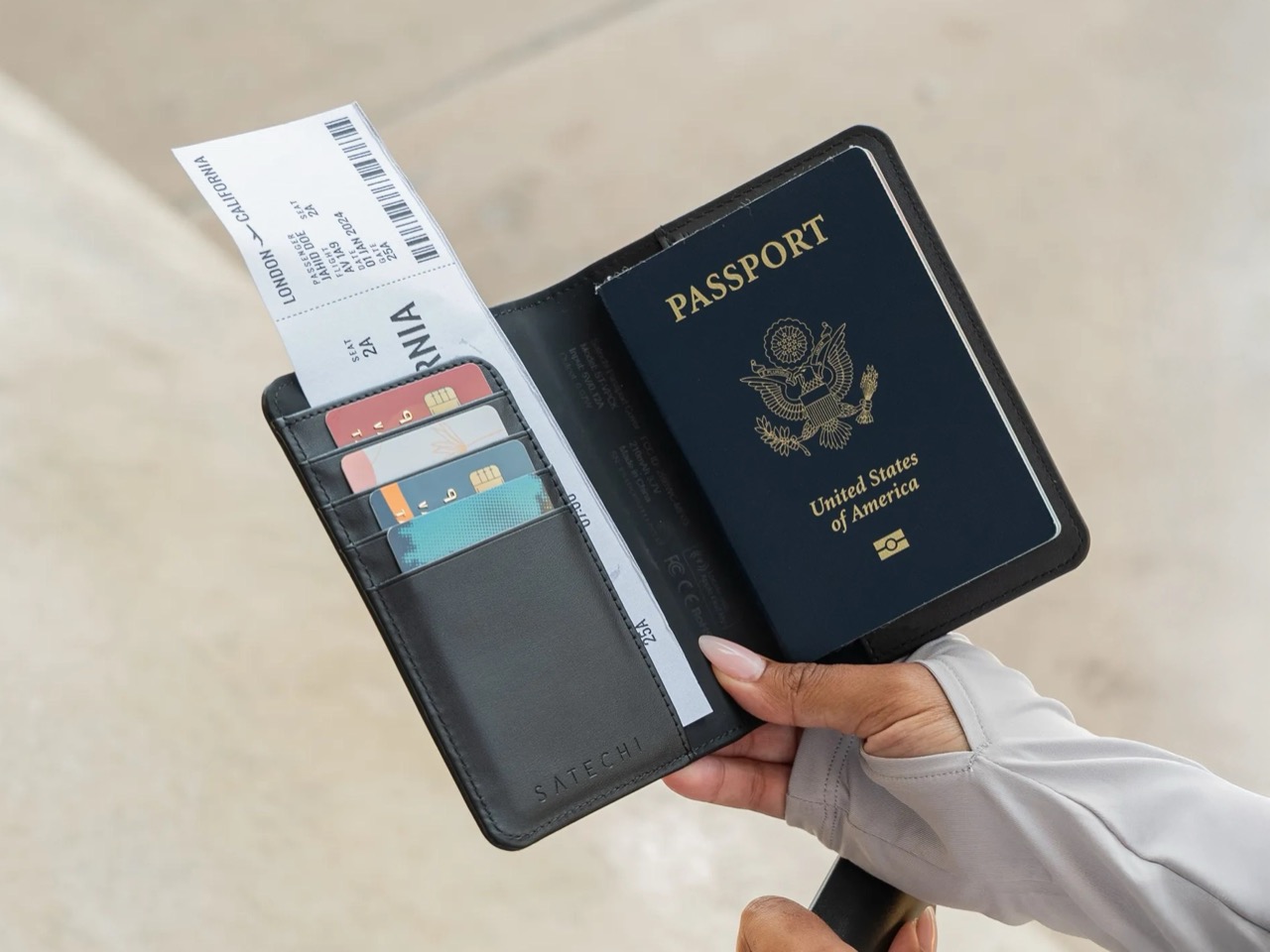
Losing a passport is not a travel inconvenience. It is a trip-ending event that takes days and a great deal of bureaucratic patience to resolve. The Satechi FindAll Passport Cover approaches that anxiety with a straightforward solution: vegan leather organization paired with Apple Find My tracking via Bluetooth 5.2, a 90-decibel alarm you trigger from your phone, and RFID blocking that keeps chip data inside the cover rather than available to anyone standing close enough with the right equipment.
The 150mAh battery charges wirelessly on any Qi, Qi2, or MagSafe surface, lasts up to five months between charges, and adds just 3.7 ounces to a jacket pocket. The bifold holds your passport, boarding pass, and four cards in a format that removes the fumbling from every airport security interaction. For a product that handles your most critical travel document, the combination of location tracking, audible alerts, and electronic theft protection represents a level of thinking that no standard passport wallet comes close to.
What We Like
Apple Find My integration with a 90-decibel alarm turns a passive document holder into an active security system
Wireless charging and five months of battery life mean the tracking runs silently in the background without any maintenance required
What We Dislike
The Find My network works best where Apple devices are dense enough to relay the signal accurately, which covers most major airports but thins out in remote destinations
Vegan leather, while well executed here, will show wear differently than full-grain alternatives over years of daily use
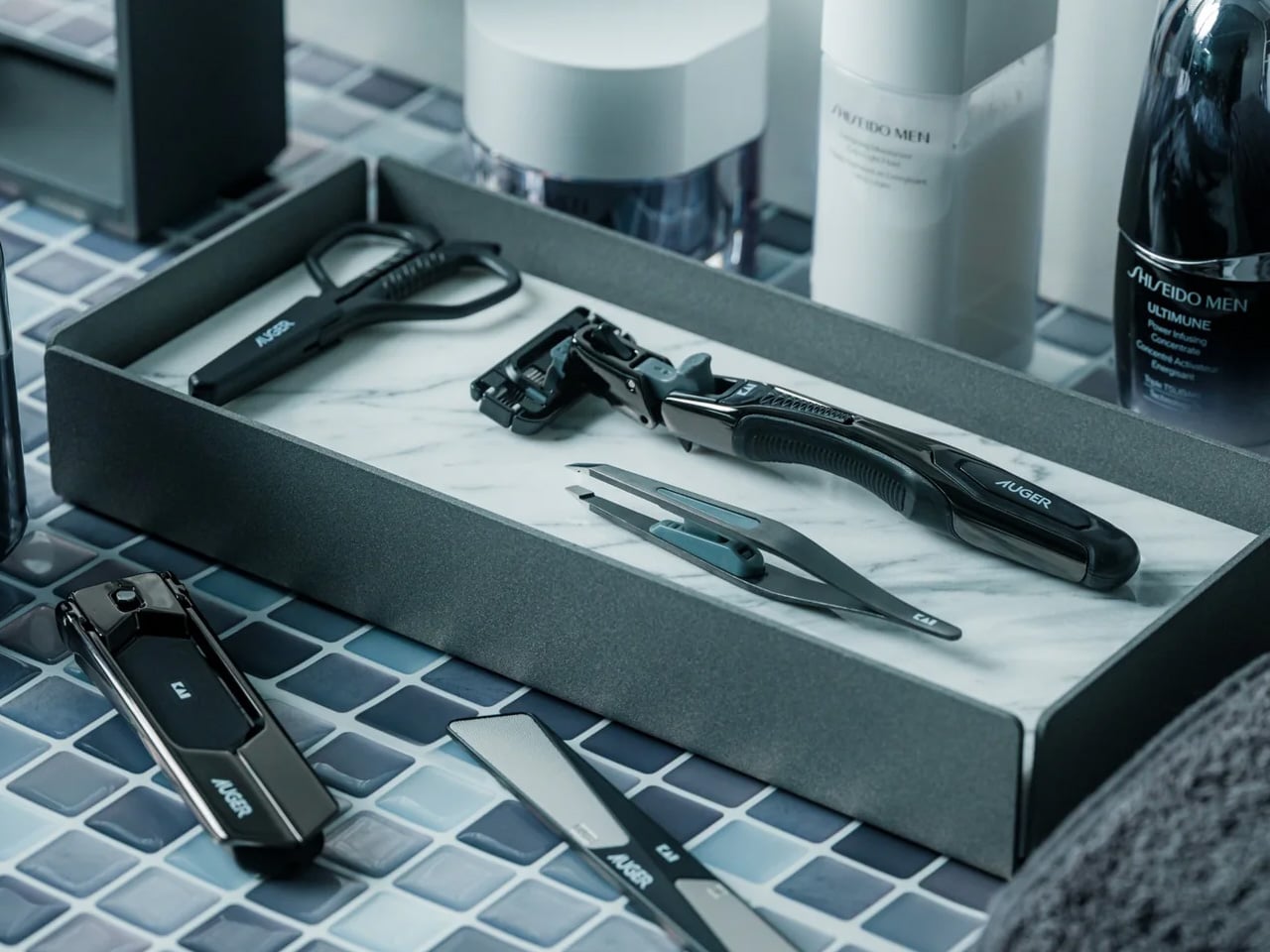
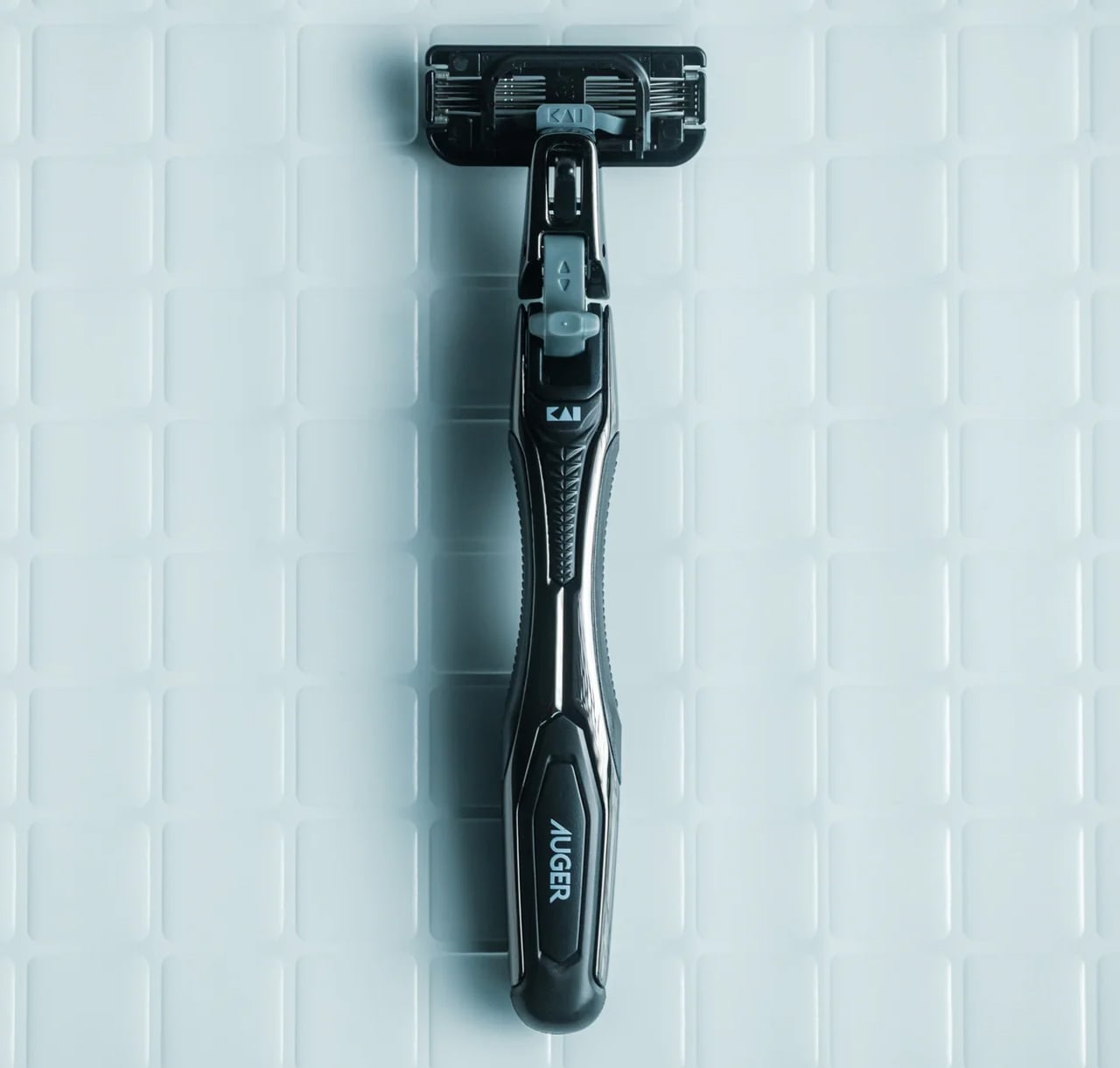
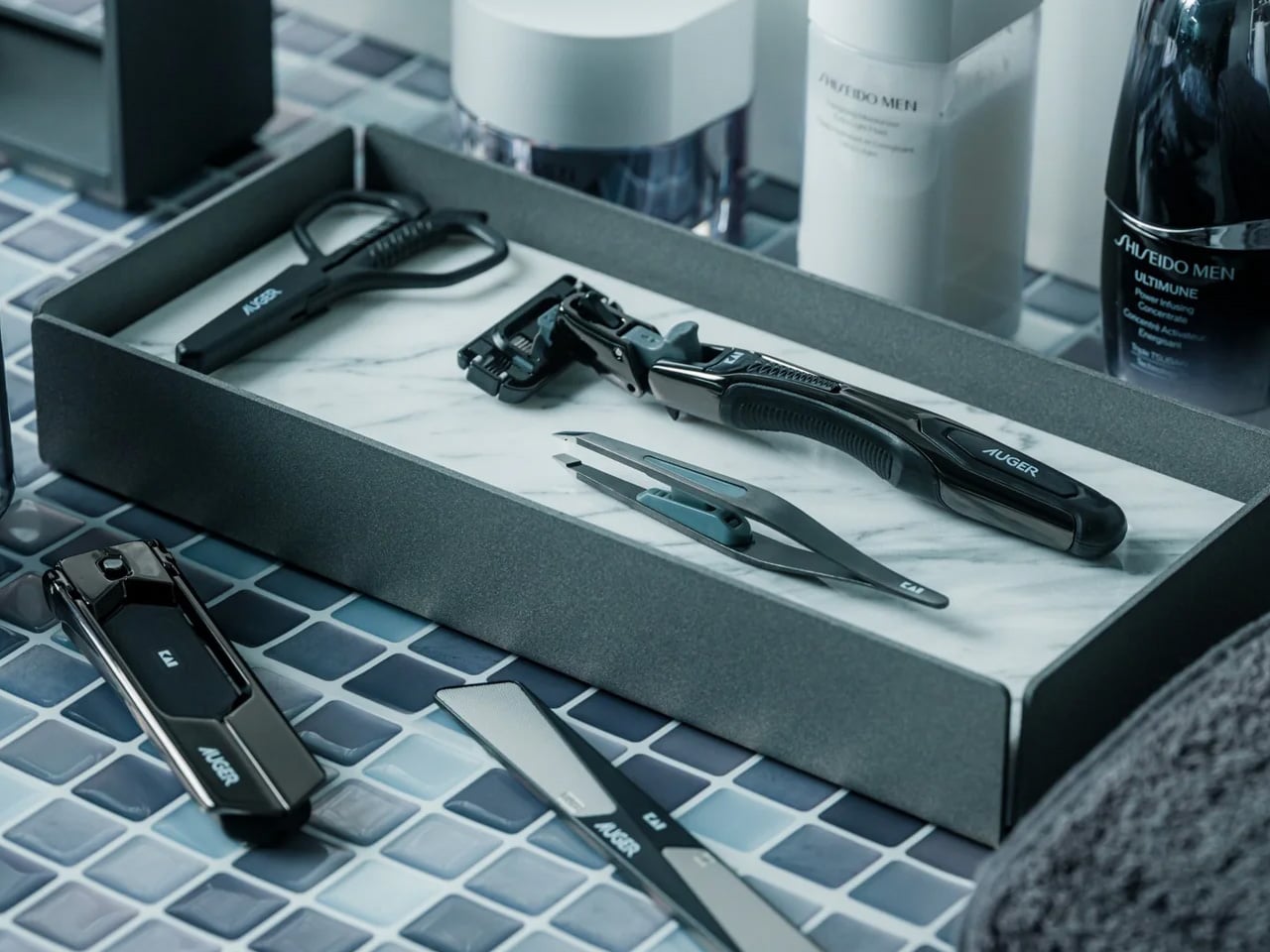
4. Auger PrecisionMaster Grooming Set
Most grooming kits designed for travel treat portability as the only brief. The result is a set that technically fits in a toiletry bag but produces results you would rather not be judged by. The Auger PrecisionMaster starts from the precision end of the argument and works toward a form factor that travels well, built around the idea that a grooming set should perform the same way regardless of whether you are at home or checking into a hotel at midnight.
The design carries the kind of restraint that makes a product feel like it was made for an adult. No unnecessary features, no parts that feel included to justify a higher price point. What you get is a focused set of tools that do exactly what they promise, finished to a standard that reads as intentional rather than incidental. For anyone who treats their grooming routine as part of how they show up, this kit travels without asking you to downgrade.
The precision-first approach means the results do not change when you travel, only the location does
The design restraint communicates quality without requiring the product to announce itself
What We Dislike
A focused kit by definition is not for anyone who needs a wide variety of attachments in a single case
The quality finish requires some care in packing to keep it looking as considered as it arrives
5. KeySmart SmartLock
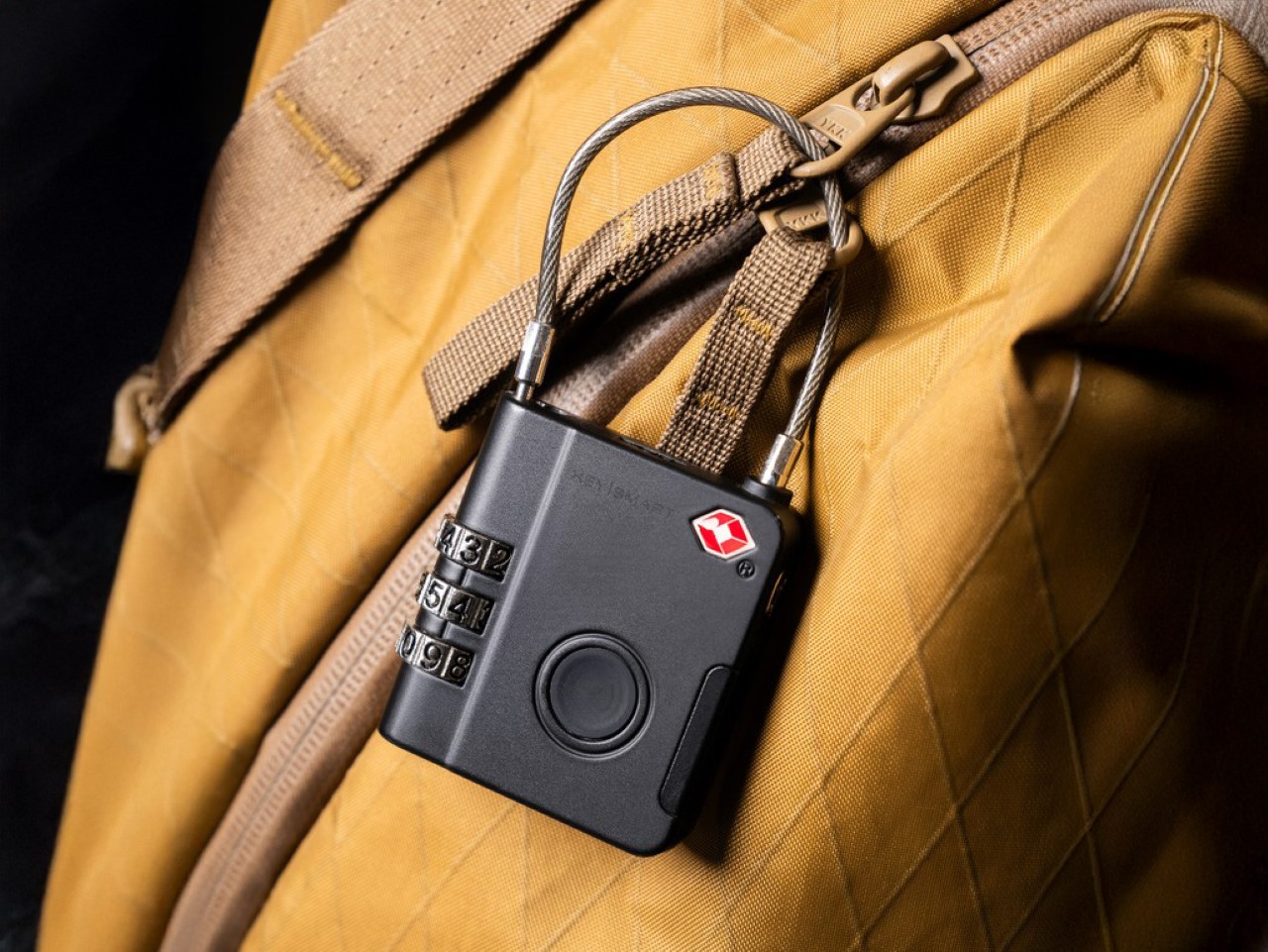
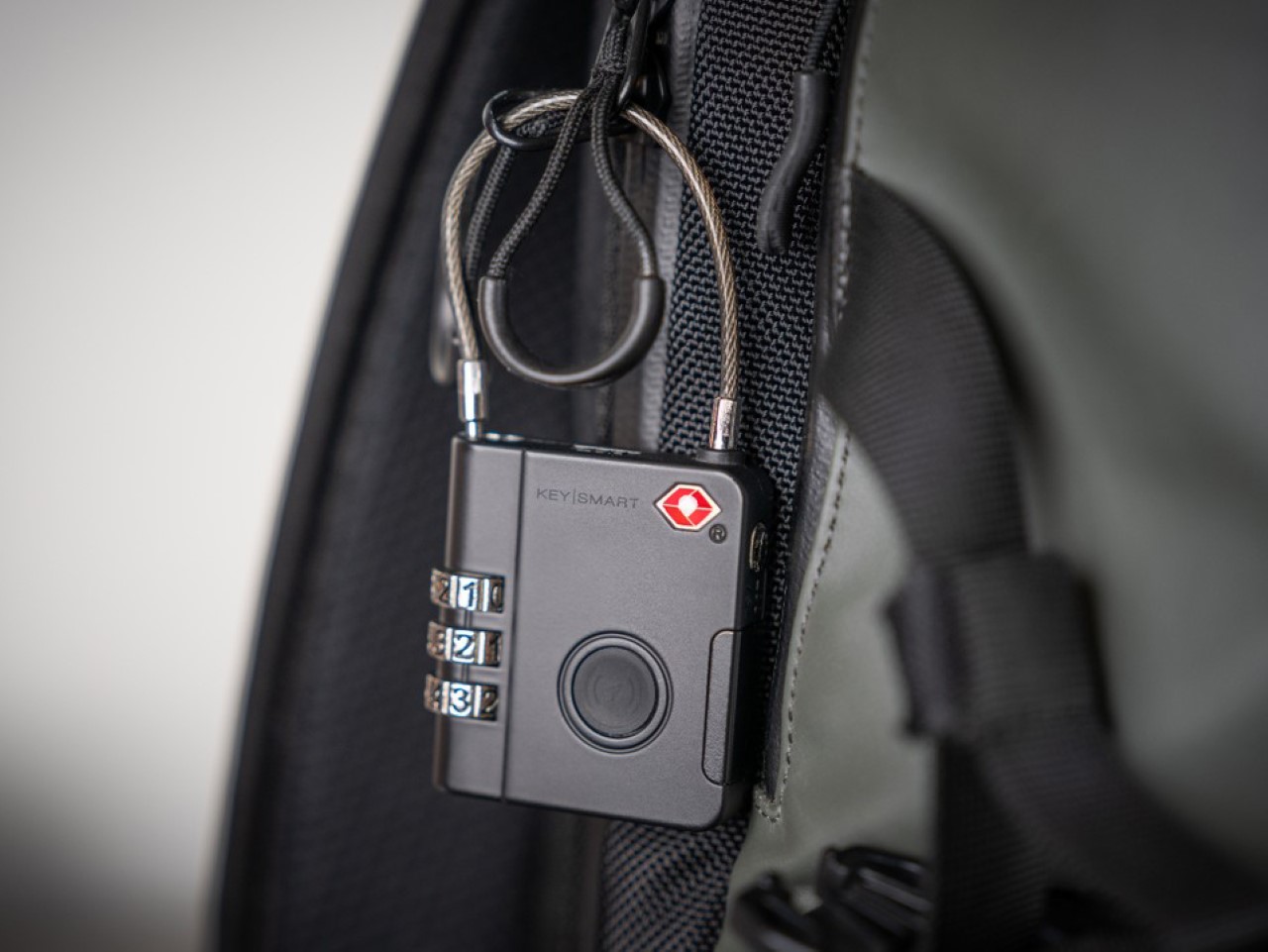
Airlines mishandle bags at a rate that frequent travelers take as a given. A traditional luggage lock addresses theft but does nothing about the more common problem: a bag that is somewhere in the system and not where it should be. The KeySmart SmartLock carries a TSA-compliant three-digit combination on the outside, and Apple Find My tracking on the inside. From the moment it clicks onto a zipper, you can see exactly where your bag is through the Find My app.
The 76-decibel alarm triggers remotely, which makes identifying your bag on a crowded carousel faster than waiting for the right shape to come around again. A CR1632 battery runs for up to four months, and the lock functions manually even when depleted, so you are never locked out of your own bag because the tech layer ran dry. The ruggedized construction handles baggage handling without showing it. For a product that costs a fraction of what a lost bag claim resolves to, the argument for carrying one makes itself.
What We Like
TSA compliance and Find My tracking solve two separate problems in a single lock with no additional bulk
The manual fallback when the battery dies means the security function is never compromised by the tech sitting on top of it
What We Dislike
The Find My network becomes less reliable in remote destinations where Apple devices are too sparse to relay the signal
The ruggedized plastic finish is functional rather than premium, placing it at a different material register than the other products in this selection
The Best Packed Bag Is the One Where Every Object Earned Its Place
The best travel kit is not the one with the most in it. It is the one where every object earned its place through a decision rather than a habit. Headphones that make the flight worth having. A power bank that performs at wall adapter speed. A passport holder that knows where it is. A grooming set that does not ask you to downgrade your routine. A lock that reports back when your bag does not arrive where you did.
None of these products solved their problem by doing the minimum. Each one set a higher bar for what an everyday travel object is supposed to accomplish, and then cleared it. That is a rarer quality in this category than it sounds. Pack accordingly.
When a company known for vacuums and hair dryers unveils a concept car at CES, as Dreame did this year, the initial reaction is usually a cynical eye-roll. It feels like a marketing stunt, a desperate grab for headlines in a crowded hall. But sometimes, these seemingly absurd concepts are a window into a company’s soul, a statement about what they believe their core business truly is. Dreame does not think it is in the appliance business; it believes it is in the high-performance robotics and mobility business. The car was not a product pitch, it was a mission statement.
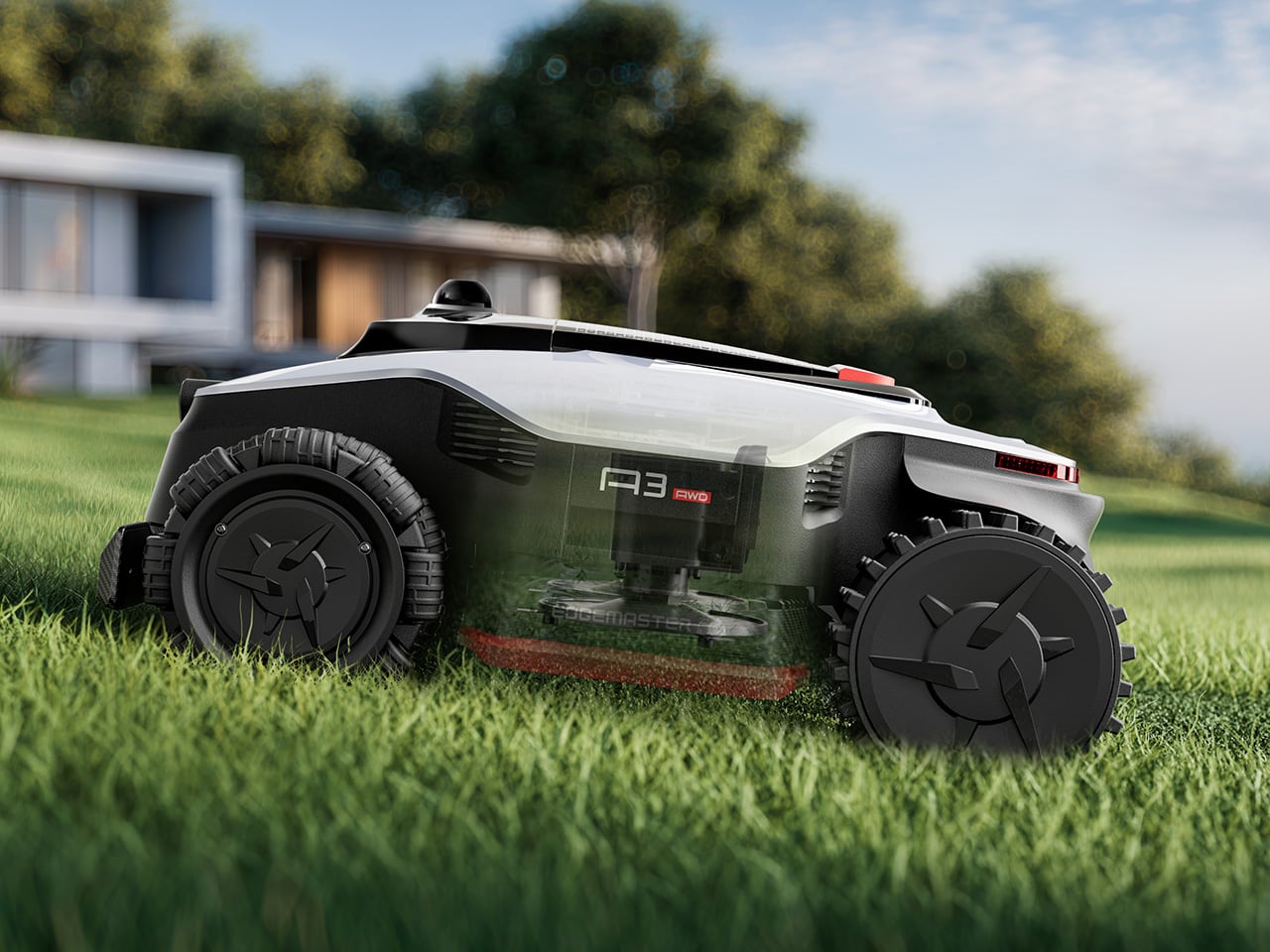
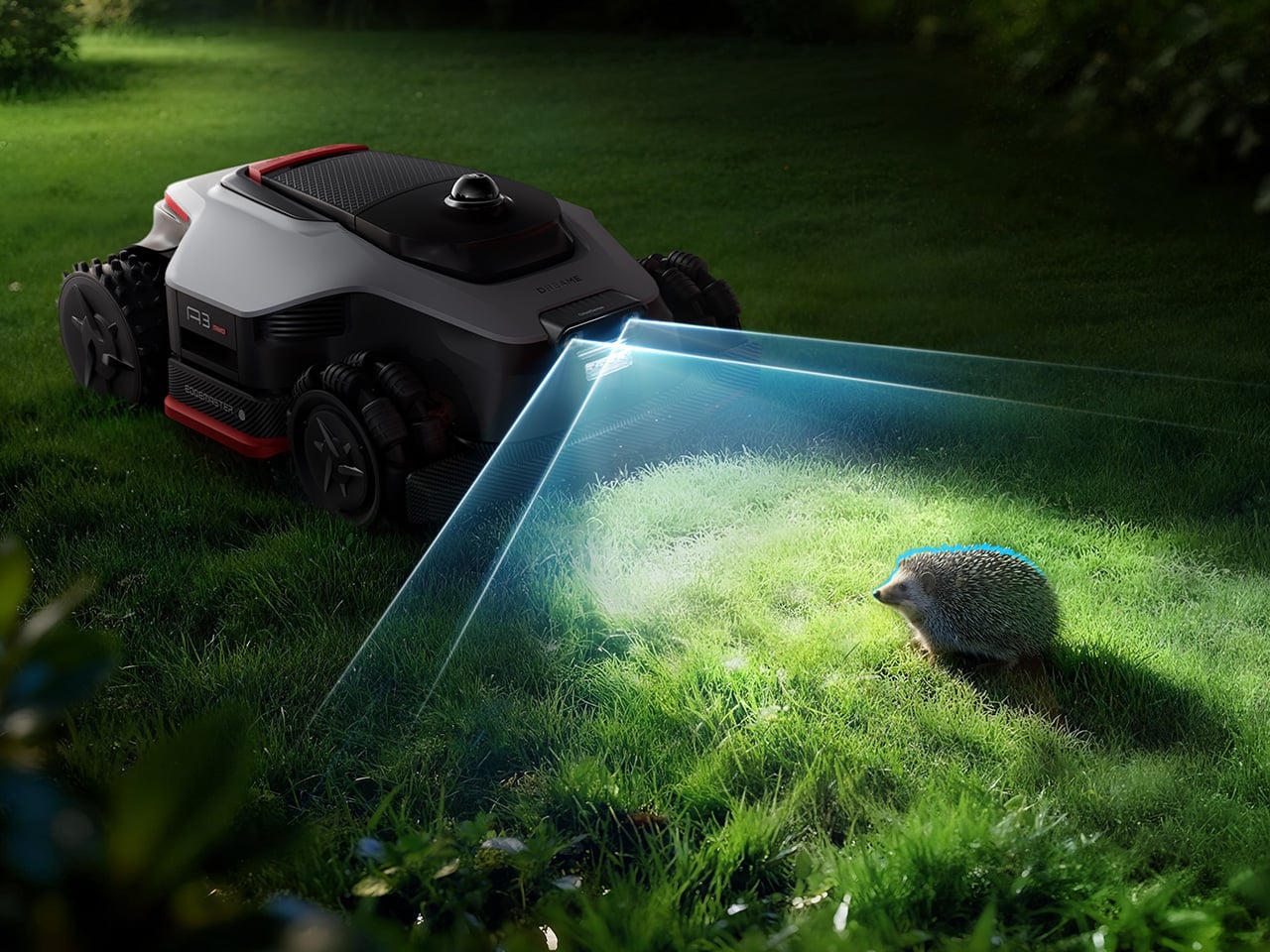
Viewed through that lens, the A3 AWD Pro robot mower suddenly makes perfect sense as both a product and a proof of concept. Dreame’s latest autonomous outdoor machine is a rolling showcase of their accumulated expertise in navigation, sensor fusion, and all-terrain electric drivetrains. Building four-wheel-drive robotics with sophisticated spatial awareness requires the same fundamental engineering whether the machine is designed for a garden or a highway. The A3 AWD Pro bridges that gap deliberately, connecting Dreame’s domestic robotics heritage to the far more audacious mobility ambitions they planted a flag on in Las Vegas. Priced at $2,599.99 and available in four coverage variants spanning from 1,000 to 5,000 square meters, this mower asks you to buy into the same philosophy the Nebula 1 concept was selling, just with a far more immediate payoff.
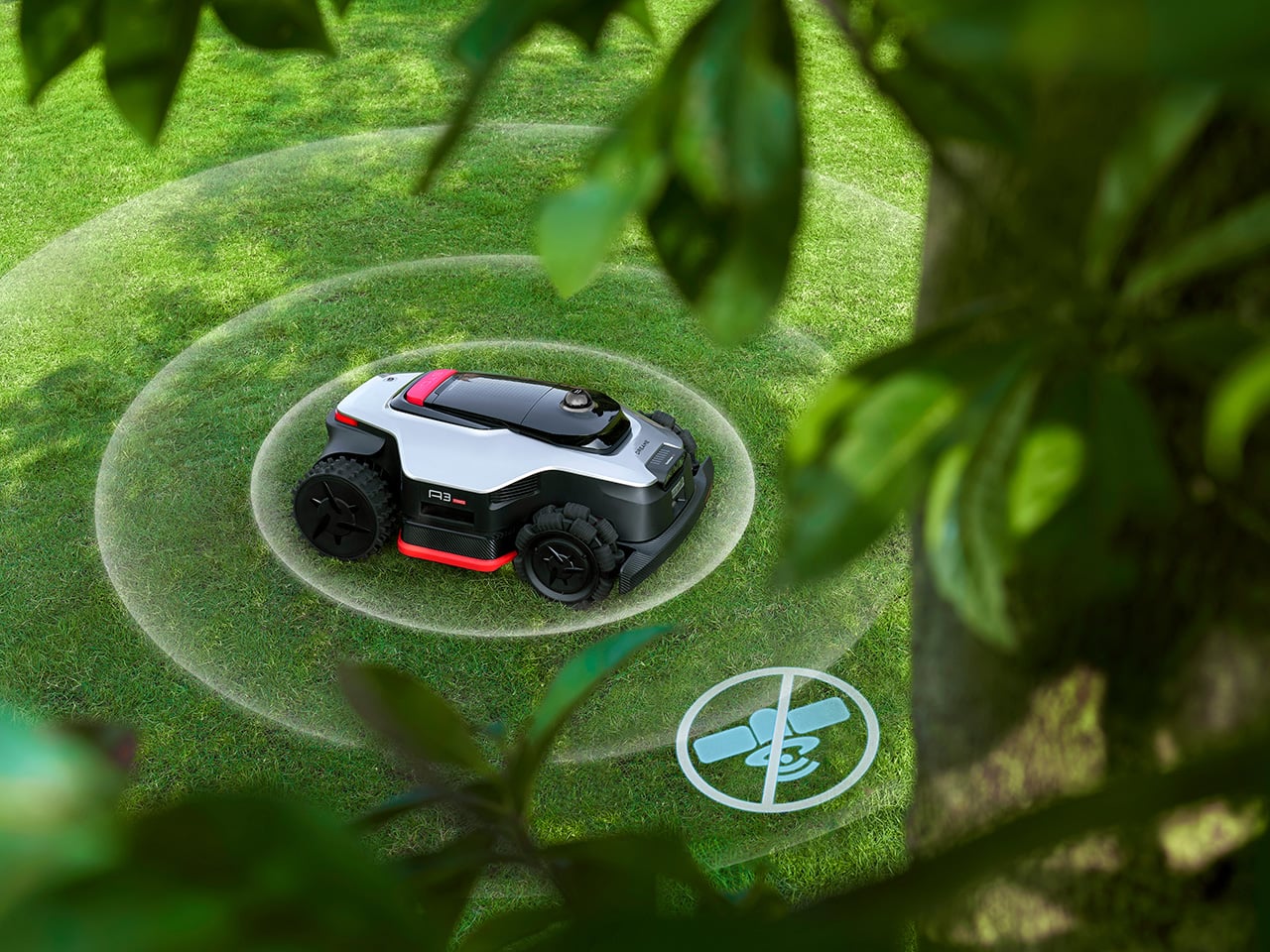
The Nebula 1 was the conversation starter, and the A3 AWD Pro is the proof. Buried perimeter wire, RTK antenna poles, and scattered signal beacons have been the unglamorous setup tax of robot lawn mower ownership for years, and Dreame has engineered all three out of the equation entirely. A 360-degree 3D LiDAR unit sits atop the machine like a compact sensor turret, paired with a binocular AI vision system capable of identifying and classifying more than 300 distinct obstacle types. Those two systems work together to let the mower build a complete spatial model of your yard on its first pass, without requiring you to instrument the property beforehand. Even strong competitors in this space were still requiring separate RTK antennas in some configurations as recently as this year, which makes Dreame’s wire-free approach feel like a genuine generational step rather than incremental refinement.
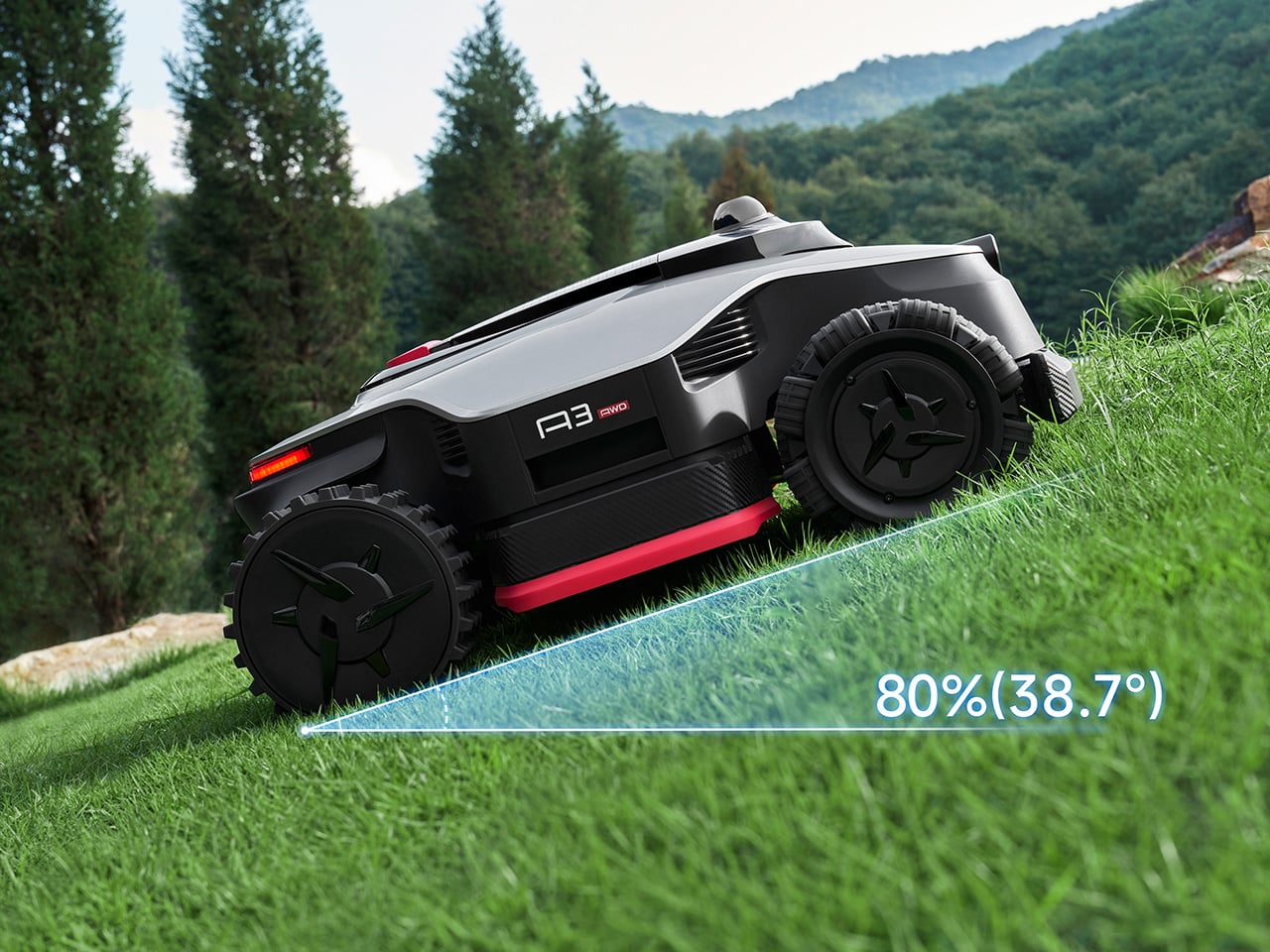
Four hub motors drive each wheel independently, the same fundamental powertrain topology that underpins the kind of performance EVs the Nebula 1 concept was gesturing toward. On the A3 AWD Pro, that architecture solves a very practical outdoor problem, because real lawns are rarely flat. The machine climbs slopes of up to 80 percent, roughly 38.6 degrees, putting it well beyond the capability of most two-wheel-drive robot mowers on the market. Dreame also chose a mixed wheel configuration, combining Mecanum wheels with conventional off-road tires, which gives the machine a zero-turn movement style that keeps coverage tight and eliminates the missed strips that plague simpler mowers. It can also climb over vertical obstacles up to 5.5 centimeters high, which means a garden edging border or a raised path junction is handled without breaking stride.
A 40-centimeter dual-disc cutting deck handles the grass-cutting, and the discs float independently to follow ground contours as the terrain rises and dips beneath the mower. That floating behavior matters on any lawn with even mild undulations, because it keeps the cut height consistent rather than scalping on peaks or leaving long grass in dips. Dreame calls its edge-cutting system EdgeMaster 2.0, extending the cutting reach close enough to borders, walls, and fences to meaningfully reduce the manual trimming needed afterward. Cutting height is adjustable between 3 and 10 centimeters through the app, and the machine supports multiple mowing patterns including straight lines, diagonal passes, and a checkerboard configuration for people who take their lawn aesthetics seriously. At 65 decibels, it is also quiet enough to run on a weekday morning without immediately becoming a neighborhood grievance, which is a real-world usability detail that spec sheets routinely undervalue.
Lifting the A3 AWD Pro off the ground triggers an immediate alarm and simultaneously pushes a notification to your phone, a deterrent that stays active whether you are inside making coffee or three time zones away. Dreame ships the machine with 4G connectivity built in and one year of service included in the purchase price, providing real-time location tracking that works independently of your home Wi-Fi network. There is also a dedicated physical slot for an Apple AirTag if you want a second independent tracking layer on top of the cellular connection. A PIN code is required to operate the machine after any tilt or lift event, adding deliberate friction for anyone who tries to walk off with it. For a machine that operates unsupervised in an accessible outdoor space, that layered approach to security makes the investment considerably easier to justify.
The intelligence does not stop at the boundary of a single lawn. Dreame built dual-map support into the A3 AWD Pro, allowing the machine to hold two independent maps simultaneously, a practical feature for any property with a disconnected front and back yard. Each map carries its own mowing plan, schedule, and pattern preferences, so the machine does not treat a split property as an edge case but as a fully supported configuration. The app also allows zone-based scheduling, meaning you can run the back garden at dawn and the front strip mid-morning without any manual intervention in between. It is the kind of software depth that reflects years of Dreame refining companion app logic across its vacuum lineup, applied now to a problem that is geometrically messier and environmentally far less forgiving.
The $2,599.99 starting price reflects a machine built with the kind of sensor redundancy and mechanical sophistication that, until very recently, existed only in professional-grade equipment at several times the cost. What Dreame has done is compress that capability into a consumer package without compromising the engineering integrity that makes it actually perform on difficult terrain. The A3 AWD Pro is available now across four coverage tiers on Dreame’s website, and the machine ships ready to run with a year of 4G service and a set of spare blades already in the box. If the Nebula 1 told you who Dreame wants to be, the A3 AWD Pro is where they start making good on it.



















 Passport Cover