Samsung Music Frame turns your speaker into a work of art

When you have a speaker in your house or in your office, it’s easy to see that you have a speaker. Most are designed to be aesthetically pleasing but still you know that they are speakers. But then there are also speakers that can masquerade as something else, in case you wanted something that would blend in with the look of your room. Samsung announced at the recently concluded Consumer Electronics Show 2024 that they will be launching their newest “incognito” device, The Music Frame, which may soon be the latest addition to your wall.

Designer: Samsung

The Samsung Music Frame is a music speaker that can also camouflage as a picture frame for aesthetic purposes. It comes with a physical frame where you can place your photo or painting to hang on your wall and you can just surprise people that audio will be playing out of the frame. Unlike some of the similar products in the market, there is no digital part in the flame so the print that you’ll display is fully analog and can be changed whenever you want to since the notches that secure the print are easy to remove and attach.

The frame itself measures 12.9 x 12.9 inches but the space for the print is 8 x 8 inches. It is able to hide six speakers inside of its frame, including two woofers, two tweeters, and two midrange drivers. There are also waveguides included so the sound can be spread out in a bigger room. These speakers use intelligent audio processing so you get “premium audio experience”. If you pair it with Samsung TVs and soundbars, the Q-symphony technology will be able to give you surround sound. There is of course a thin power cable to connect it to an outlet but otherwise, there are no other wires needed as you connect it to your source device through Wi-Fi or Bluetooth.

This isn’t the first time that Samsung has brought a device that can double as decoration. They previously released the Frame TV which has customizable bezels, a matte screen, and artwork that can appear on the screen when you want to use it as a display. There are no other details released yet like release date or price range but already there is a lot of interest generated after the announcement and demo at CES 2024.

The post Samsung Music Frame turns your speaker into a work of art first appeared on Yanko Design.

BlueAnt Soundblade Hands-on at CES 2024: Revolutionizing the Desktop Audio Experience

As I roamed the show floor of CES 2024, I was captivated by the BlueAnt Soundblade, an under-monitor soundbar that promised to revolutionize the desktop audio and visual experience. Its sleek and modern design immediately caught my attention, blending seamlessly with any workspace.

Designer: BlueAnt

BlueAnt’s Soundblade soundbar boasts an elegant design that combines aesthetics with functionality. It’s a perfect fit for any desktop, and its sleek form adds to any setup’s overall visual appeal. It’s clear that the designer paid close attention to detail when crafting this product. Stuart Ralston, Chief Technology Officer for
BlueAnt, informed me that their target audience is the ‘Gen Z’ demographic. This is mainly because the colors of their products match Apple’s iMac. In fact, based on his observation, the pink one was extremely popular among women.

The Soundblade looks great and delivers an impressive audio experience that makes you feel like you are part of the action. The 120W peak power output ensures that every sound, from dialogue to sound effects, is crystal clear and full of detail. The 2.1 channel sound configuration, built-in 80mm neodymium subwoofer, and dual full-range neodymium drivers produce a rich, immersive audio journey.

I was particularly impressed by the Soundblade’s ability to bridge the gap between monitor speakers and the visual experience. Whether I was watching a movie, playing a game, or indulging in AI-generated media, the soundbar transported me into the heart of the action. The auditory details were so vivid that I could feel the intensity of cinematic storytelling and the thrill of being “in the game.” The Soundblade truly elevated the overall gaming and streaming experience.

In terms of specifications, the Soundblade boasted an array of impressive features. Its compatibility with PC, Mac, PS5, PS4, Bluetooth, and AUX seamlessly integrates with various devices. The connectivity options, including USB-C, Bluetooth 5.3, and a 3.5mm auxiliary input, ensured versatile usage across different tech ecosystems.

The device measures 584 x 218 x 54mm (23 x 8.58 x 2.13in) and weighs 1.7kg (3.75 pounds), making it a compact and unobtrusive addition to any desktop setup. It has a remote control for easy operation and offers three built-in EQs tailored explicitly for different media types: Games, Movies, and Music.

Overall, my hands-on experience with the BlueAnt Soundblade at CES 2024 left me thoroughly impressed. Its stunning award-winning design, HD audio quality, and powerful performance make it an ideal choice for design enthusiasts seeking a superior desktop audio solution. Whether you’re a movie buff, a gaming enthusiast, or someone who appreciates high-quality sound, the Soundblade will elevate your desktop audio experience to new heights.

The post BlueAnt Soundblade Hands-on at CES 2024: Revolutionizing the Desktop Audio Experience first appeared on Yanko Design.

Sennheiser MOMENTUM Sport earbuds with temperature and heart rate sensor for active individuals debut at CES 2024

Audiophiles who swear by Sennheiser’s unique audio quality and design have eagerly awaited the next version of the acclaimed earbuds. The waiting is over as the German audio specialist brought the new lineup of headphones and earbuds to CES 2024. These include the upgraded ACCENTUM headphones, MOMENTUM Ture Wireless 4 earbuds and MOMENTUM Sport earbuds.

Each of these newly revealed audio accessories comes with upgrades to the previous versions. Our focus however is centered on the MOMENTUM Sport earbuds. Loaded with their own set of nice features the lifestyle buds are a great option for audio lovers for whom the Beats Fit Pro, Shokz OpenFit, or Jabra Elite 8 Active don’t make the cut.

Designer: Sennheiser

The new pair of IP55-rated earbuds for active individuals refresh Sennheiser’s line-up with a fitness-focused build. The standout feature of the buds is the heart rate monitor and body temperature sensing capabilities. Sennheiser has managed to fit a photoplethysmography (PPG) sensor that seamlessly syncs real-time data with apps including Apple Health, Garmin Connect, Strava or Polar Flow. Including the body sensors in a pair of earbuds makes complete sense as the inner ear is the most stable area of the body during physical activity. This ensures consistent biometrics with a temperature accuracy of +/- 0.3 degrees Celsius and heart rate measurements ranging from 30 bpm to 220 bpm.

For sound quality, the MOMENTUM Sport comes with a 10mm transducer to deliver a punchy bass and vivid soundstage. To prevent occlusion effect or pressure in the ears, the earbuds boast an acoustic relief channel. One gripe that runners or active individuals always complain about the sports earbuds is the footstep thunder, body sounds or heavy breathing noises. The earbuds come with ear tips and fins for a secure fit and flaunt a semi-open design for passive transparent mode. There’s also the ANC mode for focus periods and the anti-wind mode for windy outdoor conditions.

The IP54 rated wireless case provides 18 hours of playback on a single full charge and with the 6 hours on the buds themselves, users can expect a full day of listening without a hitch. We believe these could be the values with ANC on and for listening without ANC enabled this can be stretched further. For 10 minutes of charging time, the buds can play for 45 minutes on the fly. Users can tweak the sound profile and toggle other settings via the Smart Control app.

For those who believe in the quality of Sennheiser audio, the Sport earbuds will be available on April 9 for a price tag of $330 in black, green and graphite color options.

The post Sennheiser MOMENTUM Sport earbuds with temperature and heart rate sensor for active individuals debut at CES 2024 first appeared on Yanko Design.

JBL Launches The Live 3 Series Of Touchscreen Earbuds For Personalized Audio Experience

JBL, a renowned name in audio technology, has made a splash at CES 2024 with the introduction of its latest generation of wireless earbuds, the Live 3 series. Comprising three distinct models – Live Buds 3, Live Beam 3, and Live Flex 3 – this lineup is designed to cater to diverse user preferences while offering a seamless and personalized audio experience. Let’s delve into the key features of these earbuds, showcased in a sleek touchscreen charging case.

Designer: JBL

One of the standout features of the Live 3 series is the inclusion of a 1.45-inch LED touch display on the charging case, a technology first introduced in JBL’s Tour Pro 2. This touchscreen functionality allows users to manage calls, view texts, control music playback, and even receive social media alerts directly from the case. Ideal for situations where users prefer not to handle their phones with sweaty hands like in the gym or when you’re out for a run, this innovative addition brings a new level of convenience to the earbud experience.

The Live 3 series introduces three unique models, each finely tuned to suit different preferences and situations. Let’s dive into what each has to offer:

First, the Live Buds 3:
Its sporting a classic bud-style design with a comfy fit. You get a solid 10 hours of playtime outside the case with ANC (active noise cancellation) off, plus an extra 30 hours of juice from the case. Perfect for those who want a laid-back, immersive audio experience.

Then, we have the Live Beam 3:
It’s JBL’s answer to AirPods Pro 2. These closed-type stick earbuds feature a noise-isolating design, giving you 12 hours of playtime with ANC off and an additional 36 hours of charge from the case. It’s all about that premium audio experience.

Lastly, the Live Flex 3:
It’s the open-type stick headphones for the AirPods 3 enthusiasts. Offering 10 hours of playtime with ANC off and an extra 40 hours from the case, these are designed for those who appreciate an open design and longer battery life.

Here’s the cool part; all of them share some awesome features. Think IP55 (for Buds and Beam) and IP54 (for Flex) dust and water resistance, Smart Charging Case tech with a 1.45-inch LED touch display, Hi-Res Audio, JBL Signature Sound, Bluetooth 5.3 support with LE Audio (via OTA update) for multipoint connectivity, and compatibility with top-notch Android phones like Google Pixel 7/8 and Samsung Galaxy S23.

This lineup isn’t just about earbuds; it’s about tailoring your audio experience to fit your style. So, whether you’re into classic buds, Pro-level sound, or an AirPods vibe, the Live 3 series has you covered.

All three models of the JBL Live 3 series are priced at $199.95 and are expected to hit stores later this summer. They will be available in black and silver, these earbuds aim to deliver a premium audio experience for users with diverse preferences and lifestyles. As the market eagerly awaits their arrival, JBL’s Live 3 series promises to redefine the standards of wireless earbuds in 2024.

The post JBL Launches The Live 3 Series Of Touchscreen Earbuds For Personalized Audio Experience first appeared on Yanko Design.
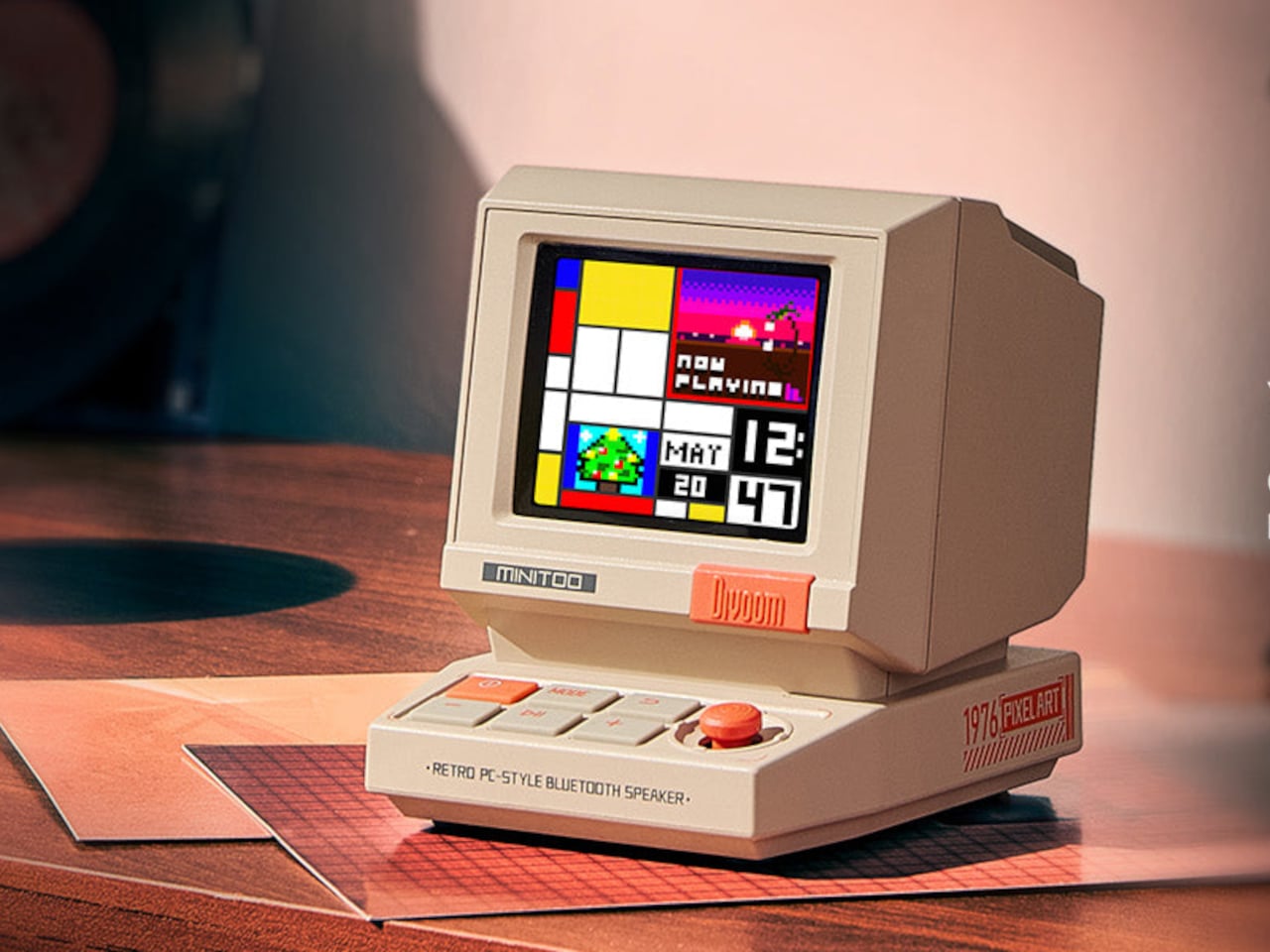
Sony redesigns sports earphones with an ‘off-ear’ rendition to ensure comfortable running experience

The running community is used to the regular wireless earphones with ANC and splash-proofing. For the first time, there is a company that thinks the runners – and those involved in active sports – need a specially tailored pair of earphones, which is a little more. And who better to do that than Sony!

The masters of good sound and design excellence have revealed the Float Run (available on Amazon), which forgoes the traditional in-ear design for an off-ear style that allows the earbuds to rest outside the ear while holding snug with a clip-on, over-ear extension and a flexible neckband.

Designer: Sony

Those who remember bone conducting earphones would recognize the design instantly. Sony Float Run is engineered to be worn outside the ear, somewhat like the bone conducting ones that are clipped to the ear lobe. I have used this type of earphones; the sound and efficacy are not compromised but there is a pain point, they tend to release the sound outward so people around can hear what you are listening to.

How much has Sony figured that out and plugged the pain point is going to clear up only with use – we were not able to find clear evidence to this – but what we are clear about is that the Float Run is a comfortable fit and delivers high-quality sound to the listener.

The speakers of the Sony headphones are designed to float in front of the ears so you can enjoy comfort and convenience while running. Since the ears are not stuffed with the buds, the runners or sportspersons do not feel pressure in the ear, even after prolonged usage. The interesting aspect of the Sony device is that it allows you to hear the ambient sound naturally when you are wearing them.

The sound from the outside is naturally heard, so it can be safely worn while walking on the trail, running on the road, or pumping your muscles in the gym. If the sound from the outside is allowed in, the earbuds have to maintain a good speaker standard. To that end, the Float Run come with large, 16mm driver that allows excellent sound, thick base, and treble; though slightly higher volume than usual may be necessary.

Provided with IPX4 Splash Protection, the Sony earphone, which runs for up to 10 hours on a single charge, would allow you to enjoy music when you are sweating or running in a sudden shower. The Float Run weighs only 33g and is powered through the USB Type-C connector. If you like the idea of an earphone that doesn’t make your ear feel constrained, you can think of taking these home for usage during sports, including running.

The post Sony redesigns sports earphones with an ‘off-ear’ rendition to ensure comfortable running experience first appeared on Yanko Design.

Urbanista reveals second generation headphones and earbuds that solar charge for infinite playtime

When venturing out to buy wireless headphones or earbuds, the primary consideration is their battery backup. This one feature holds high merit for those who travel a lot. A pair of cans or buds that can be free from this constraint, or at best, have limitless battery power at their disposal is the way to go and solar-powered function makes this possible.

Urbanista hooked on to this idea with their impressive Los Angeles headphones and the Phoenix TWS earbuds. Then adidas followed suit with their solar-powered RPT-02 SOL headphones. For audio lovers who want to stay away from the hassle of charging their headphones or earbuds time and again, these products make complete sense.

Designer: Urbanista

Riding on the success of the over-ear headphones and the Phoenix earbuds, the Stockholm-based company has announced the second generation of both these audio products. Just for the record, both of them are currently in development and expected to launch sometime in mid-2024. The good news is, they are going to cost slightly less than the first-generation versions. Los Angeles headphones will carry a price tag of $179 (vs $199 for the original version) and $129 for the Phoenix earbuds compared to the $149 of the earlier version. For those who are eager to have a first look, the audio accessories by Urbanista will be demonstrated at CES 2024.

Similar to the predecessors (the current versions on sale), they employ the latest version of Powerfoyle solar charging material to charge the batteries. They absorb natural sunlight as well as light from artificial sources indoors to charge the battery. The amount of charge will depend on the intensity and duration of exposure to light but it will be impressive, offering at least a week of non-stop listening to infinite music if you live in places that have a good share of sunlight all year round. In case they run out of juice, the conventional method of charging them via the USB-C ports is also there.

The Los Angeles headphones typically will give ample juice for four hours of listening daily on a 10-hour low-light charge with 50 days before another charge is needed. The second-generation Phoenix on the other hand will offer around 16 days of playtime with similar parameters.

They come with better-designed components for improved efficiency, so we can expect them to stay charged for longer. The design of both is more streamlined and the Active Noise Cancellation is now adaptive meaning it applies the ANC depending on the amount of noise in the ambient environment.

The post Urbanista reveals second generation headphones and earbuds that solar charge for infinite playtime first appeared on Yanko Design.

JLab JBuds ANC 3 wireless earbuds land with a very tempting offer

True Wireless Stereo or TWS earbuds have become a staple in a world without headphone jacks. Almost every brand, from smartphone manufacturers to audio equipment experts, has a pair or two or even more. They come in all shapes, sizes, features, and prices, but few can really be called striking the perfect balance between those factors. Right at the cusp of CES 2024, JLab is attempting to take a stab at this crowded market with its third-gen JBuds ANC, packing quite a bevy of desirable features in a compact and discreet design, while also dangling a price tag that sounds almost too good to be true.

Designer: JLab

One of the biggest problems with wireless buds is their dismal battery life due to their diminutive sizes. Yes, they come with charging cases that more than double the battery life, but that requires a bit of downtime while waiting for the buds to juice up. The JBuds ANC 3, however, boasts a whopping 9 hours on a single charge, 42 hours in total if you take into account the charging case. With its eponymous ANC feature enabled, the buds’ 7-hour uptime (34 hours with the case) is still pretty impressive.

Battery life isn’t the only perk that the JBuds ANC third-gen brings to your ears. Working in the opposite direction from its active noise cancellation, the buds feature a “Be Aware” mode that lets just enough ambient sounds into your ear so that you can navigate and work safely in public. It features multipoint Bluetooth connectivity so that you can connect to up to two devices and seamlessly switch between the two as needed, perfect when you need to take a call on your phone while using a paired laptop. You can also customize your listening experience completely through the JLab app, letting you fine-tune the audio quality to your liking.

Despite all these features, the JBuds ANC 3 still manages to come in a small package that disappears into the background. Even the charging case is only a little larger than a USB flash drive despite its massive battery inside. That case also has a built-in USB-C charging cable so you won’t have to fret over losing cables when you need them the most. And with an IP55 dust and water protection rating, the buds are guaranteed to be your faithful companion, come rain or shine.

All these features might sound almost common, but the $59.99 price tag that comes with them certainly isn’t. It makes the JLab JBuds ANC 3 enticing not only in terms of specs and design but also in accessibility, allowing almost anyone to enjoy hours of listening without having to break the bank.

The post JLab JBuds ANC 3 wireless earbuds land with a very tempting offer first appeared on Yanko Design.

Love Hultén brick-inspired sound sculpture uses a bonsai tree to create sounds

With the prevalence of electronic devices like smartphones and smart speakers, you might think that sound and music can only come from these objects. Of course, they are more medium than source, and there are plenty of things that generate audible audio waves even without the help of man-made contraptions. Nature, for example, has plenty of mystifying sounds that almost border on being musical, but there are also hidden ways that natural objects can produce sounds with a little help from technology. Using biological data and a bit of scientific creativity, one can even hear the “music” that plants make, such as this rather unique “sound sculpture” that makes a small bonsai tree sing its heart out in alien-like tones.

Designer: Love Hultén

To be clear, plants don’t make music, no matter how enchanting that concept might be. What artists, musicians, and designers are doing is to gather the subtle electrical signals generated by chemical changes in plants and interpret them as a series of tones generated by a MIDI (Musical Instrument Digital Interface) device that hardly resembles a pleasing harmony. That said, even that straightforward process is enough to capture one’s curiosity and inspire a sense of wonder, even if it won’t win any music awards.

Tegel is one such artistic exploration in the translation of biological signals into audible sounds utilizing the popular bonsai tree. The choice of plant is almost poetic, given how this family of diminutive plants is often associated with meditation, calmness, and Zen. Ironically, the tones and beeps that are produced by this sound sculpture are hardly relaxing and are more like EDM for parties.

The small tree is housed inside a tall glass dome and is connected to an audio synthesizer via wires clipped onto its leaves. The plant acts more like a series of resistors rather than an actual sound source, and the sound sculpture incorporates dials to fine-tune the sound that comes out of it. There’s even a MIDI keyboard so that the user can add their own input to the mix.

What makes Tegel really special isn’t the process but the form that it comes in. Love Hultén has created quite a few of these contraptions that transform biodata into sound, but those really look the part of machines. In contrast, this sound sculpture is as much art as it is technology, inspired by the brick creations of Danish sculptor Per Kirkeby. It makes the bonsai tree a part of a miniaturized brick garden, creating a visual contrast of organic life and man-made structures working together to produce something akin to a miracle, that of pulling music out of a silent tree.

The post Love Hultén brick-inspired sound sculpture uses a bonsai tree to create sounds first appeared on Yanko Design.
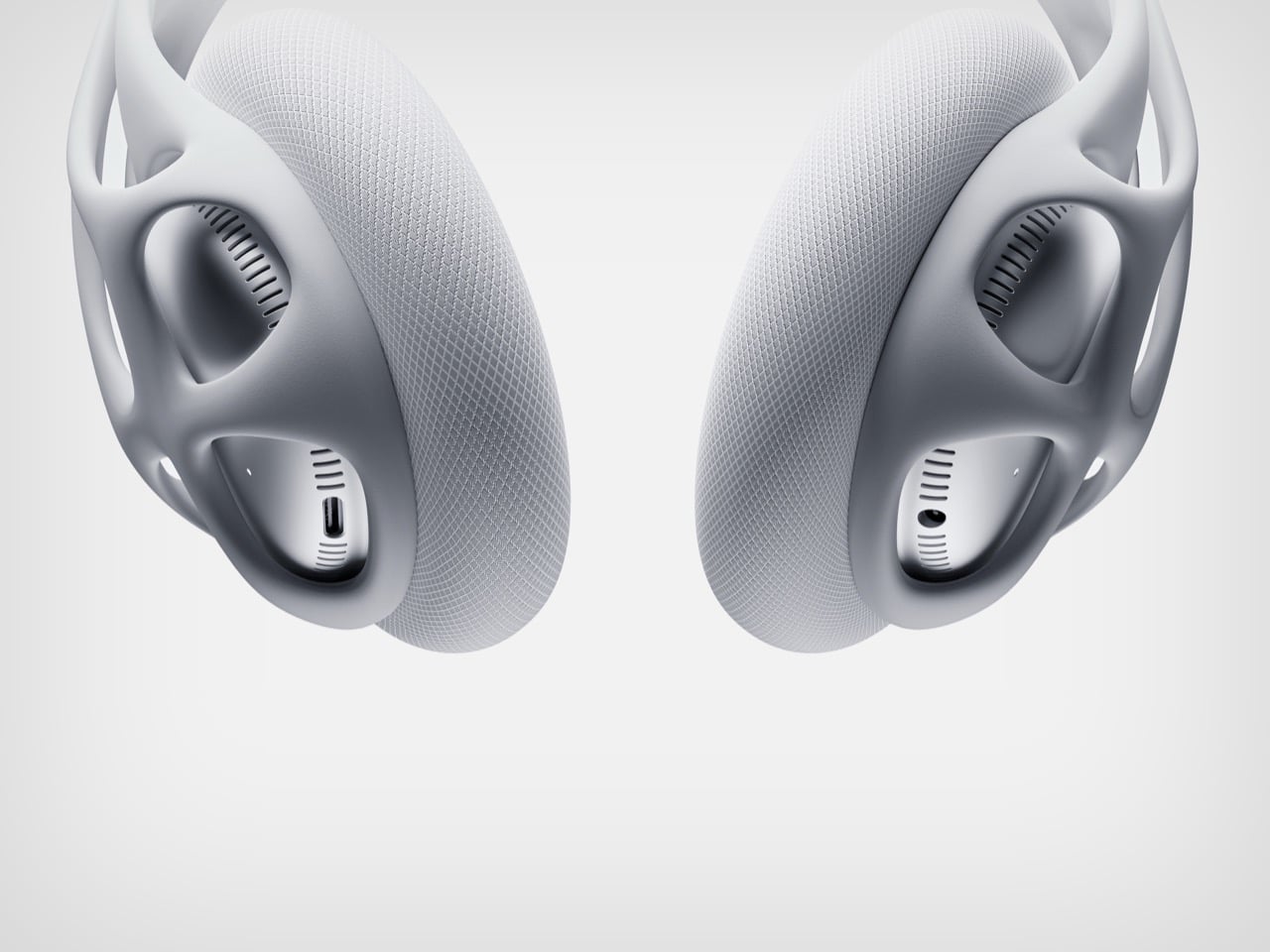
LG unveils Retrofuturistic Jukebox at CES 2024 with tube amplifiers and a transparent OLED display

When LG isn’t making televisions that fold into briefcases, they’re working on other oddball projects like this rather eclectic jukebox that simultaneously relies on vintage vacuum tube amps for retro-style warm audio, and a transparent OLED display on the front that lets you view the album art and control playback, but also see the magical hardware behind. The DukeBox, as LG calls it, will make its grand debut at CES this year, along with other new devices that LG has been teasing in the past.

Designer: LG

The DukeBox is a unique proof of concept for a high-end speaker that rivals the likes of Devialet and B&O when it comes to building an experience around listening to music. It’s vaguely reminiscent of the Lyric Speaker from back in 2017, but instead puts a transparent screen in FRONT of the speaker’s hardware, with the ability to adjust the transparency depending on your mood. The speaker’s highlight remains the tube amplifiers encased within it, although it also boasts a large front-facing speaker at the bottom and a set of 360° tweeters on top that fill your room with booming sound. The display on the front can also be used in a variety of ways, ranging from displaying semi-transparent album art and playback information, to something a little more seasonal like a roaring fireplace. There’s no word on the DukeBox’s pricing, although if LG plans on selling it, expect this retrofuturistic audiophile’s dream to cost a pretty penny.

Image Credits: LG

The post LG unveils Retrofuturistic Jukebox at CES 2024 with tube amplifiers and a transparent OLED display first appeared on Yanko Design.
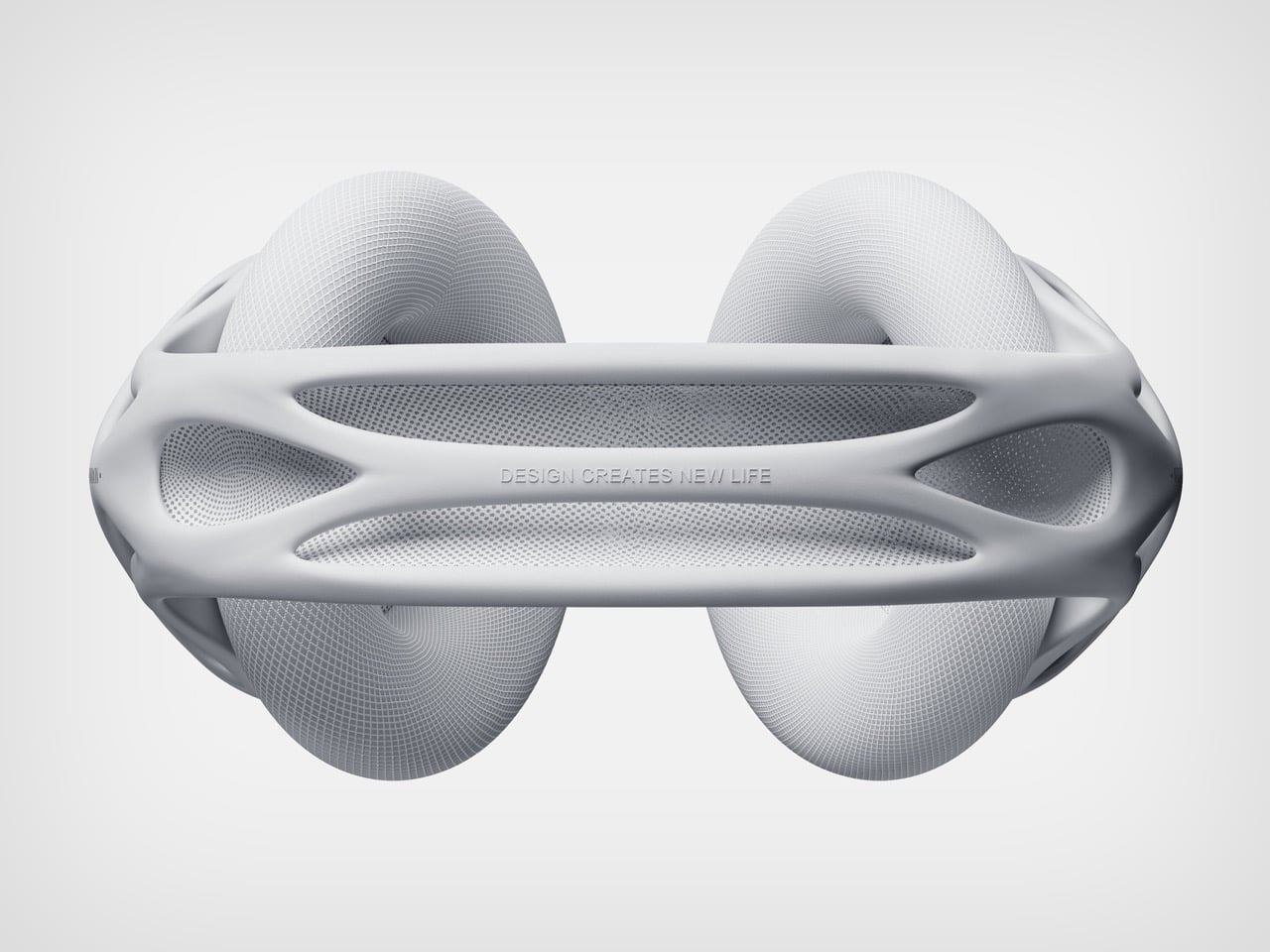
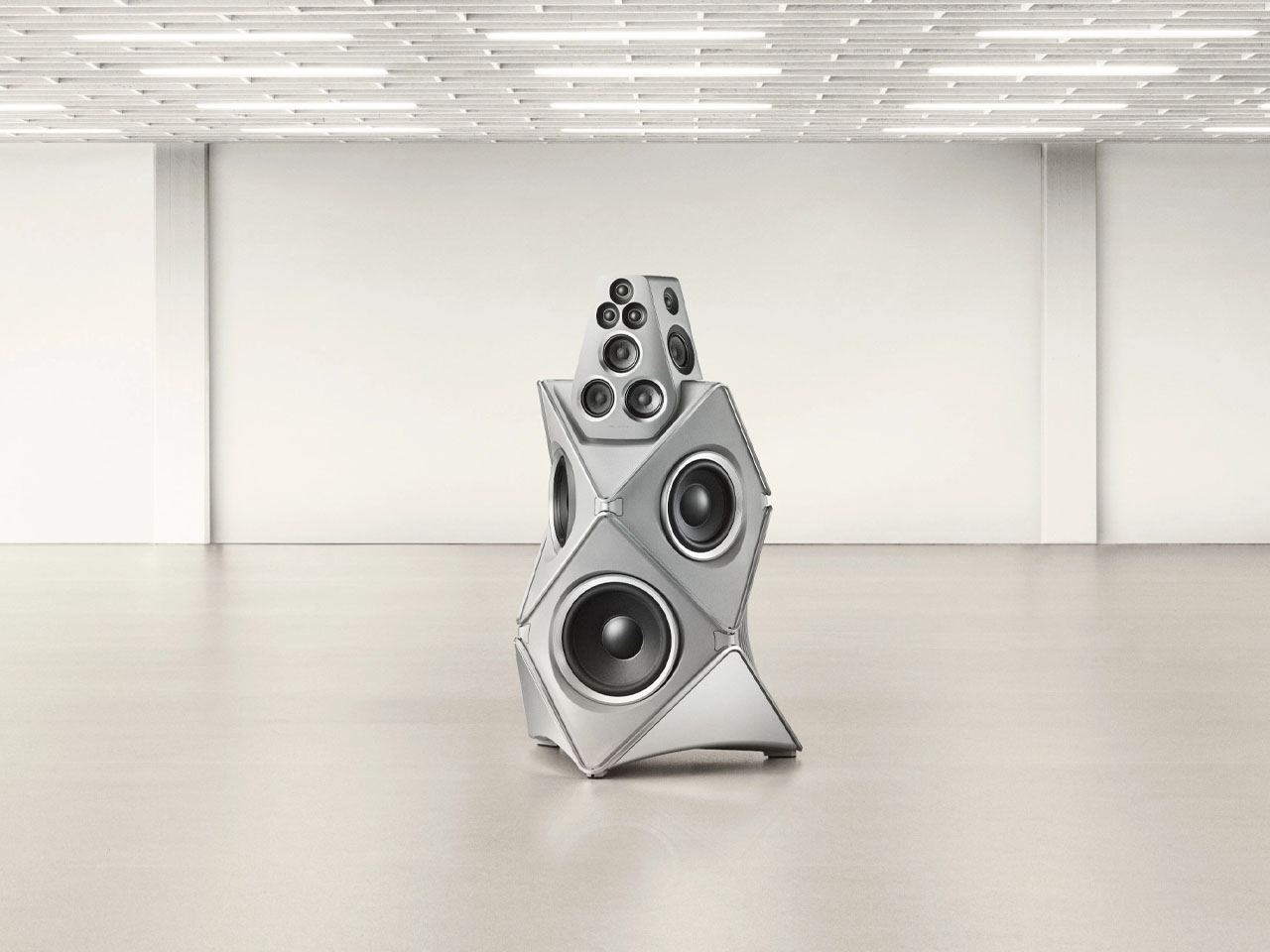
This super-slim, portable Bluetooth speaker is fitting companion for your next travel destination and Harman Kardon portfolio

There is no denying the profound impact travel and music have on healing the mind and rejuvenating the body. When we travel, a good portable speaker is a necessary companion to enhance well-being and inspire us back to take up the mundane life by its neck, until travel is on the itinerary once again.
Top-notch brands have a range of portable Bluetooth speakers on the market that tinkle the audio senses beyond imagination, but it’s the design that weighs heavier on our choice. To that accord, Harman Kardon has been at the forefront of delivering portable audio equipment that helps us tap the transformative power of music on the go. Case in point the Esquire Mini 2!

Designer: Sunghyun (Teddy) Hwang

Taking a leaf from the design of this ultra-slim and portable Bluetooth speaker, a designer has tweaked the form factor to give us a super-slim speaker that evokes memories of a Sony point-and-shoot camera. Fittingly called the Traveller, the Bluetooth speaker is designed according to the Harman Kardon design language. It has a premium design and a look as iconic as the Esquire Mini 2, with touch control buttons and LED light indicators on the top.

Entrusted with meaty features for a traveler’s liking, the slimy speaker comes powered by a high-density battery offering up to 10 hours of backup for uninterrupted music on the go. Interestingly, the Traveller has reverse charge functionality. So, when your primary device playing music through the speaker dies, you can use the Traveller as a power bank to juice it up back to life.

Since the beautiful and compact speaker has Harman Kardon branding; the range and sound quality are a given. What would stand out for many – who cannot avoid calls no matter where they go – the Traveller features dual microphones with built-in echo and noise cancellation for clarity in calls you take or make. To be delivered in three interesting colors: black, silver and electric blue within a premium quality carry pouch, the Traveller Bluetooth speaker intends to be a suitable companion for your next travel destination and Harman’s portfolio.


The post This super-slim, portable Bluetooth speaker is fitting companion for your next travel destination and Harman Kardon portfolio first appeared on Yanko Design.