Why the Vivo X Fold3 Pro Is the Best Foldable Phone of 2024

Vivo has launched the X Fold3 Pro in India and Indonesia, setting a new standard in the foldable smartphone market. This phone combines a sleek, lightweight design with high-performance capabilities without compromising durability or battery life. Whether snapping photos, binge-watching shows, or working on the go, the X Fold3 Pro is designed to make life easier and more enjoyable.

Designer: Vivo

This latest model combines style and substance, ensuring an immersive mobile experience. The X Fold3 Pro offers an advanced camera system and robust battery technology. Let’s dive into the details and see why the X Fold3 Pro is set to redefine expectations for foldable smartphones.

Sleek and Durable Design

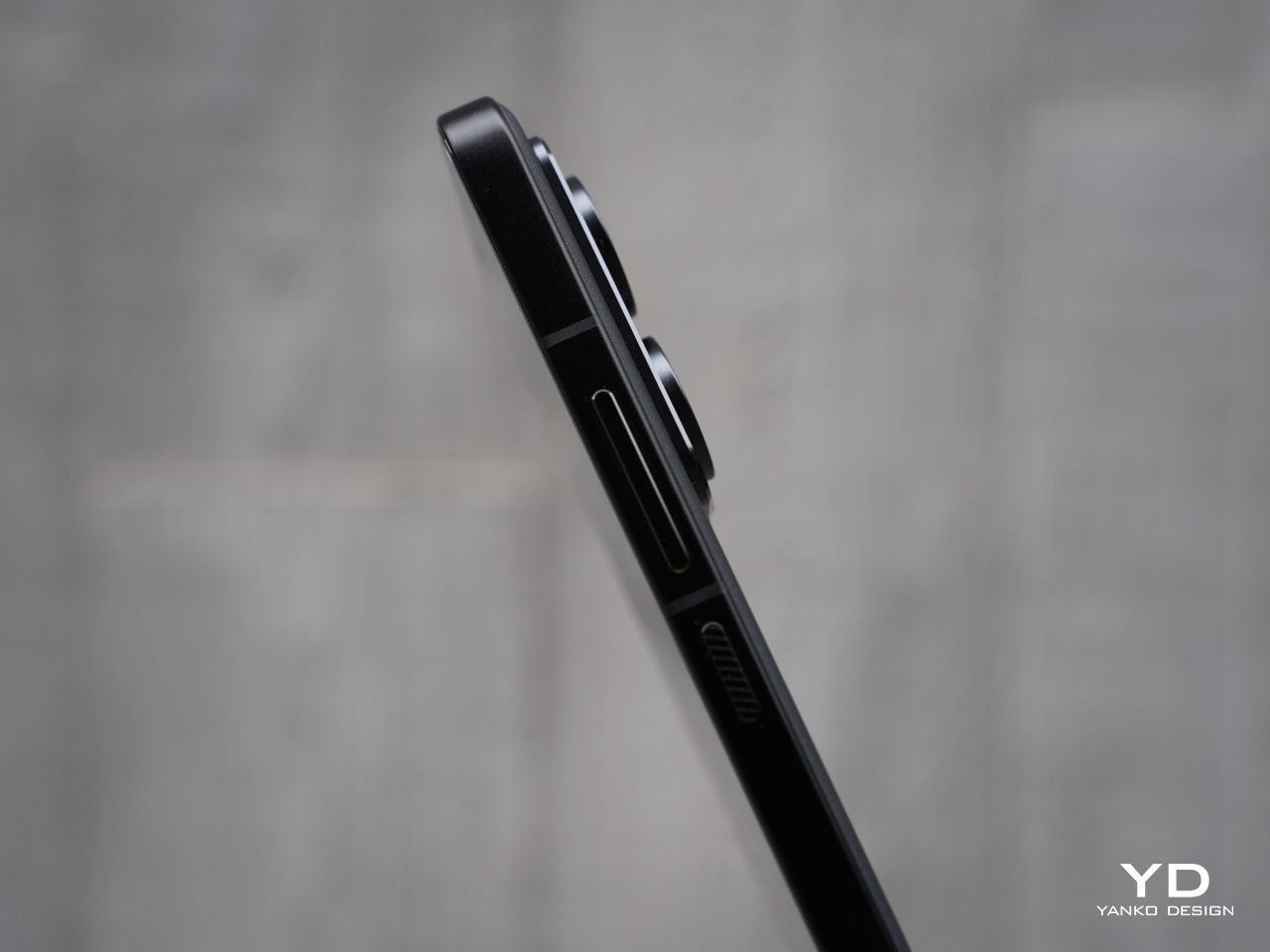
The X Fold3 Pro is incredibly portable, weighing only 236 grams and measuring 11.2 mm when folded. It’s just 5.2 mm thick when opened, making it one of the slimmest foldables. Despite its slim profile, this phone is built tough. Vivo’s Armor Architecture provides all-around protection and earned an SGS five-star drop resistance certification.

VIVO X Fold3 Pro

The cover screen is protected by Armor Glass, which is up to 11 times more drop-resistant than regular reinforced glass. The back cover uses glass fiber and UPE fiber for heavy-duty protection without adding extra weight. The carbon fiber ultra-durable hinge, certified for 500,000 folds, allows the phone to flex between 60 and 120 degrees, making it versatile. Plus, it’s water-resistant with an IPX8 rating.

Design isn’t just about aesthetics—it’s about functionality and durability, too. The X Fold3 Pro seamlessly combines these elements. Its slim profile and lightweight build make it easy to carry around, while the robust construction ensures it can withstand daily wear and tear. The innovative hinge design adds to the phone’s durability and provides flexibility in how you use the device. Whether using it as a phone or a mini-tablet, the X Fold3 Pro adapts to your needs.

All-Day Battery Life

One of the standout features of the X Fold3 Pro is its impressive battery life. Using next-generation battery technology, like second-generation silicon anodes and semi-solid battery technology, it packs a powerful 5,700 mAh battery. This ensures extended usage and supports 100W Dual-Cell FlashCharge and 50W Wireless FlashCharge for quick recharging. Battery life is further optimized with a power-saving main display and a V Frame Rate Management system for precise power control and improved efficiency.

With such a large battery capacity, the X Fold3 Pro can easily last a full day of heavy usage. Whether streaming videos, playing games or working on multiple apps, you won’t have to worry about running out of power. When you need to recharge, the fast-charging capabilities ensure you’re back up and running in no time. The power-saving features also help extend battery life, making the X Fold3 Pro a reliable companion for work and play.

The combination of advanced materials and intelligent power management systems ensures the battery performs optimally, even under heavy loads. This means you can enjoy all the features of your phone without constantly checking the battery percentage.

Camera Capabilities with Zeiss

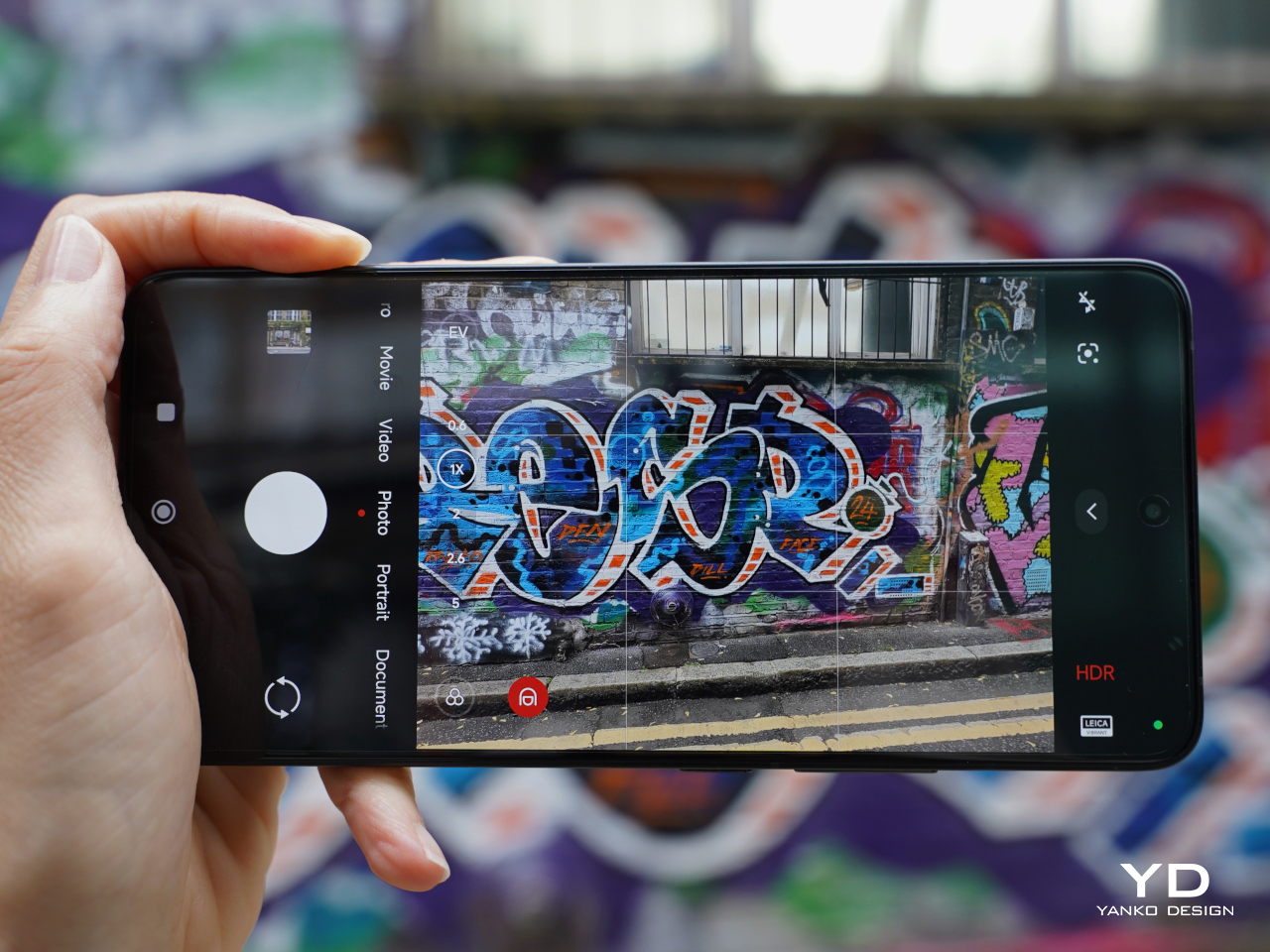
If you’re into photography, the X Fold3 Pro is a dream come true. Co-engineered with Zeiss, it features a VCS True Color main camera, Zeiss telephoto camera, and ultra wide-angle camera. The main camera has a large 1/1.3-inch sensor and uses the next-generation Vivo Camera-Bionic Spectrum for increased light intake, resulting in superior image quality with realistic and vivid colors. The Zeiss telephoto camera has an f/2.57 aperture and offers up to 3x optical zoom and 100x digital zoom, allowing you to capture creative shots from a distance.

Vivo X Fold3 Pro

The X Fold3 Pro excels in telephoto photography. You can capture natural solar scenes with Telephoto Sunshot or explore the microscopic world with the powerful Telephoto Macro, supporting a minimum focus distance of 0.15 meters and a magnification ratio of 1:1. For nighttime photography, AI Night View and Vivo Origin Imaging Engine work together to capture rich and delicate colors even in complex nightscape lighting.

The camera capabilities of the X Fold3 Pro go beyond just taking great photos. The collaboration with Zeiss ensures that every shot you take is of professional quality. The range of focal lengths and advanced imaging technology allows you to get creative with your photography, whether you’re shooting landscapes, portraits, or close-ups. The AI-enhanced features also help you get the best possible shots in any lighting condition.

In addition to the main and telephoto cameras, the X Fold3 Pro also includes an ultra wide-angle camera, allowing you to capture more of the scene in your shots. This is perfect for landscape photography or group photos where you want to fit everyone into the frame. The advanced imaging software ensures that the colors and details are vibrant and accurate, making your photos look stunning every time.

Multifocal and Portrait Photography

In collaboration with Zeiss, the X Fold3 Pro introduces a full range of focal lengths for mobile photography. Zeiss Multifocal Portrait allows professional-grade portraits, supporting focal lengths of 24 mm, 35 mm, 50 mm, 85 mm, and 100 mm. Users can also rely on the signature Zeiss Style Portrait, which includes six iconic portrait style bokeh effects, such as Zeiss Distagon Style Bokeh, Zeiss B-Speed Style Bokeh, and Zeiss Cine-flare Portrait. The Zeiss B-Speed Style Bokeh creates a distinctive arc-triangle bokeh ball, emulating a lens style seen in vintage films.

The 6nm Vivo V3 chip ensures higher energy efficiency, allowing users to shoot 4K cinematic portrait videos. Whether capturing everyday moments or special occasions, this feature turns videos into cinematic masterpieces. When folded at an angle, the X Fold3 Pro can activate the tripod mode, perfect for 4K time-lapse, astrophotography, selfies, or any scenario requiring long exposure. The 1/1.3-inch sensor enhances light sensitivity, and combined with split-type stabilization control technology, users can capture professional-level photos in just a few seconds.

Immersive Viewing Experience and Performance

Despite its thin profile, the X Fold3 Pro delivers uncompromising flagship performance with immersive displays and a powerful chipset. The main screen features a 2K+ E7 immersive display with a peak brightness of 4,500 nits, offering an exceptional viewing experience. The main and cover displays support a 120Hz refresh rate and include HDR10+, Dolby Vision, and XDR Engine, providing rich colors and deep contrasts.

The display is SGS eye protection certified to ensure comfort during extended use. The upgraded V Frame Rate Management System provides smooth and efficient performance, while 3D ultrasonic dual-screen fingerprint scanning offers easy access on either display. The advanced display technology in the X Fold3 Pro isn’t just about looking good—it’s about providing an immersive experience that draws you in. The high refresh rate and advanced HDR support make everything from gaming to watching movies more enjoyable. The eye protection features also ensure you can use the phone for extended periods without straining your eyes.

The X Fold3 Pro’s performance is equally impressive. Powered by the Snapdragon 8 Gen 3 Mobile Platform and combined with LPDDR5X RAM and UFS 4.0 storage, the phone easily handles even the most demanding tasks. Whether multitasking, playing graphically intensive games, or running productivity apps, the X Fold3 Pro delivers smooth and responsive performance. An ultra-wide intelligent cooling system integrates a super-thin vapor chamber and multi-layer graphite with a heat dissipation area of over 20,000 mm², ensuring peak performance during demanding operations.

Advanced AI Tools for Productivity

The X Fold3 Pro integrates advanced AI tools from Google’s Gemini family on the Vertex AI platform to boost productivity. AI Note Assist helps with note-taking by automatically generating clear and concise layouts, extracting key information, and creating to-do lists. AI Global Translation breaks language barriers by translating content directly on the current page. AI Transcript Assist converts recordings into text quickly and accurately, making accessing and analyzing information from meetings easier.

These AI tools make the X Fold3 Pro invaluable for professionals and students. Taking detailed notes, translating content on the fly, and converting audio recordings into text saves time and enhances productivity. Whether in a meeting, a lecture, or working on a project, the AI features help you stay organized and efficient.

The AI capabilities of the X Fold3 Pro aren’t just about making your life easier—they’re about enhancing the way you work and communicate. The seamless integration of AI tools into the operating system ensures that you can access these features whenever needed without switching between apps or interrupting your workflow.

Enhanced Privacy and Security

For privacy and security, the X Fold3 Pro includes a built-in security chip, providing chip-level encryption for sensitive data such as fingerprints, facial data and lock screen passwords. This significantly reduces the risk of data breaches and malicious attacks. The device also introduces features like Private Call, which uses algorithms to control sound directionality, ensuring confidential conversations in public spaces. The Owner Privacy Protection feature hides floating notifications and incoming call details when the phone detects others nearby.

The X Fold3 Pro’s security features give users peace of mind, knowing that their data is protected. The advanced encryption ensures that personal information remains secure, while the privacy features help maintain confidentiality in public spaces. Whether making a call, sharing your screen or using your phone in a crowded area, the X Fold3 Pro has you covered.

The combination of hardware and software security features makes the X Fold3 Pro one of the most secure smartphones on the market. The built-in security chip and advanced algorithms protect data and privacy, allowing users to use their phones confidently.

Pricing and Availability

The Vivo X Fold3 Pro, available in a stunning Celestial Black colorway, will be launched in India and Indonesia. Specific availability, pricing, and specifications may vary based on local market conditions.

X Fold2 vs. X Fold3: A Comparative Analysis

The Vivo X Fold3 Pro brings several significant upgrades over its predecessor, the Vivo X Fold2, enhancing its appeal in various aspects. One of the most noticeable improvements is in its design and build. The X Fold3 Pro is slightly slimmer, measuring 11.2 mm when folded and 5.2 mm when unfolded, compared to the Fold 2’s 12.9 mm and 6.3 mm, respectively. Additionally, the X Fold3 Pro is lighter at 236 grams, making it more portable than the Fold2.

Vivo X Fold3 Dimensions

Regarding durability, the X Fold3 Pro features Vivo’s innovative Armor Architecture with an SGS five-star drop resistance certification, a significant upgrade from the Fold2, which lacked formal durability certification. The new Carbon Fiber Ultra Durable Hinge in the X Fold3 Pro, certified for 500,000 folds by TÜV Rheinland, also marks an improvement over the Fold2’s hinge, enhancing its longevity and usability.

Battery life has also seen a notable enhancement. The X Fold3 Pro boasts a 5,700 mAh battery with 100W Dual-Cell FlashCharge and 50W Wireless FlashCharge, compared to the Fold2’s 4,800 mAh battery and 120W ultra-fast charging. The Fold3 Pro’s battery technology, including second-generation silicon anodes and semi-solid battery technology, offers better efficiency and longevity.

Vivo X Fold2

Display quality has improved dramatically with the X Fold3 Pro’s 2K+ E7 Immersive Display, which offers a peak brightness of 4,500 nits and supports HDR10+, Dolby Vision, and XDR Engine. In contrast, while impressive, the Fold2’s display had a lower pixel density and lacked these advanced features. The improved display technology in the Fold3 Pro ensures a more immersive and visually stunning experience.

Camera capabilities have been significantly upgraded in the X Fold3 Pro. Co-engineered with Zeiss, it features a VCS True Color main camera, Zeiss telephoto camera, and ultra wide-angle camera. The Fold2’s camera system, while decent, missed out on the enhanced imaging capabilities and Zeiss collaboration found in the Fold3 Pro. This collaboration ensures superior image quality with realistic and vivid colors, improved telephoto performance, and advanced AI-enhanced photography features.

The X Fold3 Pro also integrates advanced AI tools from Google’s Gemini family on the Vertex AI platform, offering features like AI Note Assist, AI Global Translation, and AI Transcript Assist to enhance productivity. These tools are more advanced than those available on the Fold2, providing a more seamless and efficient user experience.

Privacy and security have been enhanced with the X Fold3 Pro’s built-in security chip, providing chip-level encryption and features like Private Call and Owner Privacy Protection. These security features significantly improve over the Fold2, ensuring better personal data protection and privacy in public spaces.

Overall, the Vivo X Fold3 Pro offers substantial improvements over the Fold2 in design, durability, battery life, display quality, camera capabilities, and advanced productivity and security features. It represents a significant upgrade, making it a compelling choice for those looking for the latest foldable smartphone technology.

The post Why the Vivo X Fold3 Pro Is the Best Foldable Phone of 2024 first appeared on Yanko Design.

OPPO generative AI features coming to all phone lines to make AI accessible to everyone

Like it or not, and some definitely don’t, AI is the current buzz in the tech industry, and it will still be for quite a while. But as impressive and sometimes frightening as the advanced features of AI may be, the truth is that these features are only available to a very select few people who either have the high-end hardware to support them or the resources to maintain monthly subscriptions to services. For AI to truly become life-changing, it has to become available to everyone, even those with less expensive phones and computers. That’s the new commitment that OPPO is making, to bring generative AI features to as many as 50 million phones in an effort to make AI accessible to everyone.

Designer: OPPO

Up until recently, most of the talk about AI revolved around powerful computers and cloud-based solutions. After all, AI needs very capable hardware and loads of data to perform its magic. That said, making AI relevant to ordinary people requires actually putting the technology into their hands, and there is no better device for that purpose than one that they literally hold in their hands: their smartphones. It’s no surprise, then, that Google’s recent developer event focused on making AI features available not only through its Search engine but on smartphones as well.

That has generated quite a lot of buzz on AI-powered features on the latest and greatest handsets, but that leaves the majority of the world’s population out in the cold. With dozens of millions of smartphones out in the market across all tiers, OPPO is in a unique position to change that situation, and it’s doing exactly that. It’s making a promise to push its generative AI features to all its smartphone product lines, from the flagship Find series to the camera-centric Reno to the mass market OPPO F and A lines.

In fact, it has already started that change by bringing features like AI Eraser, object recognition, and advanced image processing to many of its smartphones already out in the wild today. Granted, most of these focus on the photography side of the AI, but that’s just the beginning. Collaborating with key industry players like Google, MediaTek, and Microsoft, OPPO will be bringing smarter features across the board. The OPPO Reno 12, for example, will be able to harness the power of Google Gemini’s Large Language Models or LLMs for features like AI Writer and AI Recording Summary. Its collaboration with Microsoft, on the other hand, will bring more natural voice and text conversions to next-gen OPPO phones, as well as more seamless connectivity between phone AI and desktop AI, a.k.a. Microsoft Co-pilot.

Smartphones are already very powerful computers in our pockets, devices that are used not just for entertainment but also for work, education, and health. These are the very same areas where AI can shine best, making sense of large quantities of data to bring us the answers and information we need. Harnessing the growing power of on-device hardware as well as secure cloud services, OPPO envisions a future where everyone will be able to enjoy the benefits of AI, preferably on an OPPO phone, of course.

The post OPPO generative AI features coming to all phone lines to make AI accessible to everyone first appeared on Yanko Design.

Is the HMD Skyline the Nokia Lumia Revival We’ve Been Waiting For?

The rumor mill is churning for HMD, the company behind the Nokia brand of smartphones. Their upcoming phone, codenamed Tomcat and now seemingly confirmed as the HMD Skyline, is generating excitement with its feature set and targeted price range. Slated for a July release, the Skyline is shaping up to be a mid-range contender with high-end features. Leaks suggest a €520 ($565 USD) price tag, positioning it above HMD’s recent offerings. It will boast 8GB of RAM and 256GB of storage, but most notably, leaks show a design language that’s highly reminiscent of Nokia’s Lumia range. The phones boast sharp corners and colorful bodies that hark back to Nokia’s Windows Phone days.

Designer: HMD Skyline

The display is rumored to be a highlight, with a FHD+ OLED touchscreen featuring a smooth 120Hz refresh rate. Powering the device will likely be the Qualcomm Snapdragon 7s Gen 2 SoC, a capable chip for everyday tasks and even some gaming. Camera enthusiasts will have a triple-lens setup on the back to play with, rumored to consist of a 108MP main sensor, an 8MP ultrawide sensor (likely), and a 2MP macro or depth sensor. Selfies will be handled by a 32MP front-facing camera.

Keeping the phone juiced is expected to be a 4,900mAh battery with support for 33W fast charging. Durability is also addressed with IP67 certification for dust and water resistance. The Skyline is also said to run the latest Android 14 operating system out of the box and will have an under-display fingerprint sensor for added security. Stereo speakers round out the package for an immersive entertainment experience.

Although HMD hasn’t officially released any images, these blurry leaks are proof that the Nokia brand language is alive and well. The company’s Lumia series captured many hearts back in Nokia’s heyday, and even though Satya Nadella (who shut Nokia’s mobile division down) said that the Windows Phone was a mistake, their catchy design language clearly wasn’t. The Skyline will allegedly be available in four gorgeous colors – pink, blue, green, and yellow. A sub-600 price tag and fairly impressive specs make it a great snag for anyone bitten by the nostalgia bug.

The post Is the HMD Skyline the Nokia Lumia Revival We’ve Been Waiting For? first appeared on Yanko Design.
Bigme HiBreak E Ink smartphone takes another stab at eye-friendly mobility

As powerful and as helpful as smartphones have become, they have also become sources not only of distraction but also of poor health. Staring at screens all day is bad enough, but they can also affect our sleep if used late into the night. Unfortunately, it’s almost impossible for many people to detach from their phones or even reduce their use, so a few designers and manufacturers have tried to come up with alternatives like minimalist phones. eReader maker Bigme is proposing a different kind of answer, one that smashes an eBook reader and a smartphone in one pocketable design, creating a phone-sized E Ink device that is actually a functional phone.

Designer: Bigme

This isn’t the first time we’ve seen a phone-sized eReader. We reviewed the Onyx BOOX Palma a while back and found it to be quite capable as a pocket reader. But despite its phone-like looks, it’s technically a tiny Wi-Fi-only device. In contrast, the Bigme HiBreak can plug in a SIM card and connect to 4G LTE networks. Yes, 4G LTE speeds only, which is probably fine because the device’s screen won’t be able to catch up with the network speed anyway.

1

The HiBreak comes in two flavors with different 5.84-inch E Ink screens. One is a pure black and white screen like a traditional eReader, while the other supports a few colors at a lower resolution than black and white. Despite the advancements in E Ink technology, the ultra-slow refresh rates of these panels will take the fun out of scrolling and swiping through social media, which is probably for the best. What it offers, instead, is a gentler reading experience, especially if you’re the type who likes to read text-only documents on the go.

Of course, the Bigme HiBreak is a true smartphone, one that runs Android 11 on practically mid-range hardware. It does have Google Play support, so you can install any app available that supports that old OS version but don’t expect the experience to be as smooth as on a regular phone. On the flip side, that 3,300 mAh battery is going to last you for days rather than just hours. It has a 13MP main camera, more for “scanning” documents than taking pretty pictures, and a 5MP front camera for emergency video calls.

In terms of aesthetics, the Bigme HiBreak is truly a shrunken-down eReader, complete with wide bezels and a rather plain design. It’s almost like it’s intentionally uninspiring in order to cut down on your smartphone use unless that use is for lots of reading. But while it does solve the problem of eyecare, a device that runs a full Android stack with cellular connectivity won’t do any wonders for those distracting notifications unless you decide to ignore them since they won’t look that nice on the E Ink screen anyway.

The post Bigme HiBreak E Ink smartphone takes another stab at eye-friendly mobility first appeared on Yanko Design.
Nothing Phone (2a) special edition in Super Nintendo-inspired colors is a conversation starter

Nothing is evolving in the right direction with its lineup of phones and audio accessories. The brand wants to a wider chunk of the consumer market who want a device that’s not flagship-grade but still has a design distinction without going too heavy on gimmicks. Yes, I’m talking about the Phone (2a) smartphone that has the right set of specifications for normal users.

Now, Nothing Phone (2a) is coming in a special edition version that looks absolutely stunning. Especially, gamers and nerds will trip over this for sure. On pure looks, it closely resembles the Super Nintendo controller with the red, yellow and blue hues in immaculate form. Make no mistake the smartphone market is saturated and being distinct has its brownie points. The colors come from the brand’s use of these colors on the first earbuds and the blue on the Phone (2a).

Designer: Nothing

On the inside, the Android 14 phone has the exact same hardware as the original version. There’s an 8-core chip Dimensity 7200 Pro chip, 20 GB RAM, and a 5000 mAh battery that’s bigger than the flagship Phone 2 device. The 6.7-inch AMOLED display having 1,300 nits peak brightness and 120 Hz refresh rate should suffice your multimedia needs without any regrets. On the rear, the phone has a 50MP camera with optical image stabilization and 4K video recording capability. Even the front selfie camera can shoot at 1080p – 60 FPS.

Interested buyers can order the Phone (2a) Special Edition from Nothing’s website or the Product drop at Soho store in London on June 1, in 12GB and 256GB storage configuration. The price tag of $444 will mostly interest Gen-Z. There’s no word about the US launch but we’ll keep you updated.

The post Nothing Phone (2a) special edition in Super Nintendo-inspired colors is a conversation starter first appeared on Yanko Design.
How Repairable Phones Benefit the Environment, Consumers, and Business Alike

Once upon a time, mobile phones weren’t the fragile and replaceable devices they are today. Sure, they were still expensive during their period, but accidentally dropping one didn’t always mean the end. Replacement parts, officially or unofficially, were easy to come by and the actual process of repairing these phones didn’t require a degree. But as mobile phones turned into powerful yet complicated smartphones, much of the repairability of the past also got thrown out the window. Granted, very few consumers will dare to open up their iPhones or Pixels on their own, so why is there a lot of noise these days about having the ability to repair yours? As it turns out, the ability to repair smartphones more easily benefits not just the planet or buyers but even the phone brands themselves.

Designer: Fairphone

Right to Repair

Part of the rhetoric around the smartphone repair situation involves the general Right to Repair movement. As the name implies, it is pushing for legislation, policies, and awareness that would allow owners, as well as third-party businesses, to repair the products that they have bought. It might come as a surprise given how it seems to go against common sense, but the situation with electronics, which includes smartphones, basically disallows anyone but the company and its authorized service centers from opening up and repairing these products. Although it’s not an accurate comparison, it would be like being forbidden from repairing the dress or furniture, requiring you to go to the boutique or shop you bought them from to have them fixed.

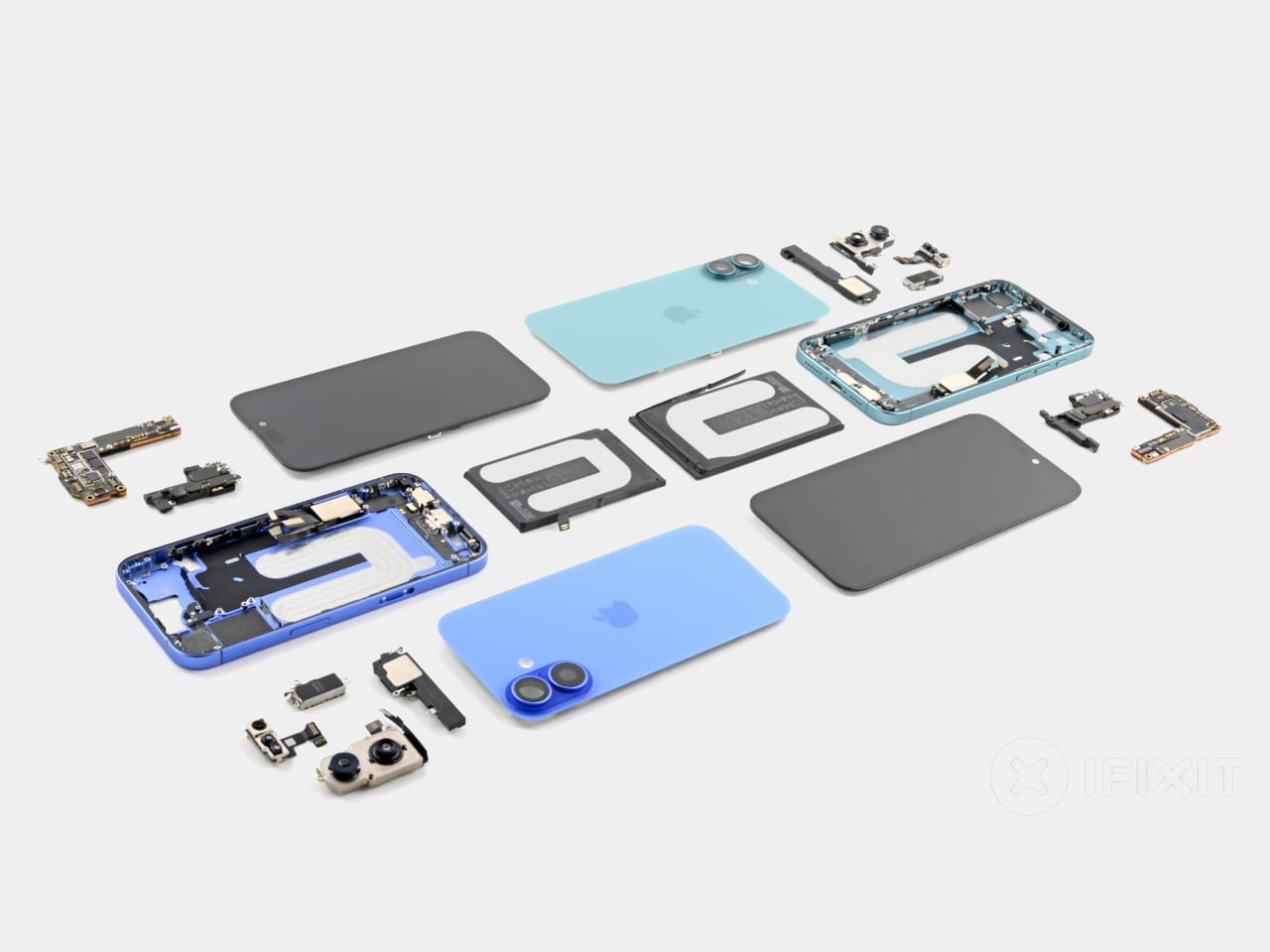
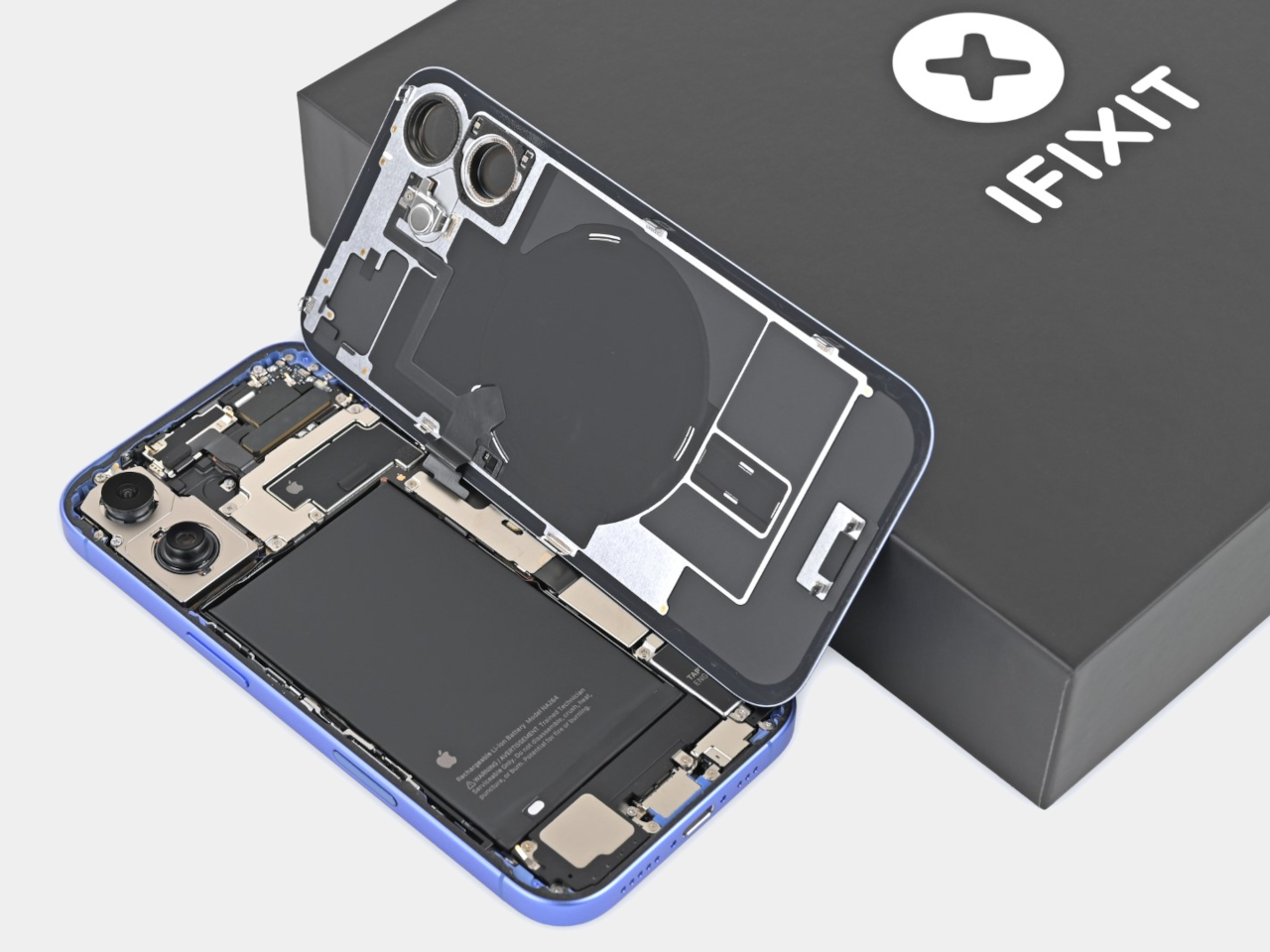
Designer: Apple (via iFixit)

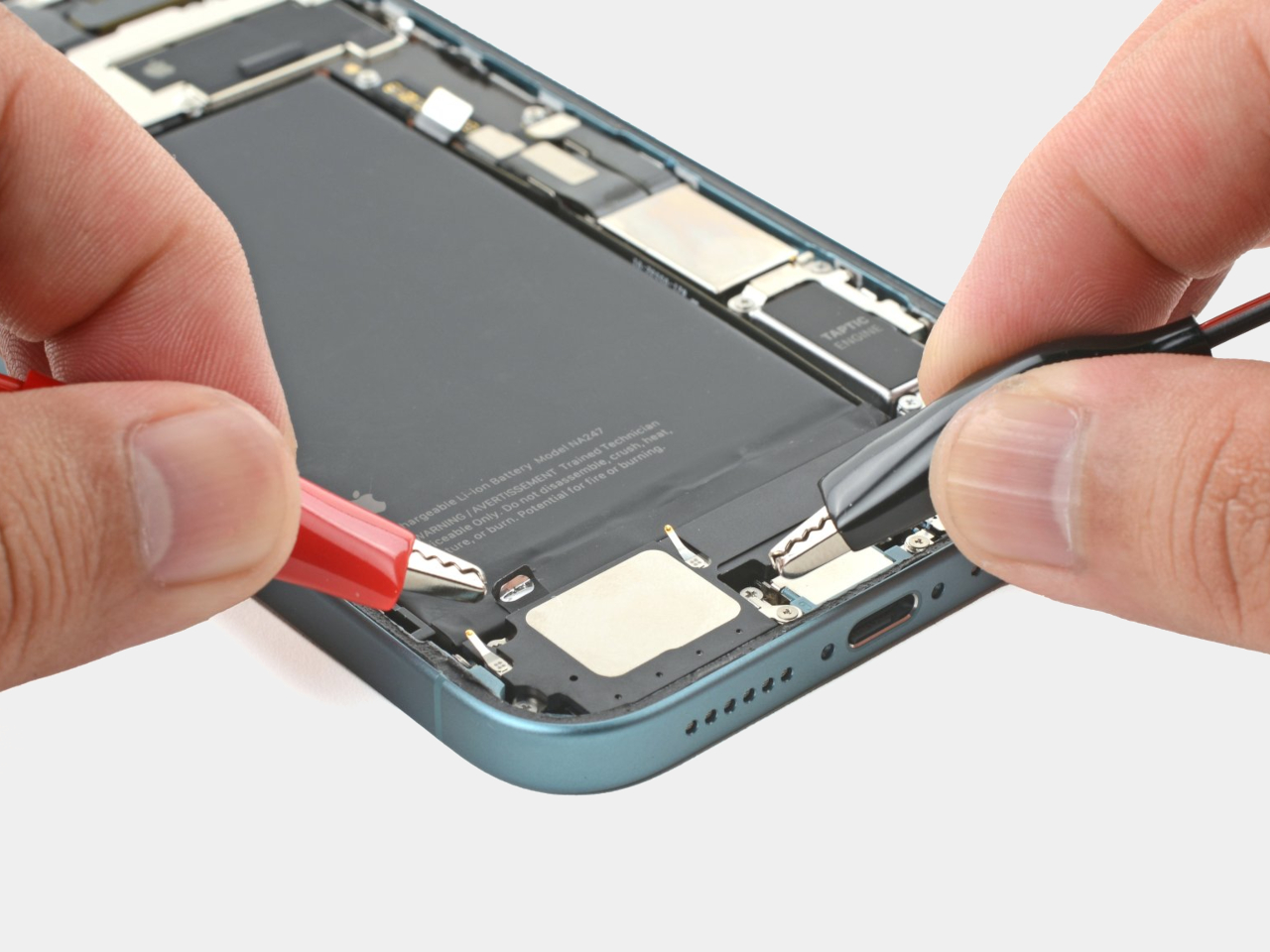
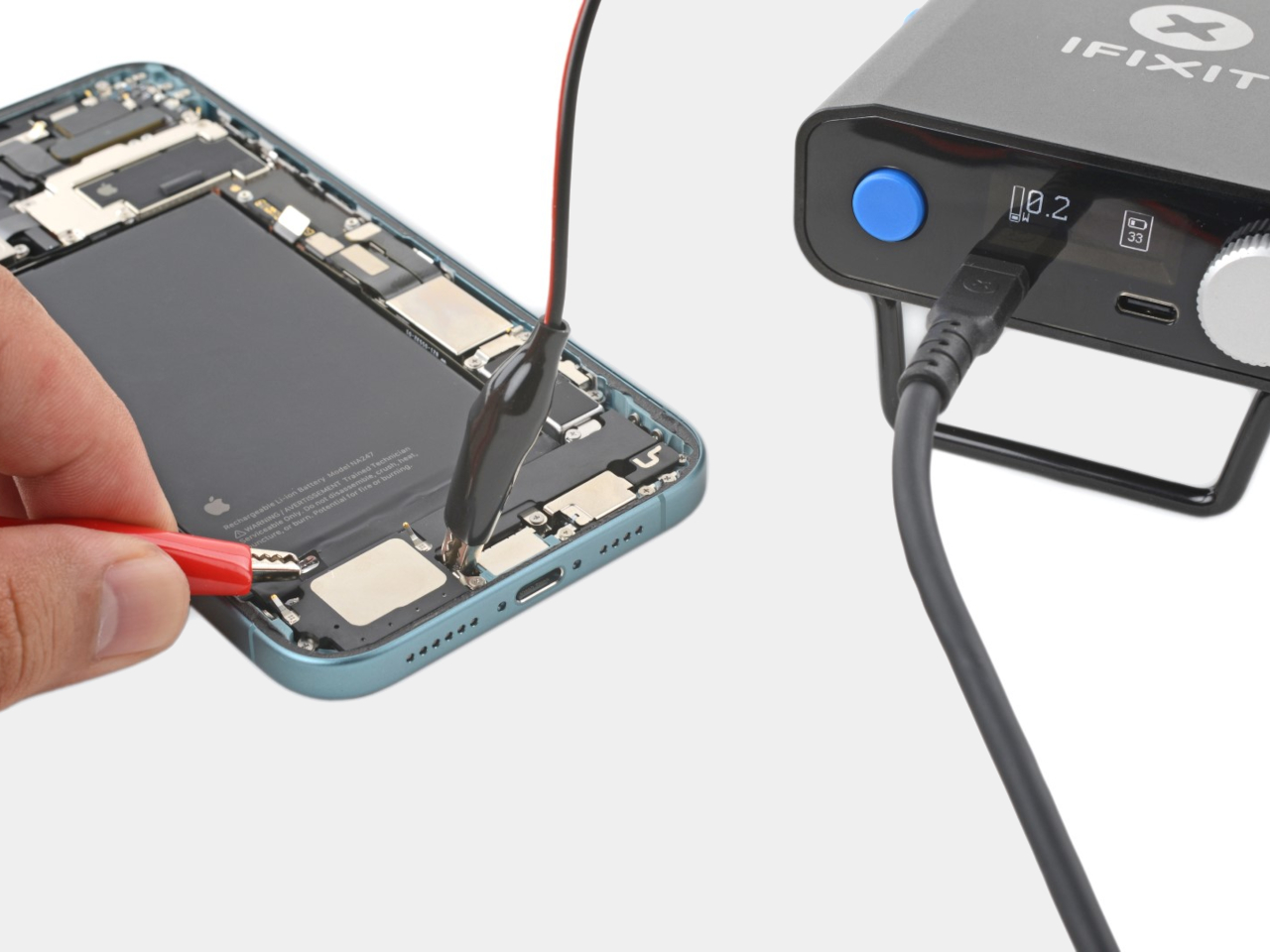
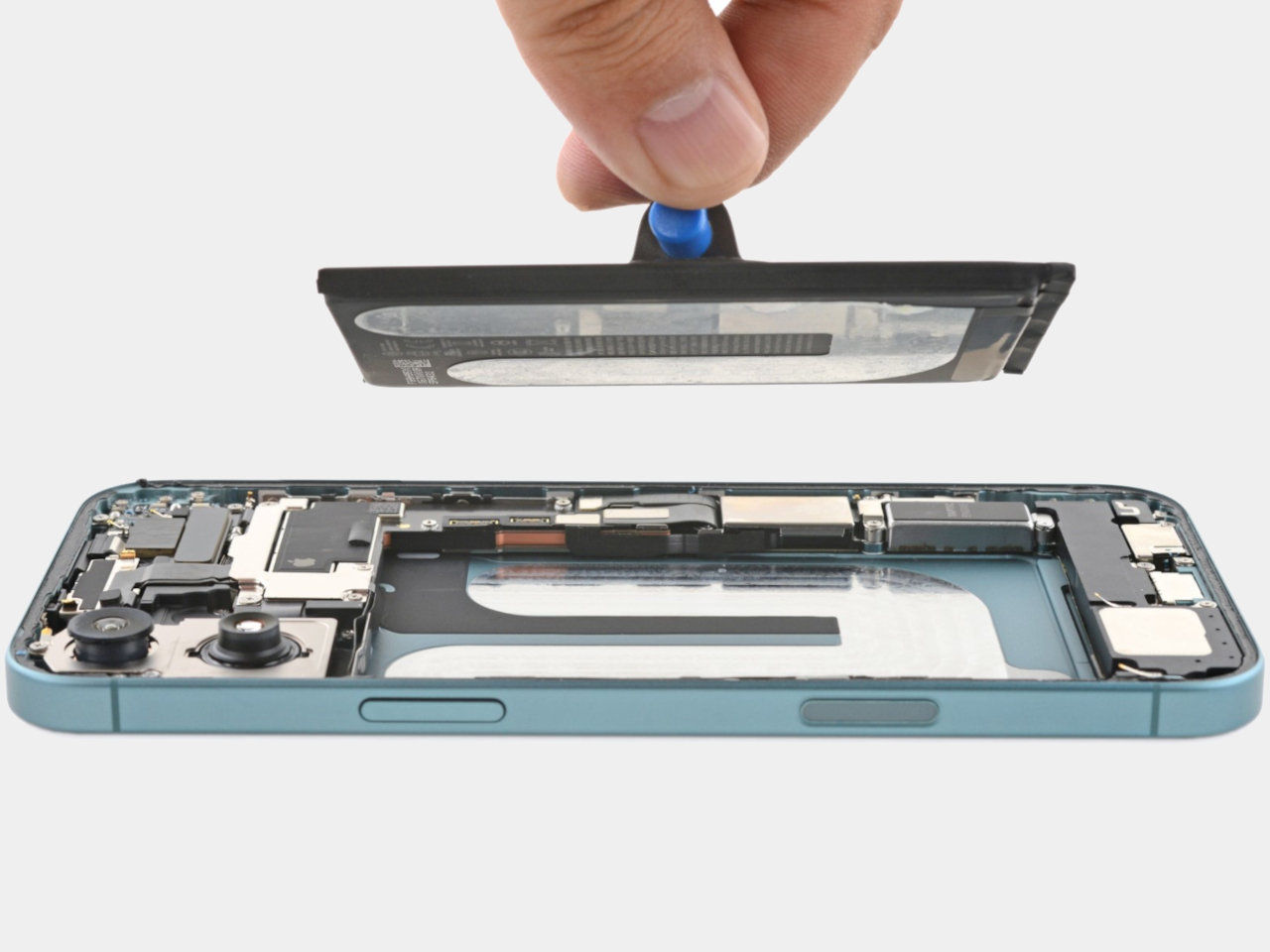
To be fair, smartphones are complex beasts, and opening them up risks further damaging the device. Companies also have the obligation to protect their intellectual property from snooping eyes, but that isn’t a blanket reason to design phones to be nearly impossible to repair. iFixit, one of the biggest proponents of this Right to Repair movement for consumer electronics, has reached a middle ground with companies, providing official repair guides and a store for buying replacement parts so that anyone with the skill and courage can do it, whether they’re the owner or a small repair business.

Repairable Phones Are Sustainable Phones

Legal arguments aside, proponents of making smartphones more repairable often appeal to the harmful effects the current state of business has on the planet. The number of smartphones made and shipped every year has probably already exceeded the population of the world, which raises the question of what has happened to these devices over the years. While manufacturers do have programs for sending them your old or broken phones for proper disposal, just how many people actually make the effort to do that? More often than not, they simply stow old phones until they’re forgotten or, worse, mindlessly throw them in the trash so that these non-biodegradable objects ultimately end up in landfills.

Designer: Fairphone

Smartphones aren’t immortal or invincible, of course, but the longer we can keep using them, the longer they’ll stay out of the trash. Truth be told, the biggest reason why people change phones isn’t because of the latest trends but because their old ones have become nearly unusable. A cracked screen, bloated or failing batteries, or a broken charging port are the most common causes, so being able to change these easily helps keep electronic waste down to a minimum and for longer periods of time.

Repairable Phones Save You From Stress

There are definitely people who switch to the latest and greatest models after just two years or sooner, but the majority of users would like to keep their phones for years as long as they’re still usable. It isn’t as much about fondness for the device as the stress of switching to a new one. Even with all the advancements in cloud storage, backups, and phone transfers, people still experience loss and stress when their phones no longer work and have to switch to a new one, often from scratch.

Designer: HMD Global

You still should back up your phone and its data regularly, of course, but improving these devices’ repairability lessens or shortens the anxiety and stress that owners experience. Your phone goes empty in less than a day? Simply change the battery and it’s as good as new. USB charging port feel loose and unreliable? Swap it out for a new one and be on your way. It also saves people from the stress of an unplanned major expense, especially when they can get a better model when the time really comes for them to upgrade.

Repairable Phones Are Good Business

Being able to repair smartphones easily might save consumers money and give small repair shops some business, but manufacturers and their shareholders will probably see it more as a revenue loss. After all, the longer people hold on to their old phones, the less they will buy new ones. Unfortunately, there is definitely some truth to that, which is why even big phone companies hesitate to encourage self-repairs or third-party services. It is, however, an outdated mentality that no longer reflects the reality of our present. Even Apple is realizing that profits are no longer coming just from outright hardware sales but also from software, services, and other sources. It’s definitely high time for these brands to be creative in how they can make more money without busting people’s wallets or killing the planet.

Designer: Samsung

Manufacturers can, for example, profit from selling those replacement parts, but that also needs to be done in moderation. Recent news on this front demonstrates not what to do, which is to make those parts too expensive to the point that it becomes less economical to repair the phone in the first place. iFixit announced it is cutting ties with Samsung for that very reason, with parts beyond the reach of most people anyway.

Companies also need to see repairable phones from a different angle, particularly in how they actually reduce their operational costs and waste. They can cut down on the production of surplus units, keeping their stocks tight. This, in turn, reduces their reliance on costly materials that are either hard to acquire, harmful to the environment, or might even be controversial for being conflict materials. It forces companies to rethink their business, which is currently unsustainable both in the environmental sense as well as the economic sense, driving innovation that could hopefully create a greener tomorrow for its customers.

The post How Repairable Phones Benefit the Environment, Consumers, and Business Alike first appeared on Yanko Design.
The Vision Behind OPPO’s Unseen Display: A Design Philosophy Unveiled

Technological innovation often requires navigating a labyrinth of ideas and balancing creativity with practicality. This journey is vividly illustrated by a story shared by Pete Lau, SVP & CPO of OPPO and Founder of OnePlus. It centers on a bold, almost revolutionary smartphone concept imagined by Will Zhou, head of OPPO’s Find Series product line. This narrative explores the essence of what makes a great product idea and reveals the nuanced decisions behind design innovation.

Designer: OPPO

Zhou’s vision, born five years ago, was nothing short of radical. He imagined a smartphone with a secondary display on its back—not just an additional screen but a dynamic interface that would transform users’ interactions with their devices. This secondary display would serve up personalized content, real-time updates, and interactive widgets, offering a new dimension of functionality that traditional smartphones lacked.

Sketch share by Pete Lau, SVP & CPO of OPPO, Founder of OnePlus

The allure of this concept lies in its potential to revolutionize user experience. Imagine glancing at the back of your phone to see tailored notifications, weather updates, or even a customizable digital art piece without the need to unlock your primary screen. This idea promised a fusion of aesthetics and utility, aiming to make every interaction with the device more intuitive and engaging.

However, as OPPO’s team delved deeper into the feasibility of this design, they confronted a critical question: What value would this secondary screen truly provide to users? They needed to consider whether the additional display could offer something substantial that the primary screen couldn’t already accomplish. This introspection is crucial in product development, where tangible user benefits must justify innovation.

At OPPO, the approach to innovation is defined by a balance between audacity and pragmatism. The team navigates the excitement of new ideas while remaining their own harshest critics. This process ensures that only the most viable concepts advance. OPPO’s culture empowers teams to dream big and challenge norms, but it also emphasizes the importance of clarity and practical application.

Despite the potential and initial excitement surrounding Zhou’s concept, it was ultimately shelved. This decision wasn’t a failure but a testament to OPPO’s commitment to meaningful innovation. By rigorously evaluating the idea, the team recognized that the secondary display, while fascinating, didn’t offer enough unique value to justify its implementation.

Interestingly, this exploration wasn’t in vain. The lessons learned from the secondary display concept paved the way for other innovations, like the exterior display on the Find N Flip devices. This evolution underscores how every idea can contribute to future advancements, even those not realized.

Reflecting on this journey, it’s clear that ideas that appear promising on paper may only sometimes succeed in the market. The real challenge lies in identifying which concepts can mature into practical, user-centered solutions. Innovation involves creating value that resonates with users and enhances their everyday experiences.

Understanding the delicate balance between creativity and practicality is essential in product design. The story of OPPO’s unseen smartphone concept serves as a reminder that innovation involves an intricate dance of daring ideas and meticulous scrutiny. By focusing on what truly matters to users and ensuring that every innovation is visionary and viable, companies like OPPO continue to drive the tech industry forward, one thoughtful design decision at a time.

The post The Vision Behind OPPO’s Unseen Display: A Design Philosophy Unveiled first appeared on Yanko Design.
The Evolution of Smartphones: What Are GenAI Phones?

Generative AI, or GenAI, has been making waves in the software industry for several years, proving its potential to revolutionize various sectors with its ability to generate new content and provide insightful analyses based on existing data. However, it is only recently that this technology has started to transition from software applications to consumer hardware, specifically within the mobile phone market. This transition marks the beginning of a new era in consumer electronics, where smartphones are not only smart in name but are endowed with the capability to perform complex AI tasks that were once reserved for powerful servers.

The term “GenAI smartphone,” or “GenAI phones” for short, began to gain traction in the last six months, emerging prominently in reports from leading market research firms. These devices are distinguished from standard smartphones’ ability to harness large-scale, pre-trained generative AI models to create and modify content directly on the device. This capability isn’t just a marginal upgrade to existing features. Still, it represents a fundamental shift in how mobile technology interacts with users, offering distinctive personalization and functionality directly from one’s hand.

As these GenAI smartphones prepare to enter the market, they promise to redefine user interactions with mobile devices. With the potential to handle tasks ranging from real-time language translation and complex content creation to intuitive personal assistants that understand and predict user needs, GenAI phones aim to set a new standard in mobile computing. This evolution from a communication tool to an intelligent companion stresses a pivotal shift in the mobile industry, driving consumer excitement and industry innovation. As we stand on the brink of this technological leap, it is crucial to understand what precisely a GenAI smartphone is, how it differs from traditional smartphones, and what it promises for the future of mobile technology.

What is a GenAI Phone?

A GenAI phone represents a new category of smartphones that embed generative artificial intelligence (AI) at the core of their functionality, offering previously unimaginable capabilities in a handheld device. These devices integrate large-scale, pre-trained AI models to provide unprecedented personalization and functionality directly from one’s hand.

At the heart of a GenAI phone are AI-driven applications capable of generating original content. Whether it’s composing personalized emails, designing unique artwork, or creating music from simple user prompts, these applications dynamically produce outputs tailored to user interactions. Unlike traditional apps that operate within their confines, AI tools in a GenAI phone are embedded system-wide, enhancing the user experience across all functionalities. This integration ensures that AI capabilities improve everything from the camera and messaging apps to system settings, adapting to the user’s behavior to predict and automate actions like app selection or environmental adjustments.

GenAI phones are equipped with specialized CPUs explicitly designed for intensive AI tasks to power these sophisticated features. These processors perform billions of operations per second, enabling the device to run complex AI models directly on the device. This capability of processing data locally speeds up operations by eliminating the latency associated with cloud computing. It significantly enhances user privacy and security, as sensitive data does not need to be transmitted over the Internet.

GenAI phones must remain elegantly designed and user-friendly despite the advanced technology embedded within them. Consumers expect their devices to combine functionality with aesthetic appeal, mirroring the sleekness and minimalism of products like the iPad Pro M4. The challenge for manufacturers is integrating these powerful AI capabilities into slim, attractive, and intuitive devices, ensuring that technological advancements enhance rather than complicate the user experience.

What Isn’t a GenAI Phone and Current Market Scenario

Understanding what isn’t a GenAI phone is crucial in distinguishing it from the myriad of smartphones equipped with basic AI functionalities. Although many modern smartphones boast AI capabilities, having AI features doesn’t automatically make a device a GenAI phone. This distinction is required to set realistic expectations about the device’s capabilities and understand smartphone technology’s evolution. A GenAI phone fundamentally differs from standard smartphones because it integrates advanced AI functionalities directly into the device’s core systems and processes data locally rather than relying heavily on cloud computing. This integration means that GenAI phones are equipped with specialized hardware to handle complex AI tasks independently, thereby enhancing privacy and functionality by keeping the processing on the device itself.

In contrast, many smartphones on the market today, often mistaken for GenAI devices, do not meet these criteria. For example, while devices like the iPhone 15 Pro Max offer AI-driven features like facial recognition, predictive text, and enhanced photography tools, these features, although advanced, do not necessarily qualify the device as a GenAI phone. This is because a true GenAI phone not only uses AI for specific tasks but integrates AI deeply across all system operations, processing complex AI tasks entirely on the device. In other words, even though iPhones process a significant amount of data on-device to ensure user privacy, the breadth and independence of AI integration in terms of generative capabilities might not be as extensive as in dedicated GenAI devices. Similarly, many Android devices boast impressive AI-powered photo editing and voice assistant features; however, these tasks are often processed with the aid of cloud servers, making them less autonomous and, therefore, not true GenAI phones. These smartphones might utilize AI for specific applications like optimizing battery life, managing screen brightness based on ambient conditions, or even offering user behavior-driven app suggestions. Yet, because they lack the hardware to independently process complex AI tasks directly on the device, they fall short of the GenAI classification. The reliance on cloud processing raises concerns about data privacy and limits the device’s functionality when offline or in areas with poor connectivity.

Thus, while many current smartphones are marketed with the allure of AI, only a select few truly qualify as GenAI phones by virtue of their ability to perform sophisticated AI operations natively and independently. Among the notable examples that set the benchmark in this emerging category are the Samsung Galaxy S24 series and the Google Pixel 8 Pro. These devices display the integration of AI at a foundational level, equipped with the necessary hardware to process complex AI tasks directly on the phone. This enables a range of innovative applications, from enhanced image processing to real-time language translation without cloud dependency.

For instance, the Samsung Galaxy S24 series demonstrates its generative AI capabilities through features that enable sophisticated on-device content creation and personalization, enhancing user interaction in ways that were previously only achievable with server-based computing. Similarly, the Google Pixel 8 Pro leverages its specialized hardware to deliver advanced AI functionalities like next-generation assistant features and more nuanced user engagement through AI, all processed locally on the device. This focus on native processing is a crucial aspect that boosts performance and efficiency and significantly enhances data privacy, a growing concern among consumers. By minimizing data transmission to external servers, these GenAI phones offer a more secure environment for users to enjoy the benefits of AI without compromising their personal information.

Transitioning into the Apple ecosystem, recent developments indicate a significant shift that could redefine the landscape of GenAI phones. Rumors of Apple’s potential partnership with OpenAI and the integration of an advanced Siri capable of leveraging OpenAI’s technologies suggest a significant upgrade in Apple’s AI capabilities. Such a collaboration could bring about a new iteration of Siri that is far more advanced than its current form, potentially incorporating the ability to understand and generate human-like text, engage in more dynamic conversations, and offer personalized suggestions with a higher degree of relevance and context.

If these speculations hold, this move could be a game-changer for the Apple ecosystem, integrating more deeply with iOS, macOS, visionOS and iPadOS. It could enhance the Apple suite of products with a level of AI sophistication previously unseen in its devices. For Apple, known for its tightly integrated ecosystem and emphasis on user privacy, the challenge will be to balance these advanced capabilities with the need to maintain data security, especially considering the potential use of cloud-based processing to support more complex AI tasks.

Apple iPhone Concept

This anticipated development could position Apple to catch up with and potentially surpass its competitors in the race to refine and expand the capabilities of GenAI phones. Integrating such advanced AI could transform how users interact with their devices, making Apple’s ecosystem even more intuitive and integrated and potentially setting a new standard for what smartphones can achieve in personal technology.

The Future of GenAI Phones, Market Impact, and Consumer Adoption

The future of GenAI phones is anticipated to transform our daily interactions with mobile devices radically. Integrating generative AI features into mainstream smartphones is becoming more prevalent as technology advances. Companies like Apple, NVIDIA, Qualcomm, Microsoft, Samsung, and Google are at the forefront of this evolution, actively developing ways to incorporate GenAI capabilities into future models and through updates to existing devices. This push towards more intelligent smartphones will likely enhance how we communicate, create, and interact with our devices daily.

Apple M4 and Snapdragon X Elite

The impact of these developments on the market cannot be understated. After years of incremental upgrades that have seen diminishing consumer excitement, GenAI phones promise to inject new life into the somewhat stagnant smartphone market. According to insights from Counterpoint Research, incorporating GenAI technologies is expected to boost smartphone sales significantly. Their data projects a notable increase in market share and adoption rates for GenAI smartphones over the next few years, with these advanced devices set to account for a substantial portion of total smartphone shipments by 2027.

This shift is expected to reshape consumer expectations and drive demand for smartphones that are smarter, more intuitive, and capable of independently performing complex tasks. As GenAI phones become more common, they are anticipated to influence a broad spectrum of consumer electronics, setting new standards for functionality and interactivity. Integrating AI into everyday technology promises to make our digital experiences more personalized and efficient, fundamentally changing our relationship with technology.

In essence, the rise of GenAI phones indicates a new era in personal technology, where our devices understand and anticipate our needs better than ever. For everyday users, this means smartphones that can offer real-time translations, sophisticated content creation, and proactive personal assistance—all processed locally on the device for faster, more secure interactions. As these technologies mature, they are expected to become integral to our digital lives, making advanced AI a luxury and a standard component of future smartphones.

The post The Evolution of Smartphones: What Are GenAI Phones? first appeared on Yanko Design.
HMD complements its smartphone with phone-shaped sunglasses, backpack and belt for phone

Brands have very peculiar ways of promoting their products, for instance, years back Burger King ran a promotion asking people to unfriend 10 Facebook friends for a free Woopper. Now, HMD is taking a different but weird route with the head-turning accessories to celebrate the sales kick-off of its first smartphone, the HMD Pulse Pro.

Introducing the HMD’s Phonecore range, which is a destined conversation starter no matter the gathering you are heading into. This range of smartphone-inspired accessories includes a pair of Pulse Pro-inspired sunglasses that look like an impressive pair of smart glasses, a smartphone backpack, and a belt that’s made to hold your phone like a policeman’s walkie-talkie in the belt.

Designer: HMD

The striking smart glasses and other accessories in glacier green color are made by HMD in partnership with fashion designer Sinead Gorey. Made during the London Fashion Week, the eyewear is a little like a functional pair of smart glasses we have seen over the years; it’s a statement-making device with elongated rectangular black lenses and an oversized frame that mimics the screen of the new phone.

Besides the glasses, the Phonecore range in itself is intended to accentuate the HMD Pulse Pro unlike anything gimmicky seen before. The range of accessories has the industry talking about its oversized design and bold outlook, which ‘won’t make you smart but would definitely make the HMD smartphone, smarter.’

Along with the oversized glasses, as mentioned above, the Phonecore range includes a mobile backpack. This is a 3D-printed backpack which is big enough to only carry a smartphone. It is complemented by a toolkit-style belt with a pouch, designed again to carry nothing but your phone. Interestingly, none of these accessories are usable in real-life scenarios, it’s only to satiate your style quotient.

HMD Pulse Pro is a discussion-worthy debut smartphone under their own brand. It comes with interesting new features, which are unique to the sub $200 range, like affordable spare parts for at-home reparability, over three years of updates, and fast storage. But the aspect that kills it really is its 50-megapixel front camera with gesture-activated selfie features. The phone bleeds tech and its supporting accessories catapult that richness to new style heights. The complementing Phonecore collection will be available in limited quantities for style seekers.

The post HMD complements its smartphone with phone-shaped sunglasses, backpack and belt for phone first appeared on Yanko Design.

Apple Unveils Accessibility Features Allowing Users to Control iPad and iPhone with Eye Tracking and Feel Music with Haptics

Apple is set to revolutionize accessibility with a suite of new features coming later this year. These enhancements include Eye Tracking for iPad and iPhone, allowing users with physical disabilities to navigate their devices with just their eyes. Music Haptics will enable deaf or hard-of-hearing users to experience music through refined vibrations from the iPhone’s Taptic Engine. Vocal Shortcuts introduce custom sounds for task automation, while Listen for Atypical Speech enhances speech recognition for users with speech-related conditions. Vehicle Motion Cues aim to reduce motion sickness by using animated dots to minimize sensory conflicts for passengers in moving vehicles. CarPlay will see updates such as Voice Control, Color Filters, and Sound Recognition to improve accessibility. Additionally, visionOS will introduce systemwide Live Captions, support for hearing devices, and features for low vision users, furthering Apple’s commitment to inclusive design.
Designer: Apple

Eye Tracking uses the front-facing camera and on-device machine learning to enable users to control their devices with their eyes. It’s designed for people with physical disabilities, offering an easy and intuitive way to navigate without extra hardware. After a quick setup and calibration using the front-facing camera, users can move through apps by looking at elements. This interaction can trigger actions like pressing buttons, swiping, and performing other gestures. All data is processed and stored on the device, ensuring user privacy. This feature adapts to individual patterns through machine learning, providing a powerful tool for users with physical disabilities to navigate their devices easily.

Music Haptics provides a new way for deaf or hard-of-hearing users to experience music through vibrations. Using the Taptic Engine, the iPhone creates tactile feedback that syncs with the music’s rhythm, melody, and intensity. This tactile feedback allows users to feel the music, making it more accessible and enjoyable. Music Haptics works across millions of songs in the Apple Music catalog and is available as an API for developers to integrate into their apps, further expanding its accessibility. The feature is designed to be easy to use, with simple settings to turn it on and off.

Vehicle Motion Cues help reduce motion sickness by displaying animated dots at the screen’s edges, aligning visual input with the vehicle’s motion. This feature addresses the sensory conflict that often causes motion sickness, where what a person sees doesn’t match what they feel. Using built-in sensors, this feature detects when a user is in a moving vehicle and activates automatically or can be toggled in the Control Center. By providing a visual representation of vehicle motion, Vehicle Motion Cues make it easier for users to read, watch, or interact with content on their devices without experiencing discomfort.
CarPlay will also see significant improvements, enhancing accessibility for users with various needs. Voice Control will allow users to navigate and control CarPlay apps using their voice, providing a hands-free experience. Color Filters will make the interface more accessible for colorblind users by adjusting the display to distinguish between different colors. Sound Recognition will notify users of important sounds like car horns and sirens, ensuring that drivers and passengers who are deaf or hard of hearing remain aware of their surroundings.

visionOS will introduce systemwide Live Captions, further supporting users who are deaf or hard of hearing by providing real-time captions for spoken dialogue in live conversations and audio from apps. The update will also expand support for Made for iPhone hearing devices and cochlear hearing processors, ensuring seamless integration with Apple Vision Pro. For users with low vision, new features such as Reduce Transparency, Smart Invert, and Dim Flashing Lights will make the interface more comfortable and easier to navigate.

These advancements highlight Apple’s dedication to inclusive design, pushing technology’s boundaries to create the best experience for all users. To celebrate Global Accessibility Awareness Day, Apple will host curated collections and sessions at select Apple Store locations, allowing users to explore and learn about these new accessibility features. By constantly innovating and improving accessibility, Apple ensures its devices remain accessible to everyone, empowering all users to enjoy and benefit from the latest technological advancements.

The post Apple Unveils Accessibility Features Allowing Users to Control iPad and iPhone with Eye Tracking and Feel Music with Haptics first appeared on Yanko Design.