7 EDC Upgrades Every Guy Needs Now That Winter Is Finally Over

Winter pockets are forgiving. Thick jackets and layered coats offer deep storage, and the cold discourages the kind of outdoor tinkering that puts your gear to the test. Spring strips all of that away. Lighter clothing means fewer pockets, tighter fits, and a sudden reckoning with whatever you have been carrying for the past four months. The transition is a forced audit, and most people discover their loadout has gotten lazy, bloated, or both.

These seven products approach everyday carry from the direction that matters most once the temperature rises: density of function in the smallest possible footprint. No redundant tools. No objects that exist only to look tactical on a desk. Every item here earns its pocket space by solving a specific problem with engineering that is tight enough to disappear into a spring carry without adding bulk—time to swap out the winter loadout for something sharper.

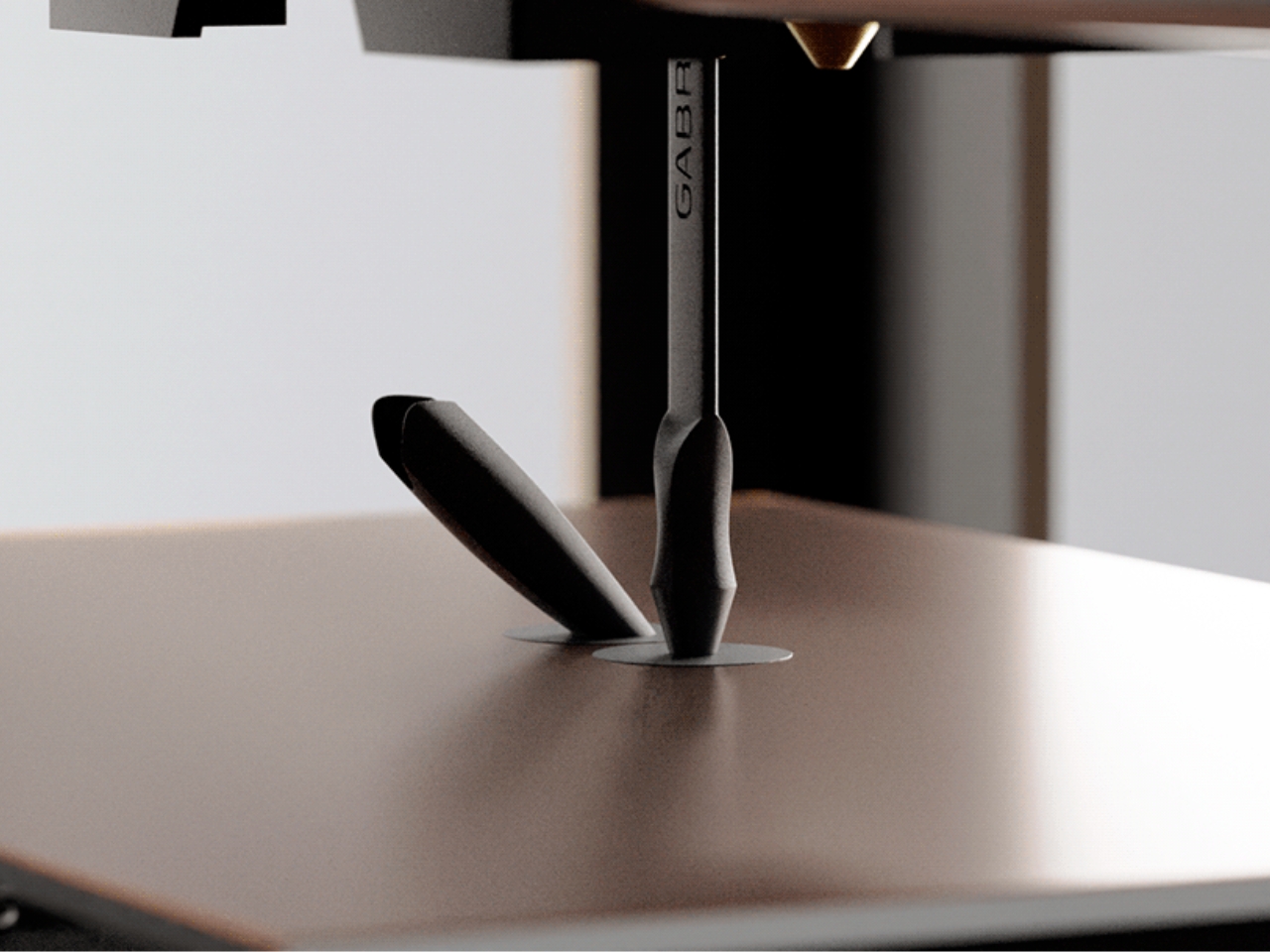
1. ScytheBlade

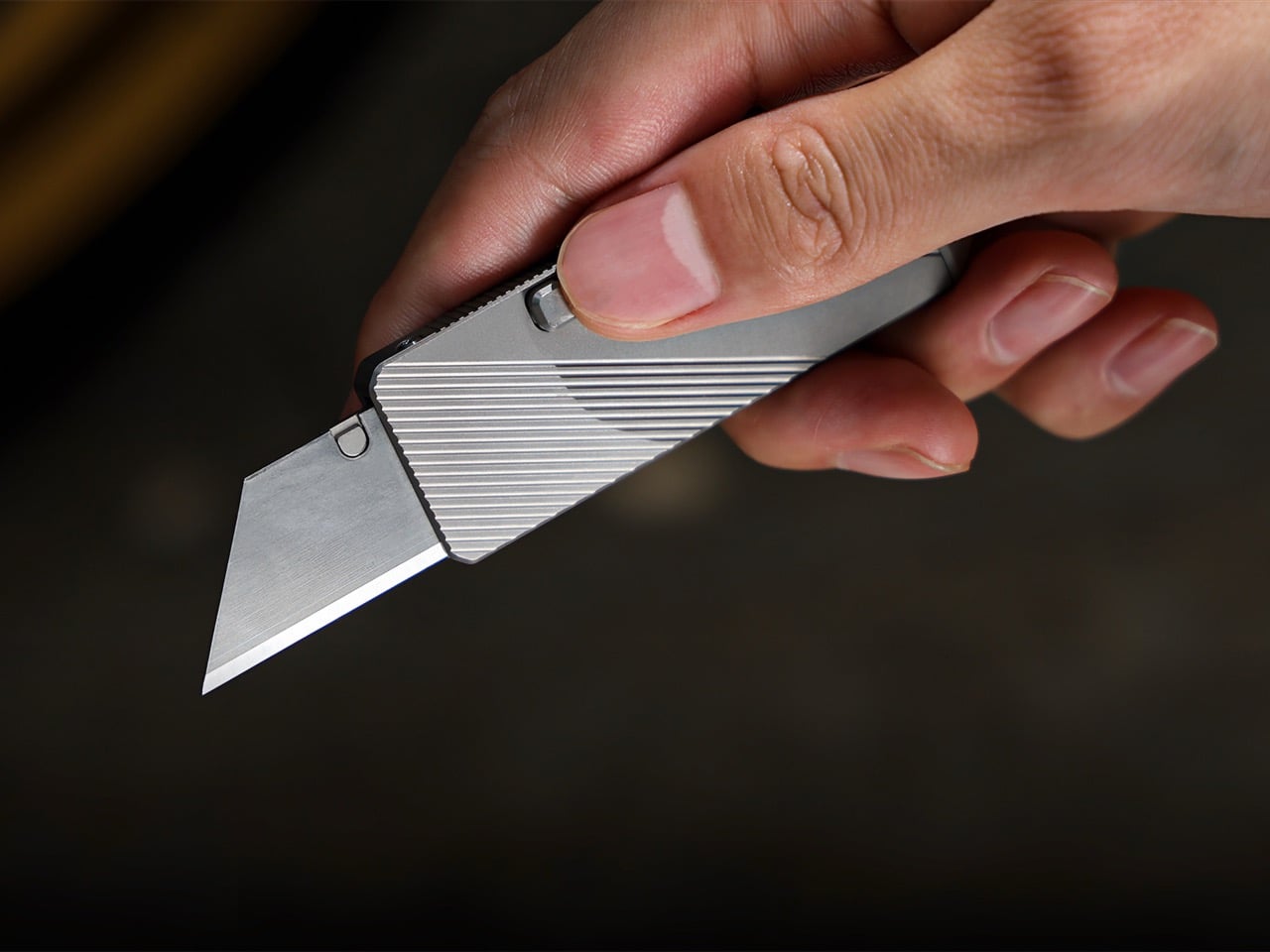
The curved blade of a scythe does not seem like an obvious candidate for pocket carry, but the ScytheBlade makes it work through radical miniaturization. This titanium folding knife borrows the Grim Reaper’s iconic profile and compresses it into something closer to a tiger claw, creating a blade shape that looks aggressive because it is. At just 46mm when deployed, the ScytheBlade challenges the assumption that effective cutting tools need generous proportions. The curve concentrates force along its edge in ways that straight blades cannot replicate, and that geometry turns a small blade into something disproportionately capable.

Titanium construction keeps the weight to 8 grams, making it barely noticeable when clipped to a pocket. The material also offers corrosion resistance without requiring the constant oiling and maintenance that carbon steel demands, a real advantage for spring carriers when rain and humidity are part of the daily equation. The engineering here is in the confidence to go small. Most EDC knife makers chase longer blades and heavier locks to project seriousness. The ScytheBlade proves the opposite: that an unconventional blade geometry, executed at a micro scale with the right material, outperforms bulk.

What we like

  • At 8 grams in titanium, it disappears into a pocket and removes the excuse to leave a knife at home.
  • The curved blade concentrates cutting force in a way that straight-edge micro knives cannot match, making it more capable than its 46mm length suggests.

What we dislike

  • The 46mm blade length limits what the knife can realistically handle; anything thicker than a zip tie or packing tape will push its limits.
  • The scythe profile is polarizing, and its aggressive look may draw attention in settings where a discreet blade would be preferable.

2. Arcos Driver

Ratchet screwdrivers work well in open spaces. The problem is that screws rarely live in open space. They sit in recessed housings, tucked behind cables, angled into corners where a straight driver either cannot reach or forces an awkward wrist contortion that strips heads. The Arcos Driver addresses this with a folding titanium body that adjusts to 0, 30, 60, or 90 degrees, allowing the tool to adapt its geometry to match the access angle rather than requiring the user to twist around it.

Inside is a three-mode ratchet system: forward for driving with consistent torque, reverse for clean removal, and a fixed-lock mode for stable, precise control when the screw matters more than speed. Integrated bit storage keeps everything in one unit, which is the kind of detail that separates a tool you actually carry from one that lives in a drawer. The titanium build brings strength without the weight penalty that steel ratchets impose, and the folding mechanism locks securely enough at each angle to feel confident under load. Spring means more outdoor projects, more furniture assembly on balconies, and more repairs that winter made easy to postpone. The Arcos Driver fits all of that into a carry-friendly package.

Click Here to Buy Now: $99 $155 (36% off). Hurry, only 15 days left! Raised over $62,000.

What we like

  • Four distinct folding angles mean access to screws in tight, awkward spaces without the wrist strain that straight drivers cause.
  • Integrated bit storage keeps the tool self-contained, so there is no fumbling through a separate bit case mid-task.

What we dislike

  • Kickstarter-funded tools carry inherent delivery uncertainty, and backers should factor in the risk of timeline delays.
  • The folding mechanism adds complexity that could develop play over time, particularly at the 30-degree position where lateral force is highest.

3. Pockitrod

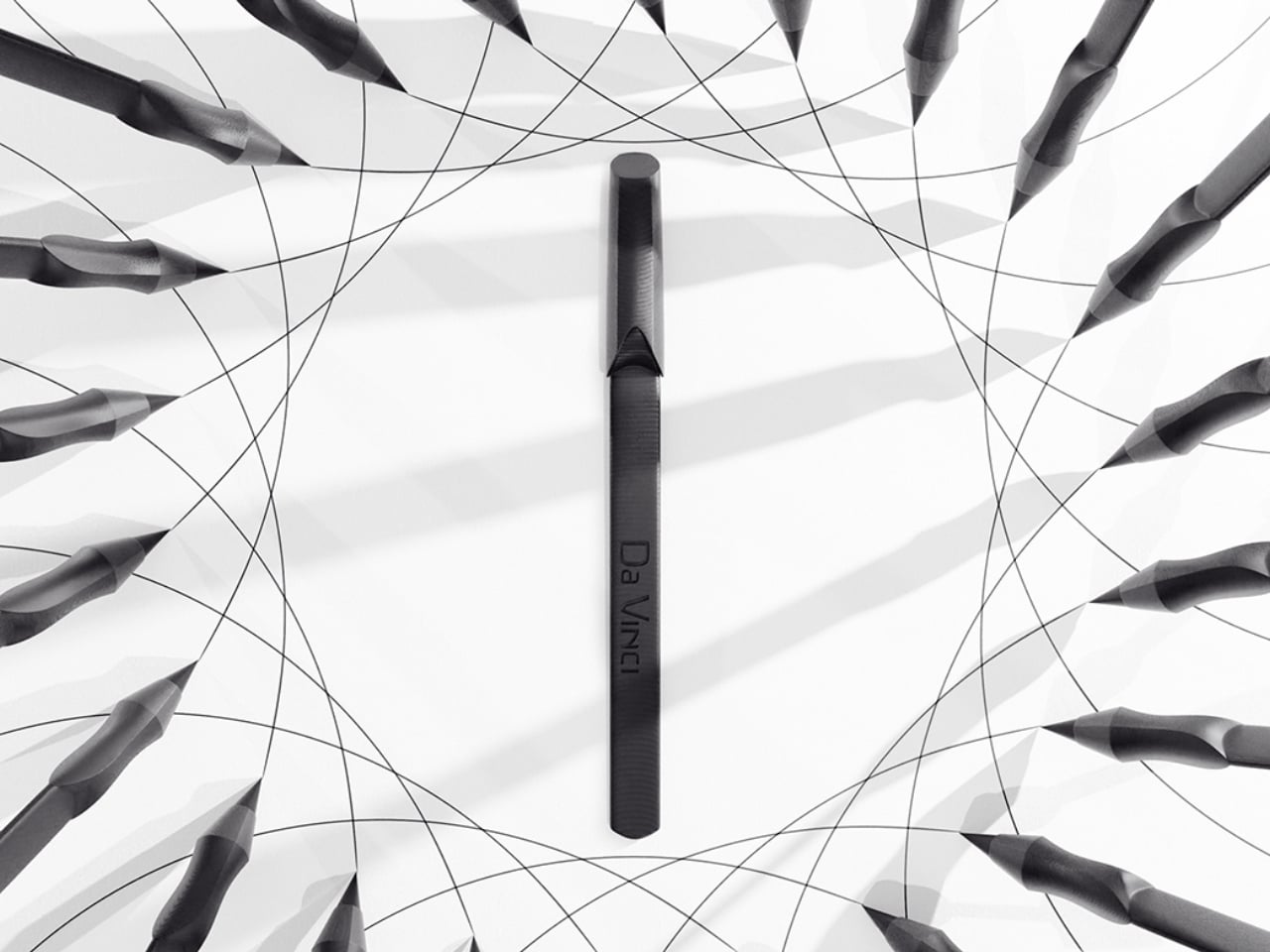
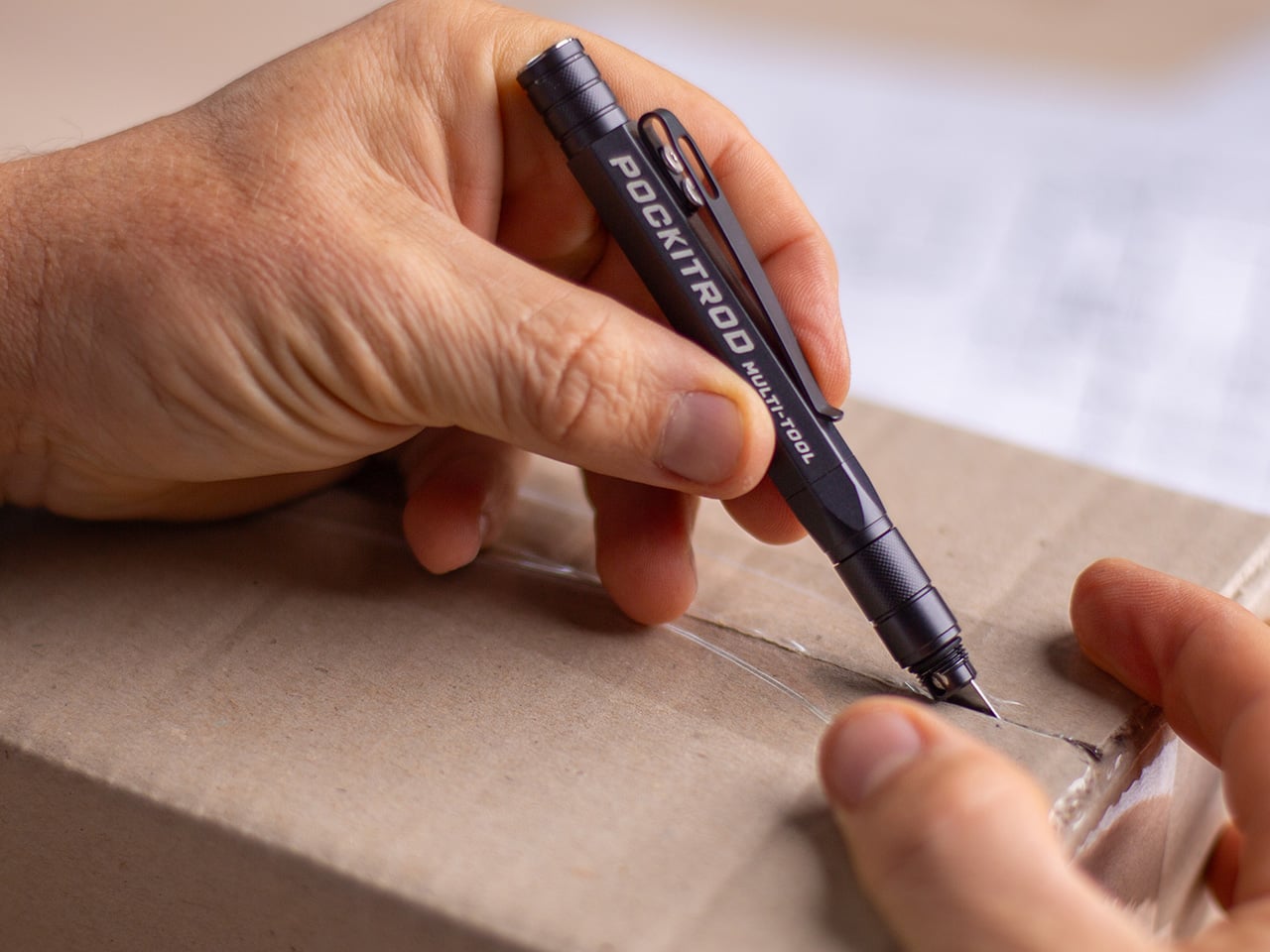
The tactical pen market is full of cylinders that add one feature (usually a glass breaker) to a writing instrument and call it innovation. The Pockitrod is a different animal. Its 6061-T4 aluminum body is machined with a hex cross-section that doubles as a driver grip, and the tool system inside is genuinely modular: a central driver assembly housed within the handle, a box opener with interchangeable 20CV steel tips, an inkless writing implement, and a magnetic-base LED flashlight that threads on as an extension module.

Etched measurement markings along the body function as a built-in ruler, with the zero-reference aligned to the edge for practical, real-world measuring rather than decorative engraving. The pen form factor is the smartest part of the design. A pen lives in a shirt pocket or a bag without raising questions. Nobody looks twice at it. But when work starts, the hex body locks into a bit the same way a proper driver handle would, and the modular extensions transform a pocket pen into a lighting, cutting, and fastening system. It respects the classic pen silhouette while fundamentally expanding what that silhouette can do.

What we like

  • The hex-profile aluminum body works as a genuine driver grip, not a marketing claim; it locks onto bits with the same positive engagement as a dedicated tool.
  • Modular extensions (LED, box opener, driver) thread onto a single pen body, consolidating multiple pocket tools into one.

What we dislike

  • Modularity means more pieces to keep track of, and losing a single extension reduces the tool’s value proposition.
  • The 6061-T4 aluminum is lighter than steel but also softer, meaning the hex edges will eventually round with heavy driver use.

4. AirTag Carabiner

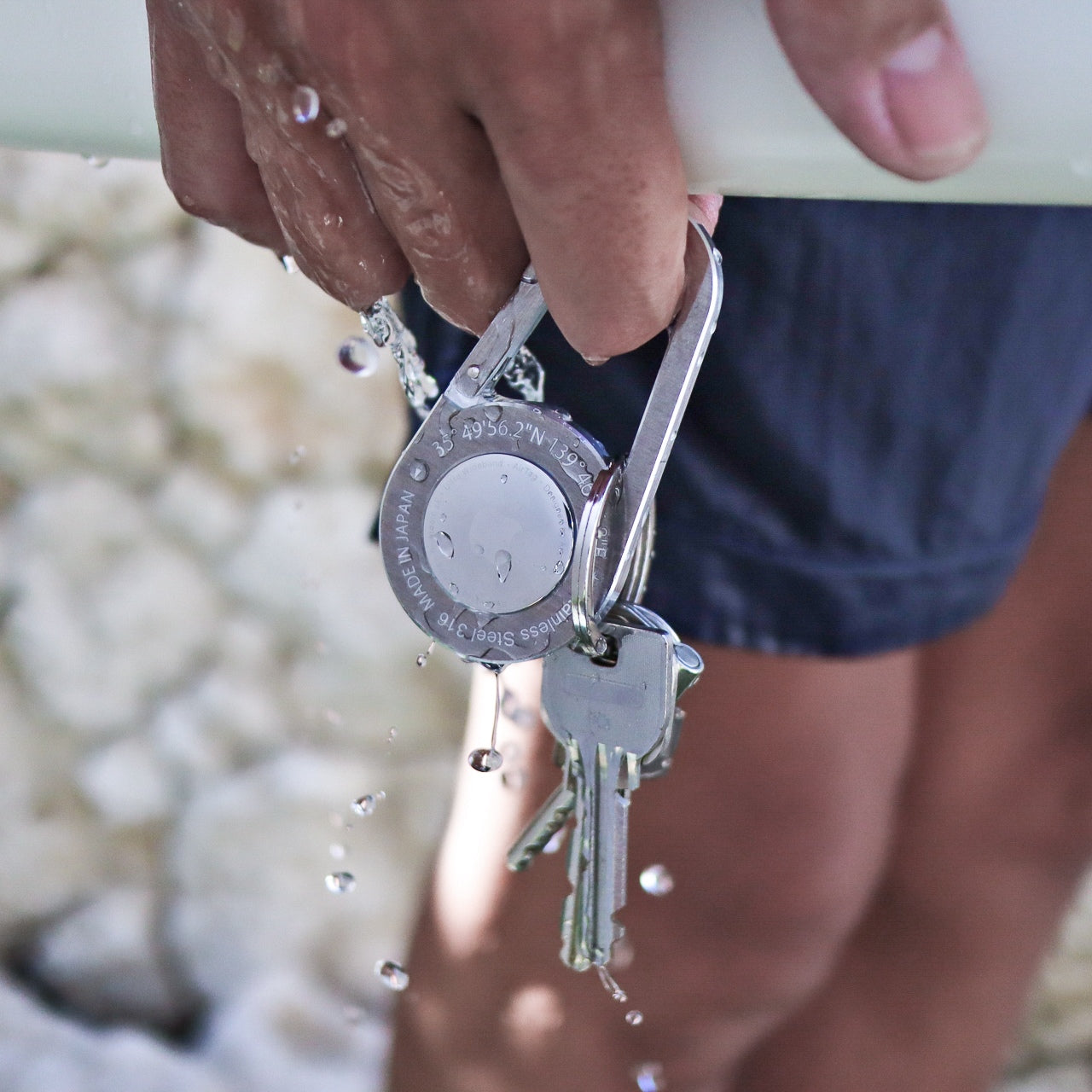
Losing keys is a winter problem that follows people into spring because nobody upgraded their keychain. This carabiner, made from Duralumin composite alloy (the same material used in aircraft and marine construction), is designed to house an Apple AirTag while clipping onto bags, bikes, umbrellas, or whatever tends to wander. The material choice matters because most AirTag holders are silicone or plastic, which means they degrade, stretch, and eventually drop the tag entirely.

Each unit is individually handcrafted from high-quality metal, and the carabiner is also available in untreated brass and stainless steel. The Duralumin version brings water and altitude resistance suited to actual outdoor conditions, not just controlled indoor environments. Spring carry means more time outside, more chances to leave something on a park bench or a cafe table, and a tracking solution that clips seamlessly onto whatever bag or gear you are carrying makes the transition from indoors to outdoors less risky. The lightweight form hides the fact that the alloy underneath is built to handle far harsher conditions than a keychain typically encounters.

Click Here to Buy Now: $129.00

What we like

  • Duralumin composite alloy provides aircraft-grade durability in a form factor that adds almost no perceptible weight to a bag or keyring.
  • Handcrafted metal construction outlasts silicone and plastic AirTag holders, which tend to stretch and lose grip over months of use.

What we dislike

  • Apple AirTag is not included, so the total cost of entry includes both the carabiner and the tag itself.
  • The tracking functionality is Apple ecosystem only, leaving Android users without a compatible option.

5. Fingertip-sized Rechargeable Flashlight

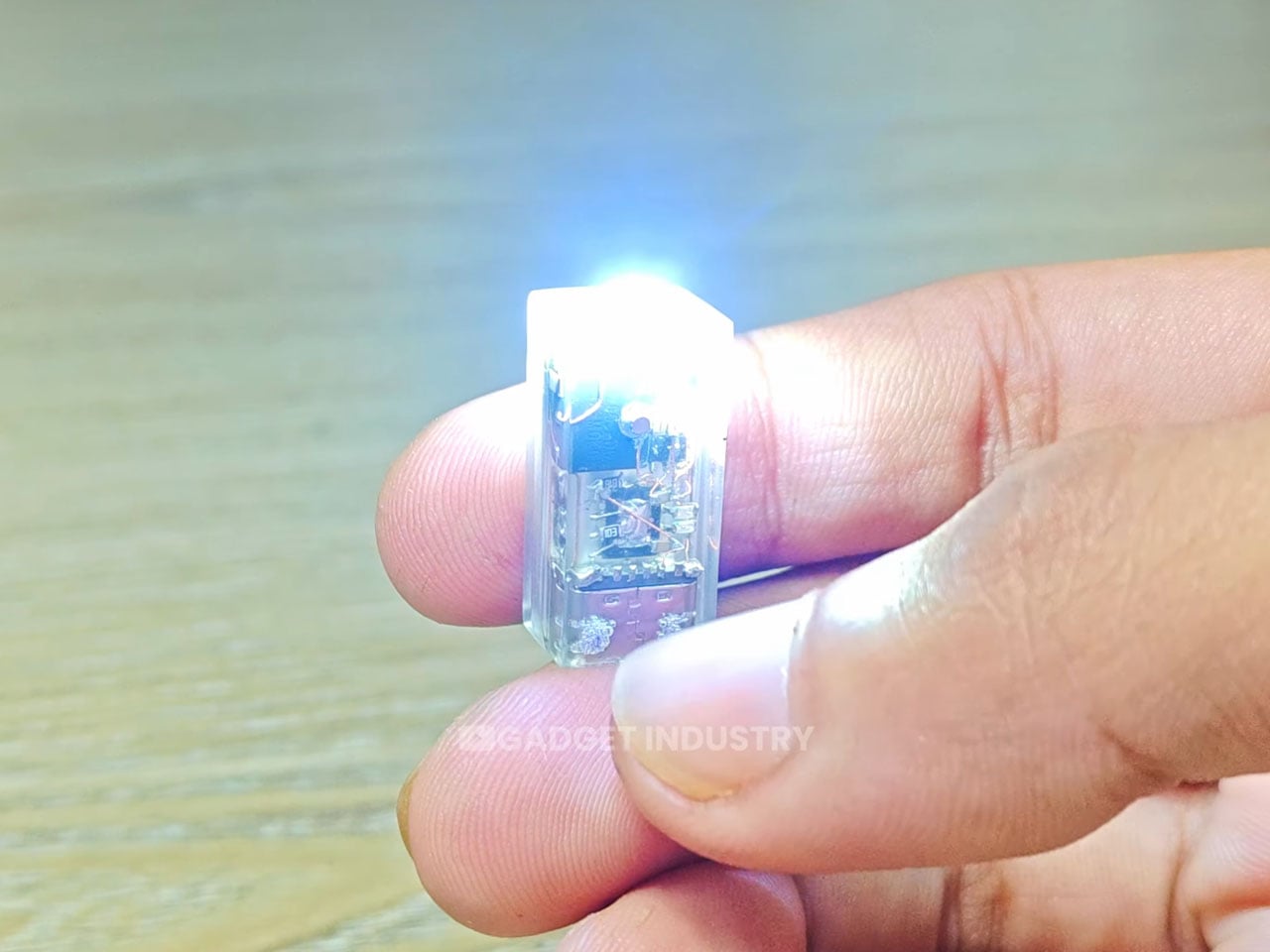
World’s smallest is a claim that usually comes with an asterisk. This flashlight, built as a DIY experiment by YouTube channel Gadget Industry, skips the asterisk. It sits on the tip of a finger. Inside that resin shell: a lithium-polymer battery, a charging circuit, a touch-based control system, and a white LED. That is a fully rechargeable, functional light source condensed into a form factor that most people would mistake for a button.

The scale alone is the point. In a crowded EDC landscape where flashlights compete on lumens, beam distance, and tactical modes, this micro torch takes the opposite approach. It prioritizes presence over power: a light source so small that it will always be with you, because forgetting it is almost impossible. Spring evenings still get dark, and the gap between leaving work and arriving home often involves poorly lit stairwells, parking garages, or bike paths. A light that lives permanently on a keychain or in a coin pocket fills that gap without adding any detectable weight. It is a reminder that miniaturization itself can be the innovation.

What we like

  • The form factor is so small that it can live permanently on a keychain without adding bulk, which means it is always available.
  • Fully rechargeable with touch controls, so there are no disposable batteries and no physical switches to break.

What we dislike

  • As a DIY build from a YouTube channel, it is not commercially available, which limits accessibility to viewers willing to replicate the project.
  • The tiny lithium-polymer battery means the runtime is limited, and the light output is functional rather than powerful.

6. Titaner Swing Ratchet System

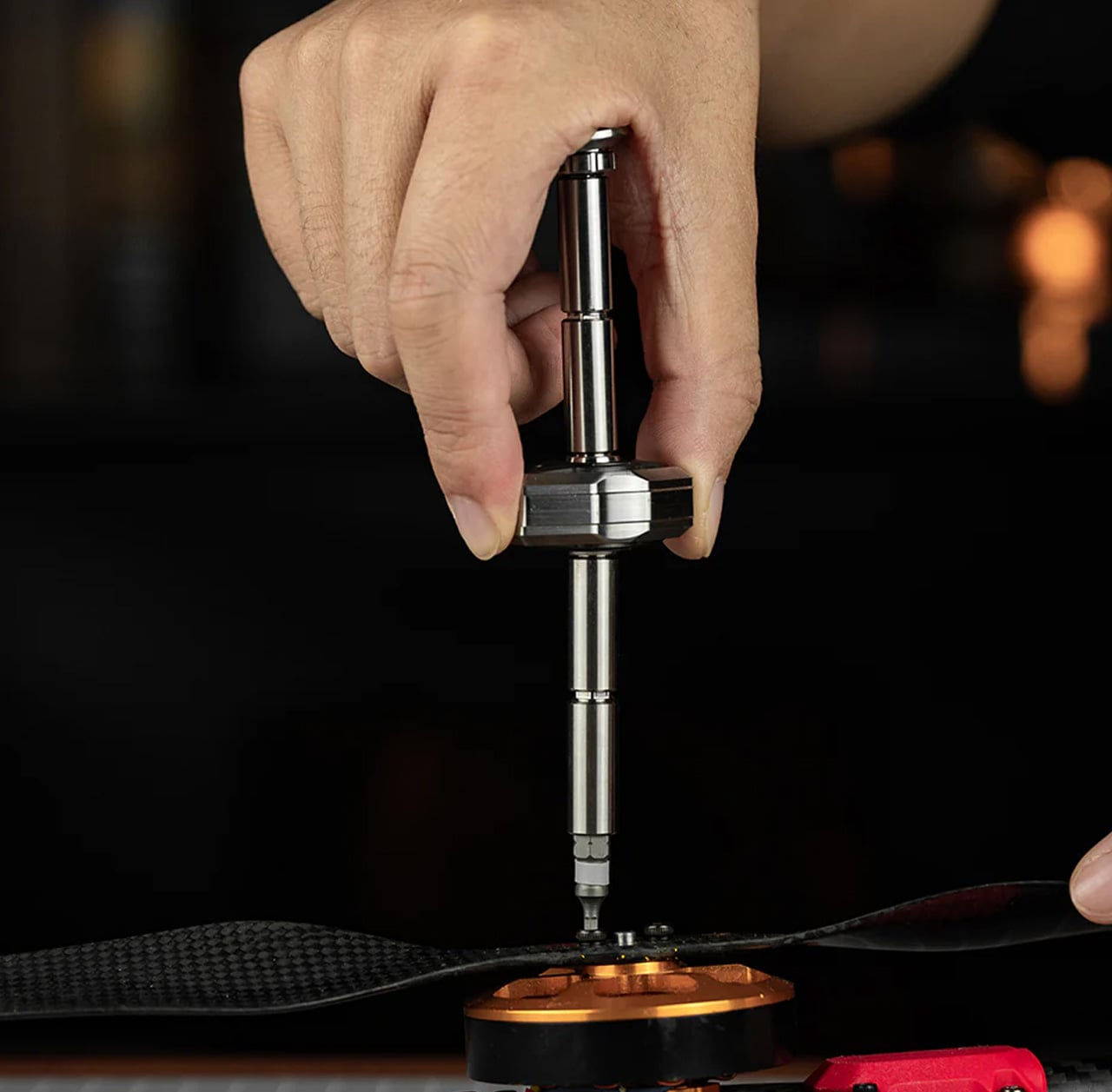
Most ratchets need at least 15 to 30 degrees of swing to engage the next tooth. In tight spaces, that range is the difference between completing a turn and stalling. The Titaner swing ratchet compresses that arc to 4 degrees, which means it can operate in gaps where conventional ratchets physically cannot cycle. Both sides of the ratchet core are functional, with CNC-engraved directional markers (one side locks, the other releases) for intuitive control without trial-and-error guessing.

At 29.8 grams, the system weighs 40% less than traditional ratchets while delivering full torque. The modular design allows different driver heads and bit configurations, so the same core handles multiple fastener types without carrying separate tools. Spring projects (tightening deck furniture, adjusting bike components, assembling outdoor gear) tend to involve screws in confined or partially accessible locations. A ratchet that fits those conditions at under 30 grams is the kind of tool that justifies its pocket space every week rather than sitting idle waiting for a big job. The precision here is not about power. It is about access.

What we like

  • A 4-degree swing arc allows the ratchet to function in spaces so tight that standard ratchets cannot even begin to cycle.
  • At 29.8 grams, it is 40% lighter than traditional ratchets, making it realistic for daily pocket carry rather than toolbox-only storage.

What we dislike

  • Ultra-compact ratchet heads can feel less confident under heavy torque loads compared to full-sized counterparts.

7. Cubik

Knife designers typically rely on springs, flippers, or complex bearing systems to get a blade open. The Cubik discards all of that in favor of gravity. Press the trigger, hold it upside down, and the blade drops into position. Release the trigger, and it locks. This mechanism eliminates the springs that rust, bearings that fail, and maintenance cycles that plague traditional folders. The knife works with physics rather than fighting it, and the satisfying weight of the blade swinging into place feels like the mechanism earned its simplicity.

That simplicity does not mean weakness. The Cubik locks firmly enough to pierce hardwood, which puts it in functional territory that most gravity-deploy designs cannot reach. The tungsten carbide glass breaker integrated into the rear end transforms what could be a gentleman’s folder into a legitimate emergency tool. When most EDC knives chase complexity through additional deployment systems, assisted-open mechanisms, and axis locks, the Cubik goes the other direction. One moving part. One material is doing the heavy lifting. The result is a knife with fewer failure points and a deployment method that never gets old to use.

What we like

  • Spring-free gravity deployment means zero mechanical parts that can rust, jam, or wear out over years of daily use.
  • The integrated tungsten carbide glass breaker elevates the knife from an everyday cutter to a genuine emergency tool.

What we dislike

  • Gravity deployment requires the knife to be held upside down, which is slower than a spring-assisted or flipper-based opening in time-sensitive situations.
  • The legal status of gravity knives varies by jurisdiction, and some regions classify them differently from standard folding knives.

Lighter pockets, sharper choices

The shift from winter to spring is not about adding gear. It is about compressing a function into less space. Thinner jackets, shorter pockets, and more time outdoors demand a loadout that earns its presence through utility rather than just occupying real estate. These seven tools share a design philosophy rooted in that compression: titanium, where weight matters; modularity, where versatility matters; and miniaturization, where pocket space is the constraint.

Spring carry is a constraint worth designing for. The tools that survive the seasonal edit are the ones that do their job without reminding anyone they exist, until the moment they are needed. That is the entire point of everyday carry, and these seven understand it.

The post 7 EDC Upgrades Every Guy Needs Now That Winter Is Finally Over first appeared on Yanko Design.

7 Best Pocket-Sized Tech Gadgets Built for the Modern Minimalist

Somewhere between the overstuffed tech pouch and the empty pocket lies a sweet spot that most gadget makers ignore. The minimalist carry is not about owning less for the sake of it, but about each object earning its place through thoughtful design and genuine daily utility. We have been keeping tabs on pocket-friendly gadgets that manage to pack serious functionality into forms small enough to forget about until the moment they are needed. These seven picks balance portability with purpose, skipping gimmicks in favor of smart engineering.

What ties this list together is a shared restraint. None of these products tries to do everything. Each one solves a specific problem within a compact footprint, and the design decisions behind them reflect a growing shift in how makers approach portable tech. Less bloat, more intention, and a willingness to rethink form factors that have gone unchallenged for too long.

1. OrigamiSwift Mouse

The OrigamiSwift borrows its name from Japanese paper folding, and the comparison holds up. This foldable Bluetooth mouse collapses flat for storage and springs into a full-sized shape in under half a second, making it one of the more clever portable input devices we have come across recently.

At just 40 grams, the mouse is lighter than most pens and thin enough to slip into a jacket pocket without adding bulk. The ergonomic curve that appears when unfolded feels closer to a standard desktop mouse than most travel mice bother attempting, which makes extended work sessions far less punishing on the wrist.

Click Here to Buy Now: $85.00

What we like

  • The origami-inspired folding mechanism is quick and satisfying, going from flat to functional almost instantly.
  • Weighing only 40 grams, it vanishes into a bag or pocket and adds almost zero weight to a travel setup.

What we dislike

  • The folding hinge is a mechanical point of failure that could wear over time with heavy daily use.
  • Bluetooth-only connectivity means no option for a USB dongle, which can be a dealbreaker for users who prefer a dedicated receiver.

2. DuRobo Krono

Reading on a phone screen is a compromise most people accept without questioning. The DuRobo Krono pushes back on that default by squeezing a 6.13-inch E Ink Carta 1200 display into a form factor that fits pockets as easily as a smartphone, but replaces the distraction engine with a focused reading and productivity tool.

The 300 PPI resolution matches what premium Kindles deliver, and the tall 18:9 aspect ratio gives the Krono a narrow, phone-like grip at 154 x 80 x 9mm and 173 grams. Built-in AI capabilities turn it into a note-taking and creative thinking companion, not just a page-turner.

What we like

  • The E Ink display at 300 PPI is sharp and comfortable for extended reading without the eye fatigue that LCD screens cause.
  • AI features baked into the device add a productivity layer that separates it from standard eReaders stuck in single-purpose territory.

What we dislike

  • E Ink refresh rates remain sluggish for anything beyond static pages, making note-taking and navigation feel slower than on a phone.
  • At 6.13 inches, the screen is on the smaller side for PDFs and academic papers that need more real estate to be readable.

3. Pokepad Pocket PC

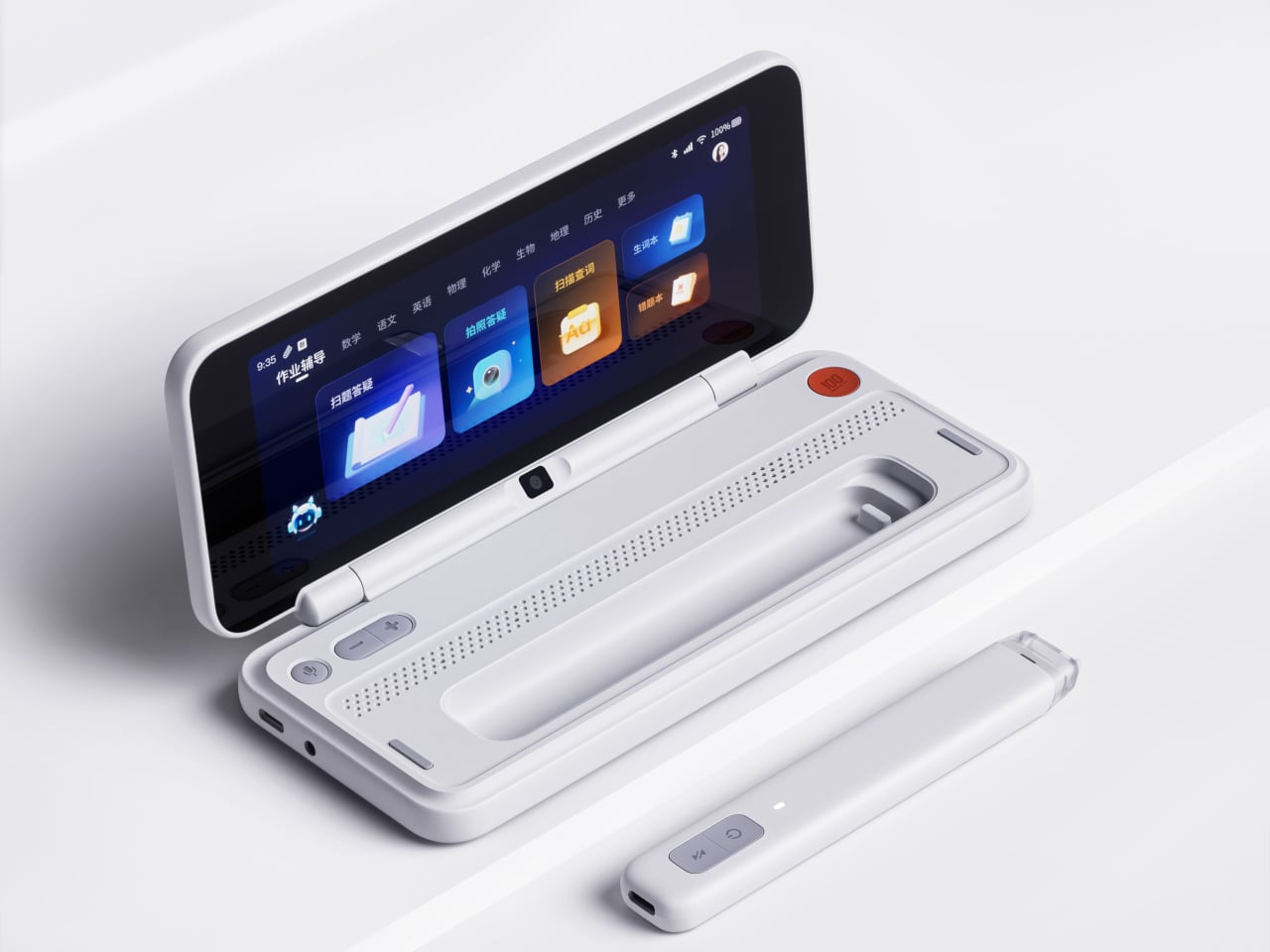
Most devices aimed at students are either stripped-down tablets or locked-down phones fighting a losing battle against social media. Pokepad takes a different route: a compact learning device shaped like a slim rectangular box, with a flip-out pen and zero gaming apps. The goal is a distraction-free tool that travels from classroom to bus to bedroom.

The design team tested multiple shapes before landing on this box form factor, balancing enough internal volume for a decent battery, speakers, and a pen mechanism without tipping into tablet territory. The deliberate absence of an app store full of entertainment is the product’s sharpest design choice, and its most controversial one.

What we like

  • The flip-out pen integrated directly into the body eliminates the need to carry (and inevitably lose) a separate stylus.
  • A distraction-free software environment means this device stays focused on learning rather than competing with TikTok for attention.

What we dislike

  • This is still a concept, so there are no confirmed specs, pricing, or a release timeline to evaluate.
  • The locked-down software approach assumes students will not simply resist using a device that blocks entertainment entirely.

4. Battery-free Amplifying iSpeakers

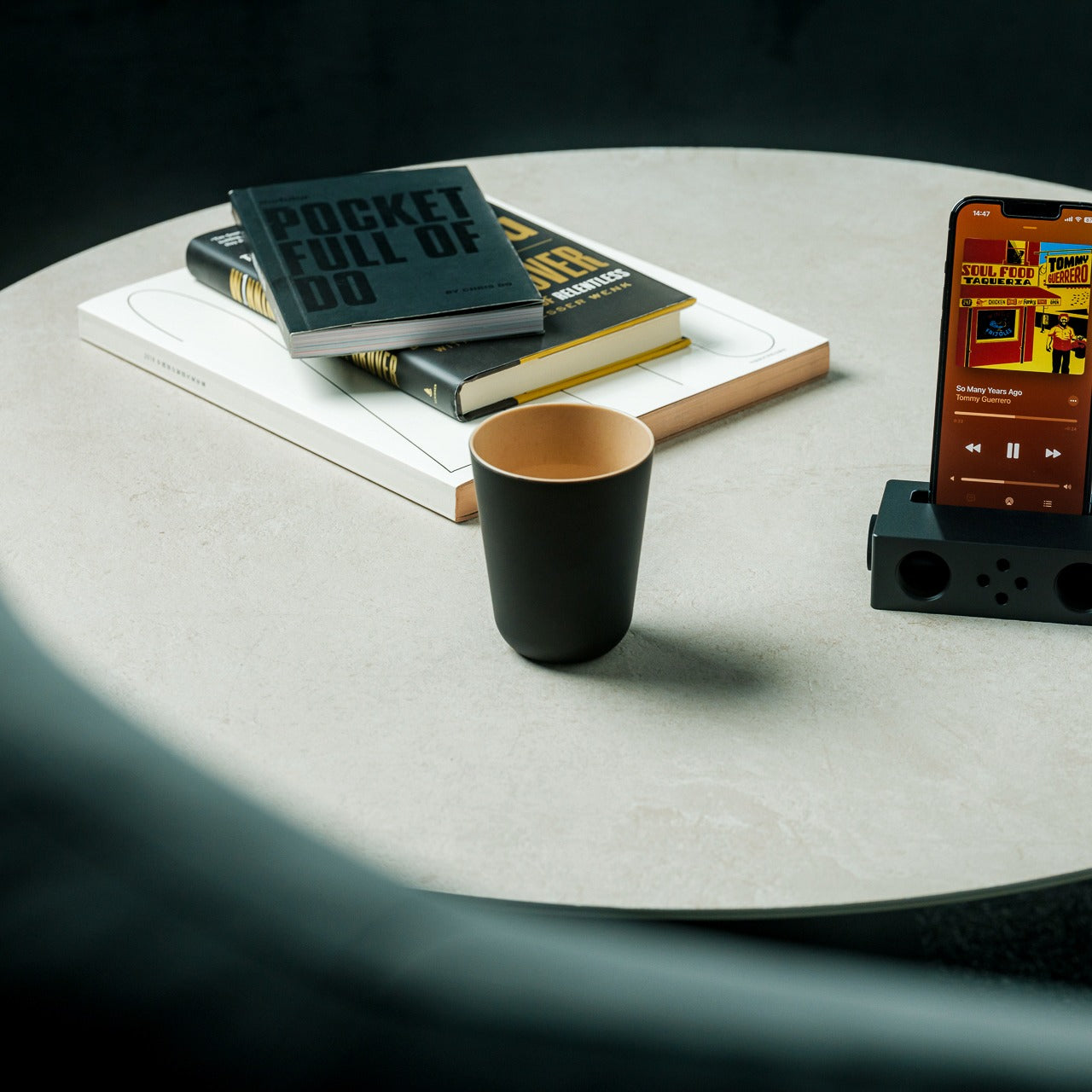
In a category drowning in Bluetooth speakers that need charging, the iSpeakers strip things back to pure physics. This metal smartphone speaker amplifies sound using acoustic design alone, with no battery, no electricity, and no pairing process. Slot a phone in, and the Duralumin body does the rest.

The material choice is the interesting detail here. Duralumin is an aluminum alloy used in aircraft construction, chosen for its vibration-resistant properties and its ability to project sound cleanly. The speaker’s proportions follow the golden ratio, which shapes how sound waves travel through the chamber and spread outward. Optional +Bloom and +Jet mods (sold separately) let users direct sound for different room setups.

Click Here to Buy Now: $179.00

What we like

  • Zero power requirement means no batteries to charge, no cables to carry, and no wireless connectivity to troubleshoot.
  • Duralumin construction gives it a premium, lasting feel that ages well and resists the kind of dings that kill plastic speakers.

What we dislike

  • Volume output is inherently limited by passive amplification, so this will not fill a large room or compete with powered speakers.
  • Compatibility depends on phone size and speaker placement, so not every phone model will fit or project sound optimally.

5. Unix UX-1519 NEOM Power Bank

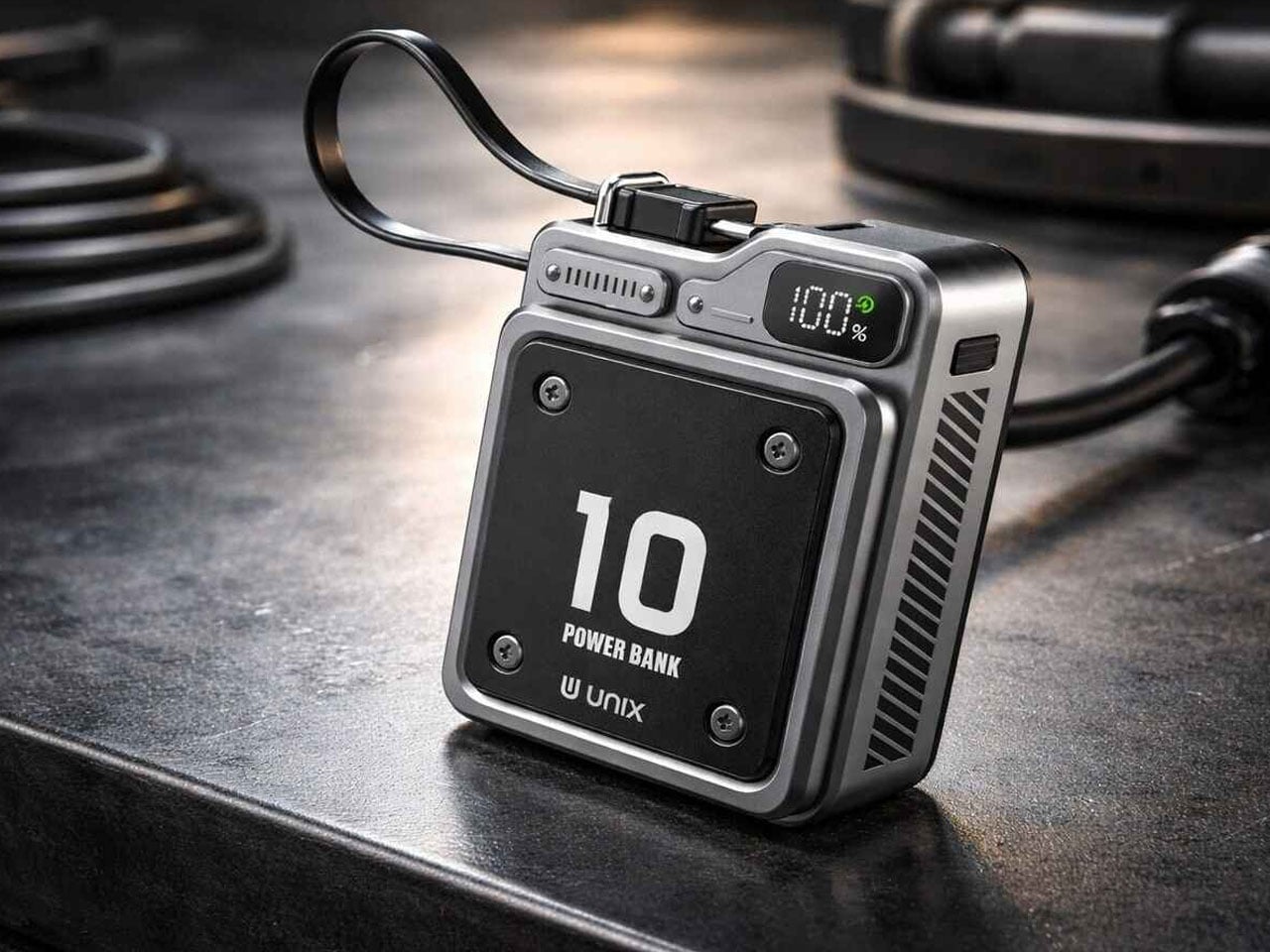
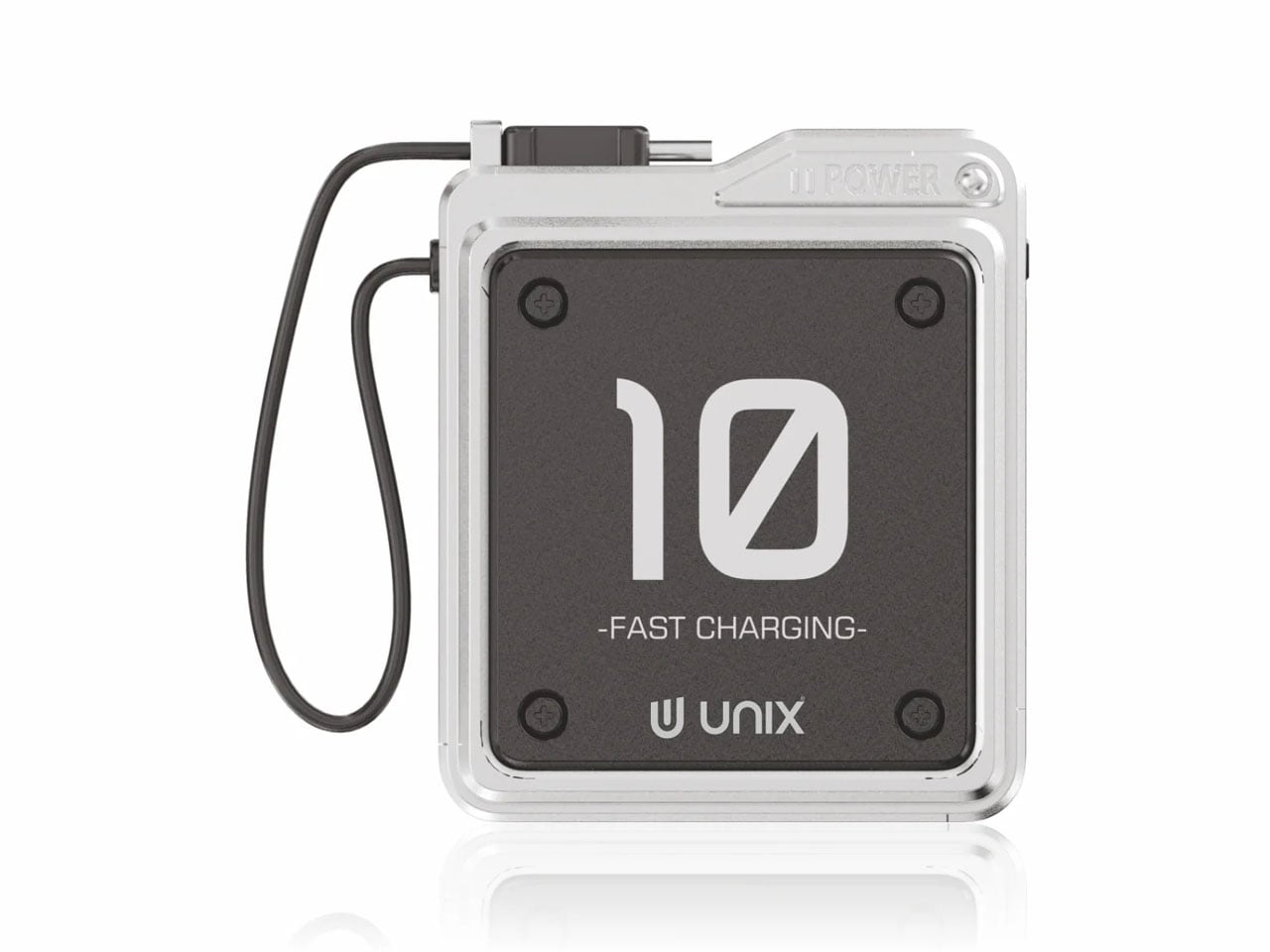
Power banks are the most boring objects in the average carry. The Unix UX-1519 NEOM challenges that assumption by wrapping 10,000mAh of capacity and 22.5W fast charging in an industrial design language that actually looks intentional. This is a real, shipping product, not a concept render.

The retro-modern aesthetic slots neatly alongside devices from brands like Nothing and Teenage Engineering, where exposed design elements and visible construction details are part of the appeal. Under the surface, a high-density Lithium Polymer battery provides a safer, longer-lasting cell compared to standard lithium-ion packs found in most competing power banks.

What we like

  • The industrial design treatment turns a utilitarian object into something worth displaying alongside the rest of a curated collection.
  • 22.5W fast charging keeps compatible devices topped up quickly, cutting the time spent tethered to a power bank.

What we dislike

  • The design-forward approach may command a price premium over functionally identical power banks with plainer exteriors.
  • At 10,000mAh, capacity is adequate for one to two phone charges, but falls short for users who need to power tablets or laptops on the go.

6. Keychron B11 Pro

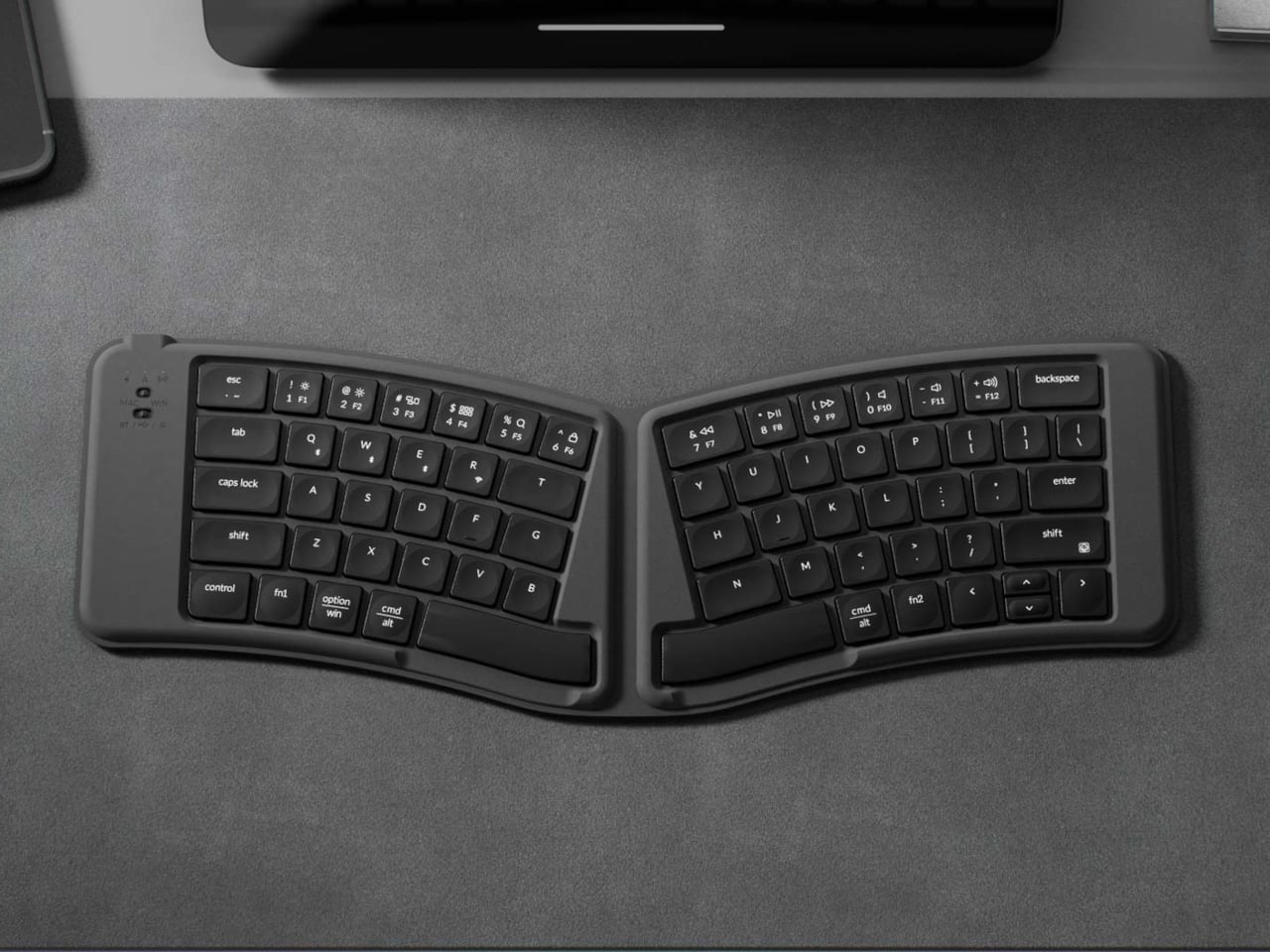
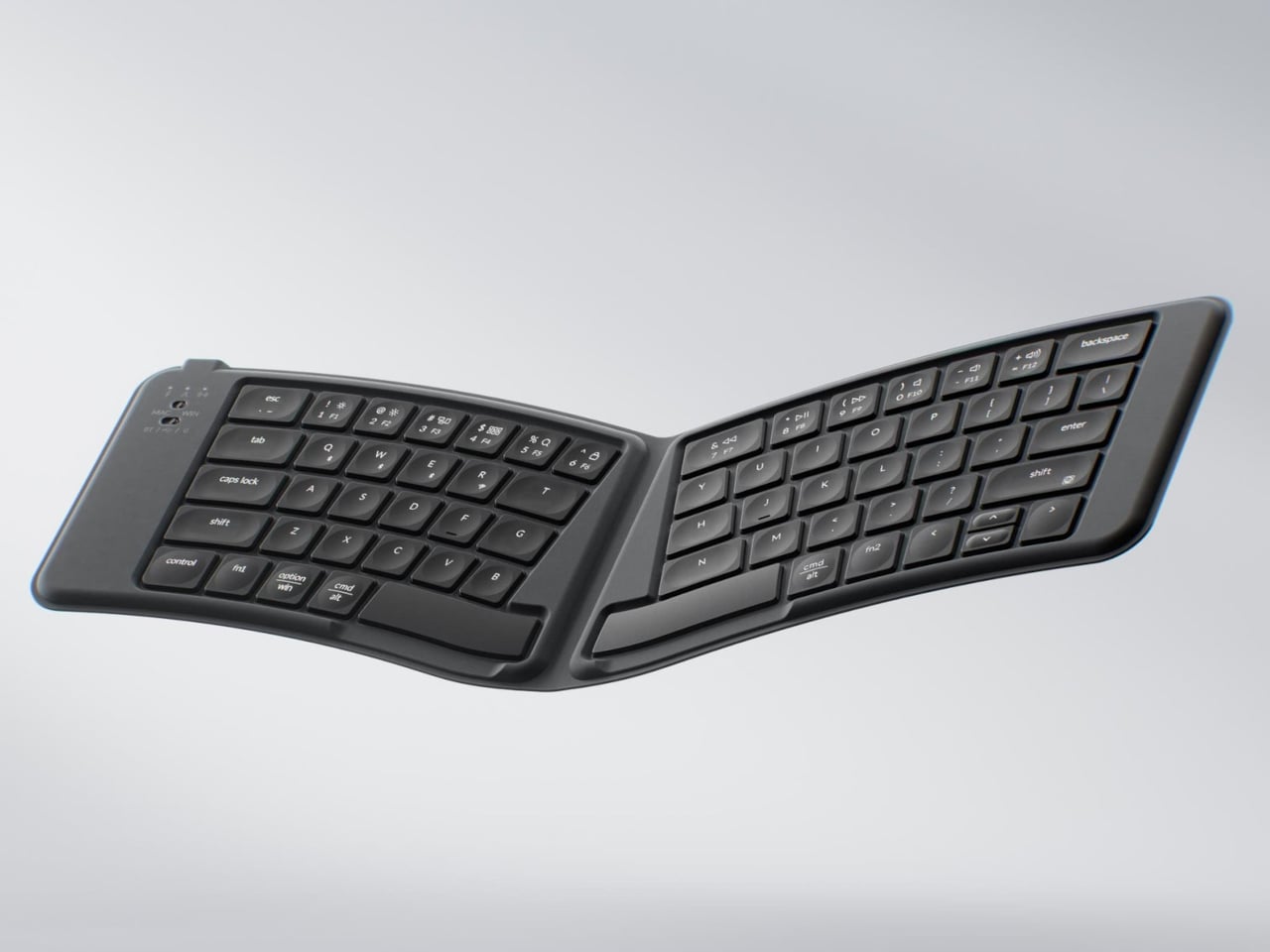
Portable keyboards have spent years treating compactness as the only variable worth optimizing. The Keychron B11 Pro adds a second priority: ergonomics. It folds in half to a 196.3 x 143 mm footprint (smaller than a paperback) at 258 grams, but unfolds into a 65% Alice layout that angles both key clusters inward for a more natural wrist position.

The Alice geometry is what separates this from every other folding keyboard in its price bracket. Keychron already uses the same split-angle approach in the desk-bound K11 Max, a full mechanical keyboard, so the ergonomic logic is well tested. Putting it into a foldable form at $64.99 is a different proposition, one that treats travel typing as something deserving of the same wrist comfort as a home office setup.

What we like

  • The Alice split layout reduces lateral wrist strain during long typing sessions, a benefit that flat portable keyboards do not offer.
  • At $64.99, the price point is accessible compared to other ergonomic keyboards that cost two to three times as much.

What we dislike

  • A 65% layout means missing dedicated function rows and navigation clusters, which power users may find limiting.
  • The folding hinge adds a visible seam along the middle of the keyboard that could collect dust and affect long-term build quality.

7. Frame CD Player

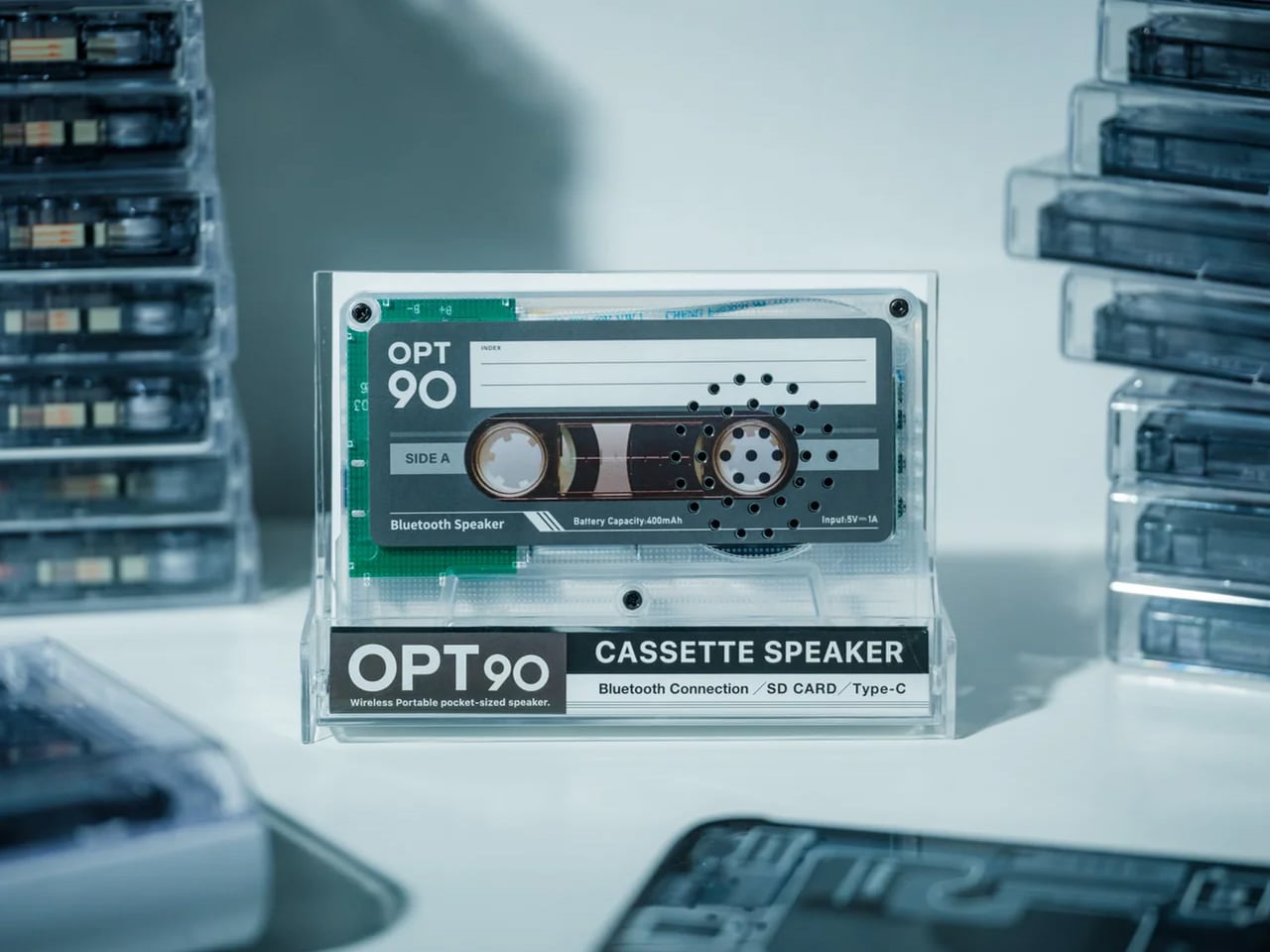
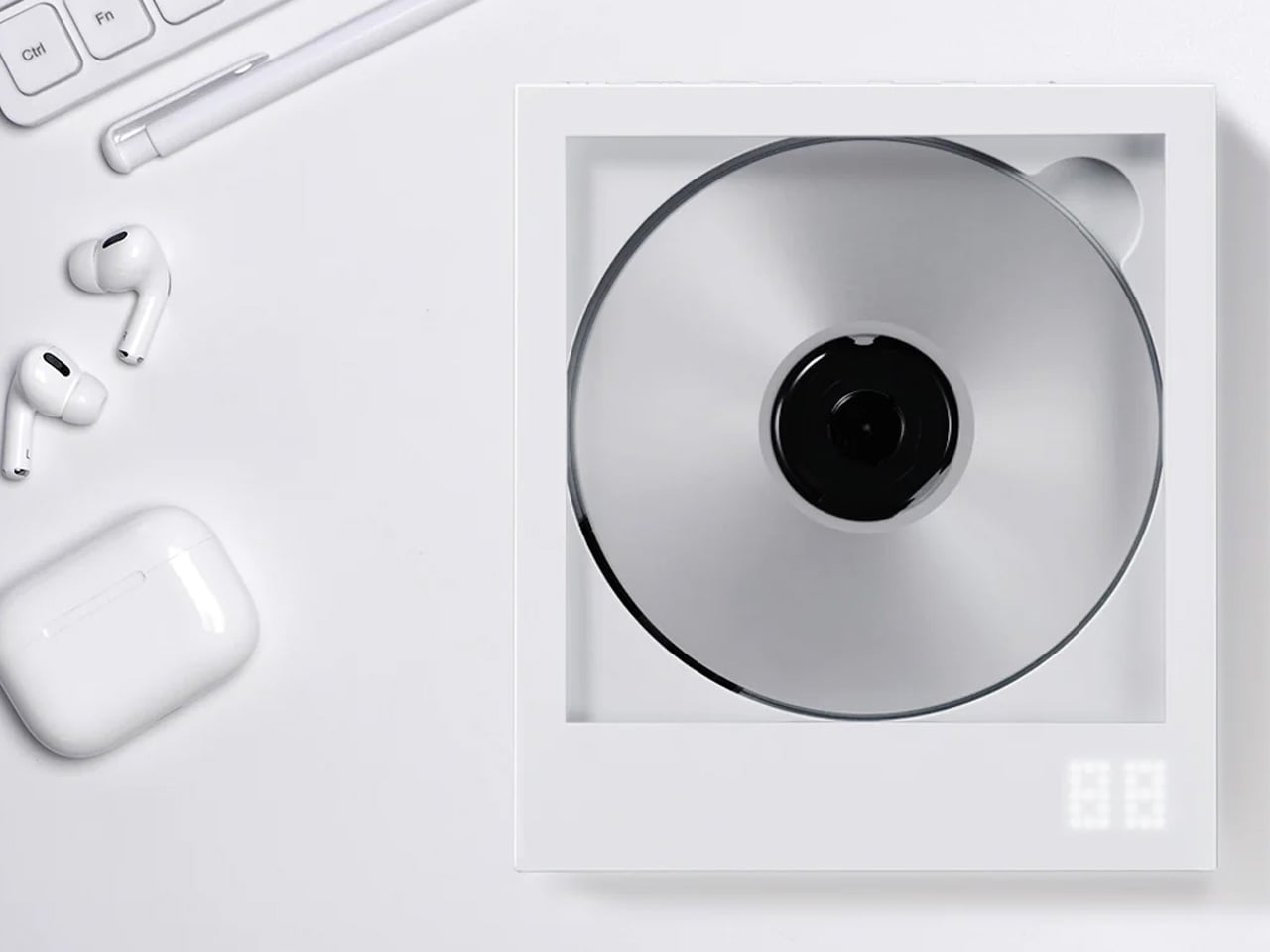
Streaming killed the CD, but it never replaced the ritual. The Frame CD player leans into that gap with a portable player that does double duty as a display for album jacket art. Pop in a disc, slide the cover art into the built-in frame, and the album becomes an object again instead of a thumbnail on a screen.

Bluetooth 5.0 lets the player connect to wireless speakers and earphones, so it works within modern audio setups without demanding a wired system. A built-in battery makes it portable enough to move between rooms or take on the go, and the minimalist housing is designed to hang on a wall as a piece of functional decor when not in transit.

Click Here to Buy Now: $169.00

What we like

  • The album art frame transforms a music player into a visual display piece, giving physical media a presence that streaming cannot replicate.
  • Bluetooth 5.0 connectivity bridges the gap between vintage formats and modern audio gear without extra adapters or cables.

What we dislike

  • CD collections are shrinking, so the player’s long-term utility depends on how committed a listener is to physical media.
  • Sound quality through Bluetooth compression will not satisfy audiophiles who are drawn to CDs for their lossless audio in the first place.

Less carry, more intent

The common thread running through these seven gadgets is not a spec sheet or a price bracket. It is an attitude toward what portable tech should be: small enough to disappear when not needed, capable enough to perform when called upon, and designed with enough intention that carrying them feels like a choice rather than a burden. Not every product on this list will suit every carry, but each one earned its pocket space.

What makes this current wave of compact gadgets exciting is the refusal to treat portability and quality as opposites. The best pocket-sized tech does not ask for compromise. It simply demands better design thinking, and these seven products deliver on that front in different, often surprising ways.

The post 7 Best Pocket-Sized Tech Gadgets Built for the Modern Minimalist first appeared on Yanko Design.

7 Genius Spring Camping Gadgets & Gear for 2026 That Make the Great Outdoors Feel Like a Five-Star Hotel

Camping gear has always operated on a quiet contradiction: the more you need comfort, the more weight you carry, and the more weight you carry, the less comfortable you become. Spring 2026 has a different answer. A wave of products has arrived that treats outdoor living not as an exercise in deprivation management but as a design problem worth solving properly — with biological modeling, modular cooking systems, and a shelter that erects itself in the time it takes to open a cold drink. These seven gadgets sit at that intersection.

The products on this list share a philosophy more than a category. Each one attacks a specific friction point in the camping experience — bad sleep, messy cooking, cold nights, assembly anxiety — with engineering that owes nothing to the gear conventions that preceded it. Whether you are weekend-tripping in the forest or plotting a longer off-grid stretch, this is what thoughtful outdoor design looks like in 2026.

1. Camp Napper

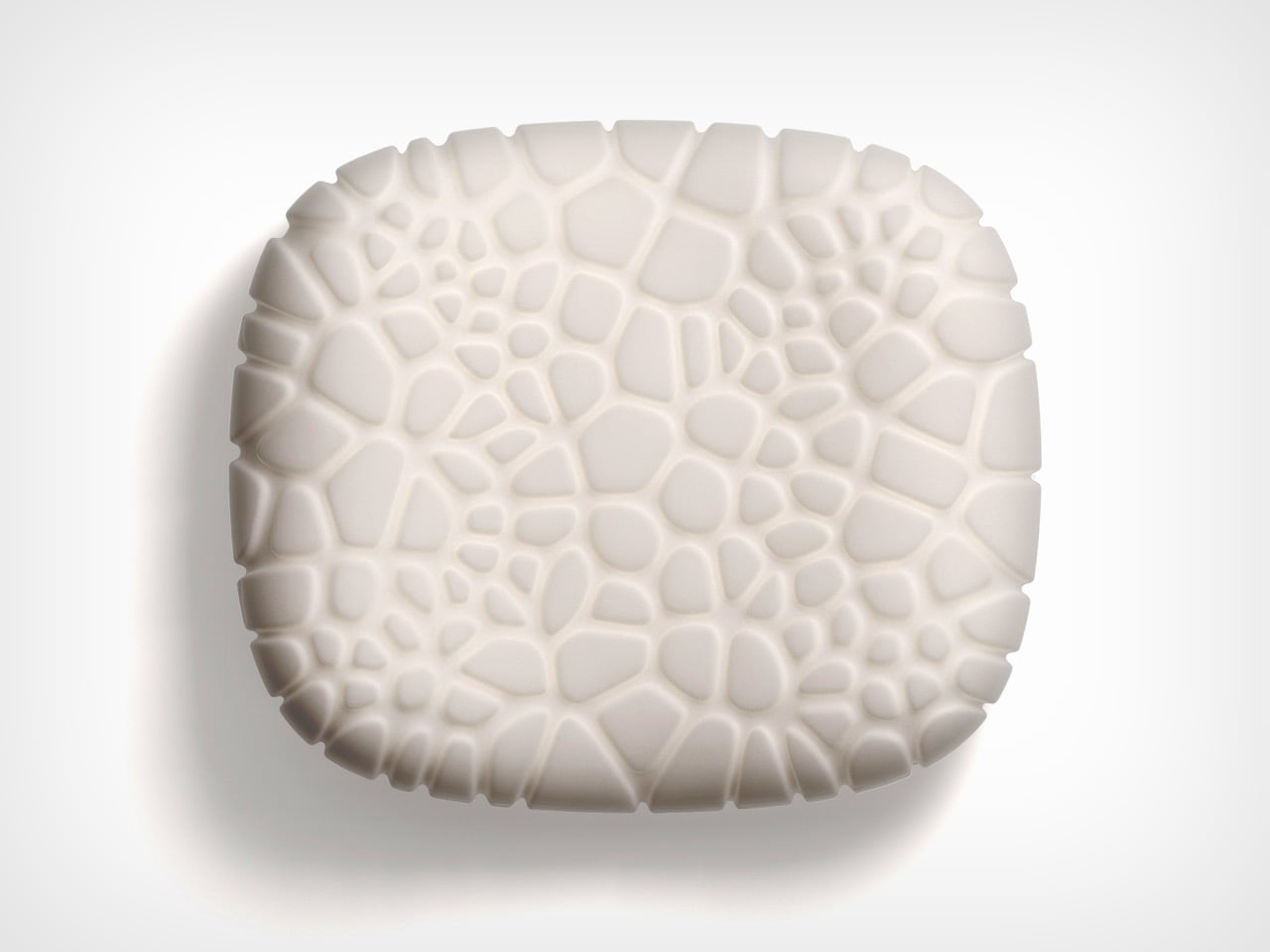
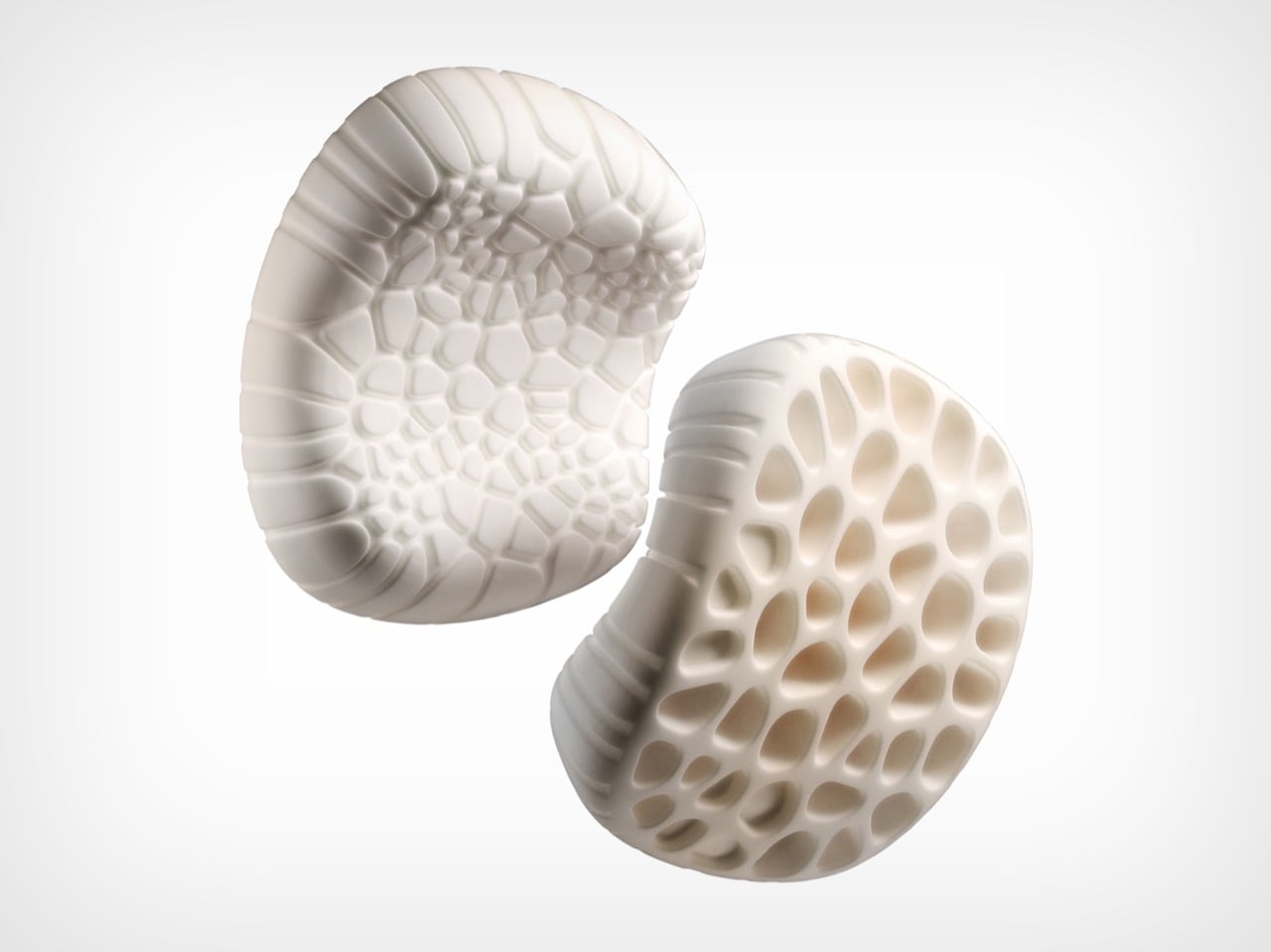
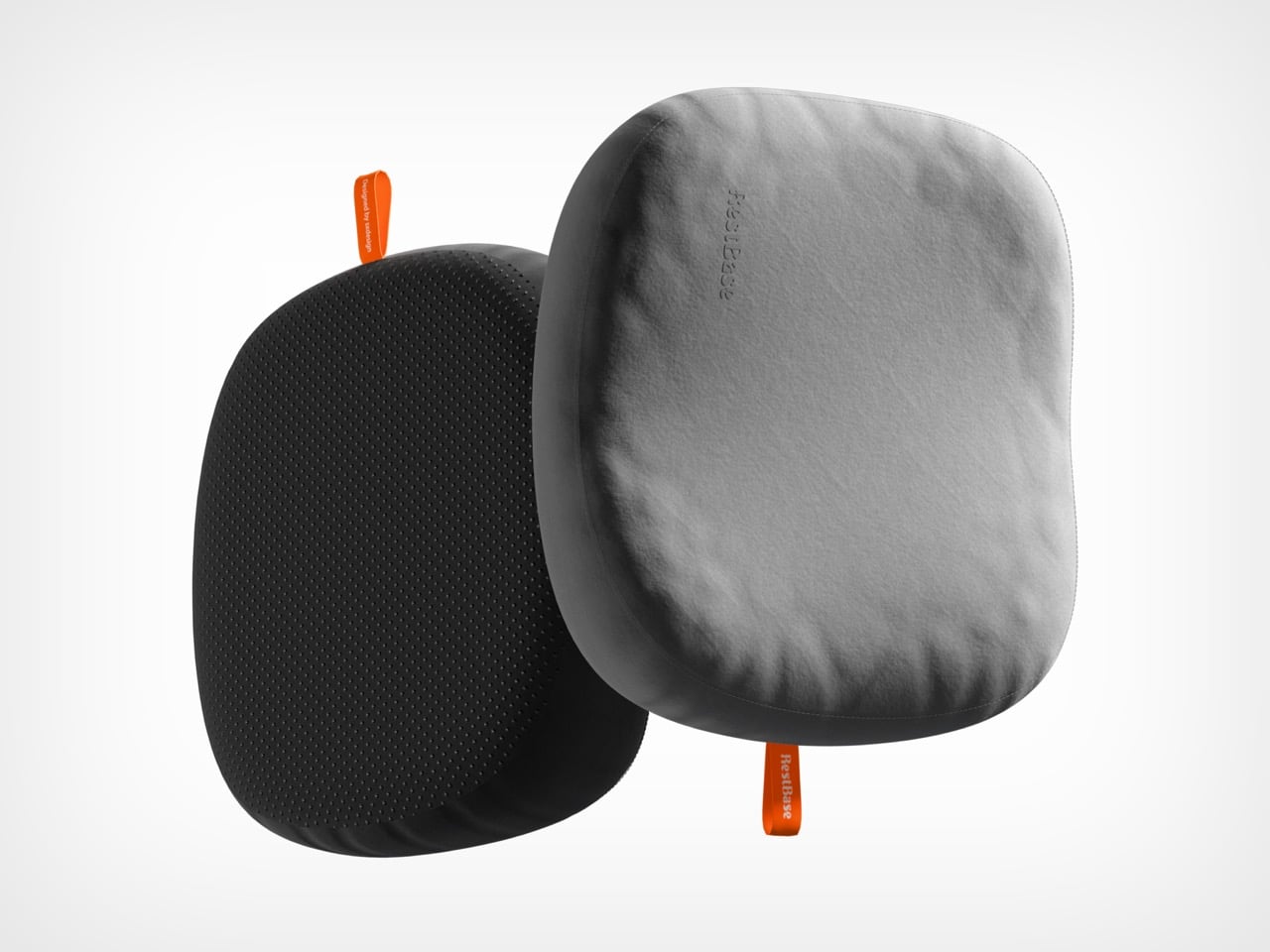
Most camping pillows solve exactly one problem: they pack small. Designer Chen Xu took a different starting point, drawing the Camp Napper‘s form from two biological sources: the surface texture of fungal spores shaped the contact face, and the hollow vascular geometry of plant stems informed the core. Voronoi polygon modelling mapped how pressure from a sleeping head spreads, then engineered protrusions and recesses to respond to that specific data.

The front face has raised cellular structures that increase skin contact area and channel airflow simultaneously. Four tactile zones on the back face offer orientation-dependent customization. The hollow stem-derived core keeps total weight around 400 grams and packs to roughly the volume of a water cup. Memory foam holds the bionic geometry through repeated use, and anti-slip rubber particles on the base keep it stable across sleeping pads and hard floors. Note: the surface patterning is not for the trypophobic.

What we like

  • Voronoi-mapped surface addresses pressure distribution and airflow through the same structural solution, not two separate ones
  • Four tactile zones on the back face give orientation-dependent comfort options uncommon in this category

What we dislike

  • The cellular surface patterning will be a hard stop for anyone with trypophobia
  • No published compression specification for cold-weather performance, where memory foam typically stiffens

2. The Cube

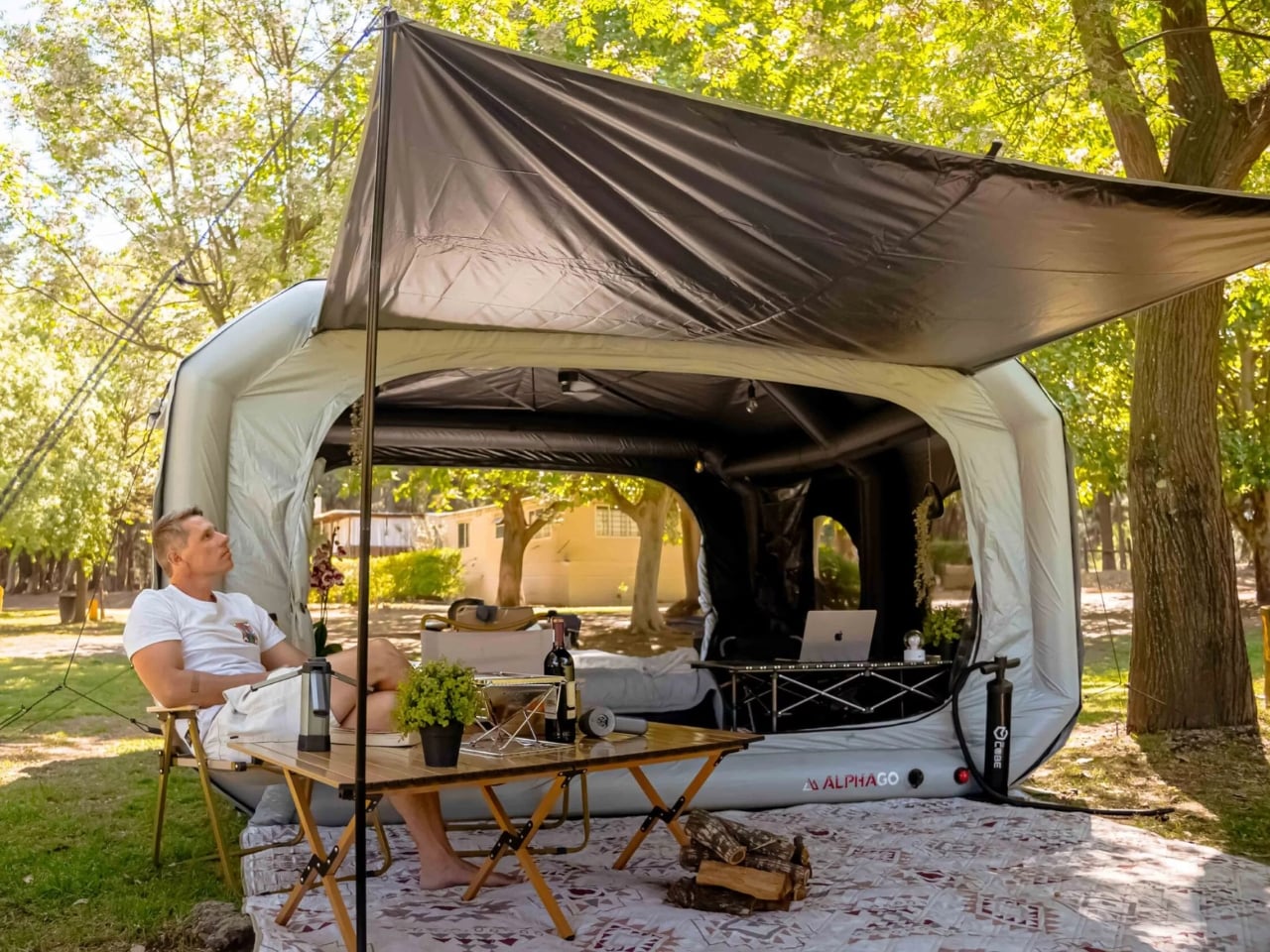
Tent assembly has not changed meaningfully in decades: poles, sleeves, and a diagram drawn by someone who has never camped. South African brand Alphago chose to treat that process as an engineering failure. The Cube is an inflatable tent with an air tube frame system that inflates via a wireless electric pump. One button press. Four minutes. No poles, no instructions, no arguments about which end faces the wind.

Speed is not the whole story. The Cube is built around comfort, with a stretched silhouette that allows standing height across most of the interior. The WeatherTec system uses welded floors and inverted seams, and both entrances have three independently operable layers: privacy screening, mosquito netting, and weather panels. Some configurations include integrated tables and storage drawers, extending the product into something closer to portable infrastructure than a simple shelter.

What we like

  • Four-minute wireless inflation eliminates the primary friction point of traditional tent setup
  • The three-layer entrance system handles every weather condition without reconfiguring the tent

What we dislike

  • Air tube frames are vulnerable to puncture in ways pole frames are not; field repair requires preparation
  • Inflatable architecture is larger and heavier than a comparable pole tent at the same floor area

3. All-in-One Grill

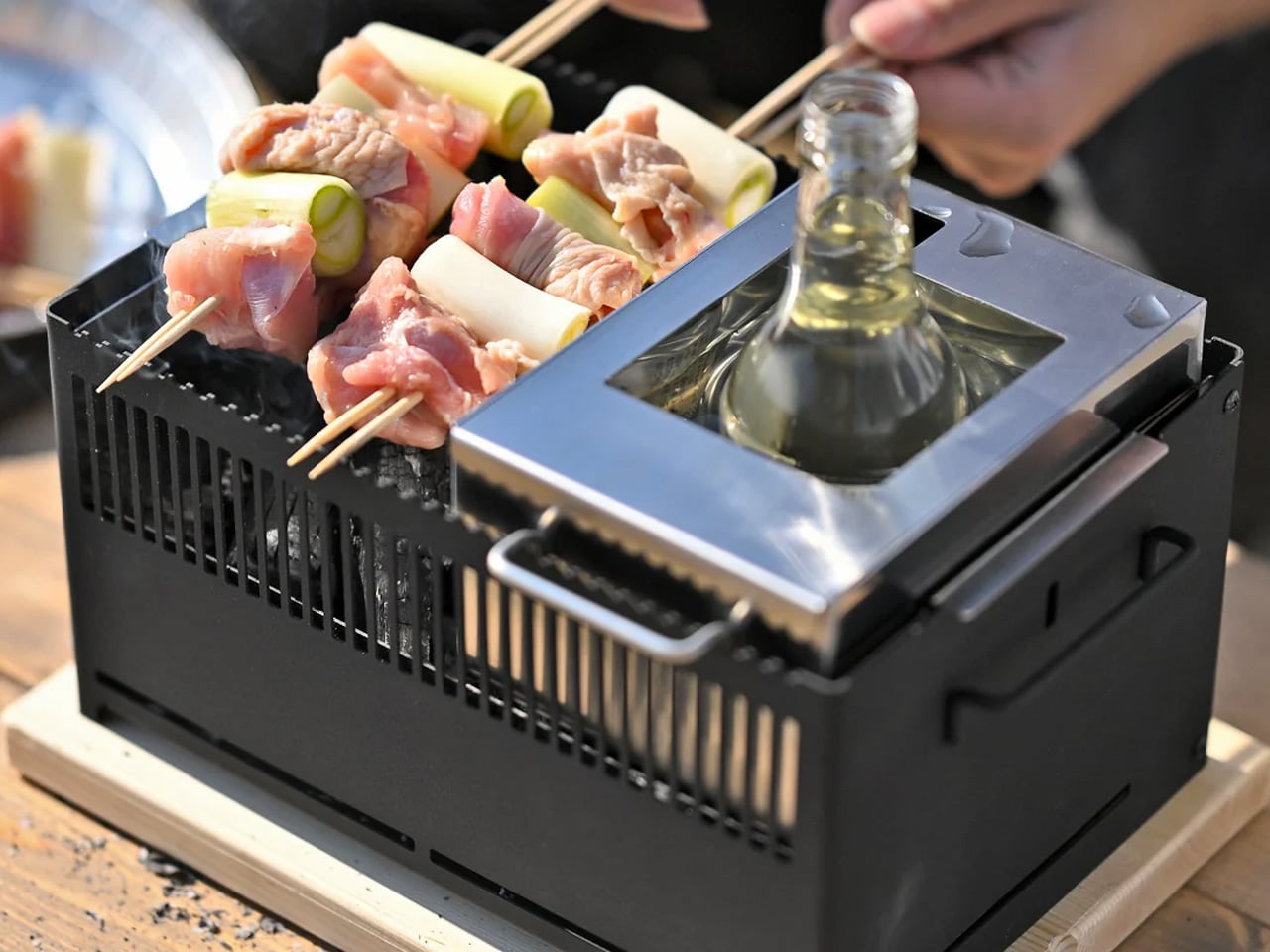
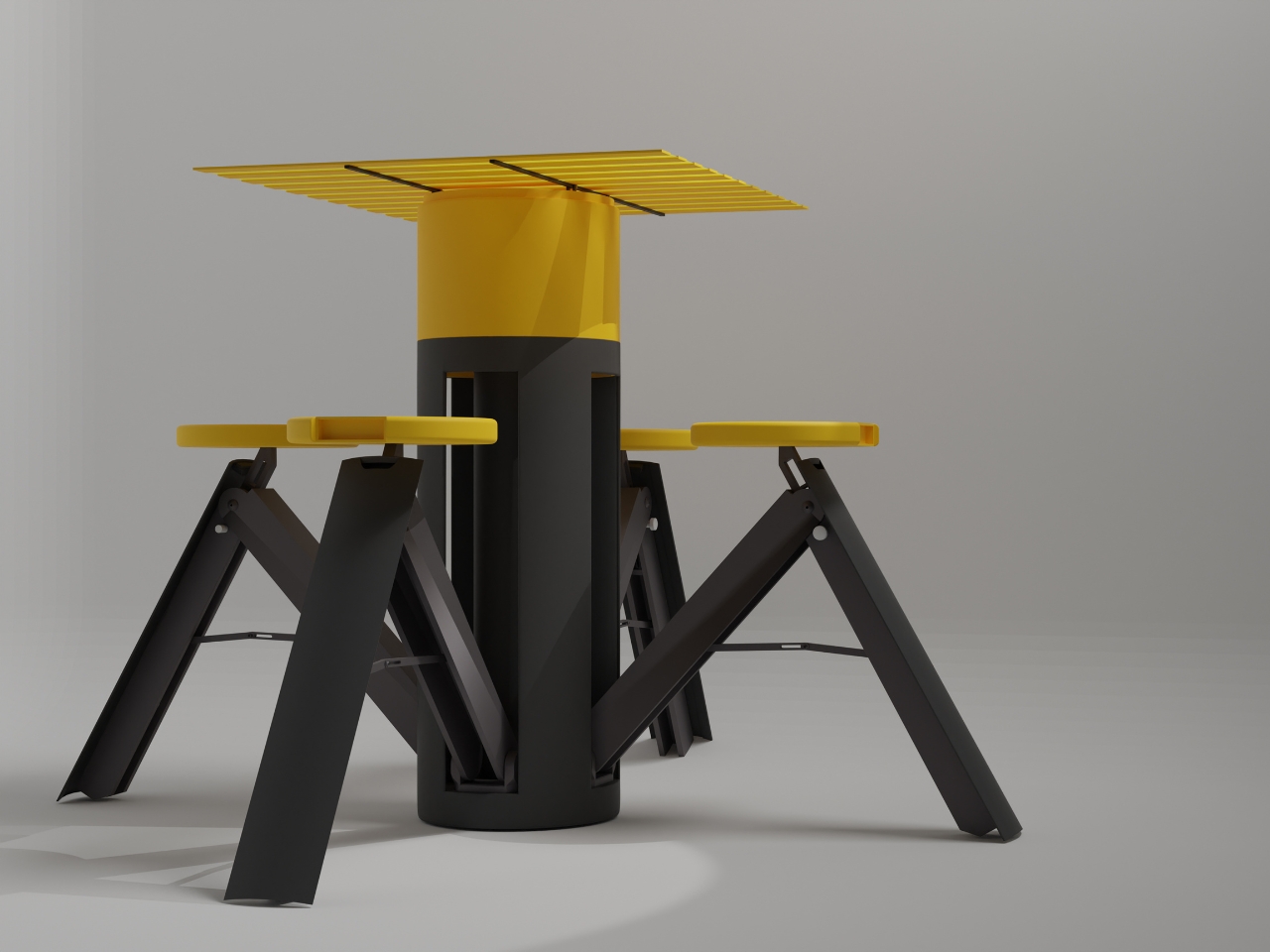
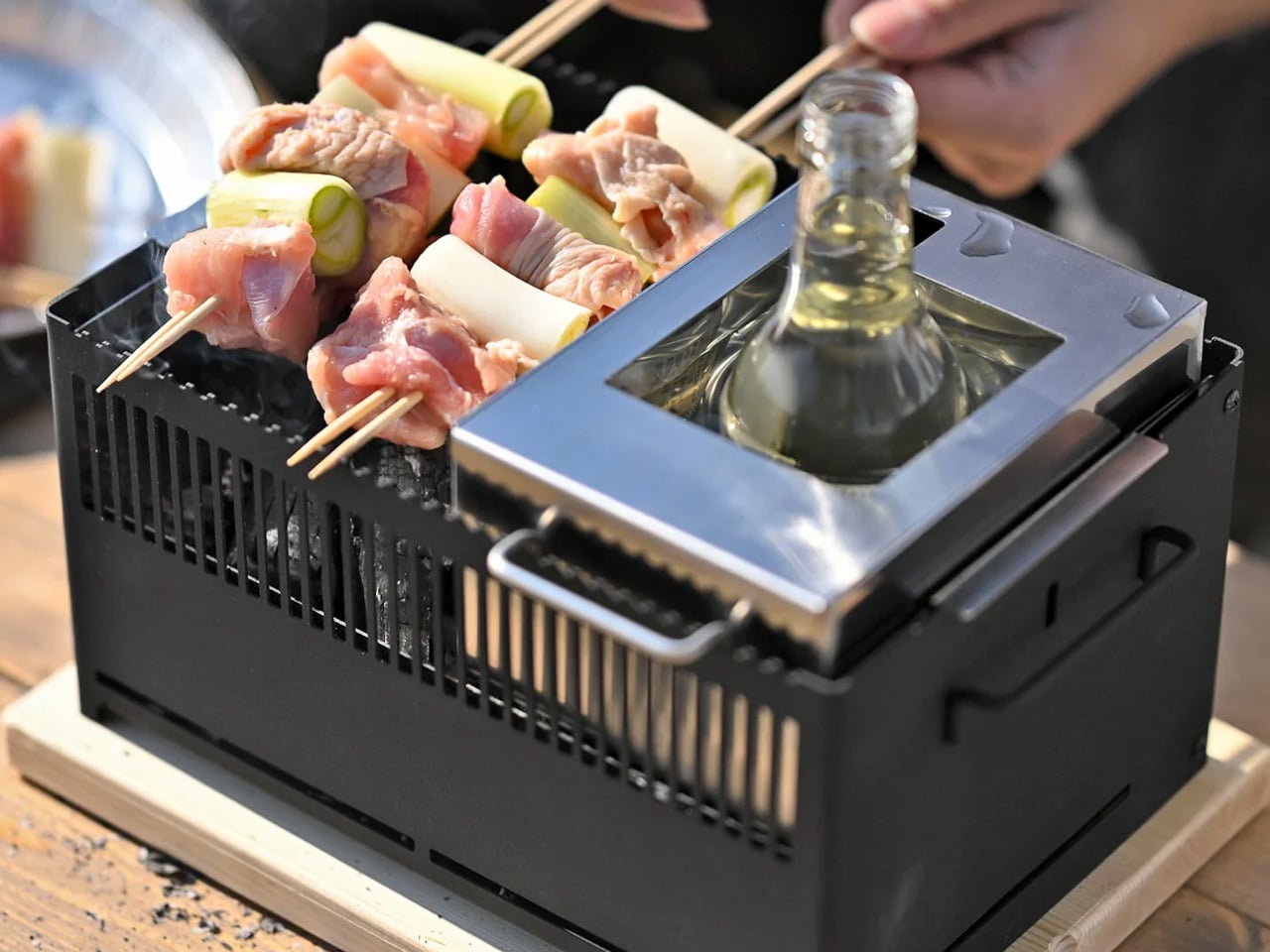
Outdoor cooking tends to bifurcate: bring a single-function grill and eat the same three things, or haul a kitchen’s worth of equipment and spend more time on logistics than on the fire. This modular tabletop grill takes a third position. Interchangeable cooking modules cover barbecuing, frying, grilling, steaming, smoking, and stew cooking from a single portable base, with a dedicated upright module for warming bottles — mulled wine included.

The compact footprint sits on any camp table without dominating it, and the modular construction that makes it versatile also simplifies cleaning. When one system handles multiple cooking methods, the question of what to cook becomes a matter of appetite rather than equipment logistics.

Click Here to Buy Now: $449

What we like

  • Six distinct cooking methods from one portable base, without multiple devices or fuel sources
  • A dedicated bottle-warming module is a specific, practical detail most outdoor cooking systems overlook

What we dislike

  • Modular systems accumulate small parts that are easy to misplace; no information on replacement part availability
  • Tabletop-only design limits cooking capacity for larger groups

4. TMB: The Modular Bottle

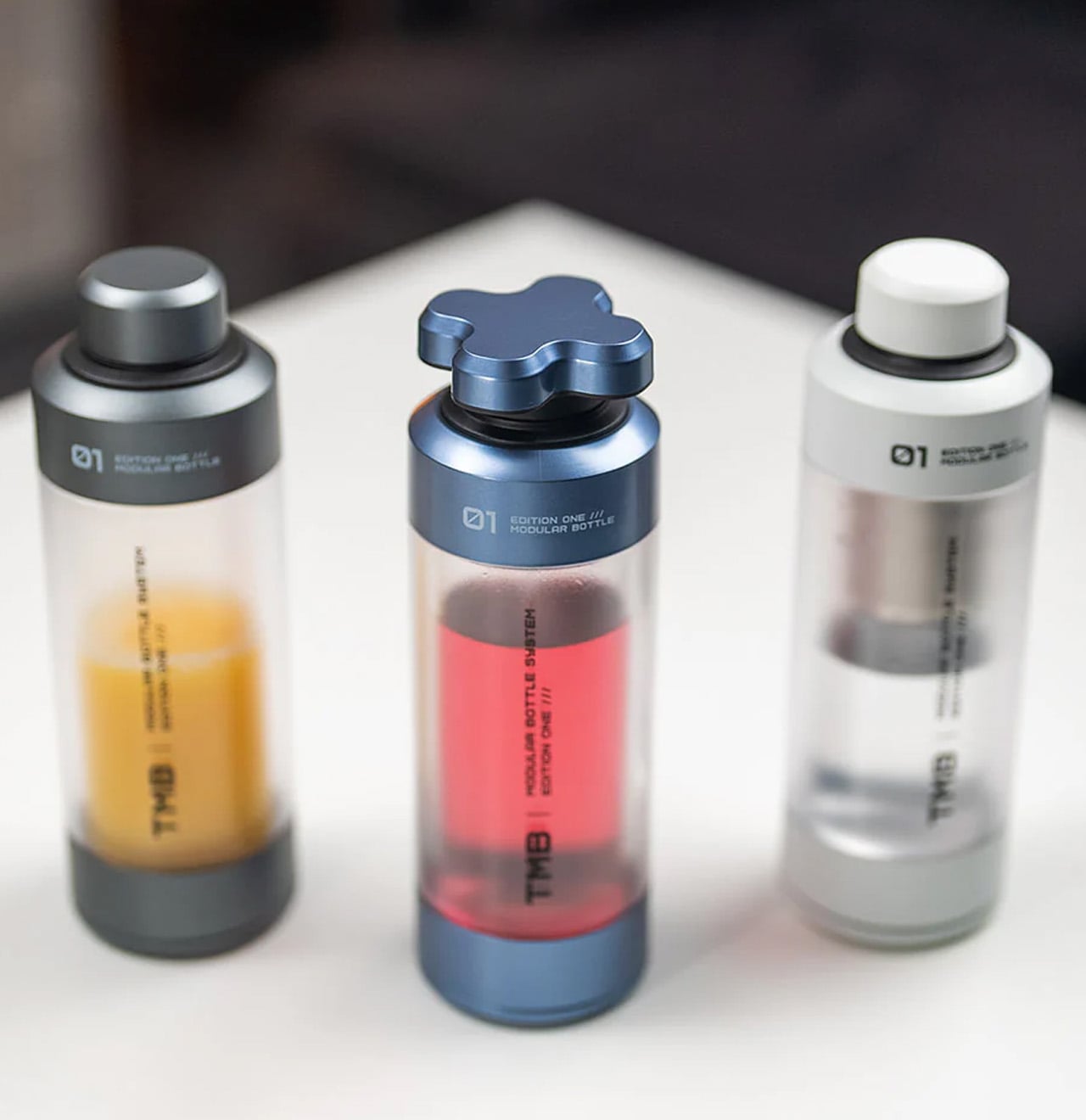
Hydration gear has a design problem few products acknowledge: one bottle cannot simultaneously optimize for commuting, exercise, and trail hiking. The TMB Modular Bottle builds adaptation into the object itself. The borosilicate glass interior preserves drink flavor without absorbing taste or odor — a material property that distinguishes it from the steel and plastic alternatives dominating this category. A translucent mid-section gives a constant view of remaining liquid, removing minor but real friction from the outdoor day.

The modular design allows configuration changes based on activity. For camping specifically, the glass interior means whatever you fill it with tastes like itself rather than the container. Easy disassembly for cleaning prevents the stale odor buildup that makes most reusable bottles unpleasant after weeks of real use.

What we like

  • Borosilicate glass preserves drink flavor without imparting taste or odor, a material advantage over steel or plastic
  • The translucent mid-section gives a real-time view of the remaining liquid that opaque bottles hide

What we dislike

  • Glass interiors, even borosilicate, carry more breakage risk than steel alternatives in rough outdoor handling
  • Modular assembly adds cleaning complexity compared to a single-body bottle

5. Portable Fire Pit Stand

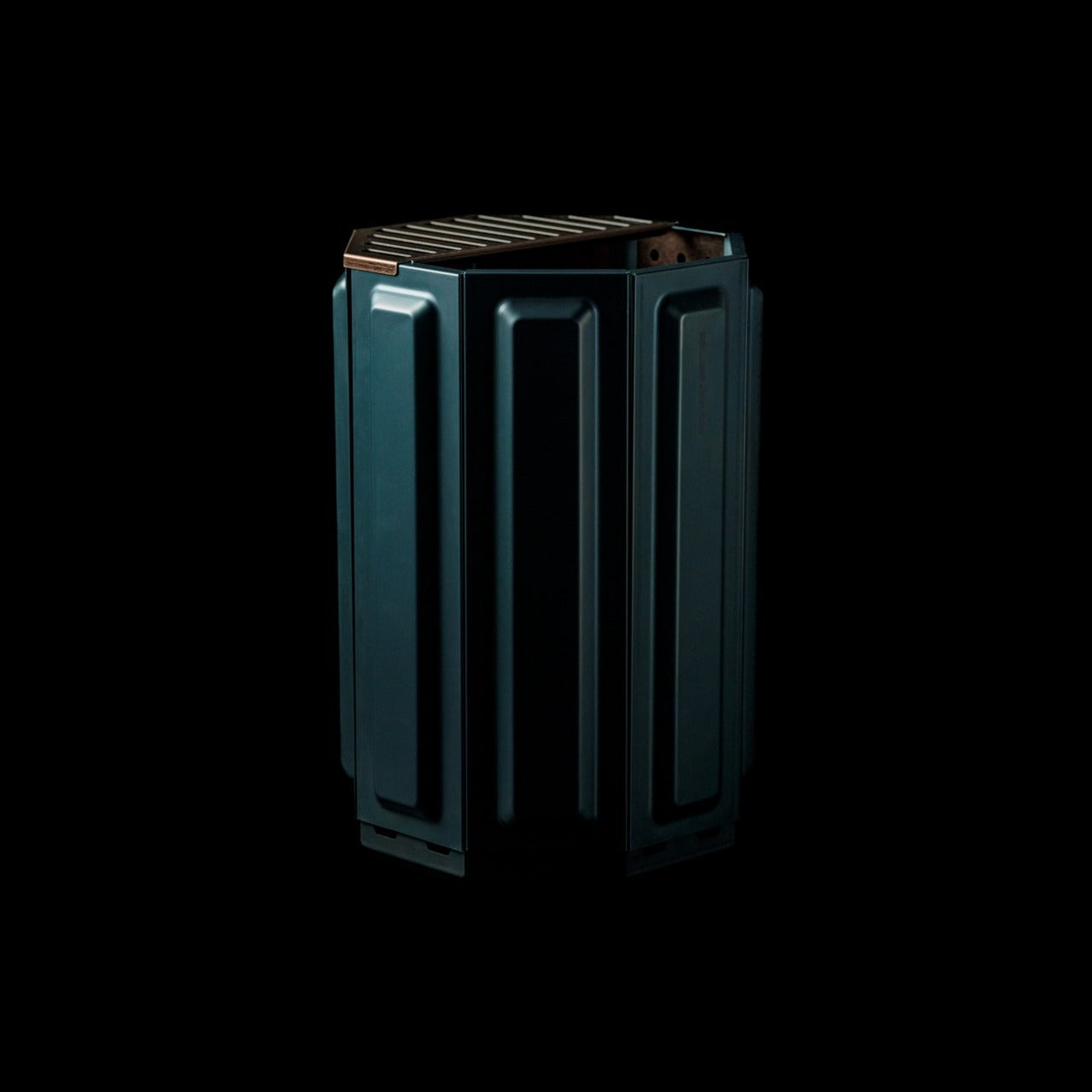
There is an honesty to a fire pit that most portable cooking solutions sidestep. This bonfire stand brings it back without the permanence of a built pit or the flimsiness of a folding ring. The steel plate construction uses sheet metal technology to resist the warping and distortion that heat cycling causes in cheaper materials, and the punched holes and cutouts give it an industrial character while improving airflow around the burn.

Assembly works like a puzzle — metal pieces interlock without tools. Removable trivets open the cooking configuration to grilling, frying, and more. The warp-resistant black steel plate holds its geometry through repeated heating and cooling cycles, a failure mode that undermines most portable fire hardware after a single season.

Click Here to Buy Now: $119.00

What we like

  • Warp-resistant steel construction maintains geometry through repeated heat cycling, where most portable fire hardware eventually distorts
  • Tool-free interlocking assembly means no accessories that can be forgotten at home

What we dislike

  • Open fire structure requires a flat, stable, fire-safe surface — more site-dependent than enclosed stove alternatives
  • Black steel requires dry storage and some maintenance to prevent surface rust

6. Hot Pocket

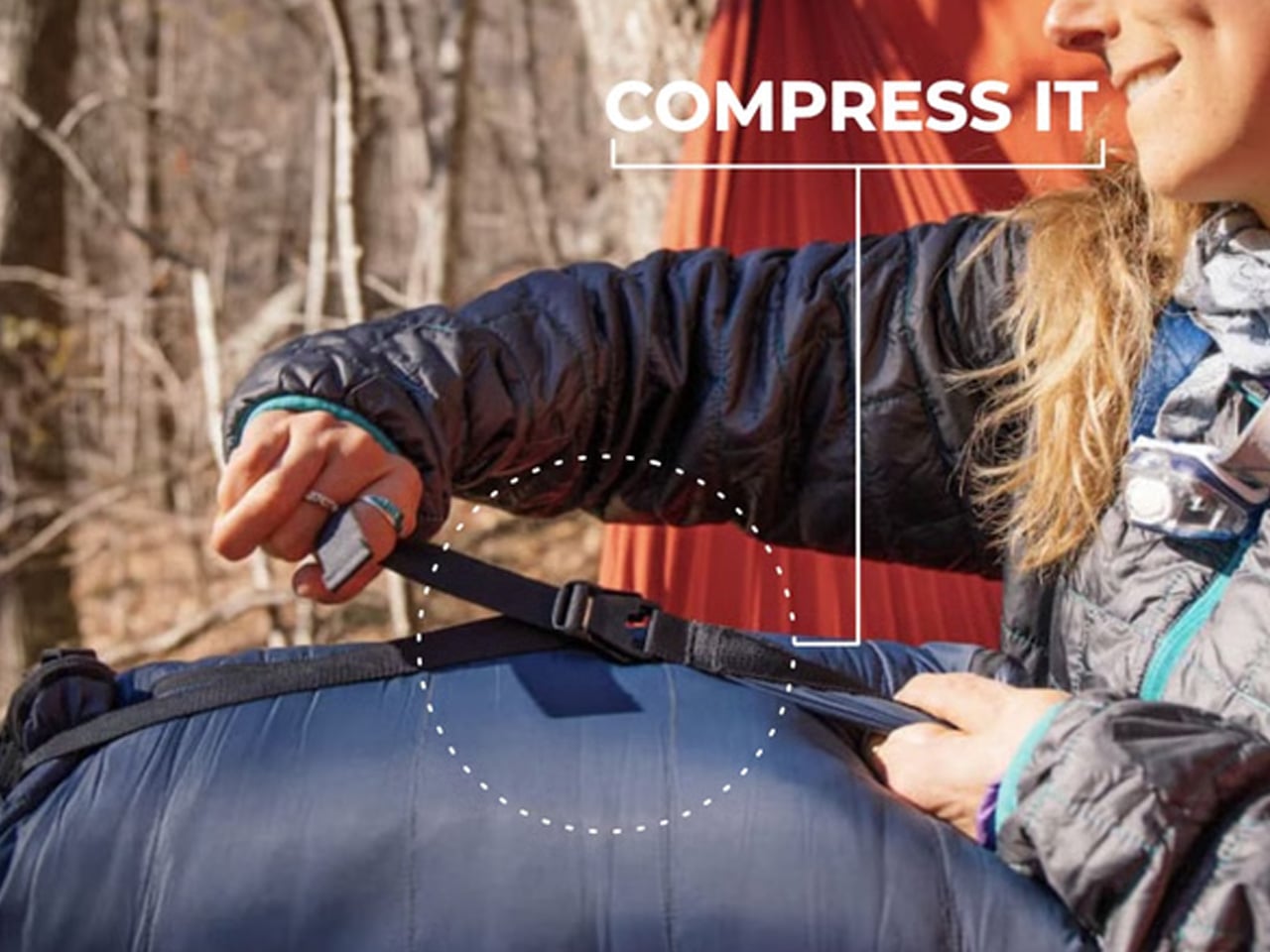
Cold sleeping bag syndrome follows a predictable pattern: zip in, spend the first twenty minutes waiting for body heat to build, arrive at warmth already half-asleep and irritated. The Hot Pocket, created by the Sierra Madre team, breaks that cycle before it starts. It stores and compresses your sleeping bag or quilt during the day, then pre-heats the insulation before you get in — so the first moment of contact is already warm.

The system is wireless and portable, designed for use beyond the campsite: ski slopes, sports sidelines, anywhere pre-warmed insulation matters. The on-demand heating replaces disposable chemical heat packs, which degrade after a single use. Compression and heating are integrated into one object, handling a task the sleeping bag needed done anyway — storage and transport — while adding warmth as a built-in function.

What we like

  • Pre-heating eliminates the body-heat warm-up window that makes the first stretch in a cold sleeping bag genuinely unpleasant
  • Integrated compression and heating replace disposable chemical packs with a reusable, on-demand solution

What we dislike

  • Wireless operation adds battery management to the camping checklist; no published battery life data
  • Pre-heating duration and heat retention are unspecified, making it difficult to plan around the product’s actual warming window

7. DraftPro Top Can Opener

The DraftPro is not solving a survival problem. It is solving an experience problem. Designed by Japanese designer Shu Kanno, the tool removes the entire top of a can to create a wide-mouth opening that changes how the contents smell, taste, and behave. For beer, full-top removal mimics drinking from a glass, releasing aroma rather than directing it through a small aperture. The smooth-edged finish removes the safety concern that other full-removal openers have historically carried.

The camping application extends beyond drinking. With the top off, you can add ice directly to the can or build a cocktail inside it without a separate vessel. The opener handles domestic and international can sizes, which matters when available canned goods do not match a home market. For a campsite where the evening drink matters as much as the fire, this is the detail that earns its place.

Click Here to Buy Now: $59.00

What we like

  • Full top removal creates a draft-style drinking experience with full aroma release — a functional difference from standard can opening
  • The can-as-vessel approach allows ice-adding and cocktail preparation without additional cups or shakers

What we dislike

  • Single-function specialization means it earns a spot only if canned beverages are a consistent part of the camping plan
  • No published durability specification for the cutting mechanism over time

Spring’s best case for smarter camping

What connects these seven products is not a shared price point or aesthetic — it is a shared refusal to accept that outdoor gear has to be difficult, uncomfortable, or boring. The Camp Napper applies biological modeling to a pillow. The Cube eliminates the most frustrating fifteen minutes of any camping trip. The DraftPro turns a can into a proper drinking vessel. Each object is the result of someone looking at a friction point in outdoor life and deciding it deserved a real answer.

Spring camping is the ideal moment to bring these to a campsite. The temperatures invite longer stays, the light cooperates, and the desire to actually be comfortable rather than just surviving outdoors is at its highest. These products meet that desire with design intelligence rather than compromised portability or bulky engineering. Pack accordingly.

The post 7 Genius Spring Camping Gadgets & Gear for 2026 That Make the Great Outdoors Feel Like a Five-Star Hotel first appeared on Yanko Design.

7 Best Japanese Kitchen Gadgets & Tools So Clever They Make Every Meal Feel Like a Ceremony

Japanese kitchenware operates on a different frequency than most Western cooking tools. Where mass-market brands chase multifunctionality and feature bloat, Japanese design strips everything back to the single gesture that matters: the cut, the strain, the flip, the pour. The result is objects that feel less like gadgets and more like quiet collaborators in your cooking process, each one shaped by decades of manufacturing precision in regions like Tsubame and Niigata, where metalworkers have been refining their craft since the Edo period.

We have curated seven of the most thoughtfully designed Japanese kitchen tools that deserve a permanent place in your cooking routine. These are not flashy unitaskers destined for a drawer. They are carefully considered pieces of functional design that treat the act of cooking with the same seriousness as the meal itself, and each one brings something to your kitchen that no Western equivalent has managed to replicate with the same level of care.

1. Iron Frying Plate

This piece of cookware collapses the distance between the stove and the table in a way that feels both radical and sensible. Made from 1.6mm-thick mill scale steel, the plate arrives rust-resistant, stick-resistant, and ready for immediate use without the lengthy seasoning ritual most iron cookware demands. The wooden handle attaches and detaches with one hand, transforming the object from cooking tool to serving vessel in a single motion. Mill scale steel is an unusual choice for consumer cookware because most manufacturers sand it off during production, but leaving it intact creates a natural non-stick surface that improves with use.

The heat distribution across that thin steel body brings out caramelization and texture in ways that thicker cast iron struggles to match, and the visual warmth of iron against a wooden table turns an ordinary weeknight dinner into something more composed. For a kitchen where counter space is limited, and dishes pile up fast, eliminating one entire step of the cooking-to-eating chain is not a gimmick. It is a rethinking of how we interact with food once it leaves the heat, and the pan-to-plate logic makes cleanup faster than any two-vessel alternative.

Click Here to Buy Now: $69.00

What we like

  • The one-hand detachable wooden handle makes the transition from stove to table seamless and eliminates the need for separate serving dishes.
  • Mill scale steel requires no initial seasoning, so it is usable straight out of the box, unlike most raw iron cookware on the market.

What we dislike

  • The thin 1.6mm steel will not retain heat as long as heavier cast iron, which means food cools faster once removed from the burner.
  • Eating directly from a frying surface takes some adjustment, and the flat profile does not contain sauces or runny dishes well.

2. Akebono Square Sandwich Cutter & Sealer

Sandwich-making in most kitchens involves a knife, a cutting board, and the quiet disappointment of fillings oozing out the sides. The Akebono cutter and sealer replaces that entire sequence with a single press that cuts and crimps simultaneously, producing sealed pockets that hold their shape through a commute, a school day, or a few hours in a lunchbox. Made in Japan with durable, food-safe materials, the tool is dishwasher-safe and simple enough for children to operate without supervision.

What makes it more than a novelty is how it changes the approach to sandwich construction entirely. Instead of spreading fillings thin to prevent spillage, the sealed edges allow for generous, layered interiors: curries, egg salad, fruit, and cream combinations that would be impossible with open-edge bread. Japanese convenience stores have perfected the sealed sandwich format for decades, and this tool brings that same logic to a home kitchen for a fraction of the cost, turning a five-minute task into a two-minute one.

What we like

  • The simultaneous cut-and-seal action locks fillings inside, making it ideal for runny or layered ingredients that would fall apart in a regular sandwich.
  • Dishwasher-safe construction and a straightforward press mechanism mean there is almost no learning curve and minimal cleanup.

What we dislike

  • The square format limits bread choices, as it works best with standard sliced bread and does not accommodate artisan loaves or thicker cuts.
  • Sealed sandwiches can trap steam when made with warm fillings, resulting in soggy bread if not cooled before sealing.

3. Three Snow Stainless Steel Round Mesh Oil Skimmer

Most oil skimmers sold outside Japan are clunky perforated ladles that catch large debris and let everything else through. The Three Snow skimmer operates on a different principle. Manufactured in Tsubame, Niigata, this tool uses 18-8 stainless steel mesh available in fine (40 mesh, 0.4mm) and coarse (16 mesh, 1.2mm) options, giving it the ability to filter particles most skimmers ignore completely. The fine mesh variant catches even the smallest frying residue, which means cleaner oil that lasts longer between changes.

Beyond deep-frying, the tool doubles as a scum remover for stocks and soups and works as a miso strainer, making it one of the more versatile single-form tools in a Japanese kitchen. Available in 12cm, 15cm, and 18cm diameters, the sizing accommodates everything from a small saucepan to a full-sized fryer. At roughly 90 to 140 grams, depending on size, the weight is negligible during long frying sessions. Tsubame stainless steel has earned its reputation: the corrosion resistance and structural integrity of these skimmers outlast most competitors by years.

What we like

  • The fine 40-mesh option catches debris as small as 0.4mm, which keeps frying oil cleaner far longer than standard perforated skimmers allow.
  • Multi-use functionality as a miso strainer, scum skimmer, and oil filter means it earns its space in a drawer more than most single-purpose tools.

What we dislike

  • Fine mesh requires more careful cleaning than a simple perforated ladle, as particles can embed in the weave and are difficult to dislodge without a brush.
  • The shallow depth (25mm to 35mm, depending on size) limits the volume of debris it can collect in a single pass during heavy frying sessions.

4. Playful Palm Grater

Conventional box graters are bulky, awkward to store, and dangerous to clean. The Playful Palm grater is none of those things. Cut from a single aluminum alloy plate and curled into a form that sits naturally in the palm, this tool reimagines what a grater can physically be. The curve creates a natural channel that directs grated cheese, ginger, garlic, or zest toward the dish below, and the ergonomic fit means the grating hand stays protected behind the plate rather than hovering over exposed blades.

Available in multiple colors, the grater looks more like a piece of desktop sculpture than a kitchen tool, which is part of the design intent. Japanese kitchen philosophy often resists the idea that tools should be hidden in drawers between uses, and a grater this visually appealing can sit on a counter without disrupting the space. The compact size makes it ideal for tableside use: grating Parmesan directly over pasta, adding fresh wasabi at the last second, finishing a salad with lemon zest. The palm grater treats garnishing not as an afterthought but as a distinct step worth its own dedicated instrument.

Click Here to Buy Now: $25.00

What we like

  • The single-plate aluminum construction eliminates crevices and joints, making it far easier to clean than traditional multi-sided graters.
  • The palm-fit ergonomic design keeps fingers behind the grating surface, reducing the risk of nicked knuckles that plague box grater users.

What we dislike

  • The compact grating surface is not suited for large-volume tasks like shredding an entire block of cheese for a casserole.
  • Aluminum alloy, while lightweight, is softer than stainless steel and will dull faster with frequent use on hard ingredients like nutmeg or frozen ginger.

5. Conte Drip-Free Oil Pot with Fine Mesh Filter

Reusing frying oil is standard practice in Japanese home cooking, and the Conte oil pot is the tool that makes it effortless. A fine black stainless steel mesh catches food particles left behind from tempura, tonkatsu, or karaage, and the non-reflective black finish serves a practical purpose: it allows a clear view of the oil level from above, something shiny stainless steel interiors make nearly impossible. The precisely curved rim eliminates drips during pouring, a detail that sounds minor until considering how many oil pots leave trails across the stovetop.

Angled knobs on the lid and strainer allow one-handed operation, so pouring oil back into a pan while holding an ingredient in the other hand becomes routine rather than a balancing act. Available in small (300ml) and large (700ml) sizes, the pot scales to different cooking habits. The small version is suited for seasoning cast iron or saving oil after pan-frying dumplings, while the large handles full frying sessions comfortably. Both sizes sit compactly beside a stove without crowding the workspace, making oil reuse clean, dignified, and free of the greasy mess that discourages most home cooks from attempting it.

What we like

  • The drip-free rim design eliminates oil trails on the stovetop, solving a problem that nearly every other oil storage container ignores.
  • The black stainless steel mesh filter makes oil clarity visible from above, so determining when to discard rather than reuse becomes a visual check instead of a guessing game.

What we dislike

  • The small 300ml version fills up rapidly and is too limited for anyone who deep-fries regularly or cooks for more than two people.
  • Stainless steel retains oil odors over time, and thorough degreasing between uses requires more effort than a quick soap-and-water rinse.

6. Oku Knife

Scottish artist and metalworker Kathleen Reilly designed the Oku knife as a direct response to a problem most Western cutlery ignores: where does the knife go between bites? Informed by the Japanese tradition of chopstick rests (hashioki), which lift eating utensils off the table surface to prevent contamination, the Oku features a handle folded 90 degrees from the blade. This fold allows the knife to rest with its handle on the table while the blade sits perpendicularly in the air, touching nothing.

The result is a tool that solves a cleanliness issue most diners have accepted as unsolvable: the dirty knife laid flat against a tablecloth or balanced on the edge of a plate. Hooking the blade along the edge of a cutting board or plate creates what Reilly describes as an intimacy between the two objects, and the angular geometry locks the knife in position rather than allowing it to slide. For a kitchen where multiple cutting tasks happen in sequence, the Oku provides a resting solution that no flat-handled knife can match. It is a rare case of form and function arriving at the same conclusion through a single geometric decision.

What we like

  • The 90-degree fold solves the dirty-knife-on-table problem that flat cutlery has ignored for centuries, keeping the blade cleanly suspended between uses.
  • The hookable design creates stability on plate rims and cutting board edges, eliminating the wobble and sliding common with standard knives at rest.

What we dislike

  • The unconventional handle angle requires a different grip than traditional knives, which may feel awkward during extended cutting or food prep sessions.
  • As a handcrafted piece by an independent metalworker, availability and pricing are limited compared to mass-produced alternatives.

7. Obsidian Black Salad & Serve Tongs

Salad tongs tend to be one of two things: flimsy spring-loaded mechanisms that lose grip on the third toss, or heavy stainless steel clamps better suited to a barbecue than a dinner table. The Obsidian Black tongs occupy neither category. Made from SUS821L1 stainless steel (a variant twice as strong as the standard SUS304 used in most kitchen tools), they achieve a thinner, lighter profile without sacrificing structural integrity. One head is shaped as a spoon, the other as a spork, and this asymmetry is the design’s smartest move.

That mismatched pairing allows the tongs to clamp down on leafy greens with the same confidence as slippery pasta or bite-sized grain bowls, because each head approaches the food from a different angle. At 20cm in length, the reach is sufficient for deep salad bowls without compromising control. The black finish creates visual contrast against greens, fruits, and light-colored dishes, which makes plating feel more considered, and the high corrosion resistance of SUS821L1 steel means the finish holds up through years of use. For a kitchen that treats presentation as part of the cooking process, these tongs turn the final step of assembling a dish into something deliberate.

Click Here to Buy Now: $32.00

What we like

  • SUS821L1 stainless steel is twice as strong as the standard SUS304, allowing a thinner profile that feels lighter in the hand without bending or flexing under load.
  • The asymmetric spoon-and-spork head design grips a wider range of textures and food types than matching heads would, from arugula to penne.

What we dislike

  • The 20cm length may feel short for tossing salads in oversized serving bowls or deep mixing containers.
  • The dark finish, while visually striking, can show water spots and fingerprints more readily than brushed or polished stainless steel.

Where This Leaves Your Kitchen

Japanese kitchen tools share an unspoken philosophy that the best gadgets do not announce themselves. They integrate. They become invisible extensions of the hand, the stove, the table, dissolving the seams between preparation, cooking, and eating until the whole sequence feels like a single continuous act. The seven tools on this list operate exactly within that logic, each one addressing a friction point that most cooks have simply accepted as normal.

Investing in these pieces is not about filling a kitchen with more objects. It is about replacing thoughtless tools with considered ones, swapping volume for precision, and treating the daily act of making food with the same intentionality that Japanese design applies to everything it touches. A kitchen built around tools like these does not feel cluttered. It feels ready.

The post 7 Best Japanese Kitchen Gadgets & Tools So Clever They Make Every Meal Feel Like a Ceremony first appeared on Yanko Design.

7 Best Tiny Home Accessories That Make Small-Space Living Feel Like a Design Choice, Not a Compromise

Living small has a perception problem. Most people associate compact spaces with sacrifice, with the slow creep of clutter and the resignation that comes from owning less. But the best tiny home accessories flip that narrative entirely, turning constraints into opportunities for deliberate, considered living. The products on this list do not just fit into small spaces; they make small spaces feel intentional.

What separates a well-designed tiny home from a cramped apartment is not square footage. It is the objects inside it. Every item earns its place, or it does not belong. That principle drove our selection here: seven accessories that pull double duty, look better than they have any right to, and solve problems that only people who live in tight quarters truly understand.

1. Miniature Bonfire Wood Diffuser- A tiny bonfire that never burns out.

The miniature bonfire wood diffuser set does something rare for a home fragrance product: it gives you a reason to stare at it. Built from rust-resistant stainless steel, the set recreates a campfire scene at desktop scale, complete with miniature firewood bundled with a tying knot. The essential oil captures the scent of Mt. Hakusan, a Japanese mountain known for its dense cedar forests, and the firewood pieces distribute that fragrance with a slow, even release that synthetic plug-in diffusers cannot match.

In a tiny home, scent fills a room faster and lingers longer than it would in a larger space. That concentration works in this diffuser’s favor, but the real reason it belongs on this list is the trivets. Remove them from the base, and the diffuser transforms into a pocket stove capable of warming small portions of food. For anyone living in a space where every object needs to justify its existence, a centerpiece that doubles as a cooking surface is the kind of thinking that makes compact living feel clever rather than constrained.

Click Here to Buy Now: $99.00 Hurry! Only a few left.

What we like

  • Rust-resistant stainless steel construction means it ages well in humid or kitchen-adjacent environments
  • Trivets convert the decorative diffuser into a functional pocket stove, adding genuine utility to an ornamental object

What we dislike

  • The essential oil scent is specific to Mt. Hakusan, which limits fragrance variety without purchasing additional oils separately
  • The miniature scale, while charming, means the heat output of the stove is minimal to reheating rather than actual cooking

2. Lotus Clock – A wall clock that catches your keys.

The Lotus clock takes its cues from nature in a way that feels functional rather than decorative. Inspired by the way lotus leaves gather water in their gentle curves, the clock integrates a curved metal tray directly beneath its face, sized to hold keys, loose change, or other daily carry items. The wooden frame has soft, rounded corners, and the clean white face keeps time-reading effortless. Broad, flat hands coordinate with the tray’s finish, tying the clock’s two functions into a single visual statement.

Tiny homes struggle with the small-object problem: keys, coins, earbuds, and pens that scatter across every available surface and create visual noise. The Lotus clock solves this by assigning those objects a permanent home on the wall, freeing up counter and table space that compact kitchens and entryways cannot afford to lose. Available in soft gold or gentle green colorways, the piece complements different interior styles without competing for attention. The concept is a wall clock, but the execution is a storage solution disguised as one.

What we like

  • The biomimetic tray design turns a single-purpose wall object into a genuine organizational tool for daily carry items
  • Soft colorway options (gold, green) let it blend into varied interior palettes without adding visual clutter

What we dislike

  • As a concept design, availability and final production specs remain unconfirmed
  • The tray’s capacity is limited to lightweight, small items, so it will not replace a proper entryway organizer for larger households

3. Eames Hang-It-All – Fourteen hooks wrapped in wooden spheres and wire.

The Eames Hang-It-All, designed by Charles and Ray Eames, is one of those rare objects that has remained in continuous production since 1953 for a reason no one can argue with: it works. The design uses a welded steel wire frame with fourteen lacquered wooden balls in various colors, each one with a hook. The structure mounts flat against the wall and occupies almost no depth, which makes it ideal for narrow hallways and entryways where a traditional coat rack would block the path.

In a tiny home, vertical storage is everything, and the Hang-It-All exploits wall space that would otherwise sit empty. The colored spheres turn utilitarian storage into something worth looking at, which matters in a space where every object is visible at all times. Originally designed to encourage children to hang up their belongings, the playful form has aged into an adult staple that brings warmth to minimalist interiors without the heaviness of a wooden coat rack or the coldness of bare metal hooks.

What we like

  • The welded wire frame sits almost flush against the wall, consuming minimal hallway depth in tight entryways
  • Multiple color combinations available, allowing the piece to function as both storage and wall art simultaneously

What we dislike

  • The price point through Design Within Reach positions it as a premium purchase for what is, functionally, a coat hook
  • Fourteen hooks sounds generous, but the spacing means heavy coats can crowd each other and obscure the design

4. CD Jacket Player – Physical media turned into wall-mounted decor.

The CD jacket player does not pretend that CDs are making a comeback in any mainstream sense. Instead, it treats them as objects worth displaying, building a player around the album jacket rather than hiding it inside a drawer. The minimalist frame holds the CD’s cover art front and center, and a wall mount bracket lets the entire unit hang like a small piece of art. A built-in battery means it works on the go, and Bluetooth 5.0 connectivity lets it pair with wireless speakers and earphones.

Tiny homes demand that objects do more than one thing, and a music player that doubles as wall art earns its square footage in a way a Bluetooth speaker sitting on a shelf never could. The design acknowledges that people who still own CDs are emotionally attached to the physical format, to the artwork, and the ritual of selecting a disc. Mounting the player on the wall removes it from the counter, the nightstand, or whatever other surface it would otherwise claim. In a 400-square-foot space, that kind of reclaimed real estate adds up.

Click Here to Buy Now: $169.00 Hurry! Only a few left.

What we like

  • Wall-mount capability turns the player into displayable art, removing it from limited counter and shelf space
  • Bluetooth 5.0 means wireless pairing with existing speakers, so it does not demand its own audio setup

What we dislike

  • The audience for a physical CD player in 2026 is narrow, making this a niche purchase even among design-conscious buyers
  • Built-in battery life for portable use remains unspecified, and running both a motor and Bluetooth drains cells quickly

5. Ferm Living Plant Box – A planter that reorganizes your entire floor plan.

The Ferm Living plant box is, at its simplest, a rectangular metal box on thin legs with a powder-coated finish. But its real value in a tiny home has nothing to do with plants. The box’s proportions and height make it a room divider, a bookshelf, a toy bin, or a display surface that creates the illusion of separate zones within an open floor plan. The slim legs keep sightlines open at floor level, which is a small detail that makes a big difference in preventing a small room from feeling boxed in.

Studio apartments and single-room tiny homes rarely have the luxury of walls. The plant box fills that gap by creating what designers call “islands,” small zones of activity defined by furniture rather than architecture. Place it between a sleeping area and a desk, fill it with trailing plants or stacked books, and the eye reads two separate spaces where only one exists. The powder-coated metal is easy to wipe down, resistant to moisture, and available in black, a color that recedes visually and lets the objects inside take focus.

What we like

  • Thin legs preserve floor-level sightlines, preventing the visual weight that closed-base furniture adds to compact rooms
  • Multipurpose use as a planter, divider, bookshelf, or toy storage gives it a role in every room without redundancy

What we dislike

  • The open-top design means dust collects on whatever is stored inside, requiring regular maintenance in exposed layouts
  • Weight capacity is limited by the thin leg construction, so heavier items like large potted plants or dense book collections need caution

6. Key Holder Wakka – Neodymium magnet meets Japanese woodcraft.

The Key Holder Wakka turns the act of putting down your keys into something you look forward to. The system pairs a stainless steel, iron, and brass keyring with an elegant wooden base (available in maple or walnut). A neodymium magnet holds the ring securely in place, and separating the two produces a distinct, brisk tapping sound. That sound is the entire point. In a tiny home, where every habit compounds in visibility, a designated key spot eliminates the daily search-and-panic cycle.

The design logic here is behavioral rather than decorative. By making the act of placing keys enjoyable, the Wakka trains a habit through positive reinforcement rather than guilt. The wooden base is small enough to sit on a windowsill, a narrow shelf, or beside a door frame without claiming space that other items need. The material combination of warm wood and cool metal reads as considered rather than cluttered, which matters when every object on a surface contributes to the visual temperature of the entire room. Losing your keys in 300 square feet should be impossible, but anyone who has lived small knows it happens constantly.

Click Here to Buy Now: $45.00

What we like

  • The neodymium magnet holds the keyring firmly in place, preventing the drift that happens with open trays and bowls
  • Audible feedback when placing or removing keys creates a sensory ritual that reinforces the habit of using the holder

What we dislike

  • The system requires using the specific Wakka keyring, so existing keychains or fobs need to be transferred or replaced
  • At its core, this is a single-purpose object: it holds one set of keys, which limits utility for multi-person households

7. TUMBA Modular Shelf System – Lego logic applied to storage furniture.

The TUMBA modular shelf system addresses the single biggest frustration with flat-pack furniture: fixed dimensions. Where conventional shelving forces rooms to conform to predetermined sizes, TUMBA offers stackable modules made from recycled polymer that lock together without tools. High-strength plexiglass provides structural transparency, stainless steel connections snap securely into place, and the swirled textures in each panel carry visible traces of the material’s previous life. The bold colors and playful forms make the storage itself worth looking at.

Tiny homes change. A shelf configuration that works in January stops making sense after a furniture rearrangement in March, and traditional shelving punishes that flexibility with disassembly headaches and leftover hardware. TUMBA’s tool-free construction means reconfiguring takes minutes, and the modular format lets it grow vertically in tight corners or stretch horizontally along narrow walls. For renters in compact spaces who move frequently, a shelf system that breaks down and rebuilds without damage is less of a convenience and more of a necessity. The recycled material story is a bonus, but the real selling point is permission to change your mind.

What we like

  • Tool-free assembly and reconfiguration mean the shelf adapts to layout changes without the frustration of traditional flat-pack rebuilds
  • Recycled polymer construction gives each panel a unique swirled texture that standard particle board or MDF cannot replicate

What we dislike

  • Bold colors and playful forms may clash with more subdued or neutral interior palettes common in compact living spaces
  • Plexiglass panels, while visually light, are more prone to surface scratching than solid wood or metal shelving alternatives

Where Small Living Gets Interesting

The common thread across these seven products is not size. It is intent. Each one was designed with the understanding that small spaces do not need small thinking. They need objects that work harder, look better, and respect the reality that in a tiny home, there is no junk drawer to hide mistakes in. Every surface is a display, every object is a statement, and every purchase is a commitment.

What makes compact living feel like a design choice rather than a compromise has less to do with architecture and more to do with curation. The right diffuser, the right clock, the right shelf system: these are the decisions that turn 300 square feet into a space that feels chosen rather than settled for. And in a world that keeps building bigger, there is something satisfying about proving that less, when it is the right less, is more than enough.

The post 7 Best Tiny Home Accessories That Make Small-Space Living Feel Like a Design Choice, Not a Compromise first appeared on Yanko Design.

7 Best Camping Accessories Reddit Can’t Stop Recommending in 2026

Reddit doesn’t do polite recommendations. When the camping subreddits discover something genuinely worth packing, it appears in threads, trip reports, and upvoted comment chains until it becomes the kind of gear knowledge everyone assumes you already possess. In 2026, that process has surfaced seven accessories that earned their distinction not through sponsored posts but through real field use, honest reviews, and the kind of repeat praise that only comes from gear that actually holds up when it matters.

The common thread running through this year’s most talked-about picks is a sense of intentionality. Each product was designed to do more with less, whether that means collapsing five tools into one handle, brewing barista-quality espresso from a jacket pocket, or setting up a king-size sleeping space in under a minute. These are the products worth understanding before your next trip, and the community has already done the field-testing for you.

1. All-in-One Grill

Camp cooking tends to settle into one of two extremes: either you are eating something rehydrated from a bag, or you have packed so much kitchen hardware that a second bag became necessary somewhere between the car and the trailhead. The All-in-One Modular Grill from Yanko Design sits in the productive middle ground. A compact tabletop system with interchangeable modules, it supports six distinct cooking methods — barbecuing, frying, grilling, steaming, smoking, and stewing — from one cleanly designed base. The parts swap in and out without fuss, and the included module for warming bottles upright is the kind of considered detail that makes a cold evening at camp considerably more comfortable. All of that in a footprint that still fits on any camp table without taking it over.

The real value becomes apparent when you start accounting for what this grill replaces in your kit. A separate grill, a pan, a pot, a steamer, a warming setup — the modular system consolidates that list into one object you can disassemble after dinner and rinse down in minutes. The ability to cook genuinely varied meals from the same compact base, without dedicating half your boot space to kitchen gear, changes what feels realistic on a camping trip. It makes more ambitious meals accessible and cleanup manageable, which is ultimately what keeps people cooking properly at the campsite instead of defaulting to trail snacks three nights running.

Click Here to Buy Now: $449

What We Like

  • Six interchangeable cooking modules cover every camp meal scenario without adding meaningful bulk to your kit.
  • The upright bottle-warming module is a practical feature most camp kitchen systems overlook entirely.

What We Dislike

  • As a tabletop unit, it requires a stable flat surface, which is not always available at backcountry sites.
  • Multiple components mean more to track when packing down in low light or deteriorating weather.

2. FLEXTAIL TINY PUMP 2X

There are plenty of gadgets that promise to simplify camp life and manage to complicate it instead. The FLEXTAIL Tiny Pump 2X is a legitimate exception. Weighing just 96 grams and sized to fit comfortably in a closed fist, this 3-in-1 tool inflates, deflates, and functions as a portable lantern, covering three distinct camp needs from a single object that barely registers in your pack. The AIRVORTECH technology powering it pushes air at 180 liters per minute, fast enough to fully inflate a sleeping pad or air mattress in seconds. Five nozzle attachments ensure compatibility with nearly every inflatable you’d bring along, and the built-in magnetic surface allows for hands-free operation while the rest of your camp gets sorted out around it.

What makes the Tiny Pump 2X a Reddit staple rather than a novelty is the moment of recognition it creates on your first night out with it. The integrated lantern removes a separate light from your kit entirely. The one-button operation works without thought after a long drive, when dealing with instructions is the last thing you want. The deflation function cuts pack-down time significantly the following morning.

What We Like

  • The 180L/min airflow inflates sleeping pads and air mattresses in seconds, not minutes.
  • The integrated lantern removes the need for a separate light source at camp setup.

What We Dislike

  • The 30-minute maximum runtime means pre-trip charging is non-negotiable before a longer outing.
  • At 4KPa of air pressure, it is optimized for camping inflatables rather than high-pressure tasks like bike tires.

3. iKamper Skycamp 3.0

The rooftop tent category has grown crowded enough that standing out in it requires more than a solid shell and a folding ladder. The iKamper Skycamp 3.0 manages it through a combination of genuine quality and a setup experience that still catches first-time users off guard. It opens in under 60 seconds, sleeps three to four people comfortably, and rests on a king-size 9-zone insulated mattress that puts many fixed-site sleeping arrangements to shame. The blackout poly-cotton canvas keeps early morning light out reliably, and the aerodynamic FRP hardshell handles highway speeds without lift, noise, or movement. For campers who operate across multiple seasons, the quilted, insulated interior manages temperature whether you are parked through a June heat wave or a December cold snap.

What separates the Skycamp 3.0 from its predecessors and competitors is the degree to which it was developed alongside real adventurers rather than simply refreshed from a spec sheet. The result is a tent where thoughtful details accumulate in the right places: bedding storage built directly into the shell, a design that does not penalize you for imprecise parking, and a packdown that takes no longer than the setup.

What We Like

  • Sub-60-second setup makes spontaneous overnight stops entirely viable without added stress.
  • The 9-zone insulated mattress delivers genuine multi-night sleeping comfort across all four seasons.

What We Dislike

  • At 163 lbs, installation requires additional hands and a roof rack rated for significant dynamic weight load.
  • The price point presents a real barrier for casual campers heading out only a few times a year.

4. COFFEEJACK

Bad camp coffee is not a character-building experience. It is just bad coffee, and COFFEEJACK was designed to make it unnecessary. Built by Hribarcain, a team with a strong track record in the EDC space, this pocket-sized espresso maker generates 9-10 bars of pressure through a manual hydraulic pump, matching the extraction output of professional café equipment. The lower chamber holds your ground coffee, and a built-in tamper levels and packs the grounds automatically. Add hot water to the upper chamber, work the pump, and you are pulling a crema-topped espresso in the field with the same pressure specs as the machine at your local café. It works with any coffee grind, requires no pods, and has no dependence on electricity or proprietary cartridges of any kind.

The engineering comparison is worth spelling out. A French press operates at under 1 bar of pressure. An Aeropress or Moka pot peaks at roughly 3-4 bars. COFFEEJACK reaches 9-10 consistently, manually, without a power source. That gap is what separates a serviceable camp coffee from the real thing. The entire device is made from 100% recycled plastic, making it a more considered alternative to pod-based systems that generate significant single-use waste with every cup. It is a product that rewards how seriously you take your morning coffee, which, after a cold night in a tent, tends to be very serious indeed.

What We Like

  • The 9-10 bar hydraulic pump delivers genuine barista-quality espresso with real crema, entirely without electricity.
  • Made from 100% recycled plastic, it is an environmentally responsible choice that does not compromise on performance.

What We Dislike

  • It requires pre-ground or freshly ground coffee, adding a preparation step for those who prefer a simpler system.
  • The manual pump demands real effort per cup, though most dedicated users consider the ritual part of the appeal.

5. Adventure Mate V3

The standard knock against multitools is that they do many things adequately and nothing particularly well. The Adventure Mate V3 was built to directly challenge that assumption. This 6-in-1 system combines a full-size axe, saw, shovel with entrenching rotation, hammer, and hook into a single kit that weighs under 6 lbs — lighter than carrying each tool separately into the backcountry. The construction pairs hardened tool steel with aerospace-grade aluminum, and a 16-inch fiber composite handle with a reinforced steel collar attaches to the modular tool heads to form each full-size tool. What you end up holding is a kit that does not perform like a multitool compromise. It performs like the individual tools it replaces, which is the distinction that matters most when you are actually using it in the field.

The CAM locking system is the engineering detail that makes the AM-V3 trustworthy under serious conditions. When each tool head is locked in, the collar expands and clamps it with enough force to eliminate rattle and flex, creating what genuinely feels like a single-piece tool when you are chopping wood or digging out a fire pit. The full kit packs into a fully waterproof holster no thicker than a laptop bag, and a lifetime guarantee backs the build throughout. With essentially one moving part, mud, sand, and ice rinse away, and work continues without interruption or mechanical drama.

What We Like

  • The CAM locking mechanism delivers a rattle-free, one-piece feel across all six full-size tool configurations.
  • A fully waterproof holster and lifetime guarantee make it a credible long-term investment for serious outdoor use.

What We Dislike

  • The sub-6 lb total weight is impressive for what it replaces, but may still be too heavy for strict ultralight packing philosophies.
  • Switching between tool heads in wet or cold field conditions takes a moment of adjustment until the process becomes second nature.

6. The Muncher

The Muncher is the kind of object that makes you reconsider how much redundancy most people carry into the backcountry without thinking twice about it. Full Windsor’s titanium multi-utensil weighs just 20 grams and compresses ten functions into the silhouette of a spork: fork, spoon, knife edge, peeler, slicer, can opener, bottle opener, flathead screwdriver, and a flint stick for fire-starting. A 20-gram utensil that opens your tinned food, feeds you dinner, and starts the fire for the following morning is a genuinely clever consolidation of function, and seasoned campers tend to refer to it as a permanent kit item: once it is in your pack, leaving it behind starts to feel careless.

Titanium is the only material choice that makes sense here, and Full Windsor clearly understood why. It produces blades that hold their edge through extended use without demanding constant maintenance. It does not impart any metallic taste to food the way stainless steel can, which makes a measurable difference when you are eating every meal from the same utensil for days on end. It resists rust and staining entirely, making field cleanup a matter of seconds.

What We Like

  • Titanium construction means no rust, no metallic taste, and a blade edge that holds up across extended multi-day trips.
  • Ten functions at 20 grams is a utility-to-weight ratio that very few pieces of camping gear come close to matching.

What We Dislike

  • The flint stick is functional but compact, and a dedicated ferro rod will outperform it in serious fire-starting conditions.
  • Some functions require practice to use comfortably, given the compact form factor, particularly the cutting edge under field conditions.

7. VSSL Camp Supplies

The idea of a flashlight that doubles as a survival kit sounds like the kind of claim that unravels the moment you actually need it. VSSL Camp Supplies is the version that holds up. Built from military-grade aluminum in a waterproof, impact-resistant shell, it houses over 70 pieces of essential outdoor gear across a lineup that covers fire, water, first aid, food, navigation, and emergency signaling — all packed inside a form factor that weighs under a pound and fits in a standard pack pocket without ceremony. At one end, an LED flashlight with up to 40 hours of SOS runtime. At the other, a compass. Everything else lives in the cylinder between them, organized and ready without requiring you to dig through a bag to find it under pressure.

The Camp Supplies kit solves that organizational problem by design. A Canadian beeswax candle, a mini first aid kit, water purification tablets with a 1-liter Whirl-Pack bag, a firestarter kit with weatherproof matches and Tinder Quik, a fishing kit, a 60-lb working strength wire saw, a whistle, a P38 can opener, and a mini sewing kit — none of it improvised or low-quality filler. It is a complete backcountry contingency plan inside an object you would have packed anyway for the light.

What We Like

  • Over 70 pieces of genuine, field-appropriate gear are organized inside a sub-one-pound waterproof shell backed by a lifetime warranty.
  • The compass-and-flashlight end caps make VSSL immediately functional as a standalone tool before you even open it.

What We Dislike

  • The cylindrical format means contents must be accessed sequentially, which can be inconvenient when you need a specific item quickly.
  • As a pre-packed kit, it offers limited flexibility for campers who prefer to curate their own emergency loadout from scratch.

Worth Every Gram You Pack

The best camping gear of 2026 earns its place through repetition, not reputation. Every product on this list has been through the real test: bought, packed, used across multiple trips in varied conditions, and recommended again by people with no particular incentive beyond having found something that genuinely works. That is the hardest kind of endorsement to manufacture and the most reliable one to act on. No marketing campaign replicates it. It takes time, field use, and the kind of honest feedback that Reddit’s camping communities deliver without softening the edges.

Building a kit that functions as well as it travels is ultimately a process of considered editing. The right pump replaces three separate items. The right multitool replaces an entire bag of hardware. The right cup of espresso at dawn replaces a compromise you had been quietly accepting for years. These are not luxury additions to a camping setup. They are the deliberate choices that separate a trip you get through from one you start planning a return to before you have finished packing up camp.

The post 7 Best Camping Accessories Reddit Can’t Stop Recommending in 2026 first appeared on Yanko Design.
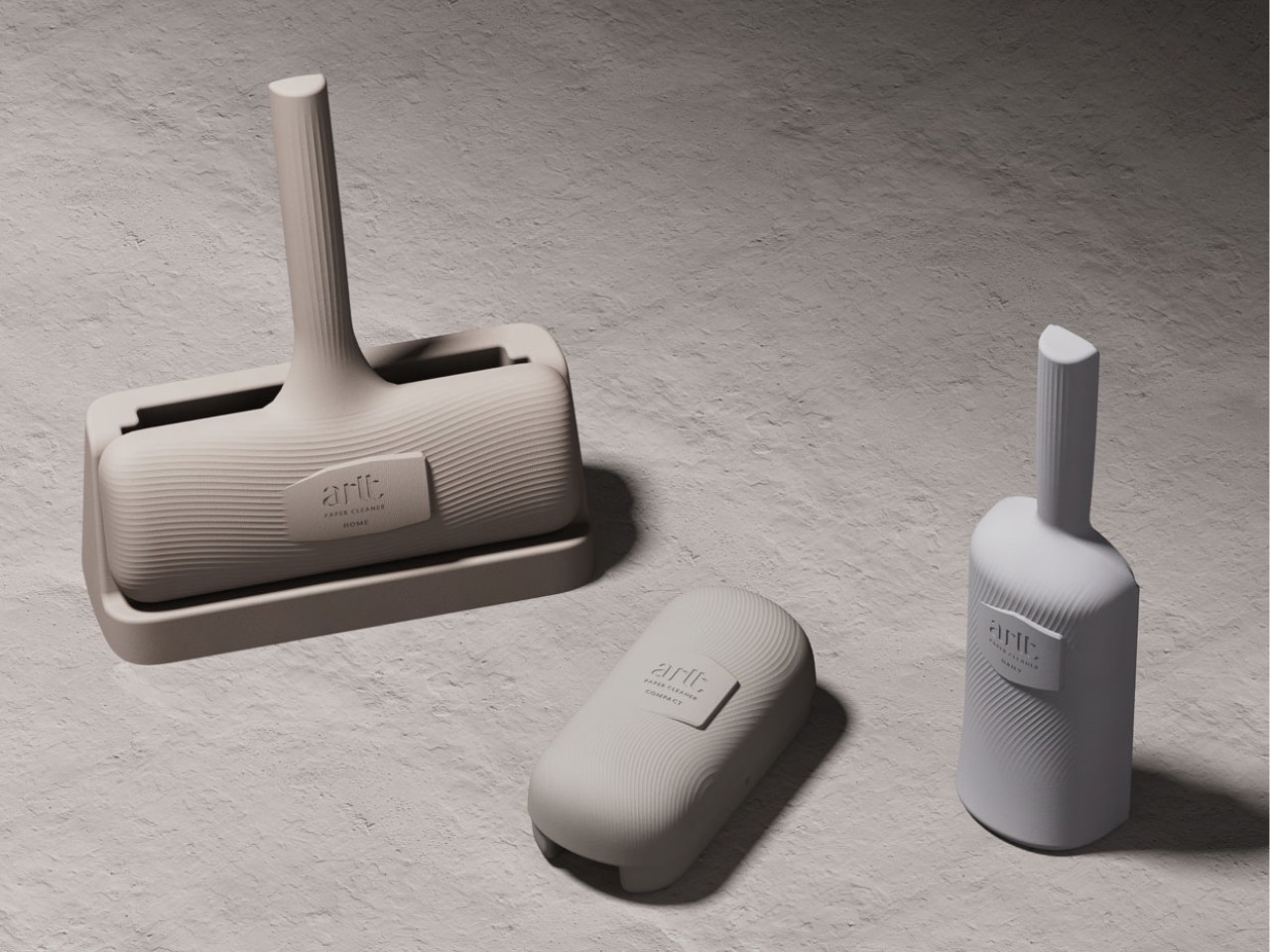
7 Best EDC Gifts So Good You’ll Want to Treat Yourself After Valentine’s Day

Valentine’s Day has passed, the chocolates are gone, and the roses have wilted. Now comes the best part: treating yourself to something that actually lasts. EDC gear represents the perfect post-holiday indulgence, offering daily utility wrapped in exceptional design. These aren’t fleeting romantic gestures but permanent companions that earn their place in your pocket every single day.

The beauty of everyday carry items lies in their silent reliability. They don’t demand attention until the moment you need them, then deliver with satisfying precision. From titanium blades that disappear into your keychain to coffee grinders built like mountaineering equipment, these seven designs prove that the best gifts are the ones you use constantly. They blend form and function so seamlessly that reaching for them becomes second nature, elevating ordinary moments into small victories of preparedness.

1. ScytheBlade: Titanium Mini Knife with Maximum Impact

The ScytheBlade takes inspiration from the most iconic blade profile in mythology and shrinks it down to EDC proportions. That distinctive curved design mirrors the Grim Reaper’s scythe, creating a blade shape that resembles a tiger claw when scaled to pocket size. The comparison isn’t just aesthetic; curved blades generate cutting power that straight edges can’t match. Wrapped in a robust titanium body, this tiny folder delivers cutting performance that makes you forget its diminutive dimensions. The design speaks to anyone who appreciates tools that punch above their weight class.

At 46mm when deployed, the ScytheBlade ranks among the smallest folding knives available, yet durability remains uncompromised. The titanium construction provides exceptional strength while keeping weight at just 8 grams, making it virtually unnoticeable on your keychain until duty calls. Titanium brings natural corrosion resistance and that satisfying heft that cheaper metals can’t replicate. Forget constant maintenance; this blade survives daily carry without demanding your attention. The engineering focuses entirely on reliability, creating a tool that disappears into your routine while remaining ready for anything.

What We Like

  • The curved blade profile generates superior cutting leverage compared to straight designs.
  • Titanium construction eliminates corrosion worries while maintaining incredible strength.
  • At 8 grams, you’ll forget you’re carrying it until you actually need a blade.
  • The 46mm length strikes the perfect balance between capability and true pocket-friendly dimensions.

What We Dislike

  • The ultra-compact size may prove challenging for users with larger hands during extended cutting tasks.
  • Limited blade length restricts applications compared to full-sized folders.

2. BlackoutBeam Tactical Flashlight: Industrial Strength Meets Instant Response

This tactical flashlight rejects mediocrity at first glance. BlackoutBeam pairs a devastating 2300-lumen output with industrial design language that looks equally appropriate clipped to tactical gear or resting on a minimalist desk. The 0.2-second response time eliminates the frustrating delay that plagues lesser lights, delivering illumination the instant your thumb finds the switch. Waterproof aluminum construction handles weather, impacts, and the chaotic reality of everyday carry without complaint. Whether you’re building an emergency kit or just want reliable light on demand, BlackoutBeam delivers without looking like you raided a military surplus store.

That 2300-lumen maximum throws light 300 meters, cutting through darkness with clinical efficiency. Need to illuminate a trail, light up a room during a power failure, or check suspicious sounds outside? The beam reaches exactly where you need it. Instant-on performance means no warm-up lag, making it ideal for situations where hesitation isn’t an option. The IP68 rating ensures water and dust stay outside where they belong, even during submersion. Durable aluminum construction shrugs off drops and rough handling while maintaining a profile that doesn’t add bulk to your bag. This represents serious capability without the weight penalty.

Click Here to Buy Now: $89.00

What We Like

  • The 2300-lumen output with 300-meter throw provides professional-grade illumination when needed.
  • Instant 0.2-second response time eliminates delays during emergencies or urgent situations.
  • IP68 waterproof rating handles submersion and harsh weather without failure.
  • Industrial aluminum construction balances serious durability with reasonable weight and size.

What We Dislike

  • Maximum brightness drains batteries quickly during extended use.
  • The tactical aesthetic may feel too aggressive for users seeking more subtle EDC options.

3. Smith Blade: 21 Tools in Titanium Package

The Smith Blade represents the evolution of pocket multi-tools beyond the bulky designs that dominated previous generations. Twenty-one genuinely useful functions are packed into a frame weighing just 95 grams, making it lighter than the aging competitors it replaces. Modern materials drive this transformation: Ti-6Al-4V titanium alloys and M390 blade steel deliver professional performance in a slimmer profile. This tool speaks to makers, parents, and anyone expected to solve problems on the spot. Household repairs, camping trips, impromptu fixes when nobody else has the right tool—the Smith Blade handles them all.

The engineering focuses on real-world utility instead of feature bloat. You get tools that actually matter: drivers, pliers, blades, and openers rather than gadgets nobody uses. The design acknowledges that modern problems require modern solutions, whether you’re playing family IT support, swapping light switches, or handling trail repairs miles from civilization. At 95 grams, it carries easier than traditional multi-tools while delivering comparable capability. The titanium and M390 steel construction ensures it survives years of use without the corrosion or blade degradation that plagues cheaper options. This represents thoughtful engineering for people who actually use their tools daily.

What We Like

  • Twenty-one functional tools cover most situations without forcing compromises or dead weight.
  • Modern titanium and M390 steel construction outlasts traditional materials while weighing significantly less.
  • The 95-gram weight makes it genuinely pocketable for all-day carry.
  • Sleeker profile compared to legacy multi-tools fits modern EDC preferences better.

What We Dislike

  • The learning curve for accessing all 21 tools may frustrate users during the initial weeks.
  • Price point sits higher than basic multi-tools, though materials justify the investment.

4. VSSL Java G25: The Coffee Grinder Built for Adventures

The VSSL Java G25 transforms coffee grinding from tedious necessity into a tactile ritual. This manual grinder brings VSSL’s survival equipment philosophy to your morning routine, applying the same obsessive engineering that makes their gear kits nearly indestructible. Utility never compromises aesthetics here; the G25 looks like high-end outdoor equipment because it essentially is. Constructed from 6061 machined aircraft-grade aluminum and 304 food-grade stainless steel, this grinder handles abuse, whether it’s sitting on granite countertops or actual granite mountainsides. The sleek black cylindrical form factor radiates a modern gear aesthetic while remaining compact and ergonomic.

The grinding experience elevates beyond basic function into something genuinely enjoyable. Many grinders overwhelm users with complicated dials and fifty different settings that require engineering degrees to understand. The G25 makes the learning curve feel like part of the adventure, a welcome challenge rather than a frustrating obstacle. The manual operation provides satisfying tactile feedback, connecting you directly to the process in ways electric grinders never achieve. Built to withstand serious use, the materials ensure it survives camping trips, road adventures, and daily kitchen duty without degradation. This represents gear you want to display, a piece that sparks conversations and makes you actually look forward to grinding beans.

What We Like

  • Aircraft-grade aluminum and stainless steel construction survives both outdoor adventures and kitchen use.
  • The manual operation creates an engaging, tactile ritual that improves the coffee experience.
  • Sleek cylindrical design looks equally at home on countertops or clipped to backpacks.
  • Simplified approach to grind settings makes the learning curve enjoyable rather than frustrating.

What We Dislike

  • Manual grinding requires more time and effort compared to electric alternatives.
  • The premium materials and construction command a higher price than basic grinders.

5. Gerber Shard: Elegant Restraint in Keychain Form

Sometimes the best design eliminates everything except what matters. The Gerber Shard proves this philosophy by integrating seven essential functions into a keychain-friendly package that prioritizes airline safety and everyday utility over feature bloat. Titanium nitride coating provides serious corrosion resistance while maintaining a professional appearance that works anywhere, from corporate offices to construction sites. This tool succeeds through disciplined focus on tasks you actually encounter daily rather than hypothetical situations that never materialize.

The Shard dedicates engineering attention to pry bars, flathead drivers, and bottle openers—the tools that prove useful constantly. Unnecessary features are eliminated, creating a tool that feels substantial despite compact dimensions. The design recognizes that most EDC challenges don’t require twenty functions; they require the right five or six executed flawlessly. Airline-safe construction ensures it travels with you anywhere without triggering security concerns. Gerber backs this fundamental engineering with a limited lifetime warranty, signaling genuine confidence in durability. The result is a keychain tool that disappears until needed, then delivers exactly what the situation demands without fumbling through features you don’t need.

What We Like

  • Focused design prioritizes genuinely useful functions over gimmicky additions nobody uses.
  • Titanium nitride coating resists corrosion while maintaining a professional appearance across environments.
  • Airline-safe construction allows travel without security complications.
  • A limited lifetime warranty demonstrates the manufacturer’s confidence in engineering quality.

What We Dislike

  • A limited function count may leave users wanting more capability in certain situations.
  • The compact size, while keychain-friendly, reduces leverage for demanding pry or driver applications.

6. 8-in-1 EDC Scissors: Toolbox in Your Palm

Who decided multi-functional tools need bulk to deliver utility? These 8-in-1 scissors demolish that assumption by fitting an entire toolbox into something that rests comfortably in your palm. The simple yet handsome design integrates scissors, a knife, a lid opener, a can opener, a cap opener, a bottle opener, a shell splitter, and a degasser into a compact 13cm package. Innovation here comes through thoughtful integration rather than complicated mechanisms. The oxidation film treatment adds rust resistance while creating that distinctive black finish that elevates the aesthetic beyond basic utility gear.

The palm-sized dimensions mean you actually carry it rather than leaving it in a drawer because it’s too large. Traditional multi-tools fail when they’re inconvenient to transport; capability means nothing if the tool stays home. At roughly five inches, these scissors slip into pockets, bags, or glove compartments without creating bulk or weight penalties. The eight integrated functions cover most daily scenarios without forcing you to carry dedicated tools for each task. Opening packages, bottles, cans, or handling food prep becomes possible anywhere. The design acknowledges that modern life requires adaptability, delivering solutions that match our mobile, unpredictable routines rather than expecting us to plan every scenario.

Click Here to Buy Now: $59.00

What We Like

  • Eight integrated functions eliminate the need for multiple dedicated tools in daily carry.
  • Compact 13cm design actually fits in pockets without creating uncomfortable bulk.
  • Oxidation film treatment prevents rust while adding an attractive black finish.
  • Palm-sized proportions ensure you’ll actually carry it instead of leaving it at home.

What We Dislike

  • Individual functions may not match the performance of dedicated single-purpose tools.
  • The scissors mechanism requires regular cleaning to maintain smooth operation.

7. Audacious Concept x URBAN Tool XS: Art Meets Function

The Audacious Concept x URBAN Tool XS with Chaos Seigaiha pattern represents what happens when two companies obsessed with quality and innovation collaborate. This limited-edition pocket screwdriver doesn’t just look stunning; it works brilliantly for daily tasks that demand precision. The Chaos Seigaiha pattern adorning the titanium body draws inspiration from traditional Japanese wave motifs, creating visual interest that goes beyond surface decoration. Those intricate milled patterns add tactile grip, making the tool more comfortable and secure during use. Beauty and function merge seamlessly here.

Titanium construction ensures the XS Screwdriver remains lightweight yet extremely durable, capable of withstanding years of use without weighing down your pocket or keychain. The collaboration between Audacious Concept and URBAN EDC brings together complementary strengths: artistic vision meets technical precision. The result is a tool that feels equally at home displayed as a design object or deployed for actual work. The limited-edition status adds collectibility, though the real value lies in daily utility. Premium materials and thoughtful engineering create something you’ll reach for constantly, whether you’re adjusting glasses, tightening cabinet hardware, or handling the countless small tasks that require a quality screwdriver.

What We Like

  • The Chaos Seigaiha pattern provides both striking aesthetics and functional tactile grip.
  • Titanium construction balances impressive durability with genuinely lightweight pocket carry.
  • Limited-edition collaboration brings together artistic design and technical EDC expertise.
  • The compact size makes it perfect for keychain carry without sacrificing functionality.

What We Dislike

  • Limited-edition status and premium materials create a higher price point than basic screwdrivers.
  • The compact size limits torque application for stubborn or larger fasteners.

Treat Yourself Right

Valentine’s Day celebrates fleeting romance, but EDC gear celebrates something more lasting: daily preparedness wrapped in exceptional design. These seven tools represent investments in yourself, purchases justified by constant use rather than occasional sentiment. Each piece earns its place through reliable performance and thoughtful engineering that respects both your pocket space and your aesthetic standards. They transform everyday challenges into moments where you’re simply ready.

The best part about post-Valentine’s shopping? You know exactly what you want and need. No guessing, no disappointing compromises, just tools that genuinely improve your daily experience. Whether you choose titanium blades, tactical lighting, or coffee grinders built like survival gear, you’re investing in items that deliver satisfaction every single time you reach for them. These designs prove that treating yourself can be the most practical decision you make all year.

The post 7 Best EDC Gifts So Good You’ll Want to Treat Yourself After Valentine’s Day first appeared on Yanko Design.
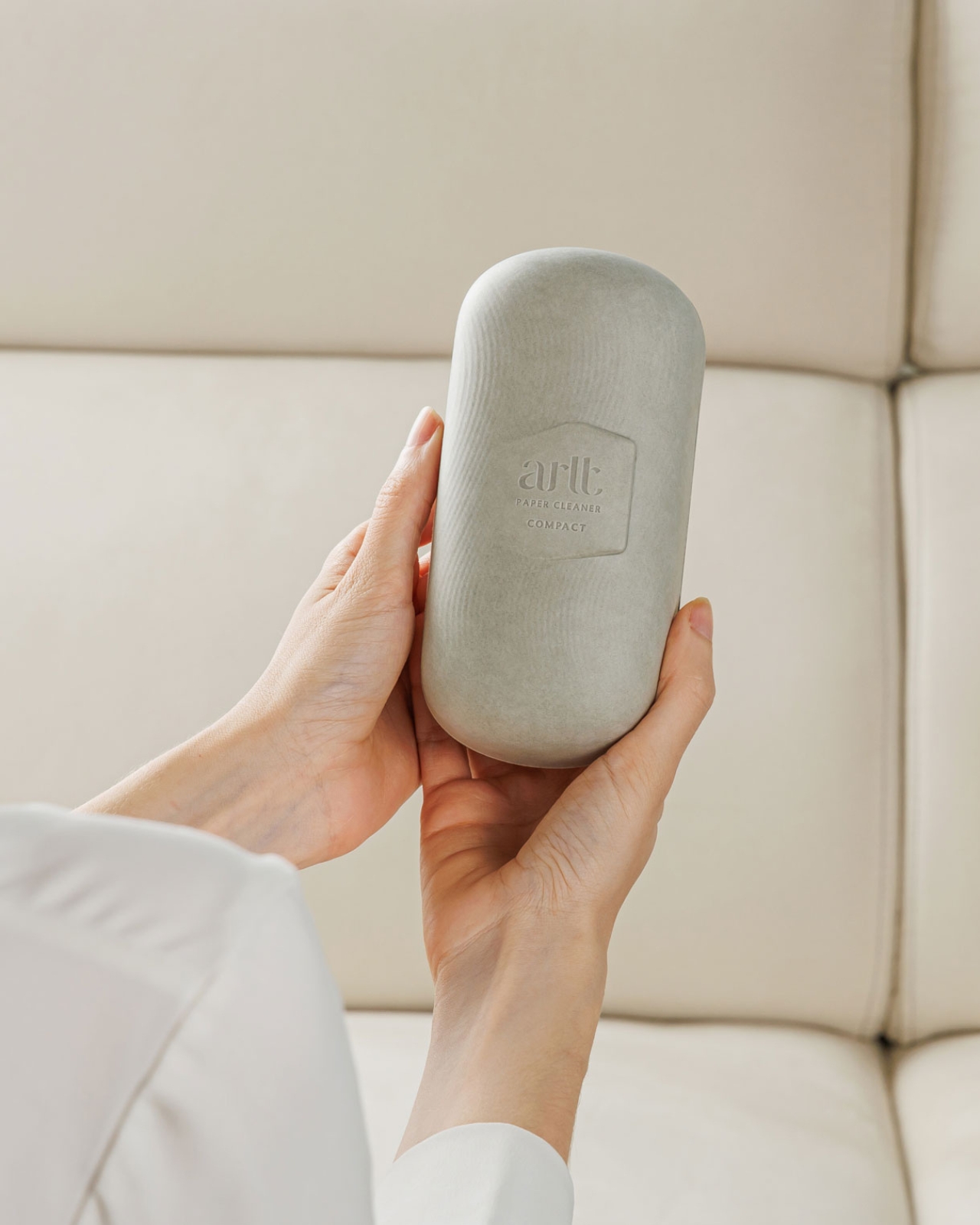
7 Best LEGO Creations of February 2026

February 2026 promises an exceptionally good month for LEGO fans, blending nostalgia with genuine innovation in ways that feel long overdue. We’re seeing long-awaited franchise collaborations finally materialize alongside fan-designed projects that earned their retail spots through sheer creativity. These aren’t background pieces you assemble once and forget about. They’re conversation starters that remind you why clicking plastic bricks together never really gets old, even when you’re old enough to have a mortgage.

What stands out this month is the range. Sports fans, comedy nerds, wizarding world collectors, Star Wars enthusiasts—everyone gets something worth displaying. LEGO keeps proving they understand their audience isn’t just kids anymore. These builds respect your time, your shelf space, and your wallet while delivering that specific joy that only comes from watching a pile of bricks transform into something you actually care about.

1. LEGO Editions Soccer Ball with Hidden Stadium (43019)


This 1,498-piece spherical build stretches 15 inches long and sits 10.3 inches wide once you’re done with it. The exterior mimics a soccer ball’s paneling well enough that anyone walking past knows exactly what they’re looking at. But here’s where it gets interesting—the whole thing splits open to reveal a complete miniature stadium tucked inside. We’re talking stands, pitch markings, tiny spectators frozen mid-cheer, even miniature players positioned on the field. The engineering required to nest an entire stadium inside a curved exterior without making it feel hollow or cheap is genuinely impressive.

You get two completely different display options here, which matters more than it sounds like. Show it closed, and it reads as a soccer ball replica that happens to be made of LEGO. Crack it open, and suddenly you’ve got an architectural achievement that rewards closer inspection. The dual functionality means you’re essentially getting two builds for your money, which helps justify the investment. The tiny fan figures and pitch details show the kind of attention LEGO saves for sets they actually care about, rather than phoning in another licensed property cash grab.

2. LEGO Ideas Furby 30th Anniversary Build with Working Features

Rancor1138’s 1,700-piece Furby stands nearly 19 inches tall in classic black and white, complete with working eyelids, articulated ears, and a movable mouth. The back panel opens to reveal two Easter eggs that perfectly nail the Furby’s bizarre cultural legacy. One is a brick-built heart representing what these things were supposed to be—lovable electronic pets teaching kids basic Furbish. The other is a man in black hiding in the head with recording equipment, acknowledging the paranoia that convinced parents these fuzzy toys were actually surveillance devices operated by shadowy government agencies.

This build speaks directly to anyone who grew up with Furbys and remembers both the genuine affection and the genuine unease. The NSA really did have to issue statements denying that these things were spying on American families. Kids really did wake up at 3 AM to unprompted Furbish babbling and wonder if their toy had become sentient. Twenty-eight years later, those kids are adults with disposable income and a deep appreciation for the absurdity of it all. The nearly 19-inch height creates an imposing presence that captures the original’s slightly unsettling charm without requiring you to change batteries or wonder what it’s saying about you when you’re not home.

3. LEGO Ideas Shrek’s Swamp Display Model

Memorph packed roughly 1,300 pieces into a display model that treats Shrek like he deserves museum-quality treatment. While you can already buy Shrek minifigures, this project goes way beyond that—it’s a fully brick-built sculpture that captures the character through smart part selection and building techniques rather than just printing his face on a yellow head. Donkey ends up in a friendly headlock while Gingerbread Man perches on Shrek’s shoulder, both scaled smaller to create an actual composition instead of just three figures standing next to each other.

The swamp base completes the scene with textured vegetation and that iconic “BEWARE OGRE” warning sign, grounding everything in the environment that made Shrek who he is. This feels like a love letter to the DreamWorks franchise rather than just cashing in on IP recognition. The layered approach to the build mirrors the movie’s whole thing about ogres and onions having layers, which might be reading too much into it, but also feels intentional. For anyone who grew up with these movies, it’s a chance to own something more substantial than a Happy Meal toy while still celebrating characters that somehow managed to age well despite being over two decades old.

4. LEGO Floating Sea Otters with Paw-Holding Feature (21366)

Maximilian Lambrecht’s original fan design featured a single otter floating in kelp, but LEGO designer McVeigh saw room to make it even more charming. The retail version brings a mother cradling her pup, complete with articulated arms and a feature that lets two sets connect so the otters can hold paws. That last detail recreates the real-world behavior that makes sea otters impossibly endearing—they hold hands while sleeping so they don’t drift apart. The design evolution required serious rethinking. Making the mother fully reclined to cradle her baby naturally meant her arms needed to articulate underwater, which meant thickening the base to fit elbow joints, which meant extending water elements over the edge to maintain visual balance.

Each decision triggered the next in that iterative process that separates fan concepts from actual retail products. What you end up with captures a genuinely tender moment from nature, with attention usually saved for architecture sets or complicated vehicles. The articulation gives you real control over the mood—peaceful floating, active swimming, or that distinctive hand-holding pose that protects sleeping otters from oceanic separation. You need two sets to access the paw-holding feature, which doubles your investment but also doubles the wholesome factor. Some builds justify their existence through technical complexity. This one just makes you feel good looking at it.

5. LEGO Ideas Monty Python Ministry of Silly Walks

John Cleese’s Mr. Teabag shows up in LEGO form through Packatrix’s engineering, capturing every ridiculous knee-flinging motion from the 1970 sketch that became comedy history. The exaggerated proportions work perfectly for recreating those impossibly precise movements, with Technic joints allowing a legitimate range of silly walk customization. The build started with the bowler hat, which set the scale for everything else. From there, spindly limbs and jutting features took shape through the kind of careful part selection that makes LEGO Ideas submissions either brilliant or frustrating failures.

The facial expression nails Mr. Teabag’s deadpan seriousness in a way that deserves genuine credit. The silhouette reads instantly from across a room, making this perfect for displaying alongside more traditional LEGO architecture or vehicle sets. The bowler hat and umbrella complete the bureaucratic aesthetic, turning this into a celebration of British absurdist comedy that works whether you know every Python sketch by heart or just appreciate builds with actual personality. The umbrella even serves as extra support to prevent workplace accidents that could result in funding cuts for the Ministry—practical engineering wrapped in thematic humor. Some builds make you admire the technique. This one makes you laugh while admiring the technique.

6. LEGO Harry Potter Luna Lovegood’s House with Light Projector (76467)

The Lovegood house only appeared in one film, but carried serious narrative weight throughout Deathly Hallows. Within those curved walls, Harry, Ron, and Hermione learned the truth about the Deathly Hallows while discovering how far a desperate father would go to save his daughter. The location became tied to both revelation and betrayal, making it cinematically significant despite limited screen time. LEGO’s version shows half the cylindrical structure, allowing access to detailed interior spaces across multiple floors. This cutaway approach gives you dollhouse visual storytelling while keeping architectural integrity intact.

Five minifigures, including Luna in her distinctive purple outfit and a menacing Death Eater, let you recreate the tense confrontation that defined this chapter. The working light projector adds actual functionality, casting the Deathly Hallows symbol just like it appeared in the film. That practical feature transforms this from a static model to something you can actually interact with, recreating key moments with real light effects. The multi-floor interior rewards close inspection with details that show LEGO took this seriously rather than just banking on Potter fans buying anything with the franchise logo. Each room tells part of the story, from lived-in domestic spaces to the moment everything changed.

7. LEGO Star Wars Grogu with Hover Pram Display (1,048 Pieces)

Those enormous eyes, the tiny green hands, that perfectly timed head tilt—Grogu became universally irresistible the moment he appeared on screen. This 1,048-piece build captures his personality through design choices that go beyond just making him recognizable. Standing 7.5 inches tall in his hover pram, he’s got posable ears, a tiltable head, and dial-operated arms that let you recreate specific moments from the series. Want him reaching for the shifter knob? Done. Prefer him clutching a cookie with both hands? Easy. The articulation gives you genuine creative control over how you display him.

The genius here is how different poses change the whole emotional tone. The reaching pose captures his mischievous curiosity. The cookie clutch emphasizes his food obsession. The neutral position plays up his vulnerability. Each configuration tells a different story, which keeps this from feeling stale six months after you build it. With The Mandalorian and Grogu hitting theaters this year, the timing works perfectly for celebrating everyone’s favorite Force-sensitive toddler. The hover pram base provides stability while staying character-accurate, solving that eternal LEGO challenge of keeping top-heavy builds from face-planting off your shelf. This isn’t just merchandise. It’s a tribute to a character that somehow transcended his show to become an actual cultural phenomenon.

Why February 2026 Matters

These seven builds demonstrate how LEGO continues to evolve while honoring what made these bricks special in the first place. Fan-designed Ideas sets like the Furby, Sea Otters, Silly Walks, and Shrek prove LEGO listens to community voices instead of just mining focus groups. Each build rewards both the construction process and the final display with actual attention to character, detail, and functionality rather than just slapping licensed properties onto generic brick templates.

What makes February special isn’t just release quantity but the diversity of appeal. Sports fans get their stadium surprise. Potter collectors gain a pivotal location. Star Wars enthusiasts celebrate their favorite foundling. Comedy nerds honor British absurdism. Nature lovers find wholesome companionship. Animation fans get sculptural tributes. Nostalgia seekers confront their childhood paranoia. Every release speaks to specific passions while maintaining broad enough appeal to attract curious builders from adjacent interests. That balance between niche and accessible keeps LEGO culturally relevant across generations, creating bridges between childhood nostalgia and adult appreciation for engineering and design that actually respects your intelligence.

The post 7 Best LEGO Creations of February 2026 first appeared on Yanko Design.

Forgot Valentine’s? 7 Gifts for Him That Don’t Look Last-Minute

Valentine’s Day has a sneaky way of arriving before you’re ready. One moment it’s early February, the next you’re scrambling for something meaningful that doesn’t scream “panic purchase.” The good news is that thoughtful gifts exist outside the usual suspects of cologne and chocolate. Design-forward pieces that speak to his interests, rituals, and style can transform a late save into a genuine gesture.

The key is choosing objects that feel intentional. These seven picks bridge form and function in ways that make them feel curated rather than rushed. From tactile drinkware to nostalgic tech, each piece brings substance to the moment. They’re gifts that work for the guy who has strong opinions about his coffee setup, values craftsmanship, or simply appreciates objects that look as good as they perform.

1. ClearFrame CD Player

The resurgence of physical media isn’t just nostalgia dressed up. It’s about owning music in a tangible form, album art included. The ClearFrame CD Player taps into that ritual while presenting itself as a piece of functional sculpture. Its transparent polycarbonate body frames both the disc and the cover art, turning playback into a visual experience. The exposed black circuitry sits like minimal abstract art, inviting you to appreciate the mechanics alongside the music itself.

Bluetooth 5.1 connectivity means it pairs with modern speakers while honoring the analog soul of CDs. The rechargeable battery delivers up to eight hours of play, making it genuinely portable. Whether wall-mounted or desk-bound, it fits into spaces designed with intention. It’s a gift for the guy who still curates playlists but misses the weight of a physical album, the one who values ritual as much as sound quality.

Click Here to Buy Now: $199.00

What We Like

  • The transparent housing transforms the player into a display piece
  • Bluetooth and wired options accommodate any listening setup
  • Seven-hour battery life makes it surprisingly versatile
  • Wall-mountable design adds spatial flexibility

What We Dislike

  • Limited to CDs, so streaming purists may not appreciate it
  • Exposed circuitry can collect dust over time

2. Titanium Artisan Spirits Cup

Glassware does its job, but titanium transforms the act of drinking into something tactile and deliberate. This artisan cup weighs just 22 grams yet feels substantial in hand. The hammered texture does more than look striking—it amplifies the aromatic profile of whatever spirit you pour. Sake, whiskey, or tequila all benefit from the sensory boost that comes with each sip. The anodized finish shifts between vibrant hues, ensuring no two cups are identical.

At roughly two inches in diameter and height, it fits comfortably in the palm while maintaining a refined presence on any surface. The thin lip is engineered for smooth contact, enhancing flavor rather than obstructing it. The non-slip surface adds practicality without compromising elegance. It’s a gift for the man who treats his drink selection like a small ceremony, who appreciates the engineering behind simple pleasures, and who doesn’t settle for standard barware.

Click Here to Buy Now: $27.00

What We Like

  • Hammered texture genuinely enhances aromatic profiles
  • Lightweight titanium construction feels premium without being fragile
  • Unique anodized finish gives each cup individual character
  • Thin lip improves the sipping experience noticeably

What We Dislike

  • Small capacity may require frequent refills
  • Premium price point compared to traditional glassware

3. BlackoutBeam Tactical Flashlight

Flashlights often get relegated to emergency drawer status, but the BlackoutBeam earns permanent pocket space. Its 2300-lumen output cuts through darkness with the kind of precision that makes fumbling around obsolete. The 0.2-second response time means instant illumination when you need it, whether that’s during a power outage or while navigating unfamiliar terrain. The IP68-rated aluminum body handles rain, drops, and submersion without complaint, making it genuinely adventure-ready.

Three brightness levels plus strobe and pinpoint modes adapt to different scenarios. Signal for help, disorient threats, or simply light up a path without blinding yourself. The beam throws up to 300 meters, offering serious range in a compact form. It’s built for the guy who values preparedness, who keeps gear in his car or bag just in case, and who wants tools that perform without looking overly tactical or utilitarian.

Click Here to Buy Now: $89.00

What We Like

  • Blinding 2300-lumen output handles any visibility challenge
  • Instant 0.2-second response eliminates lag
  • IP68 waterproofing and a durable aluminum body withstand harsh conditions
  • Multiple modes provide versatility for different situations

What We Dislike

  • High lumen output can drain the battery quickly on the max setting
  • Industrial aesthetic may feel too aggressive for some tastes

4. Battery-Free Amplifying iSpeakers

Acoustic amplification predates electricity, and these metal speakers prove that old principles still work beautifully. Drop your smartphone into the cradle and watch sound waves spread naturally across the room. No charging cables, no Bluetooth pairing, no power source required. The Duralumin construction, borrowed from aircraft engineering, resists vibration while amplifying audio through pure physics. The golden ratio shapes the design, turning functional geometry into something visually balanced.

Compatible with optional mods that direct sound, these speakers adapt to different spaces and listening preferences. They work just as well on a desk as they do outdoors, bringing warmth to acoustic tracks and clarity to podcasts. It’s a conversation starter that actually performs, appealing to the guy who appreciates analog solutions in a digital age. He’ll love the lack of battery anxiety and the simplicity of just setting his phone down to fill a room.

Click Here to Buy Now: $179

What We Like

  • Zero power requirement means it works anywhere
  • Duralumin construction offers durability and vibration resistance
  • Natural acoustic amplification produces surprisingly rich sound
  • Minimalist design suits various aesthetics

What We Dislike

  • Sound quality depends entirely on the phone’s speaker quality
  • Limited volume compared to powered alternatives

5. Portable Fire Pit Stand

Outdoor cooking gear can feel cumbersome, but this bonfire stand assembles like a puzzle and packs flat when finished. The black steel plate resists warping despite prolonged heat exposure, maintaining structural integrity through countless fires. Industrial cutouts and holes give it visual character while promoting airflow for better combustion. Removable trivets open up cooking methods beyond basic grilling, accommodating skillets, pots, and direct flame contact depending on your meal plan.

Setup takes minutes, teardown even less. The portability factor means spontaneous camping trips or backyard gatherings don’t require hauling heavy equipment. It’s built for the guy who finds peace in fire, who enjoys cooking outdoors, and who values gear that doesn’t sacrifice design for function. Whether he’s solo camping or hosting friends, this stand turns open flame into a centerpiece rather than just a heat source.

Click Here to Buy Now: $119

What We Like

  • Easy assembly and flat-pack design simplify transport
  • Warp-resistant steel handles repeated high-heat use
  • Removable trivets enable multiple cooking methods
  • Industrial aesthetic looks intentional rather than utilitarian

What We Dislike

  • Requires an outdoor space to use properly
  • Steel construction adds weight despite the portability focus

6. AirTag Carabiner

Losing things wastes time and mental energy. This carabiner solves that problem with elegance rather than bulk. Crafted from Duralumin composite alloy, the same material used in aircraft and spacecraft, it clips onto bags, bikes, or umbrellas without feeling heavy. The hand-finished construction ensures quality over mass production, while the Apple AirTag integration brings precision tracking to everyday items. Water resistance and altitude durability mean it performs reliably in varied conditions.

Available in brass and stainless steel finishes alongside the standard option, it suits different aesthetic preferences. The carabiner isn’t just functional—it’s a small piece of engineering that happens to keep track of your belongings. Perfect for the guy who’s always misplacing his gym bag or bike, who appreciates practical design that doesn’t announce itself, and who wants peace of mind without bulky tracking devices clipped to everything he owns.

Click Here to Buy Now: $129.00

What We Like

  • Duralumin alloy provides aircraft-grade durability in lightweight form
  • Hand-finished construction feels premium
  • Compatible with Apple AirTag for seamless tracking
  • Water and altitude resistance expand usage scenarios

What We Dislike

  • Requires a separate AirTag purchase
  • Limited to Apple ecosystem users

7. Stacking Sake Drinkware

Sake deserves better than generic glassware. This tin drinkware set honors the drink’s cultural roots while enhancing its flavor profile. Tin naturally smooths and improves sake’s taste, a property recognized for over 1,300 years. The design mirrors Japanese rice cakes, stacking elegantly when not in use and creating a tactile experience during use. The matte sandblasted finish moderates the metal’s coolness, making chilled drinks comfortable to hold without condensation issues.

Certified at 95 to 97 percent genuine tin content, the set balances authenticity with functionality. It resists rust and odors while requiring minimal maintenance. The configurations support both solo sipping and shared moments, adapting to how he prefers to enjoy sake. It’s a gift for the man who treats drinking as a ritual rather than a routine, who appreciates cultural craftsmanship, and who values objects that improve the experience they’re designed for.

Click Here to Buy Now: $299.00

What We Like

  • Genuine tin enhances sake flavor naturally
  • Stacking design combines storage efficiency with visual appeal
  • Matte finish provides a comfortable grip temperature
  • Cultural authenticity adds meaningful context

What We Dislike

  • Specific to sake, limiting versatility
  • Requires hand washing and careful maintenance

The Last-Minute Gift That Looks Anything But

Timing shouldn’t dictate thoughtfulness. These seven pieces prove that design-forward gifts exist outside traditional Valentine’s territory, offering substance alongside style. Each one speaks to specific interests without feeling generic, whether that’s reviving CD collections, elevating drink rituals, or solving everyday problems with well-engineered solutions. They’re objects designed to be used, appreciated, and kept rather than stored away after the initial novelty fades.

The best gifts reflect actual observation rather than obligation. These picks work because they address real preferences and habits. They look intentional because they are, even if you’re ordering them with days to spare. Sometimes the most meaningful gesture is choosing something that fits seamlessly into someone’s life, enhancing routines they already value and spaces they already inhabit. That’s not last-minute. That’s just right.

The post Forgot Valentine’s? 7 Gifts for Him That Don’t Look Last-Minute first appeared on Yanko Design.
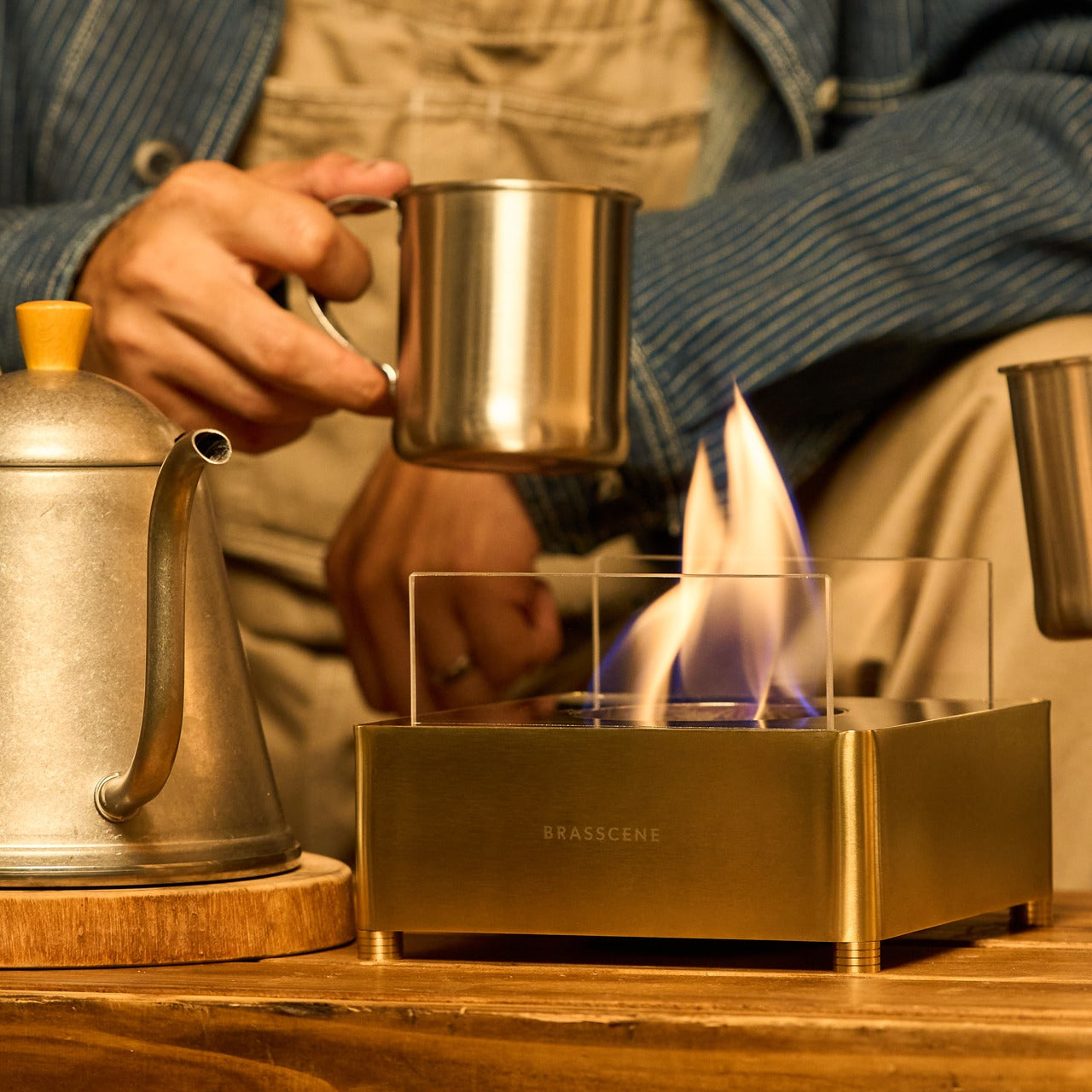
7 Best Minimal Valentine’s Gifts Under $150 That Outlast Roses

Roses wilt. Chocolates disappear. Cards gather dust in drawers. There’s nothing wrong with tradition, but this year calls for something different—gifts that don’t expire with the season. Minimal design offers a solution: objects that carry intention without noise, crafted to be used, touched, and remembered long past February.
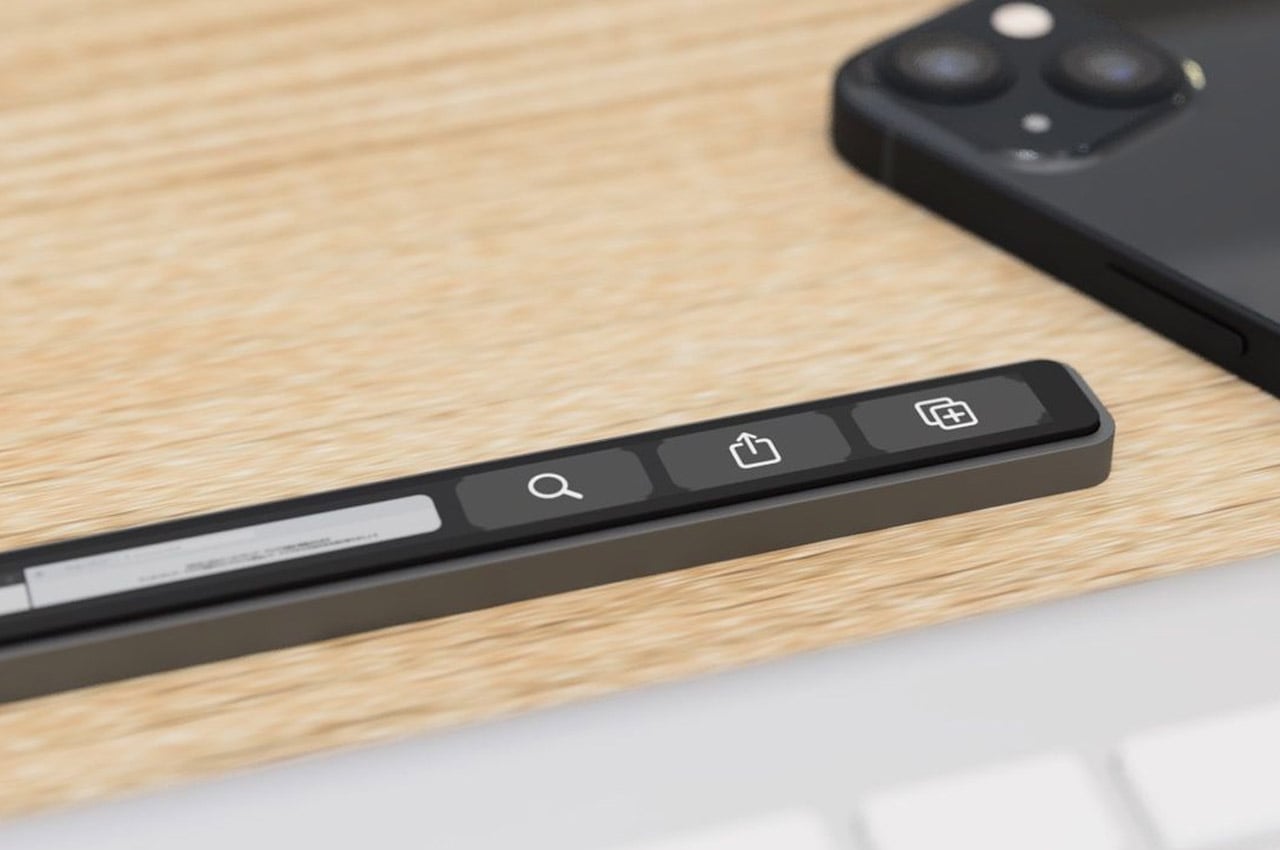
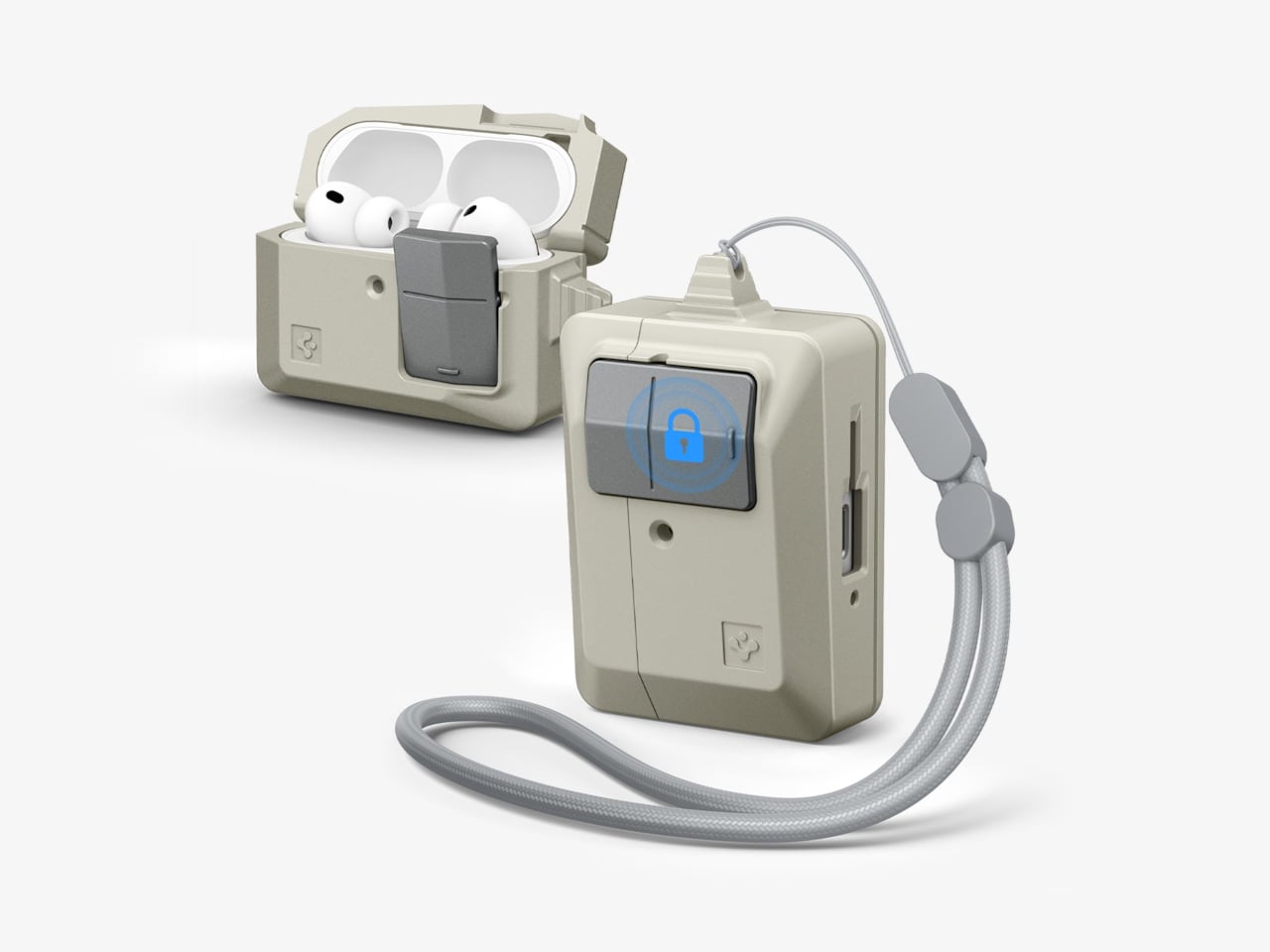
The best Valentine’s gift isn’t about grand gestures. It’s about thoughtfulness made tangible. These seven designs prove that restraint speaks louder than excess. Each piece sits comfortably under $150, chosen for its ability to enhance daily rituals rather than interrupt them. They’re tools for presence, reminders of care, objects that age with grace rather than obsolescence.

1. FoldLine Pen Roll

Writing by hand feels increasingly rare. The FoldLine Pen Roll recognizes this shift and offers something back—a leather case that transforms the act of retrieving a pen into something worth pausing for. Crafted from a single piece of Italian leather, it folds open to become a tray, creating instant order on any surface. There’s no clutter, no rattle of pens jostling in a bag. Just quiet geometry and purposeful design that recalls the precision of origami without the fuss.

The ritual matters here. Unroll the leather. Watch it become a workspace. Reach for your pen without searching. For someone whose thoughts flow through fountain pens, rollerballs, or pencils, this gift acknowledges their process. It’s intimate without being sentimental, practical without losing elegance. The leather will patina with use, developing character that reflects how often they return to the page—a physical record of all the words, sketches, and ideas that followed your gift.

Click Here to Buy Now: $135.00

What We Like

  • Italian leather that develops a personal patina over time
  • Two-step transformation from roll to organized tray in under two seconds
  • Protection without partitions means no scratching or rattling between metal pens
  • Compact enough to slip into bags while maintaining structure and presence

What We Dislike

  • Limited capacity may not suit those who carry extensive pen collections
  • Leather care is required to maintain the appearance over the years of heavy use

2. Prism Titanium Beer Glass

The Prism Titanium Beer Glass combines minimalist form with meticulous Japanese precision, transforming an ordinary beer into a ceremony. The interior is crafted from 99.9% pure aerospace-grade titanium, which neutralizes metallic aftertastes and preserves the drink’s true flavor. Choose the Silver finish for timeless restraint or the Infinite, which shifts with light in aurora-like gradients. Either way, the gently flared rim improves flow, softening texture while lifting aroma with each sip.

This isn’t glassware for parties. It’s for the person who pours one good beer and actually tastes it. The symbolic etched patterns reference Japanese ideals of longevity and prosperity—a fitting subtext for a Valentine’s gift meant to last. Crafted in Shizuoka with hand-finished precision, each glass is present without pretension. Years from now, this won’t be the beer glass that broke. It’ll be the one that stayed, accumulating quiet evenings and conversations that stretched longer than intended.
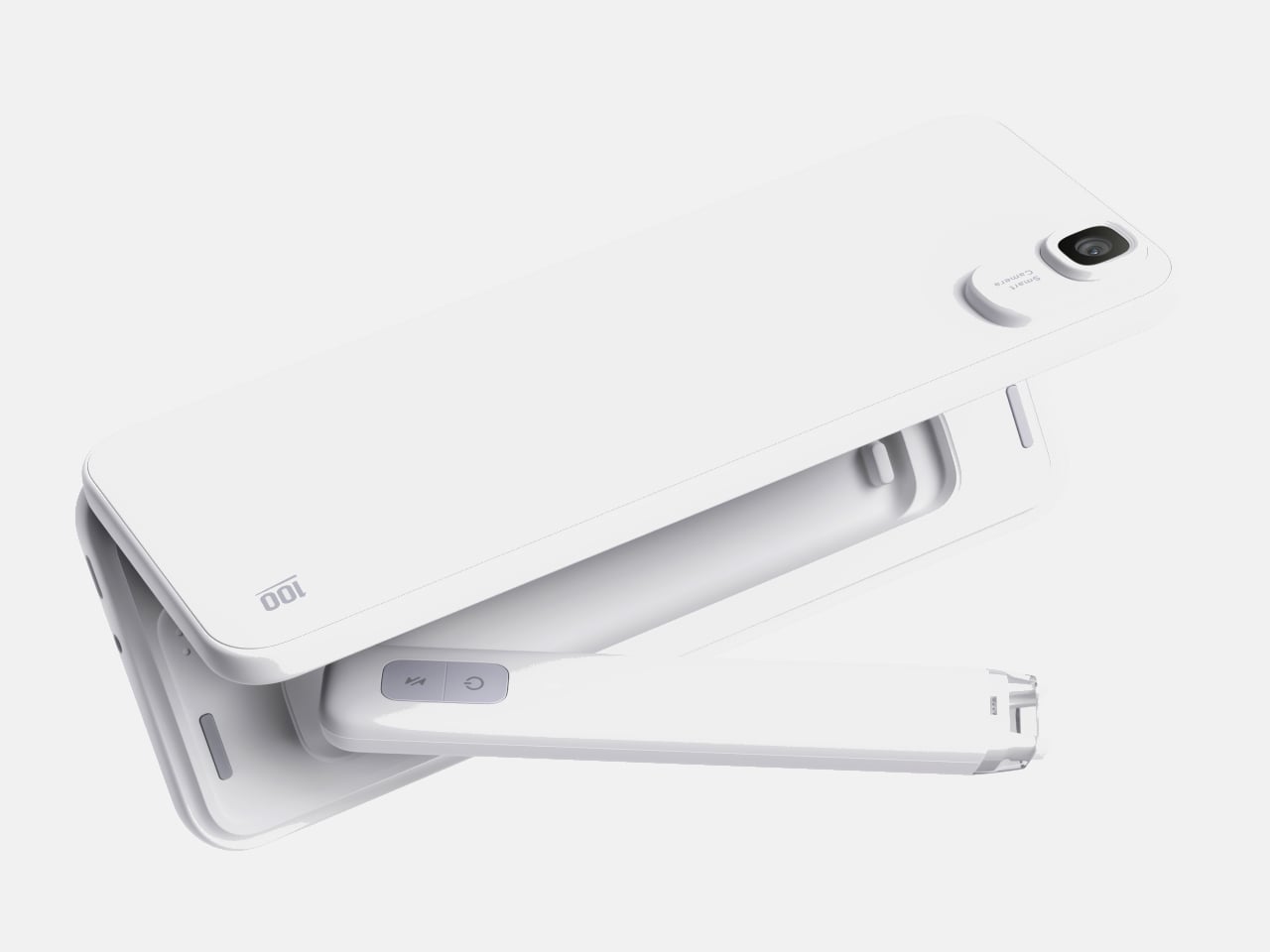
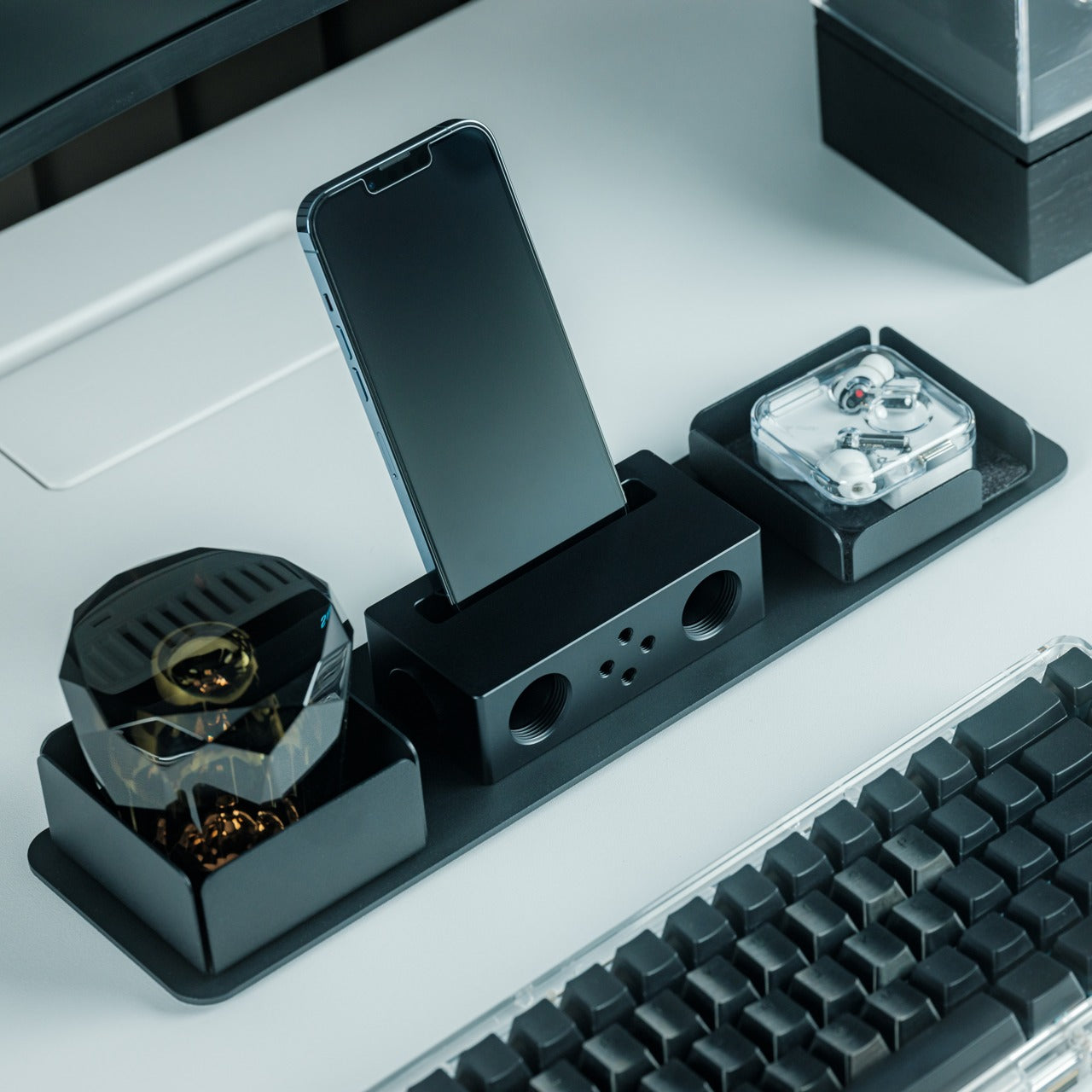
Click Here to Buy Now: $99.00

What We Like

  • Titanium lining neutralizes off-flavors and enhances the purity of each drink
  • Two finish options suit different aesthetic preferences without compromising function
  • Japanese craftsmanship ensures durability alongside refined visual detail
  • Corrosion-resistant material means it ages gracefully rather than deteriorating

What We Dislike

  • Single-serve capacity limits sharing moments during gatherings
  • Premium materials command a higher price point within the budget range

3. ClearMind Kendama

The ClearMind Kendama is more than a hobby. It’s a testament to the power of mindful play, offering an alternative to screens and scrolling. Tokyo Kendama engineered this traditional Japanese skill toy with thoughtful updates: larger cups for easier trick landing, recalibrated balance for smoother precision, and a bearing system that minimizes string twists. What emerges is a tool that sharpens coordination while providing tangible breaks from digital overload.

The minimalist aesthetic means it doesn’t hide in a closet between uses. It sits on a shelf as sculpture, invitation, challenge. For a partner who needs permission to step away from productivity, this gift provides exactly that. Each trick mastered builds confidence. Each session offers a reset button for scattered attention. The larger tama hole increases success rates in advanced moves—spikes, stalls, stilts—making progression feel achievable rather than frustrating. It’s play with purpose, wrapped in wood and intention.

Click Here to Buy Now: $59.00

What We Like

  • Larger cups and improved balance accelerate skill development and maintain engagement
  • Bearing system reduces string tangling for uninterrupted practice sessions
  • Minimalist design makes it display-worthy rather than something to hide away
  • Offers a tactile, offline activity that builds actual skills over time

What We Dislike

  • The initial learning curve may discourage those seeking immediate gratification
  • Wooden construction requires care to prevent damage from drops on hard surfaces

4. Aroma Fragrance Pin

Scent memory outlasts almost everything else. The Aroma Fragrance Pin disguises itself as a minimalist button while functioning as a personal diffuser. Carved from a single aluminum block by skilled craftsmen, each pin holds cotton infused with essential oils. Pin it to a jacket lapel, bag strap, or scarf, and the wearer carries their chosen scent throughout the day—lavender for calm, eucalyptus for clarity, whatever matches their rhythm.

The discretion appeals here. No one needs to know it’s a diffuser. It reads as intentional design, a thoughtful detail in someone’s aesthetic. The Alumite dye finish creates color variations between batches, ensuring no two pins look identical. For a Valentine’s gift, this speaks to personal space and sensory preference. You’re not choosing their scent—you’re giving them the vessel to carry what brings them peace. Each time they catch the fragrance, it’s a small reminder of care without being obvious about it.

Click Here to Buy Now: $49.00

What We Like

  • Discreet button design integrates seamlessly with any wardrobe or accessory
  • Handcrafted aluminum construction ensures durability and unique batch variations
  • Easily refillable with preferred essential oils for ongoing customization
  • Portable aromatherapy requires no batteries, plugs, or complicated mechanisms

What We Dislike

  • Scent dissipates faster than traditional diffusers, requiring more frequent refreshing
  • Small size means cotton holds limited oil, reducing longevity between applications

5. Rolling World Clock

Distance complicates the connection. The Rolling World Clock simplifies it. This twelve-sided object sits on a desk or shelf, each face representing a major timezone city: London, Paris, Cape Town, Moscow, Los Angeles, Karachi, Mexico City, New York, Shanghai, Tokyo, Sydney, and New Caledonia. Roll it to the relevant city, and a single hand displays the current time there. No apps, no menus, no glowing screens at midnight when you wonder if they’re still awake.

The tactile element transforms time-checking into something physical. There’s satisfaction in the roll, the small thud as it settles, the confirmation of connection across hours and miles. For long-distance relationships or anyone tracking loved ones across continents, this gift acknowledges the effort of staying synchronized. The minimalist design—available in black or white—means it occupies space without demanding attention until the moment it’s needed. Then it delivers exactly what matters: awareness of someone else’s now.

Click Here to Buy Now: $49

What We Like

  • Single-hand display removes unnecessary complexity from global time-checking
  • Tactile rolling mechanism adds satisfying physicality to a digital-age task
  • Twelve major cities cover most international time zones without overwhelming choice
  • Minimalist aesthetic works as a functional sculpture rather than a utilitarian device

What We Dislike

  • Limited to twelve cities may exclude specific locations important to some users
  • Single-time display requires rolling between zones rather than viewing multiple simultaneously

6. Anywhere Use Lamp

Light shapes mood more than most people acknowledge. The Anywhere Use Lamp delivers soft, warm illumination without requiring outlets or charging cables. Six high color-rendering LEDs provide glow rather than glare, enhancing atmosphere wherever it’s placed. The mushroom-inspired silhouette comes in black, white, or the new Industrial edition—a variant celebrating imperfection through scratch-detailed metal that turns wear into aesthetic intention.

The modular design means it travels. Bedroom to living room, desk to bedside, even outdoors for evenings that extend past sunset. Four AA batteries power it, chosen deliberately for reusability and accessibility. Press any edge of the cap to cycle through brightness levels, each click offering satisfying haptic feedback. For a gift, this speaks to flexibility and mood-setting across contexts. It’s light that moves with someone’s life rather than tethering them to fixed locations. The Industrial edition particularly suits those who appreciate objects that carry stories in their surfaces.

Click Here to Buy Now: $149.00

What We Like

  • Battery power eliminates cord dependency, enabling true portability across locations
  • High color-rendering LEDs provide warm, flattering light rather than harsh brightness
  • Modular design allows easy disassembly for storage and transport
  • Haptic feedback on brightness adjustment adds satisfying tactile interaction

What We Dislike

  • Battery replacement is needed periodically, though the AA format maintains accessibility
  • Limited brightness range may not suffice for task lighting needs

7. Miniature Bonfire Wood Diffuser Set

The final gift on this list doubles as entertainment. The Miniature Bonfire Wood Diffuser Set recreates camping atmosphere indoors, complete with bundled firewood that diffuses aromatic oils, capturing the scent of Mt. Hakusan. Rust-resistant stainless steel ensures longevity, while included trivets transform the diffuser into a functional pocket stove—meaning you can actually cook small portions over it, adding an authentic bonfire experience to the aromatic element.

This gift works for adventurers stuck indoors, for those who crave forest and mountain air but live surrounded by concrete. The scale makes it charming rather than gimmicky. Set it on a table, light the small fuel source beneath the firewood, and watch essential oils evaporate into a scent that recalls open air and slow evenings. The ability to cook adds unexpected utility—miniature s’mores, anyone? For Valentine’s Day, it creates a shared experience. You’re not just giving an object. You’re giving an excuse to slow down, light something small, and remember what calm feels like.

Click Here to Buy Now: $99.00

What We Like

  • Dual function as diffuser and pocket stove expands utility beyond aromatherapy alone
  • Stainless steel construction resists rust and ensures years of reliable use
  • Mt. Hakusan essential oil provides an authentic mountain-forest scent profile
  • Bundled firewood with a tying knot adds aesthetic detail to functional design

What We Dislike

  • Requires careful handling due to the open flame component during use
  • Specialized fuel needed for the cooking function may not be readily available everywhere

Why Minimal Design Makes Valentine’s Gifts Last

Objects designed with restraint don’t compete for attention. They integrate. The gifts above share a common philosophy: enhancement over decoration, function refined to its essential form, materials chosen for how they age rather than how they impress initially. These aren’t things to display once and forget. They’re tools for daily rituals, anchors for habits worth keeping, reminders that care can be practical without losing meaning.

Roses die because they’re meant to. These gifts persist because they’re built to. When Valentine’s Day passes, and its commercial urgency fades, what remains are objects that earned their place through use, through presence, through the quiet accumulation of moments they witnessed. That’s the difference between a gesture and a gift that actually lasts. One marks a date. The other marks time itself.

The post 7 Best Minimal Valentine’s Gifts Under $150 That Outlast Roses first appeared on Yanko Design.