Whopping 28,000mAh Energizer phone unveiled at MWC 2024 with a week-long battery life

Battery Saver Mode? What’s that??

Meet the Energizer Hard Case P28K smartphone from Avenir Telecom. I hesitate to call it a smartphone because it’s pretty much a brick with a screen… but this smart brick does have a pretty incredible spec to boast about. This device is a behemoth in the battery department, boasting a staggering 28,000mAh capacity that promises to last a regular user an entire week on a single charge. It’s a follow-up to their previous 18,000mAh model from 2019, marking a significant leap in battery size and, implicitly, in user independence from power outlets.

For context, a 28,000mAh battery is roughly 9x more than your average smartphone, which has an average of around 3000mAh. That translates to much more battery capacity, stretching to a week (or maybe more) with regular use… but it also leads to, well, that massive brick-ish format. The Energizer Hard Case P28K measures a staggering 27.8mm thick (that’s nearly three smartphones thick) and weighs a whopping 570 grams (over 20 ounces). I pity the fool who texts with this in bed and accidentally drops it on their face. That being said, the phone is at least rated IP69 for dust and water resistance…

The 18,000mAh Energizer Phone from 2019 (above), versus the P28K smartphone (below)

Fast charging at 33W is also a welcome feature, considering you don’t want to spend 5-6 hours topping off the entire battery. However, details regarding the full charge time remain unspecified, raising questions about the practicality of recharging such a large battery. The phone’s specifications are modest, with no 5G support and a processor that won’t turn heads. Yet, with 8GB of RAM, 256GB of storage, a trio of rear cameras, Android 14, and a sizable 6.78-inch 1080p LCD display, it covers the basics well enough for users whose primary concern isn’t cutting-edge tech but battery life.

Scheduled for release in October at a price of €249.99 ($271.37 USD), the P28K positions itself as a unique offering in the smartphone market. However, it’s notable that it won’t be available in the US, a decision that may reflect market research or regulatory challenges, but it certainly raises curiosity about the global distribution strategy and target audience for such a niche product.

The post Whopping 28,000mAh Energizer phone unveiled at MWC 2024 with a week-long battery life first appeared on Yanko Design.
Future Smartphones could have backplates made from 3D displays, fiberglass, or even fragrant leather

While most smartphone companies focus only on advancing the inner components of their devices, TECNO’s working on something even exciting – outer materials that enhance and elevate the smartphone’s design to new levels. The company gave us a sneak peek of what they’ve been working on, and let’s just say it goes above and beyond simple glass or metal assemblies. TECNO’s team have been researching color-changing materials, 3D stereoscopic displays (on the back of your phone), organic fabric leather, fiberglass, and even fragrant materials that can give your smartphone a unique aroma. Obviously, none of these materials are ready to deploy at the mass scale that TECNO produces its phones at… but it’s exciting to think of a future where phones won’t look the same, or even smell the same!

1. Chameleon Coloring Technology

Perhaps the holy grail of smartphone design (aside from fully transparent phones) has been the idea of a phone that can change color… and TECNO seems to have developed a technology capable of this. Dubbed Chameleon Coloring Technology, the material stands out as the first in the industry to harness ultra-fine prisms for full-spectrum, polarization-free color shifting. This state-of-the-art technology operates through angular rotation induced by an electric field, enabling it to capture every color hue vividly. It boasts an ultra-fast reaction time that sets new industry benchmarks, achieving responsiveness in a mere 0.03 seconds. Alongside its rapid performance, it promises an extended lifespan and operates on minimal power, with consumption measured at the milliampere level. The technology also features versatile color adaptation capabilities, allowing for the independent customization of essential color functionalities and enabling selectable color absorption to suit a variety of needs.

2. 3D Stereo Optical Grating

If you thought changing colors was exciting, what if the back of your phone had its own dedicated 3D display that showcased depth without requiring glasses?? The 3D Stereo Optical Grating is a cutting-edge technology that uses advanced materials and a special pattern to produce a 3D effect without the need for glasses. This technology can create a sense of depth and make images look like they’re floating right in front of you. It can also change the way colors and patterns appear. This method works by bending light in a specific way, which can be applied across an entire surface or just parts of it. It’s perfect for large-scale printing processes where vivid colors and detailed patterns are needed quickly and accurately. Plus, it’s capable of adding movement to images, making it a smart choice for creating lots of high-quality products in a factory setting.

3. Layered Fiberglass

Layered fiberglass stands out from standard glass because it’s built to be much stronger and more flexible, even when it’s just as thin. This means it can take more bending and pressure without breaking. Plus, it’s surprisingly lightweight, making it a better option for things that need both durability and ease of handling. To give it a sleek, shiny finish that mimics the look of metal, a special coating technique is used. This isn’t like regular spray paint; it’s a high-tech process that leaves the fiberglass feeling smooth to the touch, almost luxurious. The texture is top-notch, and it has the added bonus of resisting smudges and fingerprints, so it stays looking clean and polished for longer. This makes layered fiberglass not just tough and good-looking, but also practical for everyday use where touch and cleanliness matter.

4. Colored Textured Glass

Colored textured glass is crafted by blending molten glass in various colors, like clear, shades of blue, and white. This mixture is stirred evenly in a special container using a precise method, resulting in beautifully textured glass. The color infuses throughout the glass, ensuring it remains vibrant and enduring over time. This glass can be tailored to personal preferences, offering a unique, almost magical hue that resembles the depths of precious stones. Additionally, it has the ability to mimic the appearance of fine ceramics, all while being thinner than actual ceramics.

5. Fragrant Leather

This might be the most bizarrely interesting piece of innovation yet. TECNO’s Fragrant Leather is an innovative material that infuses scent into vegan leather through a special process. Tiny capsules filled with scented oils are mixed into the PU resin of the leather, with the amount carefully adjusted to get the perfect strength of fragrance. This sensory-rich material combines durability with a pleasing aroma and practical use. It’s designed to retain its scent for a long time, and with normal use, away from harsh conditions like direct sunlight or extreme heat, the lovely smell can last for more than a year, and TECNO’s been formulating popular scents like cologne, ocean, and even rose.

6. Organosilicone Fabric Leather

While most synthetic leathers come with a polyurethane coating, TECNO’s working on a synthetic leather that uses an ‘organosilicone’ coating instead. This fabric is specially coated with a silicone polymer, which makes it particularly user-friendly because it’s simple to clean and doesn’t hold onto odors. Additionally, it’s an eco-friendly option with very low volatile organic compound (VOC) emissions, meaning it’s better for indoor air quality. The durability of organosilicone fabric leather stands up to various weather conditions, and it’s also recyclable, supporting a more sustainable lifecycle. What’s more, this material represents a leap forward in fabric technology by utilizing high-grade silicone coatings, reducing reliance on carbon-based materials and thus decreasing carbon emissions.

7. Renewable Fiber

We’ve seen fiberglass used everywhere, but have you seen it on the back of your phone?! TECNO’s developed a special brand of fiberglass that’s made from recycled plastics. The fibers themselves come from shredded plastic bottles that would otherwise end up as landfill or ocean waste. The result is a plastic that’s flexible, durable, gorgeous-looking, unique because the fibers are laid out differently on each phone, and innately fingerprint resistant given the fiberglass’ texture. There’s also the added bonus of it being sustainable because not only is it made from recycled plastic, but it can further be recycled too!

8. Color Blending Leather

Leather is currently a favored material for crafting deluxe smartphone back covers in the tech industry. However, the variety of leather colors on the market is quite restricted, typically offering only single or dual-tone options. TECNO has been working on a Color Blending Leather that incorporates color-changing patterns into leather, allowing it to shift hues through the day. This process allows for the merging of multiple hues, creating a seamless and vibrant artwork directly on the leather itself. The result is a multi-layered color effect with a distinct and refined texture that’s also practical, resisting dirt and wear. This innovative color blending technique is set to infuse a dash of fashion-forward flair and artistic expression into the realm of technology accessories.

9. Borderless Foldable Main Screen

While companies like Oppo, Huawei, and Samsung have truly been pushing the boundaries of folding phone technology, there’s always been one obstacle nobody could overcome – the bezel. TECNO, however, is proposing modifying the structure of the Ultra Thin Glass (UTG) to remove the bezels entirely. While we don’t have any physical or visual evidence of this, it seems like TECNO could potentially launch a folding concept soon with zero bezels.

10. Satellite Communication Technology

Finally, TECNO is also looking at ways to bring satellite communication to its own phones, just like Apple did with the iPhone 14 series. “When located in an environment with poor or no signal, the Satellite Communication Technology enables users to maintain contact with the outside world, ensuring safety when camping, hiking, and mountaineering,” says the company.

The post Future Smartphones could have backplates made from 3D displays, fiberglass, or even fragrant leather first appeared on Yanko Design.
Forget Flip Phones, this Smartphone has a Flipping Side Button Panel for Regular, Gaming, and Camera Modes

When mobile phones began scaling up, they used physical buttons for navigation. Steadily touchscreen smartphones took over more rapidly than mobile phones to reach our pockets in the first place. This was because of two considerable reasons: larger display real estate and lighter and slimmer design. But what we had to forgo in this barter was the tactile feedback on the press of a button that good old mobiles offered.

It has been seen that mobile gamers and camera enthusiasts prefer the tactile feel of the phone and this has given surge to a new league of accessories that make this possible from an everyday smartphone. Now a designer believes there is a scope of adaptation for a smartphone with tactile buttons for camera and gaming mode, in addition to physical volume rockers and power button of the touchscreen phone.

Designer: Wayne Lu

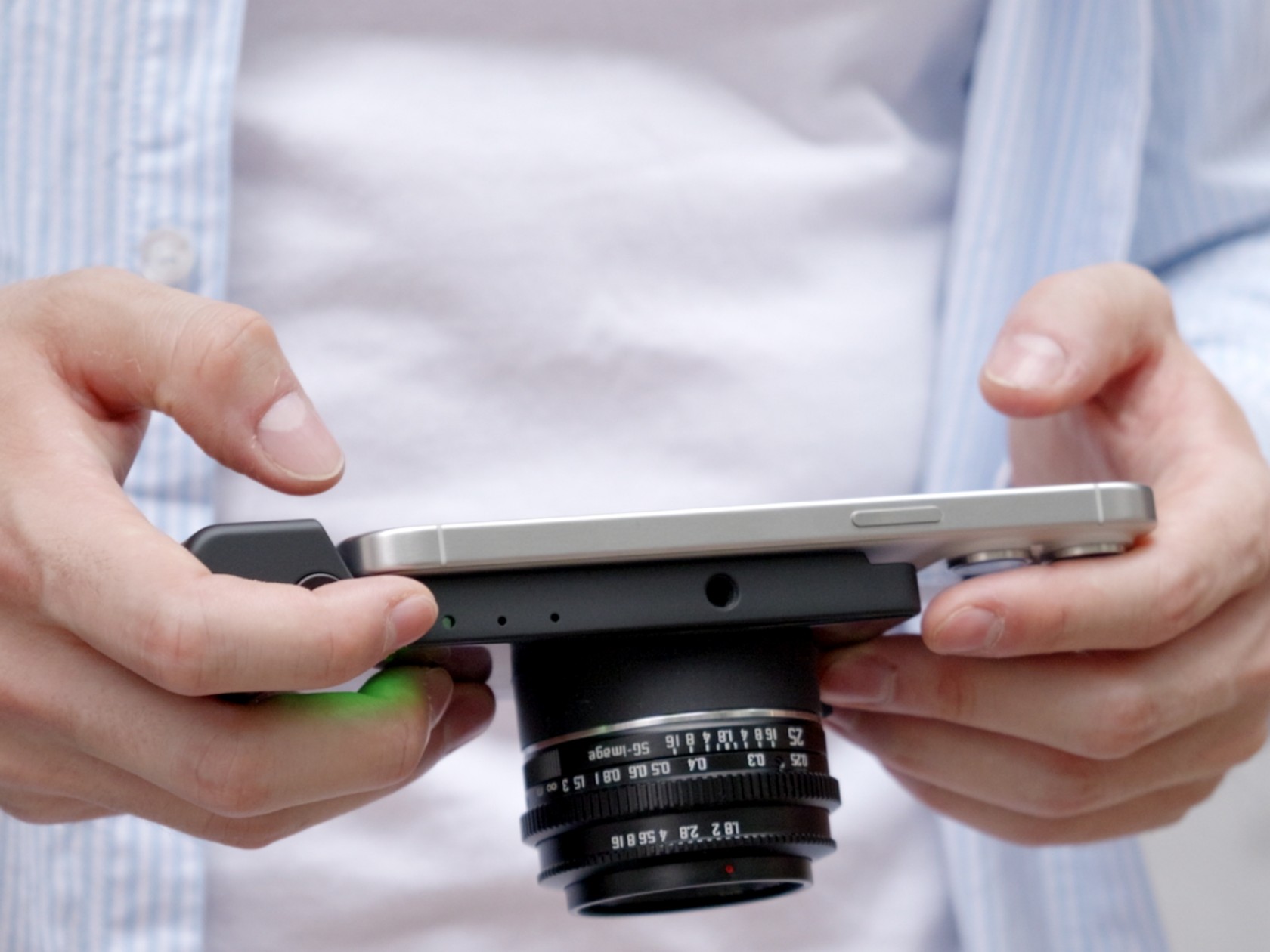
Appropriately christened the Phone One, this as the tagline suggests, is a multi-mode smartphone that revives the physical buttons for a tactile feel. The interesting aspect here is that these buttons do not take up the screen space but are provided in a uniquely designed three-pivot side panel of this smartphone.

The pivot allows the right-side panel of the phone to rotate within the phone frame itself, transitioning from normal phone mode to gaming mode and further into camera mode and back to the phone mode. The normal mode with volume and power buttons ensures the Phone One looks as close to normal as possible for daily usage.

The magic starts on the first twist of the side panel that reveals the game mode. This shows up a speaker grill in the center and D pa- style four buttons in as many colors. Taking things further into the optics arena is the camera mode that appears on the next pivot of the side panel. This mode with all the physical buttons for recording, clicking, flash and more has a very camcorder-like appearance.

Besides the bespoke pivoting side panel, Phone One is a run-of-the-mill smartphone with an edge-to-edge HD display and a slim profile. It has a single camera cutout on the back and a plasticky white body with the Phone One branding on the pivoting side that protrudes slightly from the main body. Of course, we do not have details about the possible innards of the Phone One, but it is an interesting concept worthy of seeing the light of day.

The post Forget Flip Phones, this Smartphone has a Flipping Side Button Panel for Regular, Gaming, and Camera Modes first appeared on Yanko Design.
Samsung Galaxy Z Fold 6 Design: What We Know So Far

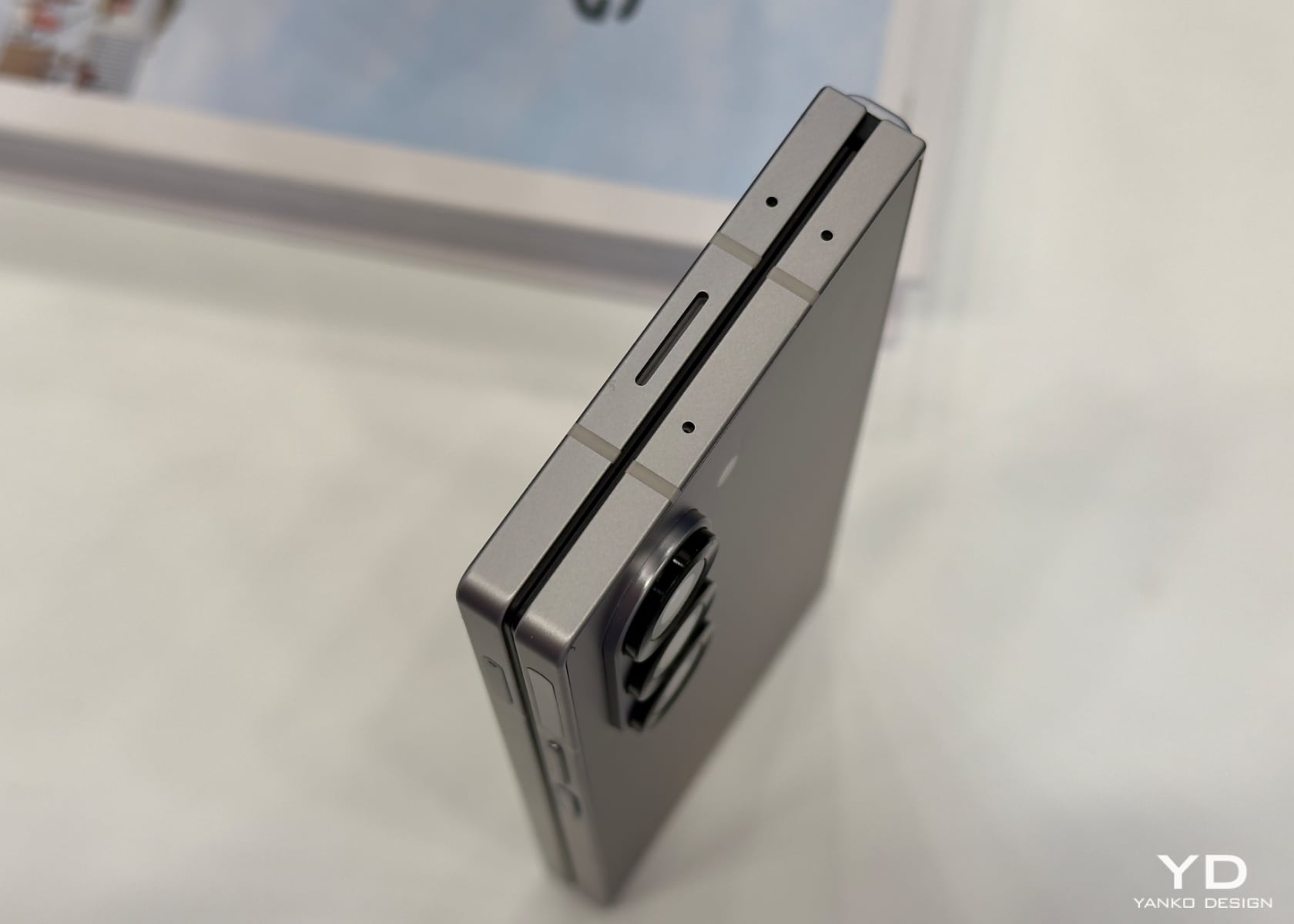
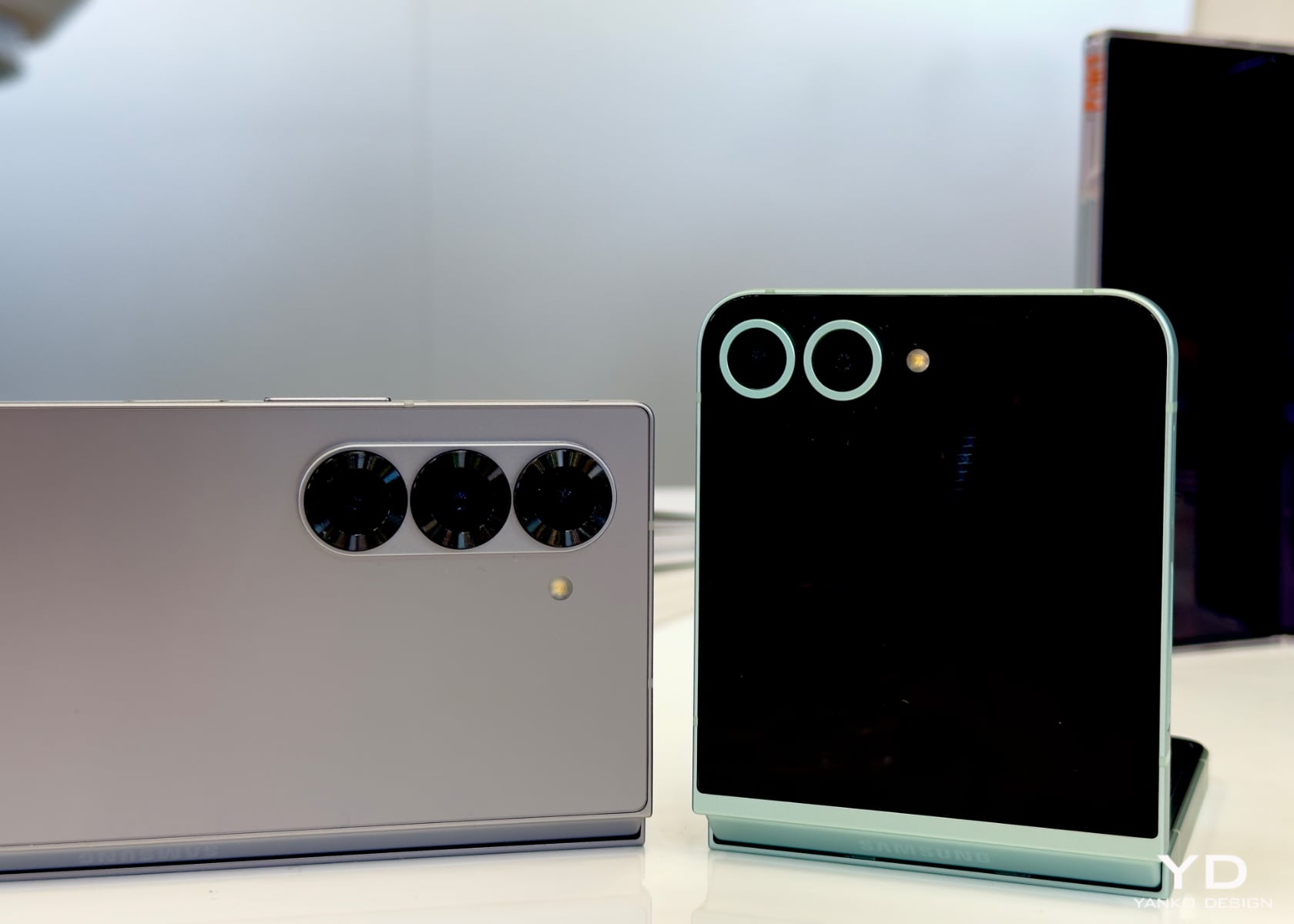
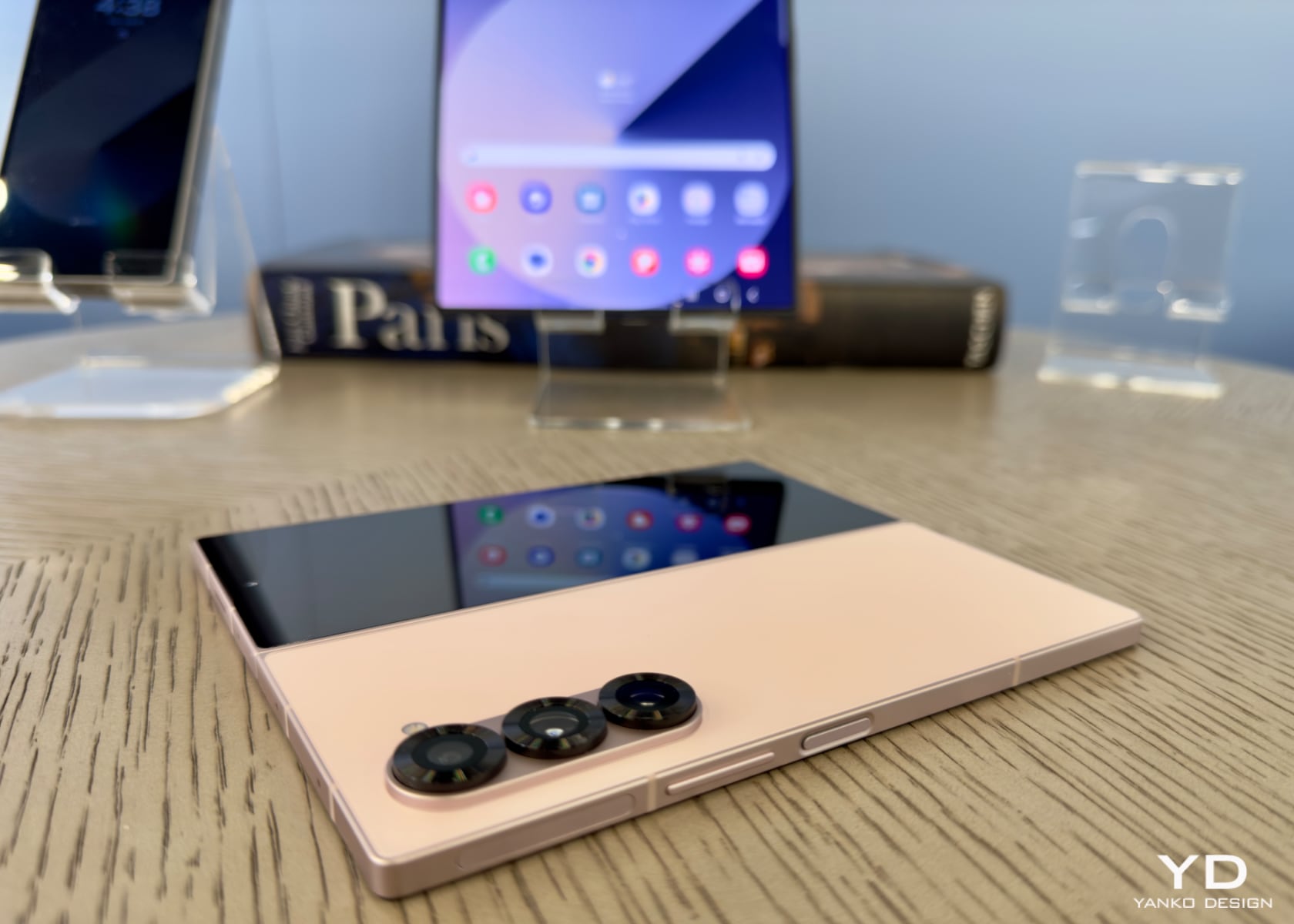
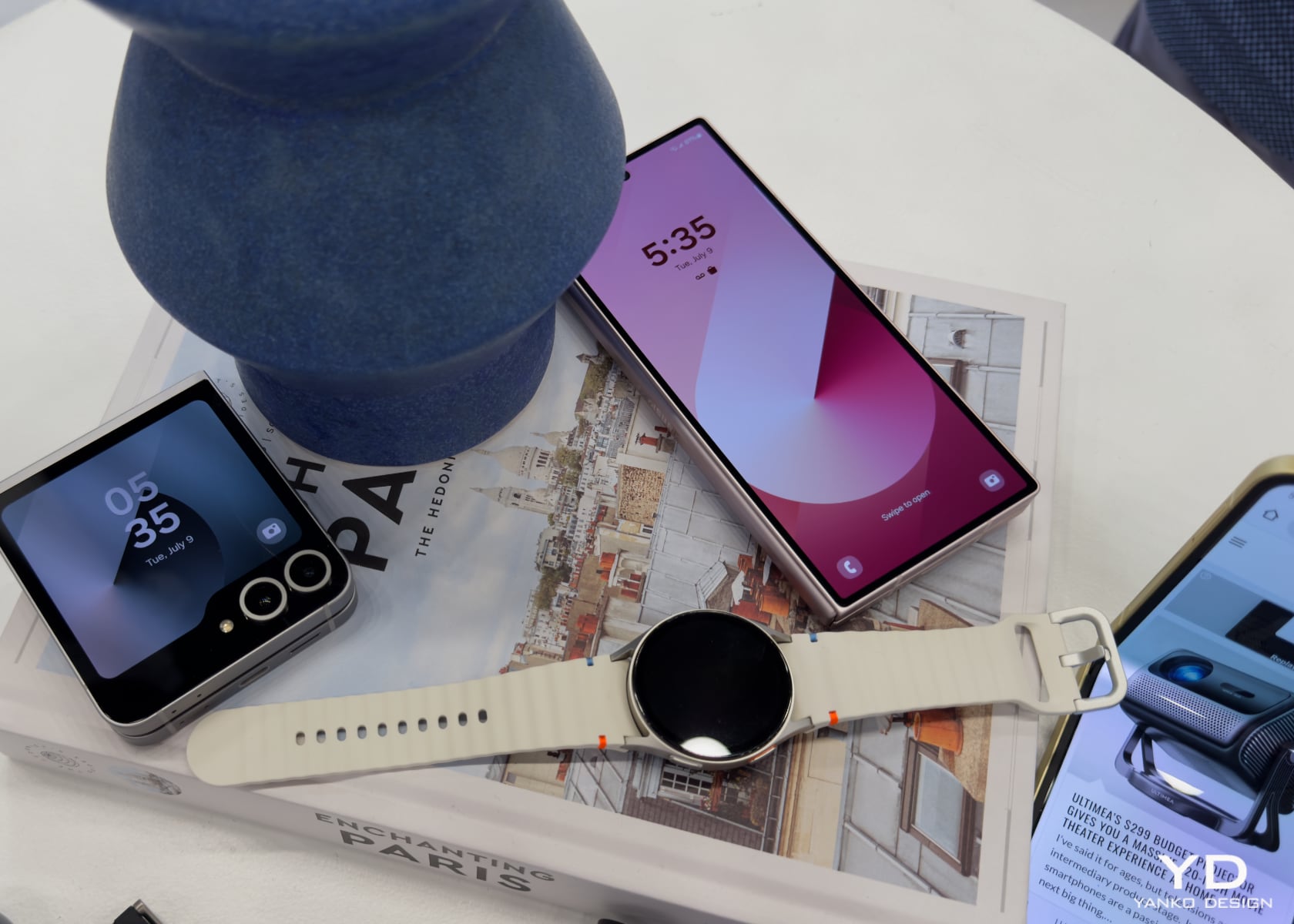
Foldable phones are one of the more curious members of the mobile tech market. They seem like an answer looking for a problem, though some consider them as something they never knew they needed until they laid hands on one. It’s not exactly a stable market either, but that’s stopping Samsung from pushing out new models every year. 2024 won’t be any different, but the Galaxy Z Fold 6 might be, at least in some ways. Unlike its early days, Samsung seems to be content to move more slowly this time, letting its designs simmer longer even while its hardware grows by leaps and bounds. That’s especially true for its next foldable based on unofficial information, but that also paints a very mixed picture that could leave Samsung playing catch up in the very market it created.

Designer: Samsung

Thin and Square

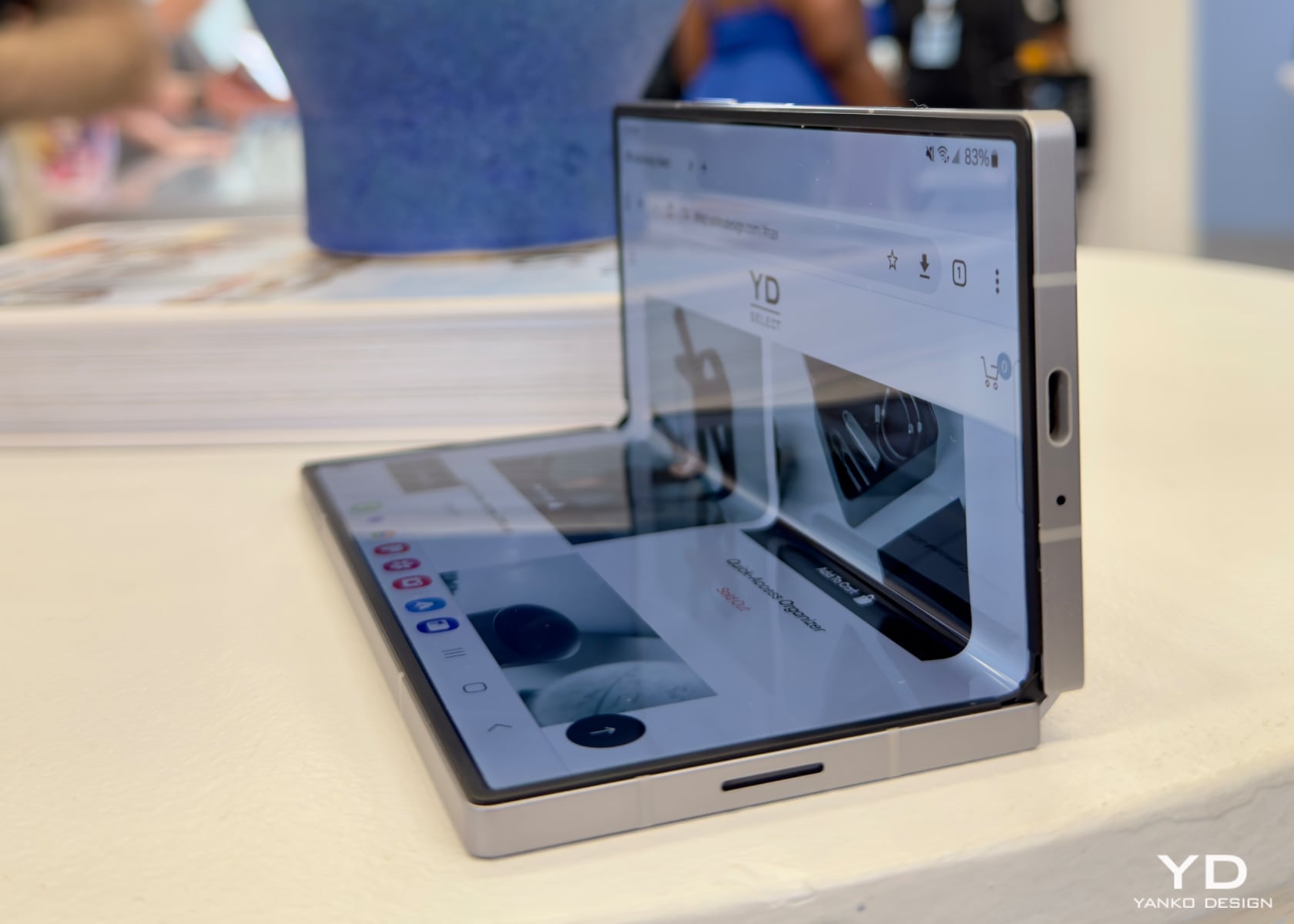
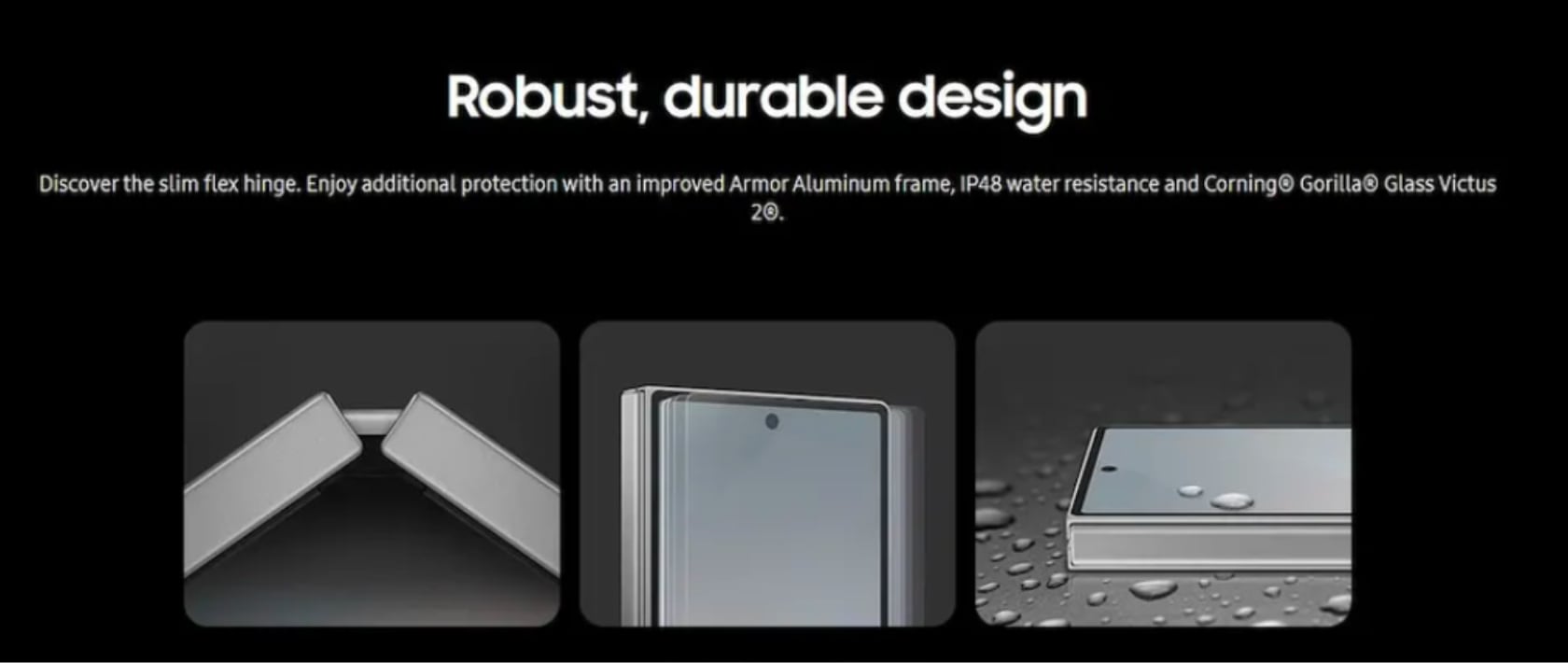
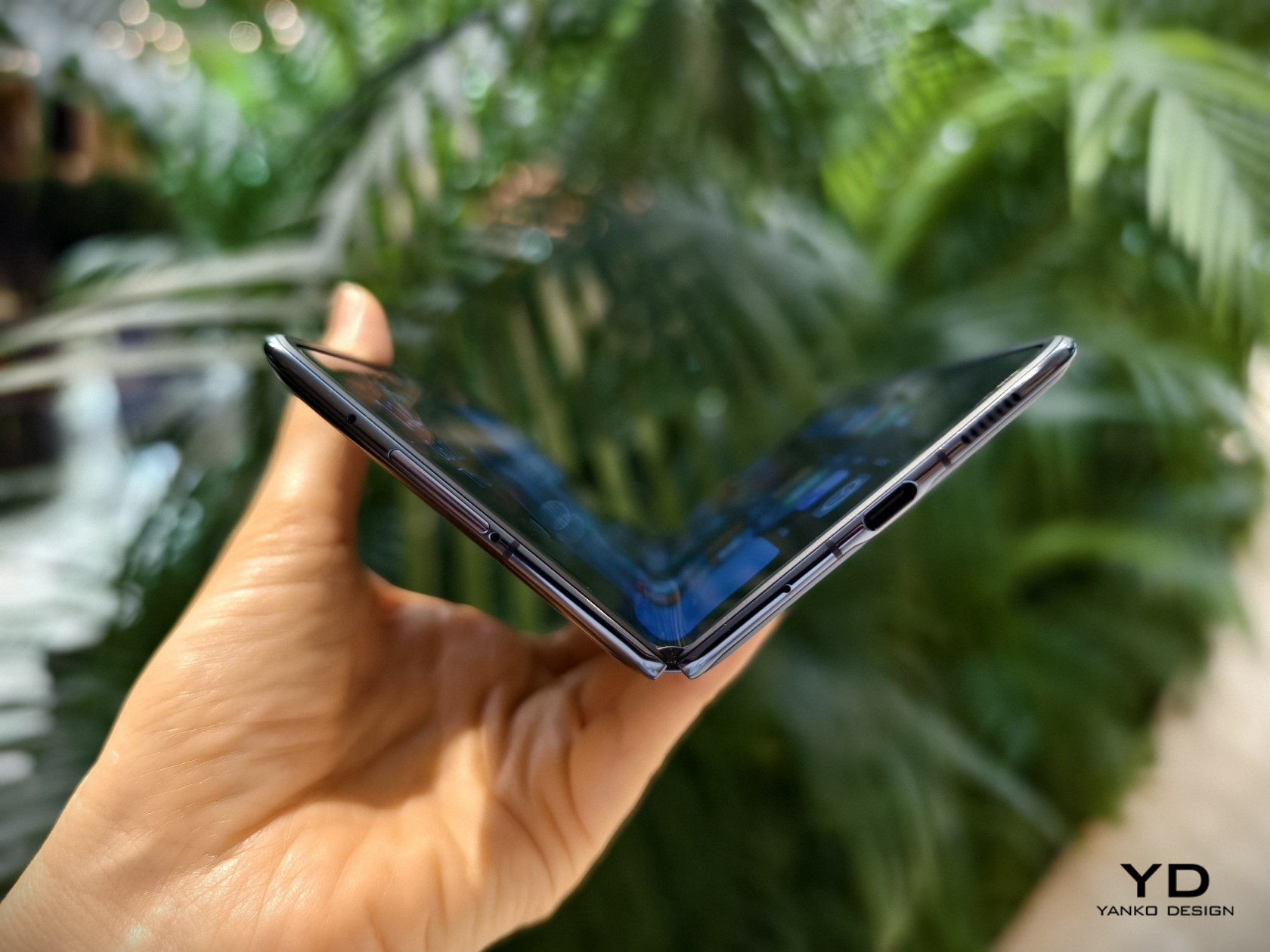
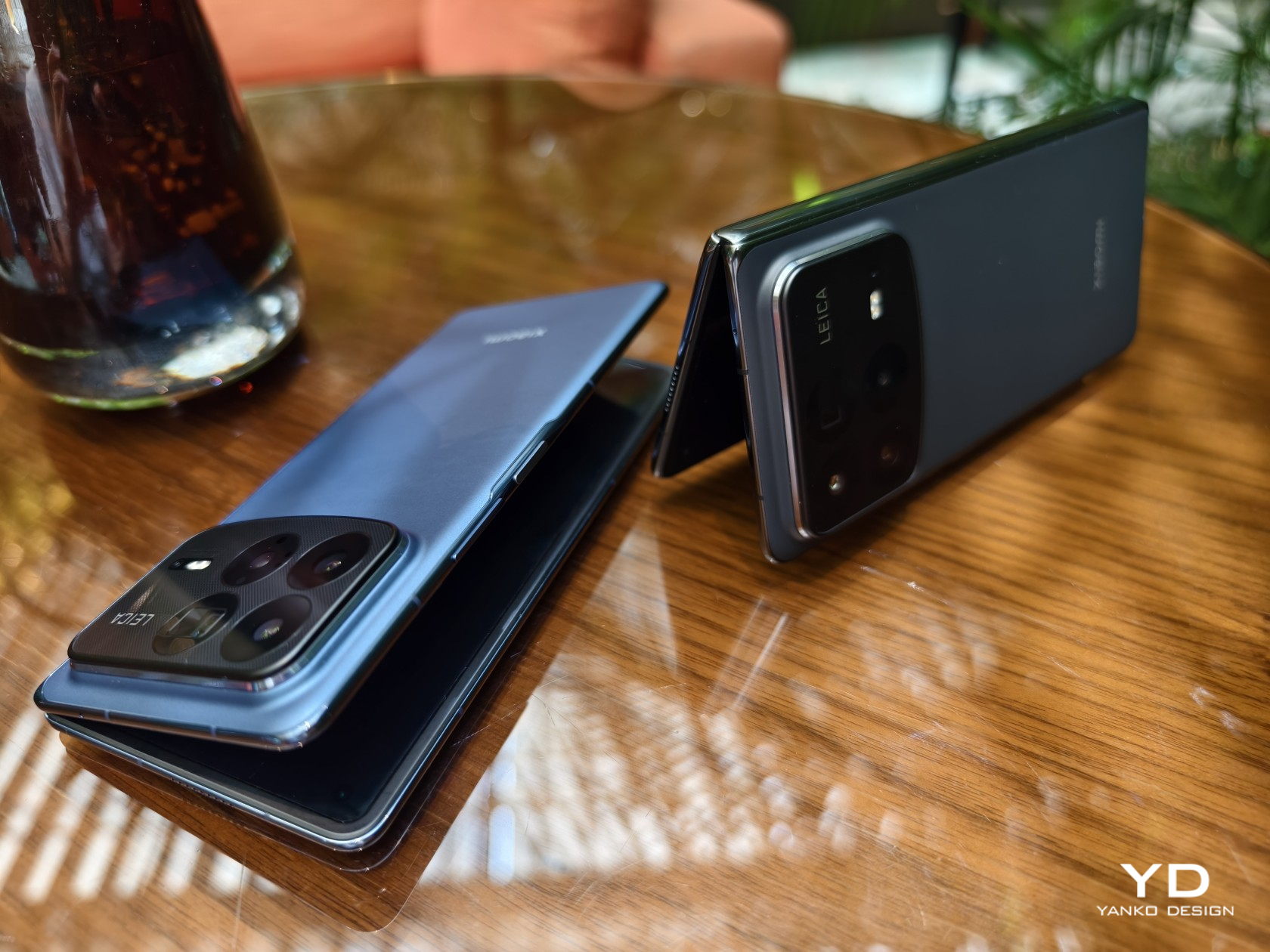
While foldable phones over great flexibility, they come at the cost of not only complexity and price but also ergonomics. These devices are practically two narrow smartphones joined together, so their combined thickness when folded is also twice that of regular smartphones. The most basic solution would be to make the device thinner, but like with regular smartphones, you’re bound to hit the limits of how thin you can go without compromising durability or safety.

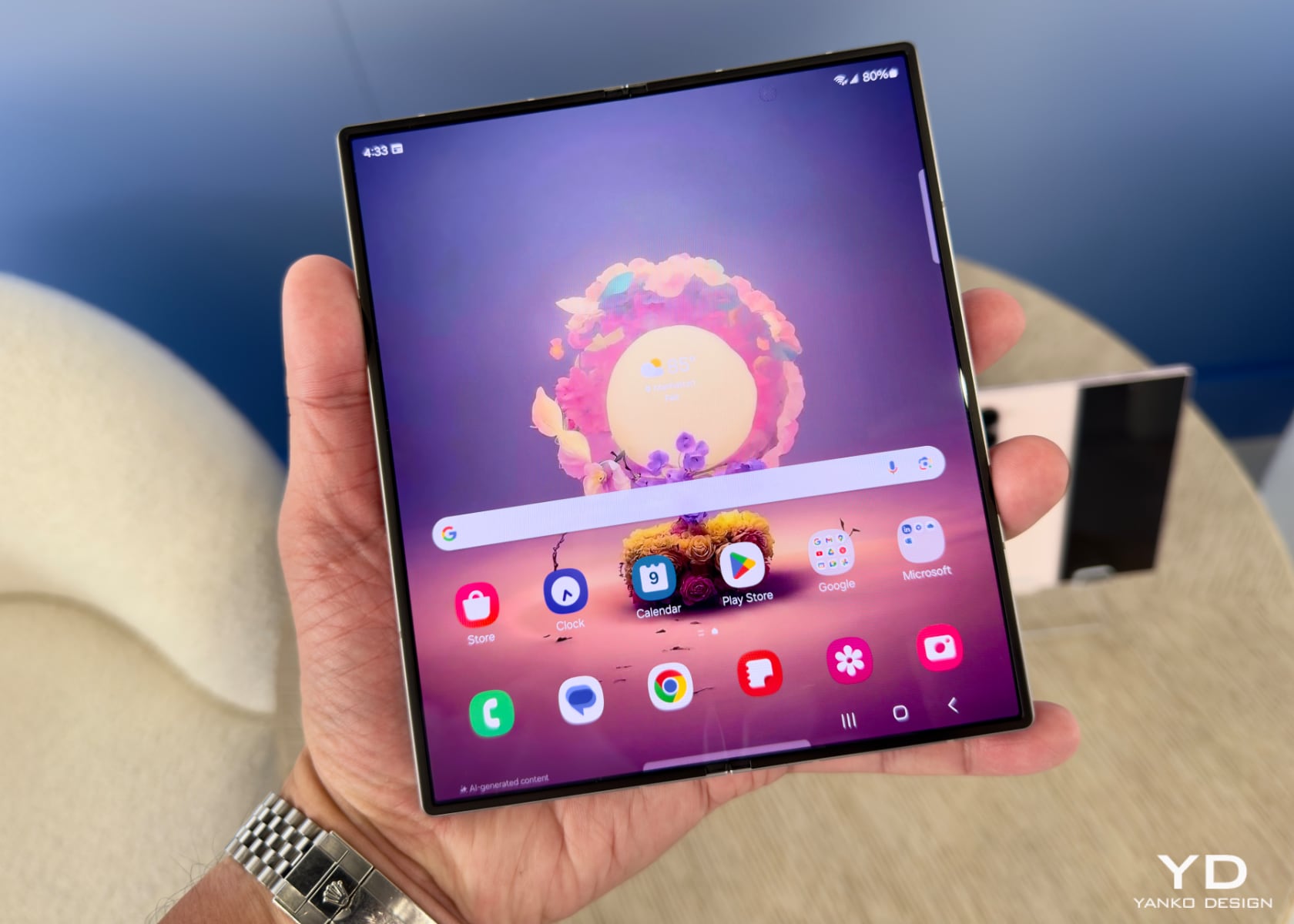
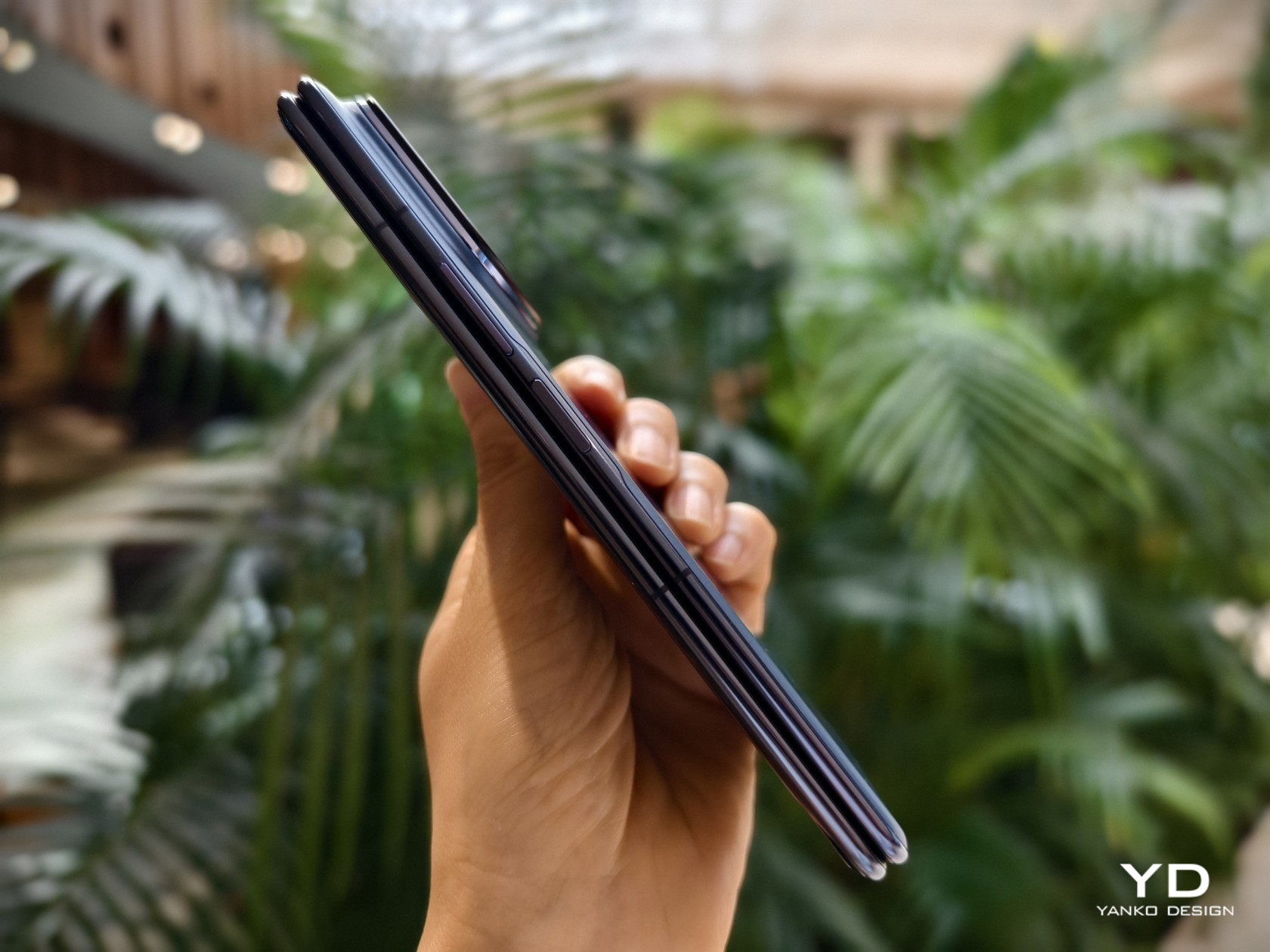
Pushing those boundaries has been one of the biggest obsessions that foldable phone makers have, and it seems that Samsung is joining the fray this year. According to the latest leak, the Galaxy Z Fold 6 will be 11mm thick only when folded shut, a significant diet compared to the 13.4mm thickness of the current Galaxy Z Fold 5. That would make the unfolded form only about 5.5mm thick, which is crazy thin even by regular tablet standards. If true, that hopefully won’t come with compromises to the phone’s structural integrity and battery life.

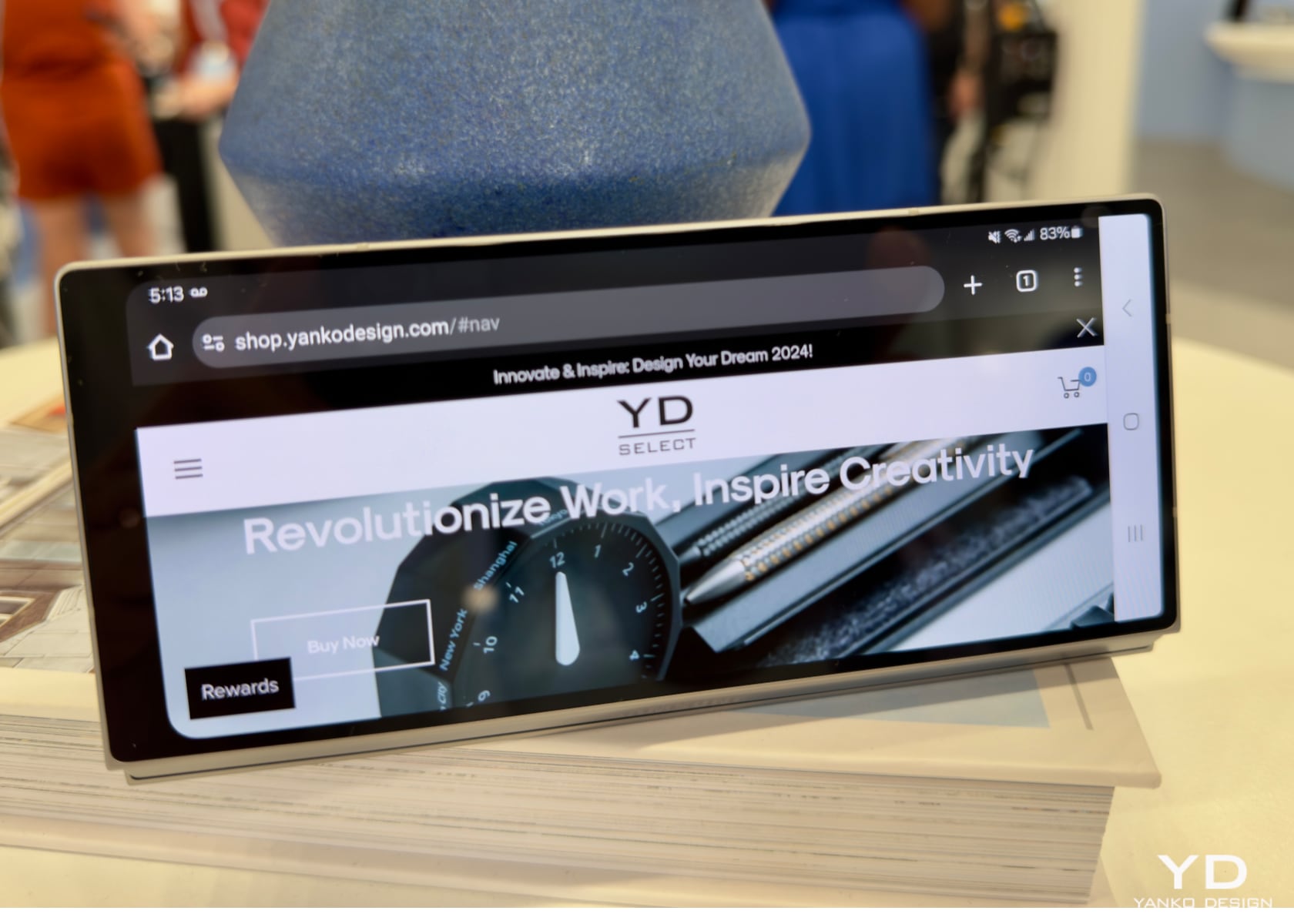
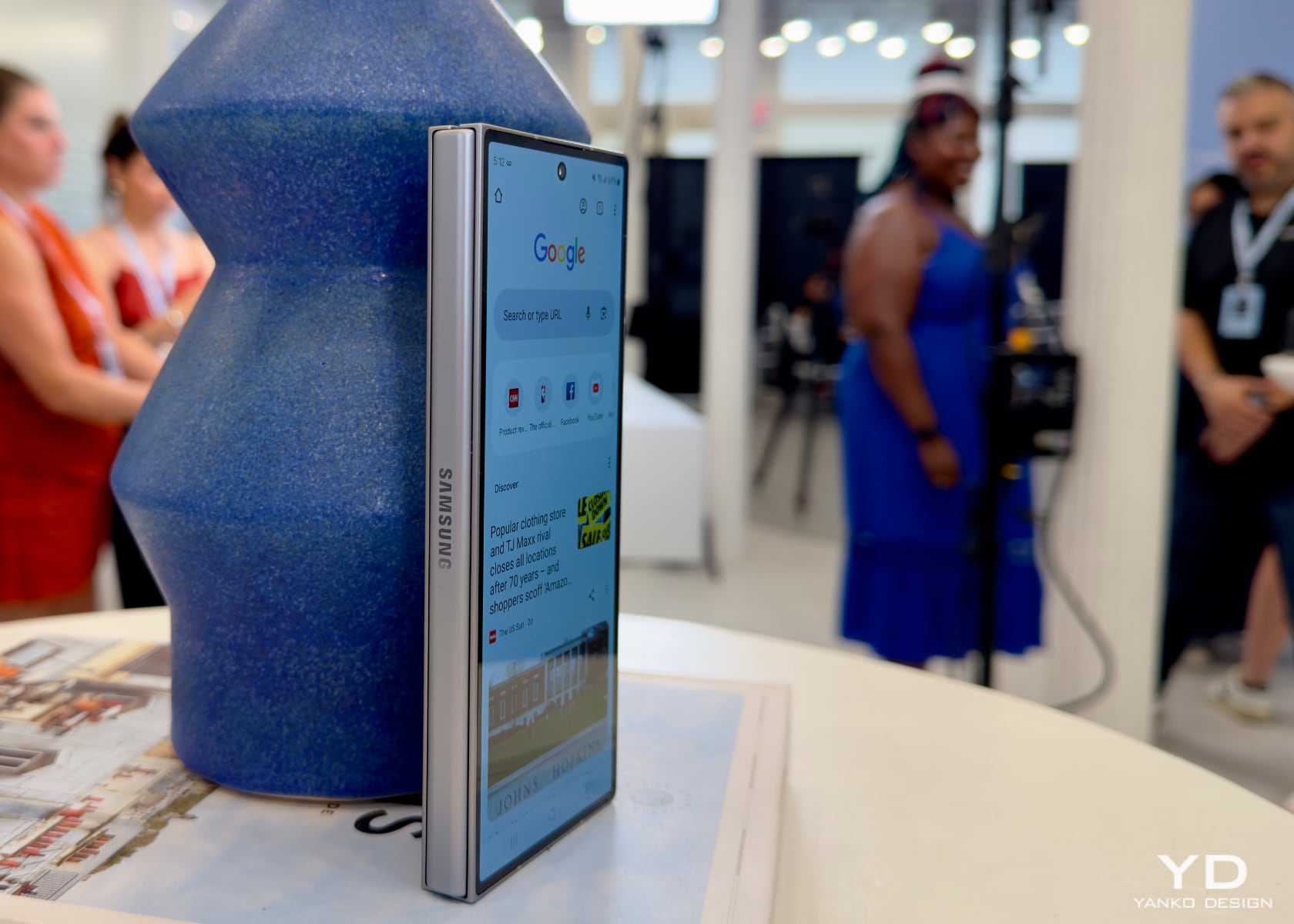
The profile isn’t the only thing expected to change in the Galaxy Z Fold 6. The external Cover Screen is also tipped to be a bit wider this time around, more in line with the standard aspect ratios of non-foldable phones. In theory, this would make it less awkward to use it as a regular phone when folded, but that also means that the unfolded aspect ratio will be more square than any Galaxy Z Fold before it.

S Pen No Home

Making the Galaxy Z Fold 6 thinner is going to be a dream come true for some fans, but it will also probably disappoint a certain group because of the consequences of that change. If you make a phone thinner, you either have to shrink or reduce the size of other components, for example, the battery, or spread them around wider. Either way, it’s going to be a cramped space inside, which leaves no room for an S Pen silo yet again.

Although the Galaxy Z Fold series has supported Samsung’s Wacom-powered stylus since 2021, the S Pen never really had a proper home inside the device itself. Contrast this with the Galaxy S Ultra series that, inheriting the Galaxy Note spirit, came with an S Pen as part of the package. There might be debates on the ergonomics of such a thin stick, but owners at least had the option of not buying two extra accessories just for that writing and drawing experience.

Yes, two accessories, because you’re likely to buy a compatible case if you’ll be investing in an S Pen Fold Edition. There really is no other convenient alternative to making sure that you don’t lose the stylus in your pocket, bag, or anywhere else. Unfortunately, designs for these cases feel more like works in progress and it seems it will continue to be the case for another iteration.

Camera Shy

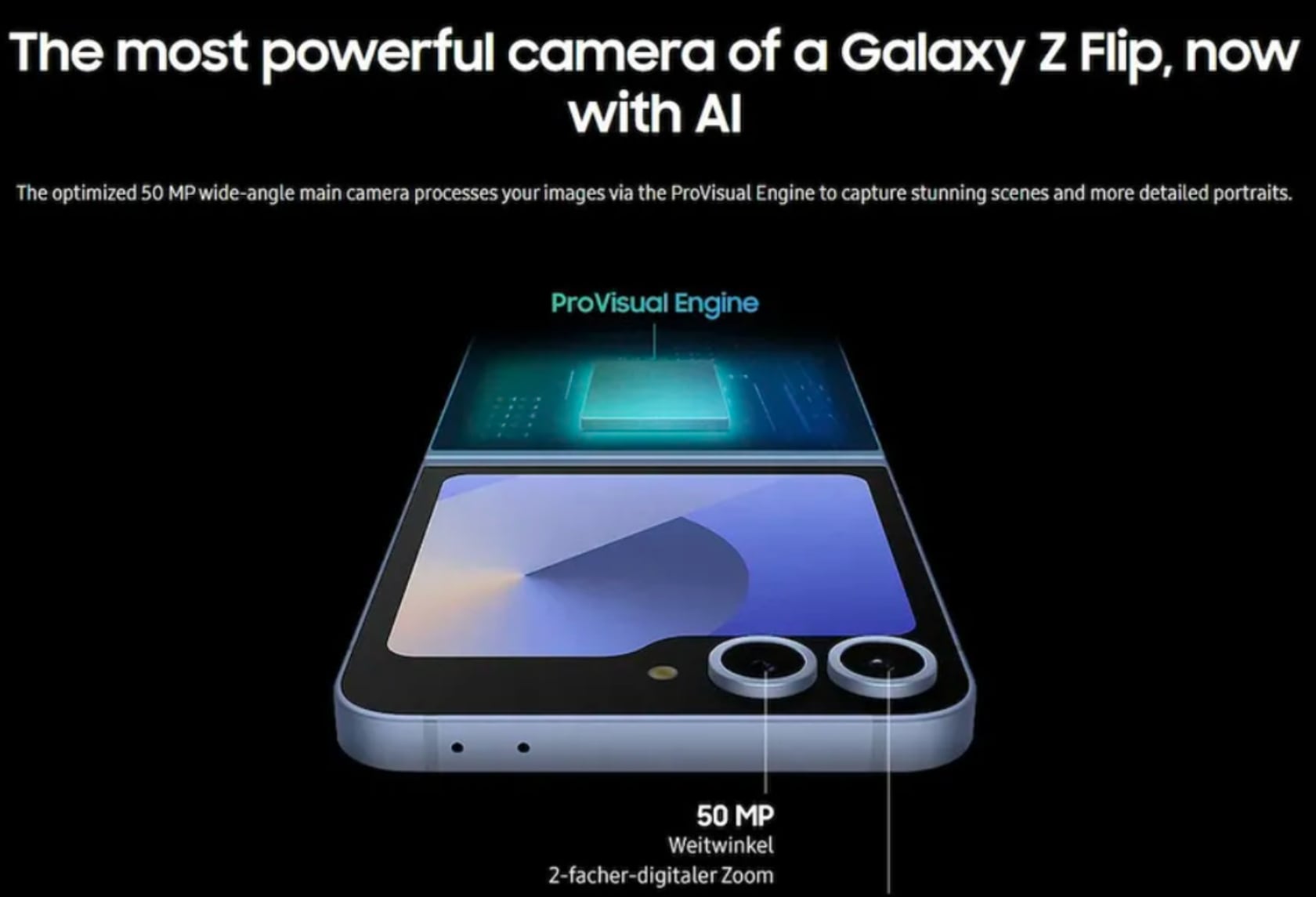
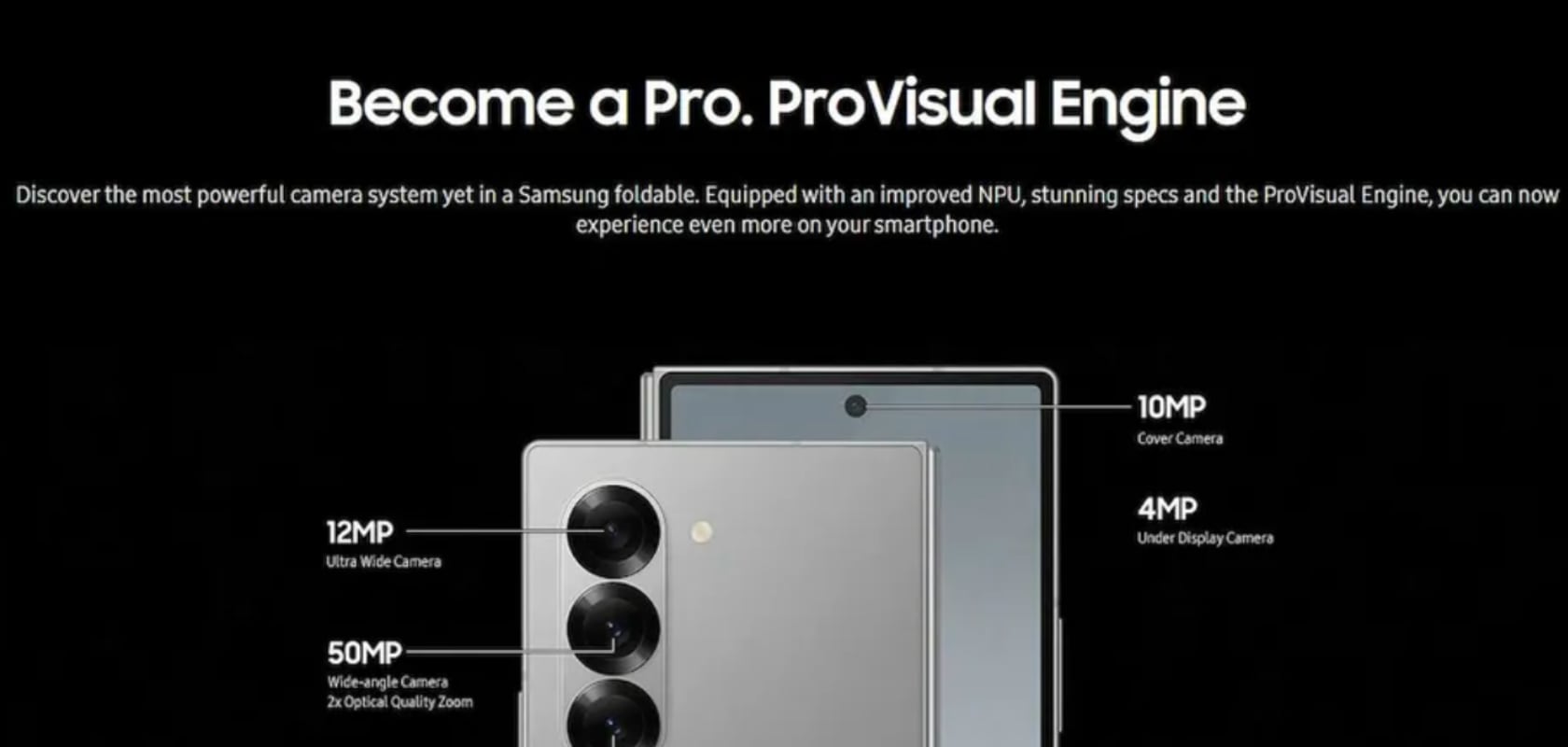
The biggest disappointment, however, might come from the Galaxy Z Fold 6’s cameras. The latest word is that the upcoming foldable will sport a 50MP main camera, a 12MP ultra-wide shooter, and a 10MP telephoto camera on its back. The external front camera will be a 10MP selfie shooter while the internal front-facing camera has a 4MP under-display sensor.

Those are very much the same cameras used in the Galaxy Z Fold 4 from 2022, and although we don’t know yet of any hardware or software tweaks that Samsung will make, they’re still disappointing to hear. This is one area where the brand is being left in its competitors’ dust and where the product doesn’t feel deserving of its premium price tag. Some might actually forgive Samsung for putting a large camera bump on the phone’s back compared to reusing the same cameras for the third year in a row.

Of course, all of these are still unofficial information, so we might be pleasantly surprised by a more noteworthy Galaxy Z Fold 6 in August. Given the trends, though, that doesn’t seem to be likely, as Samsung is taking a more iterative approach to design with its large foldables. Maybe it doesn’t feel the heat from its rivals that don’t have the same market reach as the tech giant, but it’s also very close to stagnating and killing off the very trend that it started.

The post Samsung Galaxy Z Fold 6 Design: What We Know So Far first appeared on Yanko Design.
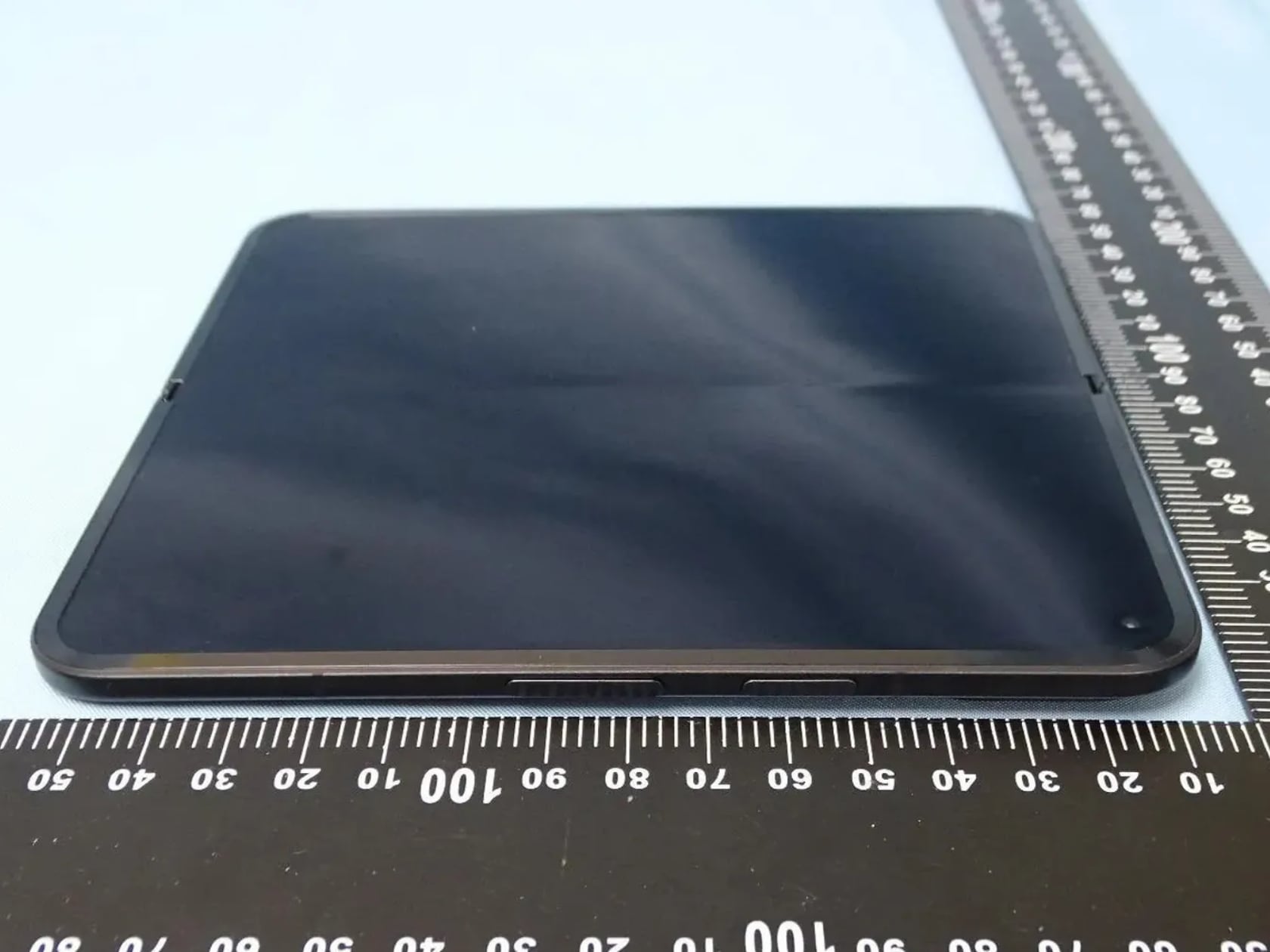
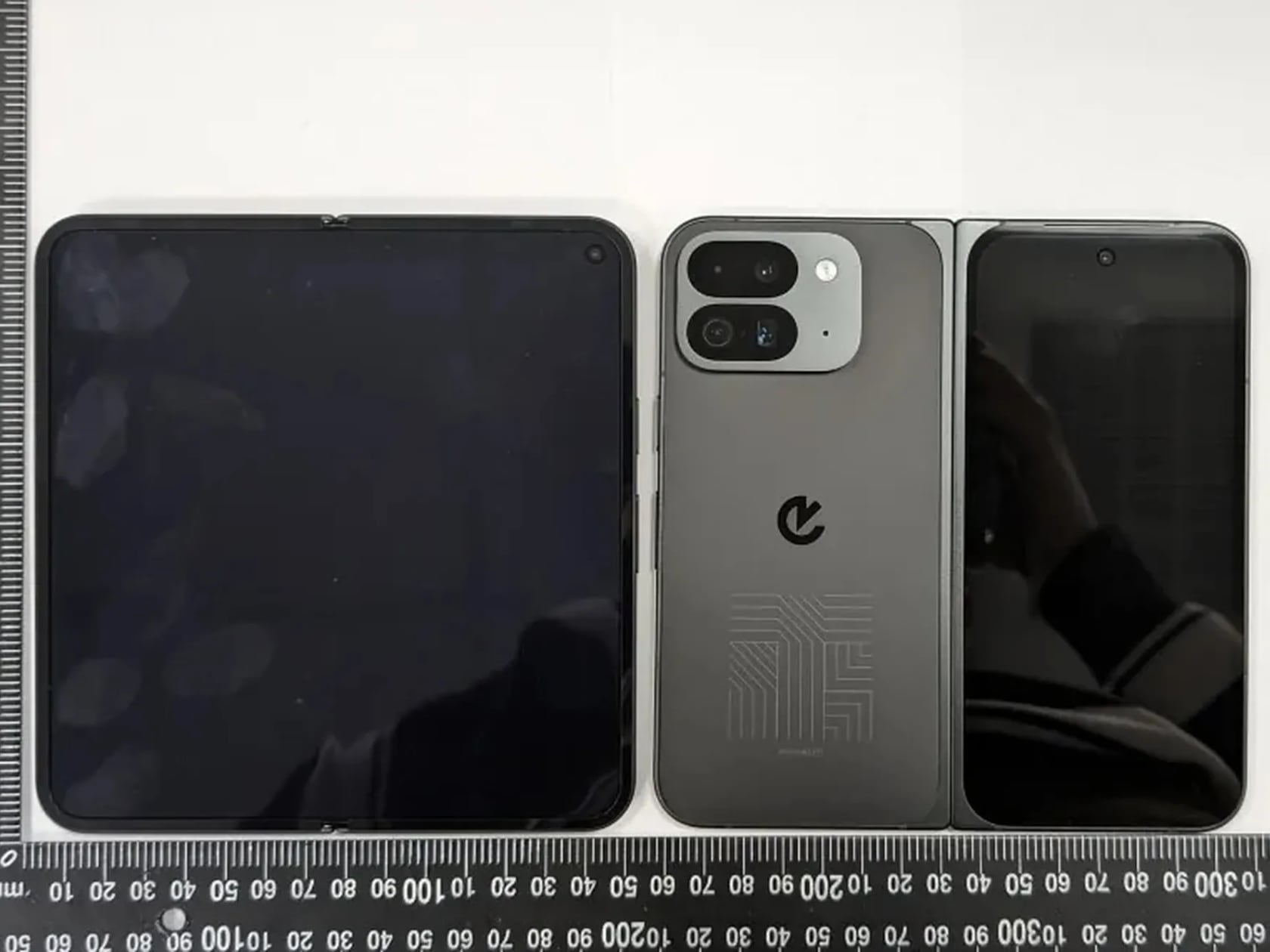
Google Pixel Fold 2 renders say goodbye to a distinctive design

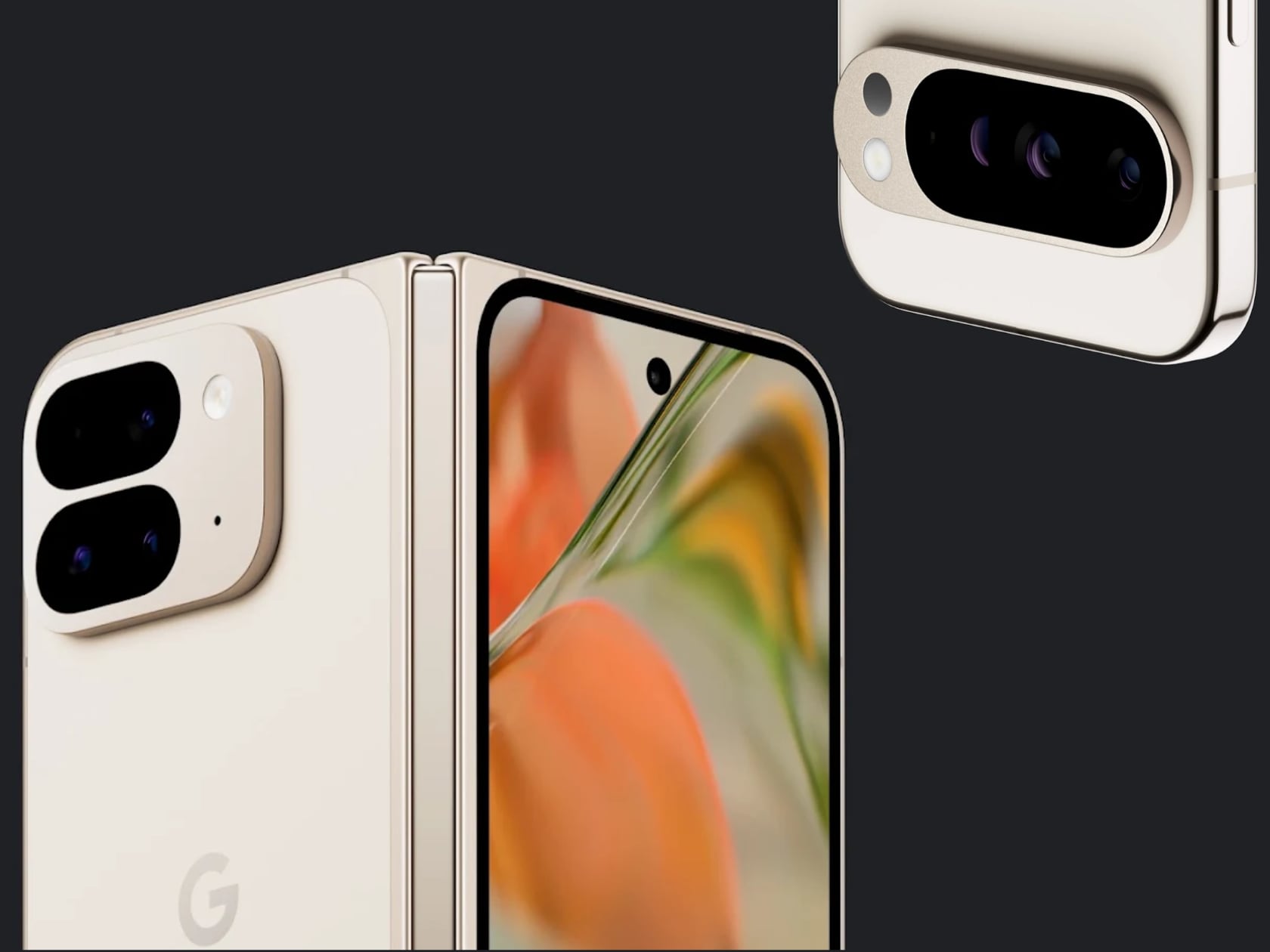
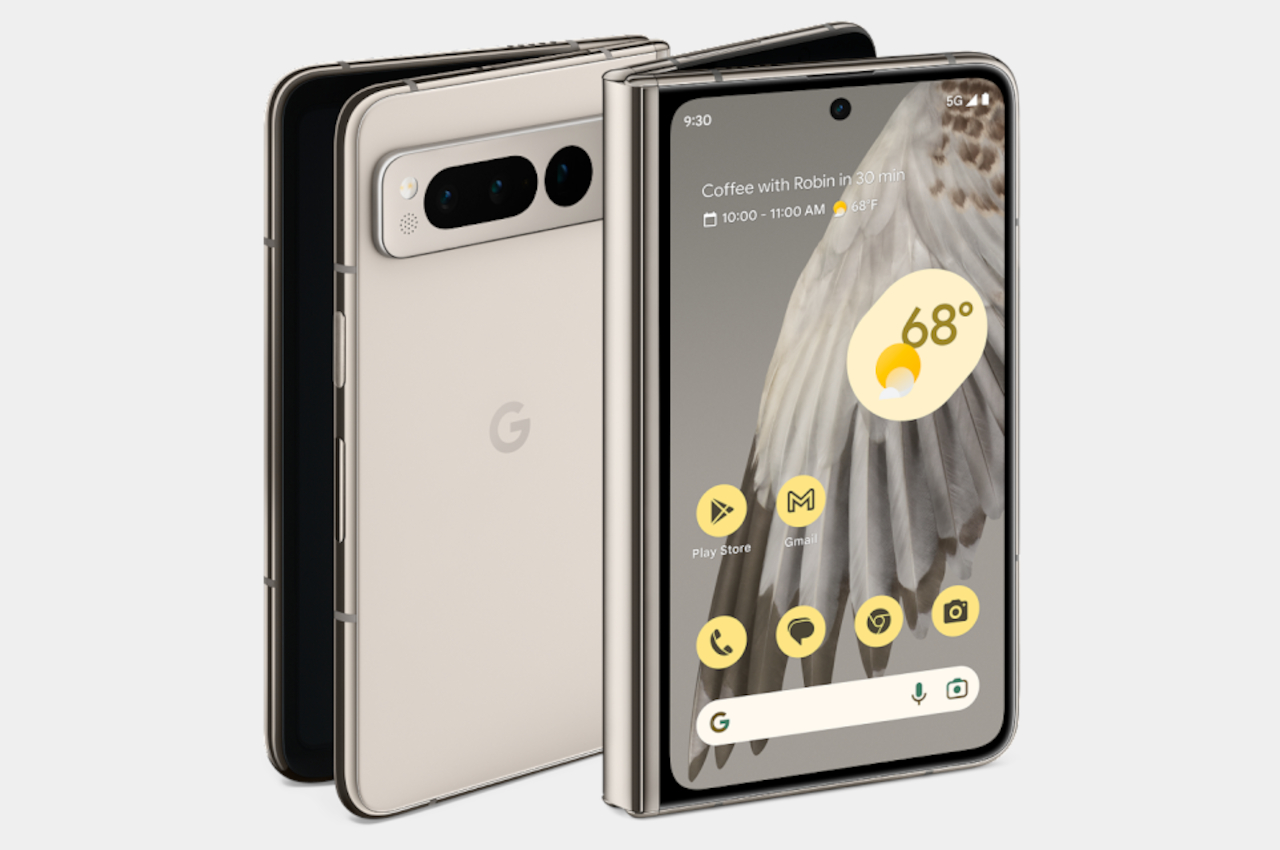
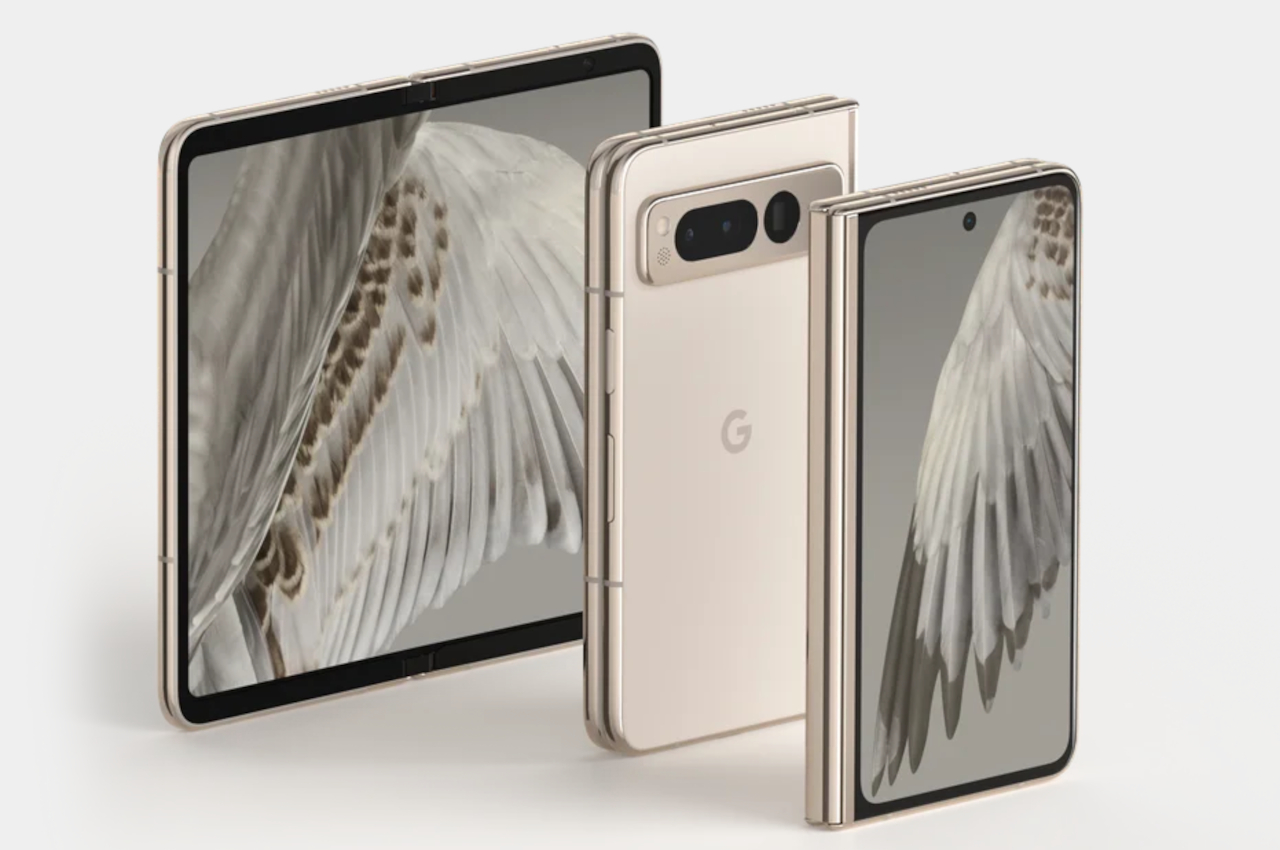
The foldable phone market is still very young, which means there’s plenty of room for design improvement across the board. We can expect manufacturers to experiment with different combinations that try to cram as much hardware as possible inside super-thin bodies. Change is inevitable but not every change will be welcomed with open arms. Some are bound to be controversial, especially when they involve removing something that people have grown fond of. That might be the case with Google’s second foldable phone, which will trade its somewhat iconic “visor” camera design for a rather unusual spin on the common camera bump that might prove to be quite unappealing if these unofficial renders are correct.

Designer: Google (via Smartprix, @OnLeaks)

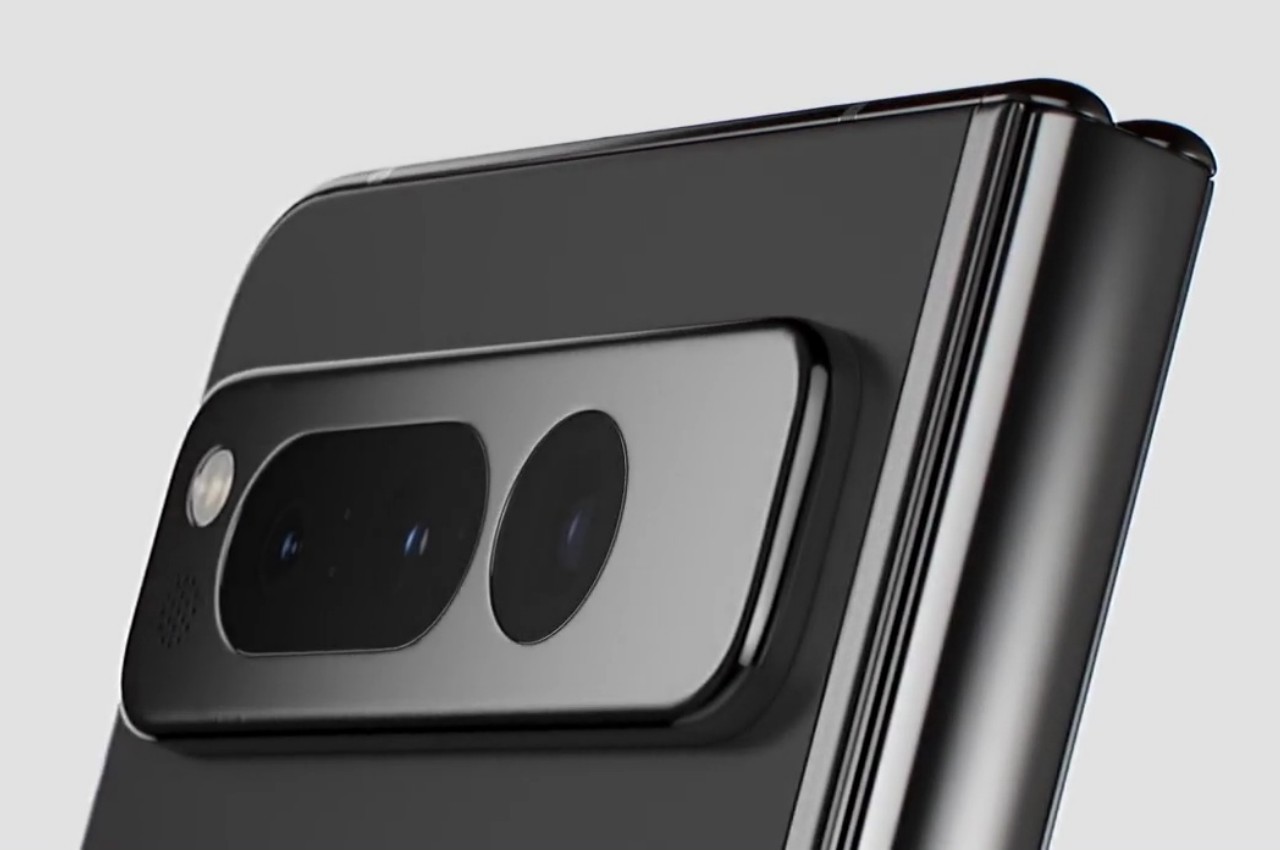
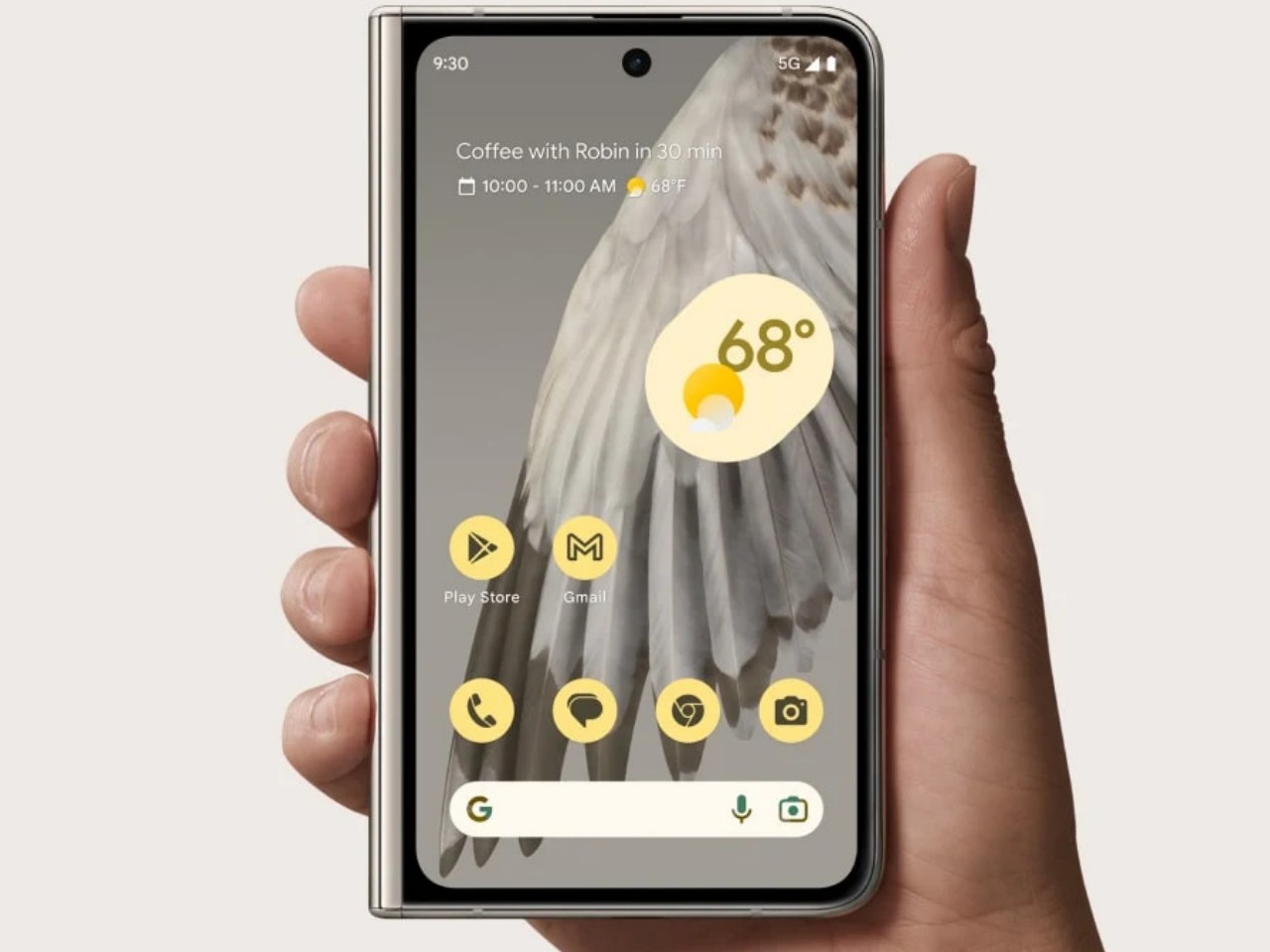
Granted, the Google Pixel’s rear camera bar isn’t exactly loved by everyone, but it still gives the smartphones a distinctive appearance that can be considered Google’s signature design. That’s not exactly easy to pull off on a foldable phone like the Pixel Fold, so Google had to modify it to be less elegant but still shouted “Pixel” nonetheless. Whether you liked that design or not, it might not be sticking around on Google’s foldable for long, and maybe not even on its future smartphones.

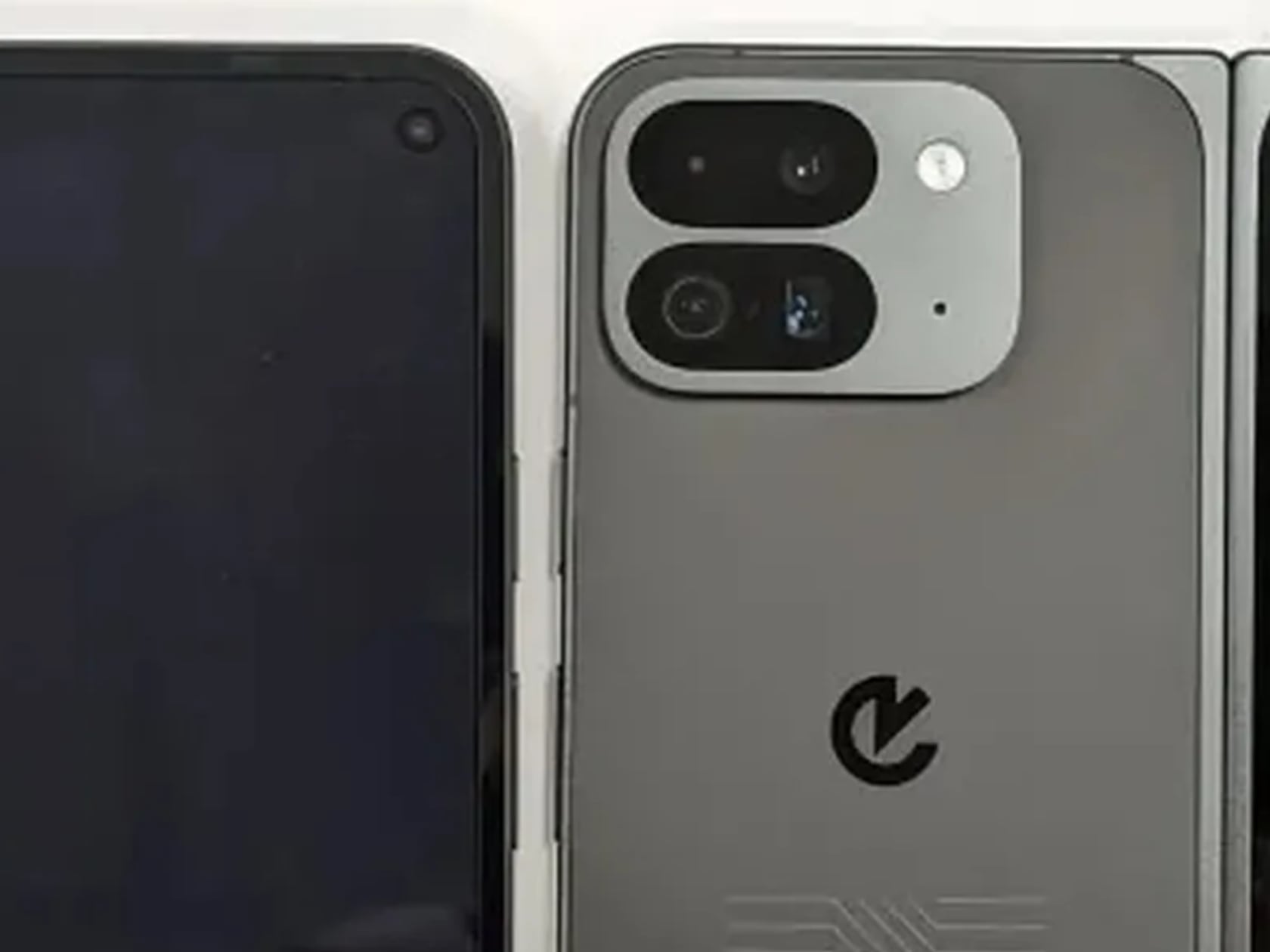
Renders based on leaked information reveal the alleged Pixel Fold 2 design that is so different from the first-gen foldable. Gone is the horizontal bar, replaced by what almost looks like a more conventional rounded square in the corner. That illusion quickly breaks down, however, when you notice the two horizontal pill-shaped cutouts for the camera lenses. In addition to possibly being very thick, this could easily be one of the least attractive camera designs today.

The more subtle changes can be found in the sizes of the two screens. Not only are they larger, they also have different aspect ratios. The external Cover screen, for example, is a bit narrower and taller, resulting in an unfolded shape that is more square than the first Pixel Fold. The bezels around the internal display are also much thinner, which leaves no room for a camera. Apparently, this could also be Google’s first phone to use an under-display camera as well.

None of these details are guaranteed, of course, and Google might surprise us with a Pixel Fold 2 that looks almost exactly like the Pixel Fold 1, except more refined. It is definitely within Google’s right to change its designs as it sees fit, but there are also times when you’re just left scratching your head at the oddity of it all. Fortunately, the Pixel Fold is hardly the only foldable phone available, especially with OPPO confirming it’s still in the race.

The post Google Pixel Fold 2 renders say goodbye to a distinctive design first appeared on Yanko Design.
This Smartphone Won’t Collect Or Sell Your Personal Data… And It Has An Encrypted VPN Too

If you thought your iPhone was protecting your privacy, I have a bridge to sell you. Sure, Apple doesn’t sell your data to third-party data brokers, advertisers, and governments… but it does still collect your data. And hey, maybe Instagram and TikTok can’t track you across apps, but they can still track you on their own app. I’m not fear-mongering, although even if I did, it probably wouldn’t work because you (and I) have made peace with the fact that we’re giving away our data for convenience. There isn’t really any alternative, to be honest, aside from probably the quintessential ‘dumb-phone‘… and renowned dumb-phone makers Punkt have realized that there needs to be a better way. To that end, meet the MC02, Punkt’s first proper 5G smartphone that’s designed with data-security and privacy-protection in mind. It sports a minimal UI that tries not to inundate/addict you, has a built-in international VPN to keep your data from reaching the wrong hands (and even access geo-blocked content), and even runs Punkt’s Apostrophy OS, which individually partitions user data, restricting them to each individual application (so not even the OS can see your entire digital footprint). Your data also gets stored on a cloud server in Switzerland, far away from governments and state actors.

Designer: Punkt

The MC02 isn’t shy about its capabilities. It promises a secure, smarter way of using a mobile device, steering clear of the prying digital eyes that seek to profit from personal information. With over 90% of smartphone apps tracking users across the internet, the MC02 offers a unique choice: a digital sanctuary where user data is stored under Swiss jurisdiction, ensuring GDPR, HIPPA, and PCI compliance, and where a suite of on-device tools—email, calendar, contacts, notes, storage, and VPN—operates free from advertising-based data infiltration.

The phone itself is a marvel of minimalist design and intentional functionality, breaking the addiction cycle with tech while still being fairly modern. It features a 6.7” full HD+ screen, 64MP back and 24MP front cameras, 6GB RAM, and a long-lasting 5,500 mAh battery. But the MC02’s real allure lies in its operating system and ecosystem. Powered by Apostrophy and designed for data sovereignty, it includes a built-in VPN for secure browsing, a suite of secure communication tools, and a Carbon & Data Ledger for monitoring the privacy risk and environmental impact of individual apps.

Punkt takes a step further in personalizing the mobile experience with the MC02’s subscription model. The first 12 months of Apostrophy Services—a suite of security and privacy tools—are included in the purchase price, with a subsequent monthly tariff that ensures users know exactly what they’re paying for: privacy, not ads.

And as for the price of reclaiming your digital autonomy? The €699 ($755 USD) MC02 comes with a clear subscription model for the OS, the first 12 months of which are included in the initial purchase, followed by a $17 monthly fee for continued access to Apostrophy’s secure ecosystem. So, if you’ve ever wished to dial back the digital noise and take control of your tech life, the MC02 might just be the tech equivalent of finding that quiet corner in a bustling café—a sanctuary where your data, your choices, and your peace of mind are all part of the service.

The post This Smartphone Won’t Collect Or Sell Your Personal Data… And It Has An Encrypted VPN Too first appeared on Yanko Design.
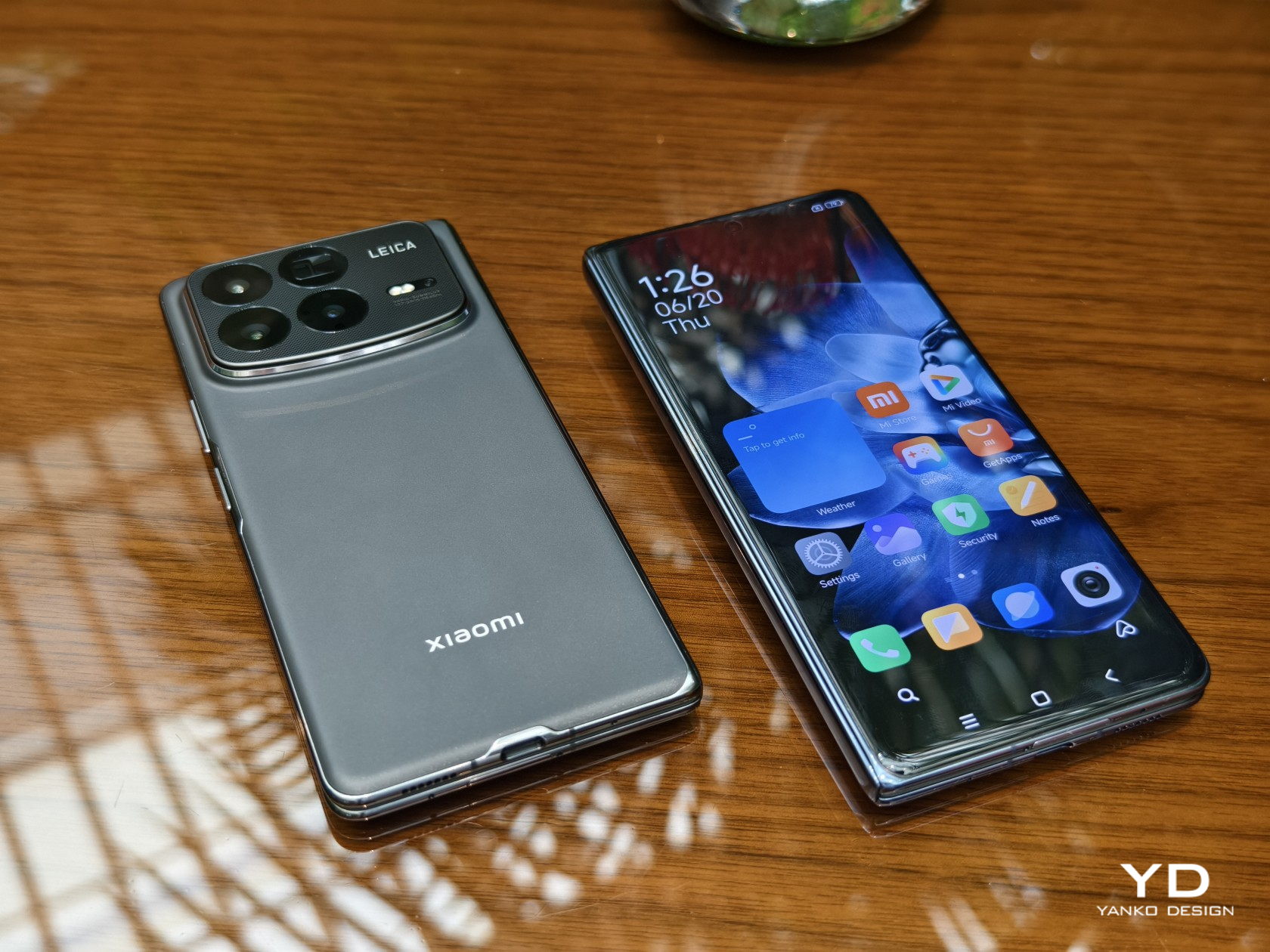
Vivo X100 Pro Review: A strong contendar for the best camera phone of 2024

PROS:


  • Exceptional imaging capabilities

  • Great display

  • Snappy performance

CONS:


  • Front facing video is capped at 1080p

  • Limited market availability

RATINGS:

AESTHETICS
ERGONOMICS
PERFORMANCE
SUSTAINABILITY / REPAIRABILITY
VALUE FOR MONEY

EDITOR'S QUOTE:

The Vivo X100 Pro currently stands as one of the best camera phone on the market, transforming even the most maudane scene into form of artistic expression.

In the landscape of mobile phone space, making a significant impact can be challenging unless you belong to the elite trio of Apple, Google, and Samsung. The task becomes even more formidable for an underdog like Vivo. If you are not familiar with Vivo, the company was founded in 2009 and has since become a significant player in the mobile phone industry with a strong presence in Asia and the Middle East with its footprint extended to certain regions in Europe. The company is known for offering devices with innovative features, and its X-series flagship, in particular, has gained attention for its impressive mobile imaging performance, through continual collaboration with the renowned lens manufacturer Zeiss. Vivo’s new flagship X100 Pro, which was launched in China on December 19th last year, is yet another Vivo device with outstanding camera capabilities.

We’ll explore how Vivo continues to push boundaries in the realm of mobile photography and invocation. From its sleek aesthetics to the powerful internals, the X100 Pro promises an immersive user experience. Join us as we uncover the nuances of its design, performance, and unique features, providing you with a comprehensive insight into what makes this smartphone a noteworthy contender in the ever-evolving world of mobile phones.

Designer: Vivo

Aesthetics

A large, circular camera module proudly graces the top of the device and rightly commands attention. Aside from the massive camera module, Vivo does not shy away from splashing X100 Pro’s camera capabilities. At the center of the camera module, the Zeiss logo gleams, accompanied by the red letter T* beneath it to indicate the anti-reflective coating that significantly increases light transmittance and helps accurately reproduce colors, according to Vivo. Made of aerospace-grade stainless steel, the “Sun Halo” or “Moon Halo” Ring surrounds the camera module with lens specs on the ring. Underneath the camera module, you’ll find “Xtreme Imagination” Vivo Zeiss Co-engineering branding. On the bottom, you’ll find big, but subtle Vivo branding. If all these texts on the back of the device are not enough for you, look at the top of the phone, and you’ll find a “Professional photography” sign.

A bit cluttered with texts aside, the X100 Pro is a sleek-looking device. It is available in two color options: Asteroid Black and Startrail Blue. We received the Asteroid Black variant which has a glass back panel with a matte finish, resembling sandblasting. The Startrail Blue variant also boasts a glass back panel but distinguishes itself with patterns that emulate the streaks of light created in the night sky.

Ergonomics

Vivo X100 Pro measures 164.05 x 75.28 x 8.91 mm and weighs 225 g. The display features slightly curved side edges. The side edges of the back panel are also slightly curved. The device fits nicely in the hand and thanks to the curved edges, it does not bite into the palm. In the Asteroid Black variant, the glass back panel offers a velvety touch that is quite pleasing but tends to be a bit slippery. Luckily the textured gray case came with the phone to provide a nice grip, though it tends to show scratches easily.

Like numerous other smartphones with an in-display fingerprint scanner, the positioning of the scanner near the bottom edge of the display can present a challenge for swift unlocking and seamless navigation with one hand. Fortunately, the fingerprint proves to be fast and accurate. The arrangement of the physical buttons and SIM tray is also similar to other phones, with the volume control button situated on the right side, and below it, the power button. At the bottom, you’ll find a SIM tray, primary microphone, USB-C port, and speaker. Meanwhile, on the top, there is a secondary microphone and an IR emitter.

Performance

There is absolutely no doubt that the main attraction of the Vivo X100 Pro is its upgraded ZEISS co-engineered imaging system. Before delving into the details, I’ll spill the beans – it is phenomenal. X100 Pro boasts a triple camera setup. The main 50MP camera uses a Sony 1-inch IMX989 sensor with an aperture of f/1.75. However, the true standout in the triple camera setup is the Zeiss APO floating telephoto camera with an aperture of f/2.5. The telephoto camera features an innovative periscope group structure called the Floating Elements Design, enabling sharp focus both up close and at a distance, by allowing individual lens elements to move freely. Both the main and telephoto cameras support OIS. Rounding up the triple camera setting is a 50MP ultra-wide with an aperture of f/2.0.

The main camera produces excellent images with plenty of details and a wide dynamic range. The photos are sharp and color rendering is realistic. The 2x zoom photos, captured with the main camera, are great as well.

The ultra-wide does its job well, and the photos captured are equally impressive as those taken by the main camera. However, it’s not very wide (119-degree field-of-view) compared to some other phones.

Both the main and ultra-wide cameras are also very capable in low-light conditions, capturing images with the right level of exposure, excellent dynamic range, and substantial details even in dark areas.

However, as stated before, 4.3x Telephoto is hands down the star of the triple camera setup, delivering superb photos in nearly every lighting scenario. Even in low-light settings, the handset takes photos with plenty of details, balanced exposure, and minimal noise. With the 100mm equivalent focal length, you can get close to your subject and snap the photos with a nice bokeh, and if you need to get even closer to the subject, the device is capable of digitally zooming up to 100x.

I took the Vivo X100 Pro to Ed Sheeran’s show in Osaka, Japan, and captured many photos and videos using mainly telephoto throughout the show. My seat was located on the first floor of the baseball stadium, which had been transformed into a concert venue with a capacity of 36,447. I was very impressed with the photos and videos I snapped at the show where lighting was constantly changing and tricky.

Given that this is an imaging-focused mobile handset, the device offers an array of shooting modes and styles to cater to your creative vision. There are Snapshot mode, Night mode, and Portrait to name a few. In Photo mode, the users can select from three distinct color treatments: Vivid, Natural, and Zeiss. The Portrait mode offers various styles to choose from, with my personal favorite being Vintage, delivering a film-like output.

With photos captured in Portrait mode, you have the flexibility to adjust the focus point and aperture after the fact, allowing you to customize the desired focal point and level of bokeh.

I usually don’t find much interest in Macro mode as the photos produced are subpar. However, the X100 Pro proves to be an exception. It produces sharp images with a pleasing bokeh effect, as you can see in the sample photo below.

Vivo X100 Pro’s excellent capability does not stop at taking photos. The device takes great videos as well. The phone is capable of taking up to 8K 30fps video with its main camera. The telephoto and ultra-wide cameras can record videos up to 4K at 60fps. Unfortunately, the front-facing camera is maxed out at 1080p at 30fps. Stabilization works very well in well-lit conditions but struggles a bit under low-light conditions.

There is a 4k Cinematic Portrait mode that offers automatic focus switching, similar to Apple’s Cinematic Mode. While its performance can be inconsistent, it takes artistic videos when it gets right.

Powered by MediaTek’s latest and most powerful Dimensity 9300, the device offers a seamless experience whether you are playing graphically demanding games or multi-tasking with numerous apps opened. Despite the phone’s responsiveness and speed, the battery performance can be somewhat underwhelming depending on what you do on the phone. Equipped with an enhanced 5,400mAh battery, the phone provides ample power for normal daily use. If you take tons of photos and videos(which with the phone this good, you will be inclined to do so), topping up during the day might be required. Fortunately, it supports 100W FlashCharge and 50W wireless FlashCharge.

Vivo X100 Pro sports a 6.78-inch AMOLED screen with 2,800 x 1,260 resolution, a refresh rate of up to 120Hz, and is equipped with LTPO technology for dynamically adjusting the refresh rate while saving the battery. With a local peak brightness of 3,000 nits, the screen is ample bright even under direct sunlight. It delivers smooth images with vibrant colors.

Running on Funtouch OS 14 on Android 14, the photo provides smooth performance. There are many customization options for things like lock screen styles and useful features like split-screen and small windows. Another welcoming change is having less bloatware.

Sustainability/Repairability

With its exceptional ability to capture high-quality photos in diverse situations, the likelihood of reaching for the Vivo X100 Pro to snap moments becomes a natural inclination. Considering the exposure to elements like water and dust, it’s comforting to know that the device has an IP68 rating, meaning it can endure submersion up to a depth of 1.5 meters for a duration of up to 30 minutes.

Vivo does not specify the use of sustainable materials for the phone. However, the material used for the ring around the camera module is crafted from aerospace-grade stainless steel, known for its resistance to wear, high temperature, and corrosion, ensuring durability.

Value

Vivo X100 Pro X was launched in China with a price tag of 5,499 CNY (about 770 USD)for the 16GB RAM/ 512GB storage variant. Since then the company has gradually rolled out the device into other Asian markets including India, Malaysia, and Thailand. It has finally reached some European markets. It’s worth noting that the price is higher than anticipated, at 1,199 Euros (about 1230 USD). However, given the phone’s quality, particularly its exceptional and versatile imaging capabilities, it is not excessively expensive.

Verdict

If mobile photography is your priority when choosing a phone, the Vivo X100 Pro currently stands as one of the best camera phones on the market. Whether capturing moments with friends and family, street scenes, or exploring the intricacies of subjects like flowers and bugs in macro mode, this device has the remarkable ability to transform even the most mundane scene into a form of artistic expression, thanks to its exceptional camera features. The images captured by the telephoto camera are just another level, setting the new standard for mobile photography. Beyond its impressive camera capabilities, the Vivo X100 Pro is a solid device with a vibrant and sharp display, responsive software, great build quality, and fast wired and wireless charge capabilities. The handset also offers a well-rounded and high-performing smartphone experience.

The post Vivo X100 Pro Review: A strong contendar for the best camera phone of 2024 first appeared on Yanko Design.
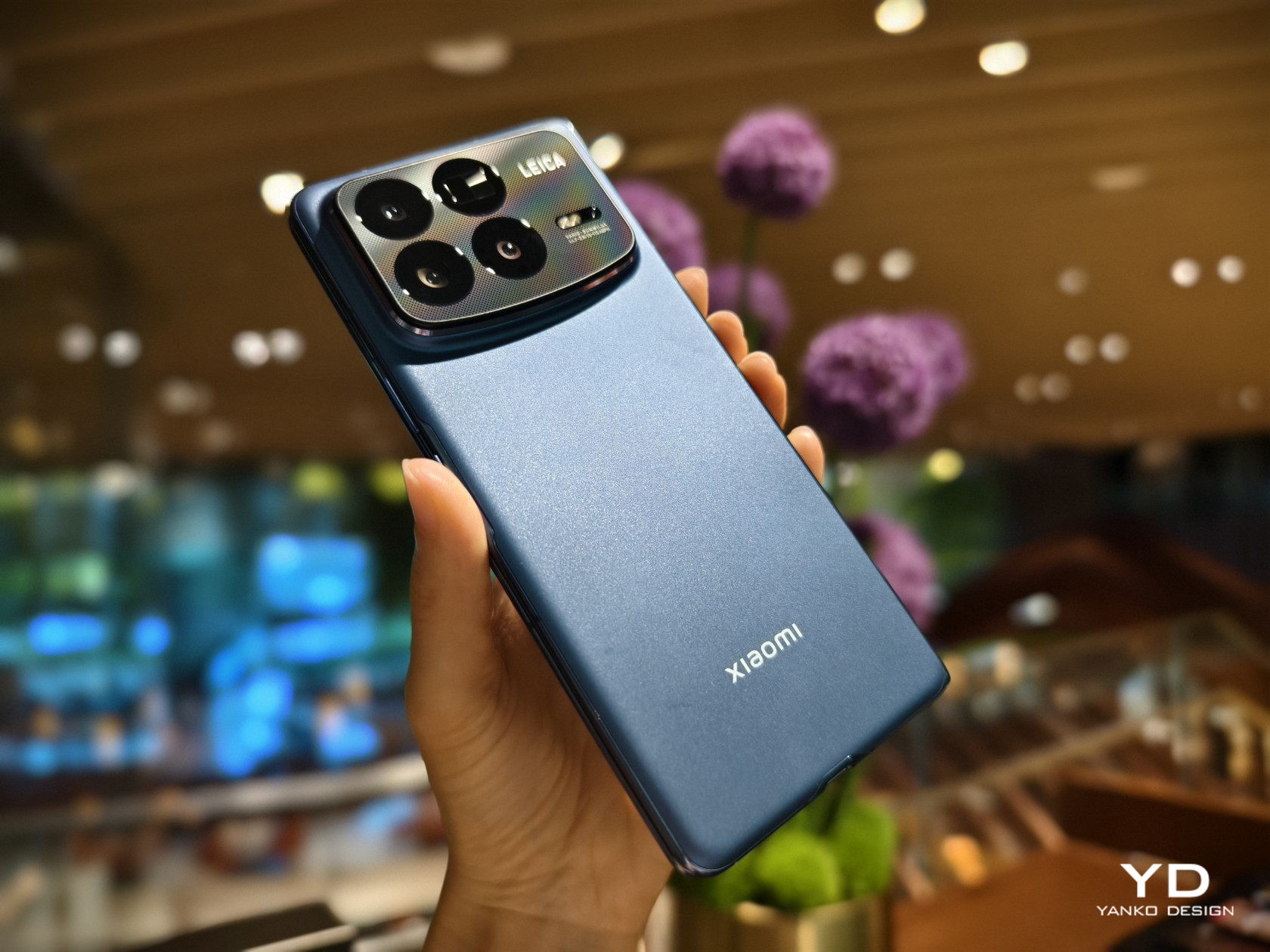
Foldable Phone Designs are about to get more interesting but also less diverse

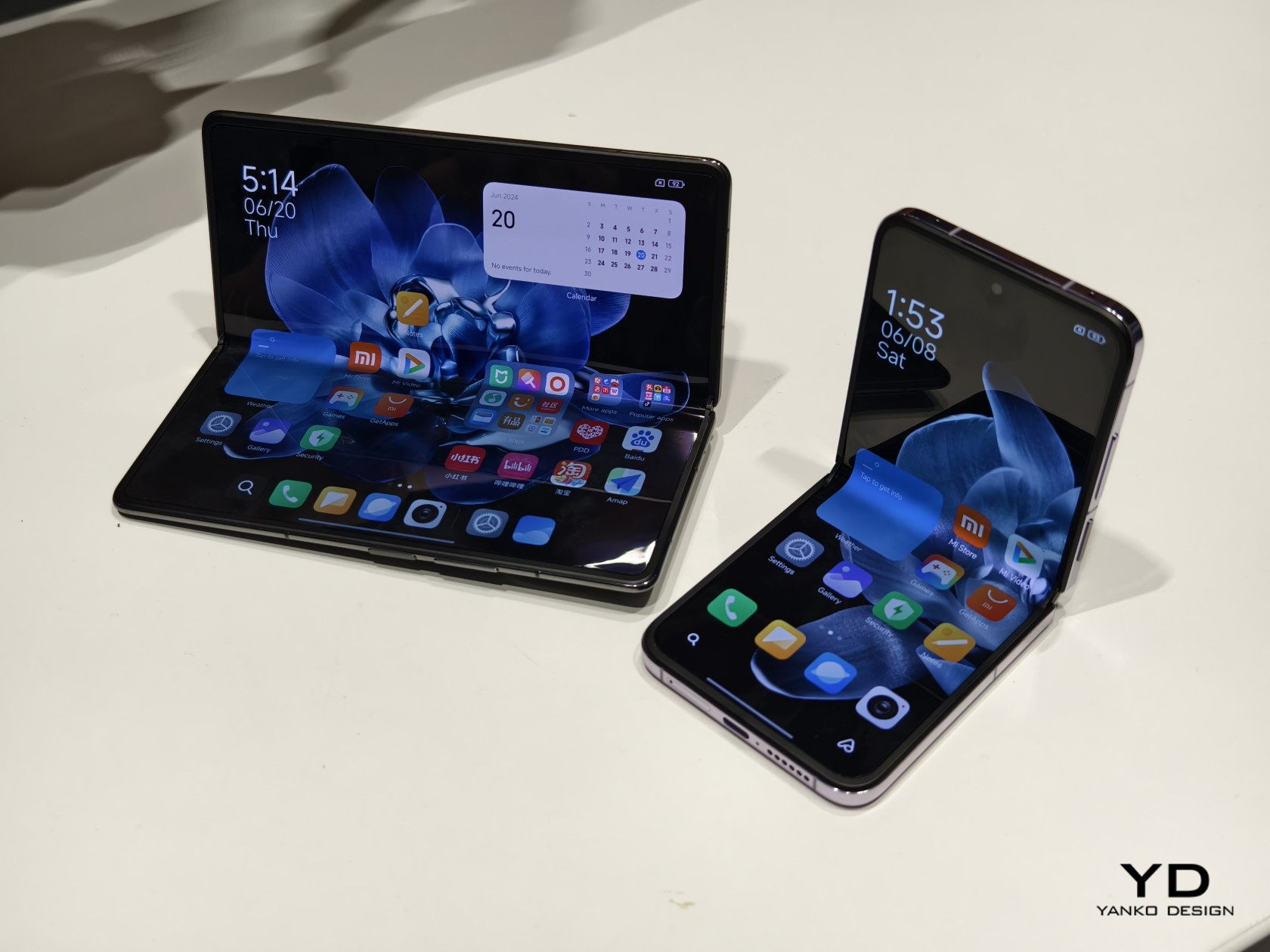
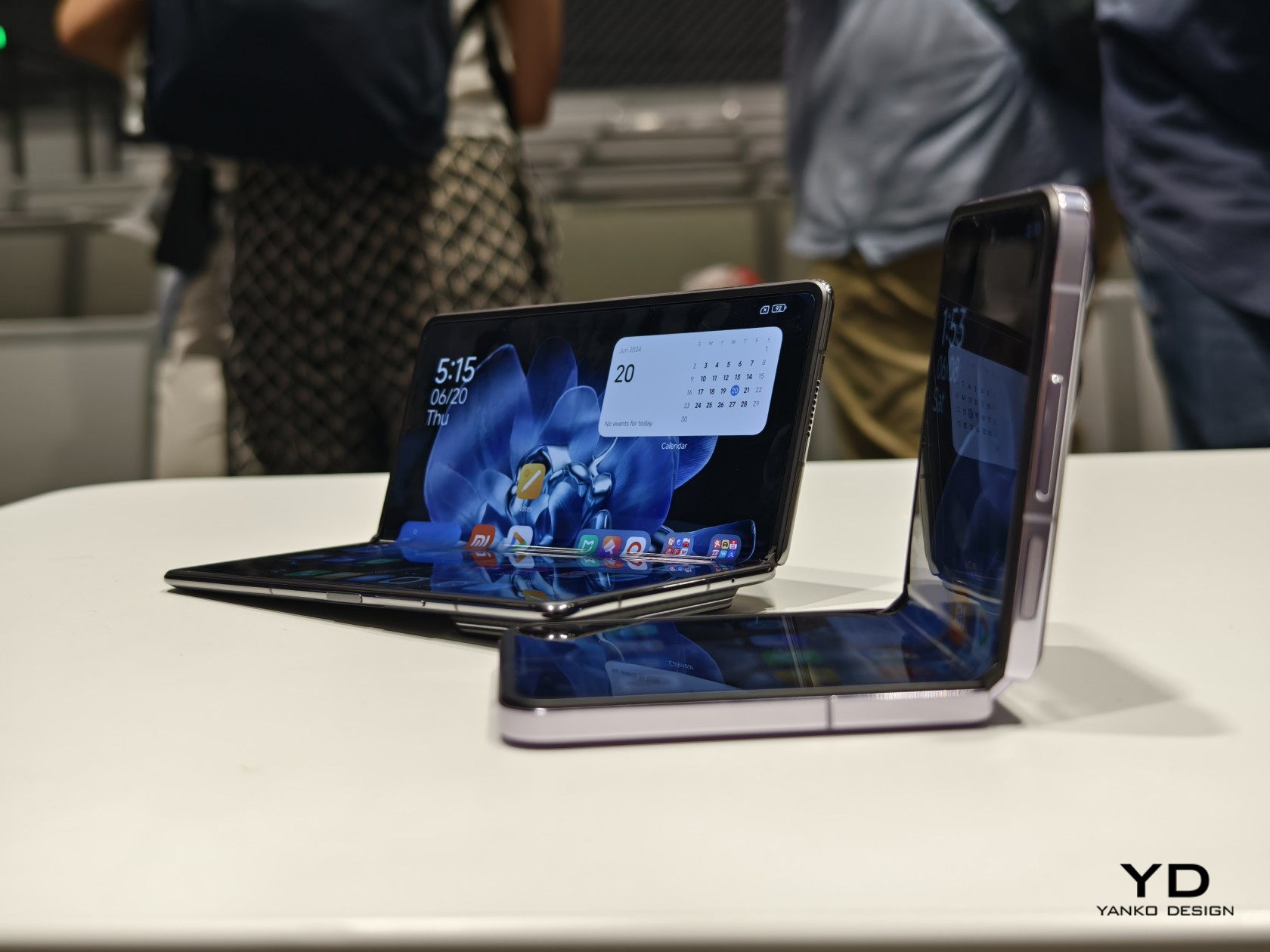
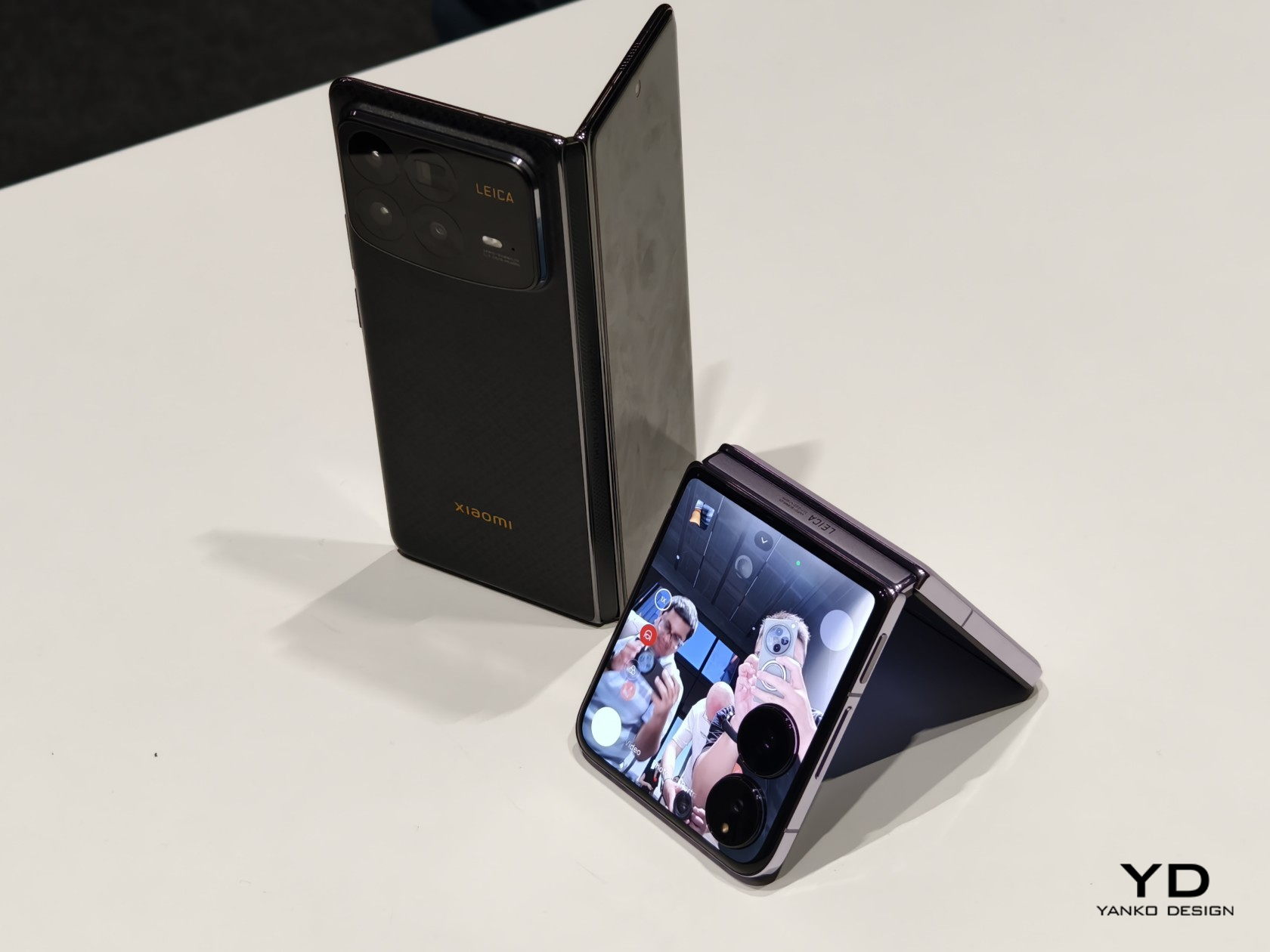
The number of foldable phones launching each year is slowly rising, suggesting that these former novelty items are here to stay. To manufacturers’ credit, the phones are getting more reliable and attractive, even if their prices are still prohibitive for most people. With more players in the market, it’s bound to become a somewhat livelier place, with brands putting their own spins or changing designs to match or challenge their rivals. It now seems, however, that the still niche foldable phone category is about to enter another tumultuous phase with new designs that could shake up the market and some companies throwing in the towel, leaving only a few designs to stick and stagnate.

Triple Folding Phones

The biggest and perhaps only reason for a foldable phone would be to provide a device that can be used as a regular phone when wanted but can transform into a tablet when you want more screen real estate. The current crop of foldable phones does meet those requirements, though almost barely. As tablets, they’re painfully tiny even compared to the already small iPad mini and some 7-inch slates. As phones, some designs make them awkward to use because of their narrow and tall external screens.

One possible solution would be to have a large screen that can fold in three parts, turning into a phone-sized slab, albeit probably a bit thicker than even today’s foldable phones. Samsung has, in fact, been working on such a design for years and it finally showed off a prototype two years ago. It turns out that it might even launch its first tri-fold phone slash tablet later this year.

Designer: Samsung

This timeline is reportedly due to one of Samsung’s biggest rivals trying to make a move first. Huawei, who is rebuilding its empire in some markets, is rumored to be launching a foldable phone that transforms into a 10-inch tablet. Just for the title of being the “world’s first,” Samsung could be taking a big risk and making a leap of faith to get that triple foldable phone out the door quickly, even if it means repeating the mistakes of the first Galaxy Fold.

Stylus Support Inside and Out

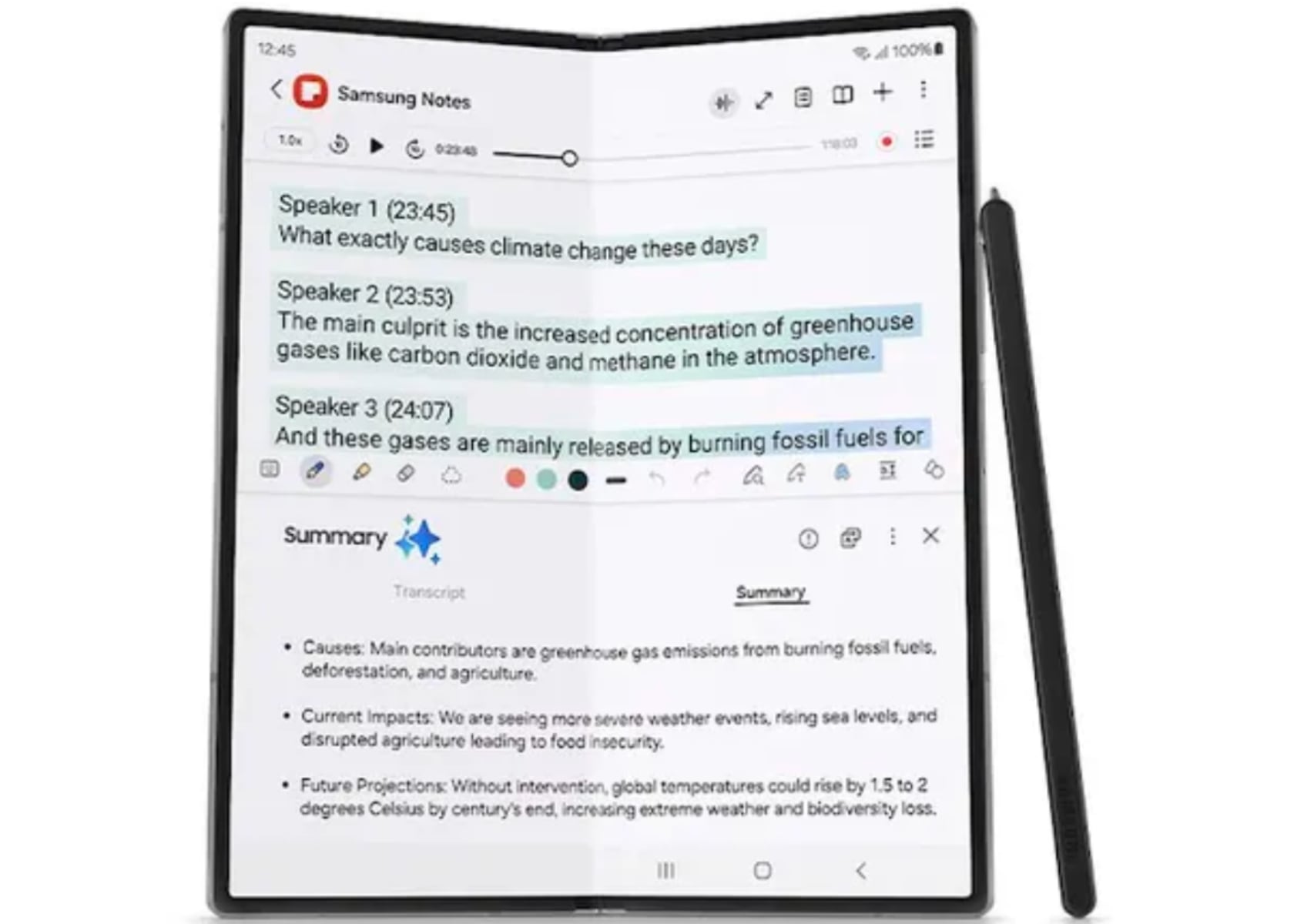
One of the biggest draws of foldable phones is, of course, their big screens. They’re not just perfect for showing more content, but they’re also great for actually creating content. With tablets now being seen as productivity and creativity tools thanks to the iPad Pro, these foldable phones are truly powerful laptops you can fit in your pocket, at least in theory. Ironically, very few of the brands actually support such a use case with the right accessories. Even Samsung forces you to buy the S Pen Fold Edition if you want to scribble and doodle on your foldable phone like a notebook.

The newly launched mouthful that is the Honor Magic V2 RSR Porsche Design bucks the trend by actually including a stylus inside the box. Granted, the price of this limited edition would make you think it should include such an item, but you’re also paying for other luxuries at the same time. For example, you get two charging bricks instead of one. Some foldable phones other than Samsung don’t even advertise support for a stylus even if they’re capable of supporting one.

Designer: Honor

More interesting, however, is how the Honor Magic V2 RSR Porsche Design actually supports that active stylus not only on the large internal screen but also on the smaller cover screen. That one-ups even Samsung who is famed for its stylus-enabled Galaxy Note phablets, now sold under the Galaxy S Ultra brand. Honor is showing that such a set of features is possible, and it could lead to a long-overdue trend in the foldable smartphone market, presuming there’s still one in the next few years.

Design Monoculture

One of the reasons why the foldable phone market seems to have stabilized a bit is because of the number of players now in the ring. Of course, you have Samsung and Huawei leading the charge, but now you also have Xiaomi, OPPO, Vivo, Tecno, OnePlus, and Honor in the running. Unfortunately, there are whispers that two of these are bowing out of the race, and their absence could actually have an indirect though significant negative impact on foldable phones as a whole.

Those rumors claim that both OPPO and vivo are calling it quits in the foldable market. The cited reason is not exactly surprising, with both brands suffering significant losses in foldable phone sales last year and they don’t believe they can throw in more resources to recover. It’s unknown at this point whether OnePlus will also be following its cousins, though there’s a real possibility that these manufacturers will pull out sooner rather than later.

Designer: OPPO

While that indeed sounds like a win for Samsung and Huawei (and Honor), it might not actually be good for the entire market in the long run. Competition often breeds innovation, with these brands pushing each other to develop new designs and features at every turn. With only two contenders, each with their own separate kingdoms, there might not be enough incentive to push the boundaries, leading to stagnation and eventual death of the market.

Designer: Vivo

Uncertain Tomorrow

Of course, there’s still no confirmation that OPPO and Vivo are indeed making an exit strategy, but it does paint a picture that isn’t as rosy as these brands try to paint. Even with the popularity of clamshell-style foldables and with new models coming out year after year, actual sales might actually reveal a very different and less encouraging situation. Given the way technology is developing, foldable and rollable displays will eventually be a staple of tomorrow’s devices, but that doesn’t mean the market won’t experience a few flops first along the way.

The post Foldable Phone Designs are about to get more interesting but also less diverse first appeared on Yanko Design.
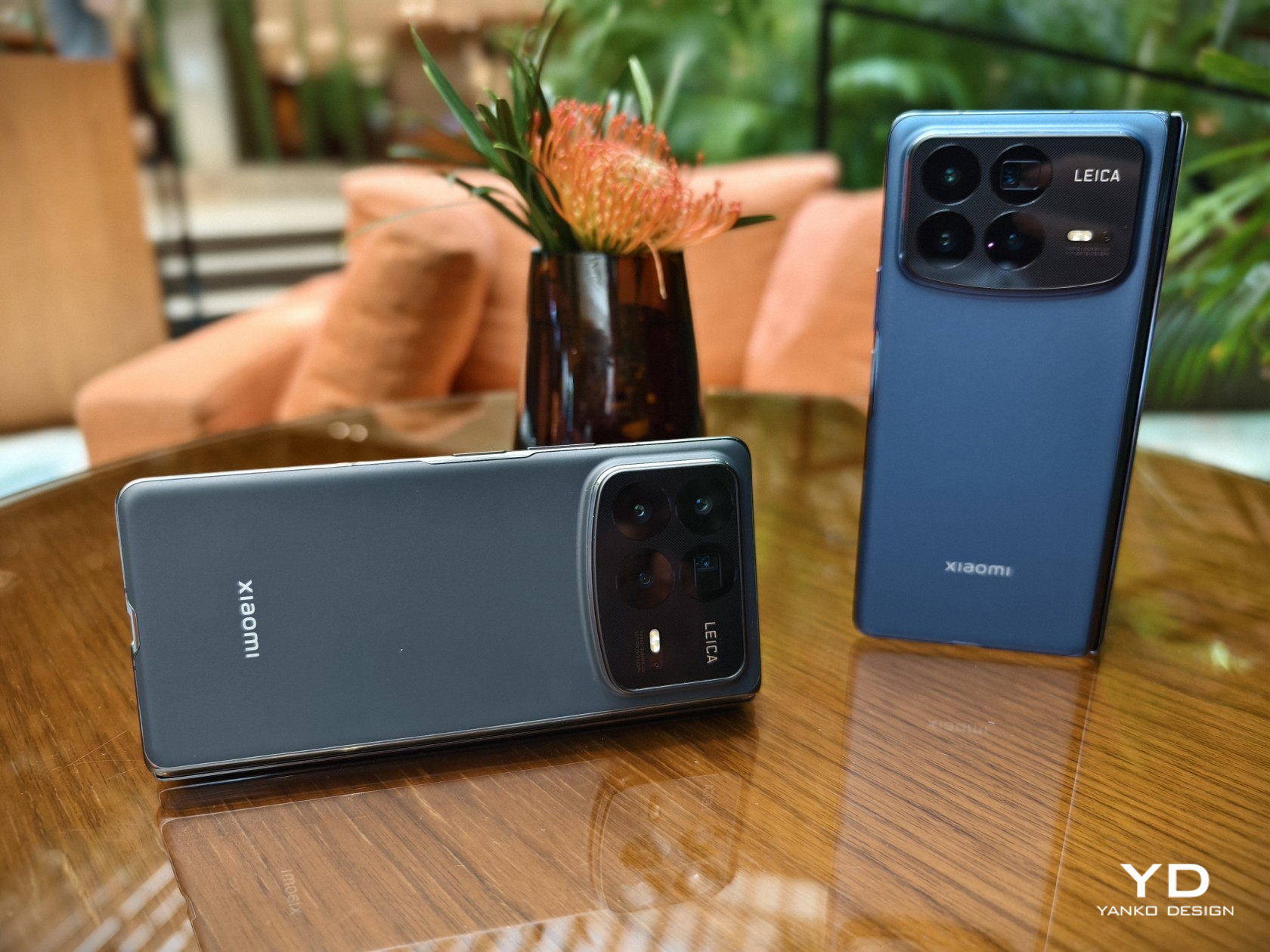
Google Pixel Fold prototype shows it could have been a Samsung Galaxy Z Fold 2

Although there were plenty of rumors and high expectations, it was still a bit of a miracle that Google came out with a foldable phone. After all, it didn’t exactly hold tablets in high regard, so a phone that transforms into one would have probably been even less within Google’s radars. Of course, that’s now history with the launch of the Pixel Fold, Google’s first and so far only foldable, which turned out to be quite popular, especially with its design. It turns out, there was a slim possibility that the Pixel Fold could have turned out very differently and looked more like Samsung’s design, at least based on a prototype that is now running over the Internet.

Designer: Google (via Mishaal Rahman)

Phone manufacturers go through numerous prototypes before settling on a final design, especially when the device is rather new or unconventional. That’s true for seasoned brands like Samsung, and even truer for the likes of Google, and a device codenamed “jumbojack” was spotted nearly four years ago as Google’s foldable prototype. Now that name has become a real device, at least based on what is allegedly that very same prototype device which happens to be a Samsung Galaxy Z Fold 2.

This “jumbojack” foldable doesn’t look like a custom prototype made by Google but an actual Galaxy Z Fold 2 that has been repurposed to run “stock” Android stripped of Samsung’s branding. It’s pretty much a quick and easy way for Google to test its Pixel user experience on a foldable without having to go through the trouble of assembling a prototype. That said, the final flavor of Pixel is quite different since it was designed to work on a foldable with a distinctly different form factor.

Samsung Galaxy Z Fold 2

Samsung Galaxy Z Fold 2

Samsung Galaxy Z Fold 2

The prototype does raise the question of whether Google actually considered following in Samsung’s footsteps to adopt a design that was already in use for a few years by that time. That meant that it would have used a design that resulted in a narrower external display, a squarish unfolded shape, and possibly a gap at the hinge when folded. Perhaps it was for the best that it went the other way and used a design more similar to the OPPO Find N, which was wider, a little smaller, and also a bit more comfortable to hold.

Then again, the “jumbojack” prototype might have simply been used to test the software without committing to the device’s design. Unfortunately, there are now rumors that Google might actually be heading towards Samsung’s direction for the Pixel Fold 2, along with a camera design that’s sure to cause some controversy. If anything, this alleged prototype only proves that there is still plenty of room for improvement in the foldable phone design space, but recent rumors are already painting a rather bleak future in that regard.

The post Google Pixel Fold prototype shows it could have been a Samsung Galaxy Z Fold 2 first appeared on Yanko Design.
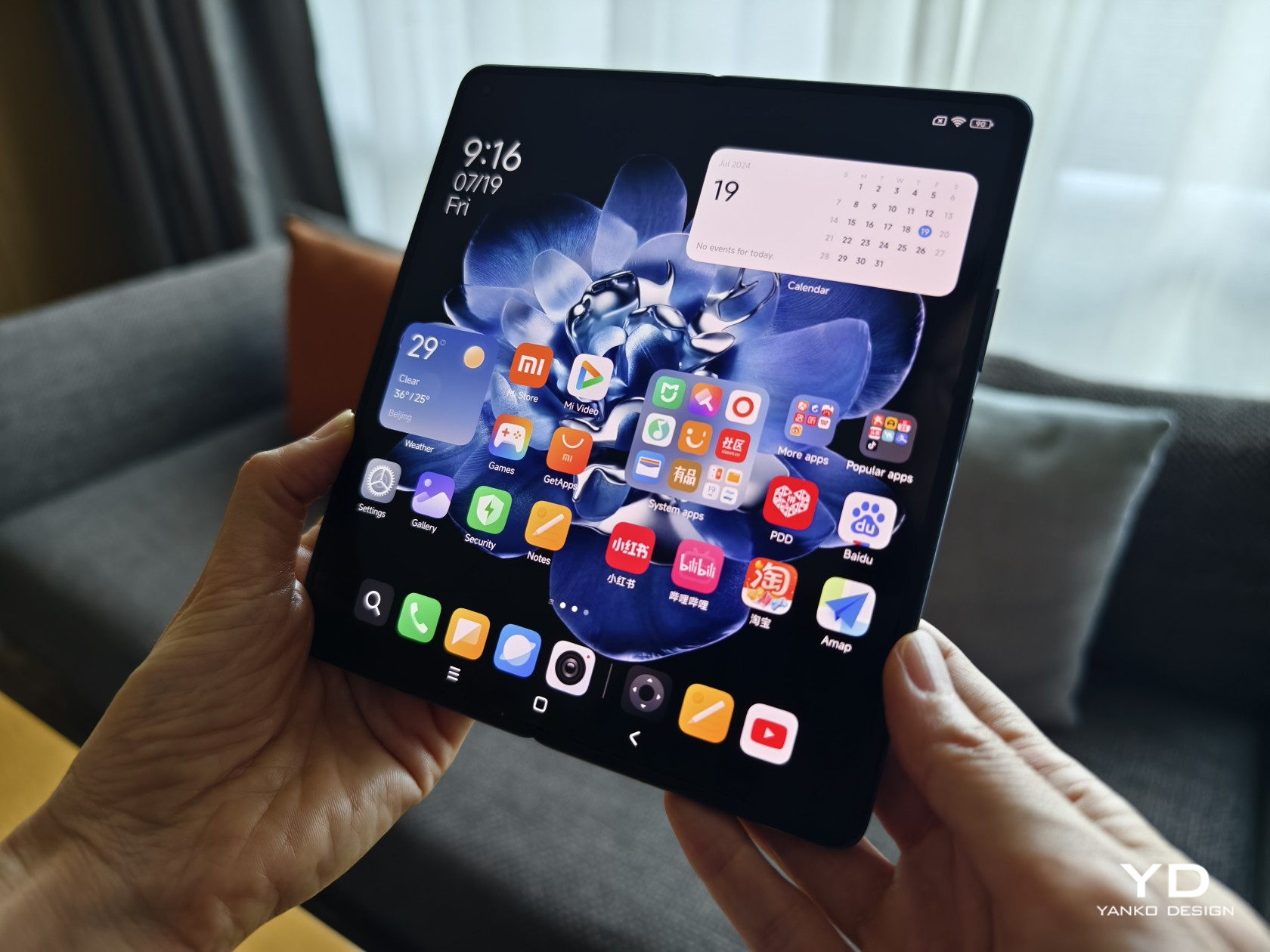
Samsung triple foldable phone rumor hints at a 2024 launch

Foldable smartphones are an attempt at solving an old problem with two diametrically opposed goals. On the one hand, people want large screens that give them enough space for their content, from videos to social media to even work. On the other hand, they still want a device they can conveniently carry around, especially inside their pockets. Today’s generation of foldable phones similar to the Samsung Galaxy Z Fold deliver a phone that does transform into a tablet, but the latter is admittedly still a small piece of screen real estate, even smaller than the iPad mini. Having a regular tablet-sized display requires drastically changing the design and construction of a foldable phone, which isn’t exactly easy to pull off, judging by the current state of foldables. That’s not to say that manufacturers haven’t been working on a feasible solution, and Samsung itself might be ready to unveil its answer this year to beat one of its rivals to the punch.

Designer: Samsung (via @Tech_Reve)

The current design of foldable phones has never been the endgame. If you reference Samsung’s concept video back in 2013, you will realize its ambitions go beyond this simple foldable design. A phone that unfolds into a tablet would definitely need more than just one fold, and the company’s display manufacturing arm has been working on such a screen for years now. In fact, it demonstrated in 2022 how close it was to an actually usable form, suggesting that such a device is not only plausible but might even be just around the corner.
A new rumor adds fuel to speculations that Samsung might, in fact, announce this “Flex S” triple foldable phone this year, maybe even alongside the Galaxy Z Fold 6 and Galaxy Z Flip 6. Samsung might be in a rush to push out this revolutionary new device due to rumors that long-time rival Huawei also has a tri-fold phone that it will be launching in the second half of 2024. Unsurprisingly, Samsung wouldn’t want Huawei to claim the title of “first,” even if the Chinese brand has extremely limited market reach these days.

A triple folding phone, under the prototype name of “Flex S,” will drastically change the game when it comes to foldables. Not only will it offer a much larger screen in tablet form, it also allows the collapsed phone form to retain a wider aspect ratio, unlike the Galaxy Z Fold designs so far. At the same time, it also offers new modes of use for the device, from a tent-like stand mode to a unique laptop mode that’s like having a mini dual-screen laptop.

That said, haste always makes waste and Samsung should have already learned its lesson five years ago. Even after years of R&D, the first Samsung Galaxy Fold (no “Z” in the name yet) was plagued with problems, especially when it came to reliability. Given how a new tri-fold design will once again test the durability of flexible screens, there will be even more risks and costs this time around. And with Huawei’s limited presence in global markets, Samsung has no need to be afraid of not being the first, but that has never stopped any company from rushing out a product launch anyway.

The post Samsung triple foldable phone rumor hints at a 2024 launch first appeared on Yanko Design.