Fashionable Designer Earplugs that Prioritize Style and Hearing Protection

Noise is a constant companion no matter where we go, and it poses a potential threat to our hearing whether we are conscious of it or not. We encounter potentially harmful sounds in various scenarios, from roaring cheers at concerts and live music events to the loud hum of machines at construction sites. Everyday activities like air travel or a day at work in a busy office or factory can pose a risk to our hearing health, while internal tranquility can be disrupted by noise during study sessions, nights spent beside a snoring partner, or leisure activities such as attending motorsport events or visiting shooting ranges. Amid all these scenarios, ear protection becomes a crucial health necessity. JING Earplugs presents a groundbreaking solution, blending style and utility in this context.

Designer: Carol Chen

Click Here to Buy Now: $32 $40 (20% off). Hurry! Only a few days left!

These designer earplugs double as fashionable earrings, revolutionizing our perception of personal audio protection. They seamlessly blend sound reduction capabilities, effectively reducing noise by up to 28 decibels (NRR 14), with aesthetic appeal. Unwanted noise is effectively blocked without sacrificing style. Meeting the modern need for noise reduction without compromising on fashion, JING Earplugs transform ear protection from a functional necessity to a fashionable accessory. They provide significant protection in noisy environments while still allowing for the enjoyment of the ambiance.

Interchangeable Gemstones

JING’s earplugs, designed by an award-winning fashion designer, feature interchangeable gemstones. This allows users to tailor their look based on their outfit, mood, or occasion. Made from high-quality, flexible silicone, the earplugs effectively block out unwanted noise while ensuring comfort and durability for prolonged wear. The ear tips are available in three sizes to best fit each individual’s unique ear canal shape. Additionally, the ear tips are washable and reusable, adding to their sustainability.

Hearing loss is a growing concern, with around 466 million people, or 5% of the world’s population, experiencing disabling hearing loss. It can occur at any age but is most common in those over 60. Exposure to excessive noise is one of the leading causes, underscoring the importance of ear protection for all ages. As a passionate advocate for hearing health, I strongly champion the use of ear protection to preserve our hearing and improve our quality of life.

The need for adequate ear protection grows as the world becomes increasingly noisy. JING Earplugs offer a stylish and practical solution to this issue. Their innovation lies in their design and function, reducing noise without compromising style and comfort. With the rising concern of hearing loss, it’s crucial to prioritize our hearing health. Products like JING Earplugs serve as effective protective gear and challenge the conventional perception of ear protection, making it a fashionable accessory. There are two color options available: Midnight Black and Glacier White. For enhanced portability, it comes with a protective carrying case, which makes it easy to carry and use as needed.

Click Here to Buy Now: $32 $40 (20% off). Hurry! Only a few days left!

The post Fashionable Designer Earplugs that Prioritize Style and Hearing Protection first appeared on Yanko Design.

Teenage Engineering-inspired Nintendo Switch feels like the minimalist handheld console we deserve

Teenage Engineering has created a niche in the music tech market with rule-defiying products that tap into the inquisitive nature of things. No matter if it’s a field system, wireless audio, or synthesizers; if it’s from Teenage Engineering, it’s got to be worth talking about. That’s the sole reason we just love everything from the Stockholm-based audio wizard.

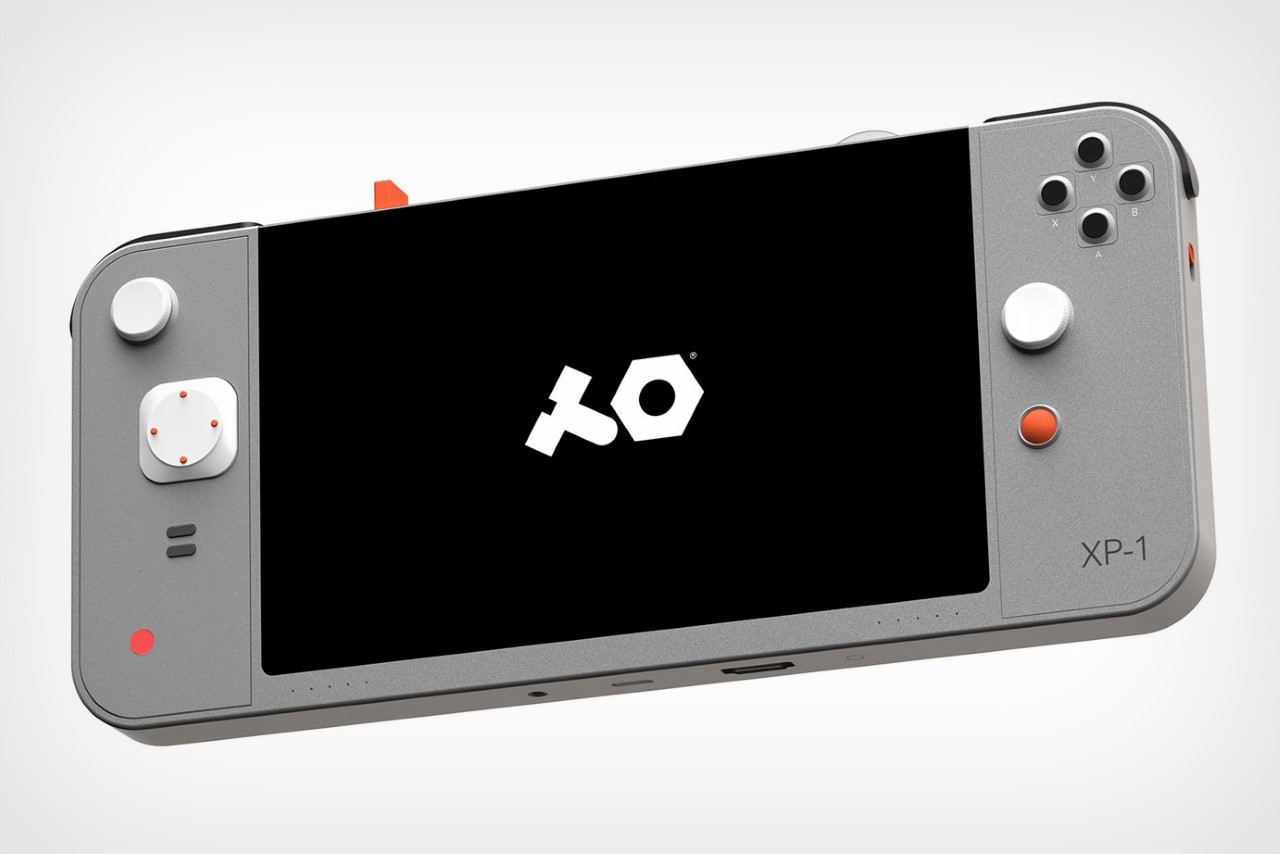
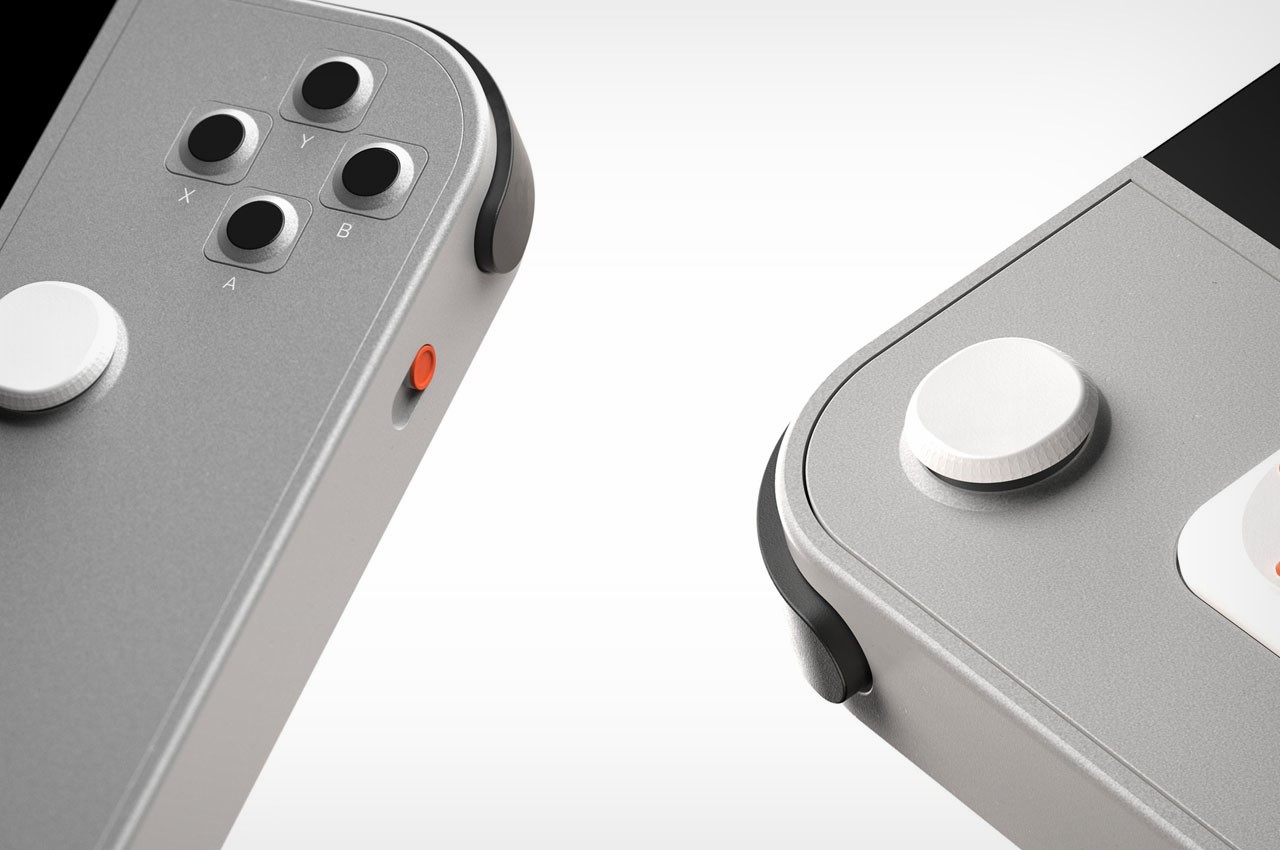
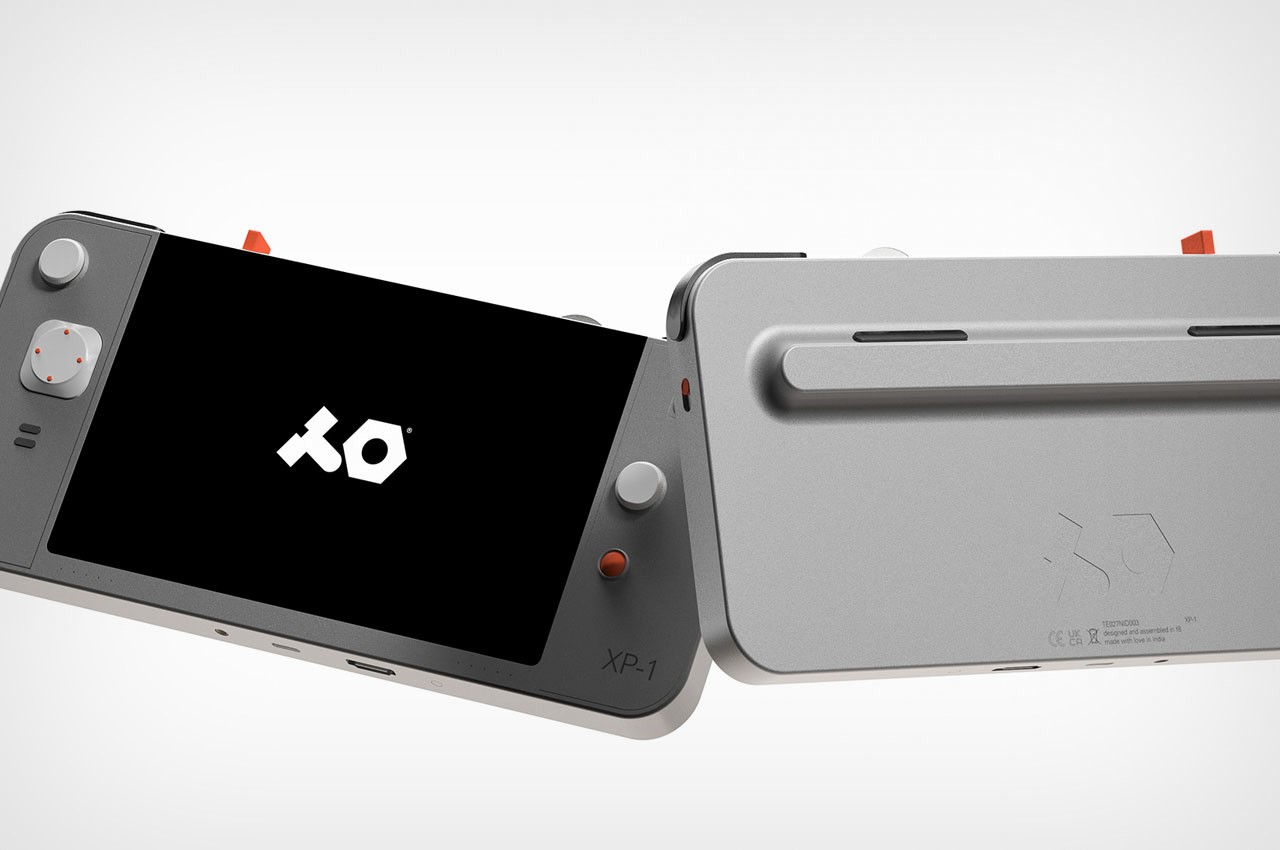
This time around though, it’s not something coming out of their creative factory, but rather a culmination of creative thoughts from a designer to muster up a winning product envisioned for TE. A handheld gaming console that’s fun to play around with and also one that doesn’t deviate from the core ethos of the brand. According to the designer the handheld blends into any environment, “triggering the nostalgic feeling and providing fun to the users.”

Designer: Nidharshan Suresh

The primary motivation behind this concept gaming console carrying the DNA of Teenage Engineering is to break the monotony in the design of current handheld consoles and refresh the market with a product that’s a delight to savor. The initial research identified the reason for playing games as an escape from the daily stresses of life. Another couple of motivators are the ability to boost problem-solving capabilities and live a story in pseudo-reality. One fact that was clear from the data was the end-users who are either on-the-go gamers, tech geeks, softcore gamers, or socializers.

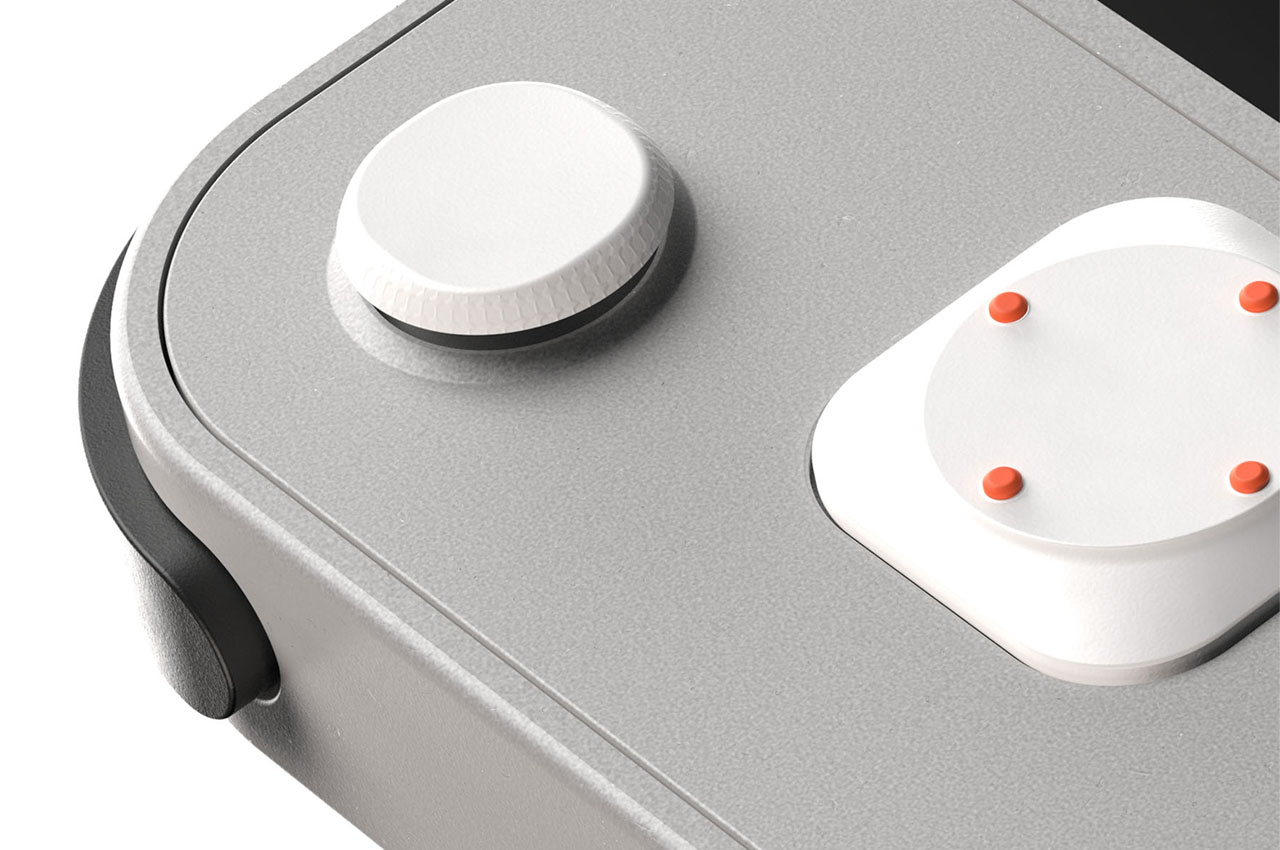
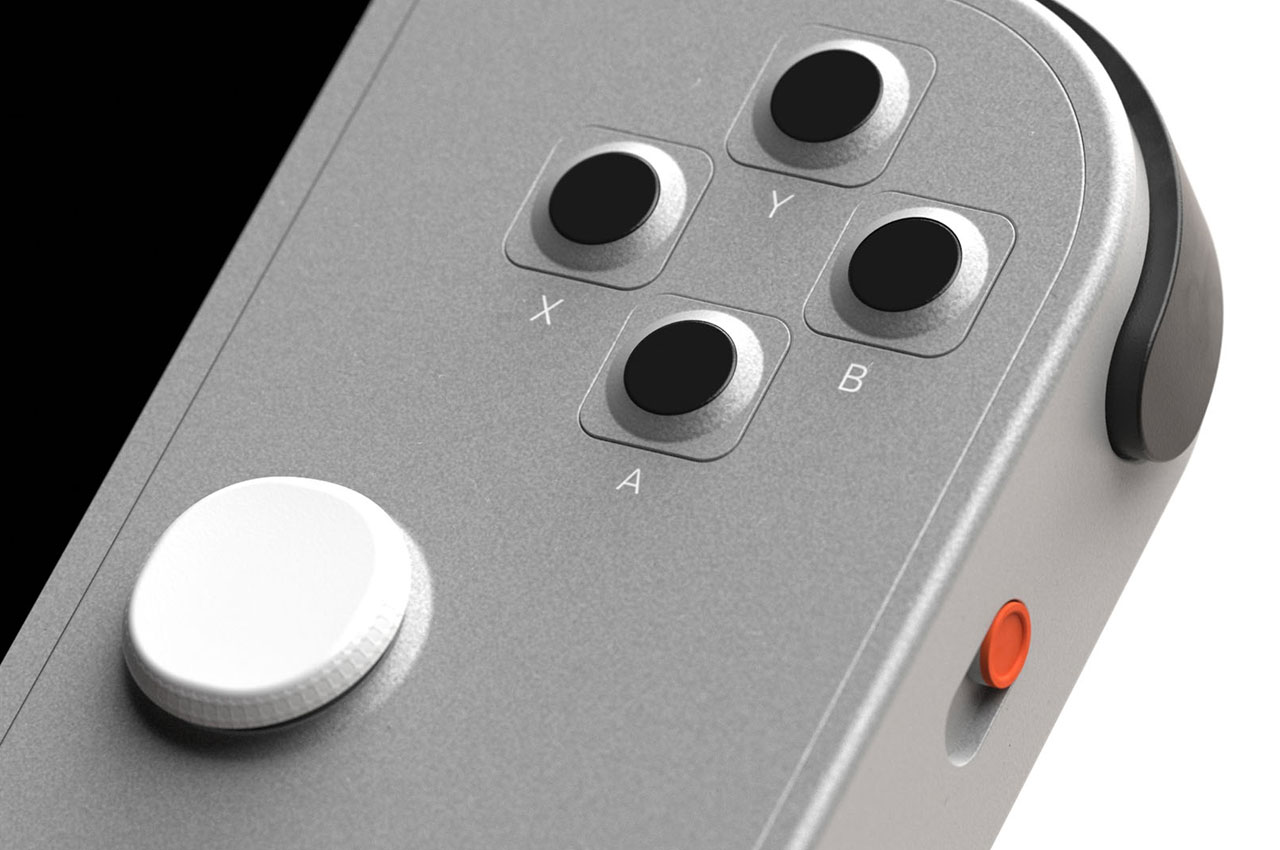
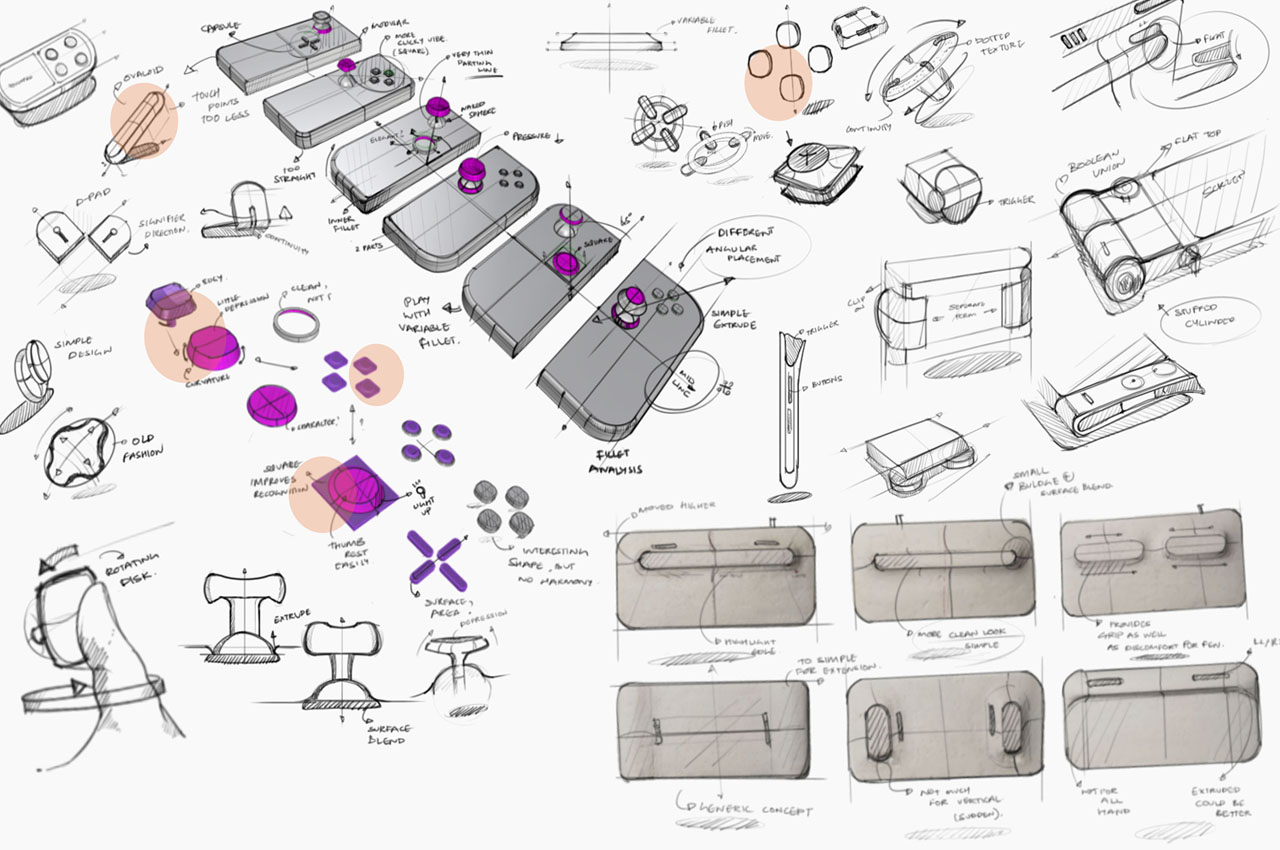
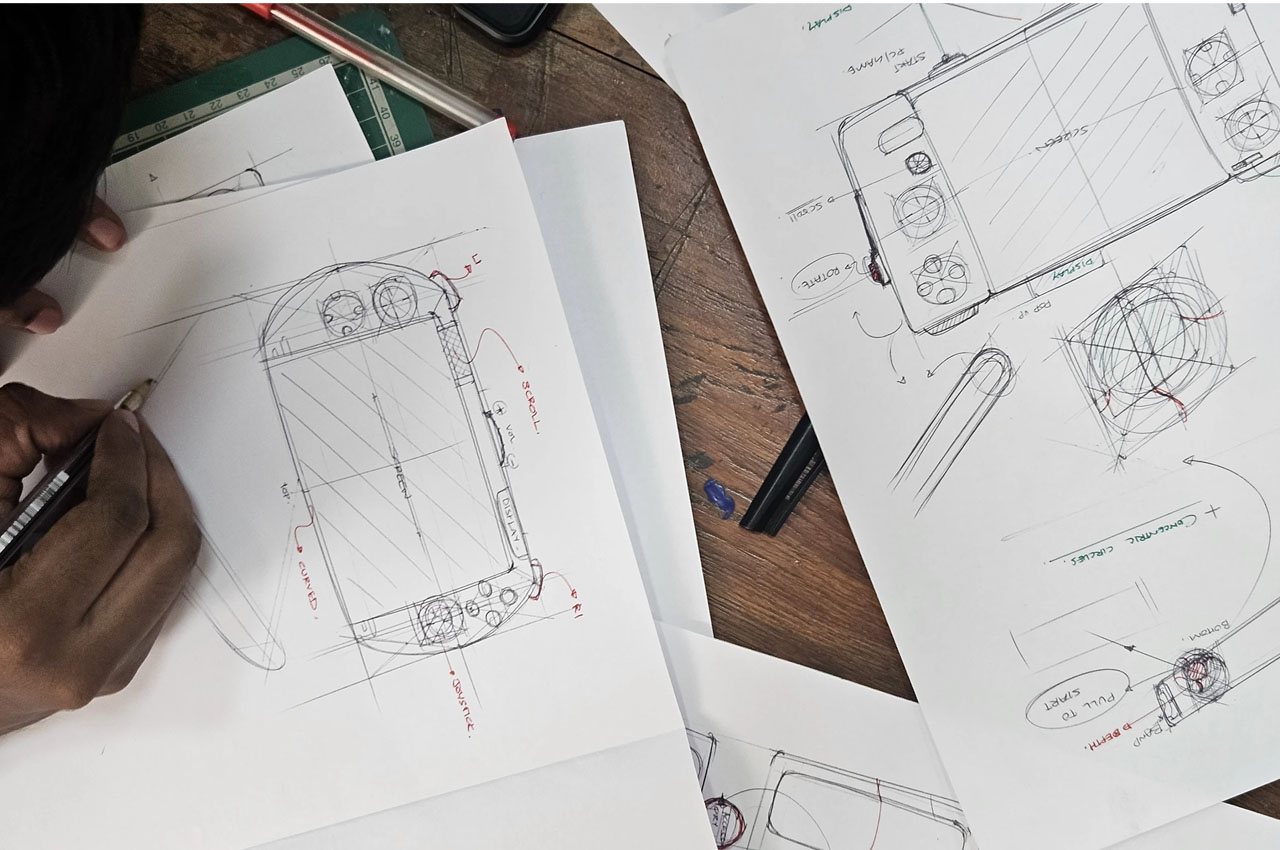
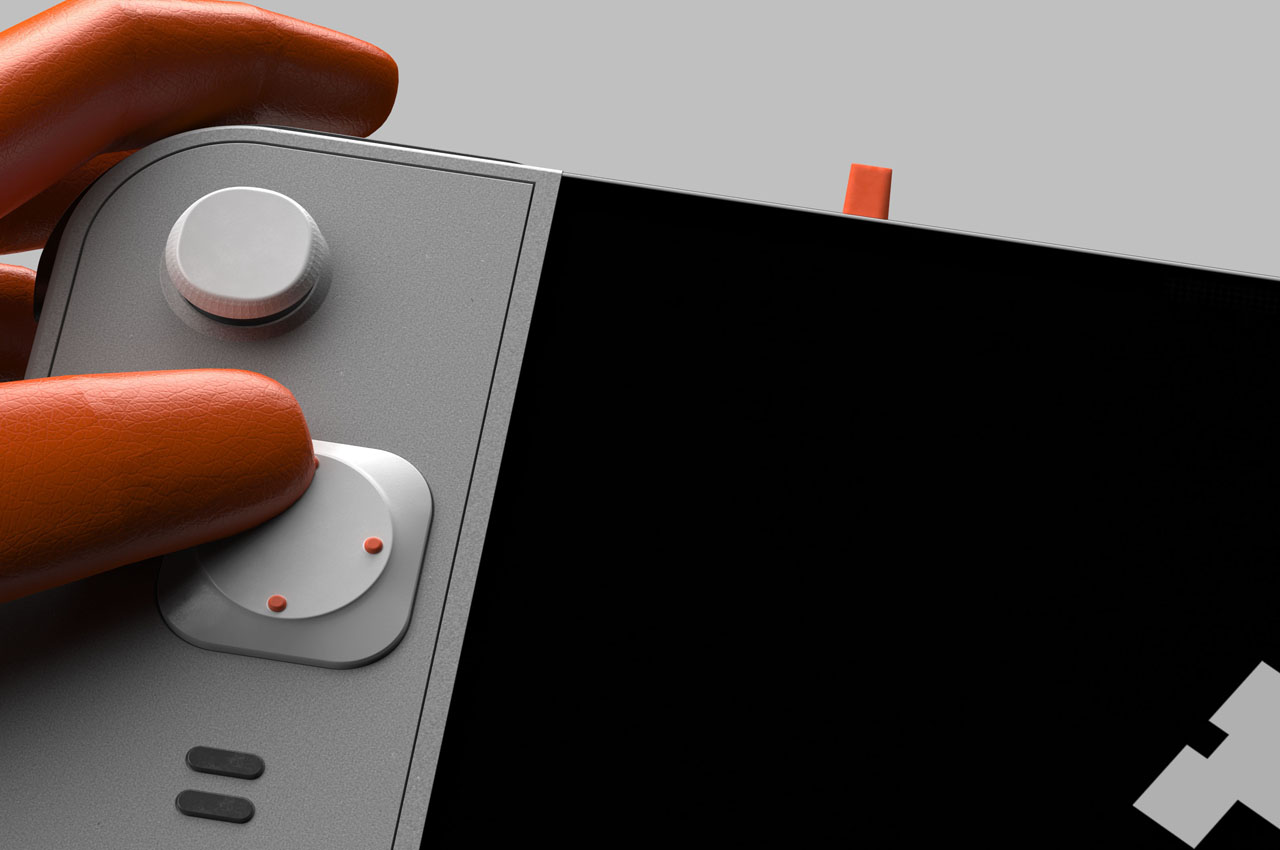
Nidarshan employed parallel prototyping using thermocol models to fine-tune the final handheld design that falls right into place. As a TE fan, I immediately found a connection between two different worlds of audiophile bliss and gaming frenzy in this product. A cohesive form that’s minimal while retaining the ergonomic comfort of playing games for extended sessions. The color theme also piques interest in the form of orange, black and white buttons for the joystick and D-pad buttons.

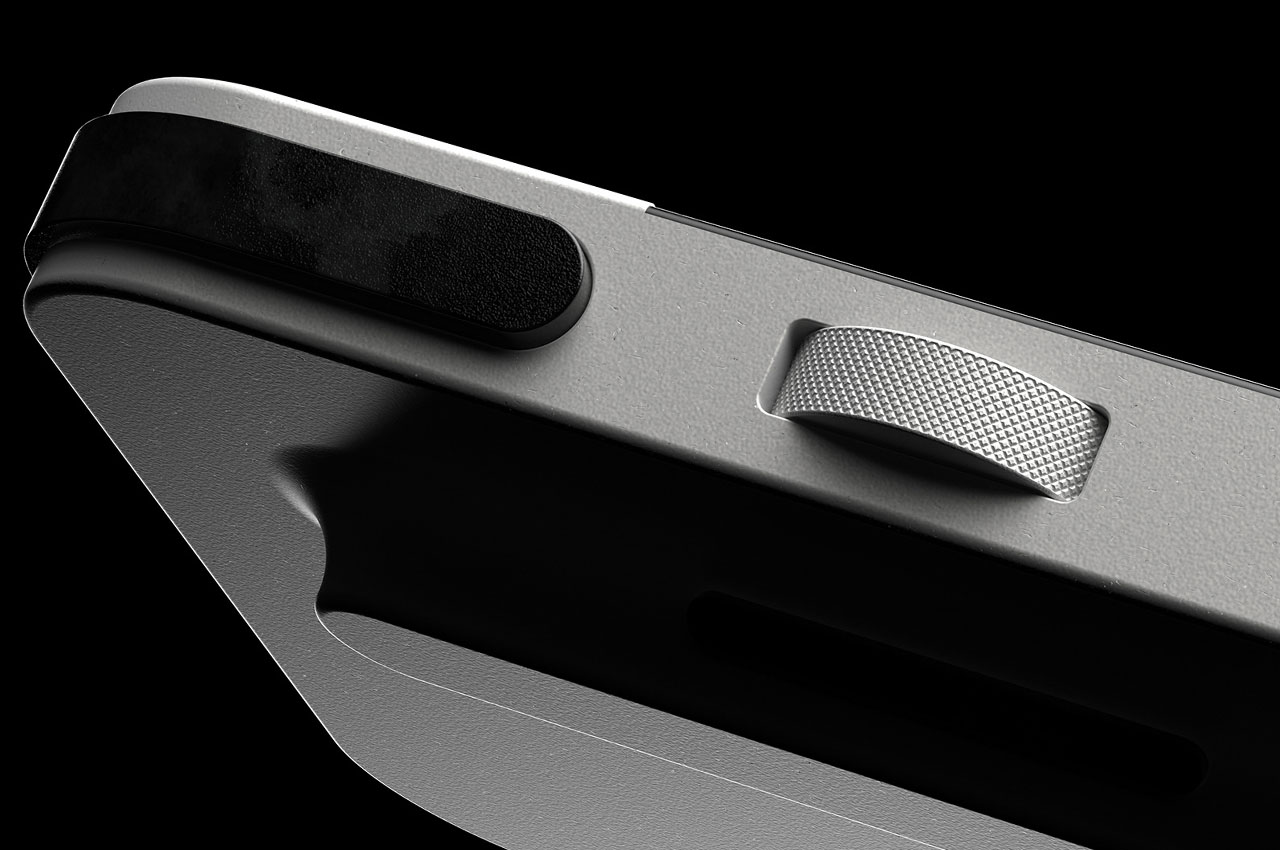
The slim form factor ensures your fingers never get fatigued from constantly hitting the trigger buttons on the top. From what’s apparent this handheld gaming console is quite compact compared to the current market leaders like Steam Deck, Asus ROG Ally, or Nintendo Switch. That alone is a win for someone like me with small hands.

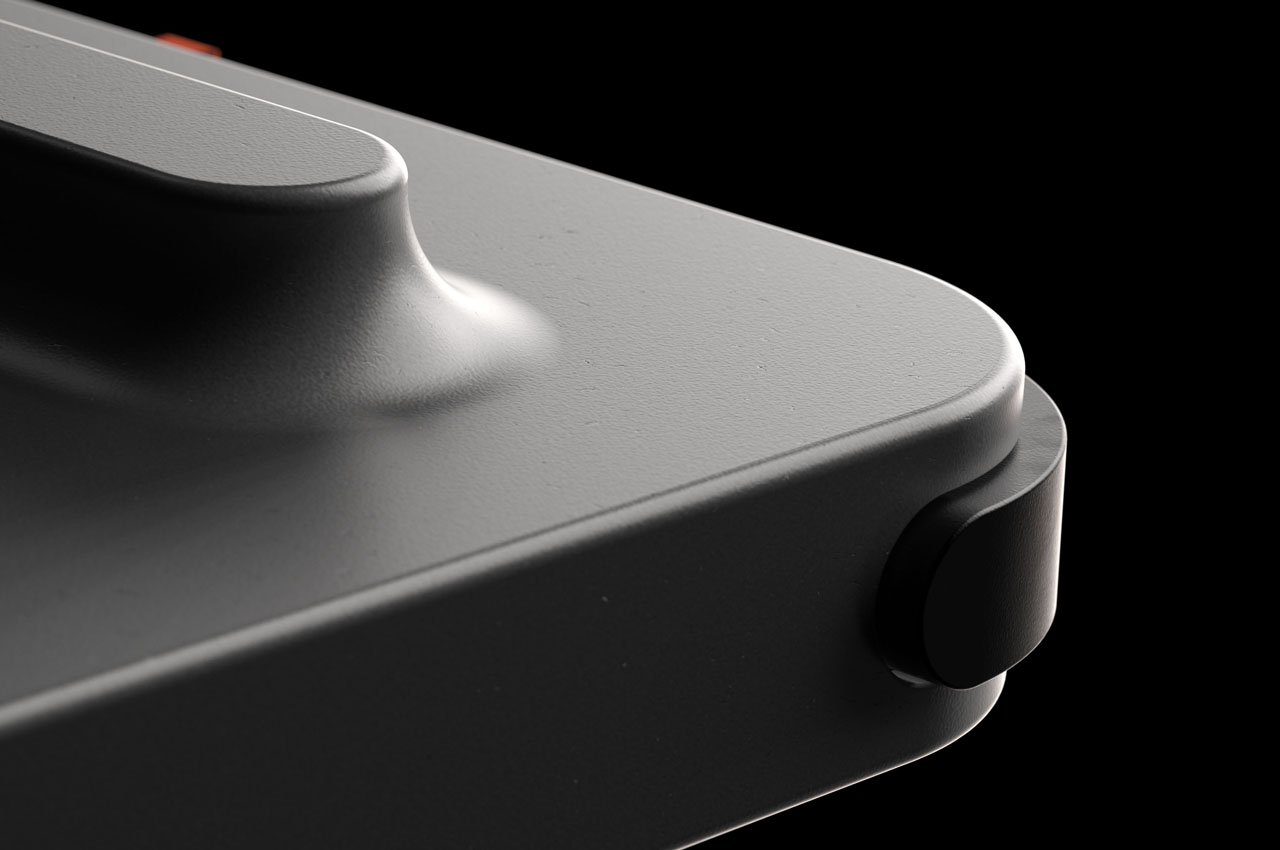
The titanium silver grey finish brings a new look to the arena which I absolutely love. Whether or not such a handheld is going to disrupt the market, only time will tell, that is if, Teenage Engineering ever designs a handheld gaming console in the near future!

The post Teenage Engineering-inspired Nintendo Switch feels like the minimalist handheld console we deserve first appeared on Yanko Design.

This Rotary-Phone-Inspired Label Maker Is A Nostalgic Blast From The Past!

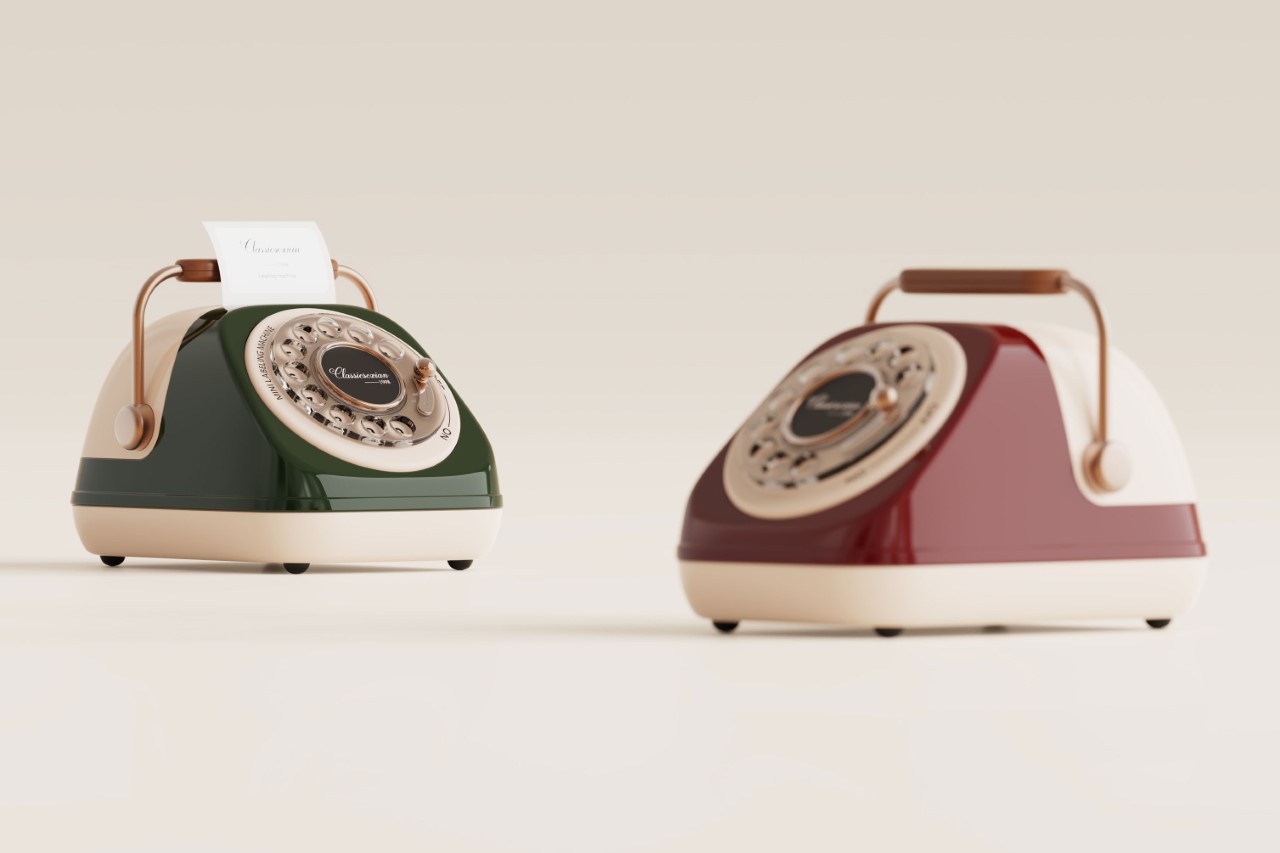
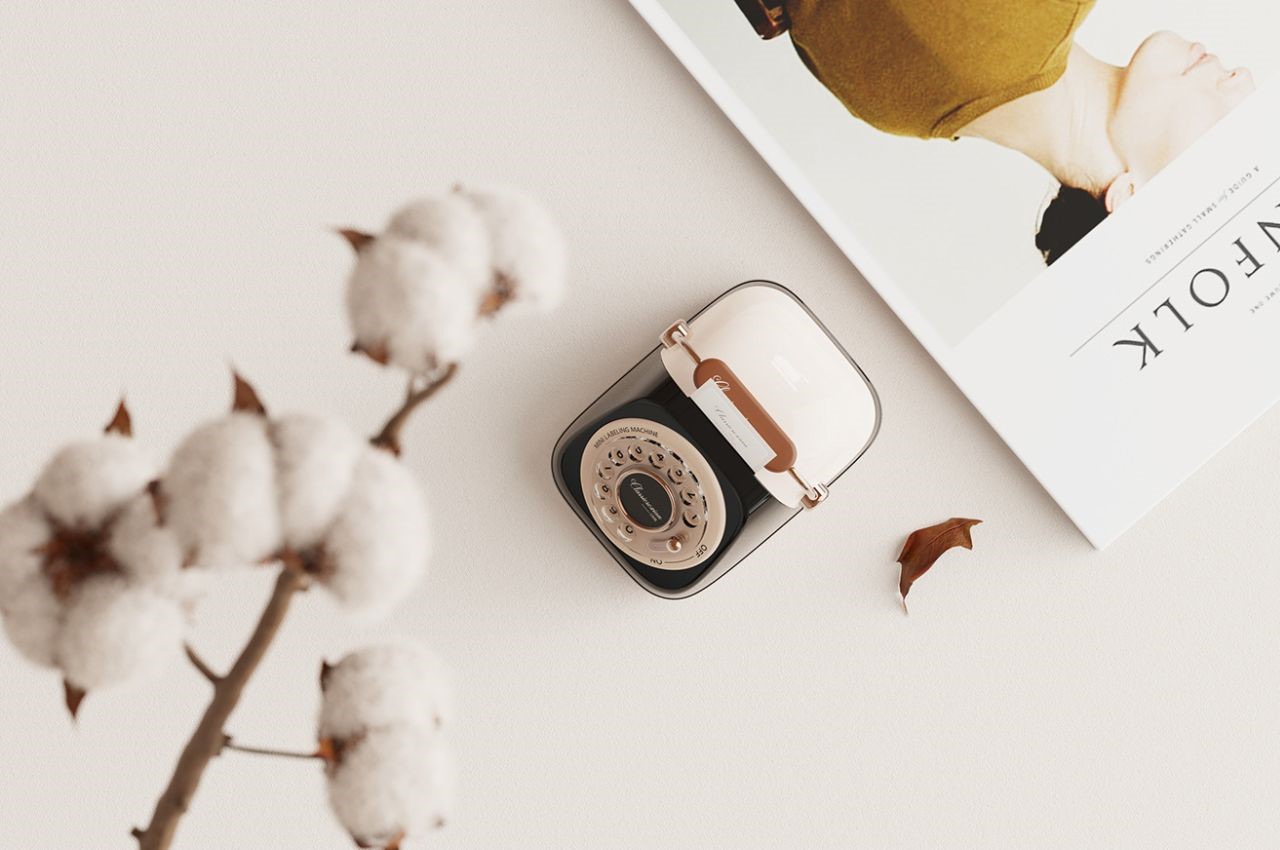
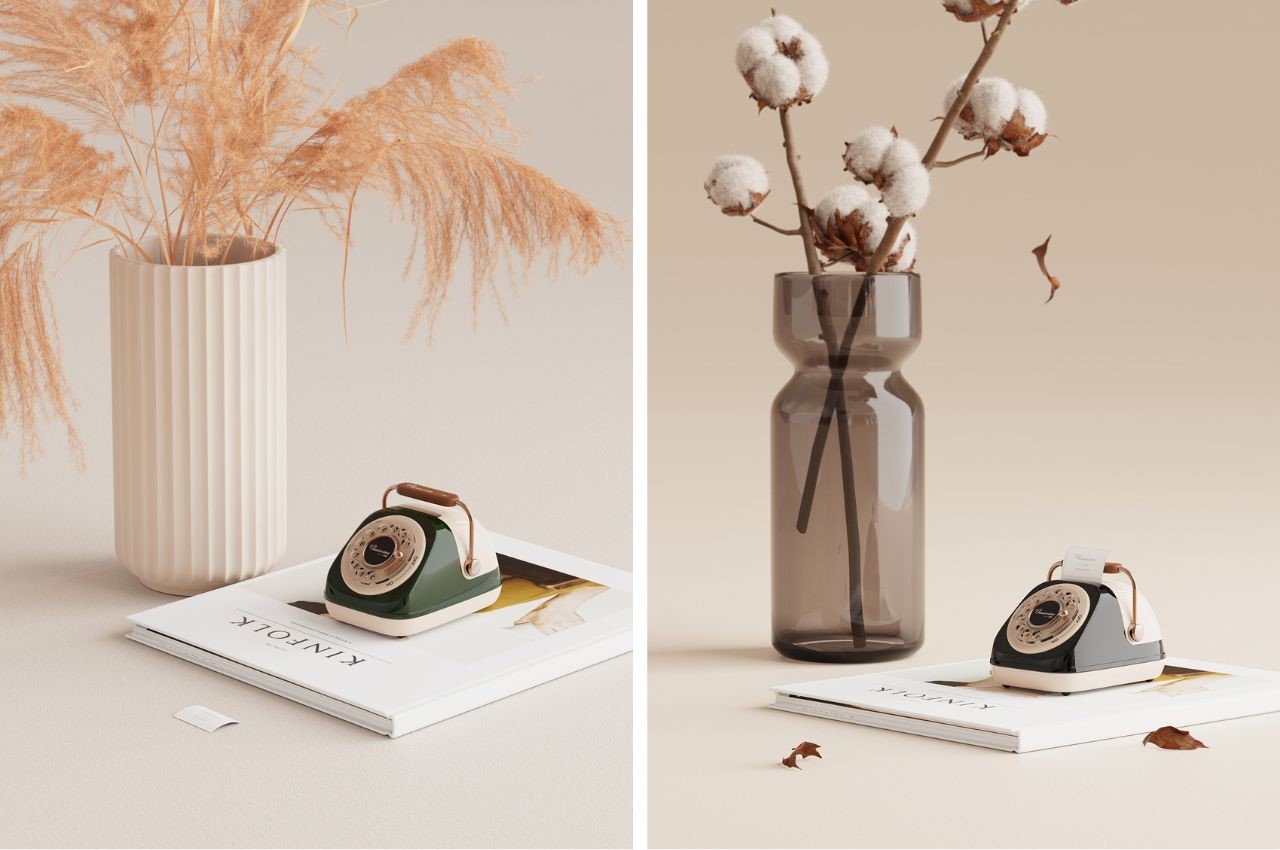
I’m sure I’m not the only one who appreciates the cuteness of small objects, there’s just something special about tiny objects, especially when they mimic bigger stuff. As amusing as the future seems, the retro charm is has a sense of warmth that most of us connect with on some level. Imagine the classic charm of an old-school telephone, but shrunken down and upgraded to handle your modern labeling needs. It’s a journey through time and creativity as one explores the adorable universe of this labeling machine. It’s a small package with a big dose of charm!

Designer: 102 Design Lab

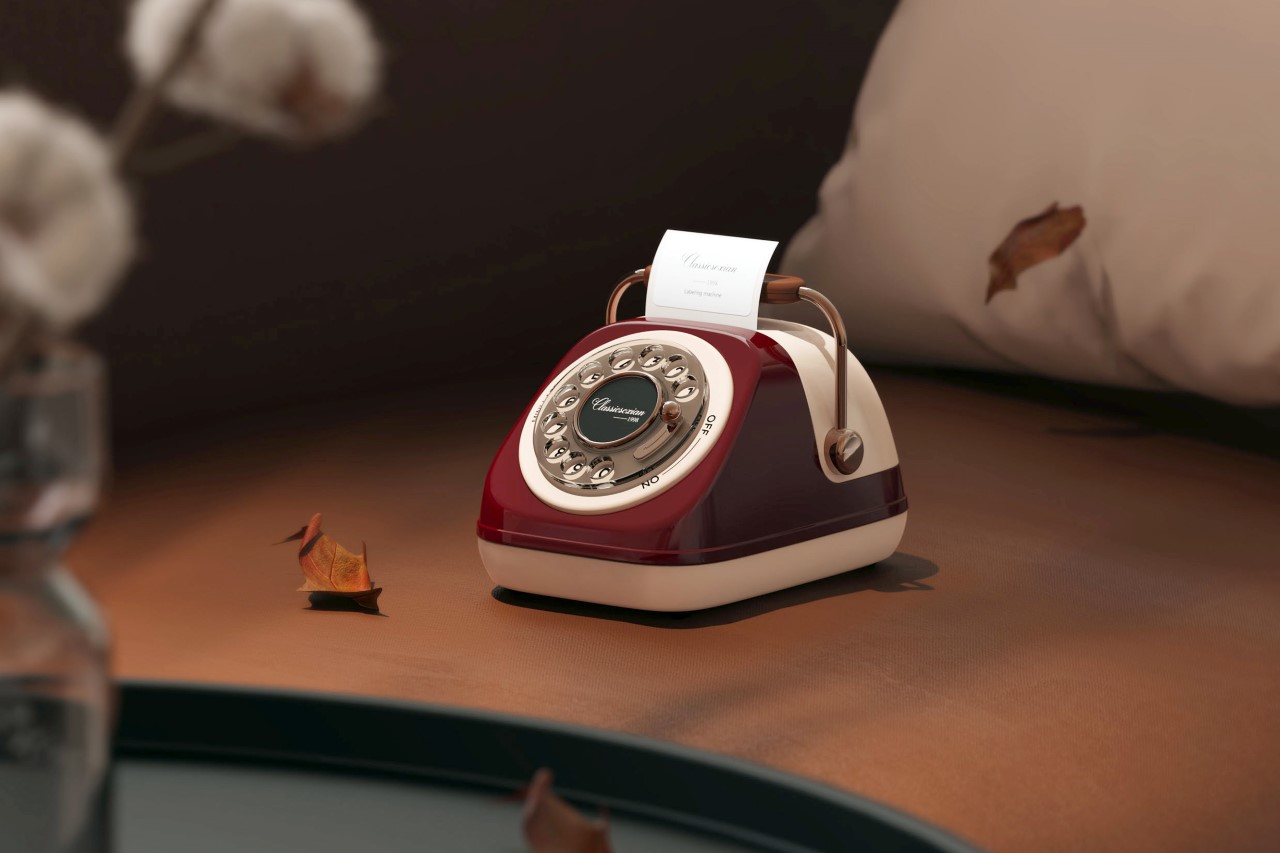
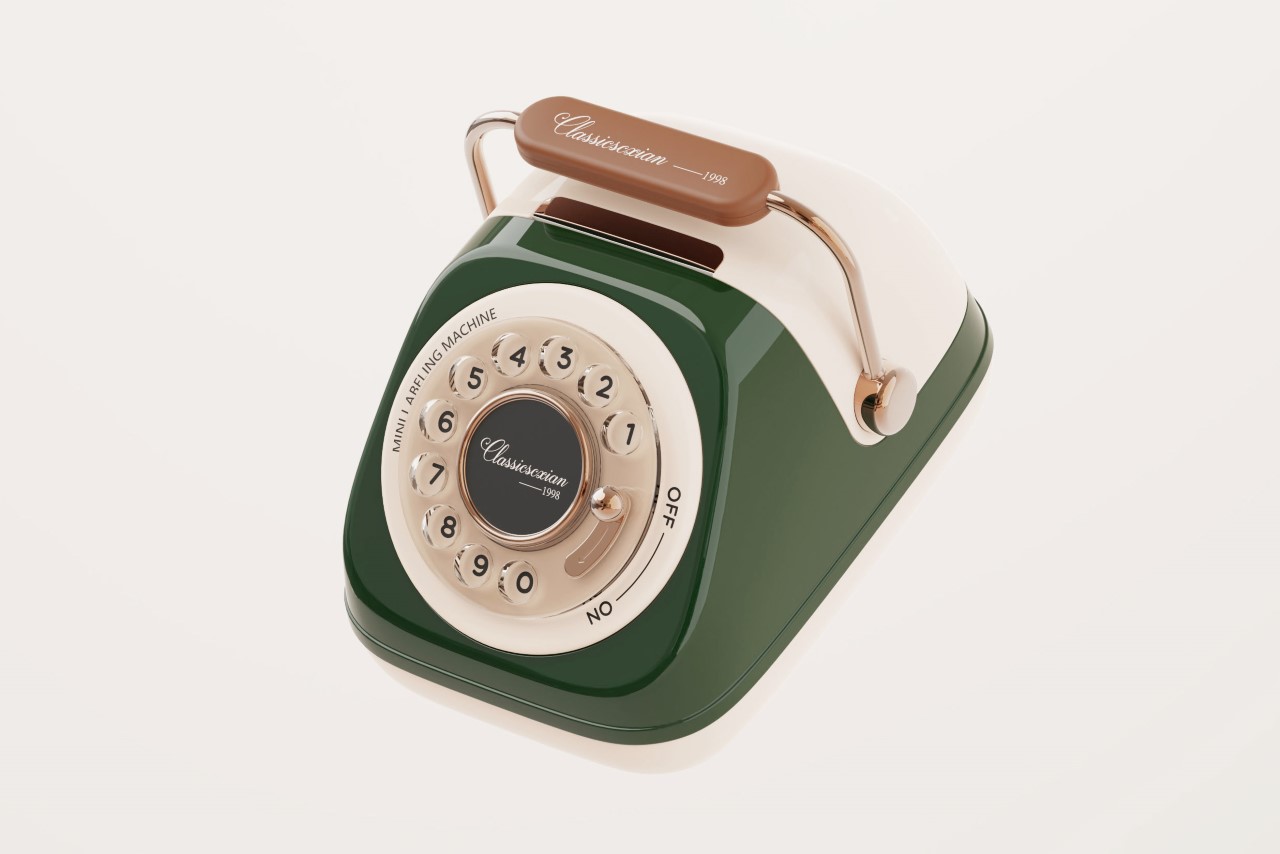
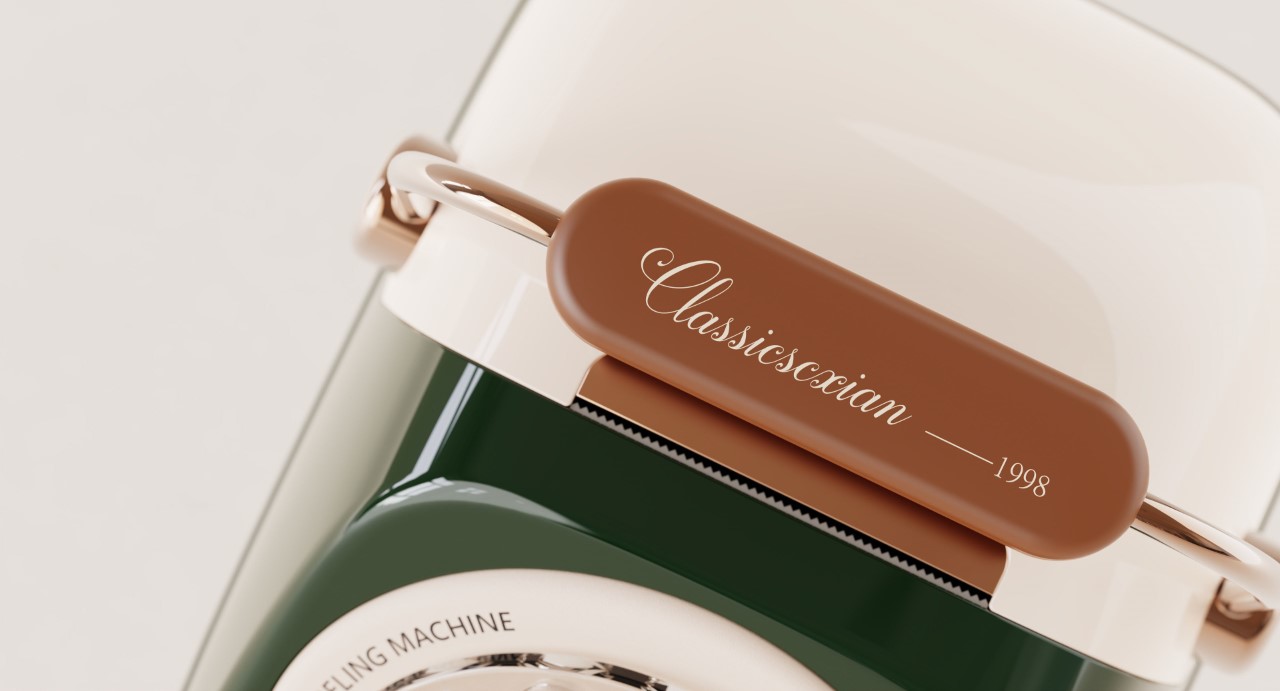
The body of the labeling machine boasts a rounded design, reminiscent of the classic form of retro telephones. However, what truly sets this product apart is the incorporation of the iconic rotary dial as the switch design element. The rotating switch key serves as a metaphorical time tunnel, transporting users back to an era when telephones were more than just communication devices—they were symbols of nostalgia and romance.

As users rotate and slide their fingers across the switch key, a tangible connection to the past is established. The tactile experience evokes a sense of pleasure as if one is traversing through time and reliving the romanticized memories of bygone days. Each turn of the switch key becomes a delightful journey, immersing individuals in the soft embrace of a bygone era.

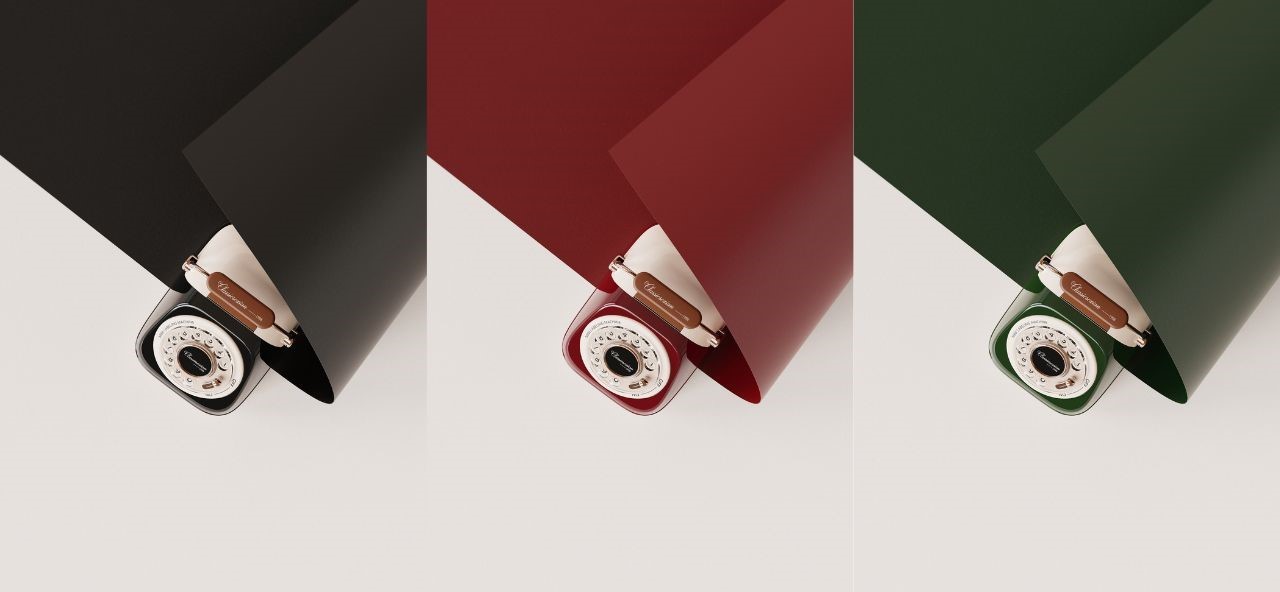
What adds to the appeal of the Vintage Phone Labeling Machine is its graceful color palette. Available in three distinct colors, the machine is not only a functional tool but also a stylish accessory that effortlessly complements any setting. The attention to detail in the design ensures that the labeling machine becomes a statement piece, blending seamlessly into both modern and vintage environments.

Despite its retro aesthetics, the labeling machine is not just about reliving the past—it also brings a touch of practicality to its users. Although seemingly limited to printing numbers on the telephone, the device excels in its simplicity and functionality. It manages to strike a perfect balance between form and function, offering users a unique and enjoyable experience without compromising on usability.

So if you’re looking for a cozy hug from the past in this contemporary tech world, this vintage phone labeling machine is for you! It’s a nod to the good old days when phones had that classic charm. This labeling machine isn’t just a tool; it’s a trip down memory lane. It lets you feel the nostalgia and romance of the days when phones were more than just devices – they were a whole experience.


The post This Rotary-Phone-Inspired Label Maker Is A Nostalgic Blast From The Past! first appeared on Yanko Design.

Meet the wall-mounted modular organizing system that’s even more flexible than IKEA’s pegboards

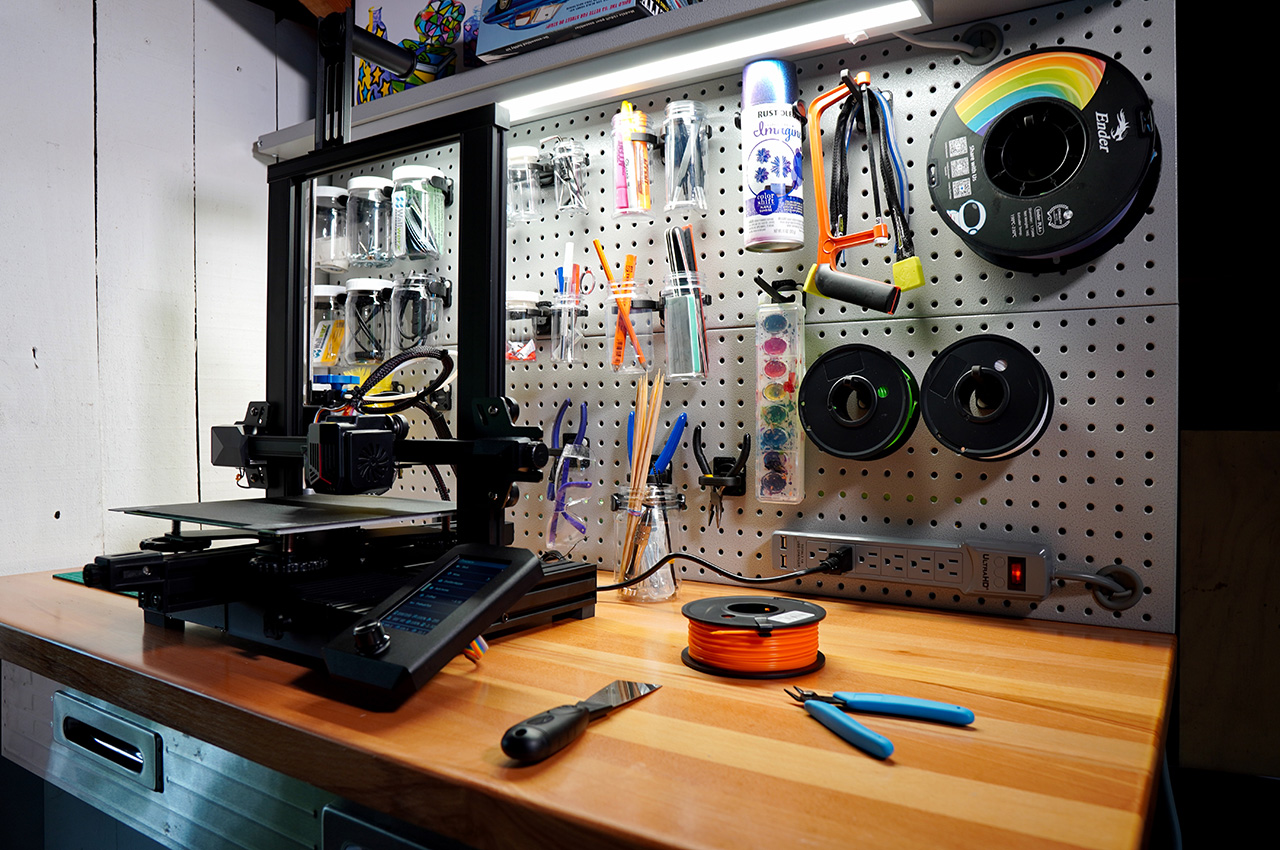
There was a Seinfeld episode from back in the day where Jerry’s date (a wardrobe designer) proposed a radical idea for Jerry’s closet. Instead of shelves and rods, what if the entire closet was just hooks? Hundreds of hooks everywhere for you to hang all your clothes on – a radical concept when it comes to fashion, but practically speaking, just a wardrobe version of the popular pegboard. Pegboards gained popularity in the DIY community for people who wanted to mount their workshop tools on one vertical surface, having them accessible just when you needed them. The clever idea soon was converted into something more home-friendly by IKEA with their own version, named SKÅDIS. However, IKEA’s pegboard still had limitations – you could only use products from the IKEA ecosystem with the SKÅDIS, but moreover, the SKÅDIS wasn’t designed for every possible use-case. That’s where Wallwerx comes in. Wallwerks presents a pegboard-based system that can be used for pretty much everything, from holding workshop tools to jars of M&Ms. It’s modular, flexible, easy to use, and the best part, you don’t even need a pegboard – the Wallwerx attachments can even mount right into any wall. Use it in your kitchen, garage, living room, study, or even in the bathroom – if you need vertical storage, Wallwerx pretty much has you covered.

Designer: Mark Zalme

Click Here to Buy Now: $69 $119 ($50 off). Hurry, only 12/20 left!

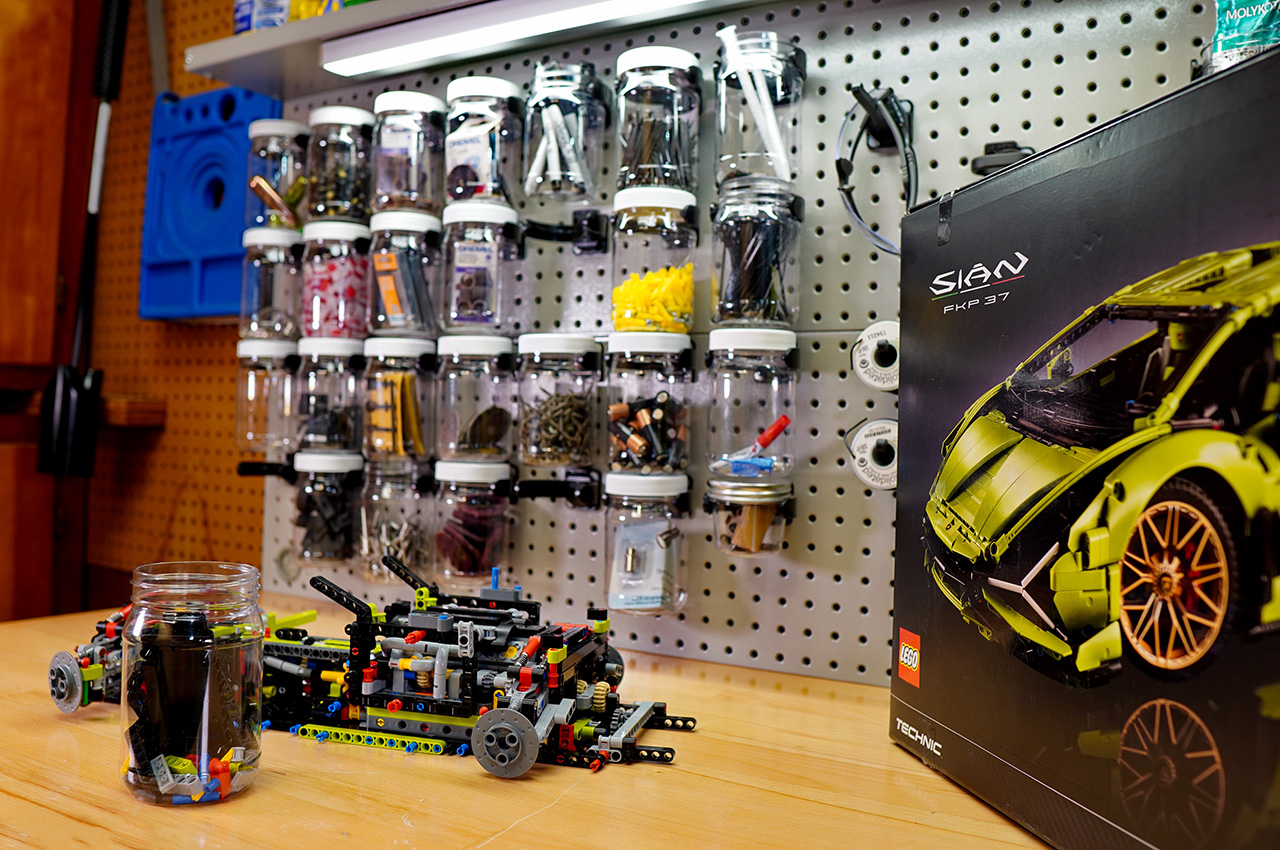
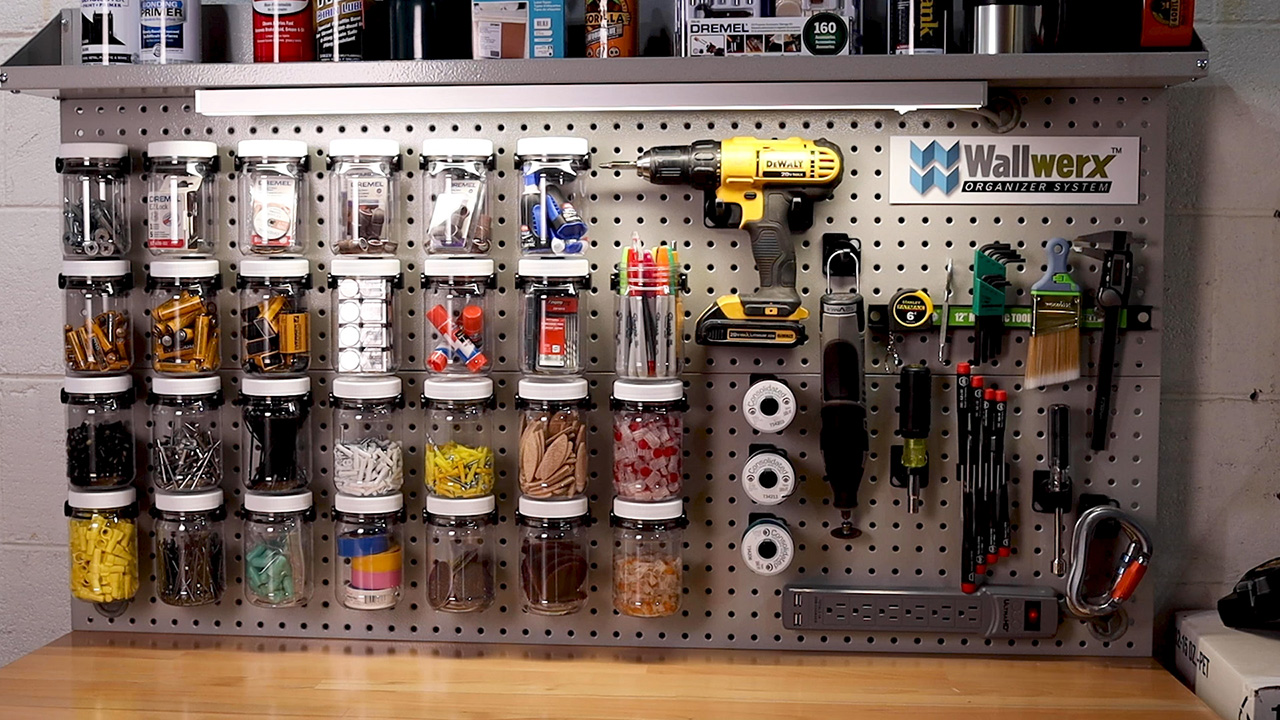
Whether you’re a DIY enthusiast, a crafting maven, a culinary whiz, or a gaming aficionado, Wallwerx seamlessly integrates into your space. It was created by Mark Zalme, a DIY aficionado who found himself getting increasingly frustrated with not having his tools accessible while working in his garage. Realizing that pegboards were great but had their limitations, Zalme designed Wallwerx, a series of pegboard-compatible attachments designed to hold pretty much every object under the sun. What’s more? Unlike traditional pegboard attachments, the Wallwerx system is strong and secure, ensuring items stay put, yet can be easily relocated if desired. The best part, they worked with standard pegboards, but even if you didn’t have one, you could simply attach Wallwerx to any regular wall or drywall. Wallwerx brought a certain Seinfeld-level radical thinking to all types of storage, allowing you to turn practically any vertical surface into a storage area.

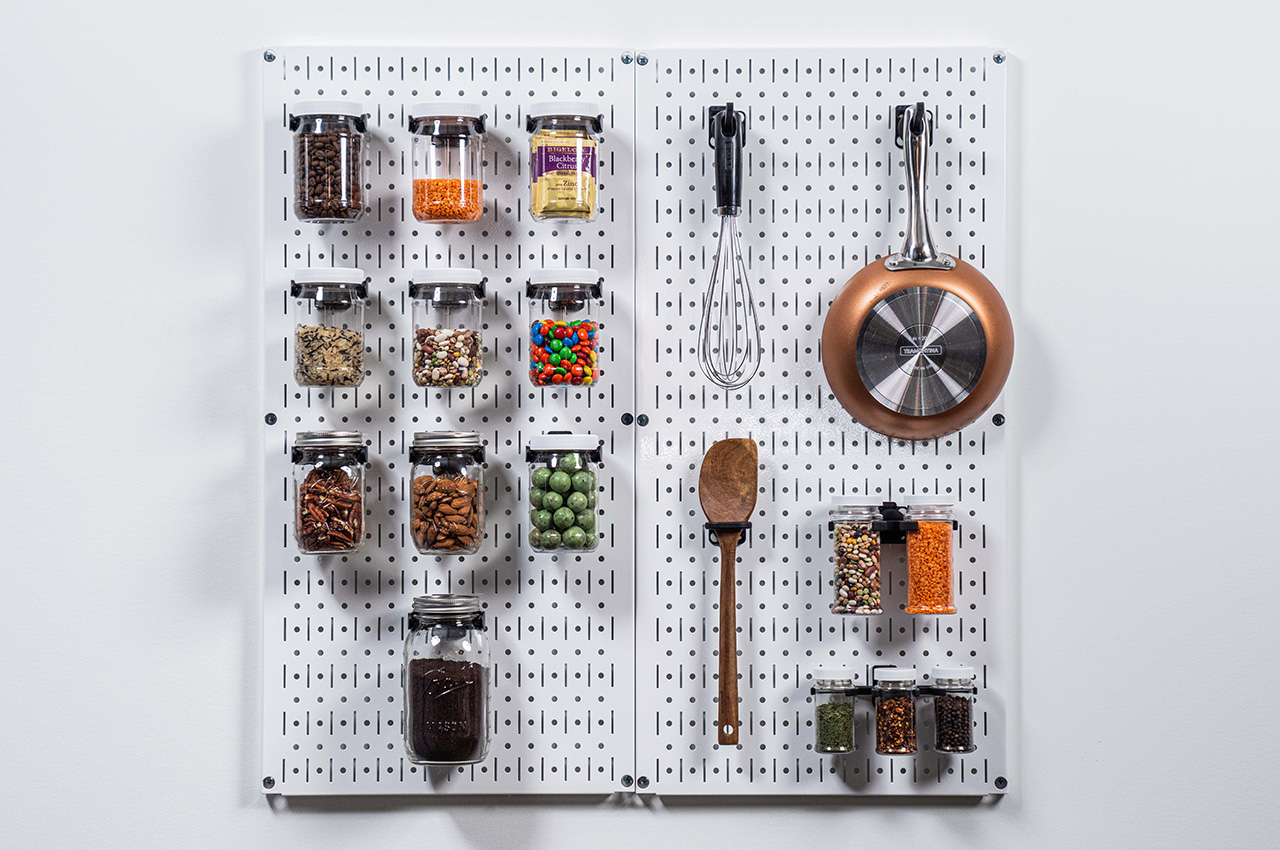
From the pantry + kitchen…

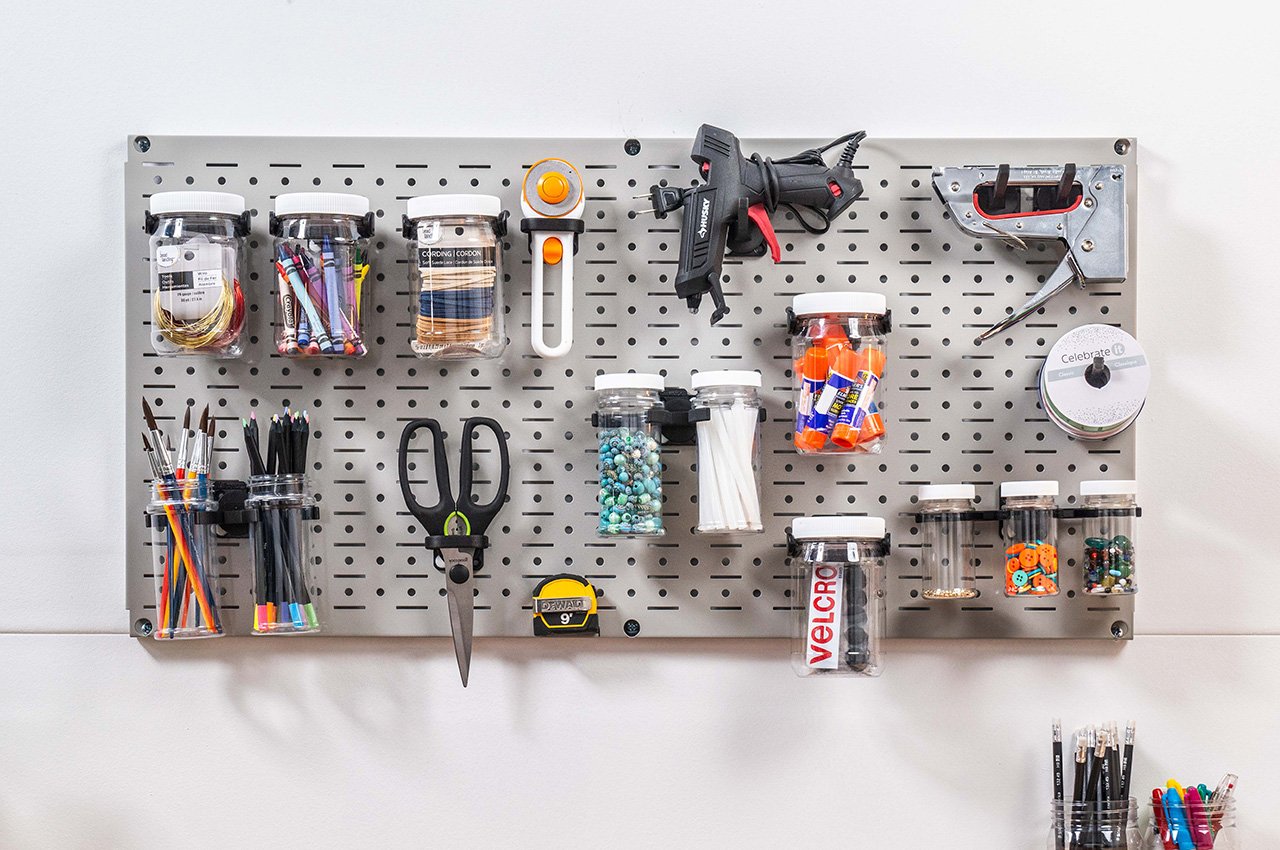
To the workspace!

Use it in your gameroom.

And your creative space.

Wallwerx can be split into its two crucial parts – a baseplate that plugs onto pegboards or attaches onto walls, and a series of attachments that mount onto the baseplate, giving you hooks/hangers/clips to store practically anything you need. Installing Wallwerx is a breeze, requiring just two simple steps. Attach the baseplate to your desired surface, twist on your preferred attachments, and voilà – your personalized organization system is ready to go. The Wallwerx baseplate is a cleverly designed little gizmo that plugs into standard pegboards, but even has the option of being drilled into concrete walls or drywalls. Once the baseplate’s been installed, simply twist on or off the attachment of your choice.

*Pegboard not required for assembly. Baseplates can be drilled into any wall or door. Just twist and remove the attachment, then relocate it to any baseplate.

The attachments are where Wallwerx’s flexibility gets put on display. Most traditional pegboards only let you hook stuff onto the pegboard’s perforations. Wallwerx comes with a series of storage attachments that make it perfect for the garage, workshop, closet, or even the kitchen. Hooks let you hang or rest objects, while looped holders give you the ability to secure other items. Wallwerx also offers a set of clips that let you plug in 4oz, 8oz, and 16oz jars, allowing you to store food like dry pasta/candy/spices, stationery like pencils/pens or tiny bits and bobs like screws/dowels/bolts. This flexibility makes Wallwerx perfect for pretty much any kind of room… and the fact that you can simply unplug an attachment means endless upgradability, modularity, and flexibility.

Wallwerx is designed and manufactured in the US using high-strength plastic that’s durable enough to hold all sorts of equipment. Given that pegboards are most commonly found in garages and workshops, the plastic baseplate and attachments are designed to be sturdy, secure, and failproof. They’re also easy to clean, making them perfect for greasy garages or even kitchens where things can get a tad messy sometimes. Designed for a variety of uses, Wallwerx is conveniently bundled in different kits, and can be customized with à la carte attachments. The Home Kit, featuring 168 different elements, is perfect for organizing a workbench or craft table. The Werxshop kit, with 256 pieces, is ideal for bringing order to your garage or entire craft room. You can even grab yourself a metal pegboard, just in case IKEA’s plastic pegboards aren’t your style.

Click Here to Buy Now: $69 $119 ($50 off). Hurry, only 12/20 left!

The post Meet the wall-mounted modular organizing system that’s even more flexible than IKEA’s pegboards first appeared on Yanko Design.

This 11-in-1 Titanium EDC Multitool Also Transforms Into A Phone/Tablet Stand

The term EDC broadly refers to a category of belongings referred to as ‘everyday carrys’. These could be everything from your watch, wallet, phone, to more obscure devices like pocket knives, multitools, flashlights, or even stationery. Most of the EDC we cover on this website falls within the tactical category, pocket blades, toolkits, Swiss-army multitools, etc. but the AceStand has a surprising feature that goes beyond your average set of features. Sure, it’ll open bottles and cans, tighten/loosen screws, and even help you start a fire outdoors… but it surprisingly also transforms into a tiny stand for your smartphone or tablet, making it uniquely useful enough that you’re sure to carry it everywhere with your phone and other belongings. It’s EDC for your EDC, simply put!

Designer: MeTool

Click Here to Buy Now: $59 $79 (25% off) Hurry! Only 16/480 units left!

What we personally love about the AceStand is the fact that it ticks all the right boxes when it comes to effective EDC design. It’s compact, rugged, versatile, and most importantly, it’s well-thought-out, with features you’ll appreciate almost immediately, and a few that you’ll come to love with time. It satisfies almost all EDC needs, whether it’s working with tools or repairing things, or opening items like bottles, cans, and envelopes. The fact that it’s made from titanium makes it rugged enough to pass down even to your great-grandchildren, although the built-in phone-stand may come handy now, but who’s to say if phones will even be a thing in the year 2100?!

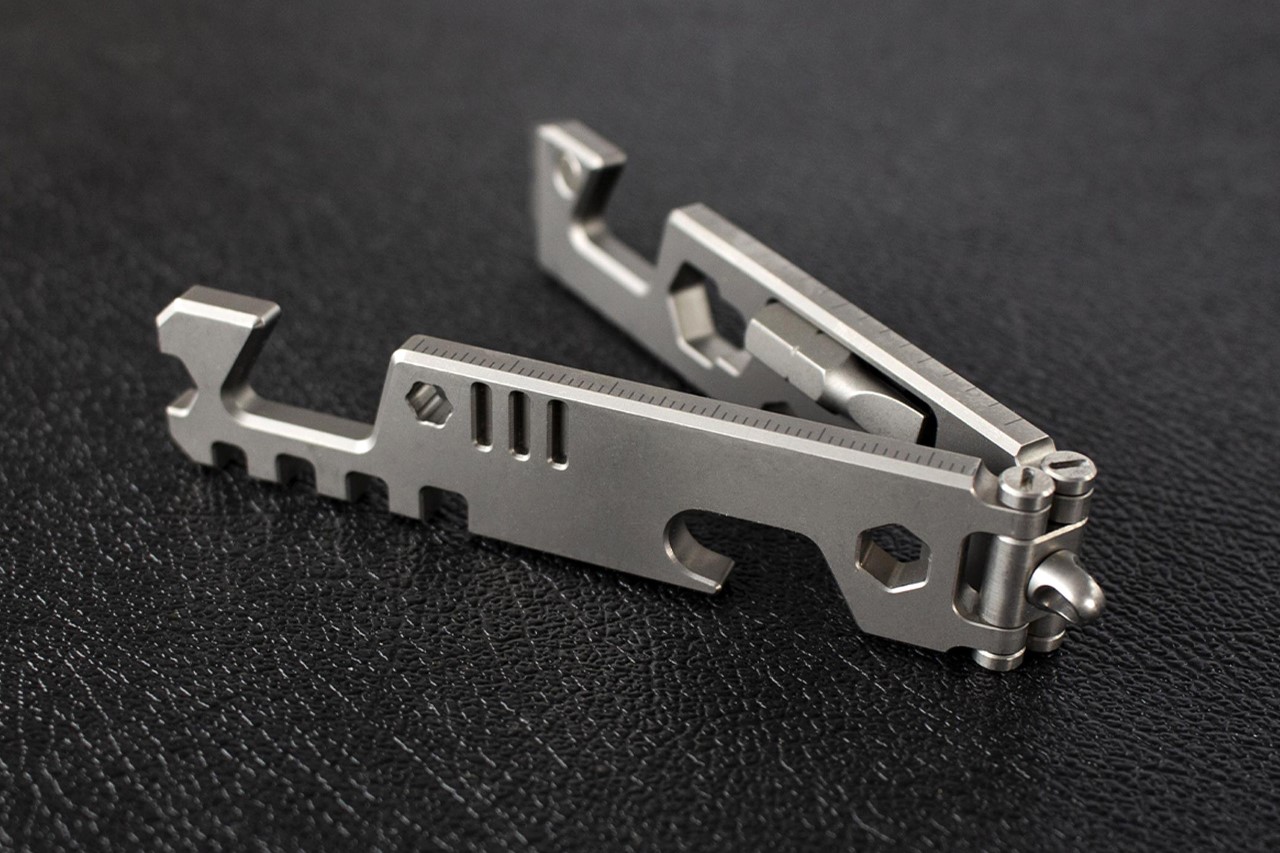
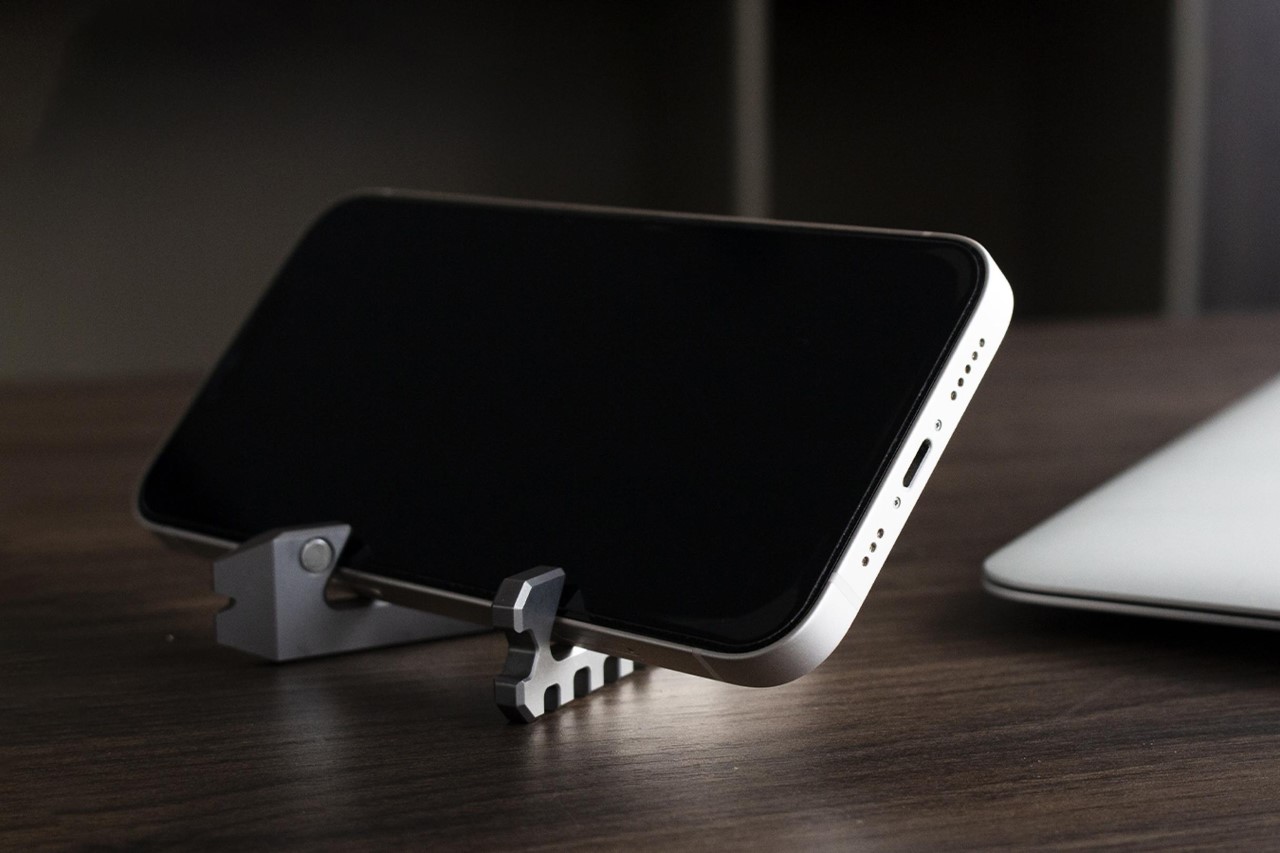
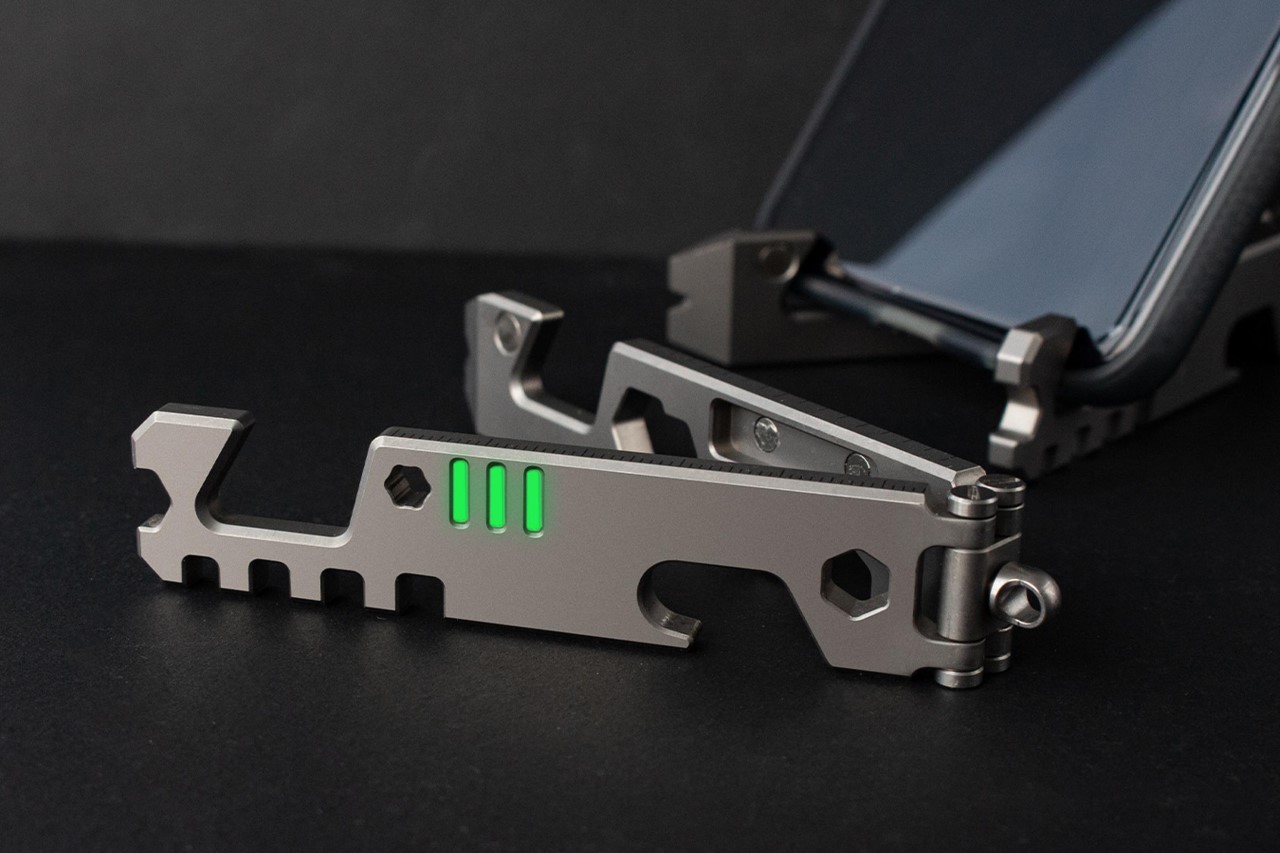
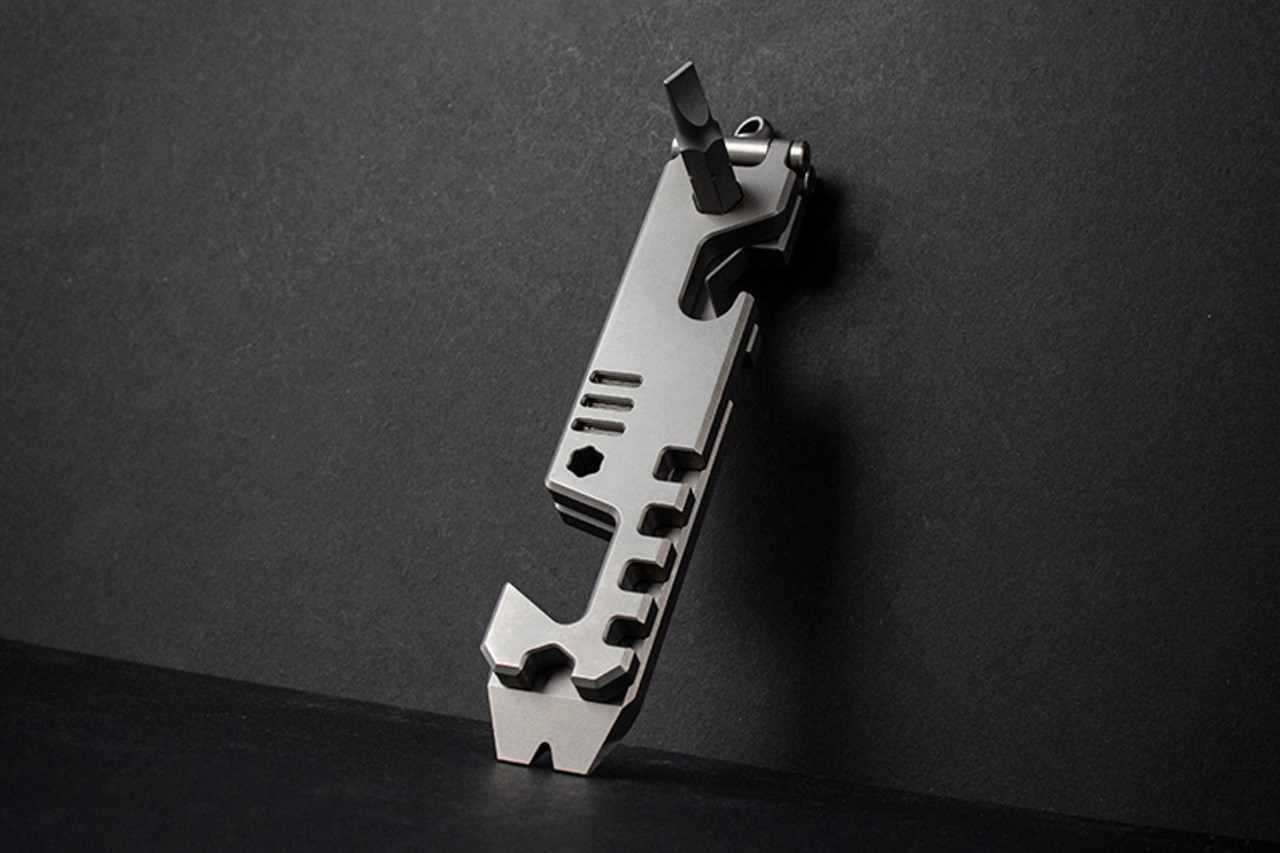
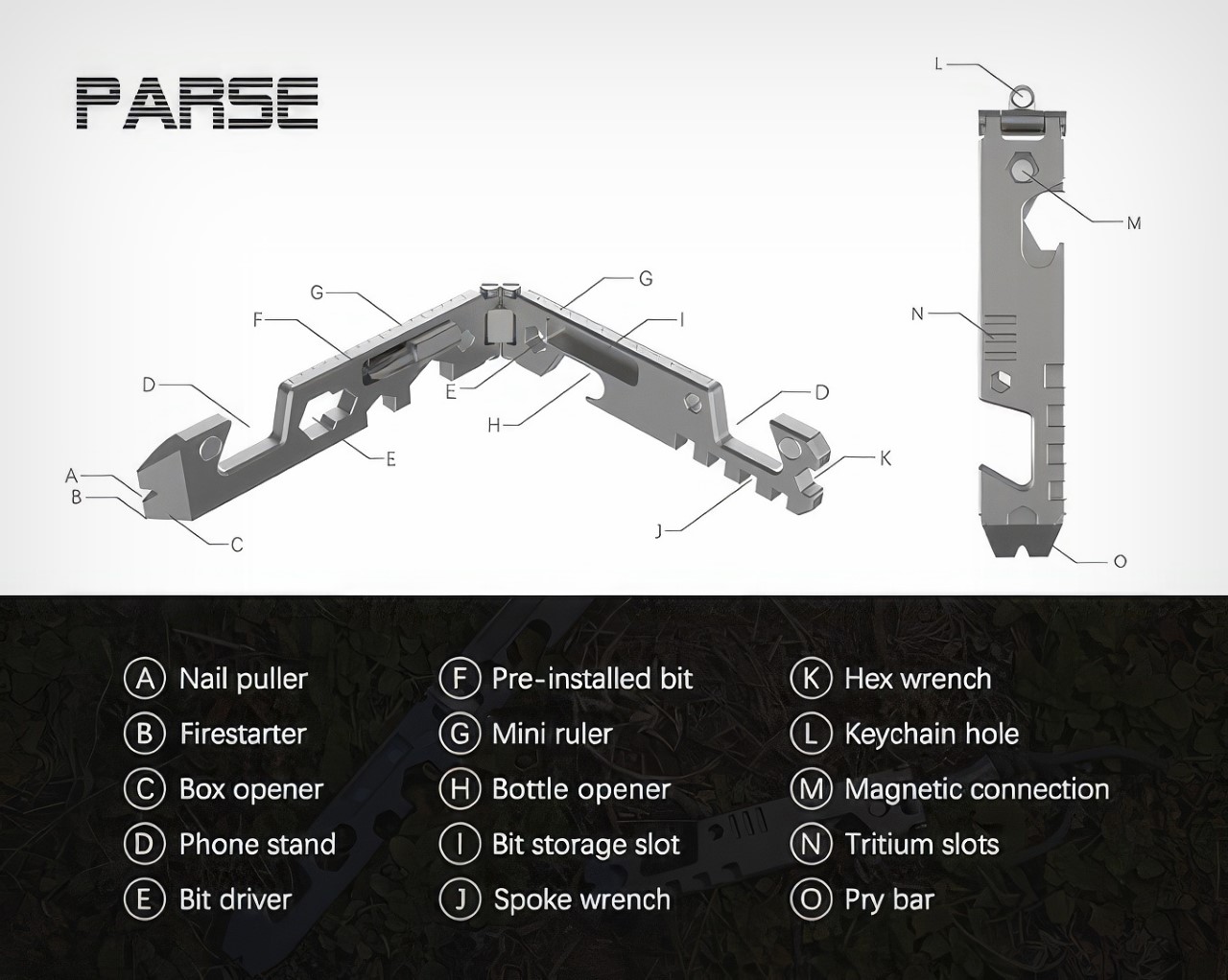
The AceStand features a two-part body that pivots at one end, opening and closing somewhat like a clamshell. Magnets hold the device together when you need to keep the AceStand shut, providing a satisfying snap that lets you close the stand while not in need. However, opening the AceStand reveals the sheer wealth of tools integrated into the stand’s overall design. With as many as 11 different tools built-in, the AceStand becomes useful pretty much anywhere. Hex wrenches let you tighten and loosen bolts, square wrenches let you work with bicycle spokes, a standard hex bit sits sandwiched between two halves of the AceStand, and can be taken out and used for working with screws. One of the AceStand’s tip serves as a pry-bar for opening tins and prying apart nails, while the wedged design helps serve as a flint-scraper to start fires, or even a dull-enough edge to open boxes. The stand opens 180° into a flat 14-inch scale that’s perfect for drawing straight lines or even measuring, thanks to the inclusion of both metric and imperial units engraved into the top. A bottle opener can also be found in the stand’s design, letting you crack open a brewski while you’re in the middle of repairing, work, or outdoor exploration… and if a chilled beer isn’t much of a mood-lifter, the stand’s pièce de résistance is the fact that when opened at an acute angle, it lets you easily dock a phone or tablet into two cutouts on the top.

Working almost like an easel for your phone, the AceStand’s cutouts let you rest a smartphone or a tablet in both landscape and even portrait modes. The cutouts are fairly wide, working just as well with thick phone cases too, making the AceStand a rather handy tool to have for when you’re bored, when you quickly want to watch a YouTube tutorial while repairing something, or when you just want to keep your kid occupied at the dinner table at a restaurant.

Carefully placed magnets inside the AceStand let you dock a hex bit of your choice, while magnets at the tip help close the EDC when you’re done using it.

The AceStand measures roughly 7.5 inches when closed, and comes with a keychain slot that lets you easily string it along with your keys or even wear it across your neck like a modern dog tag. The fact that it weighs a paltry 53.3 grams (1.8 ounces) makes it an easy carry too. The entire stand comes machined from solid Grade-5 Titanium, making it durable, waterproof, corrosion-resistant, rust-proof, and incredibly reliable (don’t worry about it breaking while in use), and a clever inclusion of three tritium slots on the outside let you add glowing vials in your EDC, so that it’s visible even in the dark.

The AceStand starts at a discounted $59, ships globally, and should easily last decades even with sustained usage thanks to the titanium construction (even though the maker doesn’t explicitly provide a written guarantee).

Click Here to Buy Now: $59 $79 (25% off) Hurry! Only 16/480 units left!

Click Here to Buy Now: $59 $79 (25% off) Hurry! Only 16/480 units left!

The post This 11-in-1 Titanium EDC Multitool Also Transforms Into A Phone/Tablet Stand first appeared on Yanko Design.

10 Iconic & Influential Women Designers Of The Last Century

8th March is celebrated as International Women’s Day, and rightly so, although in all honesty, we deserve every day to be Women’s Day! Women’s Day is the result of the efforts of a lady called Clara Zetkin, the leader of the ‘Women’s Office’ for the Social Democratic Party in Germany. In 1910, she proposed that every country should have a celebration every year on the same day – a Women’s Day, a day when women could press for their demands. Cut to 2024, and Women’s Day is a 24-hour period where we widely celebrate the women all around us, and in every aspect of our lives. And we’re taking it upon ourselves to celebrate the iconic women in our design world! These women paved the path for women in the design and architecture industry, changing the perceived status of women in this arena, and making space for their successors to push boundaries liberally and without hindrances. Although even today there is a gender disparity in the design world, with women designers facing experiences of bias and prejudice, and with the product and industrial design world being primarily 78-95% male. But let’s take a moment to celebrate these iconic women designers, creators, and innovators and raise a toast to them!

1. Zaha Hadid

The late Zaha Hadid was the first woman to win the Pritzker Prize for Architecture in 2003, and also the first female star architect who managed to transform, and deeply influence the status of women in the design world. Known as the ‘Queen of the Curve’, her unique creative vision positively impacted and changed the design and architecture world, while also establishing that a woman can conquer these worlds in her unique way and style. Her feisty personality, intense determination, and desire to challenge the design status quo supported her in consistently pushing the limits of form and function. Her first major public building  – the Rosenthal Centre for Contemporary Art in Ohio opened in 2003 and marked an important turning point, where critics and the rest of the world accepted her as the force she truly was.

2. Ray Eames

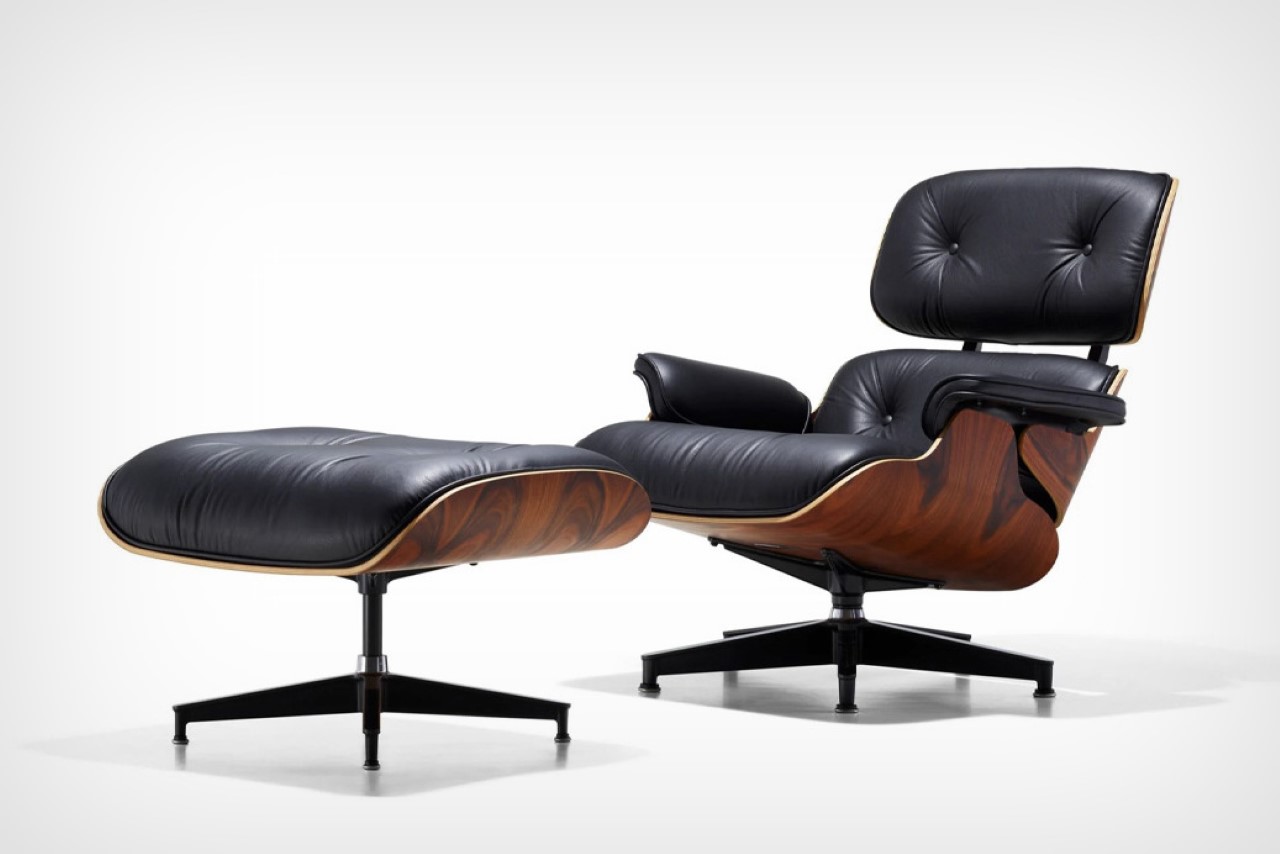
Everyone’s heard of the Eames Lounge Chair. It was the centerpiece of any office in the 1960s and 1970s, and it has still maintained its relevance and value even today. You’ve probably heard of the mastermind behind it – Charles Eames, but you may not be aware of his wife Ray Eames, who played an equally important role in its birth and creation. The duo spent most of their time experimenting with plywood, which led to their first mass-manufactured product – a molded plywood leg splint that would be purchased in abundance by the US Navy. They played around with different materials, using fiberglass, aluminum, leather, and plywood to build furniture. Even after Charles died in 1978, Ray continued to spread their design philosophy and beliefs through her writing and numerous talks.

3. Hella Jongerious

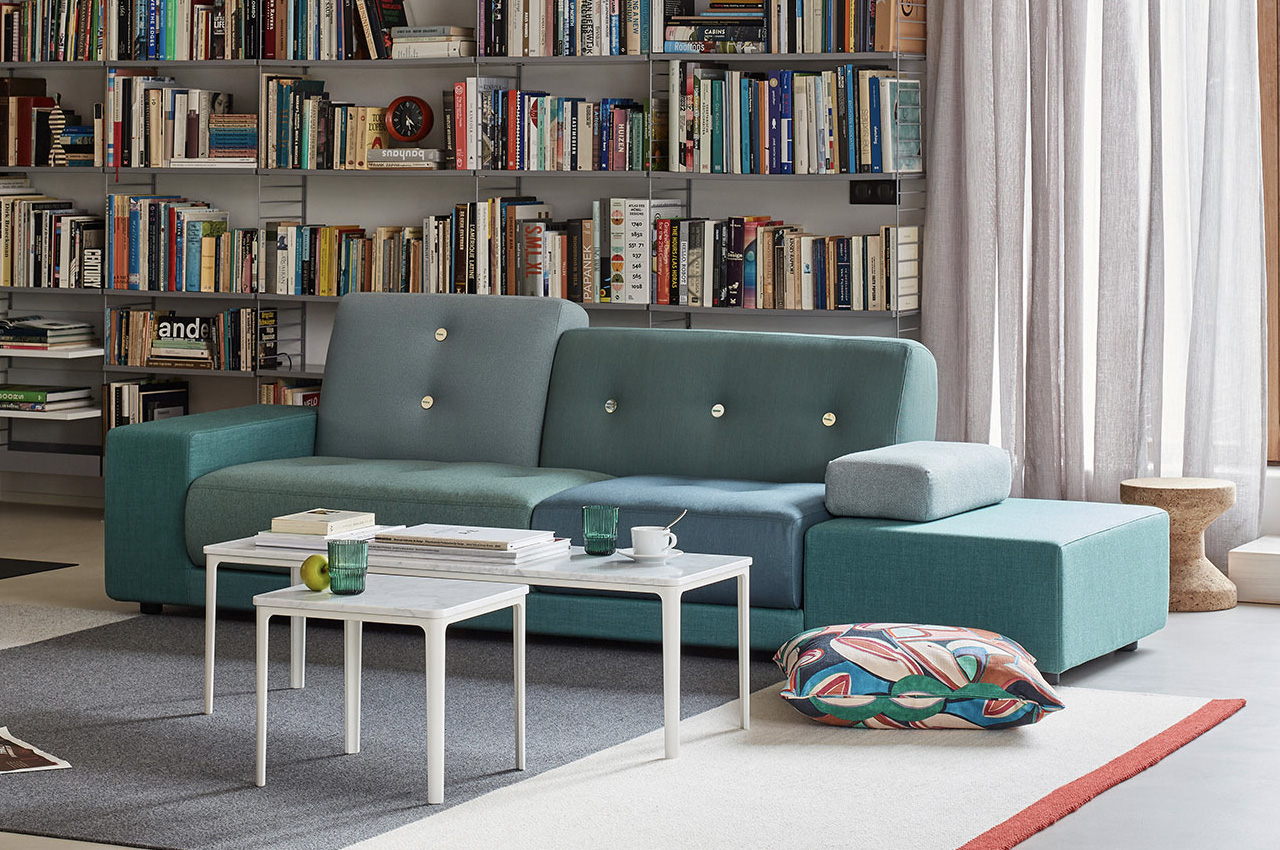
The Dutch designer Hella Jongerious is considered a master of colors and texture in her profession of industrial design. The strong-headed and independent designer once said “Design is not about objects. Design is about relations”. She founded her studio called the Jongeriuslab studio in 1993, and since then has worked with major clients such as Maharam, Danskina, IKEA, and KLM. Through her work with textiles, ceramics, and furniture, she has highlighted the importance and magnitude of colors and surfaces in contemporary designs. She designed the Polder Sofa for the Swiss company Vitra, which is one of her most distinctive and popular pieces. It is inspired by her home country – the Netherlands and is a beautiful mixture of asymmetrical shapes and cushions in various colors and fabrics.

4. Neri Oxman

Israeli-American architect, designer, and professor Neri Oxman is the founder of the Mediated Matter Group at the MIT Media Lab. Her work is incredibly pioneering, and she had to coin the word “material ecosystem” to describe it. She combines technology, biology, and design to create astounding projects such as the Silk Pavilion and the Wanderers Wearable Skins, which pushed the boundaries of what fabrication and design could do. Her 3D-printed wearable skins are designed for interplanetary pilgrims, and they have been merged with synthetically engineered microorganisms to make the hostile habitable.

“Nature does not come together. “It expands,” she said at Design Indaba. “At this point, there is a collision between the worlds of civilization and nature.” It is a gradual process, but they are coming together.”

5. Kazuyo Sejima

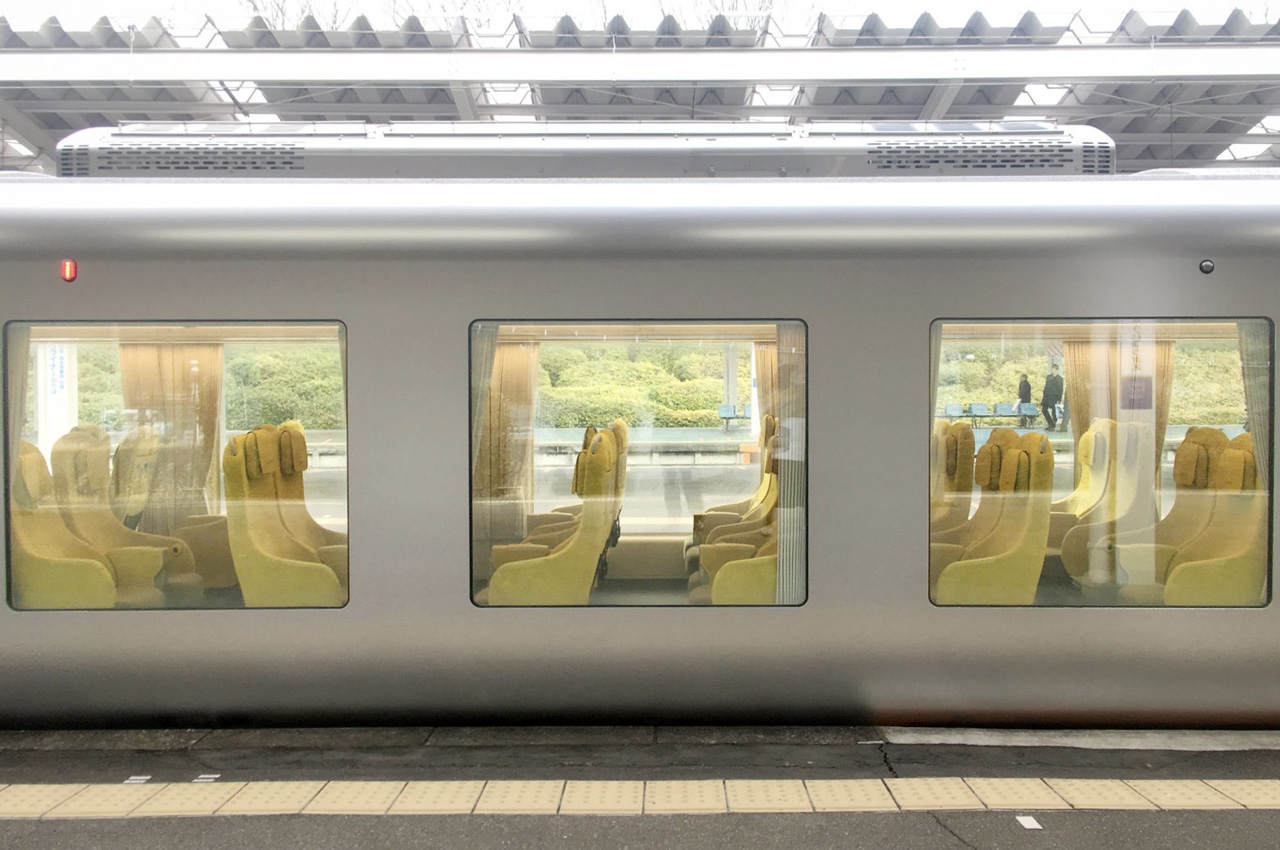
Kazuyo Sejima is a Japanese architect, and also the second woman to win the Pritzker Architecture Prize in 2010, following Zaha Hadid’s lead a few years later. Sejima claims, “Being an architect. I am just interested in making architecture.”, and this comes through in her clean, minimalist, and yet innovative design style. Her works are highlighted by a subtle and minimal character, and they often playfully blur the boundaries between interior and exterior spaces. One such project is the Laview commuter train, which features massive windows, and a curved edge glass nose. The commuter train was designed to make the passengers feel like they’re at home, instead of on a train moving between Tokyo and Saitama. The carriages were created to make the passengers feel comfortable and at ease, mimicking the experience of sitting in your own house.

6. Florence Knoll Bassett

Florence Knoll Bassett was an American architect and furniture designer who completely revolutionized and transformed the design of workplaces, in turn shaping the mid-century modern design movement. She was trained by the three giants of European Modernism – Marcel Breuer, Walter Gropius, and Ludwig Mies van der Rohe, which helped her immensely as she began working for her husband’s furniture company, which was later named Knoll Associates. She created the concept of the modern open-plan office, truly reimagining workplace spaces. Her open-plan ‘Knoll look’ interior completely rejuvenated the office landscape of corporate America, and the impact still lingers on how offices are designed today. She took over Knoll Associates after her husband died in 1955, and the company continued to grow and flourish under her leadership.

7. Greta Magnusson-Grossman

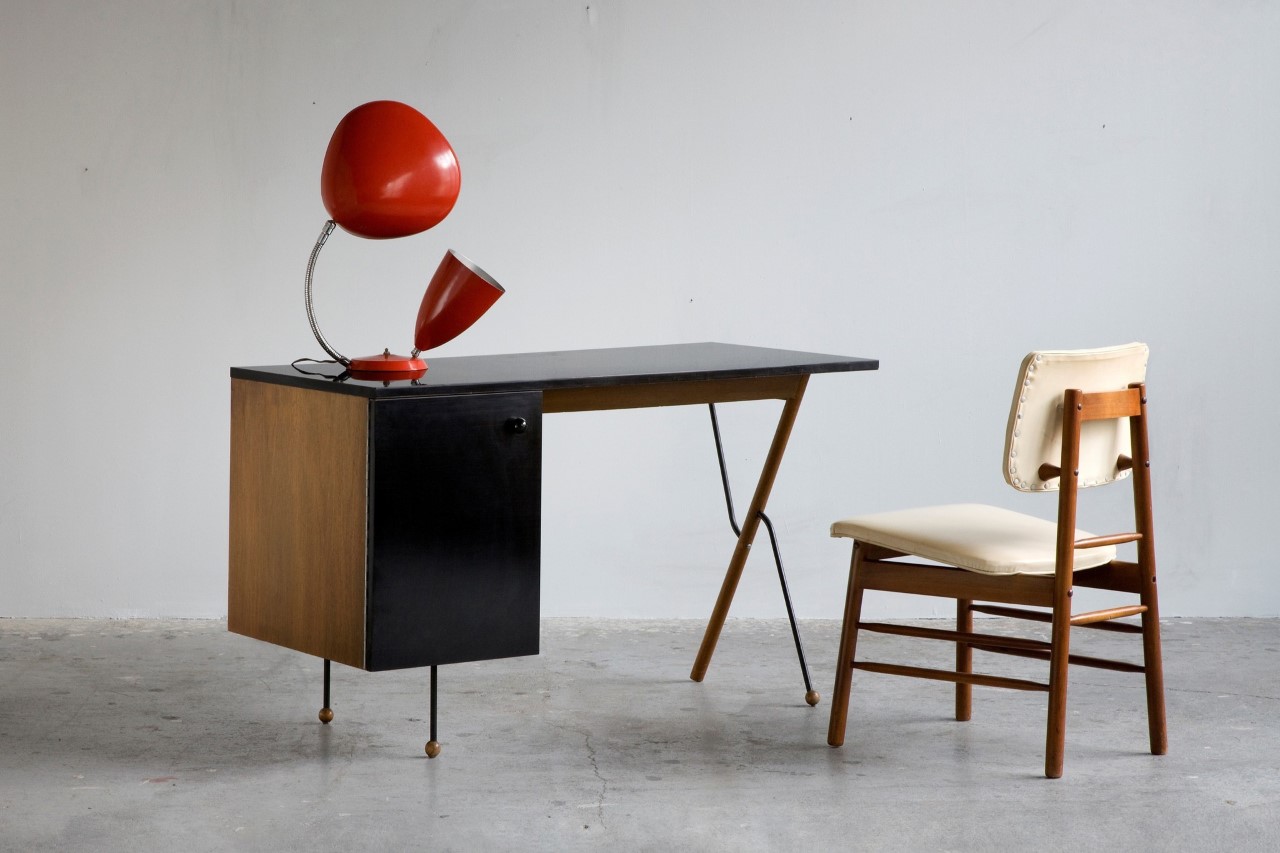
Greta Magnusson Grossman, a Swedish designer, seamlessly merged Scandinavian sensibilities with the midcentury design movement in California in the 1940s. Grossman was not only renowned for her furniture designs but also for her architectural projects, particularly homes in the Los Angeles area, which embraced open floor plans and integrated with the surrounding landscape. Despite her success in architecture, Grossman is best known today for her lamp designs, notably the Grasshopper floor lamp and the Cobra table lamp, both of which have gained iconic status in the midcentury-modern design canon. Towards the end of her career, Grossman also taught furniture design at UCLA from 1957 to 1963.

8. Suzanne Vanderbilt

Suzanne Vanderbilt, a trailblazing auto designer at GM, began her career as one of the original Damsels of Design. Vanderbilt joined GM after graduating from Pratt Institute in 1955 and worked on automotive interior design for Chevrolet and Cadillac. Her innovative work included patents for ergonomic automobile seats and safety switches, although these were never produced. Despite facing setbacks and sexism, she persevered, rising to become chief designer of Chevrolet’s Interior Studio by 1972. Vanderbilt’s career was marked by a pursuit of perfection and creativity, reflected in her dedication to automotive design. Her pursuits in the male-dominated automotive industry helped pave the way for other women designers like Diane Allen and Michelle Christensen.

9. Diane Allen

Diane Allen is a senior designer manager at Nissan Design America in San Diego, and she also manages the design programs for the Nissan brand assigned to NDA by the Nissan Global Design Center in Japan. She designed the 2016 Nissan Titan, which is a heavy-duty pick-up truck made from pure gearhead muscle, and capable of hauling everything from boats to horse trailers! She manages the design process of the TITAN family of trucks – overseeing the design concept and sketch development to the production sheet metal, and designing and prototyping of all the different parts, accessories, and wheels! She also managed the Nissan 350Z and 370Z sports coupes, the Rogue crossover SUV, and the Infinity QX56 SUV.

10. Michelle Christensen

Michelle Christensen made history by becoming the auto industry’s first female to lead the development of a supercar when she headed the 2017 remodel of the iconic Acura NSX. It is a second-gen hybrid supercar that was named “Performance Car of the Year” by Road & Track. The launch of the automotive was highly awaited, as it was being re-released 25 years after its original debut. She graduated in transport design from the Art Center College of Design in Pasadena, California, and went on to work for Honda, General Motors, and then Acura – the luxury division of Honda.

The post 10 Iconic & Influential Women Designers Of The Last Century first appeared on Yanko Design.

LG’s new Bluetooth speaker will sync with battery-powered StanbyMe lifestyle TV for immersive sound

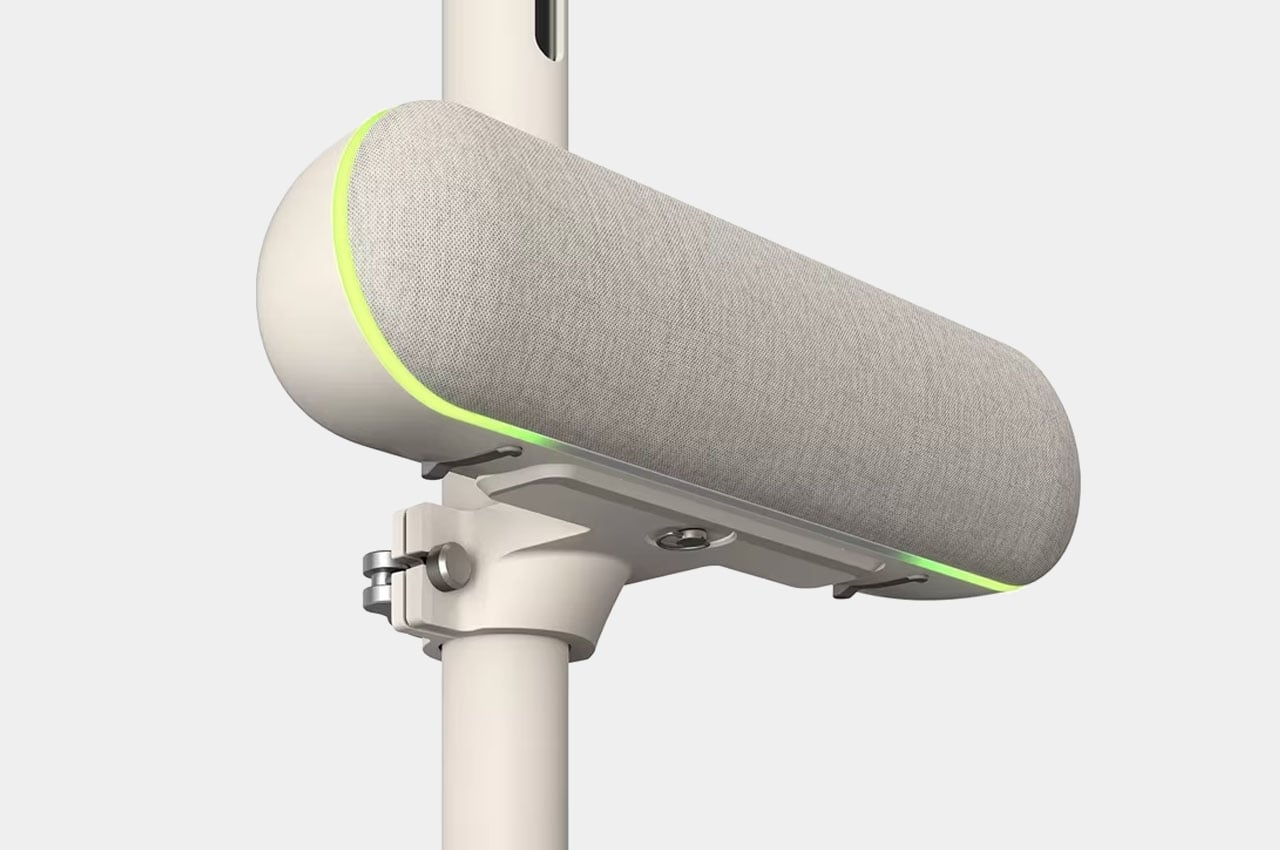
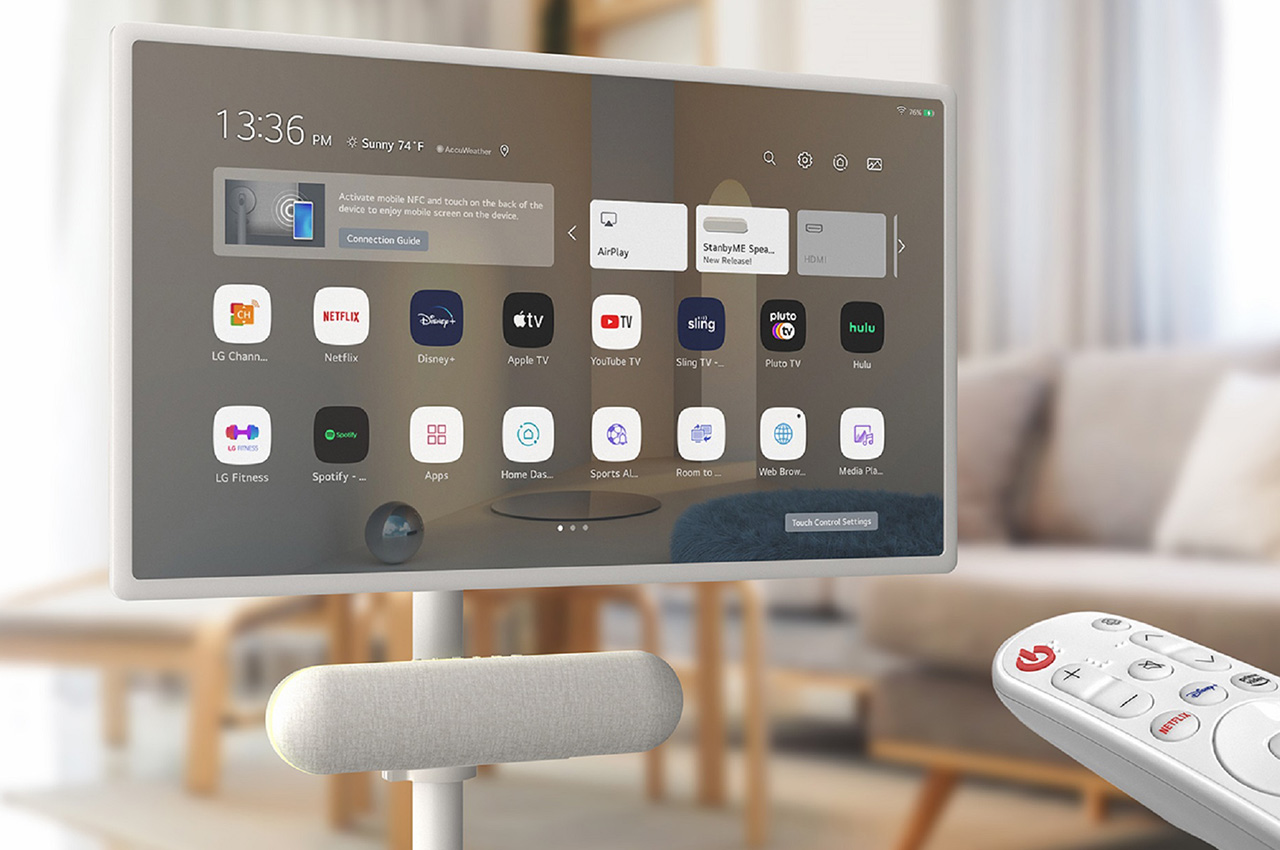
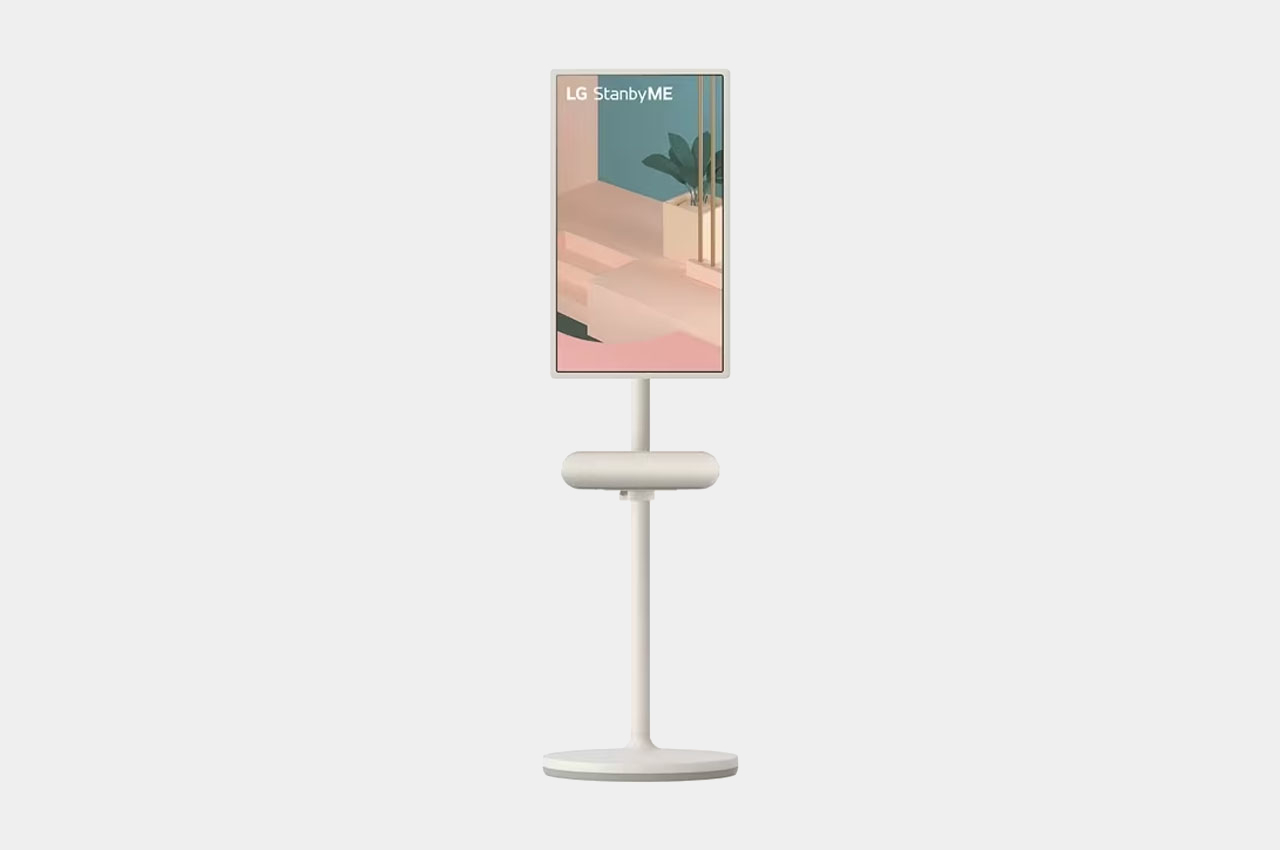
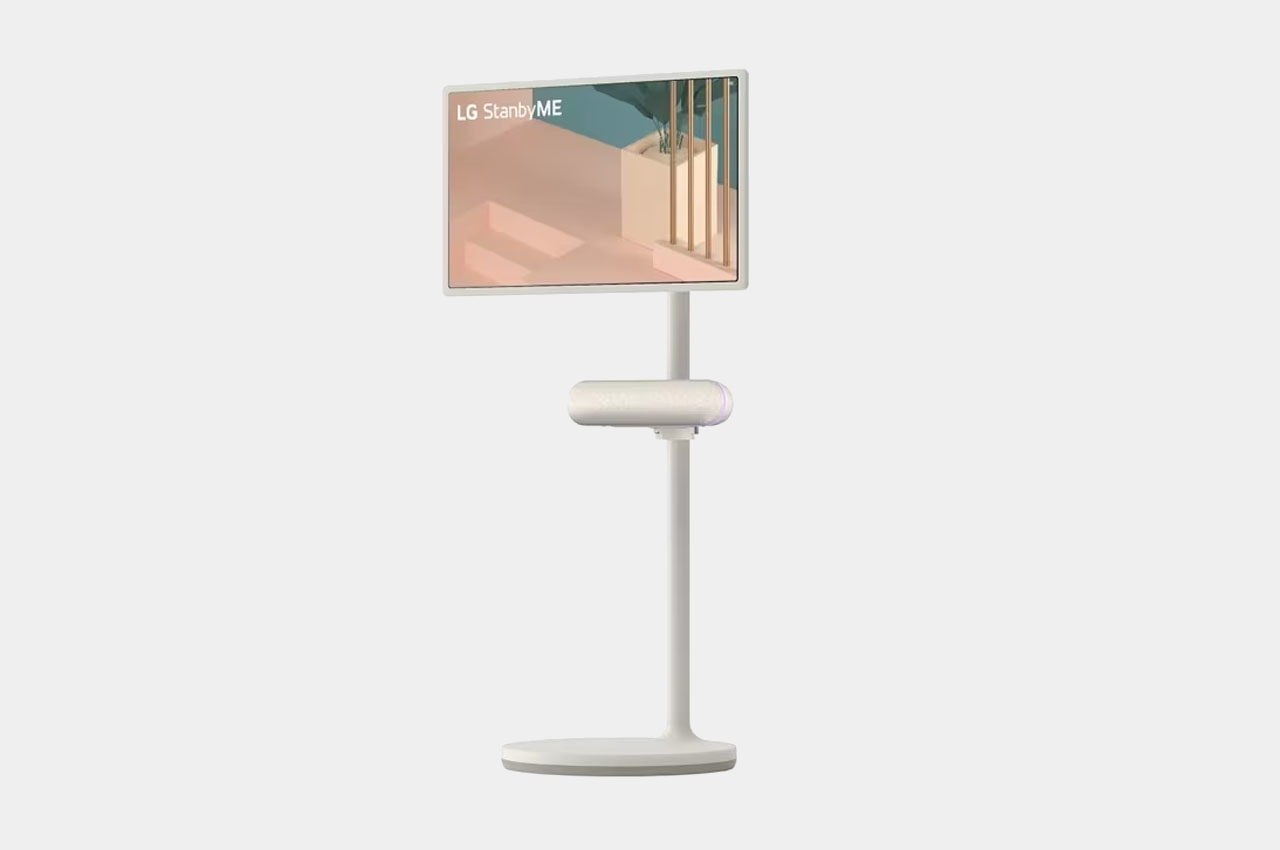
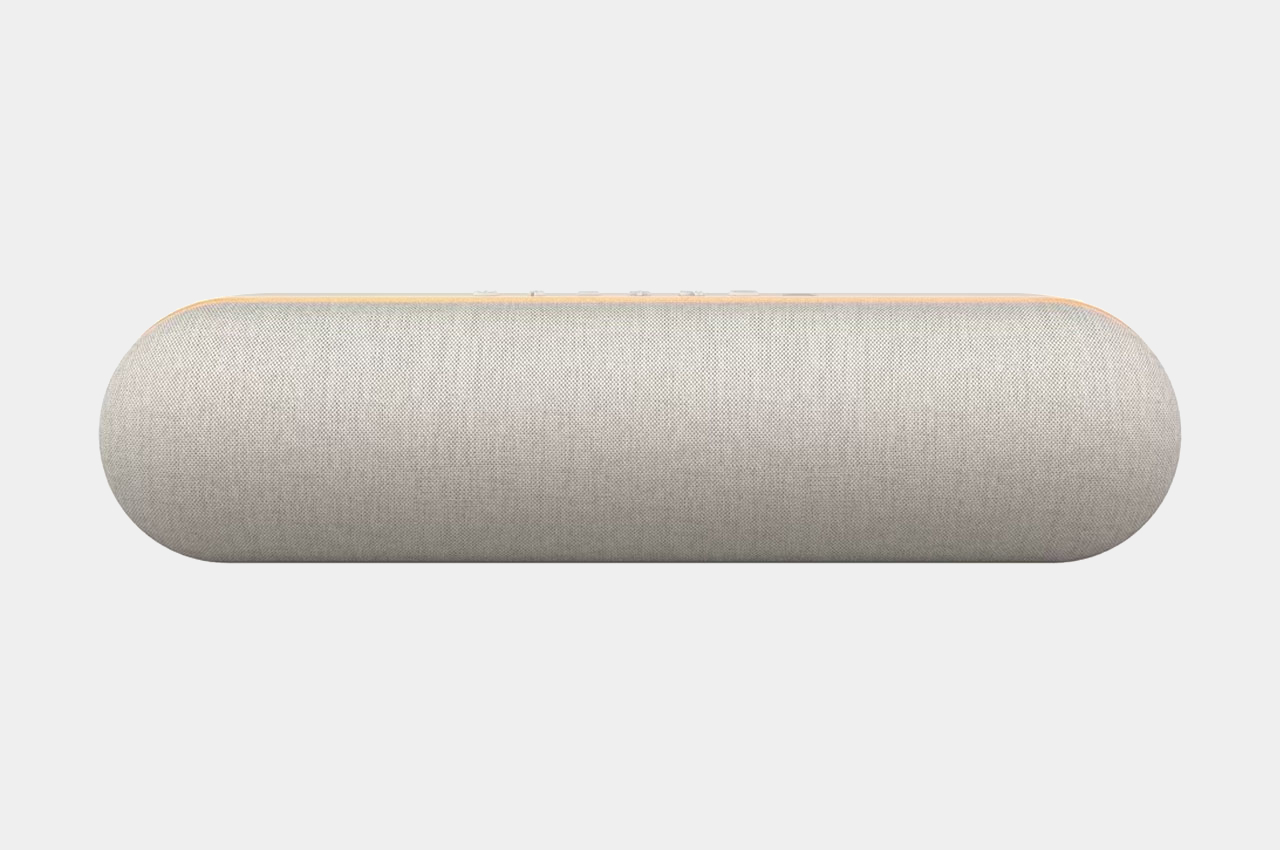
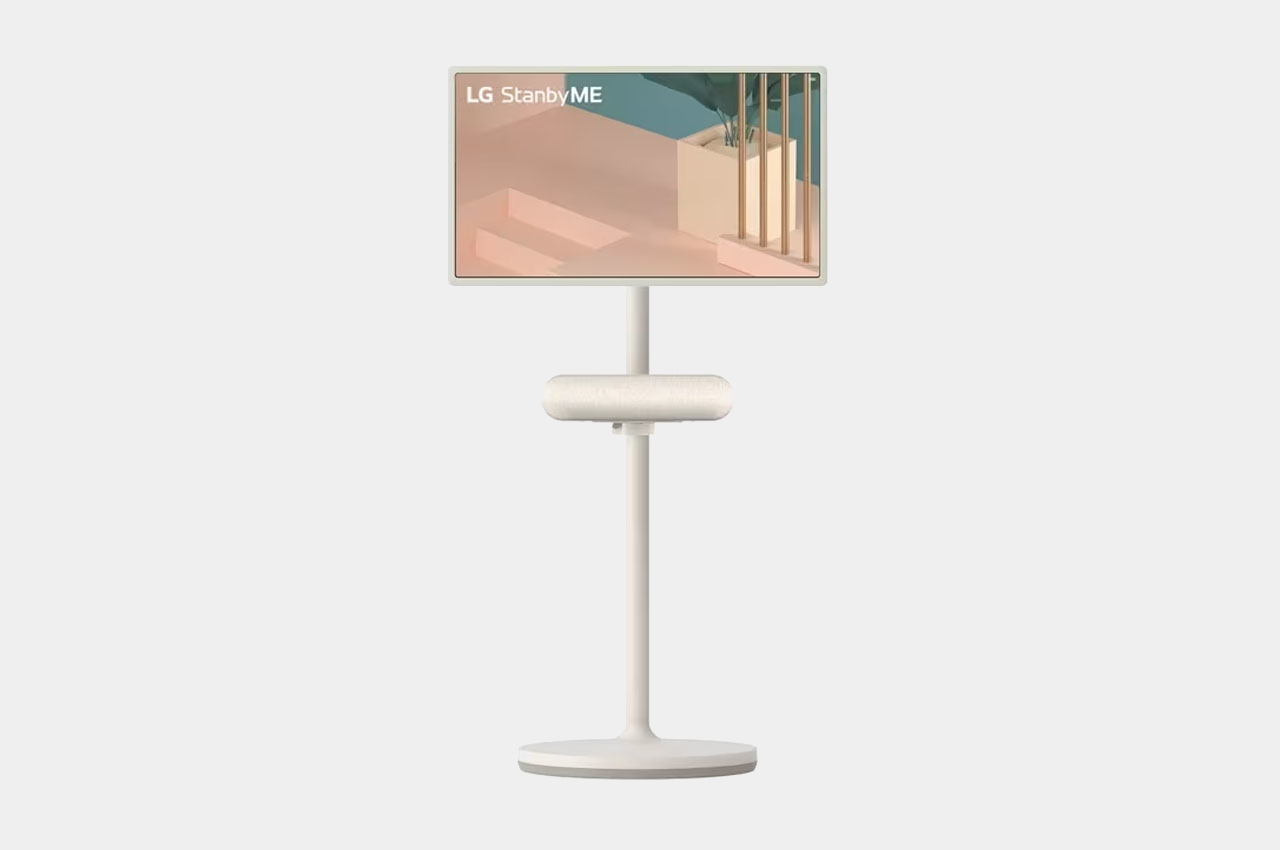
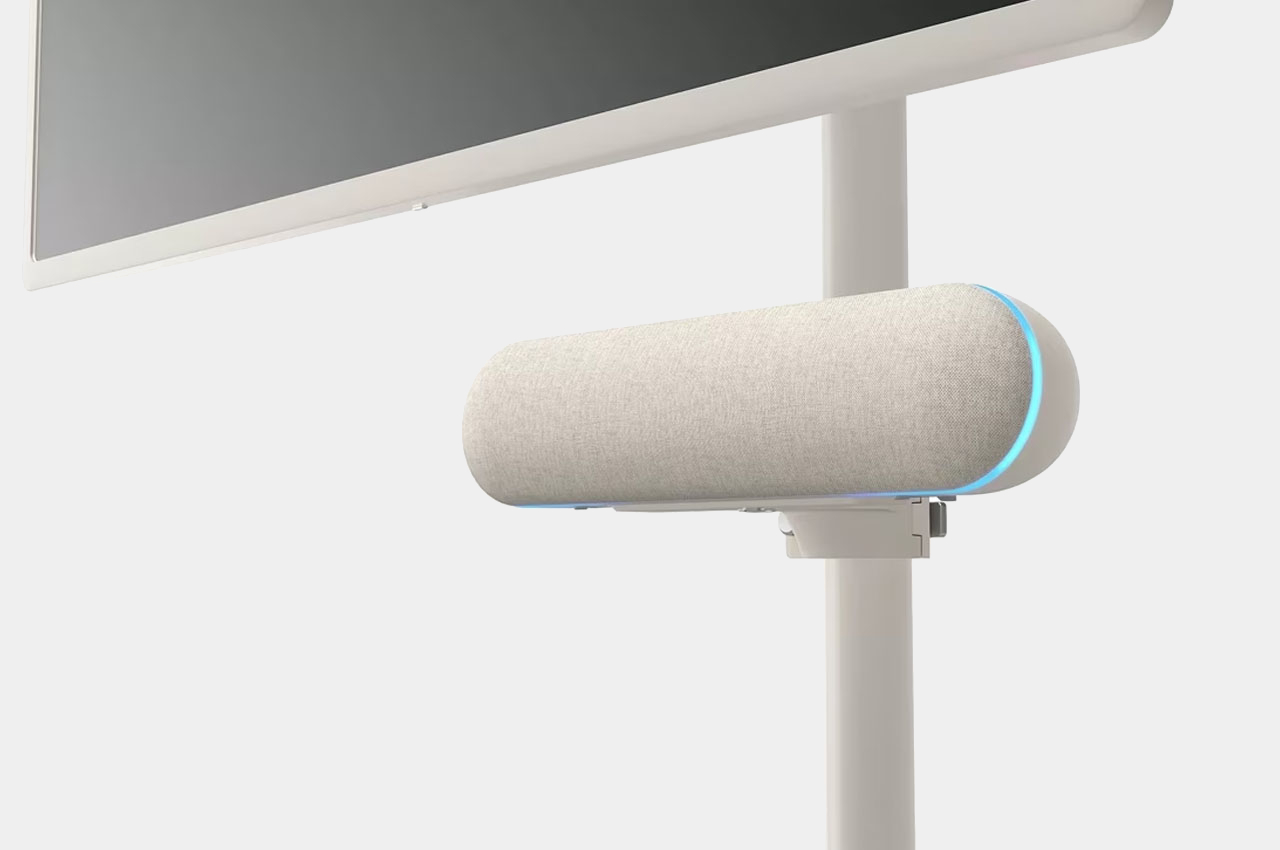
LG placed battery in a television set and the StanbyMe was born. The portable, touchscreen display, Korean tech giant sells for $1,000, is completely wireless and comes on a height-adjustable stand so it can swivel in landscape and portrait orientation to facilitate viewing angle depending on the content you are watching. Adding to the versatility of this battery-powered TV, LG has launched StanbyMe Speaker. A soundbar that works standalone or can hook up to the StandbyMe stand using its own mounting cradle.

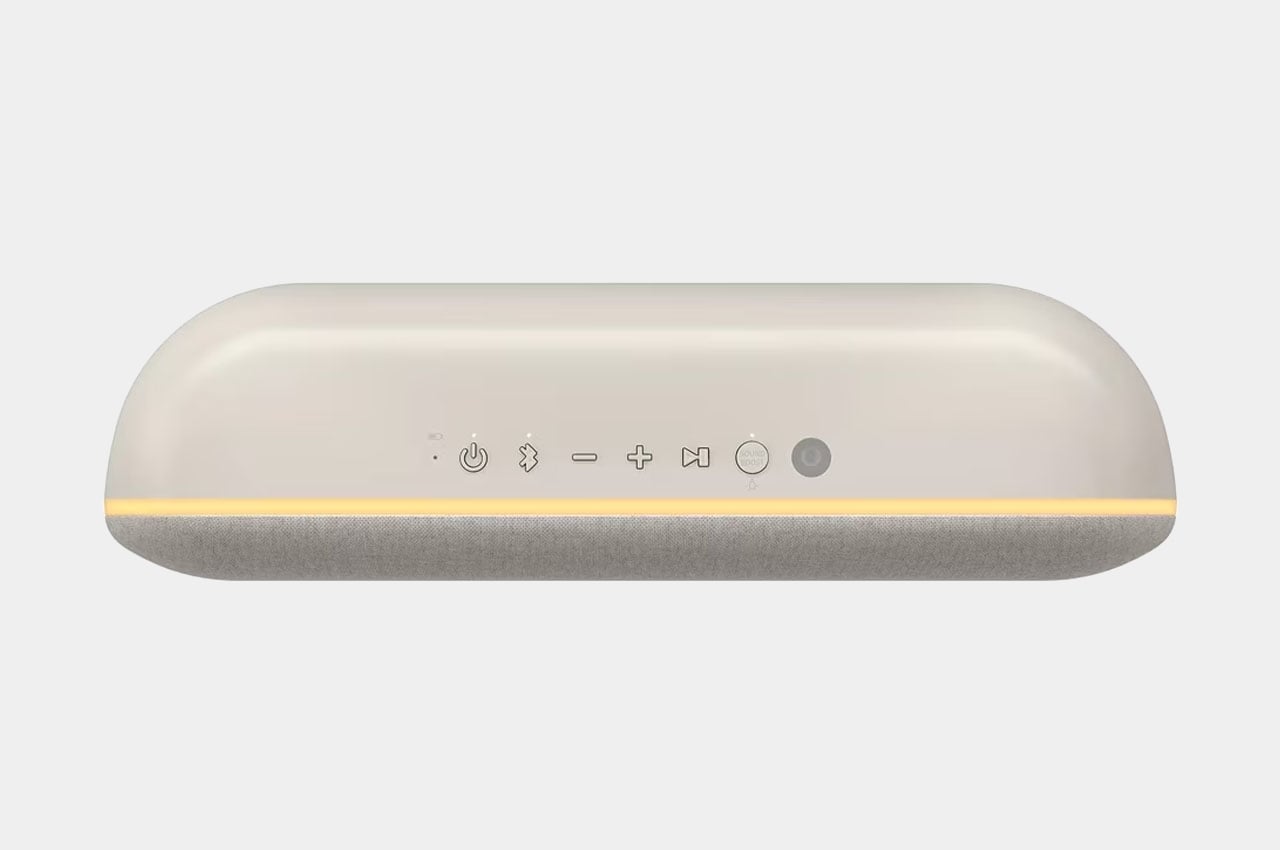
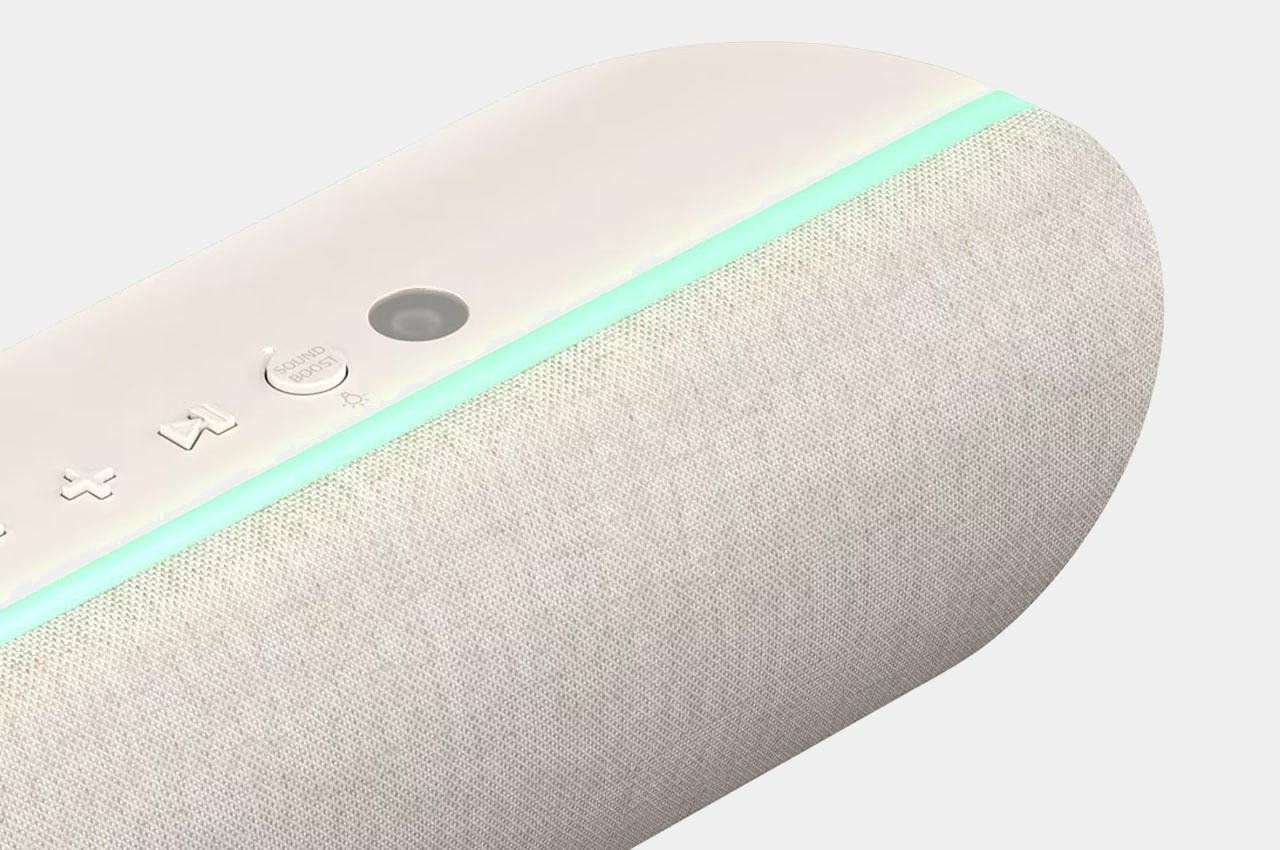
The cylindrical portable Bluetooth speaker wirelessly syncs with the StanbyMe display offering it a powerful sound without compromising the quality of the internal volume. The speaker weighs roughly 2.2 pounds making it extremely lightweight and portable to take anywhere you like. It comes with an IPX5 rating, so you can carry it to the poolside, but don’t take it further from there. An accidental splash is doable but it won’t survive being submerged in water.

Designer: LG

Connected to the StanbyMe, and using LG’s Wow Orchestra feature, the audio is delivered in harmony through the StanbyMe Speaker and the display’s internal speaker. When the two are linked, the display’s remote can be used to control the onboard speakers and the immersive audio output of the external speaker.

LG claims, the StanbyMe Speaker can provide 16 hours of playtime under normal usage. The Bluetooth speaker can be recharged using USB-C. The impressive run-time means you can use the speaker for viewing a series on OTT, game for hours without a stop, to join friends at home for a house party playing music all night. For the latter, the speaker has LED lights customizable (via app) to the vibe of the music you’re playing and create the desired atmosphere.

Taking care of the most integral aspects, the stereo sound of the StanbyMe Speaker is two 20mm tweeters paired with a single woofer. The dual passive radiator on the speaker helps deliver a deeper and more compelling bass, LG notes. LG StanbyME Speaker is now available in the U.S. and Korea. Through the website, LG.com the speaker is retailing for $200 in the US. The company has a plan to roll out the speaker in other markets globally, but when, is not clear at the time of writing.

The post LG’s new Bluetooth speaker will sync with battery-powered StanbyMe lifestyle TV for immersive sound first appeared on Yanko Design.
A Stationery Collection That Stands Out Through Poetry In the Saturated Market

In contemporary lifestyles dominated by digital communication, stationery remains a tangible and cherished commodity. The OZ Stationery collection is a testament to the creativity that can be put into an often-overlooked market. The journey of creating this unique collection began with a comprehensive study of the stationery market, aiming to find a distinctive niche in an already saturated industry.

Designer: Kashyap Masiwal

Market analysis and a thorough SWOT analysis revealed that the creative stationery market is experiencing rapid growth, with a Compound Annual Growth Rate (CAGR) of 13.8%. Furthermore, individuals associated with creative stationery tend to be the highest spenders on personal stationery. Leveraging this insight, the OZ Stationery collection was designed to cater specifically to the creative demographic.

Extensive research unveiled that stationery is not just a utilitarian item but also one of the most gifted commodities. With this in mind, the creators of OZ Stationery aimed to develop products that not only served practical purposes but also reflected the personality and artistic inclinations of the user.

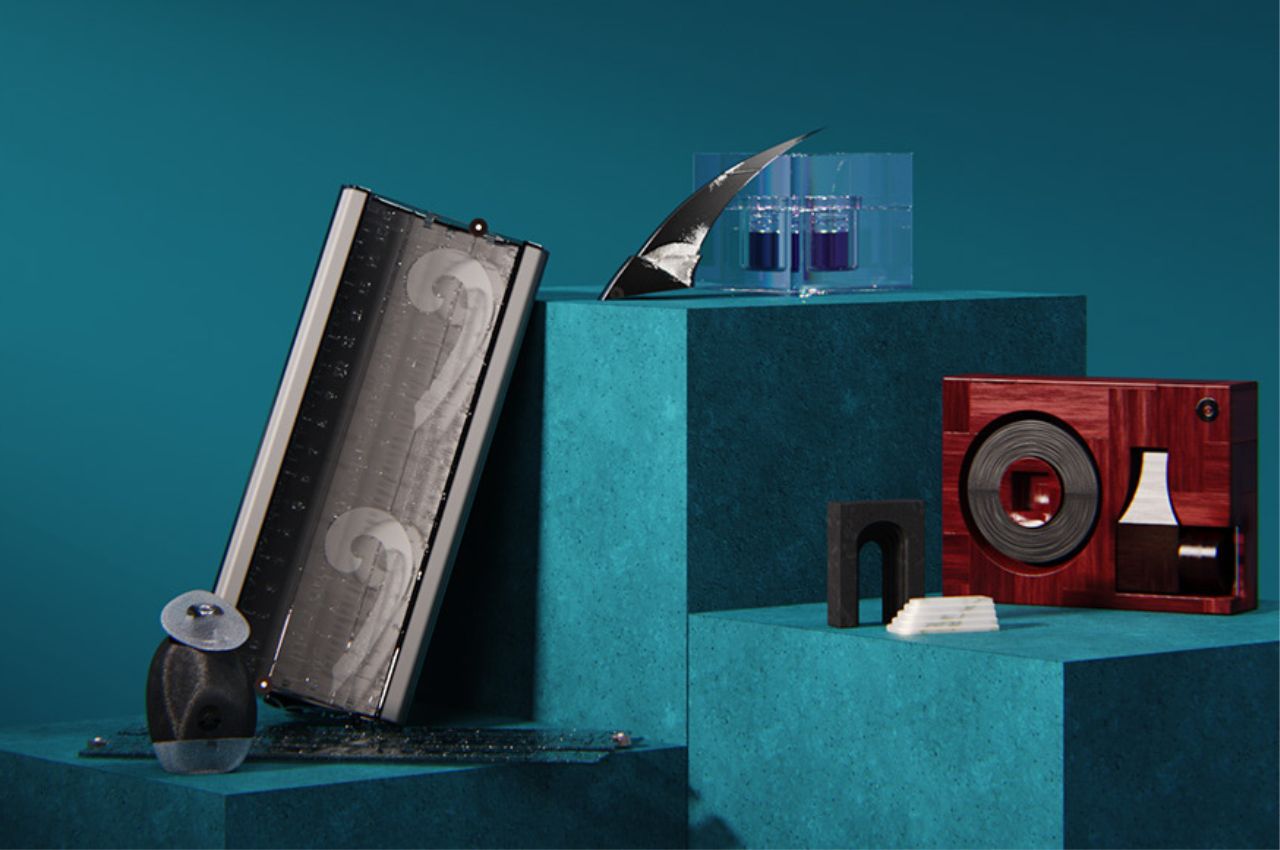
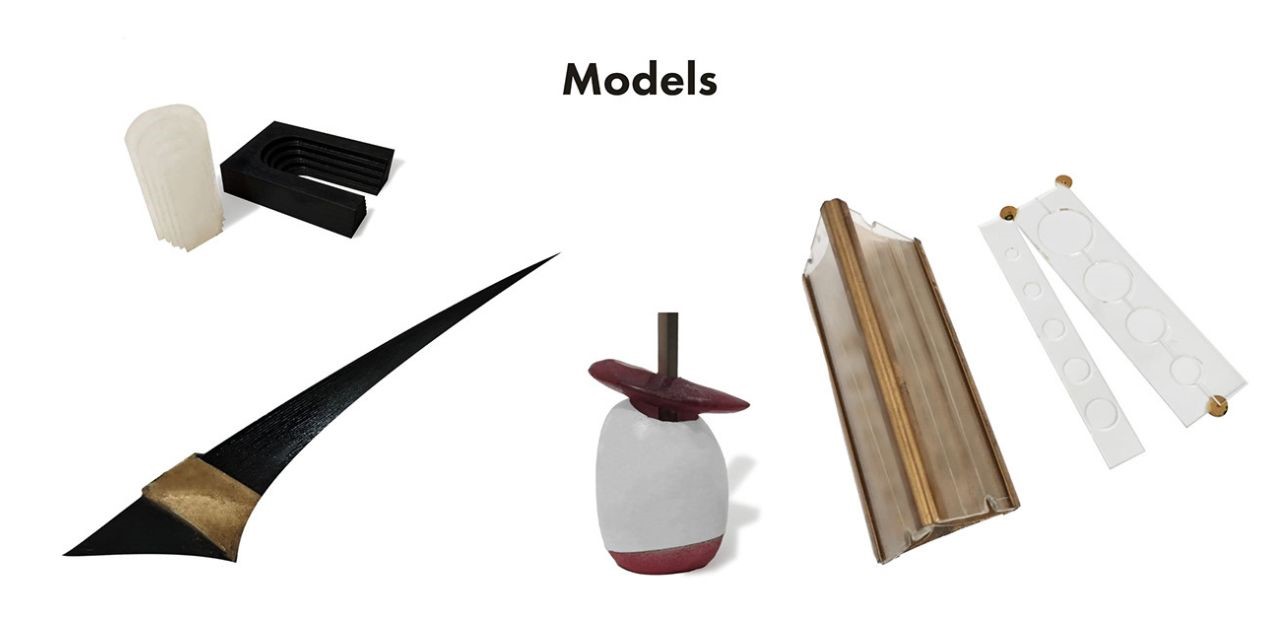
The core idea behind OZ Stationery was to create a series of personal stationery products representing popular art movements and their philosophies. The target audience was identified as creatives who resonate with specific artistic emotions, movements, or artists. This collection serves not only as a means of self-expression for the user but also as a thoughtful and unique gifting option. Choosing conceptual art as the overarching theme, the creators delved into the idea that the concept behind the artwork is more crucial than the finished product. This led to the development of three key concepts for the stationery collection: Clear Ideas, Deconstruction, and Expressions.

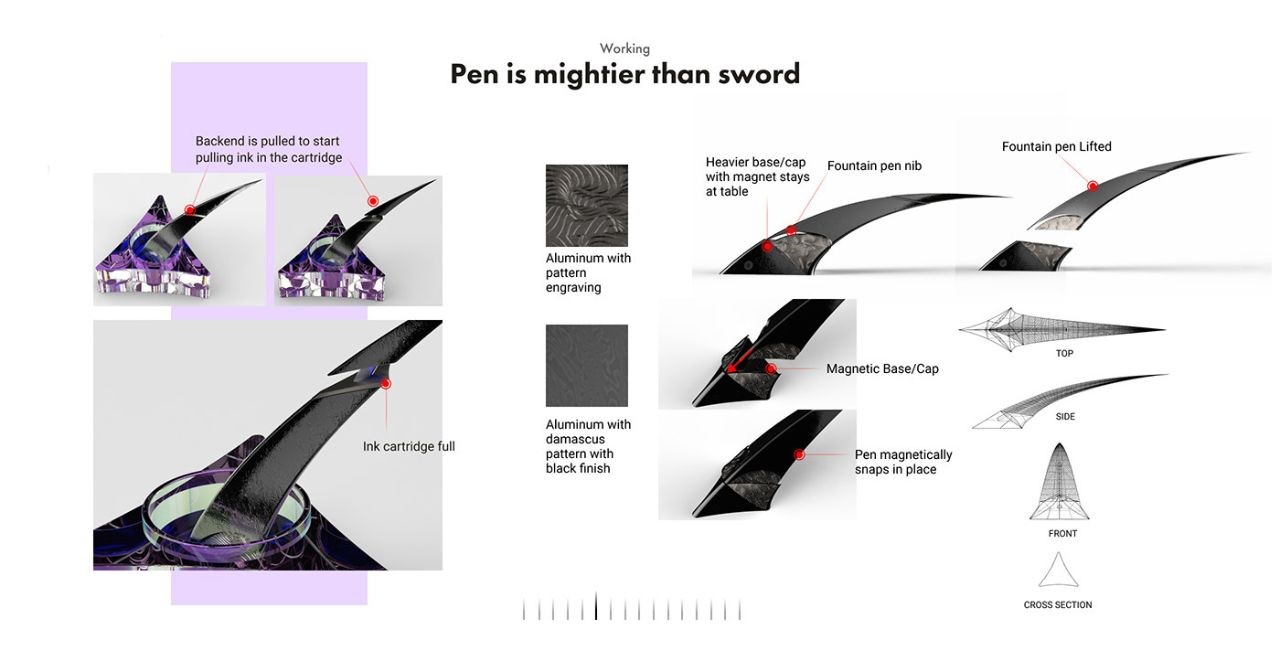
Pen: The Mightier Than the Sword

Drawing inspiration from the sword’s swooping motion and the iconic Excalibur (Excalibur is the mythical sword of King Arthur that may possess magical powers or be associated with the rightful sovereignty of Britain.), the pen incorporates a magnetic base and cap, providing a unique and secure closure.
The pen is crafted from aluminum with pattern engraving, emphasizing both form and function.

Inkpot: Ink it Down

Taking inspiration from the cross-section of a pen, the inkpot is designed in a prism shape, harmonizing aesthetics and functionality.

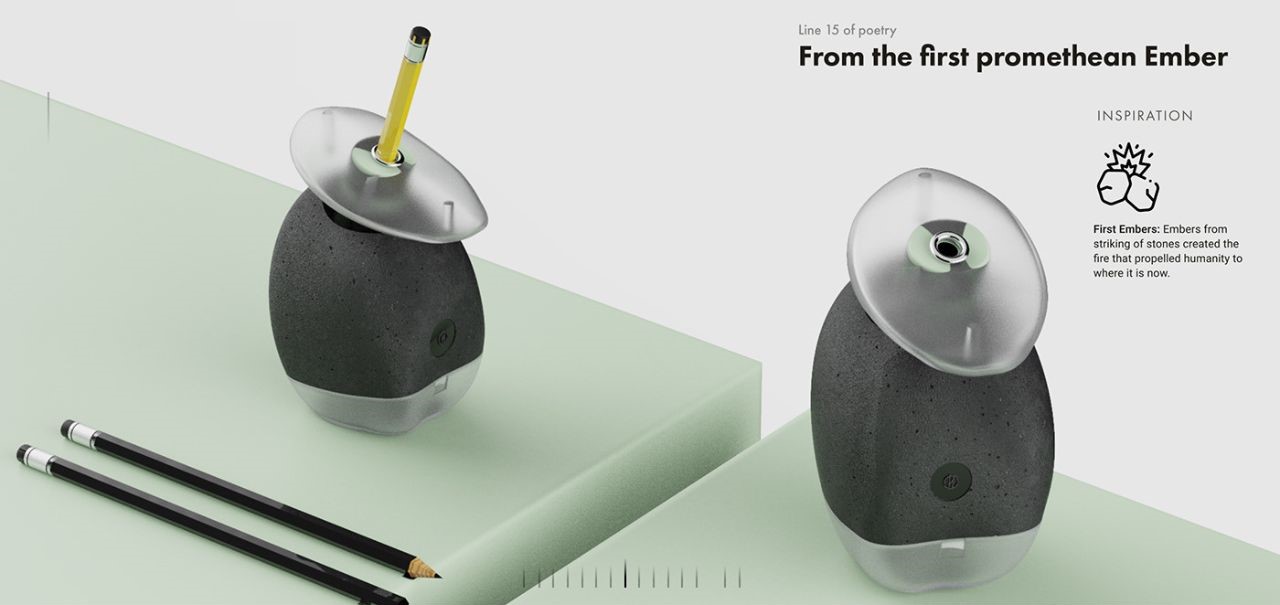
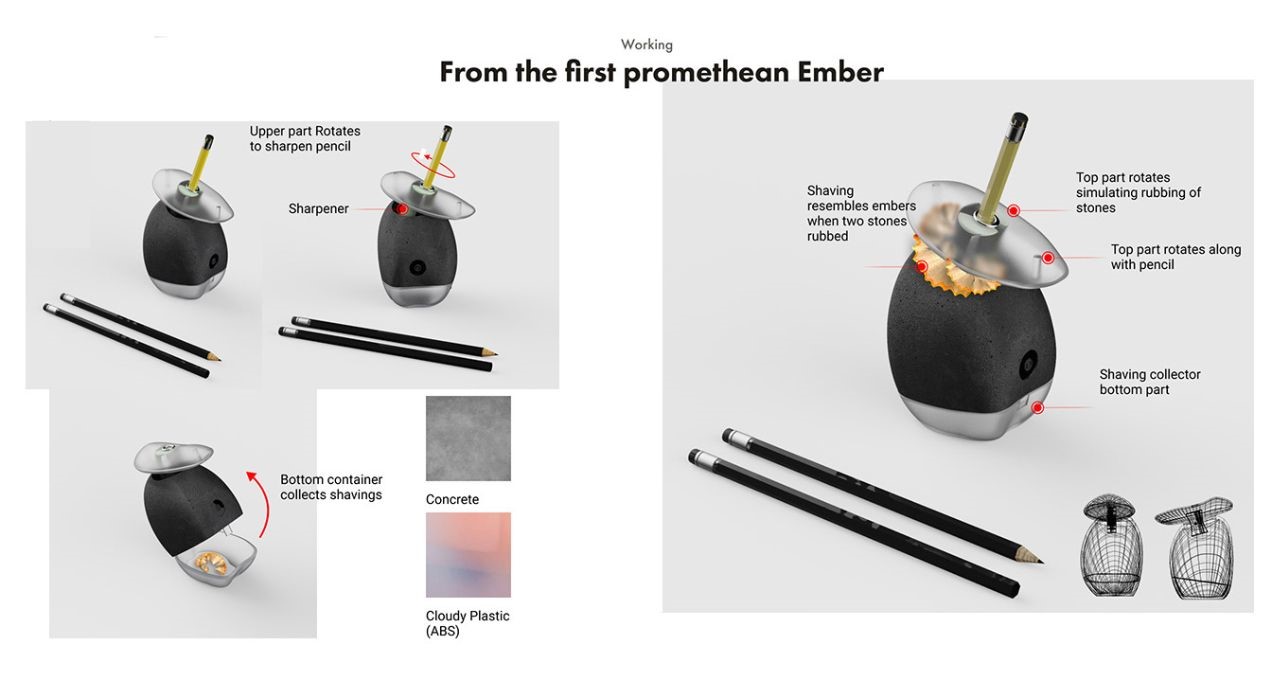
Sharpener: From the First Promethean Ember

The sharpener draws inspiration from the first embers produced by striking stones, utilizing concrete and cloudy plastic materials.
The top part rotates to sharpen a pencil simulating the rubbing of stones, while the bottom container collects shavings resembling embers.

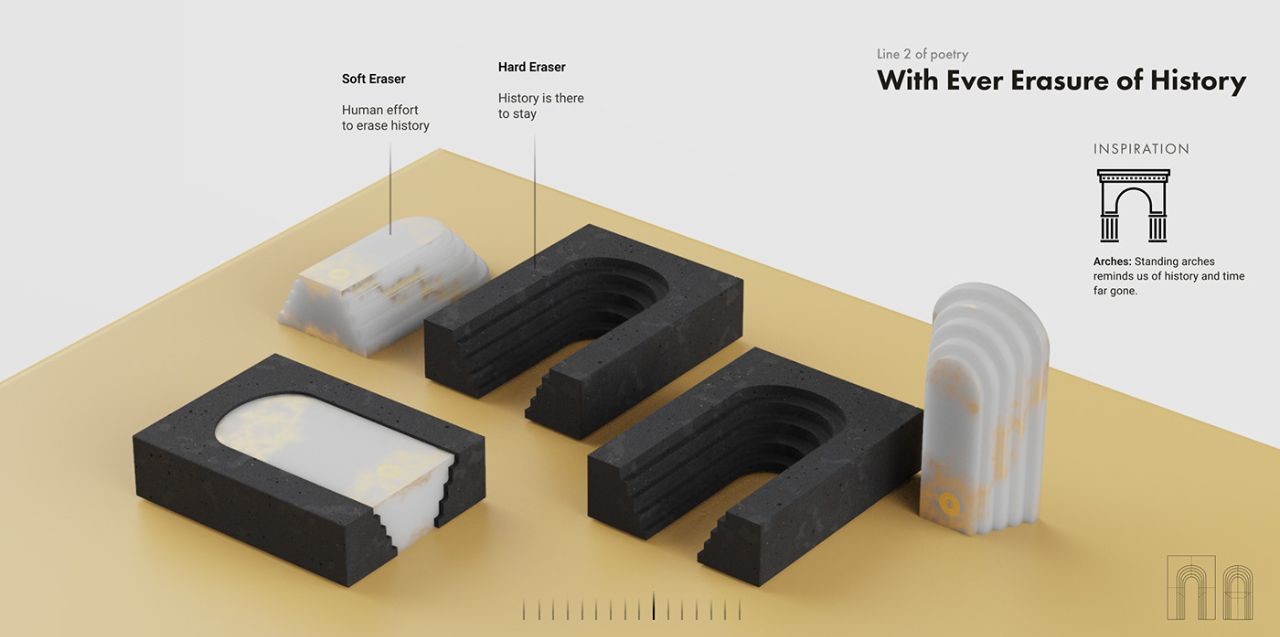
Erasers: Poetic Significance in Every Detail

Soft and hard erasers symbolize the human effort to erase history and the permanence of historical events. Both erasers perfectly fit together, representing the continuous erasure of history.

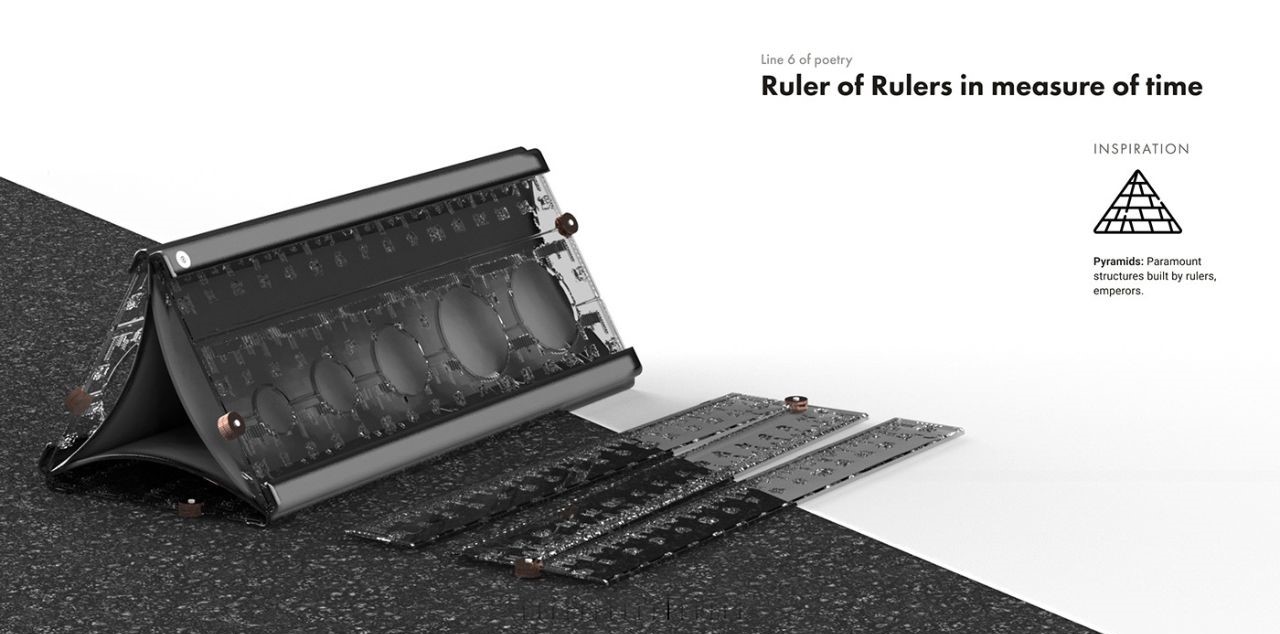
Ruler: Paramount Structures in Time

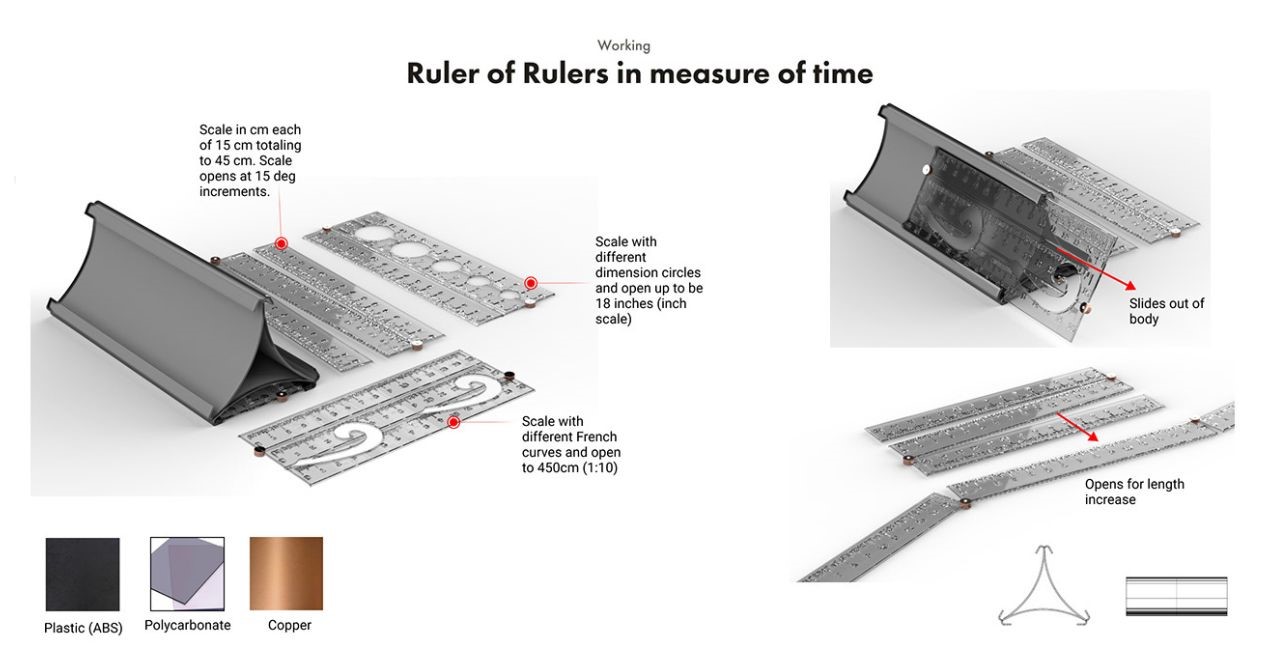
Drawing inspiration from pyramids and standing arches, the ruler symbolizes the rulers of history and time. Crafted from plastic, polycarbonate, and copper, the ruler unfolds to reveal various dimensions and curves.

Tape: Joining Broken Pieces

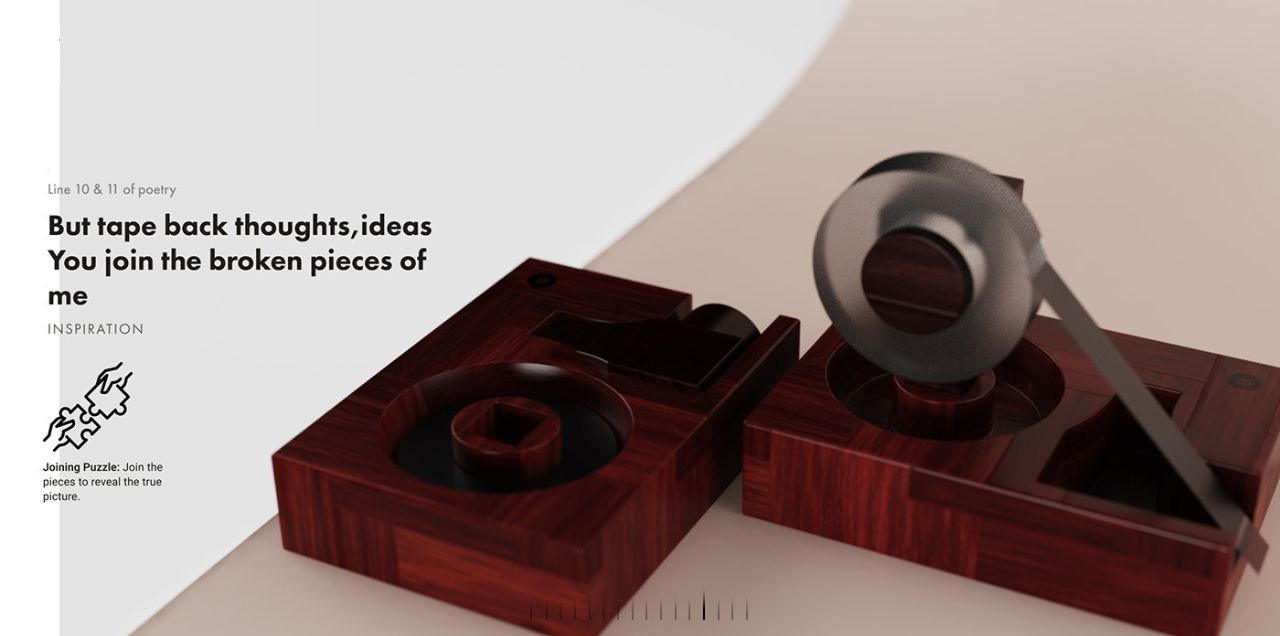
Inspired by joining puzzles, the tape represents the act of connecting fragmented thoughts and ideas. Each product in the OZ collection carries a poetic significance, making it stand out in its uniqueness.

Packaging:
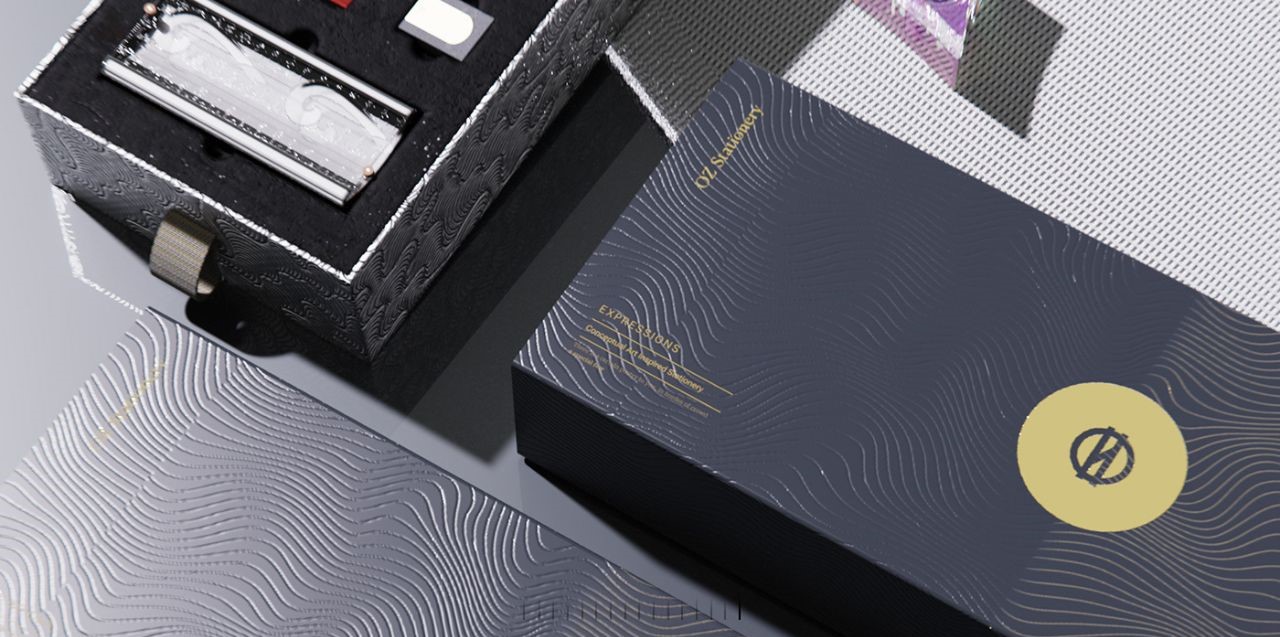
The name “OZ” is derived from the famous poem “Ozymandias,” which explores the theme of time’s relentless passage. This thematic connection is reflected in the packaging, reminding users that time and tides wait for none.

The post A Stationery Collection That Stands Out Through Poetry In the Saturated Market first appeared on Yanko Design.
A Groundbreaking 5-Driver Wireless Earbuds is Sweet Music to Your Ears

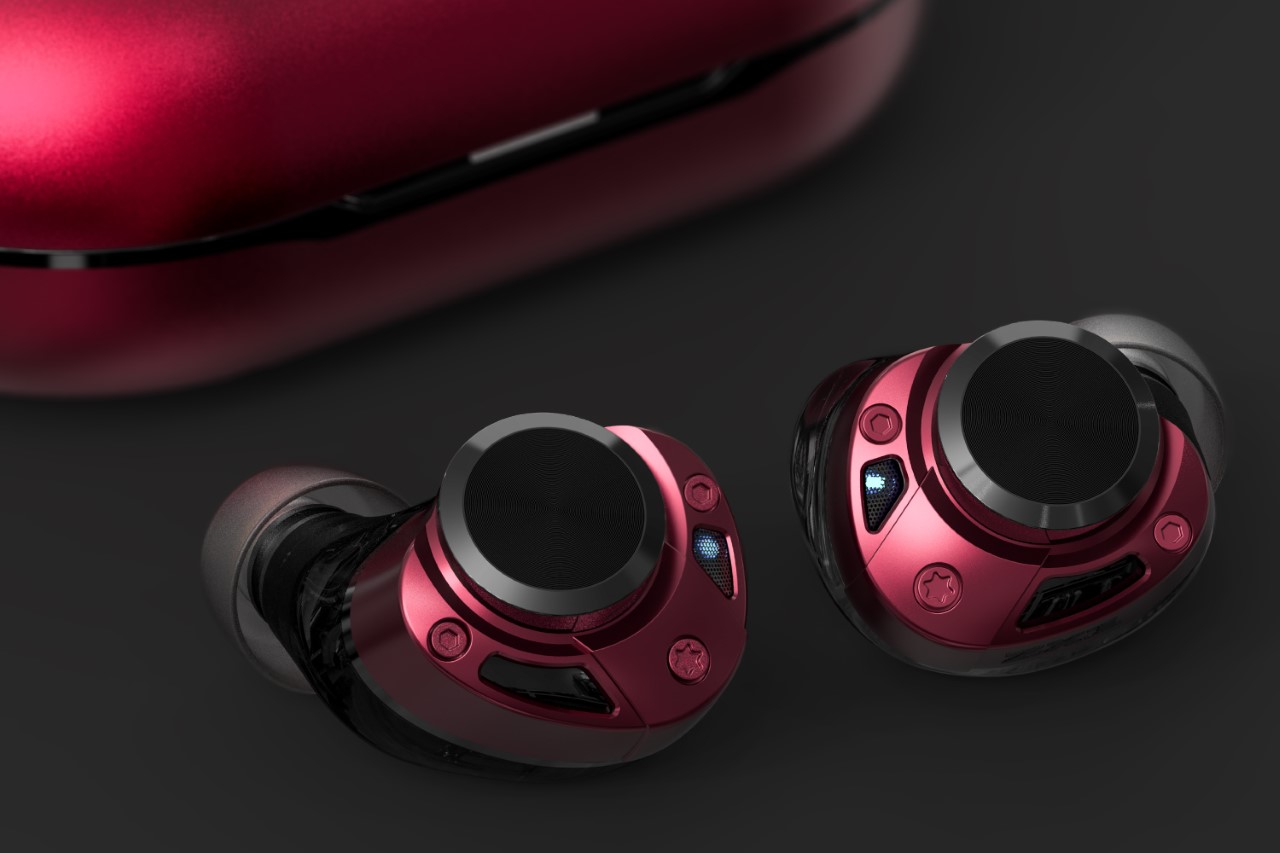
Wireless earbuds generally have no more than one driver, and it might be safe to assume that the TE-ZX1, featuring five drivers, is among the highest, if not the highest, number of drivers currently available in wireless earbuds. Having more drivers can enhance sound quality by allowing for more precise sound separation and clarity across different frequencies. According to the company’s recent update, this project is already in the mass-production stage.

If you’re an audiophile like me, you’ll appreciate the analog technology used in custom in-ear monitors (IEM). Their entry model typically starts with a 3-driver setup, designed to deliver balanced sound with a dedicated driver for lows, mids, and highs. On the high end, they offer a model with 12 drivers per ear – yes, 12! Considering this, the introduction of wireless earbuds with 5 drivers in each ear, priced under $300, is a game changer.

Designer: AVIOT

Click Here to Buy Now: $251 $335 (25% off). Hurry, only 31/100 left! Less than 72 hours to go.

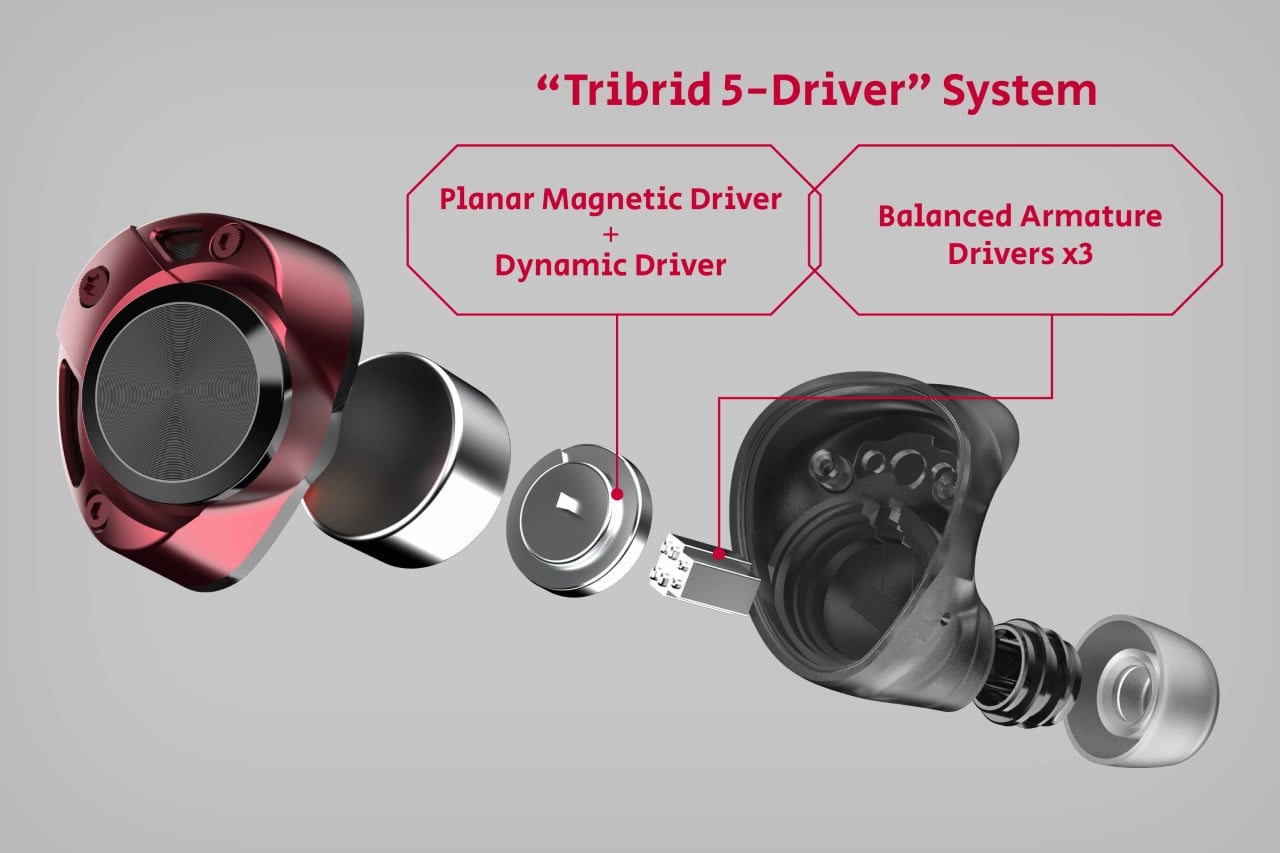
The newly developed system is known as the “Tribrid 5-Driver”. It includes a planar magnetic driver, three balanced armature drivers, and one dynamic driver. Planar Magnetic Drivers, Balanced Armature Drivers, and Dynamic Drivers each uniquely contribute to the audio quality. First, the Planar Magnetic Driver is known to produce superior sound quality, by utilizing a thin, lightweight diaphragm that’s able to cover a large surface area to deliver clear, detailed sound and excellent response times. The diaphragm’s size and thinness allow it to produce sound evenly across the frequency spectrum, contributing to a smoother, more natural sound.

Enjoy Wireless High-Resolution Audio with LDAC

Second, the three Balanced Armature Drivers are smaller and more efficient than other types. Due to their size, they are often used in in-ear headphones. These drivers can be tuned to specific frequencies, making them ideal for producing high-frequency sounds with precision. Multiple balanced armature drivers can be combined in a single earphone to cover a wide range of frequencies.

Lastly, the Dynamic Driver in the TE-ZX1 earbuds is 10mm in diameter, which contributes to superior sound quality and realistic low frequency. Dynamic drivers are known for their ability to produce strong, impactful bass and handle a wide frequency range. A significant advantage of dynamic drivers is their ability to handle a lot of power without distortion, which contributes to a louder, more powerful sound.

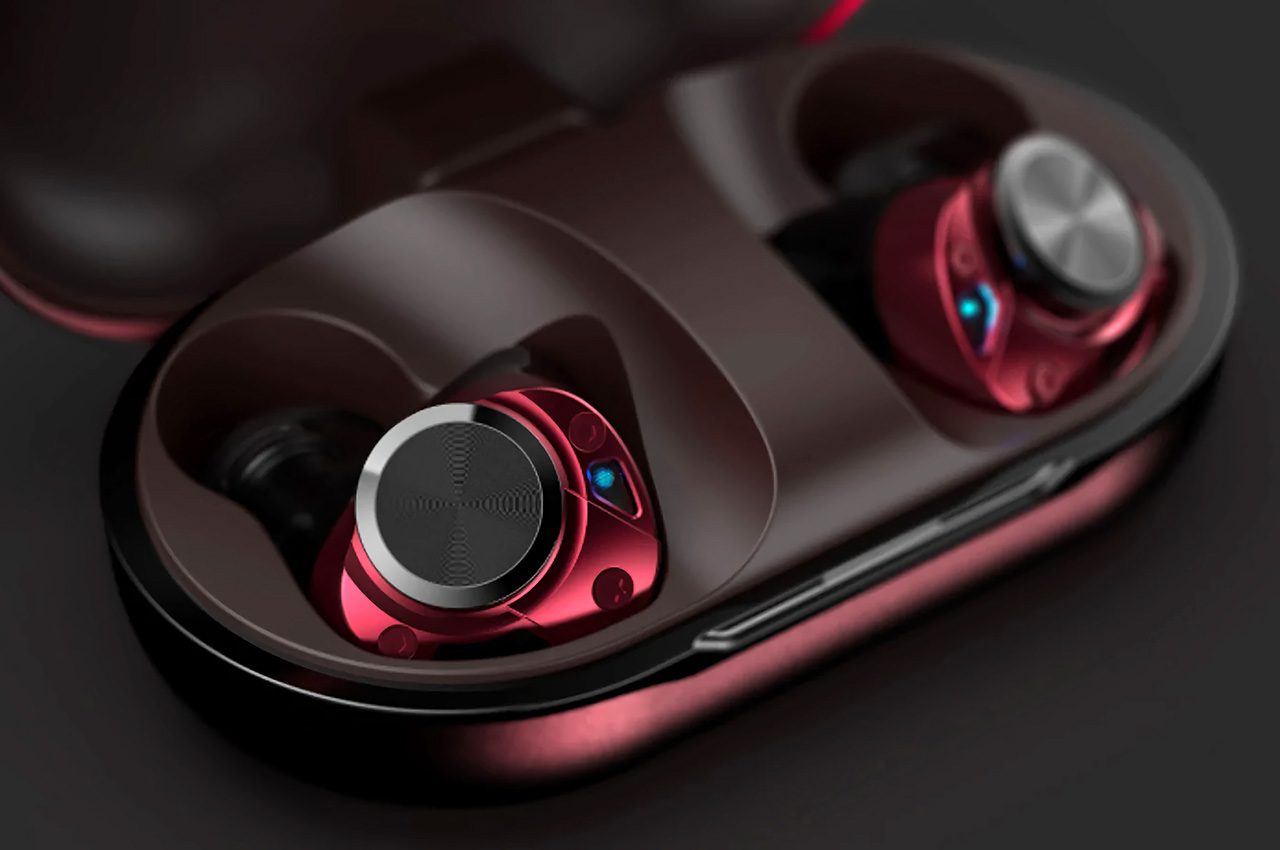
When working together, these three types of drivers should deliver dynamic and expansive sound quality across the frequency range, thanks to their complementary characteristics. I’m a big fan of in-ear-monitor (IEM) earphones, mainly because of the near-custom fit they offer. They provide a more enjoyable listening experience during long flights, extended office hours, or lengthy hiking trips. The high-speed combat ship “Swordfish II” from the hit anime series ‘Cowboy Bebop’ inspires the design, presenting a balanced yet high-tech and cutting-edge feel. When a product’s weight is distributed throughout the entire device, particularly something that sits in a compact space like your ear, it needs to feel balanced. This balance is what the designer has strived to achieve. The semi-hard case housing the earbuds is well-designed and features an integrated recharge function, providing up to 20 extra hours of listening enjoyment. The earbuds alone offer up to 8 hours of playtime and require only a 10-minute charge to gain another 60 minutes.

Regarding listening pleasure, having high-end drivers alone won’t guarantee rich sound quality without LDAC technology. Meanwhile, thanks to the 5 drivers, the use of a Digital Signal Processor (DSP) has been meticulously minimized By using LDAC – an audio coding technology developed by Sony that enables the transmission of High-Resolution (Hi-Res) Audio content, even over a Bluetooth connection. Unlike other Bluetooth-compatible coding technologies, such as SBC, it operates without down-converting the Hi-Res Audio content and allows approximately three times more data than those other technologies to be transmitted over a Bluetooth wireless network. This results in enhanced sound quality, more detailed and nuanced audio reproduction, and an overall superior listening experience.

Click Here to Buy Now: $251 $335 (25% off). Hurry, only 31/100 left! Less than 72 hours to go.

The post A Groundbreaking 5-Driver Wireless Earbuds is Sweet Music to Your Ears first appeared on Yanko Design.
Samsung’s Rollable Phones Will Be Able To Measure Air Quality, Thanks To A New Patent

Representational Image

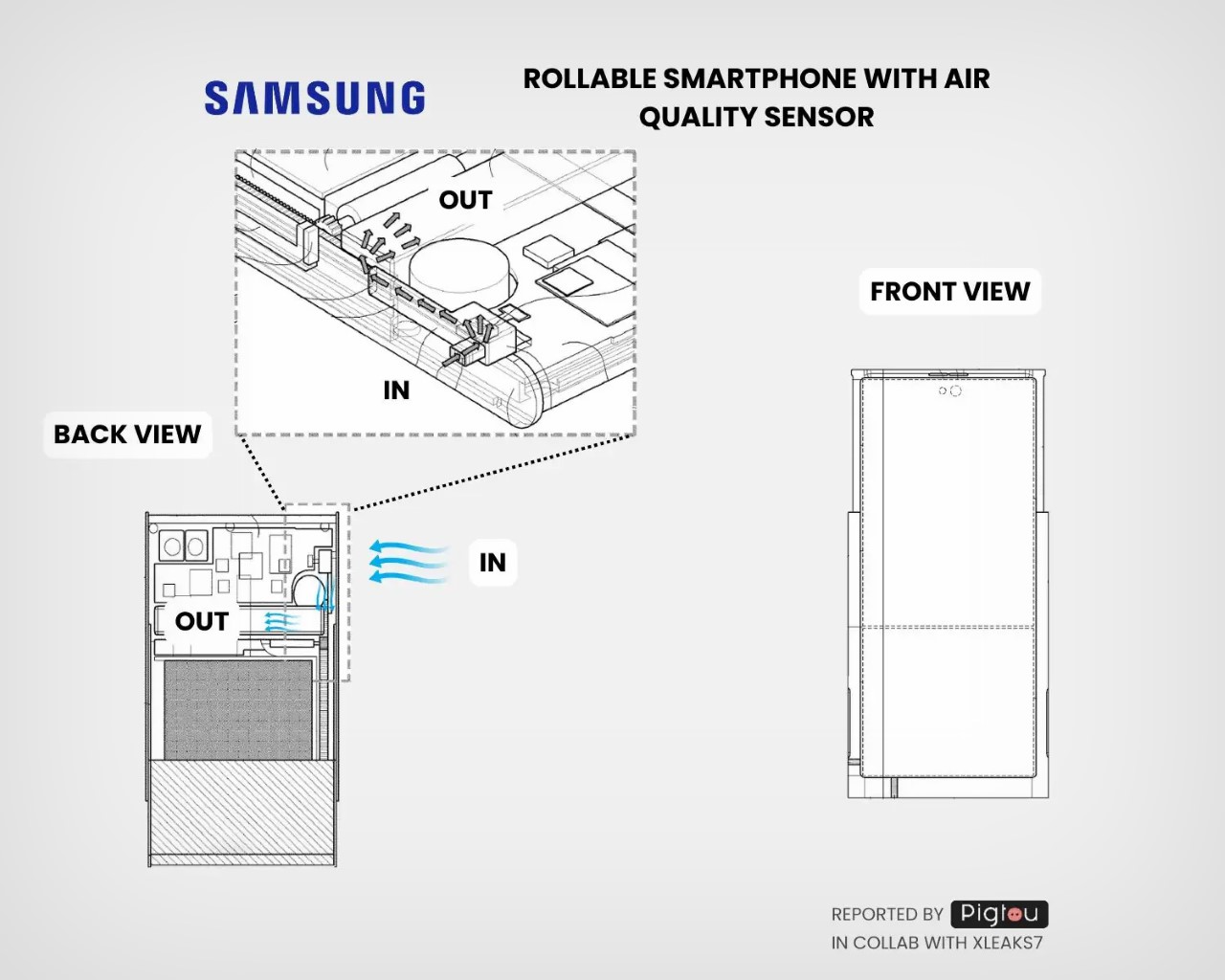
Your phone is an absolute jungle of sensors – it can measure temperature changes, pressure changes, touch input, voice input, environment brightness, gyroscopic tilt, movement, among quite a few other things… and now Samsung wants it to measure the air quality around you too. It might seem odd at first (I felt so too), but this feature ties in with the broader approach at making your phone or any other wearable a health-focused device. If your watch can tell you that you’re in a high-noise environment and you should consider protecting your hearing, why not have a phone tell you if the air you’re breathing is polluted or contaminated? A patent uncovered by Twitter user @xleaks7 and tech blog Pigtou highlights the integration of an air quality sensor into Samsung’s upcoming Rollable Smartphones. This effectively helps your phone constantly measure the air quality on a hyper-local level, letting you know if you need to ventilate your kitchen or living room, or if the area you’re in has bad air, prompting you to leave or put on a mask.

Designer: Samsung

Representational Image

Imagine a phone that unfurls to reveal a sensor, discreetly tucked away when not in use. This is the essence of Samsung’s patent. The phone’s rollable display transforms into a gateway for external air, allowing the sensor to take accurate readings without compromising the phone’s sleek design. This eliminates the need for bulky external components, a common drawback of conventional air quality monitors.

But what makes air quality monitoring so important? Air pollution, particularly fine particulate matter (PM2.5), poses a significant health risk. By integrating sensors into everyday devices, Samsung offers a solution for convenient, on-the-go air quality monitoring. This empowers users to make informed decisions about their health and well-being, especially when spending time outdoors or in unfamiliar environments.

Here are a few features highlighted in the patent:

  • Adjustable Housing Concept: Tailors the display size and regulates airflow for precise sensor functionality.
  • Flexible Display Technology: Adapts seamlessly to varying screen dimensions, maintaining device portability.
  • Innovative Airflow System: Channels external air directly to the air quality sensor, enhancing measurement accuracy and speed.
  • Intelligent Opening and Closing Mechanism: Seamlessly integrated with the housing, optimizing sensor performance by managing air intake.
  • Improved Sensor Response Time: Facilitates swift sensor reaction to air quality fluctuations, ensuring timely feedback to users.
  • Built-in Sensor Protection: Shields the sensor from internal contaminants, guaranteeing consistent air quality assessments.
  • Streamlined Design: Maximizes space utilization, keeping the device sleek without compromising functionality.

The implications extend beyond personal health. This technology has the potential to foster a more environmentally conscious society. By raising awareness of air quality fluctuations, users can be prompted to take action, such as using public transport on high-pollution days. This collective effort can contribute to cleaner air and a greener future.

Patent via USPTO

The post Samsung’s Rollable Phones Will Be Able To Measure Air Quality, Thanks To A New Patent first appeared on Yanko Design.