Wood-encased computer adds a striking vintage touch to modern technology

The aesthetics of modern and futuristic technologies often revolve around hard metallic surfaces, straight lines and edges, and an almost inorganic characteristic, as if all the opposite qualities are considered antiquated or even medieval. Of course, design trends come and go and sometimes even come back, as proven by the retro craze that has gripped many industries, especially consumer electronics. Duality has always existed in many facets of human existence, but that doesn’t mean those seemingly contrary elements cannot work together. In fact, contrast is an important factor in creating a beautiful composition, and this combination of a desktop computer and natural wood offers one such expression that creates a unique atmosphere around what would normally be a nondescript machine, combining past and present, natural and artificial in a harmonious blend.

Designer: Keegan McNamara

They may be called “personal computers,” but the desktops and laptops of today sometimes feel more impersonal than paper notebooks and stationery. Part of it is due to the very design of these products, adhering to a language often considered sharp, harsh, cold, and distant. There is no shortage of attempts to soften that image, either with customization options or skins that give the semblance of more natural and organic materials like wood.

The Limited Edition Apollo Collection, however, is no faux wood. Utilizing genuine Walnut, Cherry, or Maple, these bespoke computers enclose three important parts of the device to create a striking visual that beautifully contrasts the straight-edged aesthetic of modern technology with the more organic shapes found in nature. It makes the PC not only truly personal but also personable, making it an art object as much as it is an electrical appliance.

The Apollo Collection computers come in three parts, with the keyboard housing the computer itself. A portable screen connects to the keyboard via a cable, while the third part, a magnetic screen stand, completes the configuration for a more typical desktop computer. If typical desktop computers came housed in wood, that is. Each part is made to order by hand, and it utilizes custom circuitry and a bespoke operating system to truly give the computer a unique feel.

Beyond the wooden materials, the design also adds details that not only enhance the computing experience but also add a bit of humanity to the use of the computer via more tactile feedback. Unsurprisingly, the keyboard utilizes mechanical switches, but there are also physical dials for adjusting the volume and brightness of the computer. The exact specs of the computer are, at the moment, not completely known, but the limited edition bespoke design’s true appeal won’t be in its computing power but in its ability to create a new kind of relationship between man and machine.

The post Wood-encased computer adds a striking vintage touch to modern technology first appeared on Yanko Design.

Wood-enclosed power supply box is designed to be seen

Power strips and extension cords are now an unavoidable part of modern life. Unless you have custom-designed furniture, there will always be cases when you have too few power outlets or ones that are too far from your desk to matter. Unfortunately, these power supply accessories haven’t exactly evolved in terms of design, or at least most of them still look like appliances from the 90s rather than anything that fits modern aesthetics. Hiding these power sources has become an important part of the so-called cable management problem, which is often a source of tension and headache for some people. There are, thankfully, a few that try to embrace more pleasing designs, like this power supply box that thinks outside the box, pun intended, so that you don’t have stress over hiding it and instead proudly show it off on your desk or shelf.

Designer: OFS

Genuine wood isn’t often used as a material in many electronics, mostly because of its poor thermal handling, making it warp and deform over time due to heat. That and it’s a potential fire hazard, making it unsuitable for many devices. That doesn’t mean, however, that it can’t be used as a chassis or covering in a safe manner, especially if it can significantly change the character of a product from utilitarian to humane.

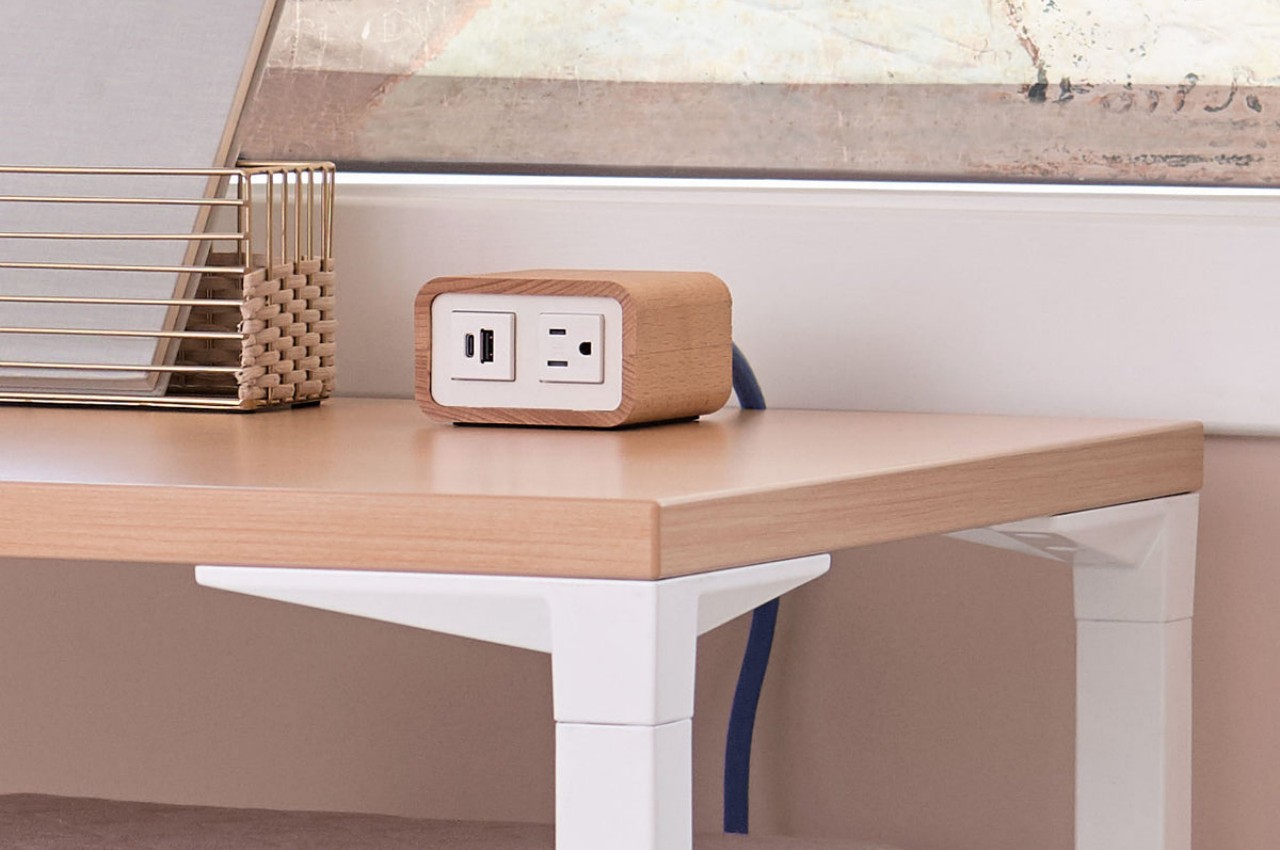
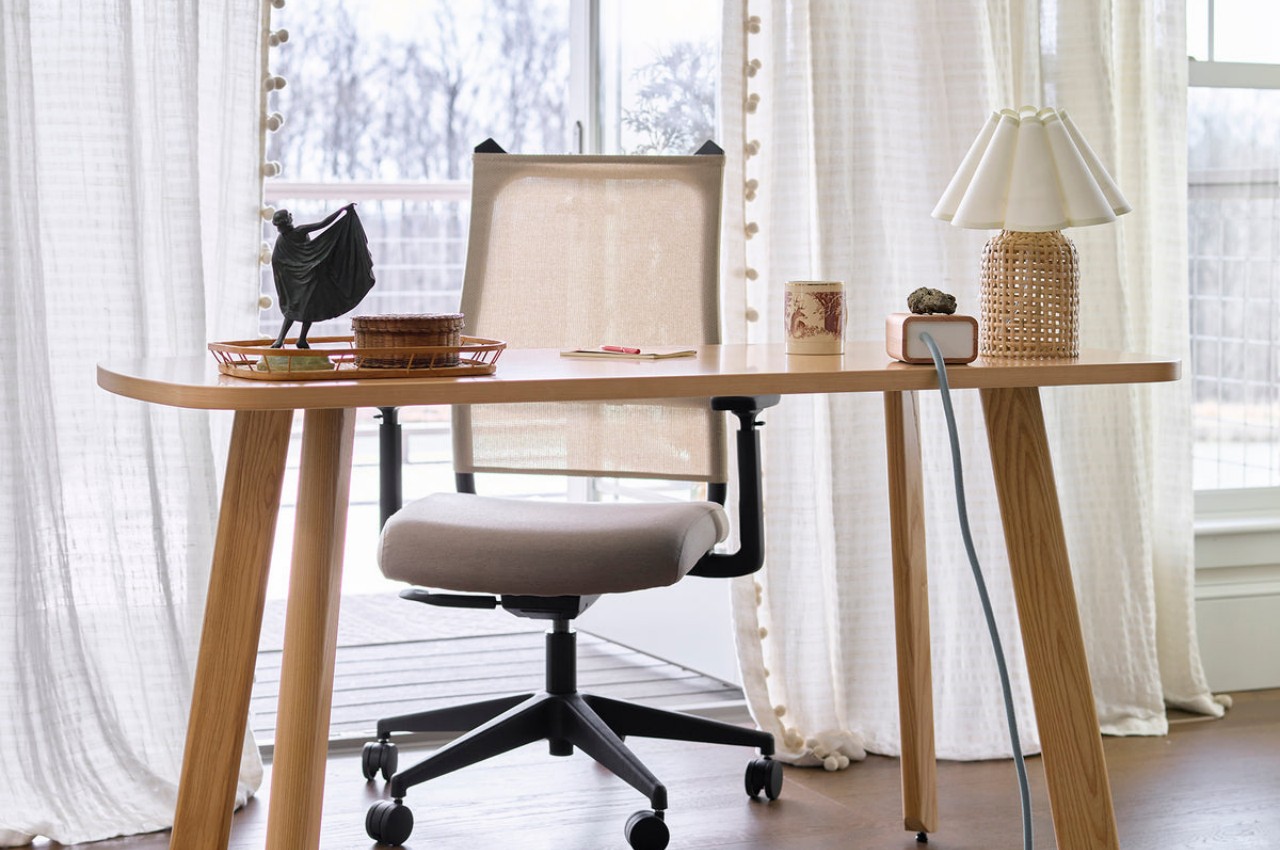
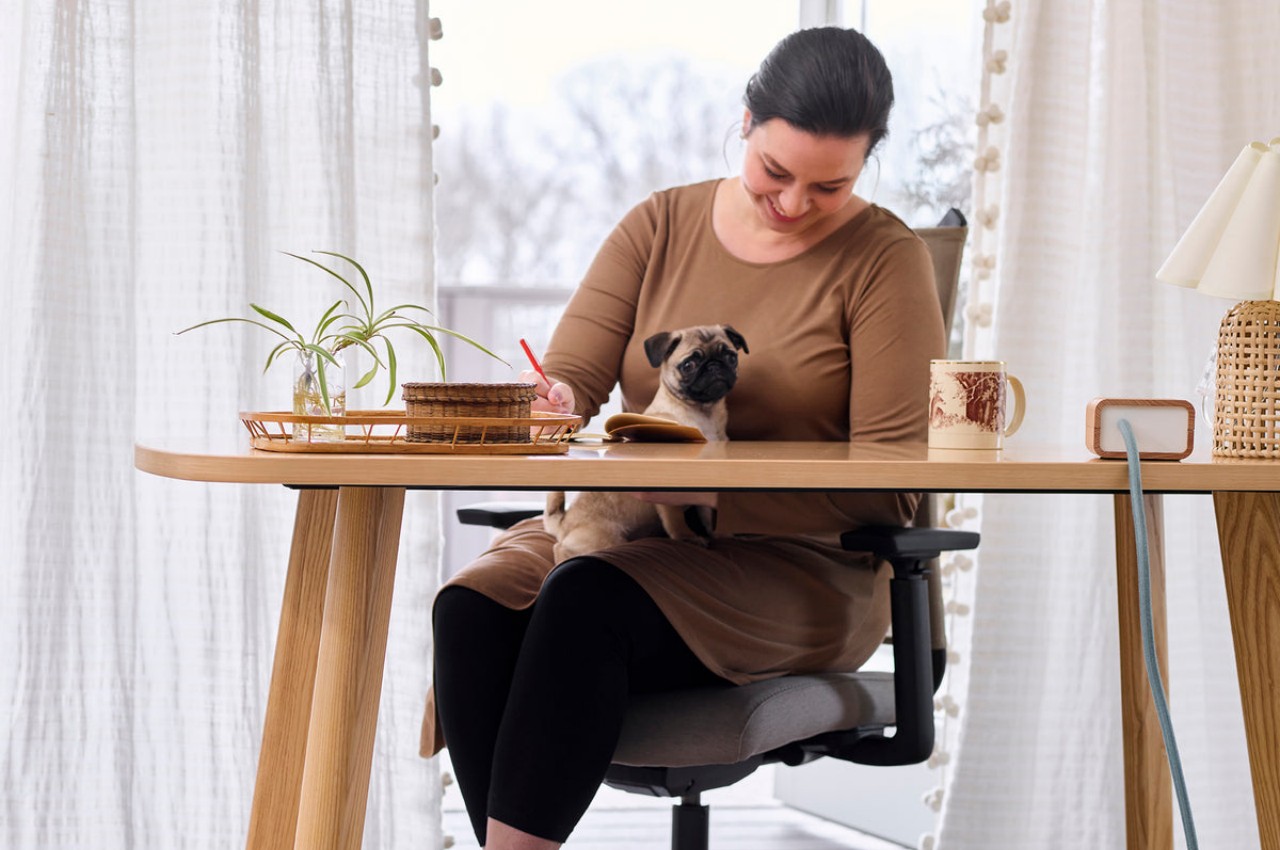
The Willow Power Supply is one such design that employs the warmth and natural beauty of wood to uplift the image of an ordinary extension cord from a tool to a decorative object. While most power strips and extension cords are painfully hidden behind or even under desks, Willow stands proudly on top. More than just boasting rights, however, this also means quick and easy access to those essential ports for your computer and devices.

Willow is available in a combination of beech or walnut shells and clear or black power boxes, though the best combination is the beech and clear or white box since it clearly brings out the beauty of the wood complimented by the minimalism of the power supply. The box itself has very little detail save for the outlet and ports in front and the braided cord coming out of its back.

While the Willow Power Supply might delight as an aesthetic product, it might disappoint as an actual power supply. There is only one power outlet, one USB-A port, and a lone USB-C port, a very basic and perhaps inadequate number for today’s needs. At $250, it does give off a feeling of being more like a designer product than one that’s made for power users, more for casual use than heavy-duty workstations. Either way, there is little doubt it adds a bit of accent to any workspace, especially matching minimalist designs with wooden furniture.

The post Wood-enclosed power supply box is designed to be seen first appeared on Yanko Design.

Cut and slice with confidence with this majestic Hinoki cypress cutting board

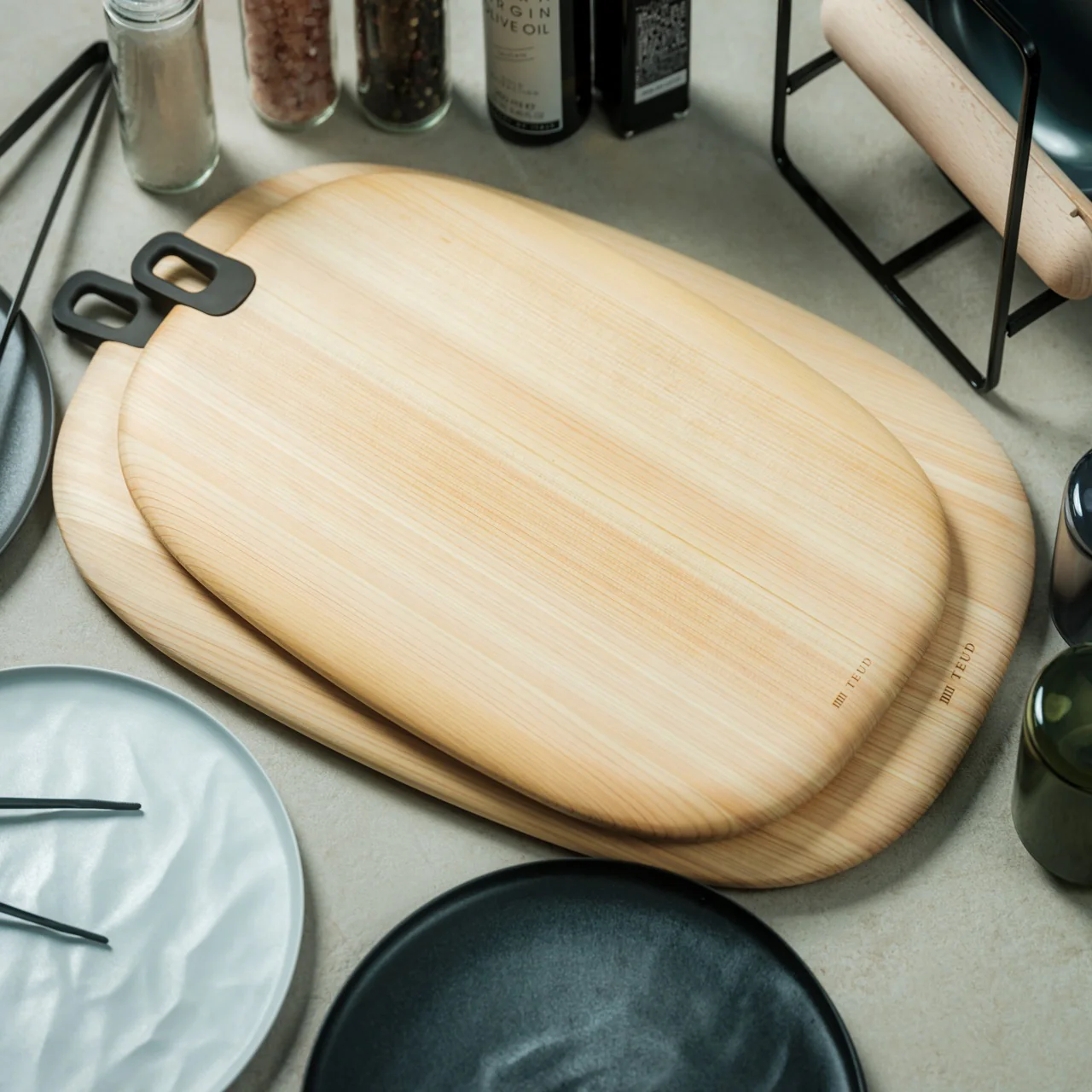
Having a sharp kitchen knife is essential to successful and stress-free food preparation, but it’s really only half of the cutting equation. You also need a dependable cutting board on the opposite side to receive the sharp edge of the blade cutting through fish, meat, vegetables, and other ingredients. There is a variety of materials used for these cutting boards, but most of them just don’t make the cut (pun intended). Plastic ones are too soft and easily get damaged, while metal or stone boards are too hard and damage the knife instead. Wood is a good medium, but not all kinds of wood are created equal or are equally up to the task. This rather stylish cutting board rises to the challenge by calling upon the majestic properties of Japan’s Hinoki cypress tree.

Designer: Metaphys for TEUD

Click Here to Buy Now: $59

The cypress tree has always been associated with sacred legends and its Japanese equivalent takes that to an artistic level. Hinoki wood is considered to be a precious material and it has been used to build temples and palaces for centuries. The slow growth period of this sacred tree results in straight grains and an elegant pinkish color, giving it a unique and premium aesthetic that is almost too good to be used on a kitchen cutting board.

Hinoki wood is, in fact, the perfect kind of wood to be used for this kind of design. It has natural antibacterial and antimicrobial properties, which means it’s resistant to mold. The wood also has a natural fragrance that pleases the sense of smell even after having so many kinds of ingredients cut on its surface. Most importantly, it has a medium hardness that is gentle on knives, ensuring that they stay sharp longer. When paired with our dashing Ceramic Sashimi Knife, you get a dynamic duo that’s going to last you a very long time with minimum fuss.

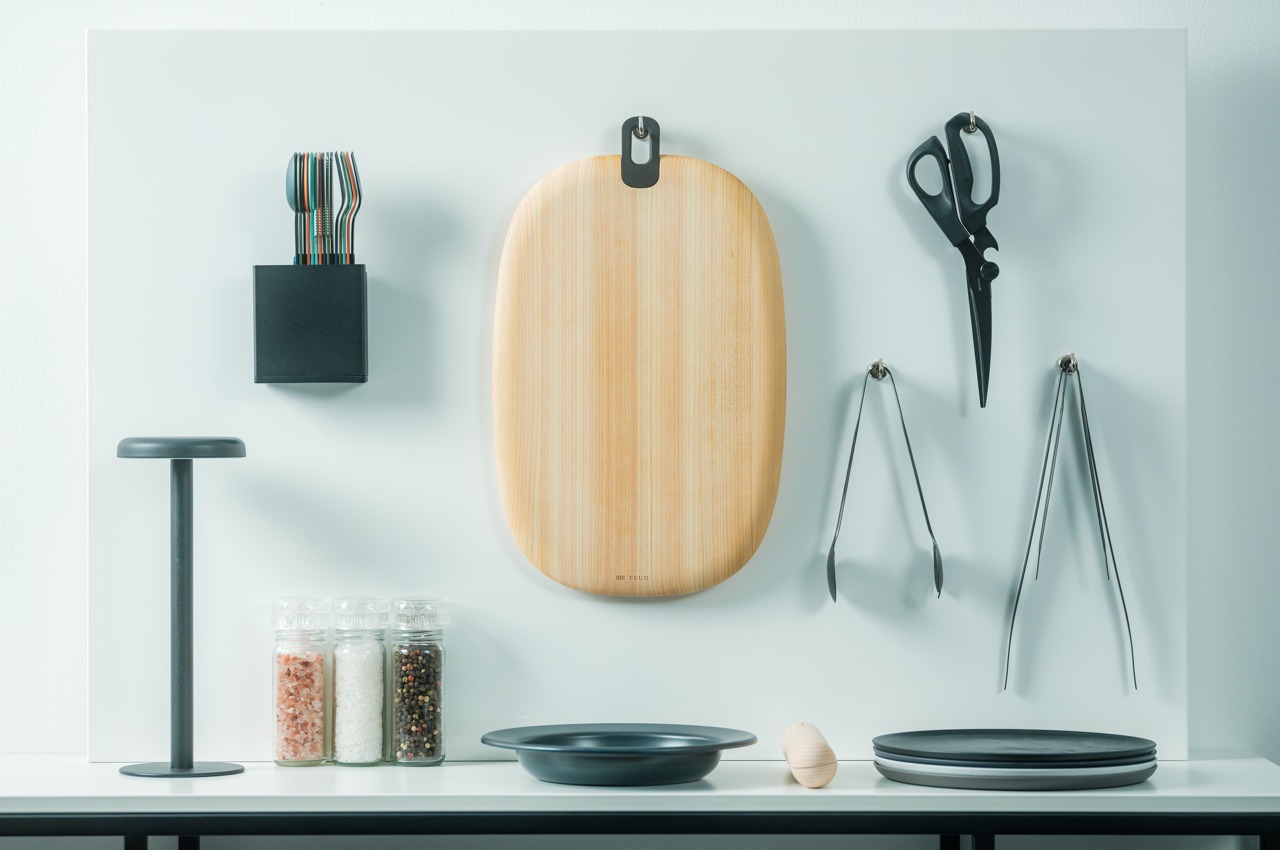
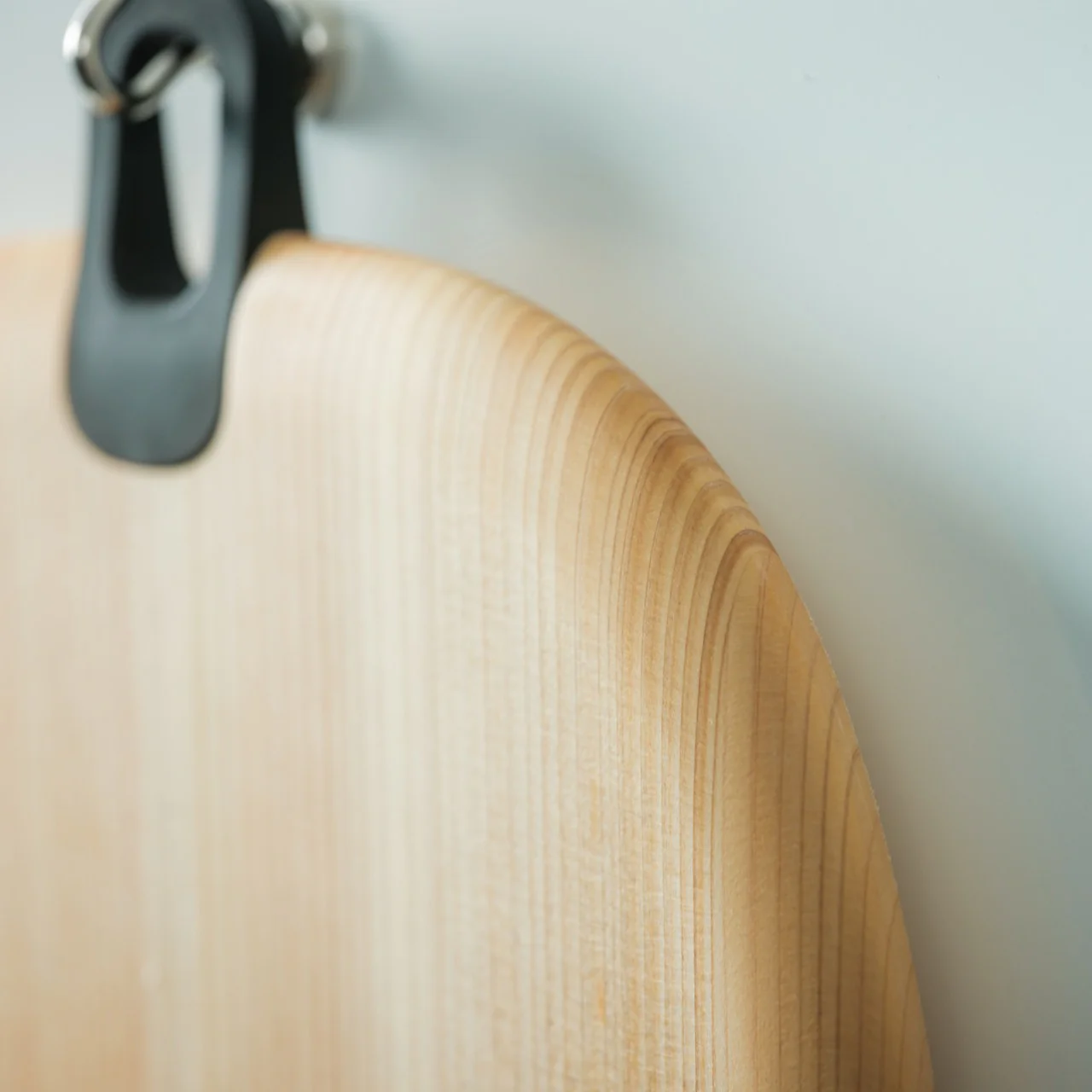
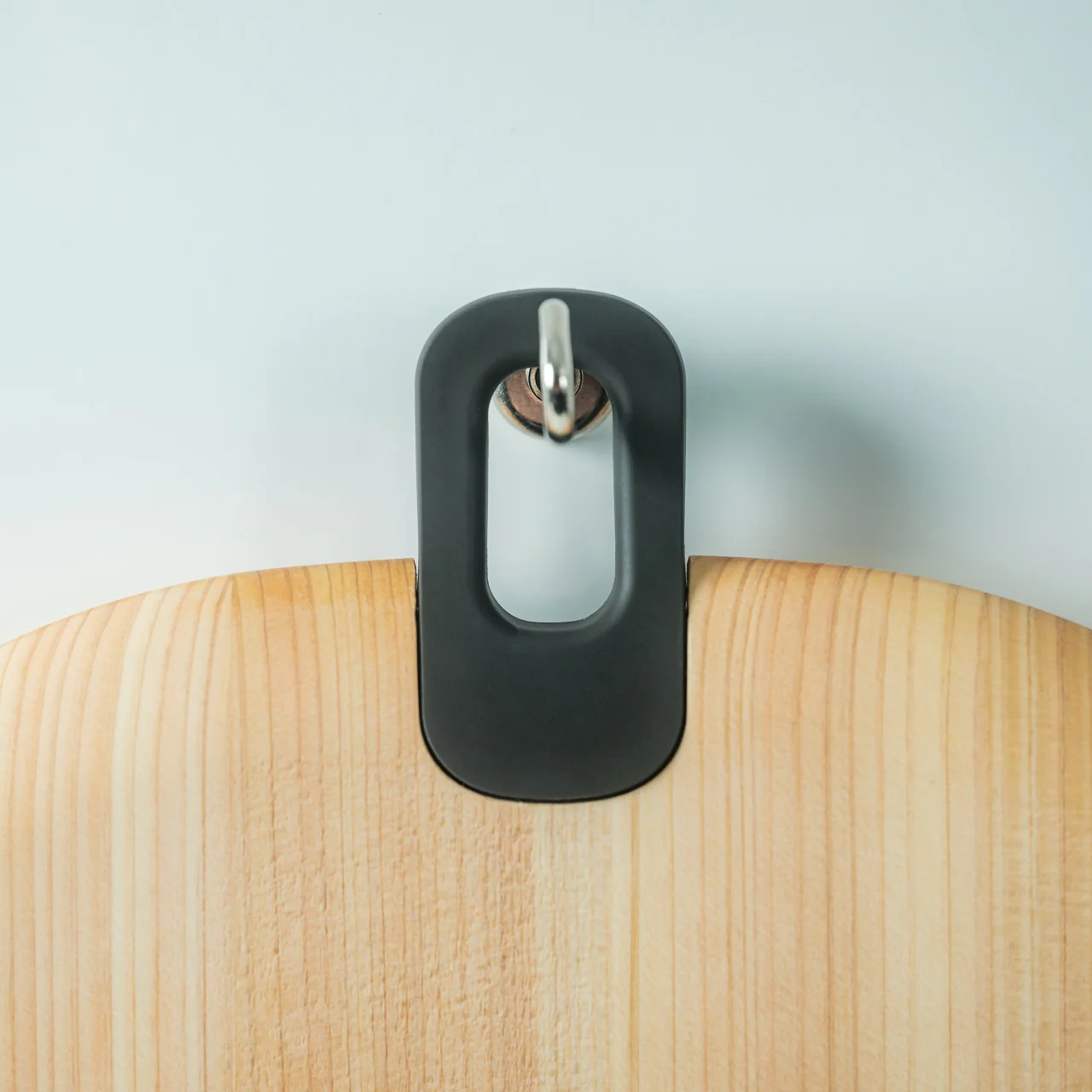
Unlike most of its kind, the Hinoki Cutting Board’s oval shape and sloping edges give it a gentler and more visually pleasing appearance. It isn’t just for show, though, as the shape also makes it easier to drain fluids and juices off the board, coupled with the Hinoki wood’s natural drain-friendly property. And thanks to cypress wood being lightweight, the cutting board is easy to handle, clean, and store away when not needed, though you might want to have its sleek shape on display all the time anyway.

Of course, bare wood wouldn’t be good as a cutting board, which is why even the Hinoki board has a silicone coating on top for protection, especially against water and moisture. This coating penetrates as deep as 2mm into the fibrous part of the wood, ensuring that it can’t accidentally be removed or easily damaged just by cutting over the surface. Whether you’re gently slicing sashimi with our Ceramic Kitchen Knife, cutting juicy fruits, or dicing portions of meat, this regal Hinoki Cutting Board will support all your food prep needs, while making sure your knife stays sharp for a very long time.

Click Here to Buy Now: $59

The post Cut and slice with confidence with this majestic Hinoki cypress cutting board first appeared on Yanko Design.

Mapu Speakers bring technology and craftsmanship together

There are people that love to pit technology against art or craftsmanship but those of us who know better know that the two can actually complement each other. There are products and designers out there who seek to fuse the two together and even bring innovation and improvements to the two worlds. One such product is a speaker that uses natural materials and is created by traditional craftspeople.

Designer: Mapu

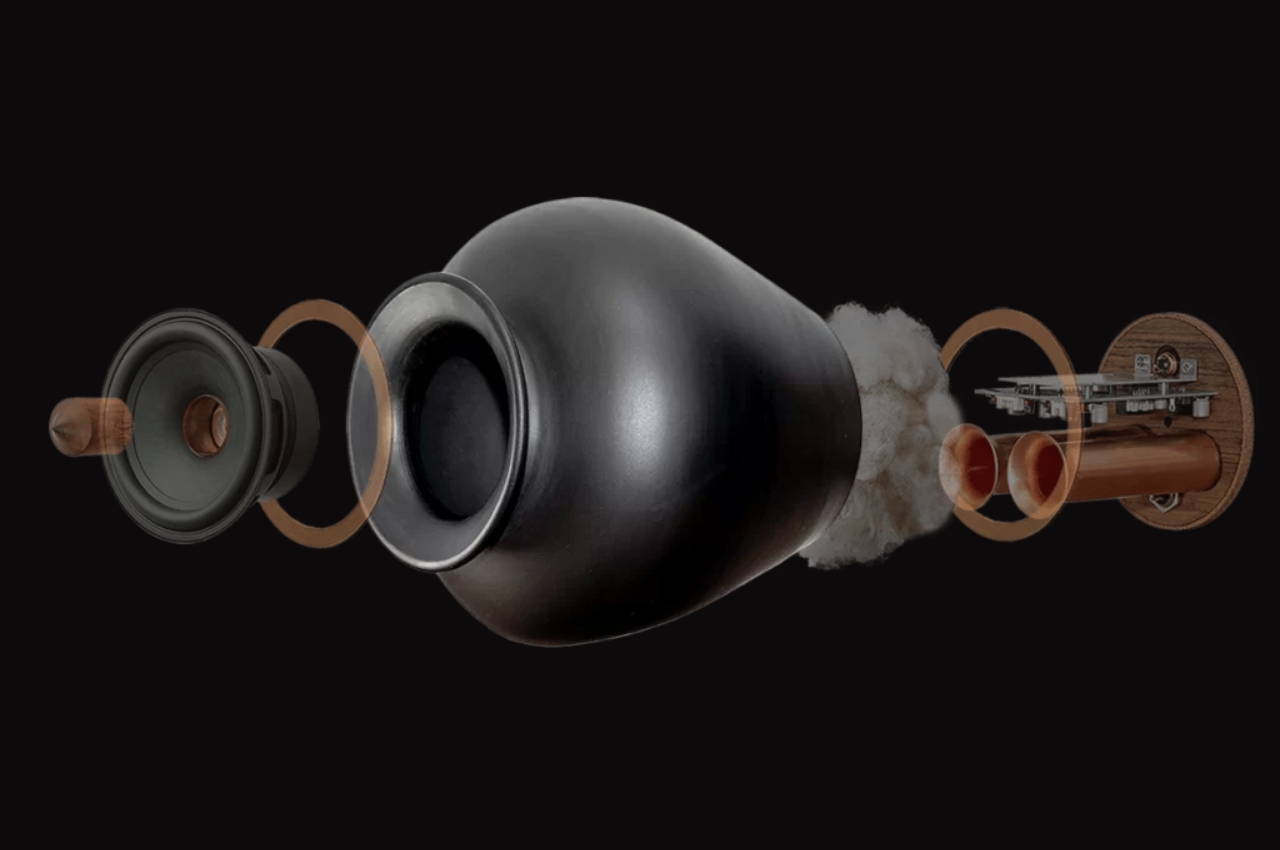
The Mapu Speakers is a line of speakers that are made from natural materials like clay, wood, cork, and wool and handcrafted by traditional craftsmen in Chile and Portugal The goal is to create a new generation of craftspeople, “building a bridge between ancestral knowledge and technology”. Aside from having quality speakers so you can listen to your music, audiobooks, and podcasts, you also get a piece of art that you can display in your space.

The wooden cones and caps that are in the center of the driveractually optimize the high frequencies so you get a “vivid, spatial, and engaging sound”. The wool is used for the internal acoustic insulation while the leather and cork are also ideal for insulation due to their high tensile strength and heat resistance. The spherical shape of the vessel also adds to the sound quality that you get so you know that it’s not just beautiful but you get a pretty good speaker.

The Mapu Speakers are also 80% biodegradable so that’s another bonus for those who are looking for something pretty different for their speakers. The MapuguaquĆ©n is already sold out on their website but the Mapu Preto and the Mapu Soenga, available in mono and stereo versions. The vessel-like shapes of the speaker line make it pretty attractive even if you don’t know yet the handicraft story behind it.

The post Mapu Speakers bring technology and craftsmanship together first appeared on Yanko Design.

Recyclable stool made from potato scraps and sawdust can be used for firewood

There are plenty of designs that advertise being sustainable, but many of them stop halfway through the product’s life cycle. They are usually made from sustainable or renewable materials, and some, but not all, are made with a reduced carbon footprint. That said, not many cover what happens after the product has served its purpose, which often means adding to the already enormous amount of waste we produce annually. Fortunately, there are some designs that do take that into account, creating a circular economy where the product or its materials can be used for other purposes. One example is this cork-like stool that, true to its wooden nature, can actually be used like firewood to heat up a space or, better yet, fuel workshops that will produce the materials to be used to create another stool.

Designer: Renaud Defrancesco

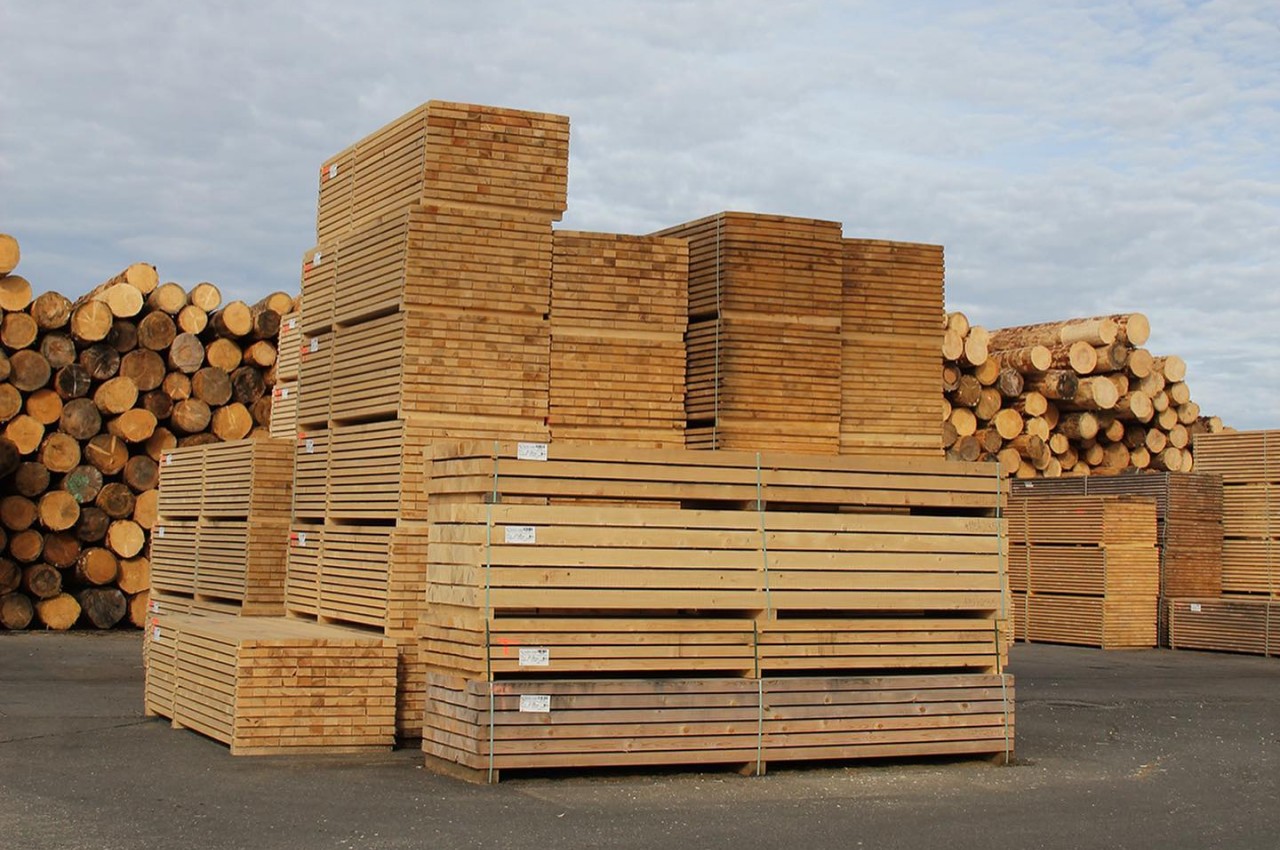
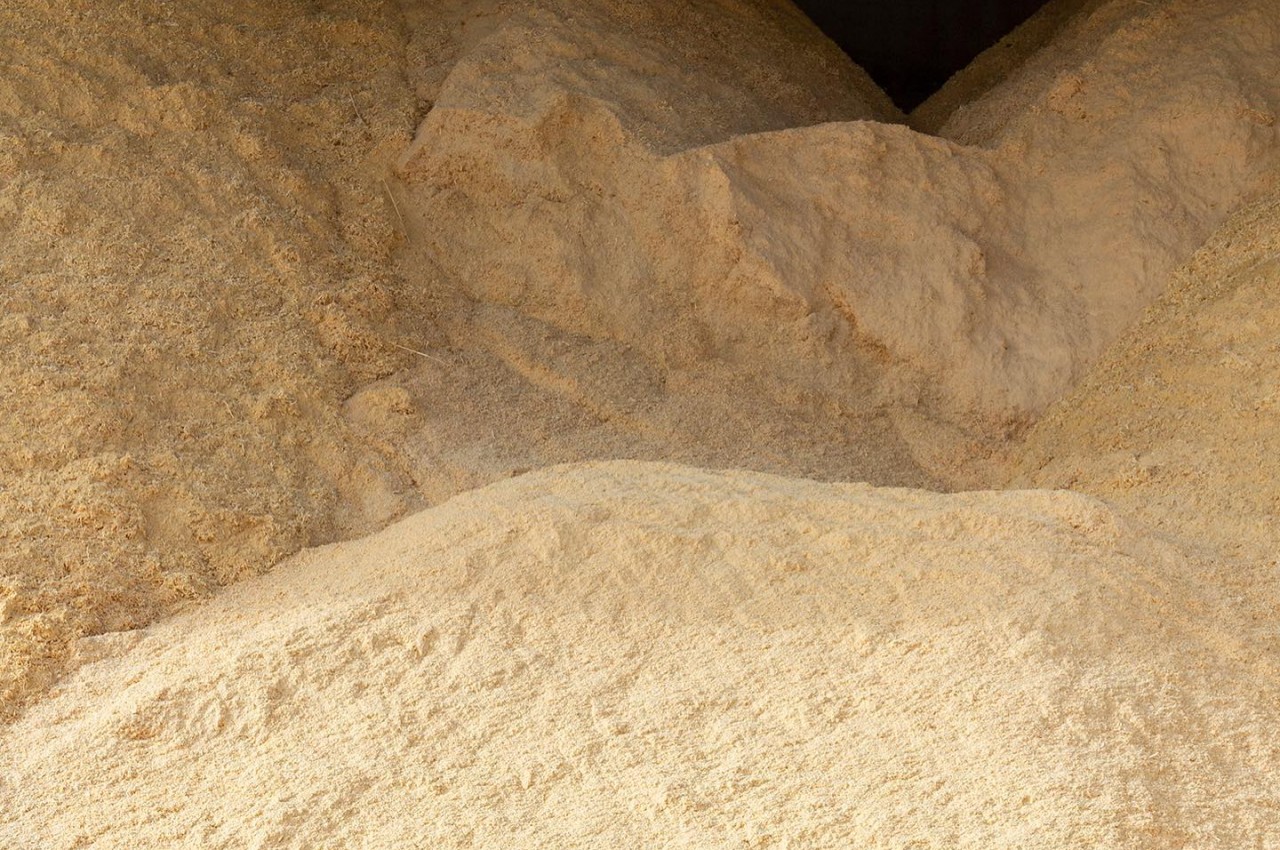
Wood is a much-loved material by designers and producers. It has an innate beauty and texture that’s hard to reproduce artificially, it is biodegradable, and, to some extent, also renewable. It takes time for trees to grow, however, and not all parts of the wooded material actually end up getting used. Many get left on the cutting room floor, either as small chunks or, worse, sawdust. The latter is easy to take for granted until they pile up and become pollutants themselves, at least until they dissolve and disintegrate over a long period of time.

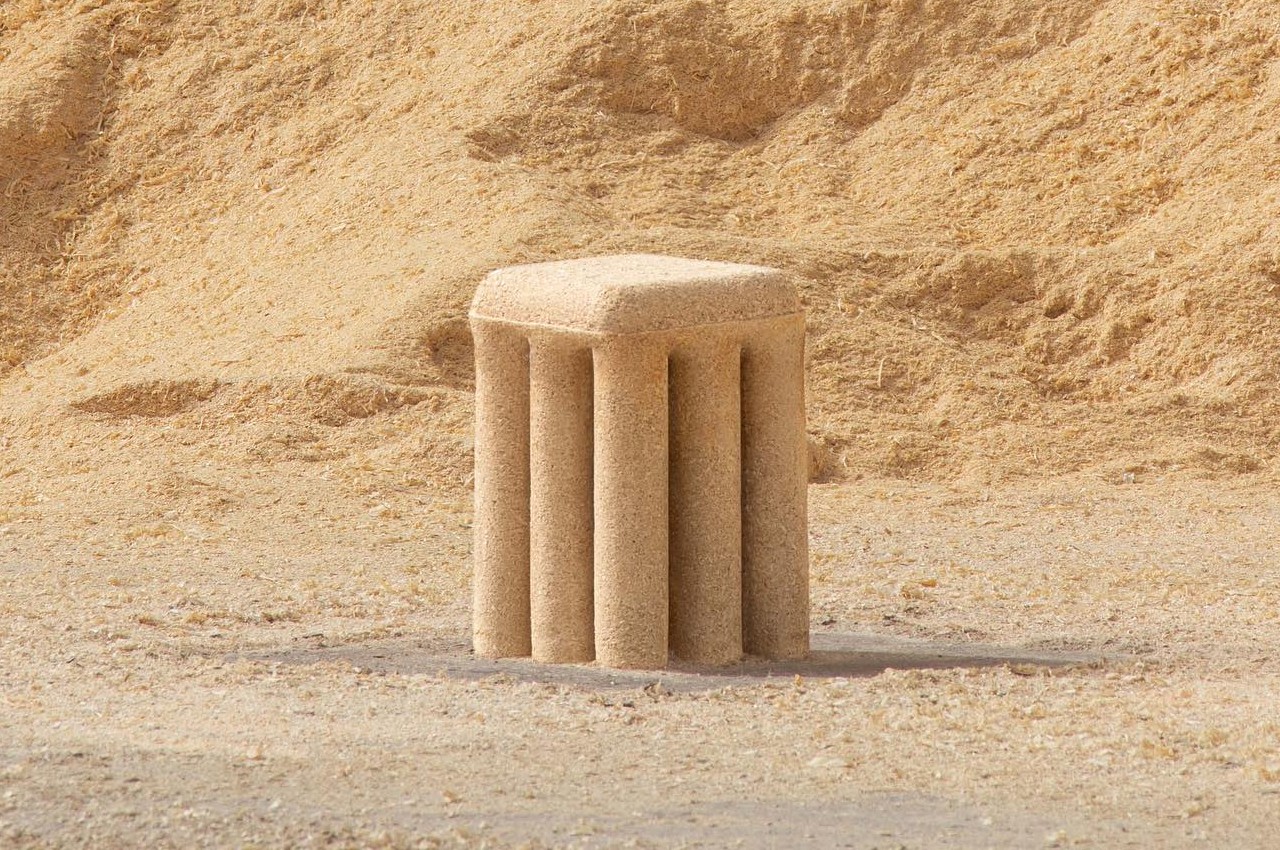
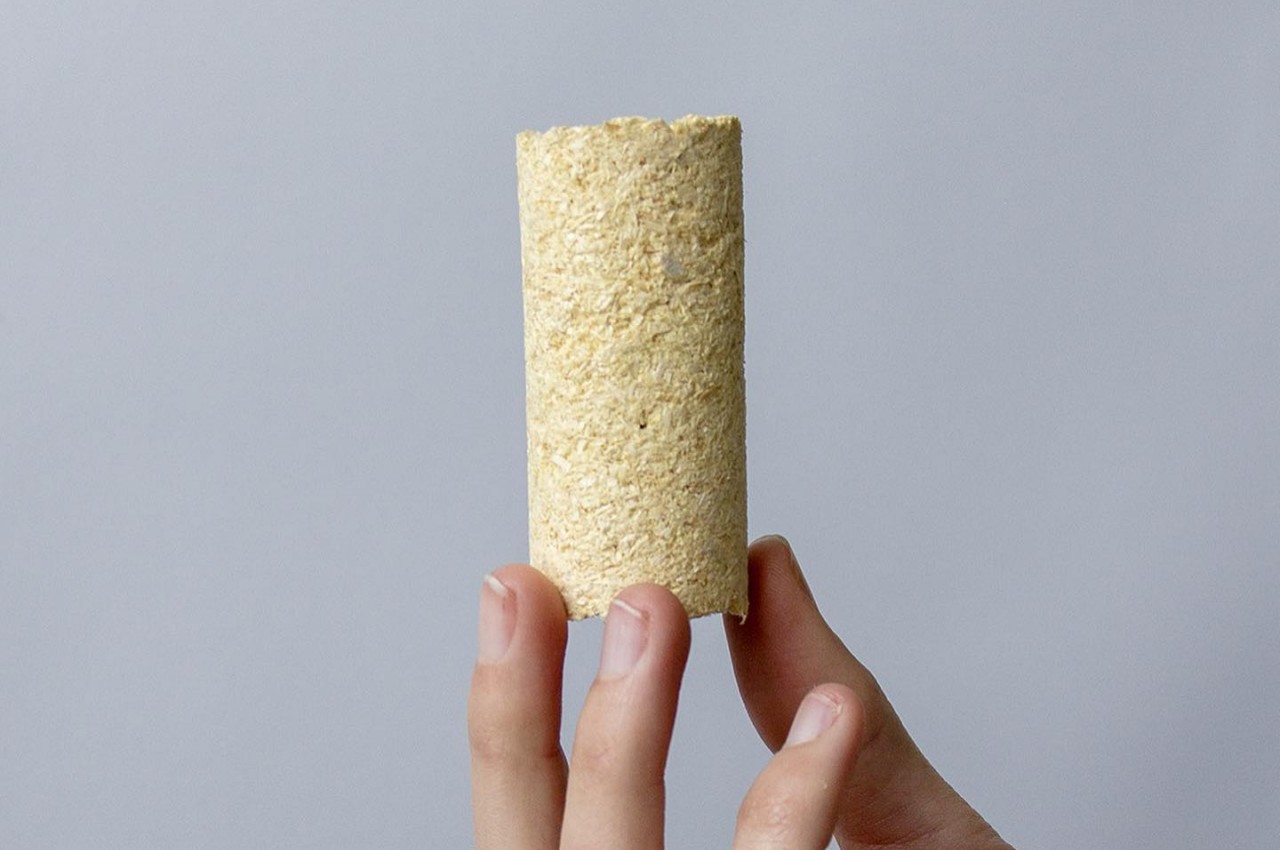
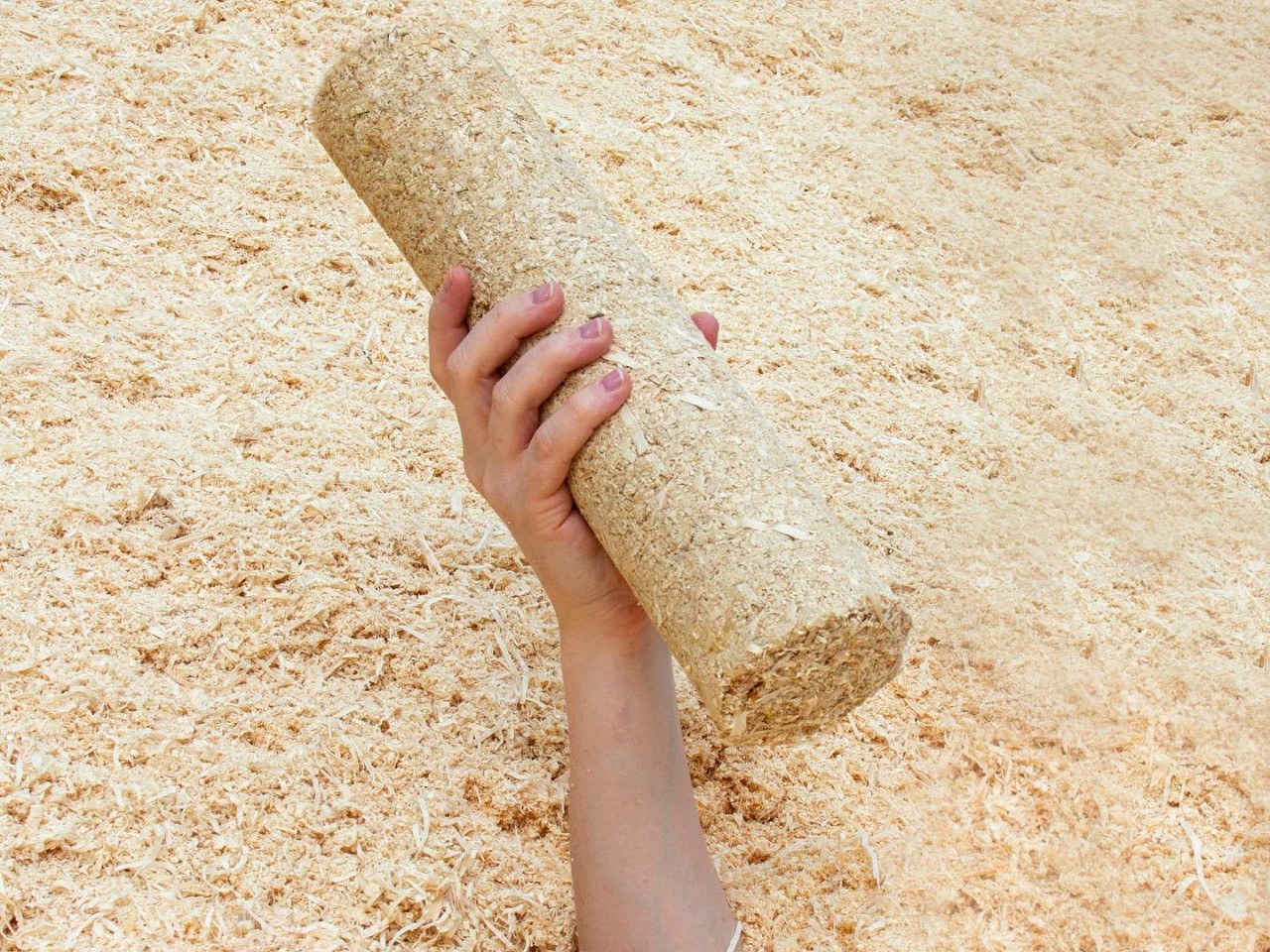
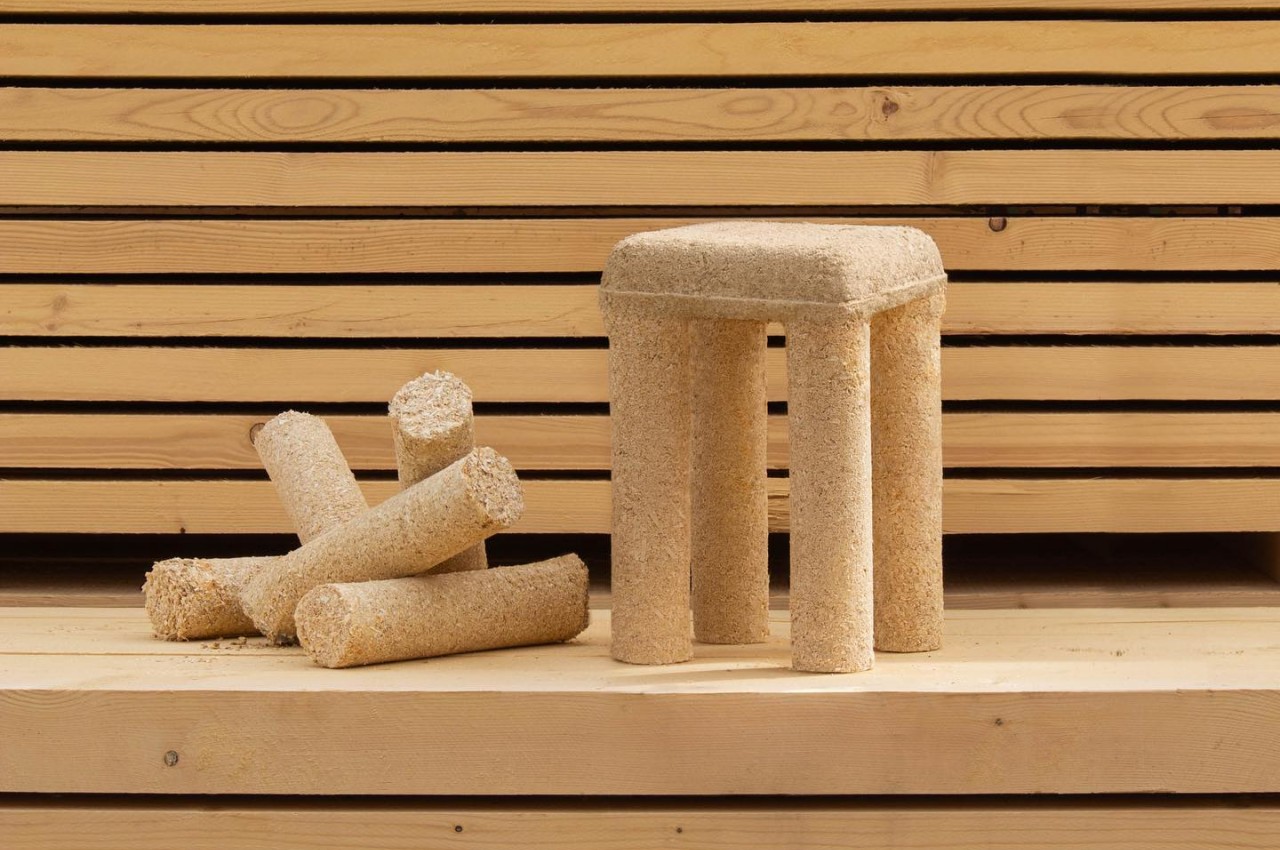
Briket is a stool that tries to solve that material waste problem by giving a new purpose to waste byproducts not just from woodworking but also from the food industry. In a nutshell, this nine-legged stool is made from sawdust scraps as well as potato scraps, both biodegradable and environment-friendly materials we throw out by the ton every day. Creating the parts of the stool itself isn’t exactly hard either, as it mostly involves compressing these minute pieces until they become a rigid and solid mass. This, in theory, can be done anywhere there’s an abundance of wood waste, which practically means sawmills, carpentry shops, workshops, and other places that work with large quantities of wood.

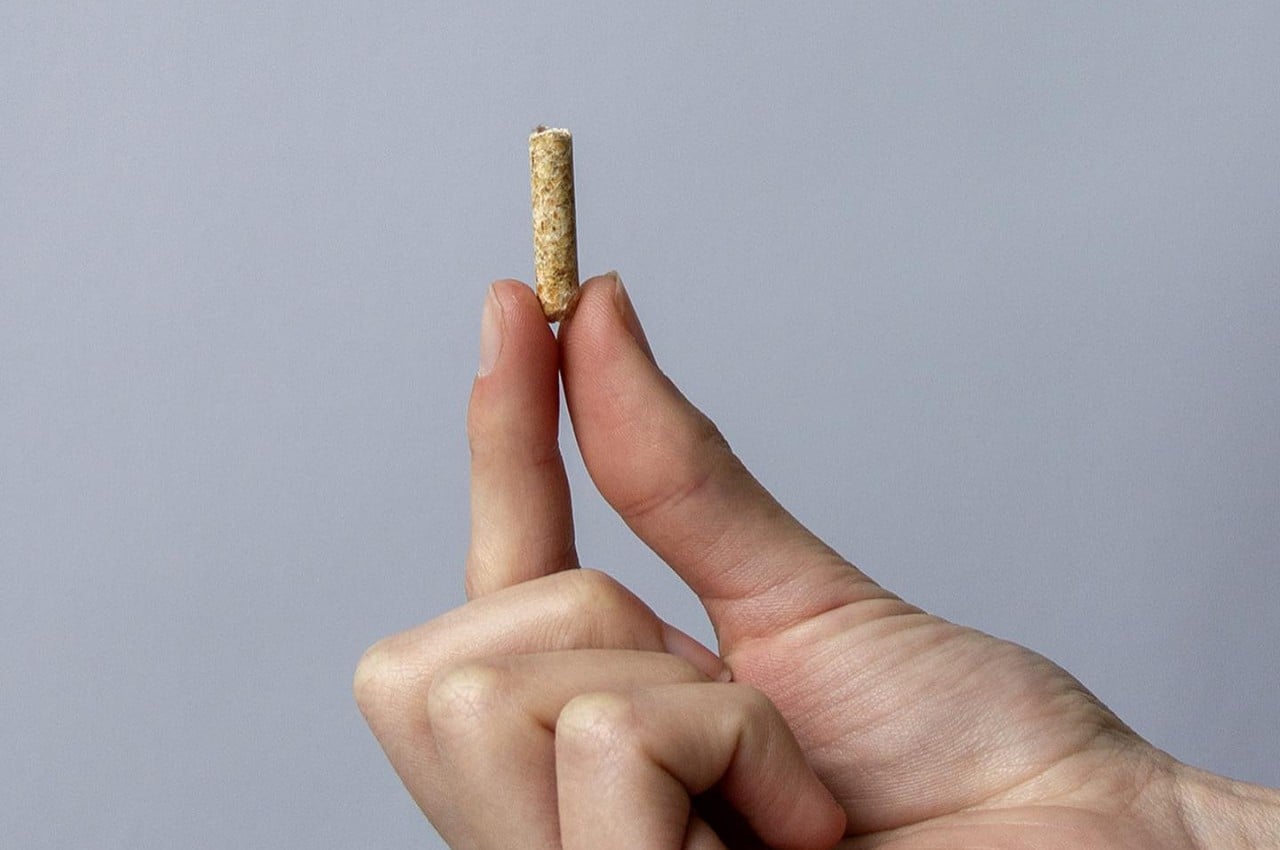
What makes the Briket stool more interesting, however, is how it can be used for some unrelated purpose when it has reached its end of life. Inspired by wooden pellets used for bonfires and fire pits, it can serve as fuel to heat up a place or keep the fire of a workshop going, letting it serve people one last time before finally biting the dust, pun intended. In fact, the legs of the stool can be individually removed and replaced, making the piece of furniture almost immortal as long as there are replacement parts available.

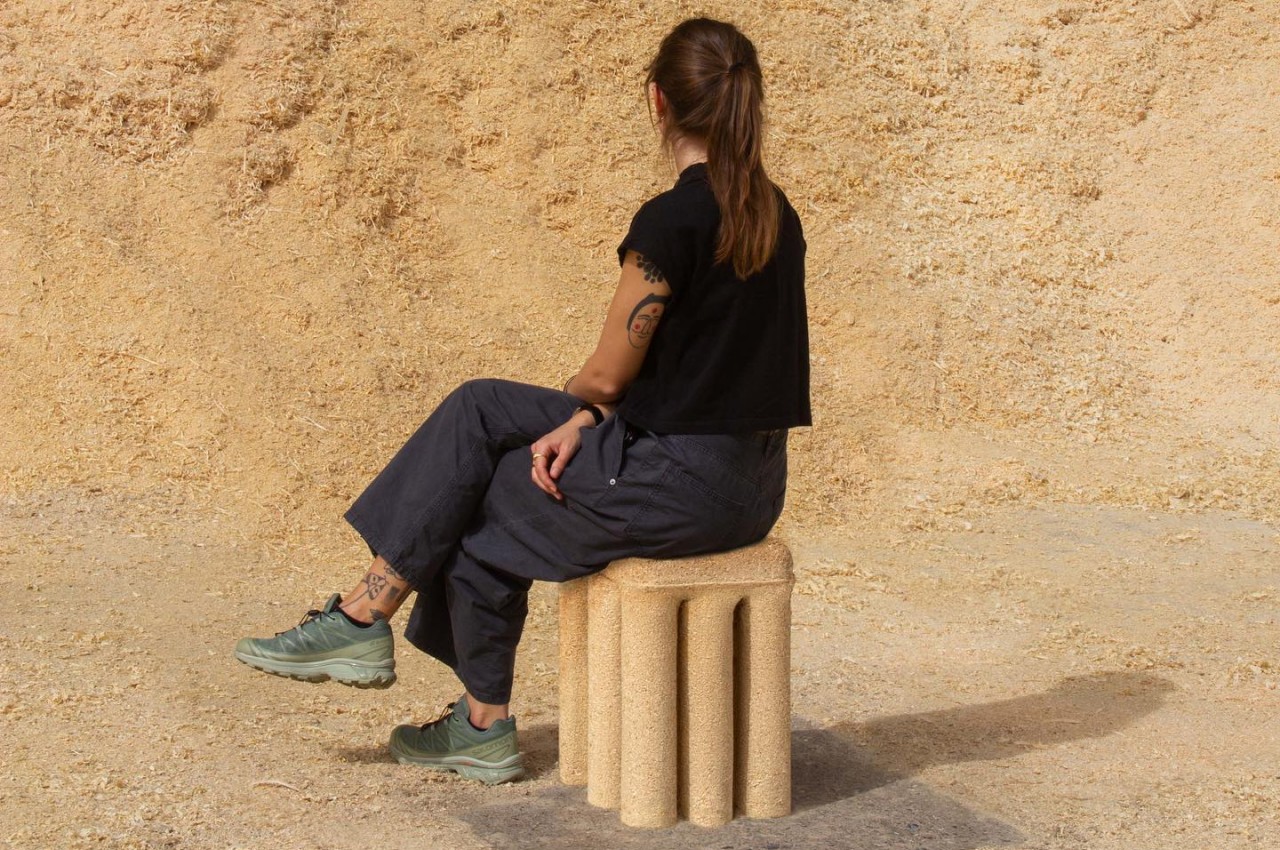
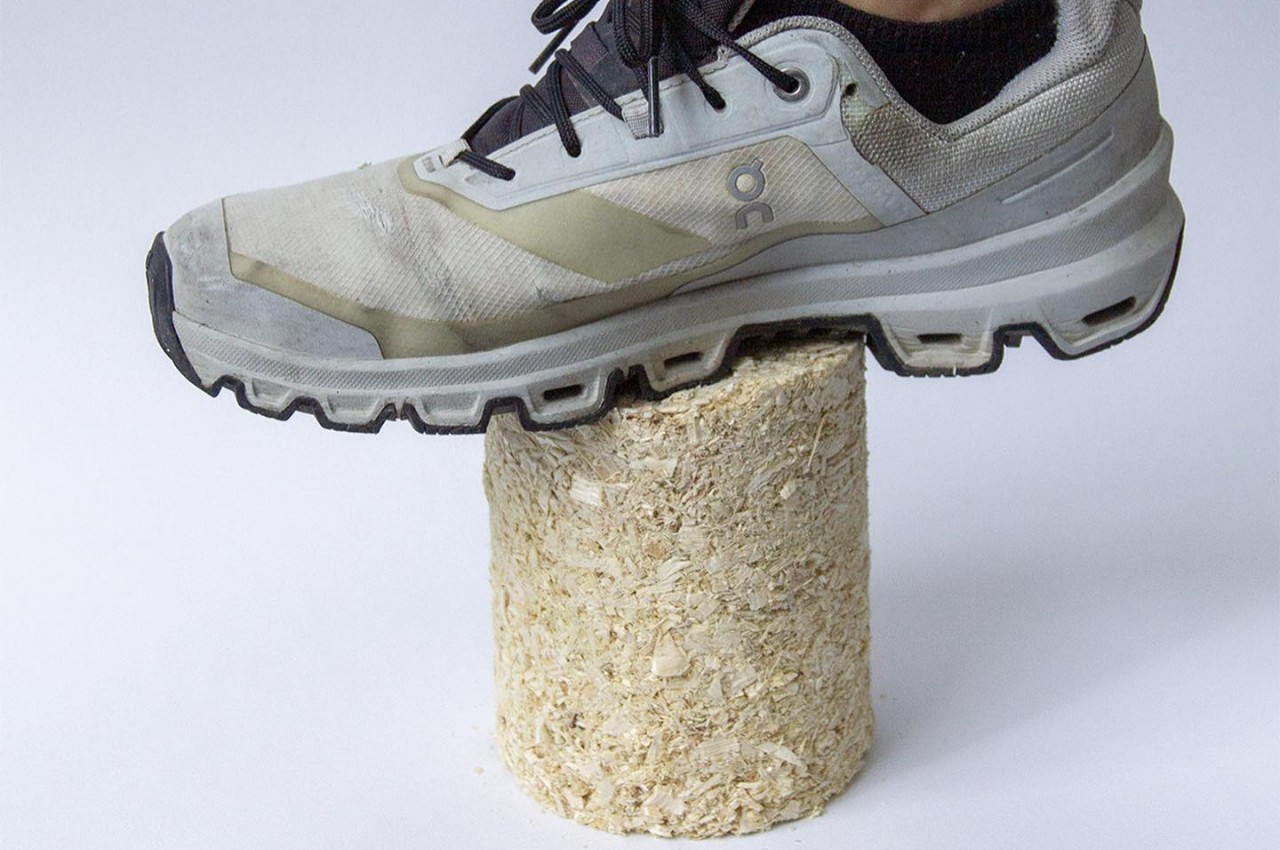
In terms of aesthetics, Briket has a unique raw appearance and texture that is more similar to cork than wood, something that might not sit well with everyone’s tastes. Because of that, some people might even have doubts about its stability and reliability as furniture you will sit on. Fortunately, that doesn’t seem to be the case, and Briket stands as a shining example of a truly sustainable design from start to finish.

The post Recyclable stool made from potato scraps and sawdust can be used for firewood first appeared on Yanko Design.

Sustainable tabletop smoker adds to your dinner aesthetic

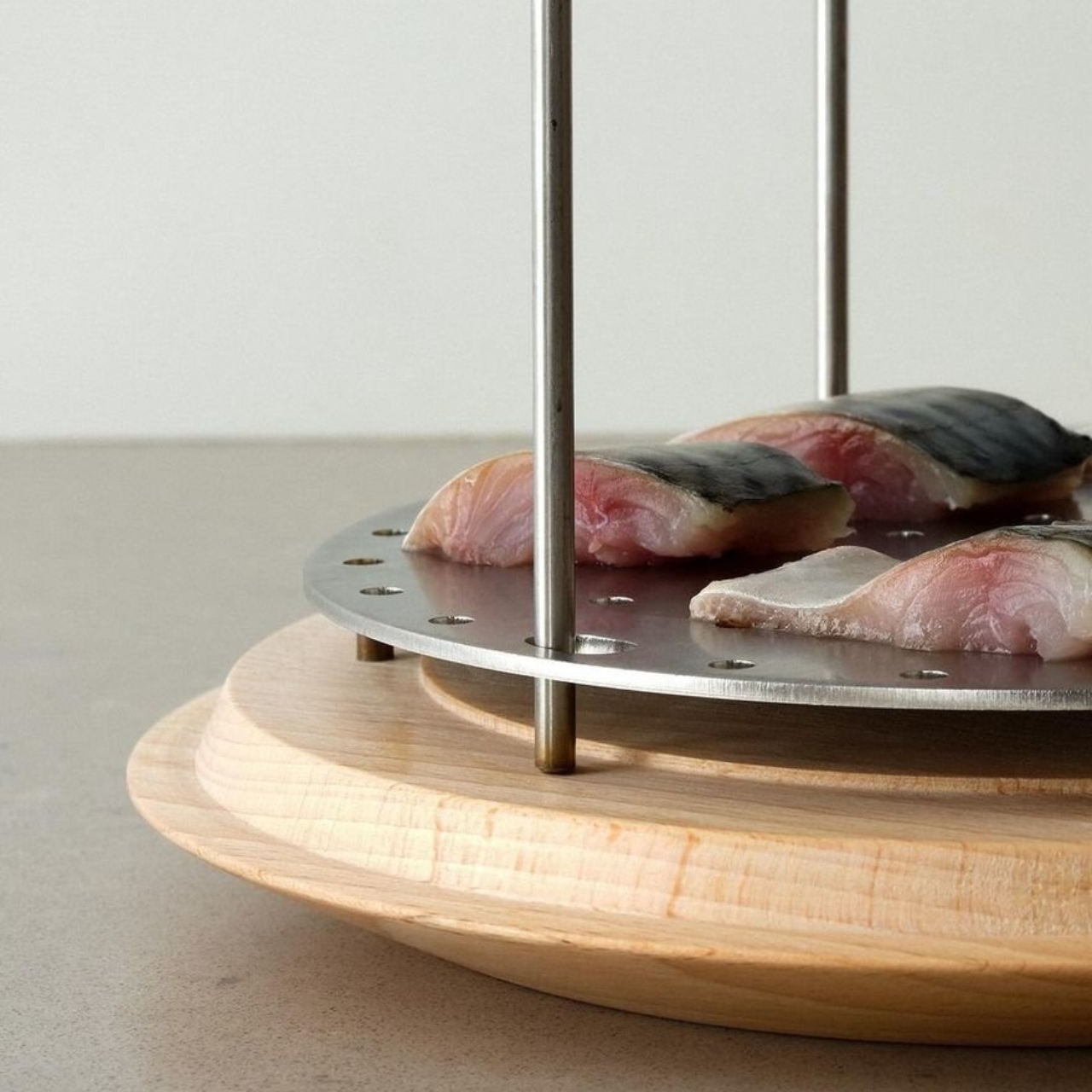
If you’re having a dinner party and you need to smoke some of your food like meats, vegetables, fish, cheese, and nuts, you probably will have to do it outdoors. But if you don’t have space to do actual smoking and you just have your table as your space, then that can be a problem (or you might have to just change your menu). There are options out there for table smokers but not all of them are convenient or emit minimal smoke or worse, they can make your food a bit charred.

Designer: Guillaume Bloget

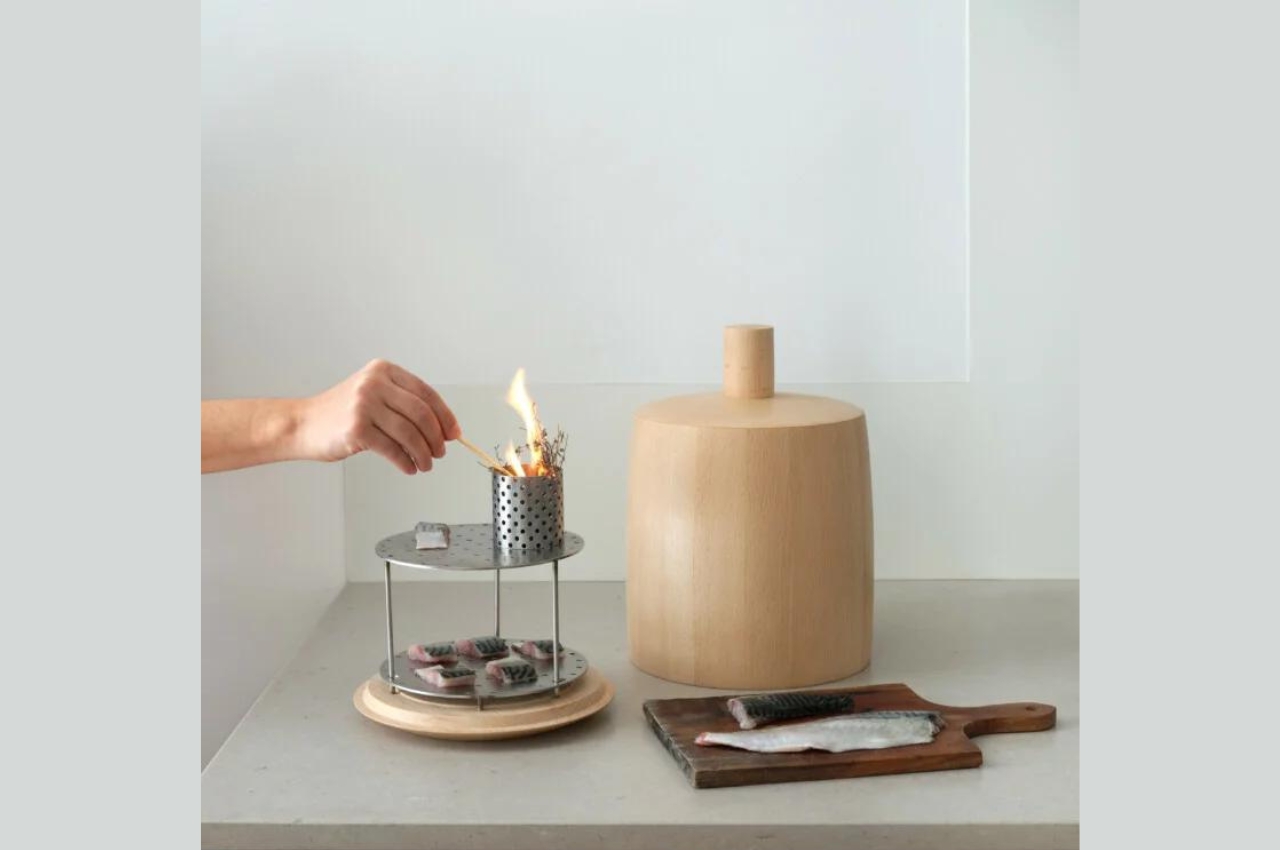
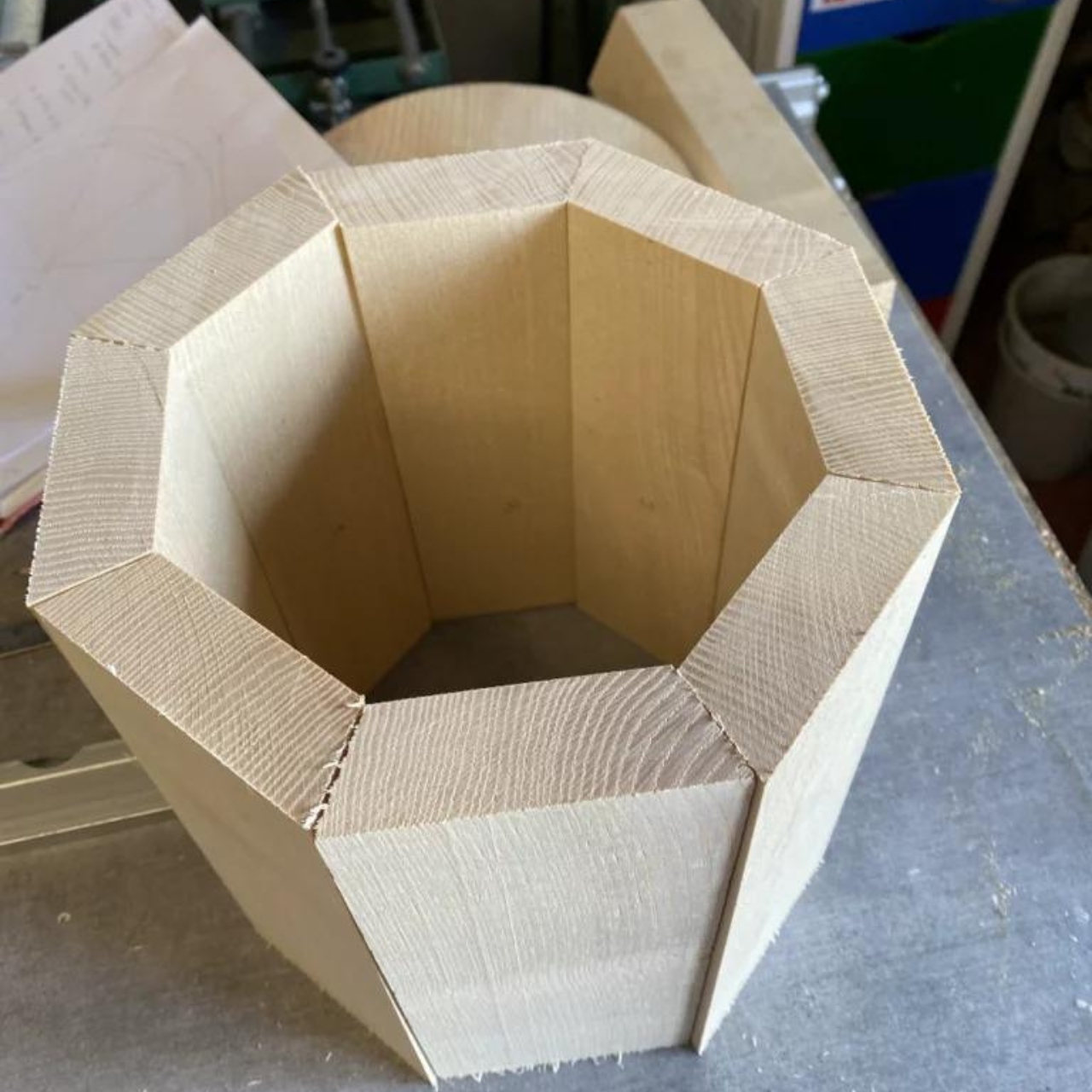
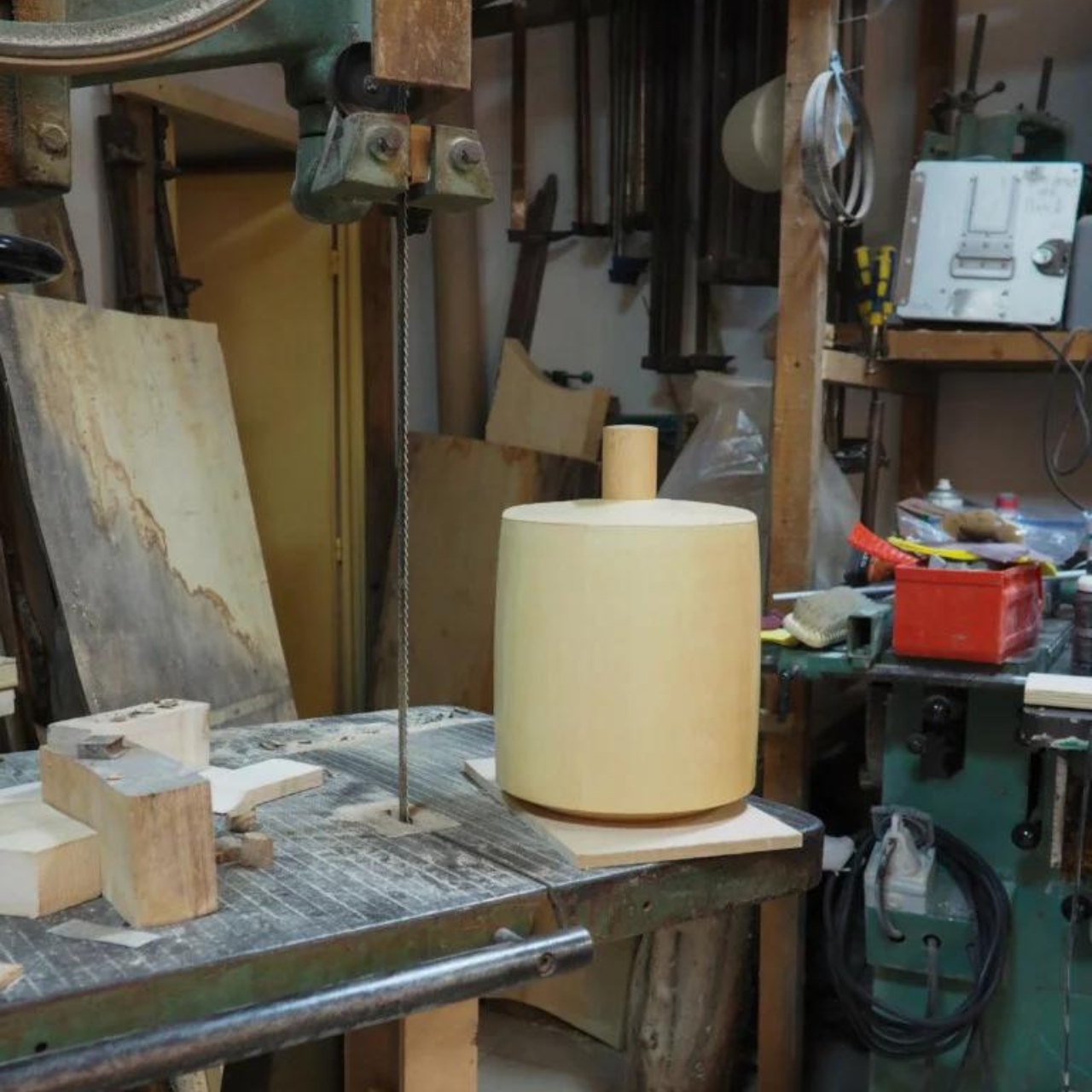
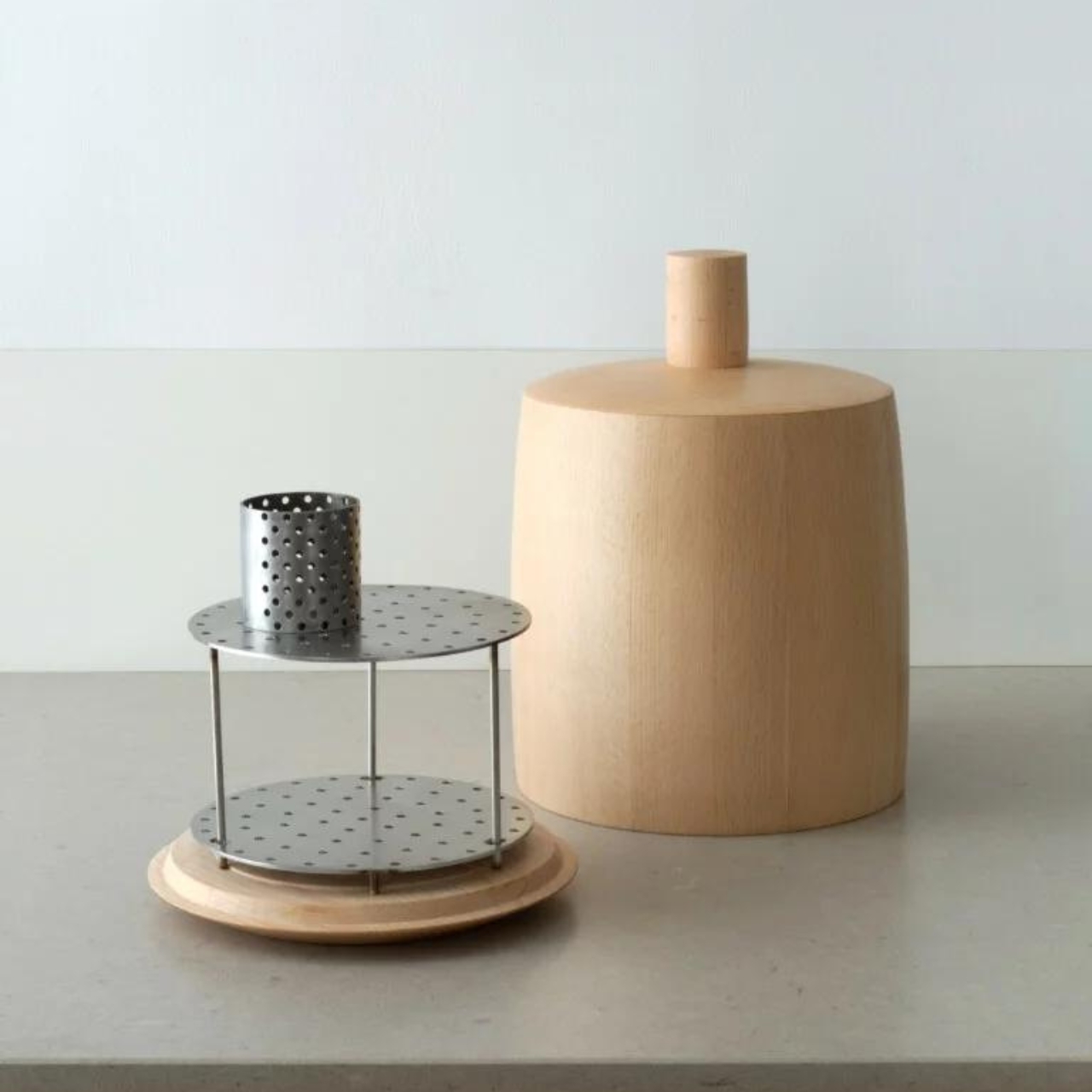
The Cloche table smoker may be the solution to that particular problem. It uses aromatic plants and wood chips as your smoker so that the food you’re cold smoking will still be able to retain their original flavors but this time with a smoky note added to it. It can also serve as part of your dining table decoration as its beech and stainless steel aesthetic can add to the atmosphere of your meal. You can create a ritual out of arranging the food, lighting the fire, then putting it out and presenting the food for eating.

Using it seems pretty easy on paper. You place the ingredients on the metal part and then put the aromatic plants or pine needles on the hearth. You can use matches or a blowtorch to light your “fireplace” then close the smoker with the beech cover. The fire will be put out once you put the cover on (hopefully). After 30 minutes, you can lift the cover and then start consuming whatever it is you were cold smoking. You will still get some residual smoke but hopefully not to make anyone cough or choke.

Having a table smoker like this can help alleviate the pressure of having an actual smoking grill if you just need to cook a bit of food for your party. But of course this is assuming you’re just having a few guests over since the Cloche table smoker is a bit small. If you’re not using it, it can also just be part of your table decoration or a food container.

The post Sustainable tabletop smoker adds to your dinner aesthetic first appeared on Yanko Design.

Geometric chair concept almost looks like an Escherian optical illusion

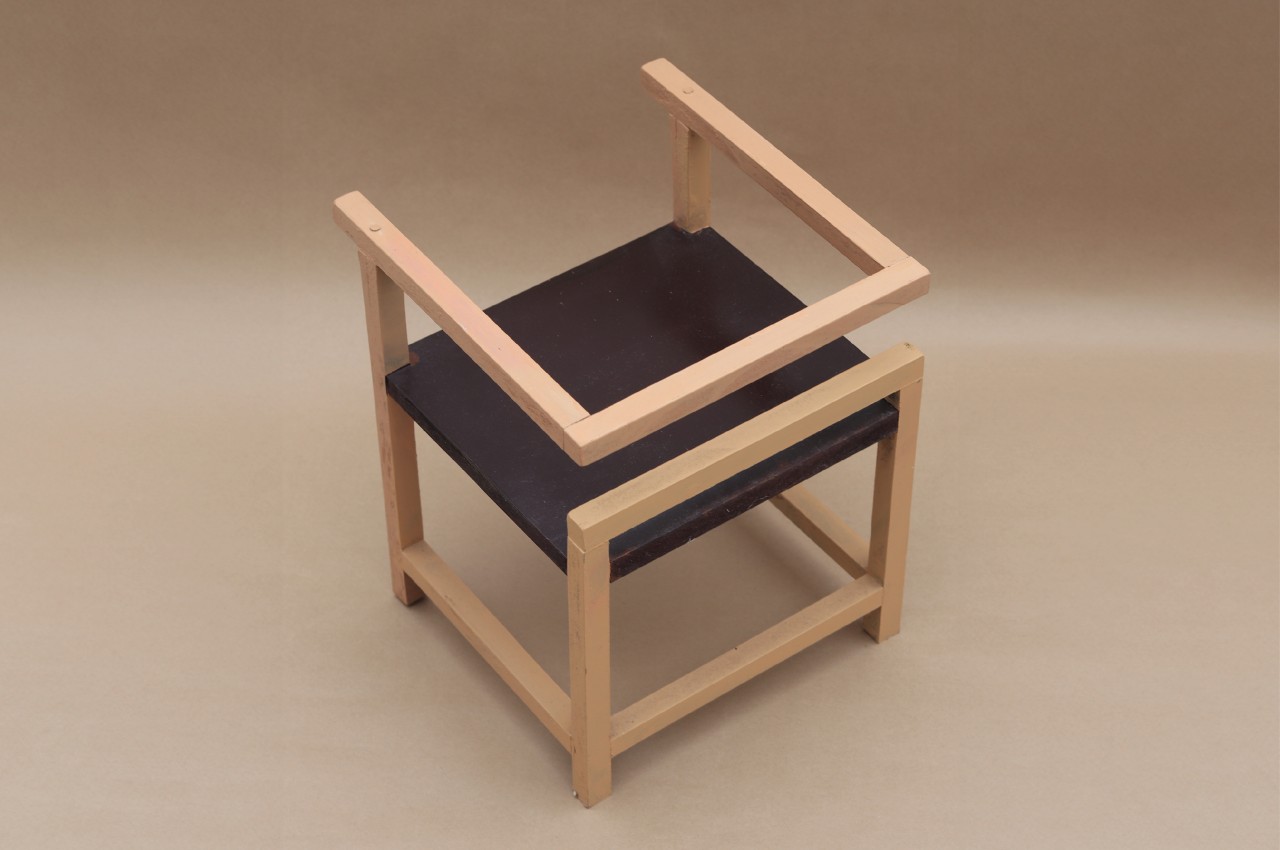
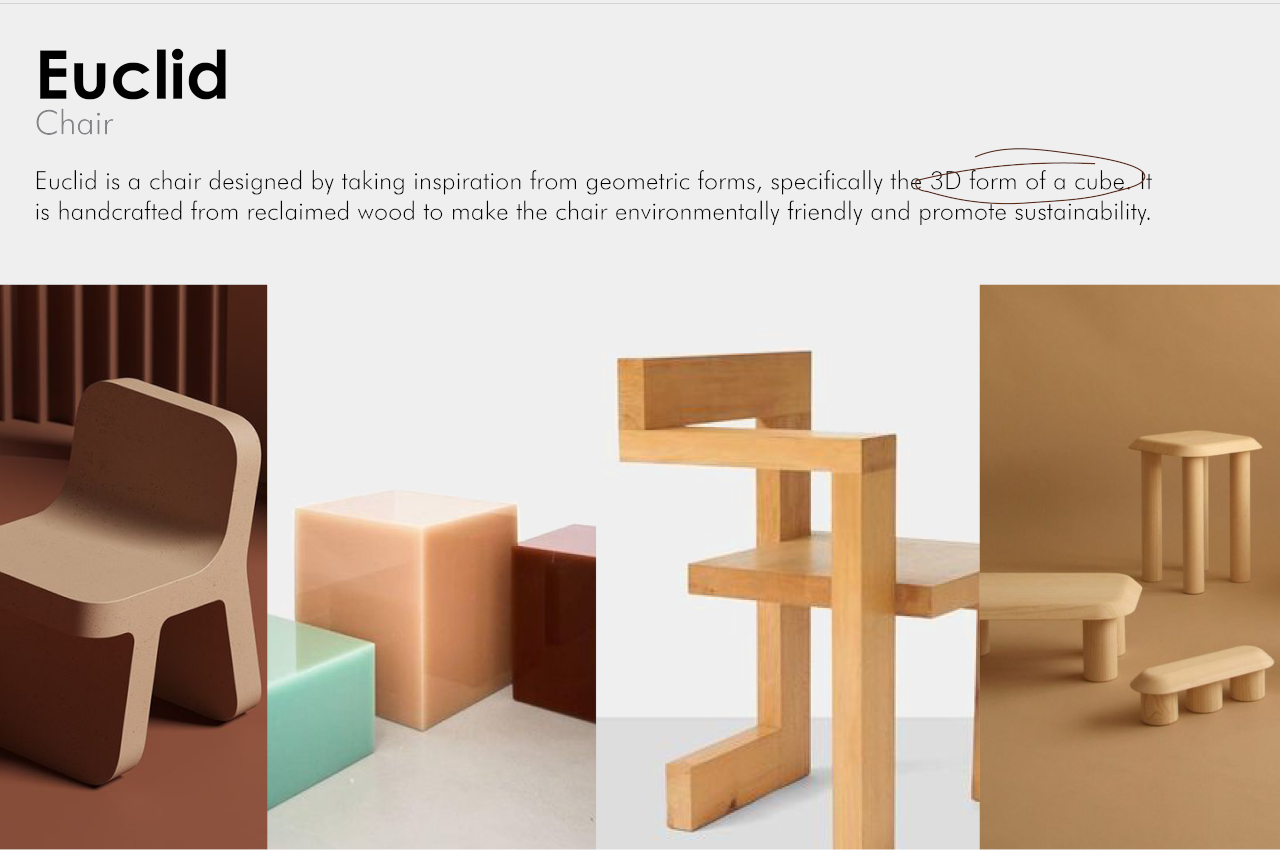
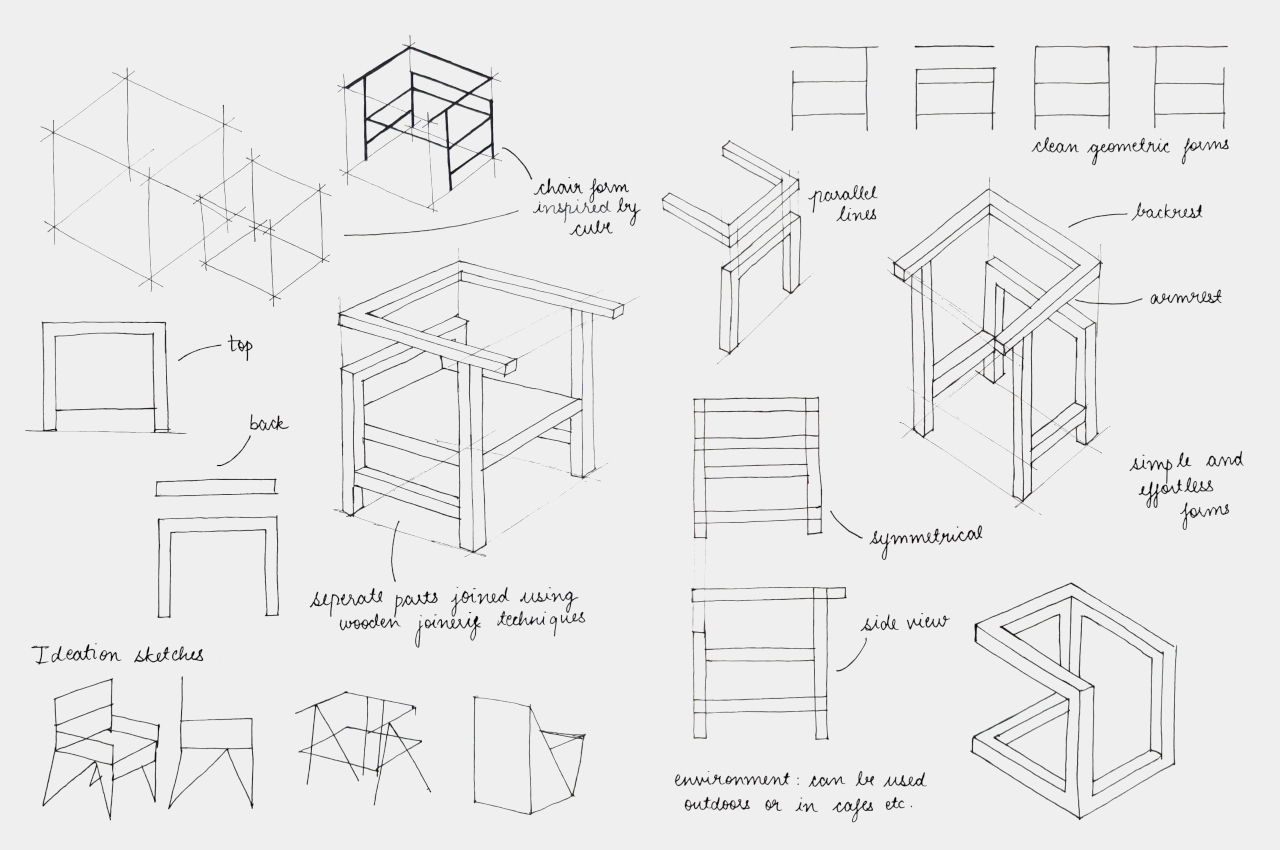
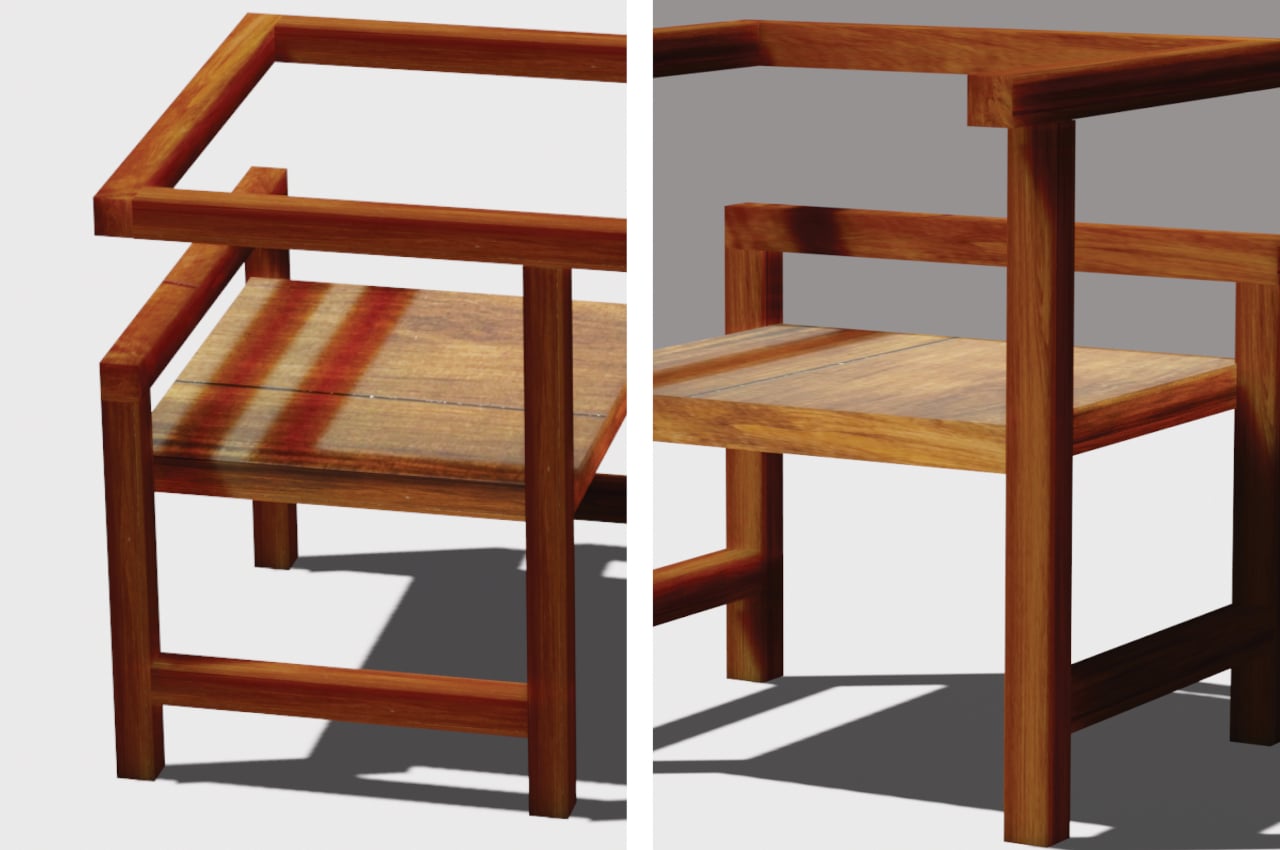
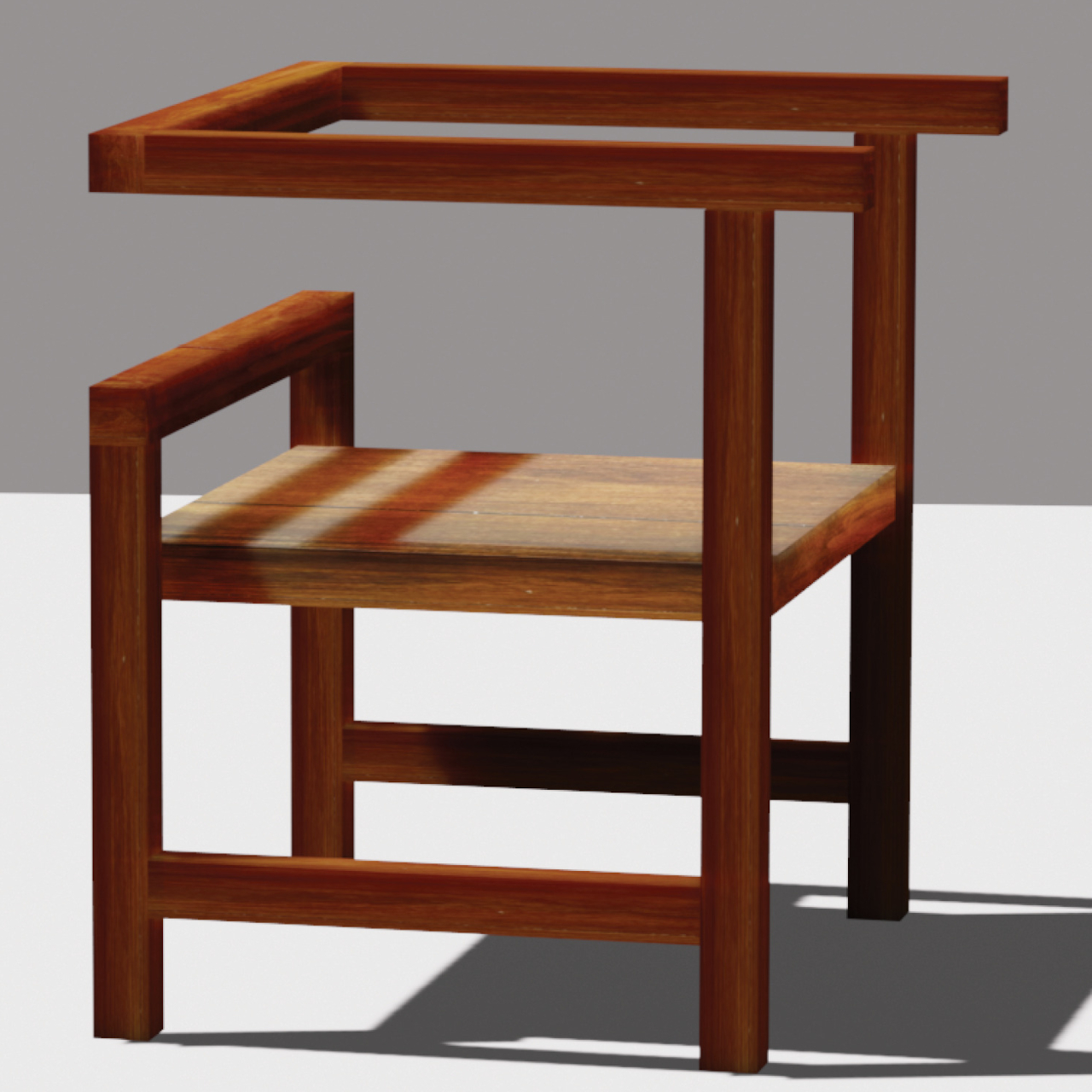
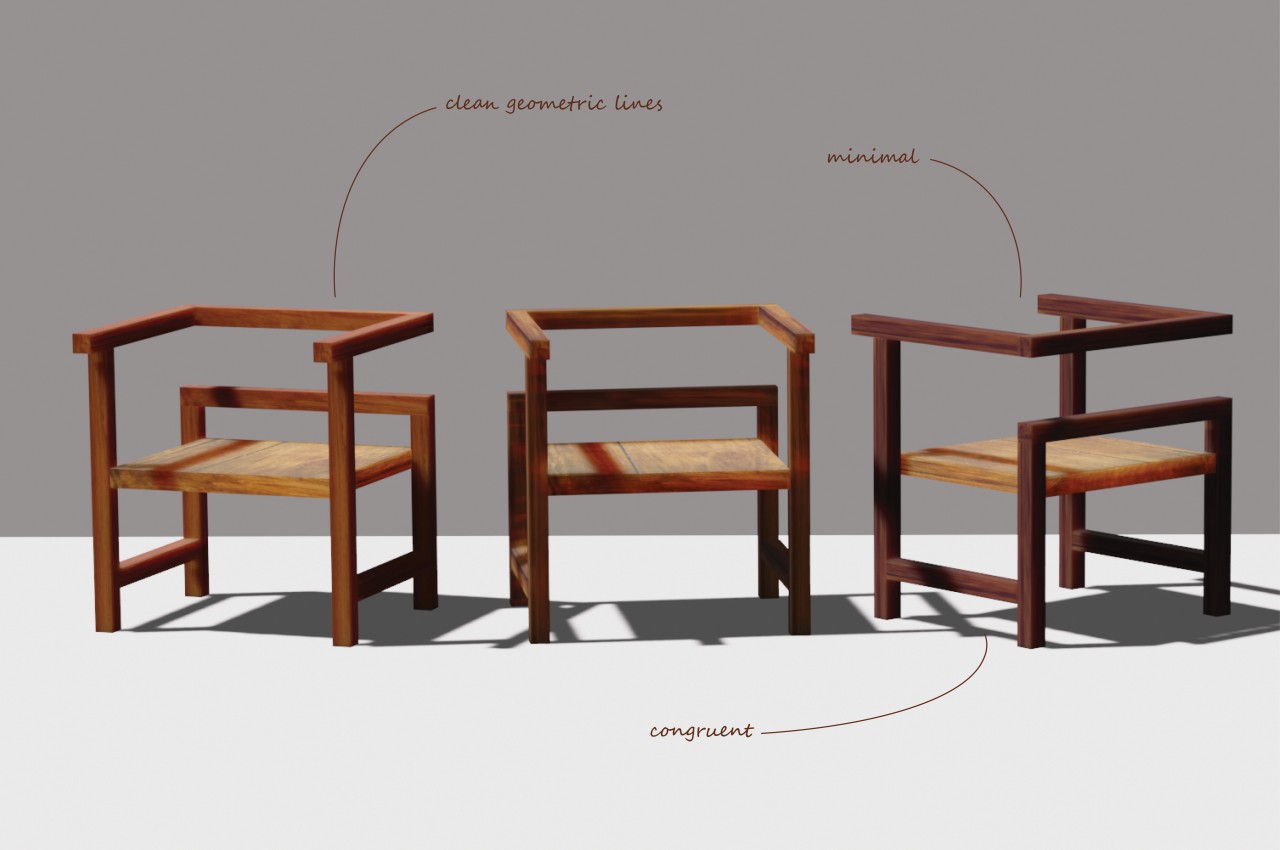
Chairs can come in all shapes and sizes. Some can take on complicated and organic forms, while others can be extremely minimalist or even brutally raw. They can range from designs that take inspiration from nature to those that adhere to simpler geometric shapes. The Euclid concept is one of the latter, aptly named after the ancient Greek mathematician. But while it draws its shape from a simple cube, its execution sparks a bit of wonder and curiosity as it resembles more the skeleton or wireframe of the shape, represented by almost unbroken lines that are reminiscent of Escher’s famed optical illusion, the impossible cube.

Designer: Sonakshi Gupta

Admittedly, it’s a bit difficult to see the Euclid chair as a cube, since most of us have this idea of a cube as having 12 lines that are all connected at eight corners to form six faces. Then again, that popular Escher object already shows an impossible depiction of that shape, and those familiar with that print might see some of that characteristic in this chair when viewed from certain angles. Overall, it creates a dynamic form that has your eyes following the lines and moving all over the place, sometimes confused about where the front and back sides are.

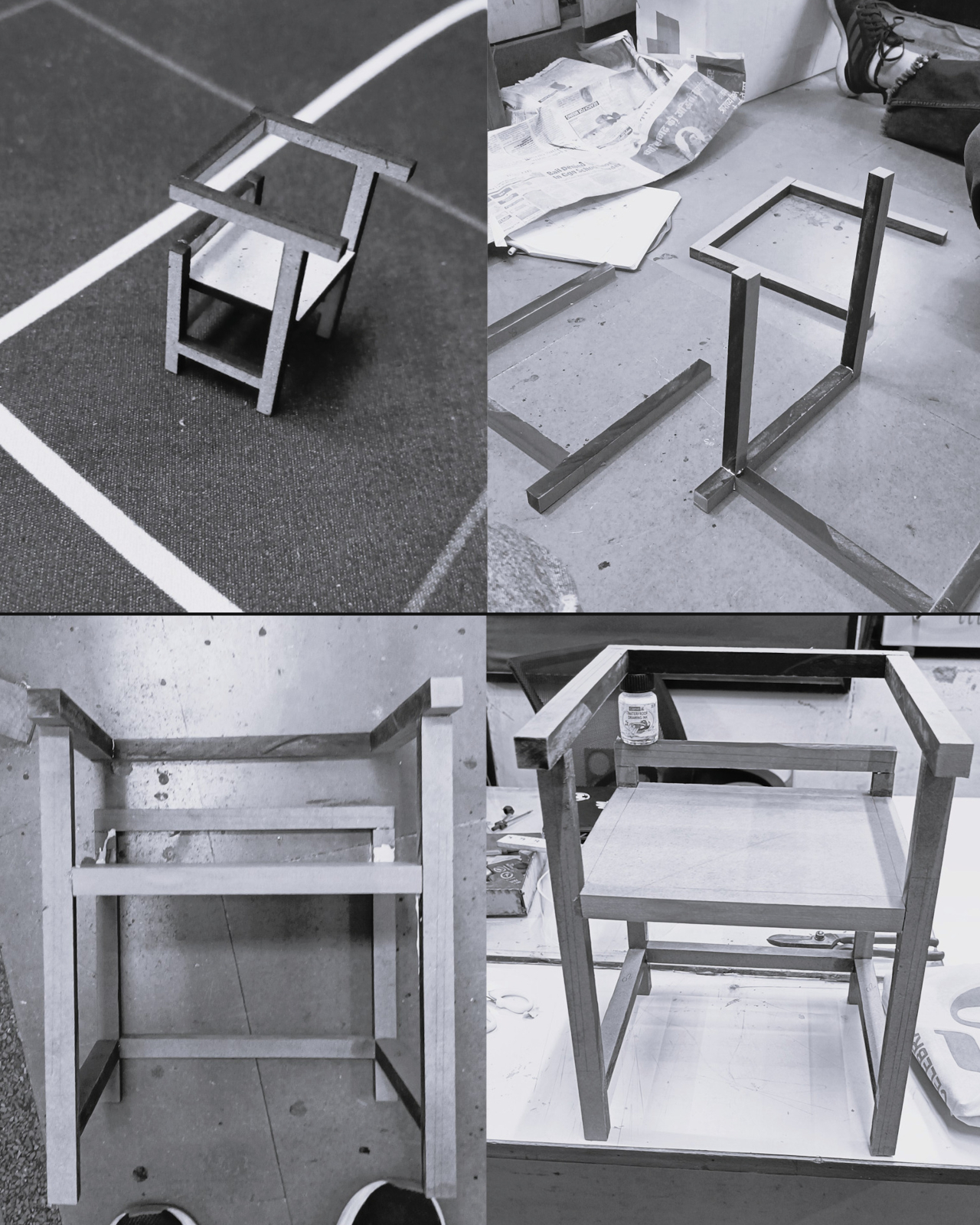
Its unique form isn’t the only notable thing about this concept, however. Its use of reclaimed wood gives it more than a sustainable character. That material, in a way, carries some history from what it was before becoming a part of this chair. Even if that past is unknown to the new owner, simply knowing it has one could give each Euclid chair its own unique charm.

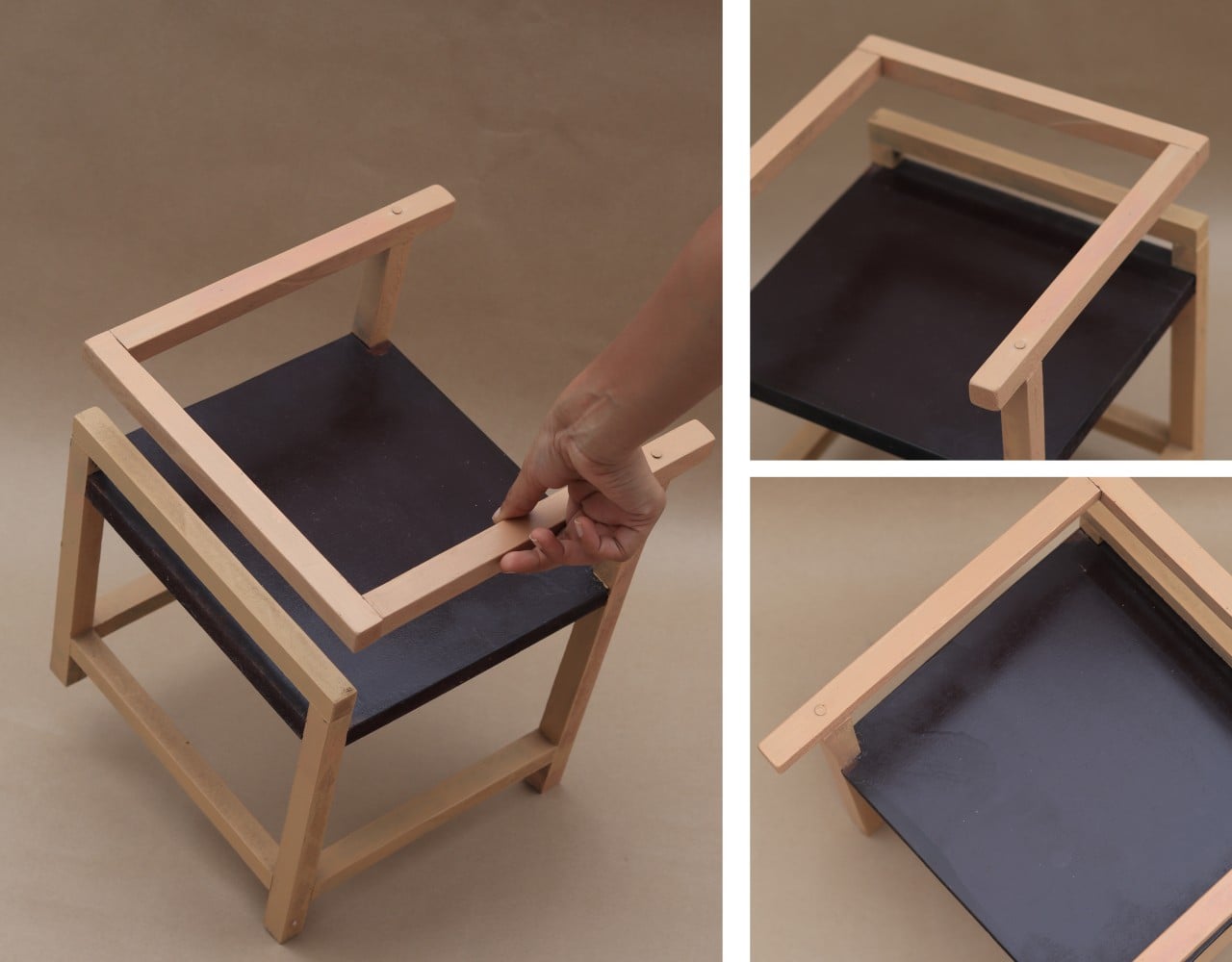
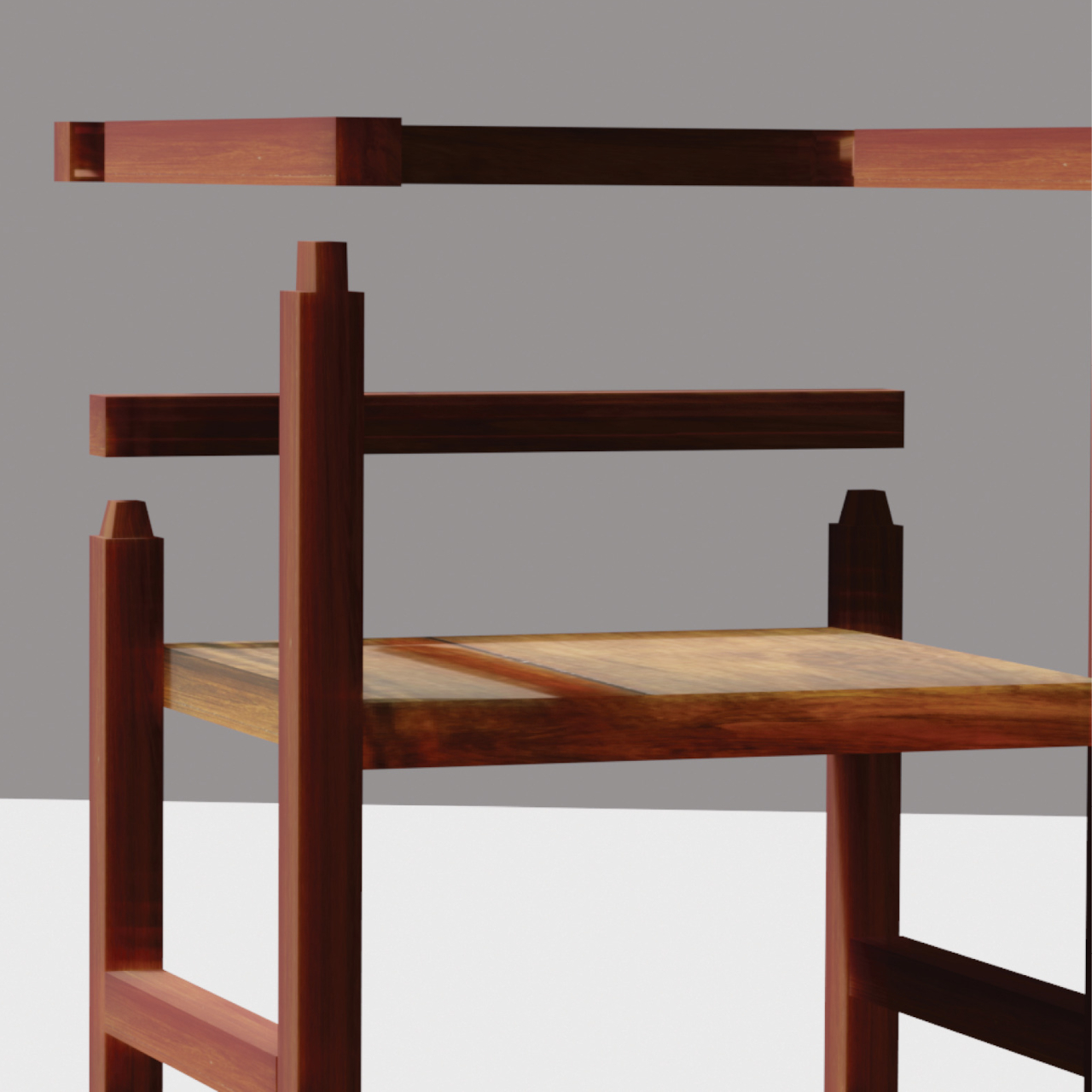
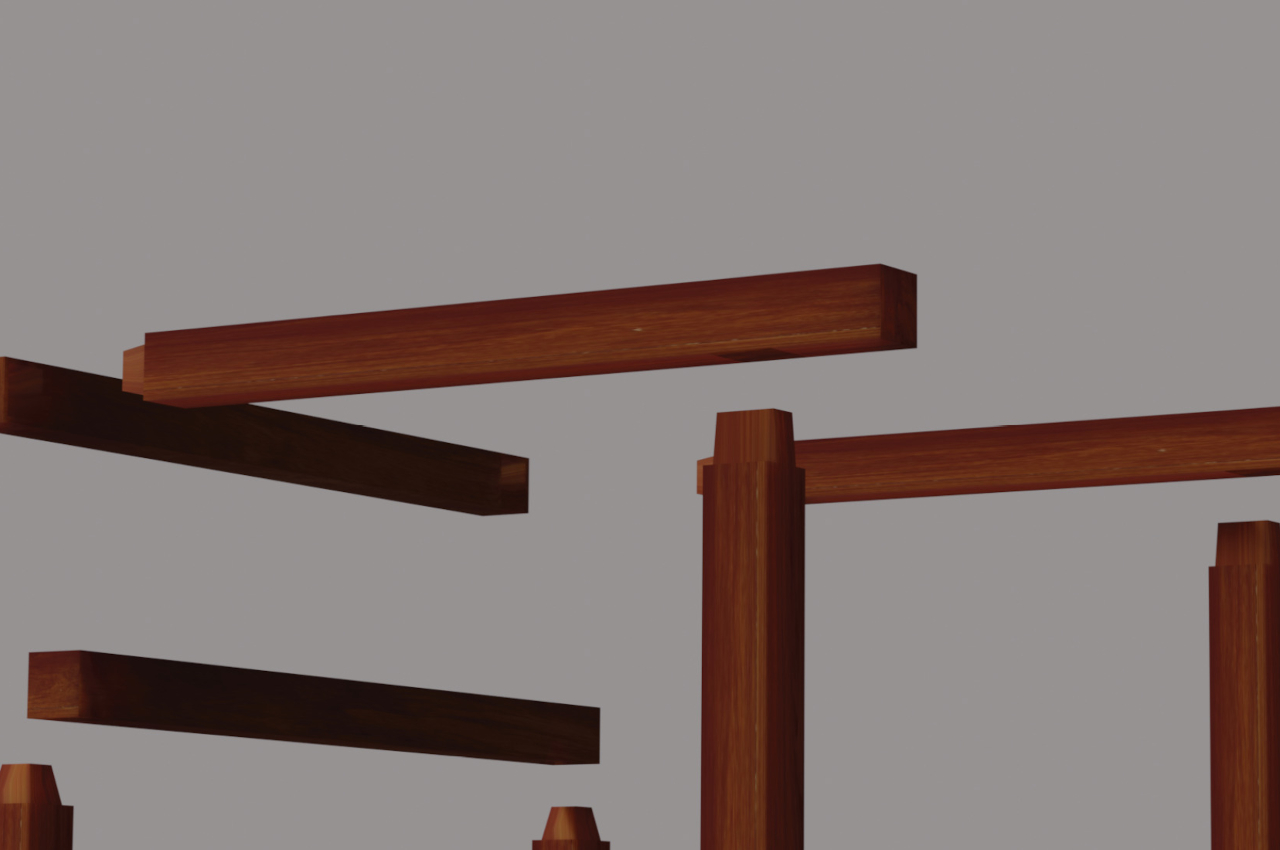
And then there’s the method used to bring all the pieces together. Instead of requiring screws or even glue, a mortise and tenon joinery is used to provide stability without introducing complicated mechanisms. In theory, this could make it easy to later take the chair apart if some pieces need to be replaced, though that could also start to weaken the connection over time if done too frequently.

The Euclid concept chair offers a design that is minimalist, sustainable, and visually interesting. Whereas a cube is pretty much the epitome of symmetry, the missing edges and disconnected faces give the chair a bit more volatility. That said, it doesn’t seem like the most comfortable chair to sit on. Even if you put a cushion on the seat, the hard edges of the armrest and especially the backrest could give your body some grief after a long period of time.

The post Geometric chair concept almost looks like an Escherian optical illusion first appeared on Yanko Design.

Sculptural chair design pays homage to a century-old wooden classic

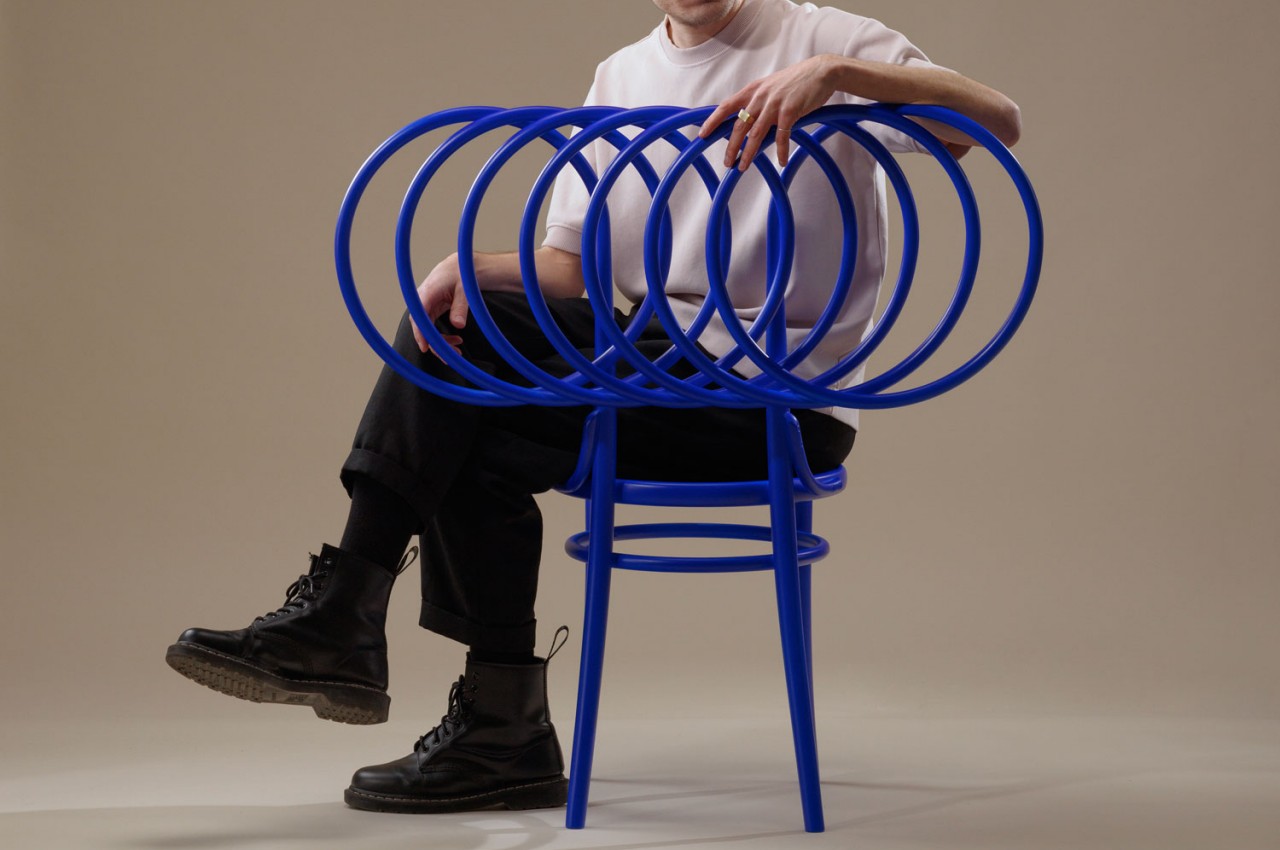
Designs come and go, but some manage to become icons in their field. There are quite a few such designs in the larger furniture market, especially in the categories of tables and chairs. More than a century ago, a particular wooden design shattered expectations and became the precursor of mass-produced chairs for years, even decades, to come. It has since then inspired many product designers not only to follow in this chair’s footsteps but also to improve on it or even reimagine it with modern techniques and sensibilities. One such ode turns what was primarily a utilitarian design into an art object, exaggerating the structure and form that gave the No. 14 Chair its identity.

Designer: Jiri Krejcirik

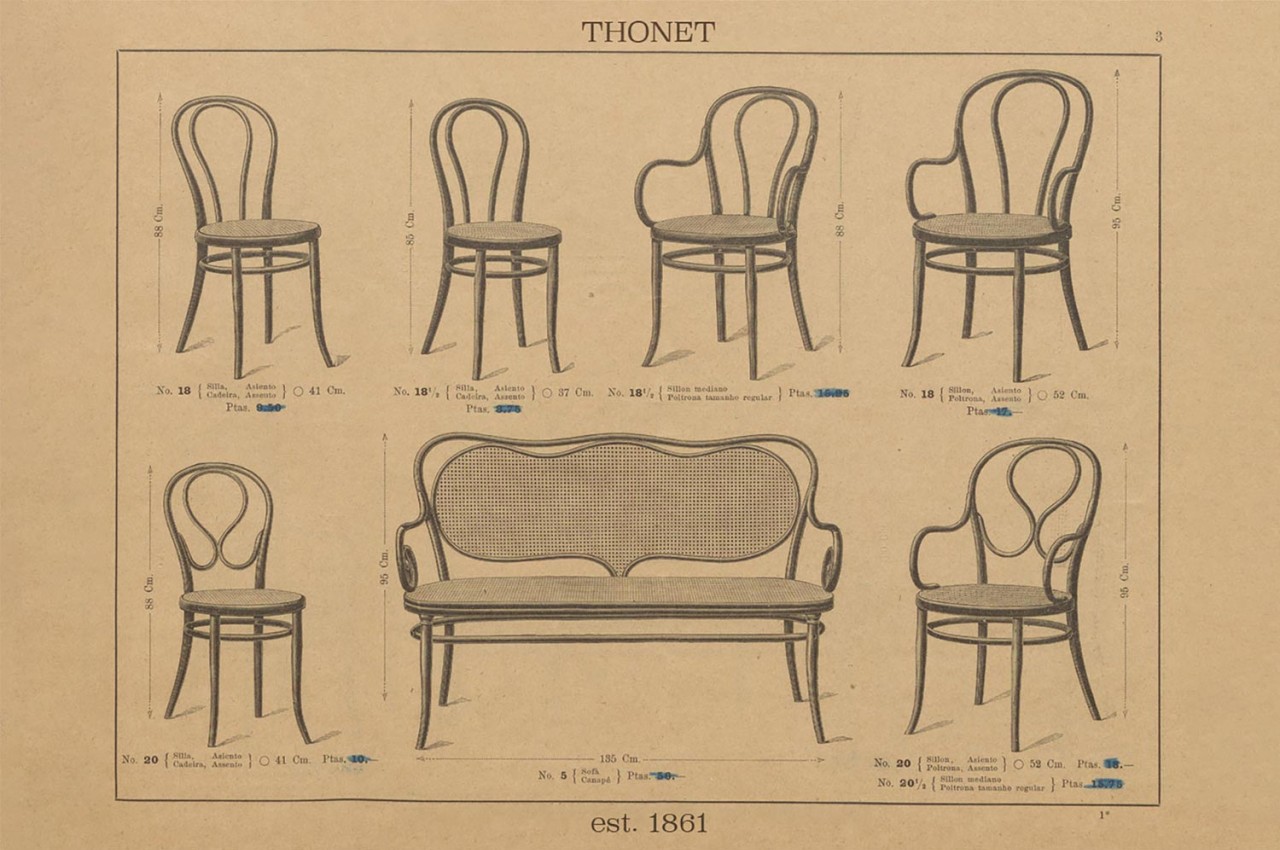
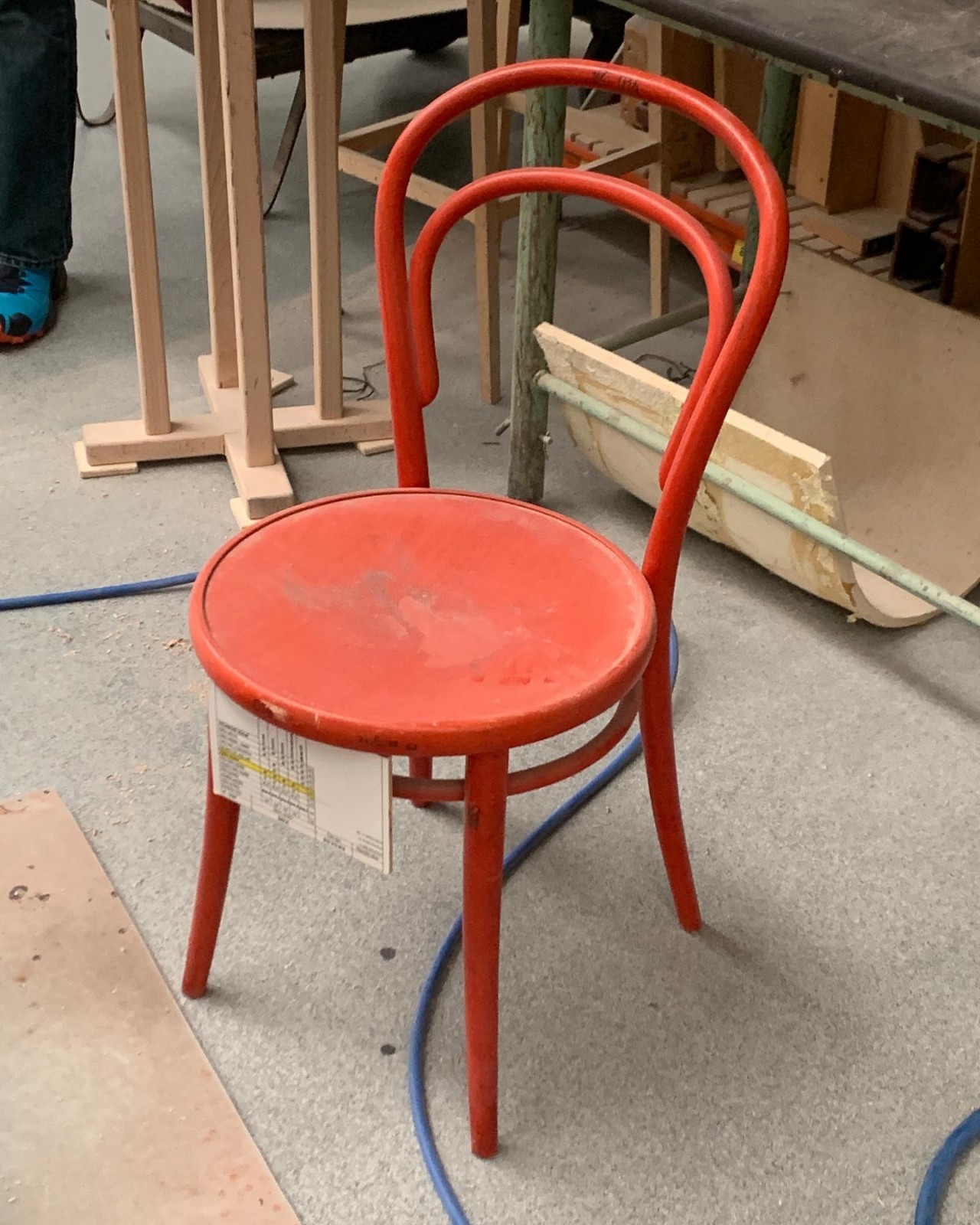
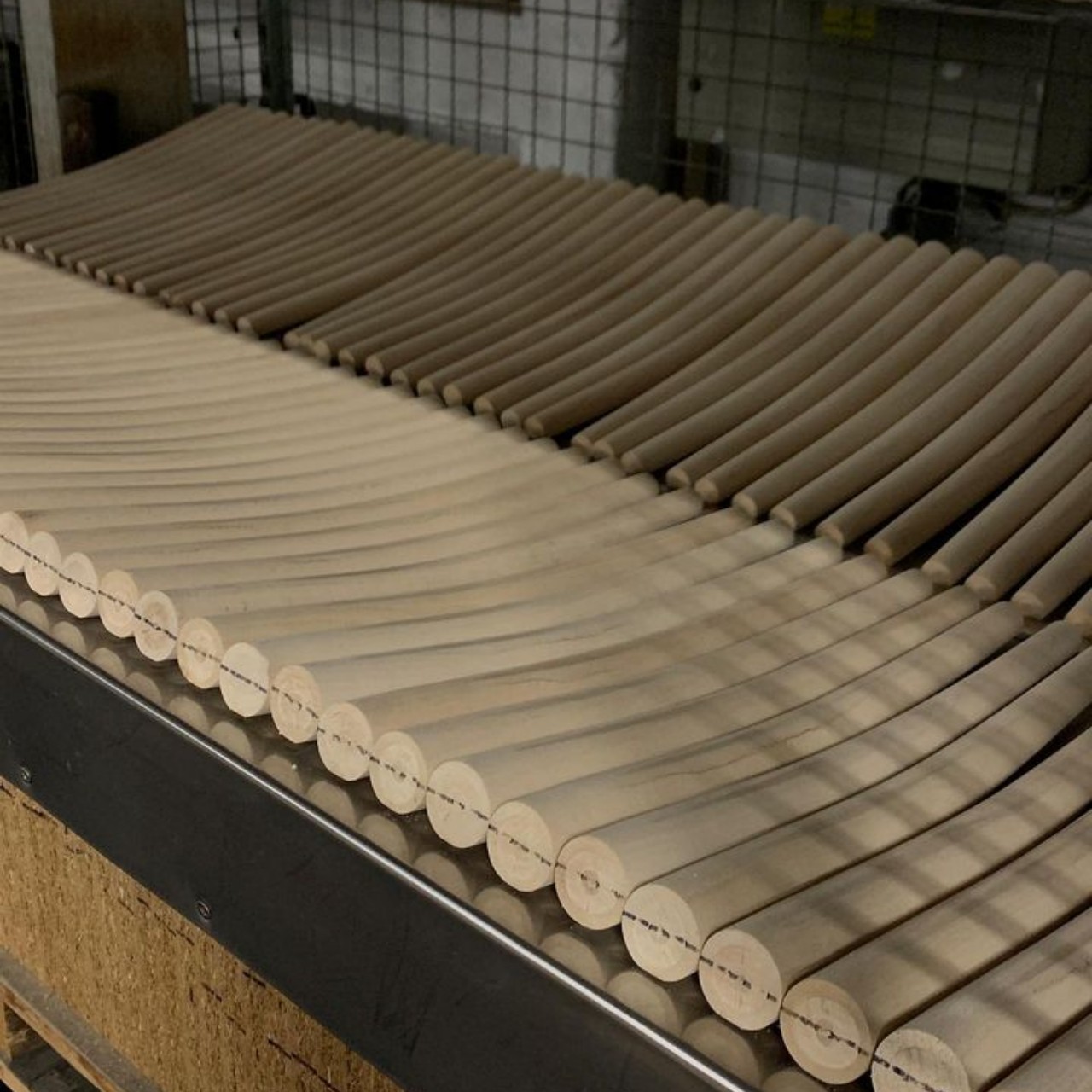
Wooden chairs have, of course, been around for centuries, but most of them were often made with elaborate hand-carved designs that didn’t scale well for mass production. In 1859, the Thonet company revolutionized the furniture industry with the No. 14 Chair, or simply the Chair 14, which could indeed be put through a pipeline but still looked elegant in its simplicity. Its most characteristic design was the steam-bent wooden rods that formed the chair’s back, legs, and support.

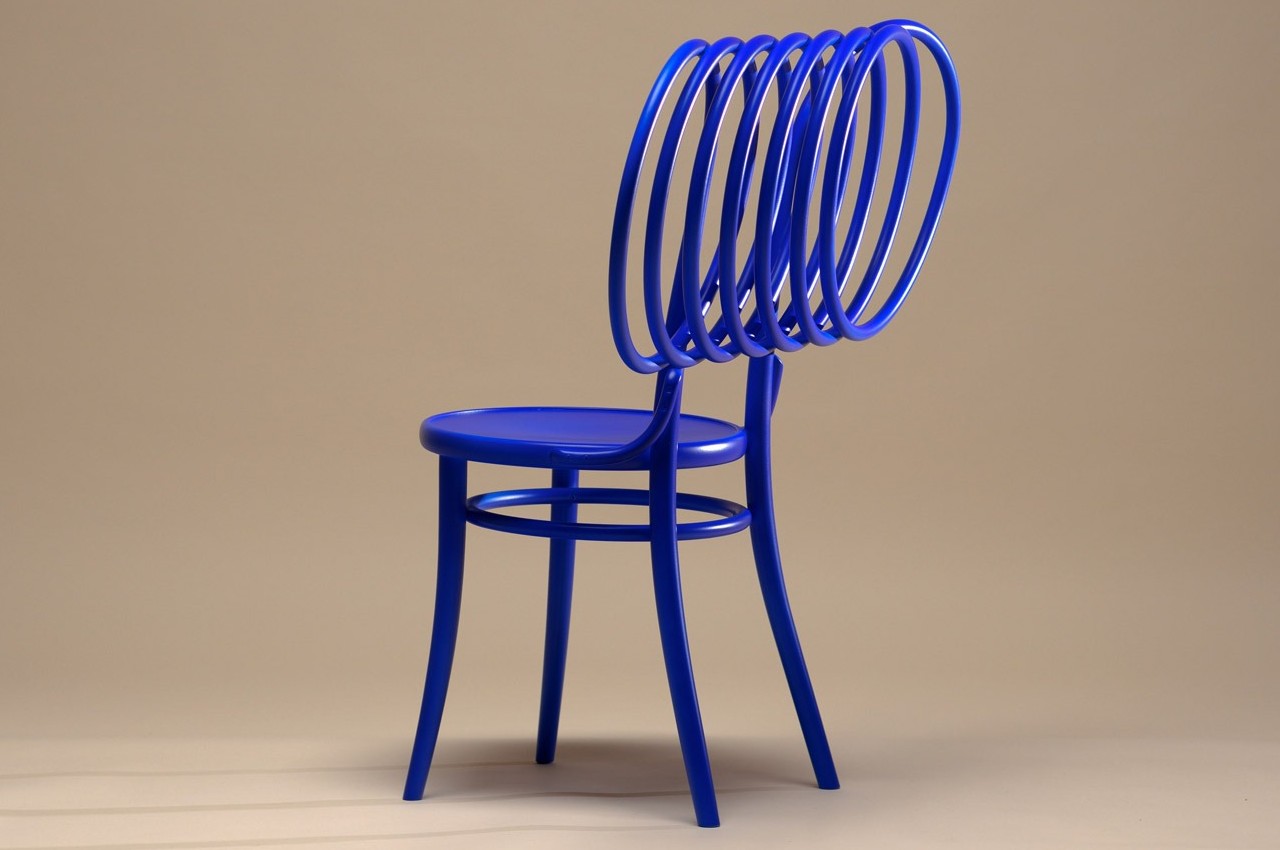
More than 160 years after its birth, a new design breathes new life into that classic chair and dials it up to eleven. But rather than modernizing the original design, “Ode to Chair 14” reinterprets it from a different angle, one that puts form and aesthetics on a pedestal. While the original No. 14 adopted bent wood to give a mass-produced design more style and elegance, this particular rendition turns that design element into an art form, transforming the chair from a piece of furniture into an art object.

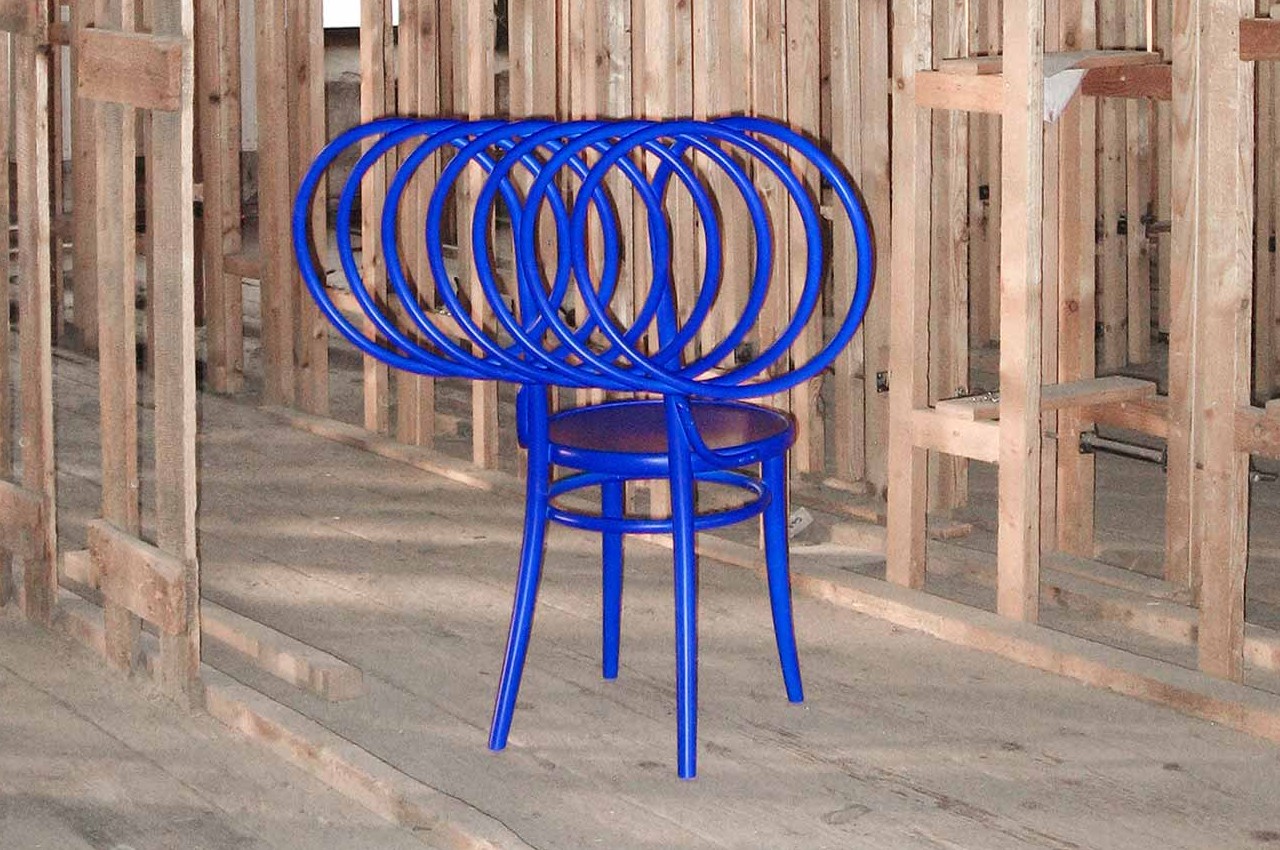
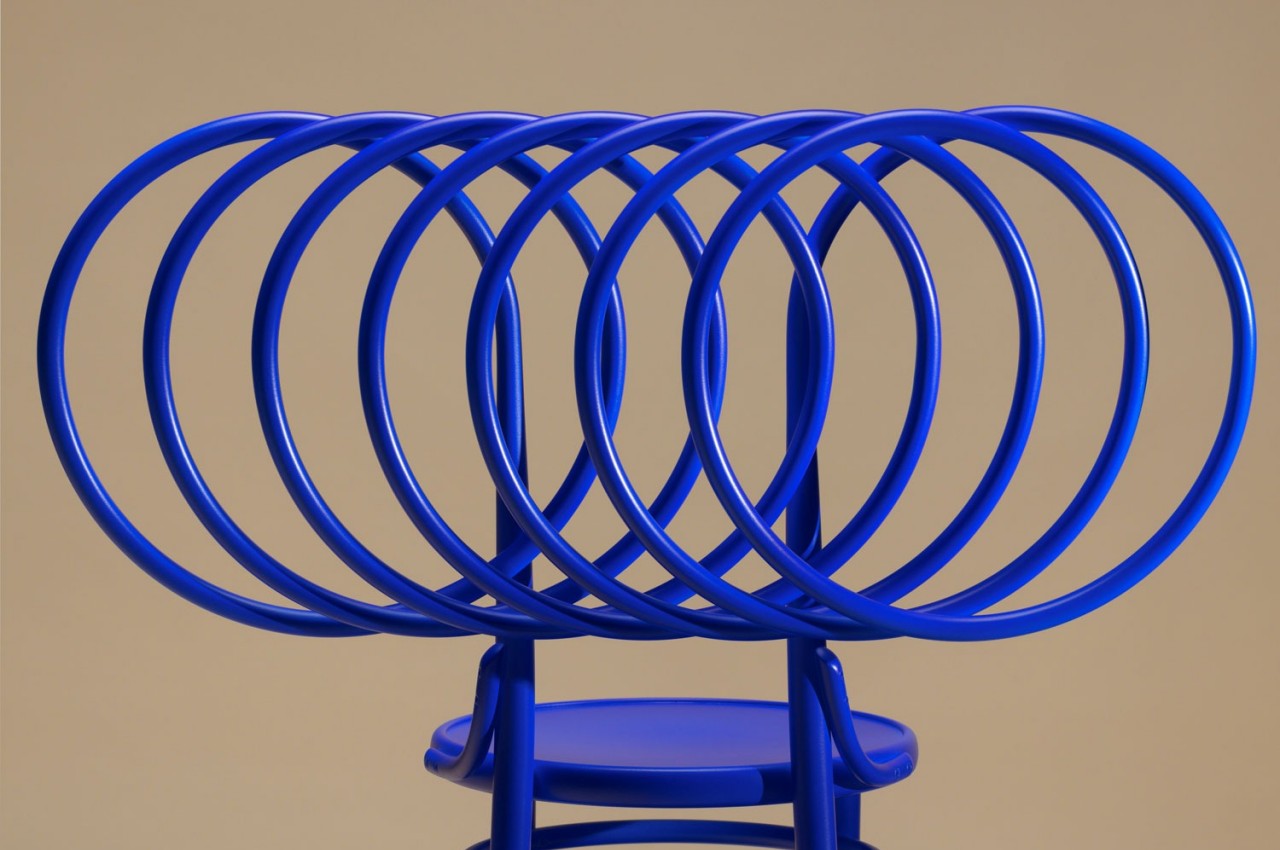
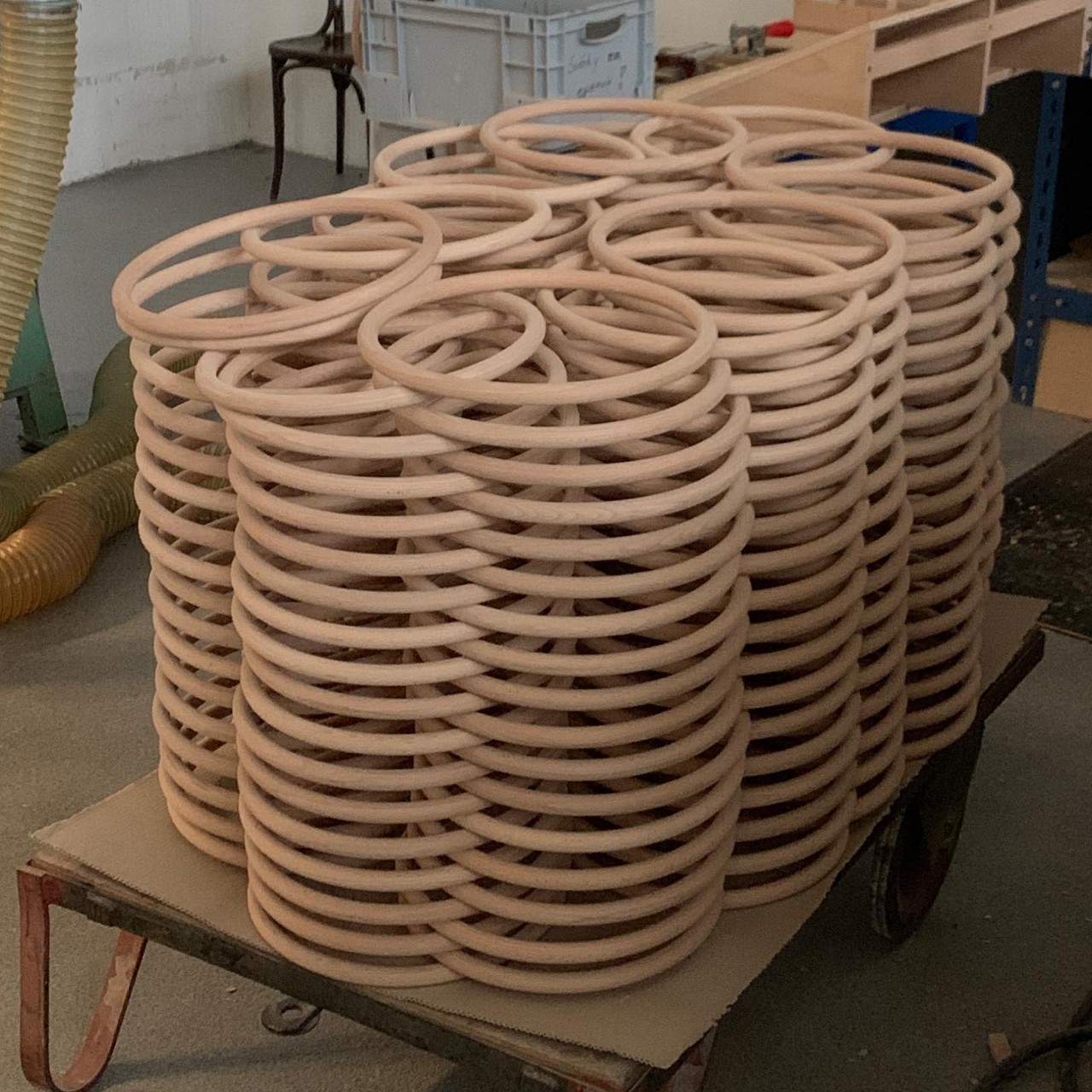
The Ode to Chair 14’s base is similar to the original, with a circular seat supported by four curved legs joined by a ring midway down their length. Where it differs, however, is the backrest, where what would have been a simple arching curve almost spirals out of control and loops repeatedly until it forms a row of intersecting rings. It gives the chair a character that is both eccentric and regal at the same time.

Despite its glossy blue hue, the chair is still made from bentwood beech wood just like the original design. In a way, it demonstrates how production processes have advanced to the point of making even such complex shapes possible. At the same time, however, it retains the same structural simplicity as the first Chair 14, a vision that paved the way for a new breed of chairs for decades to come.

The post Sculptural chair design pays homage to a century-old wooden classic first appeared on Yanko Design.

Sustainable office chair uses paper-like material made from wood by-products

Sustainable furniture and designs are thankfully becoming more common, but the “sustainable” label can actually be applied to different things. They can be made from recycled materials like metal or PCR plastics, or they can be made from new but biodegradable materials like wood, cork, and paper. While both kinds are good, they don’t always address the accumulating material waste that comes from the production of these objects, even the bits and pieces of wood that get left on the cutting room floor and then thrown out. Giving a new purpose to these by-products is another sustainable practice, one that is being applied to a beautifully minimalist office chair that’s made from dozens of sheets of paper.

Designer: Arper

Of course, it’s not literally made from paper, which would be too soft for a chair no matter how many sheets you stack, especially for a sleek and slender seat based on Arper’s iconic Catifa 53. Instead, it uses PaperShell from a Swedish startup of the same name, a material that almost poetically transforms paper, which comes from wood, back to a wood-like material that offers rigidity, stability, and, more importantly, beauty. In a nutshell, it uses both wood by-products like sawdust and chips as well as waste wood like fallen branches in forests to create a new paper-like material that can be used in place of wood, plastic, or fiber composites.

That’s the case with the Catifa Carta, which compresses dozens of these sheets into a composite that’s then bent and formed into an elegant chair with a gentle slope sitting on top of thin yet sturdy metal legs. Unlike its older sibling, this more sustainable version of the chair leaves the seat in its original, unpainted glory. That means you can see the natural imperfections of the PaperShell material, giving each chair a unique character. It’s pretty much the same as the highly prized grains in wood that give designs their natural charm.

What’s even more special about the chair is that even the end of its life has a story to tell. PaperShell can be recycled to produce new and different products, but it can also be turned into biochar to nourish the Earth. The material itself sequesters carbon dioxide which can be used to enrich soil. It’s a truly circular life cycle that starts and ends with the Earth. Appropriately, Arper has made the Catifa Carta easy to disassemble to make this process even easier.

Of course, the chair isn’t just a thing of beauty inside and out, it’s also a functional piece of furniture. Though some might have concerns about the ergonomics of using such a chair for long periods at work, it’s still a well-designed seat that makes you feel good not only about sitting on it but also about the exciting journey that this wood-like material has made since its birth from a seed.

The post Sustainable office chair uses paper-like material made from wood by-products first appeared on Yanko Design.
3D printed recycled wood could kickstart another design industry revolution

3D printing blasted the doors of creativity wide open by allowing almost anyone and everyone to create complex designs on demand. That market started with different kinds of plastic but soon supported other materials as well, including metal and even chocolate. The popularity of this style of design and production, however, also meant a surge in material waste, especially different kinds of non-recyclable plastics. There is a greater need for more sustainable alternatives, one that can perhaps even support a fully circular lifecycle. There is perhaps no better material that meets those requirements than wood, which is why this new 3D printed wooden partition screens and window coverings could very well represent the breakthrough that the design industry needs.
Designer: Aectual

Designers have a soft spot for natural, sustainable materials and wood is perhaps one of if not the most favored one. It is easily sourced, though not quickly replenished, has unique aesthetics and textures, and can decompose safely. That said, it’s not easy to form wood into complex shapes and structures, even if you carve out the design, and the material isn’t exactly easily reusable even after being recycled. This new 3D printed wood addresses all those shortcomings, offering an almost perfect material for bringing intricate, sustainable designs to life.

This sustainable new material is itself made from wood waste blended with some natural ingredients such as lignin and cellulose. It is then reinforced using vegetable fibers like flax or hemp to give it the same durability you’d expect from wood. The result is a composition that doesn’t just look like wood but also feels like the real thing. In fact, it even smells like real wood, a trait that’s hard to reproduce on other synthetic wood alternatives.

Aectual’s material, however, does something even better than wood. After a 3D printed wooden product reaches the end of its life, it can be shredded and then reprinted into some other or the same form. This creates a truly circular lifecycle where the material is reborn again and again as long as it retains its integrity and stability. And when it can no longer be reused, it still degrades and decomposes safely just like ordinary wood.

Of course, it’s a 3D printed material, so it’s almost trivial to create structures and shapes that would be extremely difficult if not impossible with regular wood. You can have intricate repeating patterns that join together with no visible seams, or alternating shapes that are made as a whole rather than composed piece by piece. It might be too early to claim a complete victory, as the process of creating this 3D printed wooden material might still be too involved and too costly, but it’s definitely a great start in producing a viable alternative to designers’ most-loved material.

The post 3D printed recycled wood could kickstart another design industry revolution first appeared on Yanko Design.