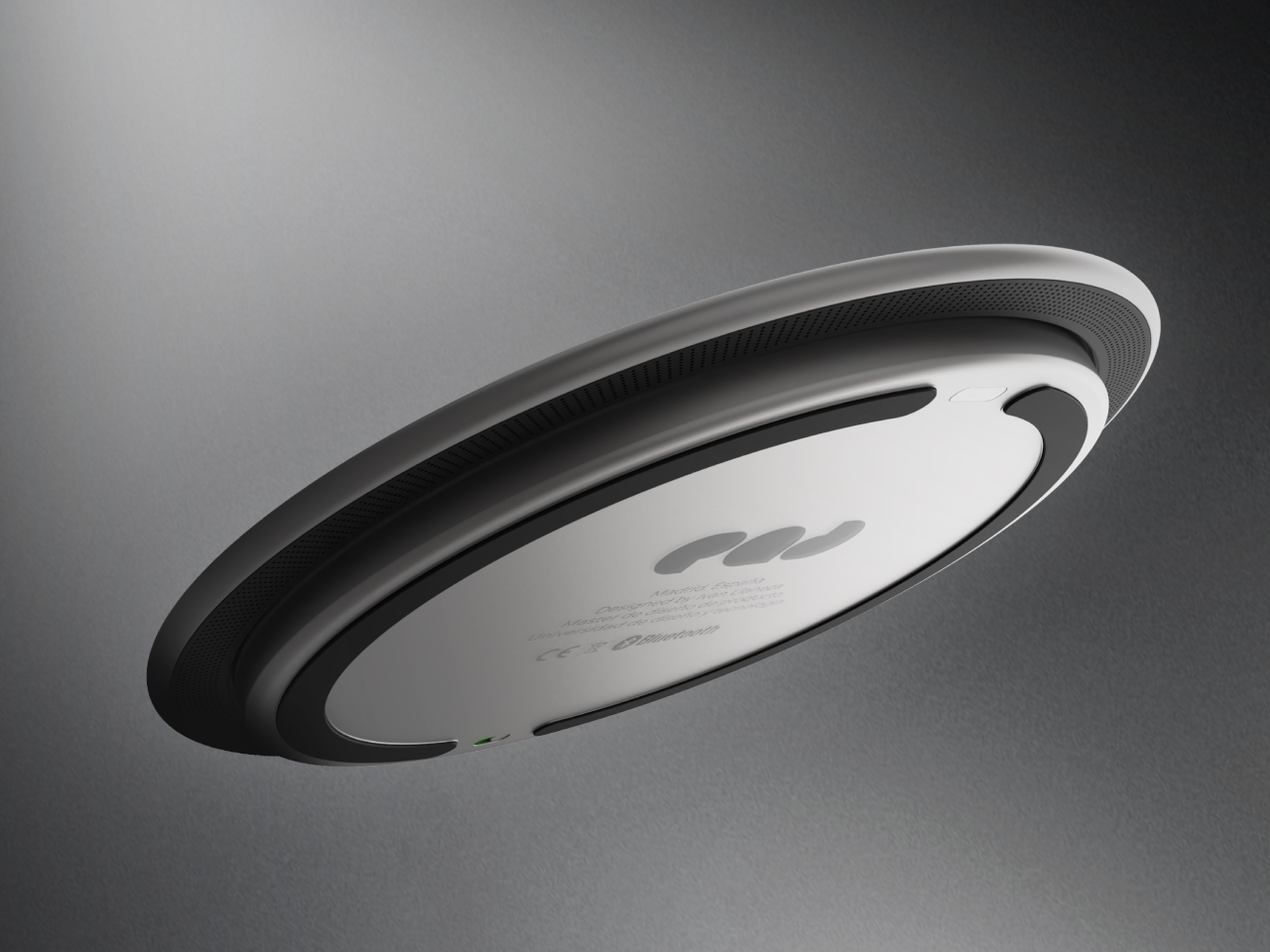
Smartphone upcycling concept helps give your old companion a new lease on life

Mobile devices, both smartphones and tablets, have become an inescapable fact of modern life to the point that almost everyone has one. While they do empower people with their smart features, they unfortunately also inflict damage on the environment, whether it’s through their manufacturing or, more often than not, their improper disposal. Not all smartphone manufacturers have a well-established or easy process for owners to send back unused or broken devices for handling and responsible disposal, which means many of these end up in landfills where they eventually poison the soil and water. Some of these aren’t even totally broken just outdated or unused for one reason or another. Finding a different use for them delays their untimely demise, which is exactly what this upcycling concept tries to do, offering smartphones a better life after death.

Designer: Think Tank Team

There could be a variety of reasons for ditching an old but still functional smartphone. Some parts, like the screen, battery, or charging port might no longer be in tip-top shape, or the owner simply upgraded to a newer model that will last them another two years or so. Whatever the reason may be, it might not actually be enough to warrant simply throwing the phone in the waste bin, or even just keeping it in a drawer until it’s forgotten forever or, worse, becomes a safety hazard.

Project Afterlife tries to remedy that situation by upcycling rather than recycling the phone. This means it puts the device to a different use without actually modifying it or taking it apart, thereby using less energy, less resources, and less effort. This increases the likelihood that people will adopt this product because it is accessible and easy to use.

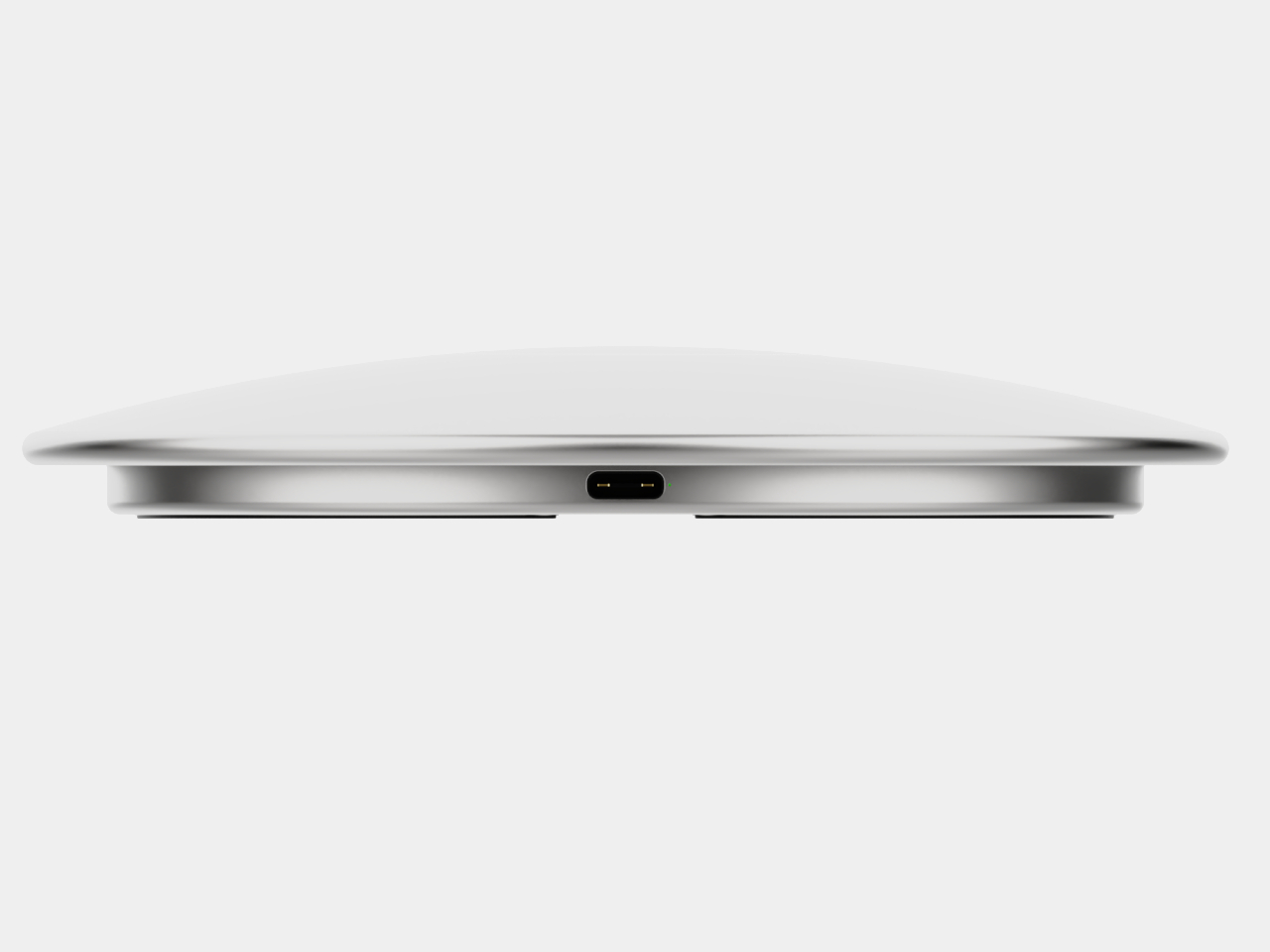
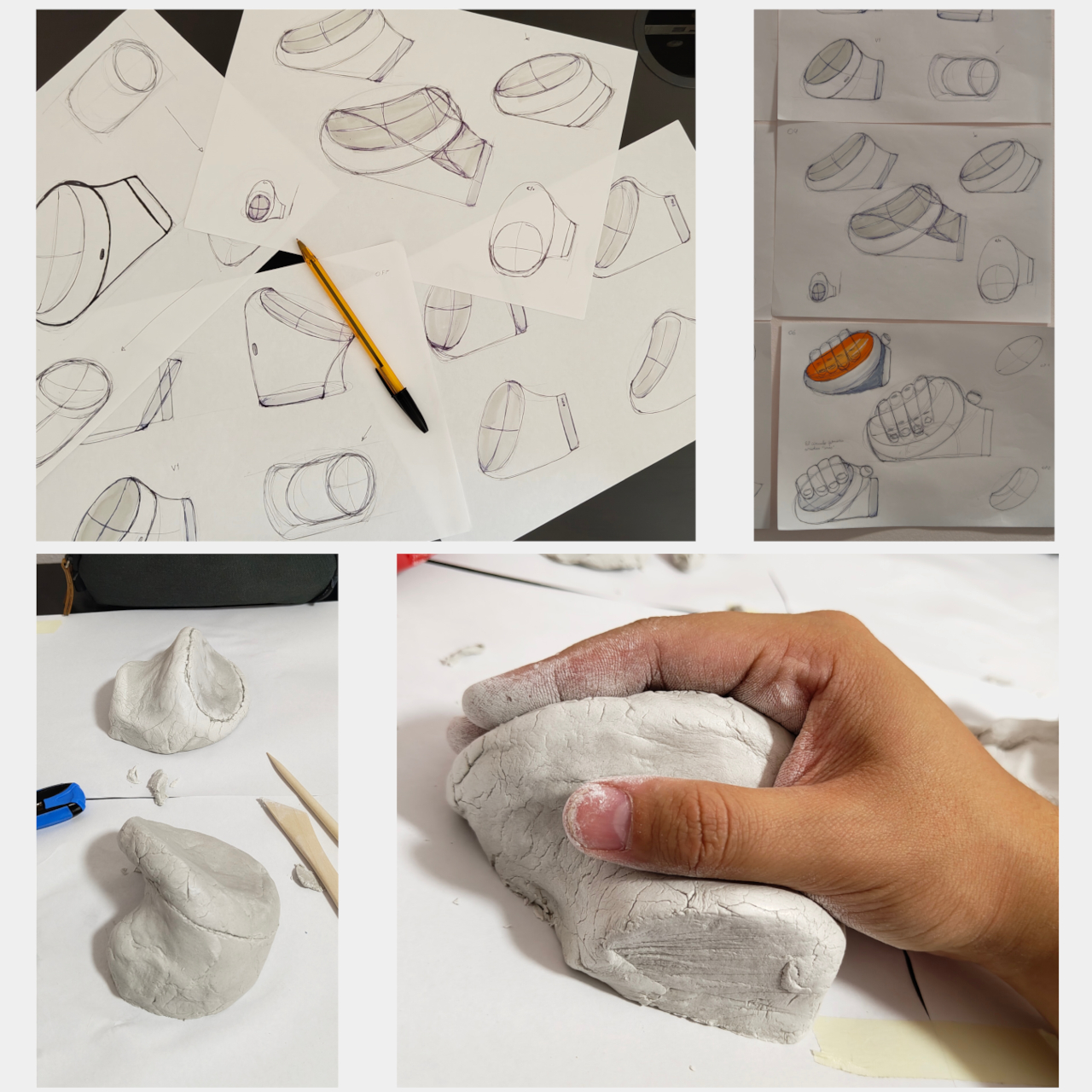
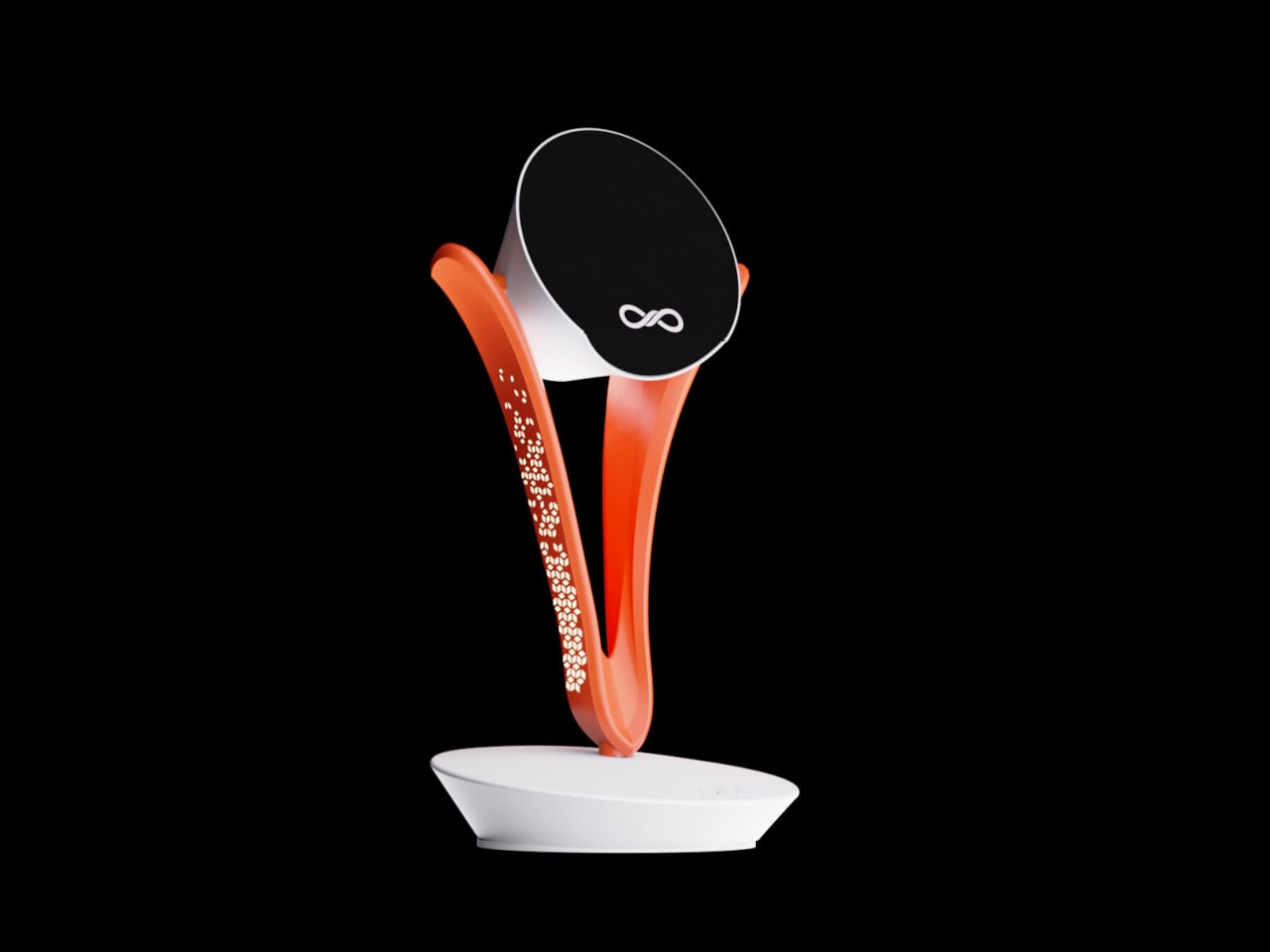
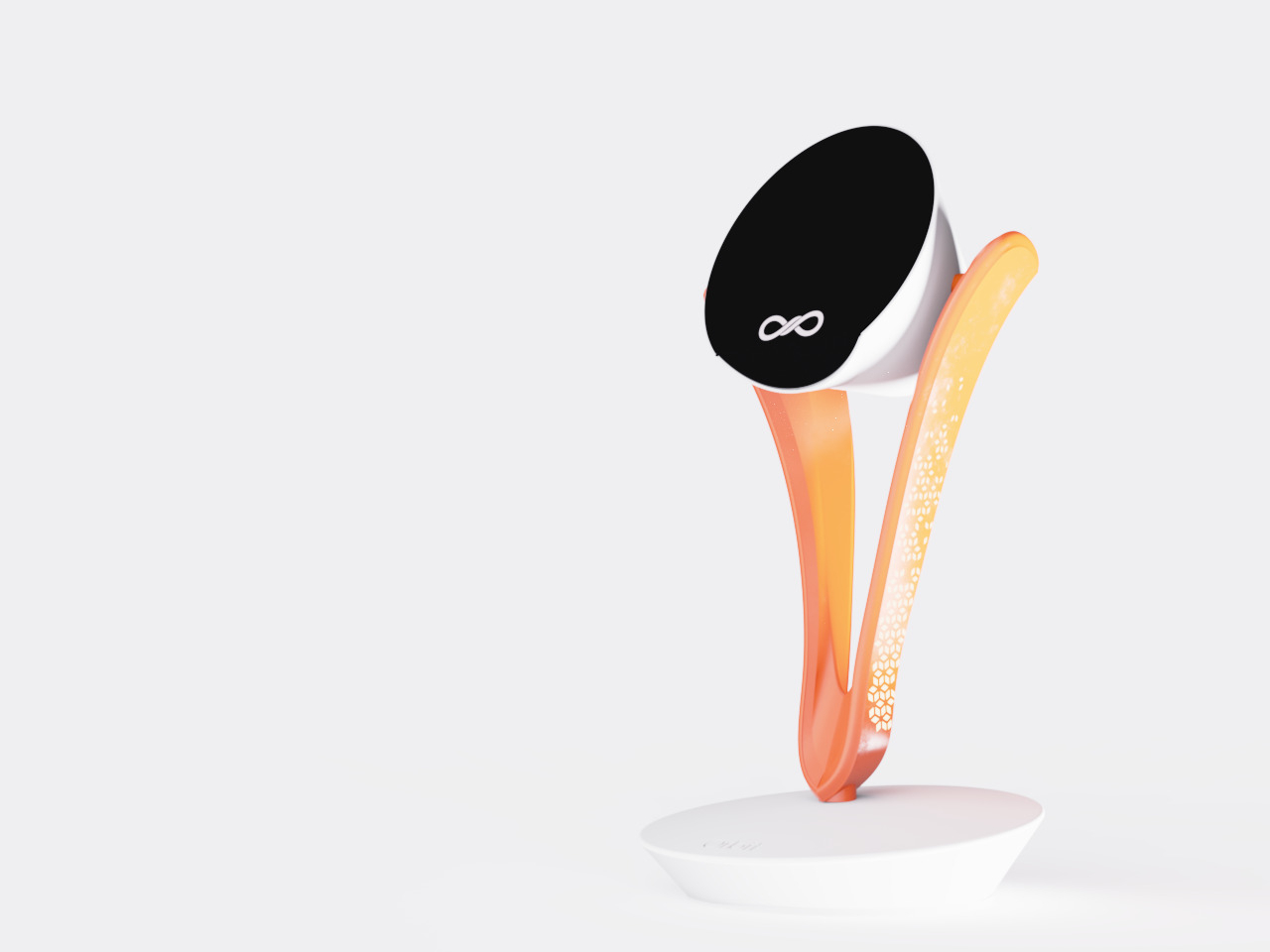
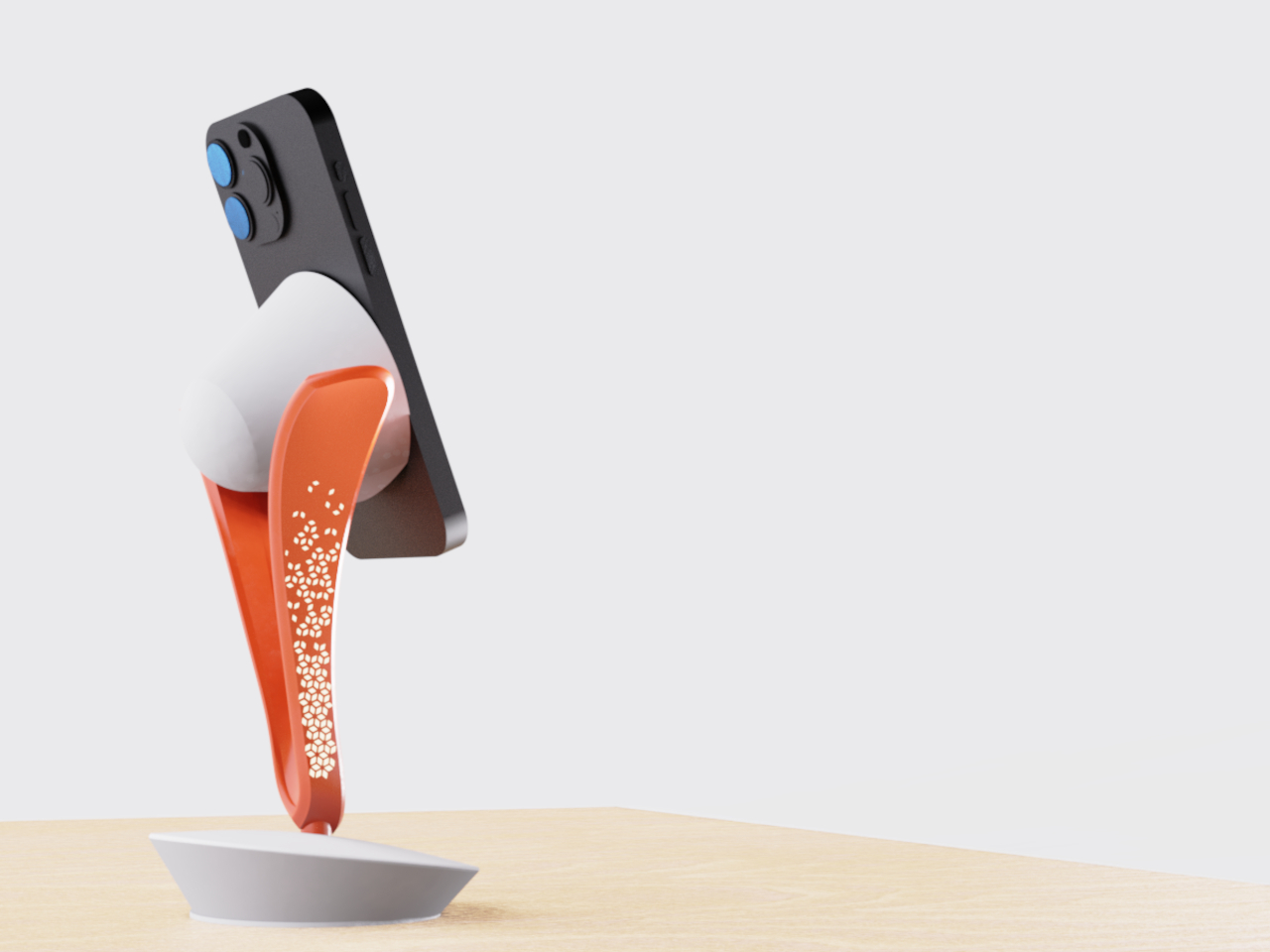
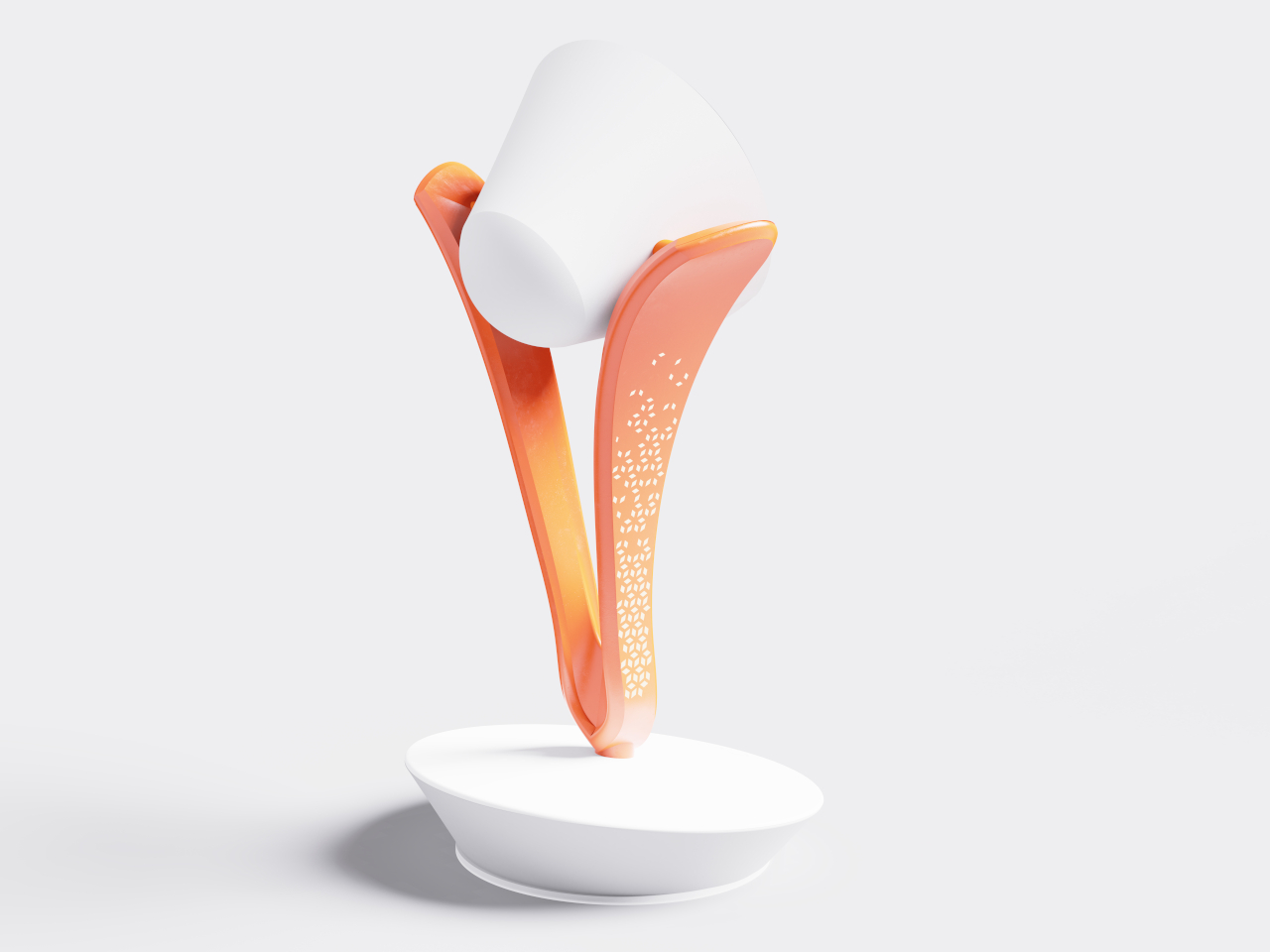
The product concept pretty much comes in a taco-like crescent shape made of recycled plastic and given a frosted finish. You simply slide in the phone from the opening and set it on a flat surface with its curved edge at the bottom. The shape is balanced in such a way that it will stay still unless you intentionally rock it, and that rocking motion actually affects its functions. Just like a game controller with motion sensors, tilting the phone lets you cycle through its different modes without having to touch the screen. Rocking also makes the “Endless Clock” change the clock face at every movement, while both the “Timeline” photo stream and the “Moment” abstract art display also react to such movement.

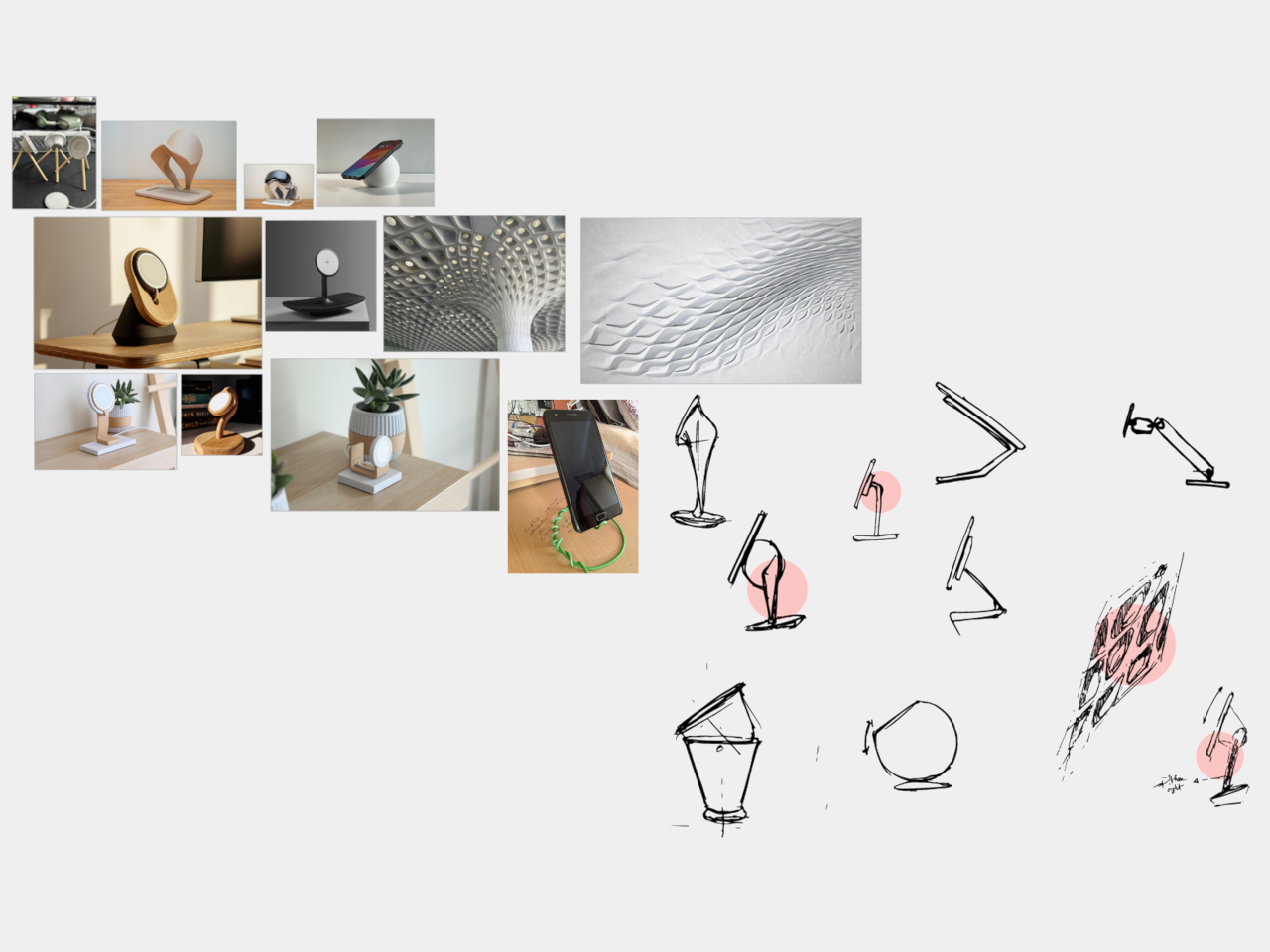
Admittedly, you can simply take that same old smartphone, put it on a stand, and use it in the same way as a clock or small photo frame. Project Afterlife, however, also transforms the phone into a kinetic art object that will enhance the ambiance of your desk or shelf. It’s a simple yet impressive example of how upcycling not only helps save the environment but even adds value to your experience.

The post Smartphone upcycling concept helps give your old companion a new lease on life first appeared on Yanko Design.

Modular gaming console concept embraces all types of playing styles

Handheld gaming devices are becoming more popular these days, though due to their portable and handheld nature, most of them cater to only one style of playing. These devices pretty much have game controllers split into two halves that flank a big display. Not all games are best played that way, though, but it’s almost impossible to support all kinds of input methods in a single device. That’s what made the modular design of the Nintendo Switch quite popular, but it still revolved around the same controller design. This concept for a modular gaming handheld tries to push the envelope a bit further, allowing different input methods and playing styles by simply swapping out buttons, joysticks, and knobs.

Designer: Bukvity Lorisz

There once were only two ways to play video games, one with a keyboard and mouse and another with gamepads. With the arrival of smartphones, a third, gesture-based style was added to the mix. It’s almost impossible for a single device to support all those, at least not without attaching external peripherals, but some designs try their best to do so. GPD and AYA, for example, have a few designs that add a mini keyboard to the device, but that’s more for sending brief messages rather than playing with a keyboard and mouse.

The LUMI DREAMSTATION-02 concept puts a different spin on the idea of a flexible gaming device that can embrace different playing styles instead of sticking to a single one. Yes, it doesn’t have a QWERTY keyboard, but it’s not impossible to add something like it after the fact. That’s because the biggest pull of this design is a flexible modular system that lets you mix and match different controls as the need arises.

The LUMI DS-02 is admittedly a weird-looking device compared to any gaming handheld. It has a large square screen, which means it won’t match any existing game aspect ratio, and right below it sits the controller section with two square areas for the modular controls. One side looks like a D-Pad with four separate buttons arranged in a cross while the other side has buttons and knobs. It’s not hard to imagine that many games aren’t going to be easily controlled with a knob or dial, but you can swap those out with a joystick, a regular D-Pad, another set of buttons, and more. The idea is that you can change the controls to suit the game, not the other way around.

1

The controller section itself can be detached and the screen propped up on a table, similar to the design of Nintendo Switch. This opens the console to even more use cases, like two players using the same console with different controllers. As interesting as this design might seem, it will still depend on how comfortable those controls will be and how easy it will be to swap them around. Regardless, it’s definitely a notable idea, one that tries to be more inclusive, especially if you can substitute more accessible controls for those with physical disabilities.

The post Modular gaming console concept embraces all types of playing styles first appeared on Yanko Design.
Food compost bin concept turns food waste and cardboard into fertilizer

Our eating habits have changed drastically over the past years, especially after the recent boom in food delivery services. Unfortunately, this isn’t always for the best as it has encouraged unhealthy lifestyles and increased the amount of waste we produce. Of course, there are services that try to remedy that with healthy food options and more sustainable packaging, but those don’t always result in a reduction of how much we throw out at the end of the day, or even after each meal. Human food doesn’t have to go to waste, especially if it can be converted into food for other living creatures like plants. That’s the idea behind this compositing device that transforms not just your meal but also its packaging into something to keep your plants just as healthy as you.

Designer: Byeonkyu Park

That salad you didn’t finish might come in cardboard packaging, but the moment you throw it in the bin, it stops being healthy for the planet. Sure, both materials will decompose eventually, but not only will that take time, it also misses out on the opportunity to use those for something more beneficial in the long run. After all, they can turn into fertilizer, but only if they’re actually treated in a proper manner, which usually involves taking them to recycling or composting centers.

Toggle is a device concept that lets you cut off the middleman and do all of that at home, and it works by using both edible and inedible parts of your meal delivery. It utilizes “green” materials like food waste mixed with “brown” materials like paper and cardboard or even wood, pretty much the things that your food came in. In other words, nothing is wasted, unless your meal is wrapped in plastic instead.

The device doesn’t simply mix these two groups into some disgusting slosh. One part of the machine has a shredder to reduce cardboard and wood into tiny bits, while another is a grinder that cuts up the food waste. The components are heated to reduce the volume of the waste and turn the mixture into something almost similar to the soil you will dump it on. The result is homemade fertilizer that you can use for the plants you’re growing both indoors and in your backyard.

While the process of handling waste might sound and look icky, Toggle is designed to hide those details as much as possible. In fact, it’s made to look more like a stylish and sophisticated can, just one that deftly handles the food you would have thrown out indiscriminately. In addition to safety mechanisms to protect kids in the house, the concept device is made to look discreet, attractive, and easy to use. It’s meant to encourage a more responsible lifestyle that goes beyond just eating properly, making sure that your plants and the planet can also benefit from your healthier lifestyle.

The post Food compost bin concept turns food waste and cardboard into fertilizer first appeared on Yanko Design.
Compal gaming 2-in-1 laptop concept has controls hidden on its back

Handheld gaming PCs are becoming a bit more popular these days, especially with major brands getting in on the game, pun intended. But while these small computers seem impressive for packing that much power inside, their designs make them less useful for anything else unless you connect an external monitor, keyboard, and mouse. Not only do gaming laptops offer more power, they can also be used for other purposes. Conversely, you need to connect a game controller and put the laptop down on a table, which loses the appeal of being able to play anytime, anywhere. Compal has an idea that attempts to bridge the best of both worlds, though its 2-in-1 gaming laptop design does raise just as many questions as it answers.

Designer: Compal

2-in-1 laptops and tablets that have touchscreens do offer a compromise when it comes to gaming with a controller. Just like with smartphones, it’s theoretically possible to put virtual joysticks and buttons, but those are actually awkward and more cumbersome to use on such a large screen. And just like on smartphones, it also means covering up part of the screen with their thumbs, and most PC games don’t take that into account.

The Compal Rover Play concept solves that by putting the controls on the back of the tablet half of the 2-in-1 laptop, almost like those paddles on the back of modern controllers. These aren’t simple buttons, though, as they would make the laptop look rather odd and unusable when not used to play games. Instead, there are panels on the back of the laptop that slide and fold slightly outward, creating an angled structure that’s like grips on a controller.

These FlexiRear Controllers have ultrasonic sensors that don’t use physical buttons to register presses and gestures. The idea is that instead of using the touchscreen on the front, you use those sensors on the back to control the game. The concept doesn’t exactly explain how those gestures would map to standard controller input, but it’s not difficult to imagine some specialized software making that conversion.

The biggest hurdle for this rather intriguing design is how such controls would feel alien to gamers. Not only would it require a considerable amount of learning effort, switching between this non-standard input method and a conventional controller could also prove to be confusing. Still, Rover Play is an interesting design that aims to bring the best of both worlds, but it’s still a little bit raw for any PC maker to implement in an actual product.

The post Compal gaming 2-in-1 laptop concept has controls hidden on its back first appeared on Yanko Design.
Brutalist speaker concept is inspired by an equally brutalist church building

Regardless of religious inclination or lack thereof, the word “church” would often conjure up images of lofty buildings designed to inspire awe or command respect. Of course, church architecture often reflects the trends and styles of their times, and there are indeed churches today that wouldn’t look out of place beside commercial buildings and structures. Of these, the former Church of Saint Agnes in Berlin, now home to the Konig gallery, is perhaps one of the most striking examples of the modern brutalist movement applied to such a structure, and its imposing character happens to be the almost literal inspiration for a desk speaker concept that similarly embraces that spirit of extreme austerity in a beautiful and memorable way.

Designer: Philipp Emrich

Designed by architect Werner Duttmann and finished in 1967, the former Church of St. Agnes, now the Gallery of Konig, stands almost in opposition to common church architectures of that period and the ages before it. Its unadorned, boxy shapes don’t stand out among the rows of concrete buildings that line up most cities, making it feel like just another part of the community. At the same time, however, its austere appearance still cuts an imposing figure that gives the impression of something that is meant to exist on a completely different and higher level.

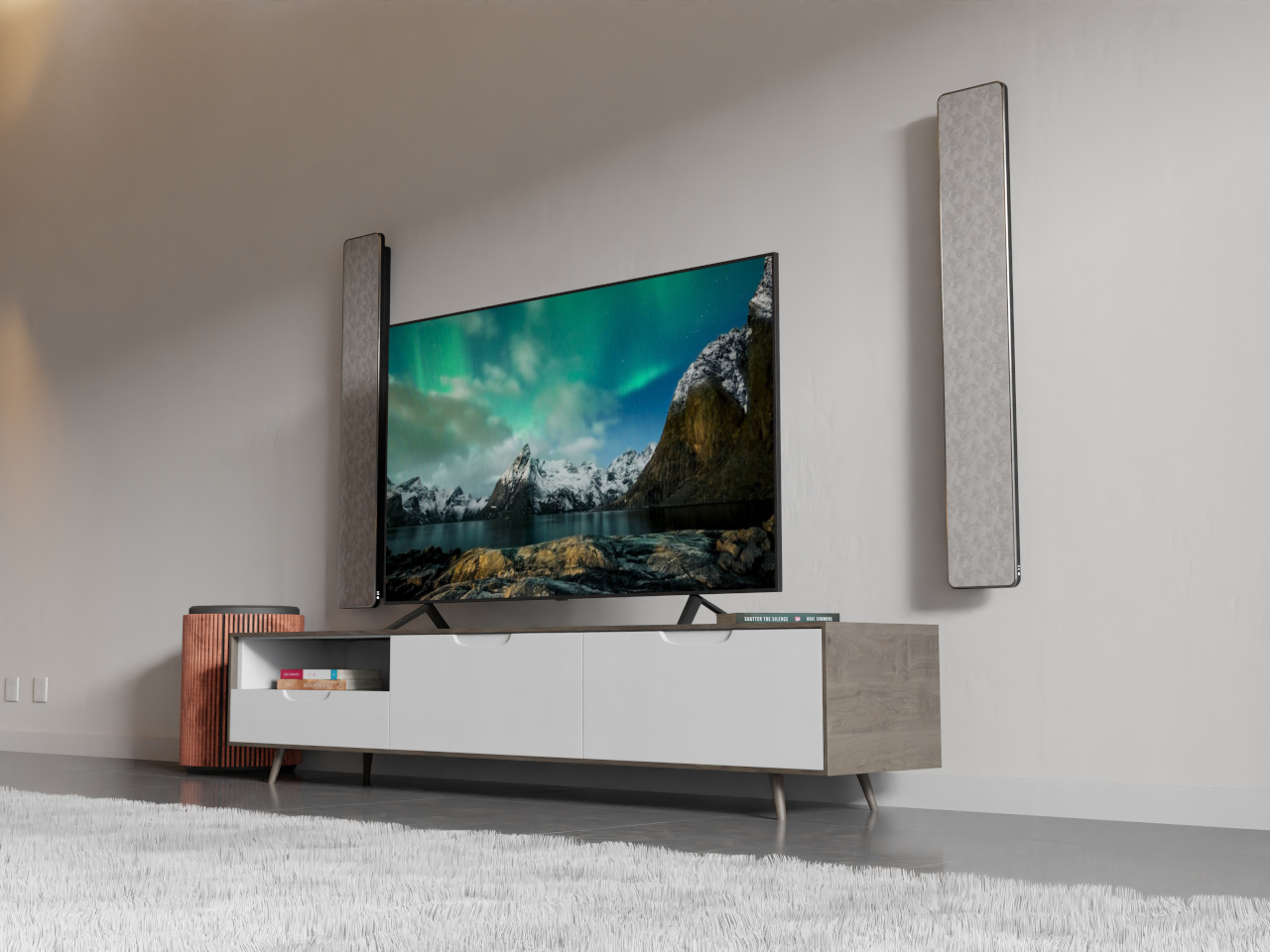
It’s that same stunning characteristic that the Agnes desk speaker concept tries to convey on a smaller scale. Like the church it takes both its shape and name from, the design is made from two plain rectangular pieces, though the roles are switched. The vertical “bell tower” is actually the main speaker, with the top box providing 360-degree output, while the larger detachable box provides bass on demand.

Like any brutalist design, the speakers express rawness, expressed through metal instead of concrete and accentuated by the use of the simplest geometrical shape and sharp edges. In terms of functionality, however, there is nothing unrefined about the Agnes speaker concept, and it even imagines a feature not found in any 360-degree speaker today. While the lower knob controls the speaker volume, the one above it determines where sound is directed, whether it’s only from the front, from the front and the sides, or from all four sides.

Smart speakers today are trying their best to blend into their surroundings, namely your interior decor, and just like its inspiration, the Agnes desk speaker concept presents a duality in that regard. It definitely mixes well with minimalist designs, but its raw appearance and imposing stature also make it stand out easily, turning what would normally be just a functional appliance into a unique work of art that looks almost out of place and out of time.

The post Brutalist speaker concept is inspired by an equally brutalist church building first appeared on Yanko Design.
WiFi router concept uses cork as material and design aesthetic

A wifi router is one of those devices that every house needs but we don’t really think about how it’s designed, what materials are used to make it, and other factors that come into it. As long as it does what it’s supposed to do, which is get you connected to the internet, then we’re almost always fine with it. However, most routers have a lifespan of 2-3 years and so it contributes to the million tons of e-waste that is generated annually by people who constantly change their gadgets and devices.

Designer: Connor Rusnak

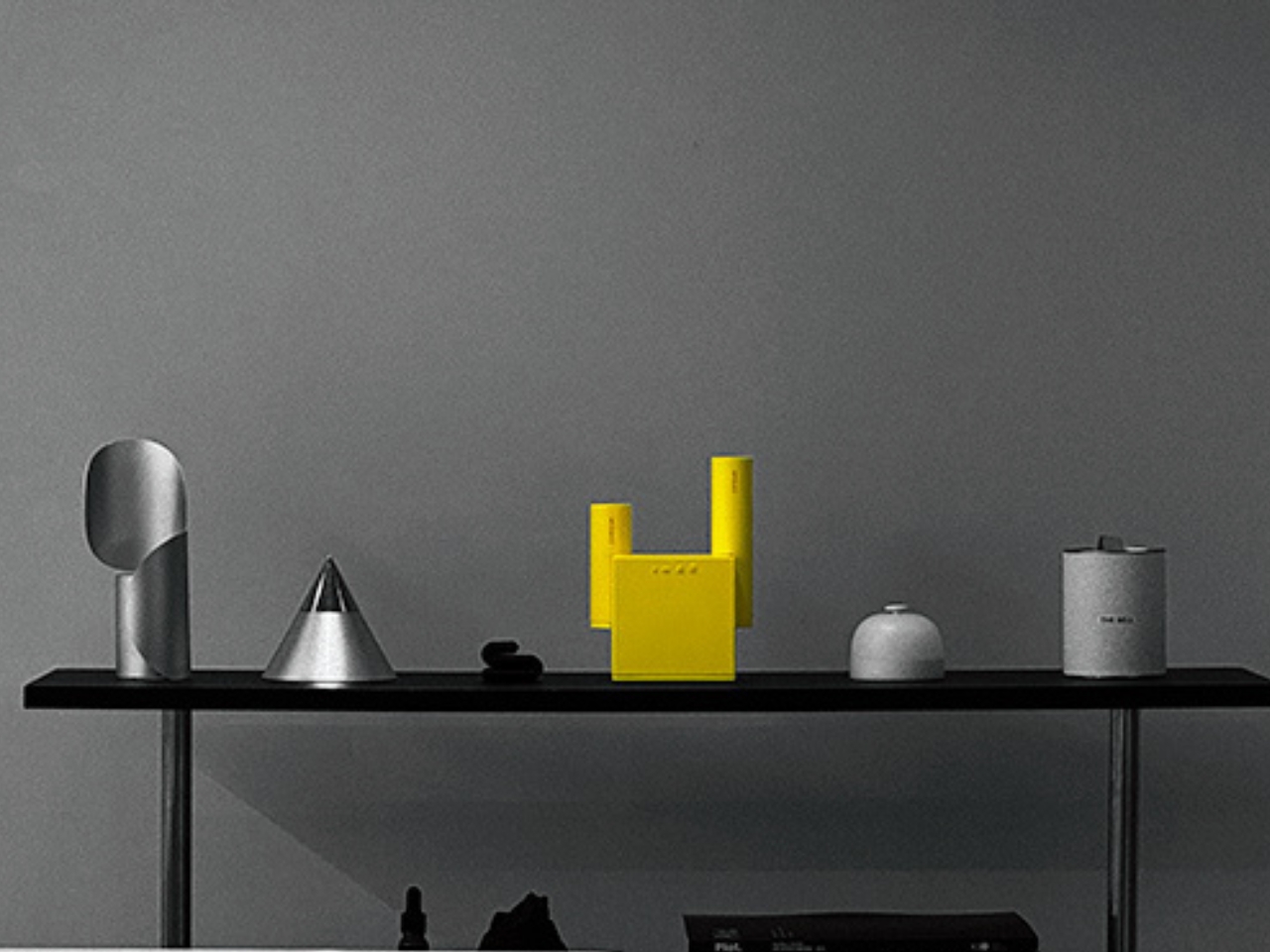
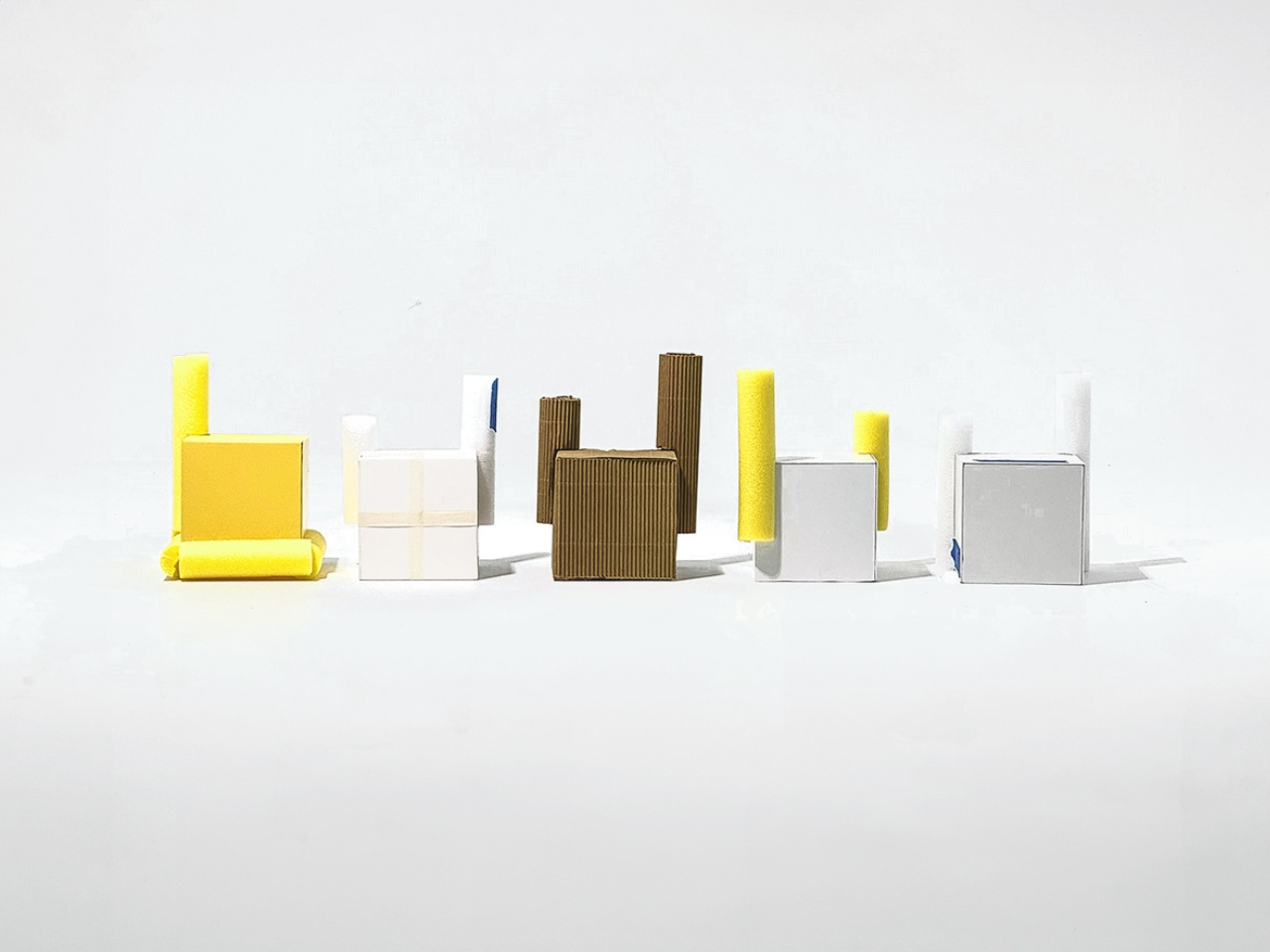
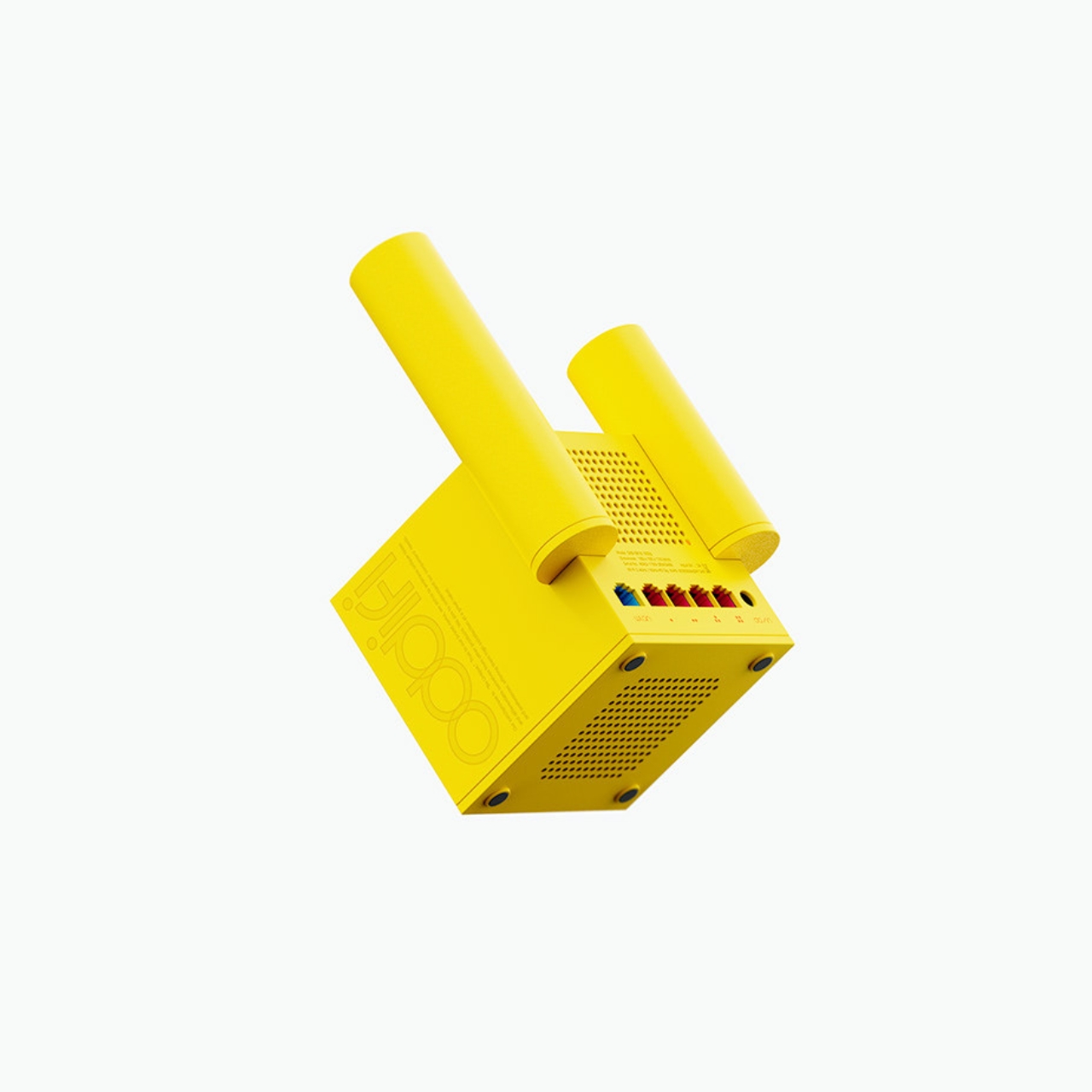
A concept for a sustainable wifi router tries to solve that issue and at the same time give us a well-designed one that you will proudly display in your home office. The Pella uses cork in the design so you get an eco-friendly material that can also look good on your device. In theory, using this material should not interfere with the functionality of the device which is of course important since the only reason you’ll get a router is to be able to connect all your devices to the WiFi.

The cork is not just a building material but an integral part of the design. The router looks more like a smart speaker with its spherical shape which is also reminds me of a top but with a stable base. The basic controls, which are mainly the on/off button and what seems to be a reset button, are located on the base. There’s no need for any other controls or buttons so you get a pretty minimalist design, as all routers should probably have.

More often than not, these routers are hidden away in our home not just because it needs to be near a wall socket but because there isn’t any decorative aspect to it. But something like the Pella, which was designed with the brand Logitech in mind, can be something you put on your desk especially if you have an earthy or cork-like aesthetic.

The post WiFi router concept uses cork as material and design aesthetic first appeared on Yanko Design.
Smart gardening pot concept makes growing plants indoors less stressful

There has been a new kind of hobby that gripped the world in the past few years, especially when people were forced to stay home for a few months. “Home gardening” was no longer limited to having a small plot of soil outdoors, especially if you can just grow them in pots indoors. That said, it’s a process that still requires a bit of work and effort, especially if you want to keep your plants alive long enough to enjoy the fruits (or leaves) of your labors. Unsurprisingly, a rather niche market of indoor planter appliances has popped up, some including pretty smart functions to boot. This concept tries to offer the same conveniences in a more aesthetic presentation, providing a painless experience of growing plants in an automated environment that looks great as a piece of home decoration as well.

Designer: Saiyami Jhaveri

Just like with plants grown outdoors, indoor plants need regular maintenance from watering, sunlight, and even protection from pests. You can do all of those manually, of course, and some people do enjoy the satisfying feeling of getting down and dirty with such tasks. Others, however, find the process too time-consuming and burdensome, especially if all they want is regular access to fresh herbs or beautiful green plants to liven up a space.

Ecobloom is a concept device that tries to take the drudgery out of this painstaking and laborious process. Almost all parts of that process are automated; all you really need to do is plant the greens and make sure the water tank at the top is filled. You don’t have to do guesswork on when it’s the right time to water the plants thanks to soil moisture sensors that determine the perfect moment for you. Drippers also make sure the plants don’t suddenly get drowned by dispensing the right amount of water as needed. And, of course, there are artificial “grow lights” that save you the trouble of having to put the pot out under the sun.

The smart gardening pot has an interesting function that you won’t always see in actual appliances. It is noted to have a built-in insect repellent to keep those pests away and protect your plants. The concept doesn’t exactly detail how this function works, but one can presume it will be using safe and scientifically tested methods that won’t harm humans and pets in the process.

What makes Ecobloom really interesting is the form it comes in. It uses three concentric circles at different heights, with the topmost acting as the water tank. This gives the appliance a more pleasing appearance compared to just boxes or compartments. Ecobloom can thus be also used to decorate a space, giving as much enjoyment to the planting process as simply watching the plants grow.

The post Smart gardening pot concept makes growing plants indoors less stressful first appeared on Yanko Design.
Minimalist wooden furniture uses curved shapes to add storage spaces

Furniture takes up space, there’s really no getting around that. Of course, you need that space to actually use the furniture, but the furniture themselves aren’t always in use. You might not sit on those chairs or couches all day, and tables might be empty at certain points in time. During those moments, they might just be wasting space, so it sometimes pays to have them perform some other purpose, even if it means just looking pretty. That’s not to say you have to stop at looks, especially if such aesthetic furniture can also function as storage spaces, like what this collection of design concepts tries to achieve using nothing but simple curved layers of plywood.

Designer: Julian Topor

Partly thanks to the popularity of flat-packed products from the likes of IKEA, minimalist wooden furniture has become a popular choice in households. Their simple designs save space not only in packaging but sometimes also on the floor. Furniture, however, can also become a space to place some of your things, from books to accessories to even shoes. The KURVE furniture collection accomplishes this without having to resort to complicated construction or mechanisms, using only curves that wrap around an empty space to create a hollow nook for your stuff.

The throne-like KURVE chair, for example, has no legs but instead has a curved backless box for its bottom half. What makes its design particularly interesting is that the seat, backrest, and arms are all made from the same single sheet of layered plywood, just bent on the back and sides to create those support structures.

The KURVE Couch stretches out this concept, quite literally, to provide sitting for two. A central console splits the couch in half and provides a small area to place cups and phones, as well as a compartment below for things like the TV remote. The bottom of the couch is an even wider space for more things, whether or not they have business being there.

The table is admittedly the simplest of them all, nothing more than a wooden trapezoid to hold things above and below it. Its lengthy shape makes it more suited to be placed against walls rather than being a center table, perhaps somewhere near the front door so your shoes and keys can easily find a home for easy access next time you step out.

Last but not least, the KURVE Night Stand is also a trapezoid, just taller and narrower. Like other nightstands, it has a drawer, but this compartment is oddly located a little below the top. This creates yet another space for your things, maybe for a phone that you don’t want to tempt you while you’re resting.

The post Minimalist wooden furniture uses curved shapes to add storage spaces first appeared on Yanko Design.

Compal Dual-Screen Laptop Concept can be unfolded in either direction

It’s still a very niche design, but it seems that dual-screen laptops are being adopted by major PC makers. Unlike a foldable laptop that mimics a foldable phone, a dual-screen laptop simply offers two separate displays joined by a hinge, sort of like offering a second monitor that’s permanently attached to the laptop. Given this design, however, the only available design was a book-type foldable like the aborted Microsoft Surface Duo, the ASUS ZenBook Pro Duo, and the Lenovo Yoga Book 9i. That, however, only covers about half of the use cases you might have for a dual-screen configuration and lacks the flexibility you’d enjoy with a detached second screen. That’s the kind of design problem that Compal’s concept is trying to solve and it does so in a very intriguing way.

Designer: Compal

The way dual-screen laptops are designed today is pretty much a product of familiarity rather than innovation. It’s the closest that resembles a regular laptop and is the easiest to implement. Ironically, it’s actually not the way people with two monitors arrange their screens in normal circumstances. Most have two horizontal monitors side by side or one stacked on top of the other. While current dual-screen laptops do support the latter use case, putting the monitors side by side requires having them standing vertically, opened like a book.

The Compal DualFlip concept flips that design on its head, pardon the pun, by giving the user the freedom to choose the configuration they need or want. They can have it stacked or side-by-side or even in the conventional book style. Or they can have only one screen active with the wireless keyboard sitting on top of the other, turning it into a regular laptop. The key point is that they dictate how they want to use the product rather than the other way around.

This opens the device to even more applications and users who have different needs and working conditions. Those monitoring data will probably appreciate having the monitor on top while those coding and writing might put the screen to the side. The latter is also the configuration that most will use for making digital art. Interestingly, having the screens stacked on top of each other also solves one of the biggest problems with dual-screen laptops and manages to “hide” the hinge and the gap that it creates between the two displays.

The key to this flexible design is the hinge that can fold or flip the screen as needed, hence the name. Of course, it’s still a concept and it’s uncertain if Compal already has working prototypes for this, but it definitely looks doable. If Compal manages to pull it off, it will definitely raise the brand’s profile and put it back on the map. That is unless its bigger rivals figure out another design that also solves that problem and actually puts it into production first.

The post Compal Dual-Screen Laptop Concept can be unfolded in either direction first appeared on Yanko Design.
Smart home camera and router concepts look like ghosts to be less conspicuous

Our homes are starting to get filled with smart gadgets, and not just the usual culprits like smartphones and tablets. From smart lamps to smart refrigerators, a lot of devices in our houses are now connecting to the Internet. While some of these try to blend in with the rest of your decor as much as they can, others just stand out like a sore thumb. Devices like home security cameras and routers still carry the aesthetics of their predecessors, which is impersonal, technical, and at times even disconcerting. While these products might be important in modern smart homes, they don’t need to be seen in order to function, which is why this concept design tries to make them almost literally fade into the background as if they were ghosts.

Designers: Seokhyun Ahn, Yejee Park, Cho Yumi, Yumin Shin, Myeongryun Kim, Dohyun Park, Lee Dahye, Kim Geonhee, Yang Yurim

We easily take for granted how things that look out of place can affect our minds and moods. Whether it’s a messy desk, a less-than-appealing piece of decoration, or clashing designs, the visual discomfort and confusion can actually bleed into your physical and mental state. They say that the best interfaces and designs are the ones that you barely notice, and what is the least noticeable thing if not a ghost?

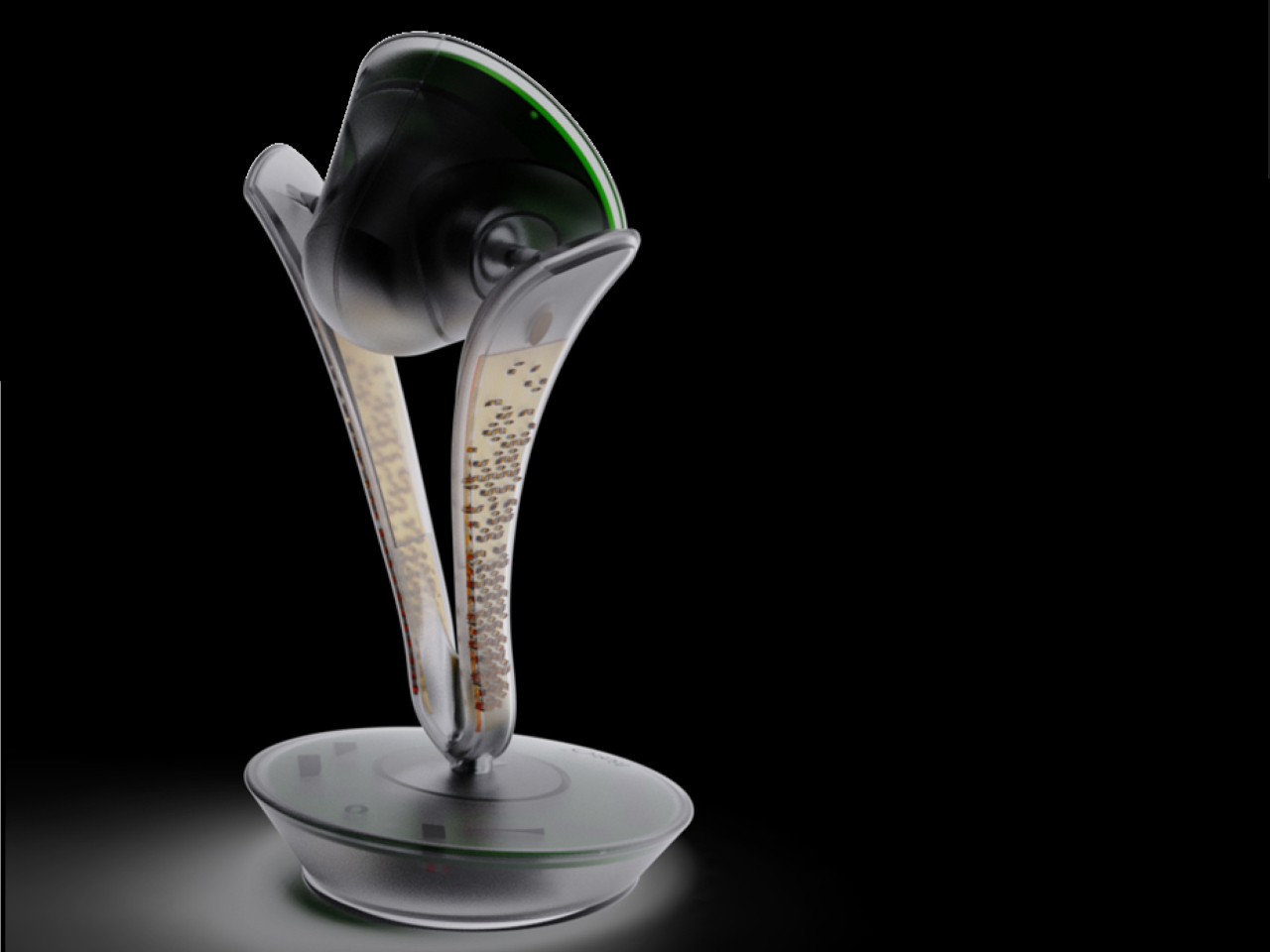
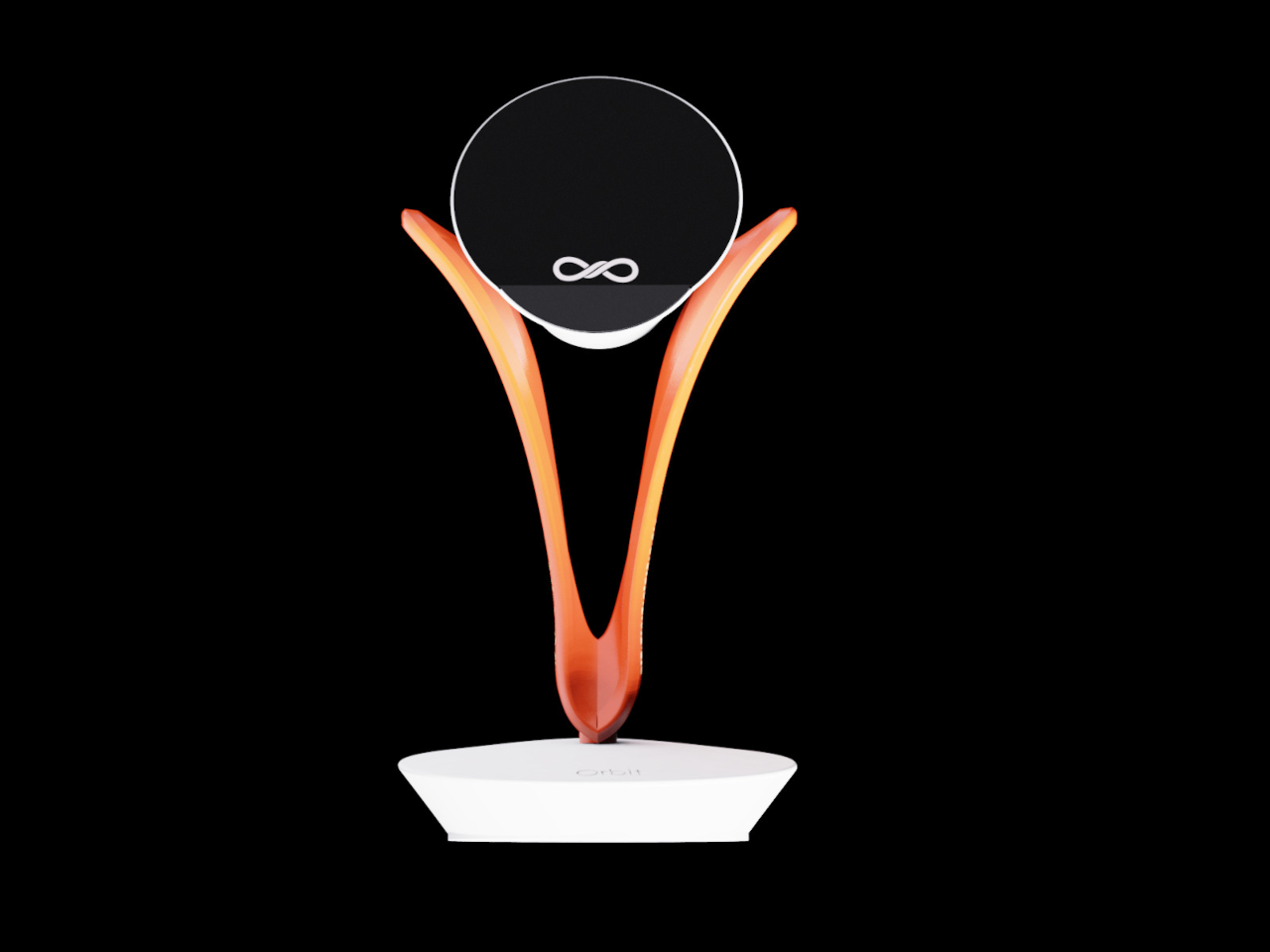
Geist, which literally means “spirit” or “ghost,” is a concept design that tries to make those smart home devices less noticeable. Rather than having a black sphere or rectangle that feels like it’s spying on you, the John Doe ghost camera has a translucent body that almost looks like a piece of cloth flying in the wind, just like your stereotypical ghost from cartoons. It is even slanted at an angle to give the impression that it’s levitating and floating as it moves forward. It does have an “eye” for the camera, but it can turn it down to protect your privacy, indicating that it isn’t recording at the moment.

The Wi-Fi router Jane Doe takes on the shape of a gentle wisp of smoke or cloud. With an asymmetrical shape that is mounted vertically on a wall, it almost looks like a ghost passing through a solid surface. It’s impossible to completely hide some of the cables, particularly the power cable, but it at least forces these wires to go in a straight vertical line rather than ending up in a tangled mess.

Although the Geist concept design is actually meant to be less conspicuous and reduce visual discomfort, they can actually also have the opposite effect, depending on the person. Some might not be keen on seeing any representation of the paranormal, so anything that might remind them of ghosts might be even more uncomfortable. That said, the designs are aesthetically pleasing on their own, if you leave out the ghost association, so they still present a more pleasing aesthetic compared to the typical designs of these devices.
The post Smart home camera and router concepts look like ghosts to be less conspicuous first appeared on Yanko Design.