UGREEN built an AI Recorder into its 10,000mAh Power Bank and I don’t know if that’s genius or crazy…

Representational Image

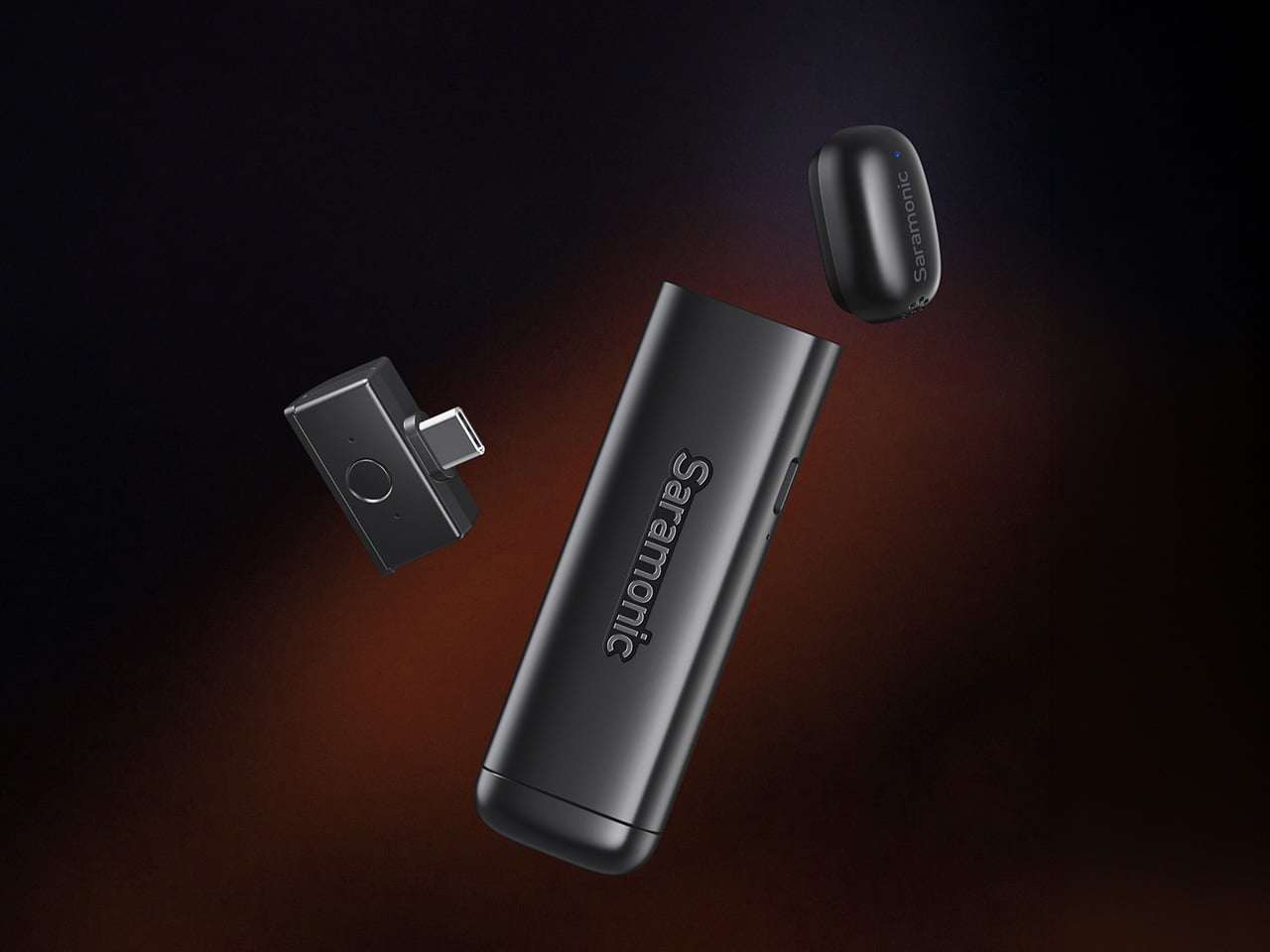
At CES 2026, where every tech company seemed legally obligated to add AI to something, Ugreen announced a power bank with voice recording. The MagFlow AI Voice Recording Magnetic Power Bank packs 10,000 mAh, wireless charging, and AI-powered note-taking into one device. It’s either brilliantly practical or completely unnecessary, depending on how often you find yourself needing both a dead phone and a voice memo at the exact same moment.

The real question is what market Ugreen’s actually targeting. Dedicated AI recorders like Plaud and Limitless offer superior transcription and integration with productivity tools. Meanwhile, power bank buyers are mostly obsessed with capacity, charging speed, and MagSafe compatibility. Ugreen’s product sits awkwardly between these worlds, somehow simultaneously targeting both the serious note-taker as well as the charging purist. Maybe that’s the genius: creating a category where none existed, or maybe it’s just feature creep with good intentions.

Designer: Ugreen

Representational Image

You’ve got 10,000 mAh, which is respectable but standard for MagSafe-compatible power banks in 2026. Wireless charging is included, though the company hasn’t confirmed whether there’s a USB-C port for wired fast charging. A digital display shows battery level and presumably real-time charging stats. Then there’s the voice recording hardware with built-in AI for translation and summarization, which sounds impressive until you realize Ugreen hasn’t explained how you’ll actually access these recordings. Is there an app? Does it sync to your phone? Do you have to plug it into a computer and dig through files like it’s 2015?

Representational Image

Compare this to something like the Plaud NotePin, which costs around $169 and is purpose-built for recording. It connects seamlessly to your phone, transcribes in real time, integrates with LLMs like ChatGPT for summaries, and weighs practically nothing. Or look at the power bank side of things. Ugreen’s own Qi2 25W MagFlow Power Bank retails for $89.99 (currently $69.99 on Amazon) and does one thing exceptionally well: charges your devices fast. This new AI version will almost certainly cost more, probably around $120 to $150 if I had to guess, which puts it in direct competition with premium power banks that offer higher capacity or faster charging speeds. Not to mention most AI services do come with the looming threat of a subscription fee at some point. Imagine subscribing to a power bank…

Jokes aside, the bundling makes sense if you’re the kind of person who carries too much stuff and wants to consolidate. A journalist running between interviews could theoretically use this to charge their phone while recording background audio for articles. Students might appreciate having one device that keeps their laptop alive during lectures while capturing notes they can summarize later. But these use cases feel niche, and niche products need exceptional execution to justify their existence. Ugreen hasn’t shown us that yet. The company has a solid track record with GaN charging technology and their NASync NAS series crushed it on Kickstarter with $6.6 million raised. They know how to build hardware. Whether they can build software that makes voice recording feel natural on a battery pack is the real test.

The post UGREEN built an AI Recorder into its 10,000mAh Power Bank and I don’t know if that’s genius or crazy… first appeared on Yanko Design.

Stop Saying ‘Hey Siri’ in Public: This Finger Ring Concept Responds to Taps

Talking to phones and smart speakers in public still feels awkward. You either whisper to your wrist or say “Hey Siri” out loud on a crowded train, and everyone turns to look. Pulling out a phone just to check a notification breaks whatever you were doing, and making big hand gestures to control earbuds turns you into the person air-conducting an invisible orchestra on the sidewalk.

Dribble is a concept device that tries to move those interactions onto your index finger. Designed by Kangmin Park, it is a tiny pill-shaped module that clips onto a ring-like band, turning your finger into a discreet remote for messaging, AI, health, and payments. Instead of wake words or screens, it relies on small taps and glances, handling quick tasks without broadcasting that you are using tech.

Designer: Kangmin Park

The interaction model is straightforward. One tap triggers a core action, two taps go back, and a long press activates multi-step tasks or Dribble AI. A hidden under-display camera and motion tracking help the device understand context without sticking a visible lens on your hand. The idea is that you can reply to a message or jot a note with a tiny movement that barely anyone notices.

Picture hanging onto a subway pole while tapping your finger to send a “running late” reply, or cycling with your phone zipped away while a double-tap starts navigation. In a meeting, you could long-press to capture a thought without opening a laptop. These are short interactions that keep you from constantly pulling out your phone for every notification or small task that pops up.

The narrow display wraps over the top edge, showing just enough information, a line of text, a heart rate, or a small card from Dribble AI. The concept includes AI cards for notes, search, work assistance, health, and small payments, all designed to be read in a second or two. It feels closer to a whisper from your devices than a full conversation, which suits the tiny form factor.

Dribble is meant to be worn as a ring most of the time, but it can also hang from a necklace when you do not want anything on your hands. The pill shape and muted colours push it toward jewelry territory rather than gadget territory, which matters if you are going to wear it all day. It shows the designer is thinking about how it fits into outfits and habits, not just operating systems.

Dribble hints at a future where we talk less to our devices and tap them more quietly instead. It does not try to replace phones or watches. It just imagines a different layer of control that lives on your finger, somewhere between jewelry and interface. Whether or not this exact product ever ships, the idea of invisible input riding on tiny gestures feels worth paying attention to.

The post Stop Saying ‘Hey Siri’ in Public: This Finger Ring Concept Responds to Taps first appeared on Yanko Design.

Pareto Pot Uses the 80/20 Rule to Give Your Favorite Pens a Better Home

Most creative desks have a cup overflowing with pens, markers, and tools, even though you reach for the same few every day. There is the Muji gel pen for sketches, a couple of render markers you trust, and then about 15 other things you keep just in case. The Pareto Principle says 80 percent of your output comes from 20 percent of your stationery, which feels accurate once you notice how often you dig past everything else.

Pareto Pot is a stationery holder designed around that rule. Designer Liam de la Bedoyere noticed his own reliance on a handful of hero tools and built a pot that prioritizes those while still keeping essential counterparts within reach. It is a small desk object that treats hierarchy as a feature rather than pretending every pen deserves equal billing, using form and compartment size to make your most-used tools easier to grab.

Designer: Liam de la Bedoyere

Sitting down to sketch or render, your main pen and key markers naturally drop into the larger front compartment, while backup colours, fineliners, or highlighters slide into the smaller rear section. Without thinking about it, you end up with a front row of tools you use constantly and a supporting cast that is still close but not fighting for attention every time you reach for something.

The object is made from bent and welded sheet metal, forming a nested, teardrop-like footprint that balances minimalism with clear function. The outer shell wraps around an inner wall to create two compartments in one continuous gesture, so it reads as a single form rather than a cluster of tubes. The result feels industrial and precise but not cold or overdesigned, more like a small sculpture that happens to organize your pens.

The base is wide enough to stay put when you grab a handful of markers, and a cork underside protects the desk and adds grip. The height keeps pens upright and visible without making them wobble or tip when you pull one out in a hurry. It is the kind of object you can slide around a crowded workspace without worrying about tipping or scratching the surface underneath.

A small “80/20” mark on the side acts as a quiet nod to the idea driving the form, not a loud logo. It is a reminder that the pot is not just another cylinder; it is a physical diagram of how most of us actually work, a big space for the few tools that matter most, and a smaller one for everything else.

Pareto Pot is less about storing as many pens as possible and more about making it easier to focus on the ones that pull most of the weight. It does not tell you which tools to love; it just gives them a better spot to live in. For anyone trying to tame a chaotic pen cup without giving up their favourite analog tools, that feels like a quietly smart upgrade.

The post Pareto Pot Uses the 80/20 Rule to Give Your Favorite Pens a Better Home first appeared on Yanko Design.

90s Are Back: 7 Products Every Millennial Needs in 2026

Remember when technology felt magical instead of invisible? When gadgets had personality, and your favorite album came with artwork you could actually hold? The ’90s gave us tactile experiences that today’s sleek minimalism often forgets. Now, designers are bringing back the spirit of that era with products that blend nostalgic forms with modern capabilities. These aren’t dusty relics pulled from storage bins. They’re reimagined essentials that capture what made the ’90s special while delivering the performance we expect in 2026.

Millennials grew up straddling two worlds: an analog childhood and a digital adulthood. These seven products speak directly to that experience, offering familiar shapes and rituals wrapped in contemporary functionality. From music players that look like mixtapes to flame lamps crafted with instrument-making techniques, each piece proves that nostalgia and innovation make better partners than we realized. Whether you’re rebuilding your retro haven or just want technology that sparks joy instead of anxiety, these designs deliver that perfect balance.

1. Samsung AI OLED Cassette and Turntable

Samsung Display dropped two conversation starters at CES 2026 that blur the line between tech demo and actual product you’d want in your living room. The AI OLED Cassette takes the classic tape deck silhouette and transforms it into a smart speaker with two tiny 1.5-inch circular OLED displays sitting exactly where those spinning reels used to hypnotize you. The left screen handles playback controls while the right displays a digital waveform that dances with your music. Both screens respond to touch, so you can skip tracks or adjust settings without fumbling for your phone.

The Turntable goes bigger with a 13.4-inch circular OLED touchscreen that mimics an actual vinyl record player. This isn’t just about displaying album art. The screen becomes an ambient art piece, showing visuals that match your playlist’s mood. Picture hosting friends while your turntable displays swirling colors that sync with jazz or geometric patterns that pulse with electronic beats. The AI integration suggests new music based on what you play, learning your taste over time. These aren’t production models yet, but they showcase where display technology could take us when designers stop making everything a black rectangle.

What We Like

  • The cassette’s standalone functionality means you can discover and control music without an external device.
  • The touch-sensitive displays offer direct interaction that feels intuitive despite the retro packaging.
  • AI-powered recommendations built into the device eliminate the need for phone connectivity.
  • The turntable’s 13.4-inch display transforms any room into a visual experience.
  • Ambient visuals that match your music create an atmosphere impossible with traditional speakers.
  • The circular OLED technology opens creative possibilities beyond typical flat screens.

What We Dislike

  • These remain concept devices without confirmed production plans.
  • Pricing would likely put them in premium territory beyond typical smart speakers.
  • The cassette’s small 1.5-inch display might prove difficult for detailed control.
  • Relying on AI recommendations could frustrate users who prefer manual curation.
  • The turntable’s large circular display demands significant surface space.
  • Without physical media playback, purists might question calling it a turntable.

2. Harmony Flame Fireplace

Real fire indoors sounds risky until you see how this brass lamp handles it. Craftsmen who typically make musical instruments apply those same meticulous techniques to create a safe fireplace that fits on your dining table or patio. The brass box burns bioethanol, an eco-friendly fuel that produces actual flames without smoke, odor, or the mess of traditional fireplaces. Light reflects off the polished brass surface, creating shifting patterns as the flames dance. This turns functional lighting into moving art that changes throughout the evening.

The connection to musical instrument craftsmanship shows in the details. Each lamp gets hand-finished, ensuring the brass develops its signature warm glow. Bioethanol burns clean enough for indoor use while providing the psychological comfort of genuine fire. No installation means you can move it wherever the mood takes you. The flame’s unpredictable movement offers something screens can’t replicate: organic beauty that never repeats itself. This addresses a specific ’90s memory: when gathering around fire pits or candles created natural gathering spots before everyone retreated to separate screens.

Click Here to Buy Now: $239.00

What We Like

  • Handcrafted by musical instrument makers ensures premium build quality.
  • Bioethanol fuel burns clean without smoke or unpleasant odors.
  • Safe for indoor use brings real fire into spaces traditional fireplaces can’t reach.
  • No installation required means portable ambiance anywhere you want it.
  • The brass surface creates mesmerizing light reflections as flames move.
  • Eco-friendly fuel choice aligns with modern environmental consciousness.

What We Dislike

  • Bioethanol fuel requires ongoing purchases, unlike electric alternatives.
  • Open flames still demand attention and caution around children or pets.
  • The brass construction places it in a higher price bracket.
  • Fuel consumption costs add up with regular use.
  • Limited heat output makes it more about ambiance than warmth.
  • Brass requires occasional polishing to maintain its signature shine.

3. RetroWave 7-in-1 Radio

This radio looks like something you’d find in a ’90s camping supply catalog, but its capabilities extend far beyond FM stations. Seven functions pack into one device: Bluetooth speaker, MP3 player, AM/FM/shortwave radio, flashlight, clock, power bank, and SOS alarm. That combination addresses both daily listening and emergency preparedness, making it relevant whether you’re hosting a backyard party or riding out a power outage. The retro aesthetics make it attractive enough to keep visible instead of buried in an emergency kit.

Bluetooth connectivity lets you stream modern playlists while the USB and microSD slots enable offline playback. The shortwave radio capability feels especially ’90s, when scanning international stations offered a window into distant cultures. Hand-crank and solar charging mean it works when the grid doesn’t. The built-in flashlight and SOS alarm complete the emergency features. This versatility reflects the ’90s ethos of multipurpose tools before planned obsolescence became standard. One device replacing seven separate gadgets creates less clutter while ensuring you’re covered for various scenarios.

Click Here to Buy Now: $89.00

What We Like

  • Seven functions in one device reduce clutter and redundancy.
  • Hand-crank and solar charging provide power independence.
  • Shortwave radio access connects you to international broadcasts without the internet.
  • Bluetooth and MP3 playback bridge nostalgic form with modern features.
  • Emergency SOS alarm and flashlight add genuine safety value.
  • The nostalgic design makes it attractive for daily display.

What We Dislike

  • Multiple functions mean compromises compared to specialized devices.
  • Hand-crank charging requires significant effort for limited power.
  • Solar charging depends on the weather and sunlight exposure.
  • The retro aesthetic might feel too utilitarian for some home styles.
  • Shortwave reception quality varies dramatically by location.
  • Seven functions create a learning curve for optimal use.

4. Perpetual Orrery Kinetic Art

This mechanical solar system model channels the elegance of 18th-century European craftsmanship into a desktop sculpture that never stops moving. Inspired by grand orreries that once graced aristocratic libraries, this version uses intricate mechanisms similar to sophisticated wristwatches to recreate planetary orbits. Planets circle the sun at their relative speeds while the moon goes through visible phases. Even the Tempel-Tuttle comet makes its elliptical journey, appearing periodically like its celestial counterpart.

The kinetic aspect transforms this from static decoration into living art. Watching planets trace their paths provides the same meditative quality as observing aquarium fish, but with educational value built in. The mechanical movement connects to ’90s educational toys that made learning tangible rather than screen-based. Every gear and orbit gets carefully calibrated, turning astronomy into something you can observe daily at arm’s reach. The brass and metal construction gives it substantial weight and permanence, qualities often missing from modern tech gadgets designed for planned replacement.

Click Here to Buy Now: $449.00

What We Like

  • Perpetual motion creates ever-changing visual interest, unlike static art.
  • Mechanical movement provides educational value about celestial mechanics.
  • The 18th-century-inspired design brings historical elegance to modern spaces.
  • Intricate gearing mirrors sophisticated wristwatch craftsmanship.
  • No batteries or power required for operation.
  • Watching planetary orbits offers meditative, calming effects.

What We Dislike

  • The premium craftsmanship commands a significant investment.
  • Delicate mechanisms require careful handling and placement.
  • Dust accumulation on moving parts needs occasional attention.
  • The large footprint demands dedicated display space.
  • Mechanical complexity means difficult repairs if something breaks.
  • Some might find it too ornate for minimalist aesthetics.

5. Side A Cassette Speaker

This Bluetooth speaker disguises itself as a transparent mixtape, complete with Side A labeling and visible “reels” inside the clear shell. The cassette shape isn’t just cosmetic nostalgia. It comes with a clear case that doubles as a display stand, letting you prop it up like you once displayed your most treasured mix. Bluetooth 5.3 handles wireless connectivity while a microSD slot allows offline playback of MP3 files. The sound tuning deliberately evokes the warm, slightly compressed character of actual tape playback rather than clinical digital precision.

At under fifty dollars, this hits the sweet spot between genuine functionality and affordable nostalgia. The transparent shell reveals internal components, mimicking see-through electronics that defined ’90s youth culture. You can actually read the Side A label, adding to the mixtape illusion. The compact size fits easily in bags or pockets, making it practical for travel or outdoor use. This succeeds because it doesn’t try to be an audiophile device. It embraces the cassette’s original purpose: sharing music you love in a format that carries emotional weight beyond pure fidelity.

Click Here to Buy Now: $45.00

What We Like

  • The transparent shell and Side A label nail the mixtape aesthetic.
  • Bluetooth 5.3 provides reliable wireless connectivity.
  • microSD playback works offline without phone dependency.
  • Warm sound tuning captures cassette character instead of sterile precision.
  • The clear case converts into a functional display stand.
  • Under fifty dollars makes it an impulse purchase or an easy gift.

What We Dislike

  • The small size limits bass response and overall volume.
  • Tuned warmth might frustrate those wanting a flat frequency response.
  • The microSD slot only accepts MP3 format, not lossless files.
  • Battery life likely won’t match larger speakers.
  • The novelty factor might wear off after initial excitement.
  • Compact dimensions mean less impressive sound than larger alternatives.

6. Portable CD Cover Player

This device solves a problem streaming services created: what do you look at while listening to music? It plays audio CDs while displaying the album artwork in a dedicated pocket, reuniting the visual and auditory experience that made physical media special. The built-in speaker and rechargeable battery mean it goes anywhere, but the minimalist design also makes it worthy of permanent display. You can even mount it on the wall, turning it into a rotating art gallery that changes with your listening mood.

The combination of portability and display functionality sets this apart from typical CD players. Album artwork wasn’t just decoration in the ’90s. It provided context, told stories, and often became iconic imagery tied to the music itself. This player acknowledges that streaming thumbnails can’t replace holding a jewel case while listening to a new album for the first time. The built-in speaker eliminates setup complexity. Just insert a CD, position the artwork, and press play. That simplicity reflects the ’90s plug-and-play mentality before every device demanded app downloads and account creation.

Click Here to Buy Now: $199.00

What We Like

  • Dedicated artwork display reunites visual and audio elements of albums.
  • Built-in speaker provides true portability without additional equipment.
  • A rechargeable battery eliminates cord clutter for placement flexibility.
  • Wall mounting capability transforms it into a rotating art display.
  • Minimalist design works as decoration even when not playing.
  • Playing physical CDs forces intentional listening instead of endless skipping.

What We Dislike

  • CD collections take up storage space; streaming eliminates.
  • Built-in speaker quality likely can’t match dedicated audio systems.
  • The format limits you to CDs you actually own or purchase.
  • Wall mounting requires an additional bracket sold separately.
  • Physical media scratches and degrades over time.
  • Younger users might not own any CDs to play.

7. Invisible Shoehorn

This stainless steel shoehorn with transparent stand brings utilitarian elegance to something usually hidden in closets. The long handle eliminates back strain when putting on shoes, a small relief that compounds over the years of daily use. The polished steel surface glides smoothly without snagging socks or stockings. When placed in its clear acrylic stand, the shoehorn becomes sculptural, looking nothing like its typical function. It hides in plain sight as an attractive decoration rather than an obvious utility.

The transparent stand concept reflects ’90s fascination with revealing function through form. See-through electronics, skeleton watches, and visible mechanics all shared this philosophy: showing how things work makes them more interesting. A shoehorn seems mundane until you consider how many people strain their backs daily because they don’t have one handy. The long stainless steel construction ensures durability measured in decades rather than years. This represents the opposite of disposable culture: buying something once and using it daily for life.

Click Here to Buy Now: $299.00

What We Like

  • The long handle protects lower backs from repeated strain.
  • Polished stainless steel prevents sock snags and tears.
  • The transparent stand creates a sculptural display from mundane objects.
  • Durable construction ensures decades of reliable use.
  • Unique aesthetic makes it acceptable for visible placement.
  • The smooth surface glides effortlessly for easy shoe wearing.

What We Dislike

  • The minimalist aesthetic might be too subtle for those wanting obvious function.
  • Stainless steel shows fingerprints and requires occasional cleaning.
  • The transparent stand adds bulk compared to wall-mounted options.
  • Higher price point than basic plastic alternatives.
  • The long design requires dedicated storage or display space.
  • Some might find the “invisible” concept pretentious for a shoehorn.

Bringing It All Together

These seven products share a common thread beyond ’90s aesthetics: they make technology feel approachable again. Each one prioritizes tactile interaction and visible personality over disappearing into seamless ecosystems. You can actually touch controls, see mechanisms working, and display these devices proudly instead of hiding them. That philosophy defined ’90s product design before everything became black glass rectangles designed to vanish into backgrounds.

Millennials bridge generations that experienced distinct technology eras. These products honor that position by combining familiar forms with modern capabilities. Whether you’re streaming through a cassette speaker or watching planets orbit on your desk, you’re participating in design that values presence over absence. The ’90s taught us that objects could spark joy and conversation. These seven products prove that the lesson still resonates in 2026, offering alternatives to invisible technology that serves function while sacrificing soul.

The post 90s Are Back: 7 Products Every Millennial Needs in 2026 first appeared on Yanko Design.

Someone Built a Tamagotchi-like Desk Toy That Gets Sad When You Ignore It

Modern desks overflow with timers, focus apps, and smart assistants that promise more productivity but mostly add more things to manage. There’s a calendar nudging you about meetings, a watch tracking movement, and browser tabs reminding you to hydrate. Not every object on your desk needs to optimize you, though, and sometimes you just want a small, harmless distraction that keeps you company without demanding anything serious in return.

Paul Lagier’s DIY Desk Companion sits next to your laptop as a little creature that lives completely offline. It is not connected to Wi‑Fi, has no app, and never sends notifications. Instead, it runs its own tiny world on a circular screen, reacting to touch, light, and time with shifting eyes and moods. The whole thing exists as a playful break, closer to a desk toy than a productivity gadget.

Designer: Paul Lagier

The companion’s life revolves around three needs, Energy, Fun, and Sleep, visualized as colored arcs around its animated eyes. Energy maps to battery and charging, Fun rises when you interact and falls when ignored, and Sleep depends on light levels, getting drowsy when the room gets dark. These simple meters quietly drive its moods, making it curious, bored, or sleepy depending on how you treat it over the day.

The moods shift over longer stretches, too. Regular interaction makes it age, becoming calmer and more expressive, while neglect can make it sulky or withdrawn. There’s no scoreboard or streak counter, just a sense that this tiny character remembers how you have been treating it. After a while, you catch yourself tapping it to cheer it up during a slump, which is the whole point of having a little desk creature.

A typical day means a few small moments. You tap it during a break, and it perks up, eyes widening. Late at night, when the room gets dark, it slowly drifts off to sleep without you doing anything. When you plug it in the next morning, its Energy bar fills, and its mood lifts. These are quick interactions, a tap or a glance, not mini-games that hijack your break.

Under the shell is a tangle of wires, a microcontroller board, a round color display, touch sensors, a light sensor, and a small battery. Lagier calls it a working prototype rather than a polished product, which feels fitting. The design is simple and neutral, letting the animated face carry the personality while the hardware quietly does its job without needing custom circuitry to make the interaction feel real.

The DIY Desk Companion is proudly unnecessary in the best way. It does not track tasks or nag you about hydration. It just gives you a tiny, responsive presence that makes the space feel less mechanical. Devices around us keep trying to squeeze more output from every minute, so a little offline creature that only wants a tap now and then feels surprisingly refreshing.

The post Someone Built a Tamagotchi-like Desk Toy That Gets Sad When You Ignore It first appeared on Yanko Design.

This CNC Titanium Screwdriver Has a Spinner Top You Can’t Stop Touching

Most screwdrivers and multi-tools do their job but feel generic, with rubbery handles, loud colors, stamped metal, and no reason to carry them unless you have to. Modern life involves low-level tension, loose screws on glasses, small repairs, idle hands in long meetings, and the constant search for something to occupy fingers without annoying everyone nearby. MAGICDRIVE is aimed at people who want a tool that matches their EDC mindset rather than just filling a slot in a toolbox they rarely open.

MAGICDRIVE is a precision-machined titanium ratchet screwdriver that tries to be a tool, a toy, and a small piece of mechanical art in one body. It is engineered for real performance, with a CNC-machined ratchet, foldable angles, and modular bit holders, but also designed for lifelong delight, something you might leave on a desk or carry in a pocket organizer because you enjoy using it, not just because you need it when something breaks.

Designer: Thomas Lee

Click Here to Buy Now: $149 $199 (25% off). Hurry, only 48/100 left! Raised over $128,000.

The ratchet mechanism is a fully CNC-machined assembly in titanium, brass, and ceramic bearings, with no injection-molded or stamped parts, built around a classic mechanical design. Every component is individually machined and mechanically interlocked, delivering smooth, solid clicks, strong torque transfer, and the promise of zero wobble and long-term reliability. The knurling is also CNC-machined, grooves cut rather than pressed, giving a confident grip that feels secure without being abrasive during longer sessions or repeated use.

The foldable body locks into 0°, 45°, and 90° positions with a push-button system. Straight-line mode is for rapid spinning and quick turns, 45° mode adds control and comfort, and 90° mode turns the compact driver into a small lever for stubborn screws and awkward angles. Torque testing measured up to 7.9 N·m in 90-degree mode with the 1/4-inch holder installed, which is more than most screws can take before they strip or fail.

The modular bit system lets you swap between a standard 6.35mm (1/4-inch) bit holder and a 4mm precision bit holder using a magnetic quick-swap interface. The 1/4-inch mode is the workhorse, fully compatible with common bits, extension bars, and socket adapters, likely the configuration you use most for everyday screws, small repairs, and workshop tasks where full ratchet engagement and smooth mechanical feedback matter during tightening or loosening.

The 4mm module is for micro jobs and delicate hardware, eyeglasses, small electronics, cameras, watches, keyboards, and calibration tasks where control is more important than torque. This mode intentionally skips the ratchet to give fingertip finesse, and MAGICDRIVE’s compact form makes it feel closer to a surgical instrument than a bulky driver when you are working on tiny fasteners that need gentle, precise turns without stripping delicate threads.

The quick-swap bit holder is held by a strong magnetic interface designed to avoid accidental separation or rattling during carry. The magnets are mechanically sealed by CNC-machined caps instead of just glued, preventing glue fatigue and loose parts over time. This reinforces the theme that the tool is built for long-term reliability, not just initial impressions or the first few months of use before parts start failing.

The balanced spinner top with a brass core is designed for silent, satisfying spins when there is nothing to fix. It offers a moment of focus without clicks or noise, and three tritium slots in the top make the driver easy to find in low light while adding a subtle glow when it spins. It is a small piece of kinetic art that turns idle moments into something more intentional, quieter than clicking a pen and more deliberate than scrolling through a phone.

The Grade 5 titanium body, brass spinner core, and N56 magnets avoid coatings pretending to be metal. Three finishes are available: satin silver, beadblast matte grey, and PVD black, and the brass develops patina over time. The hex-based modular ecosystem includes pen and knife modules and an aluminum bit-holder magazine with a ruler and storage, framing MAGICDRIVE as a platform that can grow with an EDC setup rather than a single-purpose tool that sits in a drawer.

MAGICDRIVE is meant to live beside a favorite knife, pen, or watch, not buried in a drawer. Sometimes you pick it up to fix something, sometimes just to feel the machining under your thumb or spin the top during a long call. It is a screwdriver that treats function and feeling as equally important, turning small interruptions and small repairs into chances to enjoy a beautifully made object. For people who care about the tools they carry and the rituals that fill the gaps between bigger tasks, MAGICDRIVE reads less like a gadget and more like a small, well-resolved piece of everyday gear that earns its place in a pocket or on a desk.

Click Here to Buy Now: $149 $199 (25% off). Hurry, only 48/100 left! Raised over $128,000.

The post This CNC Titanium Screwdriver Has a Spinner Top You Can’t Stop Touching first appeared on Yanko Design.

Minimalist Phone Takes On Teenage Engineering-inspired Design To Offer Hyper-Functionality

This phone is so minimal it doesn’t even have a name. This brick-ish beauty comes from the mind of Keziah Mendjisky, an industrial design student out of Paris. The idea is simple, how much can you take away from current phones to give you something that feels like a phone and performs like a phone, but doesn’t have any of the distractions? Mendjisky’s attempt at re-envisioning a connectivity device is gorgeously risqué, resulting in something that you’d first think was a calculator.

Grab it, however, and you’ll realize it doesn’t have your calculator’s layout. The numbers are laid out like a phone, starting from the top unlike a calculator (which starts from the bottom), there are volume and playback keys, and two conspicuous buttons marked green and red, which become obvious once you realize they’re for answering or rejecting calls. Everything gets packaged in a design format that would make folks at Braun or Teenage Engineering very happy – the use of white, the employment of tactile surfaces, and just the right amount of fun without making the device look like an unserious toy.

Designer: Keziah Mendjisky

“This concept rethinks what a phone should be in a world of constant distraction. No glass screen. No endless scrolling,” says Mendjisky. One could argue that ‘no glass screen’ might be pushing things a little too far, but the minimal phone he designed with this very constraint still feels ‘cool’. The screen is replaced by a backlit plastic panel with a dot-matrix light-up display – think screen on your Ember thermos or the Mui Board Gen 2.

The top right corner of the display is dedicated to the time and weather. The left, however, is where the main elements are visible, A very tactile scroll wheel lets you quickly jump through functions or contacts, while a green or red button lets you call or disconnect. In the middle, a speaker key lets you activate the loudspeaker mode while on calls, with the speaker unit itself right above the button array.

The rest of the buttons lack a concrete explanation, but it’s easy to infer what they could be for. Numbers dial numbers, obviously, but there’s a T9 keyboard underneath too, presumably for searching contacts or texting. Forward and rewind buttons could possibly hint at voicemail playback, although the phone apparently handles media too. Most buttons are concave, making them reliable to press, although a few critical buttons have an embossed/extruded design, probably hinting at more core functionality.

Phoning is arguably the most important aspect to this minimalist gadget, although Mendjisky’s visuals hint at a few core tools like music playback, navigation, and maybe even an alarm. Plus, given its calculator-esque aesthetic, I’d probably expect a calculator function to be built-in too, but the lack of addition/subtraction/etc buttons does tend to worry me!

The post Minimalist Phone Takes On Teenage Engineering-inspired Design To Offer Hyper-Functionality first appeared on Yanko Design.

Six-Legged LEGO Technic Walker Moves Like a Real Creature Thanks To Pure Mechanical Engineering

Walking machines are hard. Really hard. Which is why most LEGO motorized builds stick to wheels or treads, and the ones that do attempt legs usually end up with something that shuffles more than it strides. But every so often someone figures out the mechanical magic trick that makes it work, and this six-legged walker currently on LEGO Ideas is one of those builds that actually delivers on the promise. The creator has managed to build something that moves with genuine fluidity, the kind where you can see the weight transfer from leg to leg.

The secret is in the gearing system. Rather than trying to program each leg’s movement independently, the build uses variable-speed gears that automatically adjust leg velocity based on where it is in the stride cycle. Slow and deliberate when the foot is planted, quick when it swings through the air. Combined with a vertical stabilization mechanism and shock-absorbing feet, you get something that can handle real terrain rather than just demonstration videos on smooth surfaces. It’s styled as a space exploration rover complete with a crew cabin and solar panels, leaning into that AT-AT aesthetic without directly copying it.

Designer: Alexis_MOCs_FR

Here’s the thing about making LEGO walk. You can throw servos at the problem and program every joint independently, which is how Boston Dynamics does it and why their robots cost more than a house. Or you can do what Theo Jansen did with his Strandbeest sculptures and let the mechanism itself figure out the gait. Jansen’s beach creatures run on wind power and pure geometry, converting constant rotation into this weirdly organic walking motion that makes you forget you’re watching PVC pipe and zip ties. That’s the approach Alexis_MOCs_FR took here, using two L motors and a gear train that does all the thinking mechanically. No Arduino, no sensor feedback loops, just smart engineering that exploits the physics of rotating linkages.

The look is peak 1970s futurism. White body panels, black structural framework, blue solar arrays, elevated cockpit with room for two astronaut minifigs. There’s a satellite dish up top because of course there is. The whole thing sits maybe 12 to 16 inches tall based on minifig scale, and all that gearing is completely visible. Some builds try to hide the mechanism under cosmetic panels, but here the exposed gear trains are the entire point. Watching the motion transfer from motors down through the variable-speed system and into the legs is genuinely mesmerizing, like those transparent mechanical watch movements that cost absurd money because people will pay to see the machinery work.

The vertical stabilization bit is where you can tell someone really understood the assignment. When your upper leg is swinging through a 60 or 70 degree arc, keeping the foot flat on the ground becomes this annoying trigonometry problem. Most people either accept some wobble or add complexity with extra actuators. This build has a sliding element in the lower leg that compensates for the angle automatically. Upper leg tilts, slider adjusts, foot stays vertical. It’s passive, it’s reliable, and it’s the kind of solution that only works because someone actually prototyped this thing instead of just CAD modeling it and calling it a day.

High-stepping gaits hit hard. You’re lifting legs way off the ground and slamming them back down at whatever speed your motors can manage. Without damping, every impact rattles through the structure and either knocks gears out of alignment or turns the whole thing into a vibrating mess. Custom shock absorbers at each foot solve this, which is why the creator can apparently run it over rumpled blankets and piles of Kapla blocks without it face-planting. The build is allegedly both lightweight and robust, which sounds like marketing speak until you consider that you need enough mass for stability but not so much that momentum tears the gear teeth apart during direction changes.

The project is currently in its very early stages, with 424 more days to gather votes and hit the next milestone. If it gets to the coveted 10,000 mark, LEGO actually reviews it for production. The Technic lineup has been pretty safe lately, lots of supercars and construction equipment but not much that pushes mechanical boundaries. This thing demonstrates actual engineering innovation, the kind where someone solved hard problems with clever solutions instead of just adding more motors. If you want to see it become a real set, go cast your vote on the LEGO Ideas website!

The post Six-Legged LEGO Technic Walker Moves Like a Real Creature Thanks To Pure Mechanical Engineering first appeared on Yanko Design.
Someone Built a Biodegradable 8GB Hard Drive Out of Mushrooms

So here’s a sentence I never thought I’d write: someone made a USB drive out of mushrooms. Well, technically mycelium, the sprawling fungal network that lives underground and occasionally pops up as the mushrooms we eat. But still. We’re talking about storing your family photos, tax documents, and embarrassing early-2000s selfies inside what is essentially cultivated fungus. And somehow, this makes perfect sense.

Enter the Soft Drive, which looks less like a tech product and more like something grown in a lab that studies alien artifacts. Designer Sree Krishna Pillarisetti built this portable drive with a shell made from mycelium, the root-like structure of fungi, combined with hemp and bioplastics from waste materials. You can see the fungal fibers through the translucent case, all wispy and organic, protecting the electronics inside. It’s strange and beautiful and deliberately so. The whole thing is designed to make you feel the weight of your data again, to make storage physical and local and weird in a way that makes you reconsider why we ever outsourced our digital memories to faceless corporations in the first place.

Designer: Sree Krishna Pillarisetti

The translucent casing shows off the wispy, organic texture of mycelium mixed with hemp, wrapped around a standard memory card and heat sink. There’s a woven lanyard attached like it’s a charm you’d wear. It holds 8GB, which sounds quaint until you realize that’s exactly the point. This isn’t about competing with cloud storage. It’s about asking why we ever thought it was a good idea to hand over our entire digital lives to massive, energy-guzzling server farms we’ll never see or control.

The name is doing a lot of heavy lifting here, and I’m here for it. “Soft Drive” as the inverse of “hard drive” is chef’s kiss levels of nomenclature. Pillarisetti, who completed this as his MFA thesis at Parsons, built the entire shell from materials sourced from waste streams: mycelium, hemp fibers, and polylactic acid (PLA). The mycelium acts as natural shock absorption, which is clever because dropping your drive has historically been a nightmare scenario. Fungi don’t crack the way plastic does. They compress, absorb impact, and generally behave like they evolved for this, which, in a roundabout way, they kind of did.

And I personally love how deliberately weird this thing looks. Consumer electronics have spent decades trying to disappear, to become these frictionless black mirrors we barely notice. The Soft Drive does the opposite. It foregrounds its materials, makes you aware you’re holding something that grew, that came from a living process. The translucent case means you see everything: the fibrous mycelium texture, the metallic components inside, the fact that this object has layers and history. It’s the anti-iPhone, and I mean that as a compliment. Pillarisetti calls it a “regenerative memory storage device,” which is a fancy way of saying it can eventually break down and return to the earth instead of sitting in a landfill for the next thousand years. The whole concept pushes toward decentralized local networks, physical sharing, data you can hand someone instead of emailing a Dropbox link. It’s romantic in a way tech hasn’t been in years.

The post Someone Built a Biodegradable 8GB Hard Drive Out of Mushrooms first appeared on Yanko Design.
Huawei Mate X7 Review: When a Foldable Finally Feels Finished

PROS:


  • Exceptionally thin foldable design that feels resolved and comfortable daily

  • Matched dual displays deliver consistent quality folded or unfolded

  • Camera system prioritizes realism, balance, and dependable everyday results

  • Strong battery life with fast wired and genuinely usable wireless charging

  • Thoughtful ergonomics make it feel like a phone first, foldable second

CONS:


  • HarmonyOS requires ecosystem flexibility and willingness to adjust workflows

  • Telephoto zoom range favors balance over extreme long distance reach

RATINGS:

AESTHETICS
ERGONOMICS
PERFORMANCE
SUSTAINABILITY / REPAIRABILITY
VALUE FOR MONEY

EDITOR'S QUOTE:

A foldable that finally disappears into daily life instead of demanding attention.
award-icon

The best foldables are the ones that stop asking for permission. After years of watching the form factor fight against itself, the Mate X7 arrives as something quieter: a device where restraint replaces spectacle, and compromise fades into the background. What makes it notable isn’t ambition. It’s resolution. The proportions feel considered. The materials feel deliberate. The hinge feels invisible in the way all good engineering eventually should. This is not a phone that announces itself as a foldable. It simply behaves like a flagship that opens when you need more space.
What makes the Mate X7 feel distinct is not how much it can do, but how deliberately its form has been resolved. From the first day, the Mate X7 felt less like a concept I needed to accommodate and more like a tool that quietly folded itself into my routine. That’s a subtle distinction, but it’s the one that matters most. This isn’t about novelty anymore. It’s about maturity.

Design and Ergonomics

Folded, the Mate X7 feels surprisingly ordinary in the best way possible. The thickness stays under ten millimeters, which means it slips into pockets without that familiar resistance most book style foldables still have. Unfolded, it measures approximately 4.5 millimeters. Both displays run at 2.4K resolution on LTPO OLED panels with adaptive refresh from 1 to 120 Hz, the outer screen peaking at 3,000 nits and the inner at 2,500 nits. The curved edges soften the contact points in your hand, and the weight feels evenly distributed rather than top heavy. I never found myself adjusting my grip to compensate for the hinge or camera module.

The black vegan leather rear panel changes how the phone sits in the hand. It’s softer than glass, warmer than metal, and far less prone to slipping during one handed use. Fingerprints don’t cling to it the way they would on a glossy surface. Over time, the leather develops a subtle patina rather than showing wear, which frames aging as character rather than damage. It feels like a material choice made for daily comfort, not display.

The redesigned camera module warrants more attention than it usually gets in foldable reviews because it does more than house optics. This shift away from the circular camera island feels less like a styling decision and more like a correction to how foldables have been carrying visual mass. The Time Space Portal design stretches vertically, which aligns with the natural proportions of a folded device instead of fighting them. It also spreads mass along the back rather than concentrating it near the top, which helps explain why the Mate X7 never feels top heavy in the hand. This design only works because Huawei re-engineered the camera system to fit within the physical constraints of a thinner foldable body, allowing it to read as a surface element rather than a mechanical bulge. What you end up with is a camera module that feels integrated into the body instead of attached to it. Paired with the leather rear panel, the camera module reads less like a hardware interruption and more like part of a continuous material composition.

The interface plays a quiet but important role in how the Mate X7 feels to live with. When the phone is folded, core interactions stay comfortably within thumb reach instead of drifting upward or outward. Unfolding the device doesn’t feel like switching modes so much as expanding the same workspace. Apps reflow predictably rather than rearranging themselves in ways that break muscle memory. That predictability matters because it reinforces the physical design choices. You unfold when you want more space, not because the interface forces you to. The software respects the hardware’s proportions, which is why the Mate X7 feels cohesive rather than clever.

Unfolded, the eight inch inner display changes posture more than behavior. You don’t suddenly use the phone differently. You simply see more of what you were already doing. Email triage feels less cramped. Reading long articles feels natural instead of compressed. The crease fades into the background quickly, and because both displays share the same resolution class, refresh rate range, and color tuning, the transition between folded and unfolded never feels like a downgrade or upgrade. It feels consistent.

That consistency is what makes the design work. The Mate X7 doesn’t force you to choose between screens. It lets you forget about the distinction.

Hinge and Durability

Foldables still live or die by trust. The Mate X7 builds that trust quietly. The hinge opens with steady resistance and closes with a controlled final movement. There’s no snap. No wobble. No audible feedback that makes you hesitate. After days of frequent folding and unfolding, it never felt looser or stiffer than it did out of the box.

Knowing there is a layered structure under the inner display changes how you interact with it. You stop hovering your fingers. You stop being overly careful. The screen responds like a screen, not like something you’re afraid to touch. That psychological shift is important, and it’s something many foldables still fail to achieve.

Water resistance doesn’t turn this into a rugged phone, but it removes anxiety from daily life. Light rain, splashes near a sink, condensation from a cold bottle. These moments no longer feel like threats. You don’t think about them. You keep using the phone.

Performance and Thermal Behavior

The Mate X7 uses a Huawei-designed chipset paired with an updated internal cooling system built specifically for the thermal constraints of a foldable chassis. Rather than emphasizing raw performance numbers, the focus here is sustained responsiveness and thermal stability during extended use. That design intent shows up immediately in daily operation.

Performance on the Mate X7 never called attention to itself, which is exactly what I want from a device in this category. Swiping, scrolling, and switching between apps felt effortless. I never found myself waiting for a transition or wondering if the system would keep up. Rather than chasing benchmark headlines, the platform here prioritizes consistency, keeping animations fluid, app launches quick, and daily use free from friction or compromise.

It’s clear that HarmonyOS isn’t just running on this hardware. It’s tuned for it. The software and silicon work together in a way that feels quiet rather than flashy. Menus respond the moment you touch them. Transitions between folded and unfolded states don’t stutter. High refresh rates stay smooth without feeling like the system is straining to maintain them. That kind of optimization is easy to overlook until you use a device where it’s missing.

When I put the Mate X7 through longer stretches of use, the thermal behavior became the real story. Video calls, heavy browsing, photography, and frequent multitasking ran together without noticeable heat buildup. The vapor chamber cooling system does its work invisibly. The phone stayed comfortable in my hand even during more demanding sessions, and I never found myself shifting my grip to avoid a warm spot. That matters more on a foldable because heat has fewer places to go. The Mate X7 handles that constraint well.

The result is a device that feels steady rather than startling. Performance here isn’t about peak numbers. It’s about consistency across hours of use, which is exactly what allows a foldable to function as a primary phone instead of something you second-guess.

Battery Life and Charging

The Mate X7 carries a 5,300 mAh silicon anode battery, with 66 W wired charging and 50 W wireless. In practice, that capacity translates to a full day of mixed use with time split between the outer and inner displays without feeling like a gamble. Even on heavier days, I wasn’t watching the percentage with concern by evening.

Charging reinforces that confidence. Wired charging is fast enough that short top ups meaningfully extend the day. Wireless charging is practical rather than symbolic. Together, they change how you plan your usage. You stop budgeting power. You start trusting the device to keep up.

That confidence is what allows a foldable to function as a primary phone instead of something you plan around.

Camera Experience

The camera system consists of a 50 megapixel main sensor with a variable physical aperture that opens to f/1.49, a 50 megapixel telephoto with 3.5x optical zoom housed in a vertical periscope structure, and a 40 megapixel ultrawide at f/2.2. Video captures at 4K.

The camera on the Mate X7 doesn’t ask you to think about it. You raise the phone, frame the shot, and trust the result. That trust builds quickly because the camera behaves the same way whether you’re indoors, outdoors, or somewhere in between. It doesn’t surprise you. It doesn’t overprocess. It just works, and that consistency is what allows photography to feel like a natural extension of using the phone rather than a separate task you have to manage.

The 50 megapixel main sensor handles light with a kind of patience you notice over time. In bright conditions, it holds back instead of pushing saturation or sharpening edges artificially. In low light, the variable physical aperture opens wider, which means the sensor gathers more light without relying entirely on software to compensate. The result is images that retain structure in shadows and control in highlights. Colors stay grounded. Skin tones stay believable. The camera doesn’t chase drama. It preserves what’s actually there.

The 50 megapixel telephoto uses a vertical periscope design, which is what allows it to exist inside a body this thin. At 3.5x optical zoom, the range feels deliberately restrained. It’s not trying to reach the moon. It’s trying to be useful at the distances where you actually want more detail. In practice, details hold together. Color stays consistent with the main sensor. Macro capability follows the same logic. You move closer and the lens responds without hunting or losing sharpness. It feels considered, not novelty driven.

Video capture at 4K benefits from the same restraint. The processing pipeline stays out of the way. High contrast scenes remain readable. Motion stays controlled without aggressive smoothing. Skin tones don’t drift toward artificial warmth or coolness. HDR processing handles mixed lighting without making the image feel overworked. The result is footage that looks balanced, not corrected. You notice this most when reviewing clips later. They look like what you saw, not like what the software decided you should see.

What ties all of this together is the vertical camera module. Because Huawei engineered the optics to fit a constrained space, the camera system doesn’t dominate the device. It doesn’t create a top heavy grip. It doesn’t force a thicker body. Instead, it sits inside the form as a functional element rather than a visual statement. That’s what allows the Mate X7 to feel like a phone that happens to take excellent photos, rather than a camera that happens to fold.

Software and Daily Use

The Mate X7 runs HarmonyOS, optimized specifically for foldable layout behavior and dual display continuity. Transitions between folded and unfolded states happen without disruption. Apps reflow logically. Multitasking feels natural rather than forced.

The absence of Google services remains a practical consideration, but it’s no longer the hard stop it once was for many users. Workarounds exist, and in daily use, most essentials are accessible. Whether that trade off is acceptable depends on your ecosystem priorities, but it no longer overshadows the hardware itself.

Sustainability and Longevity

Sustainability on the Mate X7 is less about messaging and more about what happens when a device is designed to survive years of repetition. A device that lasts longer is inherently more responsible. The Mate X7 feels built to survive years of daily use rather than a single upgrade cycle, largely because it avoids unnecessary complexity. Materials are chosen for strength. The hinge is engineered for repetition. The screens are designed to be used, not protected from the user.

That longevity changes the ownership equation. This doesn’t feel like a phone you replace quickly. It feels like one you settle into.

Value and Perspective

The Mate X7 sits firmly in premium territory, but its value comes from reduction rather than addition. Fewer compromises. Fewer warnings. Fewer behavioral adjustments. You’re not paying for spectacle. You’re paying for cohesion.

It feels less like a statement piece and more like a refined tool. For users willing to step outside familiar software ecosystems, the hardware experience justifies that decision.

Considerations

Living with the Mate X7 asks you to be intentional about your software habits. HarmonyOS is capable and well optimized for this hardware, but it operates outside the ecosystems most people have built their workflows around. That requires awareness, not compromise. Whether it fits depends on how tied you are to specific services and how willing you are to adjust.

This is not a device chasing peak numbers. The performance tuning here prioritizes stability over raw output, and that balance holds up well in daily use. In sustained, heavy scenarios, the ceiling does become visible, but it rarely surfaces during normal workflows. For users who push hardware constantly, it is worth understanding upfront. For everyone else, the experience remains smooth and dependable.

The 3.5x optical zoom is a deliberate choice, not a limitation hidden by marketing. It exists because a longer reach would have required a thicker body or a heavier module. If long range photography defines how you shoot, this restraint matters. If it doesn’t, the telephoto performs exactly as it should.

This is still a foldable. The engineering has matured, the materials have improved, and the confidence I felt using it was real. But a device that folds will always ask for a different kind of respect than one that doesn’t. This invites normal use, not careless use.

Final Thoughts

Living with the Huawei Mate X7 feels less like adapting to the future and more like finally arriving there. The device doesn’t ask for patience. It doesn’t demand care. It doesn’t rely on novelty to justify itself. It works.

That may be the most meaningful evolution in foldable design so far. It earns trust by disappearing into daily life and only reminding you it’s special when you need more space, more light, or more time.

That’s what a finished product feels like. In that sense, the Mate X7 feels less like the next foldable and more like the first one that understands what it’s supposed to be.

The post Huawei Mate X7 Review: When a Foldable Finally Feels Finished first appeared on Yanko Design.