Huawei Watch Fit 5 Pro Review: More Than Its Slim Design Suggests

PROS:


  • Excellent battery life

  • Bright, vivid display

  • Lightweight and slim design

  • Strong sports and health tracking features

CONS:


  • App ecosystem is still limited compared to WatchOS or Wear OS

  • Some features are restricted by region or work best with a Huawei phone

RATINGS:

AESTHETICS
ERGONOMICS
PERFORMANCE
SUSTAINABILITY / REPAIRABILITY
VALUE FOR MONEY

EDITOR'S QUOTE:

The Huawei Watch Fit 5 Pro blends style, comfort, and serious fitness features into a smartwatch that feels more capable than its slim design suggests.

Huawei has launched the Watch Fit 5 series, continuing the evolution of a product line that now feels far more ambitious than its name might suggest. The Watch Fit 5 Pro is only the second Pro entry in the series after the Watch Fit 4 Pro, but it makes a strong case for why that upgrade matters. Rather than simply offering a slightly nicer version of the standard model, Huawei is using the Pro label to push the Fit line into more premium territory.

That shift is immediately clear in the hardware, but it goes beyond looks. The Watch Fit 5 Pro combines a slim and comfortable design with higher-end materials, stronger health tracking, and a deeper set of sports and outdoor features than you might expect from something this light. After spending time with the Orange version, I found myself appreciating not just how much Huawei has added, but how well the watch still holds onto the easy-wearing character that made the Fit series appealing in the first place.

Aesthetics
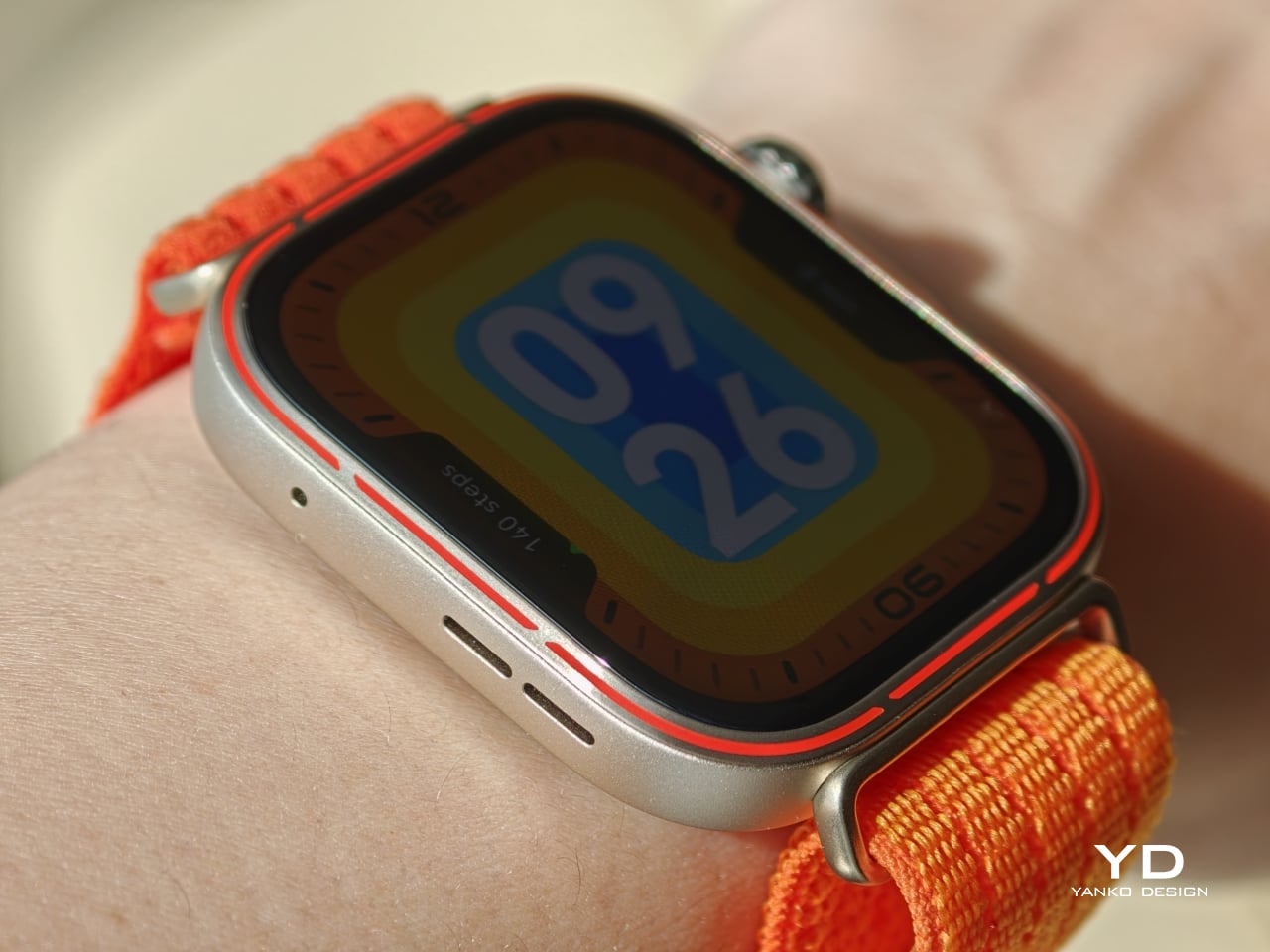
The Huawei Watch Fit 5 Pro is largely identical to its predecessor in overall shape, and that familiarity works in its favour. It continues Huawei’s Apple Watch Ultra-like approach, with a squared display, a rotating crown, and a secondary button on the right side, but slimmer and sleeker in execution. Rather than reinventing the formula, Huawei has refined it, giving the Watch Fit 5 Pro a cleaner and more polished presence than the Watch Fit 4 Pro.
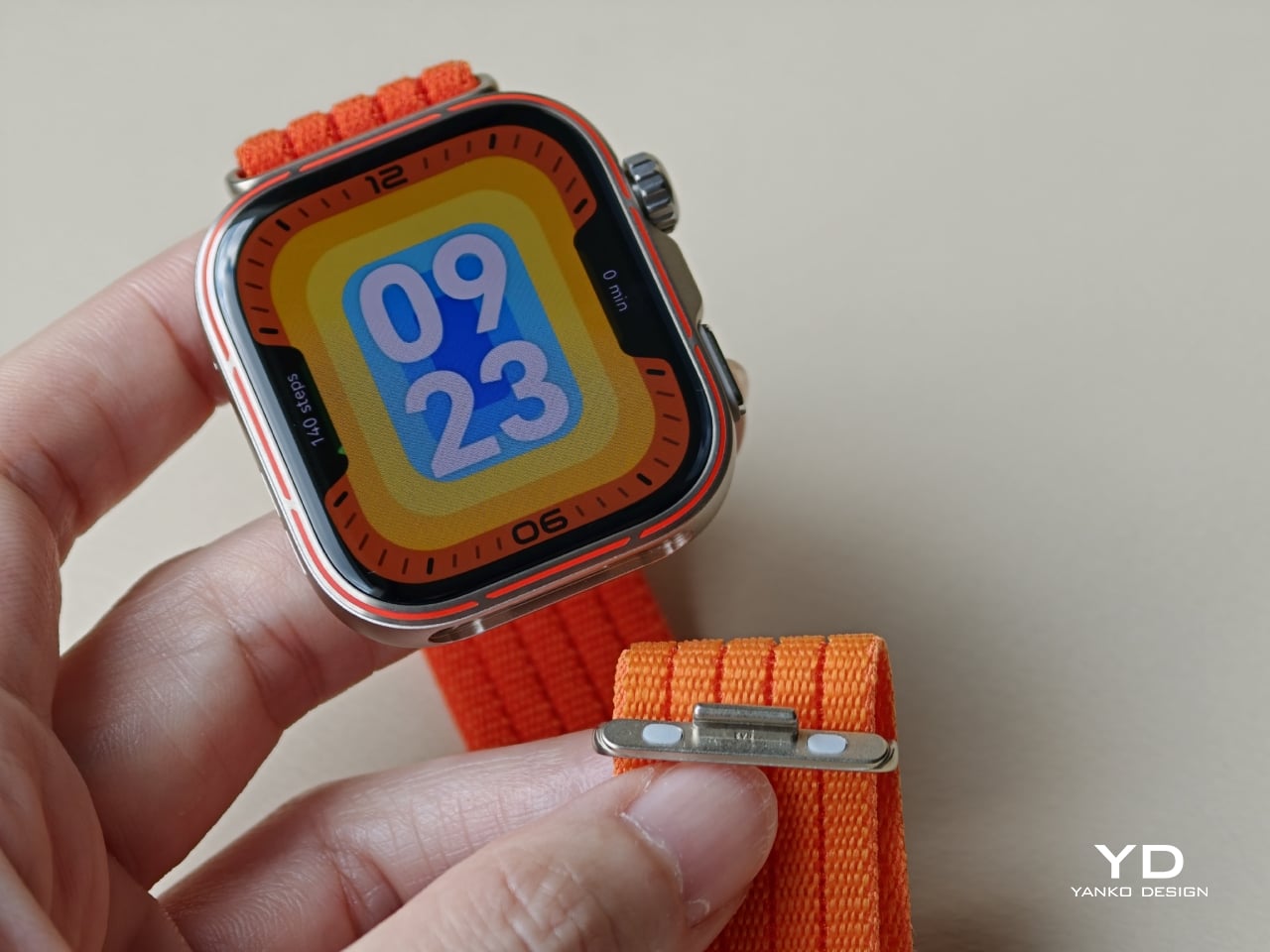
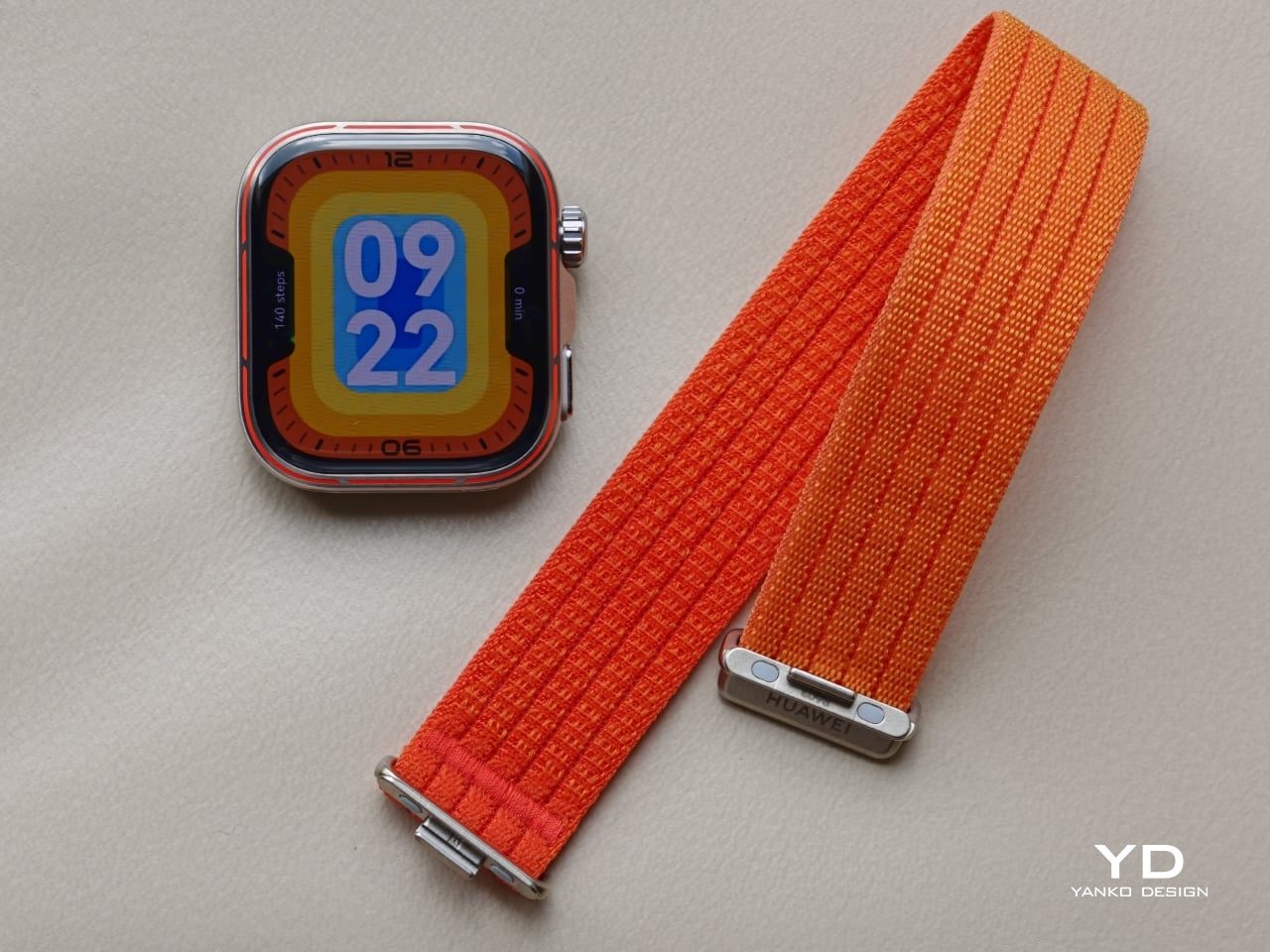
Huawei offers the watch in three colour versions, Orange, Black, and White, and each gives the design a distinct mood. The Orange version pairs a subtle warm gold-toned body with a vivid orange woven strap, along with an orange accent line around the bezel that stands out more clearly than on the other two models. The Black version is the most understated of the trio, with a black body, a black fluoroelastomer strap, and a matching black accent line around the bezel that blends in much more subtly. The White version is the most distinctive, using what Huawei calls Aerospace-Grade Nanoceramic Metal, where the surface is treated through oxidation technology to create a ceramic-like texture while also improving hardness and stain resistance. It too has a matching white accent line around the bezel, but like the black model, it is more understated than the orange version.
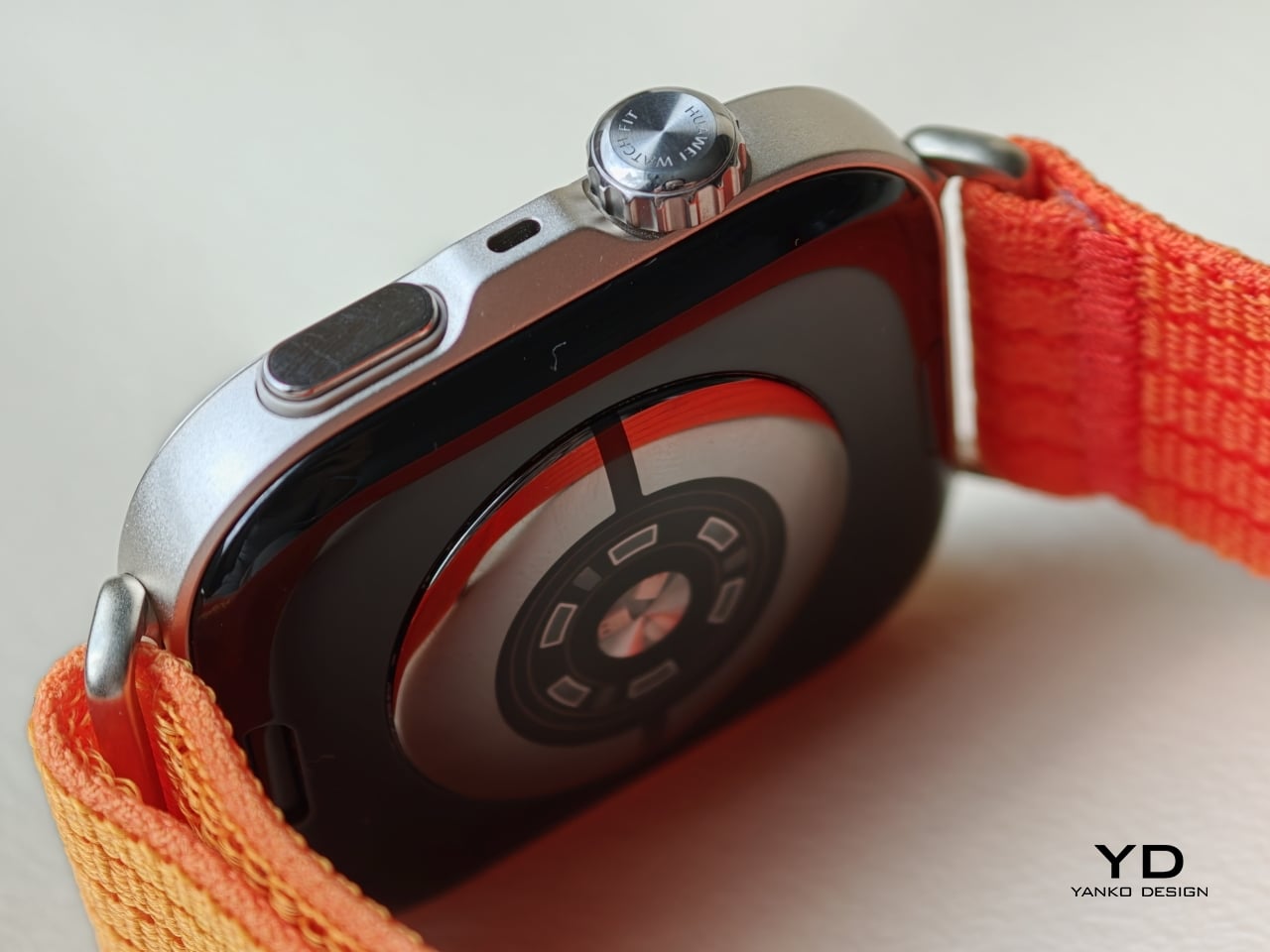
Part of what makes the Watch Fit 5 Pro feel more premium is its material mix. Huawei uses 2.5D sapphire glass, a titanium alloy bezel, and an aluminium alloy body, which gives the watch a stronger sense of quality than most slim fitness-focused wearables. Even if the silhouette remains familiar, the finishing does a lot of heavy lifting. The watch looks more elevated than a typical rectangular sports tracker, and that added material richness helps justify the Pro positioning.
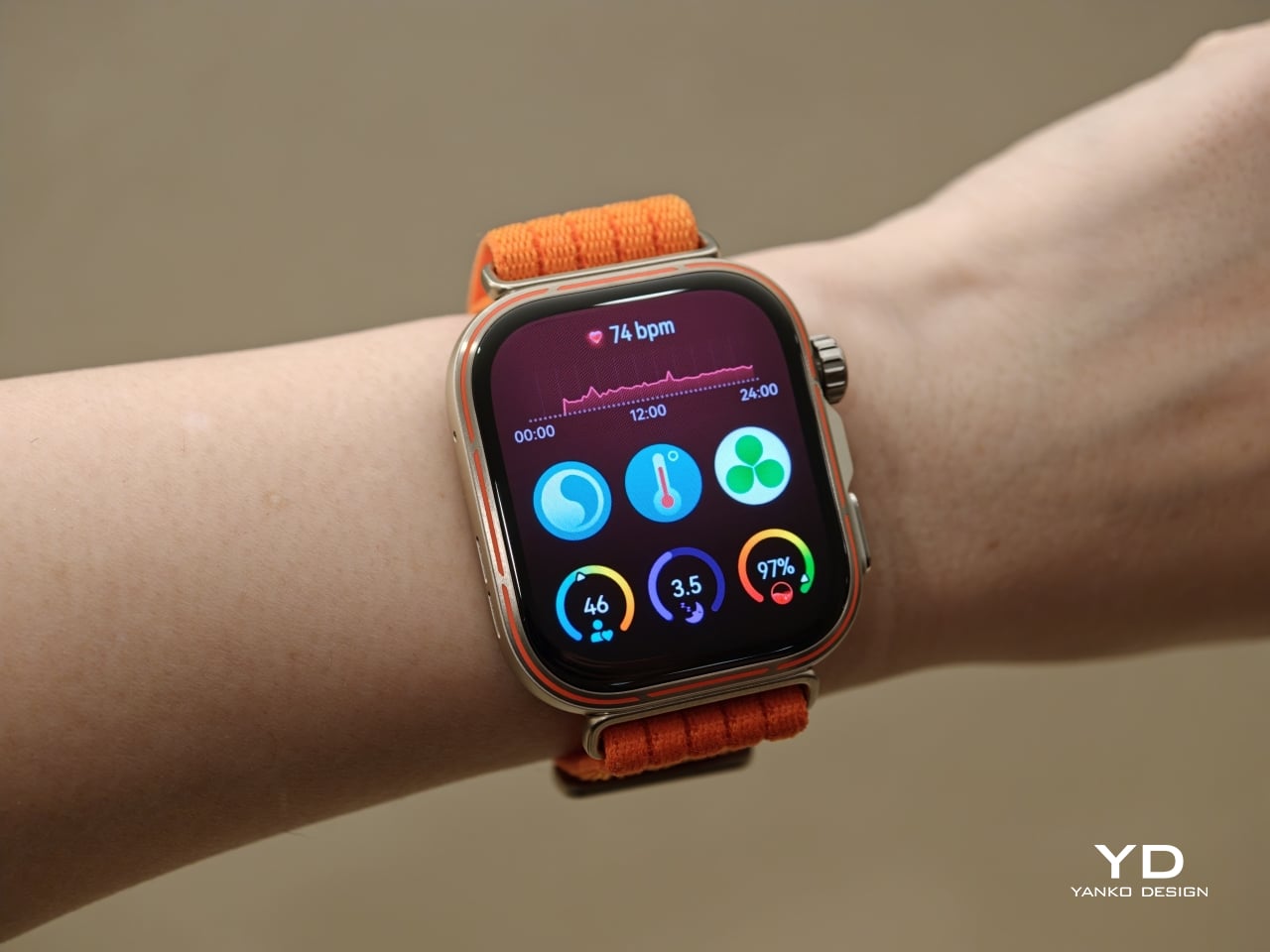
I received the Orange version, and while I like the overall design, I am less convinced by one specific detail. The subtle warm gold tone of the body looks great, and I especially like the brushed metal texture, which gives the finish a bit more depth. The woven orange strap also gives the watch plenty of character without feeling cheap. But I am not a fan of the orange accent line around the bezel. I understand the intention, since it adds contrast and a more dynamic feel, but for me, it also makes the front of the watch look busier than necessary. It is still an attractive watch, but that accent slightly interrupts an otherwise polished design.

Ergonomics

One of the most impressive things about the Watch Fit 5 Pro is how little bulk Huawei seems to have added despite how much the watch offers. It measures 44.5 × 40.8 × 9.5 mm and weighs just 30.4 g without the strap, which helps it feel surprisingly manageable for a smartwatch with features like ECG, golf maps, trail tools, and diving support. On paper, it sounds like a device that could easily become too much for everyday wear. In practice, it does a good job avoiding that trap.
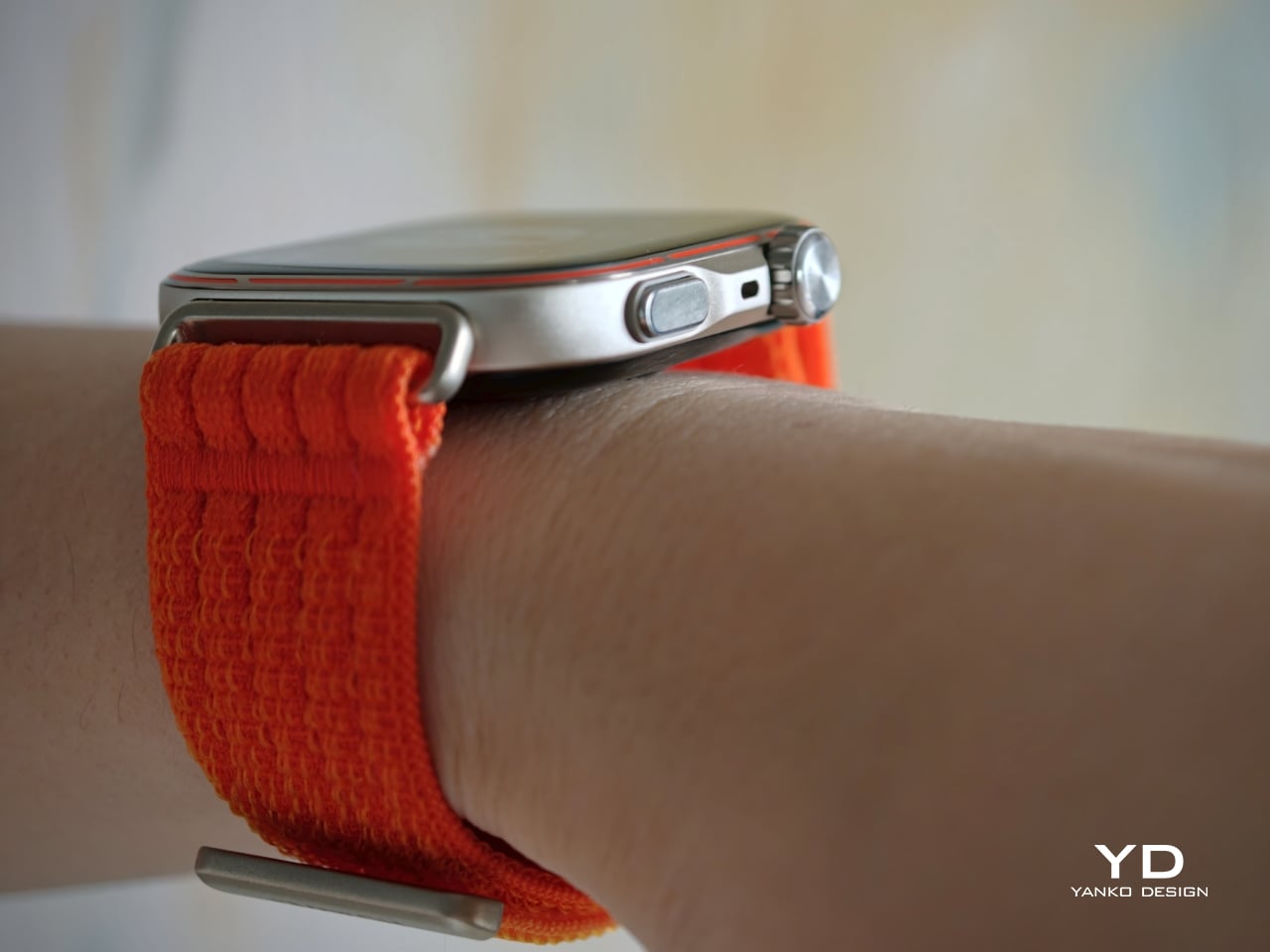
Comfort is not only about weight. It is also about how easily a watch disappears into your routine. A model with this many features would be far less appealing if it felt awkward at a desk, uncomfortable in bed, or distracting during a run. Thankfully, the Watch Fit 5 Pro remains slim and light on the wrist, while the crown and side button are neatly integrated into the frame. I found the watch, especially with the breathable fabric strap, comfortable enough for all-day wear, even on a small wrist, which makes a real difference over longer stretches of use.
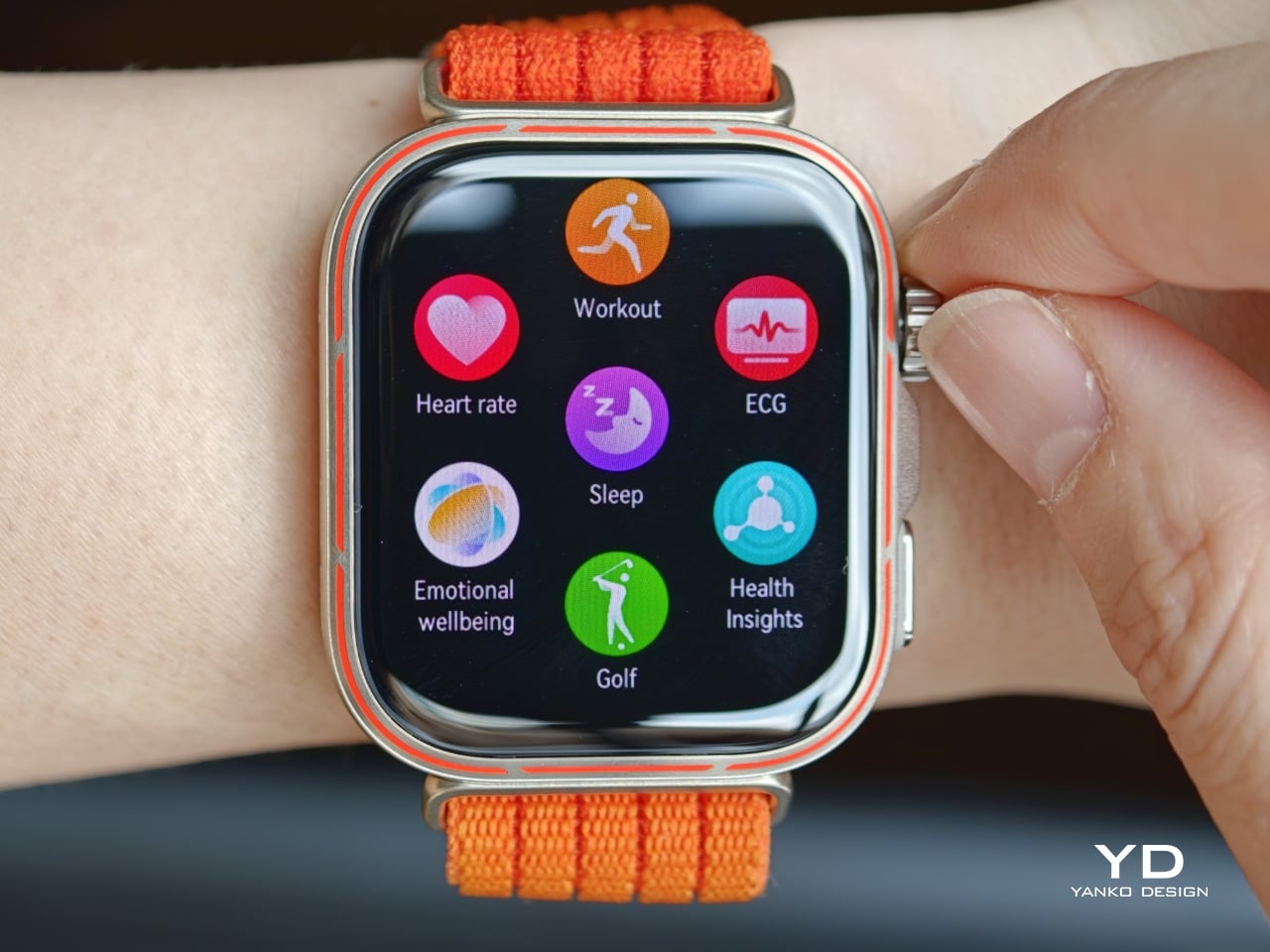
The smaller details are well handled, too. The rotating crown and side button are both responsive, and the haptic feedback on the crown feels pleasantly precise. The screen has a slight curve at the edges, so swiping in from the side never feels sharp or awkward against the finger. The fabric strap is also easy to put on and take off, while staying secure once fastened. Altogether, the Watch Fit 5 Pro feels like a watch designed not just to look sleek, but to stay comfortable and easy to use throughout the day.

Performance

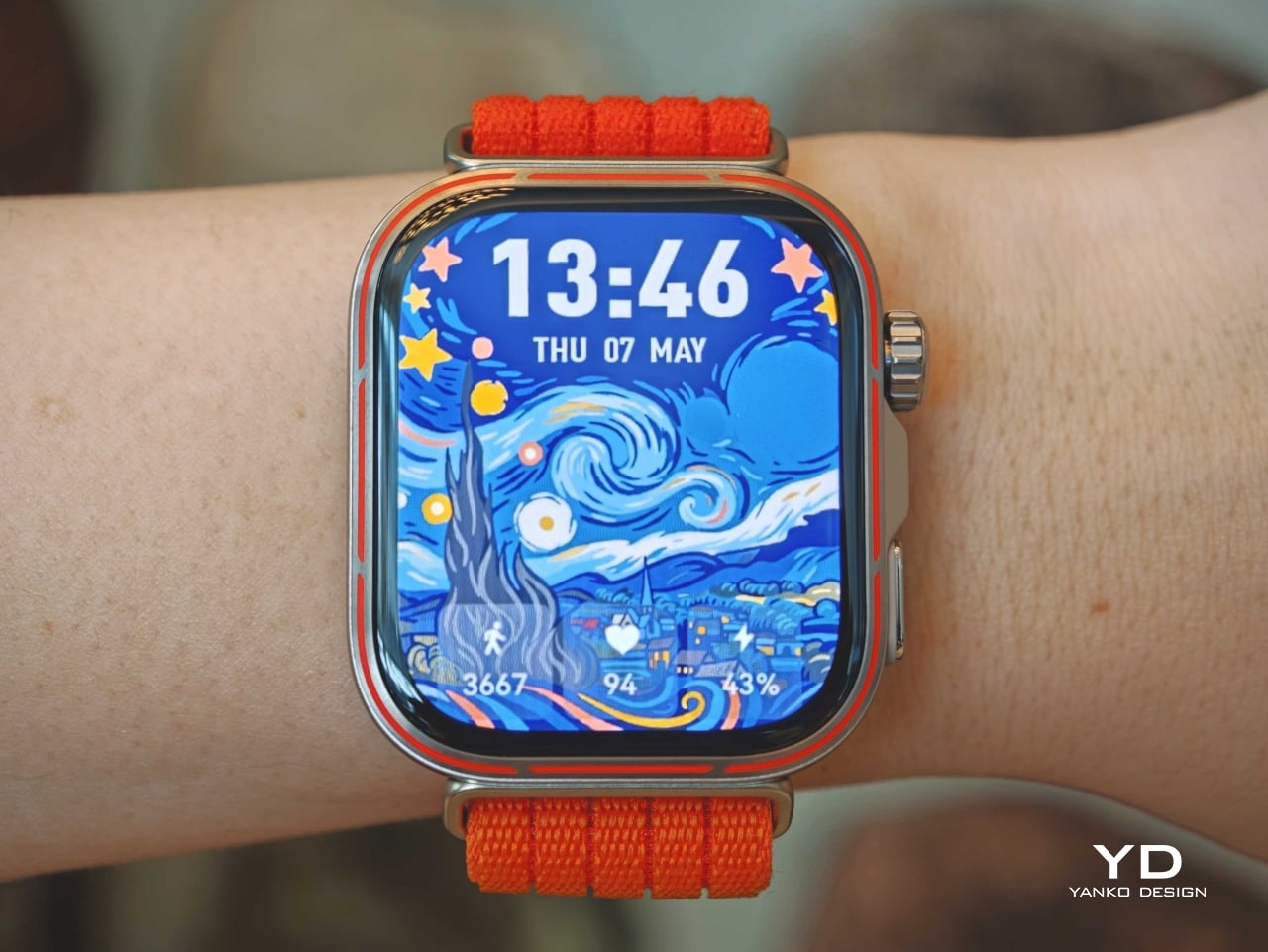
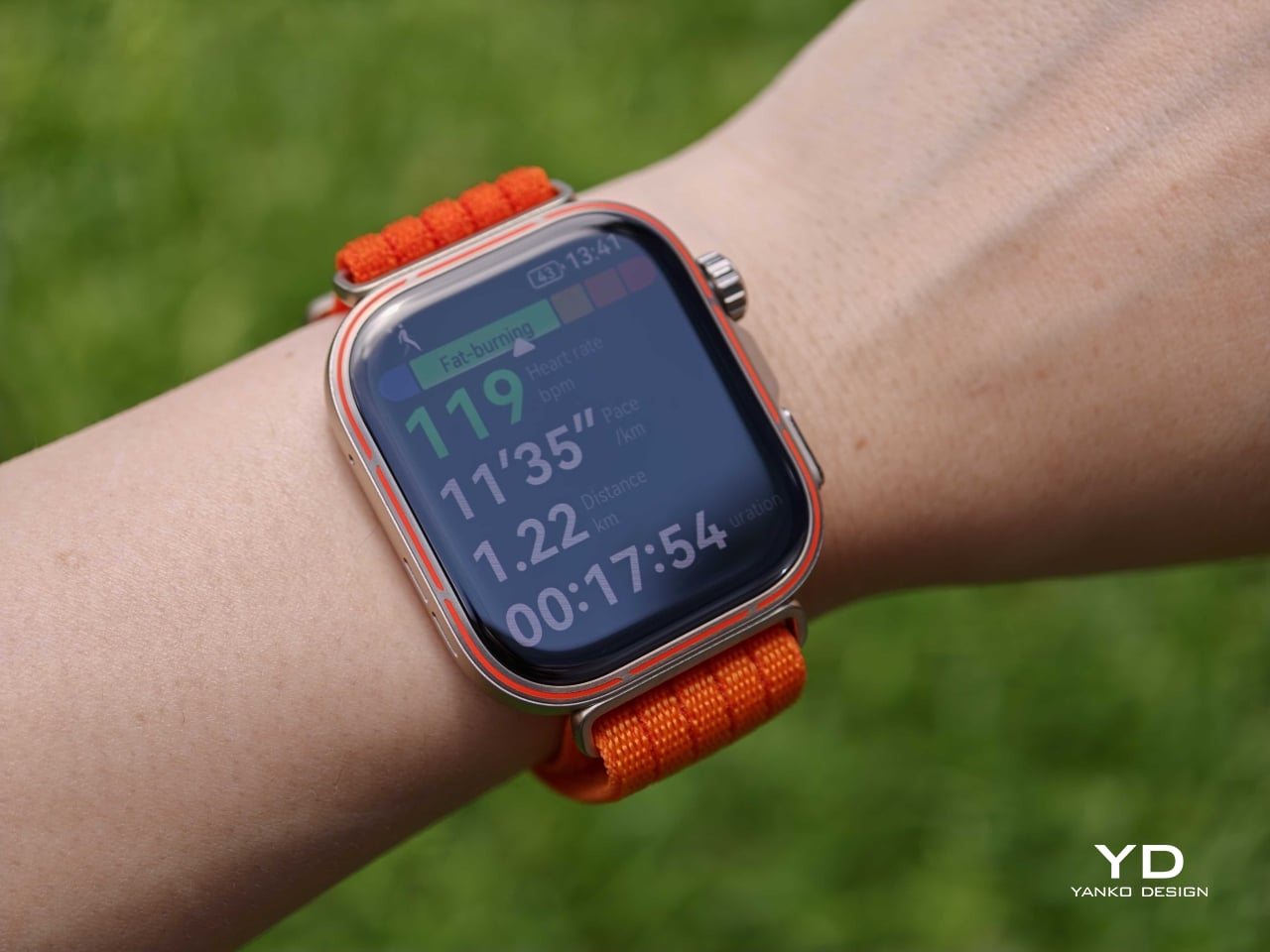
Huawei has upgraded the display to a 1.92-inch panel with an 83 percent screen-to-body ratio, evenly slim borders, and peak brightness of up to 3000 nits. Compared with the Watch Fit 4 Pro, which had a 79 percent screen-to-body ratio, the new model feels more immersive and more expansive at a glance. The slimmer borders make the interface look cleaner, while the brighter screen makes a real difference outdoors. For a watch built around workouts and activity, that matters more than raw numbers on a spec sheet. A bright and easily readable display is one of those things you notice every single day.
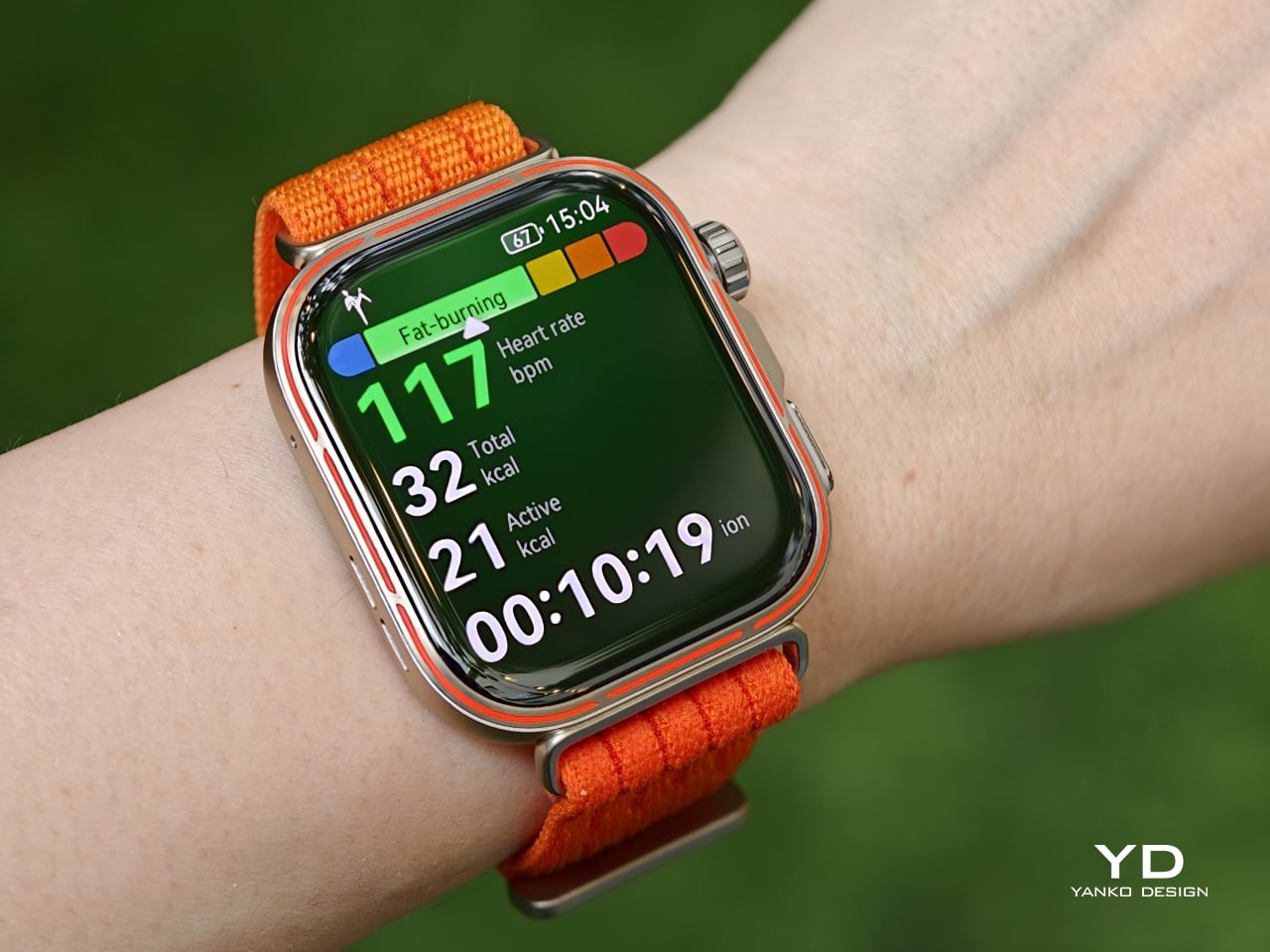
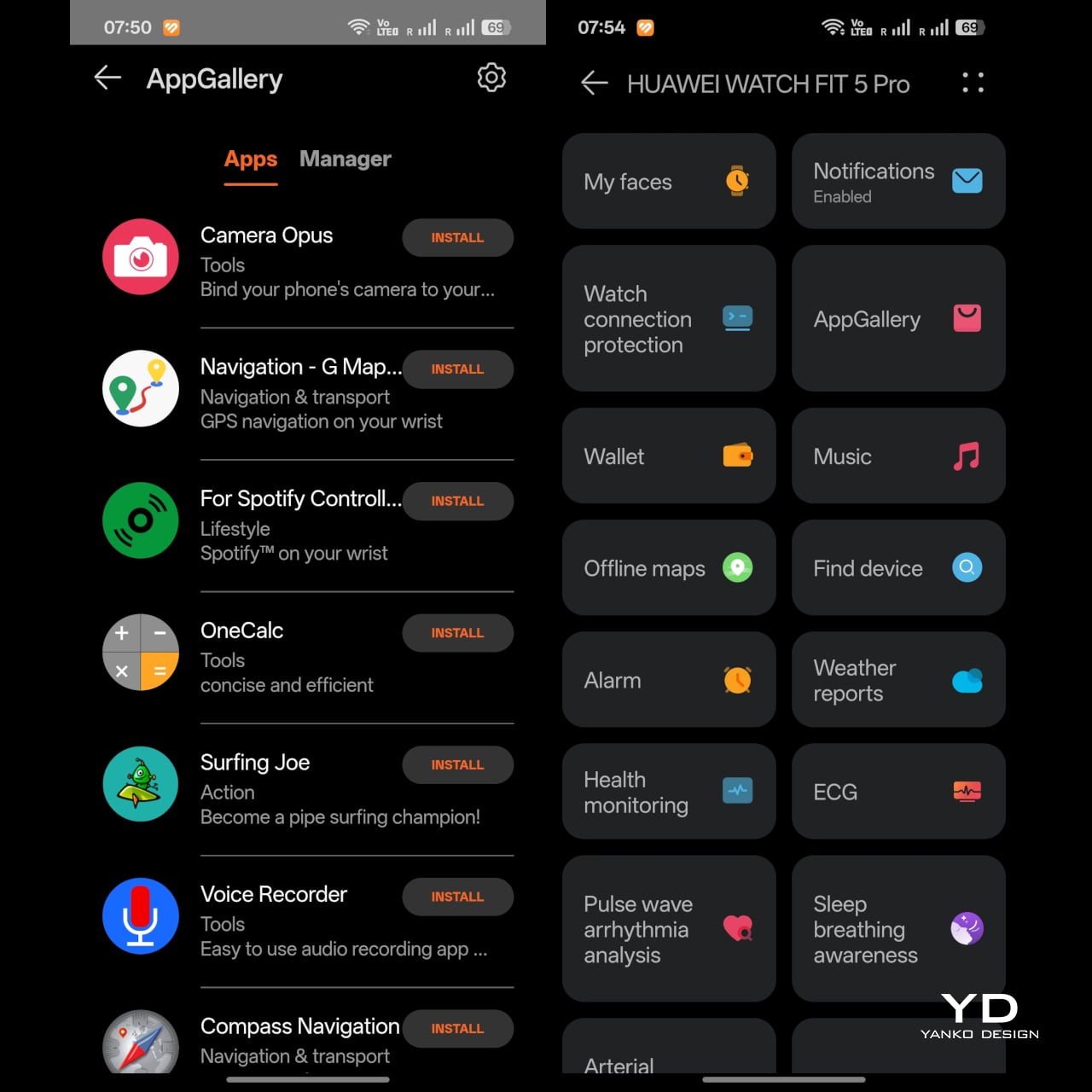
The Watch Fit 5 Pro is compatible with both iOS and Android, though you need to install the Huawei Health app, either through a QR code or directly from Huawei’s website. The watch runs HarmonyOS 6, and its smart features feel fairly basic by smartwatch standards. Notifications are supported, and you can reply using preset messages, emoji, or the on-screen keyboard. There is also Bluetooth calling, along with a remote camera shutter feature, though opening the camera remotely still requires a Huawei phone. You can also install third-party apps through Huawei AppGallery, but the overall app ecosystem remains more limited than what you get on Apple’s watchOS or Google’s Wear OS. Huawei also offers plenty of watch face designs, which adds some welcome personality and makes the watch easier to tailor to your taste. AI voice assistance is available too, but only for Huawei phone users.
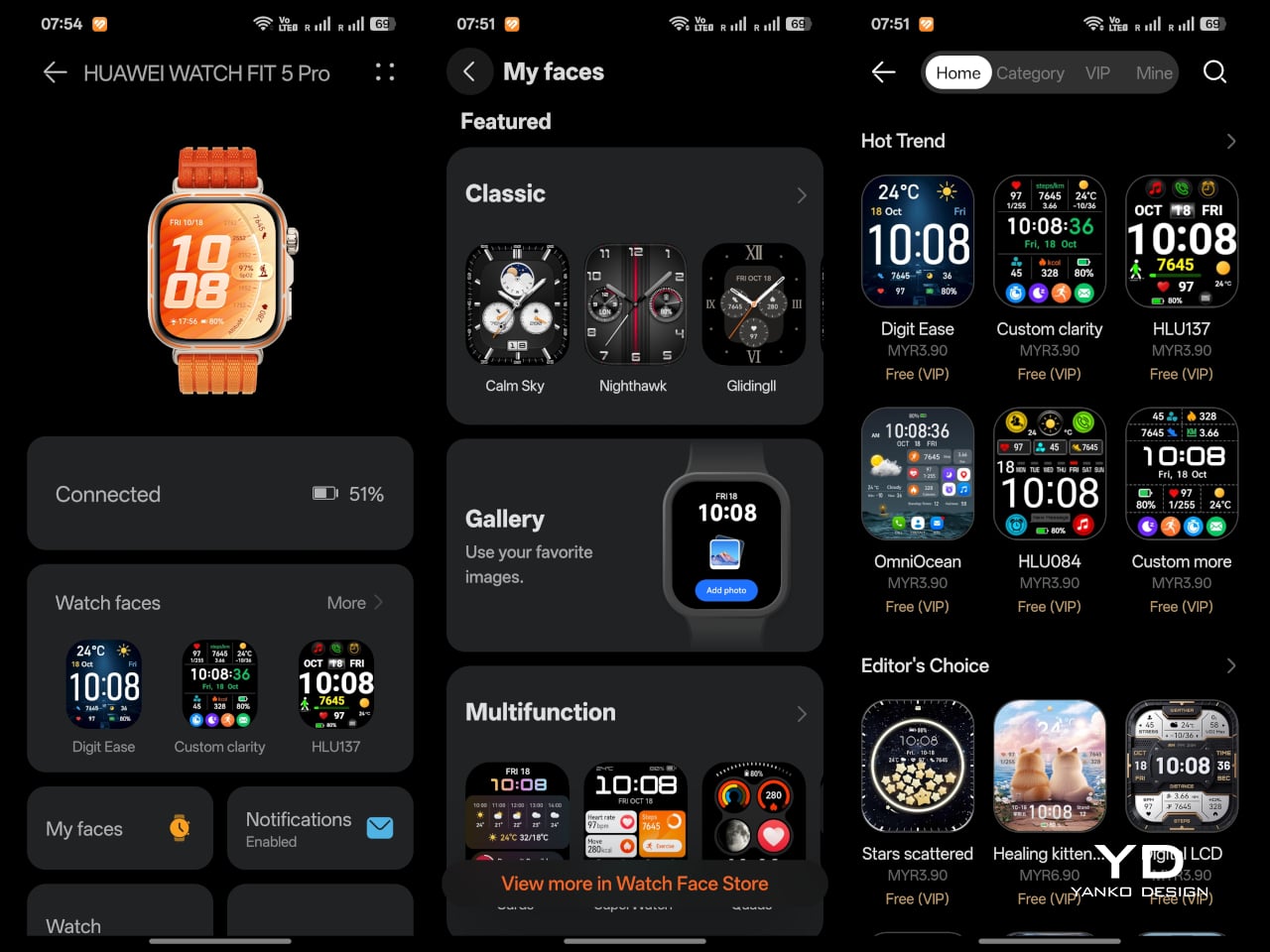
The interface is generally easy to navigate. Swiping down or rotating the crown downward brings up the quick menu, while swiping up or rotating the crown upward opens notifications. Swiping in from the right brings up the widget panels. Pressing the side button once opens the workout menu, and this can also be customized as a shortcut, which adds a bit of flexibility to the experience. That said, pressing the side button twice is assigned to the Wallet shortcut, and this cannot be changed. This feels less useful if contactless payment is not supported in your region, which limits part of the watch’s convenience.
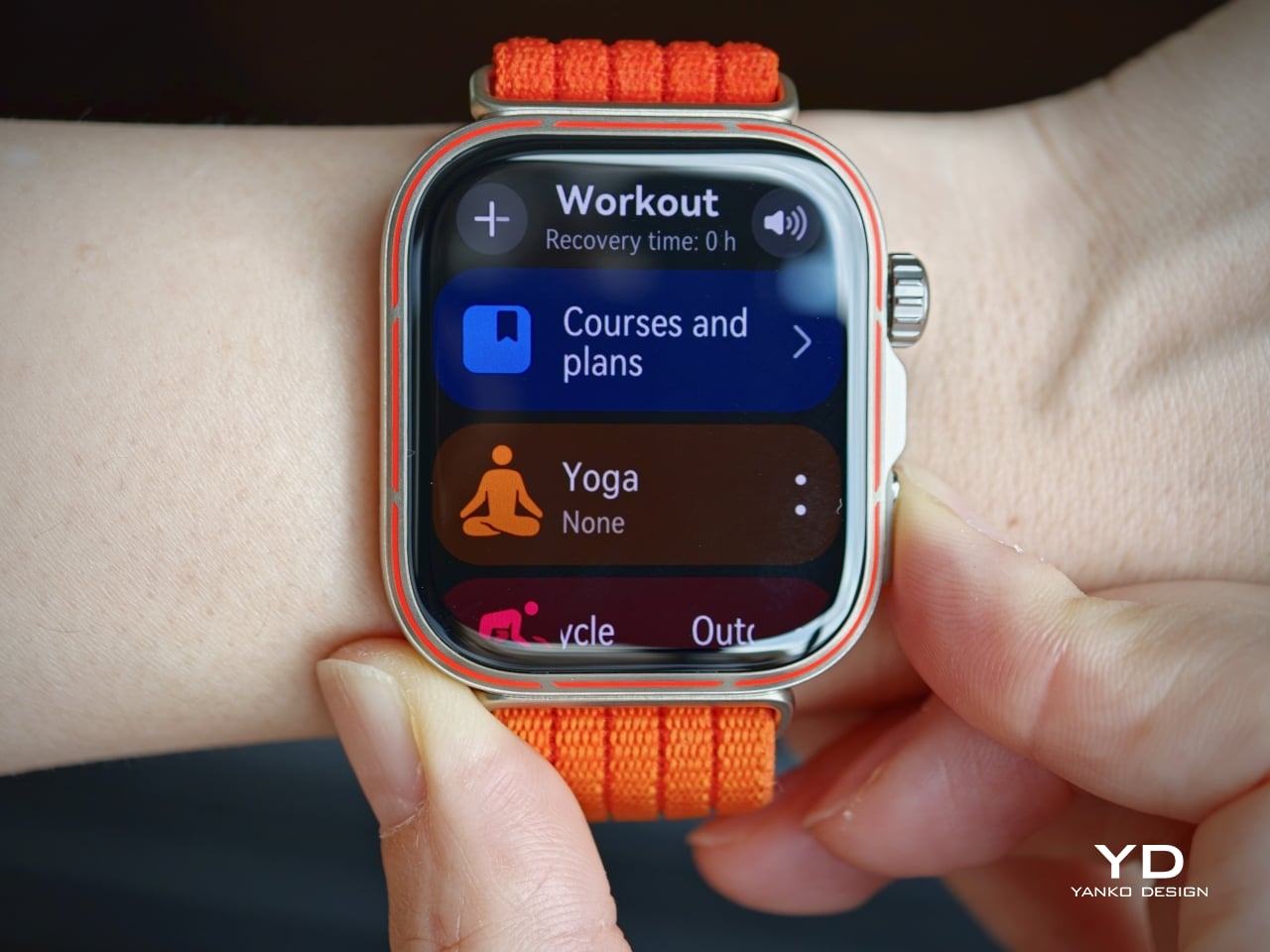
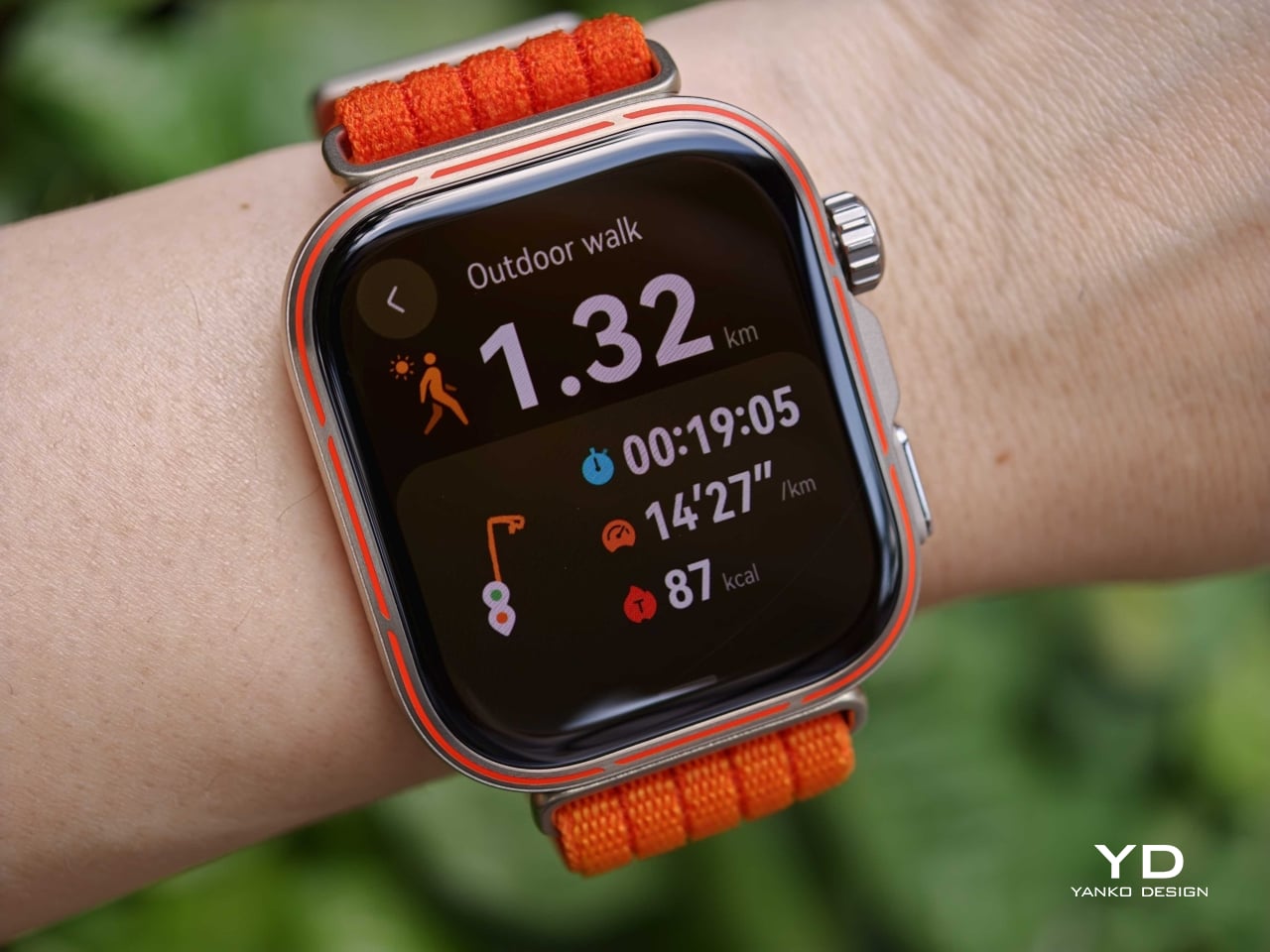
The sports side is where the Watch Fit 5 Pro starts to feel much more serious than a typical slim fitness watch. Huawei has added a richer set of cycling metrics, including virtual power, virtual cadence, and real-time grade, while trail running gets route navigation, off-course alerts, map zooming, split elevation, and estimated distance to markers. Golf is another major differentiator, with support for more than 17,000 course maps, up from 15,000 on the Watch Fit 4 Pro, alongside vector layouts, green view, custom distance measurement, and live scorecard features. There is also support for 40-metre free-diving. Taken together, these features make the Watch Fit 5 Pro feel less like a stylish wellness watch with extra modes and more like a genuinely capable sports companion.
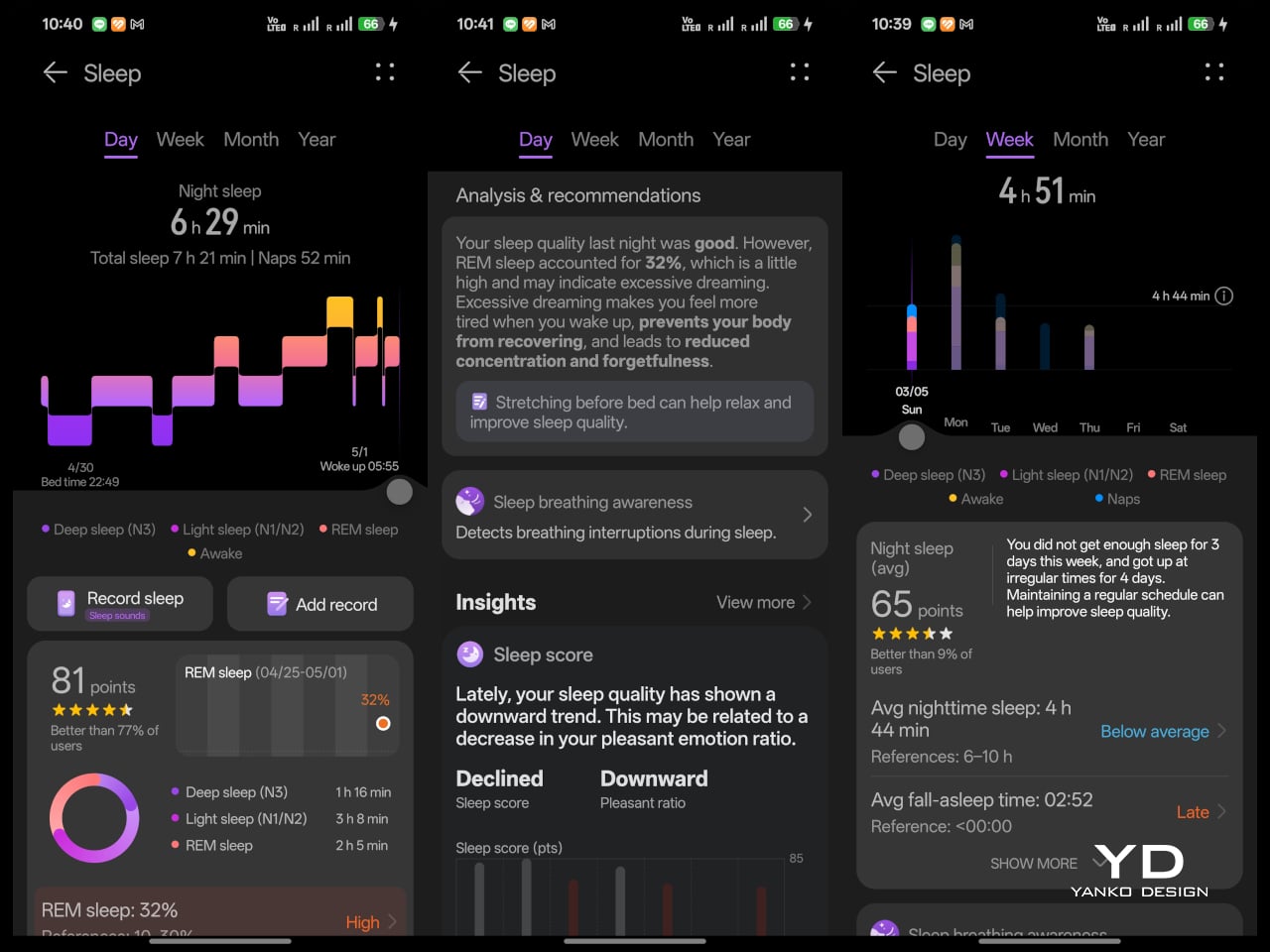
Huawei is also pushing the watch harder on health tracking. The Watch Fit 5 Pro supports ECG analysis, arterial stiffness detection, pulse wave arrhythmia analysis, sleep breathing awareness, emotional well-being tracking, and the Diabetes Risk Study. That is an ambitious set of tools for a watch in this category, and it shows that Huawei wants the Pro model to do more than count steps and monitor heart rate. Some of these features are region-dependent, which is worth keeping in mind, but the overall package still feels notably broader than what the Fit line used to offer. It gives the Watch Fit 5 Pro a stronger sense of purpose beyond fitness alone.
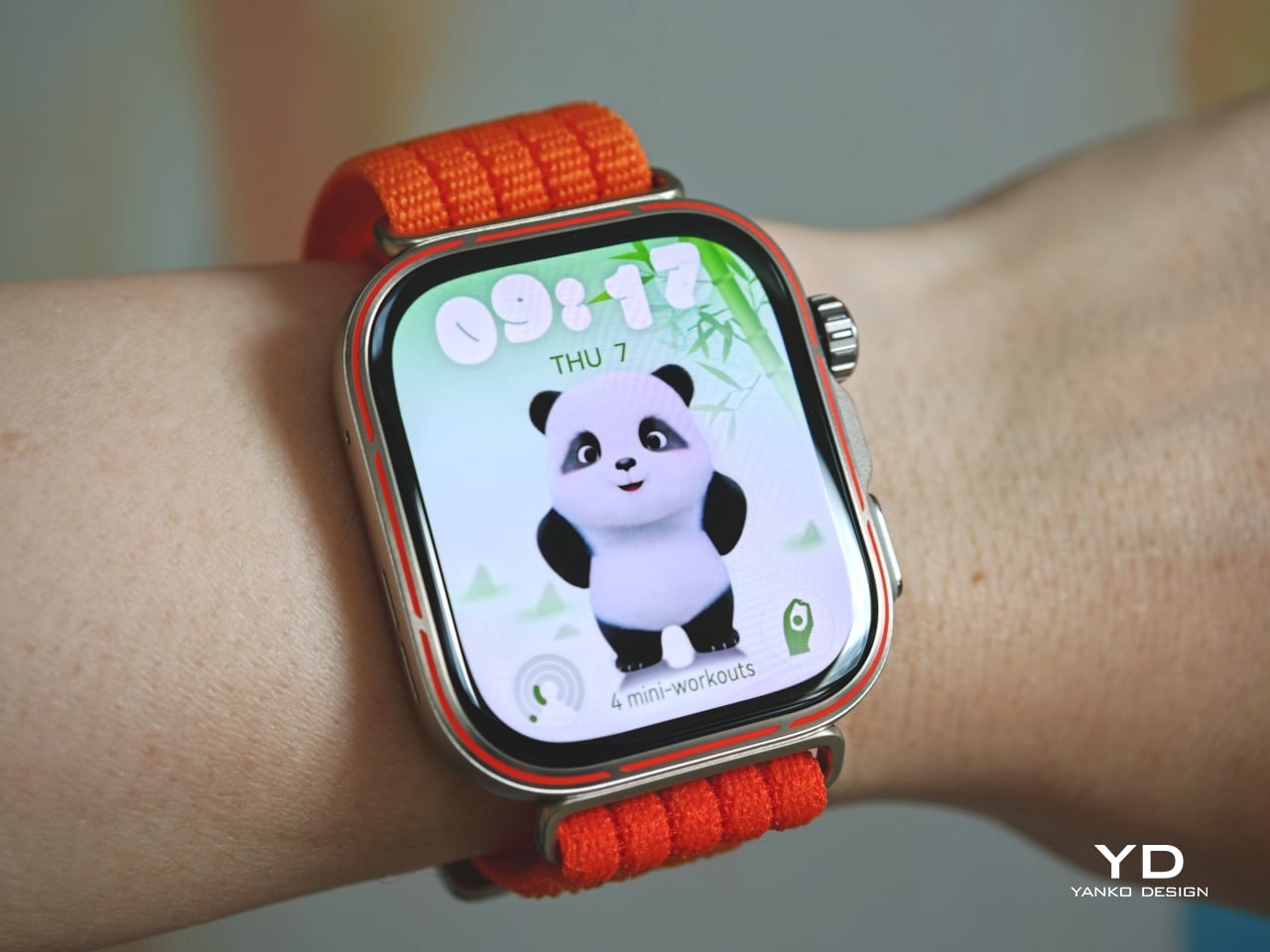
Even if you are not into cycling, golf, free-diving, or most of the 100-plus workout modes, the Watch Fit 5 Pro still offers plenty of practical reasons to care. One of the more charming additions is Mini-workout, which includes 30 guided movements designed to help you exercise anytime and anywhere, complete with playful panda animations. I appreciated this because I tend to shy away from regular exercise, and it encouraged me to fit in quick stretches and more movement throughout the day. I do wish Mini-workout were easier to access, as it is tucked under “Courses and Plans” in the Workout menu. If you use the dedicated Mini-Workout Panda watch face, you can also open it directly from the home screen.
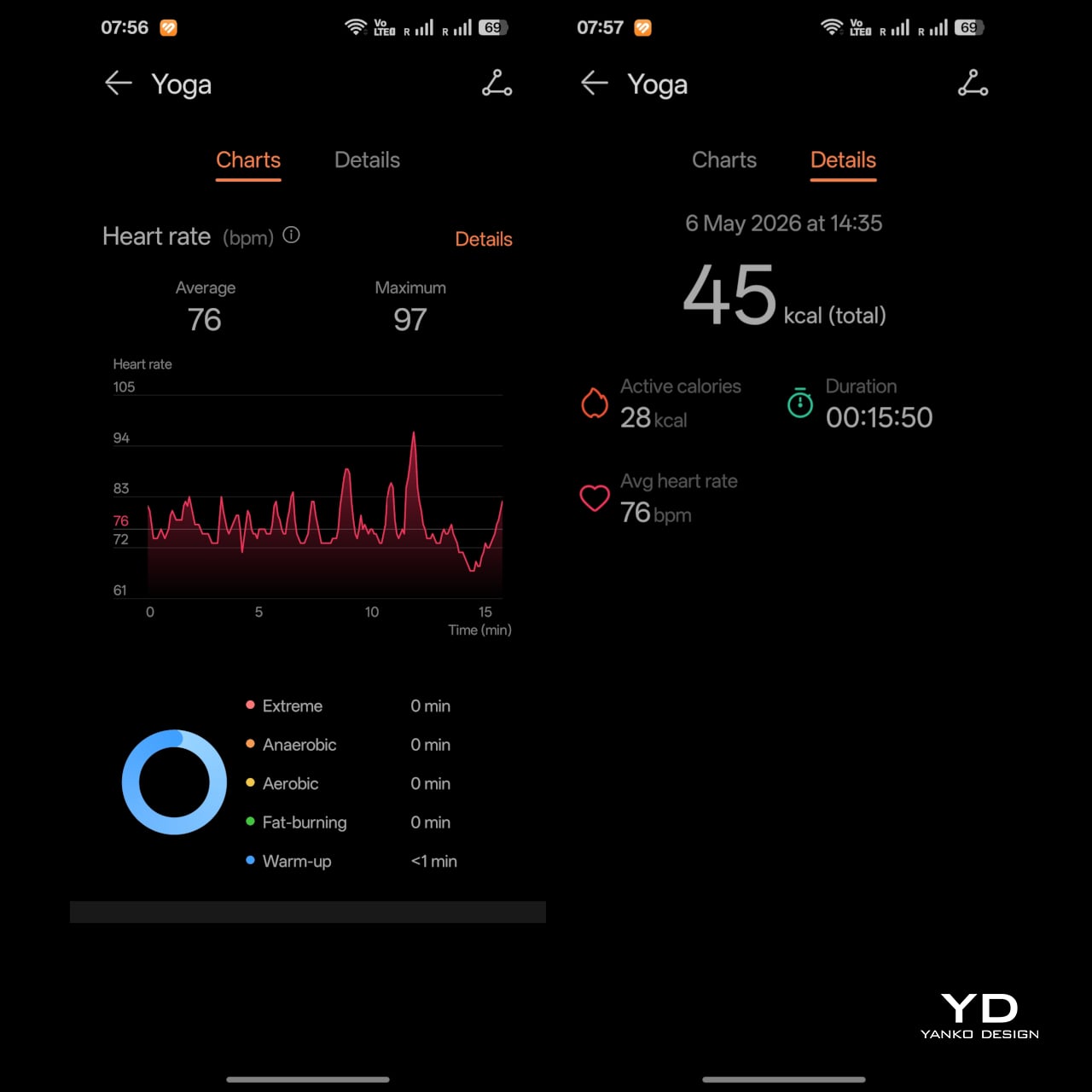
In daily use, the upgraded Huawei Sunflower Positioning System also proved accurate for GPS tracking. Sleep tracking is detailed, and I especially appreciated the easy-to-understand sleep report in the app. Huawei Health also lets you manually add sleep records, which came in handy on nights when I went to bed without wearing the watch.
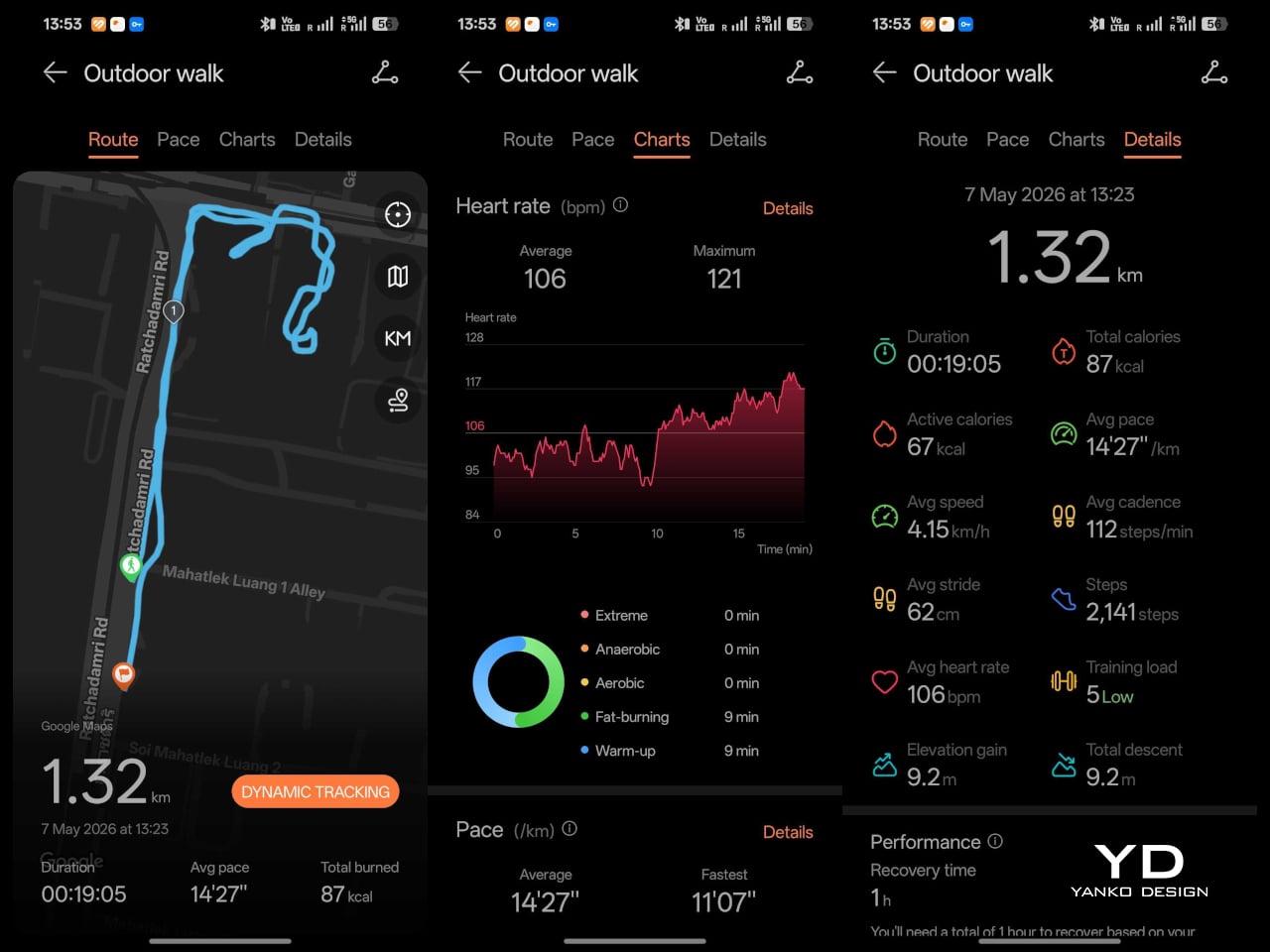
Battery life remains one of the Watch Fit 5 Pro’s biggest strengths. It uses a 471 mAh battery, with Huawei claiming up to 7 days of typical use, 10 days of light use, and as much as 25 hours in trail run mode. It also supports 60-minute wireless fast charging. Those figures matter because a watch with a bright display and this many sensors could easily become high maintenance, yet Huawei still seems focused on making it practical for daily use. In my experience, the real-world performance comes close to those claims. That makes the Watch Fit 5 Pro far more convenient than smartwatches that demand charging every day or two. I do wish the included magnetic charger used USB-C rather than USB-A.

Sustainability

Sustainability is not a major part of Huawei’s pitch for the Watch Fit 5 Pro, and unfortunately, that seems to be true for most smartwatches on the market. There is little emphasis on recycled materials, repairability, or broader environmental commitments. As a result, this is not a watch that stands out as an especially sustainability-focused product.
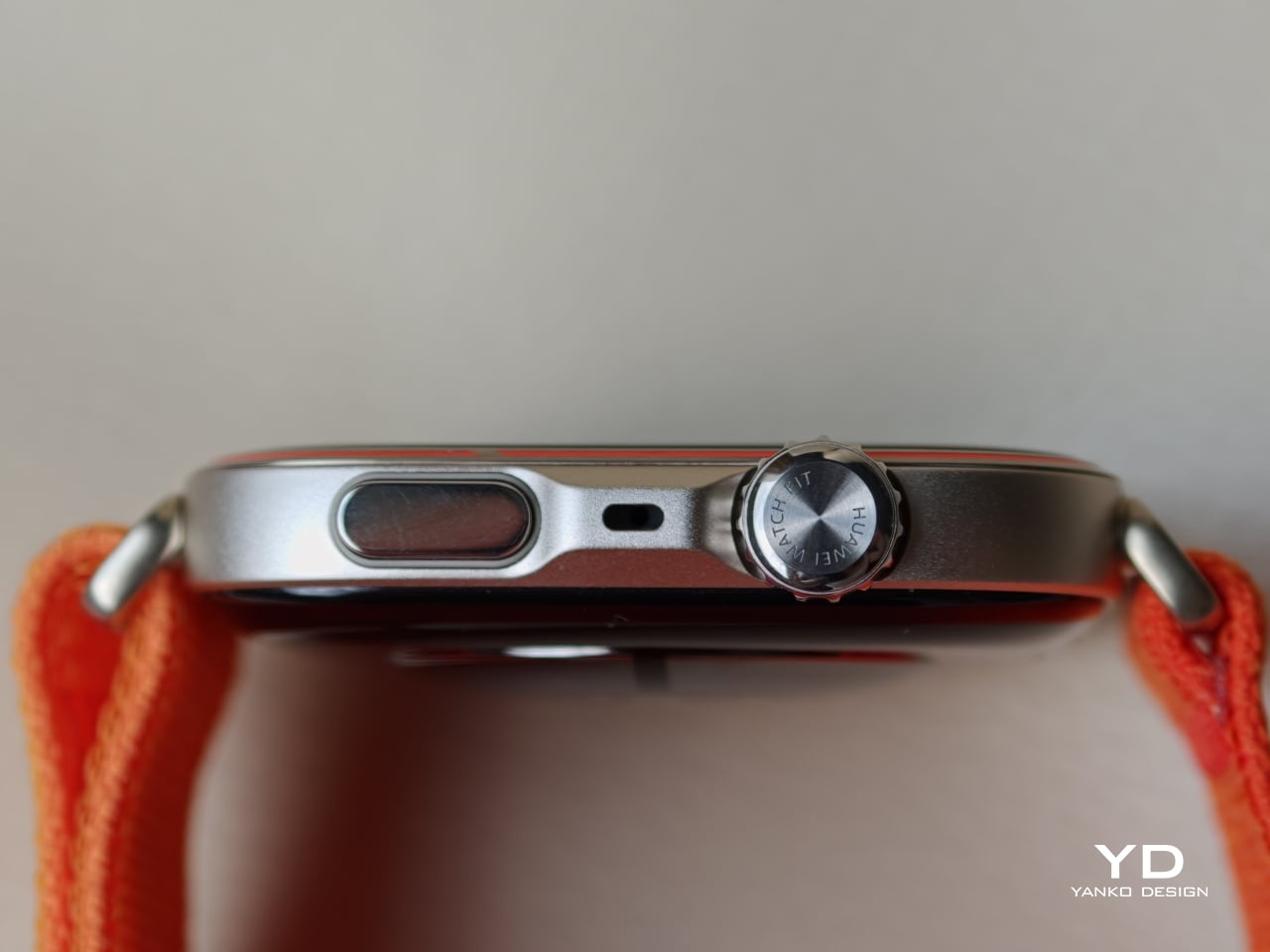
What it does offer is durability and a bit of long-term flexibility. With sapphire glass, a titanium alloy bezel, and an aluminium body, the Watch Fit 5 Pro feels better built than many lightweight fitness watches. The strap is also easily replaceable without any extra hardware, which is a small but meaningful advantage if the original band wears out or if you simply want to change the look over time. It is also compatible with both iOS and Android, which adds a bit of flexibility if your phone platform ever changes. That does not make it a sustainability leader, but it does suggest a product designed to stay useful for longer rather than be quickly replaced.

Value

At £249.99, the Huawei Watch Fit 5 Pro feels competitively priced rather than aggressively cheap, and that is what makes its value proposition work. Huawei is not trying to win purely by offering the lowest price. Instead, it is offering a slim and comfortable watch with premium materials, a bright display, strong battery life, broad health tracking, and a surprisingly serious set of sports and outdoor features. That combination makes it feel more substantial than many rivals that sit somewhere between a basic fitness band and a full smartwatch.
That value does come with some limits. The smart features are still fairly basic by broader smartwatch standards, the app ecosystem remains more limited than what you get from Apple or Google, and features like Wallet will matter less in regions where support is restricted. Even so, I think Huawei has judged the balance well. At its price point, the Watch Fit 5 Pro does not need to be the smartest watch in its class to feel like good value. For the right user, especially someone who wants a sleek, lightweight watch with serious fitness and outdoor ability, it is a well-judged package at a fair price.

Verdict

After spending time with it, the Huawei Watch Fit 5 Pro feels like a smartwatch that understands. The Huawei Watch Fit 5 Pro strikes a convincing balance between style, comfort, and capability. It takes the slim and approachable Fit formula and elevates it with better materials, a brighter and more immersive display, stronger sports and health features, and battery life that remains comfortably practical. Just as importantly, it still feels light and easy to live with, which is not something every feature-packed smartwatch manages to achieve.

It is not perfect. The smart features are still fairly basic by broader smartwatch standards, the app ecosystem remains limited, and some functions become less useful depending on your region or phone. But if your priorities lean more toward fitness, health tracking, comfort, and design than deep app support, the Watch Fit 5 Pro makes a very strong case for itself. It is not trying to be the smartest watch you can buy. It is trying to be a sleek, capable, and highly wearable one, and in that role, it succeeds.
The post Huawei Watch Fit 5 Pro Review: More Than Its Slim Design Suggests first appeared on Yanko Design.
Dead Battery by Noon? This 45W Pocket Charger Fixes That for Good

Battery anxiety has become a familiar part of modern daily life. Smartphones, wireless earbuds, tablets, and handheld gaming devices all run down faster than most people expect, and the window between a full charge in the morning and a dead battery by mid-afternoon keeps shrinking. Portable chargers exist precisely to solve that, but most of them are still too thick and heavy to carry comfortably every day.

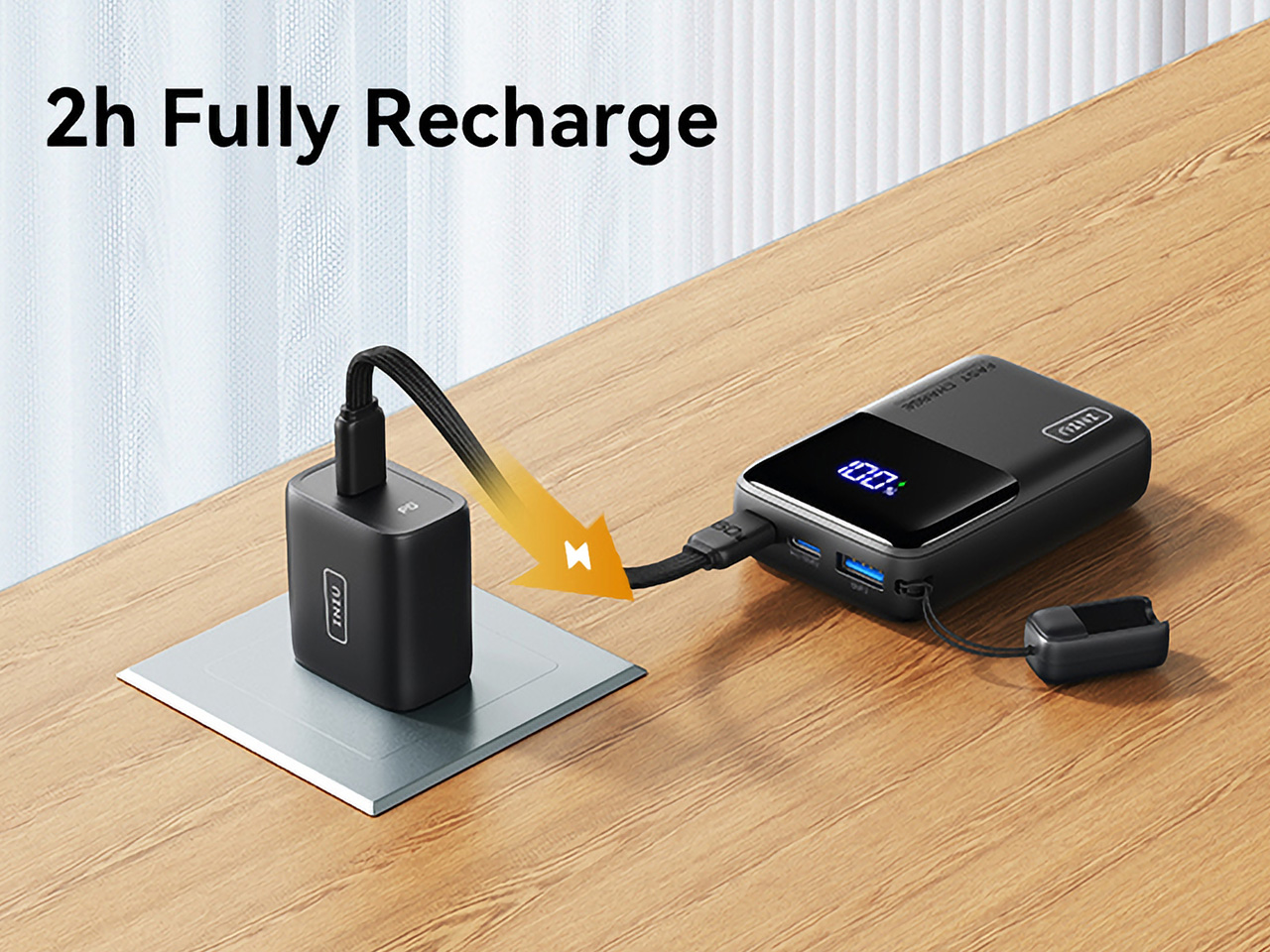
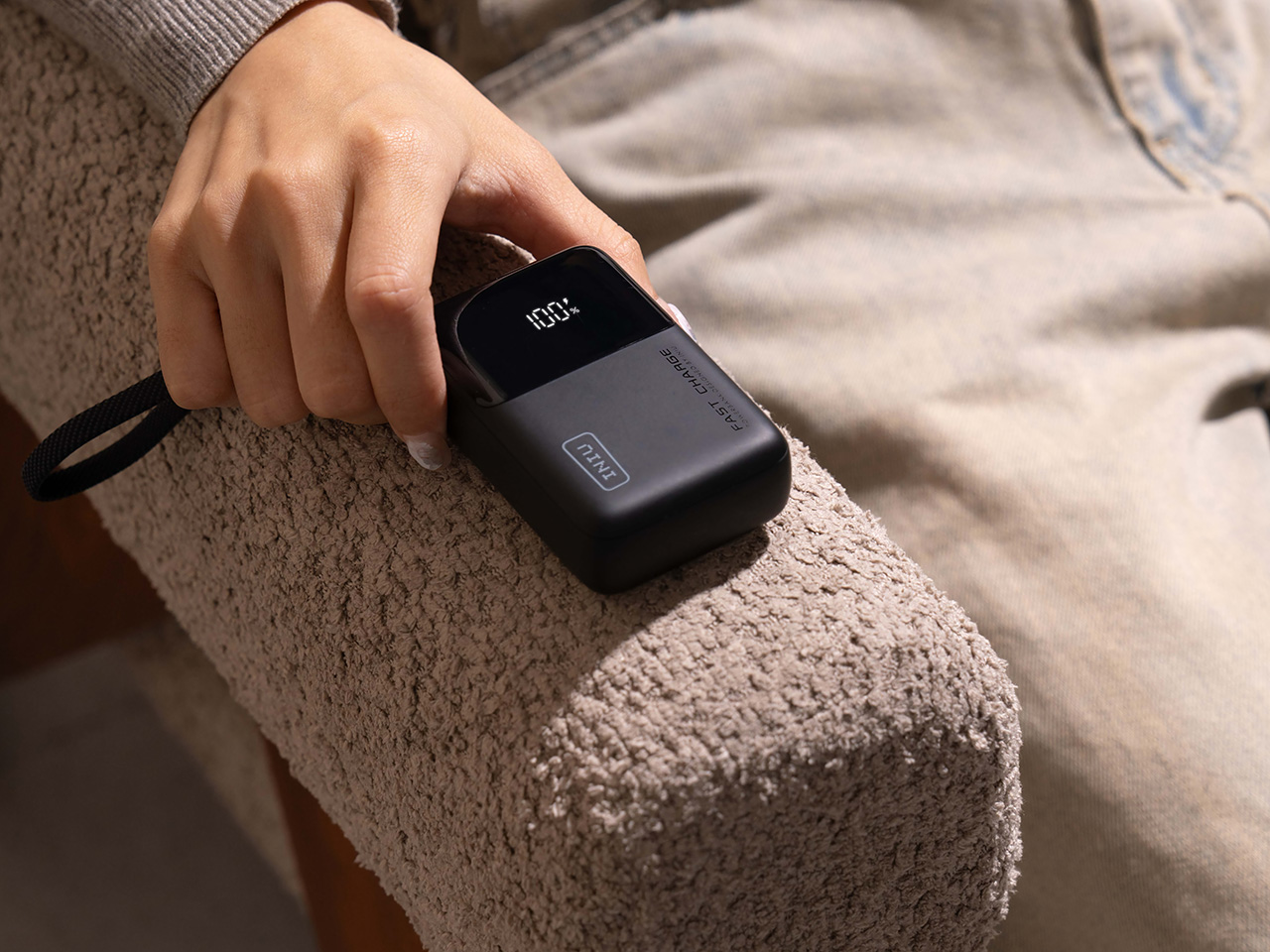
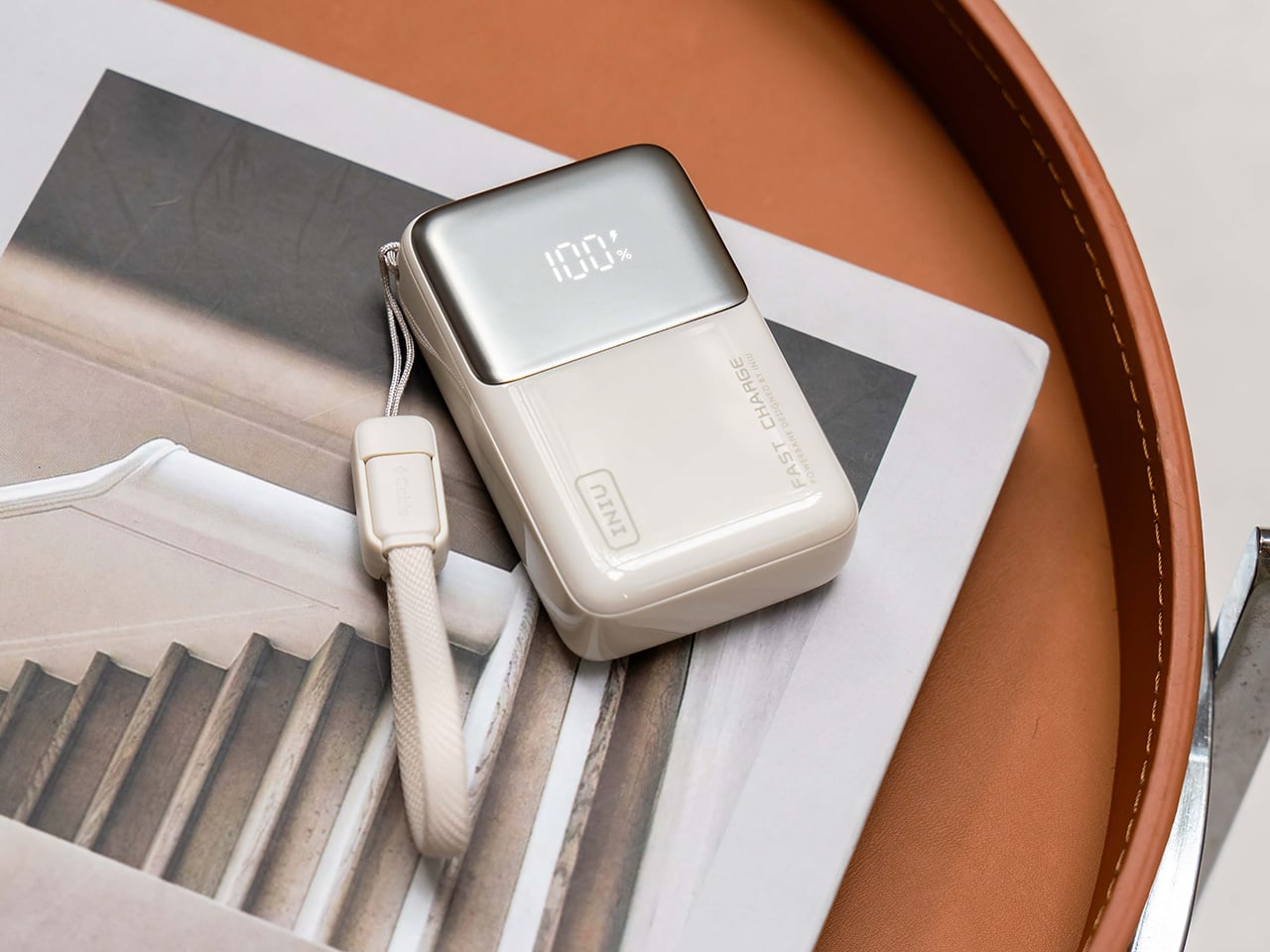
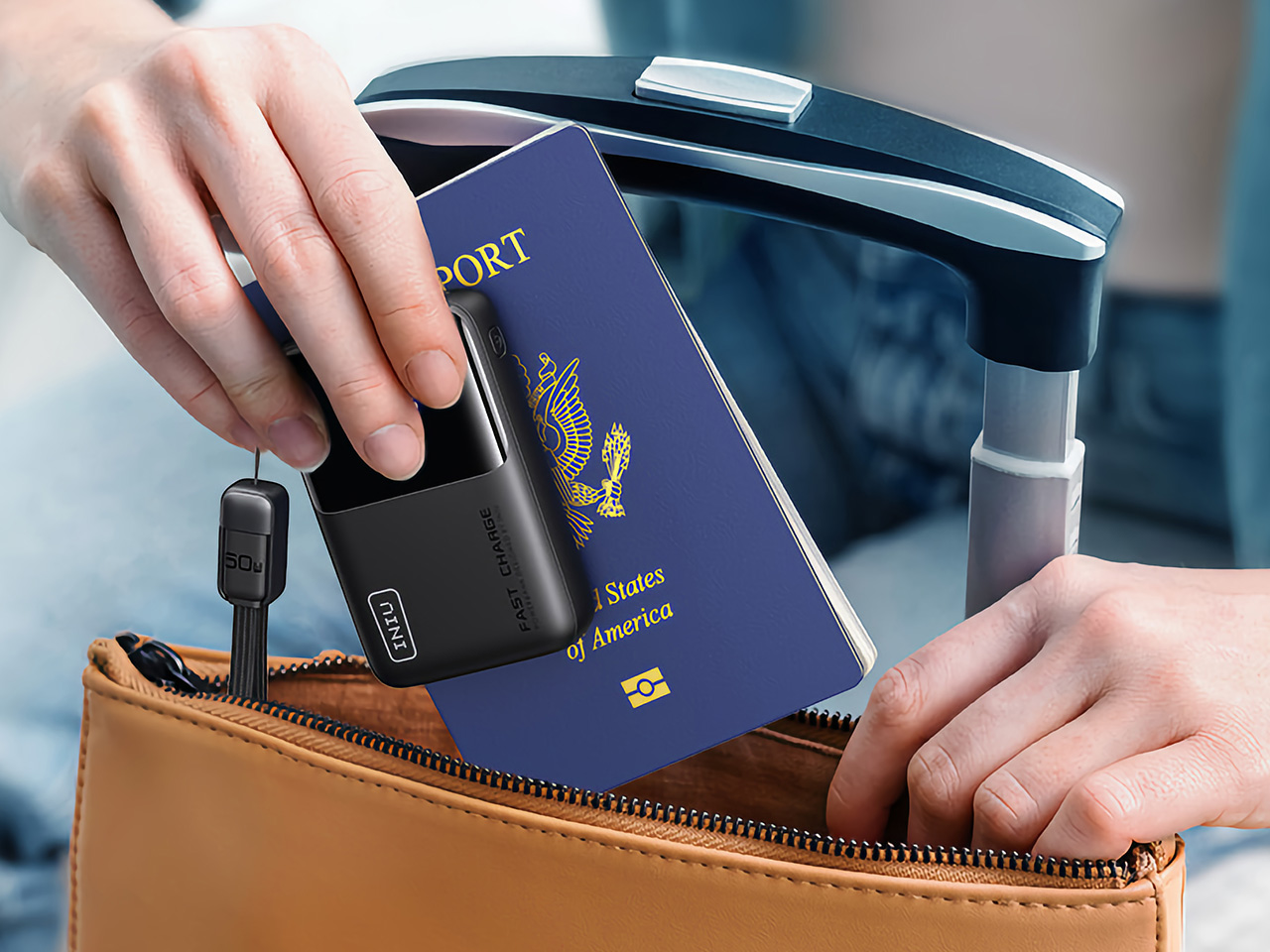
The INIU Pocket Rocket P50 tries to change that calculation. It’s a compact 10,000mAh power bank with 45W fast charging, packed into an ultra-light 160g body that’s small enough to fit in a pocket. With advanced thermal management for stable charging on the go and a built-in USB-C cable for ease of use, INIU built it around a fairly straightforward premise: the best backup charger is the one you’ll actually have with you when you need it most.

Designer: INIU

Click Here to Buy Now: $27.39 $32.99 (17% off, use coupon code “YANKO17”). Hurry, deal ends in 48-hours!

Think about the kind of day that starts early and doesn’t slow down. You’re out the door before your phone is fully charged, the bag’s already heavier than you’d like, and by mid-morning, the battery indicator has already started to creep downward. Having the INIU P50 Pocket Rocket in your pocket means you don’t have to plan around outlets or change your route just to find somewhere to charge.

Travel is another situation where the INIU P50 earns its keep. Long airport layovers, train rides, and road trips have a way of draining devices faster than expected, and spending time hunting for a free outlet while juggling luggage isn’t how anyone wants to spend their time. With its compact and lightweight 160g body, this 10,000 mAh portable charger fits easily into a carry-on or daypack without taking up the kind of space better reserved for actual travel essentials.

Of course, a small form factor only tells part of the story. The 45W fast charging is what keeps the INIU P50 Pocket Rocket from feeling like just a novelty. That’s fast enough to charge an iPhone 17 to 70% in 25 minutes. Rather than slowly inching a phone battery up over an hour, it pushes out enough power to make a noticeable difference in a short window, which is exactly what most people need when they’re moving between tasks with little time to spare.

Whether it’s a quick top-up during a lunch break, a longer charge during a flight, or just keeping a pair of earbuds alive through a long afternoon of calls, the speed makes those short windows count for more. It shifts the INIU P50 from something you carry just in case to something that actively keeps your devices running through whatever the day ends up looking like.

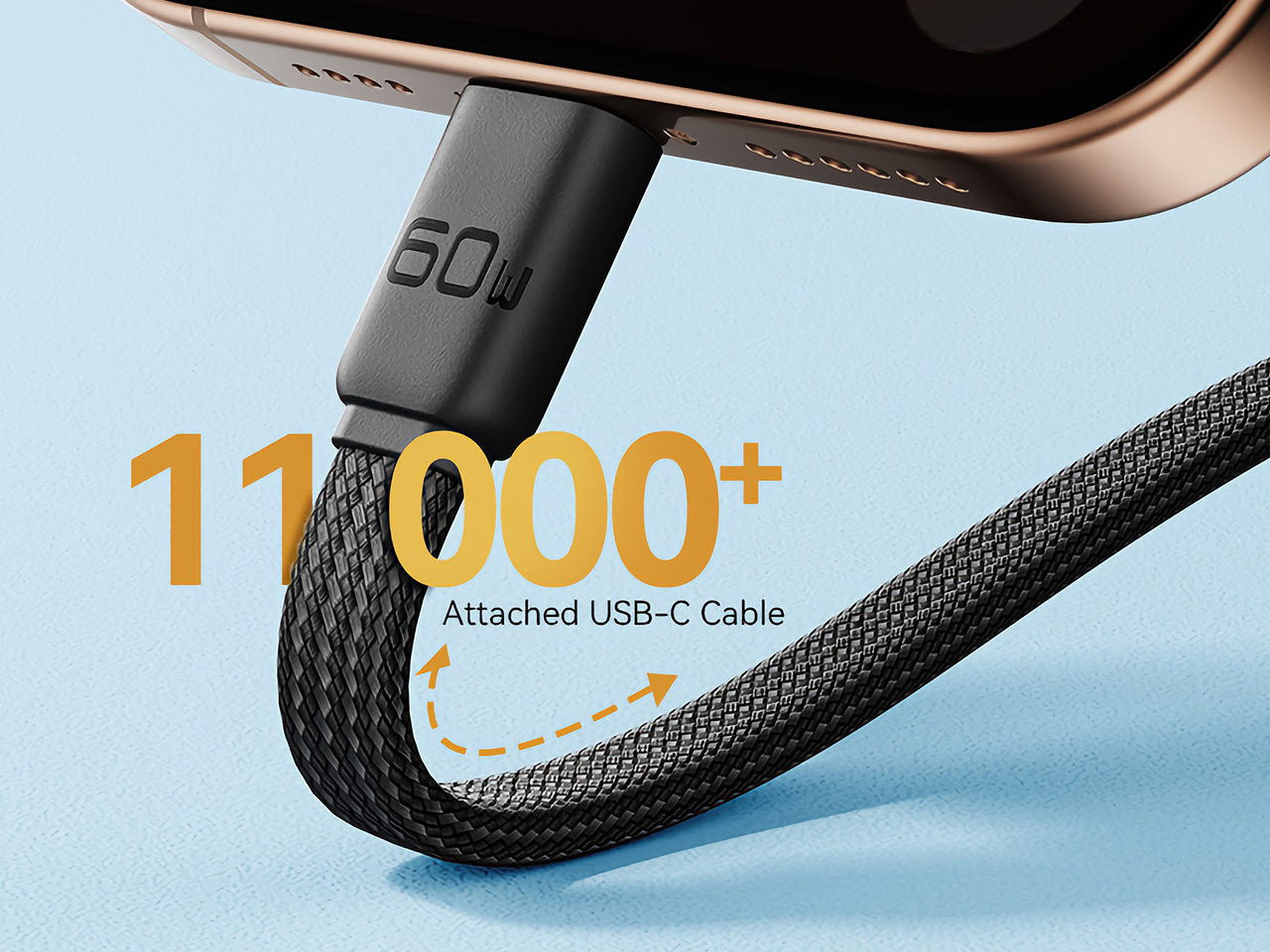
Not every feature on the INIU P50 is about speed or capacity. There’s a USB-C GoCord lanyard cable that’s integrated into the unit but detaches when needed, so there’s always one ready without having to dig through a bag for a spare. A real-time smart display shows exactly how much charge is left, and an optional engraving for names or icons makes the whole thing feel genuinely personal. Advanced thermal management also offers peace of mind, knowing you’re getting not only the most stable but also the safest charging experience possible.

Then there’s the question of how it looks, which isn’t as superficial a concern as it might seem. Most power banks are anonymous black or grey bricks, designed with no apparent interest in how they appear outside of a drawer. The INIU P50 Pocket Rocket comes in a range of colors that let it feel like a considered personal accessory rather than a piece of emergency hardware you apologize for pulling out.

Portable chargers have been around long enough that the category can start to feel routine, but the INIU P50 Pocket Rocket is a good reminder that there’s still room to do it better. Getting 10,000mAh of capacity and 45W of output into something genuinely pocketable, with enough design character to make it feel intentional rather than incidental, takes more thought than most people might expect.

Click Here to Buy Now: $27.39 $32.99 (17% off, use coupon code “YANKO17”). Hurry, deal ends in 48-hours!

The post Dead Battery by Noon? This 45W Pocket Charger Fixes That for Good first appeared on Yanko Design.

Fellow Just Designed the Espresso Machine Beginners Always Wanted

While I really do love coffee, I do not have the tools at home to experiment with different espresso pulls and make my own espresso-based drinks. So I always end up just buying drinks from my favorite coffee shops. Every time I get the urge to actually buy my own machine, the fact that machines seem so complicated stops me from building my own home coffee bar.

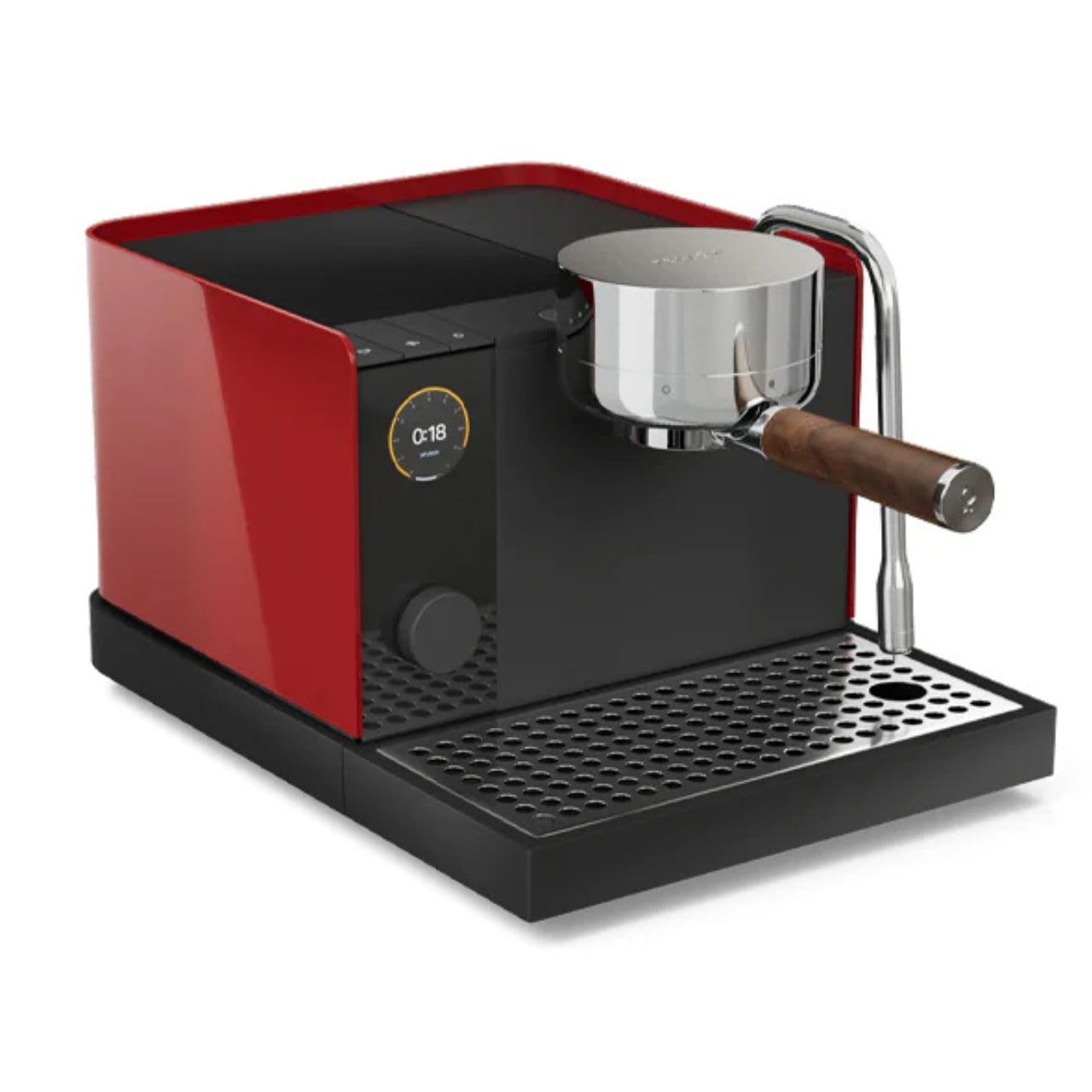
The Espresso Series 1 by Fellow, the first home espresso machine from the coffee equipment brand, is positioned as a premium semi-automatic machine that bridges the gap between professional-level performance and approachability. This means that whether you are a beginner in the home coffee game or you are an expert, you will be able to appreciate the features that this machine brings.

Designer: Fellow

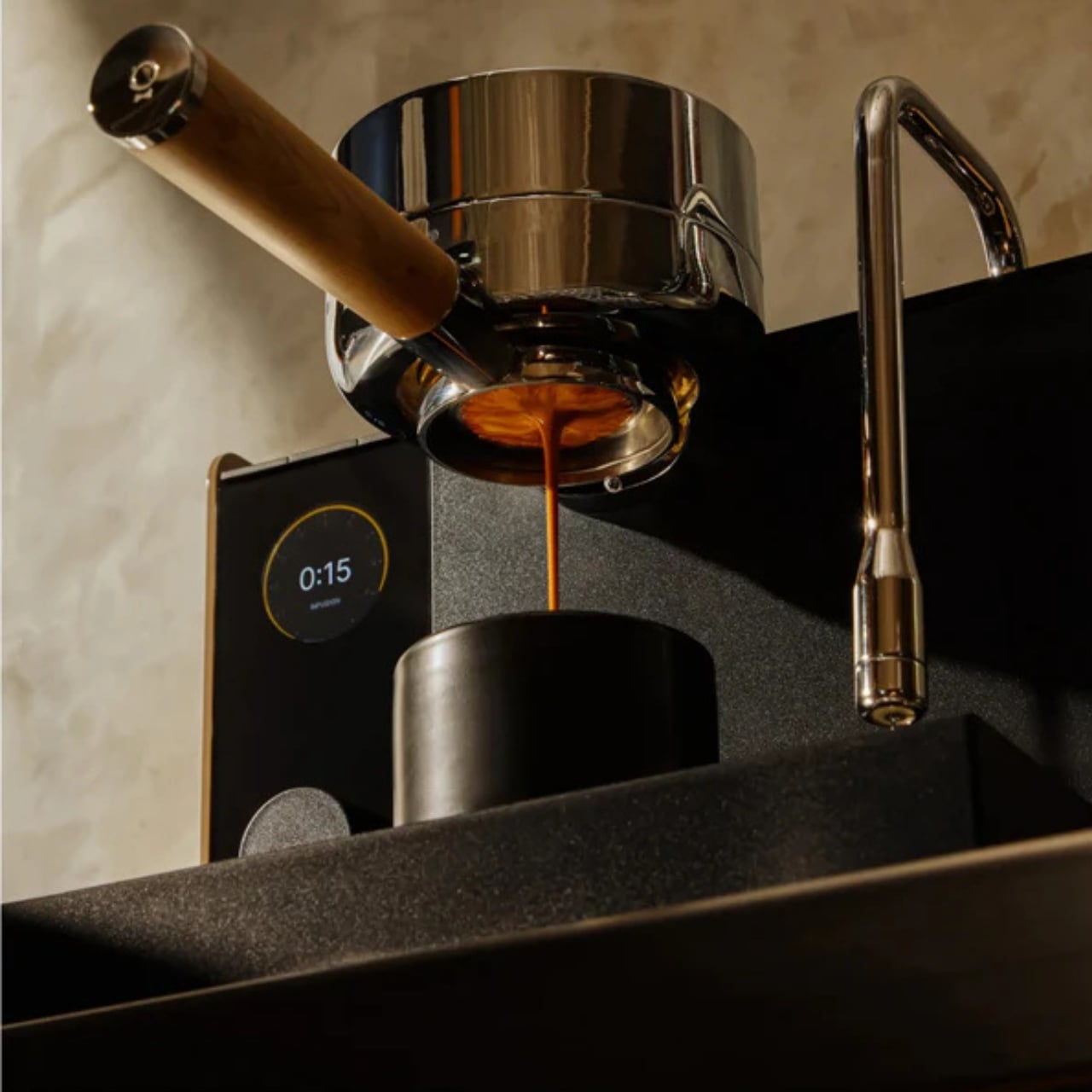
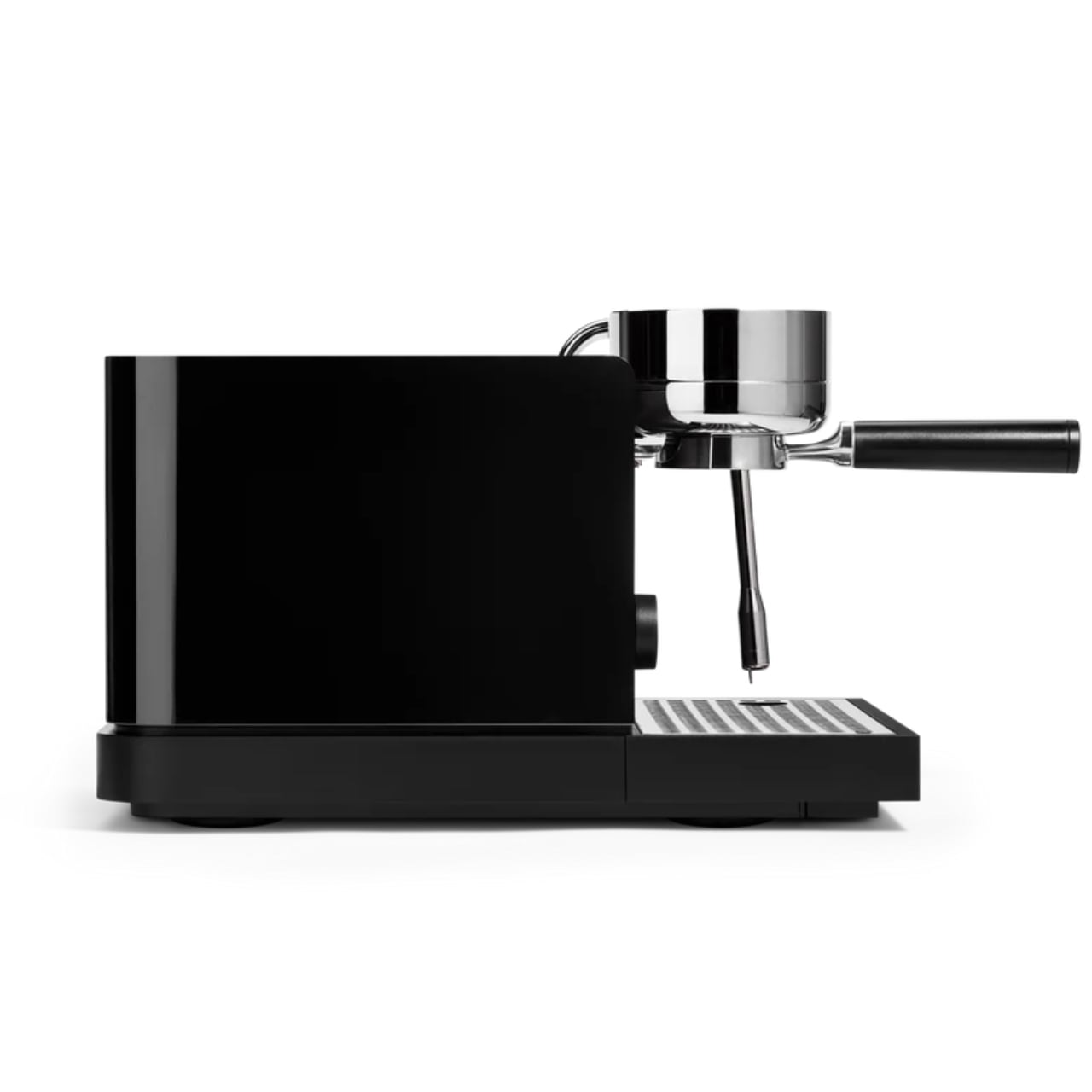
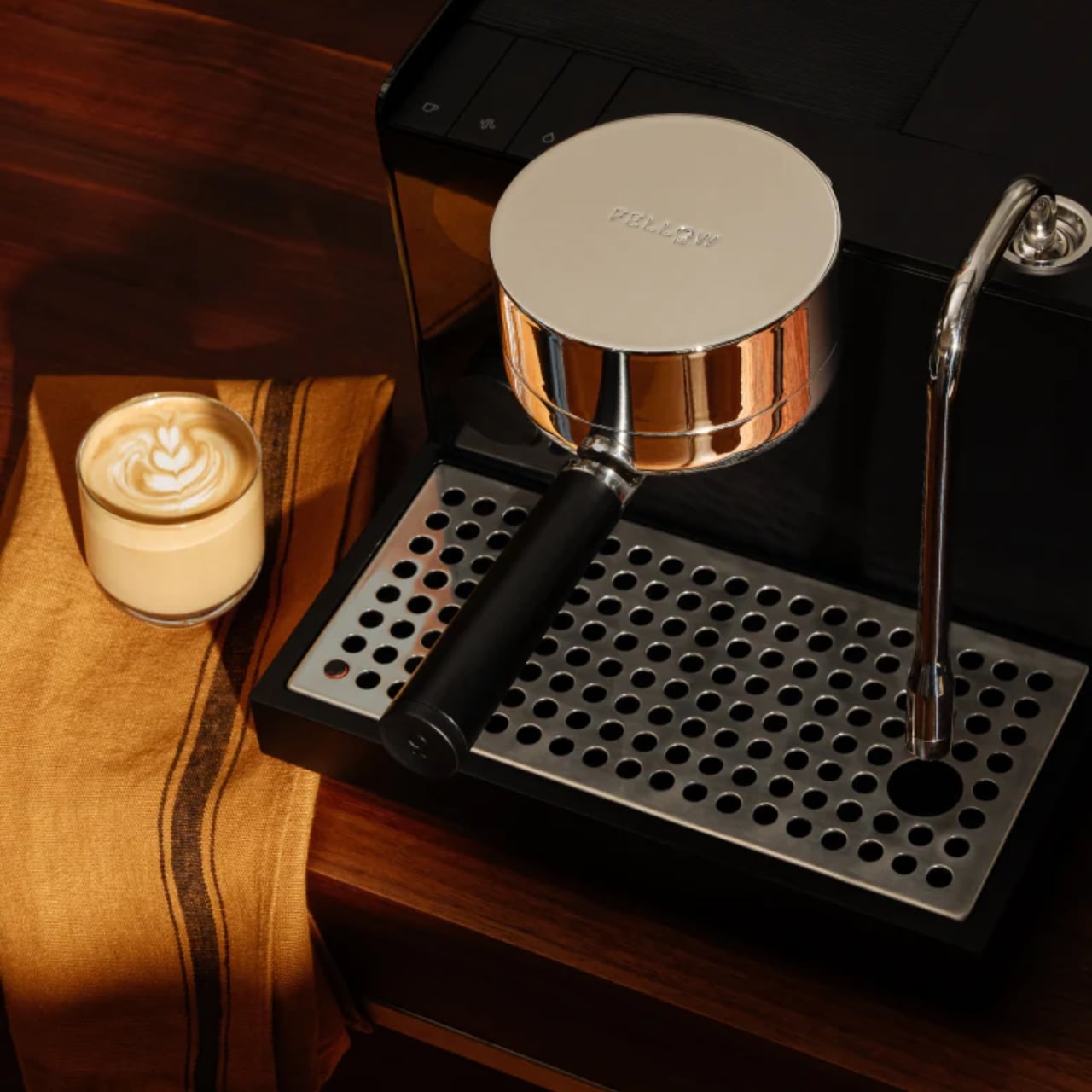
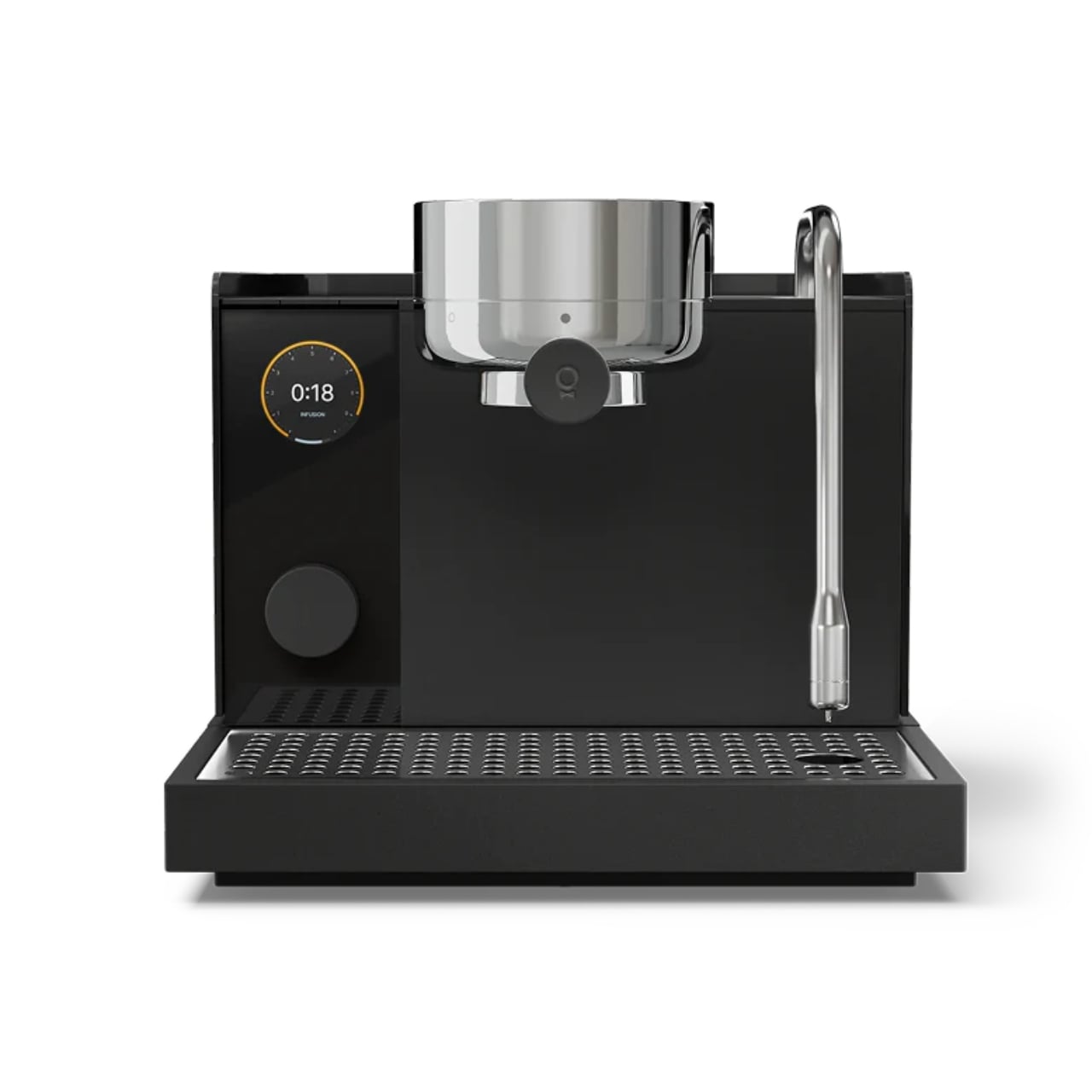
Before we even talk about what it does, let’s talk about what it looks like, because this machine is genuinely beautiful. Fellow has always been known for its clean, minimal aesthetic, and the Espresso Series 1 is no different. It comes in a sleek matte black finish with a painted ABS outer wrap, and the portafilter features a real wood accent that gives it a warm, premium feel. The three piano-style buttons for brew, steam, and hot water sit flush against the front panel, keeping things looking uncluttered and intentional. There is also a rubberized cup-warming mat on top, which is a small but thoughtful detail that makes it feel more like a café machine than a home appliance. With dimensions of 12.4 inches wide, 11 inches tall, and 17.25 inches deep, it has a compact footprint that would sit beautifully on any countertop without overwhelming the space.

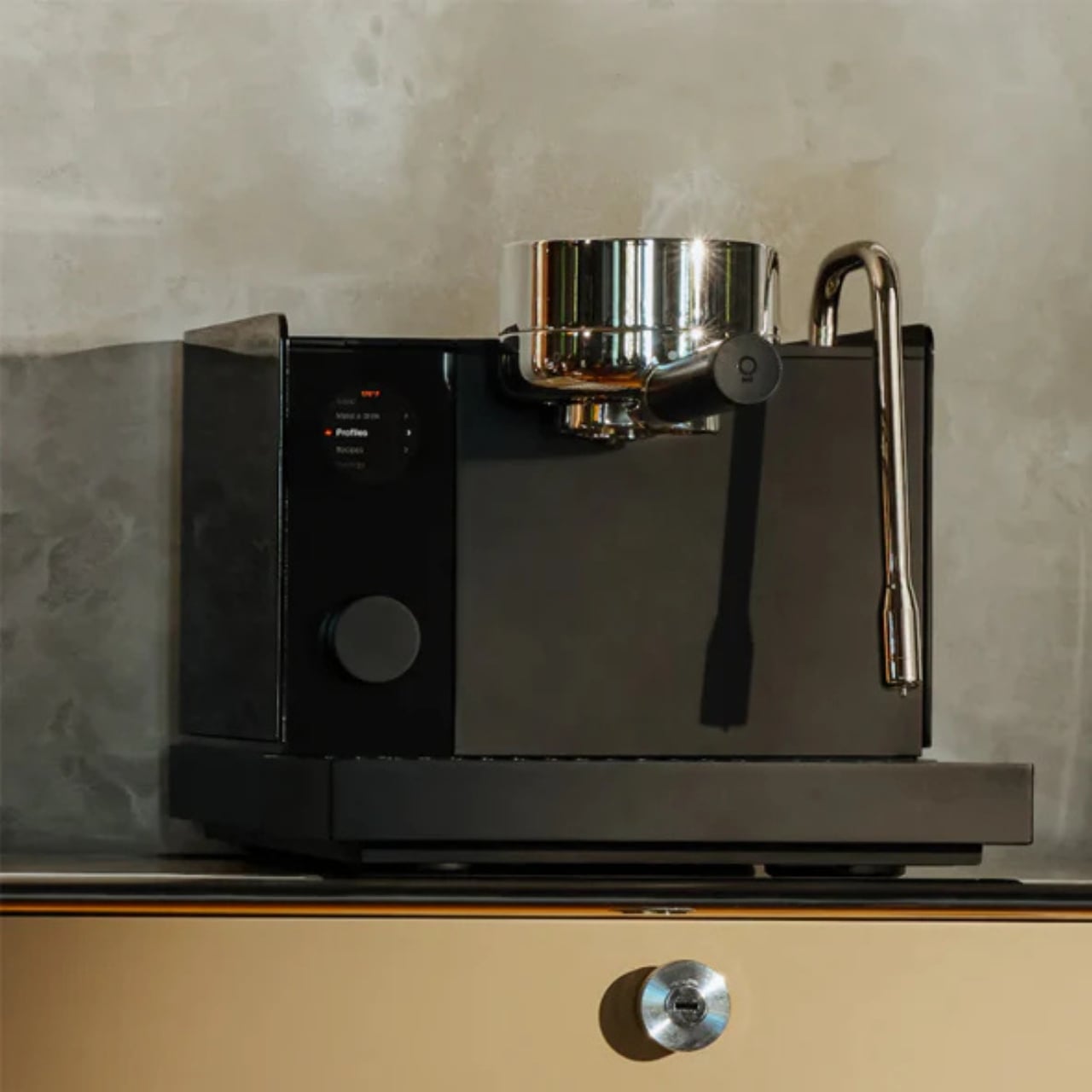
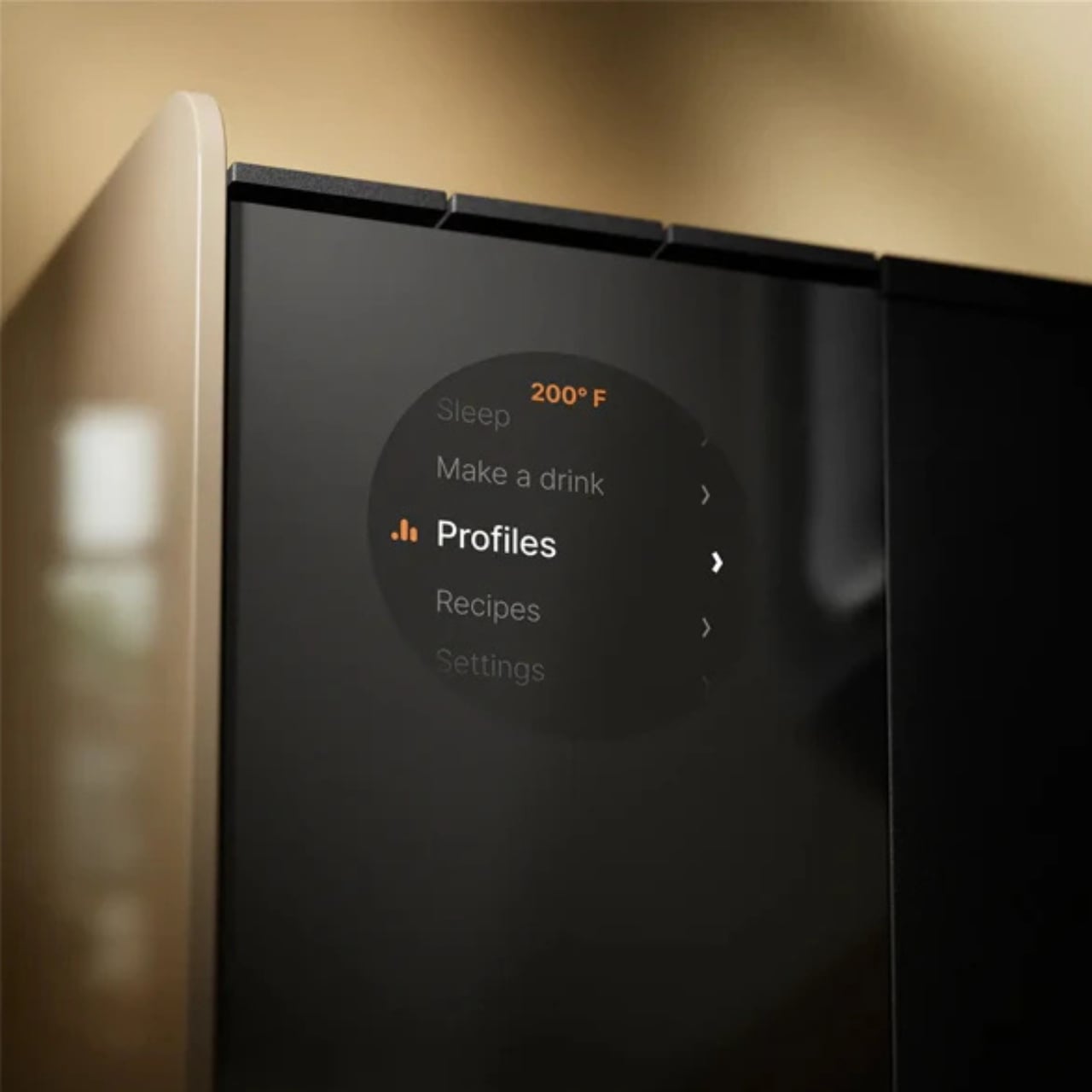
One thing that I appreciate about this machine is that the full-color LCD display will walk you through your entire brewing process. It can tell you if your shot ran too fast or too slow and can even suggest grind adjustments you can make. As a noob, this would be truly helpful if I ever got something like this. It also gives you customizable profiling including pressure, pre-infusion, brew temperature, and steam pressure, so as your skills grow, the machine grows with you.

Another feature worth highlighting is its patented Boosted Boiler system. It has a three-part heating system: a flow-through heater, a 225ml boiler, and a dedicated group head heater. This system works together to give you to-the-degree temperature stability and near-instant transitions between brewing and steaming. The warm-up time is also impressively fast at under two minutes, so you are not standing around waiting for your machine to be ready before your first morning cup.

Speaking of steaming, the steam wand comes with auto-purge and auto-stop functions, which are features typically found in high-end café machines. This takes a lot of the guesswork out of steaming milk, which is something that intimidates a lot of beginners (myself very much included). Whether you are going for a flat white, a latte, or a cappuccino, having a wand that practically guides you through the process is a huge plus.

The Espresso Series 1 also connects to Wi-Fi and syncs with the Fellow app, where you can save, download, and share espresso profiles with other users. You can download brewing profiles built specifically for certain coffee roasts, which is incredibly useful when you are still learning how different variables affect your shot. It turns espresso-making into something closer to a community experience, where you can learn from other home baristas and experiment with profiles without having to start from scratch every time.

From a materials standpoint, Fellow did not cut any corners. The boiler, portafilter, and baskets are all food-grade stainless steel, the water lines are reinforced silicone, and the entire machine is BPA and PFAS-free throughout. For anyone who is conscious about what their beverages come into contact with, this is a meaningful detail that is genuinely worth calling out. The machine also uses a commercial-standard 58mm portafilter, which means it is compatible with a wide range of third-party baskets, tampers, and accessories. So as you go deeper down the espresso rabbit hole, you have the freedom to upgrade and personalize your setup without being locked into proprietary parts.

Priced at $1,499, the Fellow Espresso Series 1 is definitely an investment. But for everything it offers, from guided brewing and app connectivity to professional-grade temperature control and a genuinely beautiful design, it makes a compelling case for itself. If you have been putting off building your home coffee bar because espresso machines have always felt too intimidating or too technical, this might just be the one that finally changes your mind. It certainly has me reconsidering my morning coffee shop run.

The post Fellow Just Designed the Espresso Machine Beginners Always Wanted first appeared on Yanko Design.

Stop Packing 3 Chargers: This $50 Device Does All of Them

Traveling with a phone inevitably means traveling with a collection of accessories you’d rather leave behind. A wall charger takes up one outlet, a power bank takes up precious bag space, and a wireless charging pad demands yet another cable to manage. Most people end up packing all three regardless, using each one just enough to justify the trouble, and occasionally leaving one at the hotel anyway.

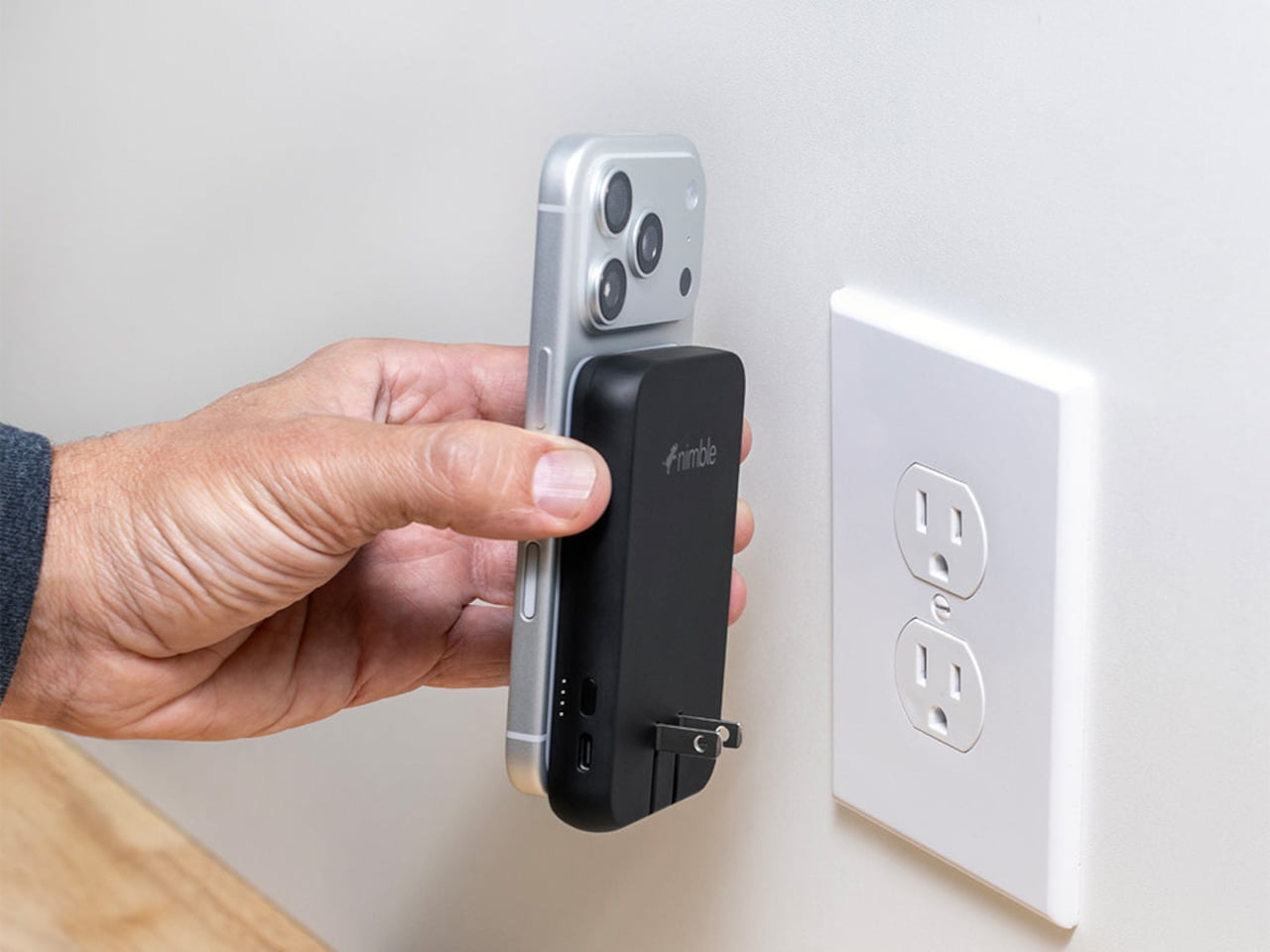
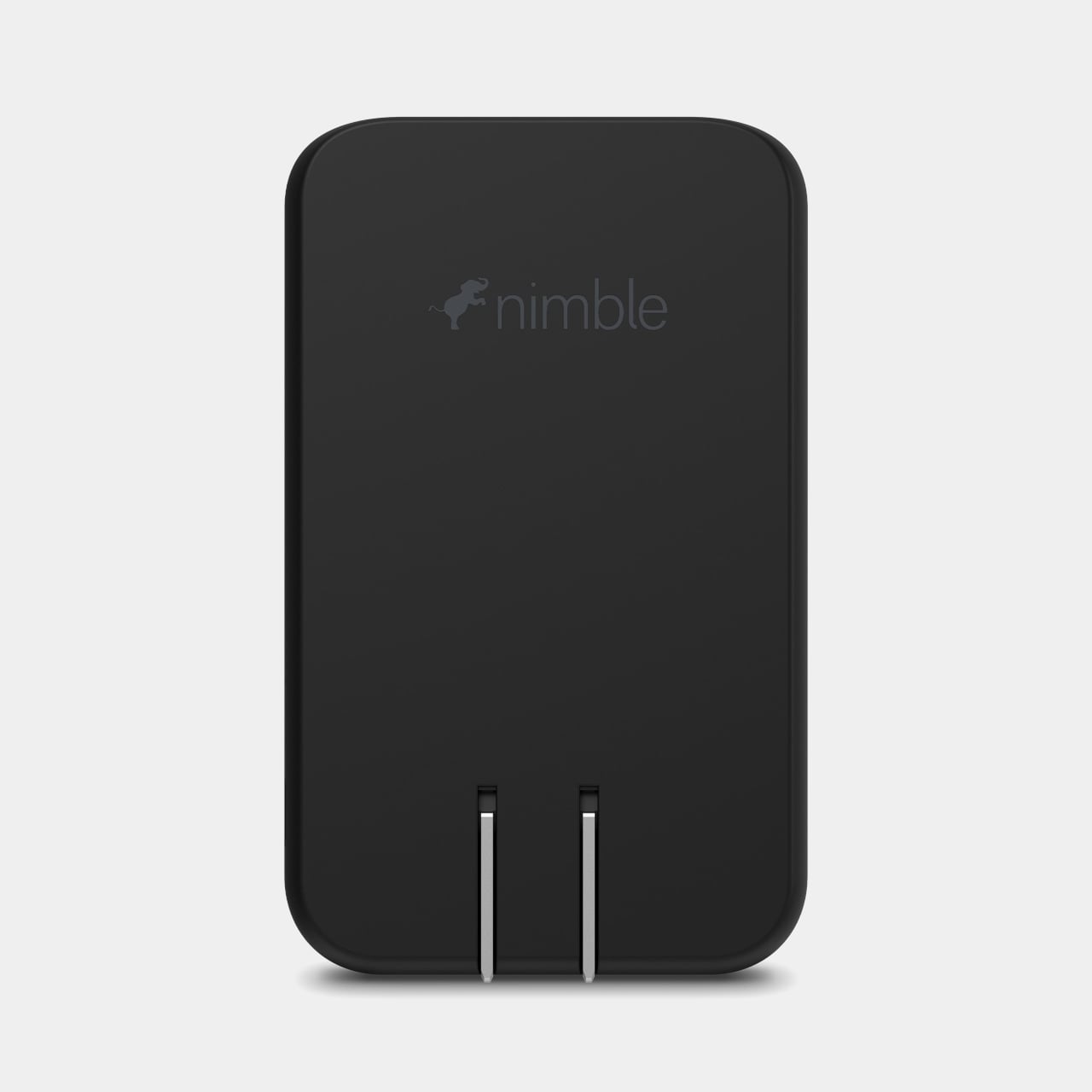
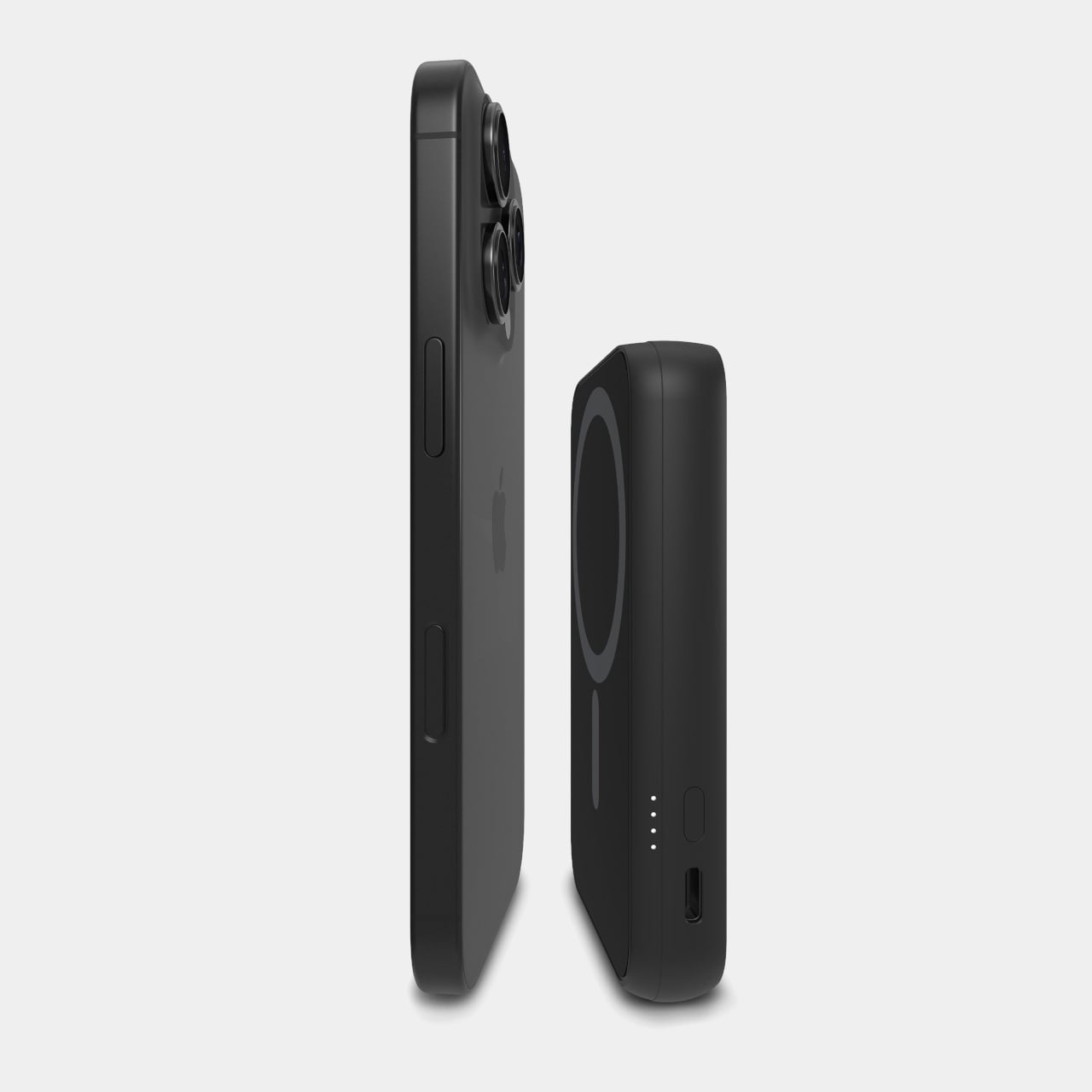
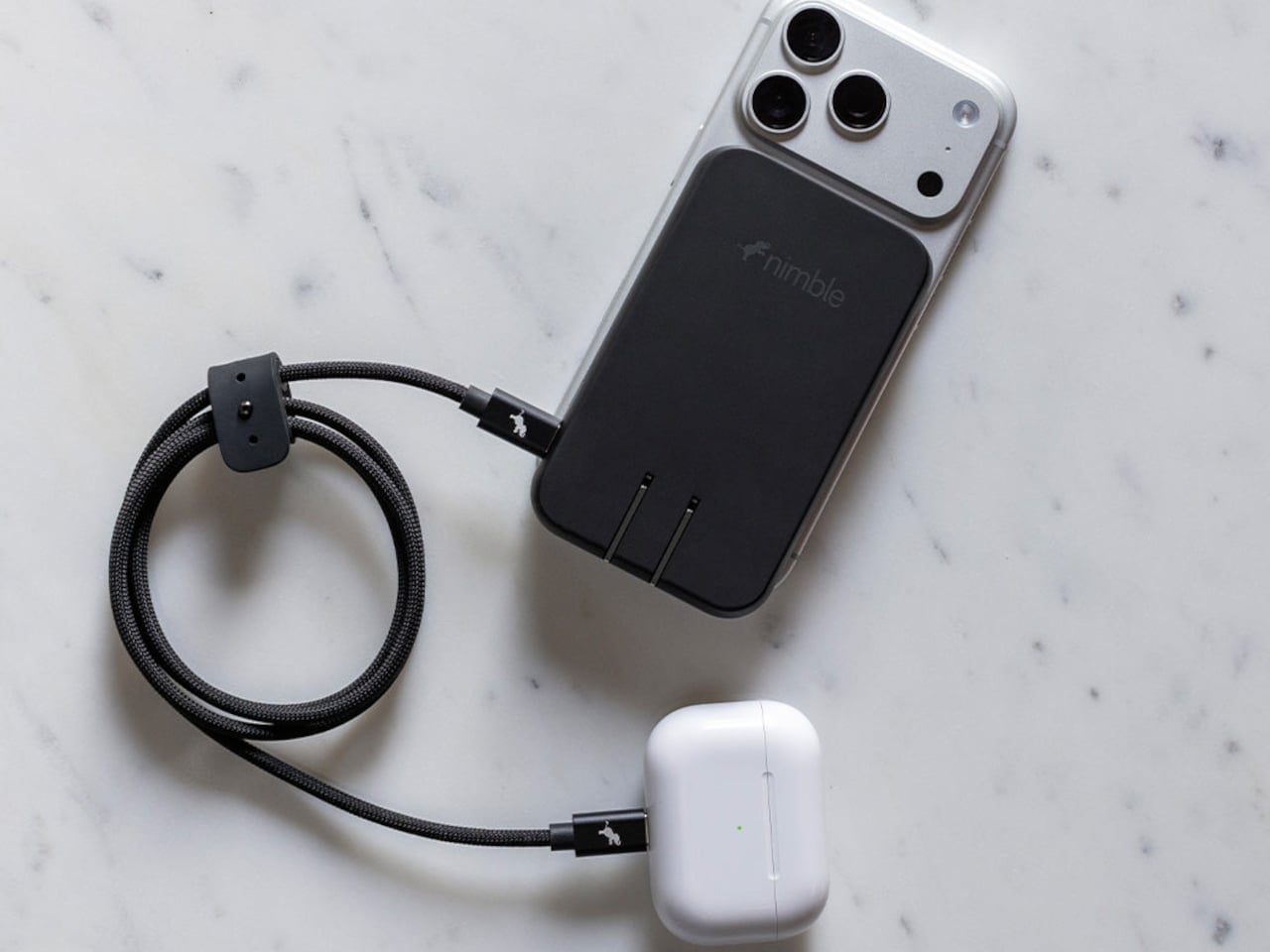
Nimble’s WALLY Pro Wireless is a direct answer to that kind of clutter. It functions as a wall charger, a portable power bank, and a Qi2 wireless charging pad all at once, packed into a device barely 0.61 inches thick when it isn’t plugged in. There’s no need to choose one job over another, because this thing is built from the start to do all of them.

Nimble

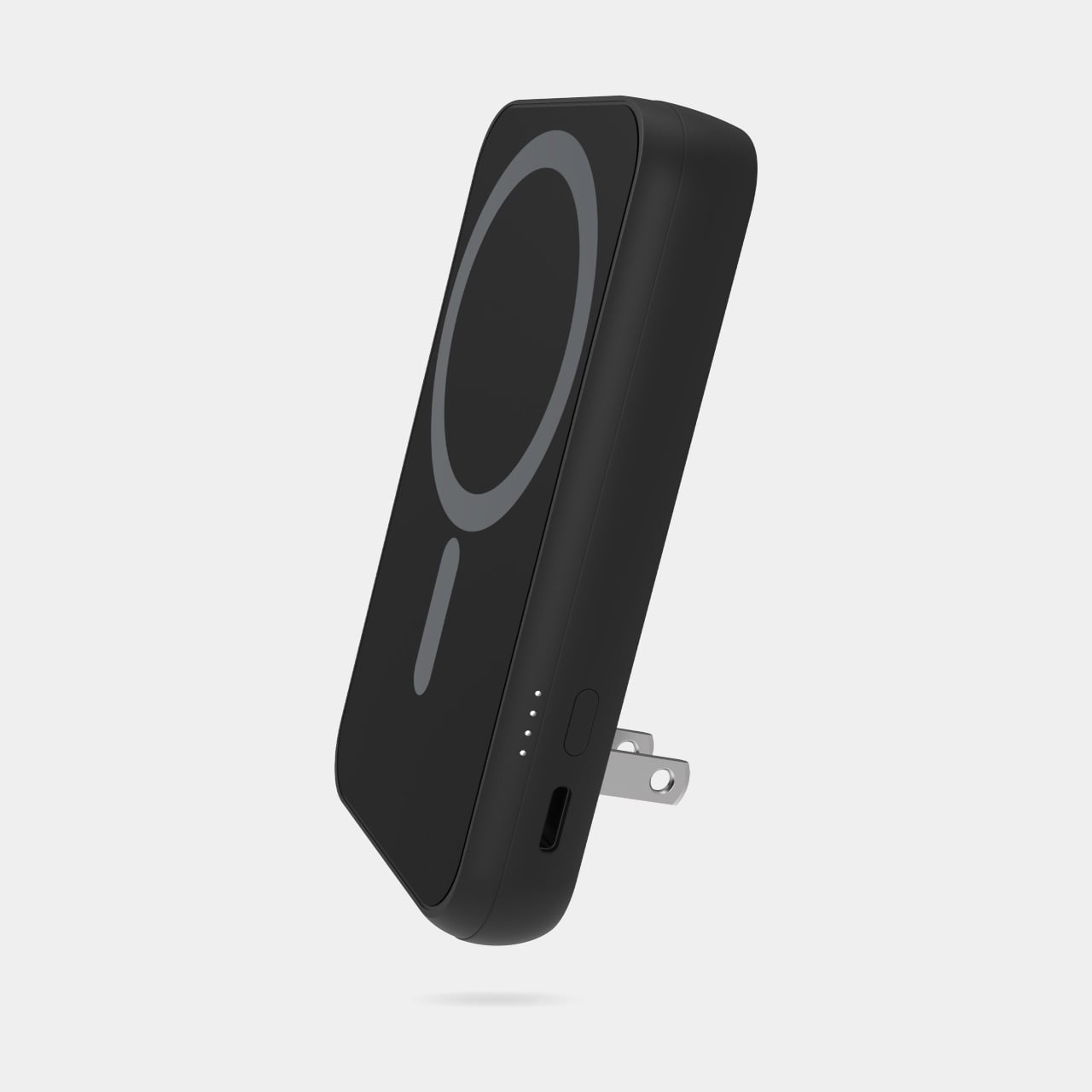
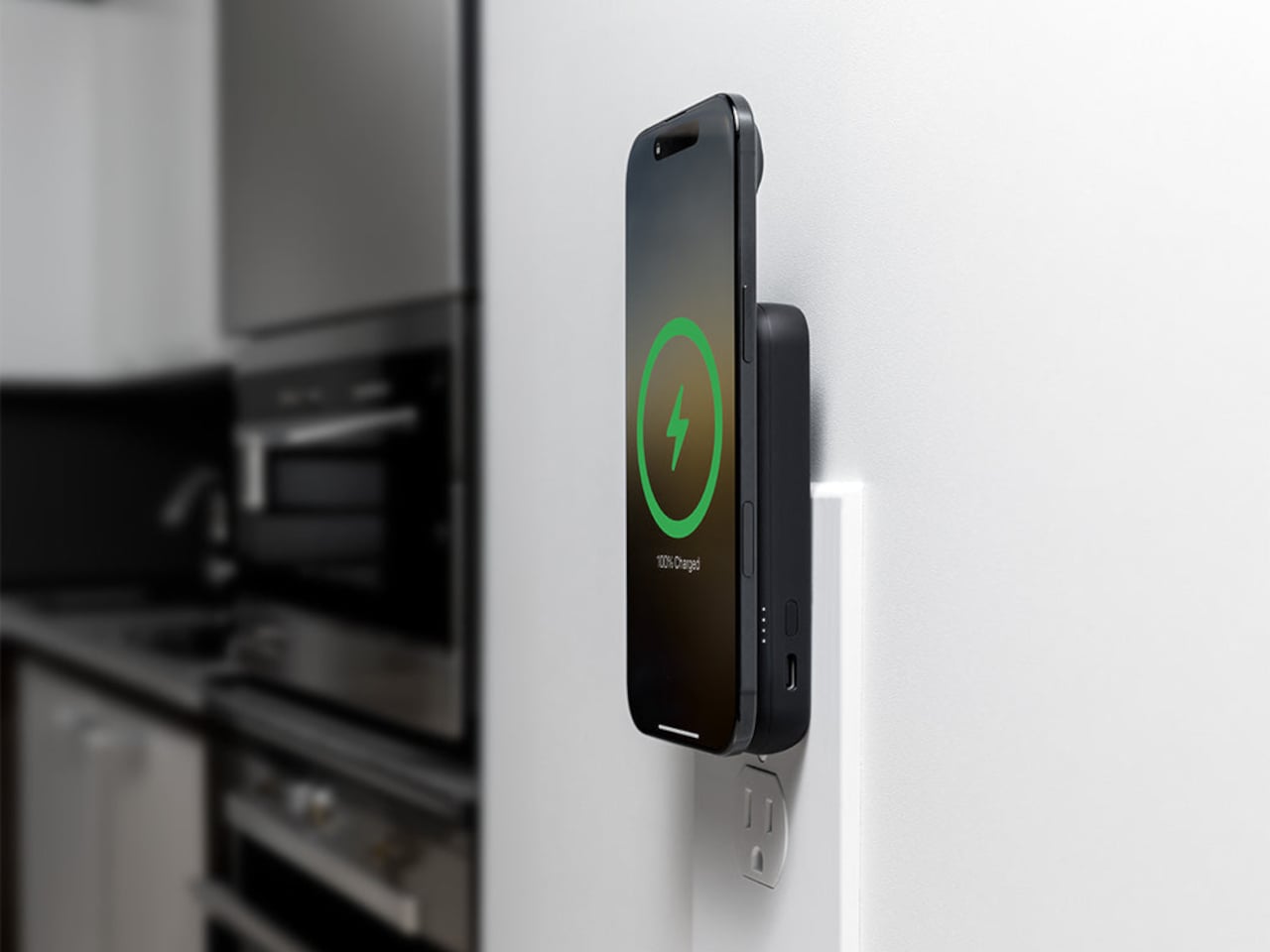
At home or in a hotel room, flipping out the built-in folding prongs and plugging directly into any standard outlet is all it takes to get started. The WALLY Pro Wireless charges its 5,000 mAh internal battery through the wall while simultaneously charging a phone through Qi2 at up to 15W, or through the USB-C port at up to 20W, so the battery and the phone refill together.

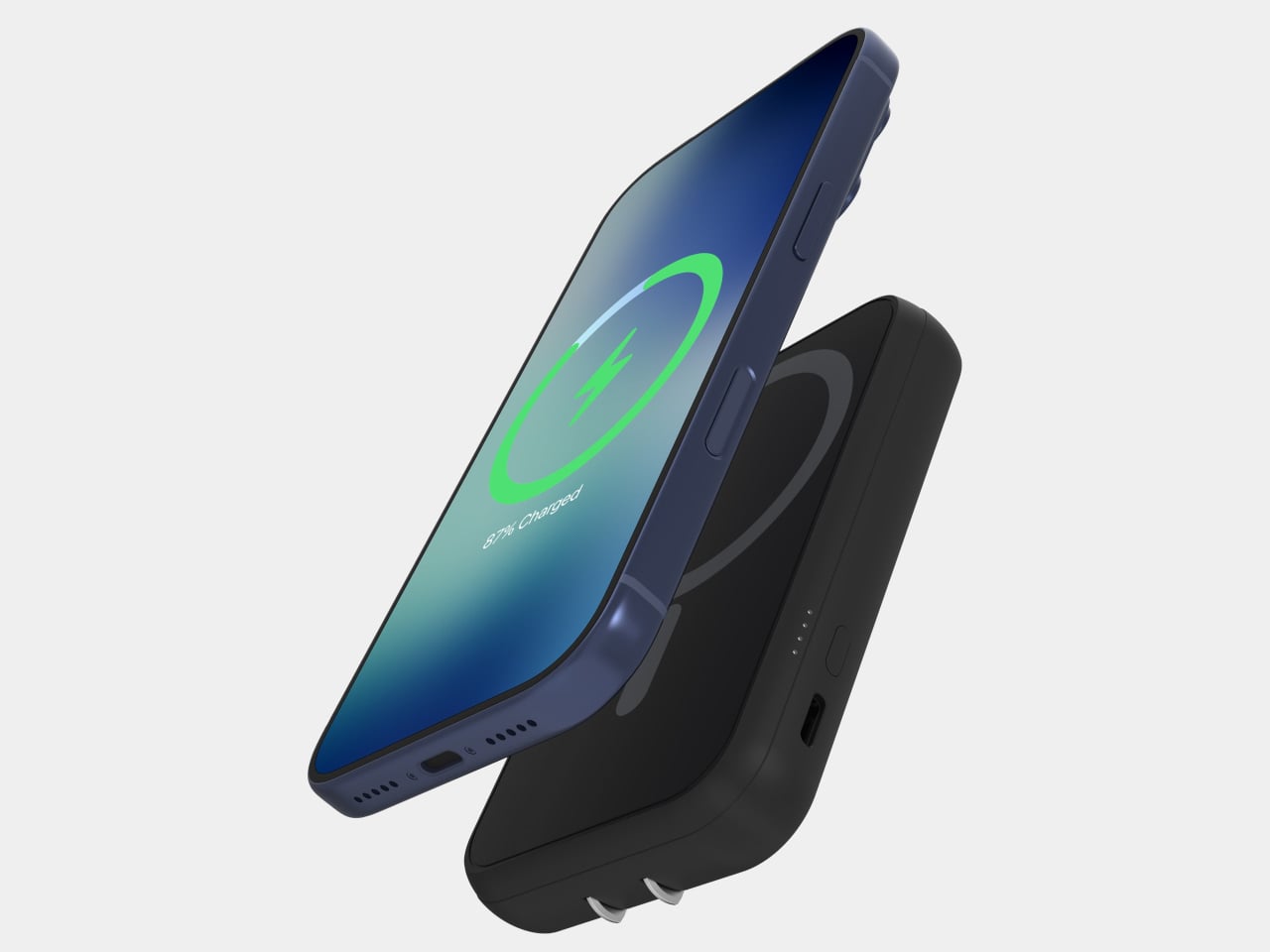
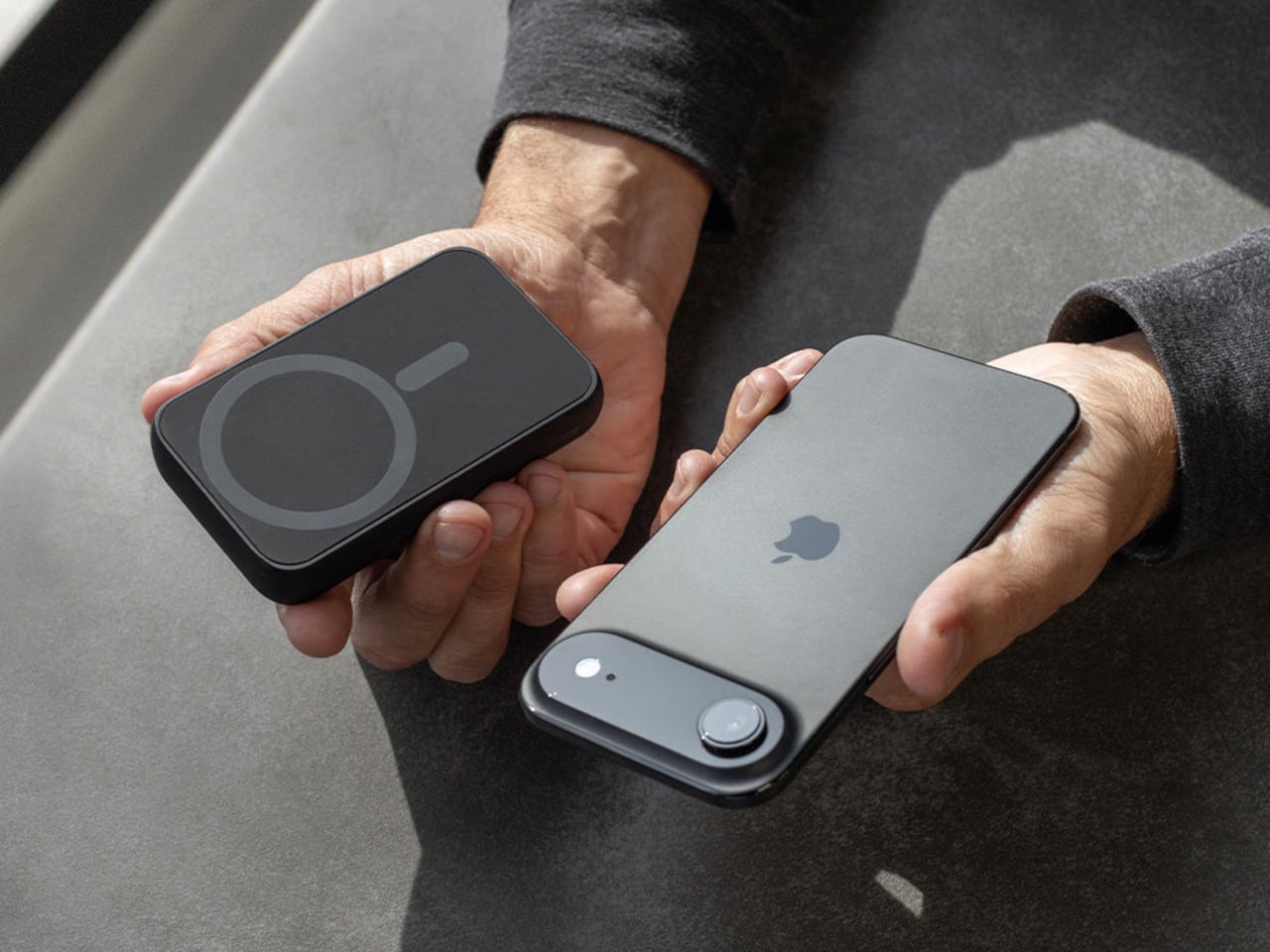
Pull it off the wall, and it switches to battery mode without skipping a beat. The 5,000 mAh capacity is enough to give most iPhones a full charge before needing a refill of its own. Snap an iPhone 12 or later onto the back, and it locks magnetically into place, keeping the phone centered and charging whether it’s sitting on a desk or rattling around in a bag.

It also works with Qi2-compatible Android phones and AirPods with MagSafe charging cases, so the Apple-only assumption doesn’t quite hold here. Four LED indicators along the side give a quick readout of remaining battery before heading out the door, so there’s no guessing. And since the AC input handles 100 to 240 volts, it works with outlets in most countries without needing a separate voltage adapter.

There’s also a sustainability story here that goes beyond what most chargers bother with. The housing is made from REPLAY-certified, 100% post-consumer recycled plastic, and the product carries a carbon-neutral designation. The packaging avoids harmful inks and dyes, using biodegradable, recycled paper instead. All of that fits into something measuring 2.59 inches wide and weighing under 6 oz, slim enough to slide into a pocket without adding any noticeable bulk.

The WALLY Pro Wireless is TSA-approved and ETL-certified, which handles safety and travel clearance concerns without any extra thought. At $49.95, it’s a fair ask for something that quietly takes three accessories off your packing list. For anyone who’s grown tired of hunting for the right cable or figuring out which charging brick belongs in which bag, this is the kind of solution that just gets out of the way.

The post Stop Packing 3 Chargers: This $50 Device Does All of Them first appeared on Yanko Design.

Bose Just Revived Its Lifestyle Speaker for $299, Minus the Wires

For most people, getting serious audio at home eventually turns into a tradeoff. Multi-speaker surround setups demand wiring, dedicated gear, and more floor space than a typical room can spare. Smart speakers simplified things, but the best-sounding options tend to carry steep price tags, and the more affordable ones rarely fill a room with the kind of sound that actually does the music justice. That gap has stayed stubbornly open.

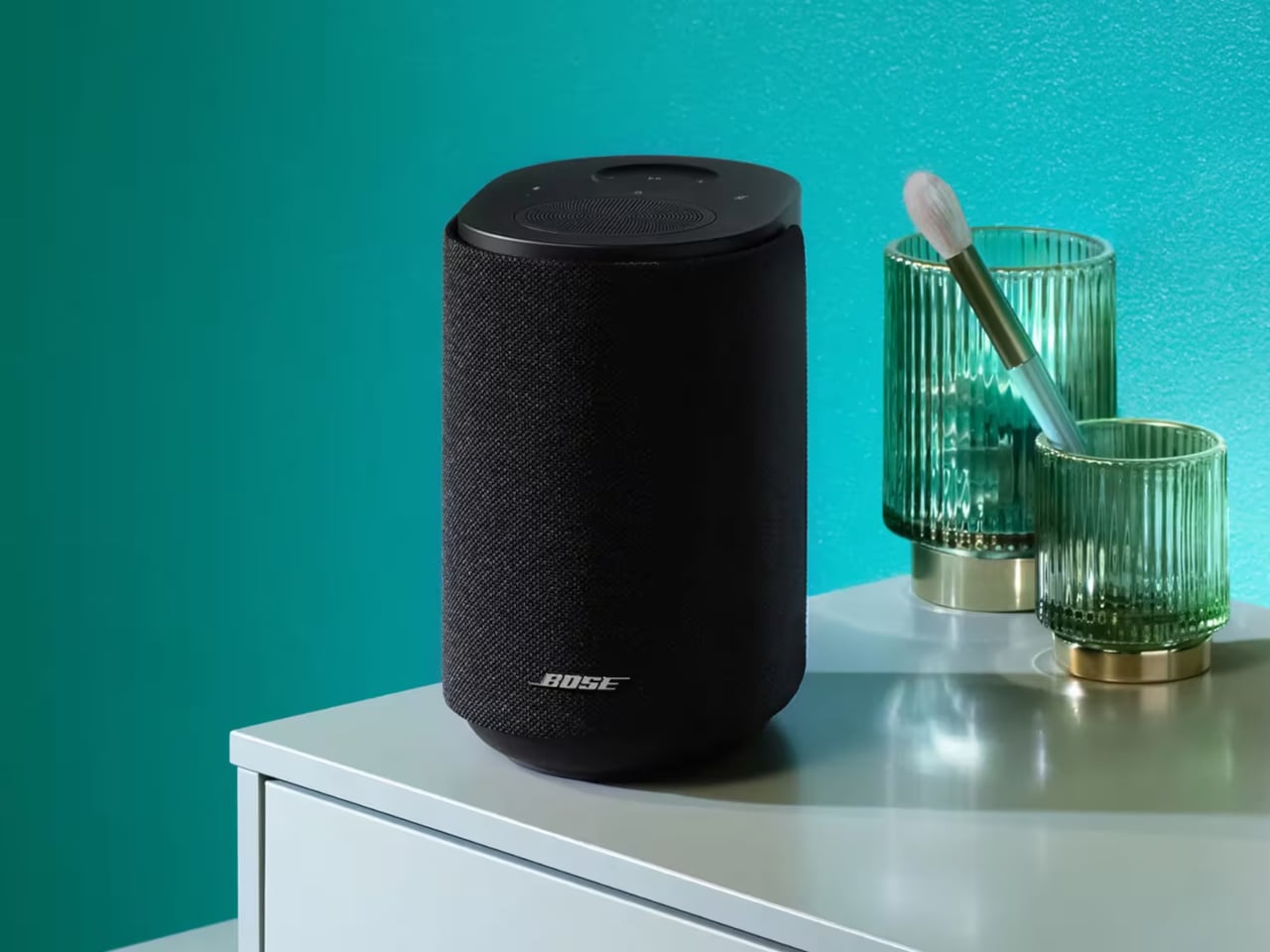
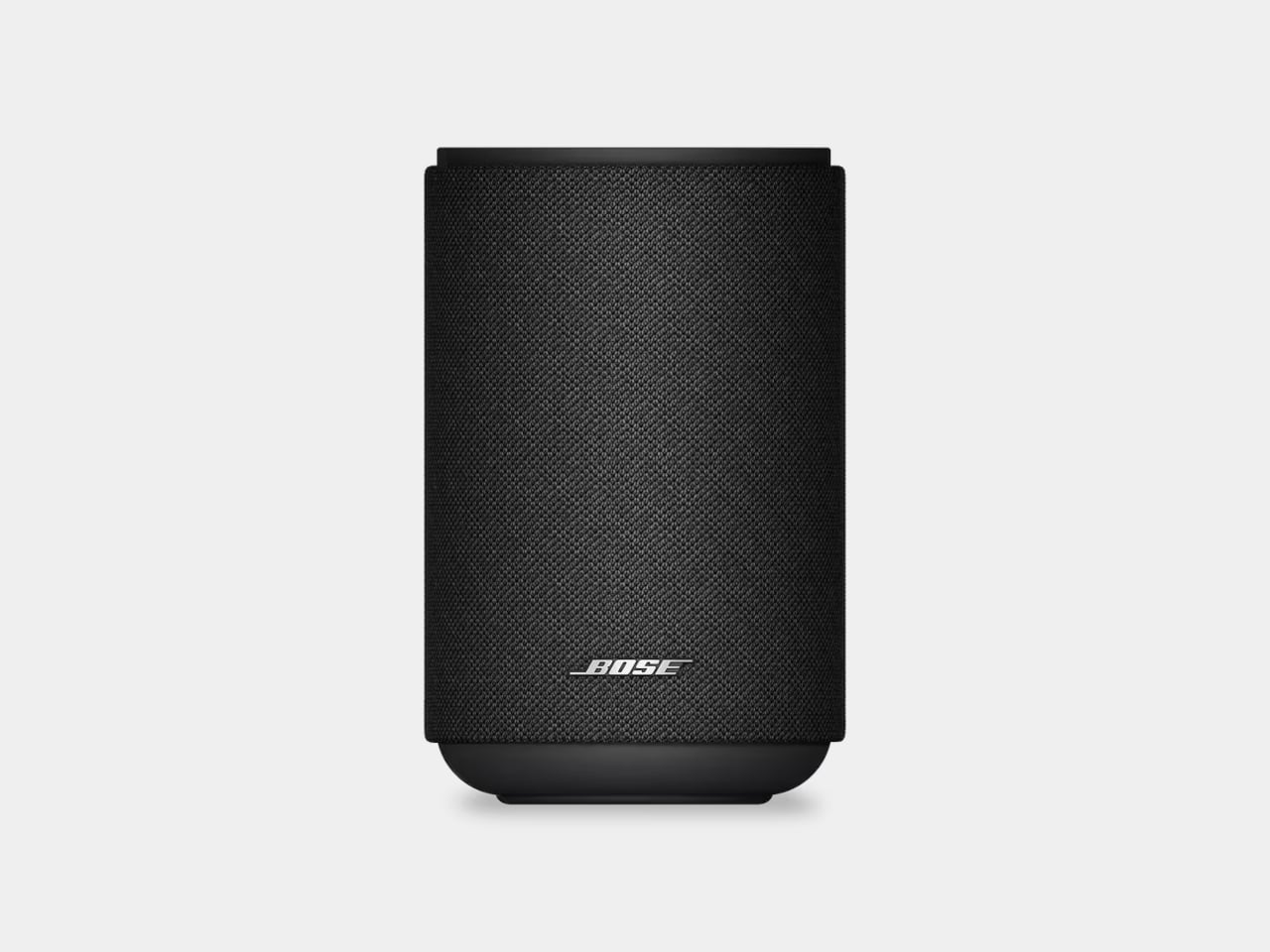
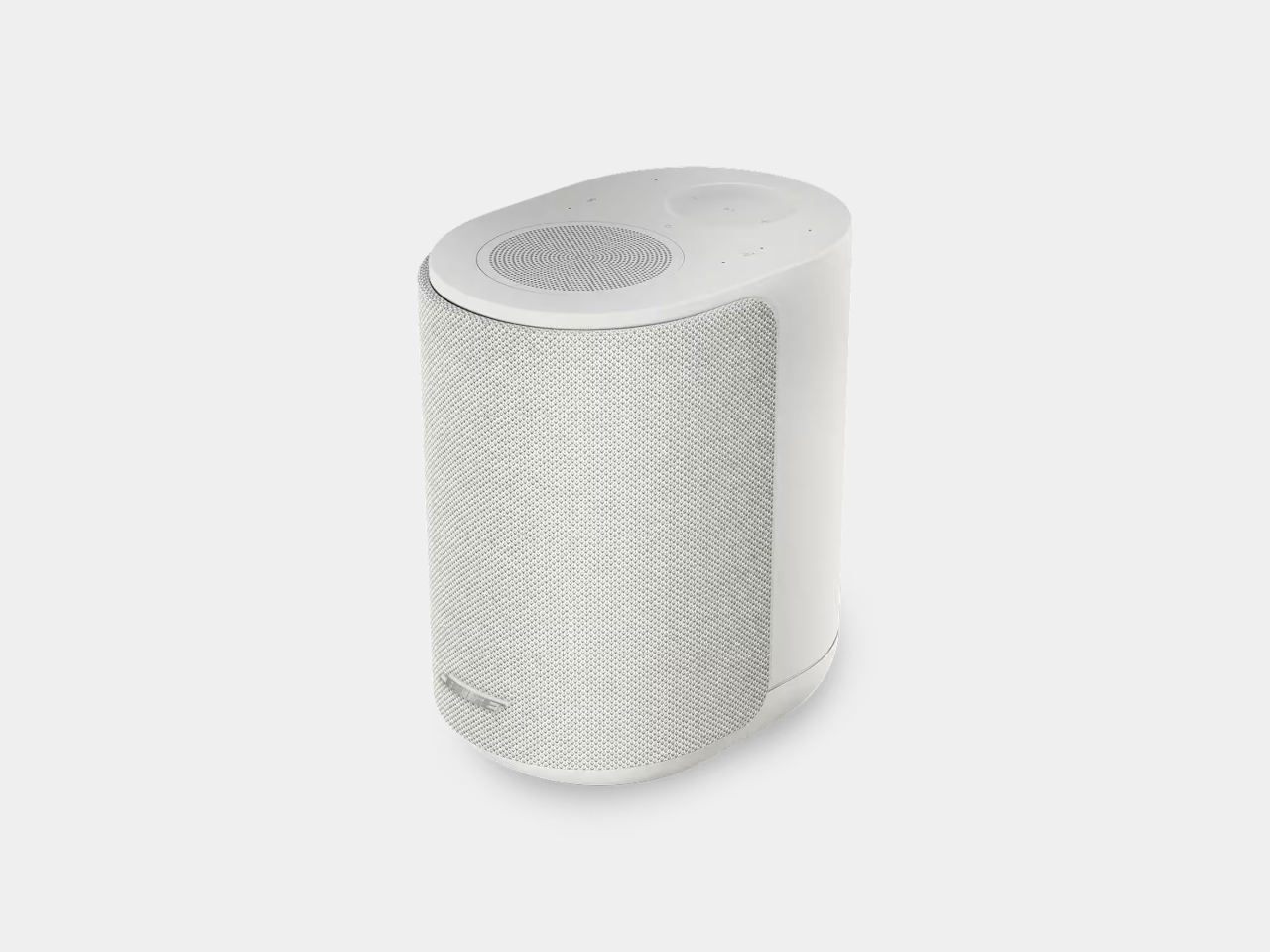
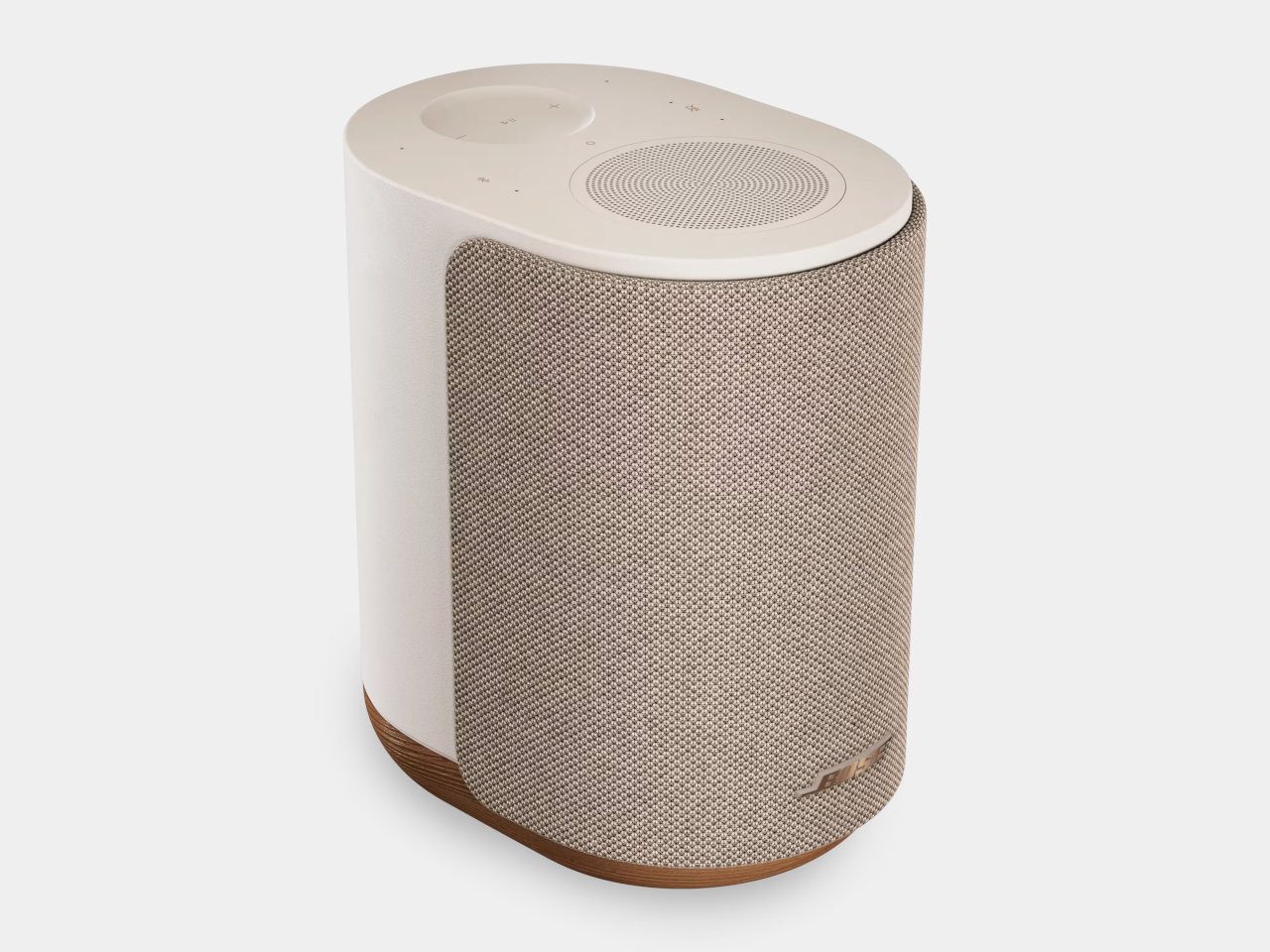
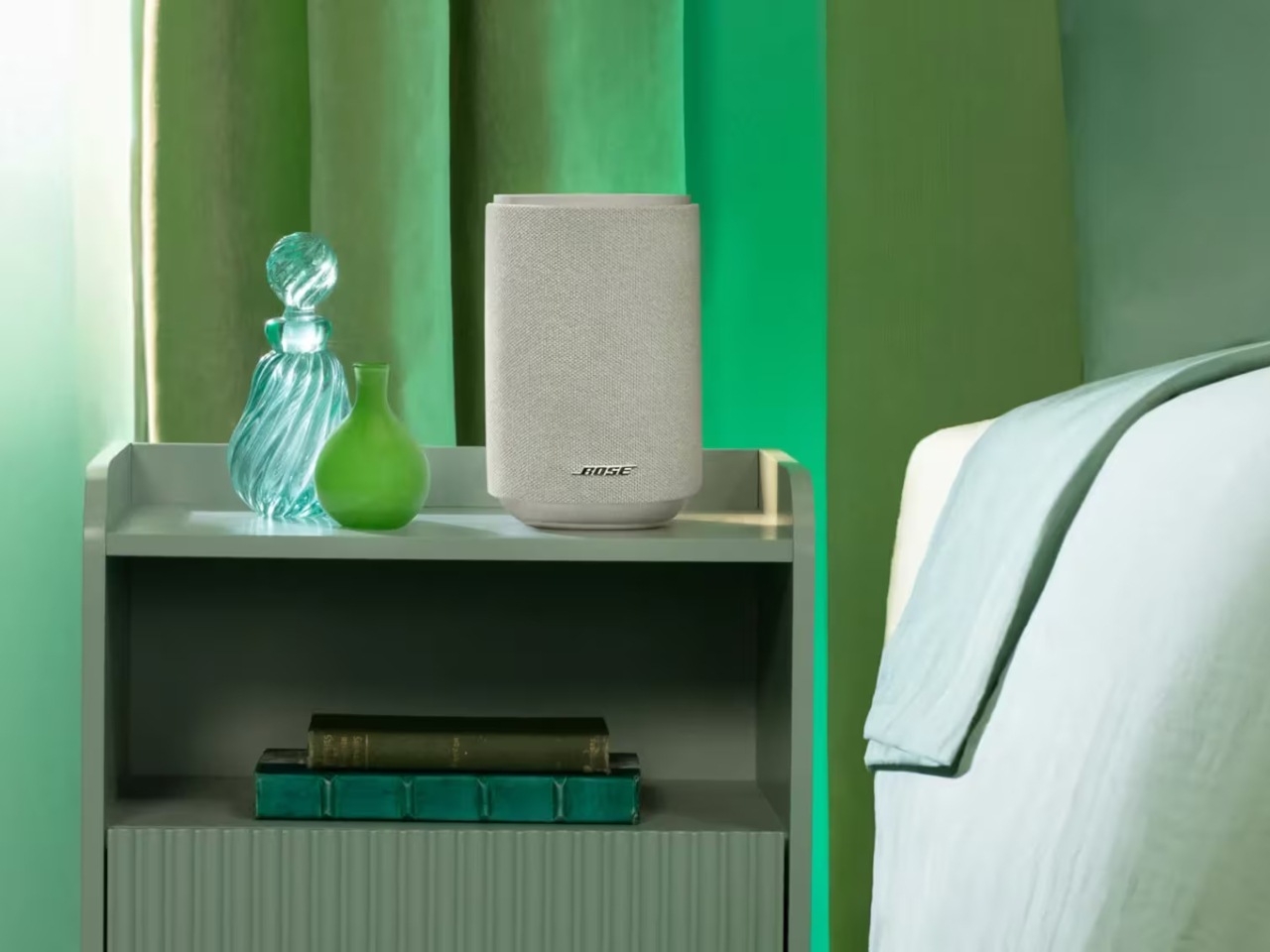
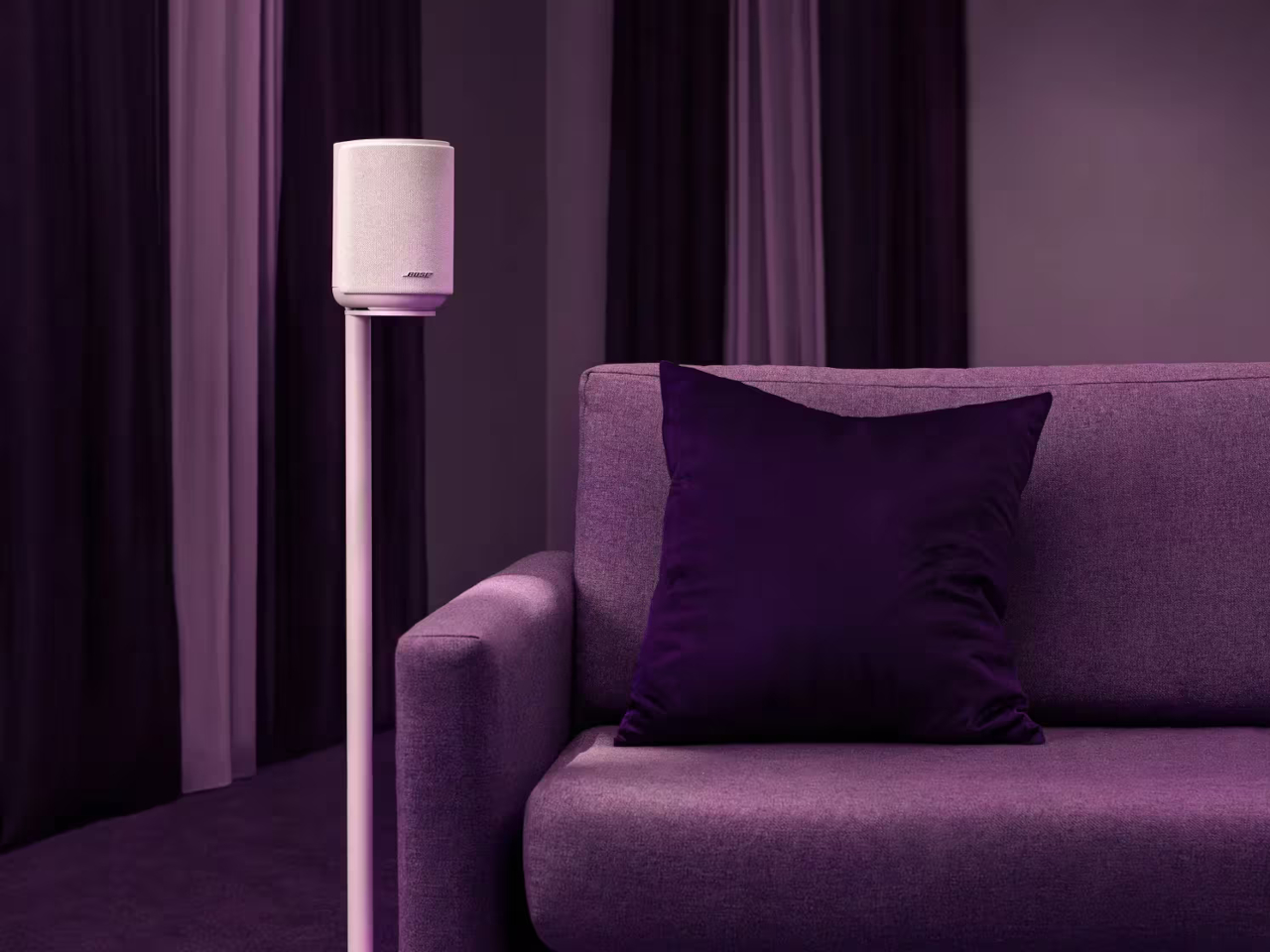
Bose thinks it has the answer, and it’s reviving a celebrated name to prove it. The Lifestyle brand, first introduced in 1990 and discontinued in 2022, is back with a collection that treats audio quality and refined design as inseparable. Leading that return is the Lifestyle Ultra Speaker, a compact wireless unit wrapped in knit fabric that sits unobtrusively on any shelf while delivering sound that’s anything but understated.

Designer: Bose

The secret to that sound lies in the speaker’s three-driver configuration. Two front-facing drivers handle the direct output, while a third fires upward, bouncing sound off the ceiling to create a sense of height and space that a single forward-pointing speaker simply can’t achieve. Bose calls this TrueSpatial Technology, and it works alongside CleanBass, which uses QuietPort acoustics to produce bass that’s deep, controlled, and free of distortion.

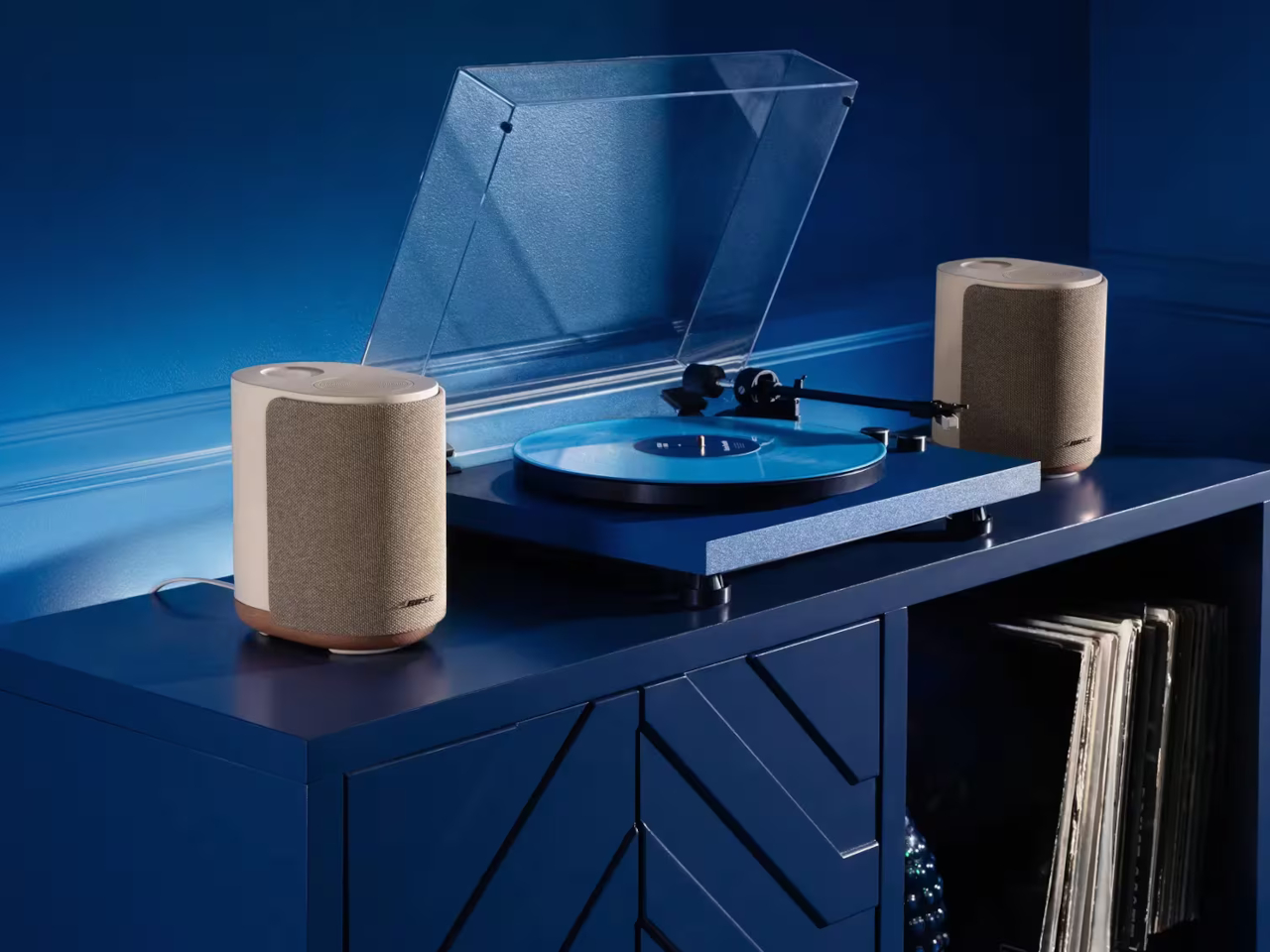
That flexibility extends to how the speaker fits into different setups. On its own, it works as a capable standalone smart speaker. Pair two of them together, and you’ve got a genuine stereo setup. Add the Lifestyle Ultra Soundbar and Lifestyle Ultra Subwoofer, also part of the new collection, and it takes on rear-channel duties in what becomes a full 7.1.4 surround system, no wires snaking across the floor required.

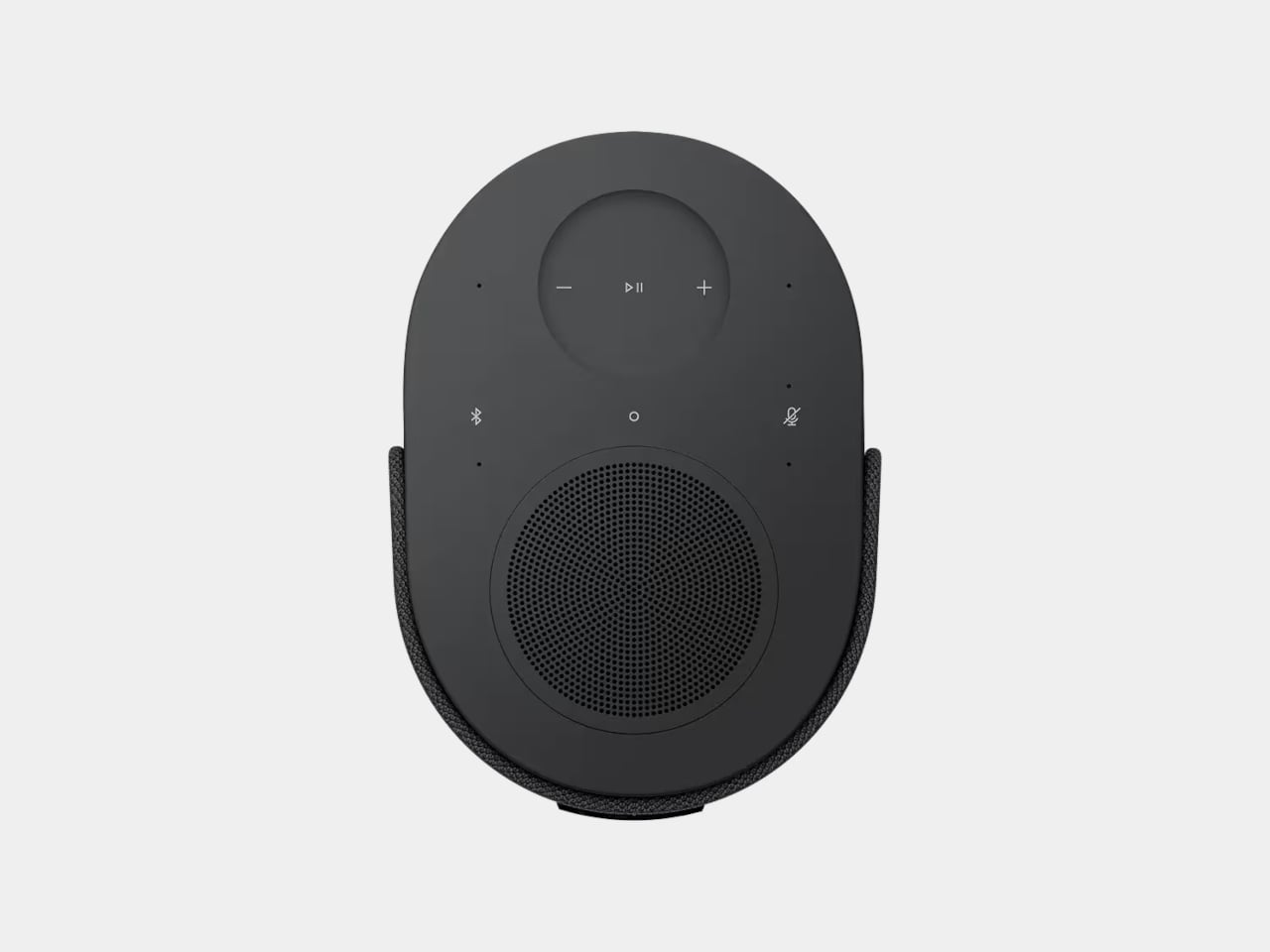
Getting music onto it isn’t complicated. The speaker supports Apple AirPlay 2, Google Cast, and Spotify Connect, so you can stick with whatever app you already use without adapting to a proprietary system. Bluetooth 5.3 is also on board, and a 3.5mm aux input handles wired sources like a turntable. Alexa+ serves as the built-in voice assistant, with on-device touch controls and a radial volume slider for quick adjustments.

One of the more practical touches is CustomTune, a calibration feature that uses your phone’s microphone to listen to the acoustics of whichever room the speaker is in. It accounts for furniture placement and room size, automatically adjusting the output without requiring any manual tweaking on your end. For even more placement options, an optional wall bracket priced at $69 and a floor stand at $149 are both available separately.

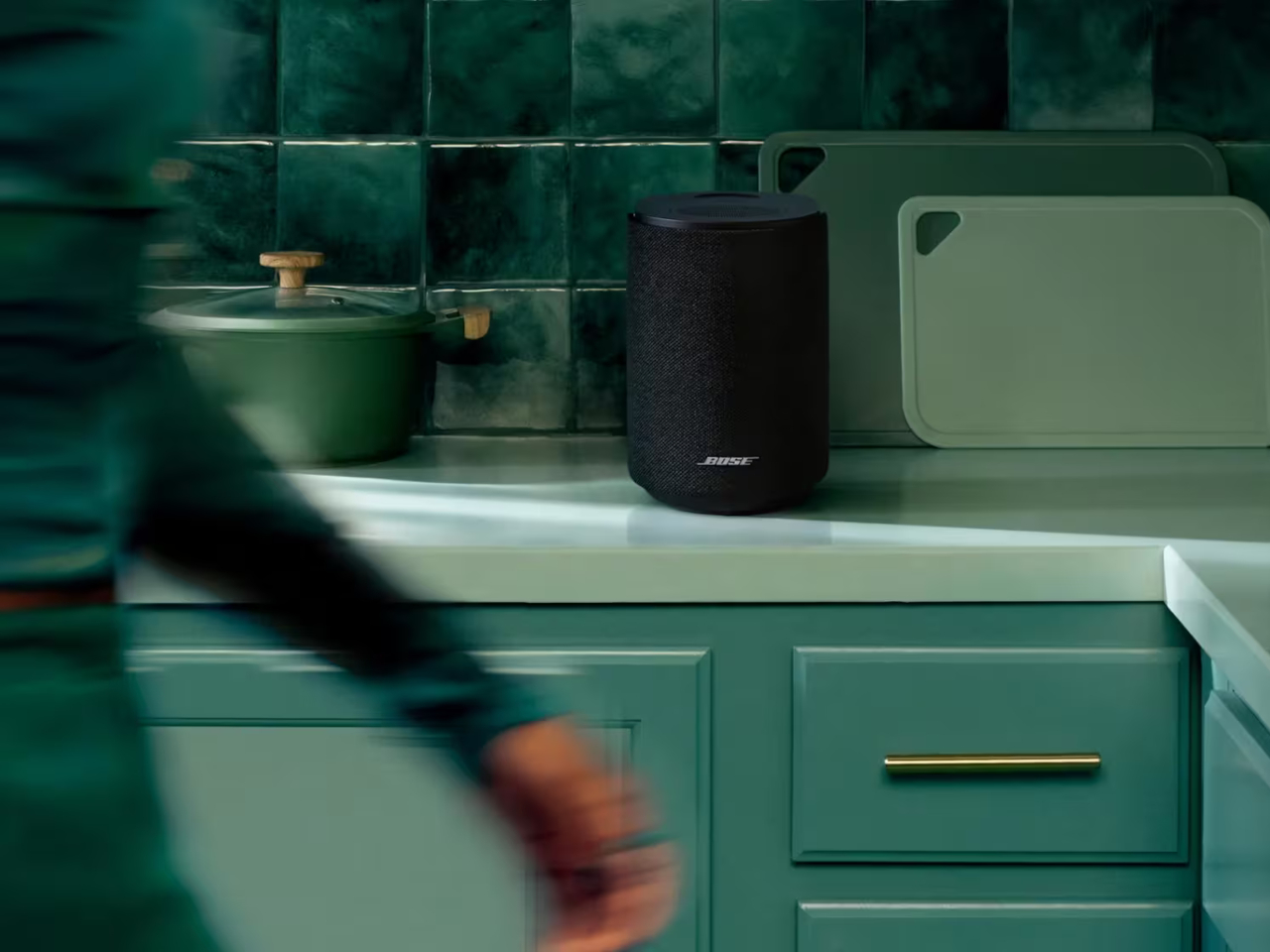
The Lifestyle Ultra Speaker starts at $299 in Black or White Smoke, with the limited-edition Driftwood Sand colorway priced at $349. The full Lifestyle Collection, including the Ultra Soundbar at $1,099 and Ultra Subwoofer at $899, is available to preorder now and ships on May 15. It can start small on a single shelf and gradually take over your entire home audio setup without ever looking like it doesn’t belong.

The post Bose Just Revived Its Lifestyle Speaker for $299, Minus the Wires first appeared on Yanko Design.

Lenovo’s 8.8-Inch Gaming Tablet Packs a 9,000 mAh Battery for $850

Gaming tablets have always been stuck in an awkward spot between portability and raw power. The ones fast enough to handle demanding titles tend to be bulky and heavy, more like a compact laptop than a true handheld. And smaller tablets, for a long time, simply didn’t have the hardware to keep serious players happy, leaving enthusiasts perpetually torn between convenience and performance.

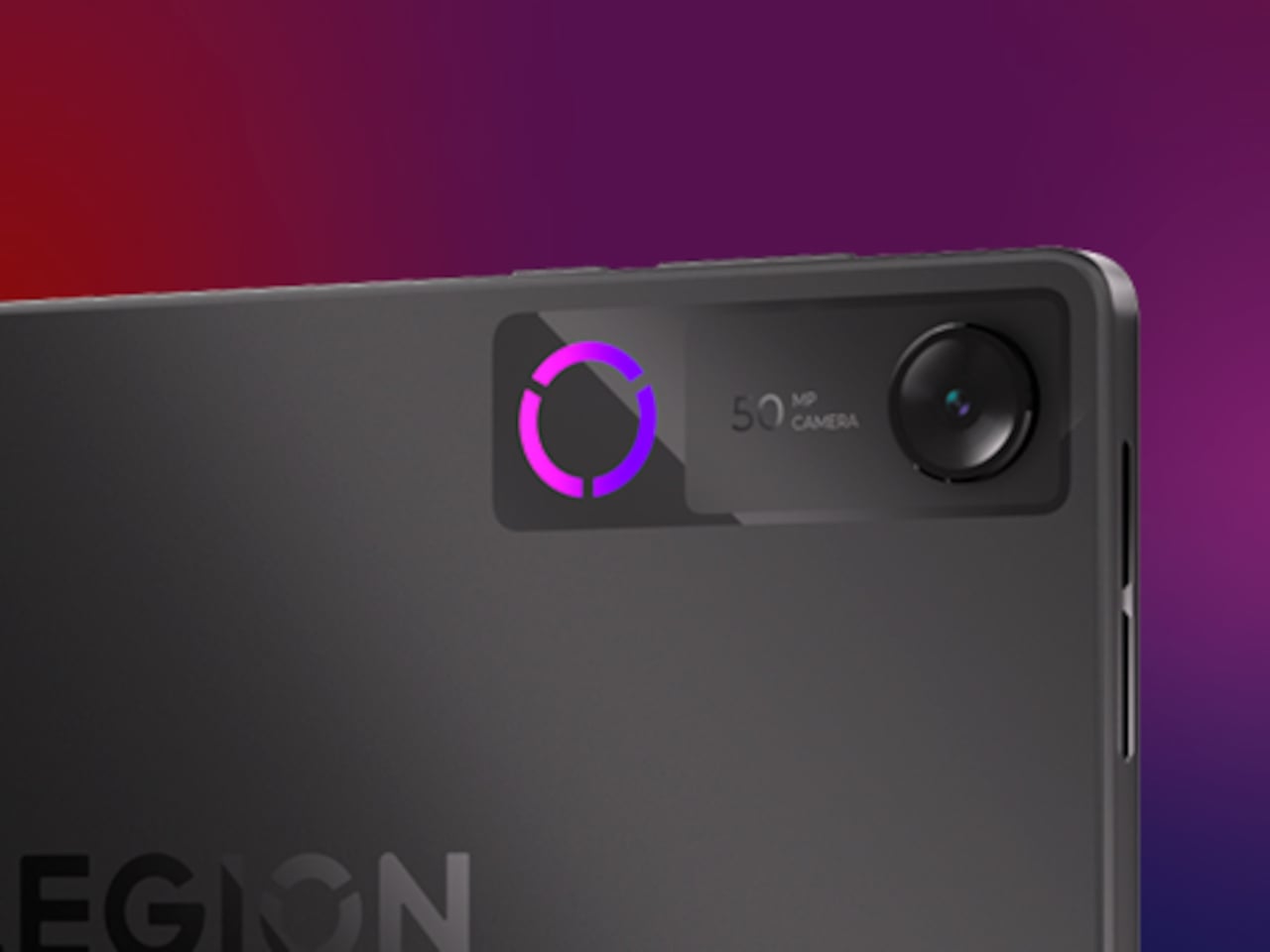
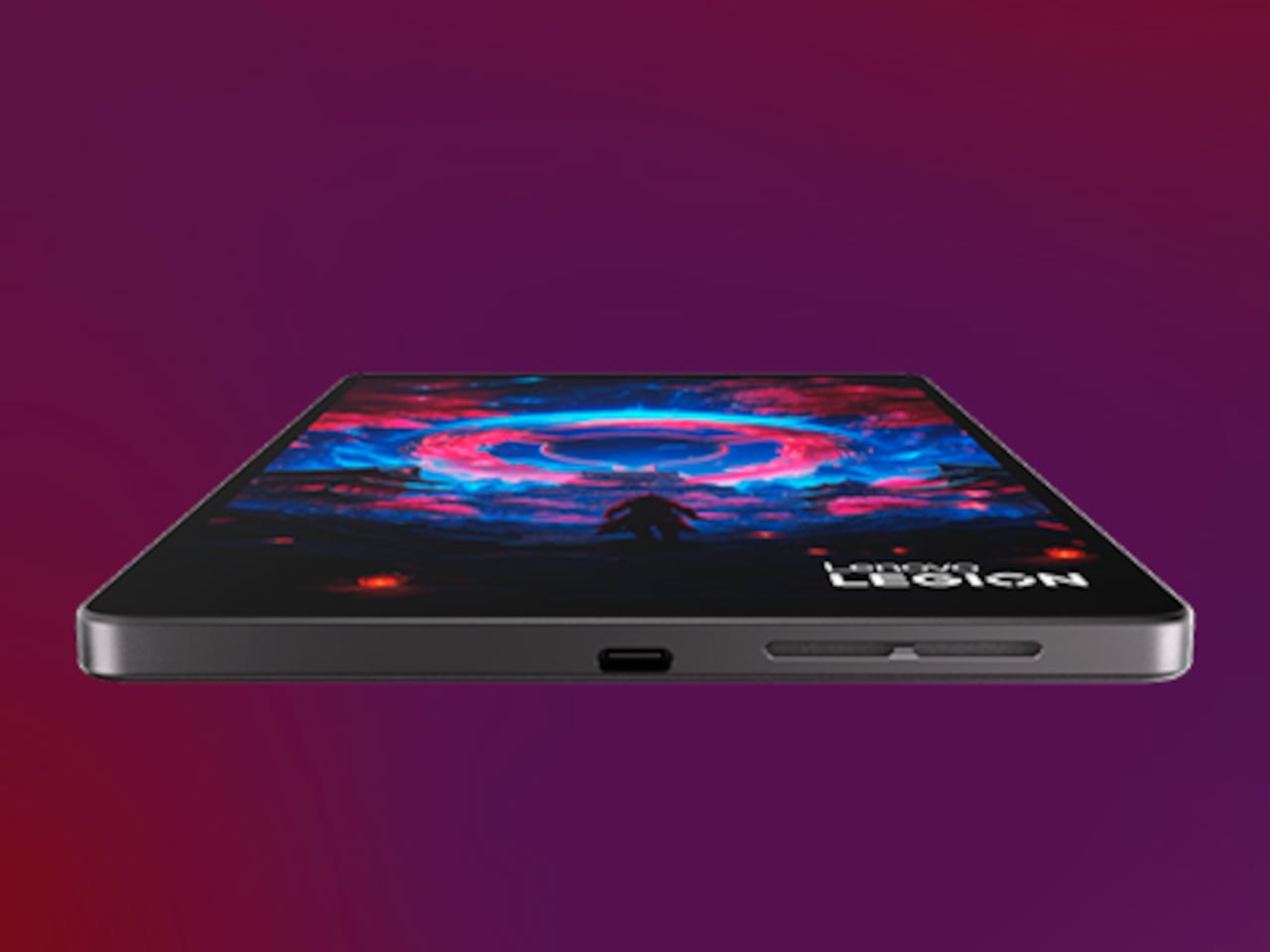
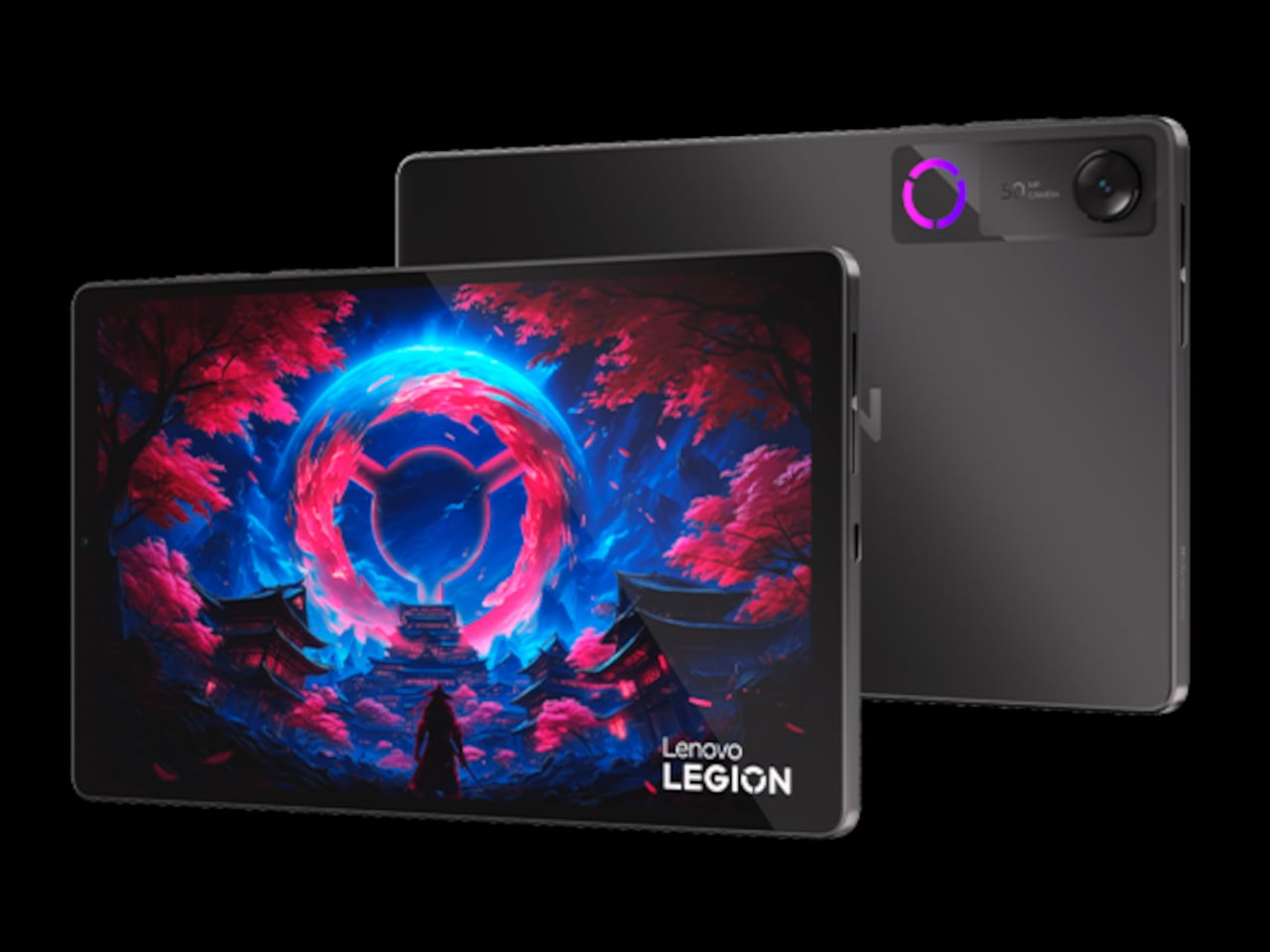
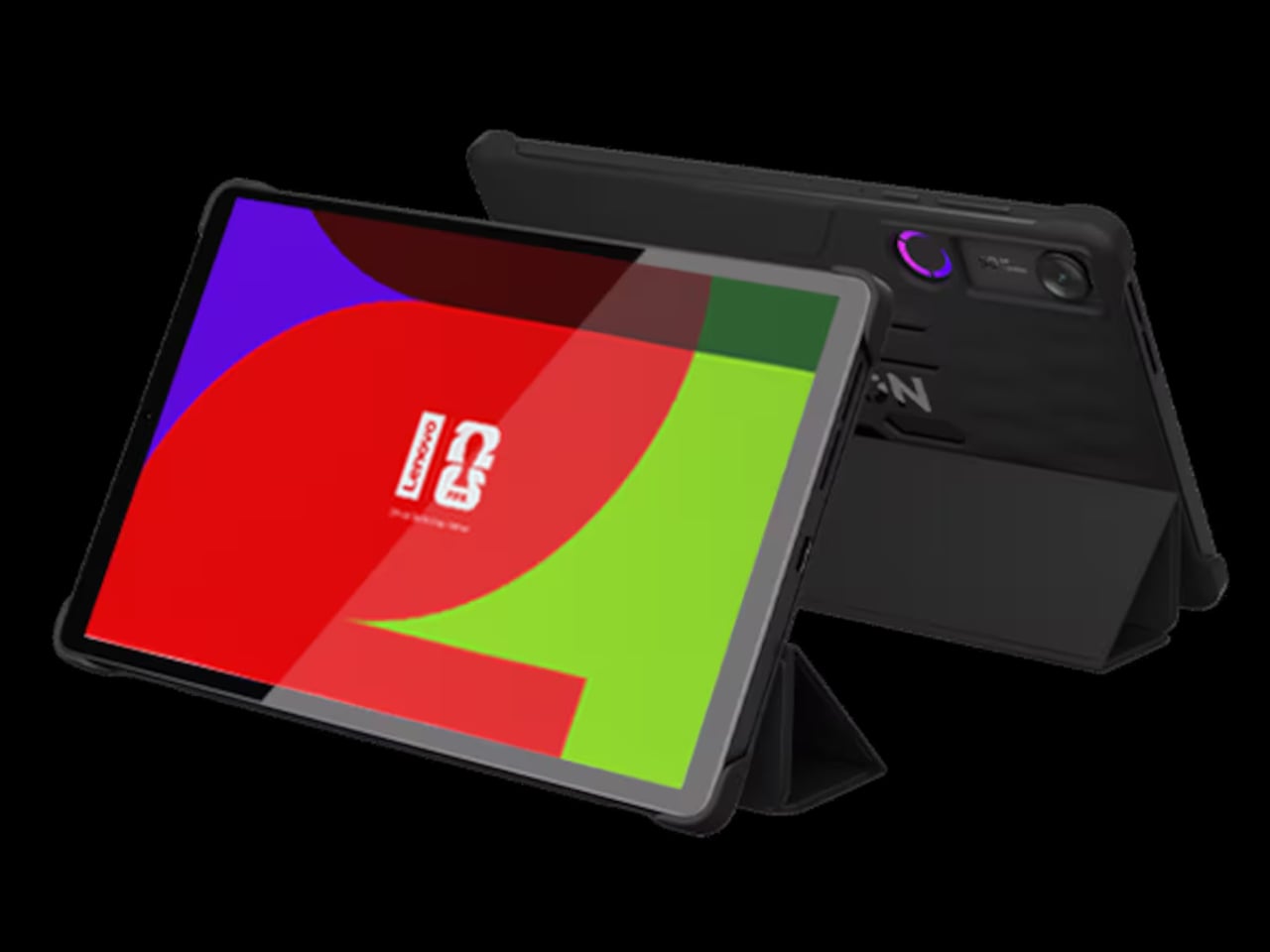
Lenovo’s Legion Tab Gen 5 is the latest attempt to close that gap, and it’s making a convincing case. The 8.8-inch Android gaming tablet packs specs that could make larger competitors nervous, all within a frame light enough to slip into a backpack. First unveiled at MWC Barcelona and now available in the US, it starts at $849.99, a price that signals just how seriously Lenovo is treating this space.

Designer: Lenovo

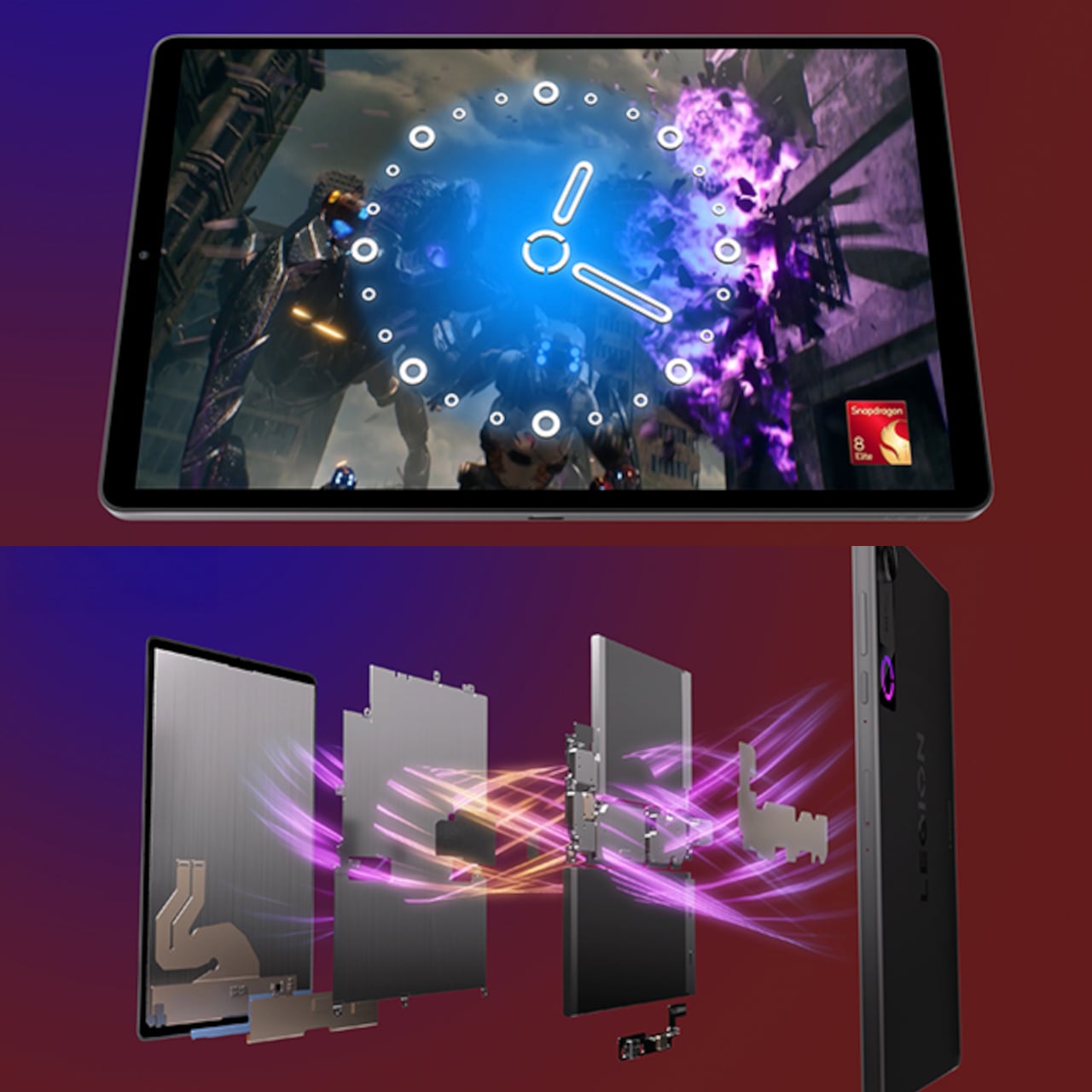
Under the hood sits Qualcomm’s Snapdragon 8 Elite Gen 5, the same chip you’d find in today’s flagship smartphones. The base model pairs it with 12 GB of LPDDR5T RAM and 256 GB of UFS 4.1 Pro storage, though it’s configurable up to 16 GB RAM and 512 GB storage. Lenovo’s AI Engine+ also runs in the background, dynamically optimizing frame rates, touch response, and haptic feedback as you play.

The screen all those frames render onto is equally impressive. Lenovo’s 8.8-inch PureSight Display runs at a 3K resolution of 3,040 × 1,904 pixels with a 165Hz refresh rate, covering 99% of the DCI-P3 color space with Dolby Vision support. Touch sampling reaches up to 480Hz, so inputs register almost instantly during a competitive match. TÜV Flicker Free and Low Blue Light certifications make extended sessions considerably easier on the eyes.

One of the most remarkable things about this tablet isn’t the chip or the display, it’s what’s powering everything. Lenovo managed to pack a 9,000 mAh battery into this 8.8-inch body, a significant leap over the previous generation, while keeping the whole package at just 360 grams. Add 68W fast charging and bypass charging support, which prevents battery degradation during extended sessions, and running this thing dry becomes genuinely difficult.

The audio hasn’t been shortchanged either. Dual superlinear 2712 speakers with Dolby Atmos certification handle the sound, backed by dual microphones, so voice chat holds its own during any session. Three color options are available: Eclipse Black, Glacier White, and a vibrant Surge green that was originally introduced as a FIFA edition. An RGB accent on the back adds a dose of personality without making the whole thing look gaudy.

At $849.99 starting, the Legion Tab Gen 5 is anything but an impulse buy for the base 12 GB RAM and 256 GB storage configuration. That’s a $300 jump over its predecessor, a hike partly blamed on the rising cost of memory, perhaps an indicator of things to come. There’s also no word yet on the accessories designed for its Chinese counterpart, which would probably help increase this pricey gaming tablet’s appeal.

The post Lenovo’s 8.8-Inch Gaming Tablet Packs a 9,000 mAh Battery for $850 first appeared on Yanko Design.

Meet Ultrahuman Ring Pro: Up to 15 Days Battery, No Subscription, and a Dual-Core Processor

Charging wearables has become muscle memory for many of us, and most people have accepted that their smartwatch requires almost nightly charging. But the best health tracking is done while we sleep. First, good sleep is foundational to our health. But it’s also where heart rate signals are stable and constant, making for insightful analysis. But many people don’t wear their smartwatches to sleep, partly due to comfort, but also because their watch won’t make it through the next day. Ultrahuman’s Ring Pro doesn’t ask you to accept that compromise anymore – and is designed for truly continuous health insights, with battery life so long, the biggest challenge will be remembering where you put your charger.

The Ring Pro delivers up to 15 days of battery life on a single charge, and holds 250 days of on-device data without needing a phone connection, making it fairly independent as a wearable, rather than a phone-bound tech accessory. Add a dual-core processor with on-chip machine learning, a redesigned PPG sensor, and a real-time biointelligence AI called Jade, and you’re looking at the most technically coherent argument the smart ring category has put forward.

Designer: Ultrahuman

Click Here to Buy Now: $299 $530 ($231 off). Hurry, only a few left!

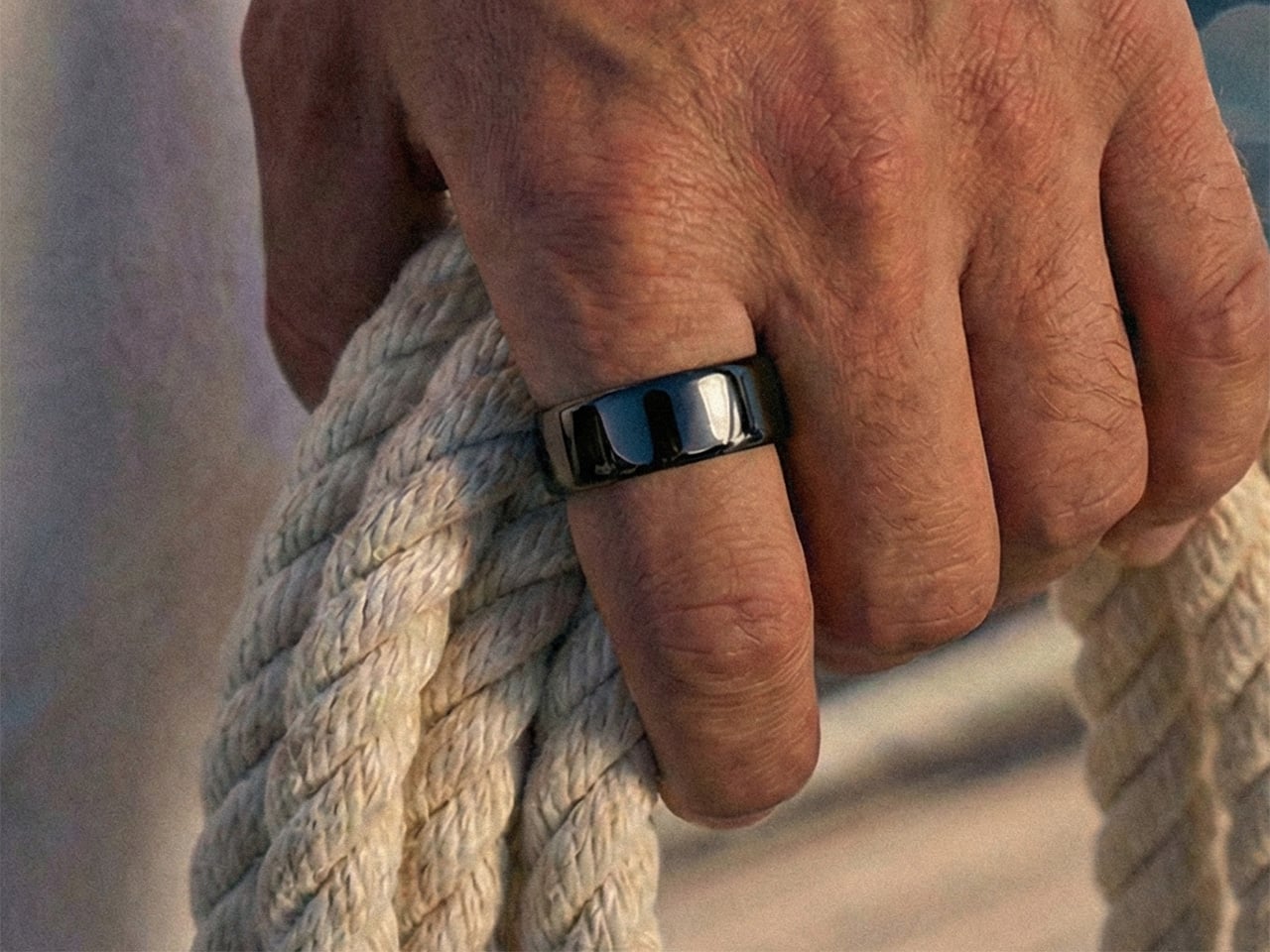
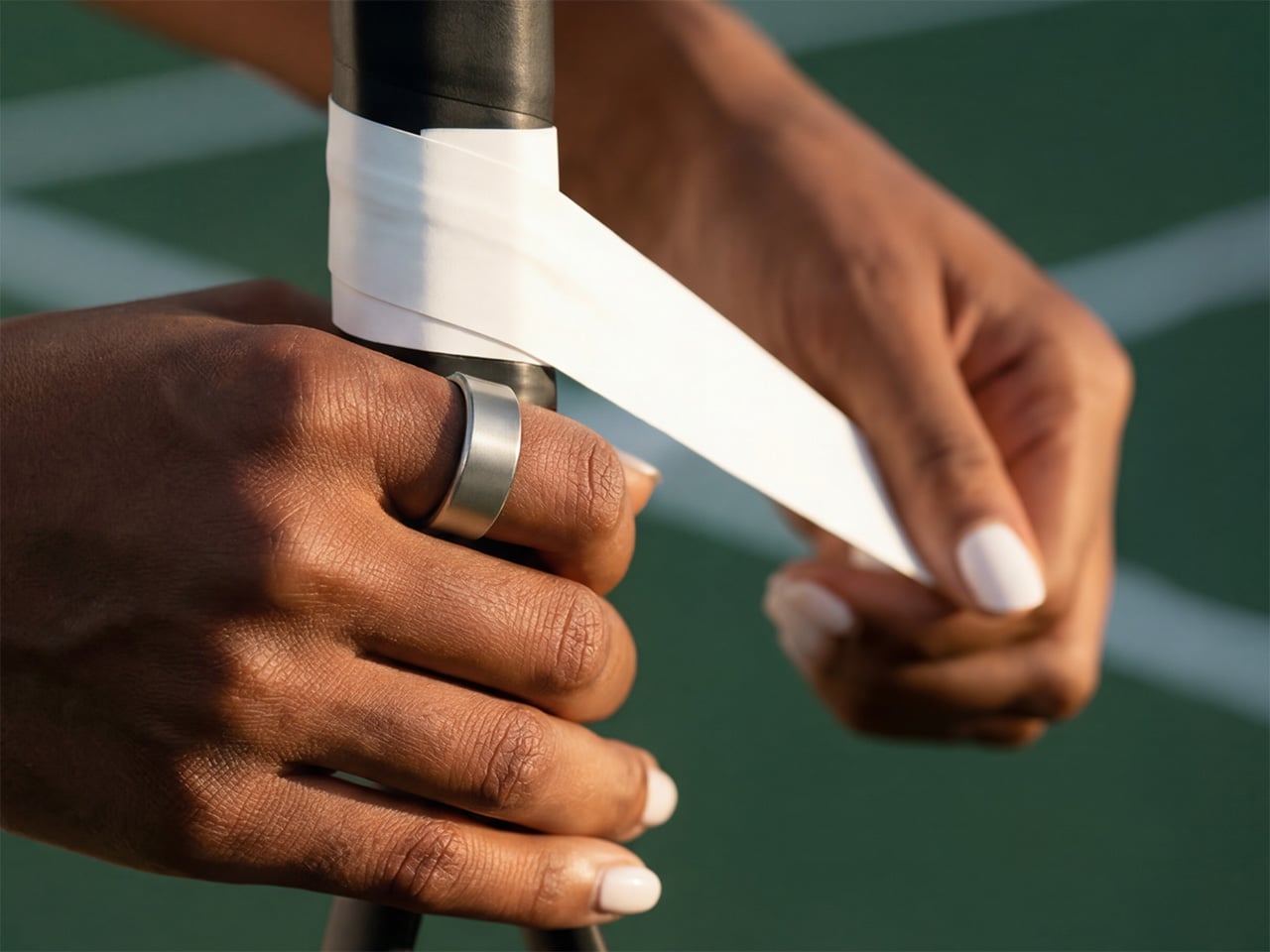
The Ring Pro is built on a unibody titanium architecture, with the same fighter jet-grade material that has defined the Ultrahuman Ring from the beginning. It is crafted to be worn 24/7 through every condition life throws at you. It comes in four finishes: Raw Titanium, Aster Black, Bionic Gold, and Space Silver, all of which lean into a restrained, utilitarian premium rather than flashy lifestyle aesthetics.

Ring PRO is built for it all. Sizes range from 5 to 14, with a free sizing kit dispatched before your Ring PRO ships. ProRelease Technology enables Ring PRO to be cut apart in the event of swelling or injury to the finger, a safety feature that reflects thoughtful long-term wearability engineering. Water resistance holds at 100 meters, from swimming to surfing to showers.

The battery architecture operates in two modes: Turbo Mode delivers approximately 12 days, and Chill Mode offers up to 15 days. Ultrahuman CEO Mohit Kumar called the battery performance “3 to 4 times that of the competition,” framing it as a fundamental breakthrough rather than an incremental spec bump.

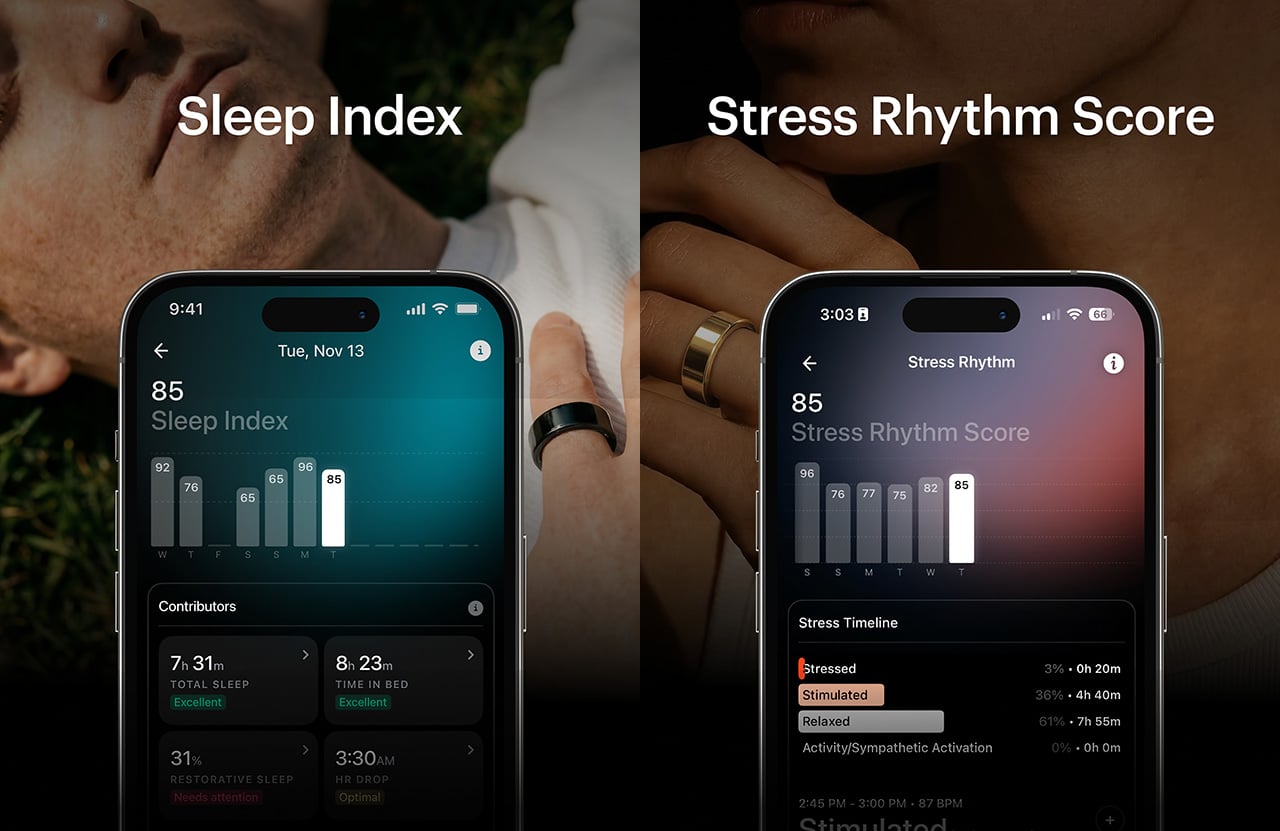
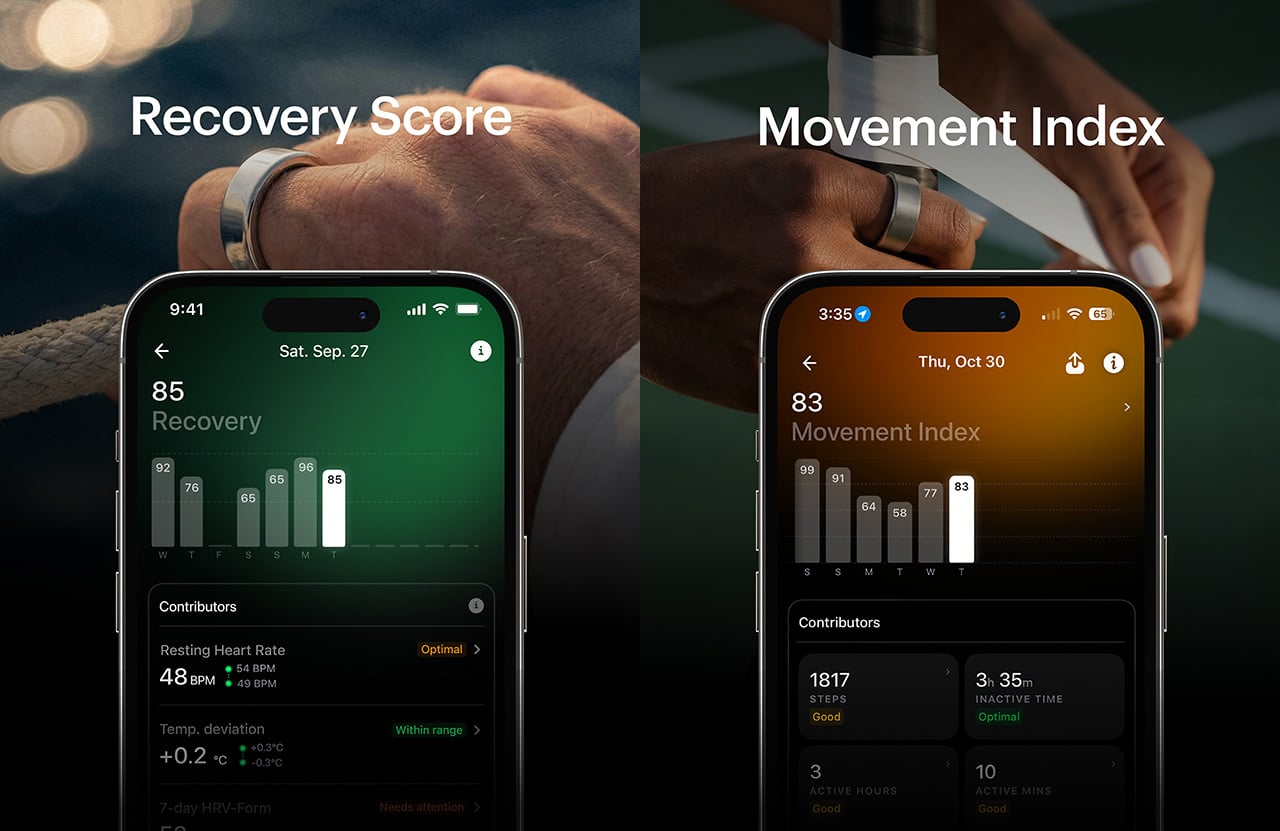
The Ring Pro achieves this without trimming features. The sensor array includes a redesigned PPG for heart rate, HRV, and blood oxygen; a non-contact skin temperature sensor; and a 6-axis IMU for motion tracking, all rebuilt specifically for improved signal quality during sleep and recovery.

A dual-core processor with on-chip machine learning replaces the single-core processor from the Ring AIR, with on-chip ML enabling complex health algorithms to run directly on the ring, delivering faster results with greater precision.

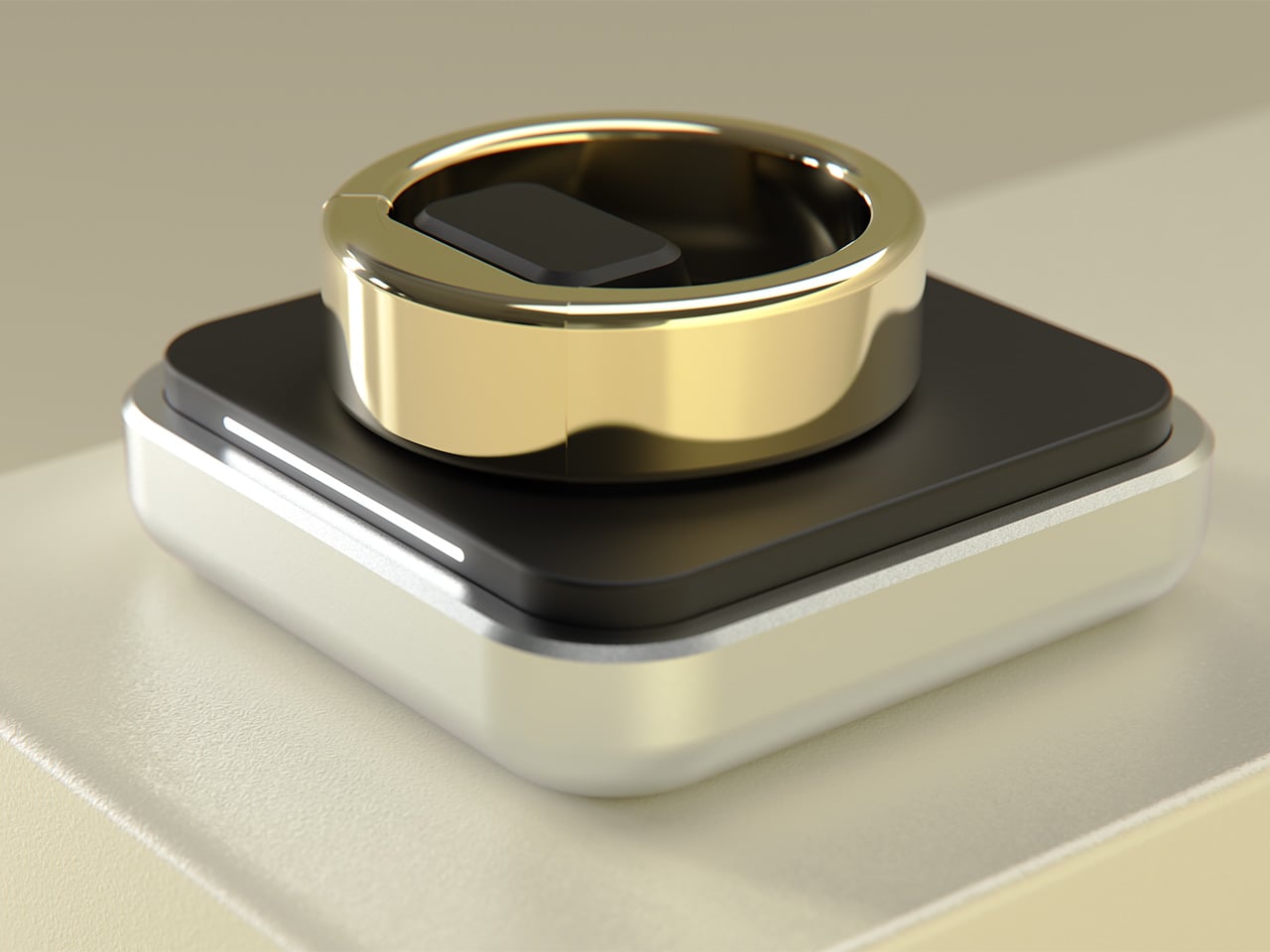
For everyday use, the Mini Charger is all you need. The Mini-Charger is Ring PRO’s compact everyday charging companion. Lightweight and pocket-friendly, it is designed to go wherever you go, your gym bag, your carry-on, your desk, without taking up space or adding weight. Simply plug it in via the Type-C cable included in the box, place your Ring PRO on the dock, and you’re charging. No fuss, no complexity.

The Ring Pro comes with Jade, Ultrahuman’s biointelligence AI platform, described as the world’s first real-time health AI .Jade pulls live biomarker data from the ring and acts on it (like triggering breathwork sessions based on current HRV readings).

Jade connects ring data across Ultrahuman’s broad health ecosystem, blending lifestyle data with 120+ Blood Vision biomarkers, M1 CGM glucose trends, and even Ultrahuman Home environmental data..

Use Standard mode for quick answers on your data, such as how long you slept or recent trends,, or flip to Research mode for comprehensive analysis that connects the dots across complex health data.

Jade’s capabilities extend through PowerPlugs, a platform for individual apps and plugins built on top of Ultrahuman’s health and wellness data stack, designed for highly personalized health insights. You can tailor health tracking to your unique needs and goals, supercharging your Ring PRO experience with a library of micro-tools.

The Ring Pro is available in multiple configurations, starting at $299 for the Super Early Bird tier and ranging up to $699 for the Couples Pack (which includes two rings and three Powerplugs each). Each package includes the Ring PRO itself, a charging case, and three Powerplugs (worth $150, free for one year): Respiratory Health (detects snoring, coughing, and irregular breathing via smartphone audio), Cycle & Ovulation Pro (advanced fertility tracking with 90%+ ovulation accuracy), and Cardio Adaptability (analyzes overnight heart rate variability using tachograms and Lorenz plots).

A lifetime subscription to all Ultrahuman Ring PRO features and content is included with no hidden fees or recurring charges. Shipping is free worldwide, with estimated delivery beginning in June 2026 for early configurations and July 2026 for later tiers. A sizing kit ships before the ring itself to ensure the right fit, and the Ring Pro is available in Raw Titanium, Aster Black, Bionic Gold, and Space Silver finishes.

Click Here to Buy Now: $299 $530 ($231 off). Hurry, only a few left!

The post Meet Ultrahuman Ring Pro: Up to 15 Days Battery, No Subscription, and a Dual-Core Processor first appeared on Yanko Design.

Meet Ultrahuman Ring Pro: Up to 15 Days Battery, No Subscription, and a Dual-Core Processor

Charging wearables has become muscle memory for many of us, and most people have accepted that their smartwatch requires almost nightly charging. But the best health tracking is done while we sleep. First, good sleep is foundational to our health. But it’s also where heart rate signals are stable and constant, making for insightful analysis. But many people don’t wear their smartwatches to sleep, partly due to comfort, but also because their watch won’t make it through the next day. Ultrahuman’s Ring Pro doesn’t ask you to accept that compromise anymore – and is designed for truly continuous health insights, with battery life so long, the biggest challenge will be remembering where you put your charger.

The Ring Pro delivers up to 15 days of battery life on a single charge, and holds 250 days of on-device data without needing a phone connection, making it fairly independent as a wearable, rather than a phone-bound tech accessory. Add a dual-core processor with on-chip machine learning, a redesigned PPG sensor, and a real-time biointelligence AI called Jade, and you’re looking at the most technically coherent argument the smart ring category has put forward.

Designer: Ultrahuman

Click Here to Buy Now: $299 $530 ($231 off). Hurry, only a few left!

The Ring Pro is built on a unibody titanium architecture, with the same fighter jet-grade material that has defined the Ultrahuman Ring from the beginning. It is crafted to be worn 24/7 through every condition life throws at you. It comes in four finishes: Raw Titanium, Aster Black, Bionic Gold, and Space Silver, all of which lean into a restrained, utilitarian premium rather than flashy lifestyle aesthetics.

Ring PRO is built for it all. Sizes range from 5 to 14, with a free sizing kit dispatched before your Ring PRO ships. ProRelease Technology enables Ring PRO to be cut apart in the event of swelling or injury to the finger, a safety feature that reflects thoughtful long-term wearability engineering. Water resistance holds at 100 meters, from swimming to surfing to showers.

The battery architecture operates in two modes: Turbo Mode delivers approximately 12 days, and Chill Mode offers up to 15 days. Ultrahuman CEO Mohit Kumar called the battery performance “3 to 4 times that of the competition,” framing it as a fundamental breakthrough rather than an incremental spec bump.

The Ring Pro achieves this without trimming features. The sensor array includes a redesigned PPG for heart rate, HRV, and blood oxygen; a non-contact skin temperature sensor; and a 6-axis IMU for motion tracking, all rebuilt specifically for improved signal quality during sleep and recovery.

A dual-core processor with on-chip machine learning replaces the single-core processor from the Ring AIR, with on-chip ML enabling complex health algorithms to run directly on the ring, delivering faster results with greater precision.

For everyday use, the Mini Charger is all you need. The Mini-Charger is Ring PRO’s compact everyday charging companion. Lightweight and pocket-friendly, it is designed to go wherever you go, your gym bag, your carry-on, your desk, without taking up space or adding weight. Simply plug it in via the Type-C cable included in the box, place your Ring PRO on the dock, and you’re charging. No fuss, no complexity.

The Ring Pro comes with Jade, Ultrahuman’s biointelligence AI platform, described as the world’s first real-time health AI .Jade pulls live biomarker data from the ring and acts on it (like triggering breathwork sessions based on current HRV readings).

Jade connects ring data across Ultrahuman’s broad health ecosystem, blending lifestyle data with 120+ Blood Vision biomarkers, M1 CGM glucose trends, and even Ultrahuman Home environmental data..

Use Standard mode for quick answers on your data, such as how long you slept or recent trends,, or flip to Research mode for comprehensive analysis that connects the dots across complex health data.

Jade’s capabilities extend through PowerPlugs, a platform for individual apps and plugins built on top of Ultrahuman’s health and wellness data stack, designed for highly personalized health insights. You can tailor health tracking to your unique needs and goals, supercharging your Ring PRO experience with a library of micro-tools.

The Ring Pro is available in multiple configurations, starting at $299 for the Super Early Bird tier and ranging up to $699 for the Couples Pack (which includes two rings and three Powerplugs each). Each package includes the Ring PRO itself, a charging case, and three Powerplugs (worth $150, free for one year): Respiratory Health (detects snoring, coughing, and irregular breathing via smartphone audio), Cycle & Ovulation Pro (advanced fertility tracking with 90%+ ovulation accuracy), and Cardio Adaptability (analyzes overnight heart rate variability using tachograms and Lorenz plots).

A lifetime subscription to all Ultrahuman Ring PRO features and content is included with no hidden fees or recurring charges. Shipping is free worldwide, with estimated delivery beginning in June 2026 for early configurations and July 2026 for later tiers. A sizing kit ships before the ring itself to ensure the right fit, and the Ring Pro is available in Raw Titanium, Aster Black, Bionic Gold, and Space Silver finishes.

Click Here to Buy Now: $299 $530 ($231 off). Hurry, only a few left!

The post Meet Ultrahuman Ring Pro: Up to 15 Days Battery, No Subscription, and a Dual-Core Processor first appeared on Yanko Design.
A Mouse You Can Squeeze Like a Stress Ball While You Work

The computer mouse hasn’t changed much in decades. Still mostly hard plastic, still shaped like a bar of soap, still asking your hand to grip something that gives absolutely nothing back. The rest of the desk setup has evolved, ergonomic chairs, standing desks, wrist rests, but the one device your hand touches for eight hours straight has remained stubbornly rigid and deeply uninteresting.

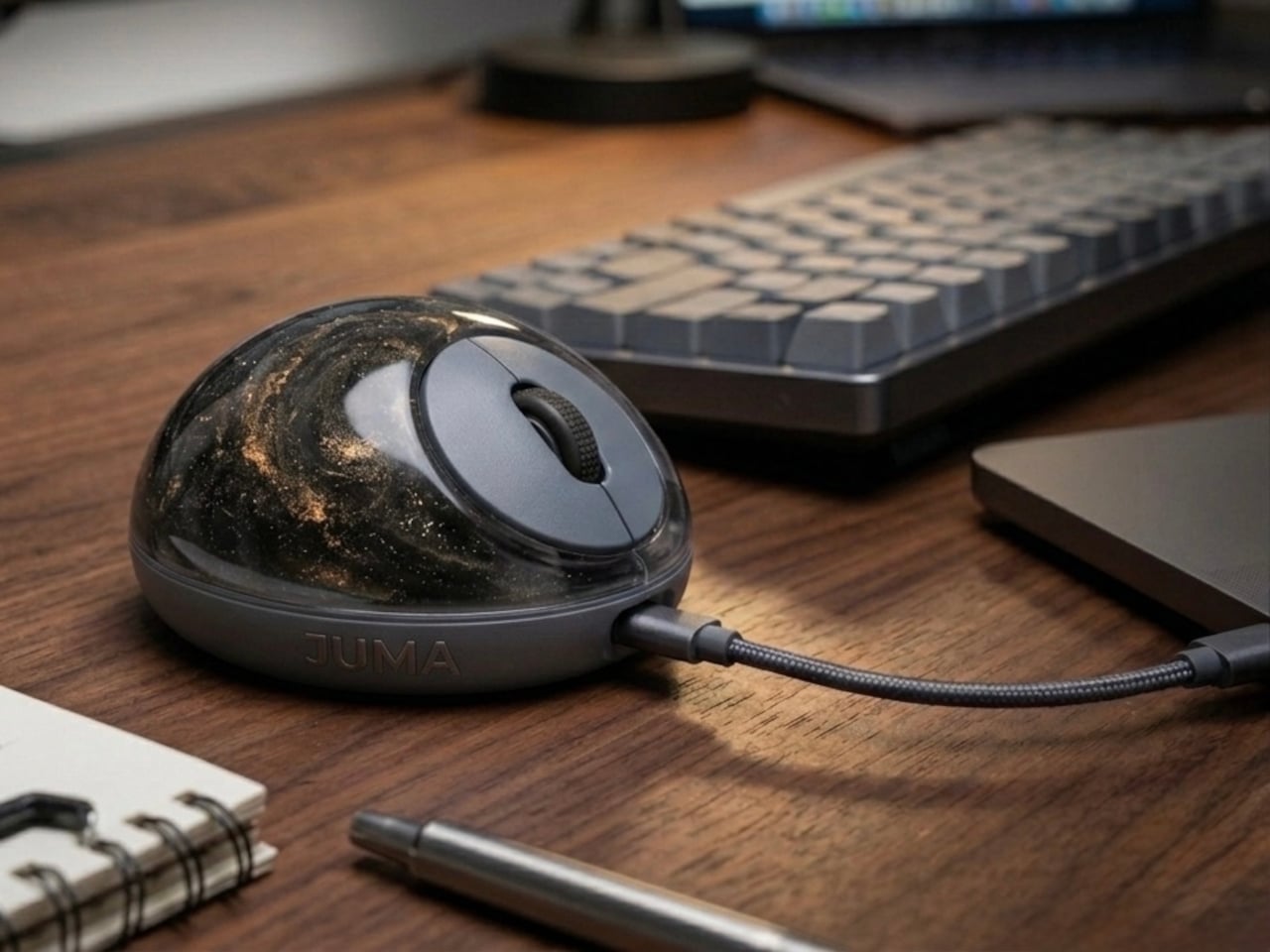
The PILLIGA mouse concept makes a fairly obvious argument for why that should change. Instead of hard plastic, the entire upper chassis is a squishy, flexible membrane packed with a viscous, translucent gel. It’s the same basic impulse that makes people reach for a stress ball mid-meeting, except it’s also the thing you need to get any work done.

Designer: Guillermo Gonzalez

The thinking behind it is straightforward enough. Deadline pressure builds, calls run long, and the urge to fidget becomes almost impossible to ignore. Rather than keeping a stress ball in the desk drawer as a separate ritual, the mouse folds that habit directly into the tool that’s already in your hand. You can squeeze, press, or knead the gel without ever lifting your hand off your workflow.

The dome shape isn’t just for show, either. It follows the natural arch of your palm rather than forcing your hand flat against a hard surface, and the gel underneath absorbs the kind of low-level muscular strain that builds up quietly over hours of clicking and scrolling. It’s the sort of ergonomic consideration that usually requires its own dedicated accessory, not just a different material.

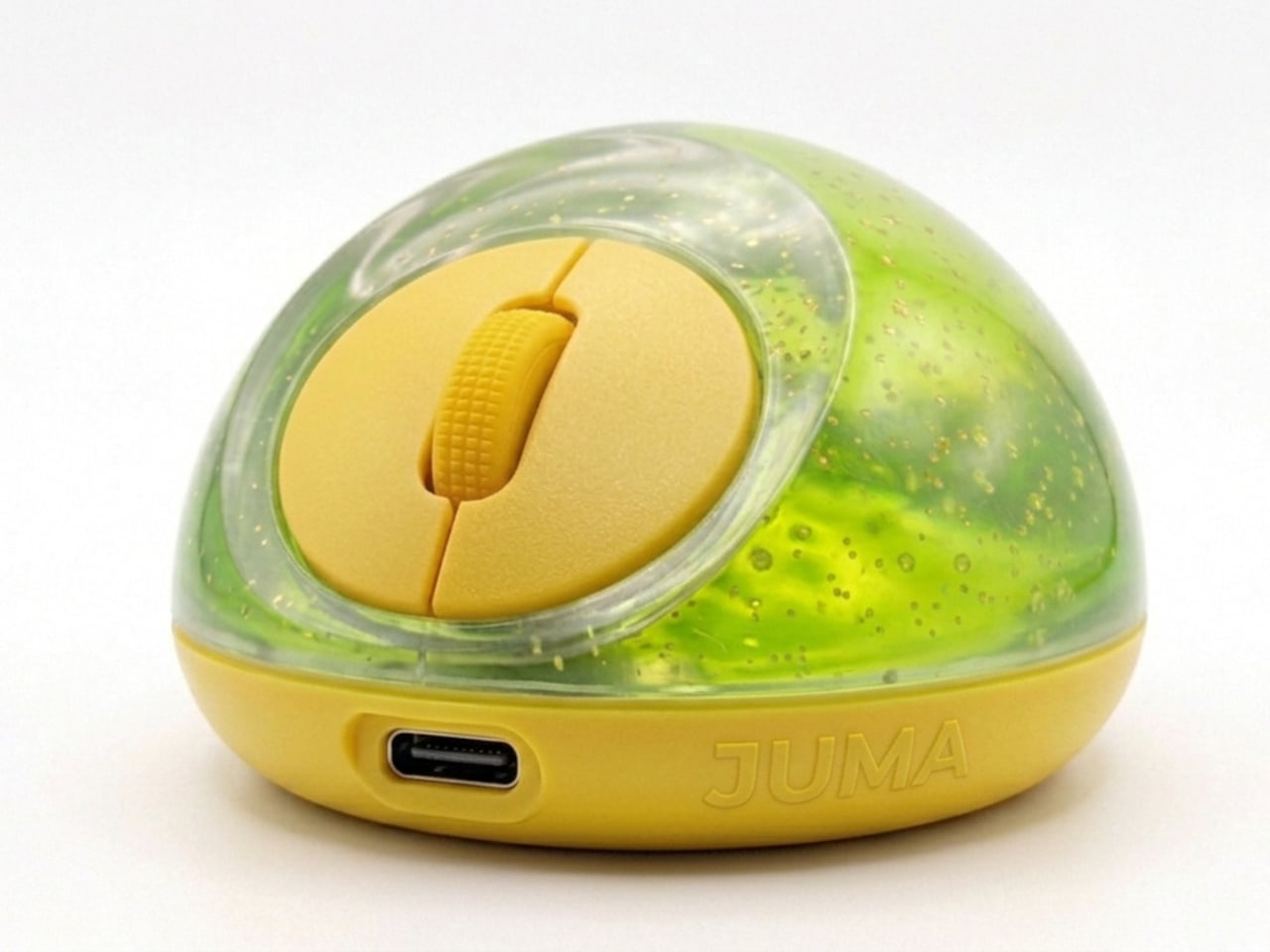
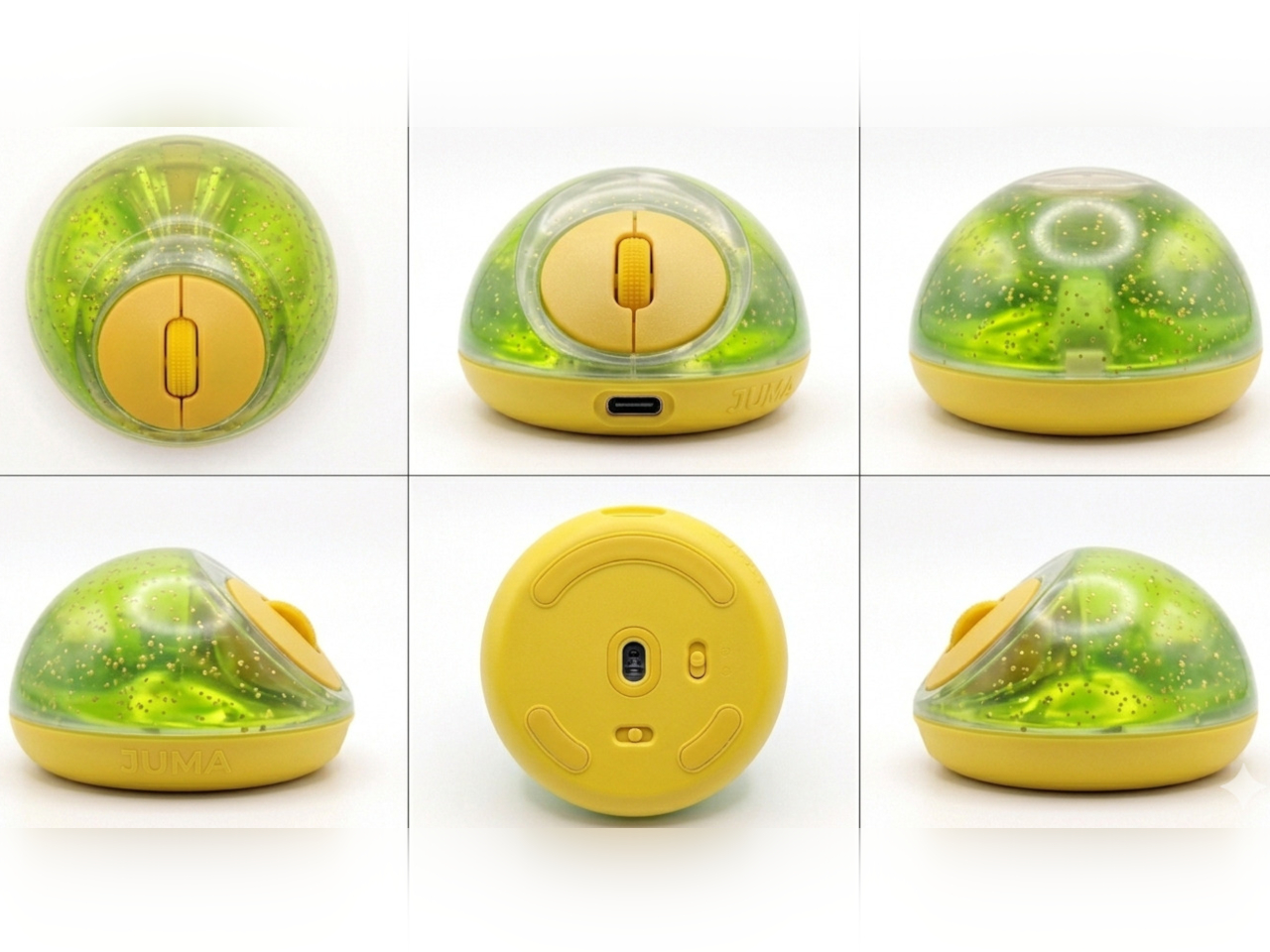
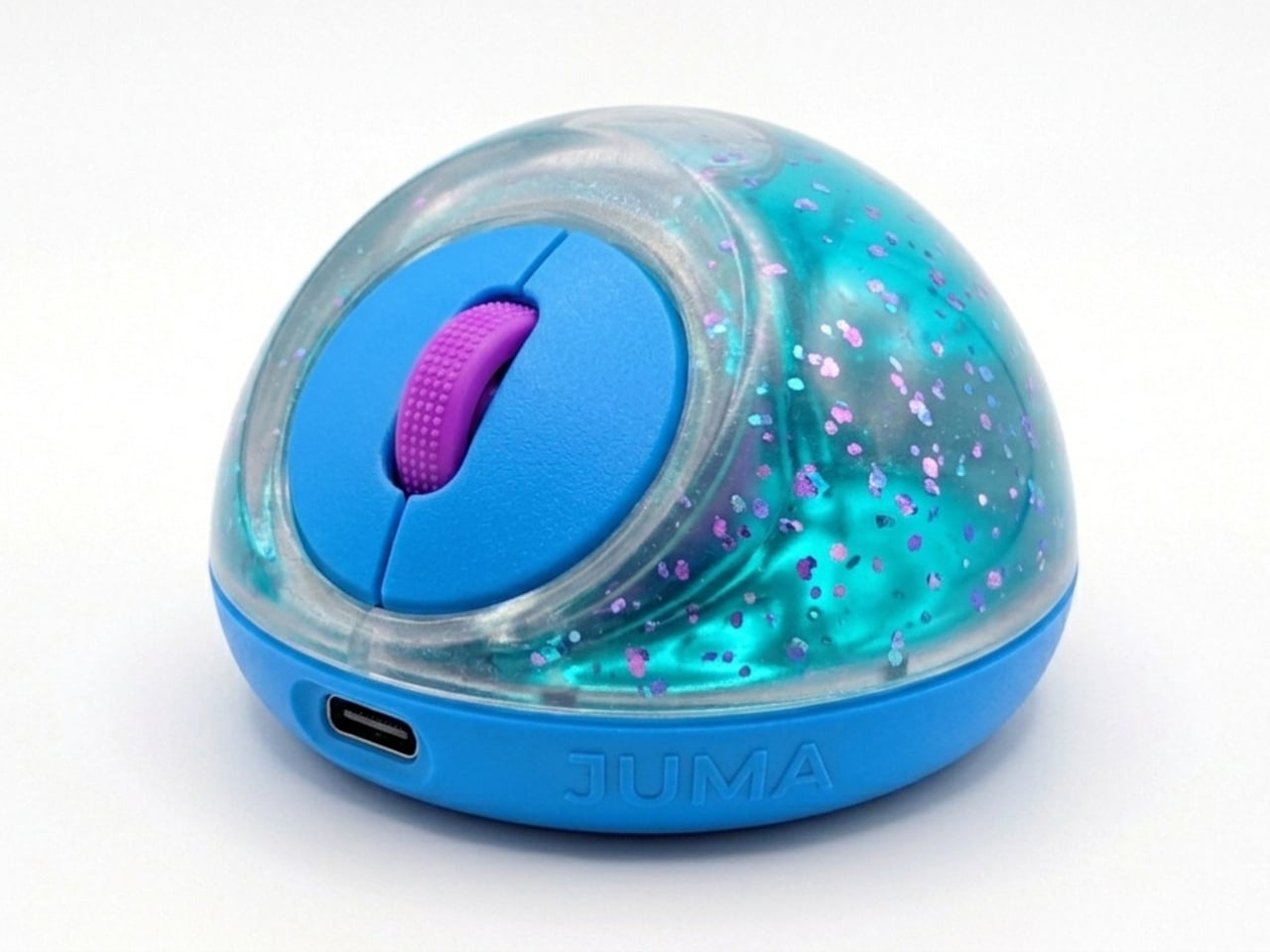
The controls themselves are sensibly laid out. A flat circular interface sits embedded in the front of the mouse, cleanly split for left and right clicks, with a textured, rubberized scroll wheel running between them. A USB-C port at the front handles charging, keeping the wireless design intact without the inconvenience of a separate charging dock. The bottom carries the optical sensor and power switch.

What makes the PILLIGA mouse concept genuinely interesting is how far it extends color as a design element. The gel comes in several variants, from vivid green with gold flecks and a blue version scattered with purple glitter, to darker, more subdued options that look considerably more at home on a professional desk. Each colorway pairs with a matching base and click interface, making the whole thing feel deliberate.

That range matters. The more reserved colorways hint that this isn’t a novelty item for a niche corner of the internet; it works just as comfortably on a professional desk as it does on a creative’s workstation. The gel doesn’t make it look cheap. It makes it look like something designed by someone who gave serious thought to what a mouse should feel like.

Concepts like the PILLIGA are more useful as provocations than promises. Computer mouse design has been coasting on the same assumptions for decades, and the idea that your primary input device could also be physically satisfying to hold hasn’t come up often enough. The gel-filled body raises the question, and that’s honestly more than most peripheral design manages to do.

The post A Mouse You Can Squeeze Like a Stress Ball While You Work first appeared on Yanko Design.
Forget Smarter AI, This Robot Thinks Presence Is the Point

We keep building AI to do more. More answers, more speed, more certainty. Designer Mehrnaz Amouei looked at that trajectory and asked a fundamentally different question: what if we built AI to be more present instead? The result is POCO, a soft robotic companion that might be one of the most quietly radical design concepts to emerge in recent years. It doesn’t talk over you, doesn’t flood you with information, and it doesn’t pretend to know things it doesn’t know. POCO sits with you. Literally.

At its core, POCO is a soft, tactile object that pairs with a smartphone, which serves as its computational brain and face. A soft textile body wraps around the device, transforming rigid, glass-and-metal technology into something that moves, breathes, and gestures in response to your presence. Together, they create something that sits somewhere between object, creature, and companion, and that deliberate ambiguity is very much intentional. You’re not quite sure what to call it, and that’s entirely the point.

Designer: Mehrnaz Amouei

Amouei developed POCO through research at the University of Illinois at Chicago, grounding the project in studies on loneliness and trust. Her findings indicated that people don’t actually want AI that projects certainty or control. They want availability and responsiveness. They want something that shows up without taking over. From those findings came the concept of “constructive interdependence,” a design philosophy where POCO’s limitations aren’t bugs to be patched but features embedded directly into the interaction model itself. The robot communicates what it can and cannot do through its behavior and physical states, which is a level of honesty you don’t often get from technology that typically overpromises and underdelivers.

I think that matters more than it might initially seem. The dominant conversation around AI right now is almost entirely about expansion: more capability, more integration, more autonomy. POCO pushes back on that without being preachy about it. It reframes the question of what good AI design actually looks like, and the answer it offers isn’t “smarter,” it’s “more trustworthy.” That is a genuinely different value system, and it feels overdue.

The sustainability dimension is also worth paying attention to. Rather than introducing new hardware and generating more electronic waste, POCO repurposes a device most people already own. That decision isn’t just a nice bonus; it’s built into the concept from the start, aligning with the UN’s Sustainable Development Goals around mental well-being and responsible consumption. In product design terms, that means the project was developed with a broader cultural and environmental context in mind, not just a user persona sitting in a lab.

Physically, POCO responds to touch, movement, and environmental cues. It adapts to a user’s preferences while maintaining a consistent identity, which is a surprisingly nuanced balance to strike in any product, let alone one sitting at the intersection of soft robotics and emotional design. Because interaction happens through touch rather than voice commands or screen taps, there’s an intentional slowing down embedded in the experience. You can’t rush a tactile exchange the same way you can type faster or speak louder. That shift from speed to presence feels like a meaningful counter-proposal to how most tech is currently designed. We’ve grown so accustomed to interfaces that demand our attention that a device asking only for our company reads almost as radical.
POCO has already earned an Honorable Mention from the International Design Awards and drawn coverage from major design publications. Whether it ever moves into consumer production remains an open question. But as a design statement, it’s doing exactly what the best concept work should: prompting us to reconsider what we actually want from the technology we live with, and whether expanding capability was ever really the right goal. Maybe the most interesting AI isn’t the one that knows the most. Maybe it’s the one that knows when to just stay close.
The post Forget Smarter AI, This Robot Thinks Presence Is the Point first appeared on Yanko Design.