SanDisk Just Made USB Drives Look Like Whistles and Crayons

Remember when USB flash drives were just boring little rectangles you’d inevitably lose in your bag? The younger ones who have gotten used to cloud storage or just sending files on messaging services probably don’t even know what flash drives are. Over the last years, they haven’t really been relevant or needed or even interesting especially since they just practically look the same.

Well, SanDisk just tossed that playbook out the window. The storage giant is bringing some serious whimsy to the tech world with two collections that prove functional doesn’t have to mean forgettable. I haven’t used flash drives for some time now but seeing these new designs makes me want to get them and think about what I should actually store in them. Or maybe I can even just get them as a bag charm if I don’t really need them.

Designer: Sandisk

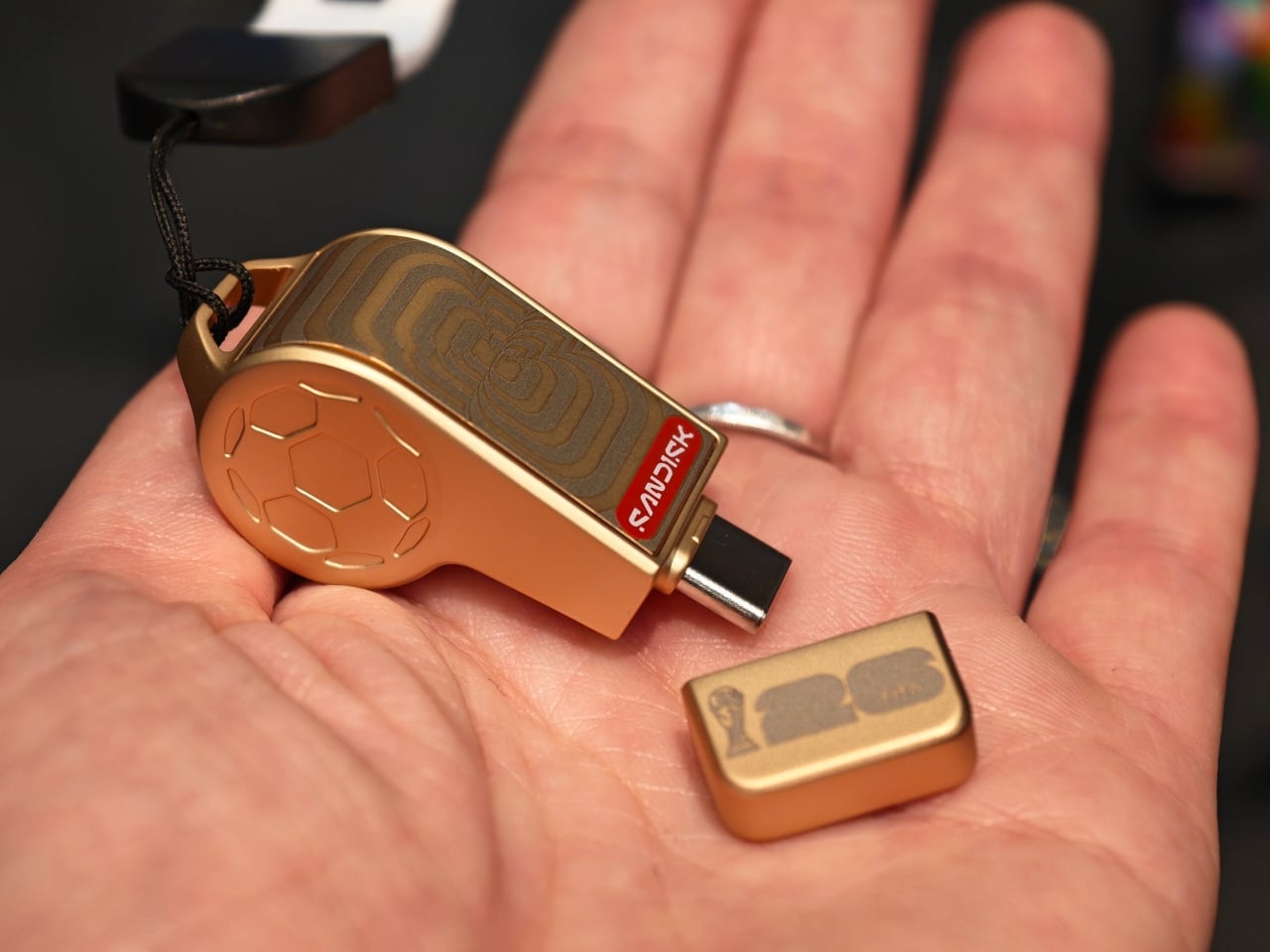
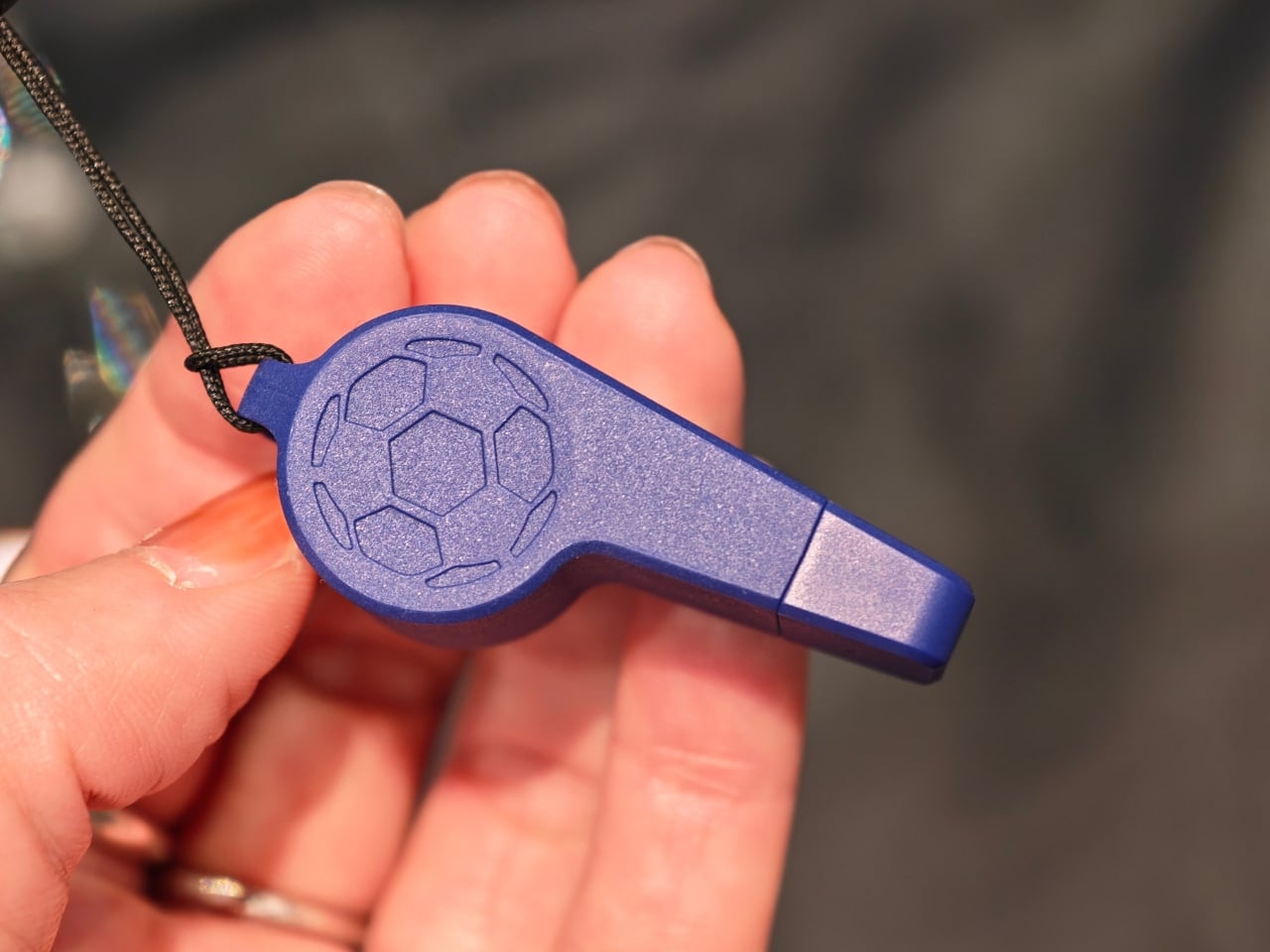
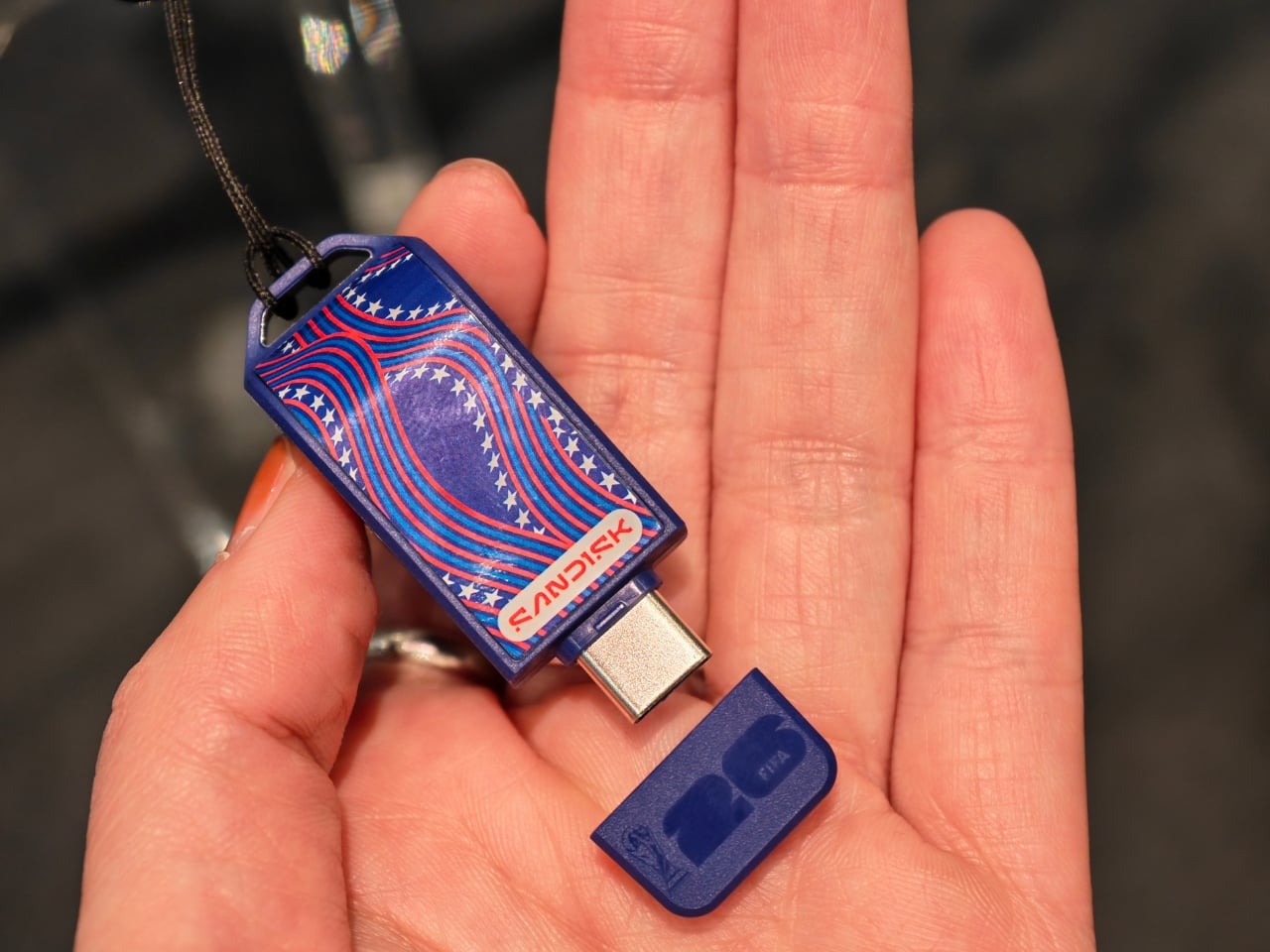
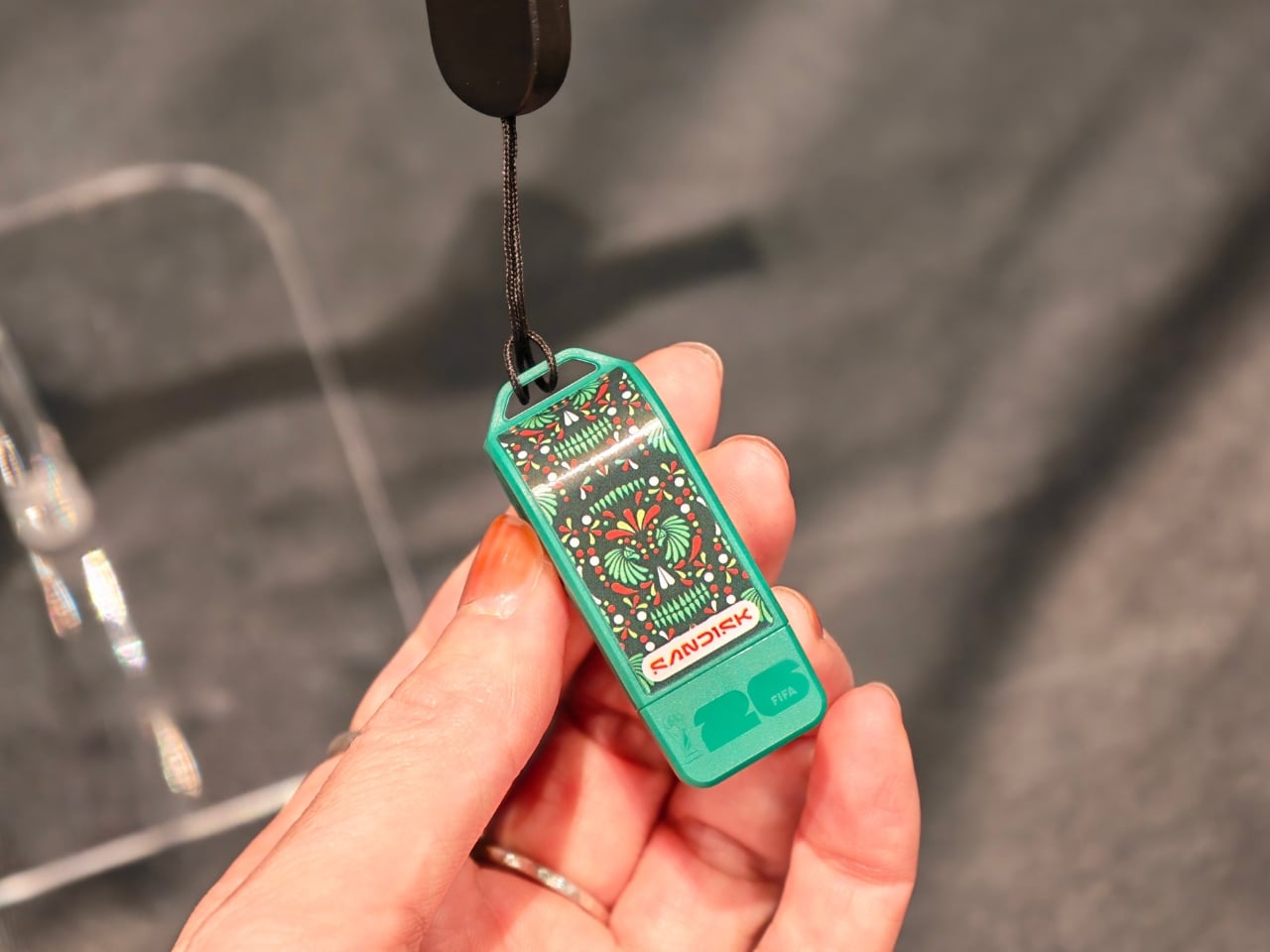
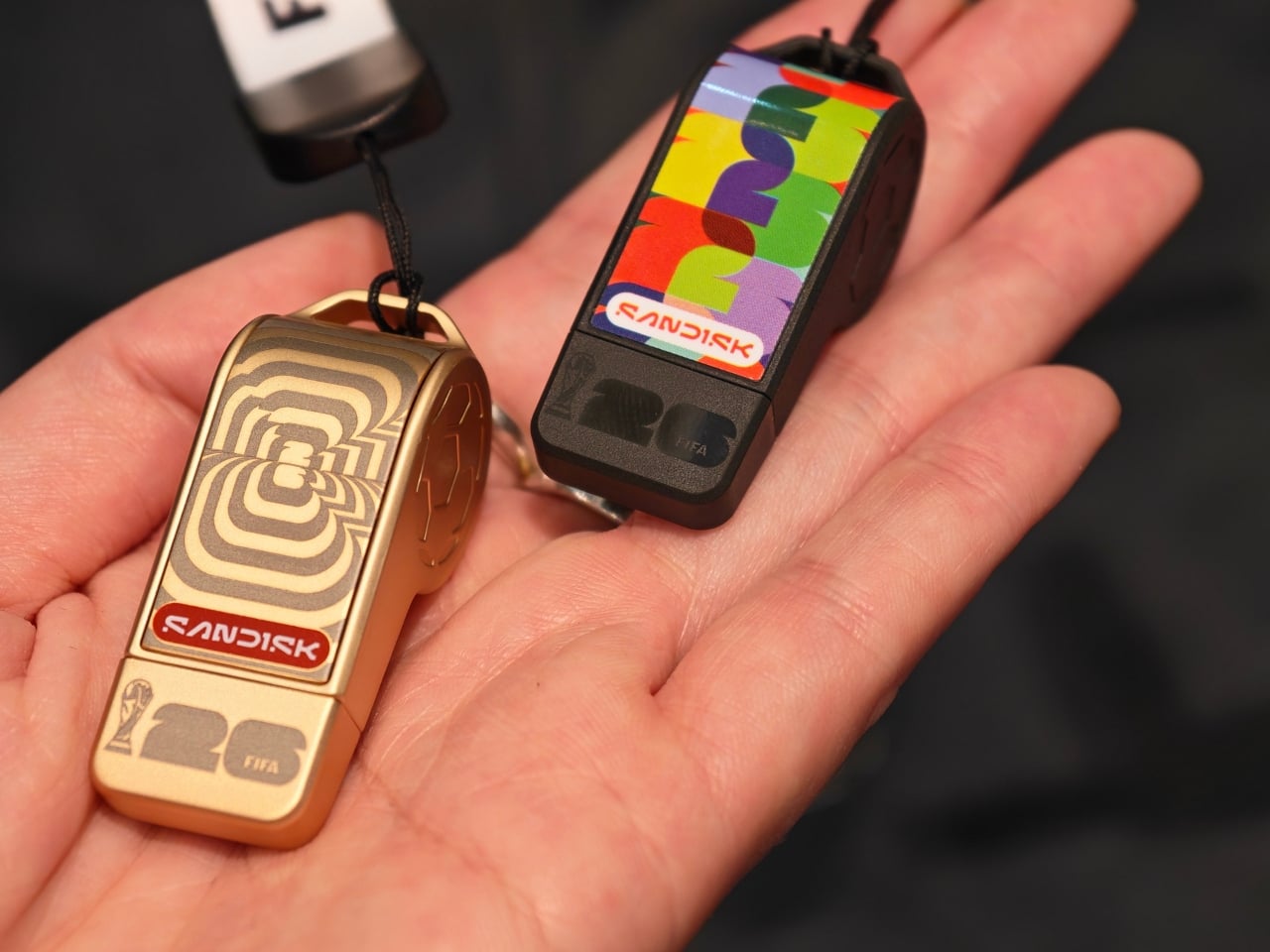
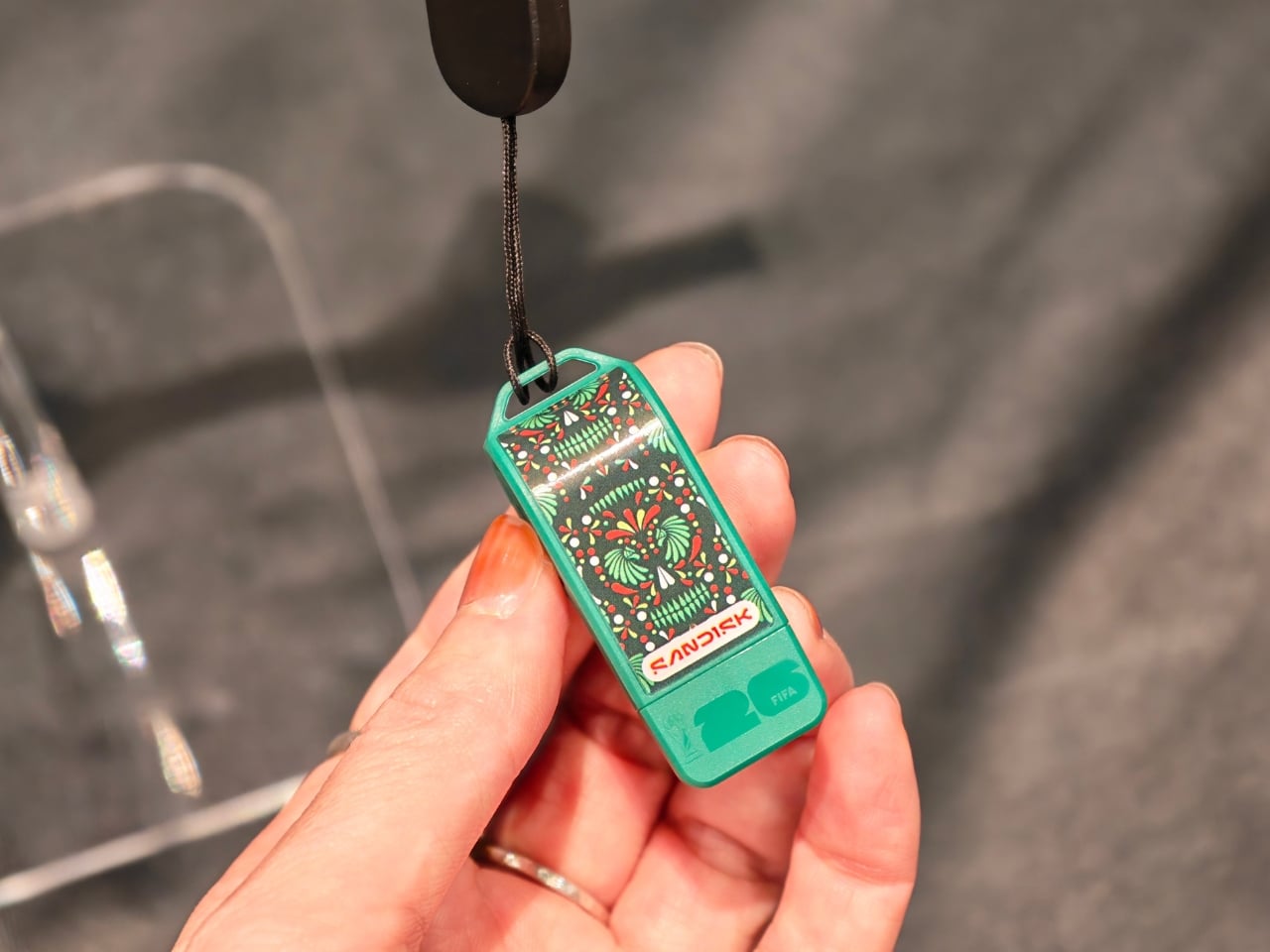
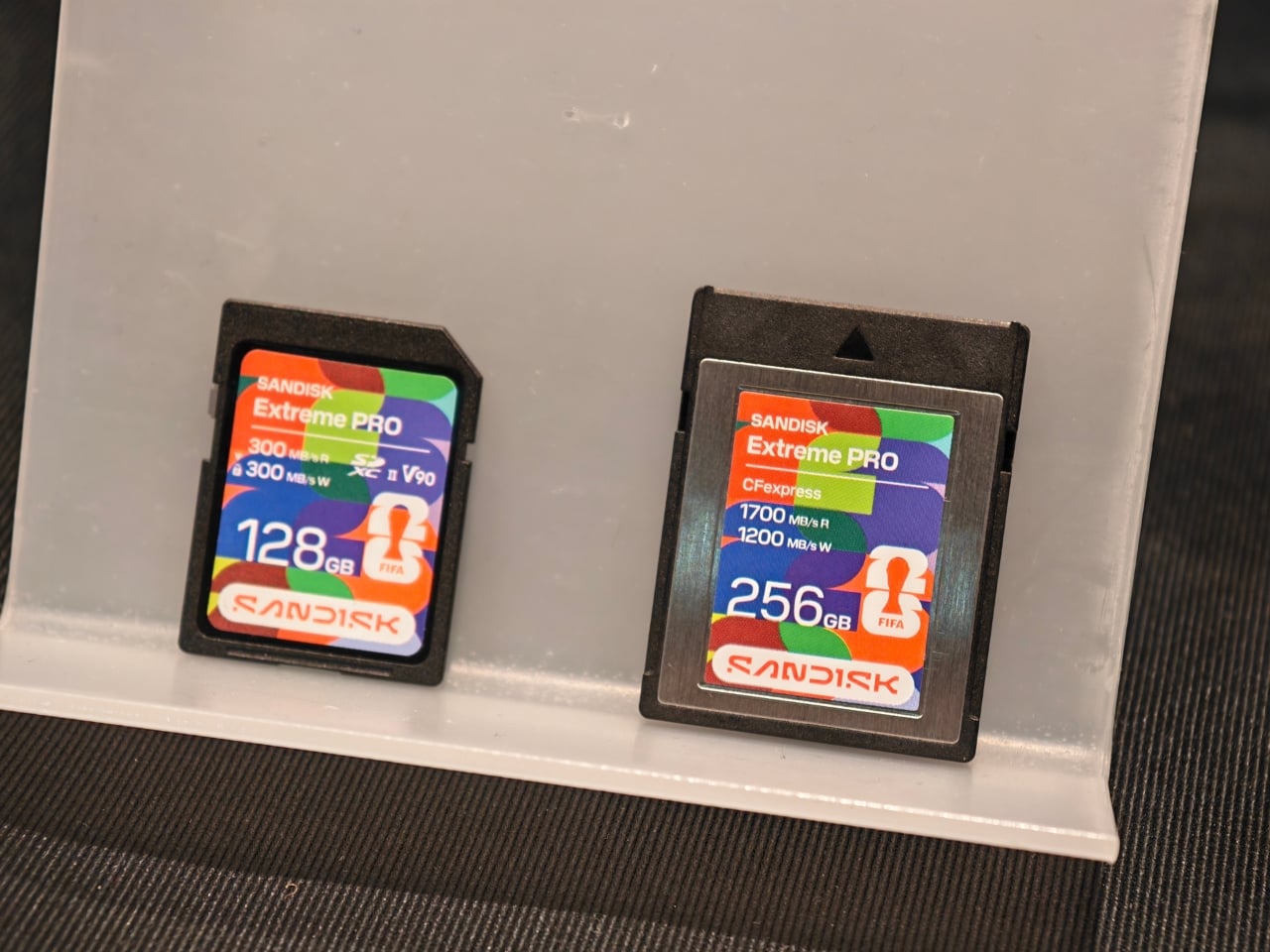
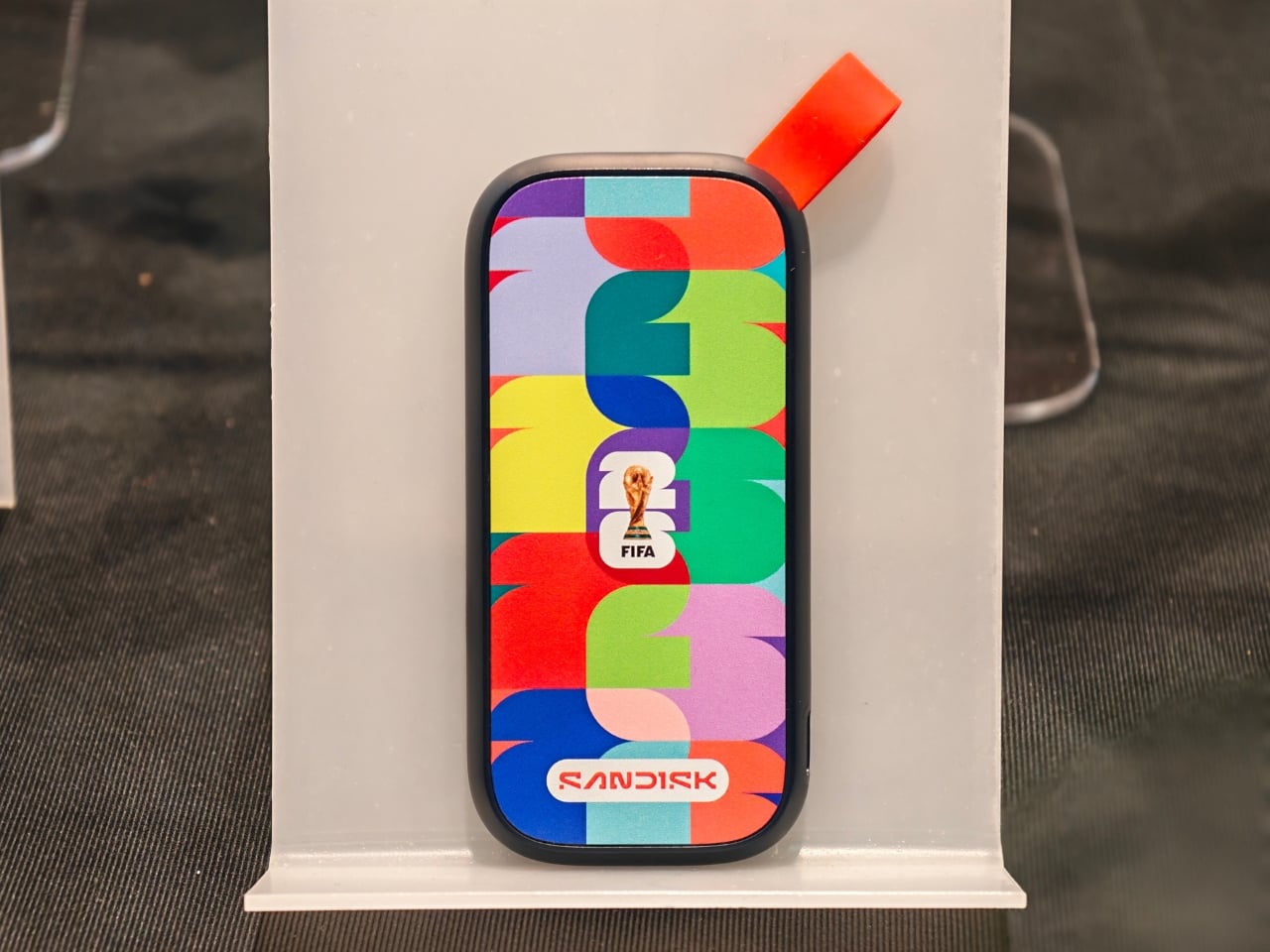
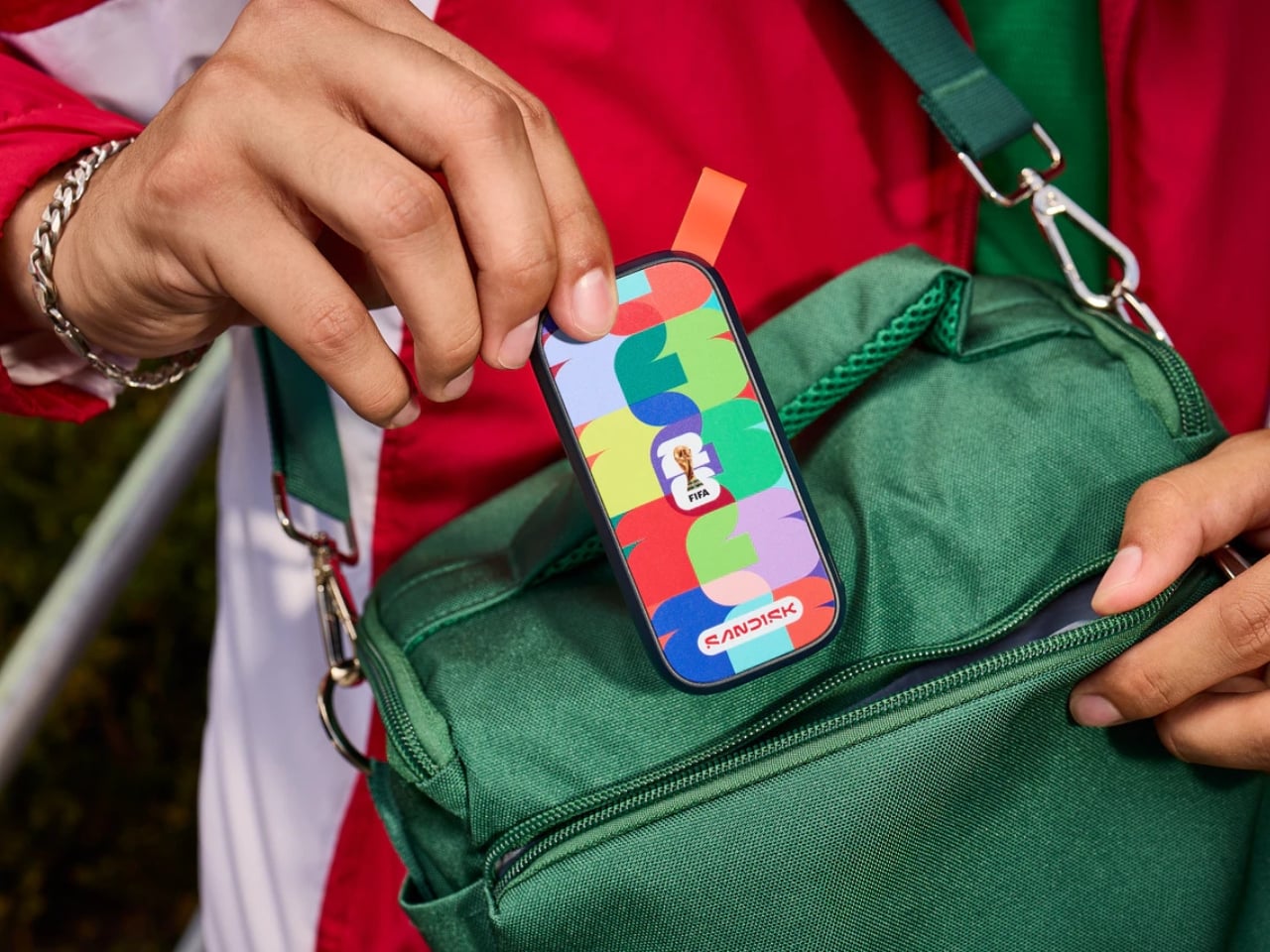
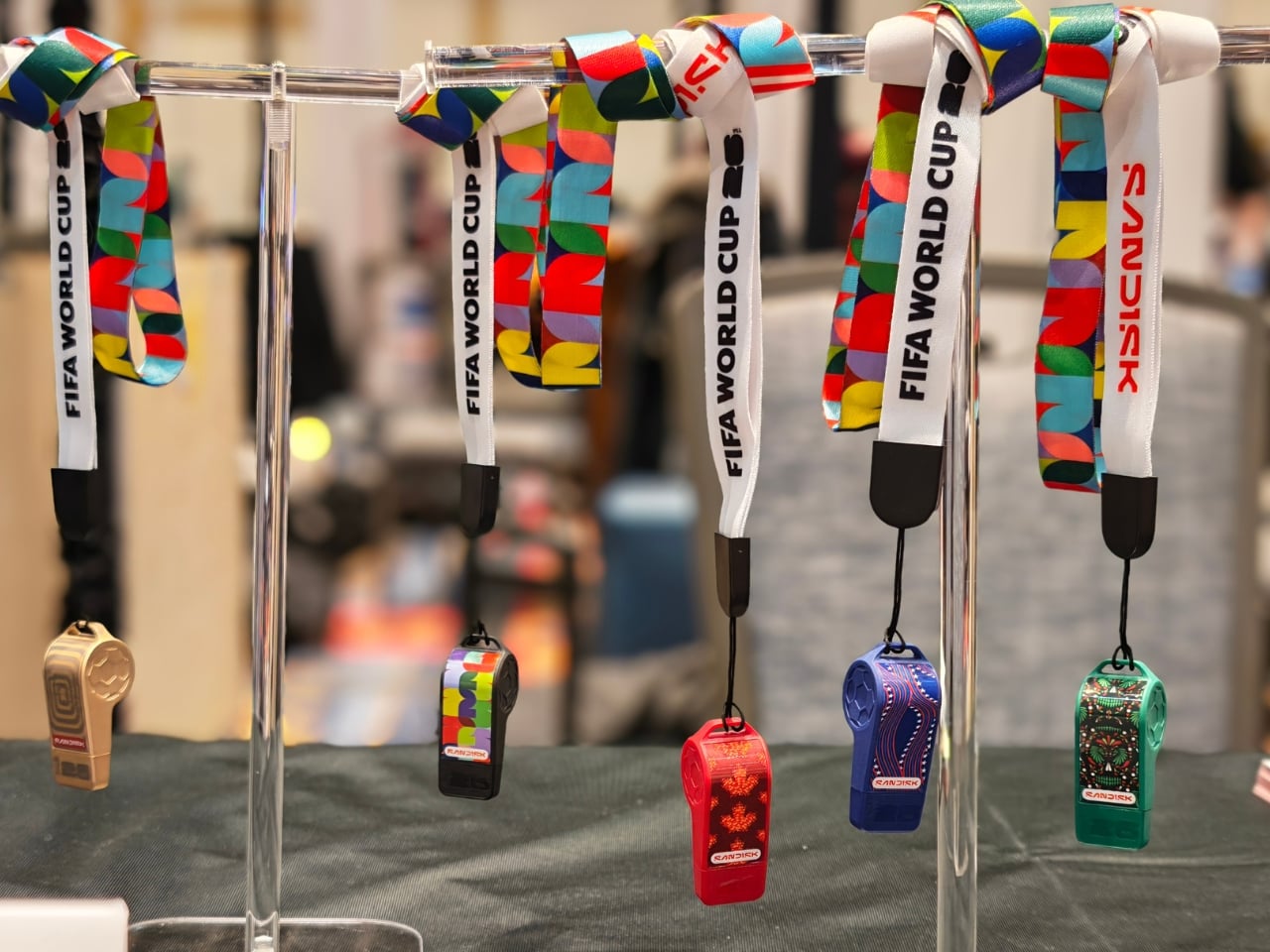
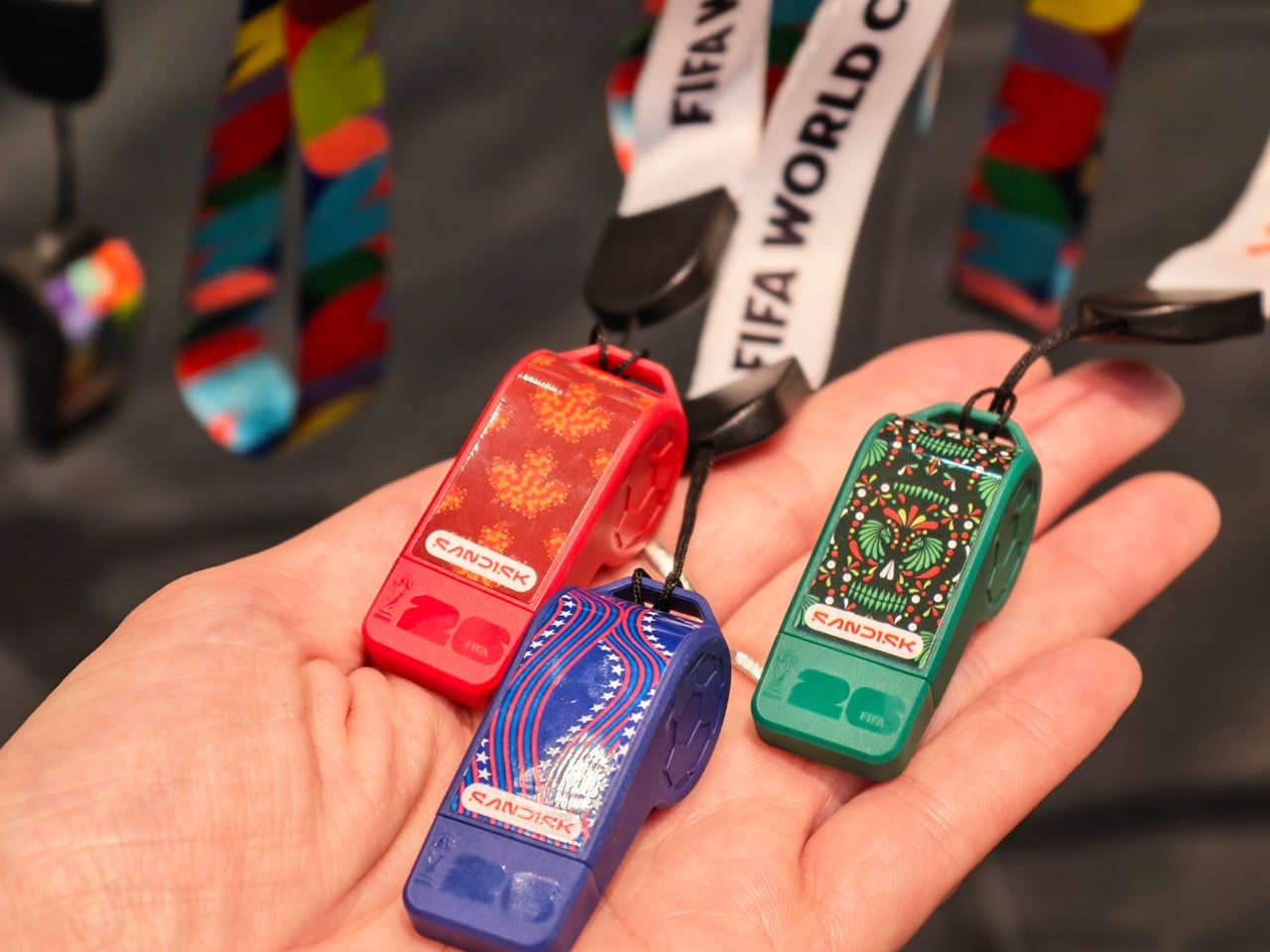
First up is something that’ll have soccer fans doing a double-take. SanDisk has launched an officially licensed FIFA World Cup 2026 collection, and the star of the lineup is a USB-C flash drive shaped like a referee’s whistle. Yes, you read that right. These aren’t just novelty items either. They pack up to 128GB of storage and boast speeds of up to 300MB/s, so you can actually use them to store all those nail-biting match moments and victory celebrations.

The FIFA collection comes in multiple editions celebrating the three host countries: USA, Canada, and Mexico, plus a Global Edition and a premium Gold Edition. Each design draws inspiration from the unique culture of its respective country, turning these drives into collectible pieces that go beyond basic storage. It’s the kind of thing that makes you wonder why more tech companies aren’t having this much fun with their products.

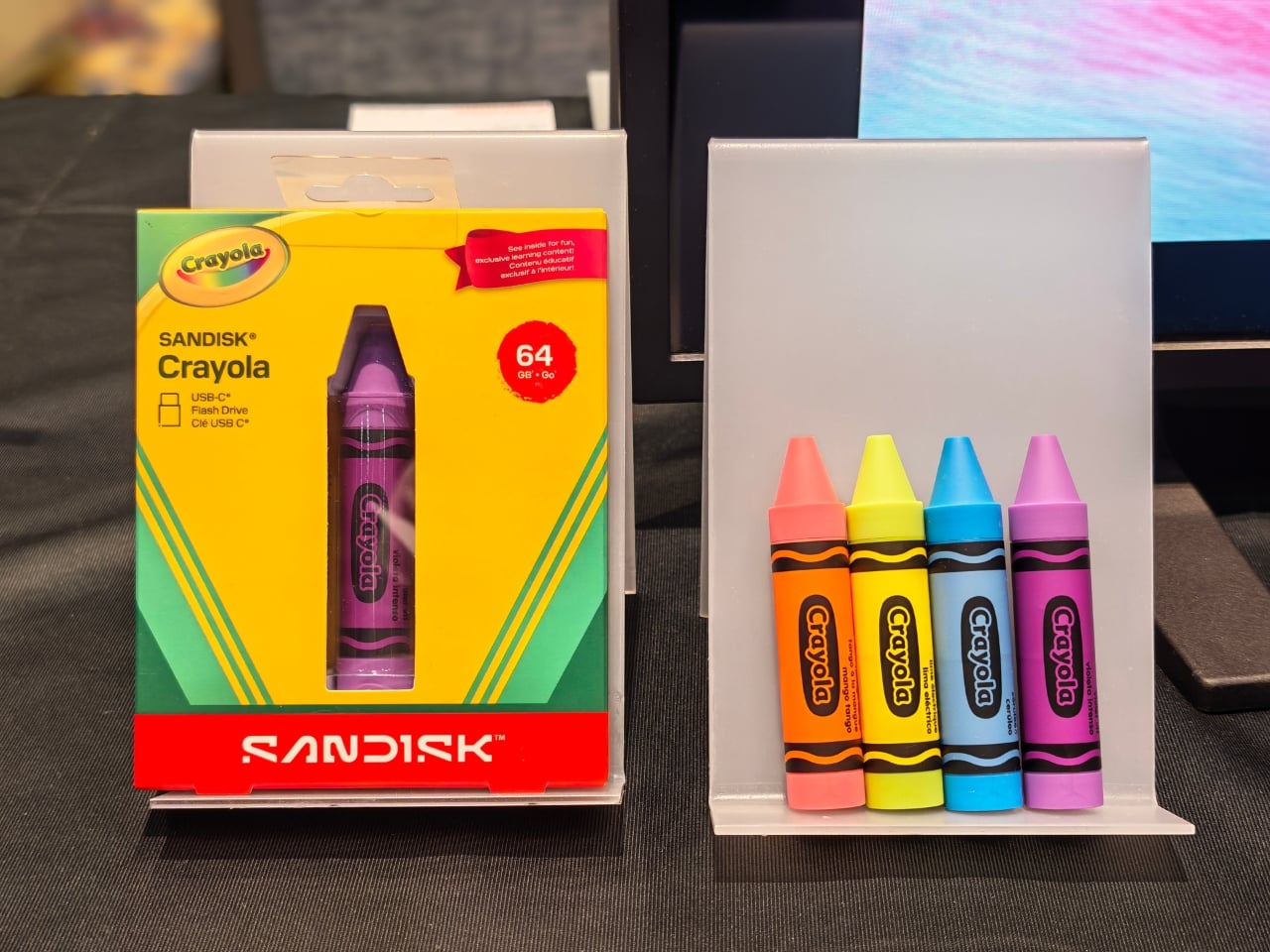
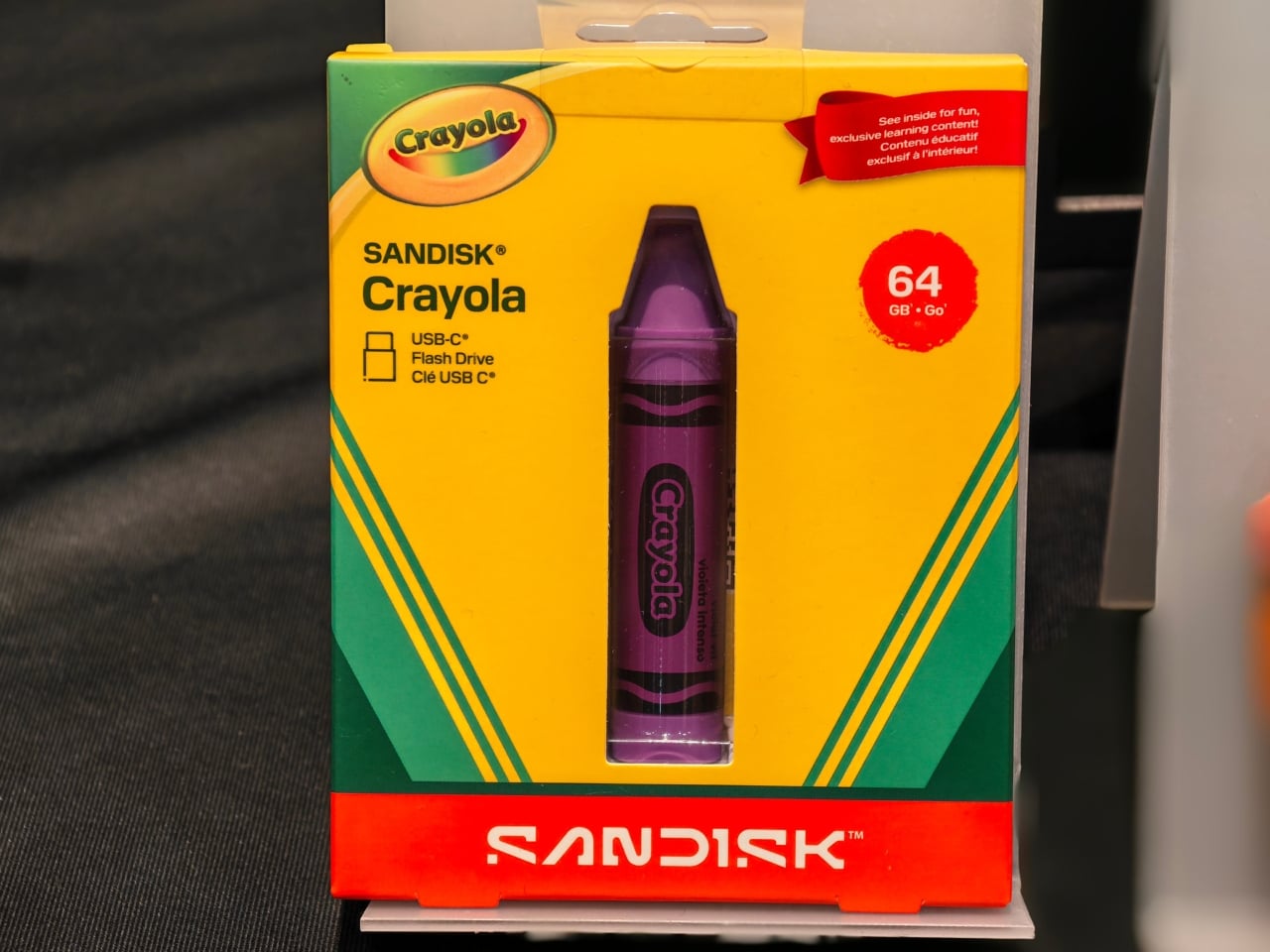
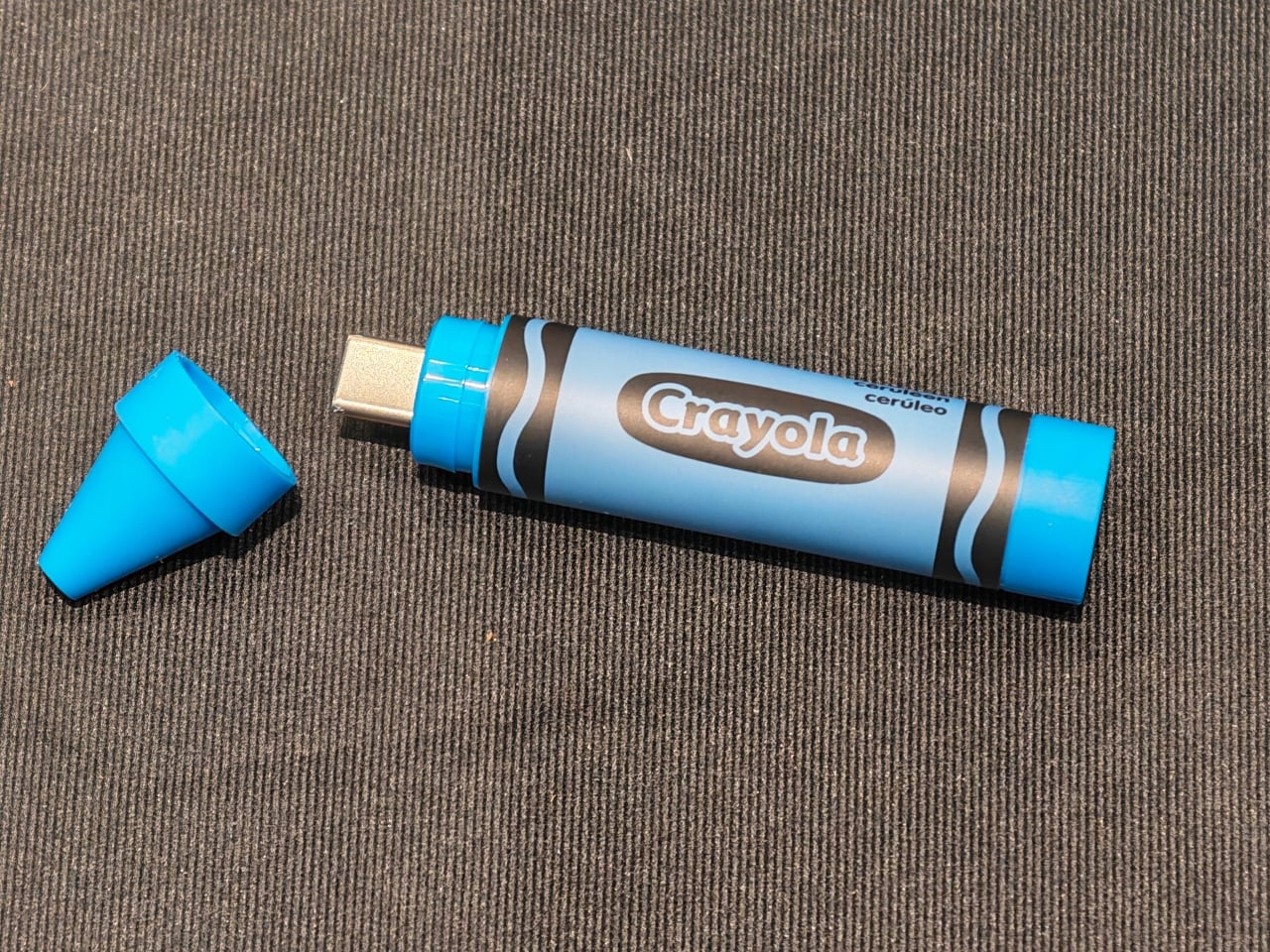
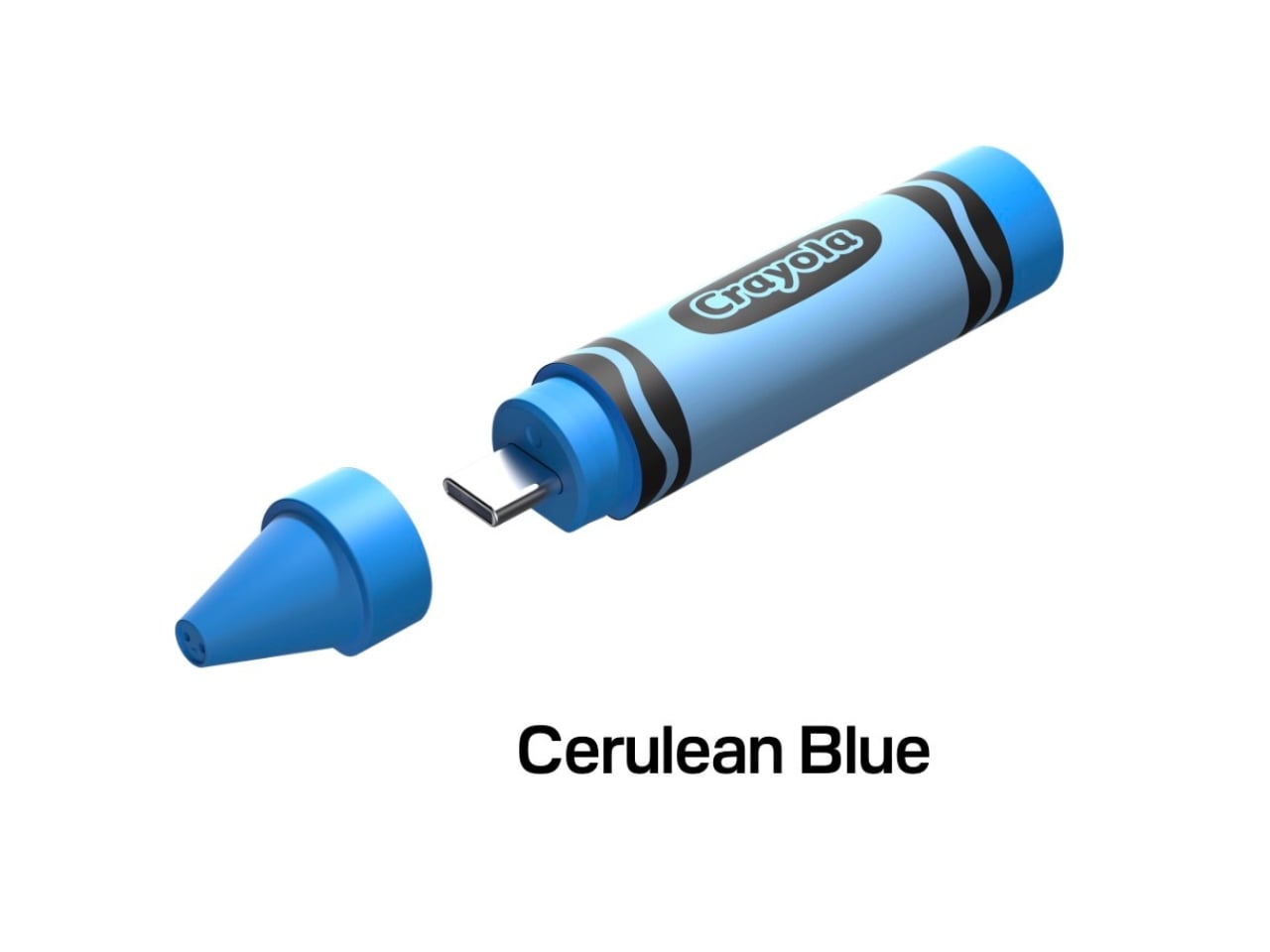
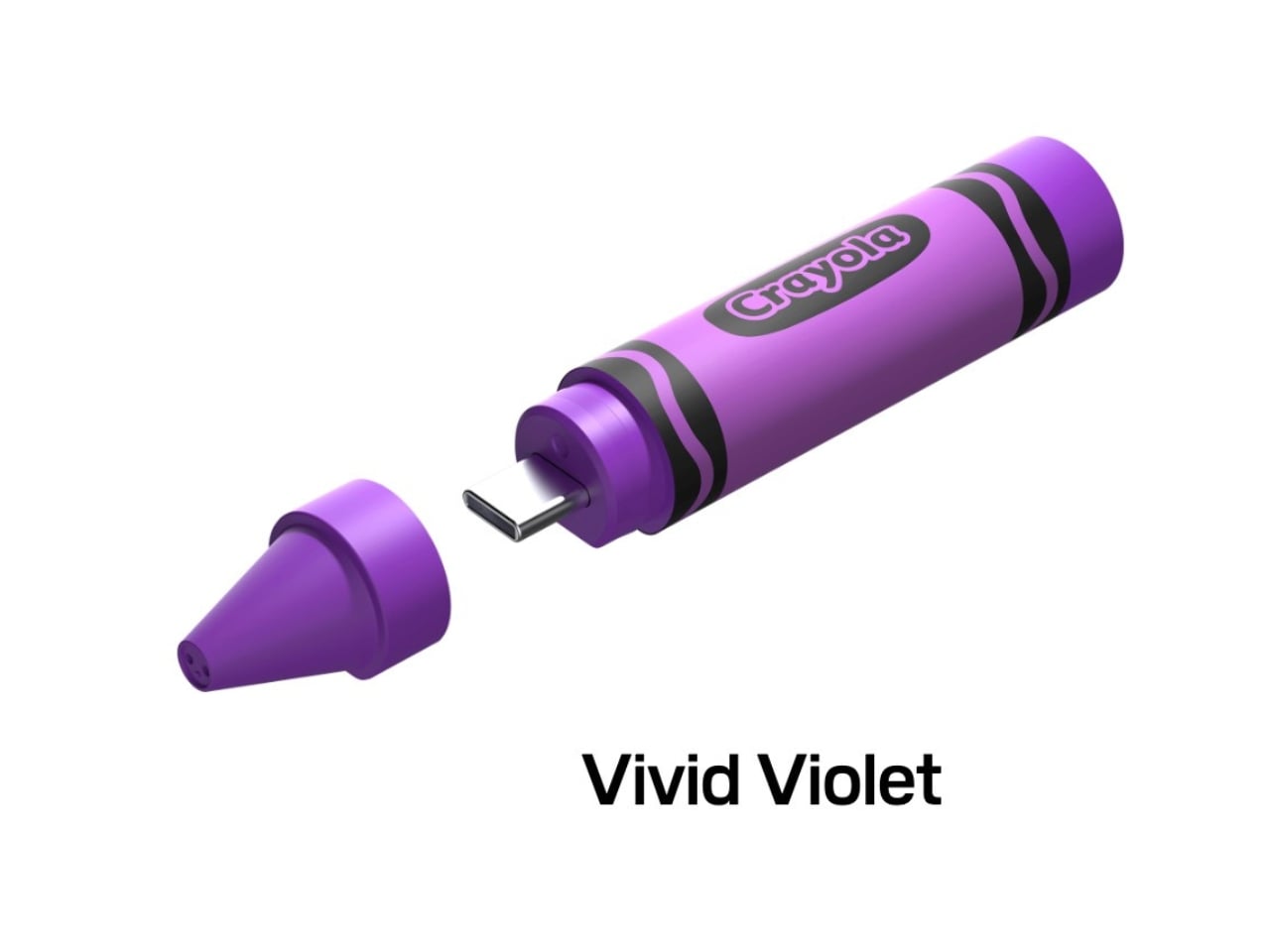
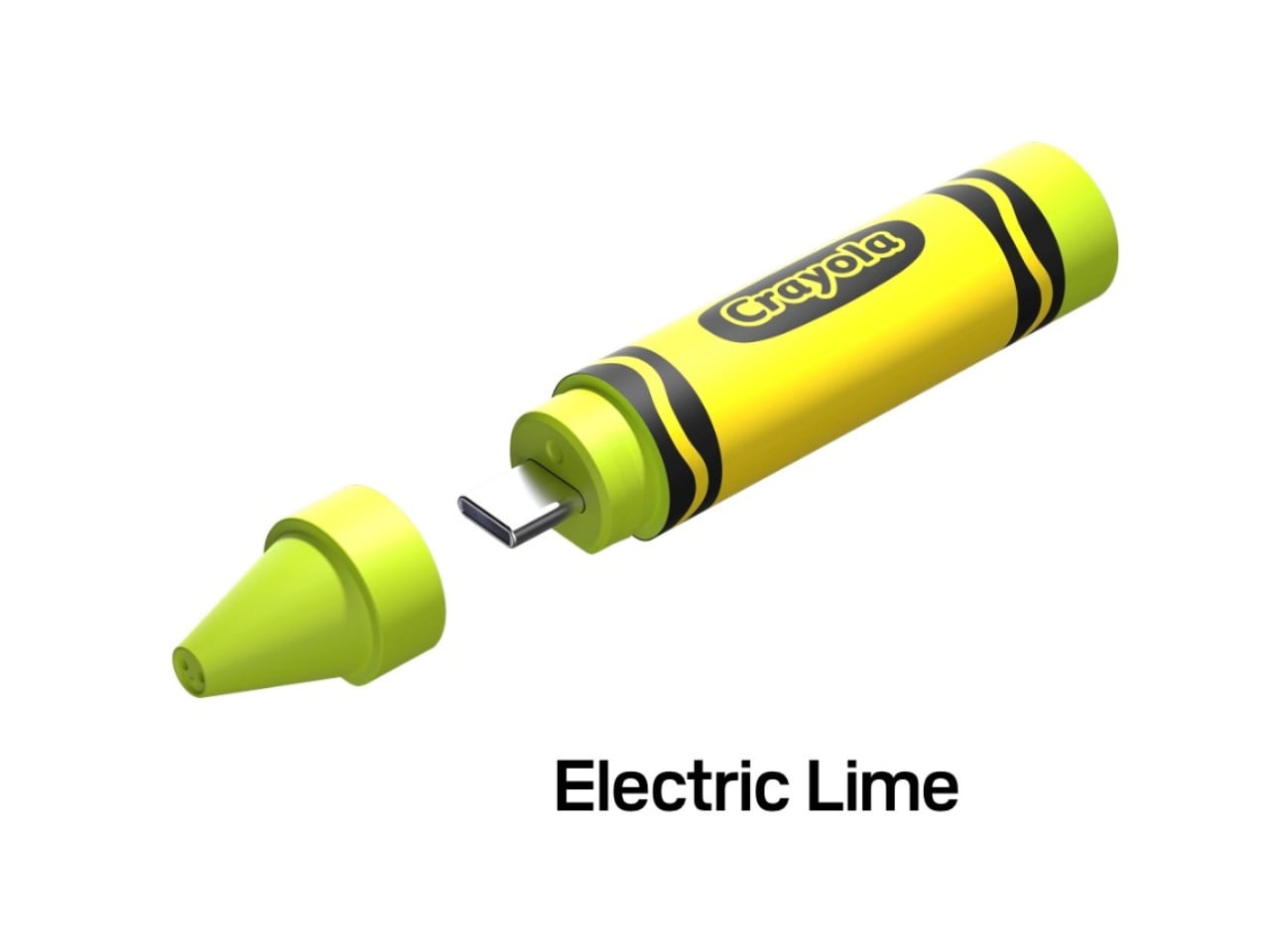
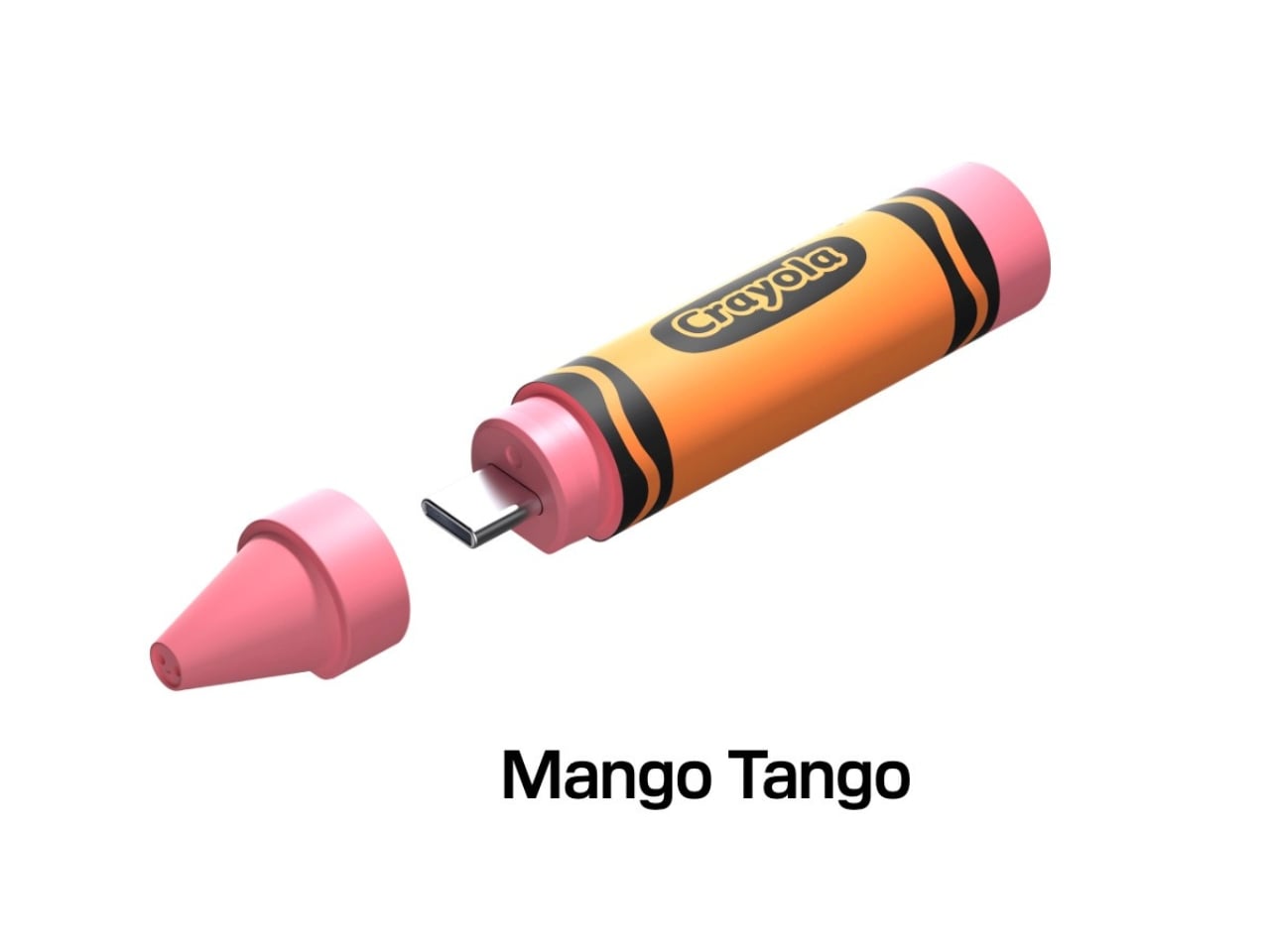
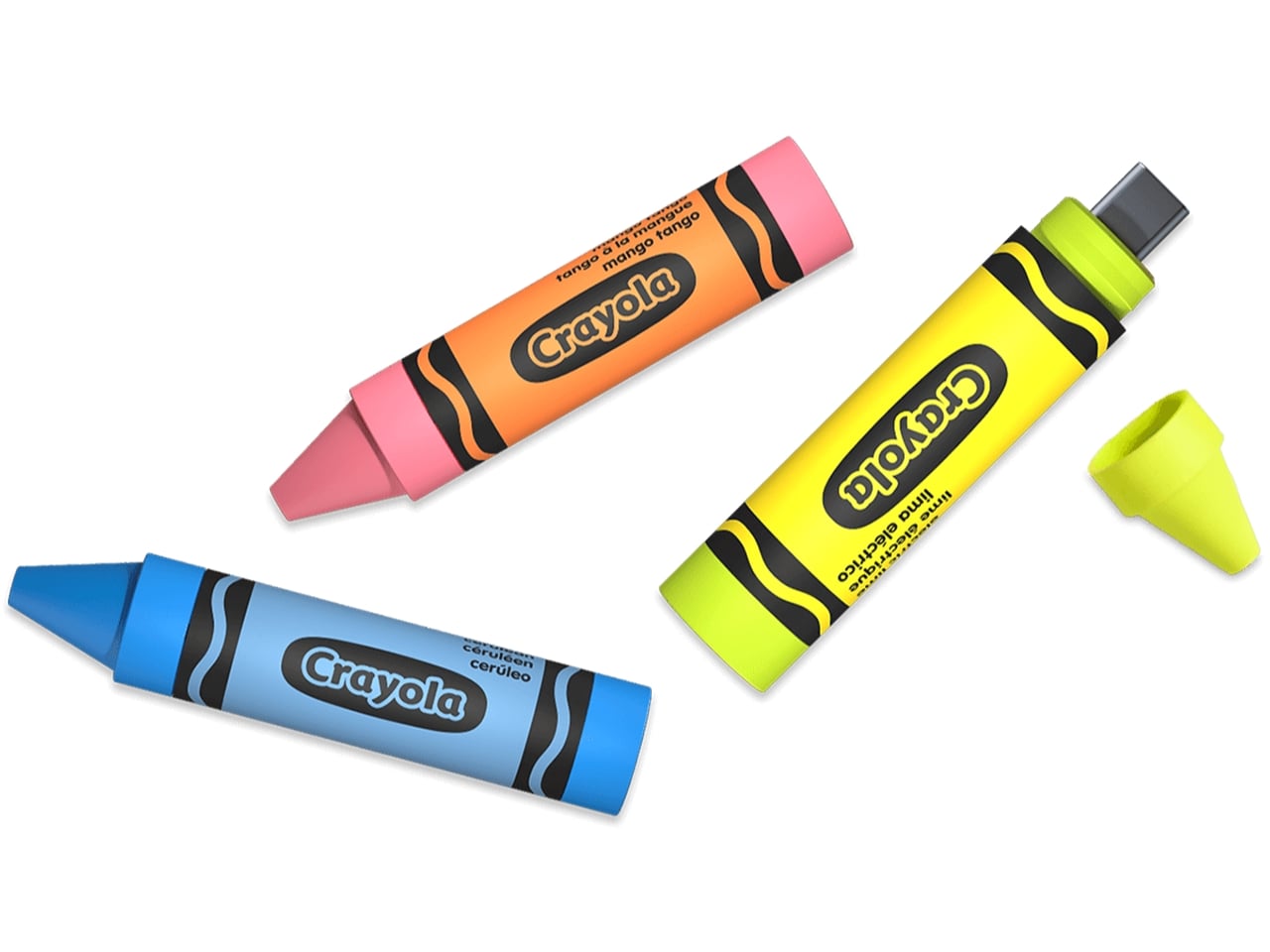
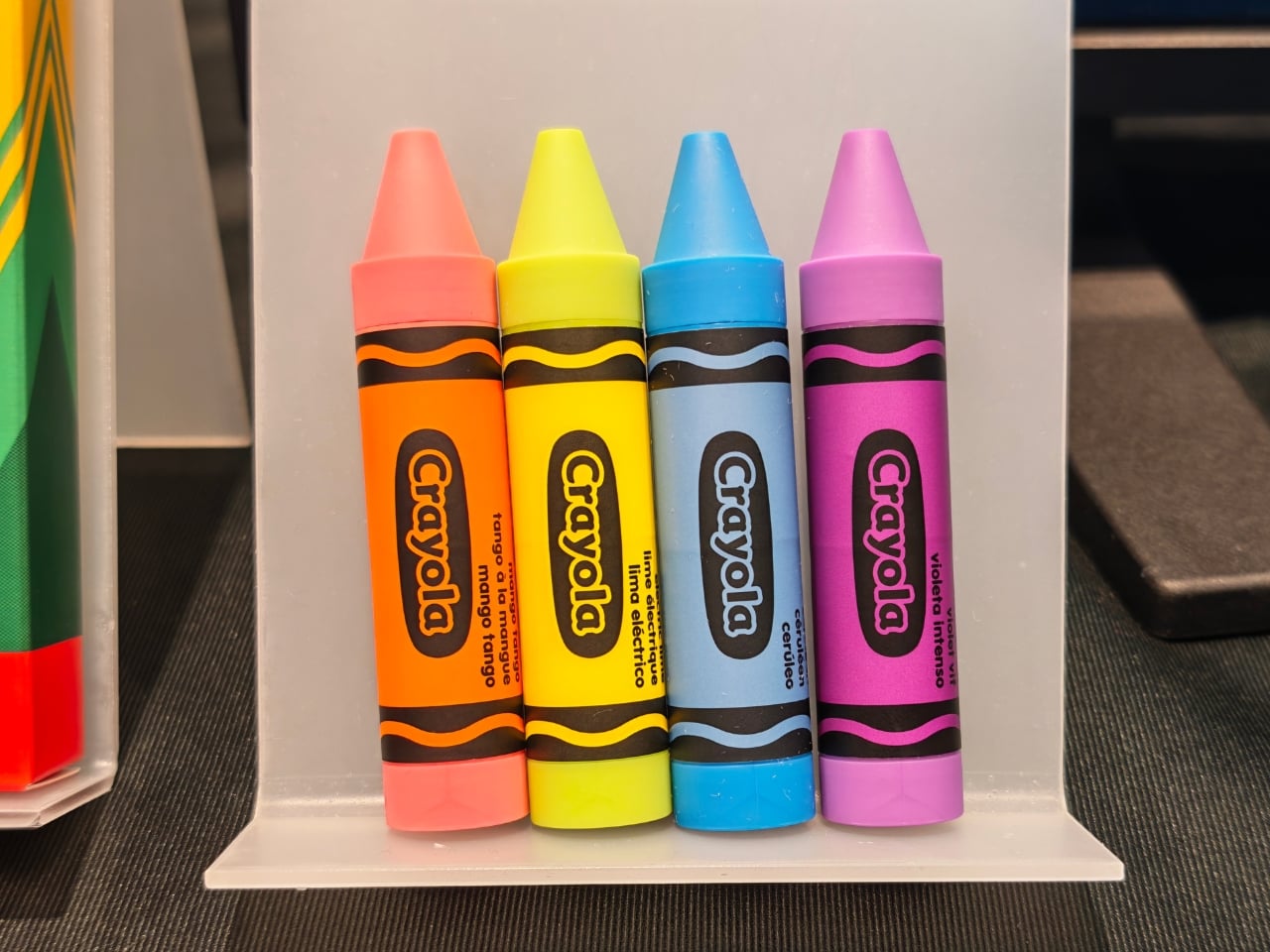
But SanDisk didn’t stop at sports memorabilia. They’ve also teamed up with Crayola to create something that might just be even more delightful: crayon-shaped USB-C flash drives. And we’re not talking about generic crayon shapes here. These drives come in actual Crayola colors with real names like Mango Tango, Cerulean Blue, Electric Lime, and Vivid Violet.

The Crayola collaboration is particularly clever because it bridges the gap between nostalgia and practicality. These adorable drives offer up to 256GB of storage, making them perfect for students, creatives, or anyone who wants their tech to spark a little joy. The drives even come with a three-month subscription to the Crayola Create & Play app and access to Crayola Thinking Sheets, which adds an extra layer of value beyond the hardware itself.

What’s fascinating about both collections is how they challenge the notion that tech needs to look “professional” or minimalist to be taken seriously. There’s been this long-standing assumption in the tech industry that sleek, understated design is the only way forward. But SanDisk is betting that people actually want products that reflect their personalities and interests.

The whistle-shaped FIFA drives are particularly genius from a design standpoint. They come with a lanyard attachment, so you can literally wear them around your neck at matches or viewing parties. It’s functional (you won’t lose it), thematic (referees wear whistles), and conversation-starting all at once. That’s the kind of thoughtful design that makes products memorable.

Similarly, the Crayola drives tap into something deeper than just aesthetics. Crayons represent creativity, childhood wonder, and the freedom to express yourself. By transforming that iconic shape into a storage device, SanDisk is sending a message: your digital creations deserve the same colorful treatment as your physical ones.

Both collections also demonstrate smart licensing partnerships. FIFA World Cup 2026 is one of the biggest sporting events on the planet, and Crayola is an instantly recognizable brand with nearly universal positive associations. These aren’t random collaborations. They’re strategic moves that connect technology with cultural moments and beloved brands. From a practical standpoint, these drives deliver the specs you’d expect from SanDisk. USB-C connectivity means they work seamlessly with modern devices, from smartphones to laptops. The SanDisk Memory Zone app makes organizing and backing up files straightforward. They’re real, functional products that just happen to look fantastic on your desk or in your pocket.

The post SanDisk Just Made USB Drives Look Like Whistles and Crayons first appeared on Yanko Design.

Dreame Kosmera Nebula 1 electric supercar concept has serious ambitions

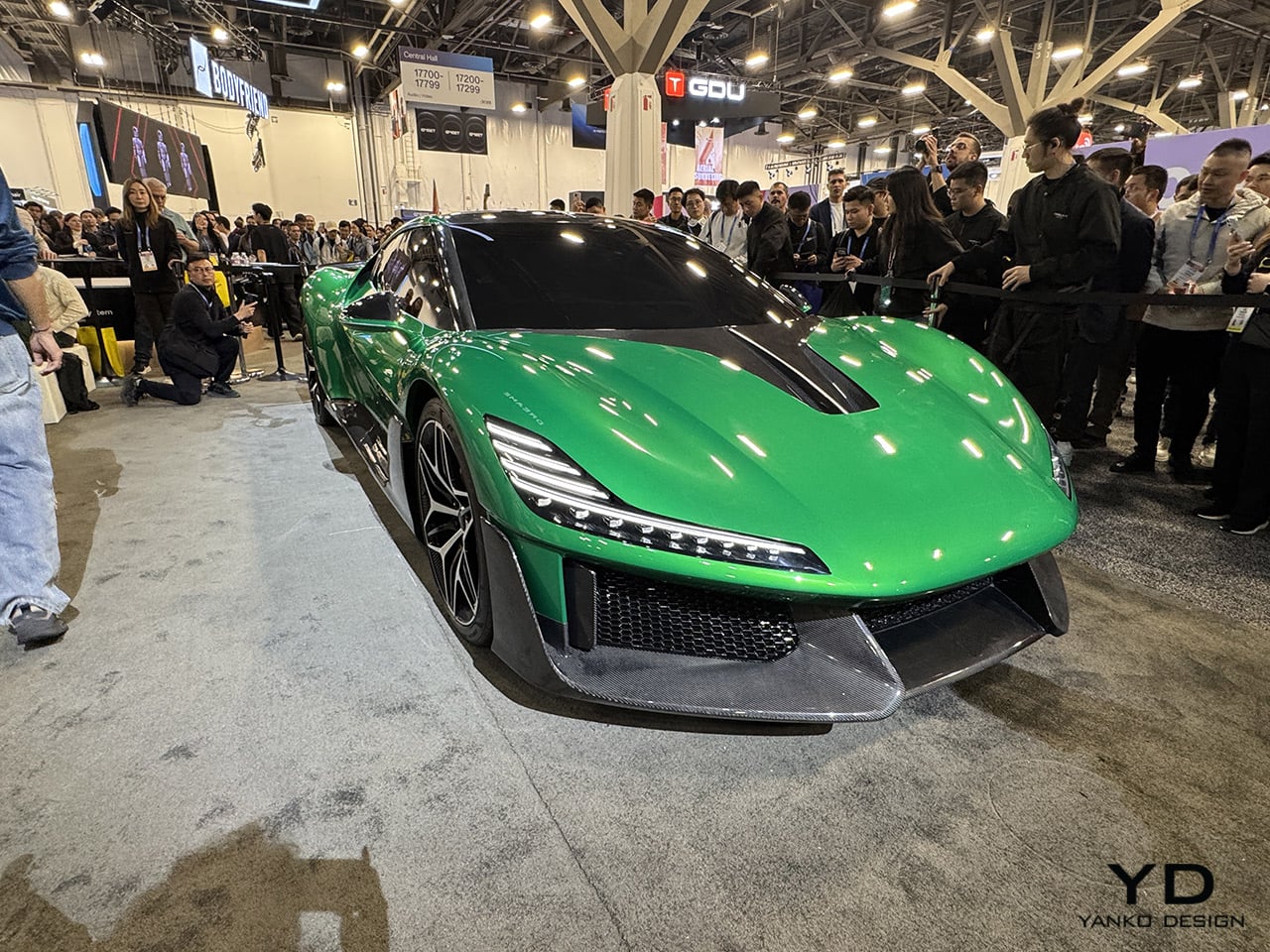
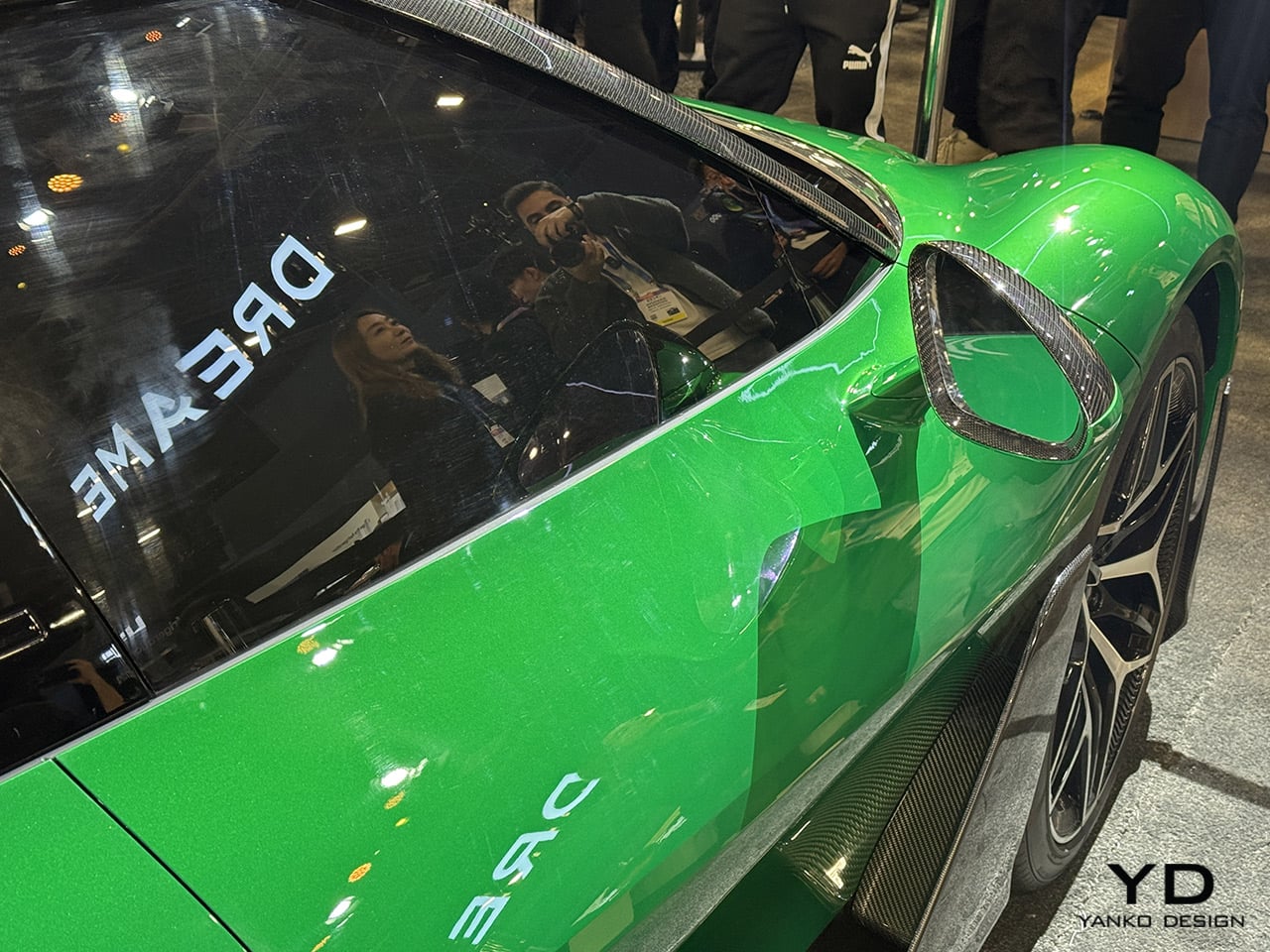
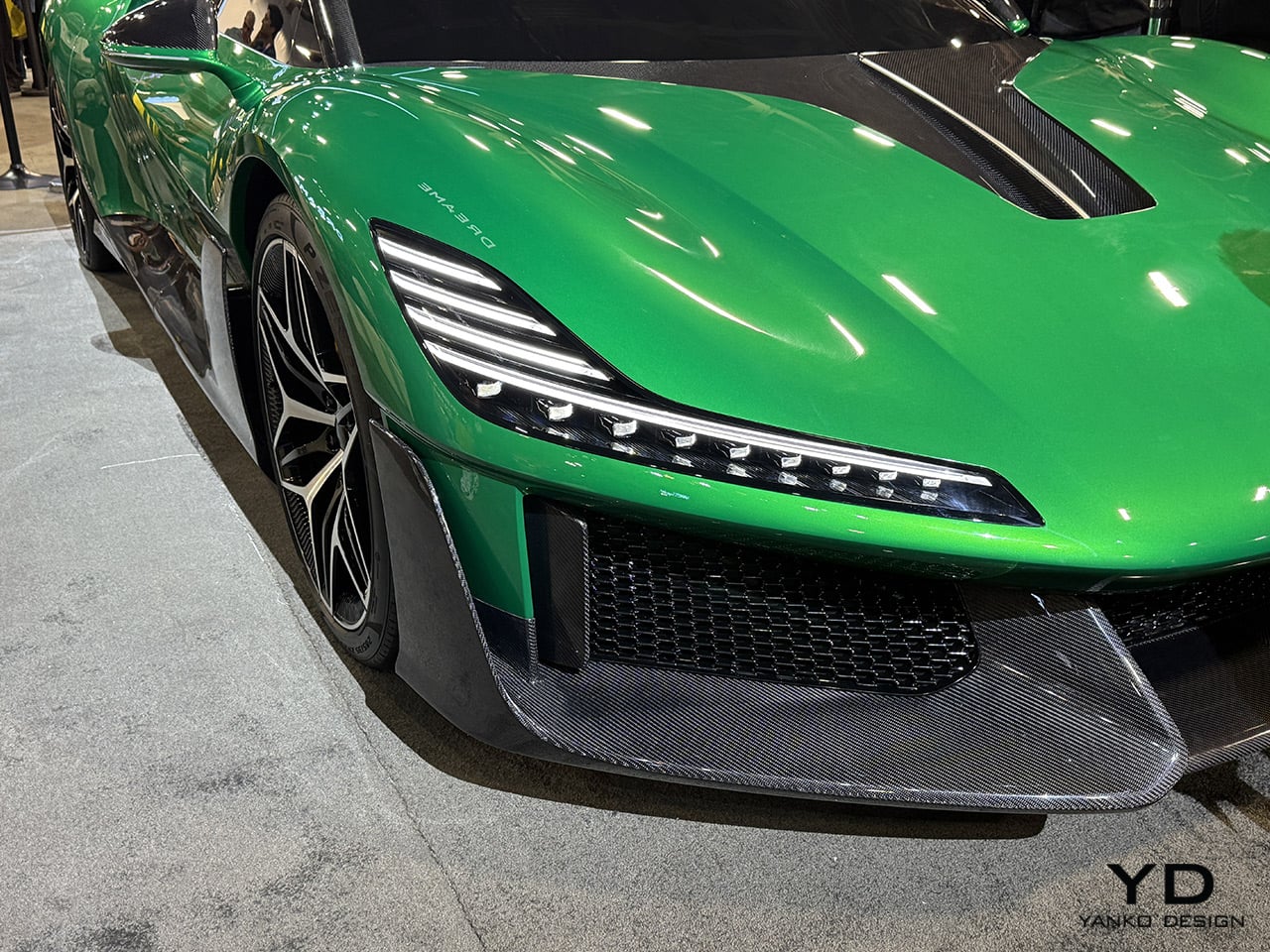
Dreame is better known for its vacuum cleaners, but the Chinese company surprised everyone at CES 2026 with an electric car. Created under the new sub brand, Kosmera, the EV had a good first impression at the mega event. Called the Kosmera Nebula 1, the four-door electric supercar concept produces 1,876 hp courtesy of the quad-motor electric drivetrain rated at a combined 1,399 kilowatts. The company says the performance car goes from zero to 62 mph in just 1.8 seconds, which is better than the Xiaomi SU7 Ultra. That signifies a serious horizon for the brand’s automotive future.

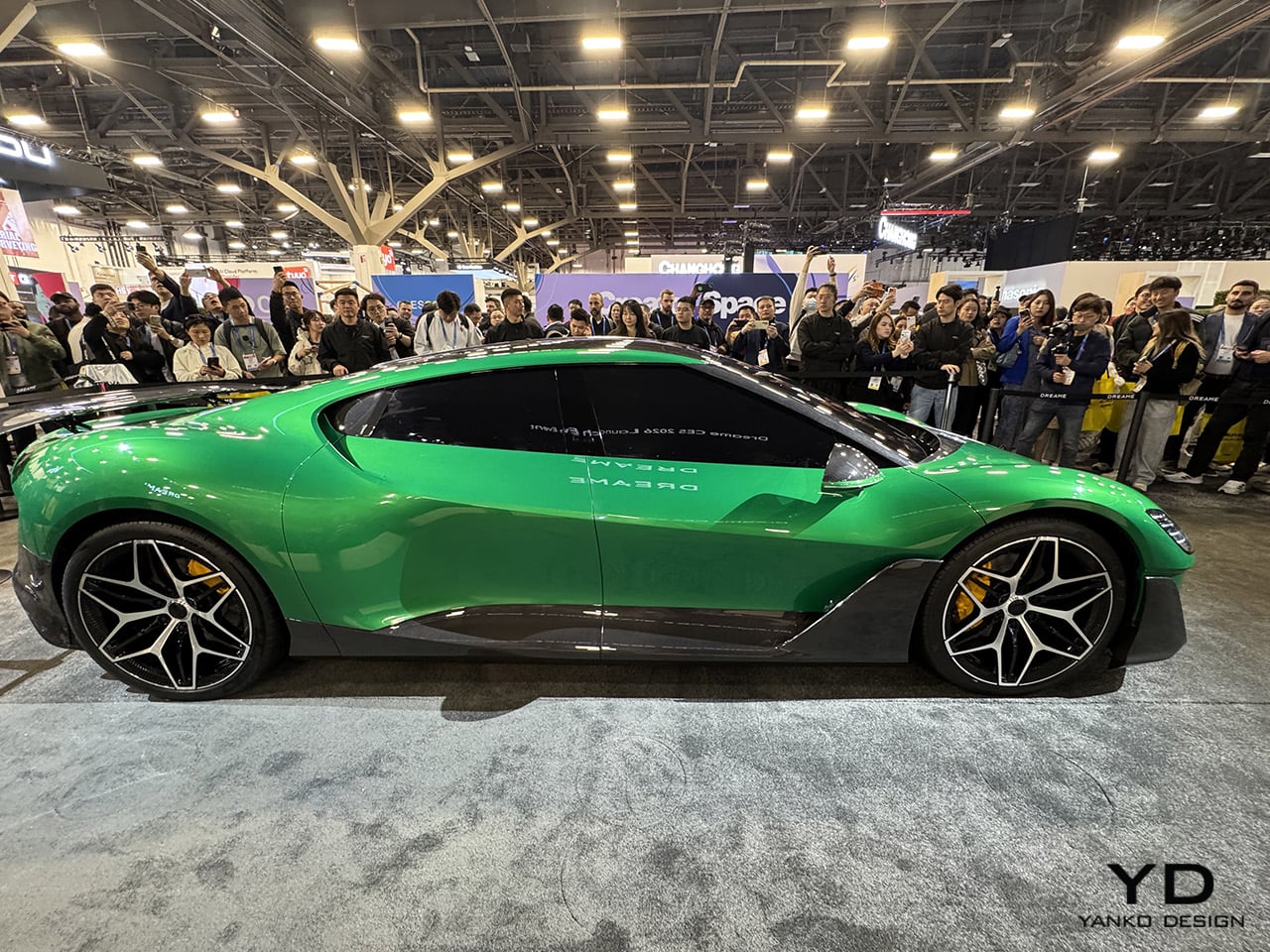
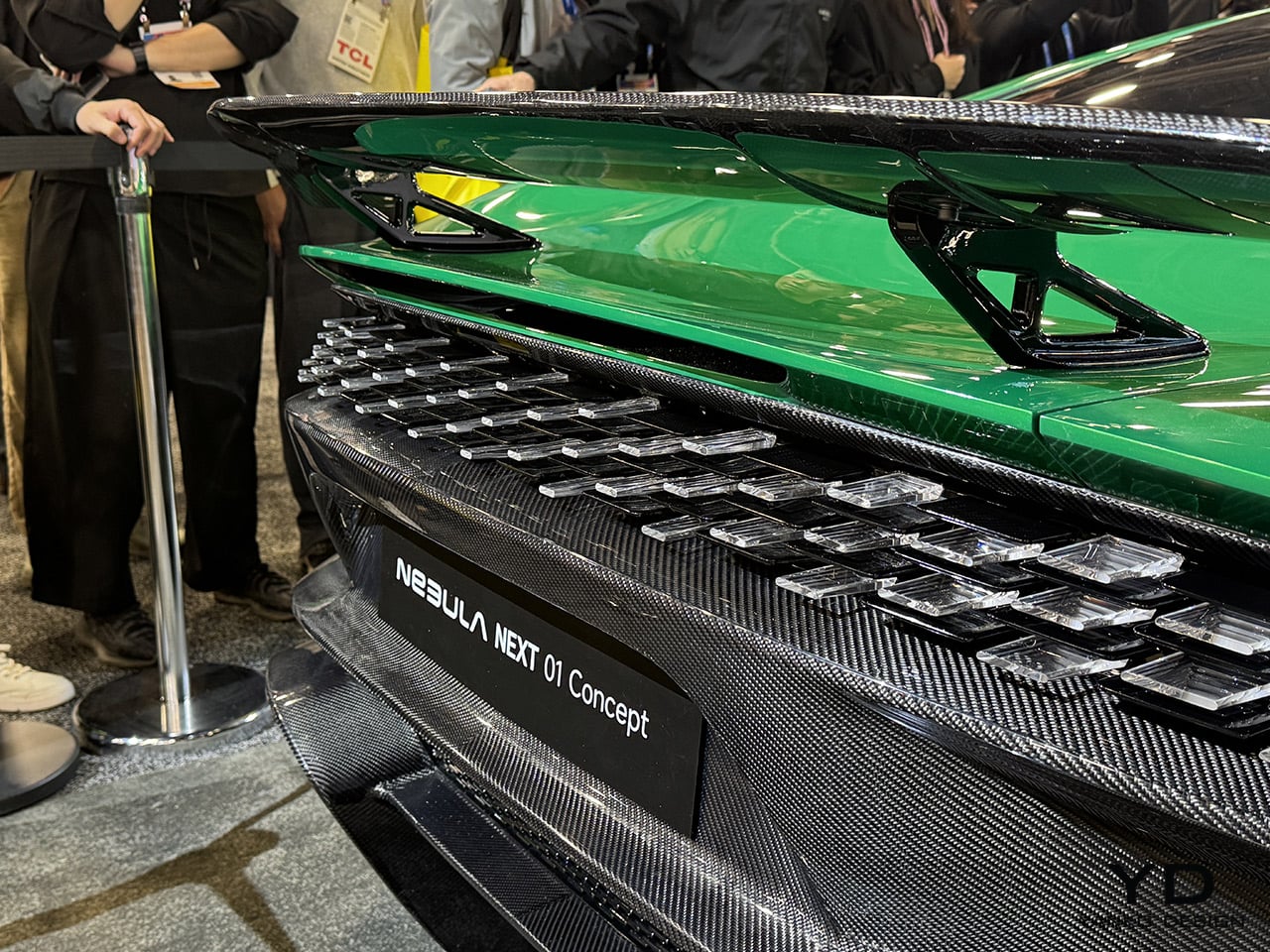
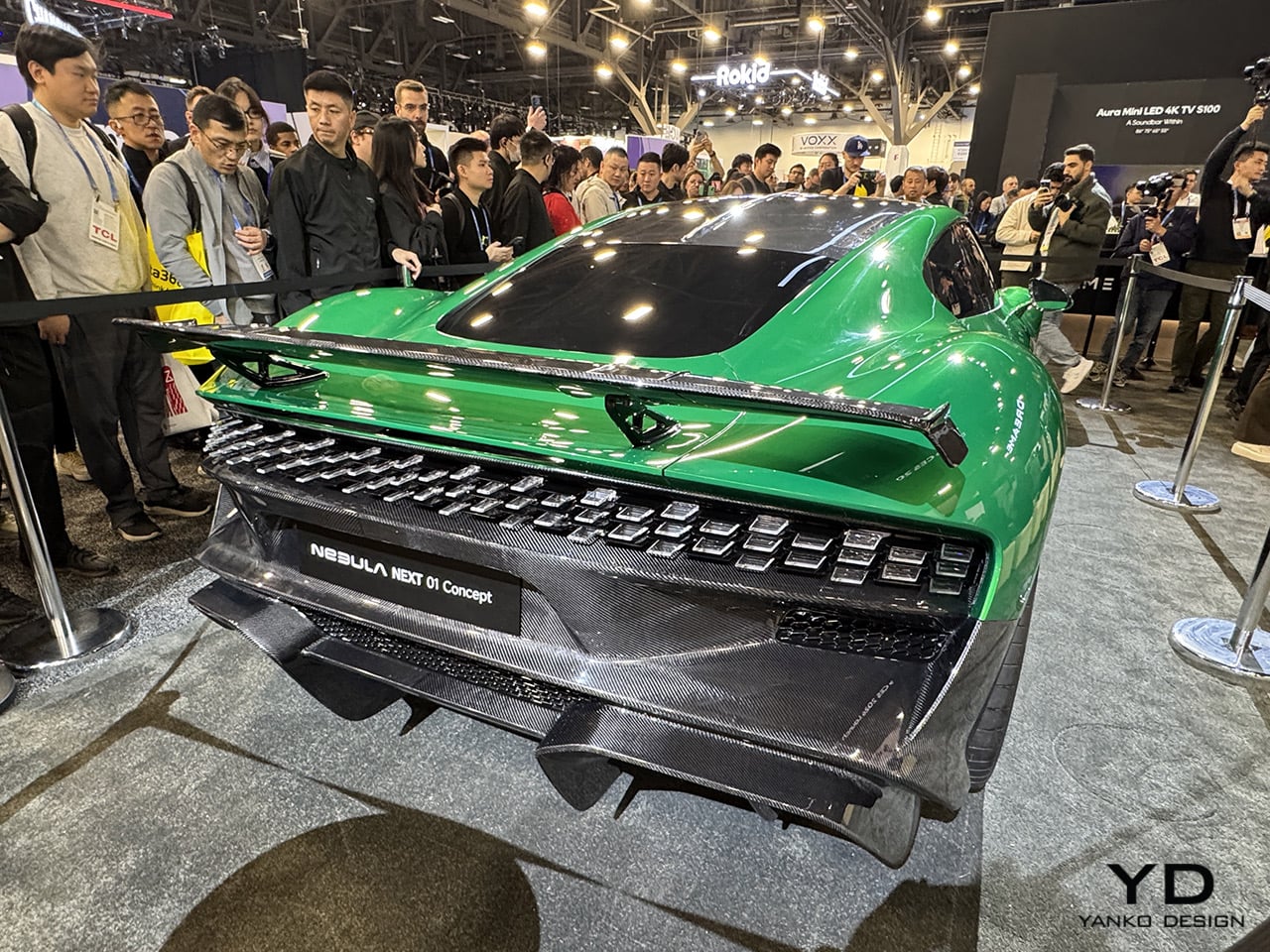
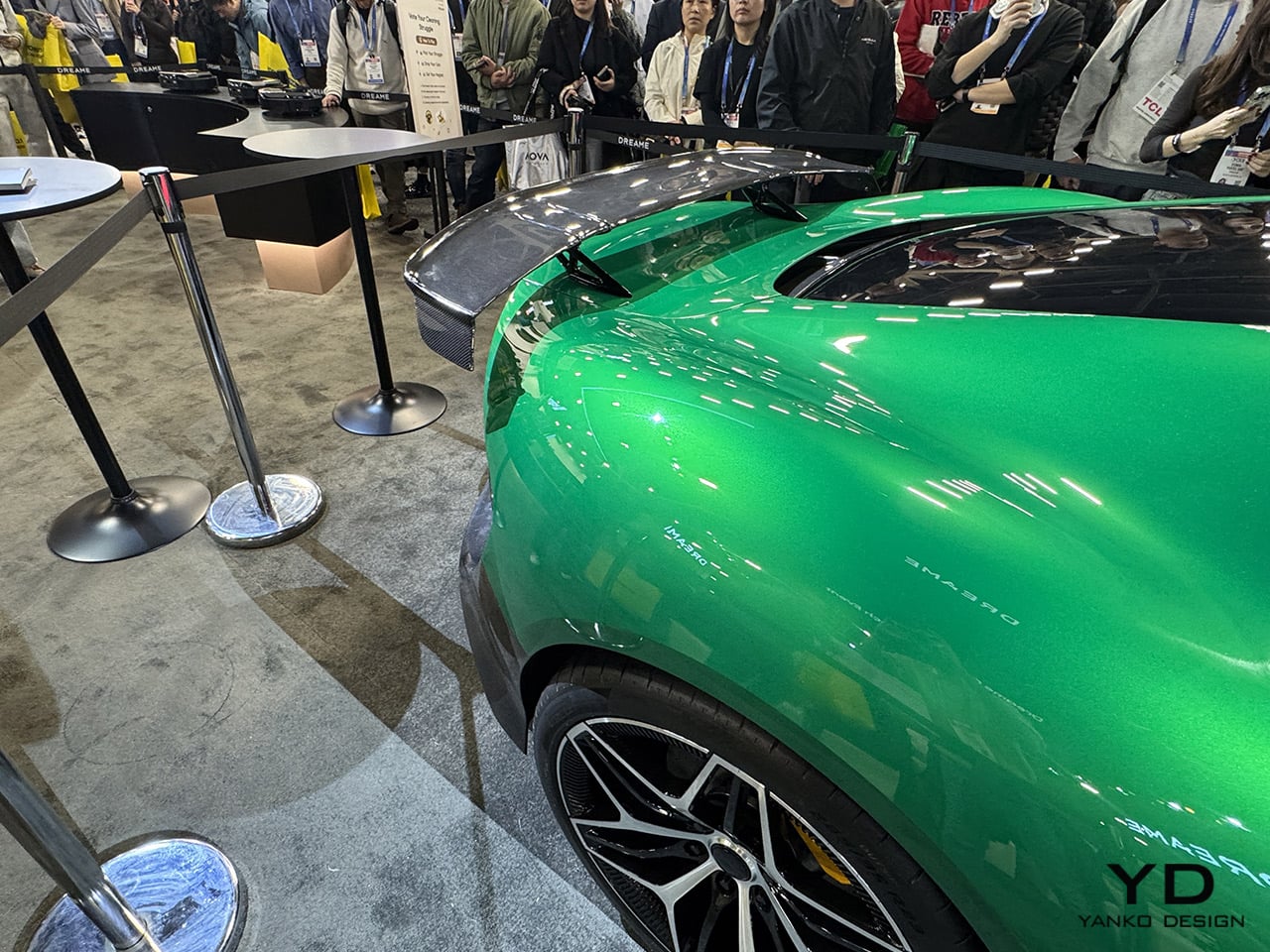
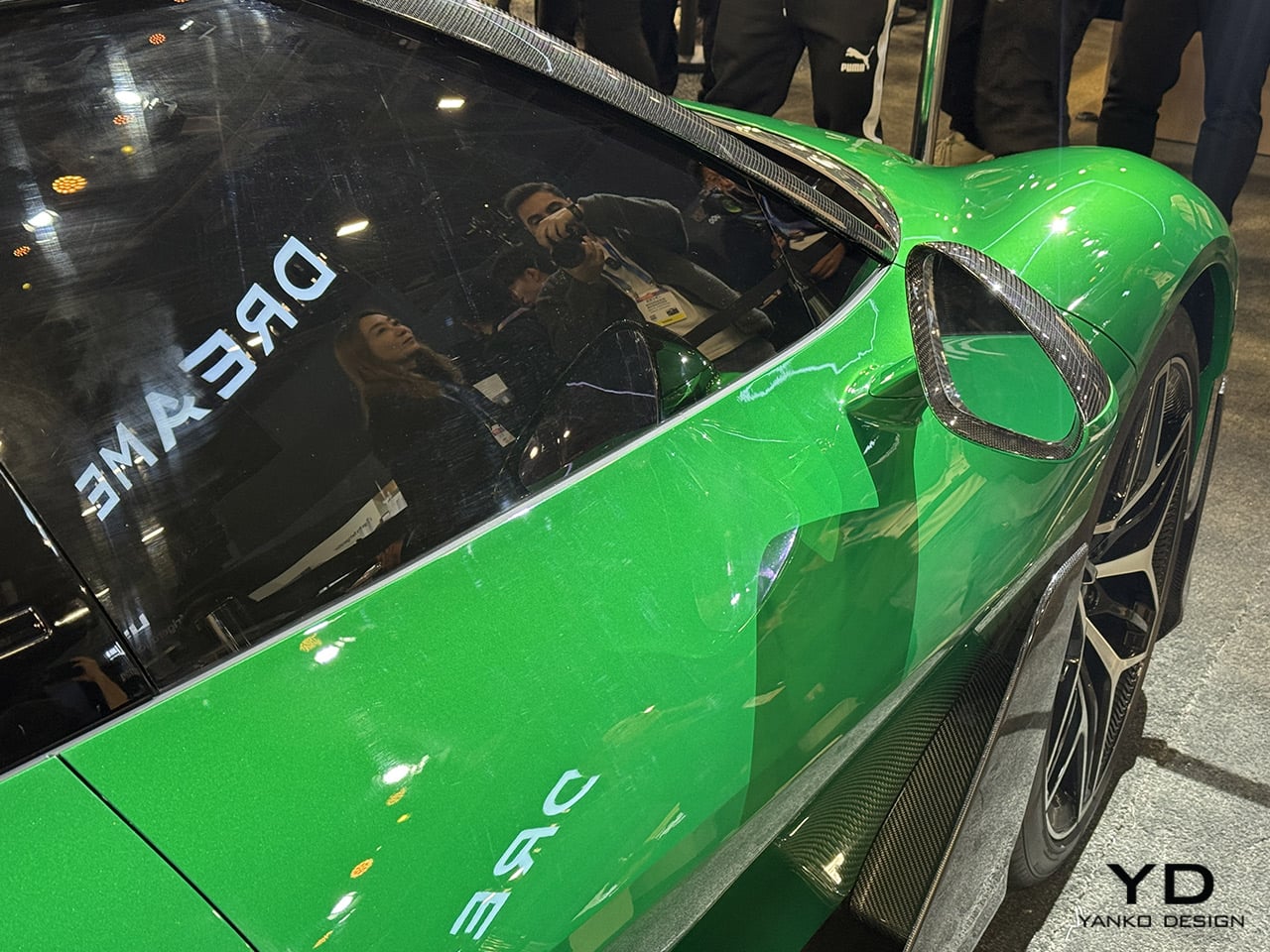
Aerodynamics and active airflow are the talking points as Nebula 1 boasts large dual-layer cooling vents on both sides. The front bumper also gets the flow channels to redirect the air flow to the sides for reduced drag and improved performance. The car has hidden door handles, a full-width taillight design, an oversized diffuser, and a rear spoiler to explain the buzz around it.

Designer: Dreame

The hypercar-level performance stats of the EV signal serious ambitions for the company, as they look beyond just household tech. Success in high-end mobility demands a cohesion of design, performance, and appeal. Nebula 1 seems to have it all, with founder Yu Hao confident of competing with the big names like Bugatti and Rolls-Royce. Earlier in August, the brand hinted at their automotive ambitions with hints pointing to a Bugatti-inspired design. The final concept revealed at CES 2026 confirms otherwise with a more streamlined shape.

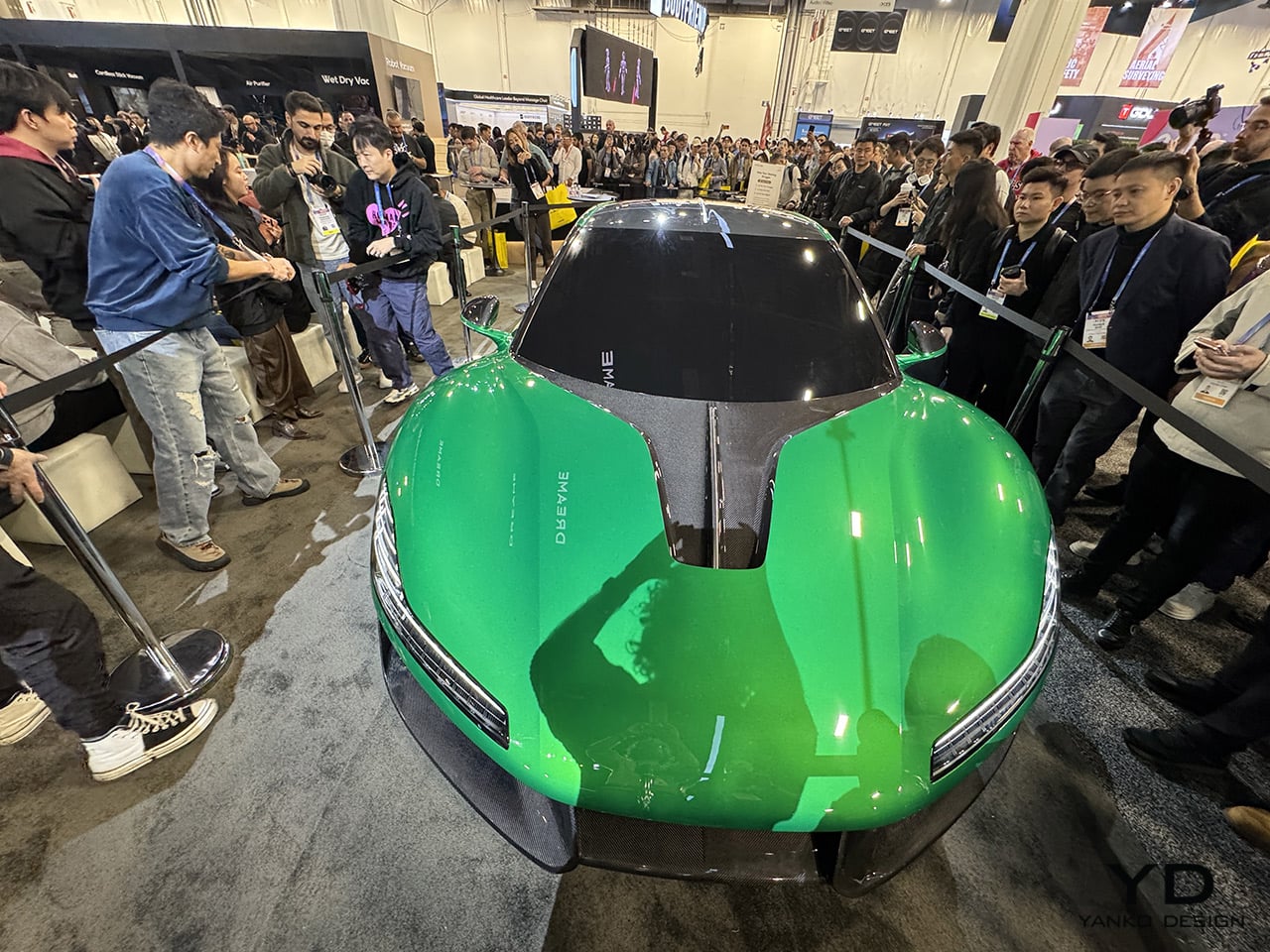
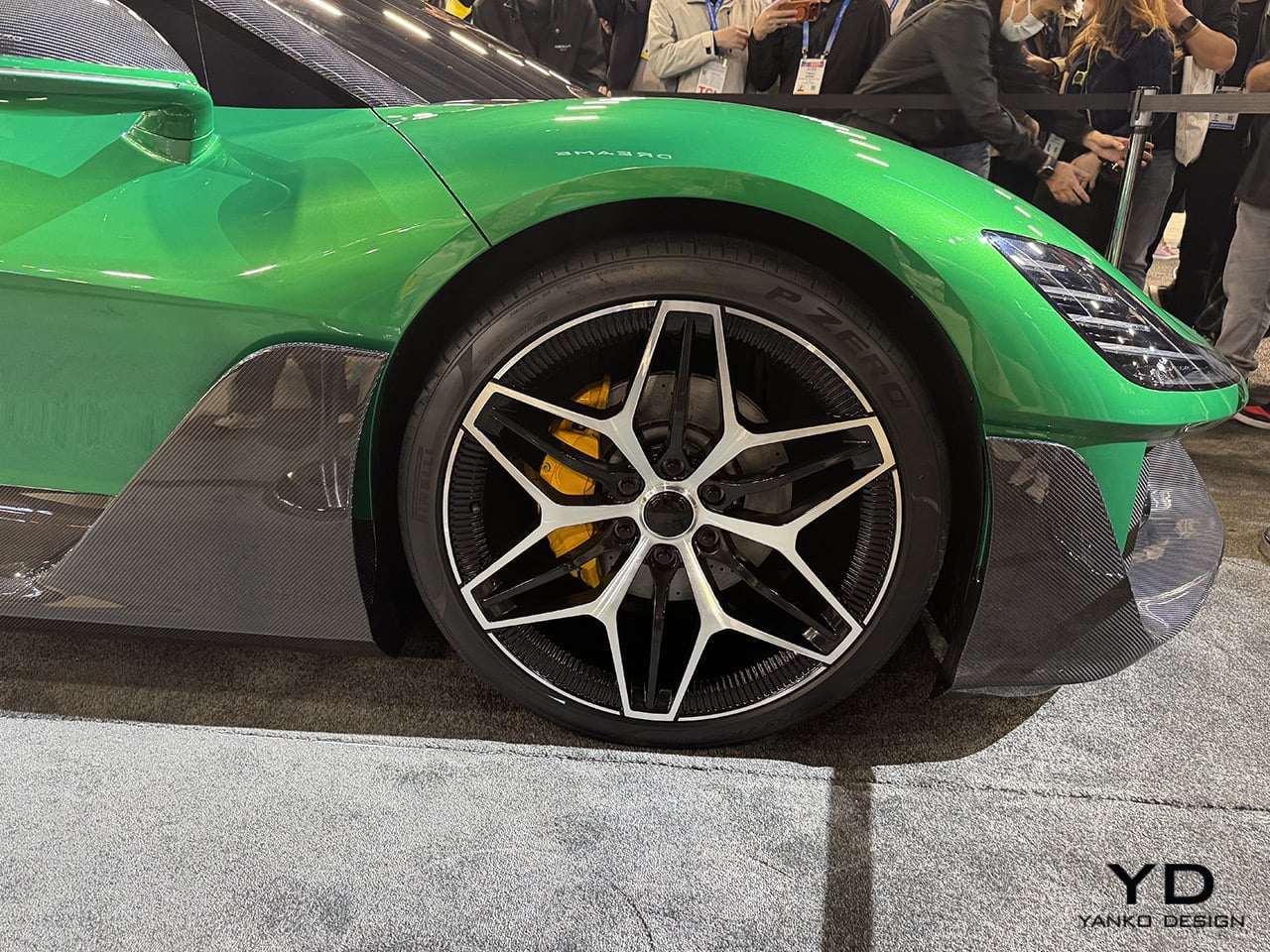
Kosmera Nebula 1 turned eyeballs at the event in green skin complemented by the extensive carbon fiber trim all across the body. The front section resembles Italian supercars as the low-scooping hood cements the powerful character. Pillars are also made out of carbon fiber to reiterate the performance-centered approach in the build. The rear balances the look with the flowing roofline, full-width taillights, and dual-layer diffuser.

Not much was revealed about the interiors, and we’ll have more in the coming months. The company is targeting a global market release in 2027 as they’ve plans to build a new manufacturing plant in Berlin. So far, they are intent on partnering with French banking giant BNP Paribas to build the factory, which will apparently not be far from Tesla’s Gigafactory.

The post Dreame Kosmera Nebula 1 electric supercar concept has serious ambitions first appeared on Yanko Design.

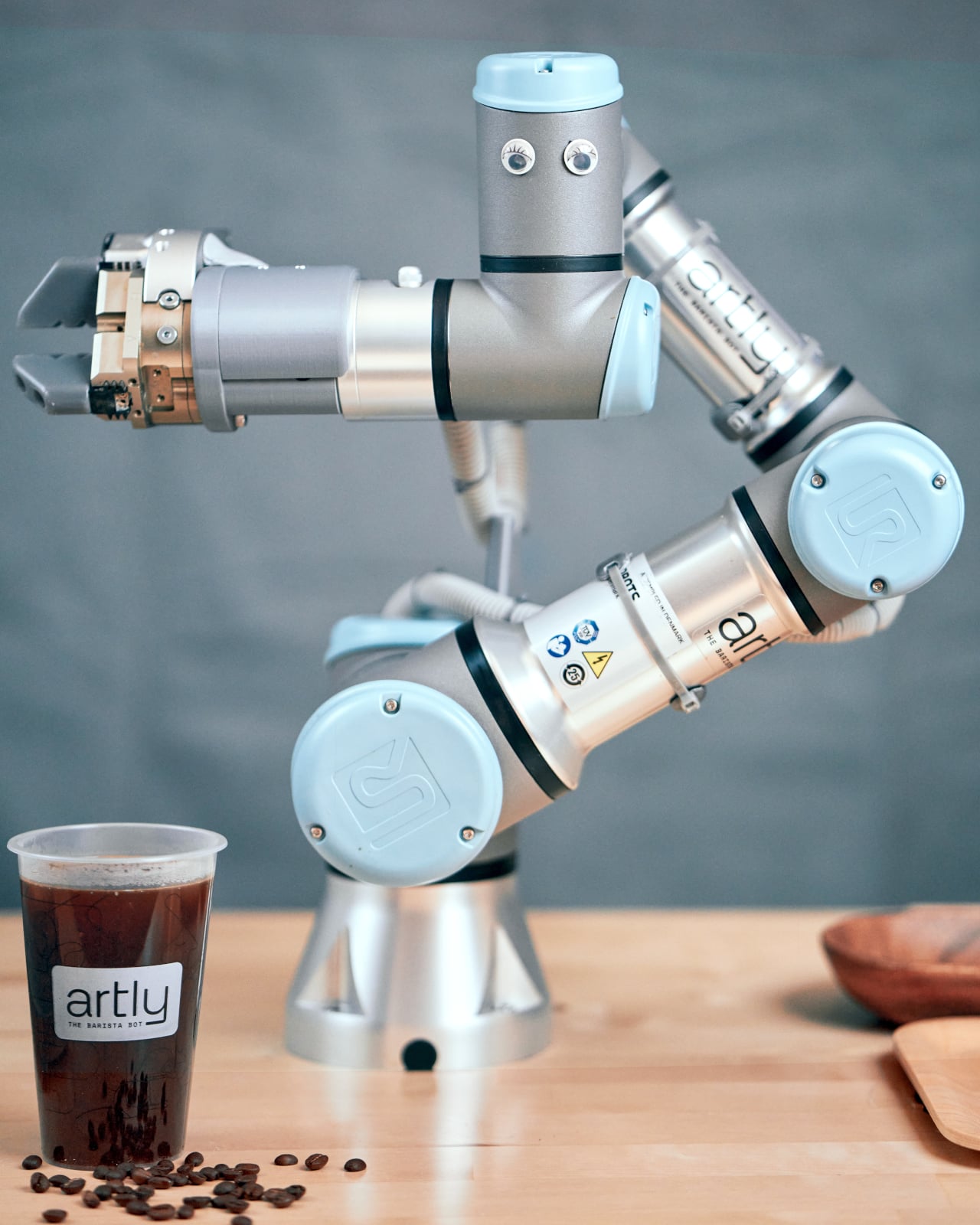
Artly Robots Master Latte Art and Drinks for CES 2026 Debut

People gather around a robot arm in a café, half for the drink and half for the performance. Most automation in food and beverage still feels either like a vending machine or a novelty, and the real challenge is capturing the craft of a skilled barista or maker, not just the motion of pushing buttons. The difference between a decent latte and a great one often comes down to subtle pressure, timing, and feel.

Artly treats robots less like appliances and more like students in a trade school, learning from human experts through motion capture, multi-camera video, and explanation. At CES 2026, that philosophy shows up in two compact robots, the mini BaristaBot and the Bartender, both built on the same AI arm platform but trained for different kinds of counters. Together, they make a case for automation that respects the shape of the work instead of flattening it.

Designer: Artly AI

Click here to know more.

mini BaristaBot: A 4×4 ft Café That Learns from Champions

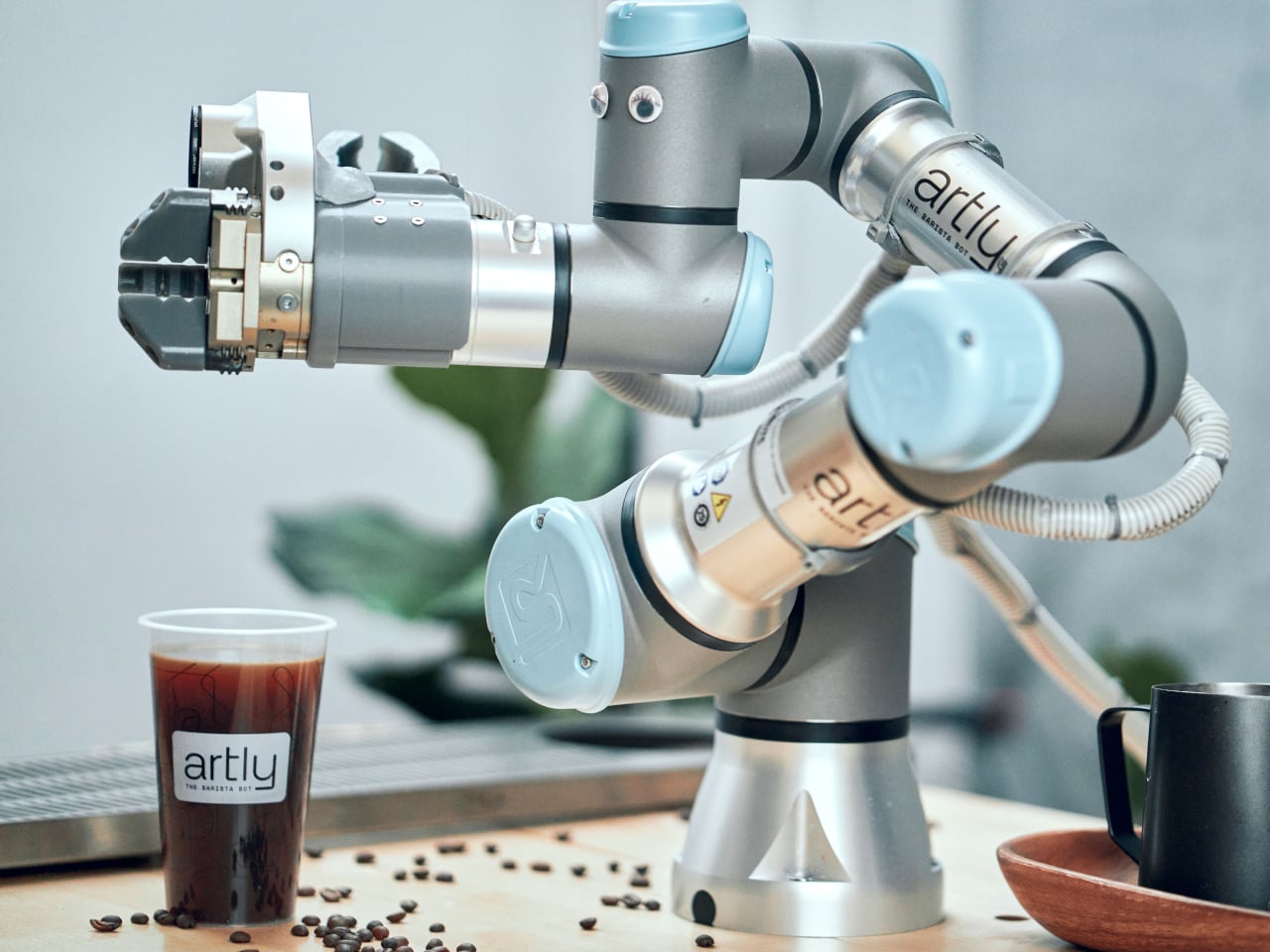
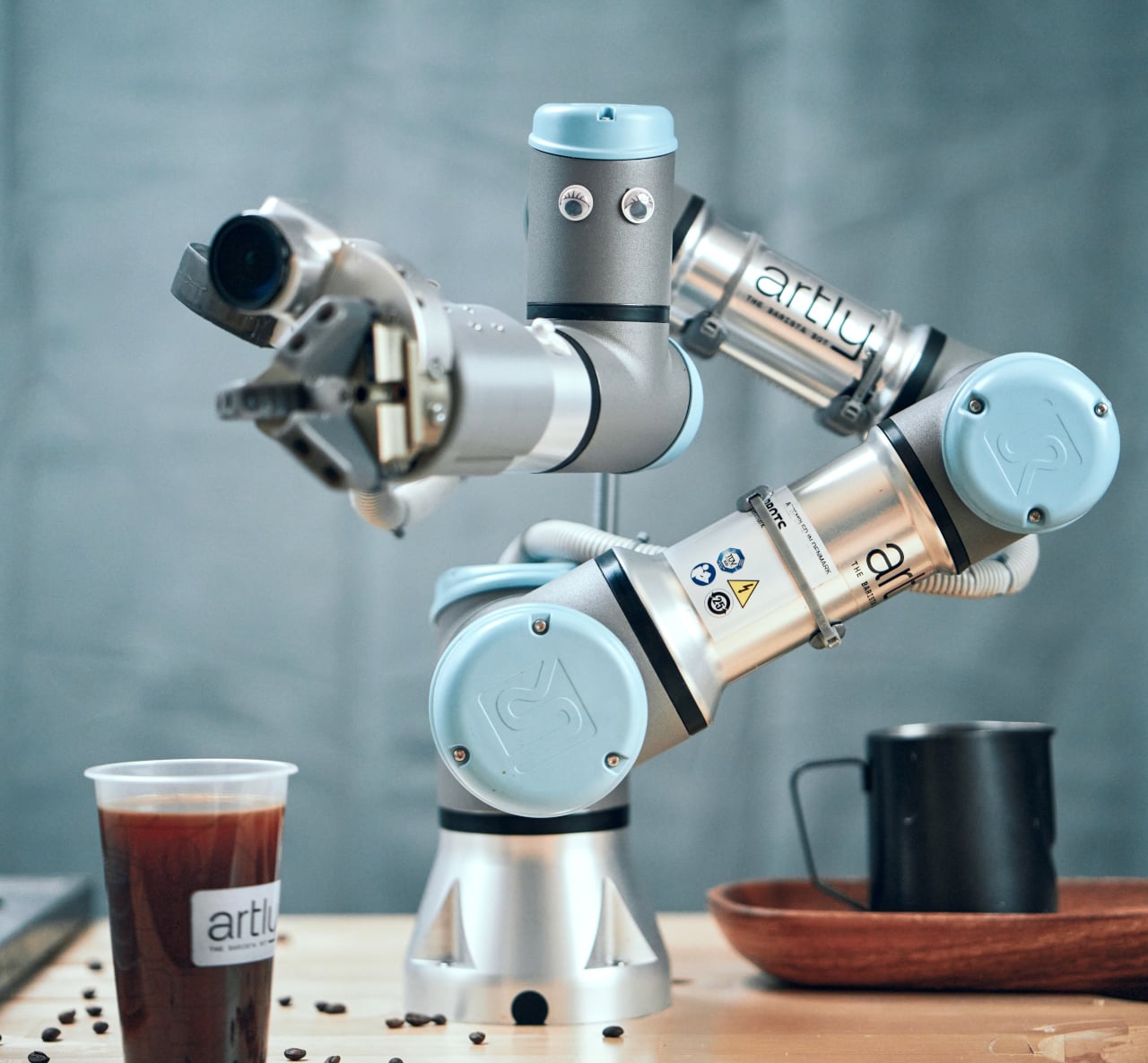
The mini BaristaBot is a fully autonomous café squeezed into a 4 × 4 ft footprint, designed for high-traffic, labor-constrained spaces like airports, offices, and retail corners. One articulated arm handles the entire barista workflow, from grinding and tamping to brewing, steaming, and pouring, with the same attention to detail you would expect from a human who has spent years behind a machine. “At first, I thought making coffee was easy, but after talking to professional baristas, we realized it is not simple at all. There are a lot of details and nuances that go into making a good cup of coffee,” says Meng Wang, CEO of Artly.

The arm is trained on demonstrations from real baristas, including a U.S. Barista Champion, with Artly’s Skill Engine breaking down moves into reusable blocks like grabbing, pouring, and shaping. Those blocks are recombined into recipes, so the robot can reproduce nuanced techniques such as milk texturing and latte art, and adapt to different menus without rewriting code from scratch or relying on rigid workflows. “Our goal is not to automate for its own sake. Our goal is to recreate an authentic, specific experience, whether it is specialty coffee or any other craft, and to build robots that can work like those experts,” Wang explains.

“The training in our environment is not just about action: it is about judgment, and a lot of that judgment is visual. You have to teach the robot what good frothing or good pouring looks like, and sometimes you even have to show it bad examples so it understands the difference.” That depth of teaching separates Artly’s approach from simpler automation. The engineering layer uses food-grade stainless steel and modular commercial components, wrapped in a warm, wood-clad shell that looks more like a small kiosk than industrial equipment.

A built-in digital kiosk handles ordering, while Artly’s AI stack combines real-time motion planning, computer vision, sensor fusion, and anomaly detection to keep quality consistent and operation safe in public spaces where people stand close and watch the whole process. “Our platform is like a recording machine for skills. We can record the skills of a specific person and let the robot repeat exactly that person’s way of doing things,” which means a café chain can effectively bottle a champion’s technique and deploy it consistently across multiple sites.

The ecosystem supports plug-and-play deployment, with remote monitoring, over-the-air updates, and centralized fleet management. A larger refrigerator and modular countertops in finishes like maple, white oak, and walnut let operators match different interiors. For a venue, that means specialty coffee without building a full bar, and for customers, it means a consistent drink and a bit of theater every time they walk up.

Bartender: The Same Arm, Trained for a Different Counter

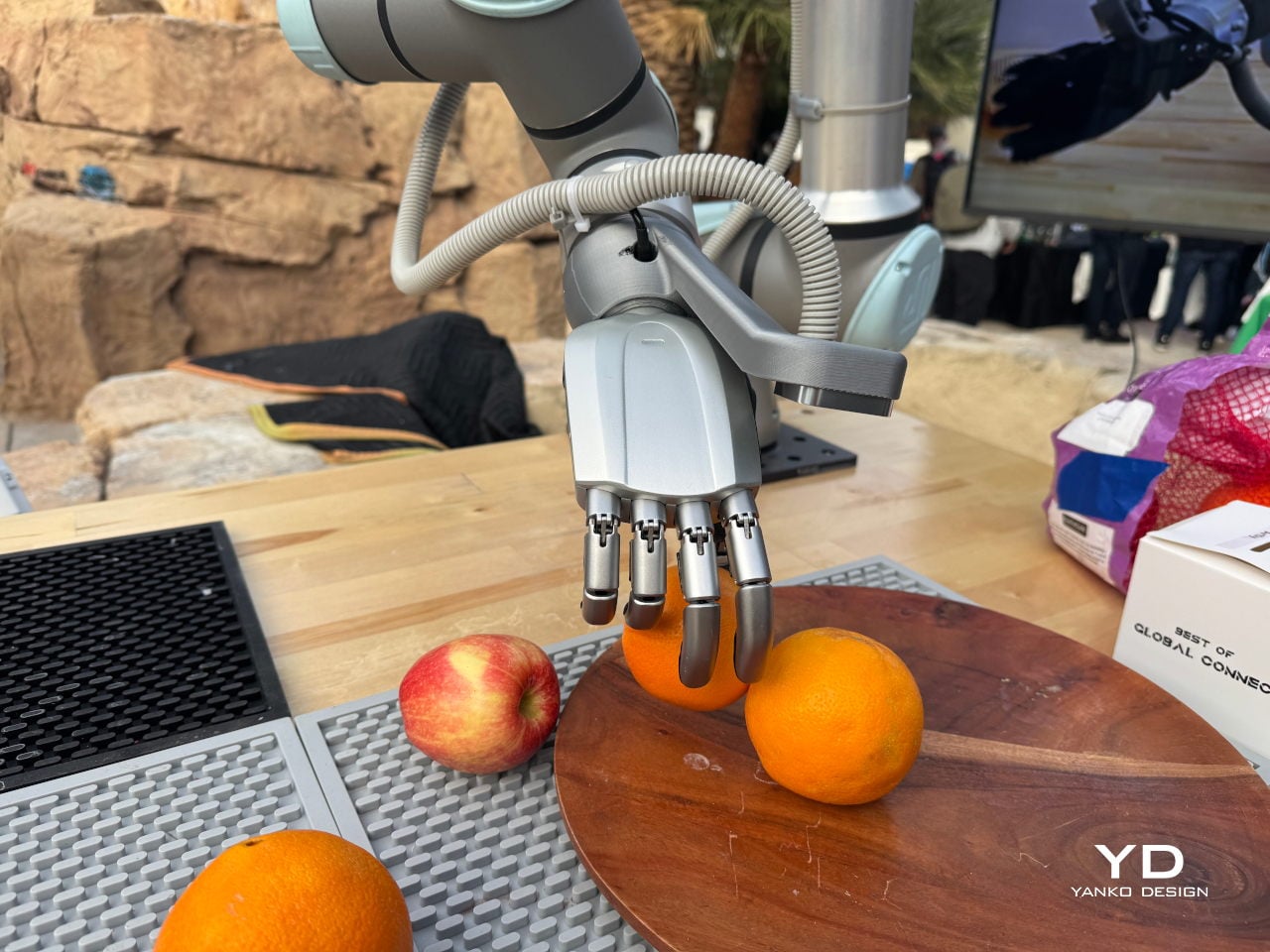
The Bartender is an extension of the same idea, using the Artly AI Arm and Skill Engine to handle precise, hand-driven tasks behind a counter. Instead of focusing on espresso and milk, the robot learns careful measurement, shaking, or stirring techniques, and finishing touches that depend on timing and presentation, all captured from human experts and turned into repeatable workflows. “If the robot learns the technique of a champion, it can repeat that same pattern at different locations. No matter where it performs, it will always create the same result that person did,” Wang notes.

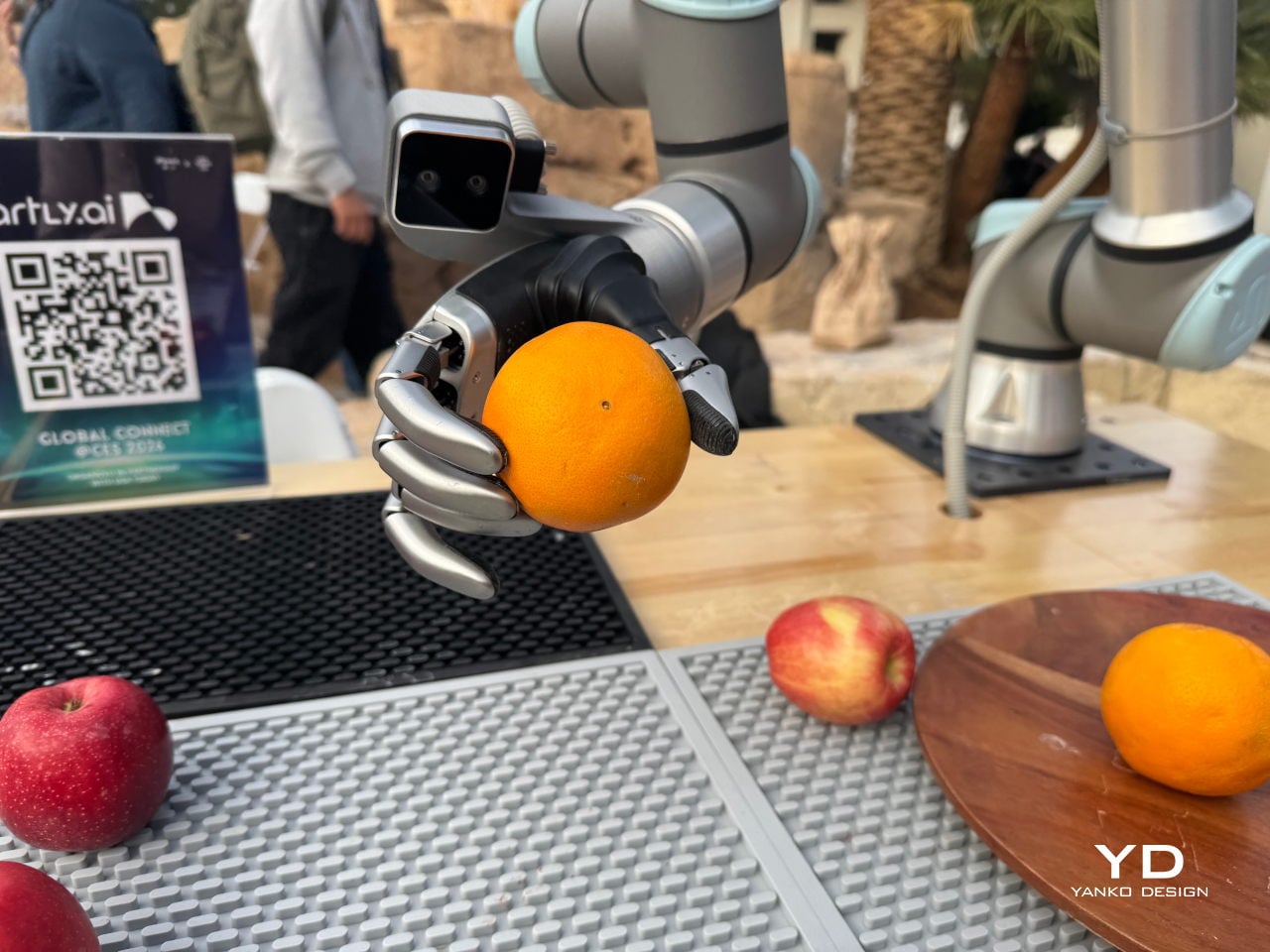
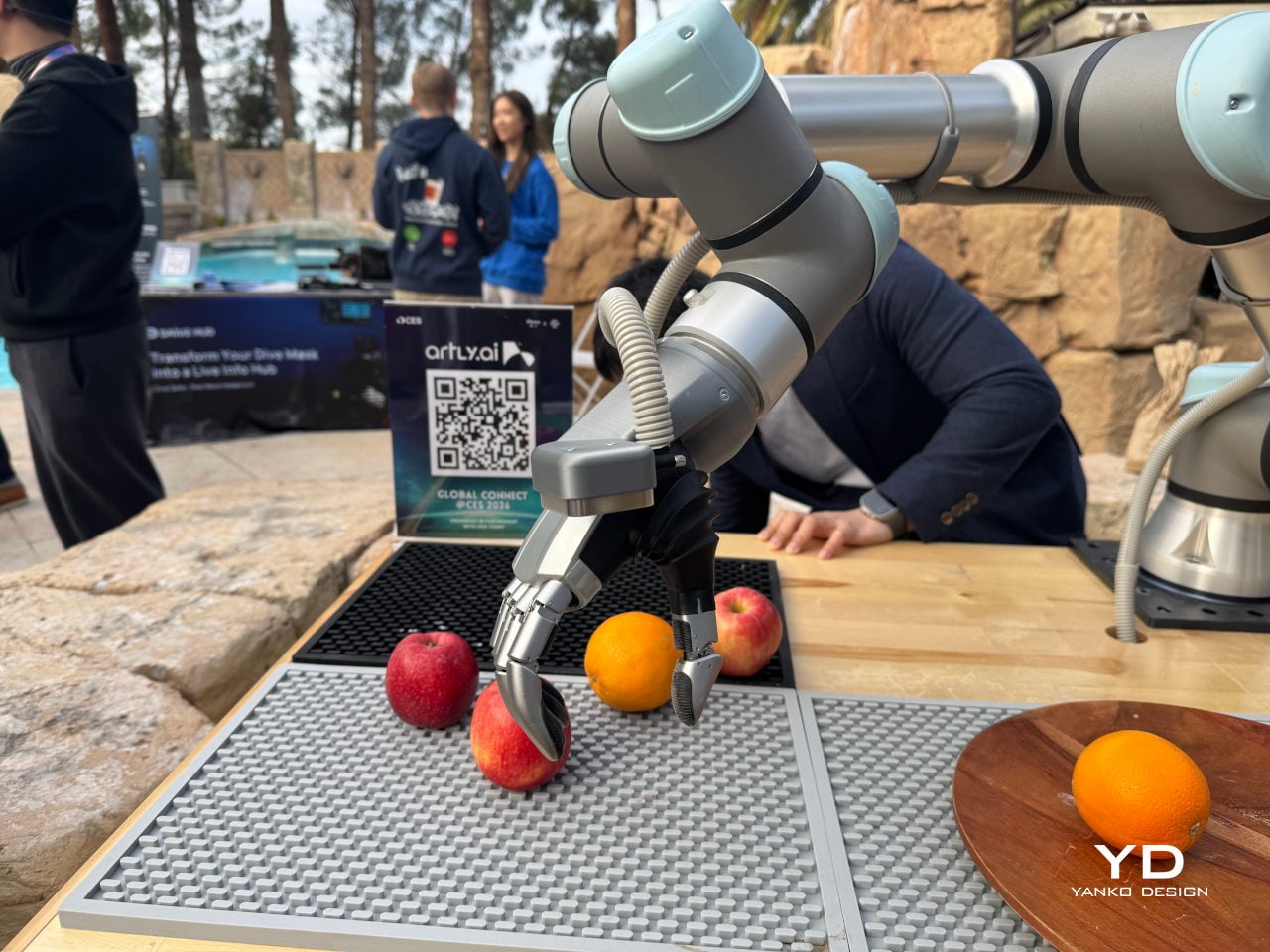
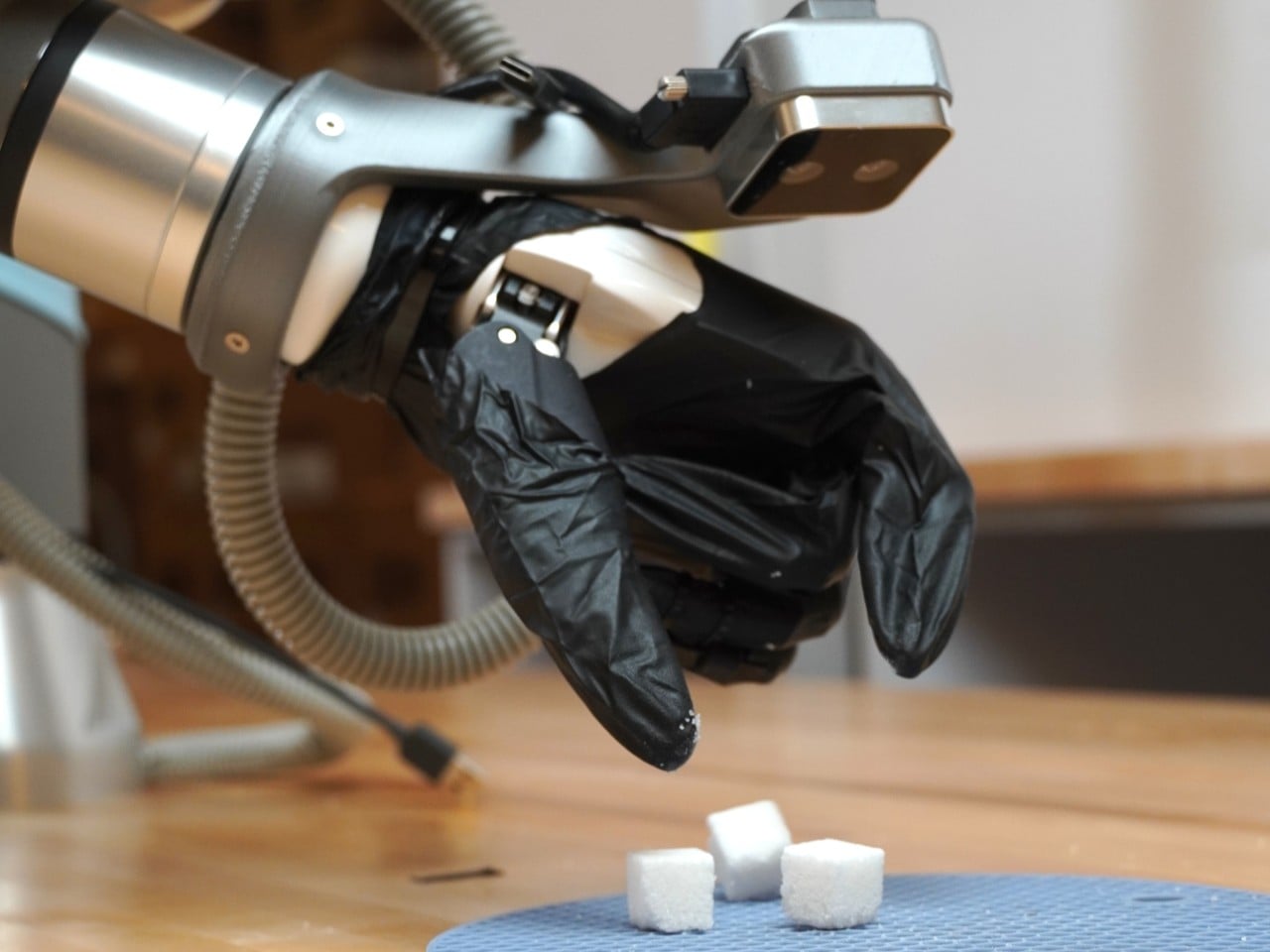
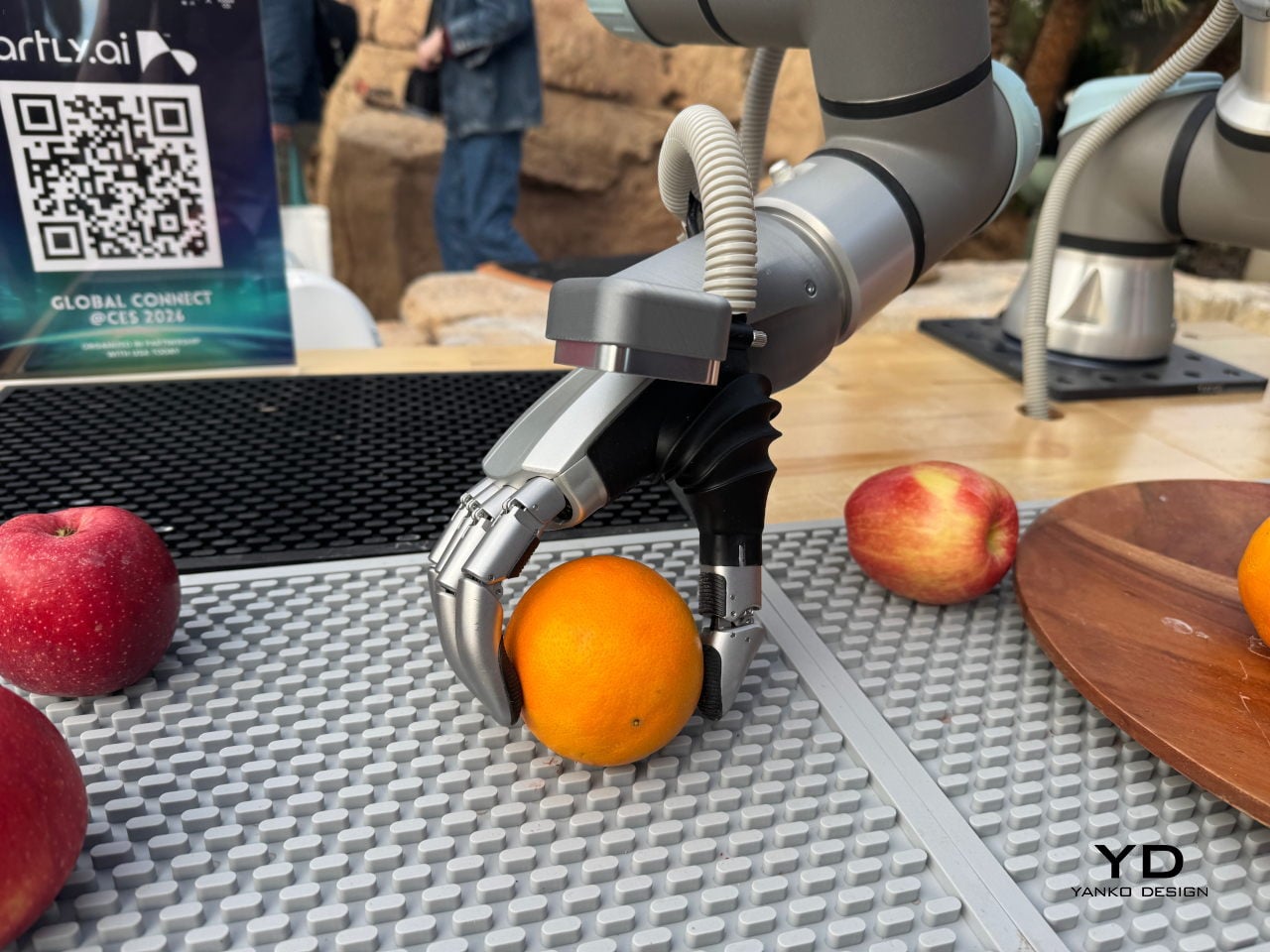
Dexterity is the key differentiator. The Bartender uses a dexterous robotic hand and wrist-mounted vision to pick up delicate garnishes, handle glassware, and move through sequences that normally require a trained pair of hands. The same imitation-learning approach that taught the BaristaBot to pour latte art is now applied to more complex motions, so the arm can execute them smoothly and consistently in a busy environment.

For a hospitality space, the Bartender offers a way to standardize recipes, maintain quality during peak hours, and free human staff to focus on conversation and creativity rather than repetitive prep. Because it shares hardware and software with the BaristaBot, it fits into the same remote monitoring and fleet-management framework, making it easier to run multiple robotic stations across locations without reinventing operational infrastructure for each new skill type.

Artly AI at CES 2026: From Robot Coffee to a Skill Engine for Craft

The mini BaristaBot and the Bartender are not just two clever machines; they are early examples of what happens when a universal skill engine and a capable arm are pointed at crafts that usually live in human hands. For designers and operators, that means automation that respects the shape of the work, and for visitors at CES 2026, it is a glimpse of a future where robots learn from experts and then quietly keep that craft alive, one cup or glass at a time, without demanding that every venue become bigger or that every drink become simpler just to fit a machine.

Click here to know more.

The post Artly Robots Master Latte Art and Drinks for CES 2026 Debut first appeared on Yanko Design.

Emerson Just Built the Air Fryer That Actually Listens to You

One of the goals for this year is to cook more, and my good ol’ air fryer should play a huge role in this as I’m also trying to be healthier. However, preparing the ingredients while operating the device can sometimes be a little challenging and messy, to say the least. I sometimes wish that my air fryer could actually just listen to what I want it to do instead of me trying to figure out everything manually.

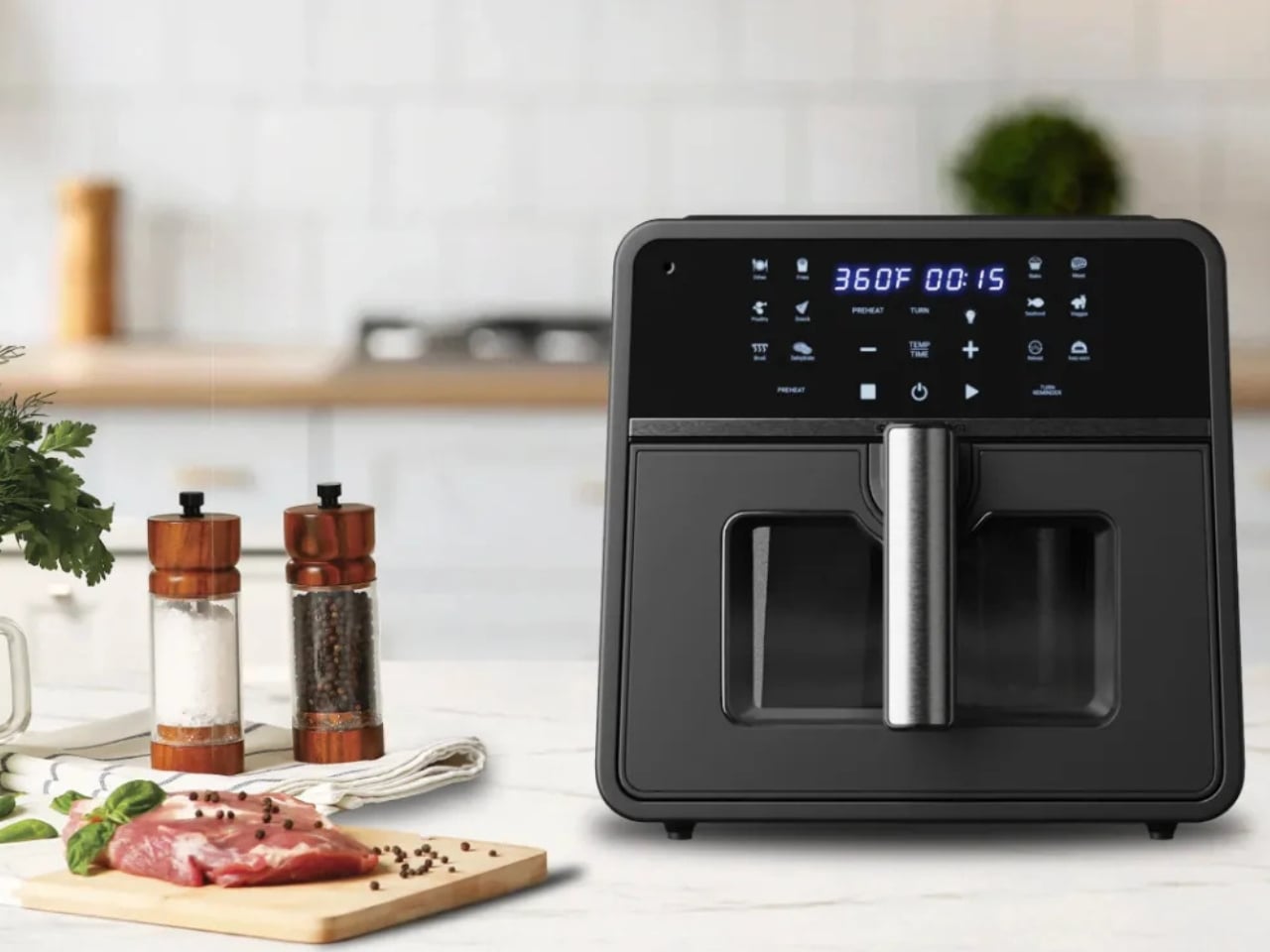
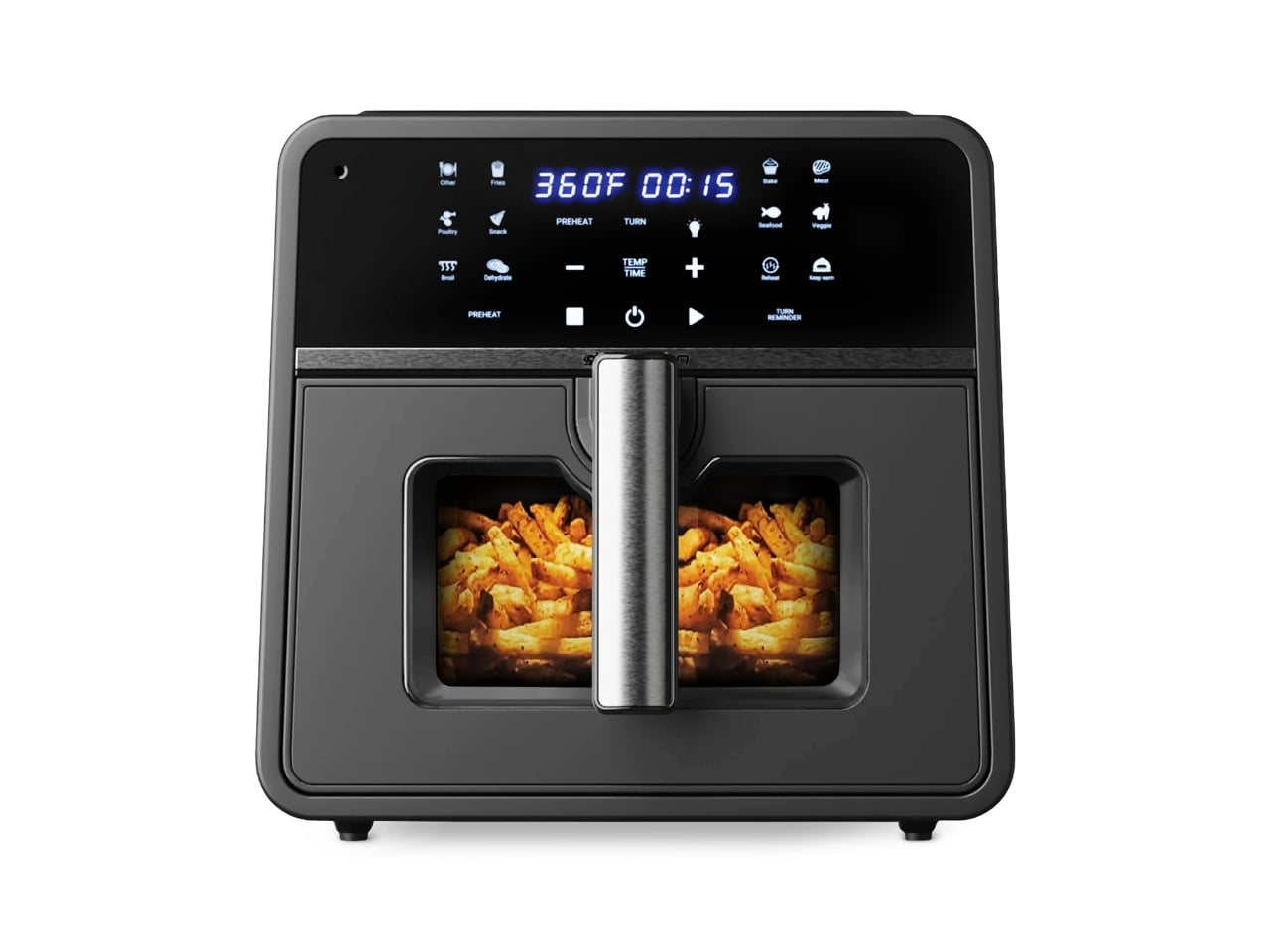
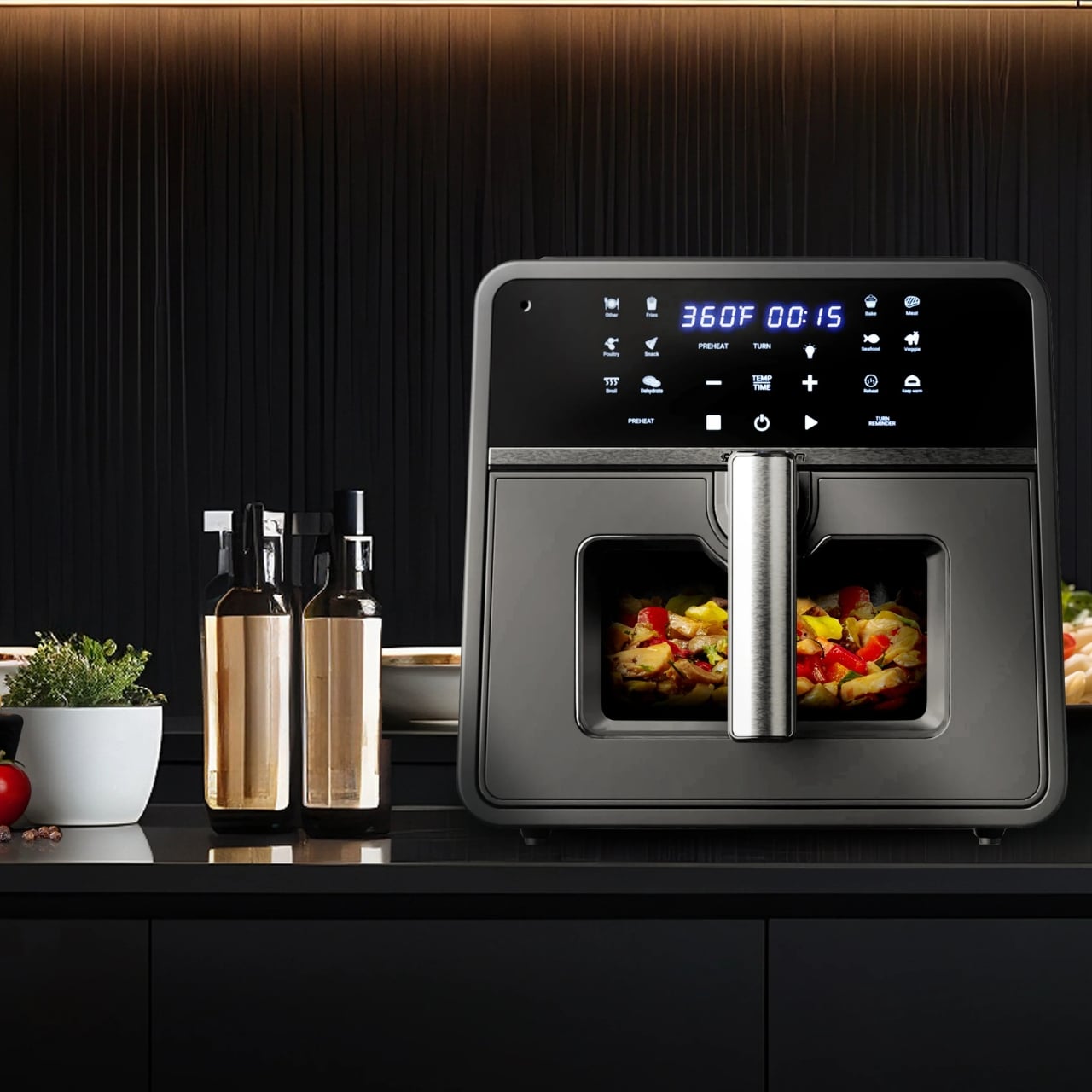
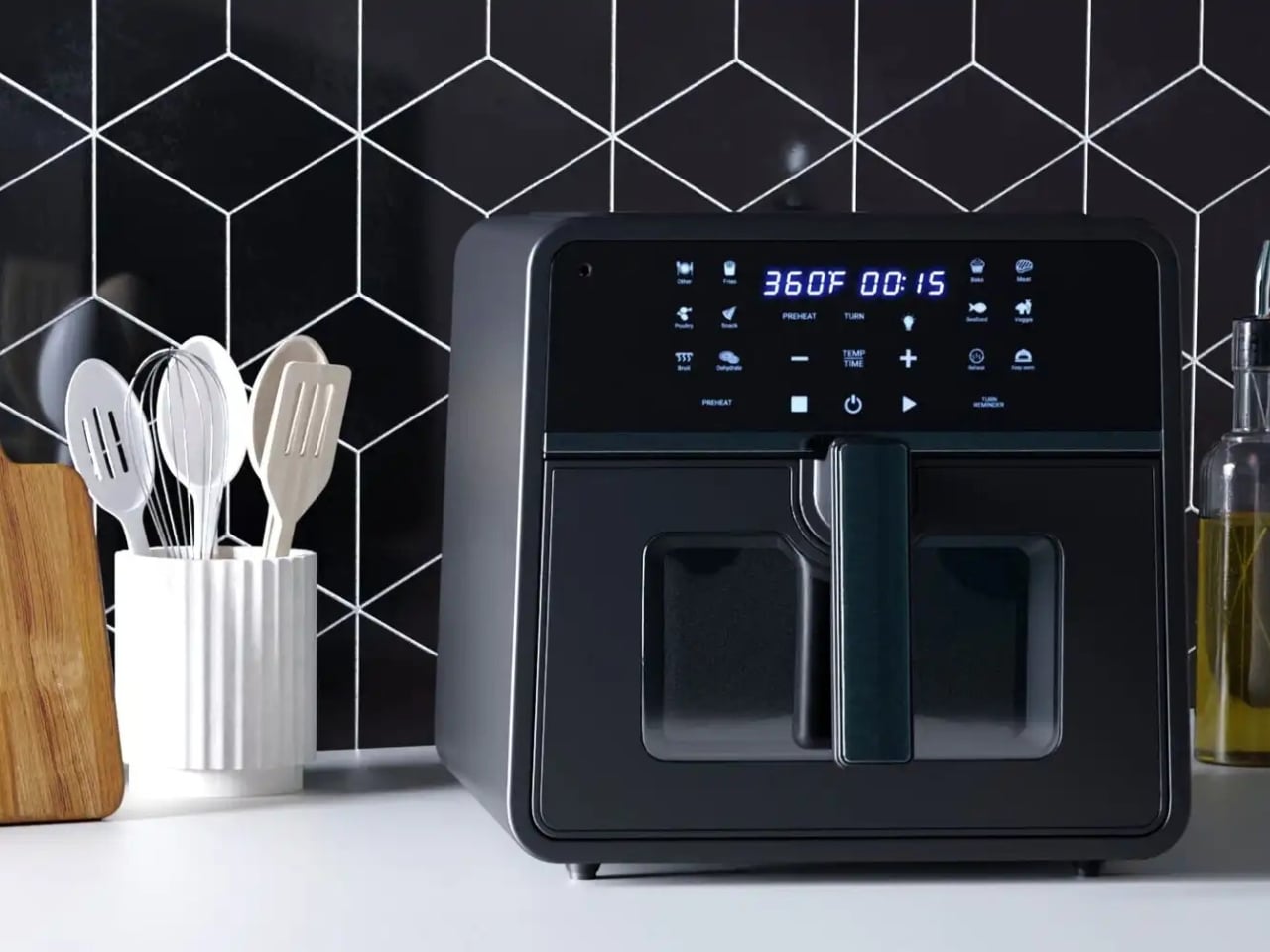
Emerson is trying to solve that problem with their SmartVoice 10QT 6-in-1 Air Fryer and its game-changing feature: true voice control. The device has more than 1,000 preset voice commands, which make it easier for you to just tell the air fryer what it is you’re cooking, and it helps you figure out how it should be cooked. Having this in your kitchen will bring convenience to a whole other level.

Designer: Emerson

The SmartVoice Technology built into this allows you to use natural conversation. You can say things like “Hey air fryer, cook pork chops” or “Hey air fryer, increase temperature” without having to memorize the exact syntax you need for it to follow you. It is a 6-in-1 device as you can also bake, roast, broil, reheat, and dehydrate all sorts of food and dishes in there, aside from air frying, of course. There are also voice prompts that will remind you to shake or flip your food if the recipe calls for it.

Another standout feature of this device is that all your voice commands are handled directly on the device. There are no cloud servers or background monitoring involved, which should satisfy those who are concerned with privacy and data collection. It is also a literal plug-and-play device, so there should be no frustrating setup issues, or so they claim. Reality can sometimes be different, but hopefully, it is as advertised.

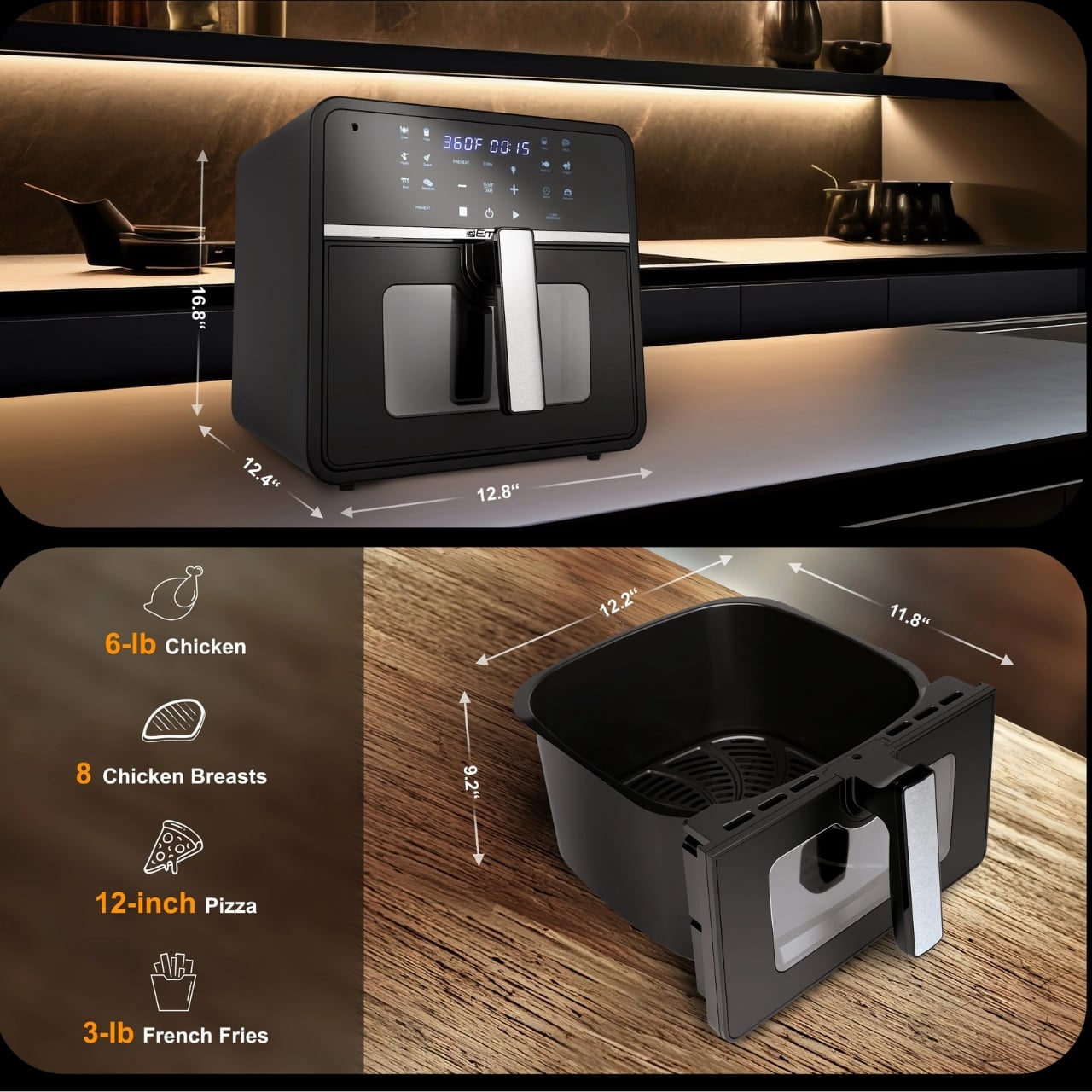
This SmartVoice air fryer should suit large households as it has a capacity of 10 quarts, which should be able to hold up to 10 pounds of food. It is able to recognize more than a hundred different foods, so you don’t need to constantly check on temperature and times. If you prefer the usual button approach, the appliance also has 12 touch presets. It also has preheat settings to ensure optimal cooking conditions even before you start cooking. The 1,700-watt power output ensures your food cooks quickly and evenly, while the nonstick basket makes cleanup a breeze. The device weighs 14.46 pounds, giving it a sturdy presence on your countertop without being impossible to move when needed.

What makes this air fryer truly special is how it fits into your real cooking routine. Picture this: you’re marinating chicken with messy hands, your phone is across the room, and you suddenly remember you need to adjust the temperature. Instead of washing your hands, drying them, and fumbling with buttons, you simply speak your command. It’s that seamless integration into your workflow that makes voice control more than just a gimmick as it becomes genuinely useful.

For busy parents juggling multiple tasks, this is a game-changer. You can monitor your cooking while helping kids with homework, folding laundry, or prepping the next dish. For anyone with mobility challenges or arthritis that makes pressing small buttons difficult, voice control offers newfound independence in the kitchen. And for multitaskers who are always moving between counters, the ability to control your appliance from anywhere in the kitchen is liberating.

Priced at $169.99, the Emerson SmartVoice Air Fryer sits in the mid-range category for large-capacity air fryers. However, when you consider that you’re getting six cooking functions, genuine offline voice control (not just app-based controls), and a family-sized capacity, the value proposition becomes quite compelling. Many smart appliances require subscriptions or constant connectivity; this one simply works out of the box.

The Emerson SmartVoice 10QT 6-in-1 Air Fryer represents a thoughtful approach to smart kitchen technology. Instead of adding complexity for complexity’s sake, it addresses real pain points that home cooks face daily. Whether you’re trying to eat healthier, cook more efficiently, or simply make your time in the kitchen more enjoyable, this voice-activated marvel might just be the cooking companion you’ve been waiting for. If you’ve been on the fence about smart kitchen appliances because of privacy concerns or setup hassles, this offline, plug-and-play solution could finally change your mind.

The post Emerson Just Built the Air Fryer That Actually Listens to You first appeared on Yanko Design.

Narwal Flow 2 at CES 2026: Sees Everything, Cleans Smarter

Robot vacuums quietly went from novelty to background appliance, yet many still behave like polite bumper cars. They avoid walls, follow schedules, and send maps, but they do not really understand what they are seeing. A cable, a sock, and a pet toy often get the same treatment, which is why people still hover nearby during automatic cleaning runs, ready to intervene when the robot inevitably gets confused by something obvious.

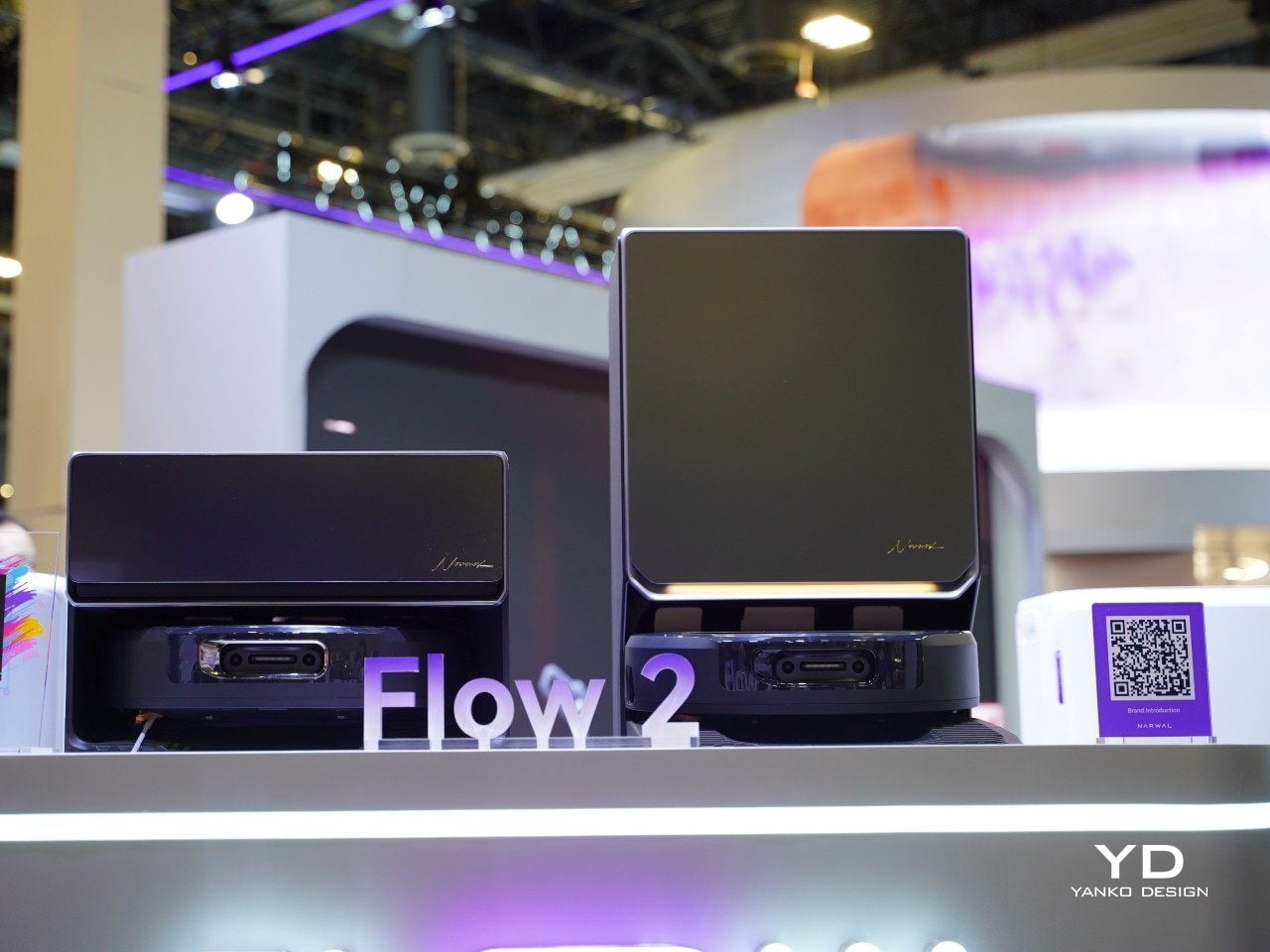
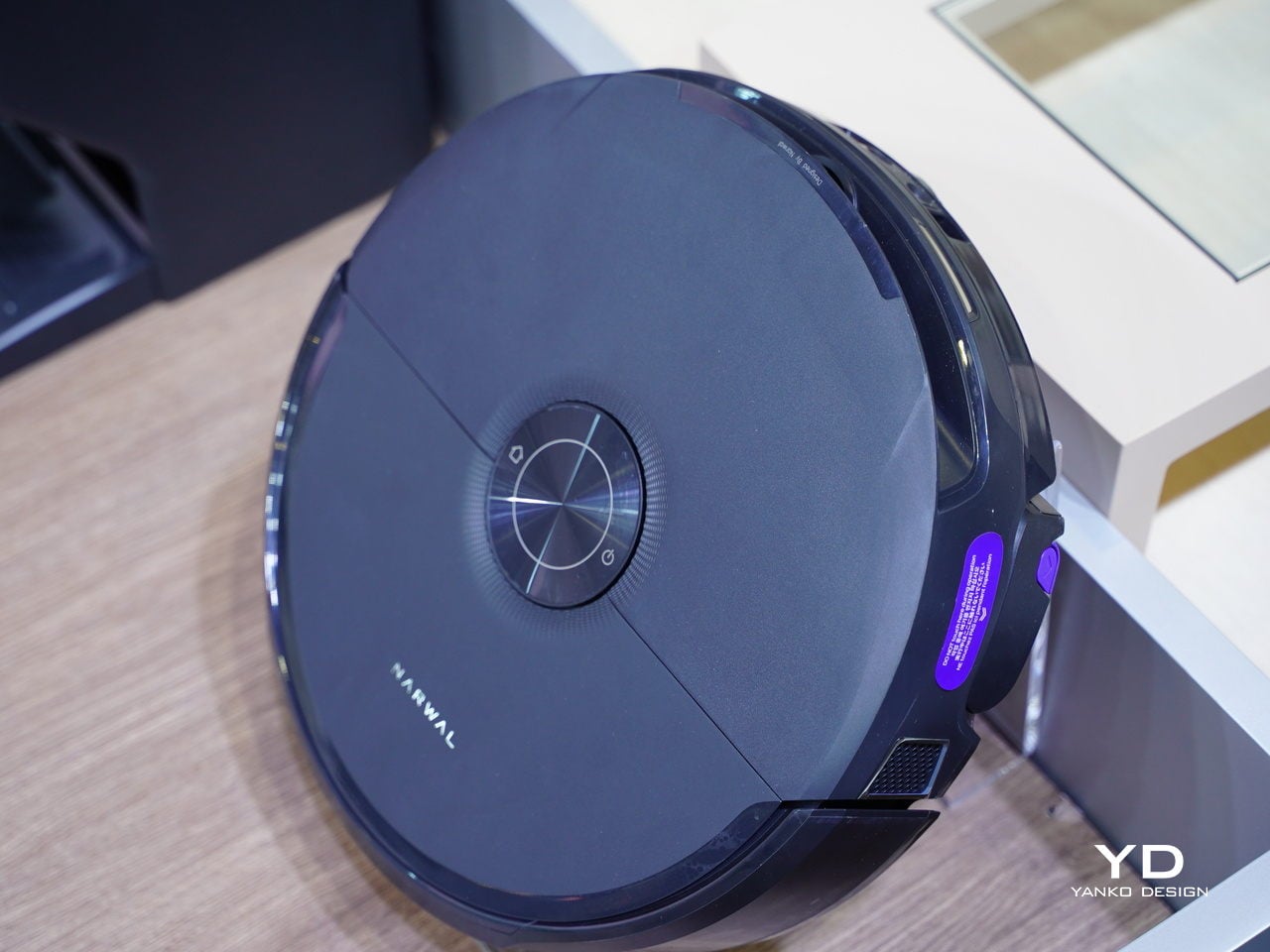
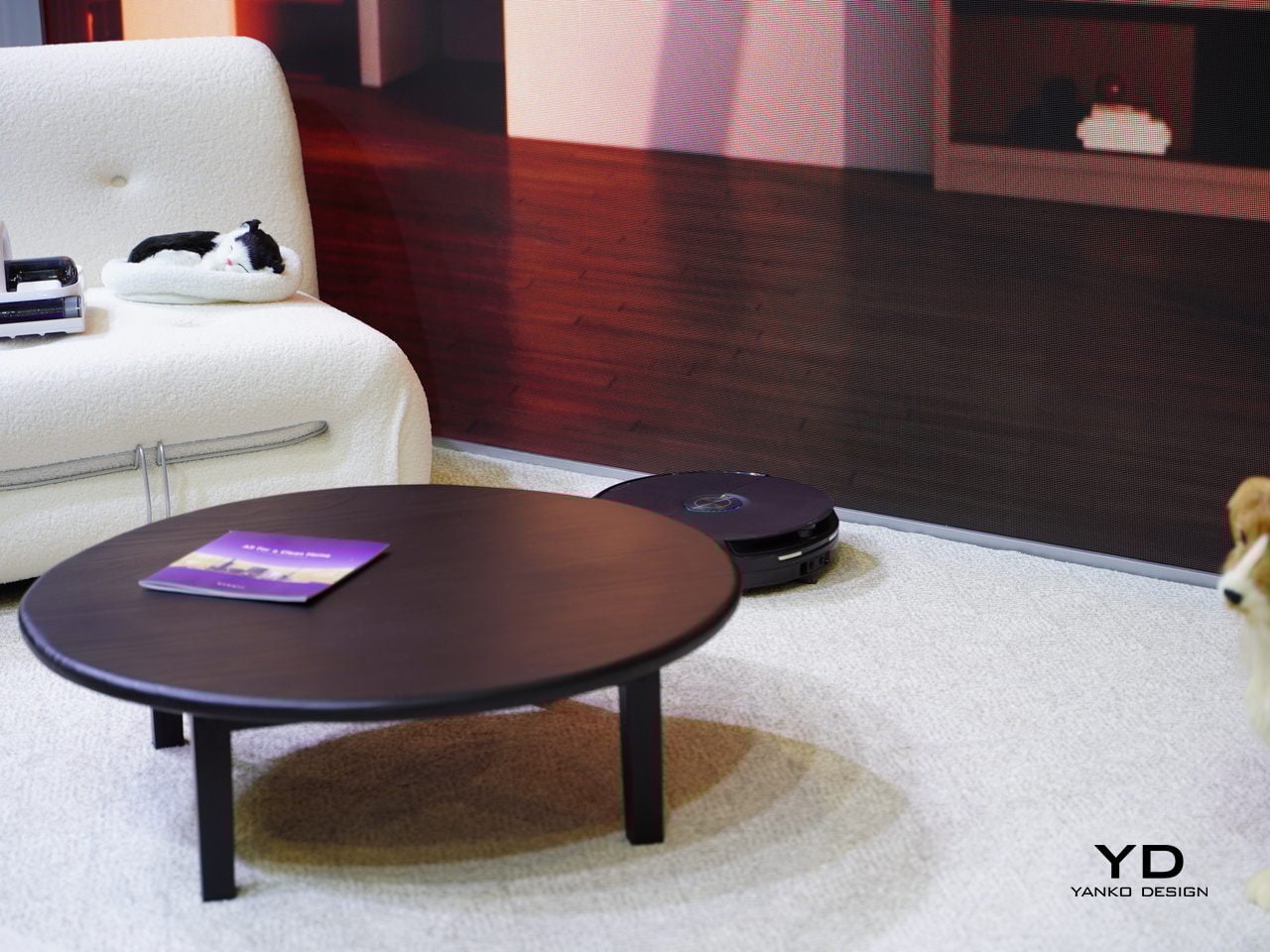
Narwal Flow 2 is the latest step in the brand’s attempt to build a robot that actually sees and decides. It builds on earlier DirtSense and dual-camera work, but now leans on a NarMind Pro autonomous system and a foundation-model brain to recognize unlimited objects, assign risk levels, and adjust both path and cleaning strategy. This is less about more suction and more about better judgment, the kind that changes behavior based on whether it is looking at a table leg, a pet bowl, or a crawling mat.

Designer: Narwal

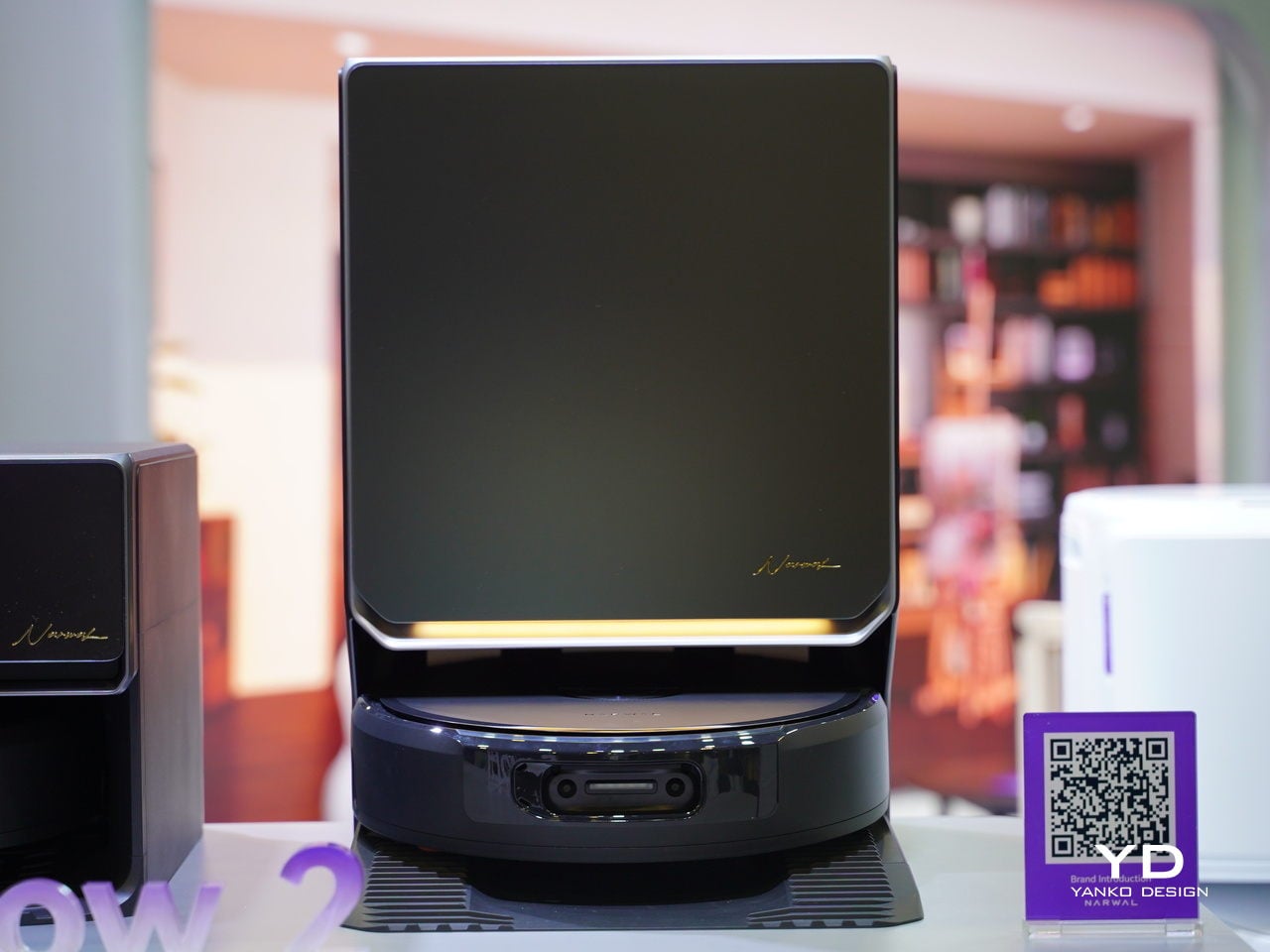
The 2026 flagship also adopts a brand-new design outlook, with a rational arc-form dock featuring a frosted glass panel on the front and easy-lift water tanks shaped for straight-up lifting. The integrated status light bar communicates through the frosted glass instead of scattered LEDs, giving the dock a more premium, sleek presence. It is designed to look less like an appliance you hide in a corner and more like a considered object that can live in visible spaces without visual friction.

A Robot That Sees and Decides

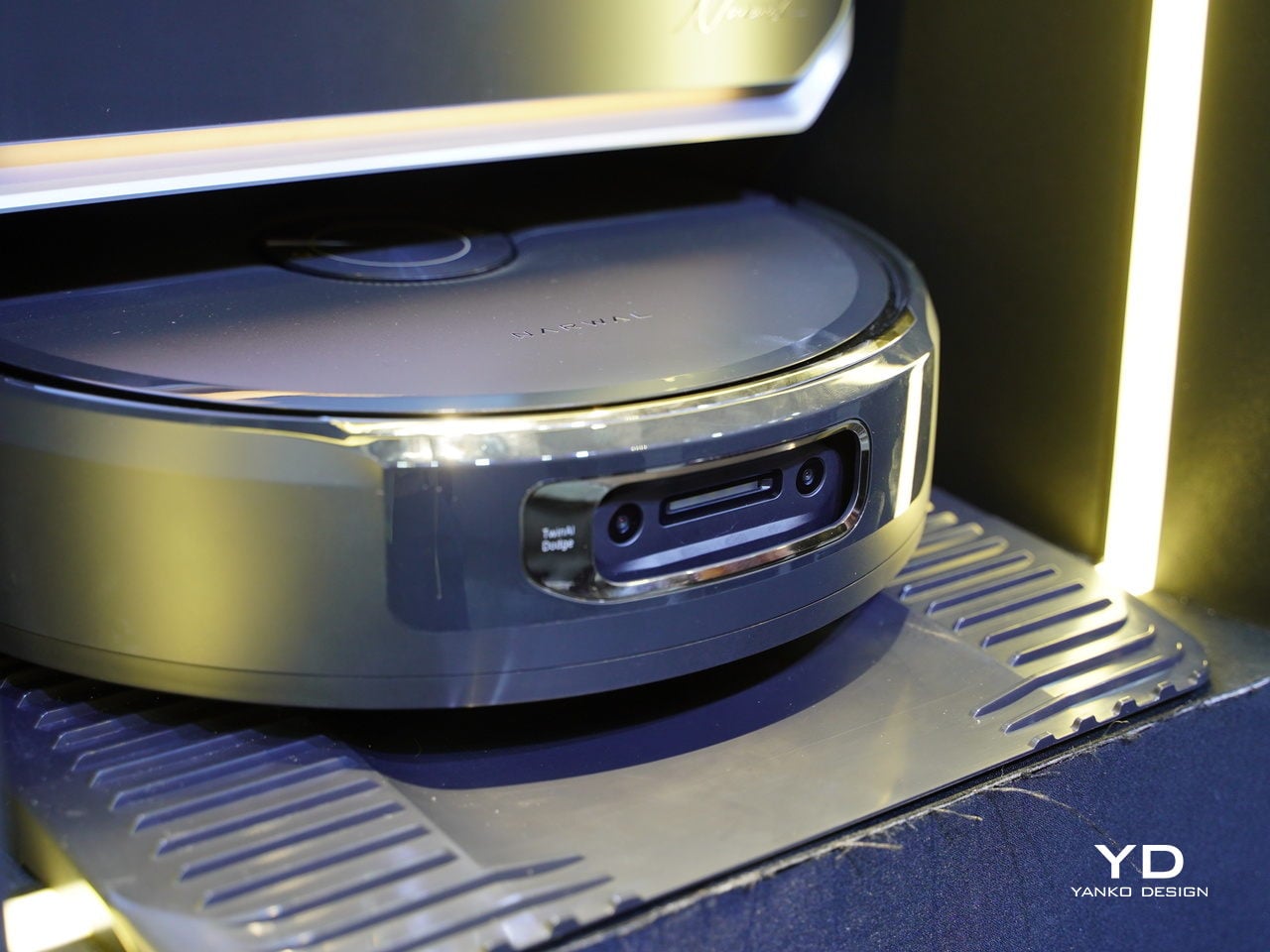
The Narwal Flow 2 uses dual RGB cameras and a VLA OmniVision model running on a 10 TOPS AI platform to capture 1.5 million data points per second. It categorizes objects as no-risk, low-risk, mid-risk, or high-risk, then adjusts distance and behavior accordingly. Walls invite close cleaning within 8 mm, pet bowls get 20 mm of space, and high-risk items like pet waste trigger a protective bypass at 70 mm.

Adaptive smart cleaning means Flow 2 uses different strategies for dry debris, wet spills, and heavy messes. Dual-direction mopping keeps the side brush from dragging dirty water into clean zones, with a reverse pass to protect the brush and a forward pass to lift stains. Cloud-based recognition feeds back into the model, so the robot becomes more tuned to a specific home over time, learning which corners collect dust and which zones need extra attention.

Living with Pets, Babies, and Busy Schedules

In Pet Care Mode, Flow 2 automatically identifies pet-active zones and adapts for deeper cleaning there, while treating pet bowls, beds, and toys as objects to avoid bumping or soaking. The same visual system that keeps it away from waste can be used to scan for a missing pet on command, turning the robot into a quiet scout when you are not home and want to make sure your dog is not locked in a bedroom.

Baby Care Mode shifts behavior around cribs and crawling mats. Flow 2 can drop into ultra-quiet mode near a sleeping baby, recognize toys left on the floor and nudge you to pick them up, and avoid rolling over dedicated play areas to keep them as clean as possible. The goal is not to replace parenting, but to make the robot feel like it understands which zones are more sensitive than others, adjusting volume and intensity without manual scheduling.

The updated dock and mapping round out the picture. TrueColor 3D mapping turns the home into a more intuitive map where you can tap rooms or furniture for targeted cleaning, while AI Floor Tag remembers floor types and zones. The all-in-one base station now uses a reusable dust bag and washable debris filter, along with hot-water self-cleaning and hot-air drying, so the system stays hygienic without filling a trash bag with single-use consumables every few weeks or emitting odors between runs.

Mopping That Stays Clean While It Cleans

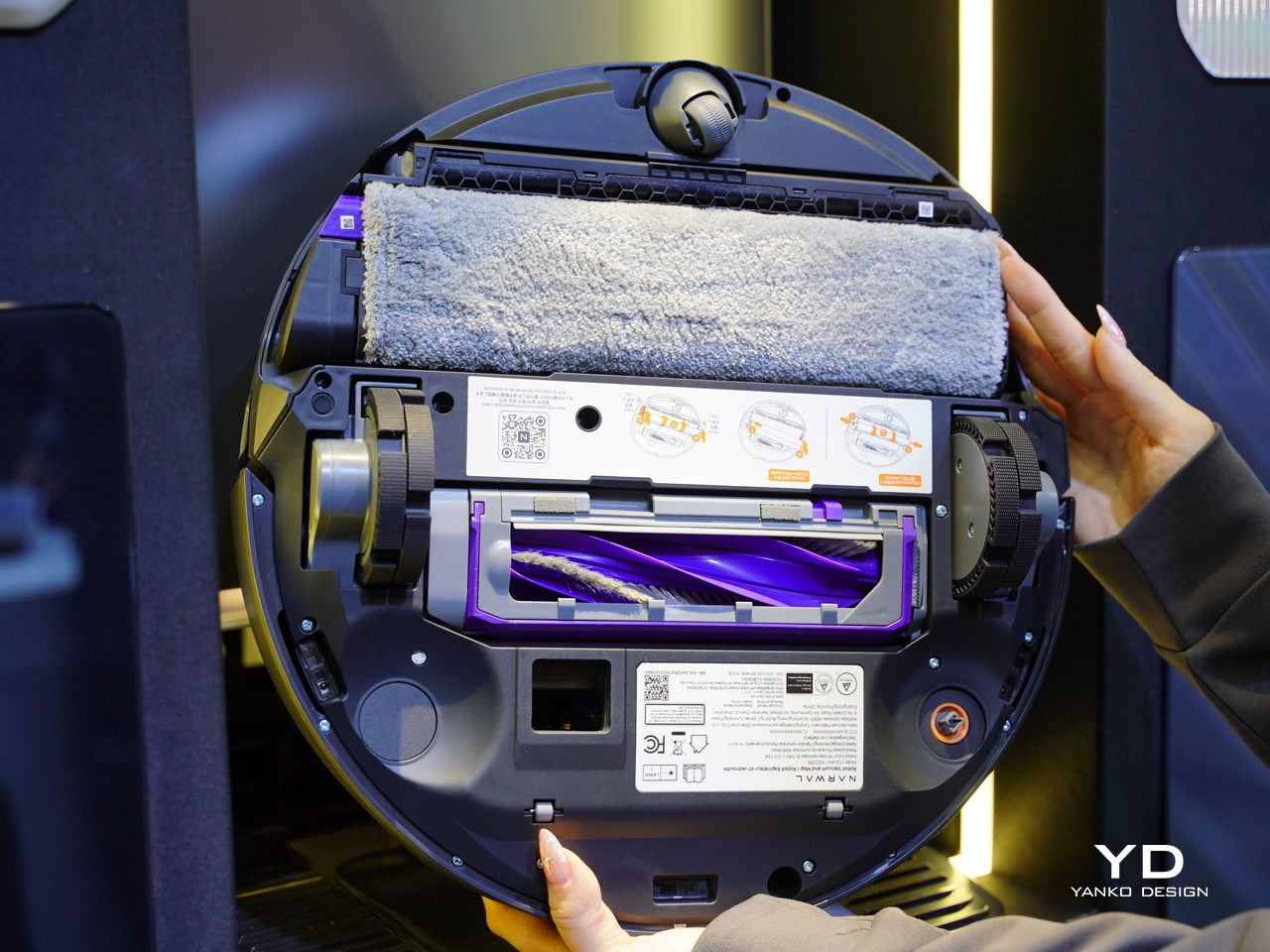
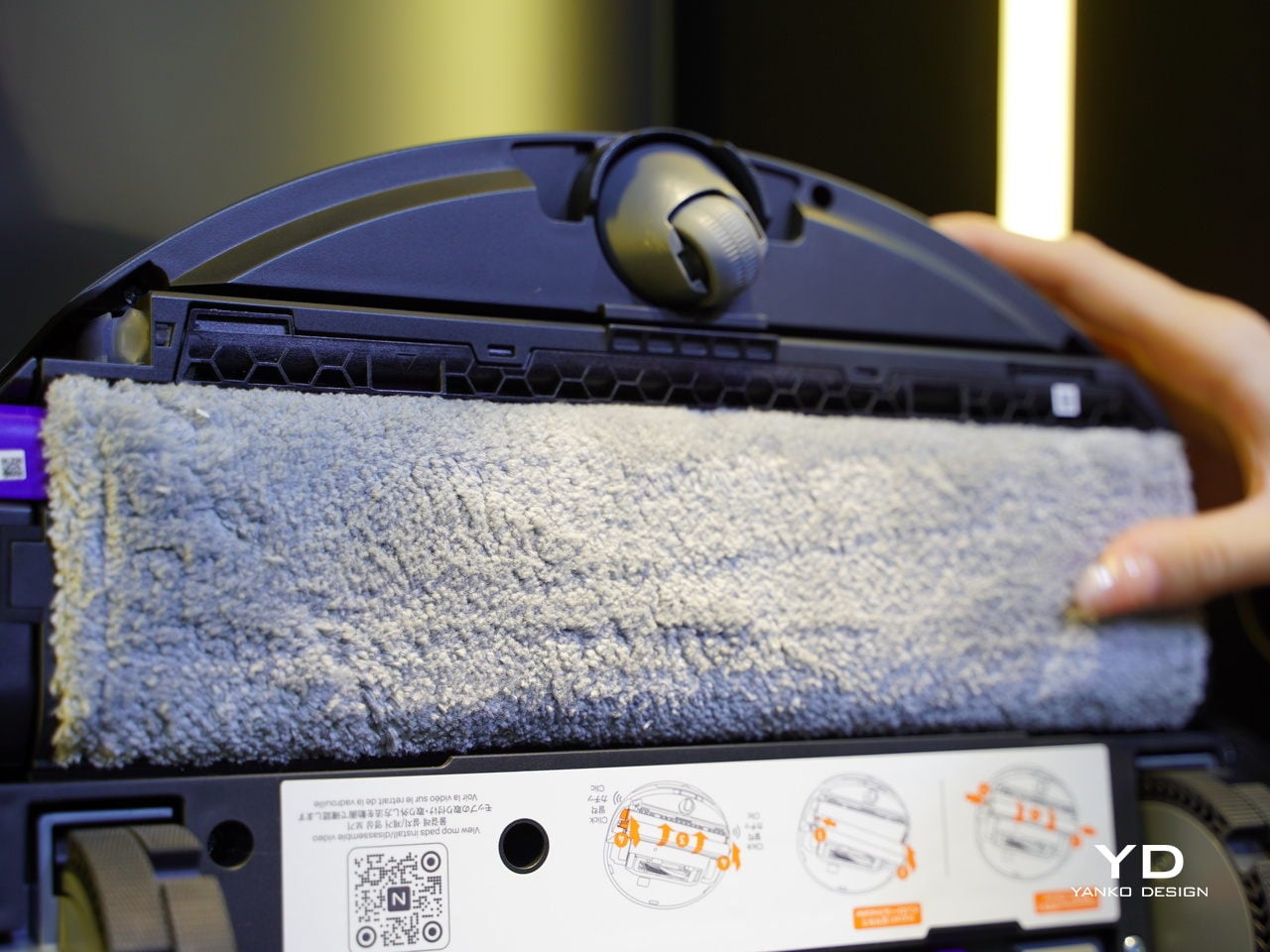
The FlowWash mopping system treats the mop like a moving track rather than a pair of pads. Sixteen angled nozzles continuously infuse the track with fresh water, while a reverse-rolling mop applies 12 N of downward pressure and 140 °F heat. A tight scraper presses against the fabric to strip away dirt in real time, so the surface touching the floor is constantly refreshed instead of slowly turning into a gray sponge you would not want to touch.

Wastewater extraction and storage, with a built-in stirrer in the dirty tank, prevents residue and odors from settling. That matters in homes where mopping is not just about dust, but about food spills, pet accidents, and whatever kids drag in from outside. The system is designed so that by the time Flow 2 returns to its dock, both the floor and the mop have been treated, not just one at the expense of the other.

On a mixed floor with tile in the kitchen and wood in the living room, Flow 2 can push harder and use hotter water on stubborn kitchen stains, then ease off as it moves into more delicate areas. EdgeReach capabilities let the track mop get within 0.19 in of walls and baseboards, reducing the need for manual follow-up with a traditional mop that you have to wring out by hand.

Beyond the Floor

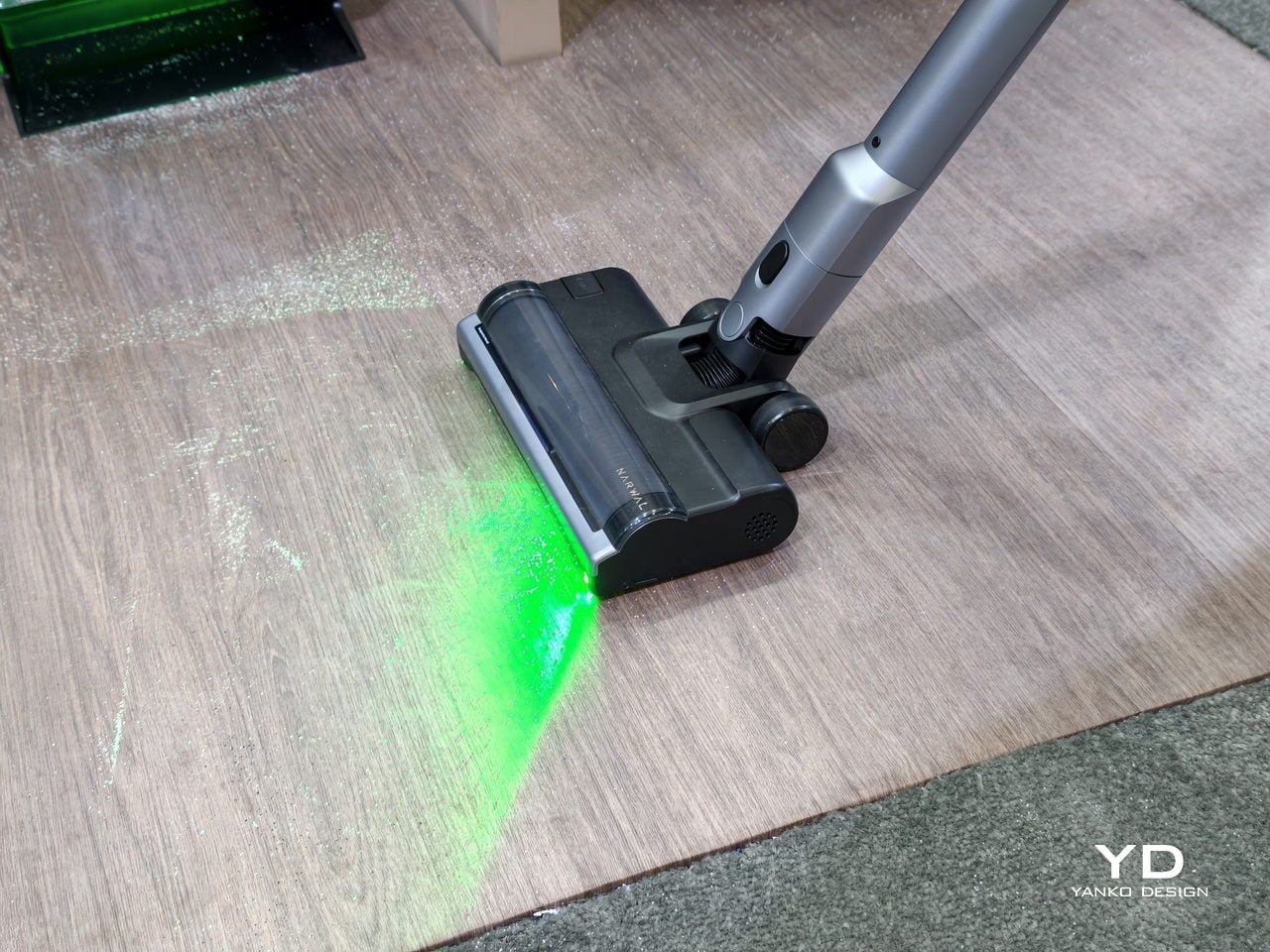
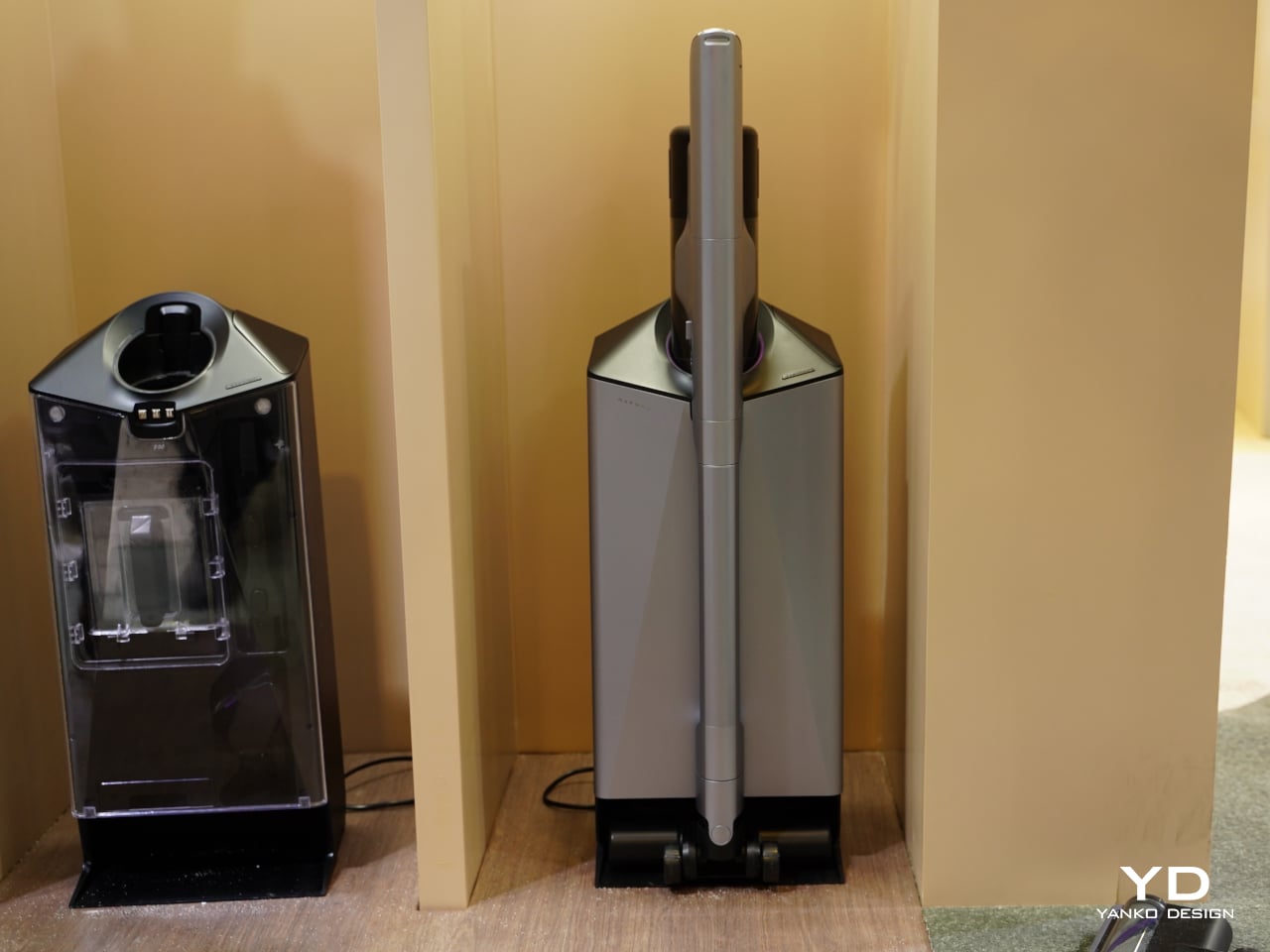
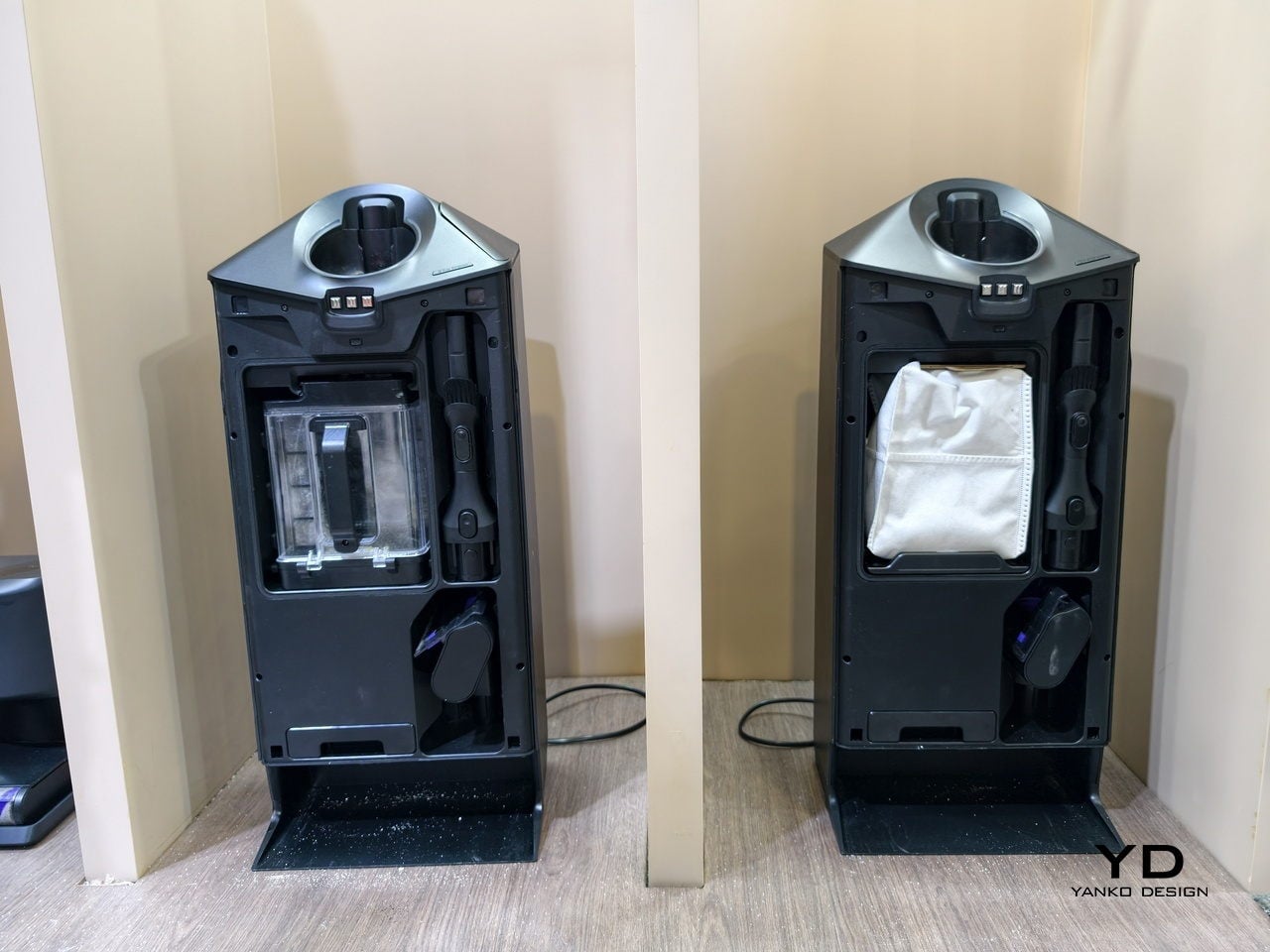
The Flow 2 is not the only thing Narwal is launching at CES 2026. The V50 Series cordless vacuum brings the same auto-empty, smart dirt detection philosophy to a stick form, with a compact dock that handles a 3.2qt dust bin, active dust scraping, and push-in charging. At 3.1lb with dual detachable batteries and 210 AW of suction, it combines CarpetFocus Mode and full-cycle de-tangling with a dirt-detection headlight and multi-cyclone H13 filtration, turning a handheld into something that feels almost as hands-free as a robot.

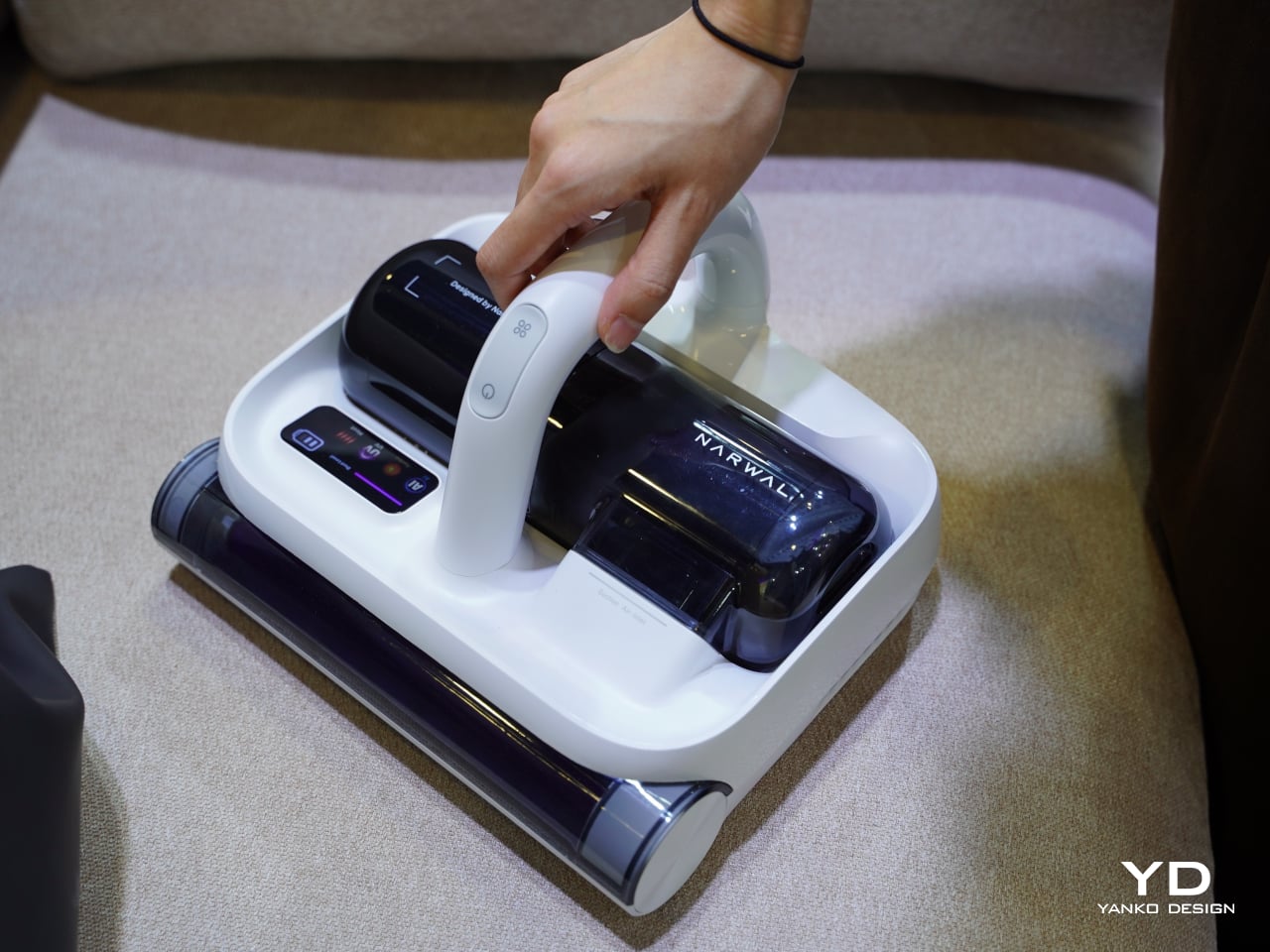
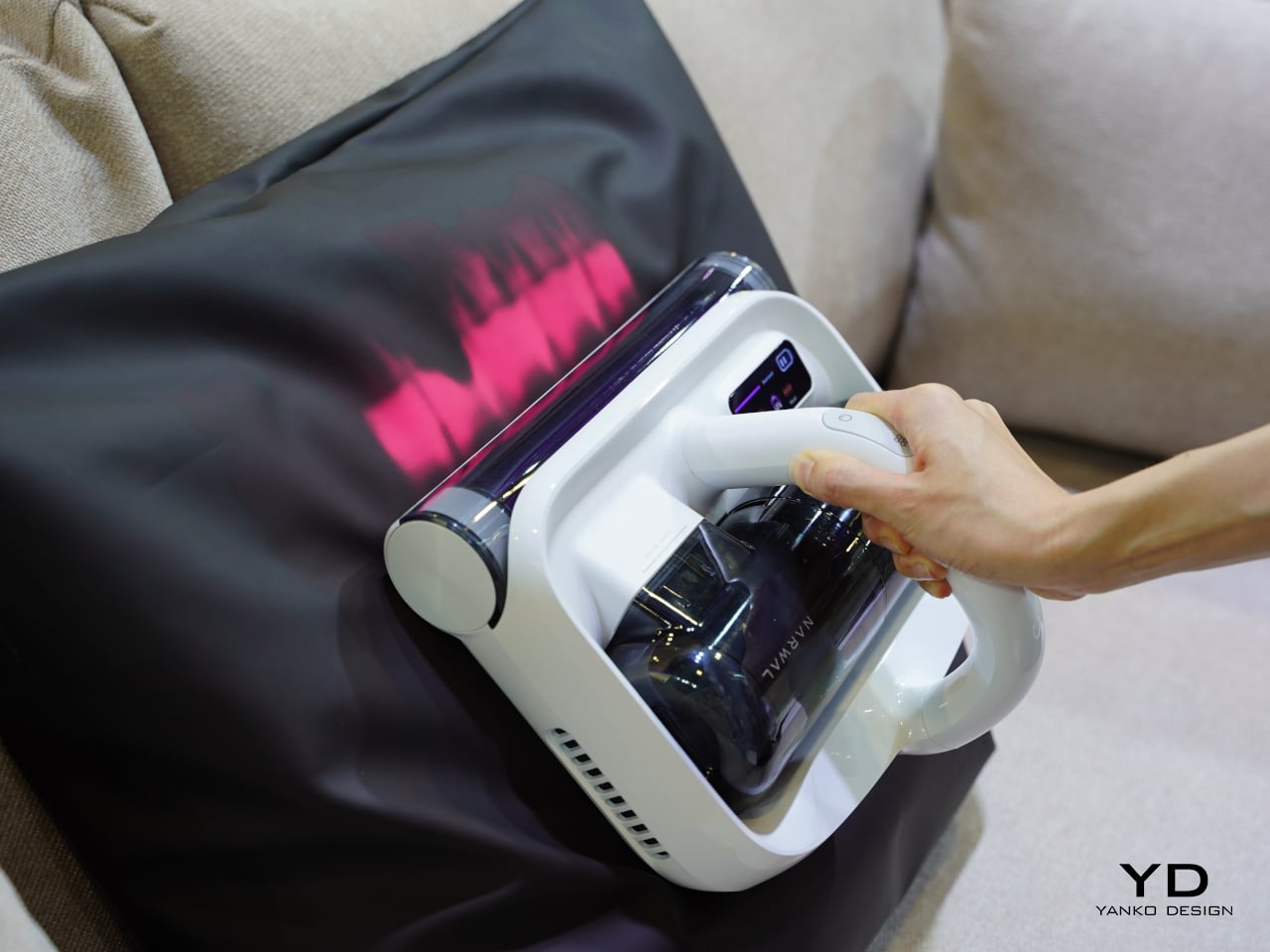
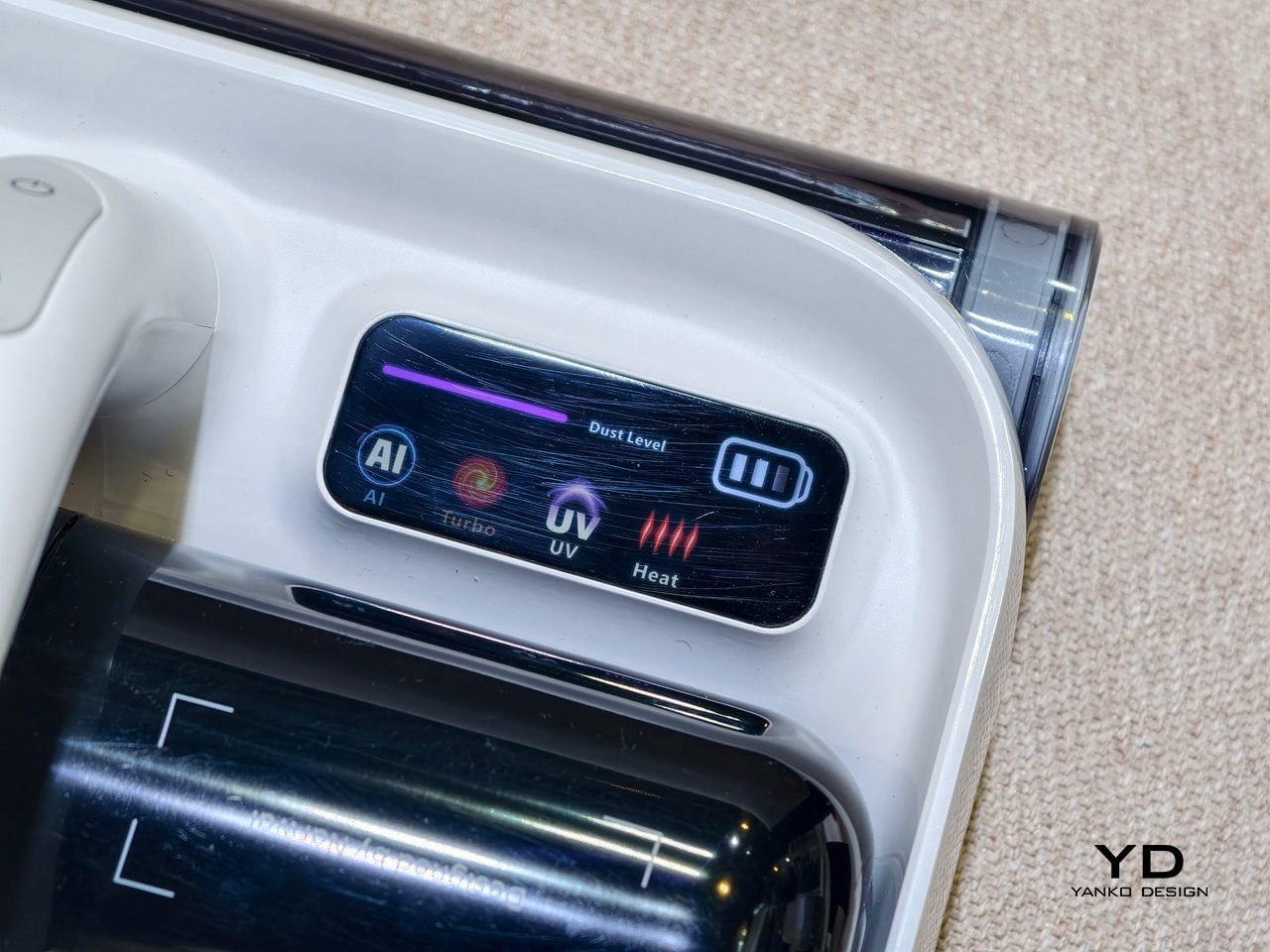
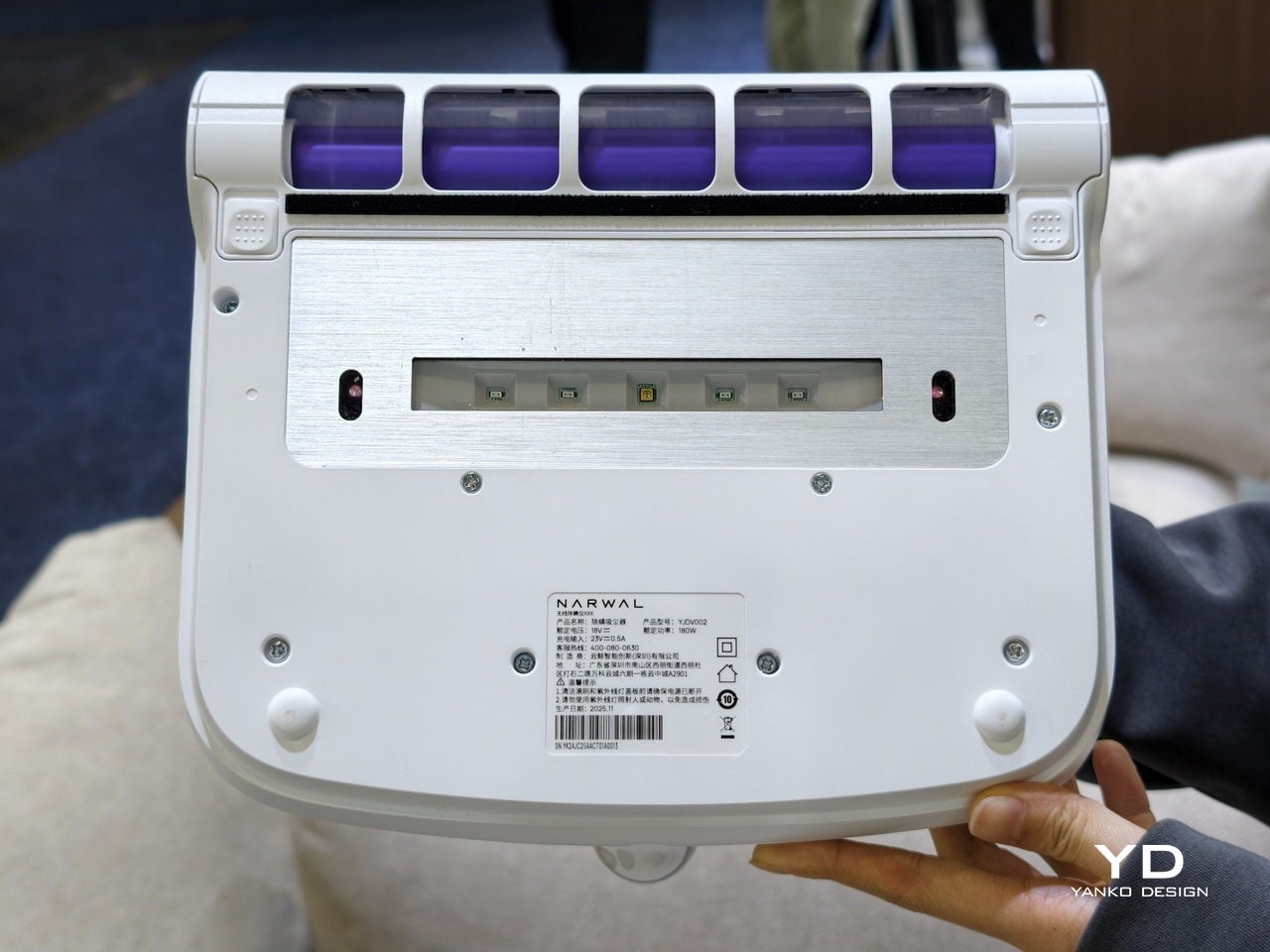
The U50 Series mattress vacuum targets a different corner of the home, using 137°F iron-heating, UVC sterilization, 60,000 taps per minute, and 16,000 Pa of suction to pull mites and allergens out of mattresses and upholstery. It weighs just 3.7lb and uses sealed, disposable dust bags with a transparent window, so you can treat beds and sofas without dealing with messy dust cups or touching what comes out. Together, V50 and U50 show Narwal extending its maintenance-free, AI-aware design language into spaces the robot cannot reach, keeping the entire home cleaner without multiplying the number of chores you actually have to do.

Narwal Flow 2: See Further, Think Deeper, Clean Smarter

Flow 2 is a sign that robot vacuums are finally moving from smart enough not to fall down the stairs to smart enough to adapt to how you live. It still has big suction numbers and a long spec sheet, but the interesting part is how it sees pets, babies, and messes differently, and how it keeps its own mop clean while it works. For a category that has been chasing power for years, that kind of judgment feels like the more meaningful upgrade, especially when the alternative is manually zoning a map and hoping the robot does not knock over a water bowl or wake up a napping toddler on its next routine pass.

The post Narwal Flow 2 at CES 2026: Sees Everything, Cleans Smarter first appeared on Yanko Design.

AI-powered Razer Motoko headphones with 4k cameras do what smart glasses can

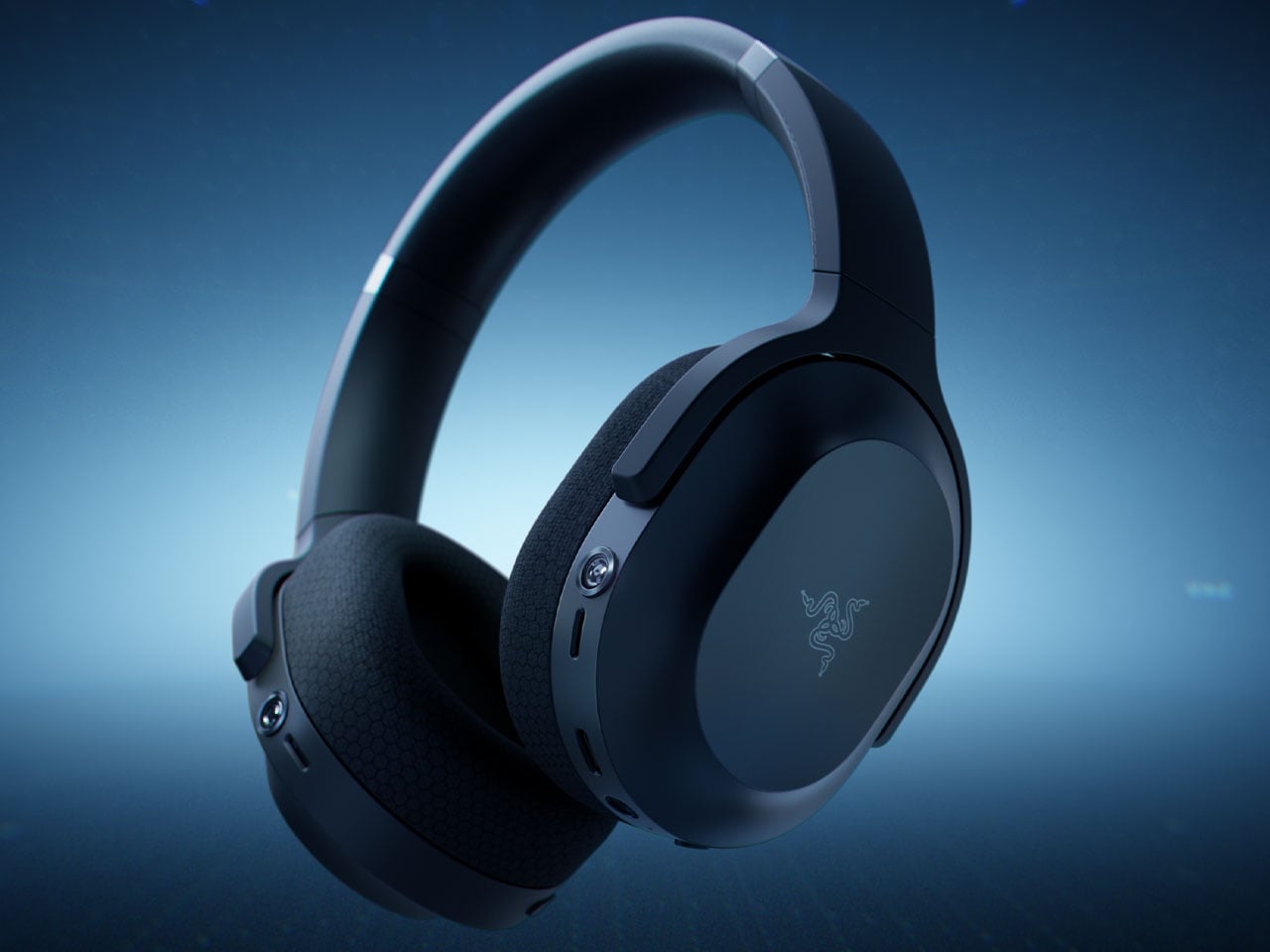
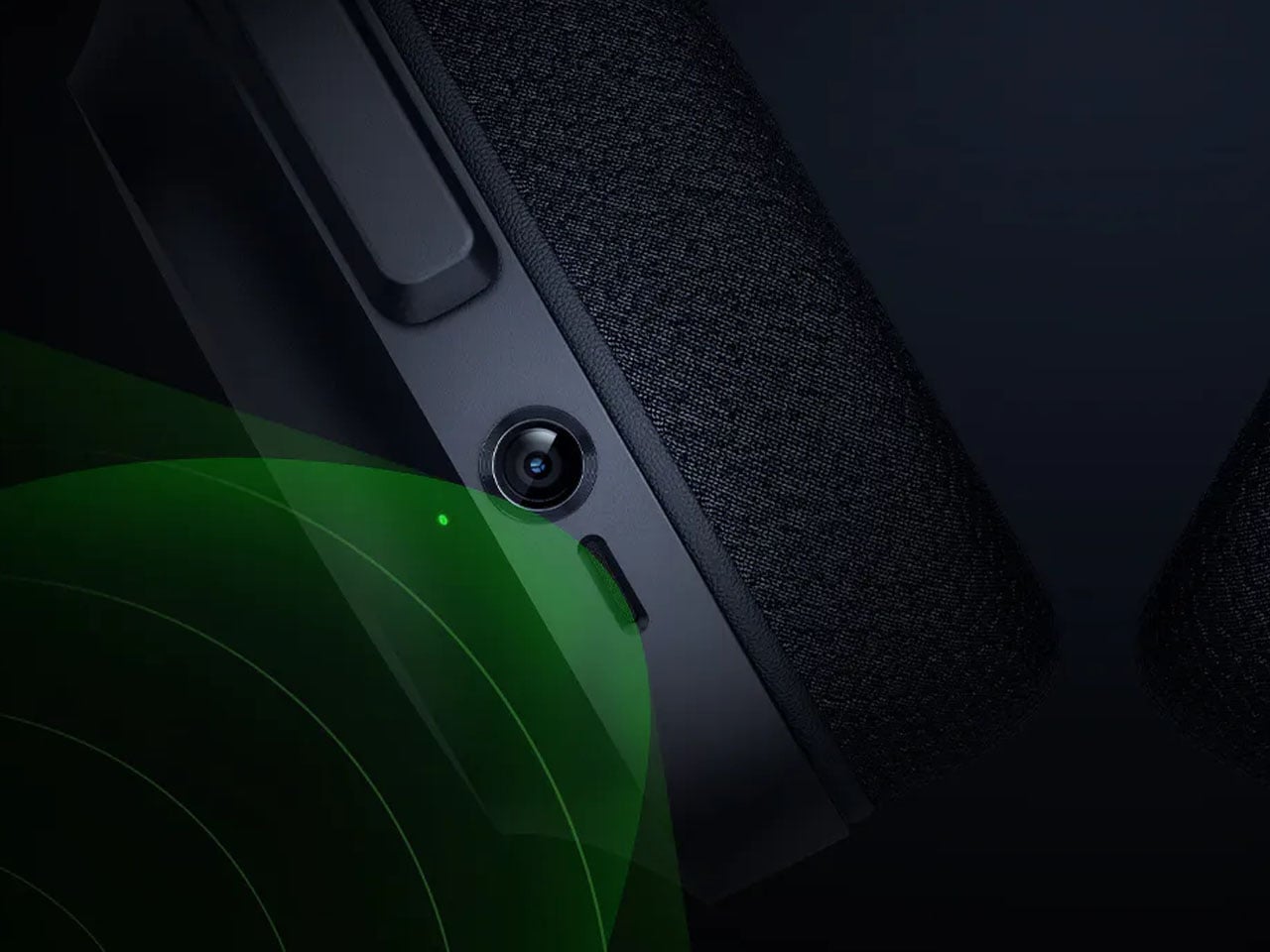
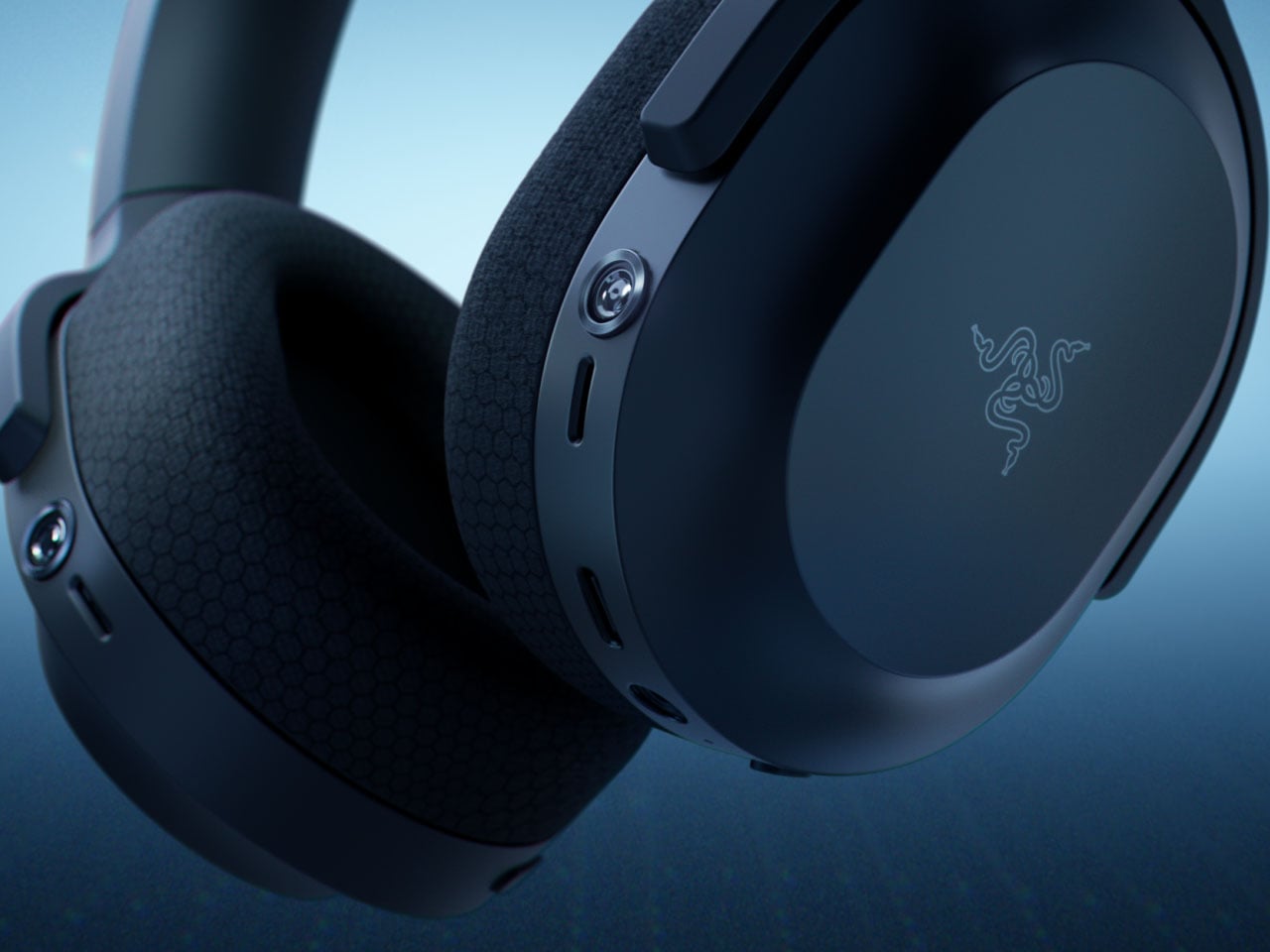
Every year at CES, Razer has some exciting tech on offer. This year is no different as they’ve come up with headphones that go beyond audio nirvana. Dubbed Project Motoko, the over-ear headphones are the next frontier of wearable AI, since they have eyes. Yes, the concept cans are loaded with a pair of Sony 4K cameras (with 12MP resolution), to make you ditch your smart glasses for good reason. Since most of us wear headphones more than smart glasses, this innovation makes complete sense.

AI is the name of the game at this year’s CES, even though we’ve seen cramming of machine learning technology in things where it makes no sense or is not useful at all. The Motoko headphones are different as they build on an accessory we already use a lot. The in-built cameras analyse the world around you, seeing what the user sees, in first-person view. They can do pretty much what other smart glasses can, and yes, they play ear-pleasing music when you need to zone out.

Designer: Razer

According to Nick Bourne, Global Head of Mobile Console Division, Razer, “By partnering with Qualcomm Technologies, we’re building a platform that enhances gameplay while transforming how technology integrates into everyday life. This is the next frontier for immersive experiences.”

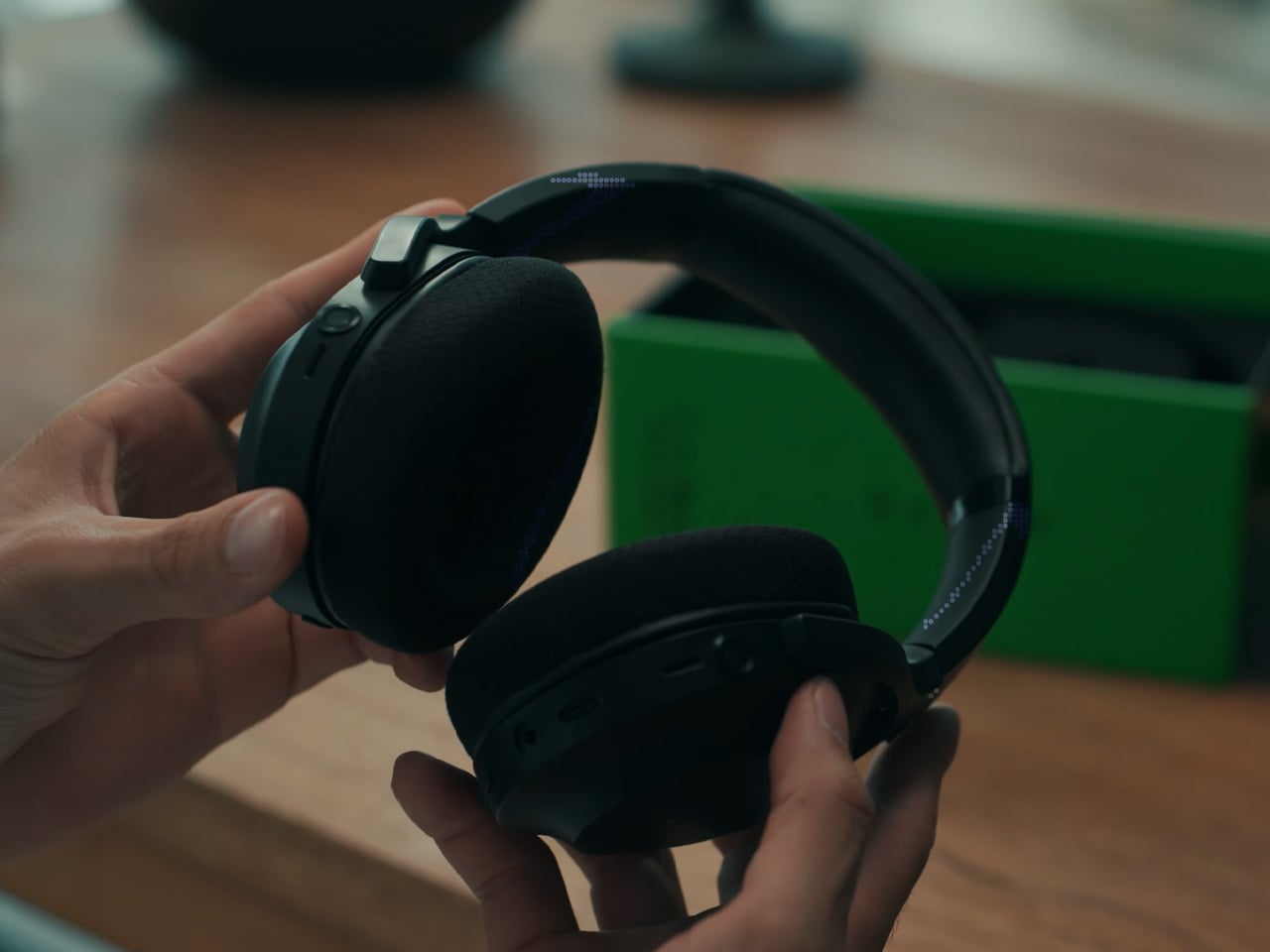
Motoko headphones can do translations in real time, beam weather updates, provide navigation input, and a whole lot more. The biggest advantage Razer should be appreciated for compared to smart glasses is that the Motko can fetch information from multiple AI assistants, including Grok, Gemini, ChatGPT, Perplexity, and Meta. Most basic functions run on the headphones, like checking the calendar updates and schedules. For other deeply embedded tasks, you have to pair them with a phone or PC. For the most part, someone unassuming won’t be able to tell the difference between a normal pair of headphones and these.

The headphones are built on the Qualcomm Snapdragon platform, making them AI-powered in a real sense. You can recognize objects, track exercises, or even summarize information. The stereoscopic vision extends the field of view beyond the human peripheral vision capabilities. In combination with the audio input and the far-and-near field microphones, the headphones detect dialogue, voice commands, or ambient noises. Thereby, the headphones use all this data in machine learning applications, which ultimately assist the user in daily tasks, work, and, of course, gaming. Down the line, you could be using them for preparing meals in the kitchen, immersive AI guidance in strategy games, or translating in real-time when travelling abroad.

As per Ziad Asghar, SVP and GM of XR at Qualcomm Technologies, they are thrilled to work with Razer to push “AI wearable computing into a new era where intelligence, performance, and immersive experiences converge.” There is no word yet on the probable timeline for the release of the headphones, but they definitely are exciting tech to experiment with and use in daily life. The AI-assisted feature should work at a deeper level with the headphones, and it’ll be exciting to use them hands-on.

The post AI-powered Razer Motoko headphones with 4k cameras do what smart glasses can first appeared on Yanko Design.

LEGO’s New Smart Bricks Launched at CES 2026 Bring Star Wars Builds to Life

If you thought LEGO couldn’t possibly get any cooler, think again. At CES 2026, the iconic toy company just dropped what they’re calling their biggest innovation since the Minifigure debuted back in 1978. That’s nearly 50 years of building history, so yeah, this is kind of a big deal.

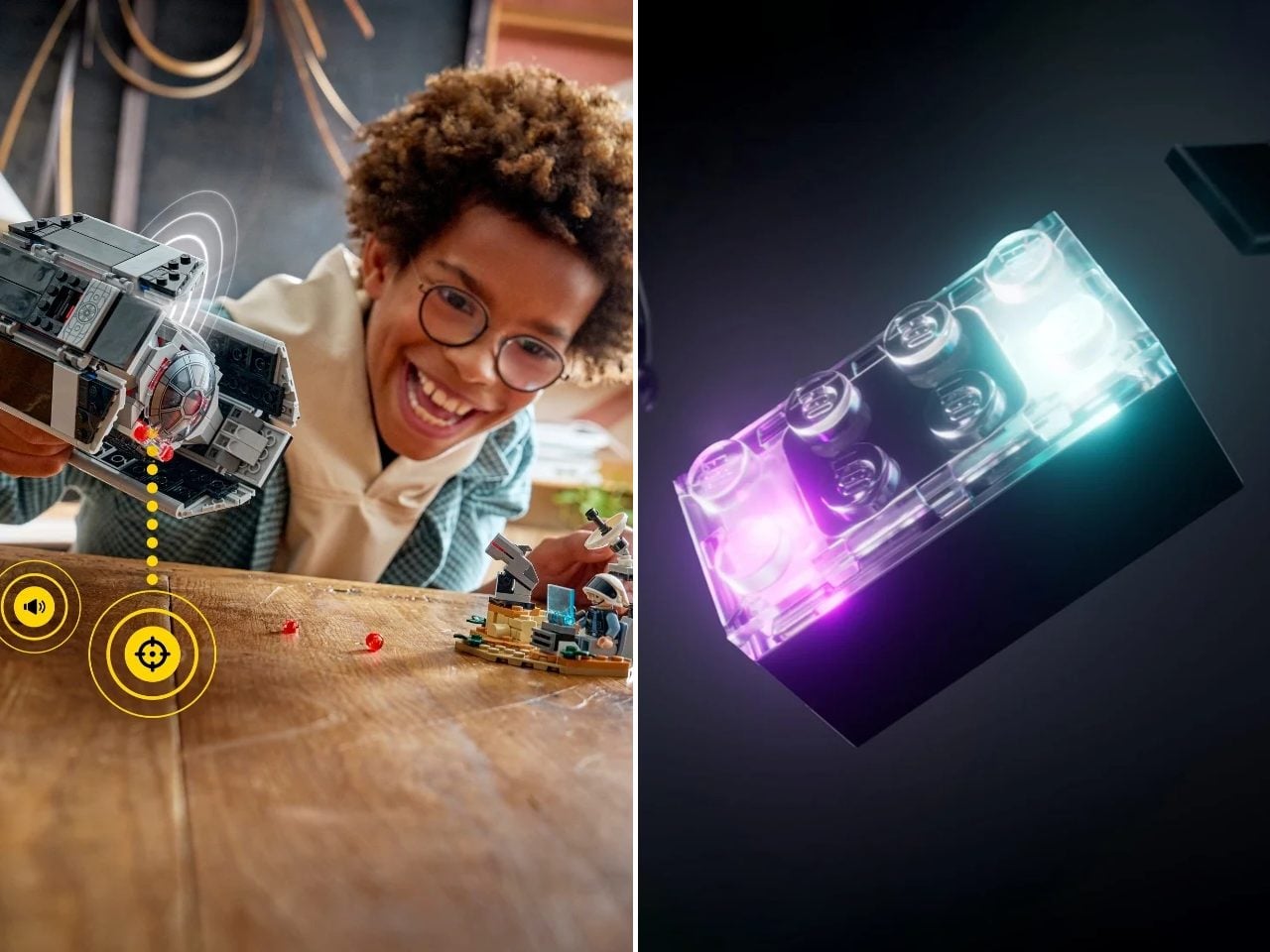
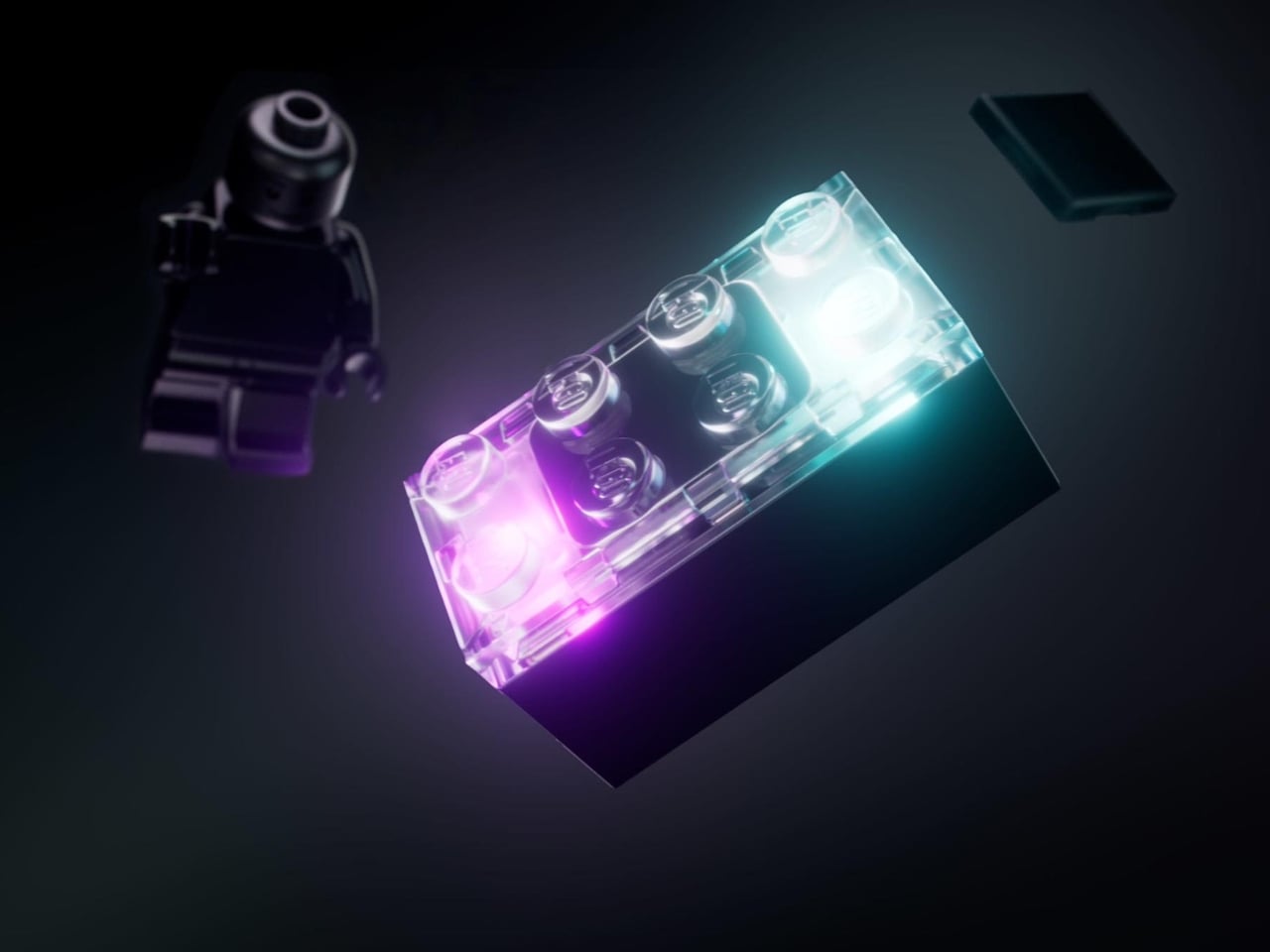
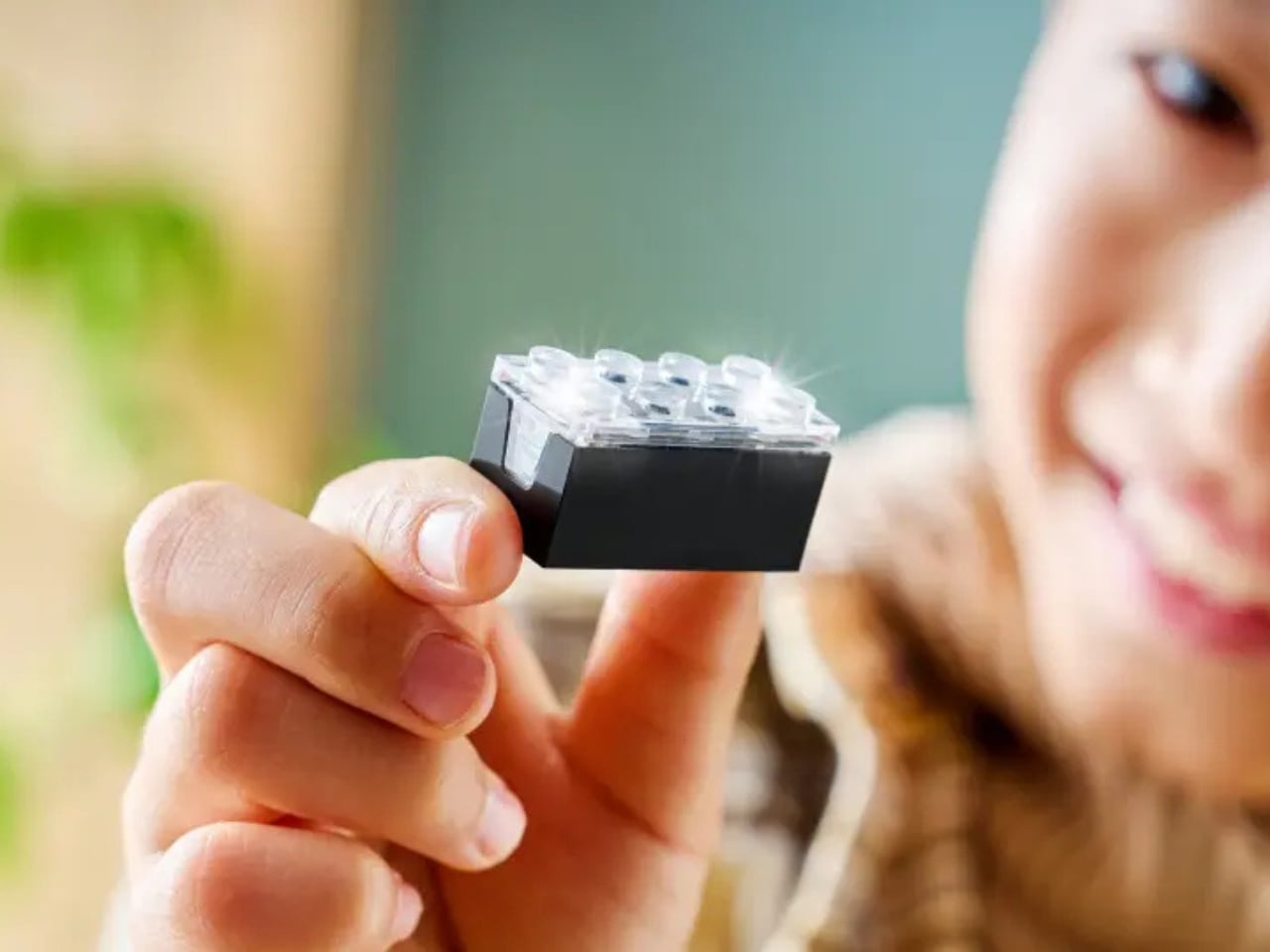
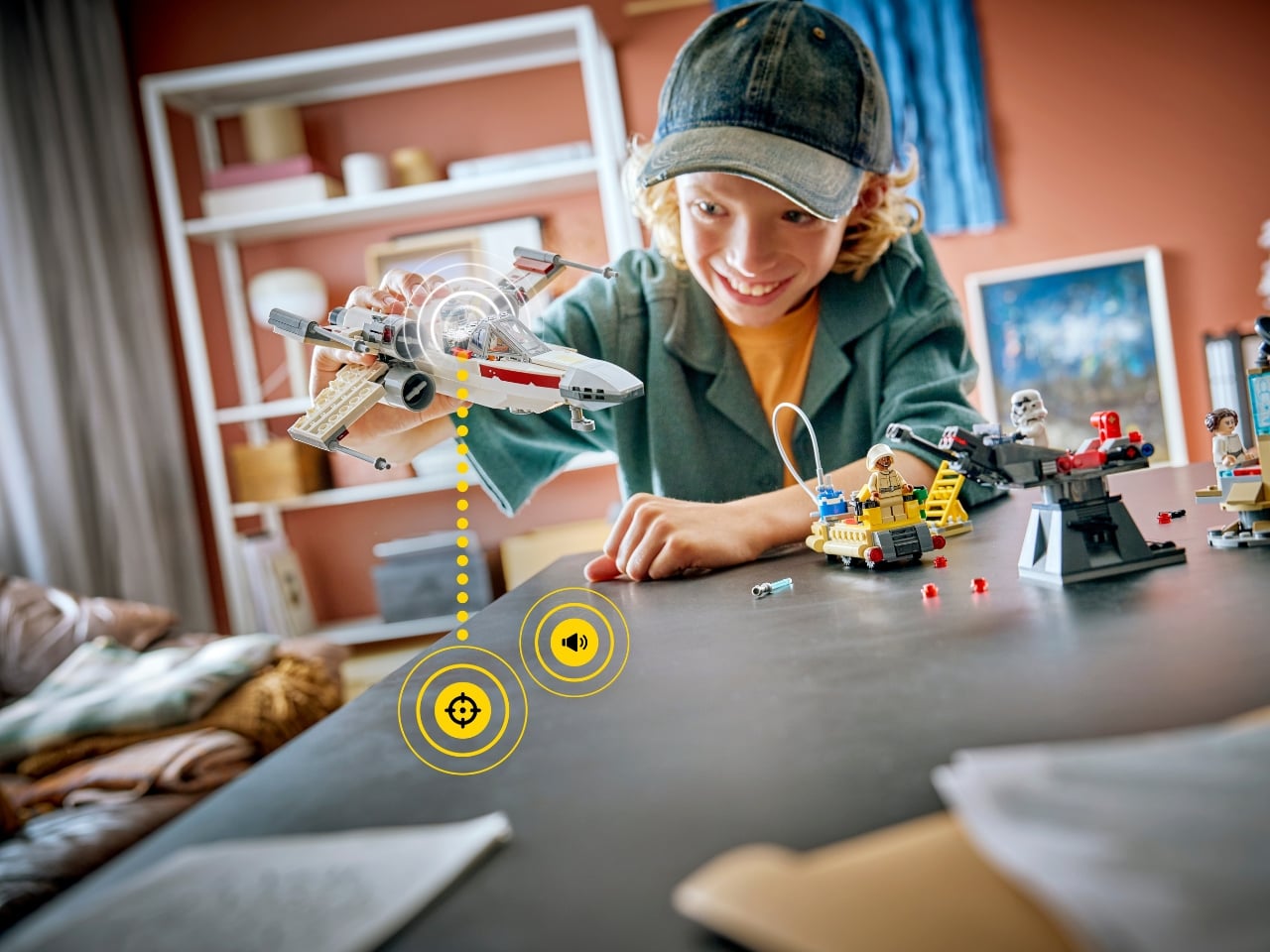
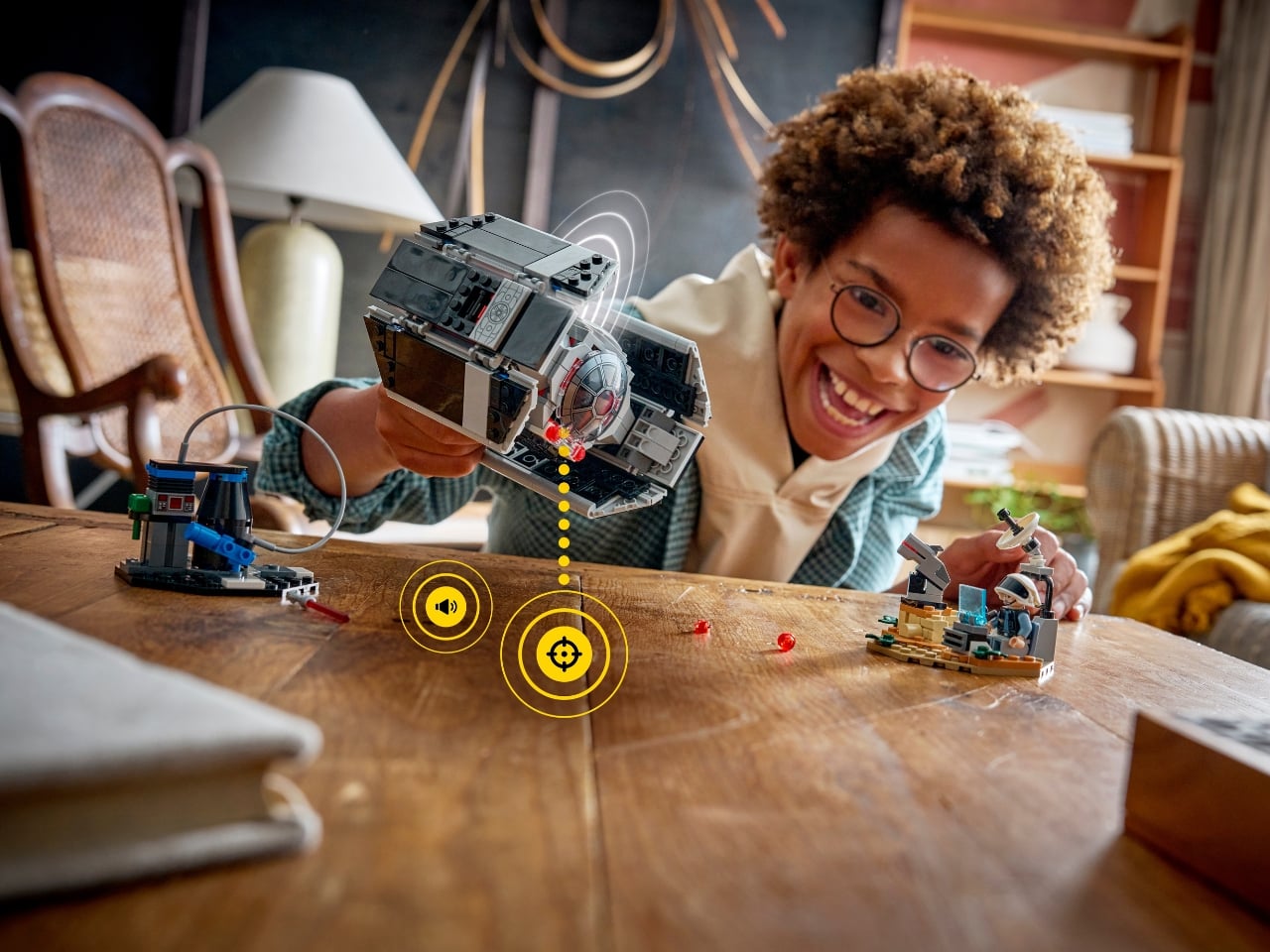
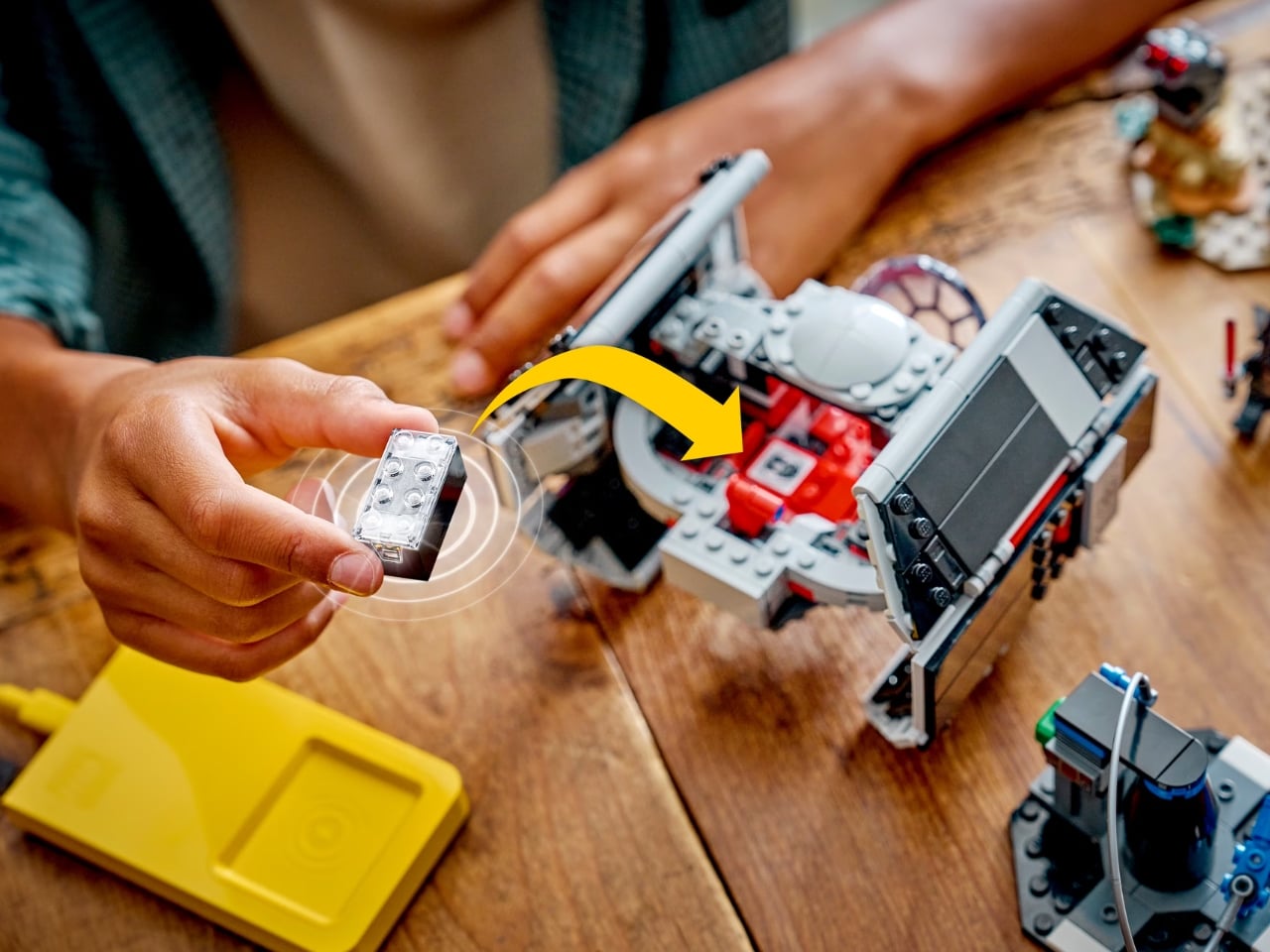
Meet the LEGO Smart Brick: a standard 2×4 brick that looks totally normal on the outside but is secretly packed with more tech than you’d think possible. We’re talking motion sensors, LED lights, a tiny speaker, and a custom-made computer chip that’s literally smaller than a single LEGO stud. The result? Your builds can now react to how you play with them, complete with authentic sounds and lighting effects. And the best part? No app or screen required.

Designer: LEGO

LEGO is launching this new Smart Play system with three Star Wars sets hitting stores on March 1, and honestly, they picked the perfect franchise to showcase this technology. Because if there’s any universe that deserves the full immersive treatment, it’s Star Wars. And if there’s any fandom that would gobble these builds up, it’s those that love the galaxy from far, far away to bits.

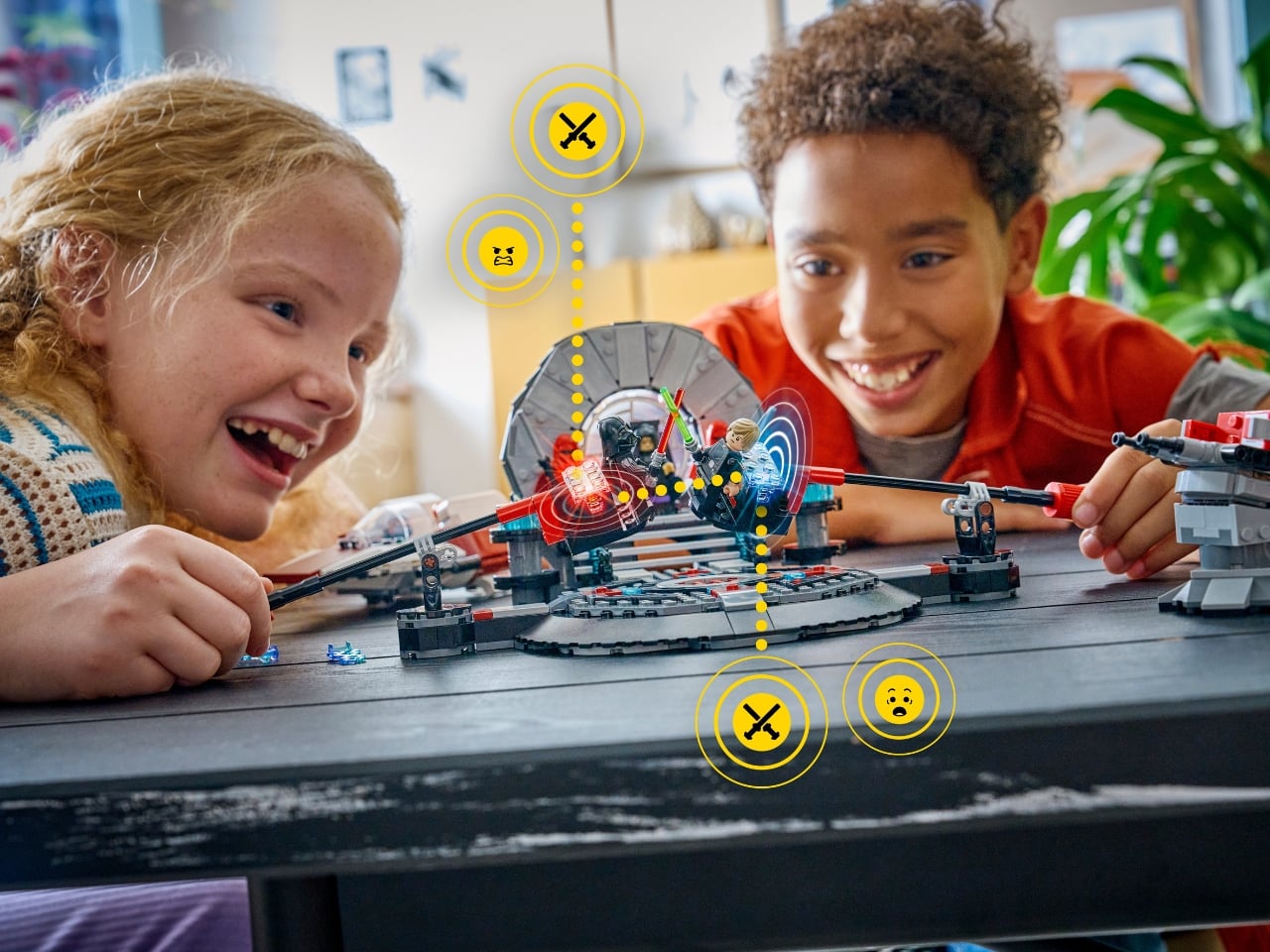
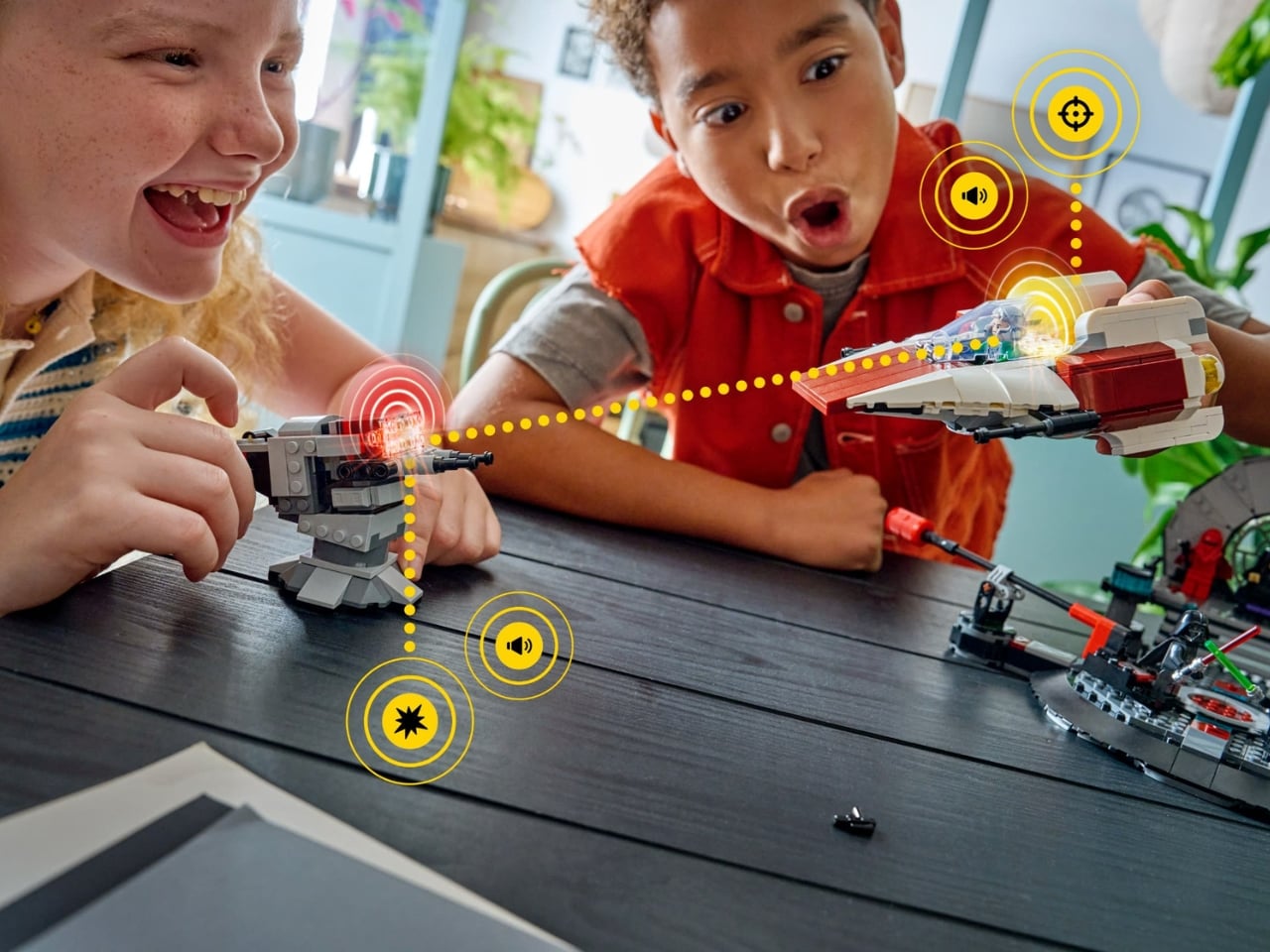
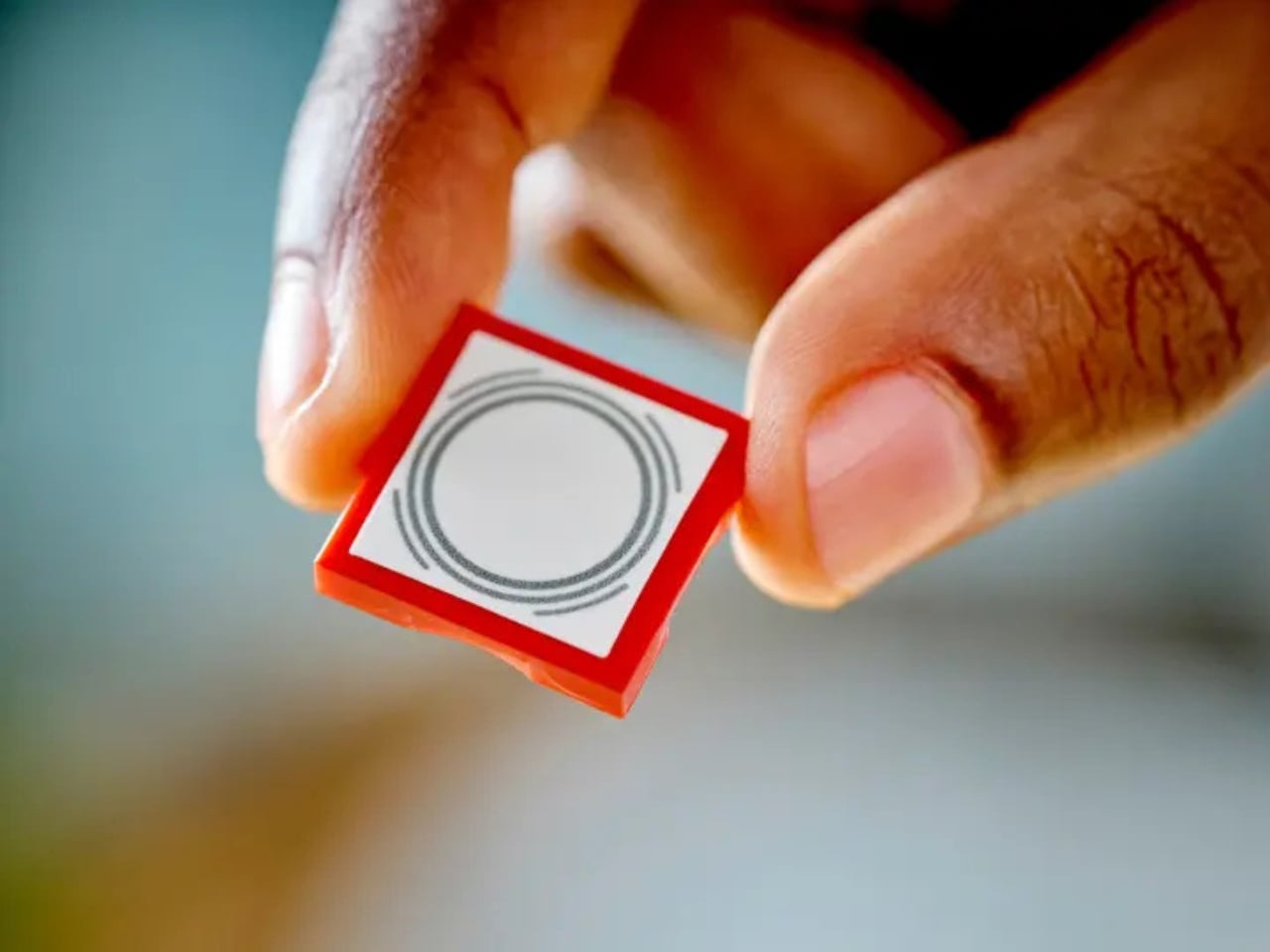
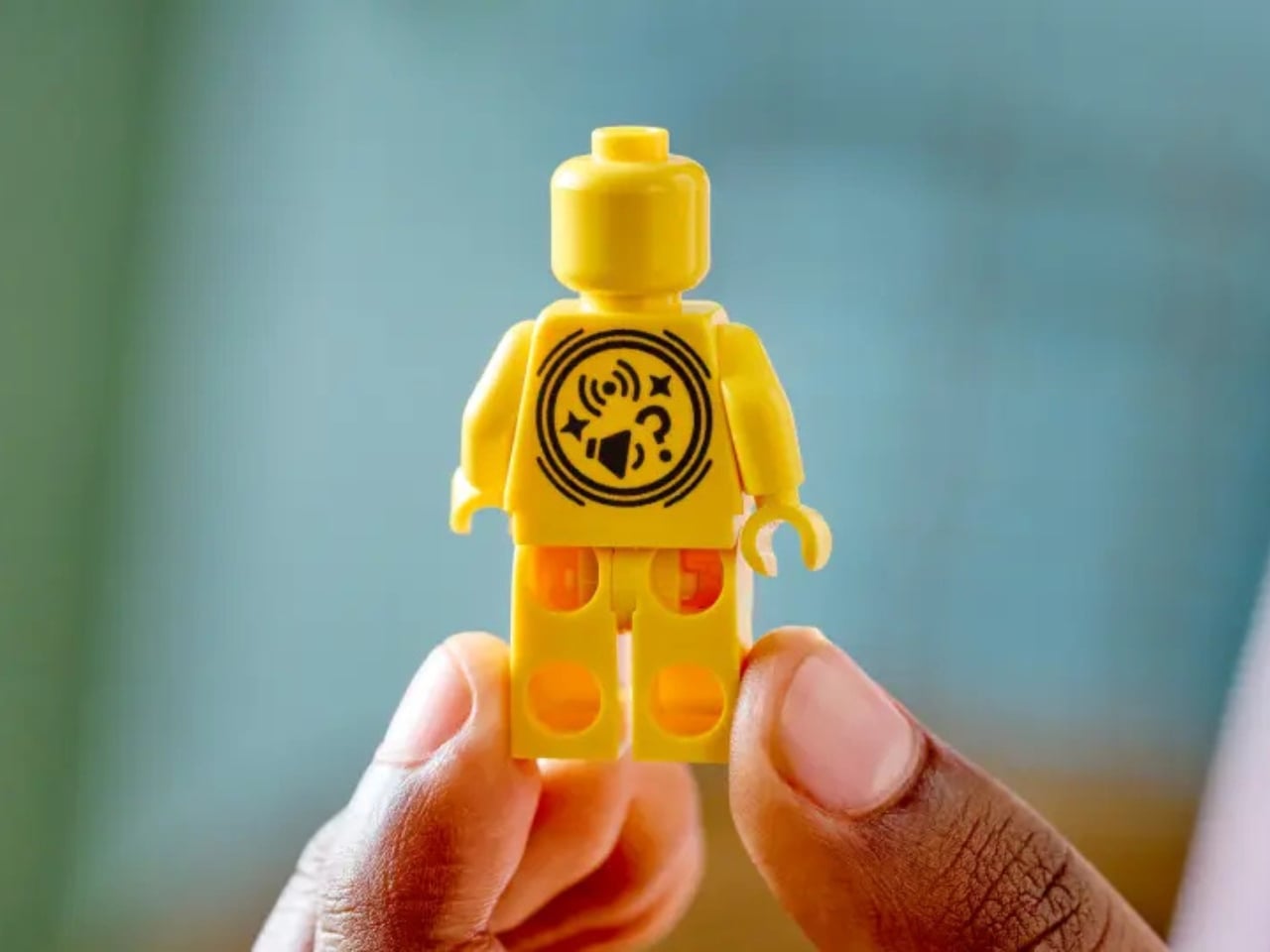
The Smart Play system works through three components working together. There’s the Smart Brick itself, which is the brain of the operation. Then you’ve got Smart Tags, which are special tiles that trigger specific responses when the brick detects them. Finally, there are Smart Minifigures that activate character-specific sounds and interactions. The bricks communicate with each other using something LEGO calls BrickNet, a proprietary wireless system that creates what they describe as a “decentralized network” of interactivity.

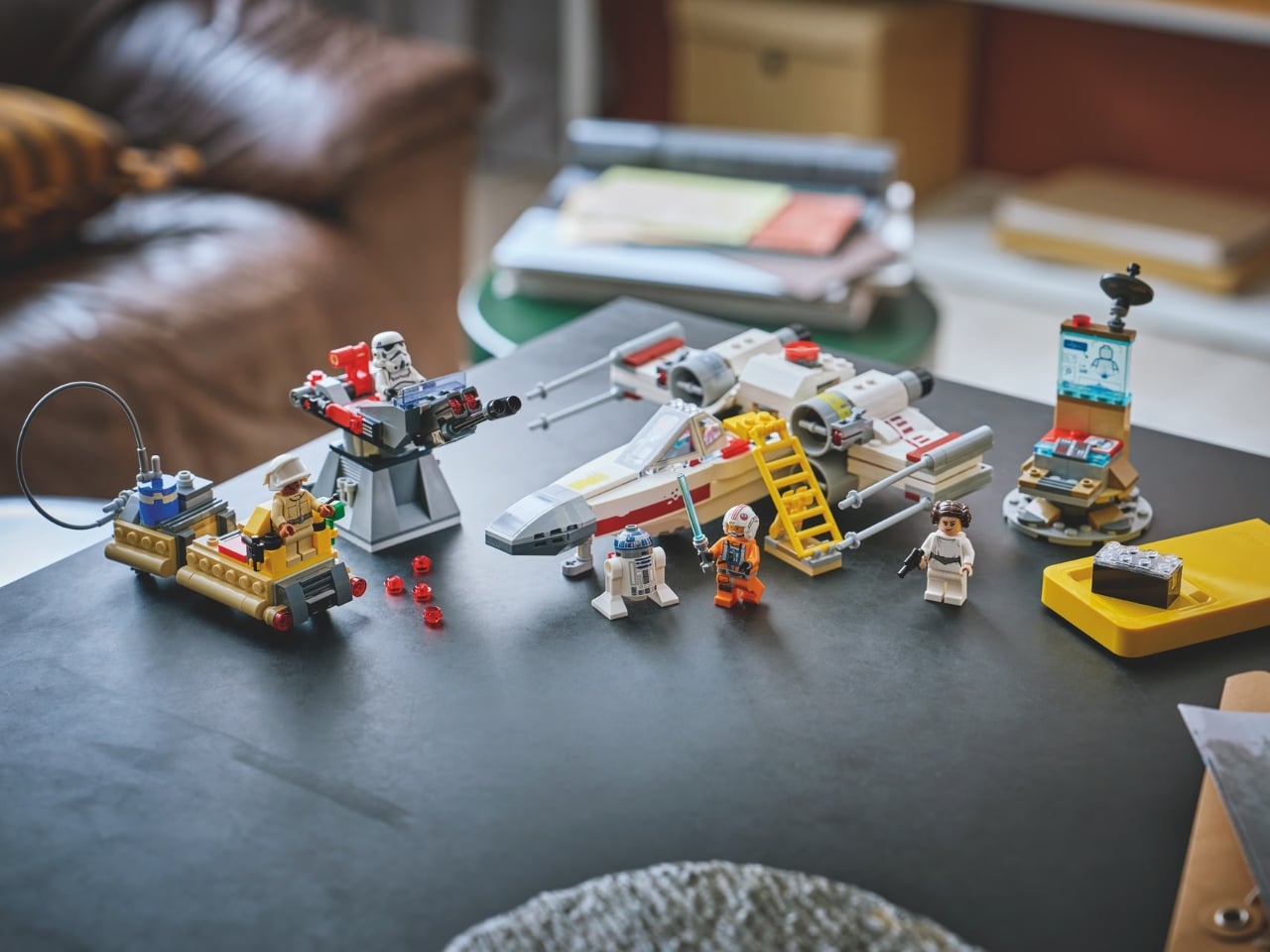
In practice, this means when you place a Smart Brick into Luke’s X-wing and fire it up, you hear authentic engine sounds. Move it around, and the accelerometer responds with appropriate whooshes and laser blasts. Park it at the command center, and you’ll hear refueling sounds. Put Emperor Palpatine on his throne, and the Imperial March starts playing. It’s the kind of detail that makes Star Wars fans absolutely giddy.

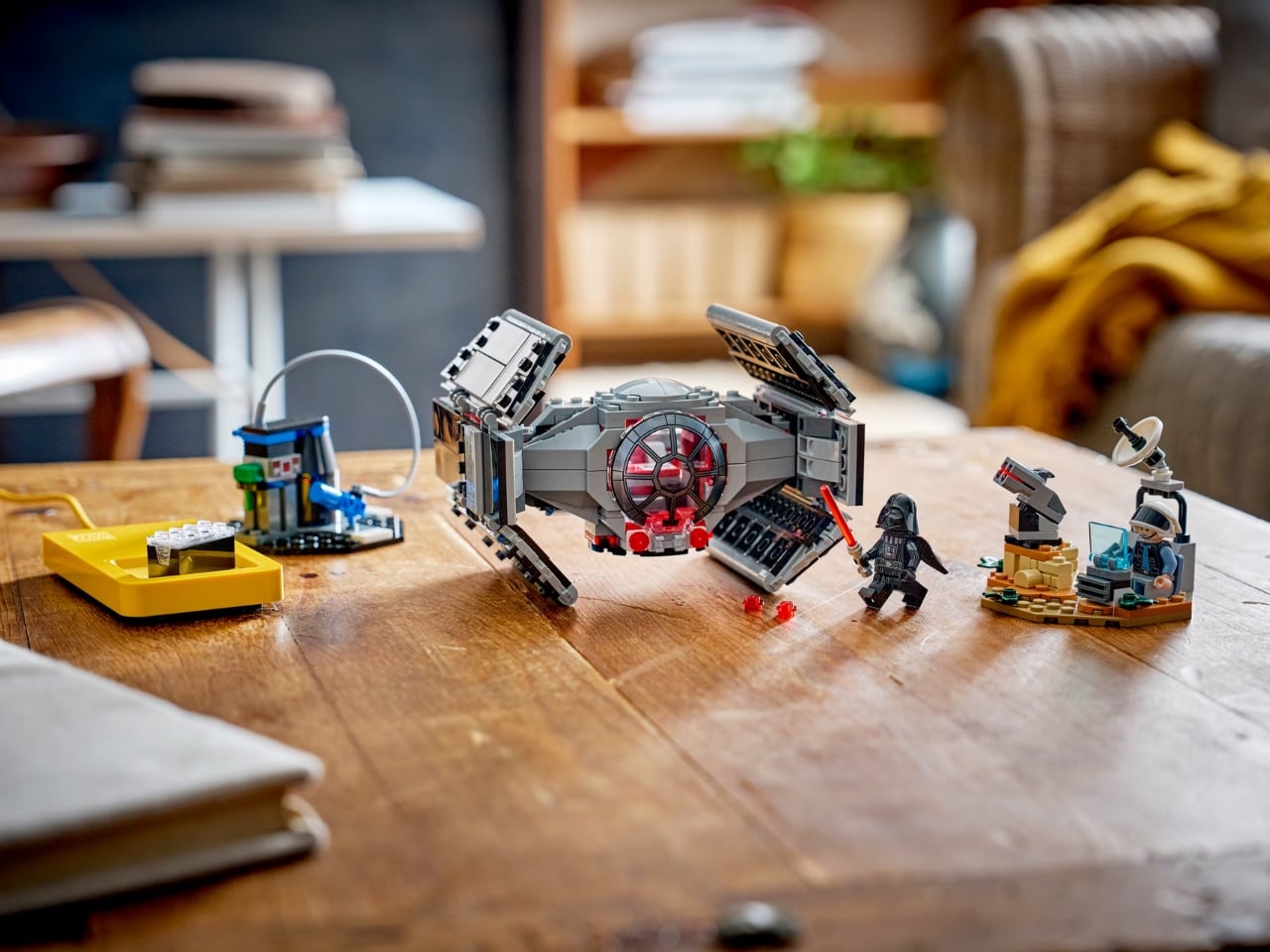
The three launch sets cover different price points and iconic moments from the original trilogy. The most affordable is Darth Vader’s TIE Fighter at $69.99 with 473 pieces. It includes a Smart Darth Vader minifigure who breathes menacingly and delivers his famous lines. The mid-range option is Luke’s Red Five X-wing at $99.99 with 584 pieces, featuring Smart versions of Luke and Princess Leia, plus good old R2-D2. The premium set is the Throne Room Duel and A-wing at $159.99 with 962 pieces, which recreates that unforgettable final confrontation from Return of the Jedi. This one comes with two Smart Bricks and three Smart Minifigures, including Luke, Vader, and Palpatine.

What makes this feel different from LEGO’s previous tech experiments is how seamlessly integrated everything is. There’s no coding required like with Mindstorms, no video game component like Dimensions, and no augmented reality app like Hidden Side. The Smart Play system enhances the physical building and storytelling experience without pulling you into a digital world. For parents worried about screen time, that’s actually a pretty compelling selling point.

Of course, some play experts have raised concerns about whether adding technology might diminish the imaginative play that makes LEGO special in the first place. But LEGO’s approach here seems thoughtful. The tech is designed to respond to creativity rather than dictate it. Kids still build whatever they want, but now their creations can talk back.

Pre-orders open January 9, and LEGO has already teased that more Smart Play sets are coming later in 2026, including a Millennium Falcon, Mos Eisley Cantina, and a Landspeeder. They’re clearly betting big on this platform.

For collectors, these inaugural Smart Play sets represent something special: the ground floor of what LEGO is positioning as their most significant evolution in decades. Whether that claim holds up remains to be seen, but one thing’s certain. The Force is definitely strong with this one, and your childhood dreams of building Star Wars worlds that actually come alive just got a whole lot closer to reality.

The post LEGO’s New Smart Bricks Launched at CES 2026 Bring Star Wars Builds to Life first appeared on Yanko Design.

Google Gemini AR Glasses and other cool wearables at the Global Connect Show at CES 2026

Las Vegas in January means two things: CES crowds and overpriced hotel rooms. Global Connect sidesteps both problems on January 5th by hosting wearable tech companies at Mike Tyson’s private villa (no, seriously), giving journalists space to test devices designed to sit on your face, in your ears, or against your skin for hours at a time. Wearables demand different scrutiny than robots or appliances because discomfort kills adoption faster than missing features. AR glasses that overlay useful information but give you a headache after 20 minutes won’t survive. Translator earbuds that work perfectly in quiet rooms but fail in restaurants are useless for actual travel. A stress-regulating wearable that’s supposed to calm you down but feels like a medical device defeats its own purpose.

The lineup spans sensory augmentation, communication, health monitoring, and pet tracking. TCL RayNeo and INMO bring AR glasses with AI embedding. Timekettle has translator earbuds handling real-time cross-language conversations. Vocci’s AI Ring puts an AI notetaker on your fingertips (well, not literally but you know what I mean). Cearvol’s smart hearing solutions adapt to different acoustic environments. ZenoWell’s vagus nerve stimulator uses electrical pulses to regulate stress response. GlocalMe built a wearable tracker and phone for pets. DaÏve created a heads-up display for divers who need data underwater without surfacing. iMpact PR and USA Today are co-hosting with brands that have manufacturing scale and market strategies, not concept sketches. Four hours provides enough runway to discover whether AR glasses cause eye strain, if translator earbuds struggle with accents, or if a vagus nerve stimulator actually makes you calmer or just vibrates annoyingly on your chest.

TCL RayNeo X3 Pro: AR Glasses with Gemini AI
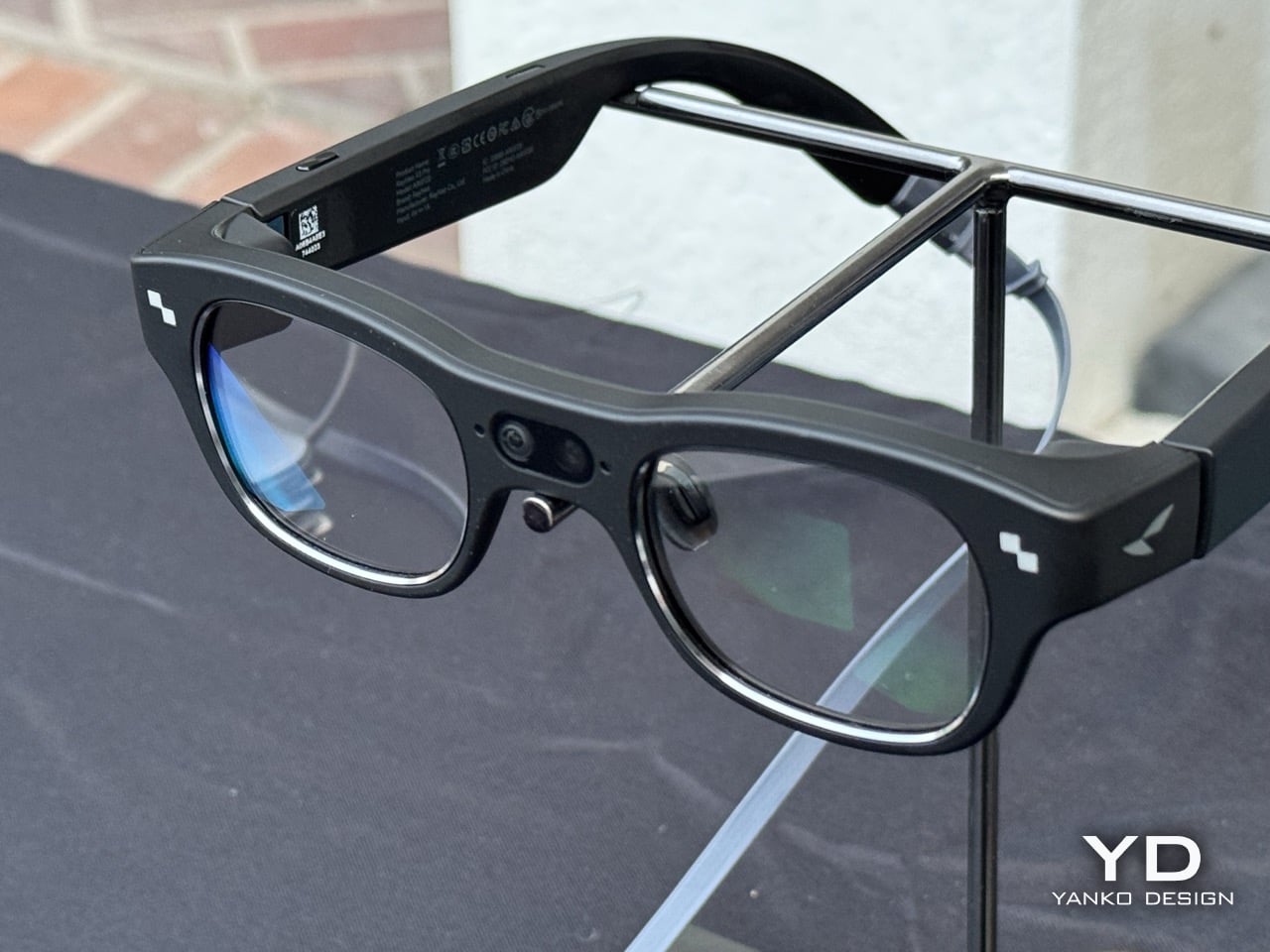
AR glasses have promised to replace smartphones for years, but most prototypes are too heavy, too dim, or too awkward to wear beyond a demo. TCL’s RayNeo X3 Pro addresses those problems by shrinking the optical engine to what the company claims is the world’s smallest MicroLED system, cutting weight by 36% to just 76 grams while maintaining 2,500 nits of brightness that stays visible in any lighting condition. The display projects a 43-inch floating aerial screen into your field of view without blocking your sight, running Google Gemini 2.5 AI for context-aware assistance that understands both voice commands and visual recognition. You can ask it to identify objects, translate conversations across 14 languages in real time using Microsoft’s translation engine, or record meetings and let the AI summarize the content afterward. The glasses run on a Qualcomm Snapdragon AR1 Gen 1 platform with a 245mah battery providing four hours of use and a 38-minute fast charge. Control happens through an intuitive five-dimensional temple interface or voice activation, keeping your hands free while the system processes requests.

TIME named the X3 Pro one of the Best Inventions of 2025, and it’s been available since December 17 at $1,299. RayNeo was initially incubated within TCL before spinning out to focus exclusively on AR technology, and the X3 Pro reflects years of iteration aimed at making augmented reality wearable for actual daily use instead of just trade show demonstrations. The developer-friendly app ecosystem connects the digital world with physical spaces, letting third-party apps build experiences that overlay information, navigation, or entertainment onto your environment. Whether AR glasses become mainstream or remain niche depends largely on whether people will tolerate wearing technology on their faces all day, and the X3 Pro’s 76-gram weight combined with ergonomic design addresses the comfort problem that killed previous attempts. Four hours of battery life won’t get you through a full workday, but it covers meetings, commutes, or travel scenarios where real-time translation and hands-free information access provide genuine utility beyond novelty.

Vocci AI Note-Taking Ring: Recording on Your Finger
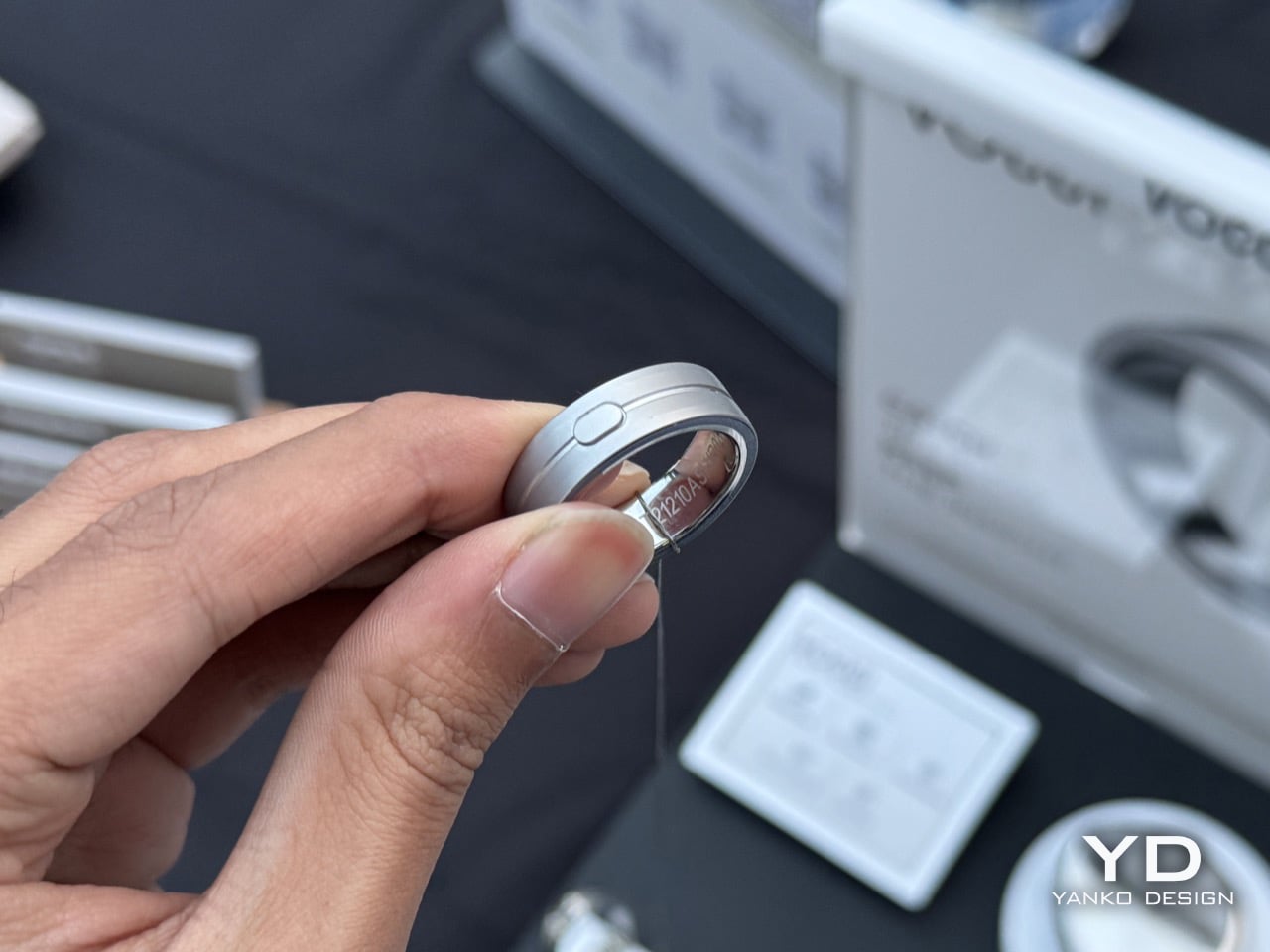
Smart rings usually track heart rate or count steps, but Vocci decided your finger should handle something different: recording and transcribing conversations without pulling out your phone. The AI note-taking ring weighs 3.5 grams, measures 2.8mm thick and 6.8mm wide, and captures audio from a 5-meter effective pickup range with enough battery life for eight hours of continuous recording. You tap once to highlight key moments during a conversation, and the ring records, summarizes, and organizes those insights automatically. Double-tap starts full recording mode, with AI cleaning the audio, understanding context, and structuring your ideas without requiring manual note-taking. The system supports 112-plus languages with multilingual speaker recognition, handling transcription accuracy across different accents and languages while encrypting everything locally before syncing to private cloud storage.

The ring comes with a portable charging case and fast charges in 30 minutes, addressing one of the persistent complaints about wearables that die halfway through the day. IPX4 water resistance means it survives hand washing or light rain without failing. The AI-powered summaries and highlights turn raw audio into organized notes accessible through the companion app, which displays weekly summaries, key insights, and searchable transcripts. This positions Vocci somewhere between productivity tool and memory aid, letting you participate in conversations without simultaneously trying to write everything down or remember to review voice memos later. Whether wearing a recording device on your finger feels natural or creepy probably depends on your comfort level with ambient recording technology, but for people who spend their days in meetings, interviews, or brainstorming sessions, the ability to tap a ring instead of fumbling with a phone or notebook offers genuine workflow improvement. The question is whether you’ll remember it’s there after a week or if it becomes another forgotten wearable gathering dust in a drawer.

Timekettle W4: Bone-Conduction Translation in Your Ears
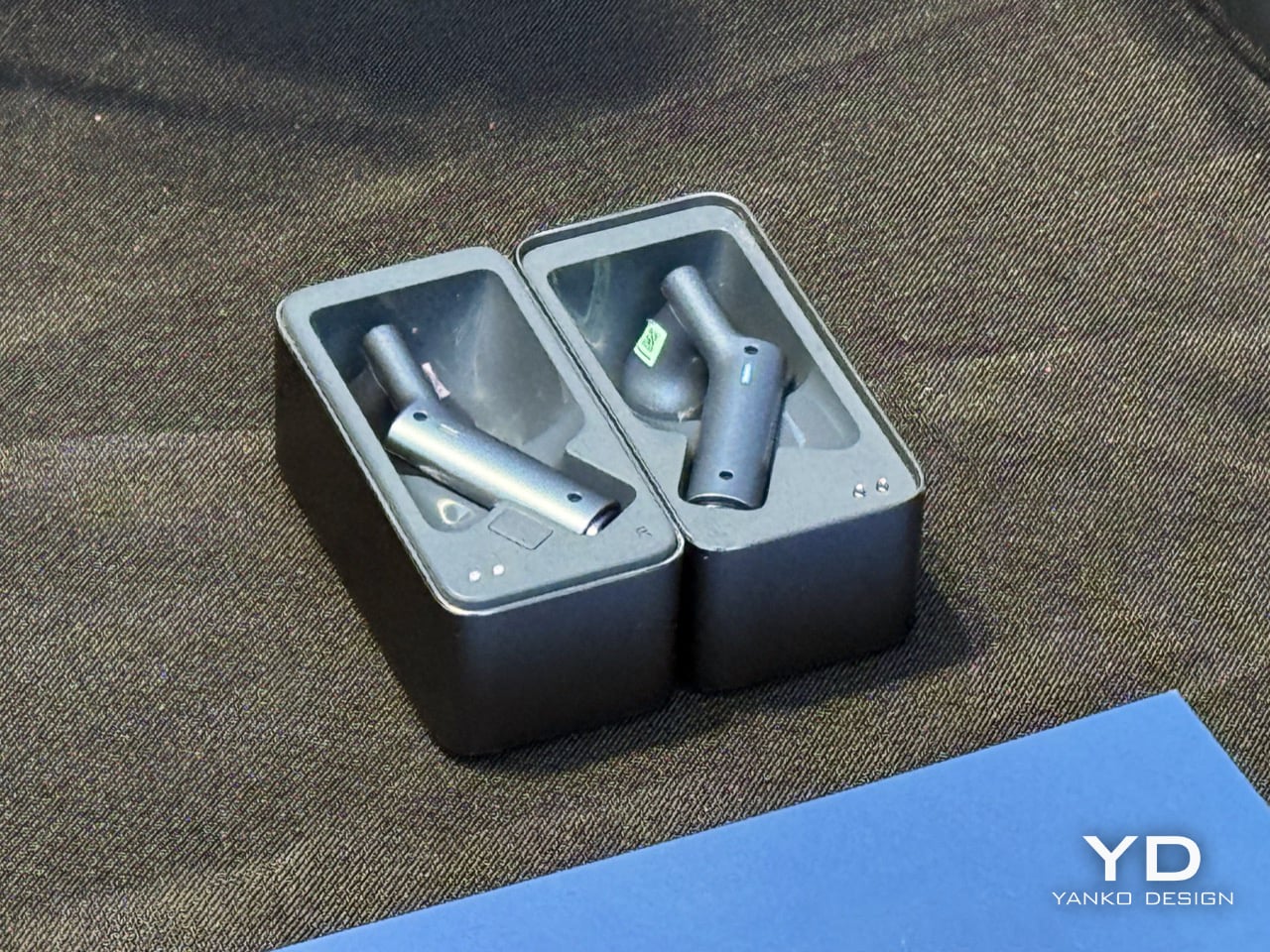
Timekettle has been iterating on AI translator earbuds for years, so the W4 arrives with some history behind it rather than pretending to be a first draft. These are bone‑conduction interpreter earbuds built for sustained, in‑depth conversations rather than quick tourist phrases. A bone‑voiceprint sensor sits in the stem and picks up vibrations from your jaw while directional mics handle the rest, which lets the W4 keep recognizing your speech with claimed 98 percent accuracy even in environments up to 100 dB, like subways, airports, or trade show floors. The hardware runs Babel OS 2.0, Timekettle’s in‑house translation platform, and handles 43 languages and 96 accents with around 0.2‑second latency, so replies feel conversational instead of like waiting on a phone app to catch up. A 30‑degree tilted stem is shaped to hug the face, and the charging case comes in matte Midnight Blue or Sandy Gold, pitched as something you can keep on a conference table without it looking like a gadget museum piece.

The software side is where the W4 differentiates itself from generic translation buds. Large language models do context analysis and self‑correction, so when you say “complement” and it hears “compliment,” the system uses surrounding context to fix the mistake before it reaches the other person. Modes are tuned to specific scenarios: one‑on‑one mode for direct conversations, listen‑and‑play for conferences where you’re mostly listening but occasionally speaking, and a record‑and‑summarize flow that logs meetings, preserves audio, and generates AI summaries of key points afterward. Battery life lands at about four hours of continuous translation or eight hours of music on a charge, stretching to roughly ten hours of translation with the case. They also double as regular Bluetooth earbuds, so you are not carrying a single‑purpose device; you can stream music between meetings and still have an on‑demand interpreter when someone switches languages mid‑sentence.

INMO Air3 and GO3: Two Takes on AR Glasses
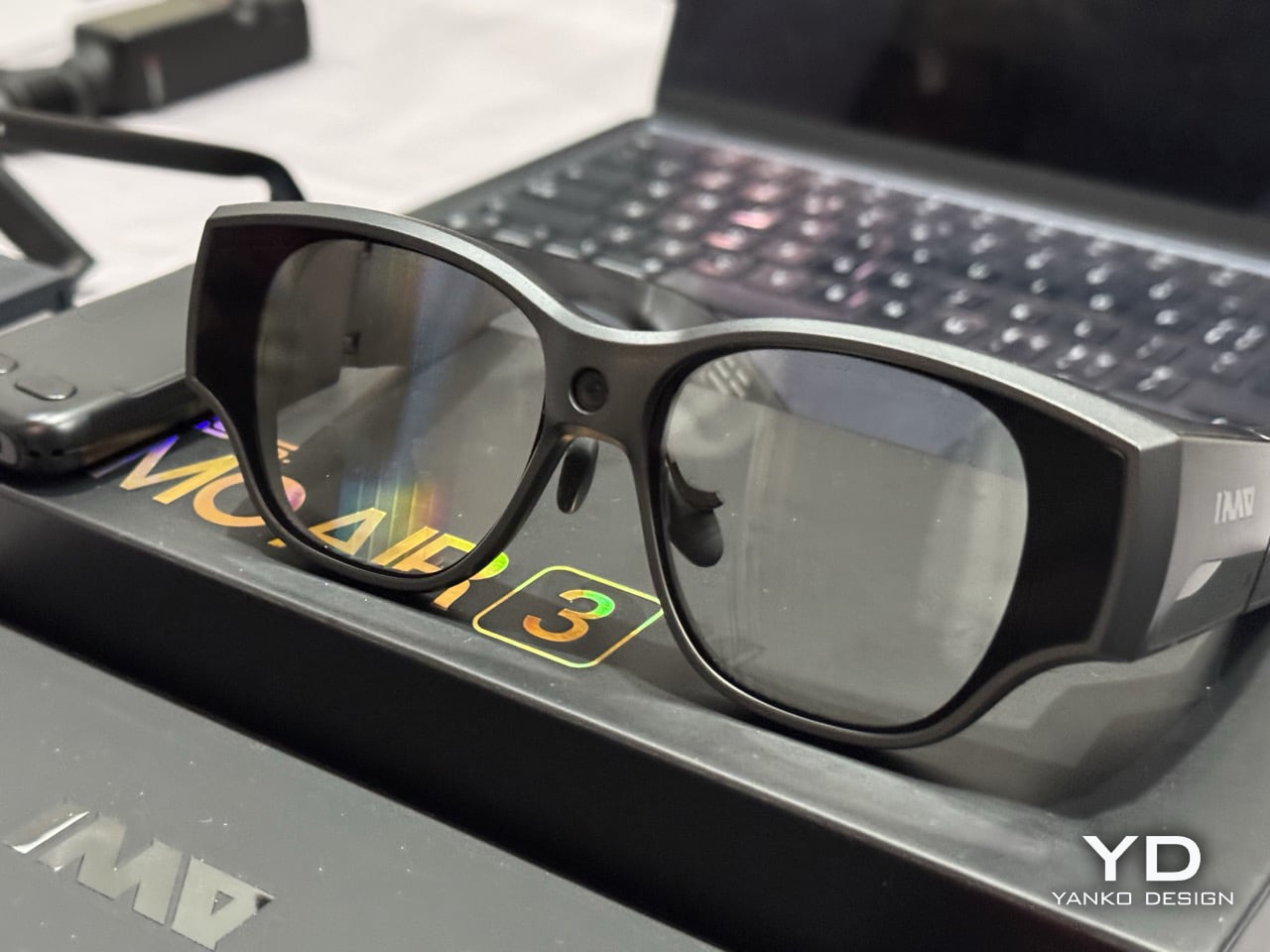
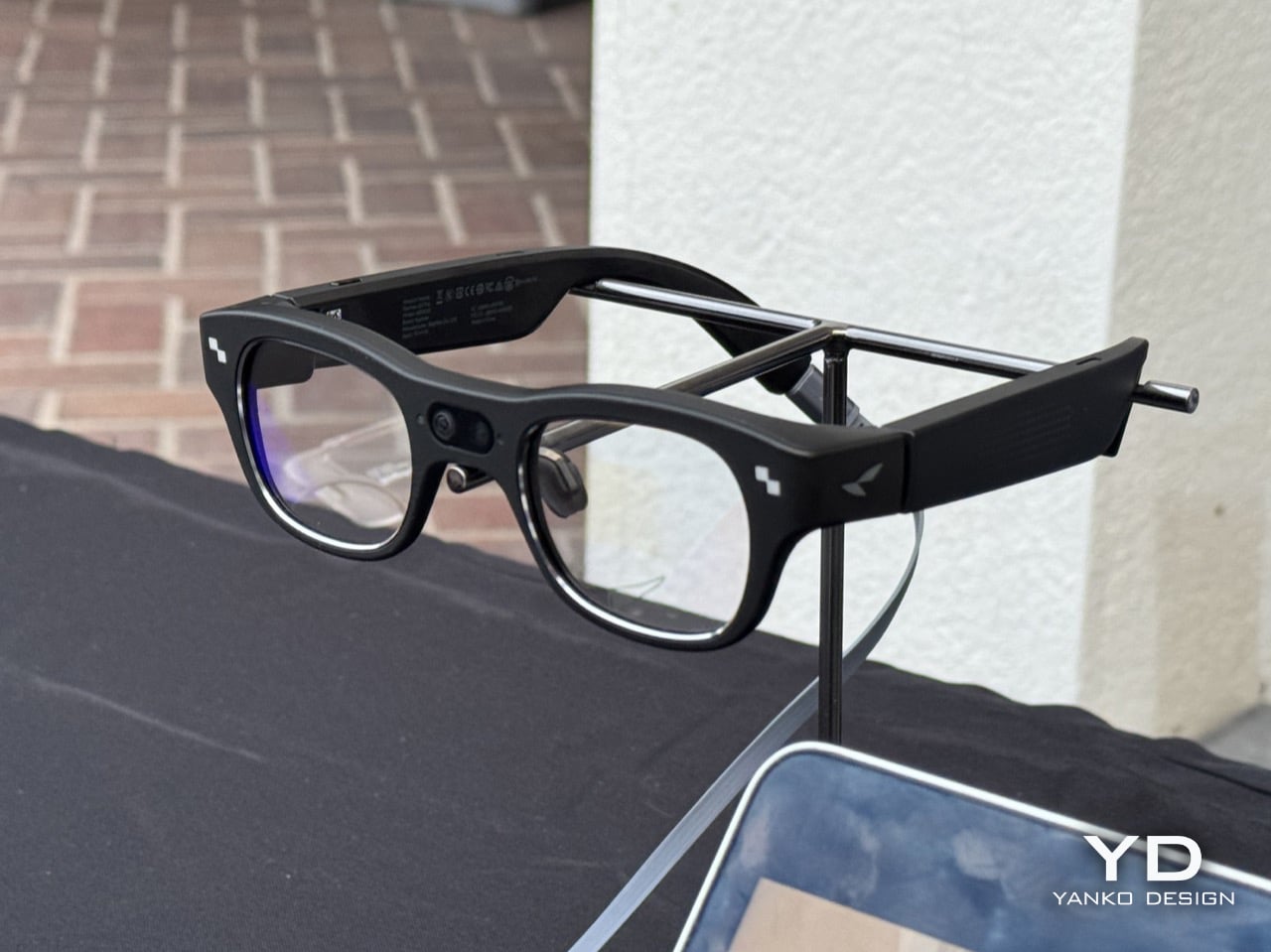
RayNeo built its X3 Pro around Gemini AI and a massive 43-inch virtual display, but INMO is showing up with two models that split the difference between immersive entertainment and discreet everyday utility. The Air3 is the world’s first all-in-one AR glasses equipped with a full-color 1080P waveguide display, using a Sony Micro-OLED panel that hits 600 nits peak brightness and stays visible even in bright outdoor environments. It runs on a Snapdragon XR processor with 8GB RAM, 128GB storage, and comes preloaded with Google Mobile Services, giving you access to the full Android app ecosystem. The 36-degree field of view projects a 150-inch virtual screen for streaming Netflix, browsing YouTube Shorts, or playing AAA games through cloud gaming platforms. Control happens through INMO’s Spatial Ring system, offering button-plus-touchpad controls or iPad-like gesture navigation, with a 16-megapixel ultra-wide camera (120-degree field of view) built in for capturing photos or video. The Air3 is pitched as portable entertainment for camping, fishing, vacations, or anywhere you want a private theater without carrying a monitor.

The GO3 takes the opposite approach by prioritizing subtlety over specs. It uses a dual-eye green monochrome Micro-LED display with 1,500 nits brightness and a 30-degree field of view, looking more like regular glasses than visible tech. At approximately 53 grams, it’s even lighter than the RayNeo X3 Pro, with ultra-slim 8mm temples that integrate the mainboard and battery while maintaining a discreet appearance. The GO3 comes with four interchangeable frame styles designed for professional, academic, casual, and social environments, all with a five-axis CNC-machined matte finish that resists fingerprints. The swappable battery system includes two 270mAh batteries and a charging case, with magnetic battery replacement taking about five seconds so you can stay powered all day. AI capabilities include translation supporting 77 source languages and 200-plus target languages, an AI teleprompter with automatic scrolling based on speaking pace, meeting summaries with speaker identification and transcription, and HERE Maps navigation displayed hands-free. A built-in camera privacy cover physically shields the lens in public or social settings, addressing the creepiness factor that killed Google Glass years ago. INMO’s positioning these as everyday wear that happens to have AI functionality, rather than AR entertainment devices that occasionally get used for productivity.

ZenoWell: Vagus Nerve Stimulation for Stress and Sleep
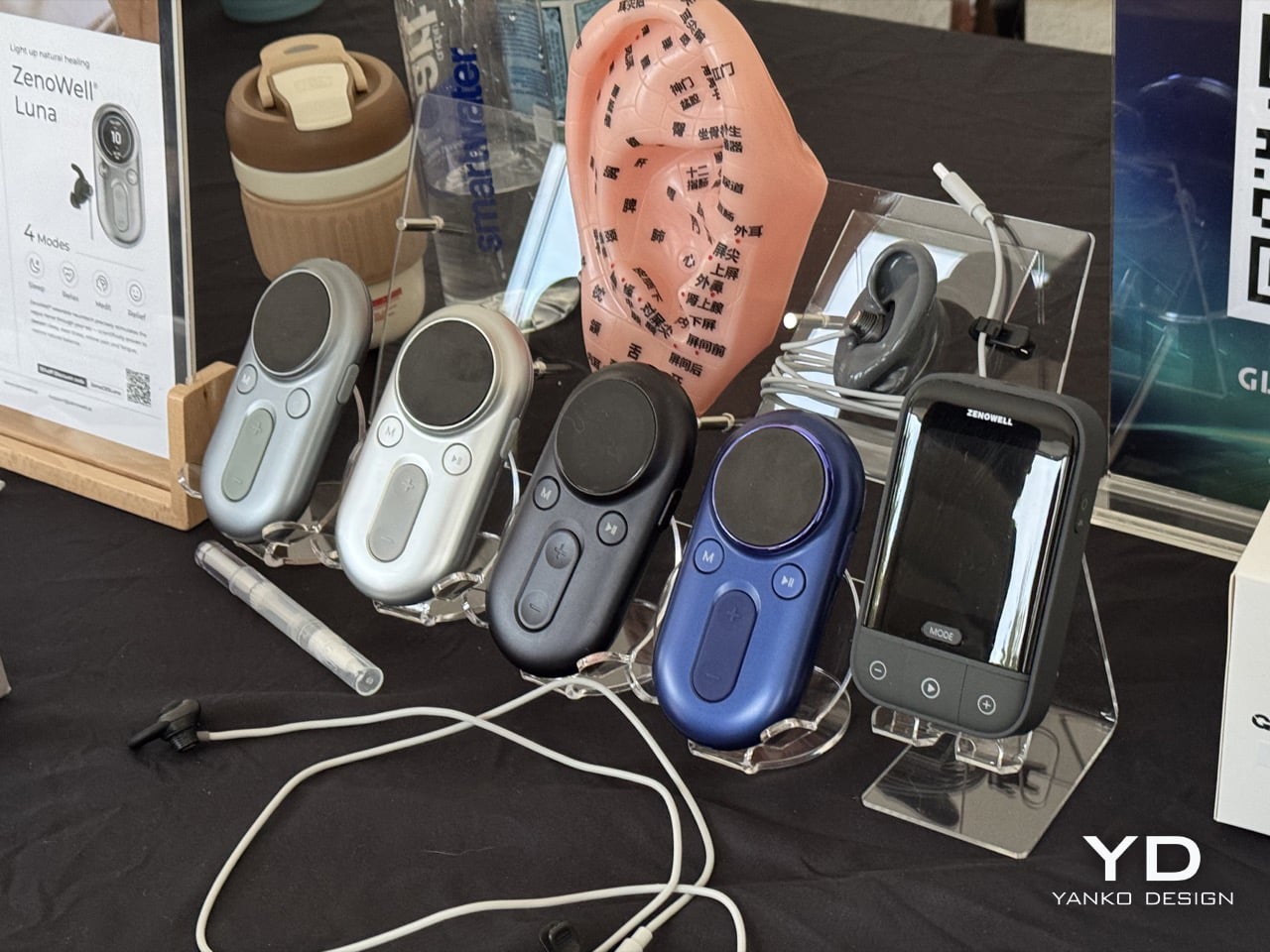
Most wearables track what your body is doing; ZenoWell claims to actively change it by stimulating the vagus nerve through your ear. The company uses transcutaneous auricular vagus nerve stimulation (taVNS) technology, targeting the only branch of the vagus nerve located on the body’s surface with electrical pulses designed to enhance parasympathetic activity, restore balance to the autonomic nervous system, and modulate brain activity and neurotransmitters. Founded in Heidelberg, Germany with engineering in Shenzhen, China, ZenoWell positions itself as wearable neurotech that activates the body’s natural healing power rather than relying on medication or quick fixes. The science backs some of this; a 2024 JAMA Network Open study showed eight weeks of taVNS use resulted in significant clinical improvement for chronic insomnia, outperforming control groups in reducing anxiety, depression, and fatigue, with effects lasting up to 20 weeks and demonstrating good safety and high patient compliance.

ZenoWell has two main devices: Luna and Vita, both offering 100% vagus nerve coverage through ergonomically designed earpieces. Luna includes an enhanced Relief Mode targeting headaches for both acute episodes and long-term prevention, along with modes for relaxation, sleep improvement, fatigue reduction, inflammation management, and body pain relief. Vita focuses on faster sleep onset with 20-minute sessions, deep relaxation, and body-mind balance restoration, claiming better sleep, less fatigue, and reduced body pain within seven days. Both devices offer multiple modes: Sleep Mode for insomnia and sleep disturbance, Relax Mode for stress and anxiety, Medit Mode for body pain and inflammation, and Relief Mode for headaches including migraines and cluster headaches. The system requires consistent use; most benefits appear after two to four weeks, with full effects observable after 24 weeks depending on the condition being addressed. Whether strapping a nerve stimulator to your ear feels like self-care or medical intervention probably depends on your tolerance for wellness technology that requires daily commitment, but for people exhausted by sleep medications or chronic stress who want alternatives beyond meditation apps, ZenoWell offers a science-backed approach with published clinical results instead of just marketing promises.

GlocalMe PetPhone: Connectivity for Everyone, Including Your Dog

GlocalMe built its entire brand around a patented Cloud SIM technology that virtualizes SIM cards, letting devices automatically connect to the best available network across 200-plus countries without needing a physical card. This obsession with seamless connectivity has produced a surprisingly diverse product lineup, from the Numen Air 5G mobile hotspot and GuardFlex Pro backup router to the UniCord, a charging cable with a built-in emergency hotspot and GPS. The company, a brand under uCloudlink, even offers the RoamPlug, a travel adapter that doubles as a 4G LTE hotspot for up to 10 devices. While these gadgets solve connectivity problems for remote workers and international travelers, GlocalMe’s most ambitious product applies that same technology to a user who can’t complain about dropped calls: your pet.

The PetPhone bills itself as the first smartphone for pets, and it makes a surprisingly strong case for the title. While most pet trackers are just GPS tags that tell you where your dog is, the PetPhone adds two-way audio, letting you call your pet and talk to them in real time to ease their loneliness when you’re away. You can also play soothing music, send recorded voice messages, or set alarms for feeding times and potty breaks. The tracking itself is more robust than standard GPS, using a six-fold positioning system (GPS, AGPS, LBS, Wi-Fi, Bluetooth, and Active Radar) that provides precise location data even in dense forests or indoor areas where other trackers fail. It runs on GlocalMe’s SIM-free Cloud SIM network, connecting to over 390 carriers worldwide to eliminate dead zones. The AI health features monitor activity over six weeks to establish a baseline for your pet’s normal routine, sending alerts if they move significantly less than usual. With an IP67 waterproof rating and a five-day battery life, it’s designed for actual pet life, not just a walk around the block.

Cearvol: Hearing Aids That Don’t Look Like Hearing Aids
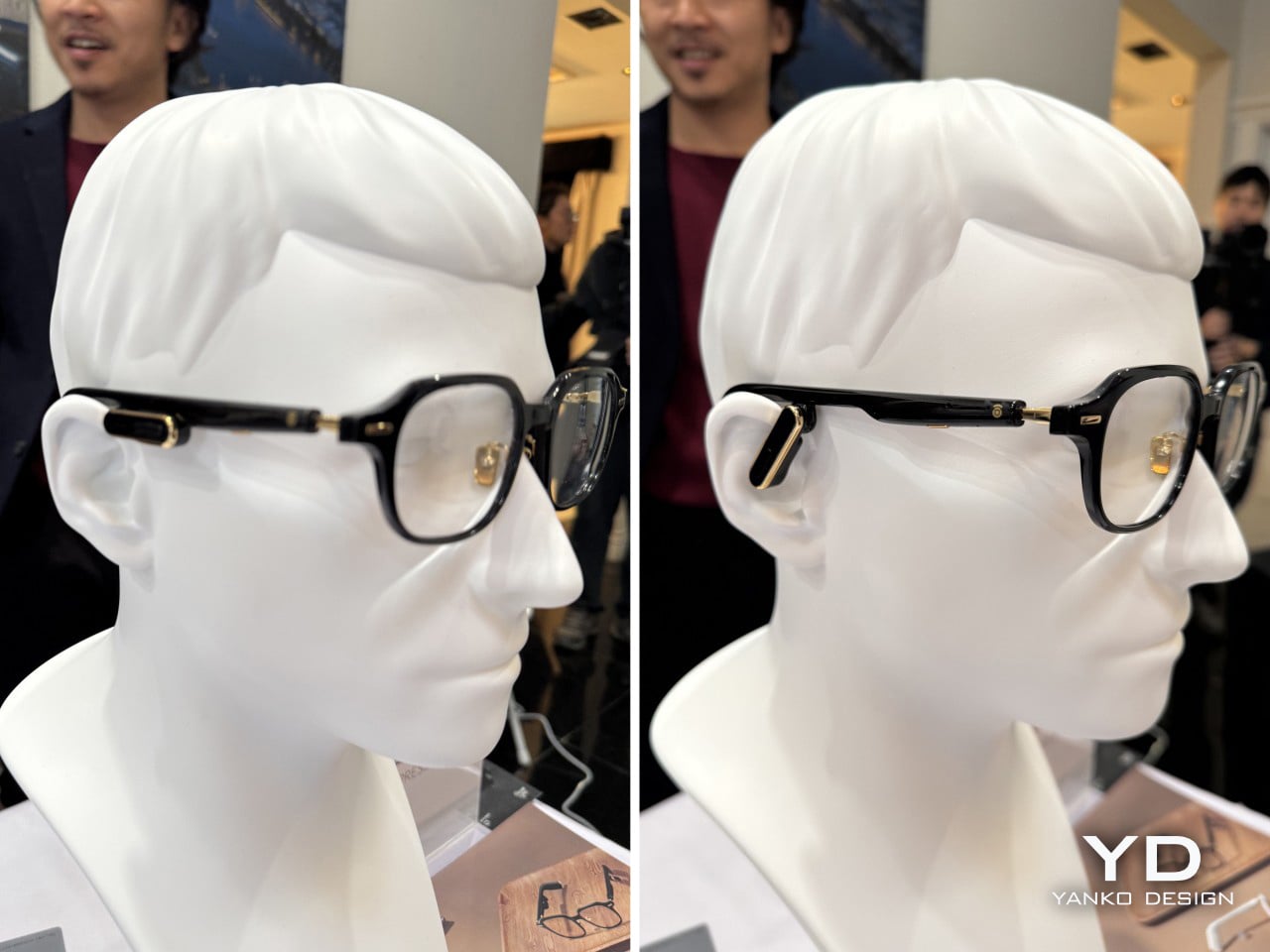
Hearing aids have a persistent image problem, often looking more like medical devices than modern technology. Cearvol, a company with a 20-year history in acoustics developing products for brands like JBL and Sennheiser, is tackling that stigma head-on by designing hearing solutions that look and feel like consumer electronics. Their entire product line, from the Diamond X1 and Liberte earbuds to the discreet Nano in-the-canal device and the more traditional Aurora, is powered by NeuroFlow AI 2.0. This DNN-based system learns complex acoustic patterns from real-world data to compensate for hearing loss, balancing sound across frequencies for clear listening without the over-amplification that makes traditional hearing aids sound harsh. The goal isn’t just to restore hearing but to create companions that people actually want to use, integrating Bluetooth streaming and stylish designs that blend in rather than stand out.

Two products at Global Connect showcase this philosophy perfectly. The Lyra integrates a 24-channel hearing aid directly into a pair of stylish glasses, combining optical vision with seamless hearing assistance in a single device. With a 14-hour replaceable battery, Bluetooth 5.3 for audio streaming, and an AI noise reduction system powered by three omnidirectional microphones, it’s a clever solution for people who already wear glasses and want an all-in-one device. The Wave takes a different approach, packing a 24-channel hearing aid into a pair of earbuds that come with a unique remote microphone. This small, touchscreen-equipped remote can be placed up to 10 meters away to precisely pick up voices in a large meeting room or noisy restaurant, streaming the audio directly to the earbuds. It even has an AUX-IN for connecting to TVs or airplane entertainment systems. Both Lyra and Wave represent a thoughtful re-imagining of what a hearing aid can be, one integrating the technology into an everyday object and the other extending its functionality far beyond what a simple earbud could accomplish.

Momcozy W1 Wellness: Warm-Massage Meets Wearable Pumping
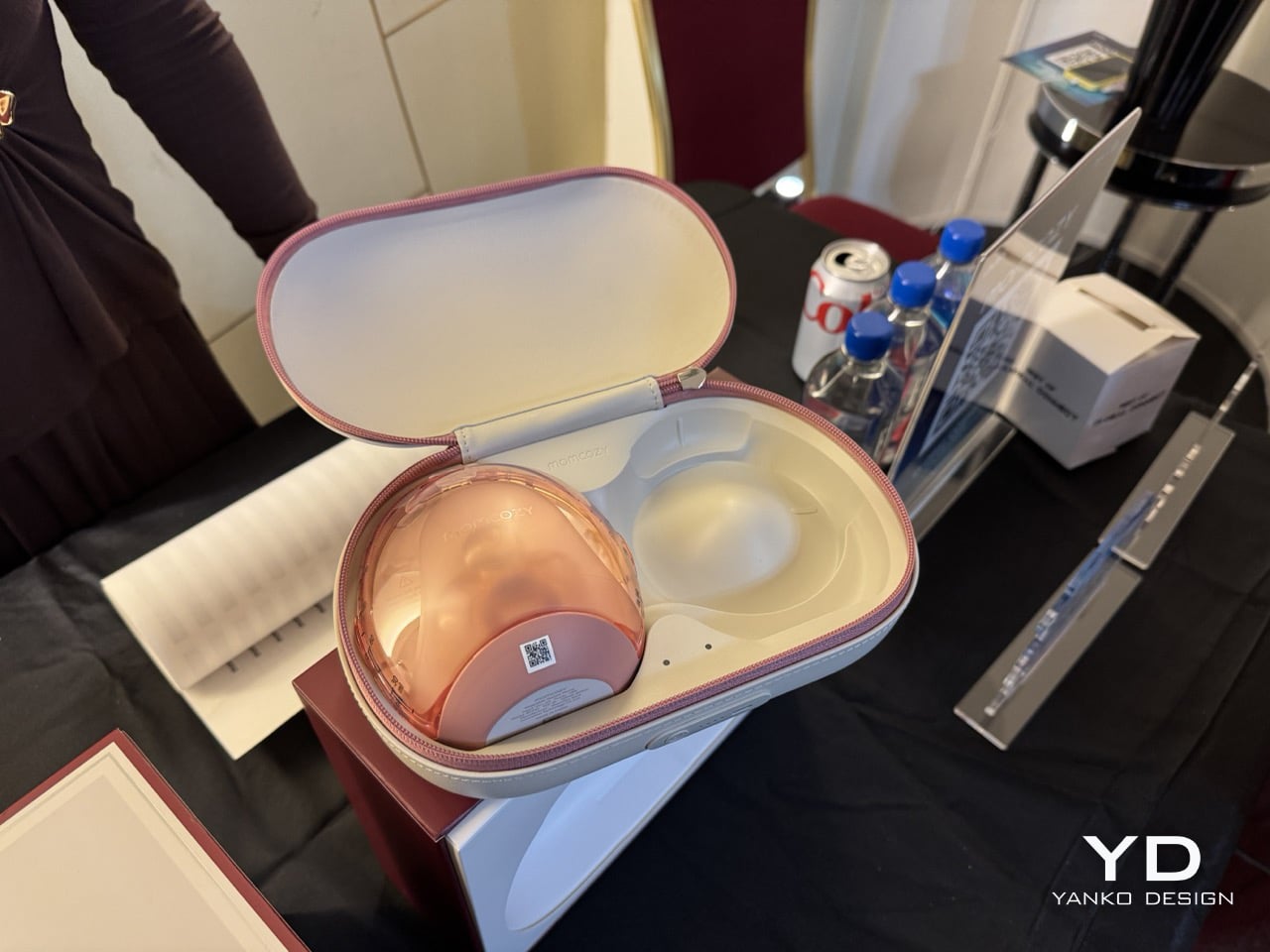
Shown Above – Momcozy Air 1

Wearables usually mean smartwatches, AR glasses, or fitness rings, but Momcozy is demonstrating that “wearable” can also mean medical devices designed to free up your hands while solving real health problems. The W1 Wellness is what the company calls the world’s first warm-massage wearable breast pump, combining technology typically found in wellness devices with the practical needs of nursing mothers. The system integrates adjustable heat (between 99°F and 106°F) with rhythmic vibration massage, both designed to improve milk flow and efficiency. The warming zone envelopes the breast for even heat distribution, addressing one of the limitations of traditional warming options like hot pads that only hit certain areas. Research shows massage improves milk output and helps with complete emptying, and Momcozy is packaging both features into a hands-free system controlled through app-based automated programming.

This positions Momcozy with two different solutions for the same problem. The Air 1 prioritizes discretion and portability for working moms who need to pump during meetings or while traveling, maintaining 62 core patents and awards including a 2025 TIME Special Mention. The W1 prioritizes comfort and efficiency through warmth and massage, targeting mothers who struggle with clogged ducts, slow flow, or discomfort during pumping sessions. Both feature transparent tops for precise alignment, wireless charging for 15-plus pumping sessions, and suction up to 280mmHg, but they’re solving slightly different pain points within the same user base. Whether heat and massage become standard features or remain premium options depends on whether the efficiency gains justify the cost difference, but for mothers dealing with engorgement or flow issues, the W1 offers features that traditional pumps and even other wearables don’t currently provide. Momcozy’s strategy reveals how wearables are fragmenting into specialized variants, each addressing specific user needs rather than trying to be one universal solution.

Daïve HUD: An Underwater Augmented Reality Dive Computer
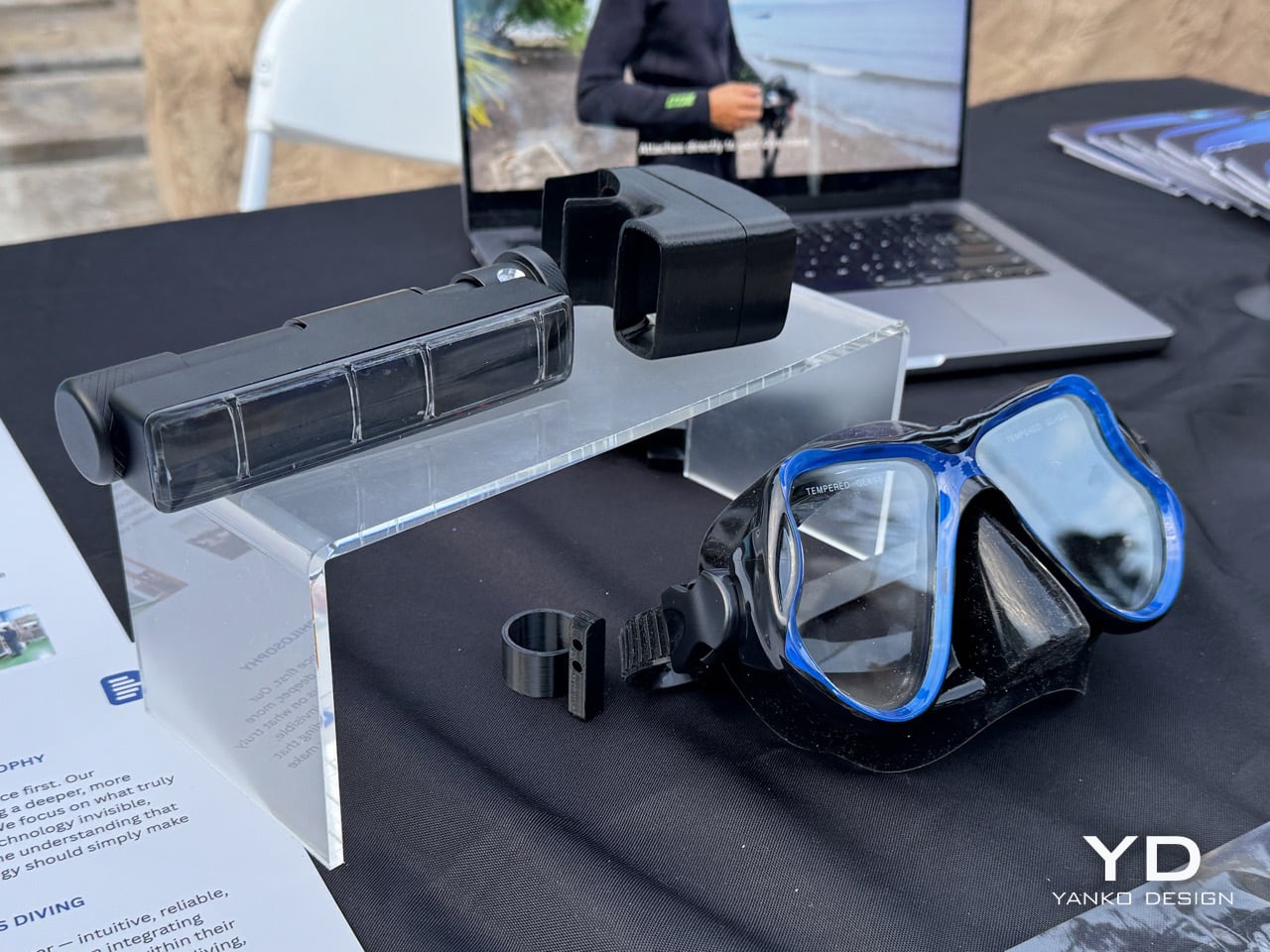
The most persistent interruption in scuba diving isn’t a curious fish; it’s the constant, focus-breaking glance down at a wrist-mounted computer to check depth, time, or remaining air. Daïve’s HUD clips directly onto your existing dive mask to solve that problem, projecting a full-color display into your sightline so critical data feels like a natural part of your underwater view. The system has three modes tailored for recreational, technical, and freediving, with layouts designed for how decisions are actually made in each discipline. It’s controlled with a glove-friendly rotary selector that provides tactile mechanical feedback, a crucial detail for anyone who’s tried to operate a small button with thick neoprene gloves. The display flips up instantly when you don’t need it, and a dual-battery, non-sealed power design supports over 20 hours of use for long days of repeated dives.

What makes the Daïve HUD more than just a convenient display is its connectivity. It pairs with a wireless smart gauge for real-time air monitoring and uses a multi-mode communication system combining optical, near-field RF, and acoustic links for real-time team awareness and coordination with other divers. This isn’t just about convenience; it’s a fundamental shift in situational awareness. For instructors monitoring students, photographers managing cameras, or technical divers navigating caves, reducing the cognitive load of constantly checking a wrist computer is a massive safety and performance upgrade. The entire system is modular, with swappable components and an open software path designed to evolve over time, positioning the Daïve HUD less as a single gadget and more as a long-term platform for underwater augmented reality.

The post Google Gemini AR Glasses and other cool wearables at the Global Connect Show at CES 2026 first appeared on Yanko Design.
Fender ELIE 6 Hands-on at CES 2026: Minimalist Nordic Design, 60W Of Serious Sound

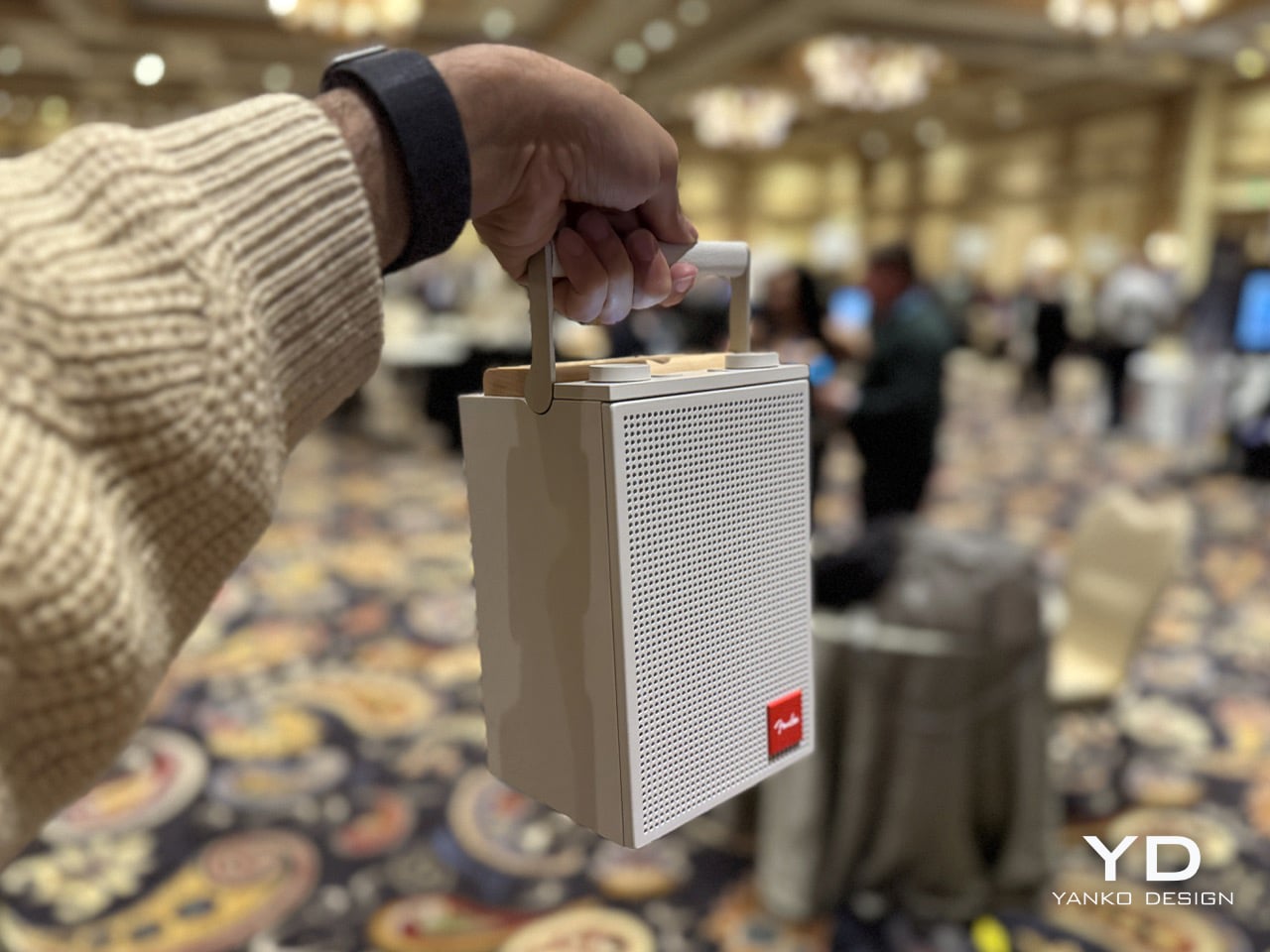
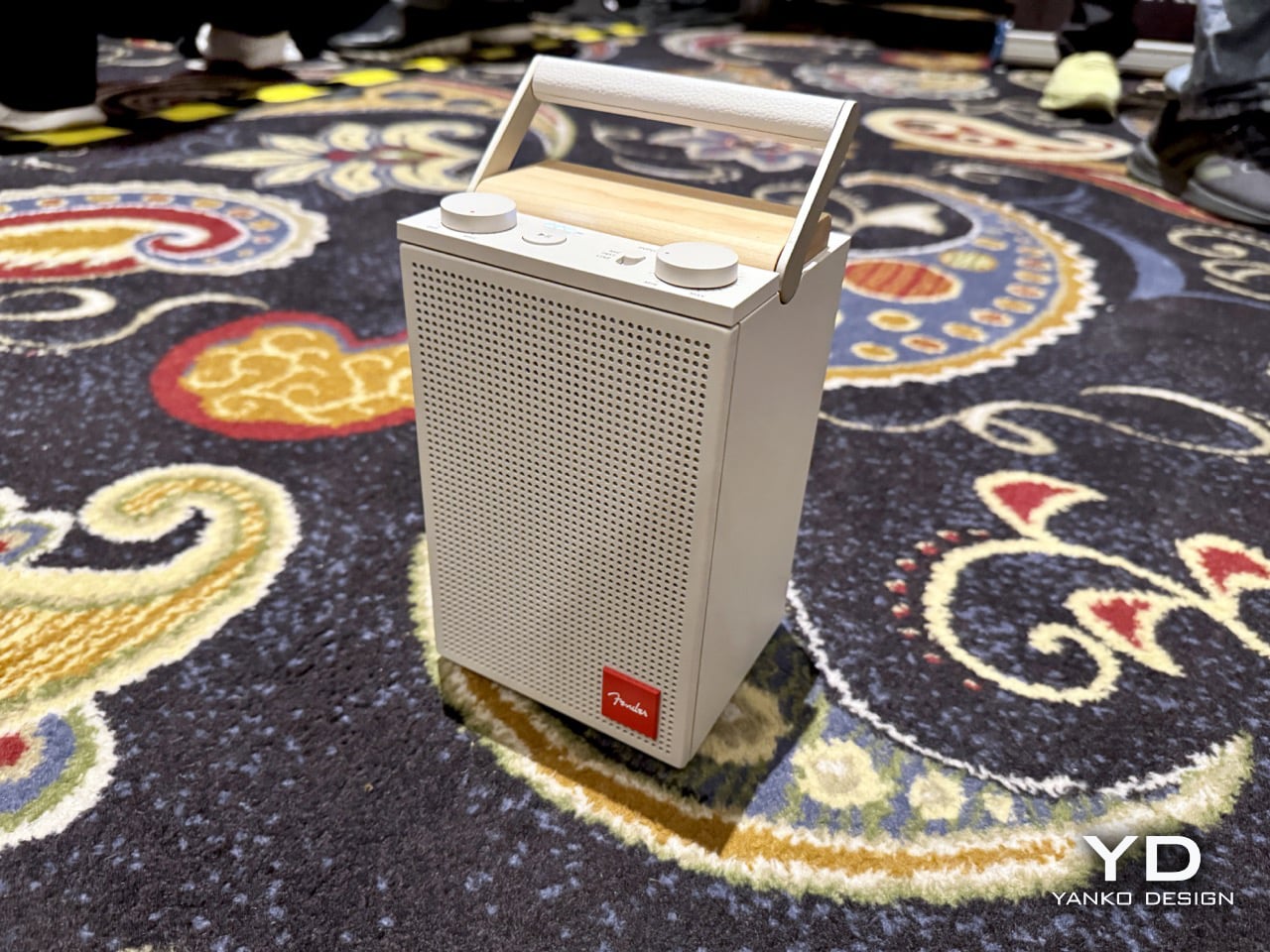
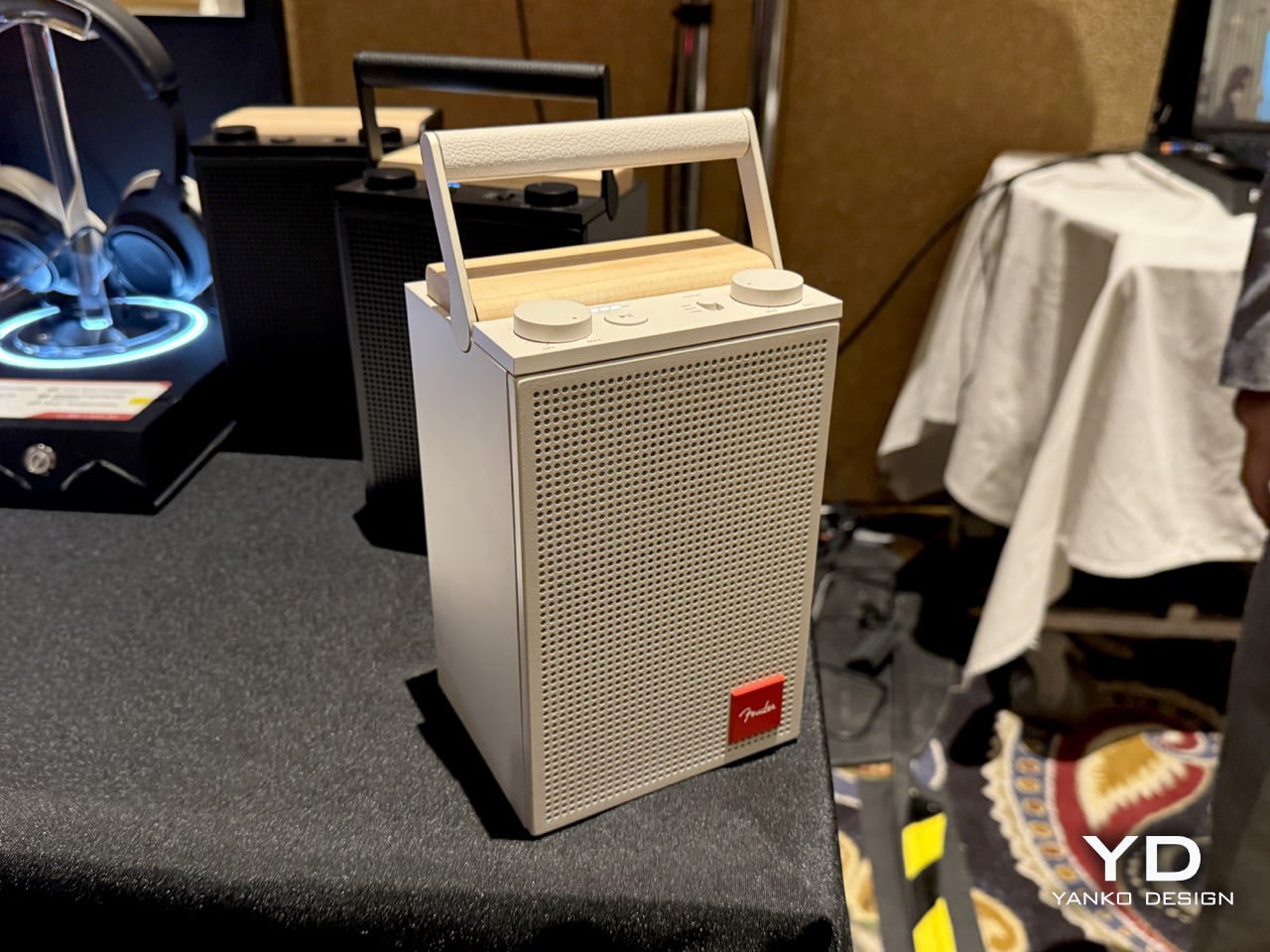
Fender made guitars and amplifiers legendary. Portable Bluetooth speakers seemed like an odd pivot until I saw the ELIE 6 at CES 2026. The design language reminded me immediately of brands like Vifa or Bang & Olufsen, that distinctly Nordic approach where simplicity becomes sophistication. A perforated grille, a wooden handle, clean geometric proportions. Nothing about it shouted “look at me,” yet I couldn’t stop looking.

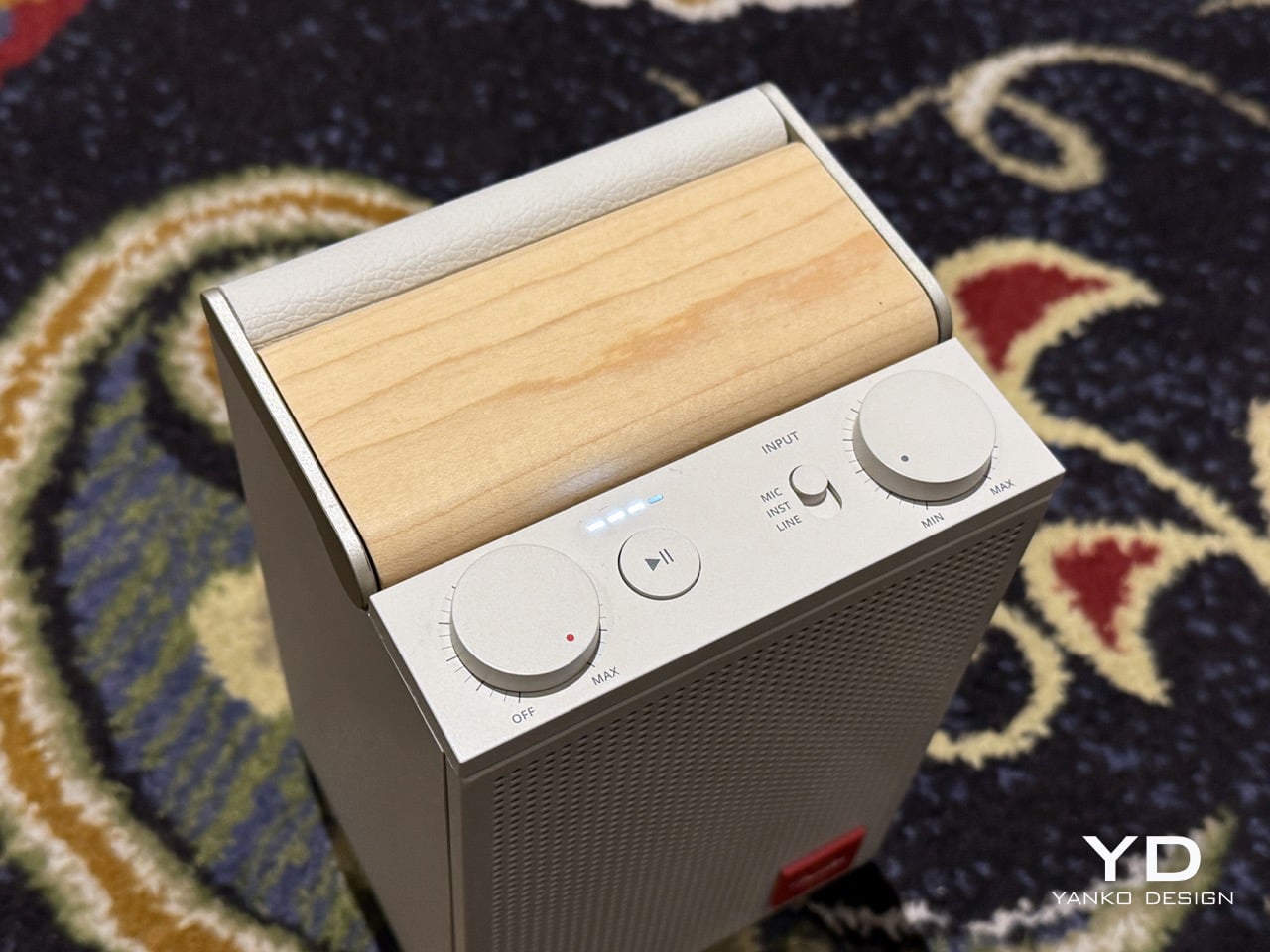
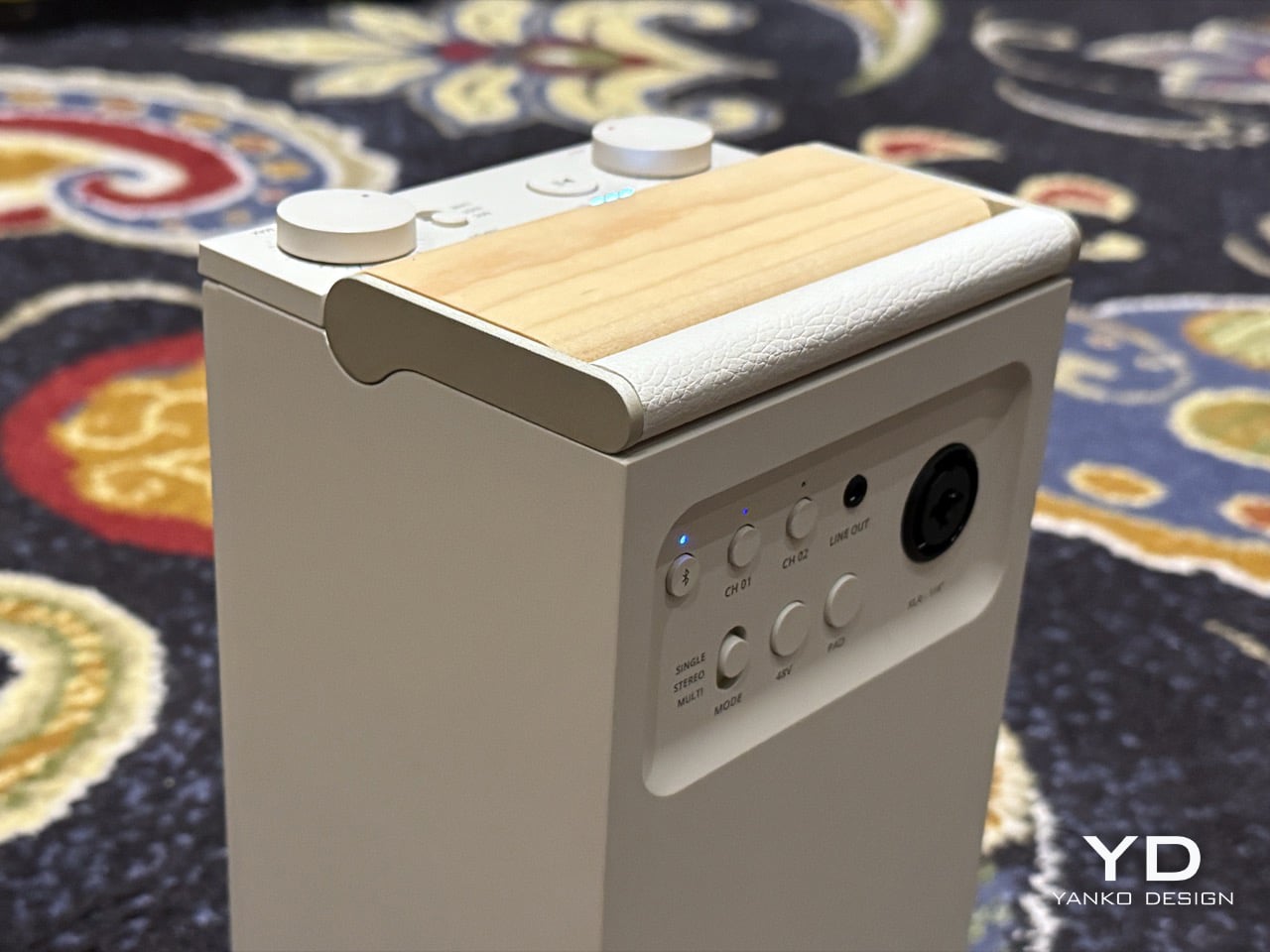
Audio demos at trade shows rarely impress. Convention center acoustics murder nuance, and most companies crank volume to compensate. Fender’s team played it differently. They let the ELIE 6 perform at moderate levels, and the three-driver configuration with its dedicated subwoofer produced soundstage depth I didn’t expect from something this compact. The wood on that top panel carries particular meaning for anyone who’s held a Fender guitar. It’s actual fretboard wood, the same material musicians touch every time they play. That detail transforms a carrying handle into something that connects this speaker to decades of musical heritage while maintaining the almost-IKEA minimalism that makes it fit anywhere.

Designer: Fender Audio

That fretboard wood handle is such a clever, confident move. It signals that Fender understands its legacy without feeling trapped by it. Instead of slapping a vintage logo on a generic box, they integrated a core component of their instrument-making craft into a new product category. This approach feels so much more authentic than the retro-for-retro’s-sake styling we see from competitors. The tactile satisfaction of the physical volume knobs on top reinforces this. In an industry obsessed with pushing every control into a smartphone app, providing simple, direct interaction feels like a luxury. This speaker is built to be used, carried, and touched, not just administered from a screen.

Fender packed a dedicated tweeter, a full-range driver, and a separate subwoofer into this compact frame, which explains the audio fidelity. This three-driver setup is powered by 60 watts and, interestingly, a Waves system-on-a-chip. That SoC is the key to delivering higher output with minimal distortion, a common failure point for portable speakers when you push the volume. The battery life is rated for up to 18 hours, which is more than enough for a full day of use, and a quick 15-minute charge gives you another 90 minutes of playback. These are solid, practical specs that back up the premium design.

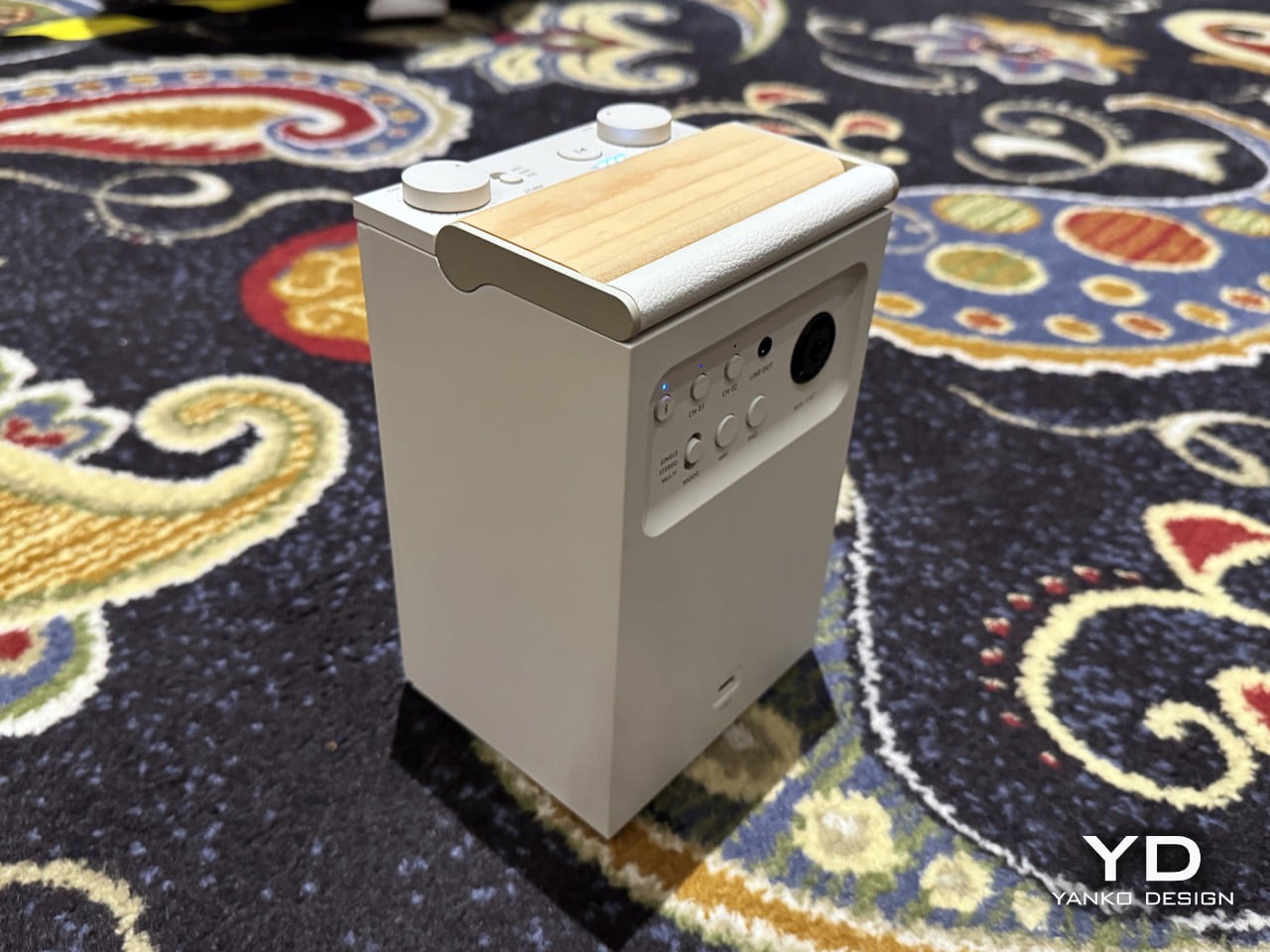
The real surprise is the four-channel input capability. This is where Fender’s deep understanding of musicians and creators becomes obvious. You can connect and mix audio from four different sources simultaneously. Think about the practicality: a guitarist can plug in and play along to a backing track from their phone, or a small group can mix a mic, an instrument, and a laptop for a small performance. This feature elevates the ELIE 6 from a passive listening device into an active creative tool. It’s a thoughtful, useful function that you simply do not find on other Bluetooth speakers in this category, and it makes the $299 price tag feel entirely reasonable.

Fender Audio could have taken the easy route by making a speaker that looked like a miniature amplifier. Instead, they built something that respects contemporary design while embedding their DNA in a subtle, meaningful way. The ELIE 6 feels like a complete thought. It balances a sophisticated Scandinavian aesthetic with robust audio engineering and genuinely useful features born from a deep understanding of how people create and interact with sound. It’s a strong first step into consumer audio, and it proves Fender is thinking about its future, not just coasting on its past.

The post Fender ELIE 6 Hands-on at CES 2026: Minimalist Nordic Design, 60W Of Serious Sound first appeared on Yanko Design.
AI Bartenders, Pool Cleaners, And Chess Arms: The Sleekest (And Smartest) Robots At CES 2026

CES is a lot of things, but intimate isn’t one of them. Global Connect solved that problem by concentrating innovation into a four-hour window at a private Las Vegas villa on January 5th (which I only later found out was Mike Tyson’s house). iMpact PR built this event for media professionals who’ve seen enough “revolutionary” prototypes fail to deliver and want extended time with robotics that might actually make it to market. The format matters because robots only prove themselves when you can test, question, and watch them handle unexpected scenarios beyond their ideal conditions.

What’s showing up covers bizarre range. AI bartenders sit alongside exoskeletons designed to reduce knee pressure by 50%. Lawn robots with four-wheel steering share space with chess-playing arms and vacuum cleaners that climb stairs. Some of these machines solve concrete problems like outdoor maintenance or mobility assistance. Others exist for entertainment, companionship, or just because someone thought teaching a robot to play chess would be interesting. iMpact PR and USA Today are co-hosting, running from 1:30pm to 5:30pm with brands that have manufacturing scale, distribution plans, and enough backing to suggest they’re serious about commercial deployment. This is where you find out whether robotics companies can deliver on their promises or just deliver good marketing.

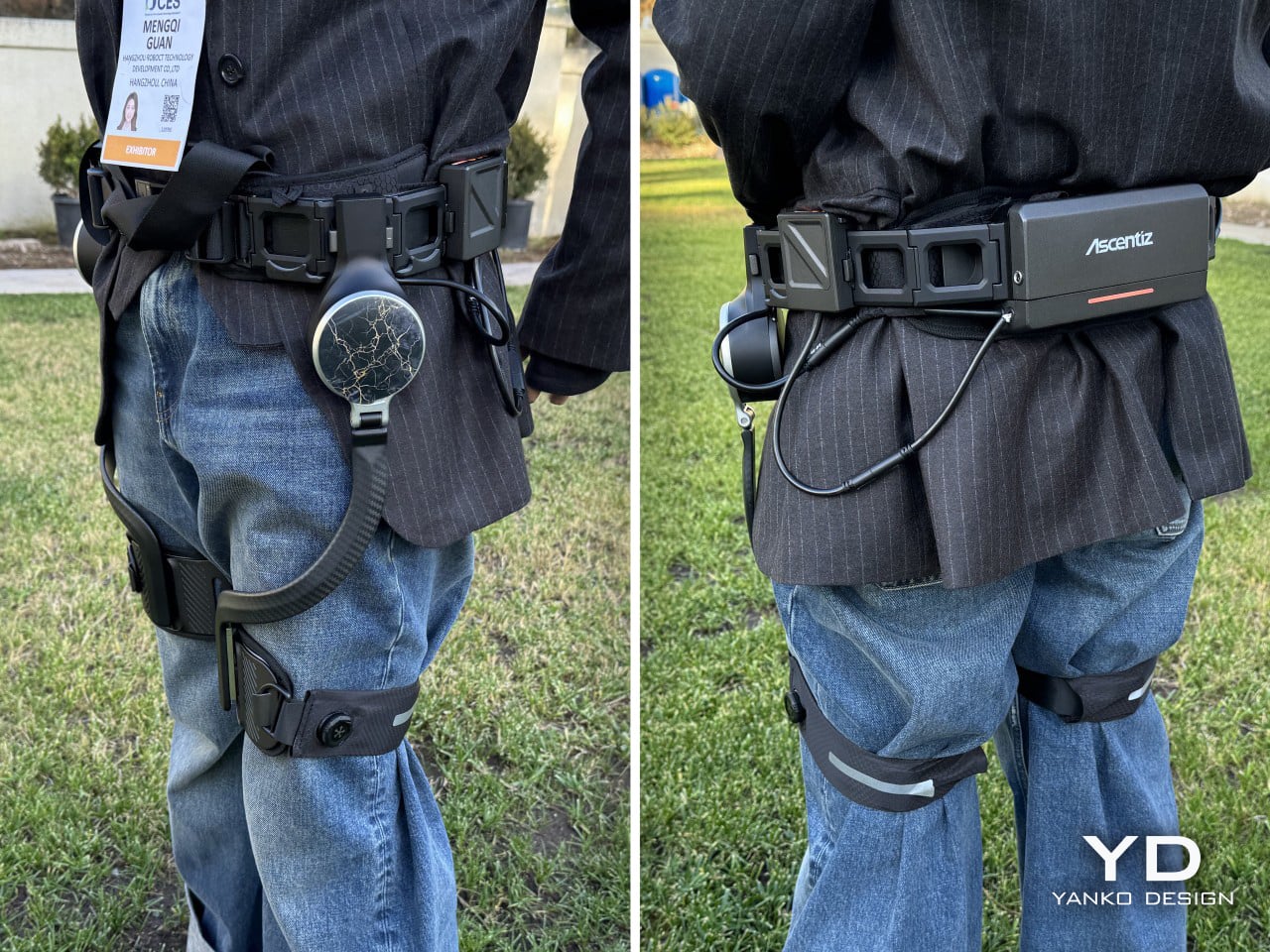
Ascentiz BodyOS: Hip and Knee Modules

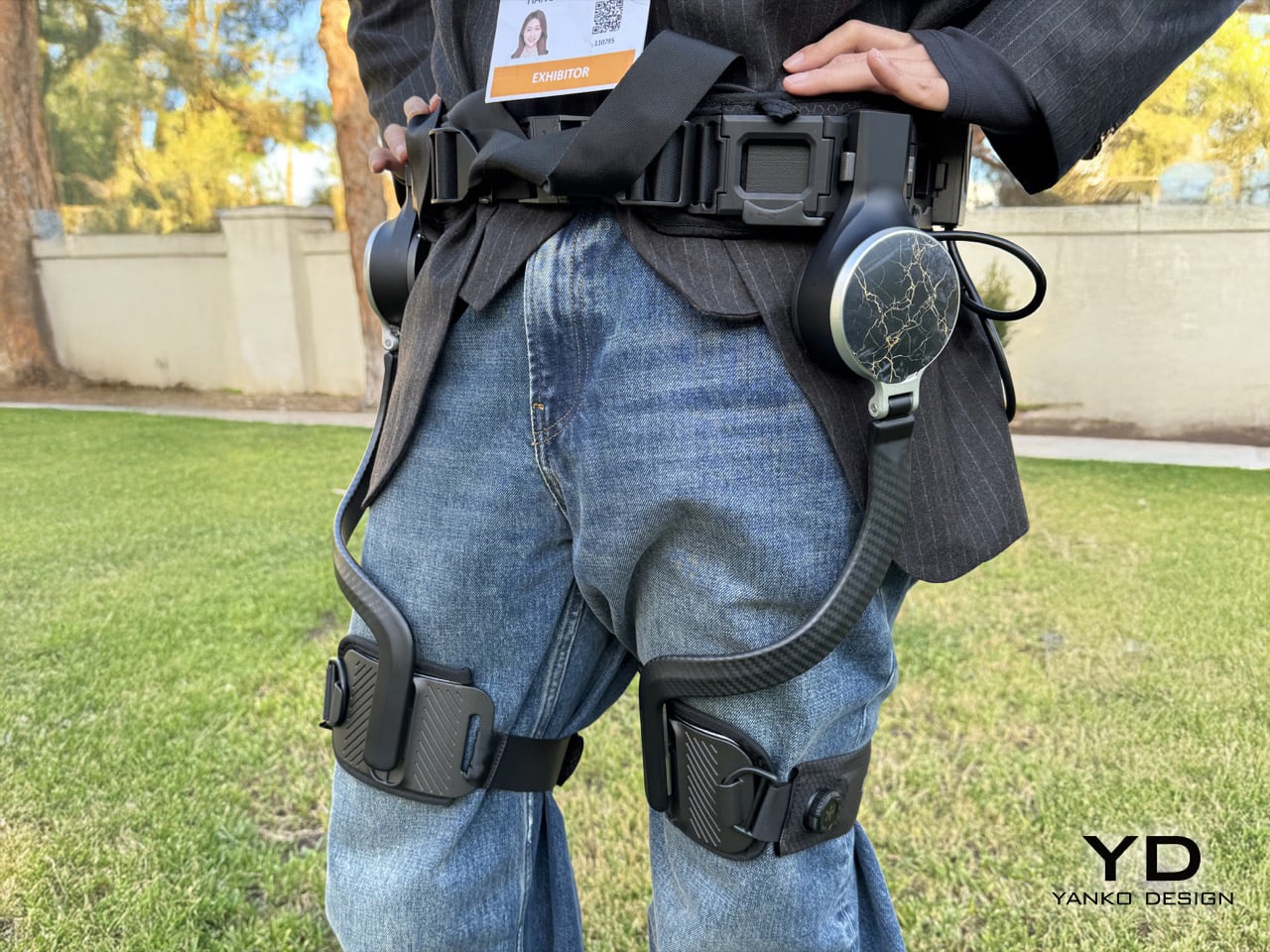
Ascentiz’s BodyOS platform takes a modular approach to human augmentation, letting users swap joint actuators depending on whether they’re climbing mountains, working construction sites, or just need help with mobility. At Global Connect, the company is demonstrating two core modules: a hip actuator that delivers 36 Nm of torque through a quasi-direct-drive system, and a knee actuator using cable-drive transmission to hit 48 Nm while keeping heavy motors away from the moving limb. The hip module can assist at speeds up to 28 km/h and reduces leg effort by 35% on inclines, while the knee module claims to cut knee joint pressure by 50% and reduce energy waste by 30%. Both modules attach to a T700 aerospace carbon fiber frame that can handle temperatures from -20°C to 60°C, making this a system designed for actual outdoor conditions rather than controlled laboratory demonstrations.

The intelligence behind these modules comes from what Ascentiz calls its “Motion Cortex,” an AI trained on over 690,000 musculoskeletal gait cycles that processes data from more than 10 sensors to recognize seven different motion scenarios with 99.5% accuracy. The system responds in under 500 milliseconds when it detects a change in movement pattern, with actuator transitions happening in under 200 milliseconds. Users can strap the entire system on in less than 10 seconds using a proprietary ETIE dial mechanism, which addresses one of the persistent complaints about exoskeletons: that they take too long to put on and adjust. The control loop runs at 20 microseconds, fast enough to respond to the unpredictable shifts in terrain and body position that define real-world hiking, climbing, or industrial work. This isn’t augmentation for the sake of looking futuristic; it’s engineering focused on whether someone’s knees will hold up after a 10-mile trek with a heavy pack.

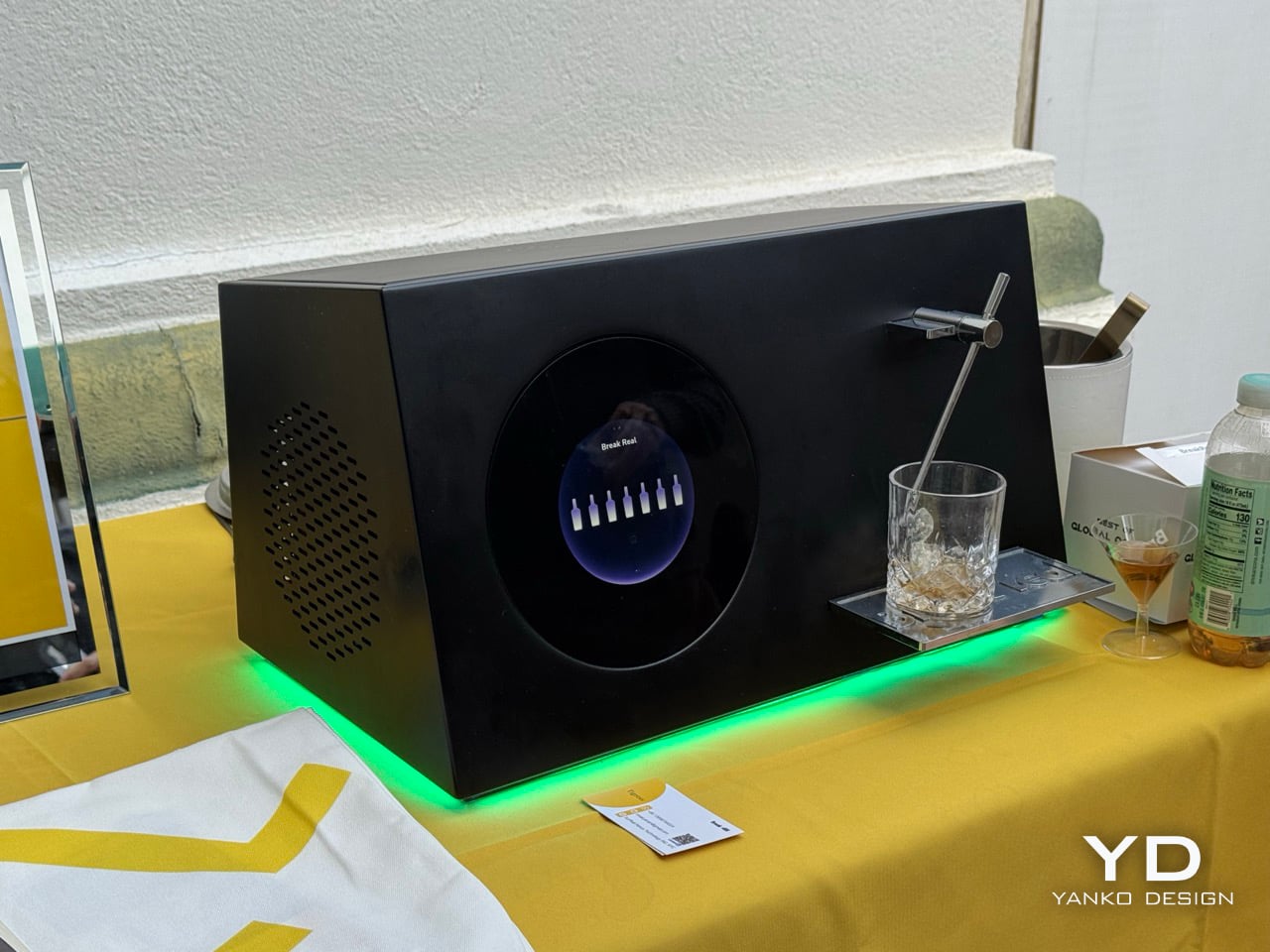
BreakReal R1: Conversational AI Bartender

Of all the things artificial intelligence could tackle, someone finally asked the right question: what if a robot understood you were having a rough day and mixed you exactly the drink you needed? BreakReal’s R1 is billing itself as the world’s first conversational AI bartender, and yes, that means you can tell it you’re stressed about work or celebrating a promotion, and it will generate a cocktail recipe based on your emotional state and taste preferences. The system uses large language models to process natural language, so you can be as vague or specific as you want. Tell it you want “something tropical but not too sweet” or just “surprise me with something spicy,” and it will craft one of its generative recipes in about 30 seconds with ±1 ml precision. It has access to over 500 classic cocktail recipes that it can customize, and it uses optical character recognition to identify whatever spirits you have sitting on your counter, so you’re not locked into proprietary bottles or special cartridges.
The genuinely clever part is how BreakReal treats drinks as shareable data. Each cocktail the R1 creates carries emotional and taste information that can be saved to the app, shared with the global BreakReal community, and downloaded by users anywhere in the world. Someone in Tokyo could create a drink reflecting their mood on a rainy afternoon, and you could try that exact recipe in New York the next day. The system handles automatic layering for visual appeal and includes automated cleaning, which addresses the reason most people avoid elaborate cocktails at home: the cleanup is annoying. This isn’t just a novelty machine pouring pre-programmed drinks; it’s attempting to turn mixology into a social network where recipes travel across time zones and language barriers. Whether that sounds delightful or slightly dystopian probably depends on how you feel about your kitchen appliances understanding your emotional state, but it’s hard to deny the ambition of turning feelings into formulas and sharing them globally.

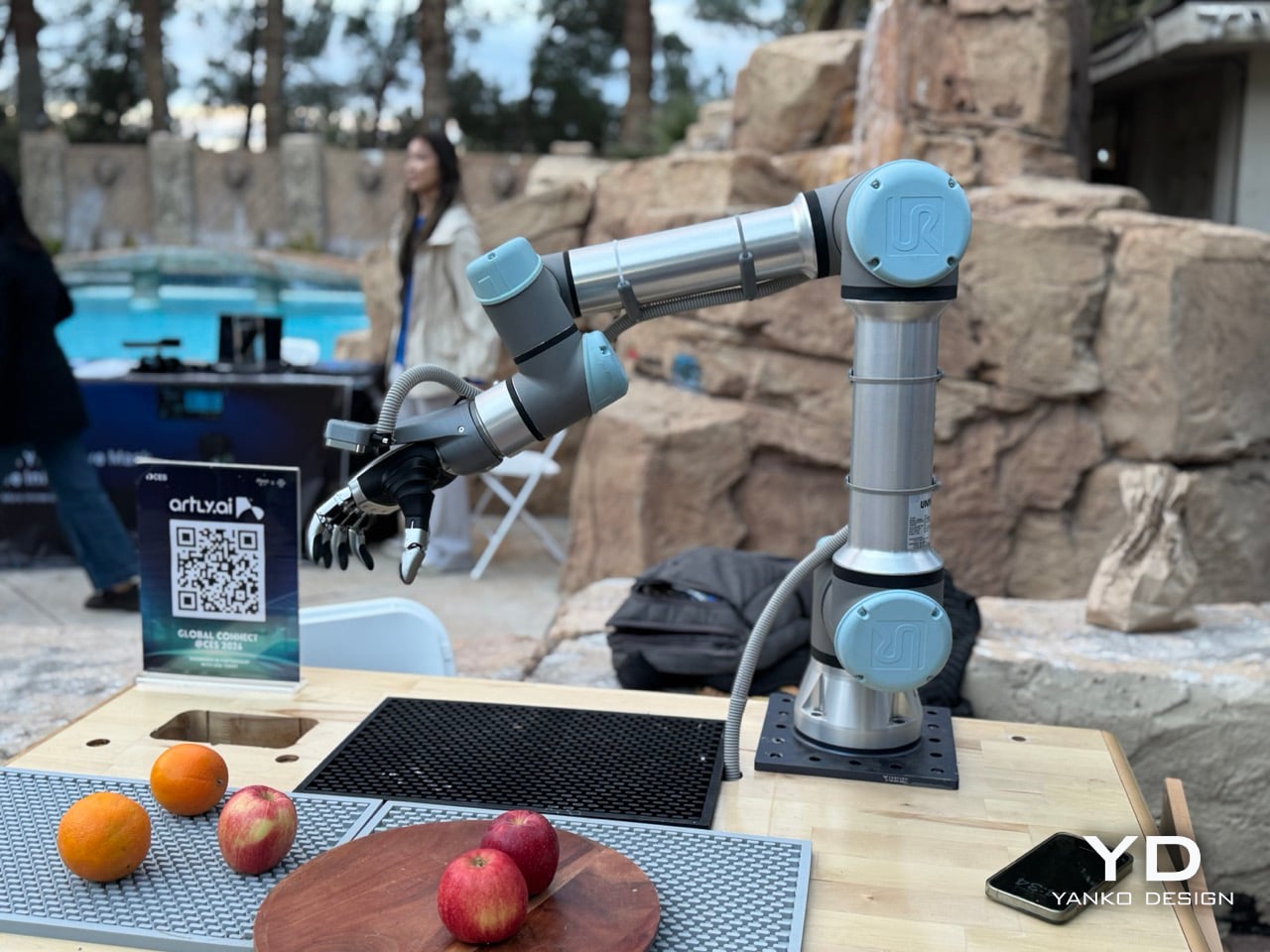
Artly.AI Mini Barista Bot and Bartender Bot: Precision Over Personality

BreakReal wants your robot to understand your feelings, but Artly.AI built theirs to replicate a U.S. Barista Champion’s technique with mechanical precision. The company has two products at Global Connect: the Mini Barista Bot, which has already served over 1.1 million cups since 2021, and the newer Bartender Bot, which applies the same robotics foundation to cocktails instead of coffee. The Mini Barista Bot fits into a 4×4-foot footprint and handles the complete workflow with a single robotic arm, grinding, tamping, brewing, steaming, and pouring latte art without human intervention. It’s constructed with food-grade stainless steel and modular commercial-grade components, deployed in high-traffic environments like airports, T-Mobile stores, Salesforce offices, and MUJI retail spaces where labor costs and consistency matter more than personality. Customers order via a digital kiosk and watch through transparent windows as the bot executes recipes trained by Joe Yang, ensuring cafe-quality output every time. The updated version includes a larger refrigerator, improved learning capabilities, and countertop options in Maple, White Oak, and Walnut finishes that let it blend into different decors.

At NVIDIA GTC 2025, Artly unveiled an advanced robotic hand upgrade featuring up to 20 degrees of freedom, tactile sensors, and force feedback designed to replicate human barista movements. That upgrade becomes critical for the Bartender Bot, which tackles the more intricate manipulation cocktails demand: grabbing bottles, measuring pours, shaking drinks, and adding garnishes with precision. Both bots run the same proprietary AI system combining real-time motion planning, computer vision, sensor fusion, and anomaly detection, but the Bartender Bot’s algorithms are refined for mixology’s complex performance requirements. While BreakReal’s R1 focuses on emotional intelligence and generating recipes based on your mood, Artly’s approach emphasizes craft preservation and mechanical consistency. BreakReal targets home users who want conversational AI; Artly targets commercial venues that need standardized quality without depending on bartender availability or skill variation. The technology is converging from opposite directions, and Global Connect puts both companies in the same room for the first time, offering a direct comparison between robots designed to feel what you need versus robots engineered to execute what you ordered with repeatable accuracy.

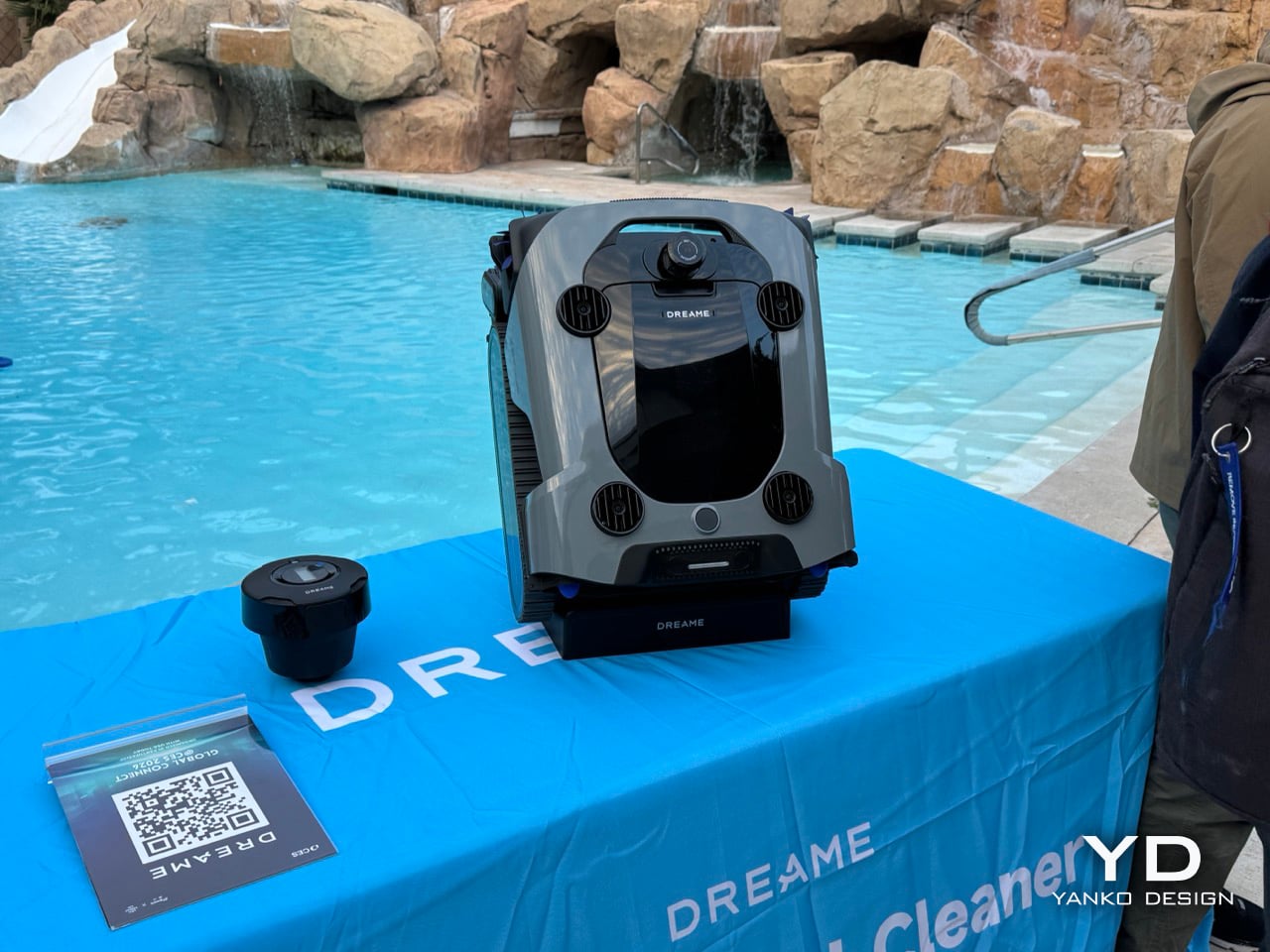
Dreame Zircon 2 Ultra and Zircon 2 Pro: Pool Cleaners with Laser Mapping and Auto-Docking

Pool robots typically bounce around randomly until they’ve covered most surfaces or the battery dies, whichever comes first. Dreame’s Zircon 2 Ultra skips the wandering entirely by using PulseMap technology, which combines LDS laser radar with multi-sensor fusion to build a detailed 3D map of the pool, capturing every curve and slope for real-time adaptive navigation. The QuadLift Four-Pump System with dual propulsion jets handles 7-in-1 cleaning across floors, steps, walls, waterlines, sun shelves, pool edges, and even the water surface, addressing the vertical complexity that separates pools from flat floors. At 10,000 GPH suction power (among the highest currently available), it tackles wet leaves, sand, insects, and floating debris in one pass. When cleaning finishes, users can set a preferred docking spot in the app, and the Zircon 2 Ultra surfaces there automatically for retrieval without requiring anyone to reach into the water or dive for a submerged robot.

The Zircon 2 Pro takes automation further with an optional Auto-Dock Base Station, one of the few available systems that eliminates the final manual step entirely. Once cleaning completes, the robot returns to the dock, exits the water, and begins charging without any user intervention, solving the problem of having to physically retrieve and plug in a wet, heavy device. The companion app tracks battery status in real-time, ensuring the robot stays charged between cleaning cycles. Beyond the docking automation, the Zircon 2 Pro uses PoolSense 2.0 technology with 12 precision sensors to map pools in 2D and plan efficient cleaning paths (S-shaped, N-shaped, Star, or Cross patterns) instead of random wandering. Its 8,000 GPH suction handles leaves, sand, and twigs while auto-adjusting power to extend runtime up to 4 hours per charge. DepthLink ultrasonic connection maintains real-time app connectivity even when fully submerged, allowing users to initiate spot cleaning or adjust settings without getting hands wet or waiting for the robot to surface.

Airseekers Tron Ultra: Four-Wheel Drive Heads Outdoors

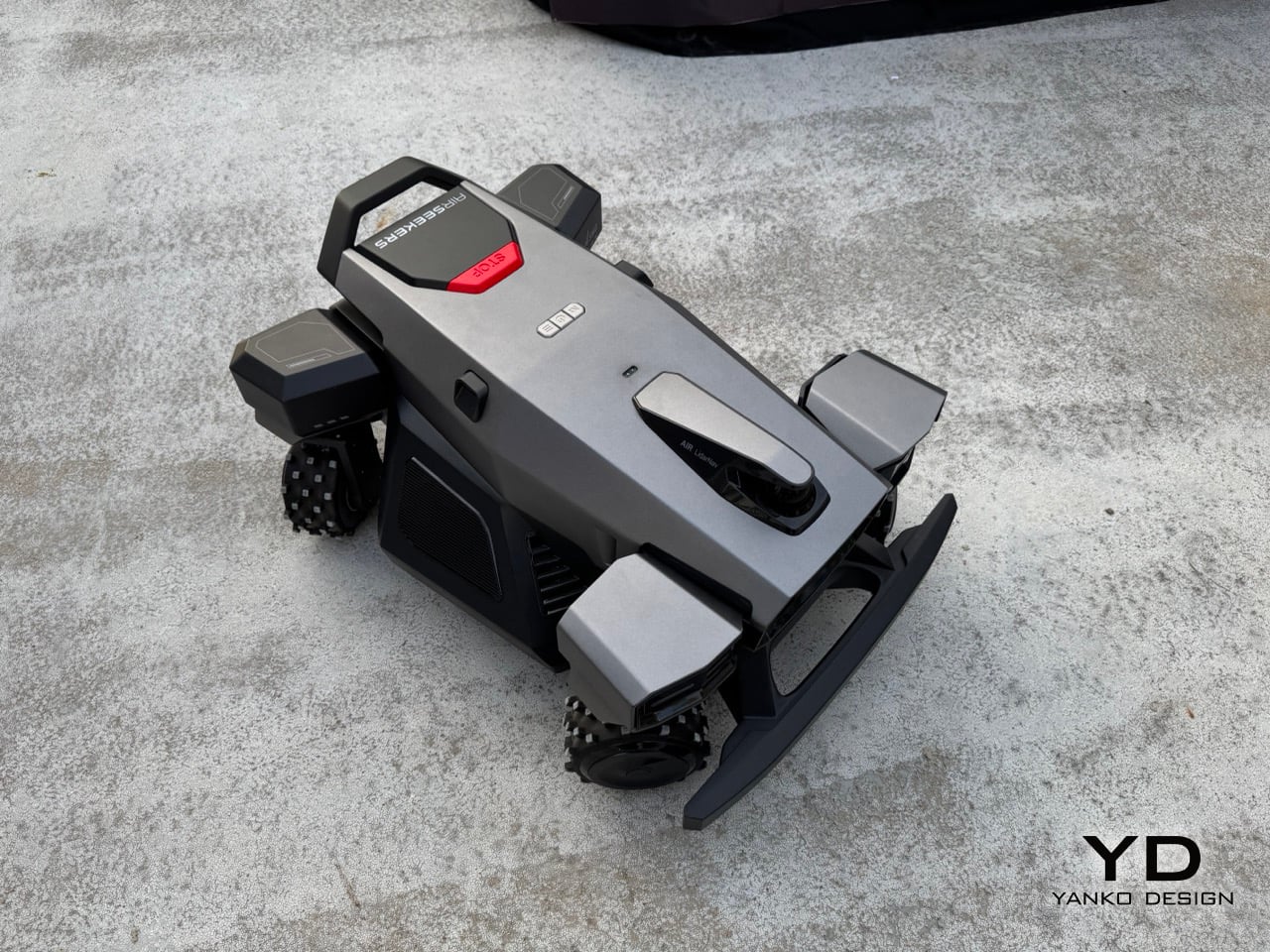
Robots that climb stairs and mix drinks are impressive until you remember most people still push a mower around their yard every weekend. Airseekers already tackled lawn automation with the original Tron, and the Tron Ultra pushes that concept into more complex terrain with four-wheel drive, four-wheel steering, and the ability to handle slopes up to 85% (40 degrees). The FlowCut 2.0 system uses a dual-disc setup that covers 60% more grass per pass, cutting mowing time by 58% while mulching clippings into ultra-fine pieces that decompose quickly and reduce the need for external fertilizer. It can clear obstacles up to 2.36 inches high and moves laterally or diagonally thanks to that four-wheel steering, which also gives it a small turning radius that minimizes lawn compaction. The AirVision 2 navigation combines vision sensors and LiDAR for a 300-degree field of view, with radar ensuring it keeps working in rain, low light, or conditions where cameras alone would fail.

The practical improvements show up in the details: swappable batteries with three hours of runtime and a 2.5-hour charge, automatic returns to the charging dock, and multi-map memory that supports multiple lawns if you’re maintaining more than one property. A new beacon system eliminates signal dead zones under trees, bushes, or around structures, which addresses one of the persistent frustrations with robotic mowers that lose connection and stop mid-job. No RTK stations or boundary wires to install means setup happens faster and with less infrastructure cluttering the yard. Visual mapping and real-time path correction keep the Tron Ultra on track with higher accuracy than previous generations. Airseekers is launching this on Kickstarter in April 2026 at around $3,000, positioning it as a premium option for people with challenging landscapes who are tired of spending weekends on lawn maintenance. The technology has moved past flat suburban yards into hills, obstacles, and the kind of complex terrain that used to require human judgment.

Hengbot Sirius: Your Personal Robot

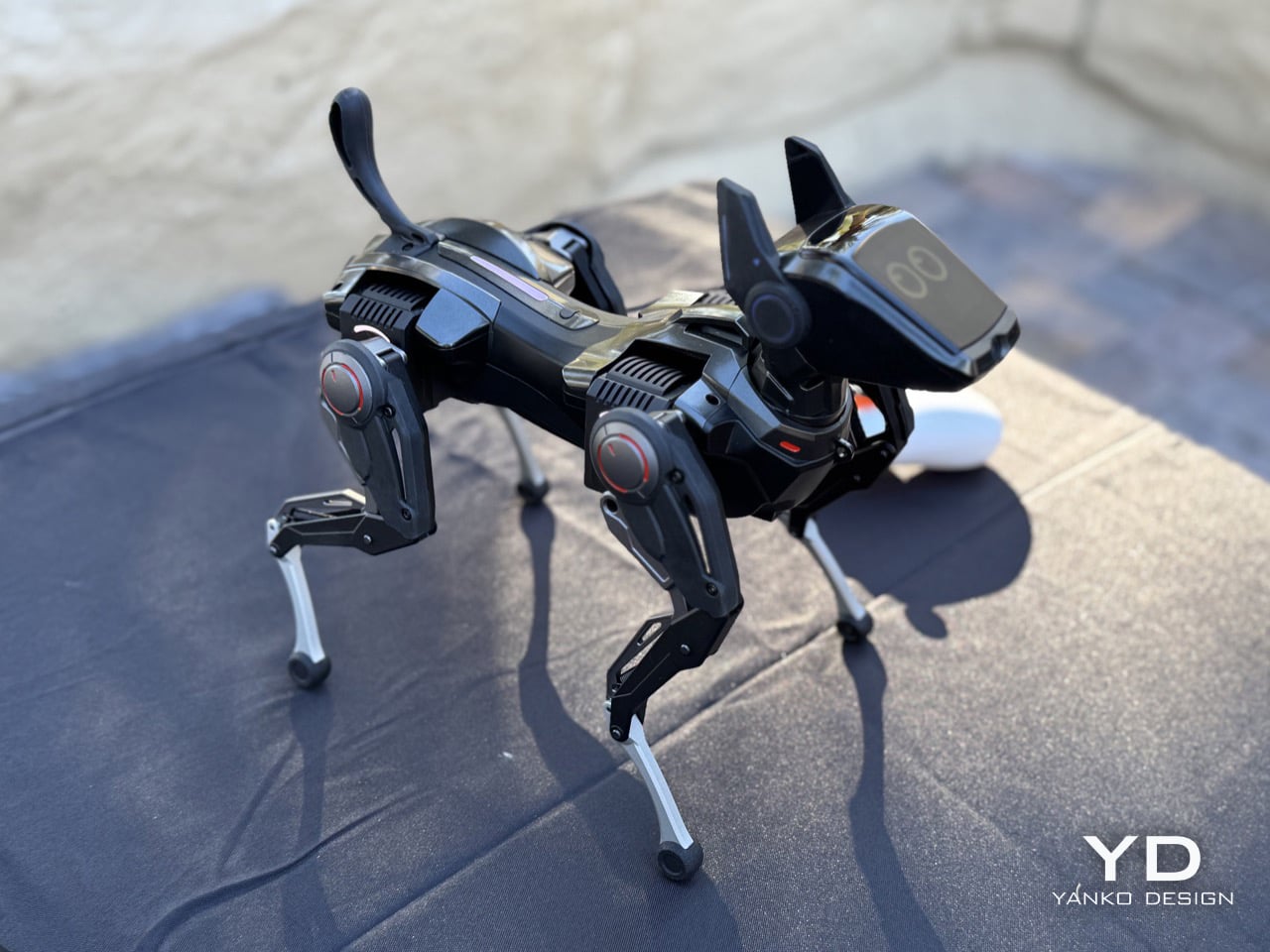
After a parade of robots that clean pools, climb stairs, and carry heavy loads, Hengbot Sirius takes a different approach by asking what happens when a robot’s main job is just being there. This AI-powered companion is marketed as a silent presence for people living alone, a playmate that can mimic your pet’s expressions and sounds after you upload them, or a first-person perspective camera that lets you interact with your dog remotely through the robot’s “eyes.” The pitch shifts depending on who’s buying: for couples it’s a romantic surprise delivery system, for parents it’s an educational Christmas gift and “encyclopedia of robots,” and for animators it becomes a creative platform that serves as your first robotic carrier for bringing characters to life. The flexibility is the point; Sirius positions itself as whatever you need it to be in that moment.

The customization goes deeper with DIY skins that can be 3D printed, turning the robot into a unique object that belongs exclusively to you rather than looking like every other unit off the assembly line. For engineers, an EDU version provides algorithm access, API interfaces, and one-on-one technical guidance for implementing and deploying new ideas, which transforms Sirius from a consumer product into an open development platform. This isn’t solving a concrete problem like lawn maintenance or knee pain; it’s addressing the mushier territory of companionship, creativity, and experimentation. Whether that resonates depends entirely on whether you see value in a robot that exists more for emotional presence and customizable interaction than task completion. In a showcase dominated by machines designed to do specific jobs, Sirius stands out by being deliberately vague about what it’s supposed to accomplish, leaving that definition up to whoever owns it.

SenseRobot Chess: When Robots Master the Board

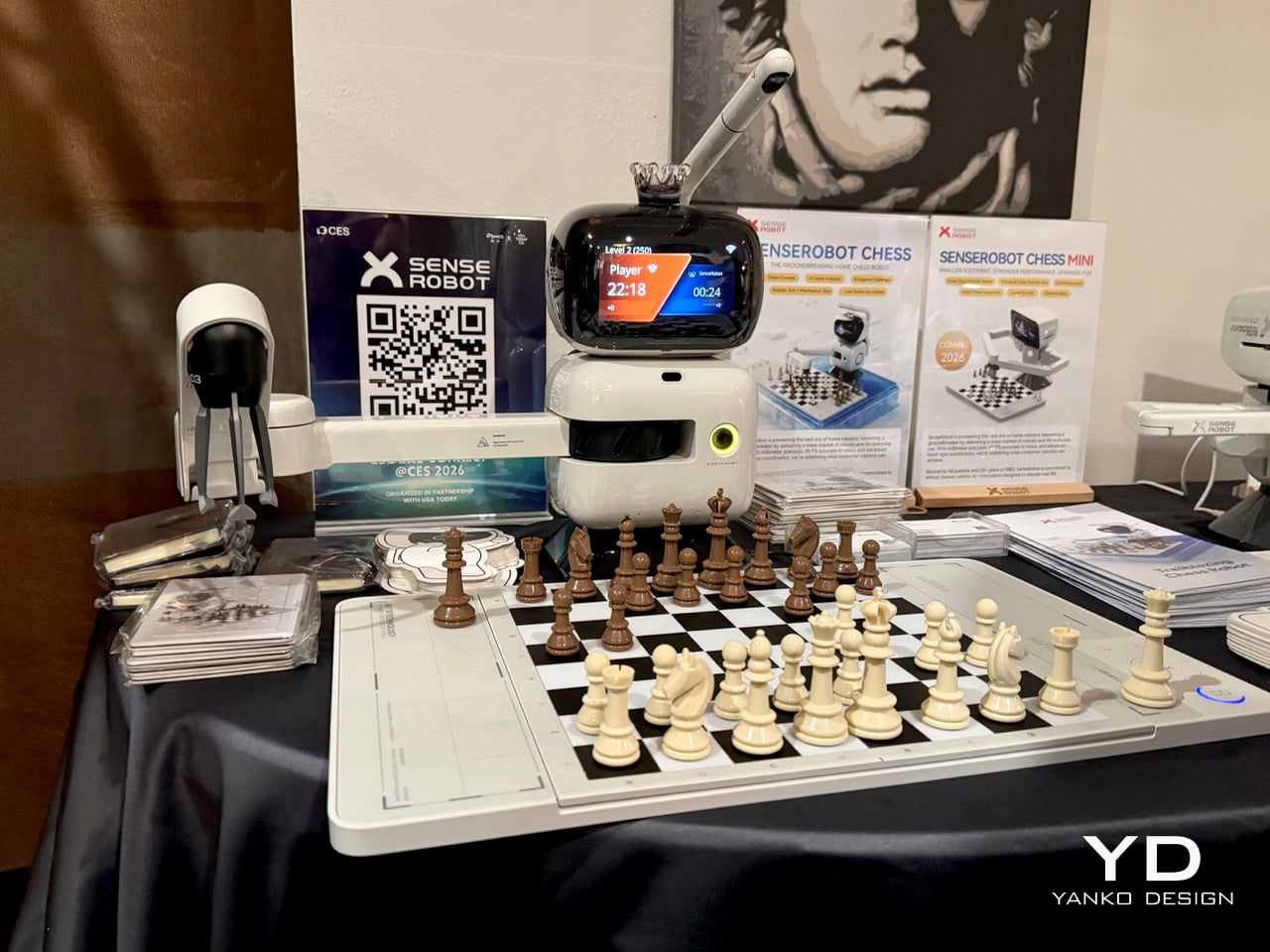
Chess has been testing artificial intelligence since Deep Blue beat Kasparov in 1997, but nobody put a physical robotic arm across the board from you until recently. SenseRobot claims to be the world’s first company mass-producing AI-powered robotic arms for home use, and their lineup includes multiple chess-playing models designed for different skill levels and budgets. The Chess MINI offers an entry point for casual players, while the Lite version expands to handle both chess and draughts (checkers), broadening the appeal to families who want more than one game option. Each model integrates AI vision, robotic arm precision, and intelligent decision-making systems that have been optimized to keep production costs consumer-friendly while maintaining home-level safety standards.

What makes these systems compelling isn’t just that a robot can play chess (software has beaten grandmasters for decades), but that it physically picks up pieces, moves them, and responds to your moves in real time using AI vision to track the board state. The company offers AI game review features and multiple difficulty levels, letting beginners learn strategy against a forgiving opponent or advanced players face genuinely challenging competition. SenseRobot also supports Gomoku (a strategic board game also known as Five in a Row), giving these robotic arms versatility beyond just chess. The physical interaction matters; watching a robotic arm deliberate, reach across the board, and execute its move creates an engagement that screen-based chess can’t replicate. This positions SenseRobot’s products somewhere between educational tools for teaching children strategic thinking and entertainment for adults who want their technology to exist in three-dimensional space rather than behind glass.


The post AI Bartenders, Pool Cleaners, And Chess Arms: The Sleekest (And Smartest) Robots At CES 2026 first appeared on Yanko Design.